What to Eat in Valencia: A Food Guide to Spain's Rice Capital
The search for an authentic Valencian lunch rarely leads where travellers expect. It leads instead to a nuanced repertoire of local staples: an arròs al forn, a coastal fideuà, or a guarded Sunday recipe passed down through generations. Paella is one dish. It is also, confusingly, the name of the pan.
Valencia has an extraordinary repertoire of rice dishes, and the language has kept pace with the kitchen. Each preparation has a name, a season, a correct hour and a set of people who will argue about it. Knowing even a handful of those names is the difference between eating what a tourist menu puts in front of you and understanding what Valencia cooks for itself.
Working out what to eat in Valencia means learning that vocabulary, then understanding the landscape behind it, because Valencian cuisine is deeply connected to what grows and is produced nearby. Vegetables come from the market gardens surrounding the city. Rice comes from the wetlands south of Valencia. Eel comes from the same landscape, seafood from the Mediterranean, tiger nuts from Alboraya, and wine from the vineyards inland.
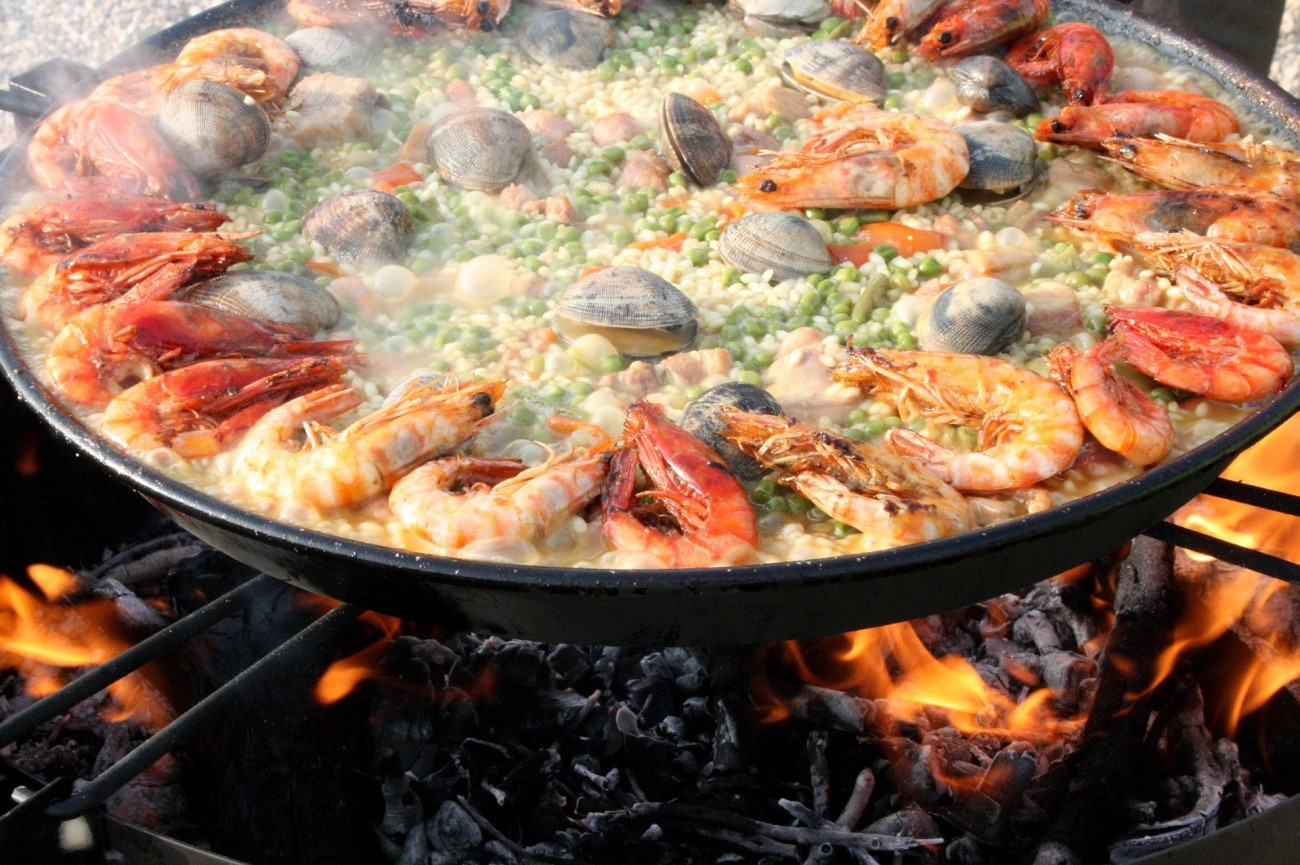
This is a city that eats its own immediate geography. Our four-night Foodie Side of Valencia journey follows that relationship from a traditional Valencian farmhouse and paella lunch to a sommelier-led wine and tapas experience and a hands-on paella cooking class beginning at Ruzafa Market.
The
Land That Feeds the City

Valencia sits at the centre of an agricultural landscape that has shaped the way the city eats for centuries.
The Huerta de Valencia is the belt of irrigated market gardens surrounding the city, fed by a network of channels whose origins go back to the Islamic period. The irrigation system is still governed in part by the Tribunal de las Aguas, a farmers' court that meets outside Valencia Cathedral every Thursday at noon. Artichokes, chufa, tomatoes and the flat green beans used in Valencian rice dishes all grow in this fertile coastal plain, much of whose produce still supplies the city's markets and restaurants.
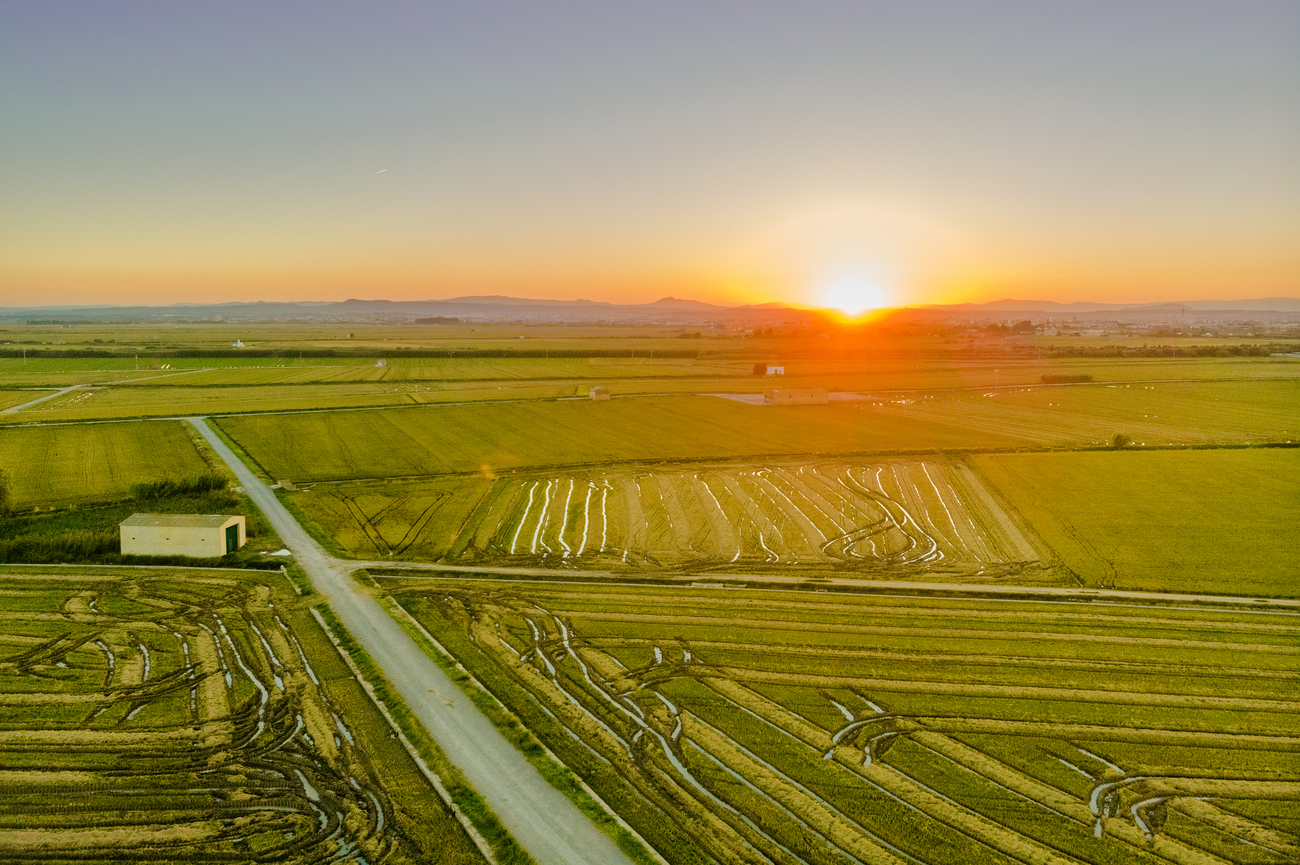
South of the city, the landscape changes from market gardens to wetlands and rice fields around Albufera Natural Park. Rice cultivation here dates back to the Muslim period, and the surrounding marshland became one of Valencia's defining agricultural landscapes. Today, rice grown in the Albufera area forms part of the protected Arroz de Valencia denomination, which covers traditional varieties including Senia, Bomba and Albufera. The relationship between the lagoon, its rice fields and Valencian cooking is explored further in our [guide to Albufera and Valencia's rice fields](Link to SP 4).
Then there is the Mediterranean. Valencia remains a major working port, and seafood has long been part of the city's cooking, from prawns and squid to local mussels. Inland, the landscape rises towards the vineyards of Utiel-Requena and the Alto Turia, bringing another distinctly Valencian element to the table.
Market gardens, wetlands, coast and vineyards all sit within easy reach of the city. Once you understand those four landscapes, Valencian menus begin to make much more sense: the cuisine is largely an expression of what each one produces.
Rice,
and the Two Hundred Ways It Is Cooked
Any honest answer to what to eat in Valencia starts with rice. Here, rice is not simply a dish. It is a category, a cooking method and a social ritual, with distinctions between preparations that are far finer than most visitors expect. More than 200 rice dishes are associated with the Valencian region, ranging from dry paellas to baked, creamy and brothy preparations.
Paella Valenciana
Paella Valenciana is the original and the most strictly defined. A major study of home cooks across the province identified ten core ingredients: rice, water, olive oil, salt, saffron, tomato, flat green beans, garrofó, chicken and rabbit. Depending on the village, household and season, you may also find additions such as snails, rosemary, artichoke or duck.
What does not traditionally belong in Paella Valenciana is just as important. Chorizo, for example, is not part of the recognised recipe, despite appearing in versions of the dish outside Spain.
The prized part is the socarrat, the toasted layer of rice that forms where the grains meet the bottom of the pan. Done properly, it is crisp and intensely flavoured rather than burnt, and it is often the part everyone reaches for first.
The full story of how Paella Valenciana developed, and the research that identified its core ingredients, is covered in our [history of paella](Link to SP 1).
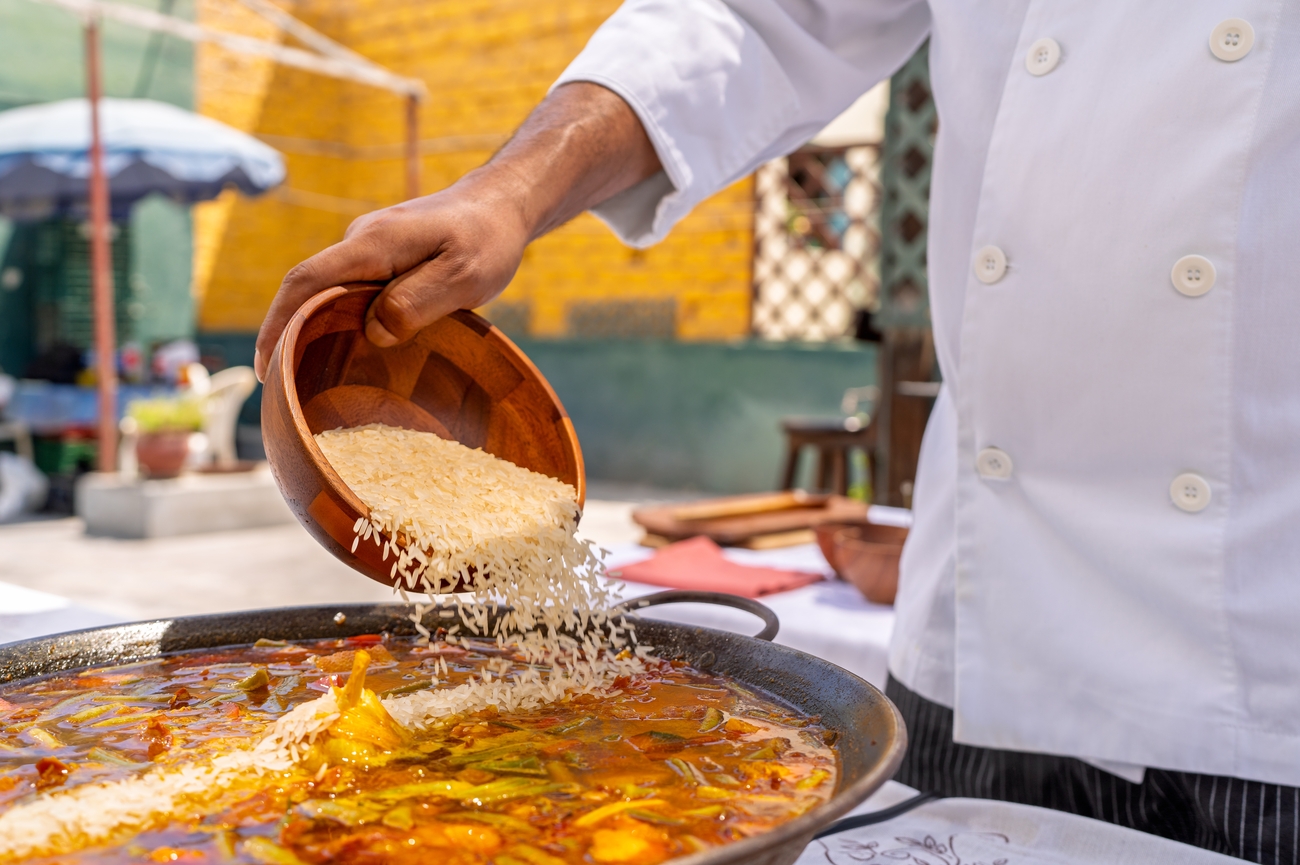
The pan matters too. A paella is wide, shallow and traditionally cooked over a broad, even heat. The rice should form a relatively thin layer, allowing the stock to evaporate and the grains to cook evenly. That combination of surface area, heat and evaporation is fundamental to the texture of the finished dish.
Other Valencian Rice Dishes
- Arròs a banda. A coastal rice dish traditionally made using the stock from fish cooked separately. The rice absorbs the flavour of the seafood broth while remaining the focus of the dish.
- Arròs negre. Rice coloured and flavoured with squid or cuttlefish ink, producing its characteristic black appearance and deep seafood flavour.
- Arròs al forn. Oven-baked rice traditionally prepared in an earthenware dish with ingredients such as chickpeas, pork, black pudding and garlic. It is particularly associated with hearty home cooking.
- Arròs amb fesols i naps. A brothy rice dish made with beans and turnip, traditionally eaten in cooler weather.
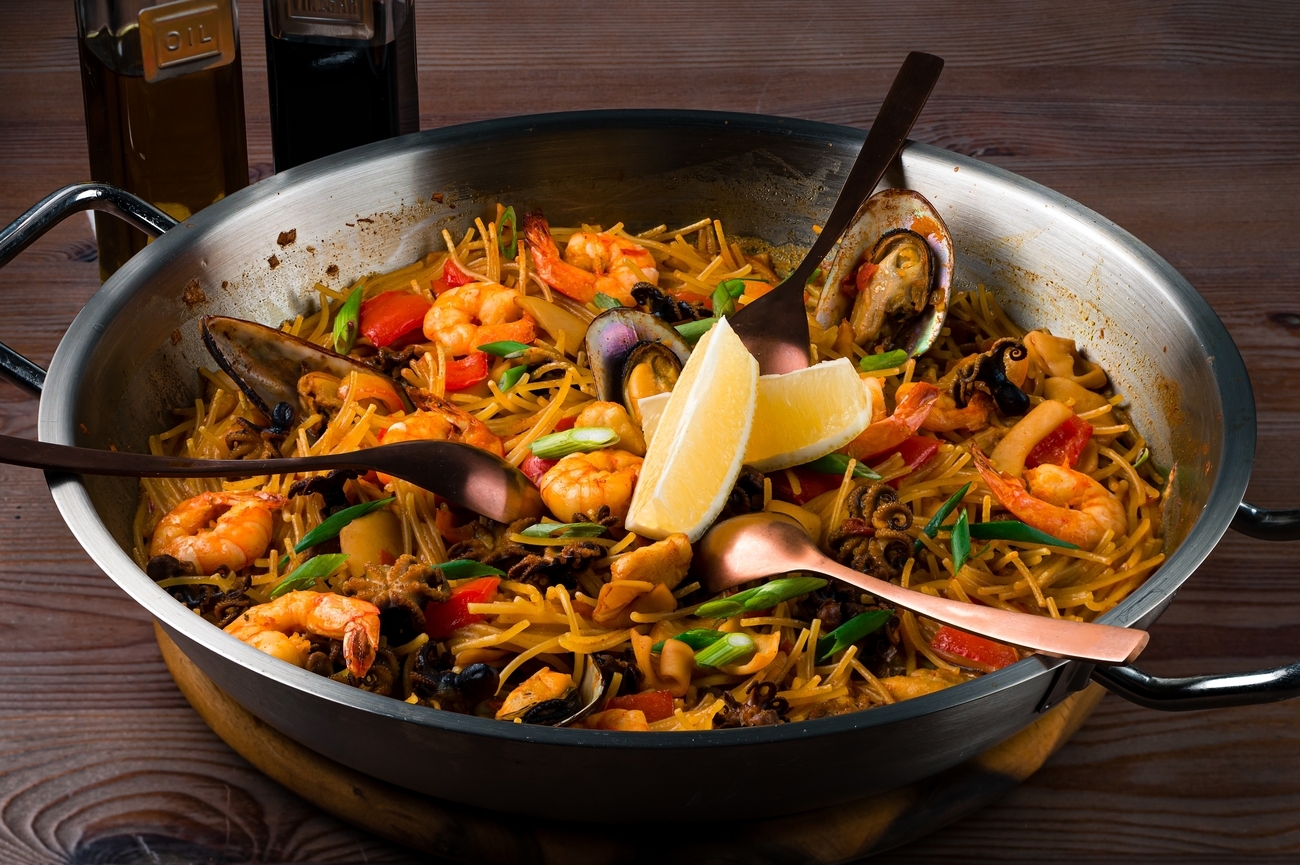
- Fideuà. A speciality originating in Gandia that replaces rice with short noodles cooked with fish stock and seafood. It is commonly served with allioli.
- Arròs melós and arròs caldós. Two wetter styles of Valencian rice. Arròs melós has a loose, creamy consistency, while arròs caldós contains considerably more broth and is closer to a rice soup.
What
to Eat in Valencia Beyond Rice
Rice may dominate Valencian cuisine, but the region has a distinctive collection of traditional dishes built from the same market gardens, wetlands and Mediterranean coast.
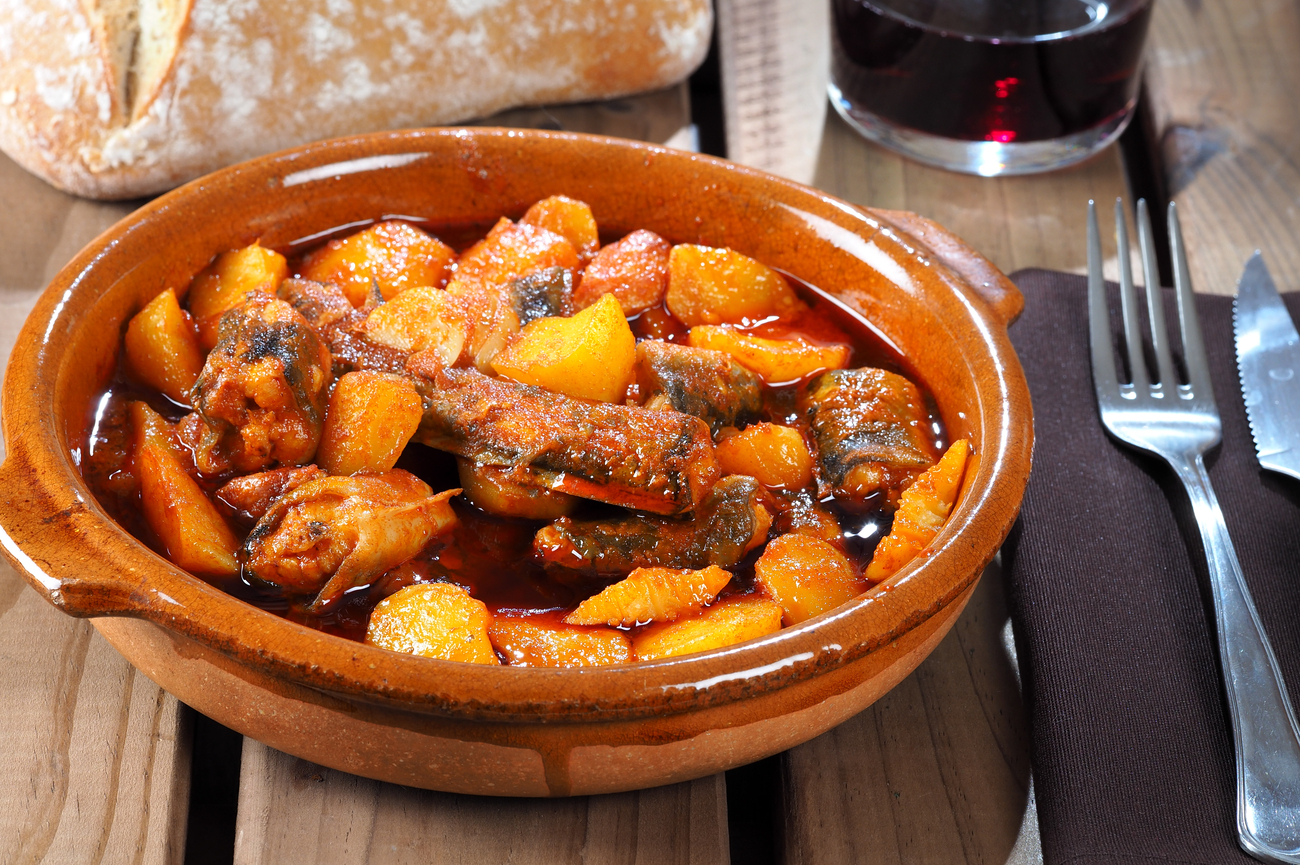
- All i pebre. One of the defining dishes of the Albufera villages, made with eel, potatoes, garlic and paprika. Rich, earthy and intensely savoury, it is particularly associated with El Palmar and the communities around the lagoon.
- Esgarraet. Roasted red peppers torn into strips and combined with salt cod, garlic and olive oil. Its name comes from the Valencian word for “torn”, describing the way the ingredients are prepared.
- Titaina. A speciality of Valencia's Cabanyal-Canyamelar neighbourhood, traditionally made with tuna, tomato, red pepper and pine nuts. It can be eaten warm or cold and is often used as a filling for bread or pastries.
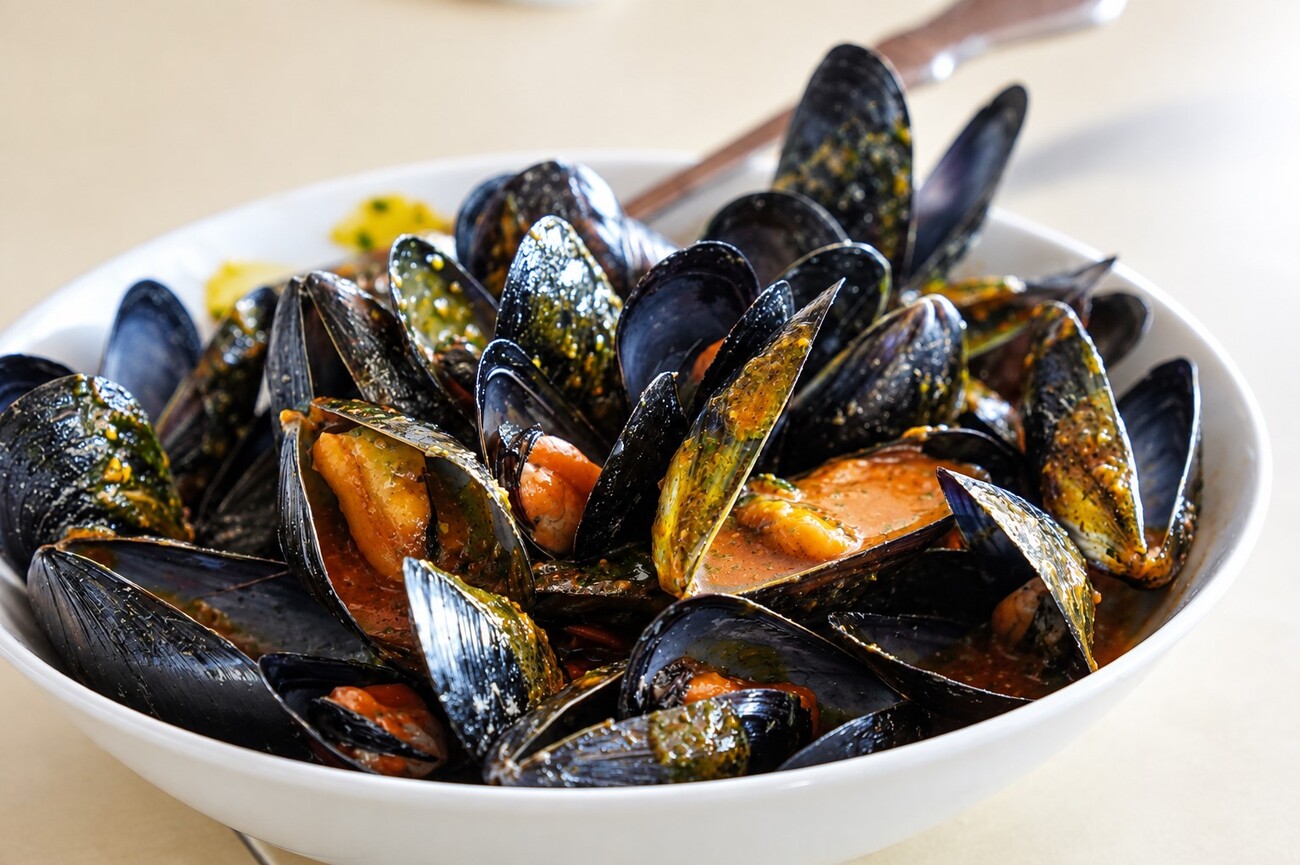
- Clotxines. Valencia's small Mediterranean mussels, traditionally eaten during their spring and summer season. They are usually steamed simply, allowing their naturally intense flavour to do most of the work.
- Coca de llanda. A soft Valencian sponge cake baked in a rectangular metal tray, often flavoured with lemon or cinnamon. It is an everyday cake rather than an elaborate dessert and commonly appears with coffee or at the end of a meal.
- Turrón. Although most closely associated with Christmas, the almond nougat produced around Jijona and Alicante is widely available in Valencia throughout the year. Both the hard Alicante style and softer Jijona version belong to the wider food culture of the Valencian Community.
A Note on Saffron
Real saffron is the most expensive spice on earth by weight and the most frequently faked, and Valencia sells a great deal of both kinds.
The genuine article comes as whole threads, deep red, with a fine trumpet flare at one end. It smells of hay and honey and something faintly metallic. Crushed to powder in warm water, it releases colour slowly over several minutes, yellow-gold rather than orange. Safflower and turmeric, the two usual substitutes, stain water instantly and violently and smell of almost nothing.
Buy threads, never powder. Buy from a market stall that sells spices rather than souvenirs. And expect to pay properly, because saffron that seems like a bargain is not saffron.
What to Drink in Valencia
A Valencia food guide should not stop at the plate. The city has its own drinking traditions, from tiger-nut horchata and local wine to cocktails and coffee rituals that belong specifically to this part of Spain.
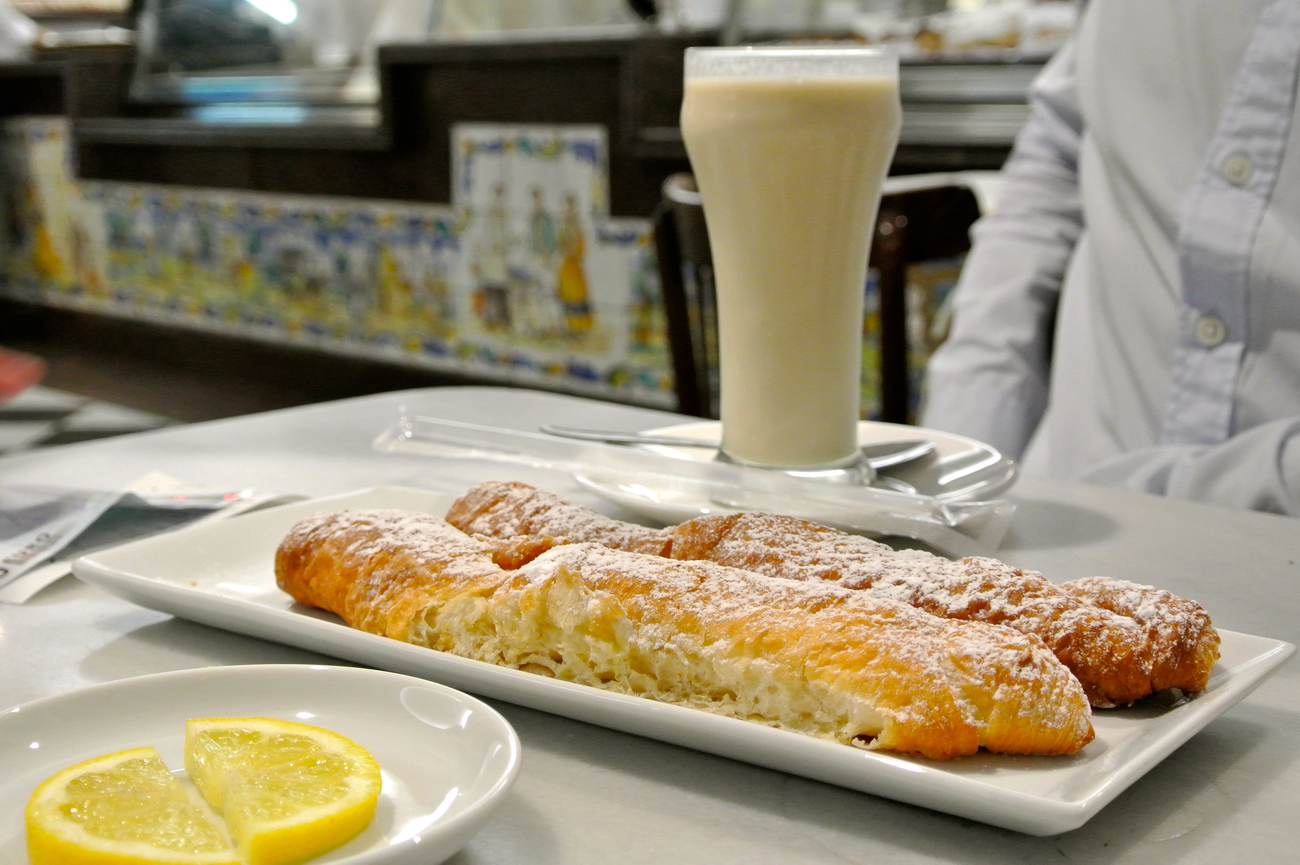
- Horchata. Valencia's signature non-alcoholic drink is made from chufa, or tiger nuts, with the protected Chufa de Valencia denomination centred around Alboraya. Served very cold, it traditionally comes with fartons, long soft pastries made for dunking. The flavour is sweet, nutty and slightly earthy, unlike either dairy milk or almond milk.
- Agua de Valencia. The city's best-known cocktail combines fresh Valencian orange juice with cava, gin and vodka, usually mixed in a large jug and shared. Created in Valencia in 1959, it tastes deceptively light considering what is in it.
- Wine. Inland Utiel-Requena is Bobal country, producing increasingly serious reds from the region's native grape alongside cava around Requena. D.O. Valencia covers a broader area, including Merseguera whites from Alto Turia and Moscatel from the warmer coastal zones. These are the wines most closely connected to the landscapes surrounding the city.
- Cremaet. A Valencian coffee traditionally made with rum, sugar, lemon peel and cinnamon. It is closely associated with the esmorzaret, Valencia's substantial mid-morning meal, and often brings it to a close.
- Mistela and cazalla. Mistela is a sweet local wine traditionally drunk after a meal, while cazalla is an anise-flavoured spirit with deep roots in Valencian drinking culture. Both are more likely to appear after a long traditional lunch than on the average visitor's drinks list.
Vegetarian Food in Valencia
Vegetarians can eat very well in Valencia, although traditional menus often require a little more attention than the city's vegetable-rich landscape might suggest.
Paella de verduras is an established Valencian preparation rather than simply a modern substitute for meat or seafood paella. Depending on the season, it may include artichokes, broad beans, green beans, garrofó, cauliflower and rosemary. The Huerta de Valencia gives local cooking an unusually strong vegetable tradition, particularly in spring.
Beyond rice, dishes such as grilled artichokes, peppers, mushrooms, local cheeses, tortilla and vegetable cocas make vegetarian eating relatively straightforward. Esgarraet can also be adapted by leaving out the salt cod. Vegans have fewer traditional options, but vegetable rice dishes and market-led restaurants make the city considerably easier than it first appears.
For paella or other rice dishes, mention dietary requirements when booking rather than on arrival. A properly made vegetable paella needs its own stock and preparation, so advance notice gives the kitchen time to do it properly.
Traditional Desserts and Sweets in Valencia
Valencia's traditional sweets are generally simpler than its savoury cooking, with citrus, almonds, pumpkin and sweet potato appearing repeatedly. Many are closely tied to particular seasons and celebrations.
Coca de Llanda
Coca de llanda is a simple Valencian sponge cake baked in a rectangular metal tray and cut into squares.
Usually flavoured with lemon, and sometimes cinnamon, it is an everyday cake rather than an elaborate restaurant dessert. You will find it served with coffee, at breakfast or at the end of a meal.
Buñuelos de Calabaza
Buñuelos de calabaza are pumpkin fritters particularly associated with Las Fallas in March.
They are fried until golden, dusted with sugar and traditionally eaten warm, often with thick hot chocolate. During Fallas, temporary stalls selling buñuelos appear throughout Valencia, making them as much part of the festival atmosphere as a dessert.
Arnadí
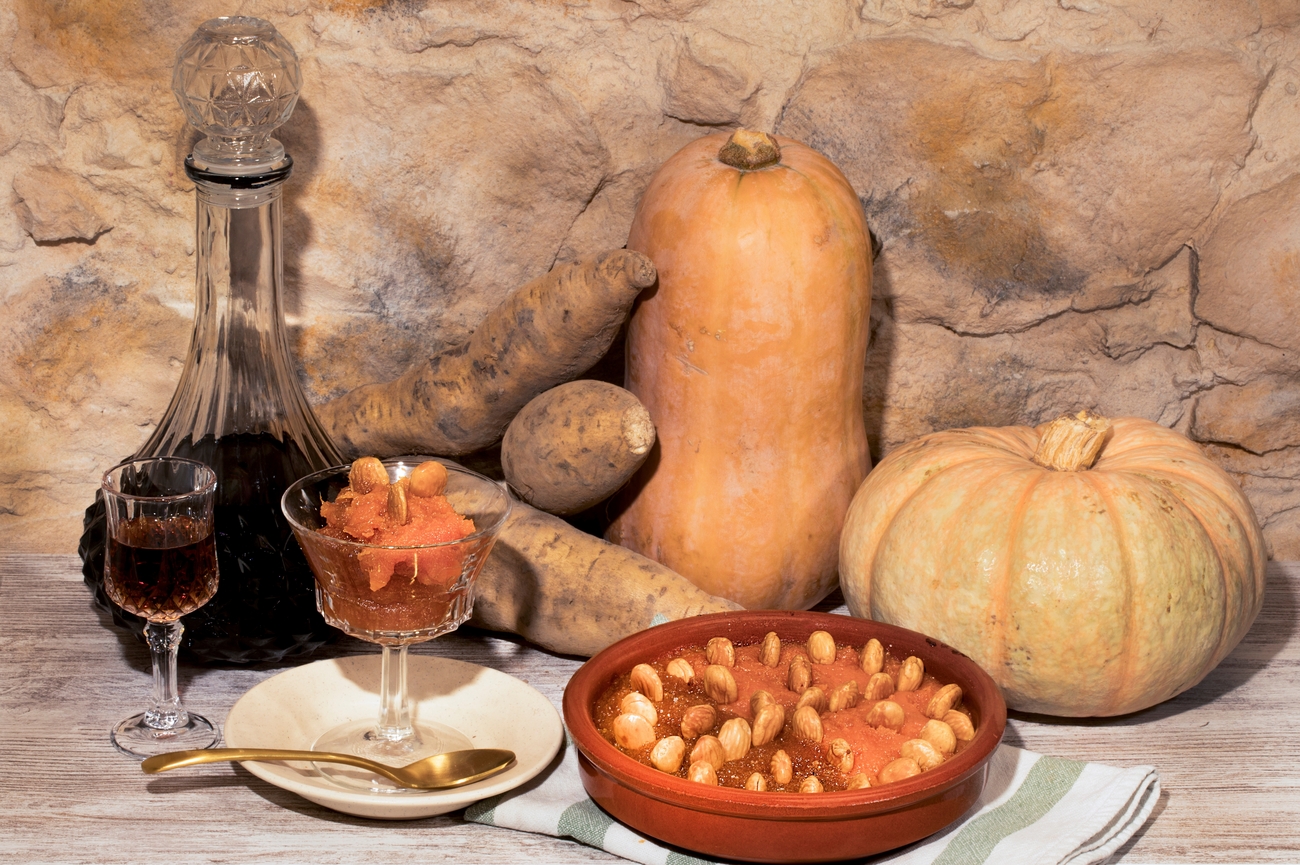
Arnadí is one of Valencia's older traditional sweets, made principally from pumpkin or sweet potato with sugar and almonds.
Its ingredients and preparation reflect the strong historical influence of Islamic and Moorish cooking on the Valencian kitchen. Rich and dense rather than delicate, it belongs to a much older tradition than most modern restaurant desserts.
Valencian Oranges
Valencia's oranges hardly need introducing, but eating local citrus in season is very different from treating it simply as an export product.
Oranges and mandarins have shaped both the agricultural landscape surrounding Valencia and the city's food identity. When they are in season, the best approach is often the simplest: fresh fruit at the end of the meal.
Mistela
Mistela sits somewhere between a drink and dessert.
This sweet Valencian wine is traditionally served in a small glass towards the end of a long meal. Its sweetness makes it a natural partner for almonds, pastries and other simple local desserts, and it provides one of the most characteristically Valencian ways to finish lunch.
When to Eat in Valencia
More than almost anything else, timing separates visitors who eat well in Valencia from those who do not. The city follows a distinct daily rhythm, and understanding it makes everything from paella to tapas easier to get right.
- Breakfast: Typically a light affair, with coffee accompanied by toast, a pastry or something similarly simple. It is usually a quick start to the day rather than a long, leisurely meal.
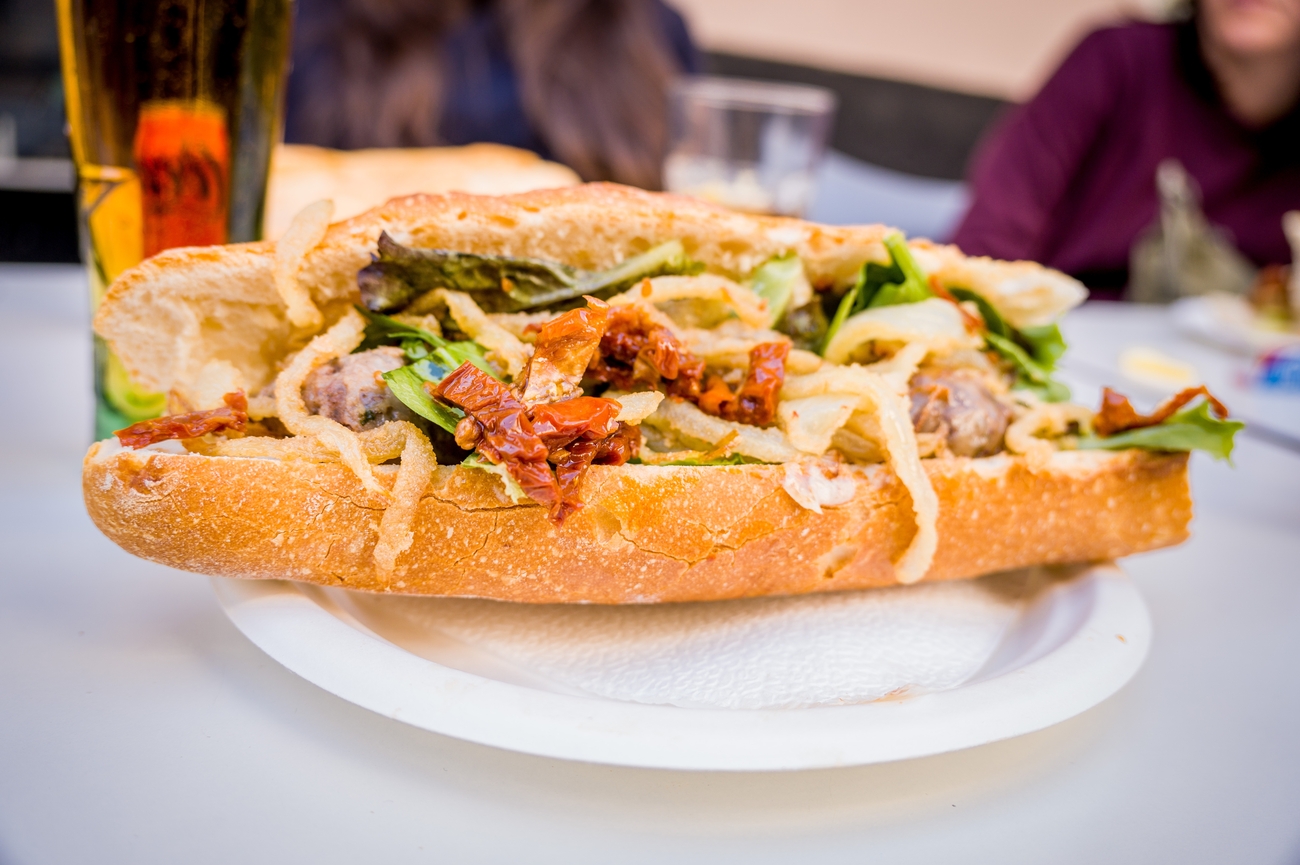
- The esmorzaret: This substantial mid-morning meal is one of Valencia's most distinctive food traditions. Usually eaten between around nine and twelve, it typically begins with peanuts, olives or lupins, followed by a generously filled bocadillo, a beer or vermouth, and often a cremaet to finish. It developed from the mid-morning break of agricultural workers and survives remarkably well in a world increasingly obsessed with brunch.
- Lunch: Usually eaten from around two and traditionally the main meal of the day. This is when Valencians eat rice, and paella is primarily a lunch dish rather than an evening meal.
- Dinner: Generally begins from around nine and can start considerably later, particularly at weekends. Compared with lunch, it is often lighter and lends itself naturally to tapas and moving between bars.
- Sunday lunch: One of the week's fixed points. Rice is often cooked at home or eaten in restaurants outside the city, with extended families lingering over the table well into the afternoon.
The mid-morning esmorzaret, the vermut hour and the social rhythm of an evening spent moving between bars are explored in more detail in our [guide to tapas and wine in Valencia](Link to SP 3).
How to Order Rice in Valencia
Ask ten people what to eat in Valencia and you may get ten different restaurant recommendations. Learning how Valencians order rice is more useful, because the same principles apply wherever you eat.
- Allow time for it. A proper rice dish is cooked to order and should not appear suspiciously quickly. At busy Sunday lunches, waiting is part of the process rather than a sign that something has gone wrong.
- Expect to order for the table. Many traditional restaurants prepare paella and other rice dishes for a minimum of two people, with the price often shown per person. Check when booking if you are eating alone.
- Look at the rice. Senia, Bomba and Albufera are all recognised varieties within the protected Arroz de Valencia denomination and are particularly suited to Valencian rice dishes.
- Eat rice at lunch. Paella is traditionally a midday dish, particularly at weekends and on Sundays. If you want the most Valencian experience, book lunch rather than dinner.
- Choose the setting as carefully as the dish. The beach, the Huerta and the villages around Albufera are all traditional places to eat rice. El Palmar, in particular, remains closely associated with paella and the rice-growing landscape in which it developed.
- Ask what rice the kitchen is preparing. Do not assume paella is automatically the best choice. Arròs a banda, arròs del senyoret, arròs negre and seasonal rice dishes may be the more interesting order.
- Be cautious with generic tourist menus. A restaurant offering numerous versions of paella alongside photographs of every dish is usually a less promising choice than an arrocería with a shorter rice menu and plenty of local diners.
Eating in Valencia by Season
Valencia's food changes more across the year than its mild climate might suggest, and eating seasonally is one of the easiest ways to understand the city's cooking.
- Spring. Artichokes, broad beans and other produce from the Huerta de Valencia come into their own, making this a particularly good season for vegetable-led dishes and rice cooked with fresh local ingredients.
- Summer. Clotxines are in season, horchata becomes almost unavoidable, and seafood, salads and lighter dishes suit the heat. Beachfront restaurants around Las Arenas and El Cabanyal are especially popular for long rice lunches.
- Autumn. The rice harvest transforms the landscape south of the city, while mushrooms and other inland ingredients begin to appear on menus. This is also one of the best times to visit Albufera, when the rice fields and lagoon are at their most atmospheric.
- Winter. Heavier dishes return, including arròs al forn and arròs amb fesols i naps. Oranges are at their best, turrón fills the shops around Christmas, and the cooler months suit the slow, substantial style of cooking that defines many traditional Valencian dishes.
Food Markets in Valencia
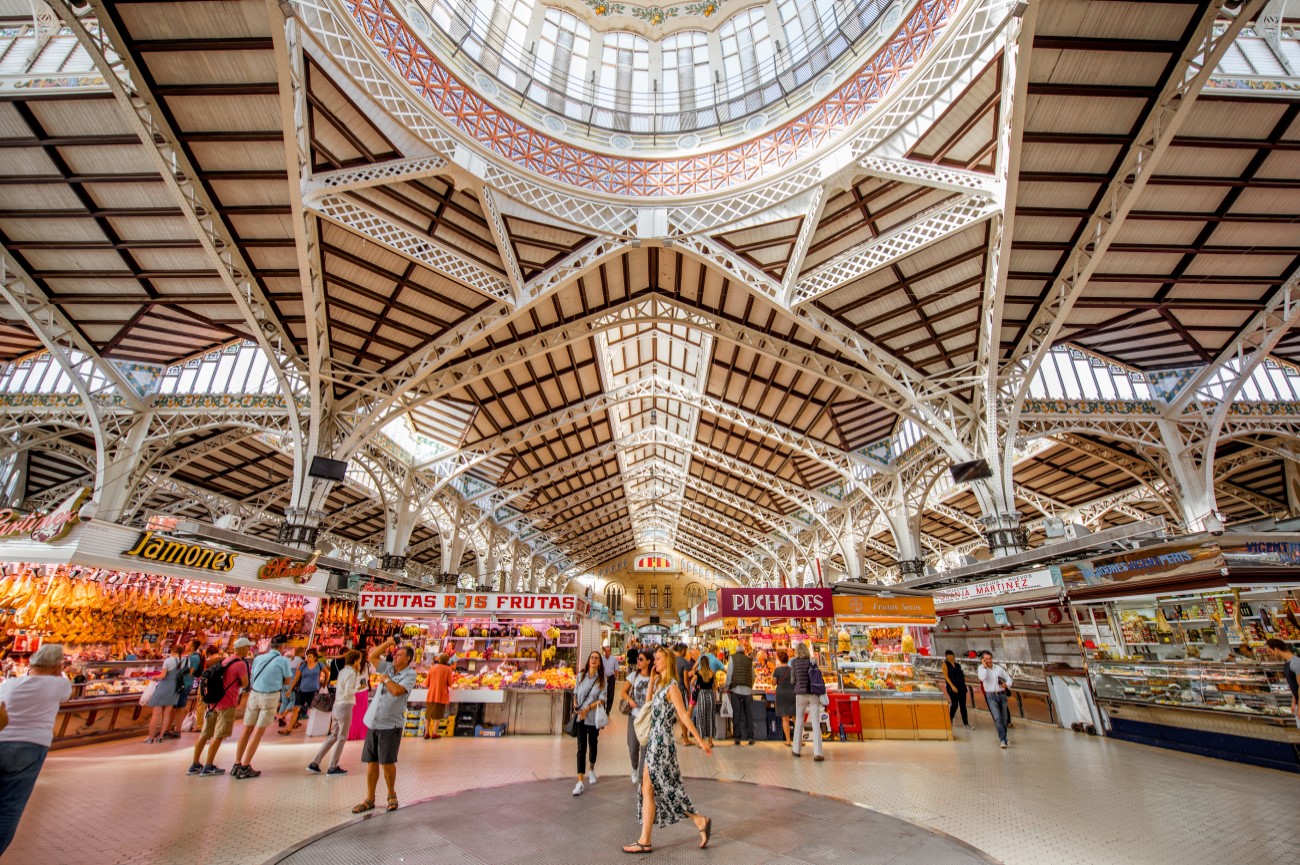
Some of the best food experiences in Valencia begin at the market rather than in a restaurant. Three of the city's markets offer very different ways to understand what Valencians actually buy, cook and eat.
- Mercado Central. Valencia's great working food market opened in 1928 and remains one of the largest fresh-food markets in Europe. Its modernista hall covers more than 8,000 square metres of commercial space, with stalls selling fish, meat, fruit, vegetables, spices, nuts, cured products and ingredients from the surrounding Huerta. Go in the morning, when the market is at its busiest and the fresh produce is at its best.
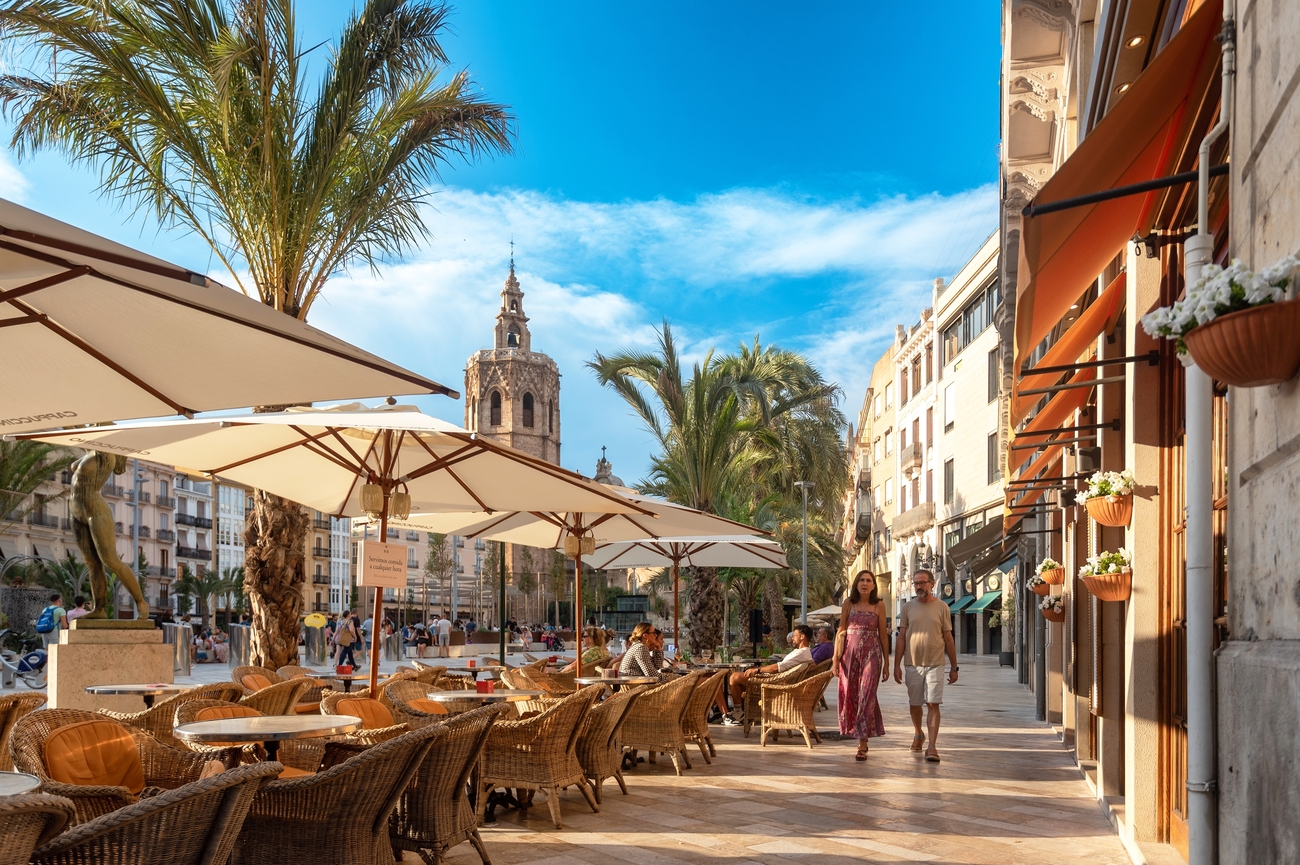
- Mercado de Colón. Another of Valencia's modernista landmarks, but today much more of a gastronomic meeting place than a traditional produce market. Its restaurants, cafés and bars make it a good place for breakfast, a drink or an unhurried stop during the day.
- Mercado de Ruzafa. Smaller, more local and closely tied to its neighbourhood, Ruzafa Market is where everyday shopping still dominates. It is also a natural starting point for cooking experiences that begin by identifying and buying the ingredients used in Valencian dishes.
Standing in front of unfamiliar rice varieties, beans, spices and vegetables only gets you so far. The real lesson comes from learning what happens to them once they reach the kitchen, which is why our [guide to paella cooking classes in Valencia](Link to SP 2) looks at everything from choosing ingredients at the market to controlling the fire beneath the pan.
What Food to Bring Home from Valencia
Valencia is better for edible souvenirs than decorative ones, and several local ingredients travel well enough to recreate part of the city's cooking at home.
- The paella pan. Traditional polished-steel pans are sized by diameter and intended to keep the rice in a thin, even layer. A pan around 38 cm is suitable for roughly four people. It is awkward to pack, but the shape is fundamental to how paella cooks.
- Rice. Look for D.O.P. Arroz de Valencia. Bomba is particularly forgiving and absorbs plenty of stock while holding its shape, while Senia is softer and absorbs flavour exceptionally well but demands more precise timing.
- Garrofó. These large white beans are one of the defining ingredients of Paella Valenciana. Dried garrofó travels easily and can be difficult to find outside Spain.
- Saffron threads. Buy whole threads rather than powder, preferably from a specialist spice stall or food market.
- Pimentón. Spanish paprika is useful for dishes such as all i pebre and travels easily. A good bottle of Valencian olive oil is another worthwhile purchase if luggage weight allows.
Avoid generic paella seasoning mixes if you want to reproduce the flavour properly at home. Rice, saffron, beans, stock and careful heat control matter far more than a packet of pre-mixed seasoning.
If you buy a polished-steel paella pan, season it before first use, dry it immediately after washing and wipe it with a thin film of oil before storing. Untreated steel can rust quickly if it is left damp.
How to Plan a Food-Focused Week in Valencia
If food is one of the main reasons for visiting Valencia, the best approach is to spread the experience across several days rather than trying to fit everything into one market visit or one paella lunch.
Give at least two mornings to the esmorzaret in different neighbourhoods. The format is recognisably Valencian, but the bars, fillings and atmosphere vary enough that one experience rarely tells the whole story.
Set aside one long lunch for rice, ideally somewhere by the coast or around Albufera, and do not rush it. Sunday is the classic day, but a good rice lunch works on any day when the kitchen is cooking properly.
Use one morning or early afternoon for the markets. Mercado Central is the obvious place to understand the range of local produce, while Ruzafa Market is particularly useful if you are combining shopping with a cooking experience.
Give one full day to Albufera and the rice-growing landscape south of the city. Walk or cycle through the fields, eat in one of the villages, and stay for sunset over the lagoon rather than treating it as a quick excursion.
Spend at least one evening in Ruzafa or the old city, moving between bars rather than settling into a single restaurant. That is when the social side of Valencian eating becomes much easier to understand.
And devote one morning to cooking. Learning how the rice behaves, how the stock is built and how the heat is controlled changes the way you understand every paella you eat afterwards.
That rhythm closely reflects the way our four-night Foodie Side of Valencia journey is structured, combining the city, its markets, its rice traditions and its surrounding food landscape rather than treating them as separate experiences.
How
to Eat Well in Valencia on a Budget
Valencia is one of those cities where eating well does not necessarily mean spending heavily. Some of the most satisfying local meals are also among the most affordable, particularly if you follow the city's normal weekday habits.
The menú del día is one of the best-value ways to eat lunch. Offered by restaurants across the city, it usually includes several courses and may also include bread, a drink or dessert. The best versions are aimed at local workers and regular customers rather than visitors, which tends to keep both quality and value high.
The esmorzaret is another substantial meal for relatively little money. A filled bocadillo, something to nibble beforehand, a drink and often a coffee can easily replace breakfast and carry you through to a late lunch.
Market counters and traditional bars are also worth seeking out for simple dishes, sandwiches and tapas at everyday prices. Mercado Central in particular is useful for seeing how closely the city's food still connects to the produce sold around it.
None of these are budget substitutes for the "real" Valencia. They are part of how the city normally eats, which is precisely why they are so useful for visitors trying to understand Valencian food rather than simply spend more on it.
The One Mistake to Avoid
When Eating in Valencia
If you take one practical lesson from this guide, make it the timing.
One of the easiest ways to miss Valencia's best food is to keep an early northern European schedule: lunch at half past twelve, dinner at seven, and paella ordered in the evening simply because that is when you are hungry. Valencian kitchens and dining habits run later, and the dishes worth travelling for are usually at their best when eaten on the city's own timetable.
Shift your day by an hour or two and everything becomes easier. Make lunch the main meal at around two, keep dinner lighter and later, and leave room for an esmorzaret in the morning.
It is a small adjustment, but it changes where you eat, what is being cooked when you arrive, and ultimately what ends up on the table.
Essential Valencian Food Vocabulary
A few local words make menus easier to understand and help you order with more confidence.
- Arròs. Rice, and the broader category of rice dishes. If a restaurant has several, ask which arròs they are preparing that day.
- Socarrat. The toasted layer that forms at the bottom of a well-cooked paella or other dry rice dish. It should be crisp and deeply flavoured rather than burnt.
- Esmorzaret. Valencia's substantial mid-morning meal, usually built around a filled bocadillo with small snacks and a drink.
- Picaeta. A small selection of snacks served before or alongside a meal, often including olives, peanuts or lupins.
- Cremaet. A Valencian coffee preparation traditionally made with rum, sugar, lemon peel and cinnamon.
- Clotxina. The local Valencian mussel, smaller than the larger mussels more commonly seen elsewhere in Spain and particularly associated with the city's spring and summer season.
Valencian and Spanish are both widely used in the city, and menus may appear in either language. Visitors are not expected to speak Valencian, but recognising the local names of dishes makes traditional menus much easier to navigate.


Let us know what you love, where you want to go, and we’ll design a one-of-a-kind adventure you’ll never forget.
Get in touch
Miriam
Travel Specialist

Romina
Travel Specialist

Laura
Travel Specialist
Frequently Asked Questions
-
Is El Palmar worth visiting for paella?
Yes. El Palmar sits within the Albufera rice-growing landscape south of Valencia and is one of the most traditional places to eat paella and other Valencian rice dishes. It is particularly suited to a long lunch combined with a visit to Albufera.
-
Which areas of Valencia are best for traditional food?
Valencia's historic centre, Ruzafa and the Cabanyal-Canyamelar neighbourhood all offer good opportunities to explore local food. For traditional rice dishes, the villages around Albufera, particularly El Palmar, are especially important.
-
How far in advance should you book the best restaurants in Valencia?
For sought-after restaurants, fine dining and popular weekend lunches, booking in advance is recommended. This is particularly important for Sunday lunch and for restaurants specialising in rice dishes, where tables can fill quickly.
-
Does Valencia have Michelin-starred and fine-dining restaurants?
Yes. Valencia has a strong contemporary fine-dining scene alongside its traditional restaurants and rice kitchens. This makes it possible to combine classic Valencian food with tasting menus and modern interpretations of regional ingredients.
-
Is Valencia good for gluten-free and coeliac travellers?
Valencia can work very well for gluten-free travellers, particularly because many traditional rice dishes are naturally based around rice rather than wheat. However, ingredients, stocks and cross-contamination should always be checked directly with the restaurant, especially for anyone with coeliac disease.
-
Are restaurants in Valencia open on Sundays?
Many restaurants in Valencia open on Sundays, particularly for lunch, which is an important social meal in the city. Individual opening days vary, however, and some restaurants close on Sunday evening or on another day of the week, so it is worth checking before travelling.
-
Can Revigorate arrange a food-focused trip to Valencia?
Yes. Revigorate can create a tailor-made Valencia itinerary centred around the city's food culture, combining experiences such as traditional paella lunches, local markets, wine and tapas, cooking experiences and visits to the rice-growing landscape around Albufera.
Our offices:



Revigorate, Iberian Escapes and Algarve Lifestyle are the registered brand names of APCS Lda . We are a fully authorised travel agency licensed by Turismo de Portugal RNAVT/6867.
In the event of a dispute, the consumer may refer to: RAL - Centros de Arbitragem
Avª. 5 de Outubro, nº. 55, R/C Dtº. 8000-075 Faro, Portugal | Tel: +351 289 823 135 *
* national landline call
E-mail: info@consumoalgarve.pt| www.consumidoronline.pt | Mon to Fri: 9:00 - 13:00 / 14:00 - 17:00