Things to Do in Dresden: 3-Day Itinerary
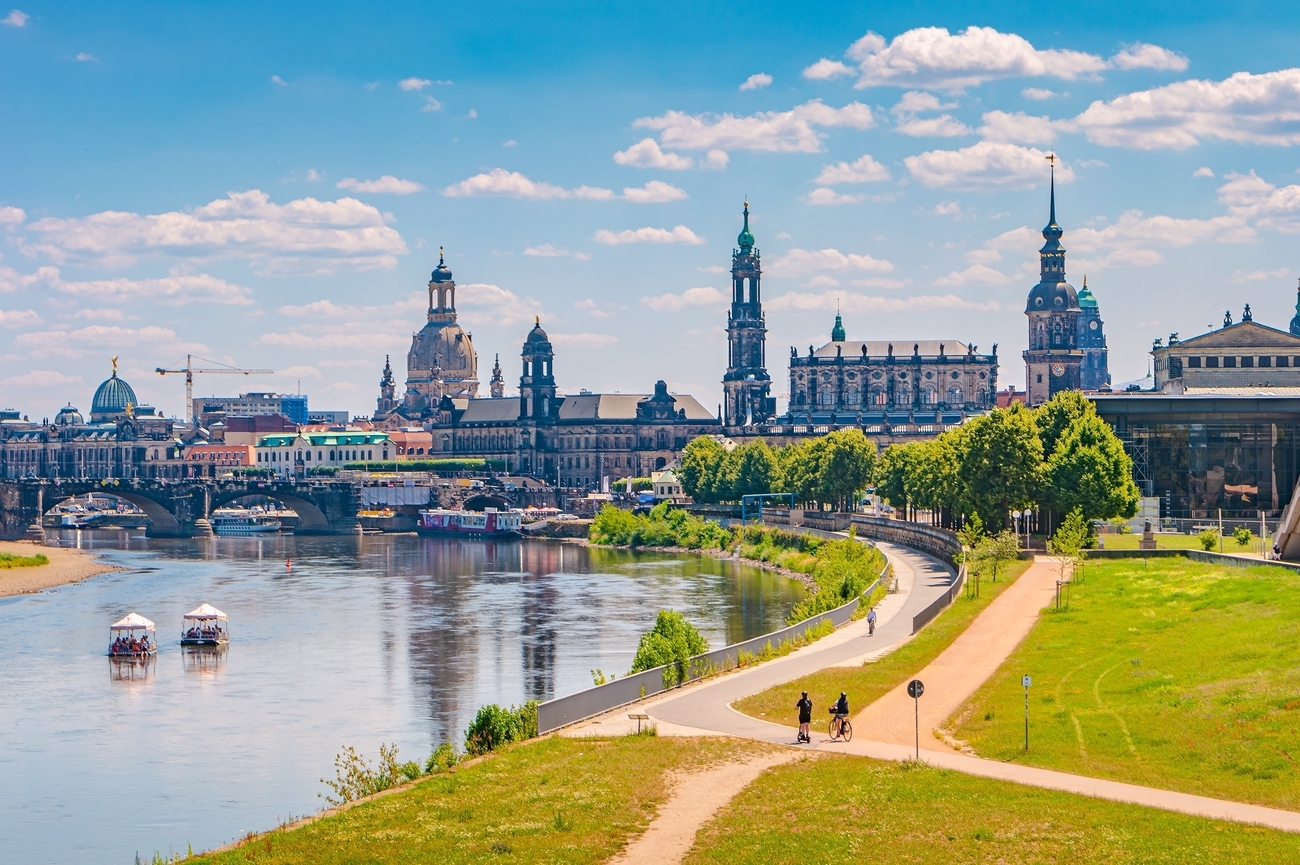
Dresden is one of Germany’s most important cultural cities, known for its Baroque architecture, major art collections and reconstructed historic centre beside the Elbe River. Most visitors know it for the bombing of 1945 and the reconstruction that followed. What they may not realise is that Dresden’s rebuilt historic centre now contains exceptional art collections, Baroque architecture and cultural institutions within a remarkably compact area beside the Elbe River.
The Old Masters Picture Gallery, the Green Vault treasure chambers, the Zwinger Palace, Dresden Castle, the Frauenkirche and the Semperoper opera house are all within walking distance of one another. This concentration of museums and landmarks makes Dresden particularly well suited to a short cultural break.
The city is also easy to explore. The historic centre lies on the southern bank of the Elbe, with its principal attractions close enough to visit on foot. Cross the Augustus Bridge and the atmosphere changes in Neustadt, a younger and less formal district filled with independent cafés, creative spaces, restaurants and nightlife. The contrast between the two sides of Dresden gives the city enough variety to remain interesting over several days.
The art and architecture carry real weight. The Green Vault contains one of Europe’s most important collections of historic treasures, while the Old Masters Picture Gallery brings works by Raphael, Vermeer and Rembrandt together beneath one roof. Beyond the centre, the Elbe castles, riverside gardens and surrounding landscapes reveal another side of the city.
This 3-day Dresden itinerary explores both sides of the Elbe, combining the historic centre, major museums, Neustadt, riverside landmarks, restaurants and time to experience the city without rushing.
Day
1

Morning: Dresden Zwinger
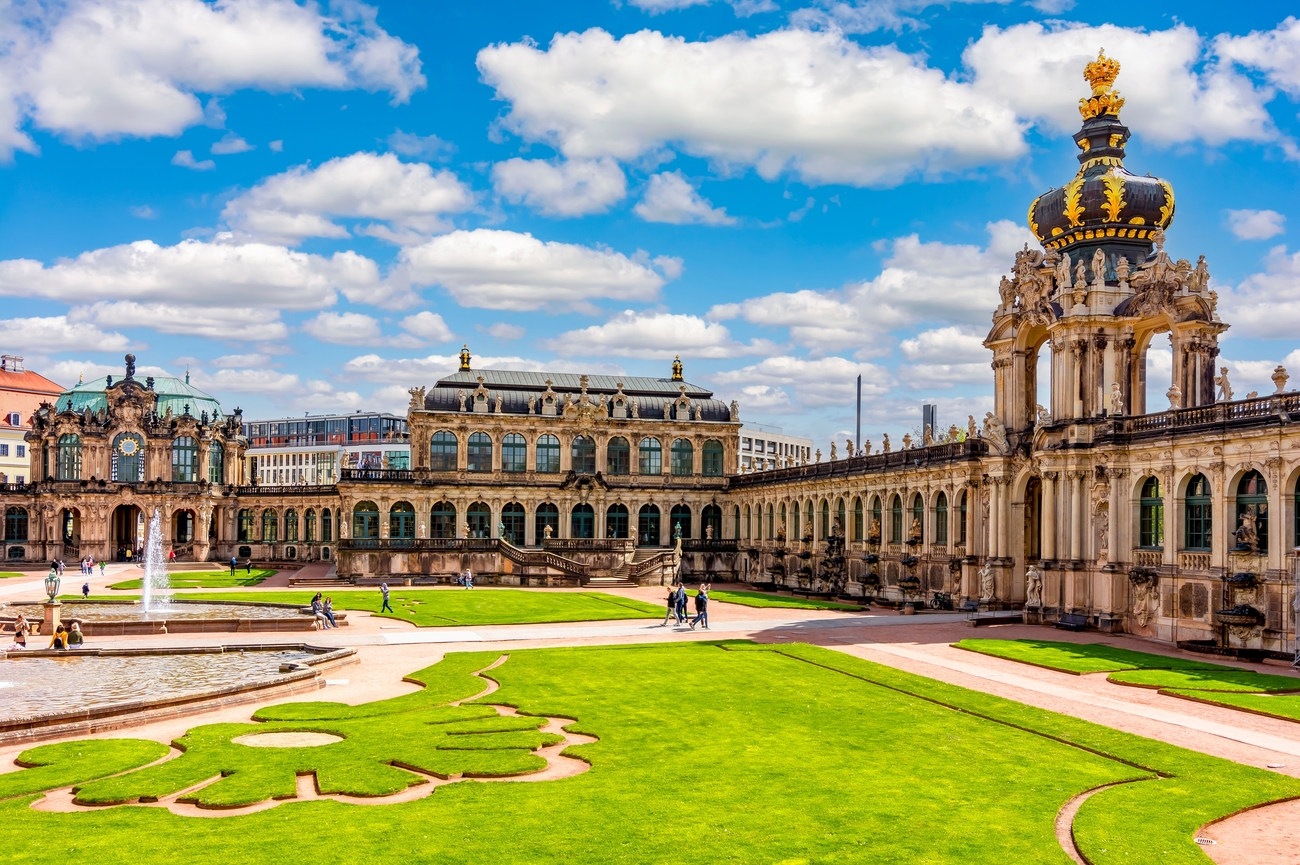
Built between 1710 and 1719 under Augustus the Strong, the Elector of Saxony, Dresden Zwinger was originally designed as a courtyard for royal festivals and celebrations rather than a residential palace. Today it functions as one of Germany's most important museum complexes and one of the finest examples of Baroque architecture in the country.
The complex is built around a large open courtyard with pavilions, galleries and gates connected by colonnaded walkways. The Crown Gate, topped with a golden Polish royal crown, is the most photographed entrance. The Nymphenbad, a Baroque fountain courtyard tucked into one corner, has sculpted figures, cascading water and detailed stonework. Inside the galleries, the collections are serious. The Old Masters Picture Gallery holds Raphael's Sistine Madonna, alongside works by Rembrandt, Vermeer, Titian and Rubens. The Dresden Porcelain Collection is one of the largest in the world. The Mathematisch-Physikalischer Salon covers scientific instruments and clocks dating back to 1600.
Old Masters Picture Gallery
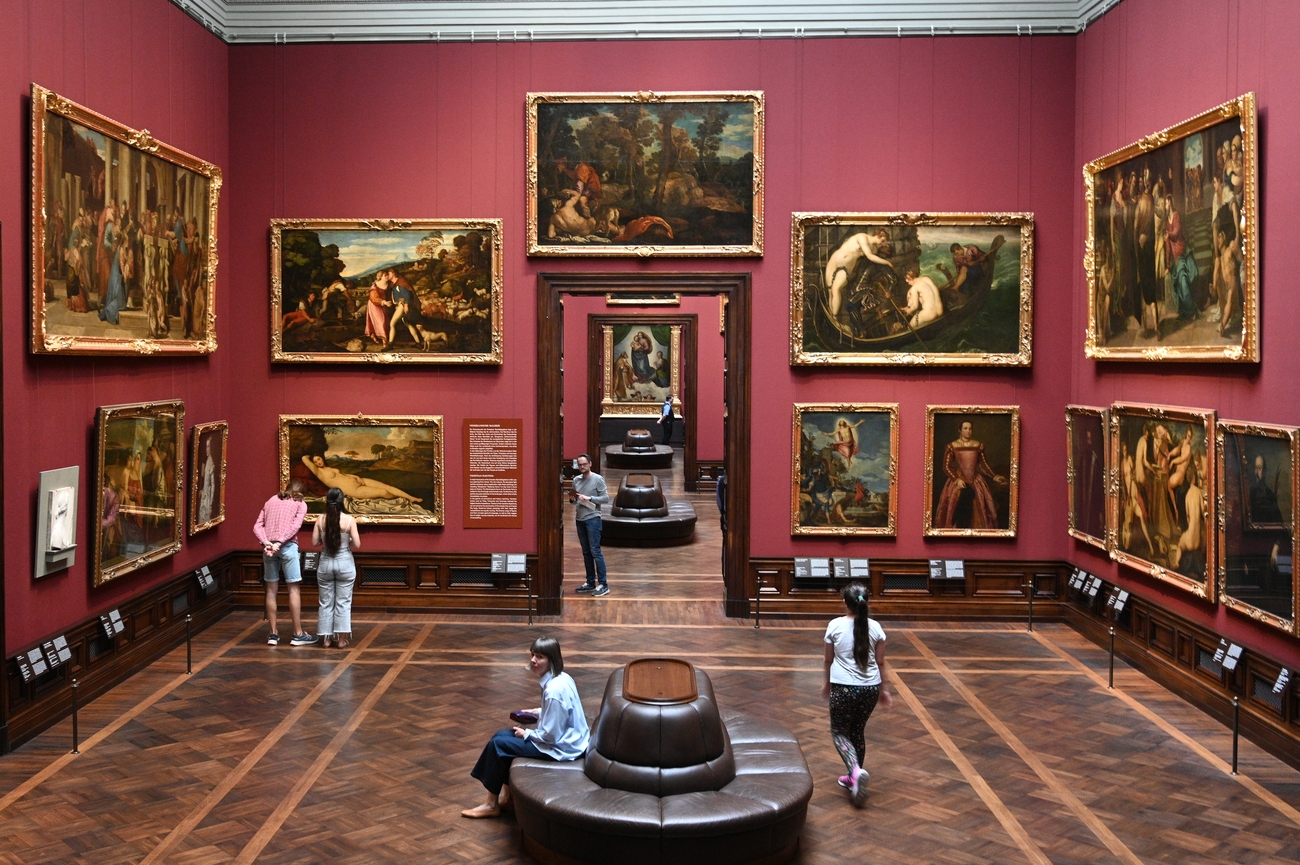
The Old Masters Picture Gallery sits inside the Semper Building, which is part of the Zwinger complex itself, so the transition from the palace courtyards to the gallery entrance takes about two minutes on foot.
The gallery, officially the Gemäldegalerie Alte Meister, holds around 700 paintings spanning the 15th to 18th centuries and covers Italian Renaissance, Dutch Golden Age, Flemish Baroque and German masters under one roof. The collection was built largely through the acquisitions of Augustus the Strong and his son Augustus III, who spent serious money pulling together works that now sit in the same conversation as the Louvre and the Prado. The undisputed centerpiece is Raphael's Sistine Madonna, painted in 1512, which gets its own dedicated room and draws the kind of crowd that reminds you this is not a regional museum. Alongside it are Vermeer's The Procuress, Giorgione's Sleeping Venus, self-portraits by Rembrandt, works by Titian, Botticelli, Correggio and Cranach the Elder. The building itself, after a seven-year partial closure and full renovation, reopened recently and the galleries now feel cleaner and more considered than before.
Semperoper Dresden
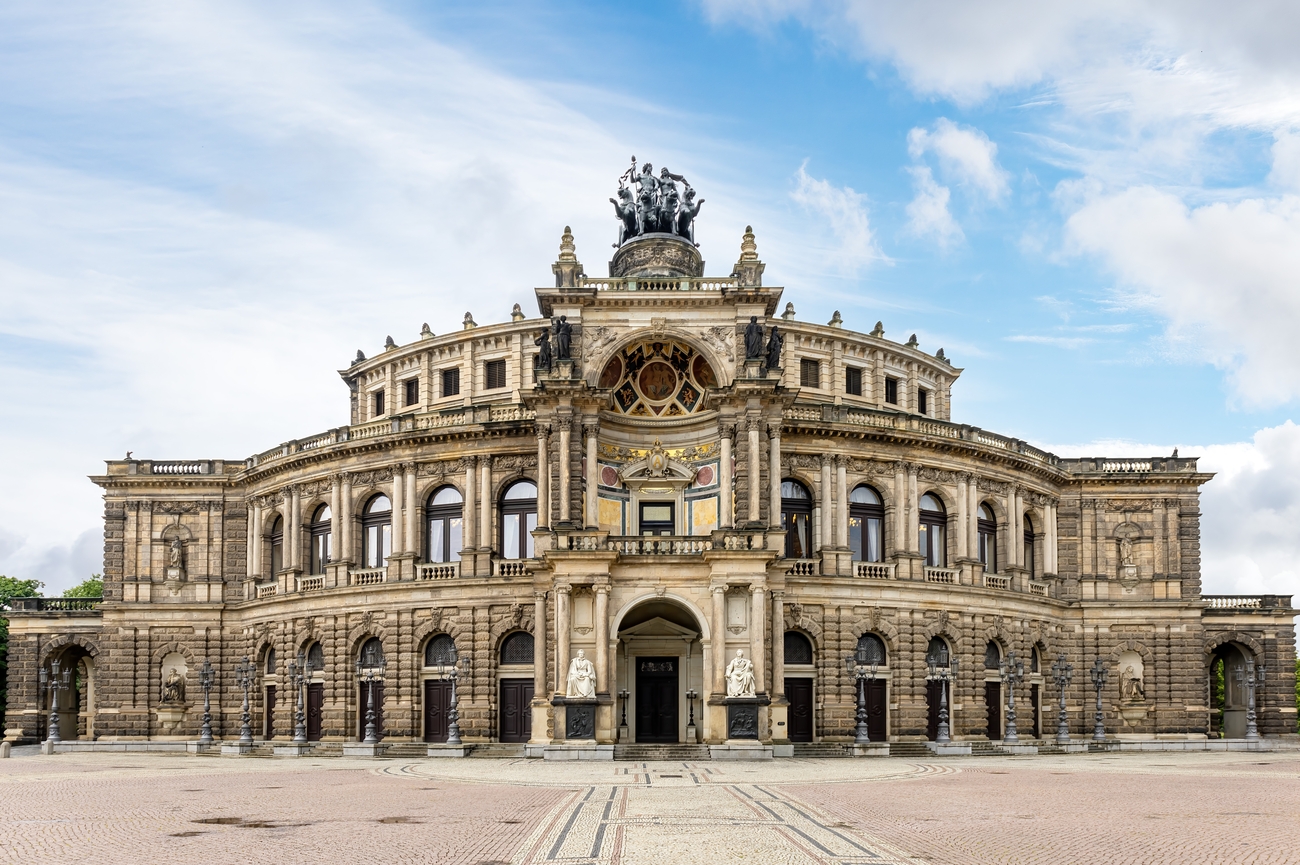
From the Old Masters Picture Gallery, the Semperoper is a two-minute walk across Theaterplatz. The building is already visible from the Zwinger courtyard, its curved Italian Renaissance facade facing the square in a way that makes it impossible to miss.
The Semperoper is the home of the Saxon State Opera, the Saxon State Orchestra and the Saxon State Ballet and has been one of Germany's most important opera houses since it first opened in 1841. The architect Gottfried Semper designed the original building, which was destroyed by fire in 1869. The rebuilt version, completed in 1878, was then heavily damaged during the bombing of Dresden in 1945 and sat in ruin for decades before reopening in 1985 after a meticulous reconstruction.
You can join guided tours to better explore the opera. The spooky and supernatural tour takes you through the evening-lit Rundfoyers and Vestibules with stories built around the ghosts, witches and mythical creatures that run through opera history. The Hänsel and Gretel family tour connects the Brothers Grimm fairy tale to Humperdinck's opera and works well if you are visiting with kids. The winter special combines an interior tour of the Semperoper with a walk through the Old Town and a mulled wine stop at Sophienkeller. Beyond those, the program regularly includes themed tours on architecture, ballet, opera production, backstage technology, scandals in the house's history and a special tour tied to the Semper Opera Ball.
Afternoon: Cathedral St. Trinitatis
The Cathedral of the Holy Trinity is a two-minute walk from the Semperoper, just north along Theaterplatz. This is the largest Baroque church in Saxony.
The Hofkirche, as it is still commonly called, is the most politically loaded building on this stretch of the Old Town. Built between 1739 and 1755 under Augustus III, Elector of Saxony and King of Poland, it was commissioned as a Catholic court church in a city that was, and largely remains, Protestant. The architect was Gaetano Chiaveri, an Italian brought in specifically for the project, and the result is a building that blends Saxon Baroque with Roman High Baroque in a way that reads as deliberately grand rather than locally rooted.
The exterior is sandstone, decorated with 78 life-sized statues of apostles, saints and church fathers lining the roofline and balustrades. The 85-meter bell tower does not sit at the center of the facade as is typical but is positioned to the side, giving the building an unusual silhouette that Chiaveri apparently designed to avoid blocking the view from the royal palace across the bridge. Inside, the nave is wide and unexpectedly light, with clear windows and a second-level gallery running around the perimeter.
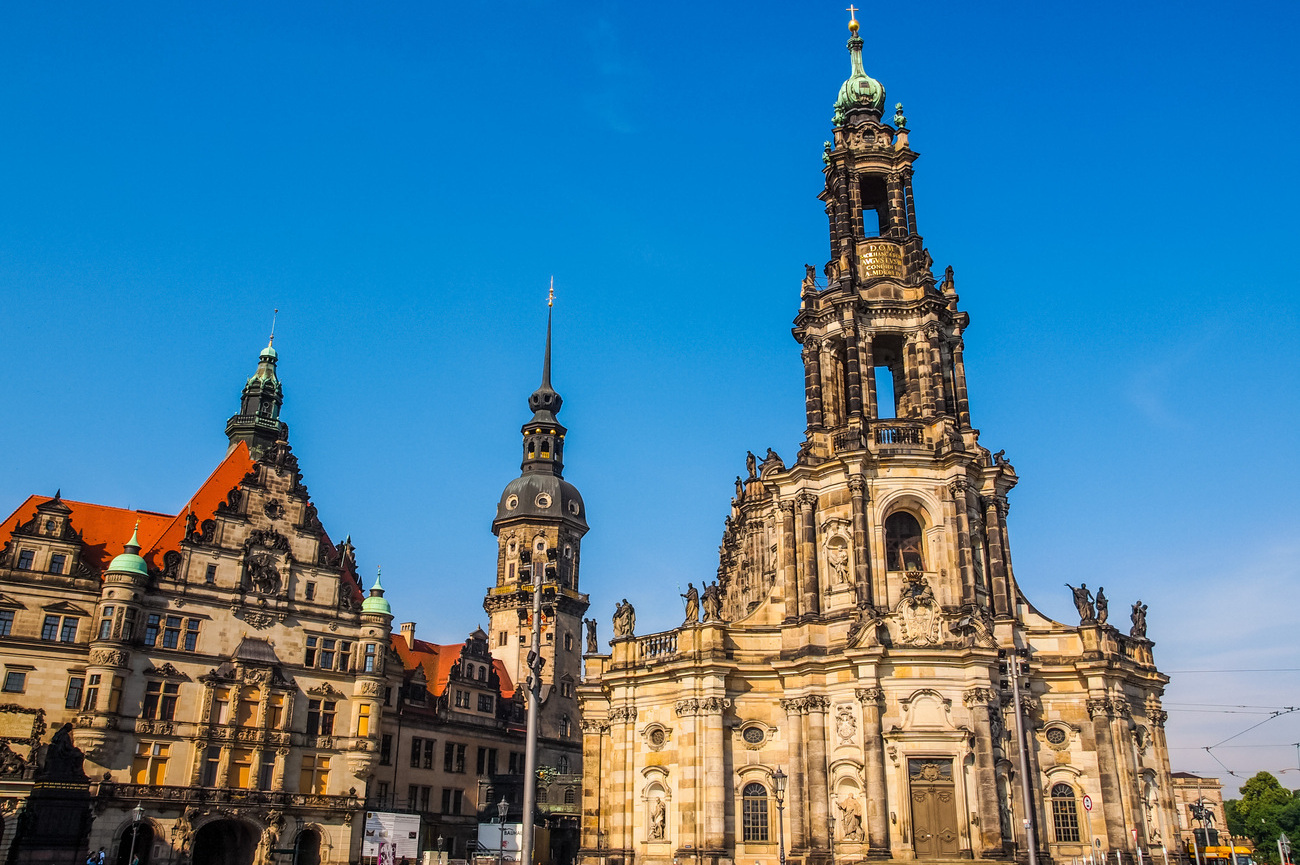
Residenzschloss
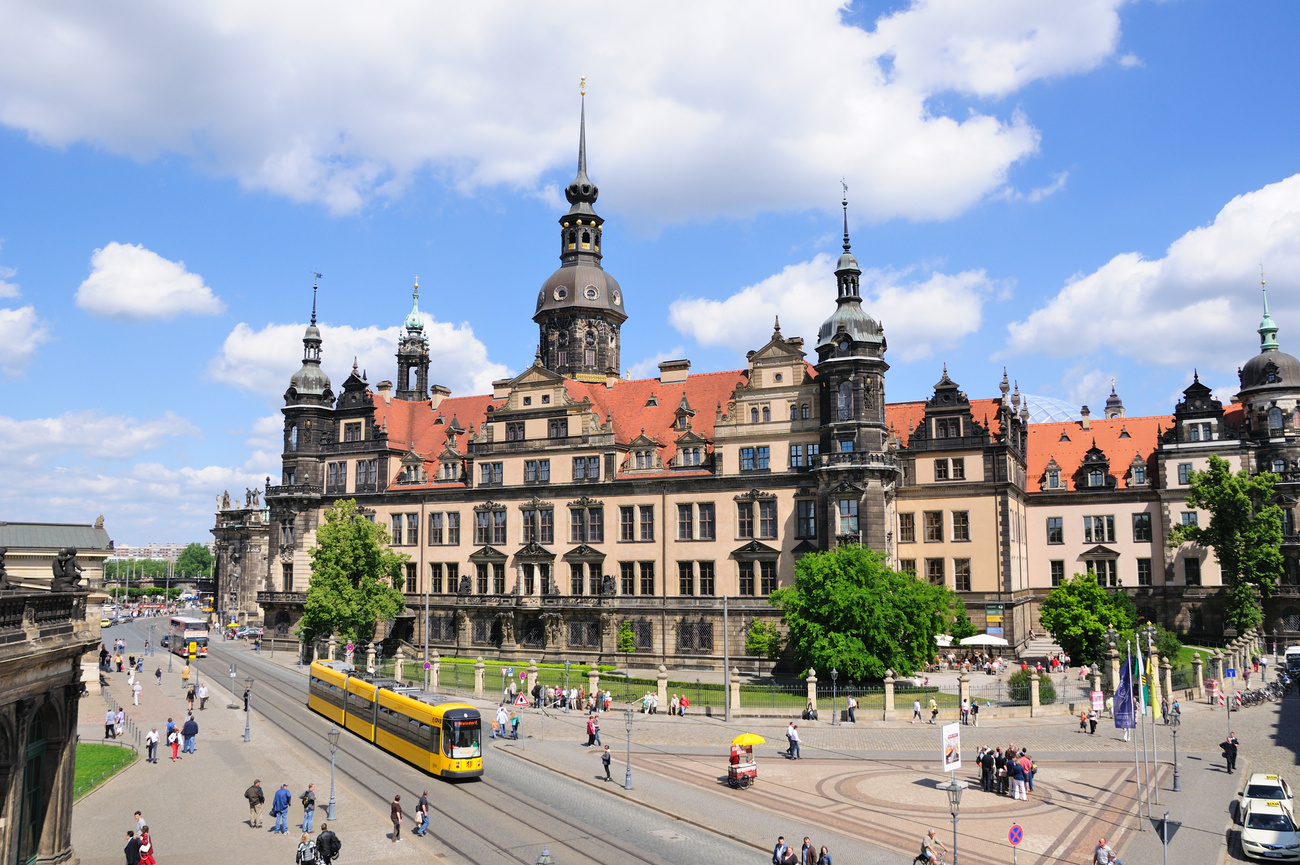
The Residenzschloss, or the Dresden Royal Palace, stands directly adjacent to the Cathedral of the Holy Trinity, reachable in under two minutes heading east along Schlossstraße. These two buildings have been neighbors since the 16th century, connected originally by a covered bridge that allowed the royal family to move between palace and church without stepping outside.
The Residenzschloss is one of the oldest buildings in Dresden and served as the seat of the Wettin dynasty for nearly 400 years. Dating back to the 13th century, it went through repeated expansions across different eras, which is why the architecture moves between Romanesque, Gothic, Renaissance and Baroque without settling on one style. It was heavily damaged in 1945 and spent decades in ruin before a reconstruction effort brought it back. Today it houses several of the most important collections in Germany under one roof. The New Green Vault holds around 1,000 treasures, including goldsmith work, gemstones and Augustus the Strong's coronation regalia. The Historic Green Vault presents the same collection in its original Baroque treasury rooms. The Turkish Chamber holds one of the most significant collections of Ottoman ceremonial objects outside Turkey, while the State Apartments show how seriously the Wettin court took the staging of power.
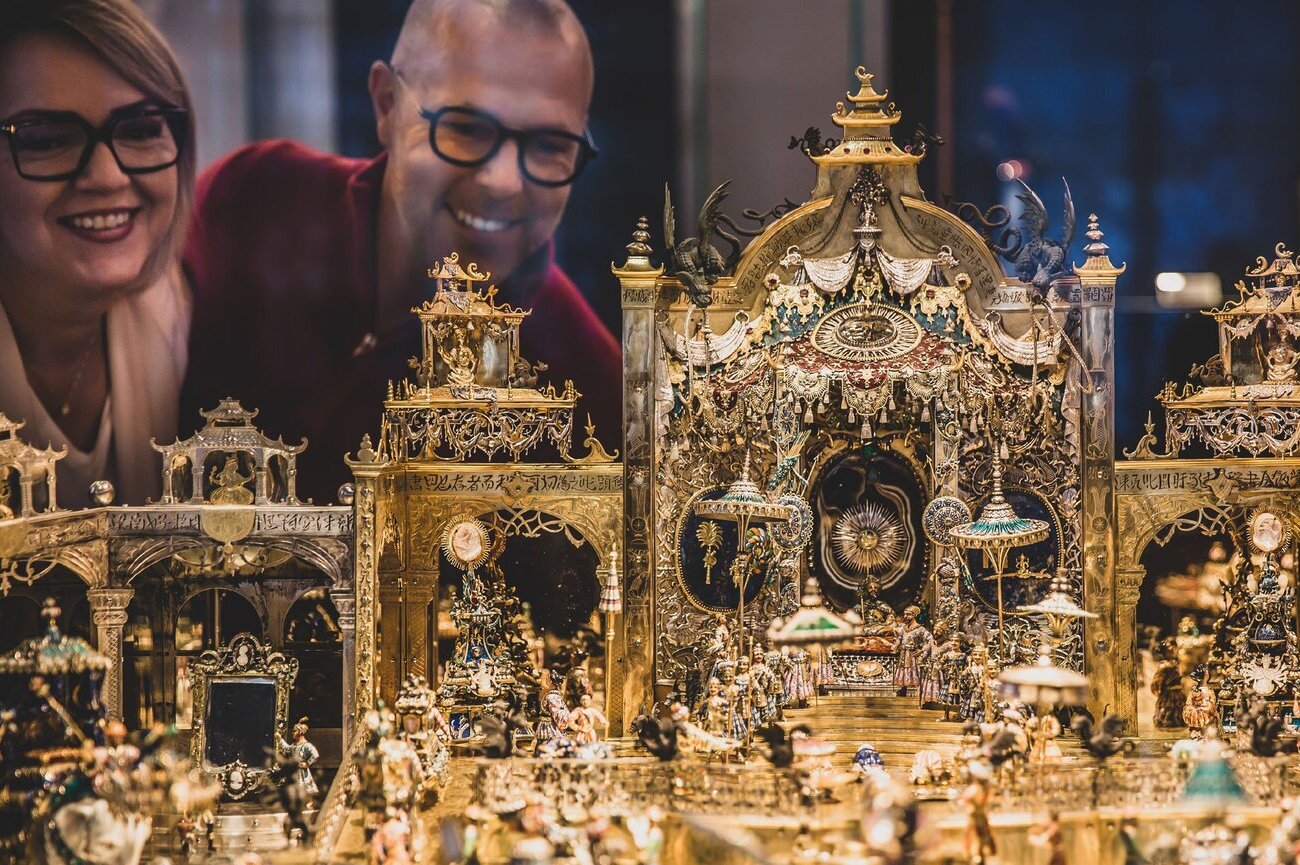
Historisches Grünes Gewölbe
The Historic Green Vault sits within the Residenzschloss itself, one floor below the New Green Vault, so moving between the two is a matter of staircases rather than streets.
Augustus the Strong built this treasury chamber between 1723 and 1730 as a Baroque Gesamtkunstwerk, a total work of art, designed as a direct expression of wealth and absolutist power. The name comes from the malachite green paint originally applied to the columns and vaulted ceilings of the rooms during construction in the 16th century. As early as 1724, the rooms were open to an exclusive public, admitting people in small groups only, as the king desired and only those wearing clean clothes. That same format still applies today. You will enter through a state-of-the-art airlock that protects the 3,000 free-standing objects and maintains consistent climate control throughout the rooms.
It also houses the Jewelry Room which includes the jewels stolen in the infamous heist of November 25, 2019, recovered during the subsequent trial at Dresden District Court and can now be seen again in their original display cases. The scale of the theft and the recovery make the room one of the more charged spaces in any European museum right now.
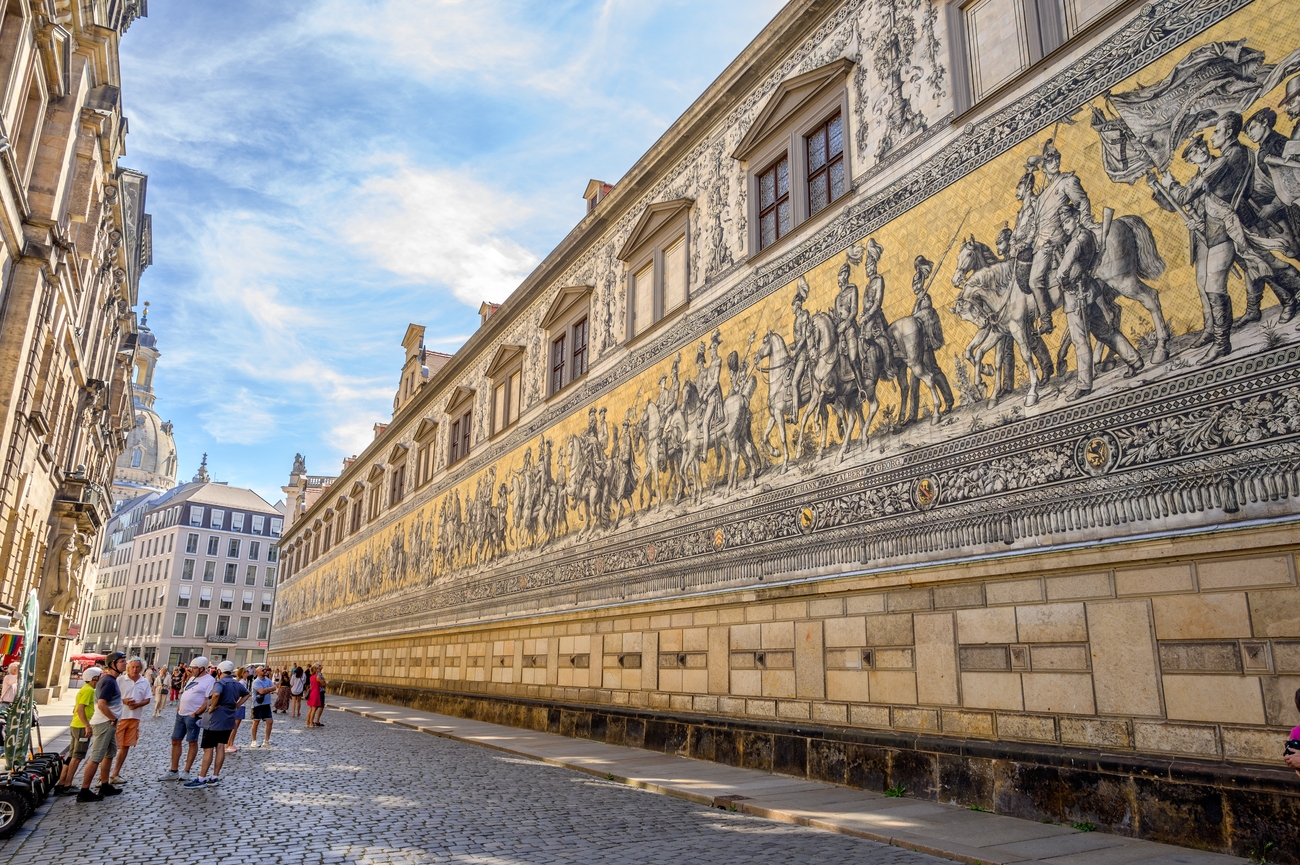
Evening: Fürstenzug
The Fürstenzug runs along Augustusstraße, directly on the outer wall of the Stallhof beside the Residenzschloss, about a one-minute walk from the palace entrance. It is the world's largest porcelain artwork, stretching 102 meters along the outer wall of the Stallhof and covering nearly 970 square meters.
The mural was originally created between 1871 and 1876 as a sgraffito painting to commemorate the 800th anniversary of the House of Wettin. It started deteriorating almost immediately after completion due to weather exposure, which led to the decision between 1904 and 1907 to transfer the entire image onto more than 24,000 hand-painted Meissen porcelain tiles. Each tile was painted individually. The mural depicts 35 rulers of Saxony from Margrave Conrad the Great in 1127 all the way to King George in 1904, alongside 59 scientists, artisans, craftsmen and farmers below the main procession. During the 1945 bombing of Dresden, the porcelain tiles withstood the heat of the firestorm almost entirely intact.
Frauenkirche Dresden
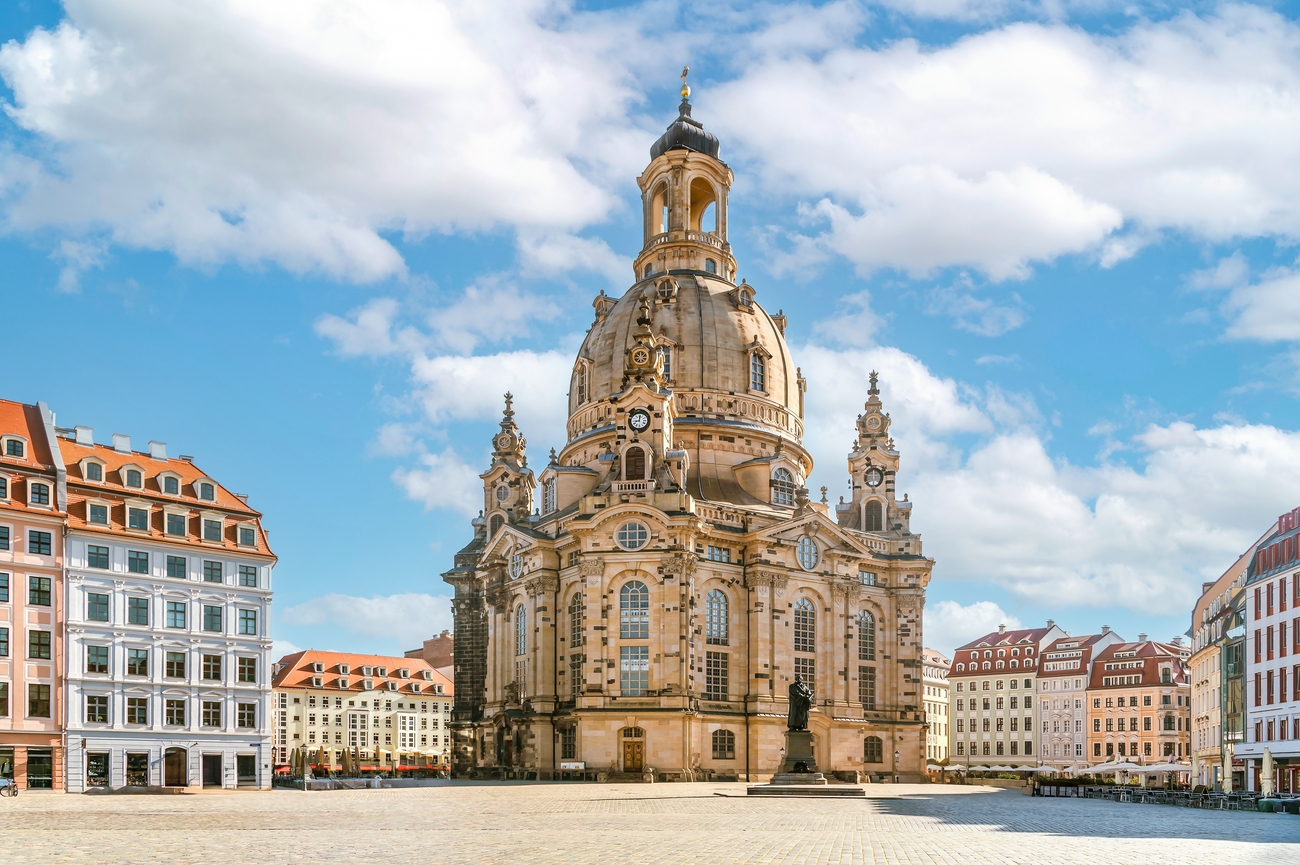
A 5-minute walk east along Augustusstraße from the Fürstenzug brings you to Neumarkt square, where the Frauenkirche anchors the entire space. The dome is visible from several blocks away, so the building has already registered well before you arrive.
The Frauenkirche was designed by George Bähr and completed in 1743 as a Lutheran church built to rival the Catholic Hofkirche. The dome, nicknamed the Stone Bell, is made entirely of sandstone and at 96 meters remains the largest stone dome north of the Alps. The church collapsed two days after the 1945 firebombing and the ruins stood untouched for decades as an anti-war memorial. Reconstruction began in 1994 and was completed in 2005, with around 8,400 original stones built back into the new structure. Inside, the nave holds up to 1,800 visitors, with galleries wrapping the perimeter and a Lower Church below containing chapels and memorial spaces, including a contemporary installation by Anish Kapoor.
The dome ascent is the standout experience. A volunteer church guide takes you up to the 67-meter viewing platform with commentary on the history and reconstruction along the way. What you get at the top is a full panoramic view over Dresden, the Elbe bend and the surrounding landscape, which makes the effort land.
Brühl's Terrace
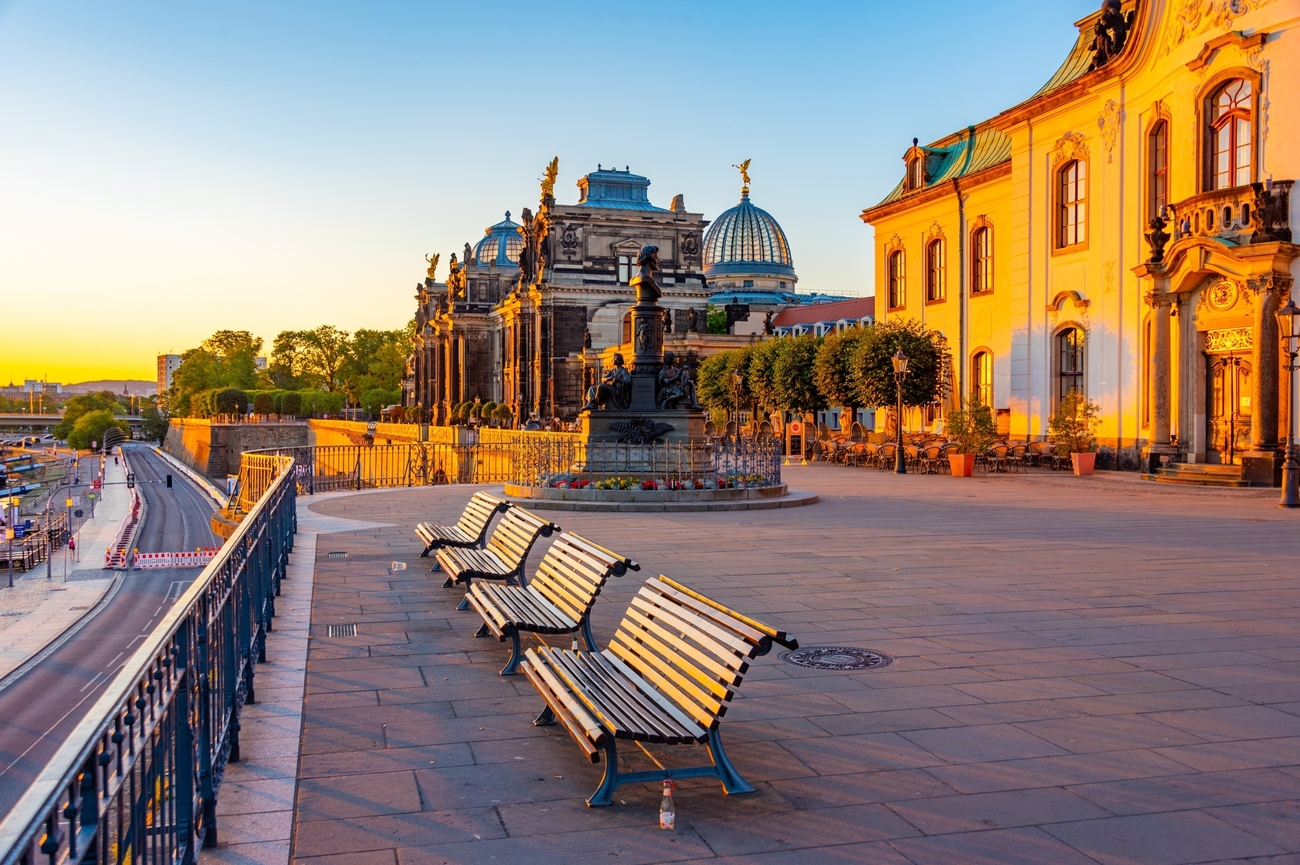
From the Frauenkirche, Brühl's Terrace is a 3-minute walk north along the Elbe embankment. The terrace sits directly above the riverbank and closes Day 1 on the right note.
Brühl's Terrace originated as part of Dresden's 16th-century city fortifications before Count Heinrich von Brühl, chief minister to Elector Frederick Augustus II, transformed it into a private garden and palace complex between 1737 and 1748. After Brühl's death, the estate passed to the Saxon state and was opened to the public in the 19th century. The nickname Balcony of Europe is widely attributed to Johann Wolfgang von Goethe. The terrace stretches roughly 500 meters along the Elbe, elevated above the riverbank with wide views across the water and the surrounding landscape.
The terrace is worth timing for the evening. The buildings along the southern edge are lit after dark, the river views flatten out in a way that reads differently at dusk than during the day and the crowds from the Old Town thin out considerably.
Day 1 - Dresden Tour Map
Day 2
Morning: Albrechtsberg
Palace
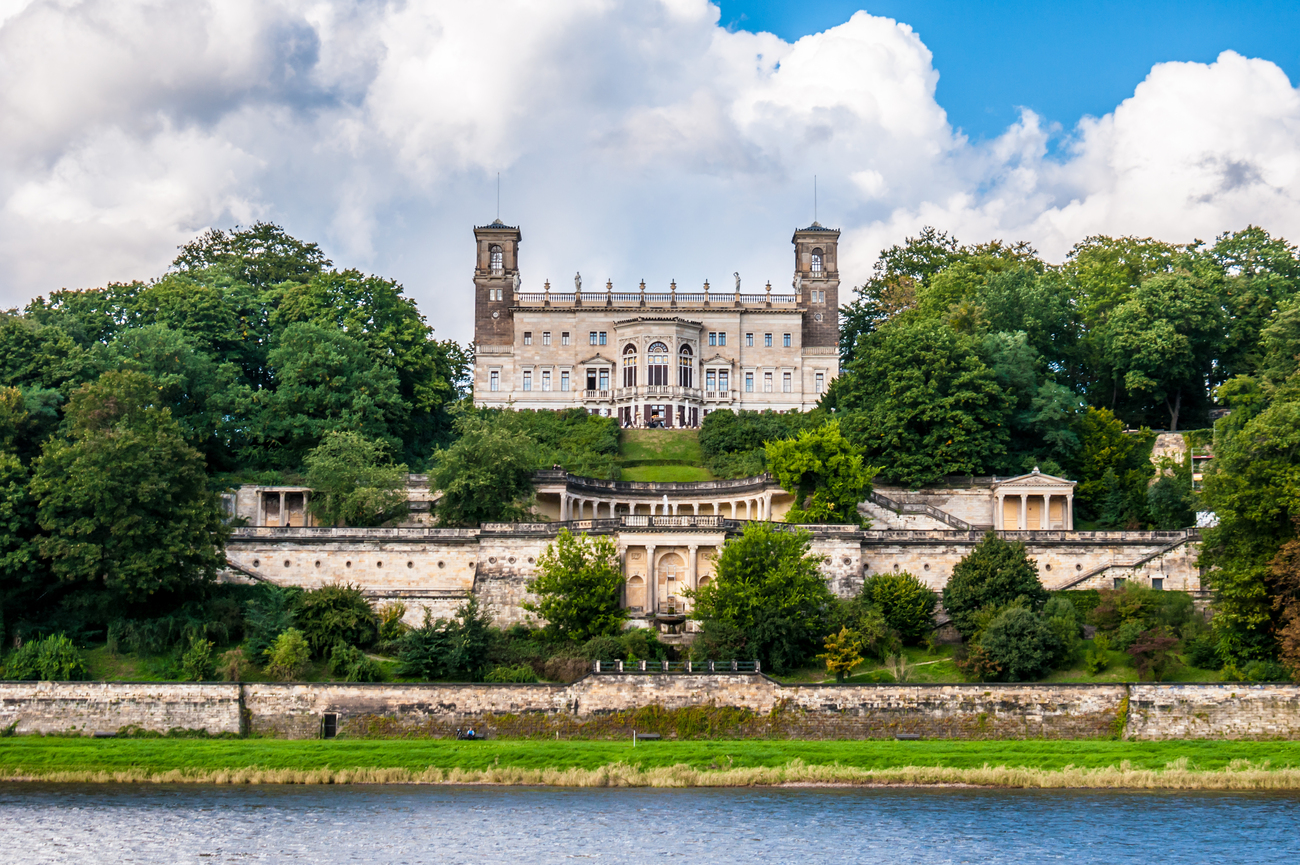
Albrechtsberg is one of Dresden's finest late Neoclassical buildings and one of its least talked about. Prince Albrecht of Prussia commissioned it in 1850 after his morganatic marriage to Rosalie von Rauch placed him outside the strict protocols of the Prussian court, so he needed a residence that reflected his status without being on Prussian soil. The architect Adolf Lohse, a pupil of Schinkel, drew on the Villa d'Este near Rome for the design. The south-facing facade looks directly over the Elbe, with towers on either side and a central projecting section. Inside, the Crown Hall is the standout room with gilt-framed mirrors, a coffered ceiling and landscape paintings. The palace was sold to the City of Dresden in 1925 after the Hohenau family's gambling debts forced the sale and the park opened to the public by 1930.
Guided tours of the palace are the only way to access the interior, as independent visits are not offered. Public guided tours run for approximately 60 minutes and cover the prince's chambers, the history of the building from 1850 to the present and the story of the Prussian royal family's life here.
Lingnerschloss
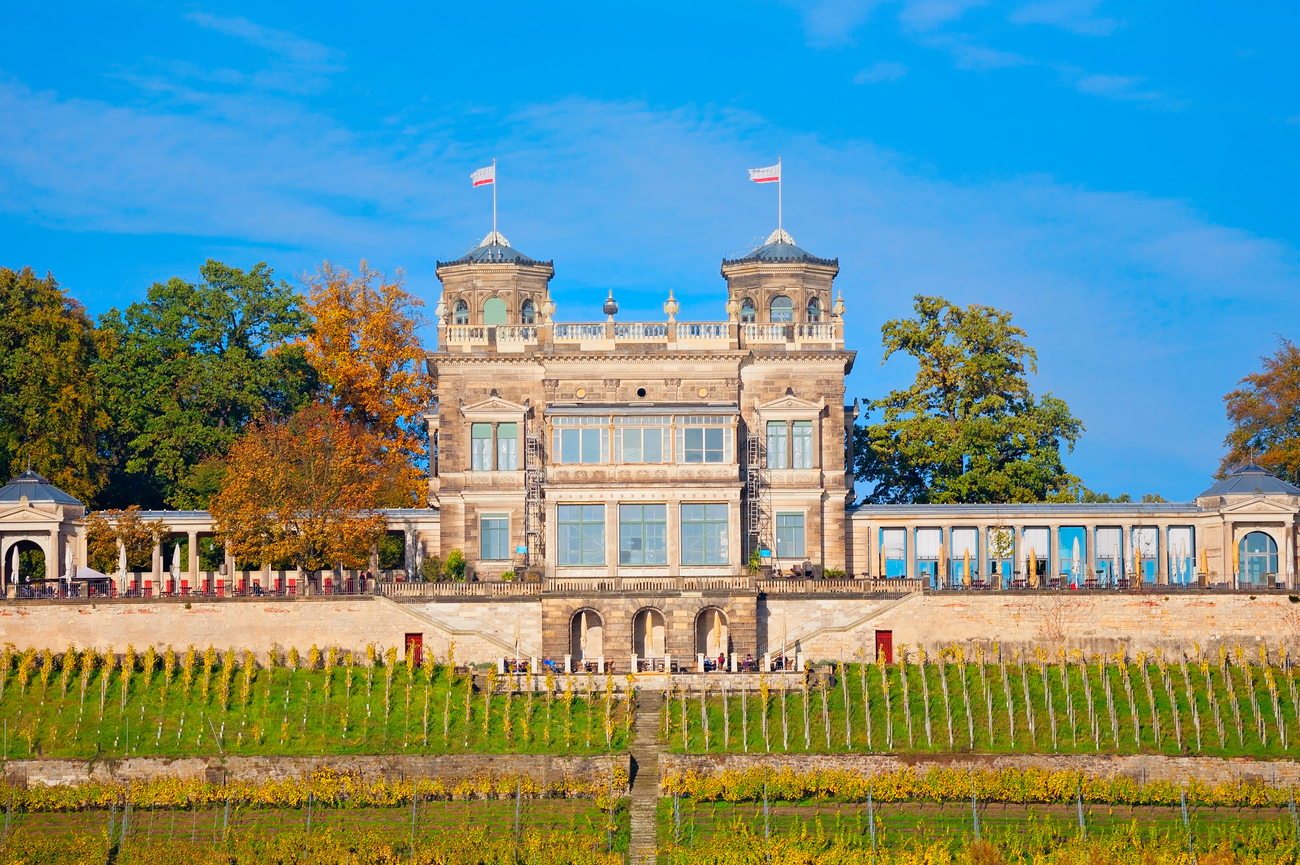
Lingnerschloss sits directly next to Albrechtsberg Palace along the Elbe slope, about a two-minute walk through the park. It is the middle of the three Elbe Castles in Loschwitz, and moving between all three on foot is exactly the point of the morning.
Originally built between 1850 and 1853 as Villa Stockhausen, it served as the chamberlain's residence for Prince Albrecht's household before changing hands several times. Karl August Lingner, the industrialist behind the Odol mouthwash brand, acquired it in 1906, redesigned the interiors and bequeathed the property to the City of Dresden upon his death in 1916 as a public recreational space. After the war, it became a student dormitory, then the meeting place of an elite intellectual club that kept it largely closed to the public. Since reunification, a support association has been gradually restoring the building and it now operates as a cultural venue for concerts, lectures and events.
The terrace café is the low-key elevated option here. It sits on the Elbe-facing side of the castle with views down toward the river and the Blaues Wunder, and works well as a natural pause between Albrechtsberg and the next stop.
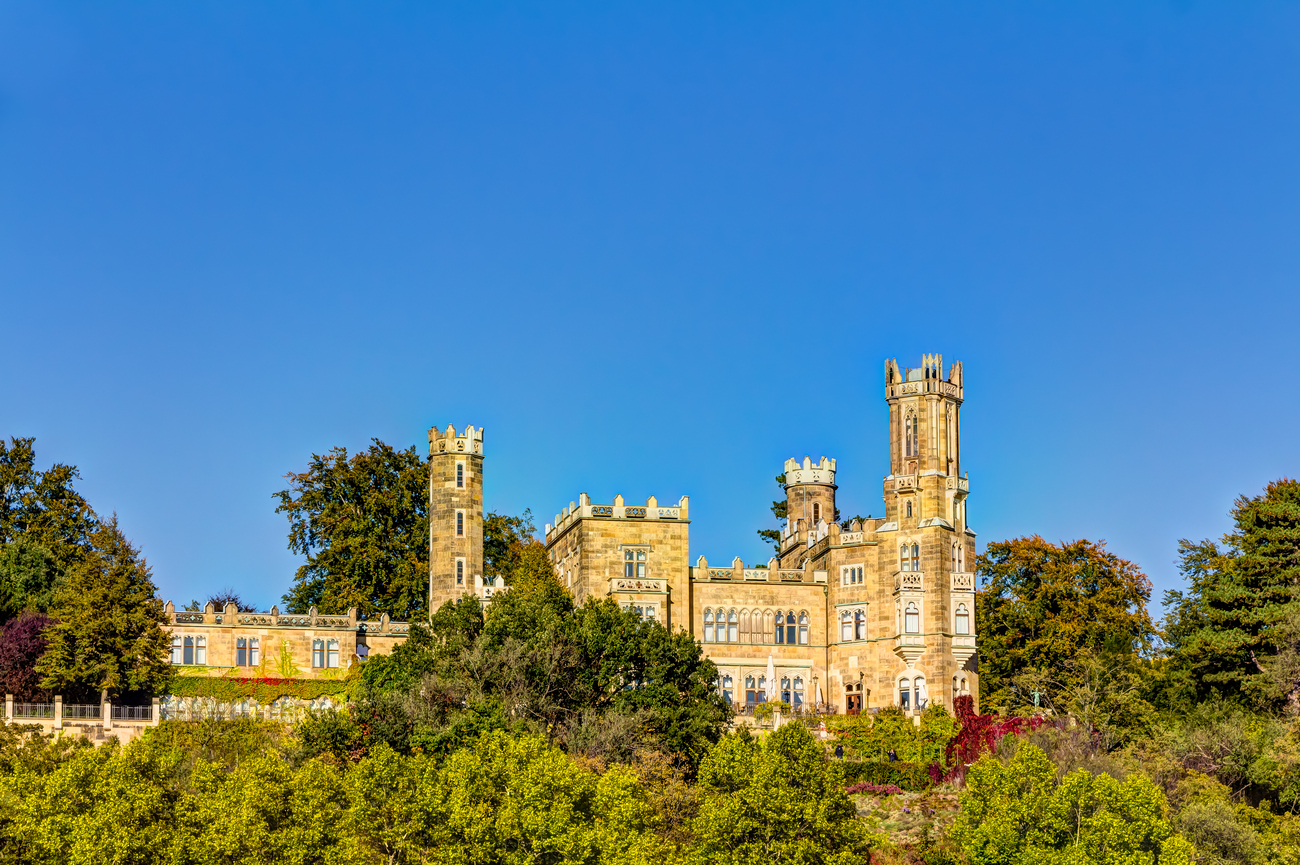
Schloss Eckberg
Schloss Eckberg is the last of the three Elbe Castles and sits about a two-minute walk east of Lingnerschloss, wrapping up the castle-hopping stretch along the Loschwitz slope. Albrechtsberg, Lingnerschloss and Schloss Eckberg connect through the same park, so the castle hopping happens naturally without needing a car between stops.
The castle was commissioned in 1858 by Johann Daniel Souchay, a Manchester-born merchant who hired Professor Christian Friedrich Arnold, a student of Gottfried Semper, to build an English Neo-Gothic mansion on the Eckberg vineyard. The park was designed by the same landscape architect behind Albrechtsberg's grounds. Its most notable later resident was Ottomar Heinsius von Mayenburg, the pharmacist who made his fortune with Chlorodont toothpaste. After the war, the castle served as a faculty residence, then a chip research facility, before briefly operating as a GDR youth tourism hotel. The Munich-based Argenta group took over in 1995, renovated the property and has run it as a hotel and restaurant since.
Unlike Albrechtsberg and Lingnerschloss, Schloss Eckberg functions as a working luxury hotel, which means you access the interior through a stay or a dining reservation rather than a guided tour. The im Schloss restaurant is open for breakfast and dinner, and if you time it right, the terrace with garden and Elbe views is one of the better lunch spots along this stretch of the river.
Afternoon: Loschwitz Bridge
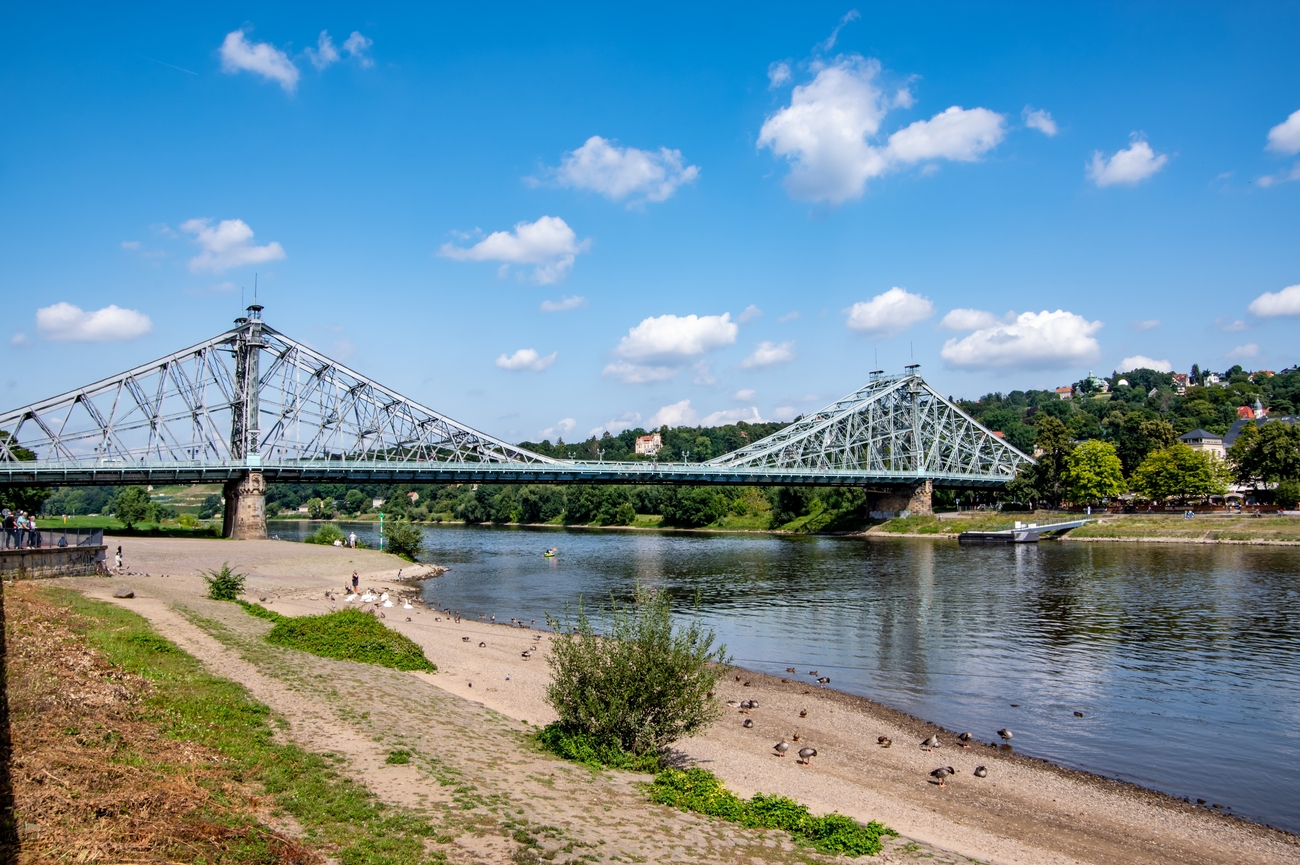
The Loschwitz Bridge is about a 5-minute walk south from Schloss Eckberg down through the park toward the Elbe. After a morning of castle interiors and elevated terraces, the bridge works as a natural transition point between the Elbe Castles stretch and the afternoon.
The Blaues Wunder, officially the Loschwitzer Brücke, was completed in 1893. It was originally named König-Albert-Brücke after King Albert of Saxony and painted blue from the start, though a popular legend insists it was originally green and changed color through some meteorological trick of sunlight. Historical records confirm it was blue from day one. The nickname Blaues Wunder stuck anyway, partly because it captures the engineering feat and partly because the German phrase ein blaues Wunder erleben also means to experience an unpleasant surprise. It connects the Loschwitz and Blasewitz districts. The bridge survived both World Wars intact and remains the oldest surviving road bridge over the Elbe in Dresden still in use today.
Dresdner Molkerei Gebrüder Pfund GmbH
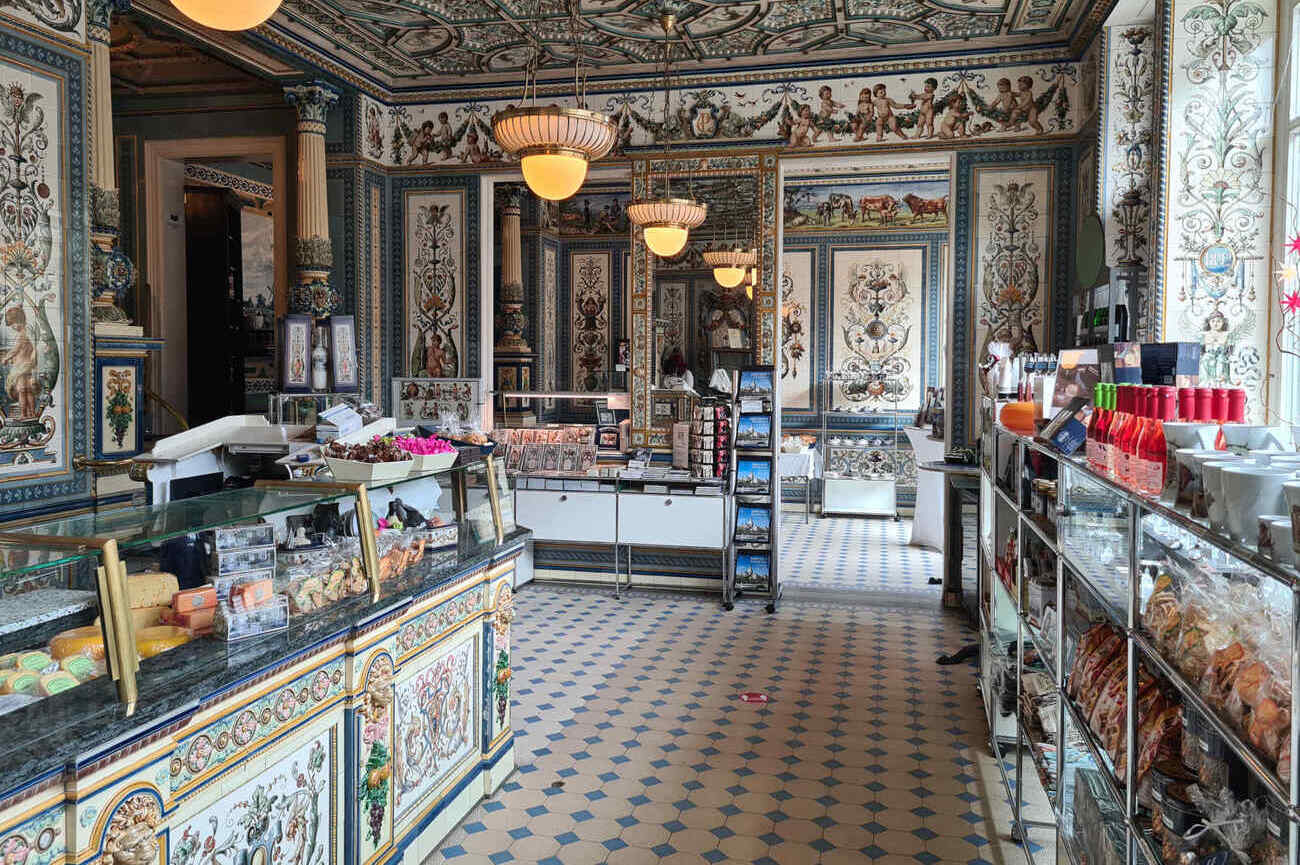
Pfunds Molkerei is about a 10-minute drive west from the Loschwitz Bridge into the Äußere Neustadt district. It is a completely different kind of stop from the castle-hopping morning, but that contrast is exactly why it works as an afternoon pivot.
Founded in 1880 by the Pfund brothers, the dairy holds the Guinness World Record title of the world's most beautiful milk shop. The interior is covered floor to ceiling in hand-painted majolica tiles featuring motifs from the dairy industry, mythical animals and floral elements in Neo-Renaissance style, all produced by the art department of Villeroy & Boch. The shop sells local cheeses, Saxon wines, natural cosmetics and replica tiles, with a cafe-restaurant on the upper floor. Since September 2019, it has also held the title of Germany's best cheese counter, awarded through customer nominations and an unannounced expert jury visit.
Tours around the dairy are available but need to be arranged in advance through the shop directly. Beyond a standard visit, Pfunds Molkerei runs ticketed events throughout the year that are worth planning around. Once a year, the shop hosts a cheese and whisky tasting evening in partnership with Whisky & Genuss Dresden and if you have ever wanted to know how cheese is actually made, the Make Your Own Cheese event gives you that hands-on experience.
QF Passage Dresden
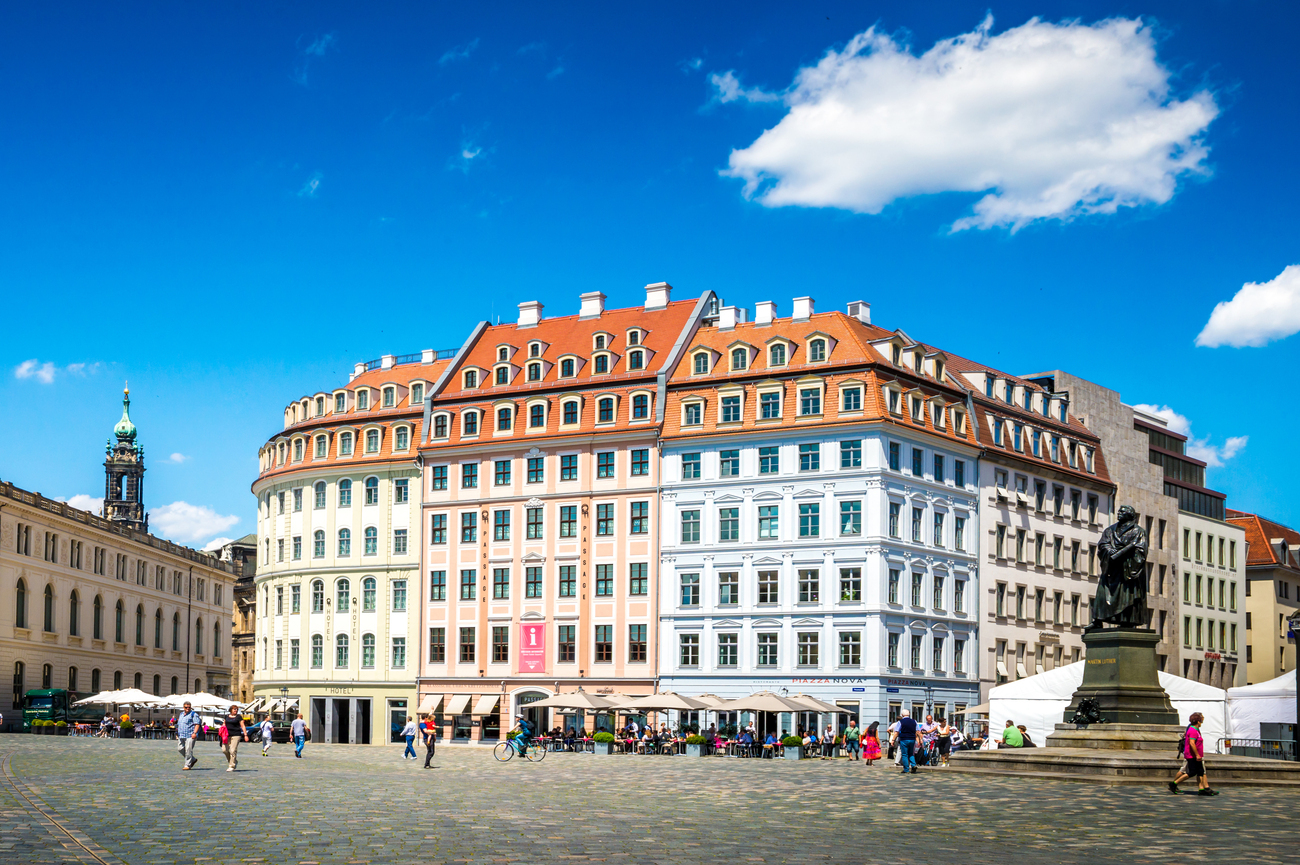
QF Passage sits on Neumarkt, a few steps from the Frauenkirche and about a 15-minute drive back into the Old Town from Pfunds Molkerei.
The QF Passage is a multi-level shopping arcade combining exclusive boutiques, international brands, delicatessens, galleries and restaurants in the heart of Dresden's Old Town. The modern architectural concept sits within the historic surroundings without fighting them, and the mix of luxury retail and cultural programming through rotating exhibitions and events gives the space more range than a standard shopping center. The anchor brands here lean distinctly Saxon. Meissen and Glashütte Original both have boutiques inside the passage, which makes it one of the few places in the world where you can buy hand-painted porcelain and a precision timepiece within the same building. Beyond those, the passage carries international fashion labels, concept stores, cosmetics and accessories across three floors.
Evening: Altmarkt-Galerie Dresden
From QF Passage, Altmarkt-Galerie is a 5-minute walk toward Altmarkt square. If QF Passage is the refined close to the afternoon, Altmarkt-Galerie is where the evening shopping gets more relaxed and considerably larger.
With around 200 shops, restaurants and cafes, Altmarkt-Galerie is the most popular shopping address in Dresden and operates at a noticeably different scale from the boutique-heavy QF Passage. The brand mix here is broader and more accessible, covering fashion labels like Calvin Klein Jeans, Lacoste, Hollister and H&M alongside sports retail, cosmetics, homeware, electronics and a food hall in the basement that draws a strong local crowd. The mall connects directly to Altmarkt square, one of Dresden's oldest public spaces, which has hosted markets on the same site since 1434. The square itself is worth walking through before heading inside, especially in the evening when the surrounding buildings are lit and the pace slows down from the afternoon rush.
The food hall downstairs is the strongest reason to end the evening here rather than just passing through. It carries a solid range of local and regional products and works well as a final stop before heading back to the hotel.
Day 2 - Dresden Tour Map
Day 3
Morning: The Grand Garden of Dresden
Day 3 opens outside the Old Town. The Grand Garden sits southeast of the city center and the shift from three days of palace interiors and historic squares to 147 hectares of open parkland is quite a change of pace.
The Grand Garden (Großer Garten) was established in 1676 by Elector Johann Georg III as a Baroque pleasure garden and later redesigned into an English landscape park, which is why the two styles coexist across the grounds today. The two main avenues converge at the Palace, now used as a venue for festivals and exhibitions, surrounded by the Baroque section of the garden. The remaining sections open into winding paths, small forests, meadows and the Carolasee lake in the eastern part of the park. Entry to the garden is free and it is open at all times.
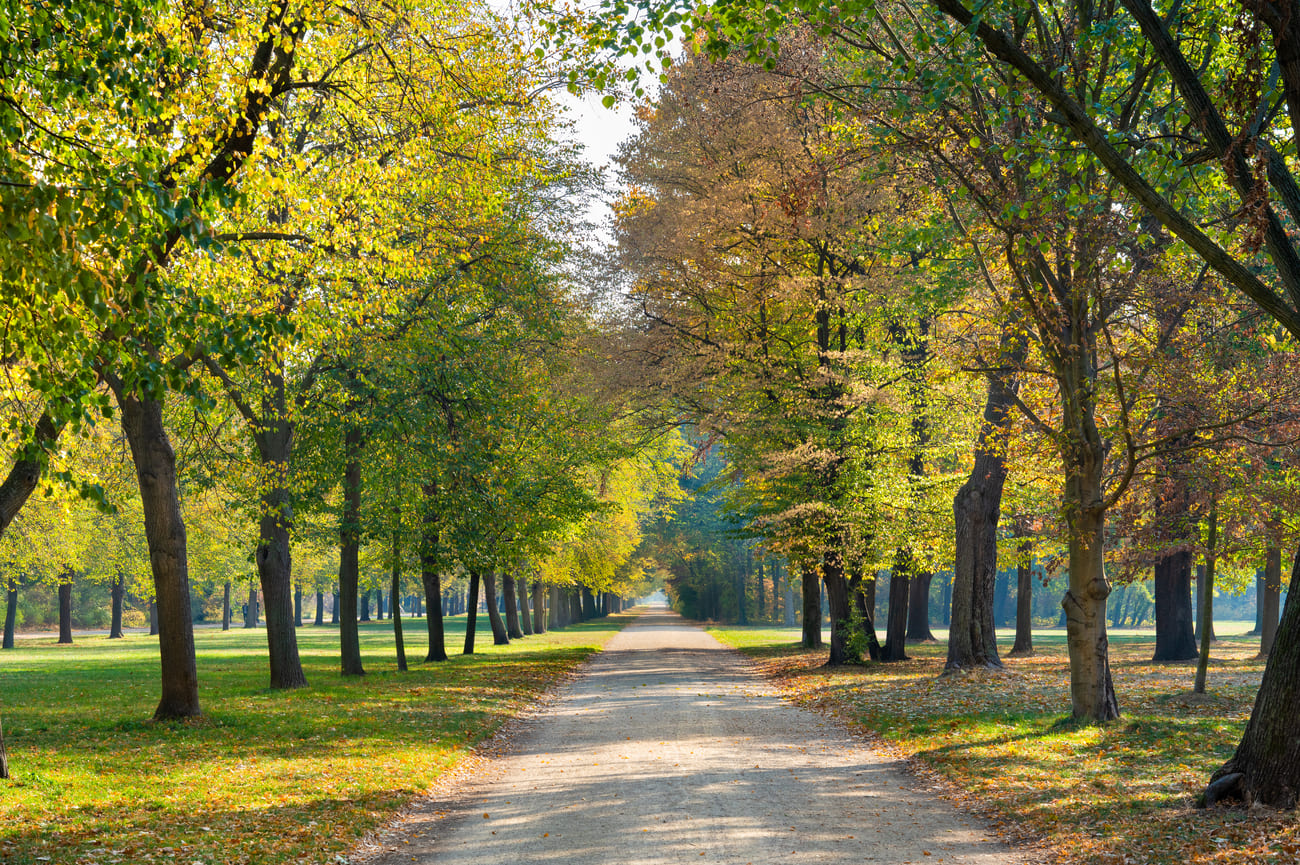
The Grand Garden Palace
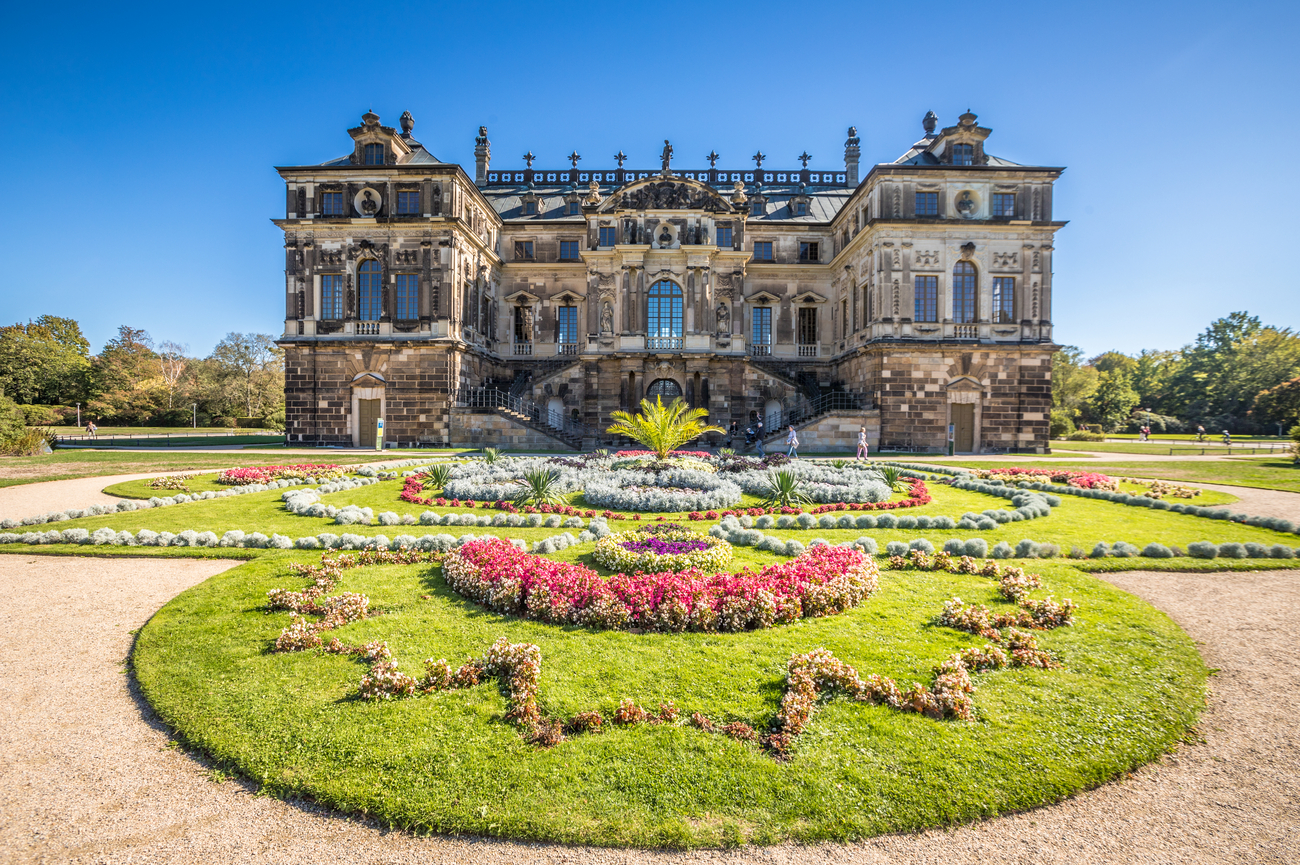
The Grand Garden Palace sits at the intersection of the two main avenues inside the park, about a 3-minute walk from the railway stop. It is the visual centerpiece of the Großer Garten and the reason the park's layout was designed around a central focal point.
The Palais im Großen Garten is one of the earliest Baroque buildings in Saxony and is considered the starting point of Dresden's Baroque period. Commissioned by Elector Johann Georg III in 1678 and designed by Johann Georg Starcke, the exterior blends French Baroque with the late-Renaissance palace architecture of Genoa.
The exterior was completed in 1683 and the interior in 1690, with ceiling frescoes by Samuel Bottschildt and Heinrich Christoph Fehling that directly influenced the later Zwinger paintings. The palace was damaged repeatedly across three wars and burned out completely in 1945. Exterior reconstruction was largely done by 1969, with interior work resuming only after reunification in 1990. The reconstructed ground floor with its original sandstone sculptures and the destroyed upper floor are both part of the guided tour experience today.
BOT Botanical Garden
Sitting directly at the edge of the Großer Garten, the Botanical Garden is about a 5-minute walk from the Grand Garden Palace. The two spaces connect naturally.
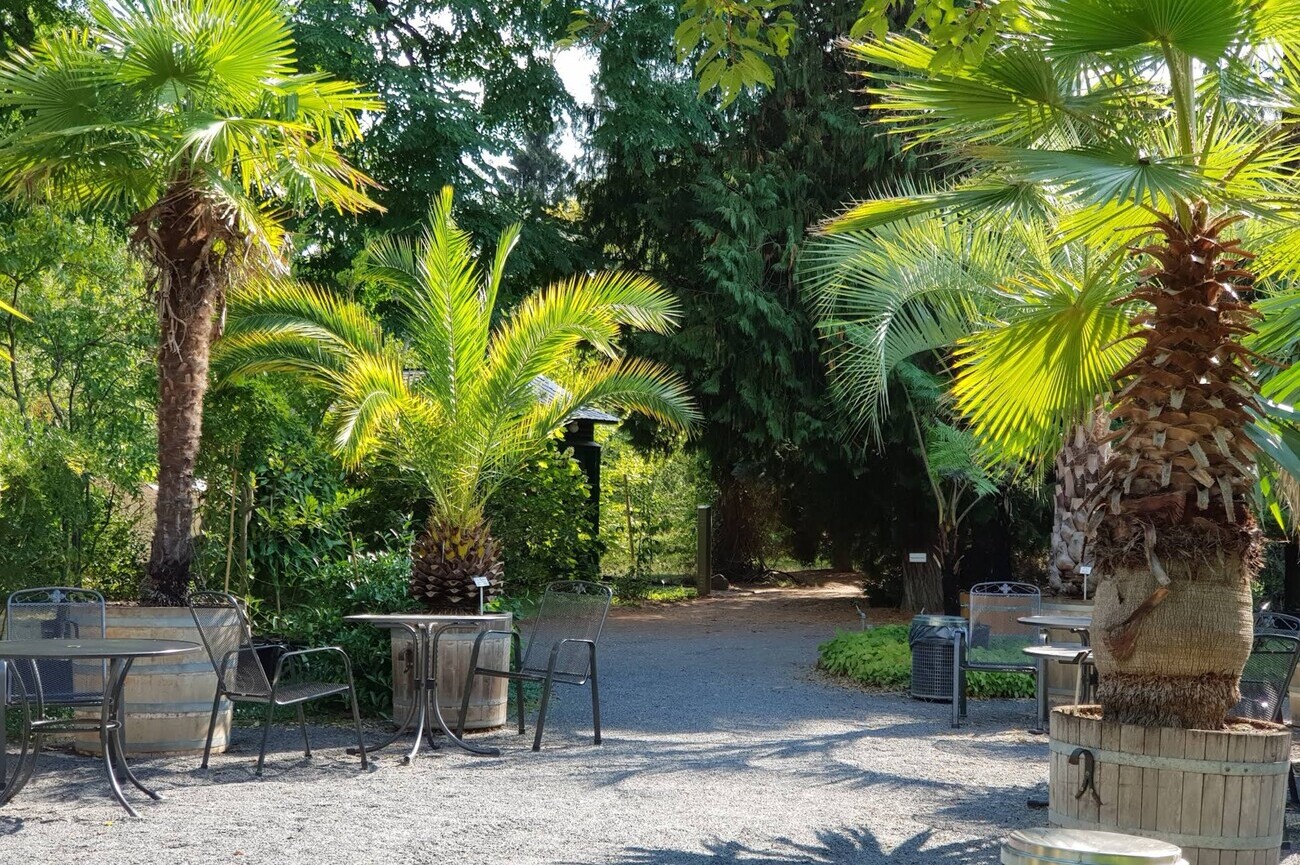
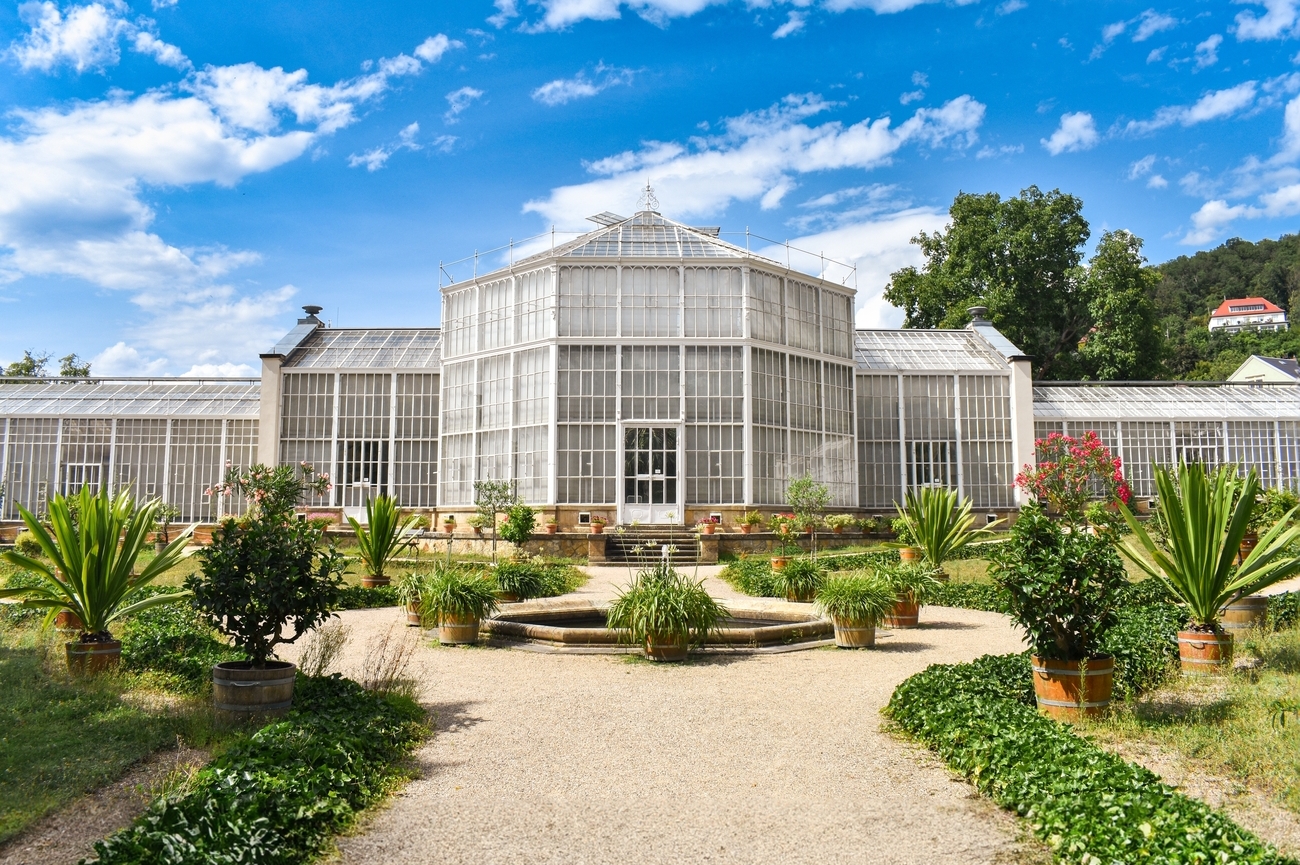
The Botanical Garden of TU Dresden traces its origins to 1815 and opened at its current location in 1893. It covers around 3.5 hectares and holds approximately 10,000 plant species from all five continents, arranged geographically so the layout functions like a compressed world tour. The outdoor sections cover temperate and alpine plants, medicinal species, native Saxon flora and summer-flowering annuals, while three show greenhouses bring in tropical, desert and subtropical climates. The tropical rainforest greenhouse and the desert plant house are the strongest indoor sections, with cacti collections and plant species that rarely appear in European botanical gardens.
Afternoon: Transparent Factory
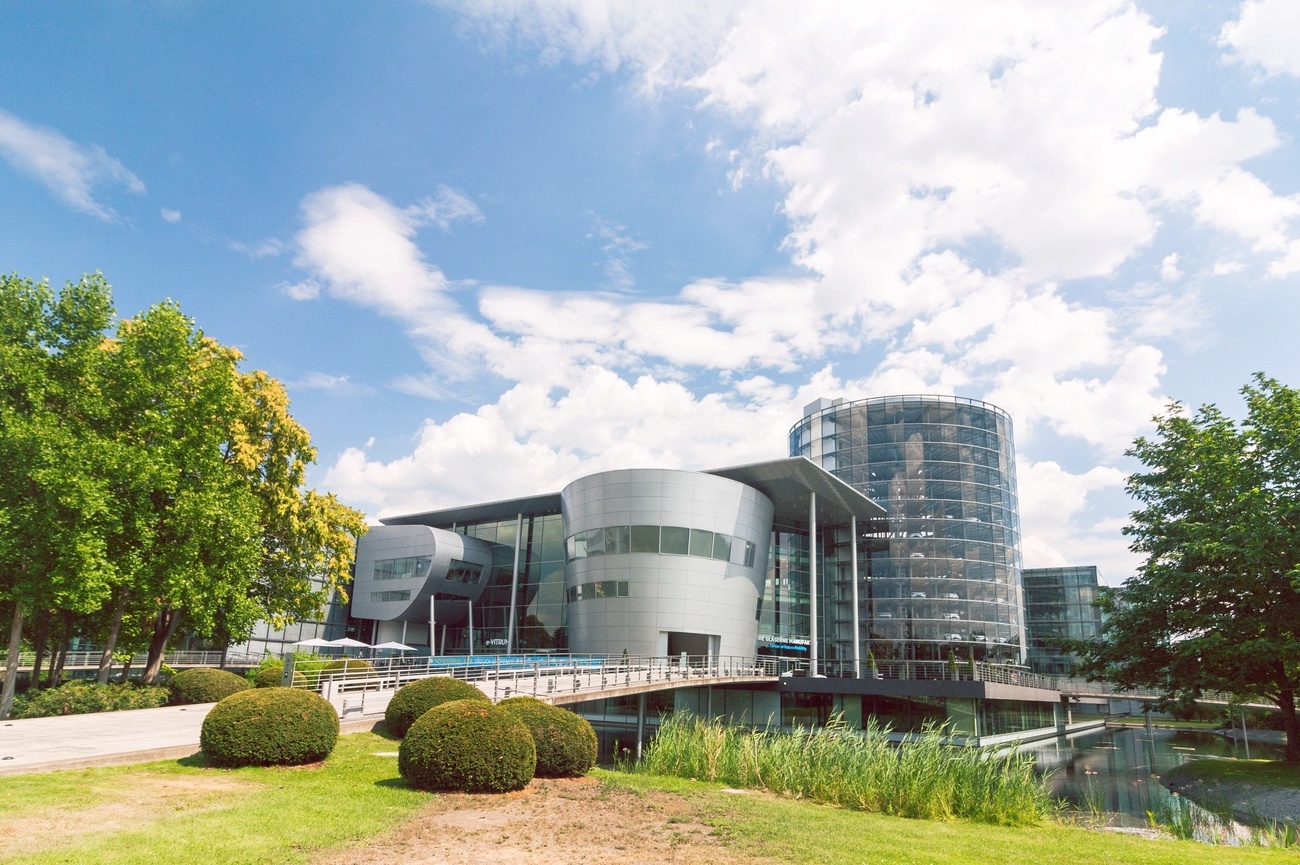
From the Botanical Garden, the Transparent Factory is about a 10-minute walk through the park boundary. The shift from 10,000 plant species to a 55,000-square-meter glass factory is jarring in the best way.
The Gläserne Manufaktur was opened in 2001 and designed by architect Gunter Henn as a showcase production facility for Volkswagen, built around the idea that the entire manufacturing process should be visible to the public through 27,500 square meters of glass surfaces. From 2001 to 2016, it assembled the Volkswagen Phaeton, before shifting to the fully electric ID.3 in 2020. The tour route still follows the former production line, with original machines and tools available to touch and try. You can join guided tours that are available in English, German, Czech, Polish and Russian, so language is not a barrier regardless of where you are visiting from.
Albertinum
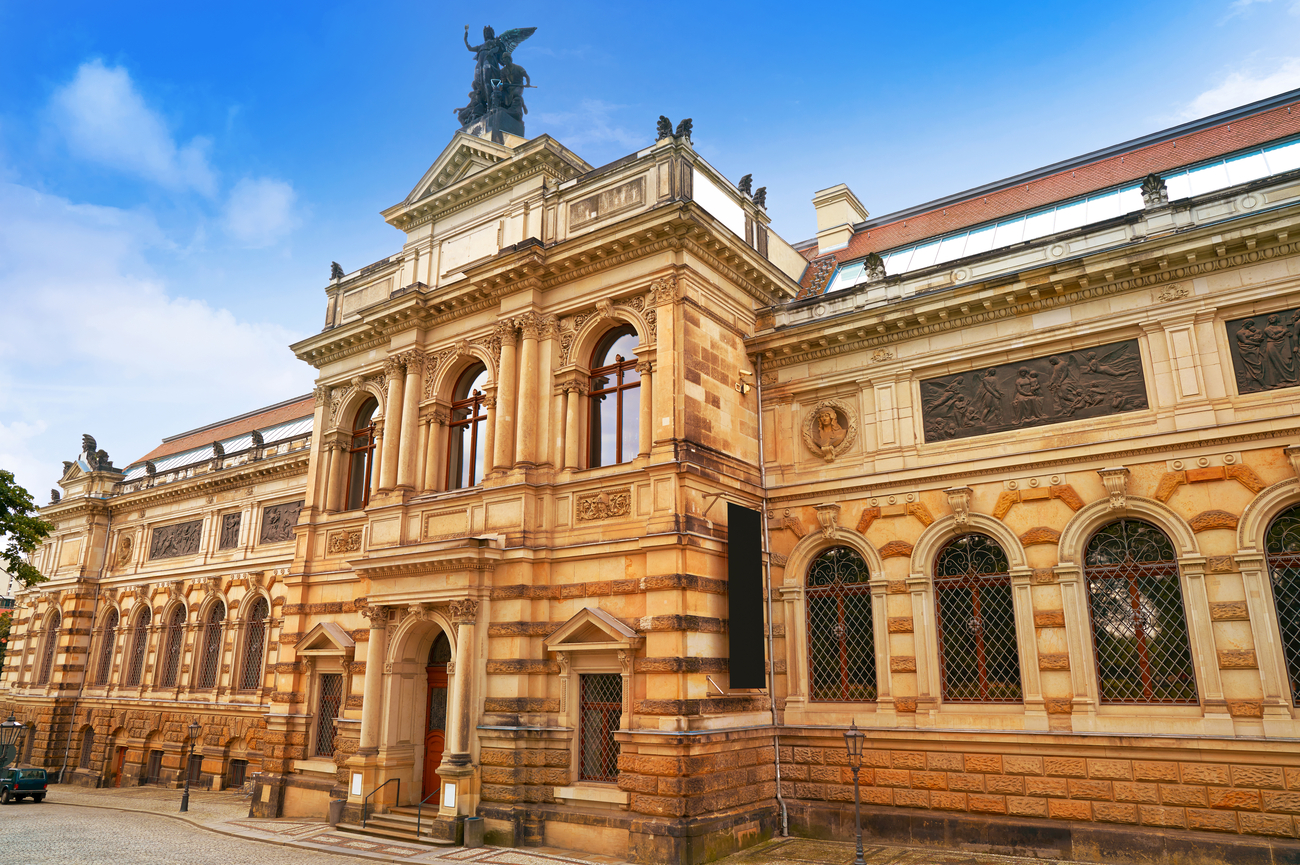
The Albertinum sits at the eastern end of Brühl's Terrace along the Elbe, about a 15-minute drive from the Transparent Factory back toward the Old Town. It is time to go back to enjoying art.
The Albertinum was built between 1884 and 1887 by extending a former 16th-century armoury, designed in the Renaissance Revival style. It houses two collections under one roof: the Galerie Neue Meister and the Skulpturensammlung, covering roughly 200 years of art from Romanticism to the present. The Galerie Neue Meister holds 14 works by Caspar David Friedrich, one of the largest collections of his work anywhere, alongside Impressionism, Expressionism and Gerhard Richter's contemporary output. The glazed walling of the museum's depositories gives visitors direct views into the storage and conservation areas. This museum is open Tuesday to Sunday from 11 am to 5 pm.
Pillnitz Castle
Heading southeast along the Elbe from the Albertinum, Pillnitz Castle sits about 12 kilometers from the city center, roughly a 25-minute drive through the Loschwitz district and past the Blaues Wunder bridge.
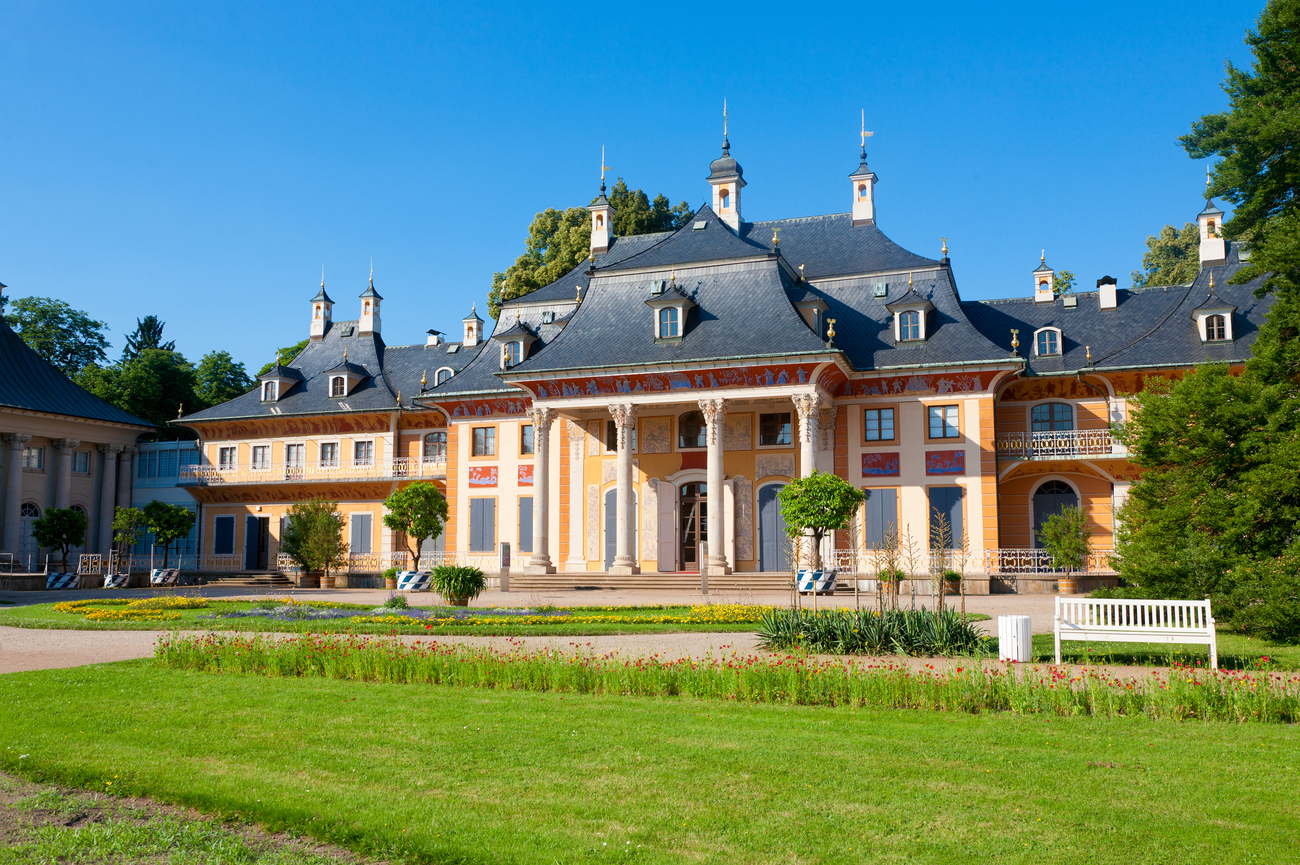
Augustus the Strong originally gave Pillnitz to his mistress, Countess Cosel, before her banishment to Stolpen Castle. After that, he commissioned the Bergpalais and Wasserpalais in chinoiserie style, combining Baroque structure with Far Eastern decorative elements in a way that was entirely deliberate. The result is one of the most important examples of chinoiserie palace architecture in Europe.
The two Chinese-style palaces flank the New Palace, which carries the only classicist-style domed structure in Dresden and houses an exhibition on courtly life and the history of the complex. Meanwhile, the Museum of Decorative Arts of the Staatliche Kunstsammlungen Dresden occupies the Mountain and Water Palace.
Evening: Schlosspark Pillnitz
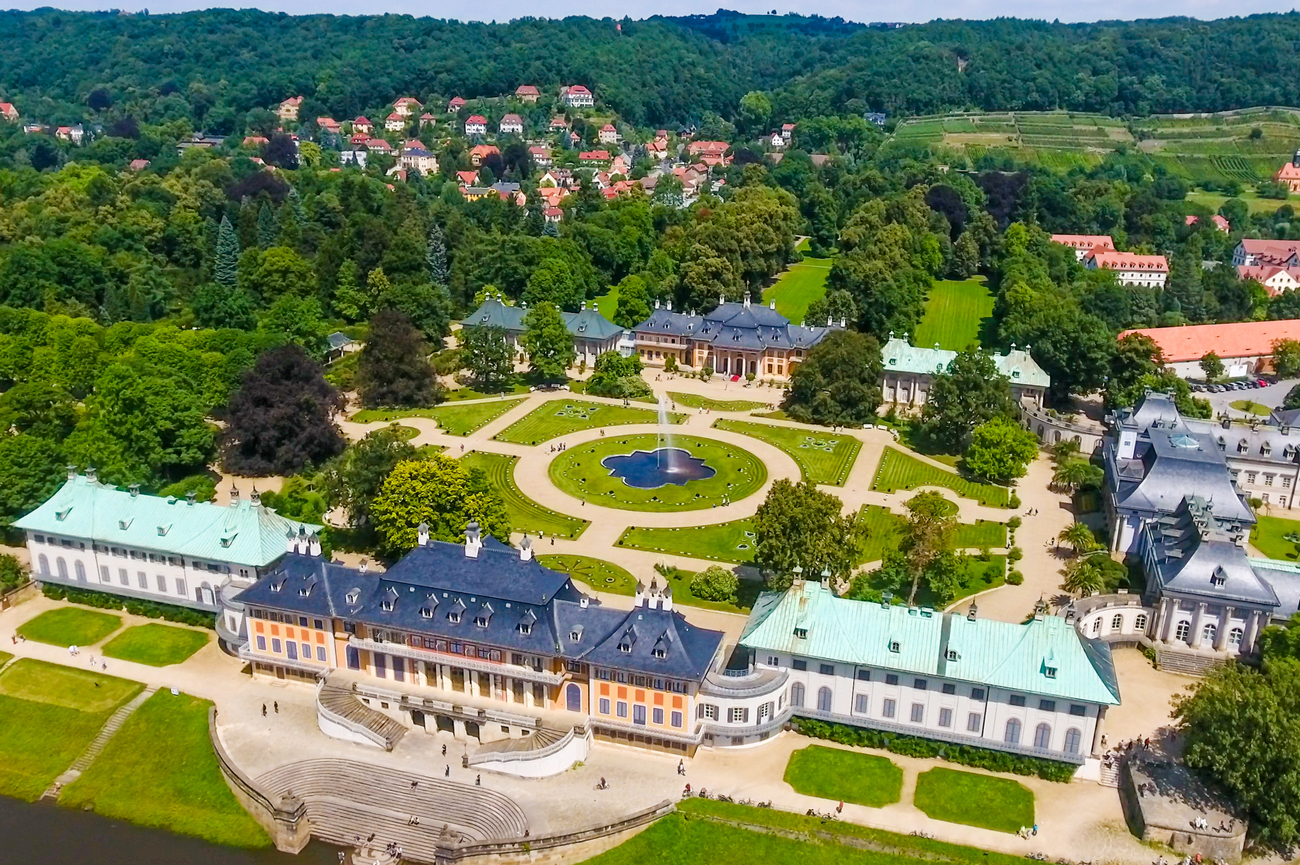
The Schlosspark wraps directly around Pillnitz Castle, so stepping from the palace into the park is immediate. The two stops flow into each other naturally as part of the same visit.
The park stretches across 28 hectares and is designed as a layered landscape rather than a single garden style. English, Dutch and Chinese garden sections each carry their own layout and atmosphere, connected by wide paths, fountains, a maze and a restored gondola belonging to the Saxon Electors on display within the grounds. The standout natural feature is the Pillnitz camellia, over 250 years old and the oldest surviving camellia north of the Alps. Between mid-February and mid-April it blooms with tens of thousands of crimson flowers, drawing visitors specifically for the event. And during winter months the tree is protected by a purpose-built mobile glass house that moves on tracks, which is an oddly fascinating detail.
Palmenhaus Pillnitz
The Palmenhaus sits within the Schlosspark, a few minutes' walk from the palace buildings. It is a smaller and quieter stop than everything else at Pillnitz, but the cast-iron greenhouse full of tropical plants earns the detour.
Built in 1859, the Palmenhaus was at the time the largest cast-iron greenhouse in Germany. The original steel and glass structure fell into near-complete ruin during the GDR period, with panes shattering and plants growing through the broken roof. Restoration began in 1991 and the greenhouse reopened in 2009 after an extensive reconstruction.
Today it covers 660 square meters across three sections. The south wing holds Cape plants from South Africa, the central octagonal hall contains various palm species with stone fountains underneath, and the north wing is dedicated to Australian vegetation. Small quail wander freely across the floor between the plants, used for natural pest control rather than decoration, which is one of those details that makes the place feel lived-in rather than curated.
The Palmenhaus works as the right close to the day because it asks nothing of you. After the Albertinum, the Transparent Factory and the palace, you end up standing under palm trees and bird-of-paradise flowers while quail walk around your feet.
Day 3 - Dresden Tour Map
Other Things to Do in Dresden
Three days covers the major ground, but Dresden has enough range that some of its best stops did not make the main itinerary. These are not filler options. They are places that hit differently depending on what you are after, whether that is a museum that challenges how you think about war, a courtyard that has no real equivalent in any other German city or an immersive panorama that puts Dresden's history at a scale you cannot get from a guidebook photo. Here are those spots.
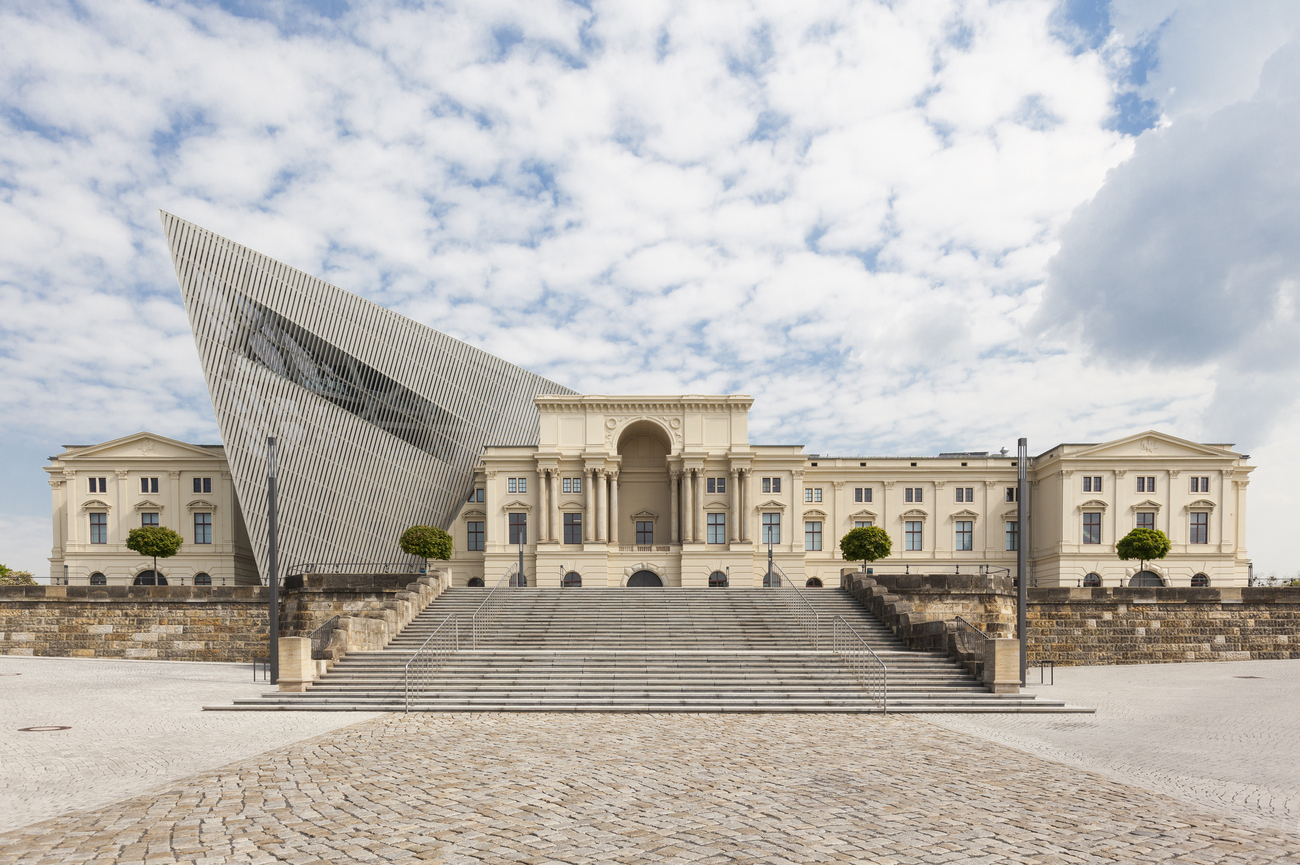
- Museum of Military History: The Militärhistorisches Museum der Bundeswehr is one of the most architecturally significant museums in Germany and one of the few that uses its building to make an argument. Daniel Libeskind's steel and glass wedge cuts directly through the original 19th-century neo-Renaissance arsenal at an angle that is deliberately disruptive, and the contrast between the two structures sets the tone before you even walk inside. Over 10,000 exhibits cover 800 years of German military history, but the framing here focuses on the causes and consequences of war and violence rather than the hardware.
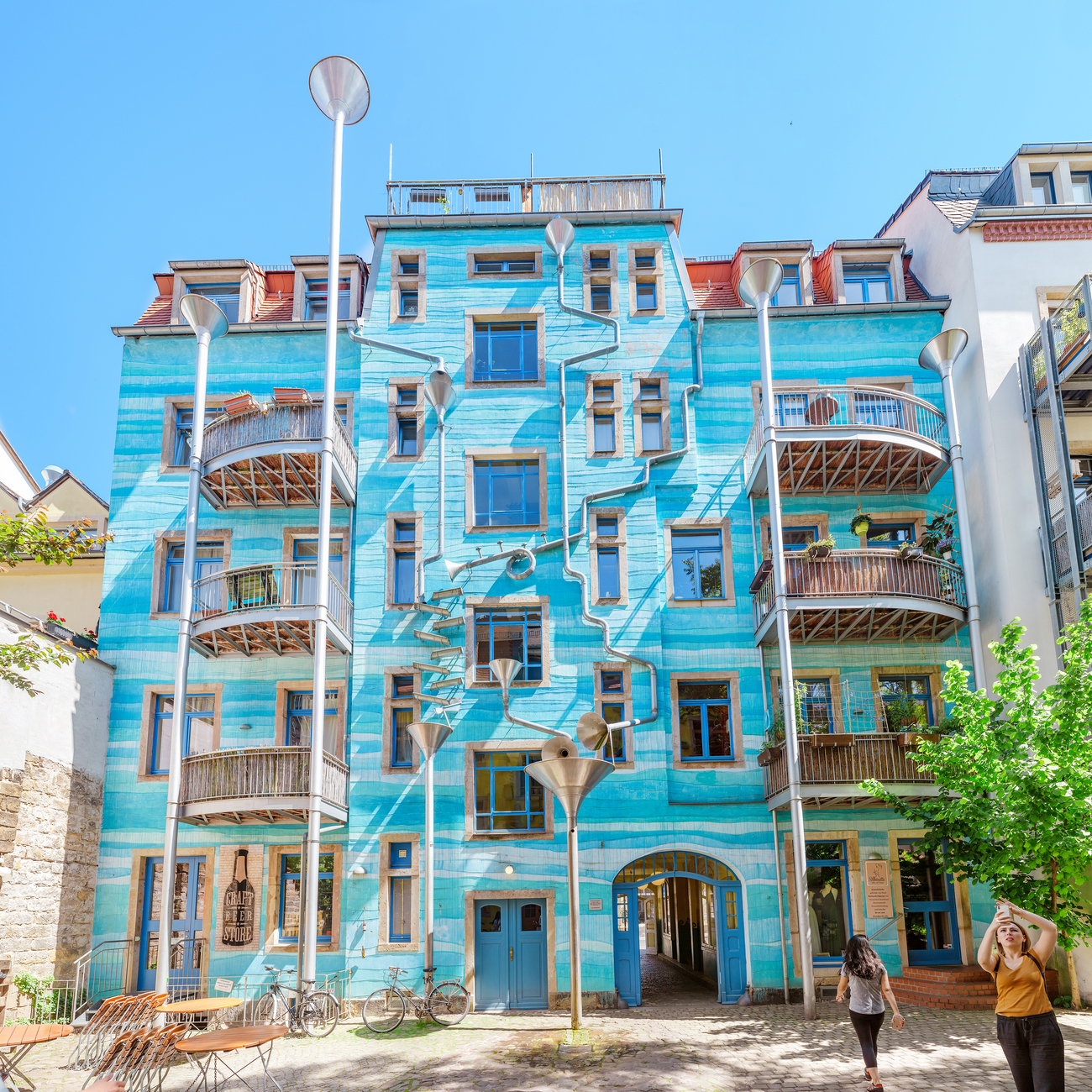
- Kunsthofpassage Dresden: Five interconnected courtyards in the Neustadt have been turned into permanent art installations by local artists, each with a different concept. The Court of Elements has drainage pipes engineered to create music when it rains. The Court of Mythical Creatures and the Court of Metamorphosis bring the same creative energy at a different register. Entry is free and the courtyards are open at all times, with independent shops, cafes and artist studios built into the surrounding buildings. The streets around Alaunstraße running alongside it have strong street art, independent boutiques and a cafe scene that makes the whole area worth a longer afternoon than just the courtyards themselves.
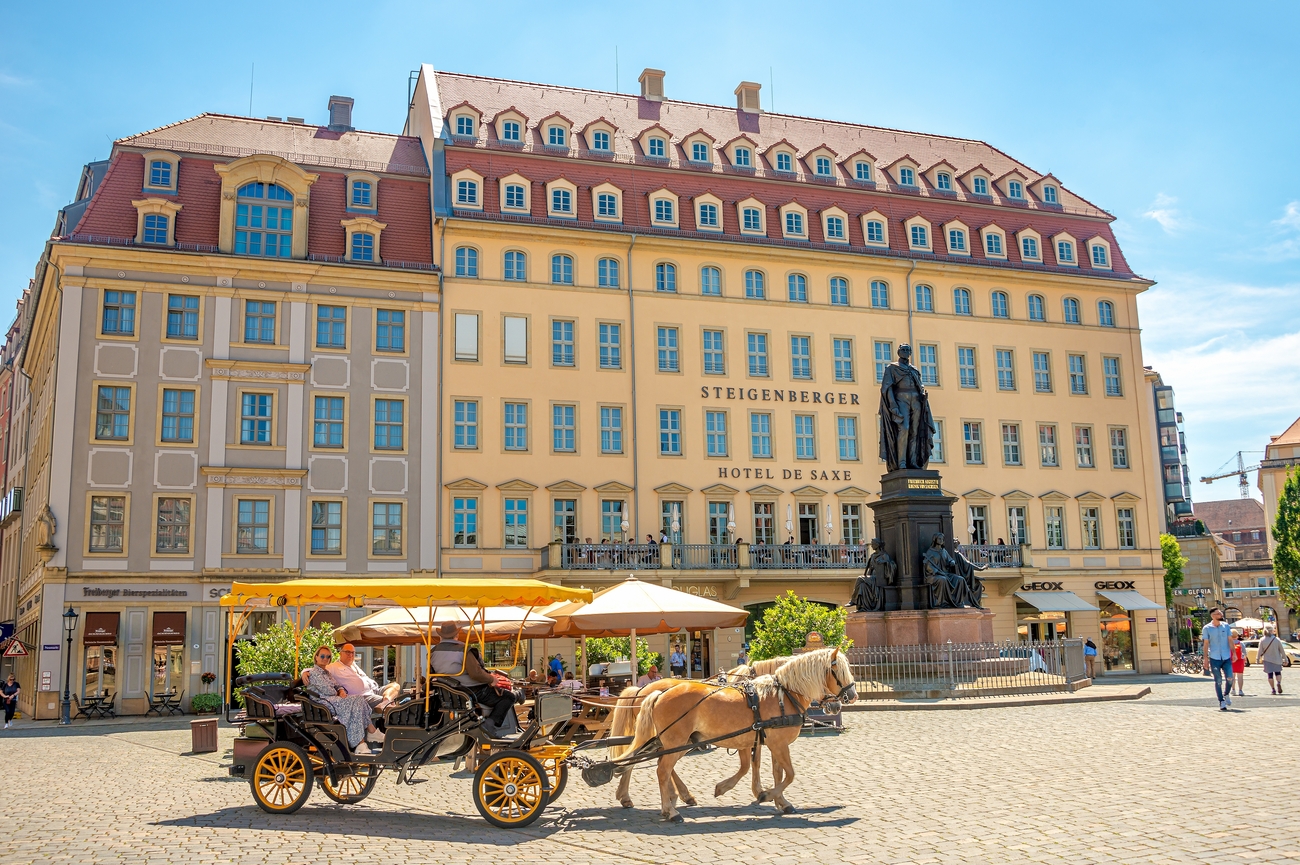
- Steigenberger Hotel de Saxe Dresden: Steigenberger Hotel de Saxe Dresden sits directly on Neumarkt square, steps from the Frauenkirche and the spa gives you two saunas, a steam bath, solarium and a fitness area with an adjoining relaxation room. If you want to make an evening of it, the hotel runs a dinner show called Le Petit Chef at Restaurant de Saxe on selected evenings, combining projection mapping directly onto the dining table with a tasting menu.
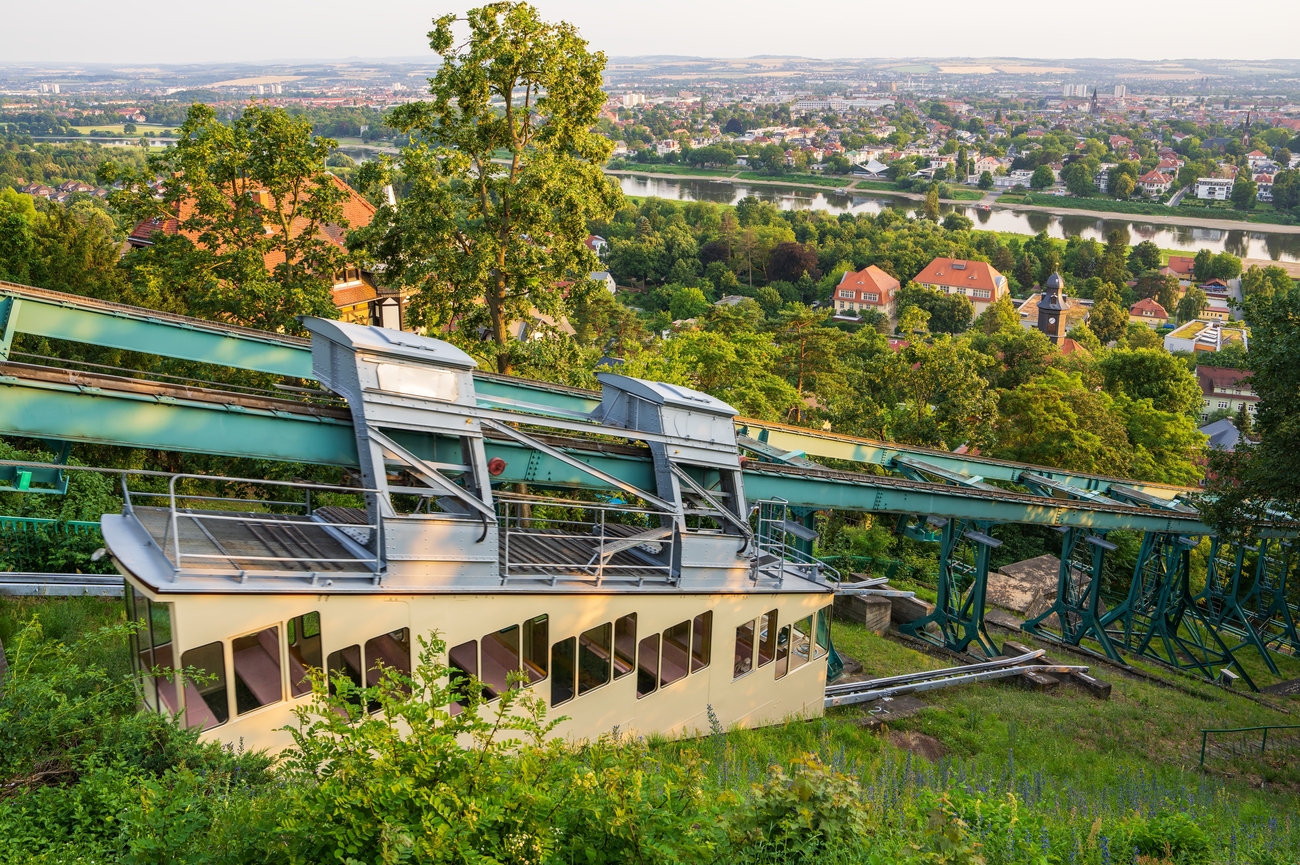
- Dresden Suspension Railway: Built in 1901, the Schwebebahn is the world's oldest operating suspended monorail and still runs as part of Dresden's public transport network between the Loschwitz and Oberloschwitz districts. The carriages hang from an overhead rail across 274 meters, supported by 32 pillars, reaching 84 meters above the ground at the highest point. The upper station has a panoramic viewing platform and a small technological exhibition covering the railway's engineering history, accessible during operating hours. If you are doing the Elbe Castle route on Day 2, the Schwebebahn pairs naturally with it since both are in the Loschwitz district.
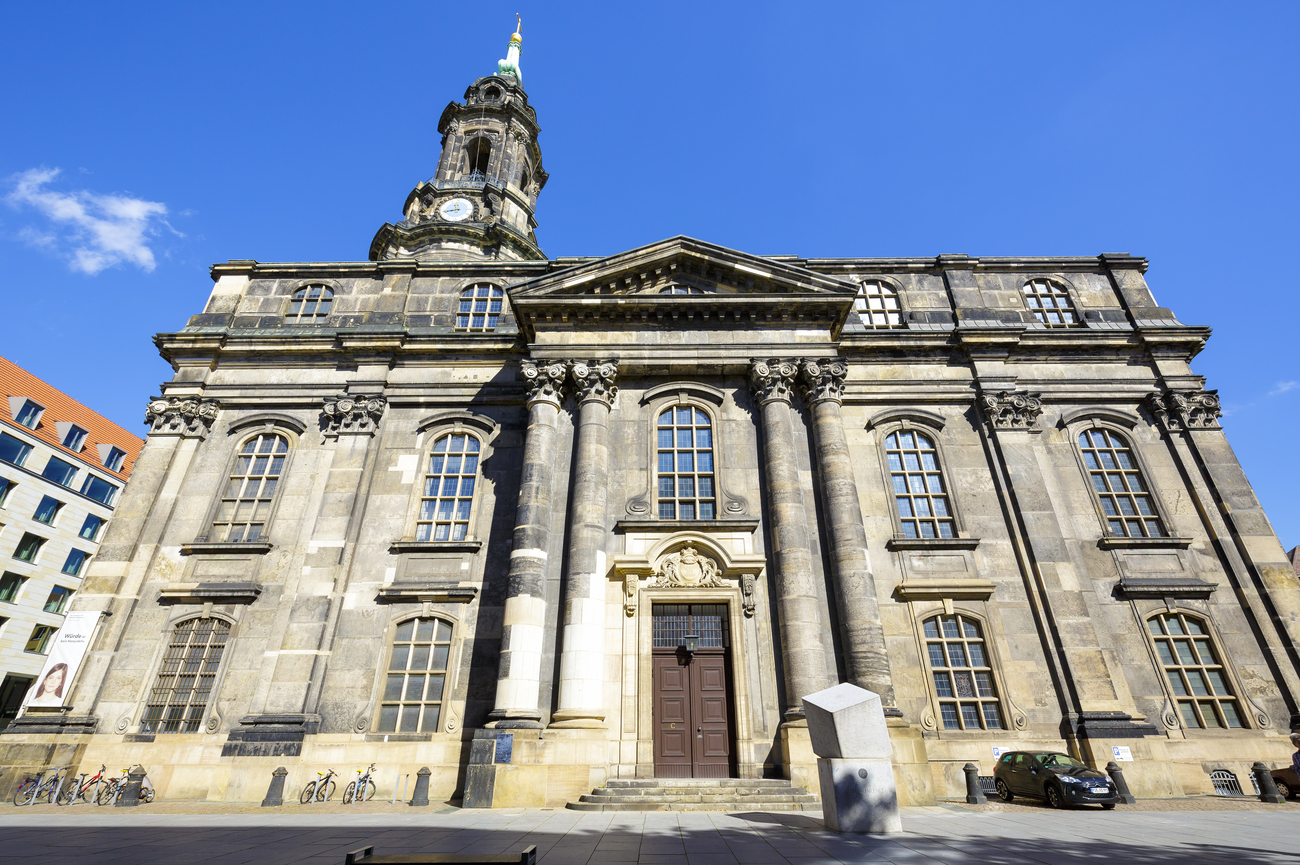
- Holy Cross Church: The largest church in Saxony and one of Dresden's oldest buildings, the Kreuzkirche sits on the southeast corner of Altmarkt square and has been rebuilt five times since its origins in the 13th century. The current Neoclassical structure dates from 1792, with a plain interior that is deliberately unadorned compared to the baroque churches elsewhere in the Old Town. The 92-meter tower is open to visitors. What makes the Kreuzkirche worth prioritizing over a standard church visit is the Dresdner Kreuzchor, one of Germany's most respected boys' choirs with a 700-year performance tradition.
Things to Do with Kids in Dresden
Dresden is not the kind of city that asks kids to behave themselves through three hours of oil paintings and then rewards them with a pretzel. There is actual range here. A zoo that has been running since 1861, a science museum built around the human body, a miniature steam railway that cuts through a 147-hectare park and a waterpark with an 80-meter slide that adults will also absolutely use. If you are traveling with kids, Dresden has enough to fill the days without anyone staging a protest.
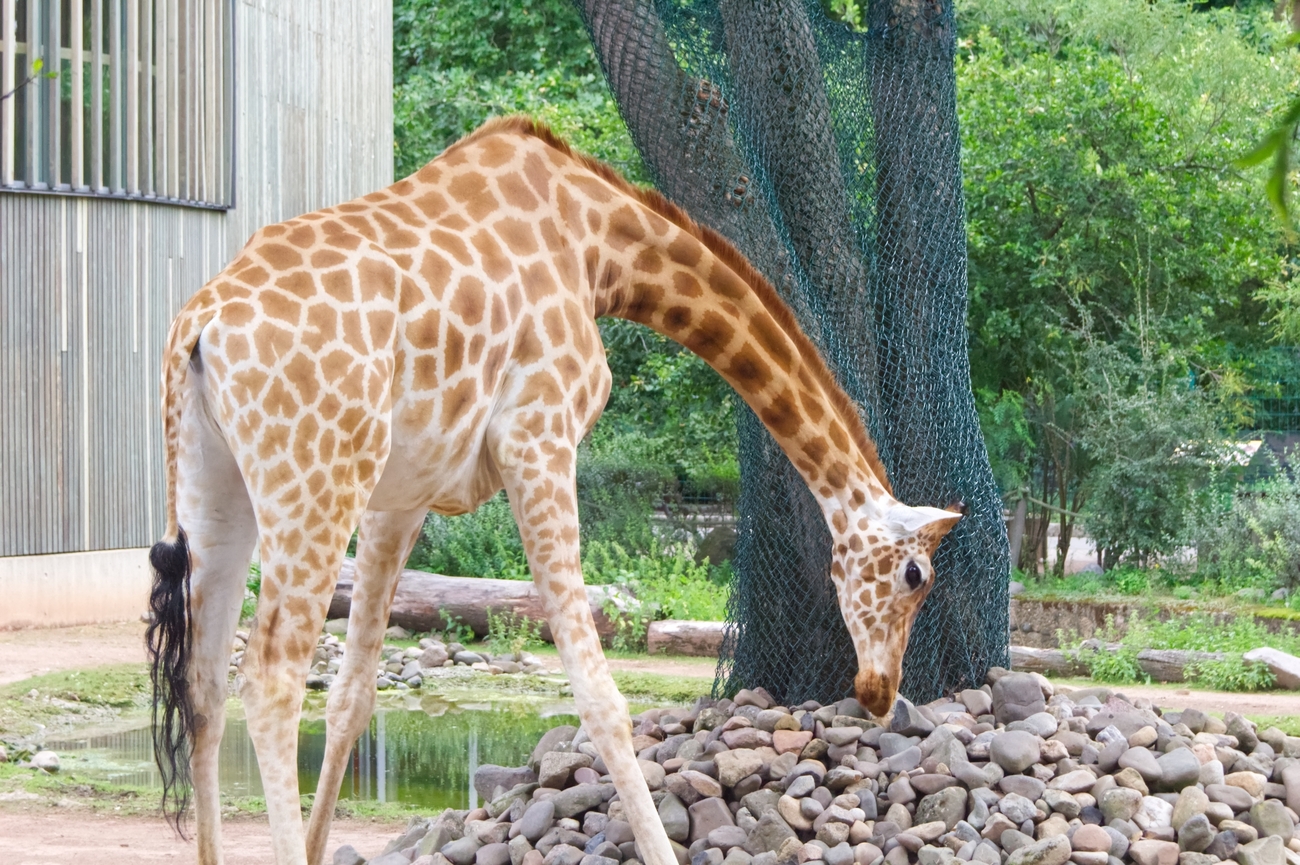
- Zoo Dresden: Opened in 1861, Zoo Dresden is one of Germany's oldest zoos and holds over 2,700 animals across more than 330 species. The grounds are spread across the southern edge of the Großer Garten, so the layout feels more like a landscaped park than a standard zoo enclosure circuit. Educational workshops run throughout the year tailored to different age groups, from hands-on animal sessions for younger kids to conservation-focused guided tours for school-aged visitors. Halloween brings costume parades and night zoo tours, which is exactly as good as it sounds.
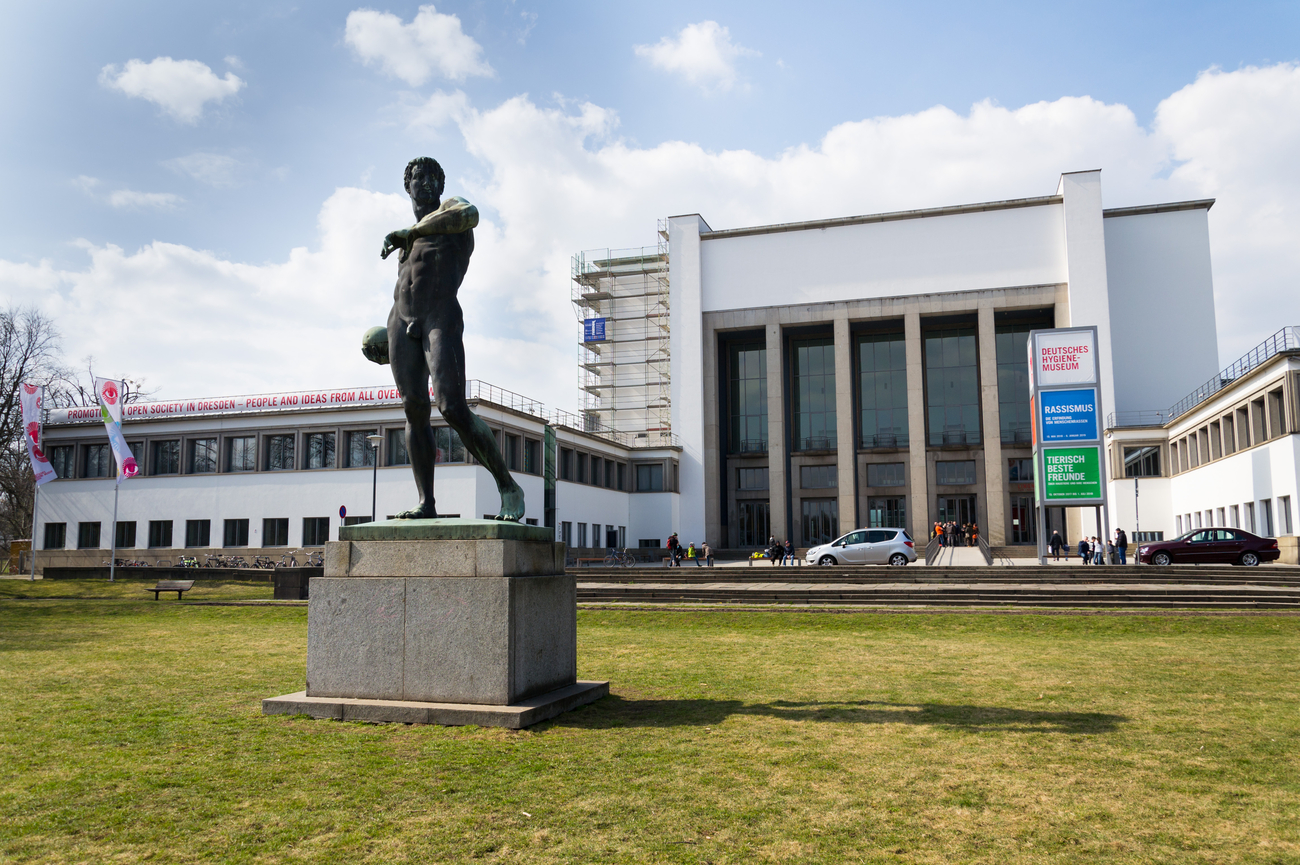
- German Hygiene Museum: The name sounds like a building full of soap and hand sanitizer, but the reality is significantly more interesting. Founded in 1912, the museum focuses on human biology, health and the body through a mix of permanent and rotating exhibitions. The permanent exhibition The Human Adventure includes the iconic Transparent Man, an anatomical model that has been stopping people mid-step since the 1930s. The dedicated Kinder Museum is the strongest section for families with younger children, built around interactive exhibits covering the senses and the human body. Your kids will enjoy scavenger hunts and experiments here.
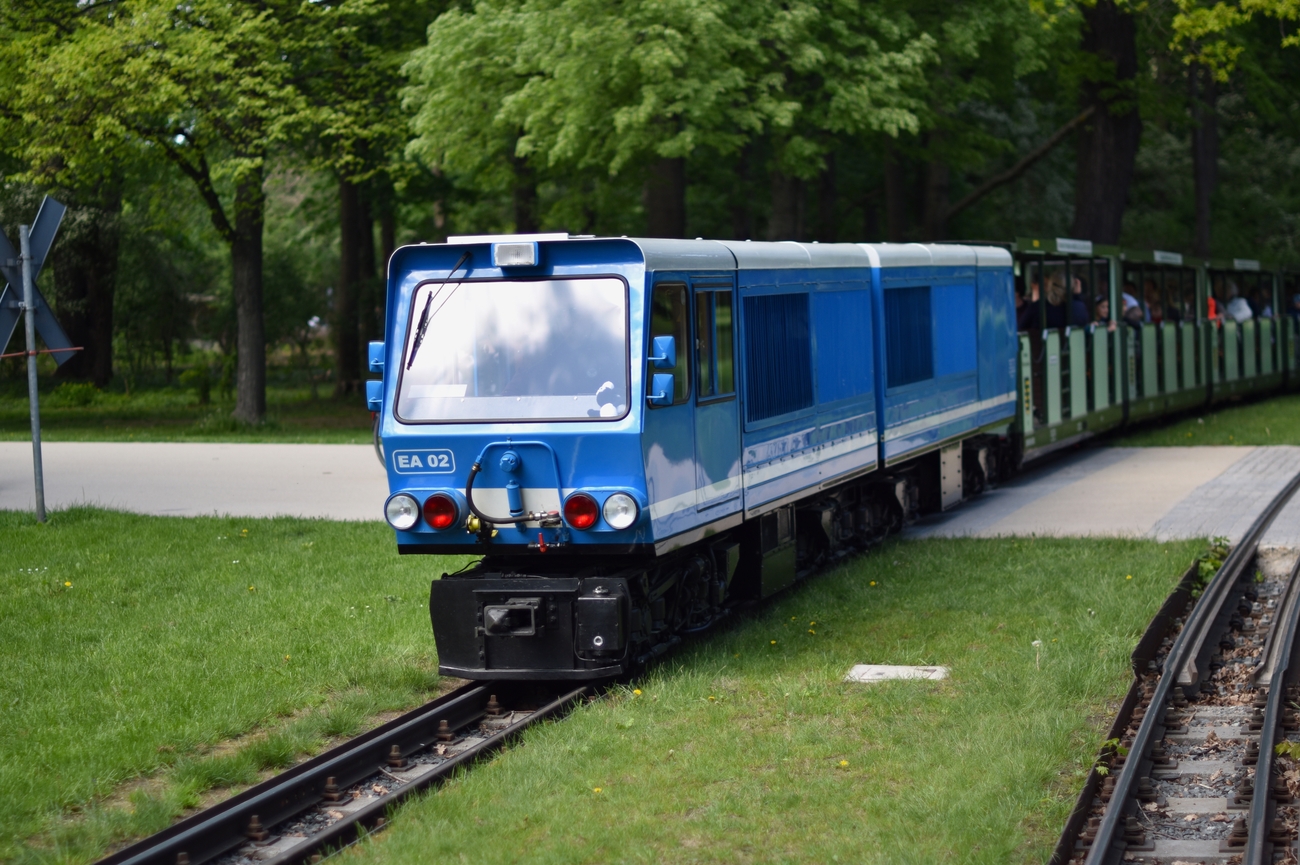
- Dresden Park Railway: This one runs entirely on the logic that a miniature steam railway through a massive park is a good idea, which it absolutely is. Operating since 1950 and running seasonally from April to October, the railway circles through the Großer Garten on a 5.6-kilometer route staffed almost entirely by teenagers in uniform, which is a detail that surprises every first-time visitor. Steam locomotive runs happen on weekends and public holidays. You can hop off at the zoo stop, spend time there and pick up a later train, which makes the park railway and zoo combination the most efficient way to cover both in a single afternoon.
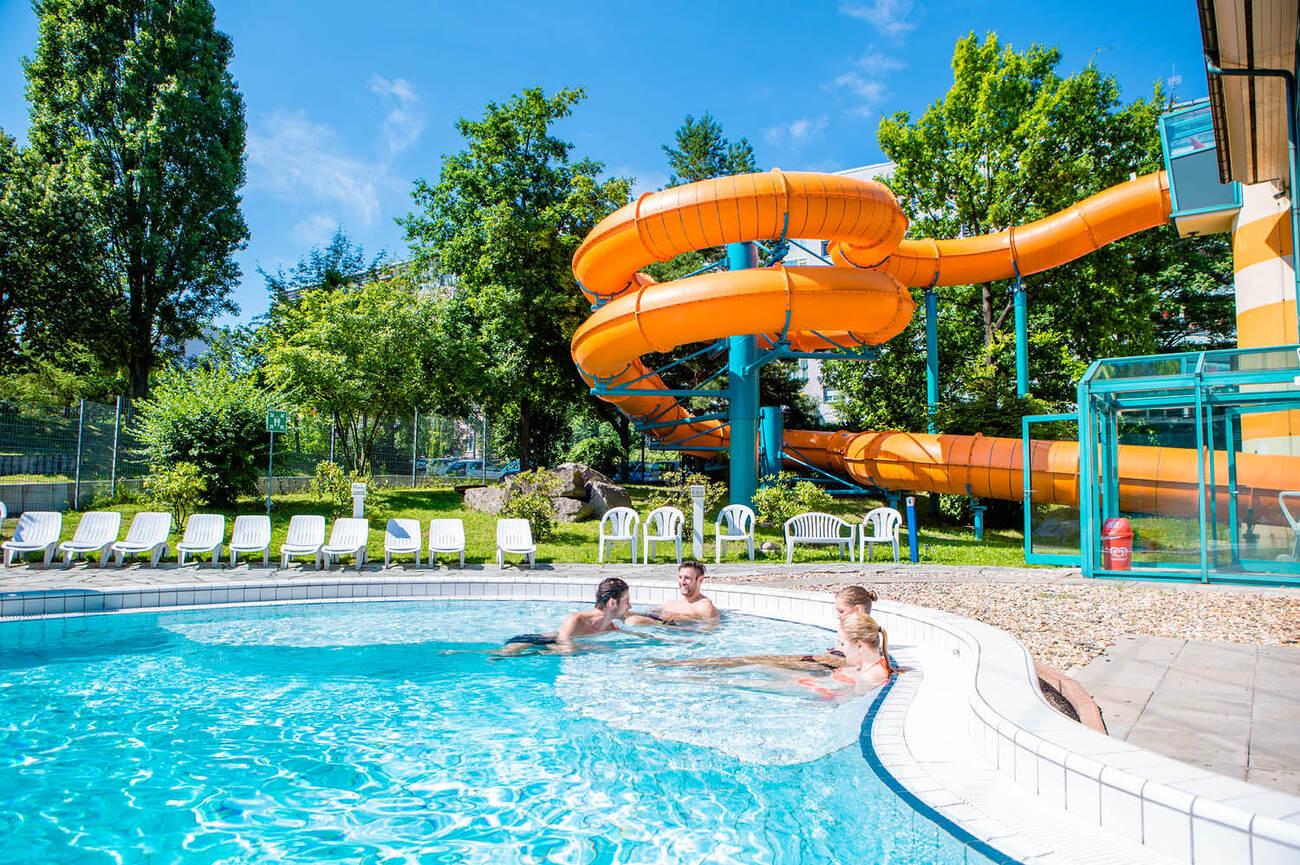
- Elbamare Erlebnisbad: If the itinerary needs a full water day, Elbamare is the answer. Located in the Gorbitz district, the complex covers nearly 5,000 square meters and includes a sports and adventure pool, an outdoor area, a children's pool with slides, a flow channel, hot tub, massage jets and a tropical sunbathing lawn. The main draw for kids is the 80-meter giant slide, which is the kind of thing that makes the rest of the day feel like a warm-up. A sauna area with four different types rounds out the adult side of the facility.
Day Trips from Dresden
Dresden is a solid base, but Saxony does not let you stay in one place for long. Within 90 minutes by train, the architecture changes, the cultural references shift and the atmosphere moves in a completely different direction from the Baroque grandeur of the Old Town. That range is one of the better arguments for building extra days into a Dresden trip, even if the city itself already has more than enough to fill them.
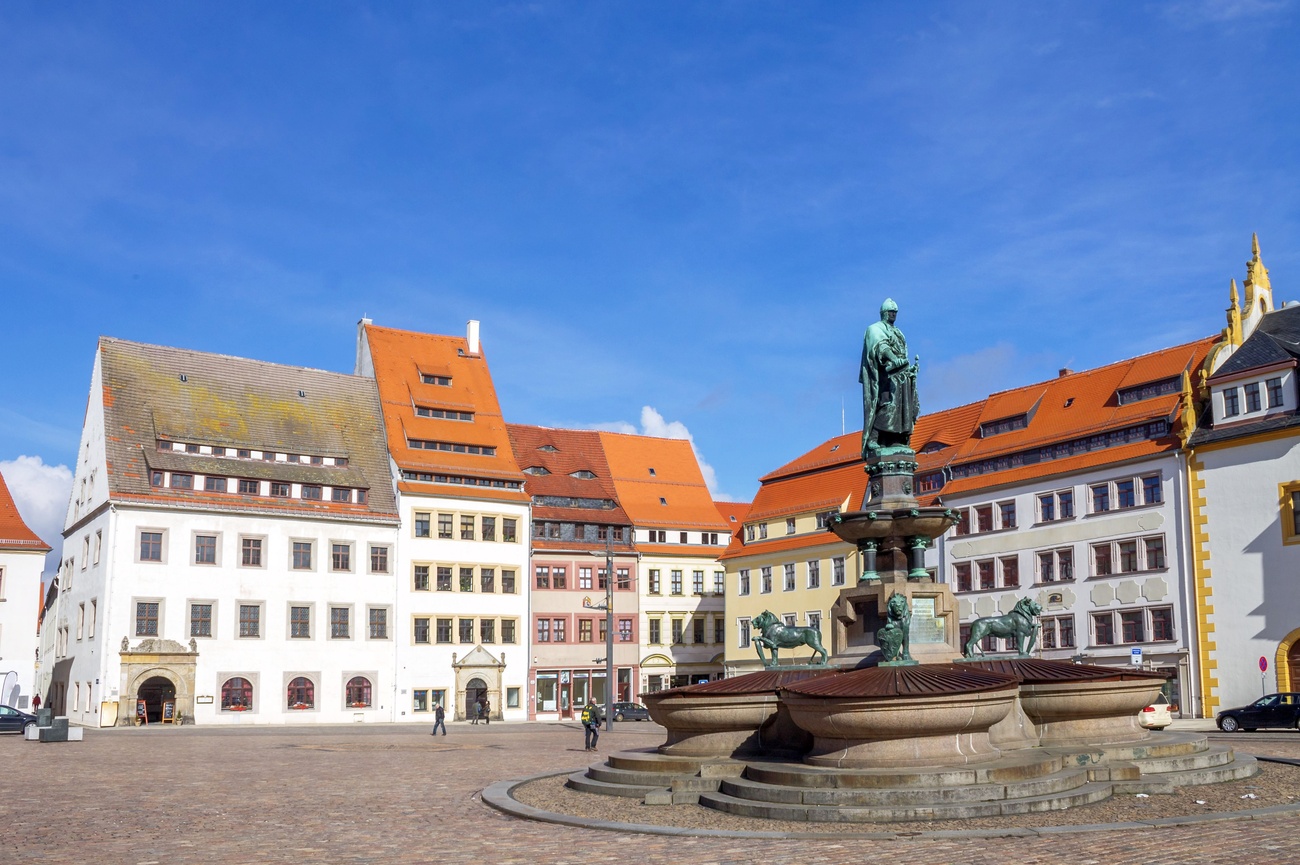
- Freiberg: Located approximately 40 to 45 minutes southwest of Dresden by train or car, Freiberg is one of the most rewarding cultural day trips in Saxony. The city sits at the heart of the UNESCO-listed Erzgebirge/Krušnohoří Mining Region, a landscape that transformed Saxony into one of Europe's wealthiest territories through centuries of silver mining. The historic center remains remarkably preserved, with elegant townhouses, a lively Market Square and the magnificent Freiberg Cathedral, home to the famous Golden Gate portal and one of the world's finest Silbermann organs. Beyond the cathedral, you can also visit the Terra Mineralia Museum which showcases one of Europe's most impressive mineral collections.
- Leipzig: Leipzig is famous for its connection to Johann Sebastian Bach, whose legacy lives on at St. Thomas Church, while landmarks such as the monumental Battle of the Nations Monument, the elegant Old Town Hall, and the historic Mädler Passage showcase Leipzig's importance over the centuries. The city also has one of Germany's most exciting art scenes, centered around the former industrial spaces of Spinnerei, now home to galleries and studios. Thanks to direct rail connections, you can reach Leipzig from Dresden in just over an hour.

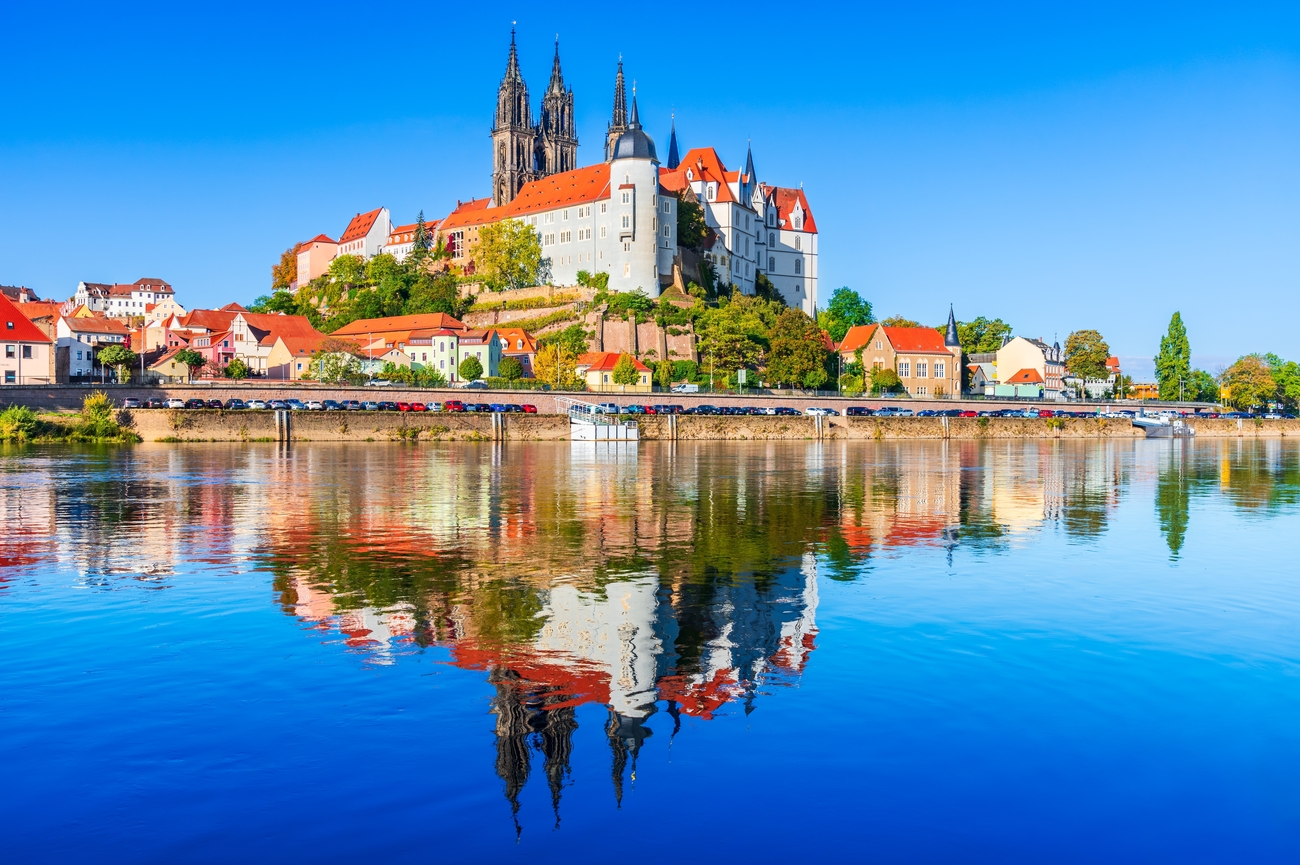
- Meissen: Just 30 to 40 minutes northwest of Dresden, Meissen combines medieval architecture, royal history and Germany's most famous porcelain tradition. The city's skyline is dominated by Albrechtsburg Castle and the soaring towers of Meissen Cathedral, both perched above the Elbe River. The renowned Meissen Porcelain Manufactory, established in 1710, remains one of the most prestigious porcelain producers in the world and offers fascinating workshops and museum exhibits. You can enjoy private cellar visits, premium tastings and chauffeured excursions that link Meissen with nearby castle estates.
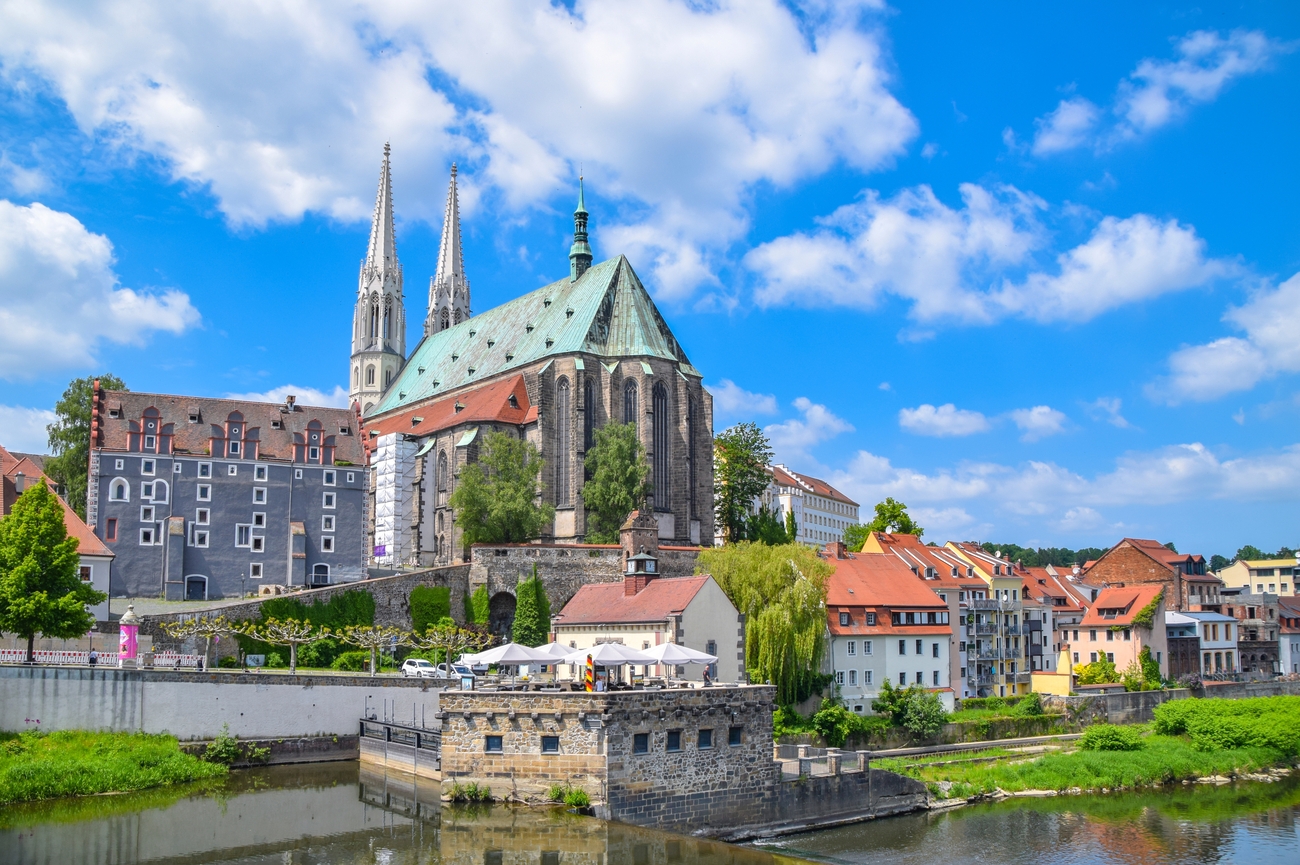
- Görlitz: Görlitz is one of those places that makes people wonder why it isn't on every Germany itinerary. The city has more than 4,000 protected historical buildings spanning Gothic, Renaissance, Baroque and Art Nouveau styles, making it one of the best-preserved urban centers in Europe. Highlights include the elegant Untermarkt, the twin-spired St. Peter and Paul Church and the beautifully restored merchant houses that line the old streets. And if you’re a movie buff, you may recognize many corners of the city from productions such as The Grand Budapest Hotel. Despite feeling worlds away from modern Germany, Görlitz is only around 1 hour and 20 minutes from Dresden.
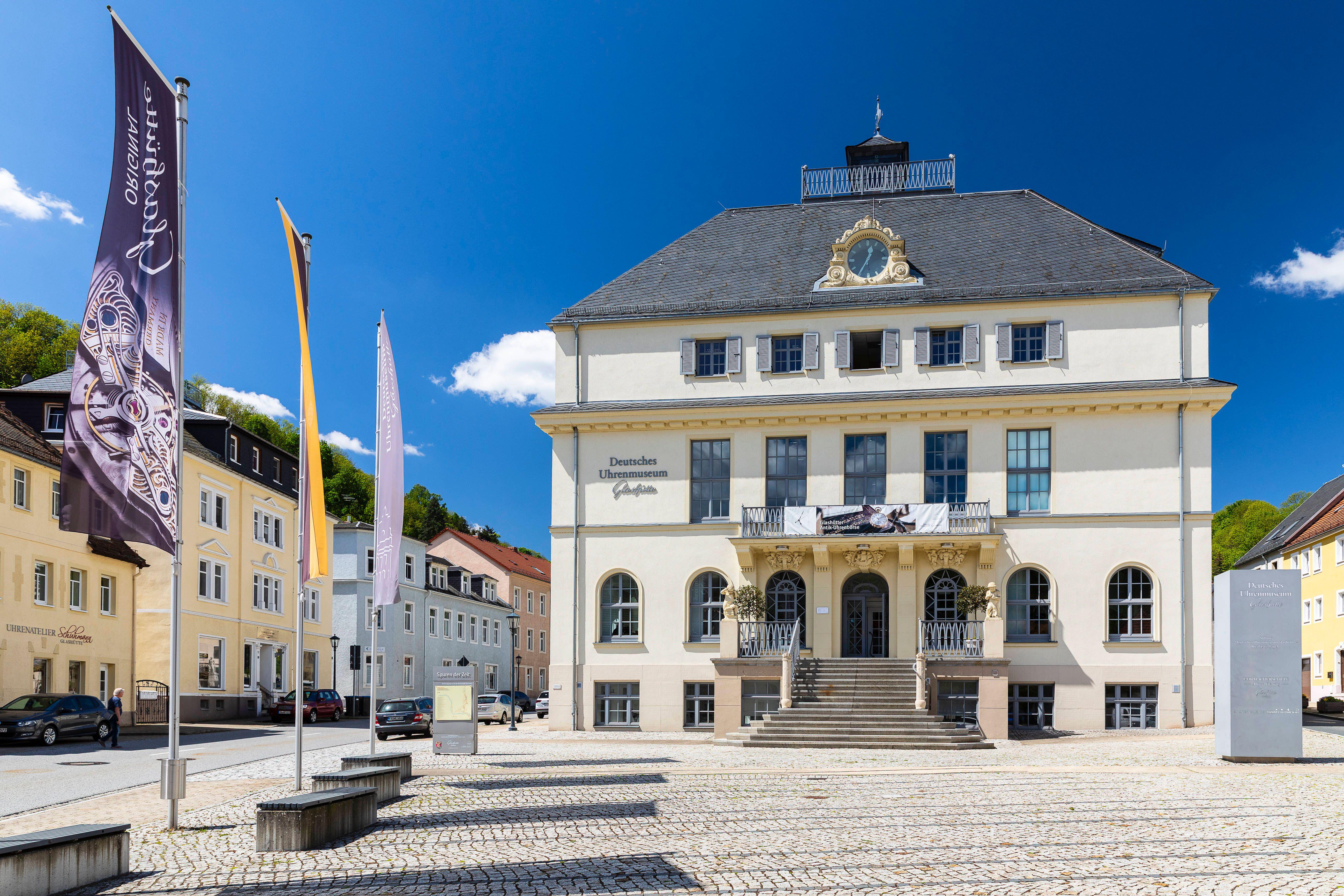
- Glashütte: Situated approximately 45 minutes south of Dresden, Glashütte is a pilgrimage site for anyone interested in fine craftsmanship, luxury manufacturing, and precision engineering. This small town in the Ore Mountains is internationally renowned as the center of German watchmaking and is home to some of the country's most respected luxury watch brands. The standout attraction is the German Watch Museum Glashütte, which traces the evolution of the industry from the nineteenth century to the present day. Here, you can arrange private factory visits, collector-focused tours and exclusive appointments that offer insight into the meticulous craftsmanship behind luxury watch production.
Nearby Experiences from Dresden
Dresden has the culture covered. The region around it handles everything else and it does not ask you to travel far to get there. Saxony is compact enough that a morning on a golf course, an afternoon at a castle and an evening back in the city is a reasonable plan rather than an ambitious one. The variety within a short drive of Dresden is the kind of thing that makes adding a day or two to the trip feel like the obvious choice.
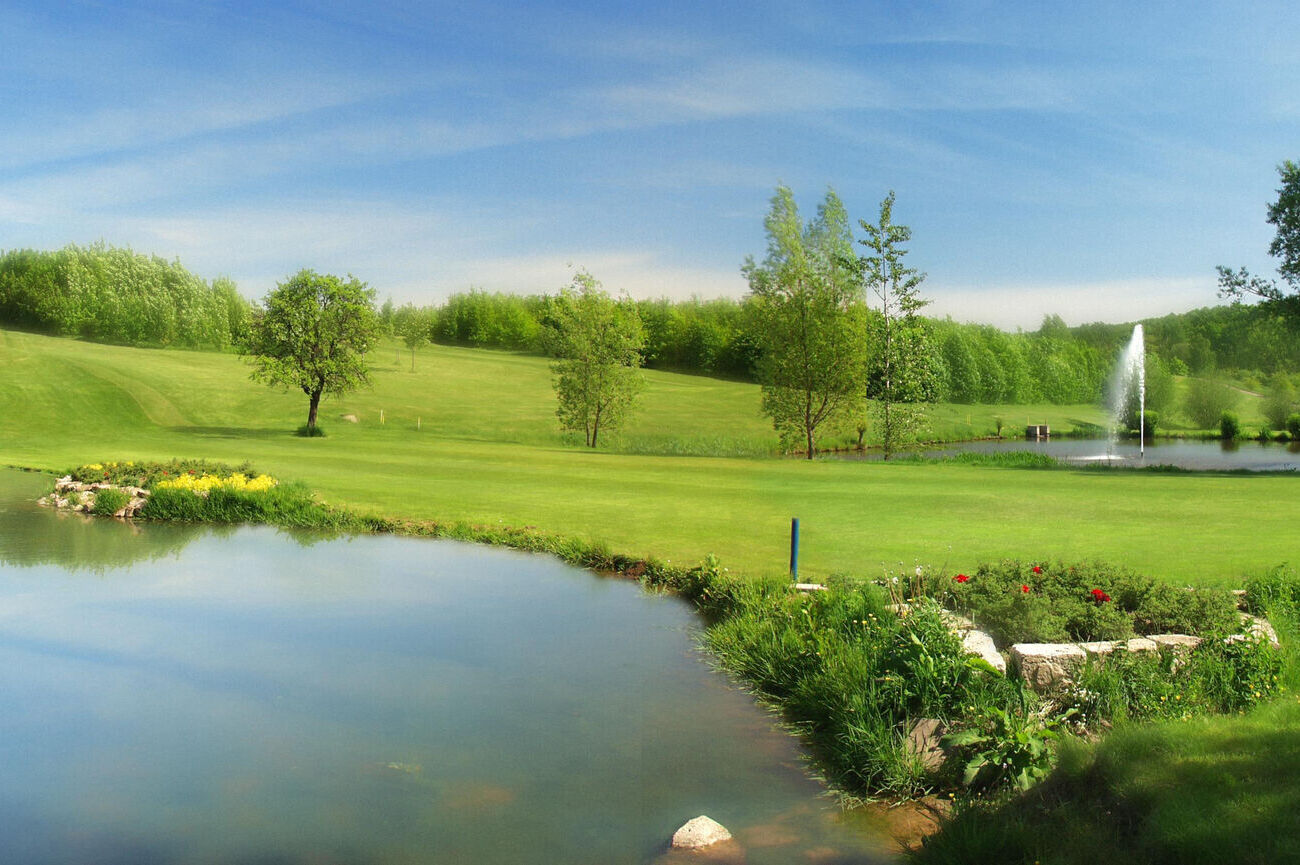
- Golfclub Dresden Elbflorenz: About 20 minutes south of Dresden in Possendorf, Golfclub Dresden Elbflorenz is the strongest full-round golf option near the city. The 18-hole championship course was established in 1993 on the historic estate of Ferdinand von Schill and sits against a mountainous backdrop with varied terrain, strategic bunkers and well-maintained greens that challenge without being punishing. You can also enjoy a quick lunch at the restaurant with panoramic views over the course.
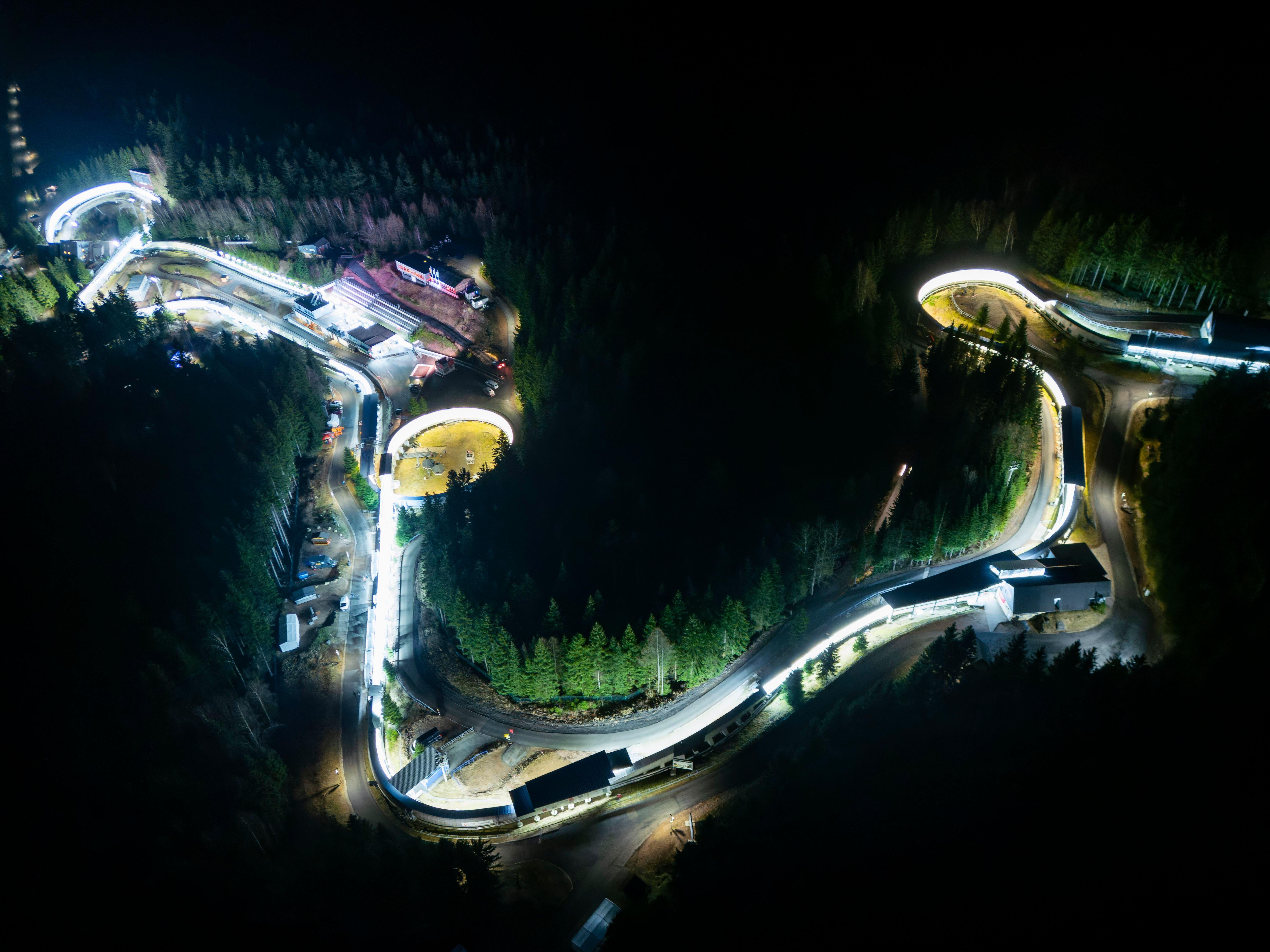
- Altenberg: About an hour's drive south of Dresden along the B170 toward the Czech border, Altenberg is the most accessible ski area from the city and the right choice if you want a winter day on the slopes without committing to a multi-hour drive. The resort sits at 750 meters and has 10 marked pistes served by 7 ski lifts, with terrain suited to beginners and intermediates. The real standout is the Altenberg bobsleigh run, 1,413 meters long with 18 bends, on which World Cup and European Championship competitions take place regularly. You can ride the track in a 4-man racing bobsled on guided tours or take on ice tubing at a slightly less terrifying pace.
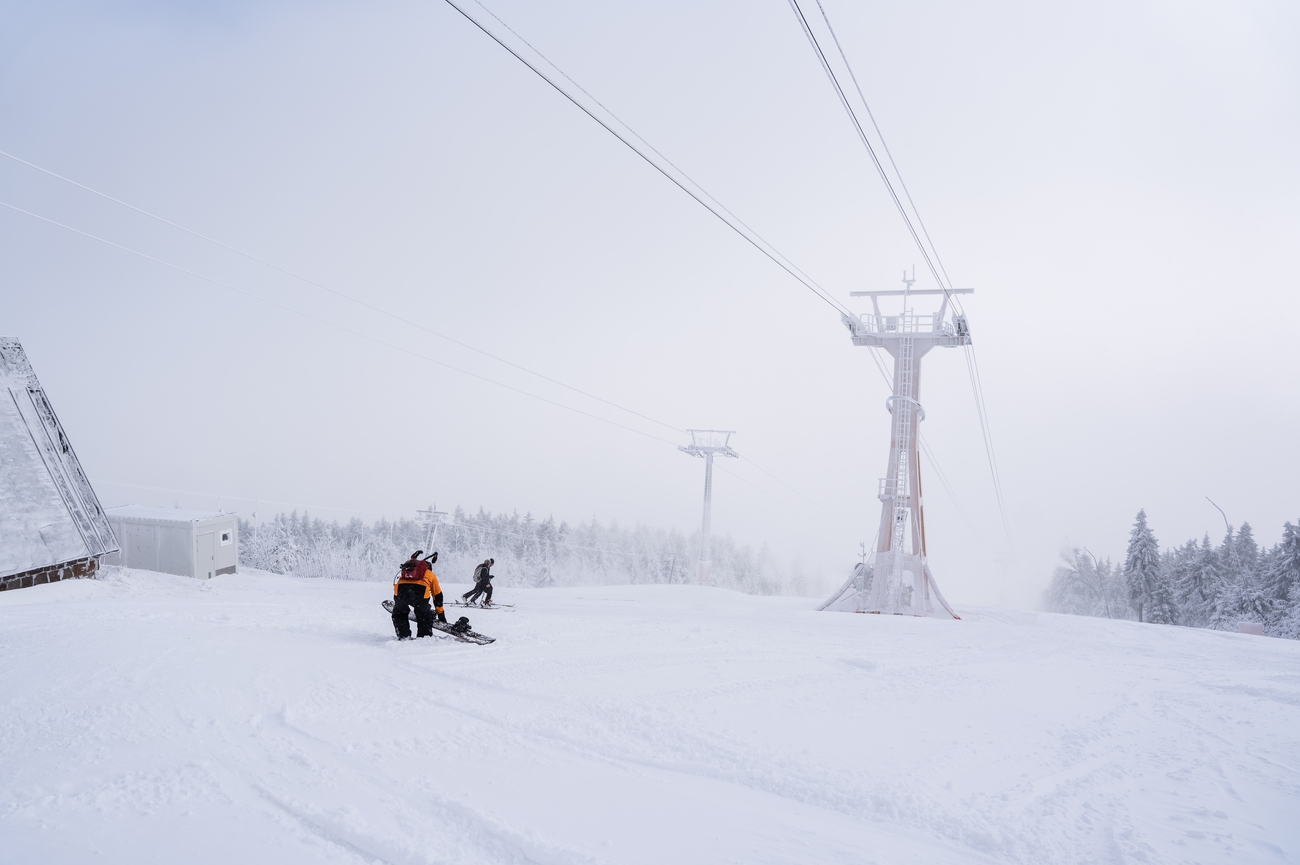
- Fichtelberg Oberwiesenthal: About two hours southwest of Dresden near the Czech border, Fichtelberg at Oberwiesenthal is the largest and most snow-reliable ski resort in Saxony. At 1,215 meters, it is the highest mountain in Saxony and home to the oldest cable car in Germany, built in 1924, which still carries skiers up the mountain today. The resort covers 16 kilometers of slopes across all difficulty levels, a terrain park for snowboarders, a 1.2-kilometer FIS course for advanced skiers. If you want a genuinely snow-reliable resort compared to the lower-altitude alternatives, then go to Oberwiesenthal.
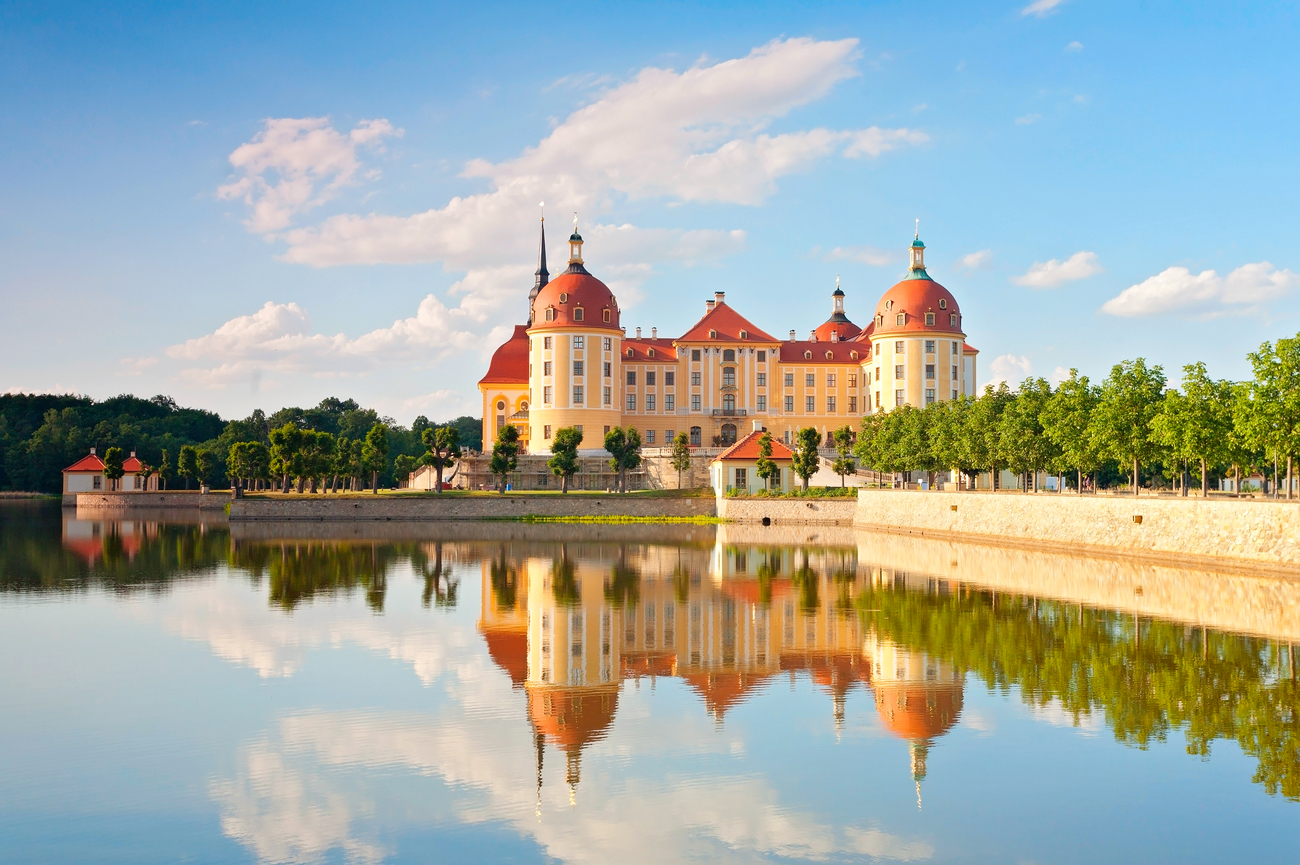
- Moritzburg Castle: About a 25-minute drive north of the city, Moritzburg sits on an artificial island in the middle of a lake and is one of the most visually striking stops within easy reach of the city. Augustus the Strong commissioned the Baroque redesign in 1723 under Pöppelmann, turning a 16th-century hunting lodge into a palace with over 200 rooms. The interior includes one of Europe's largest historic hunting trophy collections, gilt leather tapestries and the Feather Room decorated with over a million colored feathers. In winter, the castle becomes the set of the 1973 film Three Wishes for Cinderella, a cultural fixture still shown on German television every Christmas.
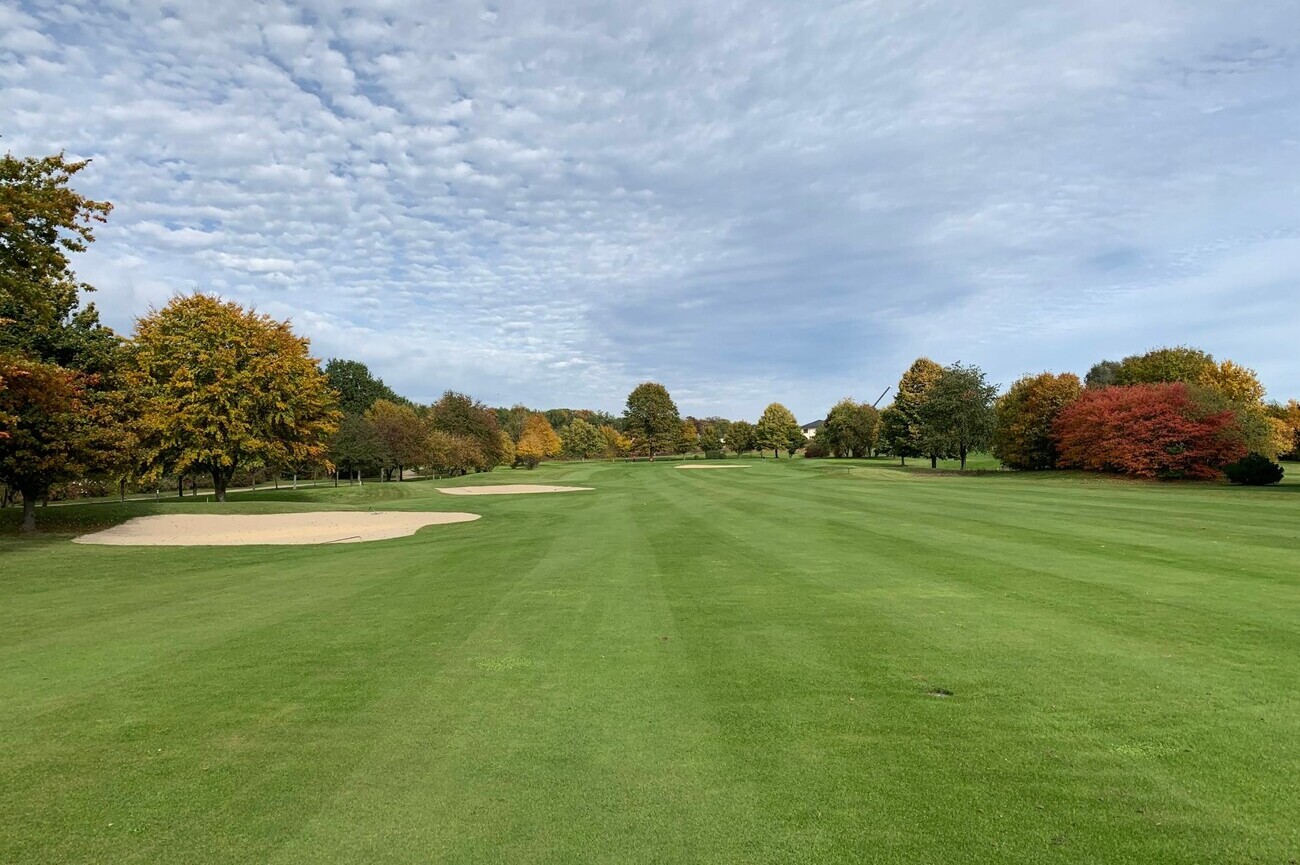
- Golfanlage Dresden Ullersdorf GmbH & Co KG: Around 15 minutes northeast of the historic center, near the edge of the Dresdner Heide, this 18-hole parkland course offers a surprisingly scenic setting that feels far removed from the urban core. Opened in 1996, the layout winds through meadowland and woodland between Weißer Hirsch and the Prießnitz valley, combining water hazards, demanding rough and several lengthy par-4 and par-5 holes that reward strategic play. If you are looking to spend more time on the fairways, the complex also includes a 9-hole course and an adventure golf area.
Michelin-Starred Restaurants in Dresden
Dresden's fine dining scene is smaller than Munich or Berlin but punches well above its size. The city currently has a handful of Michelin-starred restaurants, each operating at a completely different style from the others. One is a cellar restaurant in a 19th-century villa in Neustadt. Another sits inside a former turbine factory with floor-to-ceiling arched windows. The third is a fourth-generation family restaurant named after a woodland. The variety alone says something about how Dresden approaches fine dining without forcing a single identity onto it.
- Restaurant Genuss-Atelier: Fourteen steps take you down into a sandstone and brick-vaulted cellar restaurant inside a beautiful old villa in Neustadt. Restaurant Genuss-Atelier holds one Michelin star, earned through the kind of cooking that does not need a formal dining room to justify it. Brother and sister team Marcus and Nicole Blonkowski run the kitchen and front of house respectively, serving modern creative cuisine built on high-quality produce. You can choose from the à la carte selection or hand the kitchen full creative control and let them put together a surprise menu, which is the better call if you want the full experience. The wine list covers eastern German labels exclusively, with a deliberate focus on lesser-known producers that makes it worth spending time on.
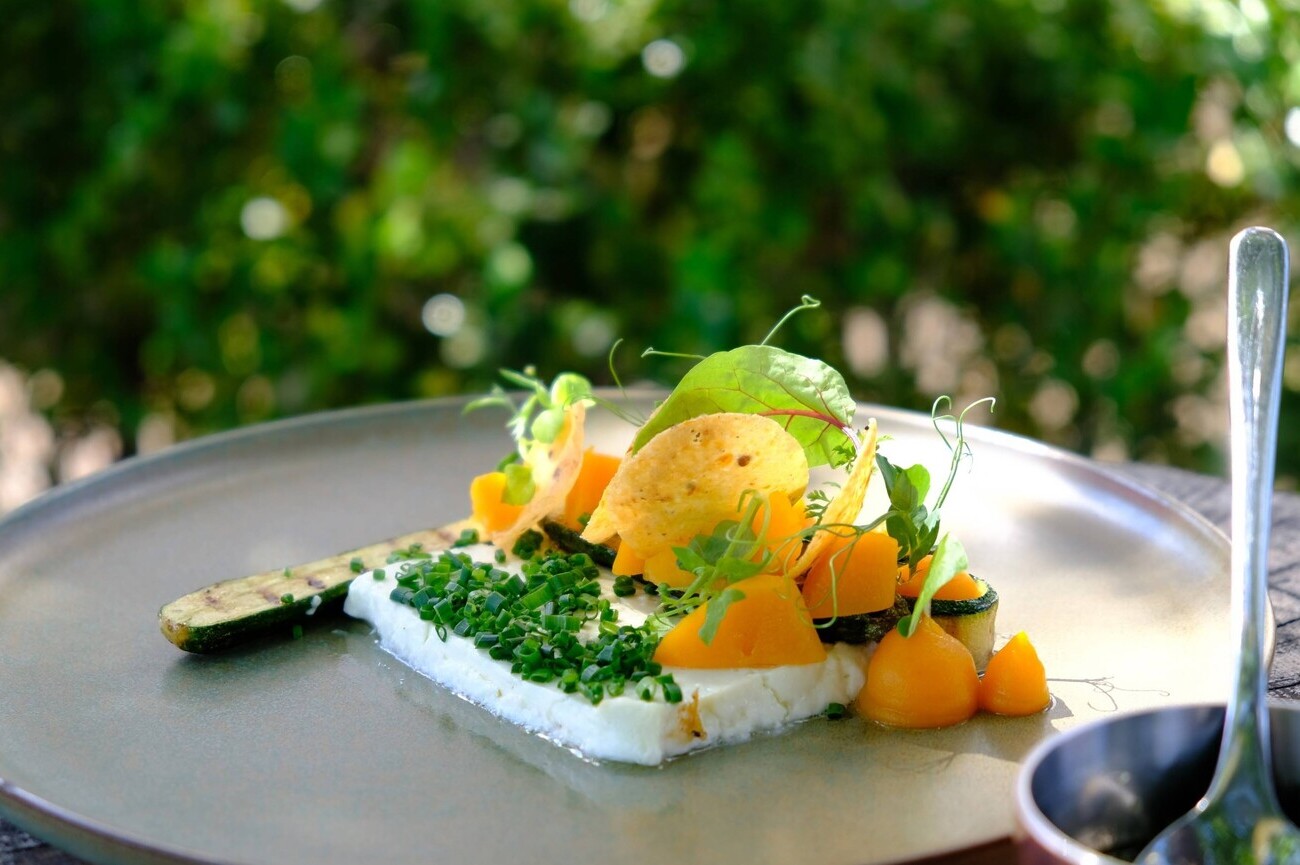
- Elements Deli Restaurant Lounge: Elements holds one Michelin star and sits inside the Zeitenströmung building complex, a former turbine factory with floor-to-ceiling arched windows, original floorboards and a high open ceiling that gives the room an industrial loft character that works surprisingly well for fine dining. Stephan Mießner runs the kitchen while Martina Mießner handles front of house and the dynamic between the two makes the service feel considered rather than formal. The cooking is pared down and precise, with bold flavors and clean execution. You can go with the Chef's Menu or build your own from the additional offerings.
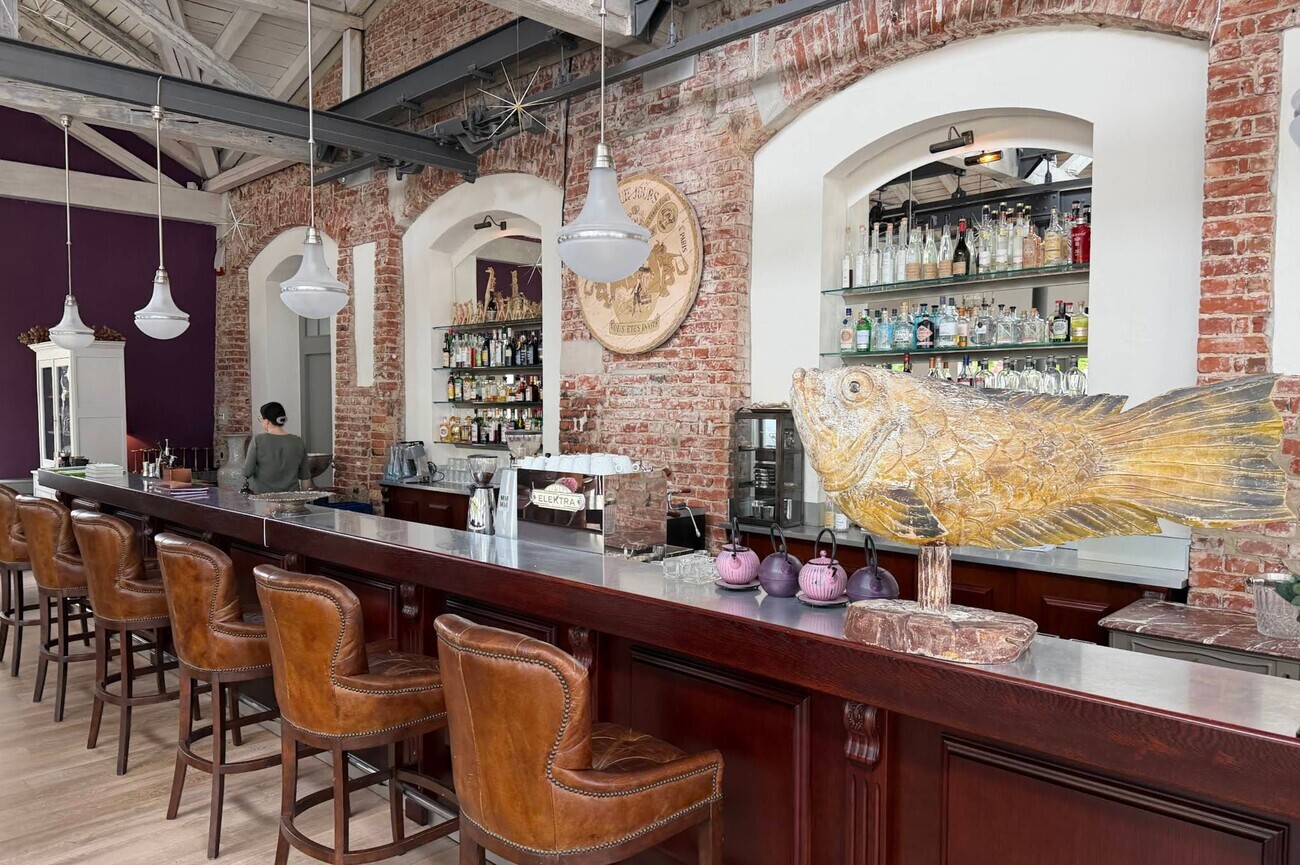
- Restaurant Heiderand: Heiderand holds one Michelin star and is the kind of restaurant that earns it quietly rather than loudly. Martin Walther is the fourth generation of his family running the place, named after the Dresdner Heide woodland nearby and the house itself dates back to 1905, originally a café that hosted tea dances. The kitchen serves modern international cuisine across two set menus: Wasser & Weide covering meat and fish and Acker & Beet as a vegetarian alternative, both running four or five courses. The pierogi are one of the standout dishes, a modernized take on the Polish classic that nods to Martin Walther's mother's roots. You can also add an optional cheese course.
Where to Eat in Dresden
Three Michelin stars across three separate restaurants in a city this size already tells you something. The broader dining scene behind that carries the same level of intention without always getting the same level of attention. Dresden is not a city that oversells its food culture, which means the restaurants here tend to earn their reputation through the actual experience rather than the marketing around it.
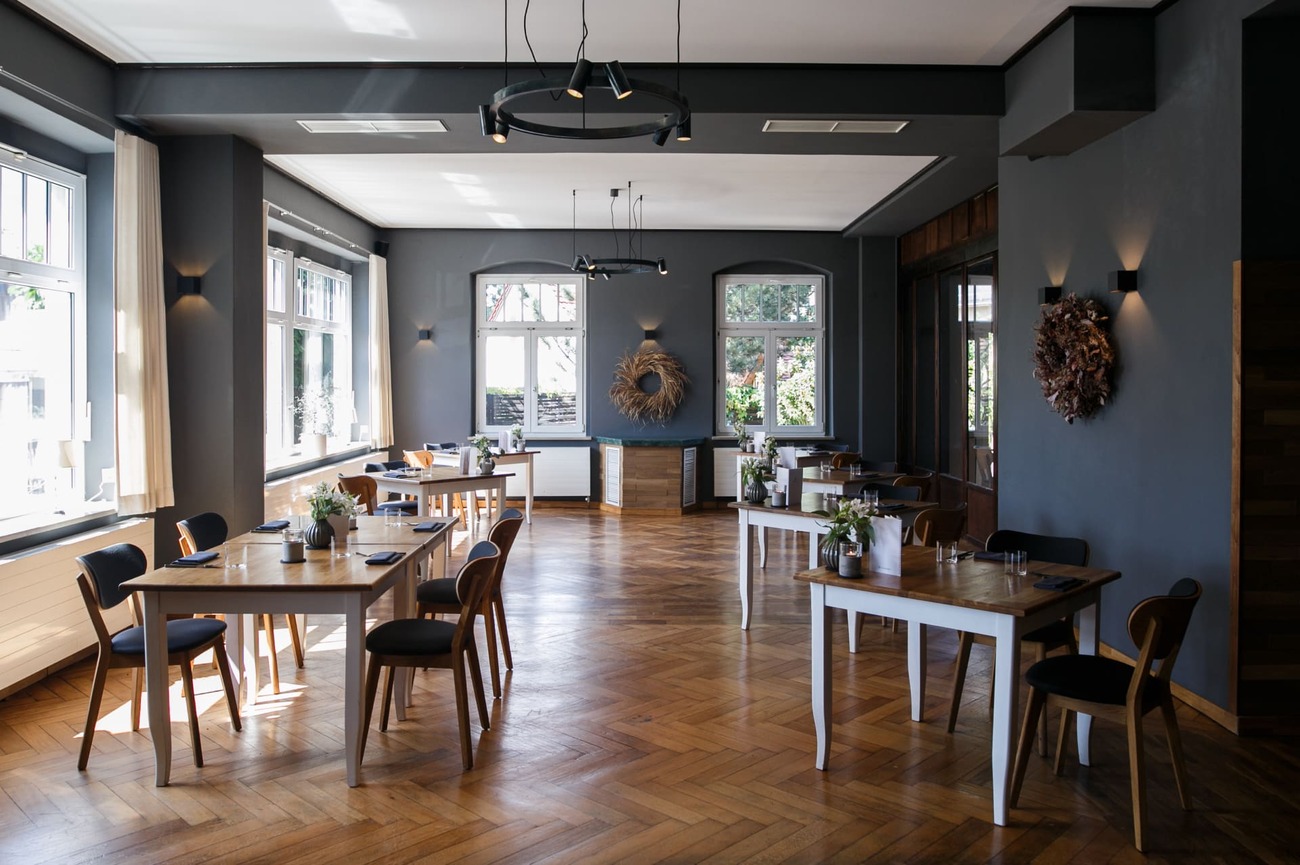
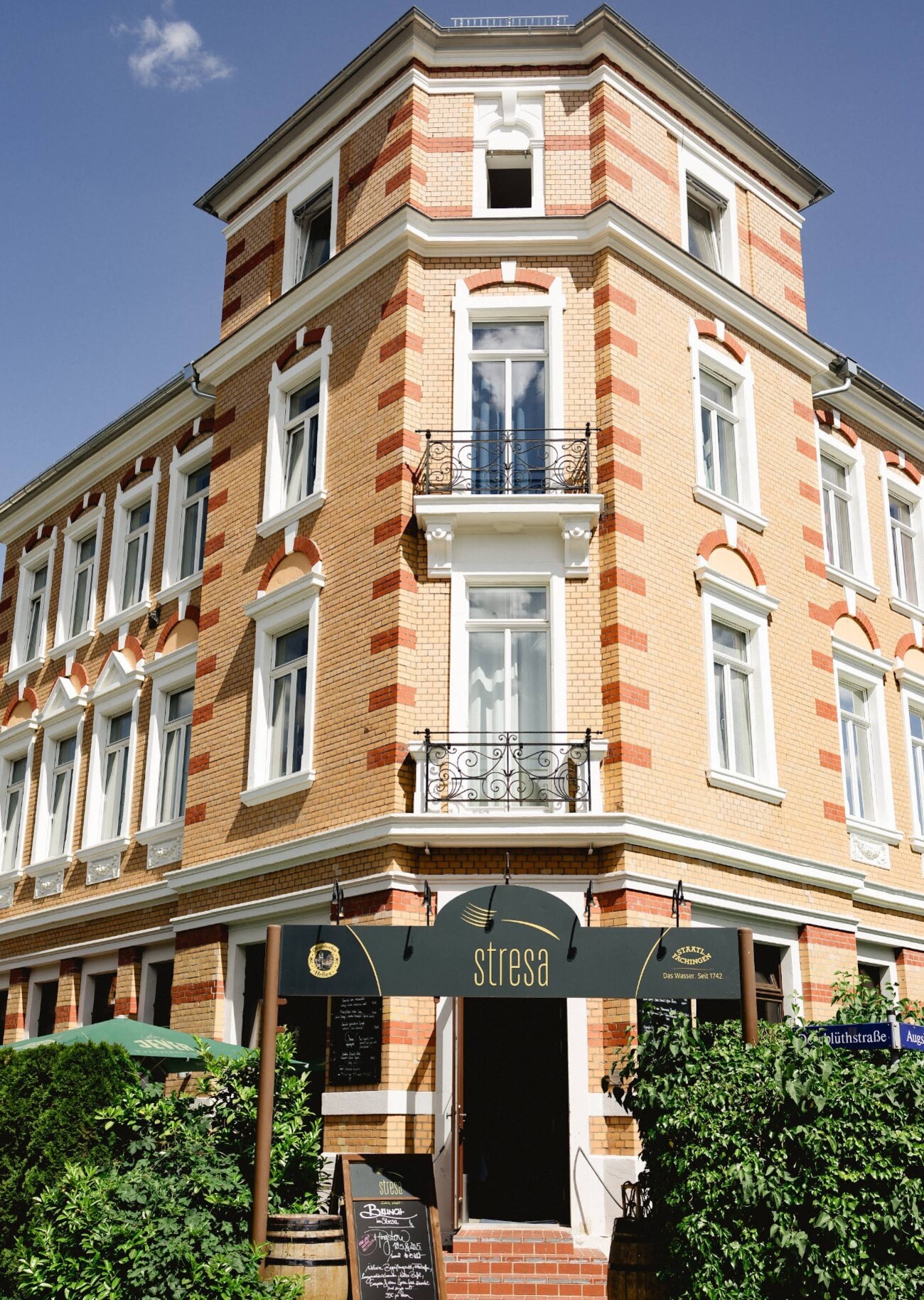
- Stresa: Stresa sits in the Striesen district, a handsome residential neighborhood that gave the restaurant its name. The walls are covered with work by local artists, the kitchen is open and the whole place feels like somewhere locals actually return to rather than a one-time destination. In the evening, you choose between two set menus running three to six courses, one omnivore and one vegetarian and vegan, or go à la carte. The menu shifts with the seasons and changes regularly enough that repeat visits make sense. And at lunch the Bistro Menu keeps things more relaxed.
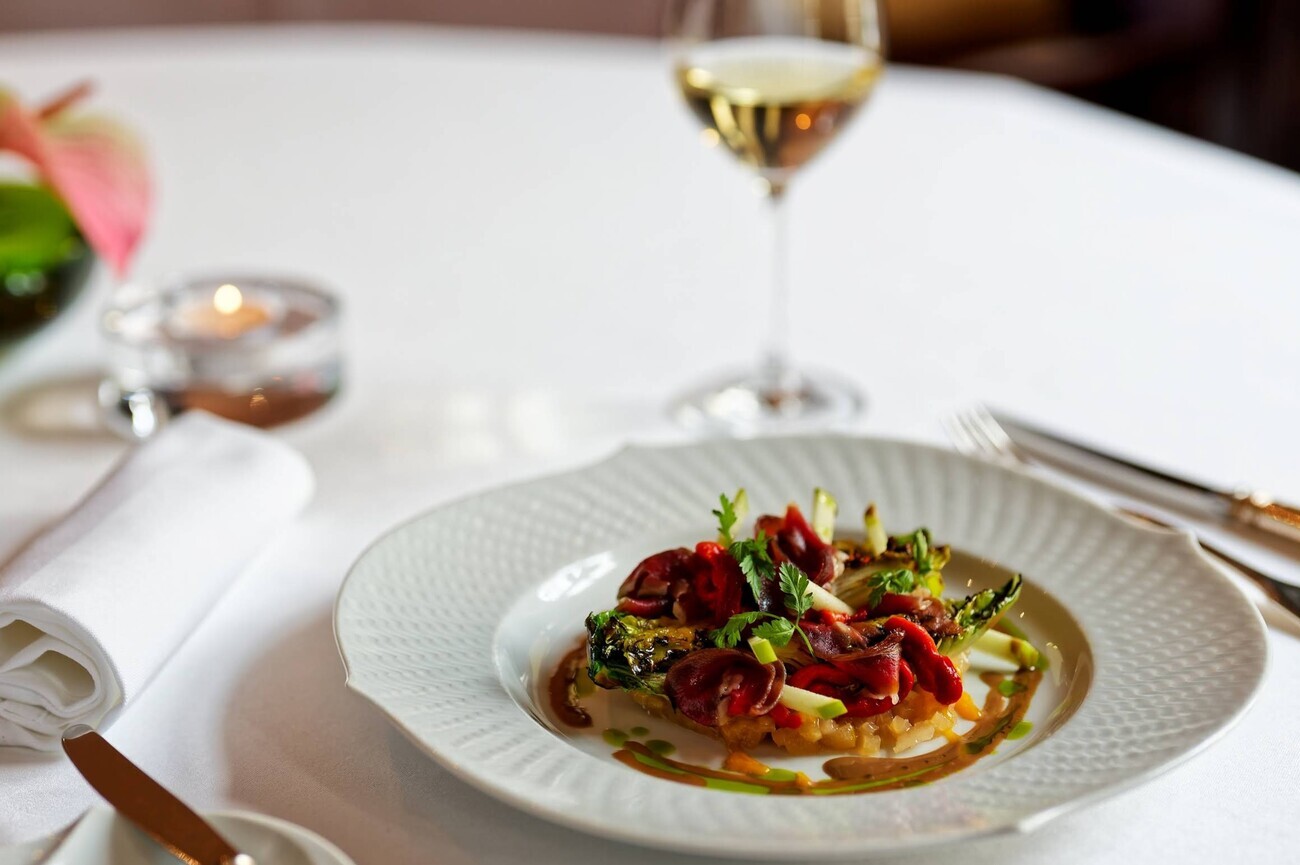
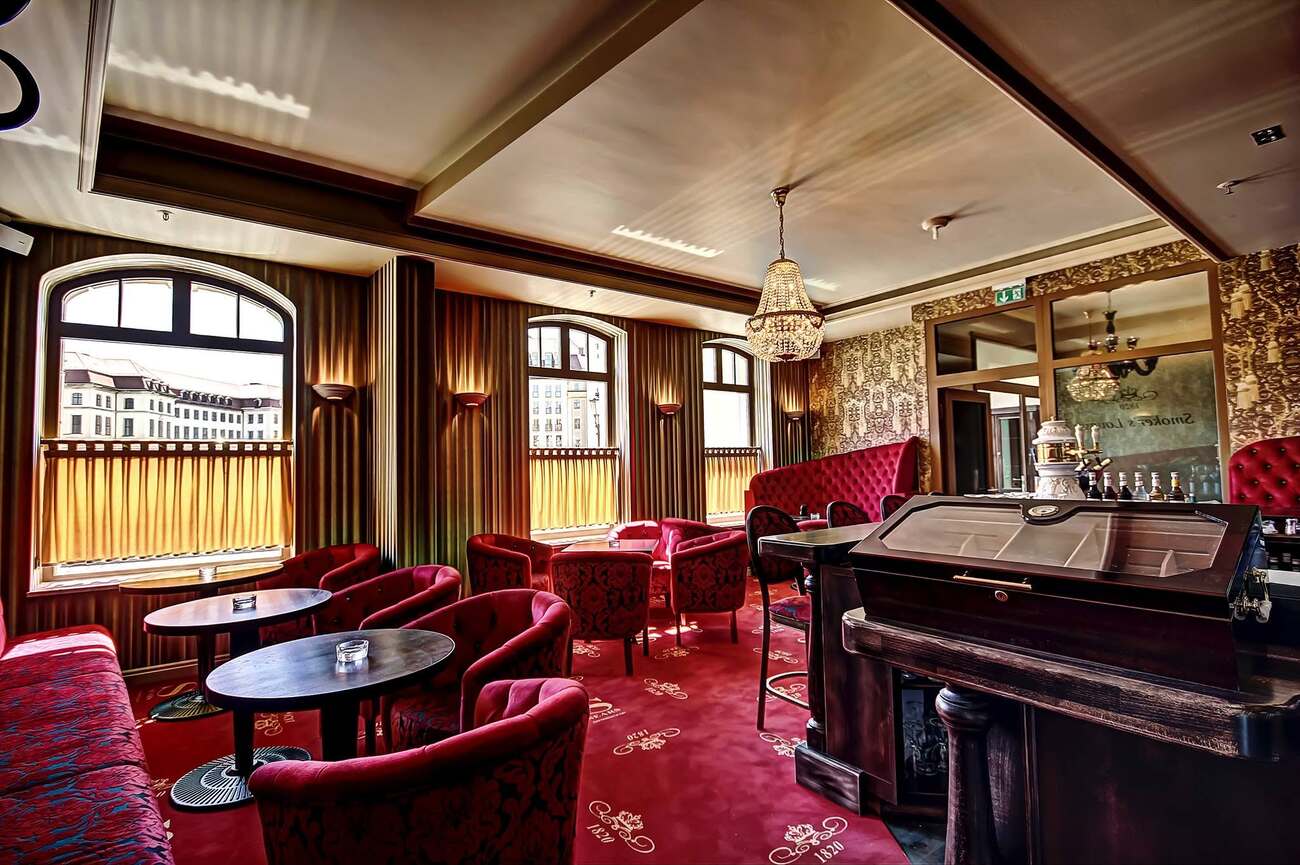
- Caroussel Nouvelle: Inside the Bülow Palais in Dresden's Baroque Quarter, Caroussel Nouvelle combines a bistro and winter garden into one space designed by Carlo Rampazzi, and the interiors reflect that pedigree without being stiff about it. At both lunch and dinner you can go à la carte or choose a three or four-course set menu. The cooking draws from French technique and regional Saxon tradition in equal measure, with classics and more contemporary creations sitting alongside each other on the same menu. If you want to start or end the evening properly, the Palais Bar and Cigar Lounge handles aperitifs and digestifs.
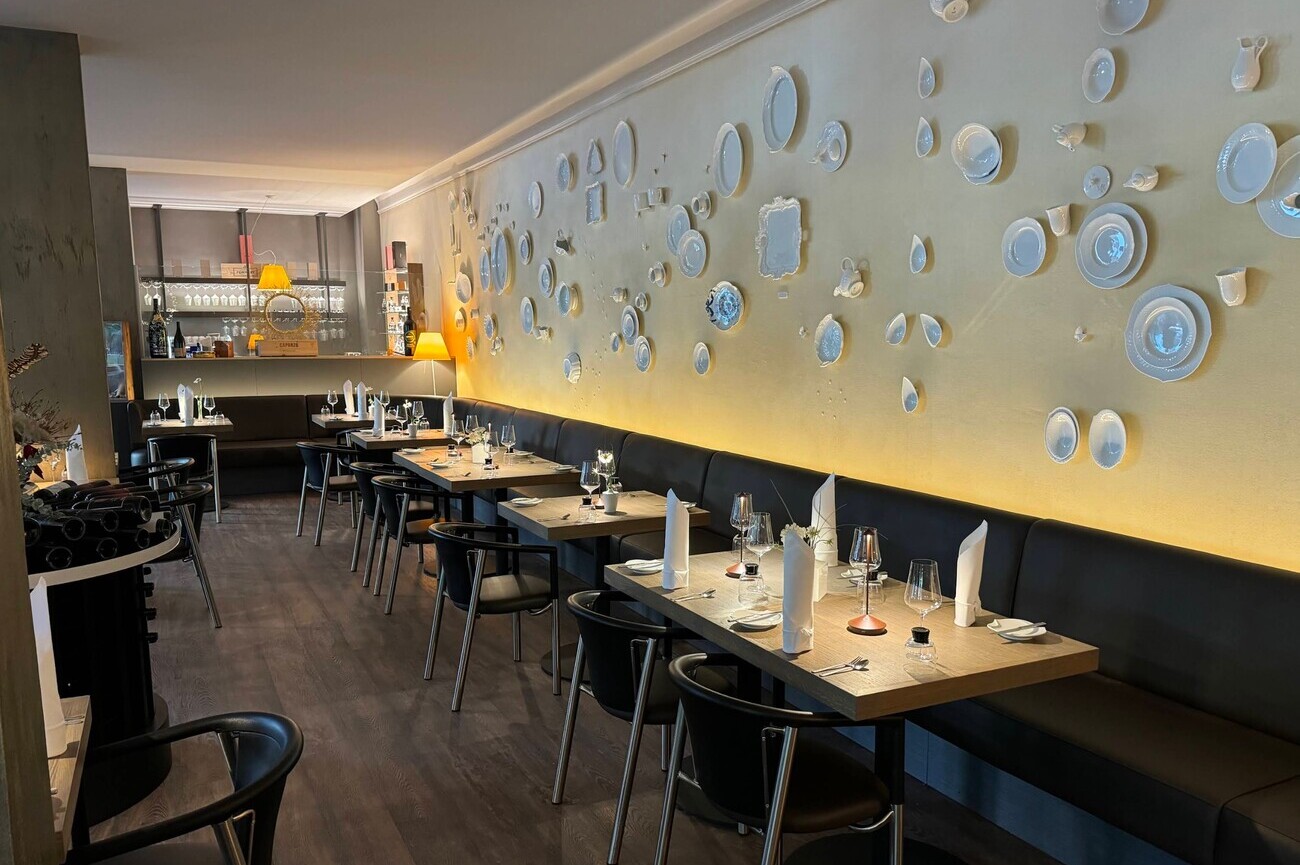
- Feine Kost: Mario Pattis opened Feine Kost in August 2024 in a chic part of Dresden Neustadt. The cooking mixes modern, creative and classic cuisine with strong flavors and interesting textures, served as a set dinner menu with a choice of main course and dessert. The starter variation of small dishes is one of the highlights, with combinations like duck liver, apricot jam and toasted brioche showing how the kitchen thinks about contrast. The space itself is sleek and modern with a wall decorated in porcelain crockery and large windows opening onto a courtyard terrace. And if you want something more casual on the same premises, Kantine next door handles that.
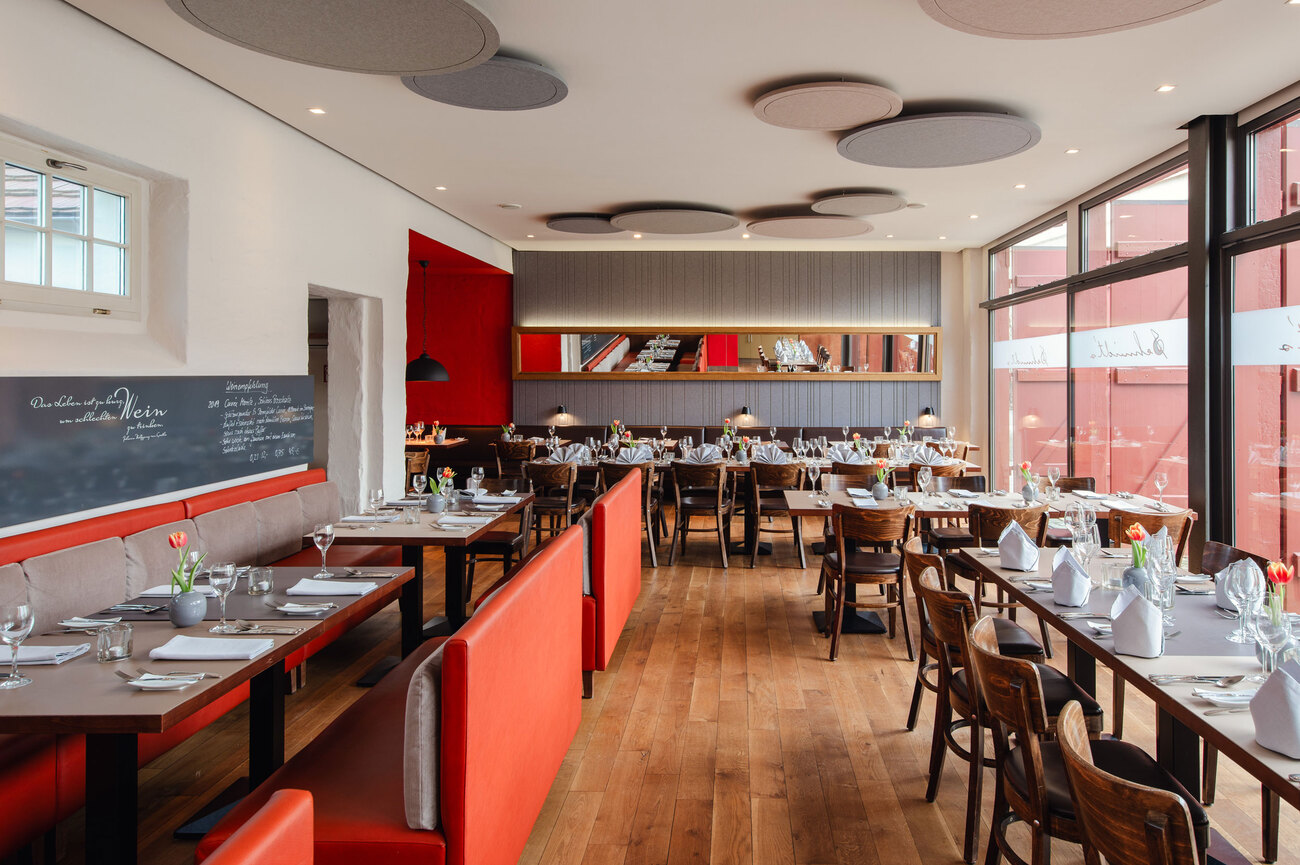
- Schmidt’s: Schmidt's is housed in the Hellerauer Werkstätten für Handwerkskunst, a craft workshop founded in 1909 by Karl Schmidt. The cooking is classically based with seasonal and regional influences, built around carefully selected ingredients prepared for flavor rather than presentation. If choosing feels like too much, the surprise menu called Schmidt's Karte rauf und runter takes the decision off your hands entirely.
Where to Drink in Dresden
The bar scene in Dresden tends to reflect the city itself. Understated, considered and better than the reputation suggests once you know where to look. Most of the best spots sit in Neustadt, where the density of independent bars, relaxed venues and late-night options gives the neighborhood a different energy from the historic grandeur across the river. These are the spots you could check out for whatever kind of night you are actually after.
- Gin House Dresden: Gin House runs on a living room concept, which sounds like a marketing line until you are actually inside and realize the low lighting, old-school beats and unhurried pace genuinely deliver on it. The cocktails are built on housemade ingredients and modern techniques.
- HERZ American Bar: Tucked into Wallgässchen in the northern Inner Neustadt, HERZ is one of those bars that earns the word hidden without trying. Owner Stephan Herz brought nearly 20 years of experience from a renowned Munich institution to Dresden when he opened here in 2017, and the result is a bar that locals refer to as Little Schumann's. The American bar format means stirred drinks, precise technique and a room that feels considered without being precious. If you want a properly made Manhattan or Negroni in Dresden's Baroque quarter, this is where you go.
- AMARO Bar: AMARO sits in the heart of the city and operates as a cocktail lounge with a cigar-friendly policy, which immediately sets it apart from most bars in the same category. The cocktail menu covers serious ground, with the Amaretto Sour, Whiskey Sour and Dill Gin Cocktail all drawing consistent praise. The Bellini Rosini has become something of a signature.
- SonderBar: SonderBar doubles as a cocktail bar and a bartending school through the SonderBar Academy, which makes it genuinely useful beyond a standard night out.
The cocktail courses cover everything from classic drink foundations to modern techniques, along with spirits tastings across whisky, rum, vodka and cognac.
It is a strong option if your group wants more structure than just sitting at a bar.
- Sektor Evolution: Sektor Evolution is Dresden's electronic music venue of choice for larger nights. Built inside an old industrial space in a former cultural area, the 330 square meter venue covers both indoor and outdoor spaces and pulls in crowds from the local and regional electro scene for events that lean toward the serious end of electronic music programming. If you want a proper club night in Dresden rather than a
cocktail bar that closes at midnight, this is the one to check.
Where to Stay in Dresden
- Hotel Taschenbergpalais Kempinski Dresden (5 stars): The Taschenbergpalais was originally built in 1705 by Augustus the Strong for Countess Cosel, which means it has a history that most luxury hotels cannot compete with on paper. Today it is Dresden's flagship five-star hotel, reopened following a major renovation in 2024 with 213 rooms and suites combining Baroque design references with modern finishes. The location directly beside the Residenzschloss and the Zwinger puts you closer to the Old Town's major landmarks than almost anywhere else. Kastenmeiers restaurant serves European cuisine, the lounge bar runs award-winning cocktails and the spa and pool area is open daily. If you want the most prestigious address in Dresden, this is it.
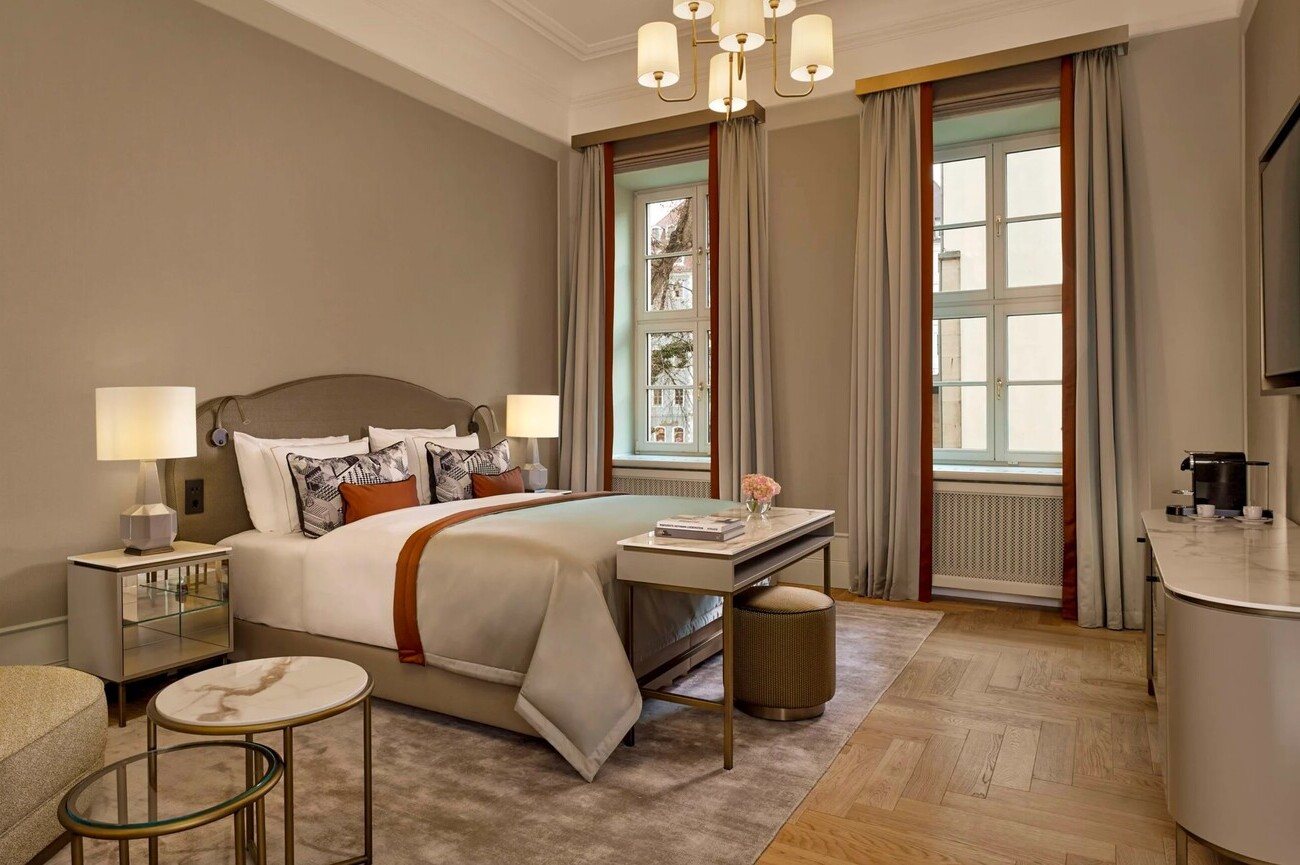
- Relais & Châteaux Hotel Bülow Palais (5 stars): The Bülow Palais sits in Dresden's Baroque Quarter and carries the Relais & Châteaux designation, which already sets expectations for service and individual room quality before you check in. The rooms are individually designed and the wellness suite on the top floor gives the property a spa dimension without needing a full hotel spa infrastructure. And you would have to look no further for a good meal, the Caroussel Nouvelle restaurant on site holds a respected place in Dresden's dining scene.
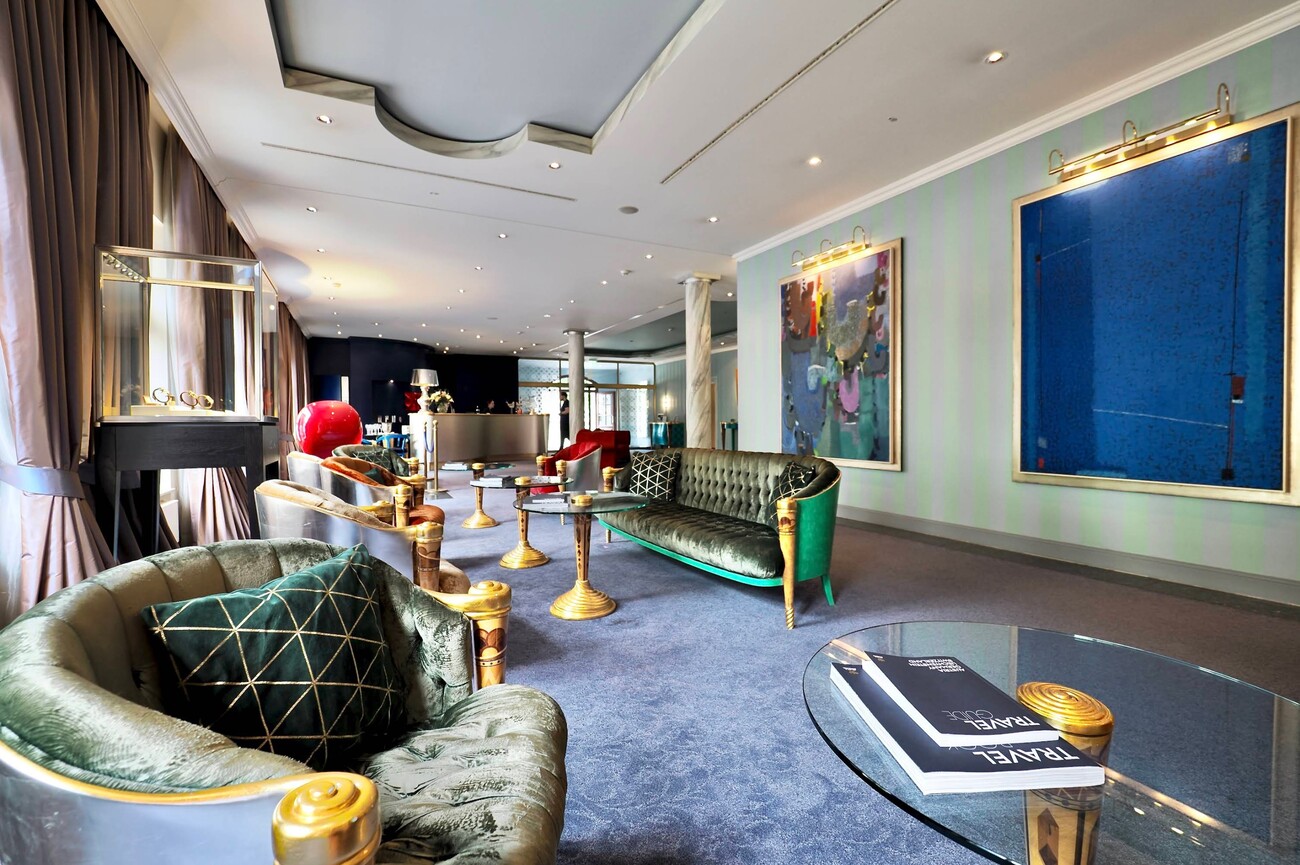
- Hotel Suitess (5 stars): With only 21 suites, Hotel Suitess is the most boutique of the five-star options and the one with the most direct relationship to the Frauenkirche. The address is literally An der Frauenkirche, meaning some rooms and the restaurant terrace look directly onto the church dome. Rooms are decorated in 19th-century style with Italian marble bathrooms, soundproofed windows and stone fireplaces in select rooms. The spa offers aromatherapy, facials, body scrubs, a sauna and a hot tub, while Restaurant Moritz handles dining with a terrace that opens onto the church square.
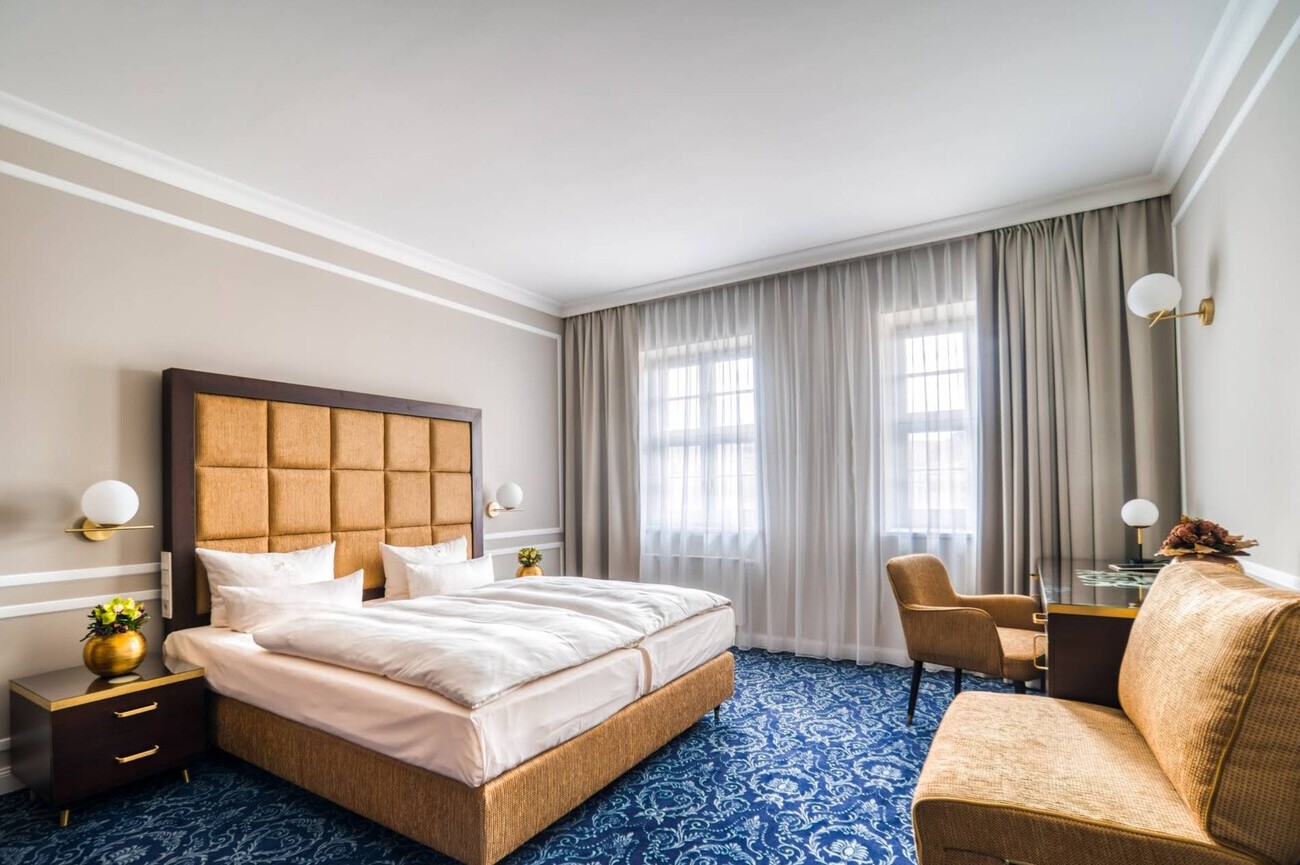
- Romantik Hotel Bülow Residenz (4 stars): The Bülow Residenz sits about 100 meters from its sister property the Bülow Palais, in a former mansion in the Baroque Quarter with 29 individually designed rooms and suites. It operates at a quieter register than the five-star properties and that is the point. The romantic courtyards, the owner-managed galleries and boutiques in the surrounding neighborhood and the walkable distance to the Frauenkirche, Zwinger and Semperoper make it an easy base for the itinerary.
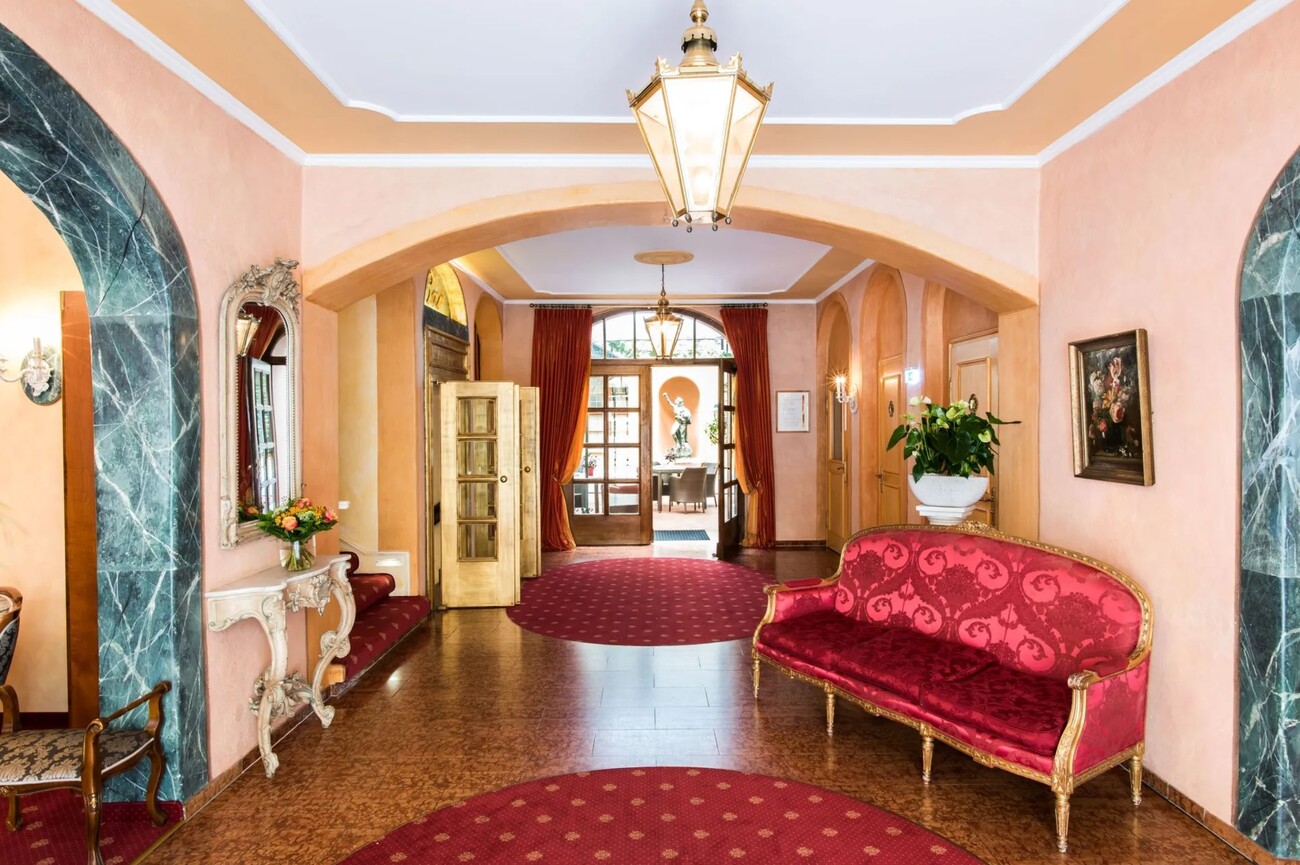
- Schloss Hotel Dresden Pillnitz (4 stars): If the standard Old Town hotel setup feels too expected, Schloss Hotel Pillnitz puts you directly inside the Pillnitz Castle complex on the Elbe, about 12 kilometers southeast of the city center. The Zepp family has run the property for years and the atmosphere reflects that personal investment. The palace complex and its gardens are on your doorstep and the Elbe-facing setting feels noticeably different from the city. It works best if you have already done the main Old Town circuit and want the final night or two in a completely different setting.
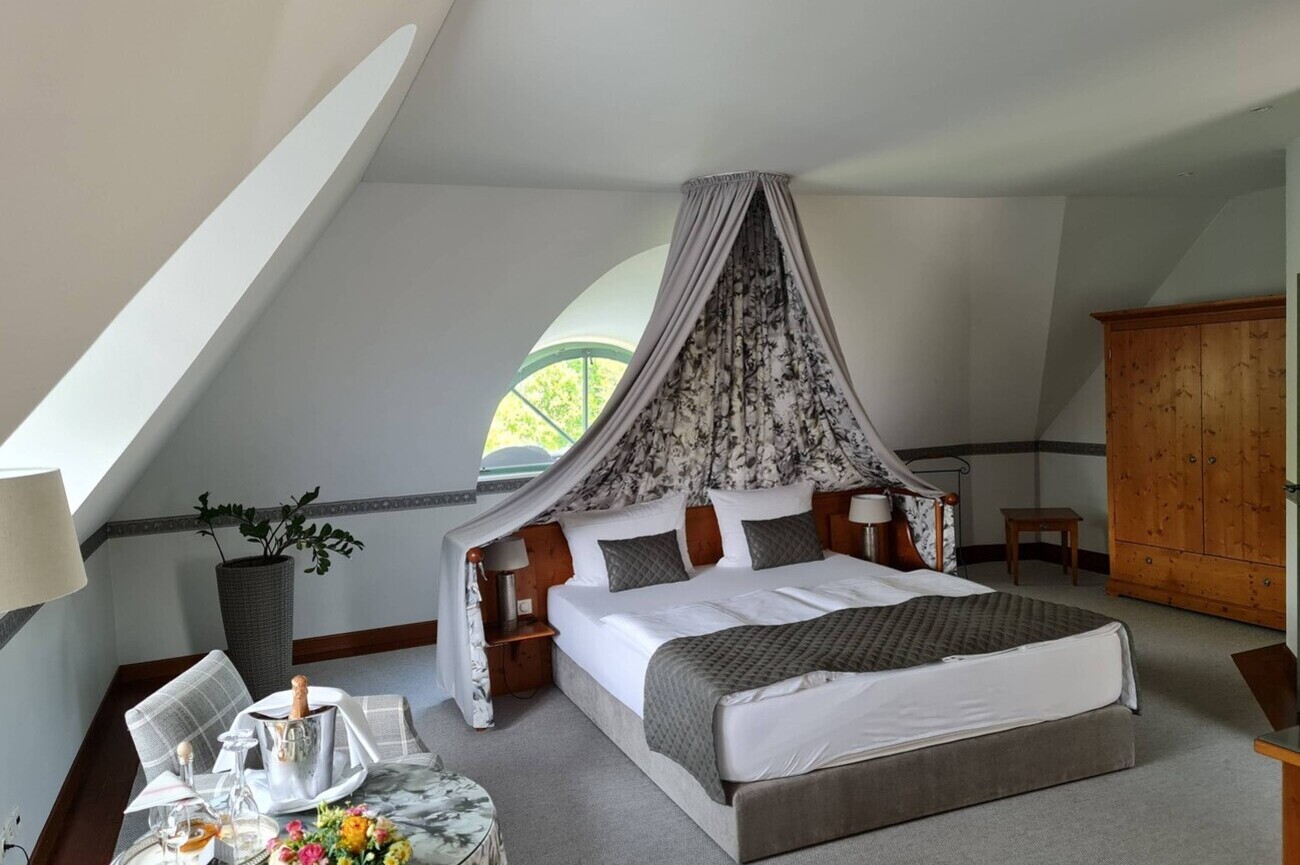
- Hotel am Schwanenhaus (3 stars): Hotel am Schwanenhaus sits directly on the Elbe bank in Neustadt, between the Waldschlösschen Bridge and the Albert Bridge, and the location gives it something most city center hotels cannot match. Rooms and the breakfast restaurant face the Old Town skyline across the river, with views toward the Frauenkirche dome and the Semperoper in the distance. If you want to explore the Elbe Castles stretch and the Neustadt neighborhood without needing to drive, then this is where you’ll stay.
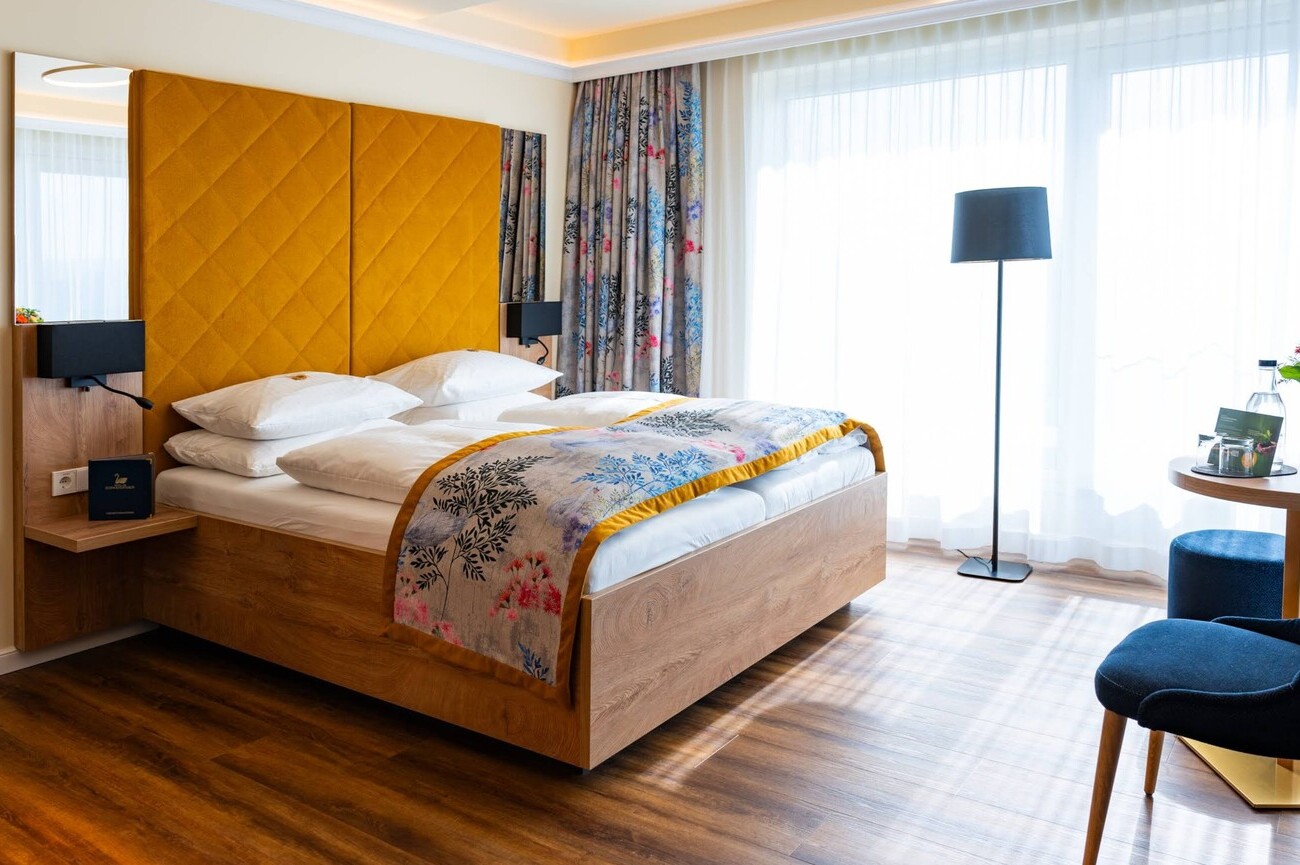
Best Time to Visit Dresden
Autumn is the best season to visit Dresden. The city is built around walking and autumn is when that experience feels most comfortable. Days are generally mild and you can move between museums, palace complexes, churches and riverfront districts without the intensity of summer heat or the unpredictability that comes later in the year.
The season also highlights one of Dresden's biggest strengths: its location. Many of the region's standout destinations, including Meissen, Moritzburg, Freiberg and Saxon Switzerland, are within easy reach and autumn tends to bring clear conditions for sightseeing across Saxony. The vineyards along the Elbe are particularly active during this period, adding another layer to day trips through the surrounding countryside.
Autumn works particularly well for travelers interested in architecture and photography. The lower angle of the sunlight brings out details in Dresden's sandstone facades, while longer shadows add depth to landmarks such as the Zwinger, Frauenkirche and Dresden Castle.
And from a practical perspective, autumn offers one of the strongest combinations of sightseeing conditions, regional accessibility and cultural activity. Day trips to destinations such as Meissen, Moritzburg, Freiberg and Saxon Switzerland remain easy to plan, while museums, galleries and performance venues continue operating at full pace. If your goal is to experience Dresden as both a cultural capital and a gateway to wider Saxony, autumn provides the broadest range of experiences with the fewest compromises.
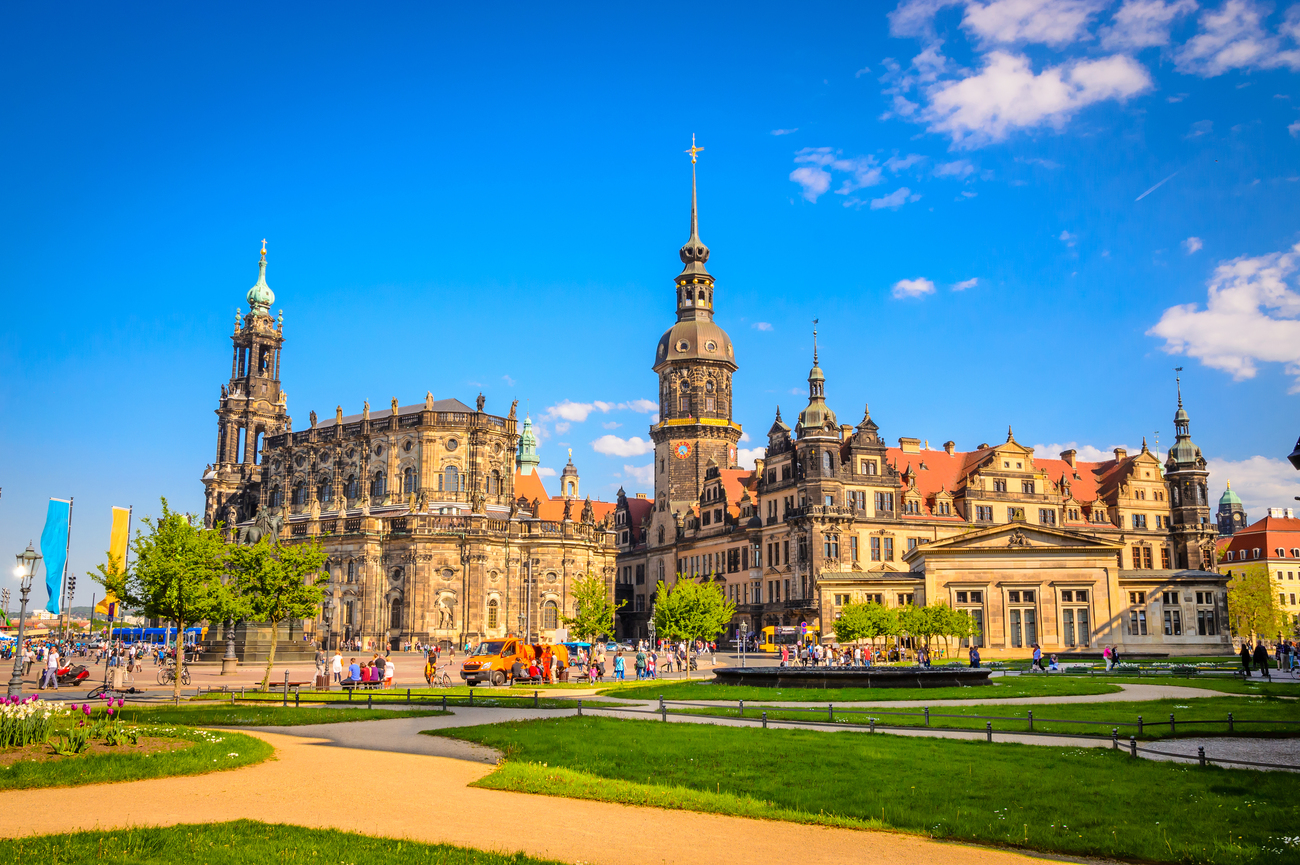
Festivals
in Dresden
- CANALETTO: If you only visit Dresden during one festival, make a strong case for CANALETTO. Held over a weekend in August, it is Germany's largest city festival and completely transforms the historic center. Stages appear across the Old Town and along the Elbe, food stalls line major squares and live performances continue throughout the day and evening. You can walk from the Frauenkirche to the riverfront and constantly run into something happening.
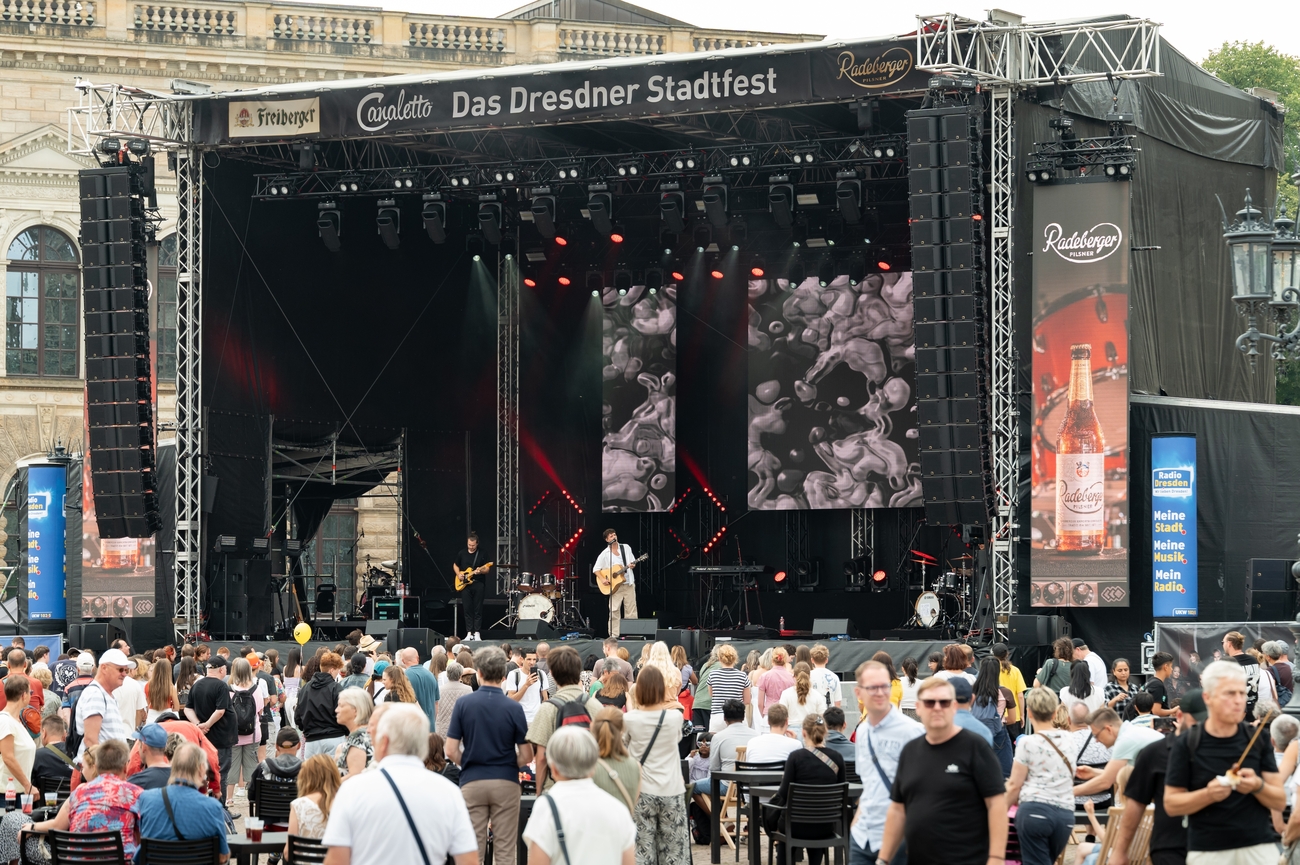
- Palais Sommer: Palais Sommer runs throughout July and August and takes a much more relaxed approach. Instead of one large event, you get weeks of open-air concerts, film screenings, yoga sessions, literary programs and art installations spread across public spaces. Much of the action takes place around the Japanese Palace and its surrounding gardens. You can finish a morning exploring the Old Town and then spend the afternoon listening to live music in a park without spending much at all.
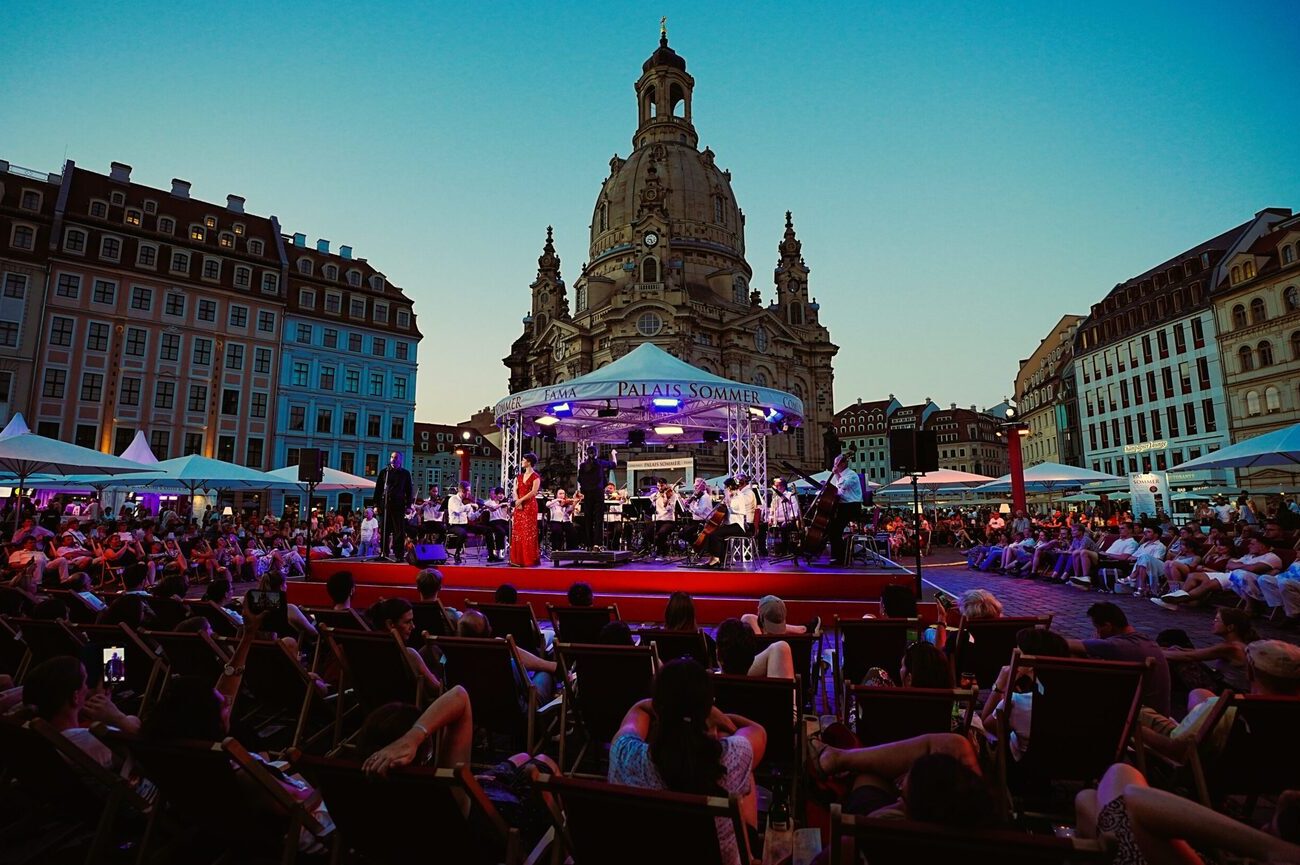
- Elbhangfest: The best way to think about Elbhangfest is as a celebration of a part of Dresden that many visitors never properly explore. Taking place over a weekend in June, the festival stretches through the hillside districts between Loschwitz and Pillnitz. Historic villas, private gardens, cultural centers and local venues host concerts, exhibitions and performances throughout the area.
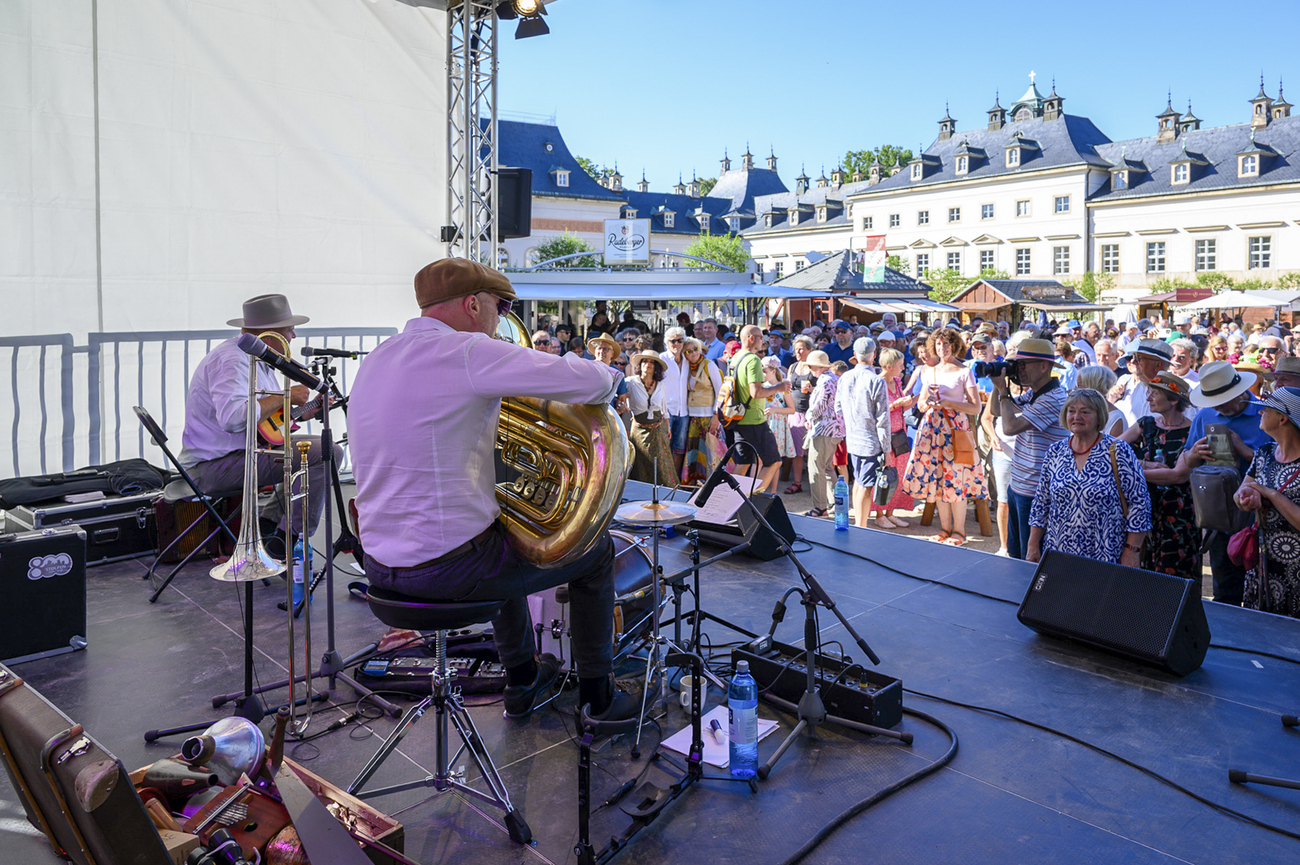
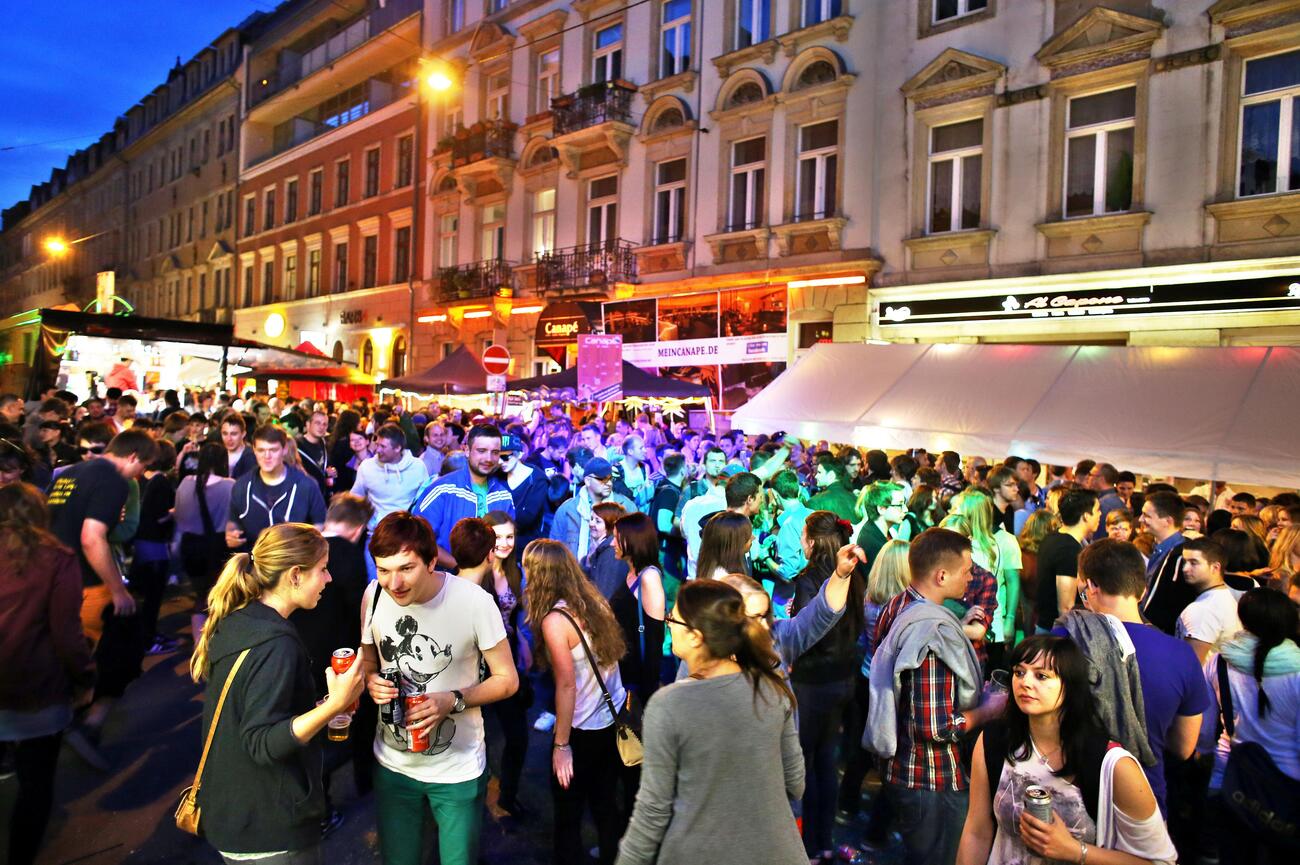
- Bunte Republik Neustadt: For three days every June, Neustadt leans fully into its reputation as Dresden's most creative neighborhood. Bunte Republik Neustadt began as an alternative community festival and has grown into one of the city's biggest events without losing its independent character. Streets fill with live bands, DJs, art projects, food vendors and improvised performance spaces. Expect plenty of energy, a little chaos and the kind of atmosphere where turning down a random side street often leads to the most interesting discoveries.
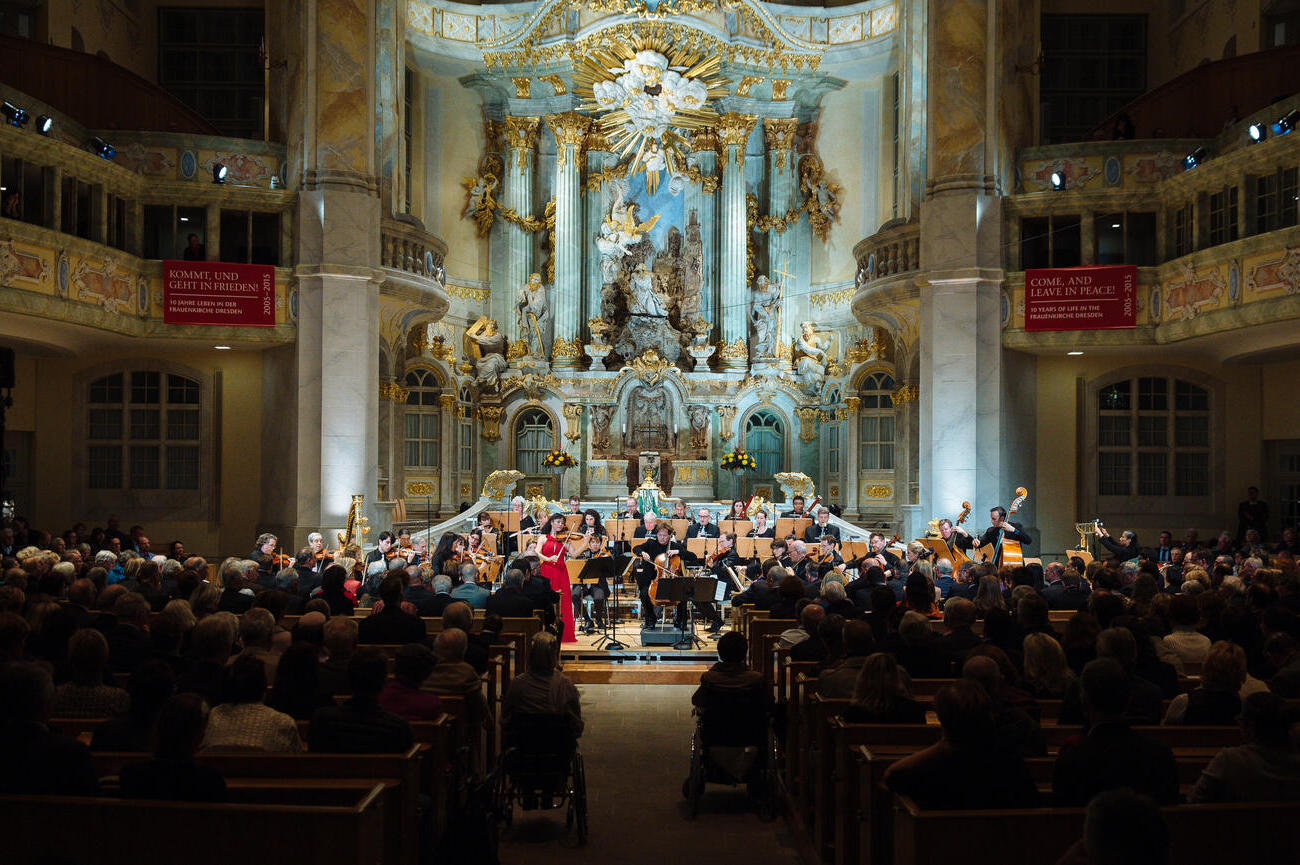
- Dresdner Musikfestspiele: Dresden takes classical music seriously, and nowhere is that more obvious than during the Dresdner Musikfestspiele. Running from mid-May through mid-June, the festival attracts leading orchestras, conductors and soloists from around the world. Performances take place across some of the city's most prestigious venues, including the Semperoper, Kulturpalast and historic churches. Even if classical music is not normally at the top of your list, the setting alone can make these performances worth considering.
Plan Your Dresden Vacation
From private museum tours and luxury hotels to tailor-made journeys through Saxony, Revigorate can arrange every aspect of your Dresden vacation. Whether you wish to combine Dresden with Leipzig, Meissen, Berlin or a wider Germany itinerary, our travel specialists can create a personalized experience based on your interests, travel style and schedule.
Contact Revigorate today to start planning your tailor-made Dresden vacation.


Let us know what you love, where you want to go, and we’ll design a one-of-a-kind adventure you’ll never forget.
Get in touch
Miriam
Travel Specialist

Romina
Travel Specialist

Laura
Travel Specialist
Our offices:



Revigorate, Iberian Escapes and Algarve Lifestyle are the registered brand names of APCS Lda . We are a fully authorised travel agency licensed by Turismo de Portugal RNAVT/6867.
In the event of a dispute, the consumer may refer to: RAL - Centros de Arbitragem
Avª. 5 de Outubro, nº. 55, R/C Dtº. 8000-075 Faro, Portugal | Tel: +351 289 823 135 *
* national landline call
E-mail: info@consumoalgarve.pt| www.consumidoronline.pt | Mon to Fri: 9:00 - 13:00 / 14:00 - 17:00