Things To Do in Guangzhou: 4-Day Itinerary
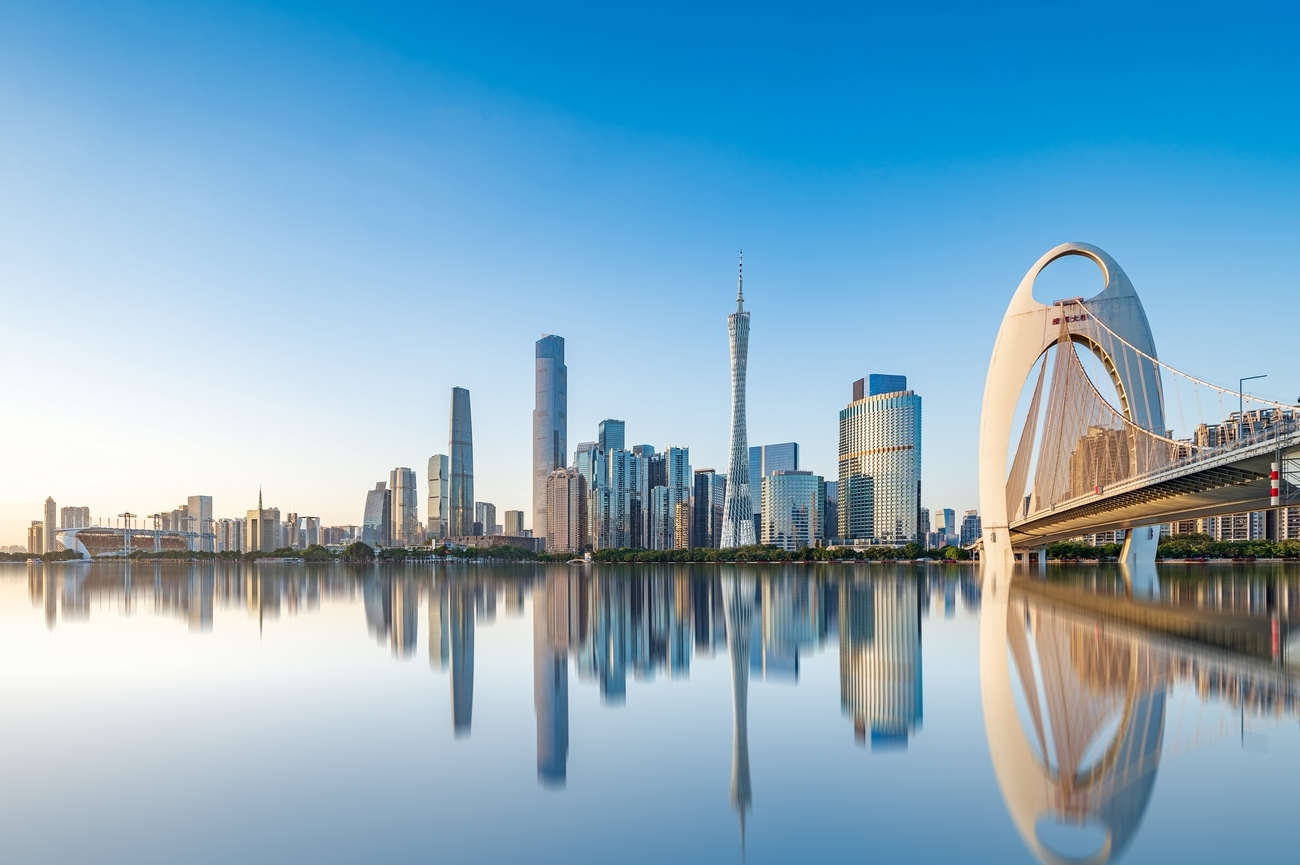
When you first hear about Guangzhou, you will probably think of its scale, a major southern city, a historic port and a global business hub. Once you arrive, however, you quickly see that it is far more varied than that. As you explore, you move between quiet temples and modern skyscrapers, tree-lined streets and refined rooftop restaurants, and traditional teahouses where yum cha remains part of daily life alongside lively riverfront districts after dark.
In this four-day itinerary, we take you through Guangzhou’s best-known sights and some of the details that define the city. Expect authentic Cantonese cuisine, the intricate craftsmanship of the Chen Clan Academy, the peaceful atmosphere of hidden temples, the colonial-era charm of Shamian Island, and the illuminated skyline along the Pearl River after sunset.
Day 1

Morning: Yuexiu Park
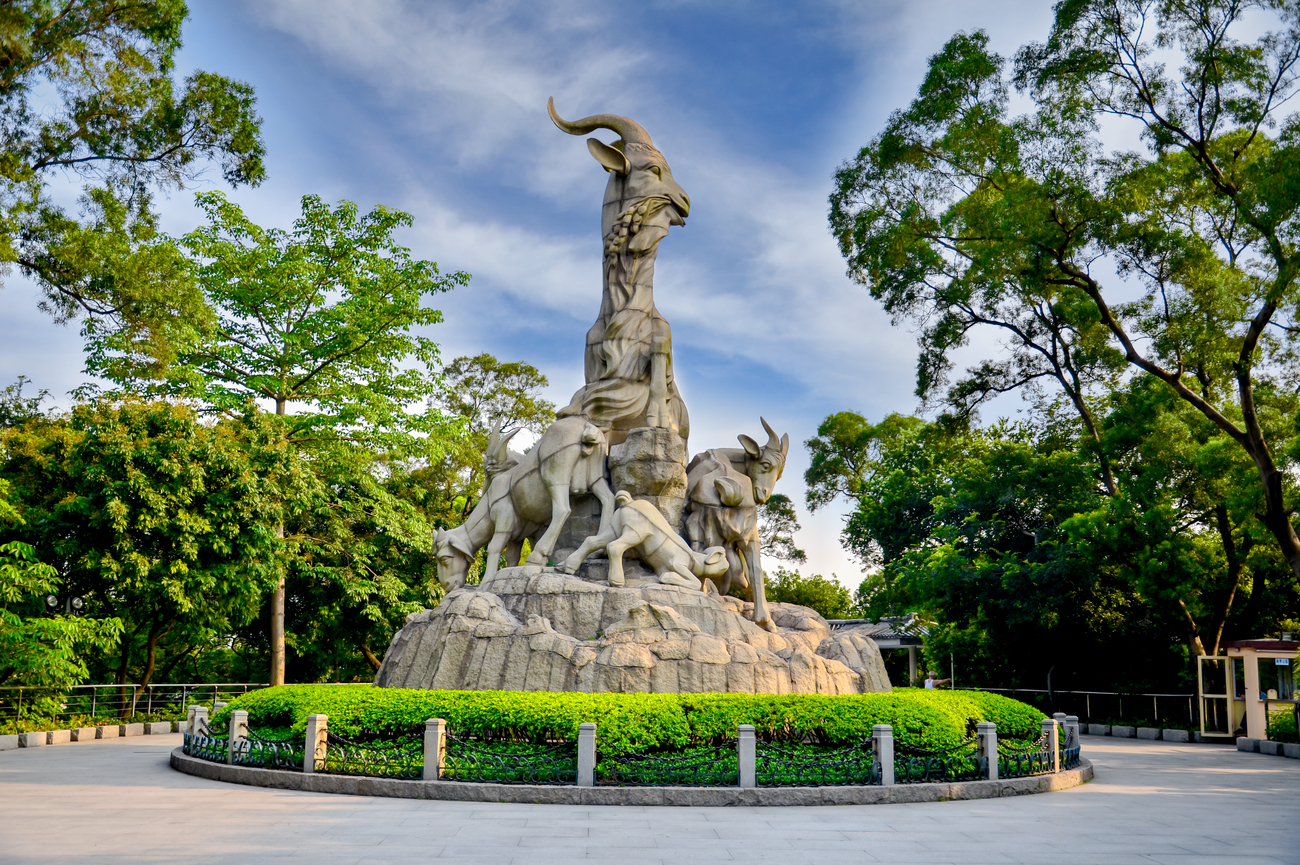
Begin your journey in Guangzhou at Yuexiu Park, the largest park in the city center and one of its most important cultural landmarks. The park is home to the symbol of Guangzhou, the Five Rams Sculpture, it represents a local legend about five immortals who brought prosperity and good harvests to the city.
As you walk through the park, you’ll also come across several historic sites, including the Zhenhai Tower (Five-Story Pagoda), sections of the ancient Ming Dynasty city wall, and the Sun Yat-sen Monument. If you want something more relaxing, you can rent a paddle boat on Beixiu Lake and enjoy the scenery from the water. And if you’re traveling with children, the park also has a dedicated playground where they can run around and play. If you happen to visit in early spring, Yuexiu Park becomes even more lively during the Spring Lantern Festival, when the park lights up with colorful lantern displays.
Nanyue King Mausoleum Museum
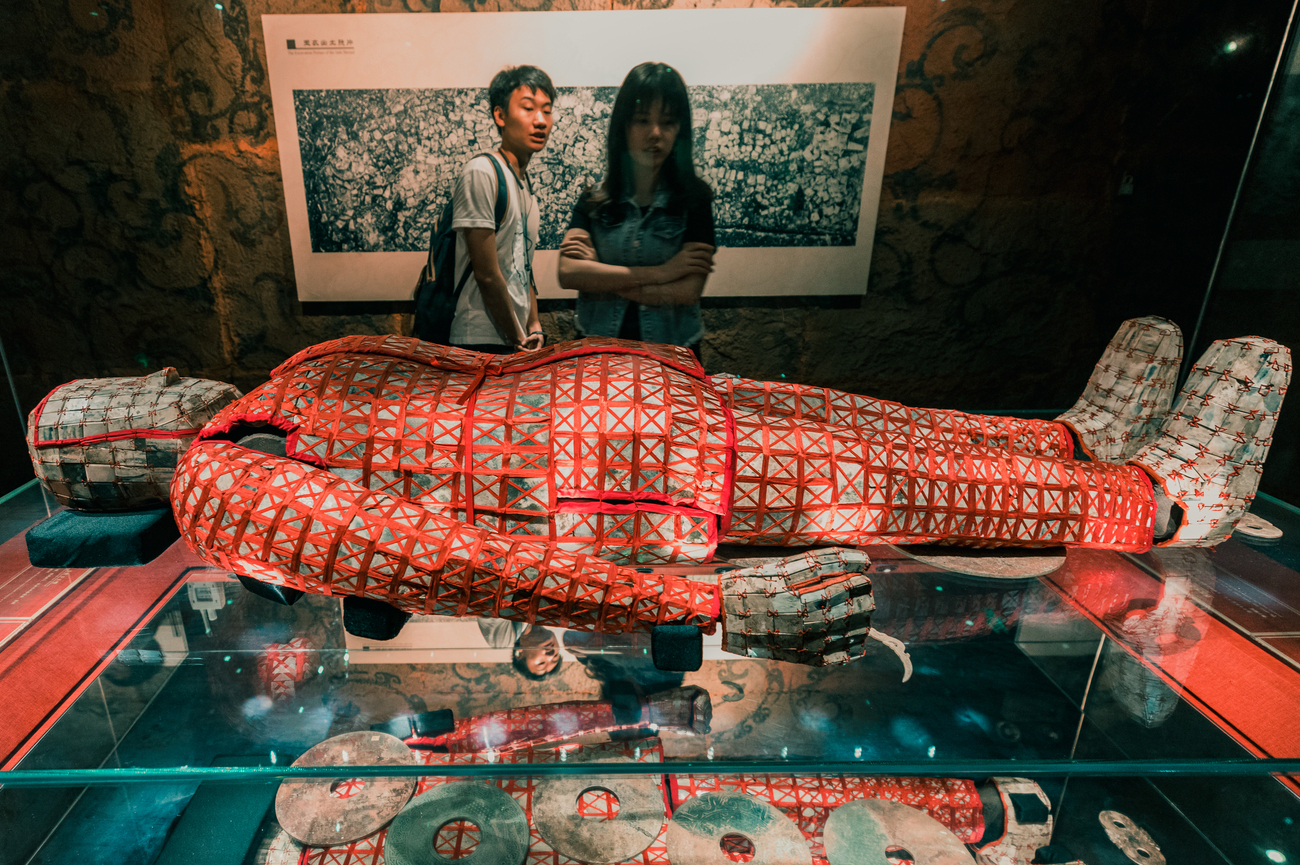
Next, take a short 6-minute drive to the Nanyue King Mausoleum Museum, one of Guangzhou’s most important archaeological sites. The museum is built directly on the excavation site of the 2,000 year old tomb of Zhao Mo, the second king of the ancient Nanyue Kingdom. Inside the museum, you’ll discover more than 10,000 artifacts that reveal the unique Lingnan culture of southern China during this period.
One of the most fascinating parts of the visit is descending into the original tomb itself, located about 20 meters underground. You’ll walk through the actual stone burial chambers, where the king’s coffins were once placed. The tomb is designed like a miniature palace, with seven chambers arranged in a “front court and rear living quarters” layout. The museum’s most famous treasure is the Silk-Threaded Jade Burial Suit. Made from 2,291 pieces of jade sewn together with silk thread, it is the only artifact of its kind in the world. You’ll also see other remarkable discoveries, including the Imperial Gold Seal, a collection of ceramic pillows, and artifacts connected to the ancient Maritime Silk Road.
Day 1, Morning - Guangzhou Tour Map
Afternoon: Dr. Sun Yat-sen Memorial Hall
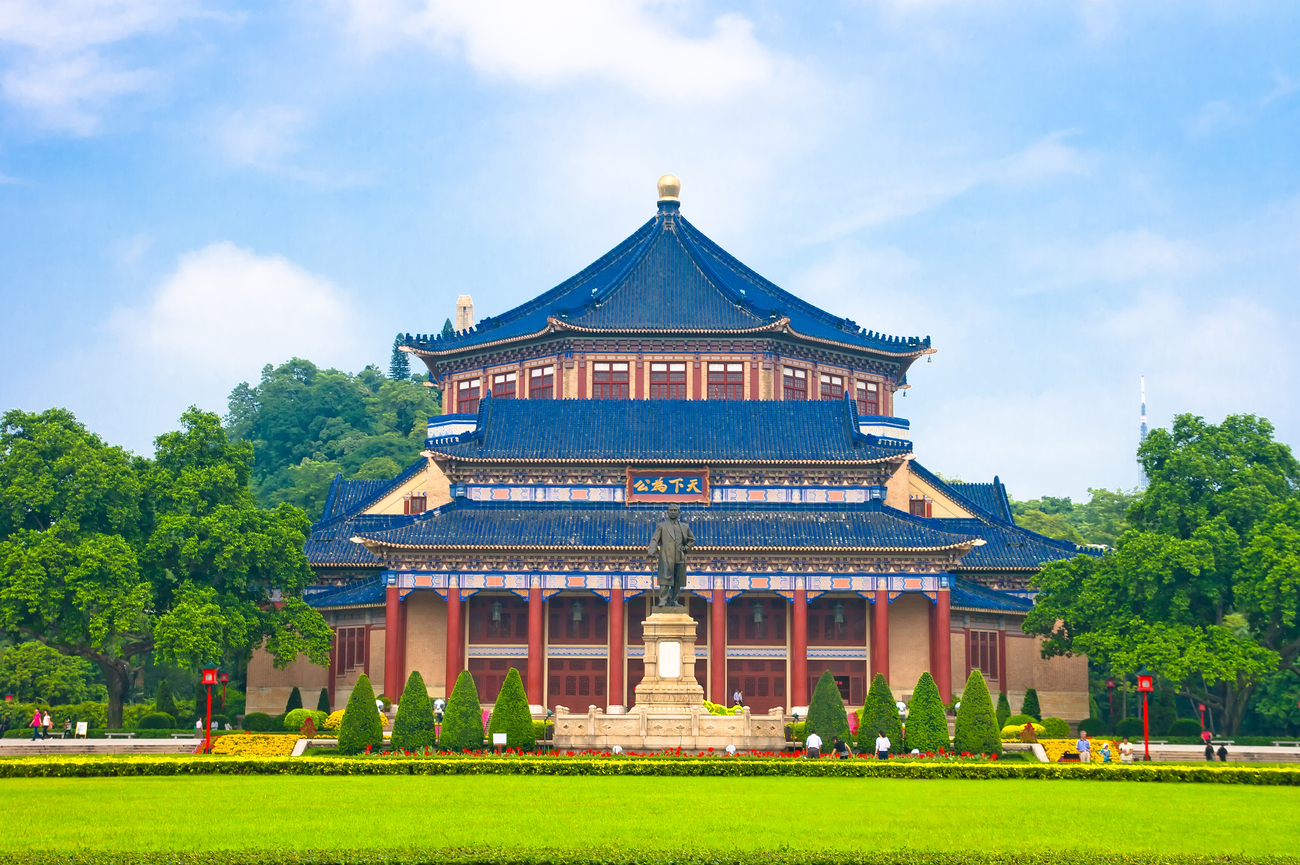
Head to the southern area of Yuexiu Park to visit the Dr. Sun Yat-sen Memorial Hall. This impressive octagonal building was constructed between 1929 and 1931 on the former site of the presidential office. It honors Dr. Sun Yat-sen, widely known as the “Father of Modern China.” Inside, you can explore a permanent exhibition about Dr. Sun Yat-sen’s life and learn about the history behind the construction of the building. The hall also serves as a premier venue for high end concerts, ballet performances, and Cantonese opera, thanks to its excellent acoustics. After your visit, take some time to stroll through the surrounding park, where you’ll find peaceful green spaces and historical plaques that provide more insight into the area’s history.
Guangxiao Temple
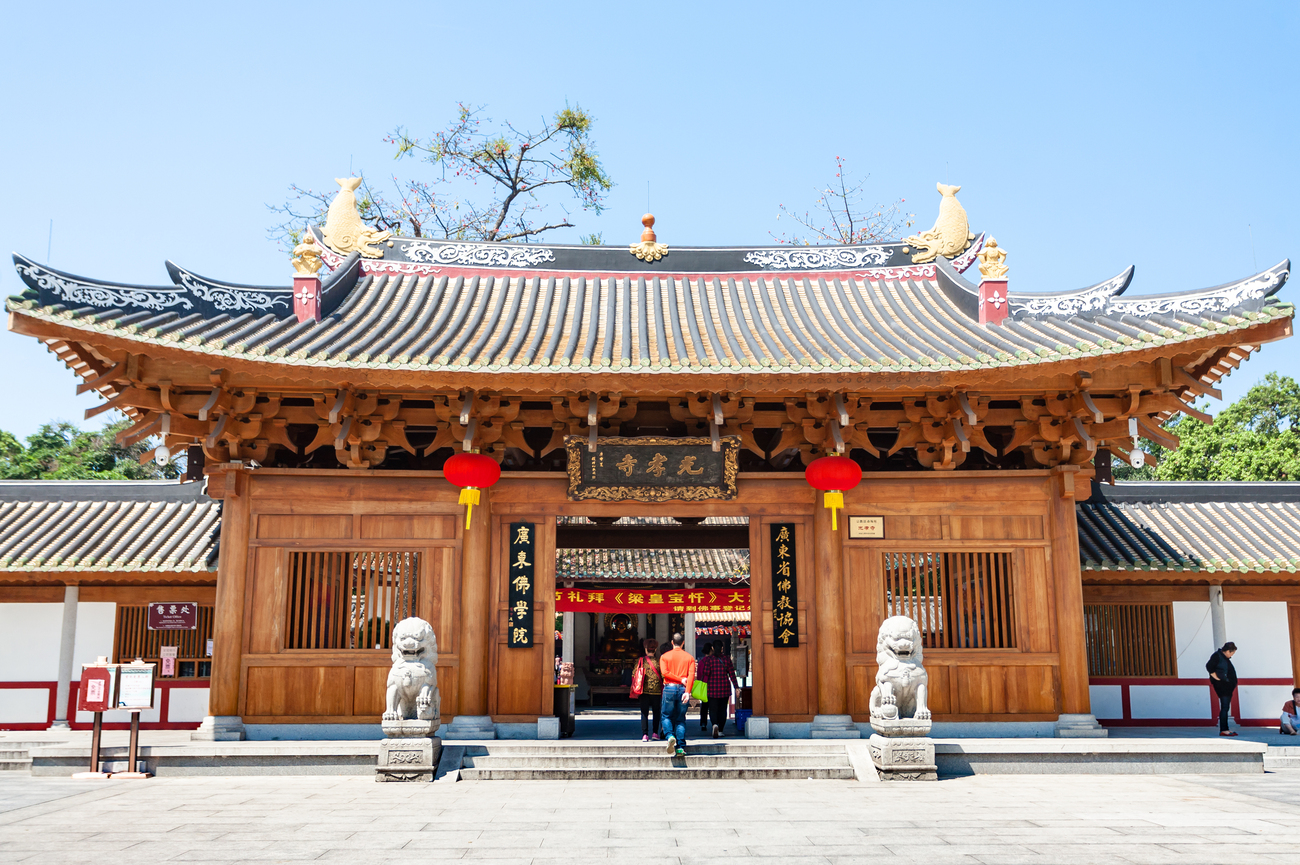
Just a short drive away is the oldest and largest Buddhist temple in Guangzhou, with a history of over 1,700 years. Locals even say it existed before the city itself. There are free English audio guides available via QR codes at various points in the temple, giving you insights into the temple's 1,700-year history. As you explore, head to the Mahavira Hall, where you’ll see three towering golden Buddha statues known as the “Three Saints of Huayan.” You’ll also come across the East and West Iron Towers, considered the oldest of their kind in China. You can also take part in local traditions, by offering fresh flowers or light incense (you’ll usually receive three joss sticks with your entry) and experience the temple the way locals do.
Temple of the Six Banyan Trees
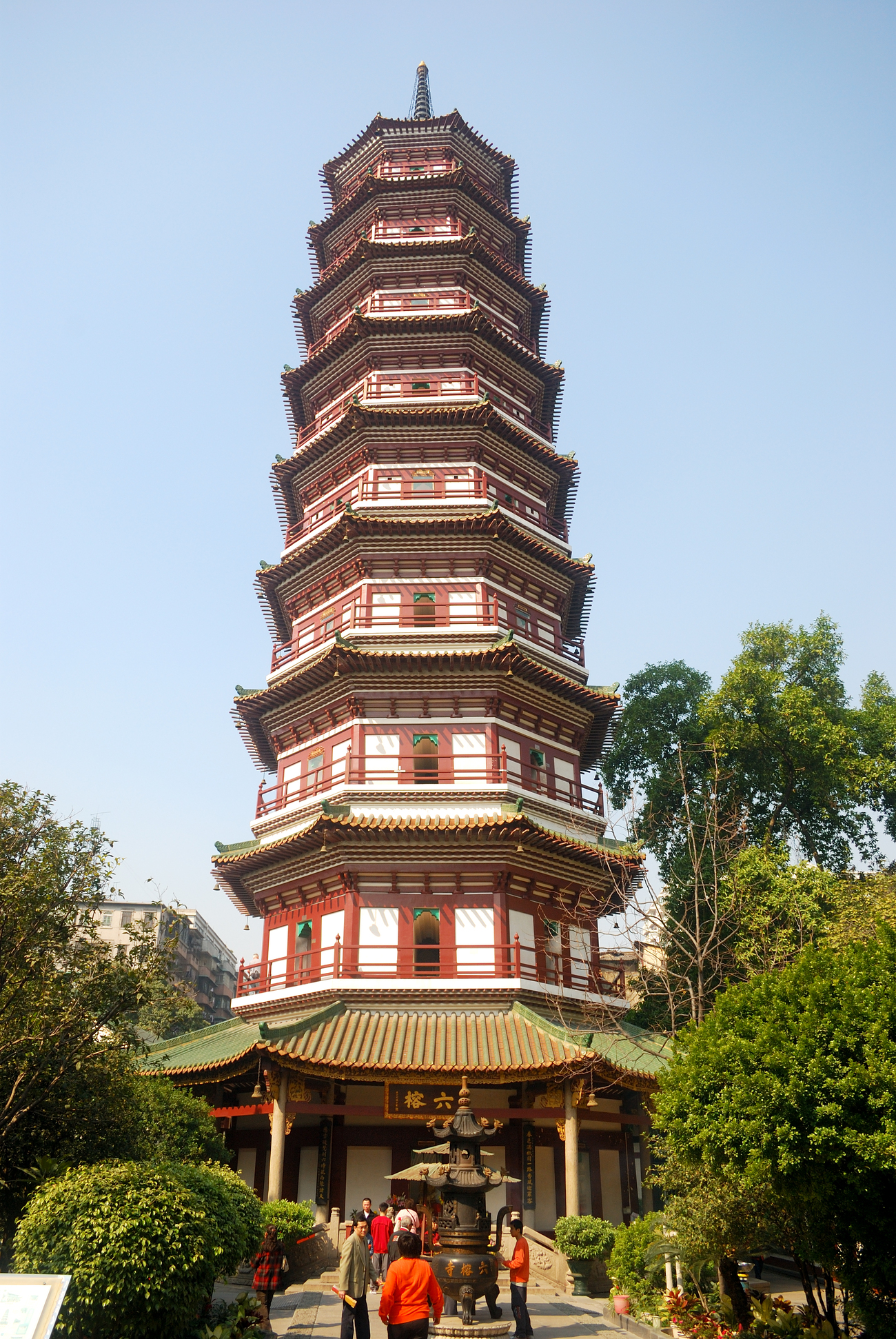
Wrap up your first day in Guangzhou with a visit to the Temple of the Six Banyan Trees, one of the city’s four most famous Buddhist temples. The temple has a long history of more than 1,400 years, dating back to 537 AD, when it was originally built to house sacred Buddhist relics. The temple received its poetic name from the famous Song Dynasty writer Su Dongpo, who was inspired by the beauty of the six ancient banyan trees that once stood in the temple grounds. When you visit, you can light incense or make a traditional Buddhist offering, just as local worshippers do. The temple becomes especially lively during Chinese New Year and the Lantern Festival, when many residents come here to pray for good fortune and blessings for the year ahead.
Day 1, Afternoon - Guangzhou Tour Map
Day 2
Morning: Yum Cha at Taotaoju Restaurant
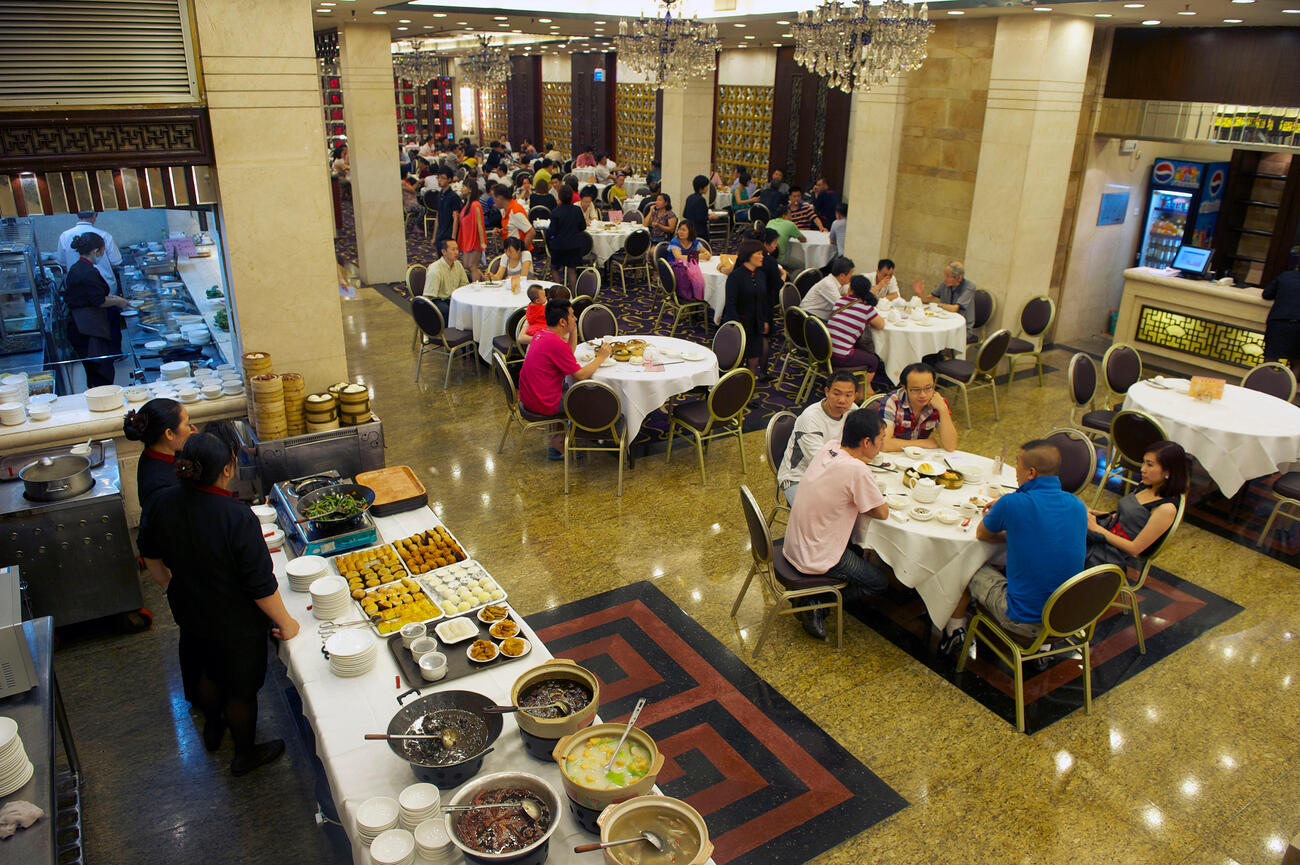
Experience Yum Cha, the classic Cantonese tea and dim sum brunch, at Taotaoju Restaurant, one of Guangzhou’s oldest and most prestigious teahouses. Known for its elegant Lingnan style architecture and traditional Cantonese flavors. Your Yum Cha experience usually begins by choosing a pot of tea (with Pu-erh or jasmine tea being popular local favorites). When the tea arrives, it’s customary to rinse your cups and bowls with the first pour of hot tea, a tradition called long-wan. A typical Yum Cha meal includes tea served with a variety of dim sum, which generally fall into two categories: dry dim sum and wet dim sum. Dry dim sum includes bite-sized dishes like dumplings, steamed buns, pastries, and pork dumplings. Wet dim sum on the other hand, are comforting dishes such as porridge, meat dishes, Guiling herbal jelly, or jellied bean curd. Unlike many traditional teahouses that stop serving dim sum around noon, Taotaoju serves dim sum from morning until late at night, so you can enjoy Yum Cha any time of the day.
Beijing Road
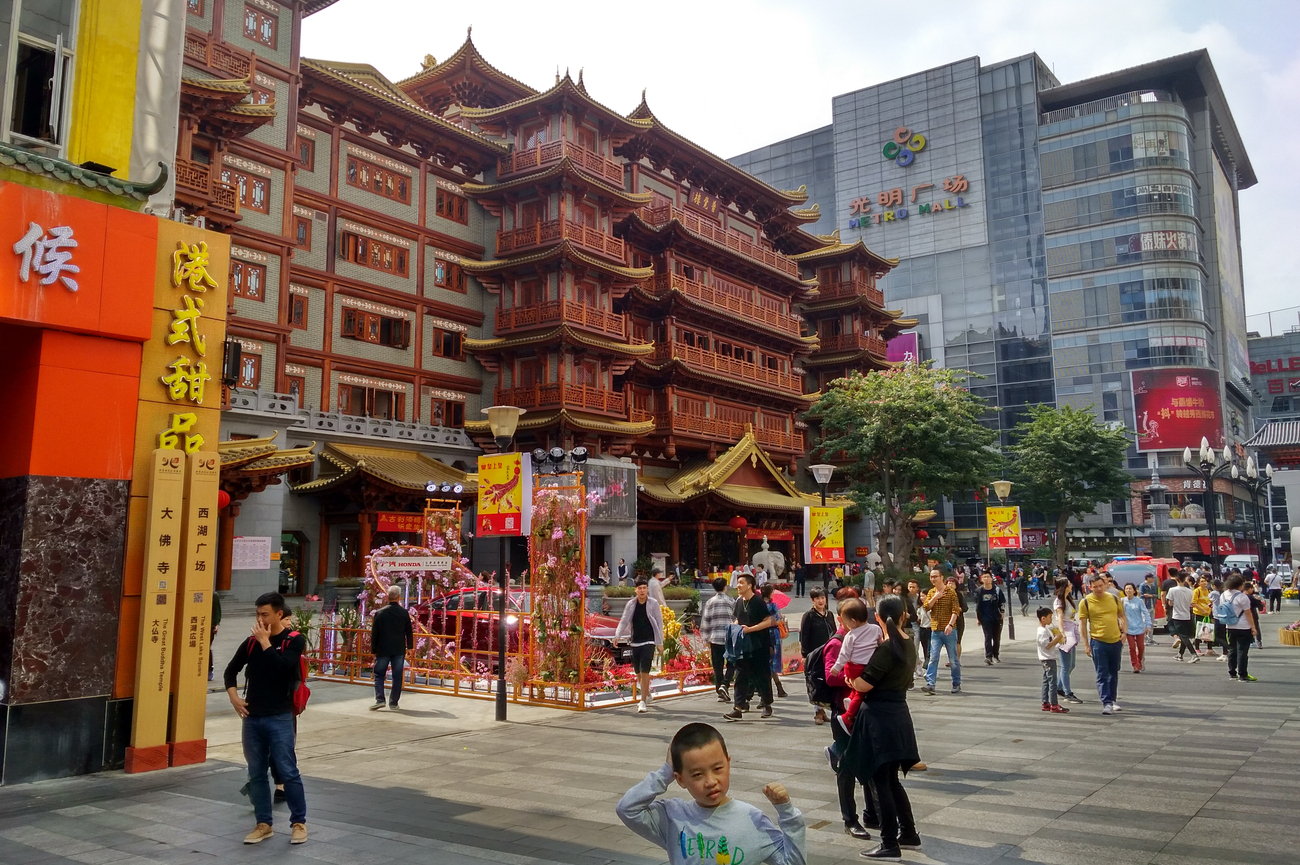
After a tasty Cantonese tea and dim sum brunch, take a walk along Beijing Road, just 4 minutes away from Taotaoju Restaurant. This pedestrian street is more than just a shopping spot, it’s also an open-air museum built on the city’s ancient foundations. Here, you’ll find the Ancient Road Archaeological Site, a glass covered section in the center of the street, where you can see layers of pavement dating back to the Song (960–1279 AD) and Yuan dynasties. And just off the main street is where you can find the Big Buddha Temple, a majestic temple, especially stunning at night when the glowing, multi story wooden structure feels almost like something out of a fantasy film. And of course, if you’re in the mood to shop, you’ll find everything here, from global brands and local boutiques to large department stores. It is a one stop shop for fashion, electronics, and souvenirs.
Sacred Heart Cathedral
Next, take a short 9-minute drive to Sacred Heart Cathedral, also known as the Shishi Catholic Church. It’s one of Guangzhou’s most iconic landmarks. Built in 1888 after 25 years of construction, this Gothic Revival cathedral is one of the only four all-granite Gothic cathedrals in the world built entirely of granite, earning it the nickname “Shishi” or Stone House. As you walk around, take time to admire the detailed stone carvings and the 28 meter high vaulted ceilings of the church. The cathedral isn’t just for sightseeing, it’s still an active place of worship, and you can attend services held in Cantonese, Mandarin, Korean, and English.
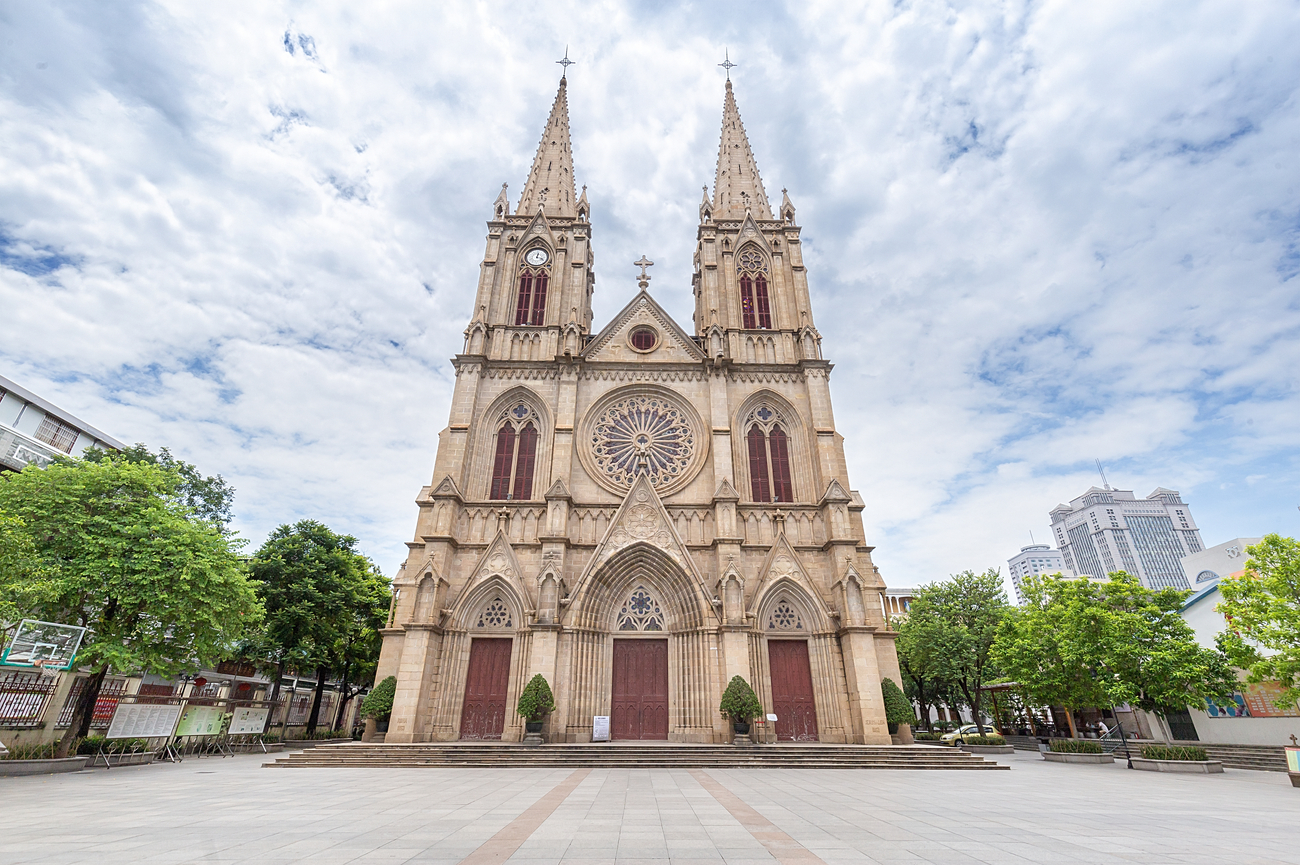
Day 2, Morning - Guangzhou Tour Map
Afternoon: Ancestral Temple of the Chen Family
Continue your day at the Ancestral Temple of the Chen Family, also known as Chen Clan Academy, it’s widely regarded as the "Jewel of Lingnan Architecture.” Built in 1894 by the Chen clans from 72 counties across Guangdong, it was originally a place where young scholars stayed while preparing for the imperial examinations. Today, it serves as the Guangdong Folk Arts Museum, giving you a deeper look into traditional Cantonese craftsmanship. As you explore, you’ll walk through 19 buildings and nine courtyards, where every corner is filled with intricate detail. Look closely and you’ll see brick carvings so detailed they resemble paintings, along with wood carved screens in Juxian Hall that divide spaces while still letting in natural light. This is more than just a historic site, it’s where you’ll truly see the artistry and cultural depth behind Lingnan design and craftsmanship.
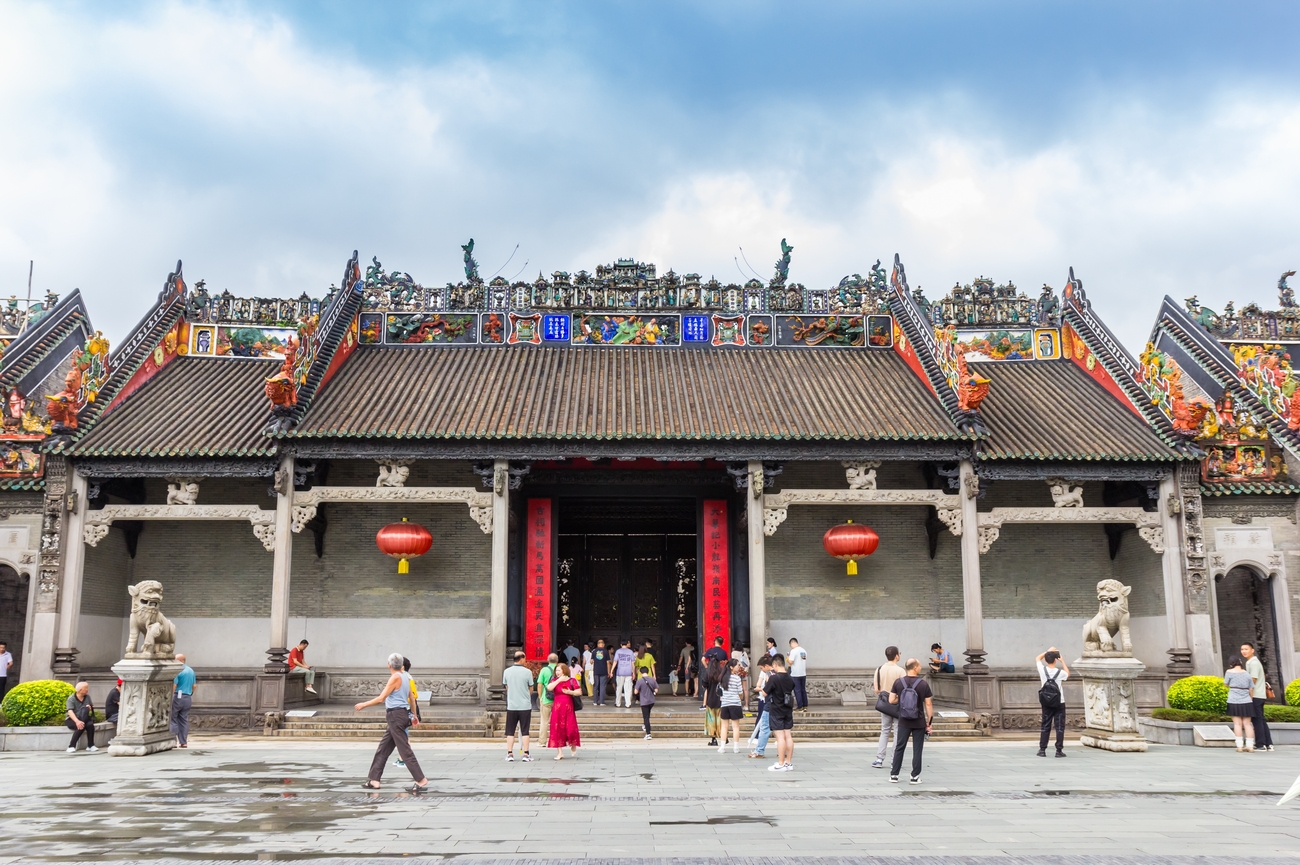
Shamian Island
Wrap up your day at Shamian Island, a peaceful, pedestrian-only sandbank in Guangzhou’s Liwan District. Once divided into British and French concessions after the Opium Wars, the island is now like an open-air museum filled with 19th century European style buildings, shady banyan trees, and quiet streets. As you walk around, you’ll pass over 150 historic buildings, including landmarks like the Our Lady of Lourdes Catholic Church and St. Edward’s Anglican Church. It’s one of the best places in Guangzhou to slow down and enjoy a relaxed stroll, away from the city’s busy pace.
You can wander through former consulates, banks, and trading houses, many of which have been beautifully restored into cafés and boutique shops, perfect if you want a scenic break or a quiet coffee stop. While you’re here, consider visiting the White Swan Hotel, the first five-star hotel in modern China. It’s a great spot to treat yourself to afternoon tea or authentic Cantonese dim sum while enjoying views of the Pearl River.
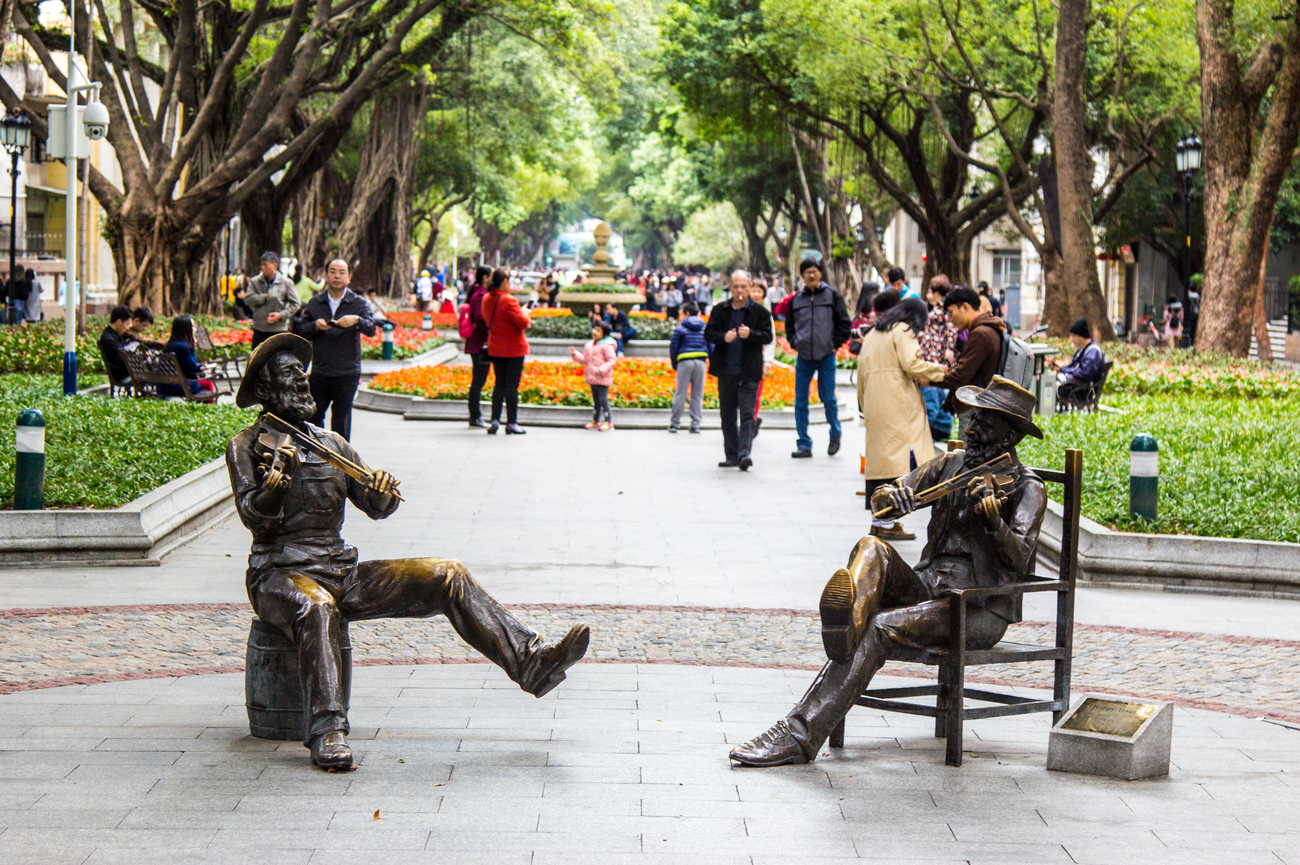
Day 2, Afternoon - Guangzhou Tour Map
Day 3
Morning: Huacheng Square
Start your day at Huacheng Square, the largest urban plaza in Guangzhou, called the city’s “modern living room.” This is where you’ll see Guangzhou’s futuristic side, surrounded by towering skyscrapers, landscaped gardens, and major cultural landmarks. It’s a great place to walk around during the day, but if you stay until evening or come back around evening, you’ll see the area completely transform. The skyscrapers and Canton Tower light up, creating one of the most impressive city views in Guangzhou.
If you’re visiting in November, you’re in luck, this is where the Guangzhou International Light Festival takes place, turning the entire area into a glowing, interactive art display. Beneath the square, you’ll also find the Mall of the World (or Huachenghui), a massive underground complex filled with shops and local restaurants, similar to the Tenjin Underground Mall in Fukuoka. It’s perfect if you want to cool down, grab a meal, or do a bit of shopping.
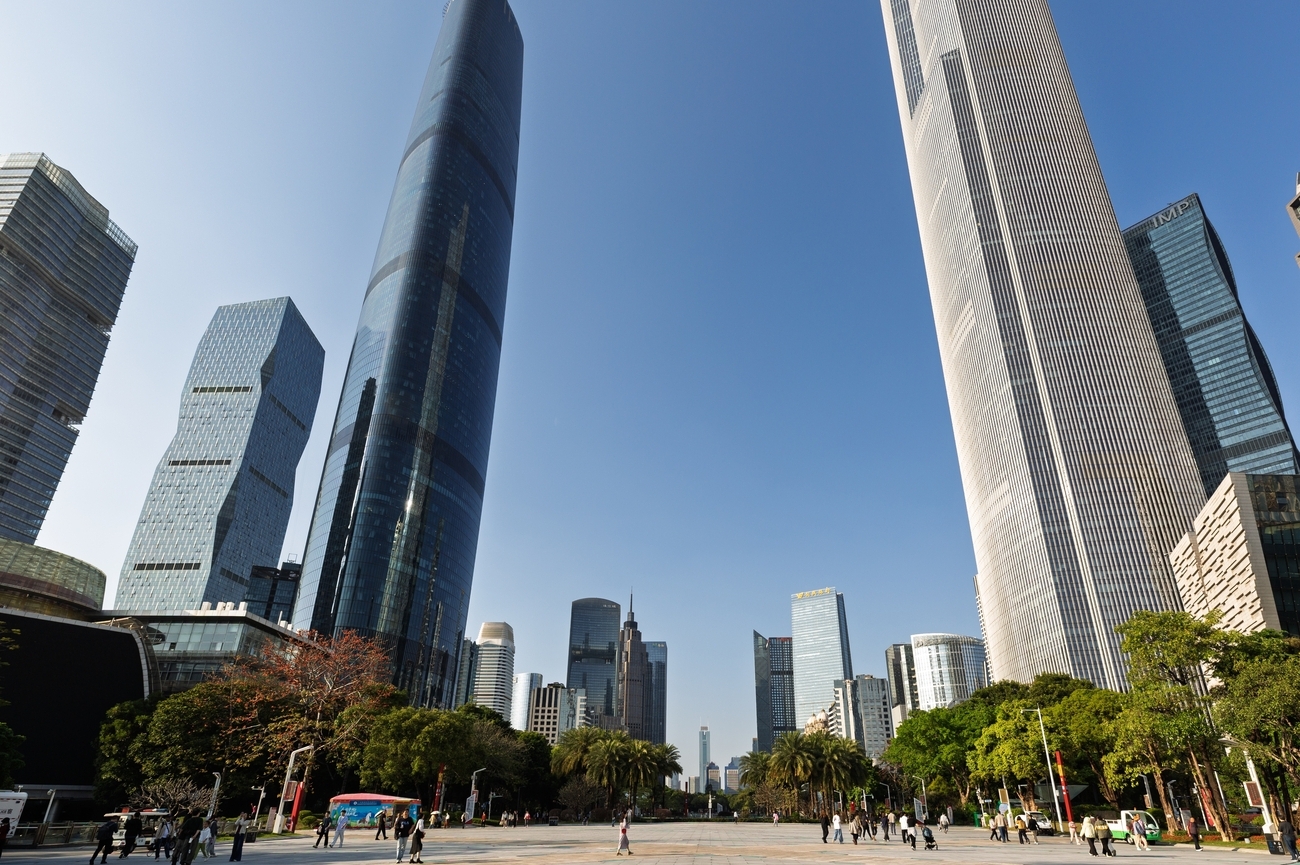
Guangdong Museum
Next, head south to the Guangdong Museum, a must visit for culture and history lovers. The building itself is part of the experience, it’s designed to look like an ancient Chinese treasure box, symbolising the precious artifacts that it holds inside. The museum houses over 166,000 items, covering everything from natural history and art to regional culture, so there’s plenty to explore depending on your interests. To make your visit easier, you can follow curated routes like the “History Buff’s Path” (which takes around 3–4 hours), or choose shorter paths focused on specific exhibits. Many galleries use interactive displays and multimedia, helping you better understand the stories behind what you’re seeing. If you’re worried about language barriers, you don’t have to be, as English audio guides are available for rent.
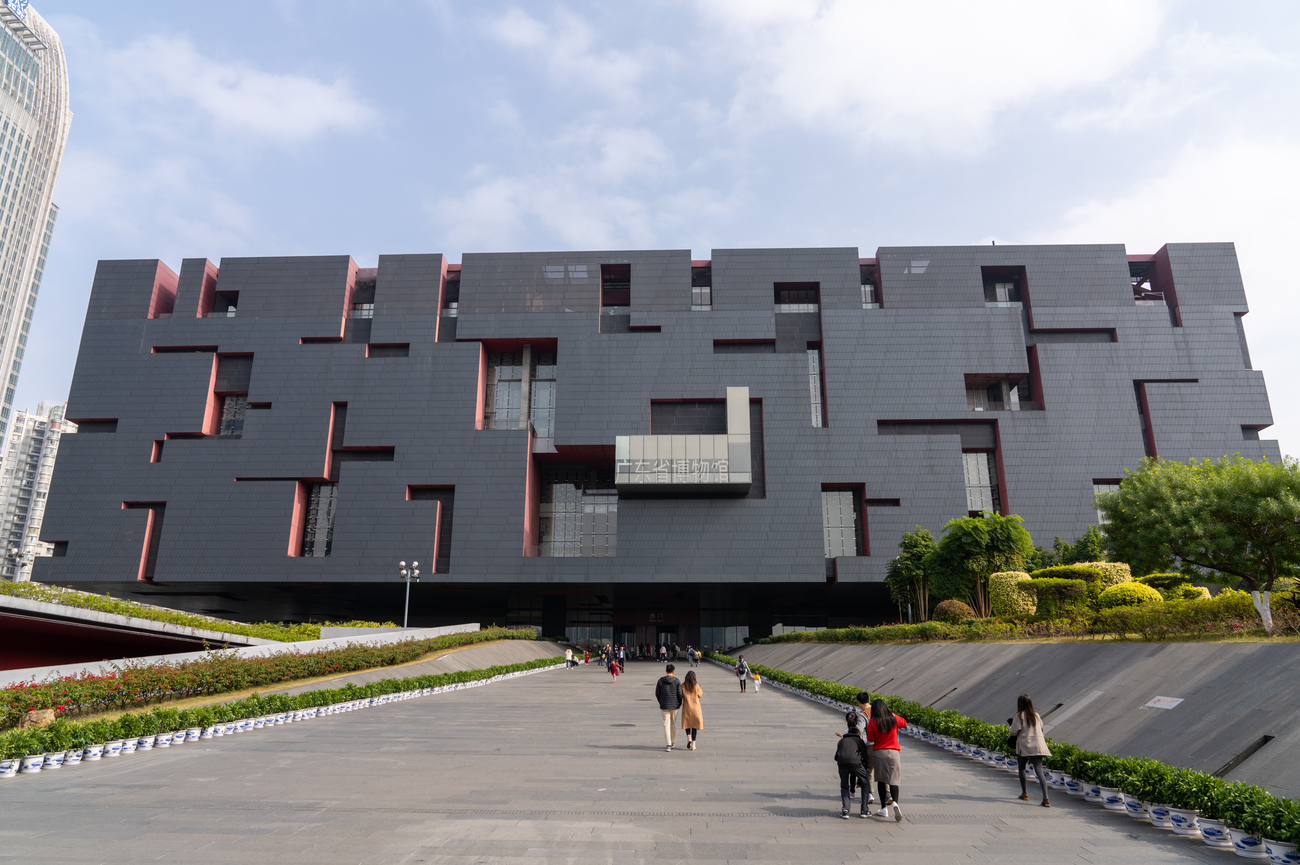
Day 3, Morning - Guangzhou Tour Map
Afternoon: Canton Tower
Take a short 11-minute drive south to Canton Tower, one of Guangzhou’s most iconic landmarks. Known for its elegant “Slim Waist” design, it’s the tallest TV tower in China and one of the tallest in the world, next to Tokyo Skytree in Japan. Here, you can do more than just sightsee. Head up to the observation decks for stunning city views, or try some of the tower’s high-altitude experiences if you’re feeling adventurous. There’s the Bubble Tram, the world’s highest horizontal Ferris wheel, as well as activities like the Sky Drop and Spider Walk for a real adrenaline rush.
If you prefer something more relaxed, you can dine at one of the revolving restaurants, where you’ll enjoy Mediterranean or French cuisine while the view slowly changes around you every 100 minutes. Whether you’re here for the views, the thrill, or a memorable meal, Canton Tower gives you a completely different perspective of Guangzhou (literally).
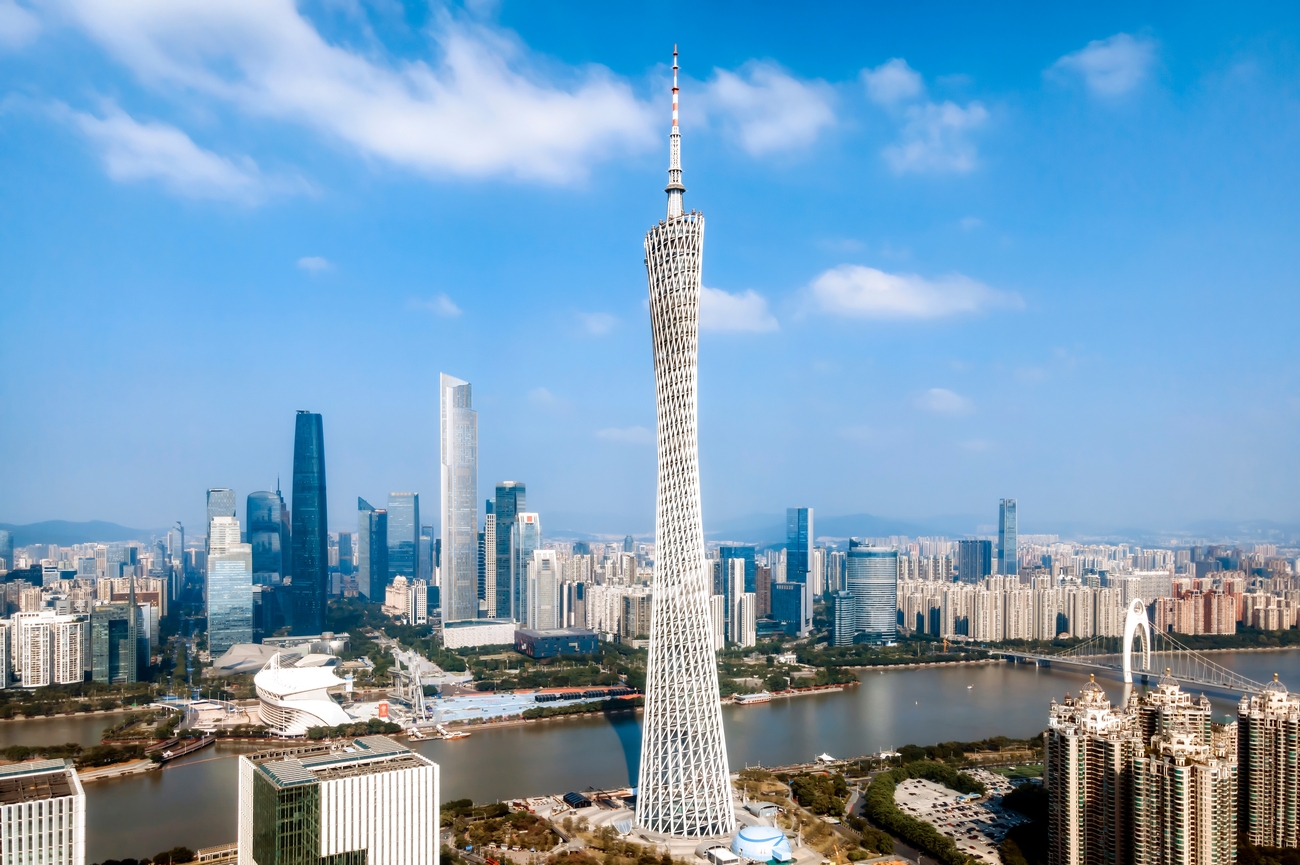
Party Pier Plaza
End your day at Party Pier Plaza, Guangzhou’s top waterfront nightlife and entertainment district. This is where the city comes alive at night. From here, you’ll get clear, front row views of Canton Tower and the skyscrapers of Zhujiang New Town across the river. If you’re in the mood to go out, you’ll find something for every vibe. Enjoy live jazz at JZ Club, dance to salsa or international DJs, or simply relax with a drink by the water. Most places stay open until 1:00 AM to 3:00 AM, so you can take your time and enjoy the view. You’ll also have plenty of dining options here, with 30+ restaurants, many offering outdoor seating by the river. Popular spots include JoJo’s Riverside for fusion dishes and Zapata’s for Mexican food. For the best experience, arrive around 7:00–8:00 PM. You’ll catch the sunset over the Pearl River, then watch the city slowly light up, ending your day in Guangzhou on a high note.
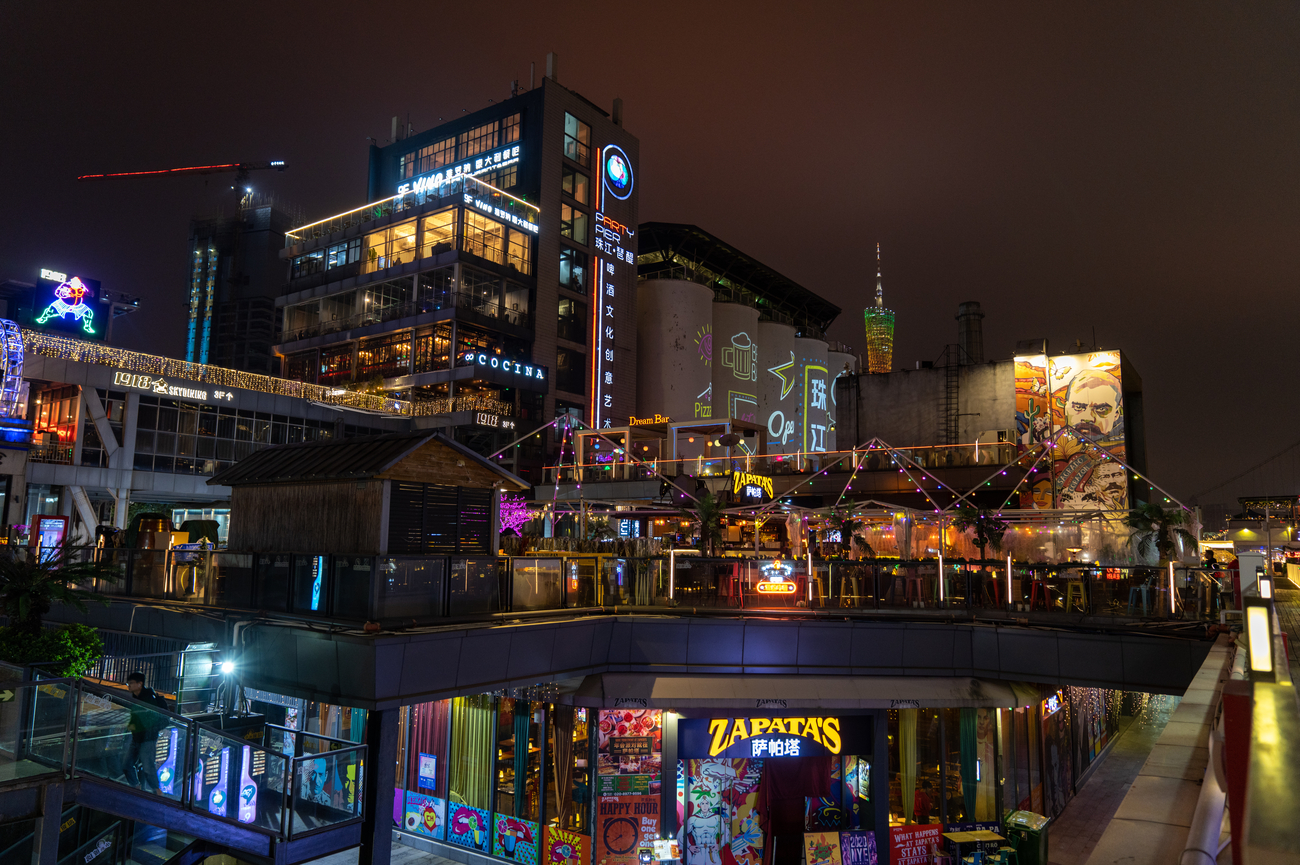
Day 3, Afternoon - Guangzhou Tour Map
Day 4
Morning: Baiyun Mountain
For your final day in Guangzhou, head north to Baiyun Mountain, a top rated scenic area often called the city’s “lung” for its fresh air and greenery. Covering a vast area with over 30 peaks, its name comes from the white clouds that often shroud the mountain, especially after rain.
You can explore the mountain your way. If you enjoy hiking, there are well maintained trails for all levels, from the easier 3 km Moxing Ridge Trail (about 1–1.5 hours) to the more challenging full mountain circuit (4–5 hours). If you’d rather take it easy, hop on the Baiyun Cable Car for a quick 5–7 minute ride up, or use the sightseeing buses and buggies to get around. Once you’re up there, don’t miss Moxing Summit, the highest point at 382 meters, where you’ll get wide views of the city. You can also explore spots like Yuntai Garden, the Mingchungu Bird Park, and several cultural sites along the way. Before you leave, try some local mountain snacks like tofu pudding or rice noodles made with fresh spring water.
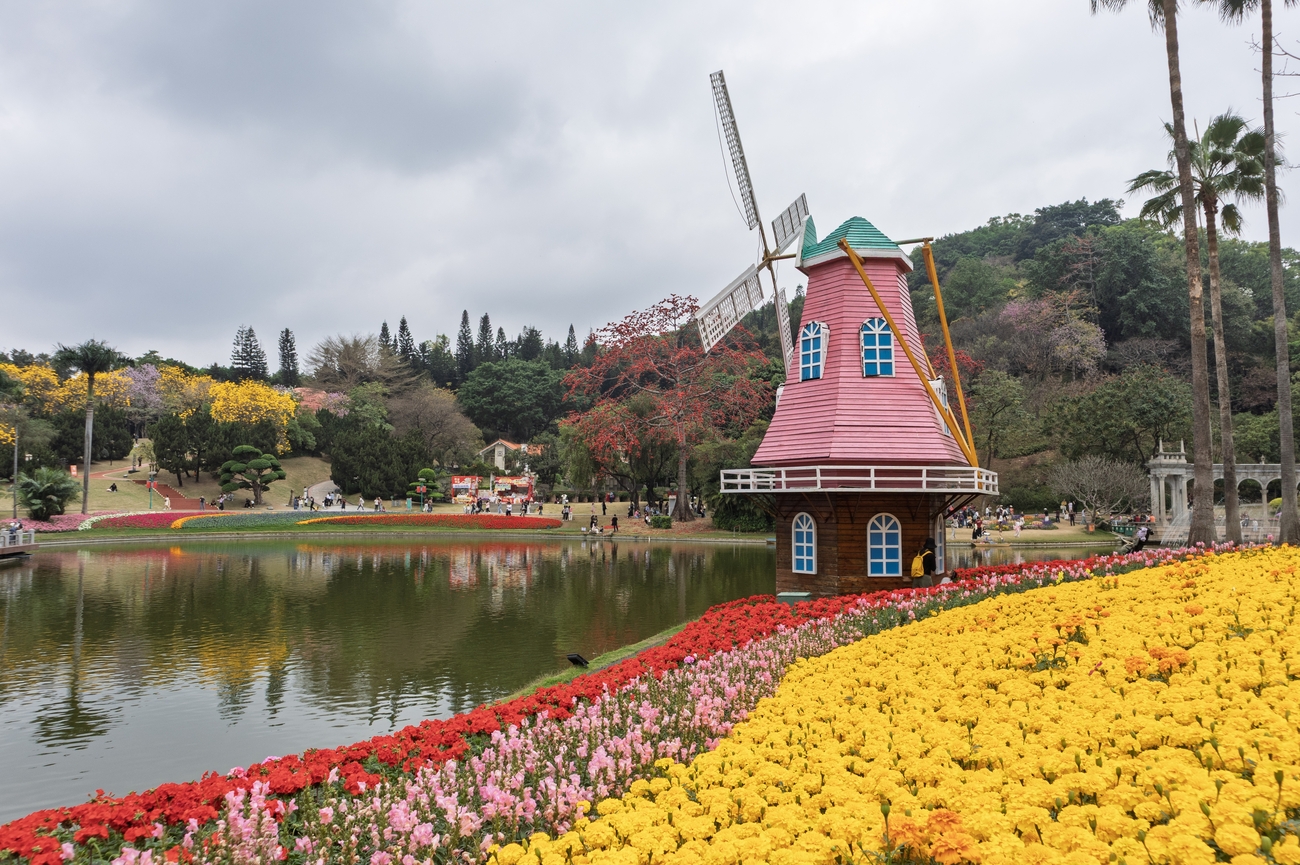
Afternoon: Yongqing Fang
After exploring the Baiyun Mountain, head back to the city centre and head to Yongqing Fang, a lively district where old Guangzhou meets modern creativity. As you walk through its narrow, granite paved alleys, you’ll see traditional Xiguan style homes and Qilou buildings alongside trendy boutiques, cafés, and art spaces. The whole area has a nostalgic yet stylish vibe to it. There's plenty to see here, visit the Cantonese Opera Art Museum, stop by Bruce Lee’s ancestral home, and cross the scenic Moon Bridge. You can also browse small workshops showcasing traditional crafts like embroidery and handmade sachets. If you’re feeling tired after Baiyun Mountain, this is a great place to rest, grab a coffee and just relax.
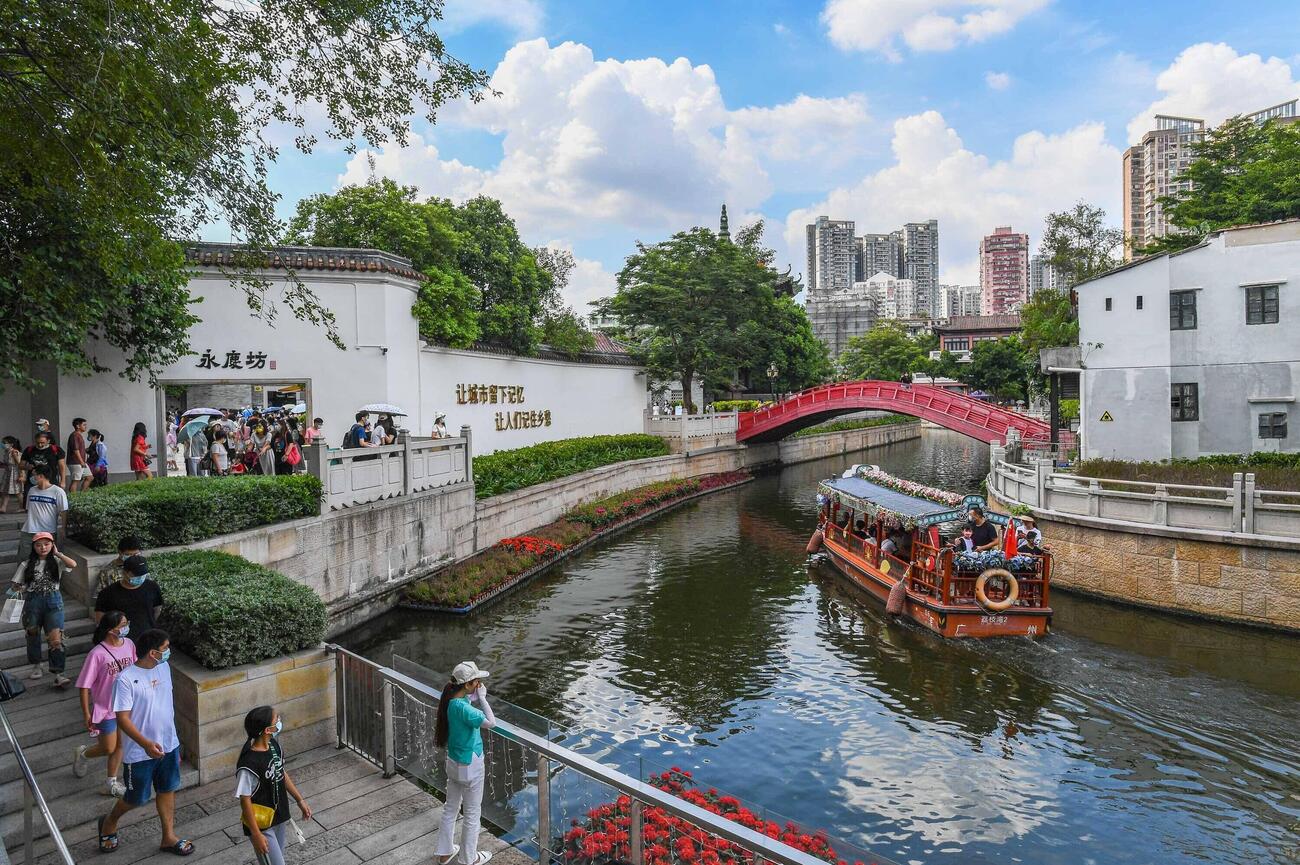
Pearl River Night Cruise
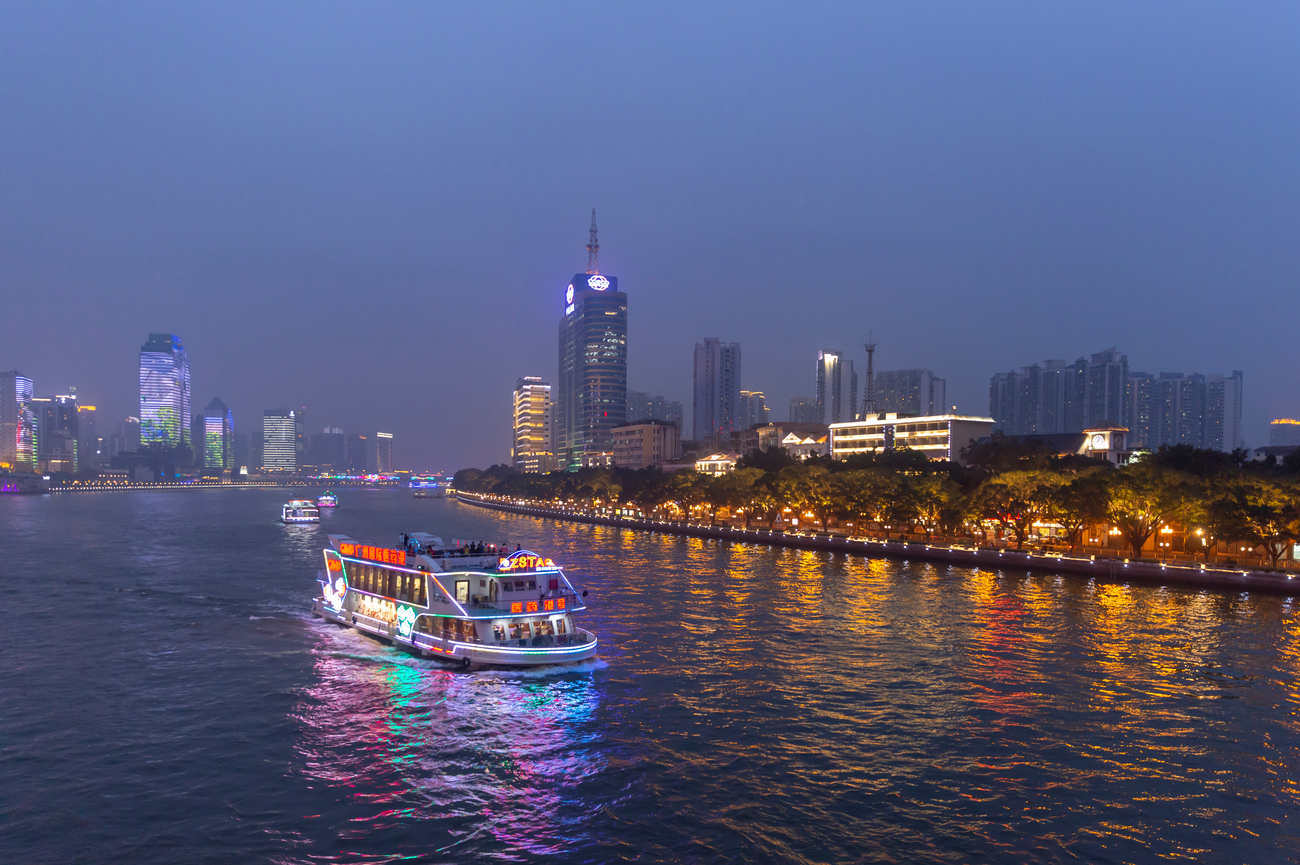
Conclude your Guangzhou journey with a scenic night river cruise at the Pearl River, one of the best ways to see Guangzhou lit up at night. As you glide along the river, you’ll get a front row view of the city’s skyline. Most routes pass between the White Swan Hotel near Shamian Island and Pazhou, giving you a unique contrast: historic European-style buildings on one side and modern skyscrapers like the Guangzhou Twin Towers on the other. For the best views, head to the boat’s open air top deck, where you can take 360 degree photos of the glowing cityscape.
If you want to make the experience more special, we can arrange a cruise for you with onboard dining. Many offer Cantonese or international buffets, so you can enjoy a relaxed meal while the city slowly unfolds around you. It’s a beautiful way to wrap up your Guangzhou journey, seeing both its past and future in one journey.
Day 4 - Guangzhou Tour Map
Day Trips from
Guangzhou
- Foshan: If you’re looking for an easy day trip from Guangzhou, head to Foshan, known as the “hometown of Kung Fu.” This is where legendary masters like Wong Fei-hung and Ip Man were born, so if you’re into martial arts, you’ll really feel that history comes alive here. Begin your day trip at the Ancestral Temple, where you can watch live lion dance and Kung Fu performances at the Wong Fei-hung Memorial Hall. You can also visit the Ip Man Memorial Hall to learn more about the Wing Chun master who trained Bruce Lee. If you want to see Foshan’s craftsmanship up close, explore the Ancient Nanfeng Kiln, one of the oldest working ceramic kilns in the world. And if you’re a foodie, don’t miss the Shunde District, a UNESCO City of Gastronomy. Here, you can try local specialties like Shunde style sashimi, double skin milk dessert, and roasted goose.
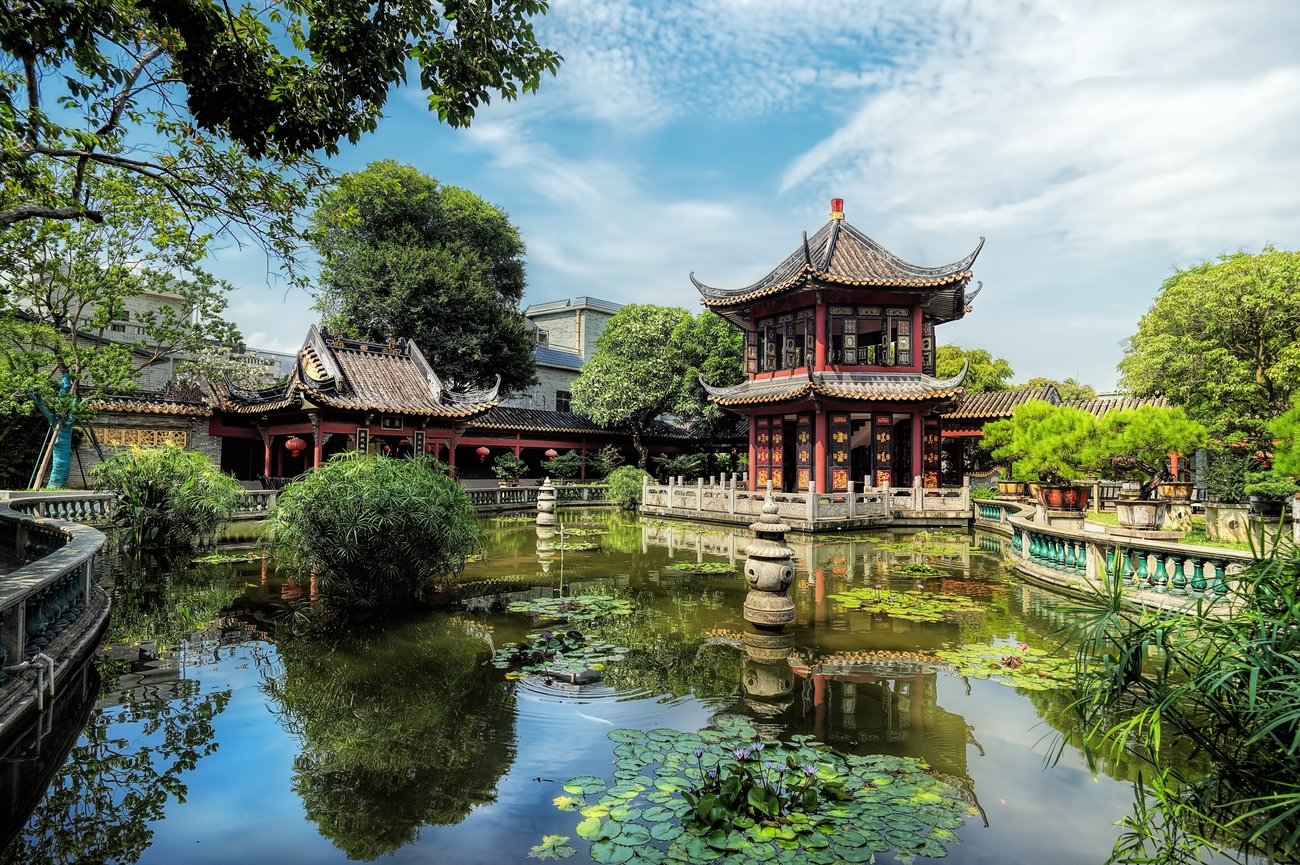
- Qingyuan: If you want a break from the city, head to Qingyuan, often called the “Back Garden of Guangzhou.” Just 60–90 minutes north, it offers a completely different experience, instead of skyscrapers, you get karst mountains, rivers, and fresh air. This is the perfect day trip if you love both nature and a bit of adventure. You can walk across glass bridges, take on the Sky Ladder, or explore scenic spots like the Glass Grand Canyon and waterfall clusters. If you prefer something more relaxed, try a river cruise, unwind in hot springs, or go for a fun white water rafting experience. And of course, don’t leave without trying the local food, try the Qingyuan Chicken, famous across China for its tender meat and thin skin.
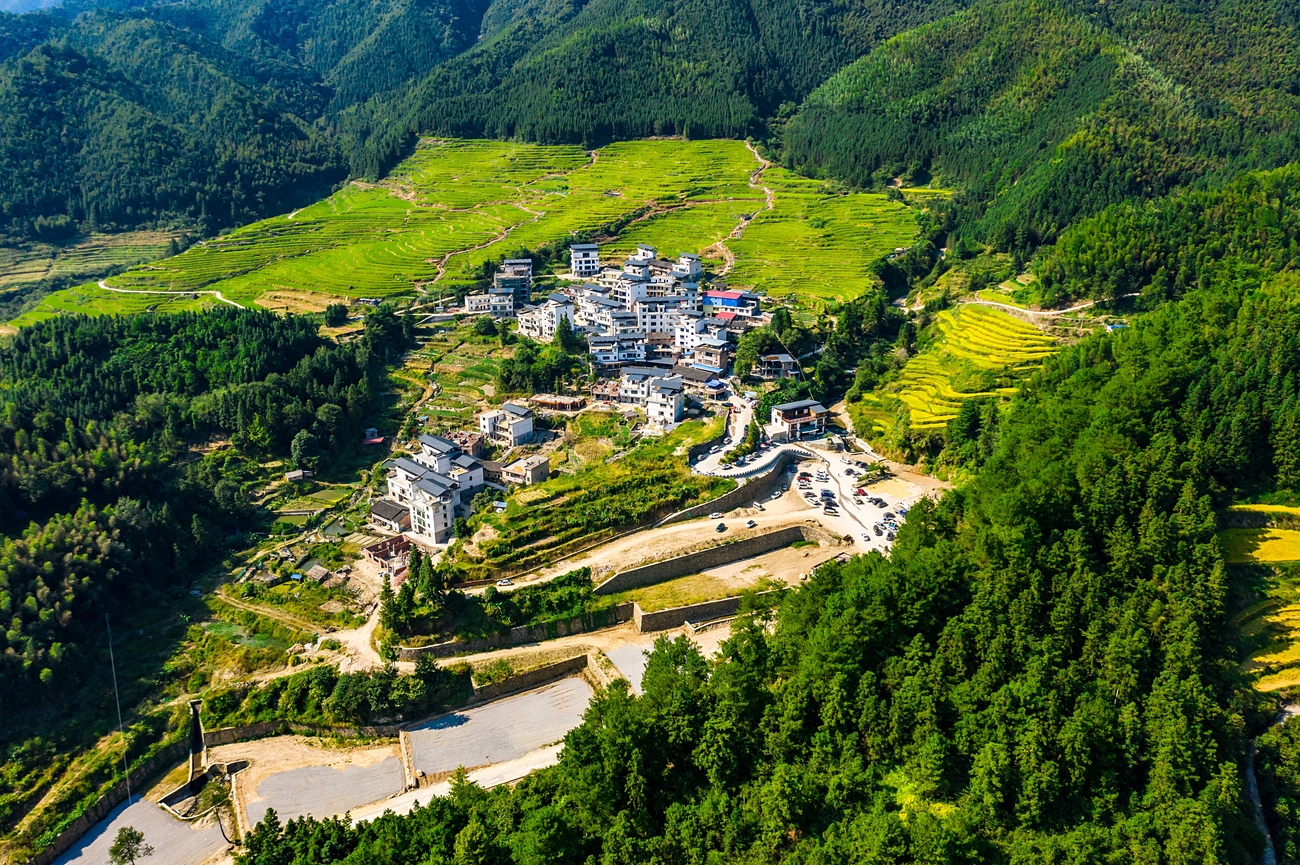
- Guilin: If you’re up for a longer adventure, visit Guilin about 2.5 to 3 hours away from Guangzhou via high speed train. It’s highly recommended that you plan your day carefully and focus on what interests you most. Here’s our itinerary suggestions should you choose Guilin for a day trip: If you prefer a slower, sightseeing focused day, you can explore Guilin’s highlights like Elephant Trunk Hill, Reed Flute Cave, and the scenic Two Rivers and Four Lakes area. But if you’re more into an active, experience-packed day, you can go for a Li River cruise, visit West Street in Yangshuo, and even cycle through the Ten-Mile Gallery for those classic karst mountain views. It’s a long day, but if you want a glimpse of Guilin’s iconic landscapes, it can be well worth the trip.

UNESCO World Heritage
Site Near Guangzhou
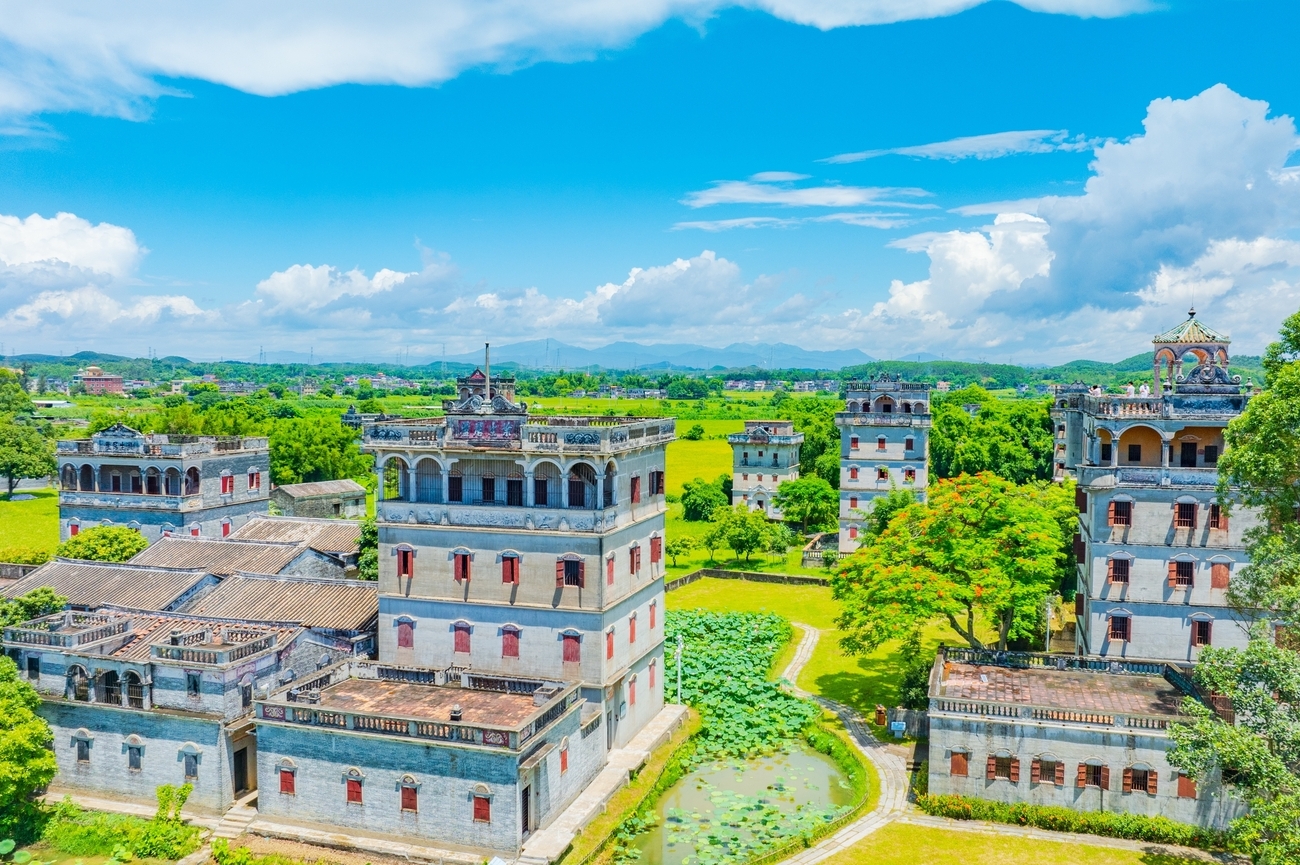
- Kaiping Diaolou and Villages: The only UNESCO World Heritage Sites in Guangdong Province, about 2 hours from Guangzhou. Here, you’ll find thousands of multi story fortified towers (or diaolou) built by overseas Chinese in the late 19th and early 20th centuries. What makes the site unique is its architecture, a "fusion of East and West," blending traditional Chinese village layouts with Baroque, Romanesque, and Gothic decorative elements. These towers weren’t just for show. They were built to display wealth and to protect families from bandits and floods. Today, many of them are open for you to explore. You can climb up towers like Mingshi Lou in Zili to see original European furniture, old family photos, and beautiful countryside views. As you walk through the villages, you’ll notice that life here still feels authentic, locals continue to live and farm around these historic towers, giving you a glimpse of everyday rural life. Before you leave, try local dishes like Kaiping goose or claypot rice at nearby village eateries.
Golf Courses in
Guangzhou
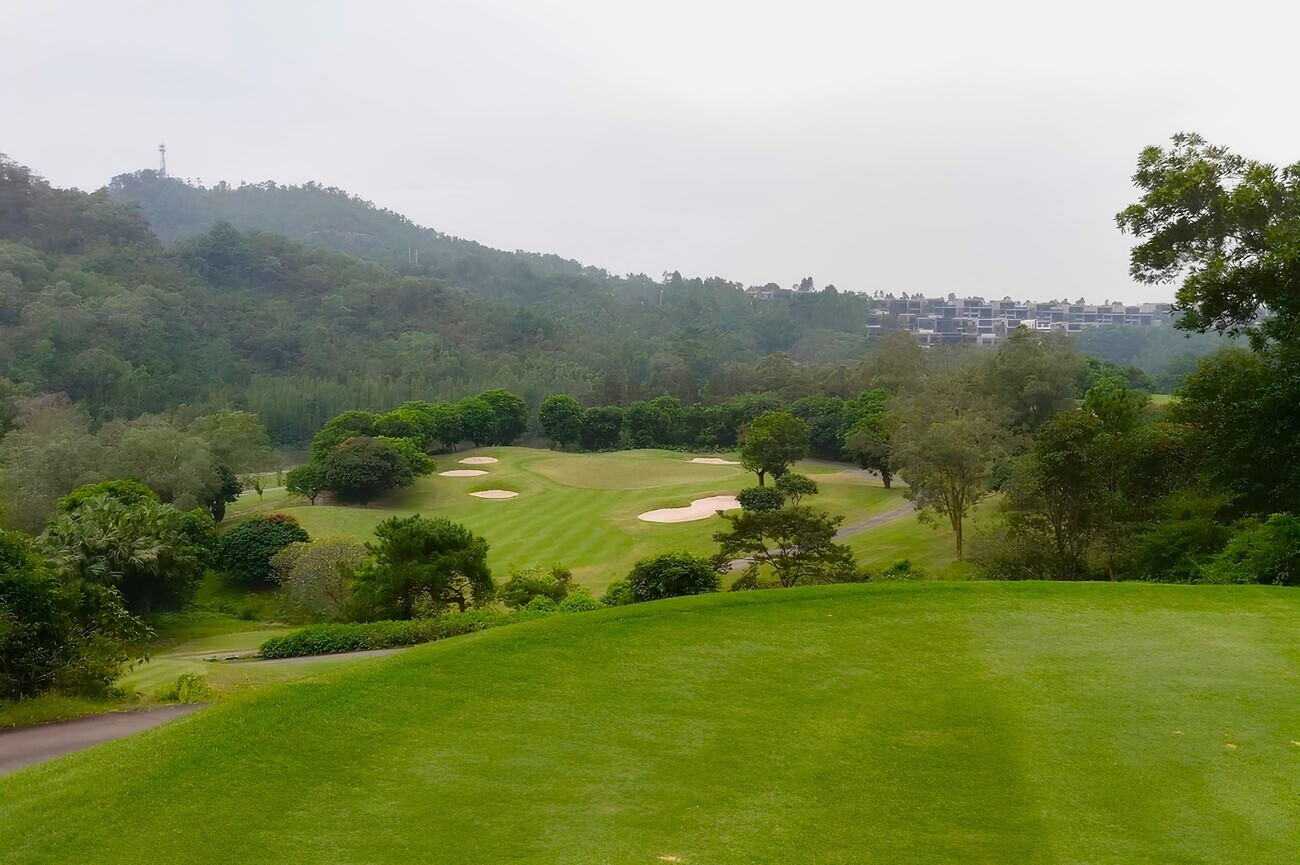
- Dragon Lake Golf Club: A world class 27-hole championship course just 30 minutes from Guangzhou Baiyun International Airport. Here, you’ll be playing on professionally maintained fairways that have hosted major events like the 2010 Asian Games and the Royal Trophy (Europe vs. Asia). The course, designed by Richard Mandell, offers two distinct layouts depending on your skill level and schedule. The Government Course (18 holes) is the main championship course, known for its challenging elevation changes, narrow fairways, and water hazards. If you prefer something shorter but still technical, the King’s Course (9 holes) is a great option, and it’s even floodlit, so you can enjoy a round of night golf, especially during humid summer months.
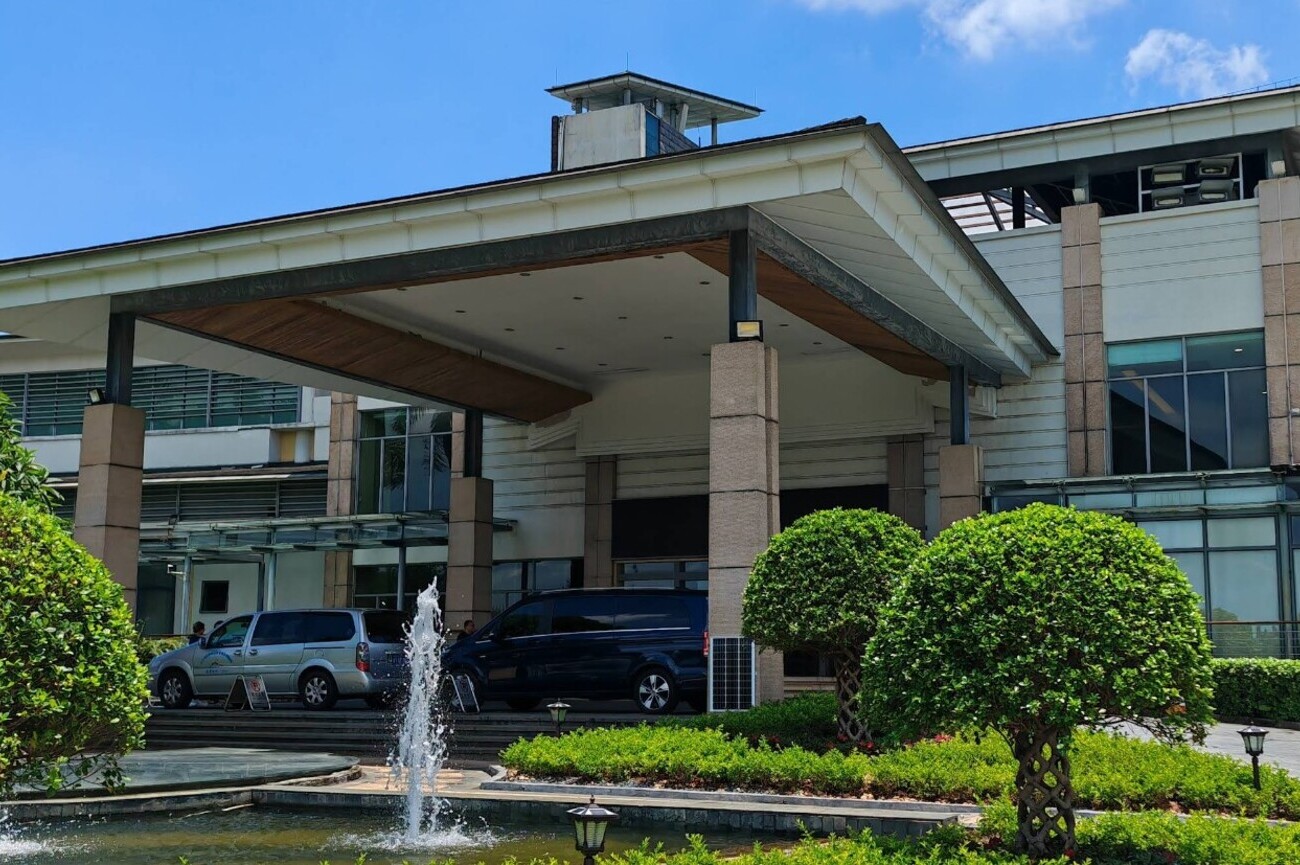
- Nanhai Peach Garden Golf Club: If you’re looking for a scenic round of golf close to the city, Peach Garden is a great choice. This 27-hole championship course is known for being one of the most beautiful and well maintained in the Pearl River Delta. Designed by the JMP Golf Design Group, it’s split into three 9-hole courses (East, West, and North), so you can mix and match your rounds depending on your time and skill level. The course has also hosted professional tournaments, and features a fully floodlit 18-hole setup, making it a top choice for golfers looking to beat the daytime Guangzhou heat or squeeze in a round after a business meeting.
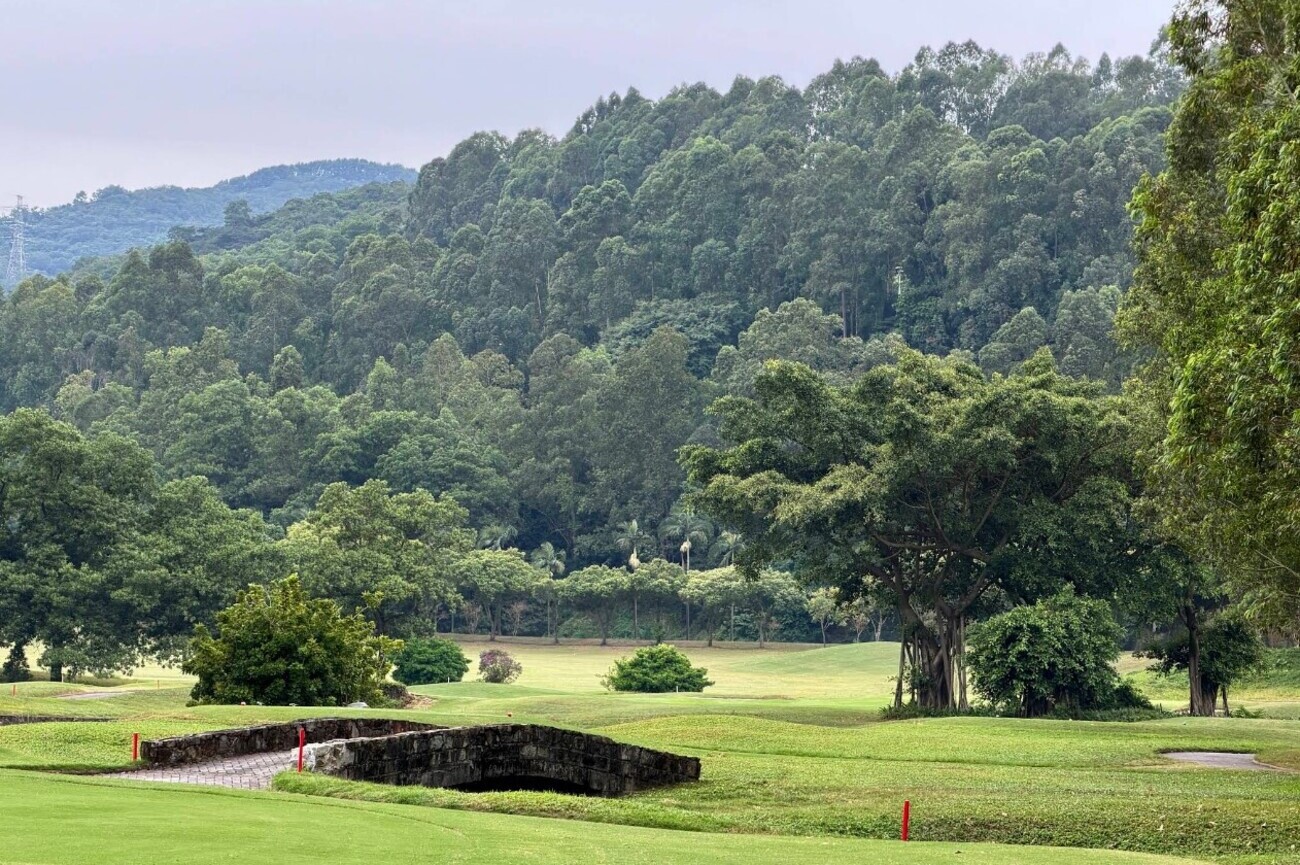
- Nansha Golf Club: If you’re after a premium golf experience, head to Nansha Golf Club, a 36-hole championship course located at the southern tip of Guangzhou, where the Pearl River meets the sea. Designed by John Jacobs, a former Ryder Cup captain, this course is known for its stunning valley views and professional level maintenance. You can choose from two distinct 18-hole courses: the Mountain Course, which features steep elevation changes, narrow fairways, and the need for strategic, precise shots. And the Lake Course, which is a bit more open, but still demanding, where you’ll need to navigate water hazards and bunkers carefully, especially around the central lake.
Racecourse in
Guangzhou
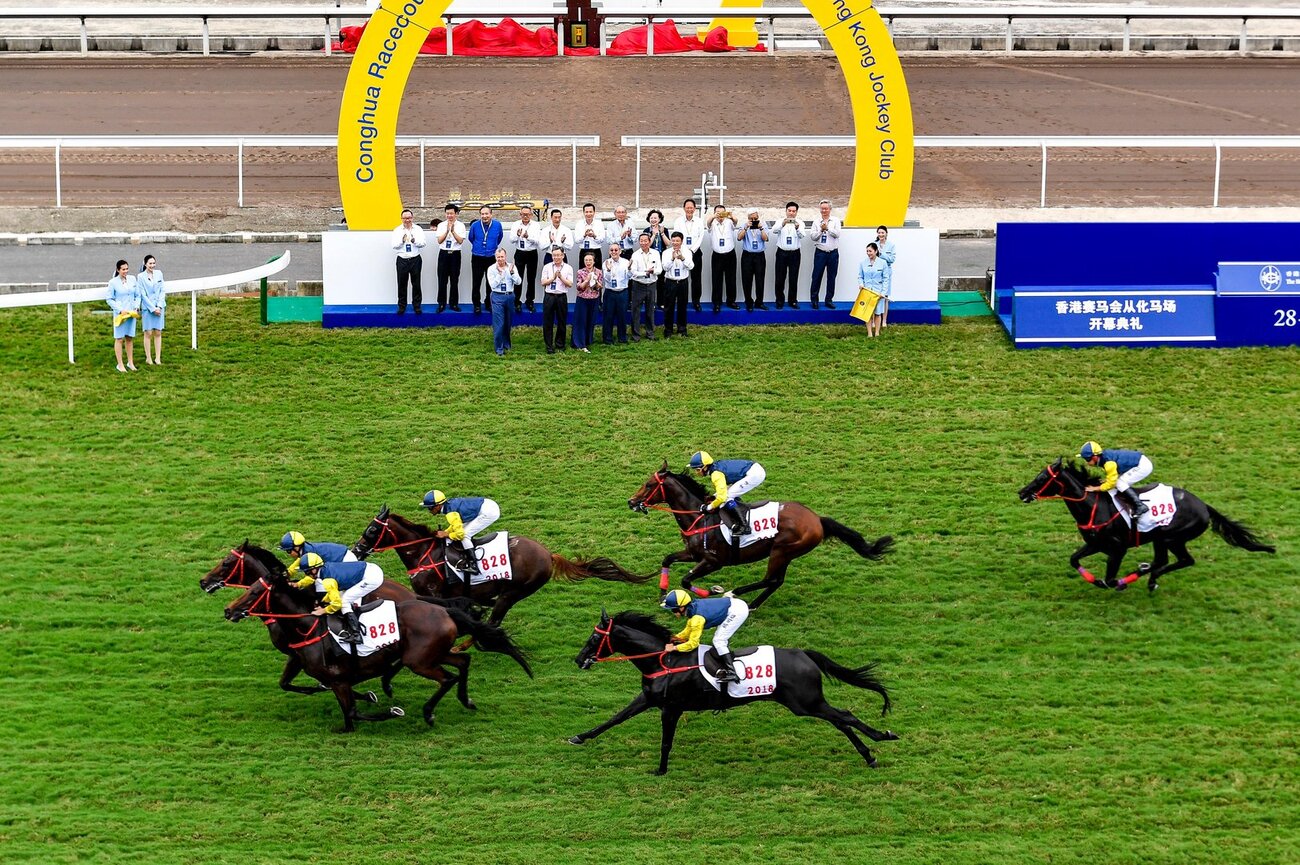
- Conghua Racecourse: The first world class thoroughbred training center and racecourse in Mainland China, operated by the Hong Kong Jockey Club (HKJC). The facility here features four professional tracks, an equine hospital, a horse swimming pool, and luxury stables for hundreds of horses. It’s all set against the lush mountains of Conghua, giving you beautiful views while you explore. Starting October 2026, the racecourse will host official race days. These are non-betting events, focused on sport and entertainment, as gambling is prohibited in Mainland China. To make the most of your trip, you can pair your visit with a stay in a nearby luxury spa resort like the Dusit Devarana or Imperial Springs since Conghua is famous for its natural hot springs.
Luxury Spa &
Wellness Experiences in Guangzhou
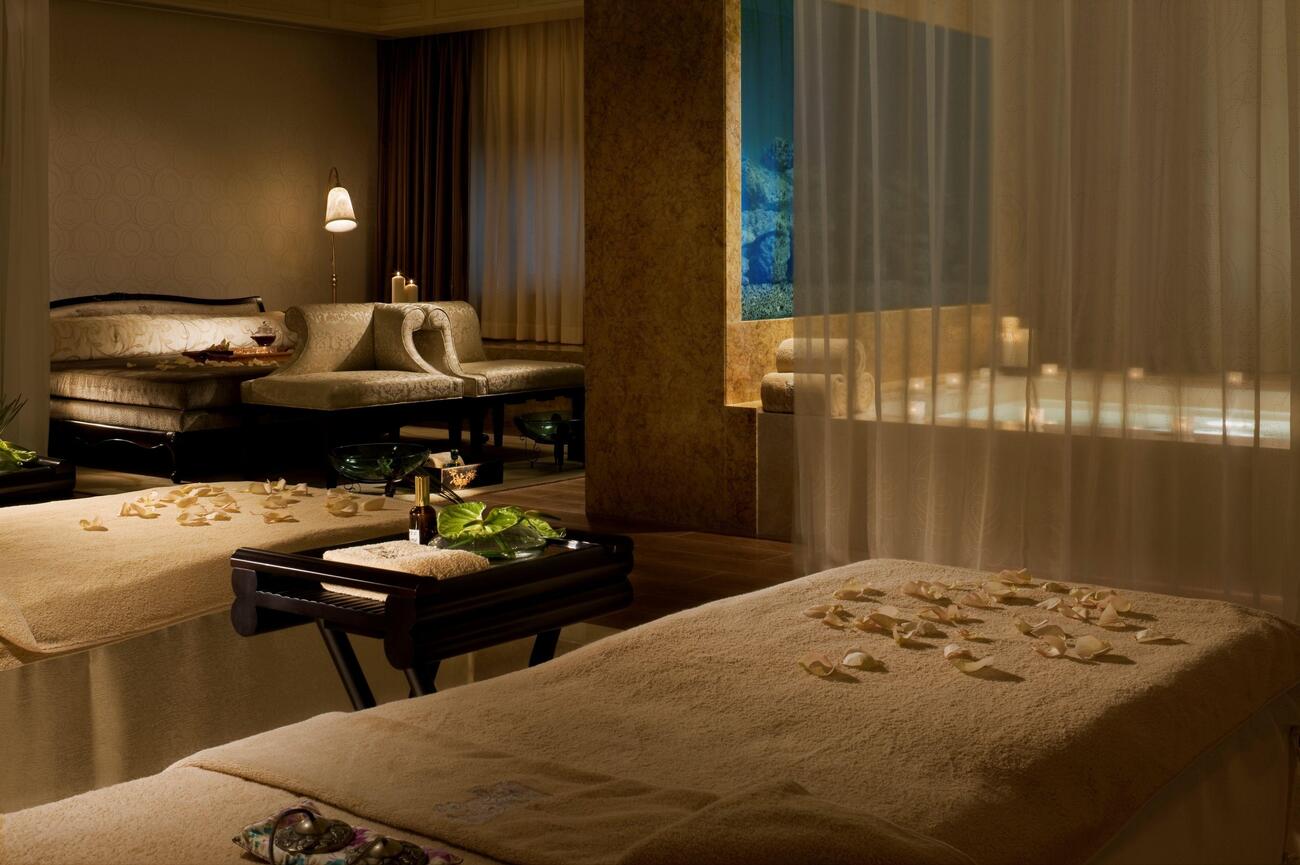
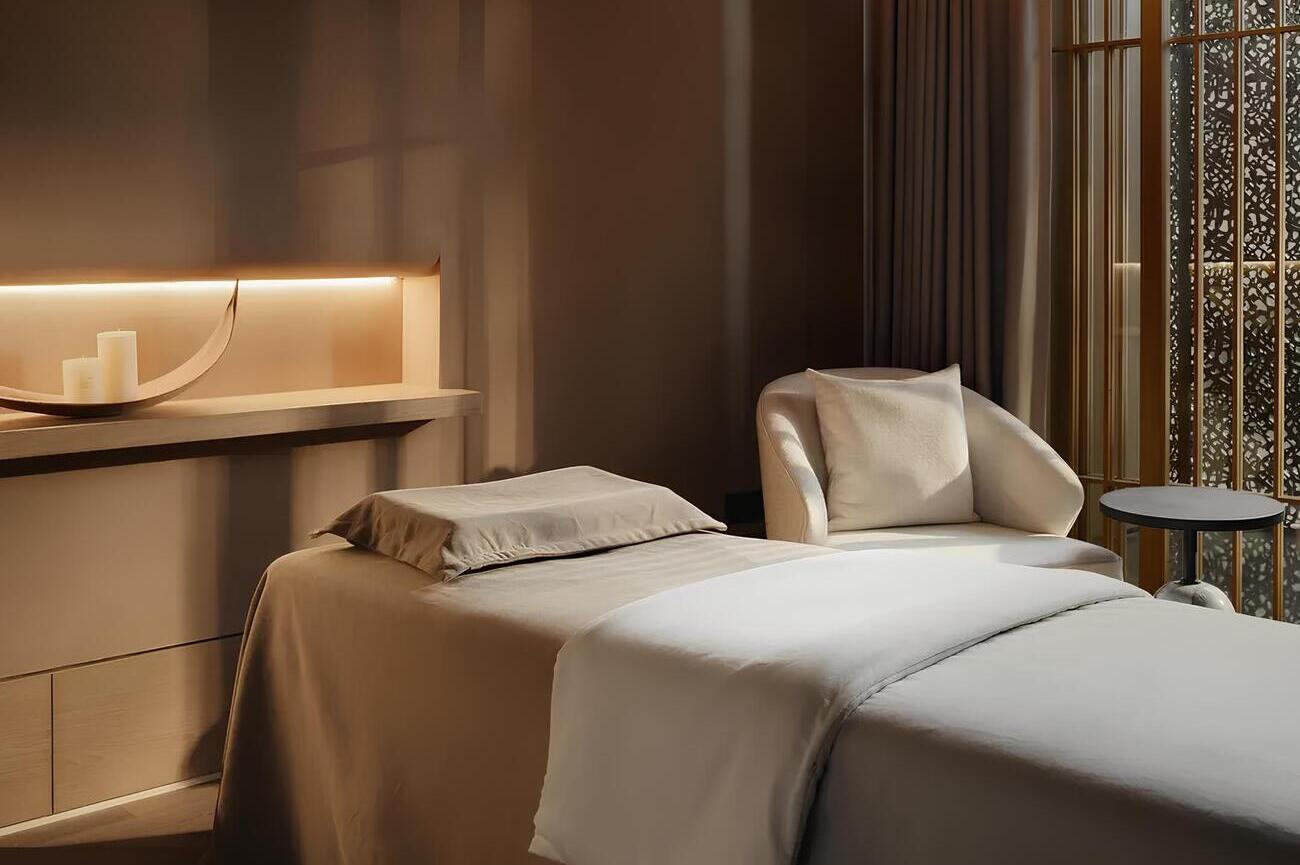
- The Ritz-Carlton Spa, Guangzhou: Unwind in style at the The Ritz-Carlton Spa, located in the heart of Zhujiang New Town. It offers a calm, luxurious escape from the busy city, blending European elegance with traditional Chinese healing. The spa occupies its own floor and features a refined “Provence meets Canton” design, with 11 treatment rooms, including beautiful couples’ suites (if you’re traveling with a partner). One of the highlights is the outdoor heated lap pool, where you can relax while enjoying views of the skyline and the Canton Tower. For treatments, you can try the Pearl River Stone Massage, which combines warm stones and essential oils to ease tension and restore balance, followed by an acupressure massage that helps you feel fully relaxed and re-energized. For men, the men’s massage is a great option. It includes a full body heated stone massage, plus a facial and scalp massage. It’s the perfect place to slow down, recharge, and treat yourself while in Guangzhou.
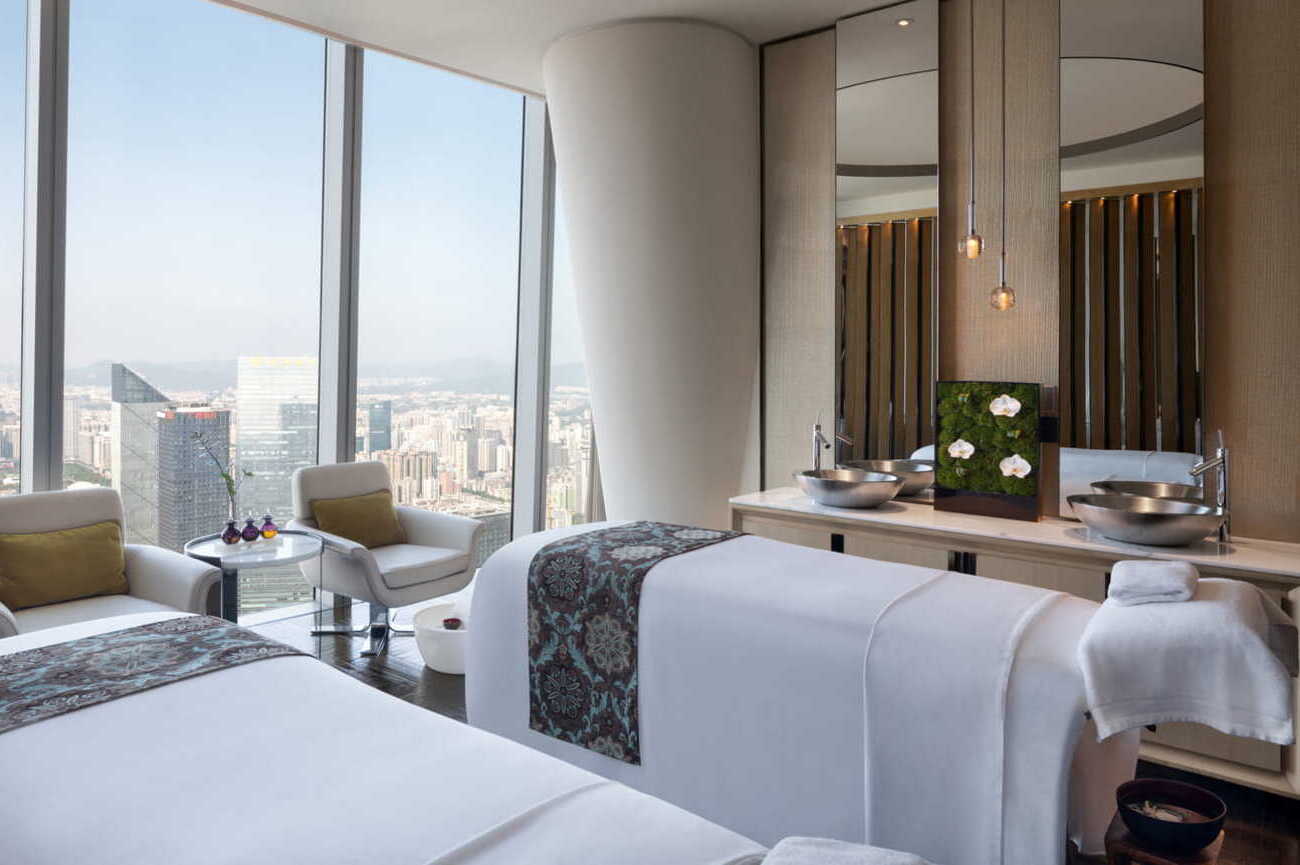
- The Spa at Four Seasons, Guangzhou: For a truly elevated spa experience, head to The Spa at Four Seasons, located on the 69th floor of the IFC Tower. From here, you’ll enjoy floor-to-ceiling views of the Pearl River and Canton Tower, making your entire treatment feel like a peaceful escape above the city. The spa is designed around a “cloud” concept, with soft, flowing shapes and calming tones of white and amethyst. Inside, you’ll find nine treatment rooms, including luxurious couples’ suites. One of the spa’s standout treatments is the Flowers of Four Seasons, this treatment uses floral oils like orange blossom, ylang-ylang, and Chinese rose to help you relax, refresh and hydrate your skin. If you’re struggling with sleep or feeling run down, try the Sleep Well Remedies. This treatment includes a herbal foot bath, deep relaxation massage, abdominal moxibustion, and scalp care, designed to help you unwind and sleep better.
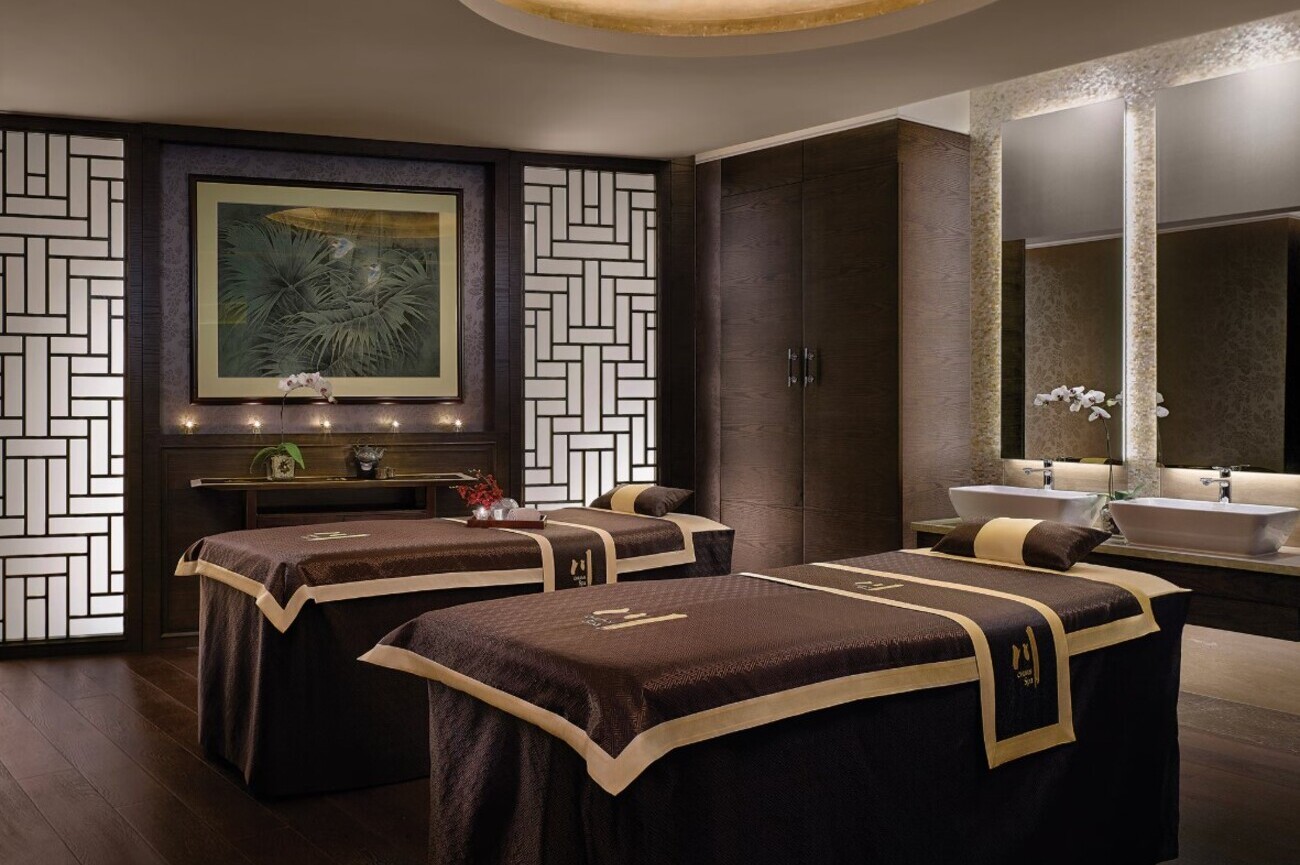
- Chuan Spa at Langham Place: If you’re looking for a more holistic and personalised spa experience, Chuan Spa at Langham Place is a great choice. This urban sanctuary is built around Traditional Chinese Medicine (TCM), focusing on restoring balance through the Five Elements: Wood, Fire, Earth, Metal, and Water. Your experience starts with a Five Elements questionnaire, which helps identify what’s out of balance in your body. From there, your entire treatment is tailored to you, from the essential oils and music to the tea you’re served afterward. The spa’s signature treatment is the Chuan Body Elements treatment, which helps release tension and restore balance, paired with the Chuan Harmony Massage. This includes nourishing skincare using hydrating facial treatments, leaving both your body and skin refreshed.
- Guangzhou Yoma Space Spa: If you’re looking for a place where you can relax, dine, and unwind all in one spot, this 24-hour luxury wellness space is for you. It goes beyond a typical spa experience. Here, you can choose a 12-hour or 24-hour pass, giving you access to facilities like hot spring pools, jacuzzis, steam rooms, and saunas (separated by gender). When you arrive, you’ll be given fresh loungewear, so you can fully settle in and relax. You’ll also have access to premium vanity areas stocked with high end brands like Shiseido, Valmont, and Dyson tools. For downtime, there are reclining lounge beds with personal TVs and speakers, perfect if you want to rest between activities. If you prefer more privacy, you can upgrade to quiet rooms or private bedrooms. If you’re in the mood to treat yourself further, you can add on services like full-body or foot massages, facials, or deep body scrubs. It’s the kind of place where you can spend hours (or even a full day) recharging at your own pace.
Exclusive Workshops
& Immersive Experiences in Guangzhou
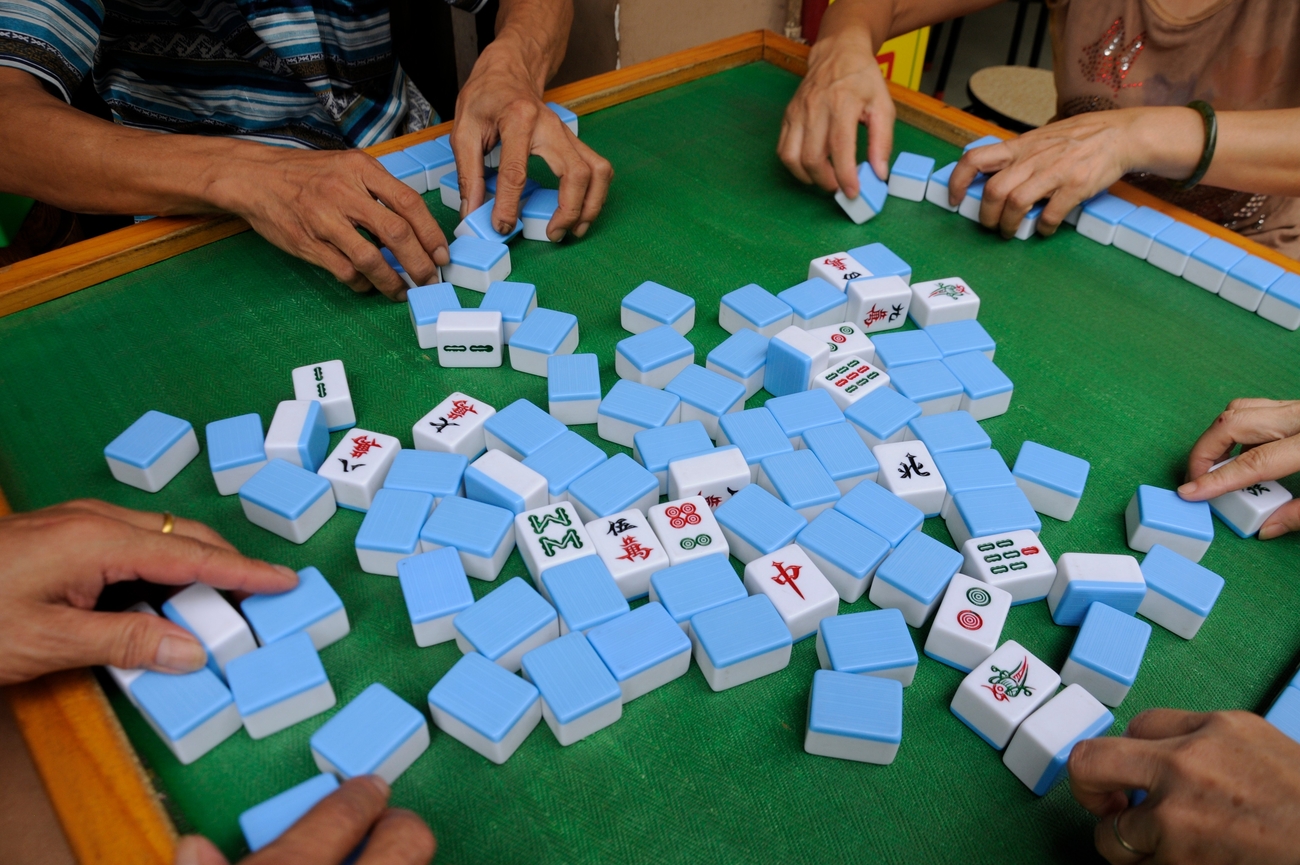
- Mahjong Lesson & Tea Tasting: A great way to explore two of the most important social pillars of Cantonese culture. These sessions are often held in traditional teahouses or restored courtyard homes in areas like Liwan or Yuexiu. Your experience usually begins with a Gongfu Tea Ceremony, where a tea master guides you through how to appreciate the aroma, color, and flavor of local teas like Phoenix Dancong or Pu-erh. Once you’re relaxed, you’ll move on to Mahjong. Instead of the fast paced gambling you might see in movies, this lesson focuses on the basics, strategy, and etiquette of the game. You’ll learn how to recognize the tiles: Bamboos, Characters, Dots, and Winds, and understand how to form a winning hand. Cantonese Mahjong is considered more beginner friendly than other regional versions, so you’ll get to play a few rounds with a local instructor who explains the logic behind each move like why certain tiles are discarded and how players communicate subtly at the table. More than just a game, this experience shows you how Mahjong acts as a social glue, bringing together families, friends, and even business partners across generations
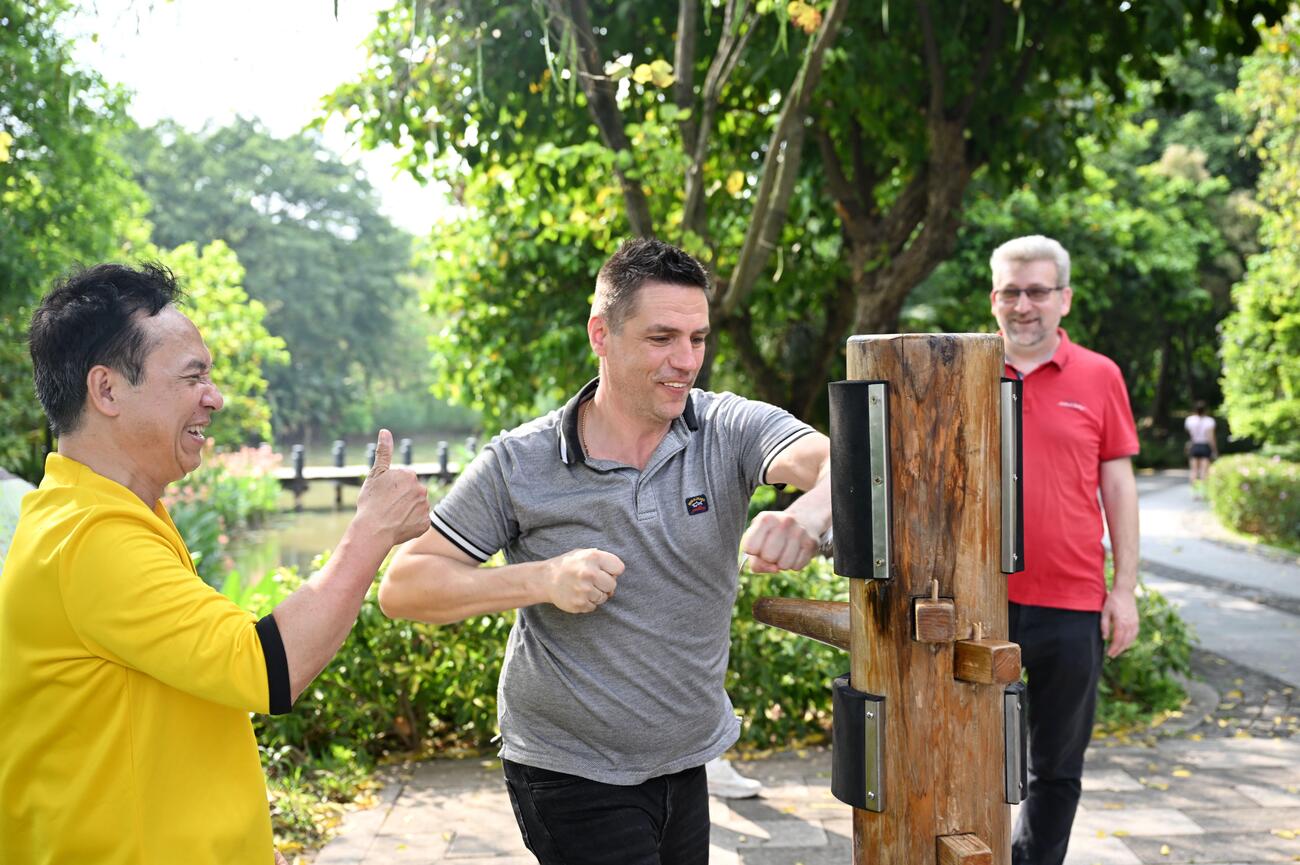
- Wing Chun Kung Fu Masterclass: As the ancestral home of Grandmaster Ip Man (teacher of Bruce Lee), the Guangzhou-Foshan region is the global heart of Wing Chun, one of the world’s most famous martial arts. Classes are usually held in traditional martial arts schools (Wuguan) in historic areas like Liwan or Yuexiu, and are led by certified masters, many of whom trace their lineage directly back to Ip Man or his senior disciples. You’ll begin with Siu Nim Tao (“Little Idea”), the foundation of Wing Chun. Here, you’ll learn proper stance, breathing, and control. Some classes also introduce the Wooden Dummy (Muk Yan Jong), helping you improve your angles, timing, and striking precision. A typical session lasts 2 to 4 hours, giving you a solid introduction. If you want to go deeper, there are also multi-day training programs available that we can arrange for you.
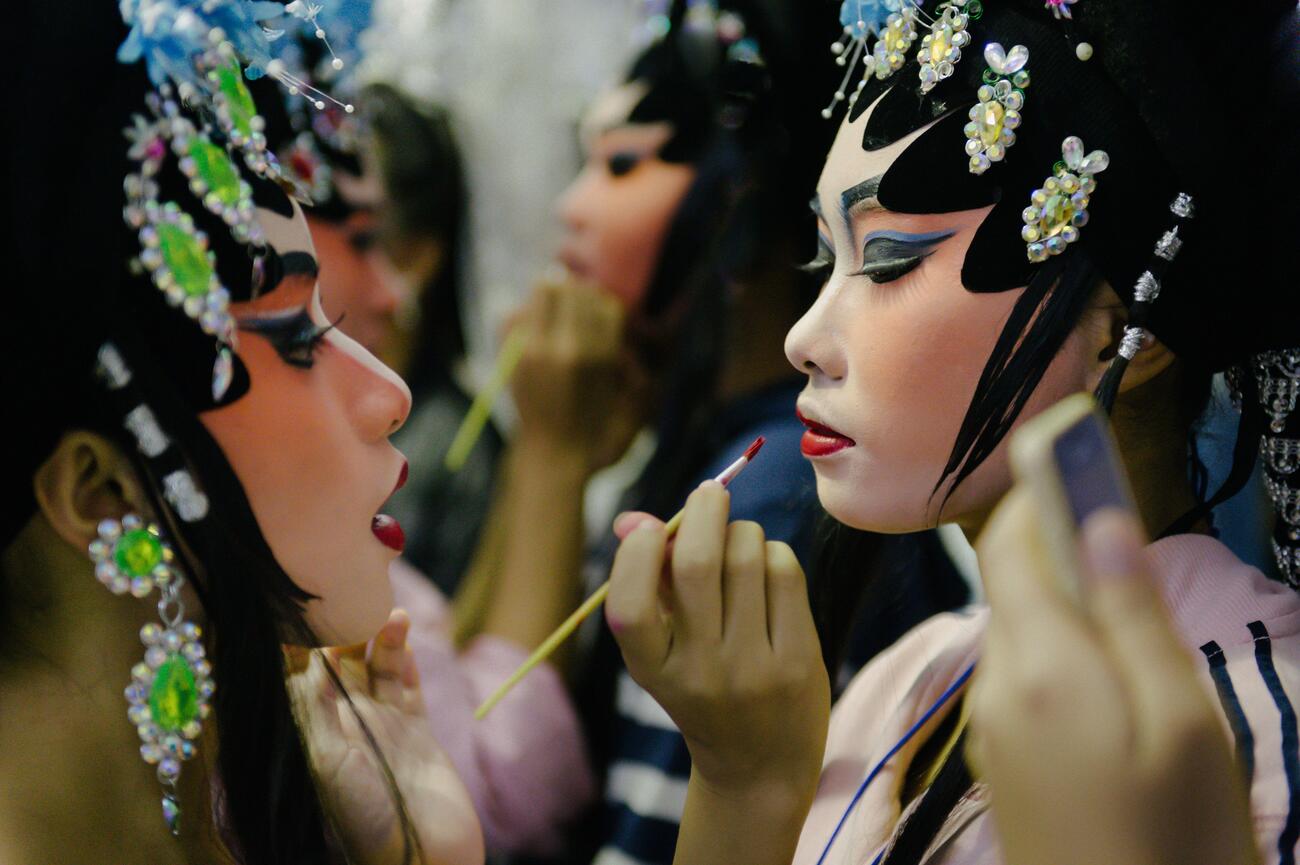
- Guangzhou Cantonese Opera Make-Up Experience & Tour: Step into the world of traditional theatre at this immersive activity that lets you transform into a classic stage character through a detailed and artistic process. The make-up sessions take about 45 to 90 minutes where skilled artists carefully apply the iconic bold white faces and red “phoenix” eyes on you. Once your make-up is done, you’ll be dressed in authentic silk costumes and fitted with ornate headpieces, giving you the full performer experience. You’ll also learn a few basic stage movements, like the graceful “cloud hand” gestures or how to handle flowing “water sleeves.” Afterward, you’ll take part in a professional photoshoot set against traditional backdrops like pavilions and stone bridges, so you’ll leave with a memorable, picture perfect moment. Many sessions also include watching a live opera performance, so you can see these costumes and make-up come to life on stage.
Other Things to Do in
Guangzhou
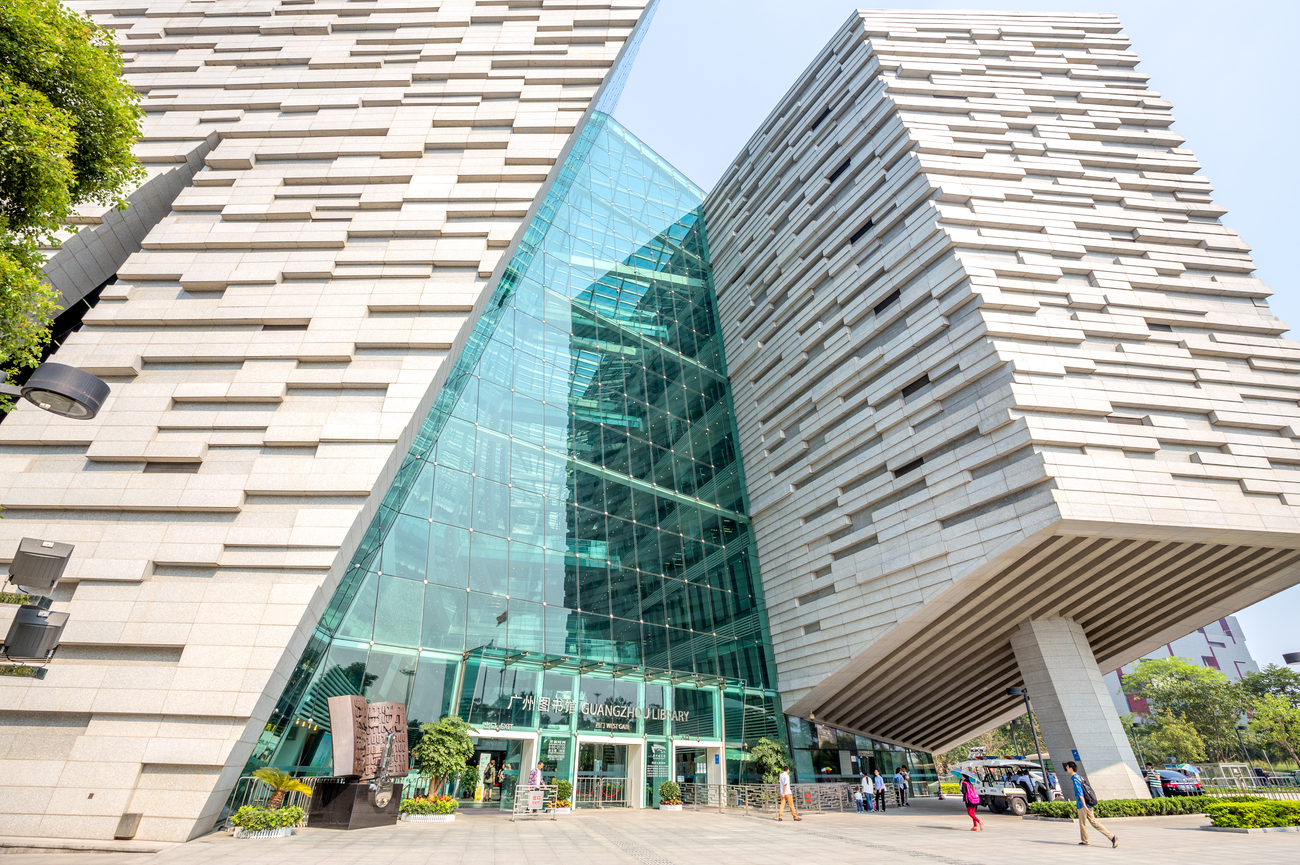
- Guangzhou Library: One of the largest and most visited public libraries in the world. The building itself is worth seeing. Designed to look like stacked, slightly tilted books, it creates a striking, modern silhouette. Inside, you’ll find a huge open atrium and bright interiors, thanks to the floor to ceiling glass walls, which also frame views of the Canton Tower. For some of the best views, head up to the 8th or 9th floor, where you can enjoy free indoor panoramic views of the Zhujiang New Town skyline and the Pearl River. You can also check out the International Section, where you’ll find books and magazines in English, French, and Japanese. If you’re traveling with kids, the lower floors have a large, interactive children’s library and toy area, making it a great stop for families too.
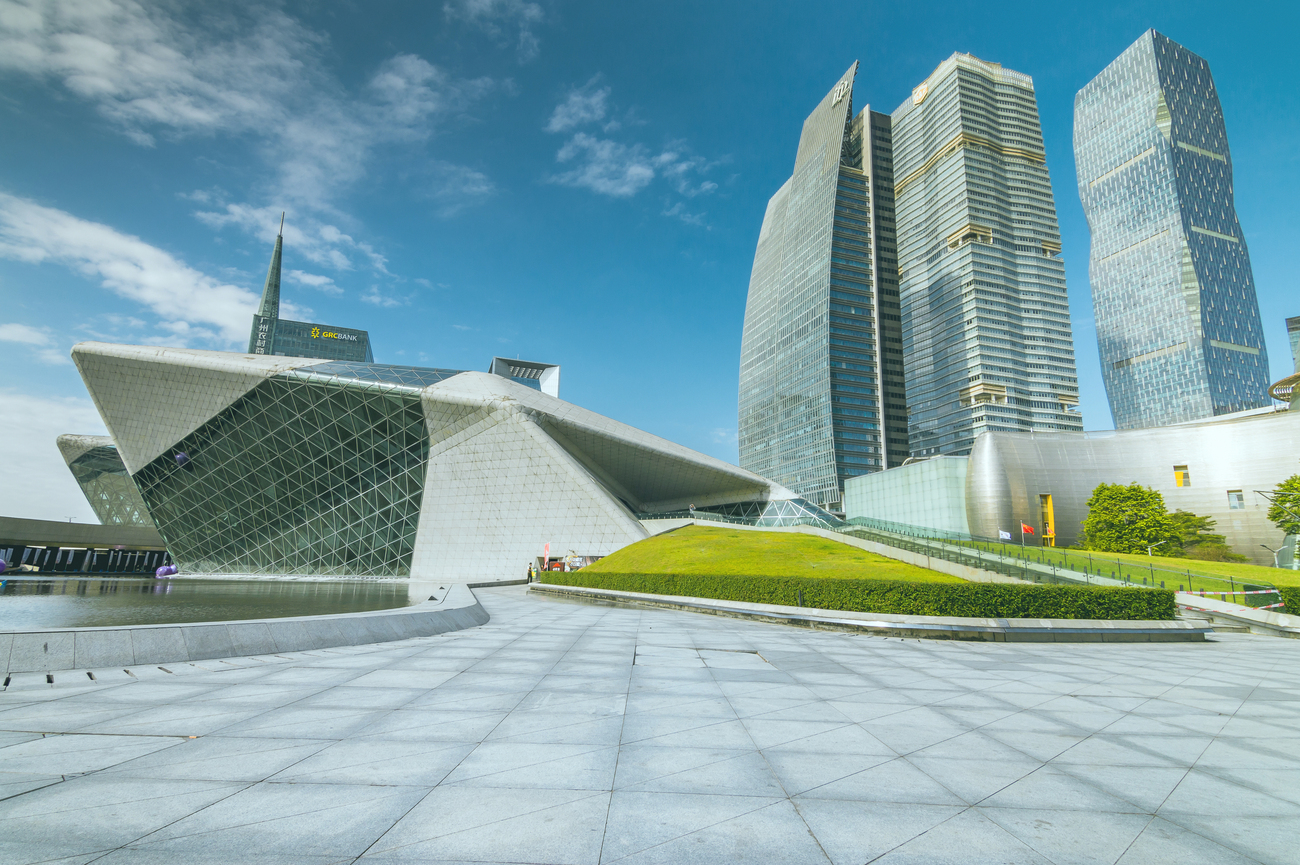
- Guangzhou Opera House: A world class architectural masterpiece designed by the late Pritzker Prize winning architect Zaha Hadid. Its futuristic shape is inspired by two pebbles shaped by the Pearl River, giving it a smooth, flowing, almost otherworldly look. The building has two main sections: the larger one houses the Grand Theater, while the smaller one is used for multi-purpose performances and events. It’s considered one of China’s top theaters, hosting everything from Broadway musicals and ballets to classical opera. Even if you’re not catching a show, it’s still worth a visit. The Opera House is one of the best spots in the city for architecture and photography, especially during sunset (golden hour) or at night, when it lights up beautifully against the skyline.
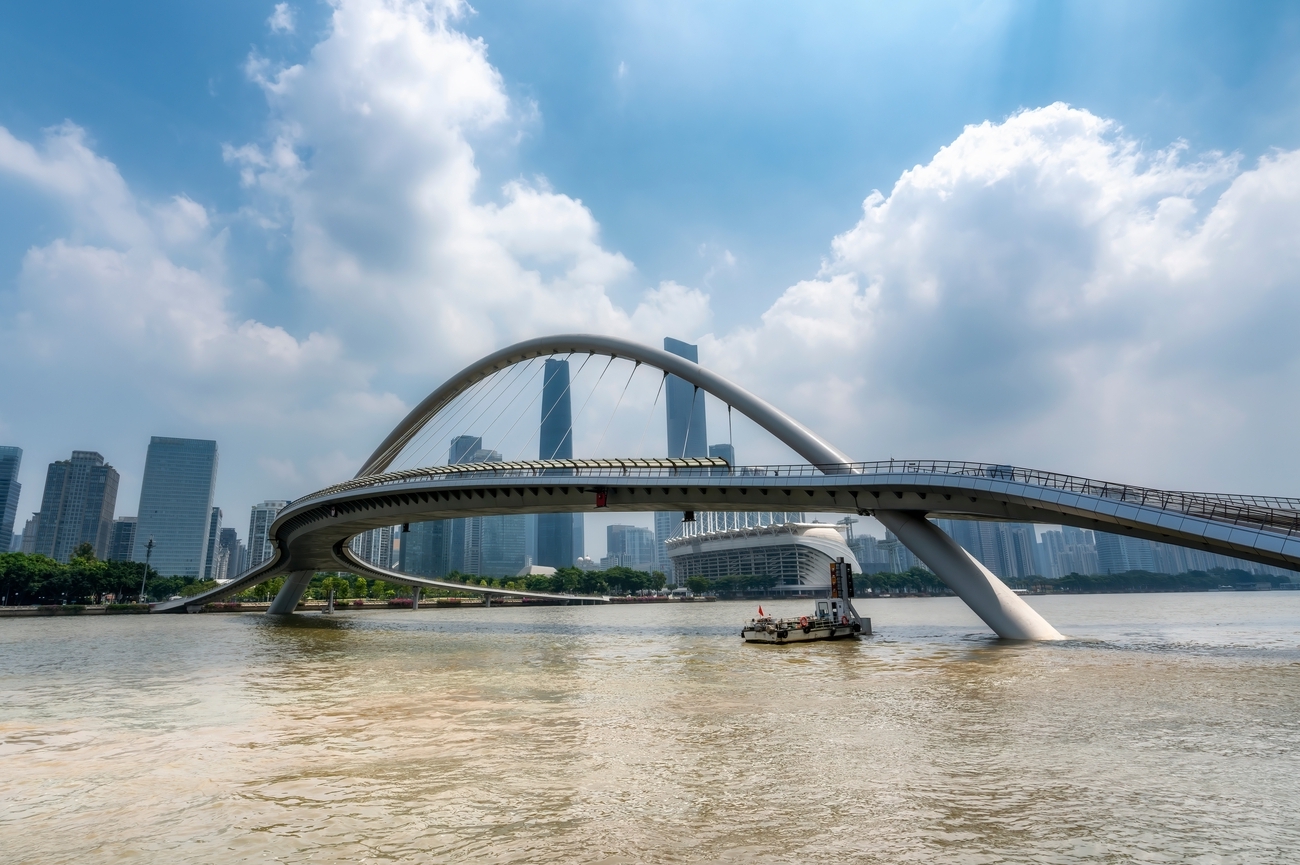
- Pearl River Park: If you need a quiet break from the city, you can retreat at the Pearl River Park, known for its lush tropical gardens and beautifully maintained landscapes. Here, you can take a relaxed walk along shaded paths that wind through themed gardens like the Magnolia, Rose, and Ginger gardens, or use the jogging lanes if you want to do some cardio. It’s also a great spot to simply slow down, bring a blanket for a picnic, watch the black swans by the lake, or even say hello to the park’s friendly, well-cared-for stray cats.
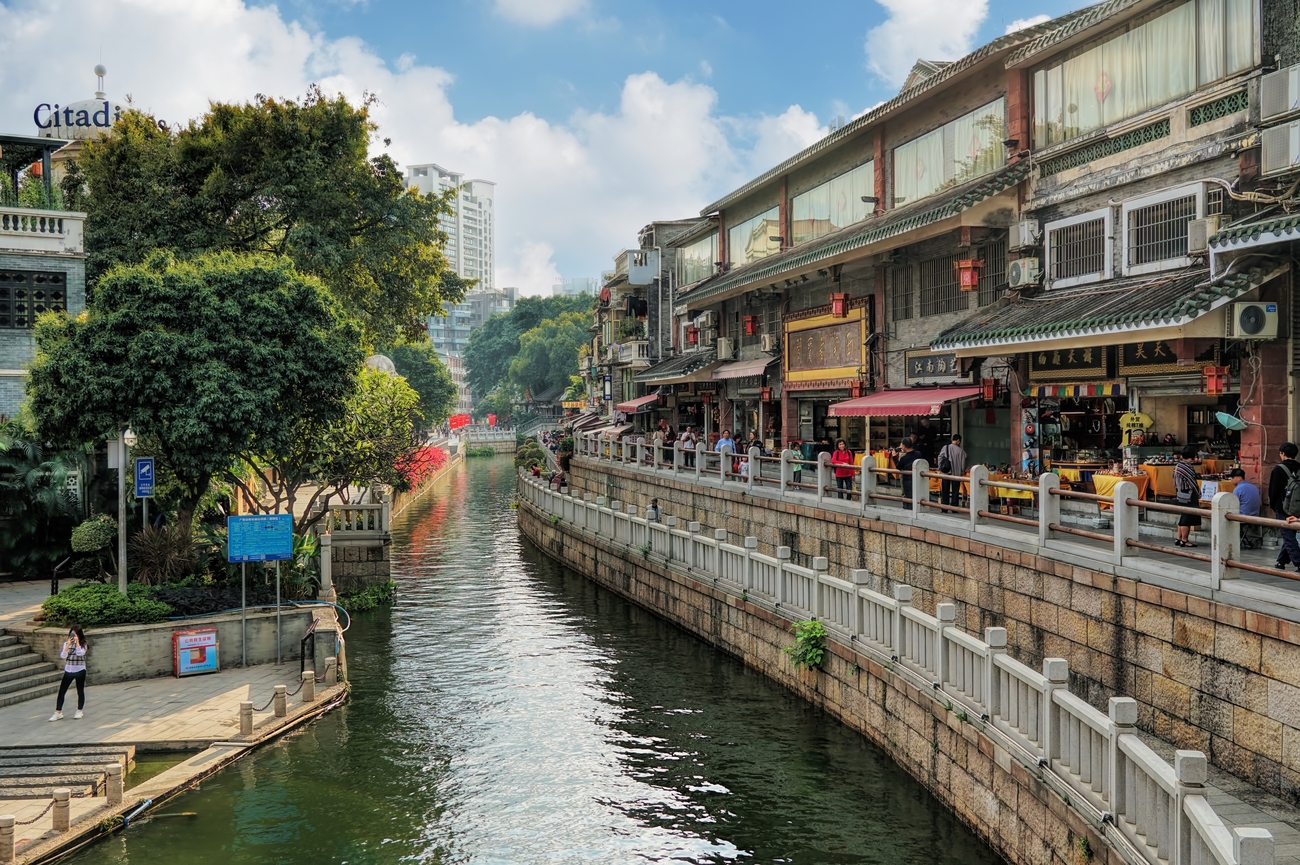
- Xiguan: The birthplace of Cantonese (Lingnan) culture and once the wealthiest area in Guangzhou during the Qing Dynasty. This was home to the powerful merchant families who shaped China’s global trade. Today, Xiguan feels like a step back in time. Here, you can explore the grey brick mansions, narrow canals, and charming old streets, and don’t miss the key landmarks like the Xiguan Mansions (Dawu), traditional Qilou arcade buildings, and the scenic Lychee Bay (Lizhiwan). But what really makes Xiguan special is the food. This is the heart of Cantonese street food, and it’s the perfect place for a food crawl. Try wonton noodles at Wu Cai Ji, double skin milk pudding at Nanxin, and water chestnut cake by the canals
Things to Do with Kids
in Guangzhou
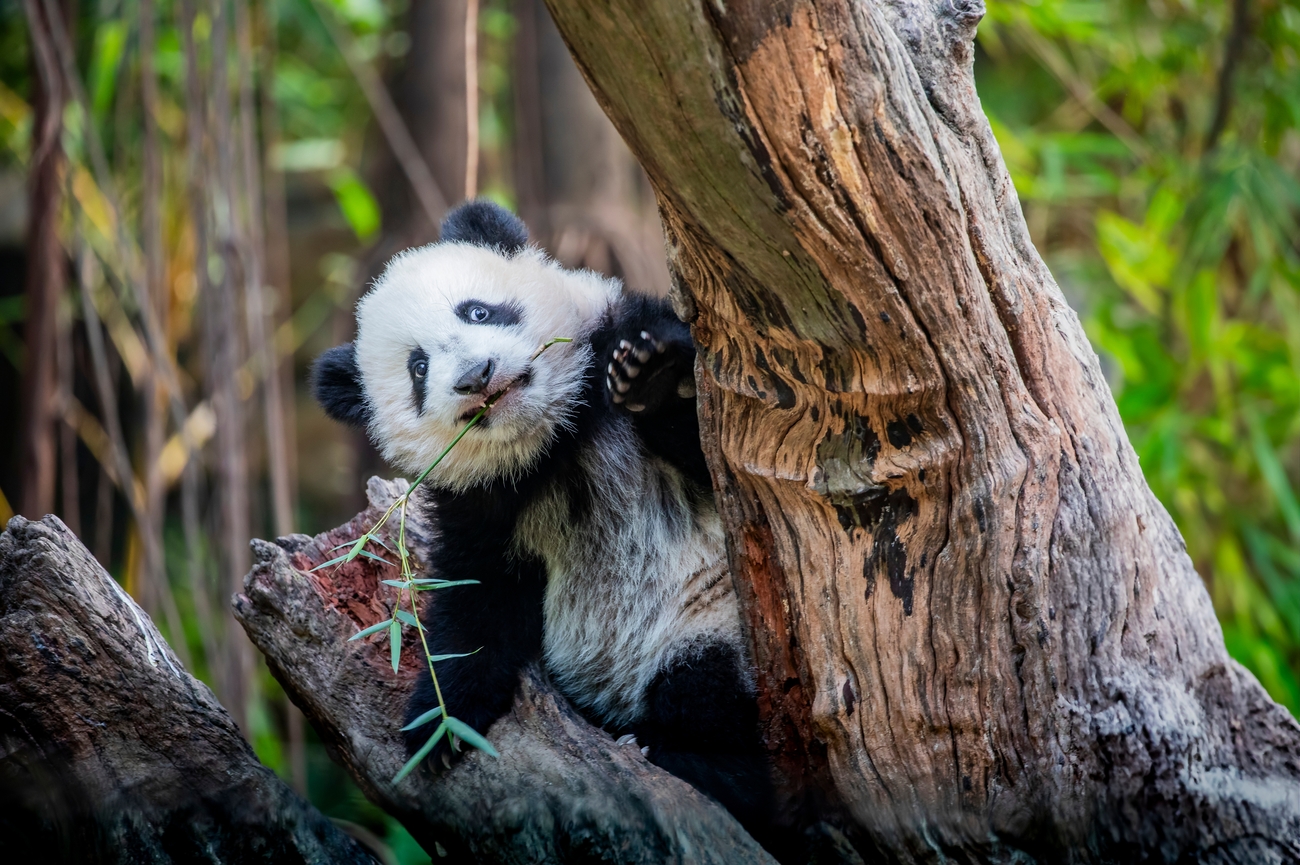
- Guangzhou Chimelong Safari Park: If you’re travelling with kids, don’t miss the Chimelong Safari Park, widely considered the best safari park in China. What makes this park special is its scale and design. You can explore it in a few different ways: ride a safari train or even drive your own car through open habitats where animals like giraffes, zebras, and antelopes roam freely. There’s also an aerial cable car that lets you look directly down at the "Big Five" of the African savanna from above. You can also find here the world famous panda triplets: Meng Meng, Shuai Shuai, and Ku Ku. Their enclosure is beautifully designed, so your kids can watch them play, eat, and interact up close. If you want a more interactive experience, head to spots like the Giraffe Terrace, where you (or your kids) can feed giraffes by hand. There are also fun learning programs for the little ones like “Junior Keeper” sessions and animal talks, where they can learn more about wildlife and conservation.
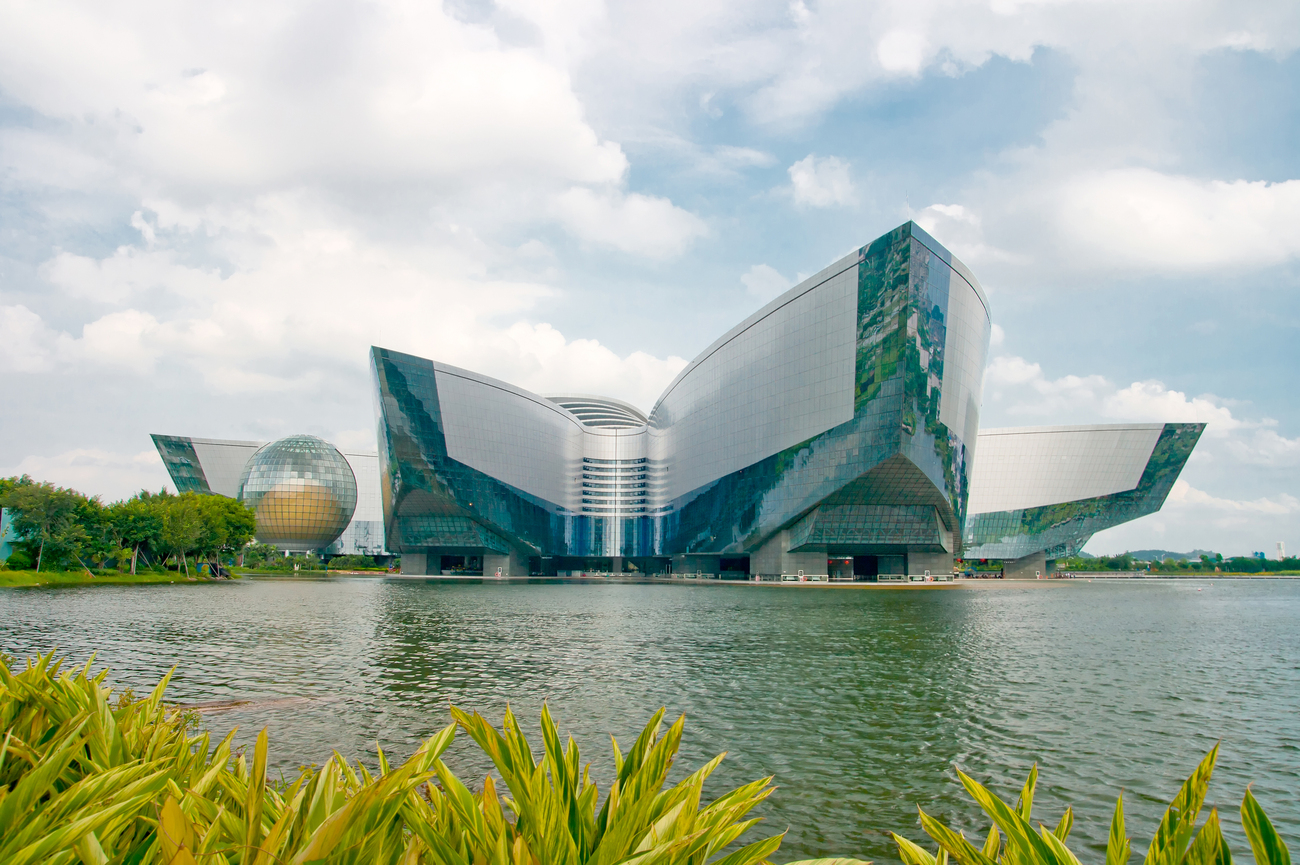
- Guangdong Science Center: One of the largest science museums in the world. Its futuristic design even feels like something straight out of a sci-fi movie. Inside, you’ll find 12 themed exhibition halls, each focused on a different topic, from the human body and health to transport, technology, and even creative play in the Children’s Imaginative World. What makes this place special is how hands-on it is. Over 80% of the exhibits here are interactive, so instead of just looking, you get to try things yourself. You (and your kids) can experience simulated earthquakes, fly a virtual plane, or race against a robotic arm. There’s also the largest science IMAX theater in Asia, along with 4D and 3D cinemas showing films about space, nature, and technology.
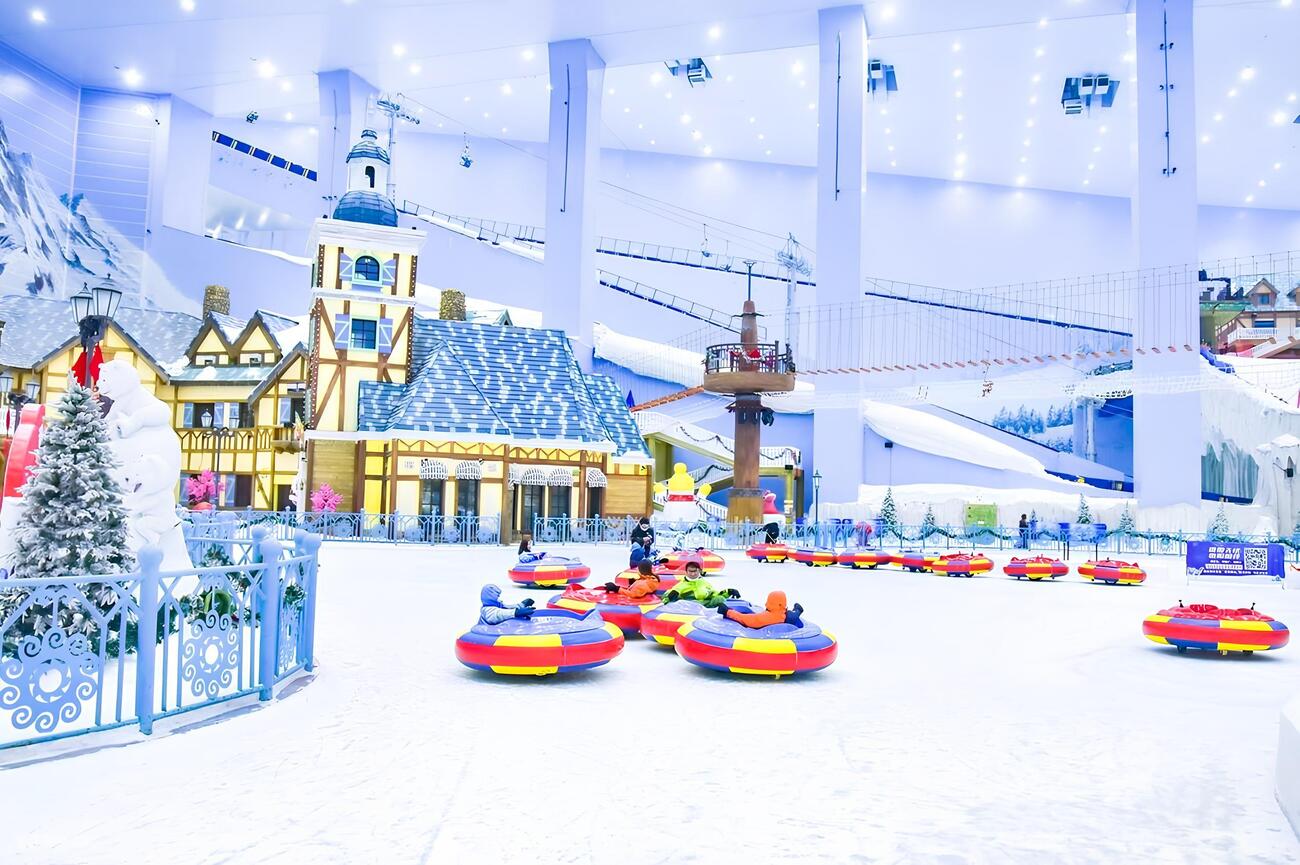
- Guangzhou Sunac Snow World: Also known as Bonski. This indoor winter park offers a year-round winter escape with a constant temperature of -6°C, no matter the season. Here, you can try skiing whether you’re a beginner or more experienced. There’s a gentle slope for first timers and kids, as well as a steeper run for those who want more of a challenge. If you’re new, the ski school offers lessons with professional instructors, including options designed especially for children. If skiing isn’t your thing, there’s still plenty to enjoy. The non-skiing zone is a large snow play area where you (and your kids) can try ice bumper cars, snow slides, and a polar bear themed playground.
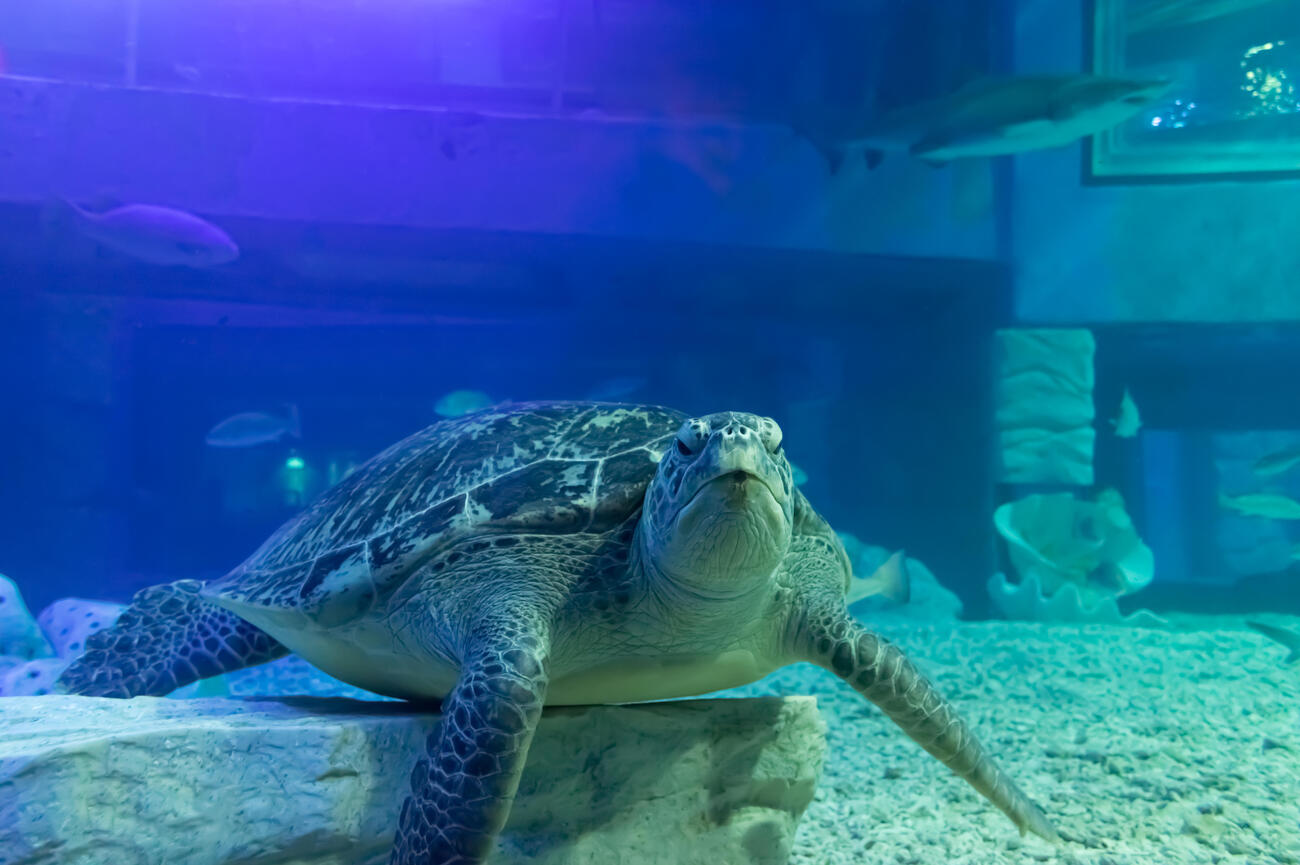
- Grandview Polar Ocean World (Grandview Aquarium): This record breaking indoor aquarium is one of the world's largest indoor aquariums in the world, spanning over 58,000 square meters. It’s home to The World's Longest Aquarium Acrylic Archway, where kids can walk through and feel surrounded by sharks, rays, and thousands of colorful fish. There’s also a 360-degree viewing tank, where you can watch huge schools of fish, and even catch live shows like “underwater ballet” and mermaid performances.
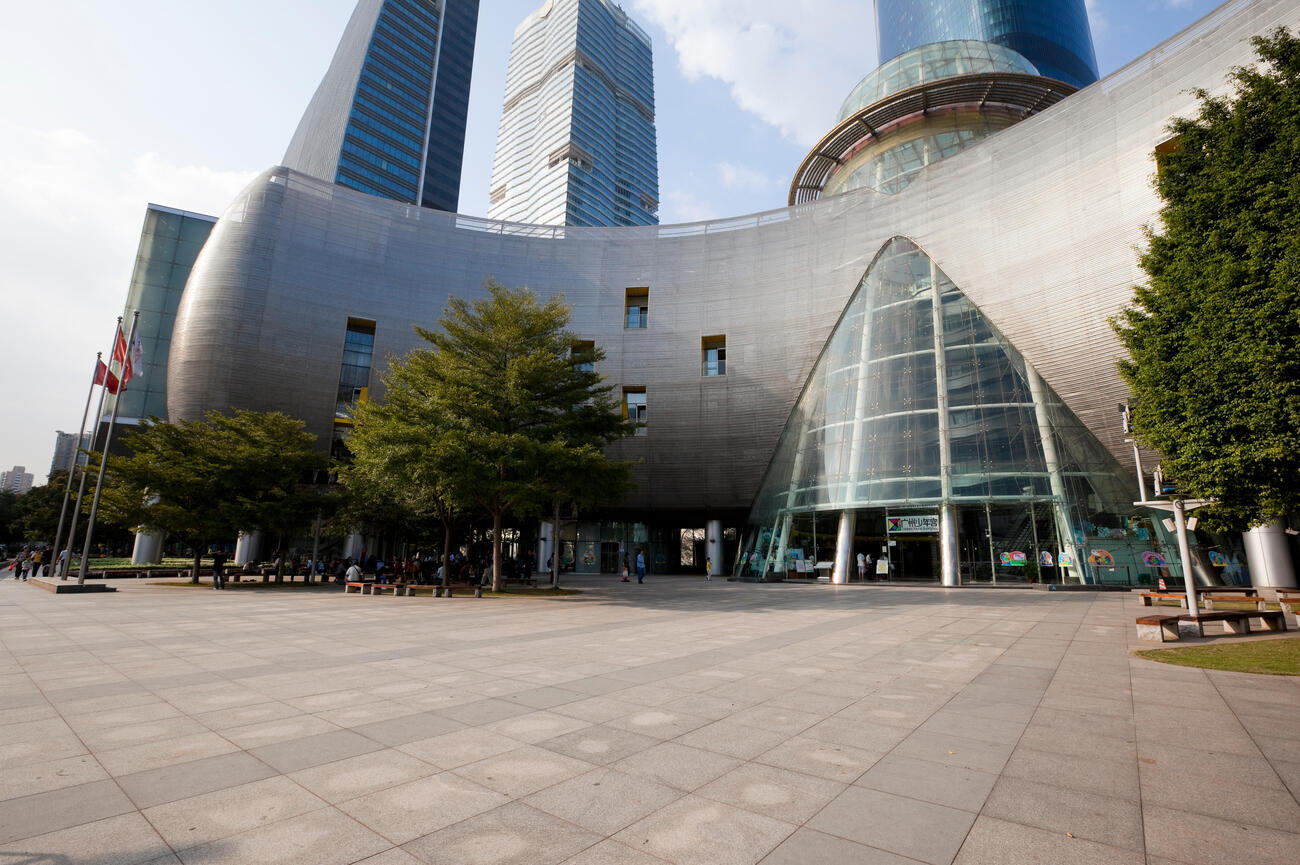
- Guangzhou Children’s Palace: A great place to learn, play, and explore for kids. It’s a large, dedicated space for children’s activities, with two main locations: the historic No. 1 Children's Palace in Yuexiu and a newer, modern No. 2 Children's Palace in Zhujiang New Town. Inside, you’ll find over 140 rooms focused on different interests like music, dance, art, technology, and languages. Outside, the surrounding car free plaza is perfect for kids to run around safely, while you relax and enjoy views of landmarks like the Canton Tower and Guangzhou Library. If you’re visiting, you might also find short term workshops or trial classes, where your child can try activities like calligraphy, Chinese painting, or even robotics.
Where to Eat in
Guangzhou
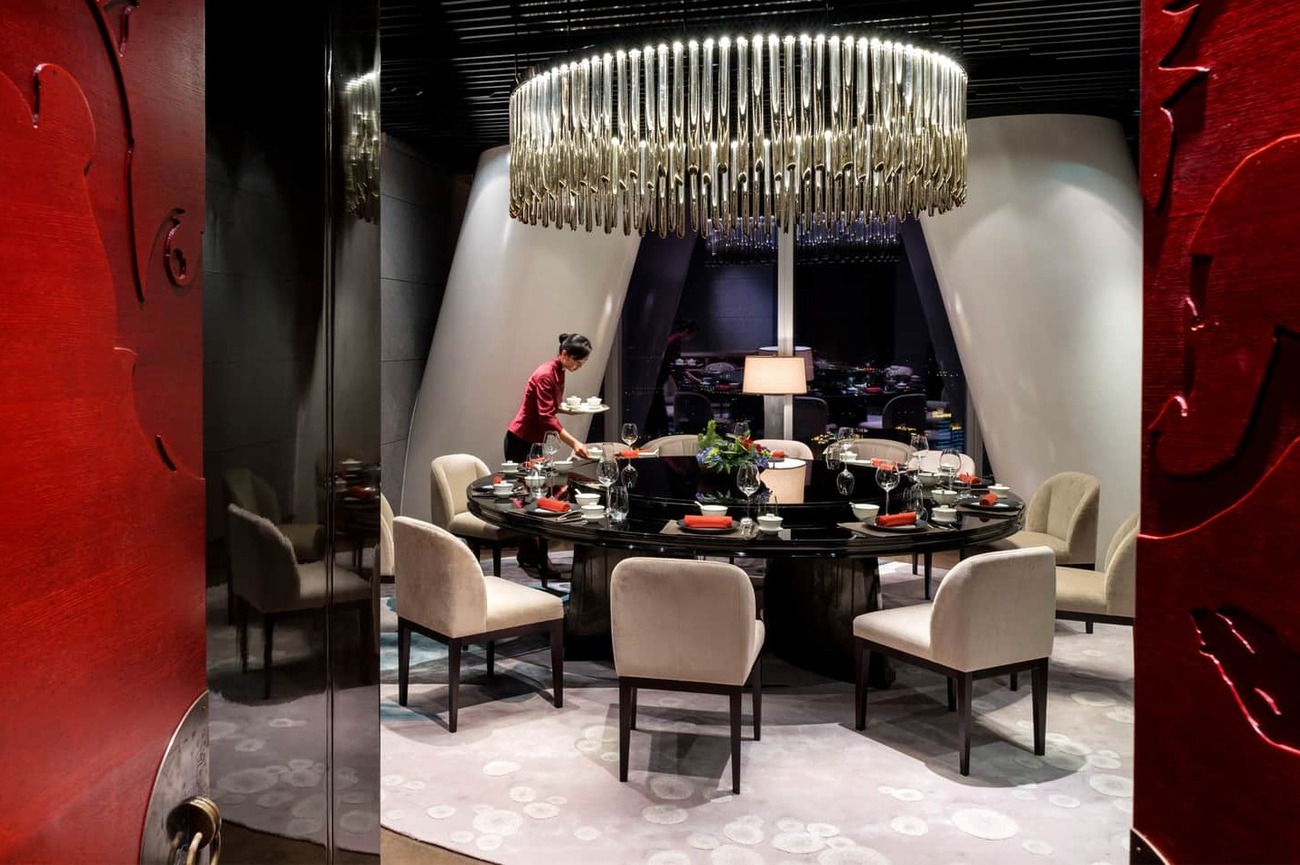
- Yu Yue Heen at Four Seasons Guangzhou: For a memorable fine dining experience, head to the 71st floor of the Four Seasons Guangzhou, at Yu Yue Heen. This Michelin-starred Cantonese restaurant combines elegant design with panoramic views of the Pearl River and Canton Tower through its floor-to-ceiling windows. Inside, you’ll be welcomed with a striking red and black modern Chinese aesthetic, setting the tone for a refined dining experience. The menu, led by Chef Mai Zhi Xiong, focuses on traditional Cantonese techniques elevated with premium, seasonal ingredients. When you dine here, don’t miss their signature Honey Glazed Barbecued Pork (Char Siu), known for its perfect balance of lean and fat and its melt in your mouth texture. Another standout is the Crispy Skin Chicken, with its delicate, crackling skin and juicy meat.
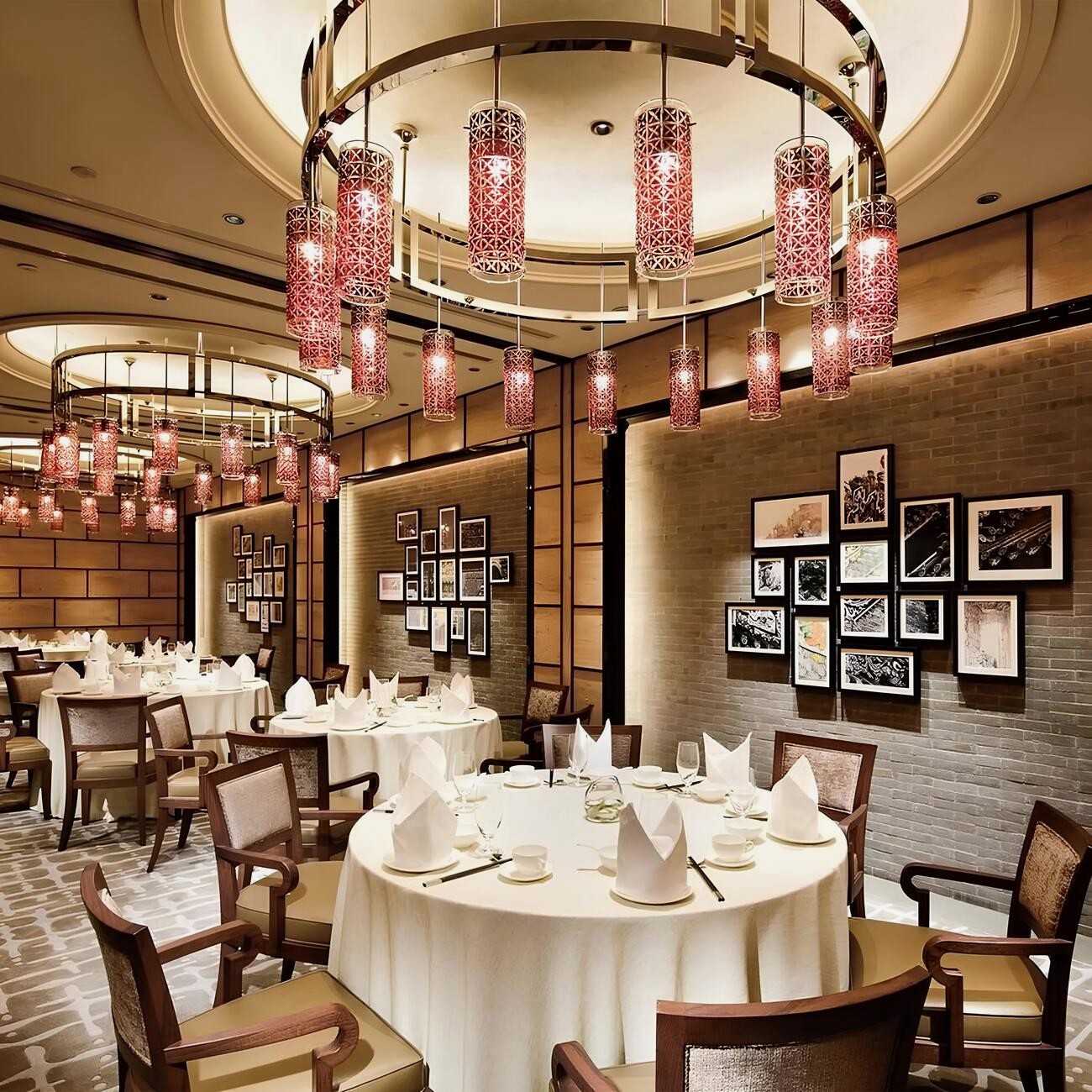
- Imperial Treasure Fine Chinese Cuisine in Guangzhou is a superb choice for an elegant Cantonese meal in the city. Located on the fifth floor of IGC Mall in Tianhe, this refined restaurant is part of the renowned Imperial Treasure group and has retained two Michelin stars in the 2025 Michelin Guide Guangzhou. Inside, the setting feels polished and sophisticated, creating the perfect atmosphere for a special lunch or dinner. The menu focuses on classic Cantonese cuisine prepared with precision and premium ingredients, with highlights including the fragrant black pepper mud crab, richly flavoured double-boiled fish maw soup, and beautifully made dim sum. If you visit at lunchtime, the delicate rice noodle rolls and tofu skin rolls with shrimp and chives are especially worth ordering.
- Chōwa: A one Michelin star restaurant known for its Franco Japanese fusion cuisine. Led by Hong Kong born Chef Louis Tam (winner of the MICHELIN Young Chef Award in 2025), the restaurant focuses on balance, which is exactly what the name “Chōwa” means. When you dine here, you’ll enjoy a seasonal tasting menu (usually six or eight courses), where each dish blends Japanese ingredients and techniques with French elegance. Nearly everything is made in-house, from sauces and pickles to even their own plum wine. Some standout dishes to look out for include the Foie Gras Sashimi Platter, Sake Braised Wagyu, Longtooth Grouper, and their House Made Brioche.
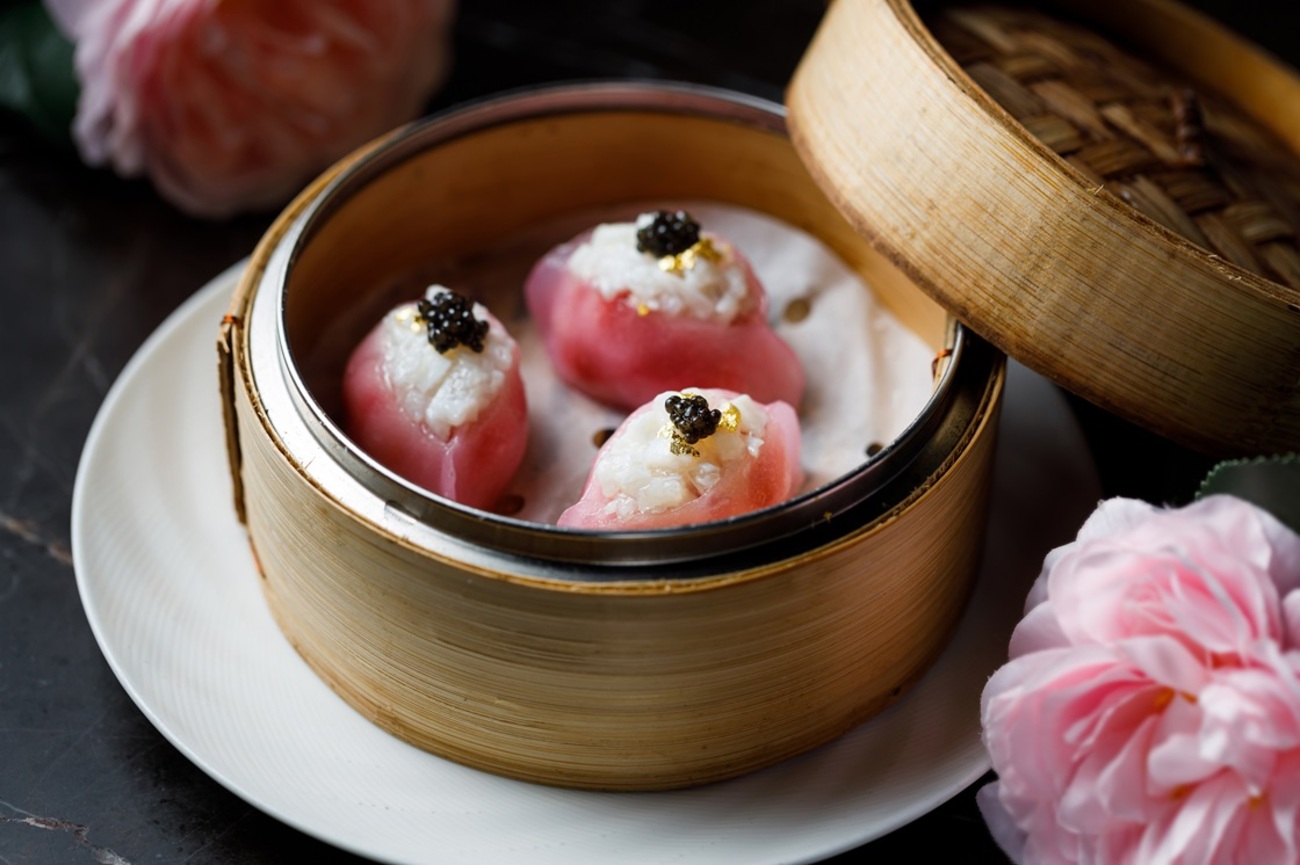
- Lingnan House: For a refined yet authentic Cantonese dining experience, visit Lingnan House, a one Michelin star restaurant located on the 5th floor of Rosewood Guangzhou. The space feels like a modern Chinese mansion, with dark wood interiors, lantern style lighting, and elegant details that create a warm, upscale atmosphere. Led by Executive Chef Bill Feng, the menu focuses on classic Cantonese and Shunde dishes, using fresh, locally sourced ingredients from nearby farms. When you dine here, don’t miss the Roast Goose, a house favorite roasted over lychee wood for its signature crispy skin and tender meat, it’s so popular that it often sells out early. Another standout is the Fish Maw Stuffed Roasted Goose, a signature dish known for its rich flavor and careful preparation.
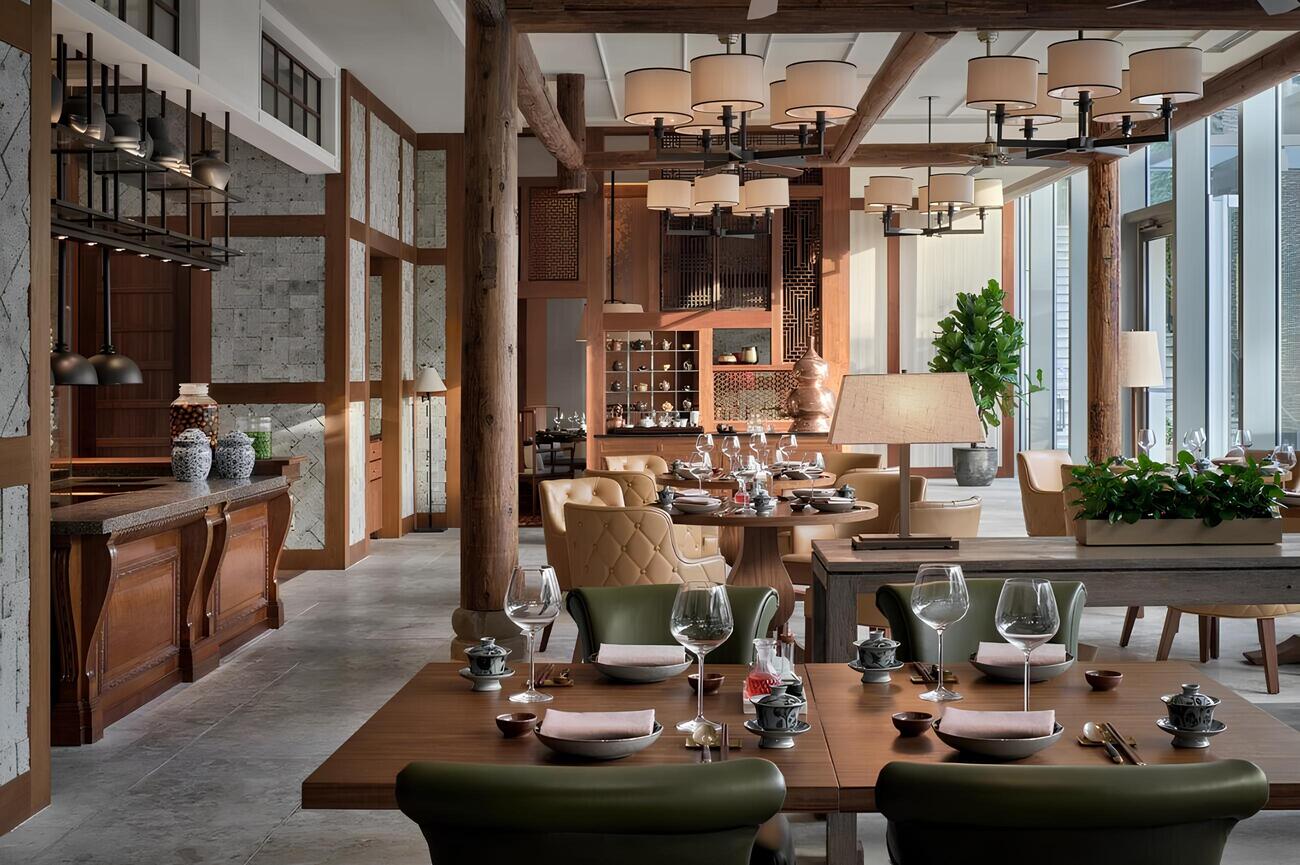
- Lei Garden Guangzhou: The legendary Michelin-starred restaurant that started in Hong Kong. It’s often called the “Shaolin Temple” of Cantonese cuisine because many top chefs trained here. What sets Lei Garden apart is its consistent quality and premium ingredients. In fact, the restaurant is known for creating dishes that are now considered modern Cantonese classics around the world. When you dine here, don’t miss their famous Chilled Mango Sago Cream with Pomelo, a must try dessert they invented in 1984. It’s light, refreshing, and perfectly balanced with a hint of tartness. Another standout is the Crispy Roasted Pork Belly (Siu Yuk), known for its crackling skin, melt-in-your-mouth fat, and tender meat. You should also try their Soup of the Day (Bo Jai Tang), which changes based on the freshest ingredients and is valued for its depth of flavor and medicinal benefits.
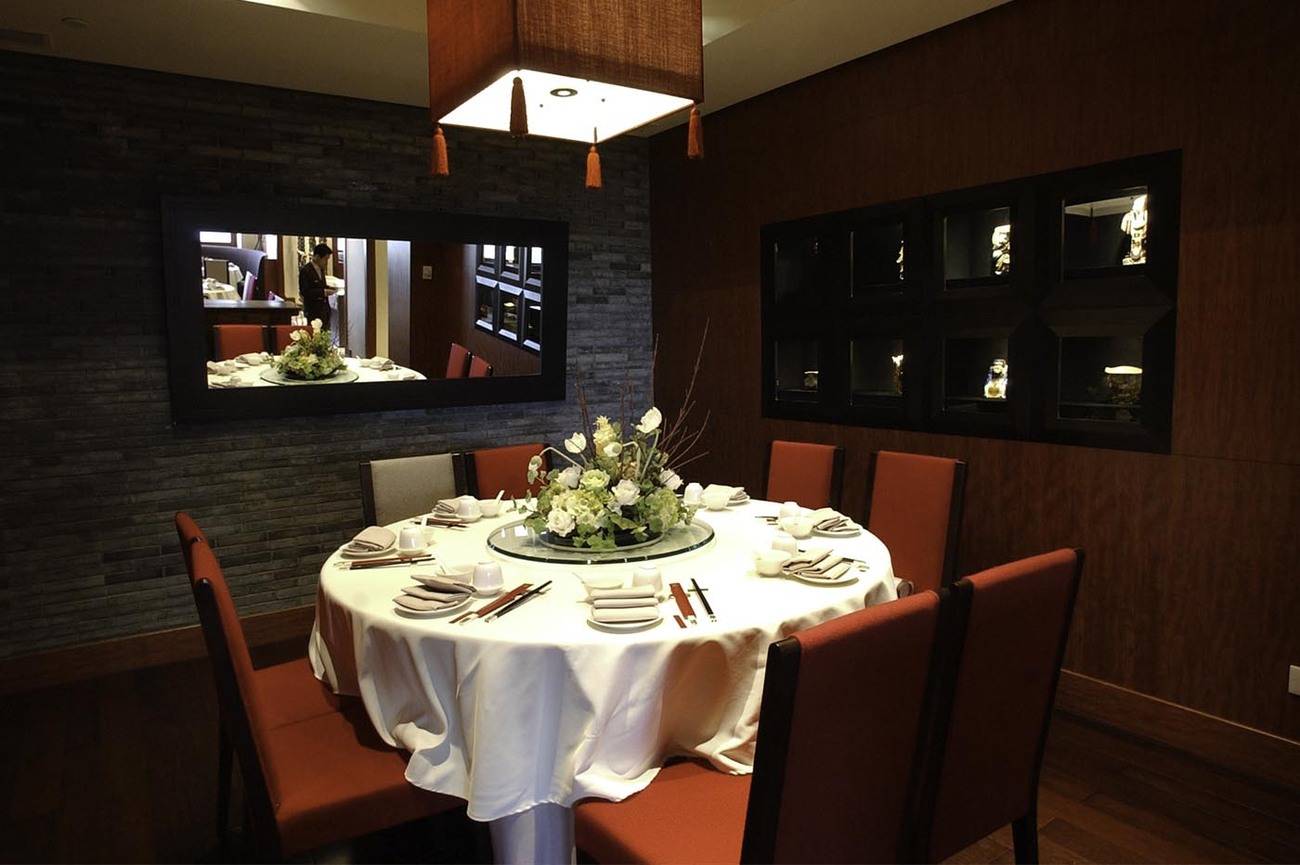
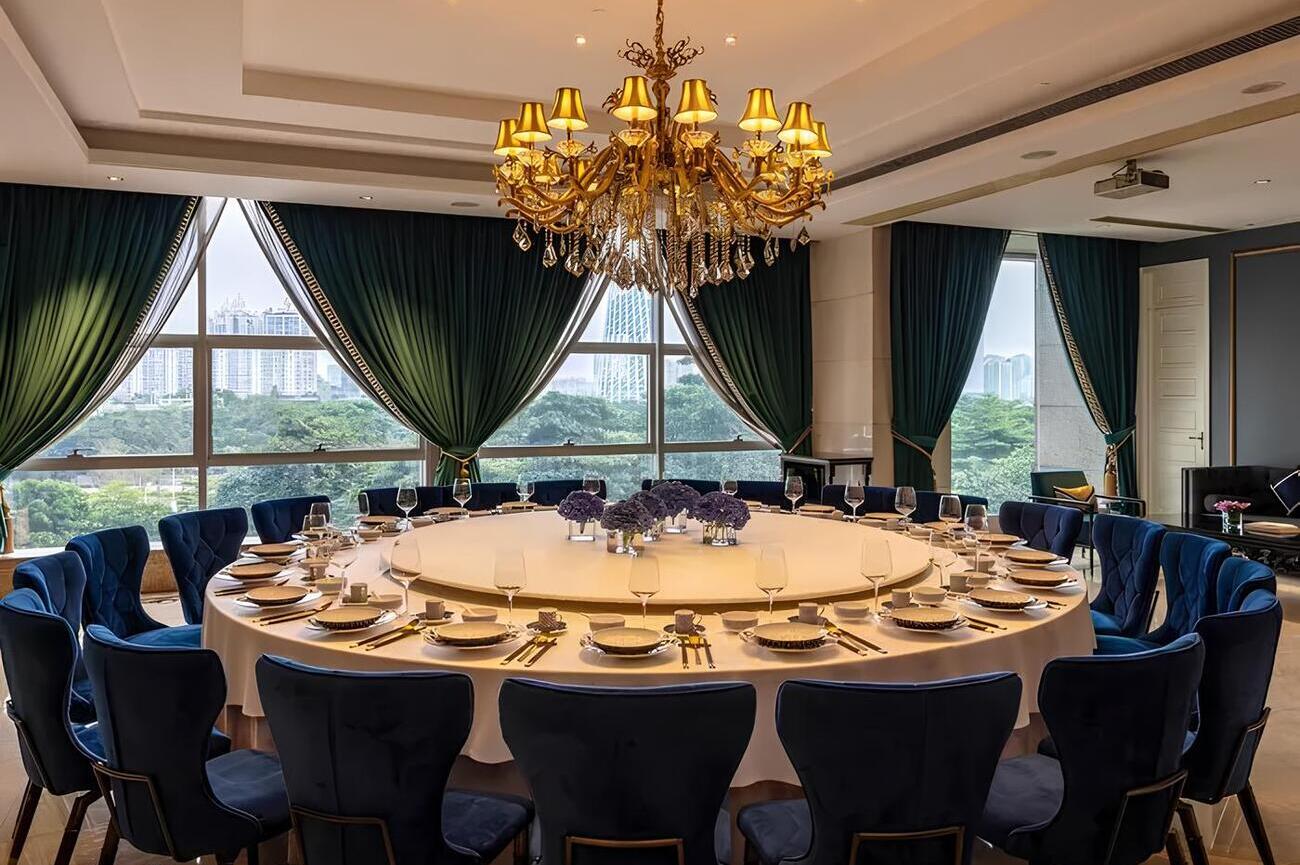
- BingSHeng Mansion (Xiancun Road): The flagship, high end version of the well known BingSheng restaurant group. This Michelin-starred restaurant offers a refined take on traditional Cantonese cuisine in a setting that feels like an exclusive private club. Inside, you’ll find a luxurious, European inspired interior with high ceilings, crystal chandeliers, and elegant private dining rooms, a popular choice for special occasions and business dinners. When you dine here, don’t miss their signature Secret Recipe Barbecued Pork (Char Siu). It’s served in thick, tender cuts with a rich, slightly sweet glaze and a perfect balance of fat and meat. Another must try is the Crispy Roasted Goose, known for its ultra thin, crackling skin and juicy, flavorful meat executed to perfection.
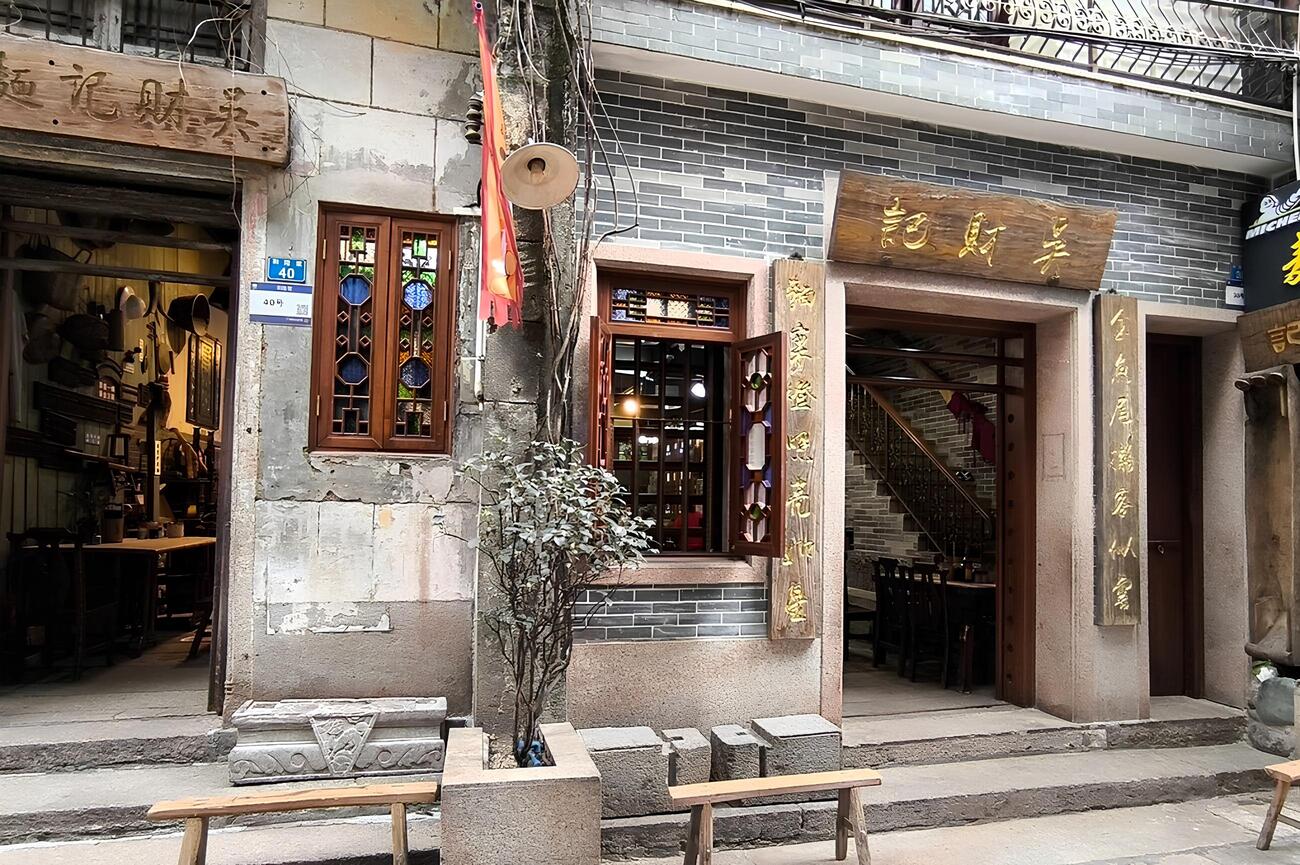
- Wu Cai Ji Noodle Restaurant: If you want a truly local food experience, this legendary, straight forward noodle restaurant tucked away in the alleys of Liwan District is a Michelin Bib Gourmand favorite, known for serving authentic Cantonese comfort food at great value. When you arrive, expect a simple, self service setup where you order and pay at the front, grab a seat wherever you can, and wait for your number to be called. For what to order, try the Crispy Deep Fried Wontons. They’re light, golden, and incredibly crunchy, served with a sweet and sour dipping sauce. You should also try their Traditional Wonton Noodles (Jook-sing noodles). These are made using a traditional bamboo method, giving them a slightly firm, springy texture. They’re served in a clear, flavorful broth made from dried flounder and shrimp.
Where to Stay in
Guangzhou
- Rosewood Guangzhou: The tallest five star hotel in the world, occupying the top floors of the CTF Finance Centre. From the moment you arrive at the Sky Lobby on the 95th floor, you’re greeted with incredible panoramic views. The rooms feature floor to ceiling windows, so you can wake up to views of the Pearl River and Canton Tower right from your bed. Inside, the hotel blends sleek, modern architecture with a warm “manor house” style design, creating a space that feels both grand and comfortable. As you move around, you’ll also notice it feels like a vertical art gallery, showcasing contemporary works by Chinese artists inspired by Cantonese culture.
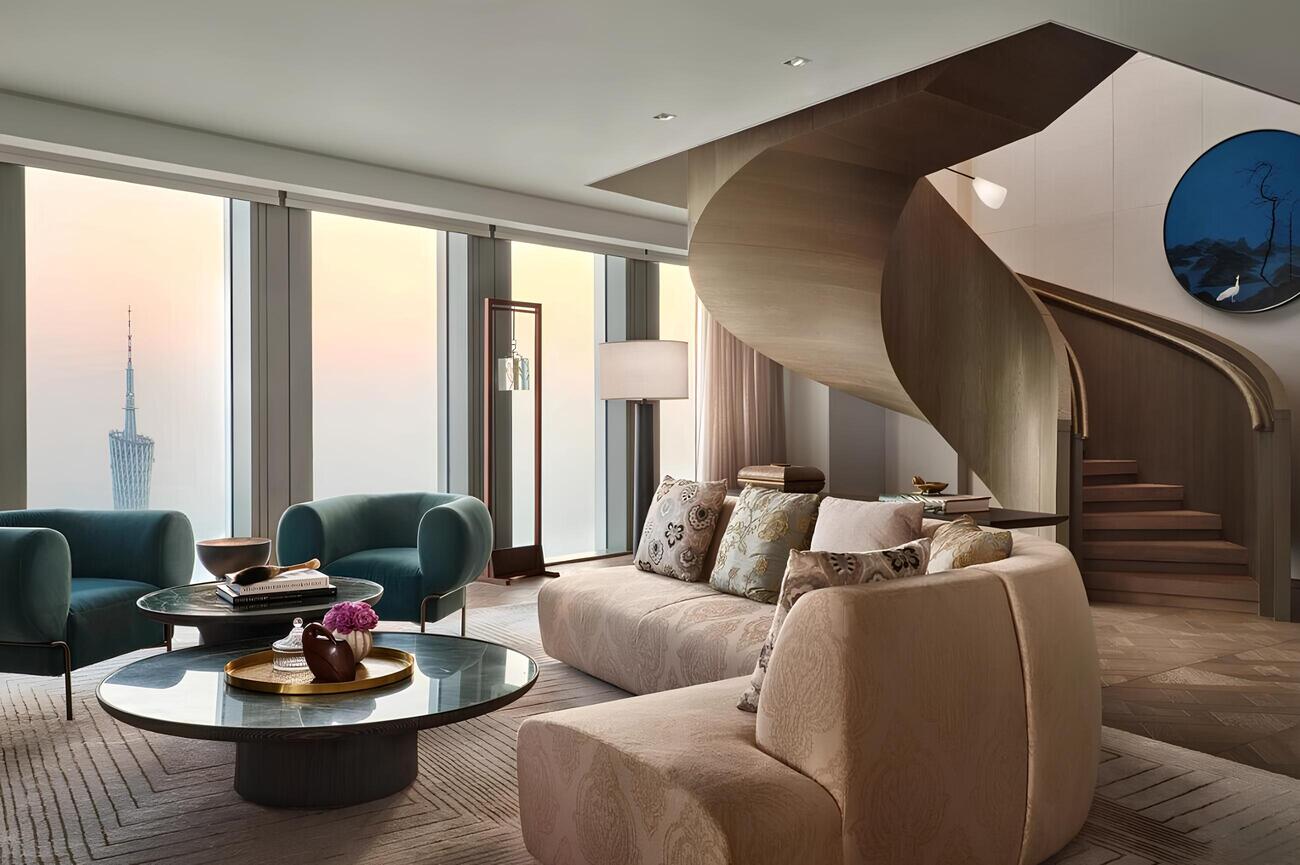
- Four Seasons Guangzhou: Sits on the upper floors of the Guangzhou International Finance Center (IFC), right across from the CTF Finance Centre. When you arrive at the 70th-floor lobby, you’re welcomed by a stunning diamond shaped atrium that rises all the way up to a glass ceiling, filling the space with natural light and creating a dramatic first impression. All rooms come with floor to ceiling windows, so you can wake up to views of the Canton Tower or the Pearl River, depending on where your room faces. The hotel is also home to Yu Yue Heen, a Michelin-starred Cantonese restaurant, so you won’t have to go outside far for an exceptional dining experience. It’s a great choice if you want a stay that combines modern design, incredible views, and world-class dining, all in one occasion.
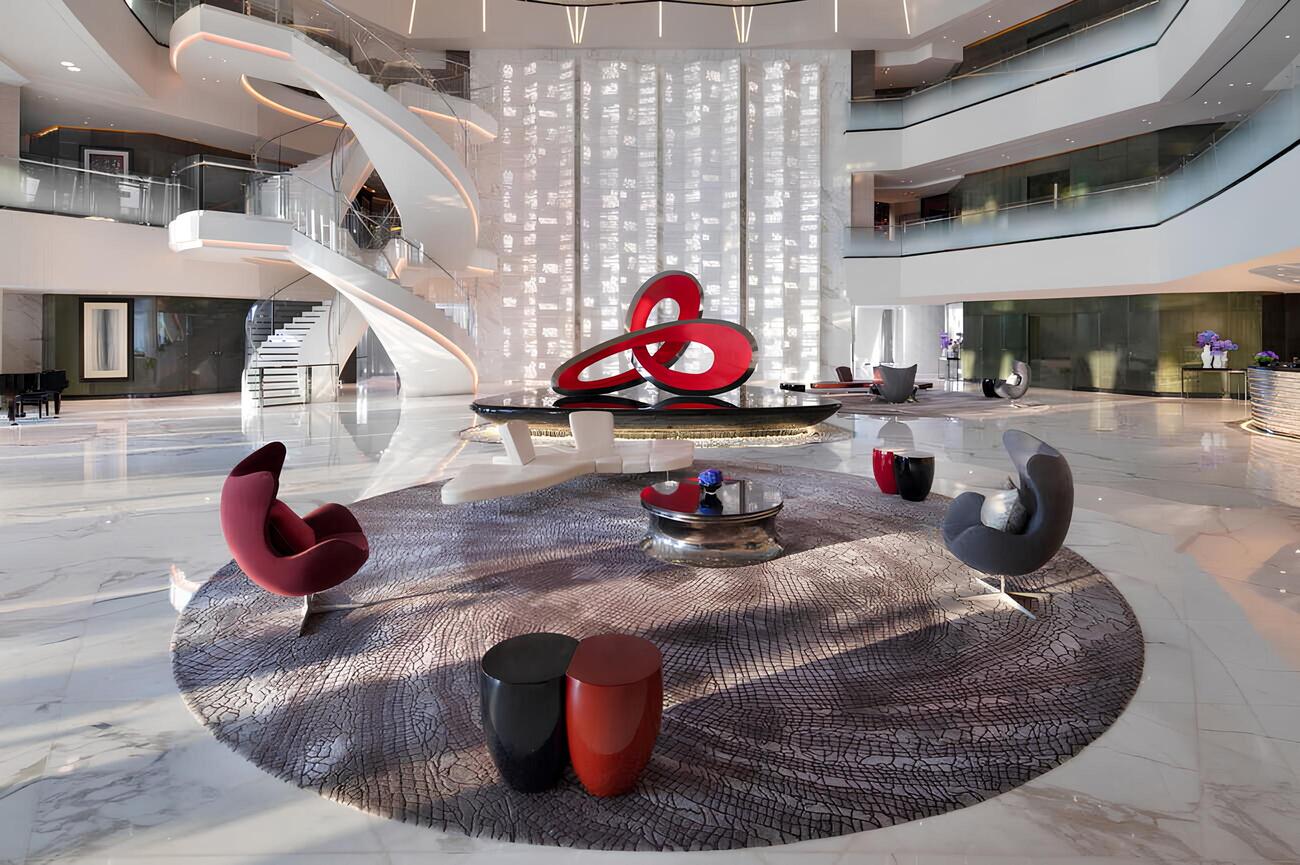
- The Ritz Carlton, Guangzhou: Located in the heart of the Zhujiang New Town, it stands out with its elegant, European inspired style and timeless “old world” feel. The rooms here are designed for comfort and sophistication, featuring rich wood details and marble bathrooms. Many offer clear views of the Canton Tower and the Guangzhou Opera House, giving you a beautiful city backdrop right from your room. The Ritz Carlton Club Level is one of the best in Asia. Here, you’ll enjoy five daily food and beverage offerings, along with personalized concierge service in a more private, relaxed setting. The hotel also houses a Michelin-starred restaurant and the award winning Ritz Carlton Spa, making it easy for you to enjoy both fine dining and wellness during your stay.
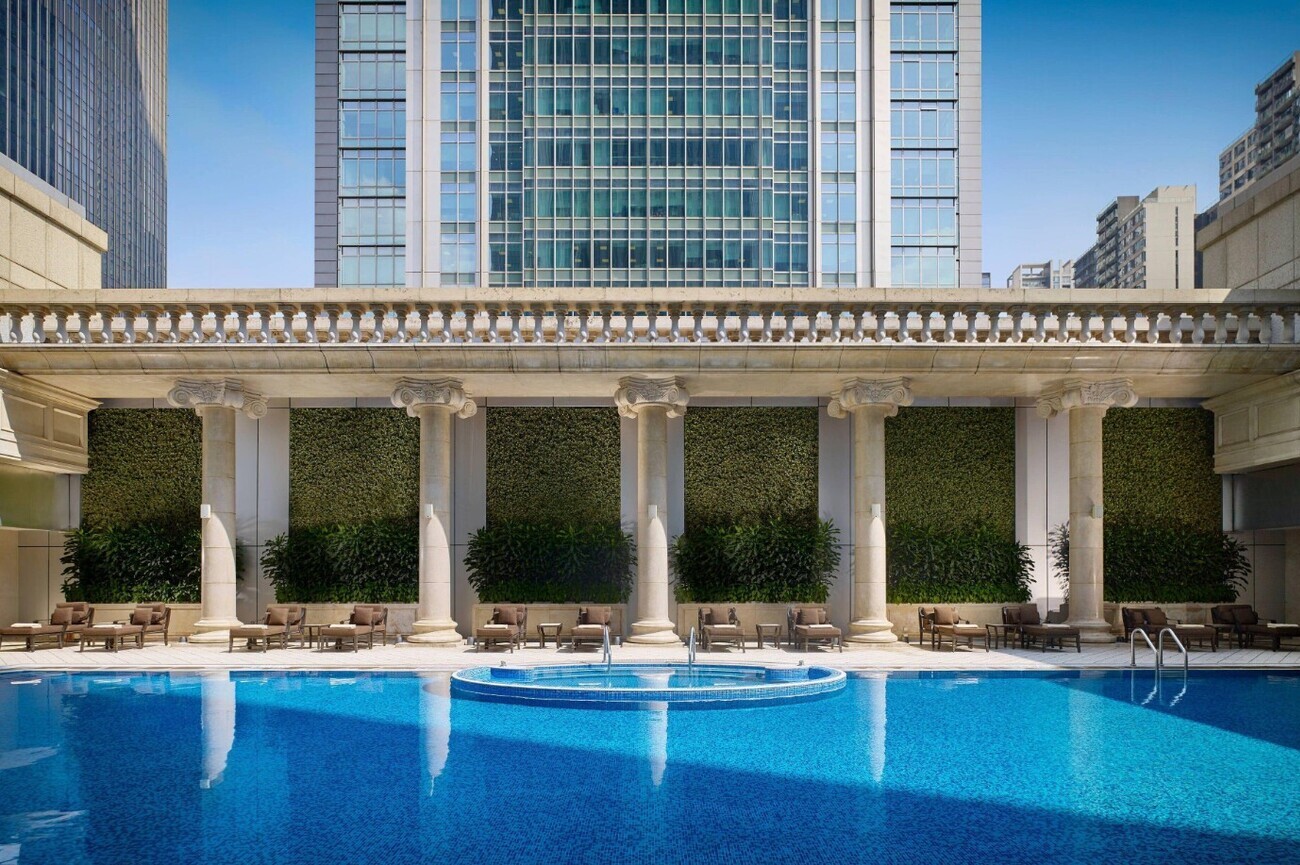
- Conrad Guangzhou: A stylish mix of contemporary art and local heritage. Inspired by the idea of a “Merchant’s Manor,” the hotel reflects Guangzhou’s history as a trading hub, starting with its impressive 30 meter high lobby and artistic installations. Most rooms here come with floor to ceiling windows, giving you stunning views of the Pearl River and Canton Tower, along with high tech amenities that make your stay smooth and comfortable. One of the biggest perks is its location, the hotel is directly connected to the IGC (International Grand City) mall, so you’ll have instant access to designer shops, restaurants, and a cinema.
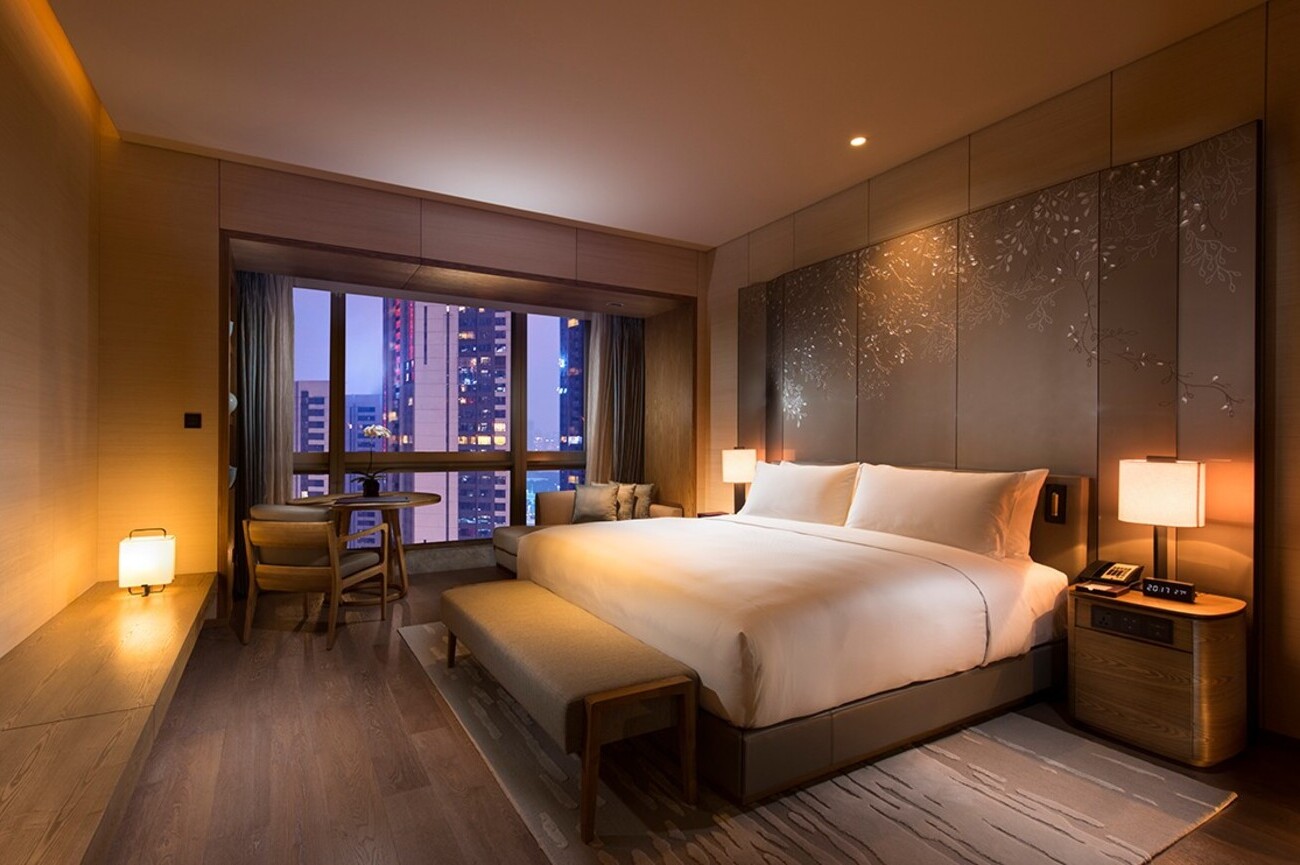
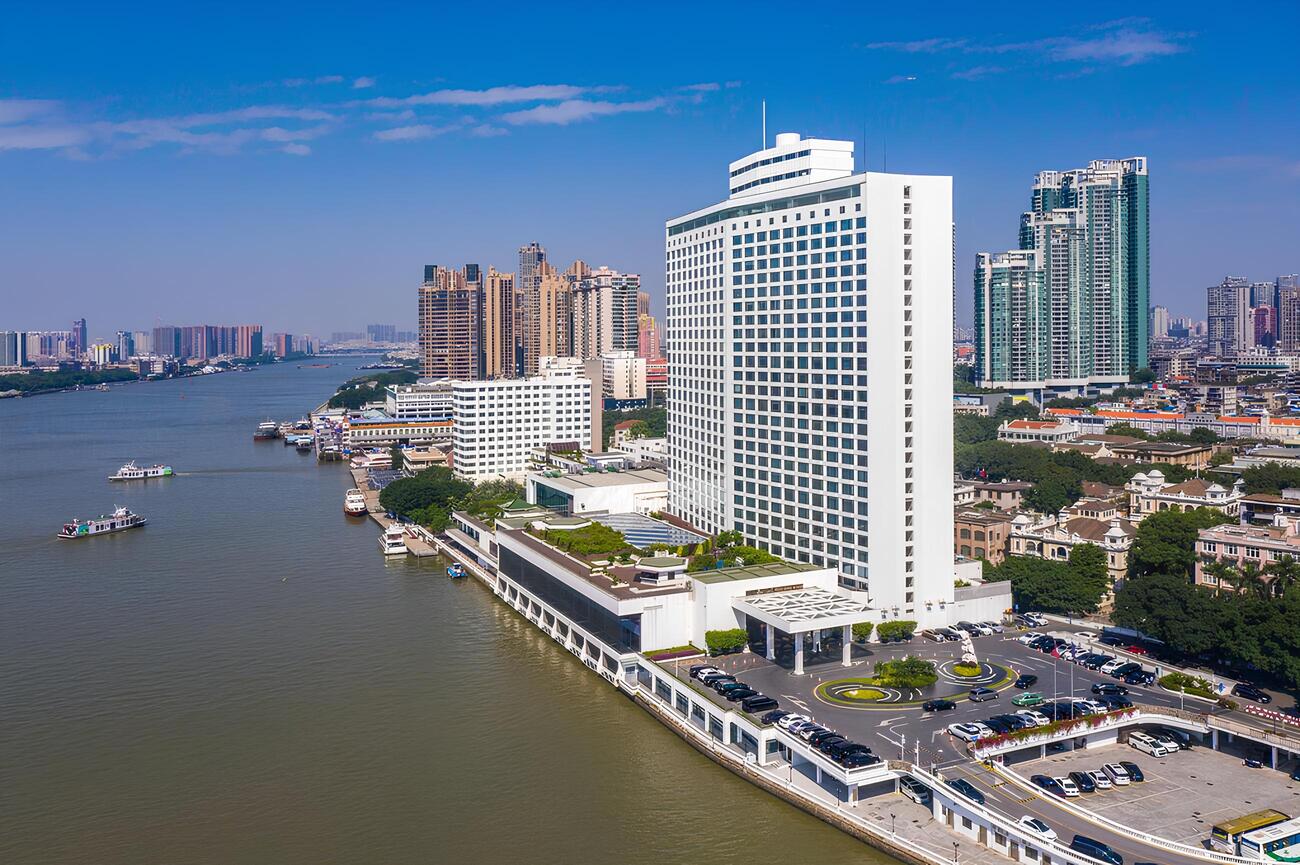
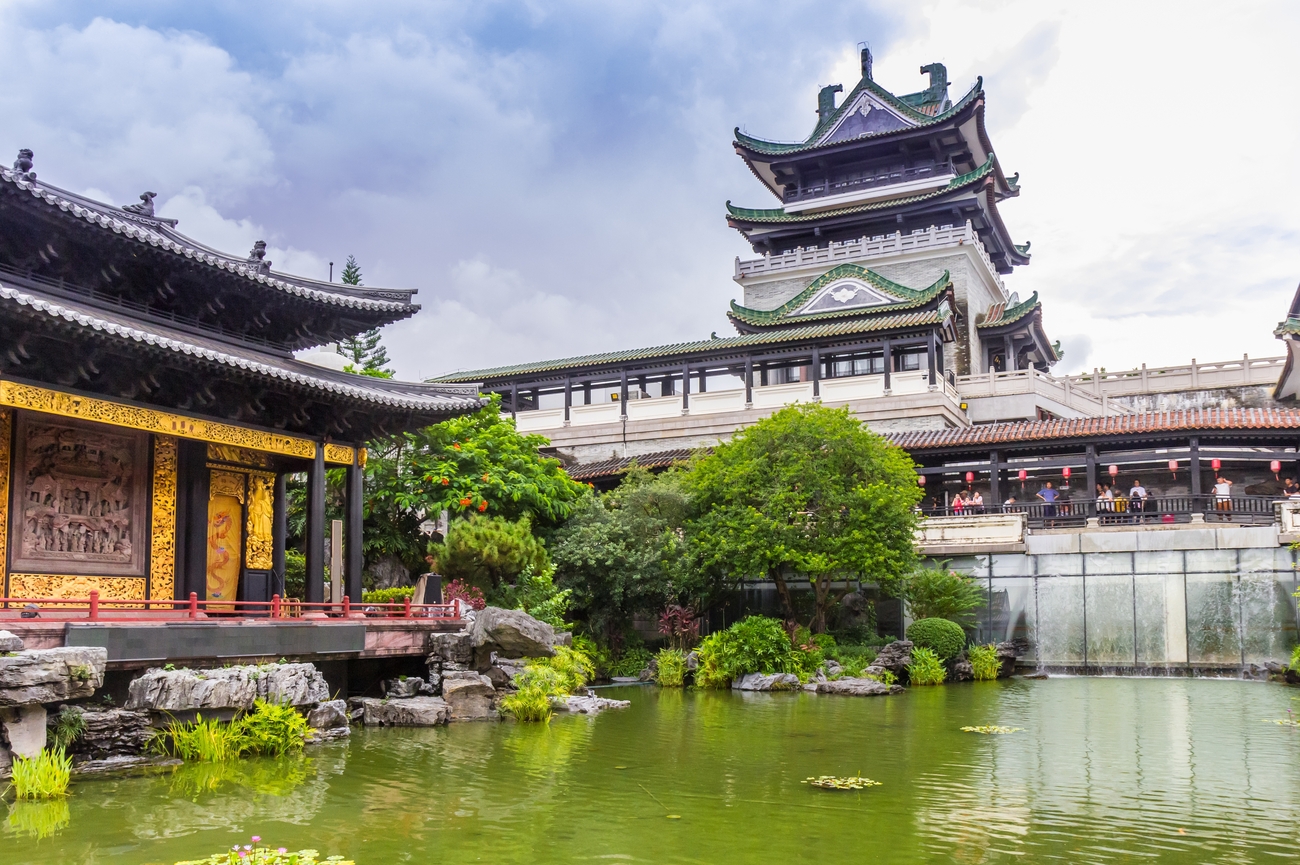
- White Swan Hotel: A legendary five star landmark on Shamian Island. Opened in 1983, it was the first luxury hotel in China (designed and managed by locals) and has welcomed world leaders, including Queen Elizabeth II and several U.S. presidents. The hotel’s centerpiece is a massive, three story indoor courtyard featuring a spectacular cascading waterfall, traditional pavilions, and lush banyan trees. Staying here places you right in the heart of Shamian Island’s quiet, pedestrian-only streets, surrounded by European style buildings and tree lined paths. The rooms were renovated to combine modern comfort with traditional Lingnan design, and many offer beautiful views of the Pearl River and the passing cruise boats.
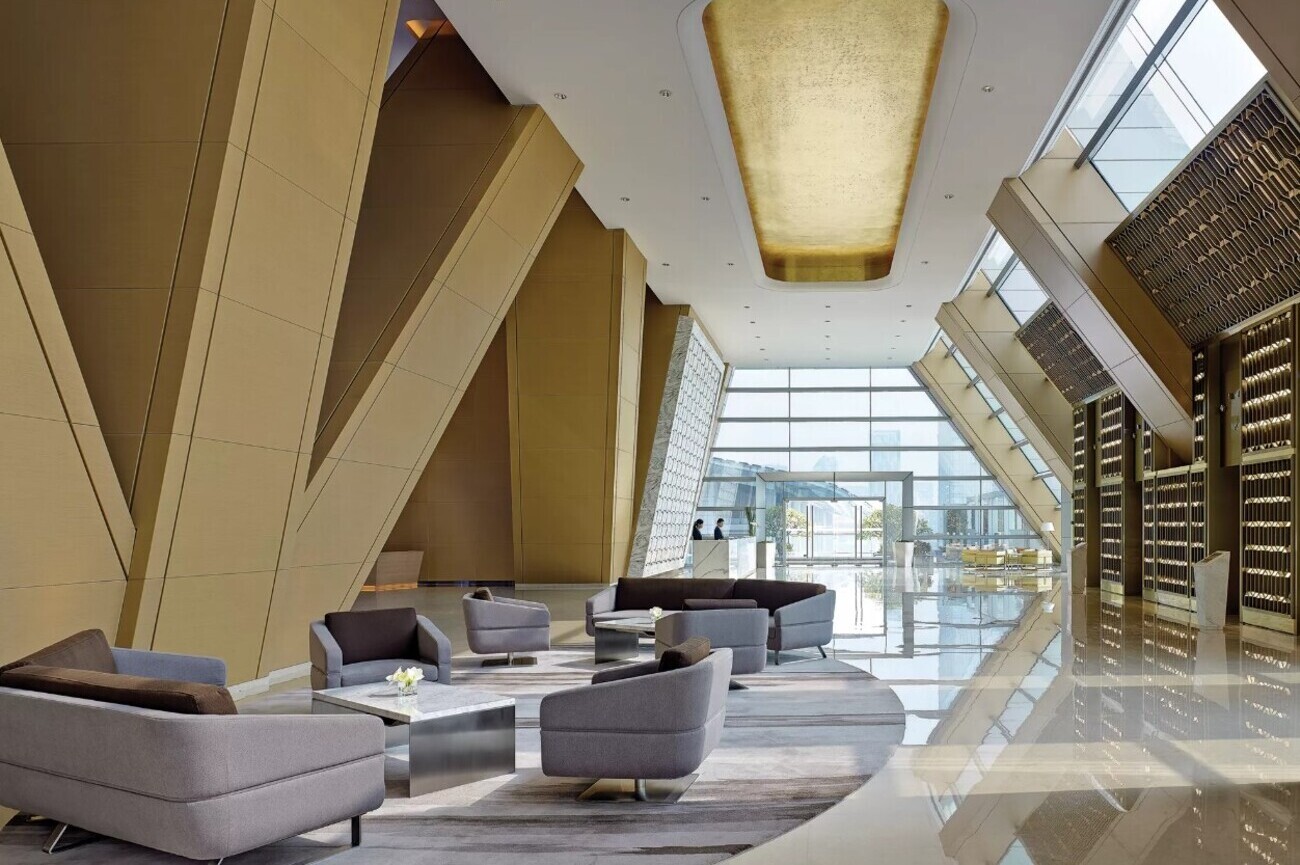
- Langham Place, Guangzhou: If you’re visiting for business or events, Langham Place is a great choice. Located in the Pazhou district, right next to the Canton Fair Complex, it offers a stylish and convenient base for your stay. The hotel stands out with its bold, geometric “stacked” design, while inside you’ll find high ceilings, clean lines, and the brand’s signature pink accents, giving it a modern, energetic feel. The rooms are spacious (among the largest in the city) and many come with floor-to-ceiling windows overlooking the Pearl River or the exhibition grounds. When you need to unwind, you can visit the award winning Chuan Spa, which offers treatments based on the Five Elements of Traditional Chinese Medicine. If you are visiting for the Canton Fair, the hotel also provides a VIP shuttle service and dedicated registration counters to help you skip the queues at the complex
Best Time to Visit
Guangzhou
The best time to visit Guangzhou is during spring (March to May) or autumn (October to November), when the weather is more comfortable and you can avoid the city’s intense heat and humidity. If you’re visiting in autumn, expect mild, dry weather, perfect for walking around and exploring. It’s also when the Canton Fair takes place. Just try to avoid the first week of October (Golden Week), as it can get very crowded. If you visit in spring, the weather starts to get a bit more humid, but this is when Guangzhou truly lives up to its name as the “Flower City.” Parks and streets come alive with blooms, making it a beautiful time to explore, especially if you enjoy gardens and outdoor spaces. Overall, these seasons give you the best balance of pleasant weather, fewer weather disruptions, and a more enjoyable sightseeing experience.
Festivals in Guangzhou
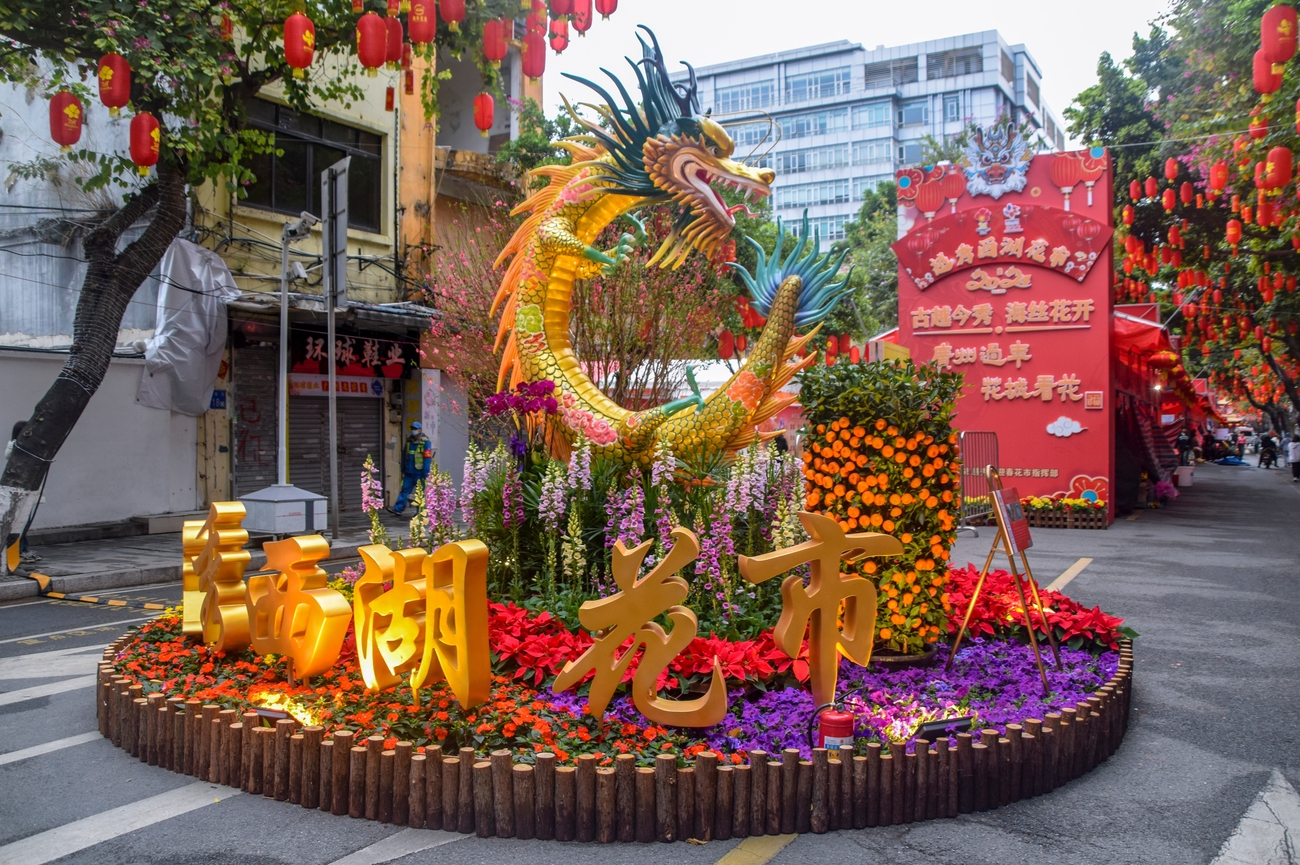
- Spring Festival Flower Market: If you’re visiting Guangzhou before Chinese New Year, don’t miss the Spring Festival Flower Market, the event that earned the city its nickname, “The Flower City.” In the days leading up to the holiday, locals take part in a tradition called “walking the flower street” (xing hua jie) to bring good luck for the new year. Major streets transform into lively, pedestrian-only markets filled with color, music, and energy. As you explore, you’ll see rows of flower and plant stalls, each with a special meaning. Expect a festive atmosphere with lion and dragon dances, Cantonese opera performances, and live demonstrations of traditional crafts like embroidery and carving. You can also try seasonal treats like sesame balls, rice cakes, and festive porridge, all symbolising luck and progress for the year ahead.
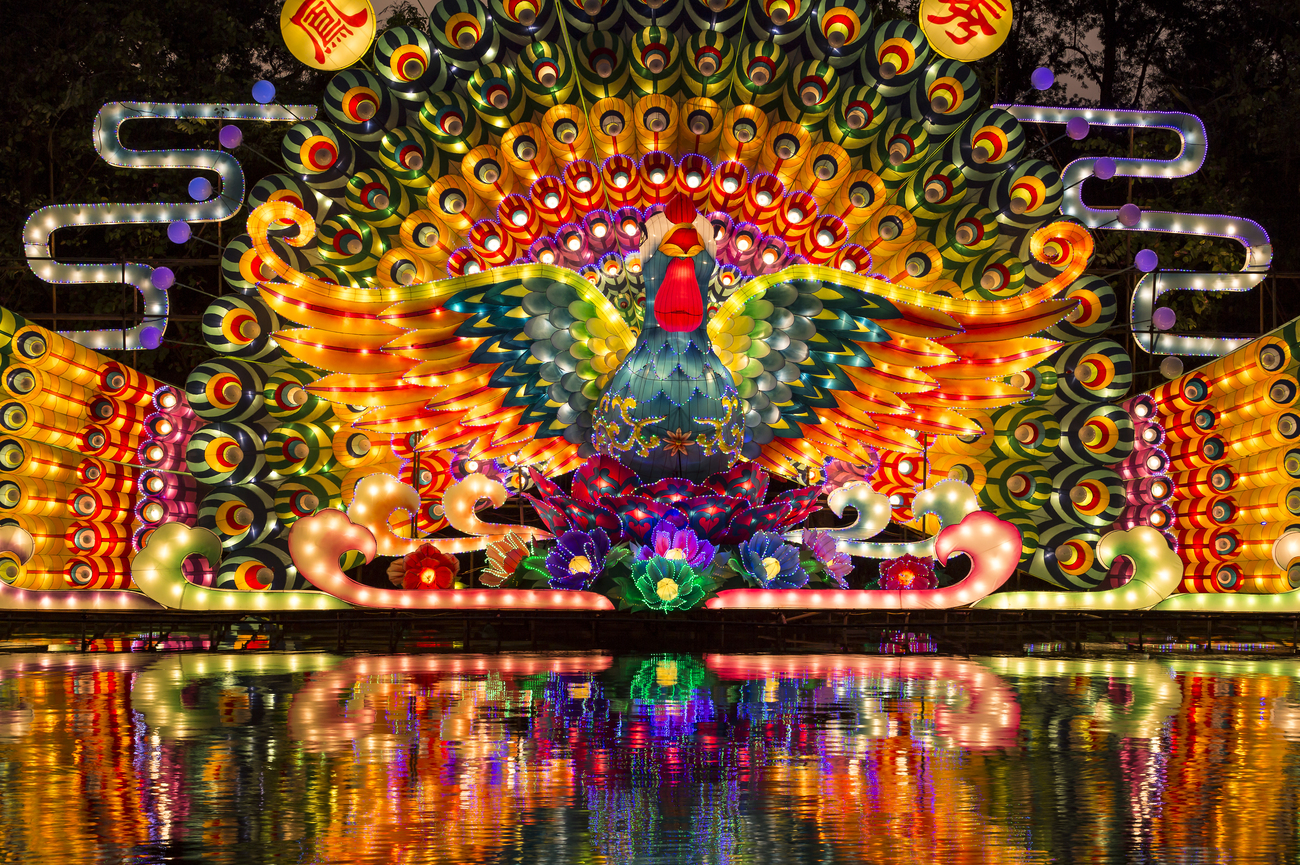
- Spring Lantern Festival: Witness the grand finale of the Lunar New Year celebrations in Guangzhou. Held on the 15th day of the first lunar month, it’s often called the “Valentine’s Day of the East.” During this time, the city transforms into a glowing wonderland. Landmarks like the Canton Tower light up with digital displays, while historic areas showcase beautiful, handcrafted lanterns. One of the best places to experience it is at the Yuexiu Park Lantern Fair, where you’ll see massive lantern displays (some over 100 meters long) featuring dragons, flowers, and scenes from Cantonese folklore. As you walk around, you’ll notice the festive atmosphere everywhere, with Cantonese music playing and the sweet scent of tangyuan in the air. These glutinous rice balls, filled with sesame or peanut paste, are a must-try, they symbolize family unity and togetherness.
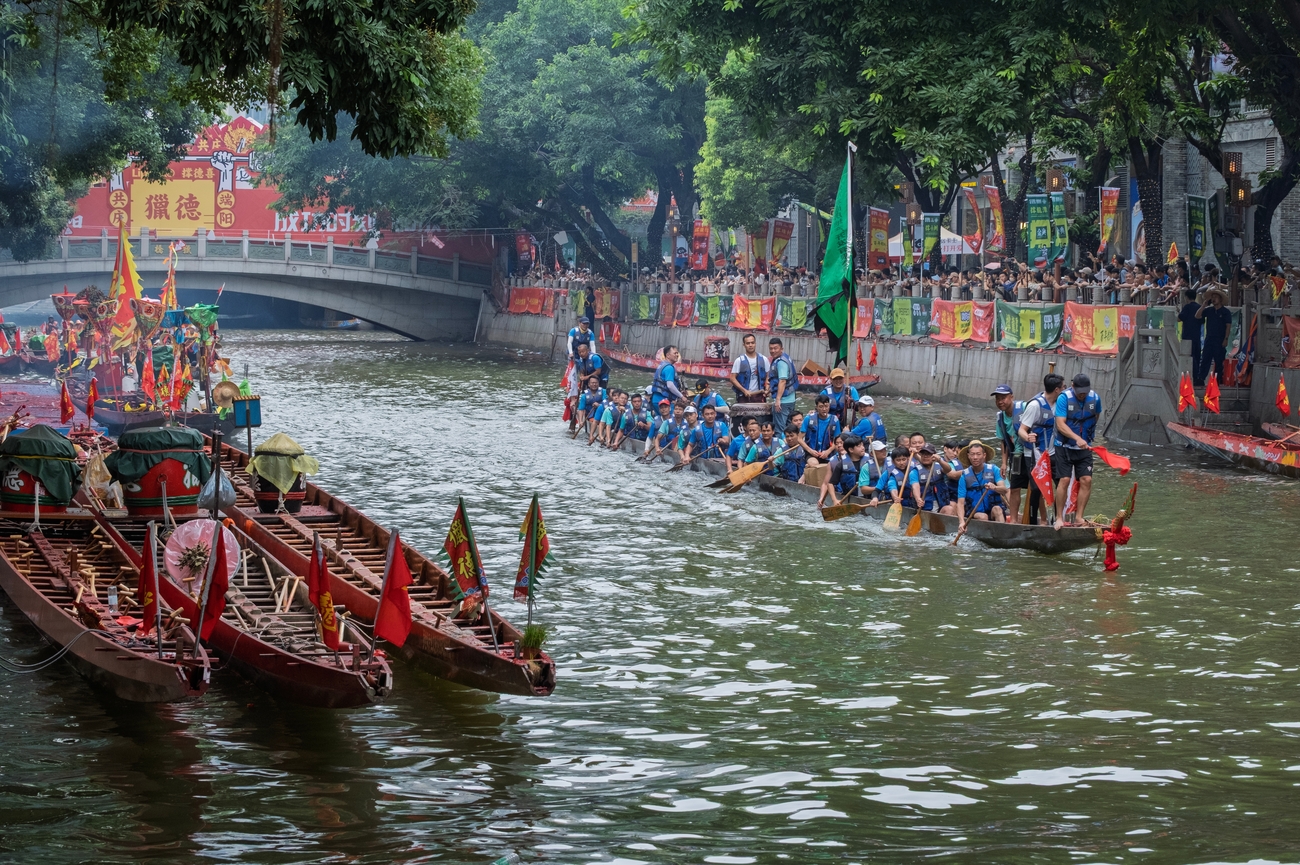
- Dragon Boat Festival (Duanwu): Experience one of the city’s most exciting and energetic festivals, rooted in the water culture of the Pearl River Delta. During the festival, rivers and canals come alive with dragon boat races, where long, colorful boats, decorated with dragon heads and tails, race across the water. Each boat is powered by dozens of paddlers moving in perfect rhythm, guided by the beat of a central drum. Unlike professional sports, these races are often village vs. village, with teams competing for pride and honor, creating a lively and passionate atmosphere. Don’t miss the festival’s traditional food, zongzi, these are sticky rice dumplings wrapped in bamboo leaves, and in Guangzhou, you’ll often find the savory version filled with pork belly, salted egg yolk, and mung beans.
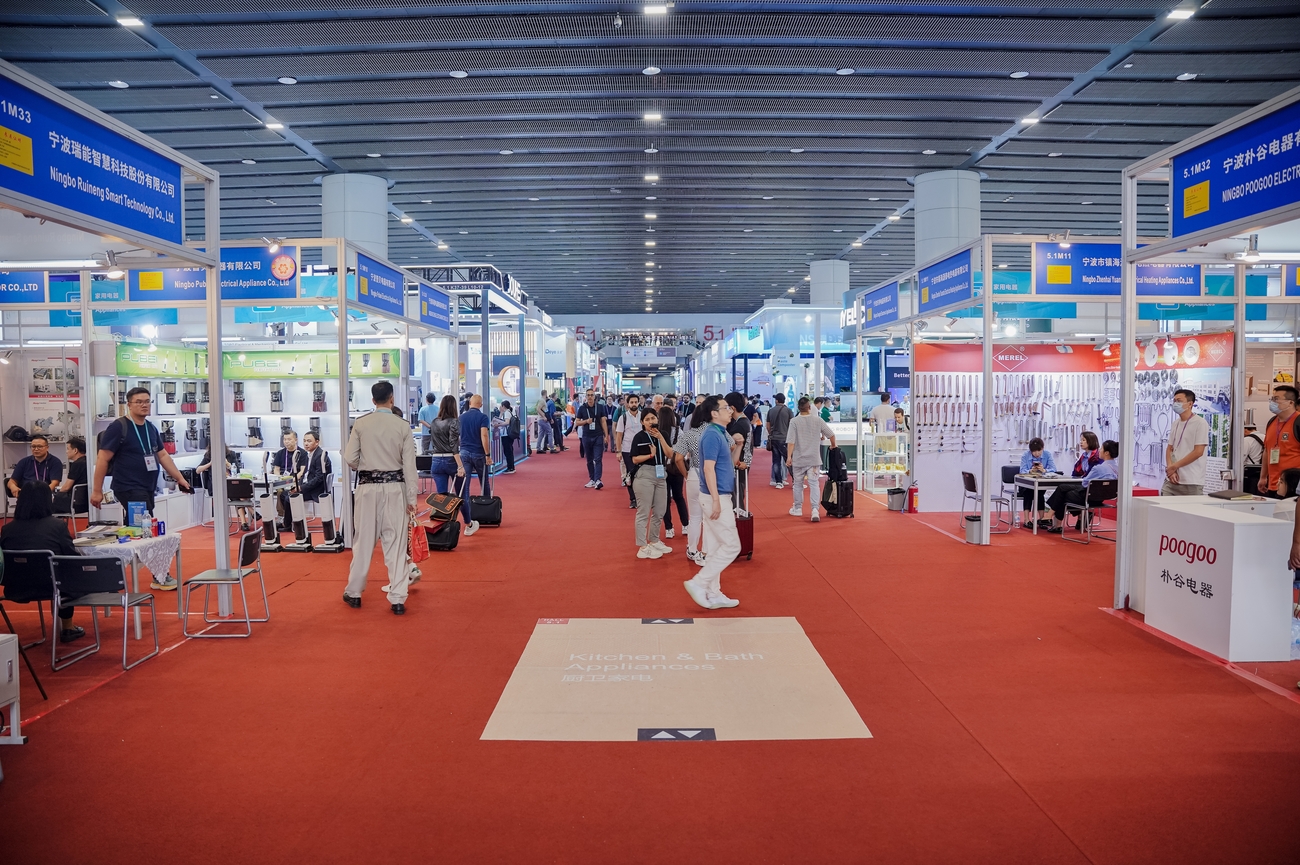
- The Canton Fair: The China Import and Export Fair, also known as the Canton Fair, is one of Guangzhou’s most important events, described as the modern day festival of business and innovation. It’s held twice a year since 1957, transforming Guangzhou into a global meeting point, bringing in thousands of international visitors. The fair takes place at the Canton Fair Complex, one of the largest exhibition centers in the world. It’s organized into three phases, each focusing on different industries, from electronics and machinery to consumer goods and textiles. If you visit during the fair, you’ll get a firsthand look at China’s latest innovations, including AI technology, electric vehicles, and smart home products.
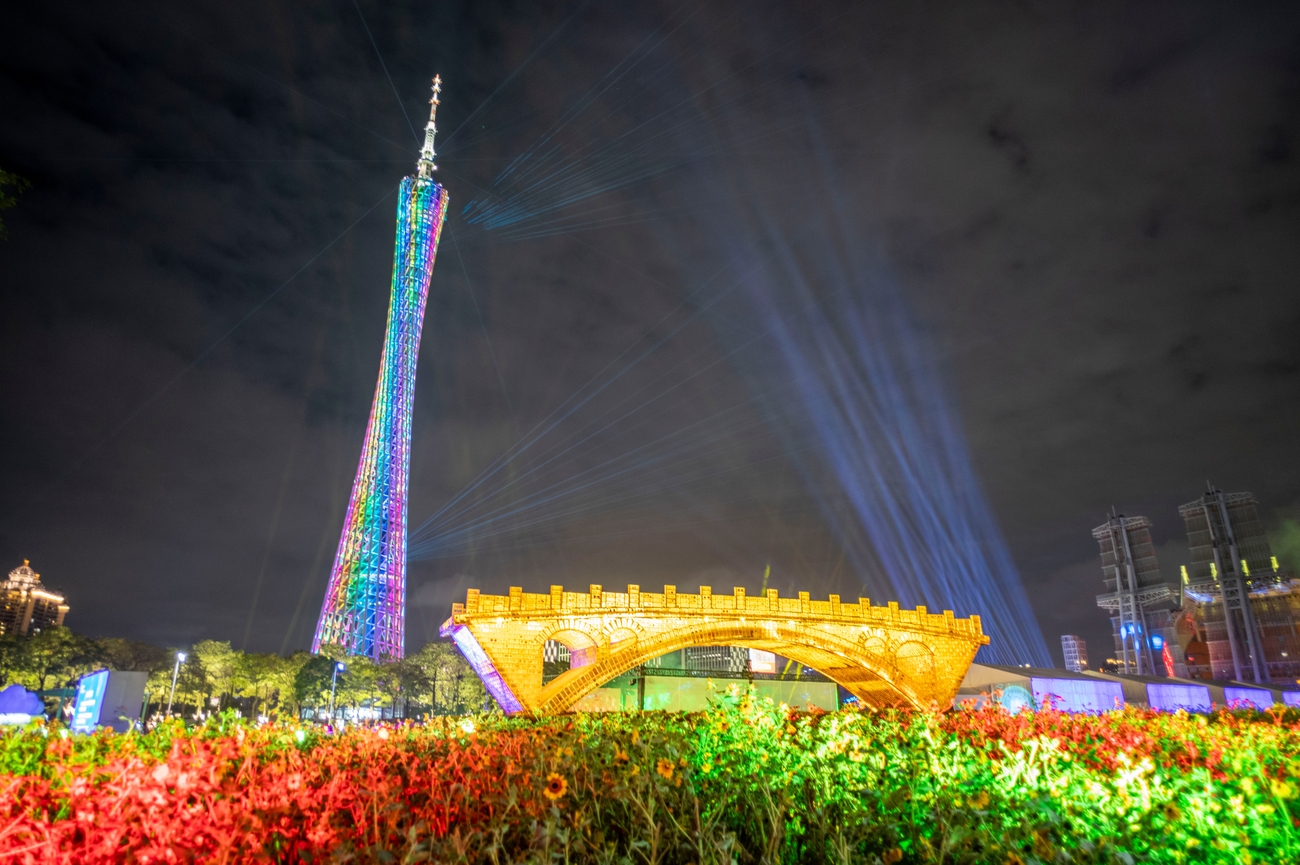
- Guangzhou International Light Festival: One of the top three light festivals in the world, alongside those in Sydney and Lyon. Since it began in 2011, it has drawn millions of visitors, turning the city into a massive outdoor light show. Along the Pearl River, you’ll see buildings and bridges transformed into glowing canvases, with colorful projections and animated displays. As you walk through the festival, you’ll come across large scale light installations, many using AI, virtual reality, and interactive technology. Some displays even let you interact with the lights, like creating moving silhouettes or “swimming” with digital fish. There’s more than just visuals, too. Each night features live performances, from acrobatics to digital shows and street entertainment.
- Guangzhou International Food Festival: If you’re a food lover, plan your visit around the Guangzhou International Food Festival, usually held in November. This lively event brings together food, culture, and innovation in one big culinary celebration. Here, you’ll find hundreds of food stalls, organized into themed areas so you can easily explore different cuisines. As you walk through, you can try a wide range of dishes, including: Cantonese classics like dim sum, roasted goose, claypot rice, and double-skin milk. Regional specialties like pork trotter noodles, Chaoshan fish congee, and grilled oysters. And international desserts like baklava, pistachio pastries, and rice pudding. It’s the perfect place to taste your way through Guangzhou and beyond, all in one spot.
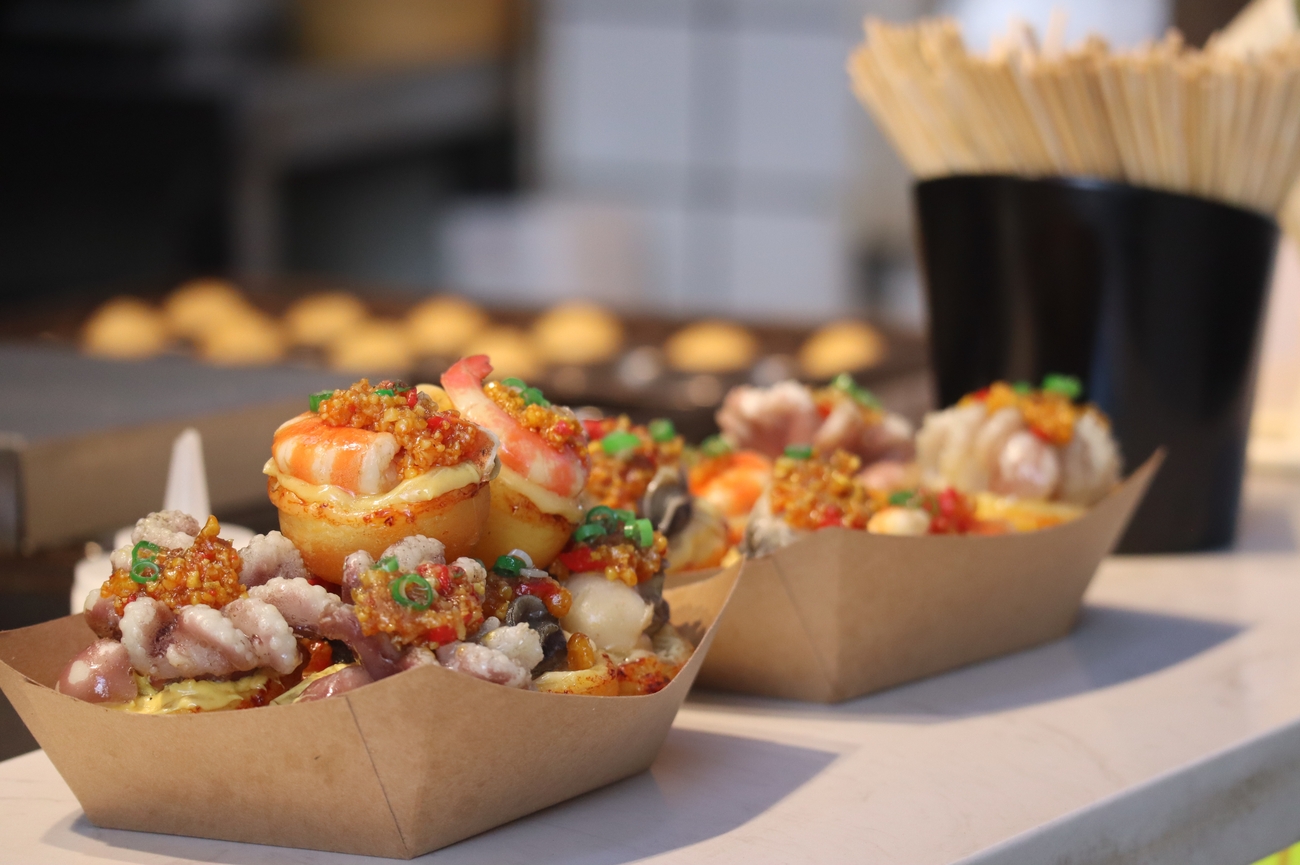
The Home of Authentic
Cantonese Cuisine
To leave Guangzhou without understanding its food would be to leave without understanding the city at all. Cantonese cuisine here is more than a collection of famous dishes; it is a worldview shaped by balance, seasonality, technique, and respect for ingredients. But Guangzhou’s culinary identity is only part of what stays with you. There’s also the glow of the Pearl River at night, the quiet scent of incense in old temples, and the contrast between historic areas like Yuexiu and the modern skyline of Zhujiang New Town. It’s a city that keeps evolving without losing its centre. Guangzhou doesn’t ask to be romanticised. It simply invites you to experience it properly
At Revigorate, we help you go beyond the surface. Whether you want to explore the city through its food, culture, or local experiences, we can design a journey that fits your pace and style. Contact us or give us a call at (+1 800 672 0517 | +351 289 009 580 | +44 808 189 0647), and let’s start planning your Guangzhou journey.
Ready to explore more of Asia? Travel further with Revigorate and discover our curated itineraries across Chengdu, Beijing, Suzhou, Xi’an, Shanghai, Singapore, and Hong Kong.


Let us know what you love, where you want to go, and we’ll design a one-of-a-kind adventure you’ll never forget.
Get in touch
Miriam
Travel Specialist

Nina
Travel Specialist

Abigail
Travel Specialist
Our offices:



Revigorate, Iberian Escapes and Algarve Lifestyle are the registered brand names of APCS Lda . We are a fully authorised travel agency licensed by Turismo de Portugal RNAVT/6867.
In the event of a dispute, the consumer may refer to: RAL - Centros de Arbitragem
Avª. 5 de Outubro, nº. 55, R/C Dtº. 8000-075 Faro, Portugal | Tel: +351 289 823 135 *
* national landline call
E-mail: info@consumoalgarve.pt| www.consumidoronline.pt | Mon to Fri: 9:00 - 13:00 / 14:00 - 17:00