Things To Do in Chengdu: 3-Day Itinerary
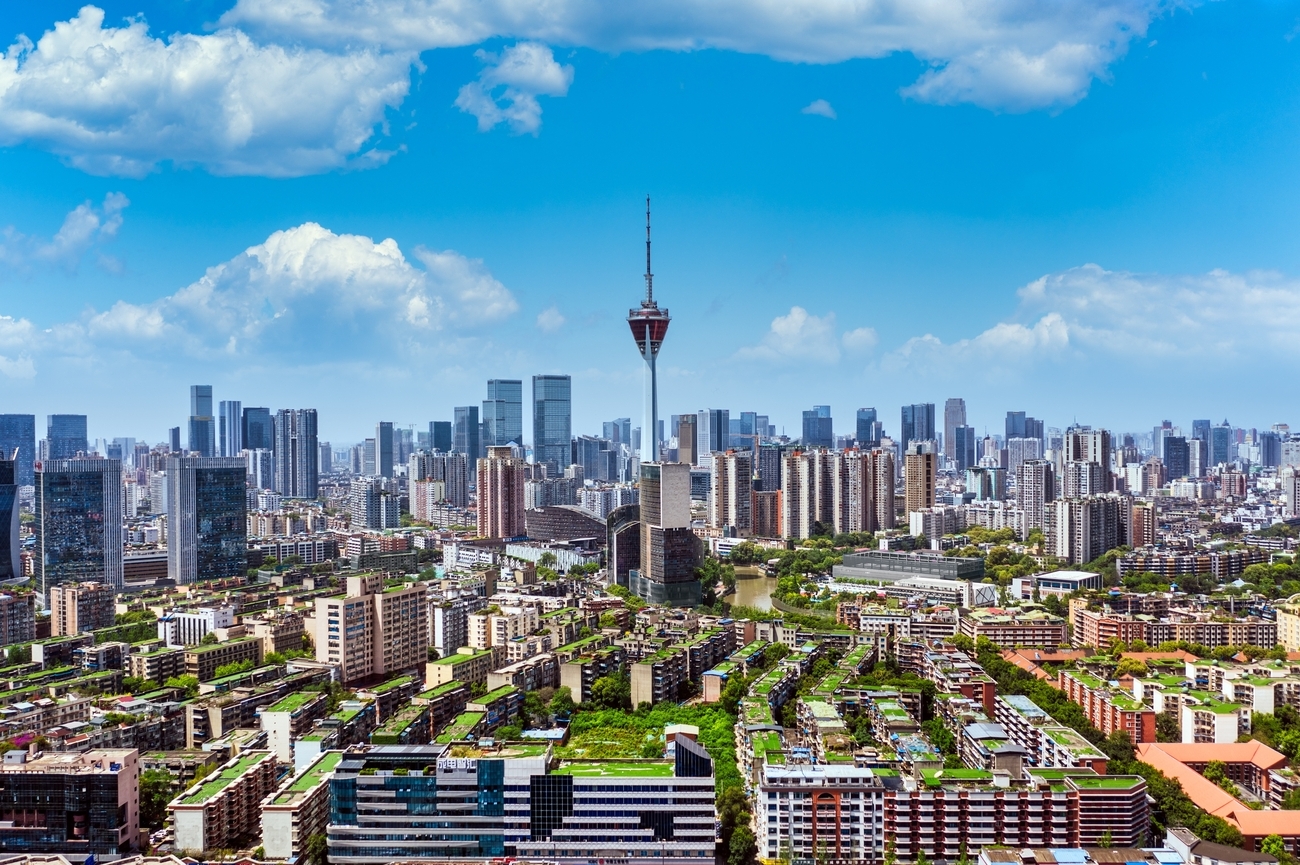
Most people come to Chengdu with two things on their mind: giant pandas and taste buds throbbing for hotpot. And yes, both are absolutely worth the hype. The biggest misconception is thinking that’s all it is. Chengdu is one of China’s most liveable, lovable cities because of its lifestyle. Here, parks feel like open-air living rooms. Ancient temples sit quietly in the middle of modern neighbourhoods. Even when the city gets flashy, like the New Century Global Center, it still feels grounded, warm, and unmistakably local.
Food is the headline, of course. Chengdu is a UNESCO City of Gastronomy for a reason, not just because it’s spicy, but because of Sichuan cuisine’s precision. Many of the dishes the world associates with Sichuan cooking were born right here, which means you won’t simply eat well, you’ll eat at the source.
In this three-day itinerary, we’ll show you Chengdu’s full personality, beyond pandas and spice, so it feels less like a quick visit and more like settling into the rhythm of the city.
Day 1

Morning: Chengdu Research Base of Giant Panda Breeding
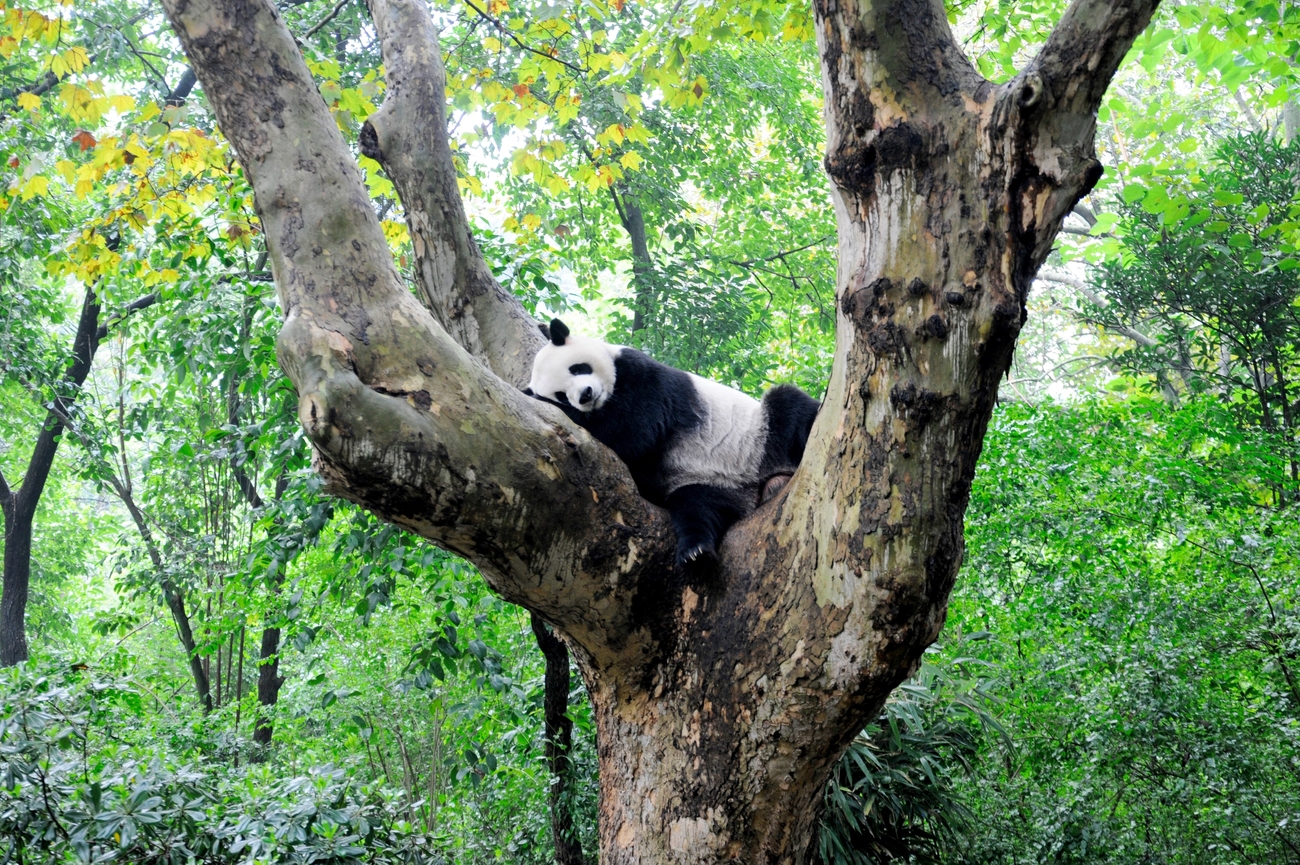
Start your Chengdu journey at one of the world’s most important panda conservation centres. This non-profit facility is dedicated to the protection, research, and breeding of giant pandas. It’s home to the largest captive panda population in the world. Here, you’ll see pandas at every stage of life, from tiny newborn cubs in incubators at the nurseries to active "teenagers" in the kindergarten, and leisurely adults in their villas. You can also visit the nursery houses where mother pandas nurse their cubs.
Thanks to long-term conservation work, the giant panda is no longer classified as “Endangered.” In 2016, the IUCN reclassified the species as “Vulnerable,” a status it continues to hold today. Alongside giant pandas, the centre is also home to red pandas, golden monkeys, and rare birds, including black-necked cranes, housed in spacious, natural style enclosures. After your walk, take a breather at the Panda Café for panda themed snacks, or browse the gift shops for keepsakes before heading to Wenshu Yuan Monastery.
Wenshu Yuan Monastery
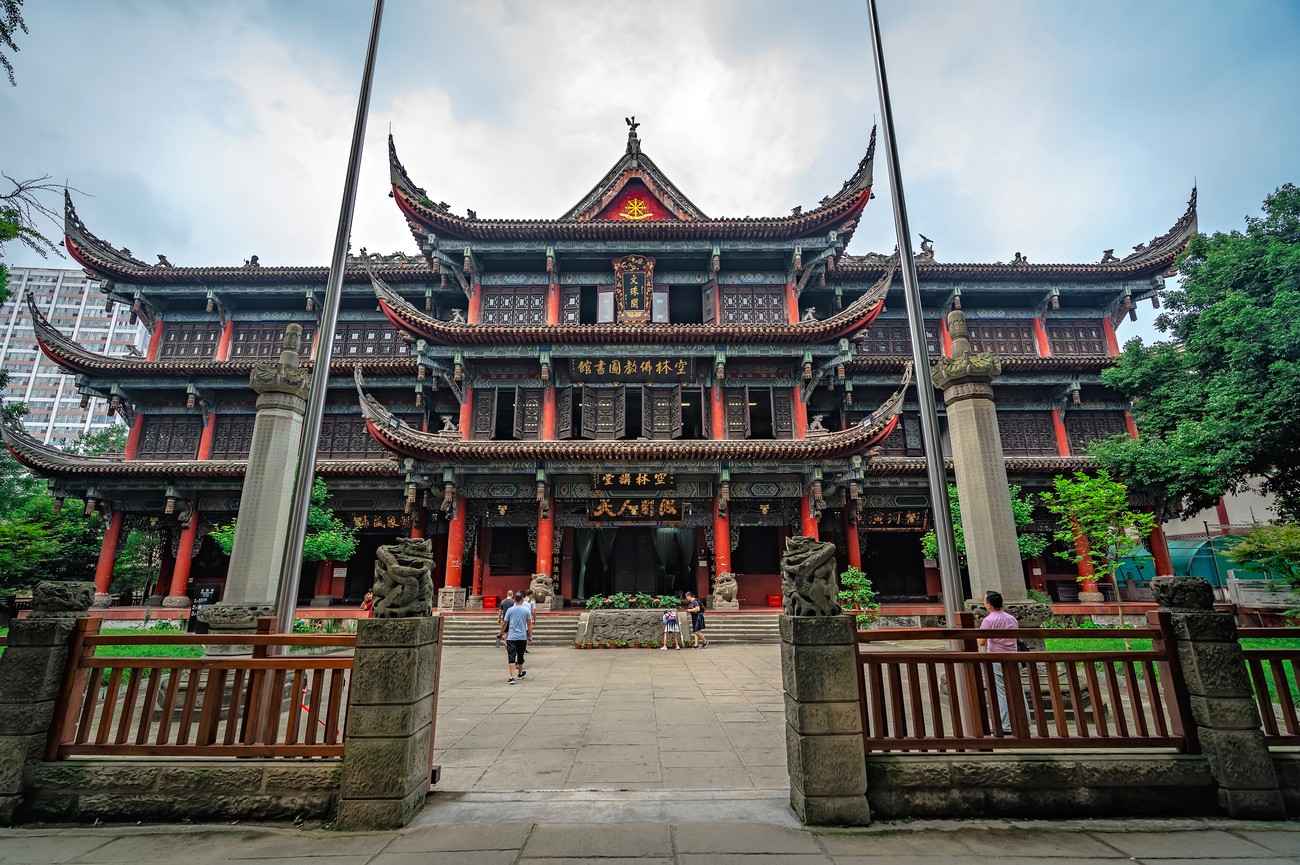
Next, head to Wenshu Yuan Monastery, Chengdu’s largest and best-preserved Zen Buddhist temple. Dating back to the Sui Dynasty, this 13 acre complex feels like an “urban forest” with its quiet halls, shaded gardens, and traditional wooden architecture.
As you wander along the central axis, you’ll pass five main ritual halls and see more than 300 Buddha statues crafted from bronze, stone, wood, jade, and iron. Look out for the Burmese Jade Buddha and the revered relic of Master Xuanzang. You may also join locals in lighting incense, offering lanterns for blessings, or trying sutra copying (a slow, meditative practice of writing sacred texts by hand).
You can also enjoy a meal at the monastery’s vegetarian restaurant, Xiangzhaitang, known for its Sichuan style vegan dishes using meat substitutes. Or settle into the famous teahouse within the grounds, sip a cup of gaiwan tea, and listen to Buddhist chants or folk music.
Day 1, Morning - Chengdu Tour Map
Afternoon: Wuhou Memorial
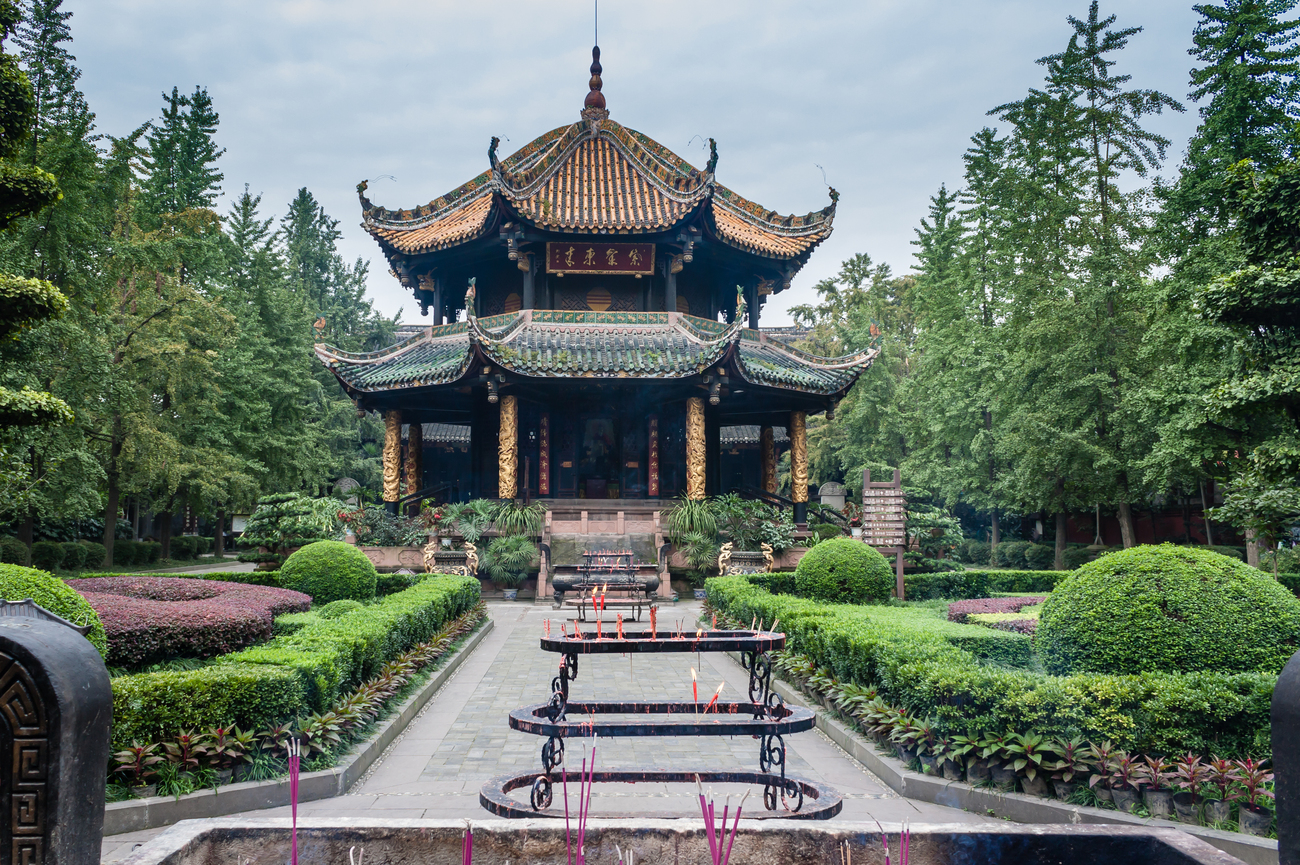
Temple
Step into one of Chengdu’s most important historical sites at Wuhou Memorial Temple, built in 223 AD. This is the only temple in China where an emperor and his ministers are enshrined together. As you explore the grounds, you’ll first reach the main hall dedicated to Emperor Liu Bei, featuring a 3-meter-tall golden statue of the ruler. Just behind it is the Wuhou Shrine, also known as Zhuge Liang Hall, devoted to the famed strategist Zhuge Liang. Here, you can see golden statues and displays of his military innovations, including bronze drums. Take your time walking through the rest of the complex, where you’ll find the Huiling Mausoleum, the famous “Three Wonders” Tablet, and a gallery of 28 lifelike clay statues representing key civil and military figures of the Shu Han state.
Jinli Ancient Street
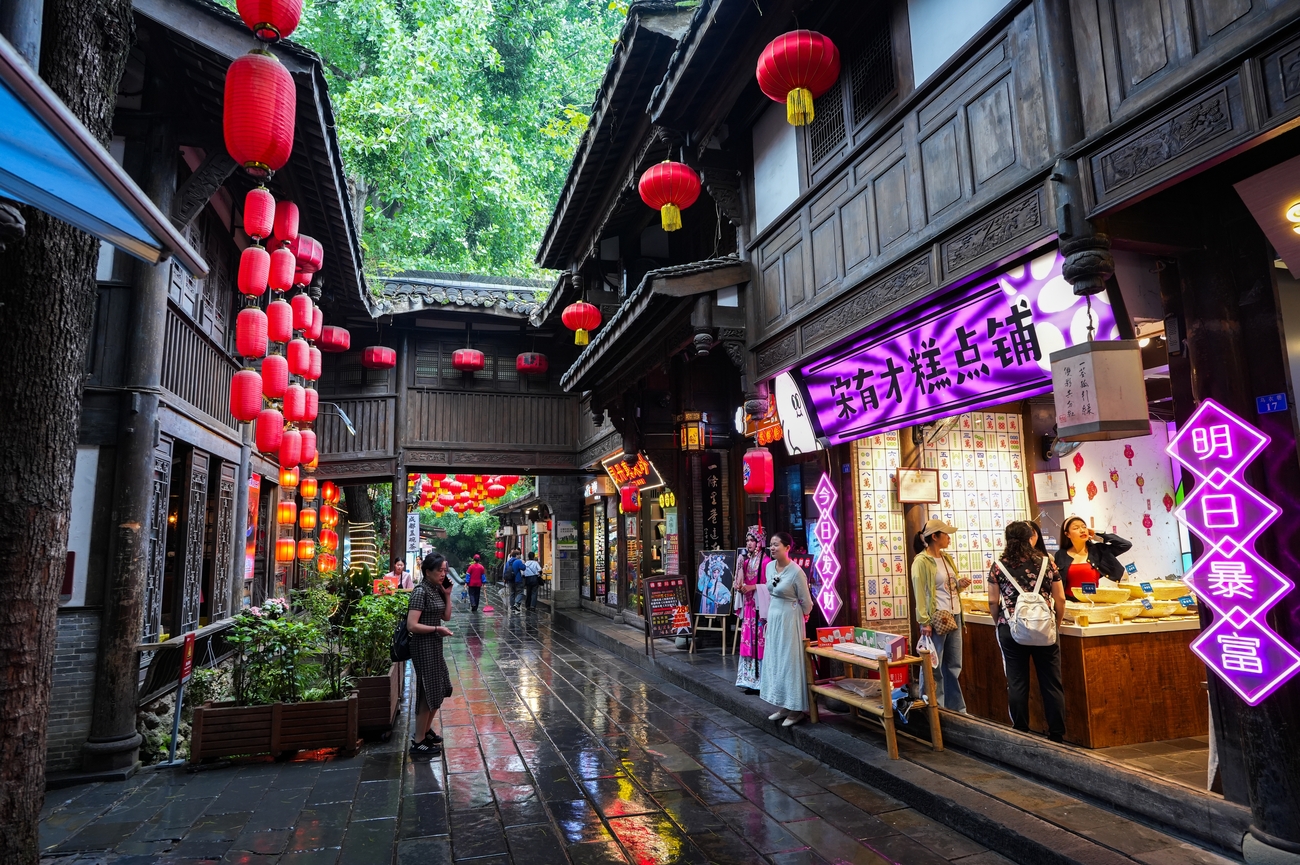
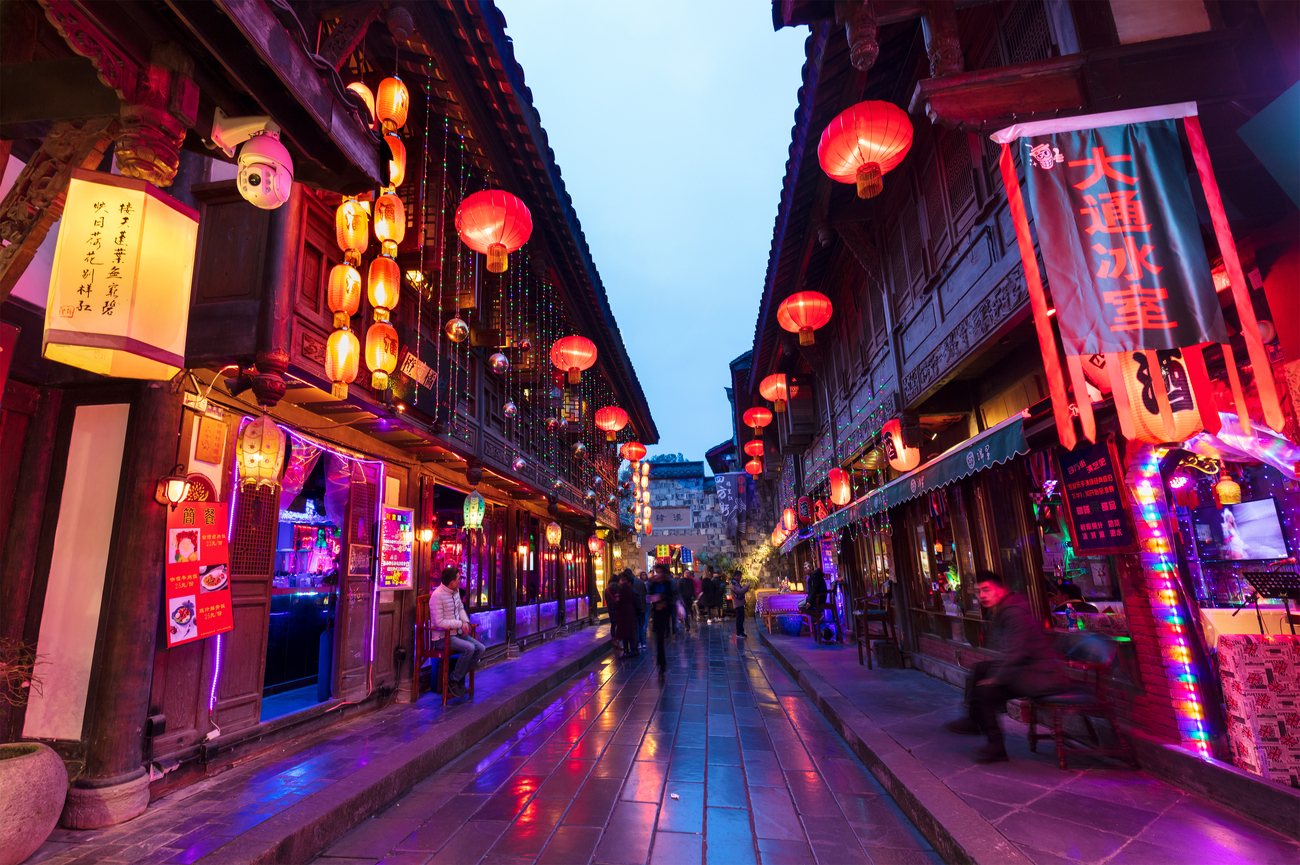
Just steps away from Wuhou Memorial Temple is Jinli Ancient Street, Chengdu’s famous commercial pedestrian street. Built in the architectural style of the late Qing Dynasty, this 550-metre stretch is often called the “First Street of the Shu Kingdom” and feels like stepping into a scene from the past.
If you love street food, this is where you should come hungry. Wander at your own pace and sample local favourites like Zhang Fei Beef, San Dapao (sticky rice balls), Bobo Chicken skewers in spicy sauce, fried stinky tofu, and sweet water noodles. Between bites, keep an eye on the central wooden stage, where you can catch regular Sichuan Opera performances, including the famous face-changing and fire-spitting stunts.
Evening: Anshun Bridge
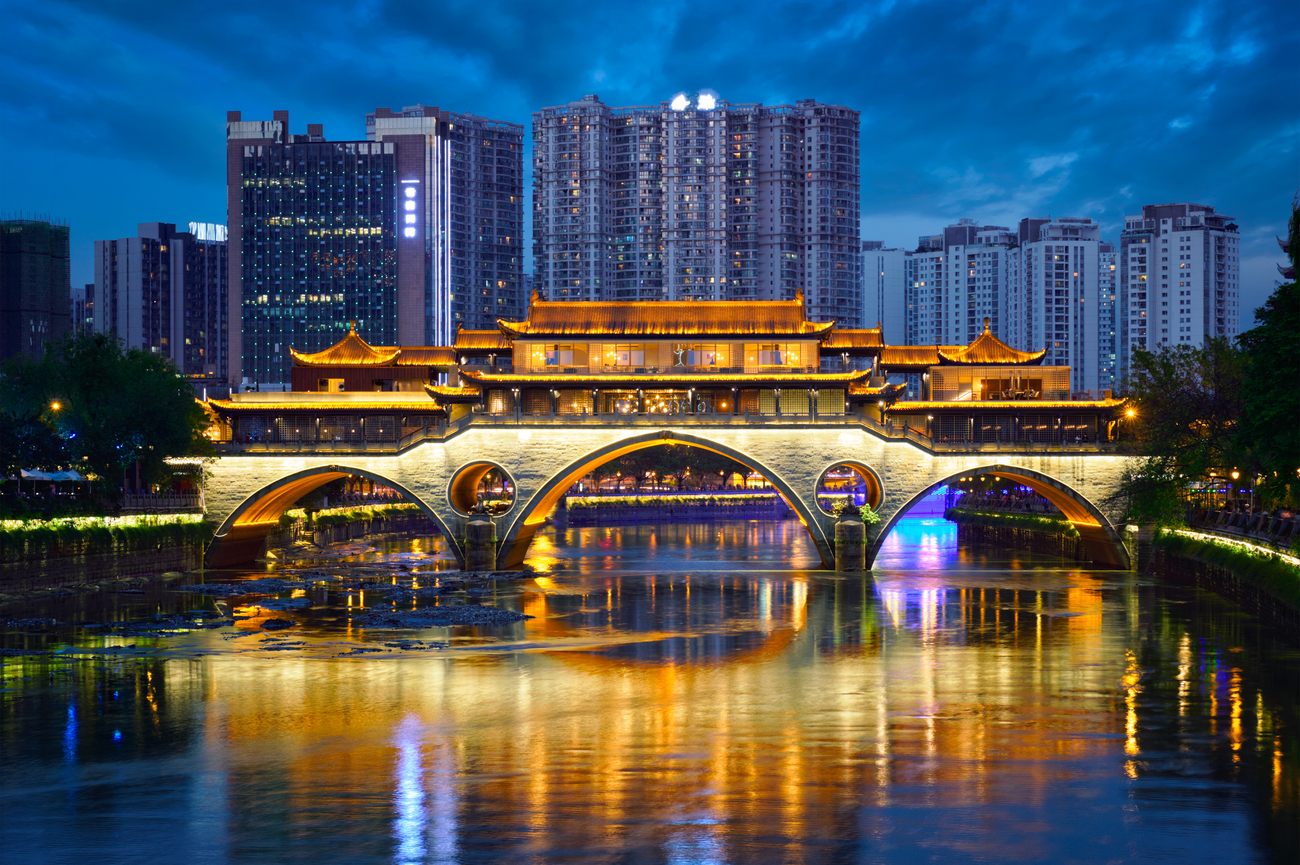
End your first day in Chengdu at Anshun Bridge, one of the city’s most recognisable landmarks and a favourite spot for night photography. The original bridge dates back to the Yuan Dynasty and was even mentioned by Marco Polo in the 13th century. What you see today is a carefully rebuilt 2003 version, designed in classic Ming and Qing Dynasty style, with red walls, green tiles, and ornate wooden details that glow after dark.
For the best views, stroll over to nearby Jiuyan Bridge or walk along the riverbank, where the bridge lights reflect beautifully on the Jin River. If you’d like to see it from a different angle, you can also take a relaxed 30-minute boat ride from Dongmen Pier and watch Chengdu’s skyline drift by from the water.
Day 1, Afternoon - Chengdu Tour Map
Day 2
Morning: Dujiangyan Irrigation System
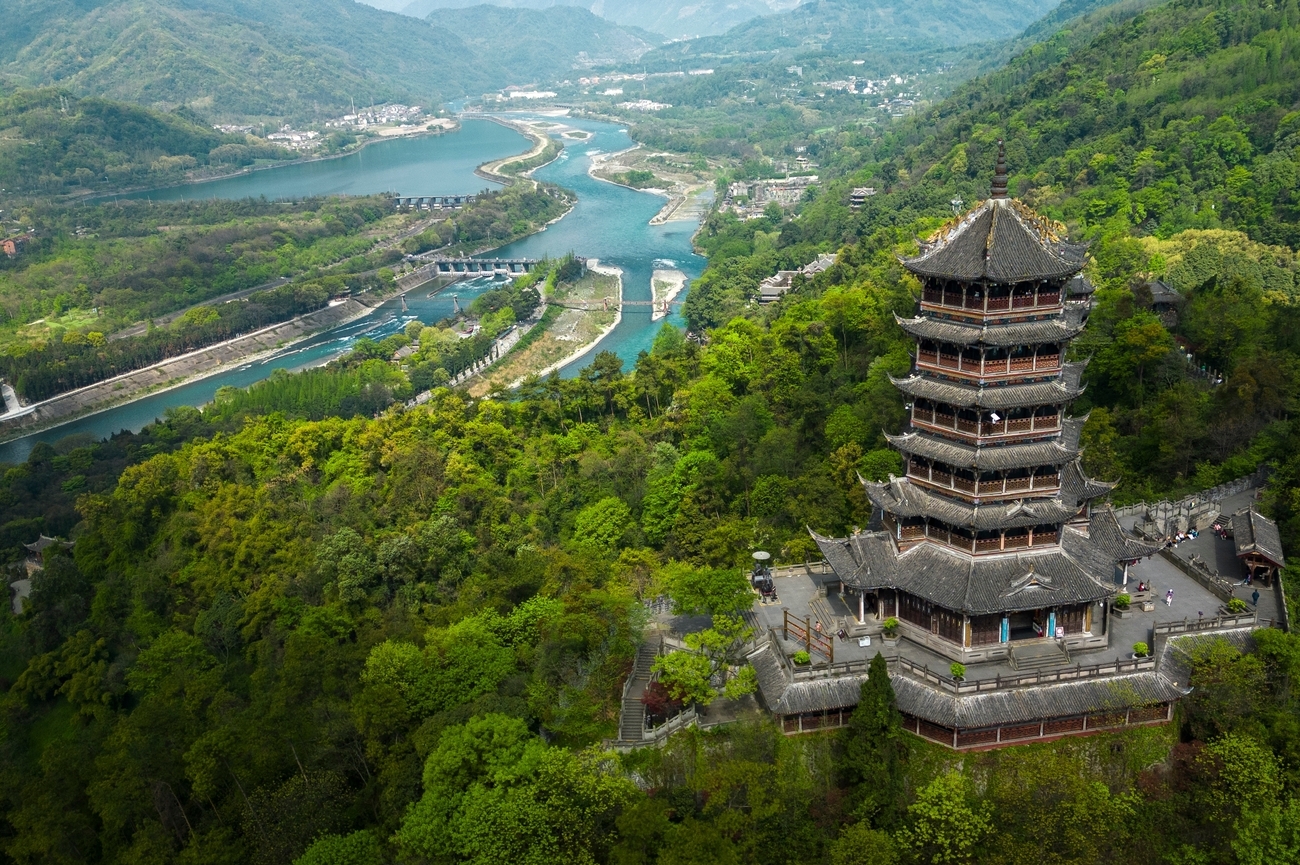
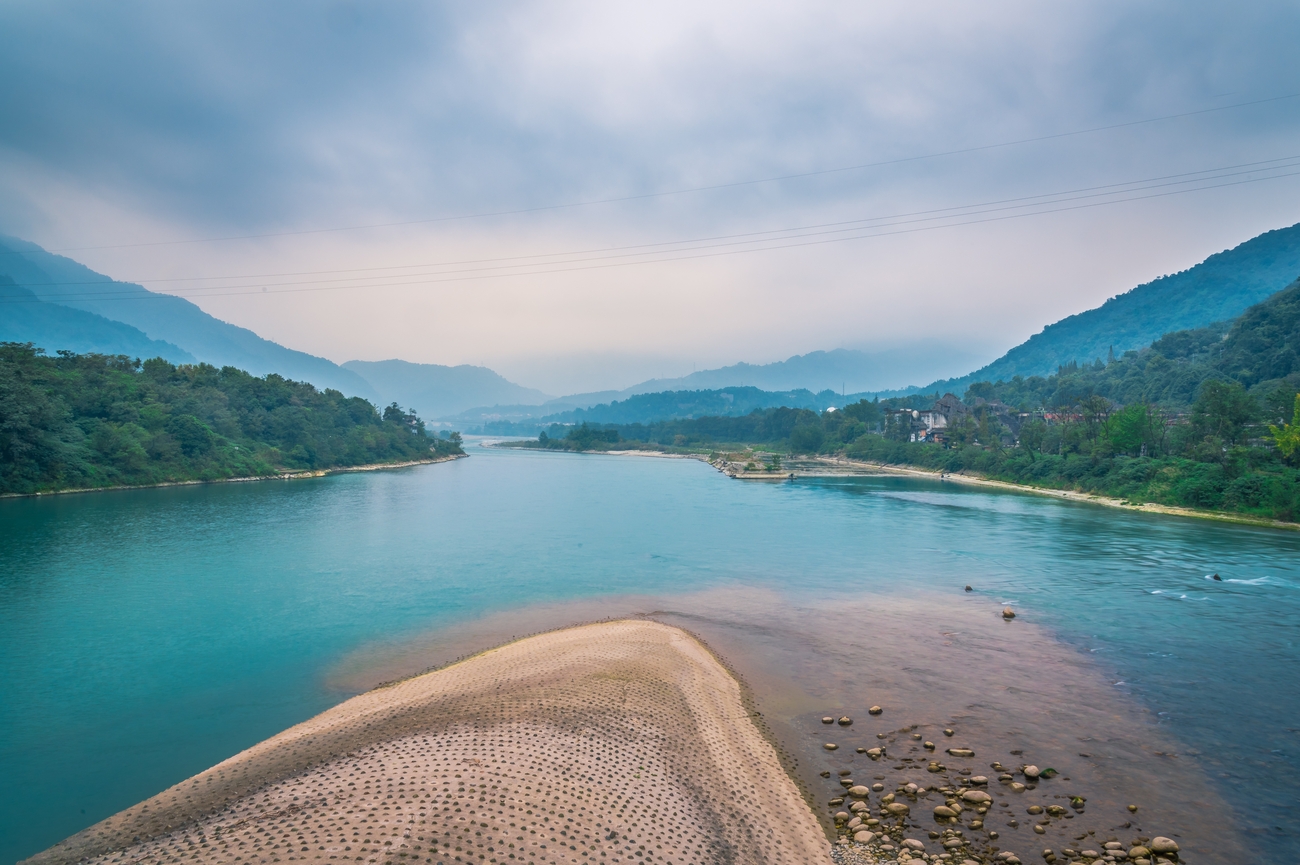
On your second day in Chengdu, head to the Dujiangyan Irrigation System, a UNESCO World Heritage Site built in 256 BC by Governor Li Bing and his son. What makes this place remarkable is that it’s the world’s oldest damless water system that’s still in use today, actively controlling floods and irrigating the Chengdu Plain using only natural river flow and terrain.
Explore the Anlan Suspension Bridge, also known as the “Couple’s Bridge” for stunning views of the river’s inner and outer channels. Then make your way up to Qinyan Tower, the best spot to see how the entire system works from above. From up here, you can clearly understand the entire layout and the three core projects that built the system: the fish-mouth-shaped Yuzui that splits the river, the Feishayan spillway that releases excess water, and the Baopingkou channel that cuts through the mountain. It’s one of the most impressive historical engineering achievements to see up close.
Mount Qingcheng
Less than an hour from the Dujiangyan Irrigation System is Mount Qingcheng, another UNESCO World Heritage Site and one of the four sacred mountains of Taoism. Known for its dense evergreen forests and calm atmosphere, it’s often called “the most quiet and secluded place under heaven” and you’ll feel that peaceful energy the moment you arrive.
The mountain is divided into two areas, each offering a different experience. The Front Mountain is the spiritual heart of the mountain, where ancient Taoist temples and historic sites line an easy 5–6 km route. You can walk between temples, take a cable car up to Laojun Pavilion for the best views, or slow things down with a scenic boat ride on Yuecheng Lake.
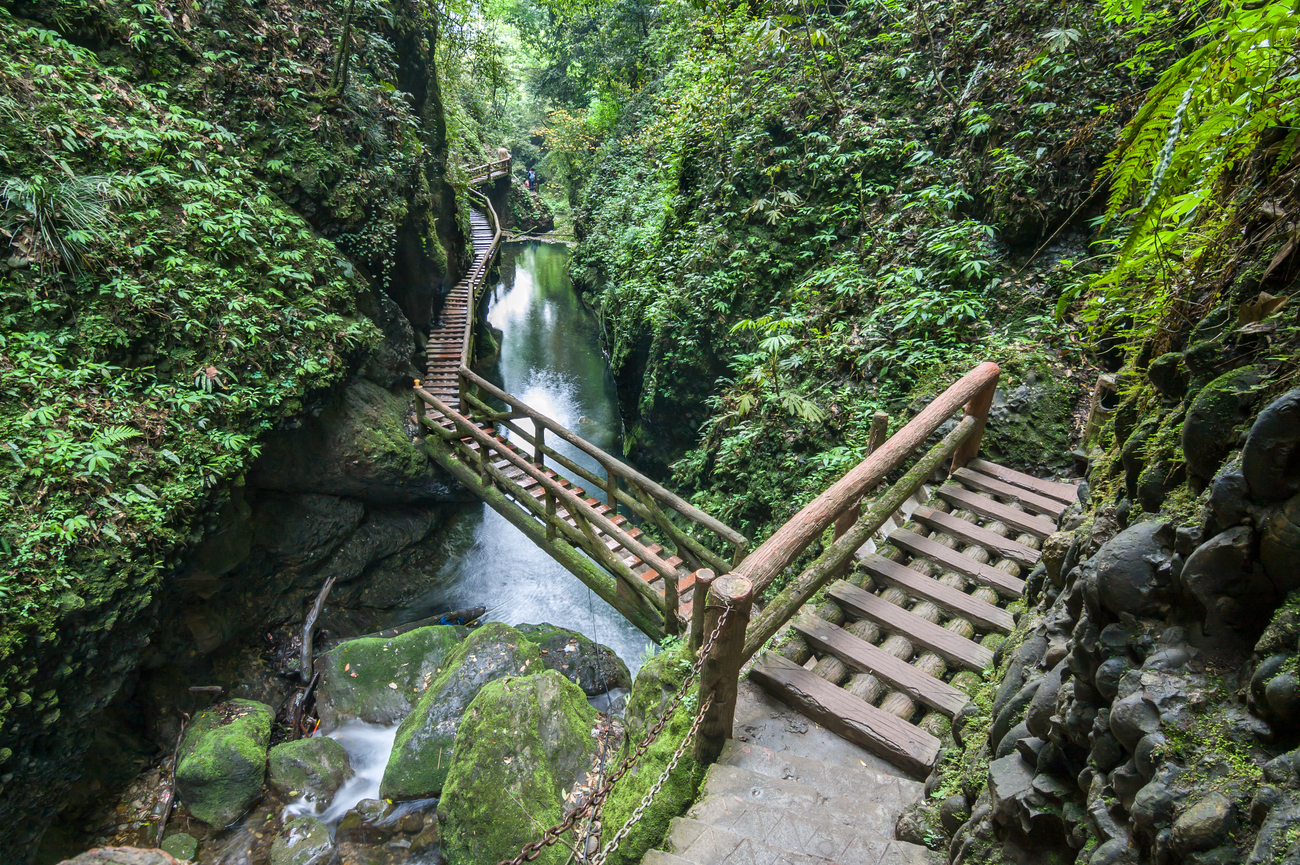
If you’re craving for more nature and adventure, the Back Mountain is the best choice. Here, you’ll find waterfalls, forested trails, and breathtaking scenery. Walk along the Longyin Gorge plank road, explore Wulonggou Valley with its flowing streams and cascades, or step inside crystal and Buddha caves filled with natural rock formations.
Day 2, Morning - Chengdu Tour Map
Afternoon: Jinsha Site
Museum
Continue your day at Jinsha Site Museum, an impressive archaeological park built over the 3,000-year-old ruins of the ancient Shu Kingdom. The site was discovered in 2001 and is one of China’s most important modern archaeological finds and is widely seen as the cultural successor to the Sanxingdui civilisation.
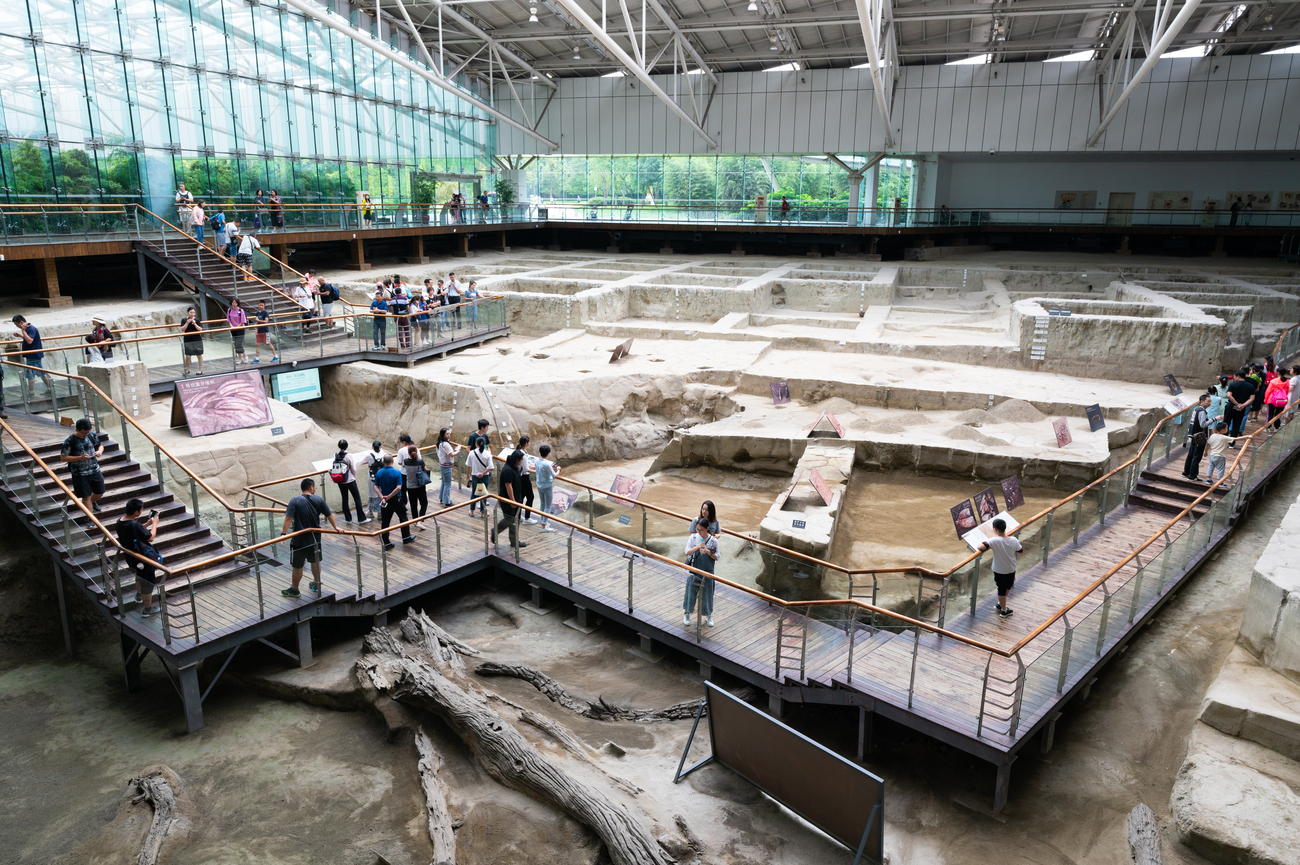
Here, you’ll find a massive, column-free structure built directly over the original excavation site, with built in elevated wooden paths that let you look directly down into the original excavation area, where you’ll see sacrificial pits and clusters of elephant tusks exactly where they were found. There are also five exhibition galleries displaying more than 2,000 artifacts made of gold, jade, bronze, and pottery. The museum's most famous treasure is the Sun and Immortal Birds gold ornament, a paper-thin gold disc showing four birds circling the sun. It’s not only the museum’s most famous piece, but also the official symbol of Chinese cultural heritage and the emblem of Chengdu itself.
Du Fu Thatched Cottage
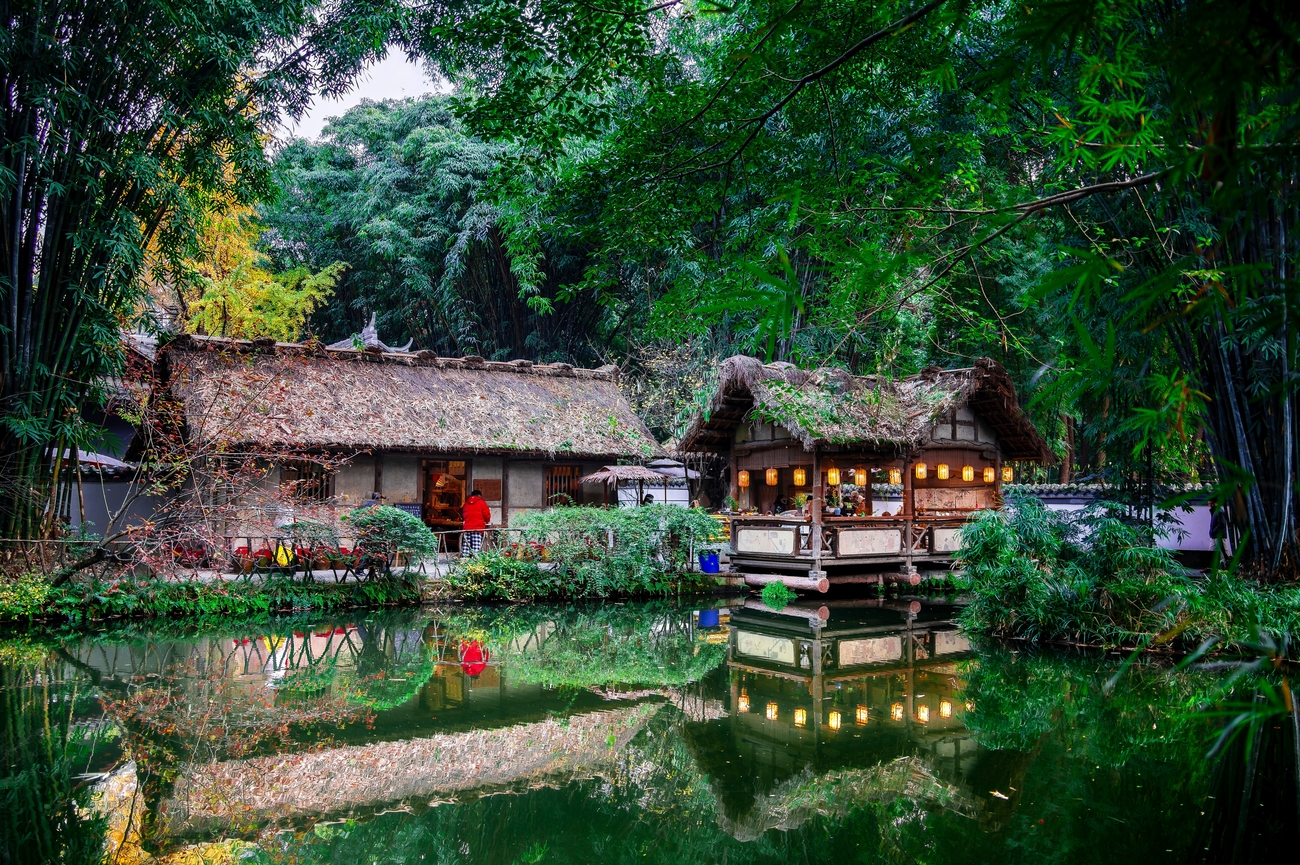
Next, slow things down at Du Fu Thatched Cottage, a peaceful park and museum dedicated to Du Fu, China's most revered Tang Dynasty poet, often called “Poet Sage.” This leafy literati garden is filled with bamboo groves, streams, and elegant Tang- and Qing-style architecture. Du Fu lived here for four years (in 759–763 AD) and wrote more than 240 of his most influential poems during that time. As you stroll through the grounds, you’ll see a carefully reconstructed version of his thatched home, along with the Shaoling Tablet Pavilion, Hall of Historic Poetry, the flower-lined Huajing Path, Wanfo Pagoda, and preserved Tang Dynasty ruins.
Kuanzhai Alley
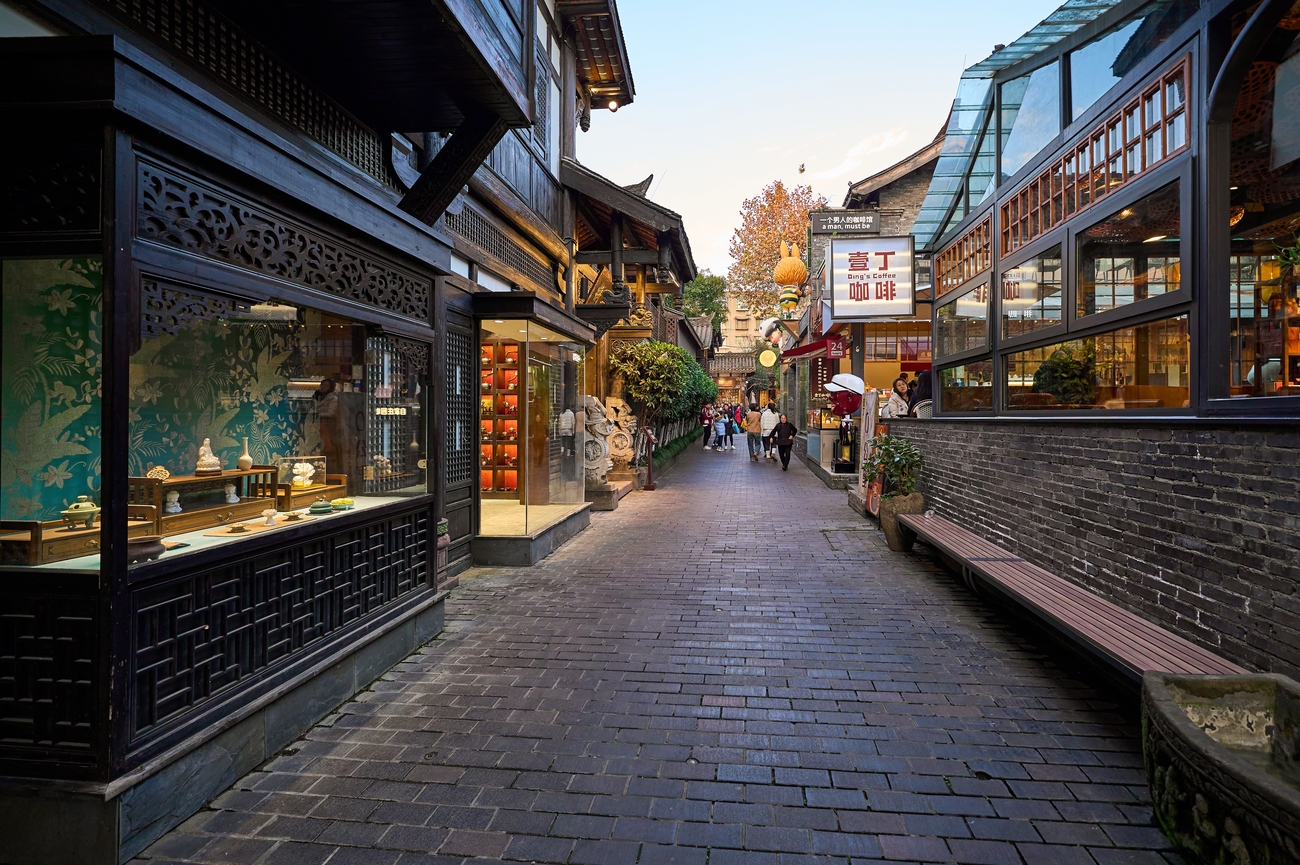
End your day at Kuanzhai Alley, one of Chengdu’s most atmospheric, historic districts. Located in central Qingyang, this 300 year old area features beautifully restored Qing Dynasty architecture that combine northern hutong style lanes with classic Sichuan courtyard homes. It was originally built in 1718 as a military garrison for Manchu Bannermen and has since evolved into a lively dining spot.
Sink into a bamboo chair at a courtyard teahouse, sip Gaiwan tea, and let the day settle in. As you wander through the lanes, especially Jing Alley, you can snack your way through local favourites like San Dapao sticky rice balls, Dan Dan noodles, and the famous “Three Big Cannons.”
Day 2, Afternoon - Chengdu Tour Map
Day 3
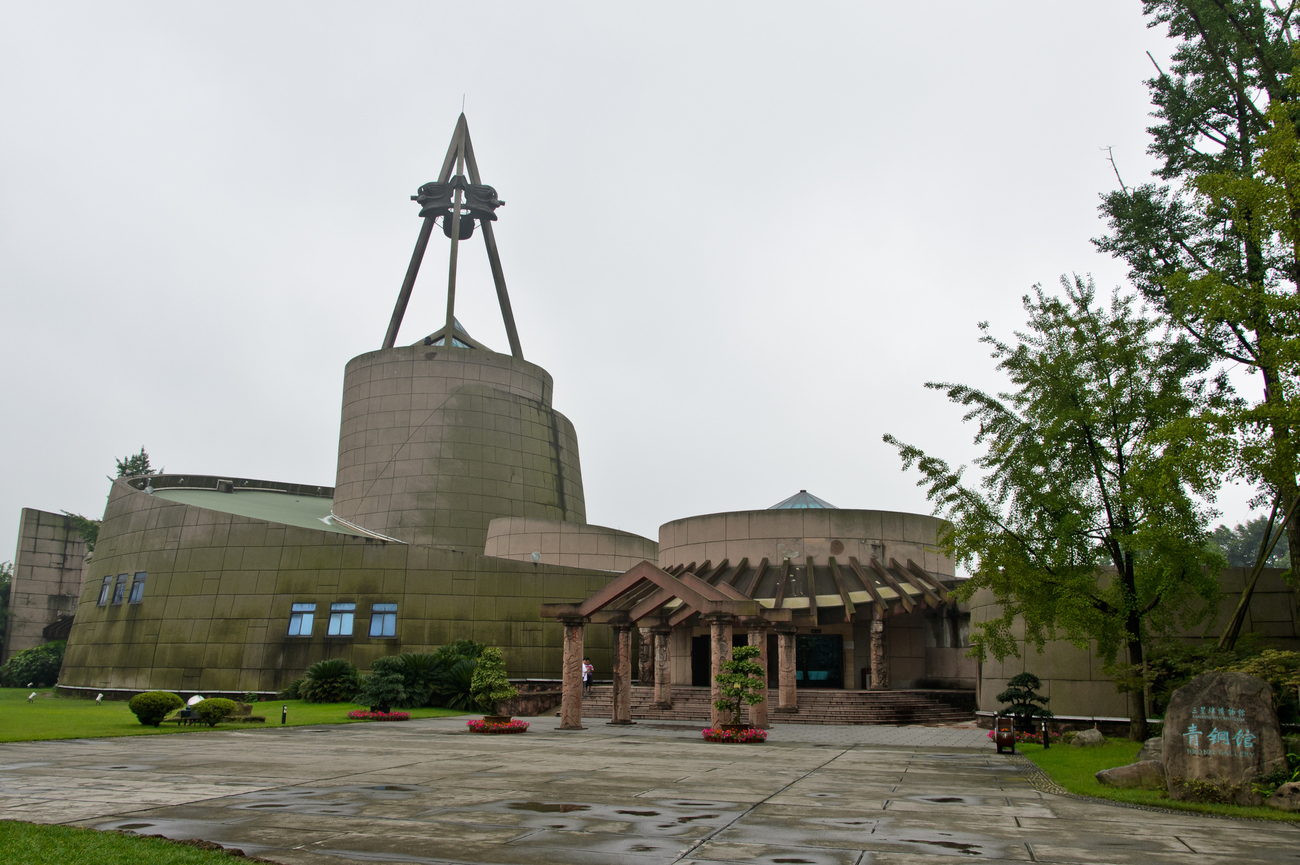
Morning: Sanxingdui Museum
On your final day in Chengdu, head to the Sanxingdui Museum, one of China’s most fascinating archaeological sites. Dedicated to the ancient Shu civilisation, this Bronze Age culture dates back 3,000 to 5,000 years and feels unlike anything else you’ll see in China.
What makes Sanxingdui unforgettable is its sense of mystery. The museum is famous for its almost otherworldly bronze works like the towering bronze figures, masks with protruding eyes, the elaborate Bronze Sacred Tree, and finely crafted gold masks and sceptres that challenge what we thought we knew about early Chinese history.
As you explore the new exhibition halls, you can also visit the Heritage Restoration Centre, where archaeologists are actively restoring newly unearthed relics. If you enjoy hands-on experiences, you can take part in simulated excavations, try bronze-making techniques, or create your own gold-foil artwork inspired by ancient Shu culture.
People’s Park
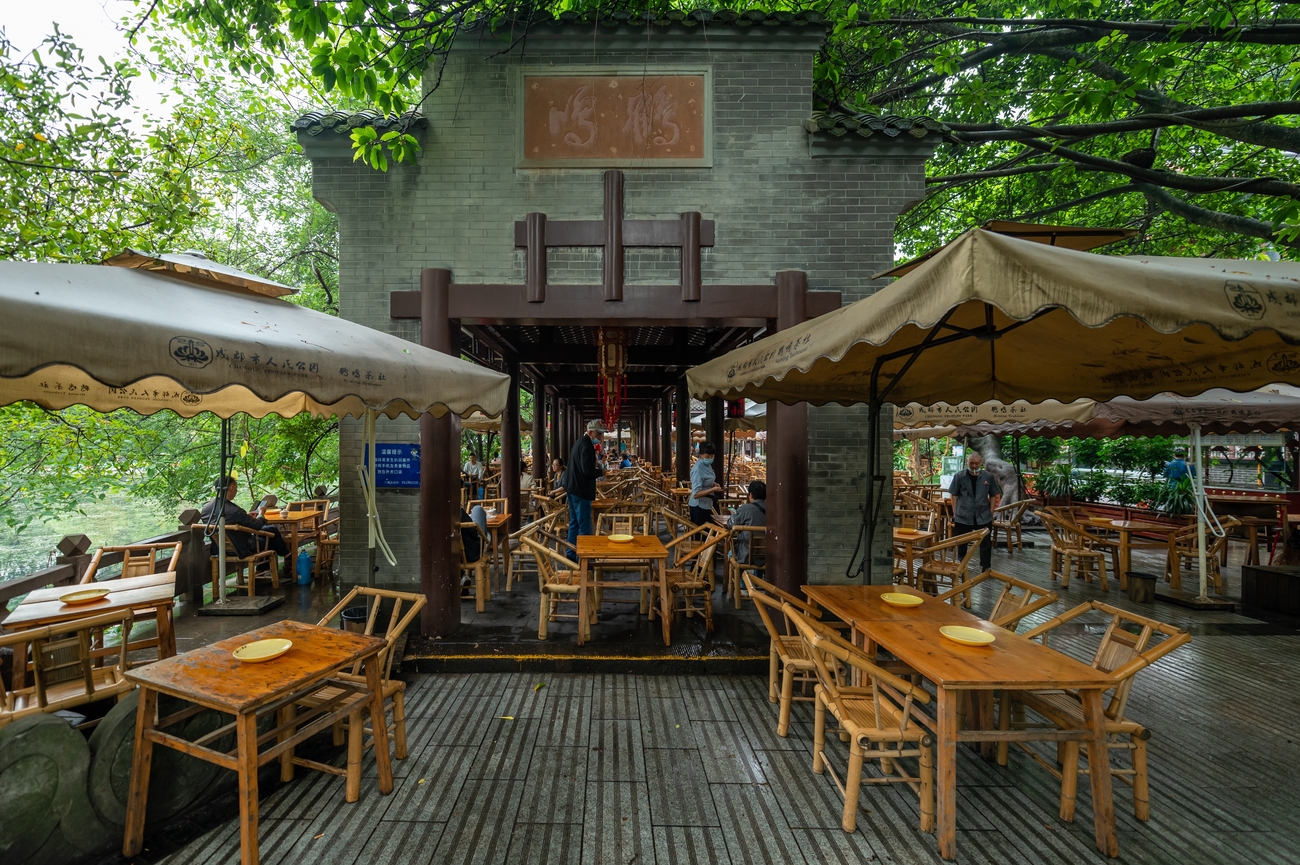
Next, head back to the city centre and slow things down at People’s Park, Chengdu’s oldest public park. Built in 1911, it’s where locals come to drink tea, socialise, and simply pass the day. Settle into the historic Heming Teahouse, where you can sit on bamboo chairs, order a cup of Gaiwan tea, and watch everyday Chengdu life unfold around you. If you’re curious, you can even try a traditional ear cleaning session performed by skilled “ear masters” using specialised tools.
As you wander the park, you may also come across the famous “blind date corner” near the south entrance. Here, parents pin handwritten profiles of their unmarried children (listing age, job, and even property details) in hopes of finding a match. It’s quirky and gives you a glimpse into the city’s social customs beyond the guidebooks.
Day 3, Morning - Chengdu Tour Map
Afternoon: New Century
Global Center
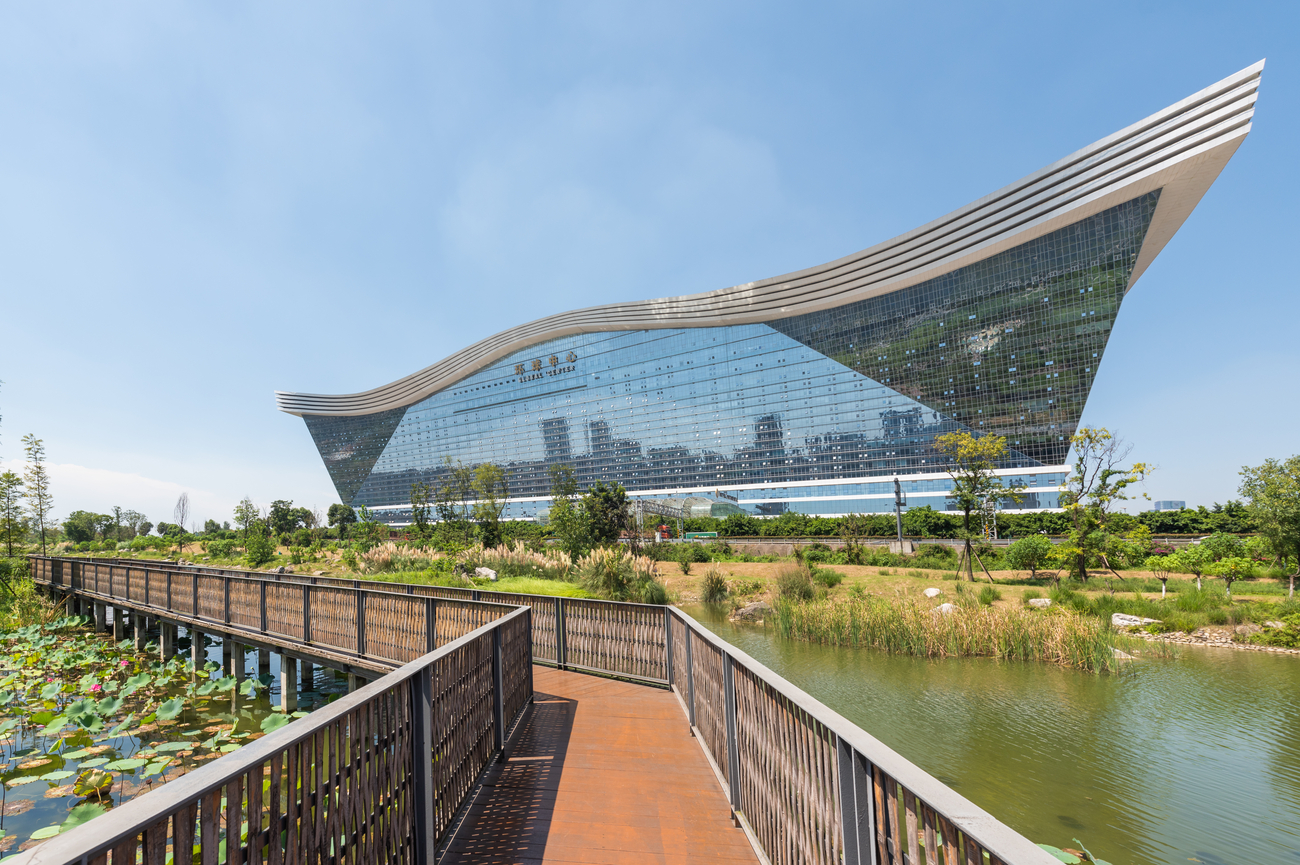
Step inside the New Century Global Center, one of the largest standalone buildings in the world, so big it could fit around 20 Sydney Opera Houses inside. Designed with an ocean-inspired theme, it feels like a fully self-contained indoor city with its soaring glass ceiling and an artificial “sun” keeping the space bright and comfortable all year, so weather is never an issue for your visit.
The centerpiece of the building is the enormous indoor water park, complete with an artificial beach, wave pools, water slides, and a massive LED screen that plays realistic sunrises and sunsets. You’ll also find over 200 shops, ranging from luxury labels like Gucci and Prada to familiar brands like Zara and H&M. There’s even an Olympic-size ice skating rink, an IMAX theater, arcades, and even a pirate ship attraction. In the evening, step outside to the Central Square and catch the fountain show in the evening around 7:30 PM.
West Pearl Tower
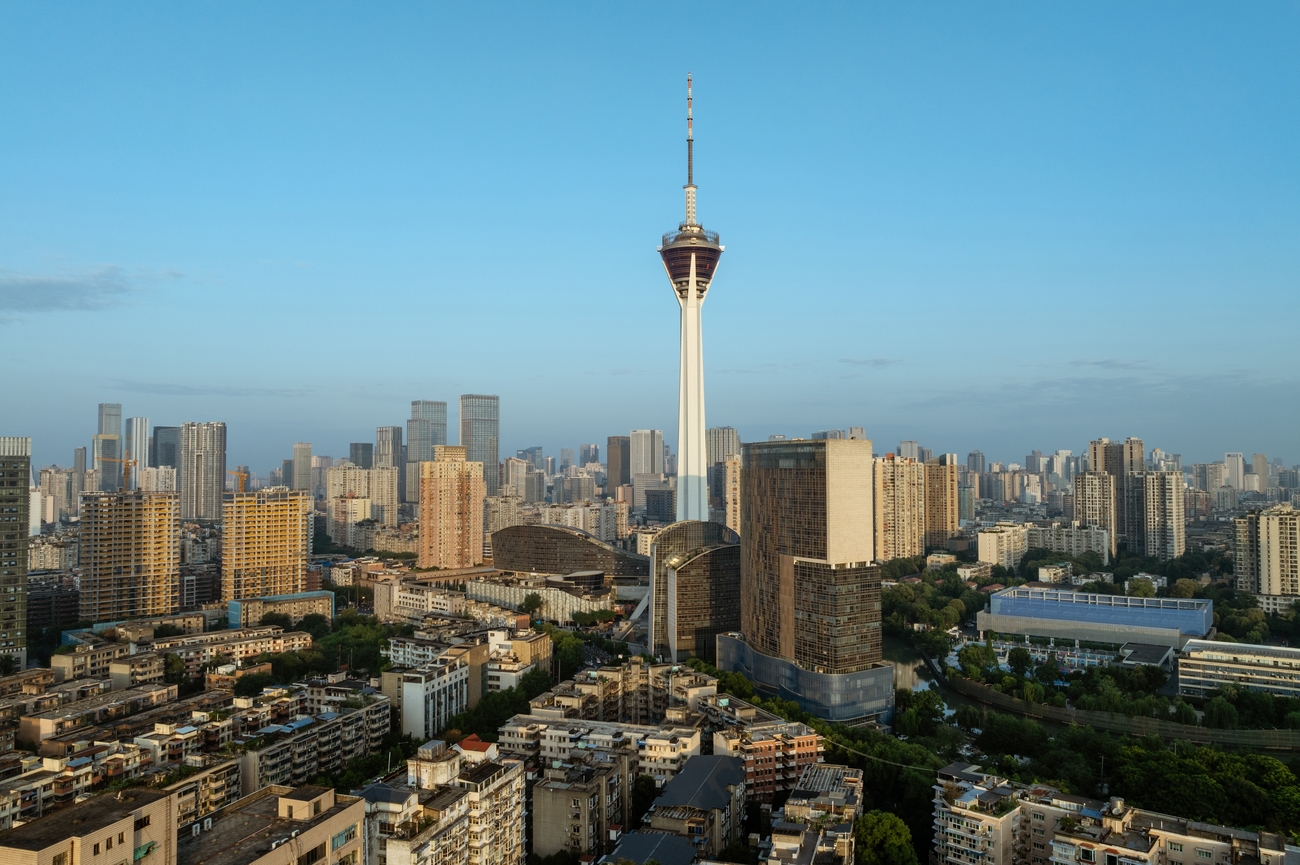
Wrap up your Chengdu trip with a visit to the city’s tallest landmark, also known as the Sichuan Radio and TV Tower. Standing 339 metres above the skyline, it offers one of the best views in Western China. A high speed glass elevator takes you up to the observation decks at around 213 metres, where you can enjoy 360 degree views of Chengdu’s twinkling skyline. If you’re feeling brave, step onto the open-air platform or the glass floor sections for a palm-sweating view of the city directly beneath your feet. Every evening, there is a nighttime light show, where the tower is illuminated with rapidly alternating colors.
Day 3, Afternoon - Chengdu Tour Map
Day Trips from Chengdu
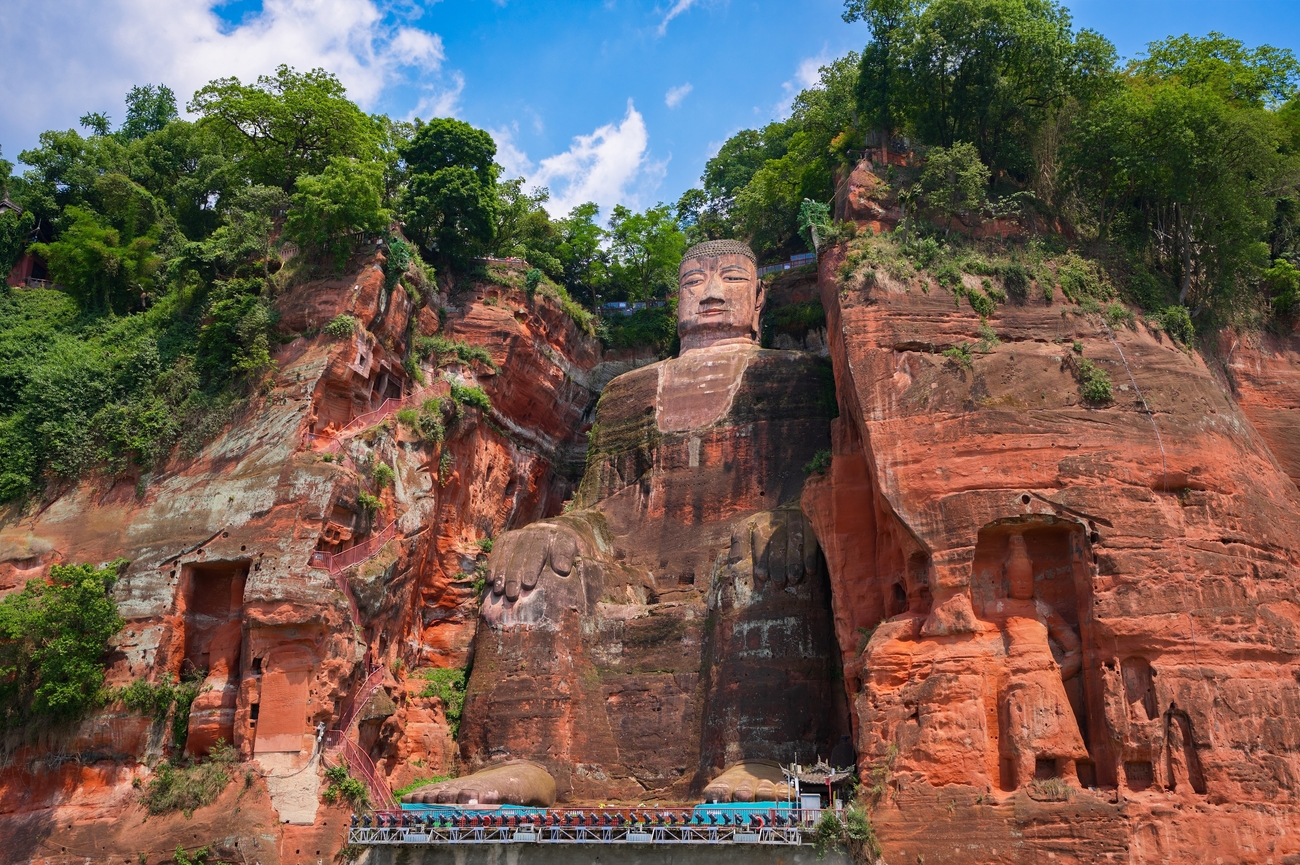
- Leshan Giant Buddha: A UNESCO World Heritage Site and the largest stone Buddha in the world, standing an awe-inspiring 71 metres tall. You can hike up to the top of the cliff to stand level with the Buddha’s head, then carefully make your way down the narrow Nine-Bend Plank Road to its feet. Along the way, you’ll see details up close, from the 1,000+ spiralled hair buns to the clever ancient drainage system hidden within the statue. For the best overall view, we can arrange a 30–40 minute boat ride for you and see the full scale of the Buddha and the famous “Giant Sleeping Buddha” shape formed by the surrounding mountains.
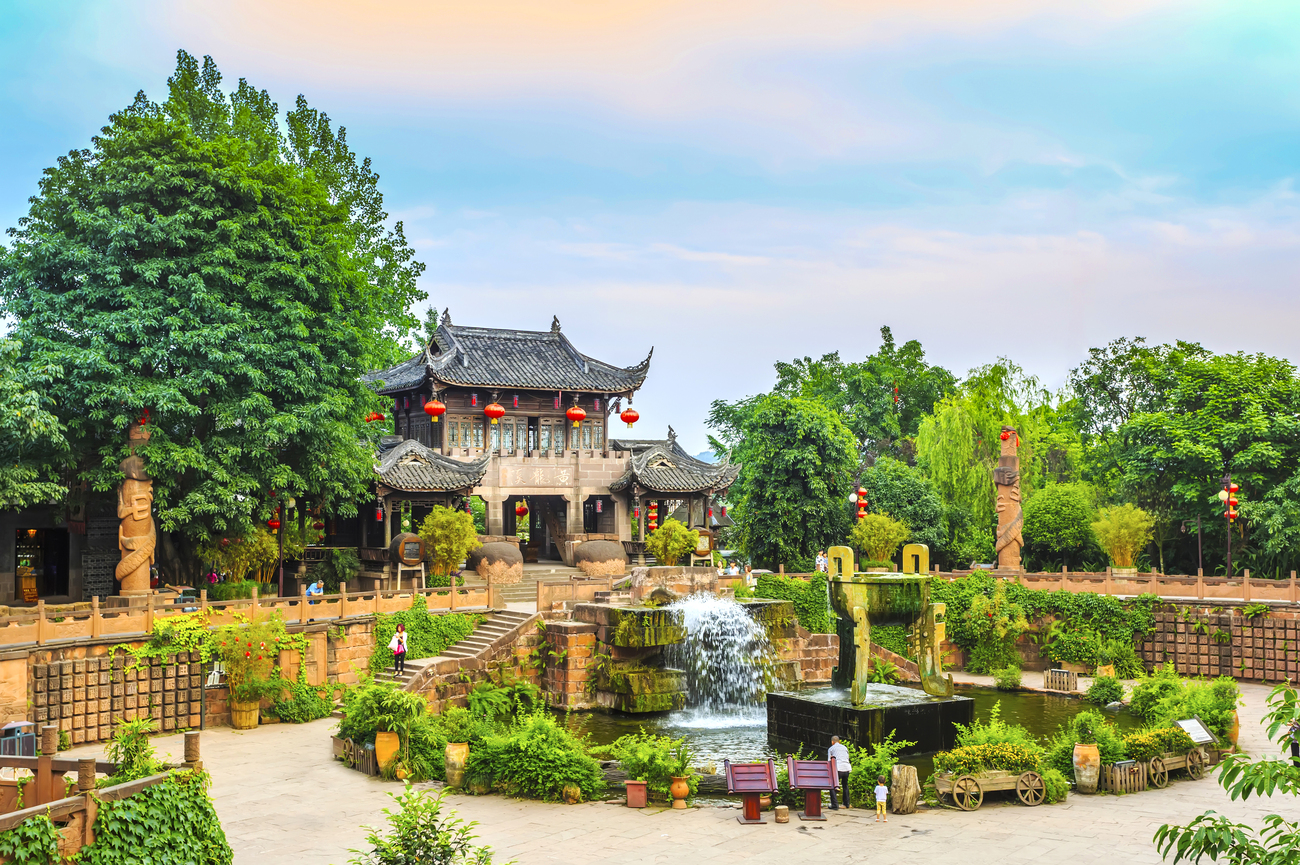
- Huanglongxi Ancient Town: A 1,700-year-old riverside town known for its beautifully preserved Ming and Qing Dynasty architecture. Often nicknamed the “Sichuan Hollywood,” it’s a favourite filming location for period dramas in China, and once you’re here, you’ll understand why. You can wander along seven stone-paved historic streets, following the main axis that leads to three temples: Gulong Temple, the oldest, shaded by an 800-year-old banyan tree; Zhenjiang Temple; and Chaoyin Temple. If you’re visiting between June and August, expect a fun surprise as the town gears up for summer water fights, where locals cool off together and engage in fun water fights. So bring out your water guns and buckets and join the "battle".
UNESCO Designations in and Around Chengdu
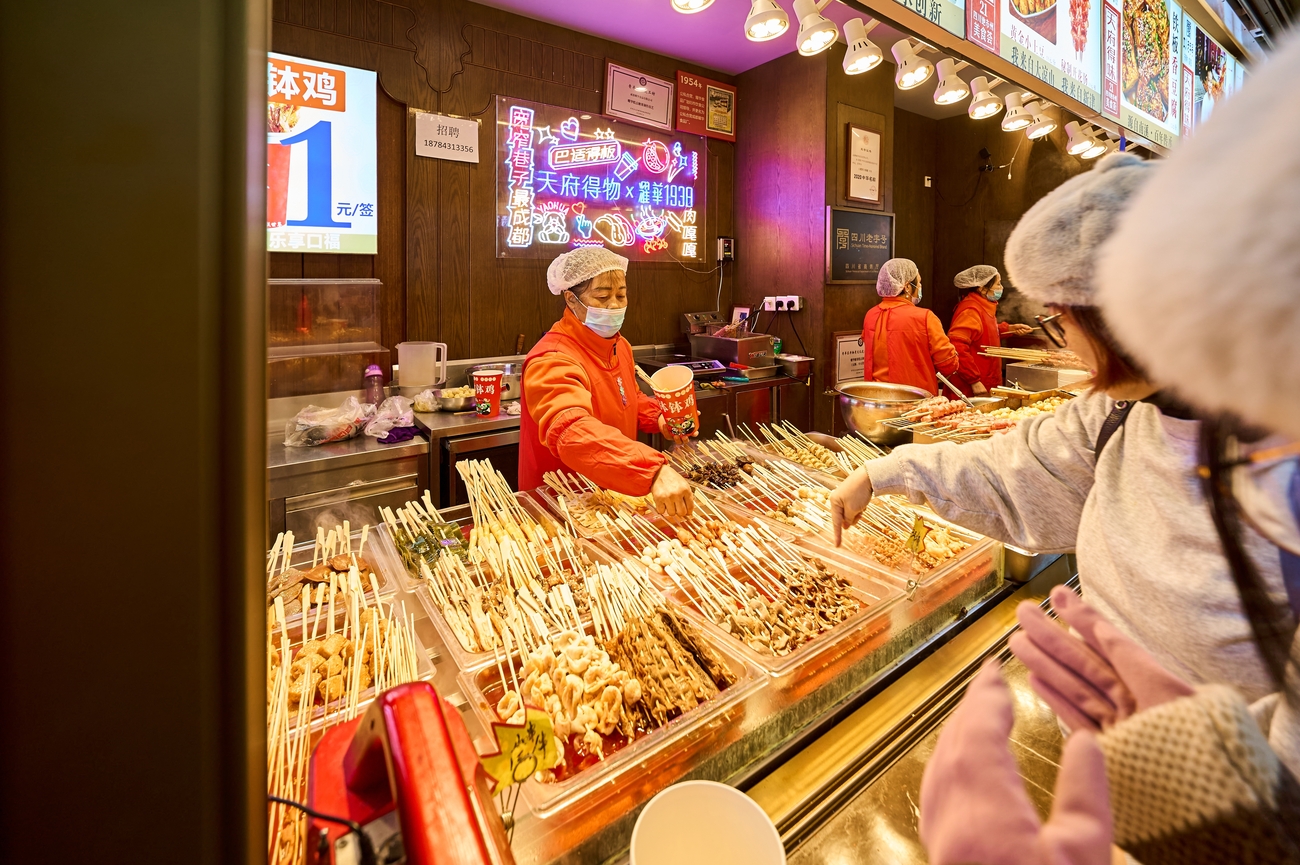
- City of Gastronomy: Chengdu was named a UNESCO City of Gastronomy in 2010, becoming the first city in Asia to earn the title. This recognition reflects how deeply food is woven into daily life here, from time honoured traditions to a food scene made up of more than 60,000 restaurants. What sets Chengdu apart is Sichuan cuisine’s extraordinary range. You’ll encounter all 24 recognised flavour profiles, where sweet, sour, bitter, spicy, and salty are balanced in harmony rather than overpowering each other. This is why so many travellers come to Chengdu specifically to eat. We can arrange a guided food tour through local markets such as Supo Farmers Market and hidden backstreets, where you’ll sample classic dishes, meet local vendors, and eat where Chengdu residents have been dining for generations.
- Mount Qingcheng and the Dujiangyan Irrigation System: Inscribed together as a UNESCO World Heritage Site in 2000, Mount Qingcheng and the Dujiangyan Irrigation System represent the pinnacle of ancient Chinese engineering and spiritual harmony with nature. At Dujiangyan, you’ll see the world’s oldest dam-less irrigation system, still in use today. It is a masterpiece that controls floods and nourishes the Chengdu Plain without disrupting the river’s natural flow. Mount Qingcheng, on the other hand, is known as the birthplace of Taoism and is often called “the most secluded place under heaven.” Walking here feels calm and contemplative.
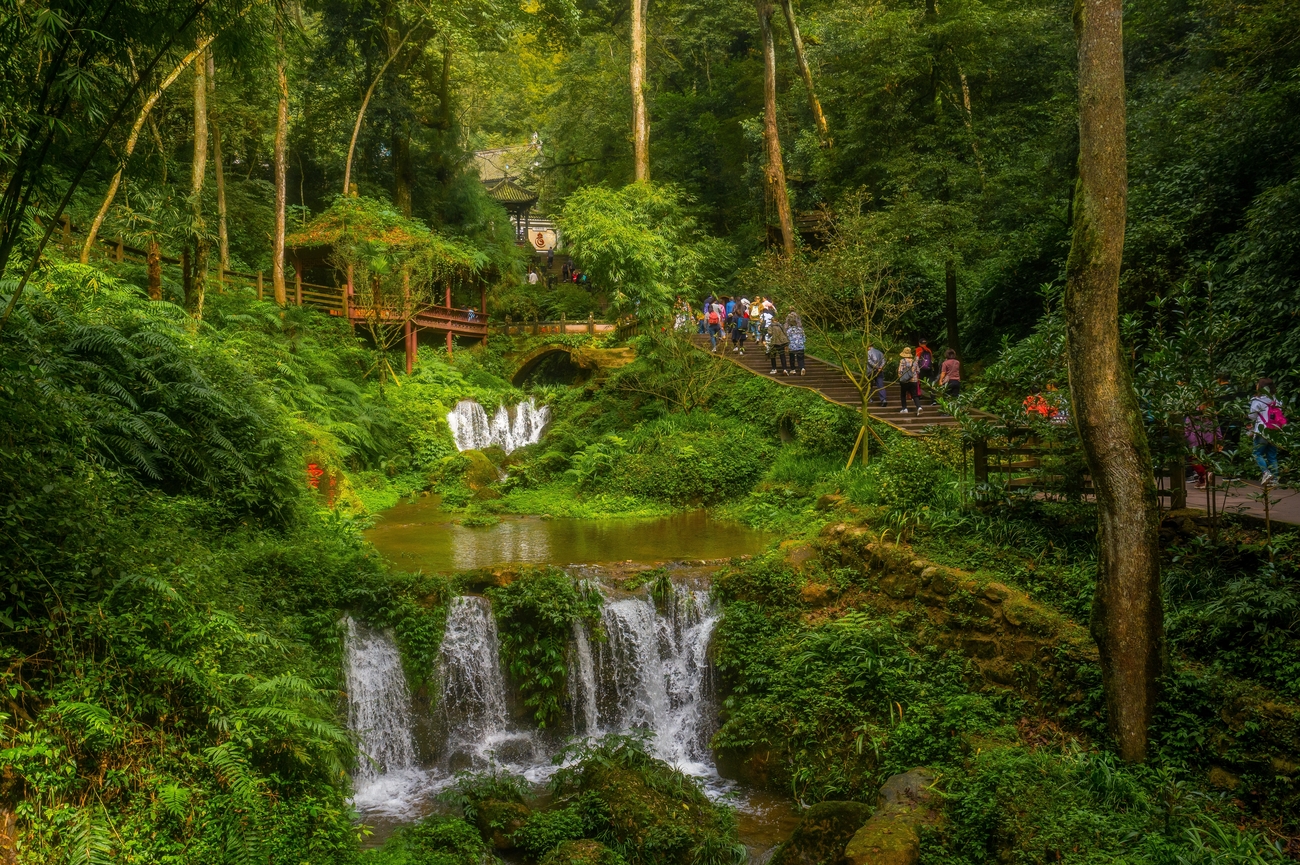
- Mount Emei Scenic Area, including Leshan Giant Buddha Scenic Area: Inscribed as a UNESCO World Heritage Site in 1996, the Mount Emei Scenic Area and the Leshan Giant Buddha Scenic Area bring together nature, faith, and history in one extraordinary journey. Mount Emei is where Buddhism first took root in China in the 1st century AD. As one of the country’s Four Sacred Buddhist Mountains, it rises majestically above the plains, reaching over 3,000 meters. As you move through misty forests and temple lined paths, you’ll feel why this mountain has long been associated with reflection, pilgrimage, and enlightenment. At the mountain’s edge, you’ll find the Leshan Giant Buddha, a 71 metre tall statue of Maitreya carved directly into the cliff during the Tang Dynasty. Standing before it puts the scale of ancient devotion into perspective.
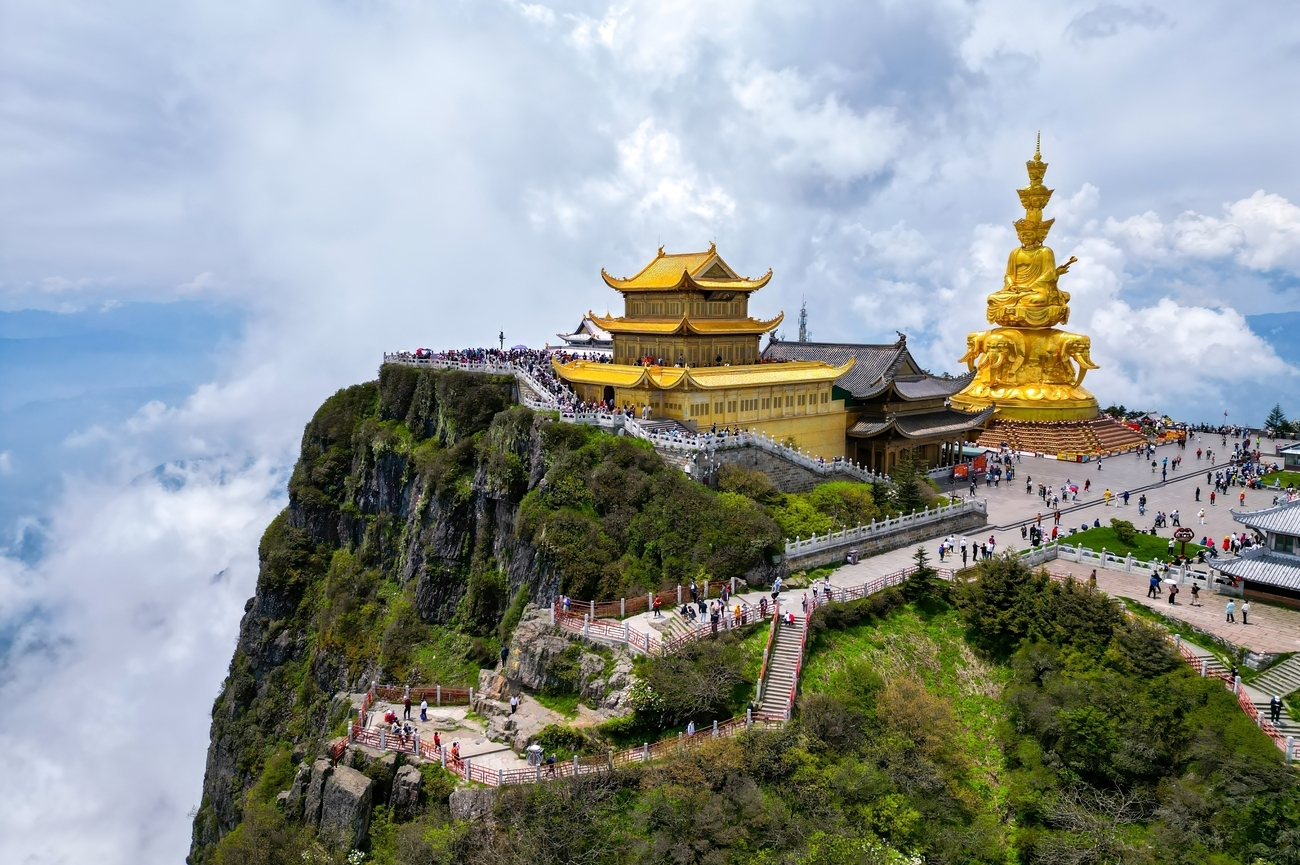
- Sichuan Giant Panda Sanctuaries: A UNESCO World Heritage Site spread across seven nature reserves and nine scenic parks, covering more than 9,245 square kilometres of mountainous terrain in Sichuan. This is the world’s largest remaining continuous habitat for giant pandas and home to over 30% of the global wild panda population. The sanctuaries also protect other rare wildlife, including red pandas, snow leopards, and clouded leopards, alongside rich forests filled with diverse plant life. If you want a deeper, hands-on experience, you can join a Panda Volunteer Program at either Dujiangyan Panda Park or Ya'an Bifengxia Panda Base. As a volunteer, you’ll help prepare food, assist with feeding, and learn directly from caretakers about panda conservation. You’ll even earn a certificate at the end of the day to mark your contribution.
Luxury Rail Tours in
Chengdu
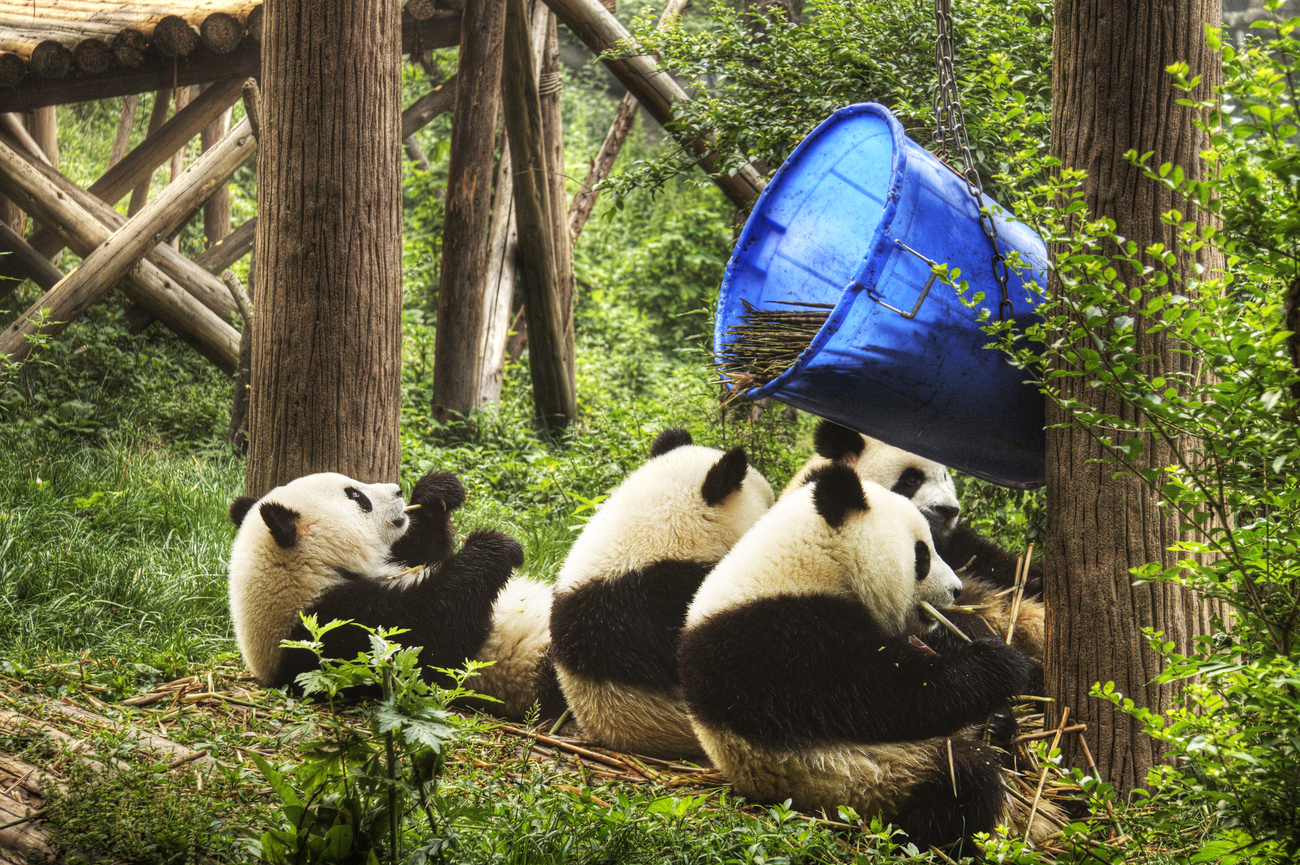
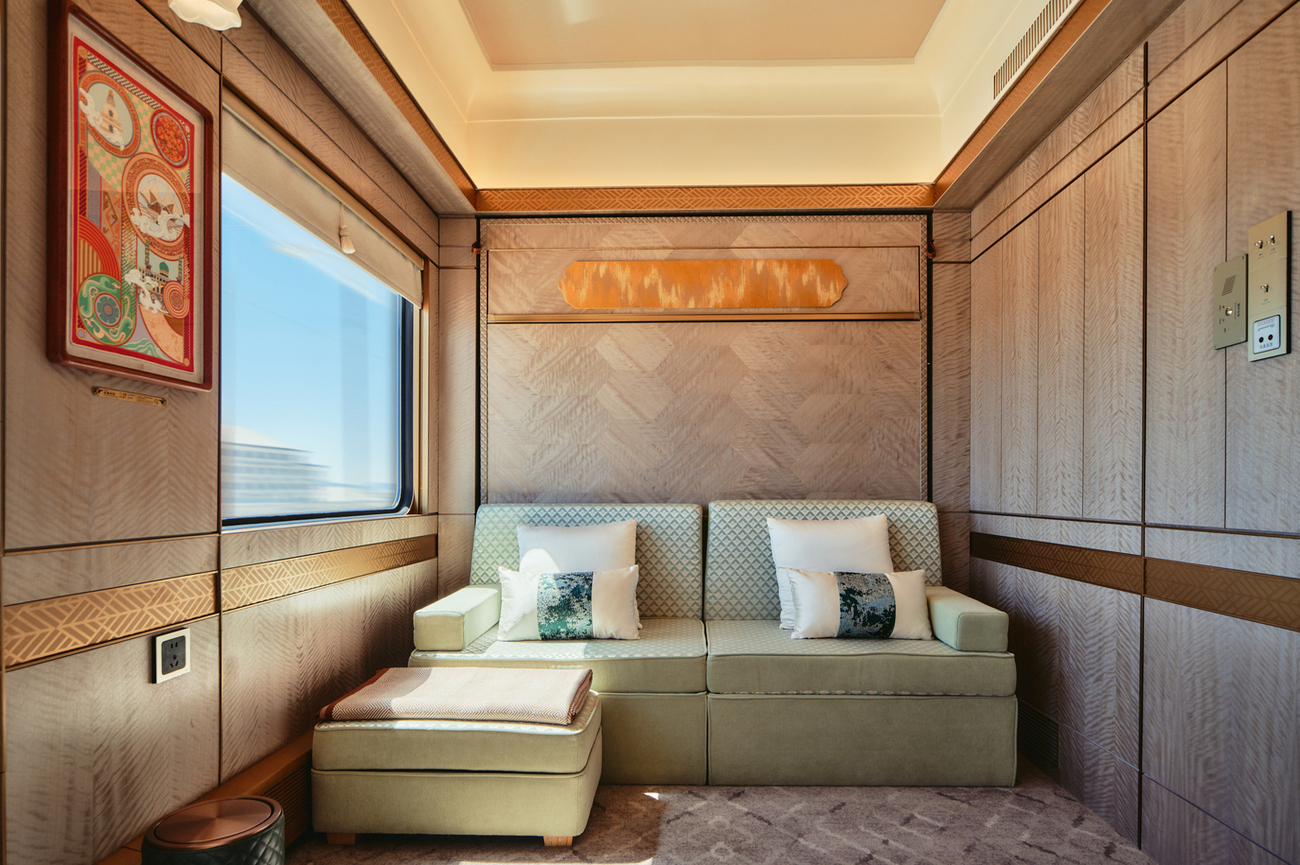
- Panda Train - Chengdu Hao: China's premier boutique luxury
tourist train, designed to make you feel like in a five-star hotel on rails.
From the moment you step onboard, everything is panda-themed, from the exterior
design to the pillows, slippers, and even the latte art in your morning coffee.
For your stay, you can choose between Panda Suites or Deluxe Private Rooms,
both fitted with private en-suite bathrooms, soundproofing, and climate control
so you can rest comfortably as the Sichuan scenery rolls by.
Onboard life is part of the experience. You’ll dine on authentic Sichuan dishes in the Panda Dining Car, then unwind at the Panda Bar, which doubles as a cocktail lounge, karaoke room, dance floor, and mahjong area. Routes typically depart from Chengdu and travel to destinations such as Emeishan, Xichang, Dunhuang, and even as far as Urumqi or Vientiane, Laos. Trips usually last 3 to 12 days, making this a great option if you want to explore western China at a leisurely and immersive pace.
- Golden Eagle Silk Road Express: You can experience Chengdu in true slow travel style aboard the Golden Eagle Silk Road Express, a premier private luxury train. Onboard, you’ll choose between Superior Cabins (11 sqm) or the ultra exclusive Han Dynasty Suites (22.2 sqm). If you opt for the suite, you’ll enjoy a separate living area, a bathtub, and even a private guide and car at select destinations. Life on board is designed for elegance and comfort. Evenings unfold in the Bar Lounge Car, accompanied by a resident pianist, while the Observation Car (with its 270 degree panoramic windows) lets you enjoy the landscape without ever leaving your seat. On itineraries that stop in Chengdu, such as Imperial China or A Voyage to the Roof of the World, you can expect a thoughtfully curated one to two day Chengdu excursion. This typically includes a morning visit to the Chengdu Research Base of Giant Panda Breeding, a private group access to Sichuan Opera featuring the famous bian lian (face-changing) performance, and unhurried walks through Kuanzhai Alley to shop, dine, and observe in Chengdu’s laid back atmosphere. Everything is taken care of. Your fare includes all five-star accommodations (both onboard and in hotels), all meals, drinks served with meals, transfers, guided excursions, and gratuities, so you can simply relax and enjoy the journey.
Golf Courses in
Chengdu
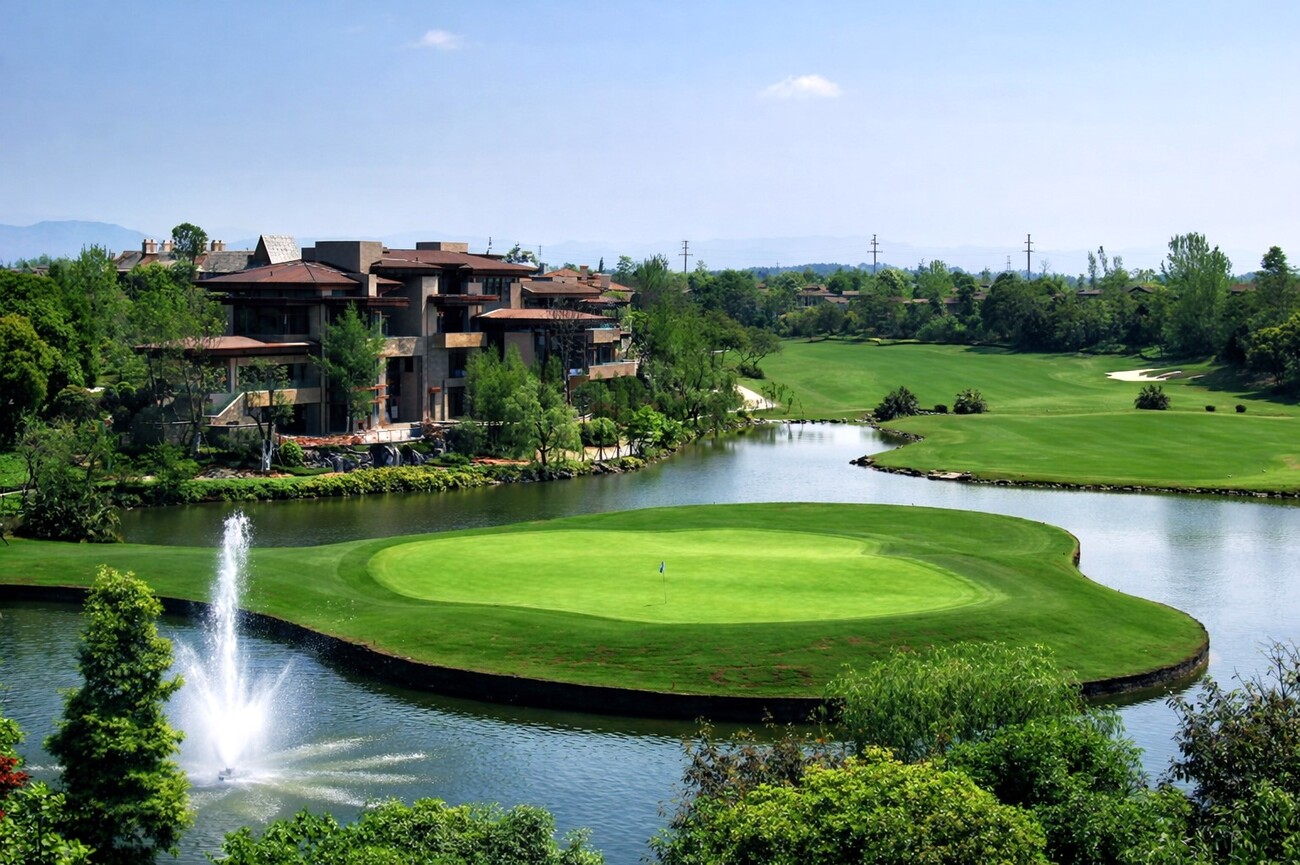
- Luxehills International Country Club: If you’re a serious golfer, Luxehills International Country Club is one course you’ll want on your radar. Consistently ranked among China’s top 10 golf clubs, this 18-hole championship course is known for its demanding, American style parkland design. Designed by Mark Hollinger of JMP Design, the par-72 course stretches 7,335 yards, with tree-lined fairways, rolling terrain, and plenty of strategic challenges. Expect over 140 bunkers, carefully placed to test your shot selection, along with significant water hazards throughout the round. The course has hosted major tournaments such as the Volvo China Open and the Luxehills Championship, so you’ll be playing the same fairways as the pros. If you enjoy technically demanding layouts, tournament level conditioning, and a polished, international golfing experience just outside the city.
Ski Resorts Near
Chengdu
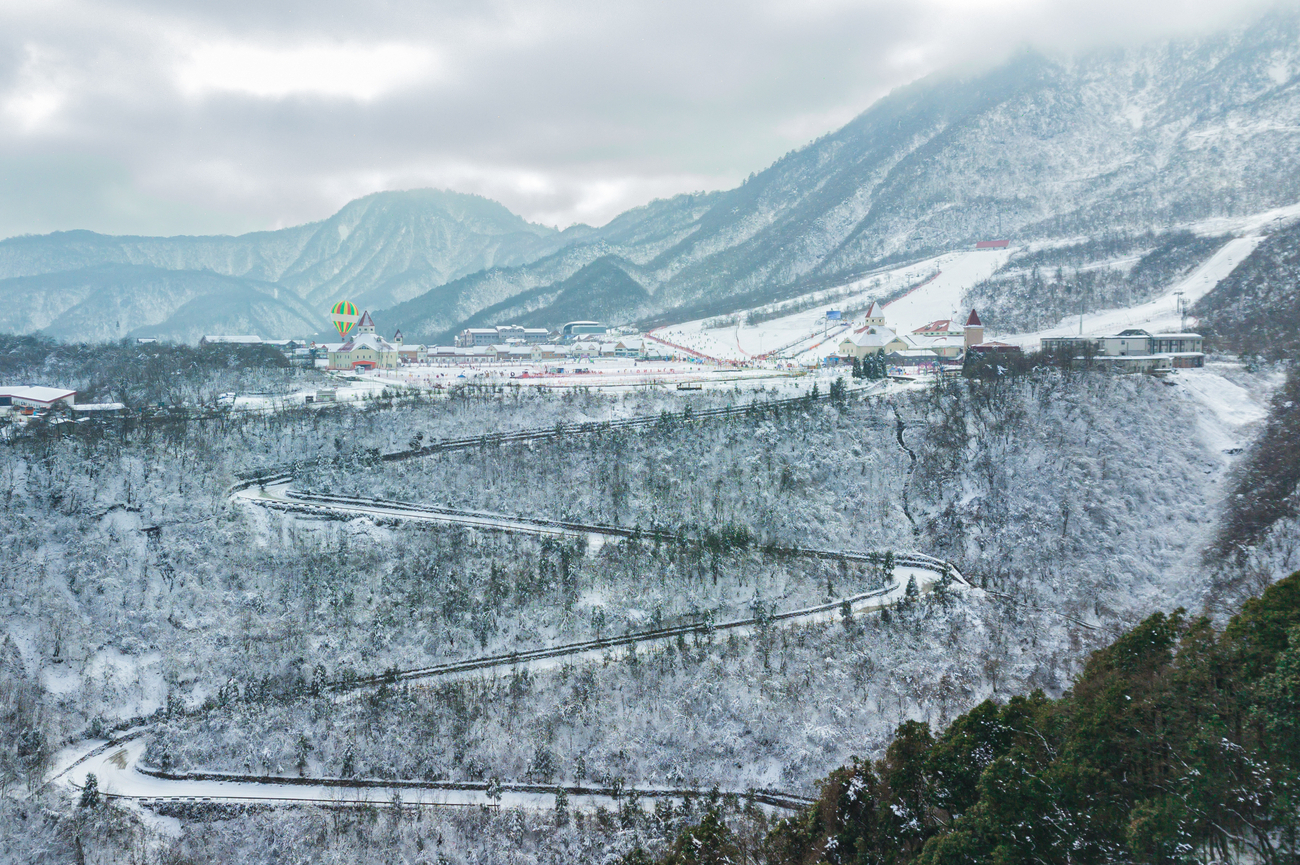
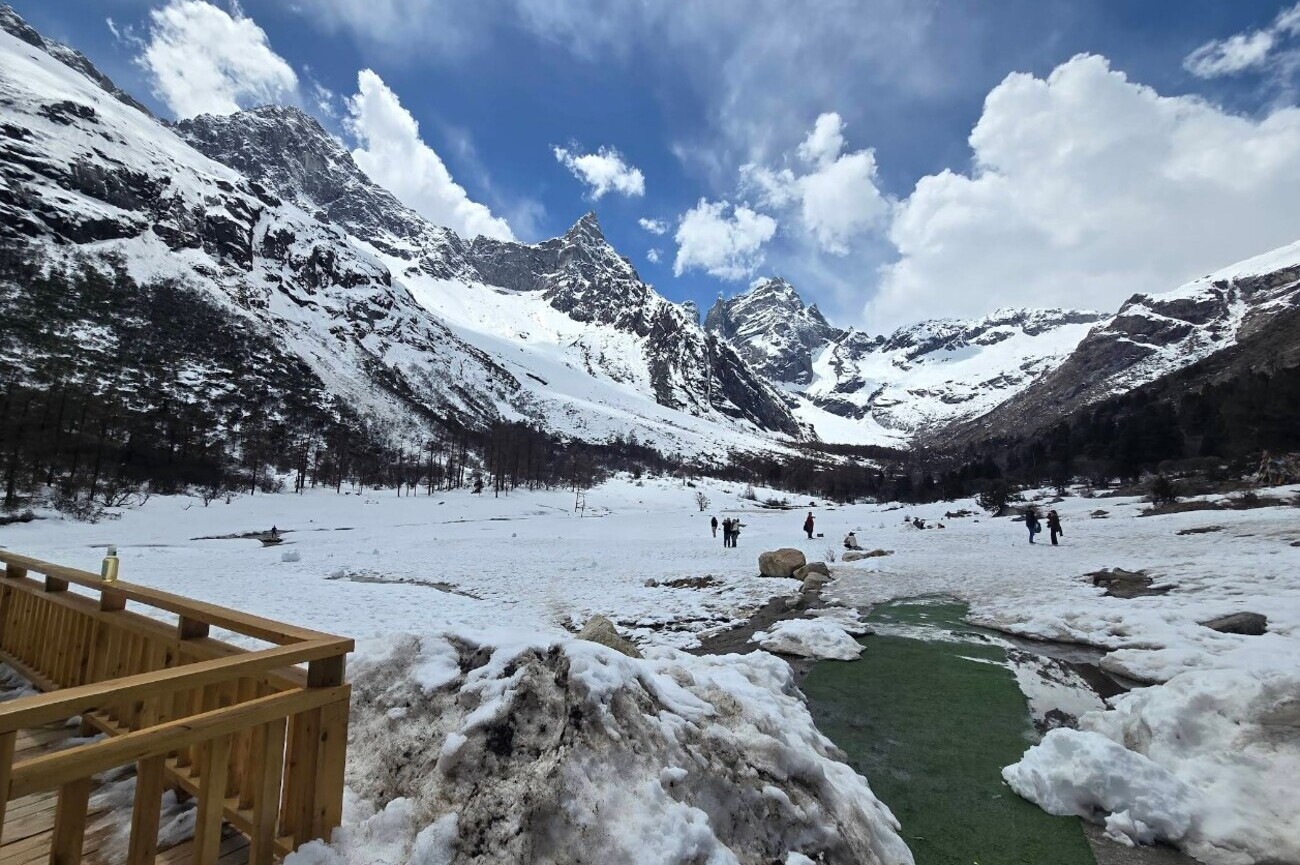
- Xiling Snow Mountain: If you’re craving a winter escape while in Sichuan, Xiling Snow Mountain is your go to. Often called the “Eastern Alps,” it’s the largest and best equipped alpine ski resort in southern China. The resort features 10 international standard ski runs, so whether you’re a first timer, a confident intermediate, or an advanced skier, there’s a slope that fits your level. If you’re not keen on skiing all day? Xiling still has a lot in store for you. You can try snowboarding, or switch things up with snow tubing, snowmobiling, dog sledding, zorbing, and even hot air balloon rides that float above the snow covered landscape.
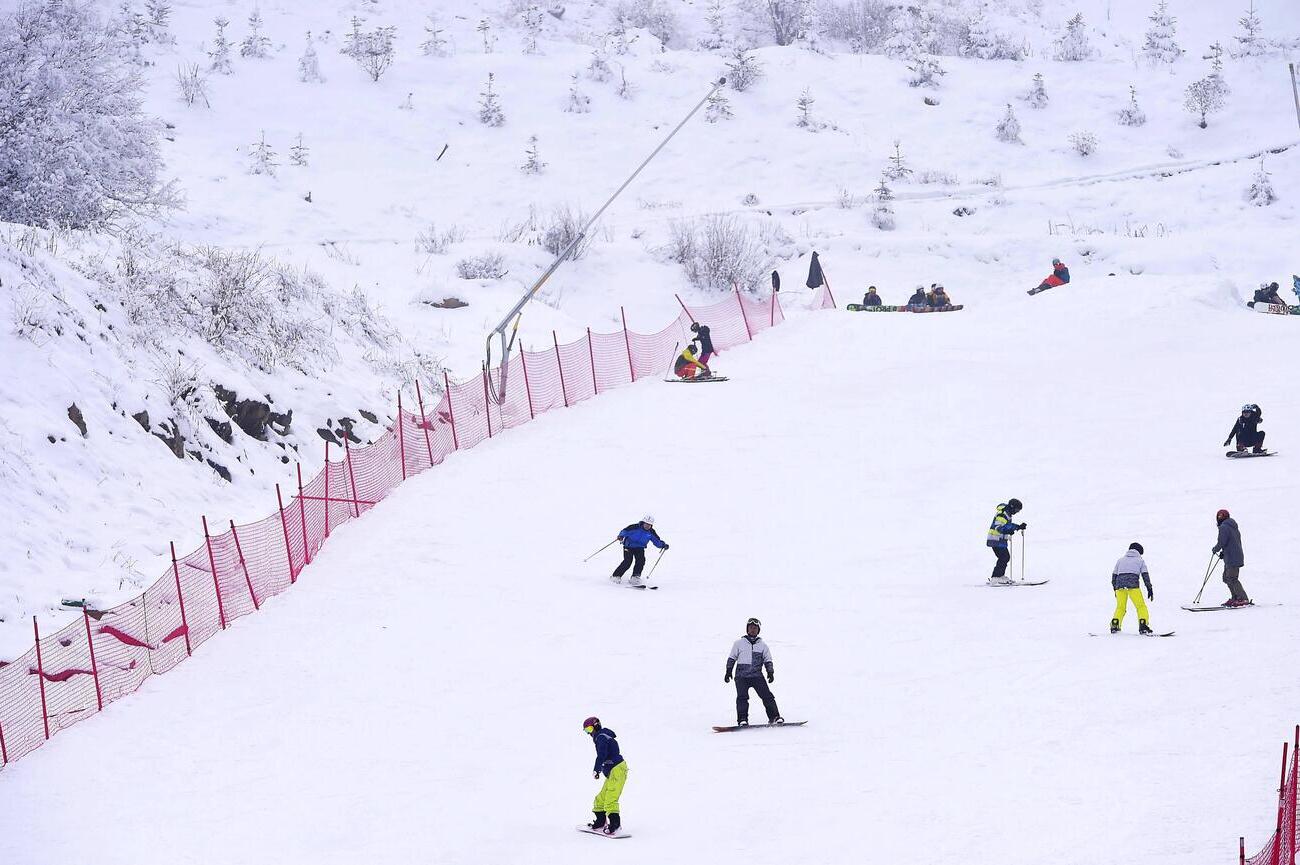
- Taiziling Ski Resort: If you want a solid ski escape without going
too far from Chengdu, Taiziling Ski Resort, located about 2.5 to 3.5 hours away
in Mao County is a popular choice for its well balanced slopes and beautiful
mountain scenery. The resort offers three beginner runs, two intermediate
trails, and three advanced slopes, including a challenging 2.7-kilometre run
for confident skiers who want a longer descent. If you’re new to skiing or
travelling with mixed skill levels, it’s easy to find a slope that suits
you. Not fond of skiing? You’ll still
enjoy the trip. There’s a Snow Play Area and plenty of spots to simply enjoy
the views of snow covered peaks and frosted forests. When you need a break,
warm up at the rest areas and small restaurants with hot ginger tea, Tibetan
barley cakes, and local snacks.
- Bipenggou Ski Resort: Often called the "Little Switzerland of
Western Sichuan," located in Li County, northwest of Chengdu. It’s known
for its beautiful alpine scenery, snowy peaks, frozen lakes, and forested
valleys, and for being far less crowded than larger resorts like Xiling Snow
Mountain. The snow season usually runs from late November to March and the
slopes here are beginner-friendly, ideal if you’re trying skiing for the first
time. To make it even easier for you, we can arrange private one-on-one ski
lessons with professional instructors, so you can learn comfortably and
confidently.
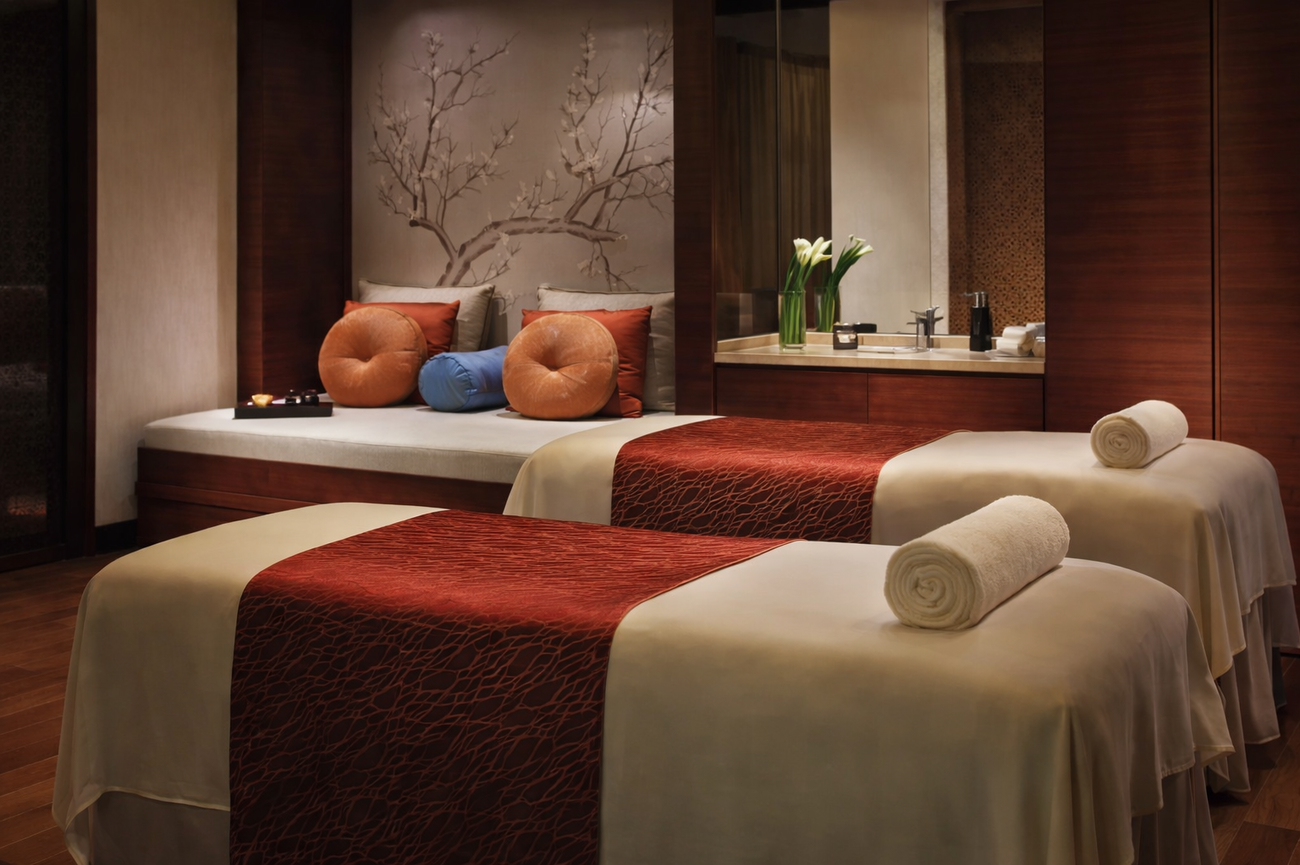
Luxury Spa &
Wellness Experiences in Chengdu
-
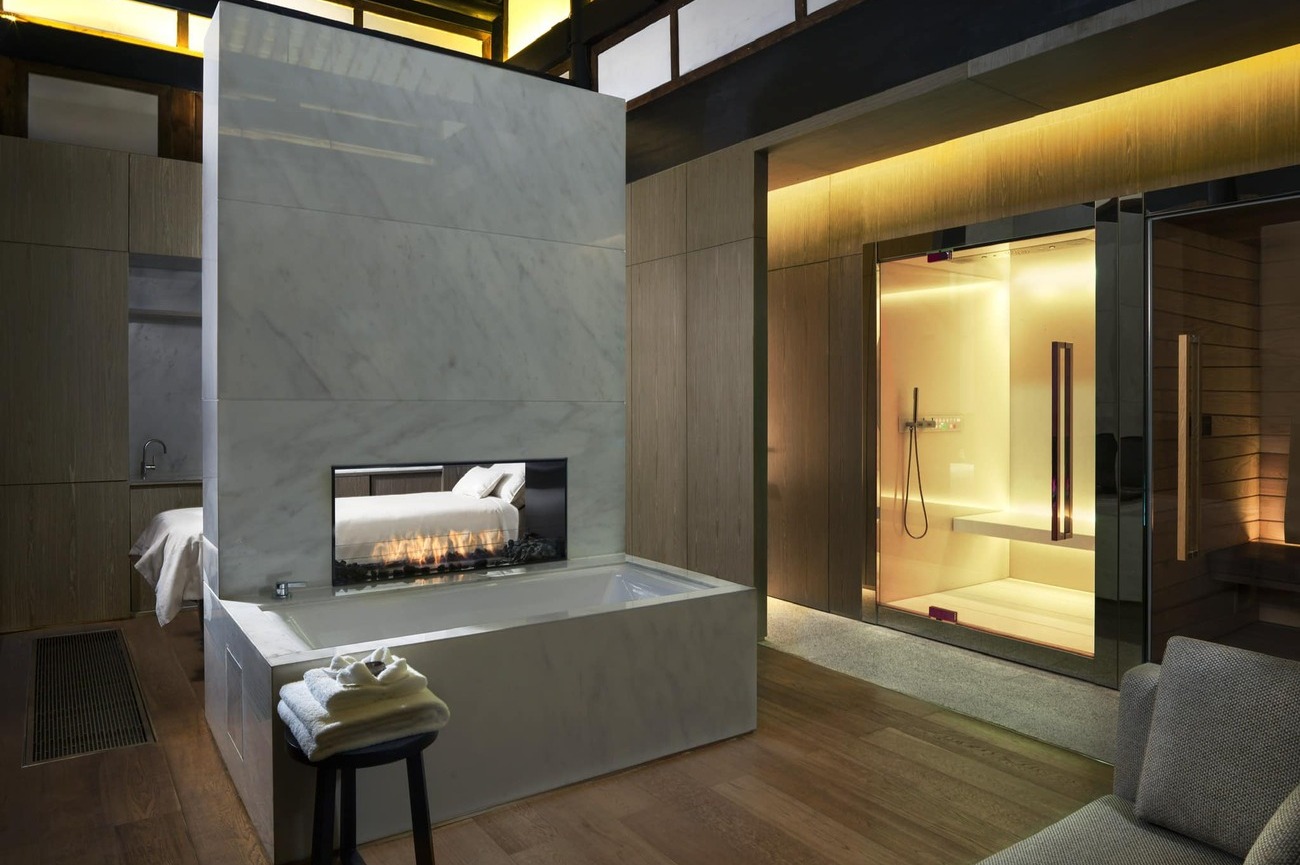
Mi Xun Spa
: Located inside The Temple House (also known
as Upper House Chengdu), Mi Xun Spa is an award-winning urban retreat set
within a beautifully restored heritage building featuring traditional Western
Sichuan architecture. Here, you can choose from a thoughtfully curated menu of
treatments that blend Traditional Chinese Medicine with modern Western
therapies, using premium skincare brands like Biologique Recherche, Natura
Bissé, and THÉMAÉ. The spa’s signature experience is the bamboo massage, which
uses locally sourced bamboo canes to deliver a deeply targeted, energising
treatment.
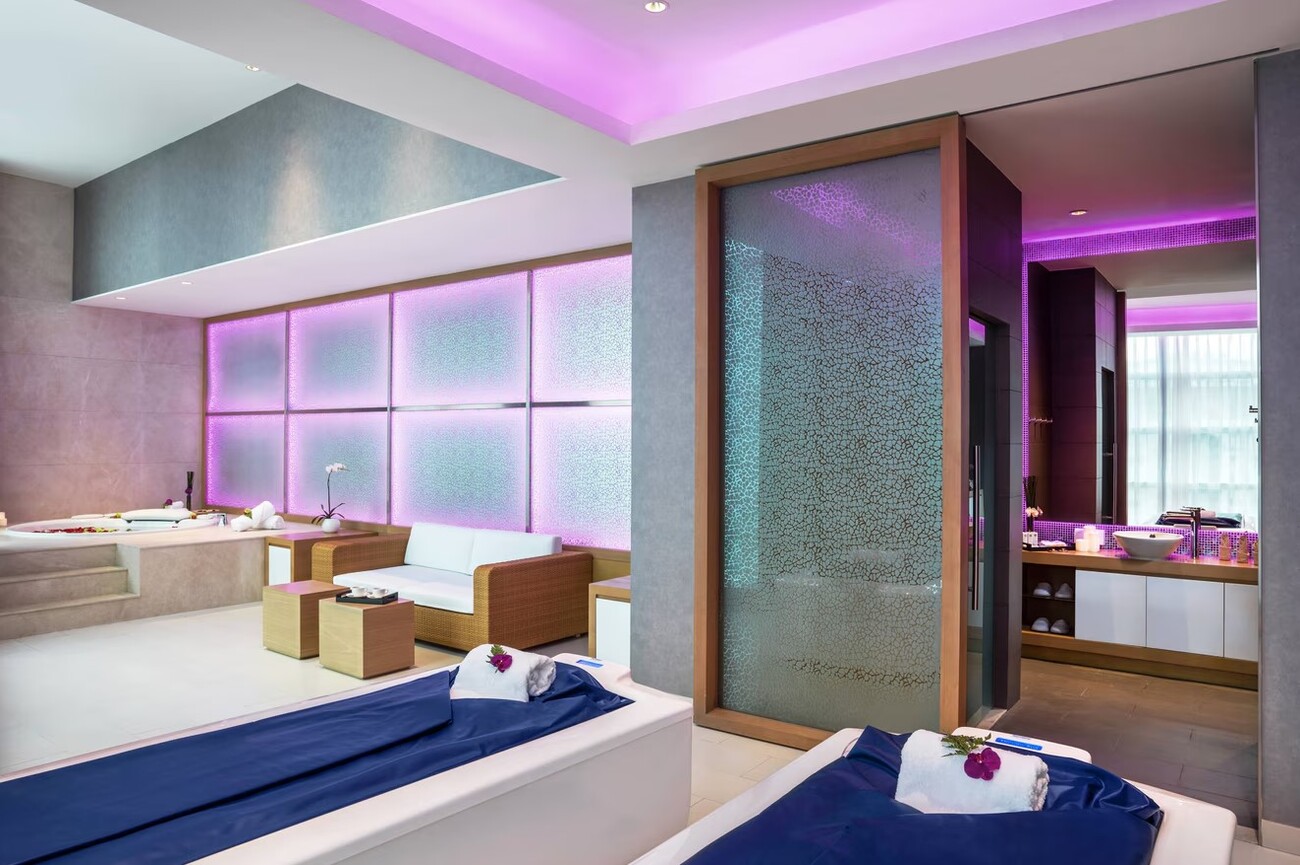
- Iridium Spa, The St. Regis Chengdu: Located on the sixth floor of The St. Regis Chengdu, Iridium Spa is a sleek, modern wellness retreat that combines advanced spa technology with premium Thalgo products. Try the spa’s Sichuan Tea Bathing Ritual, to soothe your body and calm the mind, a nice soak after a busy day in the city. For a classic option, the Iridium Signature Massage is a must try for its highly rated full body treatment tailored to your needs, ideal for releasing tension and easing you into deep, restorative relaxation.
- Chi The SPA at Shangri-La Chengdu: A calm, holistic retreat rooted in traditional Chinese and Himalayan healing philosophies. Treatments here combine traditional techniques with a modern wellness approach, using natural, locally sourced ingredients. For deep, full-body relaxation, the Himalayan Hot Stone Massage is a signature experience, using heated river stones to melt away muscle tension and quiet the mind. If your feet need some love after exploring the city, the Traditional Chinese Foot Massage focuses on acupressure points to improve circulation and restore your energy flow.
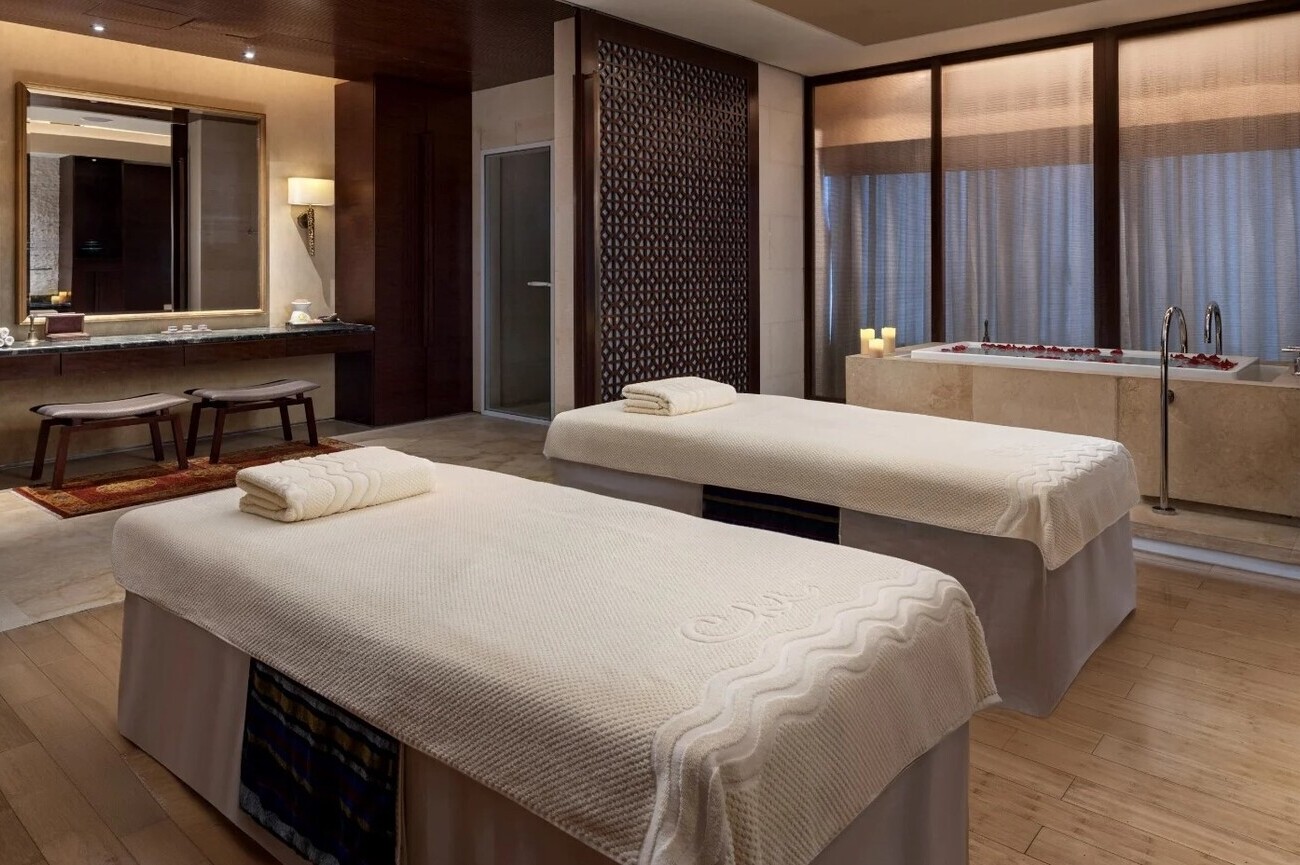
- The Ritz-Carlton Spa: Located on the 23rd floor of The Ritz-Carlton, the spa combines modern spa techniques with indulgent, high performance products, an easy choice if you want to unwind without leaving your hotel. Choose from a range of massage and body treatments using custom blended essential oils to help you fully relax and recharge. If your skin needs extra love after traveling or exploring the city, try their signature facials that focus on deep cleansing, hydration, and rejuvenation, leaving you refreshed, glowing, and ready for your next day out.
Exclusive Workshops
& Immersive Experiences in Chengdu
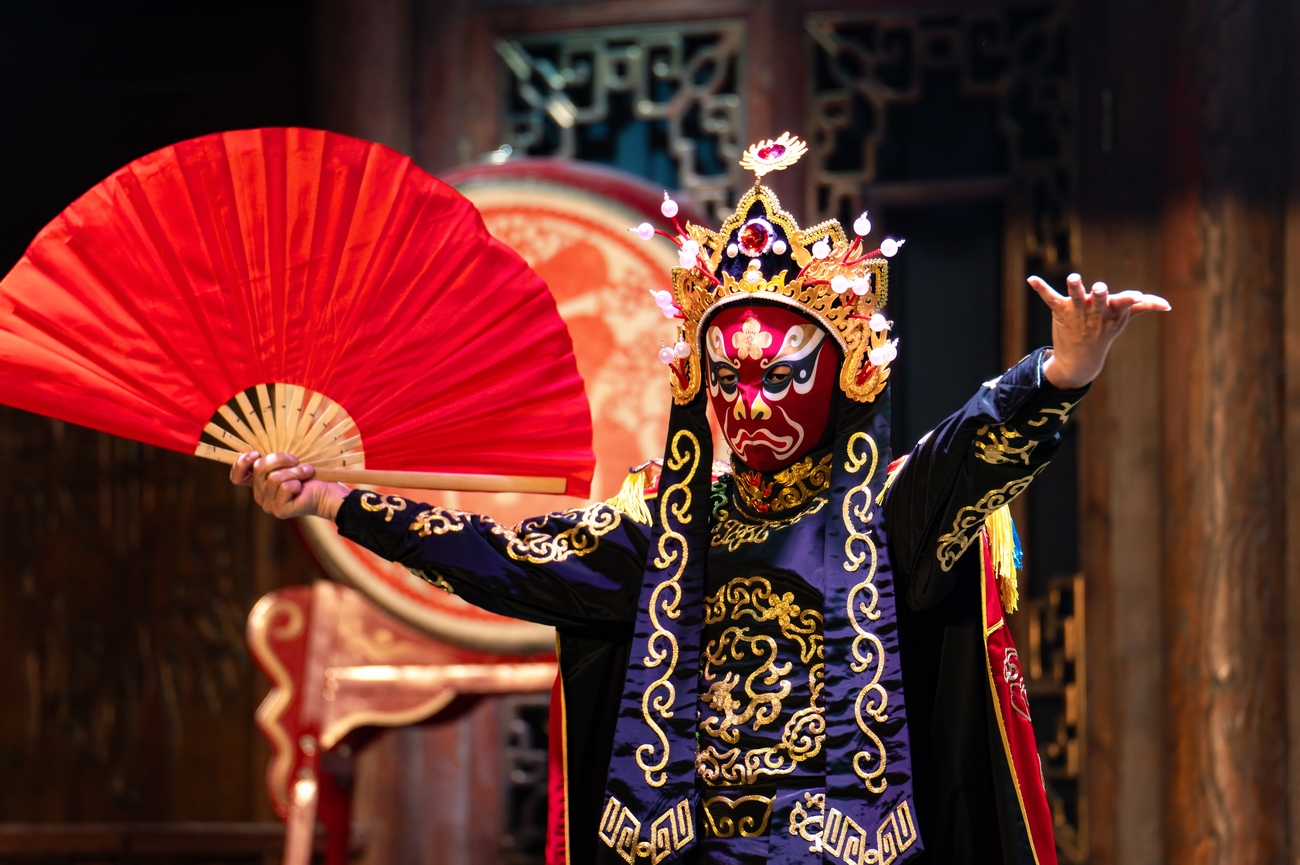
- Sichuan Opera Theater: Sichuan Opera is best known for Bian Lian, or face-changing, an electrifying art performance where performers swap brightly coloured silk masks in a split second (sometimes as fast as 0.3 seconds, faster than a blink of an eye) to express shifting emotions and characters. Today, performances are no longer limited to opera houses, even traditional teahouses host this type of entertainment, combining acrobatics, fire-spitting, comedy, and music. If you want a behind the scenes look, arrive 20–30 minutes early at venues like Shufeng Yayun to watch performers apply their own makeup and prepare for jaw-dropping stunts.
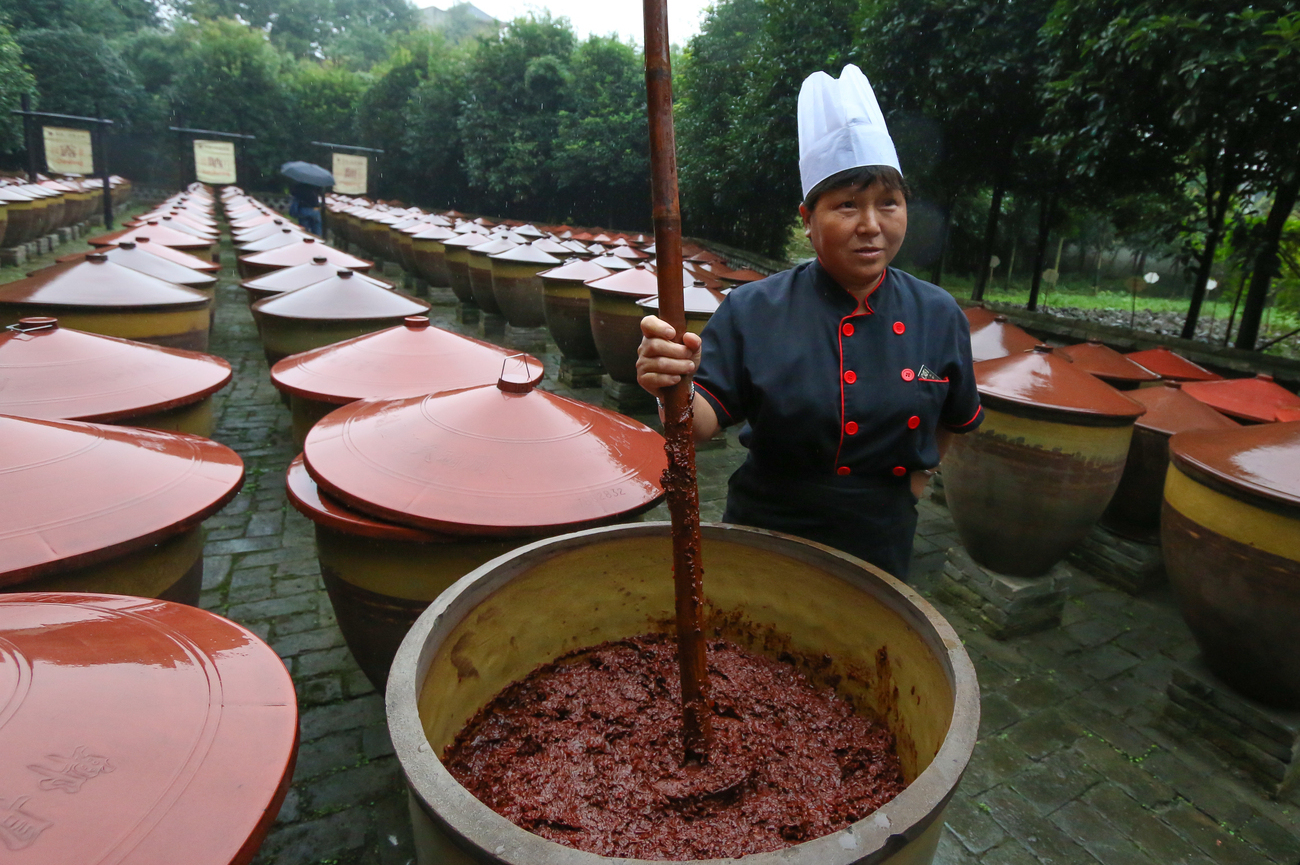
- Cooking Class at Sichuan Cuisine Museum: Join a hands-on Cooking Class at the Sichuan Cuisine Museum, often called the world’s only “edible museum.” This immersive experience lets you understand Sichuan food through taste, smell, and touch, instead of just seeing it from display cases. Over 3.5 to 5 hours, you’ll follow a thoughtfully paced journey, starting by exploring the museum’s exhibitions, including the Collection Hall, home to over 6,000 culinary artifacts, then step into the Sauce Culture Zone, where Pixian broad bean paste (the soul of Sichuan cuisine) slowly ferments in rows of clay jars. And then wrap up your tour with a guided bilingual cooking class. First, you’ll change into a traditional chef’s uniform and head into the interactive kitchen, where chefs guide you through making classic dishes like Kung Pao Chicken, Mapo Tofu, and even panda shaped steamed dumplings. By the end of this experience, you won’t just taste Sichuan cuisine, you’ll know how to cook it yourself.
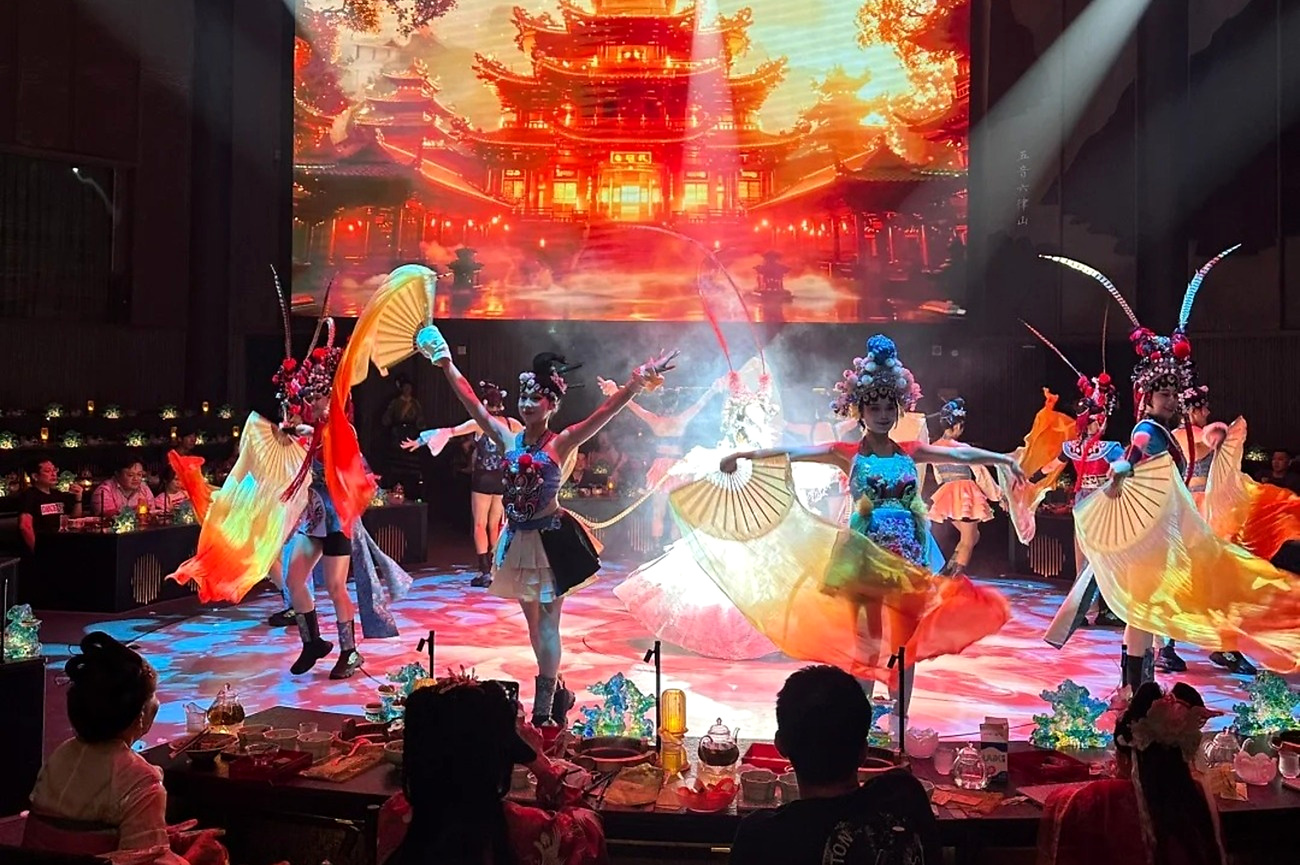
- Hong Ding Yan: A premier, cultural dining venue, dubbed as the "World's No. 1 Cultural Dining & Show Hot Pot Brand," it pairs premium Sichuan hot pot with large scale theatrical shows that bring Chinese history to life around you. Here, you’re not just “watching” or dining from your seat. You can take part in the experience by dressing up in Hanfu with professional styling, joining theatrical photo sessions, and immersing yourself in the night’s historical theme. Even the service feels ceremonial, with staff following royal style etiquette inspired by ancient court rituals, making you feel less like a diner and more like an honoured guest.
Other Things to Do in
Chengdu
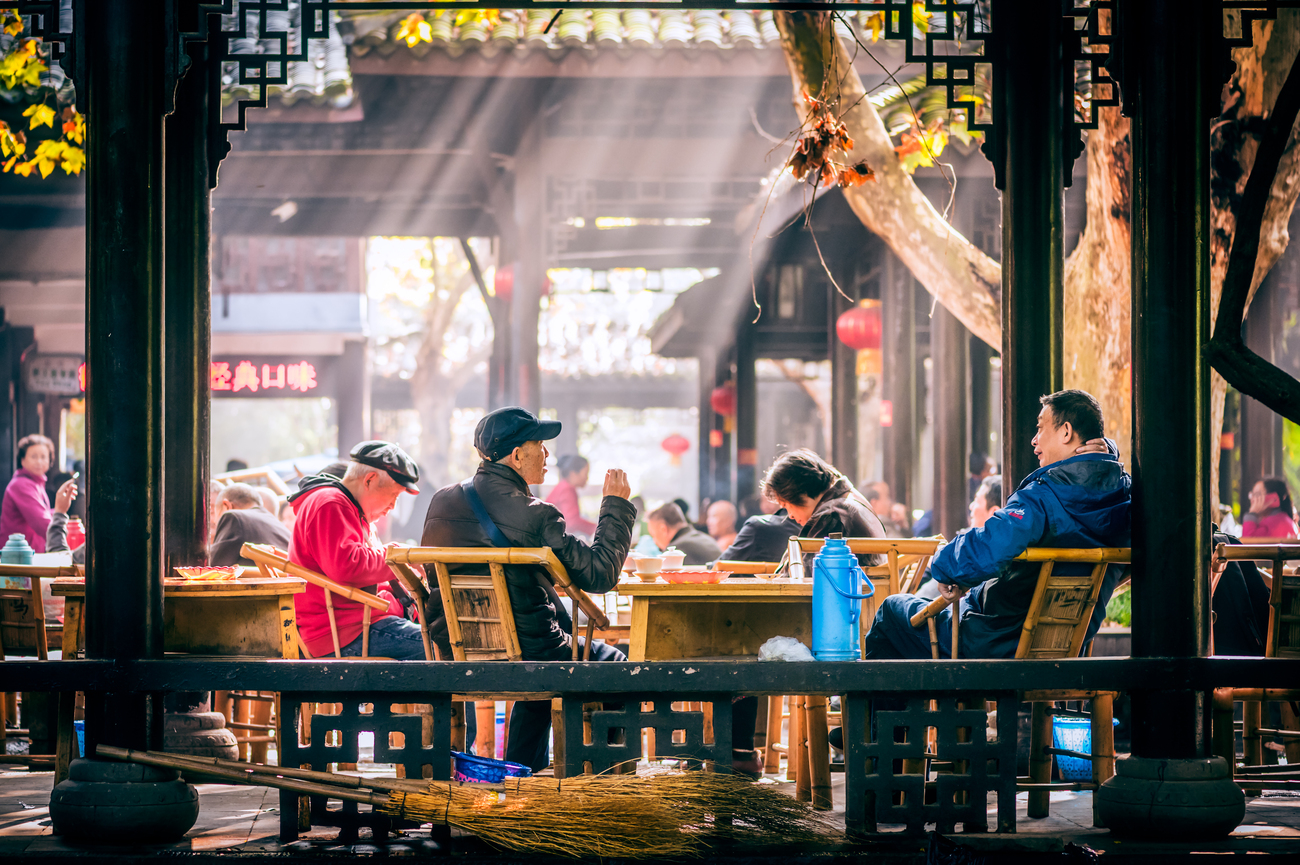
- Heming Tea House: Chengdu’s oldest and most iconic teahouse,
tucked inside People’s Park and operating since 1923. Here, you'll be seated on
traditional bamboo chairs beneath shady, century-old trees, surrounded by
locals who come here daily to sip tea, chat, and unwind. Order local classics
like jasmine, green, or chrysanthemum tea, served in a gaiwan (lidded bowl).
Your tea comes with unlimited hot water refills, so there’s no rush. While you
relax, you can watch a Long-Spout Tea performance, where skilled masters pour hot
water from copper kettles with spouts over a metre long, without spilling a
drop. If you’re curious, try Tao Er (or ear cleaning) right at your table,
where trained practitioners use delicate metal tools for a surprisingly
soothing 20–30 minute ear cleaning treatment.
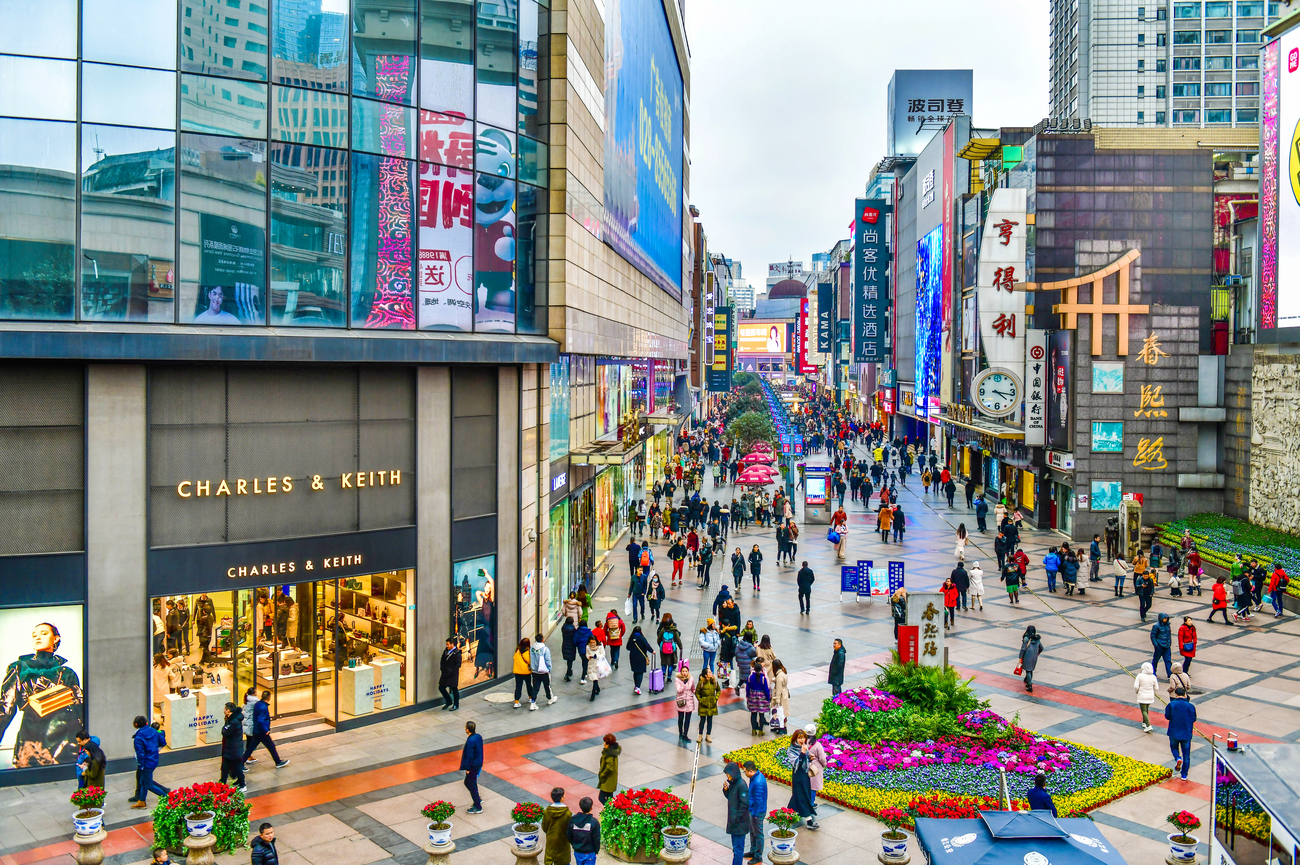
- Chunxi Road Pedestrian Street: Chengdu’s main fashion and shopping strip, and China’s version of New York’s Times Square or London’s Oxford Street. Opened in 1924, it now stretches over 1.1 kilometres. This is where you come to shop at every price point, from global brands to local favourites, sample classic Sichuan snacks like Long Chaoshou (spicy wontons), Zhong Dumplings, or Lai Tangyuan (sweet rice balls), or simply slow down and people-watch at Zhongshan Square. Don’t miss the chance to snap a photo with the Climbing Panda at the IFS building.
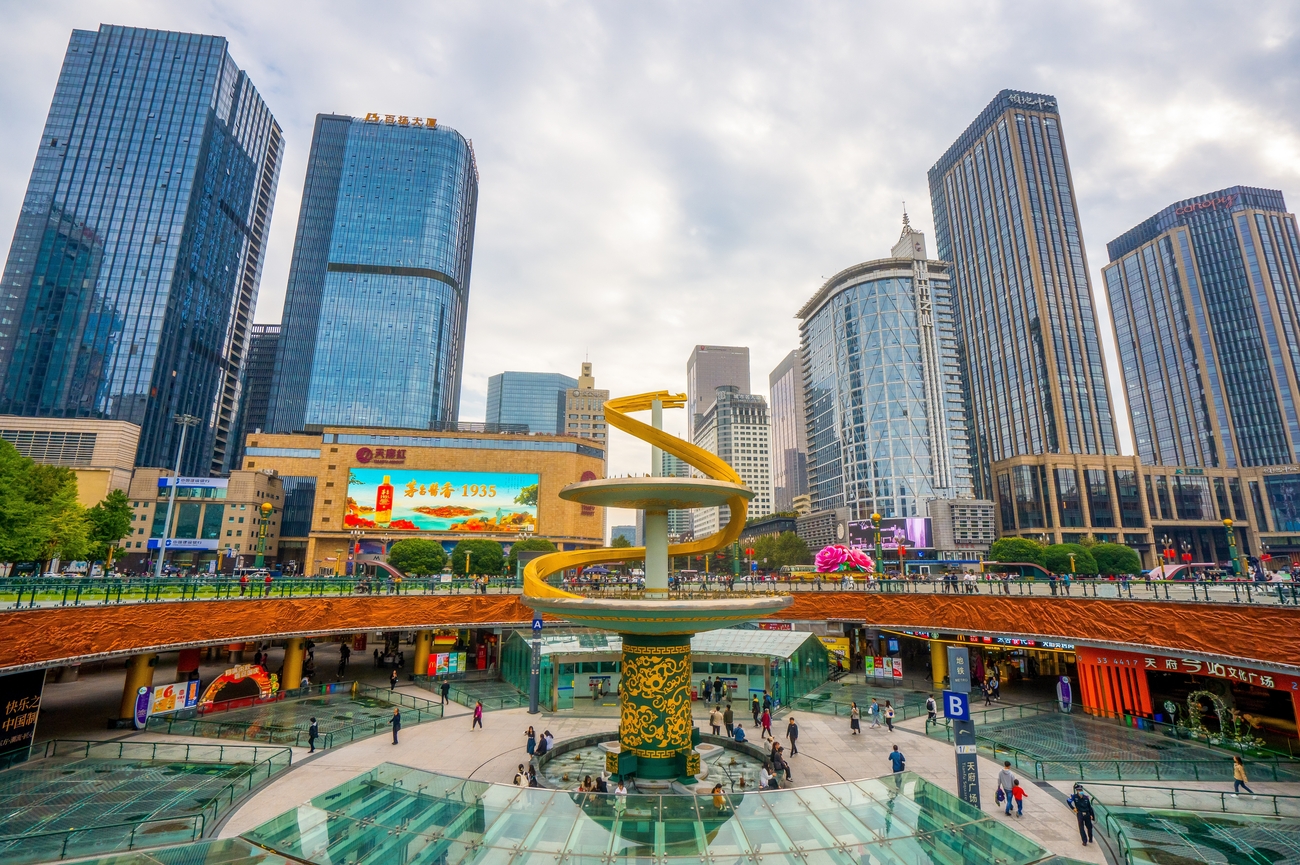
- Tianfu Square: Described as Chengdu's version of Tiananmen Square in Beijing. It is the largest city square in Southwest China and serves as a major transportation hub where Metro Lines 1 and 2 intersect, a convenient stop as you move around the city. As you walk through, you’ll notice how the space blends traditional symbolism with modern design. The square is laid out in a Yin Yang concept, with the East and West squares divided by a flowing Taiji shaped curve. Snap a photo of the 30-metre-tall white statue of Chairman Mao on the northern side, then look down for the Golden Sun Bird motif at the centre (Chengdu’s official symbol).
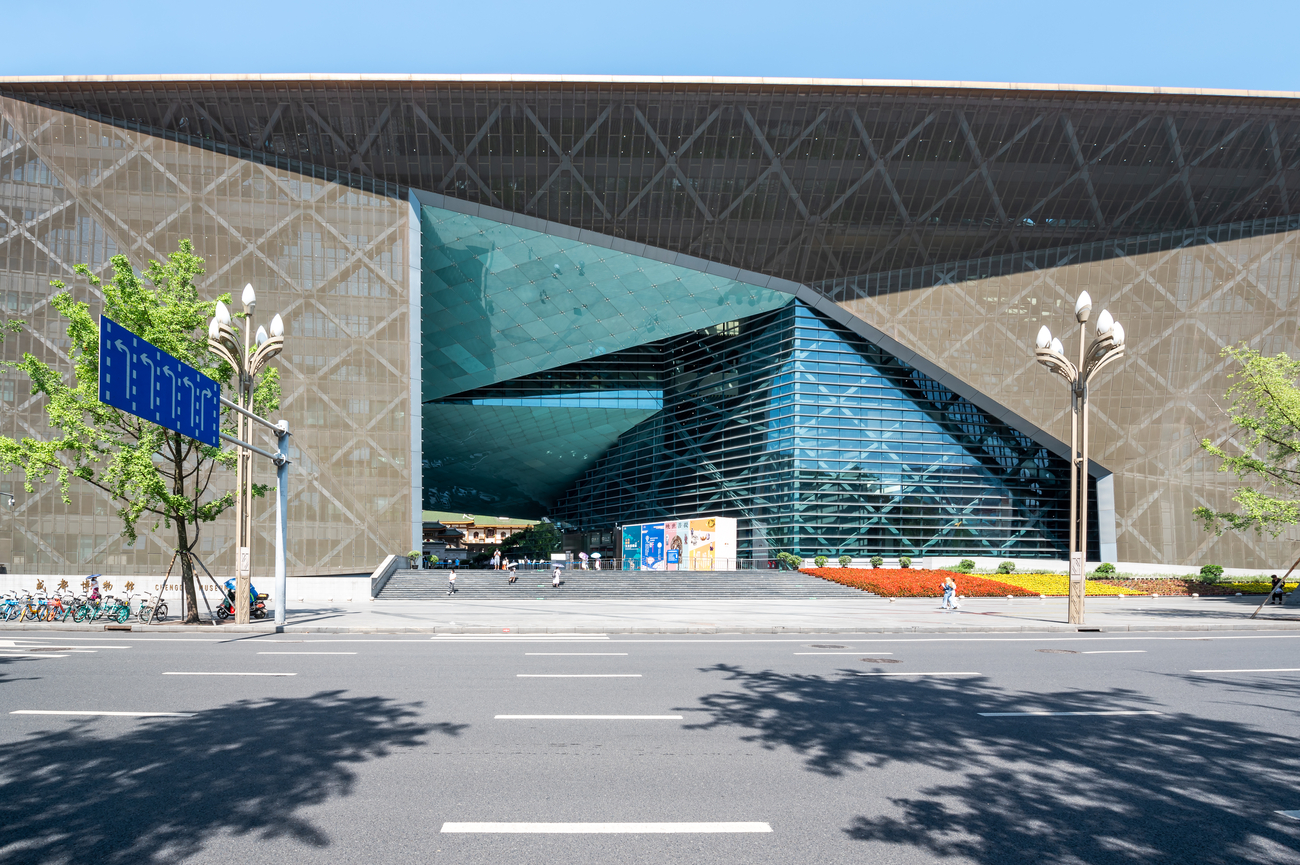
- Chengdu Museum: Located on the west side of Tianfu Square,
Chengdu Museum is the city’s main cultural museum and one of the largest urban
museums in Southwest China. The museum houses around 300,000 artifacts that
walk you through Chengdu’s story, from the Neolithic era right up to modern
life. It’s spread across seven well-organised floors, making it easy to explore
at your own pace. Floors 2 and 3 focus on ancient history, while Floor 4 covers
imperial China, modern history, and local folk customs, helping you understand
how daily life in Chengdu evolved over time. Floor 5 is especially engaging,
featuring Chinese puppetry and shadow plays, and Basement 1 explores the
relationship between humans and nature.
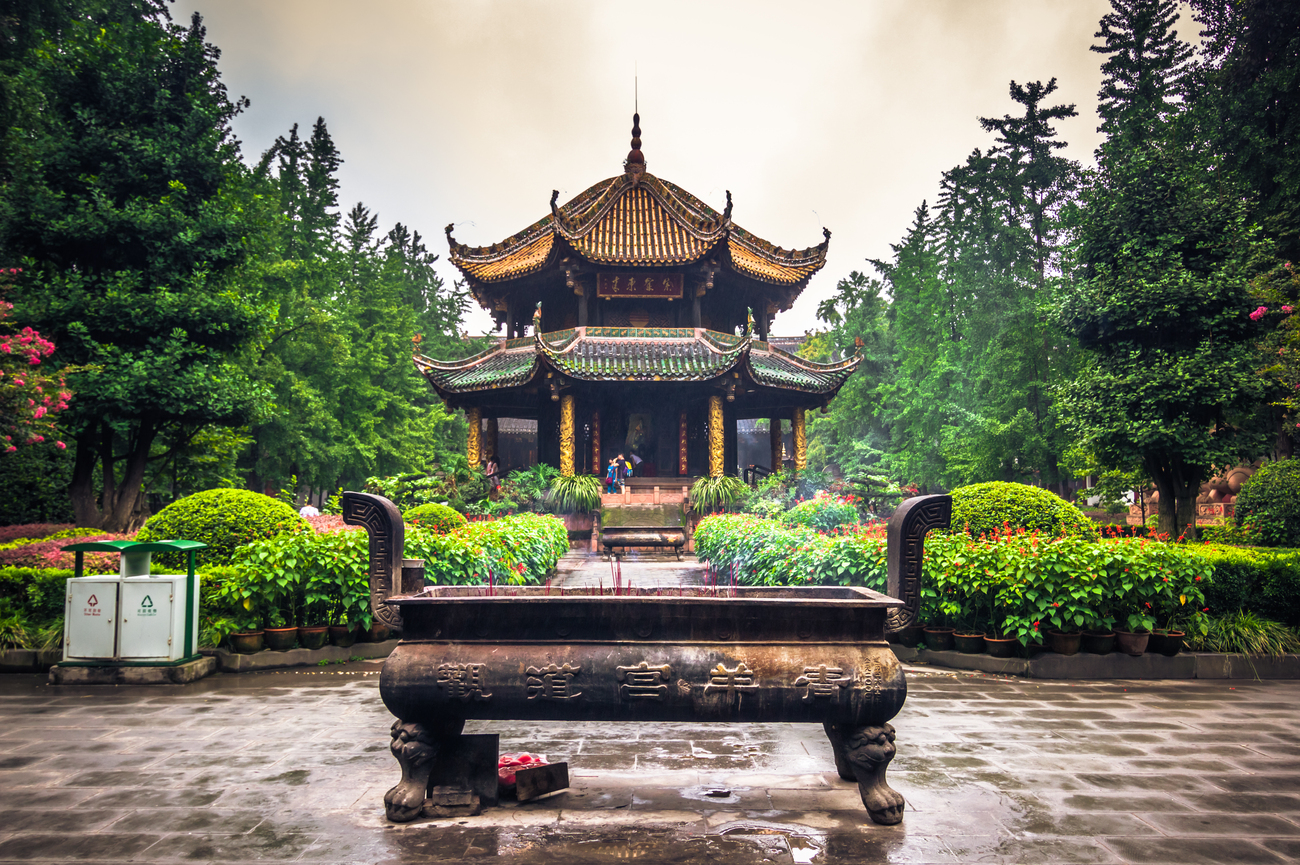
- Qingyang Palace: Also known as the Green Ram Temple, is the oldest and largest Taoist temple in Chengdu and is often called the No. 1 Taoist Temple in Southwest China. Originally founded during the Zhou Dynasty and rebuilt in the Qing Dynasty. As you wander through the courtyards, you’ll notice the temple’s most famous symbols: two bronze goats standing in front of the Sanqing Hall. One is a mythical creature made up of features from all twelve Chinese zodiac animals. Locals believe that rubbing the goats brings good luck or even helps ease aches and pains by touching the part that matches your own discomfort. You’re welcome to light incense, burn joss paper, and pray at the various altars, just as locals do. Keep an eye out for resident Taoist monks and nuns in traditional robes, you may even see them practising tai chi or sword routines in the courtyards.
Things to Do with Kids
in Chengdu
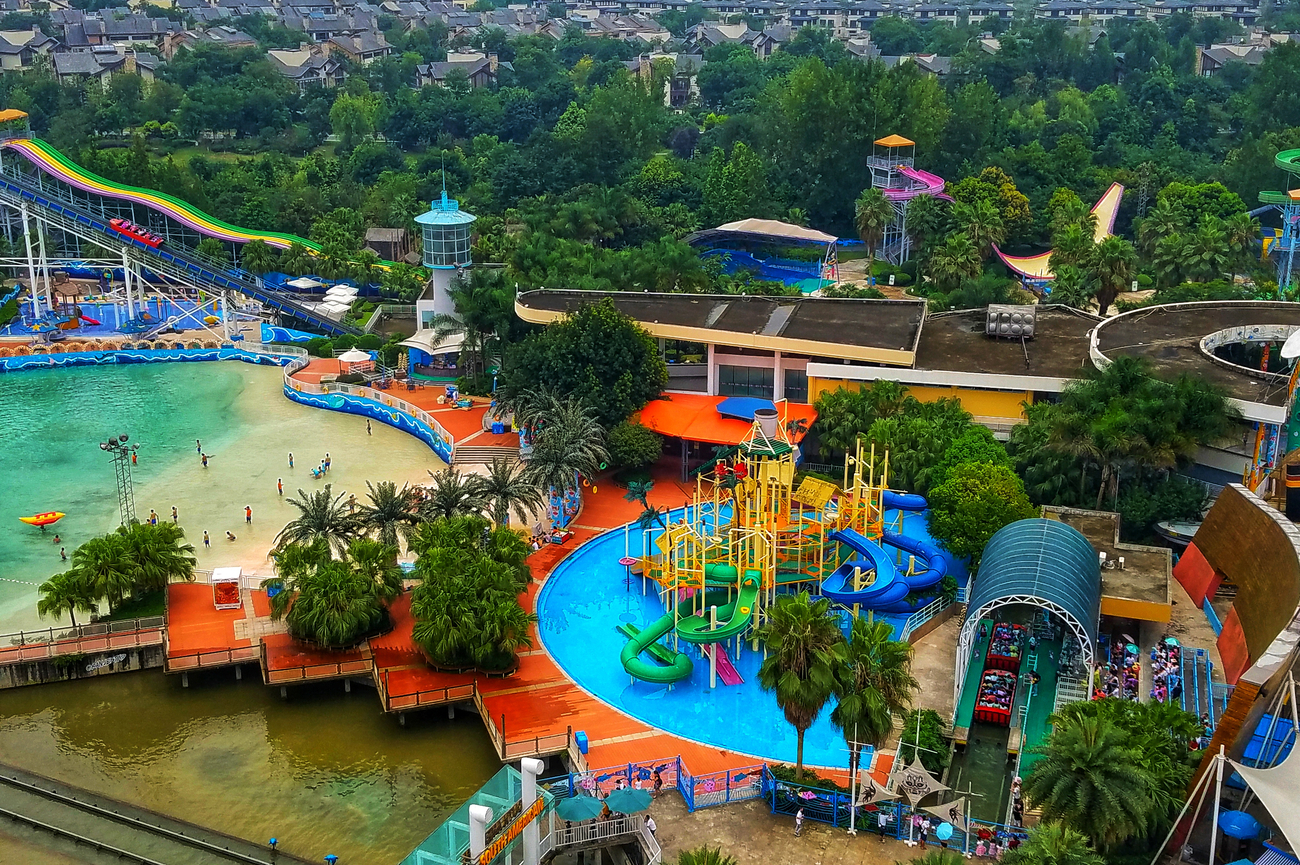
- Happy Valley Chengdu: One of the largest and most comprehensive amusement parks in Western China, it combines high-energy thrill rides with gentler, child-friendly attractions, so everyone (from toddlers to teenagers) has something to enjoy. The park is divided into nine themed zones, which means you can comfortably spend a full day here and feel like you still have a lot more to see. If you’re visiting with younger kids, head straight to Magic Castle, the park’s main family zone. You’ll find storybook style settings, child-friendly rides like the Carousel of Dreams and Happy Train, and an enchanted forest-style interactive walk. There are also safe, colourful climbing areas and slides, giving little ones space to play while you take a breather nearby.
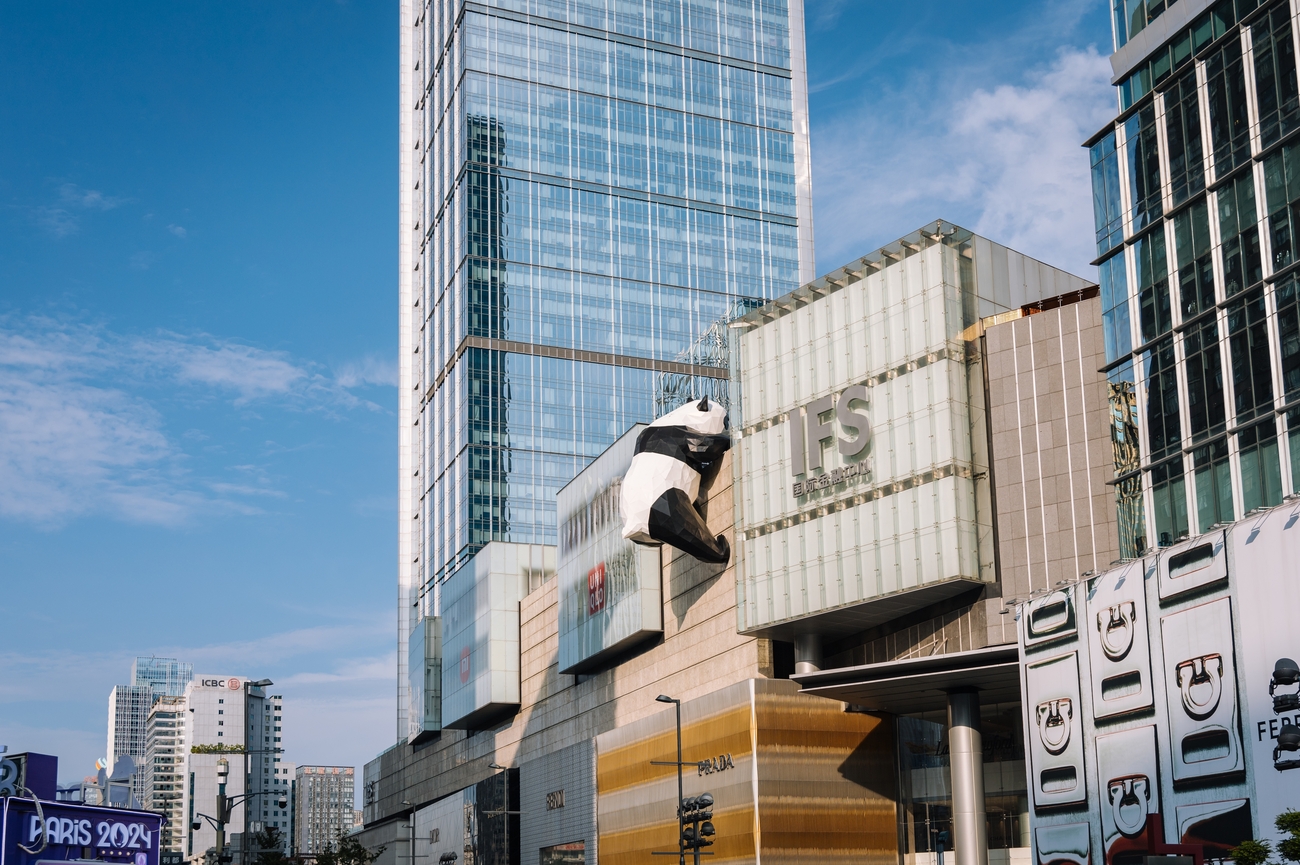
- IFS International Finance Center: This is where you'll find Chengdu’s version of Japan’s Godzilla Head in Tokyo but instead of Godzilla it’s a cute four storey tall panda named “Pandah” adorably clinging to the side of the building. Head up to the 7th floor, where you’ll find an open-air art park filled with contemporary sculptures and wide spaces where kids can run around and explore while you take a break. Inside the mall, there’s a good mix of luxury children’s fashion, creative toy stores, and occasional pop-up experiences tied to popular characters.
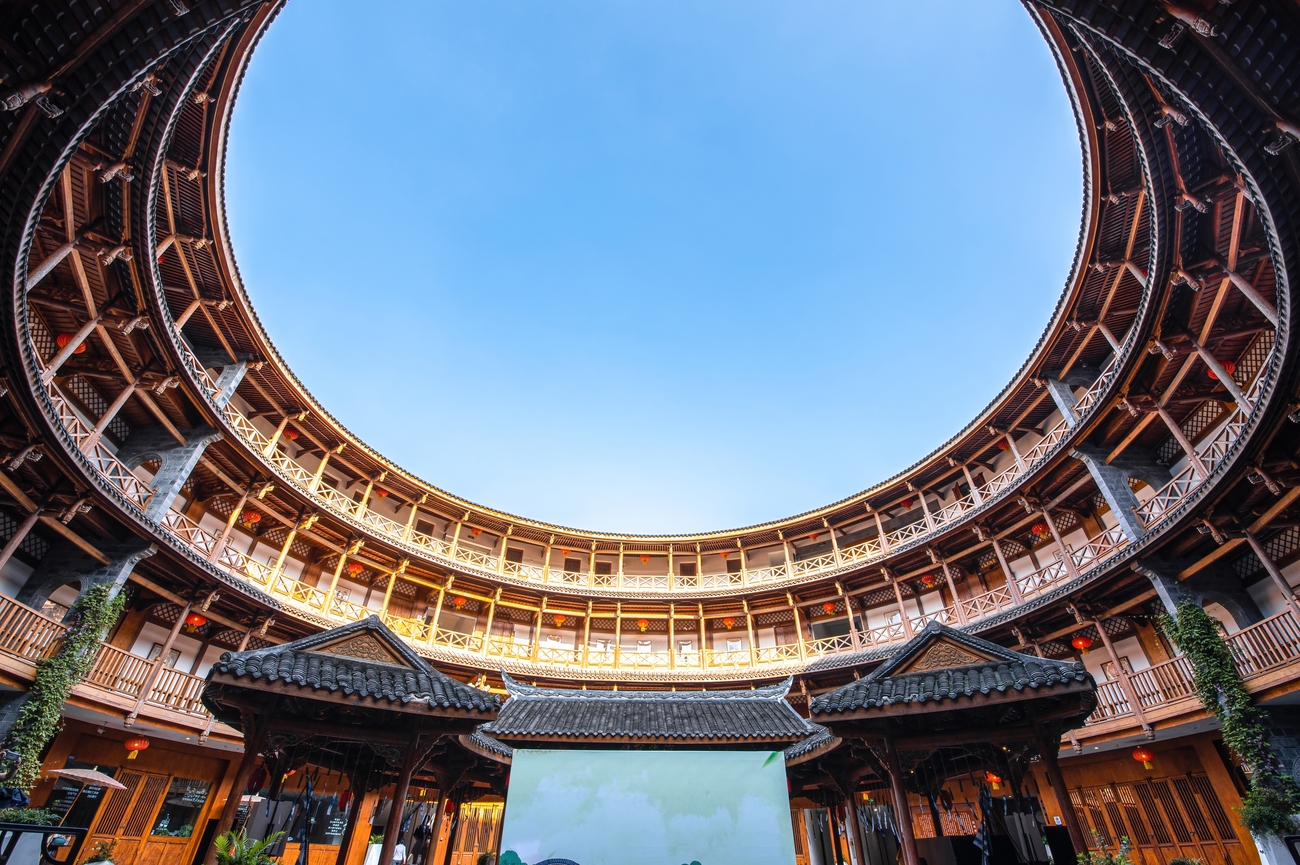
- Luodai Ancient Town: Known as the "First Hakka Town in Western China." While it’s a modern reconstruction (built around 2012), it’s designed after traditional Fujian Tulou, the same earthen style homes said to inspire Mulan’s childhood village in Disney’s live adaptation film, Mulan. Inside the circular complex, you’ll find the Hakka Museum, where interactive, life-sized exhibits make it easy especially for kids to understand Hakka history, daily life, and traditions. The round architecture also makes exploring part of the fun, with a central courtyard that’s perfect for photos, symmetry shots, and casual strolling.
Where to Eat in
Chengdu
- Yu Zhi Lan Chengdu: An ultra-exclusive, two-Michelin-starred restaurant that represents the most refined side of Sichuan cuisine. Founded by legendary Chef Lan Guijun, it’s known for challenging the global misconception that Sichuan food is all about heat and oil. Instead, you’re introduced to a more balanced, deep, and true essence of flavour. Dining here means committing to a seasonal set menu. The must-try signature is the Golden Thread Noodles, served in a crystal-clear yet intensely aromatic consommé. Perfect if you want to taste Sichuan cuisine at its most polished and intellectual, rather than just spicy.
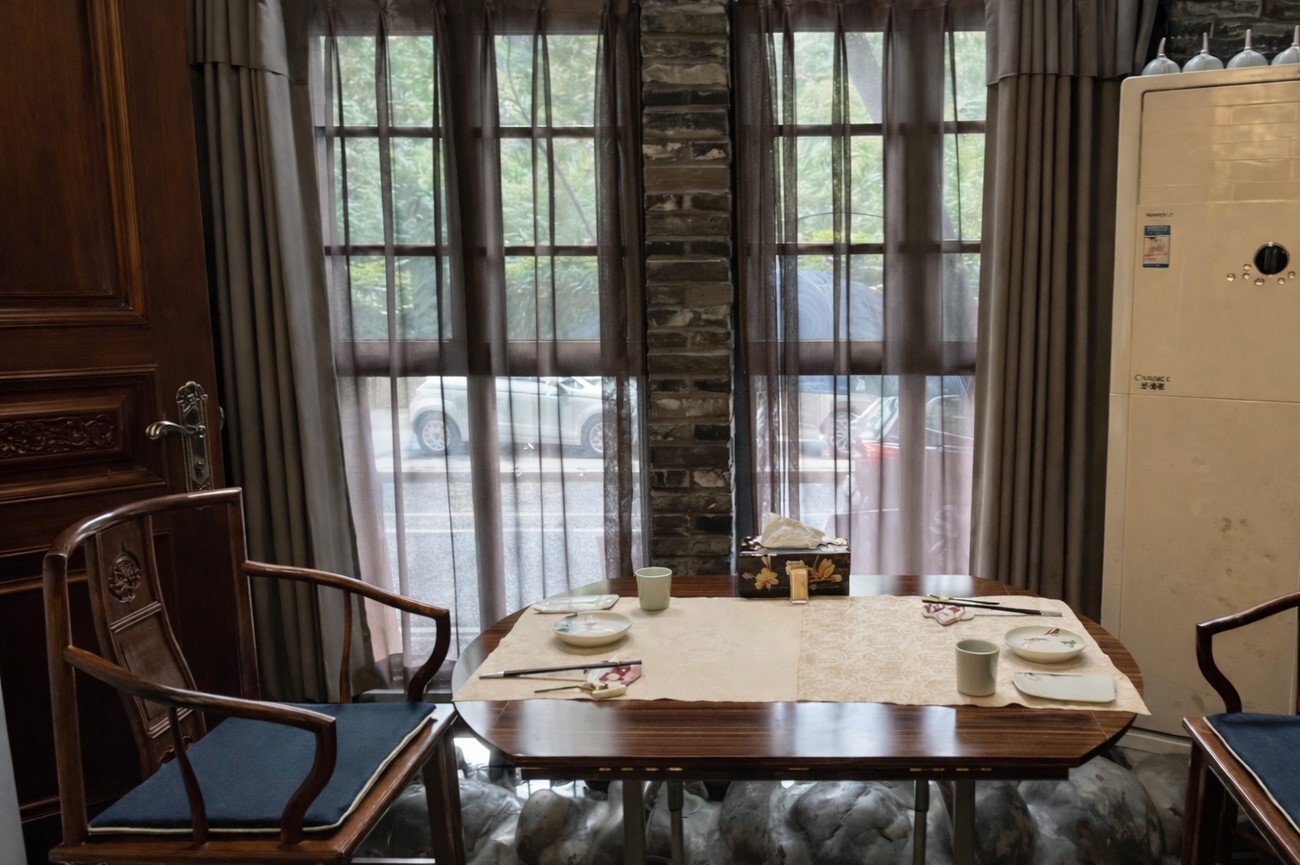
- Ma Wang Zi Chuan Restaurant: A century-old Chengdu institution and a proud one-Michelin-star restaurant. Founded in 1923 as a humble street stall, it has grown into a polished yet approachable dining spot that locals love for its refined Sichuan flavours at reasonable prices. The menu balances tradition and finesse, with standout dishes like Kung Pao prawns with fried eggplant, century egg with charred chillies, sweet roasted goose, and the more adventurous braised pig blood (Wan Wan Wang).
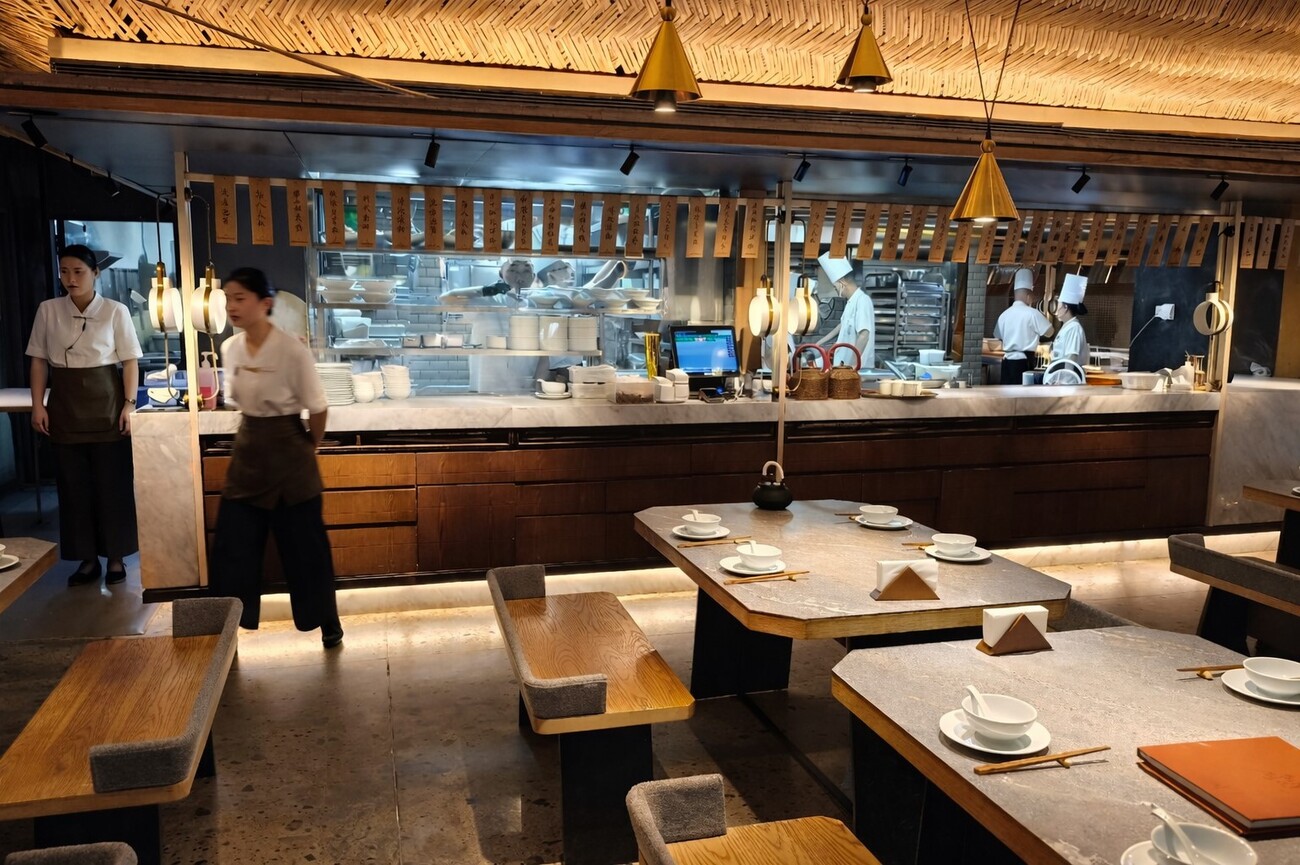
- Chenmapo Tofu (Qinghua Road): The flagship branch of a legendary Chengdu institution and the original birthplace of Mapo Tofu. Founded in 1862 during the Qing Dynasty by Mrs. Chen, it’s now a certified China Time-Honored Brand and Michelin-recommended restaurant for preserving true Sichuan mala (spicy) flavours. If you want to taste Mapo Tofu the way it was meant to be, this is the place. Their signature mapo tofu arrives bubbling in a stone pot, keeping the silky tofu and minced beef piping hot while you eat. The sauce is deeply savoury and spicy, with generous Sichuan peppercorns that leave a distinct, tongue-tingling finish. You can round out your meal with classics like Kung Pao Chicken or Zhong Dumplings.
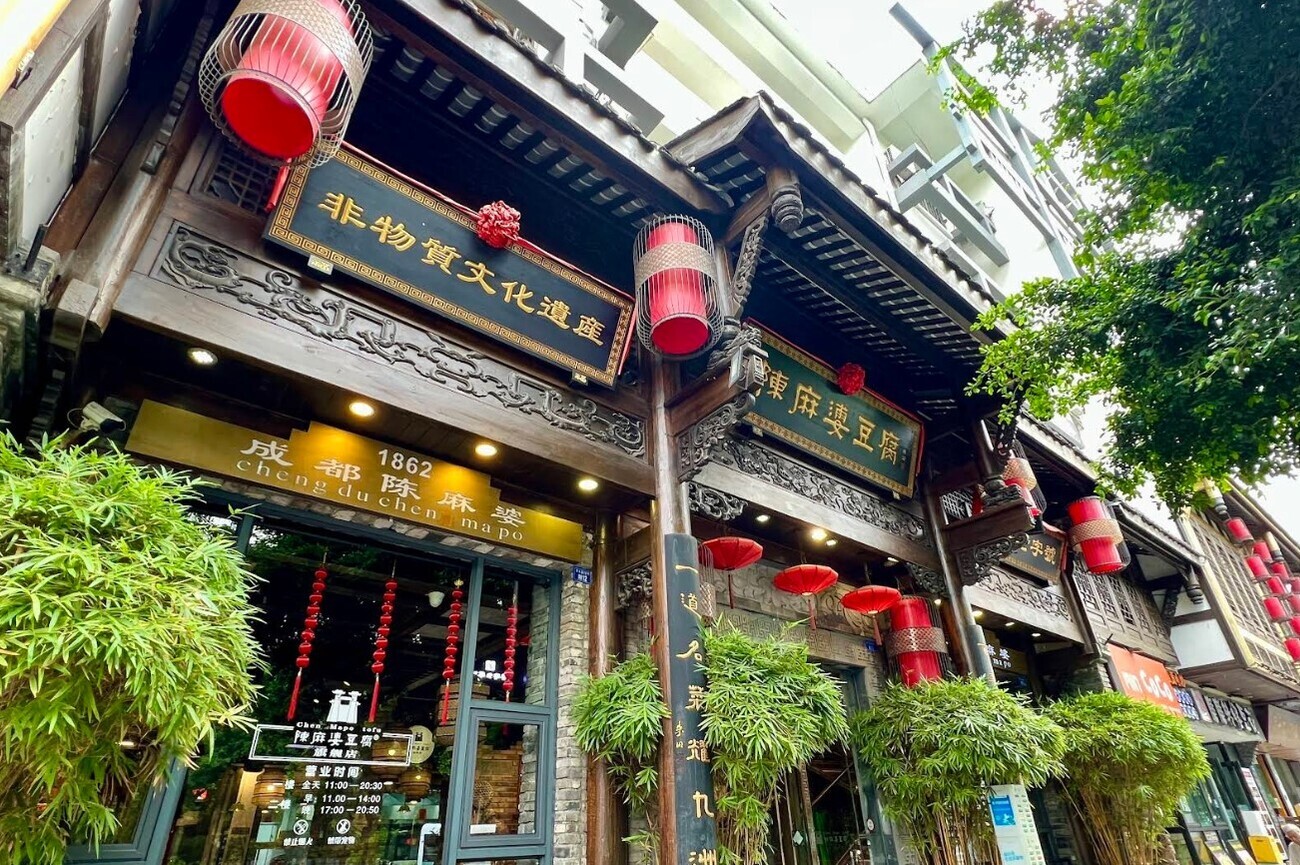
- Long Sen Yuan Hotpot: Also known as Longsen Garden, this Michelin-recommended Chengdu hotpot favourite has been serving locals for over 20 years. It’s especially loved for its traditional Chengdu style flavours and its distinctive broth made with rapeseed oil and Chinese medicinal herbs, believed to help prevent that heavy, overheated feeling hotpot can sometimes bring. If you’re curious about mala hotpot but a little hesitant, this is a great place to start. Their signature spicy broth is deeply aromatic rather than aggressively hot, thanks to a secret herbal blend that gives it depth and balance. For first-timers, go for the split pot: half spicy red broth, half mild white broth complete with bamboo fungus or mixed mushrooms.
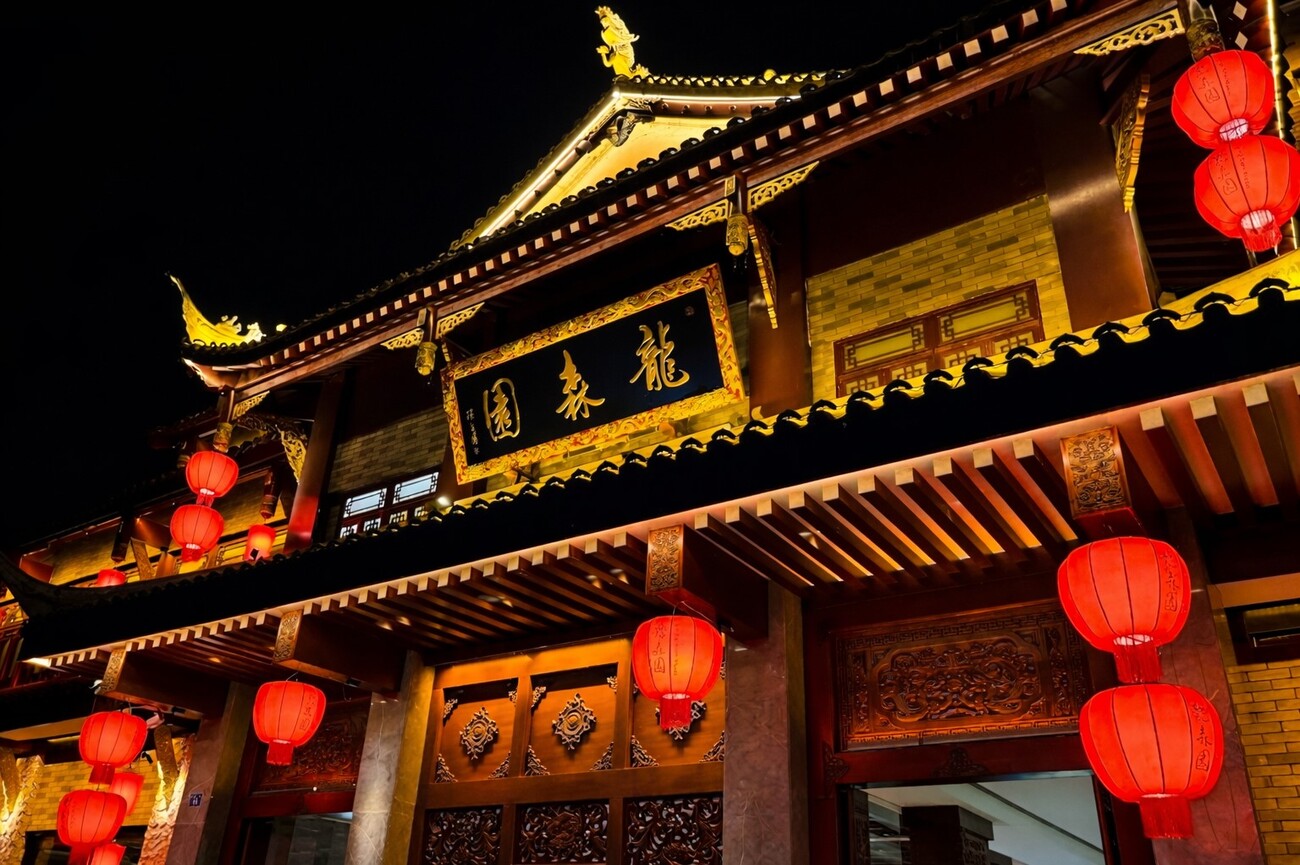
- Furonghuang Garden Restaurant: A renowned one-Michelin-starred favourite in Chengdu, known for preserving traditional, old school Sichuan cooking at prices that are still affordable. If you prefer refined, less spicy dishes, this restaurant offers many non-spicy but technically complex dishes. Try their Snowflake Chicken Nao, a delicate dish made from finely minced chicken breast and egg whites, steamed until it reaches a silky, tofu like texture. Their Kung Pao Chicken is a textbook version, tender chicken in a gentle sweet and sour sauce, with chilies that add aroma instead of overpowering spice. For something bolder, the Sautéed Pork Liver with Chili is expertly cooked to stay juicy and tender, with just the right balance of numbing peppercorns and heat.
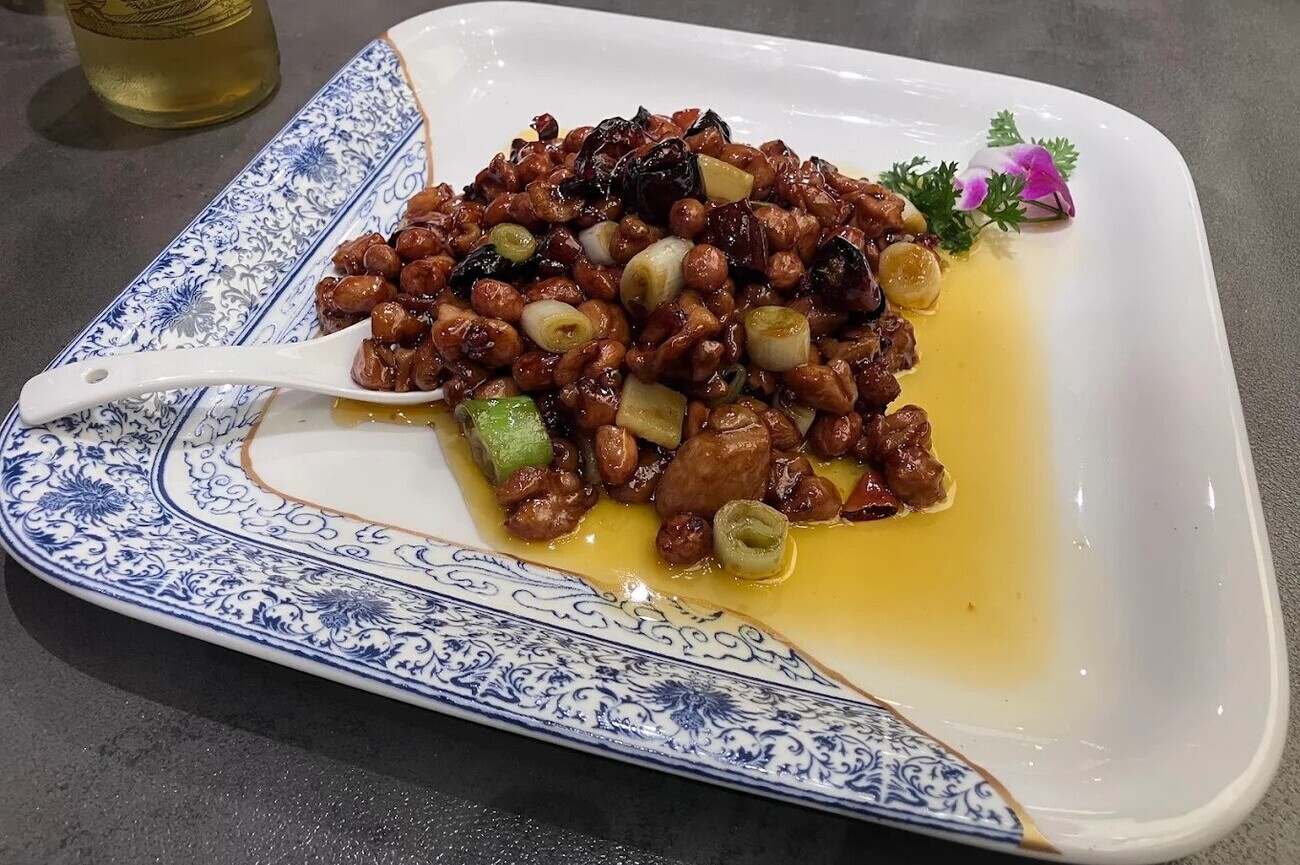
- Xu’s Cuisine: A one-Michelin-starred restaurant in Chengdu that showcases New Sichuan Cuisine, a more refined, modern take on local flavours. Founded by Chef Xu Fan, the restaurant emphasizes the complexity of Sichuan’s 24 flavor profiles challenging the "fire and spice" idea about Sichuan cuisine. Try their Crispy Skin Chicken, famous for its paper-thin, crackly skin and remarkably juicy meat, achieved through precise temperature control. Their Green Peppercorn Fish offers a lighter, more aromatic experience, using fresh river fish and vibrant green Sichuan peppercorns that deliver a floral, gently numbing finish rather than heavy spice.
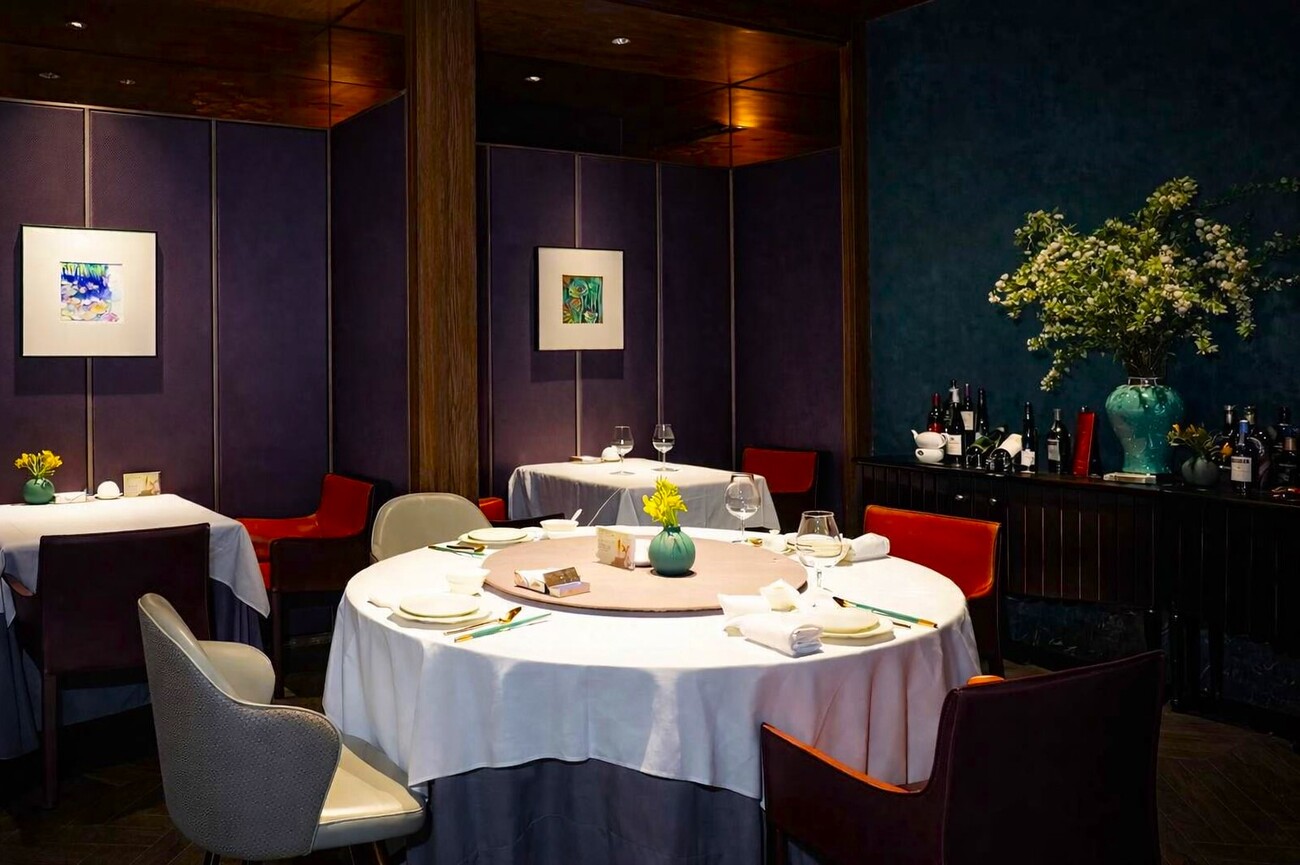
Where to Stay in
Chengdu
- Upper House Chengdu (The Temple House): Located in the heart of Taikoo Li, where historic temples and modern boutiques meet. Part of Swire Hotels’ House Collective, it’s known for combining centuries-old heritage with contemporary luxury. When you arrive, you step through a beautifully restored Qing Dynasty courtyard lobby. Your room is designed to feel local yet refined, inspired by rice terraces and Shu embroidery. If you’re looking for extra space, the Temple Suites and Courtyard Suites are generously sized, with floor-to-ceiling windows and deep soaking tubs perfect after a day of walking around the city.
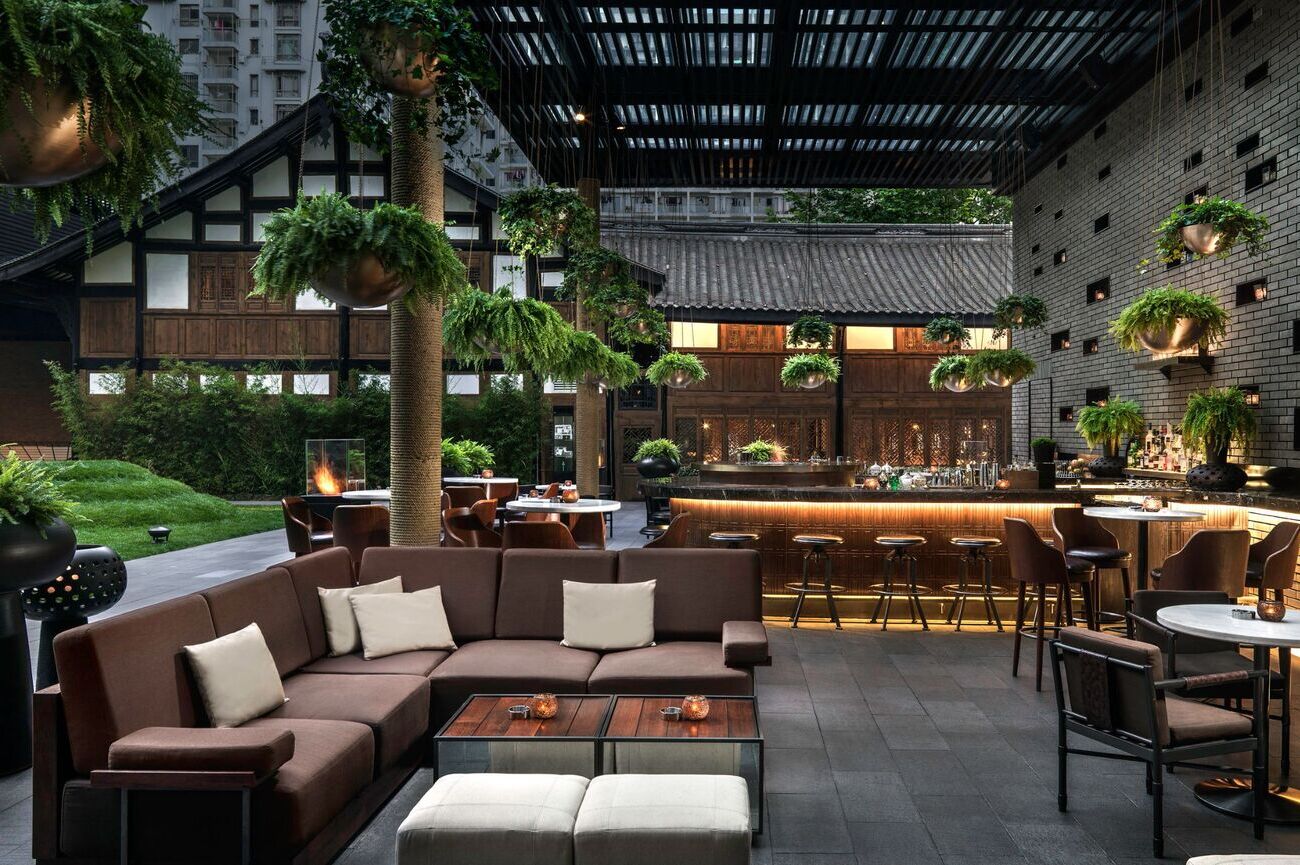
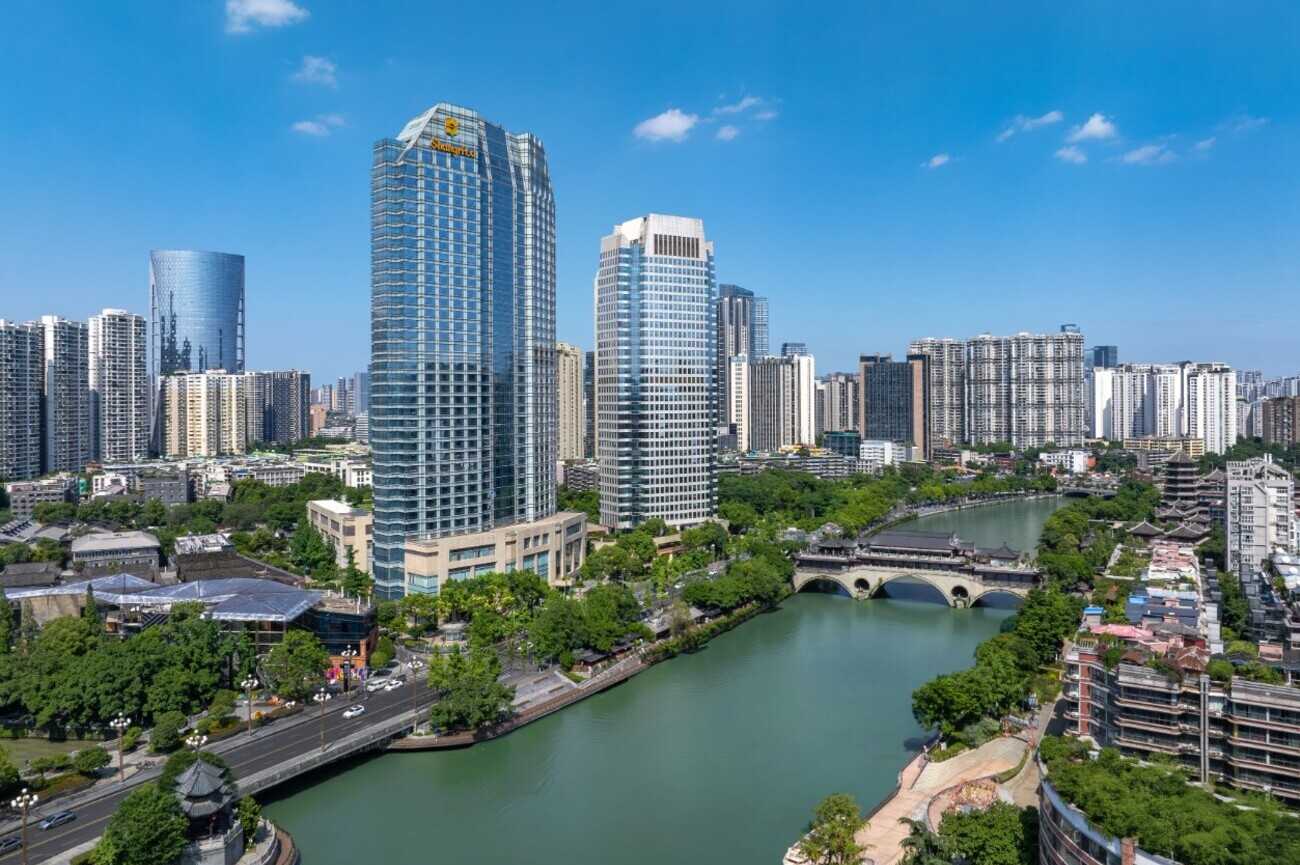
- Shangri-La Hotel, Chengdu: Located in the heart of the city, overlooking the Jinjiang River and just steps away from Anshun Bridge. The hotel offers spacious rooms and suites, plus 26 serviced apartments if you’re staying longer. Rooms here are some of the largest in central Chengdu (starting at 42 sqm), so you’ll have plenty of space to unwind, with views of either the city skyline or the river depending on your room. If you’re travelling with family, this is one of Chengdu’s most kid-friendly luxury stays. You can book panda-themed rooms complete with cuddly panda souvenirs, and make use of the kids’ club, children’s pool, and babysitting services, giving both you and your little ones a comfortable, stress-free stay.
- Waldorf Astoria, Chengdu: Occupying the upper floors (33 to 52) of a sleek skyscraper in the Chengdu Yintai Centre, giving you some of the best views in town. The hotel features rooms and suites with floor-to-ceiling windows with and panoramic views of the skyline or Jincheng Park, and include signature Waldorf beds with 600-thread-count sheets and marble bathrooms with Salvatore Ferragamo toiletries. Location-wise, you’re well placed for exploring beyond the city centre. Major attractions like the New Century Global Center and the Chengdu Research Base of Giant Panda Breeding are within easy reach.
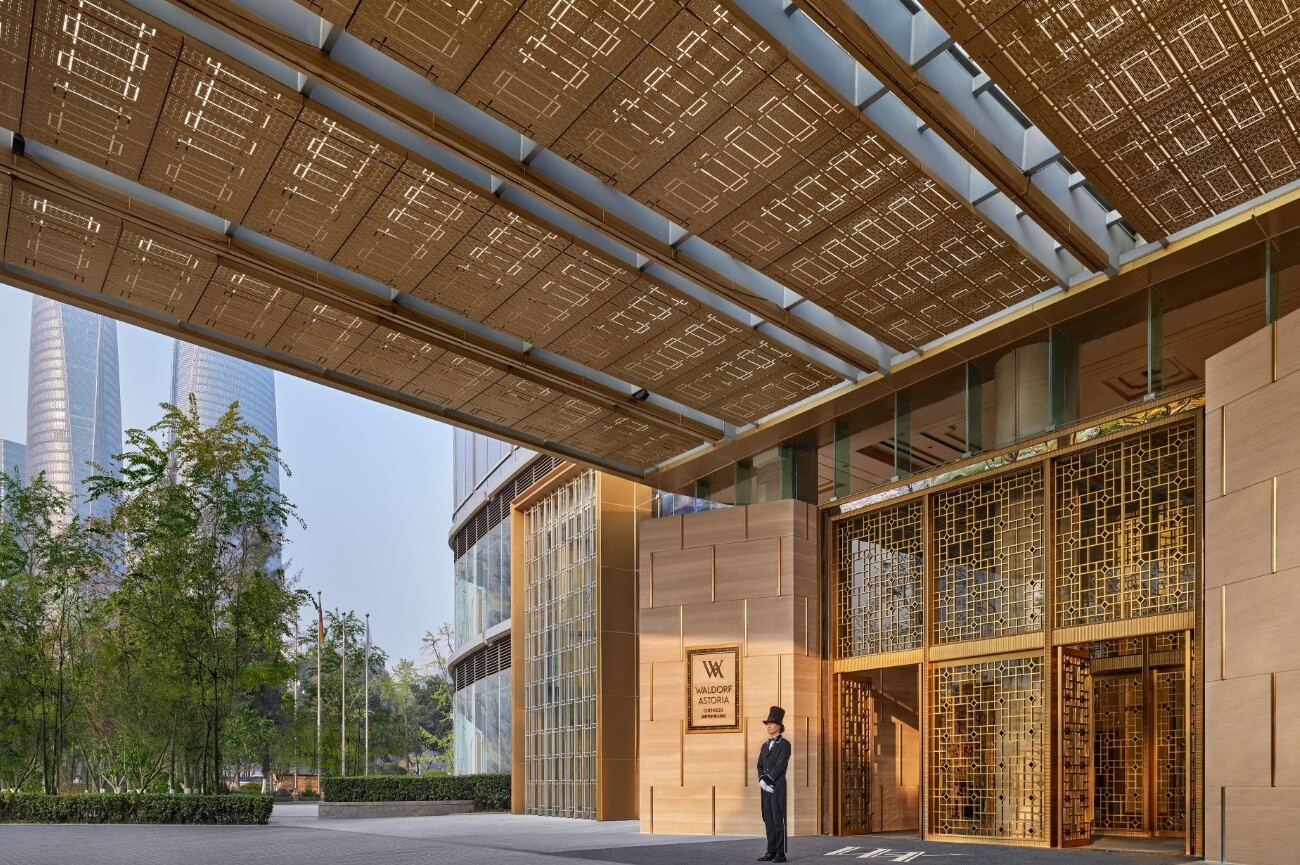
- The St. Regis, Chengdu: Located in the heart of the city, perfectly situated near Tianfu Square and Chunxi Road. This means you’re within easy reach of Chengdu’s main shopping streets, and business hubs while still enjoying a calm, polished hotel experience. What sets your stay apart here is the level of personal attention. Every guest has access to 24-hour Butler Service, so whether you need help unpacking, your clothes pressed before dinner, or a late night coffee or tea delivered to your room, it’s all taken care of seamlessly. In the early evening, you can also take part in a classic St. Regis ritual: the Champagne Sabering Ceremony. Held daily in the lobby around sunset, watch a bottle opened with a saber, enjoy a complimentary glass, and enjoy the evening feeling very much looked after.
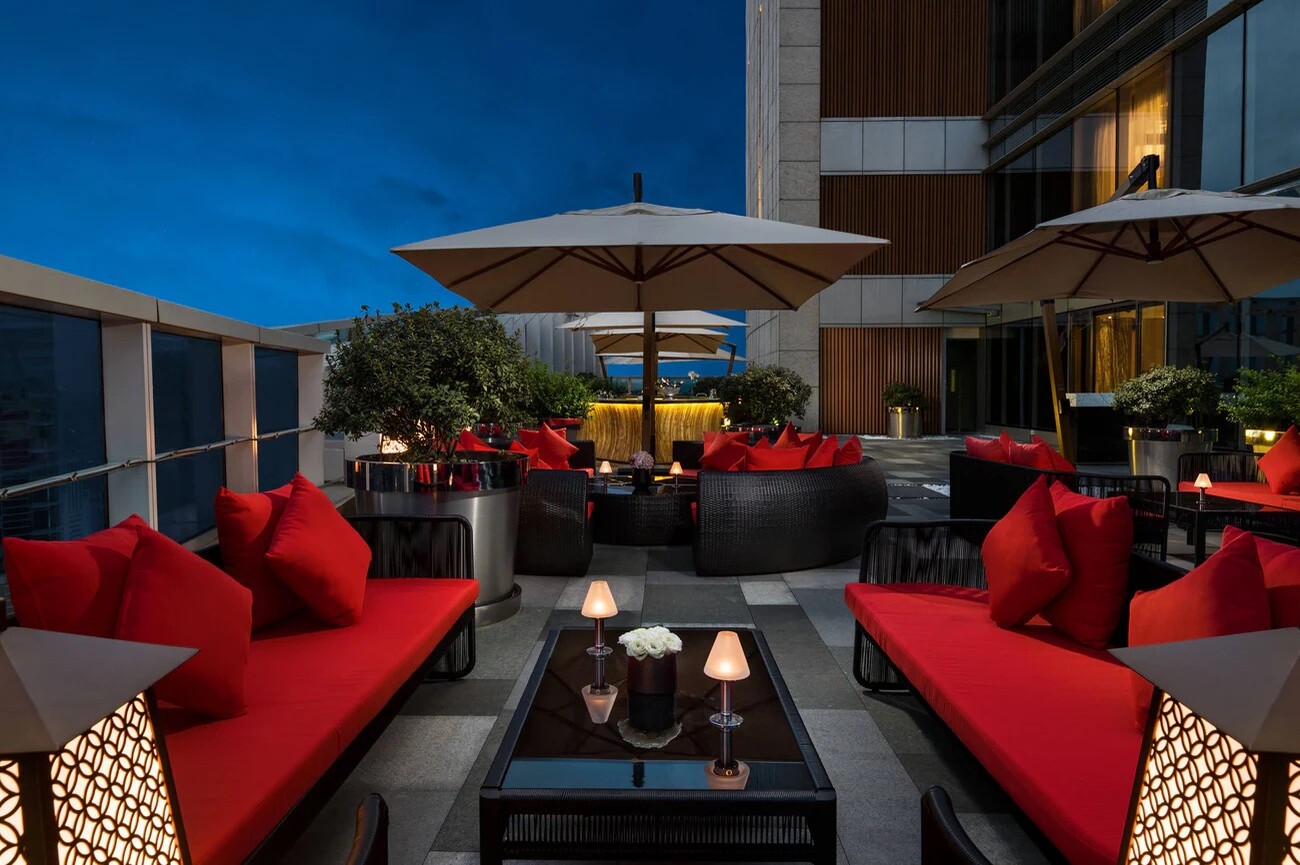
- Grand Hyatt, Chengdu: Sits high above historic Chunxi Road, occupying the 10th to 39th floors of Chicony Square. This puts you right in the middle of Chengdu’s shopping and entertainment district. The design is French-inspired and elegant, and the rooms are spacious by city standards. Standard rooms start at around 40 square metres, while the expansive Grand Executive Suite stretches to 116 square metres. Inside, you’ll enjoy floor-to-ceiling city views, electric curtains, and a minibar that’s replenished daily with complimentary soft drinks. Step outside and you’re perfectly placed: IFS and Taikoo Li are just a one-minute walk away, making it effortless to shop, dine, or explore. Cultural landmarks like Daci Temple and the Sichuan Opera Museum are also nearby.
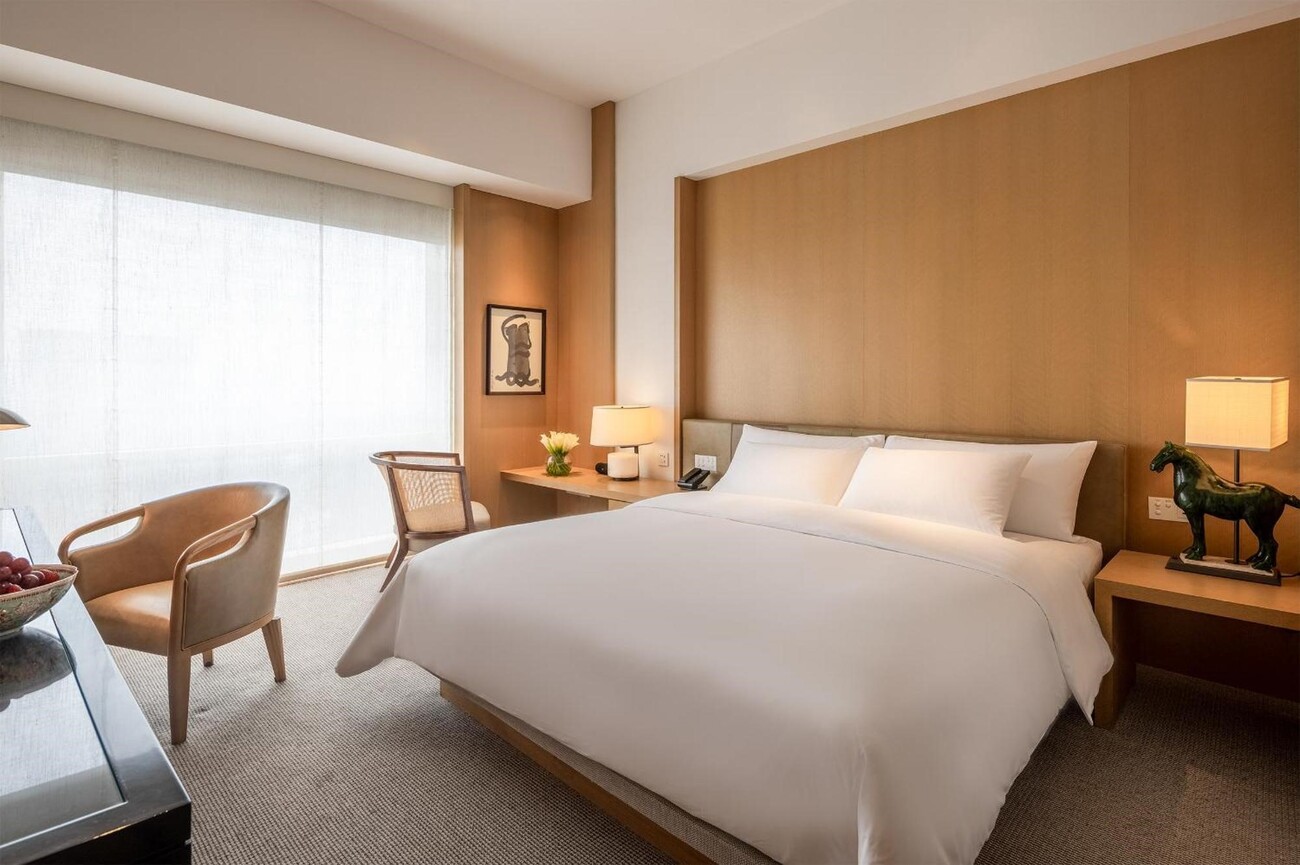
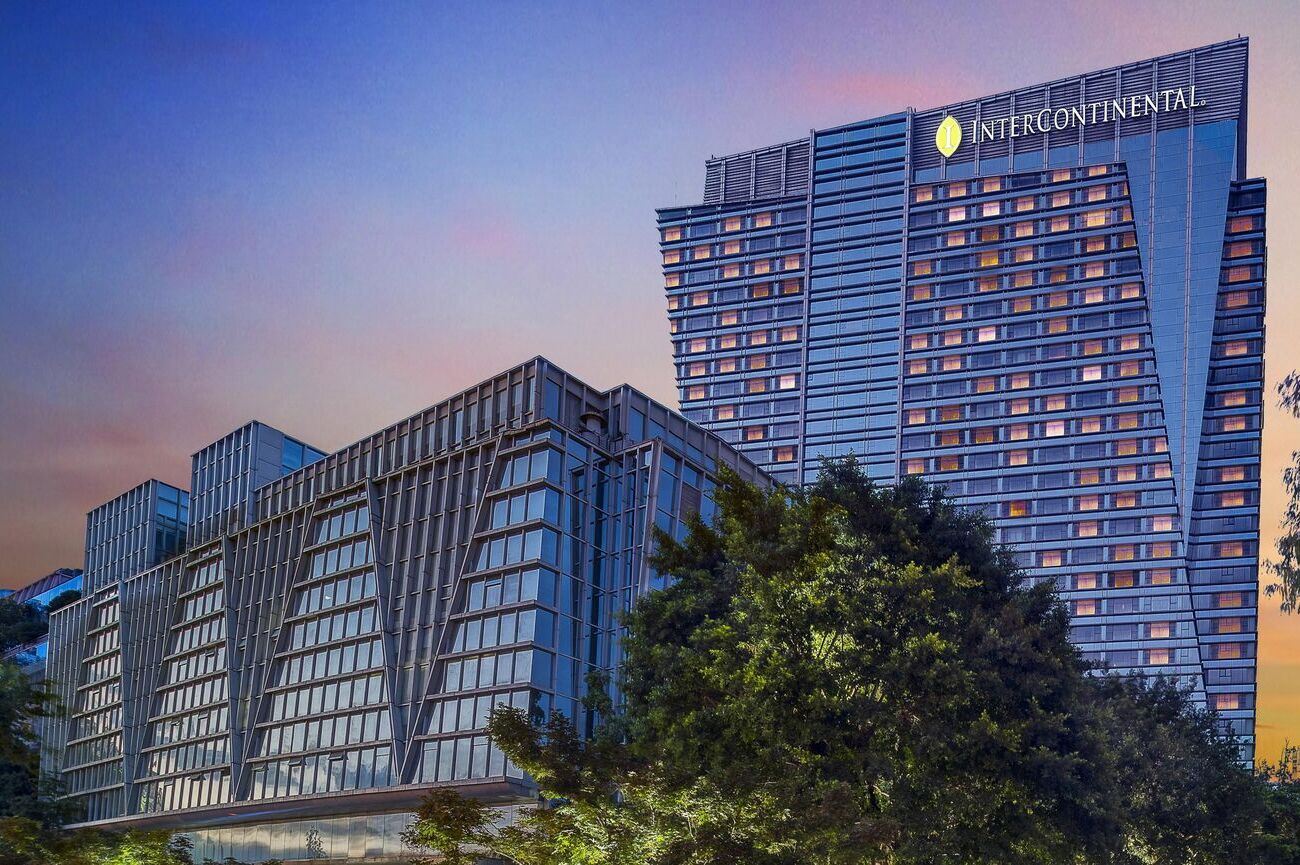
- InterContinental Century City Chengdu: A refined city hotel that blends traditional Chinese elegance with modern Western design, making it a strong choice whether you’re in Chengdu for business or leisure. As you arrive, you’re welcomed by a striking glass dome lobby that shelters a traditional Chinese teahouse surrounded by indoor greenery. You’ll find plush panda greetings at the front desk and little cultural details that make your stay memorable like complimentary morning Tai Chi sessions led by professional masters. The rooms and suites were renovated in 2019, and give a polished and comfortable feel. If you opt for a higher end suite, you can expect panoramic city views, deep soaking jacuzzi tubs, and premium touches like Byredo or Dyson amenities.
Best Time to Visit
Chengdu
The best time to visit Chengdu is spring (March to May) and autumn (September to November), when the weather is mild and comfortable. Temperatures usually sit between 15°C and 25°C, making it ideal for walking, sightseeing, and outdoor attractions.
Spring is the perfect season for seeing cherry and peach blossoms, and the cooler air means pandas are lively and playful as they are particularly active in cooler conditions. Autumn is often considered the most pleasant season overall, with crisp air and low humidity. By early November, Chengdu’s streets and parks glow with golden ginkgo leaves, a beautiful time to explore the city.
You can see pandas year round, but they’re most active when temperatures stay below 26°C, which makes spring and autumn the sweet spot. In summer, pandas tend to retreat indoors to air-conditioned enclosures. No matter the season, plan your panda visit early in the morning (typically 8:00–10:00 AM) during feeding time. If you’re particular about seeing baby pandas, note that July and August are peak birthing months, while October and November offer the best chance to spot panda cubs beginning to crawl around the nurseries.
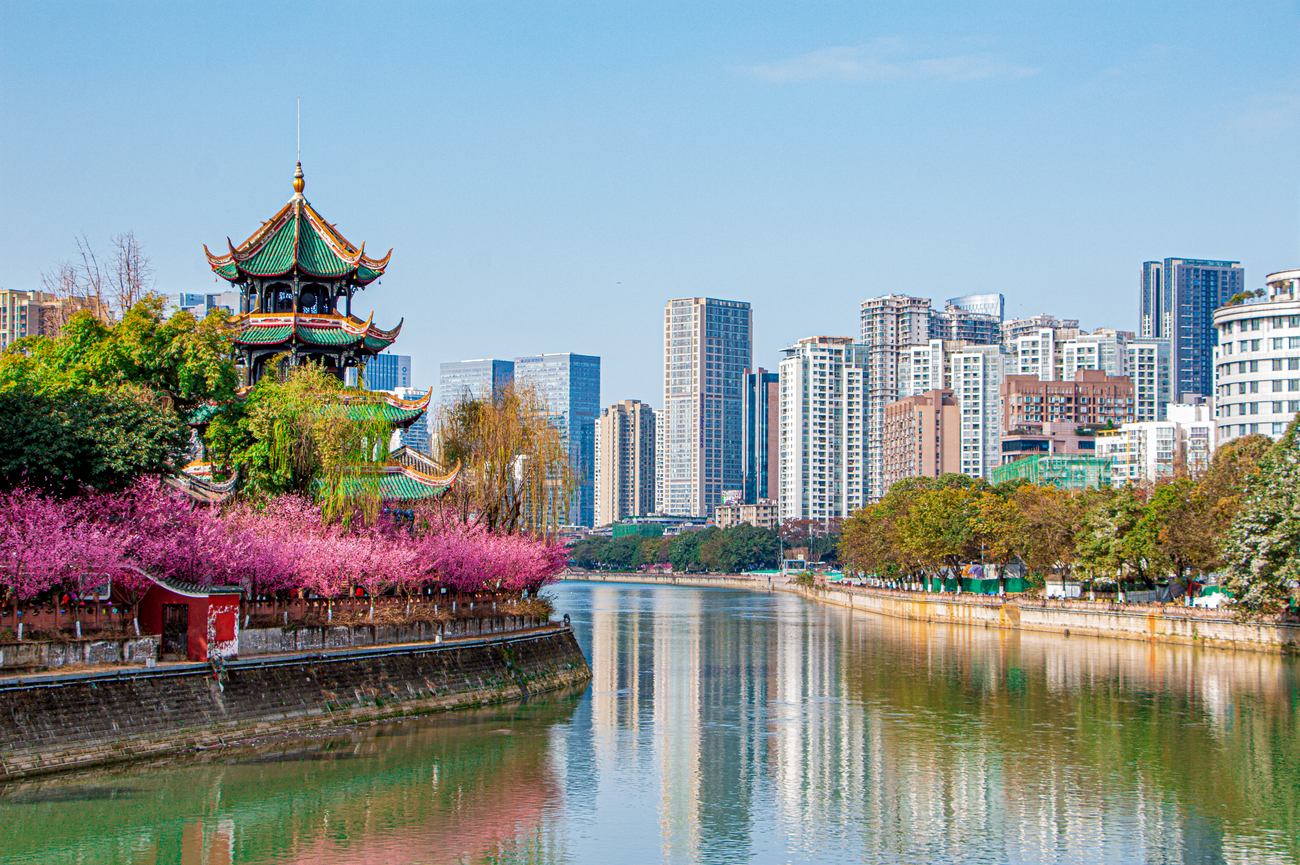
Festivals in Chengdu
- Chinese New Year: Chinese New Year in Chengdu lasts 15 days,
ending with the Lantern Festival, and the entire city leans into celebration.
You’ll see streets dressed in glowing red lanterns and festive displays,
creating a lively, joyful atmosphere. Do expect large crowds and note that some
shops and businesses may close temporarily as locals return home for family
reunions.
The heart of the celebration lies in Chengdu’s temple fairs, where you can enjoy and observe Sichuan folk traditions and sample dozens of local snacks in one place. The most famous fair takes place at Wuhou Shrine, drawing both locals and visitors throughout the holiday.
For something truly unique, head to Huanglongxi Ancient Town, where you can watch the spectacular Fire Dragon Dance, an 800-year-old tradition, alongside lion dances and floating lantern releases on the river. At Wenshu Monastery, Chengdu’s largest Buddhist temple, you’ll see locals tying red wish ribbons to ancient trees and sharing vegetarian meals.
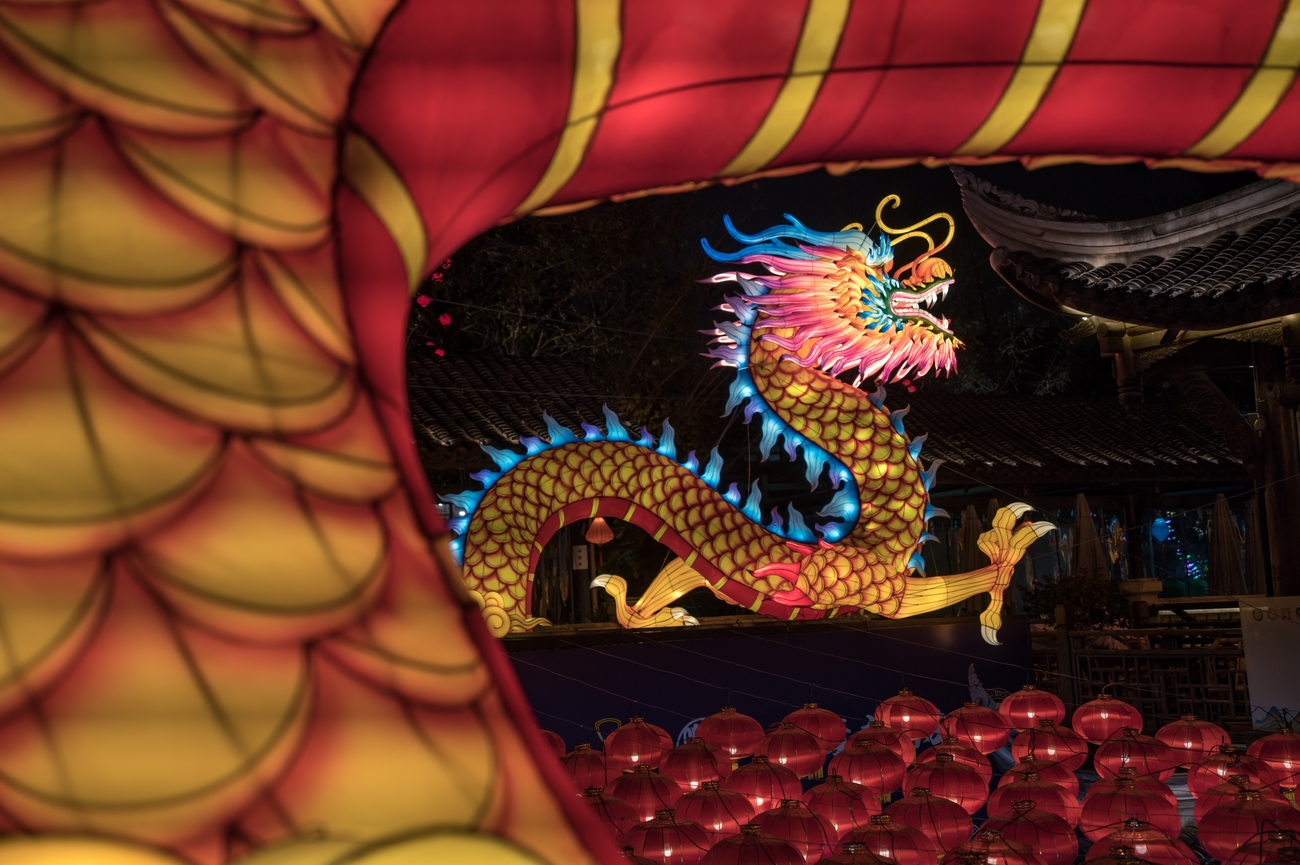
- Lantern Festival: Officially marks the joyful close of the 15-day Chinese New Year celebrations. It’s a warm, family-focused evening filled with glowing lanterns, playful traditions, and festive treats. As night falls, you’ll see the city come alive with color, with locals heading to parks and historic streets to admire lantern displays, solve riddle puzzles, or simply enjoy the atmosphere. For the biggest spectacle, visit Tazishan Park, the main venue for Chengdu’s largest lantern fair. Here, you’ll walk through towering themed light installations, catch folk performances, and snack on local street food. If you’re curious about modern twists on tradition, the Intangible Cultural Heritage Park hosts creative light shows that combine classic lantern making techniques with contemporary technology.
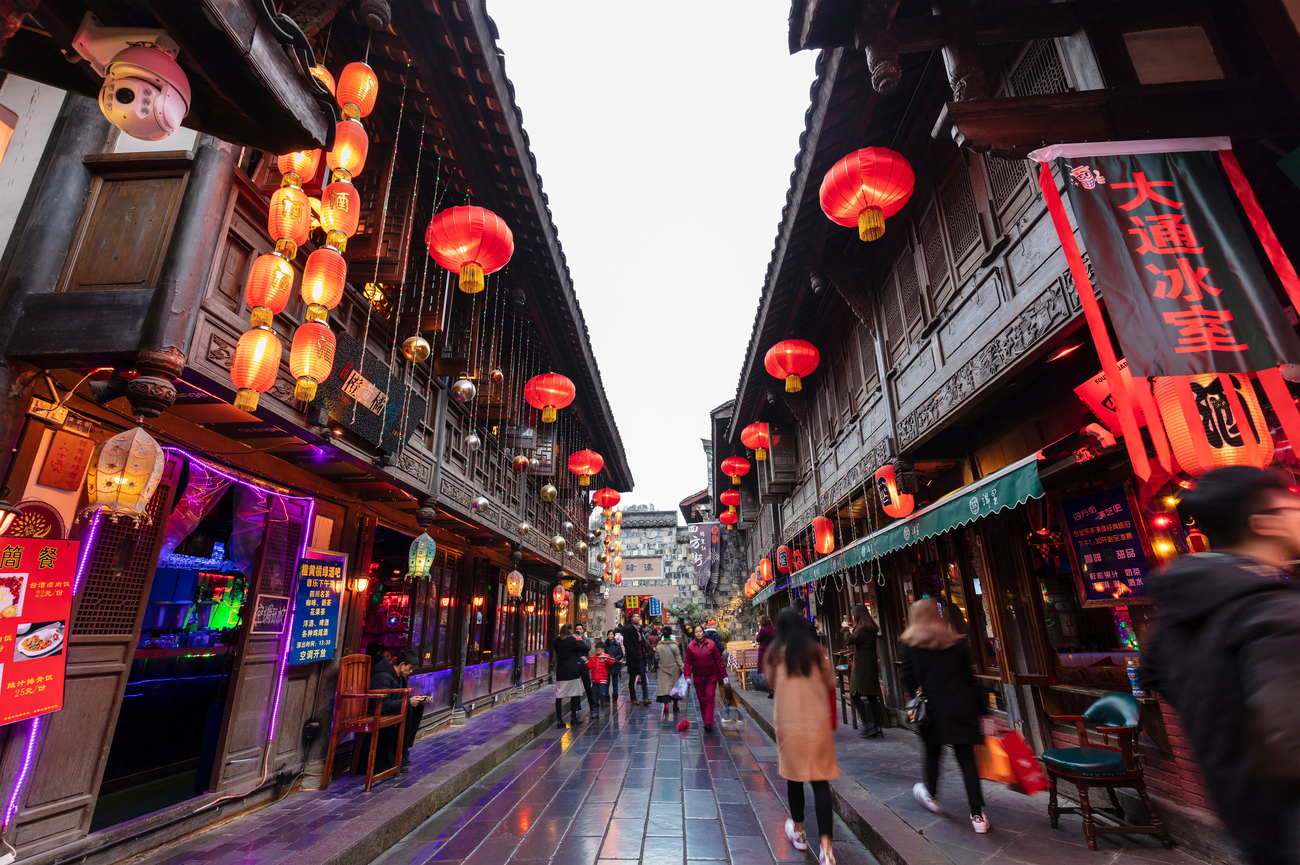
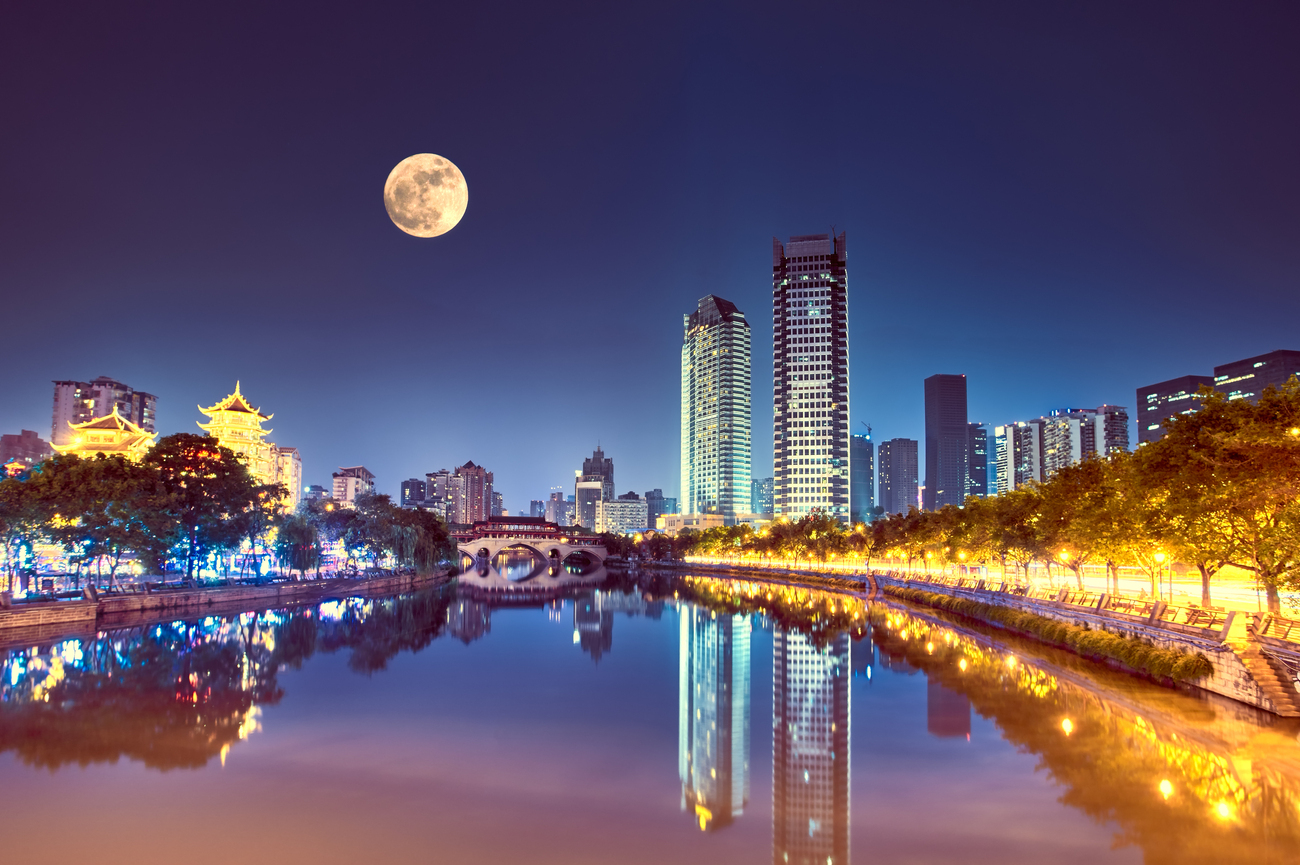
- Mid-Autumn Festival: The Mid-Autumn Festival is all about family and gratitude, something that fits Chengdu’s laid culture perfectly. During the festival, the city feels dreamy and almost poetic, lit by lanterns and scented with blooming osmanthus flowers. In the evenings, you’ll see locals gathering along open riverside areas to admire the full moon. For the most memorable views, head to Anshun Bridge or Hejiang Pavilion, where the moon reflects beautifully on the Jin River. Mooncakes are everywhere during the festival, from elegant gift boxes at hotels like The Temple House to neighborhood bakeries. If you want a true local taste, try Sichuan style mooncakes, known for their flaky crusts and savory fillings like spicy beef or local ham.
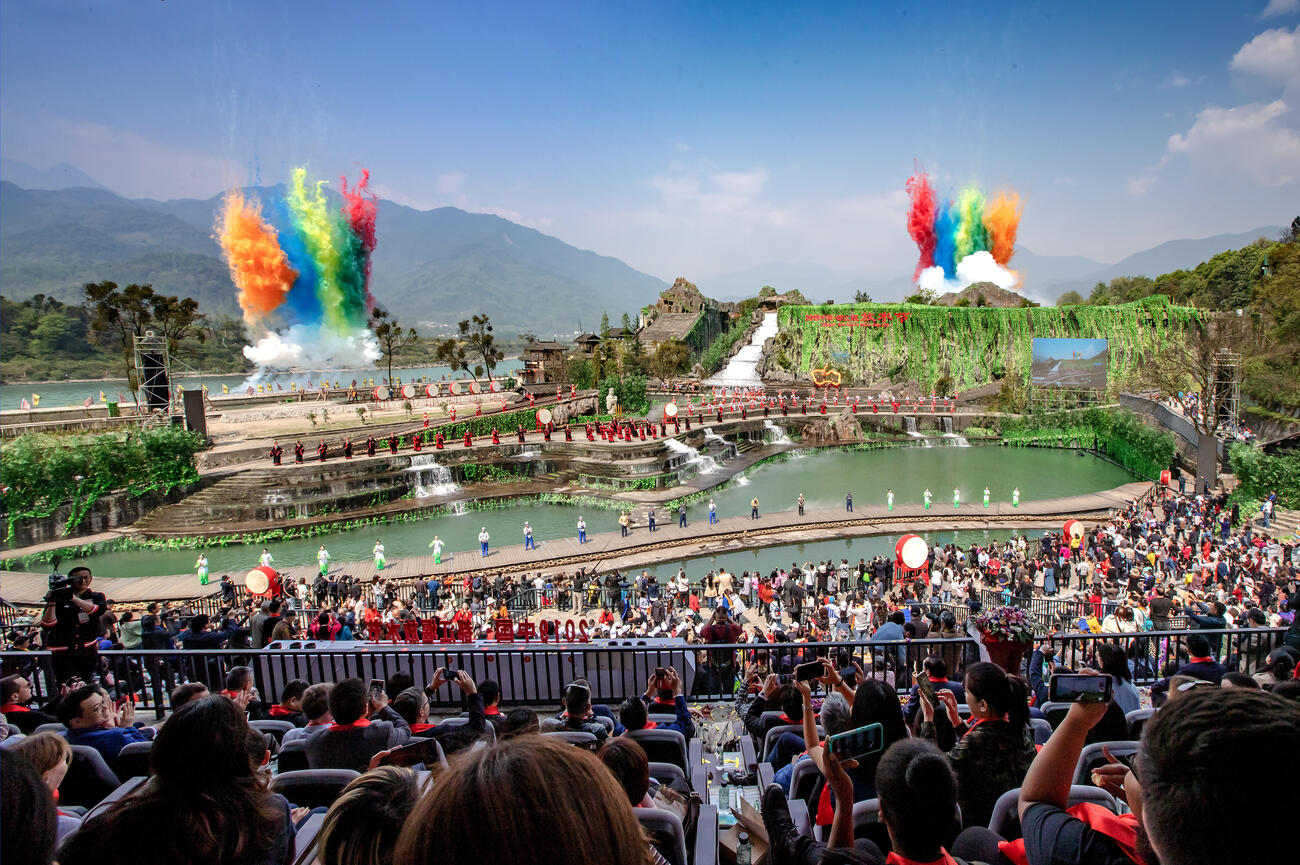
- Dujiangyan Water Releasing Festival: Held each year in
Dujiangyan near Chengdu, the Dujiangyan Water Releasing Festival is a lively
folk celebration that takes place around Qingming Festival. It honors Li Bing,
the ancient governor who built the world’s oldest working dam-less irrigation
system in 256 BC. Here, you’ll witness a dramatic live reenactment at the
Dujiangyan Scenic Area, where performers dressed in Qin and Warring States era
costumes lead ritual dances, music, and recitations that pay tribute to
ancestors and ancient engineering wisdom. The highlight of the performance
comes when workers symbolically cut the macha (the triangular wooden barriers
used to block the river during winter repairs). As they’re removed, water from
the Min River surges into the inner canal, marking the official start of the
spring farming season.
Into The City of
Gastronomy
After three days in Chengdu, you realise the city’s magic isn’t only in the big-ticket sights, it’s in how everything feels when you’re here. You’ve done the bucket-list moments: watched pandas laze around like they have nowhere else to be, stood in front of mind bending history at Sanxingdui, and traced the genius of Dujiangyan, proof that Chengdu has been quietly shaping civilization for centuries. Somewhere between those highlights, you start to fall in love with the culture itself, the unhurried teahouse afternoons where time seems optional, the scent of incense drifting through temple courtyards, the way locals treat a park bench like a second living room. And you realise Chengdu isn’t a city you “conquer” with a checklist, it’s a city you return to.
Come see the City of Gastronomy with Revigorate. We’ll design a journey that goes beyond pandas and spice, revealing the everyday moments that stay with you long after you’ve left. Contact us or give us a call at (+1 800 672 0517 | +351 289 009 580 | +44 808 189 0647), and let’s start planning your Chengdu journey.
Ready to explore more of Asia? Travel further with Revigorate and discover our curated itineraries across Hong Kong, Kyoto, Singapore, Osaka, and Manila.


Let us know what you love, where you want to go, and we’ll design a one-of-a-kind adventure you’ll never forget.
Get in touch
Miriam
Travel Specialist

Romina
Travel Specialist

Laura
Travel Specialist
Our offices:



Revigorate, Iberian Escapes and Algarve Lifestyle are the registered brand names of APCS Lda . We are a fully authorised travel agency licensed by Turismo de Portugal RNAVT/6867.
In the event of a dispute, the consumer may refer to: RAL - Centros de Arbitragem
Avª. 5 de Outubro, nº. 55, R/C Dtº. 8000-075 Faro, Portugal | Tel: +351 289 823 135 *
* national landline call
E-mail: info@consumoalgarve.pt| www.consumidoronline.pt | Mon to Fri: 9:00 - 13:00 / 14:00 - 17:00