Things to Do in Siargao: 3-Day Itinerary
Siargao is one of those places people swear they’ll visit “one day,” and then end up planning their lives around so they can keep returning. Officially, it’s the surfing capital of the Philippines, a teardrop-shaped island wrapped in reef breaks and miles of coconut trees. Unofficially, it’s where life slows down, days drift between island-hopping, easy seaside lunches, and motorbike rides through palm-lined roads.
In this three-day itinerary, we’ll take you beyond the usual stops like Cloud 9 and Coconut Road. Instead, you’ll explore quieter islands, secret coves, and local villages, that reveal Siargao’s more local side, the one travellers fall in love with without even realising it.
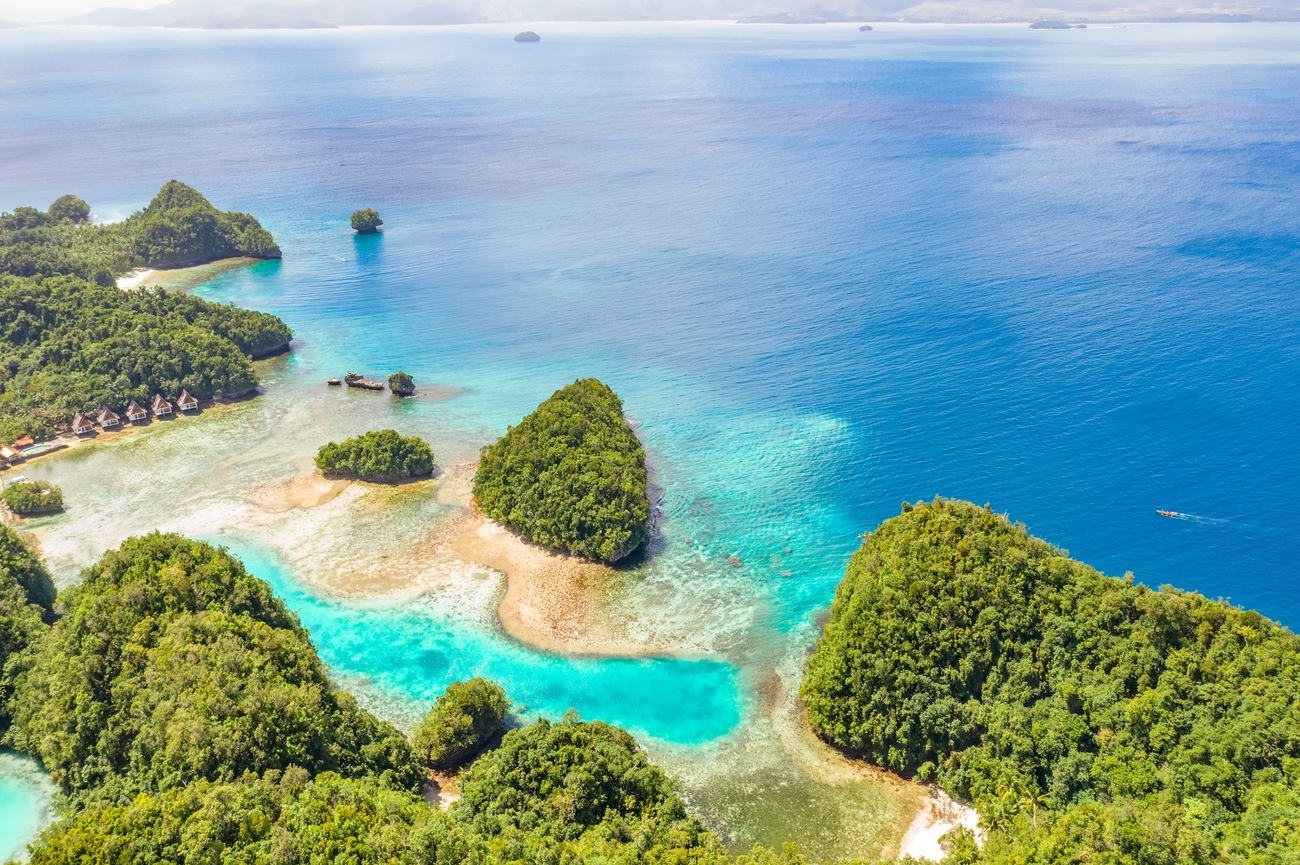
Day 1

Morning: Daku Island
Start your Siargao morning with an island-hopping tour, leaving General Luna by private banca before the mid-day heat. Your first stop is Daku Island, the largest of the three islands. Here, you’ll find a long stretch of white sand, rows of swaying palms, and a laid-back local fishing community. The water is clear, calm, and perfect for swimming or simply wading in the shallows. You can also snorkel in some areas to spot vibrant marine life before continuing on to our next island.
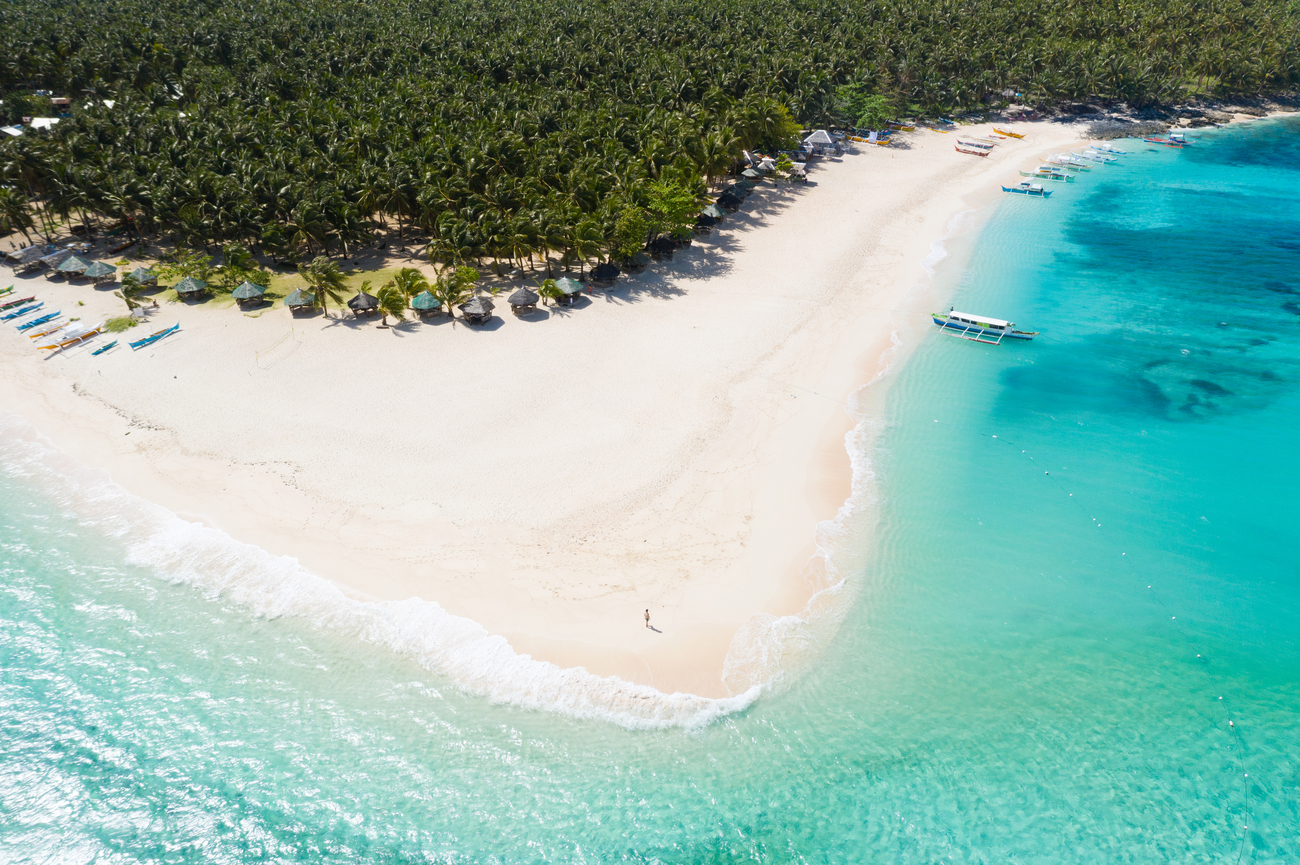
Guyam Island
Your next stop is Guyam Island, a small, privately owned islet just a short boat ride from Daku. The island is so tiny that you can walk around it in about 15 minutes. One side has a lovely sandy beach where you can relax, while the other offers a more rugged, rocky area with natural formations that create calm, warm tide pools.
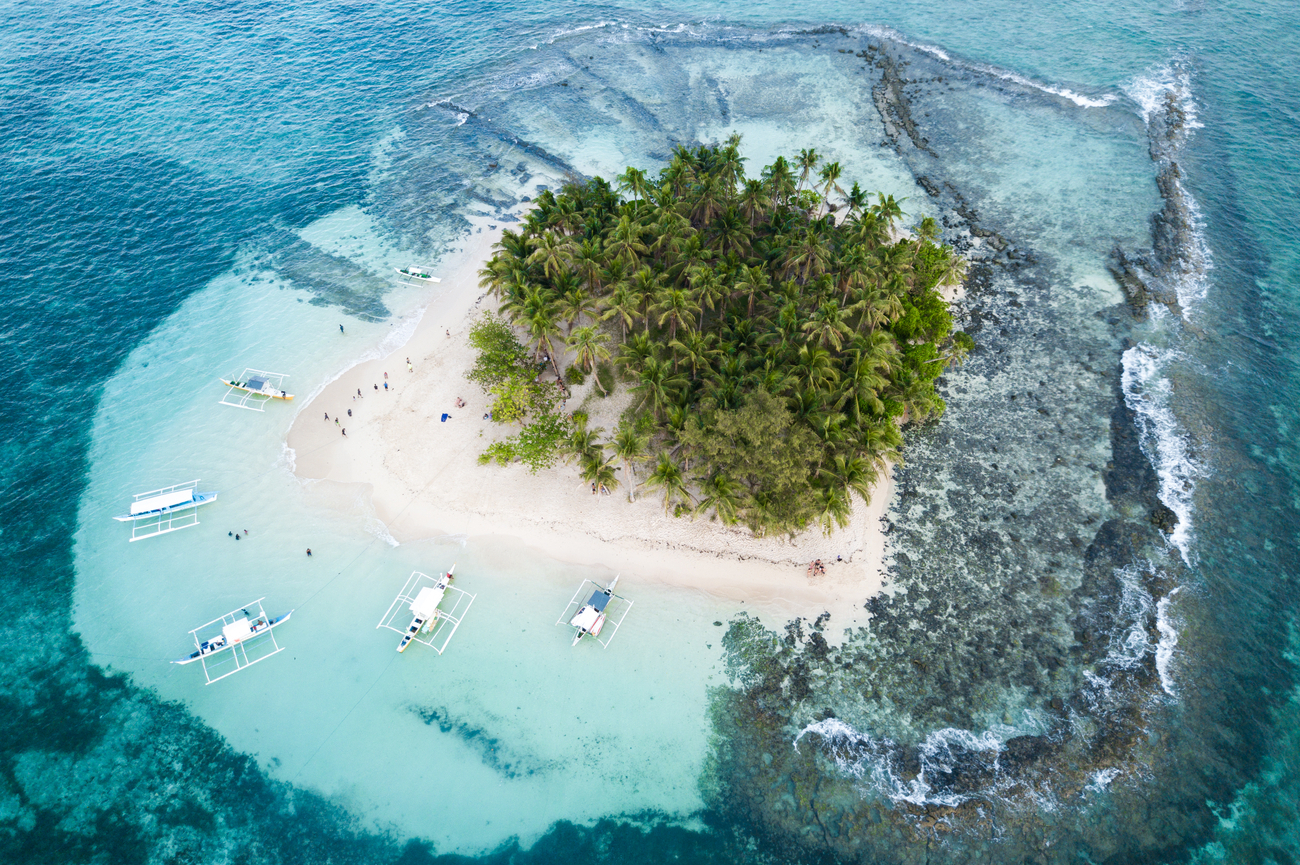
Naked Island
Continue to Naked Island, a pure white sandbar with a few trees and clear turquoise water on all sides. Its simple, untouched look is exactly why it’s called “Naked.” You can snorkel around the sandbar, where small coral patches and marine life make for a quick, refreshing underwater break before continuing to Casolian Island.
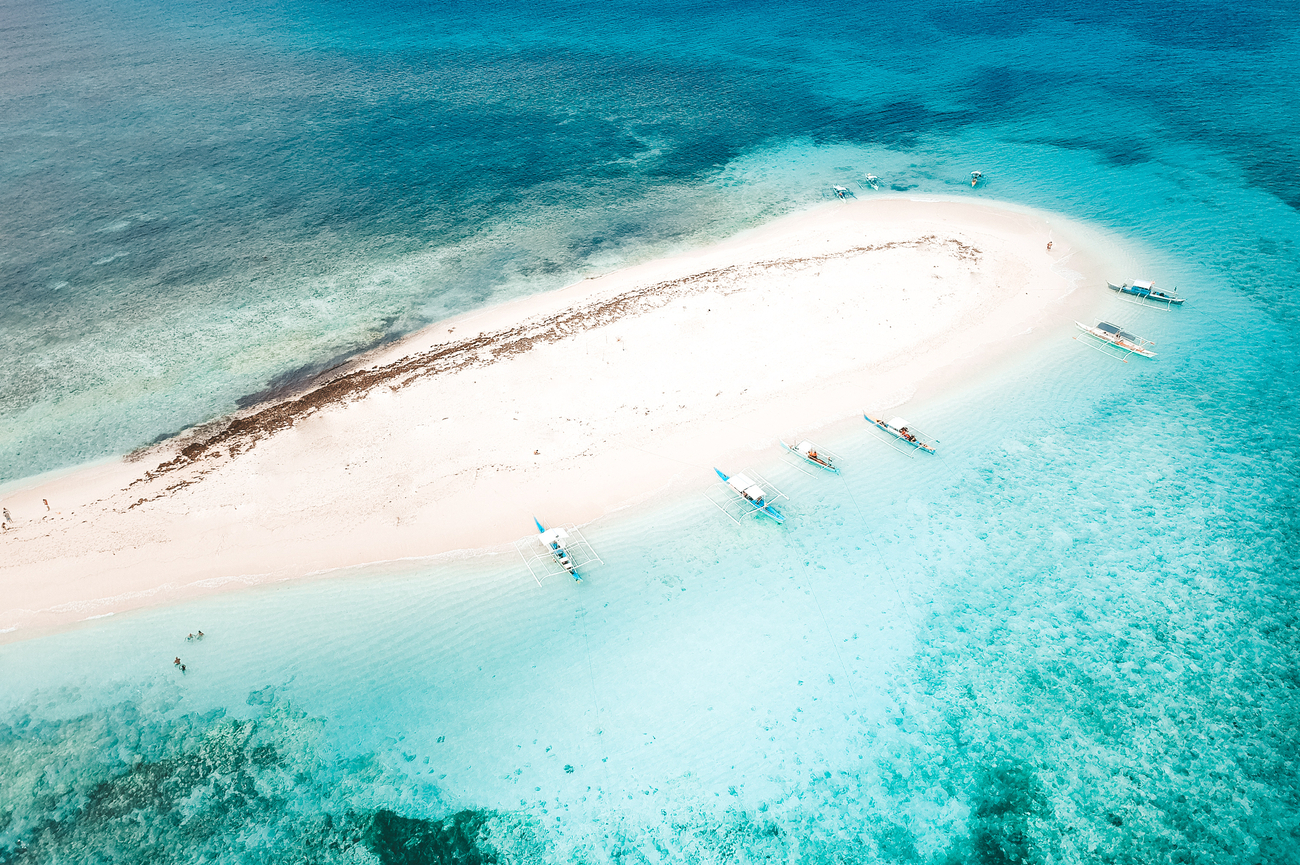
Day 1, Morning - Siargao Tour Map
Afternoon: Casolian Island
Hop back on your boat and continue to Casolian Island, more commonly known as Corregidor Island. This spot is famous for its rolling, grassy hills that many compare to a “mini Batanes.” Unlike the other islands, its landscape is all about wide open views and gentle slopes lined with coconut trees.
After a short, easy hike to the top, you’ll be rewarded with stunning views of the Pacific Ocean. You’ll also meet the friendly locals who help keep the island clean. If you’d like, we can arrange a lunch spread here so you can relax, enjoy the scenery, and spend time with the community.
Secret Beach
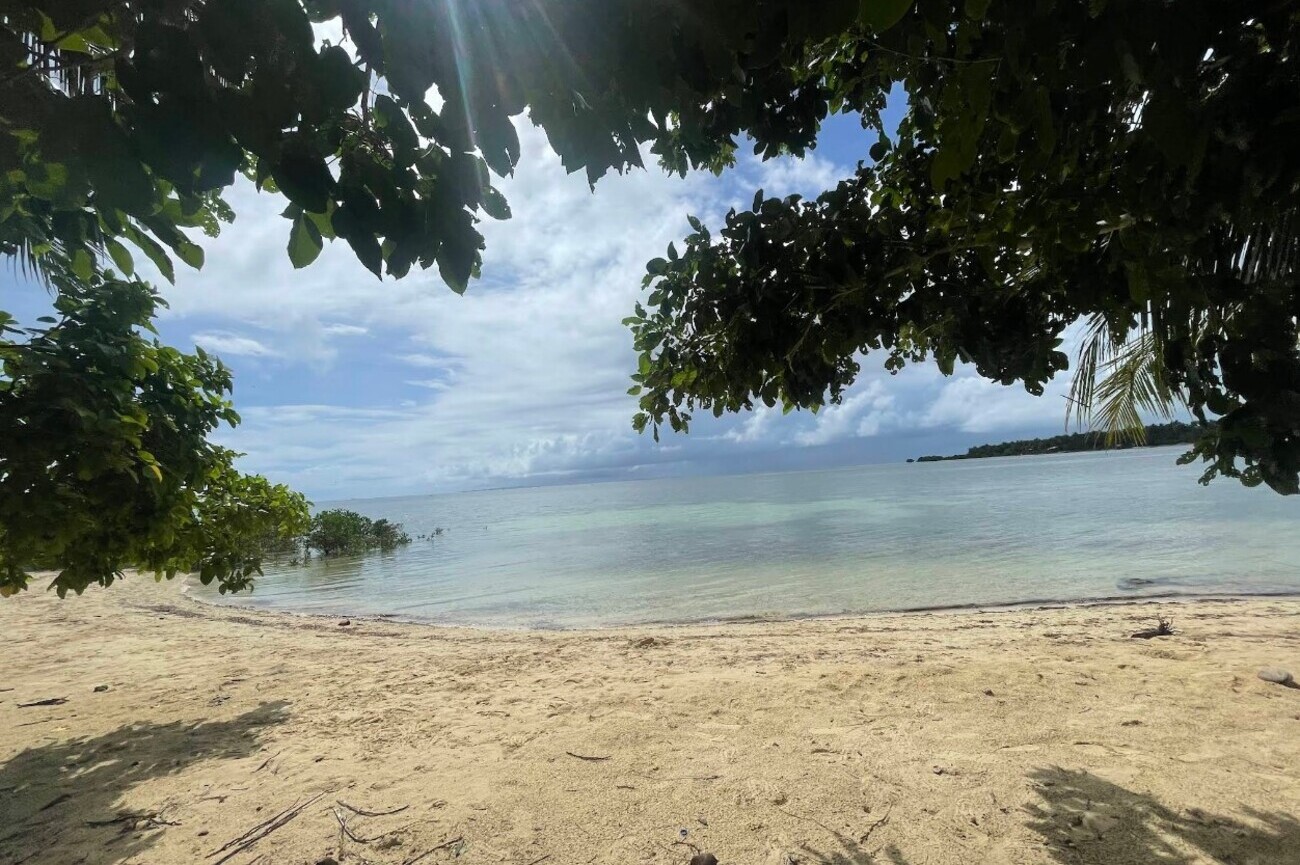
End your day at Secret Beach, a quiet hideaway known for its calm, shallow waters and beautiful mangrove maze. It’s a peaceful break from Siargao’s famous surf spots. You can rent a kayak and slowly paddle through its mangrove labyrinth. Many visitors come here simply to unwind, lay out a mat, or rent a beach chair. If you stay until late afternoon, it’s also one of the loveliest spots to watch the sunset.
Day 1, Afternoon - Siargao Tour Map
Day 2
Morning: La Januza Island
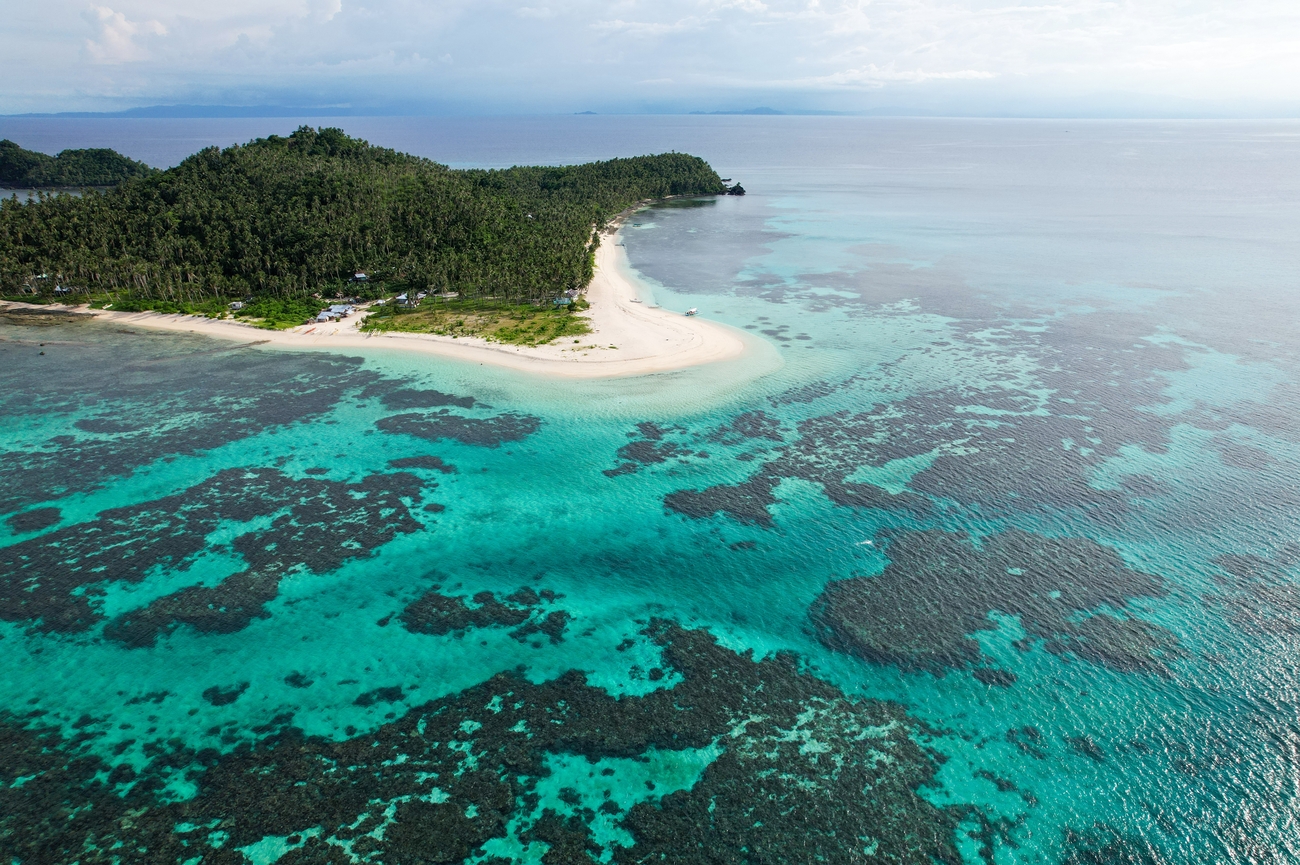
Start your morning with a slow, scenic cruise toward the northern islands, beginning at La Januza Island. This quiet, rugged island is known for its clear blue water and peaceful setting. The surrounding reef makes it a great place for you to snorkel, while the calm seas are perfect for kayaking or paddleboarding if you want a more relaxed start to the day.
Mam-on Island
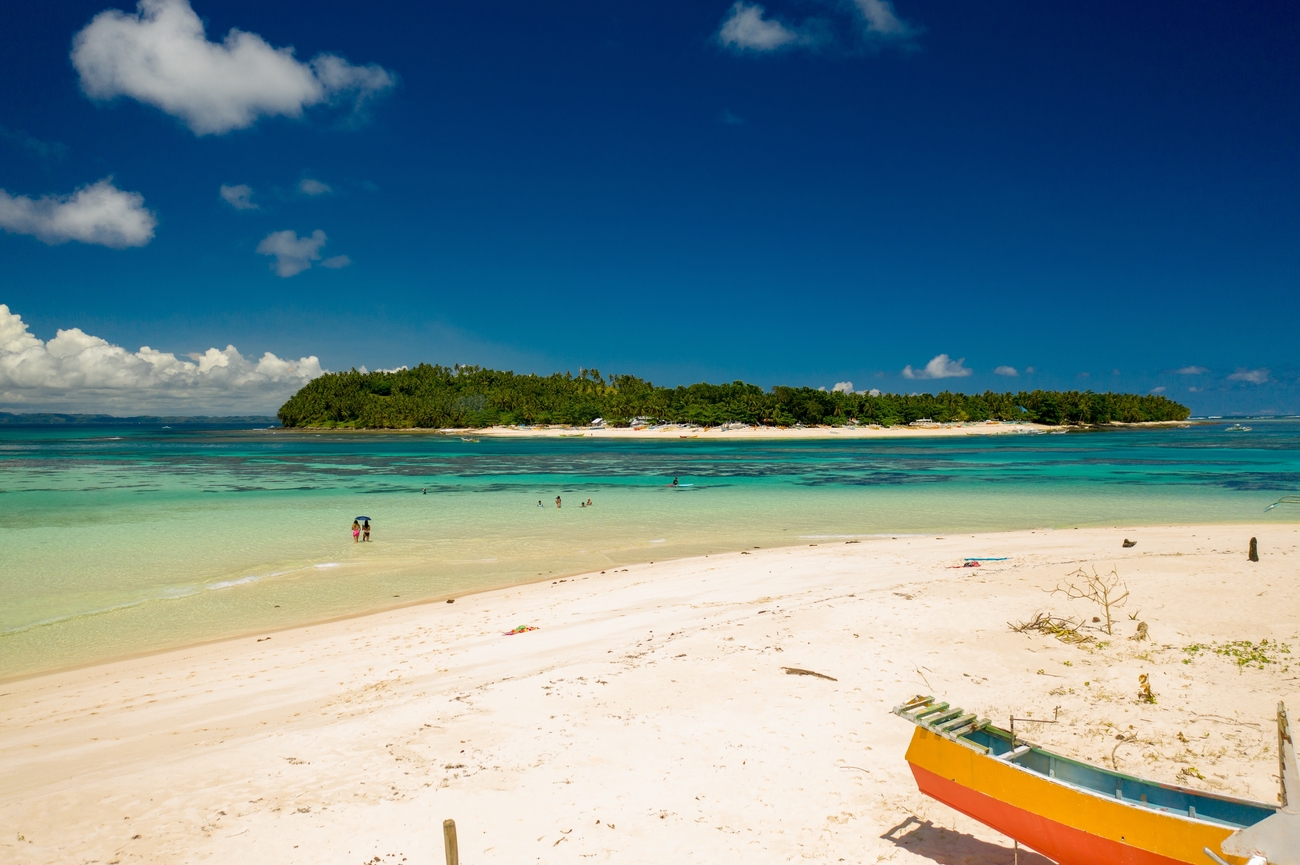
Your next stop is Mam-on Island, known for its quiet white-sand beaches, clear turquoise water, and palm-covered hills. Since it’s farther out than most islands on standard tours, you can expect fewer crowds and a more peaceful atmosphere. Some say Man-on feels like Siargao 20yrs ago, back when it used to be secluded and unpolished. We can set up a lunch spread for you here before you head back to the mainland to continue your afternoon journey.
Day 2, Morning - Siargao Tour Map
Afternoon: Maasin River
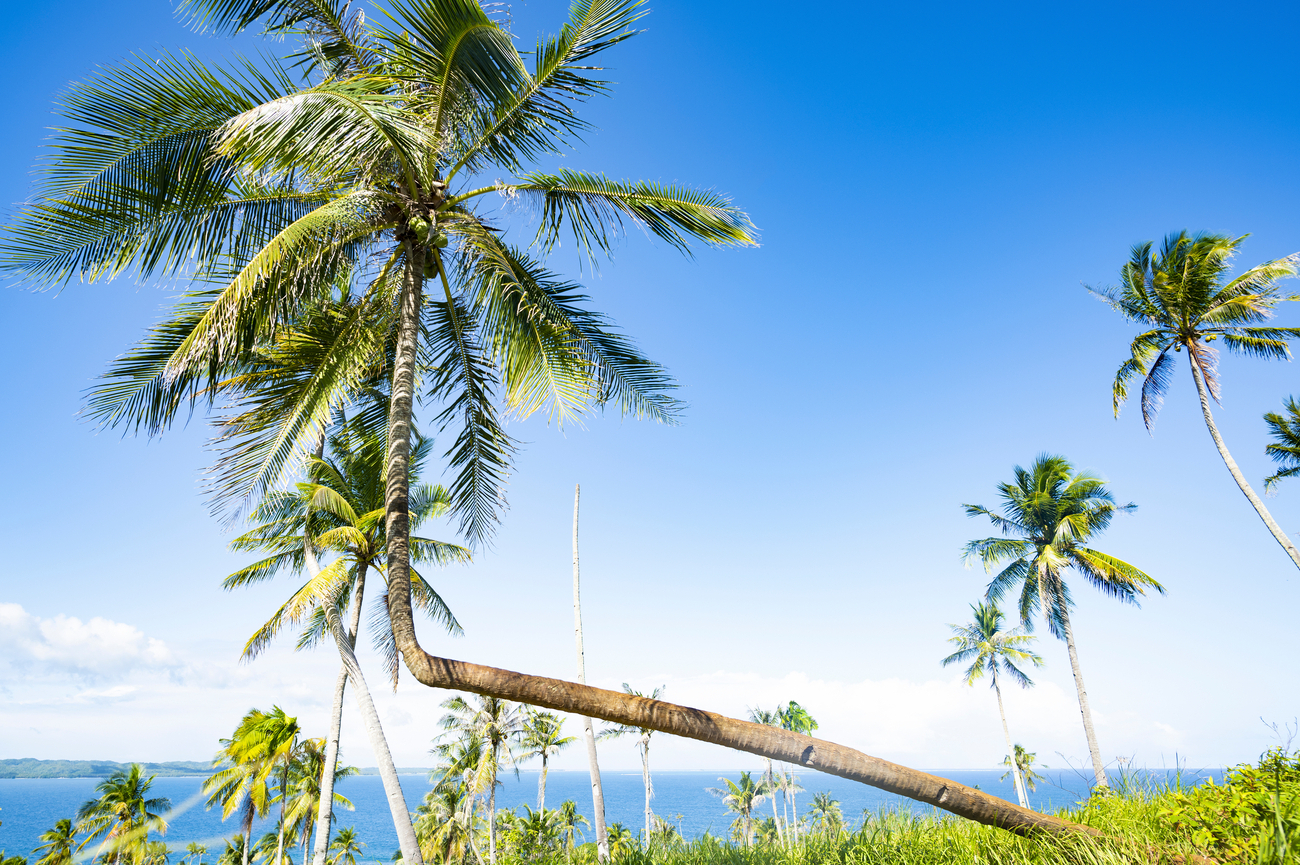
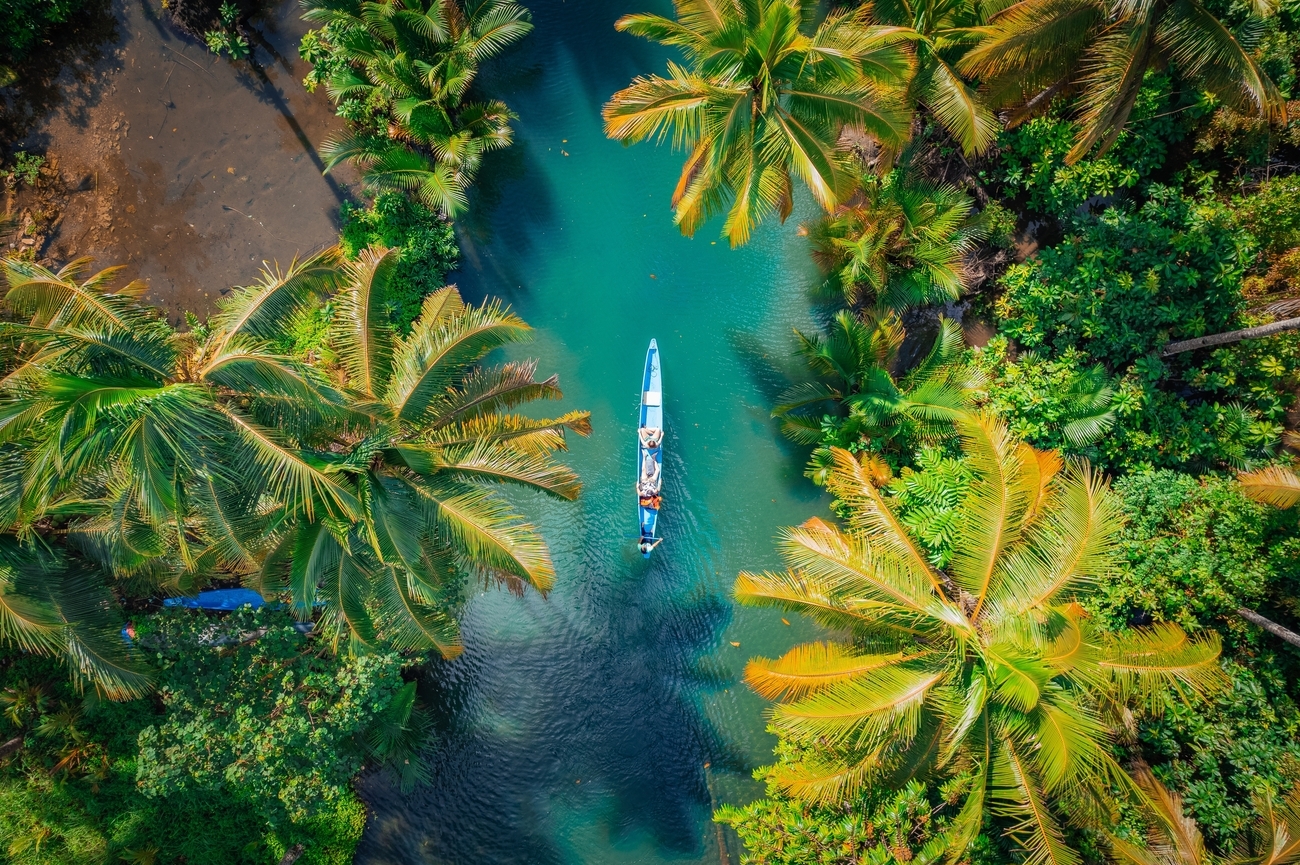
Once you’re back on the mainland, head to Maasin River, known for its emerald-green water and tropical surroundings. You can jump into the river and paddle upstream to a quiet lagoon, or take a short canoe or bamboo raft ride for a relaxing cruise. There used to be an iconic bent coconut tree here which visitors used as a jump off point, but unfortunately it collapsed in 2023, so a man-made jumping platform with different height levels was added in its place. You can also swim, explore, or simply take photos of the beautiful riverside scenery.
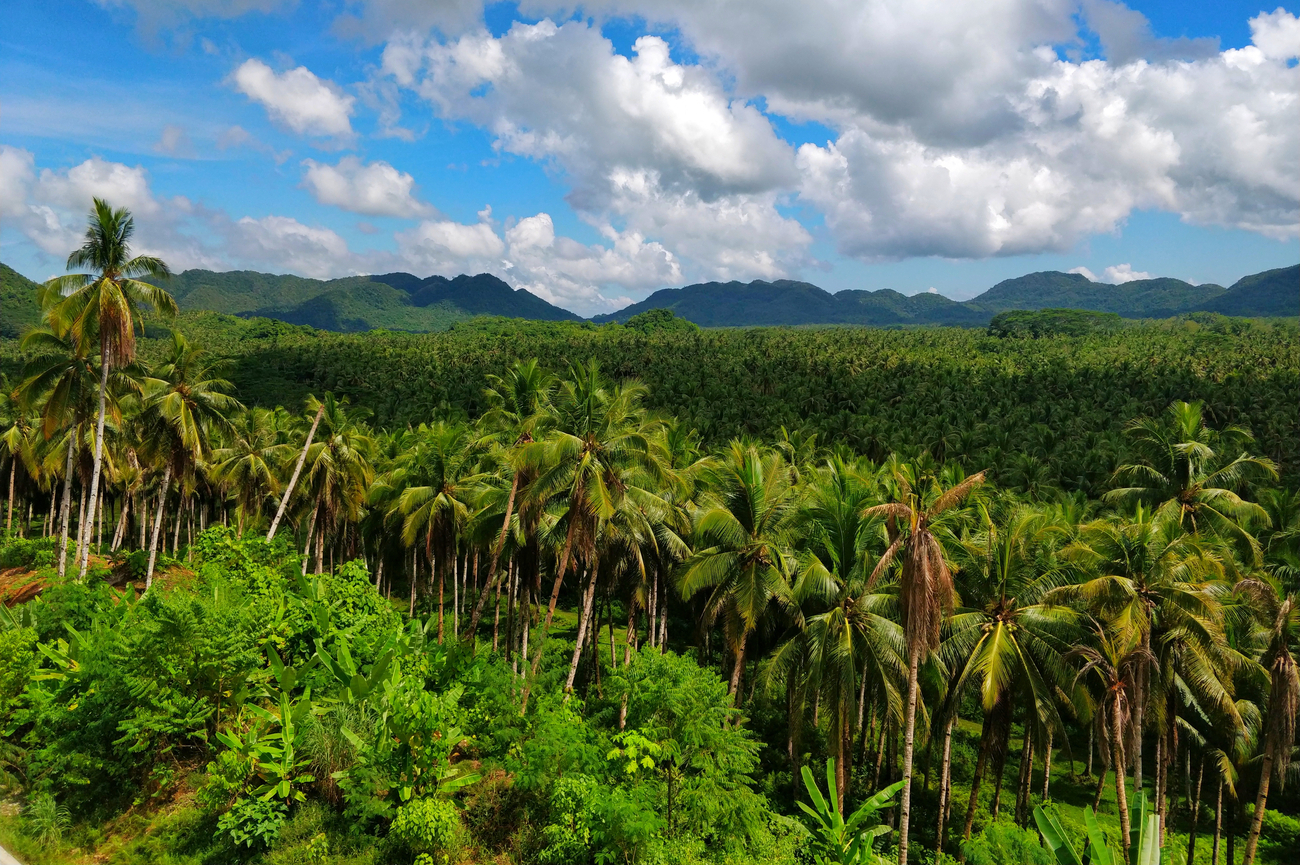
Coconut Plantation
View Point
Also called Coconut Mountain View Deck, this popular roadside stop gives you one of Siargao’s most iconic views. From the hillside lookout along the Circumferential Road, you’ll see a sea of coconut trees stretching as far as the eyes can see. It’s a quick stop, but perfect for taking photos or a chill motorbike ride.
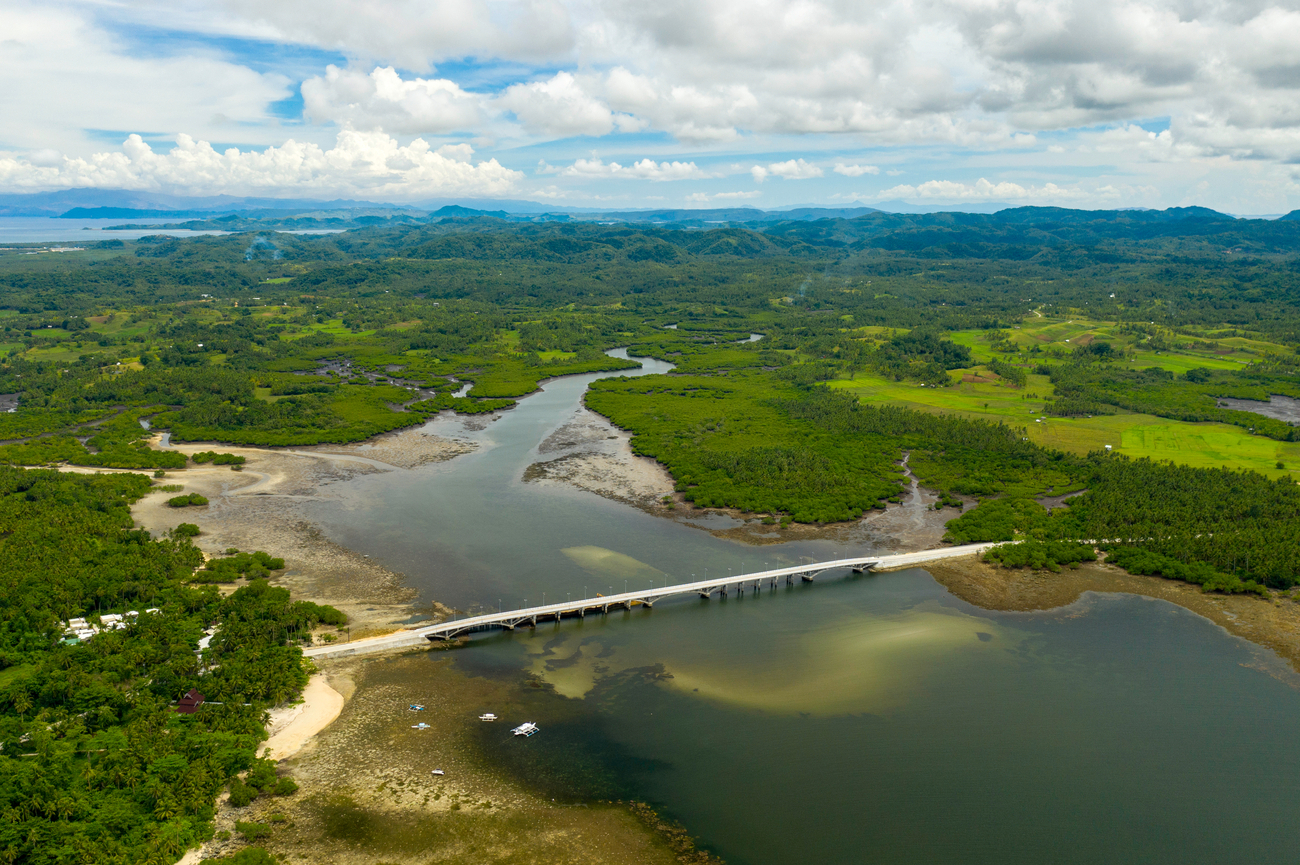
Catangnan Bridge
Wrap up your second day at Catangnan Bridge, often called the “Sunset Bridge.” Around 4 p.m., locals and visitors gather here for the golden hour. You’ll see people jogging, hanging out, and enjoying the cool sea breeze. It’s a relaxed, communal spot that gives you a genuine feel of everyday Siargao life.
Day 2, Afternoon - Siargao Tour Map
Day 3
Morning: Magpopongko Rock Pools
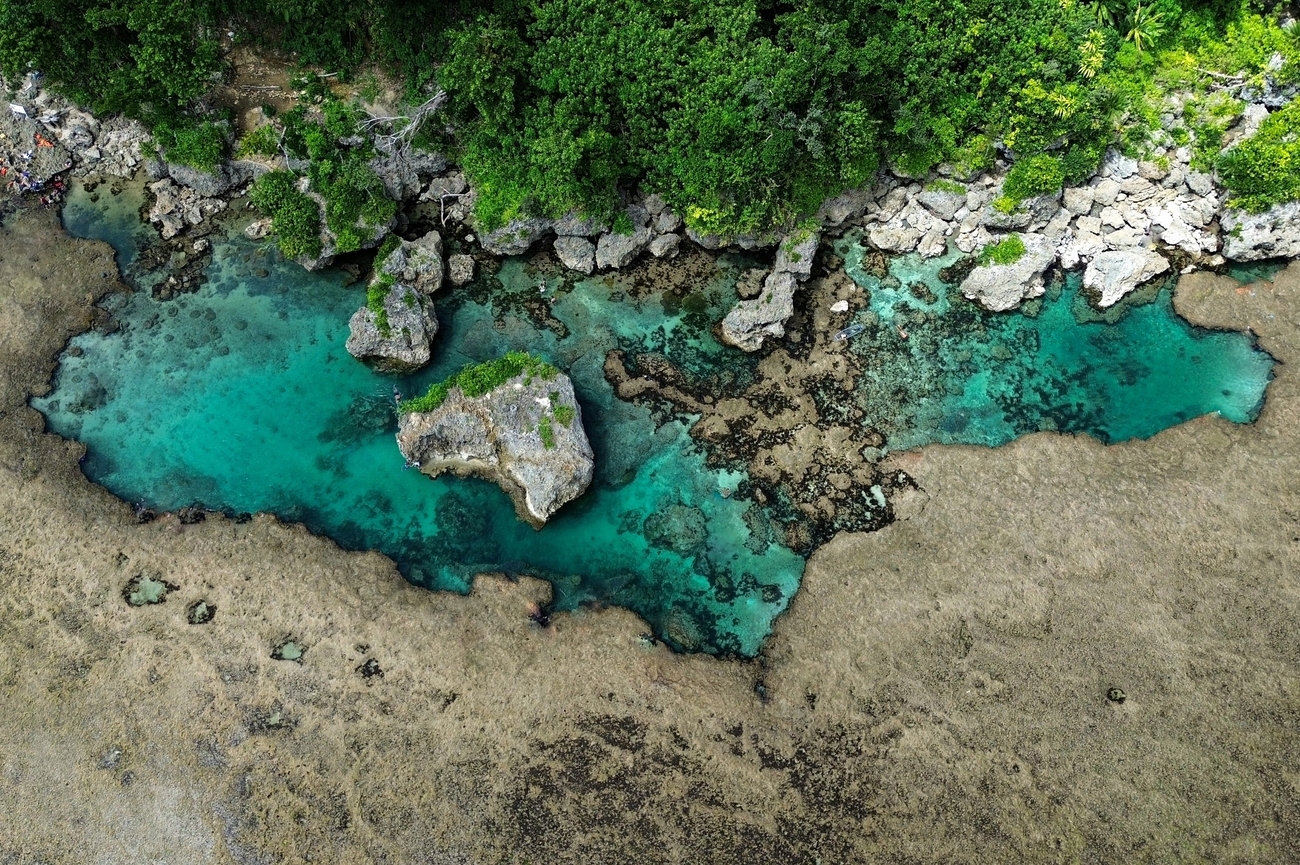
Begin early and head to Magpopongko Rock Pools, one of Siargao’s most remarkable geological sites. These crystal-clear tide pools appear only during low tide, so plan to arrive at least 30 minutes beforehand to see them at their clearest, when sunlight shines straight through the water. Once the tide rises, the pools disappear under strong Pacific waves and the area closes for safety. Be sure to check Pilar’s tide forecast before you go—your visit depends completely on the timing of the tides.
Tayangban Cave Pool
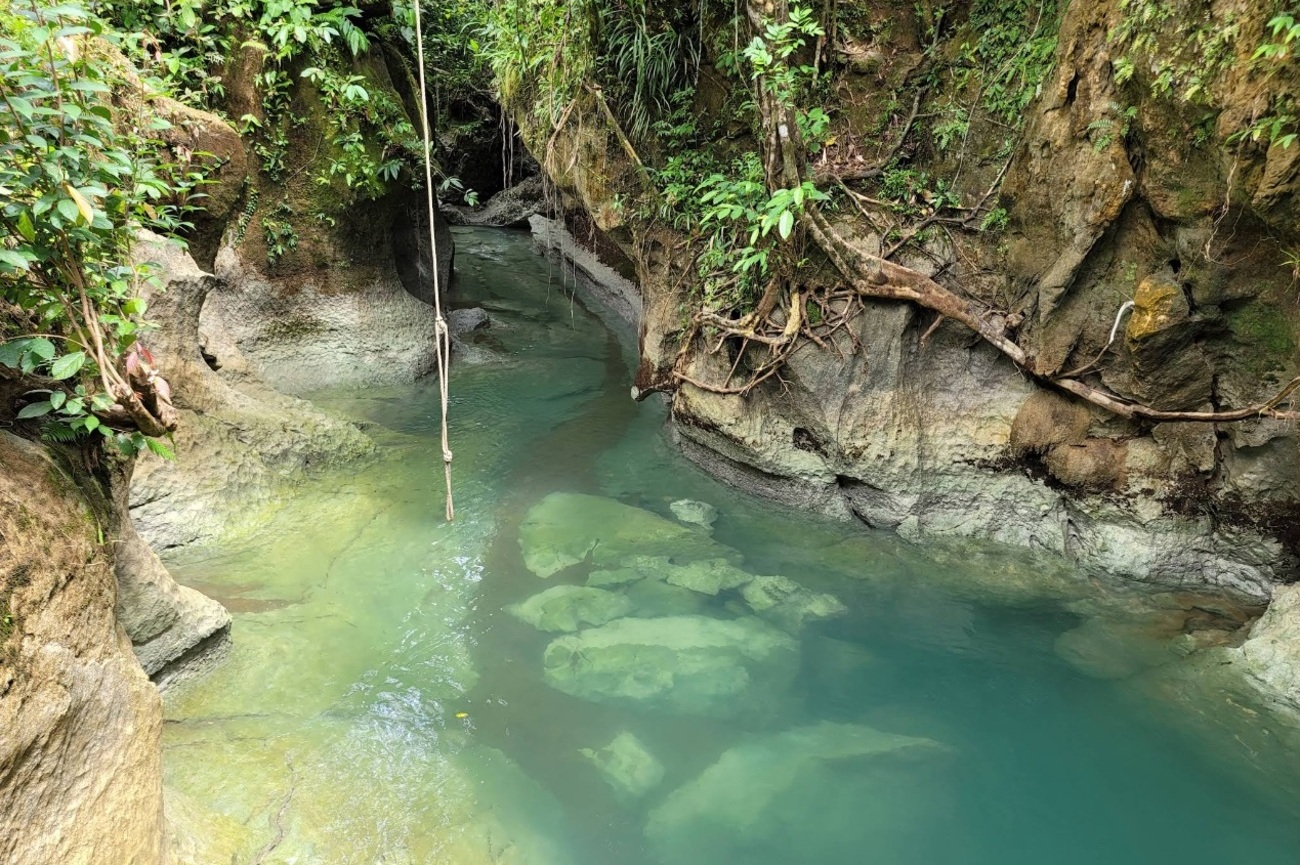
Your next stop is Tayangban Cave Pool, an inland adventure where you’ll wade through waist-deep water inside a dark cave system before emerging into an unbelievable open-air freshwater pool. Local guides will walk with you the whole way, showing you where to step and pointing out safe ledges if you feel like humping into the pool.
Inside the cave, you’ll see limestone formations like stalactites and stalagmites, and you may spot fruit bats resting on the ceiling. Before entering, avoid wearing heavy perfume or sunscreen, as these can affect the water quality, giving yourself a quick rinse beforehand is always appreciated.
Afternoon: Sugba Blue
Lagoon
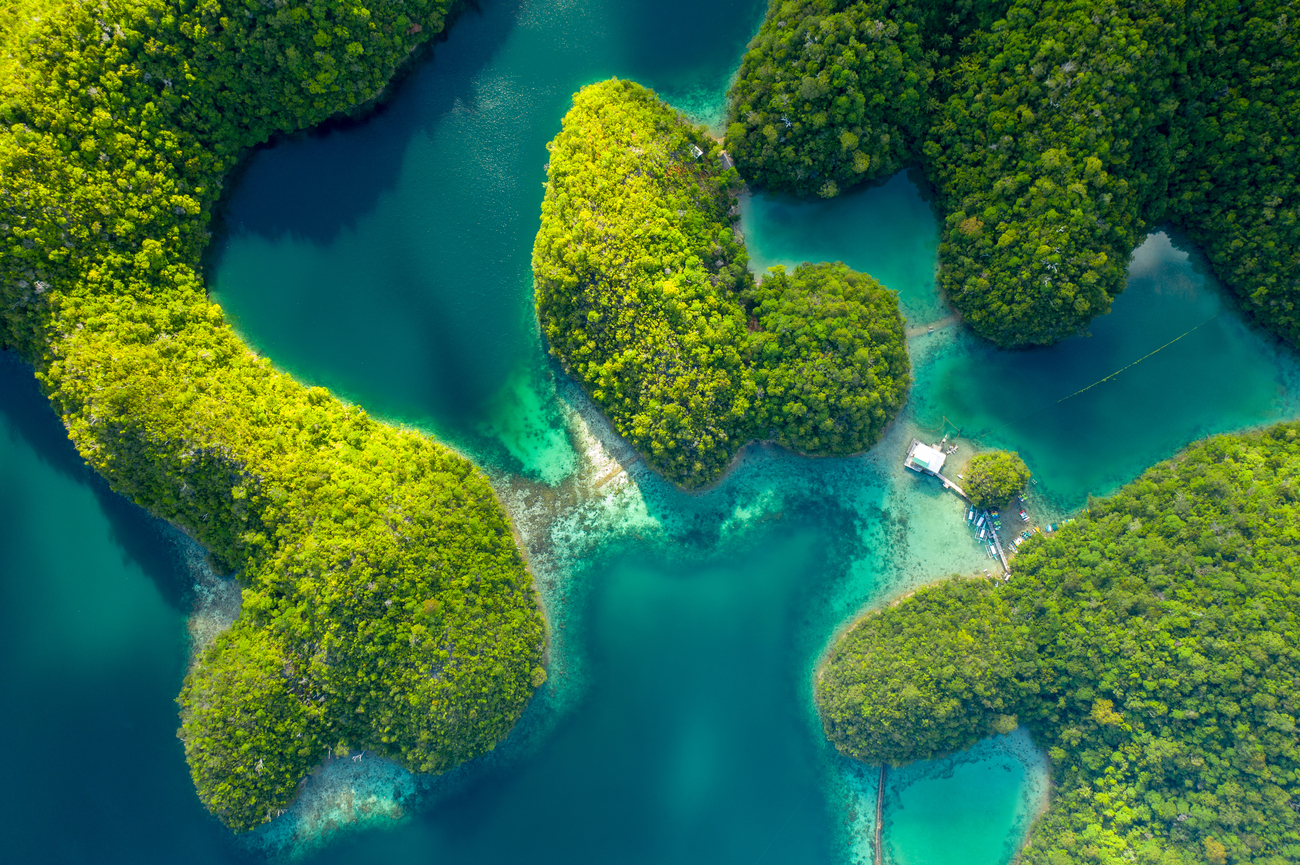
After lunch, end your Siargao trip at Sugba Blue Lagoon, a peaceful, bright-blue lagoon surrounded by mangroves. At the floating pontoon house, you can jump off the famous diving board, go paddleboarding or kayaking, swim and snorkel, or simply relax on the deck and enjoy the quiet scenery.
Day 3 - Siargao Tour Map
Day Trips from Siargao
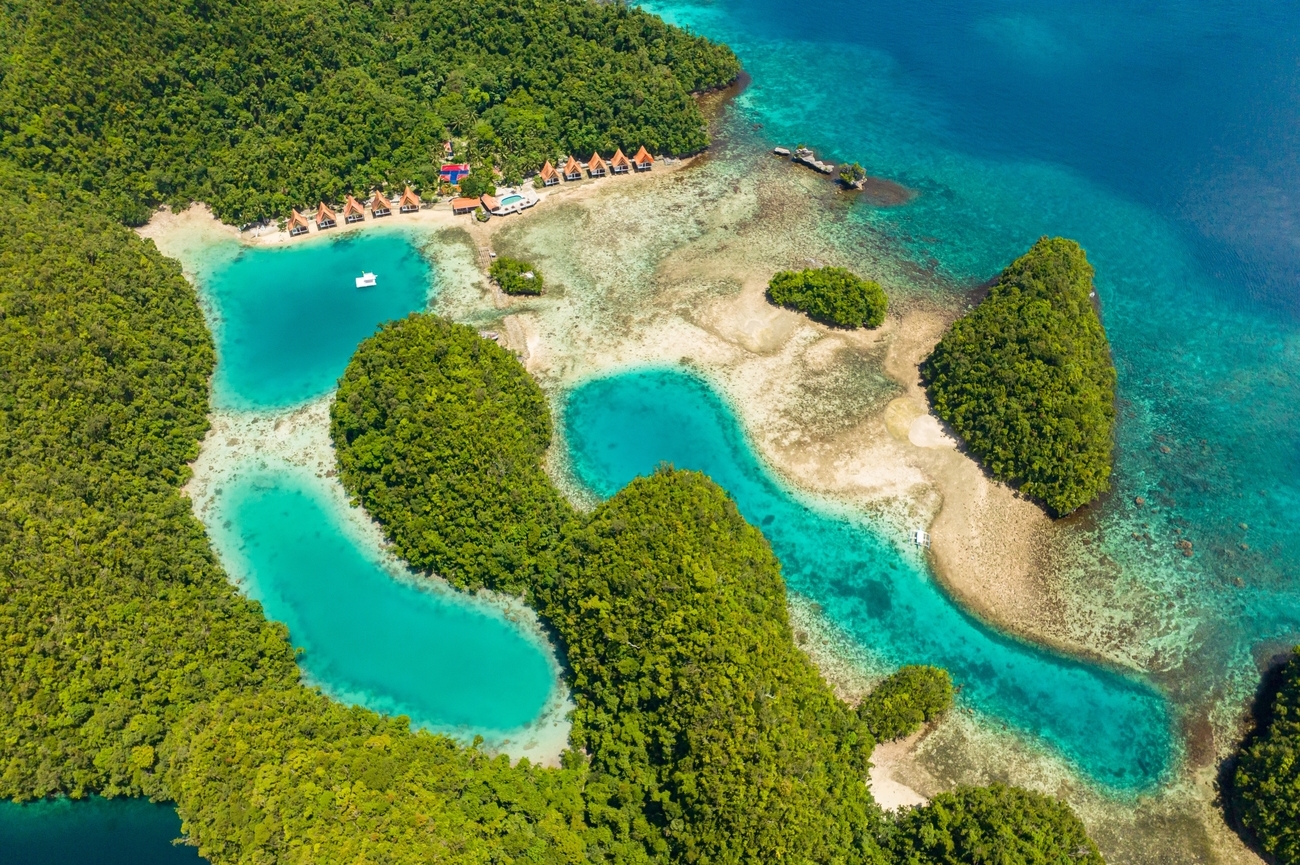
- Sohoton Cove: A stunning maze of bright lagoons, limestone islets, and hidden caves, plus the famous stingless jellyfish sanctuary. Going here requires an early start, with travel taking about 2–3 hours each way, but the experience is so worth it.
Here, you can swim with stingless jellyfish at the Jellyfish Sanctuary, explore Hagukan Cave (known as “The Snoring Cave”) where the water glows blue-green and the echo of the waves creates its signature snoring sound, and visit Magkukuob Cave, an adventure spot where you climb through rock formations and exit by jumping off a 5-meter cliff into the lagoon. You can also kayak, paddleboard, and enjoy a boodle fight lunch prepared by the boat crew. It's a day filled with nature, adventure, and one-of-a-kind memories.
Luxury Spa &
Wellness Experiences in Siargao
- Spa at Nay Palad Hideaway: The spa at Nay Palad Hideaway offers personalised wellness treatments designed to help you fully unwind during your stay. One of the highlights is their signature Hilot Massage, a traditional Filipino healing therapy that improves circulation and eases tension—perfect after days of island exploration. You can also enjoy their Signature Bath Rituals, with two options depending on what you need.
They also offer daily yoga and meditation sessions led by an experienced instructor. These are held in beautiful spots around the resort, like the Yoga Pavilion, the Sea Pagoda, or even on a paddleboard, giving you a serene, grounding way to start or end your day.
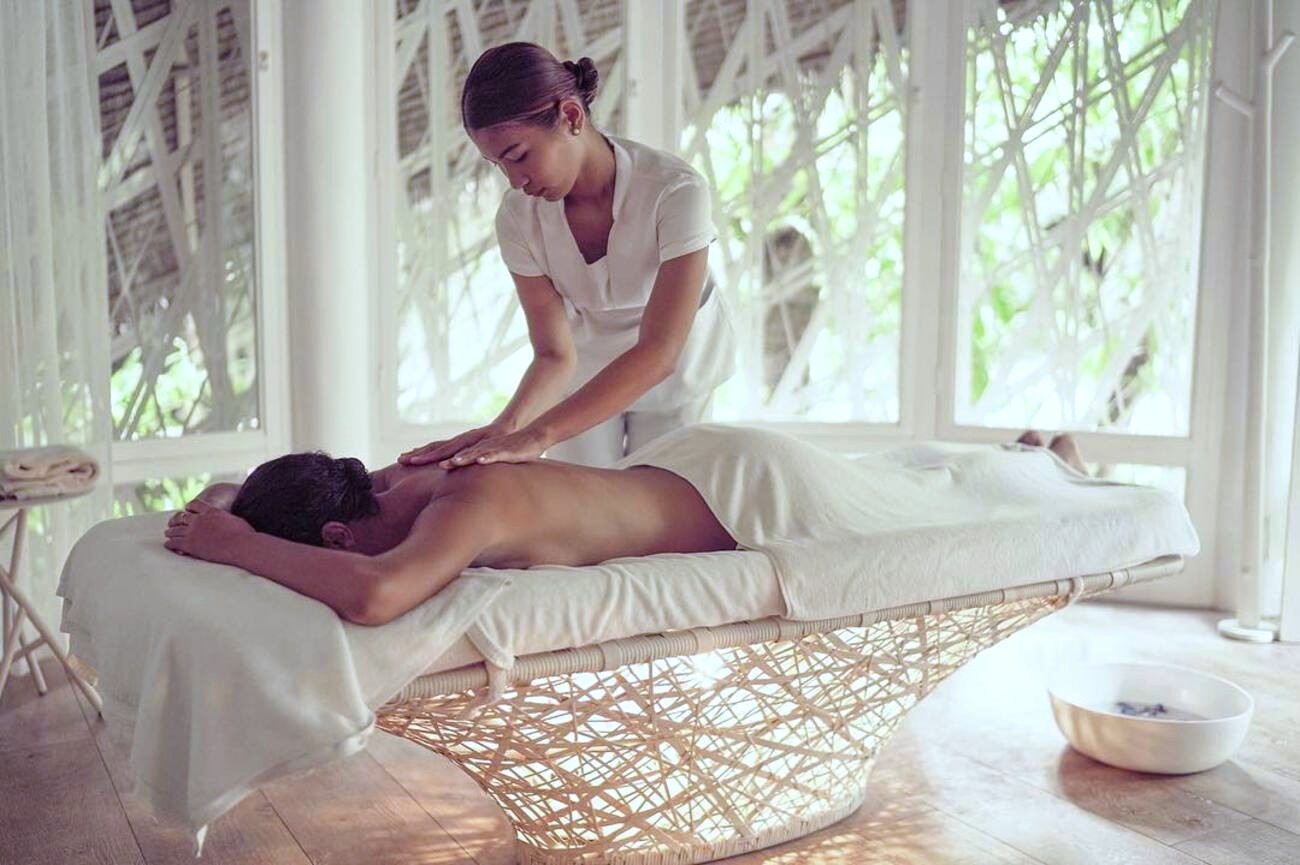
- Bleu Spa at Siargao Blue Resort & Spa: At Bleu Spa, you can unwind with a range of premium massages, facials, and body treatments in a calm, relaxing setting. If you want to try something local, try their Hilot massage which is inspired by traditional Filipino healing rituals and is great for easing tension.
They also offer stone and thermal massages, Ventosa cupping, and other treatments if you prefer something deeper or more therapeutic. For skin nourishment, you can choose from rejuvenating facials and body scrubs designed to cleanse, soften, and refresh your skin
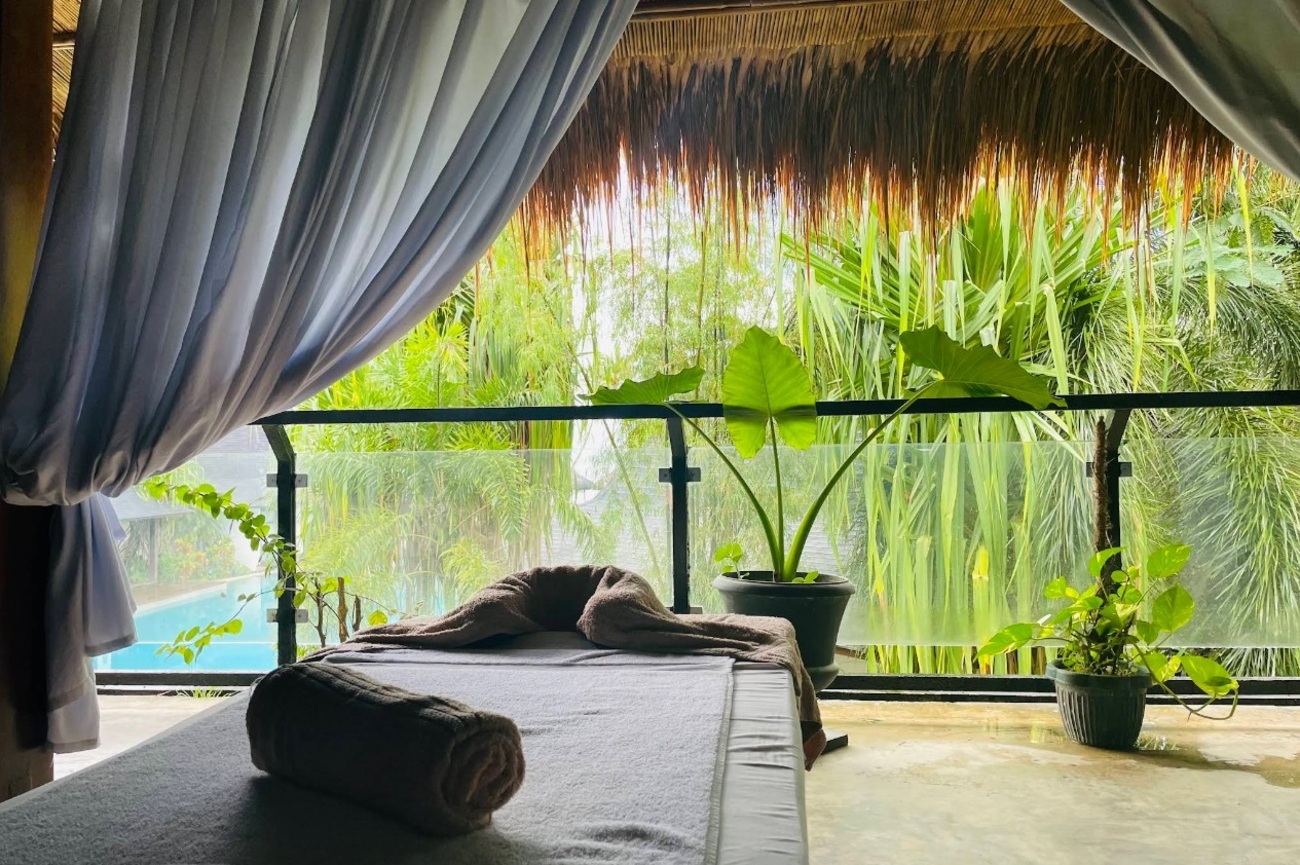
- Awake Siargao Retreats: This isn’t your typical spa, it’s an all-inclusive retreat that combines surfing, wellness, and adventure in a supportive, communal setting. Here, you can choose their full signature retreat or go for more specific programs like Surf & Yoga or Surf & Fitness, depending on what you want to focus on.
Each retreat includes traditional Filipino massages to ease tired muscles, plus ice baths and breathwork sessions for deeper recovery. You’ll also have access to daily yoga and meditation and a range of fitness classes, giving you a well-rounded wellness experience during your stay.
Exclusive Workshops
& Immersive Experiences in Siargao
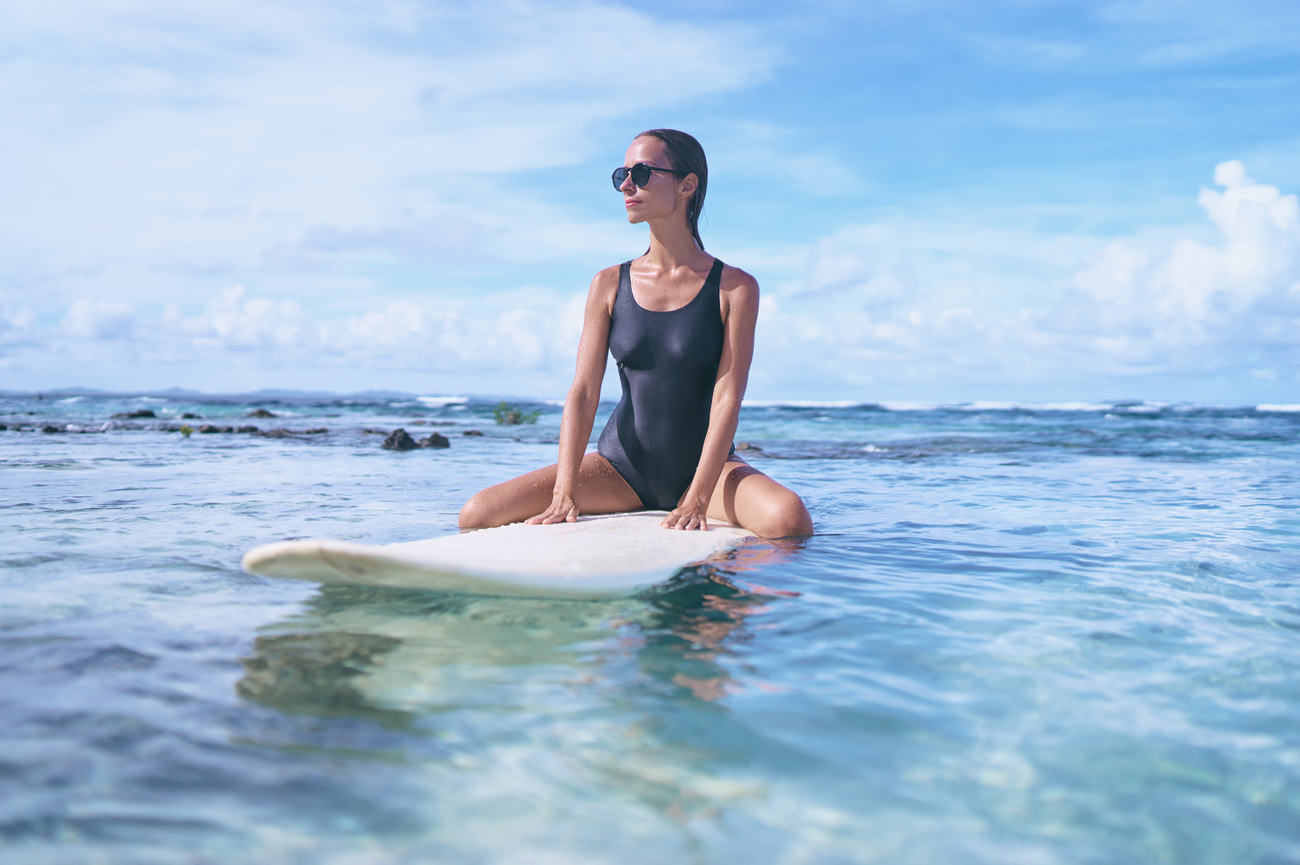
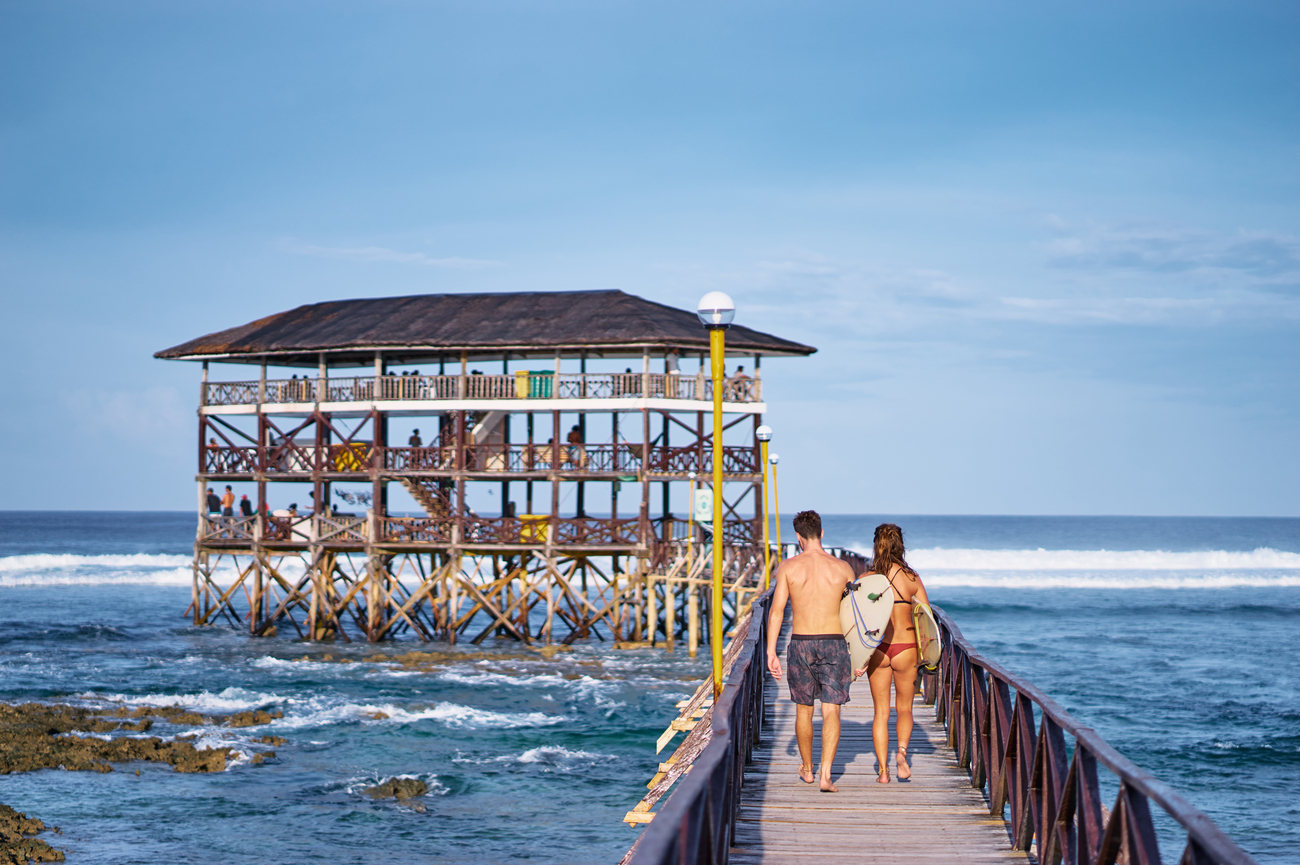
- Surfing at Cloud 9: Whether you’re a first-timer or a returning surfer, Cloud 9 offers lessons with seasoned local instructors who can guide you at your pace. If you’re an advanced surfer, the best time to visit is September to November, when the swells are strongest and the offshore winds create clean, perfect barrels.
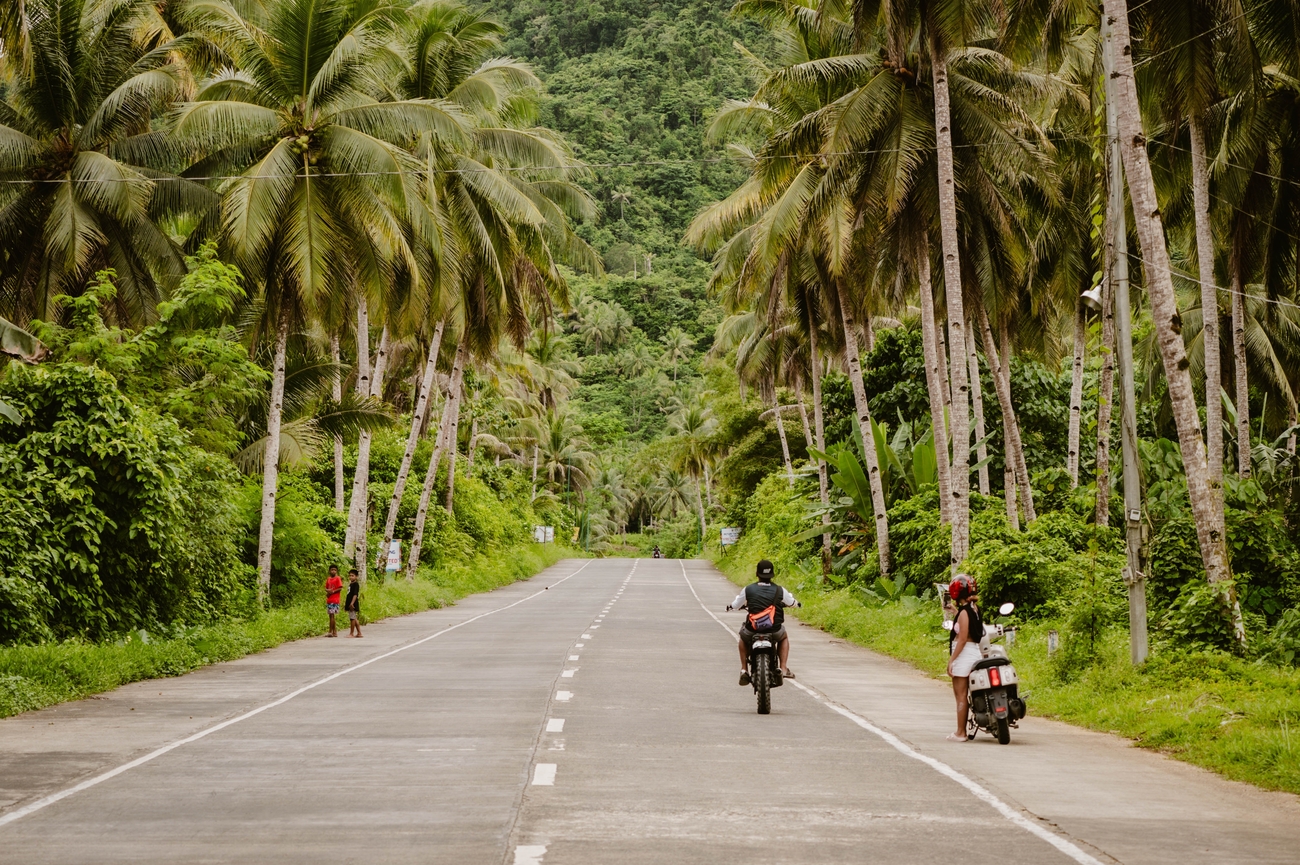
- Motorbike Ride Through Coconut Road: If surfing isn’t your thing, you can rent a motorbike and enjoy a scenic ride along Siargao’s famous palm-lined Coconut Road. The smooth, open road gives you a sense of freedom, with tropical views on every side.
- Siargao Underwater Seascooter Experience: Try a fun and easy way to explore Siargao’s coral reefs with a seascooter. This beginner-friendly activity lets you glide through the water effortlessly, so you can see more marine life without getting tired. Before you begin, you’ll get a quick tutorial (no experience needed). The scooters are buoyant, so they won’t sink if you let go, and many have a mount where you can attach your GoPro to capture your underwater adventure.
- Siargao Electric Skateboard: Try exploring Siargao on an electric skateboard, a fun and beginner-friendly way to see the island. Your tour starts with a short training session where instructors teach you how to use the hand-held remote to speed up or slow down. Most people pick it up quickly, even without any skateboarding experience. It’s also the island’s only sustainable land tour, letting you enjoy the scenery without the noise or pollution of motorbikes.

Other Things to Do in
Siargao
- Secret Mountain ViewPoint: Secret Mountain ViewPoint gives you a wide, unobstructed view of Siargao’s endless coconut fields and the Pacific Ocean. Since it’s farther from General Luna, it’s much quieter than the popular roadside Coconut Plantation View Deck, perfect if you want a more exclusive moment. You’ll take a short, easy hike up the hill on a well-maintained path, and the walk itself adds to the experience.
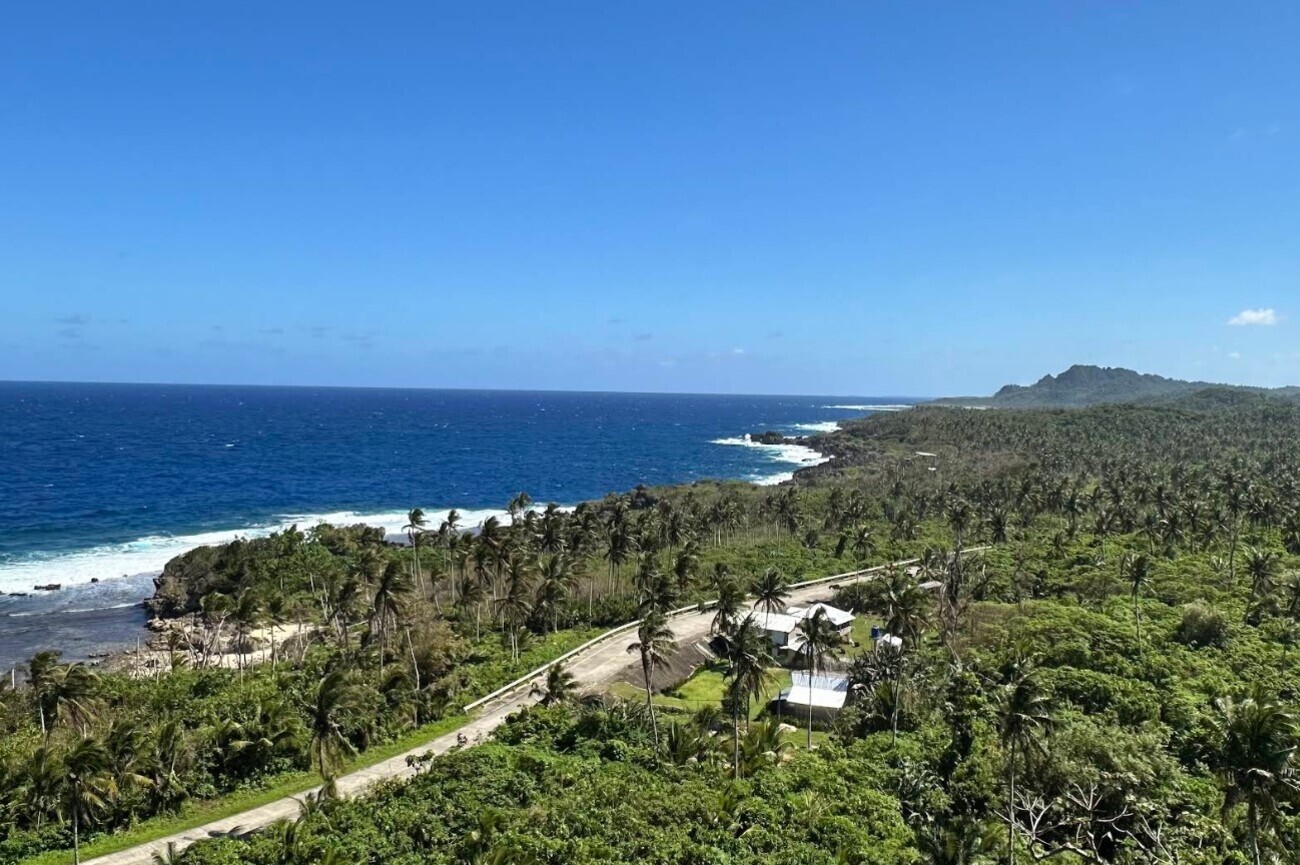
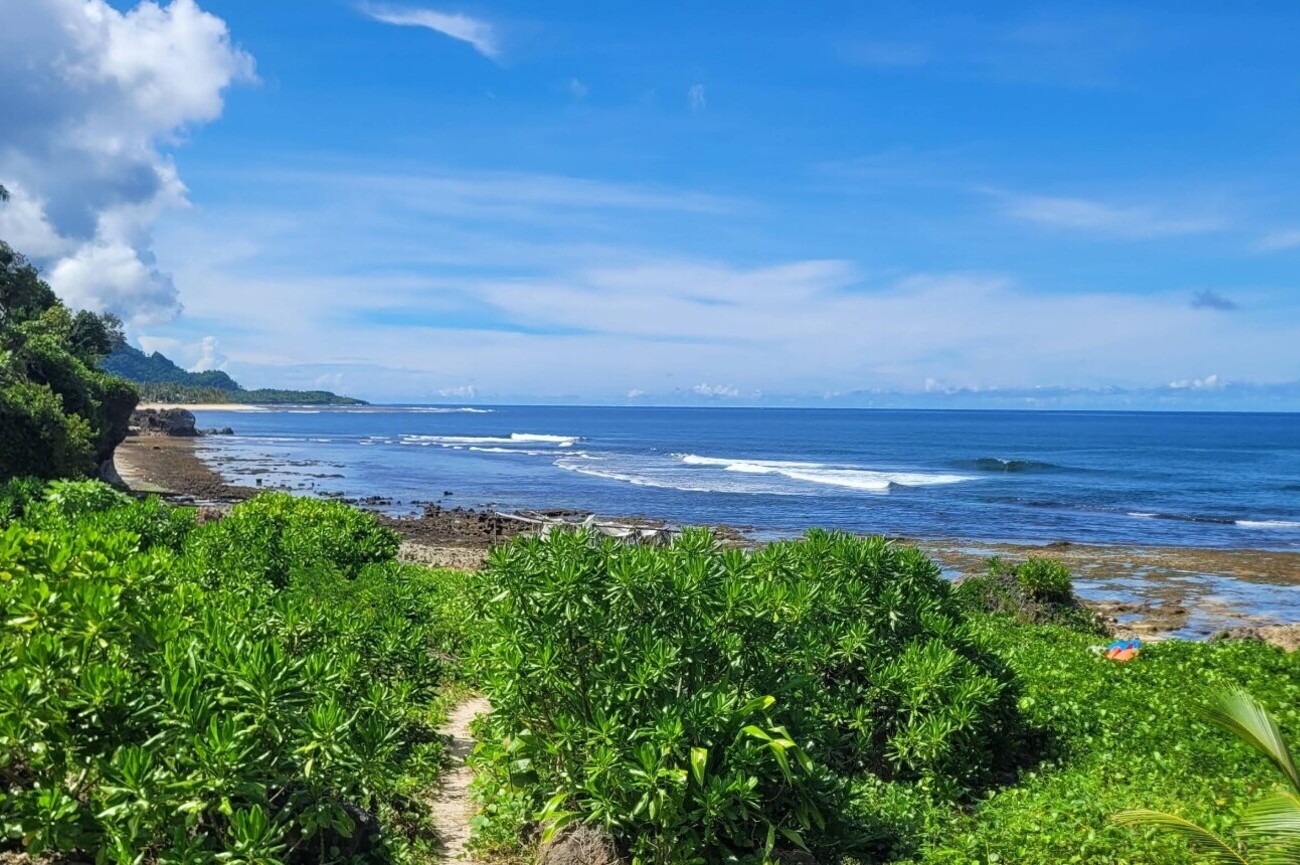
- Pacifico Beach: This laid-back surf spot with a relaxed island vibe is perfect if you want fewer crowds than Cloud 9. The waves here are great for all levels, and on small swells or mid-to-high tide, the gentler breaks are ideal if you’re learning to surf. It’s a great place to enjoy the water at your own pace.
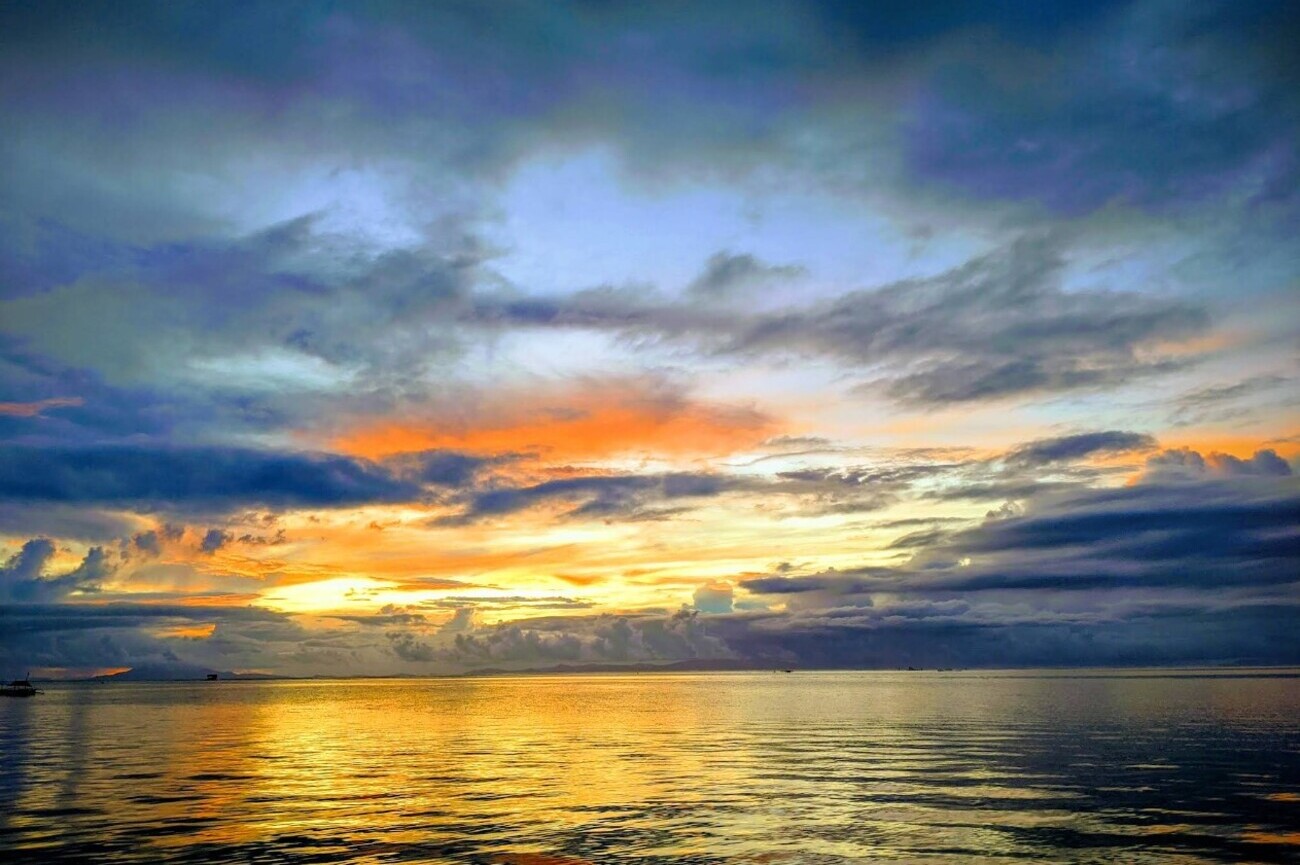
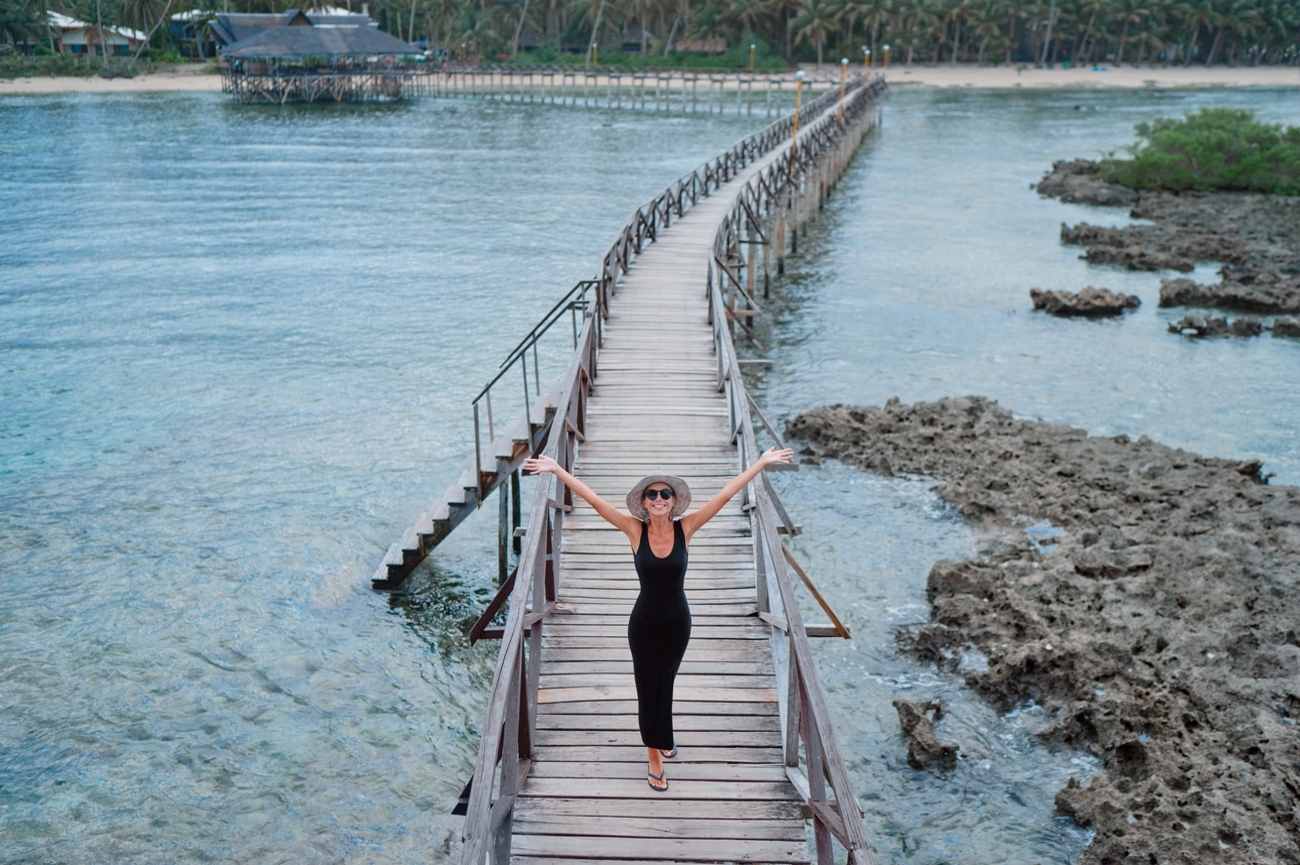
- Santa Monica Pier: If you’re looking for a calm, easy stroll, make your way to Santa Monica Pier. Here, you can watch local fishermen at work and get a glimpse of everyday island life. The pier faces west, so it’s also one of the best spots in Siargao to catch a beautiful sunset over the water.
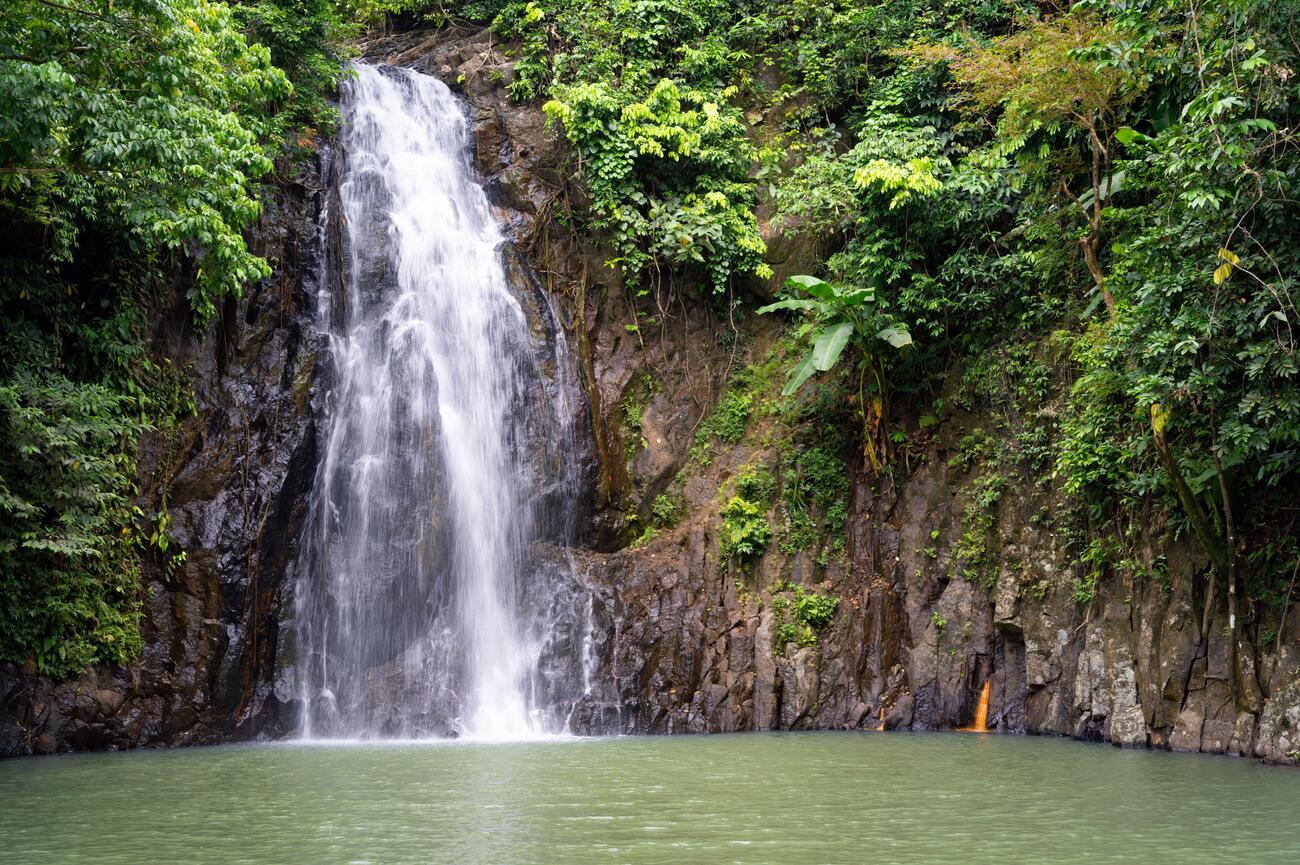
- Taktak Falls: Found in the northern town of Santa Monica, it’s the only waterfall on Siargao. It may be modest in size, but it’s a refreshing stop if you want a break from the island’s busy surf areas. The 15-meter cascade flows into a cool, clear pool, creating different depths for both adults and kids. It’s a great spot for a freshwater swim.
Things to Do with Kids
in Siargao
- Firefly Watching: A calm, magical, and kid-friendly experience where you’ll hop on a small boat and glide through the mangrove-lined river just as the sun sets. As the sky gets darker, clusters of fireflies light up the trees like tiny floating lanterns. It’s a mesmerizing moment that both you and your kids will find enjoyable.
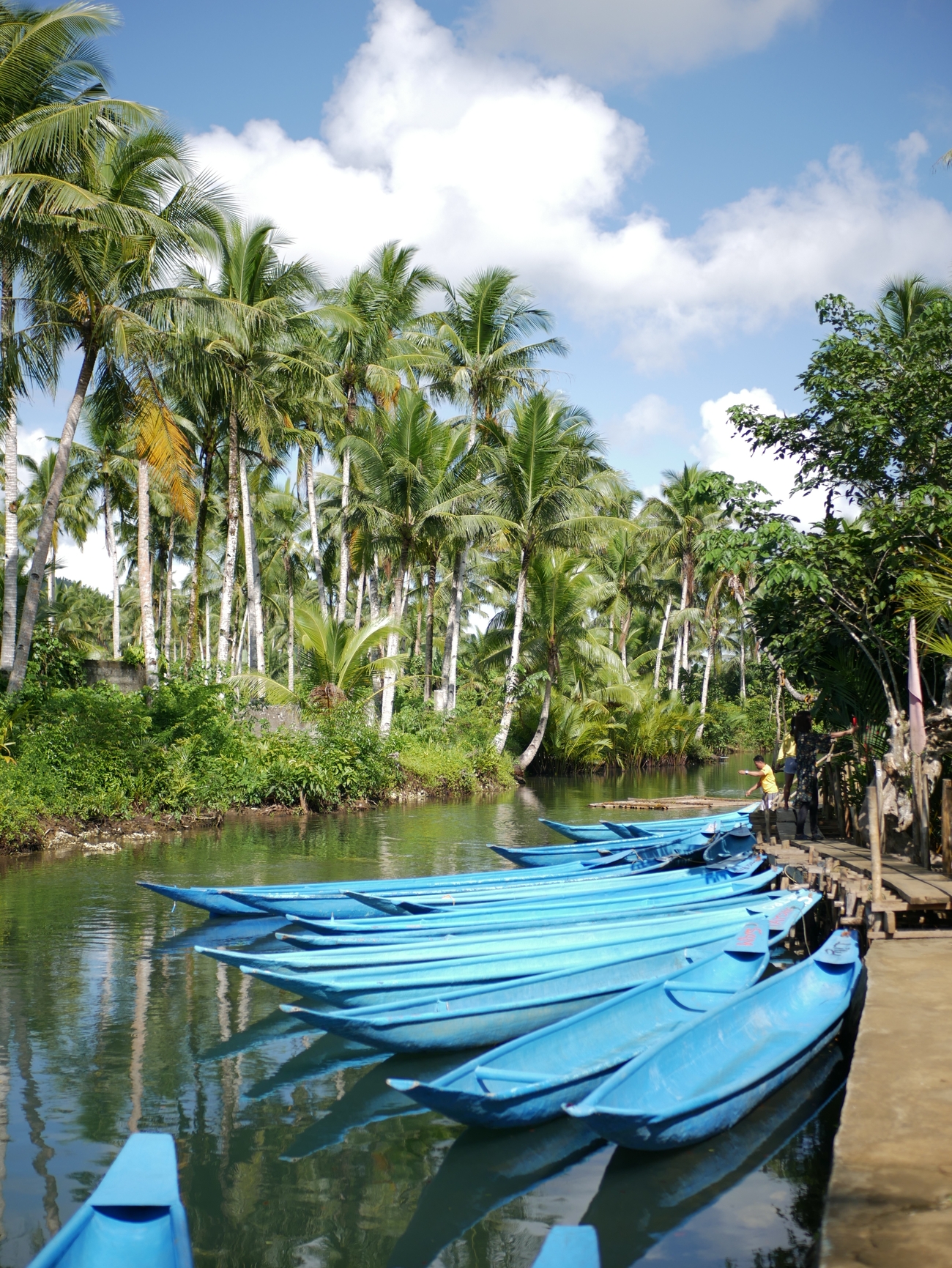
- Boat Ride at Maasin River: A boat ride along Maasin River is a calm, kid-friendly experience where your guide will paddle you through the lush jungle, letting you sit back and enjoy the gentle flow of the river and the peaceful scenery. It's a relaxing experience for you and your kids.
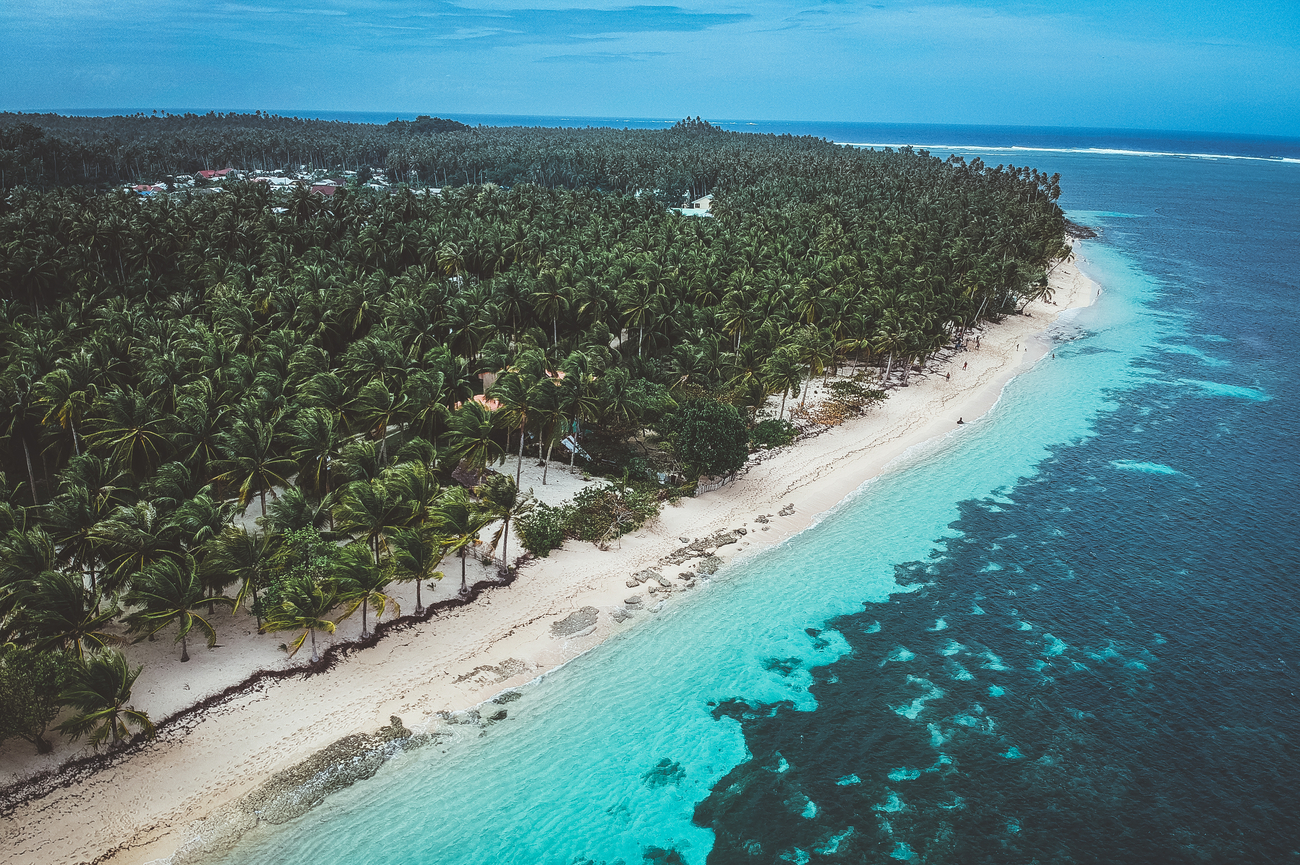
- Alegria Beach: If you want to escape the busier beaches near General Luna. Alegria Beach offers soft and mostly sandy bottom, it's great for swimming even at low tide. The water is calm, shallow, and crystal clear, ideal for families or anyone who just wants a relaxing dip. The long, peaceful shoreline is perfect for unwinding, and you can rent a traditional kubo (hut) if you’d like some shade while you enjoy the view.
Where to Eat in
Siargao
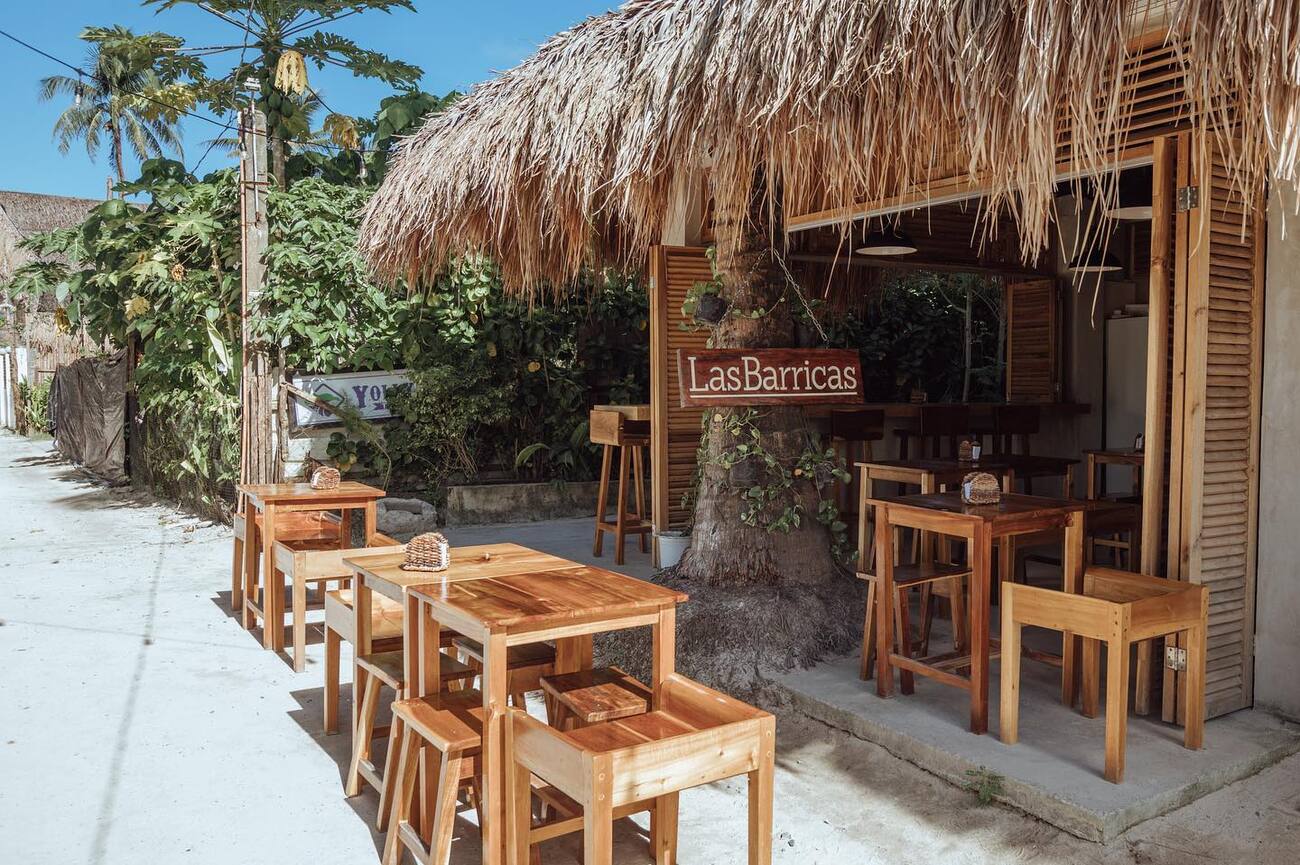
- Las Barricas Siargao: What started as a small food cart in Cloud 9 has grown into an intimate dining spot serving heirloom Spanish dishes and creative tapas, welcome to Las Barricas Siargao, a well-loved Spanish restaurant known for its festive atmosphere and authentic flavors. Try the Tacos de Carnitas, Sangria, Pescado con Vino Blanco, and Pulpo a la Gallega, these are crowd favorites and perfect for sharing.
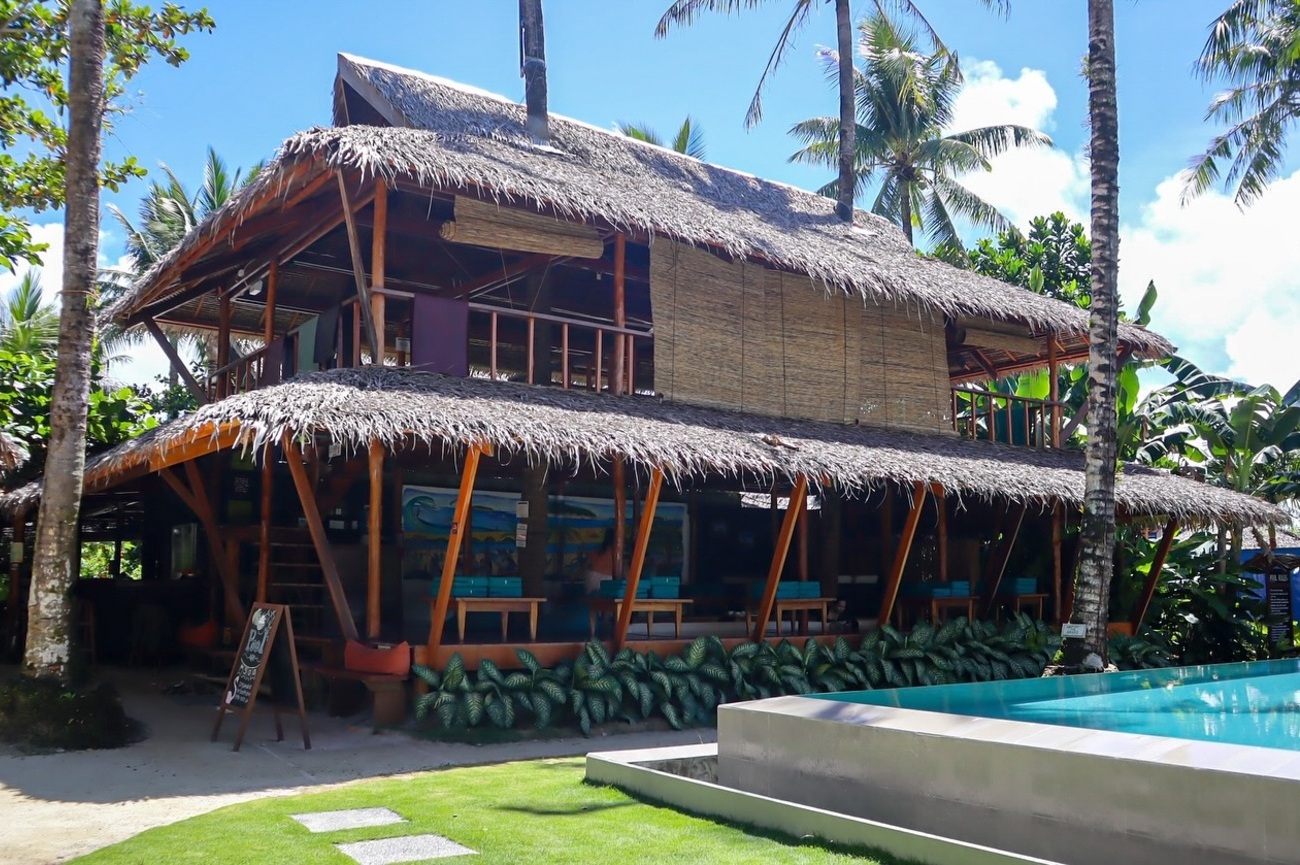
- Kermit Surf Resort and Restaurant Siargao: One of Siargao’s most famous dining spots, loved for its relaxed island vibe and excellent Italian food. It’s known for serving some of the best brick-oven pizza and homemade pasta, even earning praise internationally. Don’t miss their signature wood-fired thin-crust pizzas, the Kermit Special is especially popular for its great crust and toppings.
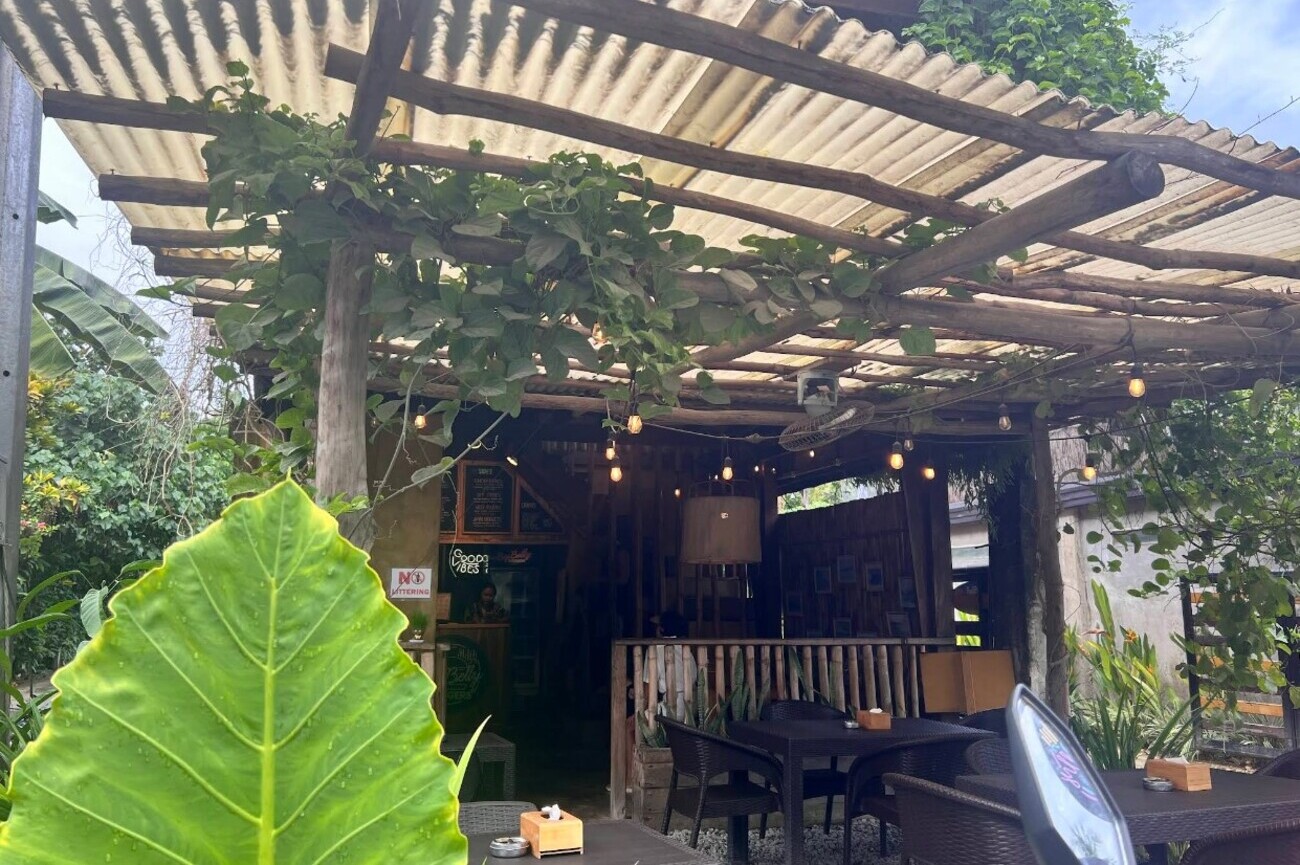
- Big Belly Siargao: Known for its juicy patties, laid back atmosphere, and generous servings. It’s one of Siargao’s most popular spots for smash burgers. Their wagyu smash burger is the star, crispy on the outside, flavourful and tender inside. You can also try favourites like the Twin Wagyu Smash Burger, Big Marc, or B.B. King if you’re craving something bigger.
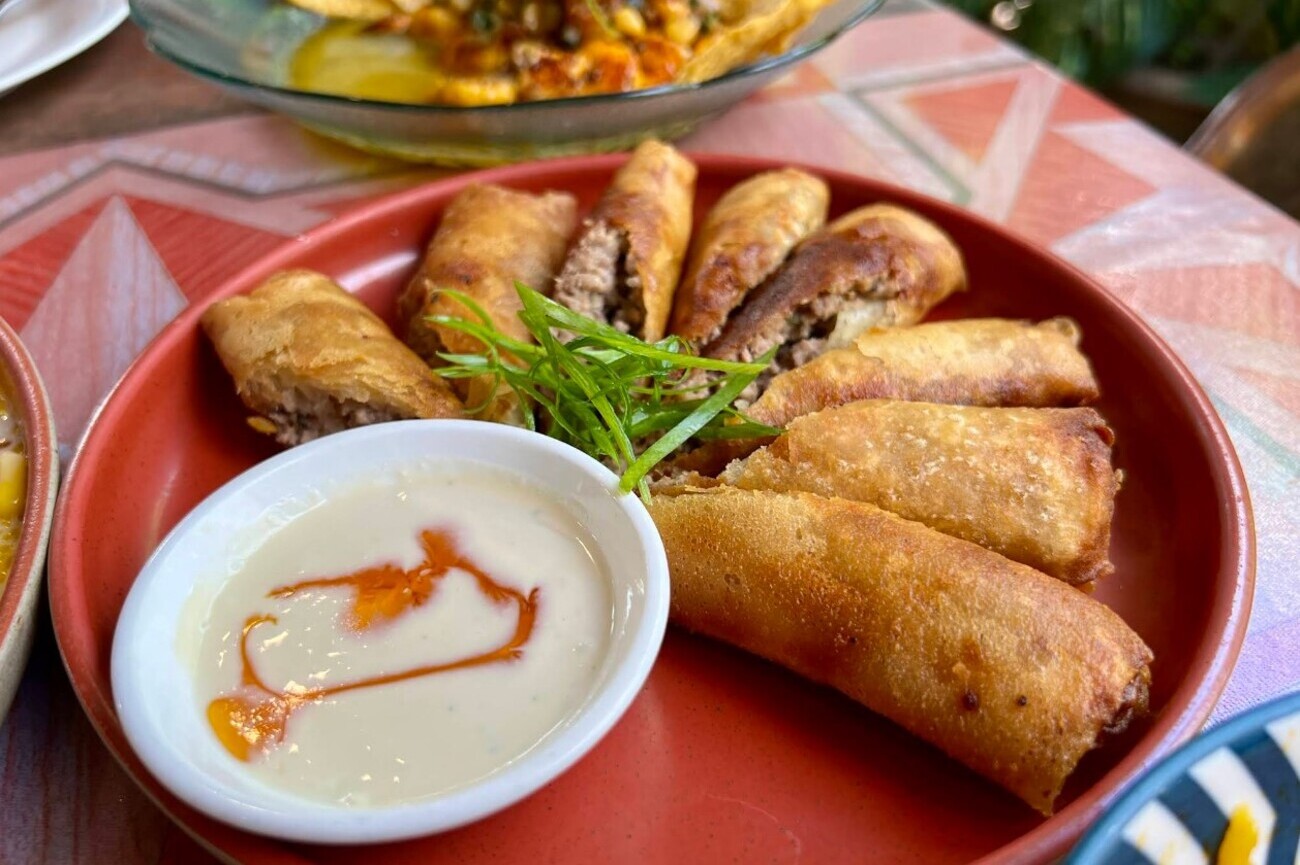
- CEV: Ceviche & Kinilaw Shack: CEV is known for its fresh, modern take on Filipino kinilaw and Peruvian ceviche. What began as a small eatery has grown into a stylish, cosy spot loved for its bright flavours and quality seafood. The menu changes depending on the day’s catch, ensuring everything you order is as fresh as it gets. Try the popular General Luna Kinilaw, made with the fish of the day, coconut dressing, spiced yellow mango, grilled eggplant, and crispy sweet potato. It’s one of their most recommended dishes for a reason.
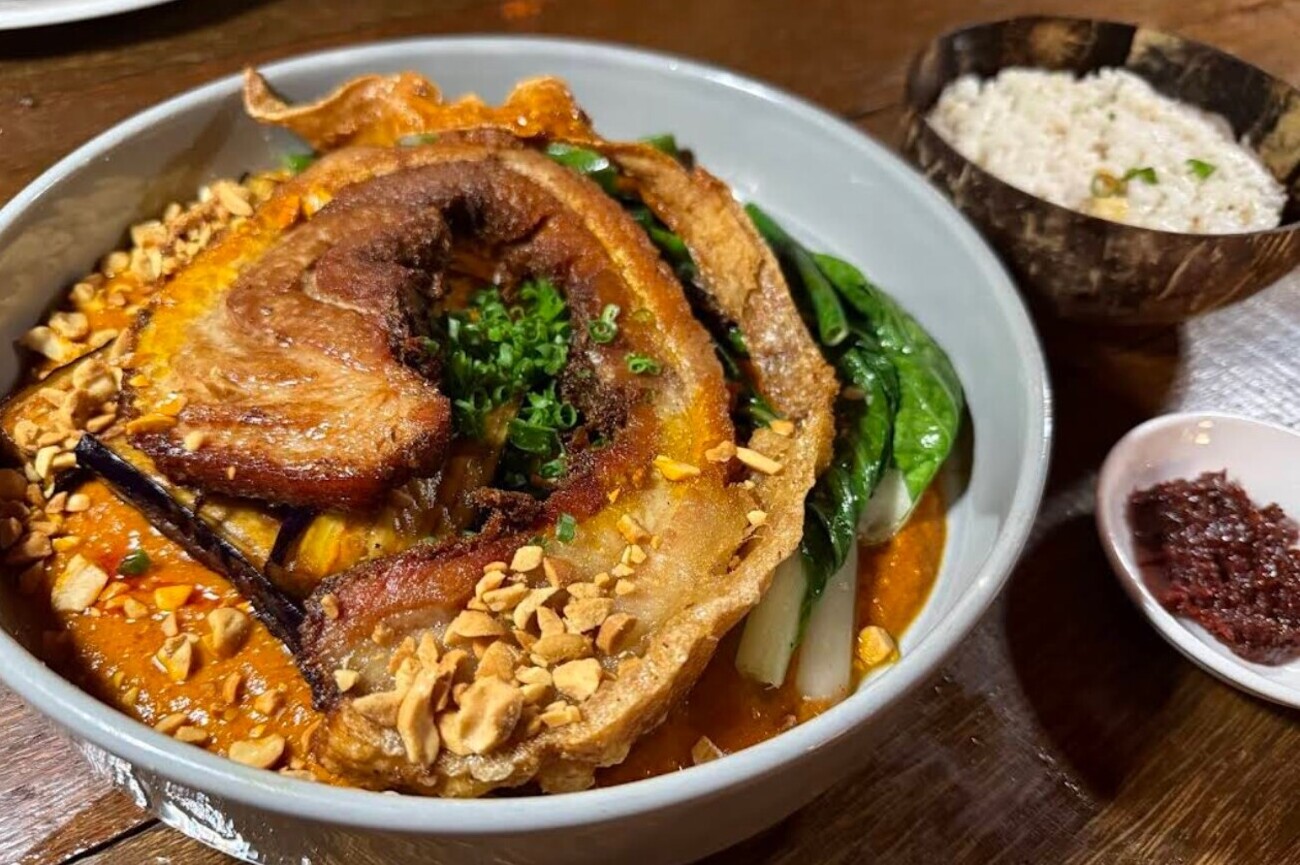
- Wild Siargao Restaurant: A popular spot known for its creative, modern take on Filipino food. Led by Filipino-Canadian Chef Andrew Malarky, the menu puts a fresh spin on local flavours using high-quality, locally sourced ingredients. Be sure to try their signature version of Adobo, it’s a favourite for its clever twist on the classic. Other must-try dishes include the Tuna Carpaccio, Porchetta Kare-Kare, Octopus Carpaccio, and the Kitayama A4 Wagyu Flank Steak.
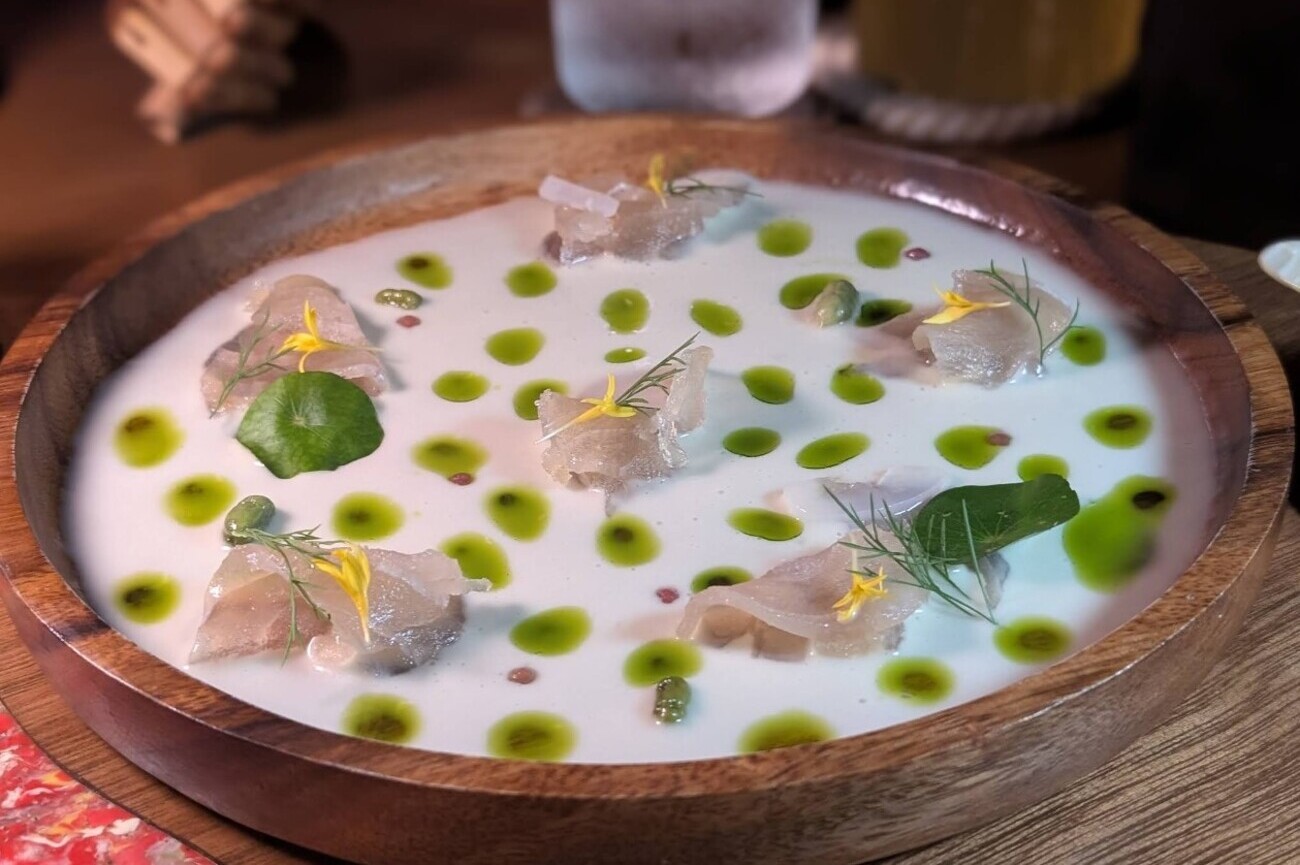
- Roots Siargao: An upscale fine-dining restaurant that offers a carefully crafted tasting menu inspired by local Siargao produce. Each dish reflects the diverse culinary backgrounds and travels of the team, giving you a creative mix of Filipino flavours and global techniques. The tasting menu changes often based on what’s freshest on the island, so every visit feels unique.
Where to Stay in
Siargao
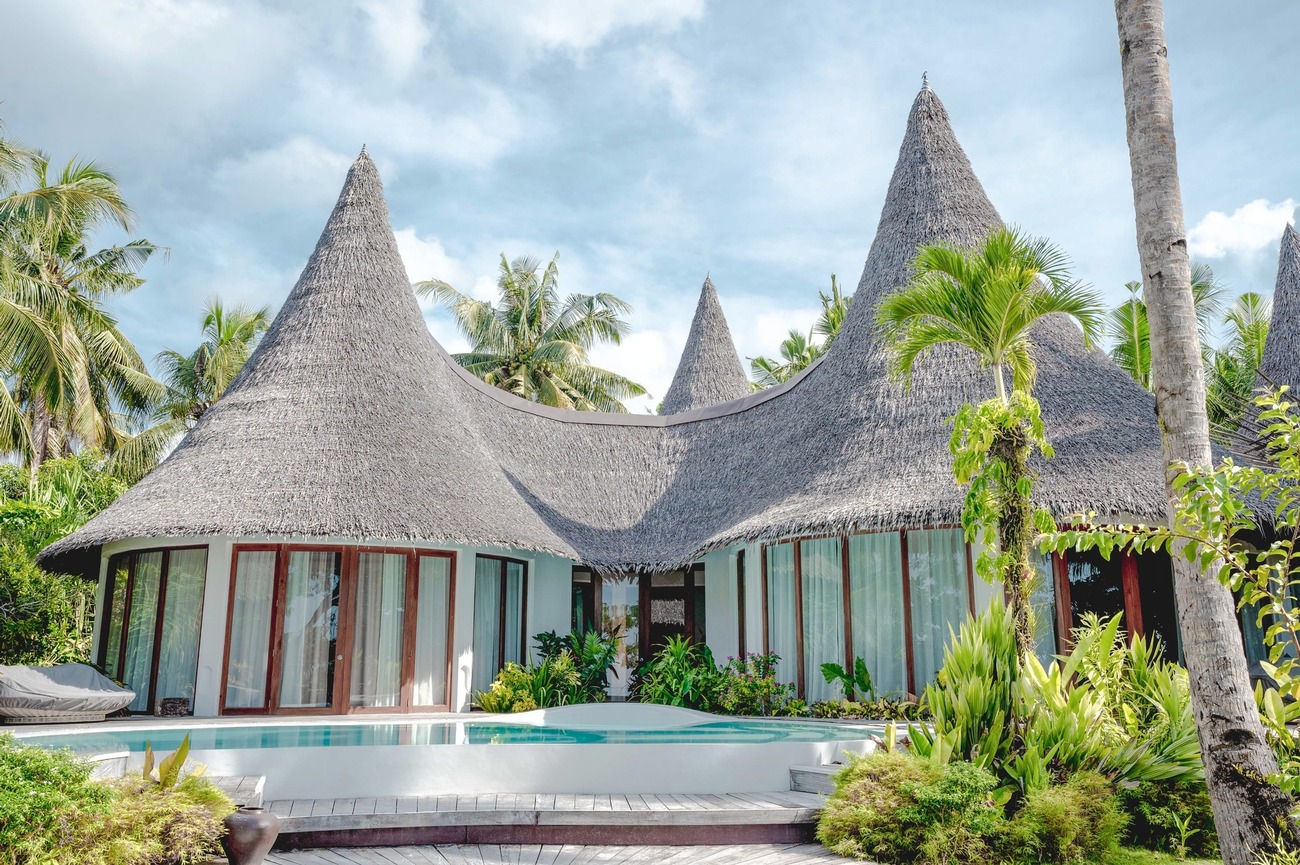
- Nay Palad Hideaway: Known for its philosophy of "barefoot luxury" and the concept of "un-plugging" to reconnect with nature and oneself. The resort is situated between ancient mangrove forests and a quiet stretch of Pacific coastline, giving you a peaceful escape from daily life. Your stay here is fully all-inclusive: gourmet meals, drinks, spa treatments, island excursions, and most activities are already covered. This means you can truly relax without thinking about extra charges.
The resort has nine beautifully designed villas, some with private pools and ocean or garden views. Each villa blends naturally with the surroundings, giving you a private, serene place to unwind.
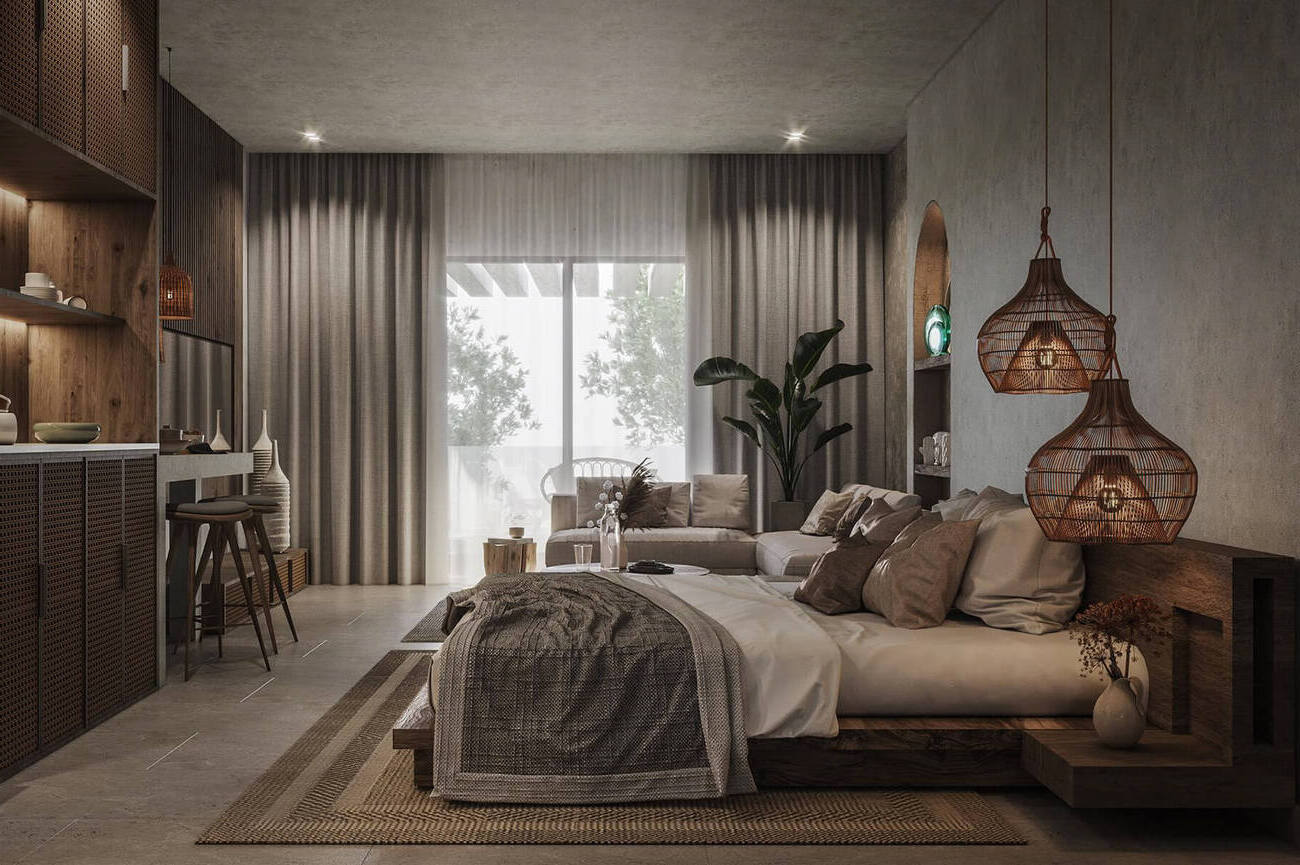
- Kalinaw Resort: Designed and owned by French designers, the resort offers an intimate escape with private villas overlooking a calm lagoon. If you’re looking for peace and privacy, this is one of Siargao’s best accommodations. The resort has six spacious villas, each with a king-size bed, a large bathroom, and its own infinity pool. Some villas also include a private garden or a bathtub. With high ceilings and wide glass doors, you’ll enjoy beautiful views of the ocean right from your room.
The location is perfect, about 800 meters from Cloud 9 and a little farther from the busy town center. It’s an ideal choice for couples, honeymooners, or families who want a relaxing and sophisticated stay.
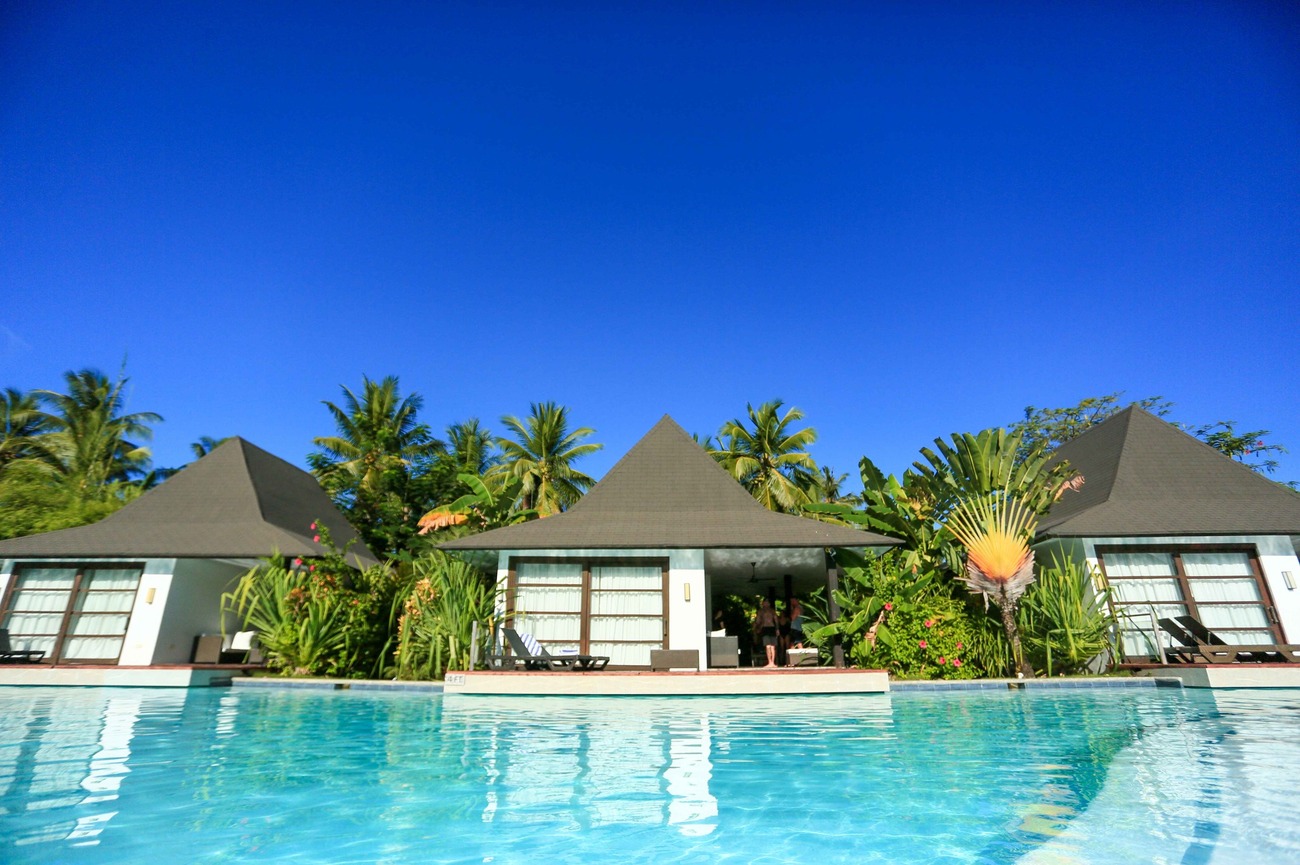
- Siargao Bleu Resort & Spa: Siargao Bleu Resort & Spa gives you a relaxing, pampered stay with a range of room options and a huge lagoon-style pool at the center of the property. It’s also conveniently close to popular spots like Cloud 9, making it easy for you to explore the island.
You can choose from floating cottages, garden deluxe rooms, or terrace rooms, each offering comfort and privacy. You can also treat yourself to a relaxing spa at the Bleu Spa, offering traditional Filipino Hilot massages, stone massages, and other soothing treatments to help you recharge after a day of island adventures.
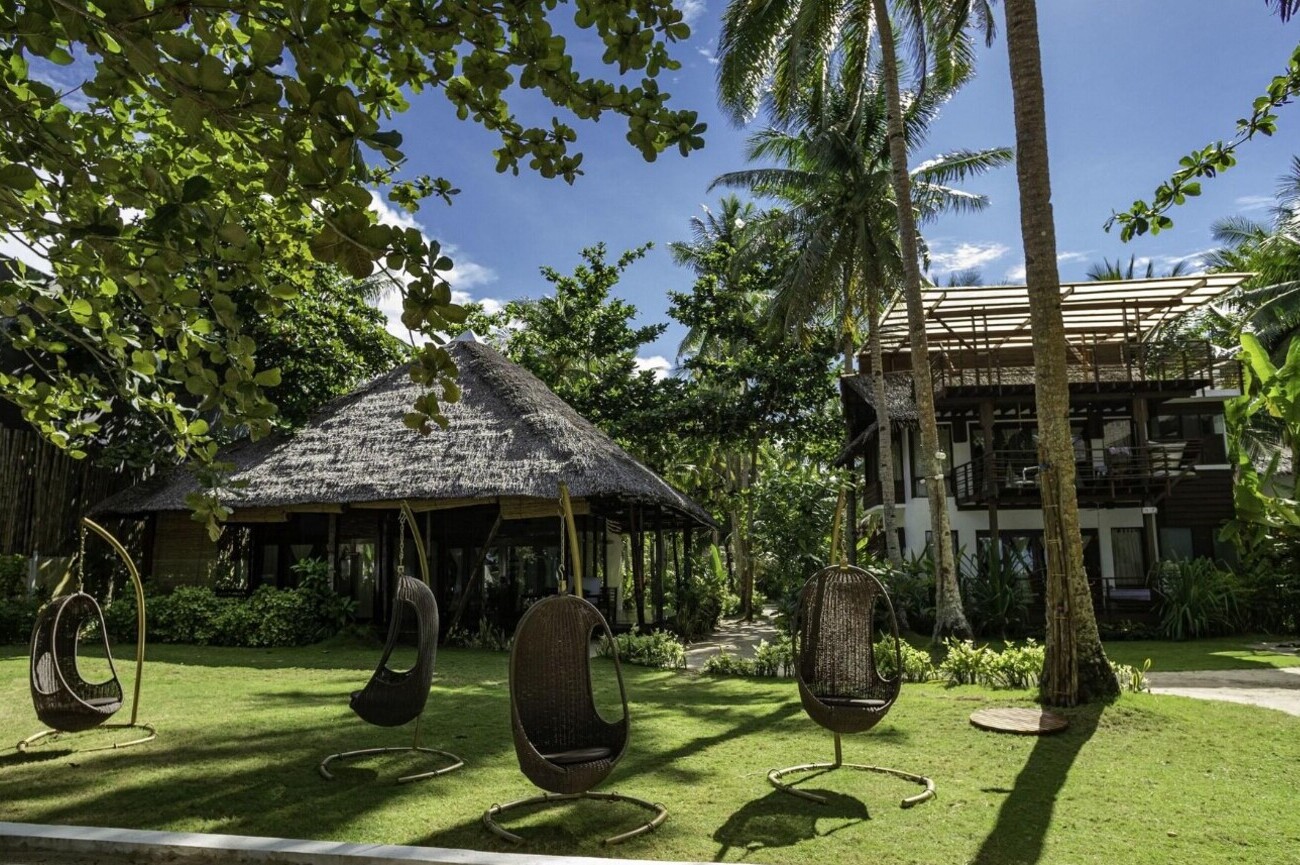
- Siargao Island Villas: A beachfront resort that gives you a quiet, relaxing escape with a mix of room options, an on-site spa, and an Indonesian restaurant. Here, you’ll have direct access to a private beach with sun loungers plus a clean outdoor pool, so you can choose whether to swim in the sea or unwind by the pool. For your stay, you can pick from spacious villas (beachfront, garden, or premier suites) if you want more luxury and room to move, or choose the deluxe and standard hotel rooms if you prefer a more budget-friendly option.
- Maison Bukana Private Villa: Designed for guests who want peace, privacy, and a touch of luxury. With only four suites, it offers an intimate stay, perfect if you’re travelling as a couple, with friends, or with family. The villa sits between a quiet river and the Pacific Ocean near Secret Beach, giving you a serene escape while still being close to town. Each suite is spacious and bright, with a king-size bed, an ensuite bathroom, and indoor-outdoor living spaces. The minimalist design uses natural, locally inspired materials, creating a calming, elegant environment throughout your stay.
Best time to visit
Siargao
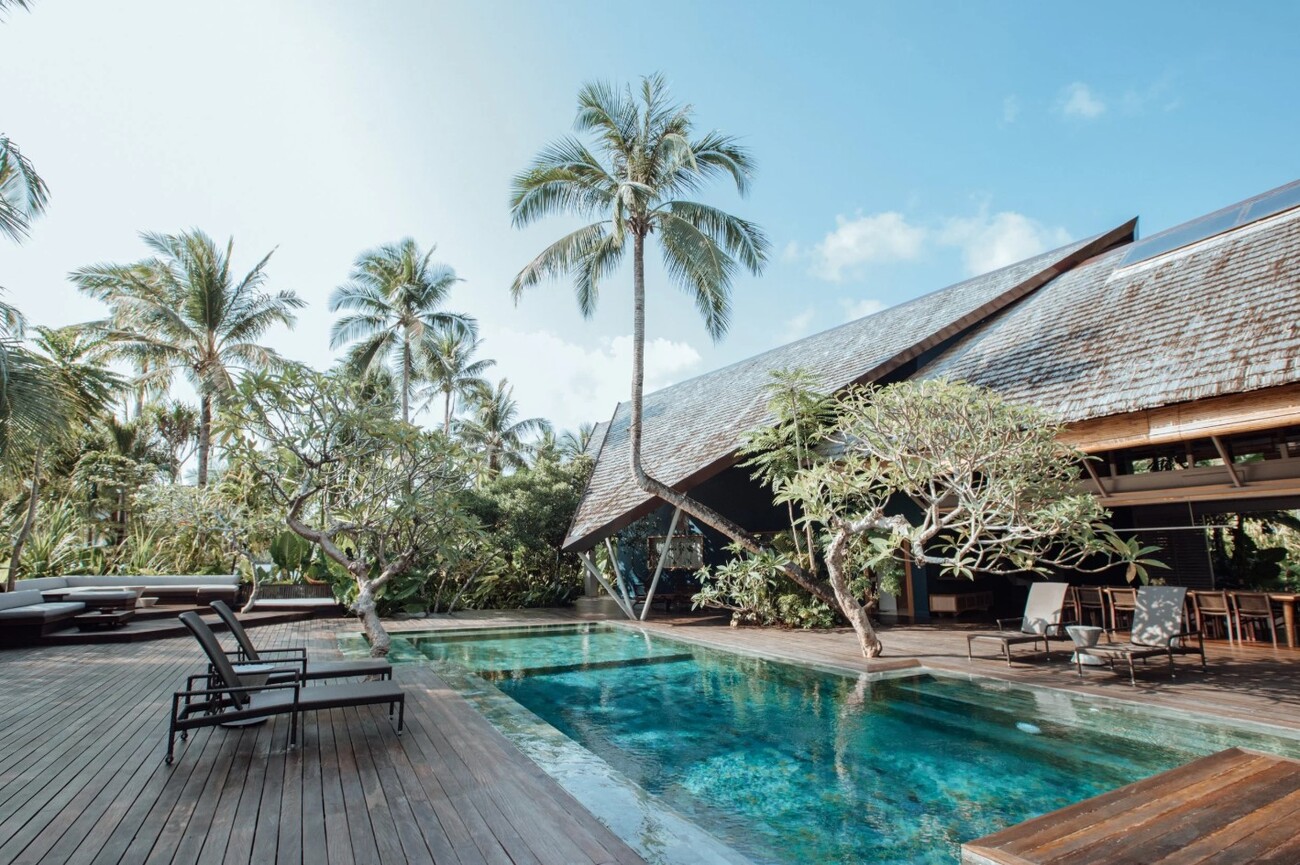
The best time to visit Siargao depends on what you want to do on the island.
If you’re here for surfing, the prime months are September to November. This is when the waves are at their biggest and most consistent, drawing advanced surfers from around the world. The Siargao International Surfing Cup also happens around September.
If you prefer beach days and island hopping, visit during the dry season from March to May. Expect clear skies, calm seas, and ideal conditions for trips to Sugba Lagoon, Magpupungko Rock Pools, and nearby islands.
The off-peak season, from November to February, tends to be quieter, with fewer crowds and more relaxed travel conditions, great if you prefer a slower, more peaceful experience.
Festivals in Siargao
- General Luna Fiesta: An annual, week-long celebration held around September 21–22. It honors the town’s patron saint, Santo Tomas de Villanueva, and features the Tikyabang Festival, a thanksgiving tradition for the crab harvest. During the festival, you can expect street parades, cultural dances, local food stalls, sports events, and live music, all showcasing the warm, vibrant community spirit of Siargao. It’s a great time to join the locals and experience the island’s culture up close.
- Bakhaw Festival: Held every July in Del Carmen, the Bakhaw Festival celebrates the town’s patron saint, Our Lady of Mount Carmel, and gives thanks for the rich mangrove forests that protect and sustain the community.
During the festival, you’ll see traditional songs and dances that highlight the importance of the mangroves, along with boat races, sports events, and nightly music and dancing.
This is Siargao
Over three days, you’ve wandered through sandbars, rock pools, lagoons, palm forests, and small island villages that reveal Siargao’s soul piece by piece. If you want to explore more of the Philippines, continue your journey with our featured guides in Manila, Coron, El Nido, and Puerto Princesa. Or wander beyond the country and explore Singapore, Hong Kong, or Tokyo.
When you’re ready to experience Siargao the Revigorate way, contact us or give us a call at (+1 800 672 0517 | +351 289 009 580 | +44 808 189 0647) and we’ll help you plan your dream Siargao journey!
Our offices:




Revigorate, Iberian Escapes and Algarve Lifestyle are the registered brand names of APCS Lda . We are a fully authorised travel agency licensed by Turismo de Portugal RNAVT/6867.
In the event of a dispute, the consumer may refer to: RAL - Centros de Arbitragem
Avª. 5 de Outubro, nº. 55, R/C Dtº. 8000-075 Faro, Portugal | Tel: +351 289 823 135 *
* national landline call
E-mail: info@consumoalgarve.pt| www.consumidoronline.pt | Mon to Fri: 9:00 - 13:00 / 14:00 - 17:00