Things To Do in Coron: 3-Day Itinerary
If El Nido is the postcard and Puerto Princesa is the cultural heart, Coron is the storyteller. Its beauty isn’t just on the surface, it's in the quiet, the history, and the way time feels slower here. Beneath the water, you’ll find World War II shipwrecks that have become thriving coral reefs, and along the shore, there are small fishing communities that remind you that life follows the rhythm of the sea, not the hustle of the city.
In this three-day itinerary, we’ll take you beyond the scenery, but to places where you can slow down, feel connected, and experience Coron at its most poetical.
Day 1

Morning: Kayangan Lake
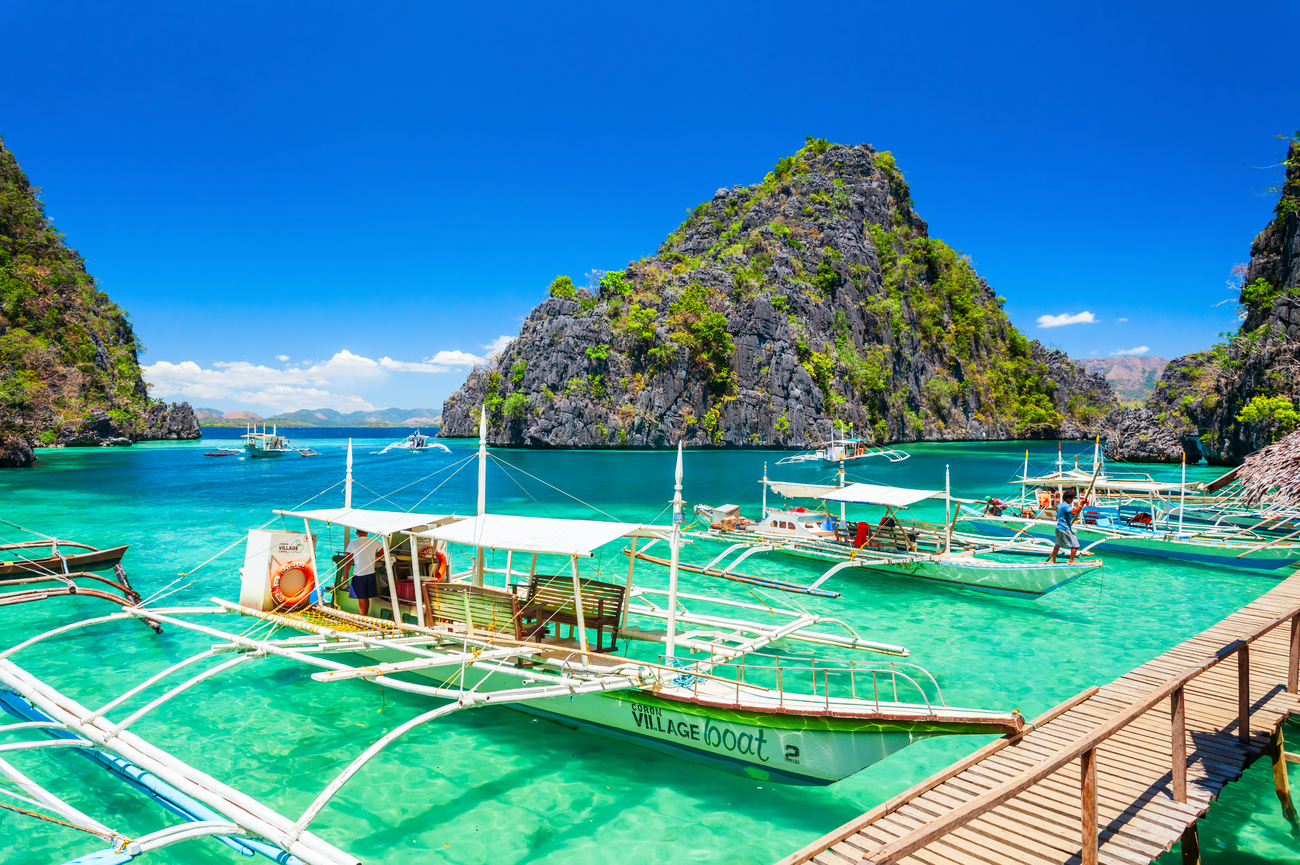
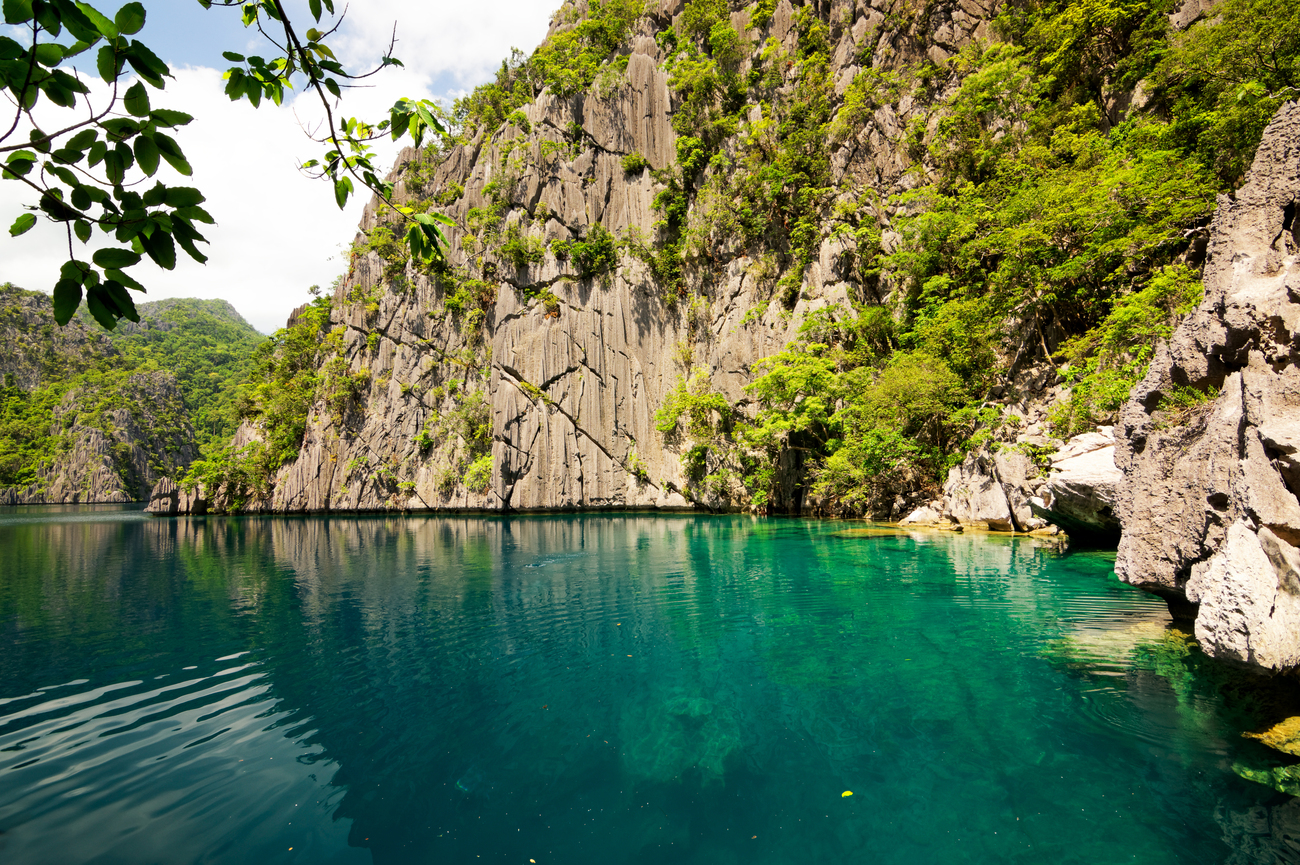
Get to know Coron with an island-hopping tour starting with Kayangan Lake, famous for its clear emerald water and limestone cliffs. Once your boat is docked, take a short walk up a wooden and stone staircase to reach the iconic viewpoint, where you’ll see the breathtaking panoramic view of the cove. After the climb, cool off with a relaxing swim in the calm, crystal-clear lake.
Twin Lagoon
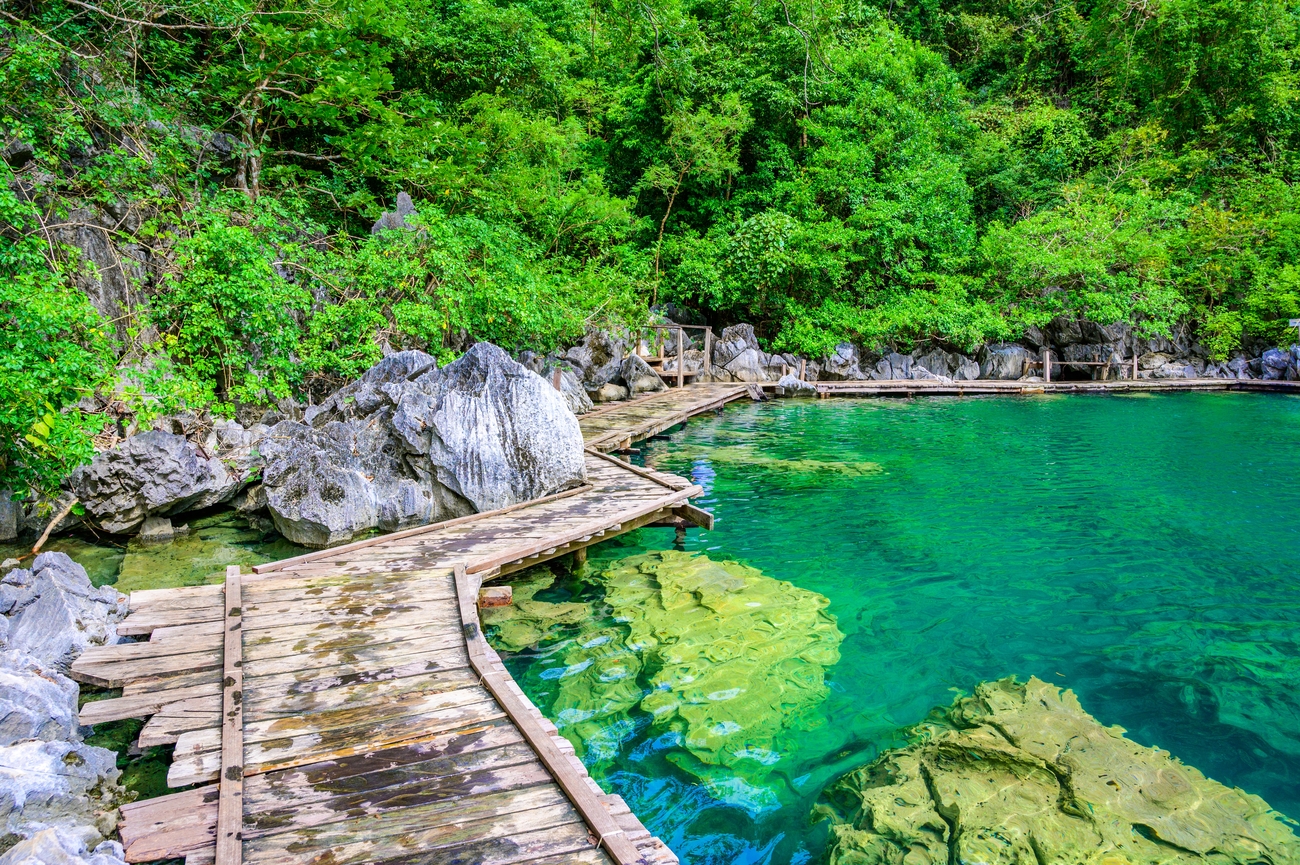
Next, head to one of Coron’s most famous spots, the Twin Lagoon. Two turquoise lagoons sit side by side, separated by tall limestone cliffs. The two lagoons are connected by a small passage or cavern in the rock, you’ll need to swim through a small opening between them to get from one lagoon to the other. As you move through the water, you’ll notice warm sea water mixing with cooler freshwater, it’s a calm, scenic swim that feels almost otherworldly.
Twin Peaks Coral Garden
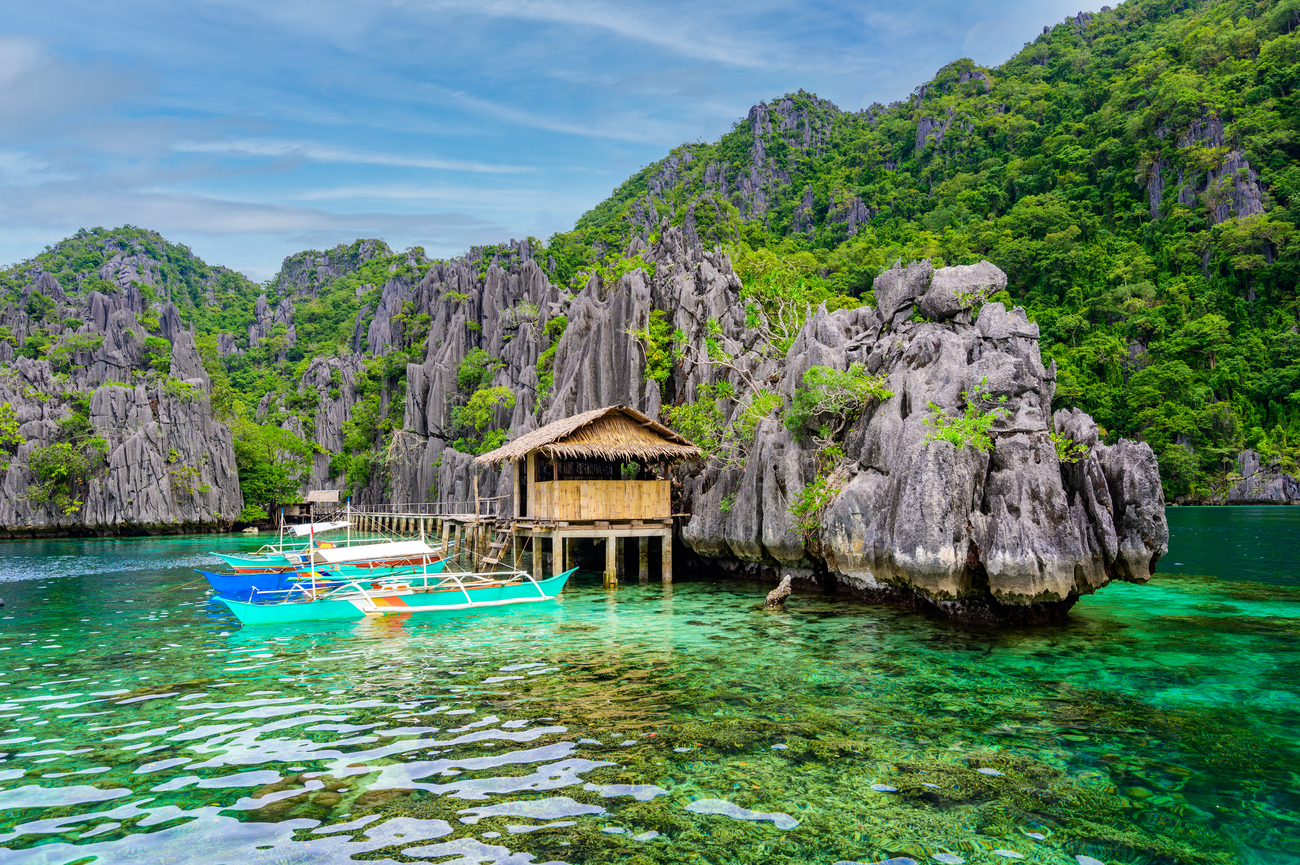
After a nice swim at the Twin Lagoon, continue exploring Coron at Twin Peaks Coral Garden, a beautiful snorkeling spot with clear water, colorful corals, and plenty of marine life. It’s an easy and enjoyable place to float and observe the reef up close. Be sure to bring water shoes, as there can be sea urchins in some areas.
Barracuda Lake
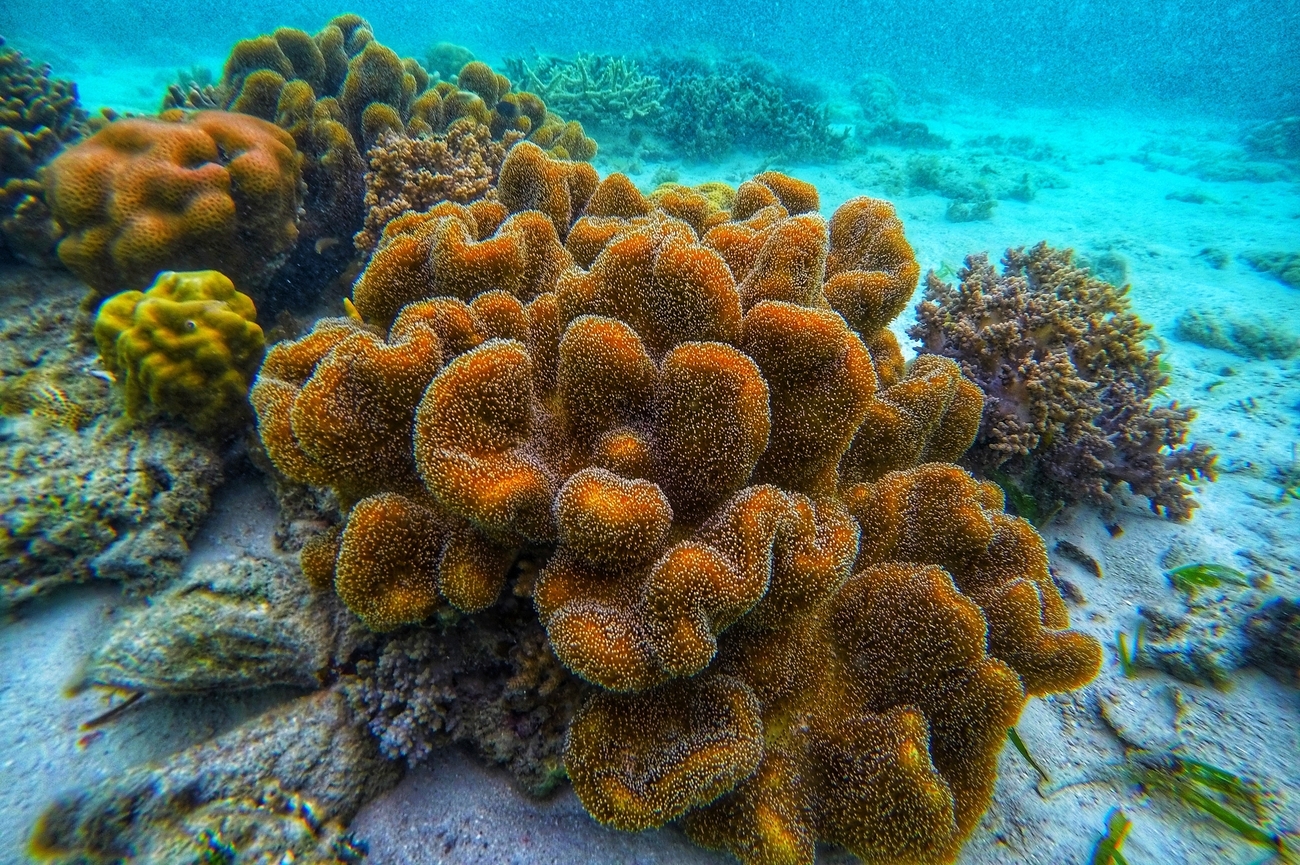
Your next stop is Barracuda Lake, a striking swimming and diving spot surrounded by tall limestone cliffs. What makes this lake special is its thermocline, as you swim deeper, you’ll feel the water change from cool to warm as freshwater mixes with geothermally heated saltwater. The water here is crystal clear and calm, which makes it a popular spot for freediving and relaxed swimming.
Day 1, Morning - Coron Tour Map
Afternoon: Siete Pecados Marine Park
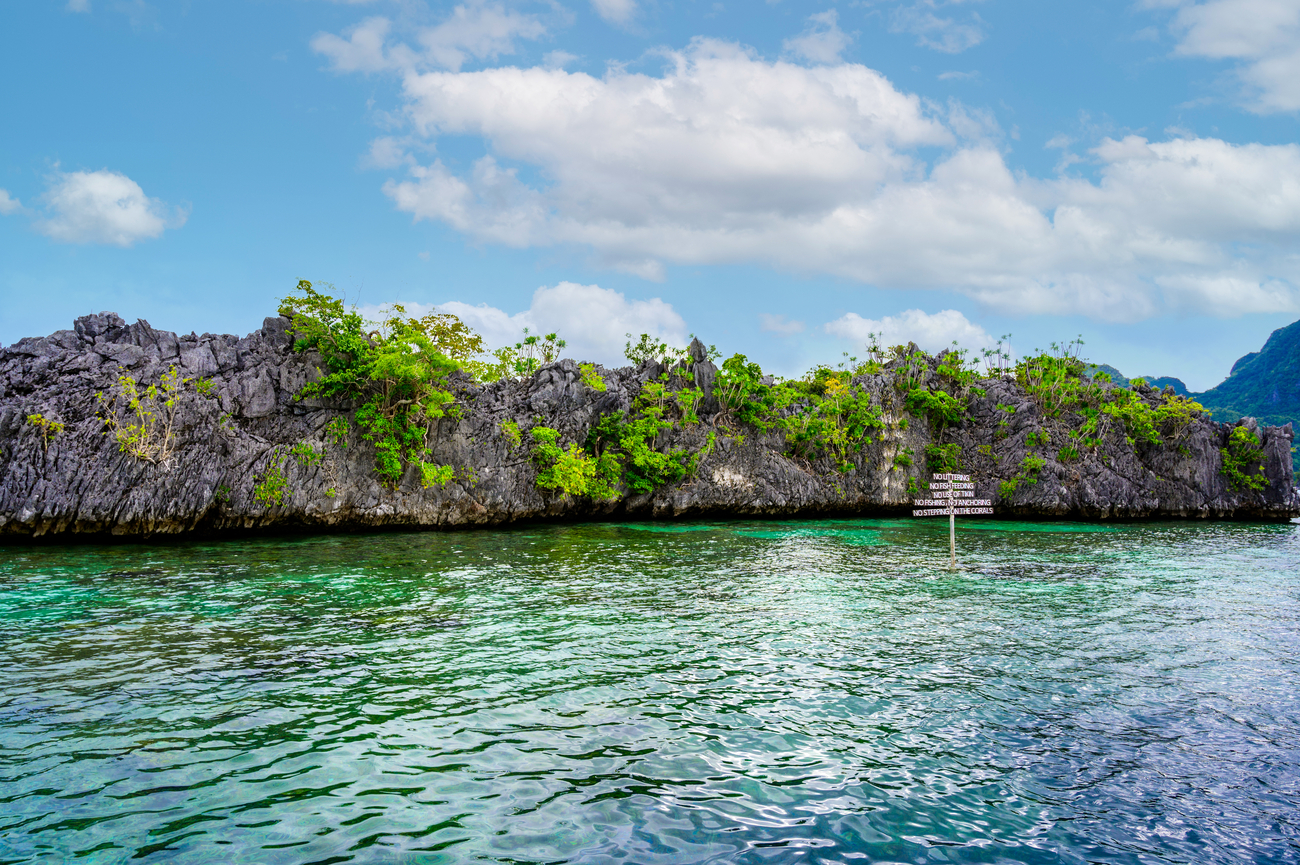
After lunch, head to Siete Pecados Marine Park, a protected marine area made up of seven small rocky islets surrounded by clear turquoise water. It’s known for its healthy coral reef and abundant marine life. Expect to see colorful fish, sea turtles, large clams, and sometimes even blacktip reef sharks. It’s one of the best places in Coron for snorkeling.
Mt. Tapyas
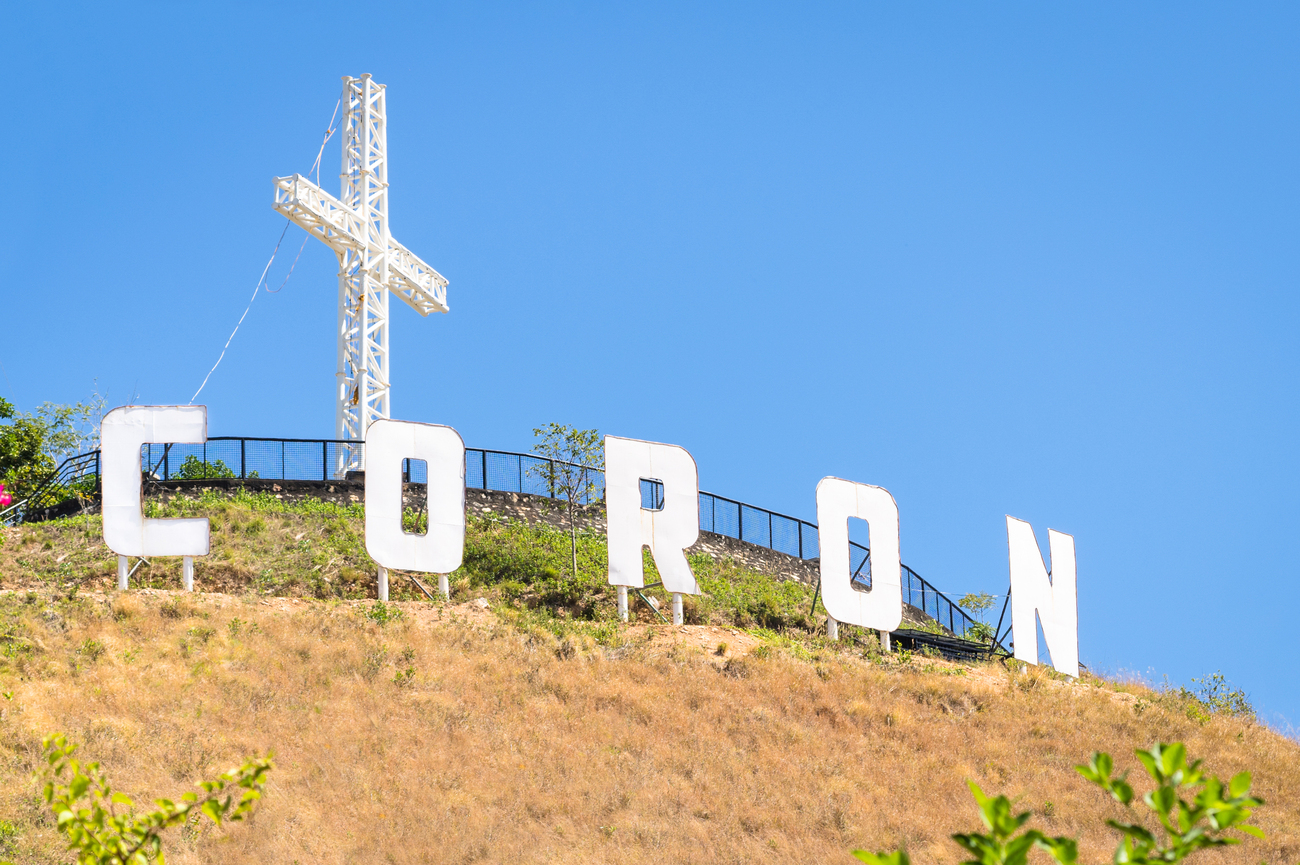
By late afternoon, head back to town and climb Mt. Tapyas, a well-known viewpoint with about 700 steps. Start around 4:30 PM when the air cools. At the top, you’ll be rewarded with a beautiful sunset view overlooking Coron Town, the harbor, and the surrounding limestone islands. You’ll also see the large cross and CORON sign, perfect for photos. It’s an easy-to-reach viewpoint that gives you one of the best sunset panoramas in Coron.
Day 1, Afternoon - Coron Tour Map
Day 2
Morning: Malcapuya Island
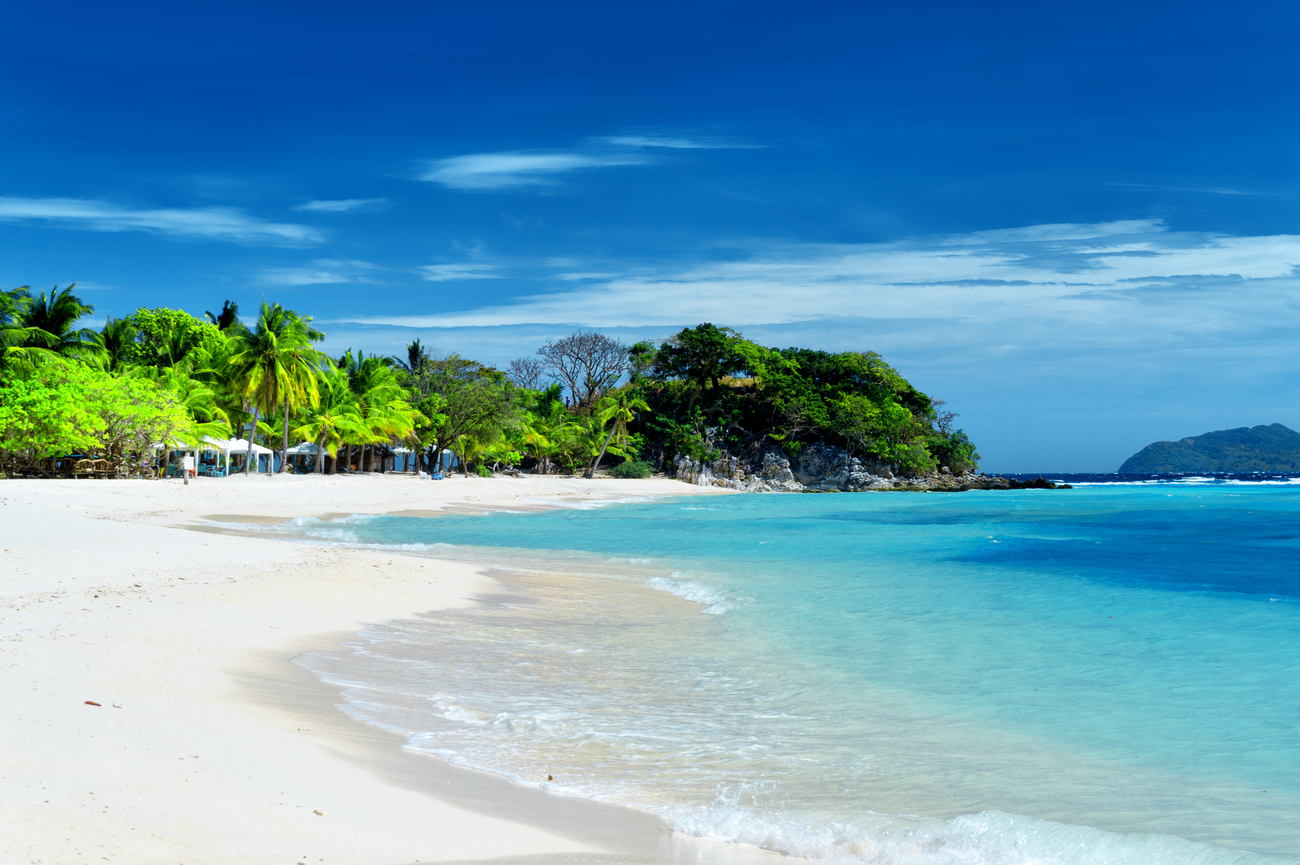
Start your day at Malcapuya Island, known for its powdery white sand and clear turquoise water, often compared to Boracay but much quieter. Here, you can sunbathe, relax under the coconut trees, or enjoy a hammock nap by the shore.
Banana Island
Next, head to Banana Island for lunch. It has soft white sand, clear turquoise water, and plenty of shade from coconut trees, making it a comfortable place to relax. You’ll find hammocks and swings perfect for resting after your meal. If you feel like exploring more of the island, you can go kayaking along the shoreline at your own pace.
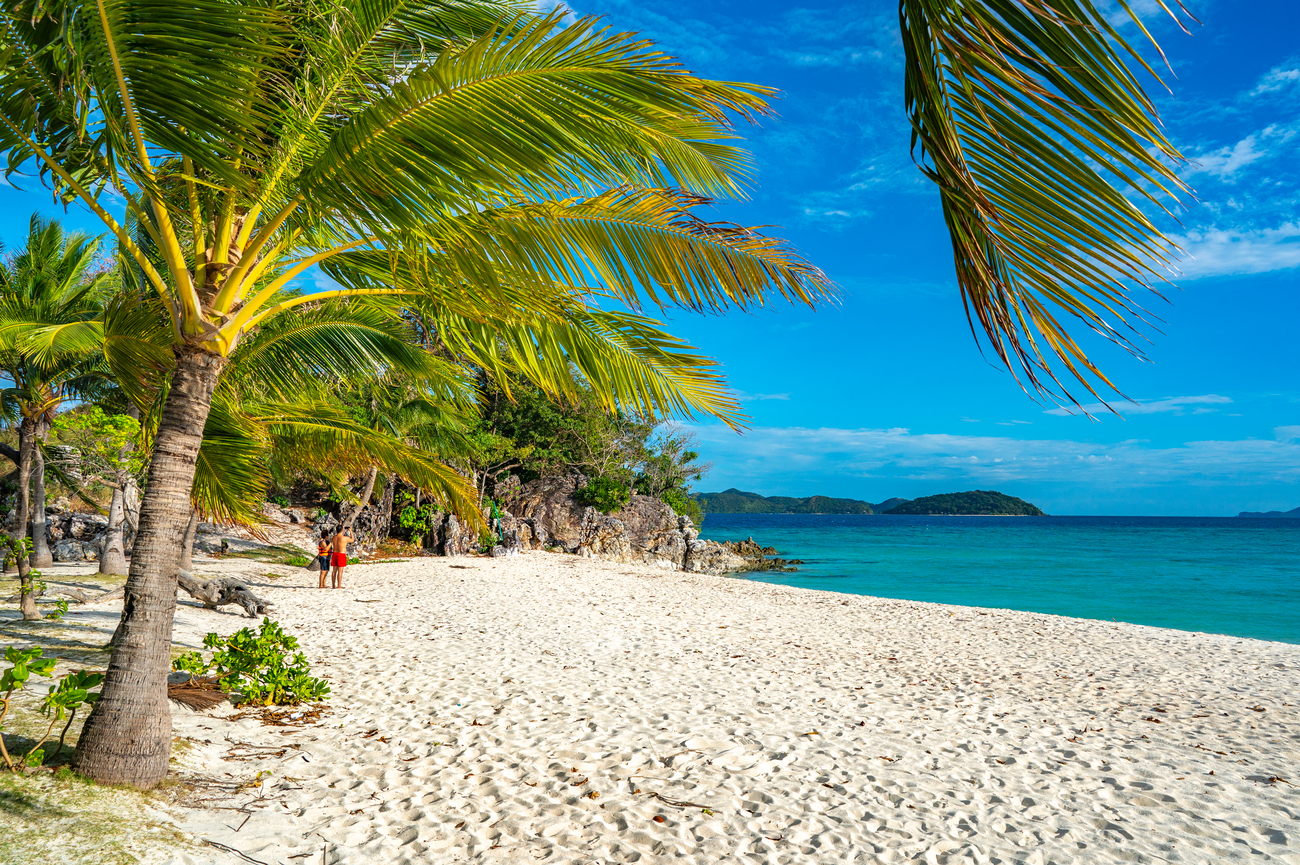
Bulog Dos Island
End your day at Bulog Dos, a small island known for its beautiful shifting sandbar that appears and disappears with the tide. It’s a great spot for photos, especially at low tide when the sandbar is fully visible. You can also climb the small hill on the island for a panoramic view of the surrounding sea and nearby islands.
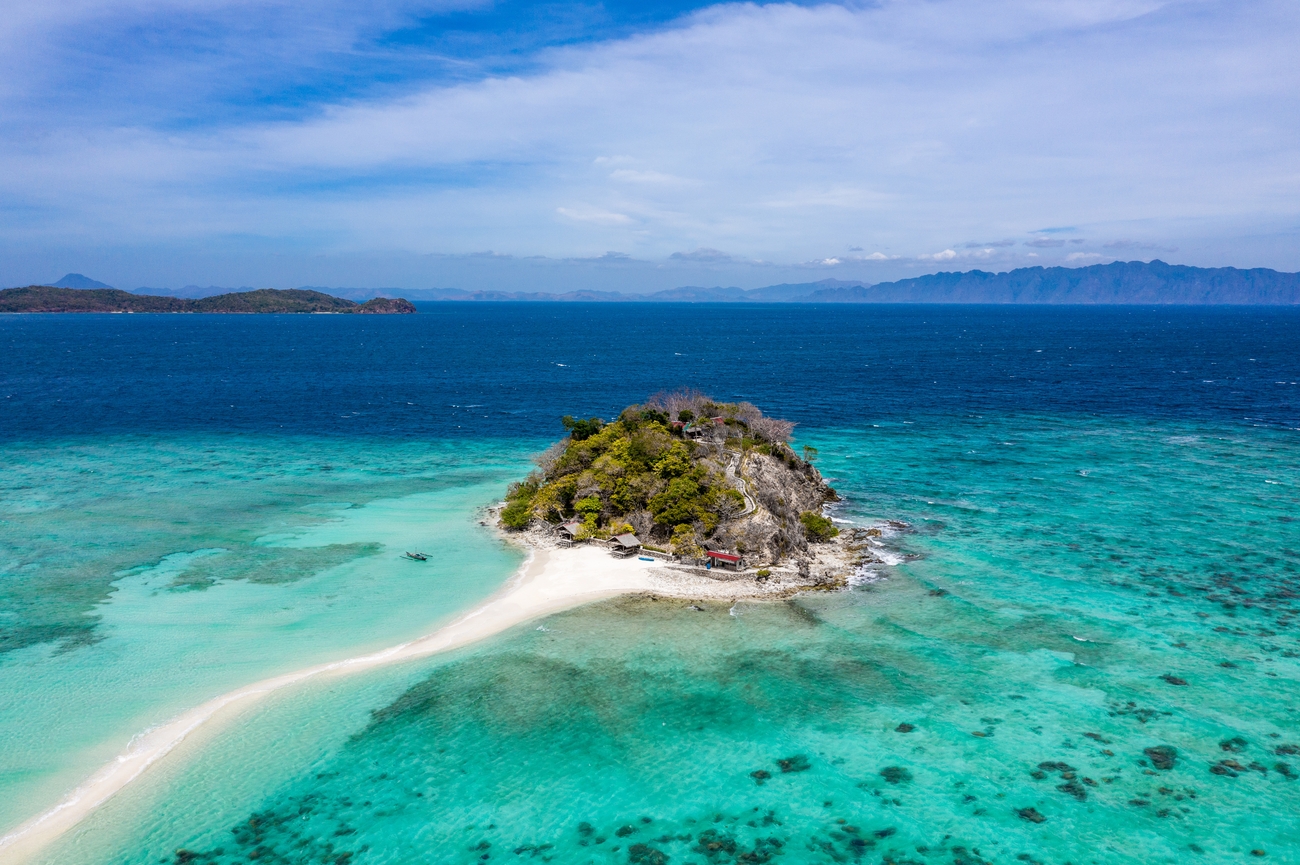
Day 2 - Coron Tour Map
Day 3
Morning: Skeleton Shipwreck
For the final leg of our Coron journey, let’s discover the WWII wrecks lying beneath the sea floors of Coron, beginning with the Skeleton Wreck, a small WWII Japanese supply ship now taken over by coral and marine life. The ship’s frame sits in shallow water (about 5 meters deep) so you can clearly see its outline while snorkeling, an easy, memorable way to experience Coron's famous WWII wrecks without needing dive certification. After your swim, we can arrange an early beachside lunch before continuing on to Lusong Coral Garden.
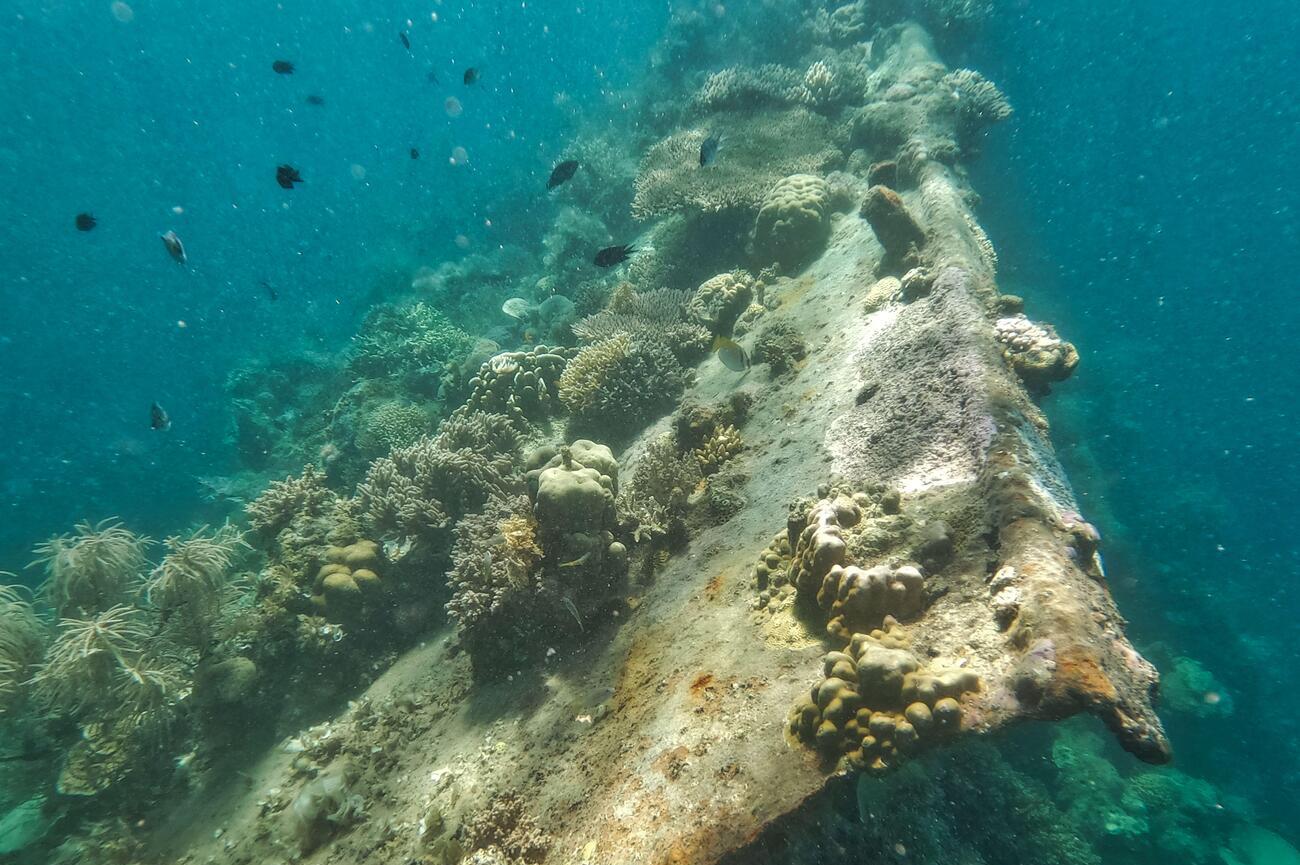
Lusong Coral Garden
Next, head to Lusong Coral Garden, one of Coron’s best snorkeling spots. The reef here is dense, colorful, and thriving, with excellent visibility. A gentle current often lets you drift-snorkel effortlessly as the coral passes below you. Here, you’ll see plenty of reef fish like clownfish, butterflyfish, and angelfish, maybe you can even spot sea turtles or giant clams.
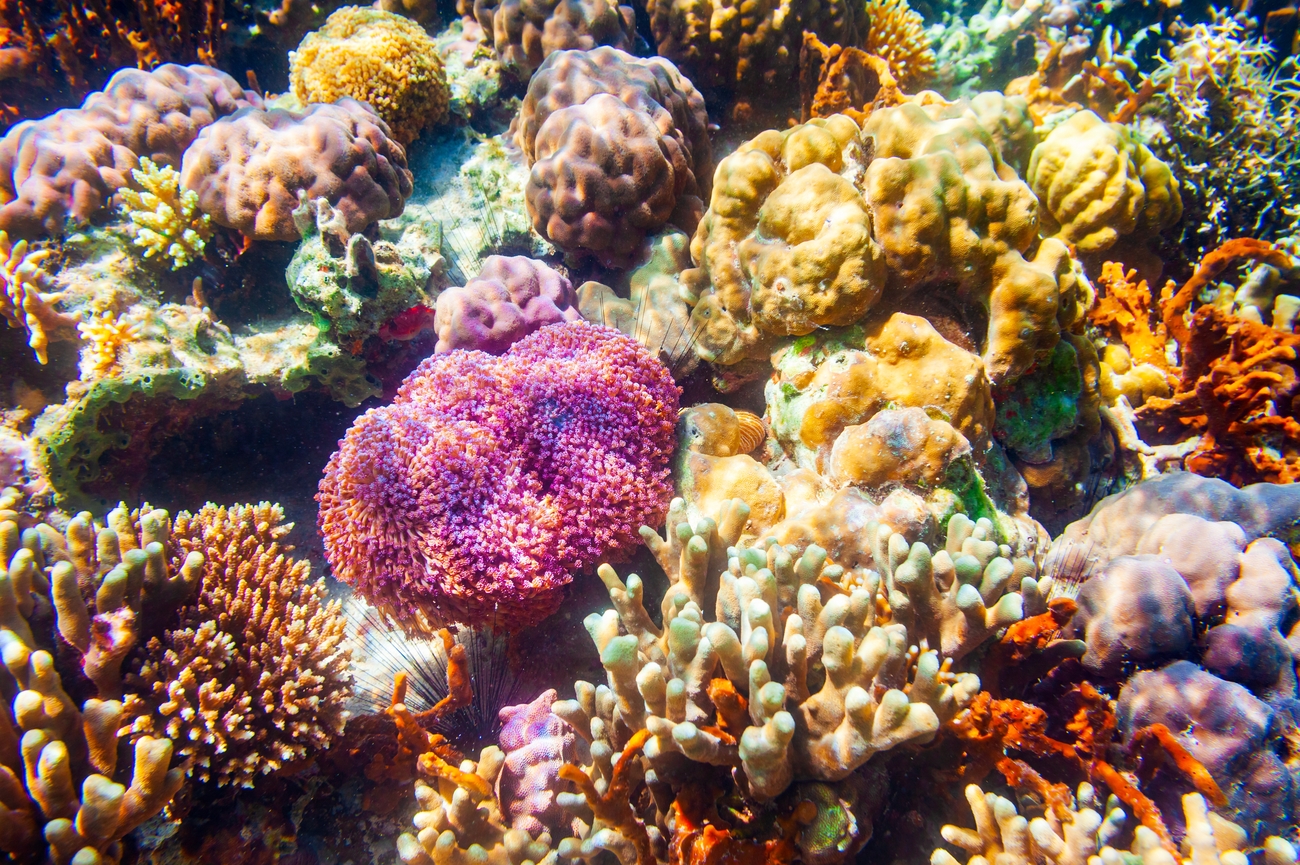
Morazan Maru Wreck
Your last wreck stop is the Morazan Maru (also called Ekkai Maru), a 92-meter WWII cargo ship now resting on its side underwater. Originally a passenger and cargo ship built in England in 1908, it was later used by the Japanese Navy before being sunk in 1944. The wreck lies at about 14–26 meters deep, making it a popular scuba diving site with swim-through sections and coral-covered surfaces. You can snorkel above the wreck to see its outline and marine life if you prefer a relaxed experience. If you’d like to explore inside or swim through the ship, you’ll need the appropriate wreck diving training and certification.
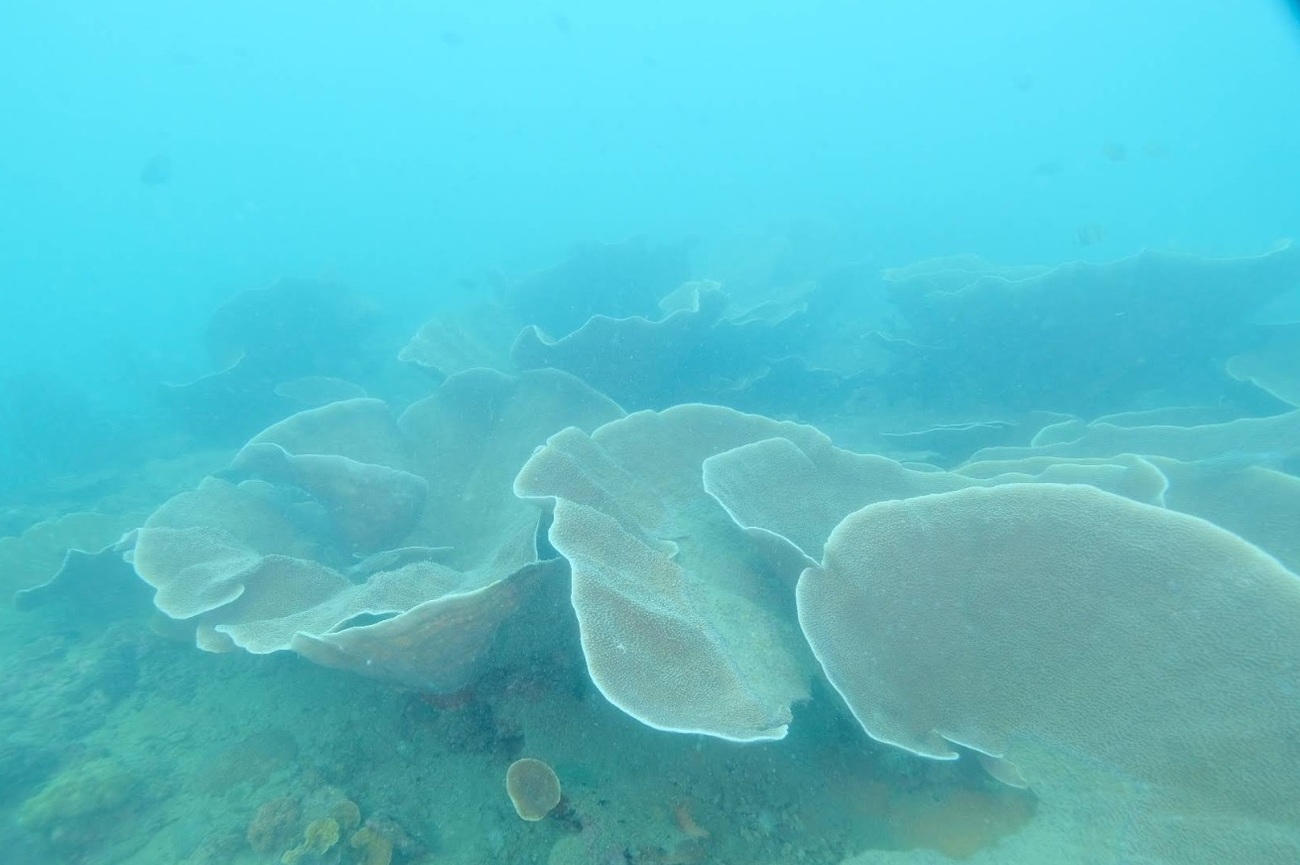
Day 3 - Coron Tour Map
Day Trips from Coron
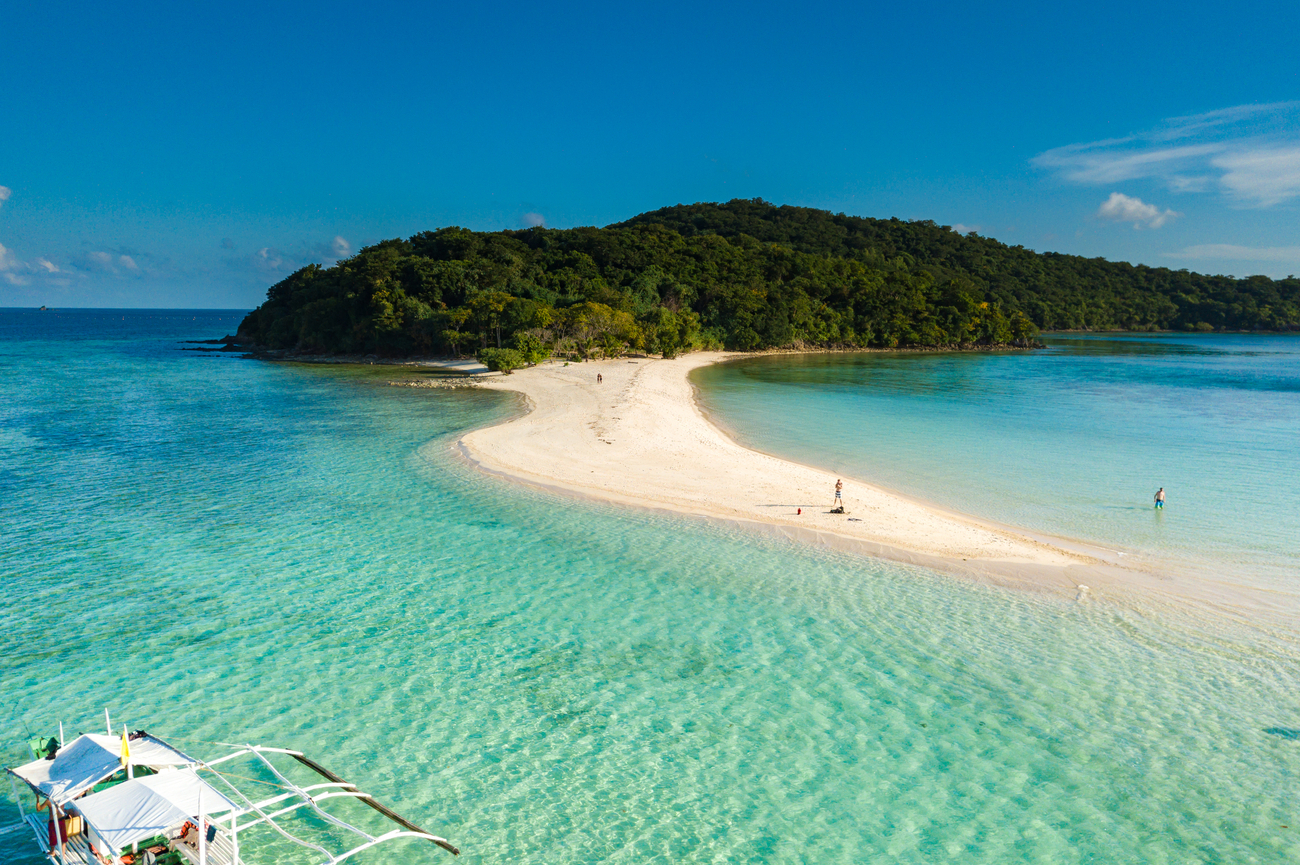
- Ditaytayan Island: Located about 1.5–2 hours by boat from Coron Town and is known for its long, pristine white sandbar that appears beautifully at low tide. You can walk out into the shallow ocean along the sandbar and take stunning photos with clear blue water on both sides. Most visits here include a Filipino buffet lunch prepared by your boat crew, enjoyed right on the island.
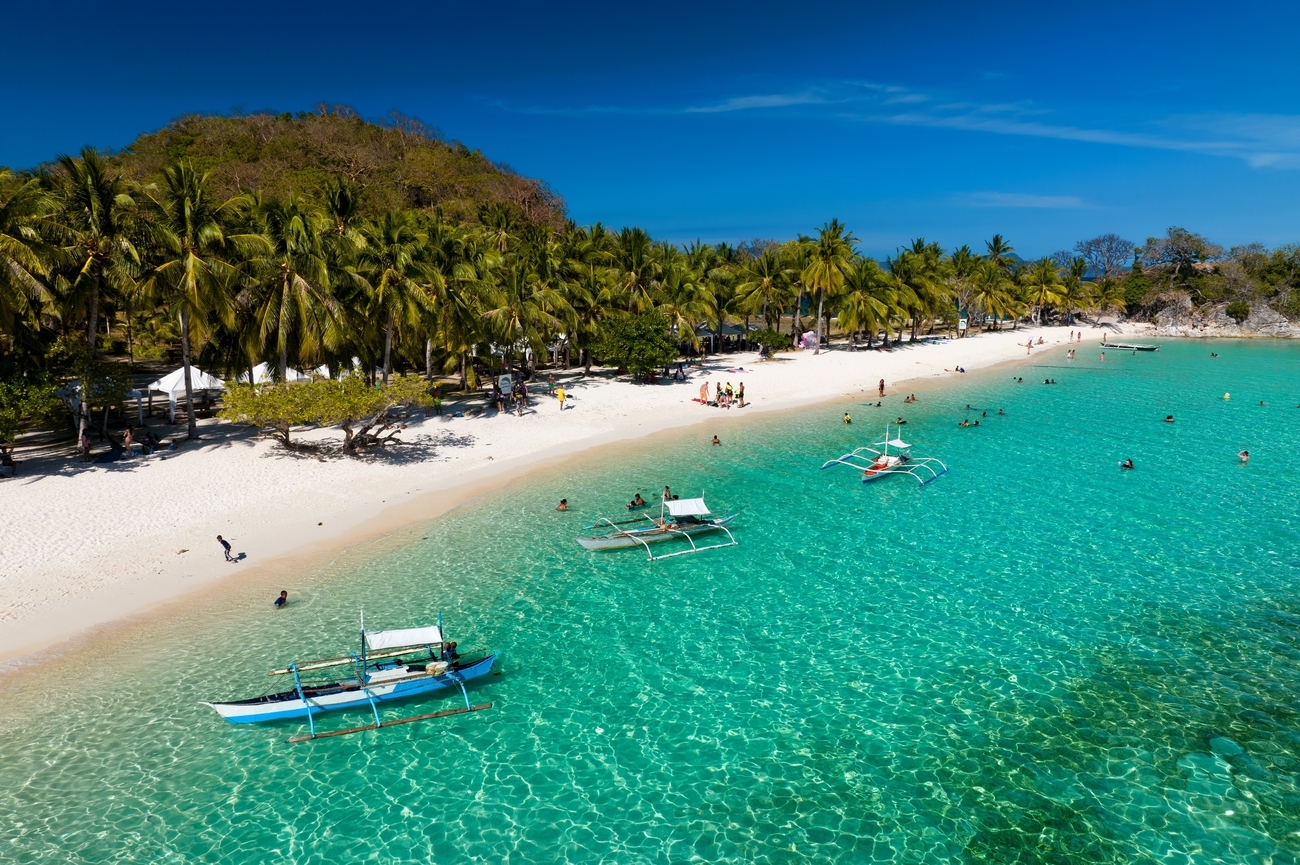
- Malcapuya Island: A popular day-trip island around 1.5 to 2 hours by boat from Coron, depending on sea conditions. It’s known for its long stretch of soft white sand and clear turquoise water, perfect for swimming and relaxing on the beach. Even when there are other visitors, the beach is wide enough that you can usually find a quieter spot. You can rest under the palm trees, relax in a hammock, or pick up fresh coconuts and simple local snacks such as cassava treats or rice cakes from small huts on the island. Bring cash, as card payments are unlikely.
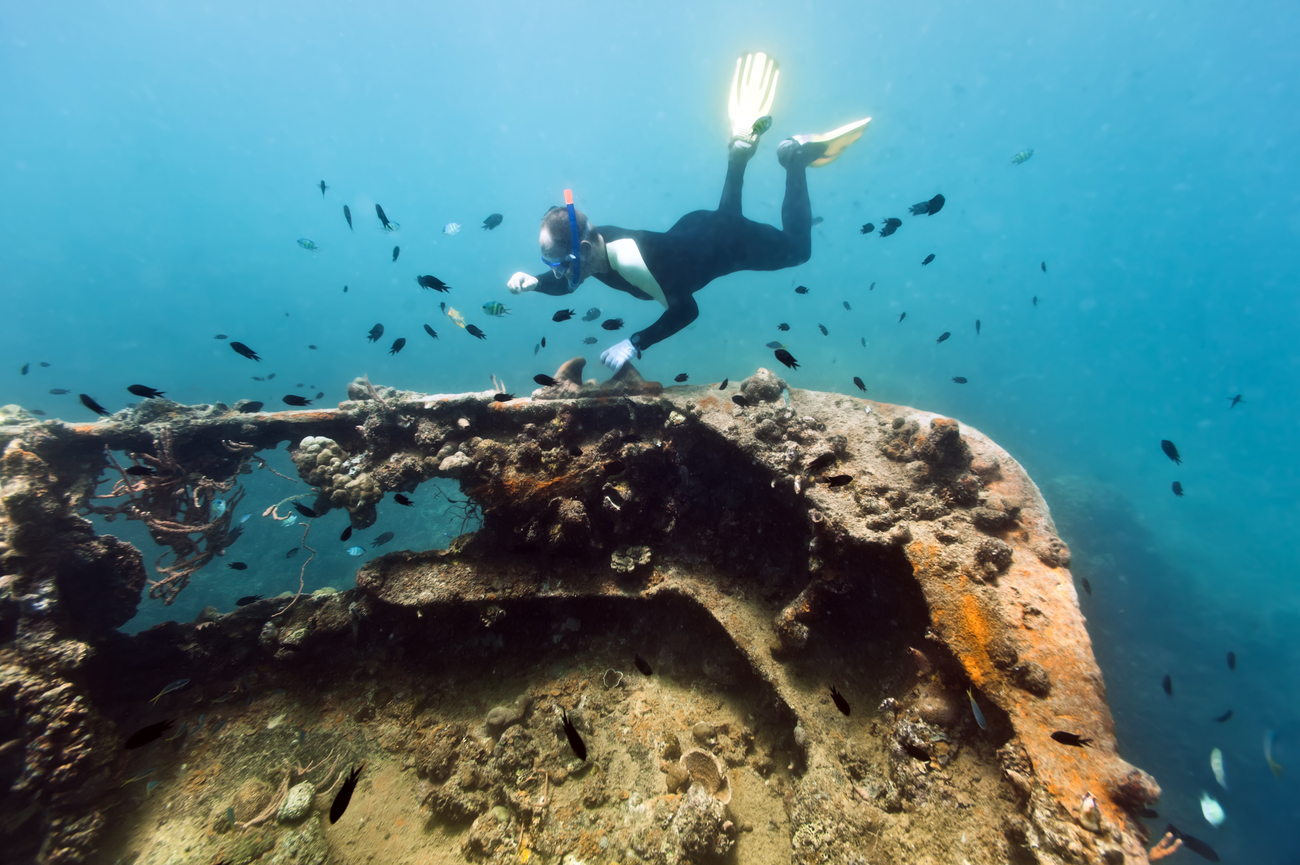
- Lusong Gunboat: A shallow WWII shipwreck near Lusong Island. Lusong Gunboat is ideal for snorkeling because the wreck sits in very shallow water, you can see the ship clearly from the surface, and at low tide, parts of it may even break the waterline. Over time, it has become an artificial reef, now covered in colorful corals and surrounded by plenty of fish. You don’t need diving experience here, just a mask and snorkel will do!
UNESCO World Heritage Sites Near Coron
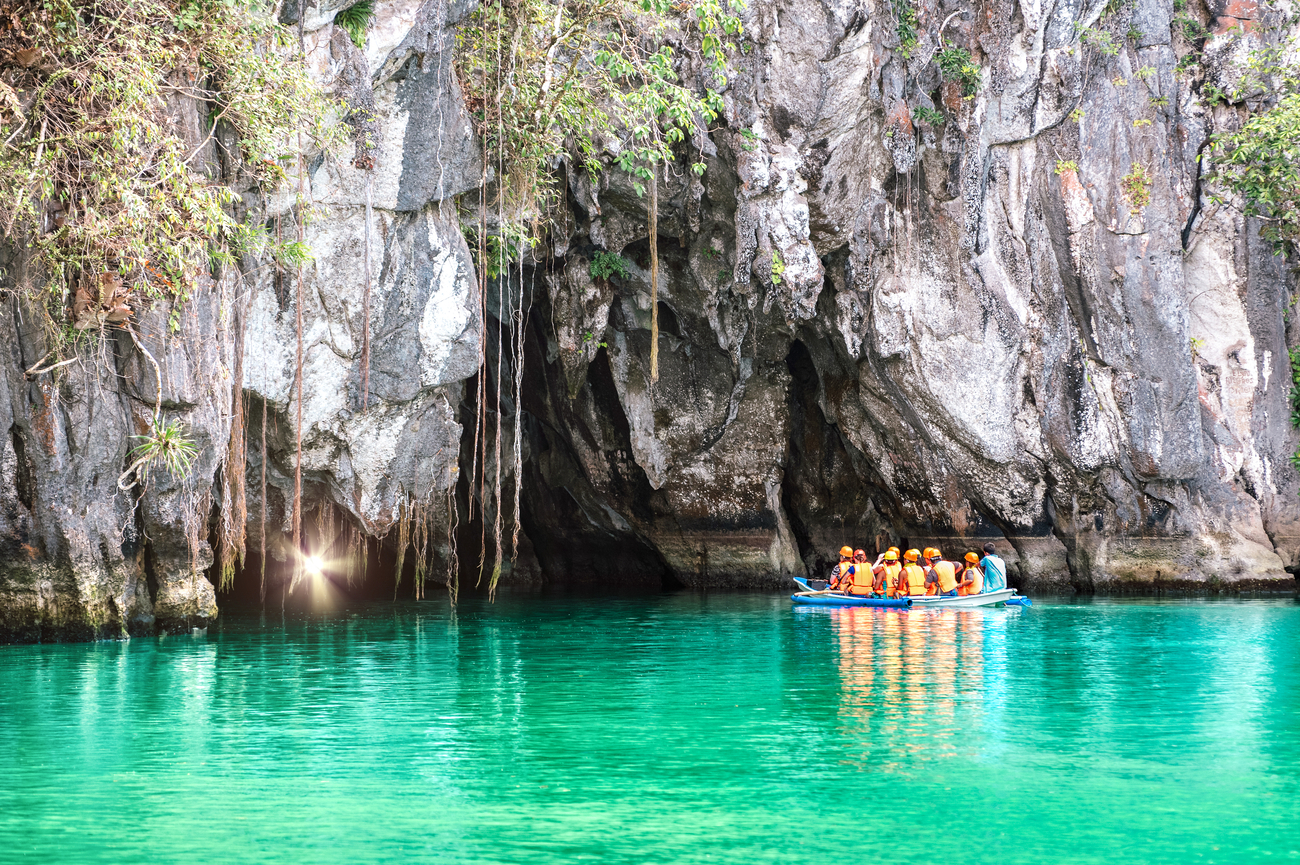
- Puerto Princesa Subterranean River National Park: A UNESCO World Heritage Site and one of the New Seven Wonders of Nature. Although not exactly “near” Coron, it’s the closest UNESCO site in Coron. The park is known as one of the world's longest navigable underground rivers. The tour takes about 1.5 kilometers and inside, you’ll see stunning rock formations, stalactites and stalagmites shaped like animals and figures, and even thousands of bats hanging from the ceiling.
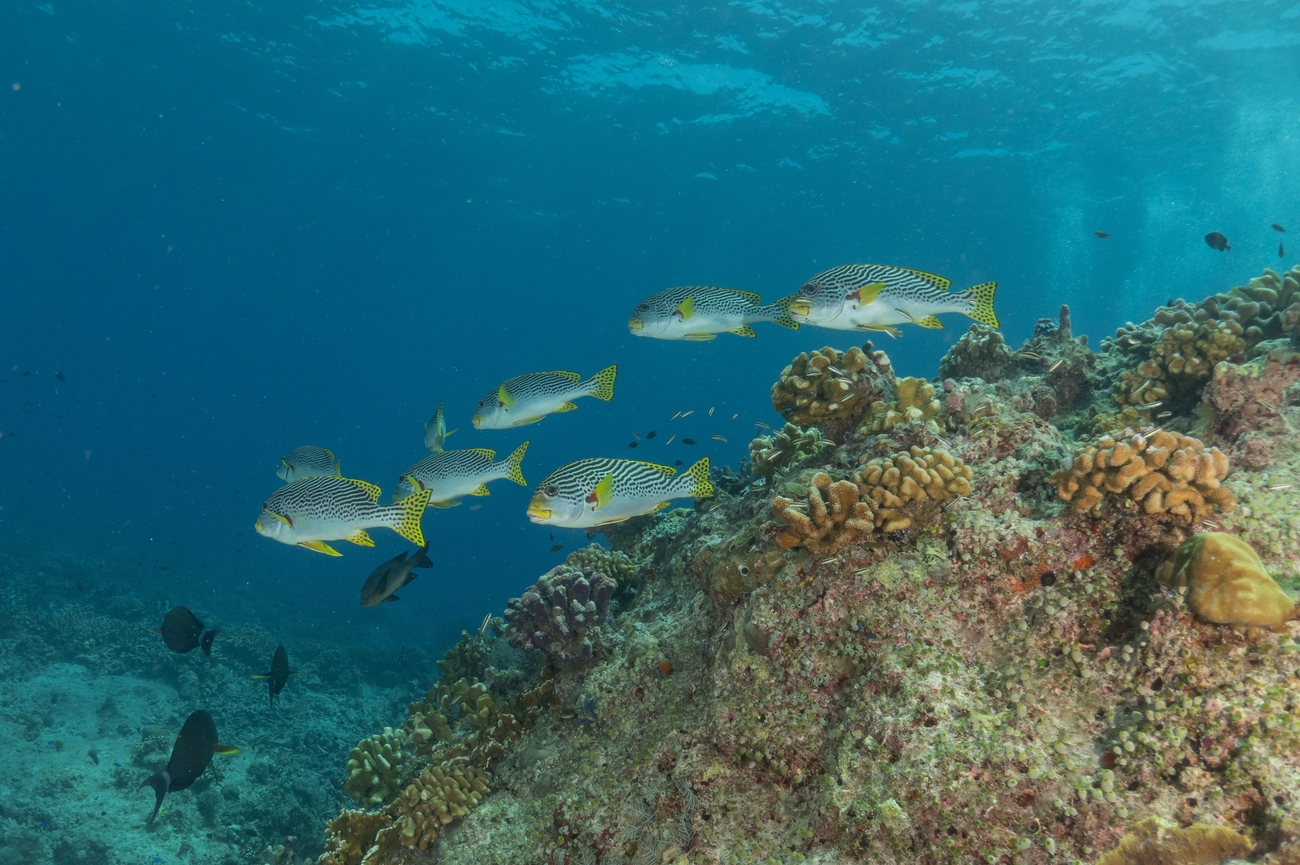
- The Tubbataha Reefs Natural Park: A UNESCO World Heritage Site and one of the world’s premier diving destinations. Also not exactly “near” Coron, but it’s the closest UNESCO site in Coron. Tubbataha is a protected marine park known for its pristine reefs, rich marine life, and incredible underwater scenery. Because it’s so remote, access to Tubbataga Reef is limited, you can only visit on a liveaboard dive boat during the short dive season (mid-March to mid-June). The trip takes about 10 hours by boat, and you’ll live and sleep on board for the duration of your diving adventure.
Luxury Spa & Wellness Experiences in Coron
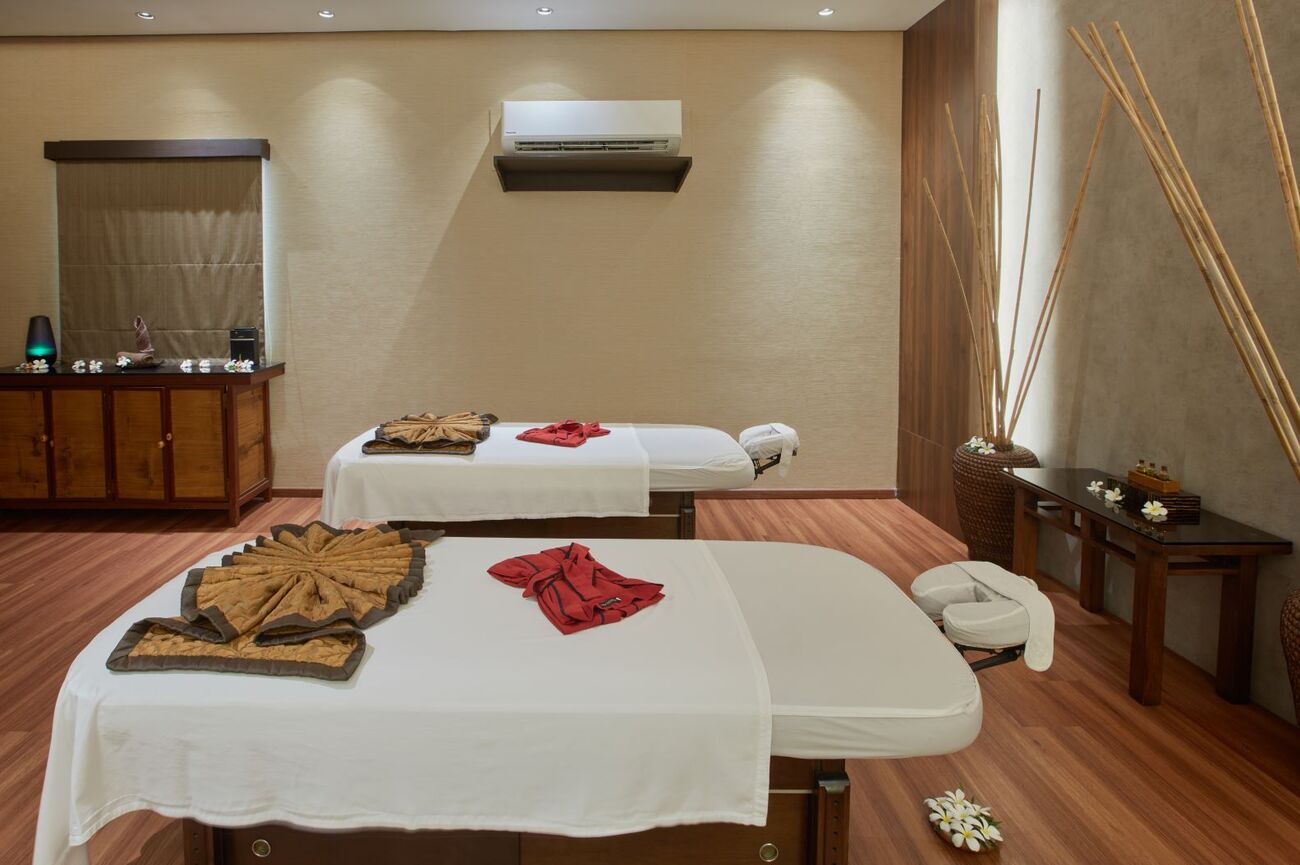
- Narra Spa at Two Seasons Coron Island Resort: Located inside the private Two Seasons Coron Island Resort, giving you a quiet and luxurious environment to unwind. Their signature treatment is the Traditional Filipino Hilot, a healing massage that uses warm therapeutic oils to relax muscles and restore balance. You can also choose from Swedish, Deep Tissue, or Foot and Hand massages depending on what your body needs. After your treatment, you’ll be served a warm ginger tea to help you relax even more.
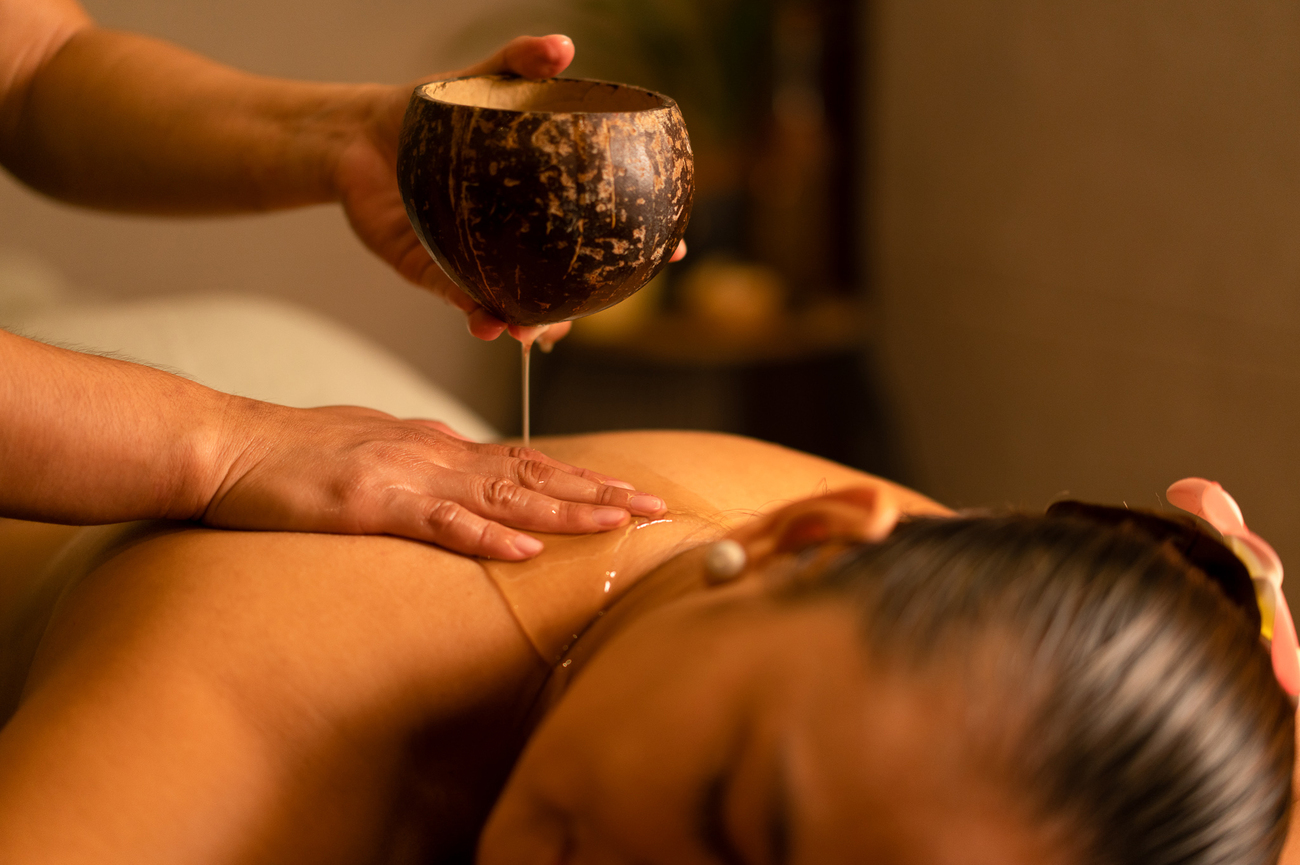
- Glow Spa at Discovery Coron: If you’re looking for a natural, soothing spa experience with a local touch, the Glow Spa at Discovery Coron (formerly Club Paradise), offers relaxing treatments that use 100% natural, locally sourced virgin coconut oil. The spa draws from Filipino healing traditions, focusing on calming both the mind and body. Treatments are inspired by the Filipino wellness concept of “Kapwa” which means harmony with yourself, others, and nature.
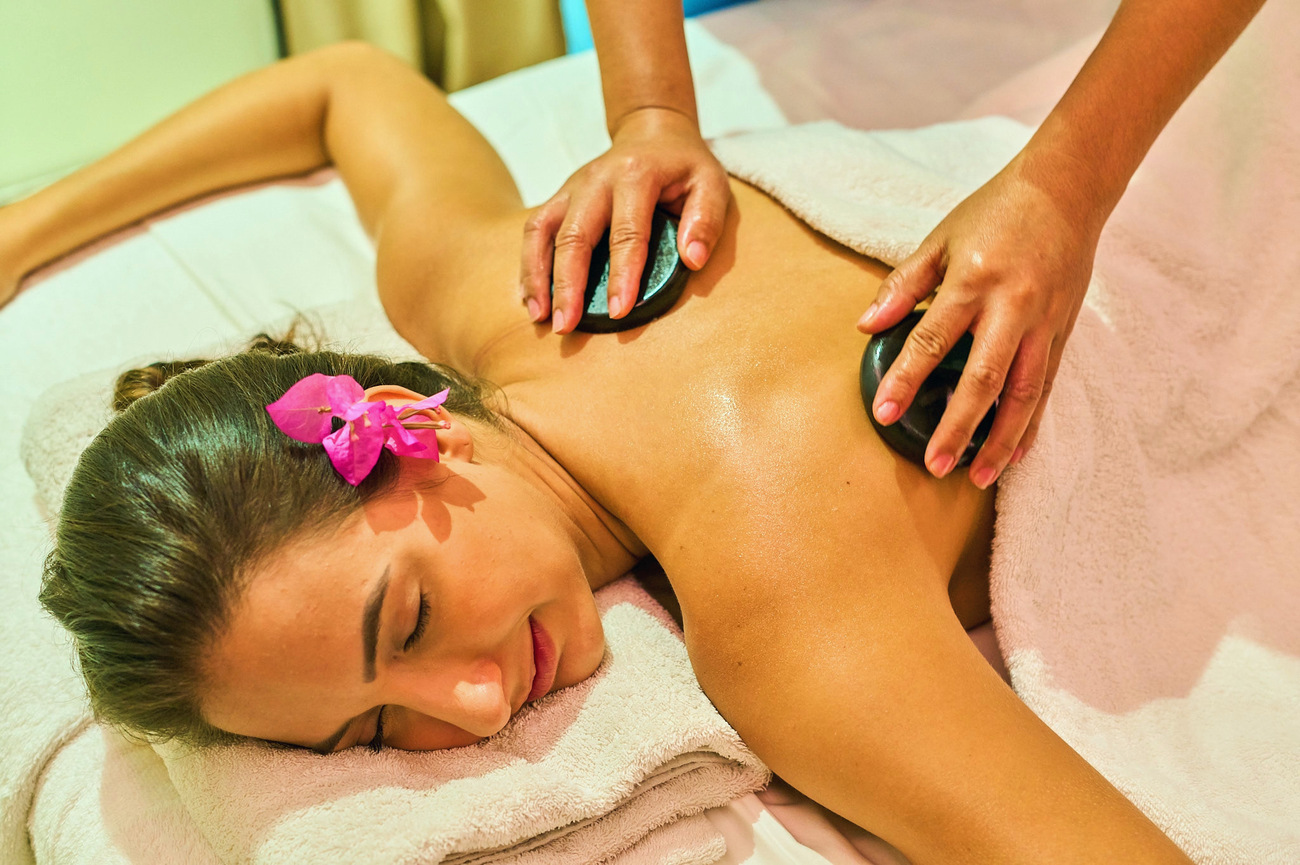
- Alon Spa at Bacau Bay Resort Coron: If you want to relax your body and recharge between adventure days, Alon Spa is a convenient and soothing place to reset. Located inside Bacau Bay Resort Coron, the spa helps you unwind after a full day of island-hopping. You can choose from massages like Hot Stone, Ventosa Cupping, or Combination Massage, all aimed at easing tired muscles. The spa also offers nature-inspired treatments using gentle, natural ingredients for deeper relaxation.
Exclusive Workshops & Immersive Experiences in Coron
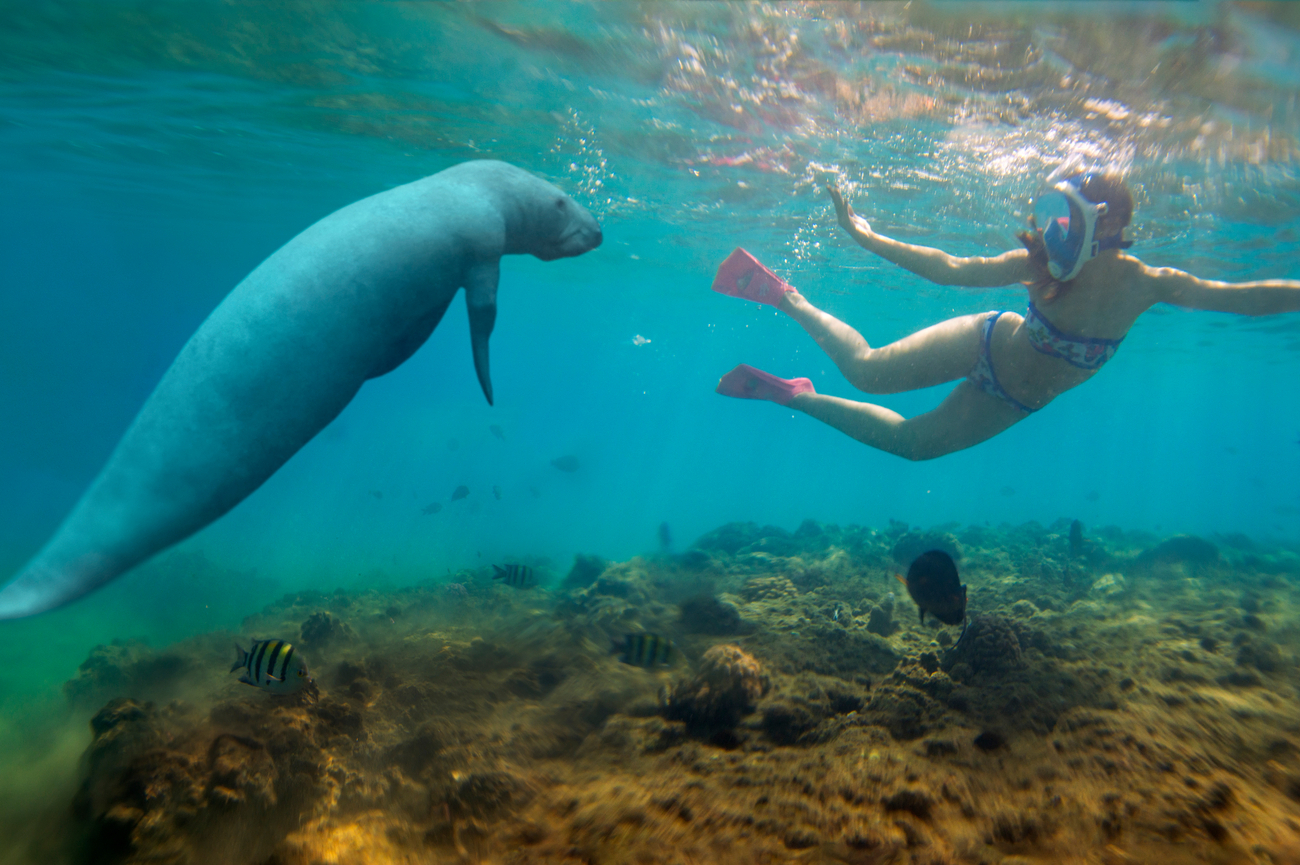
- Dugong Watching at Busuanga Palawan: This experience takes you to a protected dugong sanctuary on the northern coast of Busuanga, where these gentle sea mammals live. It’s done with strict conservation guidelines. Before you head out to see the dugongs feeding on seagrass or resting on the seafloor, a guide will brief you first on dugong behavior and proper etiquette to ensure a safe and responsible experience.
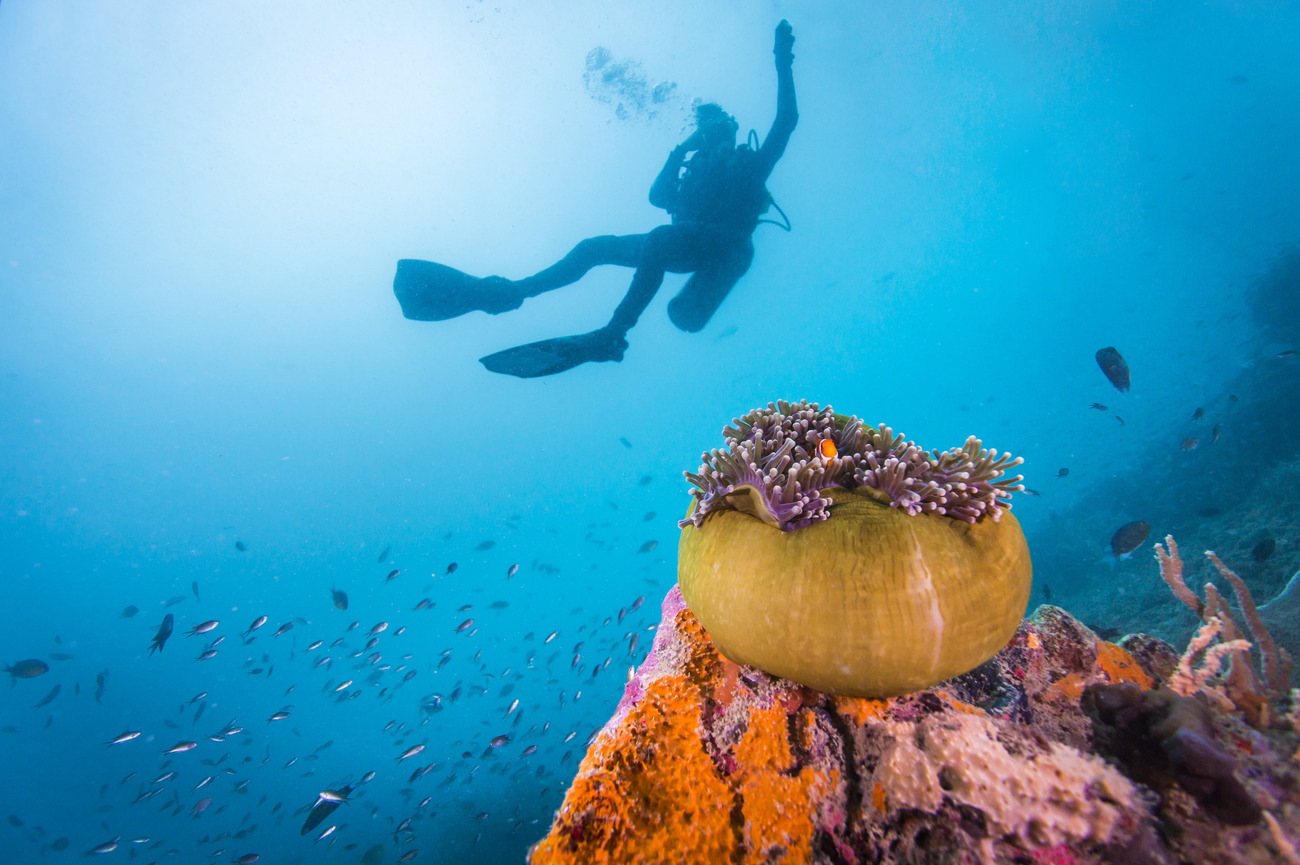
- WWII Shipwreck Dive: Coron is famous for its World War II shipwrecks: Japanese supply ships sunk during a 1944 U.S. air raid. There are twelve wrecks in Coron, now covered in coral and marine life, making the sites feel like an underwater museum. In this guided experience you can see preserved artifacts like ammunition, anti-aircraft guns, construction materials, and even a bulldozer or Japanese staff cars in some cargo holds. Local PADI-certified dive centers can provide lessons if you want training to safely navigate inside the ships.
- Learn Scuba Diving: Coron is an excellent place to learn scuba diving, thanks to its clear waters and exciting underwater sites. If you’re interested, we can arrange lessons for you with reputable PADI-certified dive centers in town. If it’s your first time, the PADI Open Water Diver Course is the standard beginner certification and lets you dive anywhere in the world up to 18 meters (60 ft).
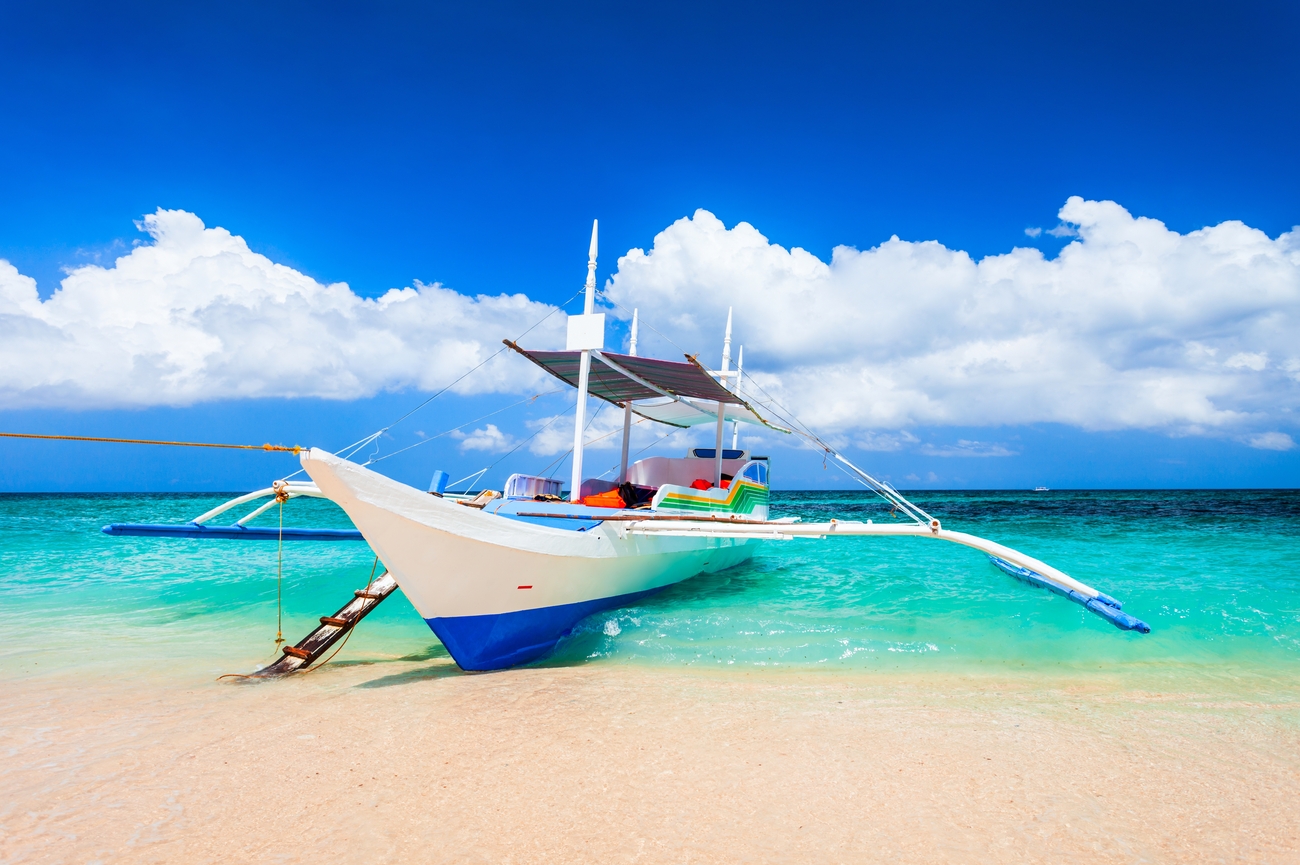
- Island Tours: Island-hopping is the best way to experience Coron’s clear waters, limestone cliffs, and quiet beaches. You can either join a group tour or book a private boat if you prefer a more flexible, exclusive experience. We can arrange either option for you. During the tour, your boat crew will prepare a Filipino buffet lunch served right on the beach, so you’ll be well taken care of. You’re welcome to bring extra snacks, just be mindful to dispose of any trash properly to help keep the islands clean.
Other Things to Do in Coron
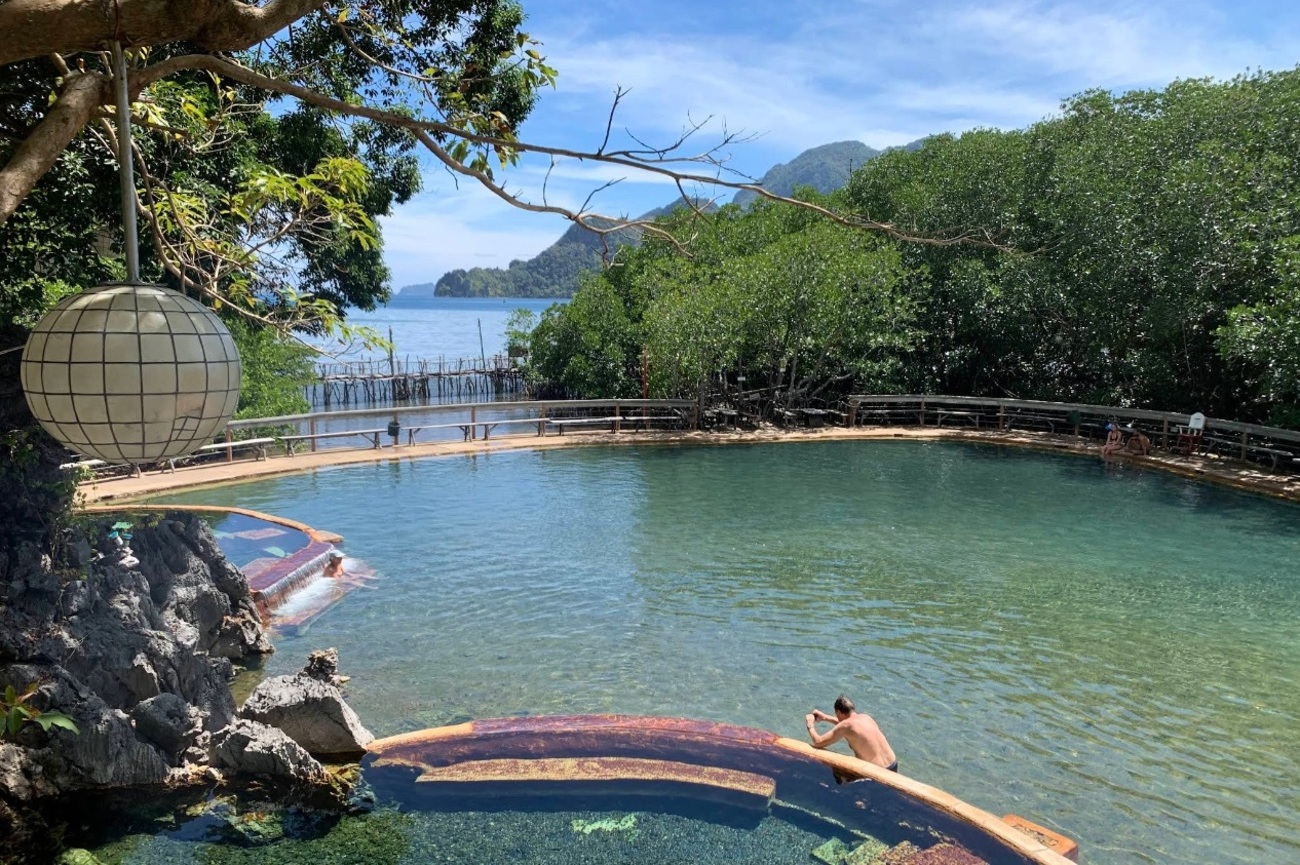
- Maquinit Hot Spring: A rare natural saltwater hot spring just outside Coron Town. The water is naturally heated by volcanic activity and flows into warm pools surrounded by mangroves. The water stays around 38°C–40°C (102°F–104°F) and many visitors find it soothing for tired muscles. Come here to unwind, soak, and relax after a day of island-hopping or climbing Mt. Tapyas.
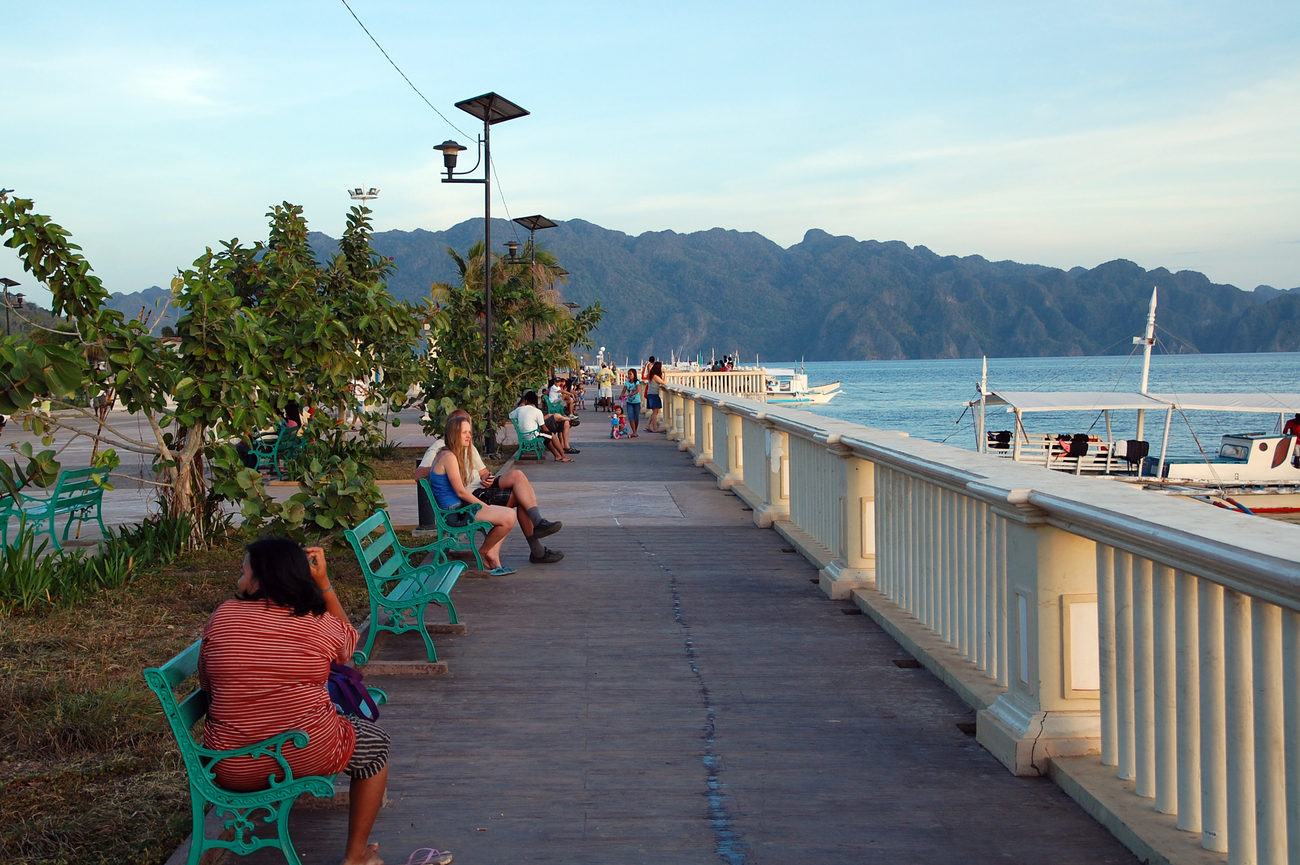
- Lualhati Park: The main baywalk and docking area for island-hopping tours in Coron Town. It offers open views of Coron Bay, Mt. Tapyas, and the limestone cliffs across the water. There aren’t many built attractions here, it’s more of a local gathering spot. Visit early morning or at sunset for the best atmosphere. You can sit by the water, feel the sea breeze, and watch the sky change colors over the bay. Perfect for a quiet start or end to your day.
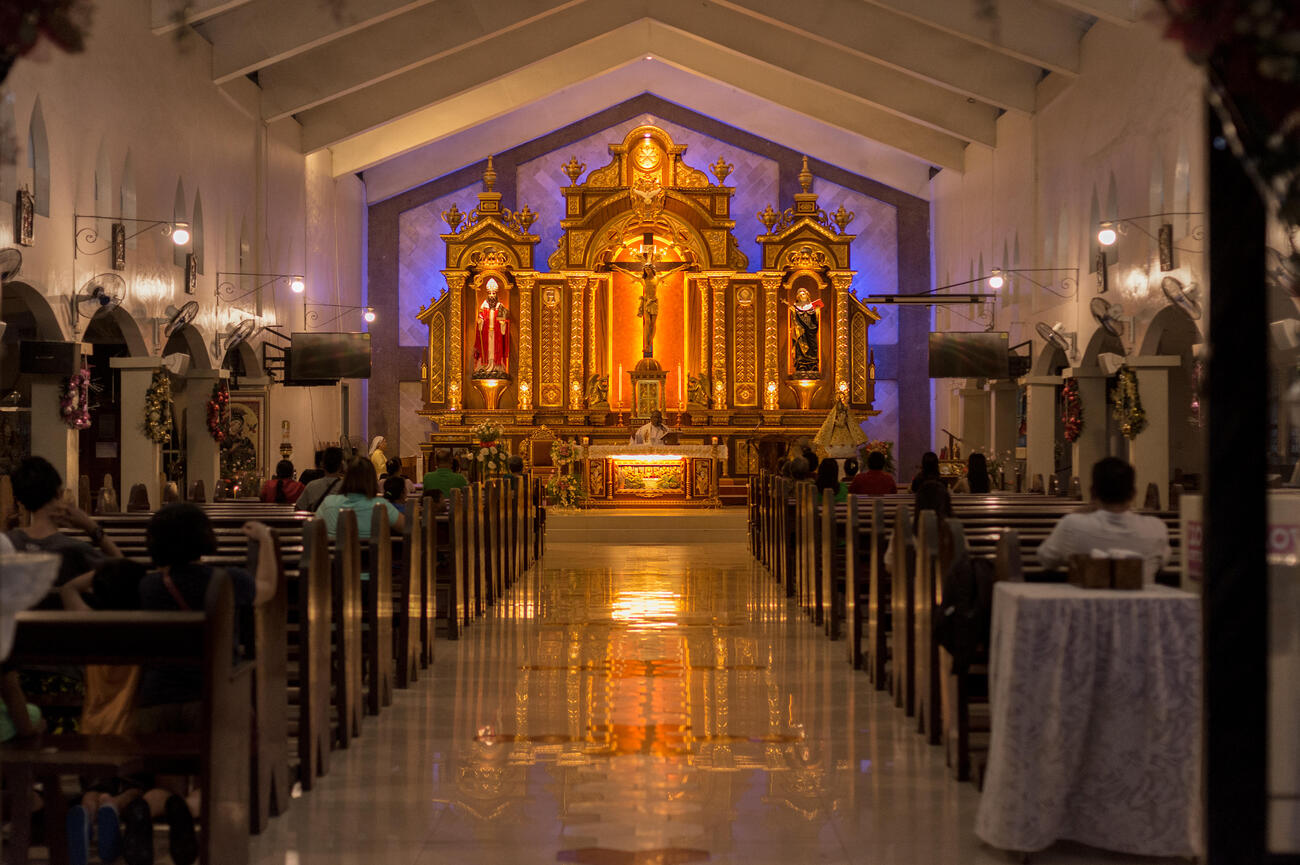
- San Agustin Parish Church Coron: Located right in the center of Coron Town, this modern Catholic church offers a calm space to pause and reflect. Inside, you’ll find a clean, bright interior with a golden altar and simple ceiling artworks. Even though it sits near busy streets, the atmosphere here is peaceful. It’s a nice spot to take a quiet break or say a prayer after a day of island adventures.
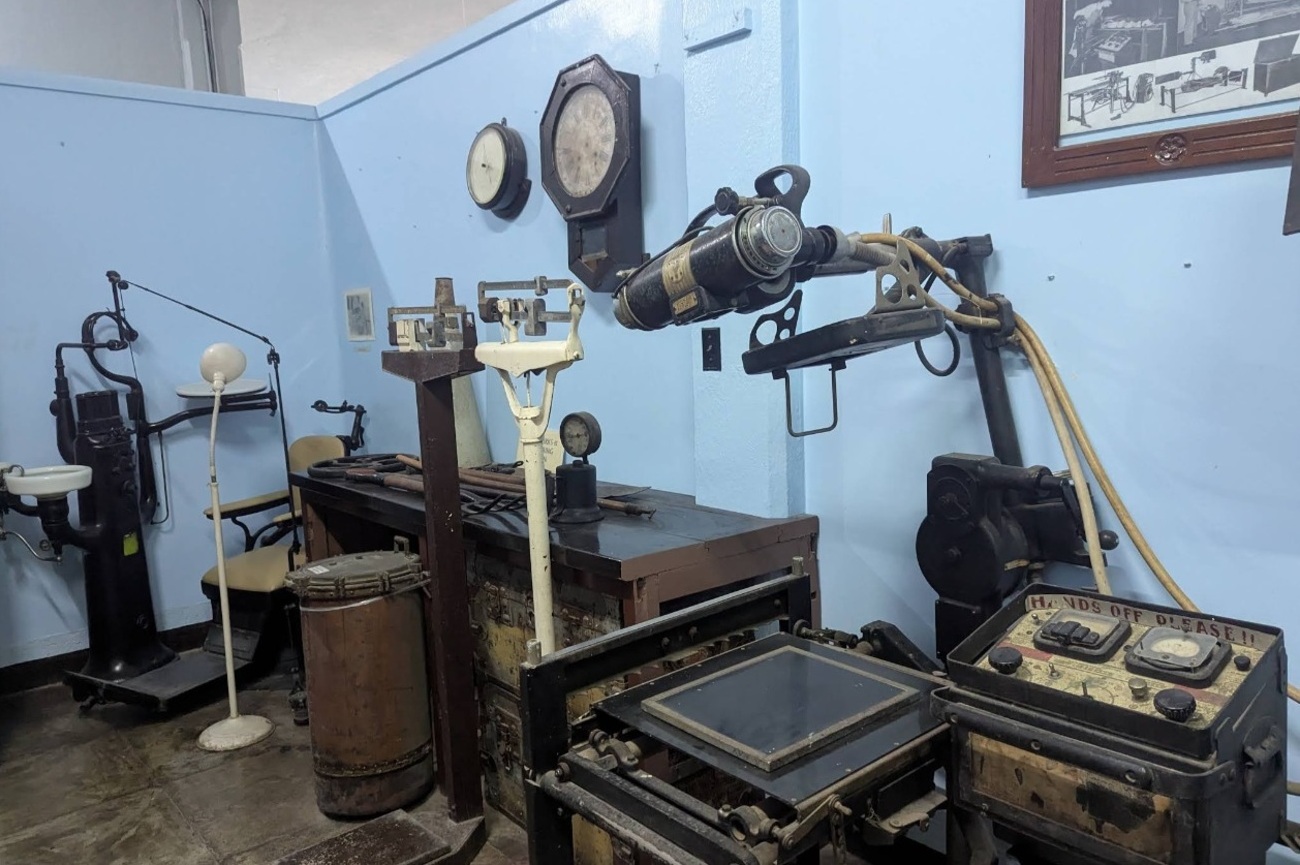
- The Culion Museum and Archives: Visit this meaningful and insightful museum on Culion Island, formerly the site of one of the world’s largest leper colonies. The museum is housed within the old sanitarium grounds and tells the story of the island’s past from Spanish rule, to years of isolation, to the eventual development of a cure. Inside, you'll find photographs, medical records, artifacts, and personal items that show what life was like for former patients. It’s a humbling experience that offers insight into resilience, compassion, and the island’s journey toward healing.
Things to Do with Kids in Coron
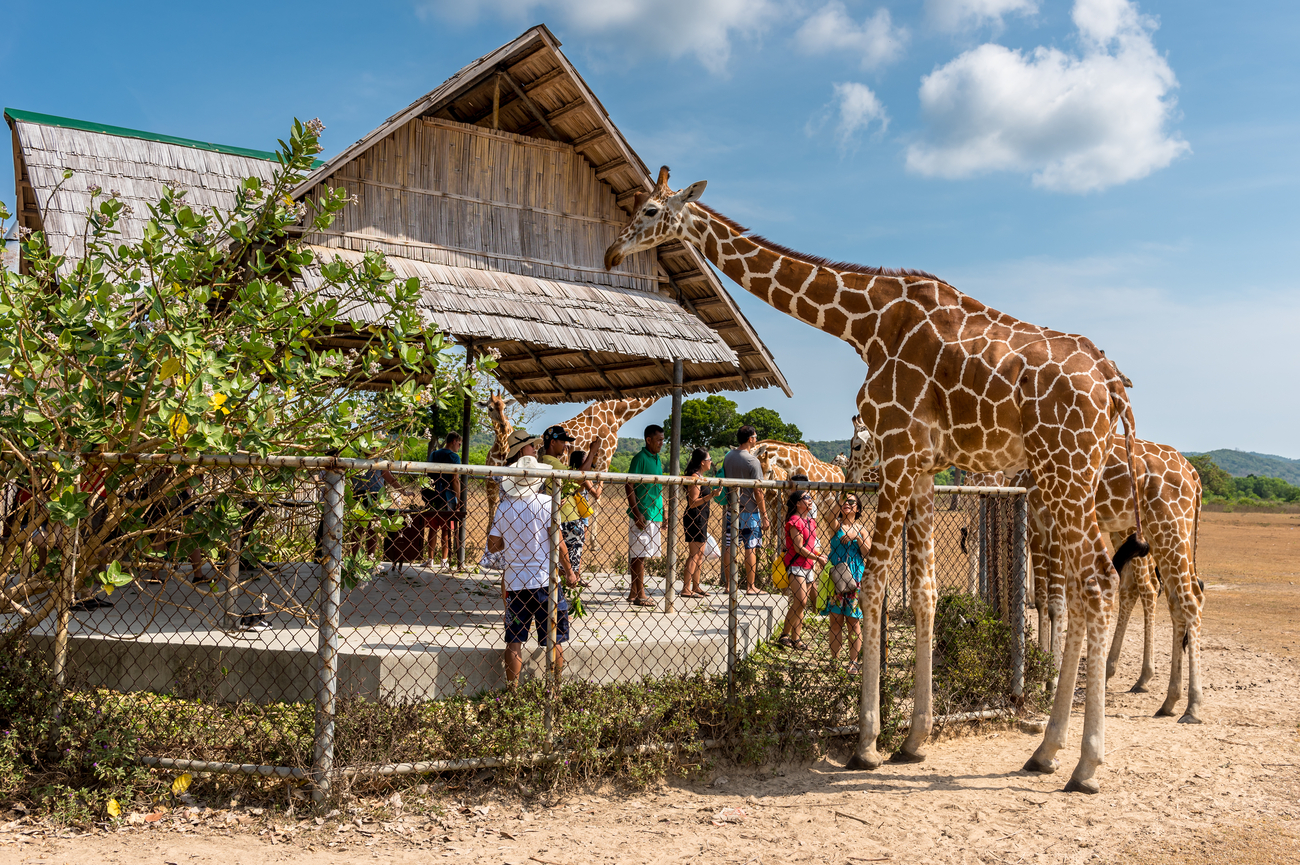
- Calauit Island National Park: If you’re traveling with kids or simply love animals, this day trip is a great break from island hopping. Calauit Island is home to both African wildlife like giraffes and zebras, and native Palawan species. The highlight is the morning giraffe feeding, where you can get up close and offer them leaves (always a favorite for children). You’ll also ride through the park (in a jeepney) to see zebras, Calamian deer, and other animals roaming freely in a savannah-like setting. It’s a fun, educational, and memorable experience for all ages.
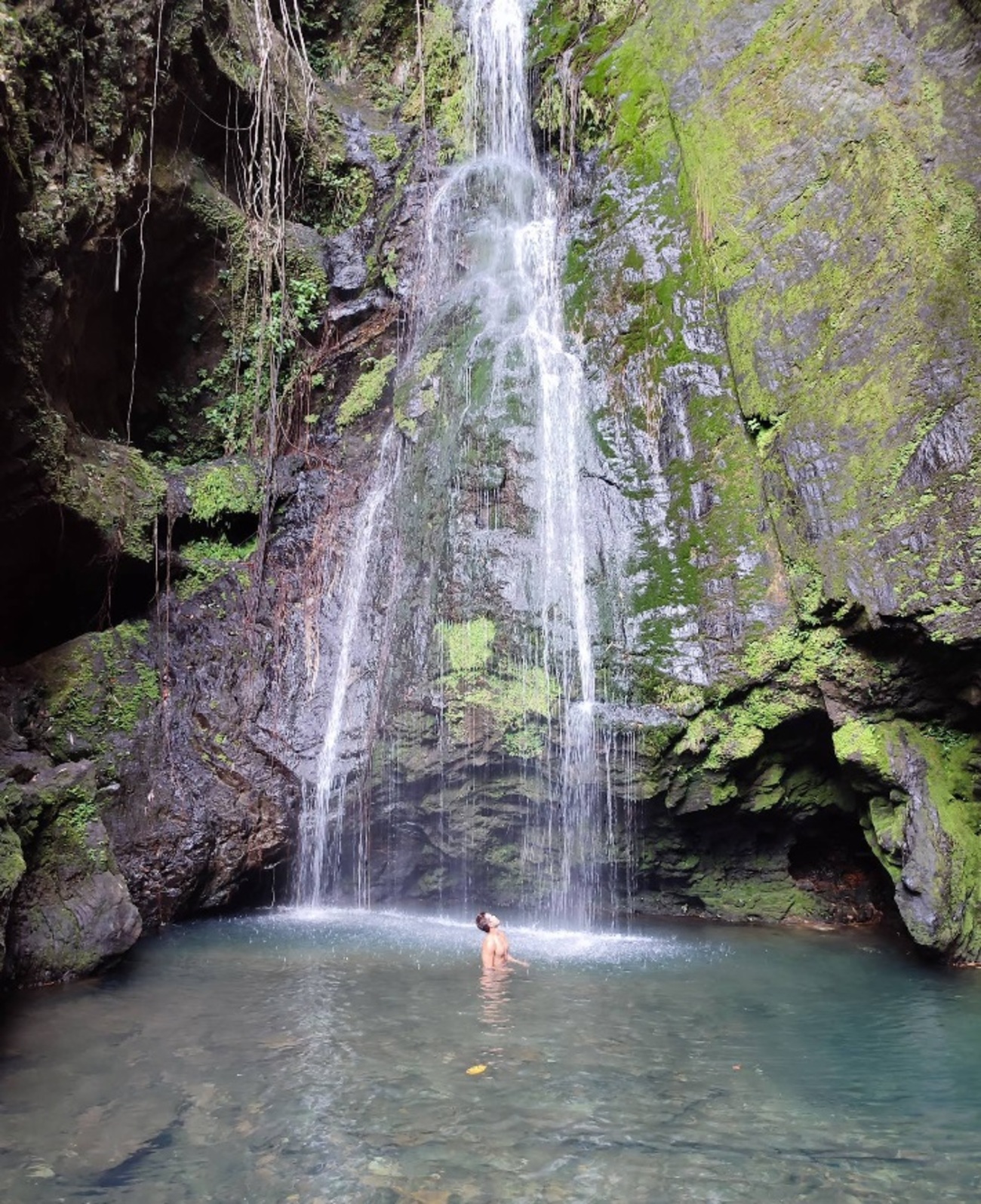
- Kilien Falls: If you’d like a break from the islands and want something quieter, Kilien Falls is a lovely off-the-beaten-path spot. It’s best for families with older kids who don’t mind a bit of walking. The waterfall flows into a clear natural pool that’s perfect for cooling off. Some areas are shallow enough for kids to splash in, while other parts are deeper, so just keep an eye while swimming.
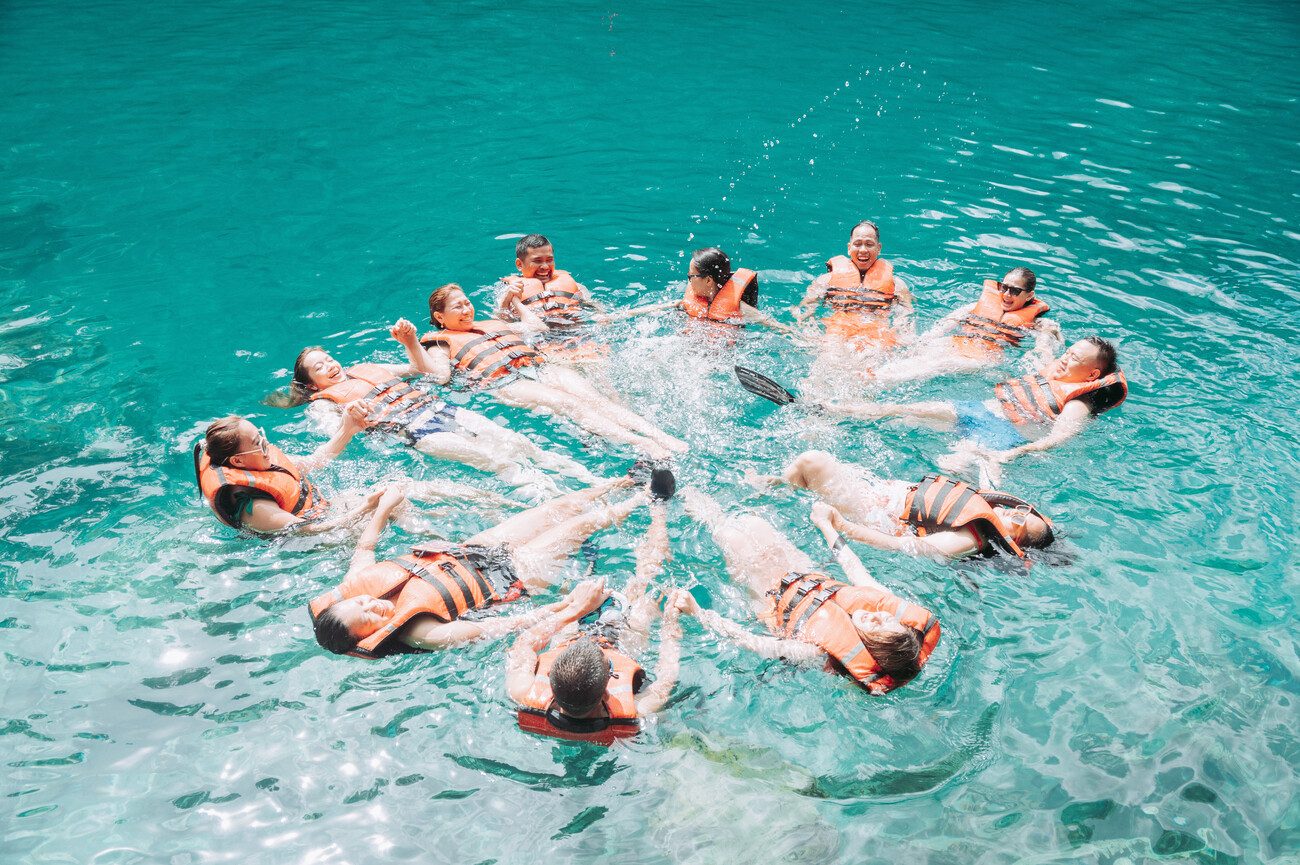
- Royal Island Watersports Coron: Perfect for families, Royal Island Watersports combines adrenaline and relaxation on its own private island, just a short speedboat ride from Coron Town. Older kids and teens can enjoy exciting activities like the Flyfish, Banana Boat, Jet Ski, or Parasailing, while younger ones can go Clear Kayaking, swim, or relax in the Floating Sea Pool. Water rides and parasailing are open to ages 4 and up. We can also arrange roundtrip speedboat transfers from Lualhati Park so you can enjoy the day worry-free.
Where to Eat in Coron
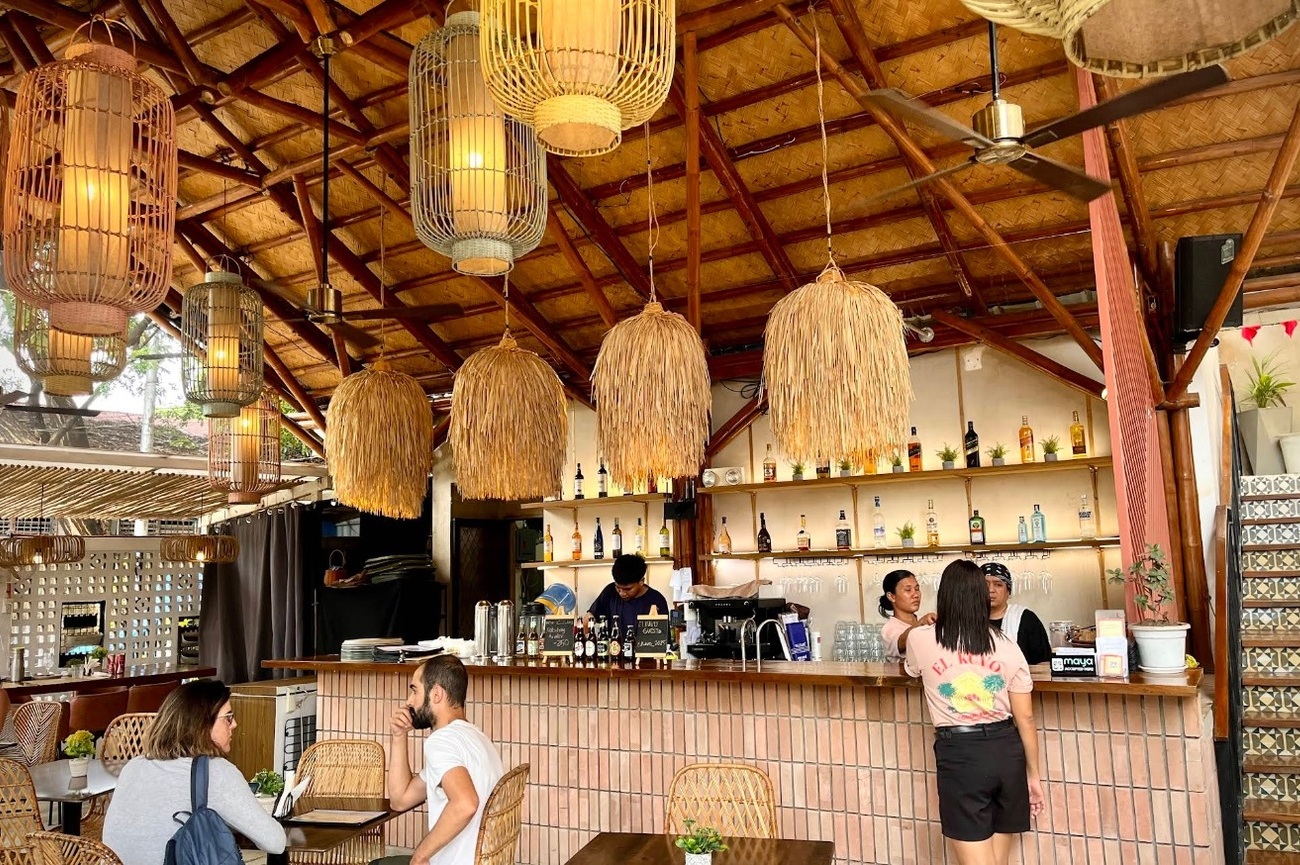
- El Kuvo: A well-loved Filipino fusion restaurant known for giving classic local dishes a modern twist. The space is warm and cozy, with décor inspired by traditional Filipino huts. The kitchen uses fresh ingredients, and the menu includes options for different dietary preferences, including vegetarian and vegan dishes. Some favorites you must try here are: Pork Sisig, Kinilaw (Filipino ceviche), Chicken Inasal Kebab, Seafood Pasta or Seafood Kare-Kare, Garlic Rice, and Mango Sticky Rice for dessert. It's a great spot for a relaxed, flavorful meal after a day of exploring.
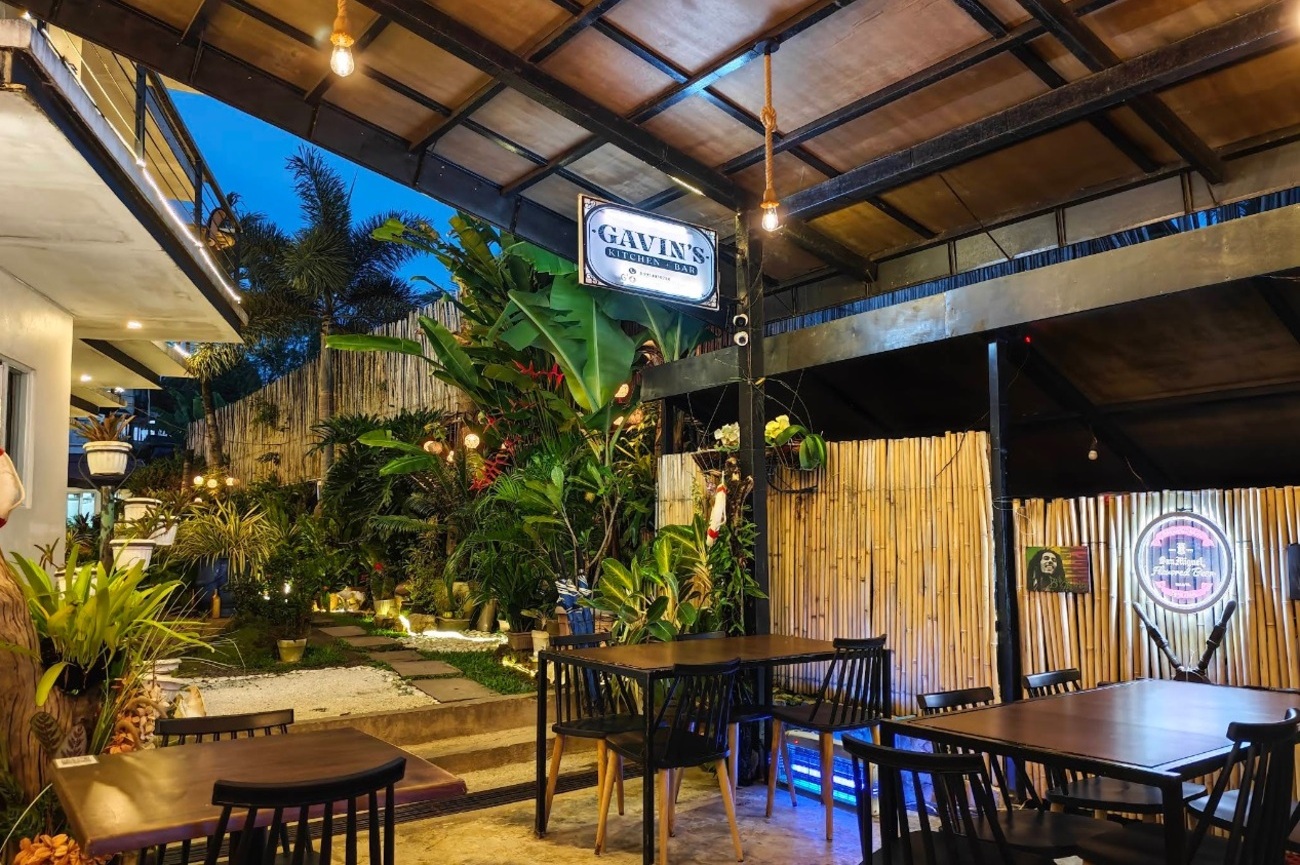
- Gavin's kitchen + bar: This local favourite offers a mix of Filipino favorites and international comfort food, making it easy for everyone at the table to find something they like. The portions are generous, the atmosphere is relaxed, and the staff are known for being friendly. You’ll find dishes like BBQ Pineapple Ribs, House Burgers, Grilled Salmon, Filipino classics, pasta, pizzas, and even vegetarian and vegan options.
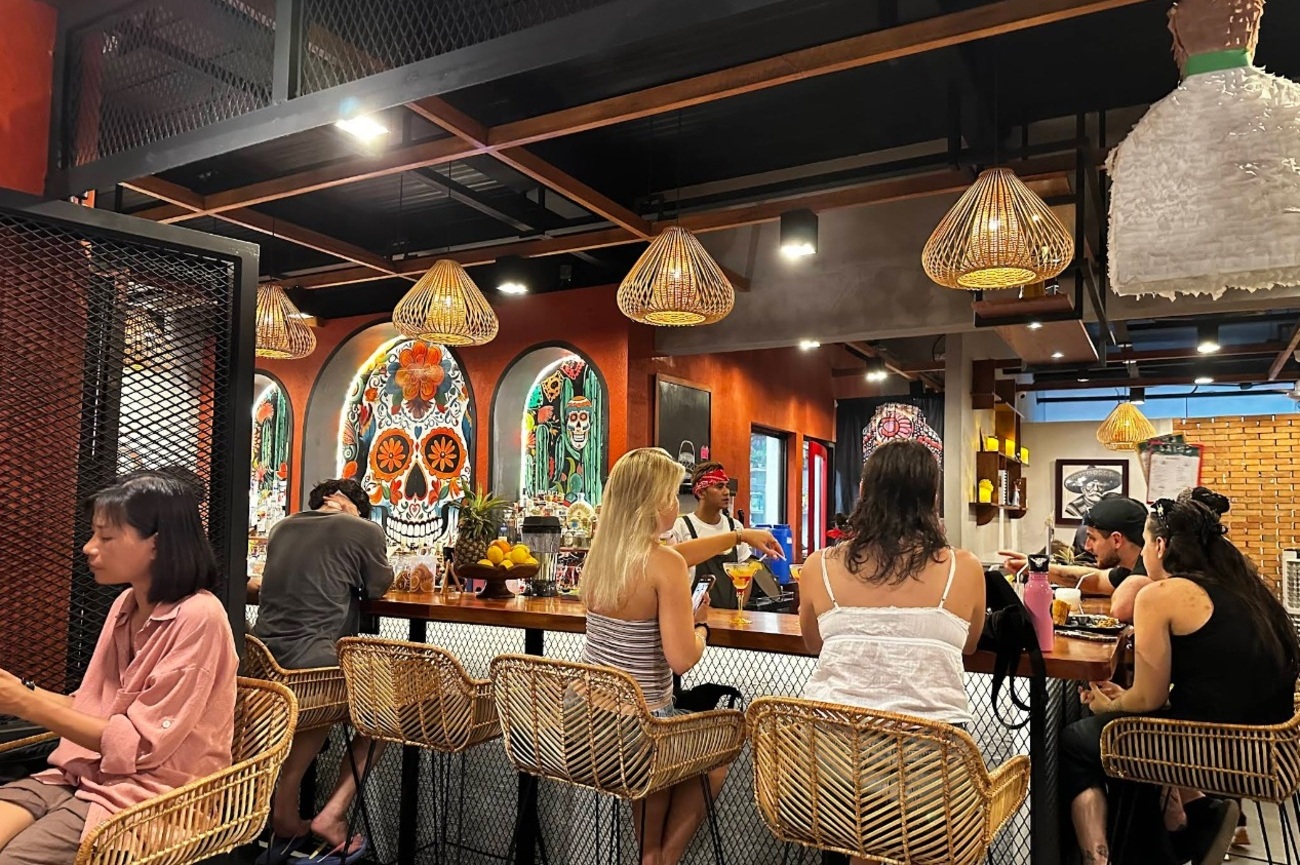
- Salud By Get Real: A modern Mexican bar and restaurant in the center of Coron Town, known for bold flavors and a fun, social atmosphere. It’s a nice place to grab dinner, have drinks, and unwind with music and good company. The menu features fresh, locally sourced ingredients with generous portions. Make sure to try the Beef Birria Tacos (a local favorite), Shrimp Tacos, or the Birria Burrito if you want something heartier. Perfect for ending your day with great food and vibe.
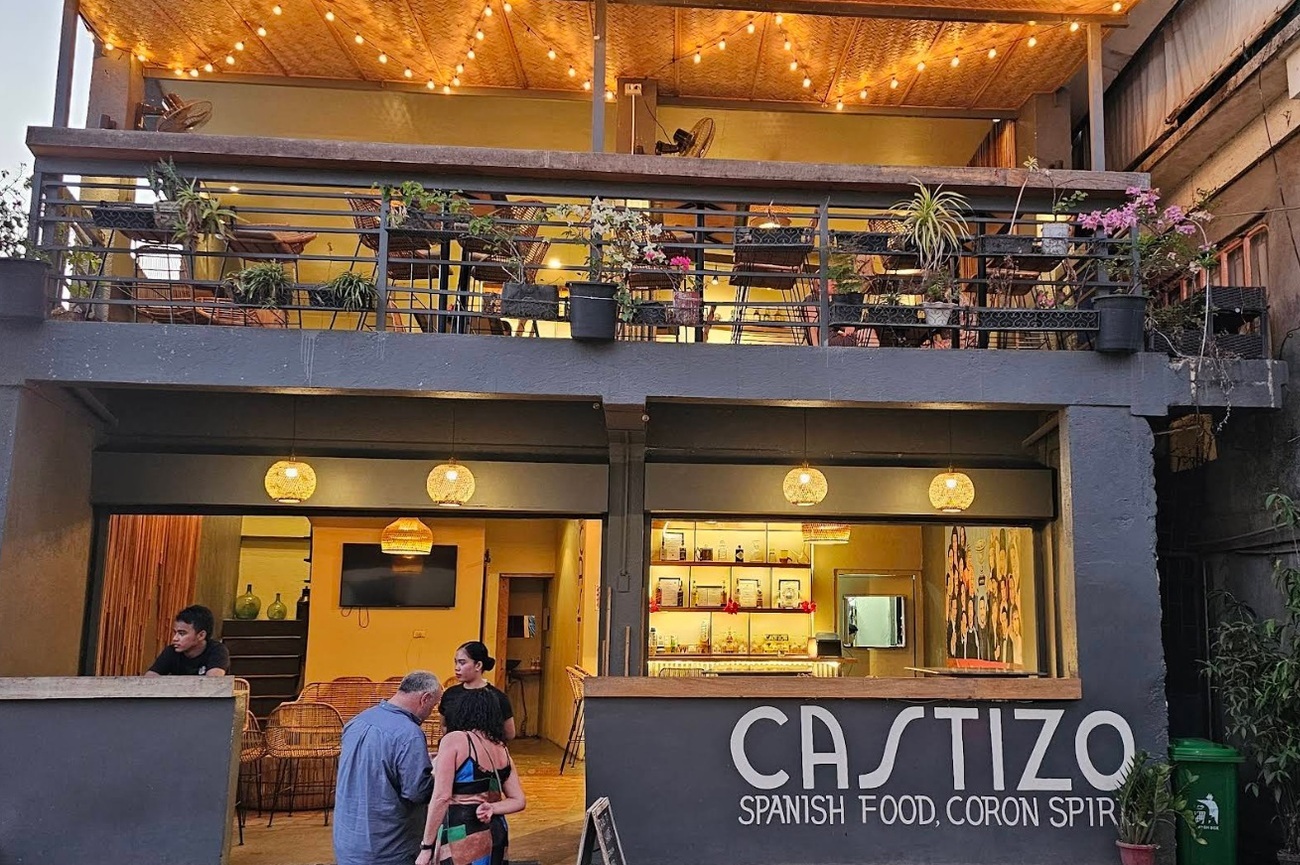
- Castizo: Known for serving authentic Spanish flavors right in Coron. It has a warm, lively atmosphere with seating on the ground floor and a breezy rooftop balcony. The menu features classic tapas and cured meats. Popular favorites include Gambas al Ajillo, Patatas Bravas, Croquetas, Spanish Tortilla, and their Tabla de Ibéricos. Many diners say the dishes taste just like what you’d find in Spain.
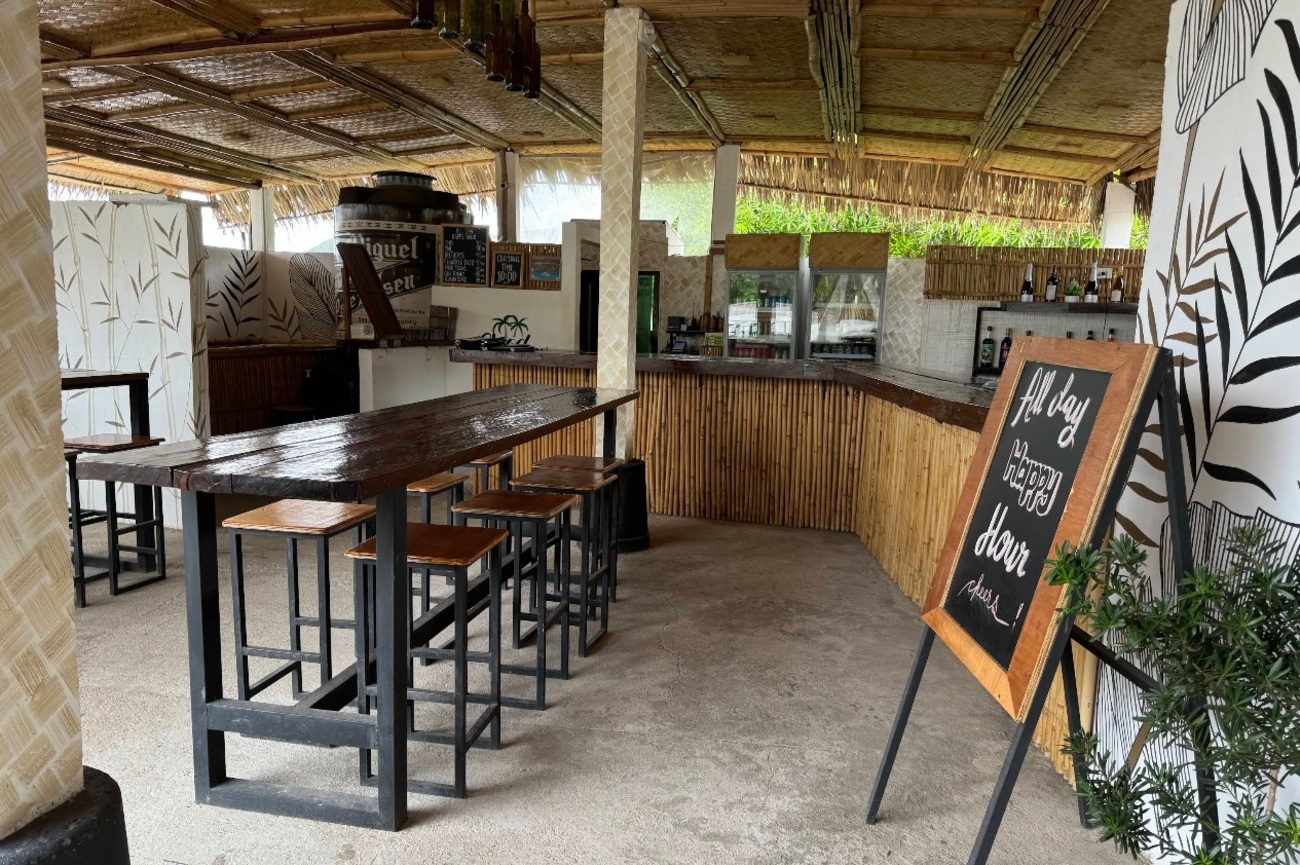
- AlFresco Coron: This popular rooftop gastropub offers beautiful views of Coron Bay, plus a relaxed, stylish atmosphere, perfect for sunset drinking. It’s also eco-friendly, powered by solar energy. The menu features fusion dishes made with fresh local ingredients, especially tuna. Try their tuna specials, tapas, and other mains. They also offer vegetarian and vegan options, along with cocktails and refreshing drinks for a laid-back evening.
- Lutgardo’s Restaurant and Sunset Bar: Located on the sixth floor of Coron 180 Hotel, this restaurant is known for its stunning sunset views overlooking Coron Bay and Mount Tapyas. They serve authentic Filipino “heirloom” dishes from Malabon, giving you a taste of local culinary heritage in a relaxed, open-air setting. Try their Pansit Malabon, Lumpiang Malabon, Sisig, Seafood Rice, and more. The restaurant is appreciated for their warm and attentive service, which makes the dining experience even more enjoyable. Best to dine here if you’re celebrating special occasions.
Where to Stay in Coron
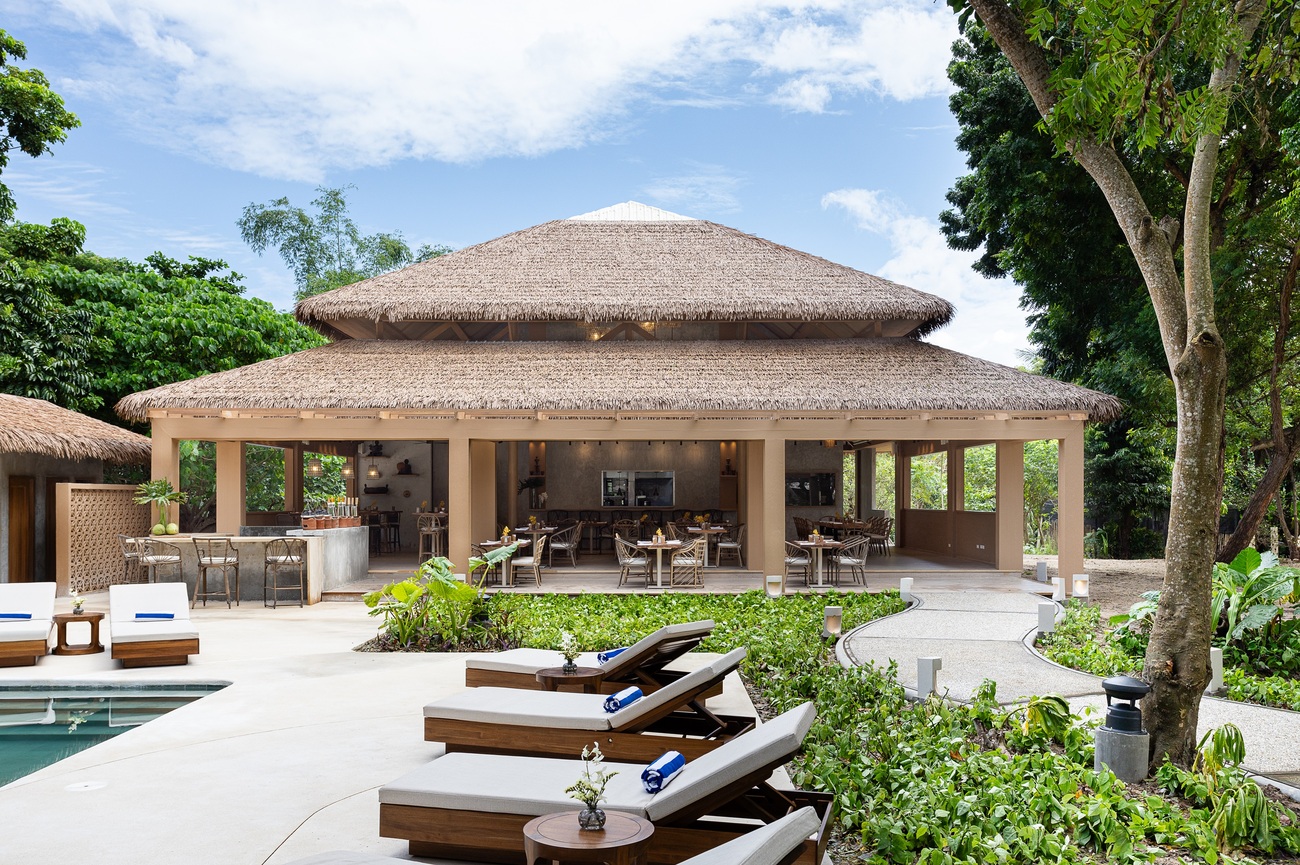
- Two Seasons Coron Island Resort (5-star): This 5-star eco-resort sits on the secluded Malaroyroy Peninsula, giving you a quiet and private island escape. It’s only accessible by a 45-minute speedboat ride, so once you arrive, it truly feels like your own slice of paradise. The resort is perfect for honeymooners and families looking for peace and privacy.
Here, you’ll stay in spacious, high-ceiling bungalows and casitas with a contemporary Filipino tropical feel. Two Seasons is also a fully self-sustaining, eco-friendly resort, powered by its own desalination and waste treatment systems, so you can enjoy your stay knowing it supports environmental protection.
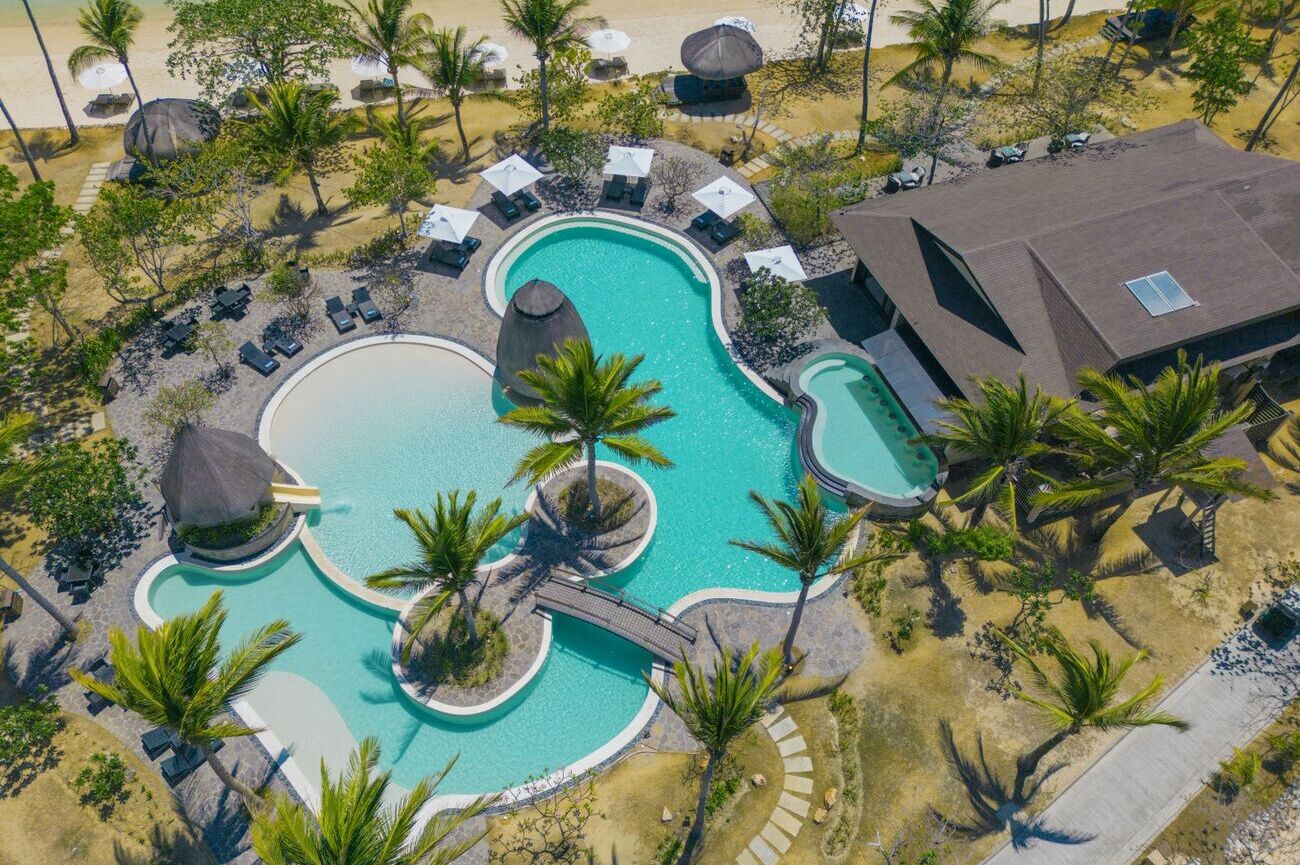
- Discovery Coron (4-star): Formerly Club Paradise Palawan, this luxury resort sits on its own private island within a UNESCO Biosphere Reserve, so expect a peaceful, secluded stay surrounded by clear waters and nature. Here, you’ll stay in rustic-chic villas or suites with private balconies, whether you prefer beachfront, garden, or sunset views. It’s a great place to slow down, snorkel right off the shore, or simply relax. They also have an on-site spa that uses 100% natural, locally sourced coconut oil for its massages and body scrubs, perfect after a day of island hopping.
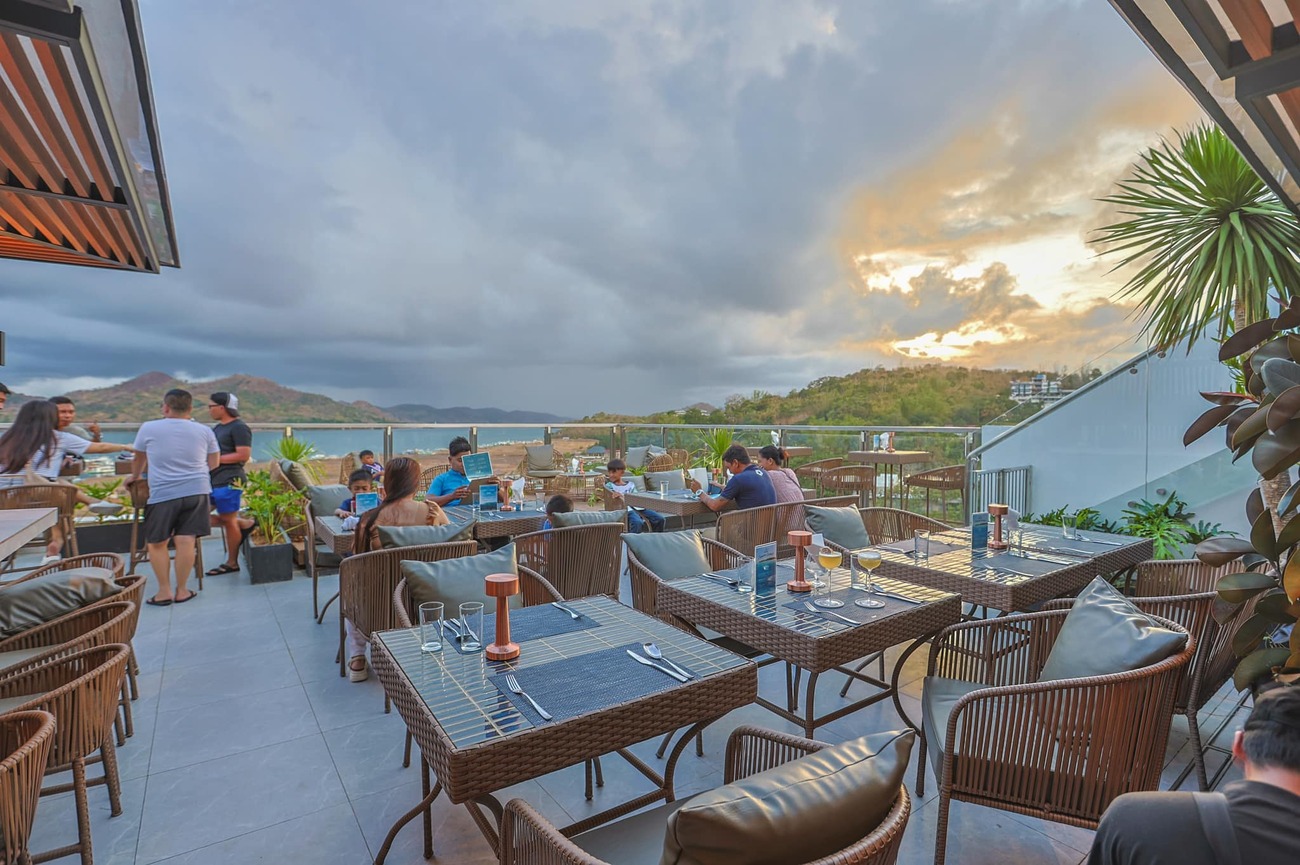
- The Funny Lion - Coron (3-star): This cozy, eco-friendly boutique hotel is just a short tricycle ride from Coron Town. The vibe is relaxed and stylish, with friendly service and modern, comfortable rooms. A highlight is the rooftop bar, where you can unwind with a drink while watching the sunset over Coron Bay, one of the best viewpoints in town.
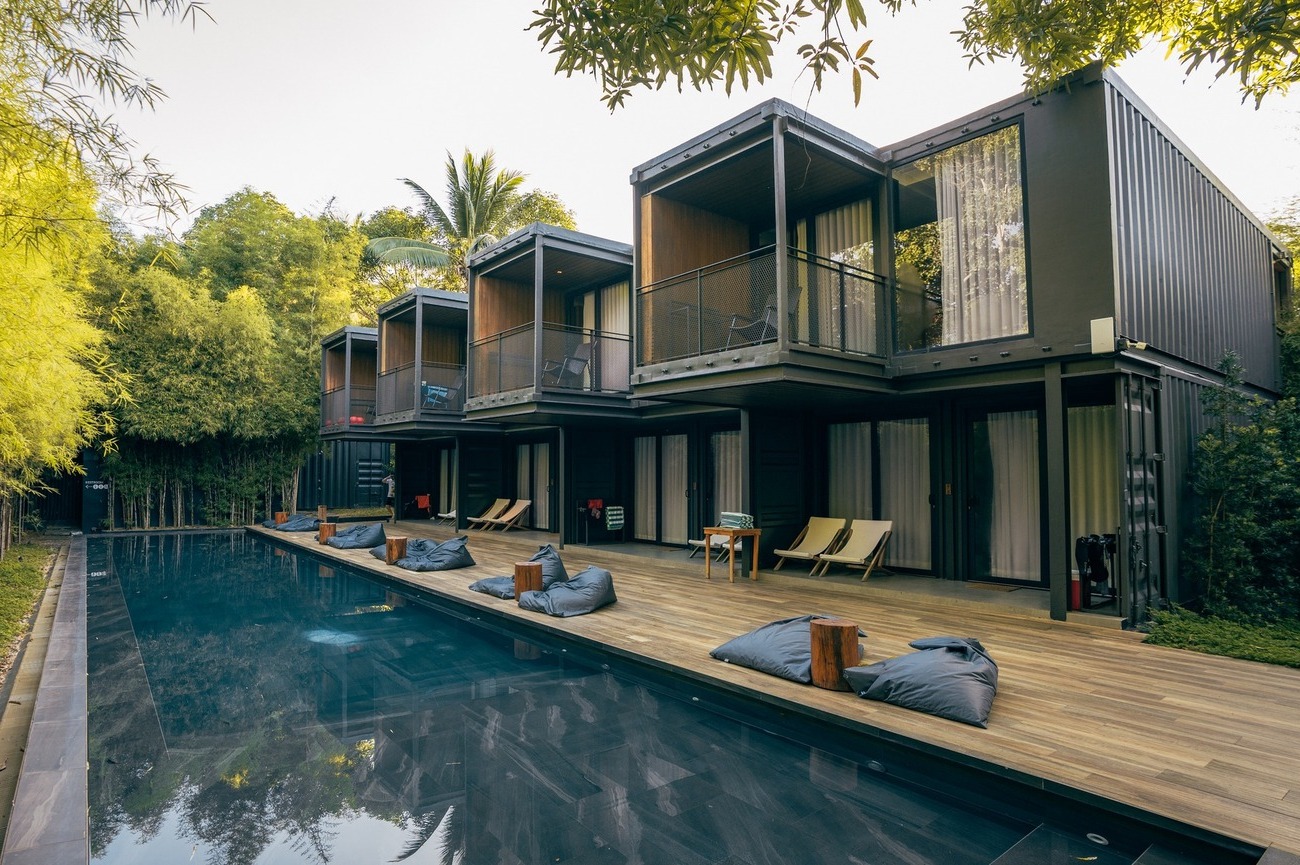
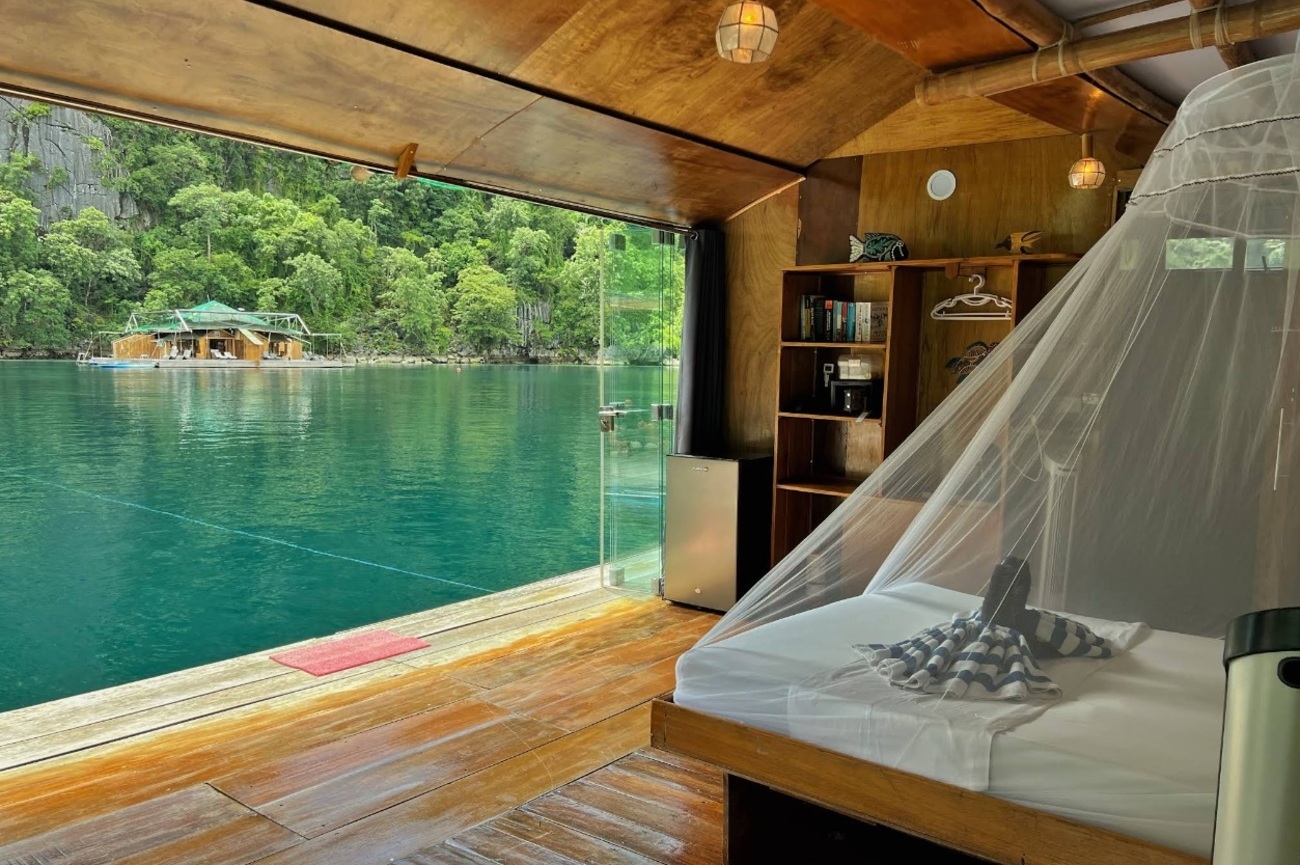
- Paolyn Houseboats Coron Island: If you want a one-of-a-kind stay in Coron, this is it. Paolyn Houseboats are anchored right in Laknisan Lagoon, allowing you to wake up and swim in crystal-clear waters without needing to take a boat anywhere. Because you're already inside the protected Coron Island area, you can enjoy the lagoons peacefully during sunrise and sunset (well before day-tour crowds arrive).
The houseboats run on solar power and are completely off-grid. Expect a simple but comfortable setup: private rooms, a small bathroom, and your own deck with direct ladder access into the water. It's quiet, immersive, and perfect if you want to feel close to nature while still having a cozy place to rest.
Best Time to Visit Coron
The best time to visit Coron is during the dry season, from November to May, when the weather is sunny and the sea is calm, perfect for island hopping and diving.
Peak Season (December–March): Expect the most comfortable weather and clear skies. This is also the best time for wreck diving because visibility is excellent. However, it’s also the busiest season, so plan ahead or leave the planning to us and just enjoy the journey!
Hottest Months (March–May): This is local summer. The beaches are beautiful, but temperatures can get high, and prices and crowds increase, especially during Holy Week and holidays.
Shoulder Months (November & May): These months offer a great balance of good weather with fewer tourists. November is especially ideal if you want calm seas without the holiday crowds.
Festivals in Coron
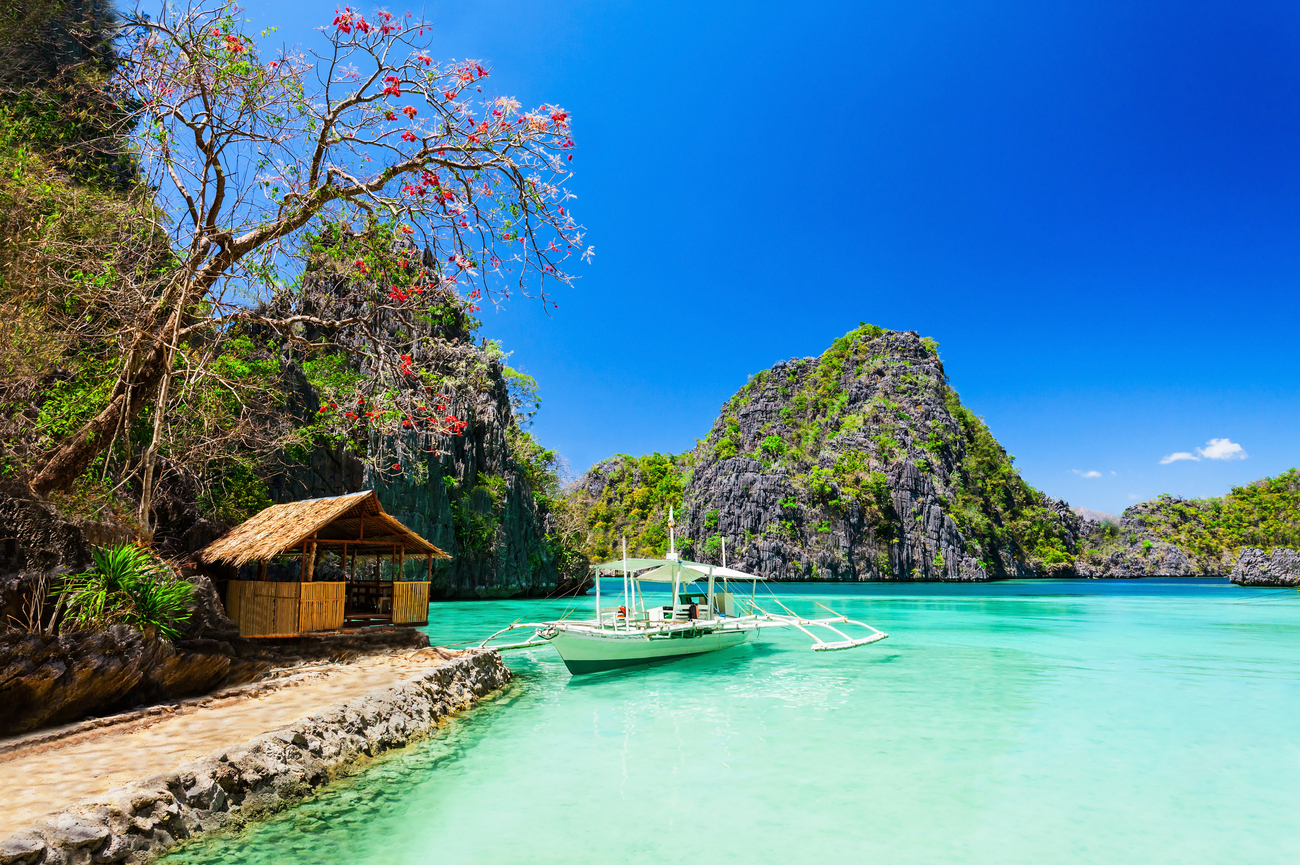
- Baragatan Festival: Palawan’s official founding anniversary celebration, held every June, with the main events taking place in Puerto Princesa City. The name comes from the Cuyunon word “baragat,” meaning to meet or gather, which reflects what the festival is all about, communities from across Palawan, including Coron, coming together in one big celebration.
During the festival, you can expect colorful street dancing parades, cultural shows, and the lively Barakalan sa Baragatan agro-trade fair, where towns showcase their local products, handicrafts, and delicacies like Palawan cashews. It’s a great time to experience the province’s culture, flavors, and community spirit all in one place.
A Quiet Kind of Wonder
By the time you leave Coron, you’ll understand why travellers call it one of the Philippines’ most captivating islands. Whether you came for shipwreck dives or stunning sandbars, you leave with more than memories. You leave with the kind of experience that only nature this pure can offer.
At Revigorate, we curate journeys that go beyond ticking destinations off a list. We design experiences that linger, tailor-made, and immersive. Contact us or give us a call at (+1 800 672 0517 | +351 289 009 580 | +44 808 189 0647).
If Coron captured your heart, continue exploring the Philippines with us through our El Nido and Puerto Princesa guides. Or perhaps venture further to Manila, Singapore, Osaka, or Hong Kong.
Our offices:




Revigorate, Iberian Escapes and Algarve Lifestyle are the registered brand names of APCS Lda . We are a fully authorised travel agency licensed by Turismo de Portugal RNAVT/6867.
In the event of a dispute, the consumer may refer to: RAL - Centros de Arbitragem
Avª. 5 de Outubro, nº. 55, R/C Dtº. 8000-075 Faro, Portugal | Tel: +351 289 823 135 *
* national landline call
E-mail: info@consumoalgarve.pt| www.consumidoronline.pt | Mon to Fri: 9:00 - 13:00 / 14:00 - 17:00