Things to Do in Hallstatt & Salzkammergut: 4-Day Itinerary
Hallstatt and the Salzkammergut hit different. Not in the dramatic, rom-com “life will never be the same” way, but in the “wow, why does this lake look more put-together than most people’s dating lives?” kind of way.
The region has this quiet confidence, like it knows it’s gorgeous but doesn’t need to brag. Mountains? Serving angles. Lakes? Too clear to be real. Villages? So cute they could legally qualify as emotional support scenery.
Hallstatt may be the star of the show, but the Salzkammergut as a whole? That’s the entire ensemble cast stealing scenes left and right. One lake is giving glassy perfection, another is giving glacier drama, then suddenly an imperial spa town appears like wellness started here. Every stop has a vibe. It’s elegant, outdoorsy, mysterious or “wow, this looks suspiciously like my new lockscreen.” And the best part? You don’t need to stress-scroll through endless blogs wondering what’s worth your time. Everything has been organized, sorted and lined up so the trip flows as cleanly as the water in these lakes.
So buckle up because a 4-day itinerary has been crafted to help you experience the region at its peak aesthetic, peak chill and peak “I could stay here forever” energy.
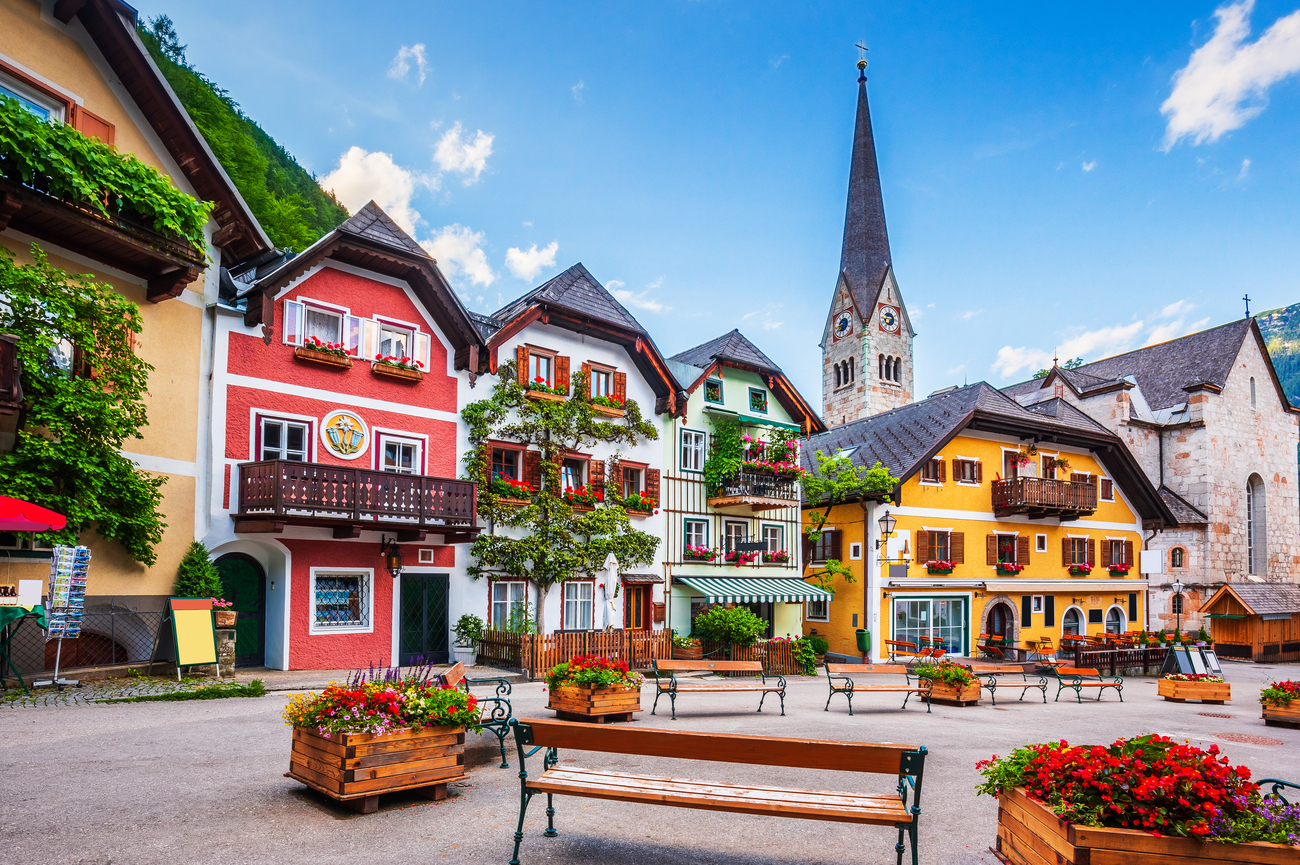
Day 1 -
Hallstatt

Morning: Lake Hallstatt
Lake Hallstatt (Hallstätter See) isn’t just a pretty pond. It’s the glacial heartthrob of the Salzkammergut. If lakes could drop mic, this one already has. Nestled between steep limestone cliffs and Hallstatt’s fairy-tale village, you will definitely be in awe at your first stop.
This lake owes its fame not just to its crystal-blue looks, but to the “white gold” hiding beneath the surface. For more than 7,000 years, salt was mined from the nearby mountain. Hallstatt even gave its name to a whole part of European Iron Age history. Ever heard of the Hallstatt Culture? That’s no travel TikTok trend, that’s real archaeology. The geological backstory is wild, too: about 240 million years ago, this was under a shallow sea and salt deposits formed naturally, eventually being buried and folded by alpine rock over time.
And if you want to splurge on your first stop, there are themed cruises (think private breakfast barges at dawn) and electric-boat rentals that let you glide over water so still it’s basically nature’s mirror.
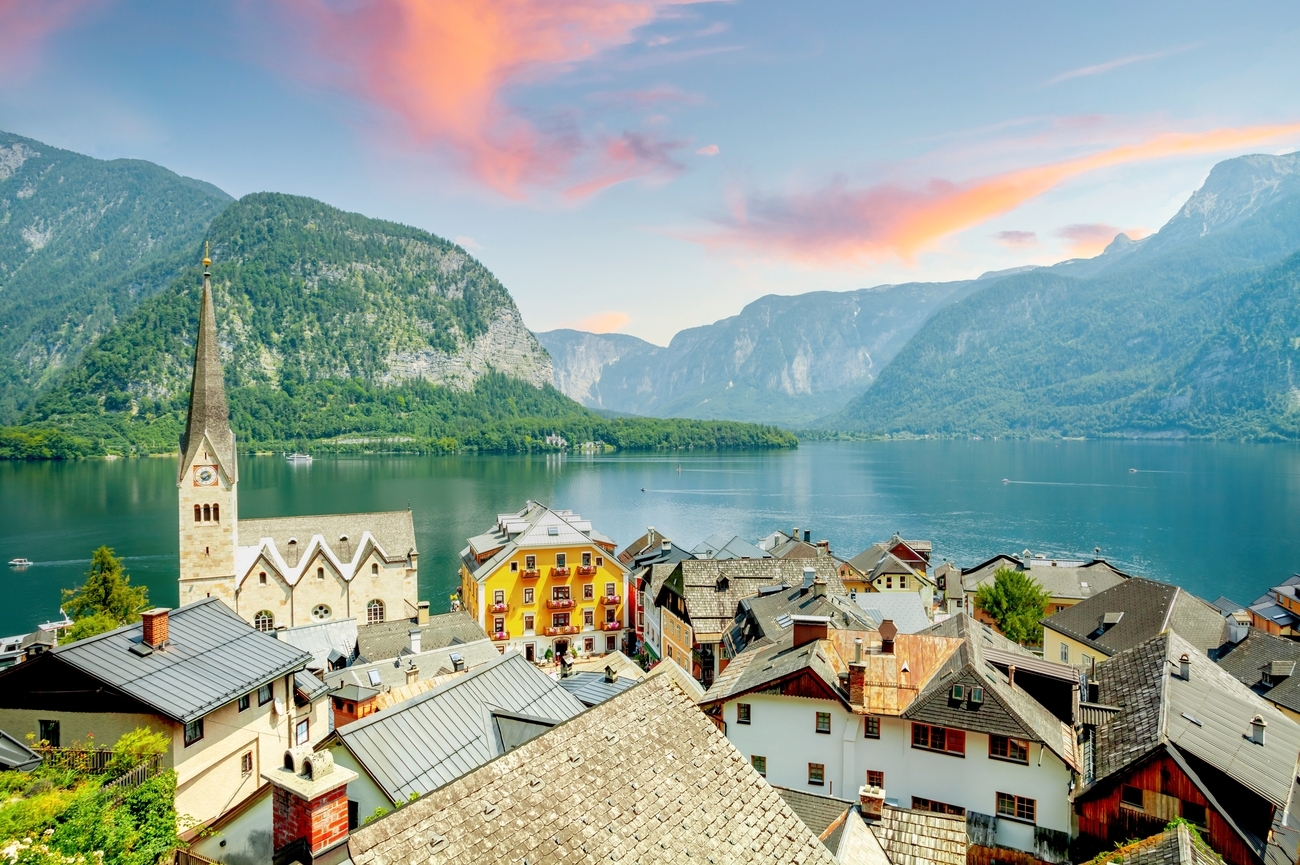
Hallstatt Viewpoint
From the calm shores of Hallstatt Lake, it’s just a quick 5‑ to 10‑minute walk north along Gosaumühlstraße to reach the Classic Viewpoint (aka the “postcard angle”).
Perched at about 360 meters in altitude, this viewpoint is the OG Instagram frame for Hallstatt. It offers a sweeping panorama that includes the Evangelical Church, the waterfront village and the dramatic Alps rising behind. The architecture here traces back to Hallstatt’s salt‑mining legacy, and the village itself grew rich because of that “white gold.” This spot is a snapshot of centuries-old culture, carved into rock and salted by history.
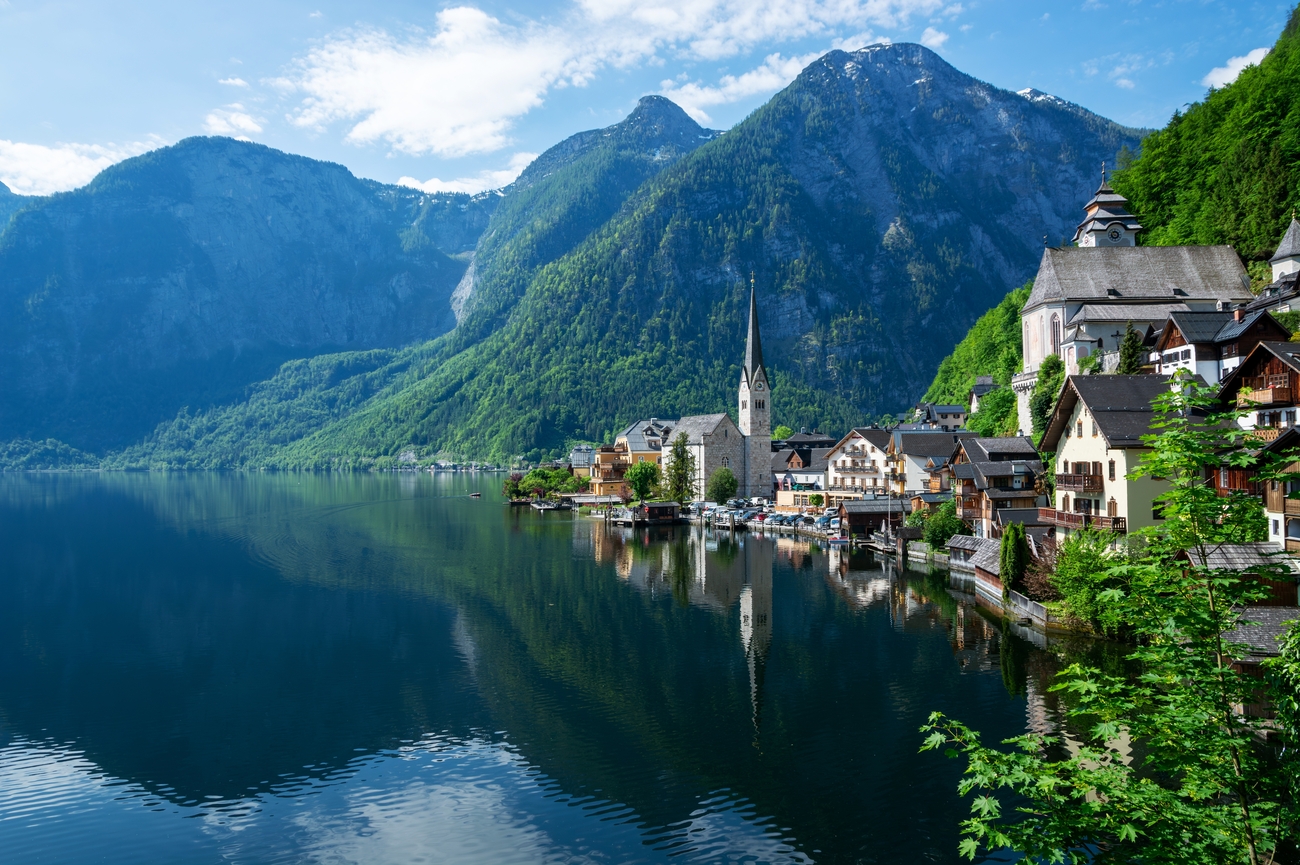
Evangelische Pfarrkirche Hallstatt
A few minutes walk from the Hallstatt Classic Viewpoint and you will reach the Evangelische Pfarrkirche. This is not some tucked-away chapel. It stands tall and elegant with a spire quietly surveying the Alpine rooftops and the lake below.
This church started life as a modest prayer house consecrated on October 30, 1785, back when Protestants in the Salzkammergut were still pushing for religious space under the Habsburgs. Thanks to Emperor Franz Joseph I’s “Protestant Patent,” full civic and religious rights were granted, and by 1863, the current Neo‑Gothic building, the Christuskirche, rose in its place. The interior is calm, the altar is made of oak, and the organ dates back to 1865
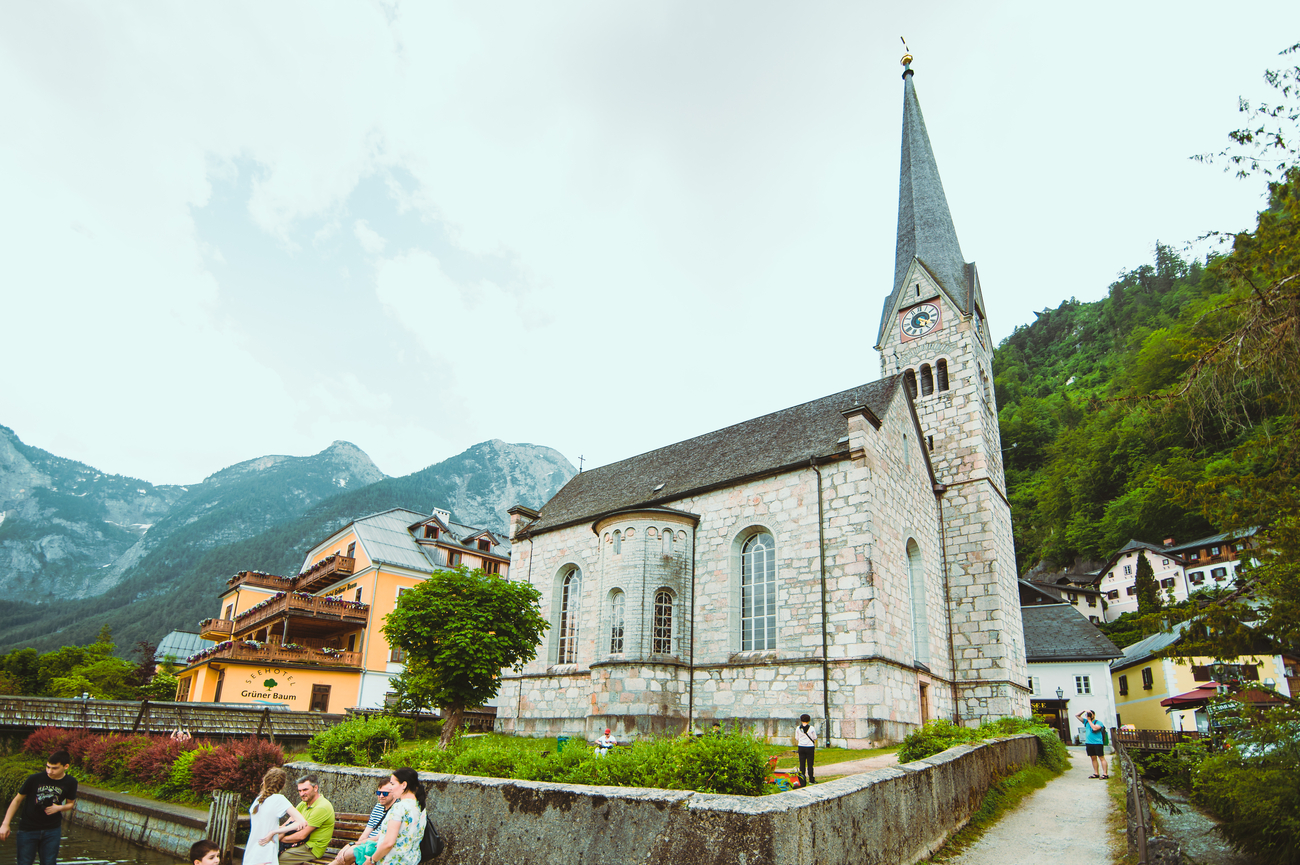
Pfarrkirche Mariä Himmelfahrt
We are keeping the church‑hopping energy alive. From the Evangelische Pfarrkirche, a quick five‑minute stroll deeper into the village takes you to the Pfarrkirche Mariä Himmelfahrt. This is Hallstatt’s Roman Catholic heartbeat.
Dating back to the 12th century, this church has been rebuilt and expanded several times, but the current Baroque structure shines with pastel facades, onion-shaped domes, and an interior that’s quietly opulent. Once you step inside, you’ll spot frescoed ceilings, gilded altars and stately pews that feel like a masterclass in European ecclesiastical style. The adjoining cemetery terraces offer a unique twist with carved wooden grave markers lining the slope, giving the village a touch of character that’s equal parts eerie and fascinating. This is Hallstatt history served with a view.
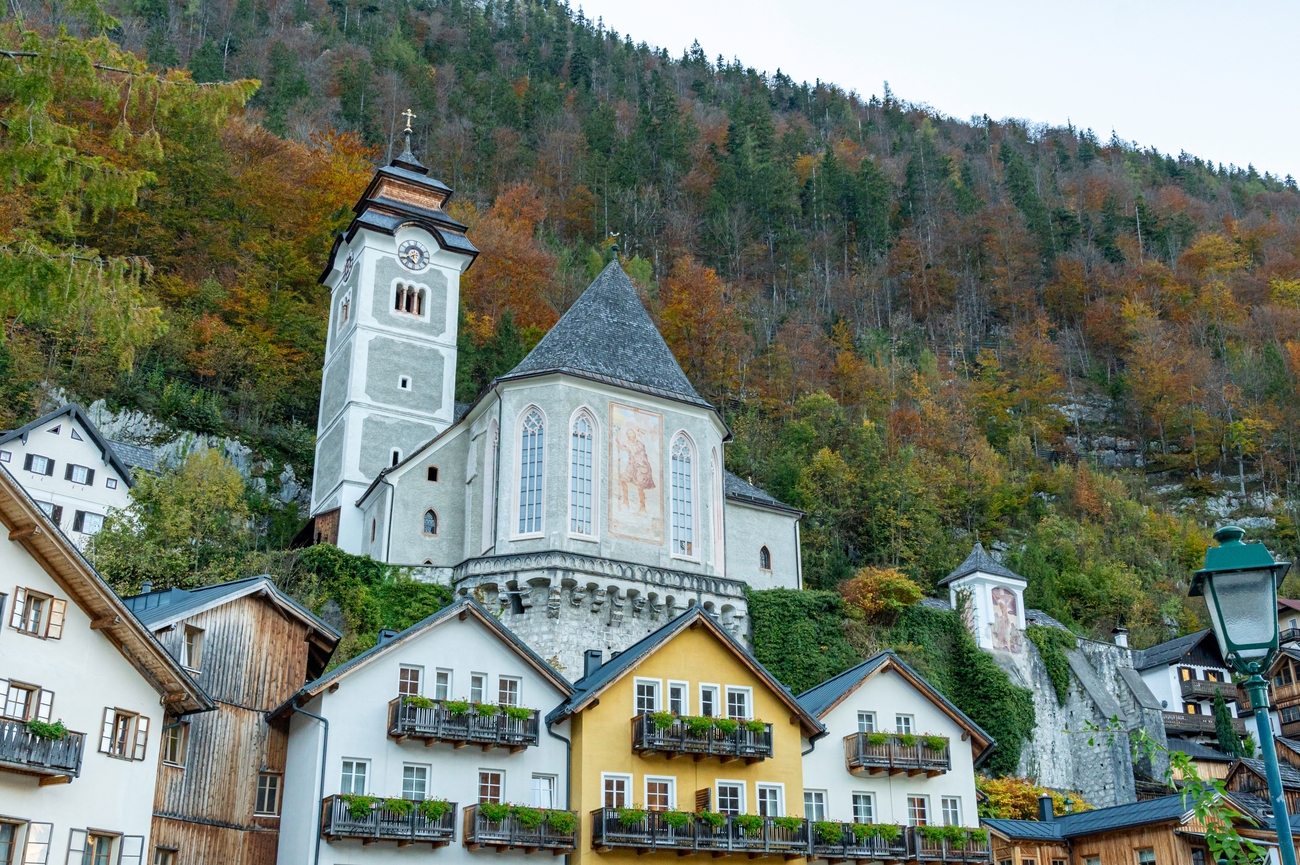
Afternoon: Hallstatt Skywalk
After church‑hopping through the village, it’s time to level up, literally. Head a short climb or take the funicular to the Hallstatt Skywalk, perched 360 meters above the village.
This skywalk isn’t just a platform, it’s a steel cantilever that juts way out into the abyss, floating over Hallstatt like it’s casually winging it but totally nailed the landing. The whole viewpoint gives you a 360-degree panorama: the lake, the rooftops, the church spires and the mountain peaks. And below you’ll spot the Rudolfsturm tower, a structure engineered like a boss. Yes, 200 tons of steel and concrete keep you safe while you feel like you’re flying.
On the historical side, the high valley up there has been archaeologically rich: salt miners worked these hills for centuries and nearly 1,000 graves were found. In fact, this “Hallstatt period” (around 800–400 BC) is named after this very area.
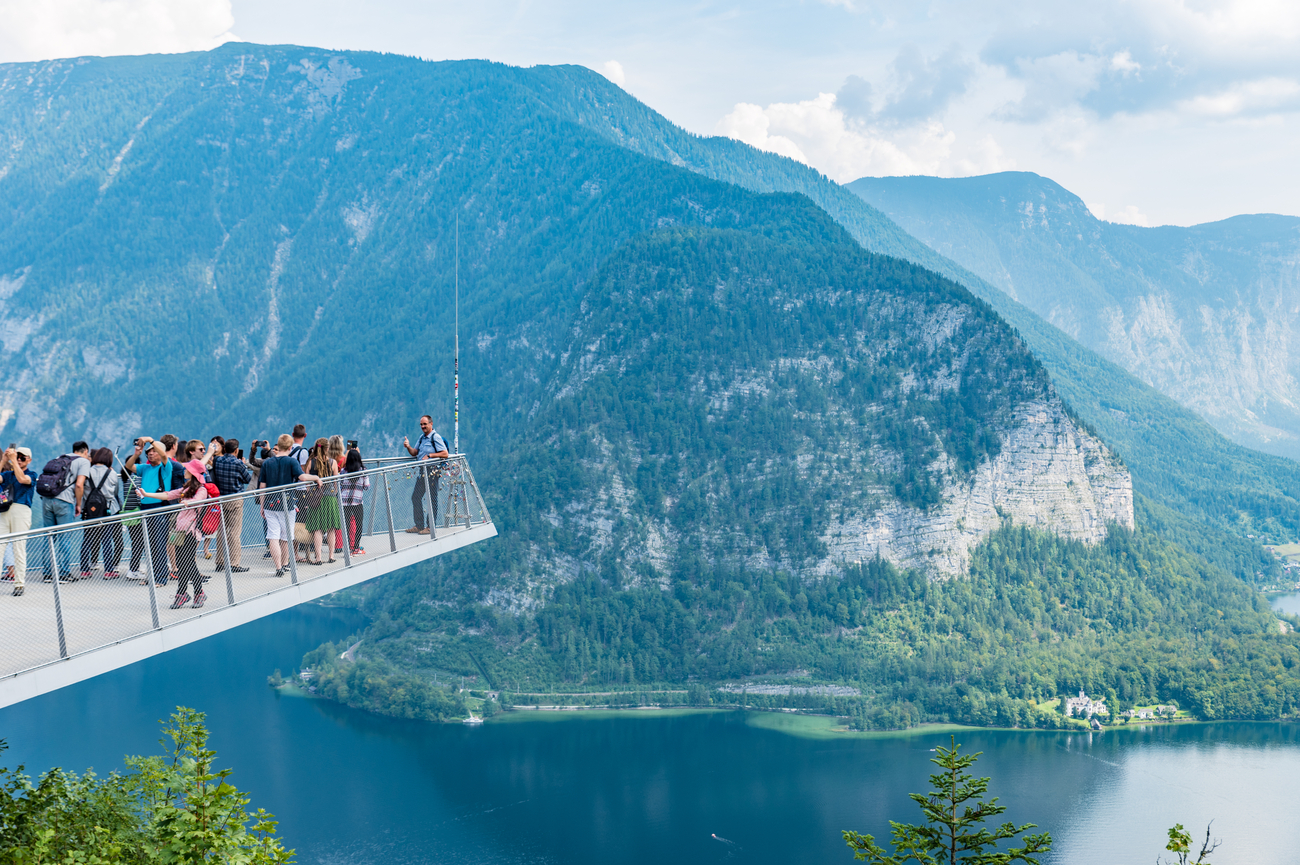
Salzwelten Hallstatt
Go and descend or take the funicular for a few minutes to reach Salzwelten Hallstatt, where the mountain literally opens up to reveal thousands of years of salt-mining history.
This is the oldest salt mine in the world. We’re 7,000 years of “earning salt”. People back in the Bronze Age mined here, long before Instagram existed, and the tools they left behind are still being uncovered. During the tour, you’ll go deep underground: follow old tunnels, ride a miners’ train, slide down a 65‑meter wooden miner slide, and even see a 3,000-year-old staircase, now the star of a “Bronze Age Cinema.” Plus, there’s a subterranean salt lake and holographic projections that bring ancient mining life to freakishly cool, cinematic life.
Tours at Salzwelten Hallstatt typically last around 90 minutes underground, not including time for the funicular ride or the walk through the high valley. Temperatures inside the mine remain a steady 8 degrees Celsius, so warm clothing and sturdy shoes are a must. And for an extra touch of fun, visitors can also stop by the Salzwelten Market Shop in Hallstatt town for a free salt tasting, sampling different varieties and taking a bit of Hallstatt’s “white gold” home.
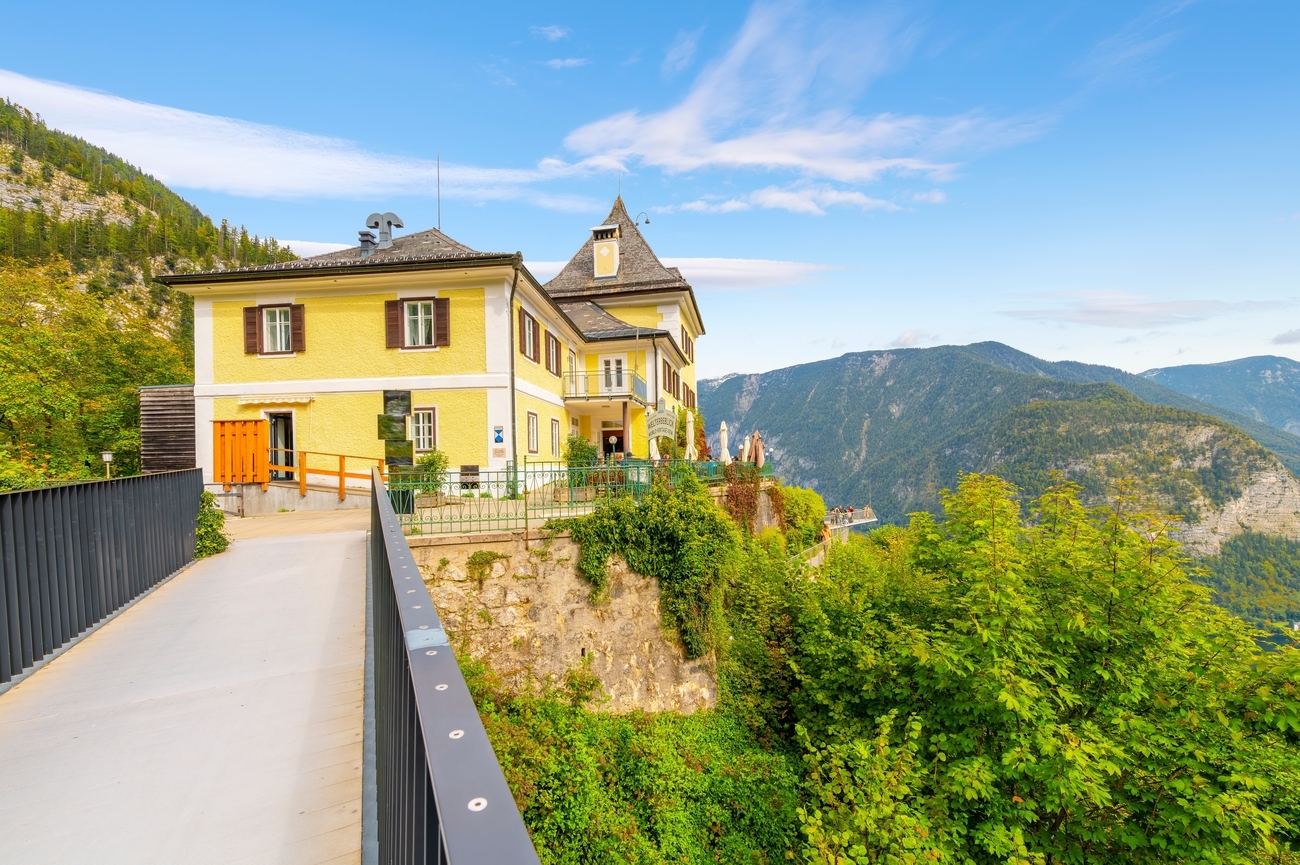
Hallstatt Charnel House
Just a few minutes’ walk uphill from Pfarrkirche Mariä Himmelfahrt leads to Hallstatt’s Charnel House, hidden beneath St. Michael’s Chapel. Far from your usual sightseeing stop, this ossuary turns the spotlight on life, death and memory, with rows of skulls carefully painted with names and symbols. It’s haunting, intriguing, and strangely beautiful.
The Charnel House has been part of Hallstatt’s landscape since the 12th century. Limited grave space meant that after about 10 to 15 years, the deceased were exhumed and their skulls stored here. Over time, a unique tradition developed: skulls were bleached and decorated with symbols like roses for love, ivy for life, oak leaves for glory and often inscribed with the names and dates of the deceased. Today, around 1,200 skulls rest inside, about 610 of them painted, including the most recent from 1995. And if you want a more curated experience, private walking tours of Hallstatt often include the Charnel House alongside St. Michael’s Chapel and the cemetery terraces, allowing for a slow, reflective exploration without the crowds.
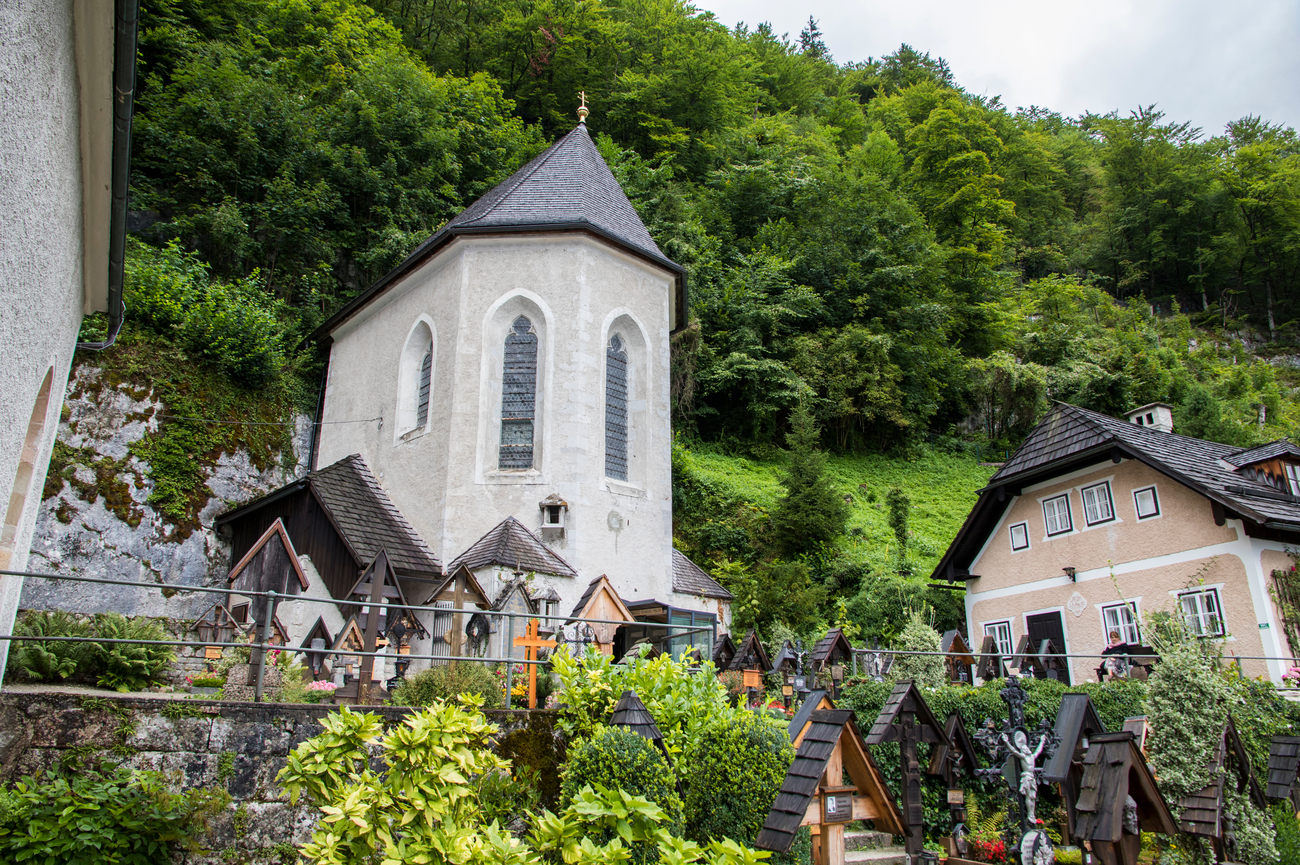
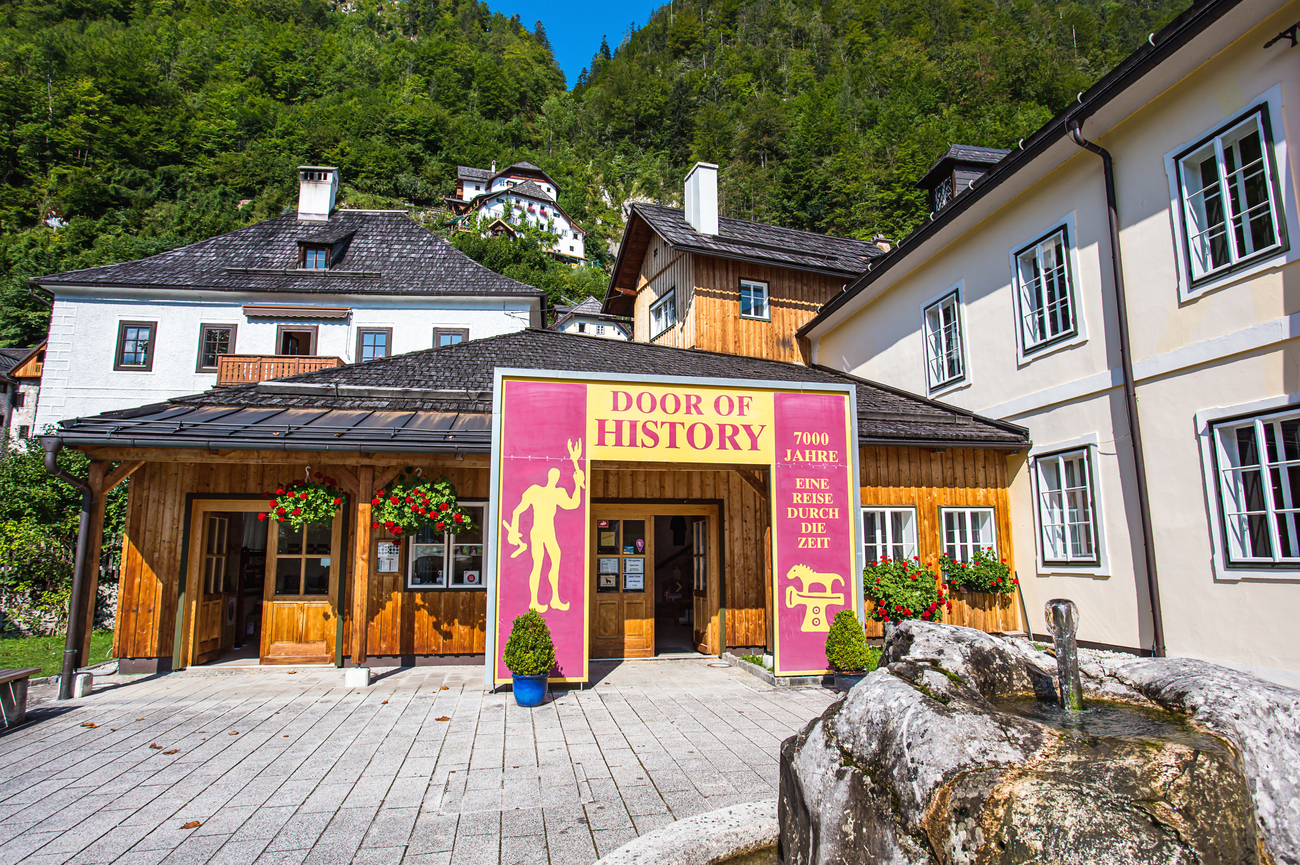
Hallstatt World Heritage Museum
Right from the cemetery trail (after the Charnel House), it’s only about a 5-minute walk down into the village center to hit the Welterbemuseum Hallstatt. It’s the place where 7,000 years of salt, stone, and “how-on-earth-did-they-do-that” stories are on full display.
This museum is housed in a historic salt‑warehouse building, which somehow doubles as a time machine. In here, artifacts from the Neolithic era, Celtic jewelry, Roman relics, and even mining tools tell the story of Hallstatt’s major claim to fame: salt. The Hallstatt Culture is an archaeological era named after this very region, and much of its origin story is unpacked through interactive displays, holograms and soundscapes. This museum offers a guided tour or grab an audio guide that walks you through 26 themed rooms from prehistoric salt miners to modern tourism.
Evening: Lahn Promenade
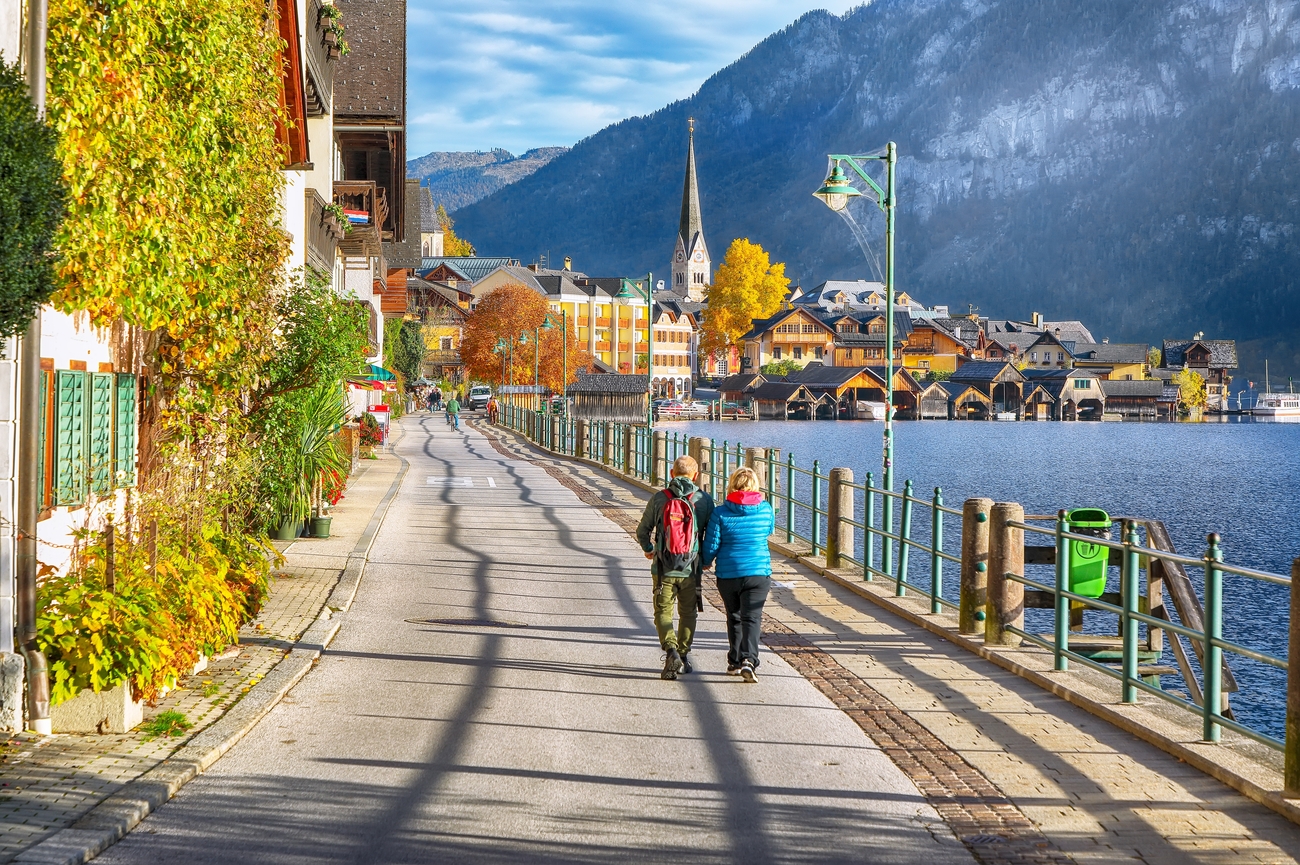
A short five‑minute stroll along the village streets leads straight to Lahn Promenade, where the lake laps gently at the shore and the Alps rise dramatically behind it.
The promenade has been part of Hallstatt’s daily rhythm for hundreds of years, originally serving as a docking and trading point for the salt merchants who turned the village into a powerhouse of “white gold.” Today, it’s a gathering place for locals and travelers alike. Boats drift lazily across the glassy water while the mountains perform a slow light show as the sun dips behind them. Benches, trees and lakeside pathways create a calm yet lively atmosphere that balances history, nature, and village charm in one sweeping panorama.
And for a more indulgent take, private electric boat tours depart directly from the promenade, gliding silently across the lake while a guide recounts Hallstatt’s centuries-long salt-trading legacy and village lore. This lakeside walk will be the finale of Day 1, wrapping up a full day of exploring the history, culture and beauty of Hallstatt before evening settles over the village.
Day 1 - Hallstatt Tour Map
Day 2 -
Obertraun & Gosau
Morning: Dachstein Krippenstein
Kick off Day 2 by heading to Obertraun and hopping onto the Dachstein Krippenstein Cable Car. The ride up takes you through two sections: first to Schönbergalm, then all the way up to the Krippenstein plateau.
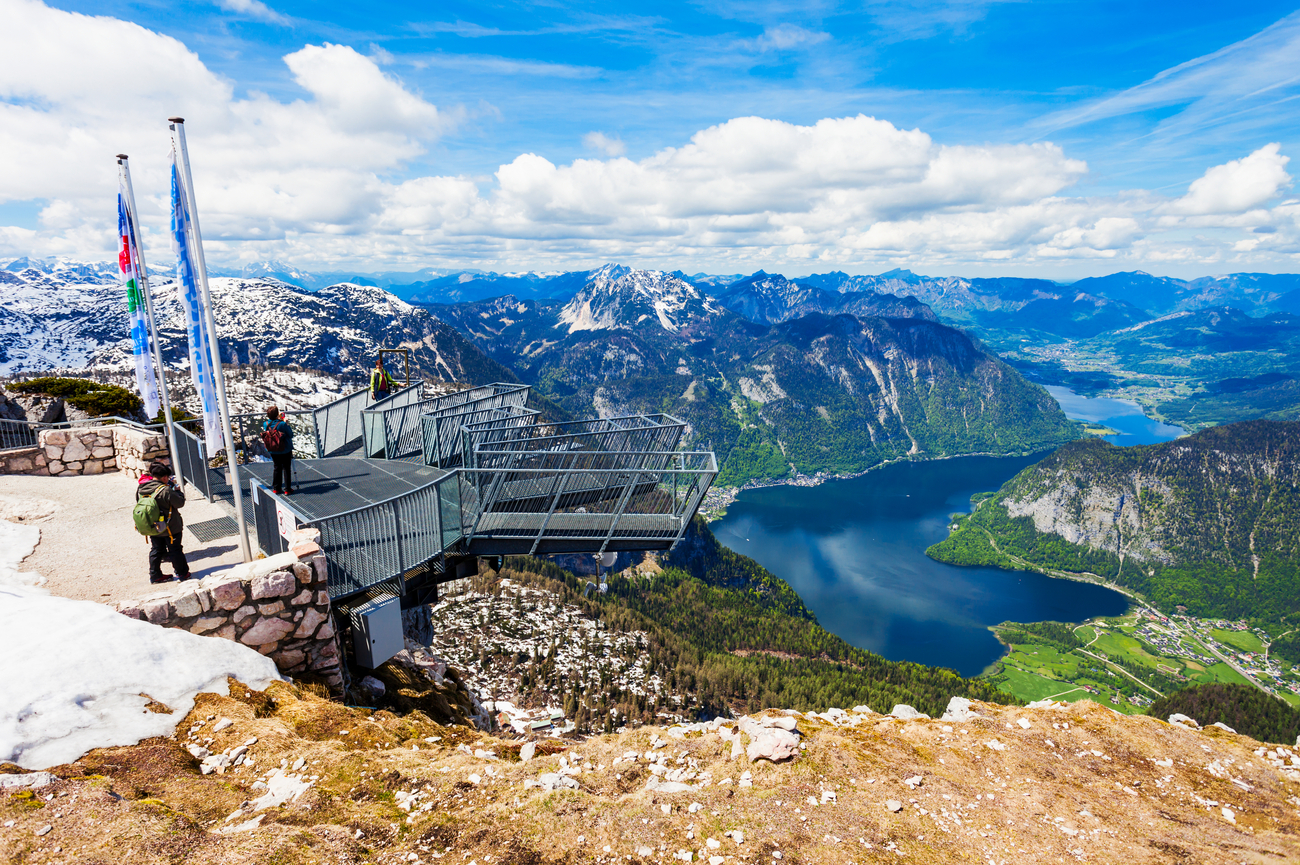
At over 2,100 meters, Krippenstein is part of the Dachstein massif, a world where sky-high panoramas, rocky ridgelines, and pure alpine air team up for a scenery flex. One of the classics to hit here is the 5 Fingers Viewing Platform, a metal “hand” of five cantilevered platforms that stretch out over a 400-meter cliff, designed to look like an outstretched hand hovering above the Salzkammergut. Each “finger” has its own personality: one has a glass floor, another a telescopic scope, while others frame the Hallstatt Lake and Dachstein peaks in perfect scenic windows. The platform was built in 2005, but feels timeless, it is definitely an adrenaline playground and an architectural marvel. And not far from there is the World Heritage Spiral, a chill rest area with loungers, giving you 360° views over the Dachstein peaks and the Salzkammergut below.
Dachstein Mammoth Cave
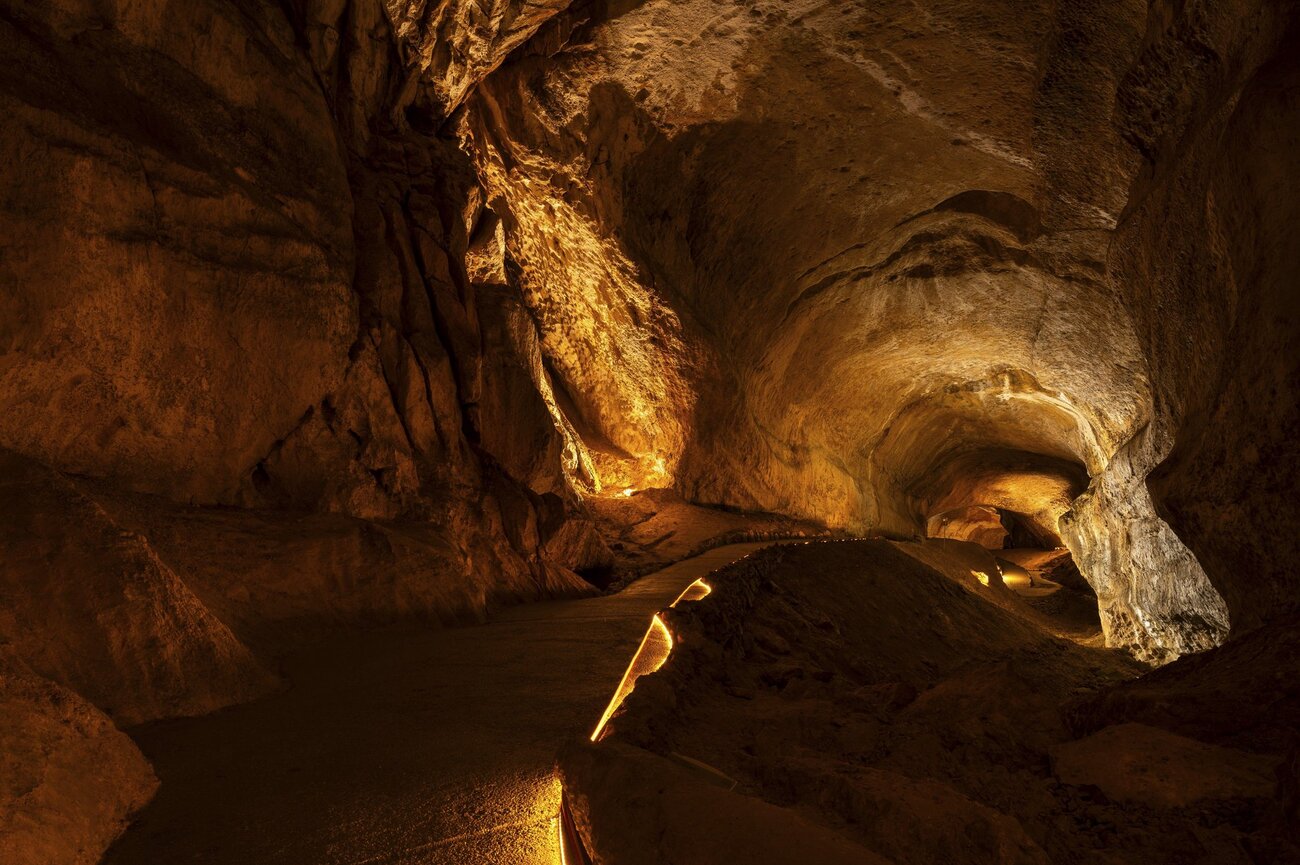
From the Dachstein Krippenstein plateau, take a short 15–20 minute hike (or a quick walk, depending on your pace) to reach the Dachstein Mammoth Cave (Mammuthöhle).
This cave is not your average grotto; it’s a massive karst labyrinth with over 70 km of explored passages, though only about 1 km is open on guided tours. As you make your way through, you’ll hit the “Midnight Dome,” where a multivisual projection recreates the darkness of underground exploration. The cave feels like nature’s own art gallery: carved ‘rock cathedrals’, sculpted formations named Cave Venus and Woman with Hooped Skirt, and eerie lighting that makes every corner feel cinematic. And if you want to better explore the cave, sign up for a guided cave tour from the Schönbergalm station. The tours run fairly often (you’ll need to register on-site at Schönbergalm), and last about 50 minutes, traversing around 800 meters of cave passages.
World Heritage Spiral
Now it’s time for a chill alpine hangout that balances thrill with serenity.
A short stroll will take you to the World Heritage Spiral. This circular, spiraling terrace gives 360-degree views of the Dachstein peaks, Hallstatt Lake and the surrounding Salzkammergut, letting the mountains and valleys stretch out like a living postcard.
The Spiral was designed to celebrate the region’s UNESCO World Heritage status while giving visitors a comfortable spot to linger, rest, and soak in the vastness. Benches, loungers and gentle walkways make it more than a lookout. It’s a space to pause, take photos and feel the alpine air without the adrenaline of the cliffside platforms.
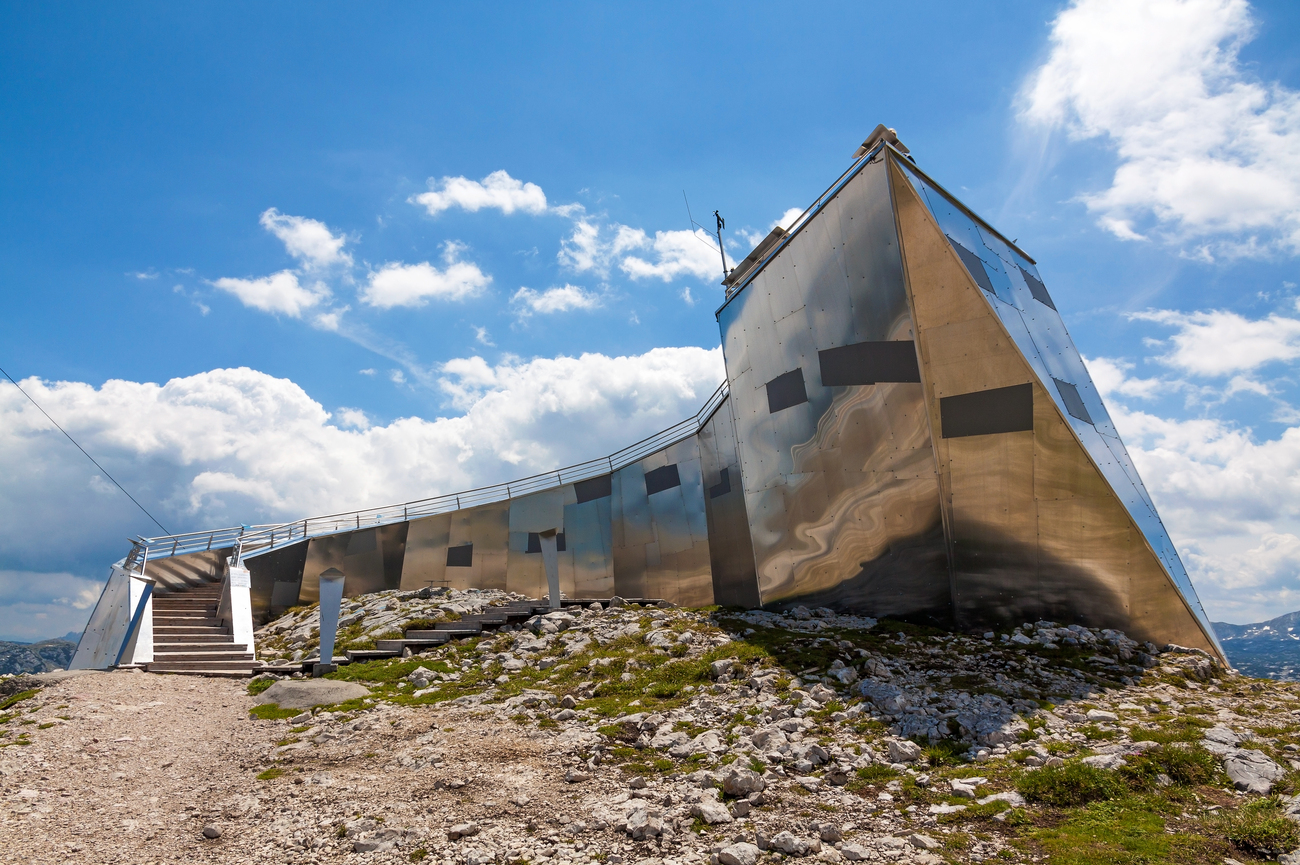
Dachstein Giant Ice Cave
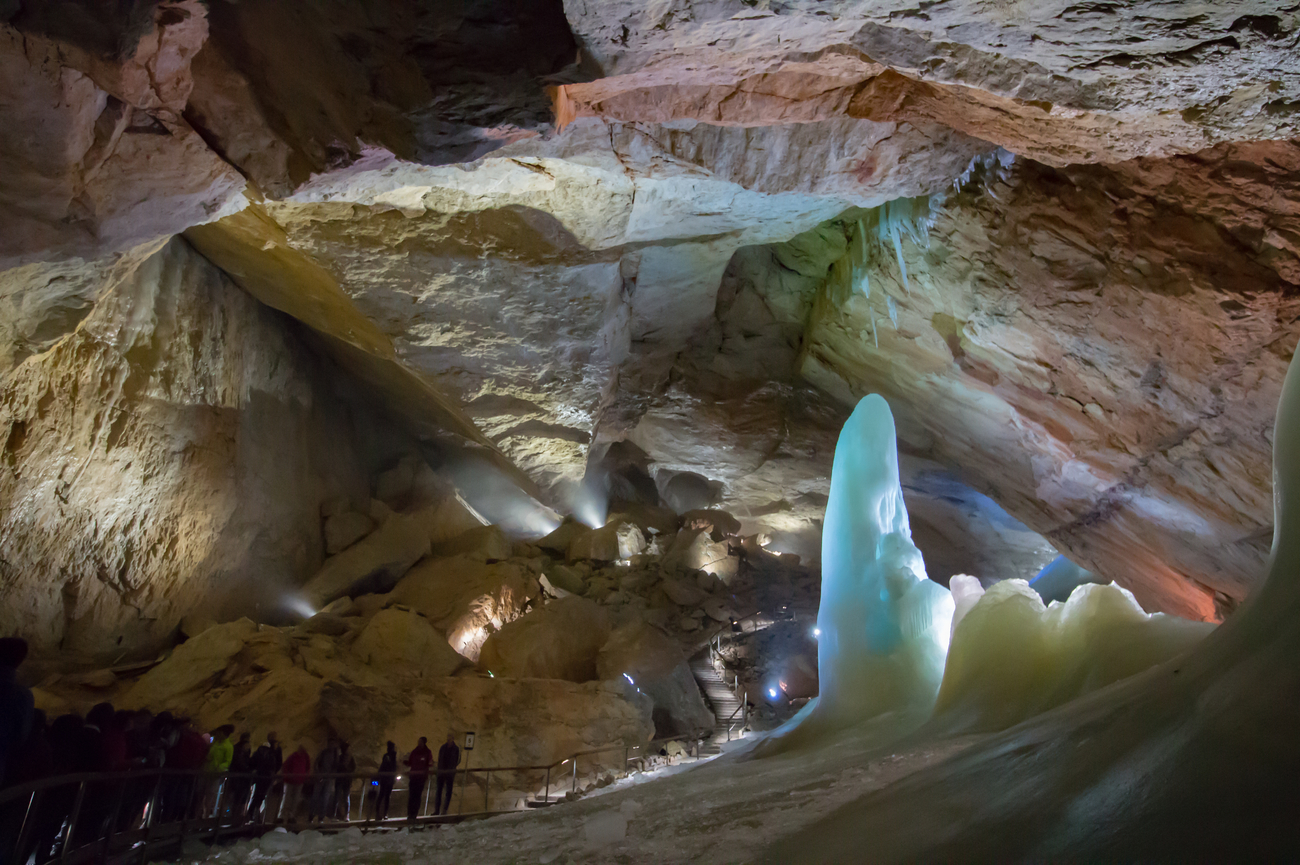
The Dachstein Giant Ice Cave (Rieseneishöhle) is nothing short of magical. Temperatures hover around –2-degree Celsius, so it’s like stepping into a freezer where nature sculpts its own ice art. Inside, stalactites and eerie ice formations shimmer under colored lights and music. The tour takes you through “St. Arthur’s Dome,” where cave bear bones have been found, then up narrow steps to the “Big Ice Mountain, a nine-meter-high ice sculpture. From there, you’ll cross a 30‑meter rope bridge over a deep abyss and descend to the “Big Ice Chapel” for a jaw‑dropping finale of color‑washed ice walls.
Oh, and if you choose to visit this place in the summer, there are Ice‑Sound Concerts in the “Parsifal Dome,” where music echoes off the ice in a way that gives the whole cave an otherworldly, almost spiritual vibe.
Vorderer Gosausee
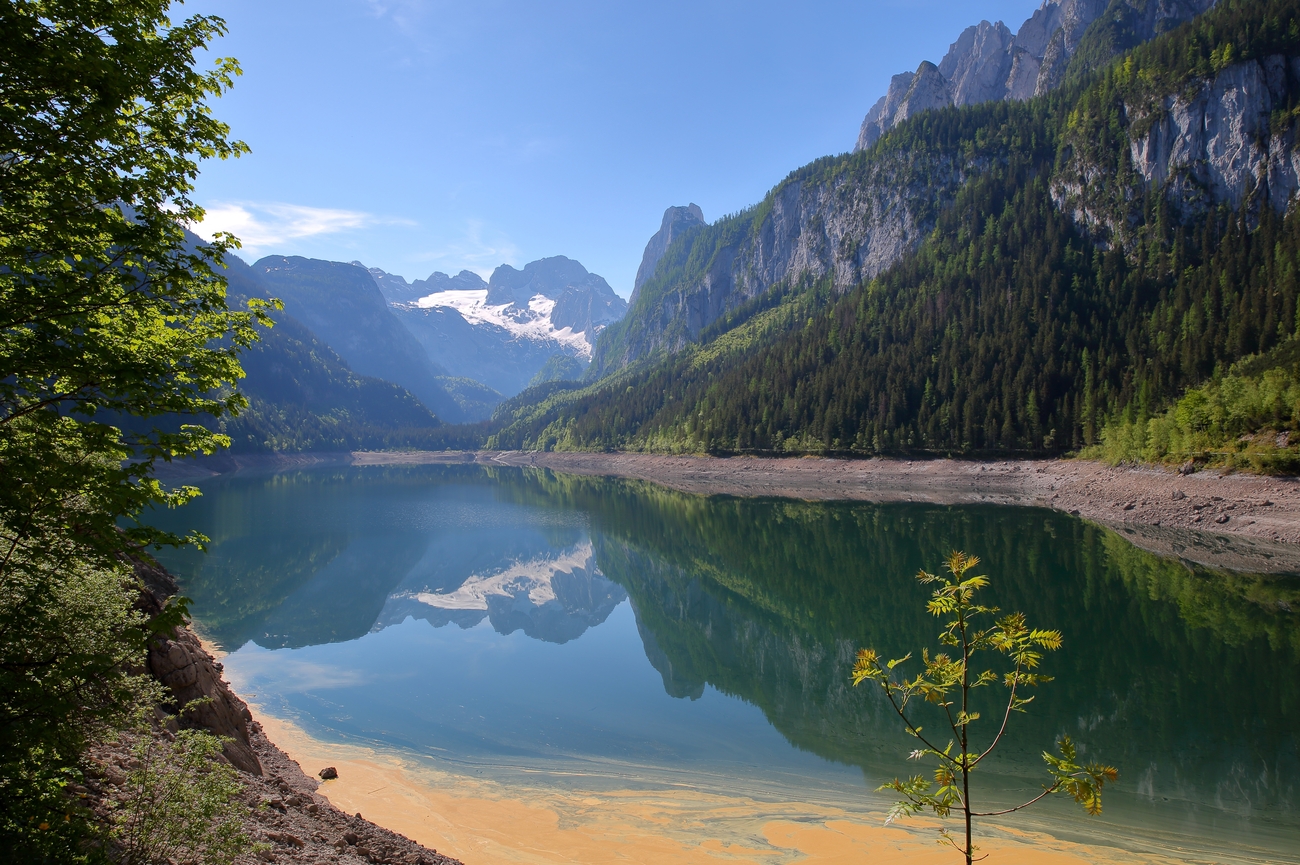
From the Dachstein Giant Ice Cave, descend via cable car or hike back toward the valley and drive or shuttle about 25–30 minutes to reach Vorderer Gosausee, the first and most famous of the three Gosau lakes.
Nestled at the foot of the Dachstein Glacier, this lake is Hallstatt-region luxury meets alpine serenity: emerald waters, dramatic peaks reflected perfectly on the surface and hiking trails that let you linger as long as desired.
Vorderer Gosausee is part of the Dachstein Salzkammergut UNESCO World Heritage region and has long been a playground for nature lovers. Wooden boardwalks and gentle lakeside trails make it accessible while preserving the pristine scenery. Visitors can rent rowboats or e‑boats for a quiet drift across the glassy waters or enjoy private guided nature walks that reveal the local flora, fauna and the history of alpine settlement in the area. Photography tours and early-access sunrise visits are especially popular for luxury travelers, giving the lake and glacier a golden glow before the crowds arrive.
Evening: Gosaulacke
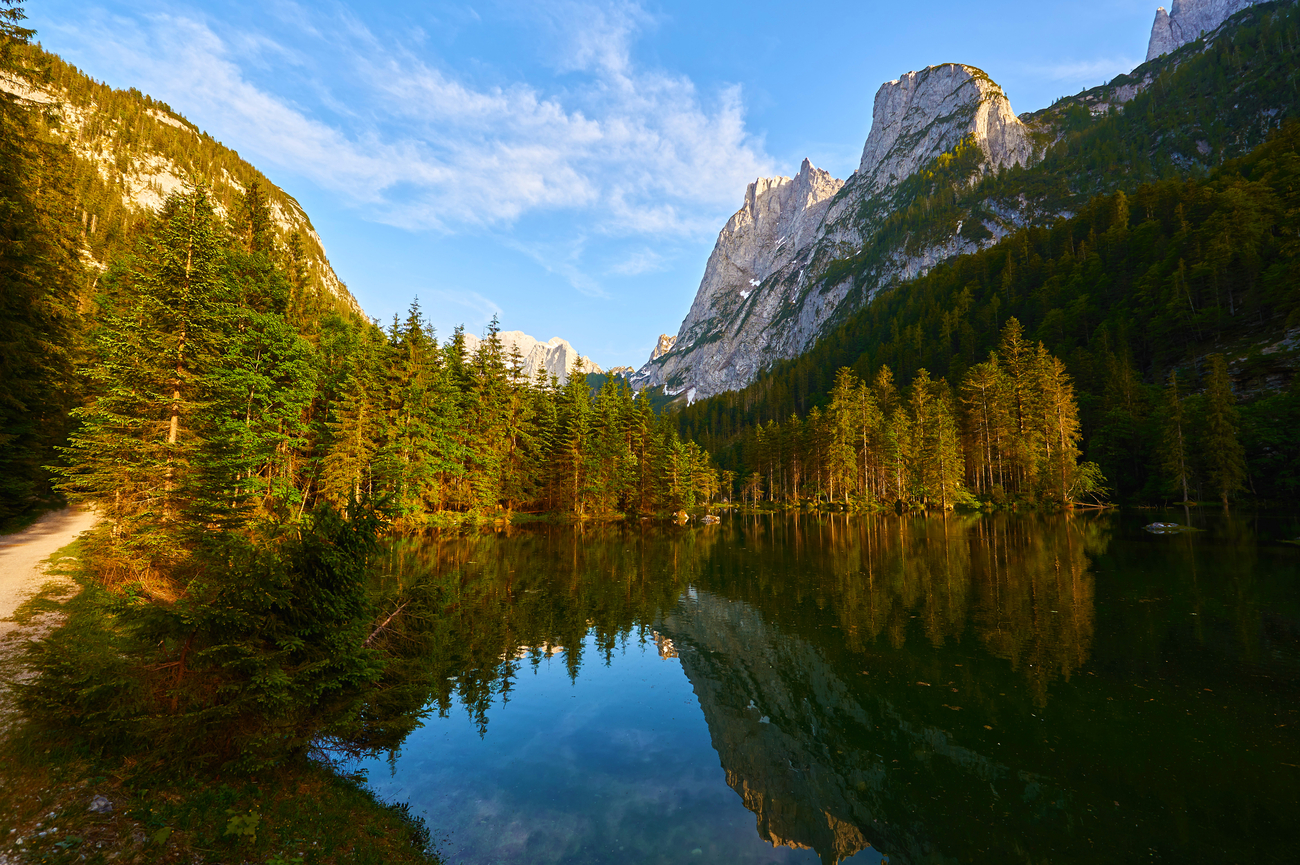
A short 10‑minute drive or a scenic uphill stroll from Vorderer Gosausee leads to Gosaulacke, the Alpine’s best-kept mirror. This lake frames them, doubles them, and sometimes makes you question which is sky and which is water.
Unlike the bustling main lakes, Gosaulacke feels like nature pressed “mute” on the outside world. Its shallow waters and surrounding meadows tell centuries-old stories of grazing shepherds and alpine folklore, making it feel less like a tourist stop and more like stepping into a living legend.
Day 2 - Hallstatt & Salzkammergut Tour Map
Day 3 -
Bad Ischl, St. Wolfgang & St. Gilgen
Morning: Kaiservilla
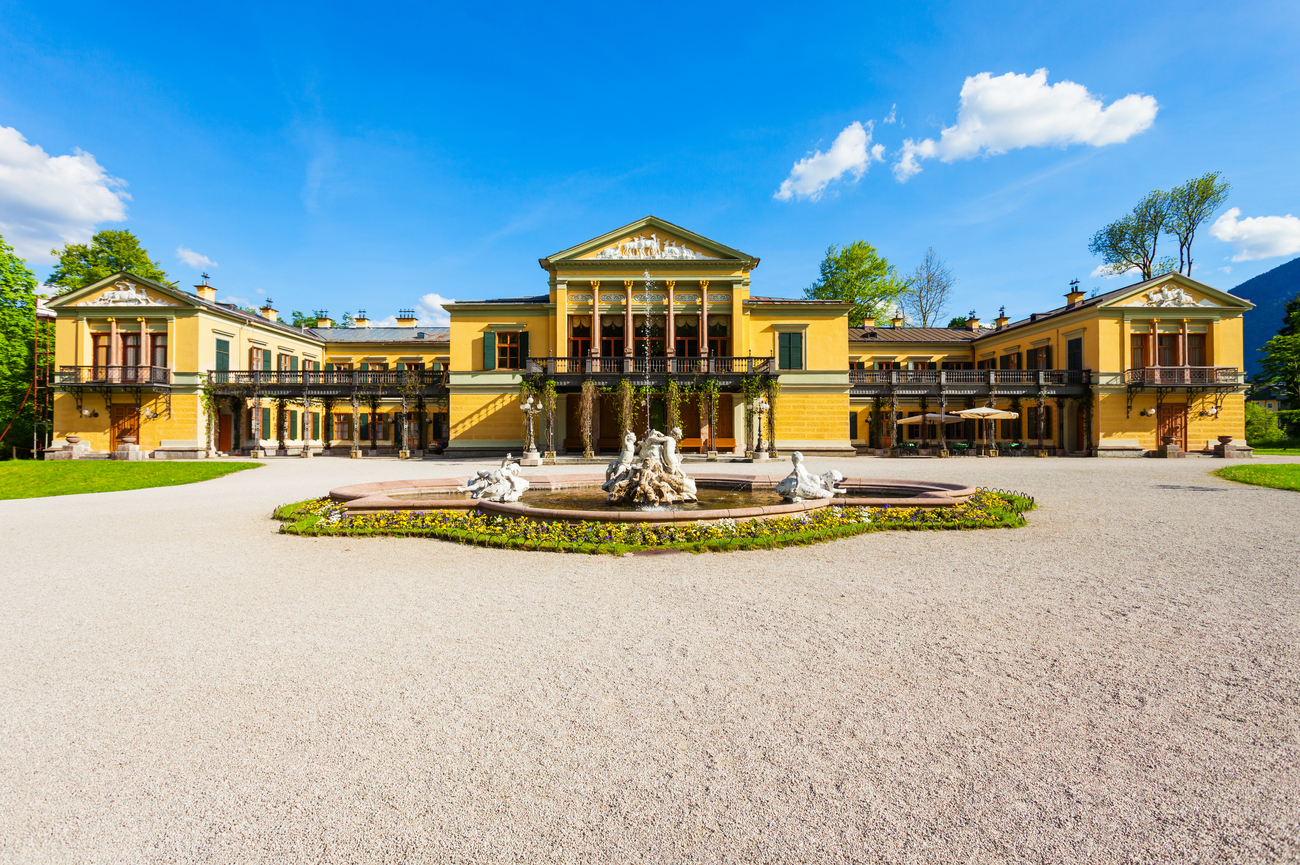
About 30 minutes from Hallstatt, a smooth lakeside drive through Bad Ischl brings you to Kaiservilla.
This is the former summer residence of Emperor Franz Joseph I. The villa sits inside a sprawling park dotted with fountains, winding paths and perfectly manicured lawns that whisper “yes, the Habsburgs really lived like this.”
But it is more than a pretty palace. It’s the backdrop of major history. This is where Franz Joseph signed the declaration that set World War I in motion. It’s also where he spent decades vacationing with Empress Elisabeth, Sisi, who adored the estate almost as much as the local pastries she famously avoided eating. Guided tours take you through rooms that still hold original furnishings, intimate portraits and diplomatic gifts from every corner of the empire.
Trinkhalle Bad Ischl
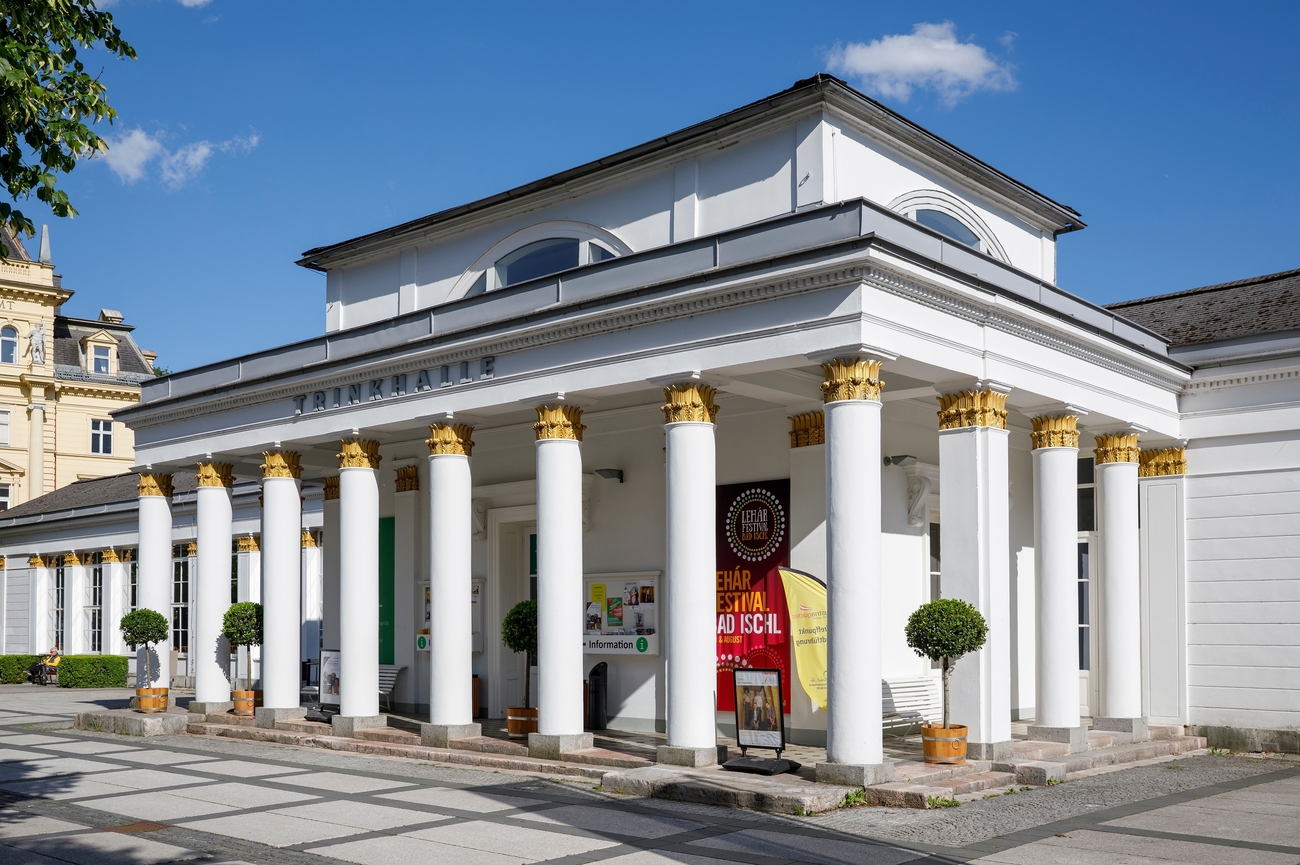
One building, countless whispers of centuries past. From Kaiservilla, stroll 10–12 minutes through Bad Ischl’s tree-lined paths.
This is a historic spa hall that looks like it was designed for people who take their mineral water very seriously. Built in the mid-19th century, this arcaded pavilion was once the social hub of the imperial spa town. Think grand columns. Painted ceilings. Slow promenades. Whispered gossip about who was courting whom.
The Trinkhalle is steeped in the town’s spa culture. During its golden era, guests flocked here to sip therapeutic mineral waters and “take the cure,” a wellness ritual believed to restore everything from nerves to nobility-level stress. Today, the building serves as Bad Ischl’s tourism information center. It also hosts small exhibitions that trace the town’s imperial past, artistic history and connection to the Habsburgs. The architecture alone is worth the detour. And if you want to better explore this place, there are some private guided heritage walks that include the Trinkhalle as a curated stop.
St. Wolfgang
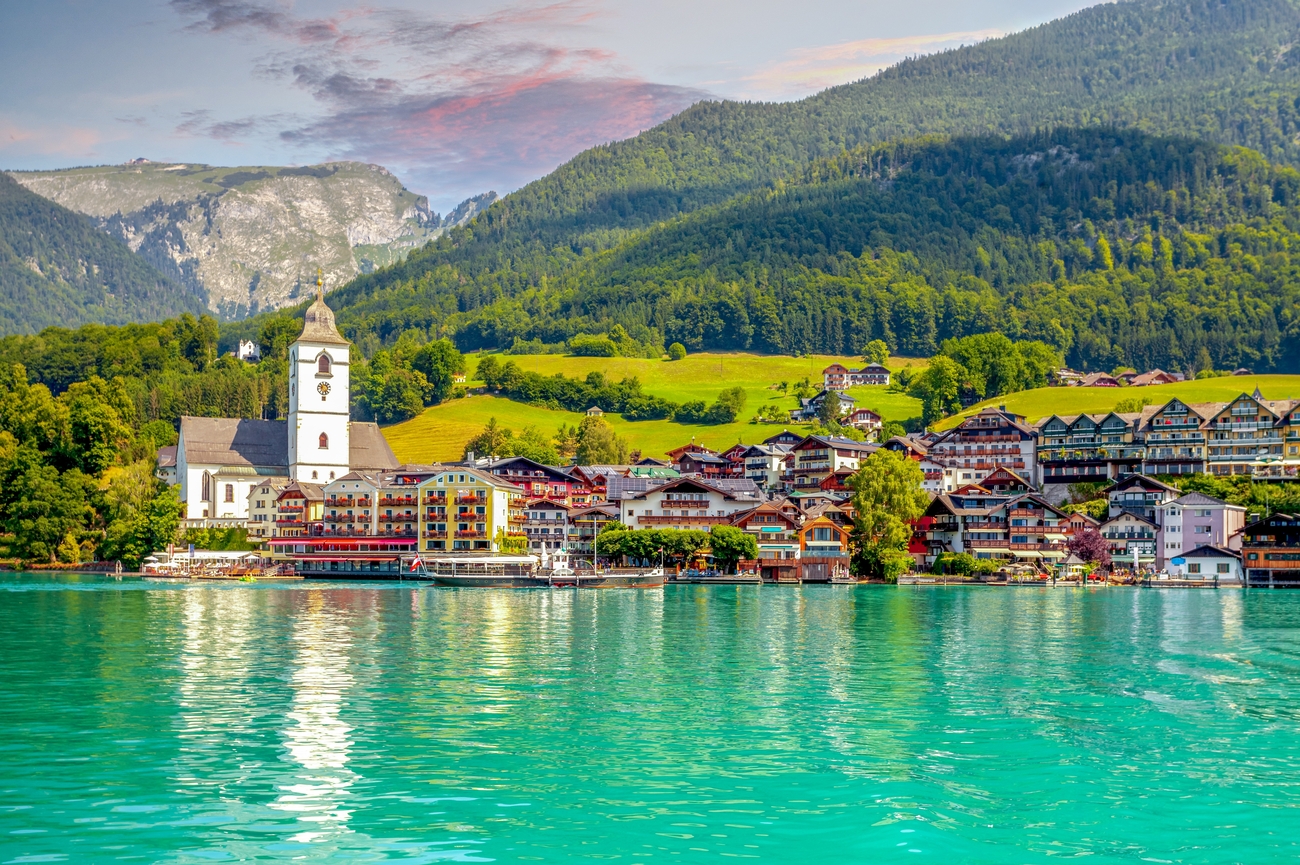
Leaving the Trinkhalle in Bad Ischl, cruise along the B158 for about 20 minutes. The road starts to loosen up as it curves past meadows, then tightens again when the lake appears. St. Wolfgang is a small town with a big legacy. It began as a humble pilgrimage site in the tenth century and grew into one of the most beloved lakeside destinations in the Salzkammergut.
Afternoon: St. Wolfgang Kirche
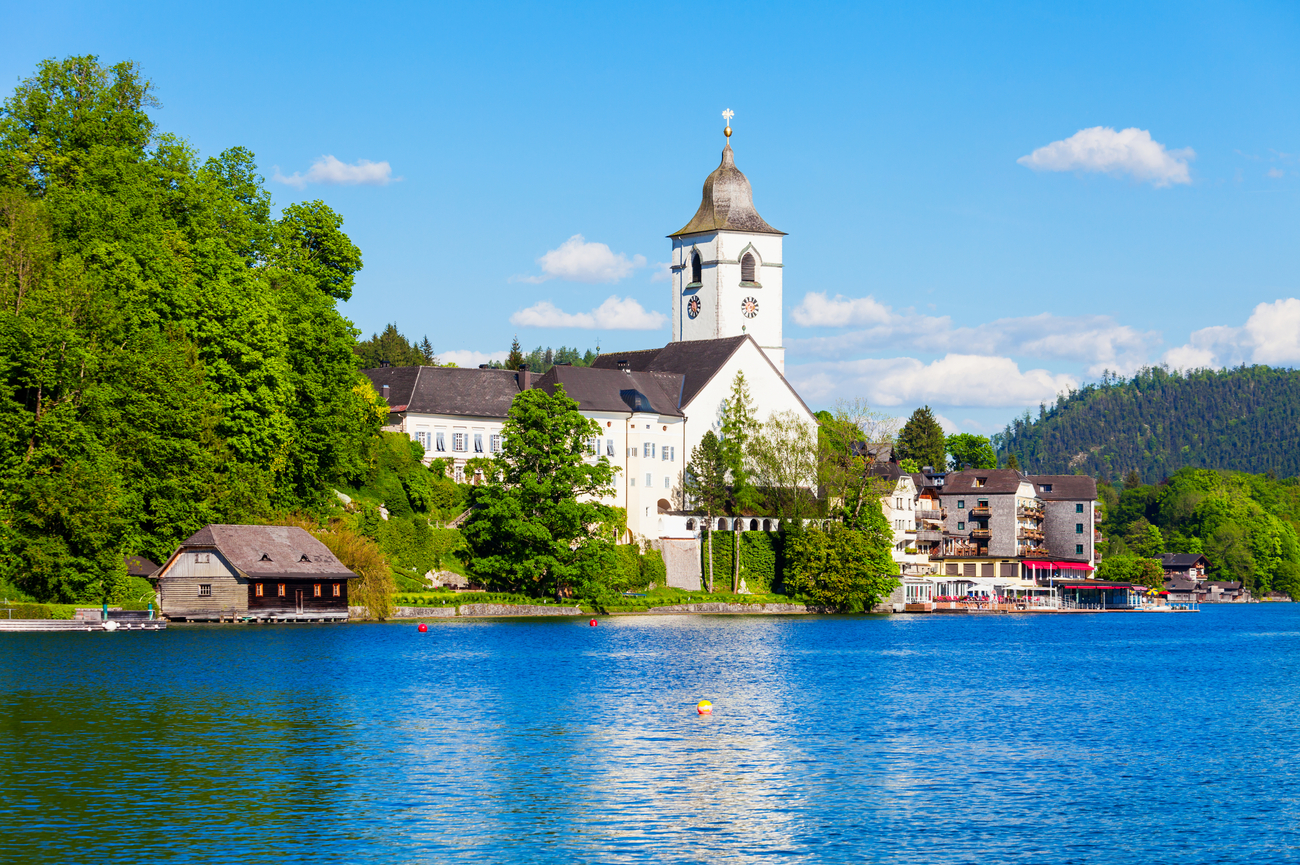
From the village center, it is only a three-minute walk to the Church of St. Wolfgang. The lake stays on one side while narrow alleys guide the way. The church appears slowly at first, then commands the view once its Gothic tower breaks through the rooftops.
The Church of St. Wolfgang carries centuries of devotion and artistry. It dates back to the tenth century when Saint Wolfgang himself reportedly founded a small chapel on this spot. The structure grew across generations and today the interior holds one of Austria’s greatest treasures. The Michael Pacher winged altarpiece. It is a masterwork of late Gothic sculpture that blends carved figures with painted panels. The side chapels add their own layers of charm with Baroque details that glow in the afternoon light.
SchafbergBahn
Now it’s time to take a gentle nudge upward. Just take a quick five-minute walk to the SchafbergBahn station.
The station itself dates back to 1893. Austria was deep in its imperial era when this cogwheel railway first powered up the mountain. Today, it is the oldest of its kind, still running with steam locomotives. The climb is famously steep and the views keep levelling up with every meter of altitude. Oh and what a sight you’ll see. Lakes in the foreground. Mountains stitched behind them. A sky that seems to widen on purpose.
Schafberg is one of the region’s most cinematic peaks. The summit sits more than 1,700 meters high. The moment you step off the train, the air shifts. It is colder. It is thinner. It is cleaner. The lookout points scatter along a ridge that feels made for slow wandering. This is where you see Wolfgangsee hugging St. Wolfgang from above. And if you want a premium way to experience Schafberg is through the SchafbergBahn Panorama Ticket, which secures priority boarding.
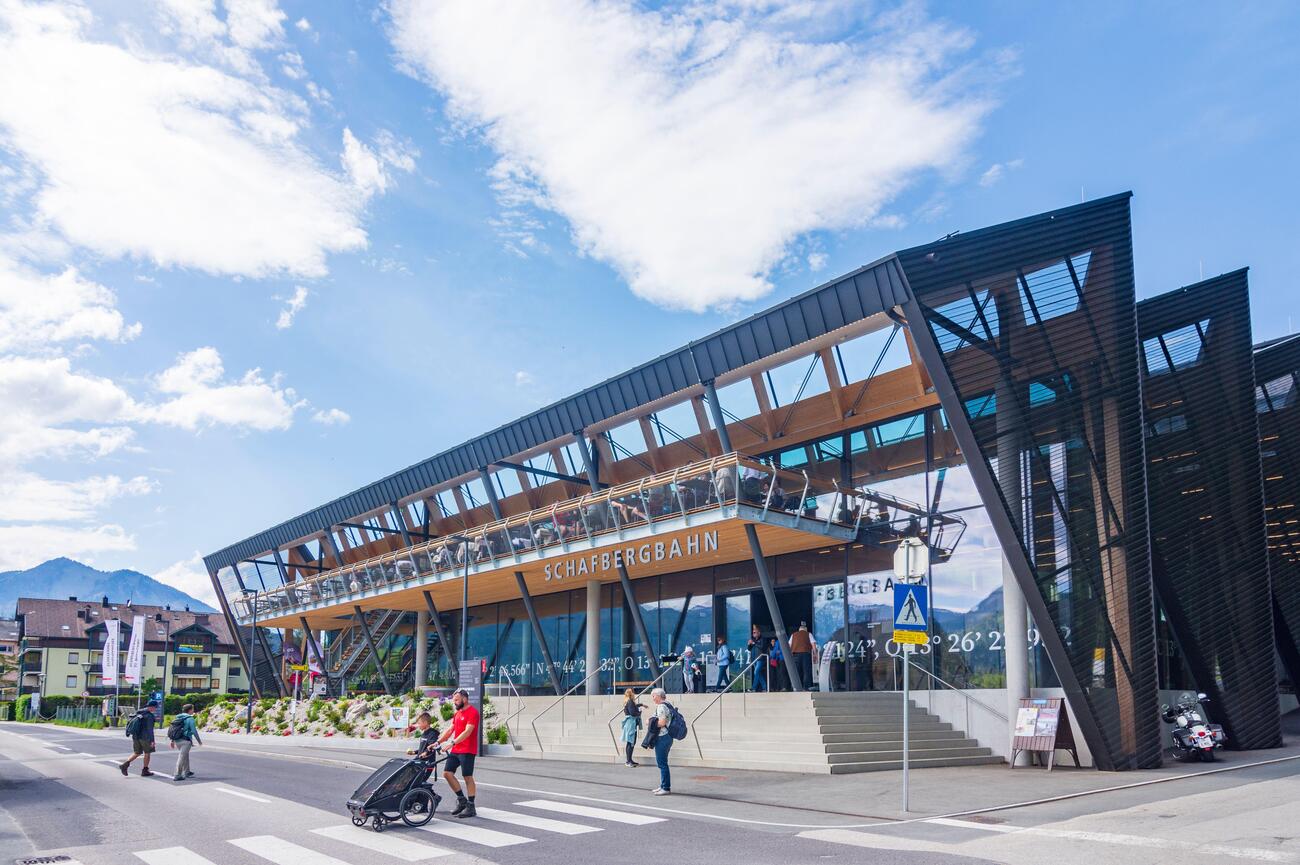
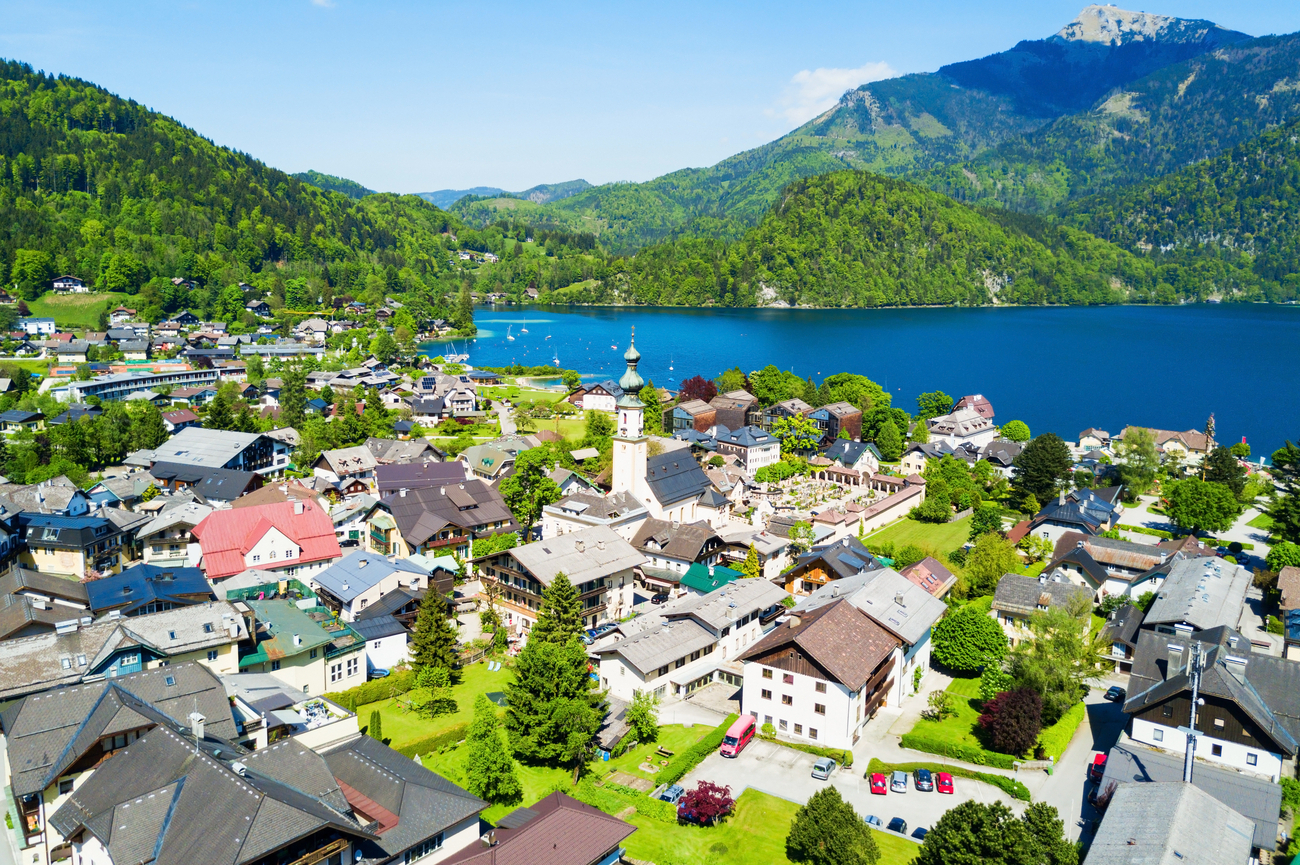
St. Gilgen
From the SchafbergBahn station, head back down to the lakeside in five minutes, then glide across Wolfgangsee on a classic boat ride to St. Gilgen. The trip takes about twelve to fifteen minutes. The boat docks right at St. Gilgen’s waterfront. The mountains frame the village like they are leaning in to say this place is worth slowing down for.
St. Gilgen has history woven into its corners. The Mozart connection is strong here. Mozart’s mother, Anna Maria, was born in the town’s iconic pink house on the main square. The entire village grew as a retreat for Salzburg’s elite, which is why the architecture feels more polished and more petite. Wooden balconies drip with geraniums. Painted facades also carry small details that look hand-brushed because many of them were.
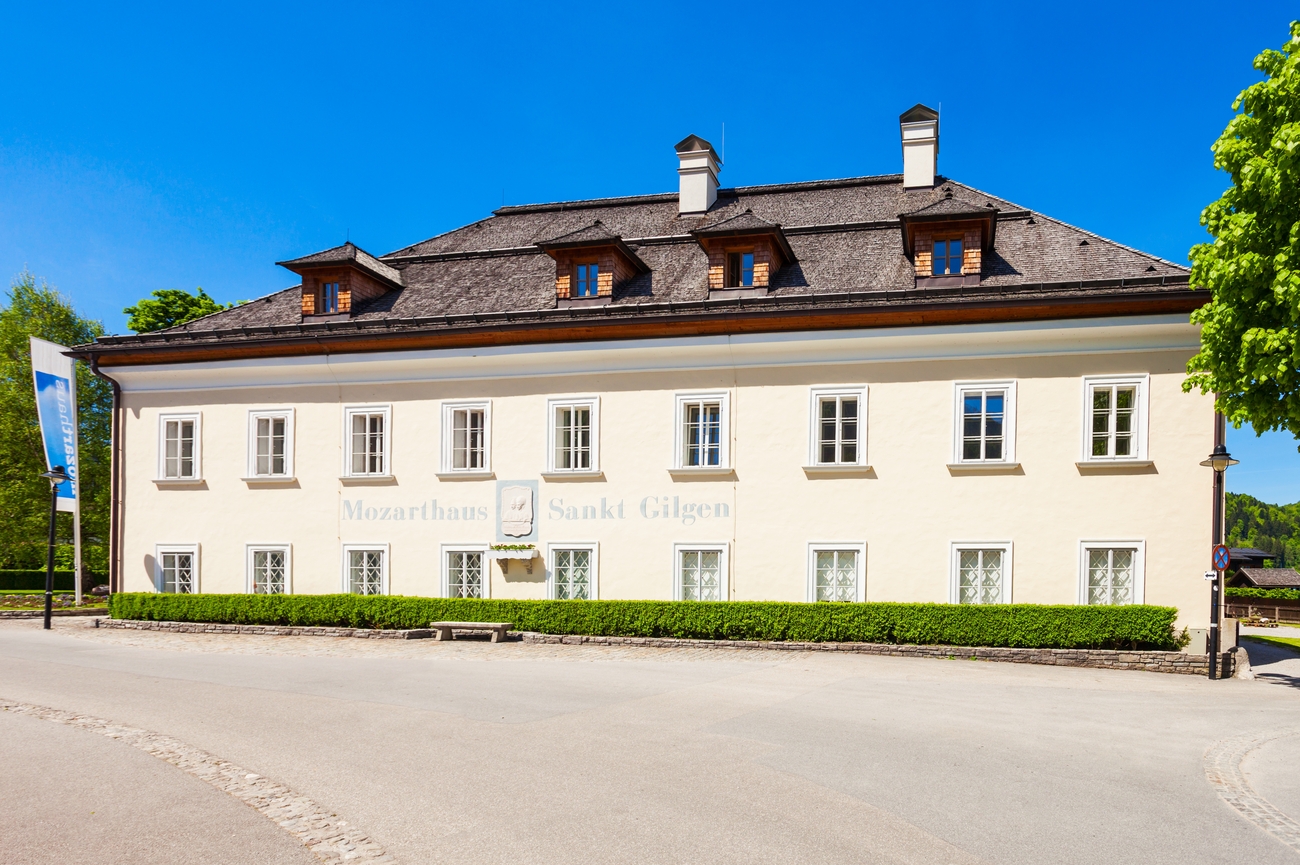
Mozarthaus St. Gilgen
From the St. Gilgen waterfront, it’s just a three‑minute walk along the main square to reach the Mozarthaus St. Gilgen. The house itself sits almost humbly, but its significance hits immediately. This is the birthplace of Mozart’s mother, Anna Maria Pertl and a site that links the town directly to the musical genius’s family legacy.
Mozarthaus St. Gilgen is a blend of history and intimacy. The rooms are curated to reflect 18th‑century life, with period furnishings, portraits, and documents that show how the Mozart family’s roots were woven into local society. Exhibits explore the connections between St. Gilgen and Salzburg and the broader world of music that eventually shaped Wolfgang Amadeus. Beyond the walls, the museum often hosts small concerts or private guided sessions that make the history feel alive, almost performative, rather than static.
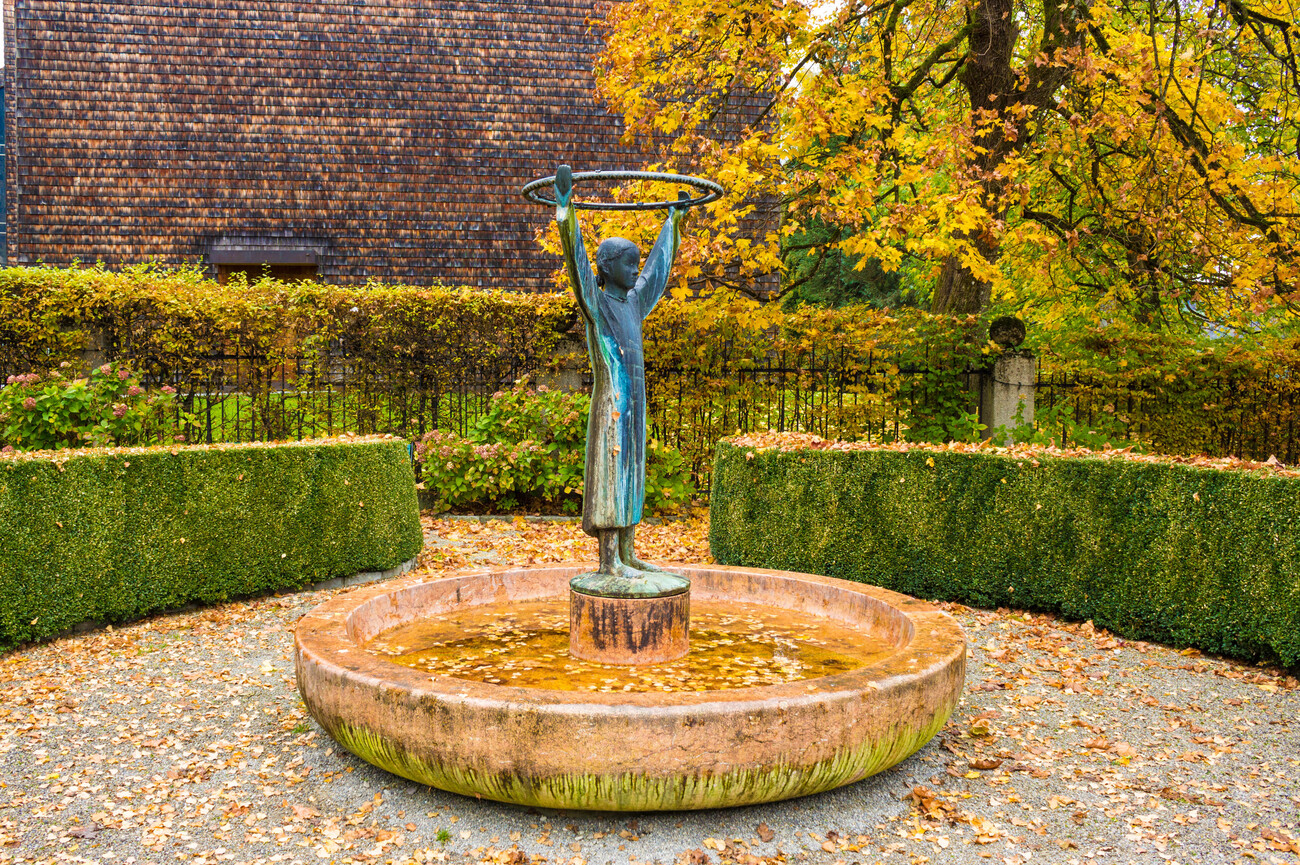
Mozarts-Mutter-Brunnen St. Gilgen
Now, a two-minute stroll will take you to another Mozart spot.
Mozarts-Mutter-Brunnen, a charming fountain that feels like a small public stage for history. Tucked between pastel houses and café corners, it honors Anna Maria Pertl, Wolfgang Amadeus Mozart’s mother, whose roots in St. Gilgen shaped the family story long before Wolfgang ever touched a keyboard. The fountain itself is more than a decorative water feature. Its Baroque-inspired details and sculpted figures capture a sense of 18th-century artistry while celebrating the quiet influence of women in history.
To explore this and the previous spot, you can join “treasure” tours that drop by these Mozart landmarks.
Evening: Aussichtsplattform Zwölferhorn
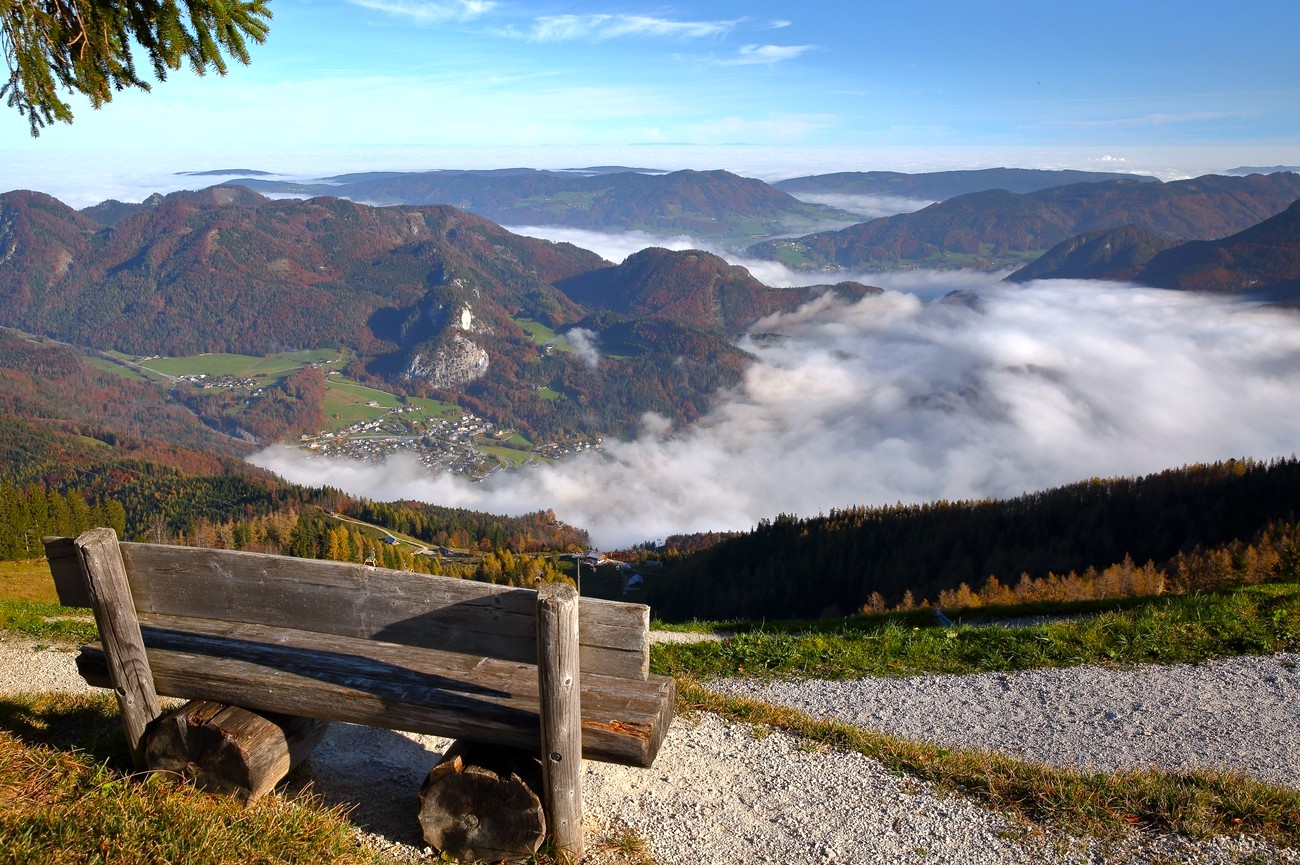
From the center of St. Gilgen, hop into a car or take the Zwölferhorn cable car, just a five-minute drive to the base station. The ride up is short but scenic. Arriving at the Aussichtsplattform Zwölferhorn feels like stepping into a cinematic panorama where the entire Salzkammergut region lays itself out in layers of water, forest, and alpine ridges.
The platform offers a 360-degree view that is jaw-droppingly good at sunset. Wolfgangsee shimmers below, St. Wolfgang and St. Gilgen sparkle in the golden hour, and distant peaks catch the last light with painterly precision. The platform itself is thoughtfully designed, with wide viewing terraces, benches, and telescopes that encourage lingering. It is both thrilling and contemplative. This is the spot where the day’s adventures settle like sediment and the mind can finally breathe. Ending Day 3 here is deliberate: it balances history, lakeside charm and alpine drama in one final visual crescendo.
Day 3 -
Bad Ischl, St. Wolfgang & St. Gilgen
Tour Map
Day 4 -
Mondsee, Attersee & Gmunden
Morning: Basilika St. Michael
Day 4 will begin in Mondsee, a lakeside town where history and charm converge along gentle promenades and sunlit waters.
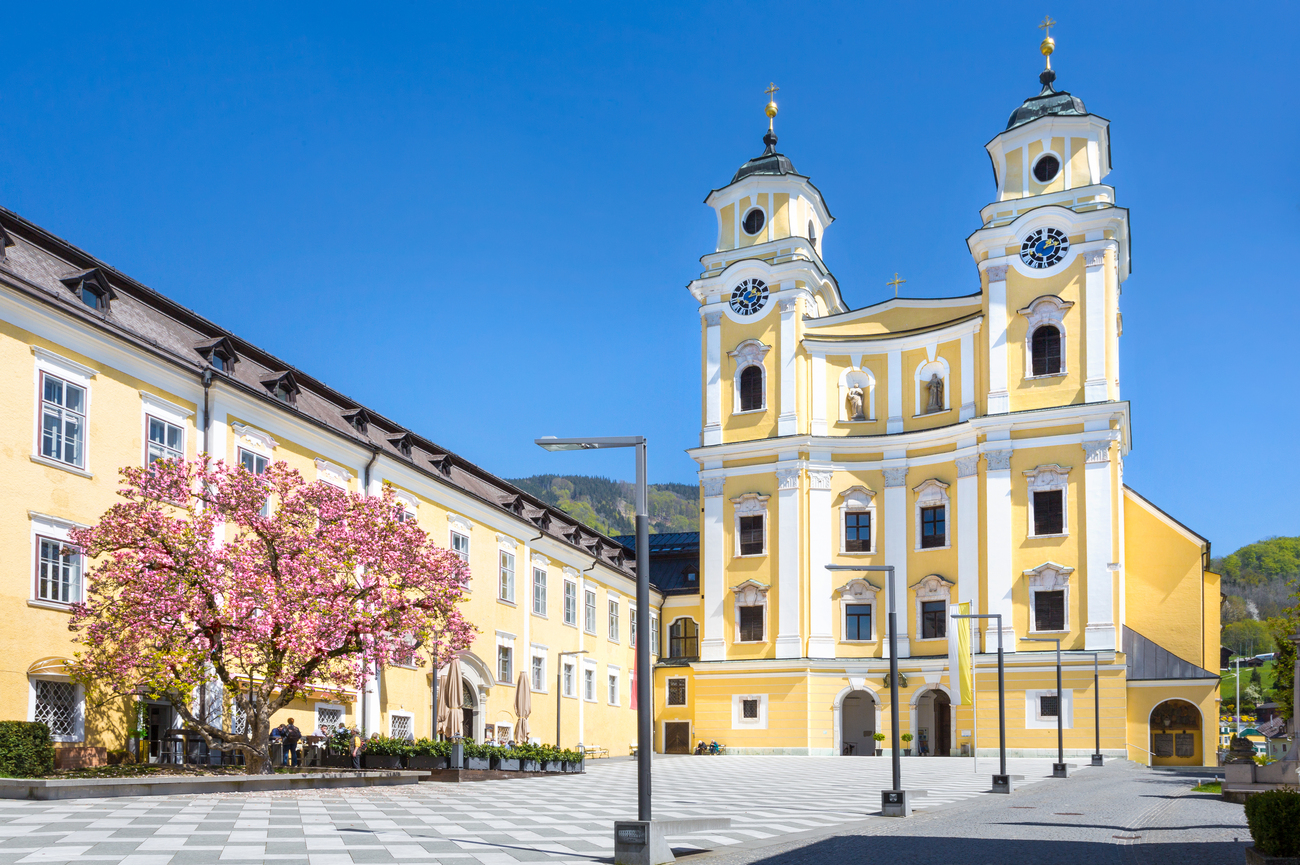
Basilika St. Michael is a masterpiece of Baroque architecture and one of Austria’s most photogenic churches. Its soaring white facade, twin towers and ornate interior instantly communicate both grandeur and intimacy. Inside, gilded altars, frescoed ceilings and intricate stucco work highlight centuries of craftsmanship, making it a must-see for lovers of sacred art. The church has been central to the town since the 15th century and became internationally famous when it served as the filming location for the wedding scene in The Sound of Music. This connection adds a cinematic charm alongside its historical significance.
Schloss Mondsee
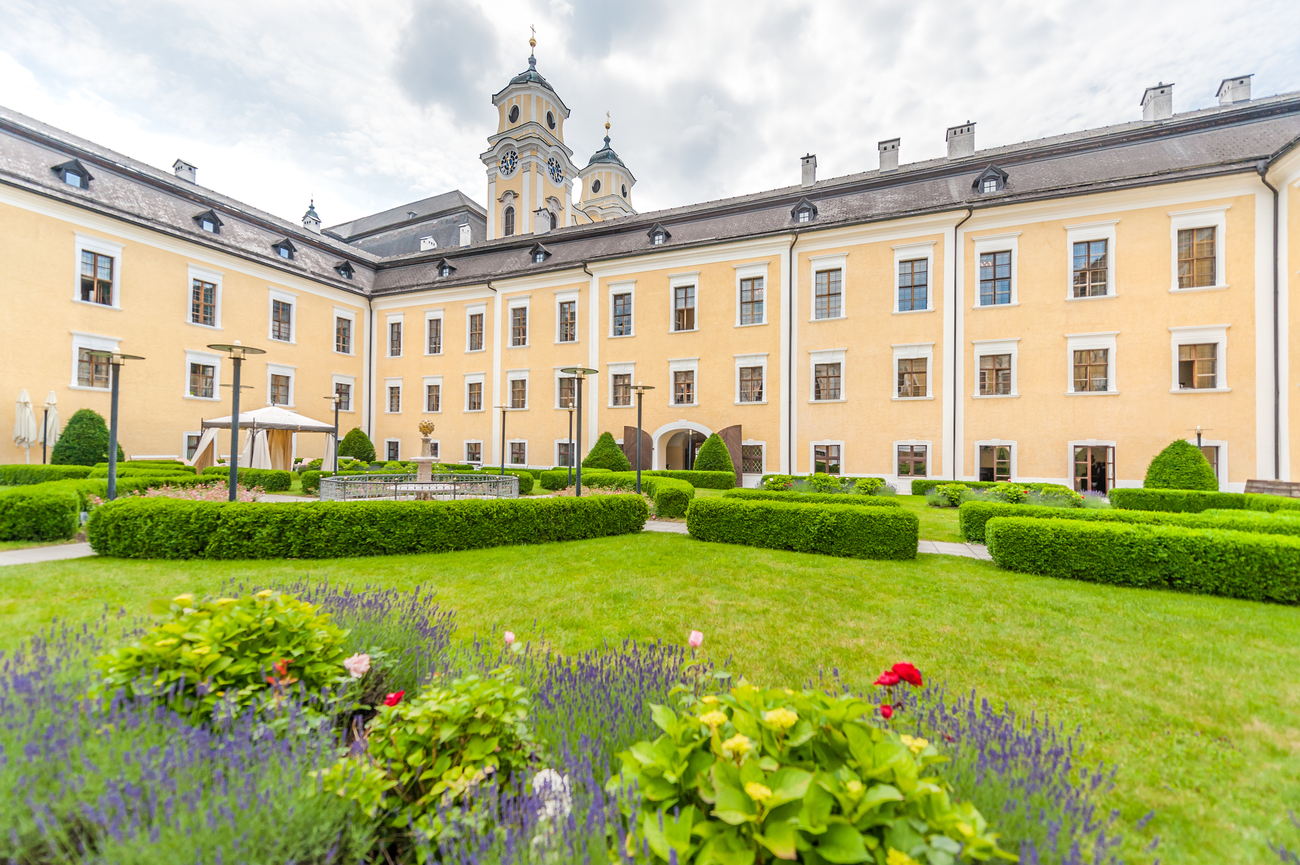
From the heart of Mondsee, a few steps along cobbled streets lead to Schloss Mondsee, a lakeside castle that carries centuries in its walls.
Schloss Mondsee is a fascinating blend of eras. Its origins date back to the Middle Ages but over time, it was expanded and adorned with Baroque flourishes. Once a noble residence, the castle has transformed into a cultural beacon, hosting exhibitions, private events and tours that reveal the layers of history stitched into its architecture.
Attersee
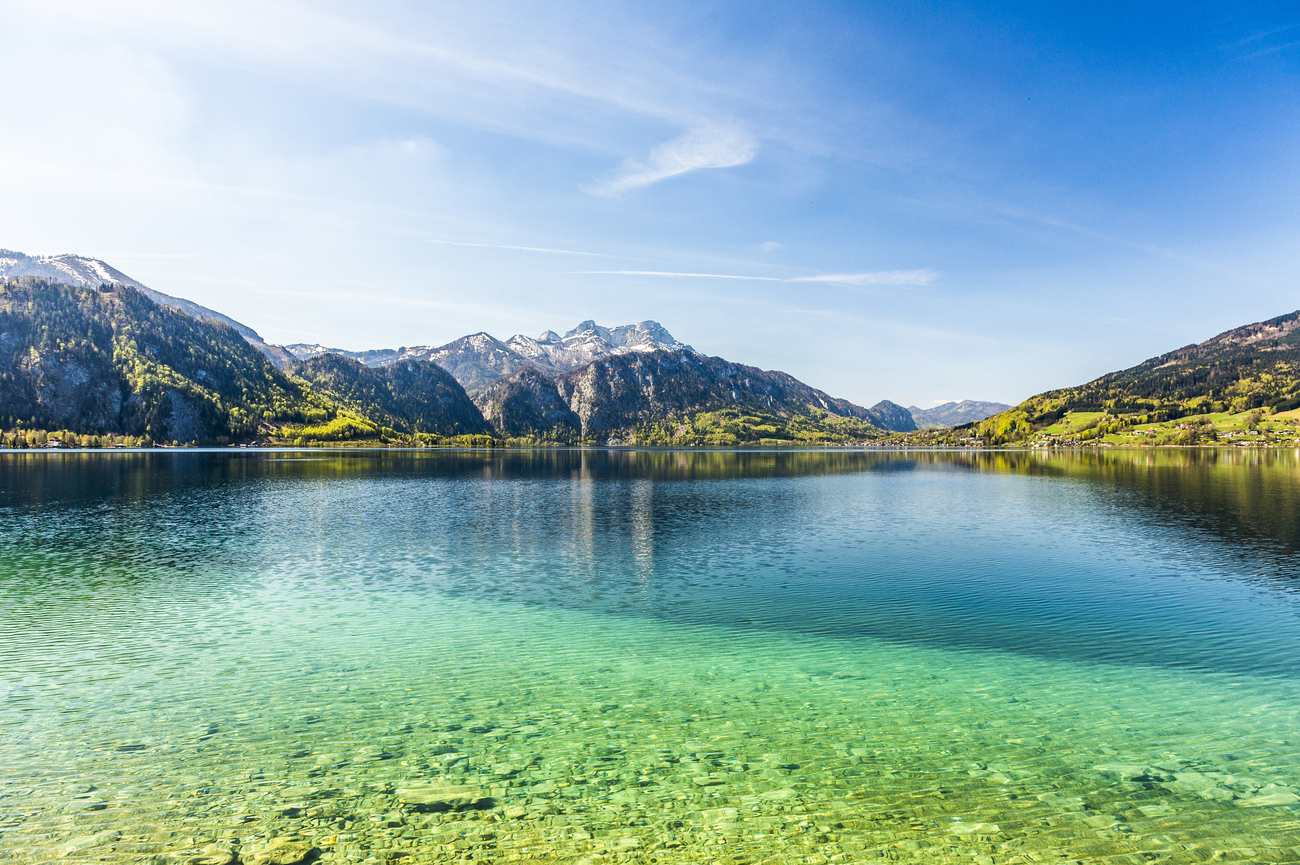
It’s time to leave cobbled streets behind and hit the road for Attersee, a scenic drive of about 25 minutes along rolling hills and lakeside vistas. The route feels like a gentle prelude, the landscape gradually opening as the Alps recede and wide stretches of water appear on the horizon. Every bend in the road frames the lake differently.
Attersee is one of the largest lakes in the Salzkammergut and a haven for those who love both nature and culture. Its shores are dotted with elegant villas, charming towns and small harbors where sailboats rock lightly in the breeze. The lake has long been a magnet for artists like Gustav Klimt, whose summer retreats captured its light and serenity. Today, visitors can enjoy the same vistas, whether from a lakeside promenade, a private boat or simply by pausing at one of the many viewpoints along the shore.
Afternoon:
Unterach am Attersee
Another 10-minute drive that teases the senses before Attersee fully appears. This is a quaint village tucked at the southern tip of the lake.
Unterach is small but effortlessly picturesque. Its streets are lined with pastel houses, boathouses dot the shoreline and the surrounding mountains cradle the village like a quiet audience. Historically, it was a hub for fishing and small-scale trade, but today it balances its traditional roots with an understated elegance.
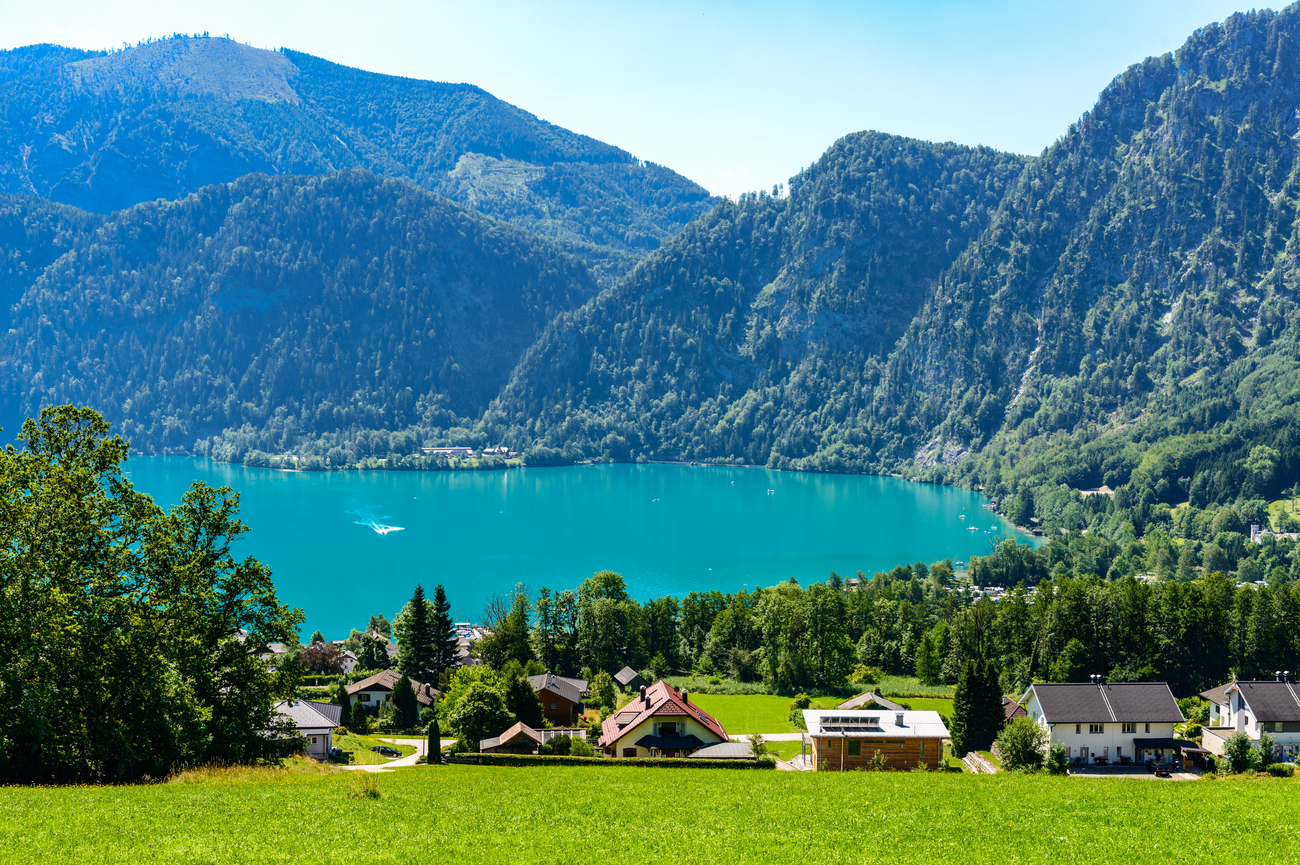
Schloss Kammer
From Unterach am Attersee, a short five-minute drive or a leisurely lakeside stroll brings you to Schloss Kammer, a hidden jewel perched elegantly above the lake.
Schloss Kammer dates back to the early 17th century and has worn many hats: a noble residence, an artistic retreat and today a private cultural site that sometimes hosts exclusive events. Its architecture is a refined blend of Renaissance foundations with Baroque touches, while the terraces and gardens overlooking the lake feel like they were designed to slow down time. Every corner whispers stories of aristocratic leisure and lakeside elegance.
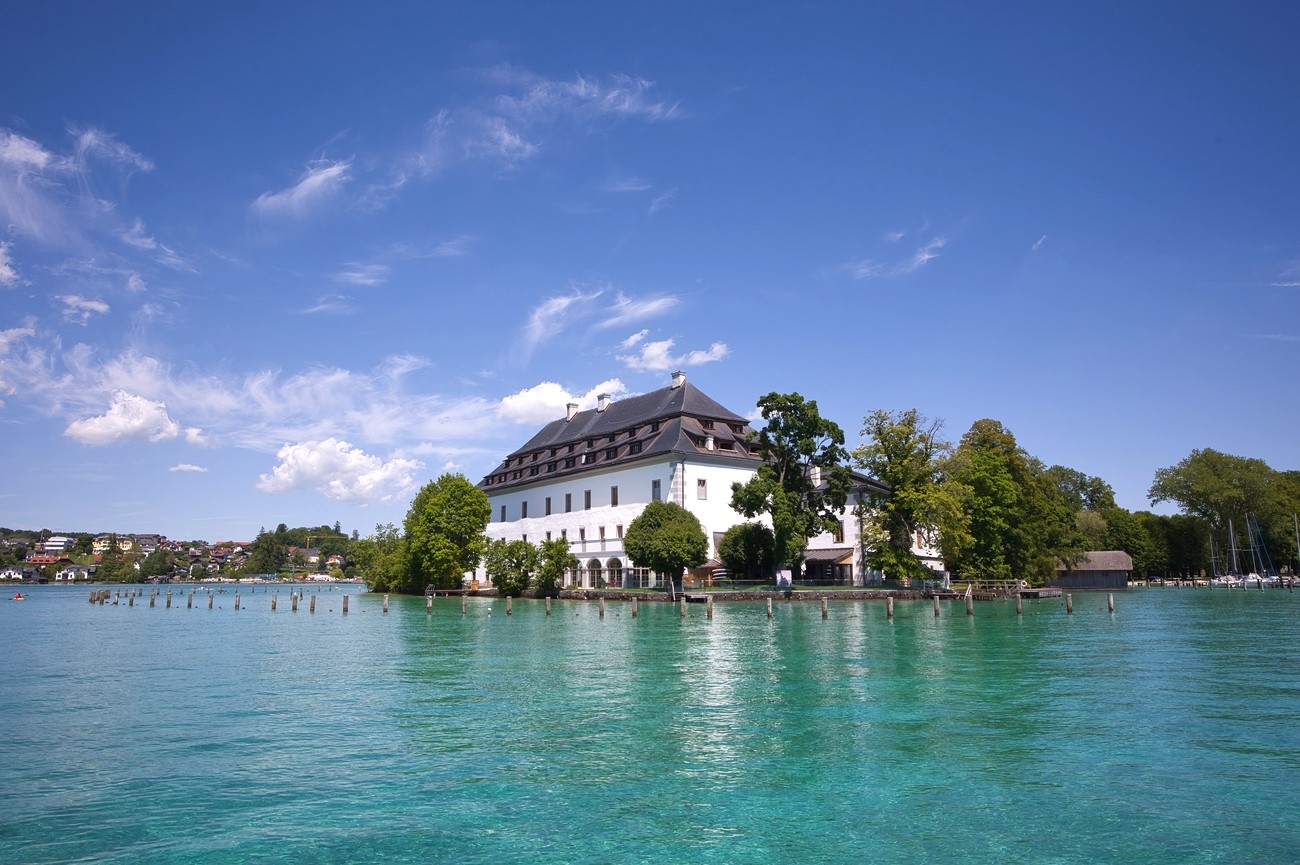
Traunkirchen
From Schloss Kammer, continue along the lakeside road for about 20 minutes to reach Traunkirchen. By the time the village appears, it will feel like an exhale, a place where history and nature blend effortlessly. This place has been a lakeside hub for centuries, its cobblestone streets lined with pastel homes, artisanal shops and cafés that nod to a slower, more intentional pace of life. It has attracted artists, travelers and nature lovers who come for both the alpine scenery and the lake’s serene beauty.
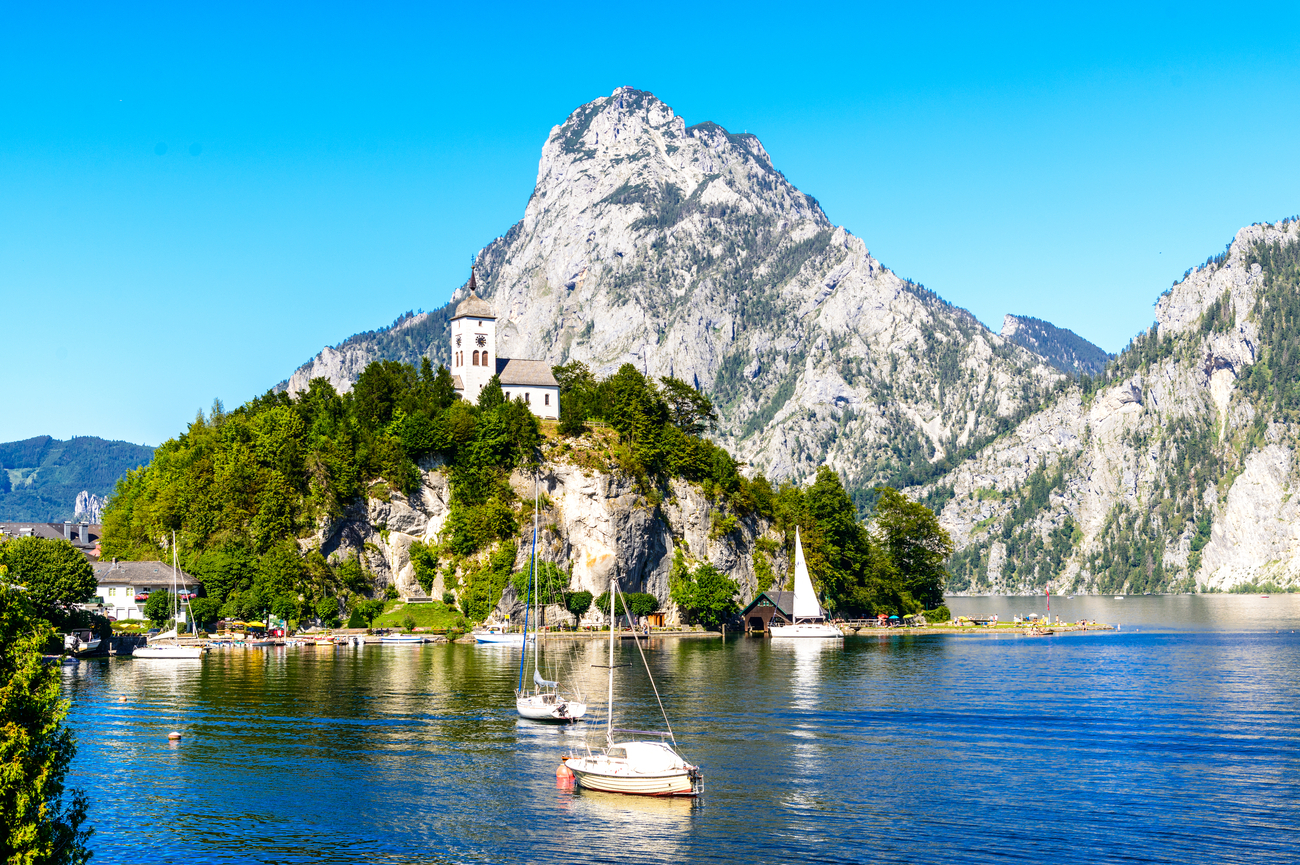
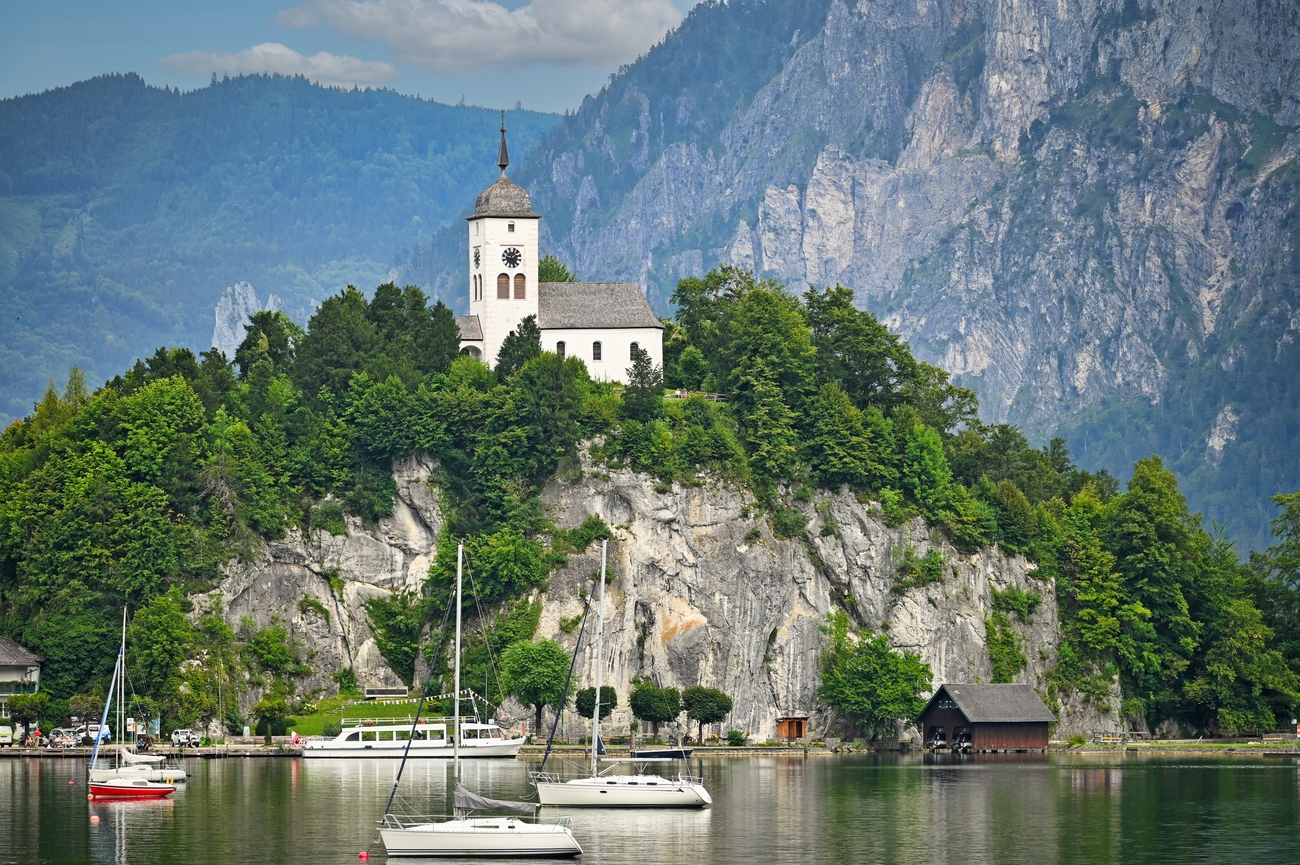
Johannesbergkapelle
It’s time to climb to the Johannesbergkapelle (Johannesberg Chapel), perched dramatically above the village and Traunsee. The ascent teases with glimpses of the lake and mountains, building anticipation for the chapel itself.
Johannesbergkapelle is a small but striking example of Alpine Baroque architecture. Its white walls and simple bell tower stand in serene contrast to the jagged peaks behind it. Built centuries ago as a pilgrimage site, it has long been a place for reflection, offering both spiritual respite and panoramic views over Traunsee. The interior is modest but elegant, with frescoed details and an intimate atmosphere that makes visitors feel both humbled and inspired.
Some tours combine the chapel with a curated hike along the ridge, ending at exclusive viewpoints that are inaccessible to general visitors. For photographers, the chapel offers an unbeatable vantage point where the village below, the lake and the surrounding mountains come together in one frame.
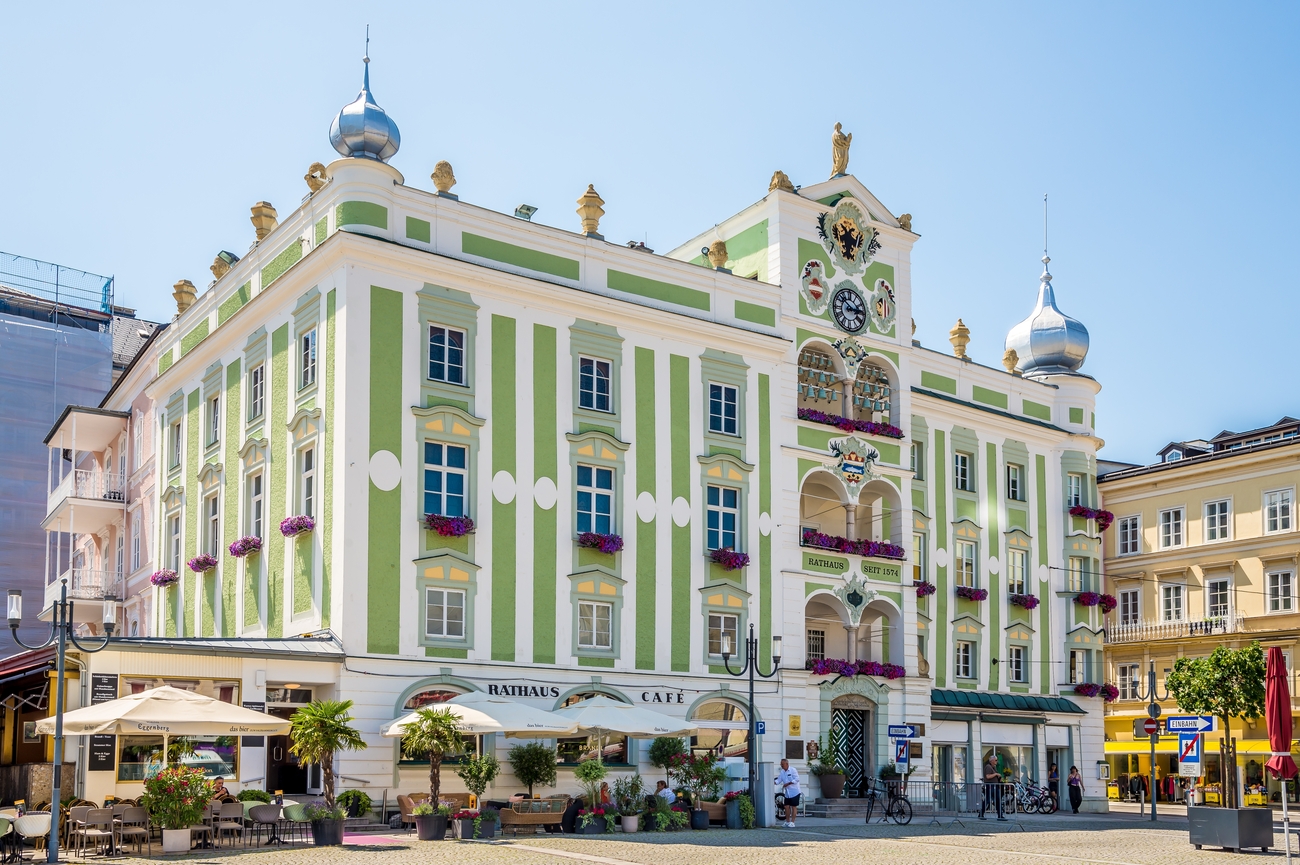
Evening: Gmunden Rathausplatz
Cobblestones, spires, and the soft glow of evening, Rathausplatz in Gmunden feels like the town’s heartbeat slowed down just for a stroll. Evening light spills across fountains and statues, turning every corner into a perfect blend of history and ambiance.
The square is more than a photo op. It’s a living stage where local life continues. Here you’ll spot markets, small concerts and casual gatherings pulse gently alongside architectural grandeur. The Rathaus itself anchors the square with spires and intricate detailing that speak to Gmunden’s prosperous past and enduring elegance.
Curated photography walks help capture the square at its most cinematic, especially as sunset paints the cobblestones golden. Ending the four-day Salzkammergut journey here balances lakeside serenity with historic heartbeat, leaving a lasting impression that combines elegance, charm and culture in one unforgettable finale.
Gmunden Esplanade
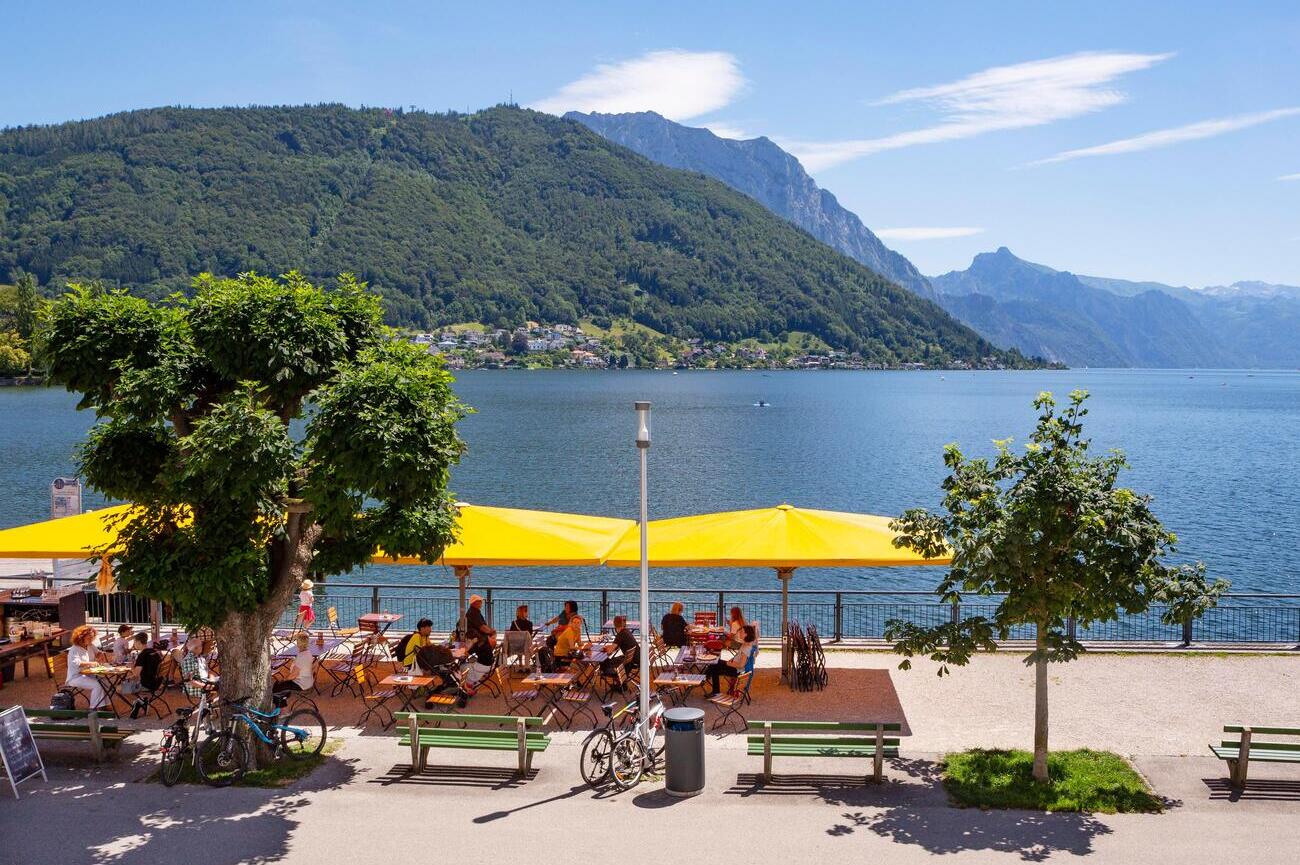
Head to the ultimate sunset spot on Traunsee. Descend back to Traunkirchen and hop into a car for a 30-minute scenic drive to Gmunden Esplanade along Traunsee’s northern shore.
The promenade stretches along the lake, lined with historic villas and swan-filled waters that reflect the fiery hues of the setting sun. It is a place for lingering, for letting the day’s adventures settle into memory and for capturing that perfect golden-hour shot. Gmunden has a rich history as a ceramic and trading town and its lakeside charm is matched only by the dramatic backdrop of mountains that seem to dip into the water.
Schloss Ort
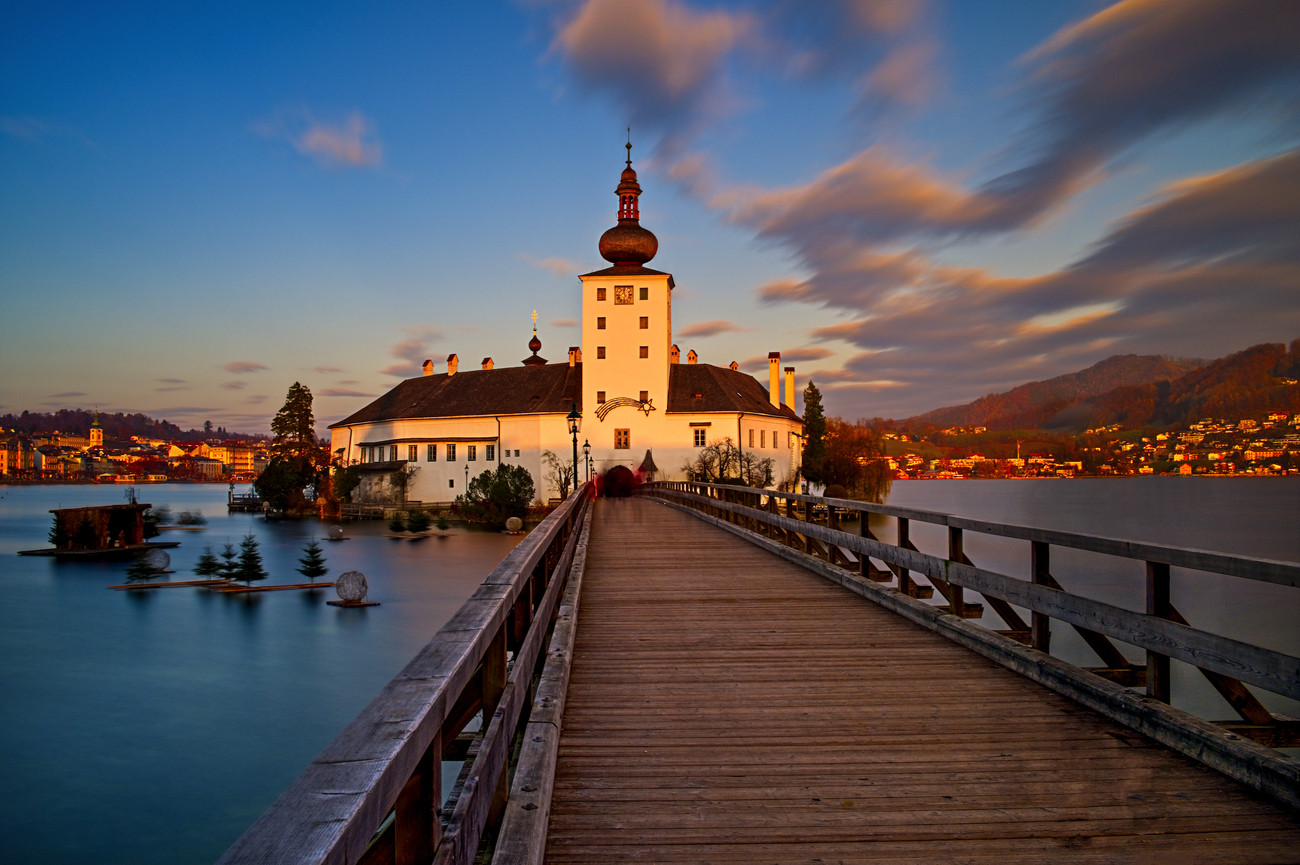
From the Gmunden Esplanade, it’s just a gentle stroll along the lakeshore to Schloss Ort, the storybook castle set on a tiny island in Traunsee. Reached by a long wooden footbridge, the whitewashed walls and pointed tower feel almost theatrical against the backdrop of lake and mountains. Parts of the complex date back to the 10th century, and over the centuries it has shifted from defensive stronghold to noble residence and finally to one of the region’s most recognisable landmarks. Time it for sunset and the scene turns cinematic, the sky warming to gold and rose while the lights of Gmunden glow on the water and the castle seems to float between lake and sky.
Day 4 -
Mondsee, Attersee & Gmunden
Tour Map
Other Things to Do in Hallstatt & Salzkammergut
Hallstatt and the Salzkammergut don’t run out of magic. Even after the “greatest hits,” the region keeps throwing bonus tracks. Quiet lakes, imperial towns, hidden viewpoints, grand cable cars, old-world spa culture. This is the destination for travelers who like their adventures polished and their views premium. Here are other places worth adding to the hit list, each with a high-end way to experience it.
- Fuschlsee (Lake Fuschl): A quietly polished lake of clear turquoise water and forested slopes, where swimmers slip into glassy shallows, walkers follow soft lakeside paths and slow-cruising boats glide past elegant shorelines, all wrapped in calm, understated Salzkammergut luxury.
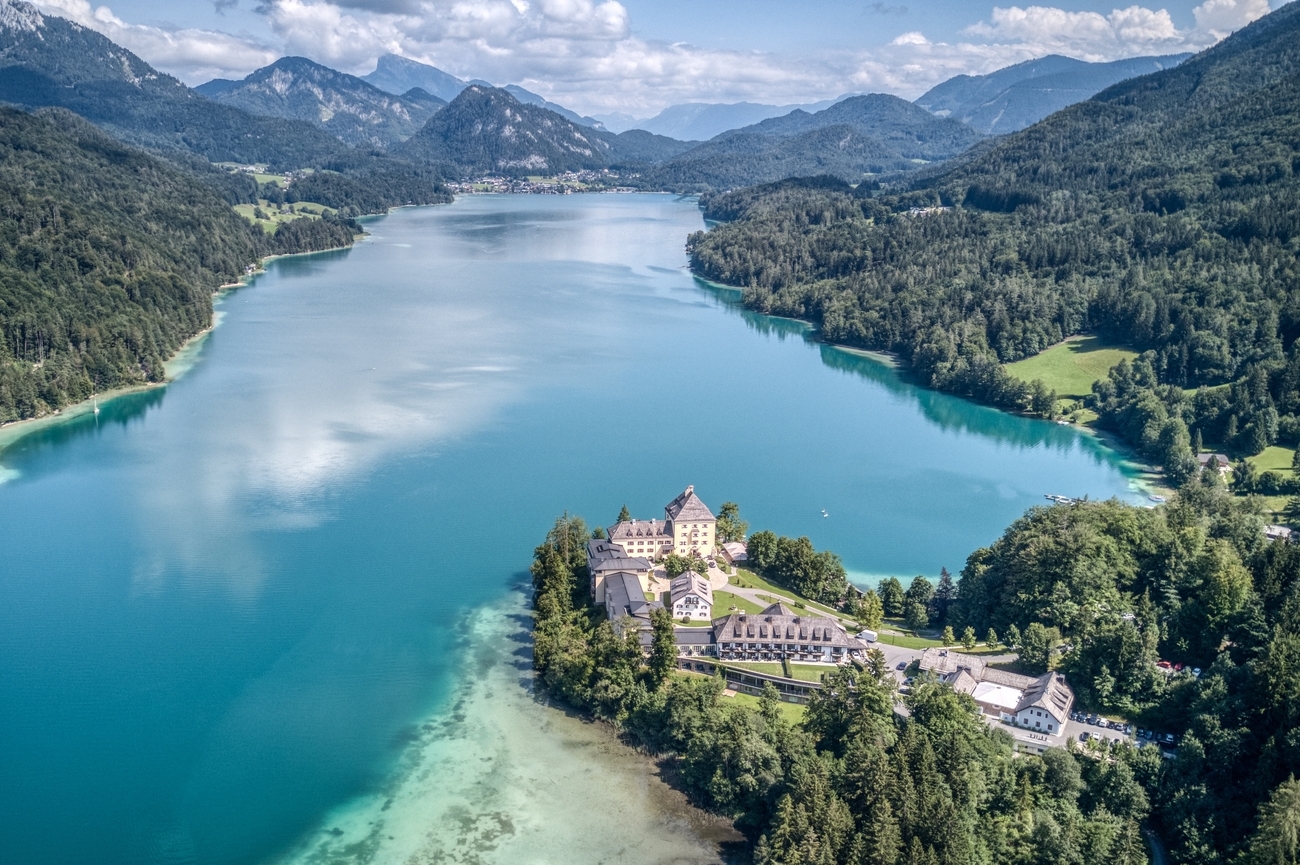
- Altaussee Lake: A smaller, moodier cousin of the big Salzkammergut lakes, wrapped in dark forests and sharp Alpine peaks. The luxury move here is a private electric boat rental at golden hour, gliding silently across mirror-like water while the mountains turn rose and indigo.
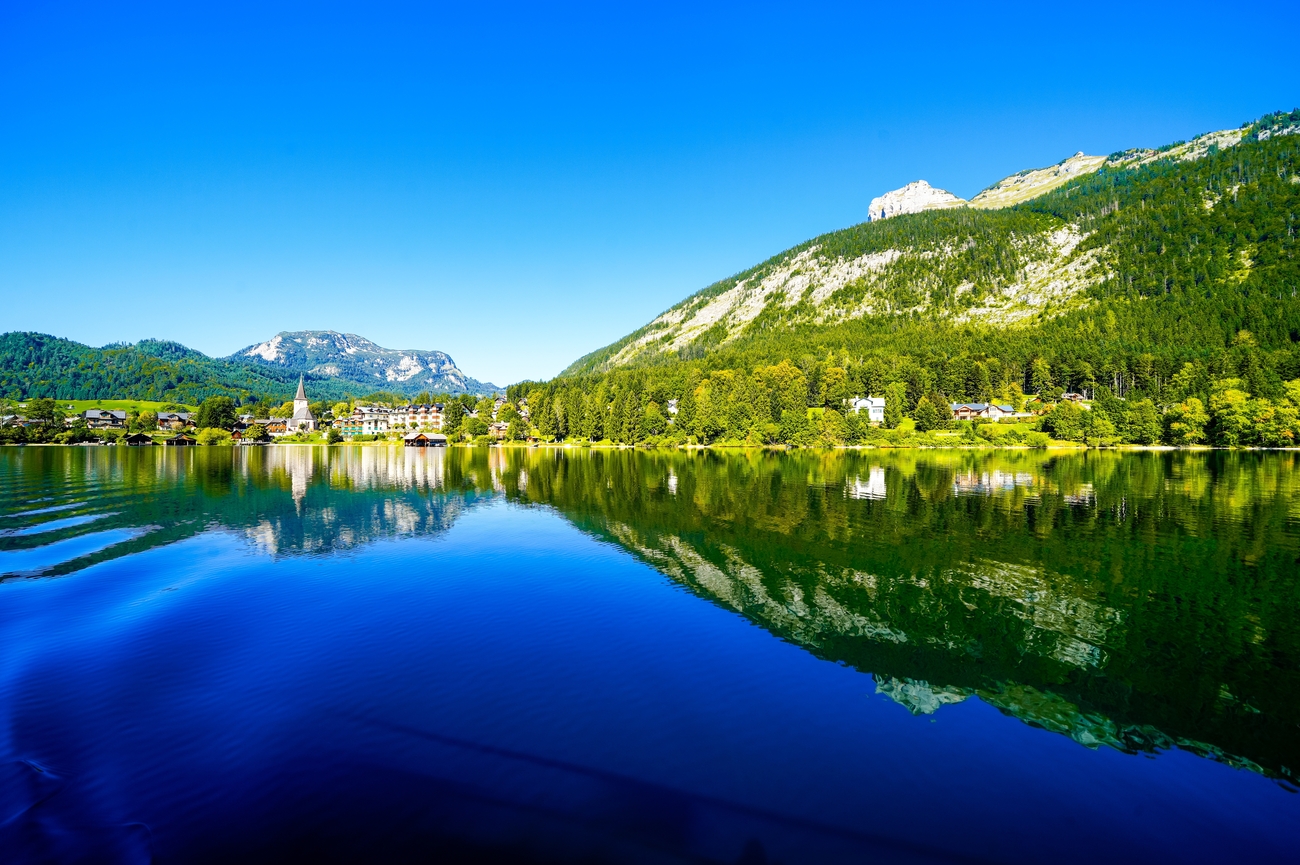
- Grundlsee: A long, still lake backed by steep forested slopes and quiet villages, where wooden boathouses, gentle walking paths and slow boat rides give Ausseerland a calm, slightly nostalgic, old-world elegance.
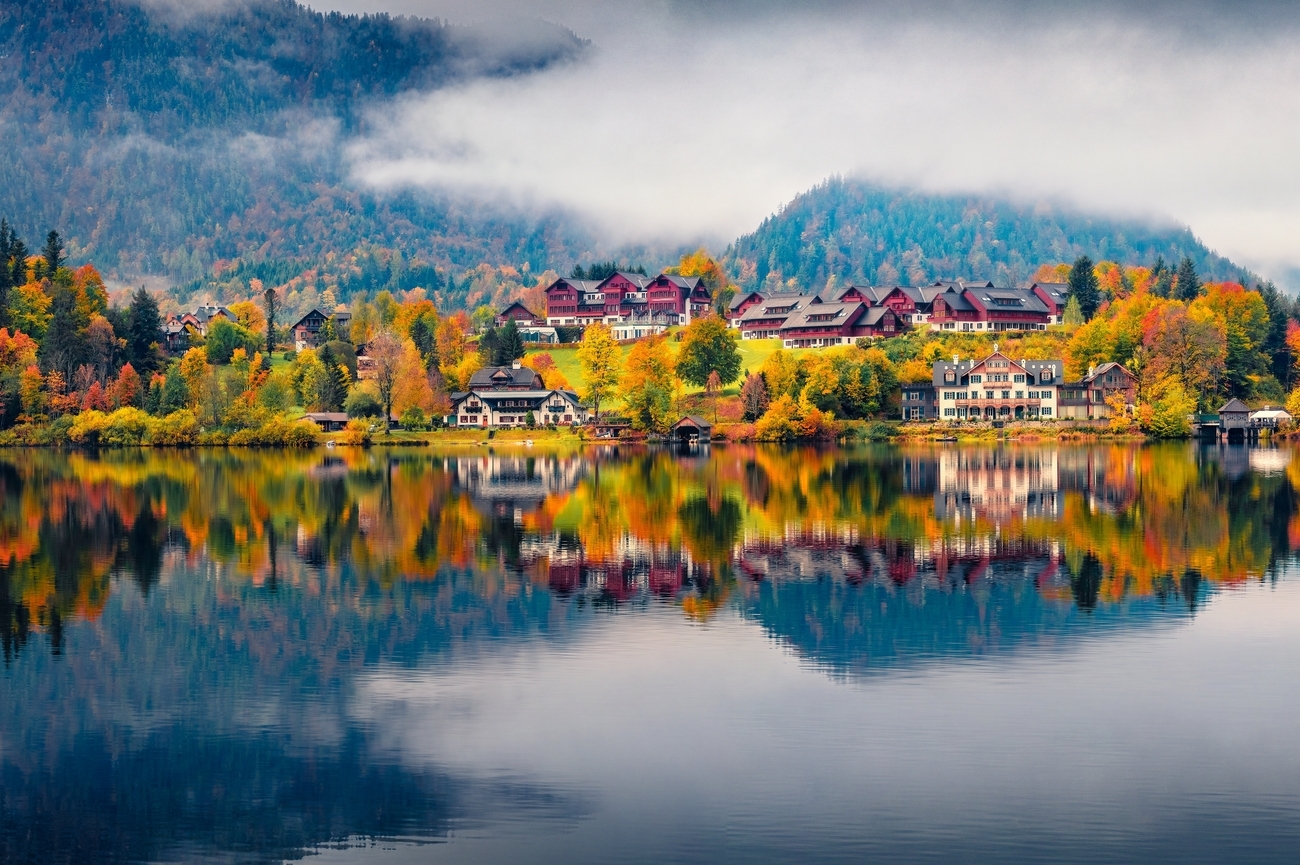
- Toplitzsee: Wild, mysterious and famously deep, this secluded lake is tied to wartime legends and hidden treasure myths. Access is deliberately limited, which adds to the intrigue. It is quiet, eerie and unforgettable in the best way.
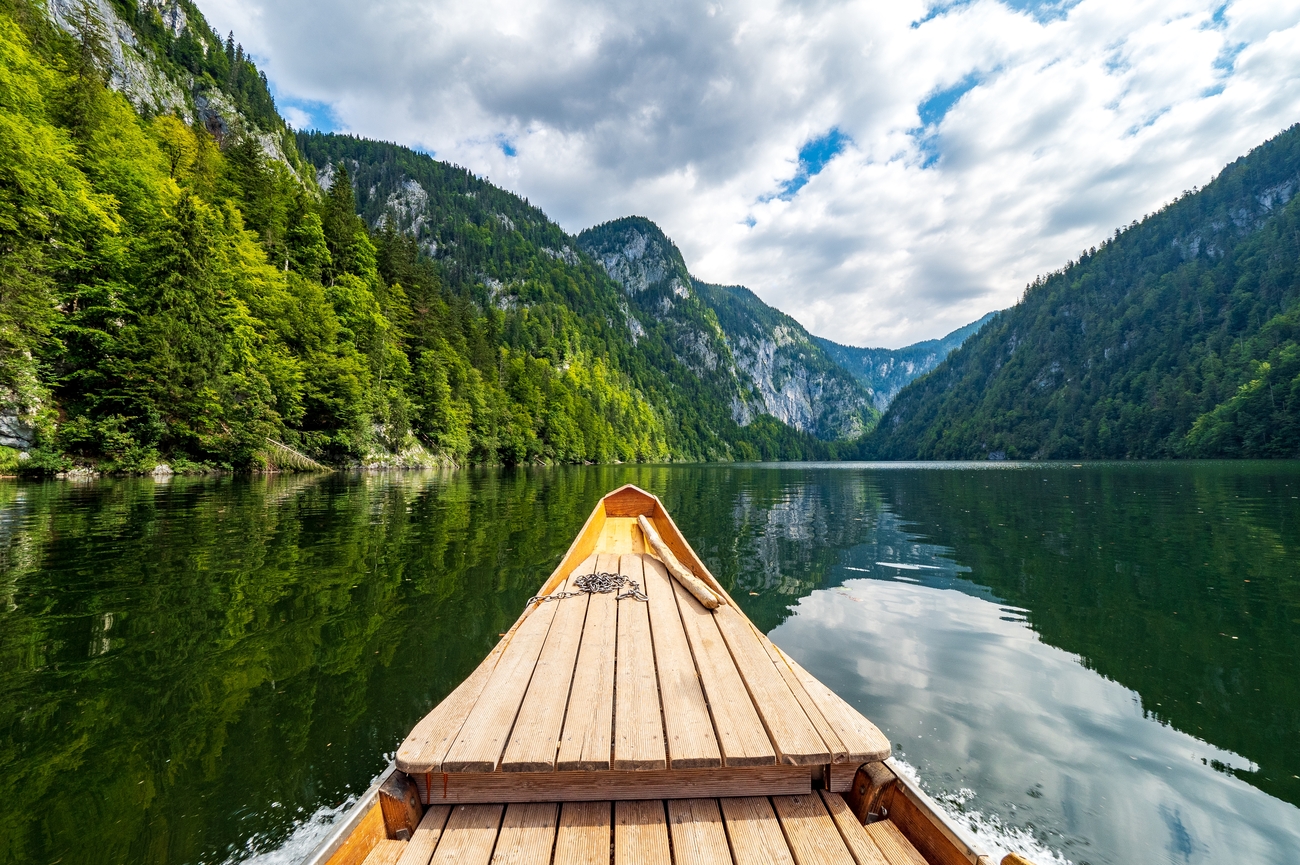
- Katrin Plateau: The Katrin cable car is a vertical transition from spa town to high-alpine theater. In just minutes, Bad Ischl drops away beneath your feet and the plateau opens into panoramic air and layered mountain horizons. There is an option for guided high-altitude photography tours that chase the cleanest light. This is mountain luxury without the crowds.
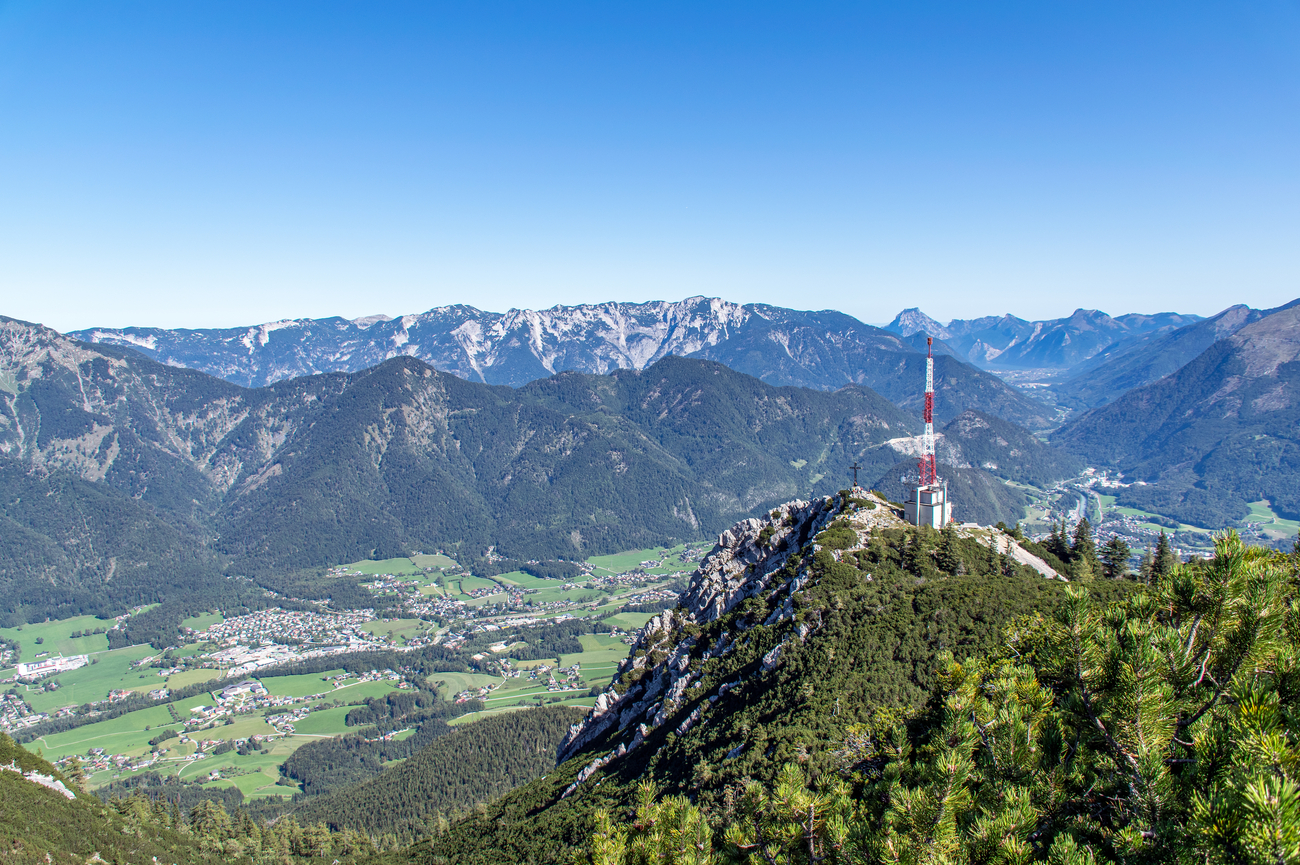
- Postalm Plateau: One of Austria’s largest alpine pastures, high above Wolfgangsee, where rolling meadows, wooden huts and wide skies create a soft-focus mountain panorama. In summer, gentle hiking trails and cosy huts make it an easy-going day in the mountains, while in winter the small ski area and snowshoe routes offer a quieter, more intimate alternative to the big resorts.
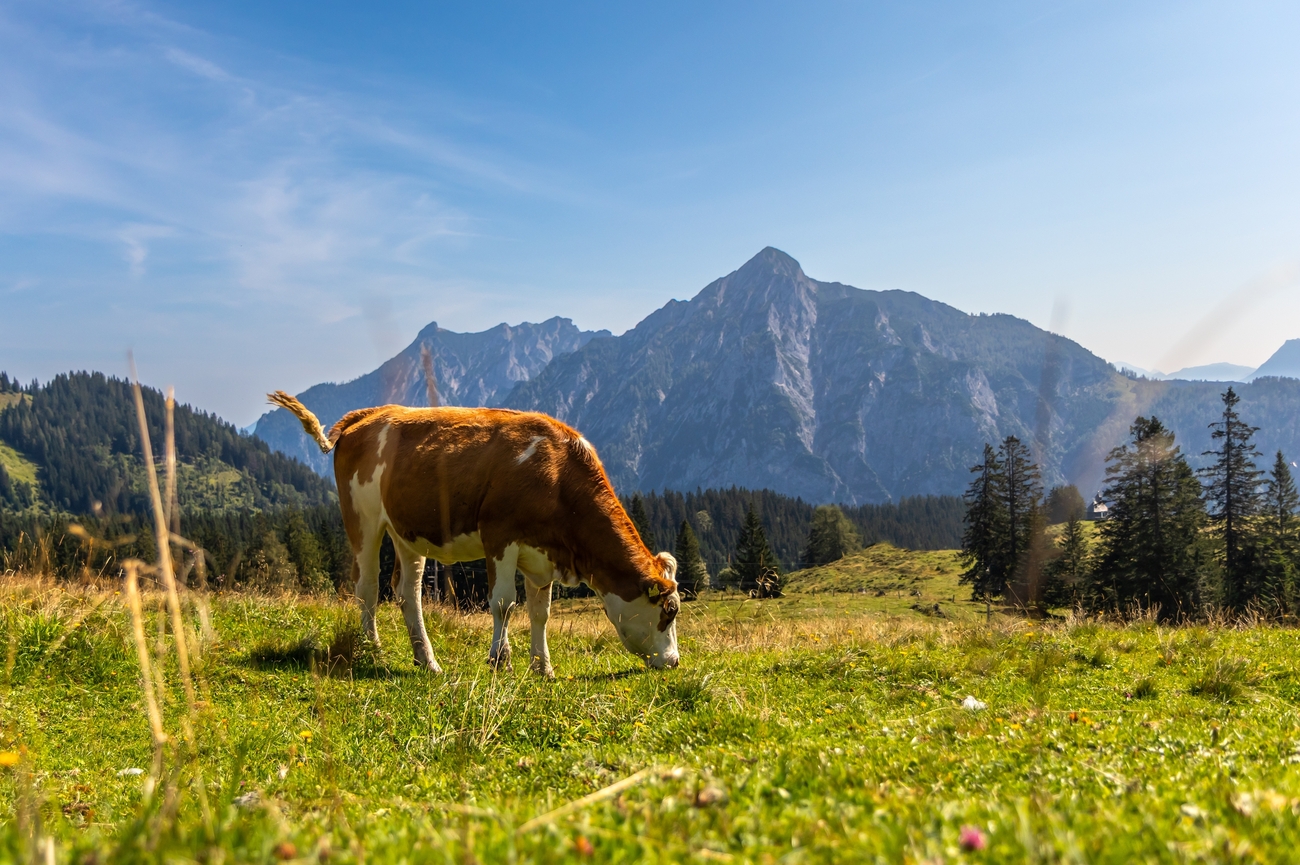
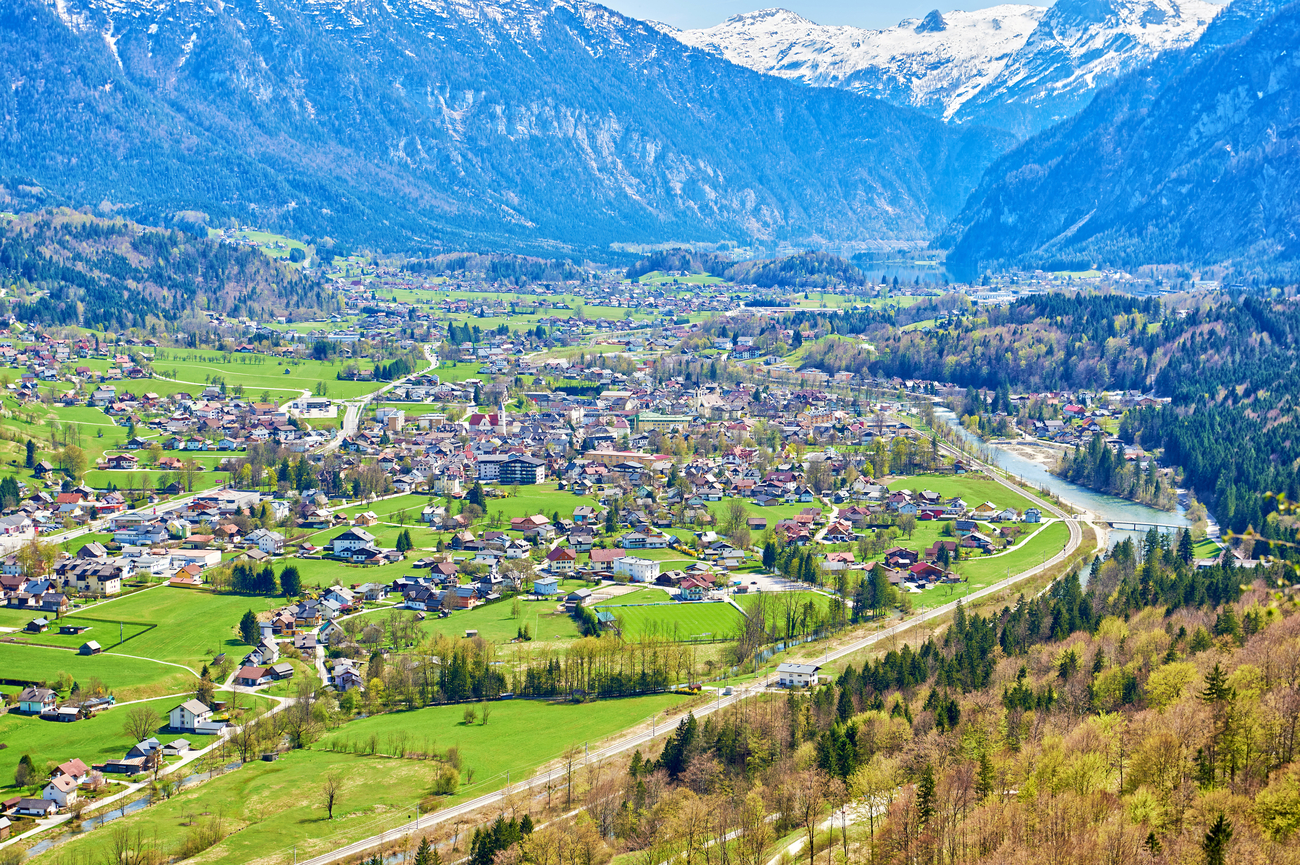
- Bad Goisern am Hallstättersee: Bad Goisern lives in the shadow of Hallstatt’s global fame and that is exactly what makes it special. The town keeps its traditions intact, from shoemaking to woodcraft, without putting on a show for the crowds. The streets feel lived-in, not staged. Luxury here leans cultural rather than flashy, with tailored artisan encounters that take visitors inside family workshops that still operate at a high level of craftsmanship.
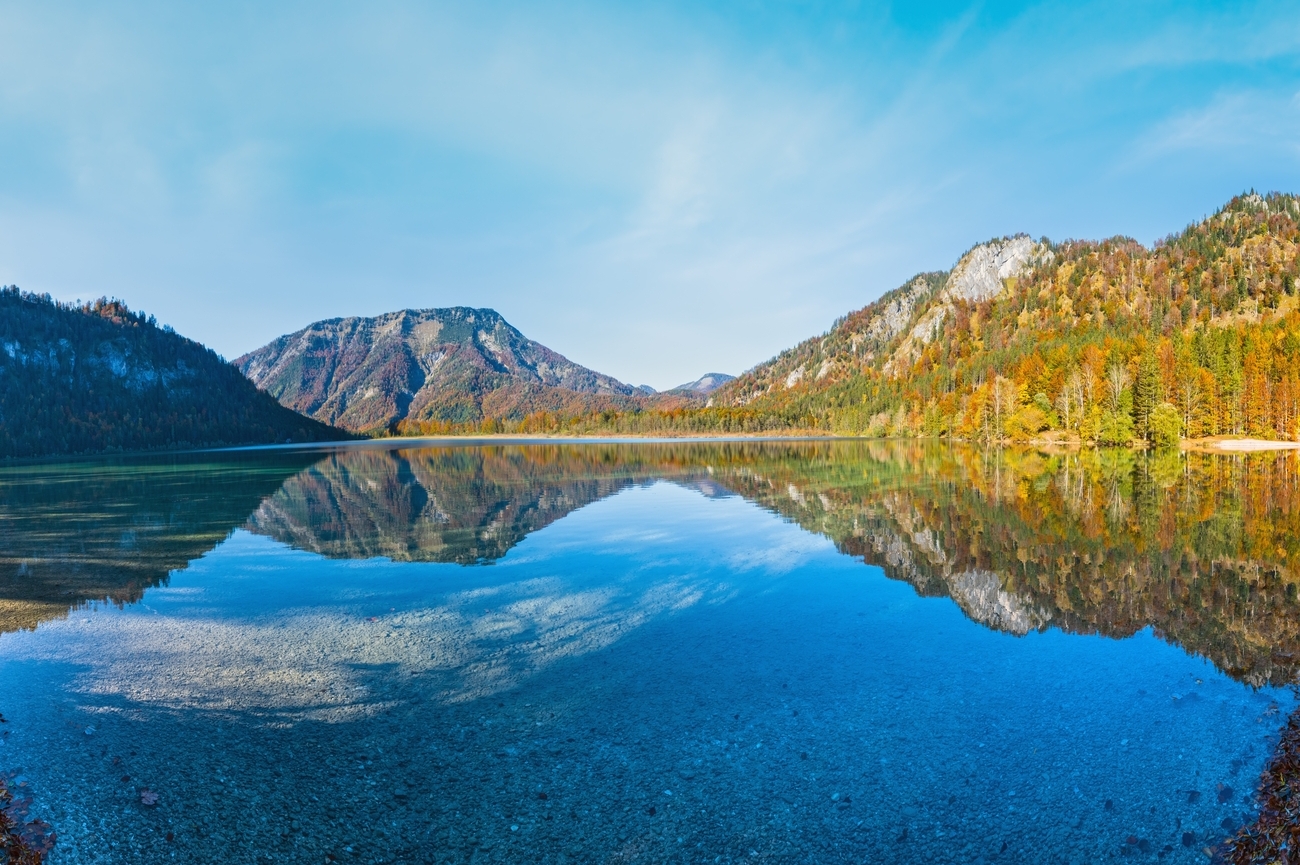
- Offensee: Offensee hides at the end of a forest road, framed by steep rock walls that create natural drama from every angle. It is known for crystal-clear water that shifts from emerald to deep blue depending on the light.
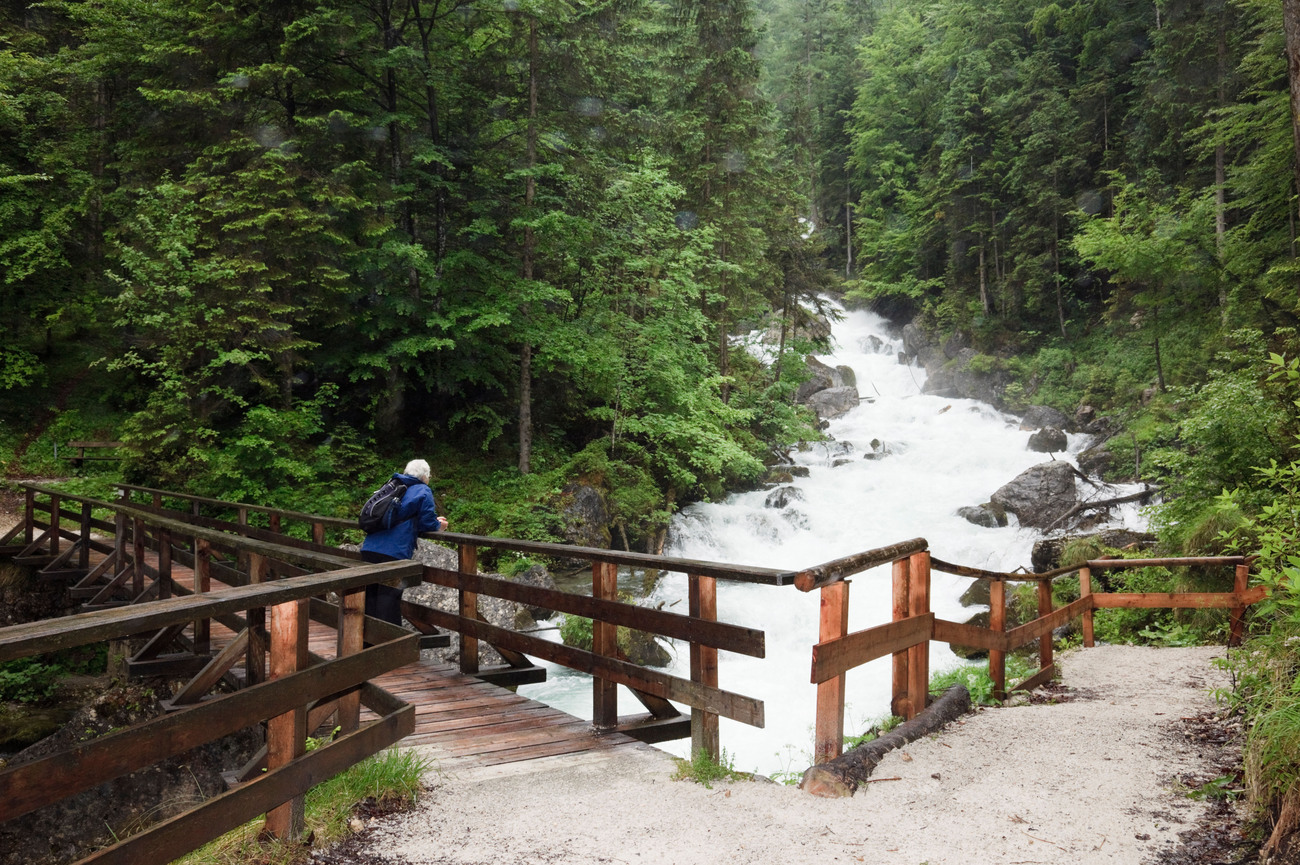
- Echerntal Valley, Glacier Garden and Waldbachstrub Waterfall: For travellers who want Hallstatt’s wilder, quieter side, Echerntal Valley (Echern Valley) begins just beyond the village and leads through ancient forest and glacial rock formations to the Hallstatt Glacier Garden. Continue along the same trail to Waldbachstrub Waterfall, one of the region’s most dramatic cascades, plunging between towering cliffs. It is a serene, powerful contrast to the softer lakeside scenes in the main itinerary.
Things to Do With Kids in Hallstatt & Salzkammergut
Traveling with kids in Hallstatt and the Salzkammergut does not mean trading elegance for entertainment. This region knows how to keep young minds wildly curious while still keeping things polished for grown-ups. Lakes turn into playgrounds, mountains become natural classrooms and history suddenly feels like an adventure story. A thoughtful mix of learning, play and soft luxury makes this area one of Austria’s most kid-friendly high-end destinations. To make planning easier, a curated list of family-approved places has been prepared below.
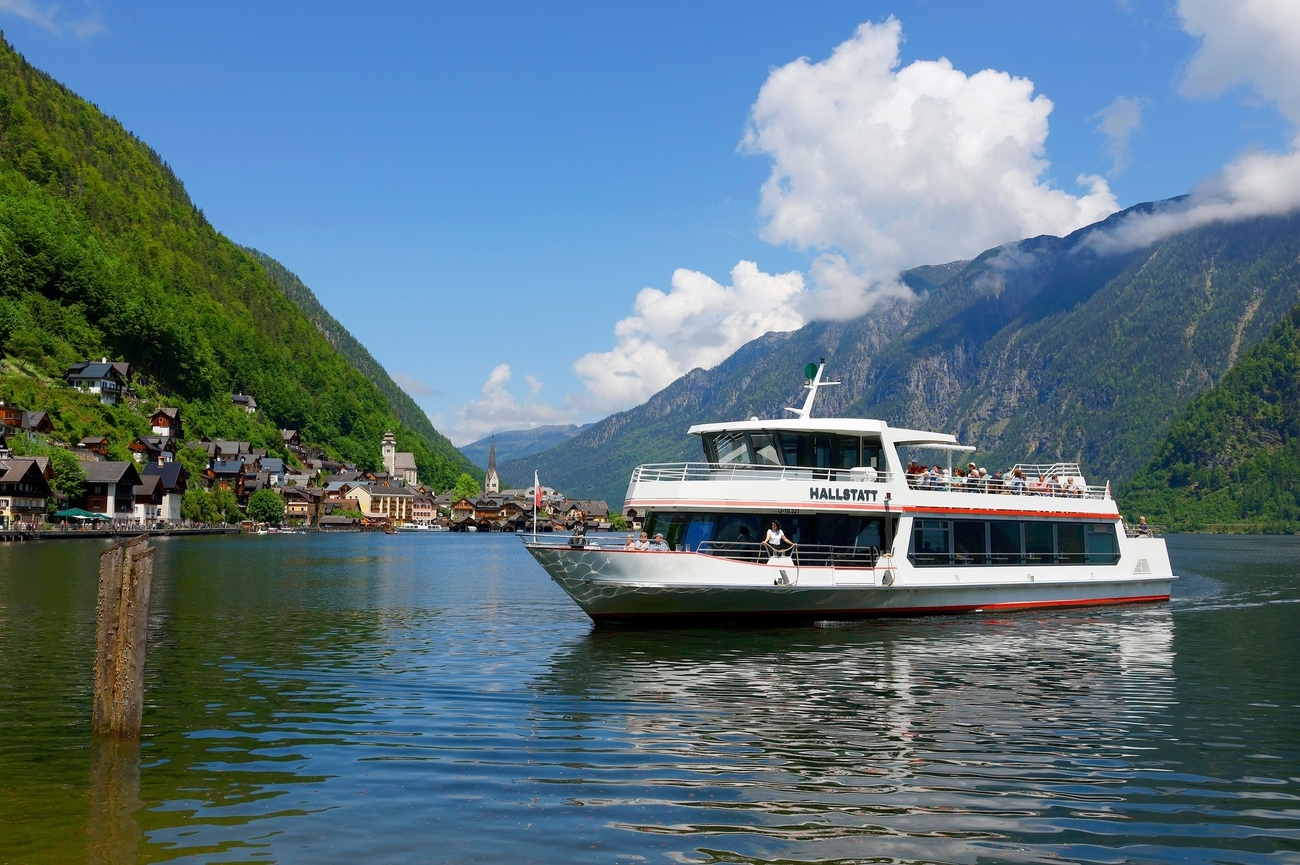
- Hallstättersee Boat Station: Lakes are natural crowd-pleasers for kids, and Hallstättersee delivers calm waters and endless visual stimulation. The cruise feels gentle rather than overwhelming, offering kids swans and mountain reflections that change every minute. For a premium experience, some luxury operators include onboard snacks, narrative guides, and swimming stops during warmer months.
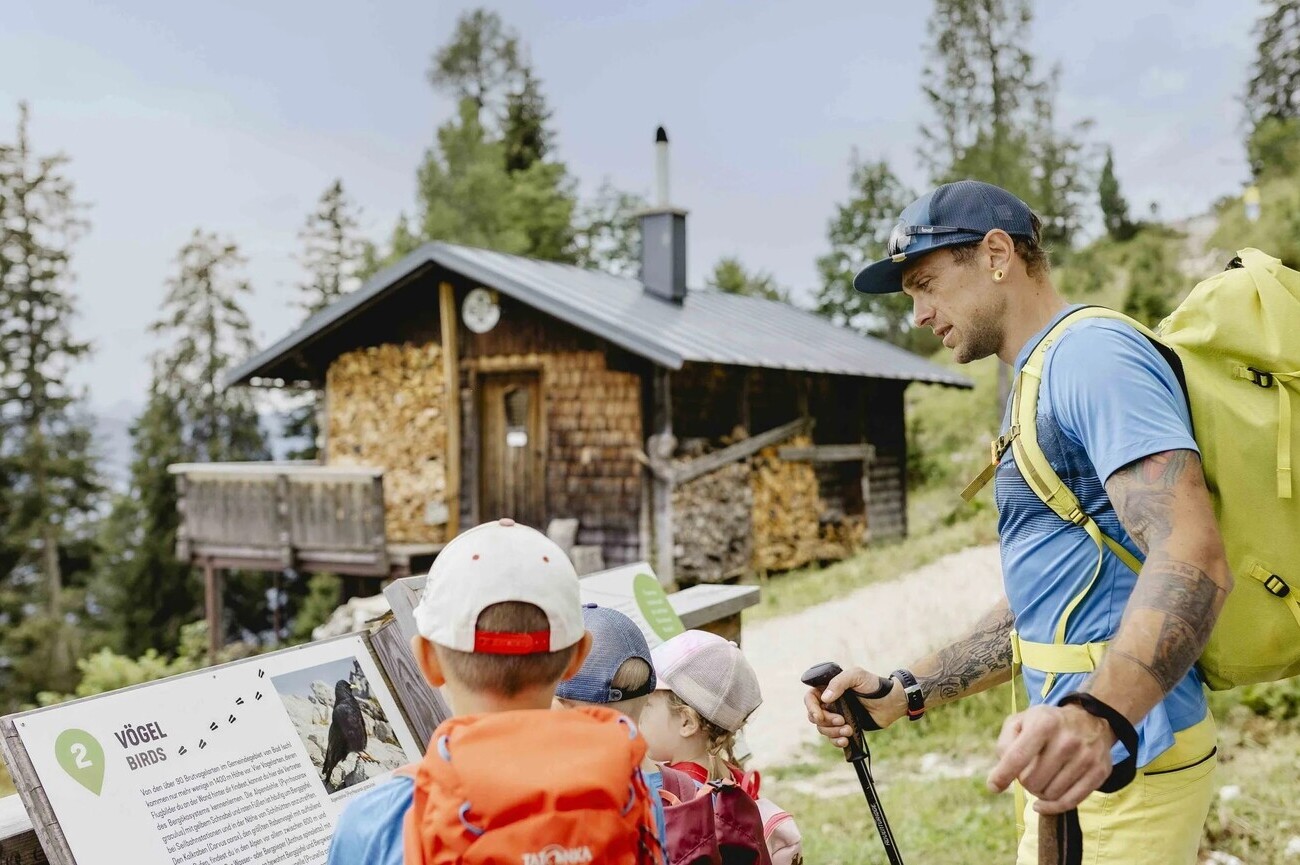
- Katrin Erlebnisweg (Adventure Trail): At the top of the Katrin cable car, a wide-open alpine space becomes a natural playground. There are kid-friendly hiking paths, alpine animals in the summer months and an adventure trail with family-friendly stations that blend seamlessly into the environment.
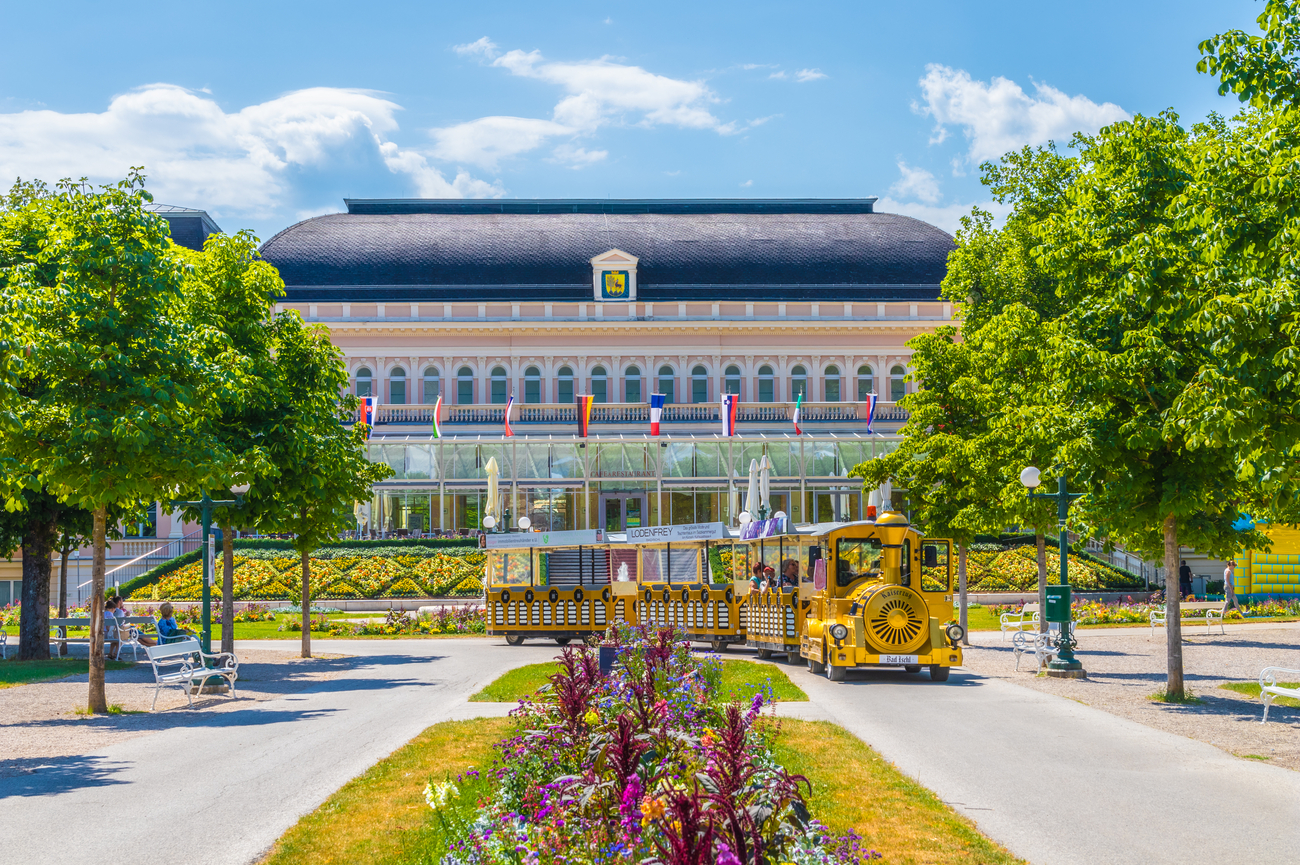
- Kurpark Bad Ischl: This imperial spa town quietly excels at family-friendly leisure. Kurpark offers wide lawns, shaded paths, playground zones and seasonal events that kids can engage with freely. Parents appreciate the calm elegance and historic surroundings. Luxury family itineraries often include private park walks with heritage storytelling guides, blending playtime with light cultural immersion.
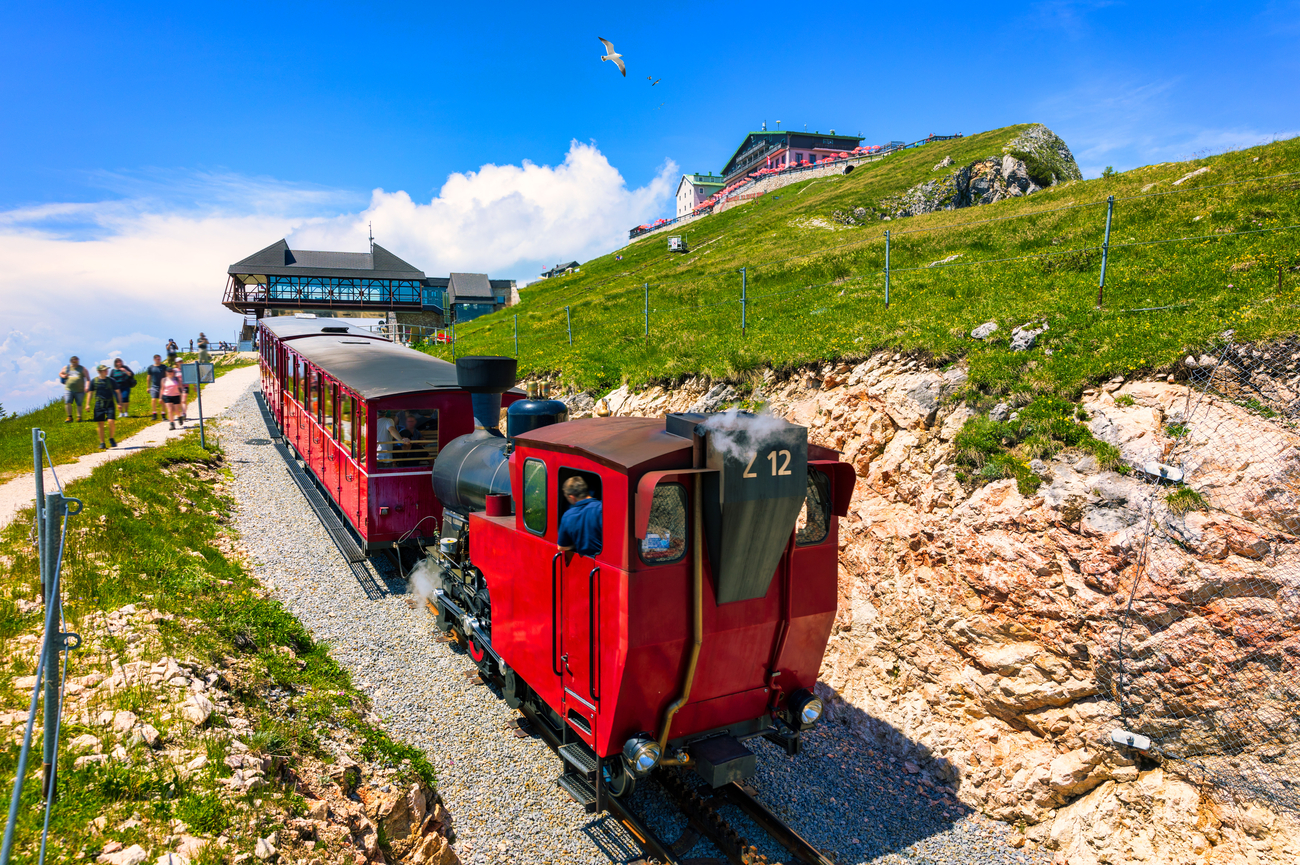
- SchafbergBahn Cog Railway: Few things excite kids like a real mountain train. The historic cog railway climbs steeply toward panoramic views that feel unreal and the journey itself becomes the highlight. The slow ascent allows children to watch forests change into cliffs and sky.
Day Trips From Hallstatt & Salzkammergut
Hallstatt and the Salzkammergut may feel like the center of the Alpine universe, but one of their quiet superpowers is how many iconic places sit just a scenic drive away. Medieval towns, baroque cities, salt empires, river valleys and UNESCO greats are all within day-trip reach. For travelers who like their exploring efficient and elevated, here is a curated list of day trips from Hallstatt and the Salzkammergut.
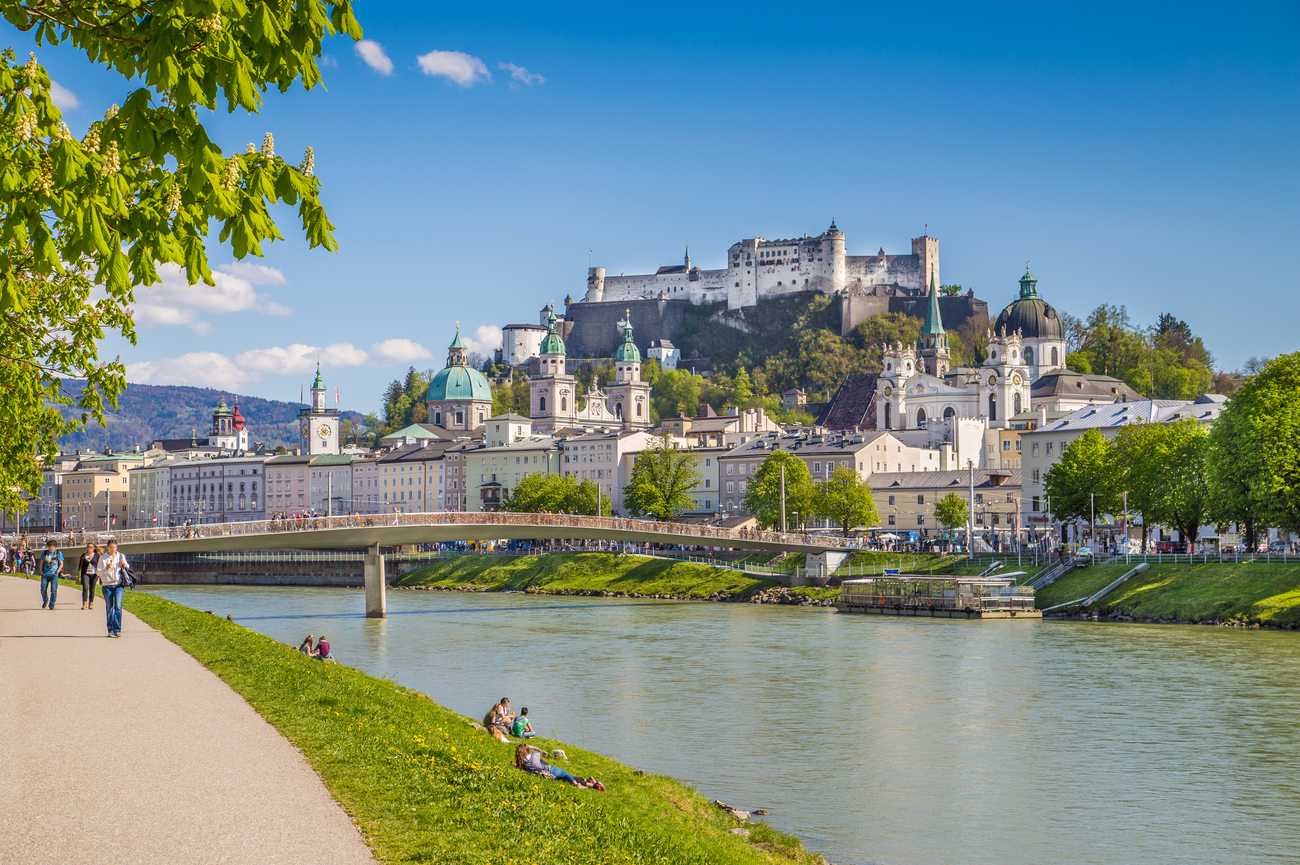
- Salzburg: In just over an hour, the quiet lakes give way to baroque grandeur. Salzburg’s Old Town unfolds in domes, spires, narrow lanes, and grand squares anchored by the mighty Hohensalzburg Fortress. Mirabell Gardens, Salzburg Cathedral, Residenzplatz and the historic Getreidegasse create a walkable stage set of power and artistry. High-end travelers can elevate the visit with private old-town walking tours with fortress funicular upgrades.
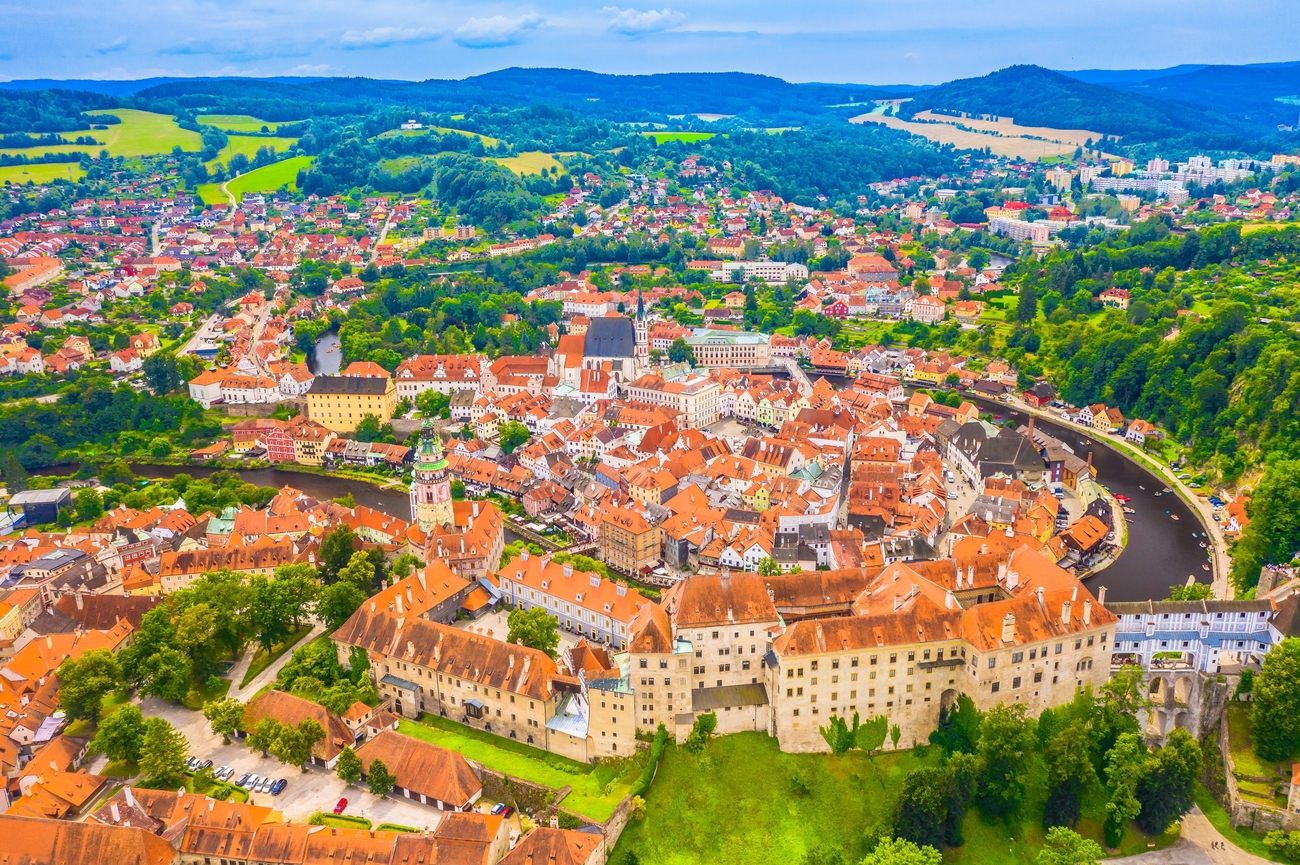
- Český Krumlov, Czech Republic: A longer drive that feels like crossing into a medieval painting. In 2 hours and 30 minutes, you’ll find yourself in Český Krumlov wrapping around a looping river beneath one of Europe’s most enchanting castle complexes. The Old Town is rich with Renaissance and Gothic facades, while the castle offers layered courtyards, towers and sweeping Vltava River views.
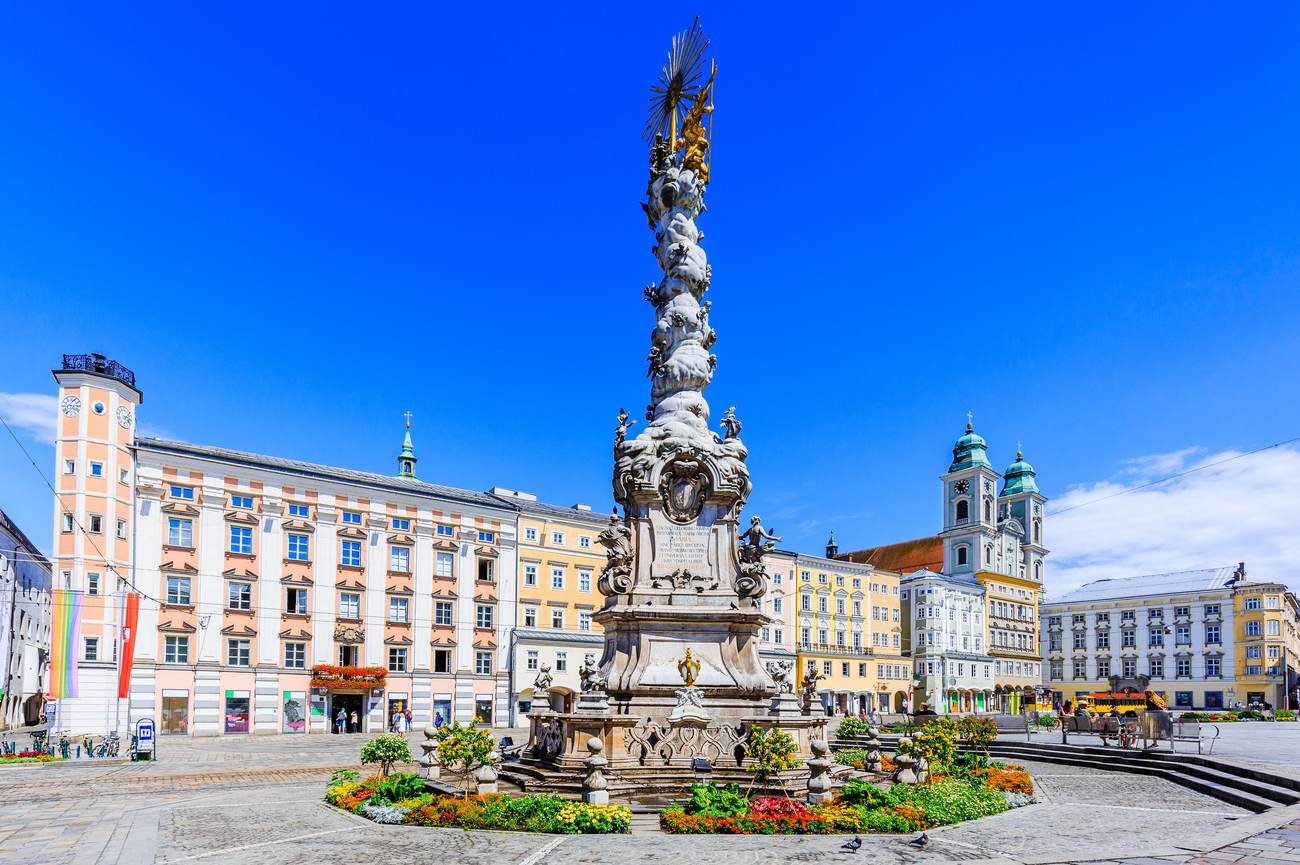
- Linz: Two hours on the road leads to Austria’s capital of contemporary creativity. Linz blends Danube elegance with digital innovation through the Ars Electronica Center, Lentos Art Museum and a revitalized Old Town. High-end travelers explore the city through private architecture and media-arts tours, curated gallery access and Danube river cruises timed for sunset.
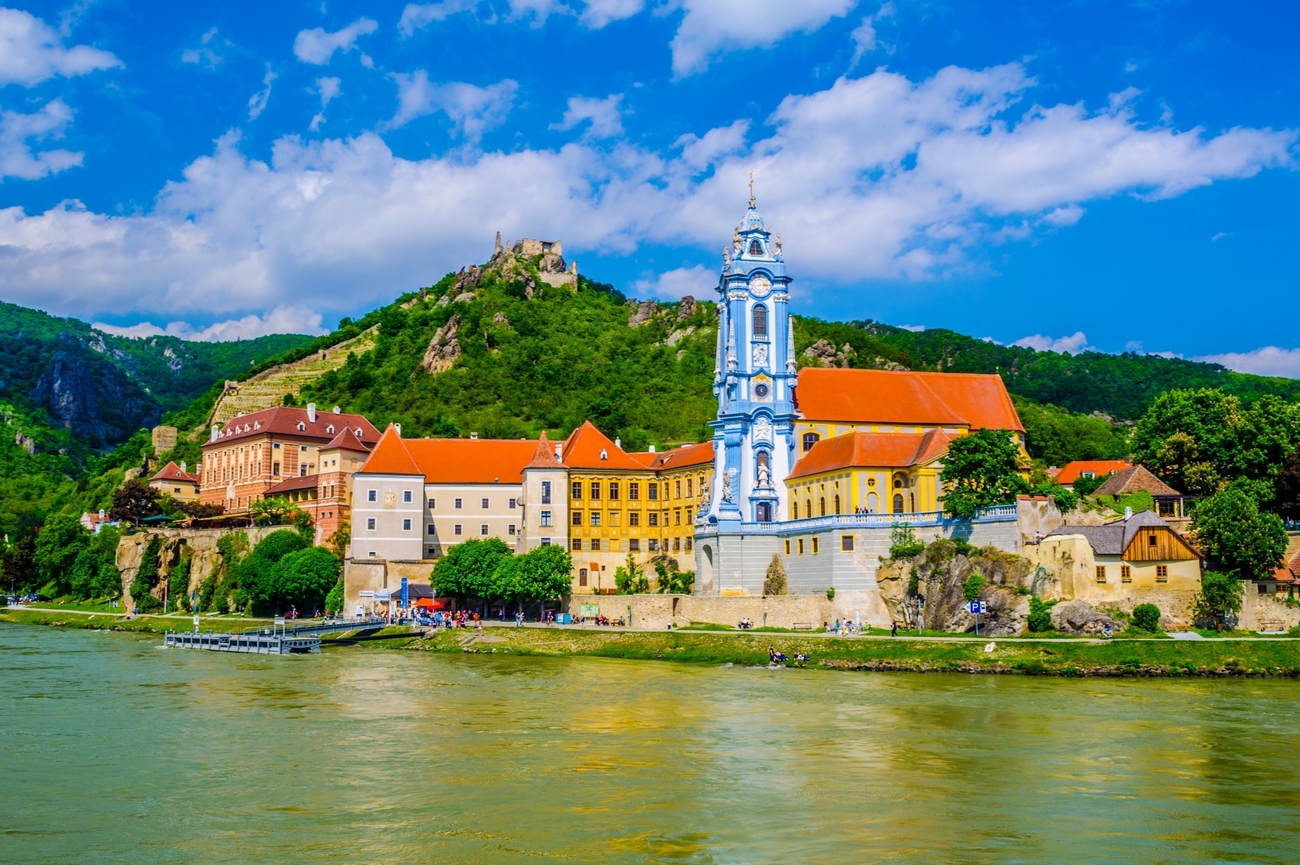
- Wachau Vineyards: A scenic two-and-a-half-hour drive opens into Austria’s most celebrated wine valley, where terraced vineyards cascade down to the Danube in neat green ribbons. The village of Dürnstein anchors the experience with its blue baroque abbey tower and castle ruins tied to the legend of Richard the Lionheart. The real stars, however, are the Grüner Veltliner and Riesling vineyards that thrive on the valley’s steep stone slopes. High-end travelers enjoy private vineyard walks with winemakers, exclusive cellar tastings in historic wine estates and private Danube boat transfers between villages.
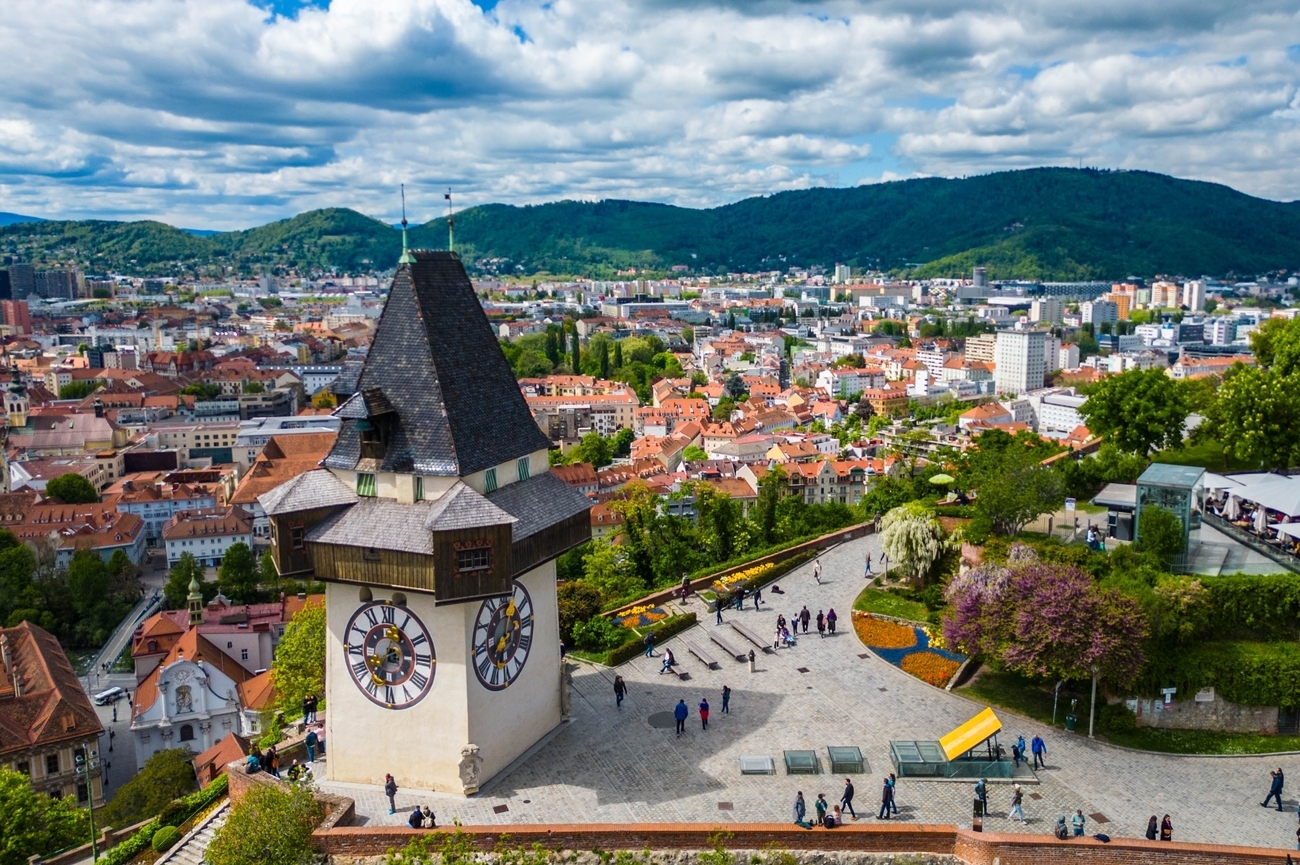
- Graz: Three hours south, the rhythm subtly shifts toward Mediterranean. Graz blends medieval rooftops with modern design, anchored by the Schlossberg Clock Tower, Hauptplatz and Murinsel river architecture. High-end itineraries feature private heritage walks, Schlossberg lift access and curated cultural pairings inside historic mansions and contemporary design spaces.
Golf Courses in Hallstatt & Salzkammergut
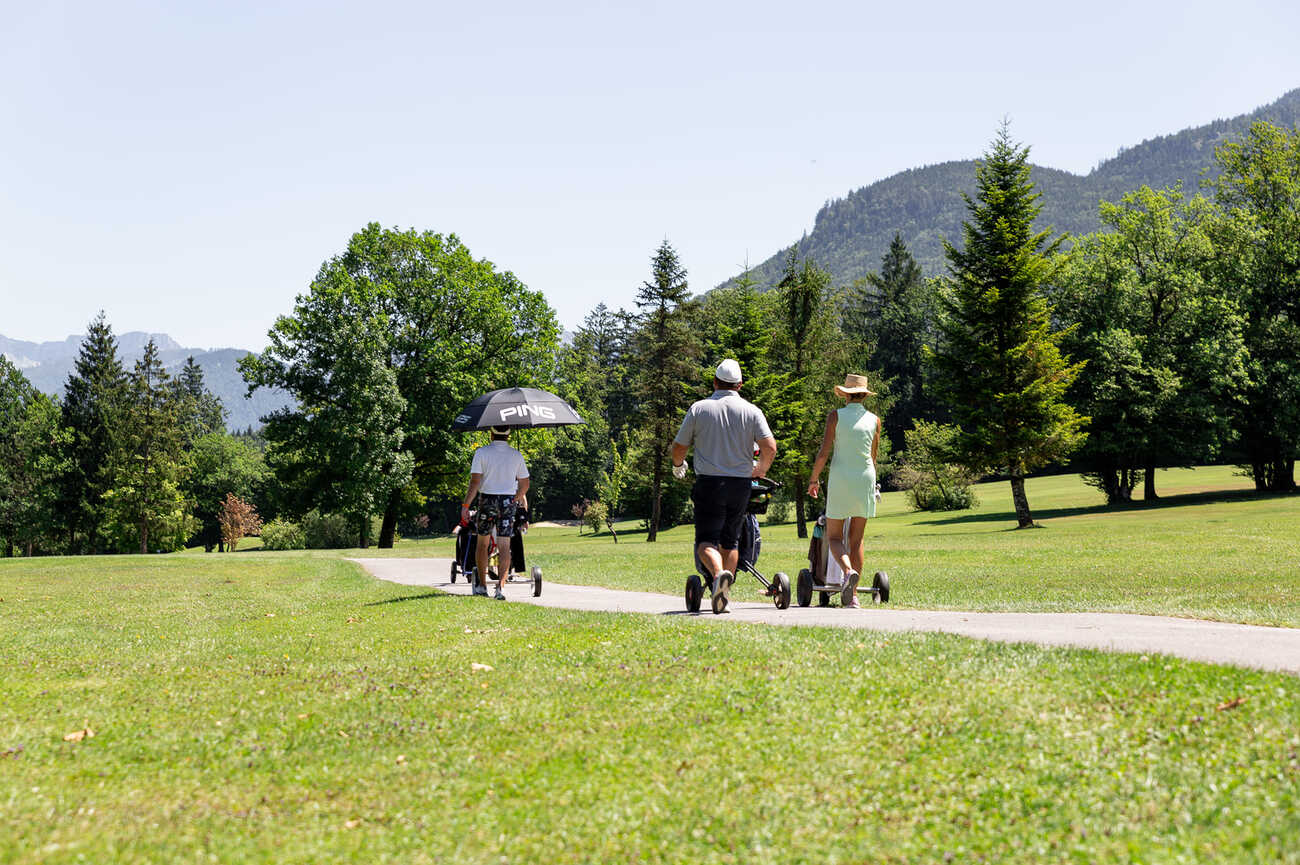
The Salzkammergut is not just lakes and storybook villages. It is also one of Austria’s quiet power moves in the golf world. Fairways roll between alpine peaks, greens flirt with lake shores and every swing comes with a postcard backdrop.
- Salzkammergut Golfclub: This historic course carries the quiet confidence of something that has seen generations of refined players pass through its fairways. Opened in 1933, it unfolds through manicured parkland framed by forested hills and gentle alpine rises. Fairways curve softly and greens are protected by subtle elevation changes that demand a thoughtful short game. High-end golfers enjoy priority tee times during tournament season.
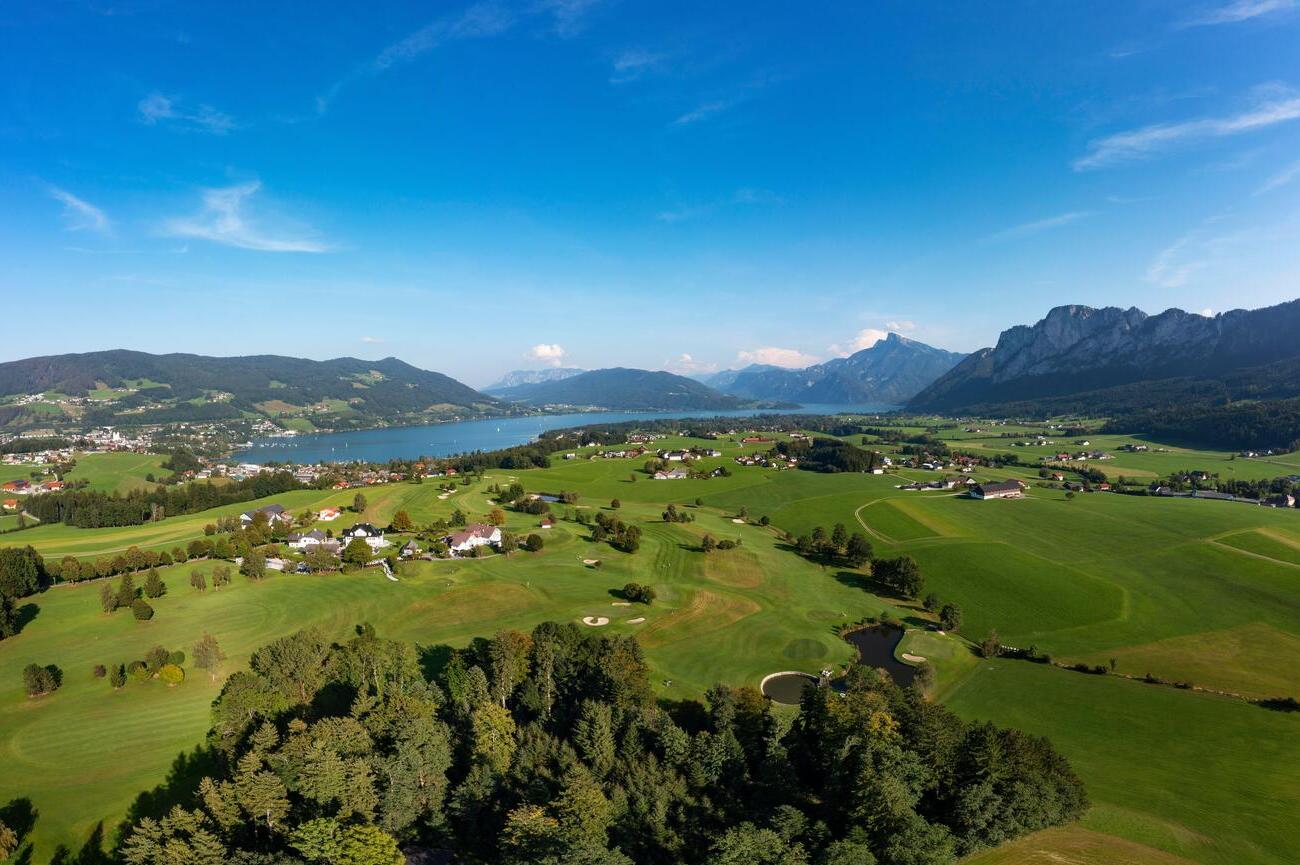
- Golfclub Drachenwand Mondsee: Few courses in the region match the drama of this setting. The towering Drachenwand cliff dominates the skyline and gives every hole a theatrical sense of scale. Forest corridors open suddenly into bright alpine meadows. The lake glimmers at unexpected angles. Playing here feels cinematic from the opening drive to final putt.
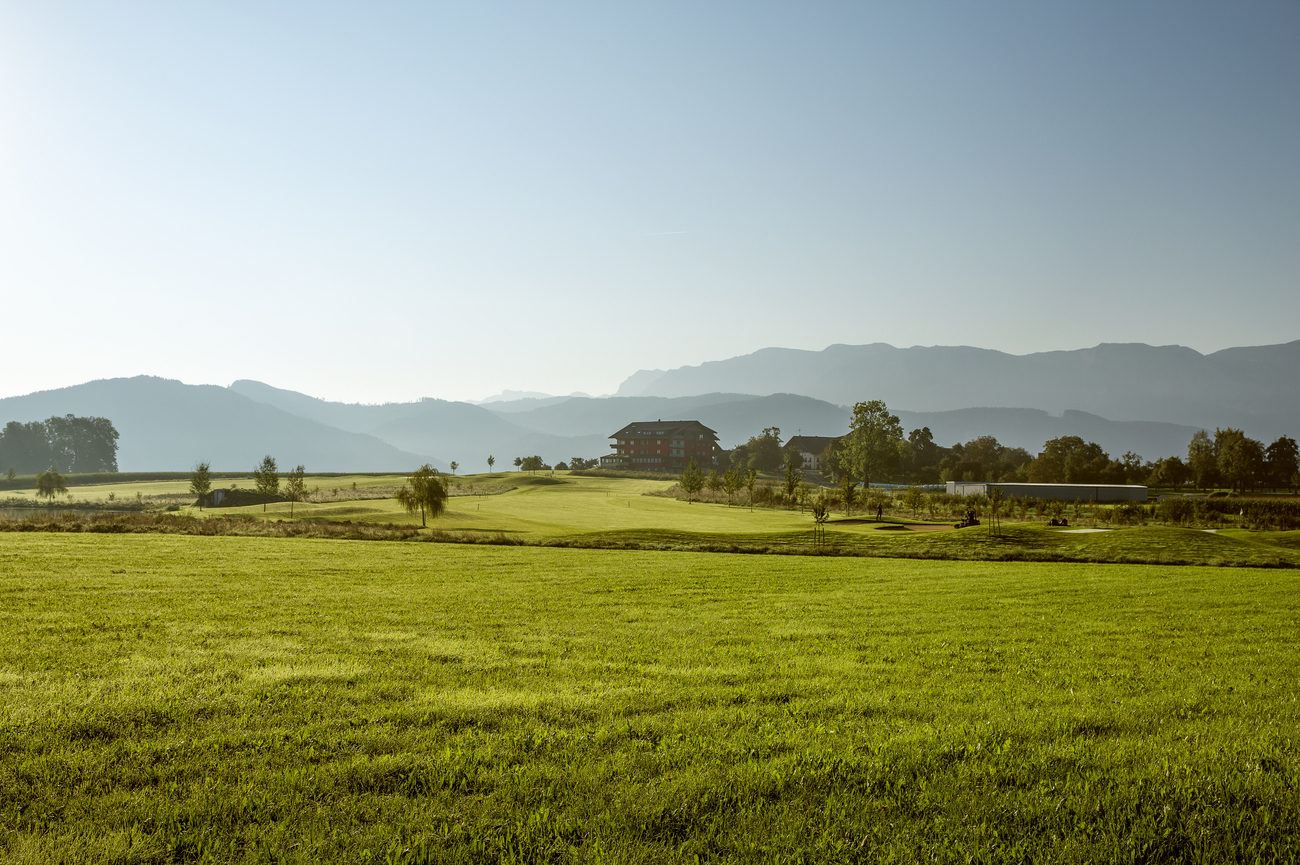
- Golfclub am Attersee: This course thrives on clarity and calm in a way that feels almost engineered by nature itself. The 18-hole layout stretches across gently rolling terrain with wide openings off the tee that slowly tighten into more technical approaches. Greens are fast, immaculately kept and shaped to reward players who think two shots ahead.
Race Courses in Hallstatt & Salzkammergut
Horses have a way of turning quiet alpine landscapes into arenas of thrill. In the Salzkammergut, where lakes mirror mountains and villages feel sculpted from storybooks, there’s one spot where equestrian elegance truly takes the spotlight.
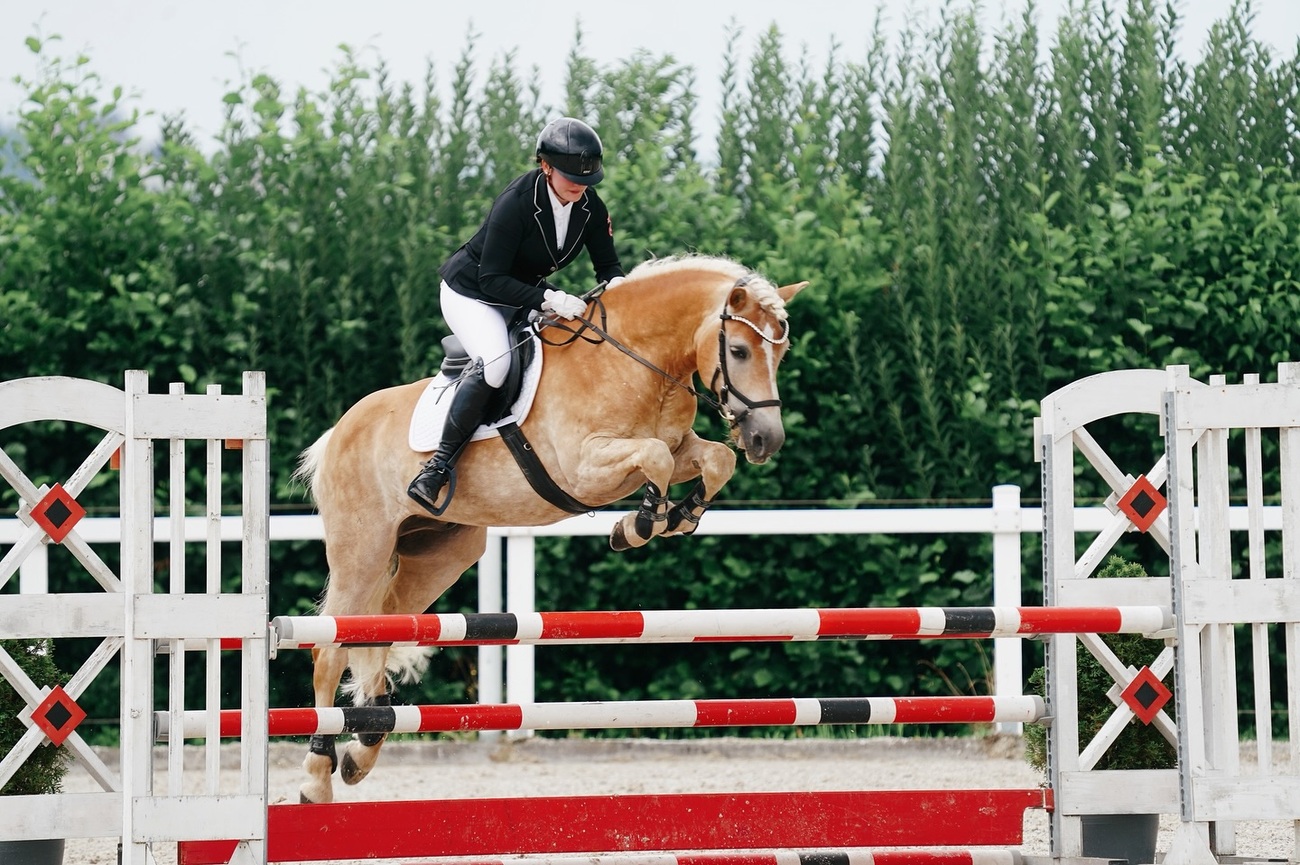
- Union Reit- und Fahrverein Gschwandt: Just a short drive from Gmunden, the Union Reit- und Fahrverein Gschwandt is the heartbeat of Salzkammergut’s equestrian world. This is where horse sport comes alive with elegance rather than spectacle. The club hosts dressage, show jumping and local trotting events that attract riders from across Upper Austria. The facility combines professional-level arenas with open training fields. Luxury experiences here include private riding lessons with certified trainers, VIP seating for competitions and chauffeured transfers from nearby lakefront resorts.
Michelin-Starred Restaurants in Hallstatt &
Salzkammergut
The Salzkammergut isn’t just a feast for the eyes. It’s also a playground for the taste buds. Between lakes that glitter like glass and mountains that scrape the sky, a handful of chefs are quietly rewriting alpine cuisine. This is not about schnitzel slapped on a plate. It’s about fish pulled from the lake that morning, herbs foraged from the hills and flavors that feel at once familiar and shockingly inventive. For anyone who wants to pair epic scenery with epicurean precision, here’s a curated list of Michelin-starred dining experiences that turn a meal into a proper performance.
- Atelier Fischer: Perched above Wolfgangsee, Atelier Fischer turns lake views into part of the dining theater. Awarded 1 Michelin star, this restaurant excels with contemporary Austrian cuisine rooted in local produce and freshwater fish. High-end diners can enjoy private lakeside tables, chef’s tasting menus paired with Austrian wines and curated seasonal menus that highlight the lake’s catch of the day. The subtle interplay between luxury and nature makes it a must for anyone chasing both scenic and culinary vistas.
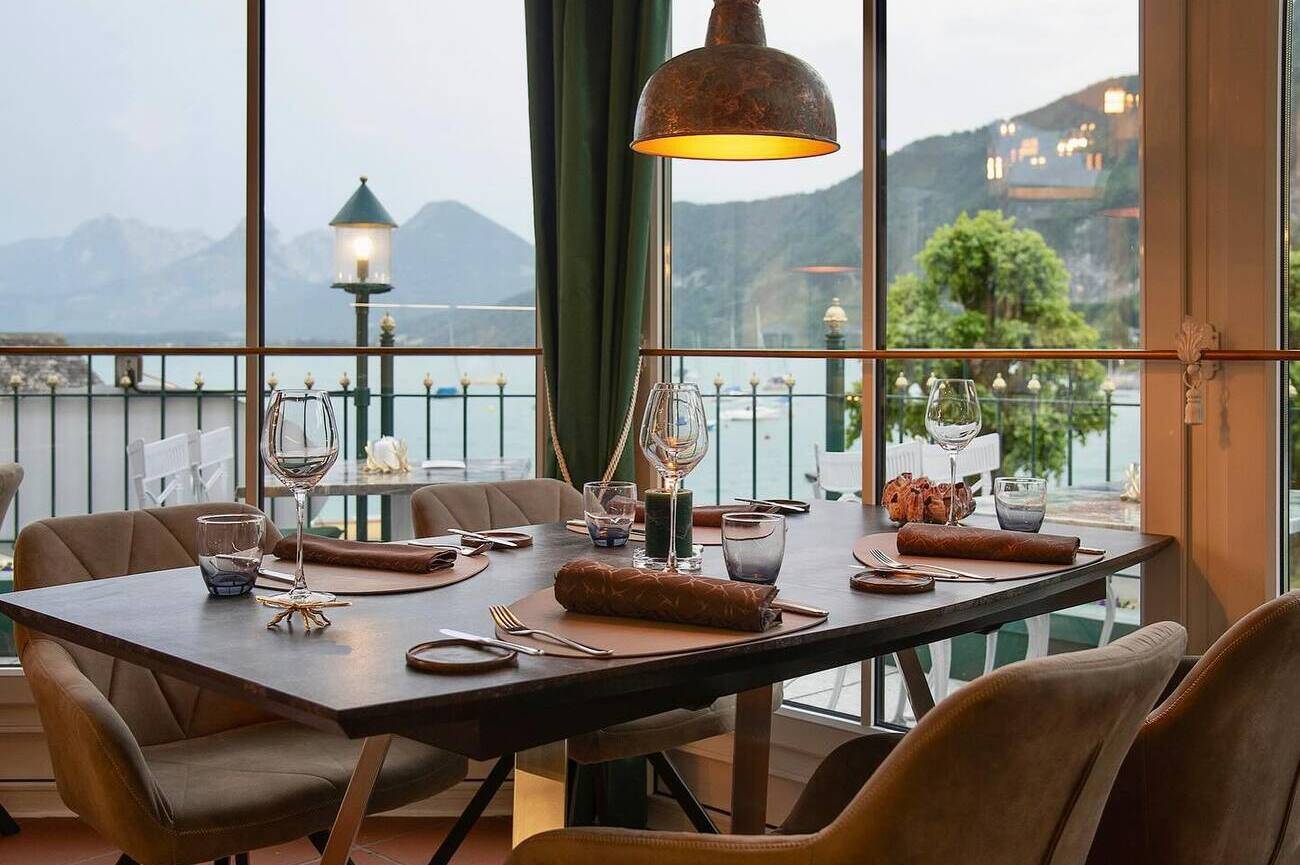
- Paula: This intimate spot has been capturing hearts and taste buds with its 1 Michelin star flair for modern European cuisine with an Austrian twist. Seasonal ingredients are treated with minimalist precision while flavors pop in surprising ways. Signature dishes like the herb-crusted lamb or wild mushroom risotto balance rustic tradition with a contemporary palette.
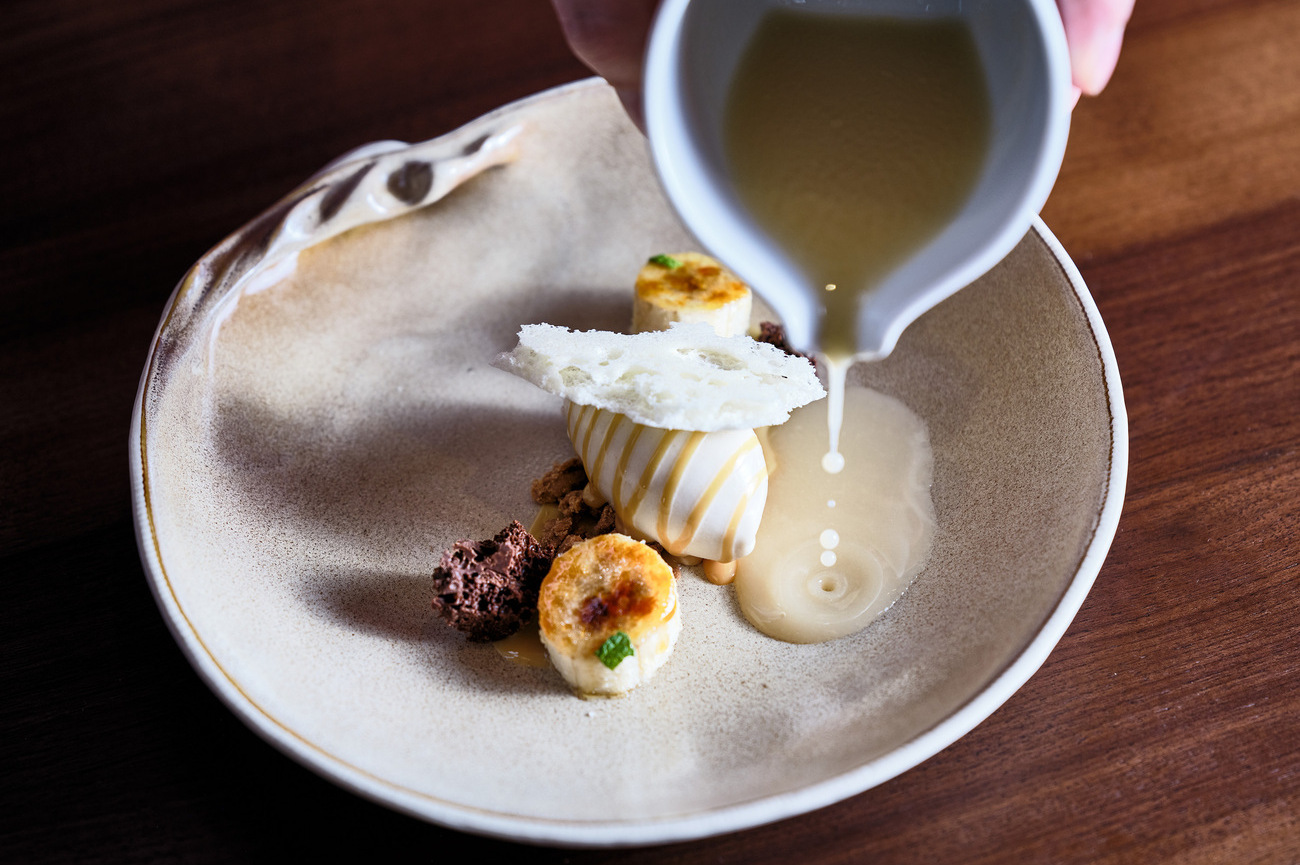
- Bootshaus: Bootshaus channels the elegance of the Traunsee lakefront into its 1 Michelin star dining concept. The menu emphasizes fresh regional fish, rich Alpine game and artisan vegetables, all paired with carefully selected Austrian wines. Known for dishes like roasted pike-perch with seasonal herbs and a subtly smoked trout, Bootshaus turns lakeside dining into haute cuisine.
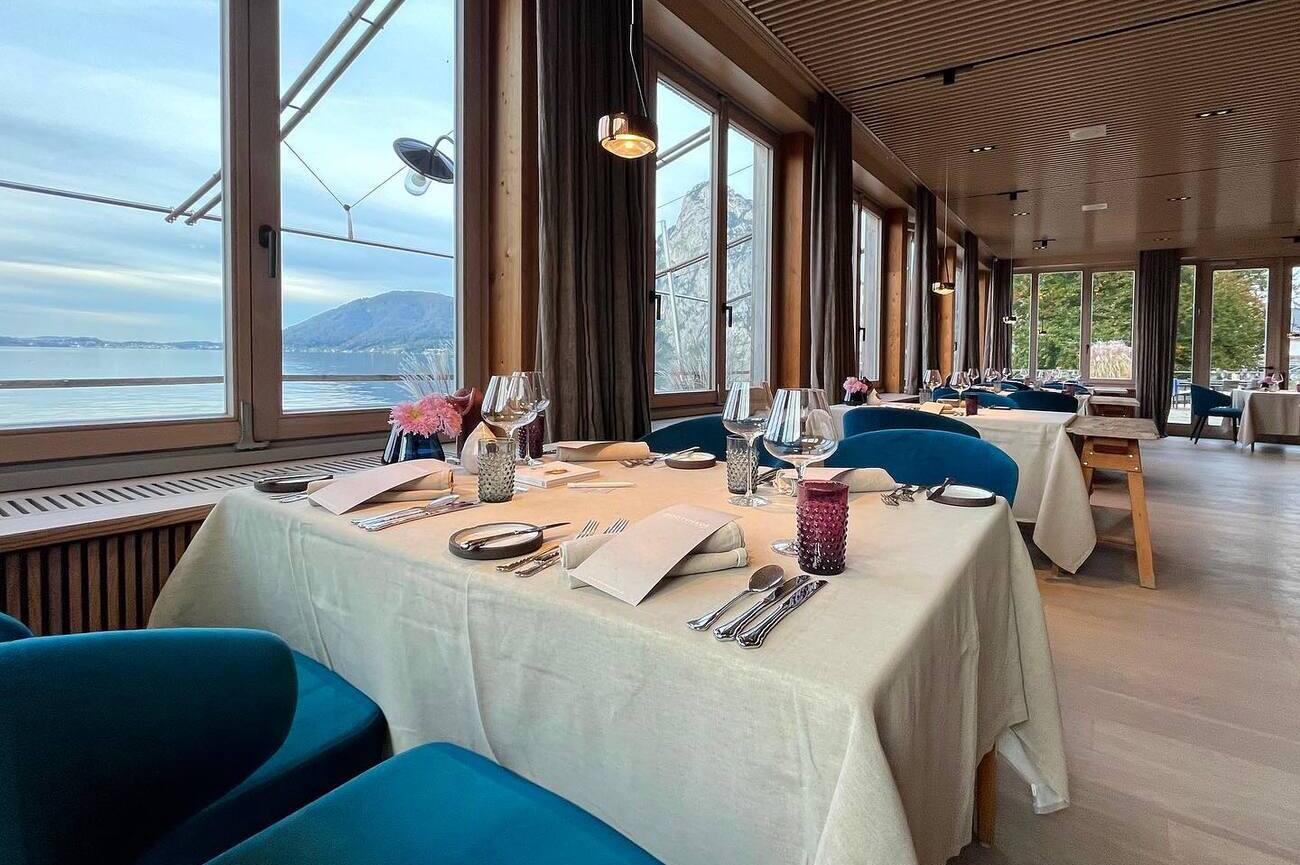
- Geiger Alm: High in the Altaussee mountains, Geiger Alm marries rustic alpine charm with 1 Michelin star gastronomy. The cuisine celebrates local ingredients from the Salzkammergut plateau, like tender venison, fresh mountain herbs, and handpicked wild mushrooms. Signature offerings include alpine cheese soufflés and slow-cooked lamb with seasonal roots.
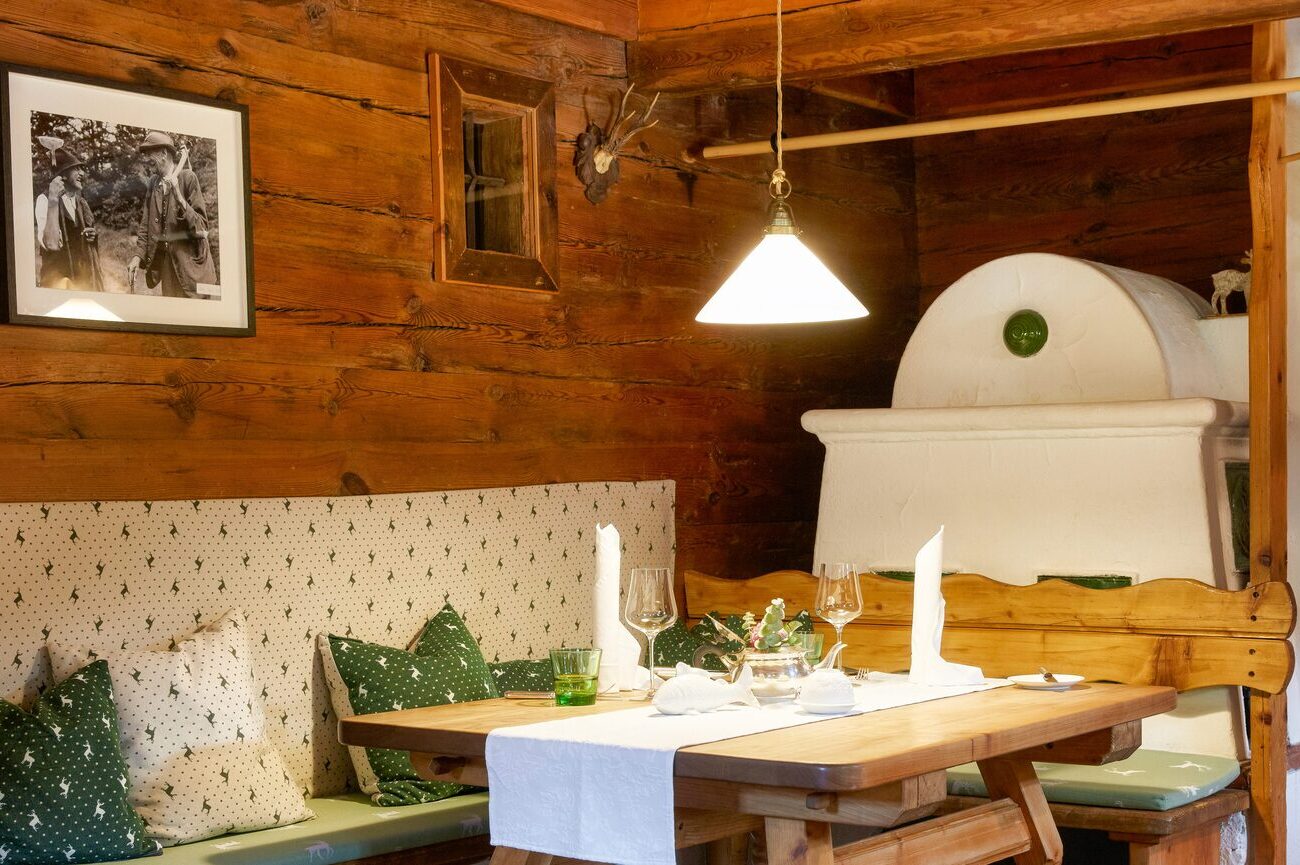
- Obauer: Just outside the traditional Salzkammergut boundary, Obauer is a culinary landmark with 2 Michelin stars, consistently ranked among Austria’s finest. Known for avant-garde interpretations of traditional Austrian dishes, its tasting menus are a symphony of flavors and textures, from exquisite smoked river fish to game elegantly prepared with local herbs. It’s haute Austrian cuisine at its most audacious and refined.
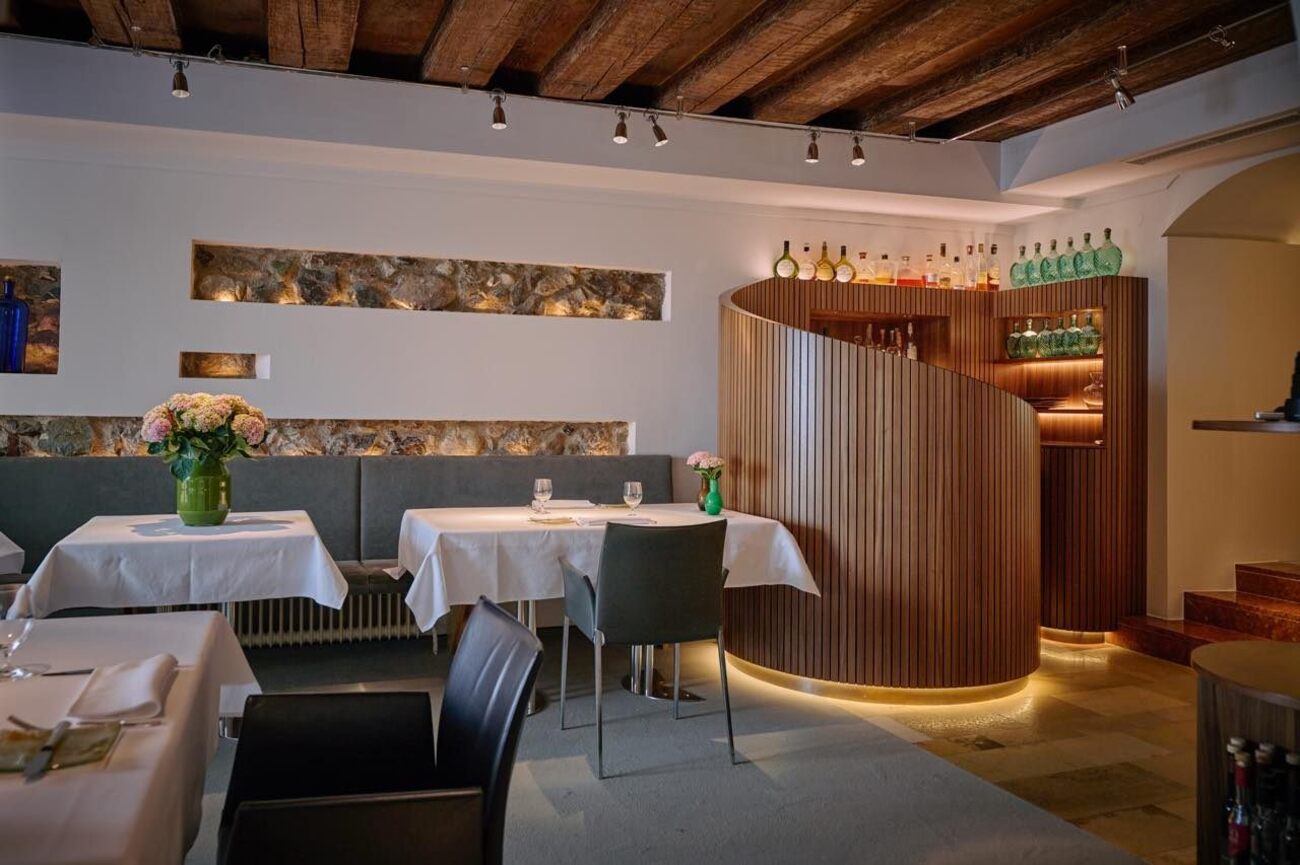
Where to Eat in Hallstatt & Salzkammergut
The villages in this region hide culinary gems that mix local tradition with modern finesse. From lakeside dining with panoramic views to cozy alpine spots serving elevated Austrian comfort food, these restaurants prove that flavor here is as breathtaking as the scenery. Here’s a handpicked list of must-visit dining spots for both casual indulgence and refined palates.
- Stefan Haas Fine Dine: Tucked away in Altaussee, this is the kind of dining room where the mountains feel present even at the table. The cooking is creative but never chaotic, built around pristine local ingredients, seasonal rhythm and plates that look as good as they taste. Expect thoughtful tasting menus, elegant pacing and a calm confidence that turns dinner into an occasion. It is refined. It is intimate. It is Ausseerland at its most delicious.
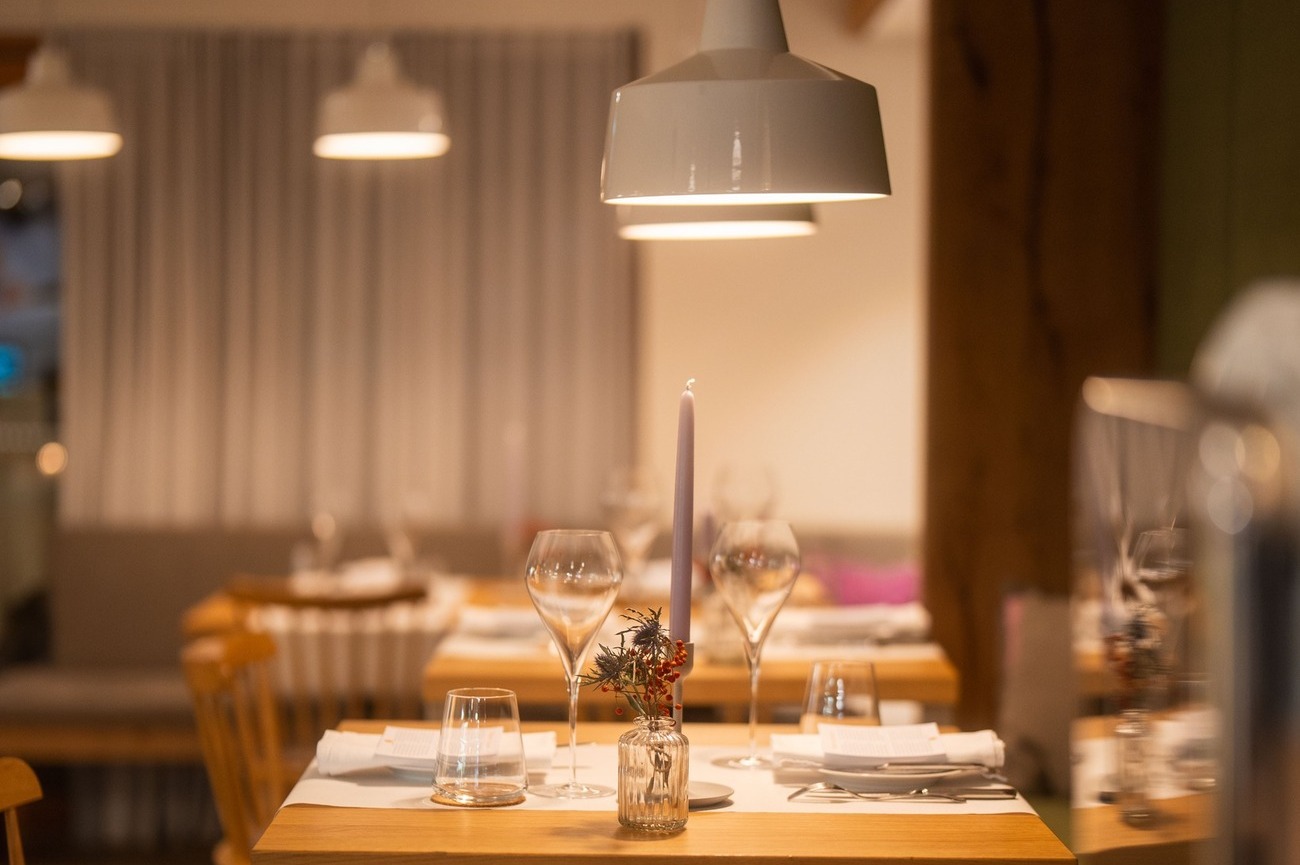
- Genussschmied: Genussschmied blends alpine tradition with a contemporary edge. Known for its artisanal approach, dishes emphasize locally sourced meats, wild herbs and mountain cheeses, with a presentation that feels both rustic and artful. High-end options include chef’s tasting menus and curated wine pairings, making it a perfect spot for those who appreciate thoughtful gastronomy tucked into a quaint, historical setting.

- See-Eck (Restaurant & Winebar): In St. Wolfgang im Salzkammergut, this wine-led restaurant pairs polished, relaxed cooking with a smart, well-curated list. Expect generous plates, good pacing and an atmosphere that makes you want to stay for one more glass. It is intimate. It is lively. It is a lake town evening done properly.
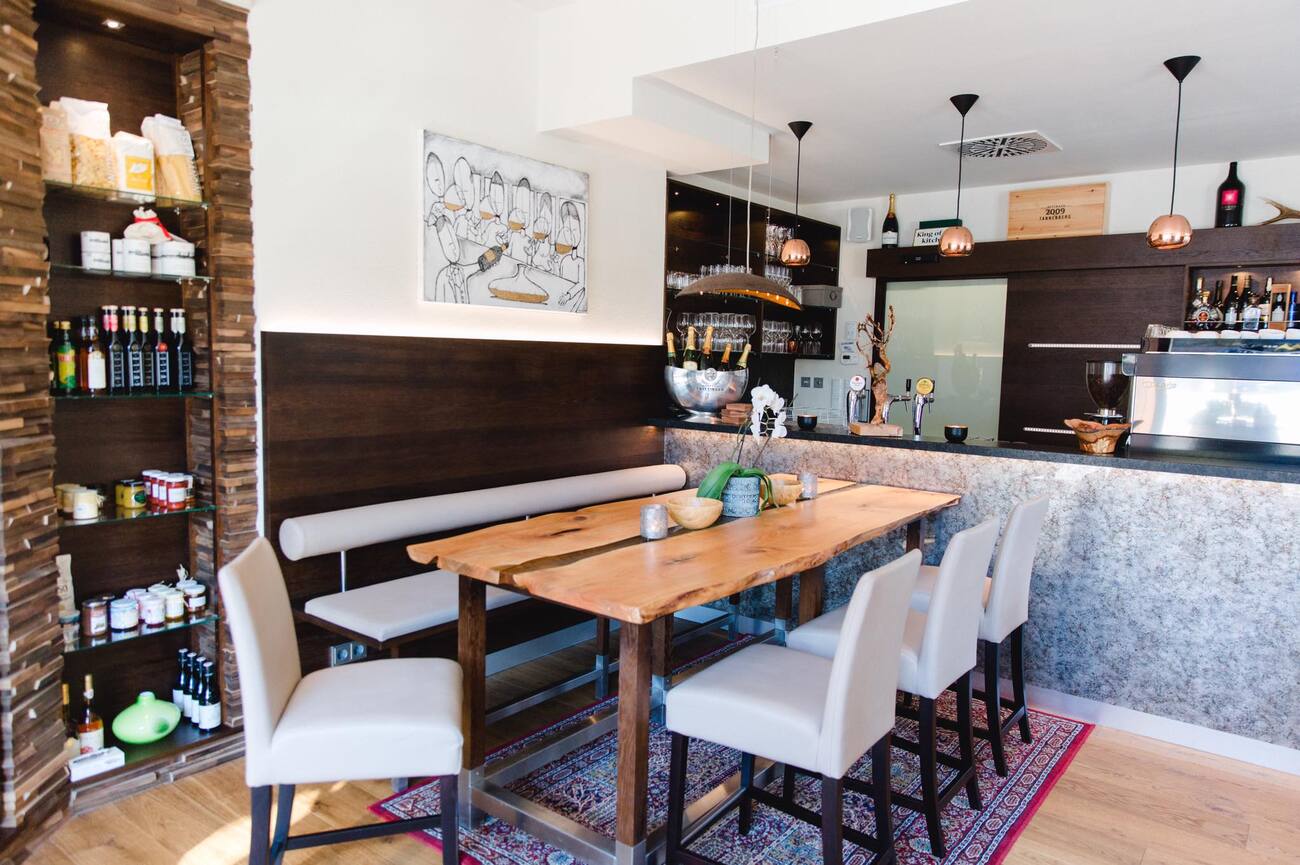
- Welterbe-Wirtshaus Steegwirt: Restaurant im Seehotel Grüner Baum, set on the Hallstättersee waterfront, serves traditional Austrian cooking with a modern, lighter touch. Fresh lake fish is the highlight, simply prepared with seasonal sides. The dining room opens onto the water, so the lake, the boats and the mountain reflections come with every bite. It is unfussy. It is scenic. It is pure Hallstatt.
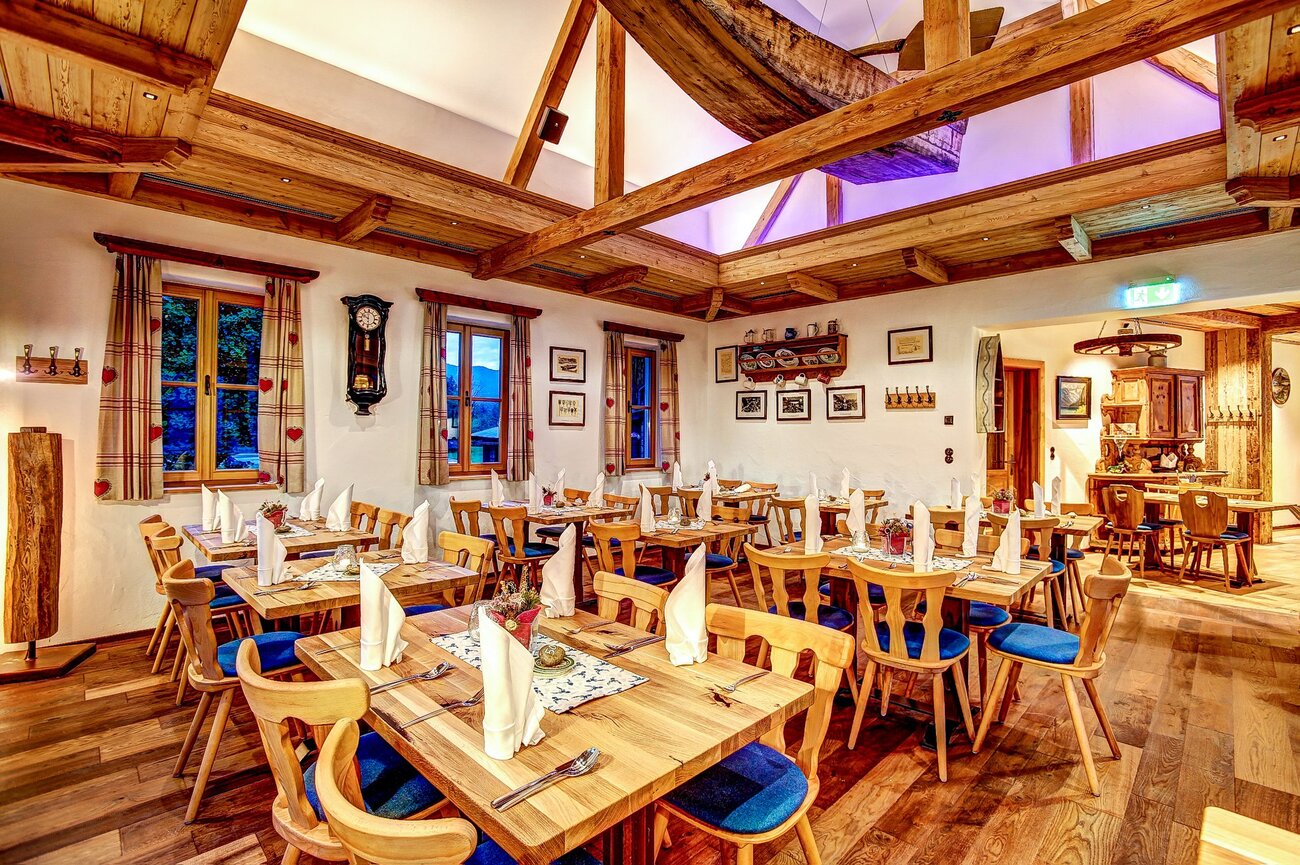
- Dorf-Alm zu St. Wolfgang: This is a restaurant above St. Wolfgang village. Dorf-Alm delivers mountain-top ambiance with hearty alpine cuisine. Think stews, fresh herb salads and strudel that feels like it was baked for royalty. The terrace provides sweeping views of Wolfgangsee, letting the scenery compete with the cuisine for attention
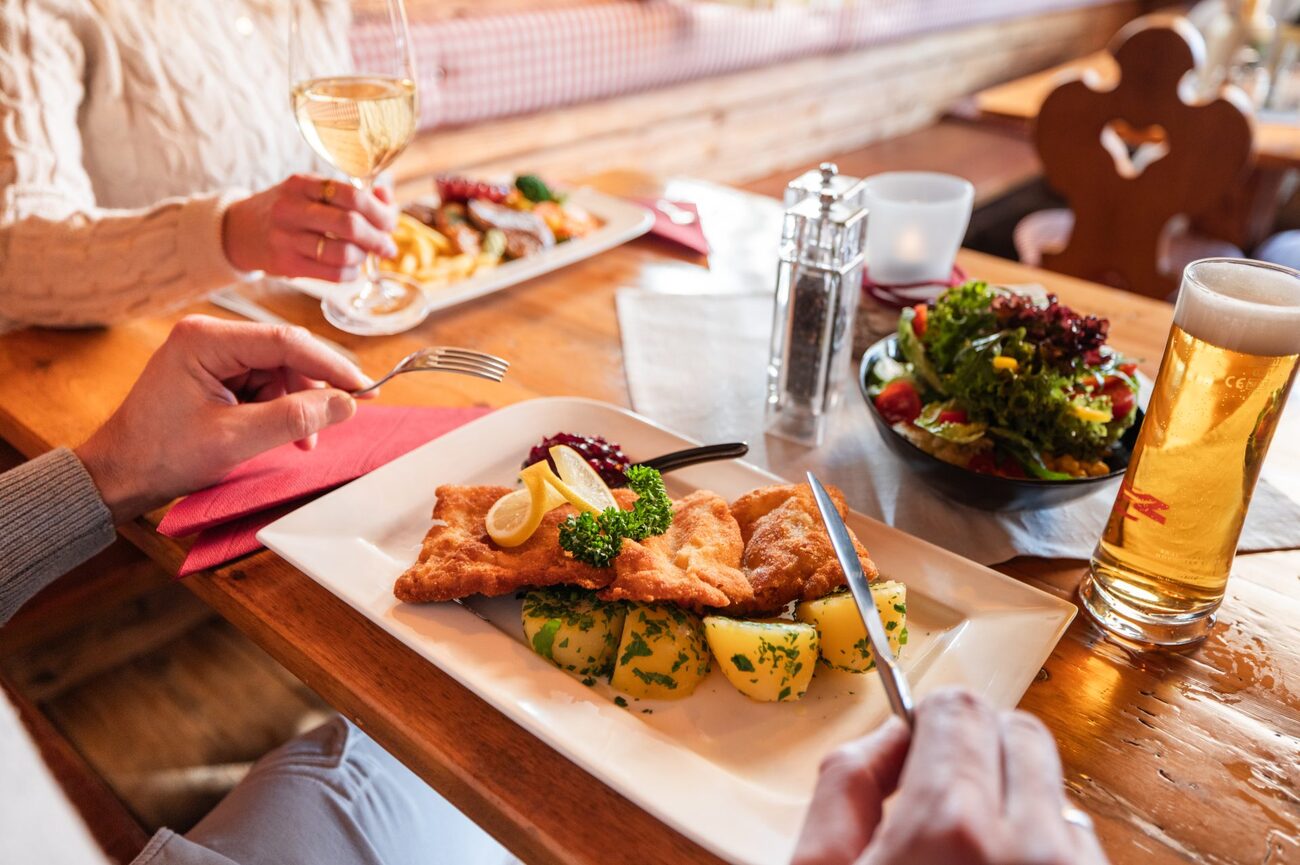
- Dorf-Alm zu St. Wolfgang: Set above St. Wolfgang, this mountain-style restaurant delivers hearty alpine favourites with views over Wolfgangsee that do half the talking. Expect comforting classics, generous portions and a terrace made for long, unhurried lunches. It is rustic. It is scenic. It is exactly the kind of place you remember.
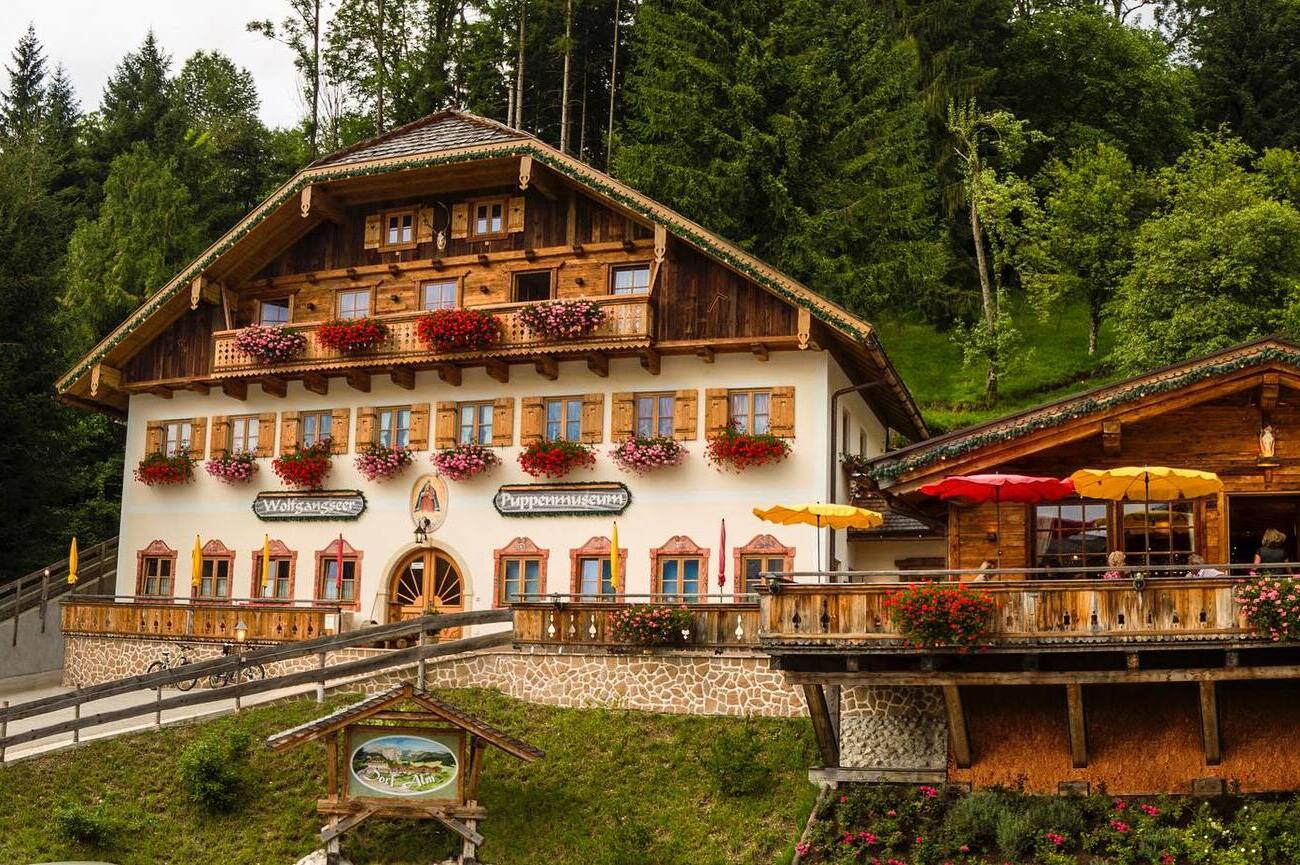
- BRAUGASTHOF am Hallstättersee: For those who love craft beer alongside their cuisine, this lakeside gastropub is a must. The menu highlights hearty Austrian classics like roasted pork knuckle and schnitzel, paired with in-house brews. Here you can explore the full range of flavors, from malty beers to house-made desserts, all while soaking in the Hallstättersee panorama.
Where to Drink in Hallstatt & Salzkammergut
When the lakes go dark and the mountains fade into silhouettes, the Salzkammergut doesn’t fall asleep. It switches moods. The region’s nightlife is quieter than a big city but far more intimate, where candlelit bars, lakeside lounges and alpine après-ski energy replace neon chaos. It’s where stories stretch late into the night over well-mixed drinks, vinyl records and views that refuse to clock out. These are the spots that keep Salzkammergut alive after sunset.
- Stehbeisl: Stehbeisl runs on good vibes and great timing. This classic standing bar is where locals drop in for “just one drink” and somehow end up staying an hour. The setup is simple, the energy is warm and the drinks lean heavily into Austrian favorites like beer, wine and schnapps. It’s casual in the best way, the kind of place where strangers become drinking buddies fast.
- Schirmbar Hallstatt: Schirmbar Hallstatt brings unapologetic après-ski energy to one of Europe’s prettiest villages. This open-air umbrella bar is all about cozy chaos in the best way. Warm drinks in hand, music pulsing in the background and the village lights glowing like a live postcard.
- 13er Haus: 13er Haus is the shape-shifter of Bad Ischl’s nightlife. By day, it leans café and conversation. By night, it turns into a buzzing social hub where cocktails start flowing and the crowd gets more animated. The menu balances classic drinks with playful modern mixes, which makes it easy to find a favorite fast.
- Dukes Bar Mondsee: Dukes Bar is where Mondsee goes to feel just a little bit glamorous. This is classic cocktail culture done right, with martinis that mean business and a spirit selection that quietly flexes. The vibe is intimate, stylish and perfect for slow sips and long conversations.
- Arthur Schnitzler Bar: Named after one of Austria’s literary icons, this bar brings culture and cocktails into the same room. Arthur Schnitzler Bar feels plush, calm and slightly mysterious in the best way. The drinks menu is carefully curated, leaning toward timeless classics with thoughtful twists. The crowd is a mix of creatives, locals and travelers who prefer ambiance over chaos. High-end experiences include private lounge reservations, premium wine and spirit pairings.
- Grammophon: Grammophon is where good drinks meet good music with zero rush. Built around vinyl records and retro sound, this bar leans into a nostalgic mood without feeling dated. The soundtrack sets the pace for the night while cocktails and premium spirits keep things flowing.

Cafes in Hallstatt & Salzkammergut
Salzkammergut knows how to do slow mornings and stylish coffee breaks. Between lakeside strolls, mountain drives and museum hopping, the café scene is where the region really softens its shoulders. From historic coffee houses to modern boutique cafés, these are the spots that turn a caffeine fix into a full-on mood.
- Seecafe Hallstatt: Seecafé Hallstatt sits right on the water and fully understands the assignment. Coffee here comes with front-row seats to Hallstättersee and the village skyline that looks unreal at any hour of the day. The menu leans into classic Austrian café culture with rich coffees, hot chocolate and a tempting lineup of cakes and light meals.
- Die Gemischtwarenhandlung am See: Part café, part concept store, part quiet escape from the busy waterfront, Die Gemischtwarenhandlung am See feels like a hidden favorite that just happens to serve really good coffee. The space blends stylish interiors with a relaxed, homey feel, making it perfect for slow sips and long conversations. Expect quality espresso, carefully sourced teas and a small but thoughtful selection of sweet bites.
- Rührwerk: Rührwerk brings modern café culture into the heart of Bad Ischl with confidence. This is where locals line up for strong coffee, playful dessert creations and a vibe that feels young without trying too hard. The pastry case is a rotating gallery of cakes, tarts and creative sweets that make decision-making unnecessarily difficult.
- Angusta Café: Angusta Café feels small in size but big in charm. It’s the kind of place that rewards slowing down, whether for an afternoon espresso or a late-morning cake break. The menu favors quality over quantity, with every detail feeling intentional.
- Café Bäckerei Konditorei Maislinger: Maislinger is a Mondsee institution where baking traditions run deep and the pastry cases always stay dangerously full. This is where flaky strudels, glossy tortes, and buttery breads line up like edible souvenirs. Coffee is strong, service is warm and the atmosphere buzzes with a mix of locals and travelers chasing something sweet.
- Zweitwohnsitz Café Boutique: Zweitwohnsitz Café Boutique blurs the line between café, lifestyle space and design store in the most effortless way. One moment it feels like a stylish living room, the next like a fashion-forward concept café. This is where coffee meets curated taste.
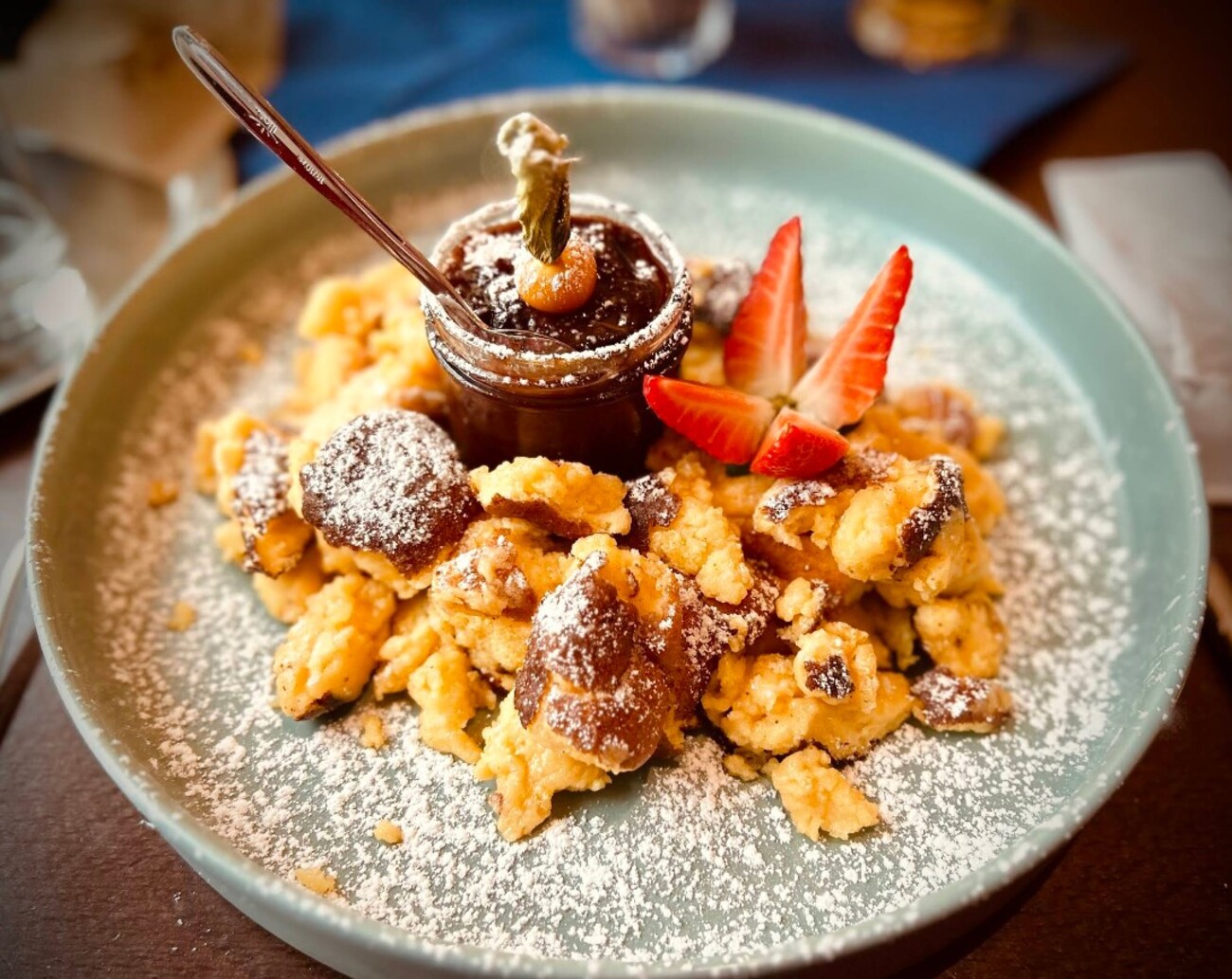
Where
to Stay in Hallstatt & Salzkammergut
- Rosewood Schloss Fuschl (5 stars): This is one of the grande dames of Austrian hospitality and it fully owns that status. Set inside a 15th-century castle on the shores of Lake Fuschl, Schloss Fuschl is known for its fairytale setting, private lakeside access and cinematic Alpine elegance. Rooms mix historic detailing with contemporary luxury and the estate grounds feel like a private kingdom edged in water and forest. What truly sets it apart is the exclusive lake experiences, spa rituals overlooking the water and refined dining that feels intimate despite the scale.
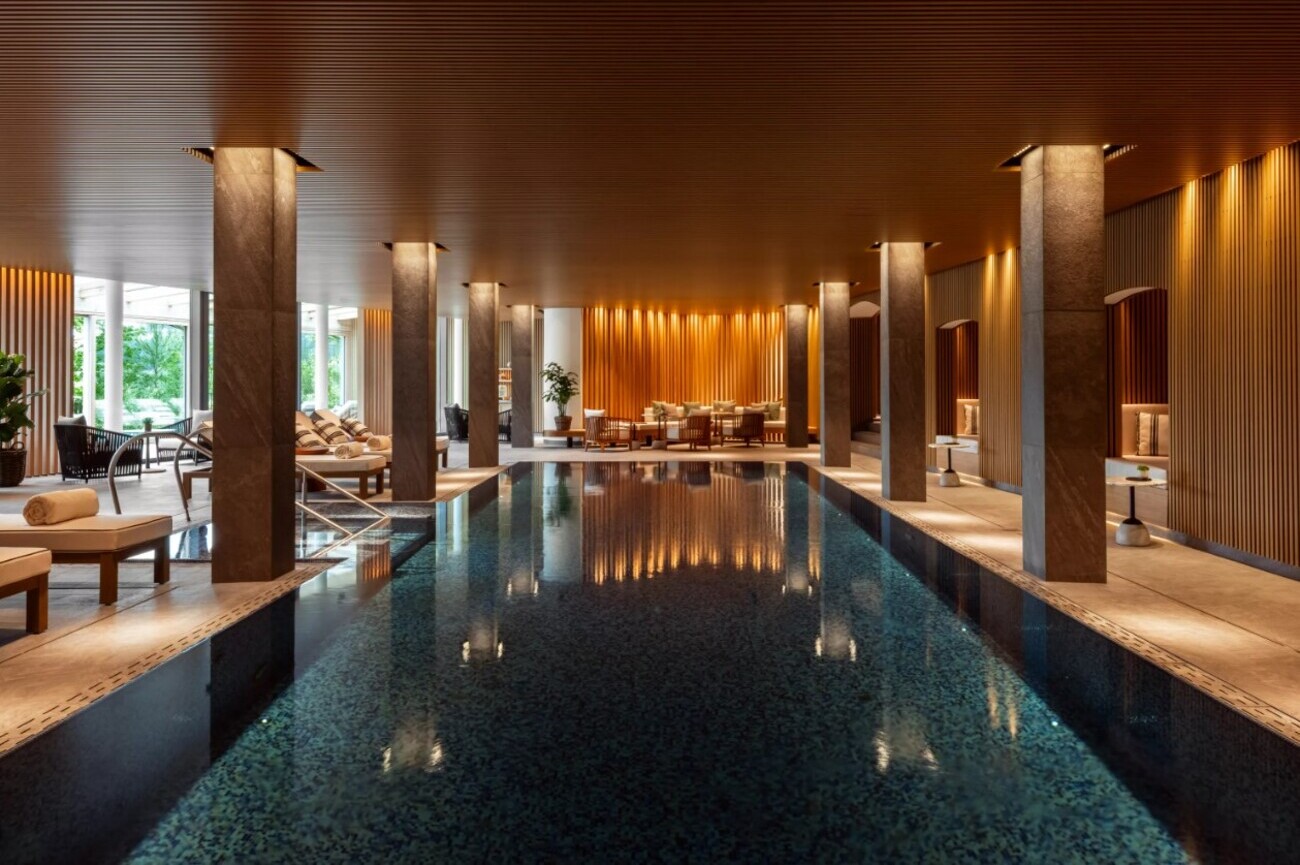
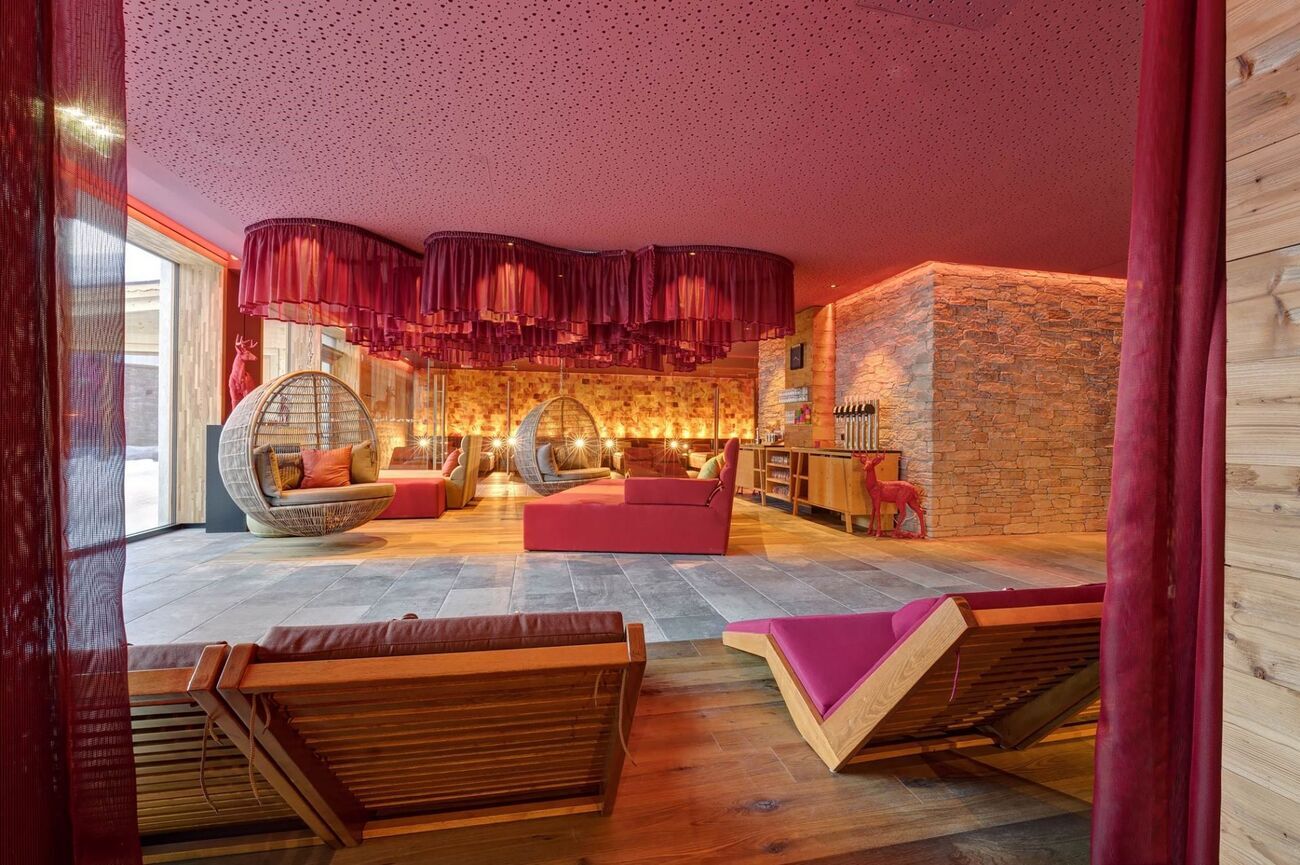
- Dachsteinkönig (5 Stars): Dachsteinkönig is where high-end Alpine luxury meets full-scale family resort living, set dramatically beneath the Dachstein mountains in Gosau. This is one of the most sophisticated family-focused luxury hotels in Austria, without ever feeling childish or overcrowded. This is the place to stay in if you want all-inclusive gourmet dining, a massive indoor and outdoor water world, ski-in/ski-out winter access, and curated nature programs for every age group.
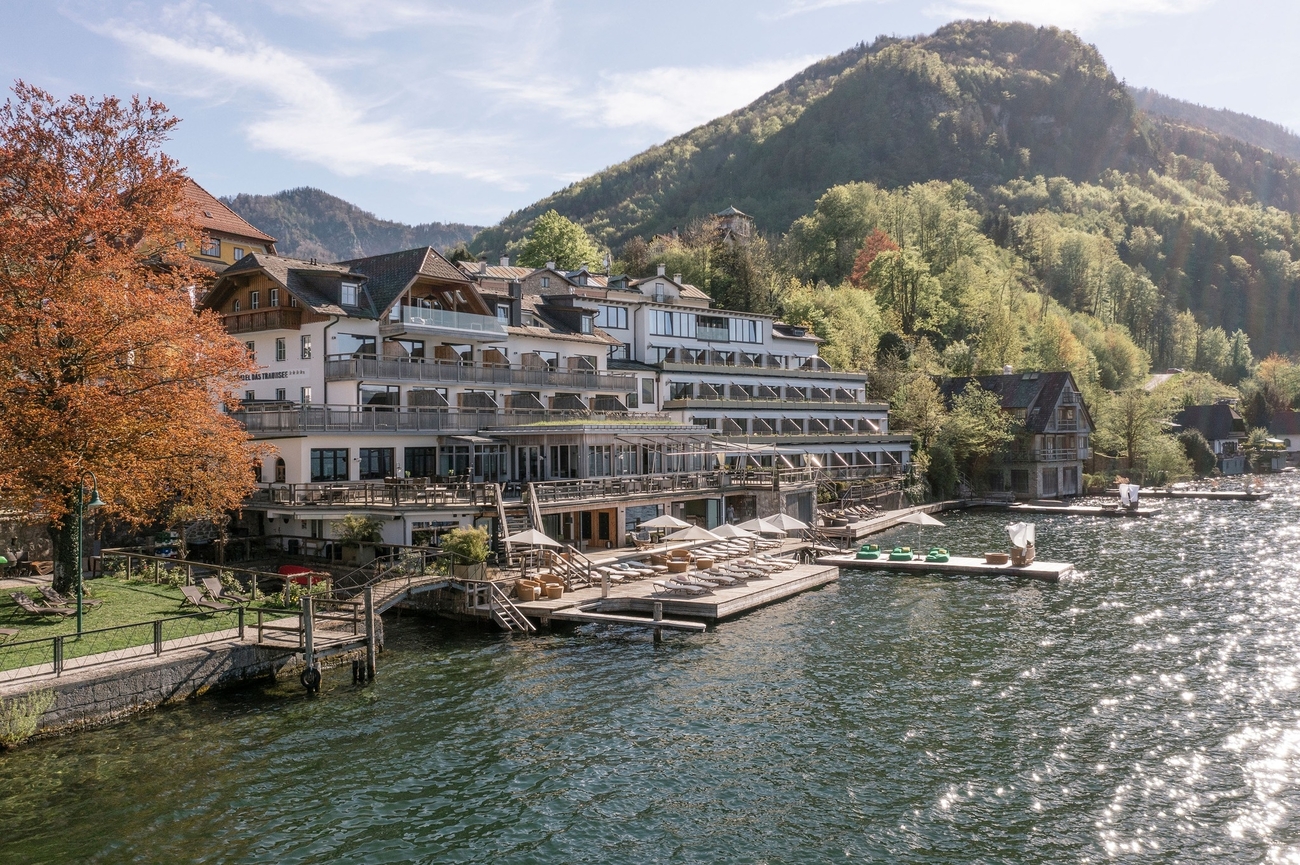
- Seehotel Das Traunsee (4 stars): Minimalist, bold and incredibly scenic, Seehotel Das Traunsee is known for redefining modern luxury in the region. The design leans sleek and clean, almost gallery-like, letting Lake Traunsee and the mountains do most of the talking. The hotel is especially famous for its world-class dining and its serene, design-forward rooms that feel like private observation decks over the water.
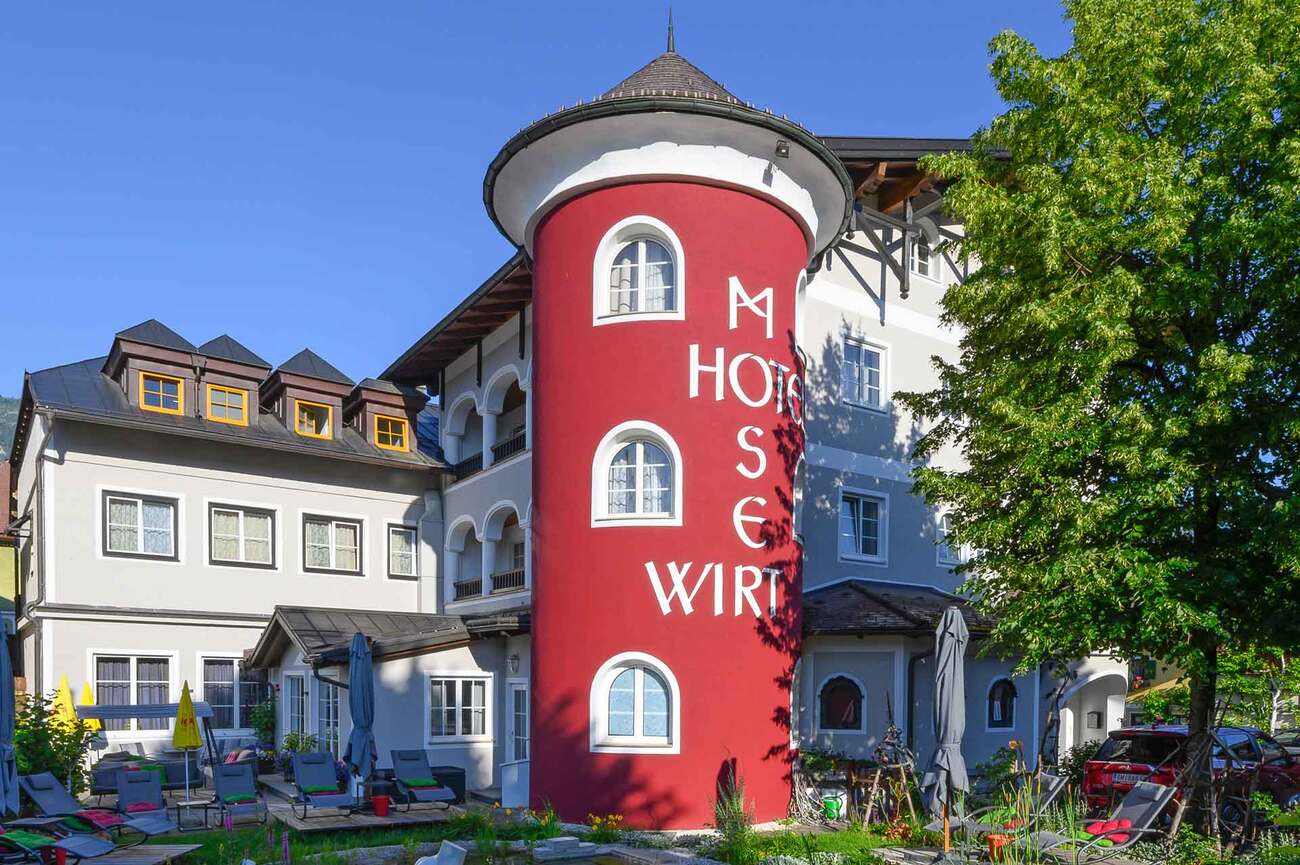
- Gasthof Weisses Lamm (3 stars): Gasthof Weisses Lamm is a classic village inn that delivers exactly what travelers come to Hallstatt for. Authenticity without complications. It offers cozy Alpine-style rooms, a warm local feel and a location tucked just behind the waterfront bustle. Guests choose it for its traditional character, relaxed atmosphere and easy access to both the old town and the lakeshore.
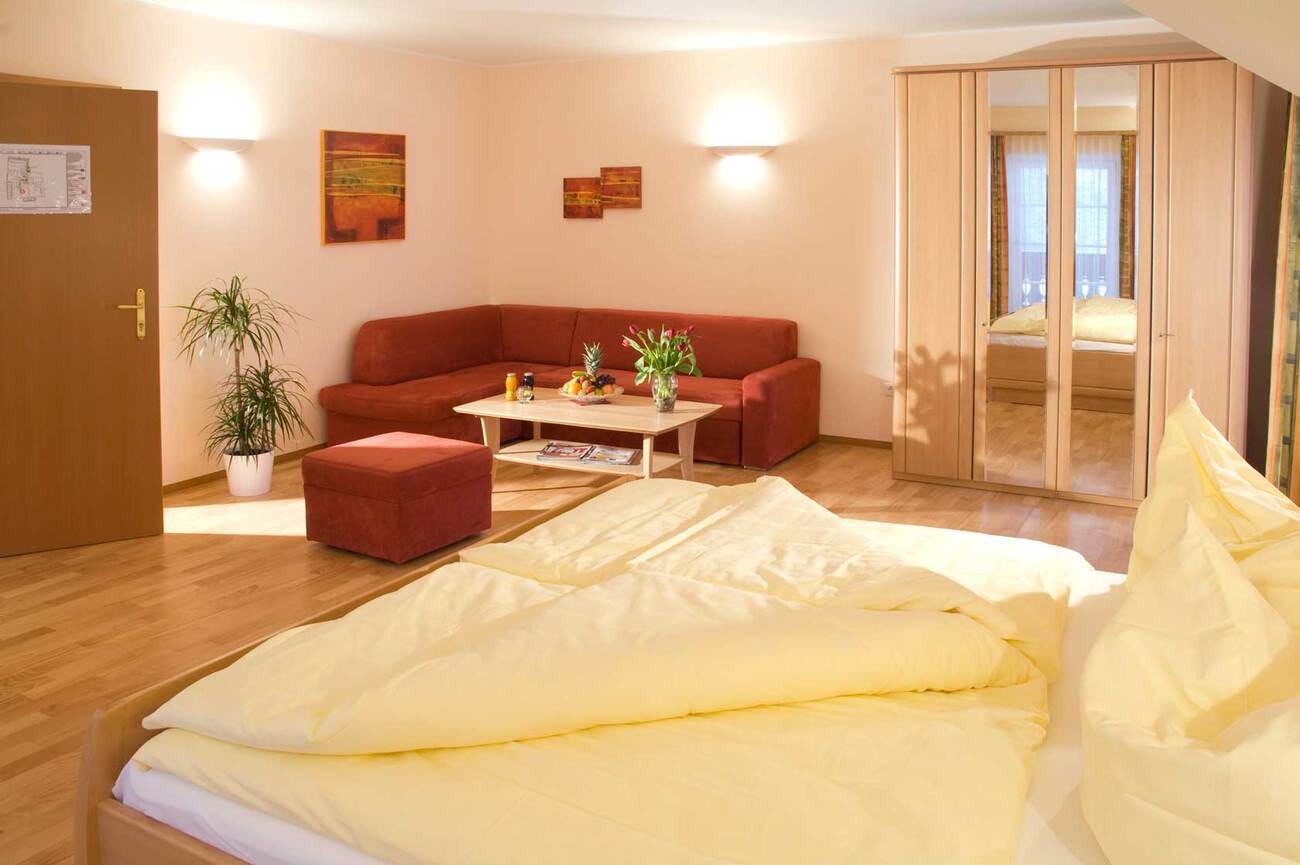
- Gasthof Hotel Moserwirt (3 stars): Right in the heart of Bad Ischl, Hotel Moserwirt channels the town’s imperial spa heritage into a comfortable, modern stay at a very friendly price point. The rooms are polished but not pretentious and the wellness area offers wellness without the luxury markup. Cafes, thermal baths and Kaiser-era landmarks sit just outside the door.
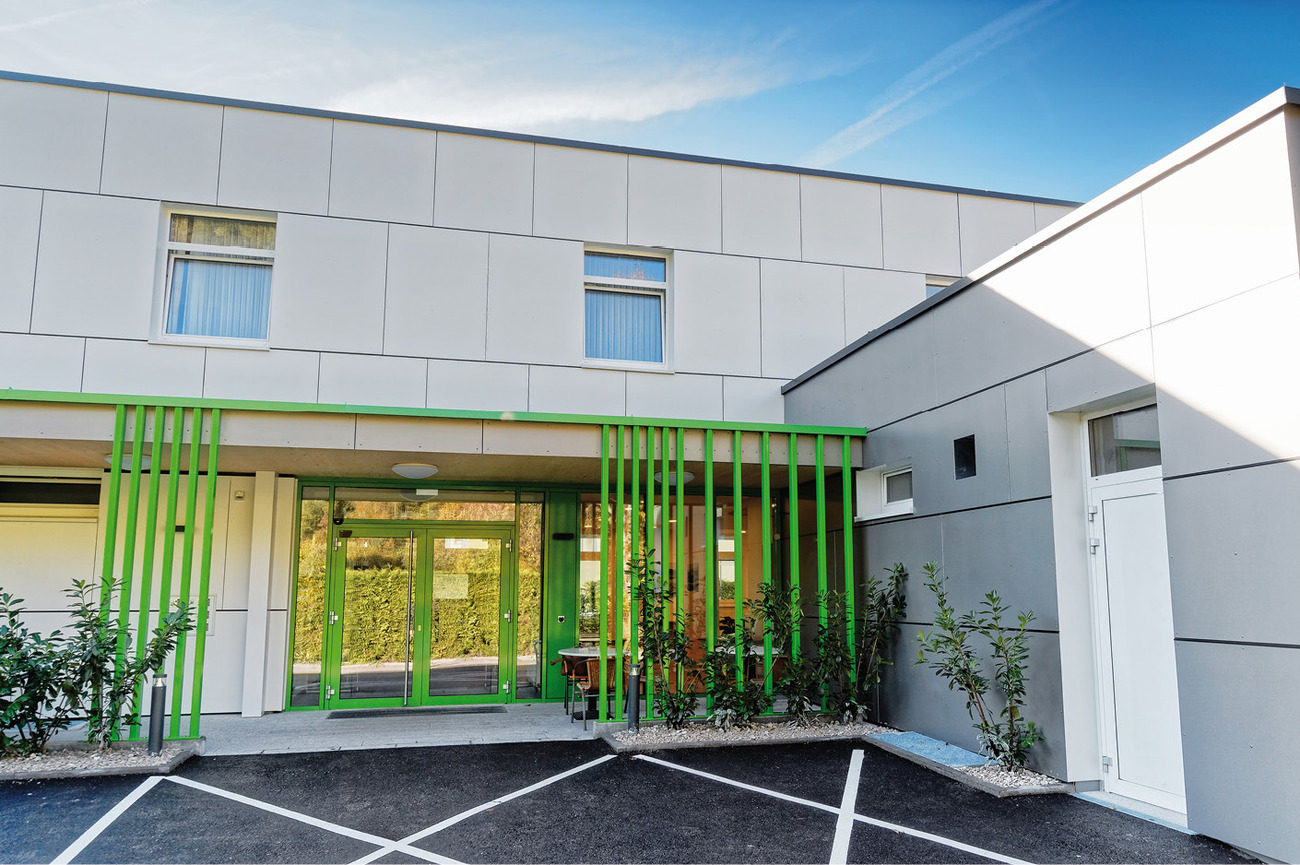
- Hostel Bad Ischl: For social travelers who still want style and location, Hostel Bad Ischl is the go-to budget base in the region. It’s modern, clean and well-organized, with shared spaces that actually encourage connection without feeling chaotic.
Best Time to Visit Hallstatt & Salzkammergut
This is the start of a beautiful friendship.
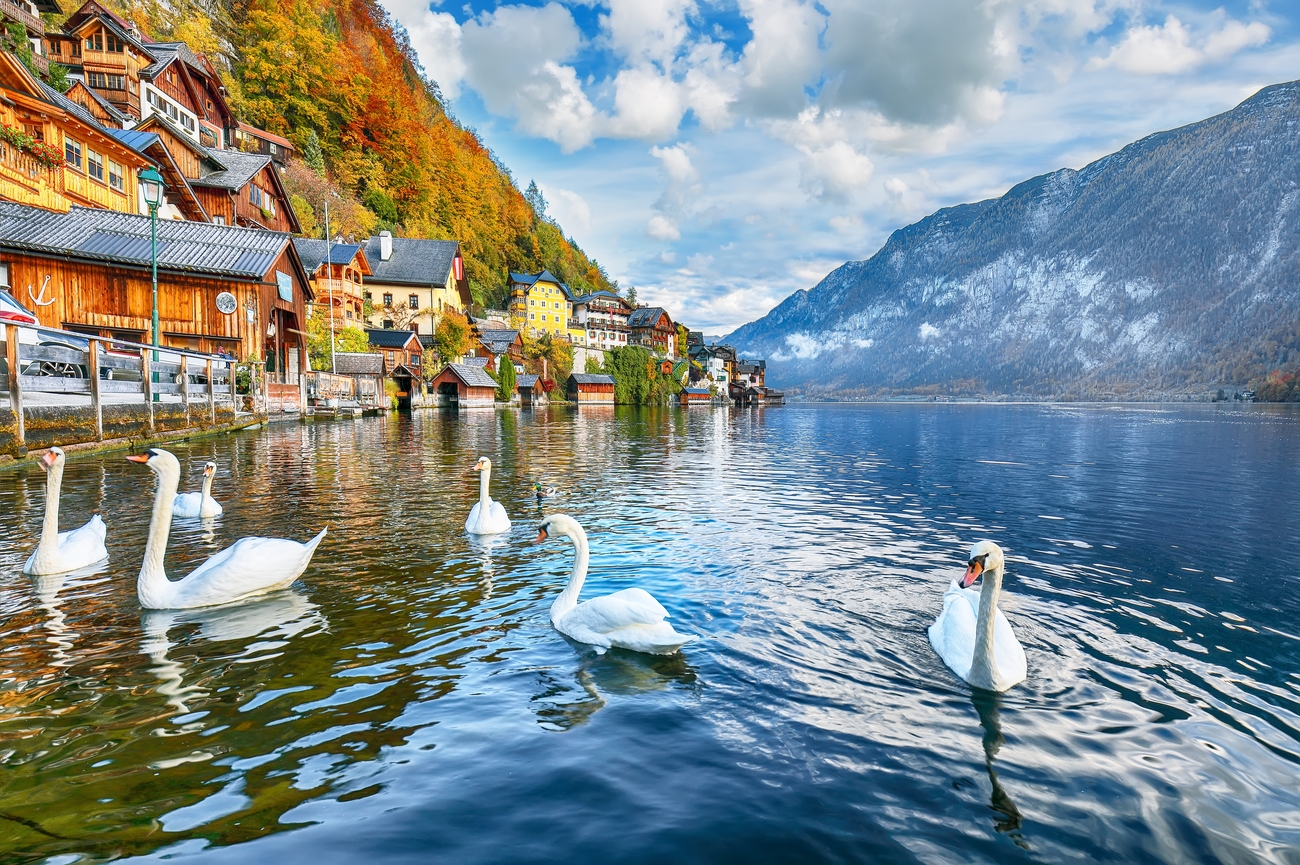
September and Salzkammergut get along very well. This is the month when the region exhales after summer, when the lakes stay warm, the crowds thin out and the mountains sharpen into something cinematic. The light turns softer, the air gets crisper and the whole region feels like it finally has time to slow down and show off properly. This is peak season without the performance.
September runs on a quiet kind of energy. Mornings in Hallstatt feel private again, with mist lingering on Lake Hallstatt and church bells cutting clean through the air. Boat rides glide instead of queue. Viewpoints give space to linger. In Bad Ischl, café tables open up without the wait and spa sessions feel unrushed and indulgent in the best way. Over in St. Wolfgang and St. Gilgen, lakeside promenades trade summer chaos for golden calm. This is the version of Salzkammergut that feels curated by nature itself.
Luxury also hits differently this month. Private lake cruises feel exclusive again instead of competitive. Chauffeured scenic drives along Attersee and Wolfgangsee move at a cinematic pace. Mountain railways like SchafbergBahn climb through cooler air and sharper visibility. Hotels slow the tempo just enough to focus on details. Longer dinners. Better sunsets. Quieter wellness hours. The kind of refinement that does not need to announce itself.
September is Salzkammergut in its soft power era. Vineyards near Attersee begin to buzz with harvest energy. Alpine meadows turn warm gold. Forests hint at autumn without fully saying goodbye to summer. It is the in-between season that somehow becomes the main character. September will always be the right answer to when you should visit Salzkammergut.
Festivals in Hallstatt & Salzkammergut
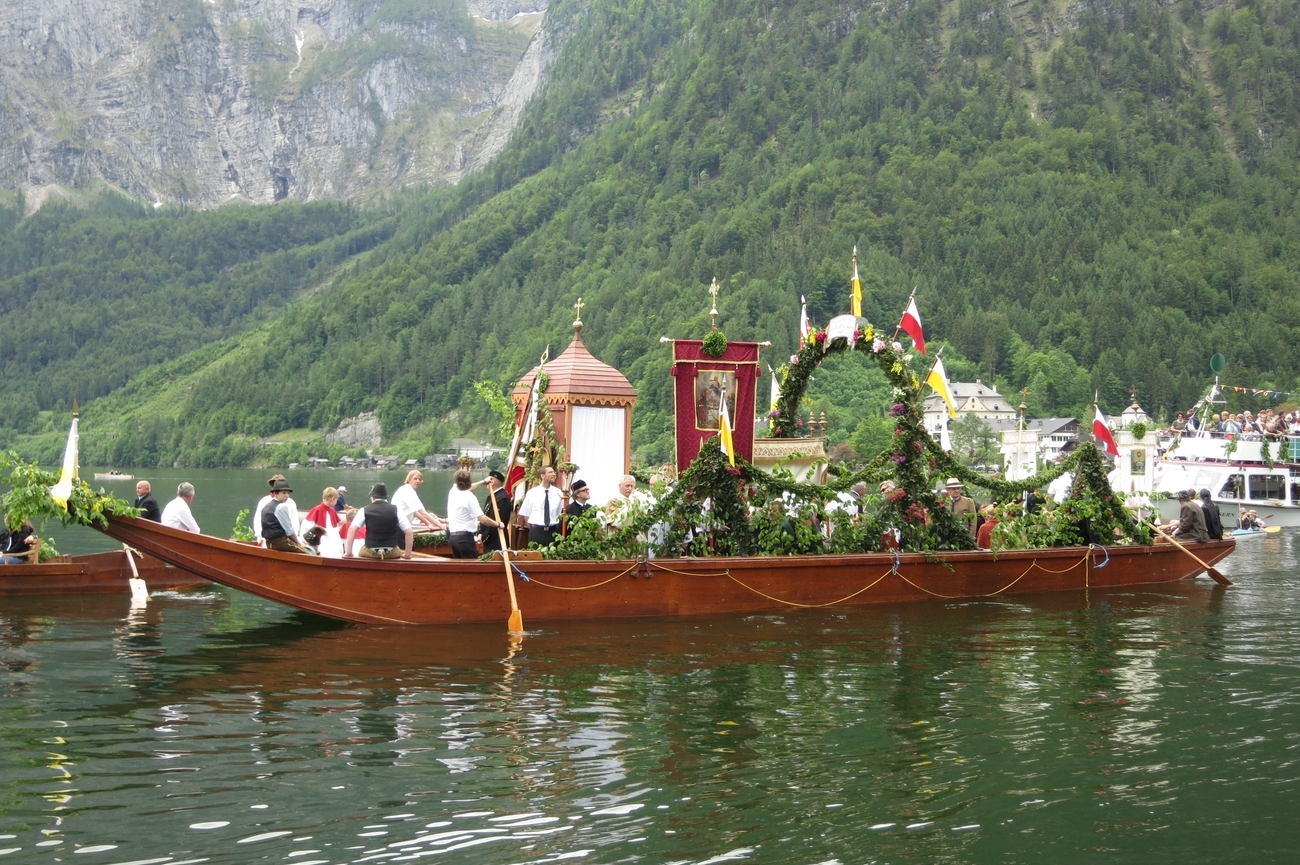
- Corpus Christi Procession: June in Hallstatt arrives with church bells, flowers on the water and wooden boats gliding across the lake like a moving painting. The Corpus Christi Lake Procession usually takes place in early to mid-June, depending on the church calendar. It is spiritual. It is visual. It is the kind of ceremony that feels untouched by time.
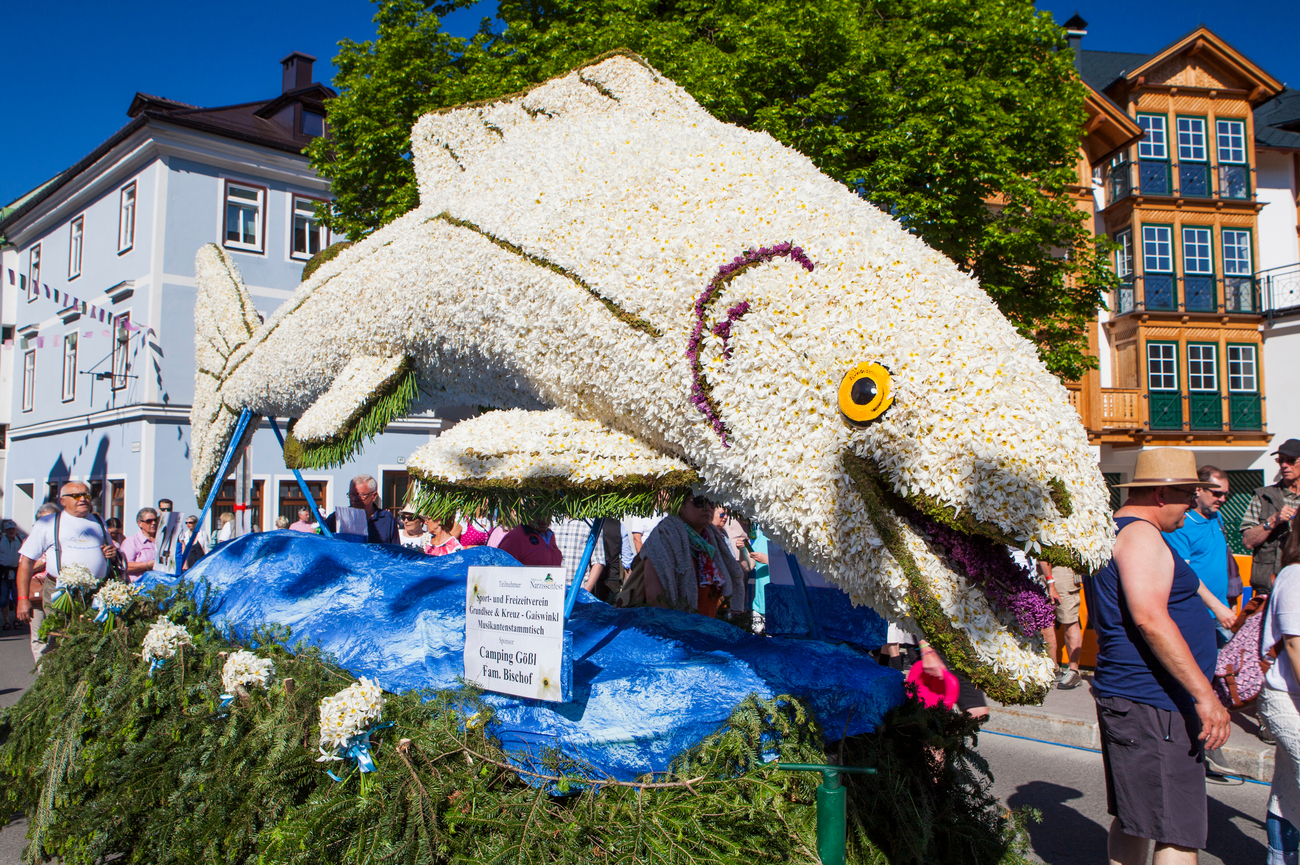
- Narcissus Festival (Narzissenfest): The Narcissus Festival usually takes place in late May to early June, when Ausseerland Salzkammergut turns spring into something proudly theatrical. Towns create enormous floral sculptures from fresh narcissus blossoms, then parade them through the streets and often onto the water in a lakeside procession. Expect brass bands, regional costumes, market stalls and a cheerful buzz that feels unmistakably local. It is bright. It is playful. It is spring on display.
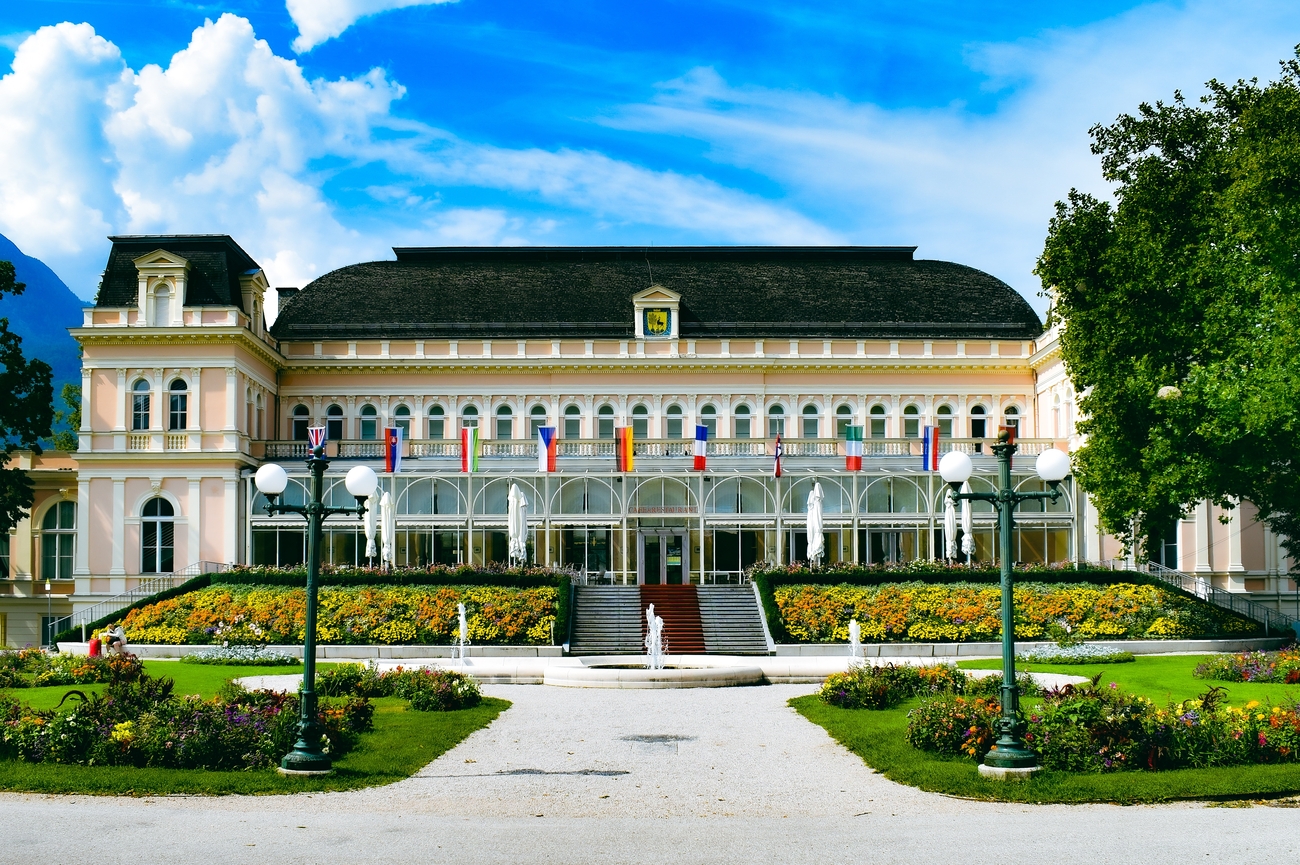
- Operetta Lehar Festival: July and August belong to Franz Lehár in Bad Ischl. Evenings at the Kongress & Theaterhaus feel glamorous without trying too hard. Silk dresses, champagne intervals, orchestras that hit every emotion at once.
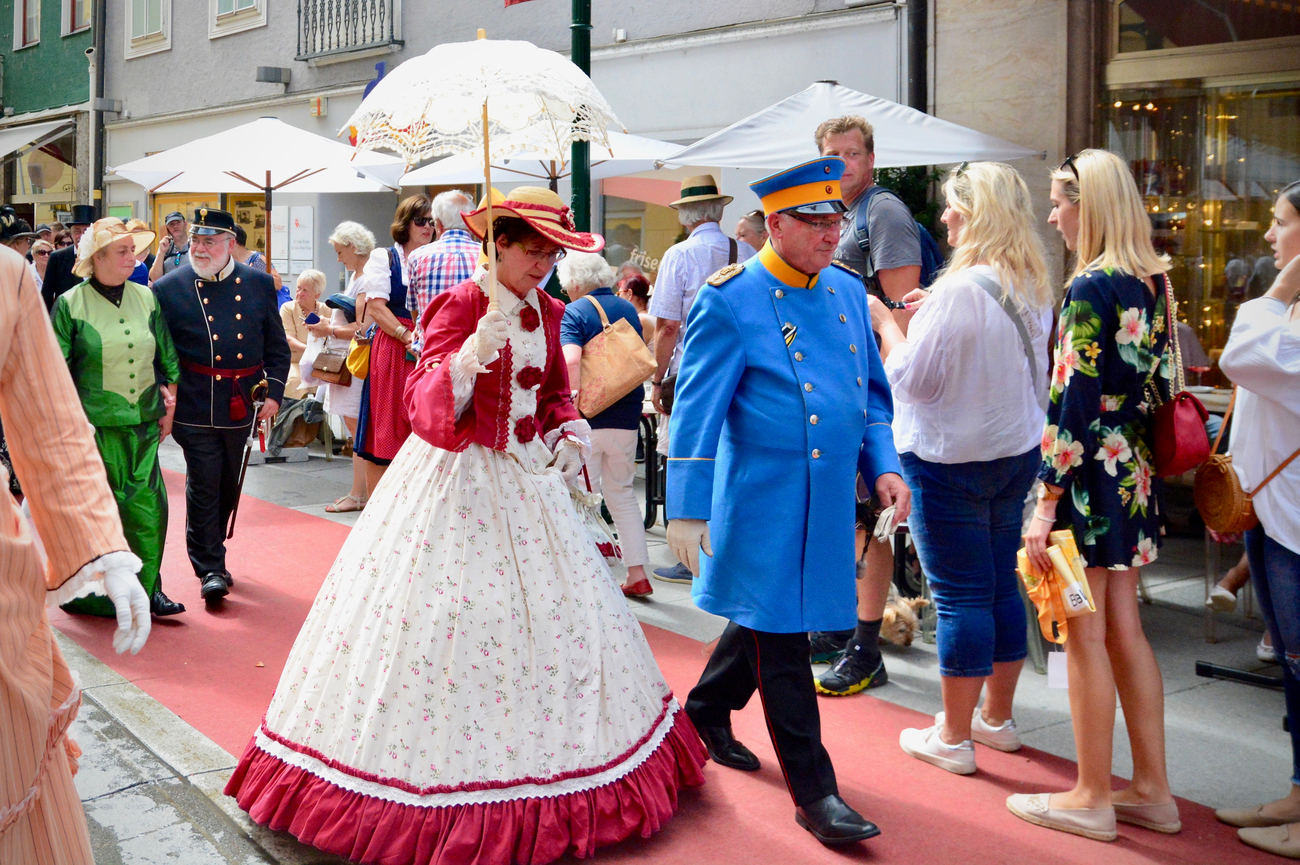
- Kaisertage (Bad Ischl): Kaisertage is usually held in mid August in Bad Ischl, Salzkammergut, Upper Austria, Austria, celebrating the town’s imperial past and the birthday of Emperor Franz Joseph I. The town fills with ceremonial moments, concerts and cultural events, all with a refined, nostalgic feel that suits the spa setting perfectly. It is tradition with polish. It is history with music. It is Bad Ischl at its most classic.
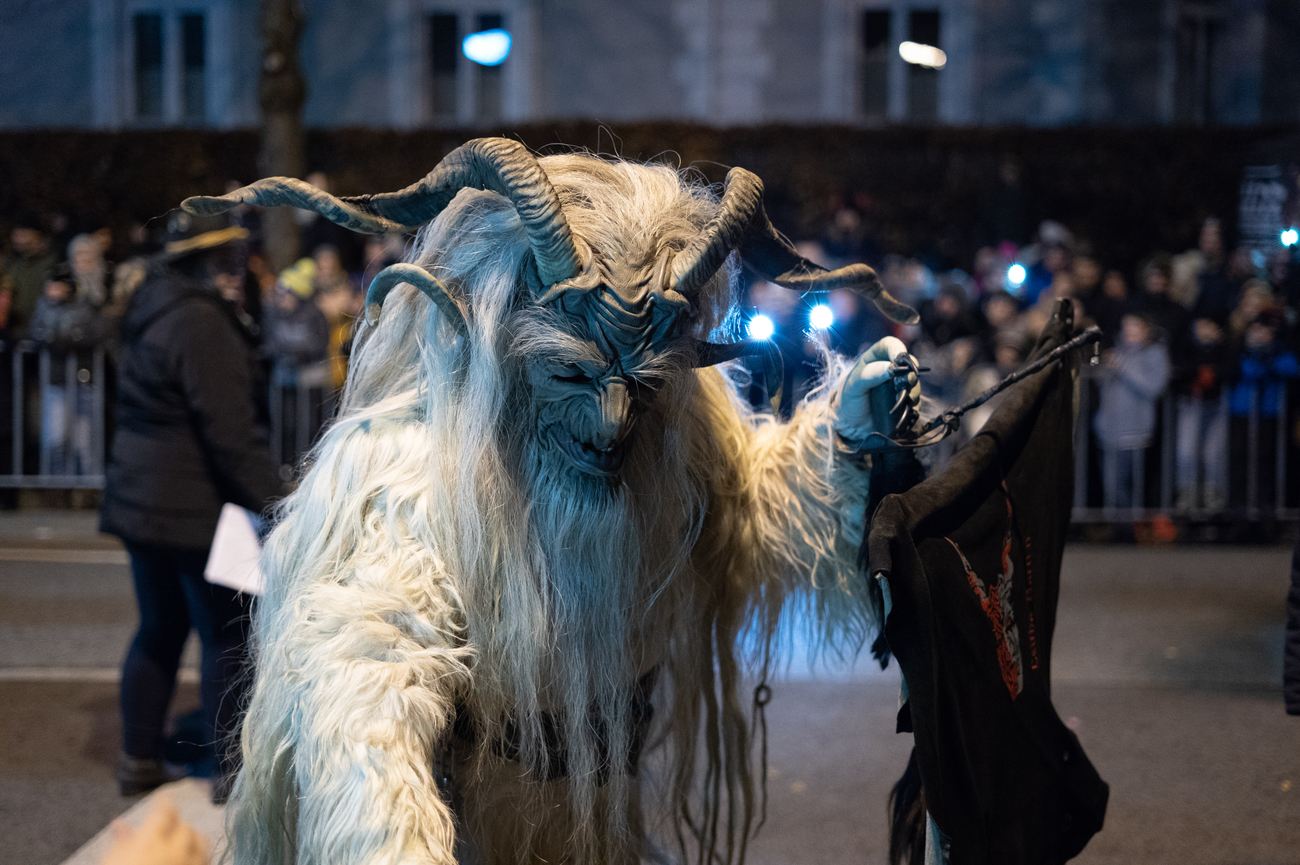
- Kinder Krampuslauf: The Kinder Krampuslauf usually takes place in early December, when younger performers bring a playful version of the Alpine Krampus tradition to town. Think small demons, dramatic masks and just enough mischief to thrill without terrifying. Christmas lights glow, mulled wine steams in the cold air and families line the streets.
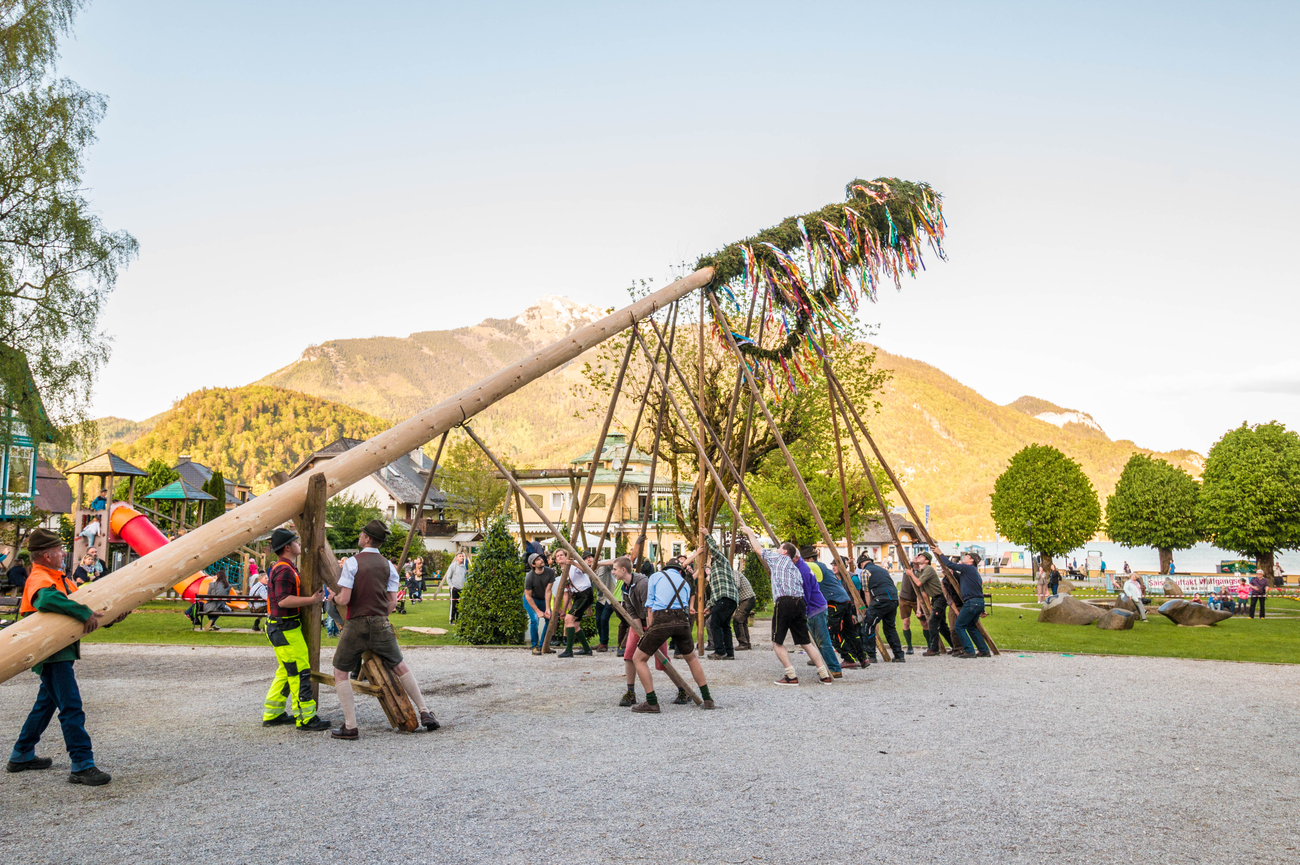
- Maypole Festival: The Maypole Festival usually happens between late April and early May, when towering decorated poles are raised in town squares across the region. It is a celebration of spring, agriculture and community with brass bands, dancing and long wooden tables filled with local food. Watching the pole rise is half performance, half team sport.
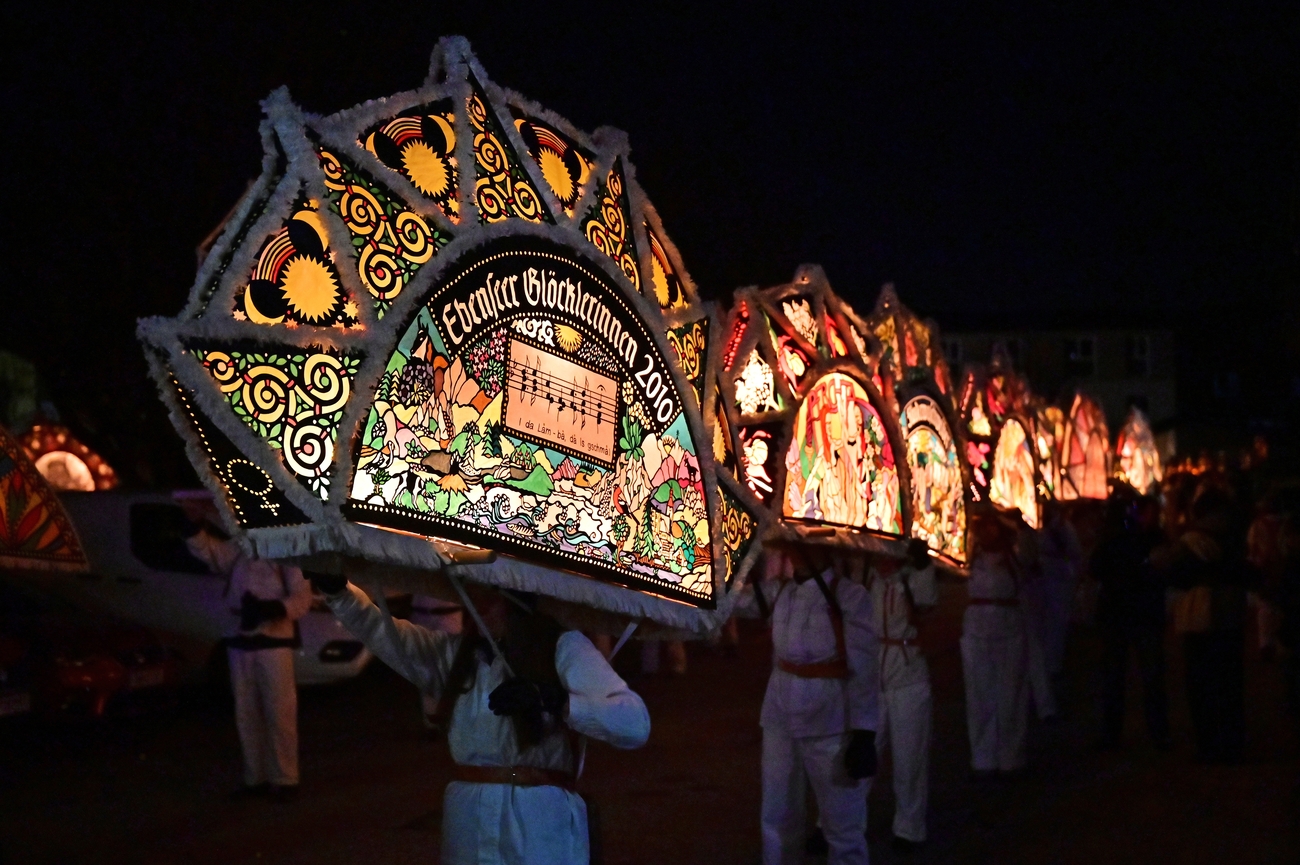
- Glöcklerlauf: Winter gets loud in January and February with the Glöcklerlauf. This is an Alpine parade where illuminated hats, bells and rhythmic stomping take over the streets at night. These runs usually happen multiple times during the carnival season leading up to Lent.
Our offices:




Revigorate, Iberian Escapes and Algarve Lifestyle are the registered brand names of APCS Lda . We are a fully authorised travel agency licensed by Turismo de Portugal RNAVT/6867.
In the event of a dispute, the consumer may refer to: RAL - Centros de Arbitragem
Avª. 5 de Outubro, nº. 55, R/C Dtº. 8000-075 Faro, Portugal | Tel: +351 289 823 135 *
* national landline call
E-mail: info@consumoalgarve.pt| www.consumidoronline.pt | Mon to Fri: 9:00 - 13:00 / 14:00 - 17:00