Things To Do In Manila: 3-Day Itinerary
Manila doesn’t just preserve its history, it lets you walk right through it. Nowhere else in Southeast Asia will you find a Spanish walled city standing in the heart of a modern capital, its baroque churches, cloisters, and plazas still part of daily life.
This is what makes Manila unique, it’s a city where Asian warmth meets Latin heritage, where Catholic devotion stands alongside Chinese temples and Muslim mosques, and where colonial architecture frames a bay that has witnessed galleon trade for centuries. In neighbouring cities you’ll find temples, towers, and markets, but only in Manila will you encounter this fusion of cultures, born of history and resilience, lived out in every street corner and kitchen table.
In this three-day itinerary, we’ll take you through the walled city, historic stone churches, cobblestone paths once walked by friars, revolutionaries, and national heroes, and monuments that shaped the Philippine Revolution.
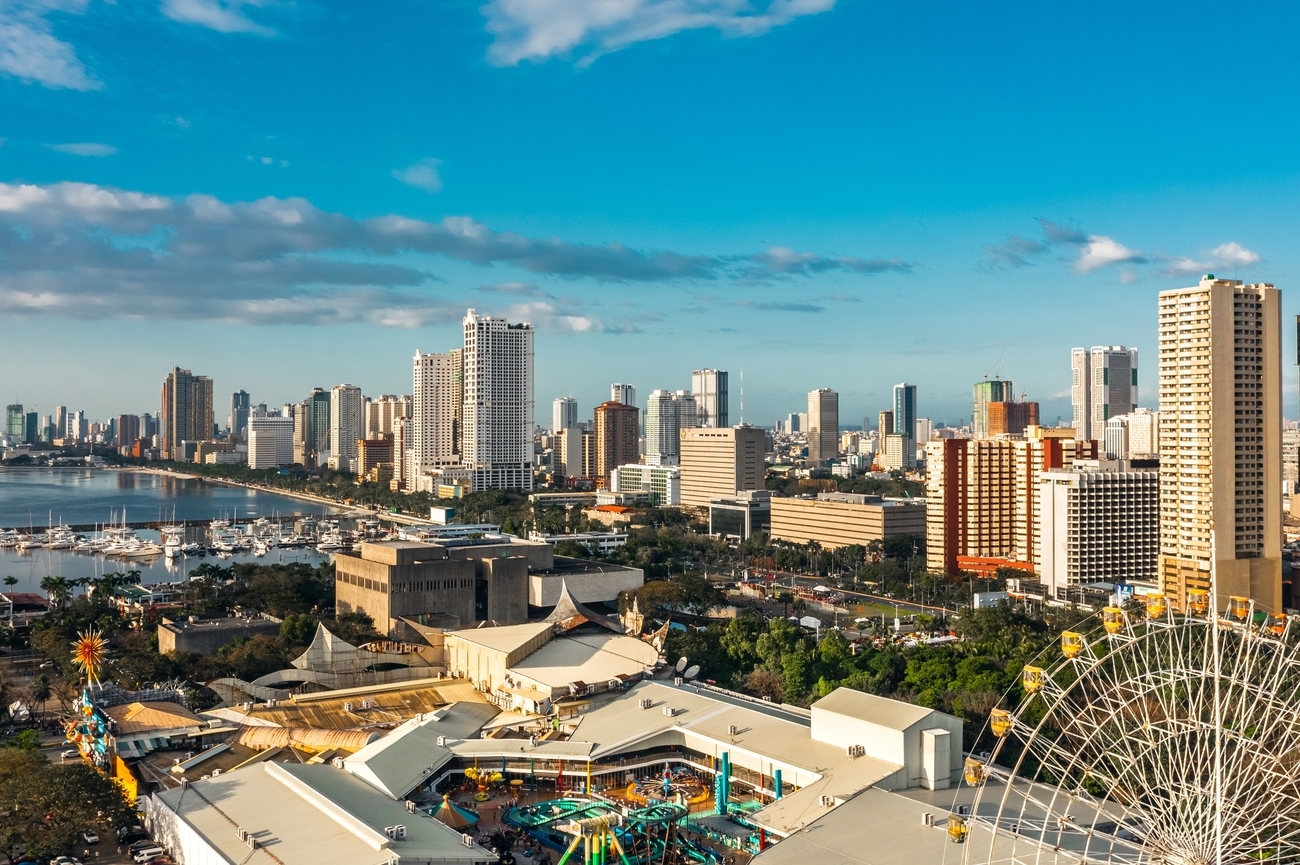
Day 1

Morning: Rizal Park (Luneta Park)
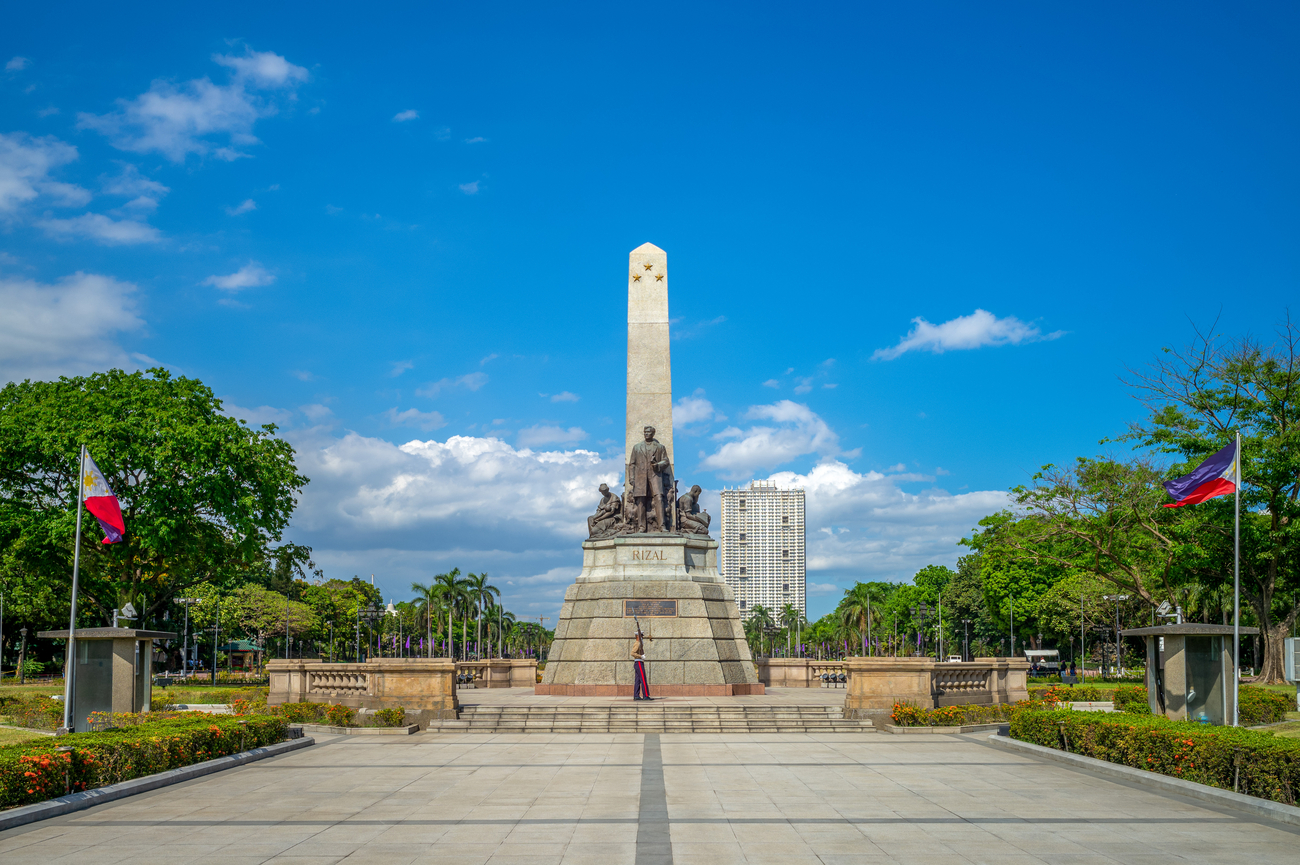
Begin your journey in Manila at Rizal Park (also known as Luneta Park), this historic park is dedicated to the Philippines national hero, José Rizal, who was executed on this very spot in December 30, 1896, an event that helped ignite the Philippine Revolution. You can pay your respects and see the spot where his remains are laid to rest at the bronze-and-granite memorial, guarded by soldiers 24/7. Don’t miss the “kilometer zero” on Roxas Boulevard nearby, the point from which all distances in the Philippines are measured.
National Museum of Natural History
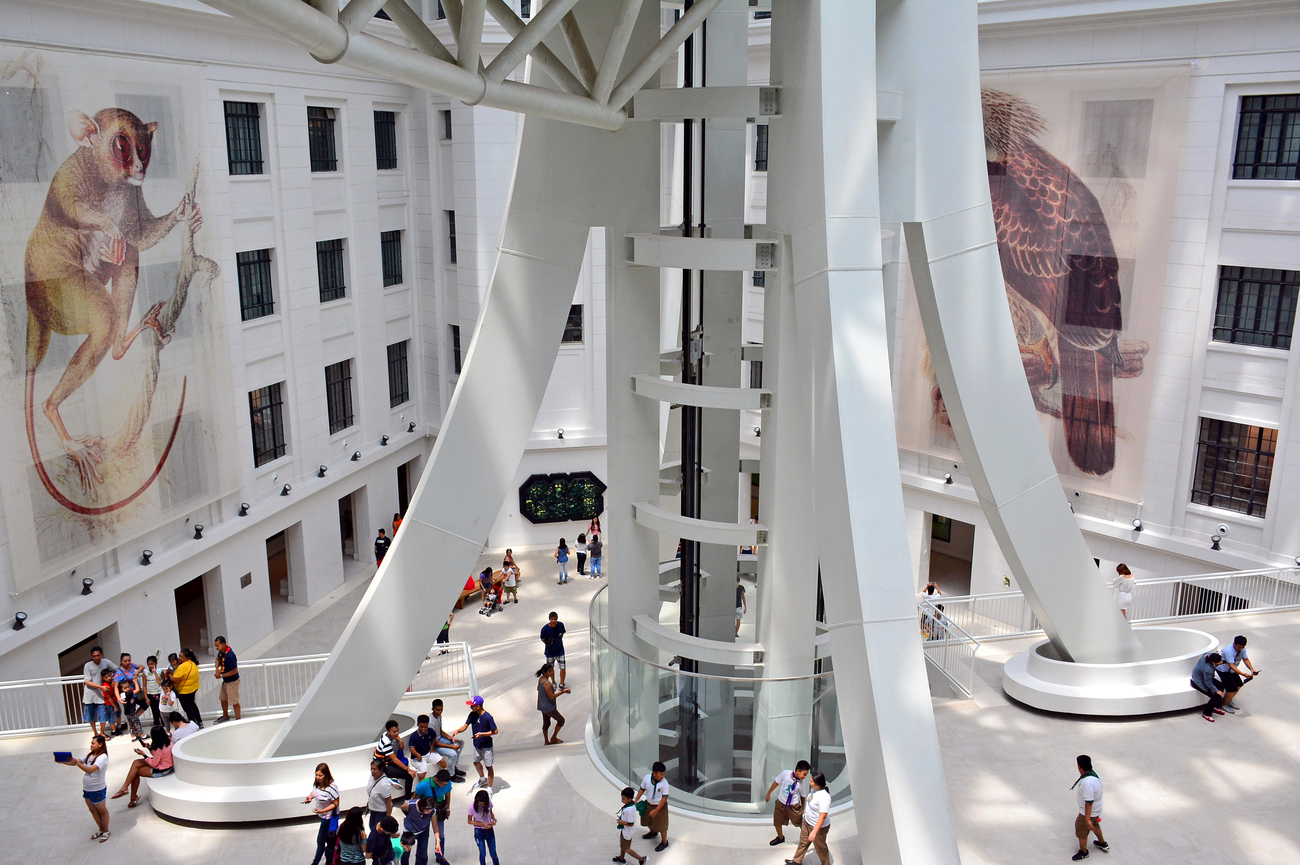
Next to Rizal Park, the National Museum of Natural History welcomes you with its striking DNA-inspired atrium. Inside, there are 12 permanent galleries that guide you through the Philippines’ natural heritage. Begin at the top floor to explore the country’s geological past, then work your way down through exhibits on flora, fauna, ecosystems, and marine life. One of the museum's highlights is the preserved crocodile, named “Lolong,” the world’s largest crocodile ever held in captivity.
National Museum of Fine Arts
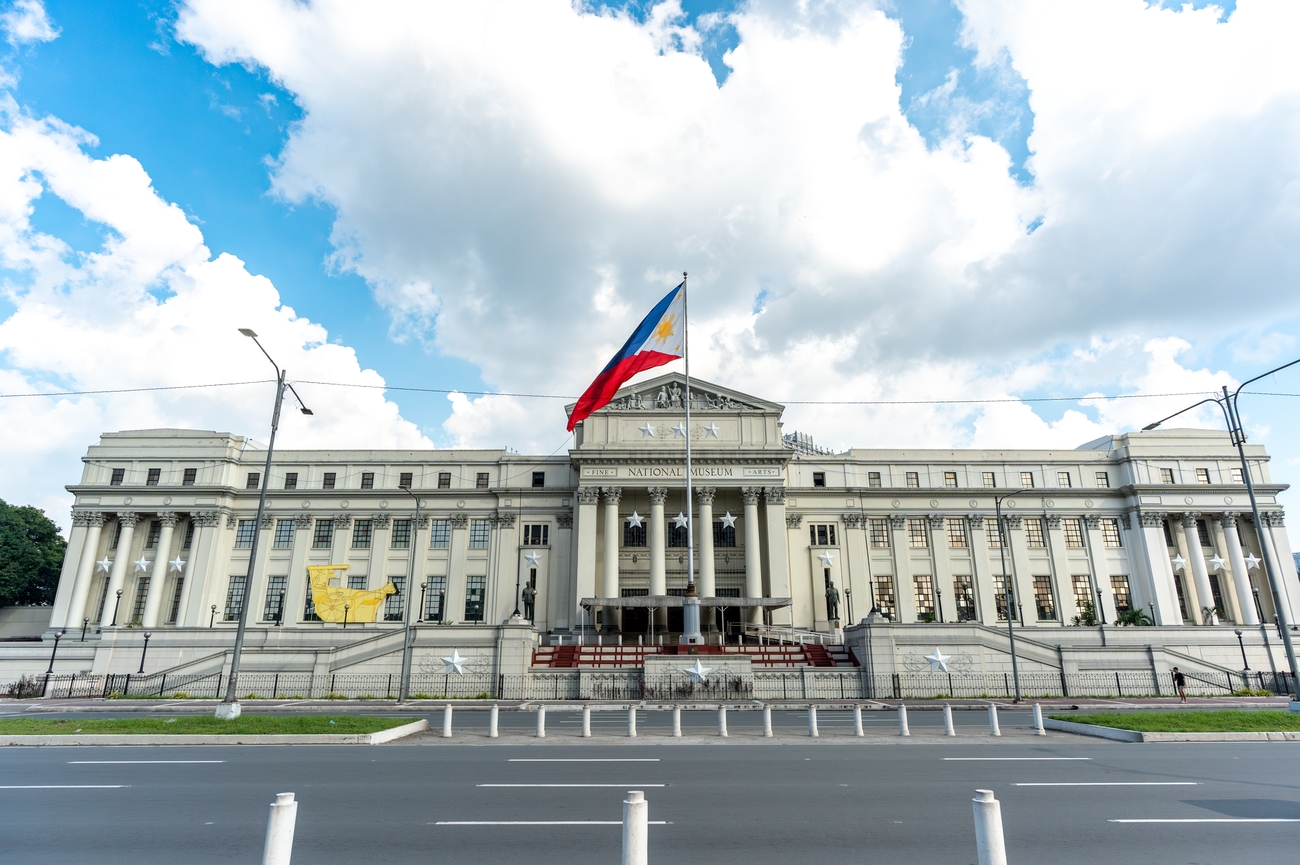
Just a short 9-minute walk from Rizal Park, the National Museum of Fine Arts is housed in a historic building that survived heavy damage during the Battle of Manila before being rebuilt in 1949. Inside, you’ll find 29 galleries and exhibits showcasing the works of master Filipino artists, from the 19th century to the modern era.
Baluarte de San Diego
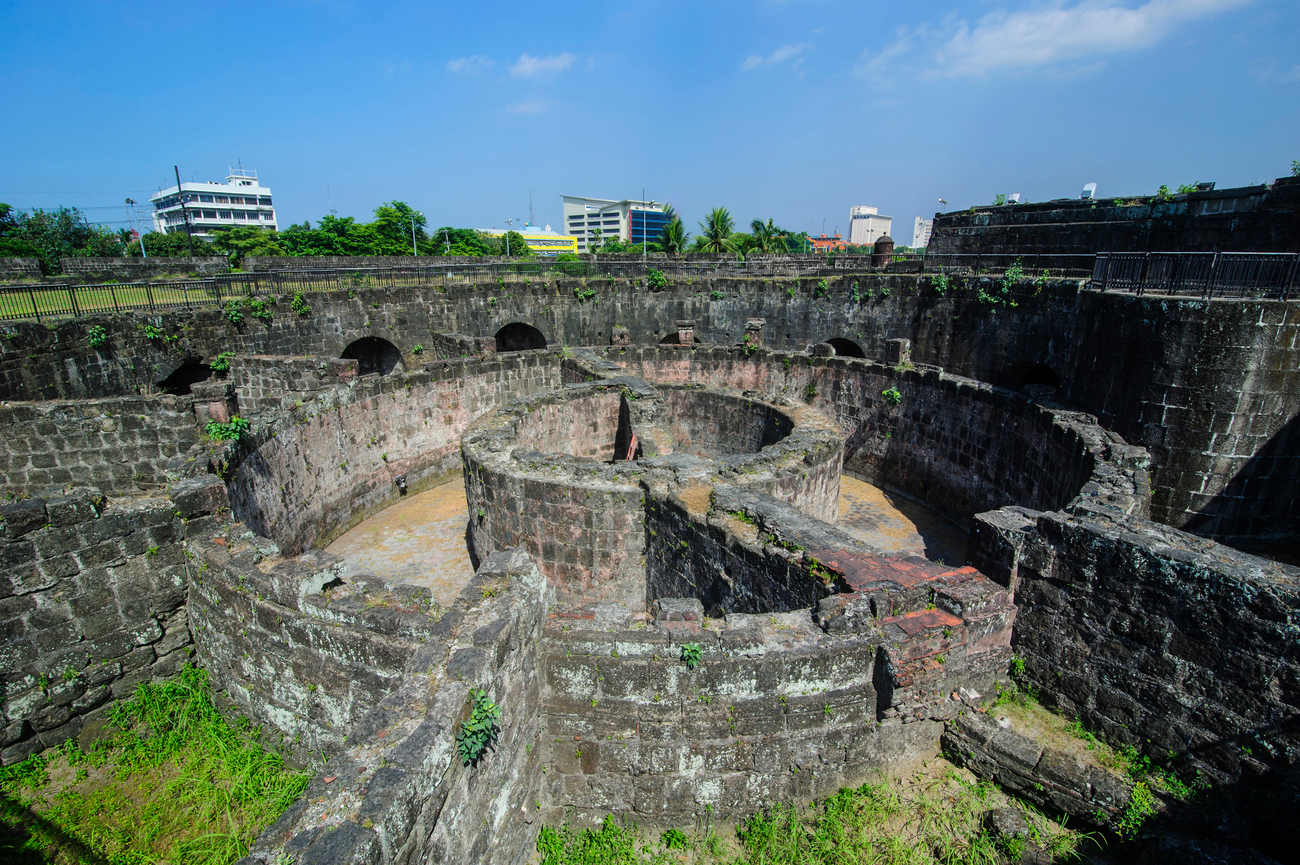
Continue your journey into Intramuros at Baluarte de San Diego, one of the oldest stone fortifications in the Philippines. Built in the 16th century, it once formed part of the walled city’s defensive system and has survived battles, earthquakes, and countless restorations. Today, you can wander through the restored ruins, stroll along the walkways and gardens, and see old cannons and remnants from the Spanish colonial era.
Day 1, Morning - Manila Tour Map
Afternoon: San Agustin Church
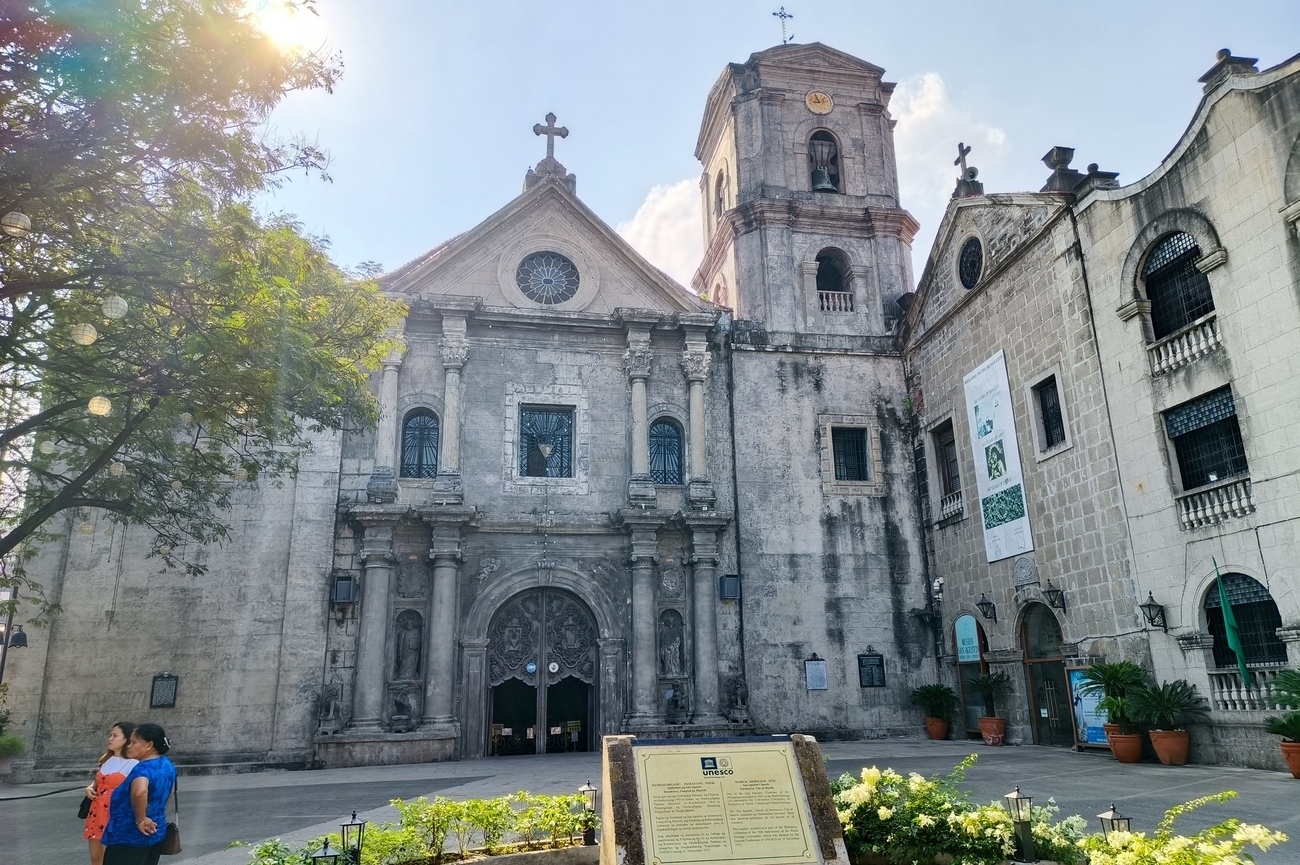
After lunch in Intramuros, head to San Agustin Church, the oldest stone church in Manila and a UNESCO World Heritage Site. Completed in 1607, the church showcases a Baroque style with ornate details and has stood for more than four centuries, surviving earthquakes, and even the Battle of Manila in 1945.
Casa Manila
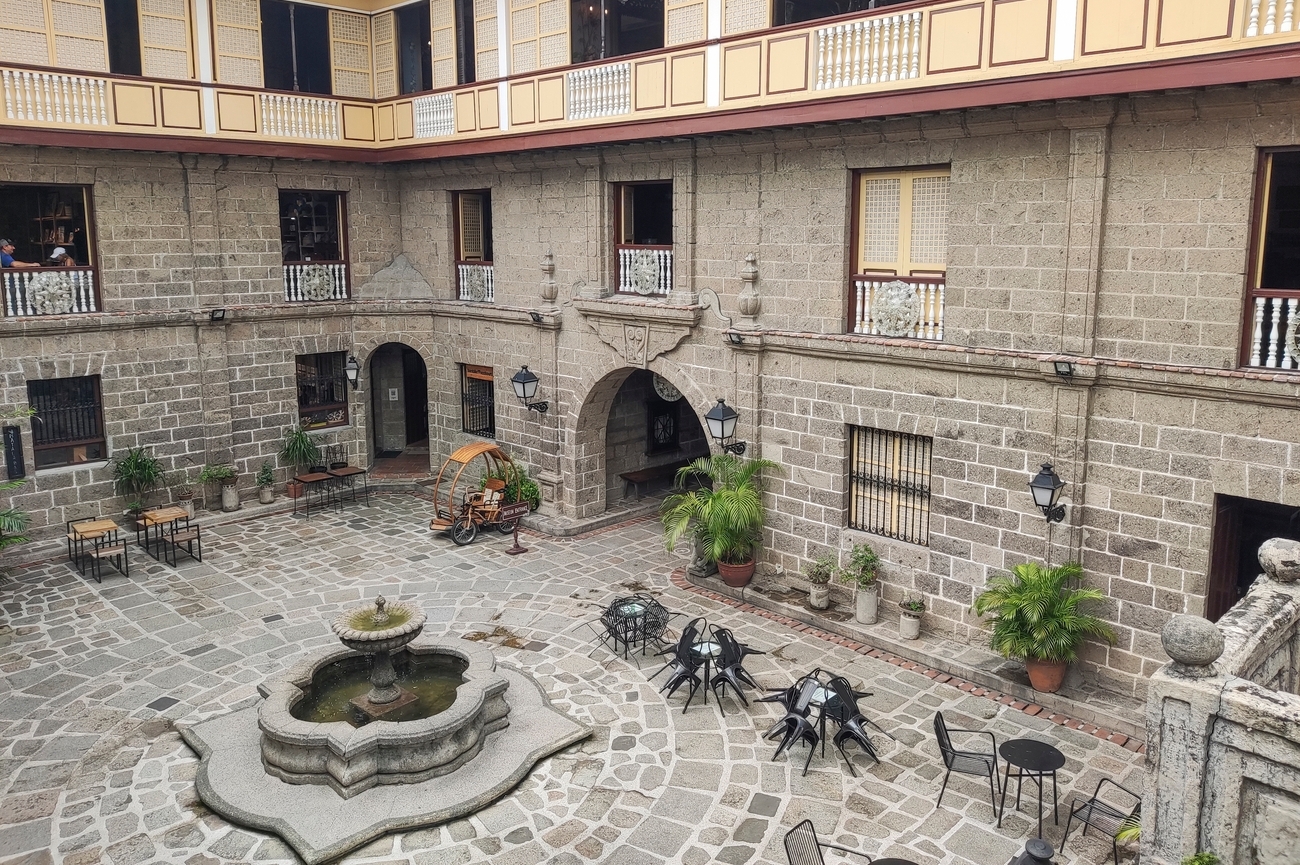
Just across from San Agustin Church, Casa Manila is a faithful reproduction of an 1850s bahay-na-bato or “stone house.” This living museum gives you a glimpse of the lifestyle of a wealthy Filipino family during the Spanish colonial era. Furnished with authentic period pieces, the house features a zaguan and courtyard on the ground floor, while the upper levels showcase grand living spaces like a sala (living room), comedor (dining room) with a punkah fan, cocina (kitchen), bedrooms, and even a small prayer room.
The Manila Cathedral
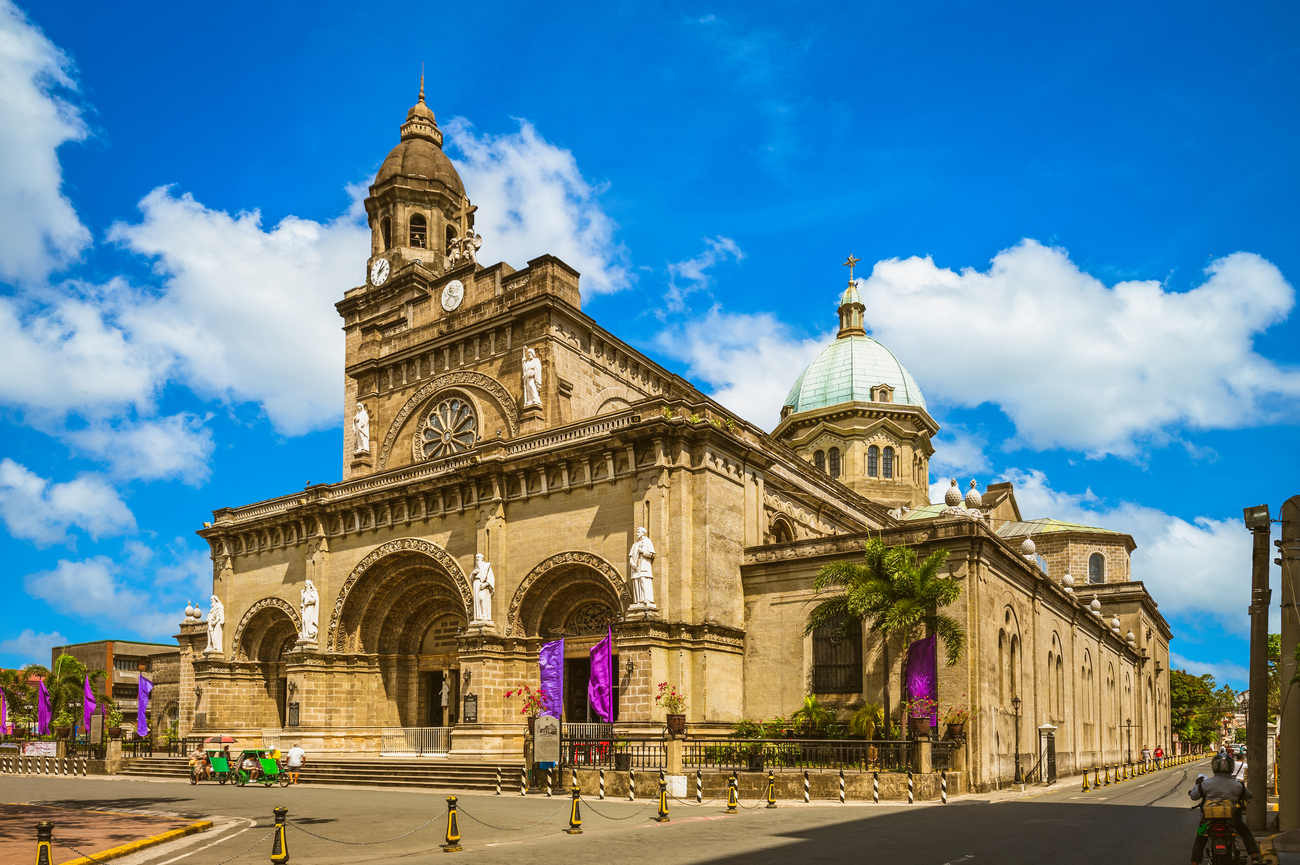
Next, walk two blocks to The Manila Cathedral, the mother church of the Philippines and seat of the Archdiocese of Manila. It was rebuilt eight times after wars, fires, and natural disasters, today it stands in striking neo-Romanesque style, with a grand façade lined with statues carved from Roman travertine stone. Over the years, it has welcomed three popes: Paul VI, John Paul II, and Francis, with John Paul II elevating it to a minor basilica in 1981.
Fort Santiago and Rizal Shrine
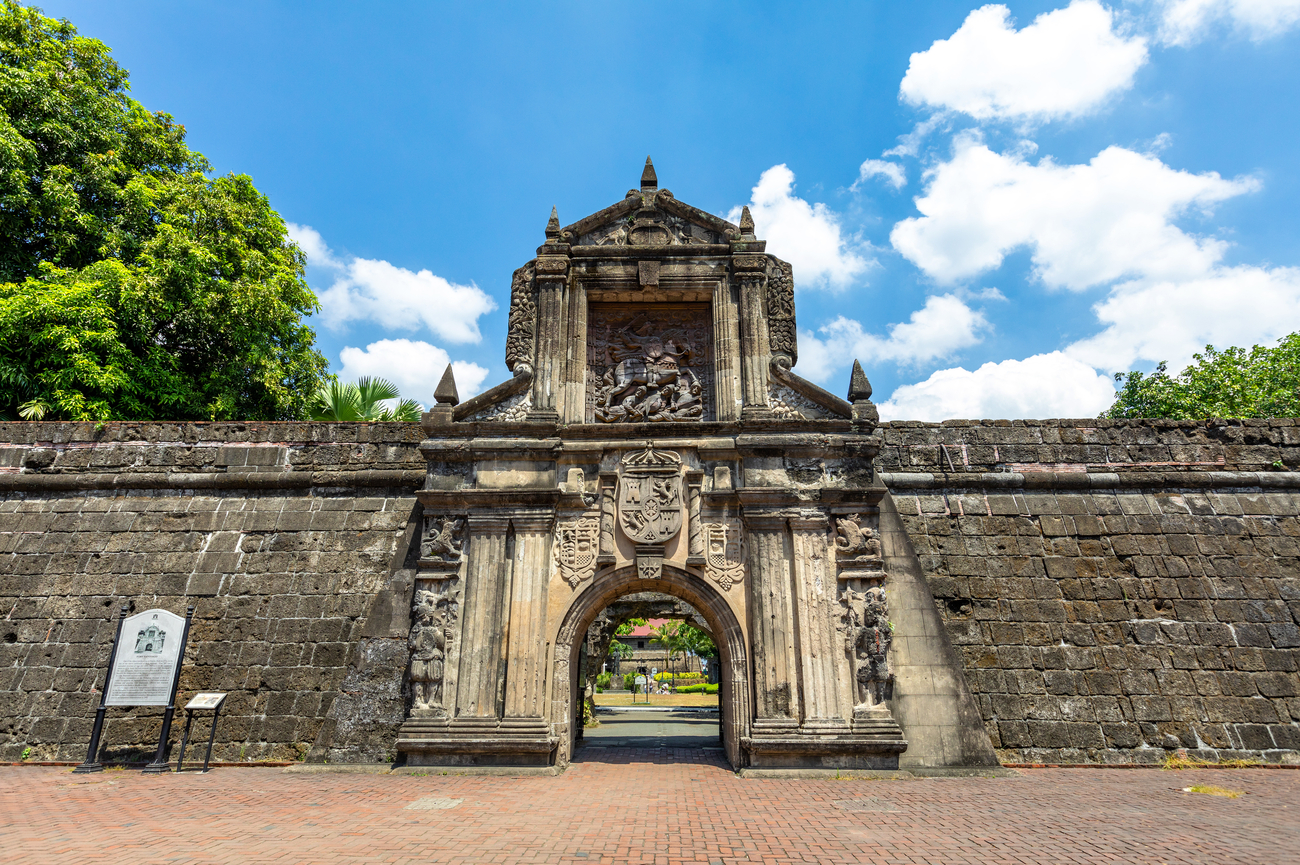
End your Intramuros walk at Fort Santiago, once a key military fortress and later a prison under Spanish, British, American, and Japanese rule. It is most remembered as the place where José Rizal spent his final days before his execution in 1896. Today, it stands as a national landmark and “Shrine of Freedom,” with gardens, ruins, and historic walls to explore.
Within the fort is the Rizal Shrine, a museum dedicated to the national hero’s life. Here you’ll find five galleries of artifacts and exhibits, including his books, manuscripts, and a replica of his cell. Bronze footprints mark the path of Rizal’s final steps from his prison cell to the site of his execution.
Day 1, Afternoon - Manila Tour Map
Day 2
Morning: Quiapo Church
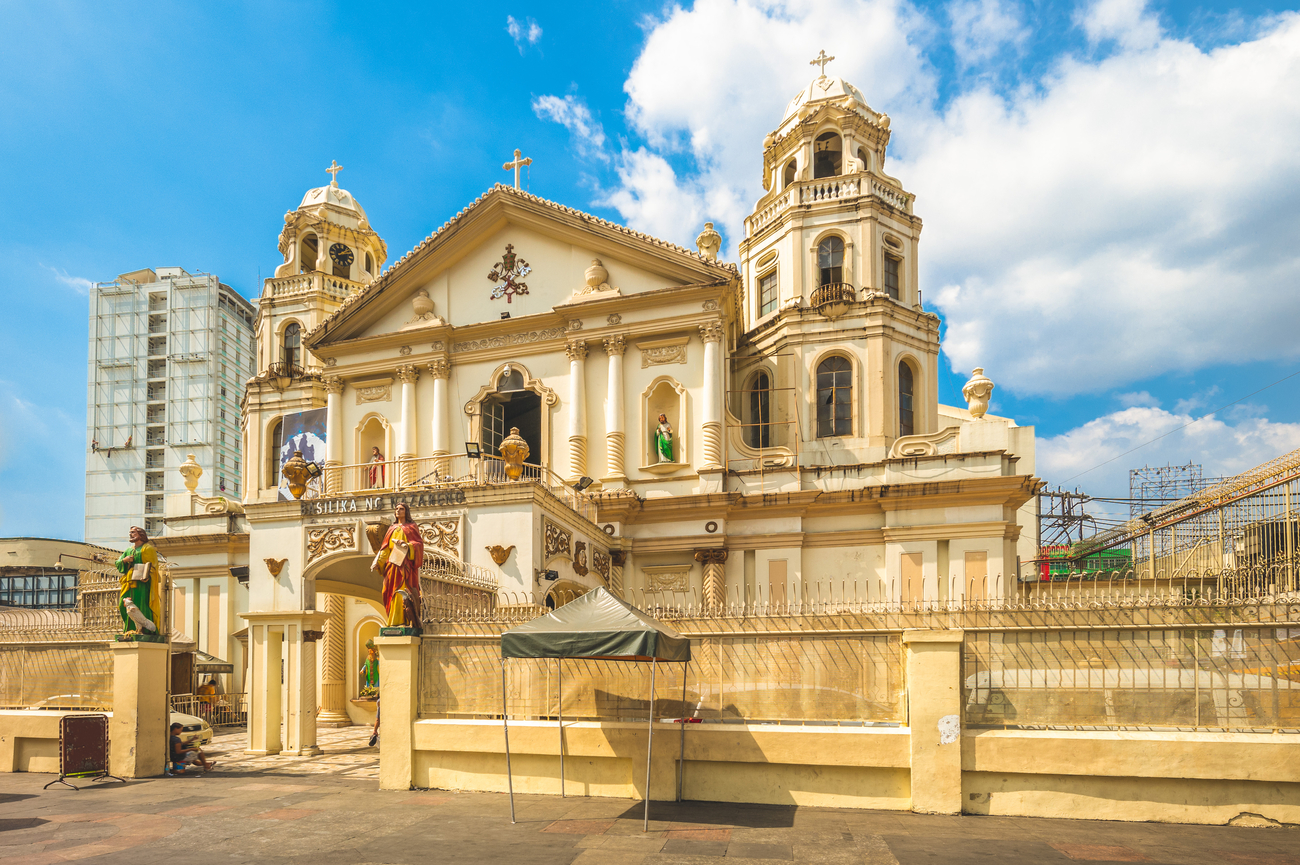
Start your day at Quiapo Church, one of the most important Catholic basilicas in the Philippines. Its centerpiece is the Black Nazarene, a life-sized statue of Jesus carrying the cross, long believed to have miraculous powers. Carved in Mexico and brought to Manila in the 17th century, it has inspired centuries of devotion. Every year on January 9, millions of barefoot devotees join the Traslación procession, carrying the image through the streets. In 2024, the church was elevated to a national shrine, and its official name was updated to focus on Jesus Nazareno.
San Sebastian Church
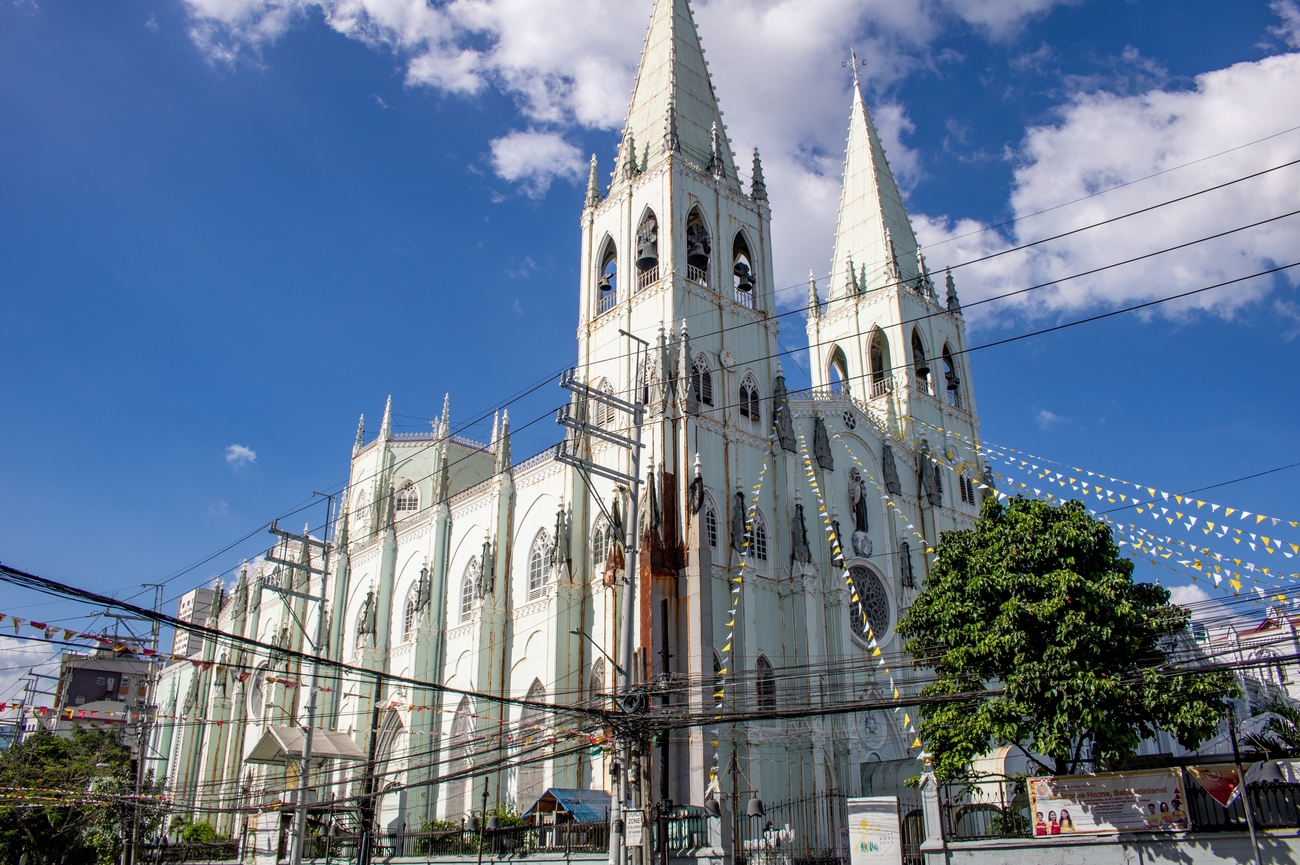
Next, take a 12-minute walk to San Sebastian Church, a stunning Neo-Gothic church. It is the only all-steel church in East Asia. Built in the late 1800s with prefabricated steel shipped from Belgium, it was designed to withstand Manila’s earthquakes and fires. Today, it’s recognised as both a National Historical Landmark and a National Cultural Treasure.
Arroceros Forest Park
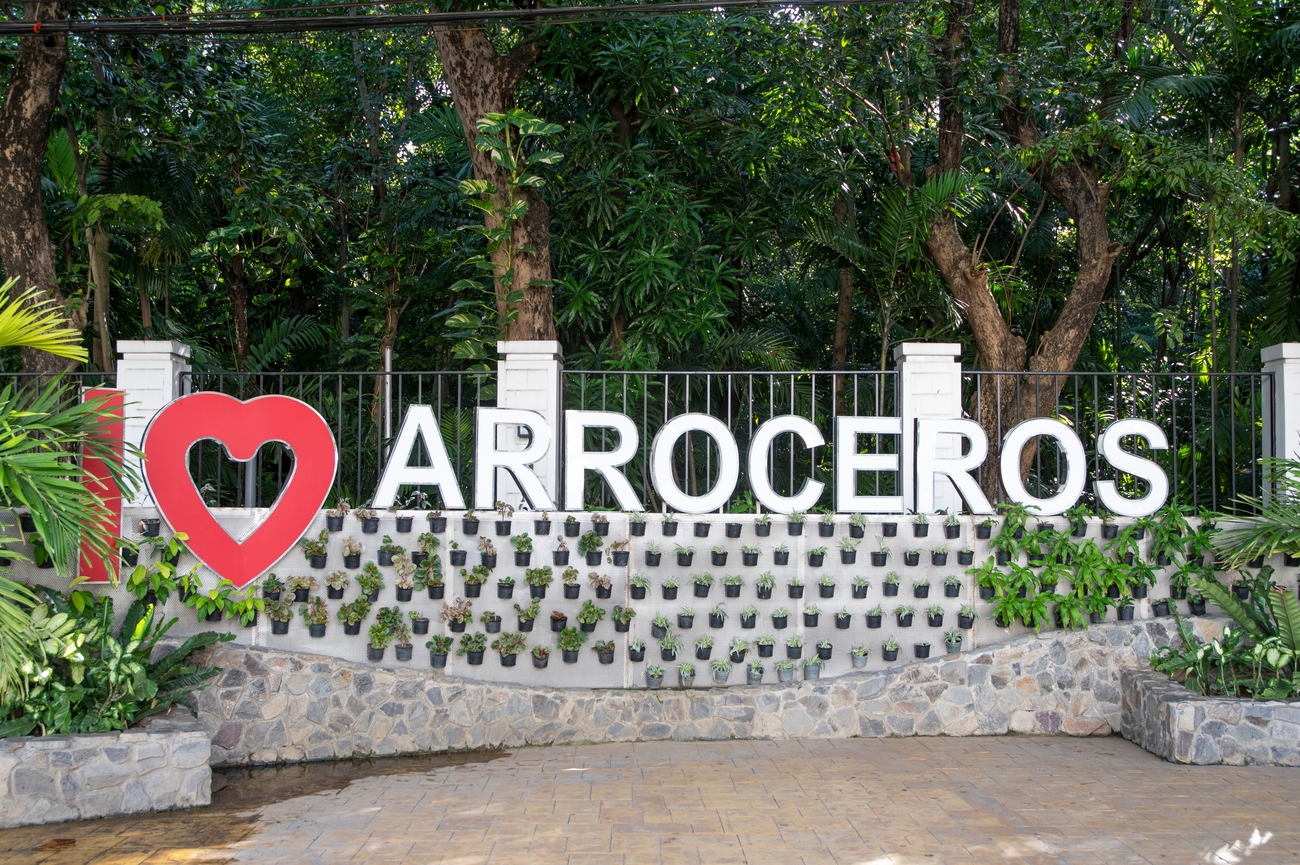
Before the sun blazes, enjoy a cool morning walk at Arroceros Forest Park, often called the “last lung” of Manila. It was once a Chinese settlement, a Spanish tobacco factory, and later a U.S. garrison; today it’s an ecological sanctuary in the heart of the city. With over 3,500 trees, koi ponds, fountains, and shaded pathways, it’s also home to bird species like the pied fantail and zebra dove. Stroll the walkways, rest under the canopy, or take in views of the Pasig River from the promenade.
Day 2, Morning - Manila Tour Map
Afternoon: Chinatown Food Crawl
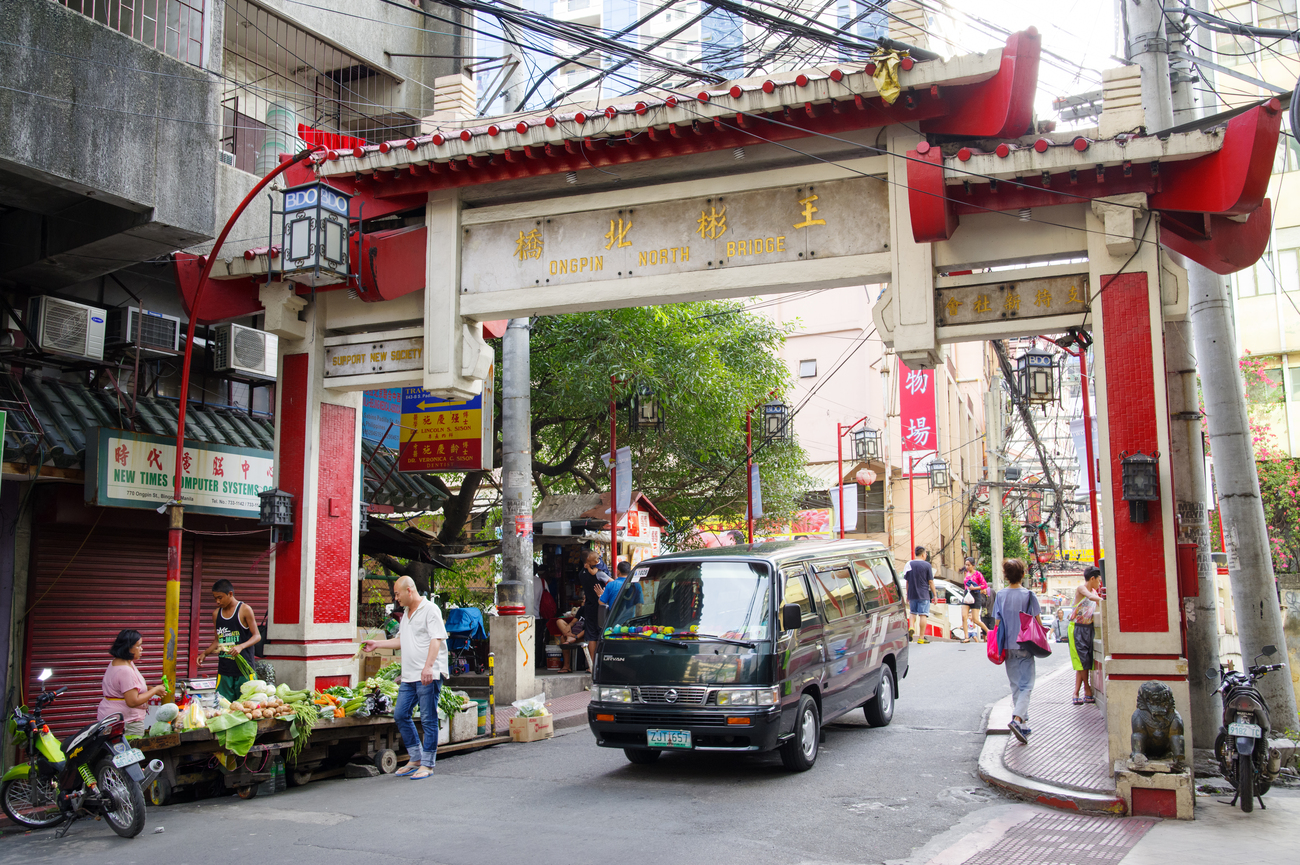
Cross Jones Bridge into Binondo, the world’s oldest Chinatown, and set off on a curated food crawl. Here, you’ll taste hand-pinched dumplings rolled fresh near Yuchengco, fried siopao with a crisp base and fluffy top, and fourth-generation specialties like lumpia and kiampong (savory sticky rice). For a sweet finish, try hopia, a mung bean party that’s perfect to bring back to your hotel.
Binondo Church
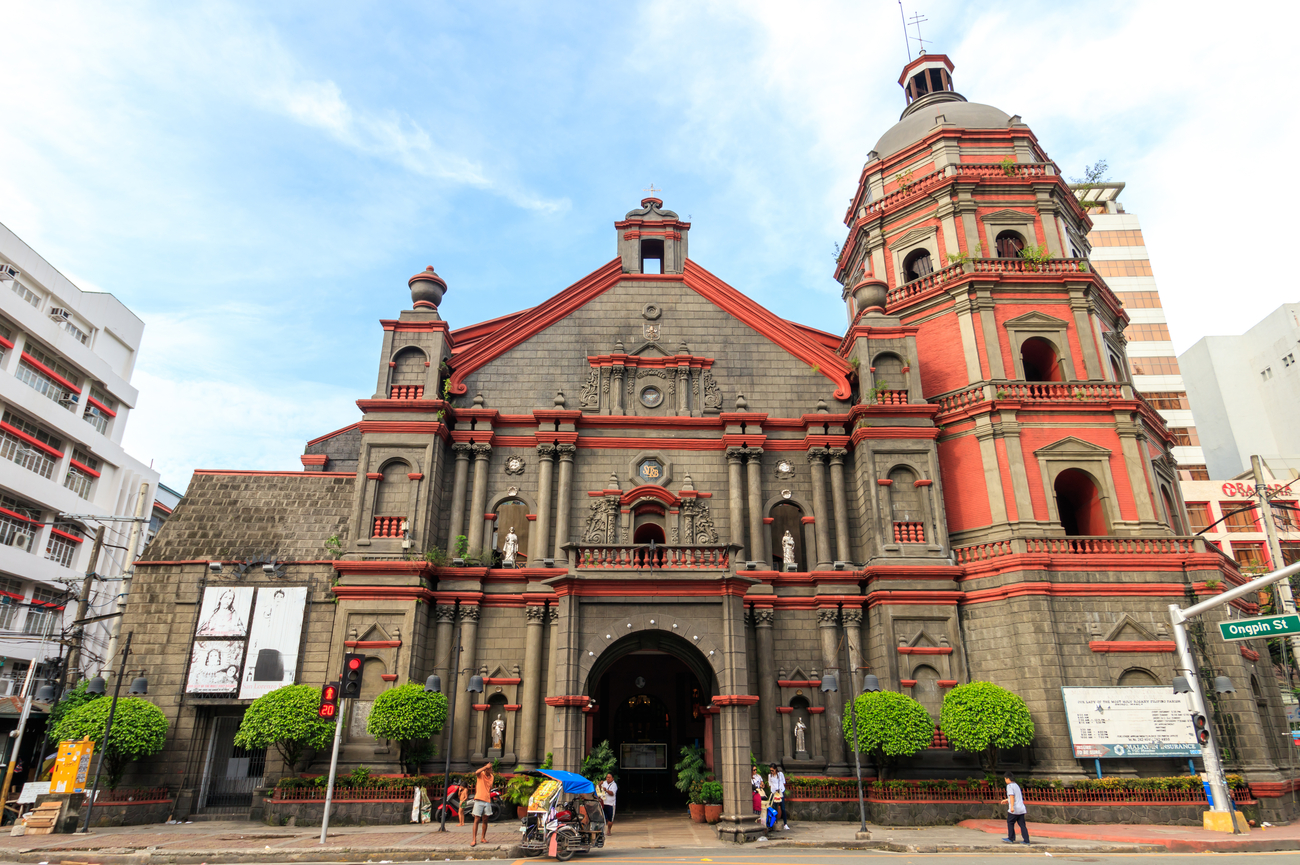
Between tastings, step into Binondo Church, officially the Minor Basilica and National Shrine of St. Lorenzo Ruiz. Founded in 1596 for Chinese converts, it is dedicated to St. Lorenzo Ruiz (the first Filipino saint) who once served here as an altar boy before his martyrdom in Japan in 1637. The church features Baroque and Renaissance styles, with its most striking feature being the five-story octagonal bell tower, a survivor of World War II.
Day 2, Afternoon - Manila Tour Map
Day 3
Morning: Ayala Museum
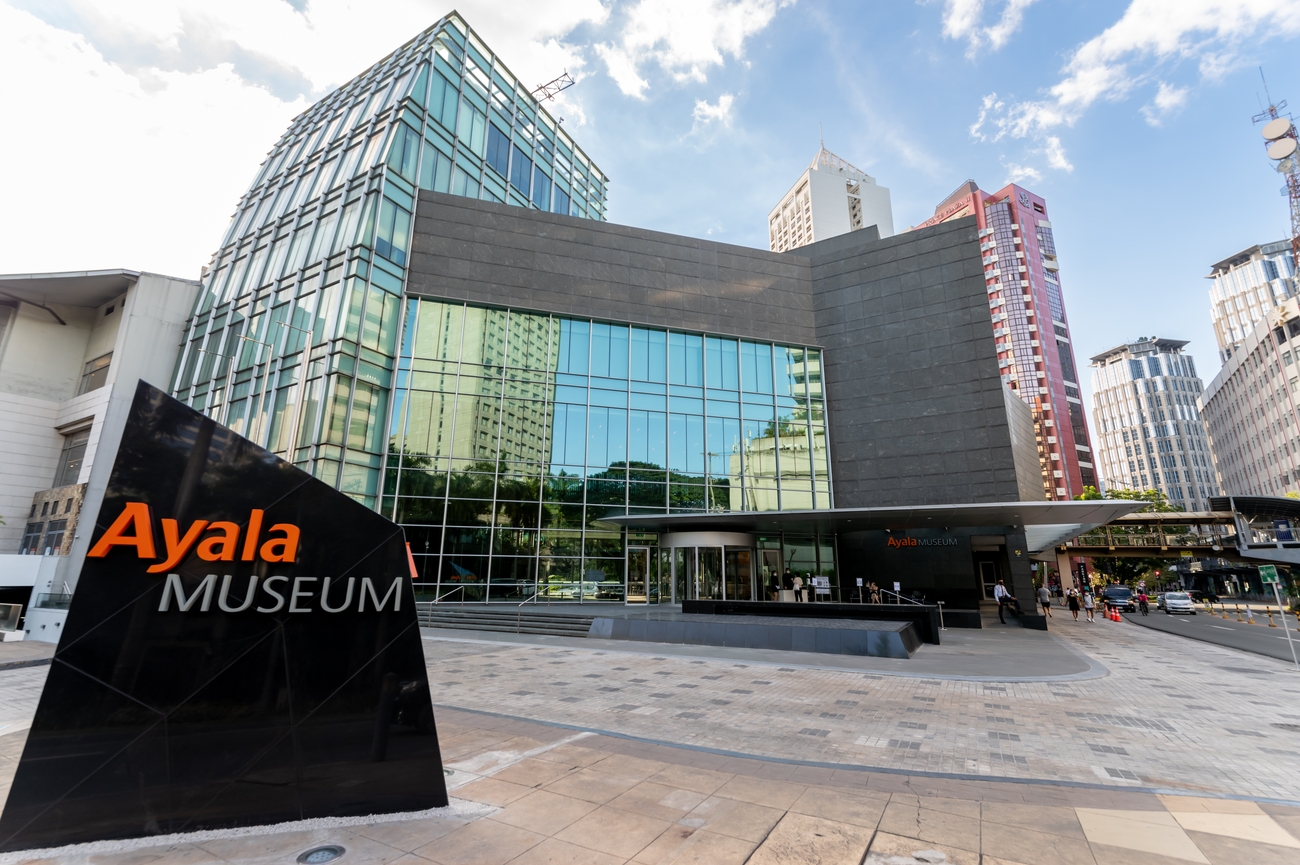
Begin your final day in Manila at the Ayala Museum, a space that brings Philippine history, culture, and art to life. Here you’ll find works by masters like Juan Luna, Fernando Amorsolo, and Fernando Zóbel, alongside rotating exhibits of contemporary artists. Don’t miss the Diorama Experience, 60 handcrafted scenes tracing the nation’s story from prehistoric times to the 1986 People Power Revolution. There’s an audio guide available to make the walk tour even more engaging.
Greenbelt
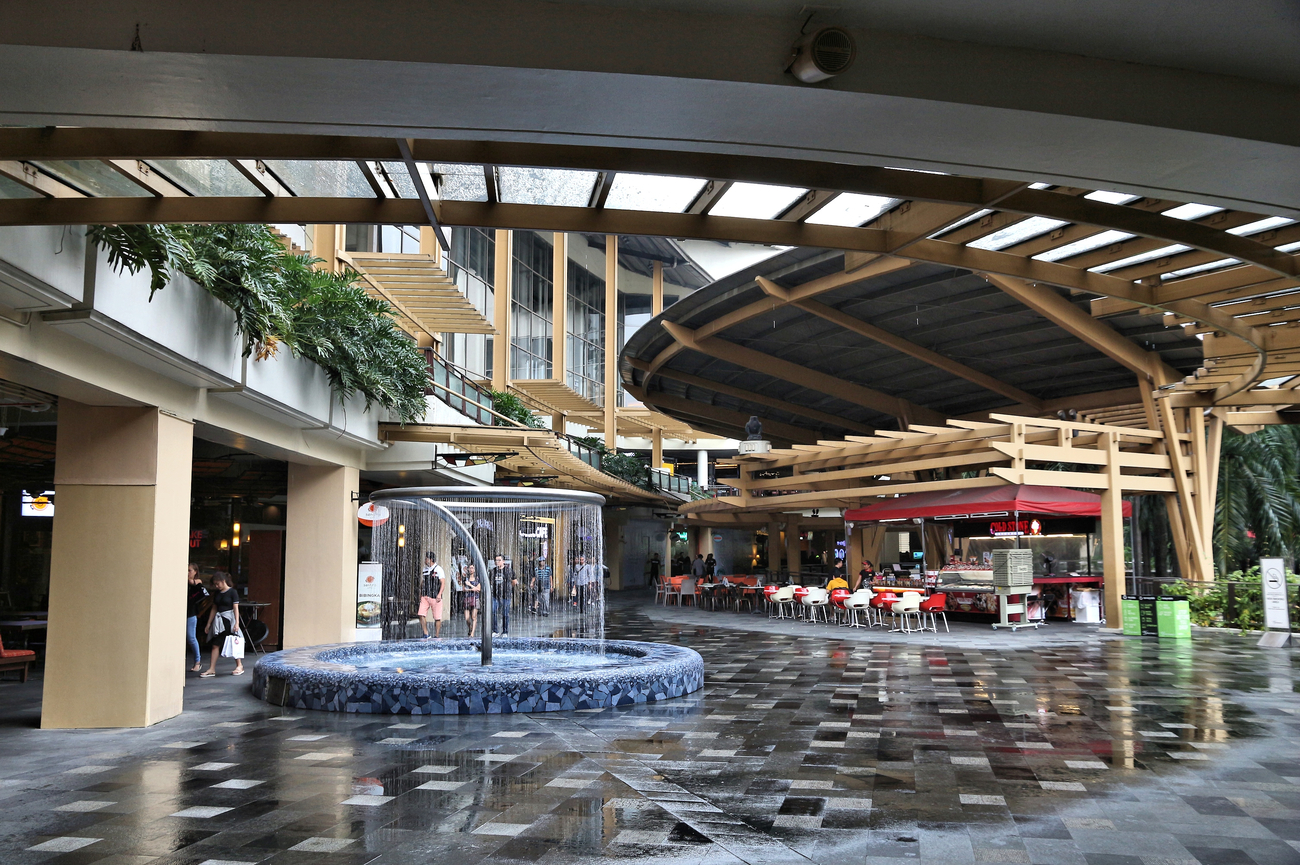
Step outside the museum and into Greenbelt, where koi ponds, shaded benches, and the open-air Greenbelt Chapel (Sto. Niño de Paz) offers a peaceful time for prayer and reflection. Around the gardens, you’ll find high-end boutiques, local designer shops, and plenty of dining choices, from fine dining restaurants with park views to casual cafés perfect for a mid-morning coffee.
Ayala Triangle Gardens
Next, make your way to Ayala Triangle Gardens, a two-hectare urban park in the heart of Makati. Once part of Manila’s pre-war airport, its runways now form the roads that outline the park. Today, it’s a green space filled with palms, acacia, and rain trees. As you stroll, look out for monuments honoring Filipino figures like Ninoy Aquino, Gabriela Silang, and Sultan Muhammad Kudarat.
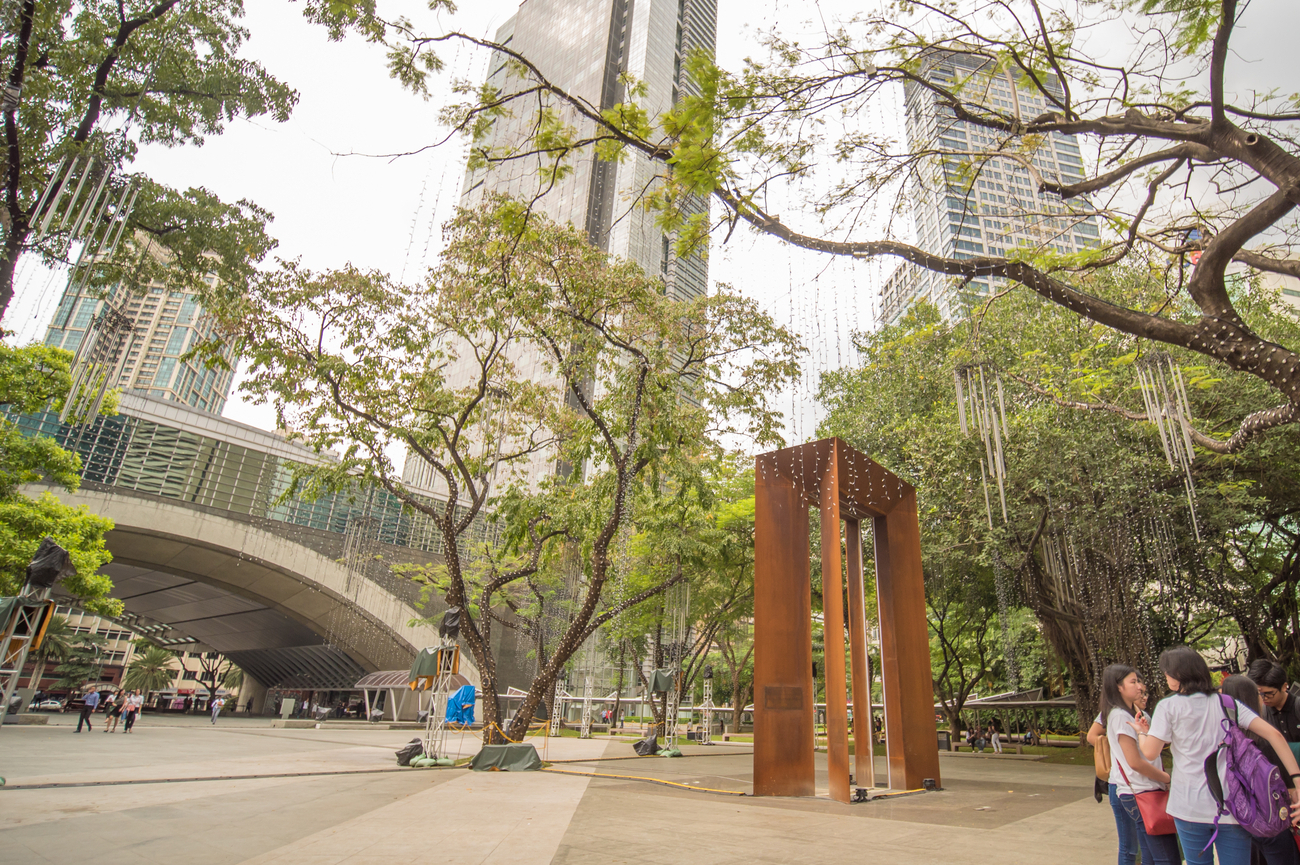
Day 3, Morning - Manila Tour Map
Afternoon: SM Mall of Asia
Head to SM Mall of Asia (MOA), the largest shopping mall in the Philippines and among the largest in the world. This massive complex offers endless shopping, dining, and entertainment, and even houses the world’s biggest IKEA store. Also located within the complex is the country’s largest privately run events venue, the SMX Convention Centre.
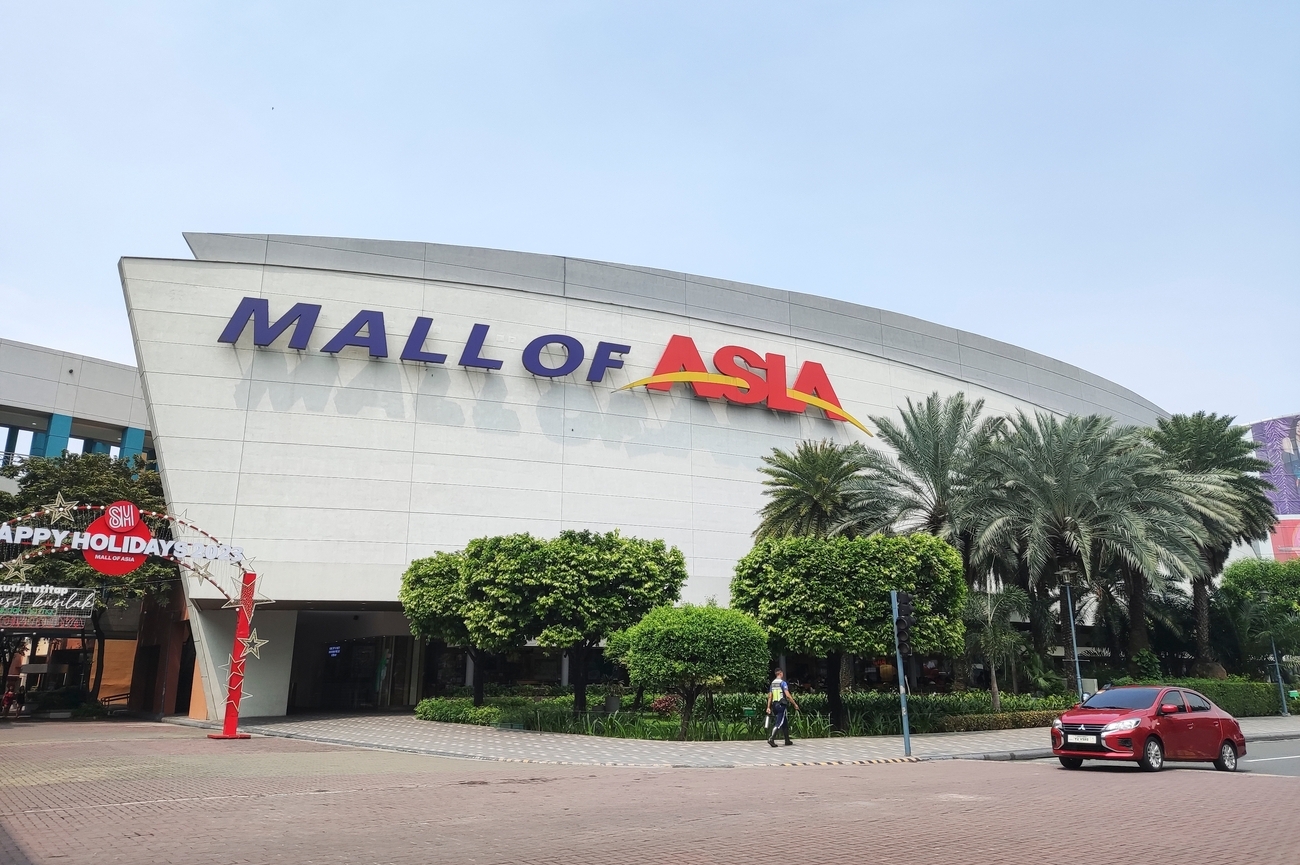
SM Mall of Asia Seaside Promenade
By late afternoon, head to the Seaside Promenade, also known as SM by the Bay. This open-air waterfront spot is loved for its dining, entertainment, and unbeatable sunset views. You’ll find an amusement park with rides, including a 55-meter-tall Ferris wheel offering air-conditioned cabins and panoramic views over Manila Bay. Along the promenade, you’ll also find food stalls and al fresco restaurants serving everything from local street foods to international flavors.
Day 3, Afternoon - Manila Tour Map
Day Trips from Manila
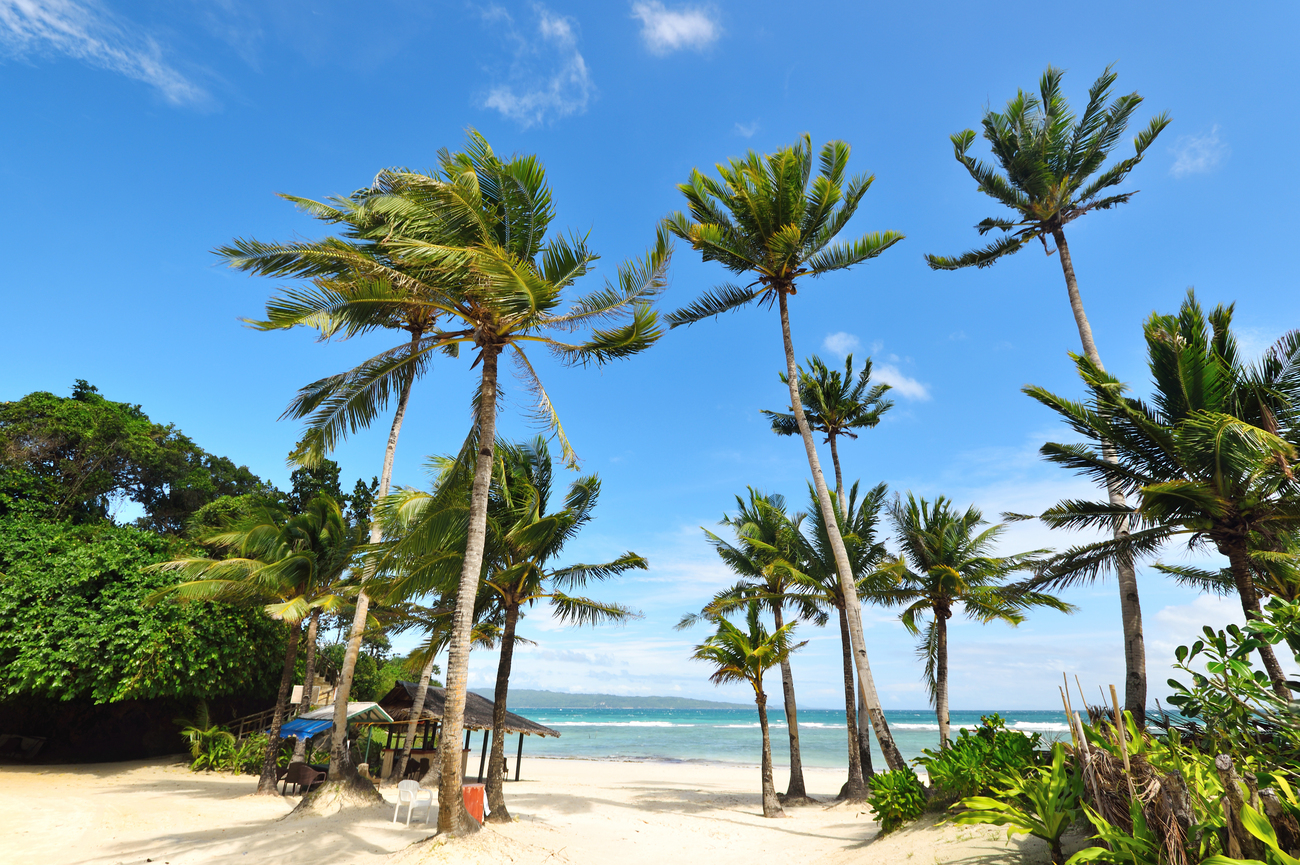
- Little Boracay Calatagan Batangas: Just a couple of hours from Manila, Little Boracay is loved for its clear, shallow waters and soft white sand, perfect for a quick beach escape. Families often come here for day trips or overnight stays. Best enjoyed by renting a floating cottage, pulled by boat out to the sandbar, where you can relax right in the middle of the sea.
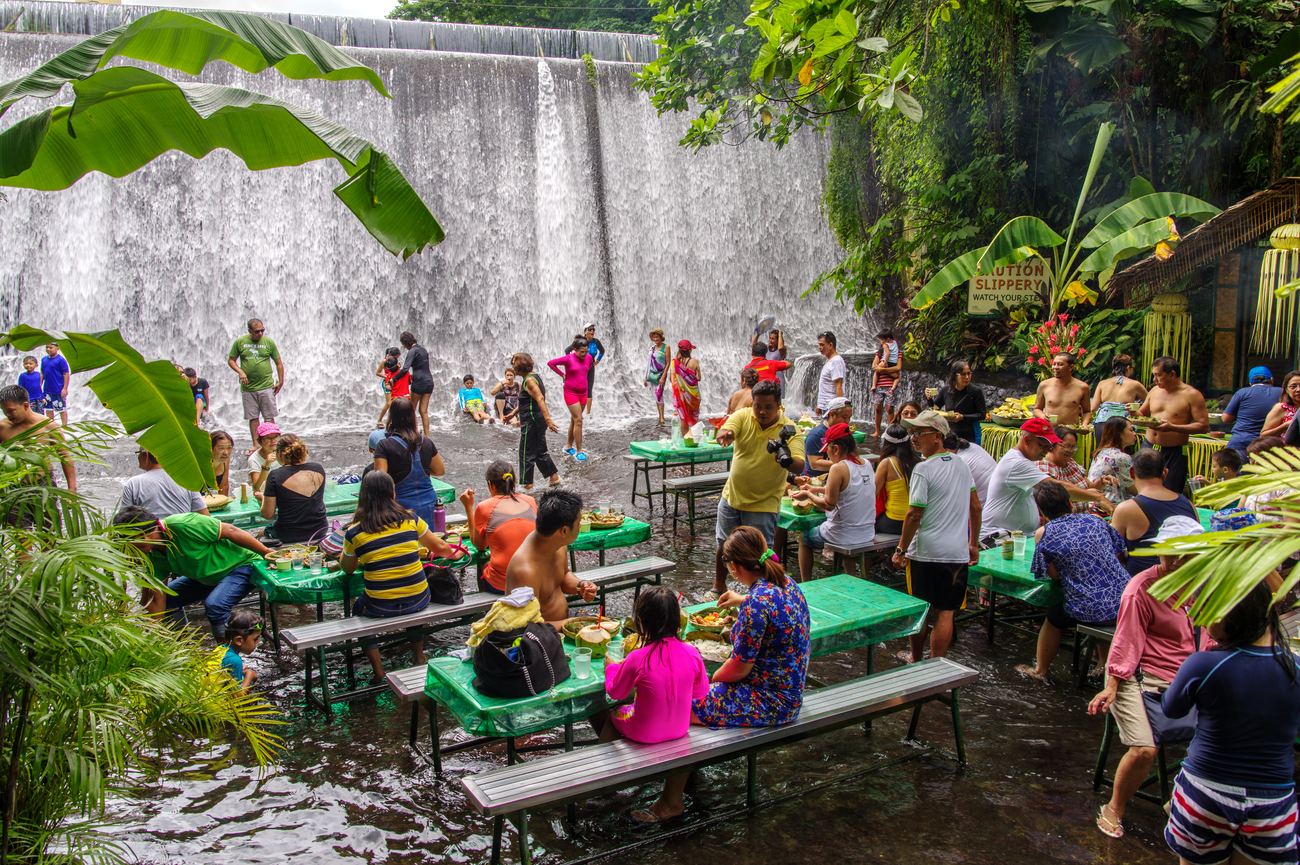
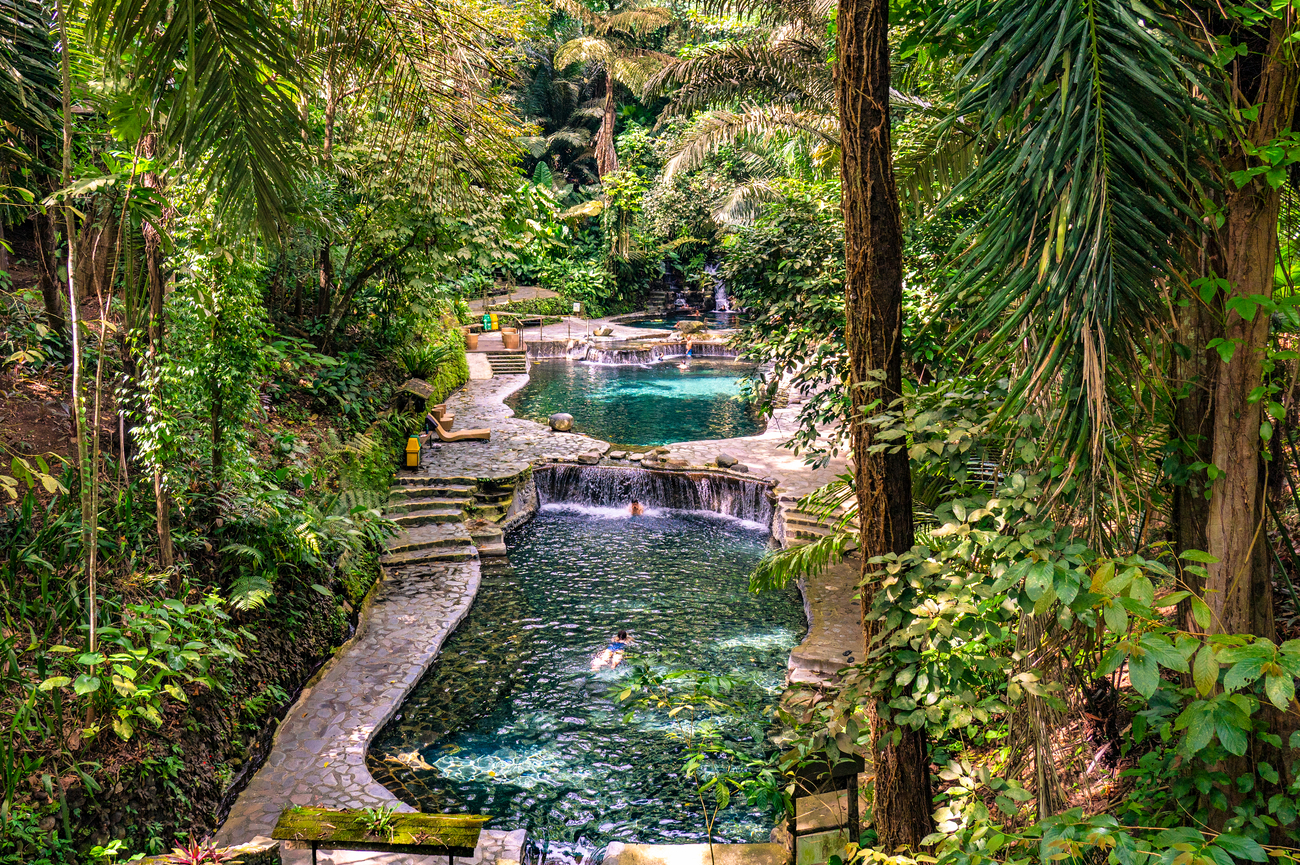
- Villa Escudero: A heritage coconut plantation best known for its one-of-a-kind lunch by a waterfall. You can also visit its private museum, enjoy bamboo rafting on a calm river, and join activities that highlight Philippine history and rural life.
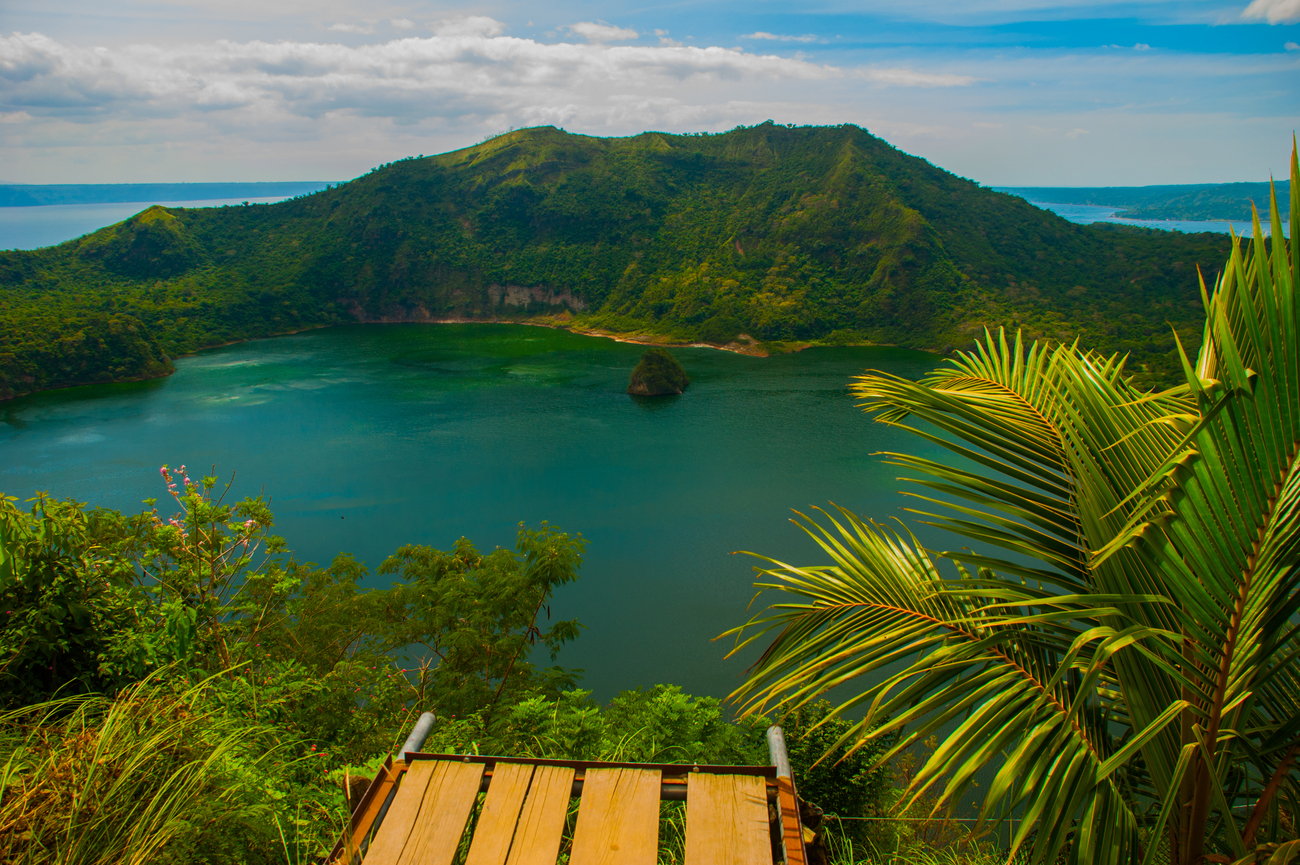
- Tagaytay: Just a short drive from Manila, Tagaytay offers cool air, sweeping views of Taal Volcano, and plenty of farm-to-table dining. Here, you can enjoy picnics in open huts, horseback riding, ziplining, or simply enjoying the scenery around Taal Lake.
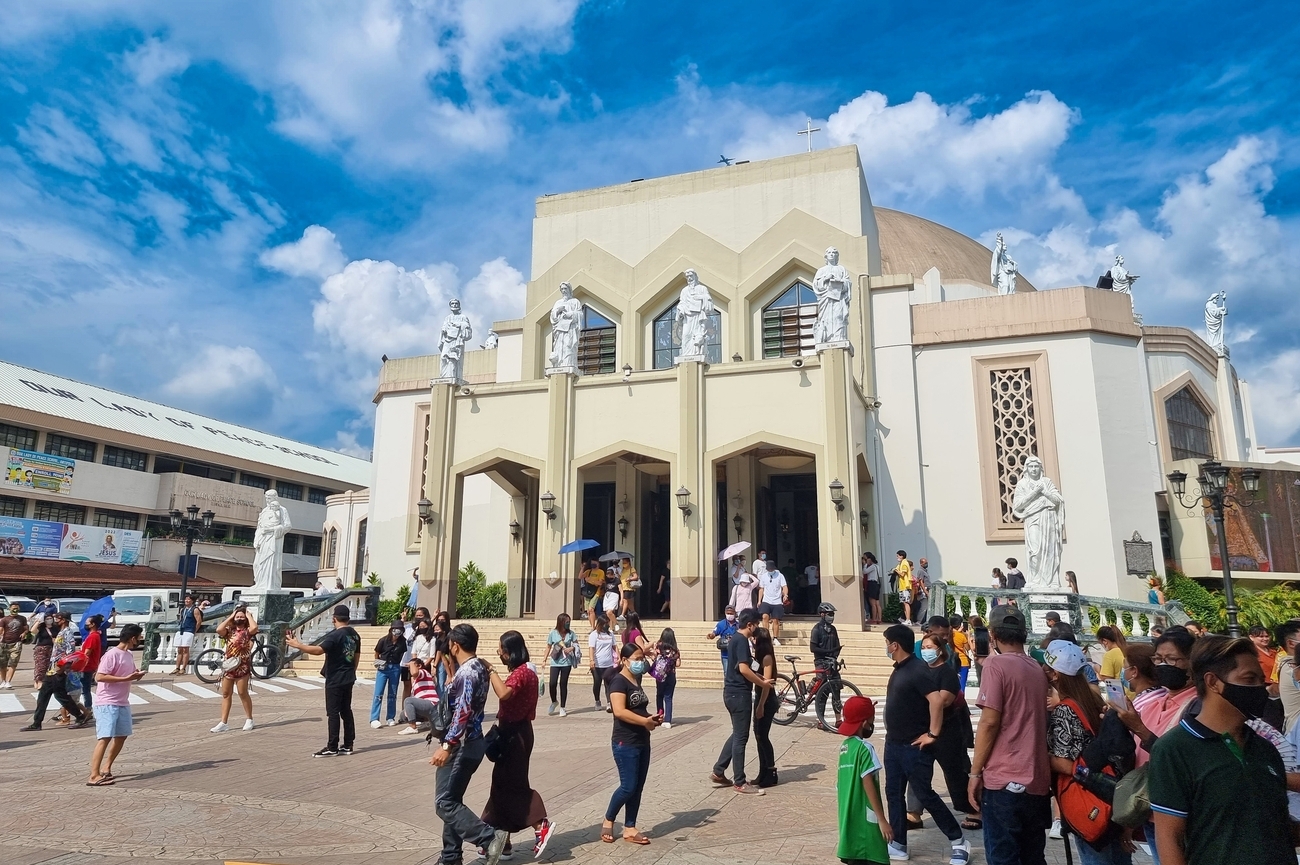
- Antipolo: An hour away from Manila, Antipolo is known for its hillside views and the Pintô Art Museum, where Mediterranean-style courtyards meet contemporary Filipino art. While you’re here, stop by the Antipolo Cathedral for a quick visit.
- Laguna: About 1.5 to 3 hours from Manila, Laguna is the birthplace of Dr. José Rizal and a convenient escape for both nature and history. Here you’ll find hot springs, waterfalls, heritage sites, and plenty of outdoor adventures, all within easy reach of the city.
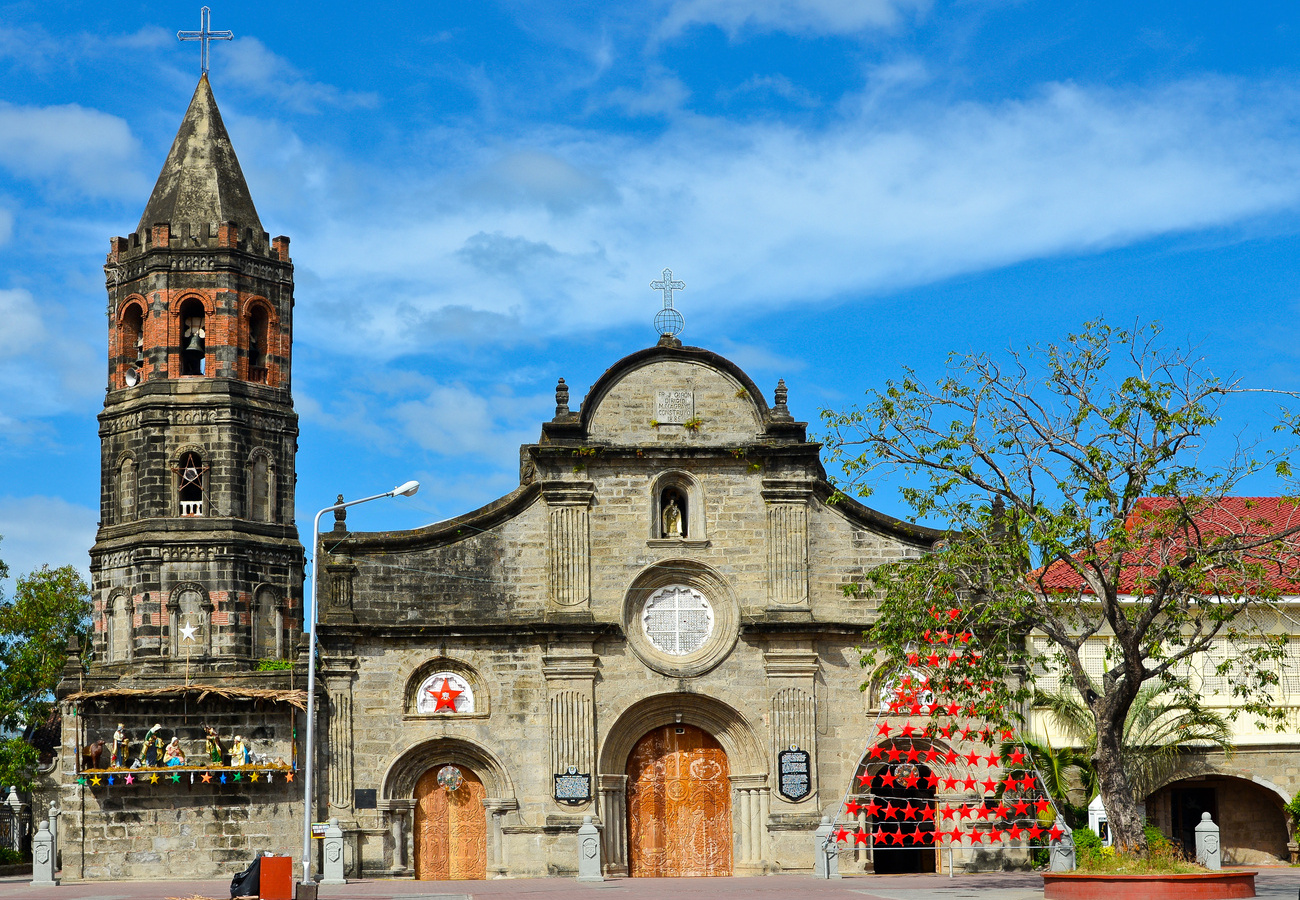
- Bulacan: Home to Barásoain Church, where the First Philippine Republic’s Constitutional Convention was held. Explore Biak-na-Bato National Park in San Miguel, with its caves that once sheltered Filipino revolutionaries.
- Zambales: For a mix of beach, nature, and adventure, Zambales makes a great day trip from Manila. Go island hopping from Pundaquit in San Antonio, or head to San Felipe for surfing and a laid-back beach vibe.
Golf Courses and Polo Club in Manila
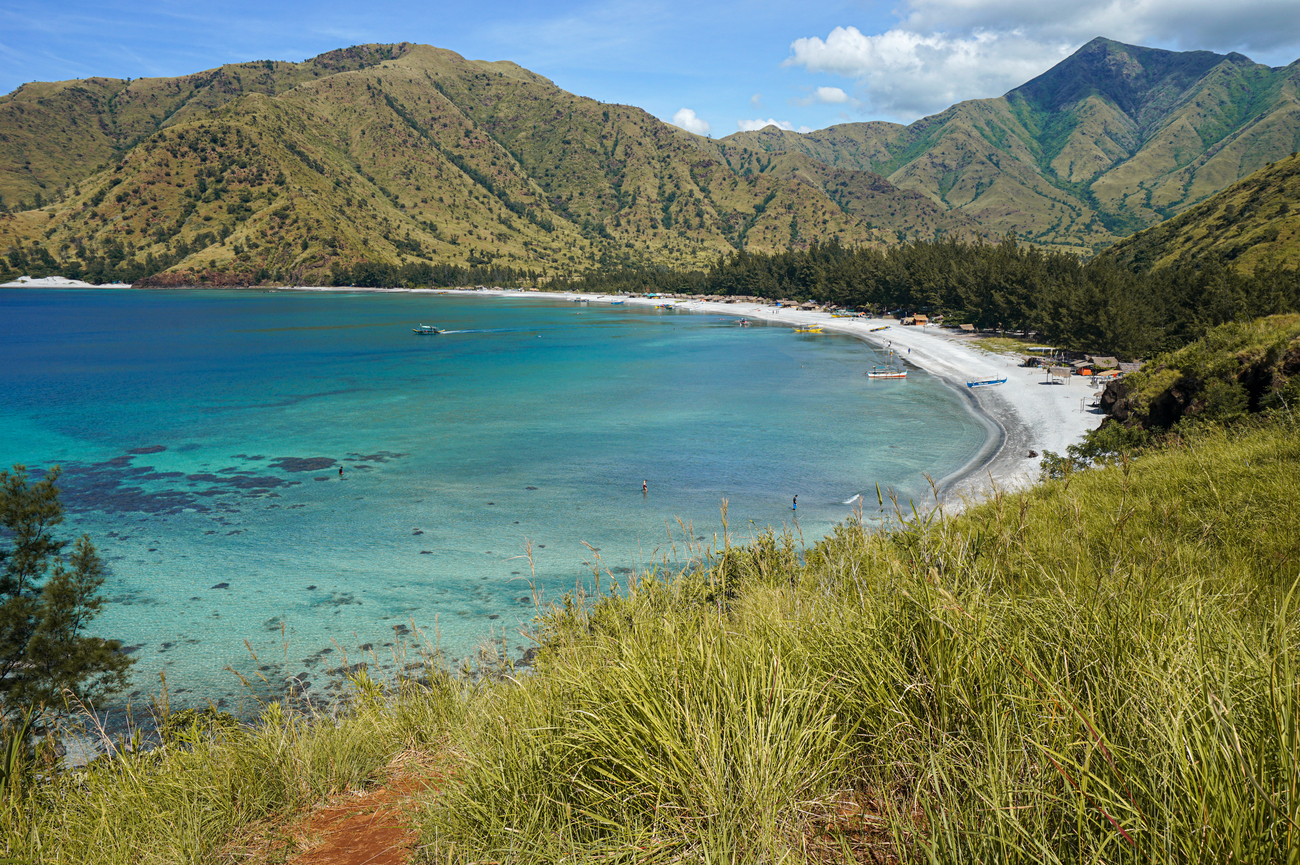
- Manila Golf and Country Club Inc: One of the oldest and most prestigious golf clubs in the Philippines, Manila Golf and Country Club is a highly exclusive course. Spanning 44 hectares, its 18-hole, par-71 layout was redesigned by Bob Moore in 2007. The club is known for pristine fairways, challenging doglegs, strategic hazards, and fast greens.
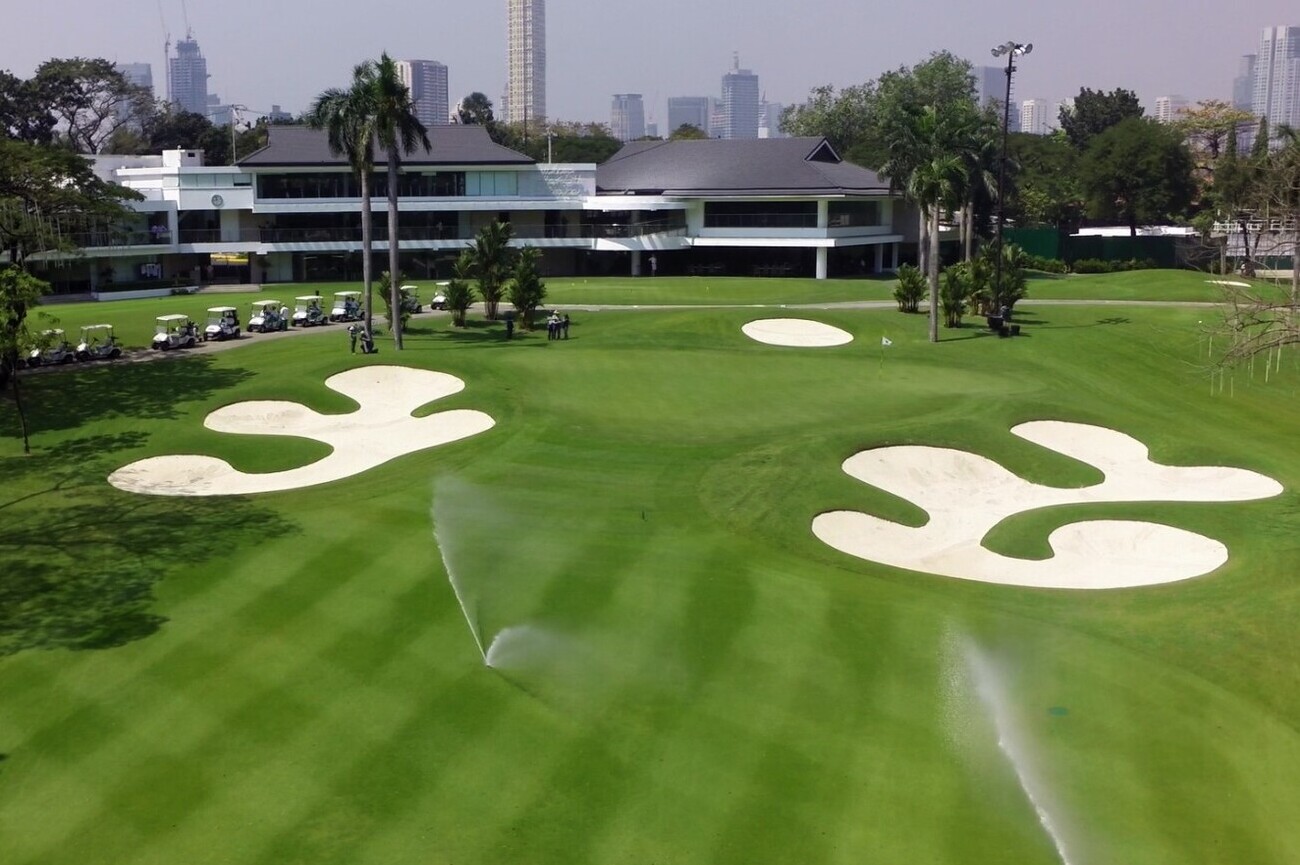
- Wack Wack Golf & Country Club: Founded on principles of openness and inclusion, Wack Wack Golf & Country Club is one of the Philippines’ oldest and most prestigious clubs. It features two 18-hole championship courses designed to challenge golfers of all skill levels.
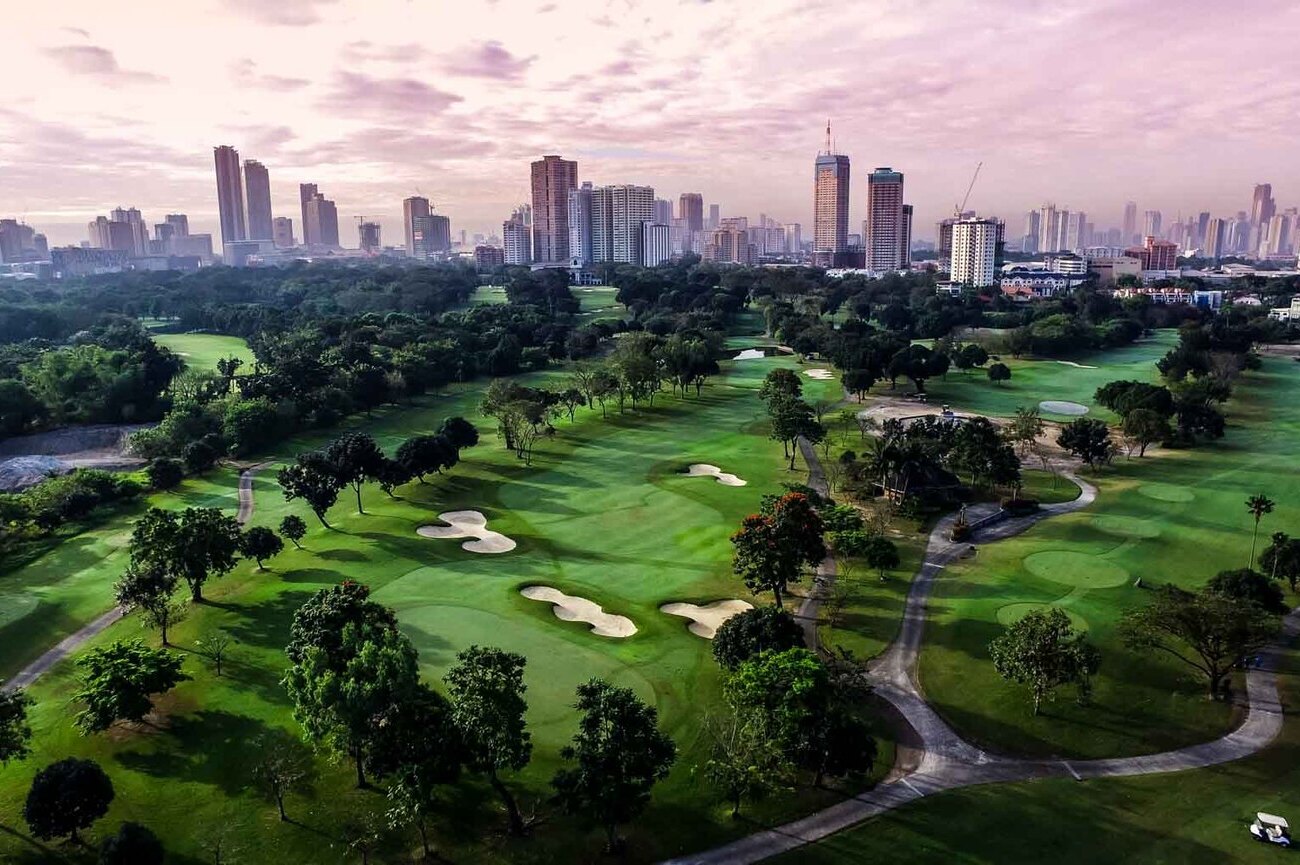
- Manila Southwoods Golf and Country Club: About an hour from Manila, Southwoods is often considered the country’s premier golf club. It offers two championship courses: The Masters, a long, challenging layout with bunkers, narrow fairways, and water hazards that has hosted major tournaments; and The Legends, a Jack Nicklaus–designed course with rolling mounds, doglegs, and plenty of strategic challenges, often used for corporate events.
- Manila Polo Club: Located in Makati’s exclusive Forbes Park, the Manila Polo Club is the country’s premier venue for polo and equestrian sports. It has long been a leisure hub for Manila’s elite. The club features two polo fields: the six-hectare Enrique Zobel Field and the smaller West Field, also used for equestrian events.
Racecourses Near Manila
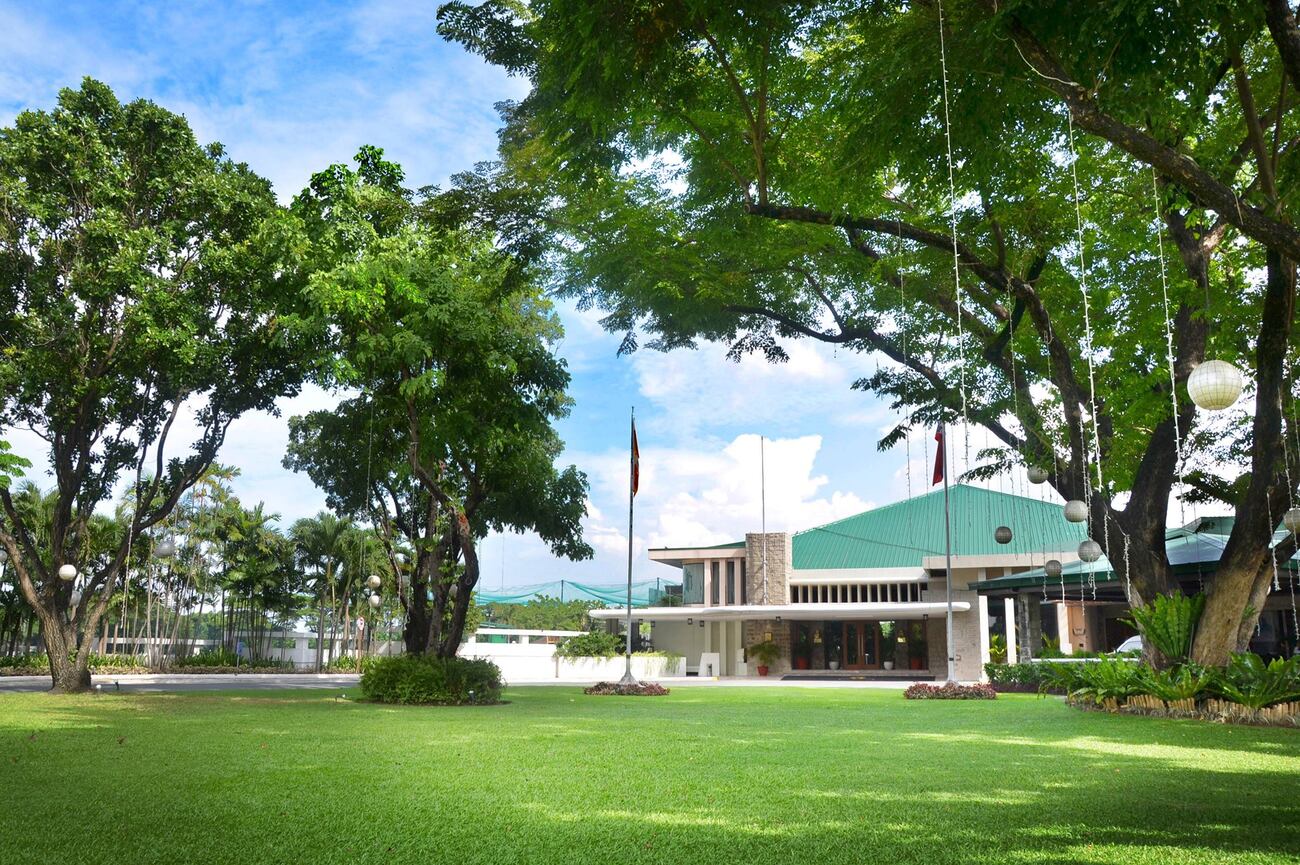
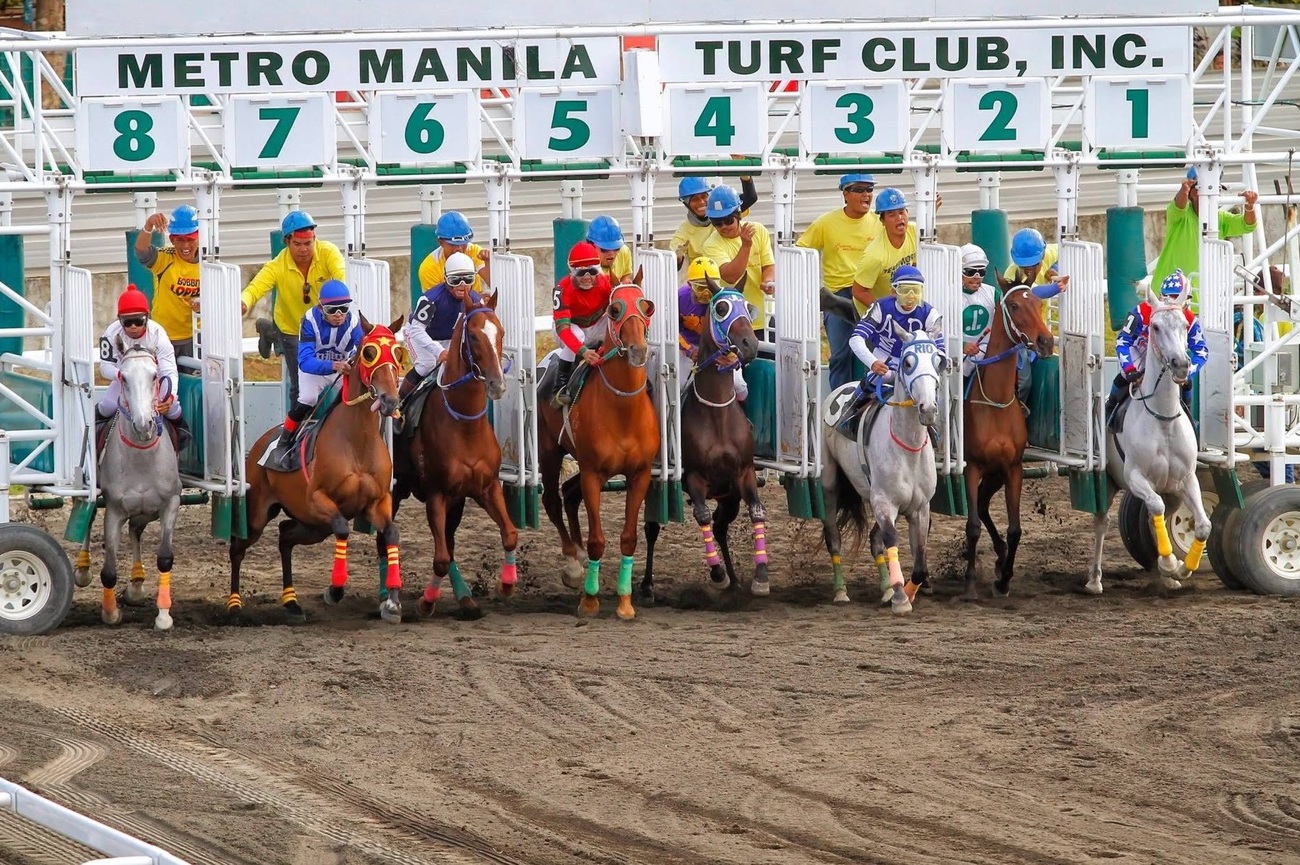
- Metro Manila Horse Turf Club: Located in Batangas, MetroTurf is a modern horse racing venue constructed by a Singaporean consultant. Races are held regularly, and the best way to experience them is from the comfort of a private box overlooking the track.
Brewery Tours in Manila
- Engkanto Brewery: Manila’s craft beer scene is small but steadily growing, one of the brands that stand out is Engkanto Brewery, Founded in 2017 with a mission to create world-class craft beers as an alternative to the mainstream brands in the Philippines. In this guided tour, you’ll learn about the brewing process, see the state-of-the-art equipment, and finish with a tasting session. Enjoy unlimited pours of Engkanto’s signature beers paired with light snacks.
Luxury Spa & Wellness Experiences in Manila
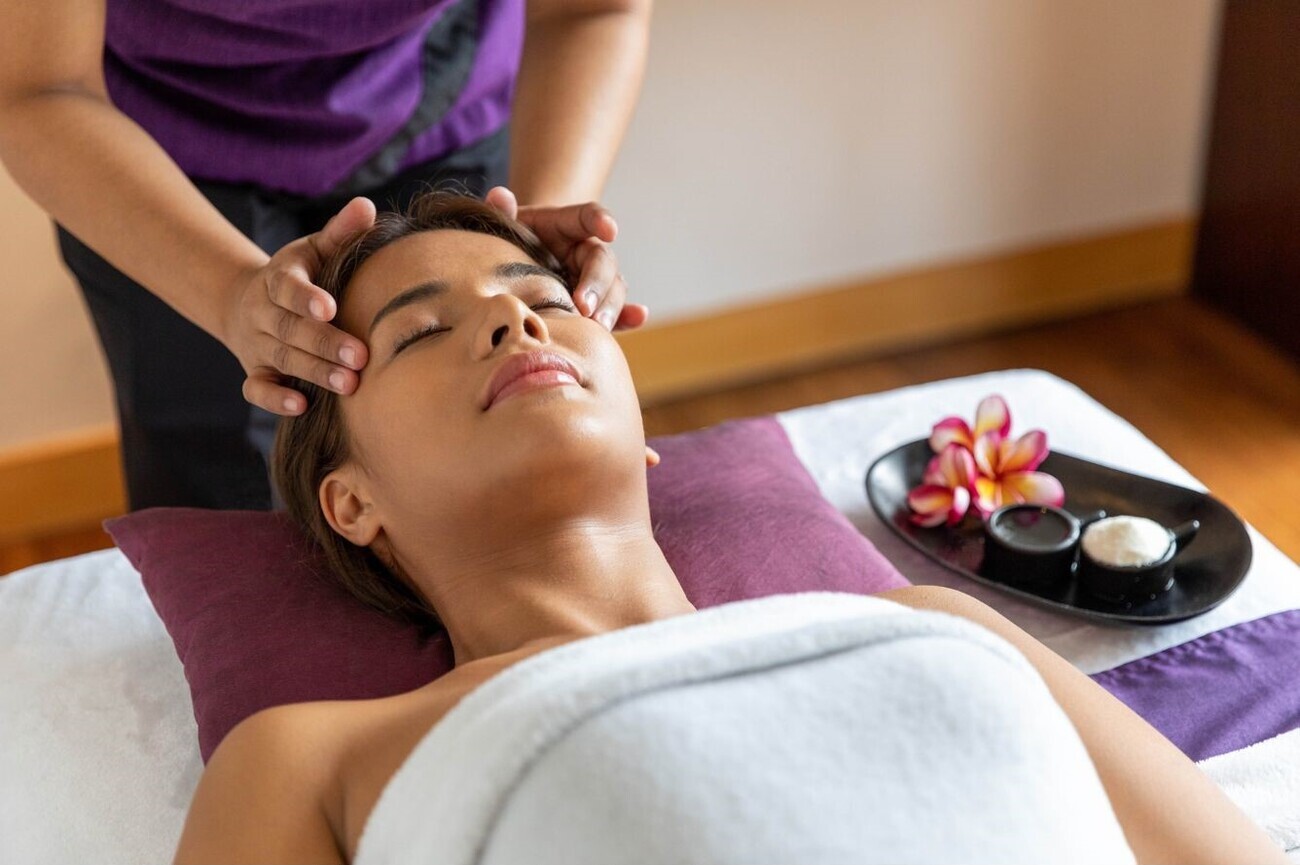
- Nüwa Spa (City of Dreams Manila): Rated Five Stars by Forbes Travel Guide, Nüwa Spa takes inspiration from traditional Chinese and other Asian medicine to help guests achieve equilibrium and well-being. Try the Nüwa Signature Massage, which eases tension with deep kneading, or experience Philippine-inspired therapies like “Heal-ot”which uses indigenous healing techniques, banana leaves, and coconut oil, or "Dagdagay," a foot massage technique from Sagada.
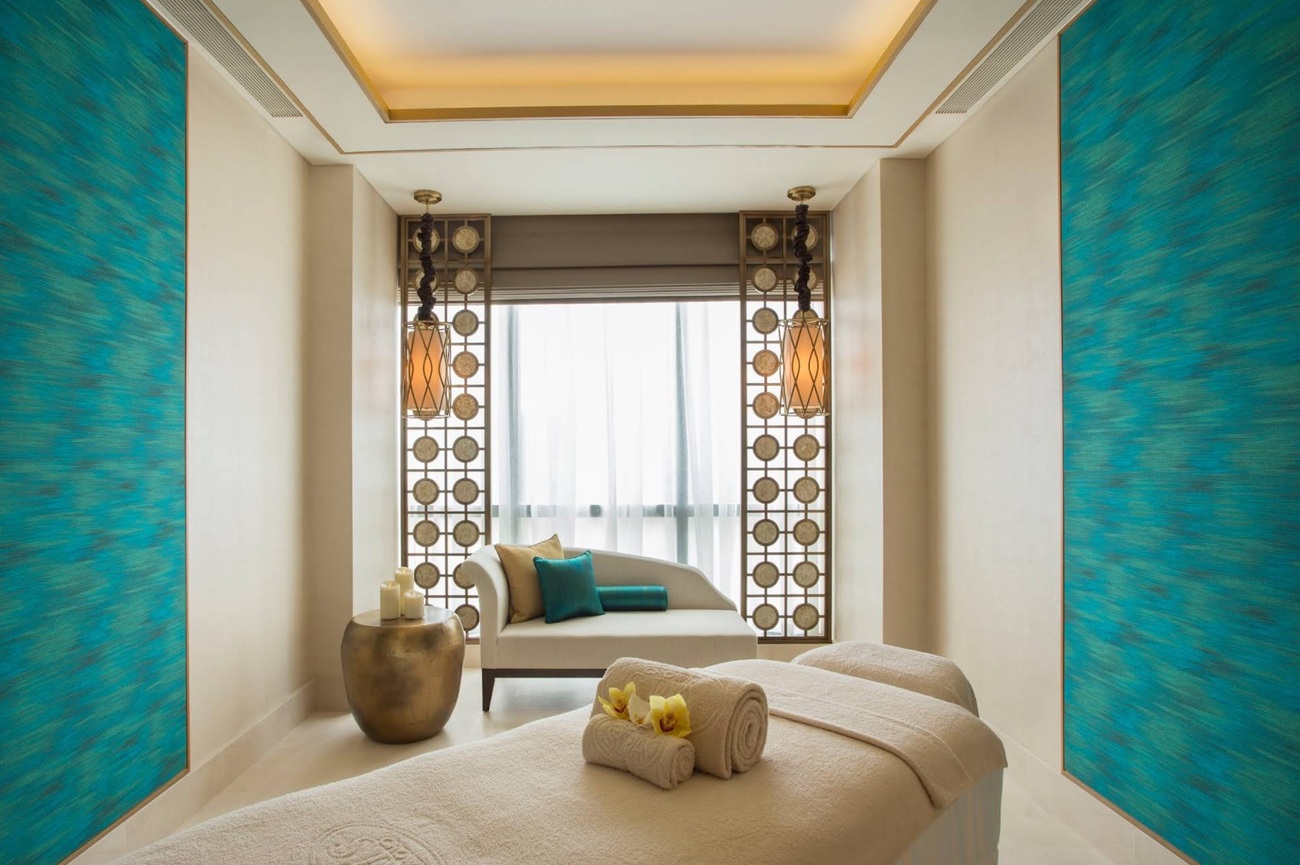
- Conrad Spa Manila: Located within the Mall of Asia Complex, Conrad Spa combines traditional and modern treatments with a special focus on Filipino massage techniques. They also offer a collection of signature treatments such as the Kalinga Detoxifier, Chakra Balancing, and Poultice Massage. With views of Manila Bay, it’s the perfect spot to relax and unwind, especially before a seaside dinner.
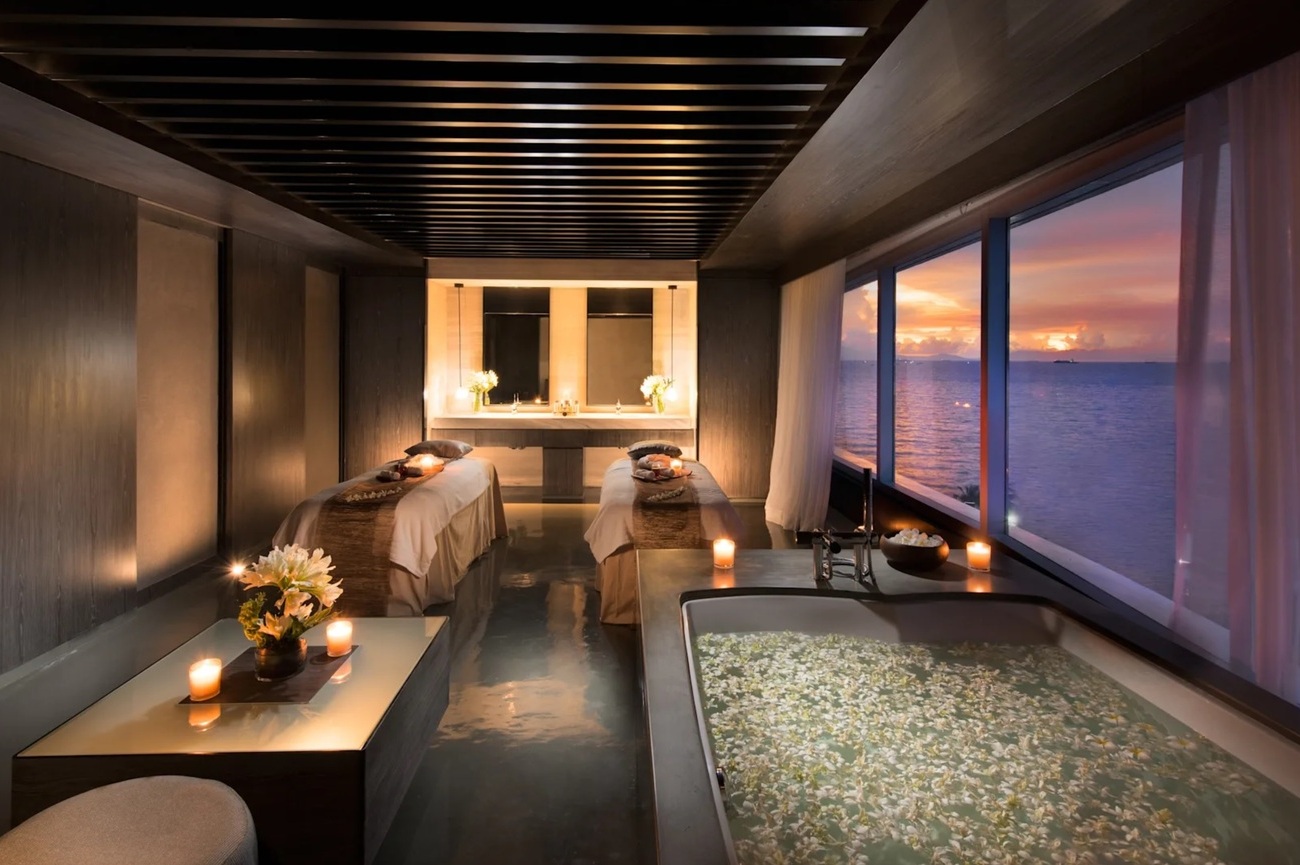
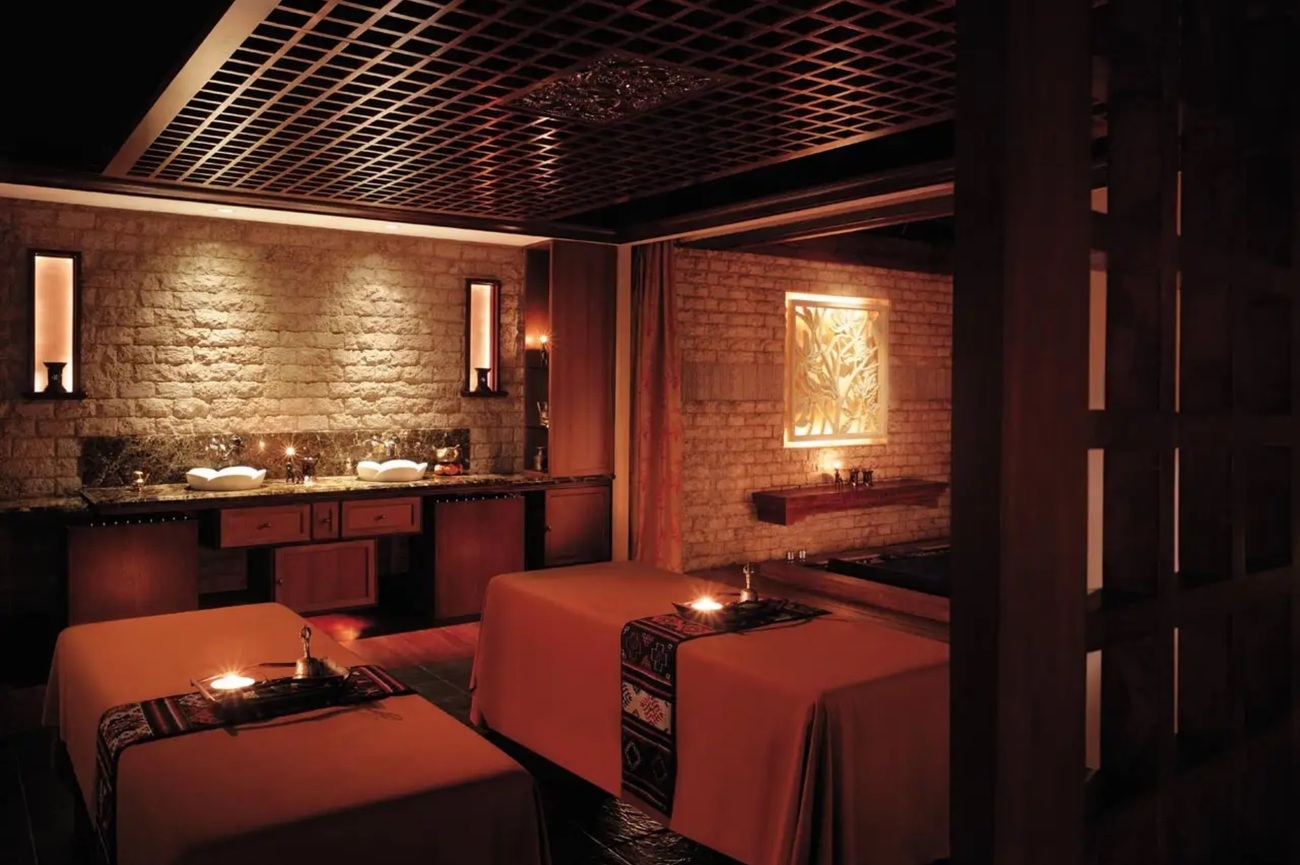
- Chi, The Spa at Edsa Shangri-La, Manila: Inspired by the Chinese concept of Qi, the universal life force, with treatments designed to restore balance and well-being. Their Signature treatments include the Chi Balance, which uses gentle palm pressure to promote vitality and peace of mind. They also offer Traditional Philippine Hilot, where you can opt for a healing massage that addresses energy imbalance, blockage, and chronic or deep-seated pain.
- Quan Spa: Located near the airport, Quan Spa takes its name from the Chinese word for “a source of pure water,” reflecting its focus on renewal and balance. Here, you can opt for the Aroma Fusion Massage, blending aromatherapy with Swedish techniques, and the Deep Renewal Massage (customised to your needs) perfect for unwinding after a long flight or late arrival.
Exclusive Workshops & Immersive Experiences in Manila
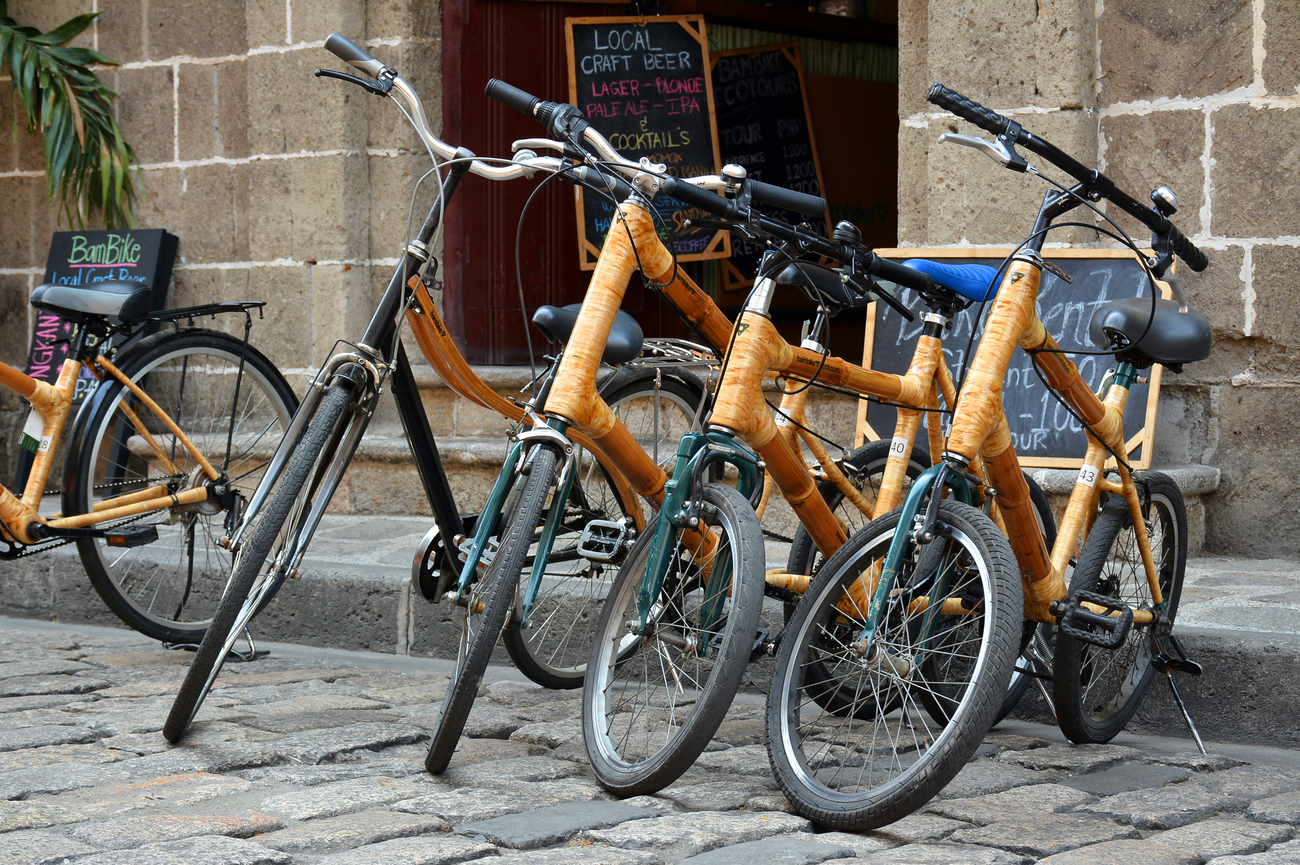
- Intramuros Bamboo Bike Tour: Explore Manila’s historic walled city in a fun, eco-friendly way on handcrafted bamboo bikes (Bambikes). Guided tours cover 8–10 key historical and cultural sites, with options ranging from quick express rides to sunset and night tours for a different perspective of Intramuros.
- Malacañang Heritage Tours: Step inside the Malacañang complex in San Miguel, Manila, where you’ll walk through portraits, state gifts, and rooms where decisions were made, and explore heritage mansions that tell the story of the Philippine presidency. The Teus Mansion serves as the Presidential Museum, with memorabilia from past leaders. The Goldenberg Mansion, built in the 19th century, once hosted visiting dignitaries. And at Bahay Ugnayan, where you’ll find exhibits on the life and journey of the current president. Together, they offer a glimpse into the history of the Philippine presidency and a showcase of Filipino art and culture.
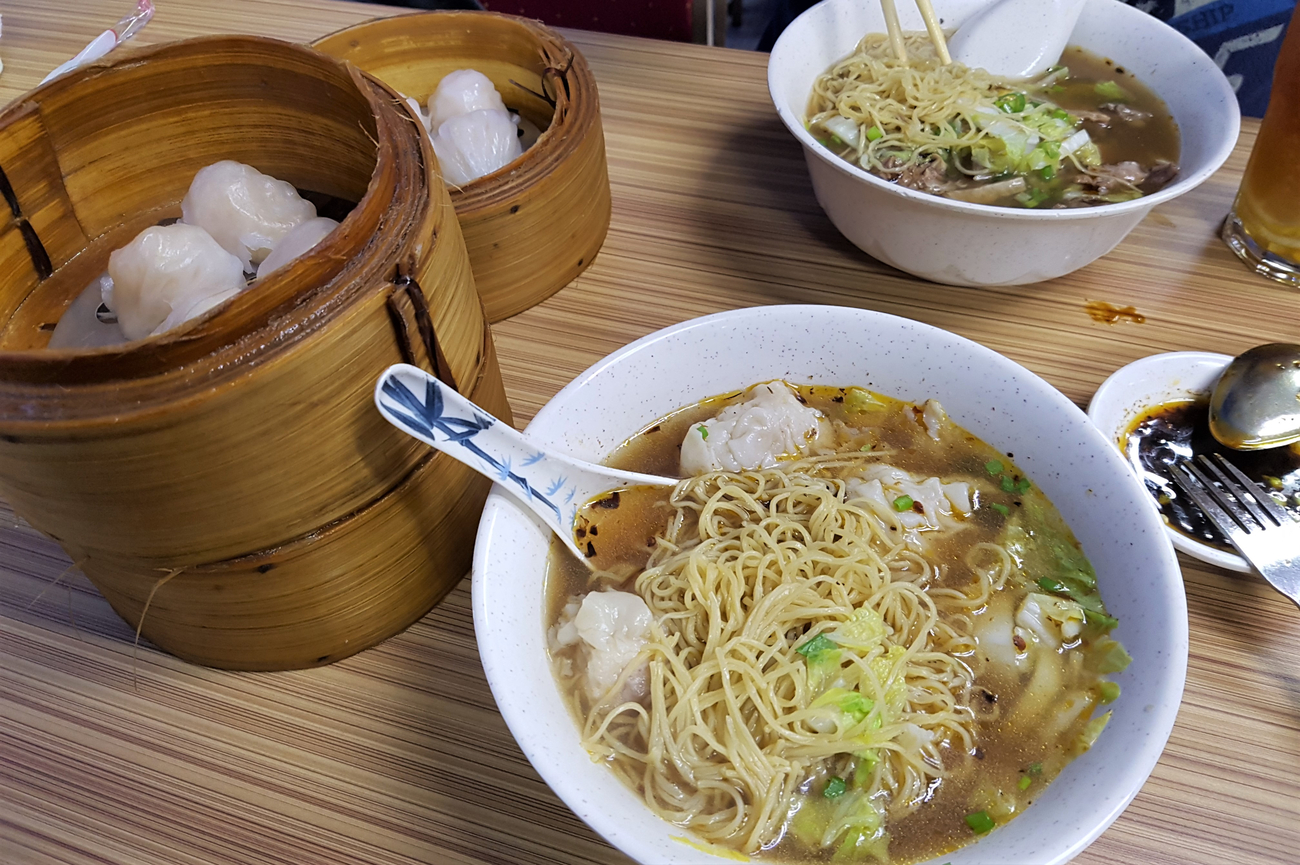
- Binondo Food Crawl: The world’s oldest Chinatown is best explored on a guided food crawl, where you’ll know exactly which hidden doors to step into. Taste hand-pulled noodles, freshly made lumpia, silky congee, fried siopao, and a variety of hopia. Along the way, you’ll also get a glimpse of Binondo’s rich history and culture.
Other Things to Do in Manila
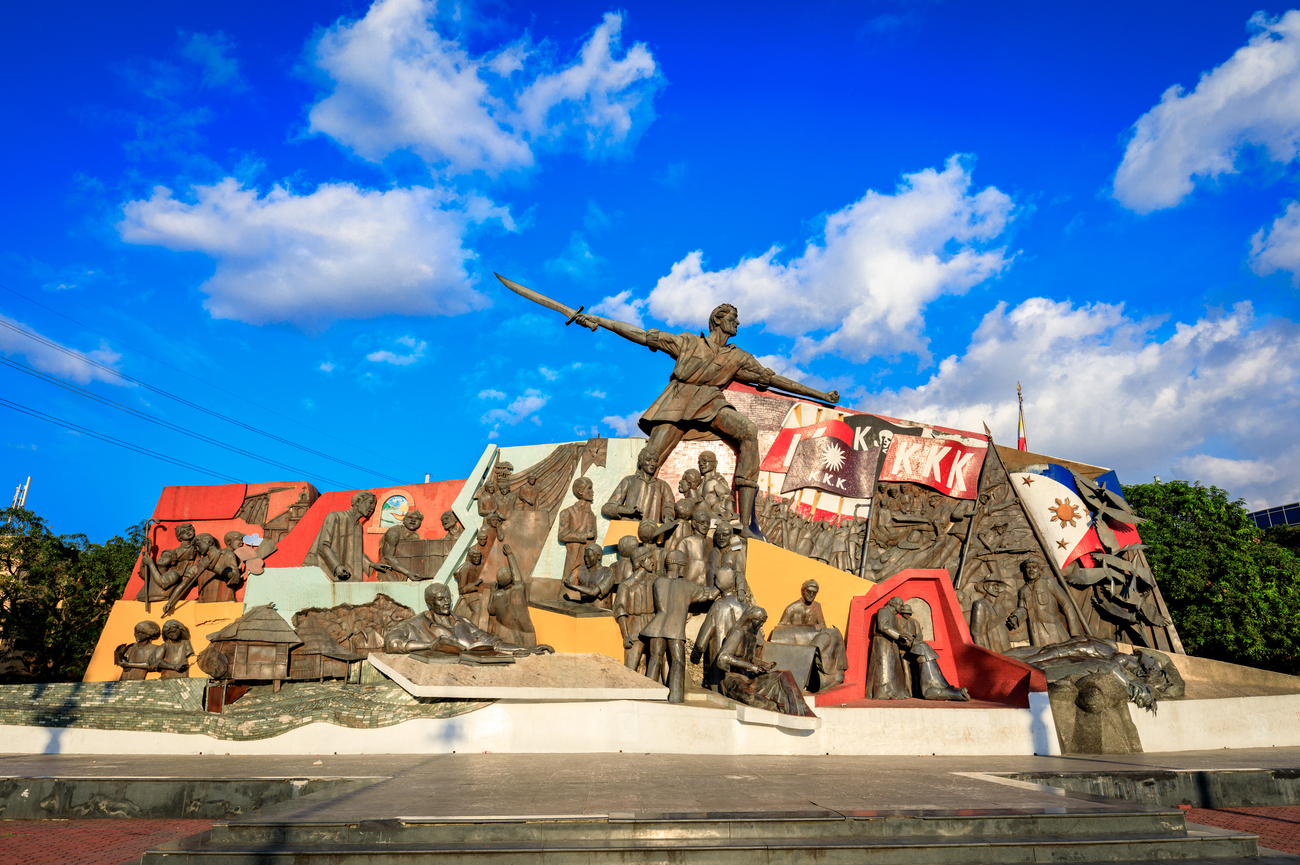
- Bonifacio and the Katipunan Revolution Monument: Designed by National Artist Guillermo Tolentino, this monument honors Andrés Bonifacio and the Katipunan’s fight for independence. Take a closer look at the detailed sculptures showing key moments in history, from the martyrdom of the Gomburza priests to Katipunan initiation rites. The monument stands as a central figure in a major intersection, so you can appreciate its grandeur from a distance.
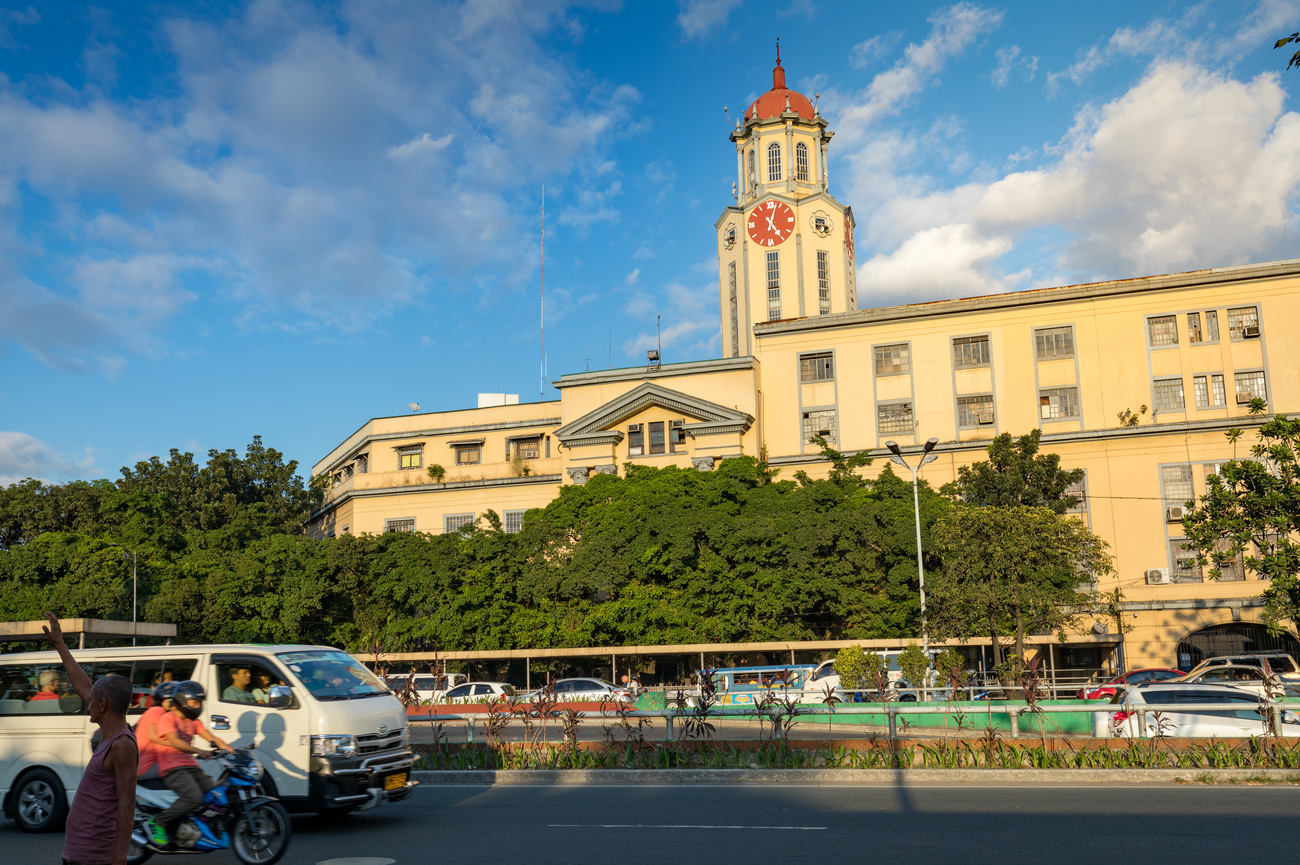
- Manila Clock Tower Museum: Inside the iconic clock tower of Manila City Hall, this multi-sensory museum brings the city’s history to life through interactive exhibits. It also doubles as a modern art gallery, showcasing rotating works by Filipino artists, many of the artworks are also for sale.
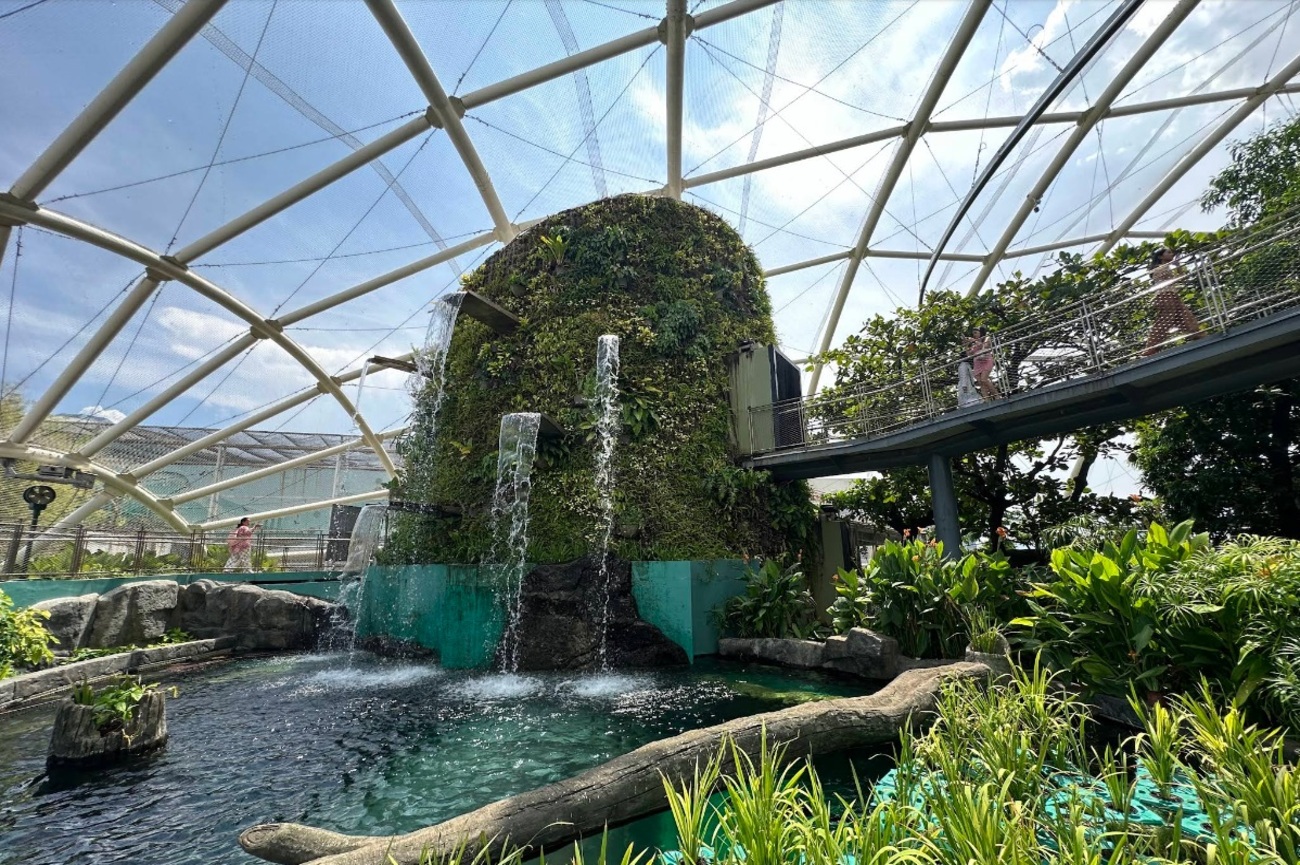
- Philippine Biodome: Step into the first-ever biodome in the Philippines, a massive, greenhouse-like dome where you can explore a man-made ecosystem. It’s a one-of-a-kind experience that combines education, entertainment, and conservation. Inside, you’ll discover a rich variety of animals (both land and aquatic) from different parts of the world.
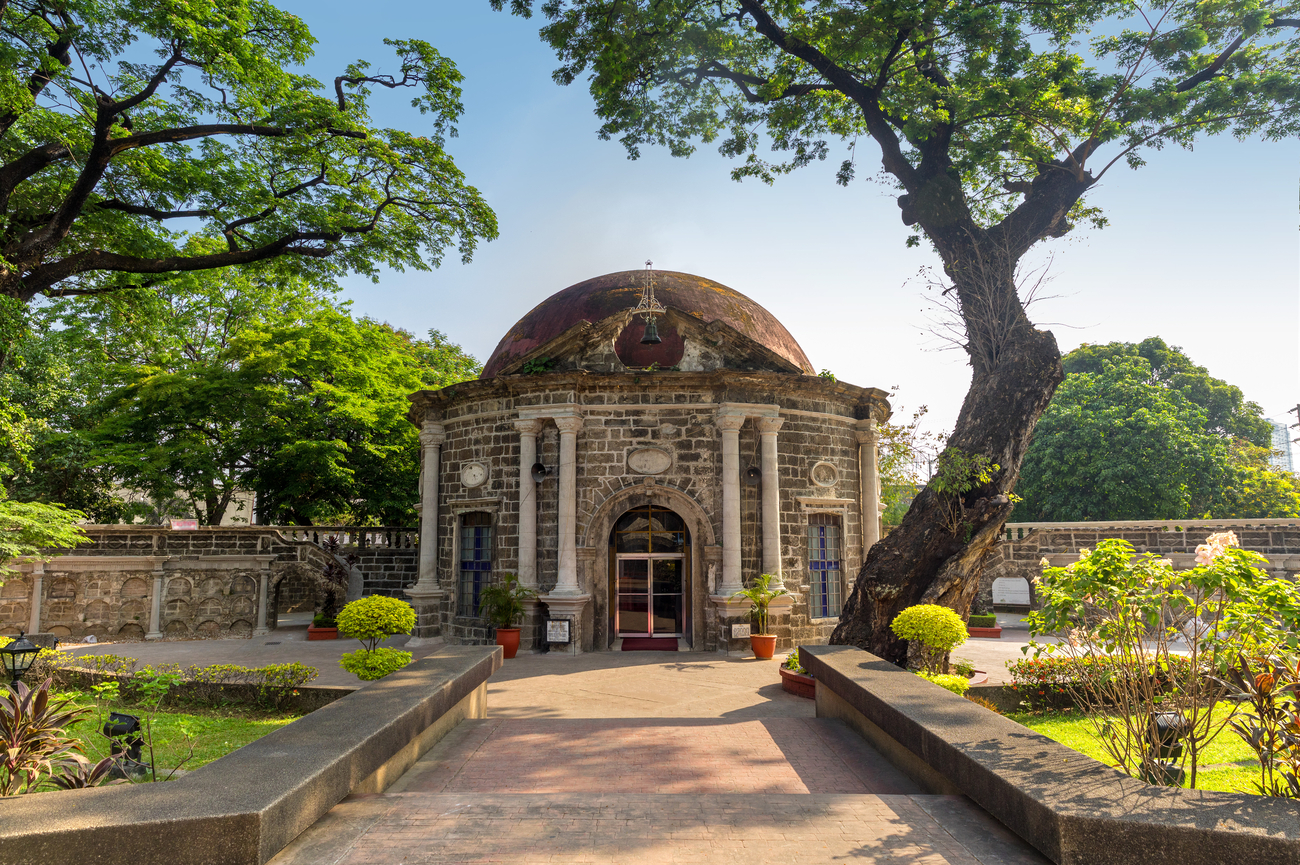
- Paco Park: Once the city’s municipal cemetery during the Spanish colonial era, Paco Park is now a peaceful retreat in the heart of Manila. This circular, tree-lined garden is a lovely spot to read, sketch, or simply unwind. Visit about an hour before sunset, when the stone walls glow warmly and long shadows stretch across the park, creating a calm, atmospheric place for quiet reflection.
Things to Do with Kids in Manila
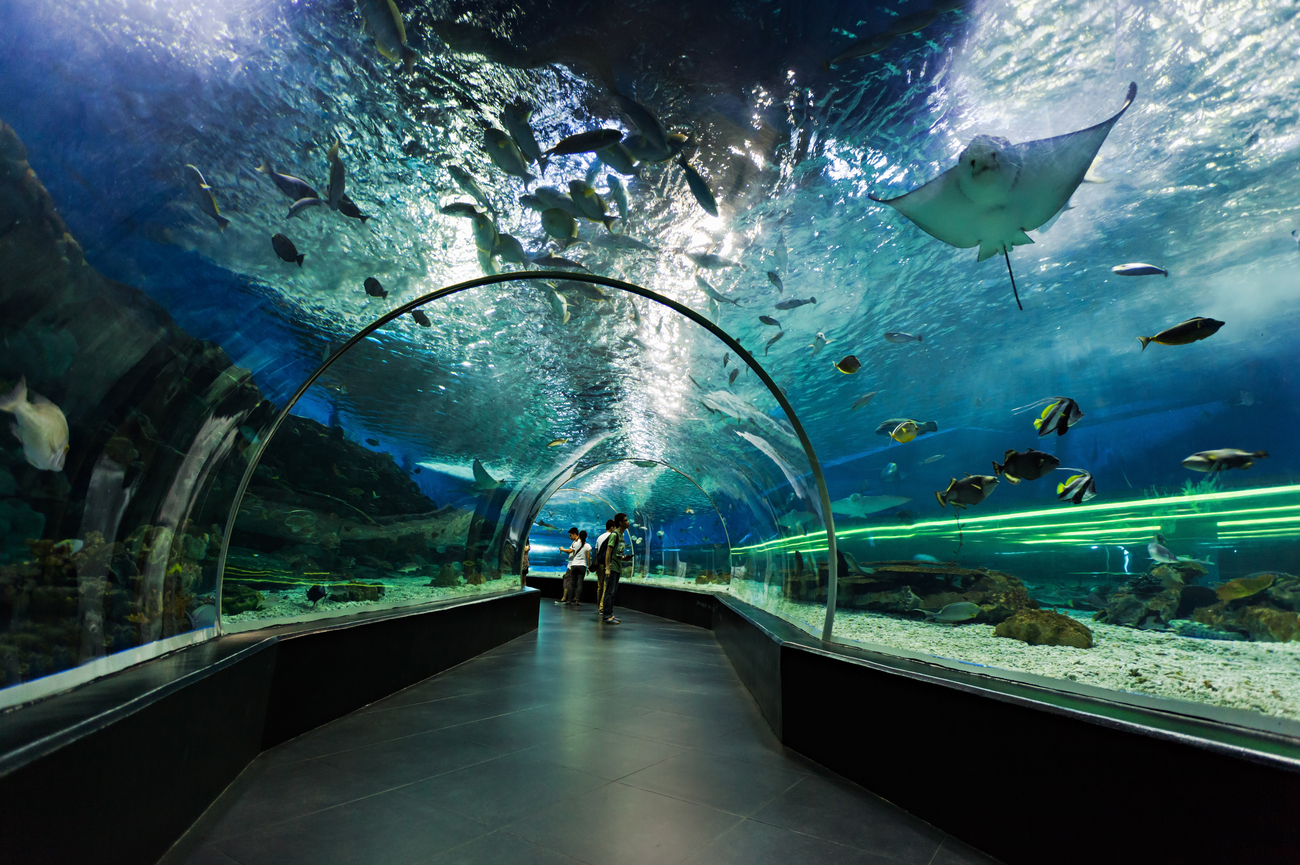
- Manila Ocean Park: Once one of the Philippines’ top marine attractions, where the star is the Oceanarium, a stunning tunnel with a 220-degree curved walkway. As you stroll through, you’ll get an up-close look at sharks, rays, and thousands of colourful fish from the Philippines and Southeast Asia.
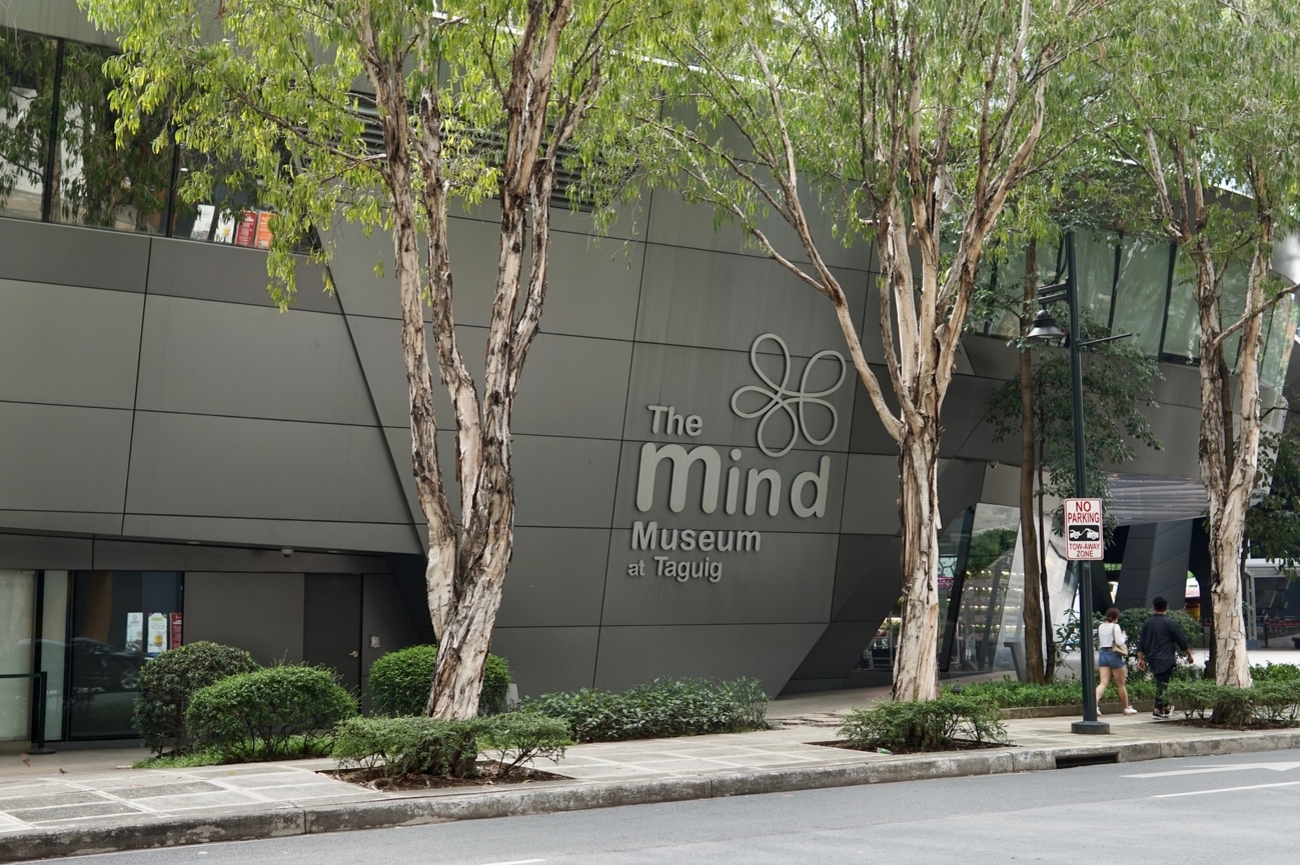
- The Mind Museum: A world-class interactive science museum that’s perfect for curious minds, especially kids who love space and science. Explore over 250 hands-on exhibits, catch shows at the planetarium, and enjoy live science demonstrations spread across five connected galleries. It’s designed to spark curiosity and creativity in visitors of all ages.
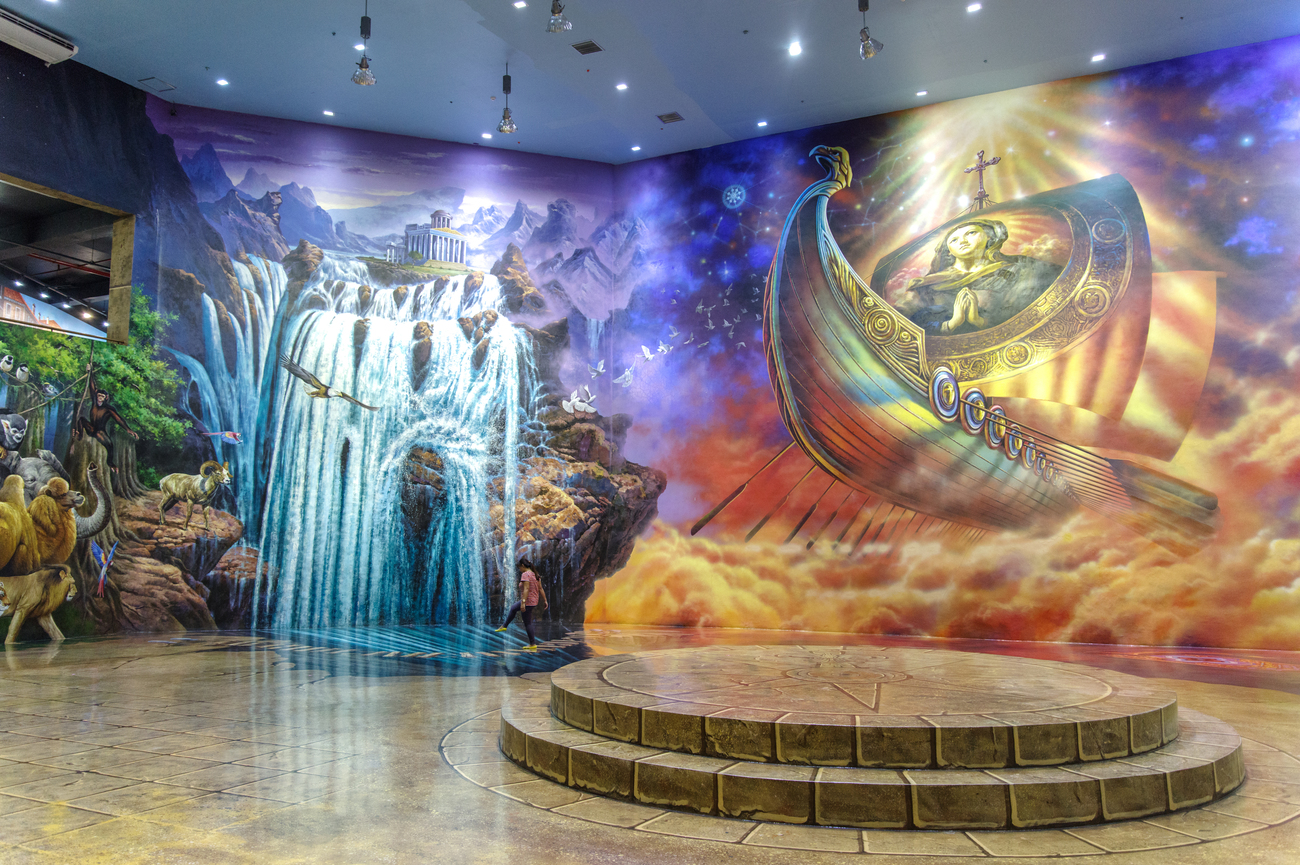
- Art In Island: Step into the largest mixed-media art museum in the Philippines, where you’re not just a visitor, but you’re part of the artwork. The museum is famous for its interactive 3D paintings and murals that create fun optical illusions, making it perfect for playful family photos and creative snapshots.
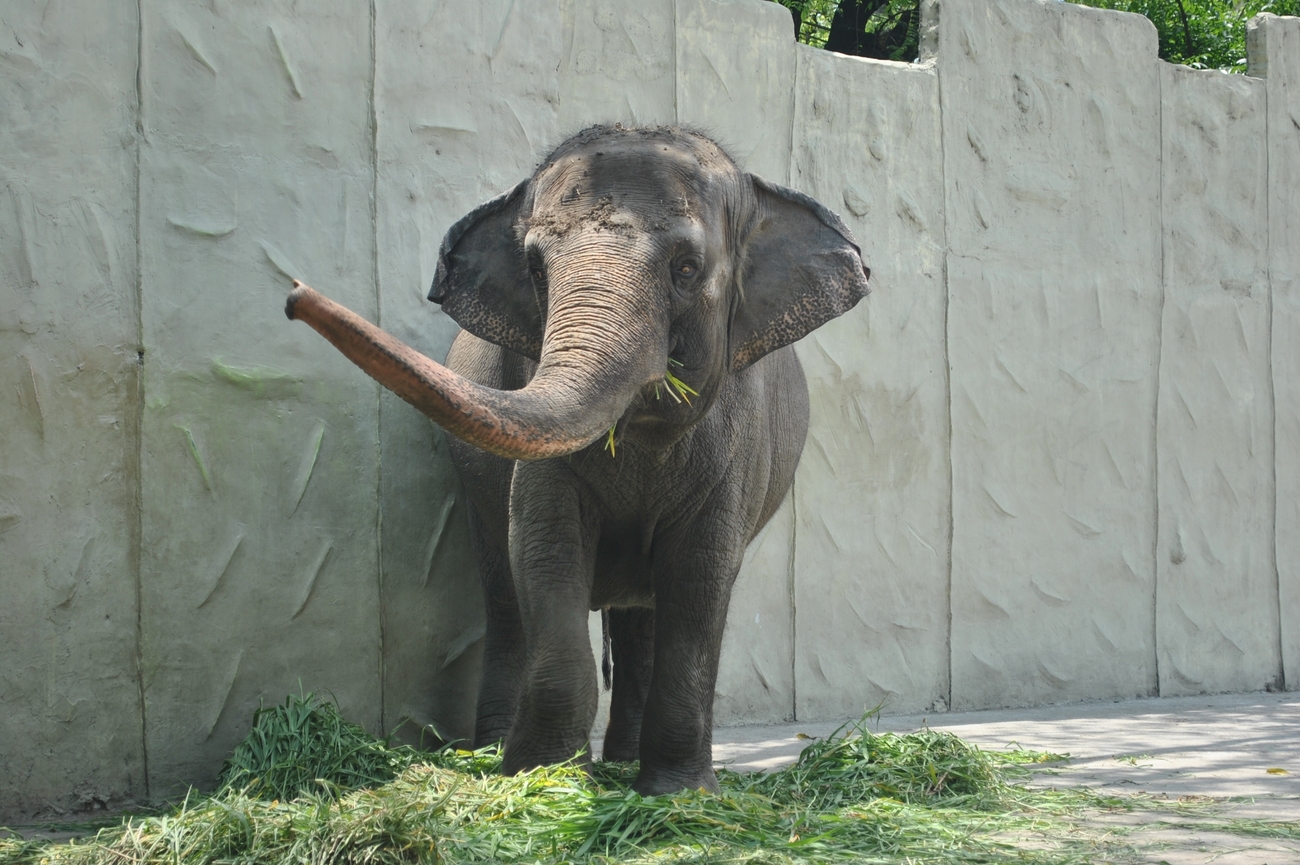
- Manila Zoo: Meet over 500 animals, from exotic birds and reptiles to big cats like Kois, the white Siberian tiger. Here, you’ll also spot African lions, a Bengal tiger, hippos, monitor lizards, and Malayan civets. The zoo is also a botanical garden with more than 10,000 plants, including many native species.
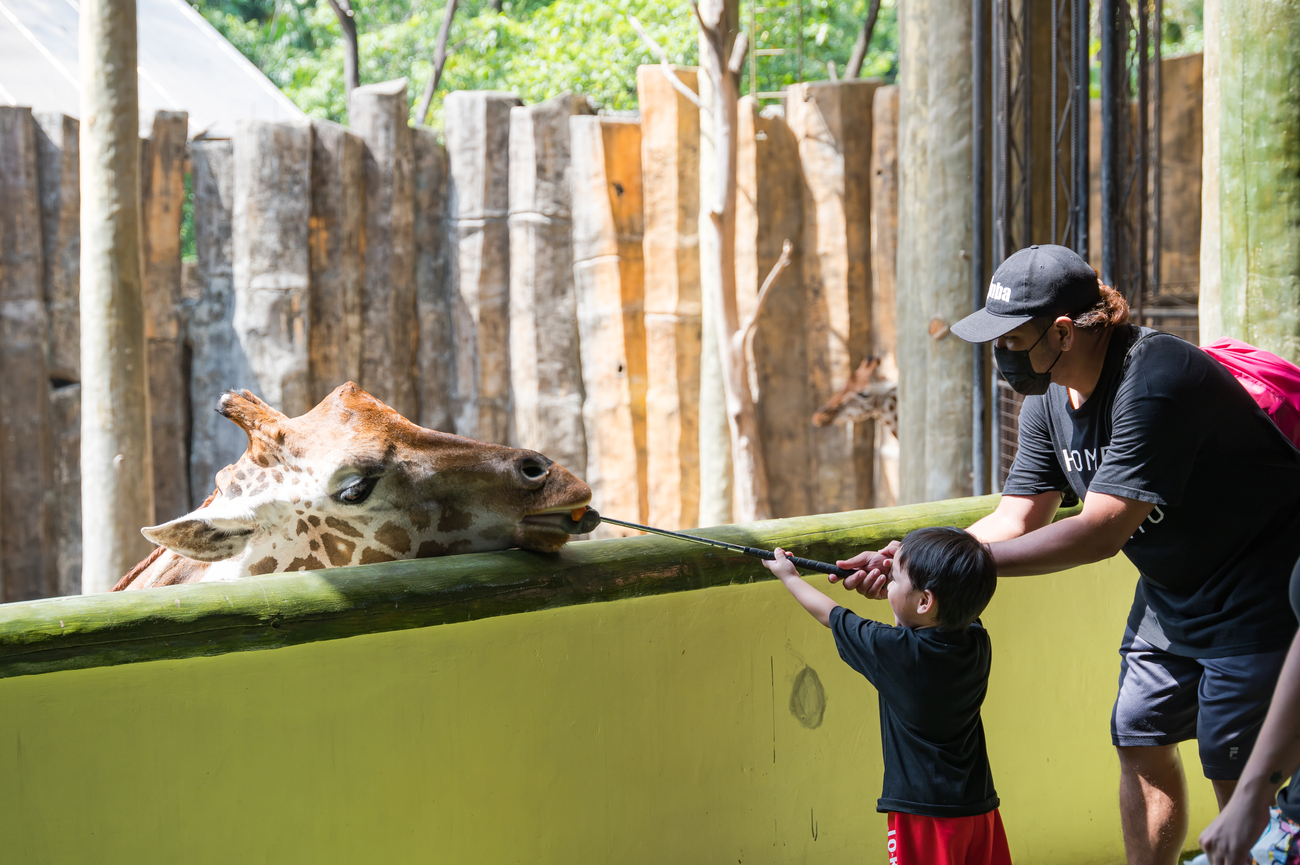
- Avilon Zoo: Visit the largest zoo in the Philippines, home to over 3,000 animals from more than 600 species, plus 400 kinds of plants, many found only here in the Philippines. Here, you’ll find lions, spotted hyenas, bears, Asian small-clawed otters, and more. The zoo is run by the Avilon Wildlife Conservation Foundation, which focuses on protecting endangered species and educating visitors about conservation.
- Star City: Located in the CCP Complex, Star City offers over 25 rides and plenty of attractions for all ages. For thrill-seekers, hop on the Star Flyer (an inverted roller coaster), the Star Frisbee, or get soaked on the Jungle Splash water ride. Families will love the Grand Carousel, the Giant Star Wheel with air-conditioned gondolas, and the classic bumper cars.
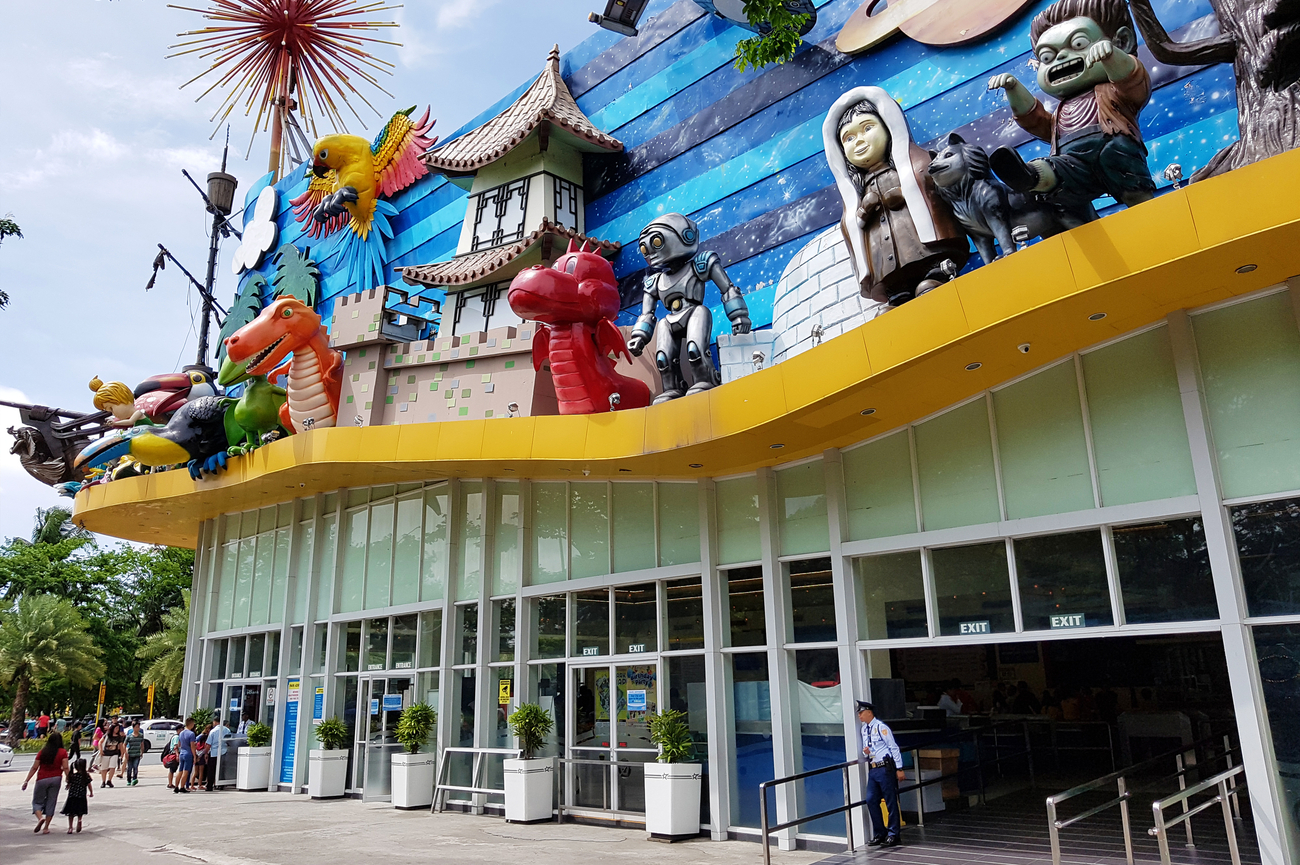
- Enchanted Kingdom: Just an hour’s drive from Metro Manila in Santa Rosa, Laguna, Enchanted Kingdom is a top destination for families and thrill-seekers. The park features nine themed zones filled with exciting rides, shops, and restaurants. Don’t miss the live shows, colourful parades, and the nightly “Sky Wizardry” fireworks display that lights up the sky.
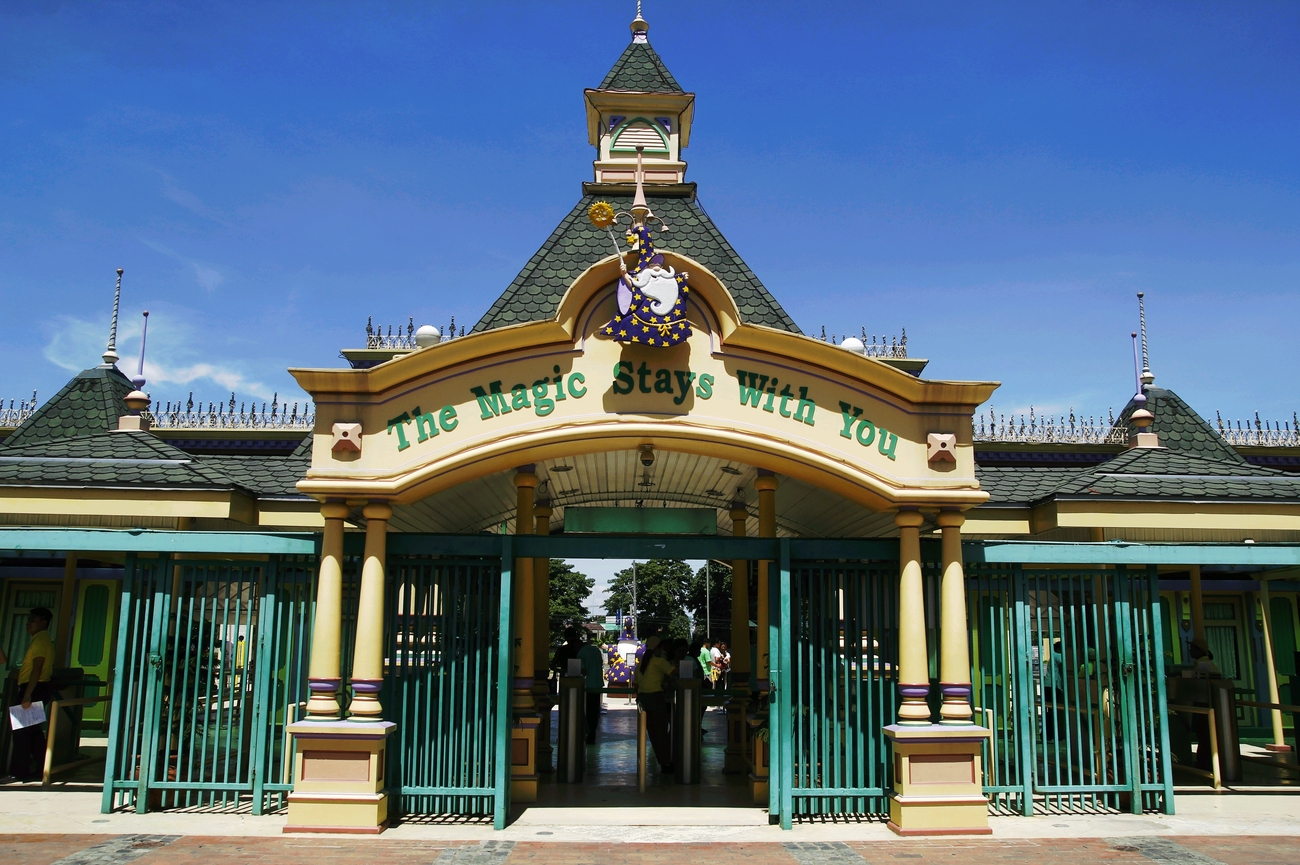
- The Dessert Museum: Located in S Maison at the Conrad Hotel Manila, this fun, Instagram-worthy spot isn’t your typical museum, it’s part playground, part photo studio. Explore eight dessert-themed rooms, snap creative photos, and enjoy complimentary sweet treats along the way with your kids.
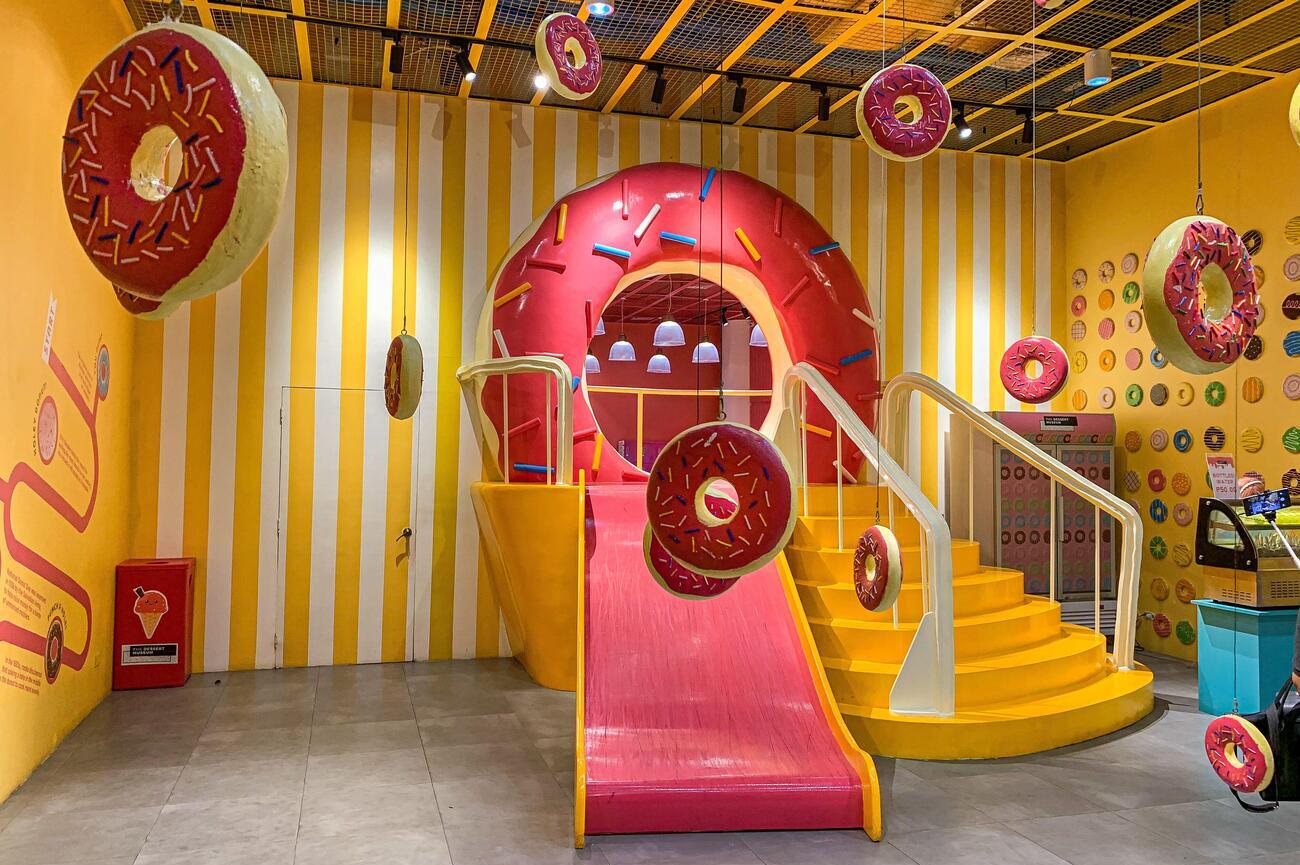
- Space & Time Cube Museum: Step into a futuristic world where art, technology, and imagination come together. This museum uses cutting-edge features like holographic displays, naked-eye 3D, AR, and visual illusions to create immersive experiences. With over 20 themed attractions and games, you can explore cosmic wonders in the Space & Time Tunnel or have fun with interactive projection-based games.
Where to Eat in Manila
- Locavore: Locavore puts a modern twist on classic Filipino comfort food, making each dish familiar yet exciting. The name combines “local” and “carnivore,” highlighting its focus on Filipino flavours and hearty meat dishes. Don’t miss their must-tries: Sizzling Sinigang, a deconstructed sizzling take on the sour tamarind soup; Lechon and Oyster Sisig, a crispy and savoury combo; and Kare-Kare Wings, fried chicken wings coated in rich peanut sauce inspired by the traditional kare-kare stew.
- Gallery by Chele: This internationally acclaimed fine-dining restaurant is led by Spanish-born Chef Chele Gonzalez and Filipino Chef Carlos Villaflor. Known for blending Spanish techniques with Filipino and Southeast Asian ingredients, it offers a curated tasting menu with six or ten courses, often built around a theme or local ingredient. Don’t miss their must-try dishes including “The Tree of Life” Menu, a celebration of the coconut, featuring coconut-based cheese, coconut liqueur cocktails, and a Coconut Sago dessert; Tropical Ceviche, A Filipino-inspired twist on Peruvian ceviche with Aklan oysters, red snapper, and tropical fruits; Bibingka Cheesecake, A unique dessert combining Filipino bibingka, Japanese cheesecake, duck egg, and pili nuts.
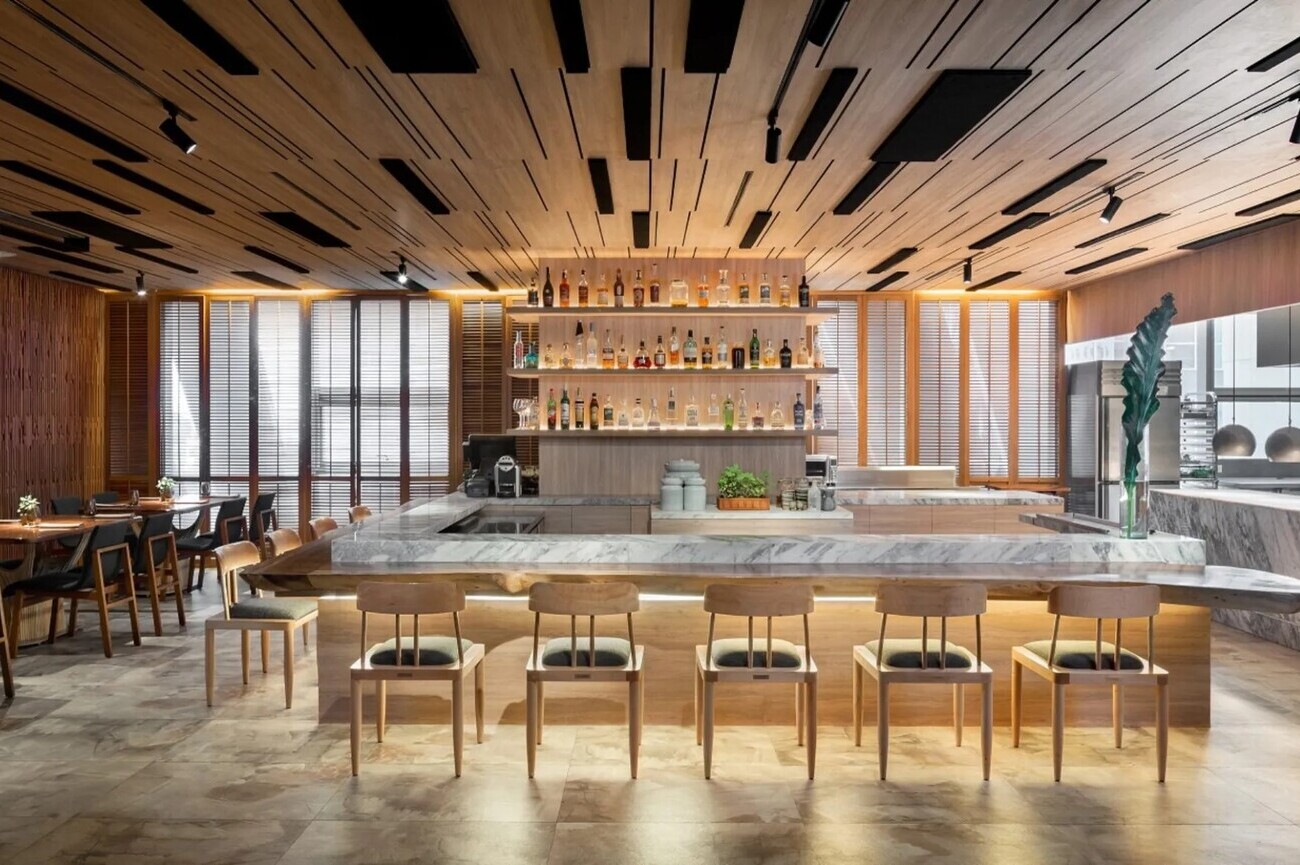
- Romulo Café: This charming Filipino restaurant celebrates the legacy of diplomat Carlos P. Romulo through his family’s treasured recipes. Founded by his granddaughter, Sandie Romulo-Squillantini, and her husband, Enzo, the café combines a chic yet homey ambiance with walls lined with black-and-white family photos.
The menu highlights beloved Filipino comfort food, many passed down from Romulo’s wife, Virginia, whose dishes were once served at embassy dinners. Try their signature dishes including Lola Virginia’s Chicken Relleno, a baked deboned chicken with savoury stuffing; Tito Greg’s Kare-Kare, a beef stew in rich peanut sauce; and Bistek Tagalog, a classic beef dish with tender slices and caramelized onions.
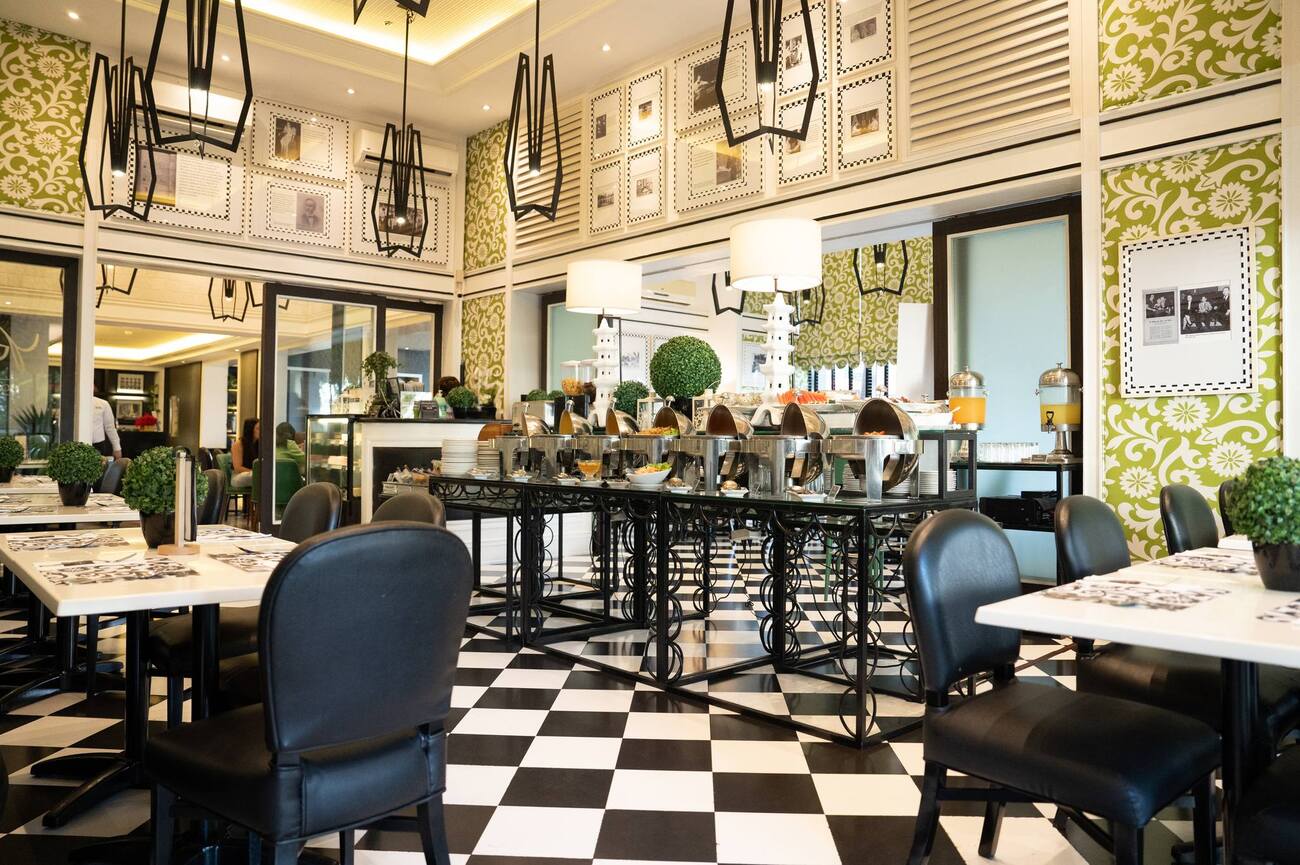
- Ilustrado Restaurant: Since 1989, Ilustrado has been serving Filipino-Spanish dishes in an elegant, old-world setting that reflects the Spanish colonial era. Dine in a charming colonial-style building with wooden beams, capiz windows, and antique details. Don’t miss their signature dishes: Paella Ilustrado, Callos Madrileña, and Adobong Bagnet with Crab Fat.
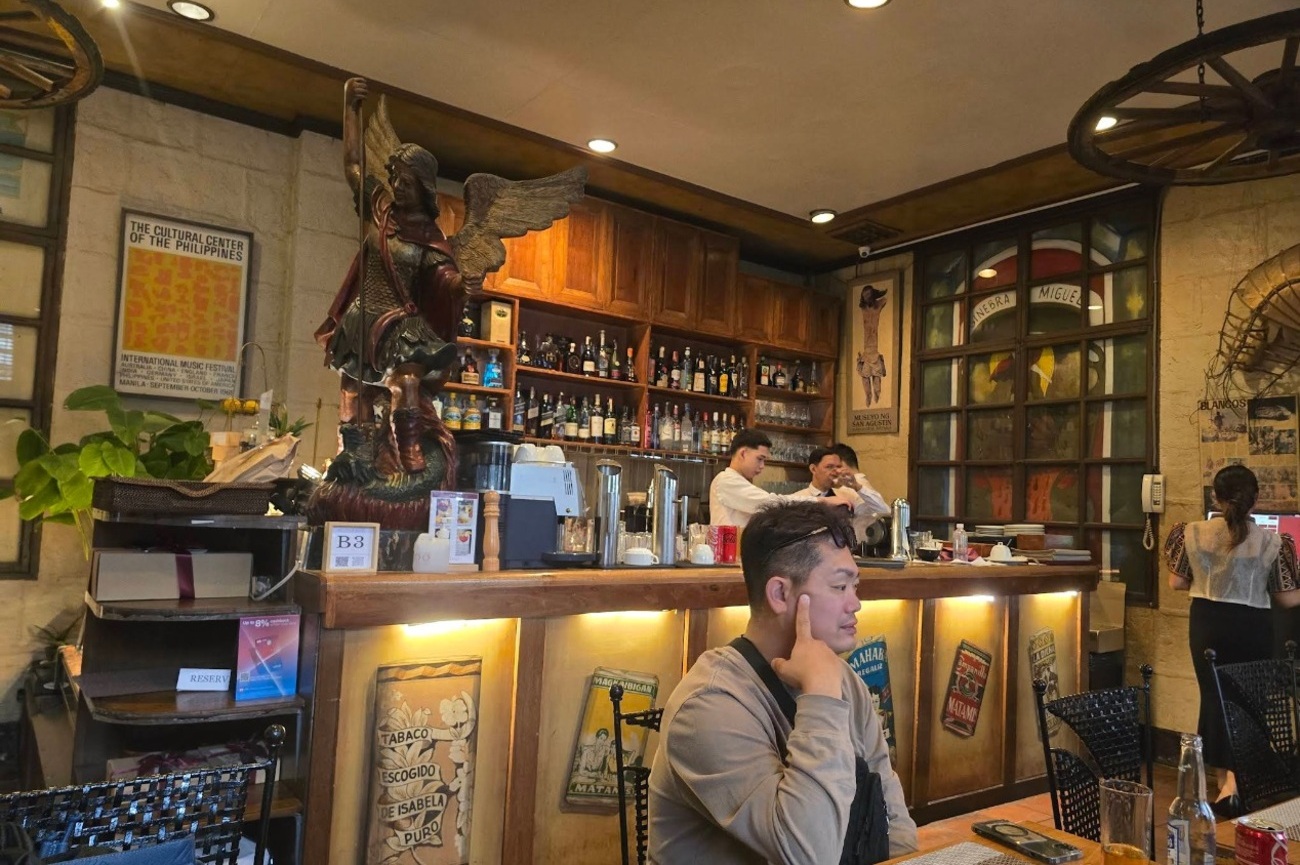
- Toyo Eatery: This award-winning modern Filipino fine-dining restaurant, led by Chef Jordy Navarra and his wife May, reimagines traditional Filipino dishes using innovative techniques like fermentation while staying true to local, sustainable ingredients. The restaurant was named after “toyo” (soy sauce), a staple in Filipino kitchens, the restaurant offers a seasonal multi-course dining experience, featuring iconic dishes like the Bahay Kubo Salad and Three-Cut Pork Barbecue. The restaurant was also recognized as one of Asia’s 50 Best Restaurants, ranking as high as No. 24 in 2024. It has also been named the Philippines’ best restaurant for five consecutive years.

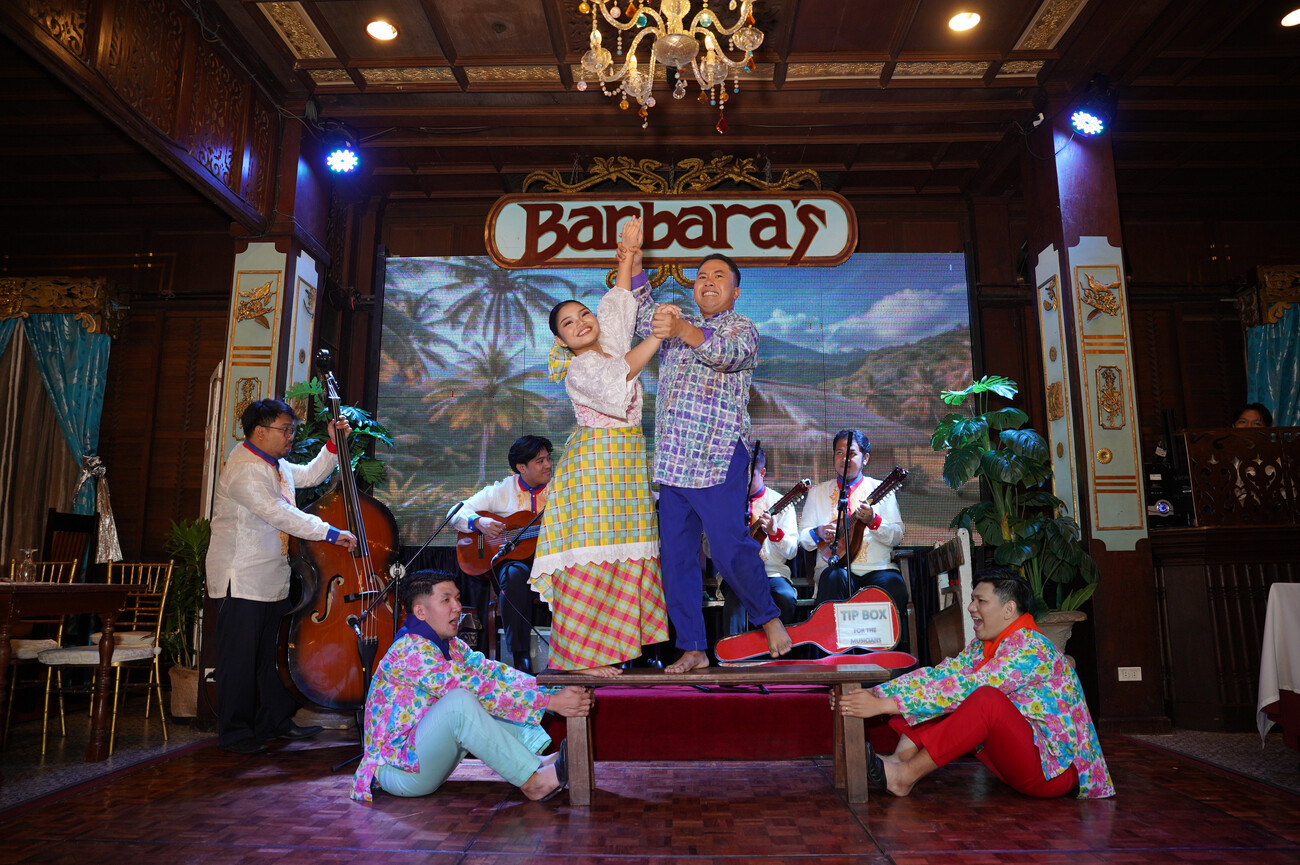
- Barbara's Heritage Restaurant: Step inside Barbara's Heritage Restaurant and feel transported back in time with its elegant setting, classic dishes, and cultural performances. Enjoy Filipino favourites like adobo, kare-kare, lechon kawali, and Spanish-inspired dishes, available as both buffet and à la carte. The restaurant is the “Kultura Filipina” show, a nightly dinner buffet with traditional dances such as Tinikling and Singkil.
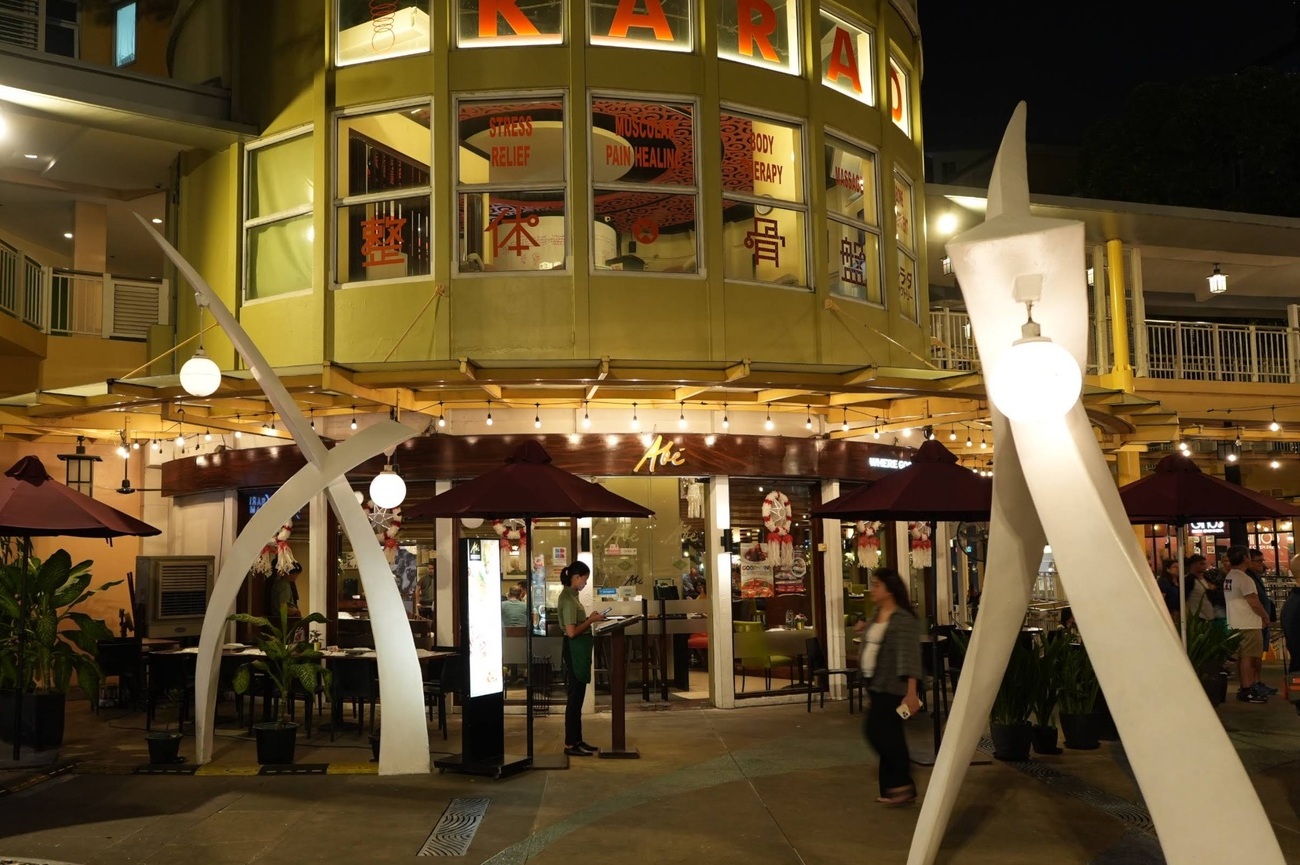
- Abé: This beloved Filipino restaurant honours the legacy of artist-writer E. Aguilar “Abe” Cruz. Abé serves hearty Filipino dishes with a strong focus on Kapampangan cuisine, along with specialties inspired by Cruz’s travels. The meals are designed for sharing, making it perfect for family-style dining.
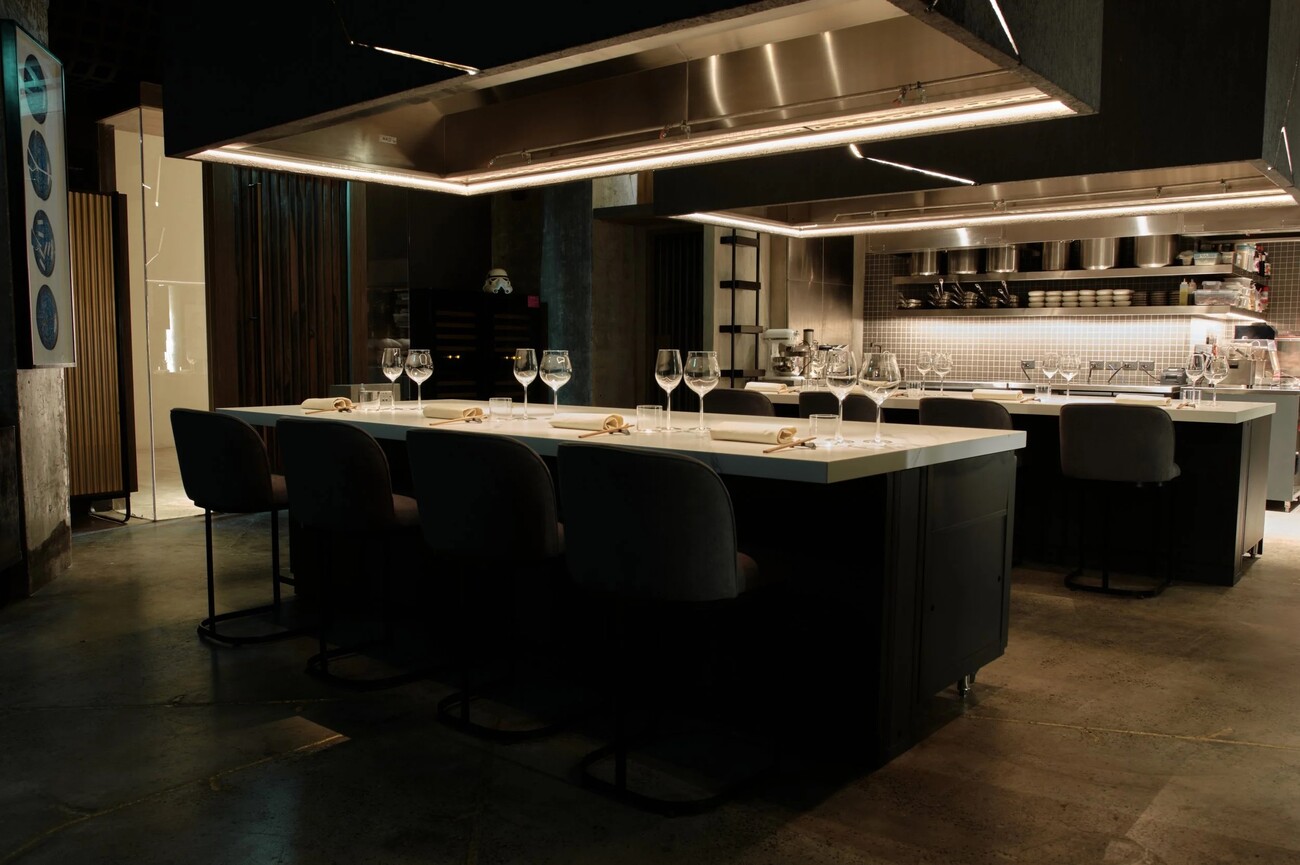
- Helm by Josh Boutwood: Located in Ayala Triangle Gardens, Helm is an intimate fine-dining restaurant with just 24 seats arranged around an open kitchen, so you get a front-row seat of the chefs at work. The tasting menu changes often, drawing inspiration from seasonal ingredients, street food, colours, and even pop culture themes like Star Wars and Harry Potter.
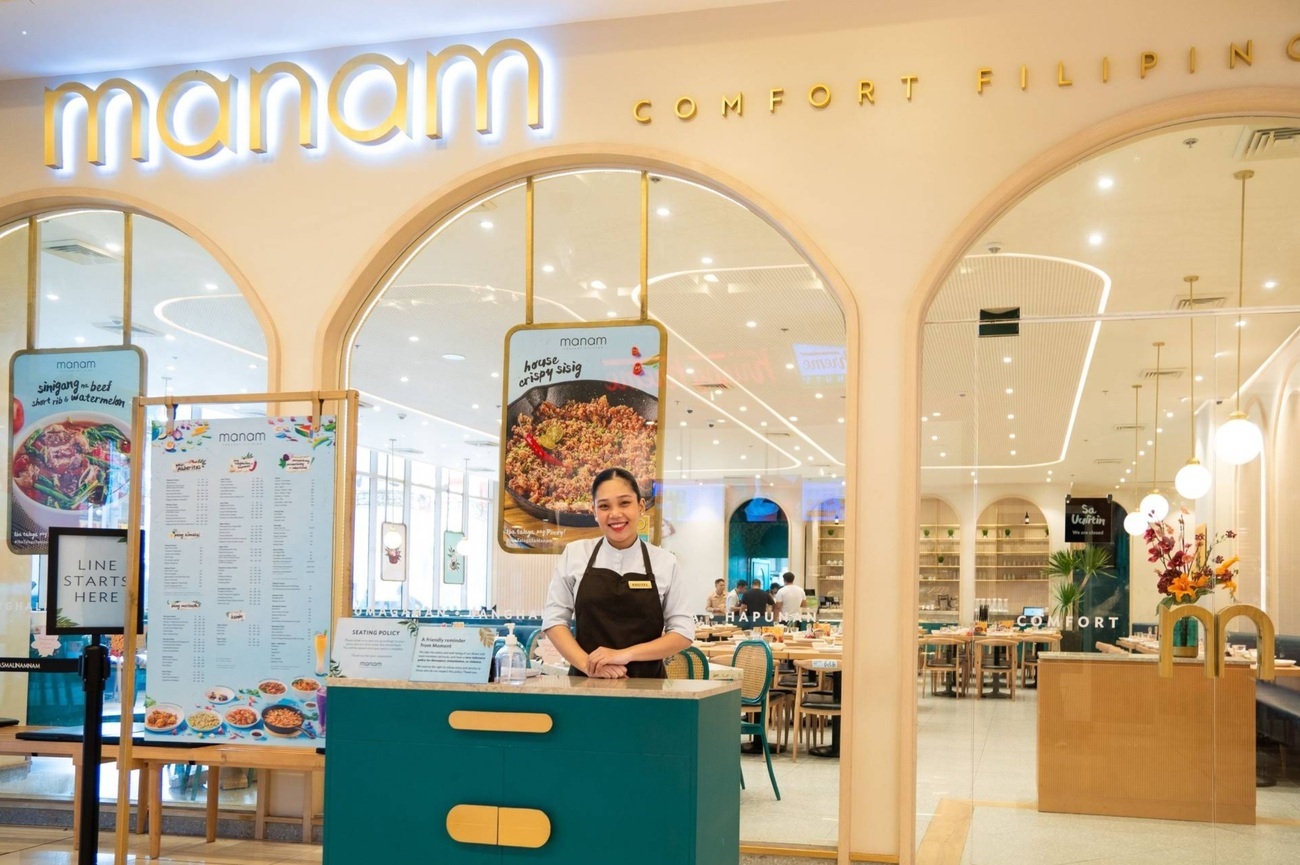
- Manam Comfort Filipino: A favourite among locals, Manam is known for serving both classic Filipino dishes and fun, modern twists on them. It’s the perfect spot to enjoy comforting Filipino flavours, all made with a focus on quality and taste.
- Cafe Juanita: Located in Kapitolyo, Pasig, Café Juanita is famous for its quirky, homey vibe like a grandmother’s house filled with antiques, colourful ornaments, drapes, and chandeliers collected from all over the region. It’s a favourite spot for balikbayans and foreigners who want to experience authentic Filipino flavours. The menu offers classic Filipino comfort food with a creative twist, served in a warm and welcoming setting.
Where to Stay in Manila
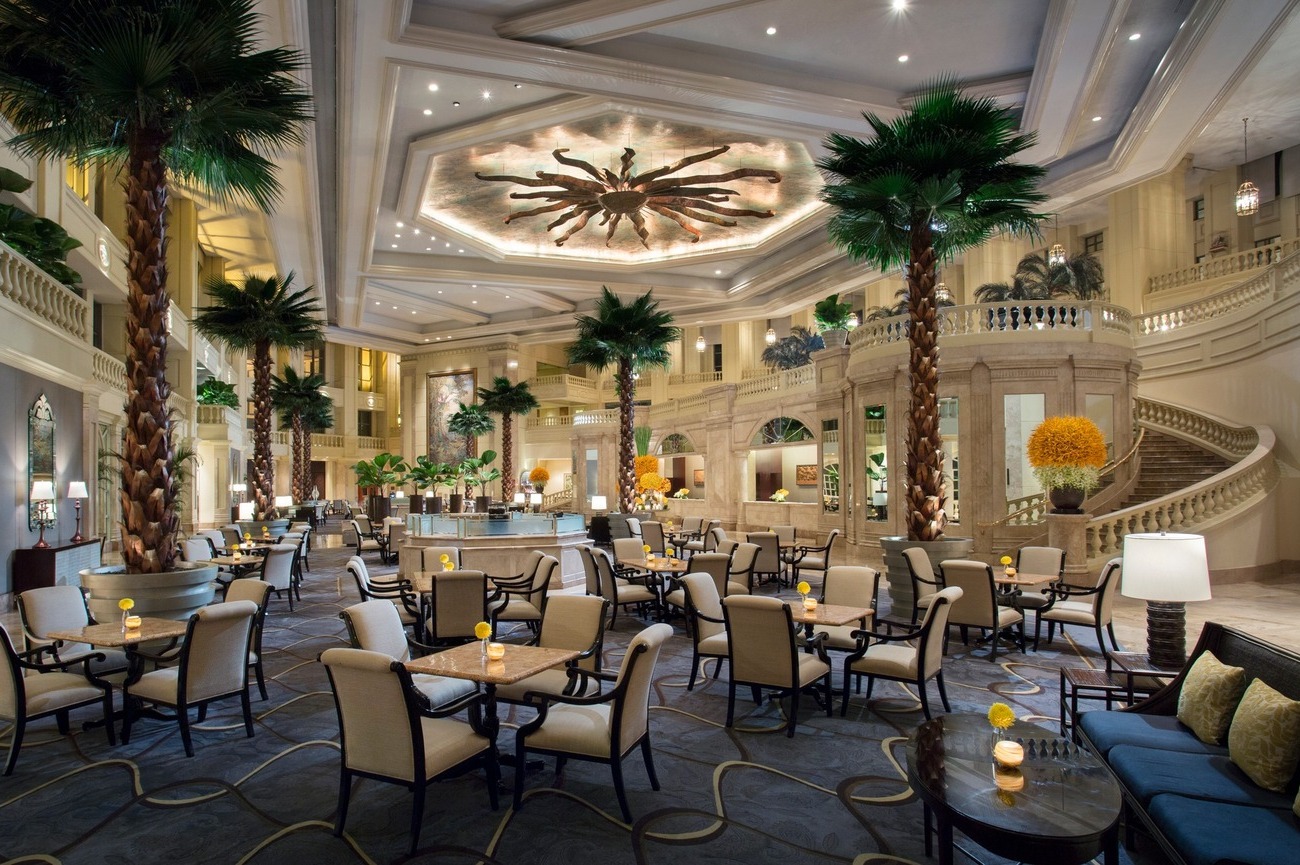
- The Peninsula Manila (5-star): A true Manila landmark since 1976, The Peninsula is known for its timeless elegance, world-class dining, and warm, personalized service. Located in the city’s central business district, it has hosted countless high-profile events and remains a symbol of luxury in the Philippines. The hotel offers 469 beautifully designed rooms and suites across two towers, with many featuring touches of Filipino craftsmanship.
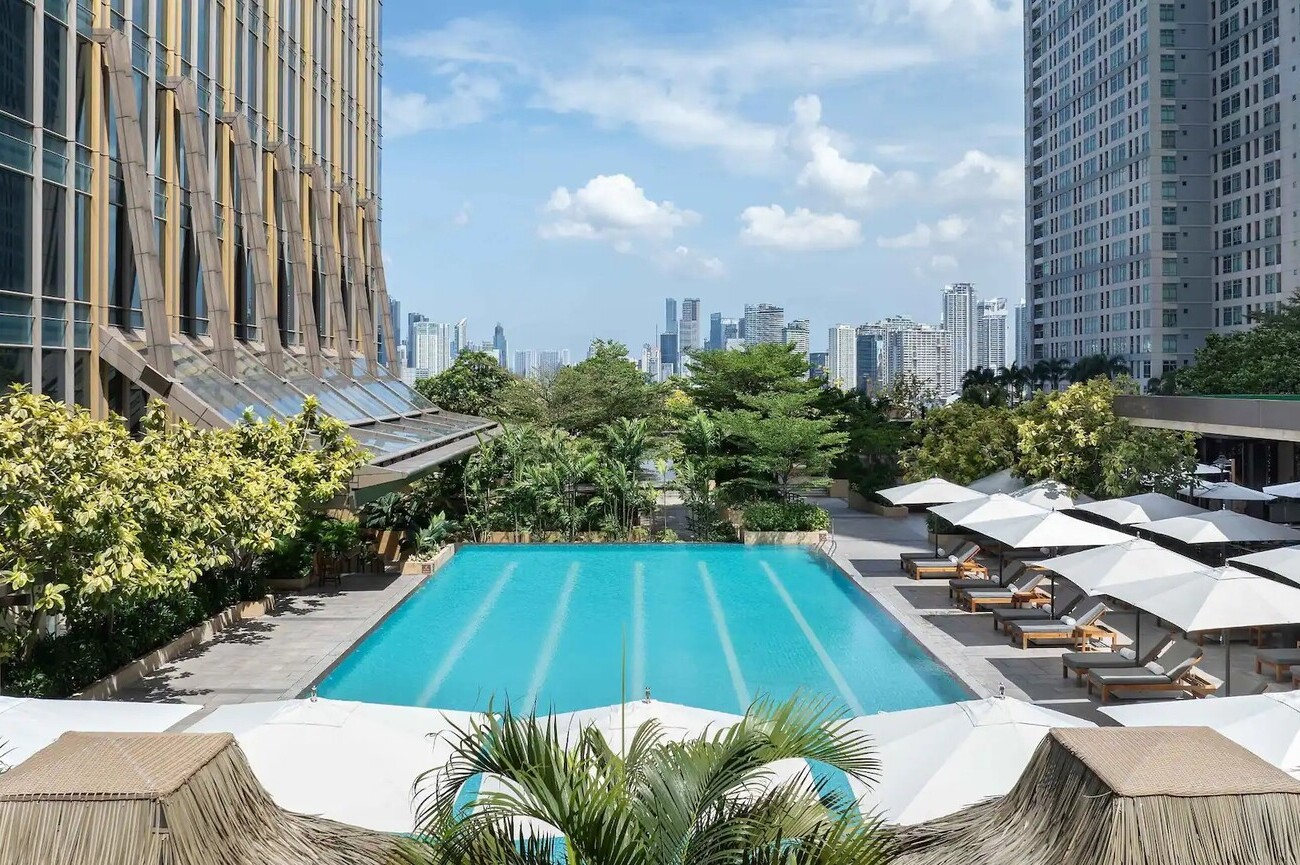
- Grand Hyatt Manila (5-star): Located in the tallest building in the Philippines, the Grand Hyatt Manila offers stunning panoramic views of the city skyline. The hotel features upscale amenities, world-class dining, and a sophisticated atmosphere. Stay in one of its 461 spacious rooms and suites, designed with wood paneling, maple hardwood floors, marble bathrooms, and floor-to-ceiling windows that showcase breathtaking city views.
- Okada Manila (5-star): One of the country’s largest and most iconic luxury resorts, offering world-class dining, entertainment, gaming, and relaxation. Its main highlight is The Fountain, the world’s largest multicolour dancing fountain, with water, light, and music shows you can watch from the Crystal Corridor or even from your room. The resort has over 1,000 luxurious rooms and villas, many themed after famous Philippine landmarks, with stunning views of The Fountain or Manila Bay.
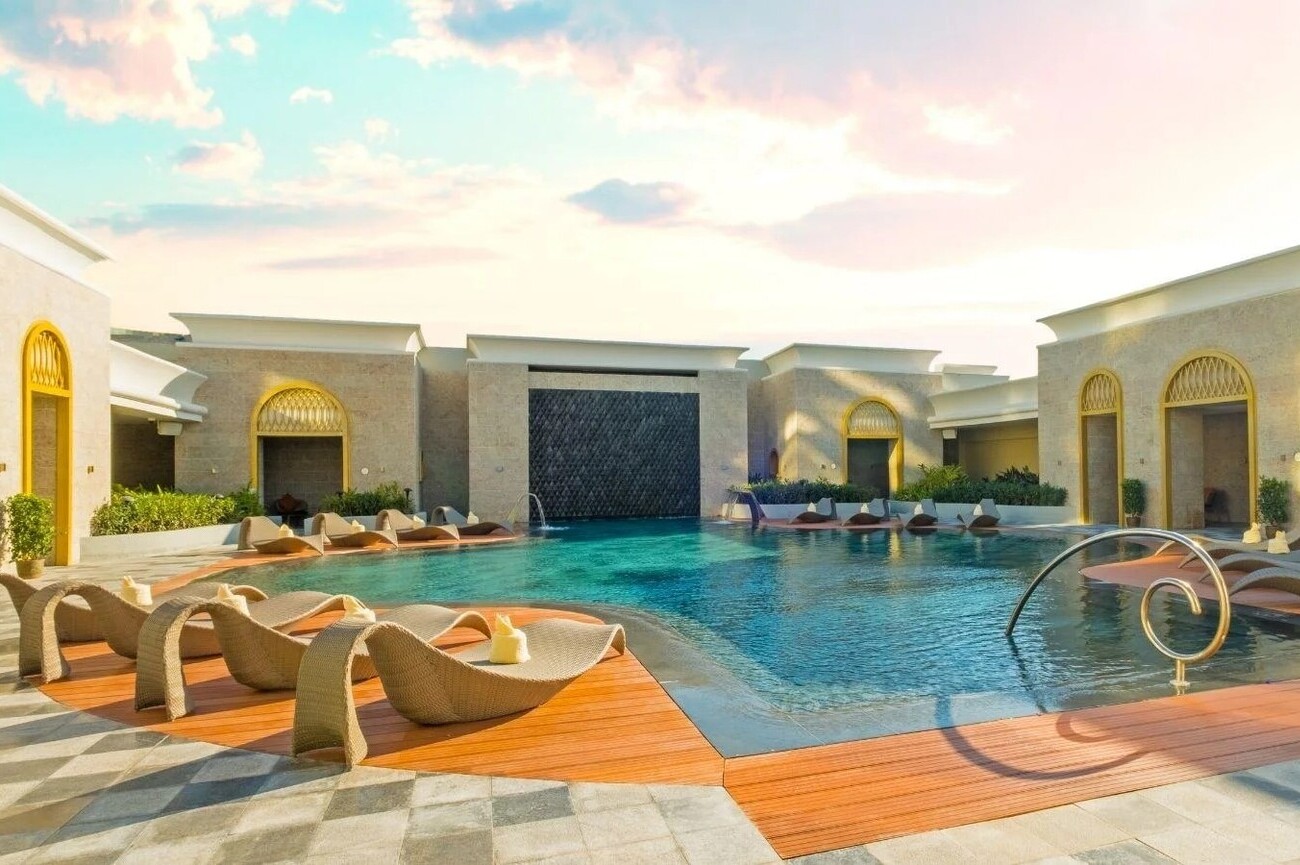
- Seda BGC (4-star): Conveniently located at the edge of Bonifacio High Street, Seda BGC is a sleek business-lifestyle hotel that lives up to its name “Seda” which means silk in Filipino by offering smooth, seamless service. The hotel has over 500 modern rooms, including suites and serviced residences, all designed for comfort and style.
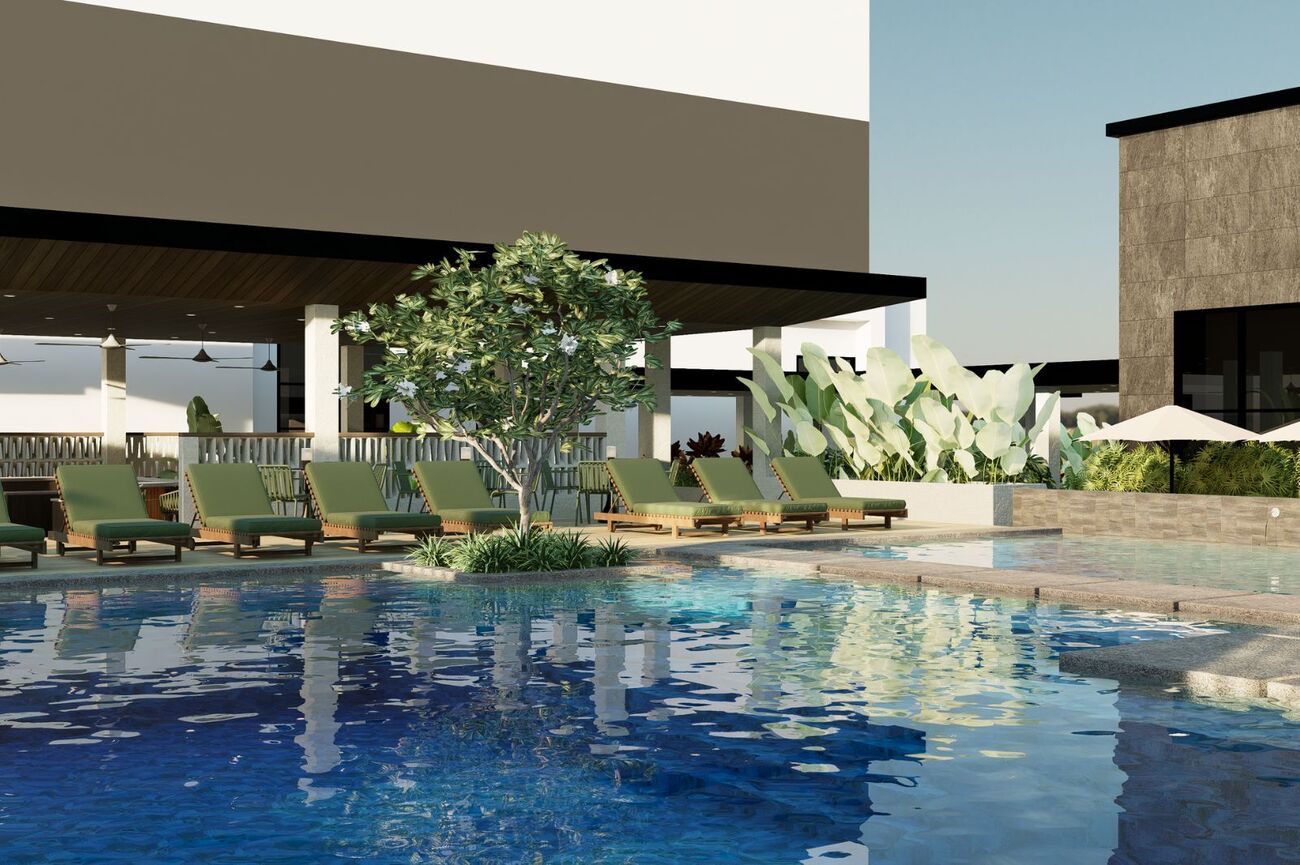
- The Bayleaf Intramuros (4-star): Located within Intramuros. The Bayleaf offers a blend of historical charm and modern comfort. And provides an excellent base for exploring the rich heritage of the area, with key landmarks just a short walk away. The hotel features 57 stylish guest rooms and suites with modern amenities. Don’t miss the rooftop restaurant and bar, which offers a stunning 360-degree view of Manila’s skyline, an ideal spot for dinner or sunset drinks.
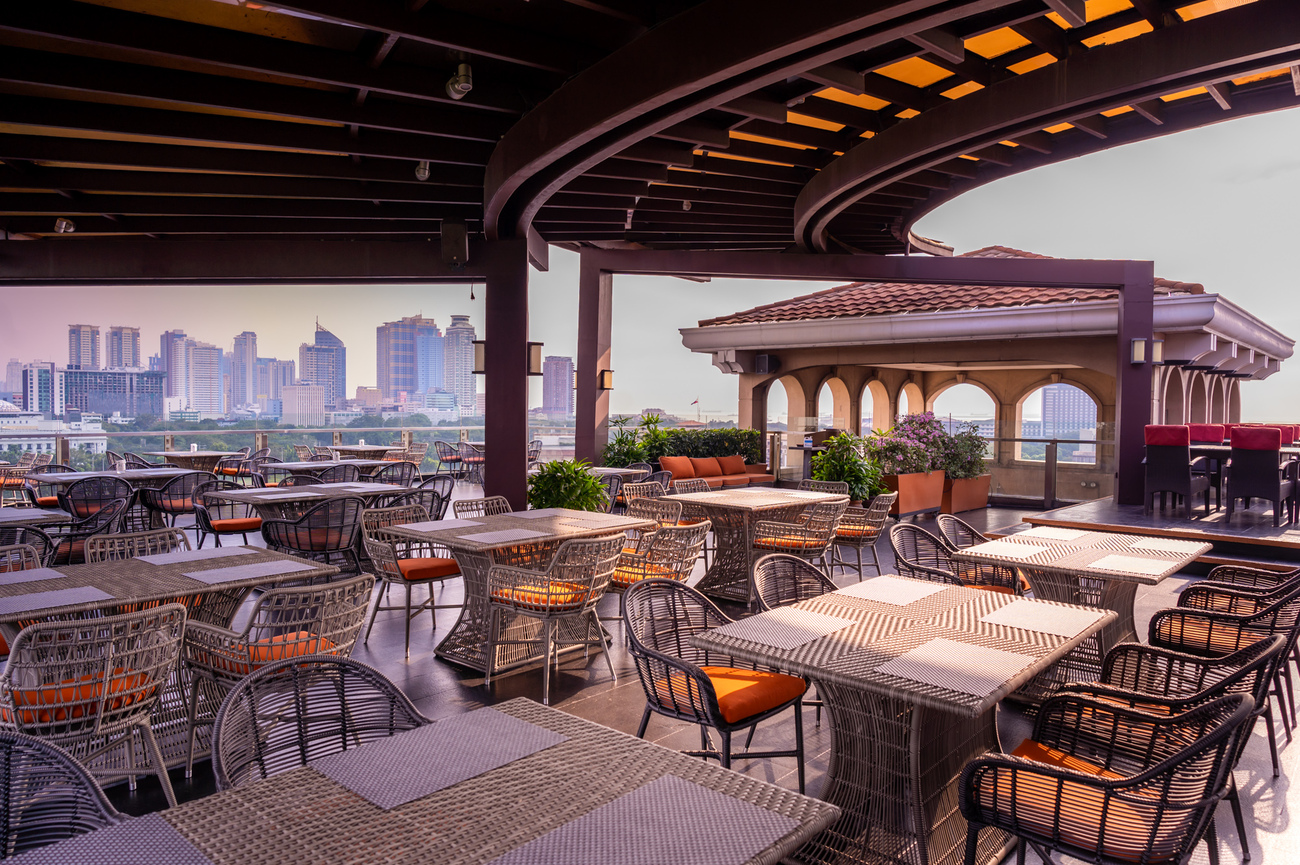
- Savoy Hotel Manila (4-star): Located in Newport City near the airport, Savoy Hotel Manila is a vibrant and modern choice for both business and leisure stays. The hotel’s colourful, contemporary style creates a lively yet relaxed vibe. It offers 684 comfortable, fully equipped rooms, suites, and serviced residences with all the modern amenities you need.
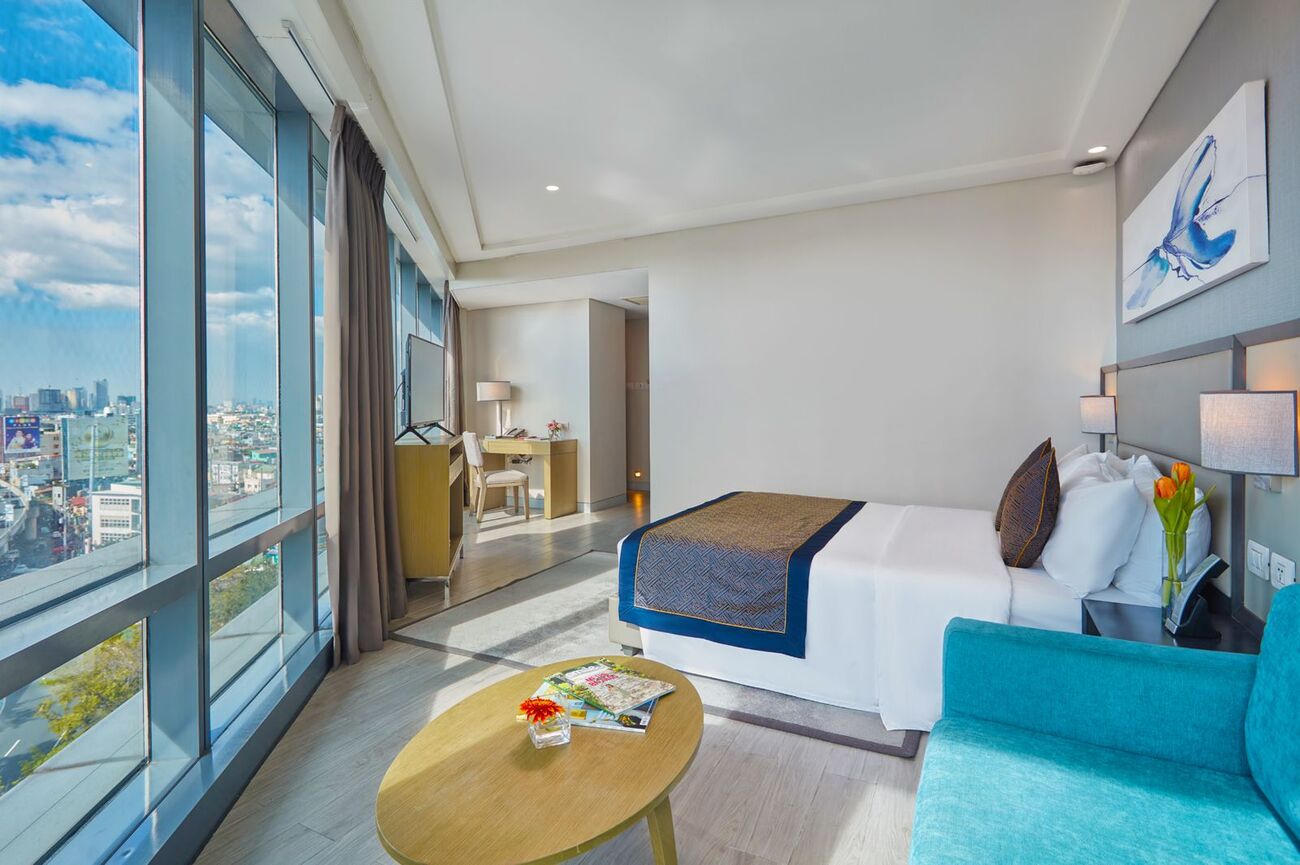
- Century Park Hotel (4-star): Known for its warm Filipino hospitality, Century Park Hotel is conveniently located near top business, shopping, and entertainment spots. The hotel has over 474 rooms across two towers, ranging from cozy Classic Superior Rooms to spacious Park Tower Suites with kitchenettes. All rooms come with modern amenities, and the newer ones feature a fresh, contemporary design.
Best
Time to Visit Manila
Manila is tropical year-round either warm, humid, and often sunny, but some months are especially great for exploring and catching golden sunsets.
January–February (cool-dry): The most pleasant time to visit. Mornings are crisp, afternoons are bright, and walking around Intramuros or visiting museums is a breeze. Bring a light jacket for chilly, air-conditioned spots.
March–April (warm-dry): Expect hotter, sunnier days, perfect for Manila Bay sunsets and side trips to Tagaytay or Calatagan. Start early, take long shaded lunch breaks, and enjoy late-afternoon strolls.
December: Manila shines with festive lights and lively shopping streets. Evenings are cooler and pleasant for an evening stroll.
Festivals in Manila
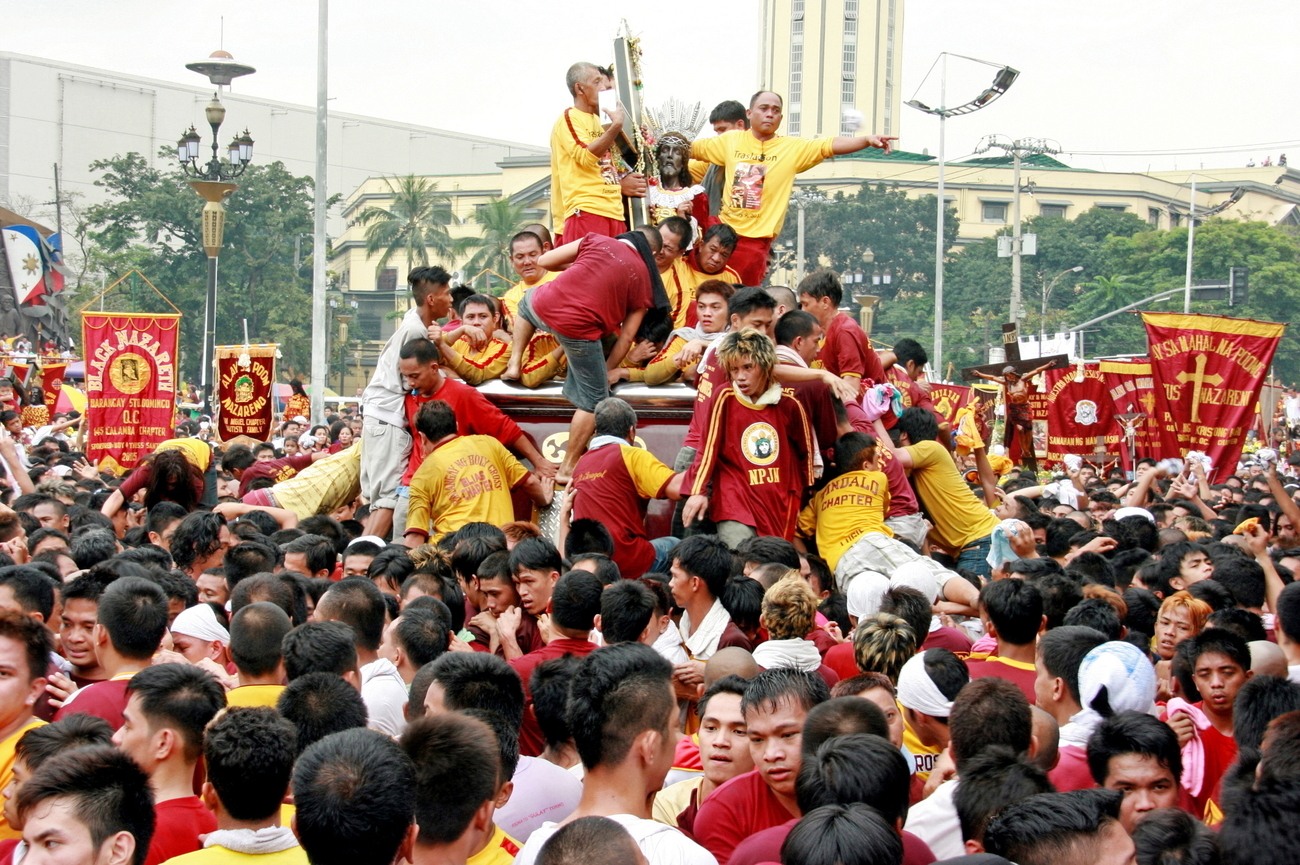
- Feast of the Black Nazarene: Held every January 9, this is one of the Philippines’ biggest Catholic festivals, drawing millions of barefoot devotees to Manila. The celebration centers on a life-sized dark-wood statue of Jesus carrying the cross, which many believe to be miraculous. The highlight is the Traslación (Spanish for “transfer”), a massive, intense procession that reenacts the statue’s 1787 journey from Quirino Grandstand in Rizal Park to Quiapo Church, covering about 6.5 kilometers.
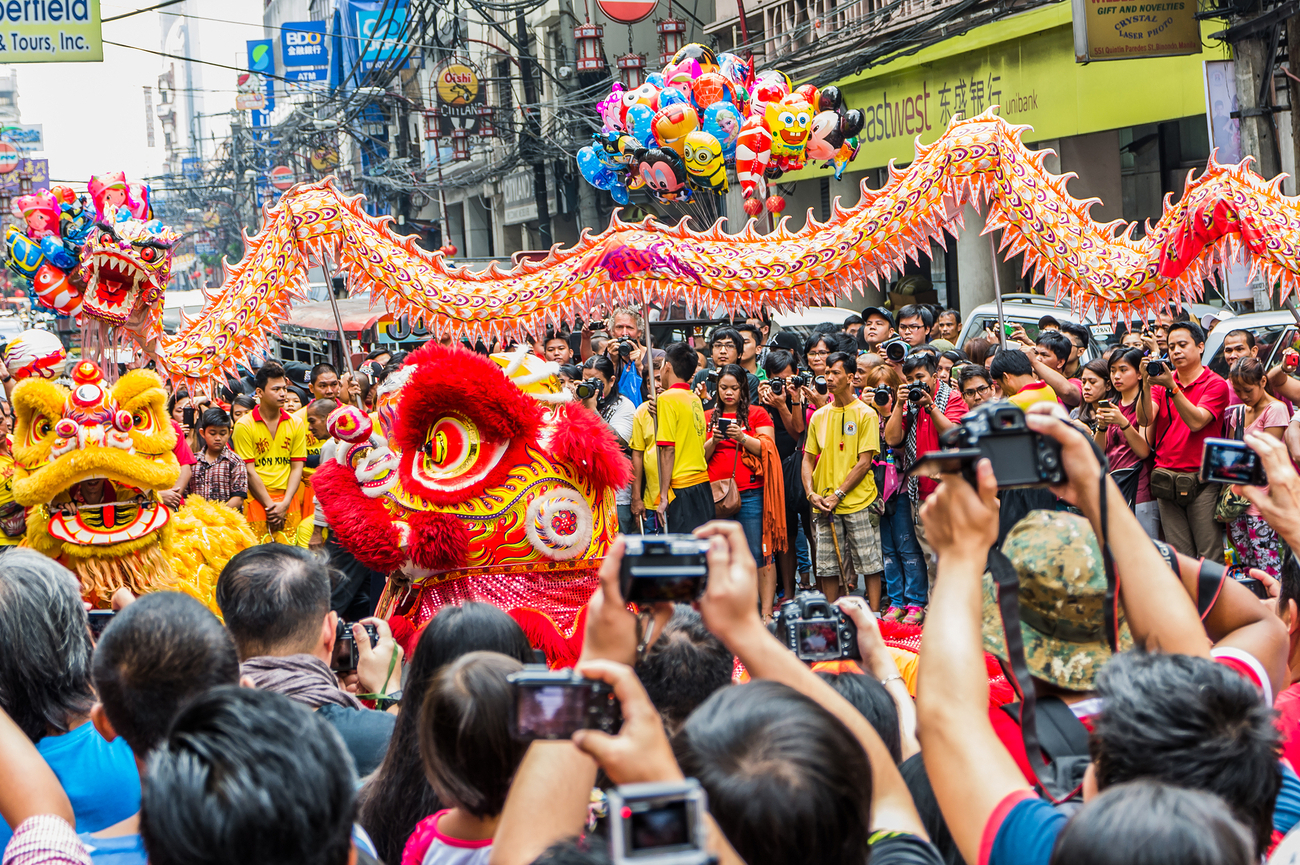
- Chinese New Year: A special non-working holiday that fuses traditional Chinese customs with local Filipino culture. It’s a major event for the Filipino-Chinese community, or “Tsinoys,” but is enjoyed by many Filipinos too. The biggest celebrations happen in Binondo, the world’s oldest Chinatown, where you’ll see lion and dragon dances with loud drums, lively parades and fireworks, and plenty of stalls selling lucky charms, tikoy, hopia, and other festive treats.
- Holy Week: Also called Semana Santa or Mahal na Araw, Holy Week is one of the most important religious traditions in the Philippines. In Manila, it’s marked by solemn observances of the Passion and joyful celebrations of the Resurrection. Many Filipinos take part in Visita Iglesia, visiting seven or more churches to pray and reflect on the Stations of the Cross. Popular stops in Manila include Manila Cathedral, San Agustin Church, Minor Basilica of San Lorenzo Ruiz, Quiapo Church, San Sebastian Church, and Our Lady of Remedies Parish.
- Feast of Our Lady of La Naval de Manila: Celebrated every second Sunday of October, this important festival honours the Virgin Mary and marks the miraculous victories of Filipino and Spanish forces over the Dutch navy in 1646. A highlight of Marian devotion in the Philippines, the feast is centered in Quezon City, where the revered image is enshrined. The main event is a grand procession, with the image carried on a large carriage (carroza) and accompanied by statues of other Dominican saints, drawing thousands of devotees to the streets, joining the procession.
A Story in Every Street
Manila is a city where history is not confined to museums, it lives in every street. Within the walls of Intramuros, where you walk the same paths once taken by friars, revolutionaries, and national heroes. The centuries-old churches still stand strong, their stones weathered but resilient. Market alleys buzz with the spirit of trade and migration, and colonial-era plazas offer timeless sunset views that have witnessed the city’s story for generations.
If you’ve enjoyed this journey, we invite you to explore further with Revigorate. Discover the sleek sophistication of Singapore, the meticulous artistry of Tokyo, the dynamic energy of Hong Kong, or journey deeper into Japan aboard our featured luxury sleeper trains:
Contact us or give us a call at (+1 800 672 0517 | +351 289 009 580 | +44 808 189 0647) and start planning your Manila escape with Revigorate today!
Our offices:




Revigorate, Iberian Escapes and Algarve Lifestyle are the registered brand names of APCS Lda . We are a fully authorised travel agency licensed by Turismo de Portugal RNAVT/6867.
In the event of a dispute, the consumer may refer to: RAL - Centros de Arbitragem
Avª. 5 de Outubro, nº. 55, R/C Dtº. 8000-075 Faro, Portugal | Tel: +351 289 823 135 *
* national landline call
E-mail: info@consumoalgarve.pt| www.consumidoronline.pt | Mon to Fri: 9:00 - 13:00 / 14:00 - 17:00