Things to Do in Klagenfurt & Carinthia Lakes: 4-Day Itinerary
Klagenfurt and the Carinthia Lakes have mastered the art of the soft flex. No neon signs, no grandstanding, just Renaissance squares that casually spill into lake life, water so clear it looks Photoshopped and mountains standing around like they were born for the backdrop.
Klagenfurt brings the polish: Italian-influenced architecture, leafy arcades and a lakeside lifestyle that feels suspiciously well-balanced. Step a few minutes out of town and suddenly the tempo slows, the air feels cleaner and the water starts showing off.
The lakes are the real main characters here.
Wörthersee understands drama. Promenades, peninsulas and sunsets that linger longer than planned. Faaker See keeps things crystal-clear and low-key, serving unreal color without the chaos. Over at Millstätter See, elegance takes the lead, with monasteries, mountain roads and that deep, glossy blue that feels very “old money lake energy.” This is Carinthia’s signature move: nature that looks curated, culture that doesn’t try too hard, and distances so short they feel like a cheat code.
What makes this region hit differently is the flow. City to lake in minutes. Sacred to scenic without the whiplash. One moment it’s bell towers and courtyards, the next it’s swimming docks and panoramic viewpoints. Everything connects, nothing feels forced and the scenery keeps casually raising the bar. To keep that energy intact, a 4-day Klagenfurt and Carinthia Lakes itinerary has been prepared, so the only thing left to do is enjoy the flex.
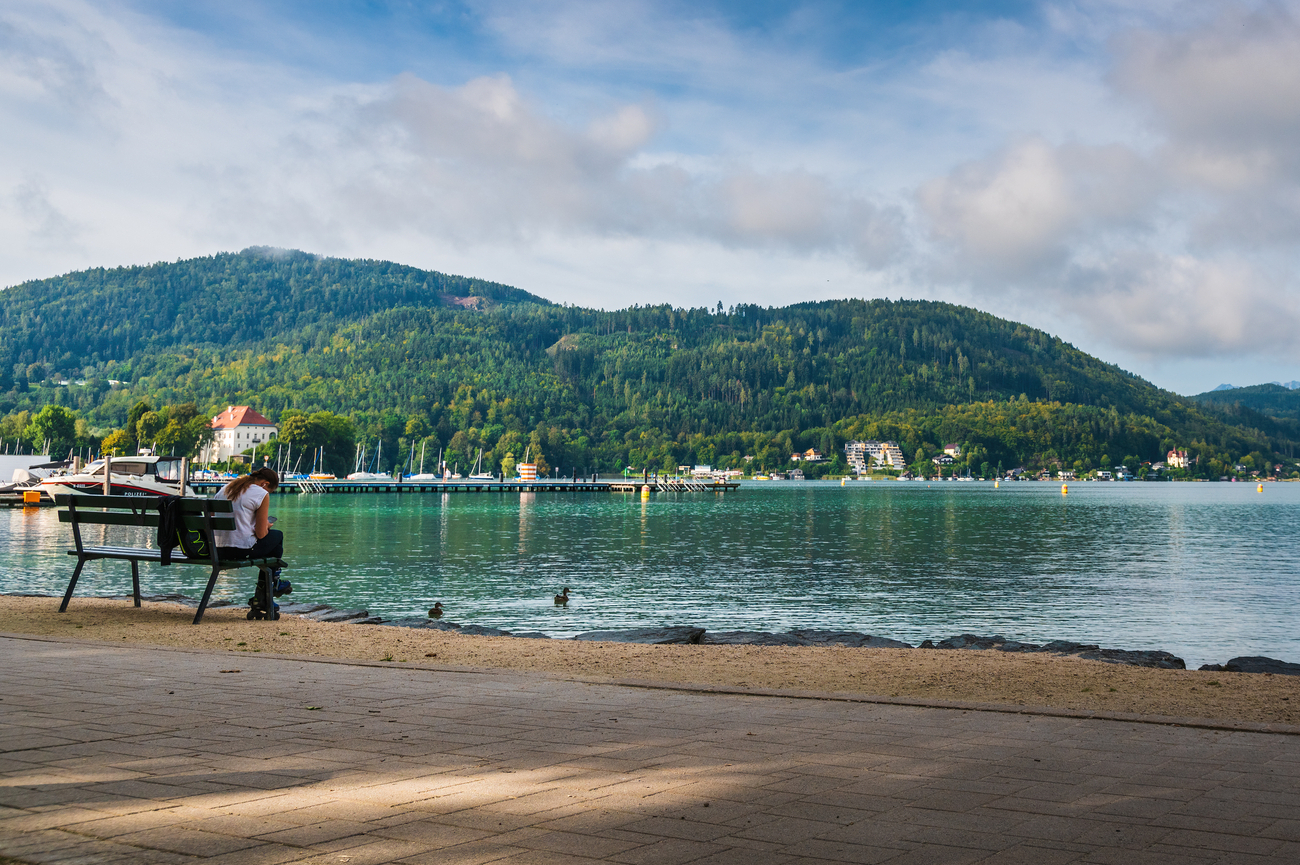
Day 1 -
Klagenfurt & Wörthersee

Morning: Innere Stadt
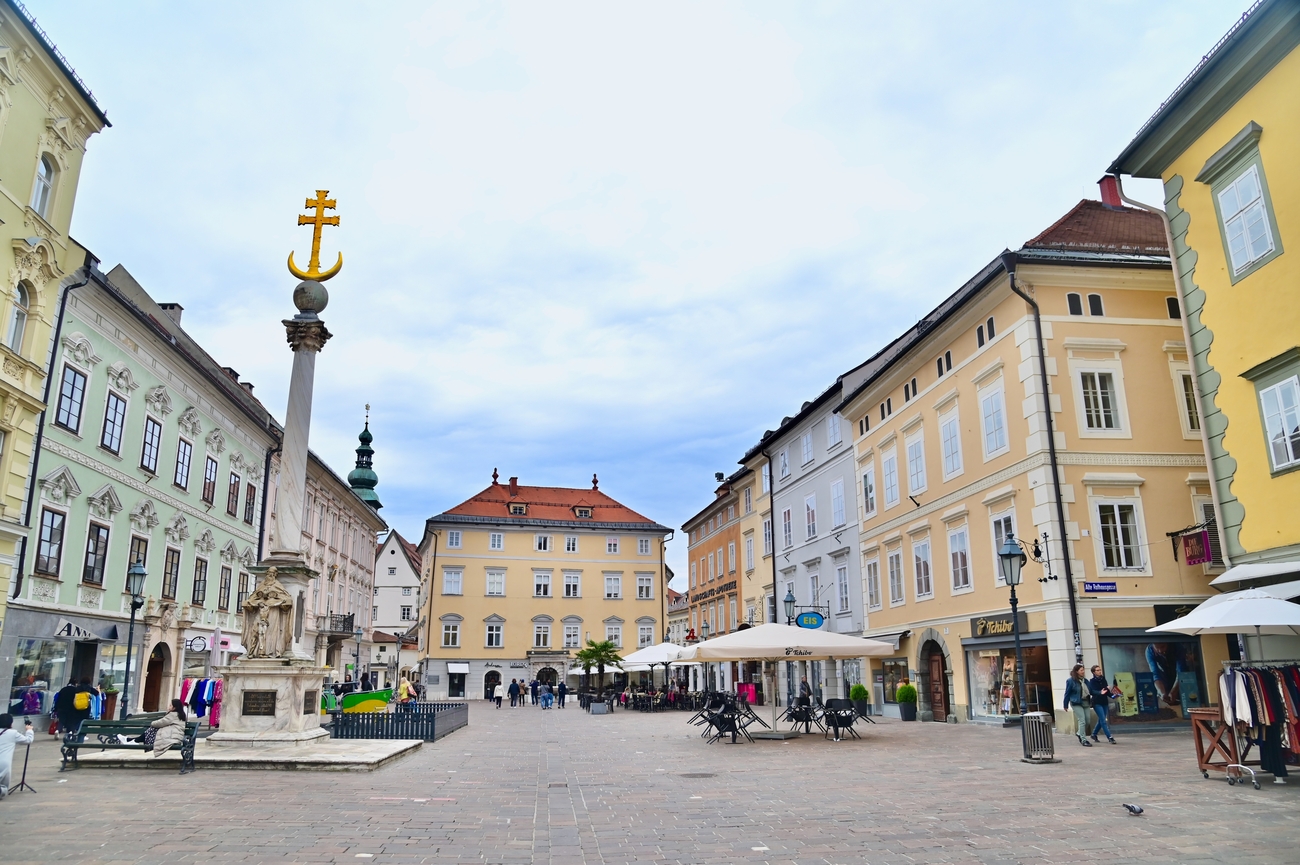
Klagenfurt Innere Stadt is the kind of old town that eases you in instead of trying too hard to impress. Streets are clean, walkable and quietly confident.
This is an old town that feels sorted, like it already knows the assignment. Built largely in the 16th century after a major fire, the area was redesigned as a Renaissance planned city, which explains the clean grid layout and the satisfying sense of order. Arcaded streets, pastel facades and inner courtyards reveal a city shaped by Italian influence and Carinthian pragmatism.
What stands out is how easy the Innere Stadt feels. Everything is walkable, distances are short and the city flows instead of overwhelms. Renaissance townhouses sit next to cafés and boutiques, government buildings blend seamlessly into daily life and the Landhaus courtyard quietly flexes centuries of political history without blocking foot traffic. And if you want to decode the old town there are guided tours available. These typically last around 90 minutes and cover key landmarks such as the Landhaus, cathedral, main squares and historic courtyards, with storytelling that balances architecture, legends and city life.
Lindwurmbrunnen
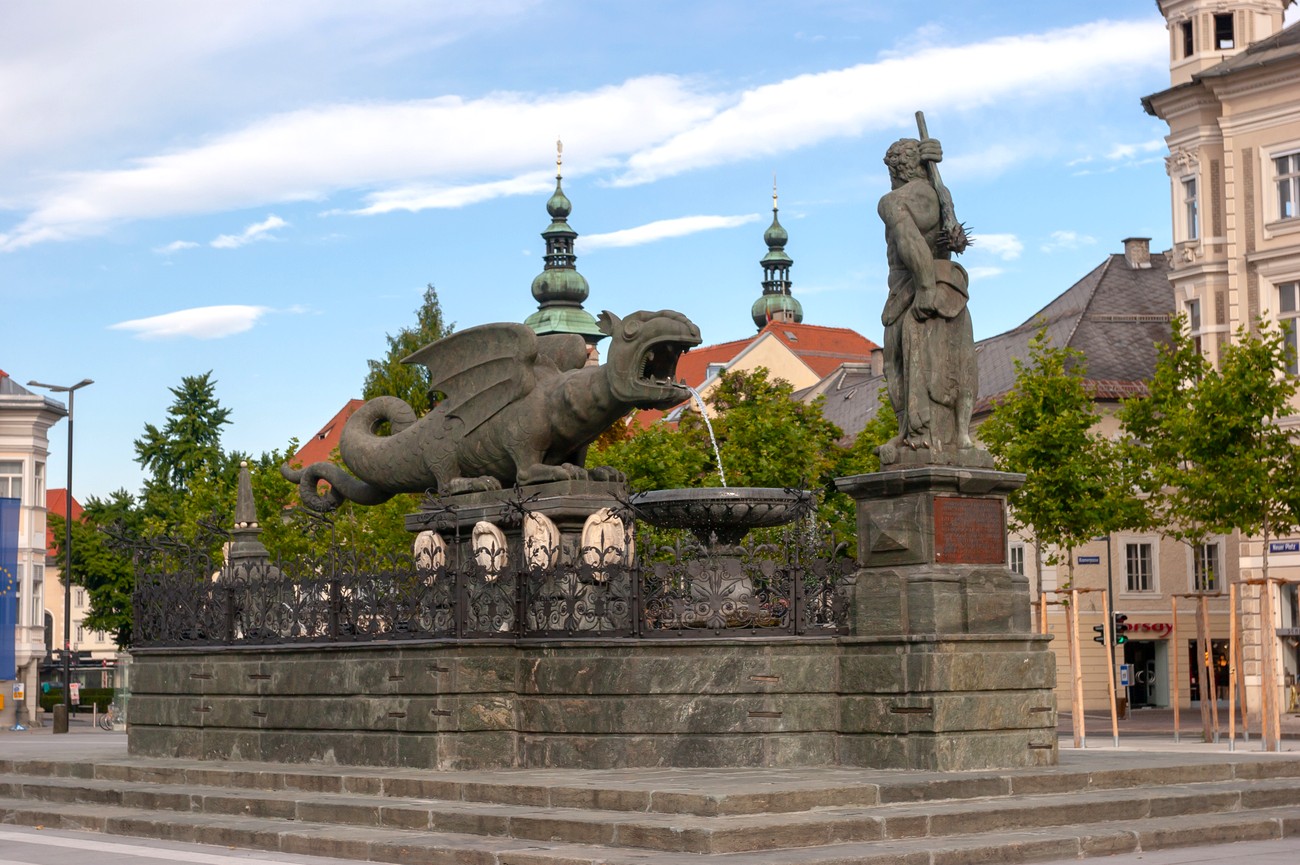
Two minutes on foot from Klagenfurt Innere Stadt and suddenly a dragon is running the show. The walk is short, flat, and drops straight into Neuer Platz, where the Lindwurmbrunnen has been holding court since the late 16th century.
The Lindwurmbrunnen was carved from a single block of green chlorite stone in 1593. It represents a legendary dragon said to have once terrorized the marshlands around Klagenfurt. Over time, the creature went from local menace to city mascot. The Hercules statue followed later, adding a Renaissance power move that quietly says victory, strength and civic pride. The fountain isn’t just decorative. It marks Klagenfurt’s confidence as a former provincial capital and trading town with ambition. It’s a small stop with a big personality. A perfect reminder that Klagenfurt knows how to mix myth with meaning.
Landhaus Klagenfurt
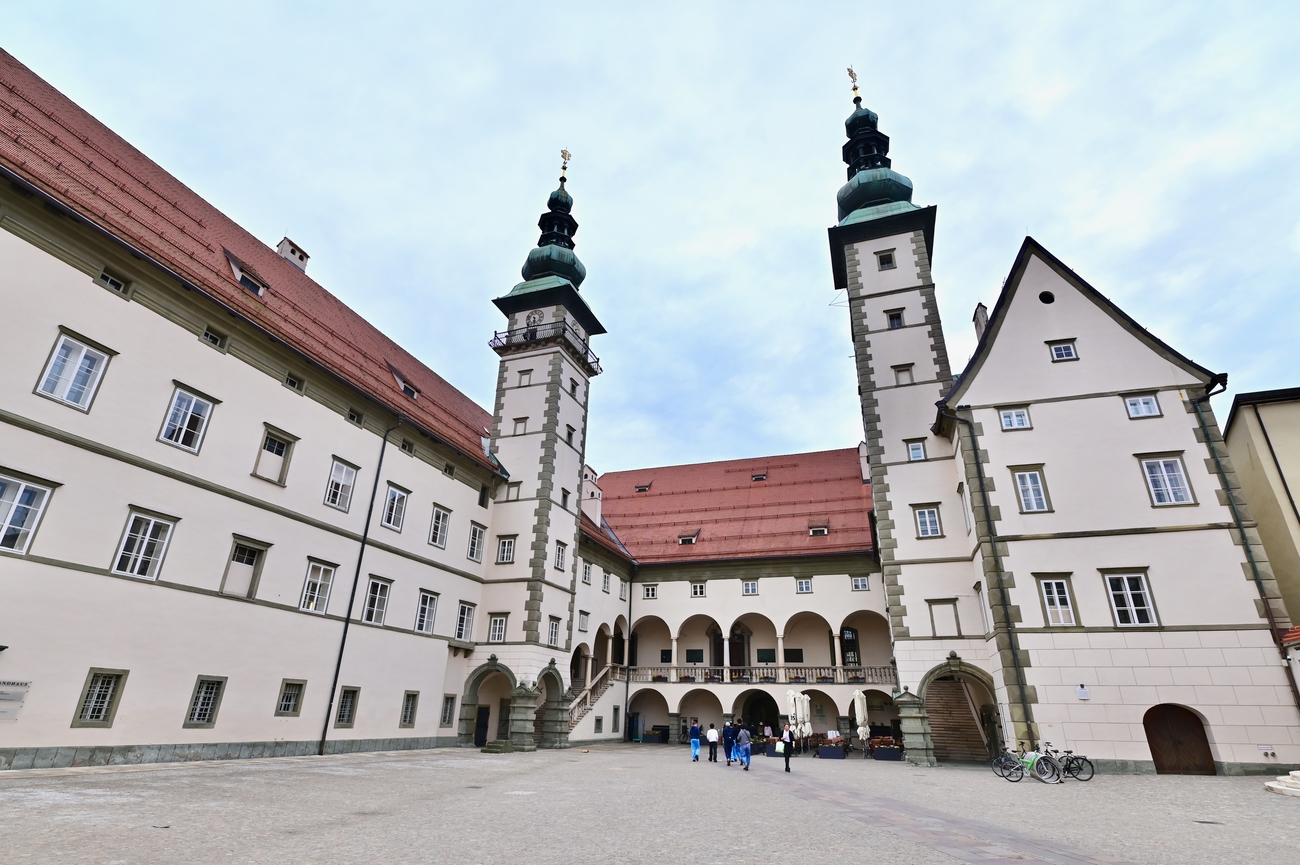
A 3-minute walk from the Lindwurmbrunnen and the mood shifts from myth to muscle. Leaving Neuer Platz and heading west brings the Landhaus into view almost immediately.
Built between 1574 and 1594, this Renaissance landmark became the political heart of Carinthia and still serves as the seat of the provincial parliament today. The exterior keeps things restrained. Step inside and the story gets louder. The Great Coat of Arms Hall displays 665 heraldic shields of Carinthian nobility, a visual archive of power, alliances and regional identity. The arcaded courtyard channels Italian Renaissance influence and quietly reminds visitors that Klagenfurt was rebuilt with ambition after the 16th-century fire.
This building explains why Klagenfurt feels so composed. Decisions were made here. Laws were shaped here. The Landhaus anchored the city’s transformation from a small settlement into a structured capital with political weight. Even now, the atmosphere feels purposeful rather than museum-like.
Afternoon: Klagenfurt Cathedral
It’s time to move from politics to prayer.
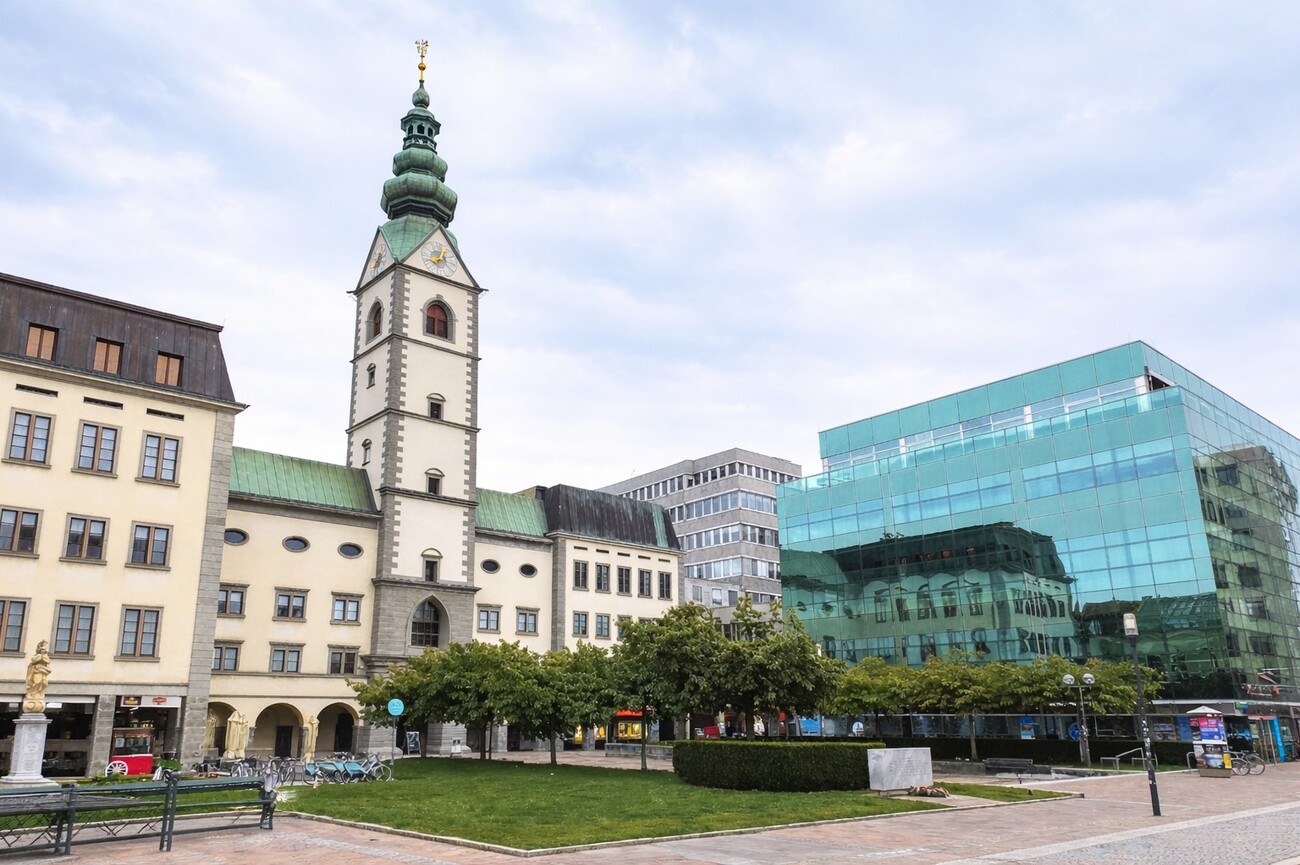
This is just 5 minutes away from the Landhaus. Take a walk to Domplatz, where Klagenfurt Cathedral stands with calm confidence rather than grandeur overload.
Founded in the late 16th century, Klagenfurt Cathedral has lived several lives and it shows in a subtle way rather than a theatrical one. It started as a Protestant church during a tense religious moment in Carinthia’s history, then changed hands during the Counter-Reformation before being elevated to cathedral status in the late 18th century. That evolution shaped its personality. The exterior keeps things restrained and almost reserved, while the interior opens up with Baroque warmth, layered frescoes and carefully placed ornamentation. The space feels measured and thoughtful, like a building that learned restraint before embracing expression. It doesn’t overwhelm. It settles in. This cathedral stands out because it reflects Carinthia’s religious crossroads rather than a single moment in time. Originally commissioned by the Protestant Estates, it later passed to the Jesuits, who reshaped the interior with Baroque flair. The result is a space where Renaissance discipline meets expressive Catholic art.
Minimundus
Jet lag, but make it walkable.
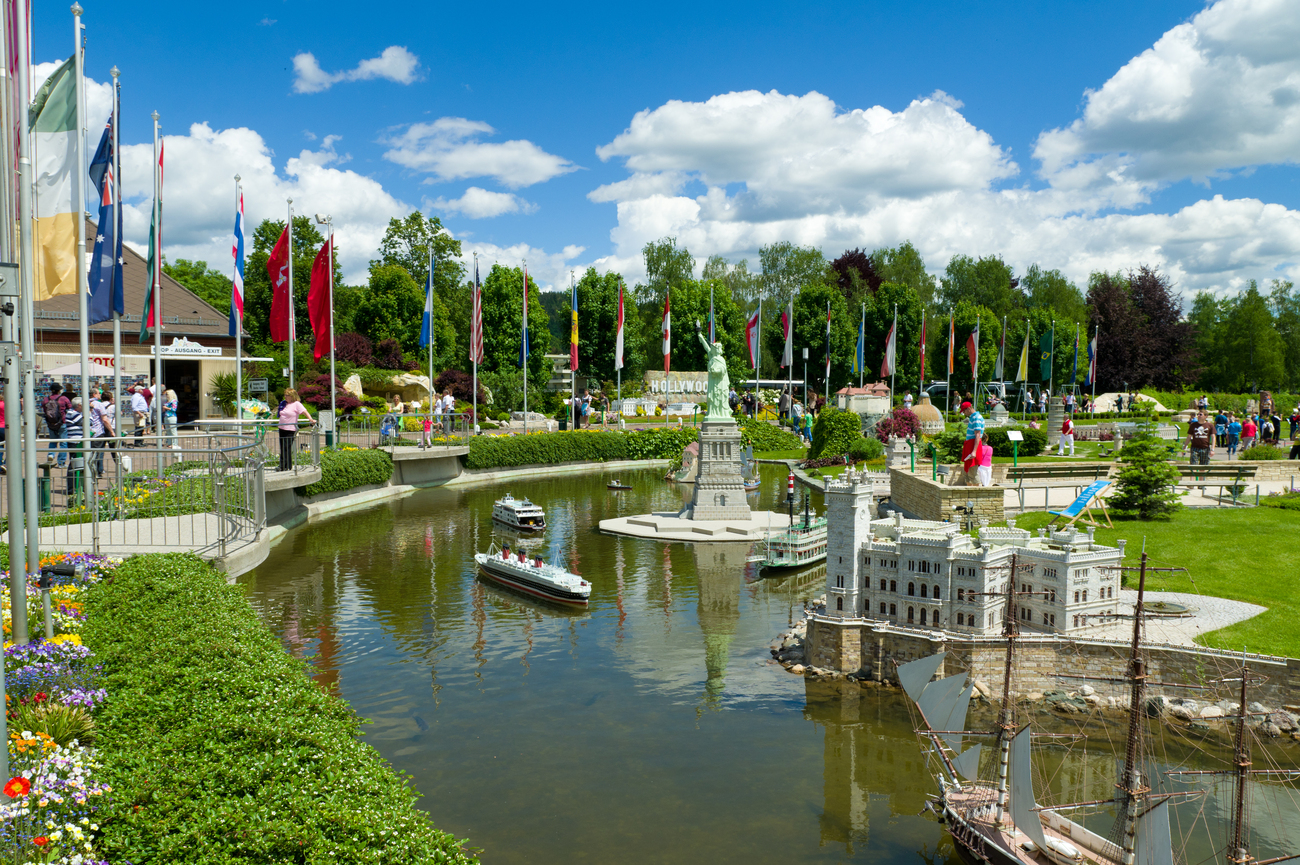
Minimundus shrinks the world down to human scale and somehow makes it work without feeling gimmicky. Opened in 1958 as a charitable project, this open-air miniature park presents over 150 global landmarks recreated at a precise 1:25 scale. The Eiffel Tower, the Taj Mahal, St. Peter’s Basilica and the Sydney Opera House all show up with surprising accuracy, sitting lakeside near Wörthersee like it’s the most normal thing in the world. It’s playful, sure, but also impressively serious about detail.
Strandbad Klagenfurt
Strandbad Klagenfurt is where the itinerary exhales.
This is one of the largest and most historic inland lidos in Europe. It opened in 1929 and it was designed when lake culture was about elegance, architecture and spending an entire afternoon doing absolutely nothing on purpose.
Set directly on the eastern shore of Wörthersee, the complex blends functional modernism with leisure-era glamour. Long wooden piers, manicured lawns and symmetrical bathing zones reflect a time when swimming was a social ritual, not a rushed activity squeezed between plans.
Strandbad has always been more than a place to swim. It was built as a civic project to give Klagenfurt direct access to the lake and it still feels proudly local. Generations have passed through its gates and the layout has barely needed reinvention. Clear water, designated sunbathing areas, diving platforms, and shaded promenades keep the experience structured yet relaxed. The scale is generous, which means even on busy days it never feels chaotic. Everything flows. Very on brand for Carinthia.
Evening: Seepromenade Pörtschach
About a 20-minute drive west from Strandbad Klagenfurt and the lake changes its tone.
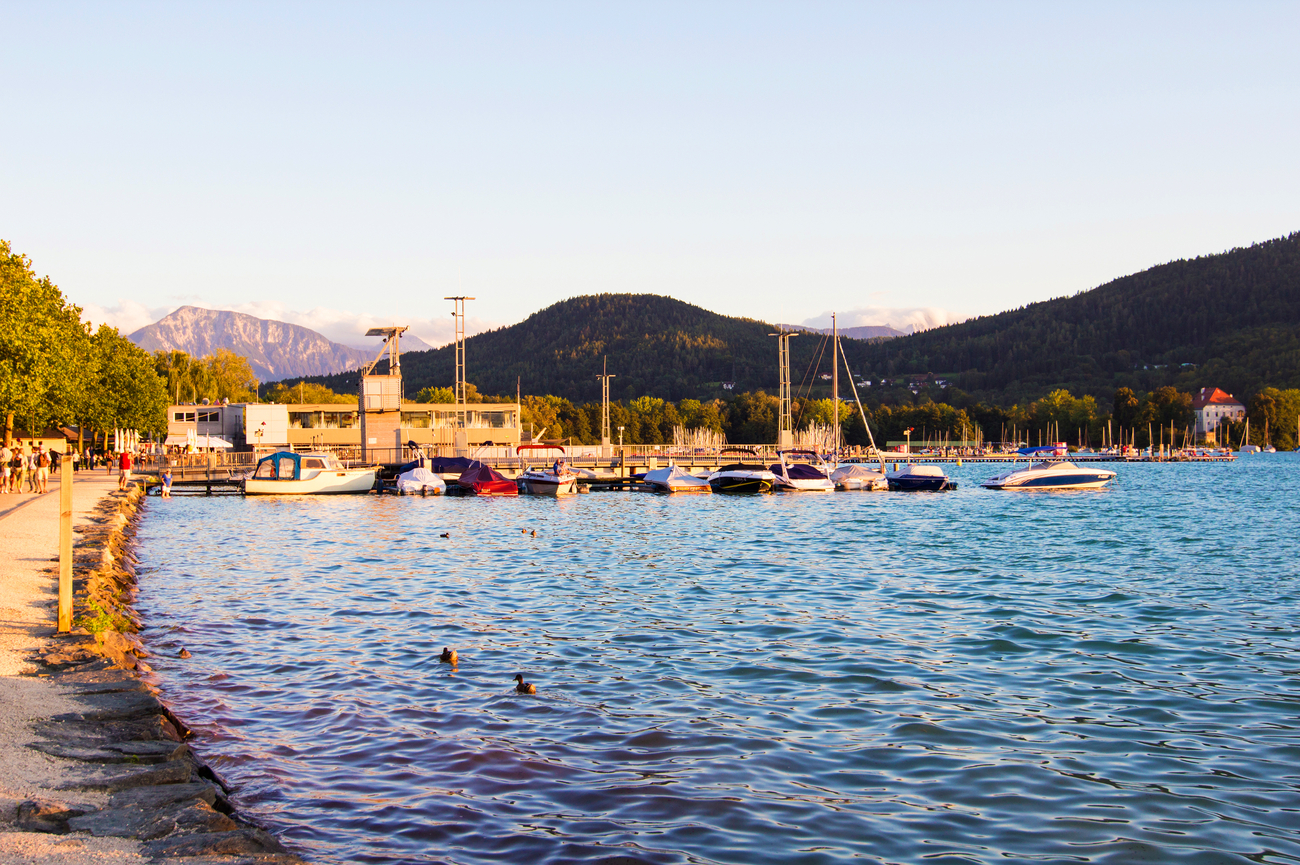
This is where Wörthersee slows the clock on purpose. As evening sets in, the Seepromenade in Pörtschach am Wörthersee becomes less about walking from one place to another and more about lingering. Built during the late 19th century when lake tourism was entering its golden age, Pörtschach grew into a refined summer retreat for artists, composers, and aristocrats.
Historically, Pörtschach played a key role in shaping Wörthersee’s reputation as a cultured resort destination rather than a resort circus. Johannes Brahms famously spent summers here, drawn by the light, the quiet and the rhythm of the lake. That atmosphere still holds. The promenade feels curated but not controlled. Benches face the water for a reason. This is a place designed for pauses, conversations and watching sailboats drift past without urgency.
Europapark Klagenfurt
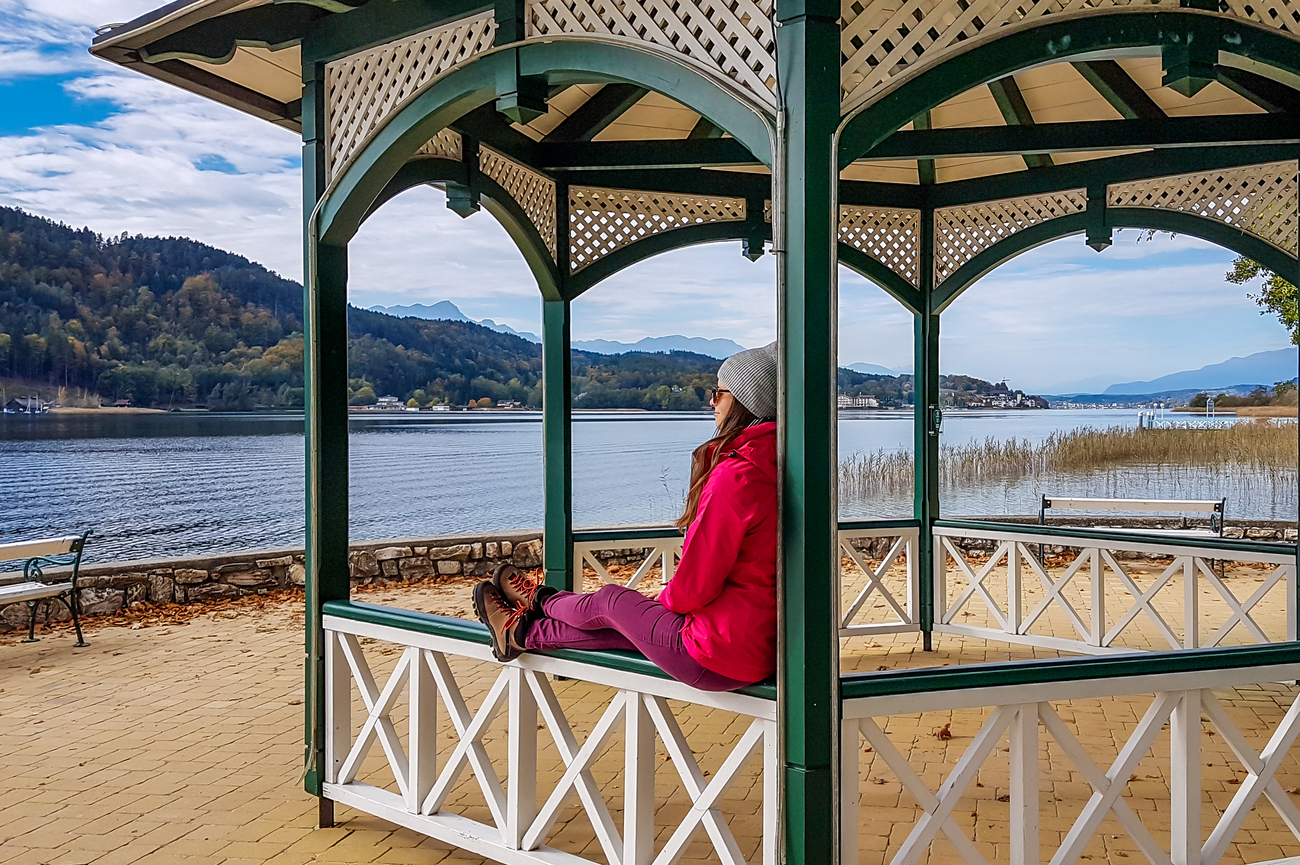
A 25-minute drive back east from Pörtschach brings the day full circle, right where the lake meets the city again. Europapark Klagenfurt sits beside Wörthersee like a deep exhale after a long, beautiful sentence.
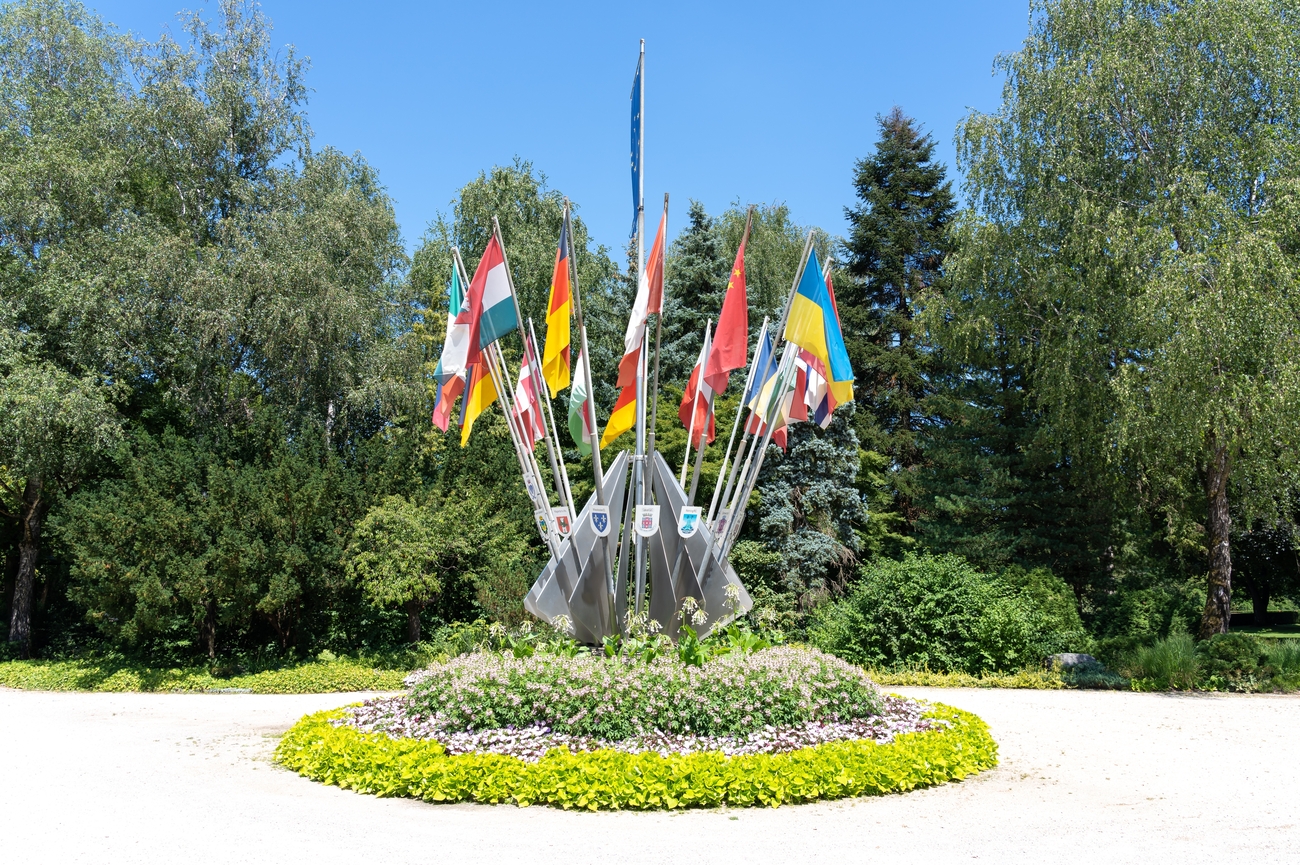
This was created as part of Klagenfurt’s modern urban expansion. Europapark was designed to give the city breathing room. Wide lawns, tree-lined paths, and open sightlines to the water make it feel intentionally uncluttered. It’s not ornamental. It’s generous. The kind of place that understands the value of space at the end of the day.
Europapark works because it doesn’t compete with the lake. It frames it. As evening settles in, the Karawanks fade into silhouette, the water stills and the city noise softens into background texture. Locals walk dogs, jog lightly, or sit facing the lake with no agenda. Architecturally and emotionally, this park represents Klagenfurt’s modern identity. Thoughtfully planned.
Ending the day here feels right. Calm, open and grounded. A soft landing after a day that knew exactly where it was going.
Day 1 -
Klagenfurt & Wörthersee Tour Map
Day 2 -
Klagenfurt & Wörthersee Lake Region
Morning: Maria Wörth
Day two opens on holy ground with a lakefront view that doesn’t rush anything.
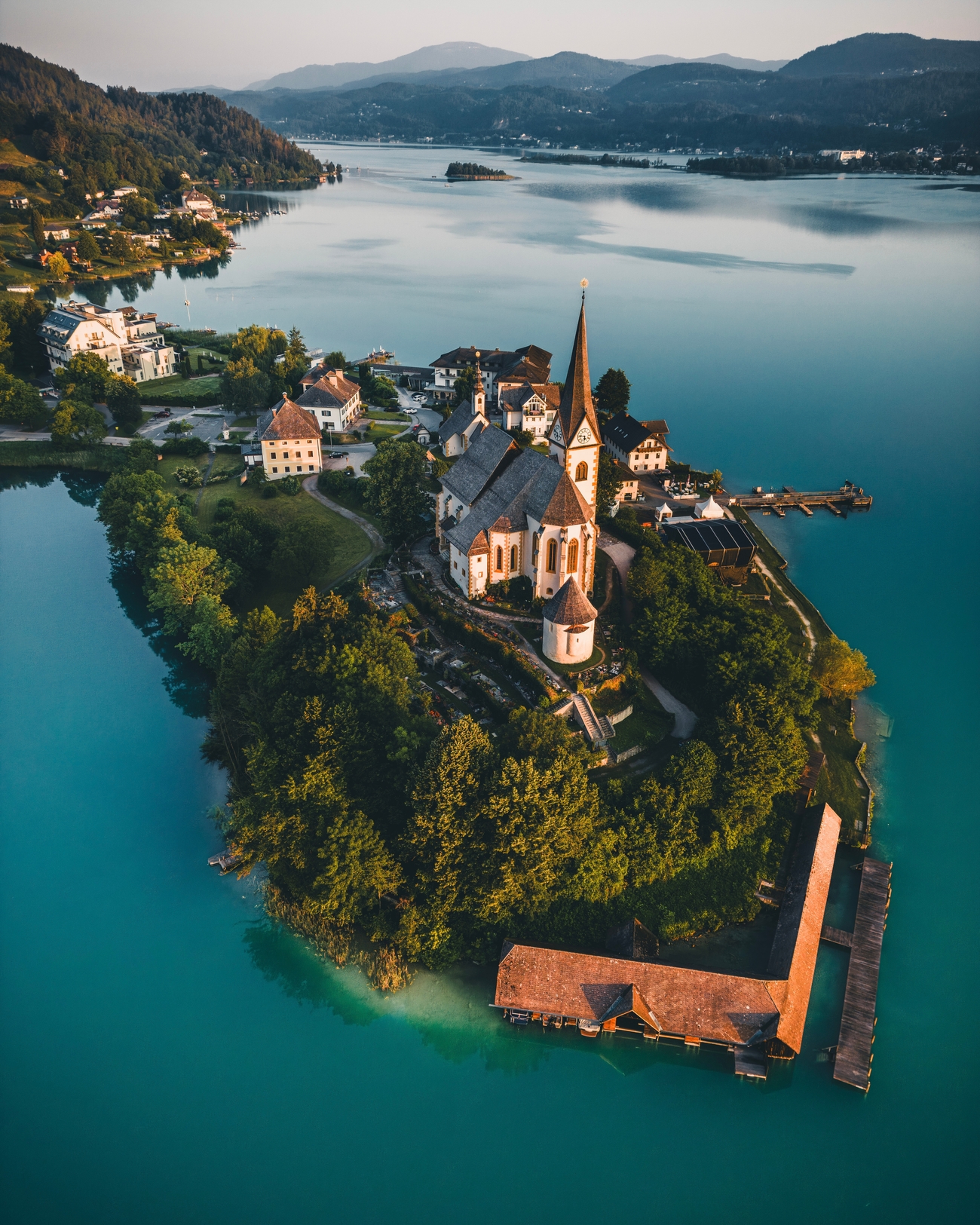
Maria Wörth sits poised on Wörthersee like it has nowhere else to be, and that confidence carries through the entire peninsula. This is one of Carinthia’s oldest spiritual centers, founded in the 9th century when early missionaries chose this exact sliver of land as a place of worship, reflection and orientation. Two churches define the skyline. The Romanesque Winterkirche stays low and grounded. The parish church rises with a Gothic structure and later Baroque layers. Together, they create a silhouette that has guided pilgrims and lake travelers for centuries. It has been shaping not just religious life but the cultural rhythm of the region. History here is quiet but persistent. It shows up in stone, layout and atmosphere rather than signage.
Rosenkranzkirche
From the center of Maria Wörth, it’s a calm two to three–minute walk downhill and the mood immediately turns inward.
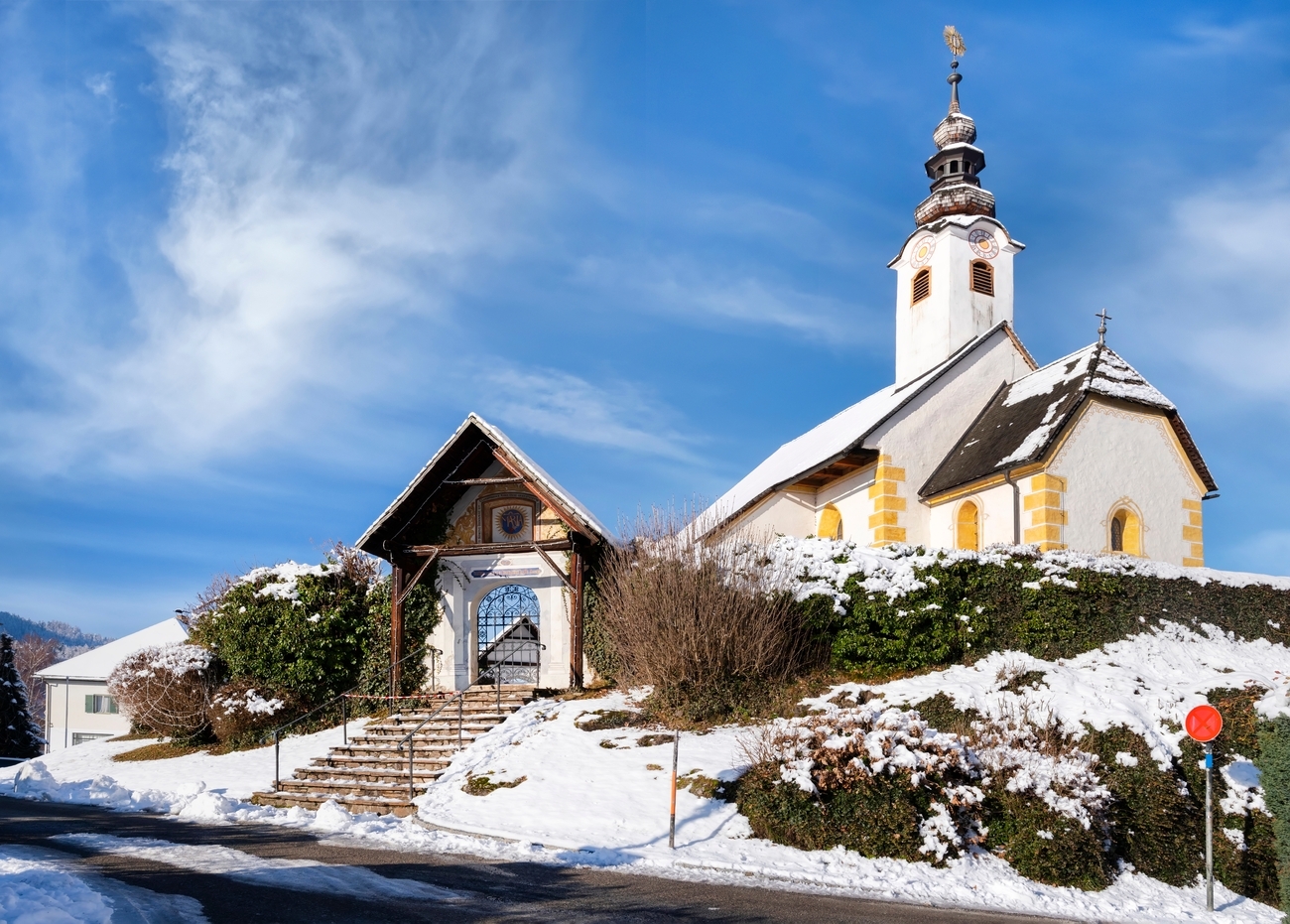
The Rosenkranzkirche, better known as the Winterkirche, sits slightly lower on the peninsula, closer to the ground and closer to the point. First mentioned in the 12th century and likely consecrated around 1155, this smaller church was built for colder months and quieter gatherings. Thick stone walls, compact proportions and a restrained Romanesque structure reflect practicality over display. It was never meant to impress crowds. It was meant to endure them.
The interior keeps that same energy. Modest fresco fragments, a simple altar and an almost hushed spatial quality make the space feel intimate and grounded. This is the counterweight to the parish church above. Where the Pfarrkirche looks outward to the lake and arriving pilgrims, the Rosenkranzkirche turns inward. Historically, it served winter feast days and smaller congregations, anchoring daily religious life when conditions were less forgiving. That functional origin gives it authenticity that can’t be staged.
Pfarrkirche Maria Wörth
Mornings in Maria Wörth are made for church hopping and the next stop is literally steps away. From the Rosenkranzkirche, it’s a short two-minute walk uphill to the Pfarrkirche and the shift is immediate. Higher ground, wider views, bigger presence.
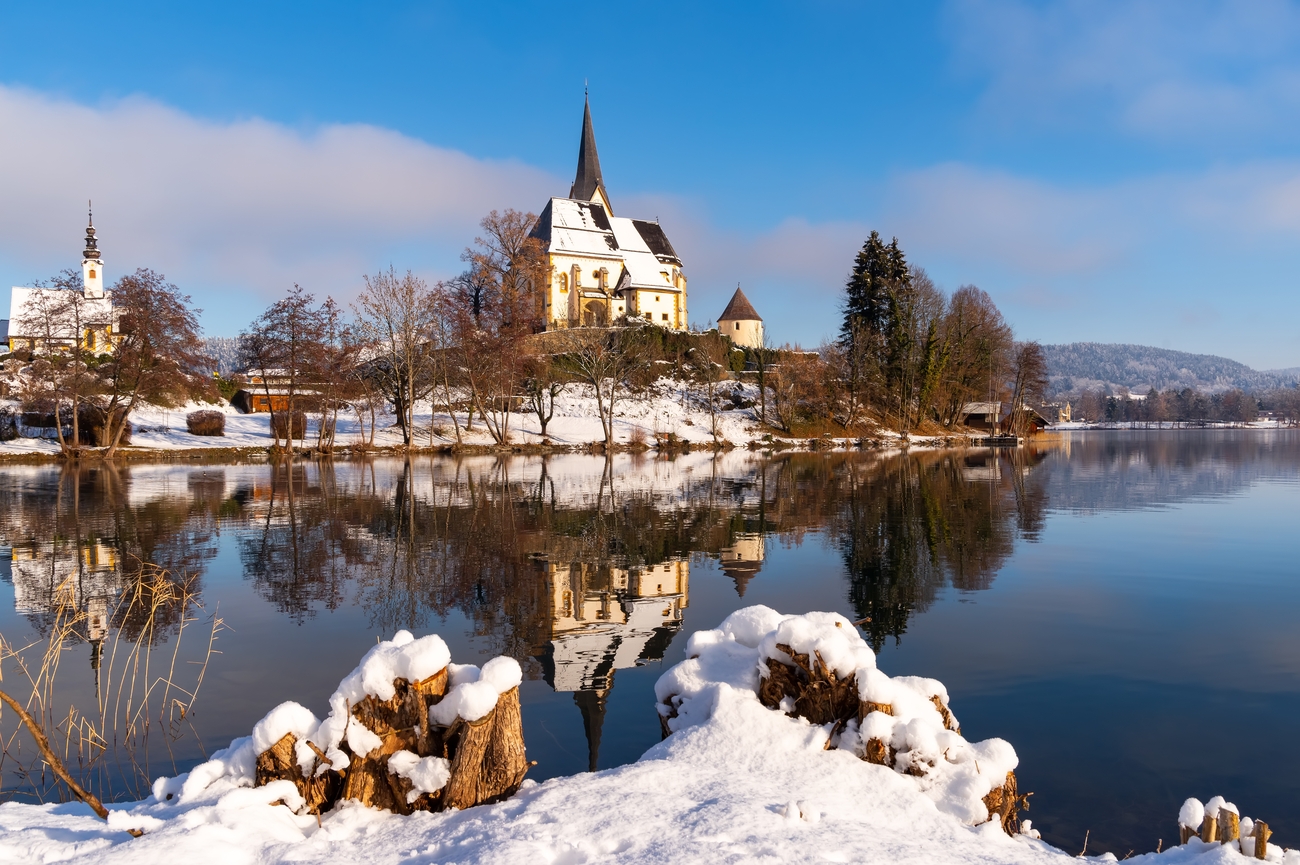
First documented in 894, this church anchors one of the oldest parishes in Carinthia and was built to be seen from the lake. The Gothic structure rises confidently above Wörthersee, with later Baroque additions softening its edges. This was never meant to be hidden. It’s a landmark by design.
The Pfarrkirche tells the public story of Maria Wörth. While the Rosenkranzkirche handled the practical side of worship, this one addressed pilgrims, arrivals and ceremony. Inside, pointed arches, historic altars and layered architectural details reflect centuries of adaptation rather than one frozen moment in time. The placement matters. From here, the lake opens up, reinforcing the church’s role as both spiritual center and visual anchor for those arriving by water.
Afternoon: Pyramidenkogel Observation Tower
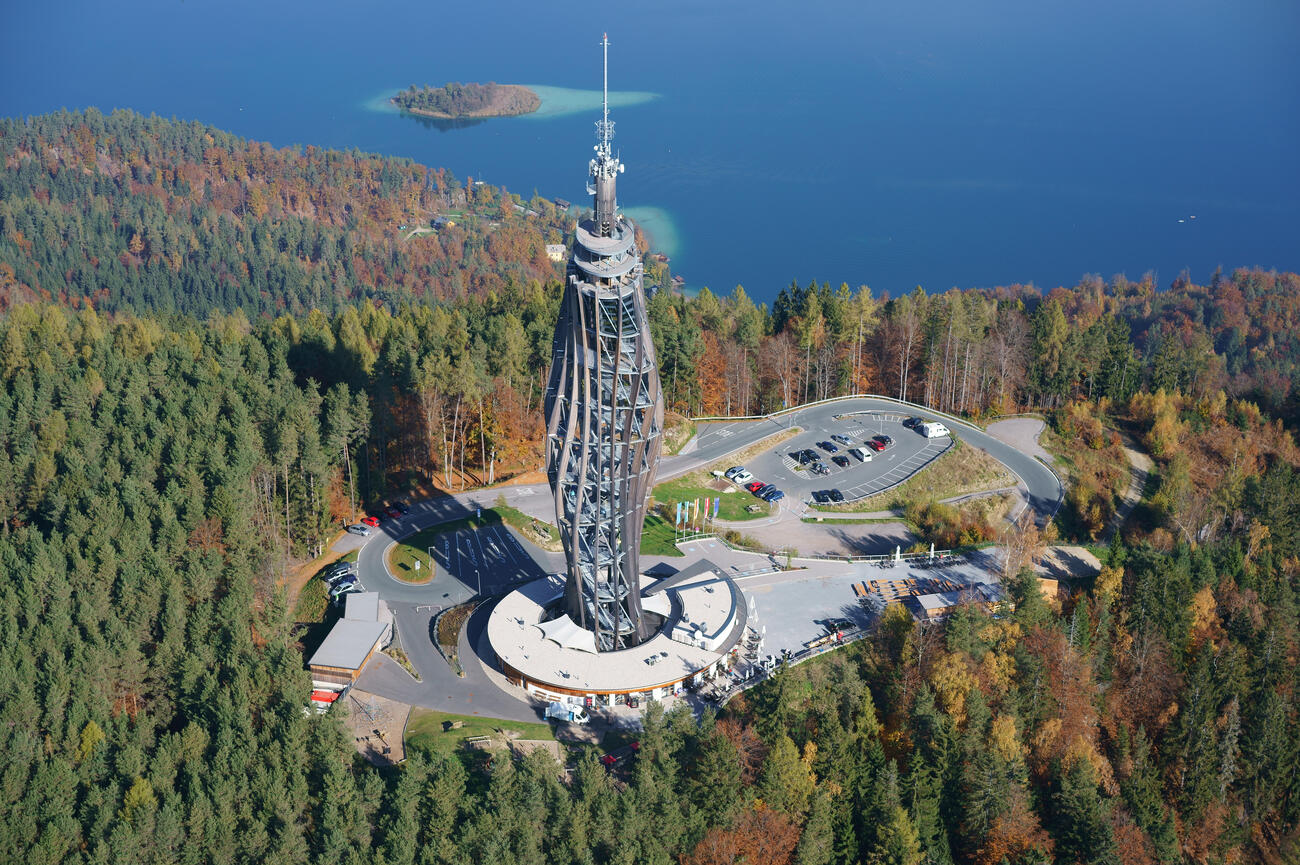
A 15-minute drive from Maria Wörth and the lake suddenly drops away beneath your feet. Leaving the calm of the peninsula behind, the road climbs into forested hills until the Pyramidenkogel Observation Tower appears, rising cleanly above the treeline.
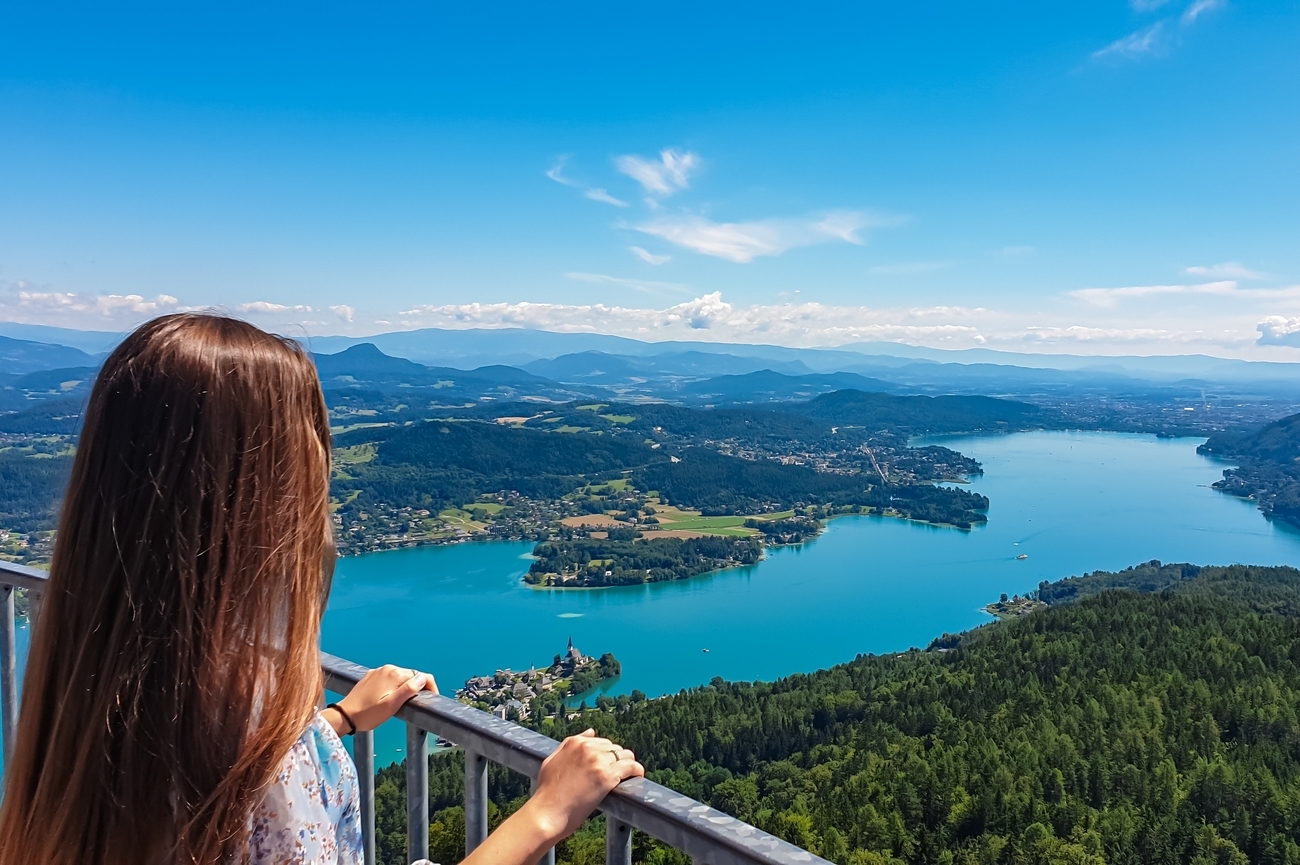
This is the world’s highest wooden observation tower and one of Carinthia’s boldest modern statements, standing at 100 meters tall. Built in 2013, the structure uses steel and larch wood in a spiral form that feels architectural rather than gimmicky. From the top, the reward is instant. Wörthersee stretches out in full, with Carinthia’s lakes and the Karawanks lining the horizon like they planned it. Pyramidenkogel replaced an older tower on the same site, continuing a long tradition of using this hill as a lookout point. What changed is the ambition. The design embraces contemporary engineering while staying rooted in natural materials, making it feel at home in the landscape instead of imposed on it. Multiple viewing platforms offer slightly different angles, encouraging visitors to move, pause and take it all in rather than rush straight to the top and back down.
Keutschach Valley
After the heights of Pyramidenkogel, the afternoon eases into something softer and greener. The drive down into the Keutschach Valley feels like a release. Hills relax, forests open up and a chain of small lakes begins to appear one after another. Known locally as the Vier-Seen-Tal or Four Lakes Valley, this area has long been Carinthia’s quiet counterbalance to Wörthersee’s star power. Instead of grand statements, it offers rhythm. Fields, water, forest, repeat. It’s scenic without being showy.
Historically, the valley functioned as an agricultural and settlement corridor, shaped by glacial activity that left behind a string of lakes, including Keutschacher See, Rauschelesee, and Hafnersee. These waters were never built up aggressively, which preserved the valley’s open character. Small villages, wooden farmhouses and gentle hills define the landscape. The valley connects cultural Carinthia with its rural roots, showing a slower, more grounded side of the region that hasn’t been polished for performance. There are no formal tours here and that’s the luxury.
Evening: Velden am Wörthersee
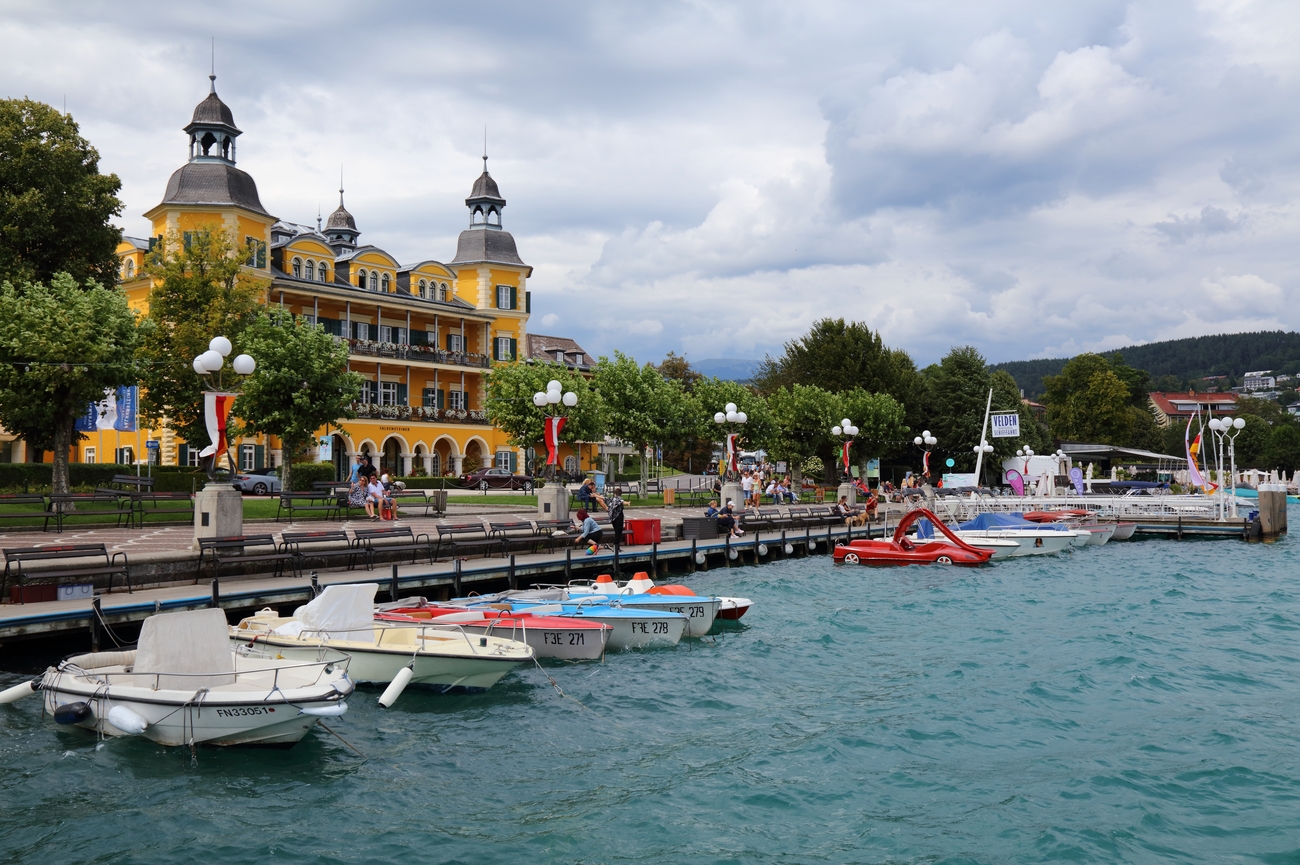
From the Keutschach Valley, it’s a smooth 20-minute drive west. Then the countryside hands things back to the lake in style. Velden arrives polished and unapologetically social, sitting at the western edge of Wörthersee like it knows it’s the evening favorite.
This former fishing village transformed into a lakeside resort town in the late 19th century, when rail connections and summer tourism put it firmly on the map. Since then, Velden has leaned into elegance without losing its sense of ease. The marina, promenades and lakeside villas reflect a long-standing relationship with leisure rather than a recent reinvention.
Velden Seepromenade
End the day where the lake does its best work.
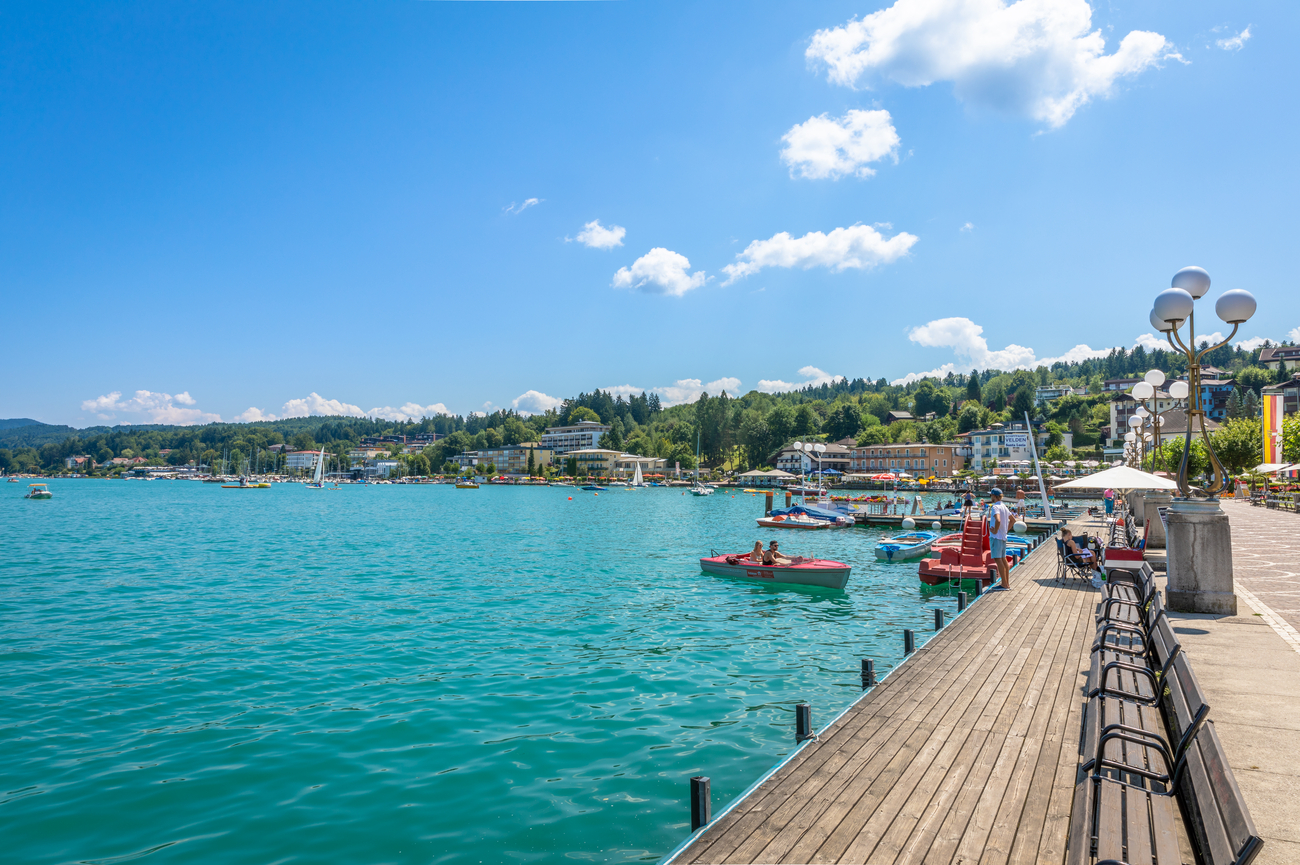
The Velden Seepromenade wraps the western edge of Wörthersee in calm, light and just enough elegance to feel like a proper send-off. By early evening, the marina settles, boats drift back into place and the water turns reflective rather than showy. This is Velden at its most composed. No agenda, no rush, just movement that follows the shoreline.
The promenade grew alongside Velden’s rise as a resort town in the late 19th century, when lakeside walking became part of the social ritual rather than a way to get somewhere. That legacy still holds. Benches face the water on purpose. Paths curve instead of cutting straight. The layout encourages slowing down, stretching the moment and letting the day land properly.
Day 2 -
Klagenfurt & Wörthersee Lake Region Tour Map
Day 3 -
Southern Carinthia Lakes
Morning: Lake Faak
Day three starts in a different shade of blue and it’s not subtle about it.
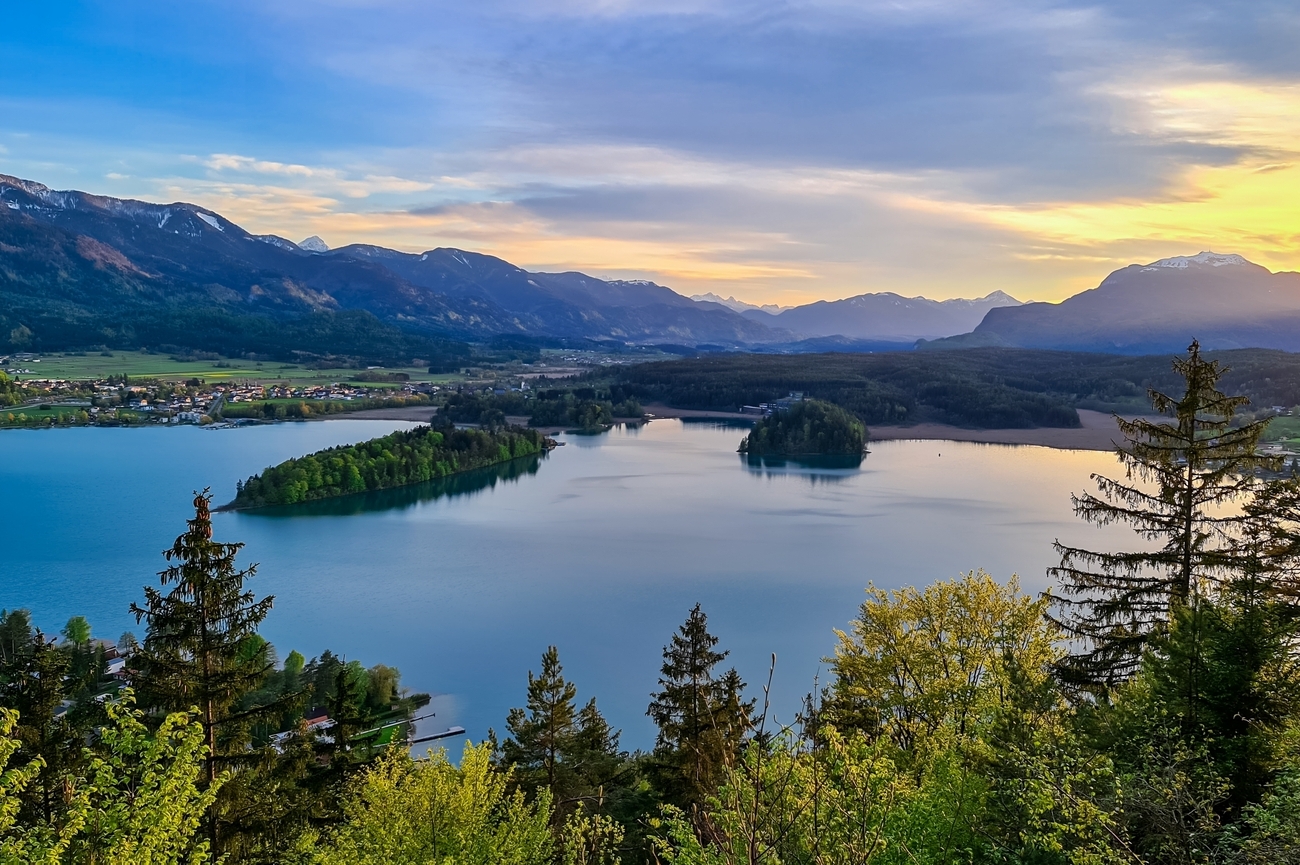
Faaker See, often called Lake Faak, is the kind of place that looks unreal even on low expectations. Tucked south of Villach, this alpine lake is famous for its naturally turquoise water, a result of fine limestone particles that catch the light just right. Unlike Wörthersee, Faaker See keeps a low profile. No grand promenades, no busy marinas. Just clear water, forested edges and views that feel intentionally uncluttered. Historically, the lake developed as a quiet retreat rather than a resort hub, which explains why it still feels protected.
Faak am
See
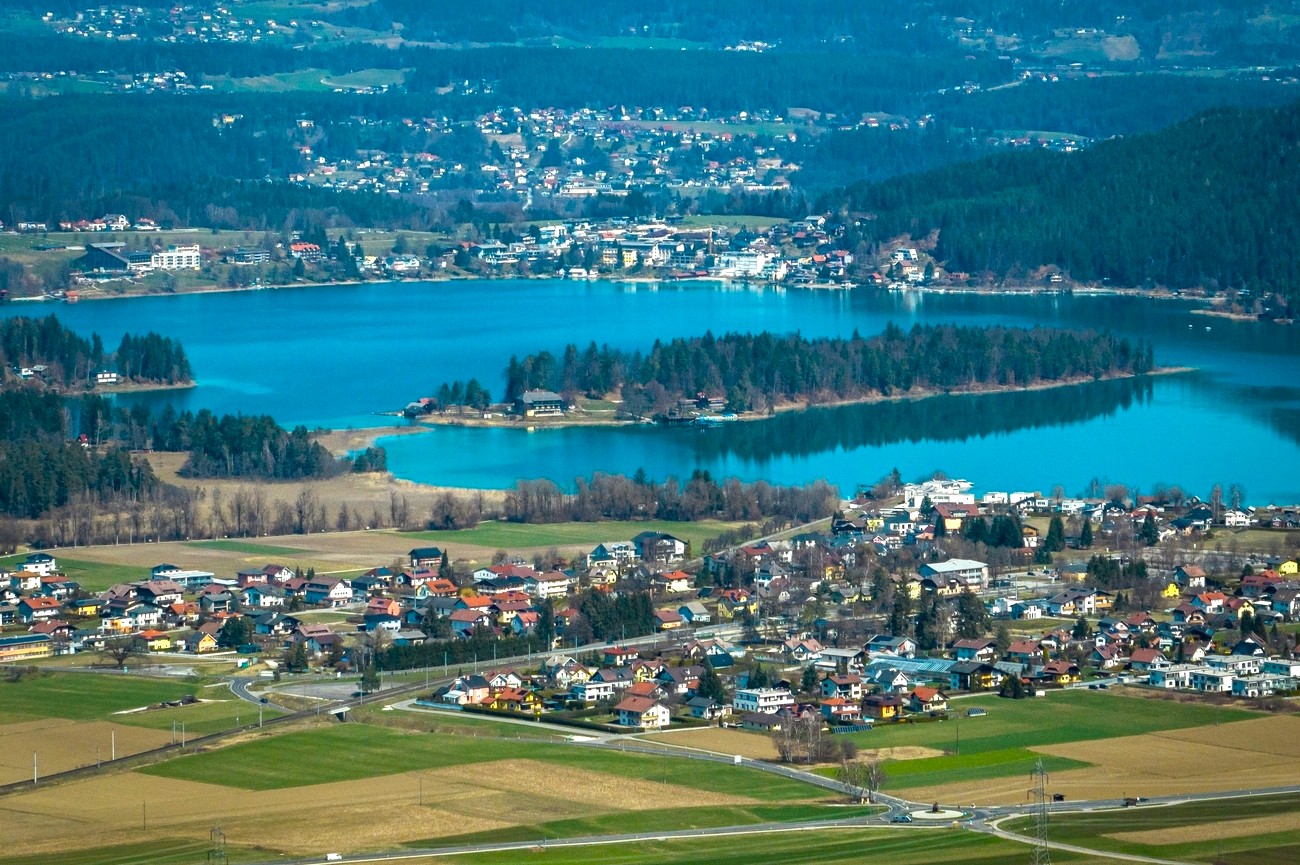
From the shoreline of Faaker See, it’s a short five-minute walk and the lake suddenly gains a village rhythm. Faak am See sits quietly on the eastern edge of the water, acting as the lake’s low-key anchor rather than its headline act. This small lakeside community grew alongside the lake as a seasonal retreat, shaped by agriculture and summer visitors. Faak am See feels intentionally unpolished. Paths hug the water, houses stay modest, and views open naturally toward the turquoise lake and the Karawanks beyond. It’s the kind of place that doesn’t interrupt the scenery. It supports it. Morning light moves easily through the area, making walks feel unhurried and observational rather than directional.
Taborhöhe
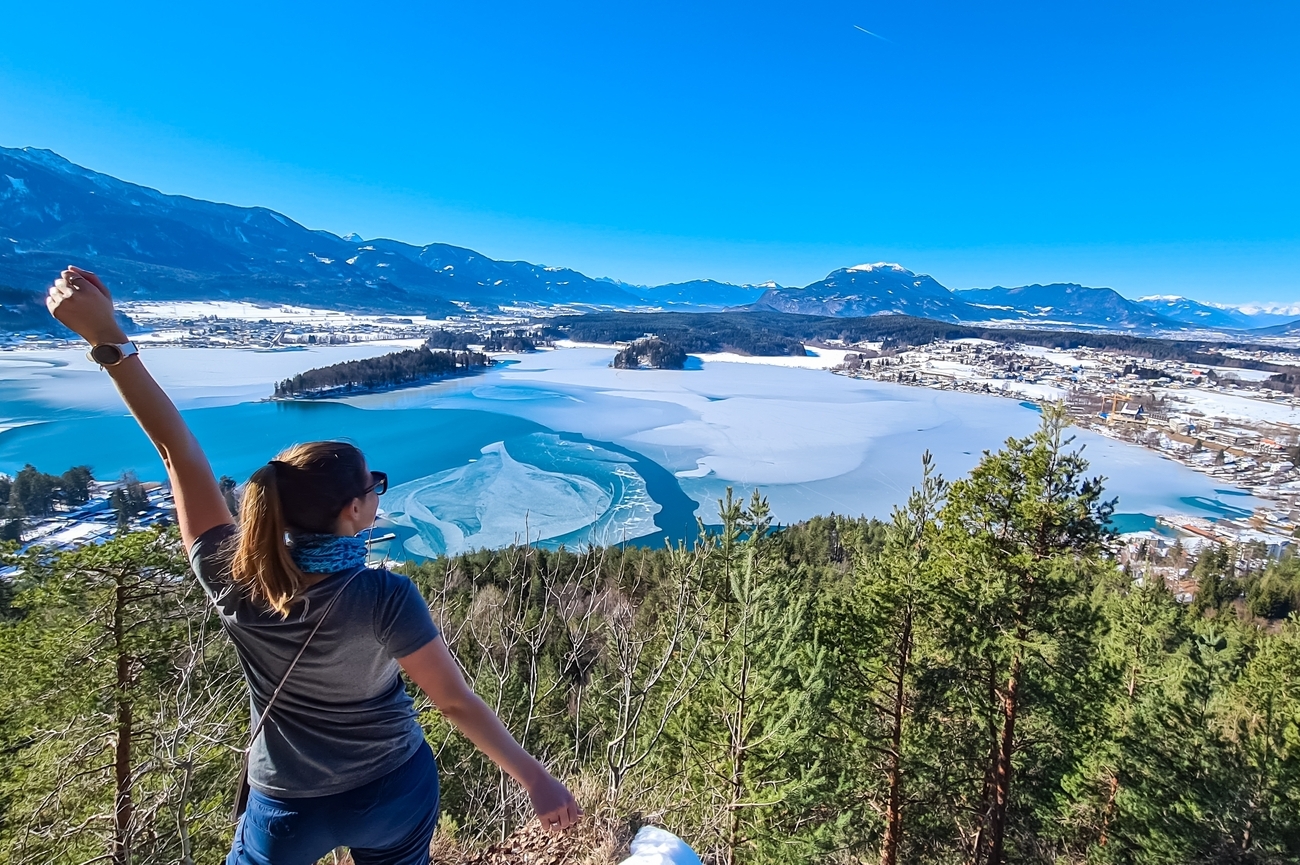
This is the moment when Faaker See stops being pretty and starts being impressive. Taborhöhe lifts you just high enough to see how unreal the color actually is and suddenly the lake below looks less like water and more like a statement. The climb up from Faak am See is short and clean and then the view opens fast.
Taborhöhe has always been about vantage. Long before it became a scenic stop, this hill was valued for seeing what was coming and what was already there. That role hasn’t changed much. The difference now is intention. Paths are easy, viewpoints are spaced out and nothing competes with the landscape. It’s not a place that asks for energy. It rewards attention.
Afternoon:
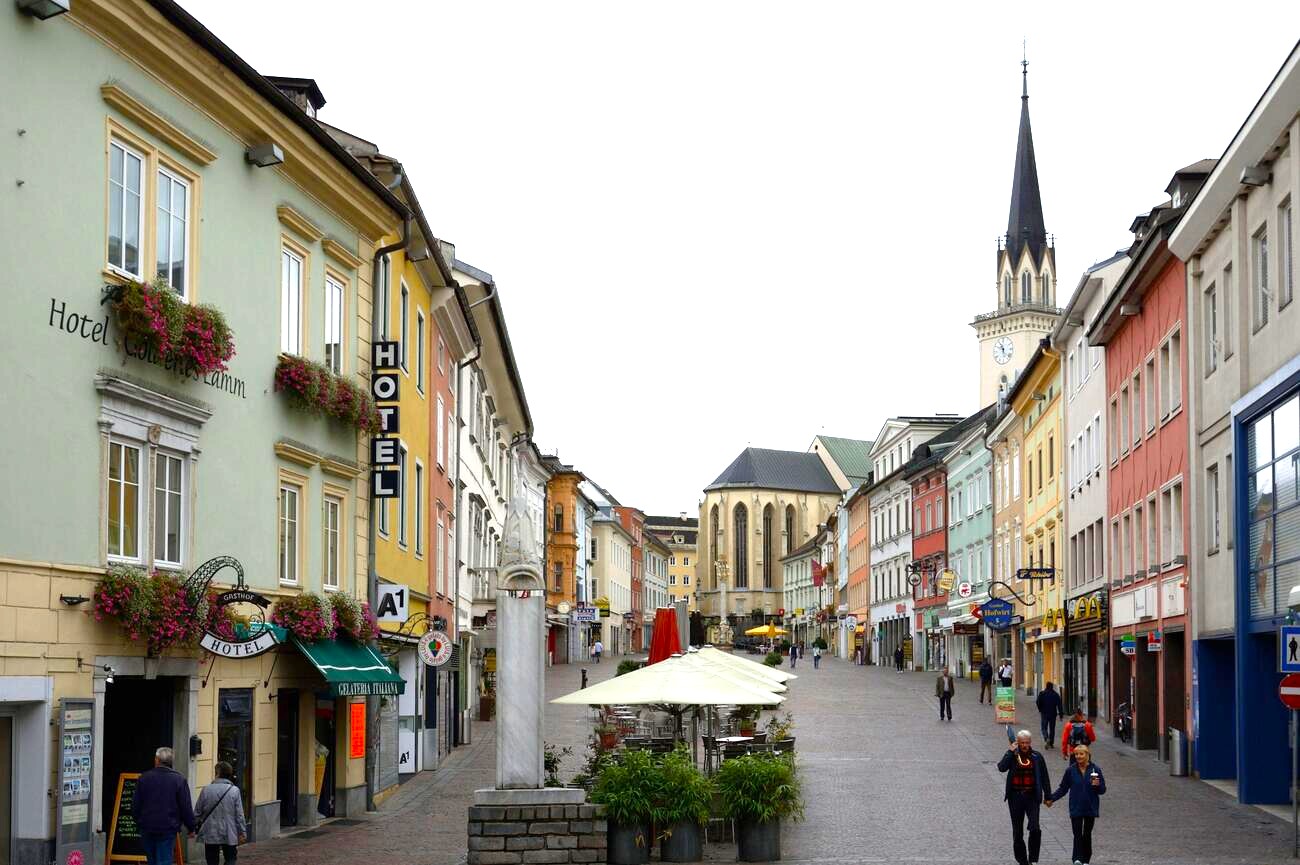
Villach Old Town
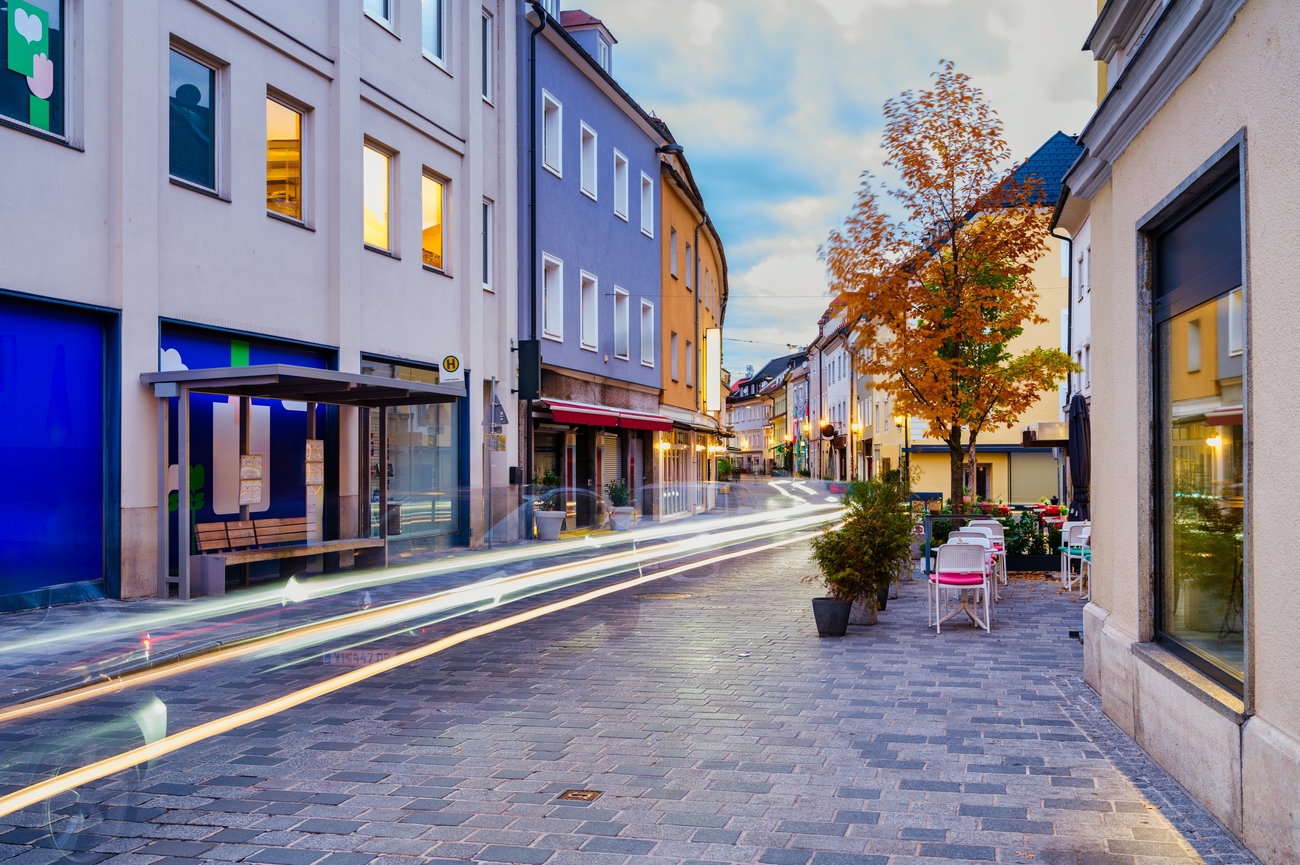
Old Town lands with an easy, southern energy that feels closer to Italy than expected. Arcaded streets, pastel facades and open squares give the center a relaxed confidence, shaped by centuries of trade along the Drava River.
Historically, Villach was a key trading hub linking Carinthia to Italy and the Balkans and that cross-border role still shows. The layout favors flow over formality. Streets open naturally into squares, river views appear without warning and everything feels scaled for people rather than spectacle. The city has rebuilt itself more than once after fires and earthquakes, which explains the clean lines and slightly modern feel layered over its historic core. It’s heritage with breathing room.
Stadthauptpfarrkirche St. Jakob
Two minutes on foot from the Villach Old Town, through arcaded streets, before the church tower starts quietly stealing the skyline. No dramatic approach, no grand reveal. It just appears, taller than expected, right at the center of daily city movement. This is the natural next stop, easy to reach and impossible to ignore.
First mentioned in the 12th century, the church was rebuilt multiple times after fires and earthquakes, which explains its layered character. Gothic foundations define the structure, while later Baroque elements softened and refined the interior. It has always functioned as the city’s main parish church, tying civic life and spiritual life together in one place. The architecture reflects continuity rather than perfection.
Drava Riverside
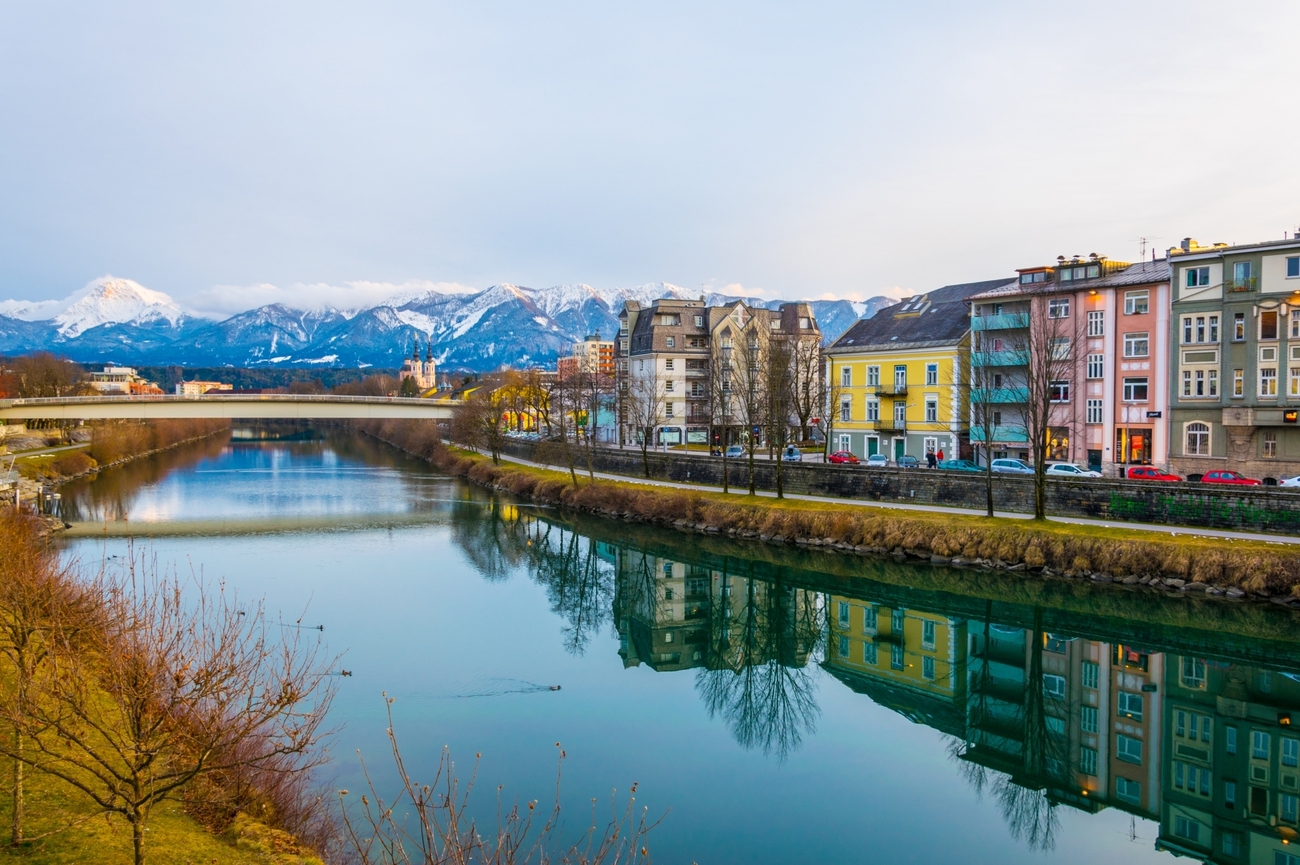
It’s a short three–to five-minute walk downhill and the city suddenly loosens its collar. The promenade runs parallel to the old town, making it an easy continuation rather than a detour. This is where Villach shifts from architectural to atmospheric.
The Drava River has shaped Villach long before tourism did. As a major Alpine waterway, it supported trade, transport and settlement, turning the city into a strategic hub between north and south. Over time, its banks evolved from working river edges into public space, giving Villach a softer, more livable center. Today’s promenade reflects that balance. Clean lines, open paths and green pockets frame the river without overpowering it.
Villach
Hauptplatz
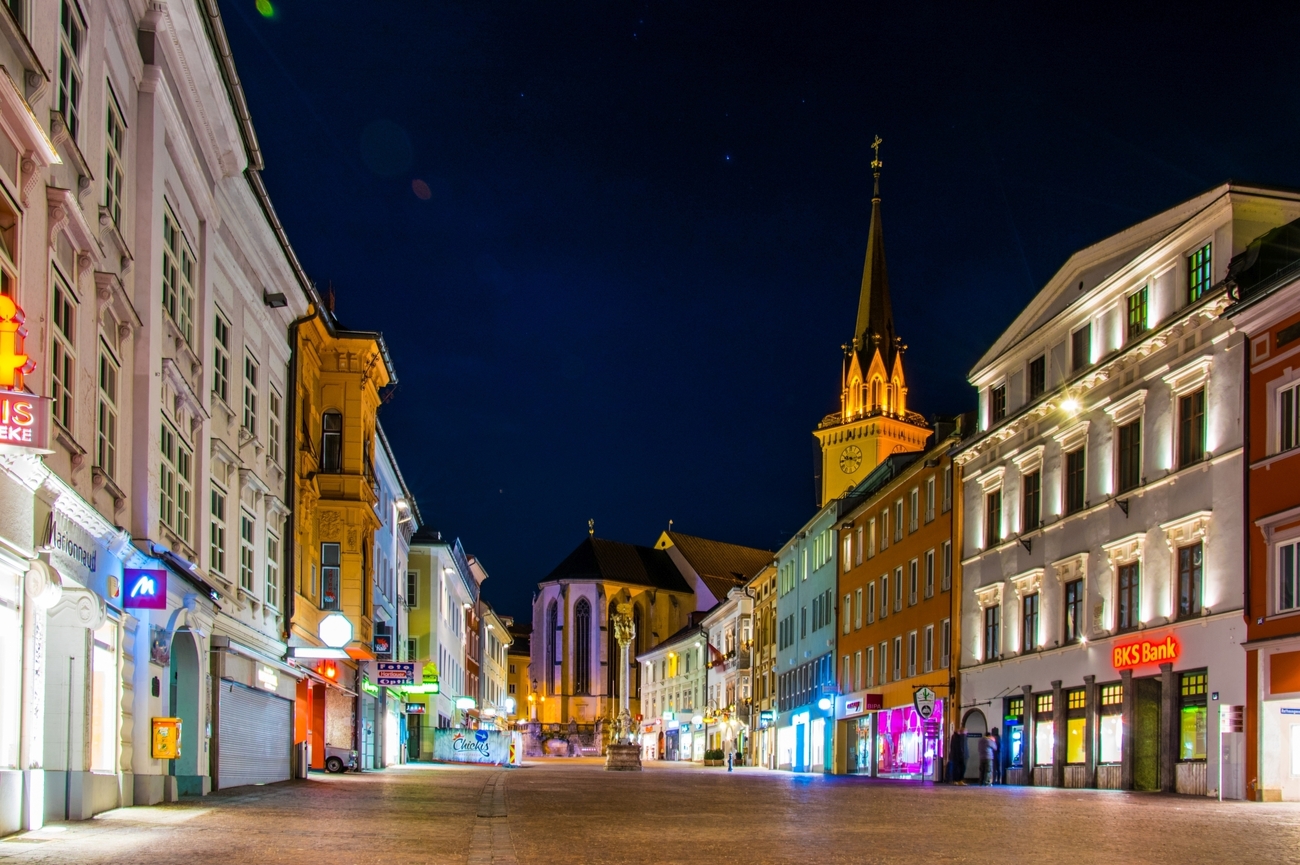
From the Drava Riverside Promenade, it’s an easy 5-minute walk back toward the old town, following streets that gradually tighten and get livelier.
Hauptplatz is the city’s social reset button. Not rushed, not sleepy, just right in the middle of things. People pass through naturally, conversations overlap and the square does what good squares are supposed to do. It holds the city together.
This has long been Villach’s civic heart, shaped by medieval trade and later refined through Renaissance and Baroque rebuilds after repeated fires. The pastel townhouses lining the square reflect the city’s Italian-facing history, a reminder that Villach has always looked south as much as north. Unlike grand ceremonial squares, this one feels lived-in. Markets, gatherings and everyday movement have always taken precedence over monumentality.
Evening: Warmbad Villach
This is where the itinerary goes into recovery mode.
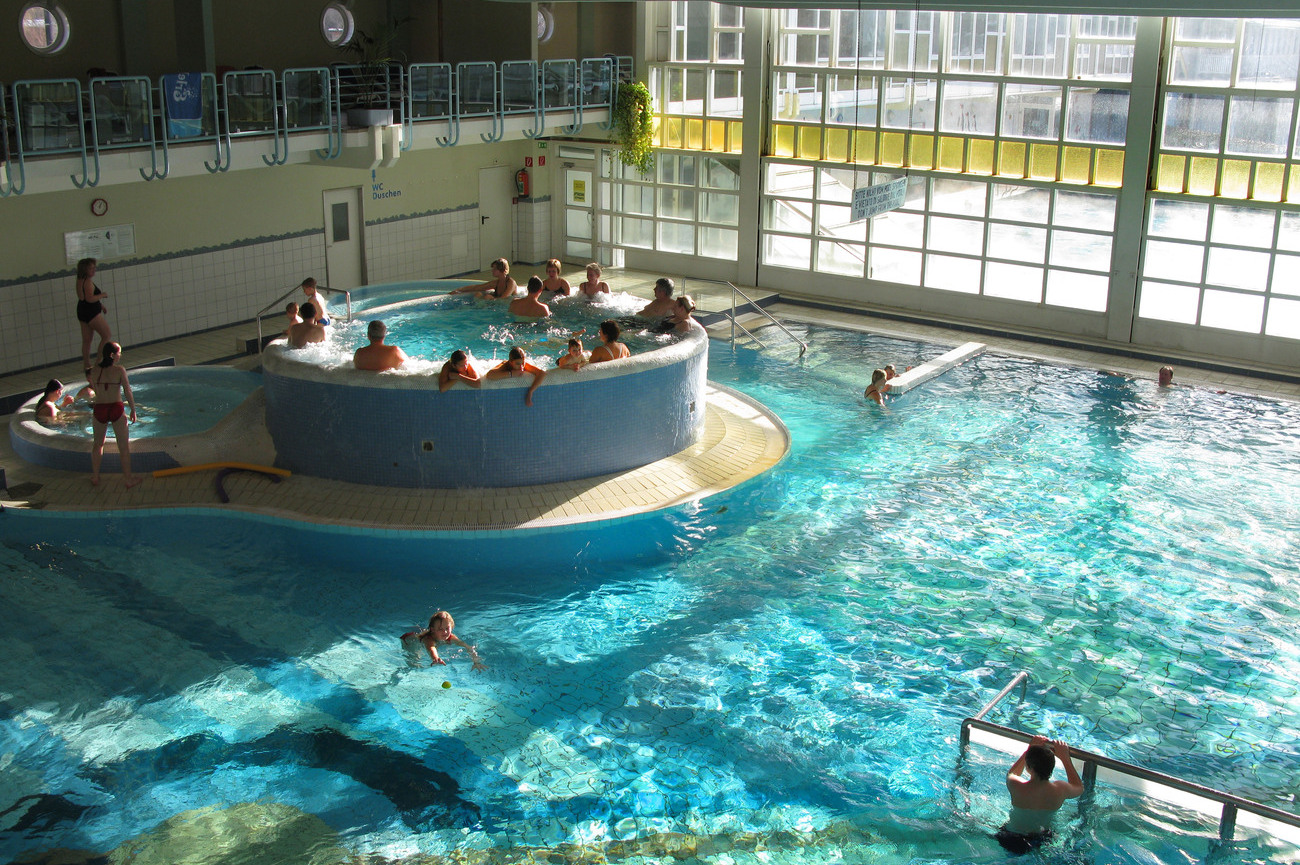
Warmbad Villach quietly lowers the volume and lets the body catch up. Tucked at the southern edge of Villach, this spa district has been doing the wellness thing since Roman times, long before it became a trend. Natural thermal springs shaped the area into Austria’s oldest spa landscape, and that legacy still runs deep. Forested paths, open lawns and a steady sense of calm replace the city buzz without cutting it off completely.
The warm springs emerge at a steady temperature year-round, shaping the area into Austria’s oldest continuously used spa landscape. Over centuries, the district developed around wellness, greenery and balance rather than grand architecture or spectacle.
Warmbad sits right at the foothills of the Dobratsch massif, which means forest air, wide lawns, and a natural sense of enclosure. Historically, this location mattered. Being close to the mountains protected the springs and created a calm microclimate that made long stays possible. Bathhouses, spa parks and walking paths were designed to integrate with the landscape, not override it. Even today, the area feels intentionally low-rise and open, letting nature stay in control.
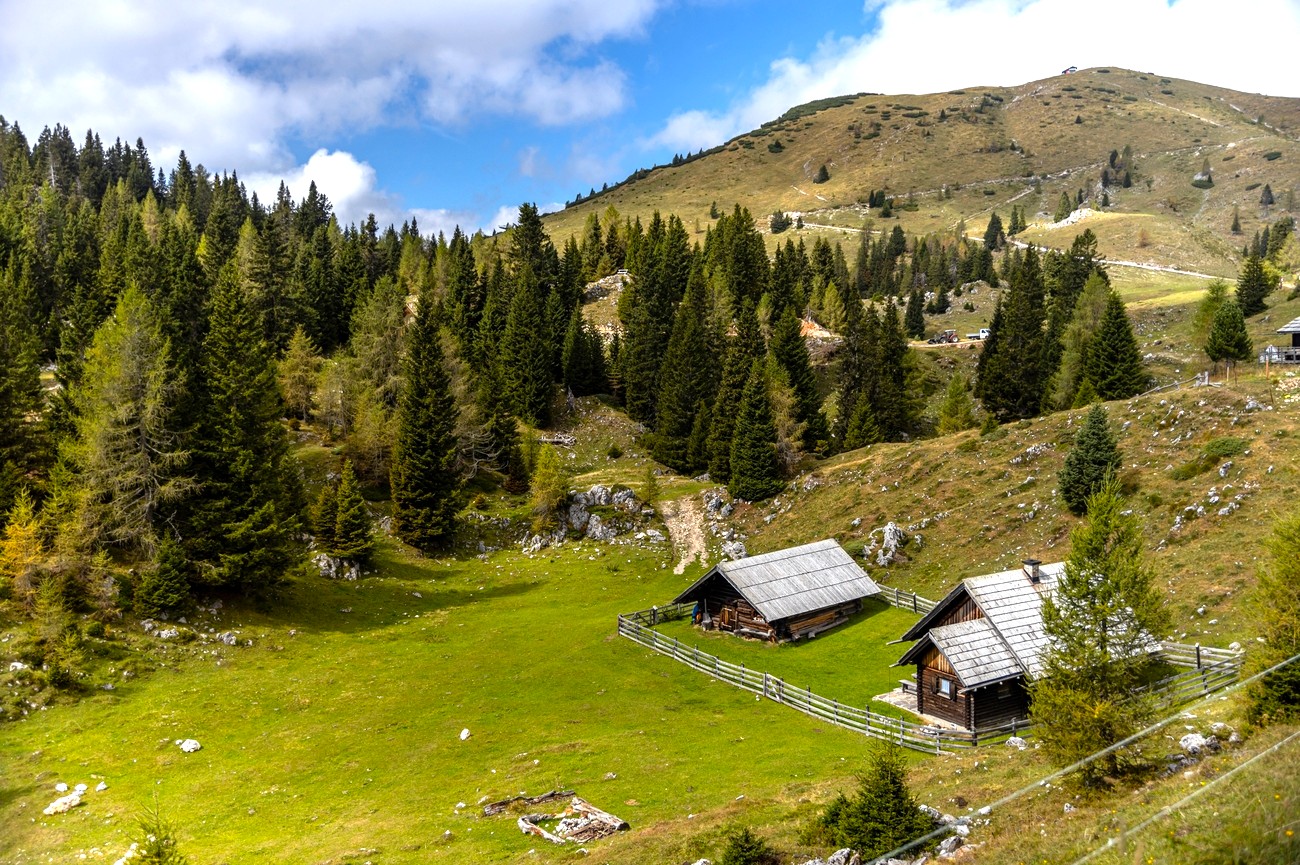
Naturpark Dobratsch
End the day on a high note. Literally. Naturpark Dobratsch is where the energy lifts again, but in a calm, cinematic way.
Lakes, valleys and towns sit quietly below, while the Julian Alps stretch out in the distance like they’ve been waiting for sunset. Once used for alpine pasture and later protected as one of Austria’s oldest nature parks, it represents Carinthia’s commitment to keeping wild spaces intact. No cable cars cutting through the skyline, no overbuilt infrastructure. Just alpine roads, walking paths, and viewpoints that respect the terrain. The mountain also played a role in observation and protection, watching over the valley long before it became a place to admire it.
Day 3 -
Southern Carinthia Lakes Tour Map
Day 4 -
Central & Northern Carinthia Lakes
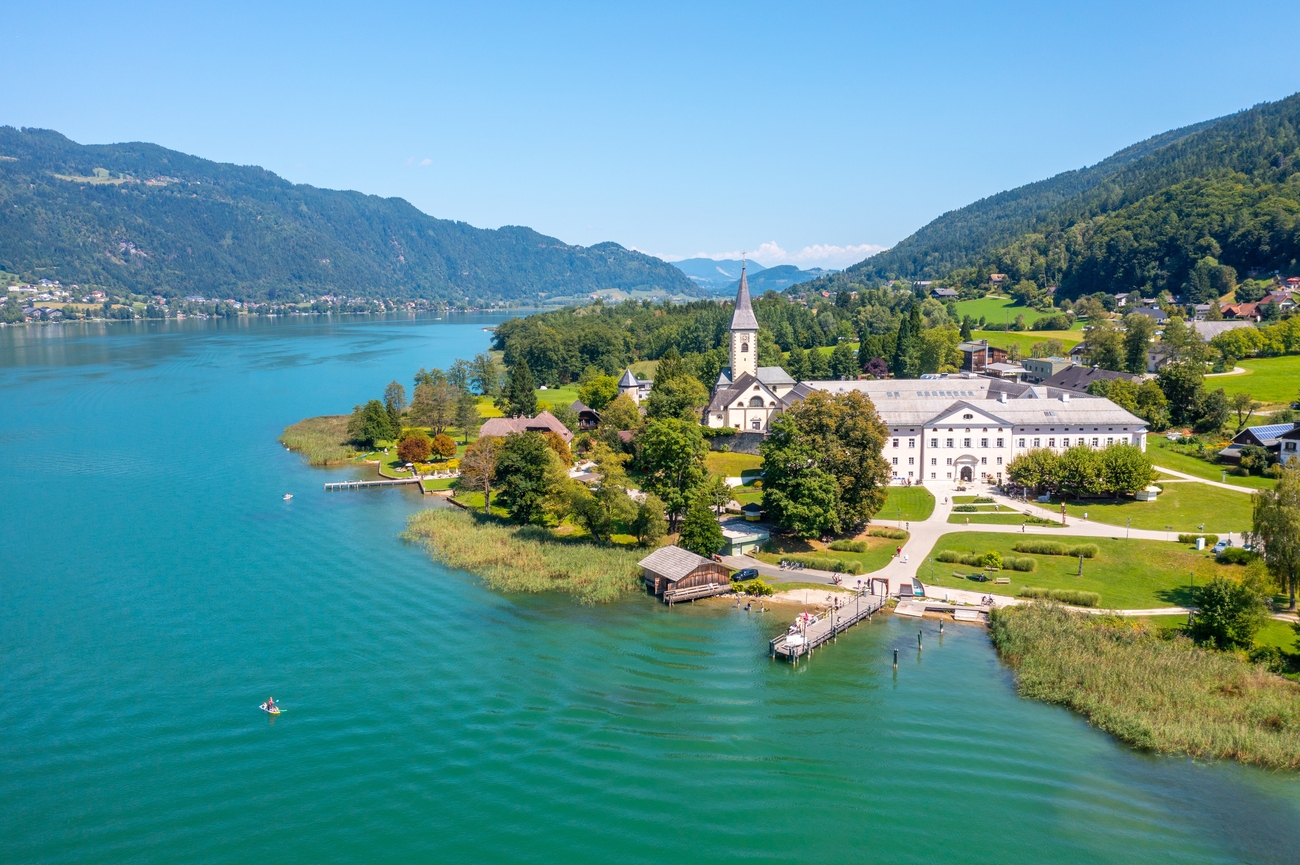
Morning: Lake Ossiach
Day four wakes up softer and a little more soulful. Lake Ossiach doesn’t do dramatic entrances or flashy colors. It leans into calm, reflection, and a sense of depth that feels earned.
What sets Lake Ossiach apart is its atmosphere. Morning light moves slowly across the lake, and the surroundings feel contemplative rather than performative. This has always been a place tied to rhythm. Monastic routines, seasonal farming and later cultural gatherings shaped the area without overwhelming it. Even today, the lake carries that sense of balance. It invites slower movement and attention to small details like reflections, bell sounds drifting from afar and the way the hills hold the shoreline.
Early morning visits offer still water and near silence, creating an experience that feels private without being exclusive. It’s a calm, thoughtful way to begin the final day.
Pfarramt Ossiach
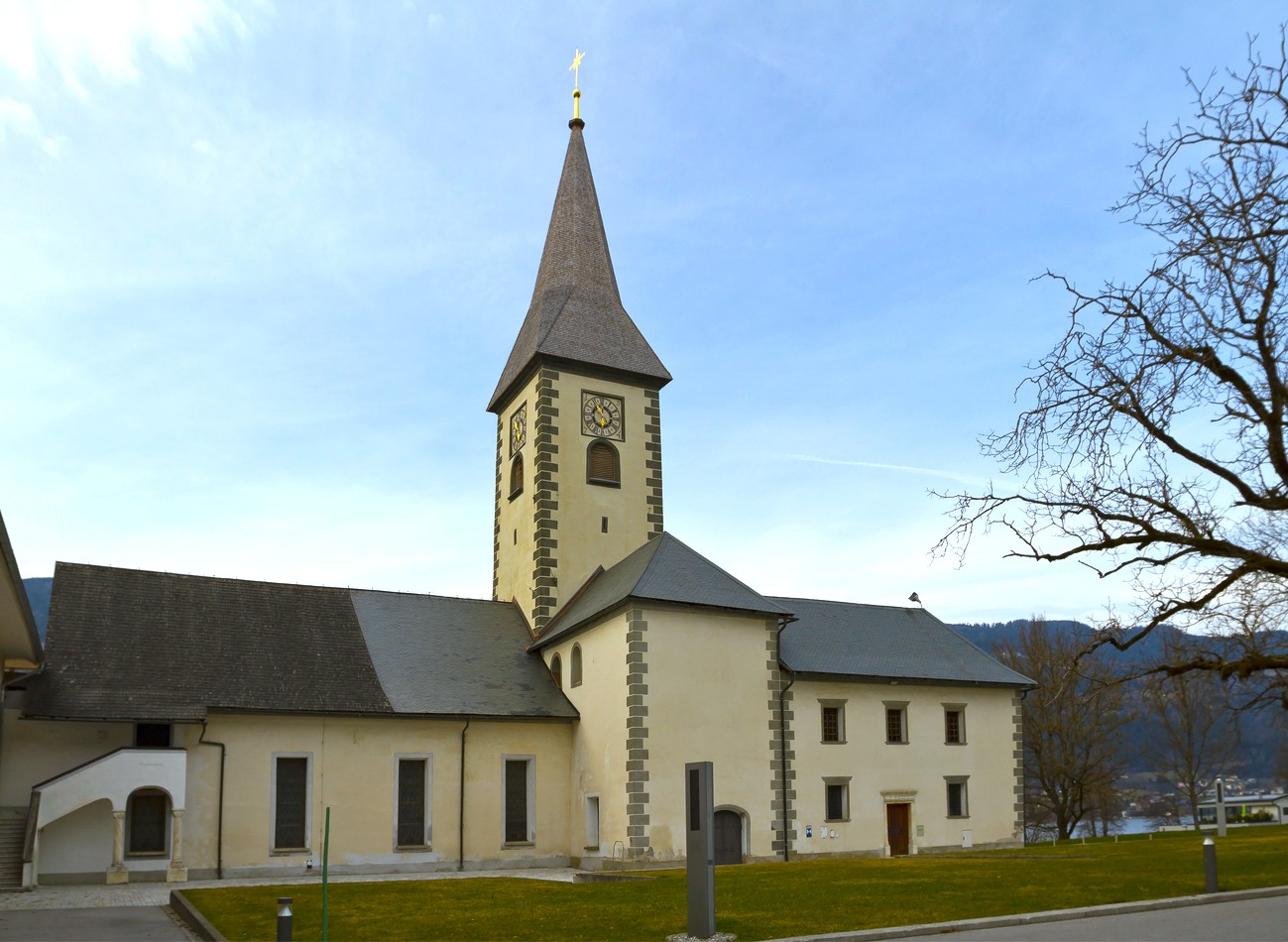
Two minutes. That’s all it takes for the lake to hand the mic to history. Step away from Ossiacher See and the energy pivots from reflective to rooted.
This parish complex has quietly held the structure together for centuries, working in close orbit with the former Benedictine abbey nearby. Pfarramt Ossiach is a place that existed to keep things running when no one was watching.
Pfarramt Ossiach emerged alongside of the Benedictine monastery founded in the 11th century, when Ossiach became one of Carinthia’s most important monastic centers. The parish office supported the abbey’s religious and administrative functions, overseeing parish life around the lake, maintaining records and anchoring community rituals. While the abbey itself became a symbol of scholarship and spiritual authority, the Pfarramt represented continuity and order. It was the connective tissue between monastic life and the surrounding villages. This is where the everyday side of faith lives. While monks prayed and studied, the Pfarramt handled the rhythms of real life. Baptisms, marriages, seasonal rites and the quiet logistics that held the community together.
Afternoon: Millstätter See
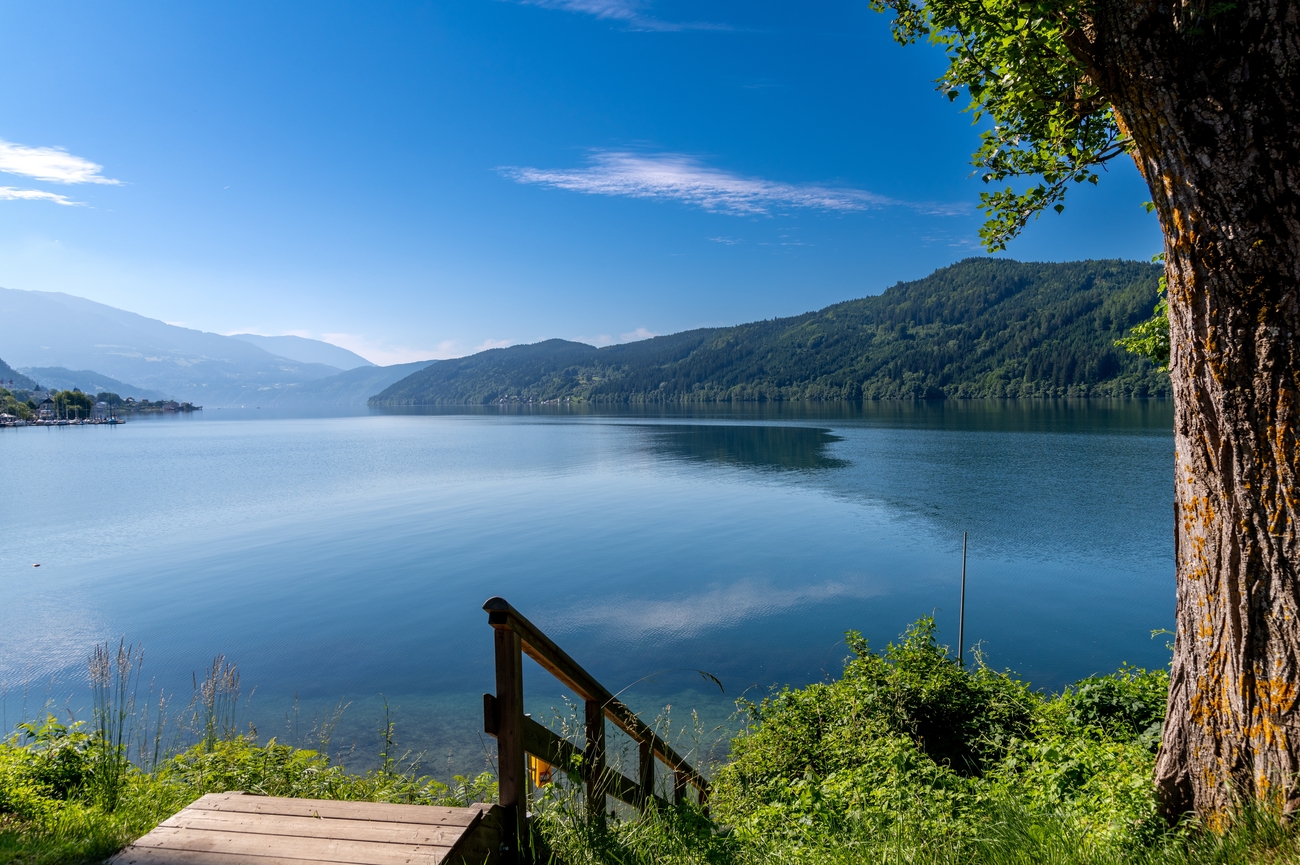
About an hour’s drive north from Ossiacher See and the landscape quietly levels up. Forested hills stretch wider, roads smooth out and then Millstätter See appears like it’s been waiting. Long, deep, and unbothered. This is one of Carinthia’s largest and deepest lakes.
Millstätter See has always been a place for thinkers rather than thrill-seekers. Benedictine monks settled along its shores as early as the 11th century, shaping the area into a center of learning and order. That monastic influence set the tone for everything that followed. Villages grew slowly, architecture stayed measured and the lake avoided overdevelopment. Writers, scholars and long-stay travelers followed, drawn to the calm rather than the spectacle. The result is a lake with gravity. Refined, restrained and deeply self-possessed.
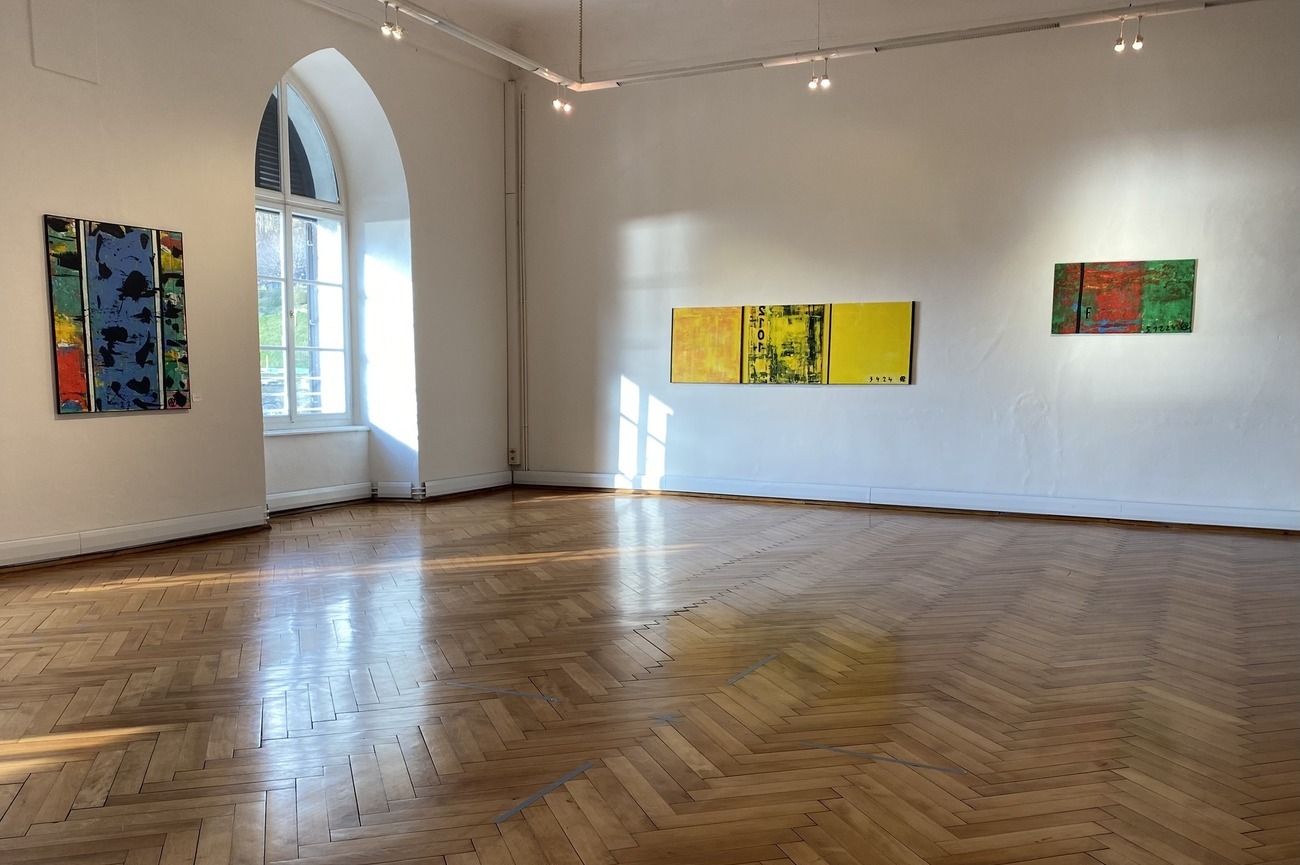
ART SPACE Stift Millstatt
From the lakeshore, it’s a two-minute walk into the abbey grounds and suddenly the timeline bends. One step, you’re still in monastic calm, the next you’re face-to-face with contemporary ideas. ART SPACE Stift Millstatt sits inside the former Benedictine abbey and that contrast is the whole point.
The space itself is intentionally flexible. Spanning more than 250 square meters across four adaptable rooms, ART SPACE is designed to move with the work rather than box it in. Four to five thematically focused exhibitions anchor the year, while works by affiliated artists are constantly reshuffled into new constellations. Video art takes center stage in the Black Box, where time-based pieces demand patience and presence. Photography unfolds through curated trajectory lines, encouraging viewers to follow ideas instead of isolated images. The experience feels curated but alive.
Interdisciplinary discussions, artist talks and conceptual framing invite deeper engagement with the work and the space it occupies. Regional cultural itineraries increasingly include it as a counterweight to the abbey’s spiritual history, showing how creativity continues to evolve within sacred walls. The luxury here is intimacy. Smaller rooms, fewer distractions and enough quiet to actually absorb what’s happening.
Klingerpark
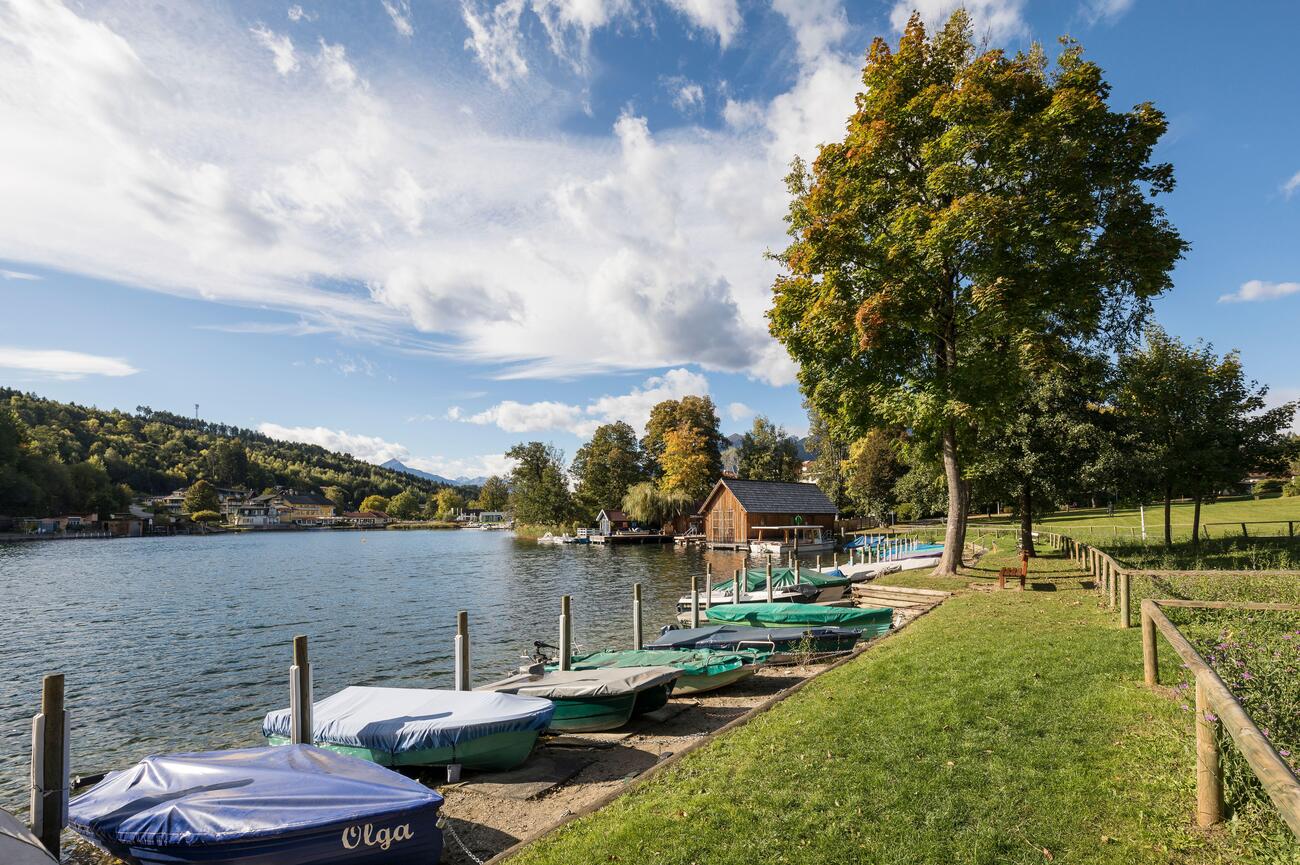
This is the pause button the day didn’t know it needed. Klingerpark sits quietly on the edge of Millstätter See, offering open space, lake air, and a moment to let everything slow down. After monasteries, art spaces, and layered history, this park doesn’t ask for interpretation. It just lets the lake do the talking.
The park is named after Max Klinger, the Symbolist artist who spent time in Millstatt and helped shape the area’s cultural reputation in the late 19th century. During that period, Millstatt became a magnet for artists and intellectuals drawn to the lake’s depth and calm. Klingerpark reflects that mindset. It wasn’t designed for spectacle or ceremony. It was designed for reflection, conversation and long pauses by the water.
Evening:
Alexanderhof Viewpoint
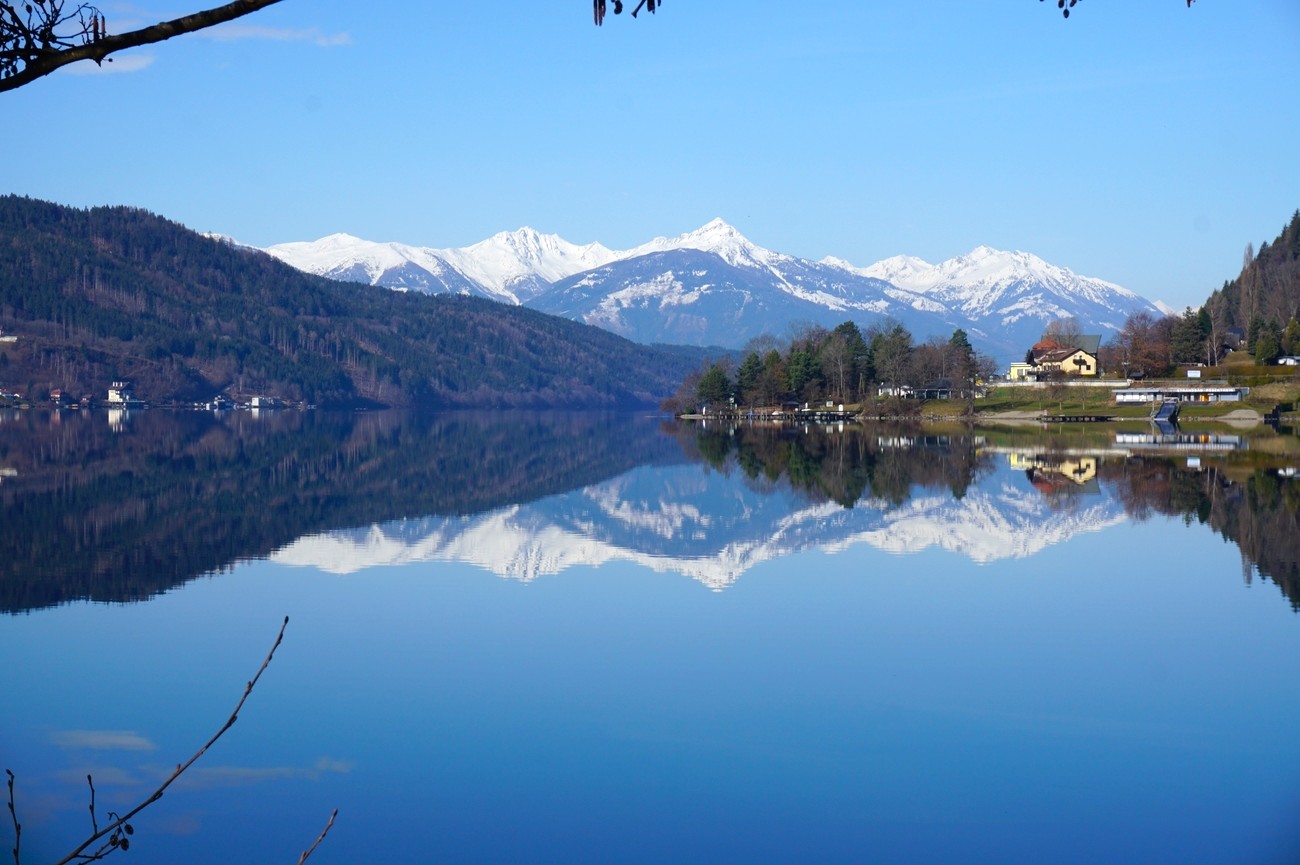
Alexanderhof Viewpoint lifts you just high enough above Millstätter See for everything to click into place. As evening settles in, the water darkens to a deep gloss, villages soften into outlines and the entire scene feels deliberately composed rather than accidental. The viewpoint has long been appreciated for its natural position rather than any built spectacle. Elevated vantage points like this once helped locals orient themselves around the lake and surrounding terrain. Today, that same elevation offers perspective rather than practicality. From up here, it’s easy to understand the lake’s scale, the careful spacing of settlements and why Millstatt developed with restraint rather than excess. The view doesn’t overwhelm. It clarifies.
Millstätter Alpe
This is where the journey signs off above everything else.
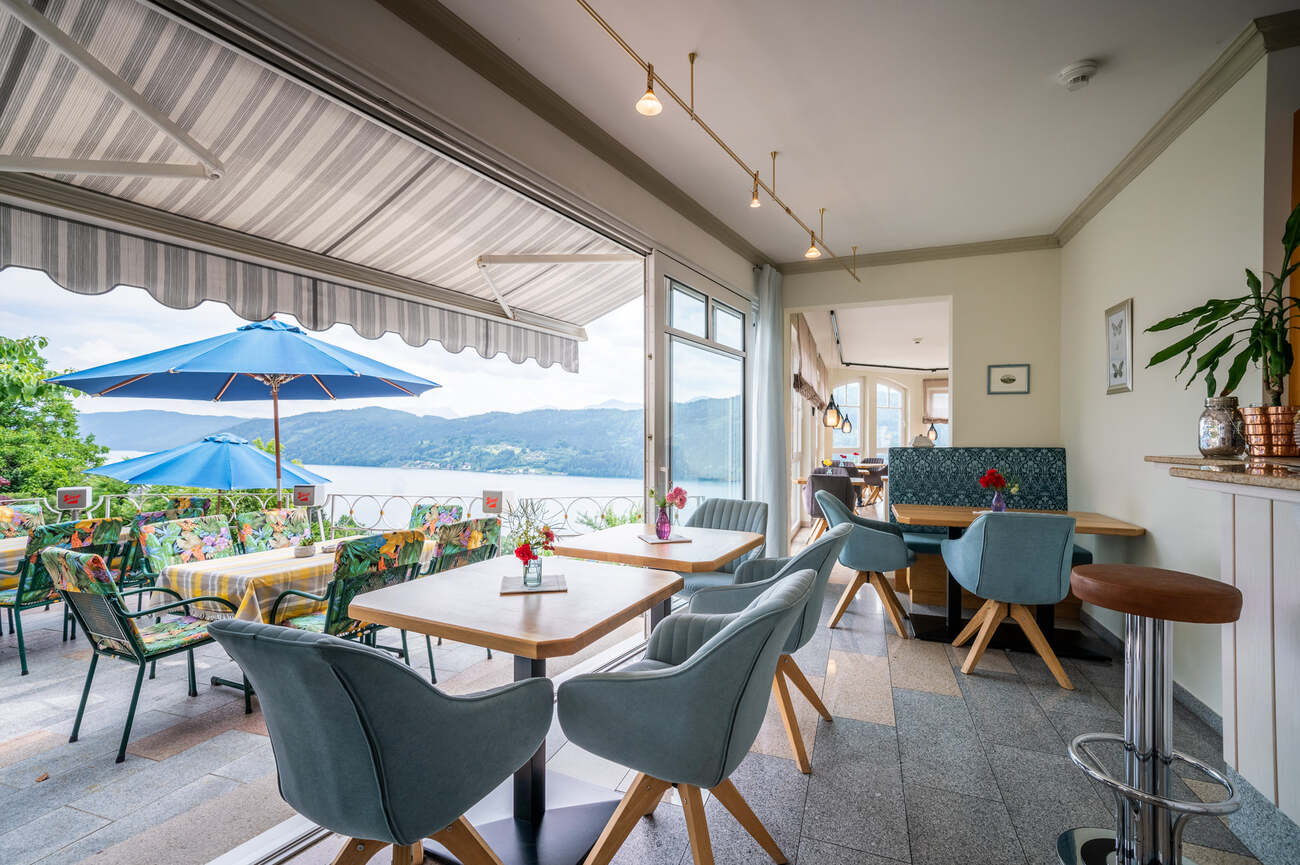
Millstätter Alpe rises gently behind Millstatt, trading lake reflections for wide alpine quiet. Up here, the world opens out. Meadows roll, peaks line the horizon and the air feels cooler and calmer, like the day has finally settled into its last sentence.
This has always been about balance rather than conquest. That pastoral legacy still defines the landscape today. No aggressive development, no skyline clutter. Just high ground that respects its surroundings. The panoramic road leading across the plateau was designed to reveal views gradually, letting the scenery unfold with intention.
Ending the tour here makes sense. Evening light stretches longer at altitude, shadows soften, and the lake below becomes a distant memory rather than the focus. Just a final look out, a quiet pause and a sense that the route ended exactly where it should have.
Day 4 -
Central & Northern Carinthia Lakes Tour Map
Other Things to Do in Klagenfurt & Carinthia Lakes
Klagenfurt and the Carinthia Lakes don’t reveal their best moments on a tight schedule. This is a region that rewards curiosity, timing, and a willingness to go slightly off-script. Between the headline lakes and historic towns are quieter places where the pace softens, the views open up, and the experience starts to feel personal rather than packaged. These are the spots that turn a good itinerary into a memorable one.
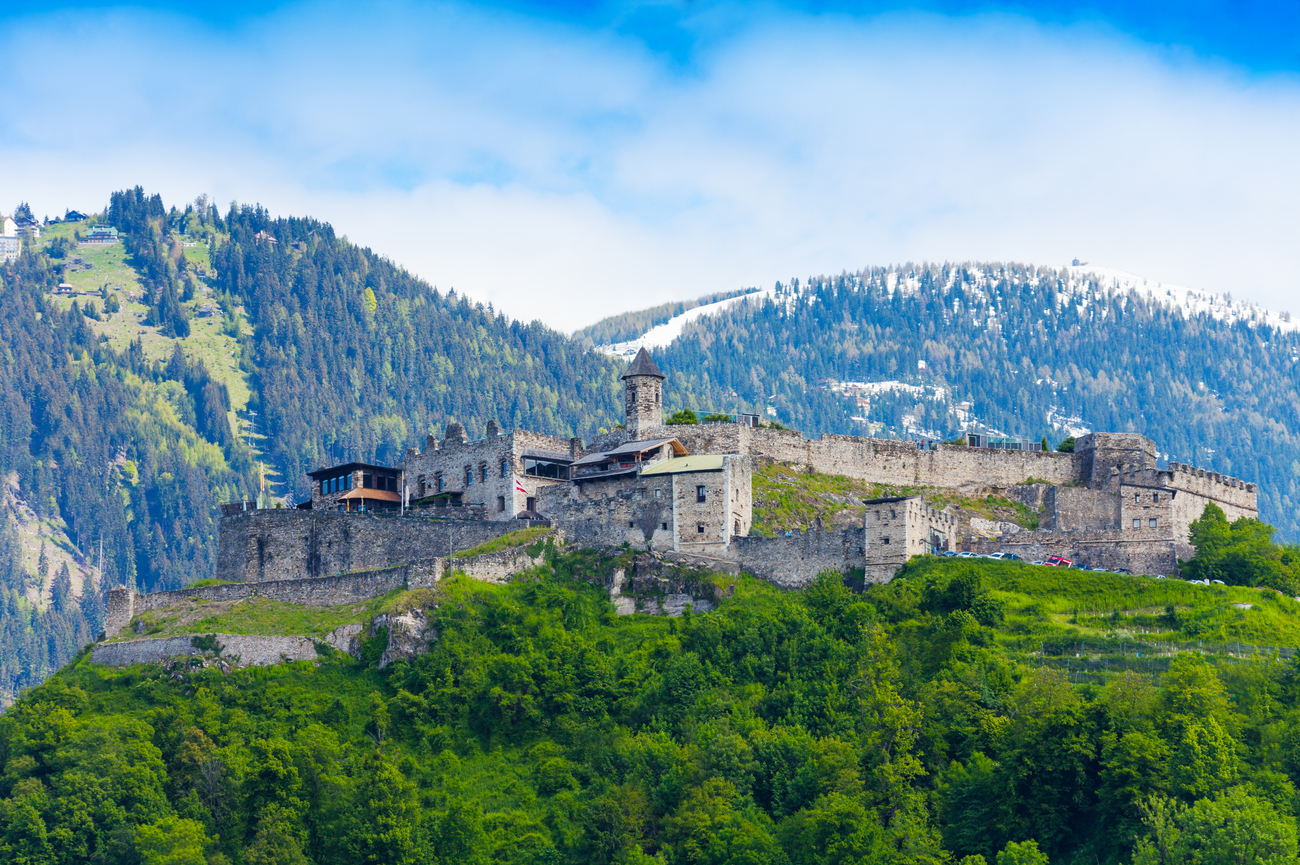
- Landskron Castle: Landskron Castle adds medieval authority to the Villach skyline. Perched above the city, its ruins once controlled trade routes and valley movement, and that strategic logic still makes sense when looking out from its walls. The castle isn’t about interiors or long visits. It’s about placement. Elevated itineraries use Landskron as a visual anchor.
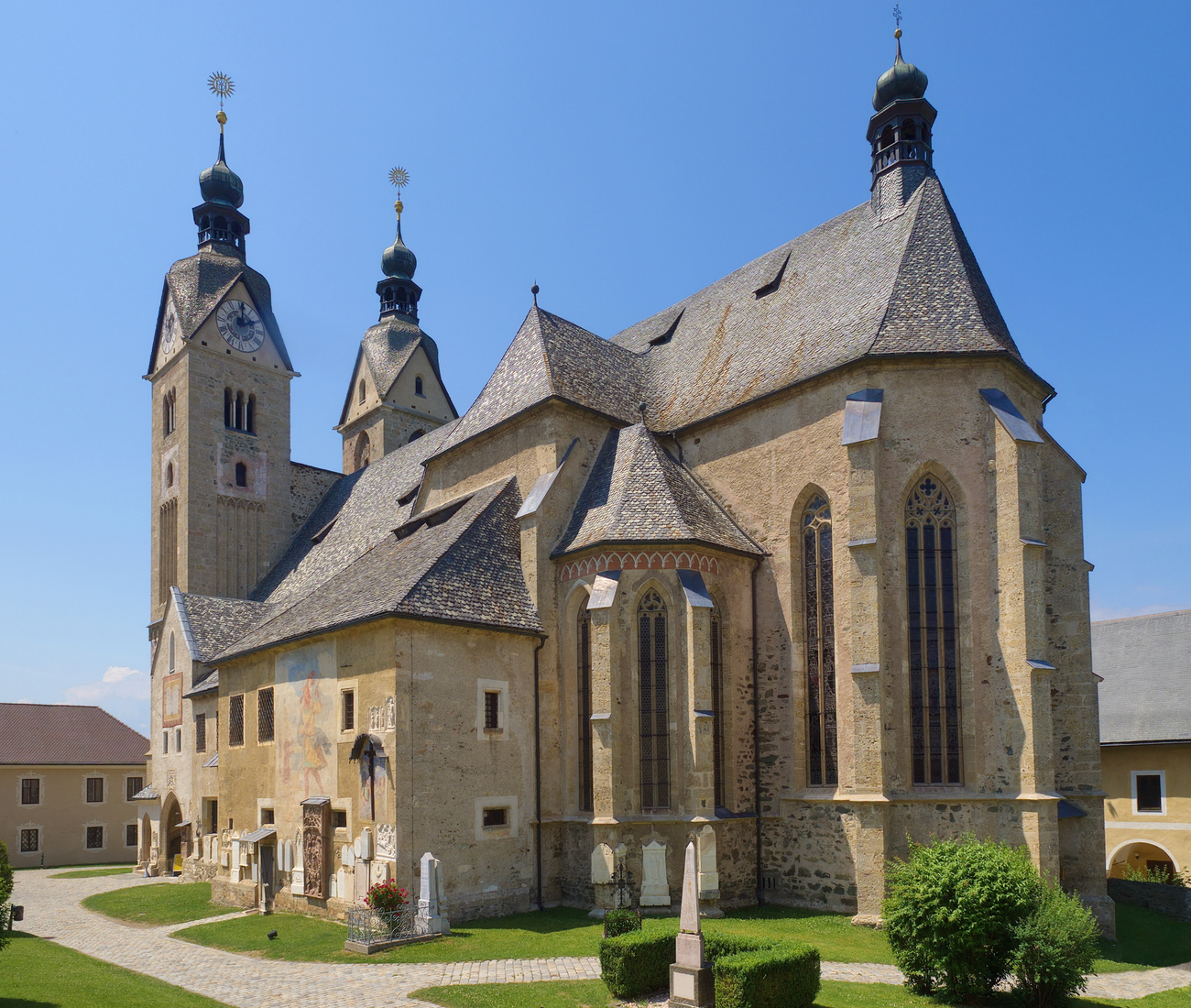
- Dom-und Wallfahrtskirche Maria Himmelfahrt (also known as Maria Saal Cathedral, “Maria Saaler Dom”, or simply the Marienkirche): Maria Saal is one of the most important early Christian sites in Austria. Built on ground associated with the Christianization of Carinthia in the 8th century, the church marks the region’s spiritual and political beginnings. This church functioned not only as a religious center but also as a symbol of authority and continuity.
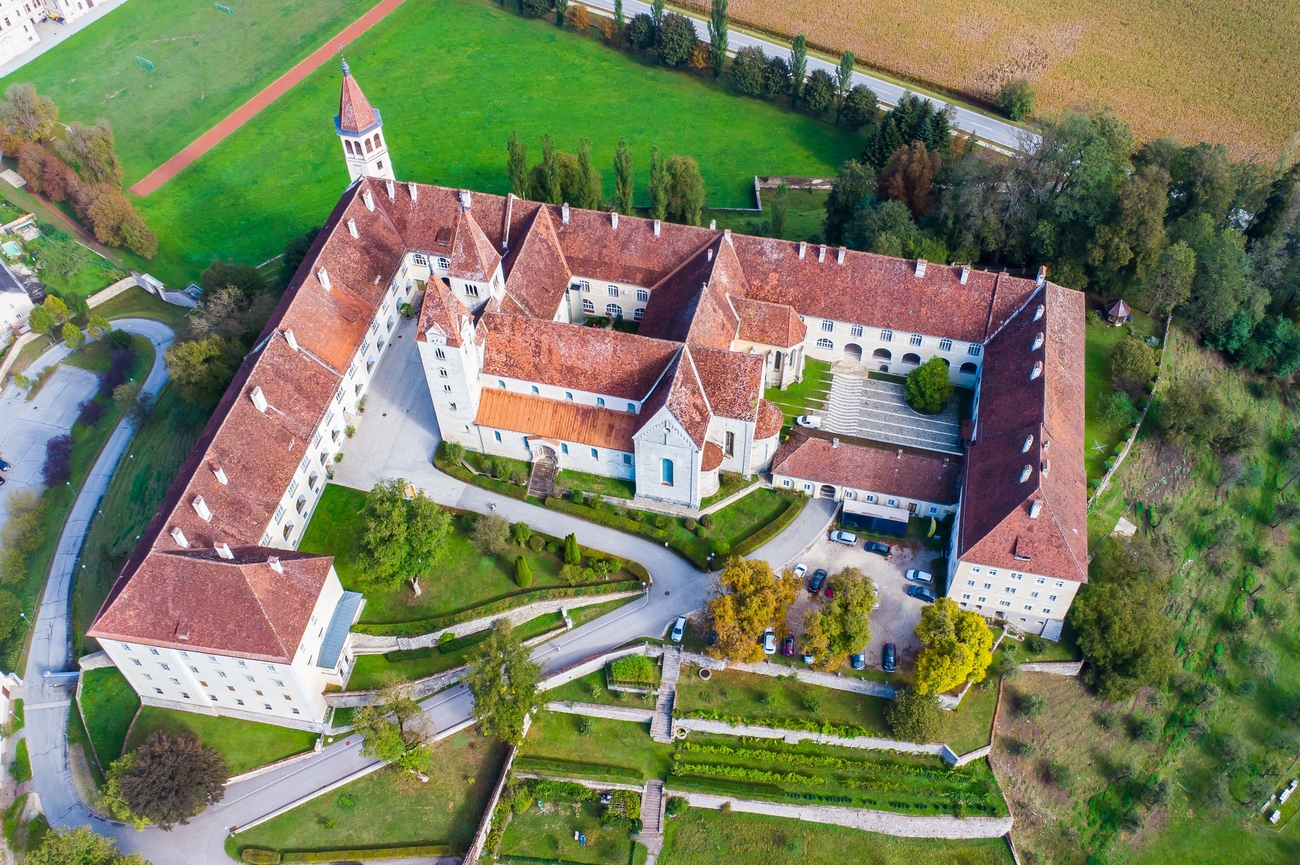
- Benediktinerstift St. Paul: Founded in 1091, St. Paul im Lavanttal became one of the most influential Benedictine monasteries in southern Austria. Beyond its religious role, the abbey developed into a center of learning, art and manuscript preservation, housing an exceptional collection of medieval texts, paintings, and liturgical objects.
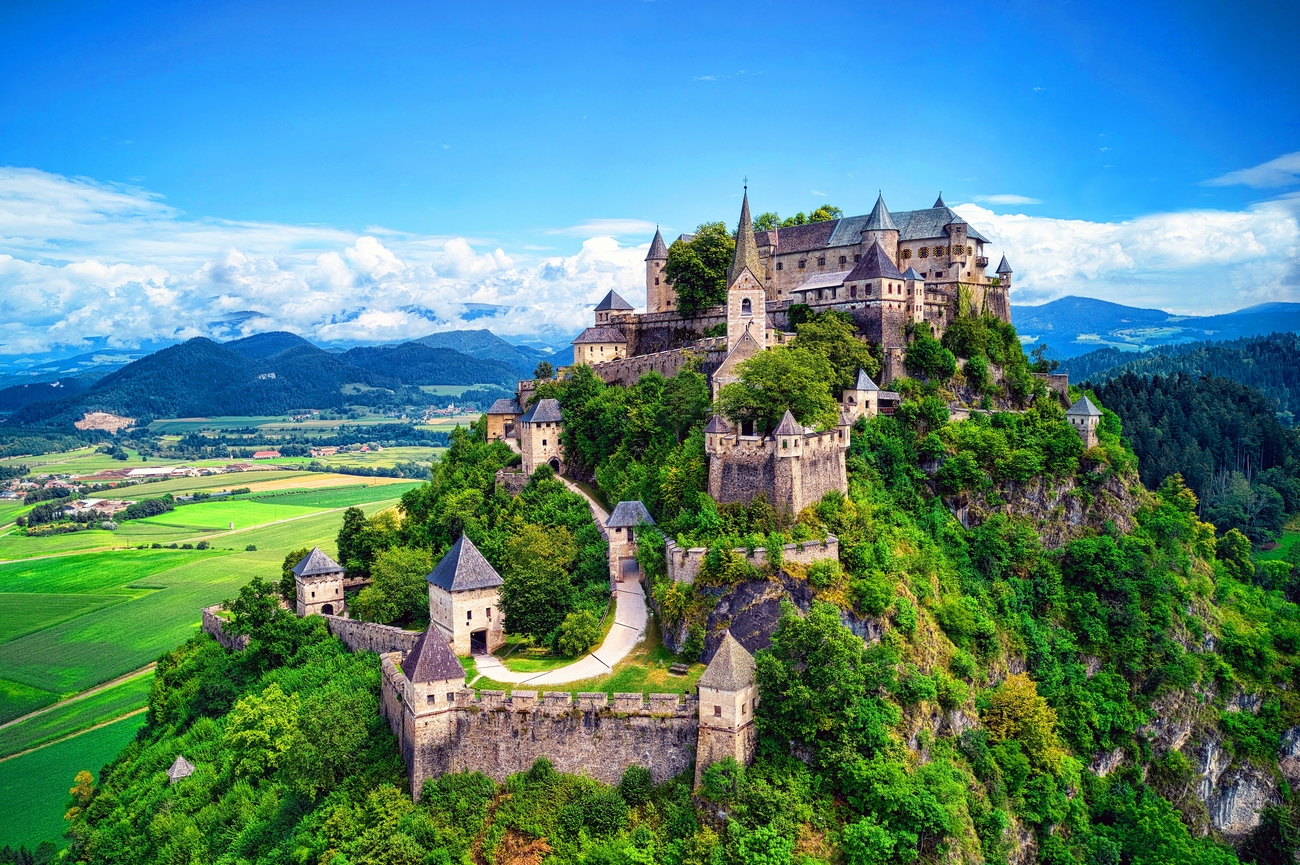
- Hochosterwitz Castle: Hochosterwitz Castle doesn’t ease into the conversation. It dominates it. Rising from an isolated rock formation, this fortress is one of Austria’s most visually commanding medieval sites, protected by a series of defensive gates that once made it nearly impregnable.
- Lavanttal: Lavanttal is often called Carinthia’s Garden of Eden, and it earns that nickname without trying too hard. Stretching east of Klagenfurt, this wide valley is known for its orchards, rolling hills, and slower rural rhythm. Castles dot the landscape, vineyards climb gentle slopes, and small towns feel grounded rather than staged. It is important that you visit this spot during harvest seasons where you can pair the visit with refined regional dining and wine stops.
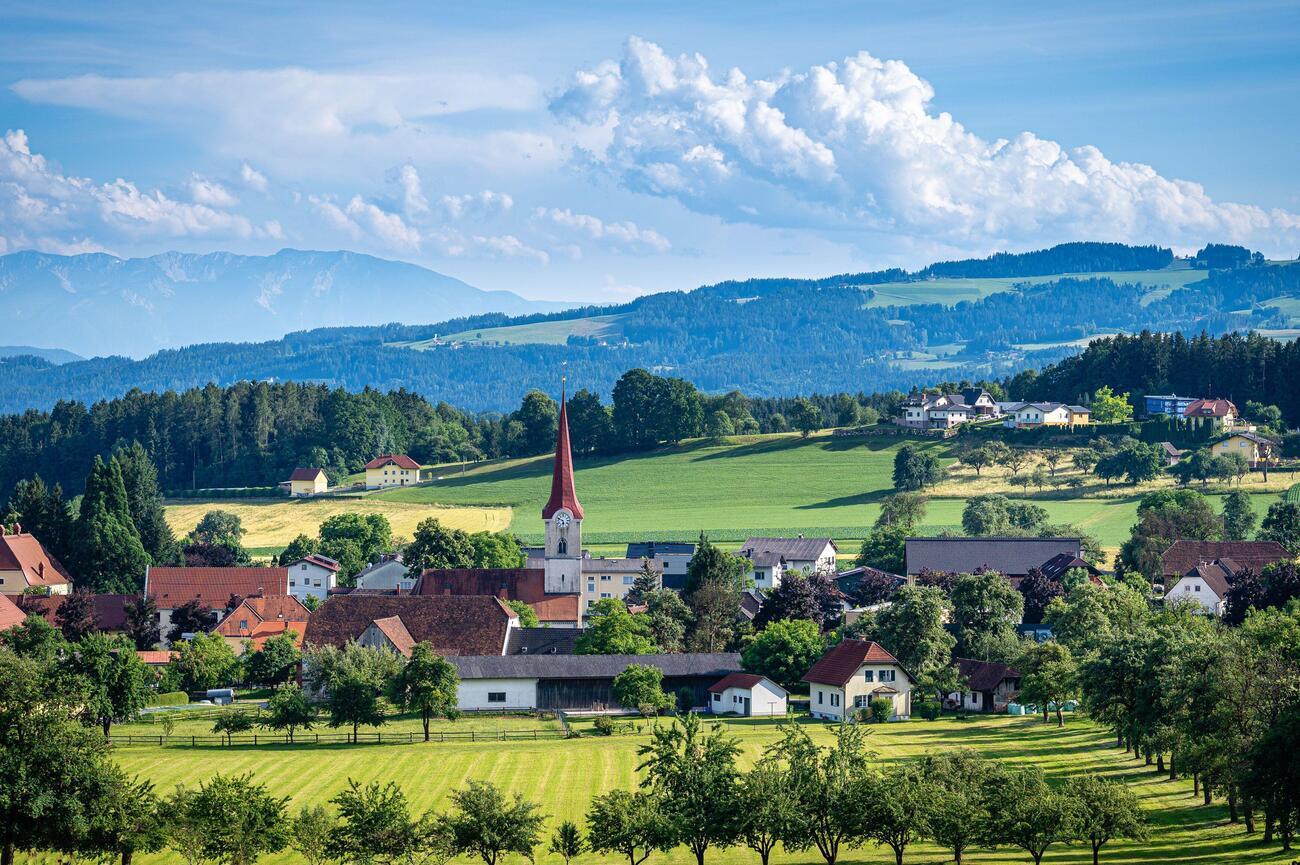
- Taggenbrunn: Taggenbrunn delivers Carinthia’s most confident blend of wine, culture and design. Set within a restored castle estate near St. Veit an der Glan, the site combines medieval stonework with striking modern architecture, vineyards and curated art installations. Here, you can book wine tastings in an estate where the estate focuses on its own labels and the setting encourages lingering between sculpture gardens, terraces and architectural contrasts.
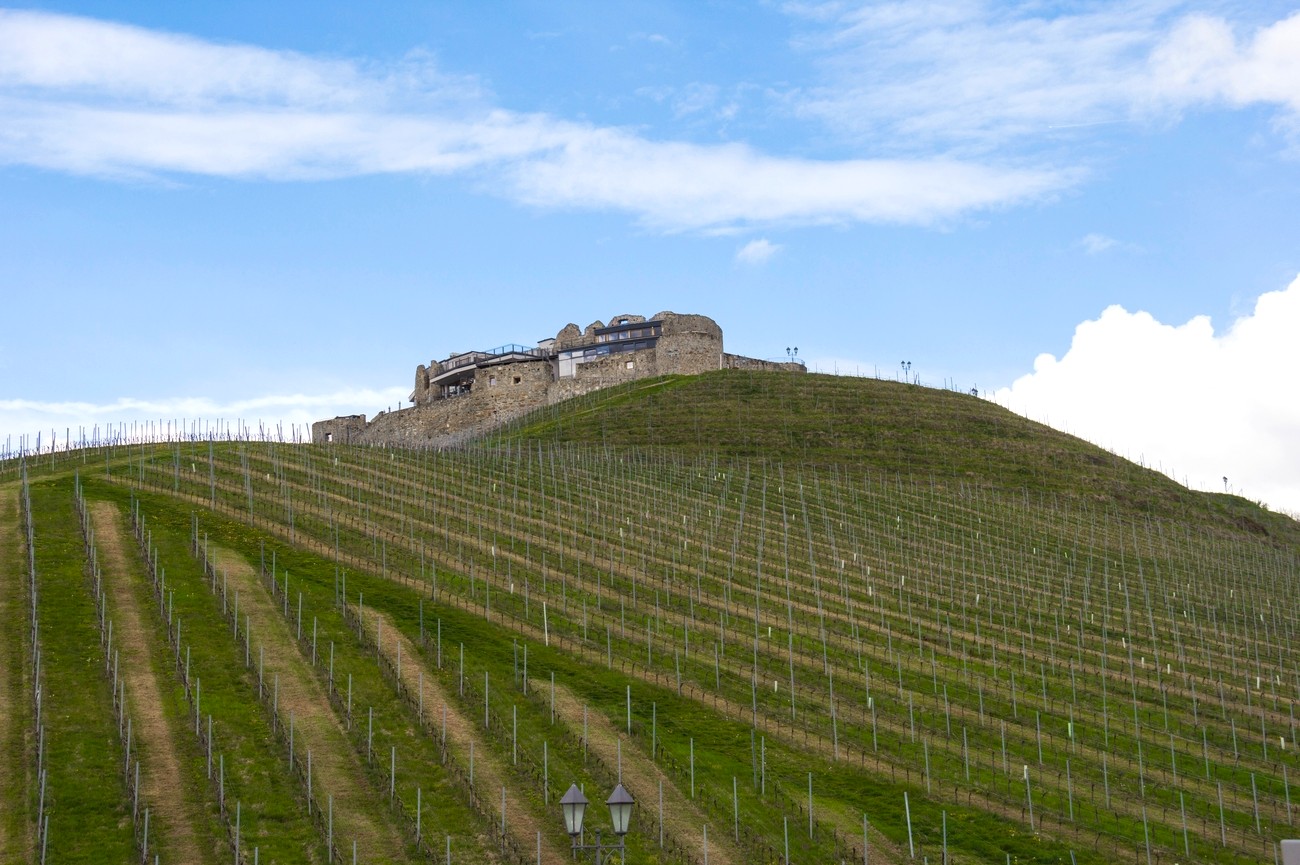
Things to Do With Kids in Klagenfurt & Carinthia Lakes
Traveling with kids in Carinthia doesn’t mean dialing things down. It means shifting the spotlight. This region understands something important: children don’t need constant stimulation, they need space, stories and places that let curiosity do the work. Lakes become playgrounds. Museums feel interactive without trying too hard. Parks actually have room to run. To make things easier, a curated list of family-friendly places has been prepared.
- Reptilienzoo Happ: This is one of those places kids talk about long after leaving. Reptilienzoo Happ is home to one of Austria’s largest collections of reptiles, featuring snakes, lizards, turtles, crocodiles and other cold-blooded show-stealers. The enclosures are designed to be close enough for real fascination without feeling overwhelming. For kids, it’s equal parts curiosity and awe. For parents, it’s structured, educational and surprisingly calm.

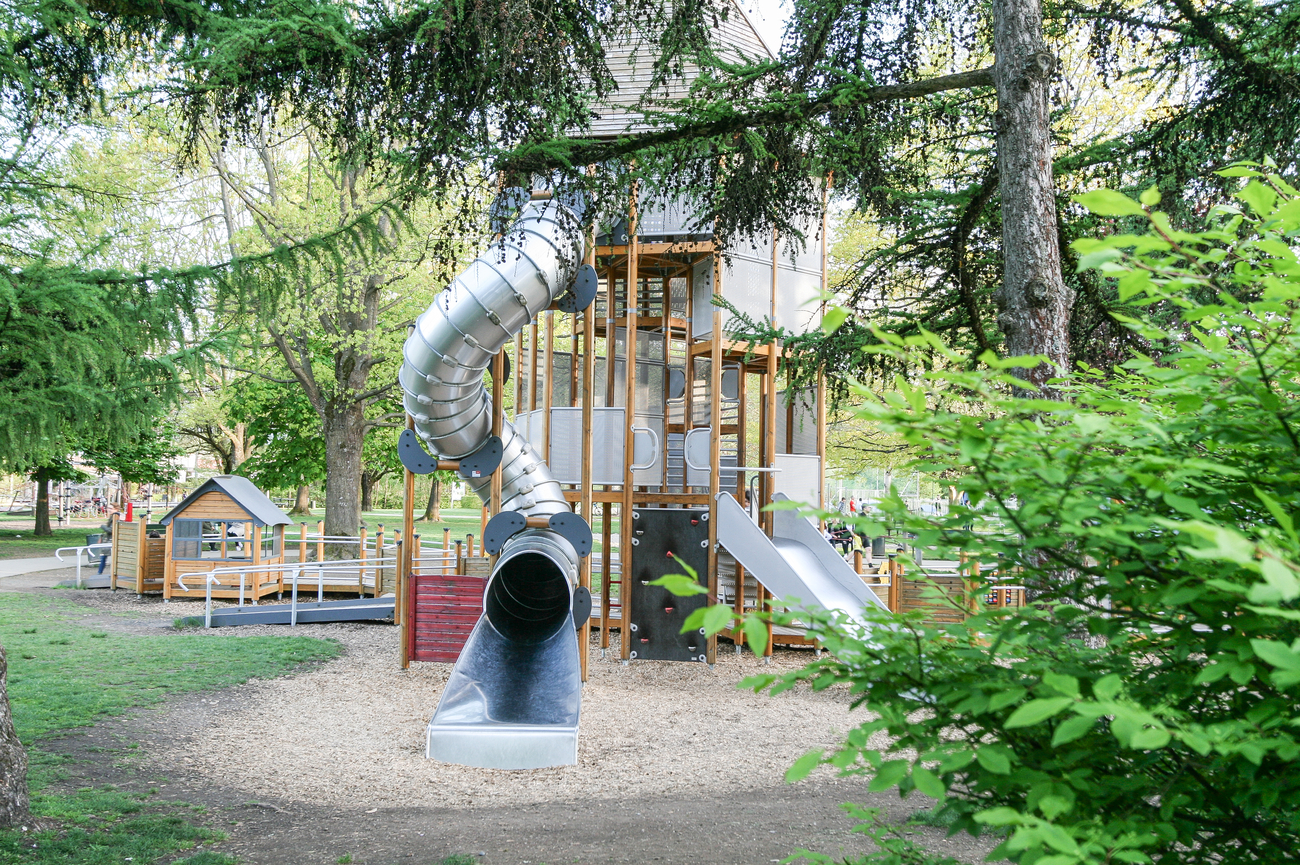
- Europapark: Europapark is where kids get their energy out and adults get their breathing space back. This expansive lakeside park sits right next to Wörthersee and offers wide lawns, shaded walking paths, playground areas and plenty of room to roam. There’s no fixed route and no pressure to perform. It’s simple, flexible and incredibly effective.
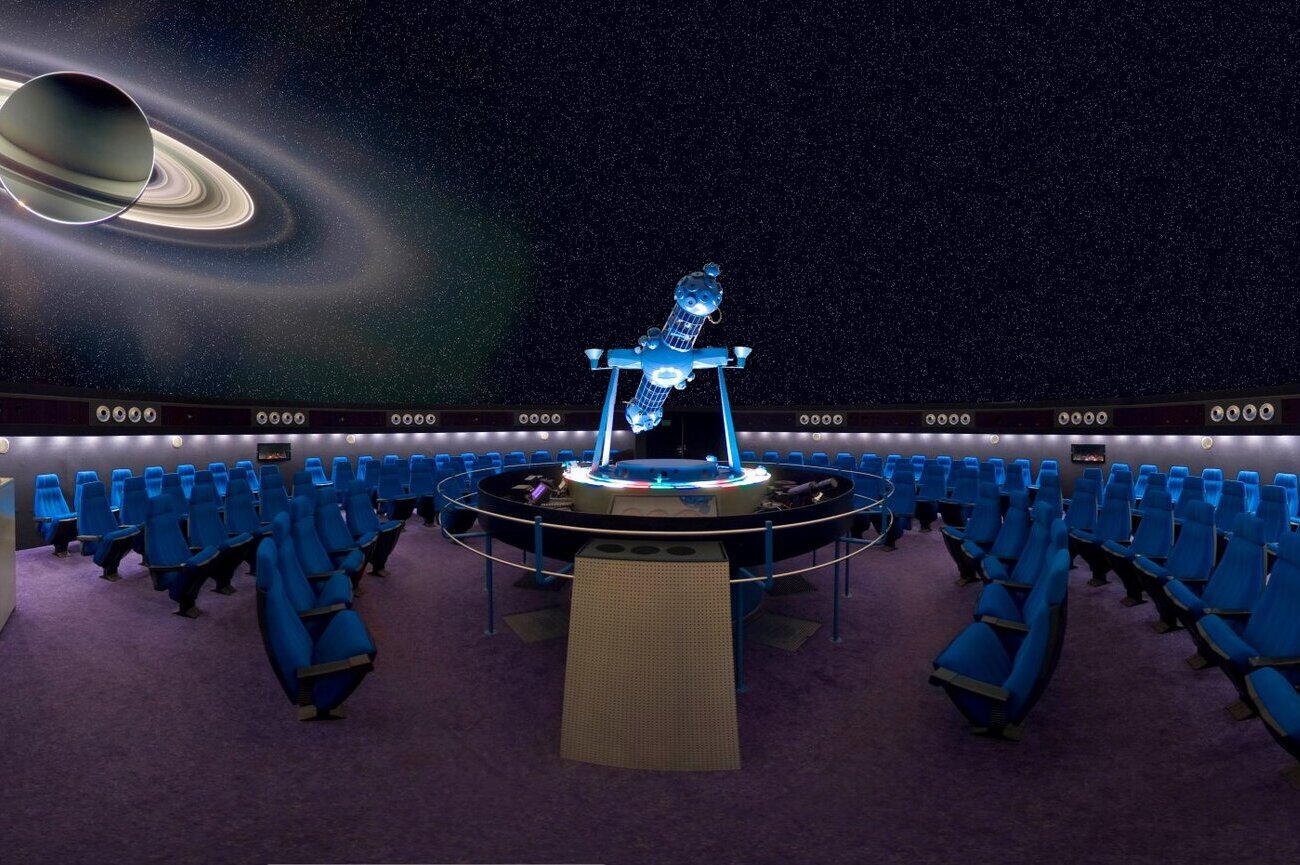
- Planetarium Klagenfurt: The Planetarium turns big questions into big moments. Through immersive projections and age-appropriate shows, kids are introduced to planets, stars, and space in a way that feels cinematic rather than academic. It’s an easy win for school-age kids and a welcome indoor break when the day needs one.
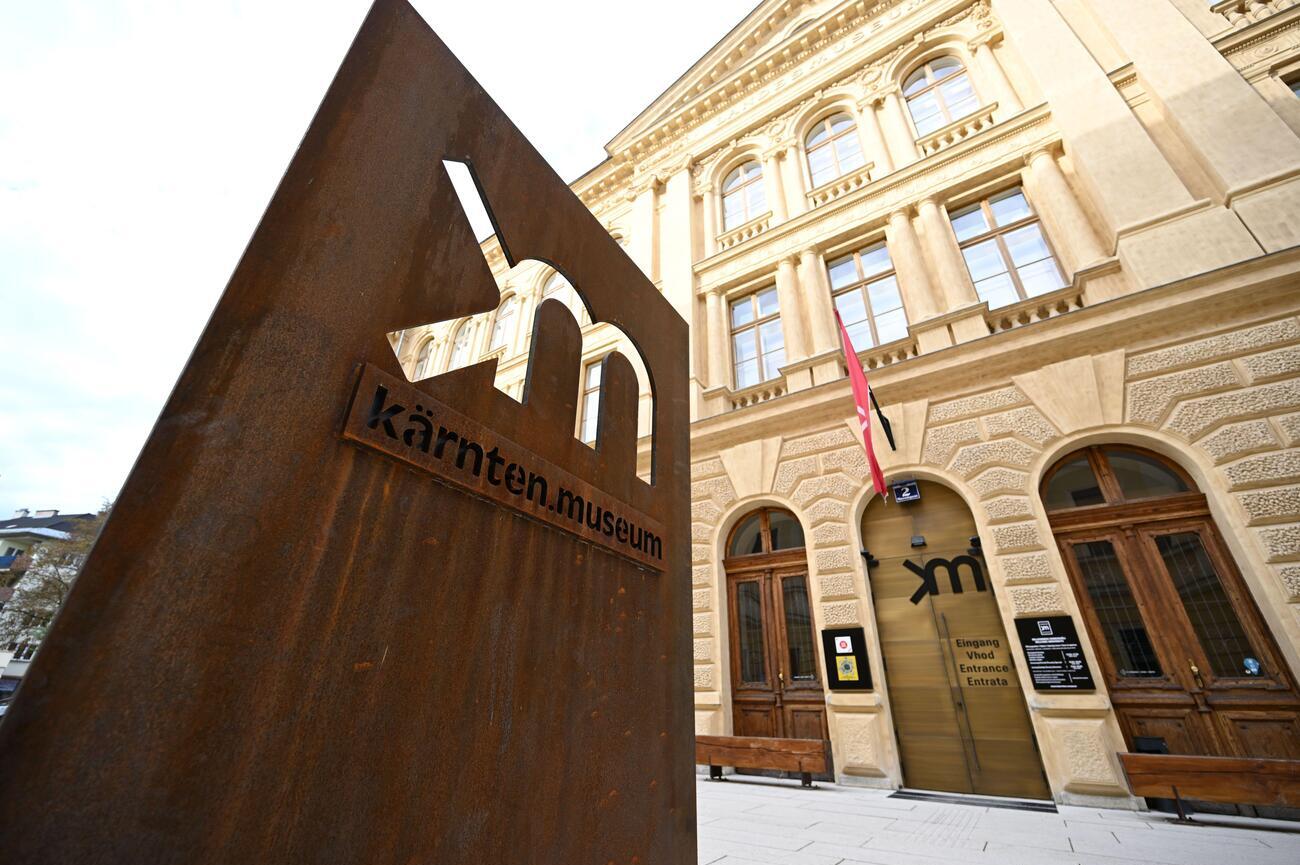
- Kärnten Museum: Formerly known as the Landesmuseum Kärnten, this museum offers a well-paced introduction to Carinthia’s natural and cultural history. Fossils, archaeological finds, Roman artifacts and regional wildlife displays keep things tangible and engaging for kids. It’s the kind of museum that works because it doesn’t try too hard.
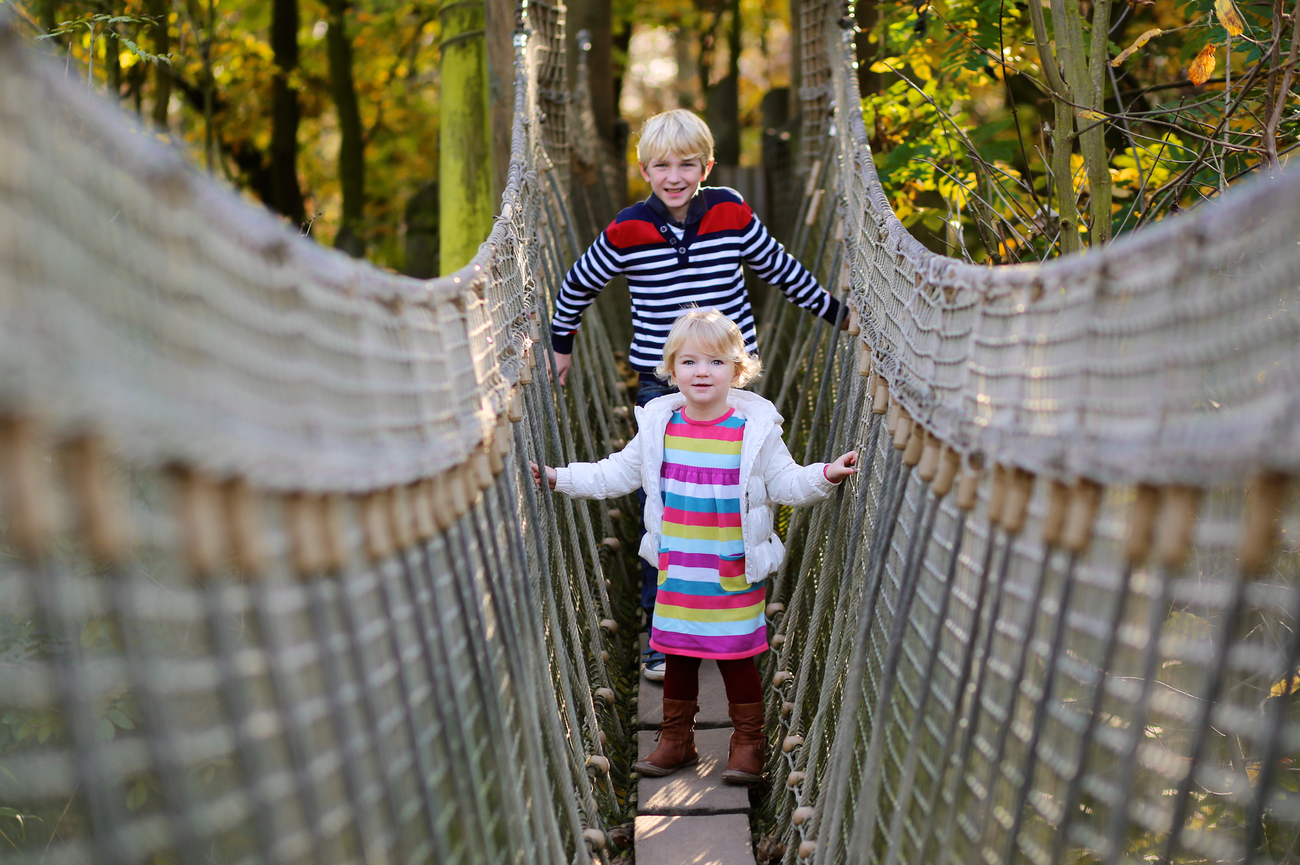
- Familywald Ossiacher See: This forest adventure park is pure controlled fun. Set among trees near Ossiacher See, Familywald features rope courses, balance elements, climbing structures and play zones designed for different age groups. Kids get the thrill of adventure. Parents get peace of mind. Everything is thoughtfully scaled, safety-focused and surrounded by nature, making it an ideal outdoor stop for active families.
Day Trips From Klagenfurt & Carinthia Lakes
Klagenfurt sits in a rare sweet spot. Lakes at the doorstep, Alps in the background, and three countries quietly within reach. That geography unlocks day trips that feel international, historic and visually dramatic without turning the day into a transit marathon. These are not filler excursions. They’re places that shift the mood, deepen the narrative and return you to Carinthia feeling like the map just got bigger.
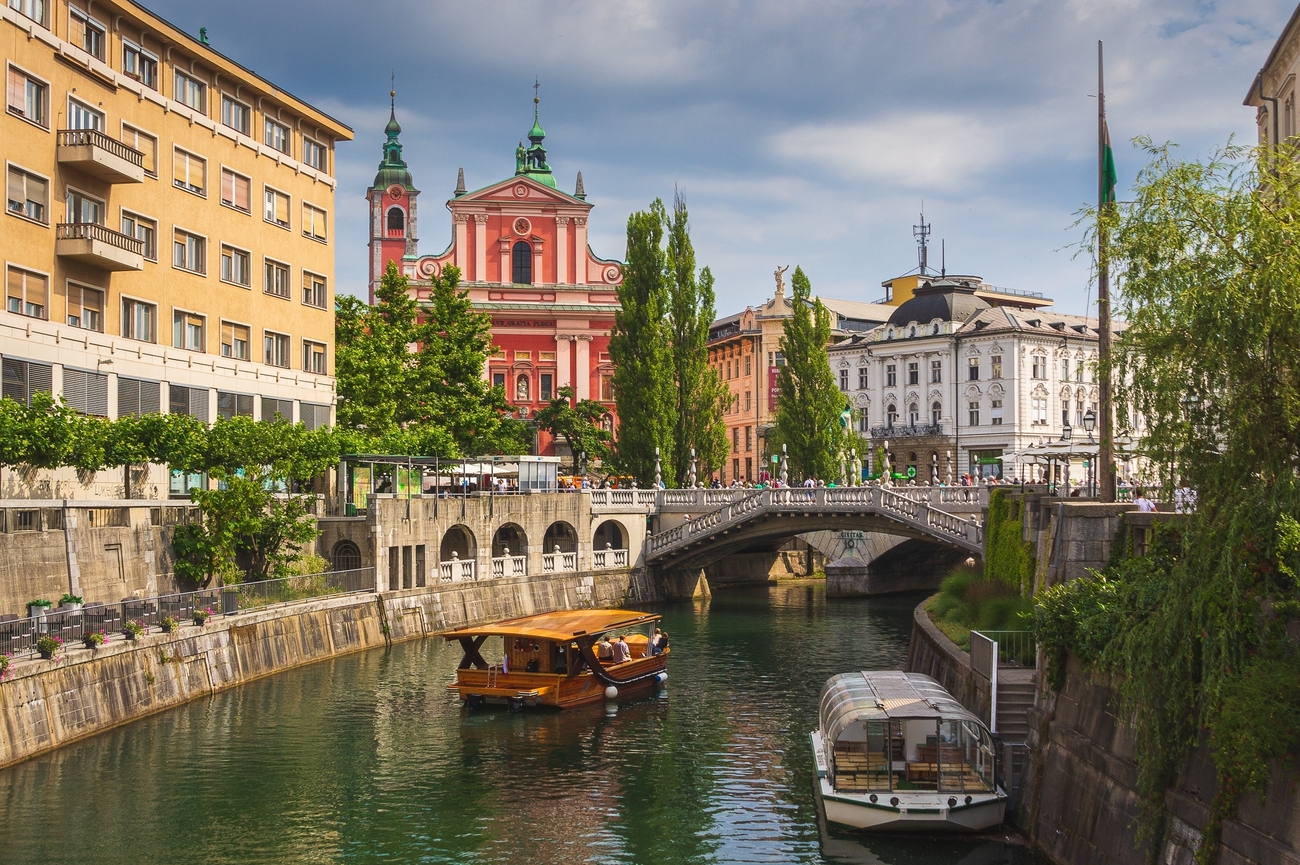
- Ljubljana: Ljubljana feels like a city that learned restraint early and never looked back. Compact, green, and deeply walkable, it unfolds along the Ljubljanica River with bridges, squares and cafe-lined embankments that reward slow movement. Architect Jože Plečnik shaped much of the city center, and his work is now recognized as a UNESCO World Heritage Site, adding intellectual weight to the charm. The drive from Klagenfurt takes roughly 1 hour and 15 minutes, making this an easy cross-border shift with real payoff.
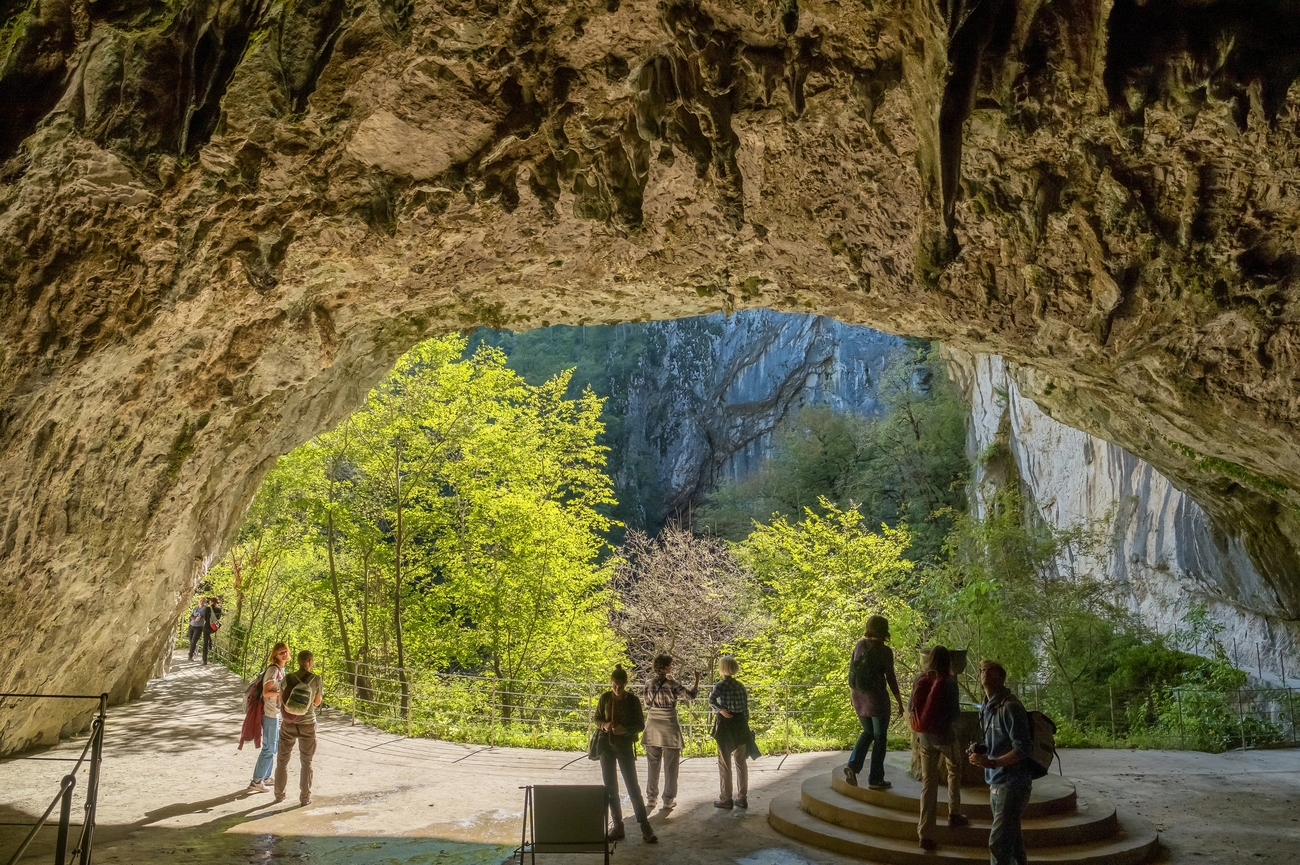
- Škocjan Caves: This is where the itinerary flips completely. After about 1 hour and 30 minutes on the road, the light disappears and scale takes over. The Škocjan Caves, a UNESCO World Heritage Site, reveal one of the largest underground canyon systems in the world. Guided paths lead through cavernous spaces, across suspension bridges and past echoing chambers that feel almost unreal. Unlike open-air landmarks, this experience is immersive and controlled, which heightens its impact.
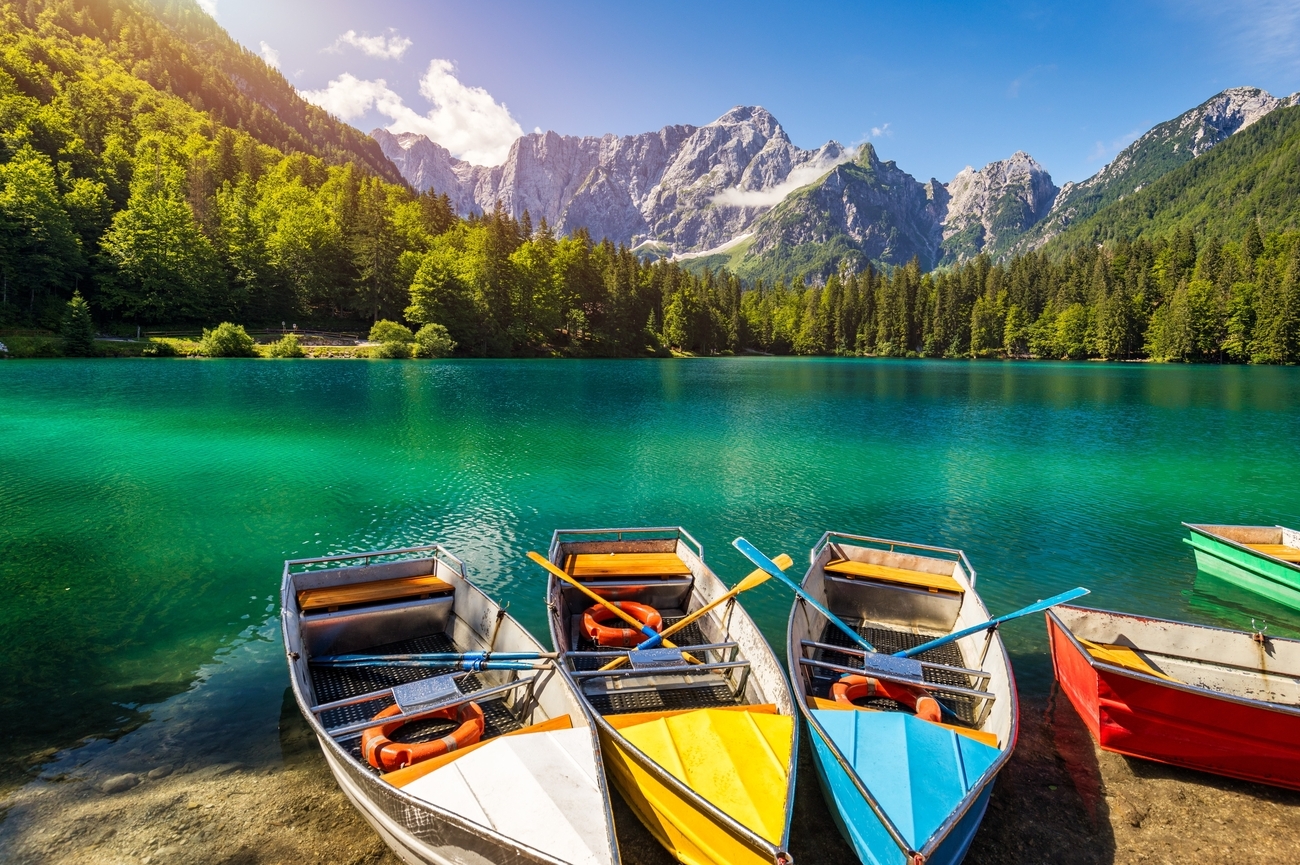
- Tarvisio: Within about an hour from Klagenfurt, the language shifts, the cuisine shifts and the Alpine setting takes on. Tarvisio sits at the meeting point of Austria, Italy, and Slovenia and that layered identity defines the town. The Laghi di Fusine (Fusine Lakes) just outside Tarvisio are among Italy’s most photographed alpine lakes, framed by the Julian Alps and known for their clear, reflective water. It’s an ideal day trip for travelers who want contrast without committing to a full city experience.
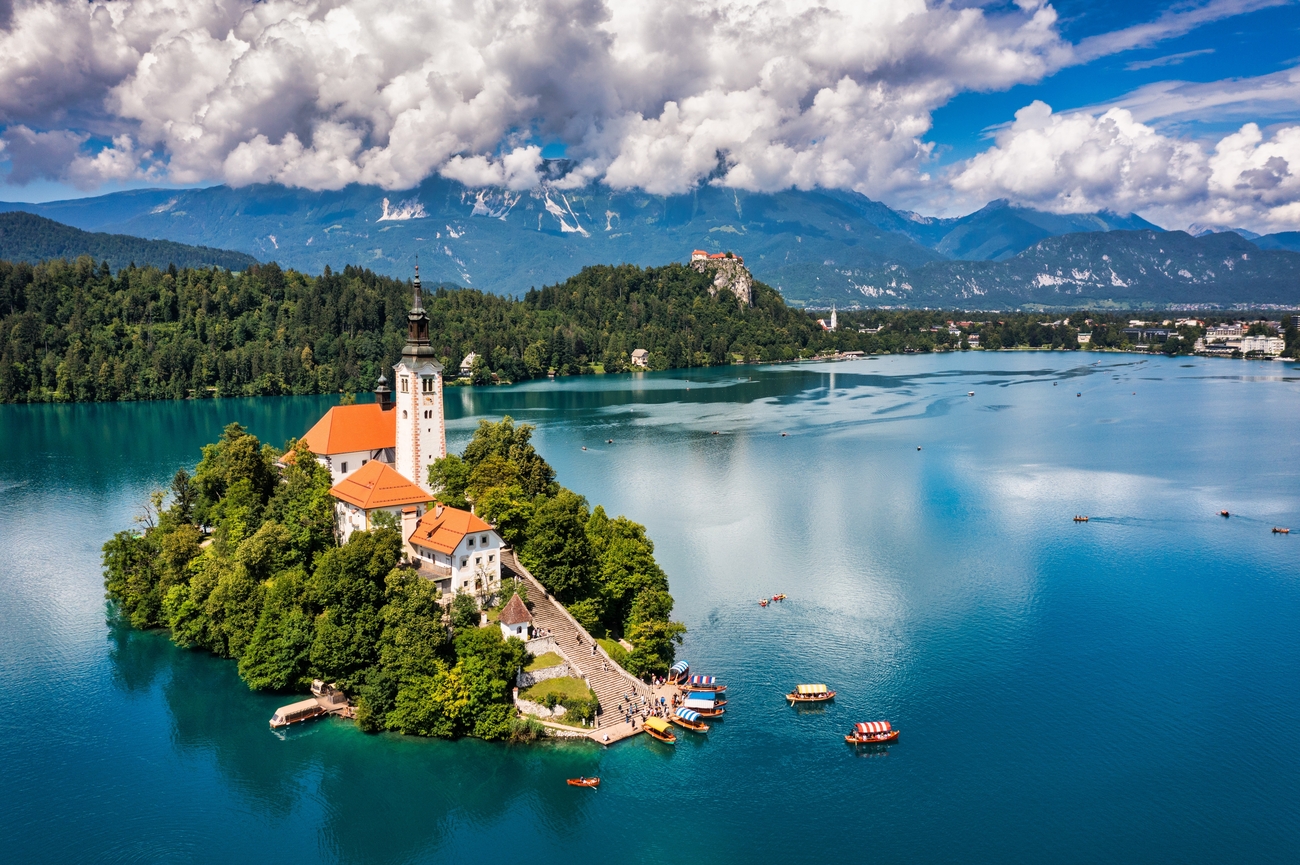
- Bled: Bled understands composition. About 1 hour and 20 minutes away, everything arrives perfectly framed. It’s one of Slovenia’s most internationally recognized destinations thanks to Lake Bled, Bled Island Church and Bled Castle perched dramatically above the water. While it’s well known, the refined experience comes from pacing. Early arrivals or late departures soften the crowds and let the setting feel deliberate rather than busy.
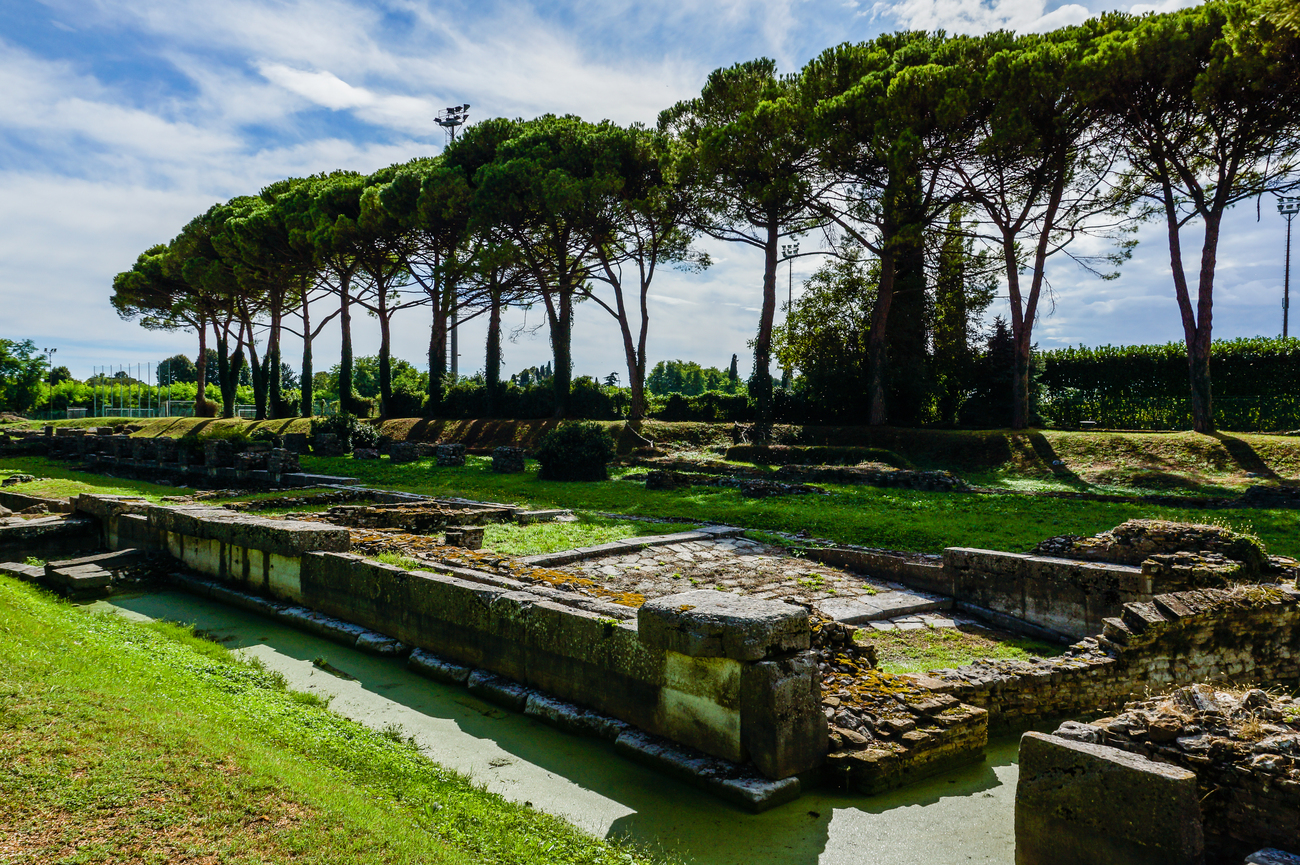
- Aquileia: Aquileia doesn’t announce itself loudly, and that’s its strength. Reached in around 1 hour and 20 minutes, this former Roman powerhouse now sits quietly among fields and low buildings, carrying immense historical weight without crowds. As a UNESCO World Heritage Site, it’s best known for the Basilica of Aquileia and its extraordinary mosaic floors, some of the most significant from the Roman world.
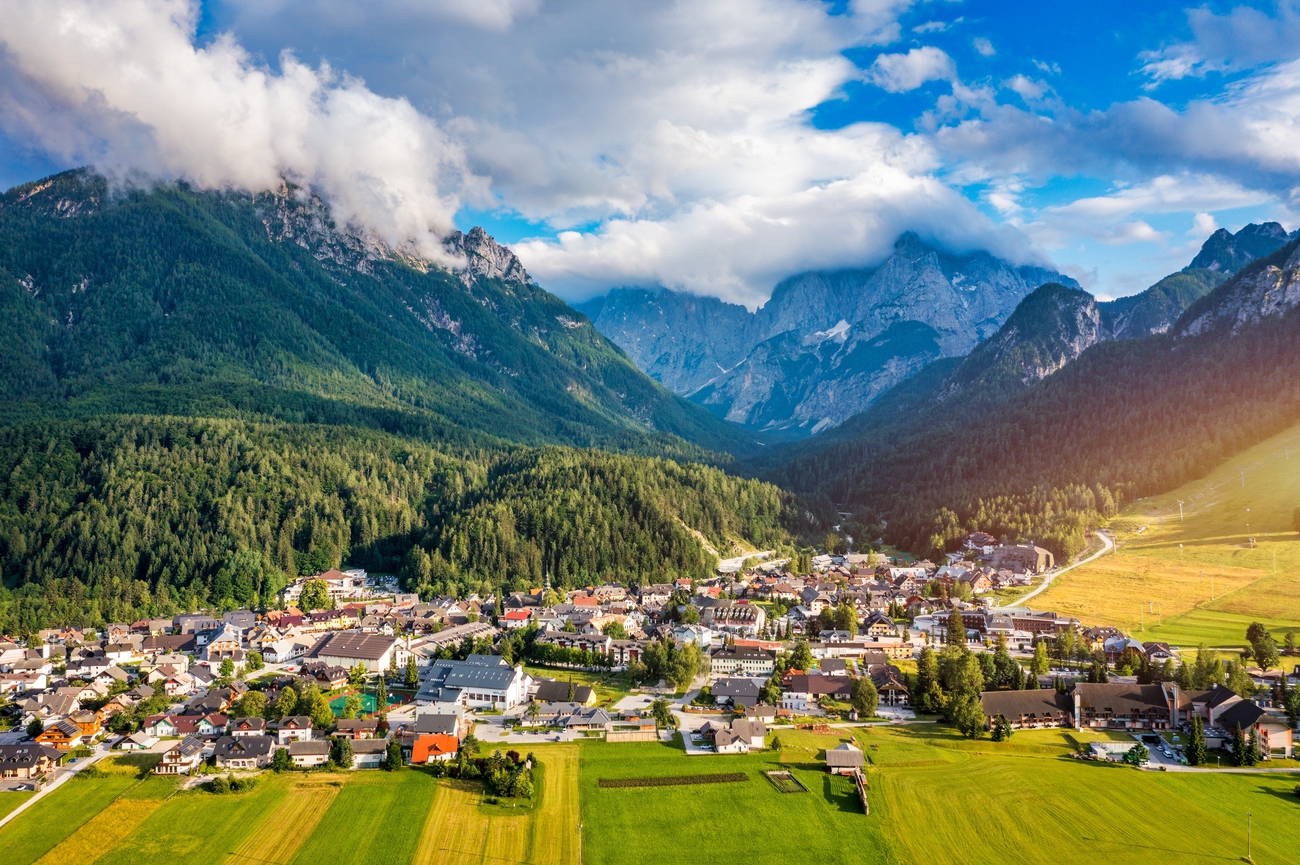
- Kranjska Gora: Kranjska Gora’s reputation is built on iconic alpine imagery, all reachable within about 1 hour and 10 minutes. The town sits at the edge of the Julian Alps, with Lake Jasna acting as its visual signature. Nearby, the Vršič Pass, Slovenia’s highest mountain pass, offers one of the country’s most celebrated scenic drives, originally constructed during World War I.
Golfcourses in Klagenfurt & Carinthia Lakes
Golf in Carinthia is special not because it’s flashy, but because the mountains, lakes, and fairways feel like they were designed in quiet collaboration with each other. The courses here reward patience, precision and appreciation for scenery that refuses to be status noise. Below is a curated list of golf courses within the Klagenfurt and Carinthia Lakes region that are worth teeing up for.
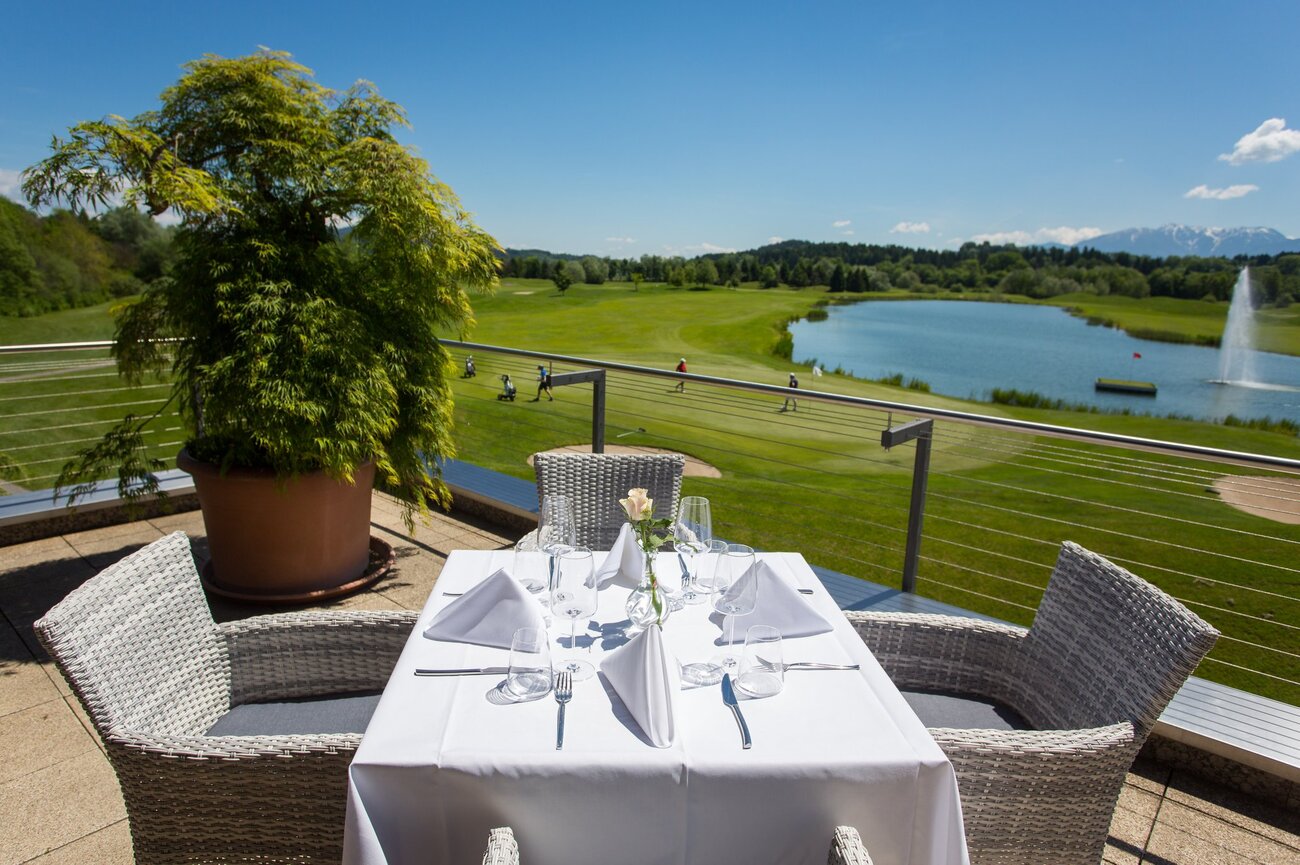
- Golfclub Klagenfurt-Seltenheim: One of the most established courses in the region, Golfclub Klagenfurt-Seltenheim sits just minutes from central Klagenfurt. Rolling fairways and mature parkland set the tone here, with longer holes nestled into a landscape that balances tradition and strategy. The course layout keeps things interesting for a range of handicaps, while the surrounding trees and open glades create that satisfying cut-through nature feel.
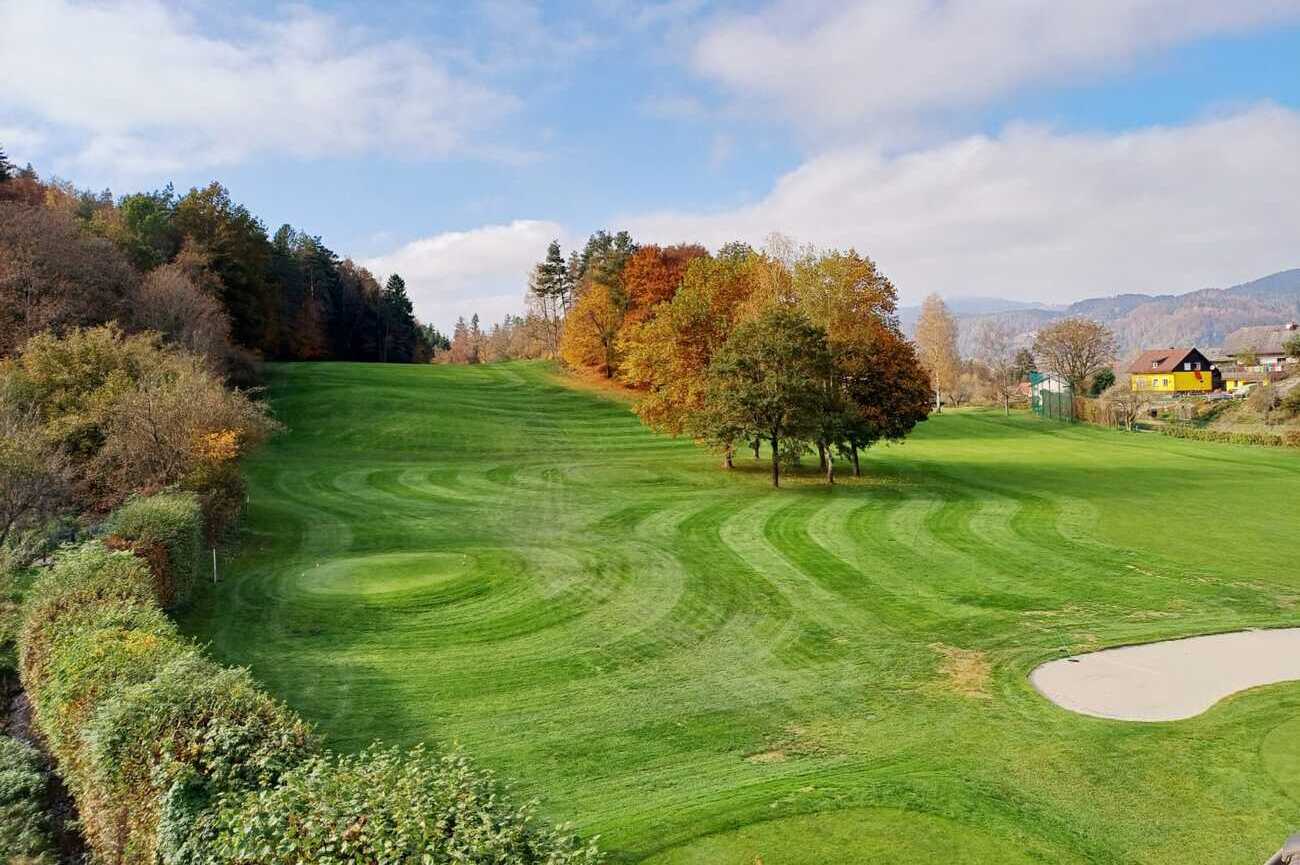
- Golfclub Dellach: Situated near Lake Ossiach, Golfclub Dellach offers a fair mix of parkland and water influences across its layout. The course is balanced rather than brutal, making it enjoyable for confident amateurs and seasoned players alike. Water hazards and elevation changes introduce subtle strategic elements without making the day feel like a power test.
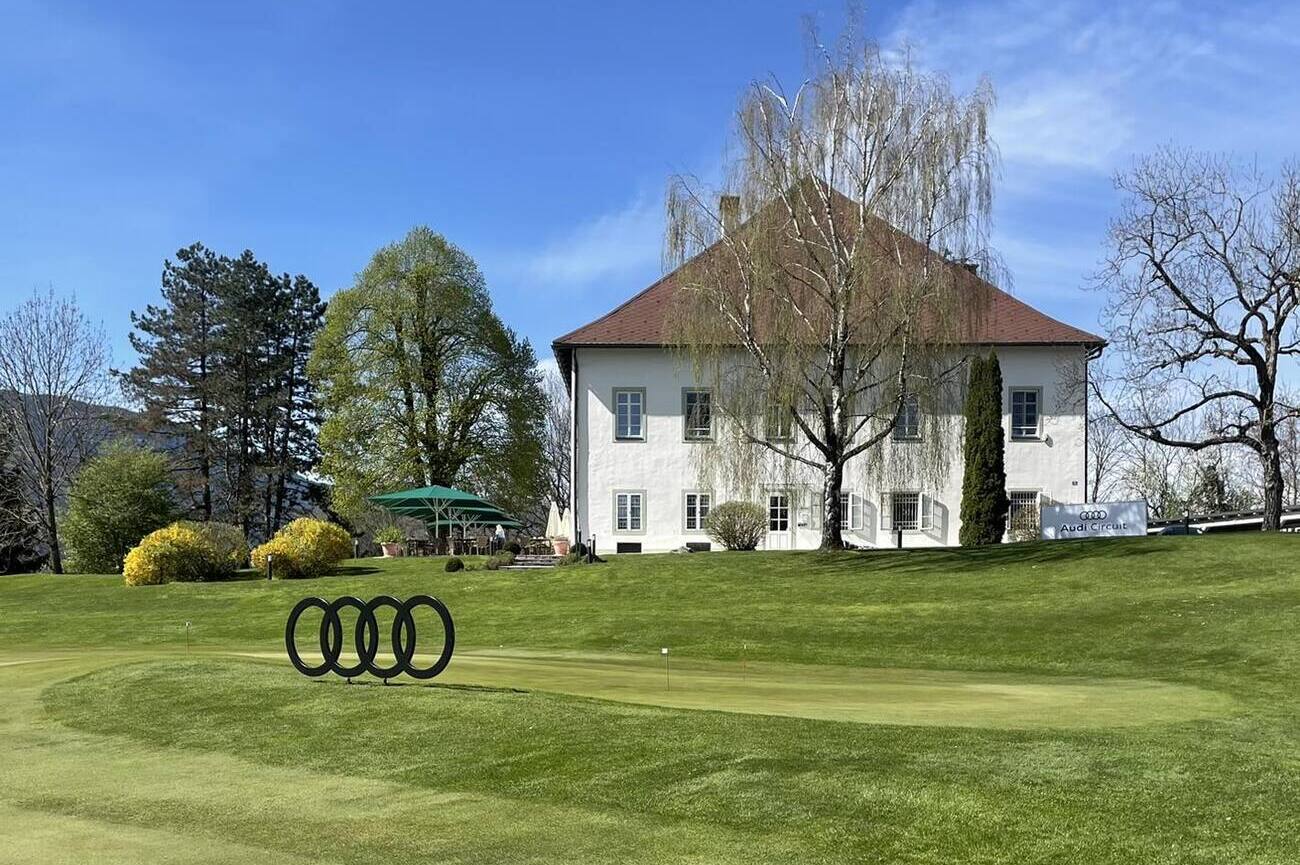
- Golfclub Schloss Finkenstein: A lakeside favorite, Golfclub Finkenstein lives close to Faaker See, and that proximity changes the way you play. Expect panoramic water views on several holes and a layout that uses the local topography intelligently without turning every hole into a mountain trek. It’s a course that feels relaxed in spirit but methodical in challenge.
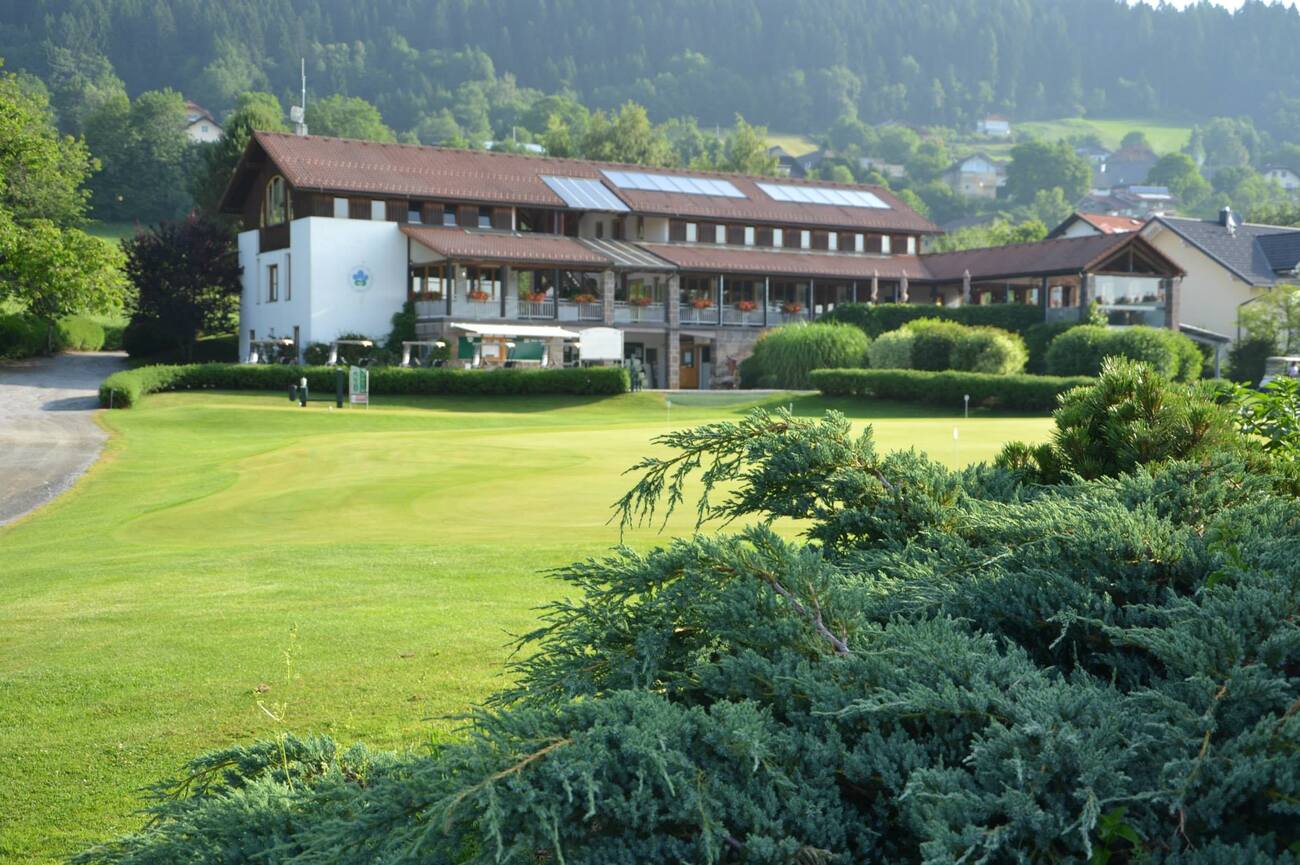
- Golf course Velden Köstenberg: Not the most traditional of layouts, this course near Velden am Wörthersee trades parkland polish for expansive open views and relaxed vibes. It’s not about monumental holes or dramatic elevation. It’s about ease, views, and thoughtful rounds.
Where to Ski in Klagenfurt & Carinthia Lakes
Skiing around Klagenfurt and the Carinthia Lakes isn’t a vague, “drive somewhere and see what happens” situation. There are ski resorts within easy reach of the city, each with its own personality. Some are built for quick half-day escapes, others for full alpine immersion and a few blend skiing with spa culture so recovery is part of the plan, not an afterthought. From Klagenfurt, winter doesn’t mean choosing between city life and the mountains. You get both, cleanly and efficiently. Ski days start smooth, end relaxed and still leave room for dinner back by the lake.
- Simonhöhe is widely considered Klagenfurt’s local ski mountain. Typically opening from early December through March, the resort focuses on accessibility and ease rather than scale. The terrain is gentle and well-groomed, making it especially popular with beginners, families and anyone looking for a low-pressure introduction to skiing. Because of its proximity to the city, Simonhöhe works beautifully for half-day outings with morning runs followed by lunch back in town are not just possible, they’re common.
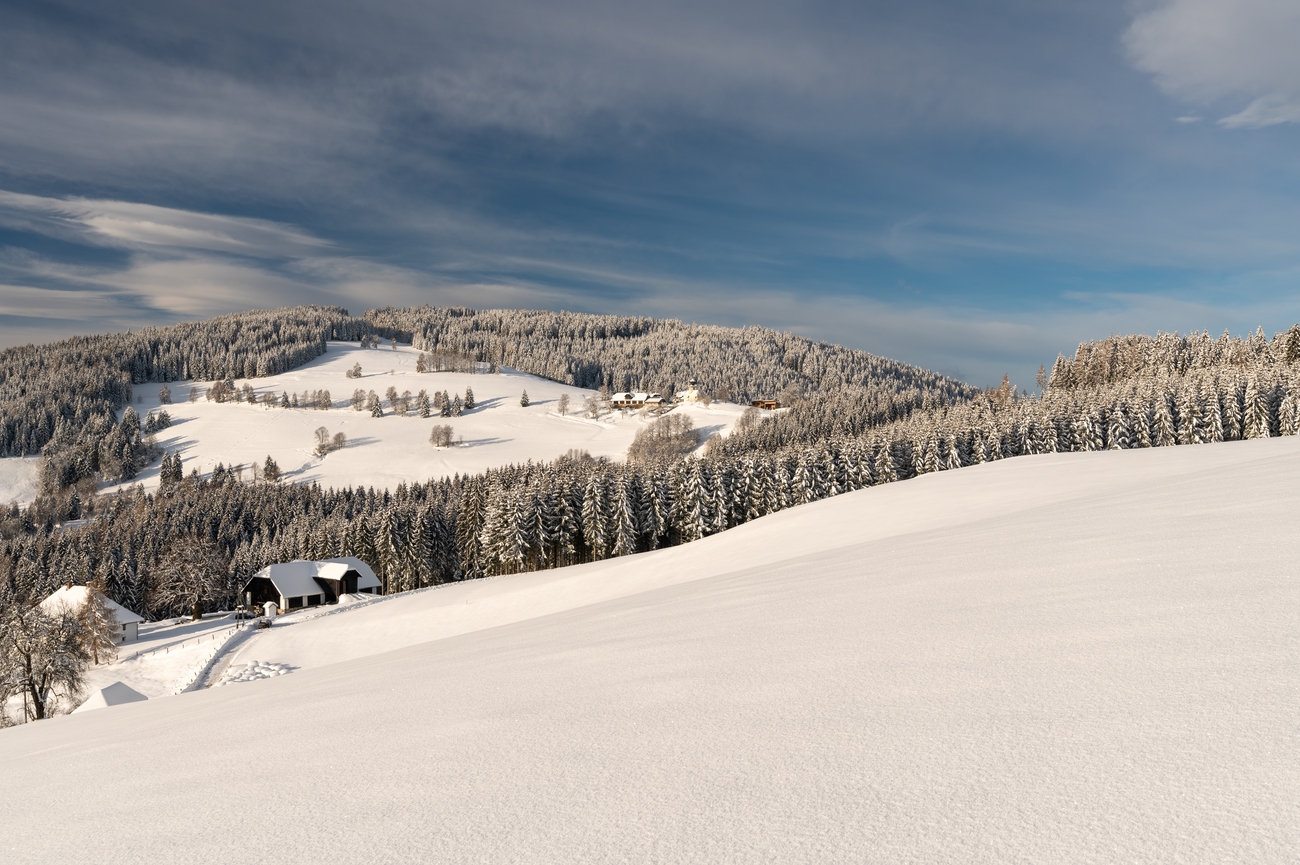
- Bad Kleinkirchheim: Bad Kleinkirchheim typically operates from early December through April. It is known for pairing a substantial ski area with a deeply ingrained spa culture, creating a winter experience that balances exertion and recovery. The slopes cater well to intermediate and advanced skiers, offering long, consistent runs with excellent grooming. What truly distinguishes Bad Kleinkirchheim is what happens after skiing. Here, you can enjoy thermal baths, wellness hotels and a village rhythm designed for unwinding.
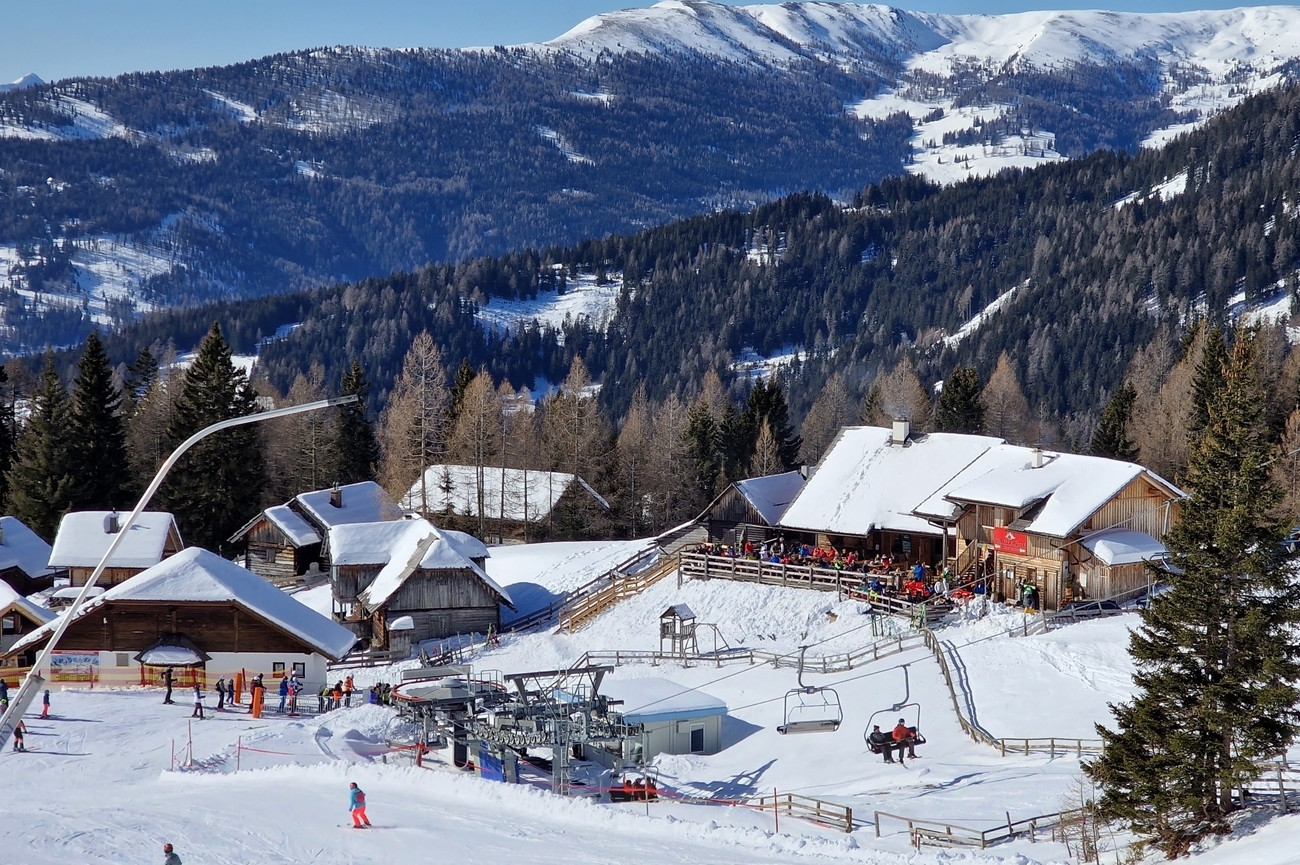
- Gerlitzen Alpe: Gerlitzen Alpe usually opens from early December until late March or early April, depending on snow conditions, and it’s one of the most visually rewarding ski areas in Carinthia. This resort is known for its wide, sunlit slopes and sweeping panoramas that extend far beyond the piste markers. Skiing here feels expansive rather than intense. It is ideal for intermediate skiers who value rhythm and scenery. Modern lift infrastructure keeps waiting times short, while mountain restaurants and viewpoints encourage breaks that feel earned rather than necessary.
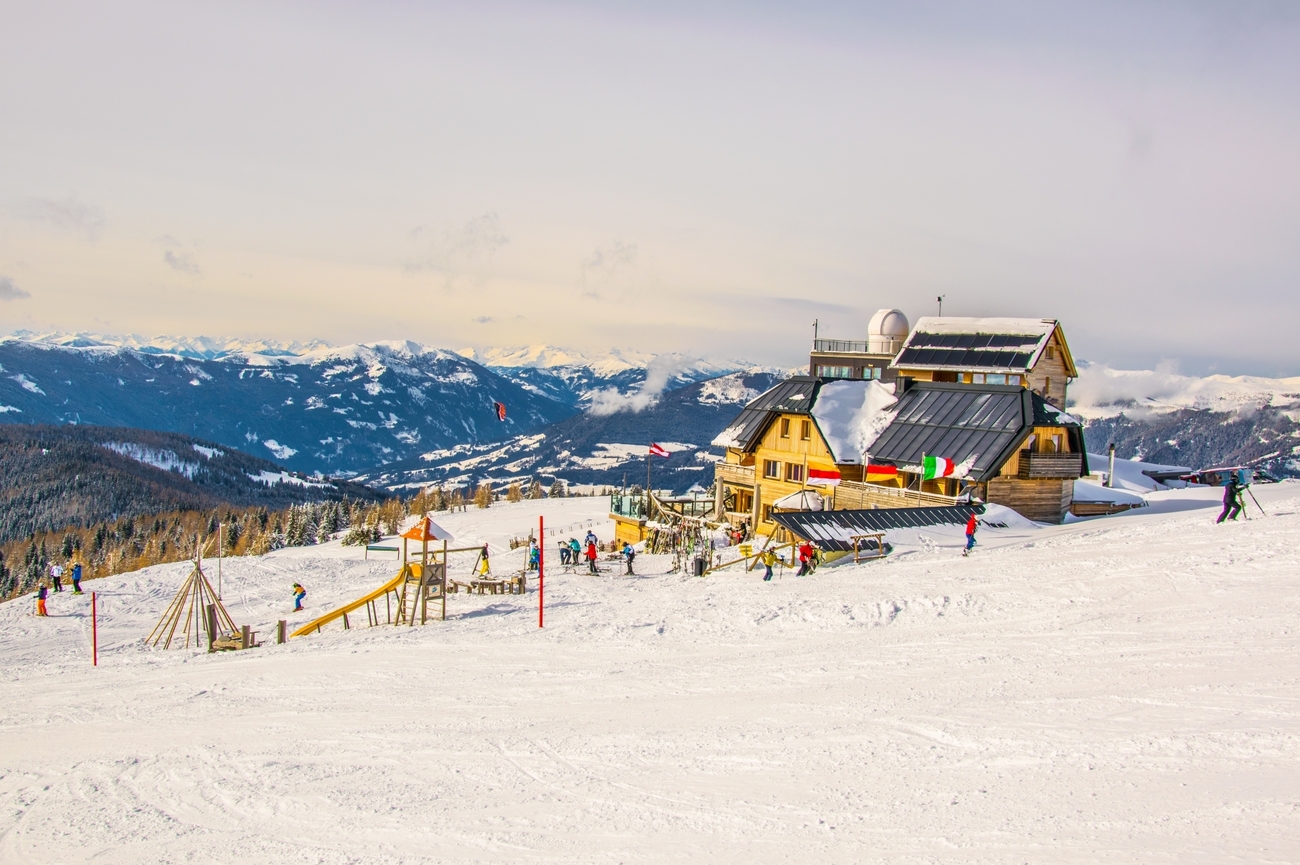
- Hochrindl: Hochrindl generally opens from December through March, and it carries a reputation for calm, traditional skiing. The resort avoids crowds and spectacle, focusing instead on approachable slopes, steady conditions, and a welcoming atmosphere. It’s particularly well-suited for families and relaxed skiers who value space over speed.
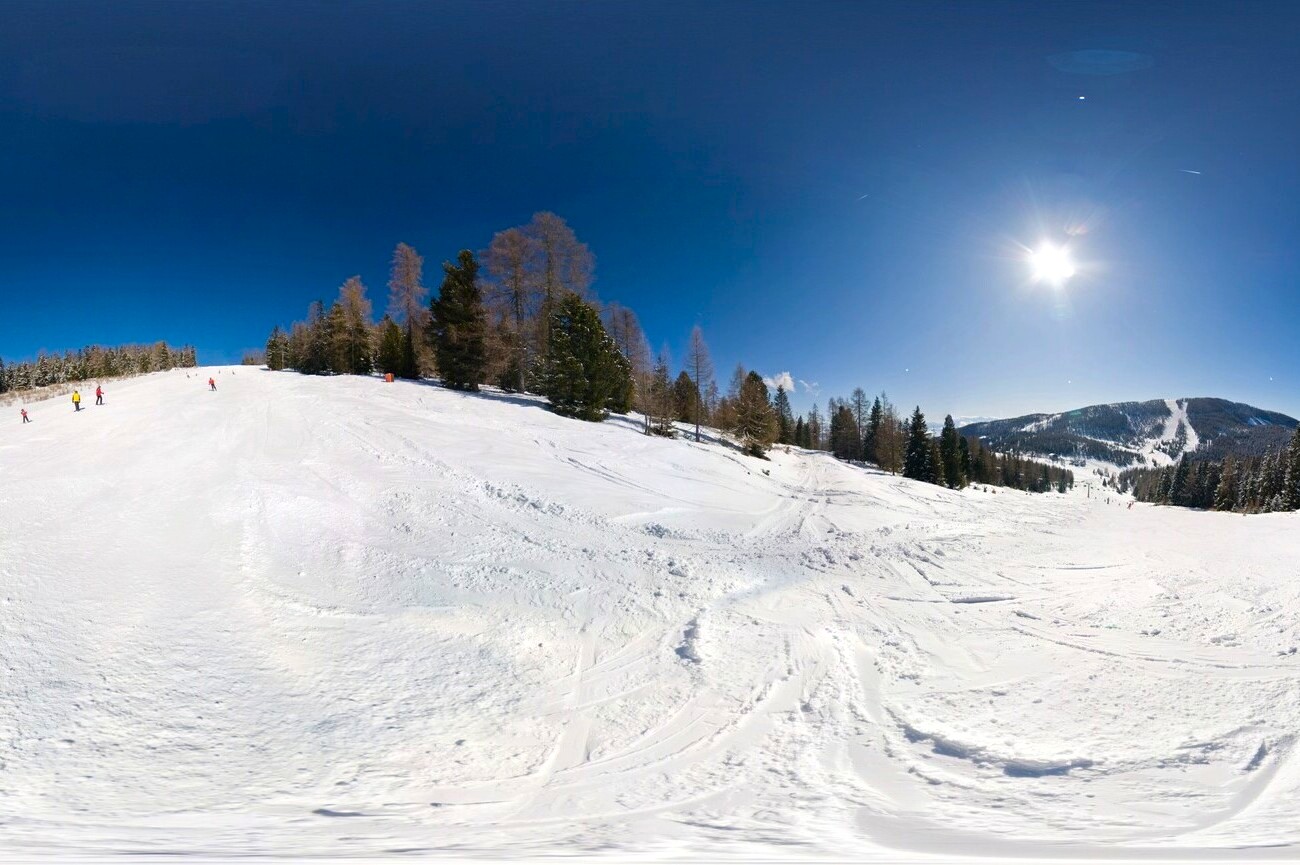
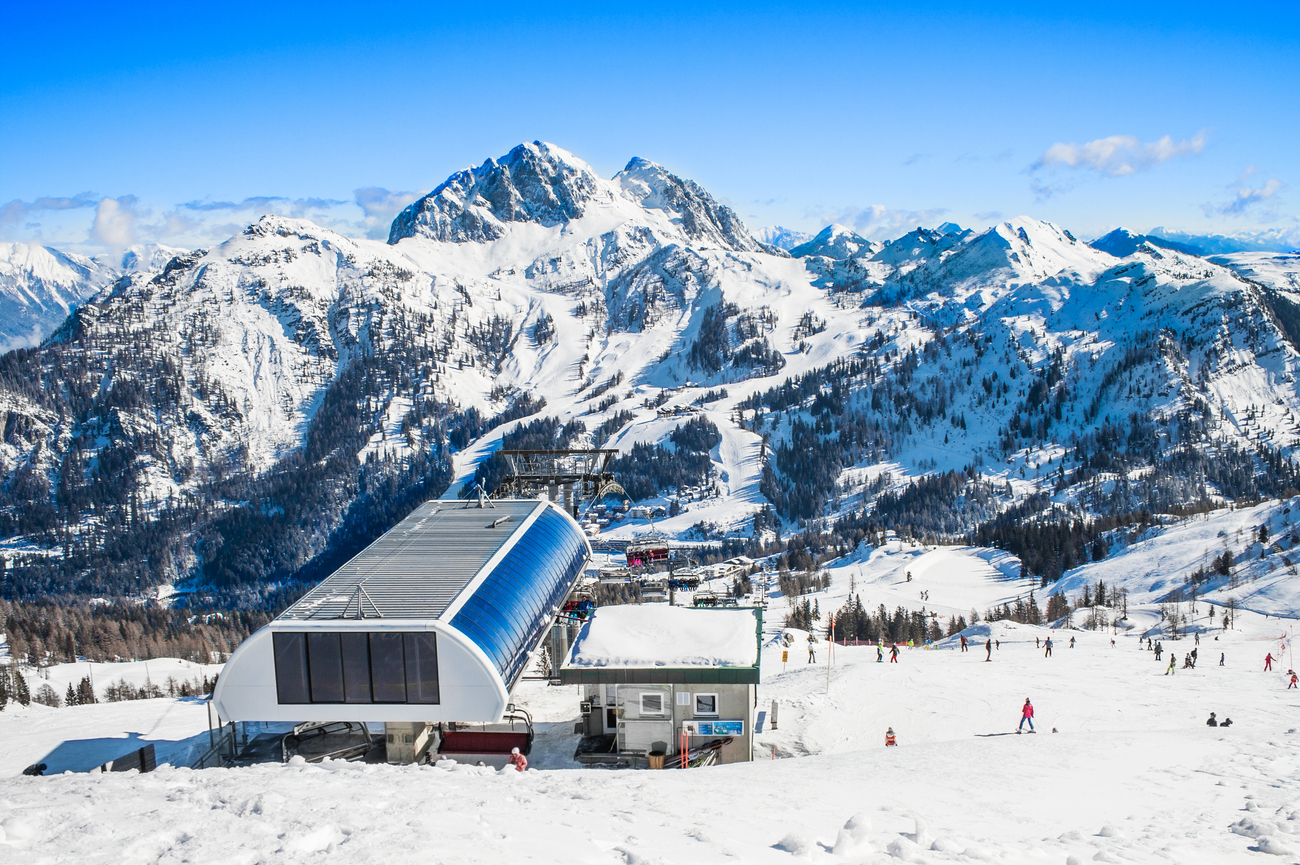
- Nassfeld: Nassfeld is Carinthia’s largest and most internationally recognized ski resort. It is open from early December through mid-to-late April. High altitude and strong snow reliability give it one of the longest seasons in the region. The ski area spans a wide range of terrain, from long cruising runs to more demanding sections that appeal to confident skiers. Lift systems are fast and modern. Nassfeld delivers big-resort energy with variety, scale and consistency, while still retaining Carinthia’s generally relaxed atmosphere compared to Austria’s more crowded alpine hubs.
Michelin-starred Restaurants in Klagenfurt &
Carinthia Lakes
Carinthia Lakes culinary reputation here doesn’t come from quantity; it comes from intention. In a region that often gets praised for lakes and landscapes first, these restaurants remind you that Carinthia’s table is just as remarkable. Each one has earned a Michelin star, meaning its cuisine is worth a special stop and in some cases, worth a detour on its own.
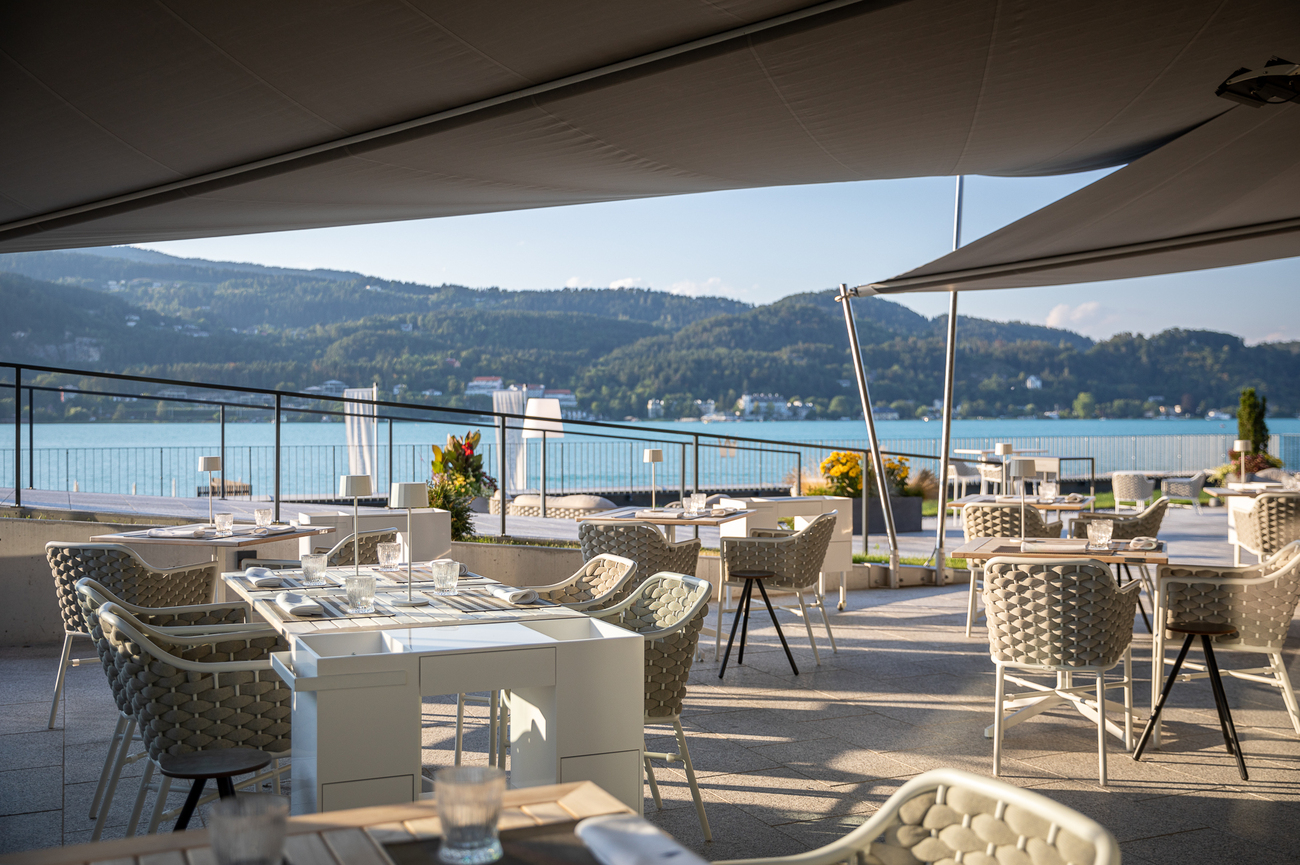
- Hubert Wallner: Set in Maria Wörth on Lake Wörthersee, Hubert Wallner’s restaurant is the region’s most visible culinary landmark. Holding one Michelin star, the kitchen delivers modern cuisine that balances precision with generosity, often leaning into lake fish, seasonal vegetables and clean Mediterranean influences. Chef-patron Hubert Wallner draws inspiration from the Alpine region but allows himself creative freedom, most famously with his “Germknödel 2.0” which is a bold reinterpretation featuring foie gras terrine, aromatic yeast espuma and Reindling ice cream. Two tasting menus, ranging from five to nine “Stationen,” anchor the experience, alongside à la carte options and carefully preserved classics.
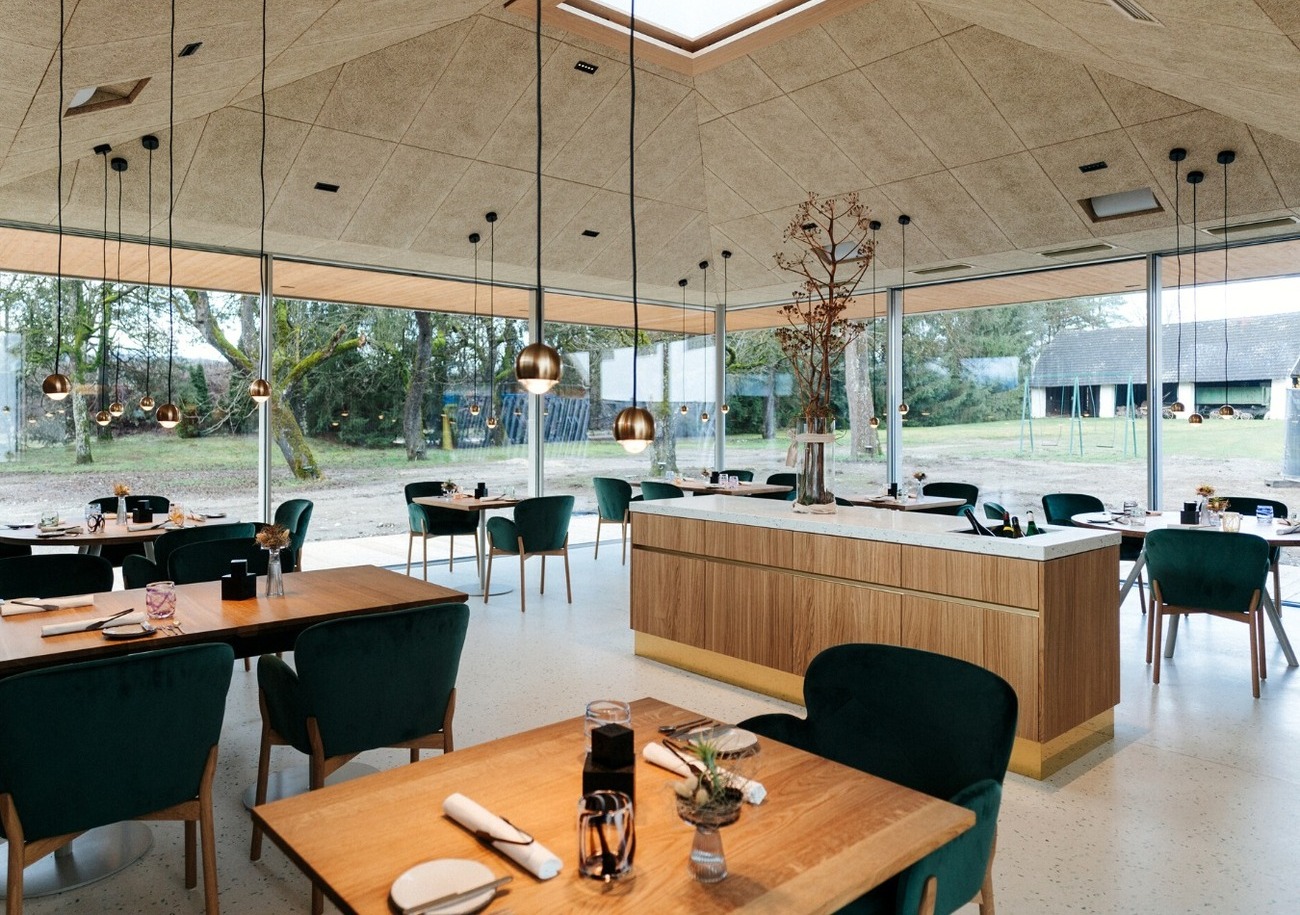
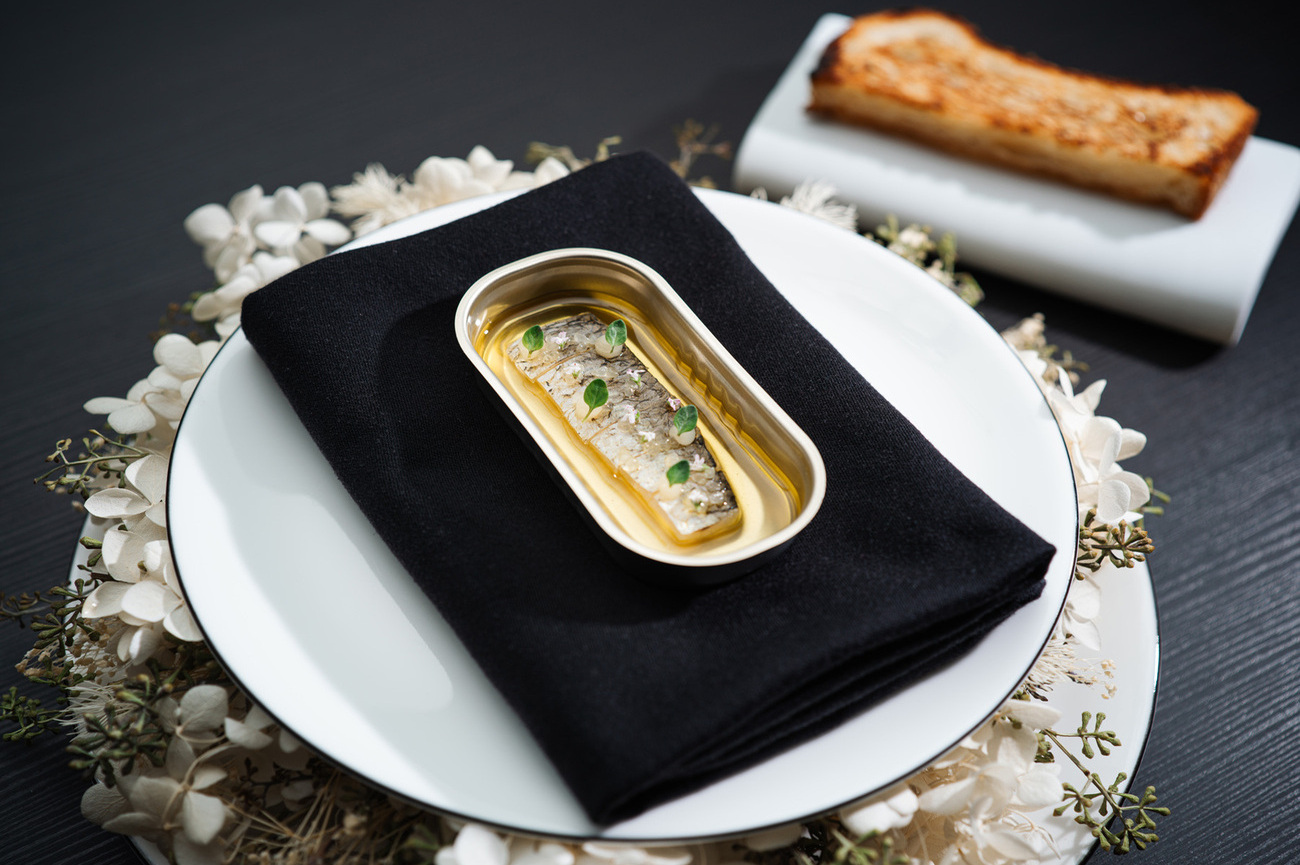
- Moritz: Located in Grafenstein, just south of Klagenfurt, Moritz feels deliberately low-profile. The cooking here is modern and focused, built on clarity of flavor rather than visual theatrics. Regional ingredients anchor the menu, but execution stays sharp and contemporary. This is the kind of restaurant that rewards attention. No distractions, no shortcuts. Just thoughtful cuisine in a setting that feels personal rather than performative. Sauces play a starring role, such as the tangy dill vinaigrette with courgette brunoise and mustard seeds, paired with gently cooked char. A five- or seven-course surprise menu anchors the offering, supported by excellent wine pairings.
- Rouge Noir: At Weissensee, Rouge Noir asks for one thing upfront, time. Chef duo Stefan Glantschnig and David Traun present a 12-course tasting menu that unfolds like a journey around and through the lake itself. Ingredients come from the immediate surroundings, showcased through bold yet precise combinations such as thick-fleshed char with crisped skin, served in a fennel and tomato-water nage with roasted guanciale. The chef’s table is limited to ten guests and located not in the kitchen, but in a private first-floor room of the Neusacherhof hotel. Designed like a small library lined with cookbooks, it opens to sweeping views of Weissensee, meadows, and mountains.
- Die Forelle: Also located within the Weissensee Nature Park, Die Forelle aligns its culinary philosophy tightly with its environment. Chef-patron Hannes Müller’s six-course “BERG.SEE.” menu is ingredient-driven and deeply personal, with much of the produce coming from the restaurant’s own farm or trusted local partners. Freshwater fish, alpine herbs, and seasonal vegetables are treated with clarity and restraint. Vegetarian dishes stand on equal footing, such as garden-grown courgette paired with fruity caramel, fermented black cherries and foraged ground elder. The wine list leans Austrian, with a strong focus on organic and biodynamic labels.
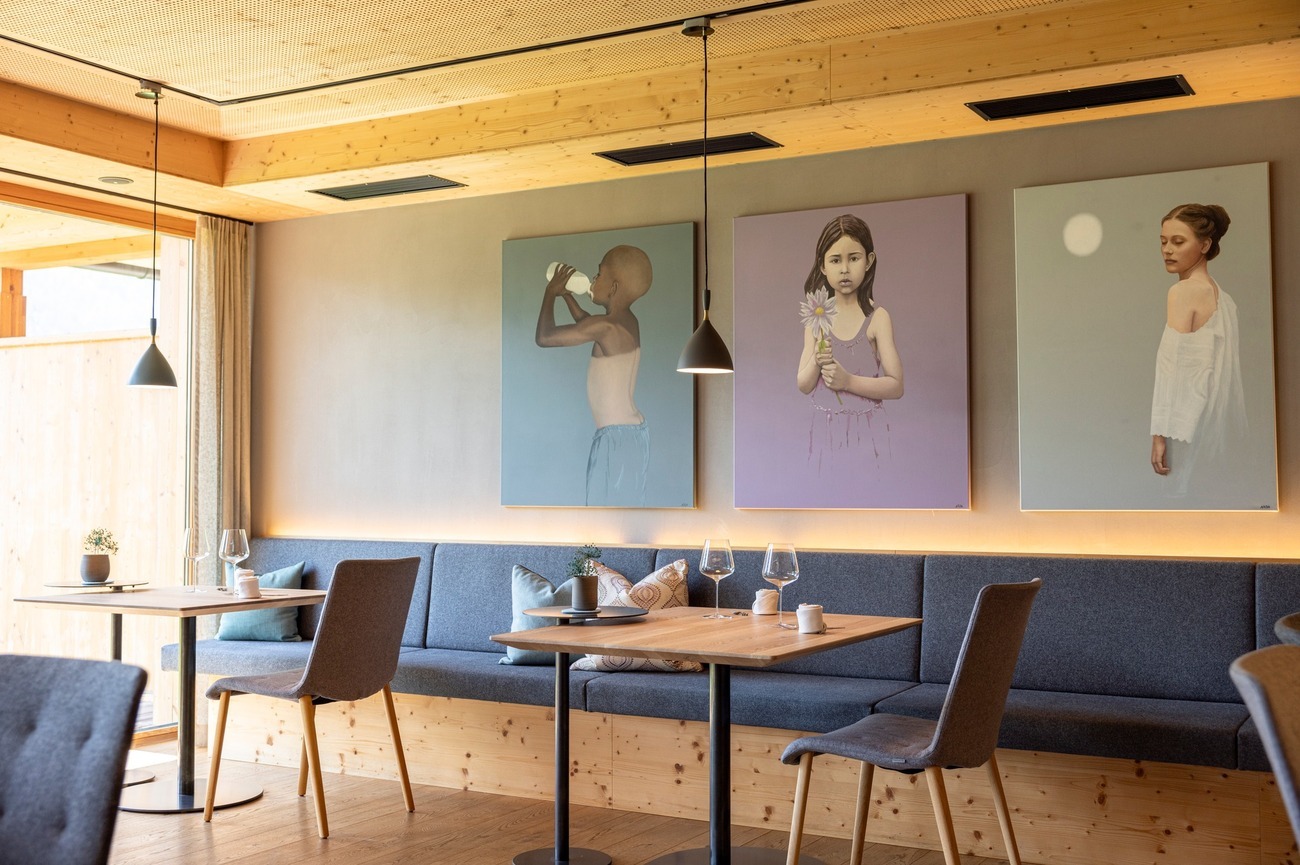
Where to Eat in Klagenfurt & Carinthia Lakes
Klagenfurt’s food scene doesn’t try to box itself into one identity. Alpine tradition lives next door to global flavors, casual grills coexist with carefully plated fine dining and atmosphere matters just as much as technique. These restaurants show how the region eats when it’s not dressing up for Michelin.
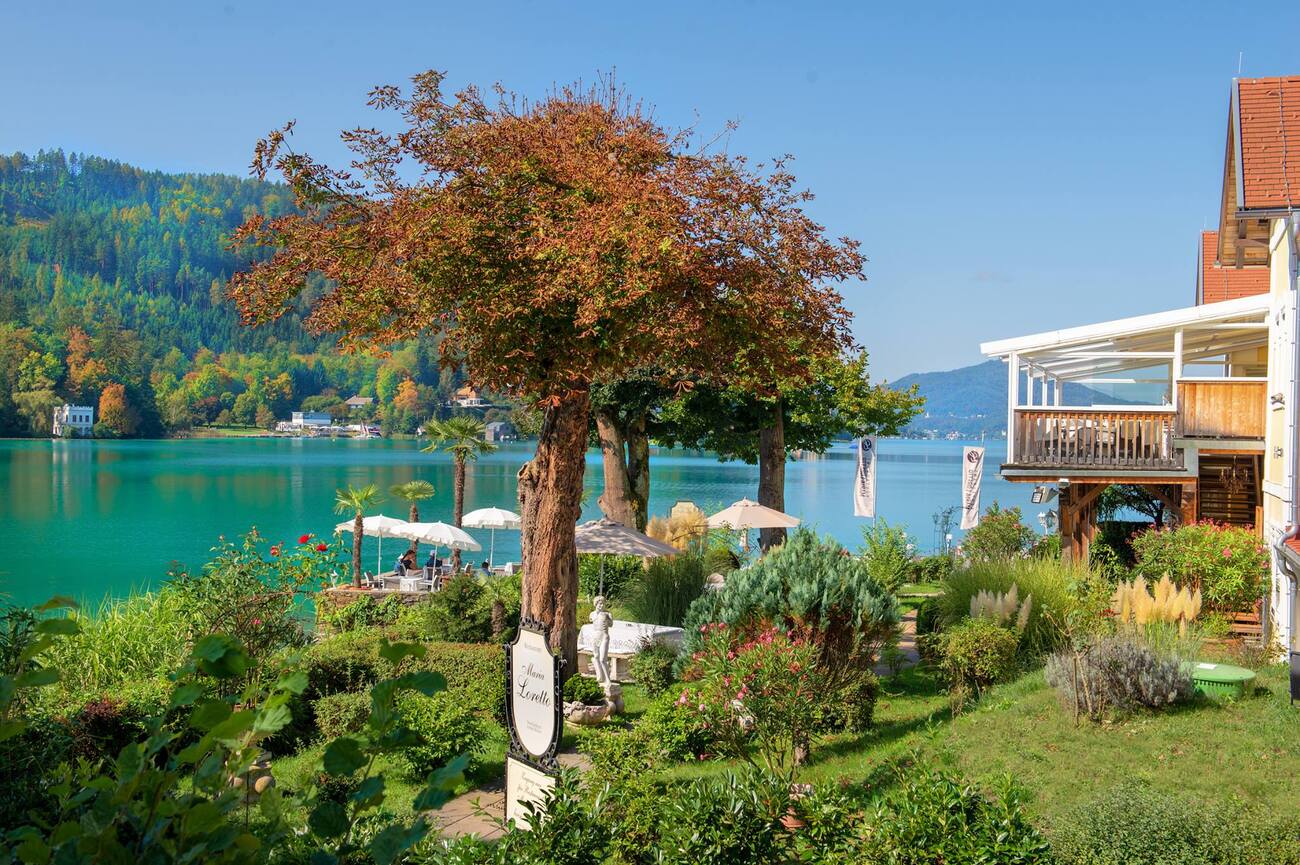
- Restaurant Maria Loretto: Set by the water, it doesn’t chase spectacle, it lets its setting and cooking speak in calm, measured tones. The menu leans into Austrian tradition with Mediterranean touches, dishes that feel polished but never overworked. Flavours are clear, ingredients respected, and plates arrive without unnecessary flourish. The atmosphere is relaxed and composed, the kind of place where time slows naturally and meals unfold at their own pace. Maria Loretto proves that refinement doesn’t need reinvention, just consistency, balance, and a deep understanding of what works.
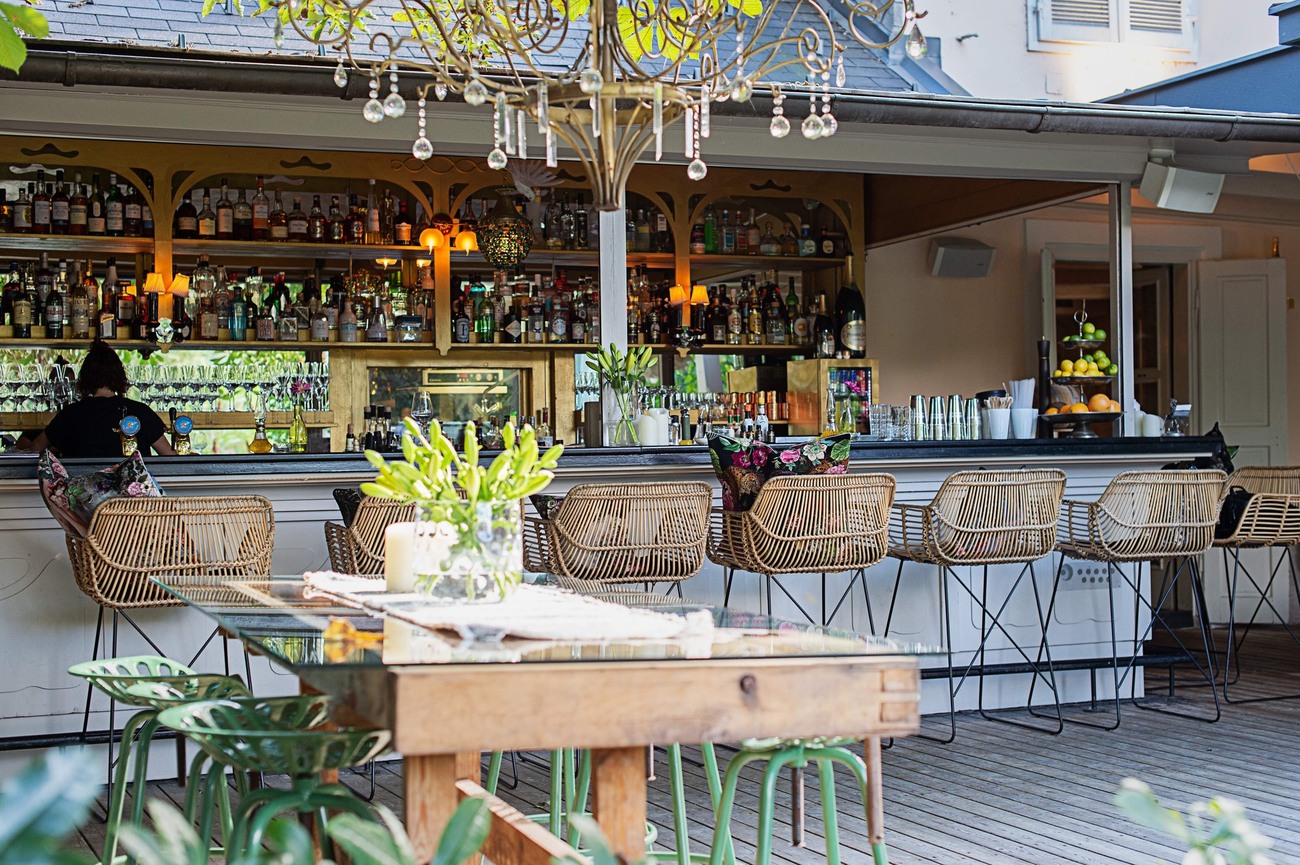
- 151 Restaurant & Bar feels contemporary without trying too hard. The space is clean-lined and confident, with a relaxed energy that suits both dinner and a later drink. The menu leans modern and creative, but it stays disciplined. Flavours are layered with care, presentation is precise without turning into theatre, and the kitchen knows when to keep things simple. It’s the kind of place where modern dining feels considered, balanced, and easy to settle into.
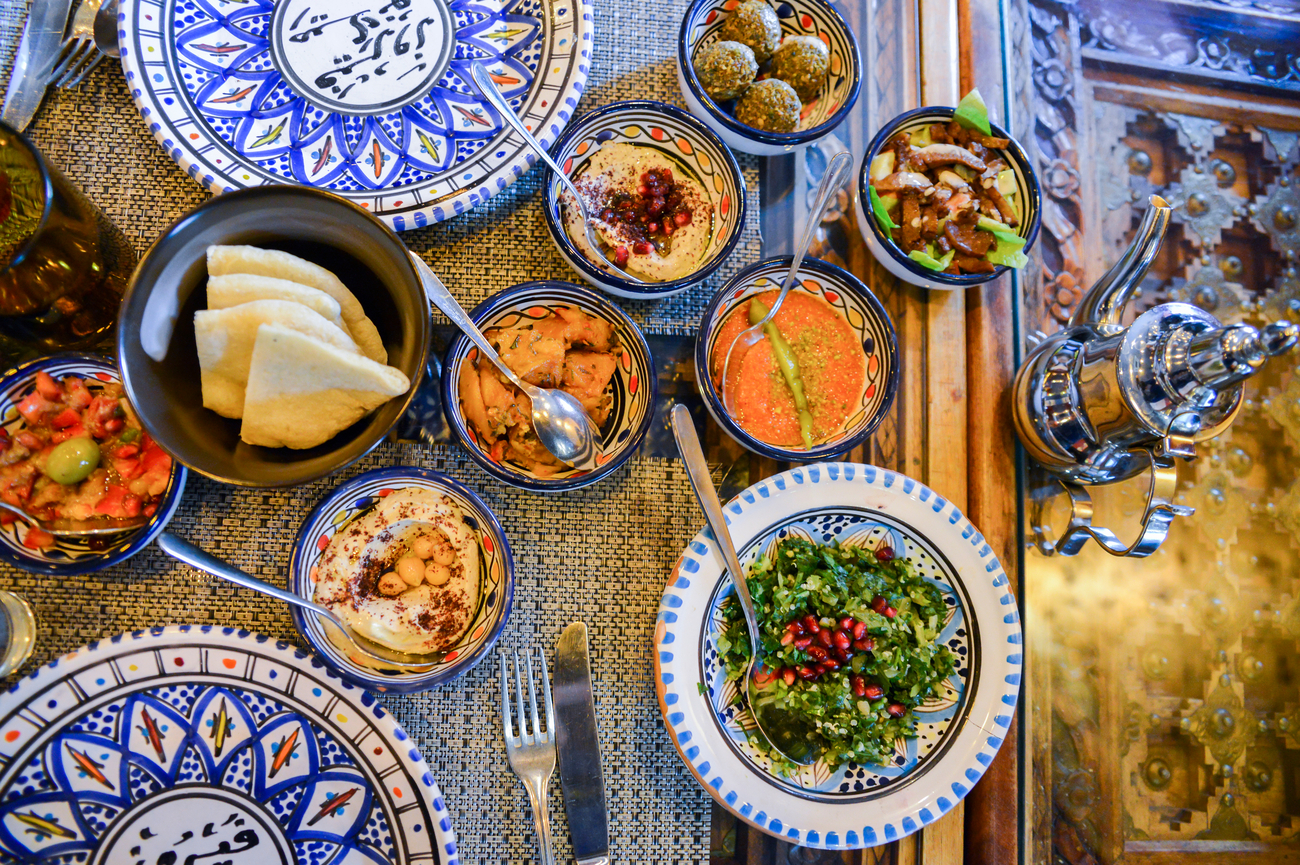
- Le Souk: Le Souk feels like a gentle detour from Central Europe without leaving the city. The space is intimate and warmly lit, the kind of room that invites long conversations rather than rushed courses. The menu leans toward Middle Eastern and North African influences, where slow-cooked meats, fragrant stews and shareable plates take center stage.
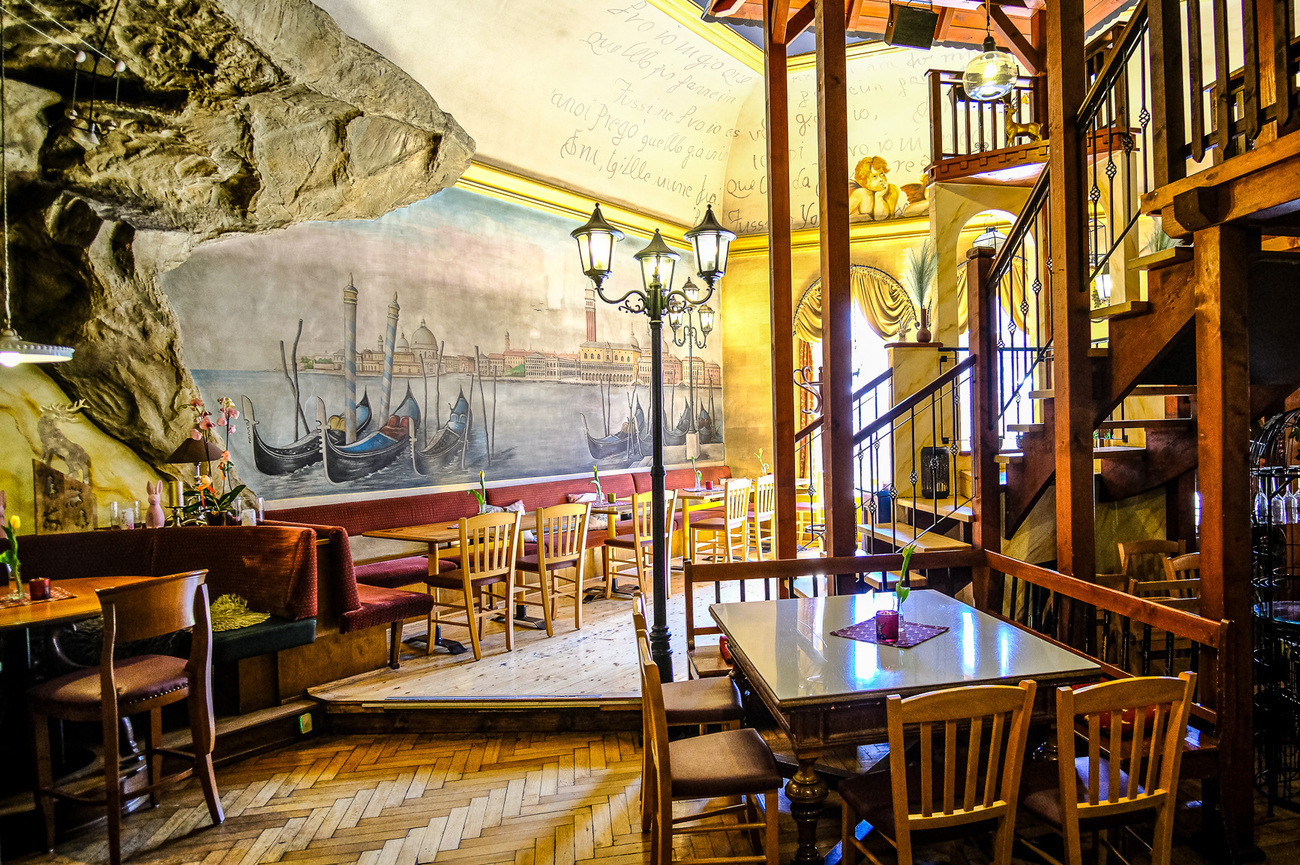
- Restaurant Pizzeria Platzhirsch: Platzhirsch understands flexibility and that’s its strength. Part pizzeria, part full-service restaurant, it caters to mixed cravings without feeling scattered. Wood-fired pizzas anchor the menu but the kitchen doesn’t stop there. Hearty mains and seasonal specials round things out, making it easy to build a meal that suits everyone at the table. The interior opens up vertically, with exposed wooden beams, staircases, and balconies creating a sense of movement and space. It almost feels alpine-meets-hall rather than a standard restaurant layout.
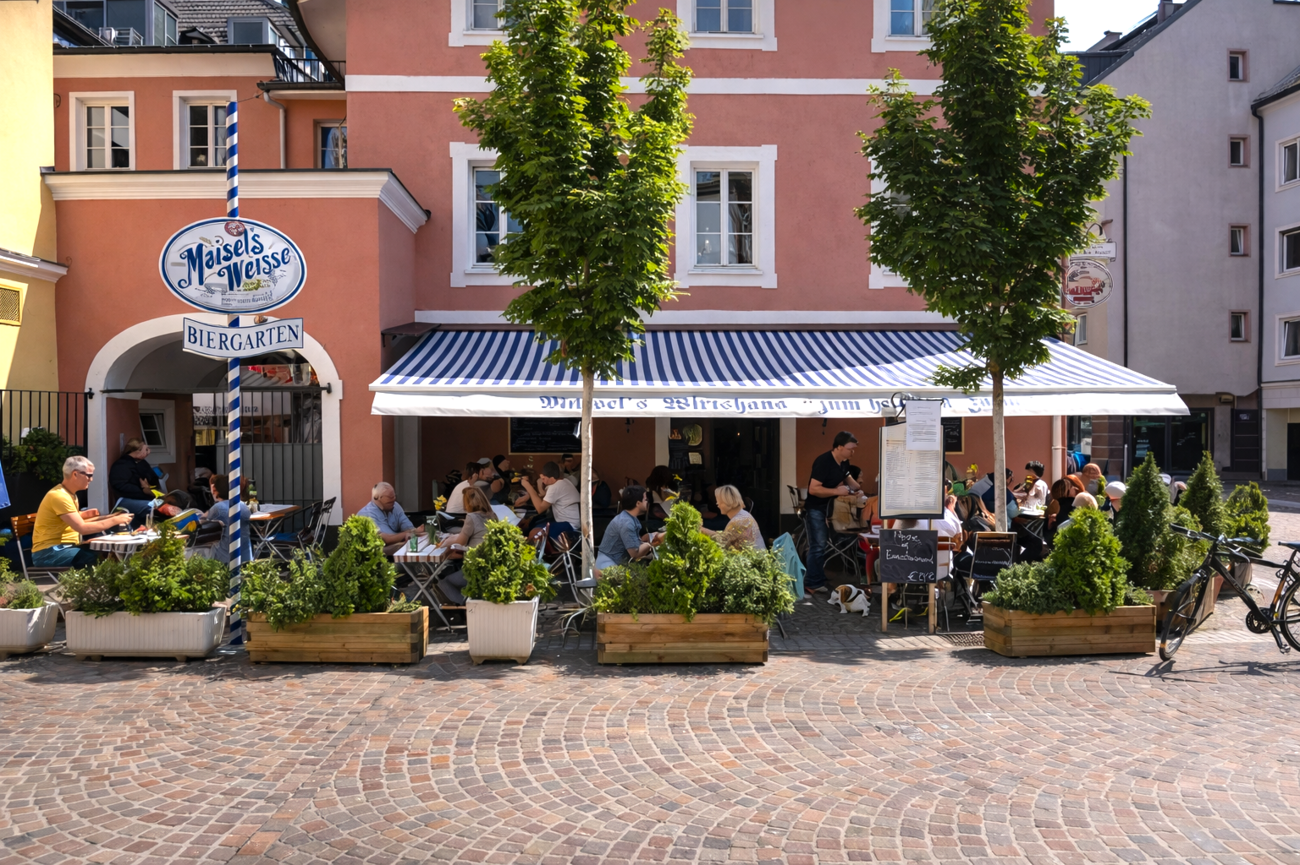
- Zum Heiligen Josef: There’s something grounding about Zum Heiligen Josef. No reinterpretations, no dramatic plating, just Austrian cooking that knows its role and plays it well. The atmosphere feels lived-in, almost conversational, like the restaurant has been part of the neighborhood long enough to earn trust. Classics dominate the menu, served with confidence and generous portions that don’t pretend to be minimalist. This is where tradition holds its ground, reminding diners that familiarity can still be satisfying when it’s done right.
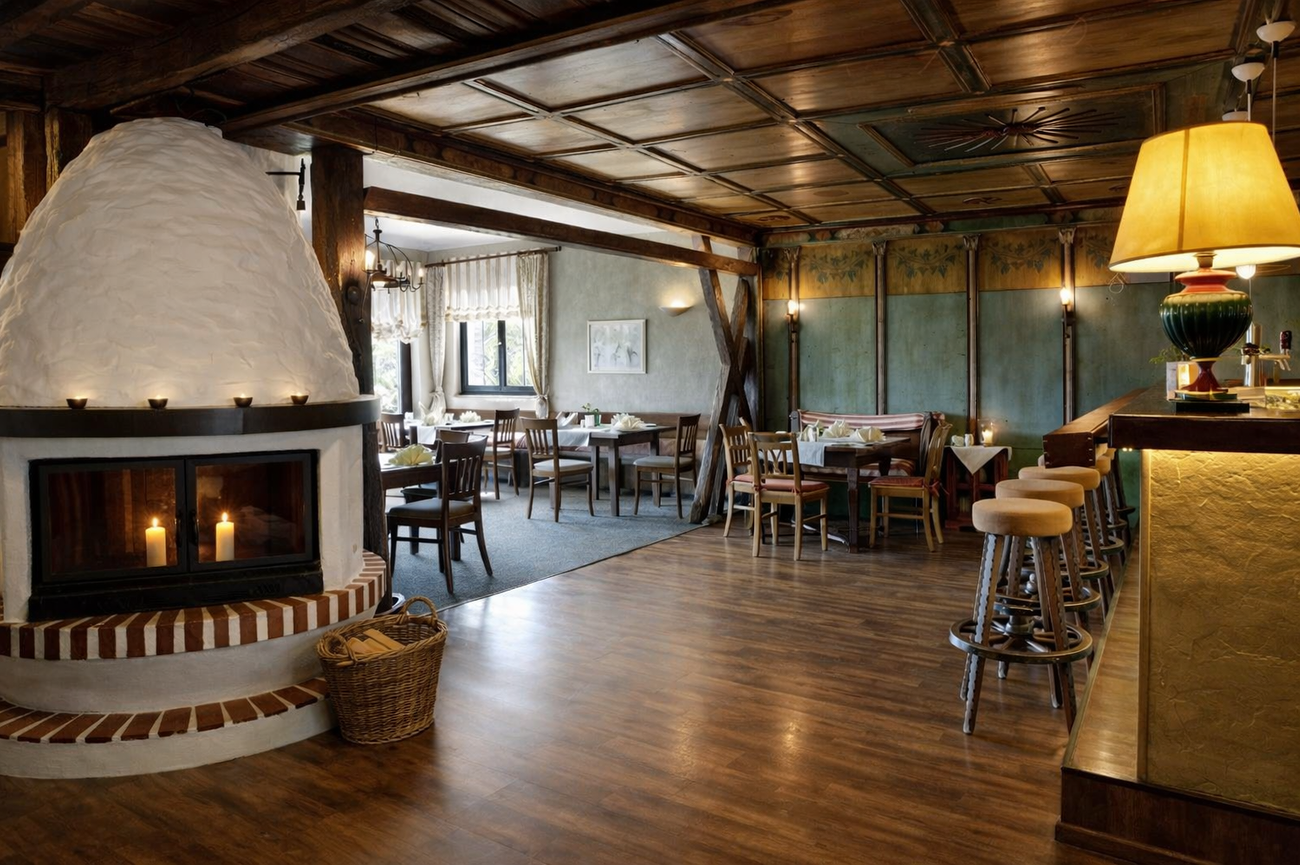
- Kutsche Landhaus Restaurant: Set within the Carinthia Lakes region, Kutsche Landhaus Restaurant leans into a classic landhaus aesthetic. It is rustic, welcoming and comfortably removed from urban pace. The menu reflects regional influences, often shaped by season and local sourcing, with dishes that feel familiar yet carefully prepared. There’s an understated elegance here that doesn’t chase trends. Instead, it focuses on atmosphere, comfort and flavors that resonate after a day outdoors.
Where to Drink in Klagenfurt & Carinthia Lakes
Some nights start with a perfectly built cocktail and end lakeside under dim lights. Others jump straight into bass drops and questionable sleep schedules. The beauty is choice. Whether the goal is main-character energy or soft-launch socializing, these spots in Klagenfurt and Carinthia Lakes understand the assignment.
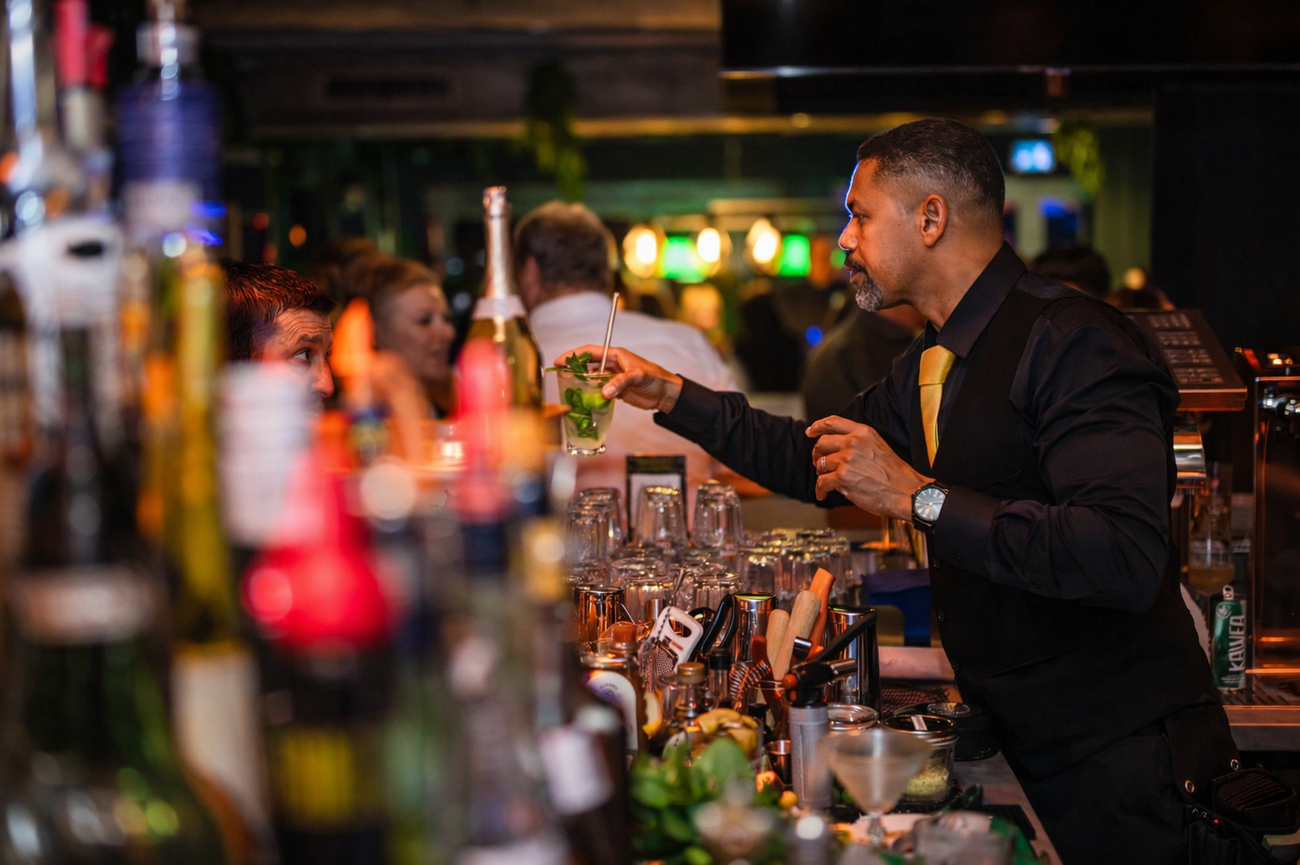
- Rangoon the Cocktailbar: Rangoon is where taste buds clock in for overtime. This cocktail bar takes drinks seriously, but never in a stiff way. Expect well-balanced pours, creative flavor combos and bartenders who clearly enjoy their craft. The lighting is low, the mood is intimate, and the energy says “stay for one more.”
- Danceclub Shine: Danceclub Shine is the “we’re actually going out” spot. Doors get busy late, the dance floor fills fast and the music stays loud enough to erase overthinking. Expect mainstream hits, electronic beats and a crowd that didn’t come to stand around. This is peak-hours energy, sweaty dancing and the kind of night that ends with stories instead of photos.
- Kügerl Bar: No dress code stress. No forced vibes. Just beer, conversation and a crowd that feels comfortably local. It’s the kind of place where plans either begin or casually dissolve. Ideal for pre-drinks, post-club decompression or nights when loud isn’t the mood.
- Marina Lounge Café: Sitting right by Lake Wörthersee, this spot leans into timing with sunset drinks, golden reflections and that slow transition from day to night. Cocktails hit different when the lake is doing half the work. The crowd is relaxed but styled, conversations stretch longer, and nobody’s in a rush to leave. This is chill energy with aesthetic payoff.
Cafes in Klagenfurt & Carinthia Lakes
Klagenfurt runs on an unspoken schedule, and cafés keep time. Early mornings feel calm rather than rushed. Midday hums along without stress. Late afternoons stretch further than planned. This rhythm shows up most clearly in the city’s coffee spots, where people don’t just pass through; they settle in. These cafes aren’t built around trends or Instagram moments. They’re shaped by habit, neighborhood energy and repeat visits.
- Das Katzencafé – Cat’n’Coffee: This café doesn’t pretend to be neutral territory. The cats own the room and everyone else adapts and somehow, that’s the charm. Das Katzencafé leans into softness, from the warm interiors to the unhurried pace, creating a space that immediately disarms stress. Coffee here is solid and comforting, pastries are familiar but the real appeal is the atmosphere.
- OFFICE CAFÉ feels like it was designed for modern routines without making a big deal about it. Clean lines, good light, efficient service and coffee that shows up exactly how it should. The space is bright and orderly, built around soft neutral tones and warm wood that keep everything feeling light instead of sterile. Pendant lights hang evenly from the ceiling, giving off a steady glow that works just as well for morning coffee as it does for mid-afternoon refuels. There’s a quiet productivity in the room, but it never tips into pressure.
- Kap 4613 - Die Pyramide & Terrasse: Kap 4613 is about timing. The terrace becomes the main character the moment the weather cooperates, turning a simple coffee into a full afternoon commitment. This is not a grab-and-go stop. It’s where one order turns into another because leaving would break the vibe.
- Bäckerei Wienerroither: Fresh bread, classic pastries, steady quality. This is Bäckerei Wienerroither. Coffee plays a supporting role, but it’s enough. Locals come here because they know exactly what they’re getting, and that confidence is part of the experience. It’s a place built on routine rather than atmosphere.
- Cafe Bajazzo: Cafe Bajazzo feels like it exists slightly outside the timeline. A little bohemian, a little worn-in, and fully comfortable with its own personality. The space feels tucked away, almost secret. Rough brick arches frame those faded blue wooden doors like they’ve been there forever. Drinks are straightforward, the setting unapologetically character-driven. This is the cafe people recommend when they don’t want something polished.
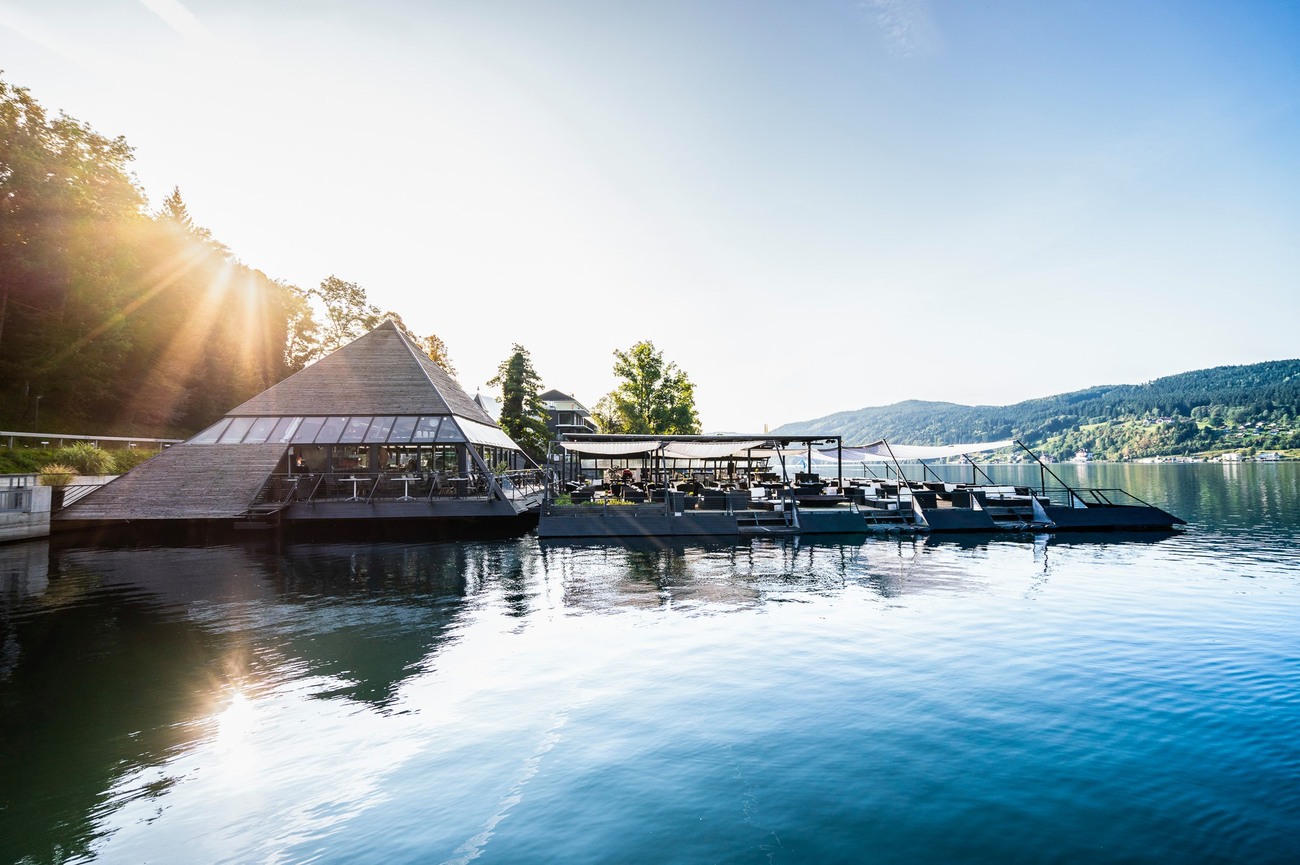
Where to Stay in Klagenfurt & Carinthia Lakes
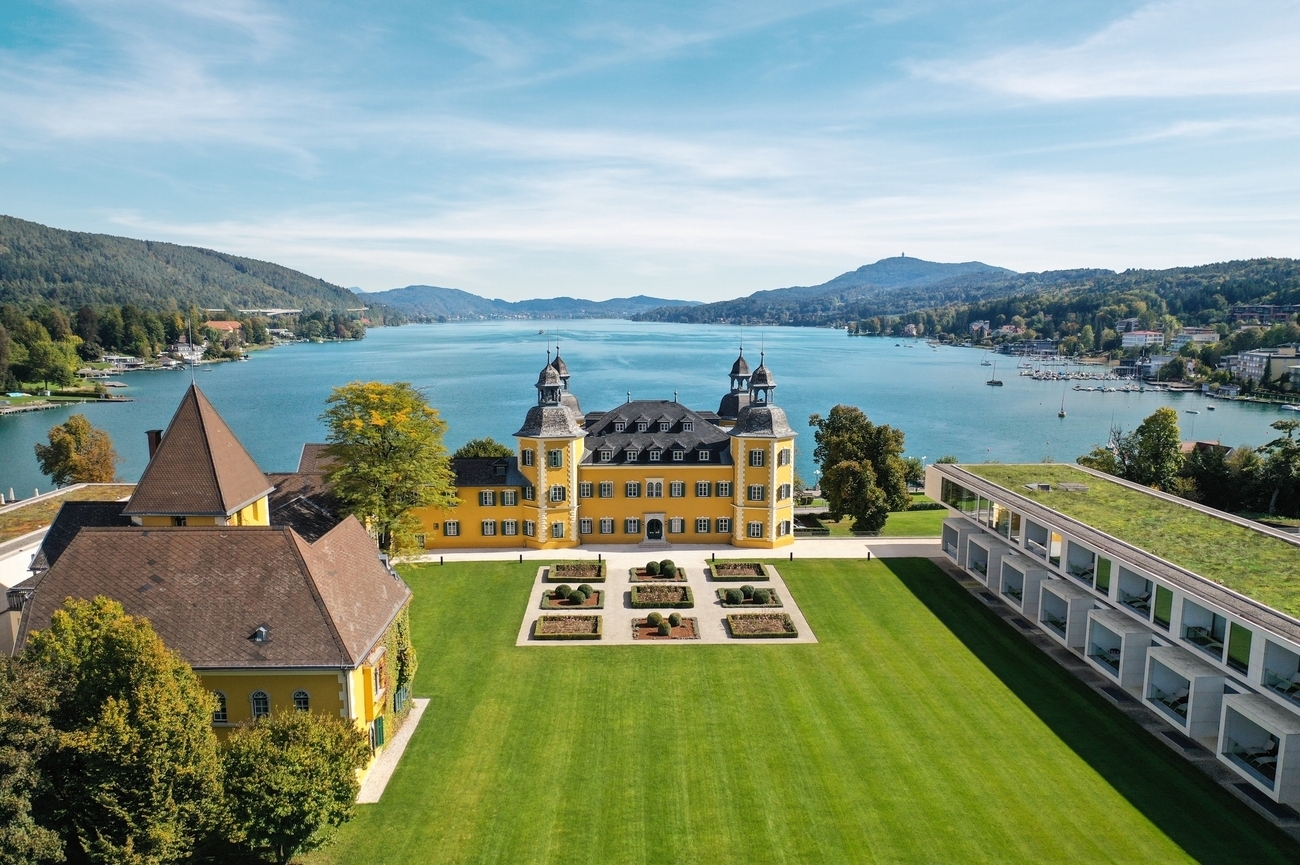
- Falkensteiner Schlosshotel Velden (5 stars): This is Wörthersee drama done right. Set directly on the lake in Velden, Falkensteiner Schlosshotel Velden is a former castle turned luxury flagship. Inside, the hotel balances historical architecture with modern refinement with high ceilings, elegant rooms and public spaces designed for lingering. The spa is a major draw, known for its serene atmosphere and lake-facing relaxation areas, while service is polished without feeling scripted.
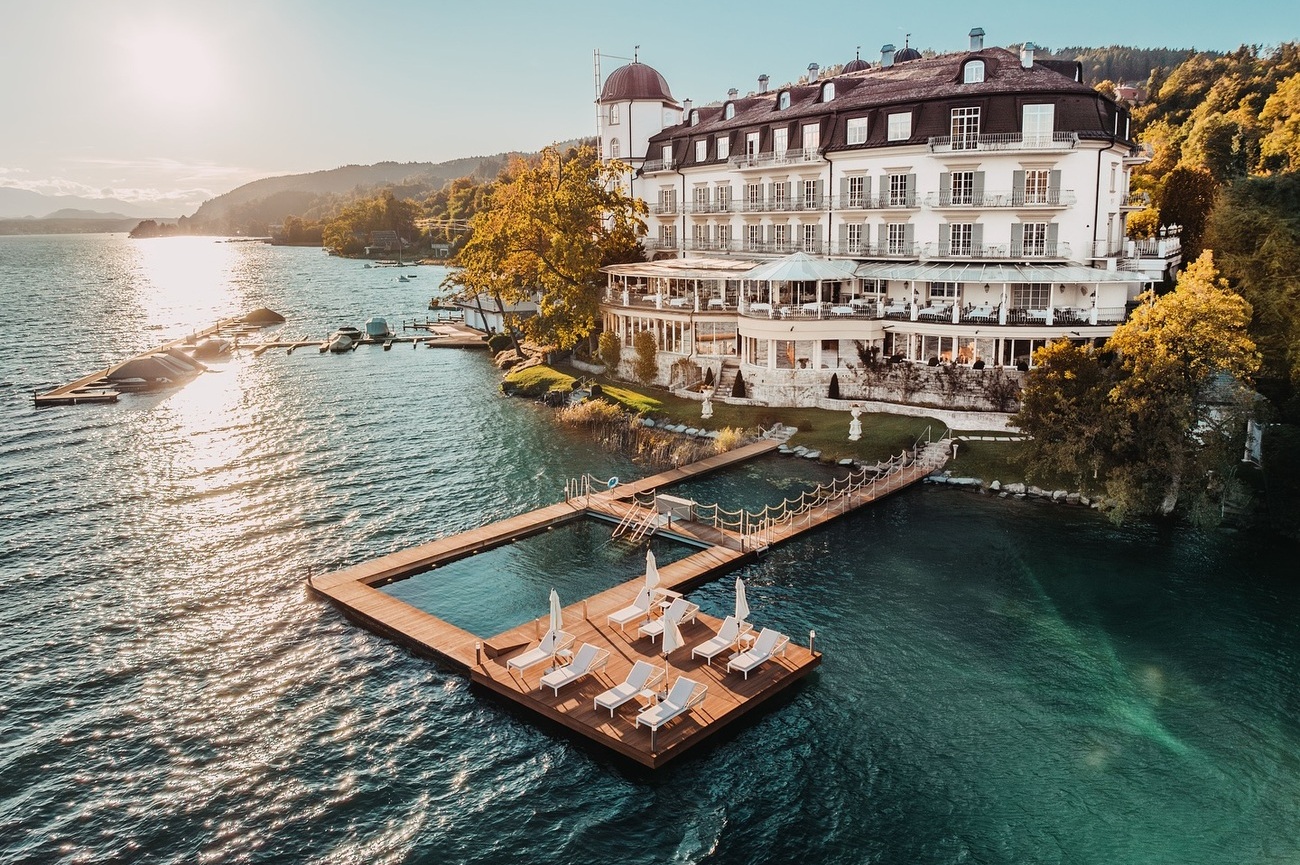
- Hotel Schloss Seefels (5 stars): Set directly on the shores of Lake Wörthersee in Pörtschach, the historic white façade stretches elegantly toward the water, with terraces and glass-lined balconies designed to keep the lake in constant view. Private wooden piers extend into the turquoise water, giving the property a sense of direct connection to the landscape rather than separation from it. What makes Schloss Seefels stand out is how deliberately calm everything feels. The outdoor decks, sun loungers and lakeside access are arranged with quiet precision, creating an atmosphere that encourages slow mornings and unhurried afternoons.
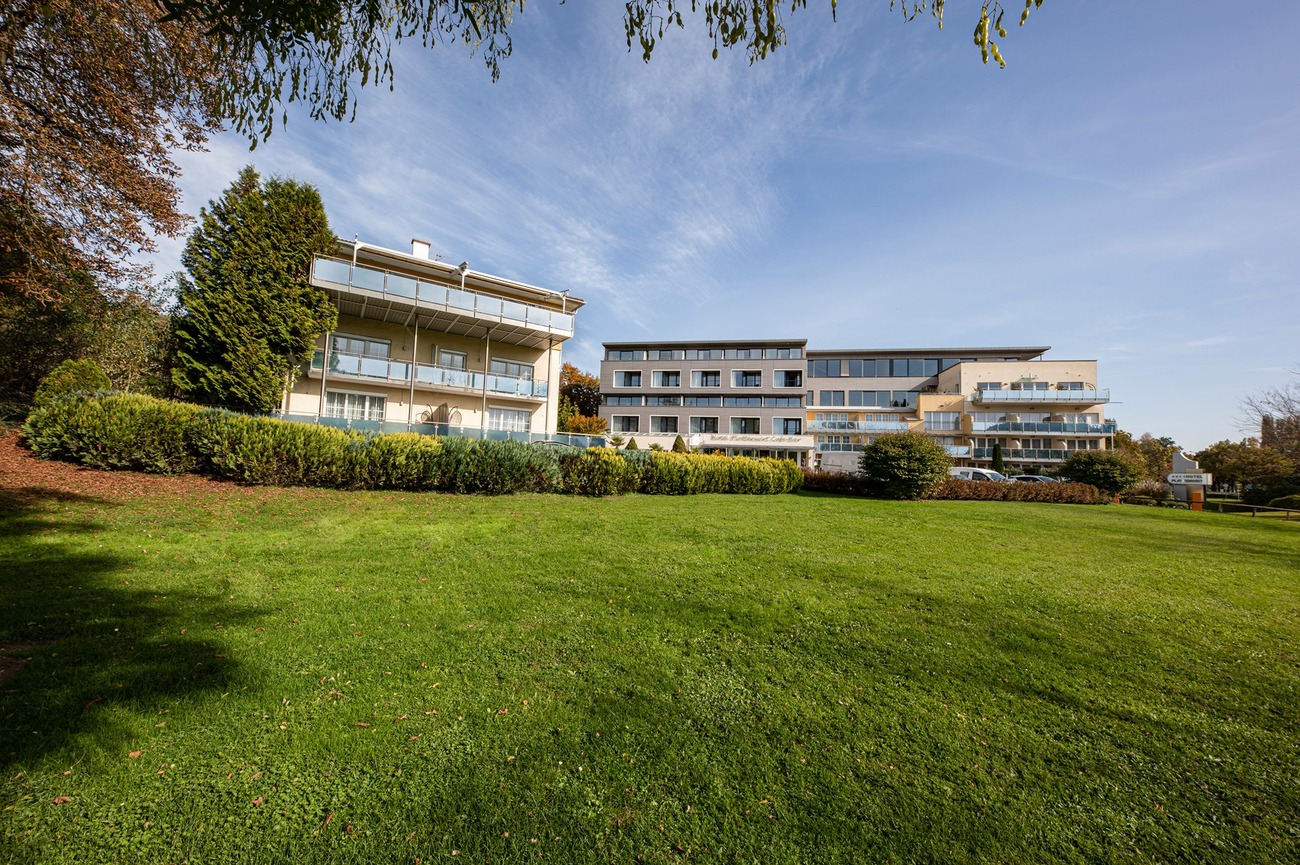
- Hotel Plattenwirt (4 stars): Located in Klagenfurt, Hotel Plattenwirt blends modern design with everyday comfort. The rooms feel clean, contemporary and thoughtfully laid out, making it a favorite for travelers who value aesthetics without excess. Its proximity to Lake Wörthersee and the city center keeps everything convenient. Morning walks by the water, easy access to cafes and quick connections around town. The hotel’s reputation is built on consistency: friendly staff, reliable quality and a relaxed atmosphere that works for both short stays and longer visits.
- Hotel Streklhof (4 stars): Tucked away in Velden, Hotel Streklhof feels deliberately intimate. This boutique-style 4-star hotel is known for its carefully designed rooms and highly personal service. Everything about the stay feels considered—from the quiet setting to the way staff anticipate needs without hovering. It’s a popular choice for travelers who want refinement without scale, offering a calm counterpoint to Velden’s more social lakefront energy.
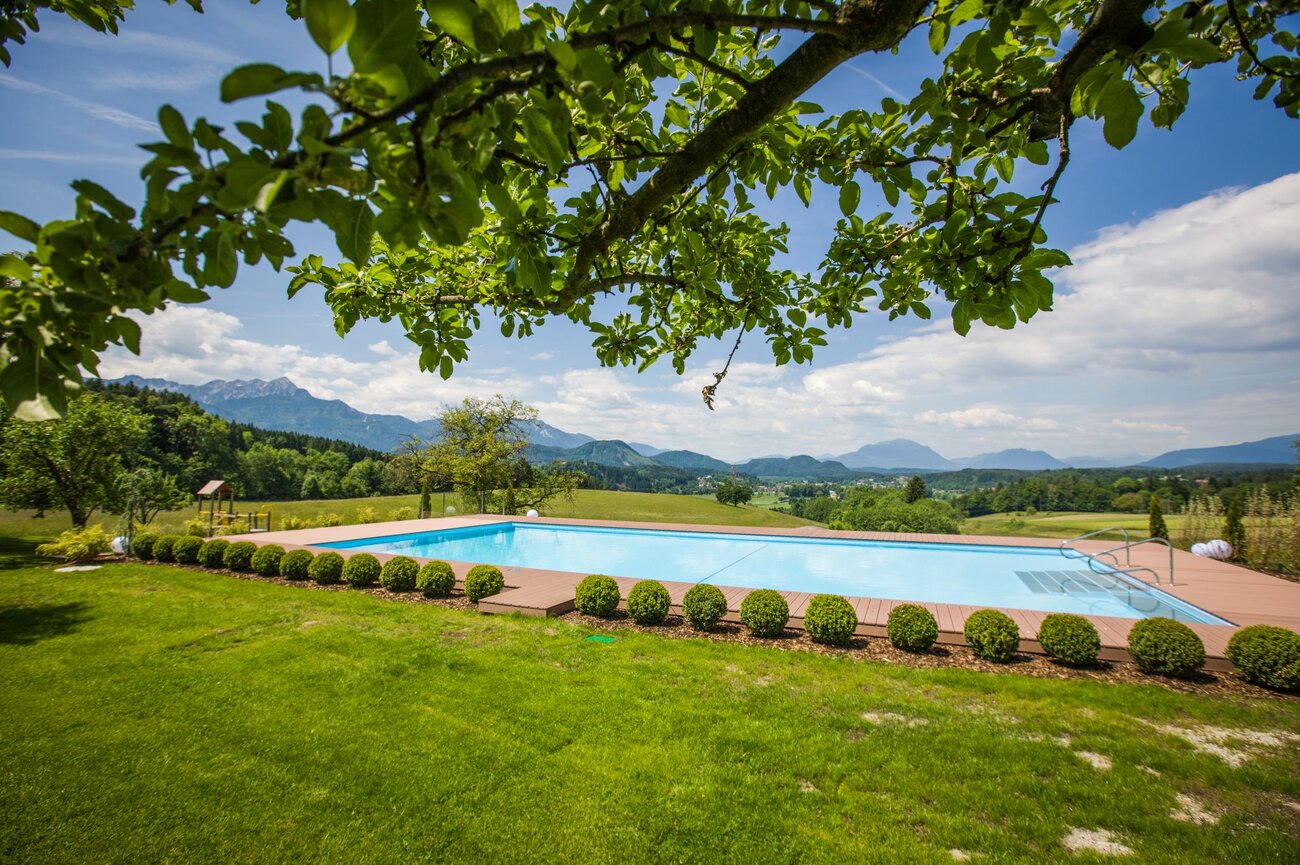
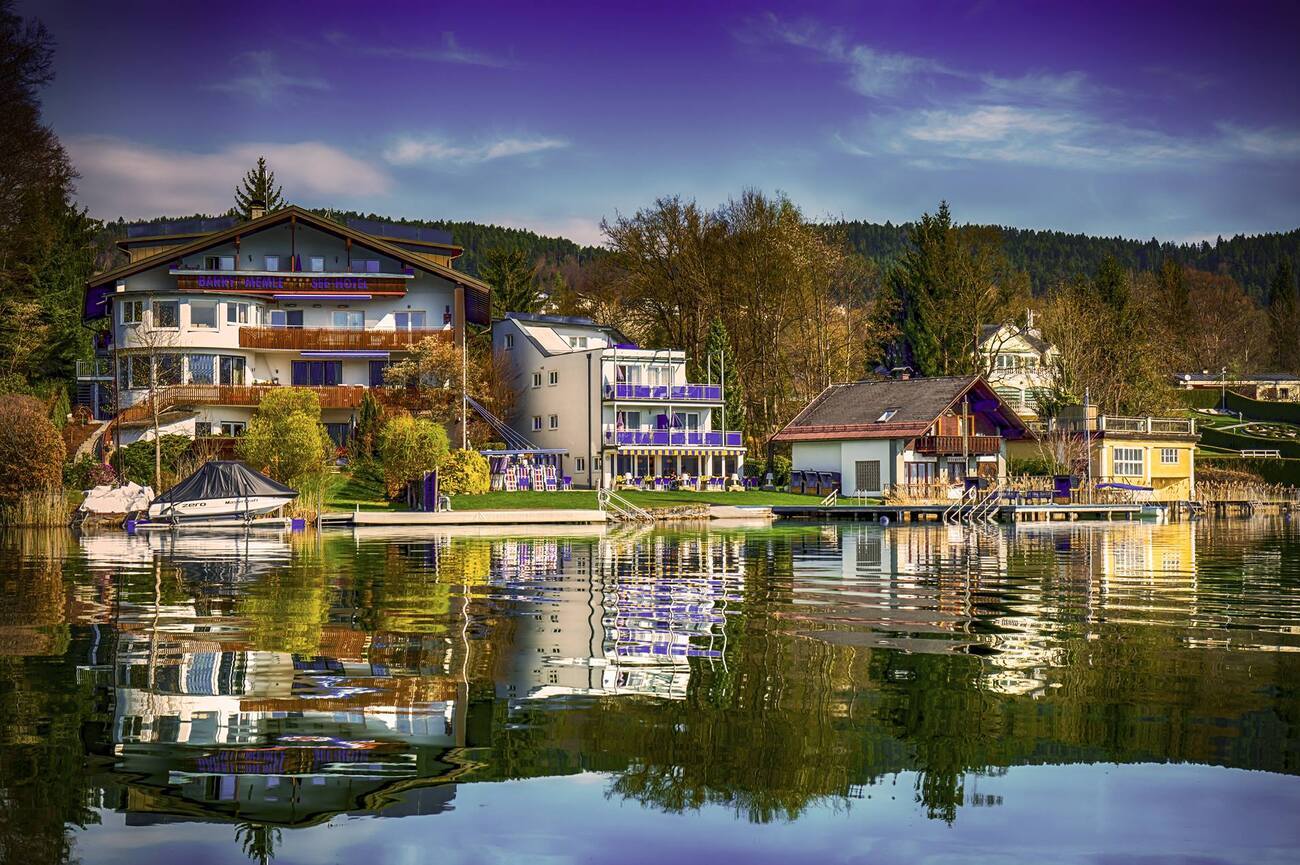
- Barry Memle Directly at the Lake (4 stars): Barry Memle is all about access. Located directly on Lake Wörthersee in Velden, it’s known for its private lakefront area and relaxed, easygoing atmosphere. Rooms are simple but comfortable and the real draw is how effortlessly the lake becomes part of the stay. Beyond the shoreline, Barry Memle surprises with a wellness element that adds depth to the stay. The indoor pool area is bright and playful, defined by colorful mosaic tiles, curved walls and a cheerful sun motif overhead. It feels warm and inviting rather than clinical.
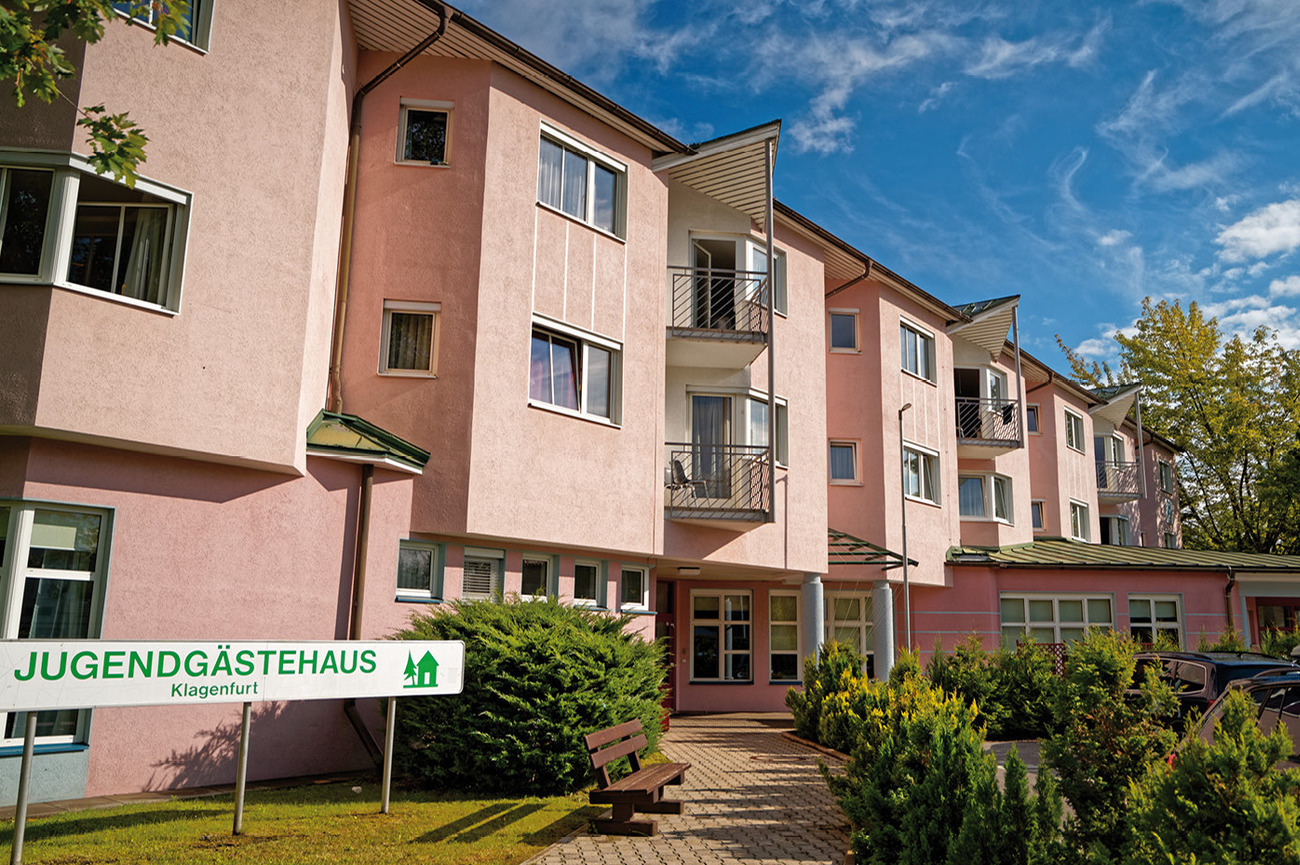
- Jugend- und Familiengästehaus Klagenfurt: This is Klagenfurt’s most established hostel option, and it works because it understands its role. Located within the city, it offers clean, functional spaces designed for students, families and budget travelers who still want structure.
Best Time to Visit Klagenfurt & Carinthia Lakes
Summer wins. No debate. If Klagenfurt and the Carinthia Lakes had a main character season, this would be it.
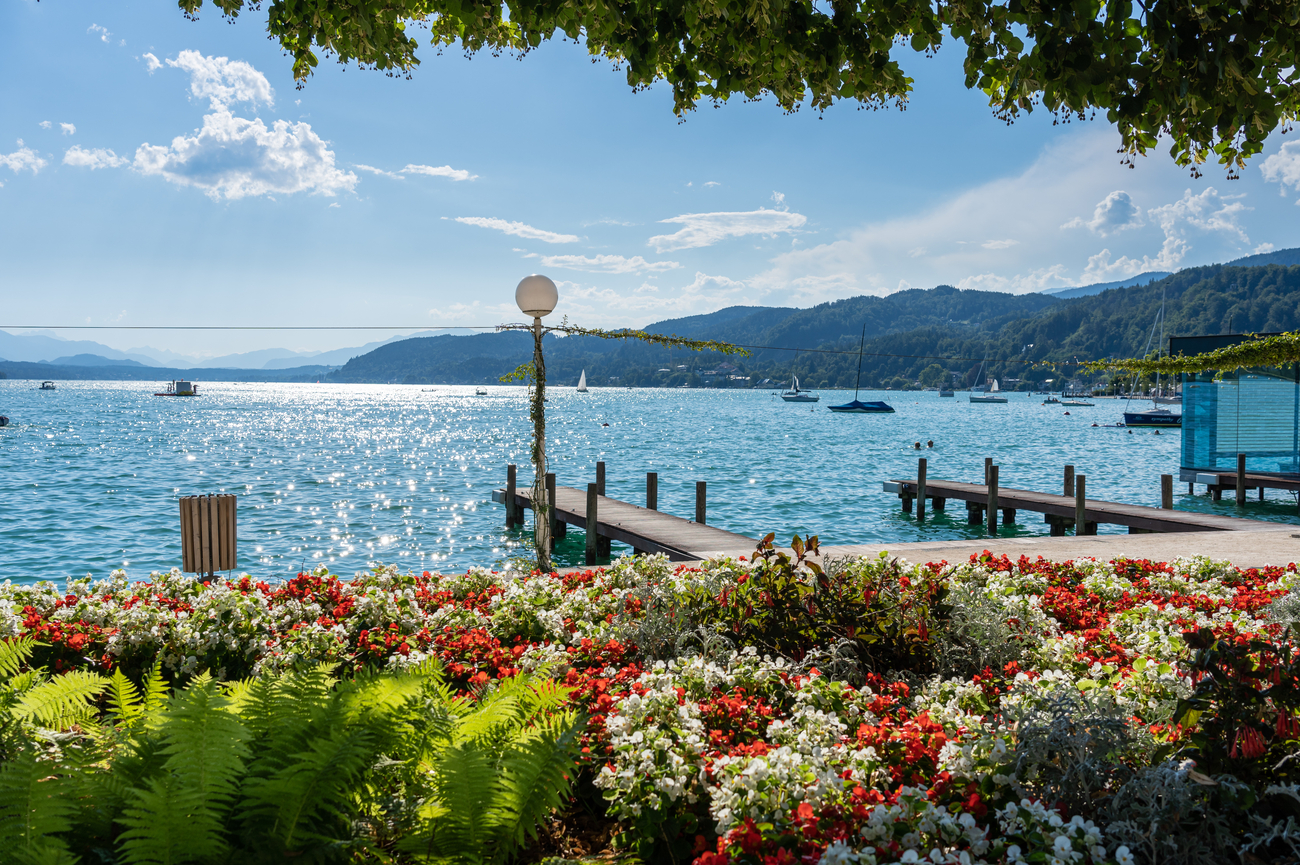
From late May to September, everything here clicks into place. The lake turns that unreal turquoise that looks Photoshopped but definitely isn’t. Mornings start slow and golden, with sunlight bouncing off the water and café tables quietly filling up. Klagenfurt feels polished but chill, like it knows it’s cute and doesn’t need to prove it. By midday, the whole region shifts gears with boats slicing across the lake, swimmers jumping off docks, sun loungers filling up with people who clearly had no intention of checking emails today.
Afternoons are where summer really shows off. Velden and Pörtschach feel glossy but not try-hard, with lakeside promenades that invite wandering, pausing and lingering longer than planned. The water stays warm enough to actually enjoy swimming, not just dipping a toe and committing to regret. Even doing nothing feels productive here like lying by the lake somehow counts as a cultural experience.
Then comes evening, and this is where the region lowkey flexes. The light hangs around like it’s not ready to leave, turning the lake into a mirror of pinks, blues, and golds. Terraces stay full, conversations stretch, and boats drift back slowly like they’re also not done with the day. It’s giving soft summer movie energy. A little romantic. Very aesthetic. Zero rush.
The lakes glow, the days stretch and everything moves at just the right pace. Klagenfurt and the Carinthia Lakes show up fully in this season, confident and effortless. If there’s a moment when the region feels unmistakably alive, this is it.
Festivals in Klagenfurt & Carinthia Lakes
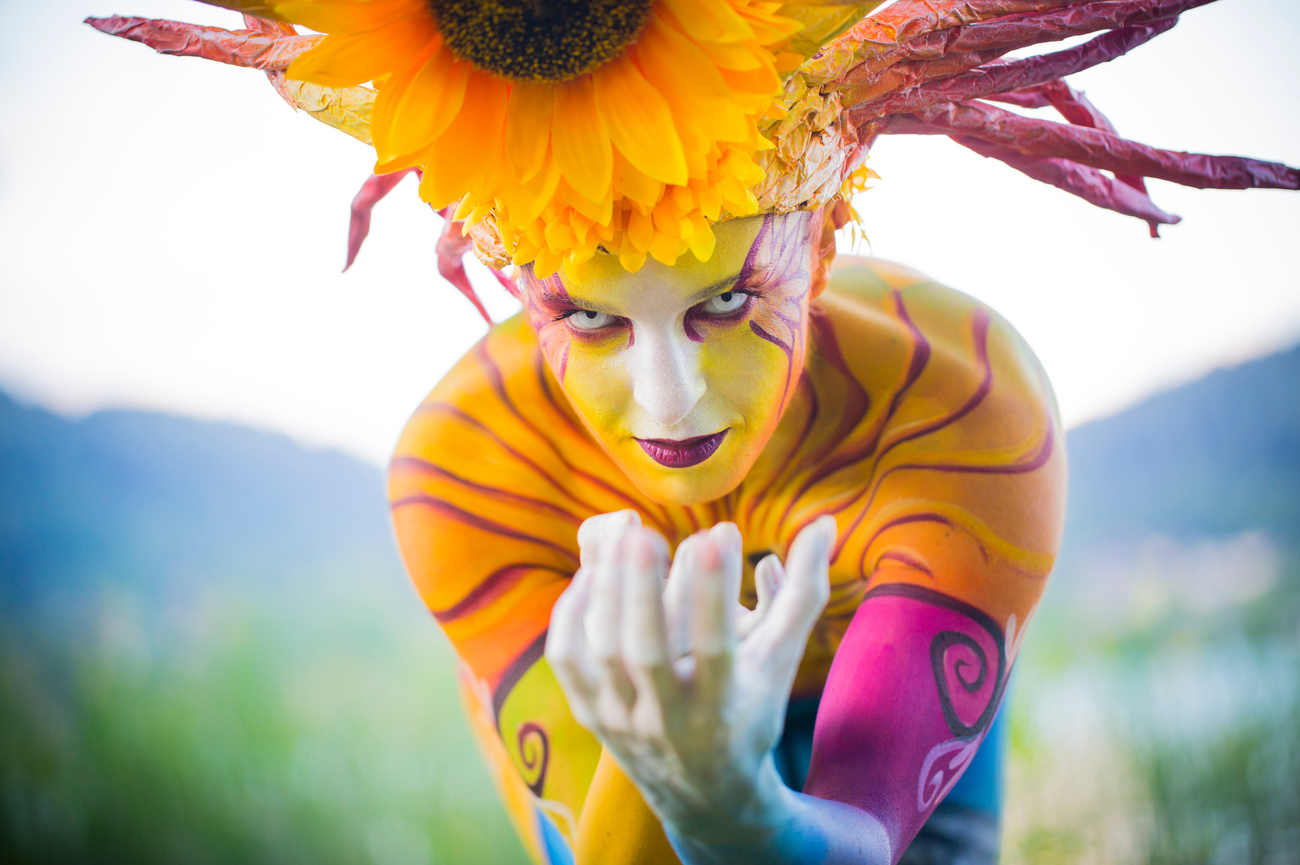
- World Bodypainting Festival: July is when Klagenfurt turns into an open-air gallery. The World Bodypainting Festival takes place over several days in early July, drawing artists and models from around the world. Streets and venues fill with color, creativity, and live performances, blurring the line between art and spectacle. It’s bold, playful and unapologetically visual.
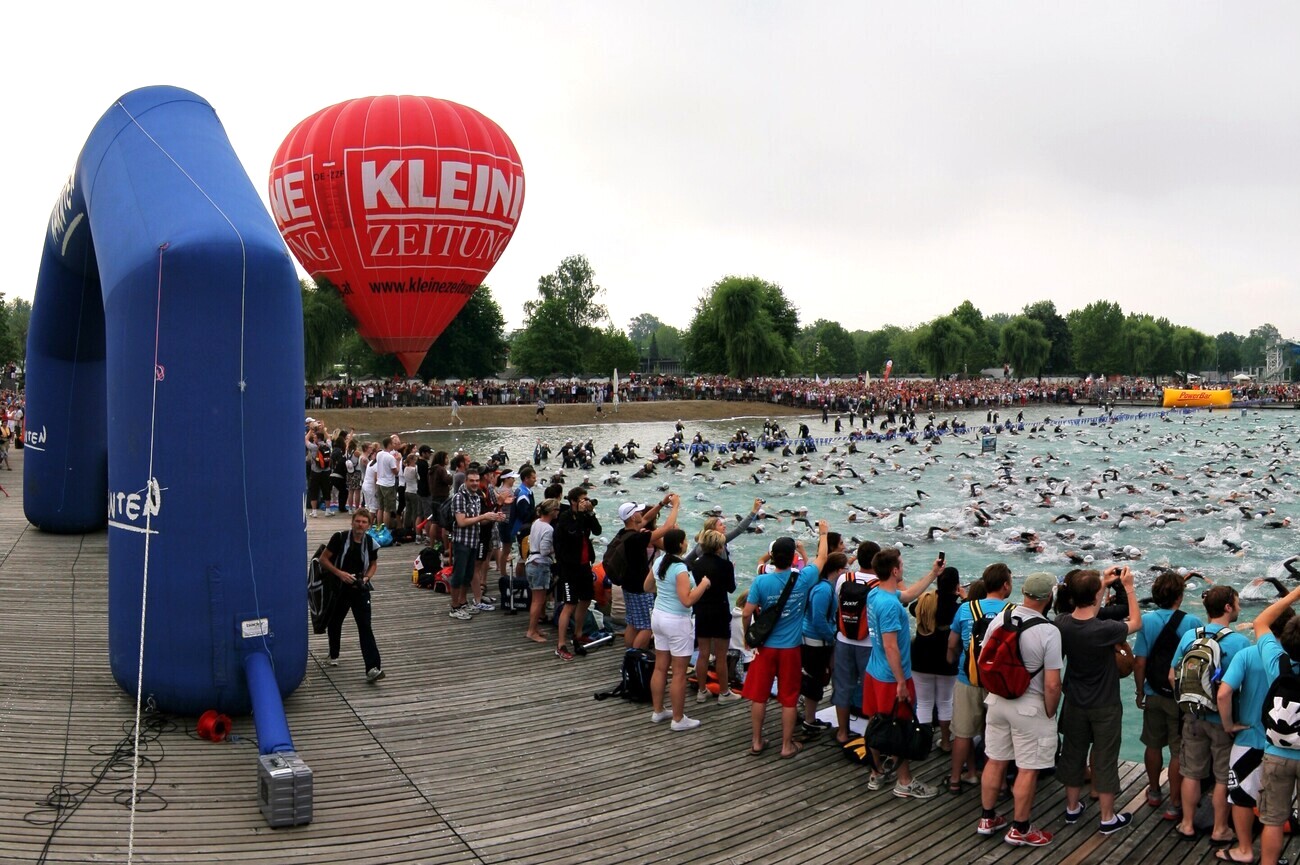
- IRONMAN Austria-Kärnten: Held in June, IRONMAN Austria-Kärnten transforms Klagenfurt into an endurance arena. Athletes swim in Lake Wörthersee, cycle through Carinthia’s rolling landscapes and finish with a marathon that turns the city center into a cheering corridor. Even if you’re not racing, the energy is contagious. Streets buzz, crowds line up early and the whole city moves like it’s rooting for something bigger than itself.
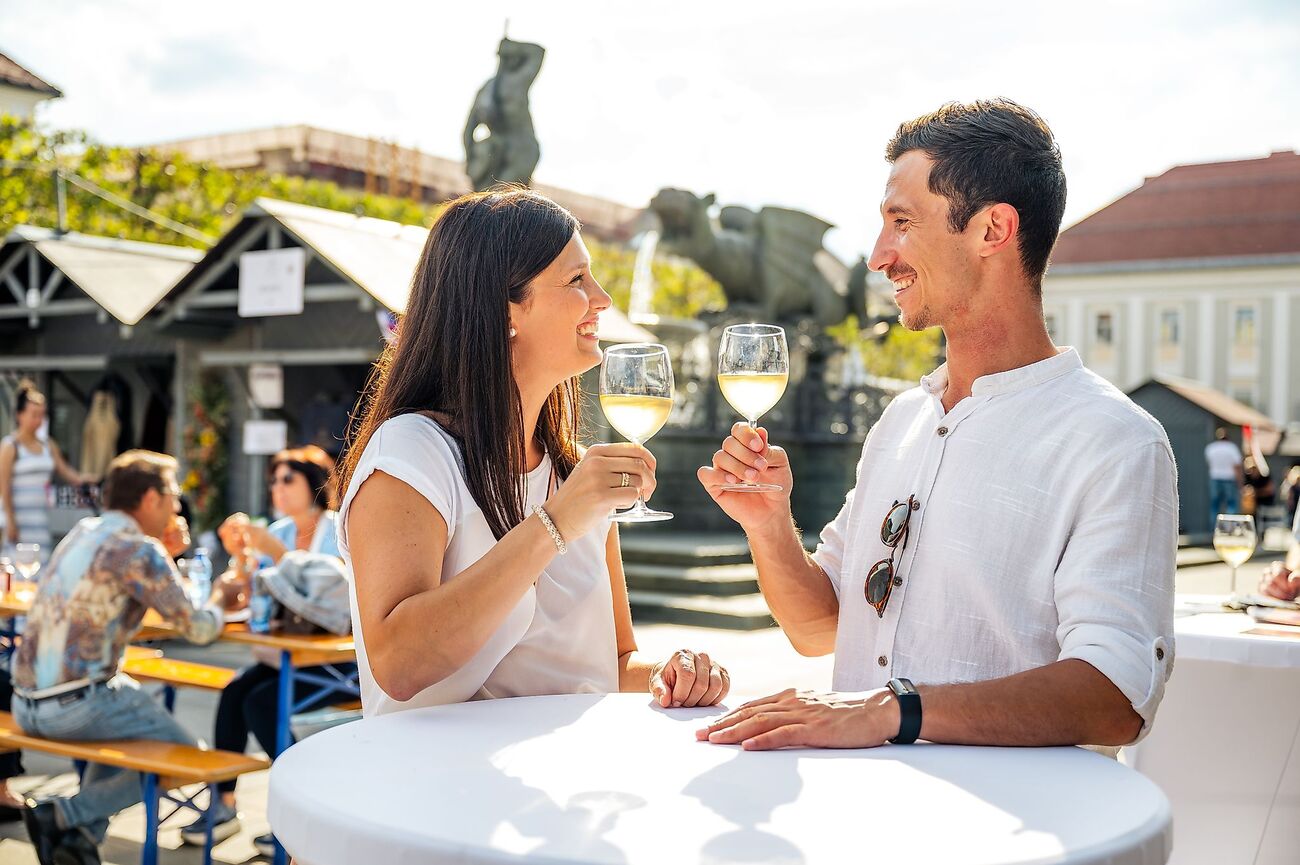
- Days of Alps-Adriatic Cuisine: Usually taking place in late April or May, this festival celebrates the shared culinary traditions of the Alps-Adriatic region. Restaurants and venues across Klagenfurt highlight seasonal ingredients, cross-border flavors and regional techniques. It’s food-forward but grounded. Less flash, more flavor. The event quietly reminds visitors that Carinthia sits at a cultural crossroads where Alpine, Italian and Balkan influences meet.
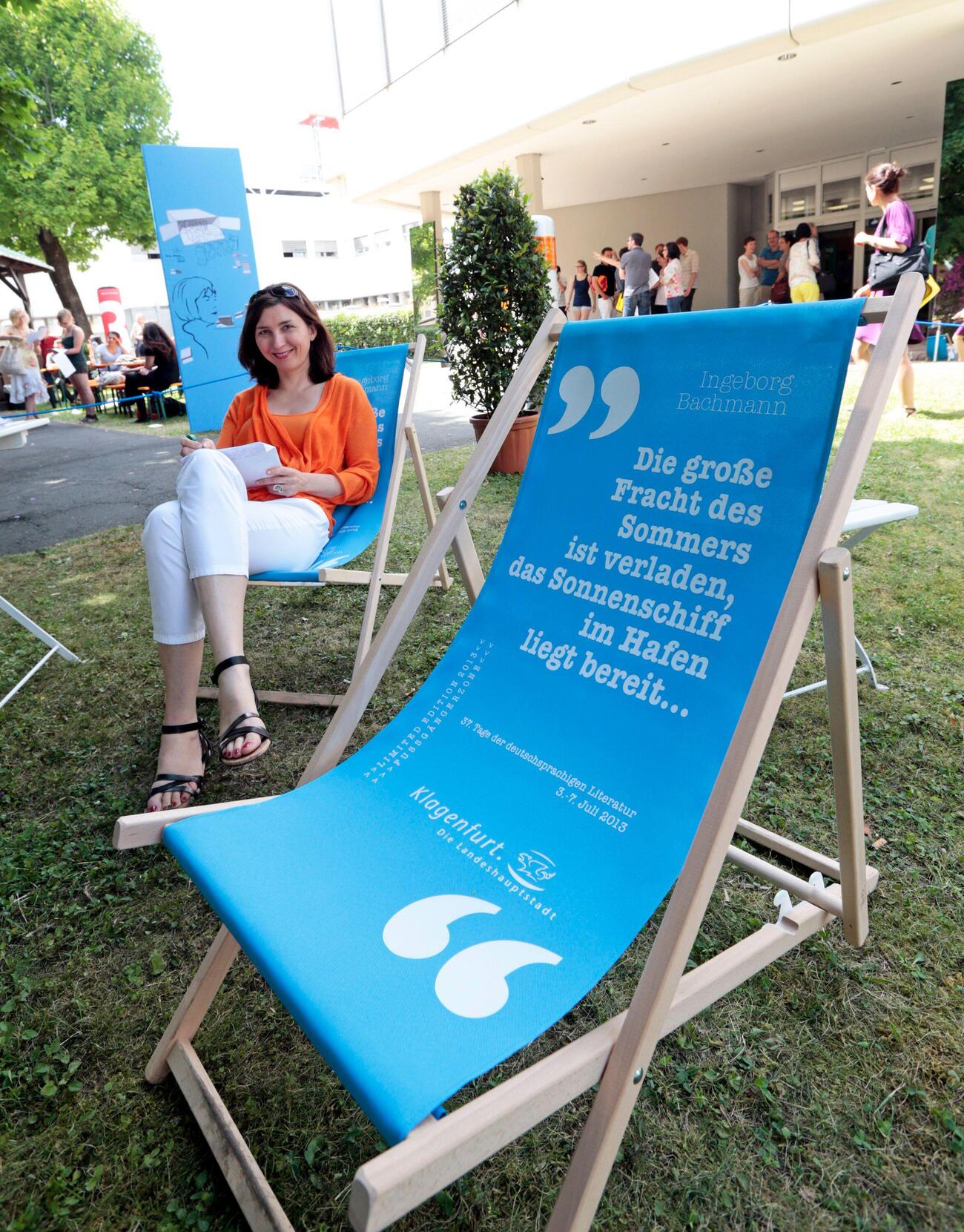
- Ingeborg Bachmann Prize: Every June, Klagenfurt becomes the center of the German-speaking literary world. The Ingeborg Bachmann Prize is the main award of the Tage der deutschsprachigen Literatur (Days of German-Language Literature), a multi-day festival of readings, discussions, and debates, hosted in the city and broadcast internationally. Writers present new work live, jurors dissect every word, and cafés fill with serious conversations. It’s intellectual, intense, and surprisingly dramatic.
- Klagenfurt Festival: Running through May and June, the Klagenfurt Festival brings theater, music and contemporary performance into unexpected spaces across the city. Churches, halls and open-air venues become stages. The programming leans bold and experimental, making it a favorite for travelers who enjoy culture that challenges rather than decorates.
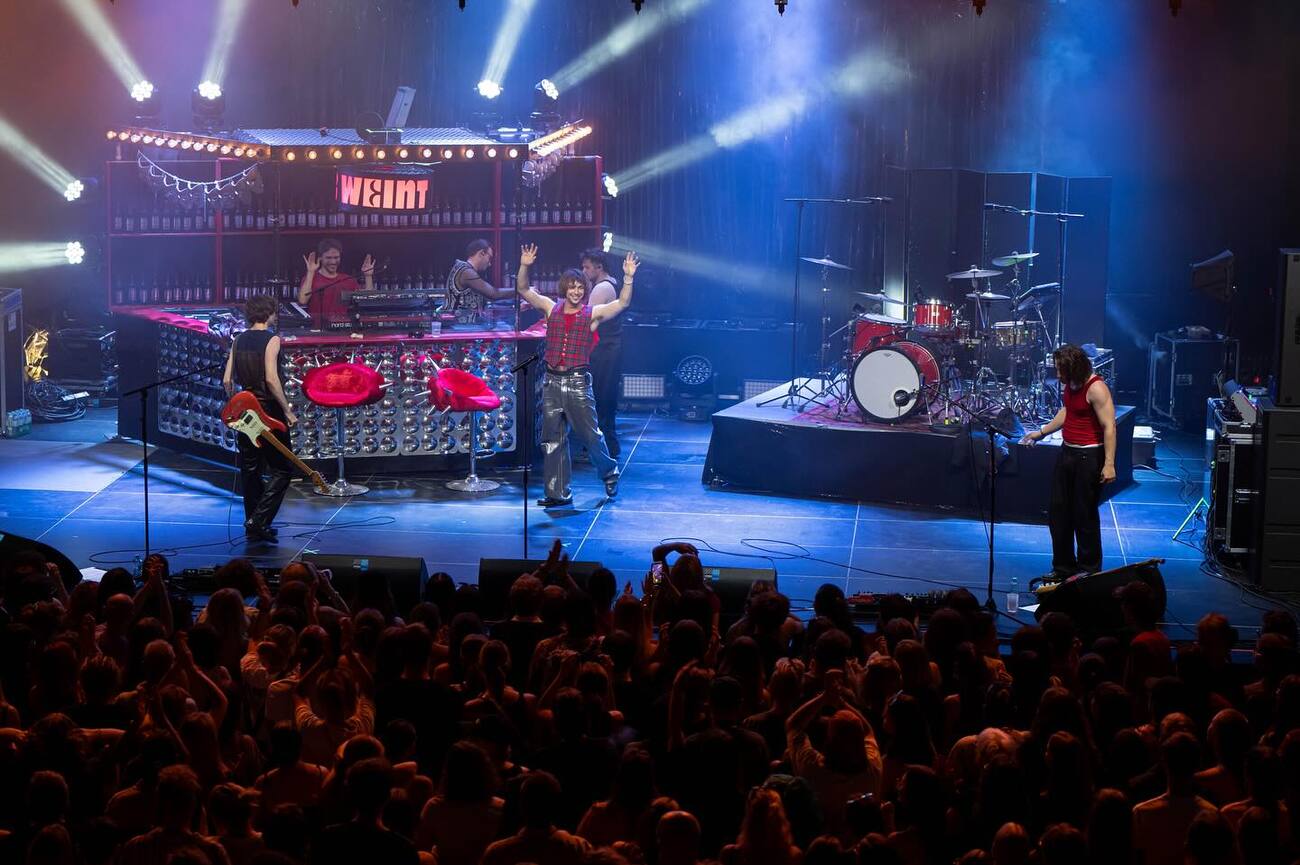
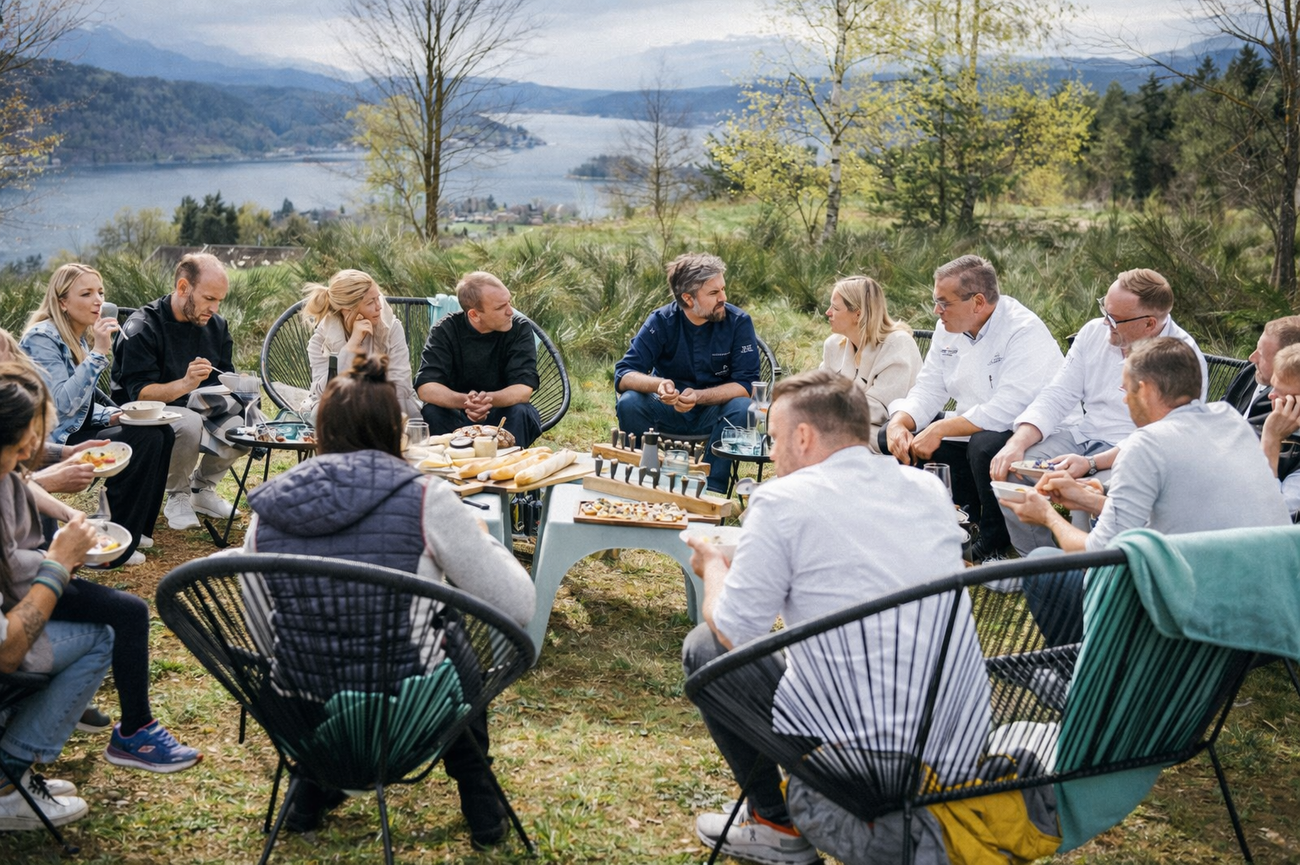
- See.Ess.Spiele: Taking place in April, See.Ess.Spiele is a gourmet festival centered around Lake Wörthersee, with events hosted in top restaurants and lakeside venues. Chefs collaborate and menus go all-in. It’s polished without being stiff, and very much about celebrating Carinthia’s position as one of Austria’s most exciting food regions.


Let us know what you love, where you want to go, and we’ll design a one-of-a-kind adventure you’ll never forget.
Get in touch
Miriam
Travel Specialist

Romina
Travel Specialist

Laura
Travel Specialist
Our offices:



Revigorate, Iberian Escapes and Algarve Lifestyle are the registered brand names of APCS Lda . We are a fully authorised travel agency licensed by Turismo de Portugal RNAVT/6867.
In the event of a dispute, the consumer may refer to: RAL - Centros de Arbitragem
Avª. 5 de Outubro, nº. 55, R/C Dtº. 8000-075 Faro, Portugal | Tel: +351 289 823 135 *
* national landline call
E-mail: info@consumoalgarve.pt| www.consumidoronline.pt | Mon to Fri: 9:00 - 13:00 / 14:00 - 17:00