Things to Do in Vorarlberg: 4-Day Itinerary
Vorarlberg is Austria’s westernmost region, combining Lake Constance, Alpine landscapes, historic towns and a distinctive contemporary design culture within a relatively compact area.
Bregenz brings together the lakefront, Pfänder, museums and the famous Seebühne, while Feldkirch offers medieval streets, Schattenburg Castle and a more historic atmosphere. Dornbirn adds contemporary architecture, mountain access and cultural attractions, with villages and valleys beyond the main towns revealing another side of the region.
What makes Vorarlberg particularly rewarding is the contrast. You can move from lakeside promenades to mountain viewpoints, from modern timber architecture to centuries-old town centres, often within a short journey.
This 4-day Vorarlberg itinerary connects Bregenz, Feldkirch, Dornbirn and the surrounding landscapes, with time for regional food, architecture, culture and Alpine scenery without trying to cover too much at once.
Day 1

Morning: Oberstadt Bregenz
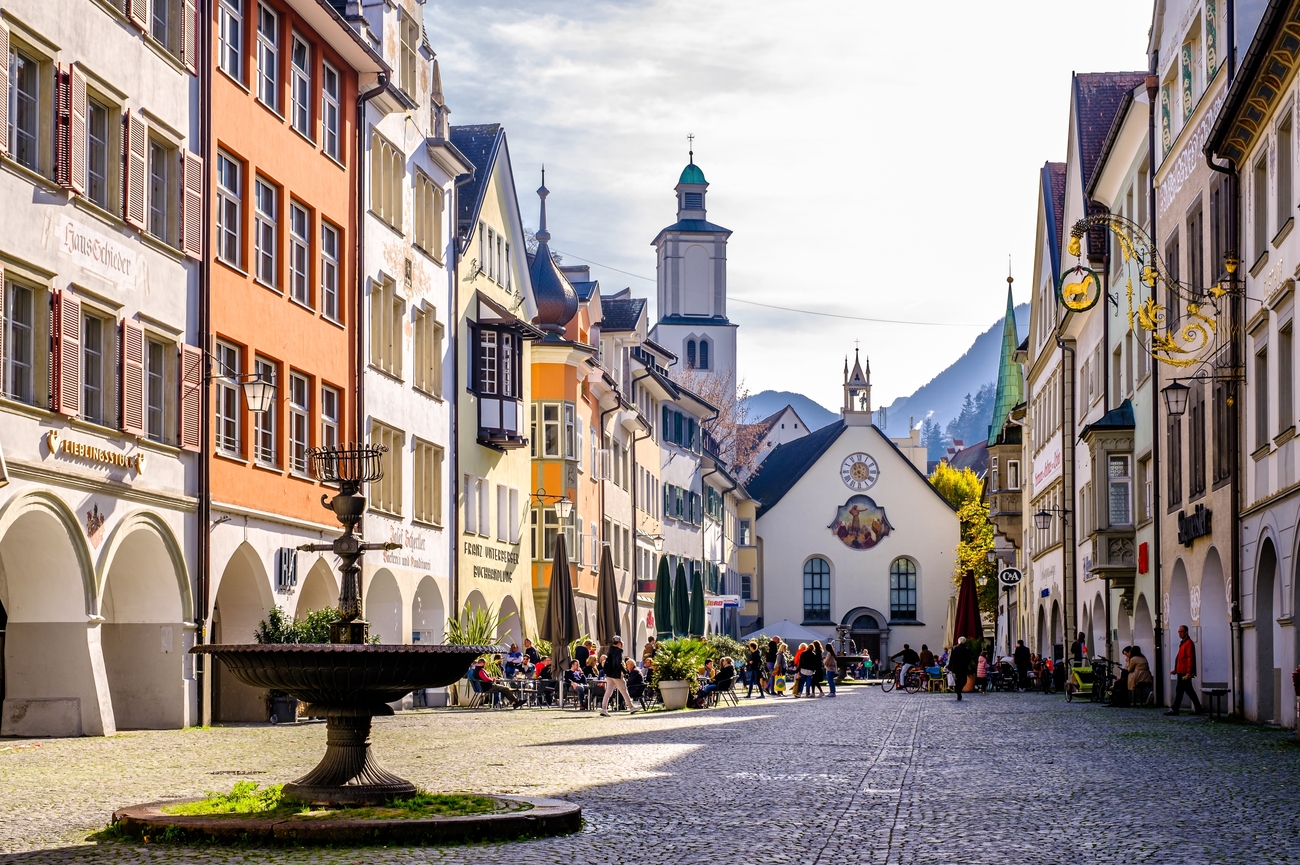
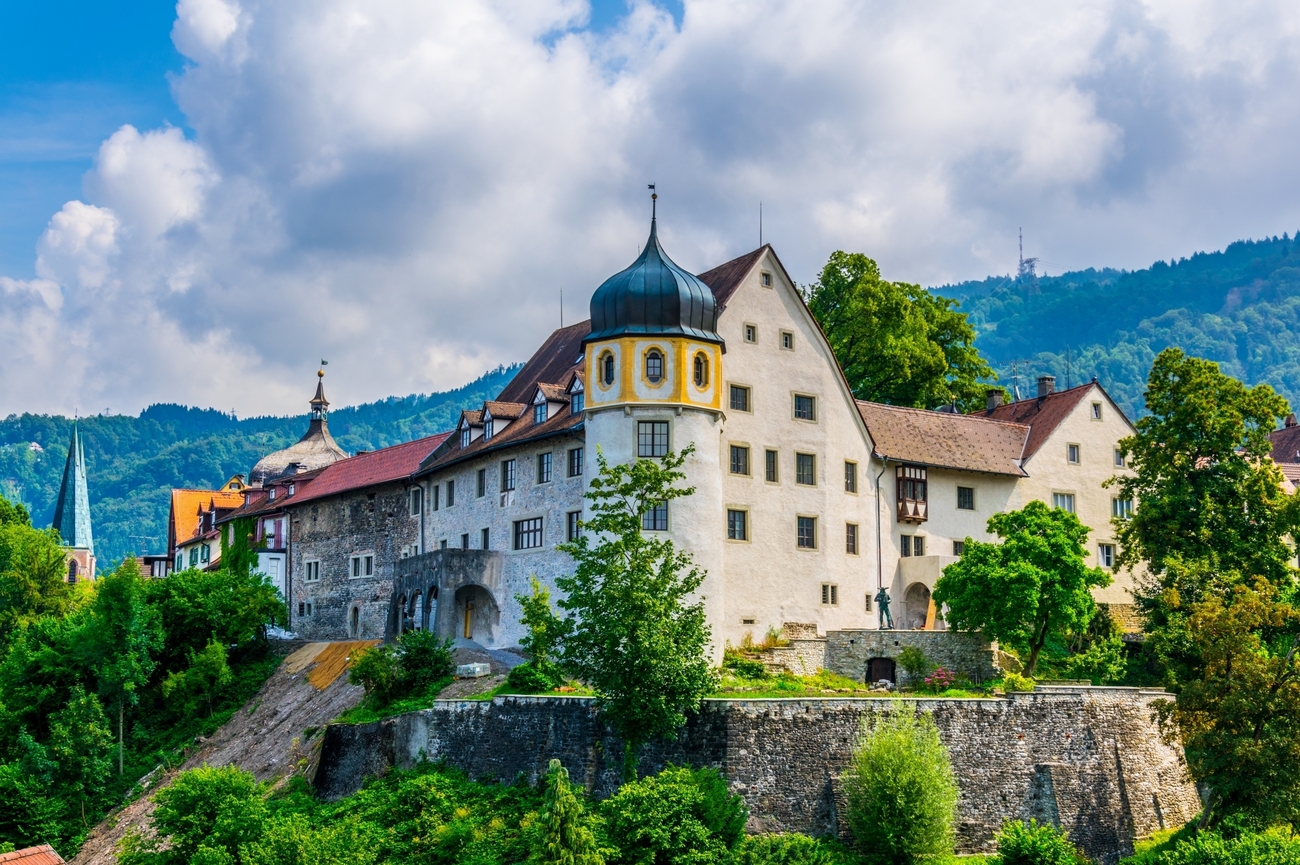
Small in size, big in attitude, Oberstadt opens the tour with quiet confidence. This is Bregenz before the lake views and contemporary art flexes, a hilltop enclave that prefers substance over spectacle and lets history do the talking.
Oberstadt traces its roots back to the Middle Ages, when this upper town functioned as Bregenz’s fortified heart. Thick stone walls, narrow cobbled streets and well-preserved façades reflect centuries of strategic importance tied to trade routes around Lake Constance. From here, the layering of history is obvious. Roman origins, medieval power plays, baroque touches are all compressed into a space that feels intimate rather than overwhelming. It’s heritage that feels lived-in, not staged.
Martinsturm
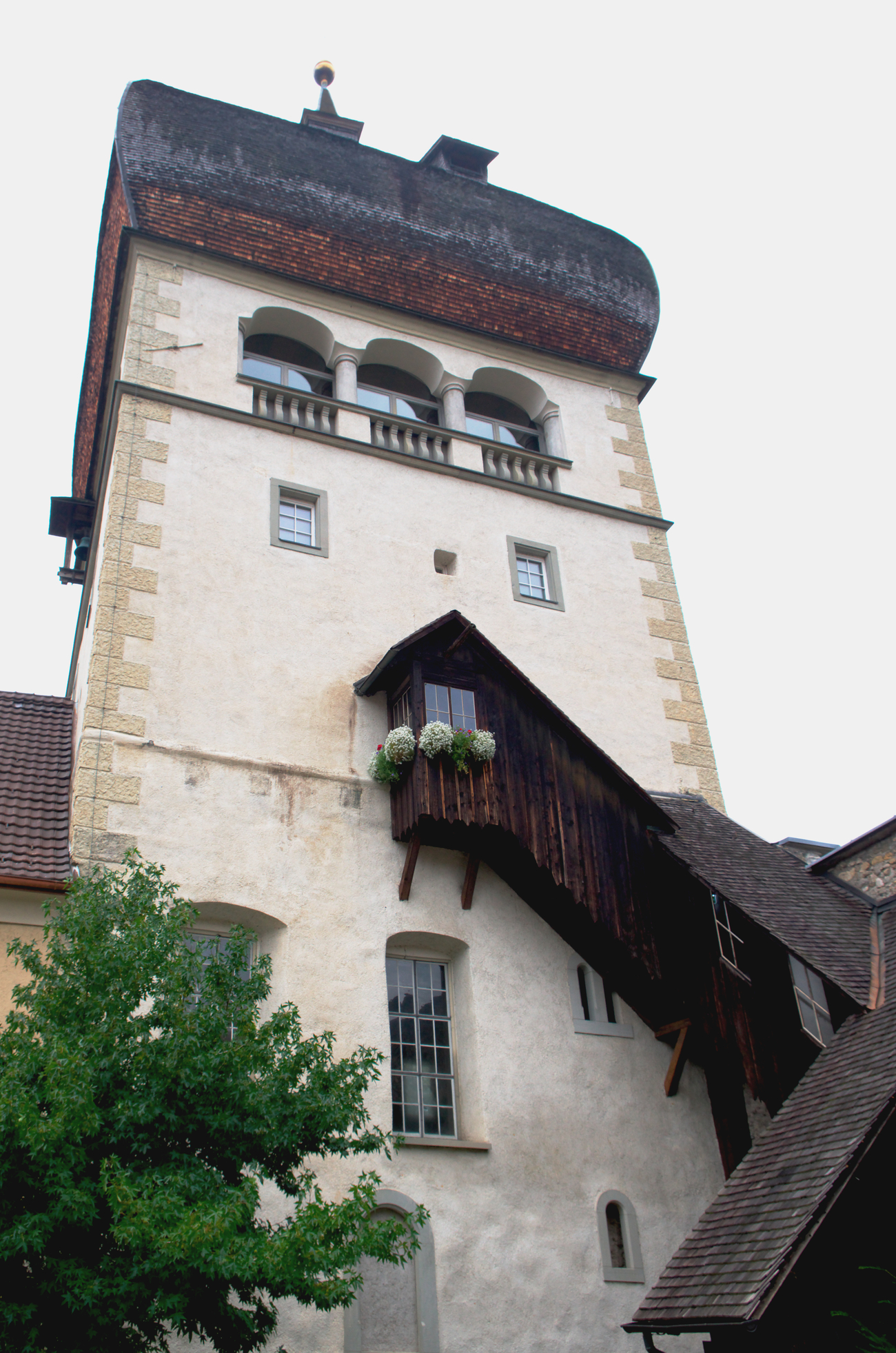
From Oberstadt, it’s a 2 to 3 minute uphill walk through cobbled lanes that feel increasingly medieval with every step. This steady climb ends with one of the best views in Vorarlberg and a tower that has been quietly winning the skyline game since the 1600s.
Martinsturm is Bregenz’s oldest and most recognizable landmark, originally built as a granary and watchtower before being transformed into a baroque statement piece. Its onion dome is the tallest of its kind in Central Europe and serves as a visual mic drop above the old town. Inside, the tower tells layered stories. From medieval food storage to city defense to symbolic power, it reflects how Bregenz evolved from a fortified settlement into a cultured lakeside capital. The climb to the top rewards patience with sweeping views over Lake Constance, the Rhine Valley and the Alps. It’s history with a payoff.
Pfänderbahn
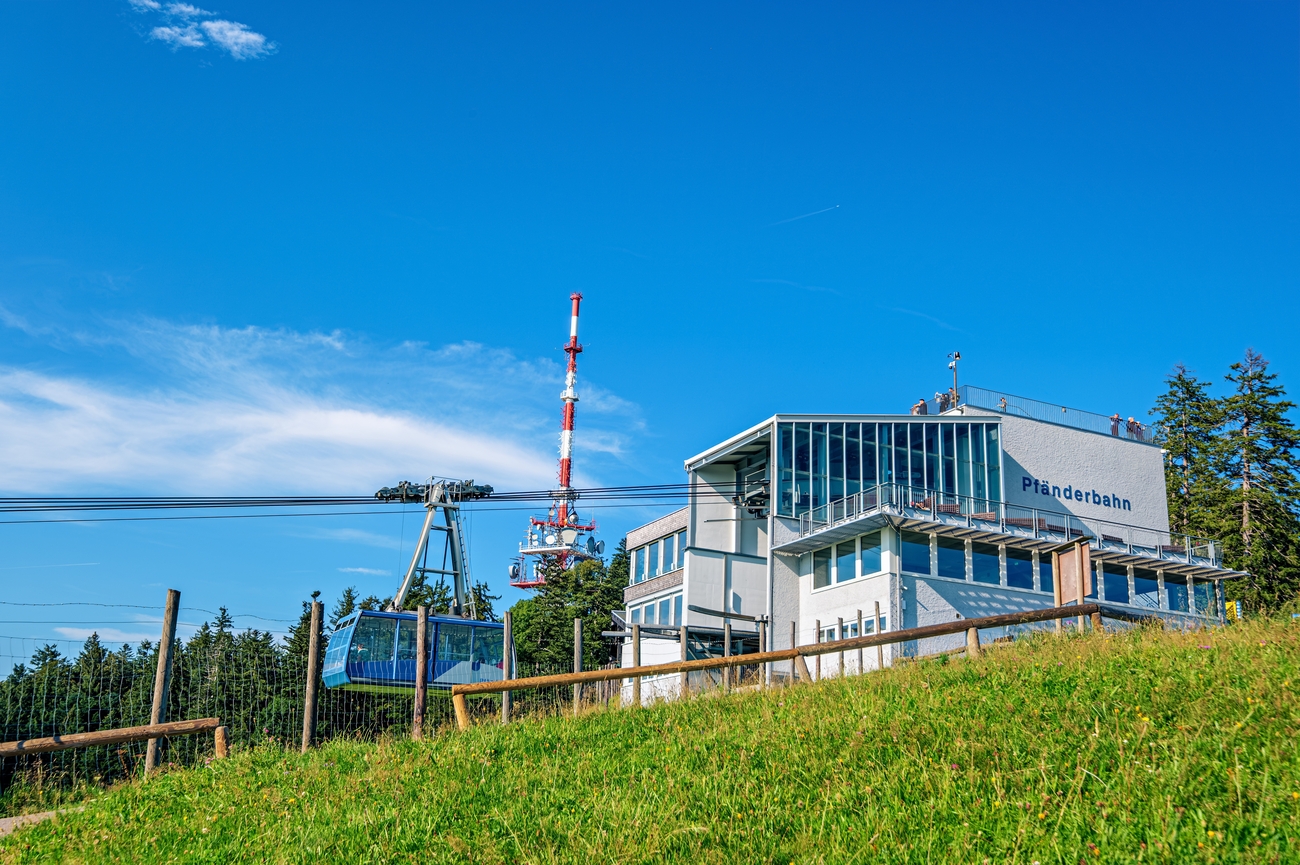
Pfänderbahn is where the city lets go and the Alps take over and it is just a 10-minute downhill walk from Martinsturm.
Operating since 1927, Pfänderbahn has long been Bregenz’s most effortless elevation gain. The cable car climbs to nearly 1,064 meters above sea level in just a few minutes, turning the city into a miniature below. From the summit, the view stretches across Lake Constance and into three countries without asking for effort. Historically, Mount Pfänder served as a lookout point for the region. Today, it plays a different role. It delivers perspective. The kind that instantly explains why this corner of Austria feels so composed.
The ride itself is smooth and modern, with large panoramic cabins designed for visibility rather than thrills. At the top, well-maintained walking paths guide visitors to multiple viewpoints, each framing the lake and surrounding Alpine foothills from a slightly different angle.
Afternoon: Festspielhaus Bregenz
Once back at ground level from the Pfänderbahn, stay close to the lake and let the route do the work. In about five minutes, the promenade naturally pulls toward Bregenz’s cultural quarter, where the Festspielhaus anchors the shoreline.
The Festspielhaus Bregenz is the city’s main stage for large-scale performances, concerts and international productions. It was designed to handle serious acoustics and serious ambition, especially during the world-famous Bregenzer Festspiele. Clean lines and expansive interiors reflect Vorarlberg’s design-led identity, while the building’s scale signals its role as a cultural heavyweight. This is where the city shifts from scenic to cerebral without losing its edge.
If you want to make the most out of your visit, you can join guided tours of the Festspielhaus run from September to May, Monday to Friday between 9 am and 4 pm, while festival guided tours take over during the summer months. When conditions allow, the experience includes views of the world’s largest lake stage. Tours typically last 50 to 60 minutes and are designed for curated group sizes, keeping the experience focused and informative.
Kunsthaus Bregenz
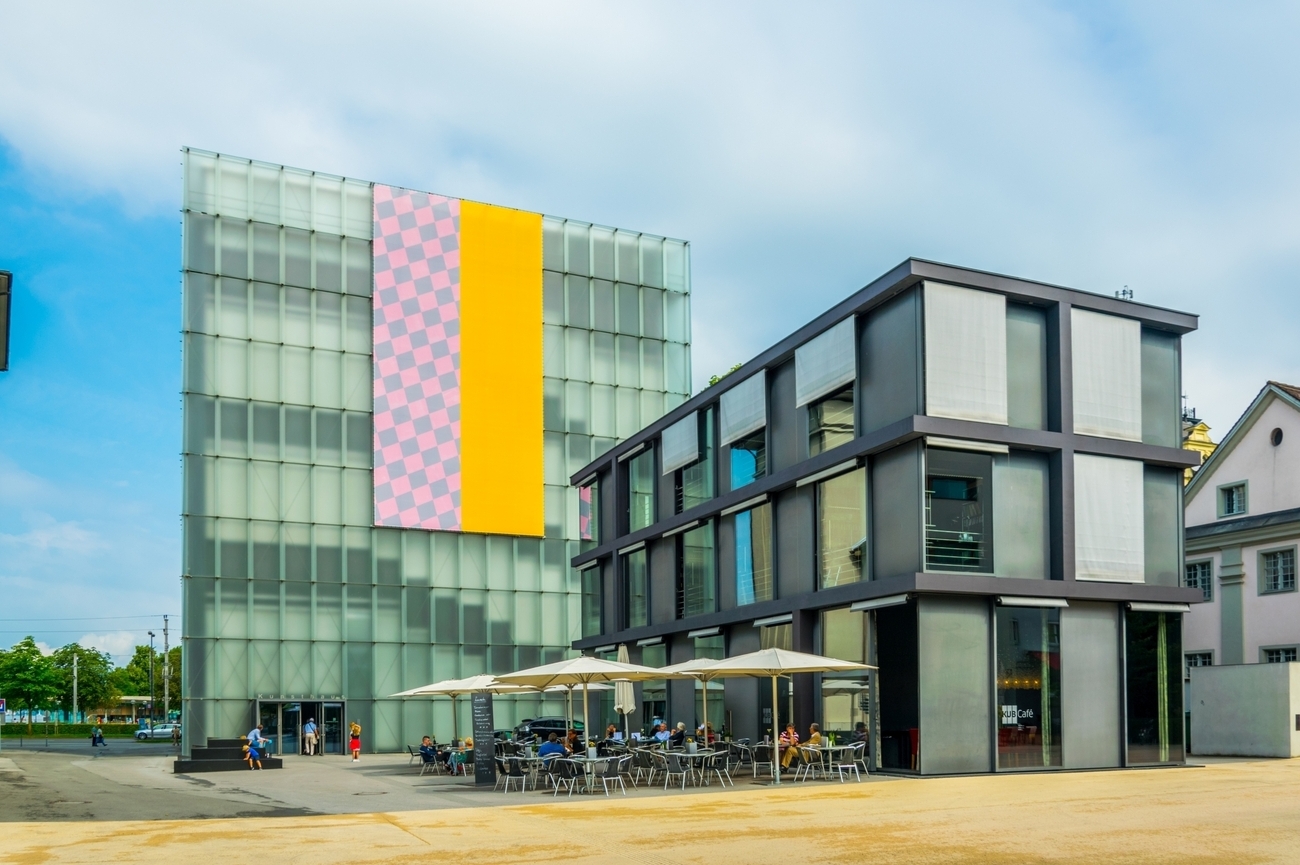
After leaving the Festspielhaus, there’s no need to overthink the route. Cross the nearby street, head inland, and let the lake slip behind. In roughly three minutes, the surroundings tighten up and the architecture sharpens. That’s when Kunsthaus Bregenz comes into view.
Kunsthaus Bregenz didn’t arrive quietly, even though it looks like it could. Designed by Peter Zumthor, the building is deliberately restrained and that’s exactly the point. Its glass facade is not decorative. It acts like a filter, pulling in daylight from Lake Constance and diffusing it throughout the interior so the space subtly shifts from morning to afternoon to evening. The building never looks the same twice. Light becomes part of the exhibition, setting the mood without ever stealing attention from the work itself.
This museum is known for its commitment to monographic exhibitions, meaning each show is dedicated to a single artist at a time. That curatorial choice is intentional and slightly radical. No visual noise. No competing narratives. The focus stays locked in, allowing visitors to engage deeply rather than skim. Internationally renowned artists are often given full control of how their work occupies the space, turning the building into a collaborative canvas rather than a neutral container.
GWL - Kaufhaus & mehr
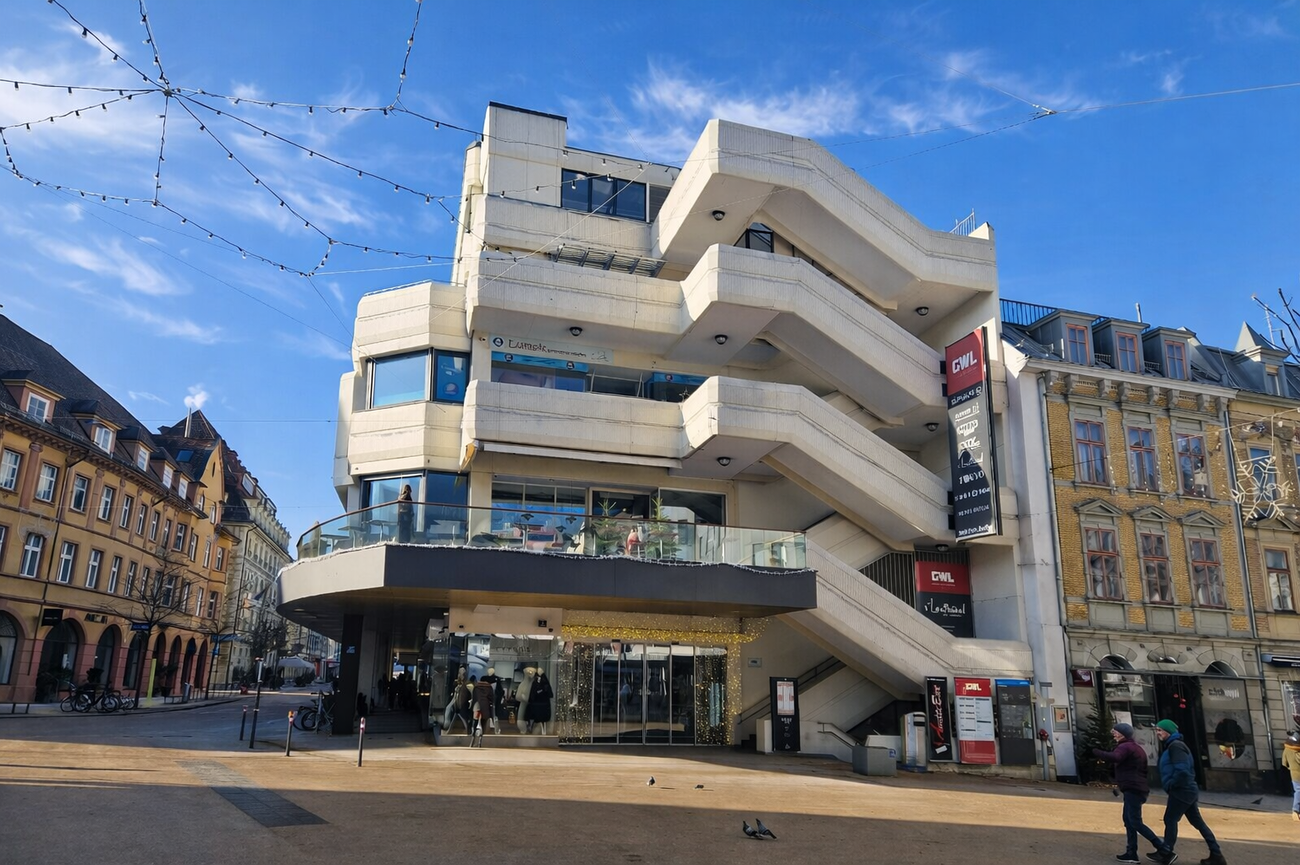
From Kunsthaus Bregenz, head south along the main street and keep walking past the clean-lined storefronts. In about two minutes on foot, the mood shifts from gallery-quiet to city-hum and GWL – Kaufhaus & mehr slides neatly into view.
GWL opened in 2012 as a modern urban shopping center designed to blend into the city rather than overpower it. The name says it all. Kaufhaus and more. It was built to serve as Bregenz’s central retail hub, bringing together international brands and regional labels under one roof.
The shopping mix leans clean and current. Expect international fashion brands such as ZARA and Esprit, alongside sports and lifestyle names like INTERSPORT. Beauty and essentials are covered with stores such as dm drogerie markt and Douglas. There are also regional boutiques and concept-style shops that reflect Vorarlberg’s understated approach to style. Clean lines. Quality fabrics. Nothing shouty.
Evening: Seepromenade mit Hafenmole
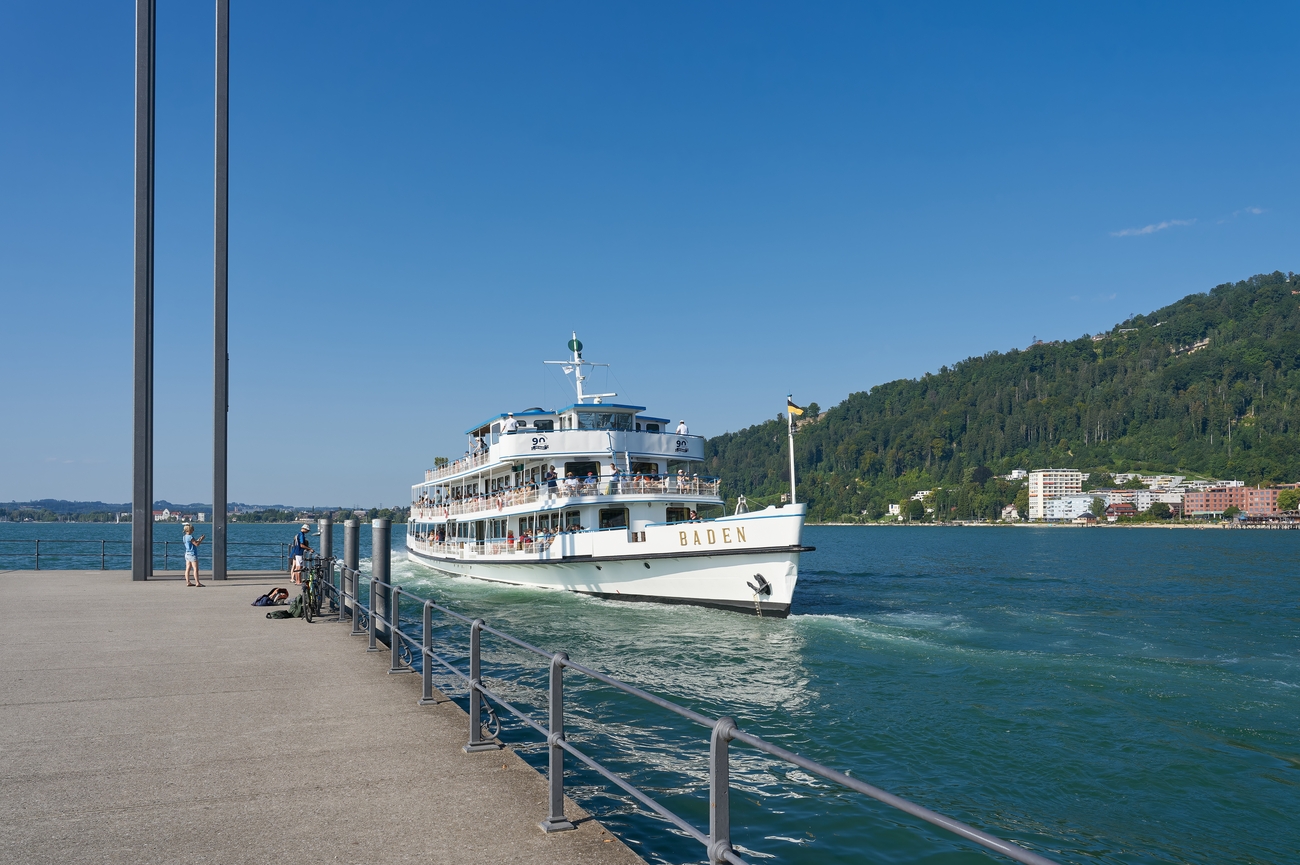
In about four minutes, the city thins out and the lake takes over. That’s where Seepromenade mit Hafenmole begins and the evening officially slows the pace.
The Seepromenade has long been Bregenz’s front row seat to Lake Constance. Designed as a public lakeside space rather than a formal park, it reflects the city’s relationship with the water. Open, accessible, quietly confident. The Hafenmole, or harbor pier, extends into the lake and has historically served as a docking point and lookout, linking Bregenz to regional boat traffic across the lake. Today, it functions more as a social and visual anchor.
Seebühne
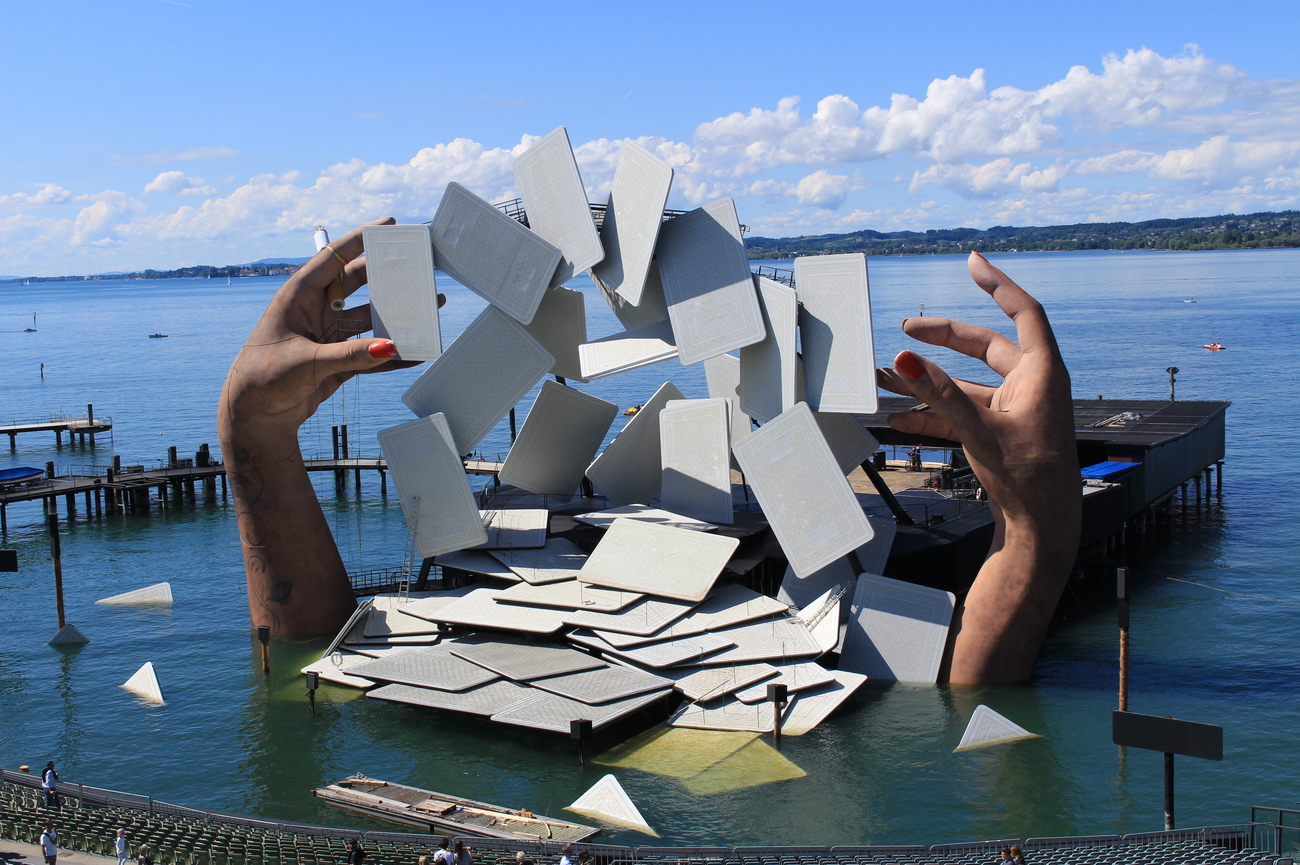
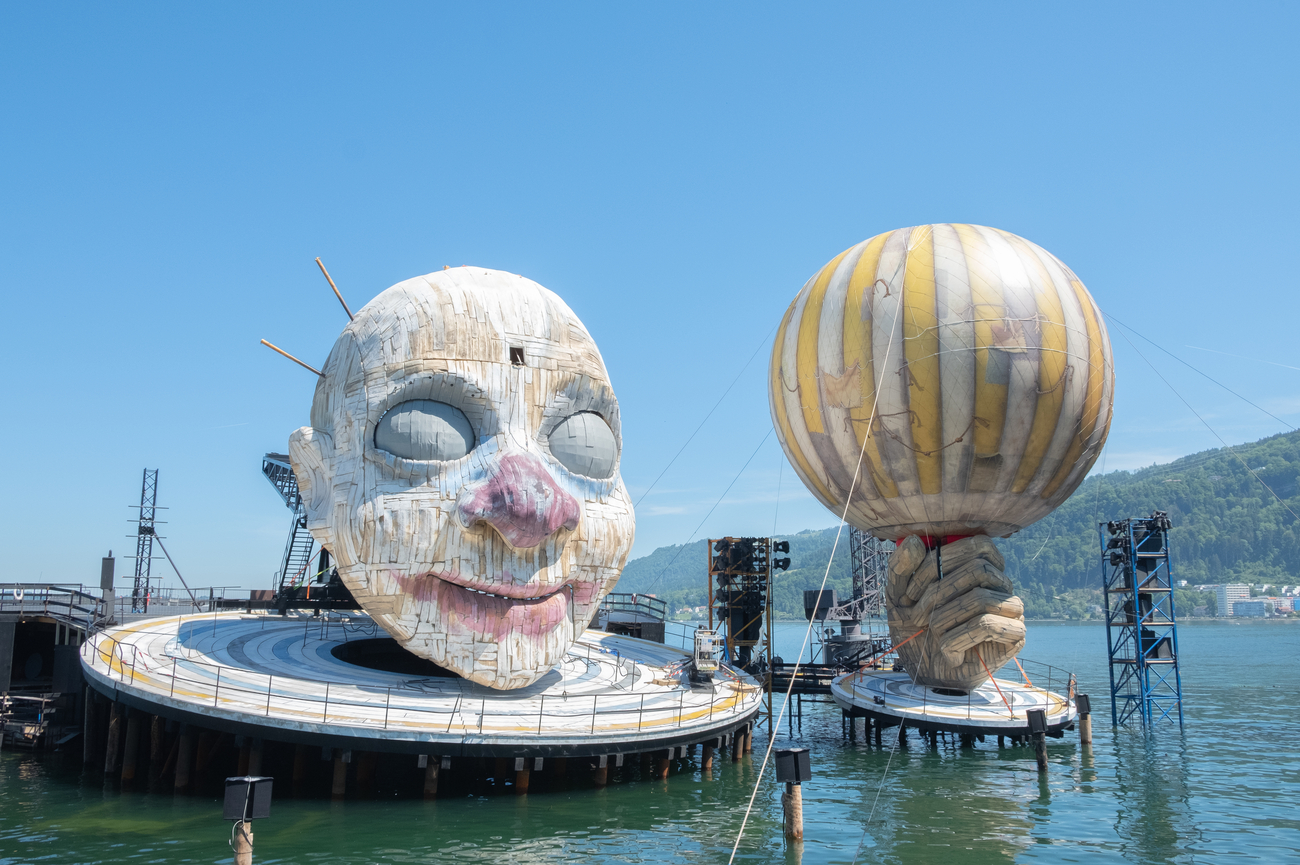
A three-minute walk will take you to a structure floating just offshore. This is Seebühne, Bregenz’s most theatrical mic drop.
The Seebühne is the world’s largest floating stage and yes, it fully owns that title. Built as part of the Bregenz Festival, this open-air stage has transformed Lake Constance into a performance space since the mid-20th century. Productions here are famously ambitious, with monumental sets rising directly from the water and shifting from season to season. Opera is the anchor, but the scale is what makes it legendary.
During the festival season, the Seebühne becomes the centerpiece of the city’s cultural calendar. Even outside performance times, the area is accessible for viewing and guided visits. Official guided tours offered during festival periods provide behind-the-scenes access to the stage structure, technical systems and production concepts.
For a more elevated experience, evening is non-negotiable. This is when the stage aligns perfectly with the light, the lake and the atmosphere of anticipation. Standing along the promenade or near the viewing areas as the sun drops adds a cinematic close to the day, even without a performance underway.
Day 1 - Vorarlberg Tour Map
Day 2
Morning: Schwarzenberg
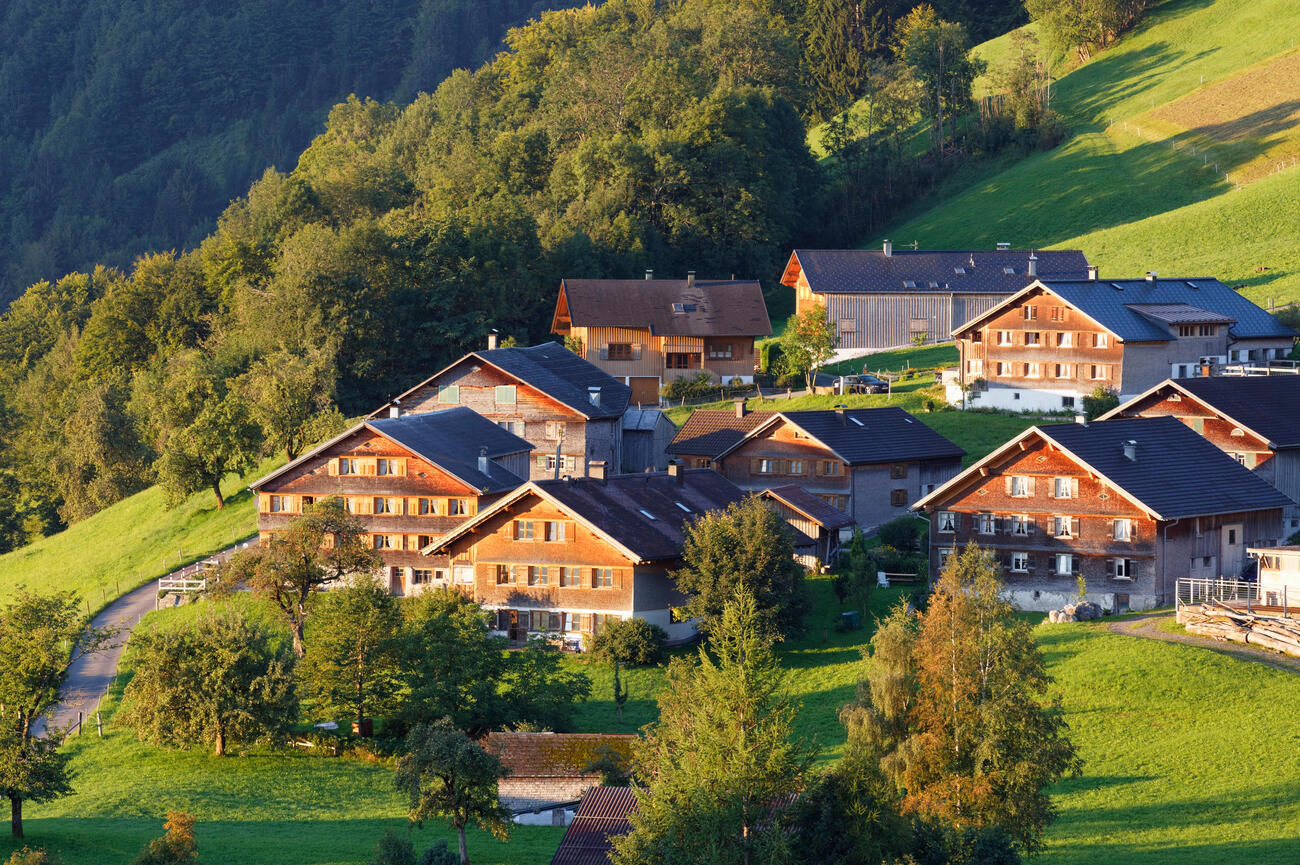
From Bregenz, the route heads inland and upward. The drive into the Bregenzerwald takes about 45 minutes, trading lake views for rolling hills and wooden architecture that feels instantly different.
Schwarzenberg is one of the best-preserved villages in the Bregenzerwald and it wears its history lightly but confidently. The village developed around traditional alpine farming and craftsmanship, which explains the signature wooden houses that line the center. Many date back centuries and follow strict architectural codes that prioritize proportion, function and harmony with the landscape.
Angelika Kauffmann Museum
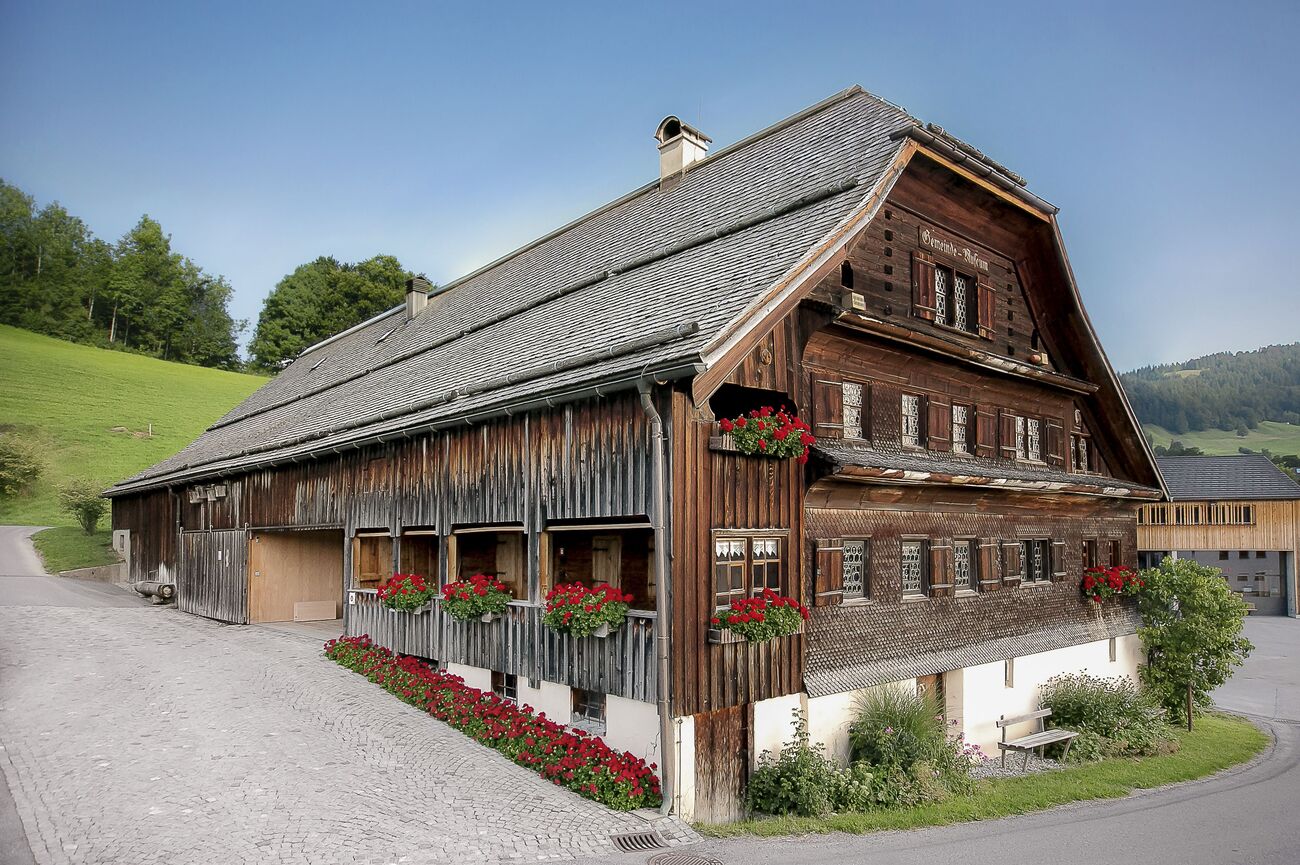
Leaving the village center, continue along the same main street without changing direction. After a 3-minute walk, the Angelika Kauffmann Museum appears inside a traditional Bregenzerwald wooden house.
The museum is dedicated to Angelika Kauffmann, one of the most influential artists of the 18th century and a rare female figure to achieve international recognition during the Enlightenment. Raised in Schwarzenberg, she went on to become a founding member of the Royal Academy in London, building a career that spanned Europe’s major cultural centers. Housing the museum in the historic Kleberhaus anchors her global success back to the village that shaped her early years, creating a strong sense of continuity between place and legacy.
You move at your own pace as the visits here are often self-guided. From May to October, temporary exhibitions rotate through the museum, giving each season a fresh curatorial angle. These shows unpack Kauffmann’s works and the intellectual climate of her time through a mix of original pieces, reproductions and contextual displays. If you want more structure, public guided tours on Tuesdays and Sundays add clear and engaging commentary.
Afternoon: Andelsbuch
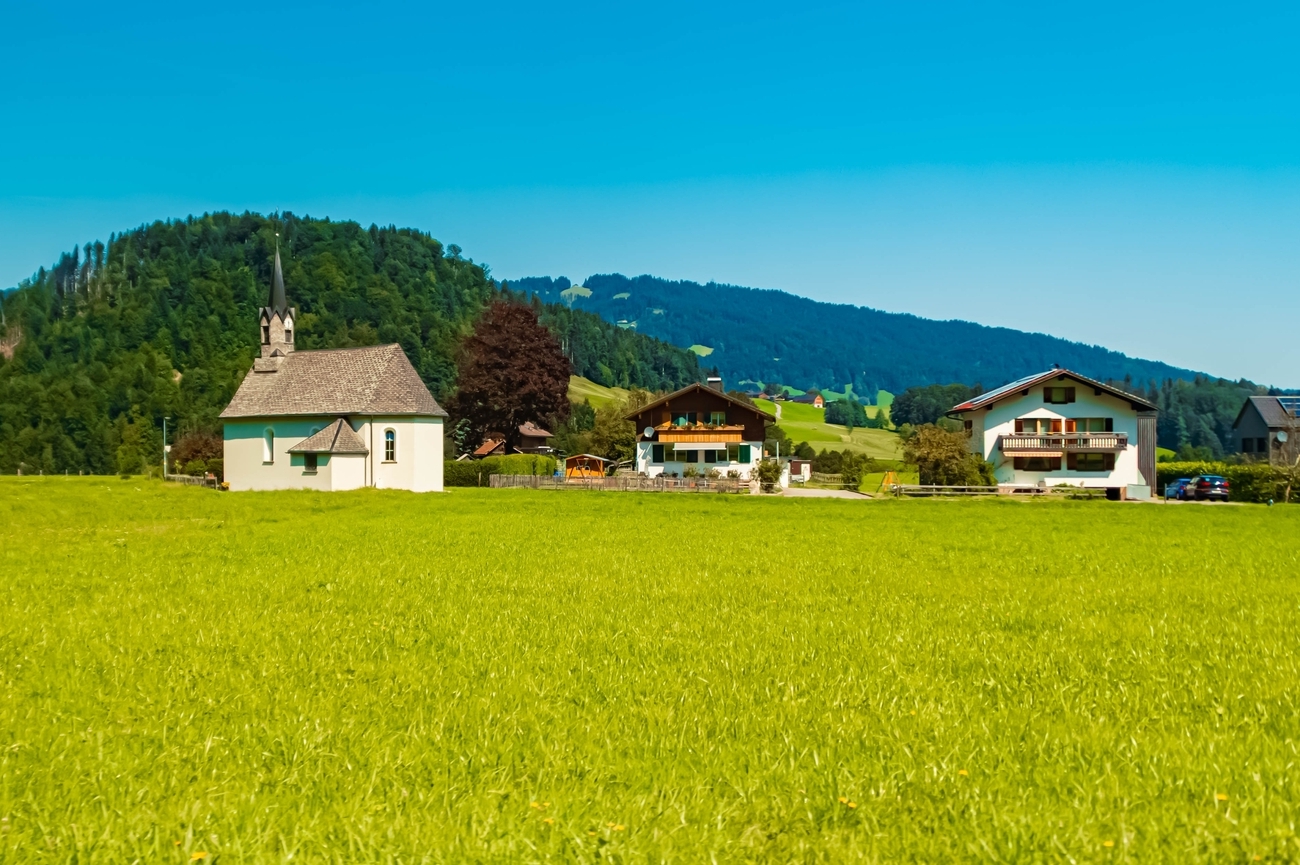
A 10-minute drive through rolling countryside before the landscape opens up and Andelsbuch comes into view.
Andelsbuch is known for balancing tradition with forward-thinking design, which makes it one of the most quietly influential villages in the Bregenzerwald. Historically rooted in agriculture and craftsmanship, the village has evolved into a showcase for contemporary alpine living without losing its footing.
There are no rigid touring structures here, and that works in your favor. Local walking routes highlight modern architecture, village landmarks and views across the Bregenzerwald valley. Some guided architectural walks are offered seasonally through regional tourism offices, focusing on how Andelsbuch became a reference point for modern Alpine design.
Werkraum Bregenzerwald
Leaving Andelsbuch doesn’t feel like leaving at all. You stay on course, follow the same road, and before the village even fades from view, two minutes by car or about ten minutes on foot is all it takes. Then it’s there.
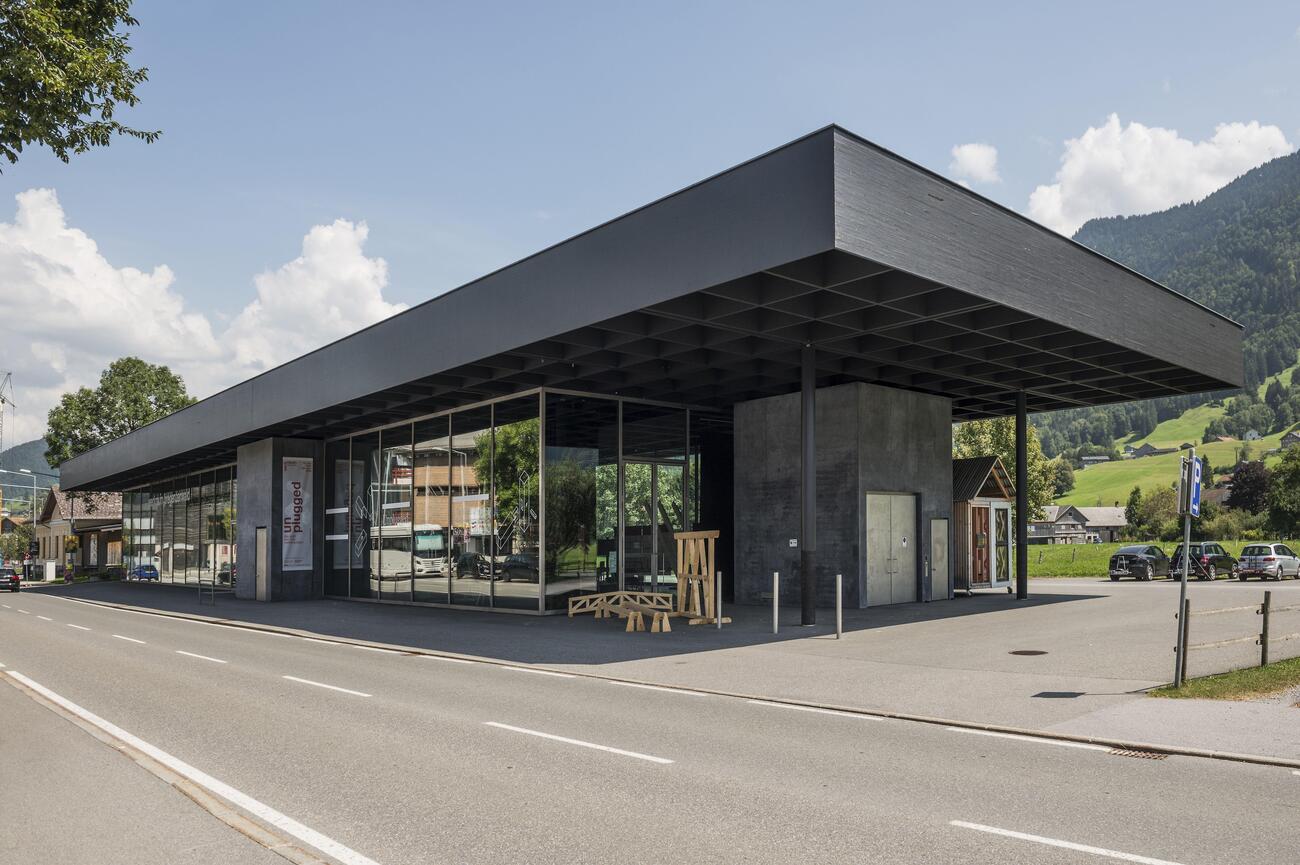
The glass-and-wood structure of Werkraum Bregenzerwald settles into the landscape like it belongs. Werkraum Bregenzerwald opened in 2013 as a collective showcase for the region’s master craftspeople, bringing together carpenters, joiners, metalworkers, textile makers and designers under one roof. The concept is simple but powerful. This is where traditional craftsmanship meets contemporary design, not as nostalgia but as a living practice. Designed by architect Peter Zumthor, the building itself plays along. And inside, exhibitions rotate regularly, highlighting the work of local workshops and designers. You move freely through the space, encountering furniture, objects and installations that are meant to be touched, understood, and used, not just admired from a distance.
You explore the space largely at your own pace, moving through rotating exhibitions that highlight both contemporary pieces and the stories behind them. If you want a deeper context, guided tours are available and worth timing right. Public guided tours take place on Wednesdays at 11 am and Thursdays at 4 pm, focusing on the current exhibition as well as the architecture of the Werkraum Haus. But keep in mind that public tours are typically conducted in German.
Bezau
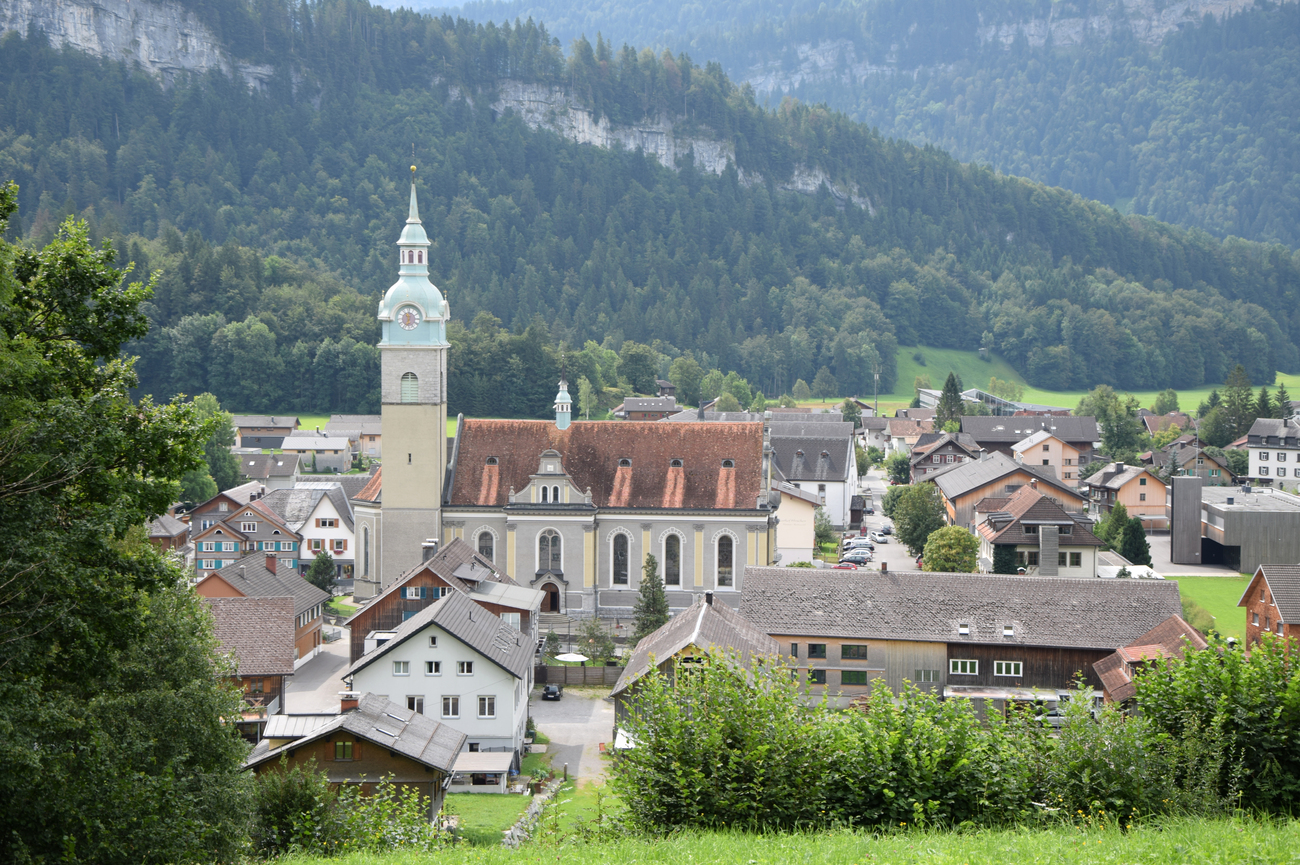
After about a 10-minute drive, the surroundings soften and the village center of Bezau comes into view. This is one of Bregenzerwald’s social and cultural anchors.
Historically shaped by agriculture, trade, and craftsmanship, the village developed as a meeting point for the surrounding communities. Today, it balances that heritage with a modern sensibility that feels relaxed rather than curated. Traditional wooden houses sit comfortably alongside contemporary structures, reflecting the region’s steady evolution instead of a sharp reinvention. This is a village made for wandering. You explore Bezau best on foot, letting the streets guide you past public spaces, local landmarks and open views toward the surrounding hills.
Evening: Kanisfluh
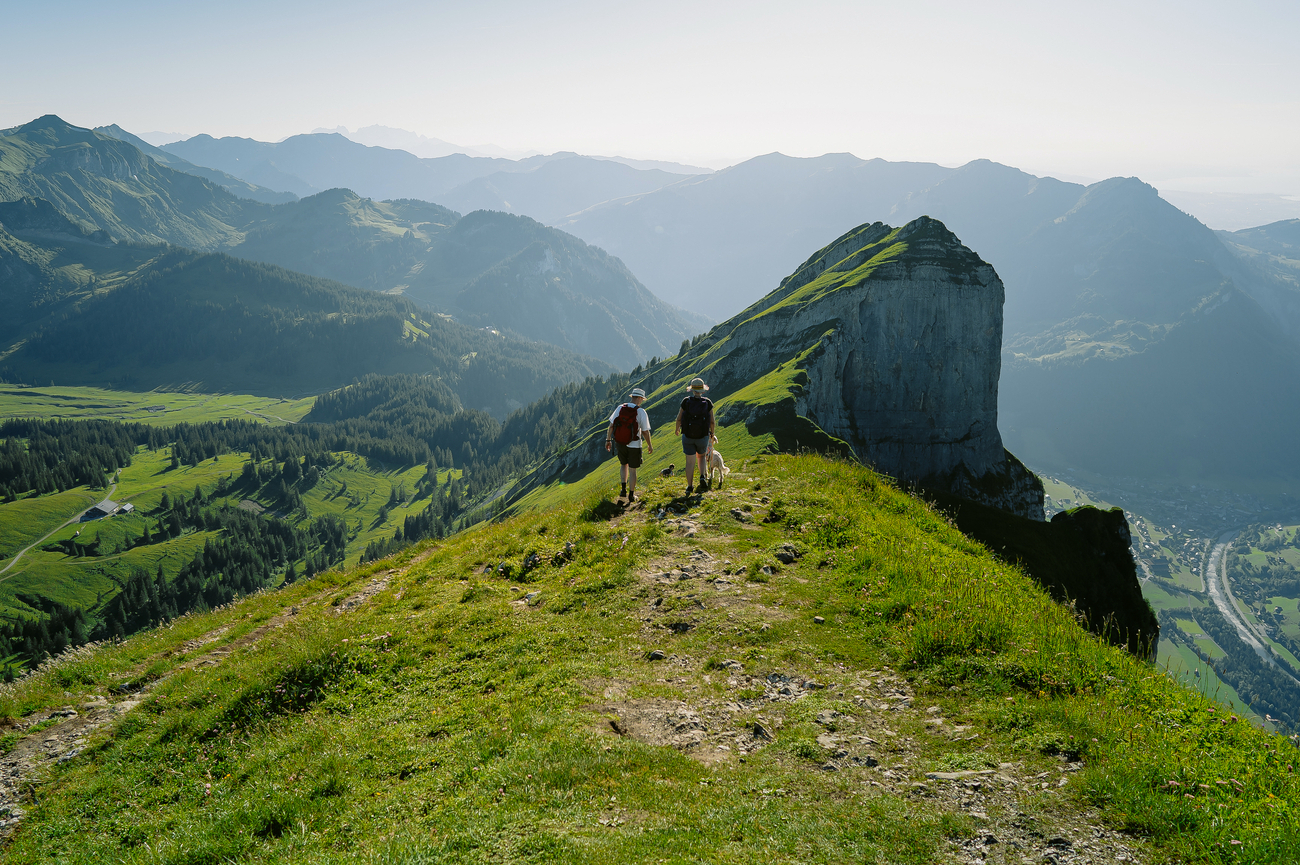
After about a 15-minute drive, the landscape opens and the silhouette appears. Broad, unmistakable and quietly dominant. This is Kanisfluh, and it knows how to close a day properly.
Kanisfluh is one of the most recognizable mountain formations in the Bregenzerwald, not because it tries to impress, but because it doesn’t have to. Rising above the villages of Mellau and Schnepfau, its wide limestone face has long served as a visual compass for the region. Historically, the mountain shaped farming rhythms, grazing patterns and local folklore, anchoring daily life long before it became a scenic icon. Unlike sharp alpine peaks, Kanisfluh feels grounded and expansive. Solid. Familiar. Almost protective in the way it watches over the valley.
Arriving in the early evening lets the mountain take on warmer tones as shadows stretch across the valley. You’re left with scale, silence, and perspective. Kanisfluh doesn’t close the day with drama. It closes it with certainty.
Day 2 - Vorarlberg Tour Map
Day 3
Morning:
Bludenz
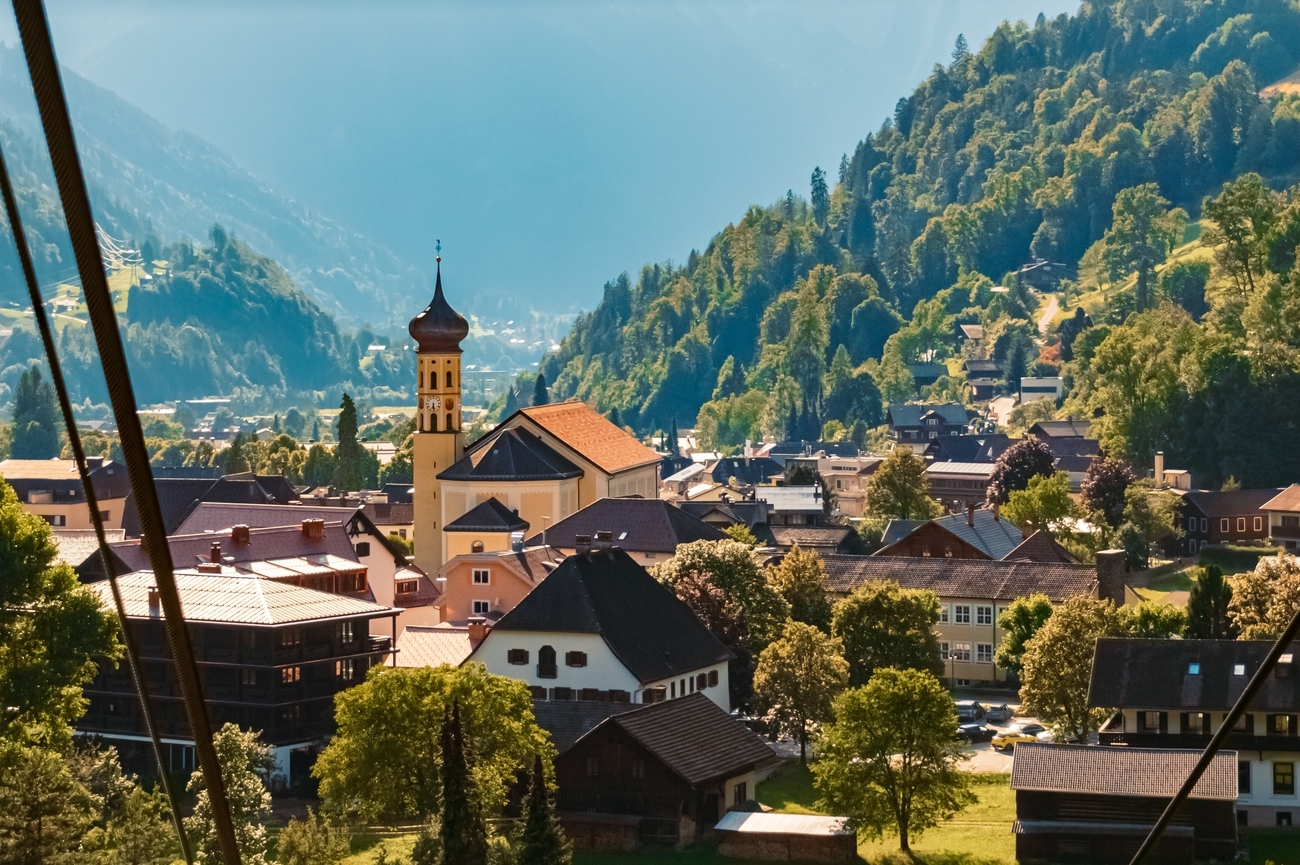
Start the morning in Bludenz, the unofficial gateway between Vorarlberg’s valleys and the high Alps. This is where urban rhythm meets mountain logic and it’s the right place to ease into a day that only gets higher from here.
Bludenz’s Old Town is compact, walkable and quietly historic. Medieval lanes wrap around pastel-colored buildings, arcaded walkways and remnants of old fortifications that hint at its former role as a strategic trading post. The town’s layout still reflects its past as a crossroads between the Montafon, Klostertal and Walgau valleys. It feels lived-in rather than preserved, which makes wandering feel natural instead of staged. This is Alpine heritage with daily life still very much in session.
Bludenz works as a morning anchor because it sets context. You get history, scale and geography all at once.
Bürserschlucht
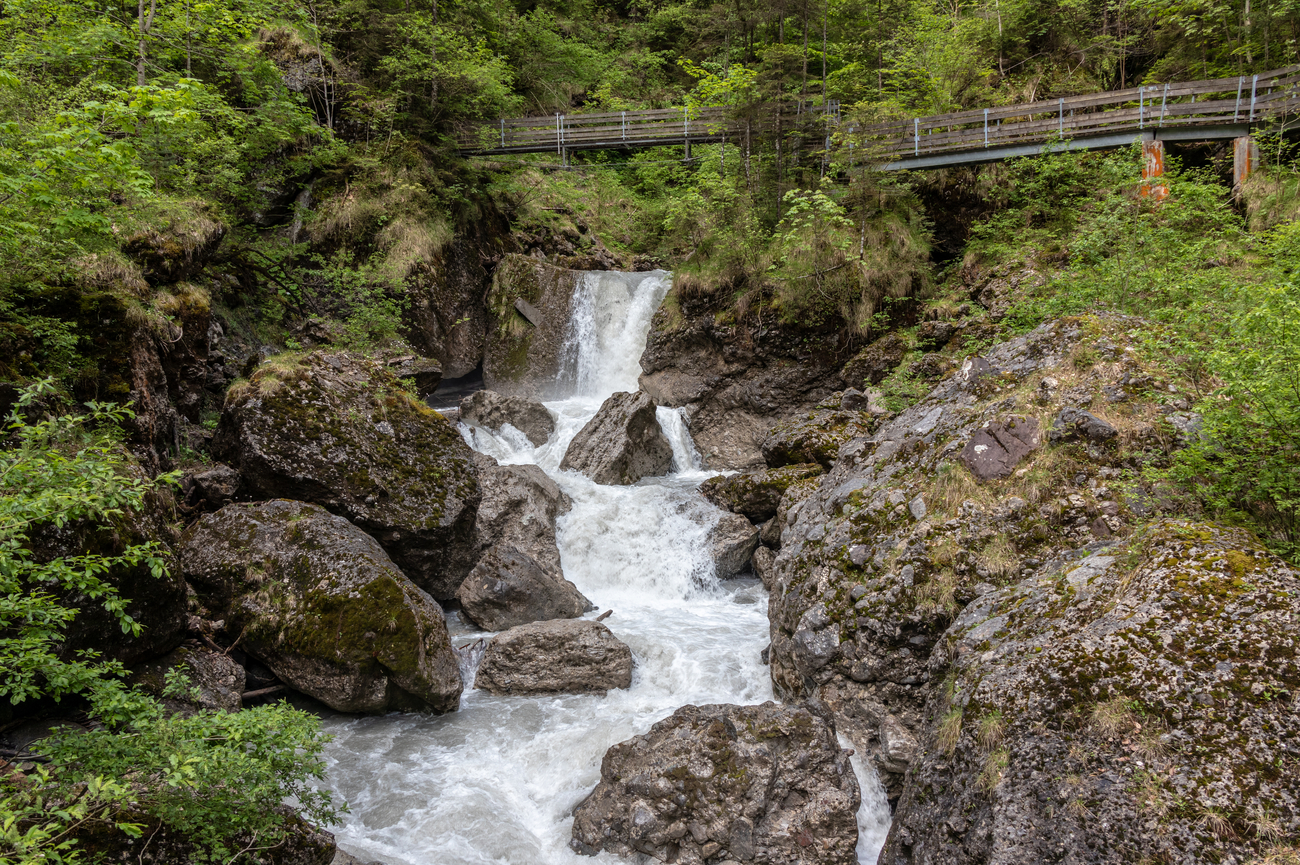
Head toward Bürs and within a 5-minute drive or about a 20-minute walk, the streets give way to rock walls and rushing water. That’s where Bürserschlucht takes over and resets the pace for the morning.
Bürserschlucht is a narrow alpine gorge carved over thousands of years by fast-moving water cutting through limestone. Historically, it served as a natural boundary and a working landscape tied to mills and local industry. Today, it stands as one of the region’s most accessible nature experiences, balancing raw geology with carefully integrated walkways. Wooden bridges and secured paths guide you through steep rock faces, small waterfalls and shaded passages, making the terrain dramatic without feeling extreme. It’s nature doing the most with very little noise.
Silvretta-Center
Leaving Bürserschlucht, the route pivots cleanly back into valley mode. Follow the road south toward the Montafon and after about a 30-minute drive, the landscape opens and the center of Schruns comes into focus.
Silvretta-Center plays a practical but important role in the Montafon Valley. Built as a modern village hub rather than a flashy mall, it reflects how this region approaches everyday life. Functional. Well organized. Grounded in local needs. Its location in Schruns makes it a natural meeting point, historically tied to the town’s role as the cultural and commercial heart of the valley. Today it hosts a mix of shops, cafés, and local services for residents and visitors.
Afternoon: Staubecken Latschau
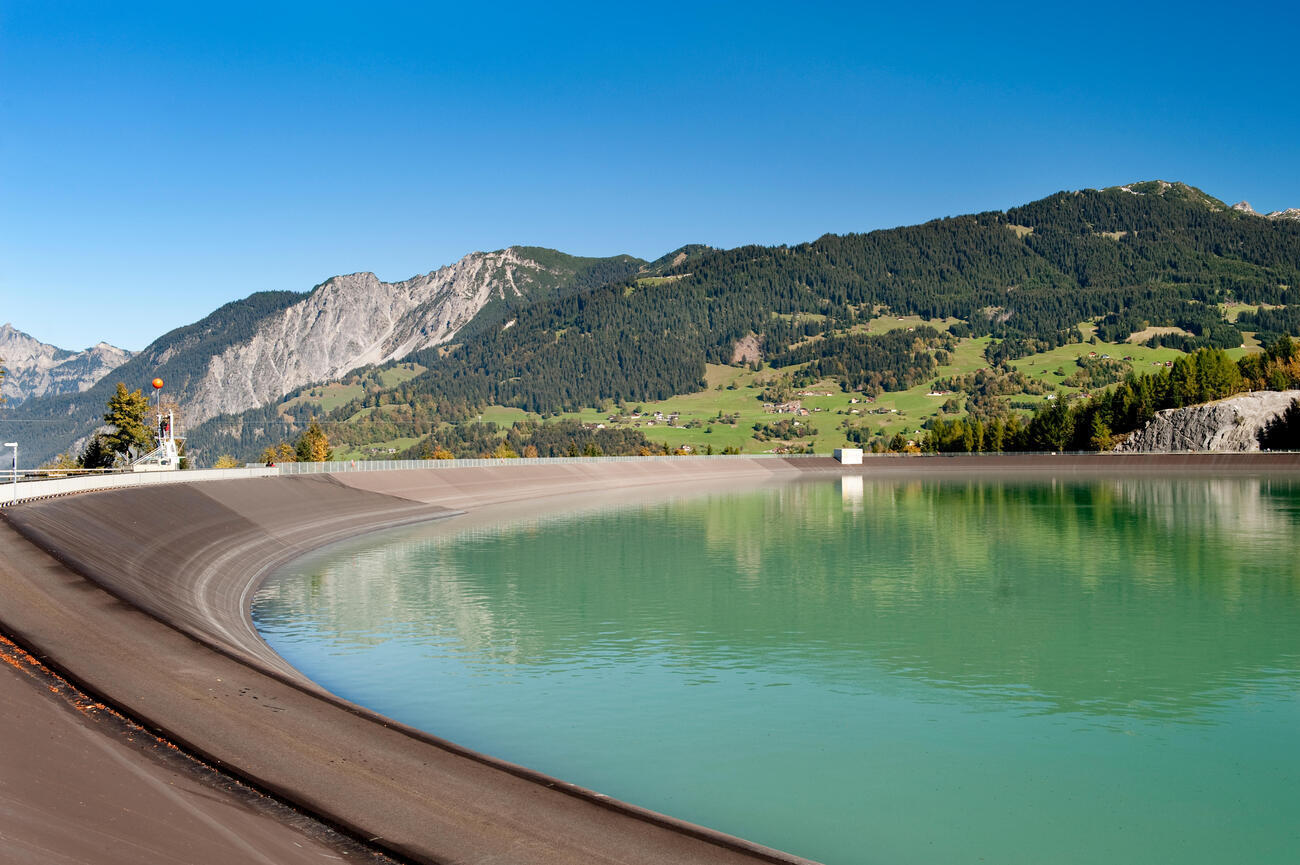
Water, mountains and a pause that actually hits. From Silvretta-Center in Schruns, stay within the valley and follow the road toward Tschagguns. In about a 5-minute drive, the setting opens up and you will spot Staubecken Latschau.
Staubecken Latschau is a reservoir built to support hydroelectric power in the Montafon Valley, but it has long outgrown its purely functional role. Framed by steep mountain slopes and forested ridgelines, it sits at the threshold between village life and higher alpine terrain. Historically tied to the region’s energy infrastructure, the reservoir reflects how the Montafon has always worked with its landscape rather than against it. Today, it feels more like a natural mirror than an industrial structure, quietly anchoring the valley with scale and stillness.
Bielerhöhe Pass
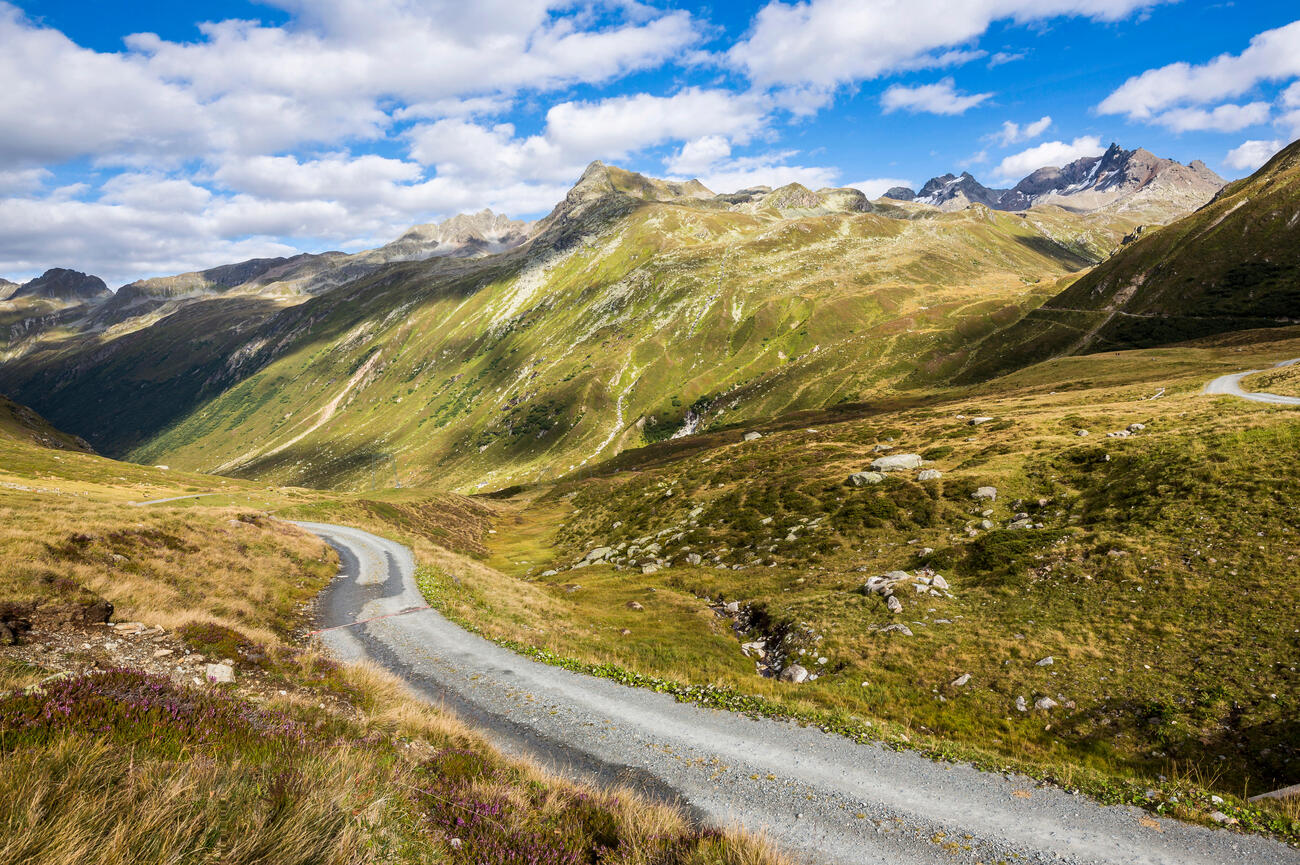
Stay on the Silvretta High Alpine Road and climb for about one hour, watching the scenery level up with every switchback. Signal bars disappear but the camera roll stays busy. Then you hit Bielerhöhe Pass at 2,032 meters above sea level and suddenly the feed needs a moment to catch up.
Bielerhöhe sits right in the middle of the Silvretta High Alps and has always been about connection. Long before it became a bucket-list drive, this high mountain pass linked regions and later supported the massive hydroelectric projects that shaped the area. The surrounding reservoirs and open ridgelines give the place its signature look.
This is where you post less and save more. One wide-angle photo. One quiet moment.
Evening: Vermuntsee
Once Bielerhöhe has had its moment, the road naturally pulls you downhill. Follow the Silvretta High Alpine Road as it eases toward Gaschurn and within roughly 15 minutes, the landscape relaxes.
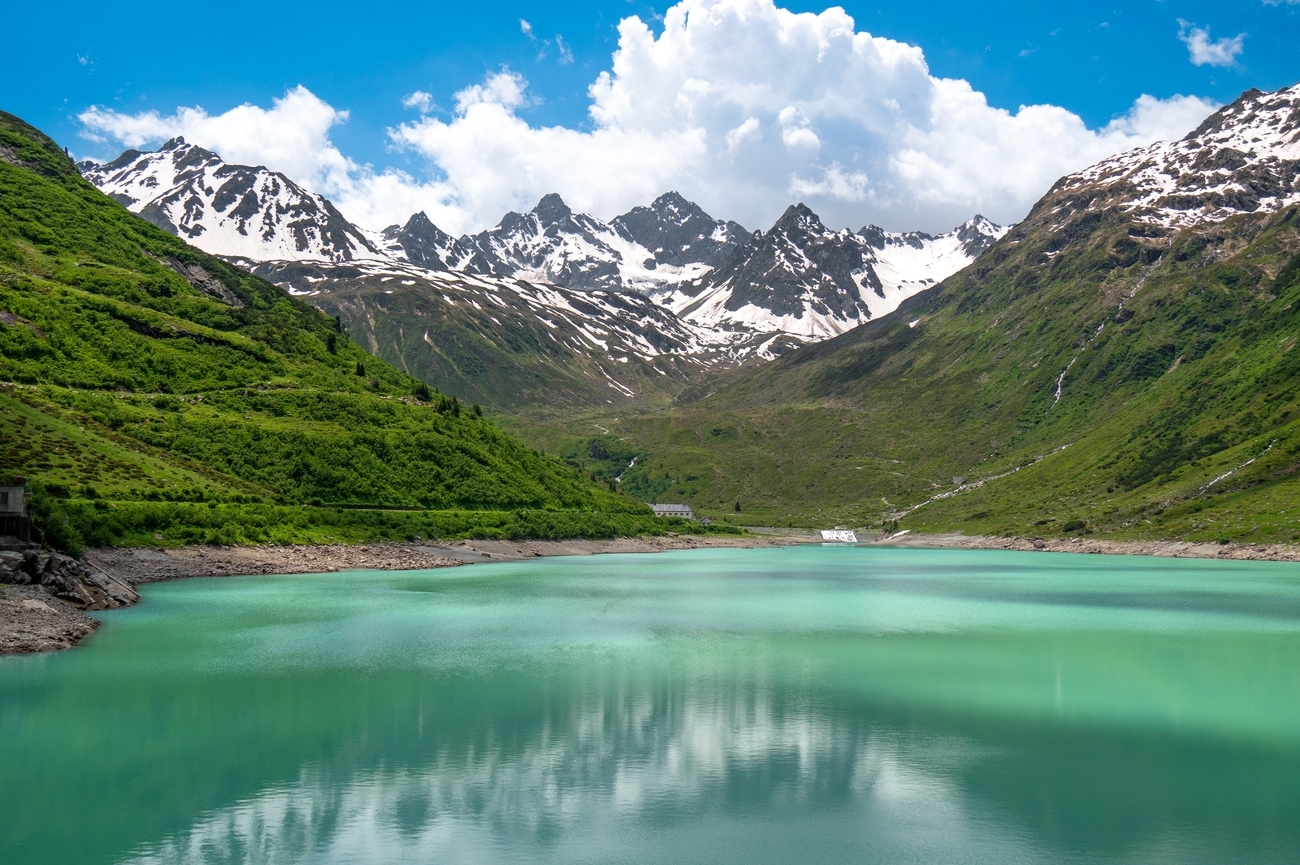
Vermuntsee belongs to the early Silvretta hydroelectric network, built in the first half of the 20th century to channel alpine water into power. What began as infrastructure now reads like design. Set high in the mountains and framed by open slopes, the reservoir has become a visual anchor in the region, reflecting the surrounding peaks with a kind of effortless symmetry. It carries history without heaviness, balancing engineering with an almost meditative calm. There’s no tour timetable to follow here and that’s intentional. Vermuntsee is experienced independently, through short walks along the shoreline and natural viewpoints that invite stopping rather than marching on.
Partenen
As Vermuntsee fades into the evening, stay on the valley road and let the drive unwind naturally. In about 10 minutes, the road levels out, lights begin to appear and Partenen comes into view. No buildup. No final push. Just a clear signal that the day has reached its endpoint.
Partenen sits at the southern edge of the Montafon Valley and has long played the role of a threshold village. Historically, it marked the transition between high-alpine routes and valley life, shaped by transport links and later by the Silvretta hydroelectric projects. That legacy gives the village a grounded, functional character. Surrounded by steep slopes and alpine scale, Partenen feels composed rather than curated. It’s a place built around purpose, not performance.
Ending the day in Partenen is a deliberate choice. Evening brings stillness, softer light and a sense of closure after a full day of altitude, scenery and movement.
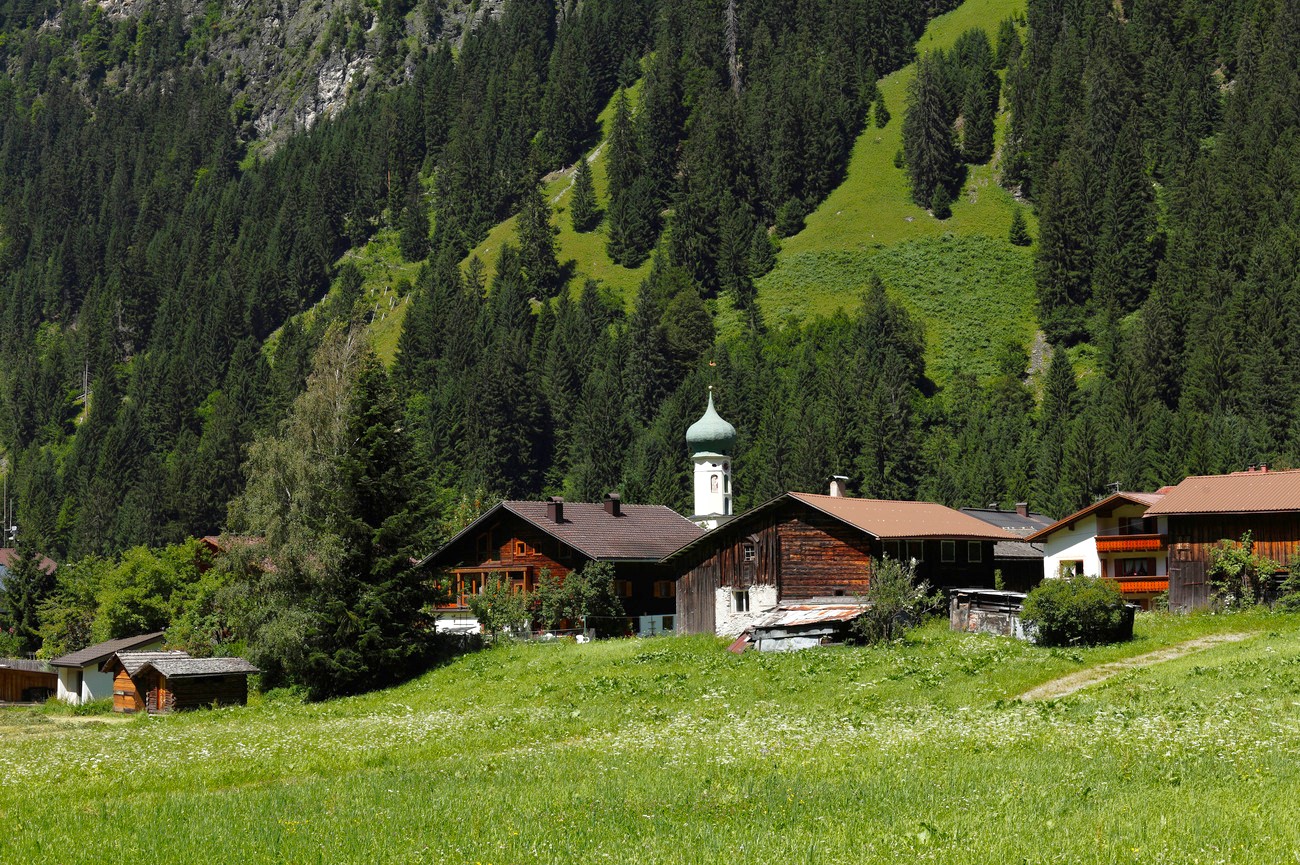
Day 3 - Vorarlberg Tour Map
Day 4
Morning: Lech River
Start the morning gently by following the Lech River as it threads through the village. This section of the Lechweg is flat, walkable and quietly scenic, offering a slower entry into the day before elevation takes over. The river here is still young and clear, moving calmly between grassy banks and wooden bridges.
This walk works because it grounds you. You’re surrounded by alpine scale, but the pace stays human. It’s a reminder that Lech isn’t only about height. It’s about proportion.
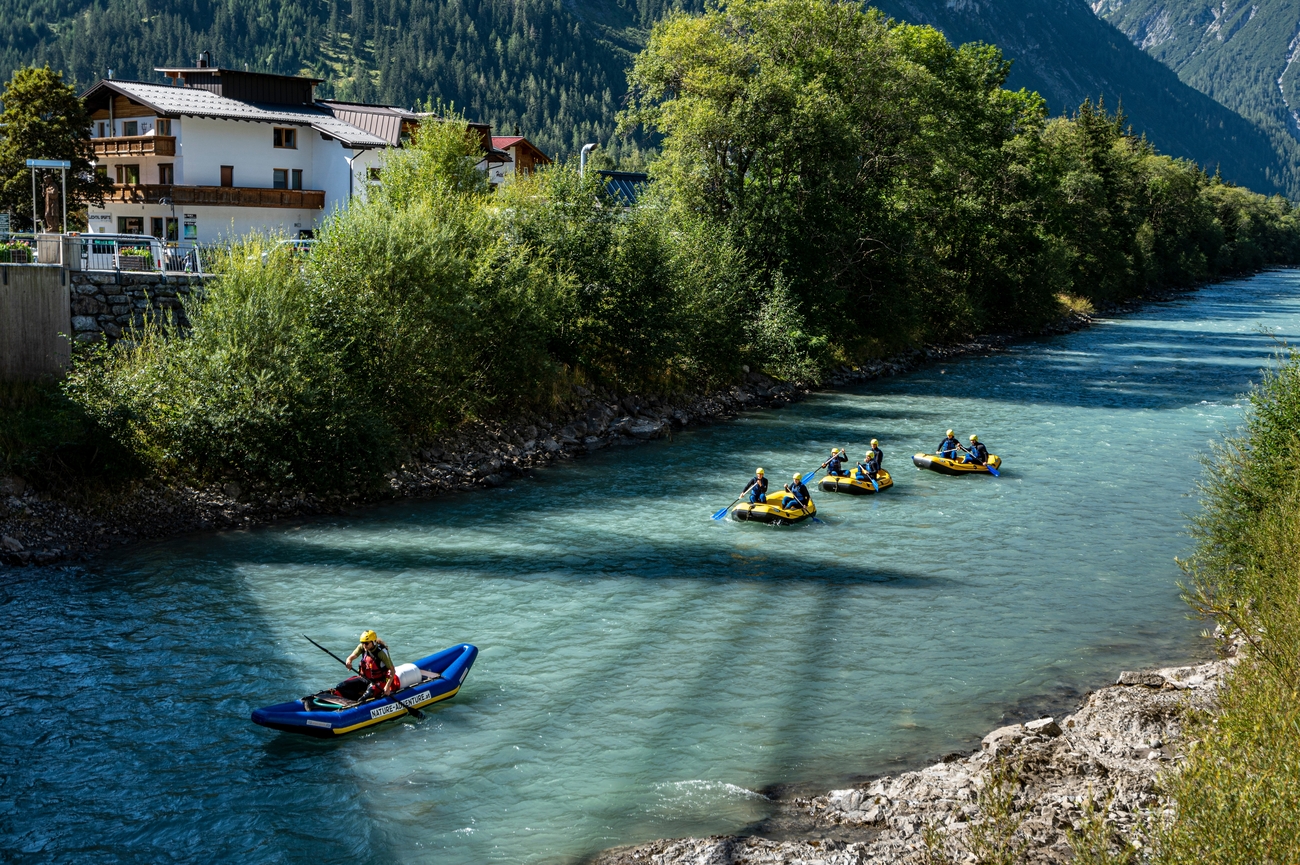
Skyspace Lech
Less sky, more moment.
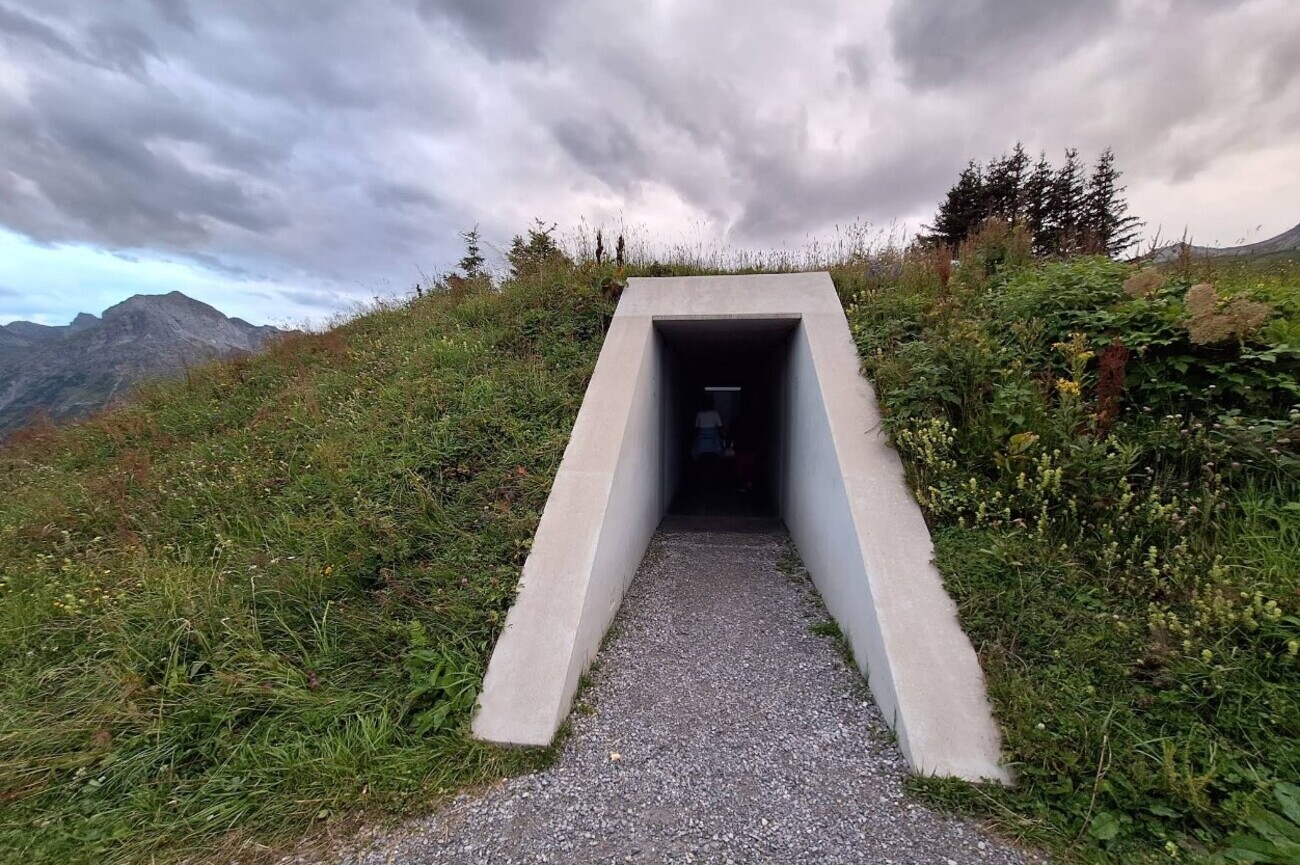
From the village, a short uphill transfer pulls you away from movement and into something deliberately quieter. Created by light artist James Turrell, the installation is built to slow you down without asking permission. You enter a simple chamber, take a seat and look up through an opening in the ceiling.
Access is intentionally limited, which means you get a calmer, more focused experience. Visits follow specific opening hours (often around sunrise/sunset) and guided sessions can be booked. That’s when you watch the sky shift through multiple tones in one sitting. The structure stays quiet on purpose, so you can let the experience do the talking.
Rüfikopf Seilbahn
Return toward the village center and follow the gentle pull uphill. Within minutes, the base station of Rüfikopf Seilbahn takes over the scene.
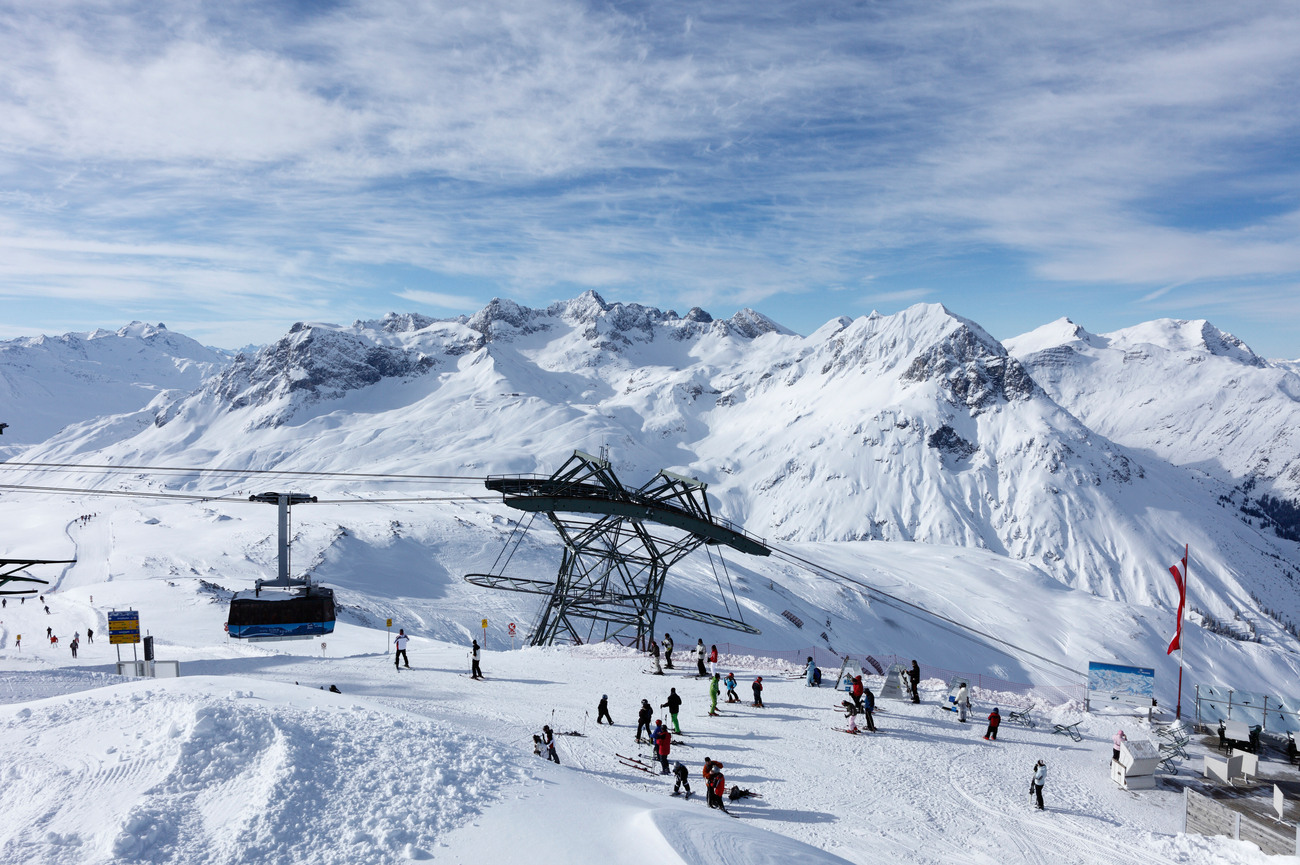
Rüfikopf has always been about perspective. The cable car lifts you from Lech straight up to one of the Arlberg’s most commanding viewpoints, opening the landscape in a single, confident move. As you rise, the village shrinks, the peaks spread out and the scale of the Arlberg massif becomes unmistakable. From the top, views stretch across rugged ridgelines toward Zürs, St. Anton and deep alpine valleys that look carved rather than built. This is classic high-alpine terrain, broad and powerful rather than sharp and chaotic.
Afternoon: Zürs am Arlberg
The transition from Lech to Zürs takes about ten minutes, but the mood shift is immediate. Roads narrow, movement slows and Zürs appears with no buildup and no need for one.
The volume drops here. On purpose. Zürs has always operated on a different frequency. High in the Arlberg and shaped by altitude and snow, it developed as a small alpine settlement long before prestige entered the conversation. What you will be seeing here is intentional. Compact streets, traditional alpine structures and a layout that feels turned inward rather than on display. History here isn’t curated or framed. It’s part of the setting, absorbed into daily rhythm.
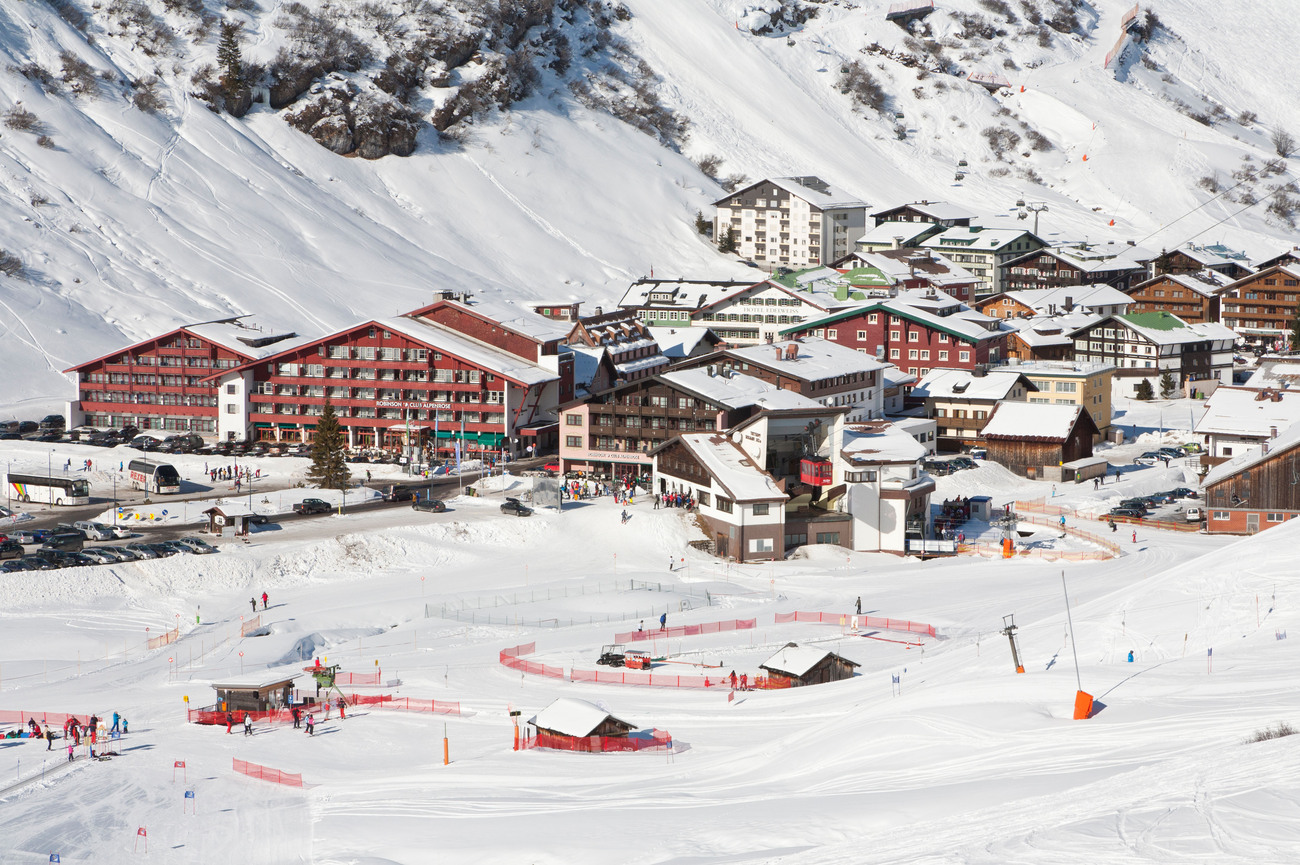
Zürsersee
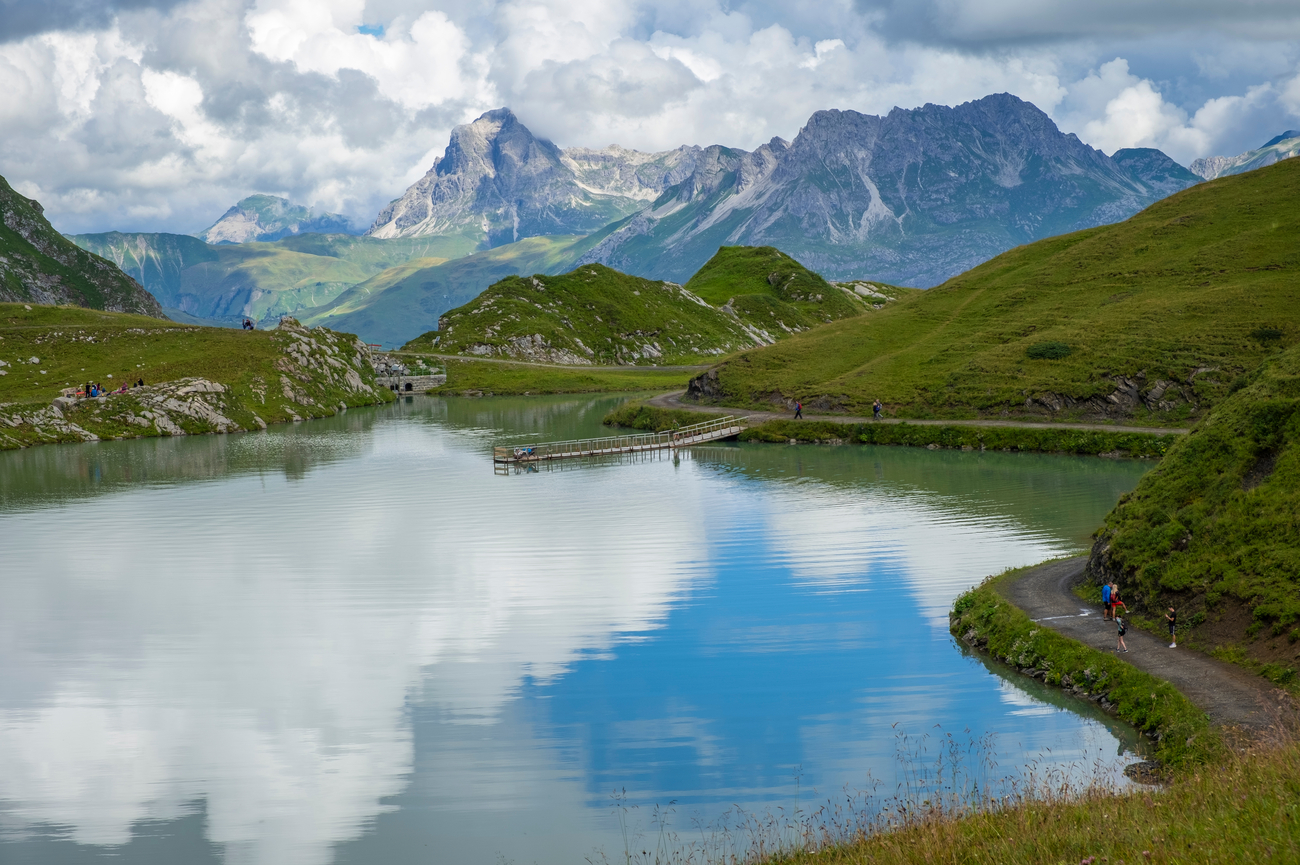
From the center of Zürs, it’s a smooth 5-minute drive or a steady uphill walk that feels intentional rather than demanding. The road pulls slightly away from the village and then relaxes. That’s the cue. Zürsersee appears without drama.
Zürsersee was shaped by alpine geography and seasonal rhythms long before it became a scenic pause on the Arlberg route. The lake sits high above the village, framed by open slopes and wide mountain faces that keep the space feeling expansive rather than enclosed. In winter, this area moves fast. Skis cut across terrain and lifts stay busy. Outside that season, the lake shifts tone completely. Water stays still. Reflections sharpen. Peaks double themselves across the surface. It feels less like a destination and more like a punctuation mark. Short, deliberate, perfectly placed.
Flexenpass
From Zürs, stay on the Flexenstraße and continue climbing. The drive takes about 10 minutes, but the shift happens sooner than expected.
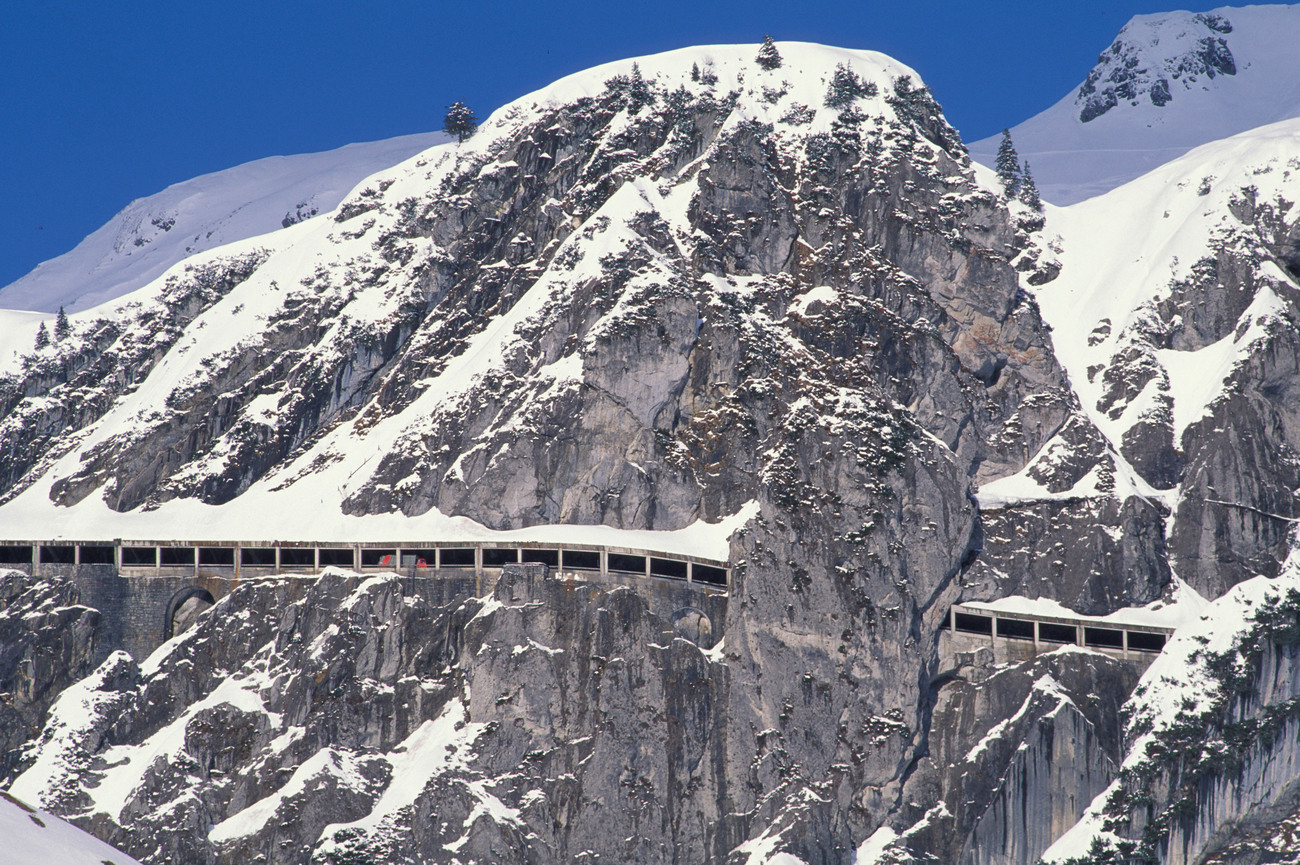
Flexenpass has been shaping movement through the Arlberg for centuries. Long before ski lifts and alpine hotels entered the picture, this high mountain crossing served as a vital link between valleys, enabling trade, seasonal migration and communication across difficult terrain. The modern road respects that legacy without turning it into a spectacle. Tunnels are carved directly into the mountain, curves follow the natural contours and elevation changes feel engineered with intention rather than bravado. This is infrastructure that understands restraint.
There is no formal visitor center or fixed sightseeing circuit at Flexenpass and that is exactly why it works. Most visitors experience it as part of a scenic drive between Zürs and Lech or as a pause along longer alpine routes.
Evening: Arlberg Pass
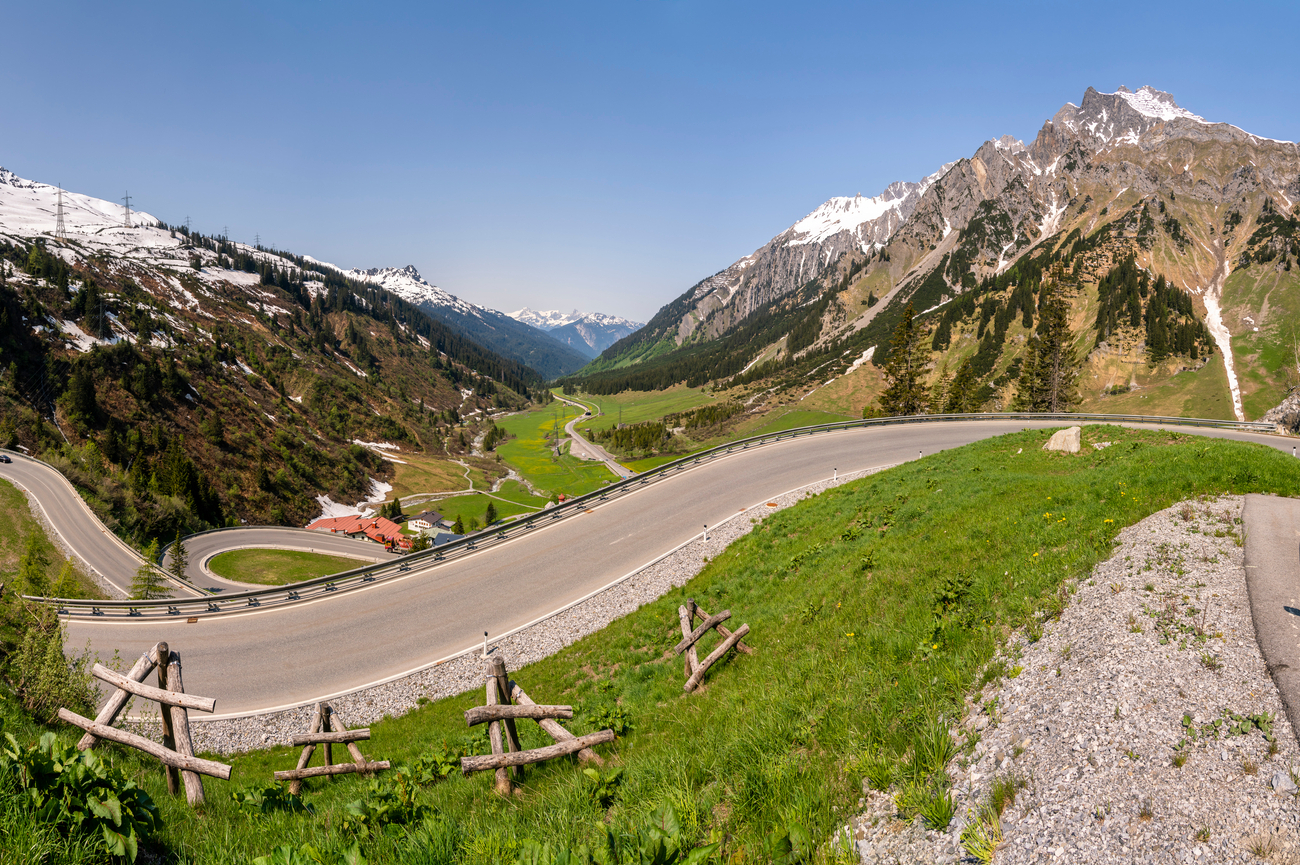
Stay on the mountain road, let the curves guide you and within minutes, the landscape opens up and the elevation feels ceremonial. This is the Arlberg Pass, and yes, this is where the tour is meant to end.
The Arlberg Pass has always been more than a crossing. For centuries, it functioned as a vital link between regions, shaping trade, travel and alpine life long before ski culture entered the picture. Sitting high between valleys, the pass carries a sense of transition built into its geography. This is a place defined by movement and connection, where history isn’t marked by monuments but by the steady flow of people, ideas and routes through the mountains.
The Arlberg Pass doesn’t close the itinerary with a spectacle. It closes it with perspective, reminding you that the best journeys don’t need fireworks at the end. They just need the right place to pause.
Day 4 - Vorarlberg Tour Map
Other Things to Do in Vorarlberg
Vorarlberg rewards curiosity. Once the headline spots are checked off, this is where the region really shows range. Design, nature, water, altitude and quiet flexes that don’t need explaining. These are places you go when you’re done rushing and ready to let the region surprise you a little.
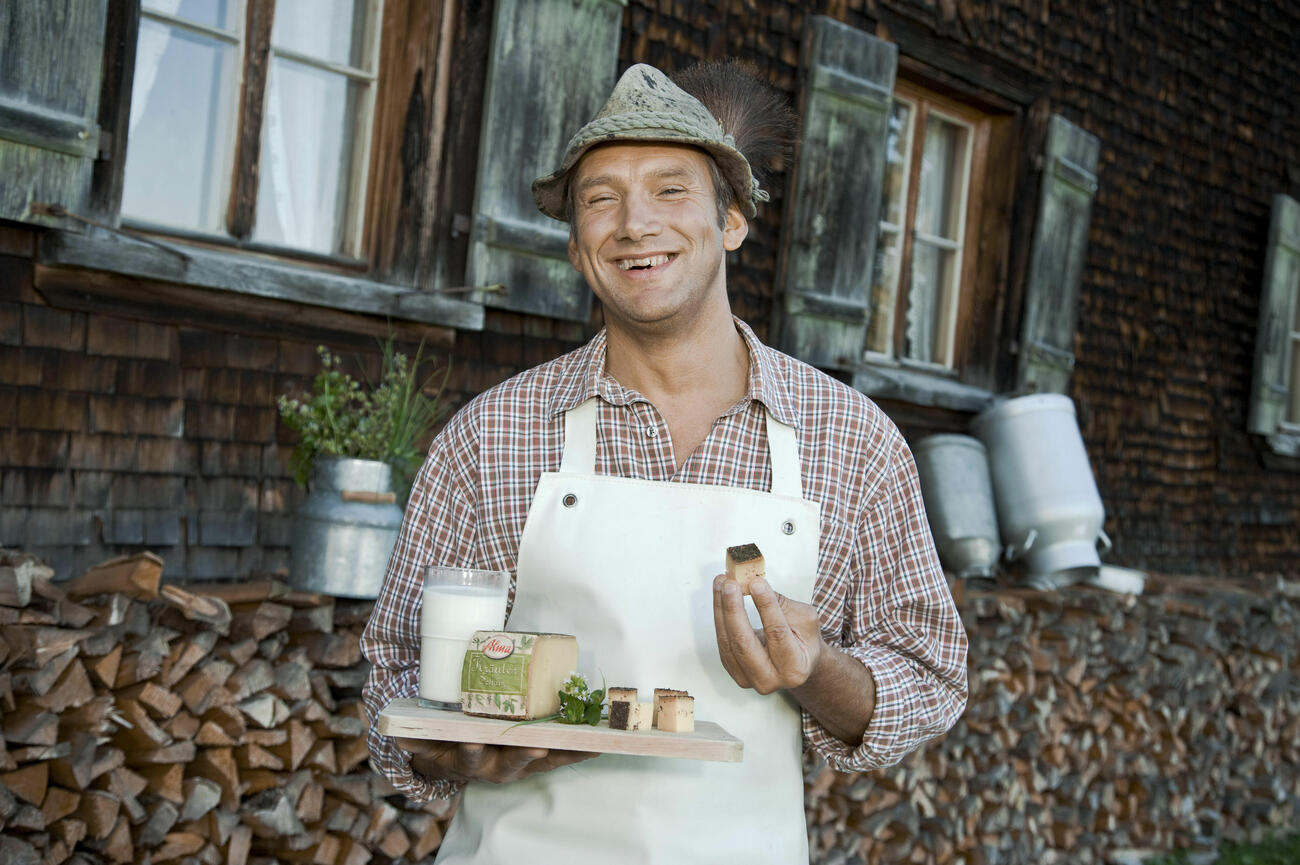
- Bregenzerwald Cheese Road: This is Vorarlberg’s slow-luxury flex. A network of alpine dairies, mountain pastures, and village stops that turns cheese into a cultural language. Here, you can join guided tastings, cellar visits and seasonal alpine huts where production is explained with pride and precision.
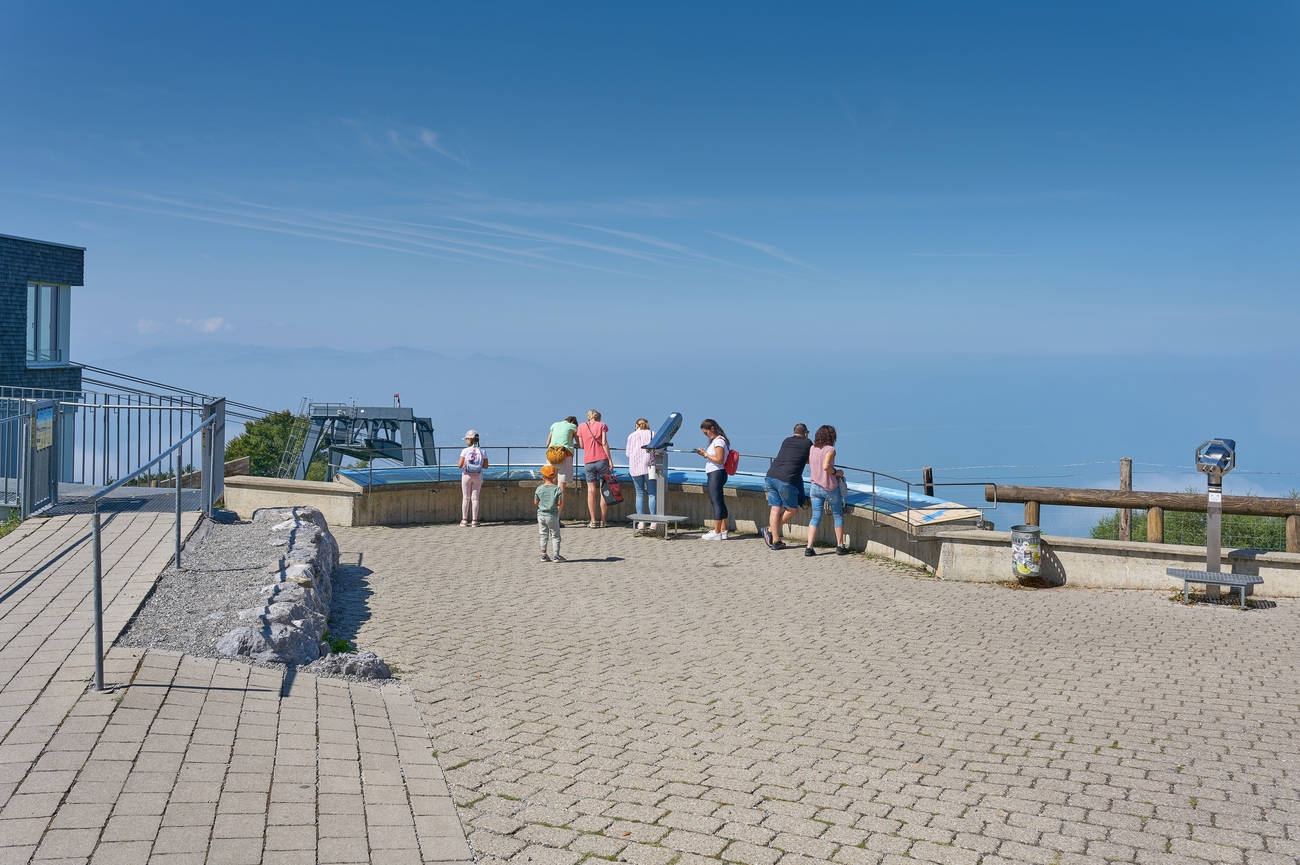
- Pfänder: Pfänder rises directly above Bregenz and acts as the city’s natural viewing platform. Reached easily by cable car, it offers panoramic views across Lake Constance with Austria, Germany, and Switzerland all visible on a clear day. You walk short panoramic paths, pause at viewpoints and let the scale land.
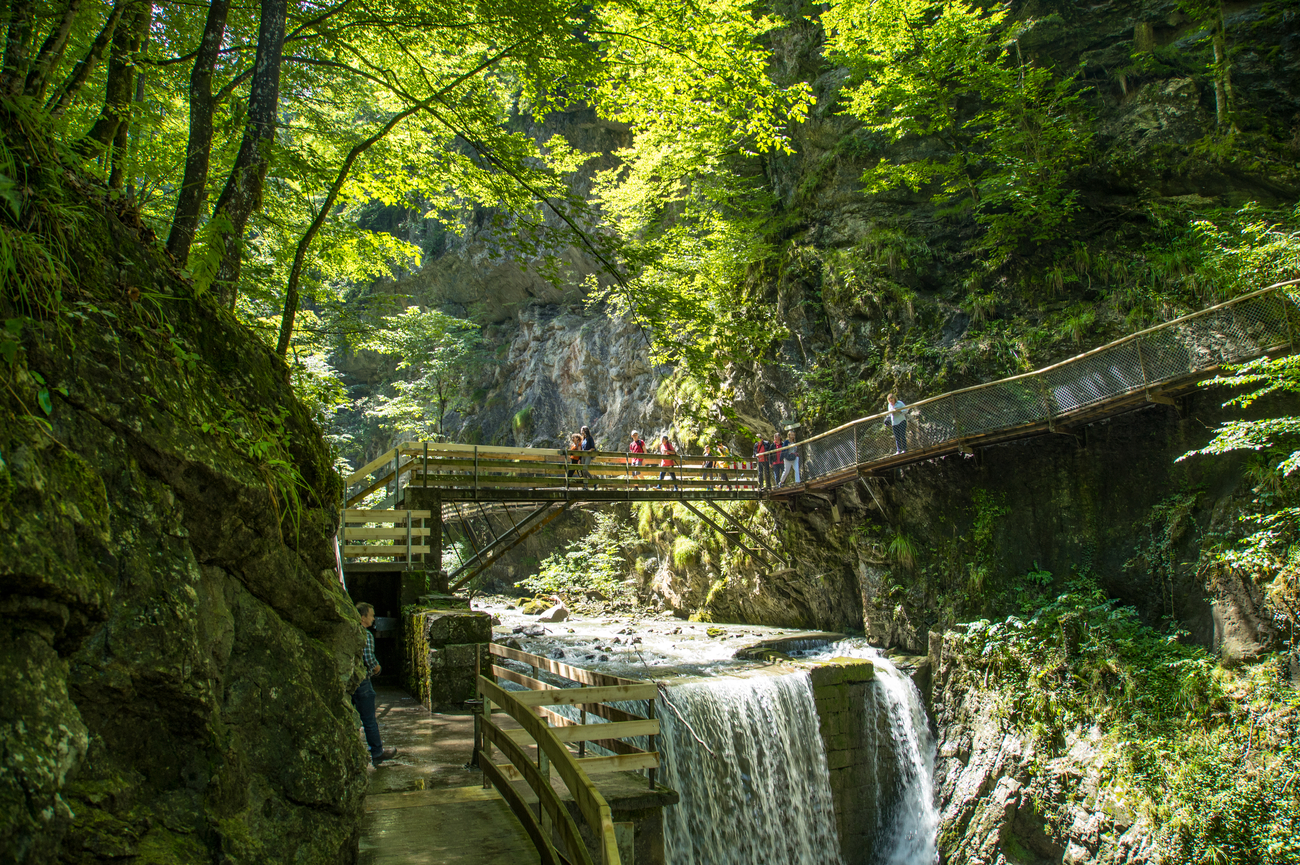
- Dornbirn Rappenlochschlucht: Rappenlochschlucht near Dornbirn represents Vorarlberg at its most elemental. Carved by the Dornbirner Ach over millennia, the gorge reveals how water, stone and pressure shaped the region long before settlement expanded into the valleys. You will hear the water before you see it and the scale feels more intense when there’s no rush around you.
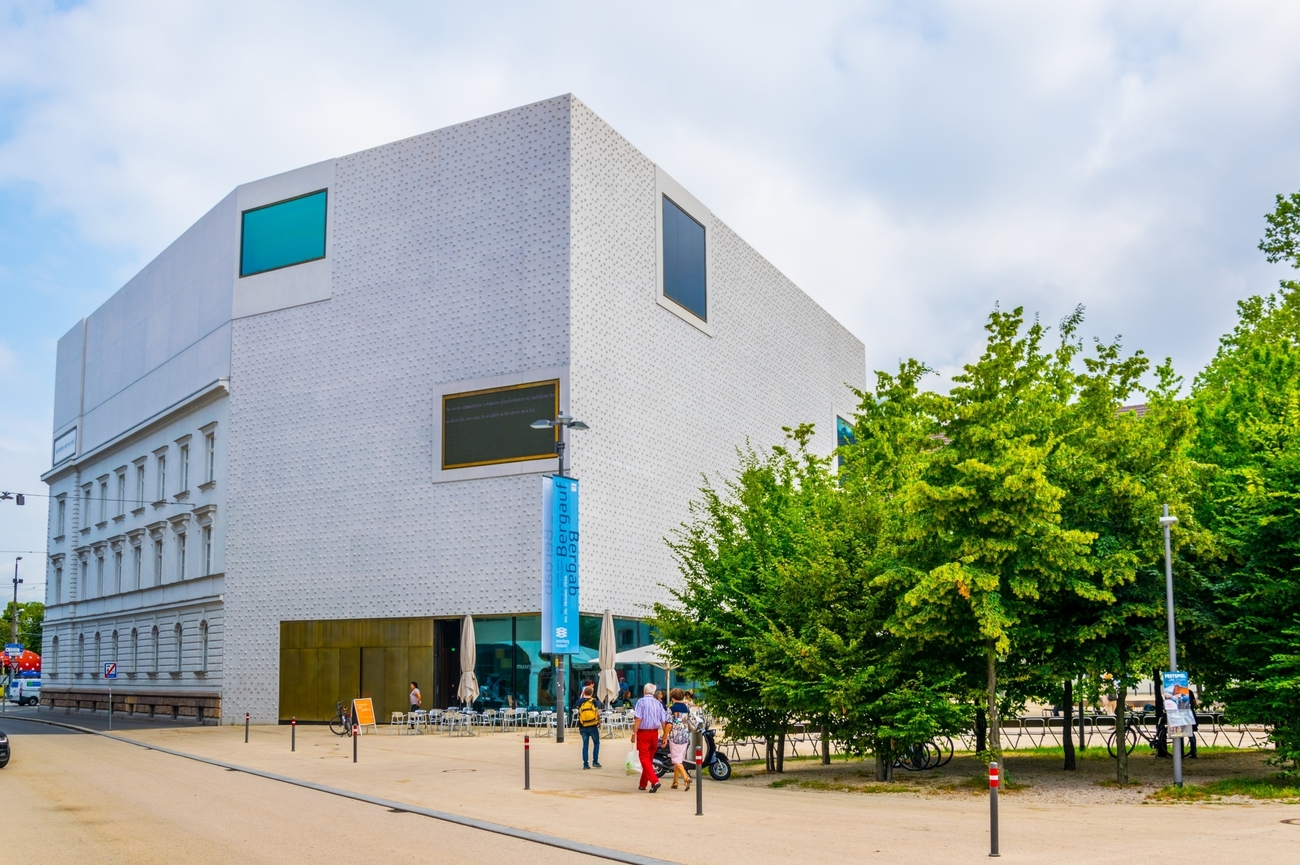
- Vorarlberg Museum: This is where you connect the dots. The museum explains how Vorarlberg’s landscape, architecture and craft culture shaped each other over time. Exhibits are clear and thoughtfully designed, making it easy to move through without overload. The building itself reflects this mindset, combining contemporary form with material references drawn from local tradition. A visit here sharpens perception, allowing you to recognize patterns in village planning, material use, and cultural restraint throughout the journey.
- Schlosspalast Hohenems: Schloss Hohenems stands as a reminder of the town’s former political and cultural influence. Built in the 16th century, the Renaissance palace once hosted nobility, scholars, and artists moving between Alpine and European centers. Its significance lies less in scale than in placement.
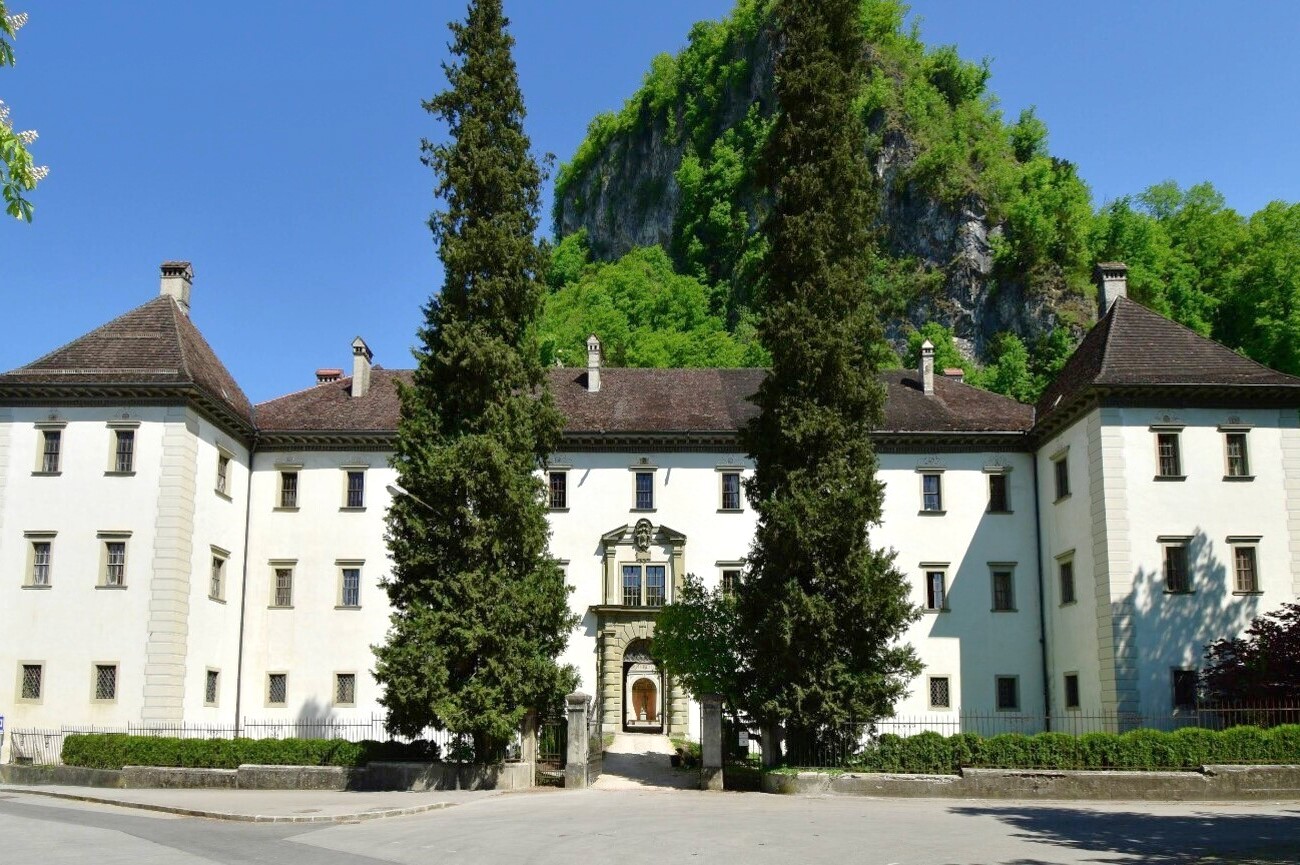
Things to Do with Kids in Vorarlberg
Vorarlberg does family travel differently. It doesn’t overwhelm kids with noise or exhaust parents with logistics. Instead, it offers places that mix movement, learning, nature and just enough wow factor to keep everyone engaged. These are spots where curiosity is rewarded, energy gets burned in the right way and the experience still feels thoughtfully designed rather than purely playful.
- Inatura - Erlebnis Naturschau Dornbirn: Inatura is the kind of museum where kids forget they’re in a museum. Located in Dornbirn, it’s an interactive science and nature center designed around hands-on discovery. You’re not reading long panels here. You’re touching, testing, and moving through exhibits that explain ecosystems, human biology, and natural phenomena in a way that actually sticks.
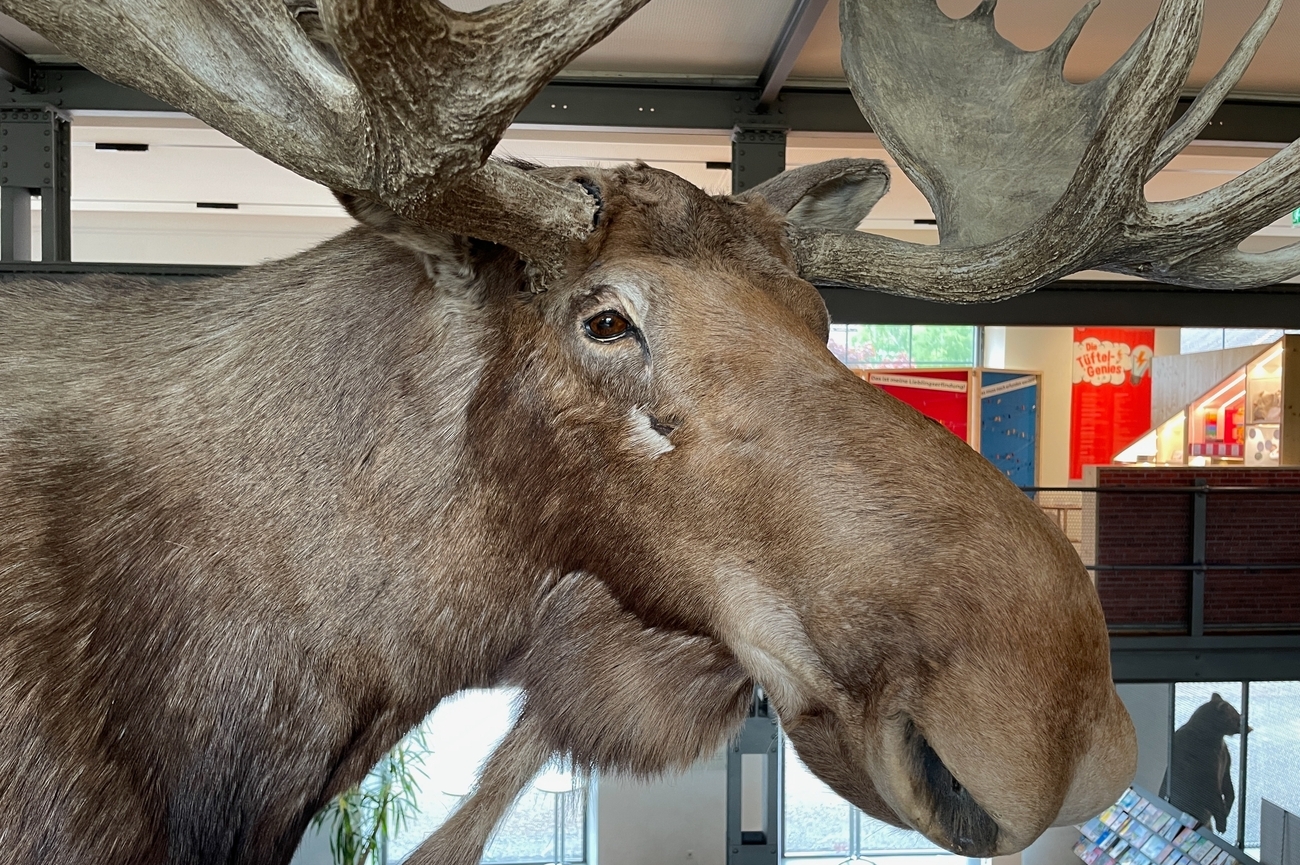
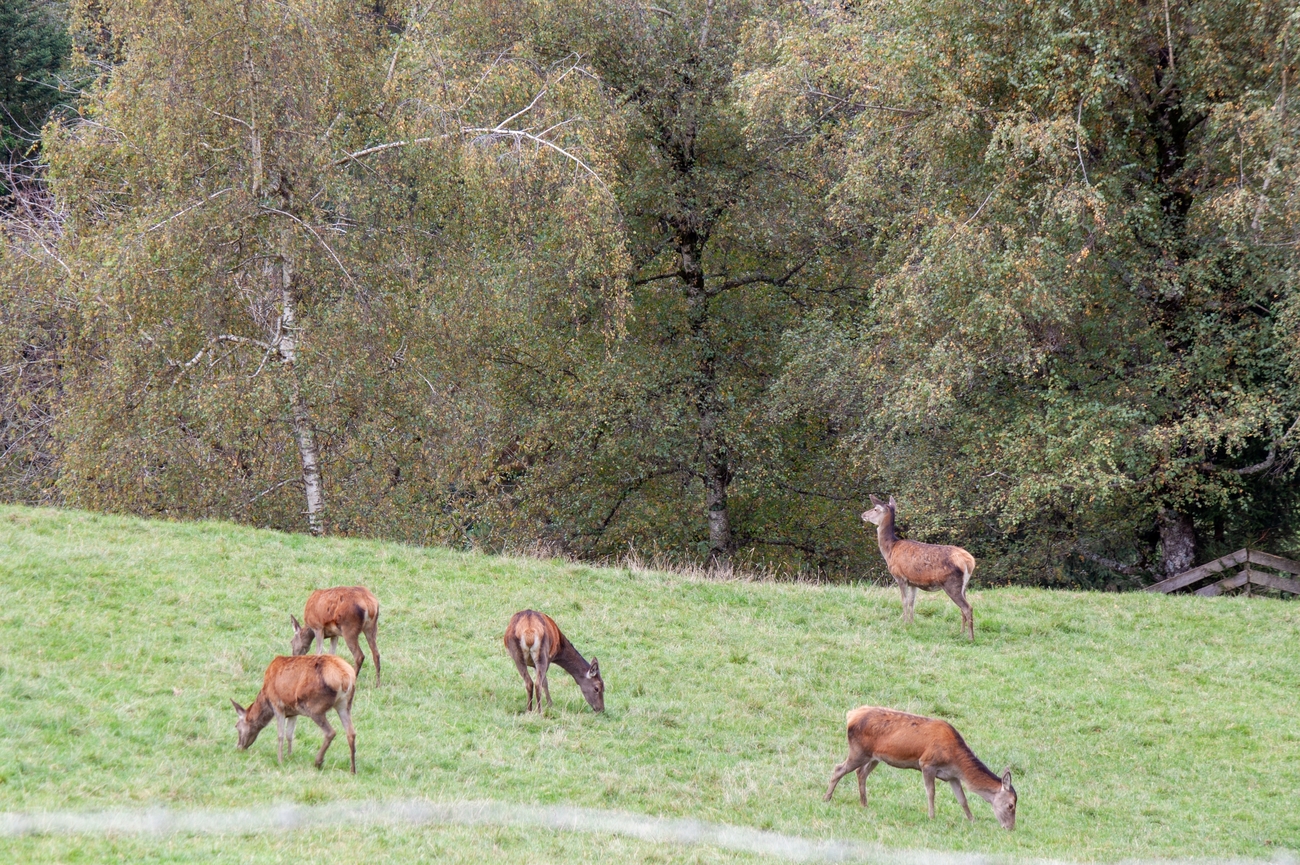
- Alpenwildpark Pfänder: High above Bregenz, Alpenwildpark Pfänder turns a mountain visit into a wildlife experience. This open-air park is home to native Alpine animals such as ibex, deer, marmots and wild boar, all set along easy walking paths with panoramic views of Lake Constance. Kids get close enough to observe without the barriers feeling restrictive, while adults appreciate the natural setting rather than a zoo-style layout.
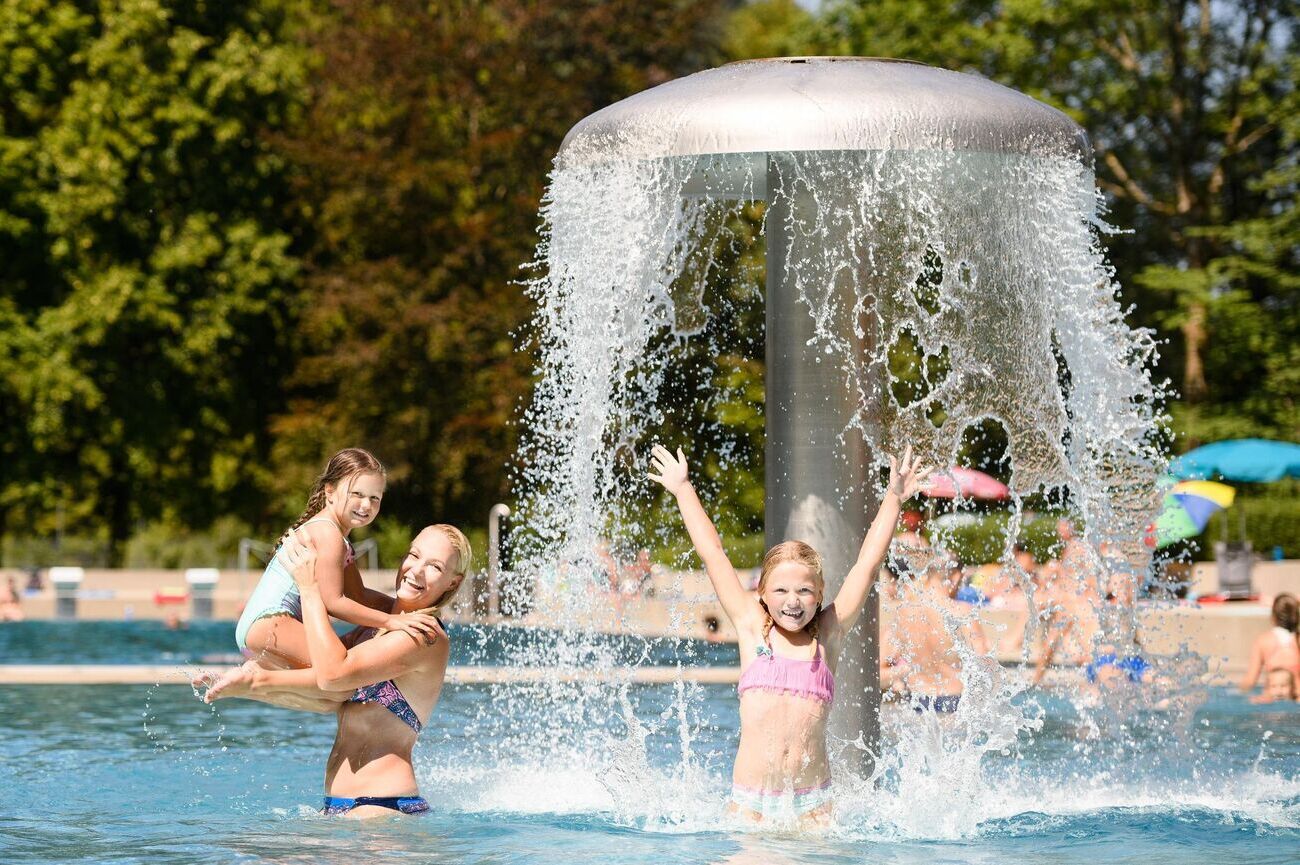
- Waldbad Enz: When the weather cooperates, Waldbad Enz in Dornbirn is where energy gets burned properly. This outdoor swimming complex sits in a green setting and offers multiple pools, water slides and play areas designed for different age groups. It feels more like a park with water than a traditional pool, which keeps things relaxed and social.
- Karren: Karren is a family-friendly mountain lookout above Dornbirn that balances scenery with accessibility. A cable car ride does the hard work, delivering you to wide paths, open viewpoints and space for kids to explore safely. The summit area is manageable and well laid out, making it easy to enjoy the views without constant supervision stress. It’s a gentle introduction to alpine landscapes that still feels rewarding.
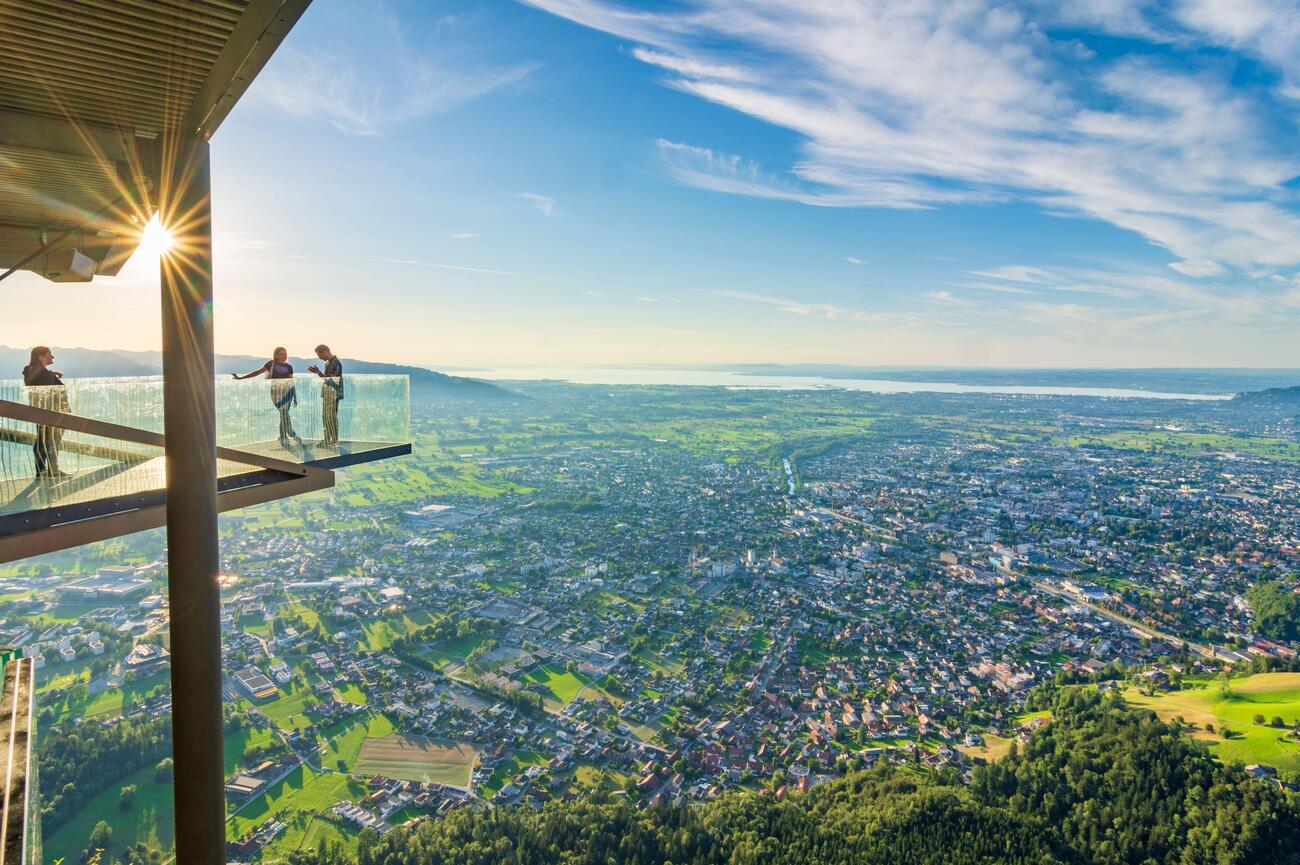
- Schattenburg Castle: Castles automatically win with kids, and Schattenburg delivers without needing embellishment. Sitting above Feldkirch, this medieval fortress offers towers, courtyards, and thick stone walls that invite exploration. Inside, exhibits explain daily life, defense, and medieval tools in a way that’s easy to digest.
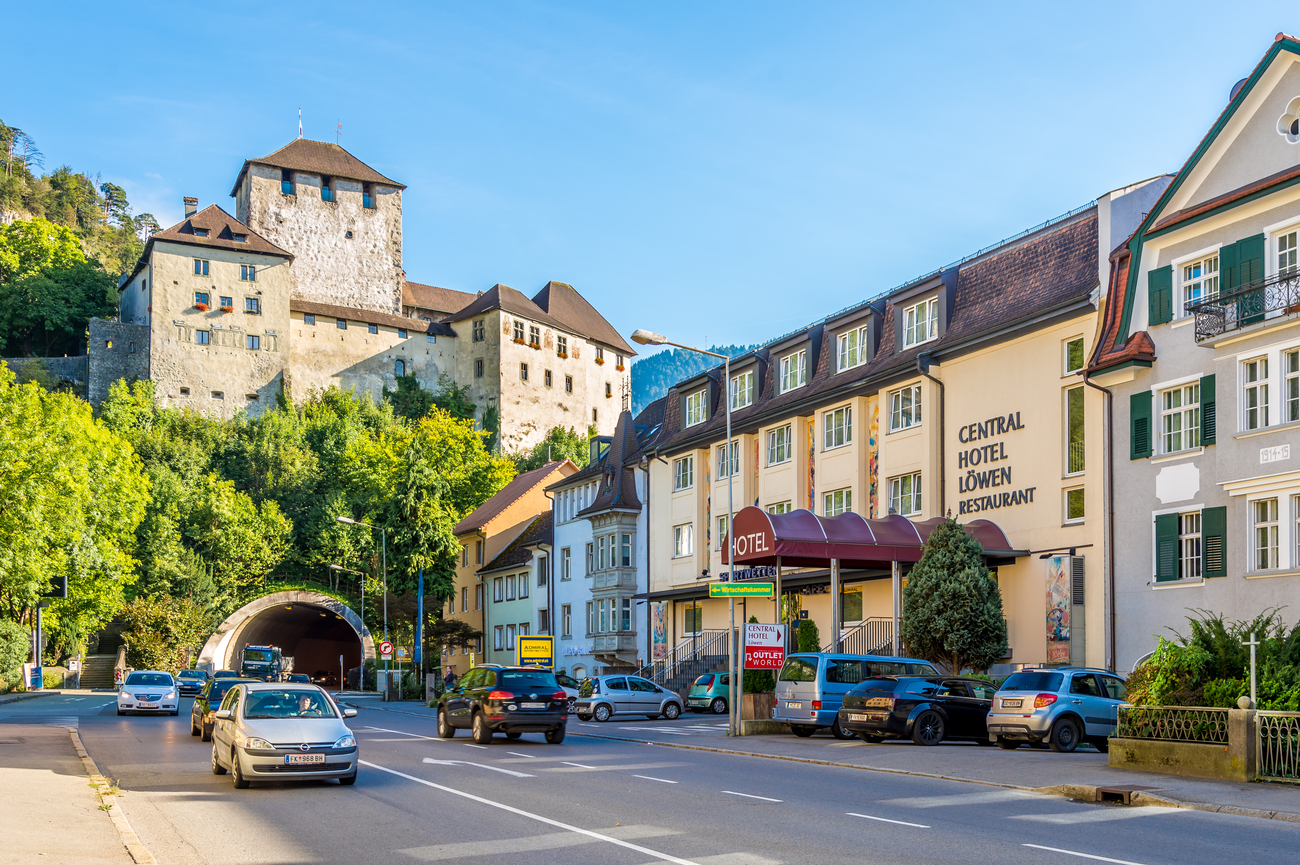
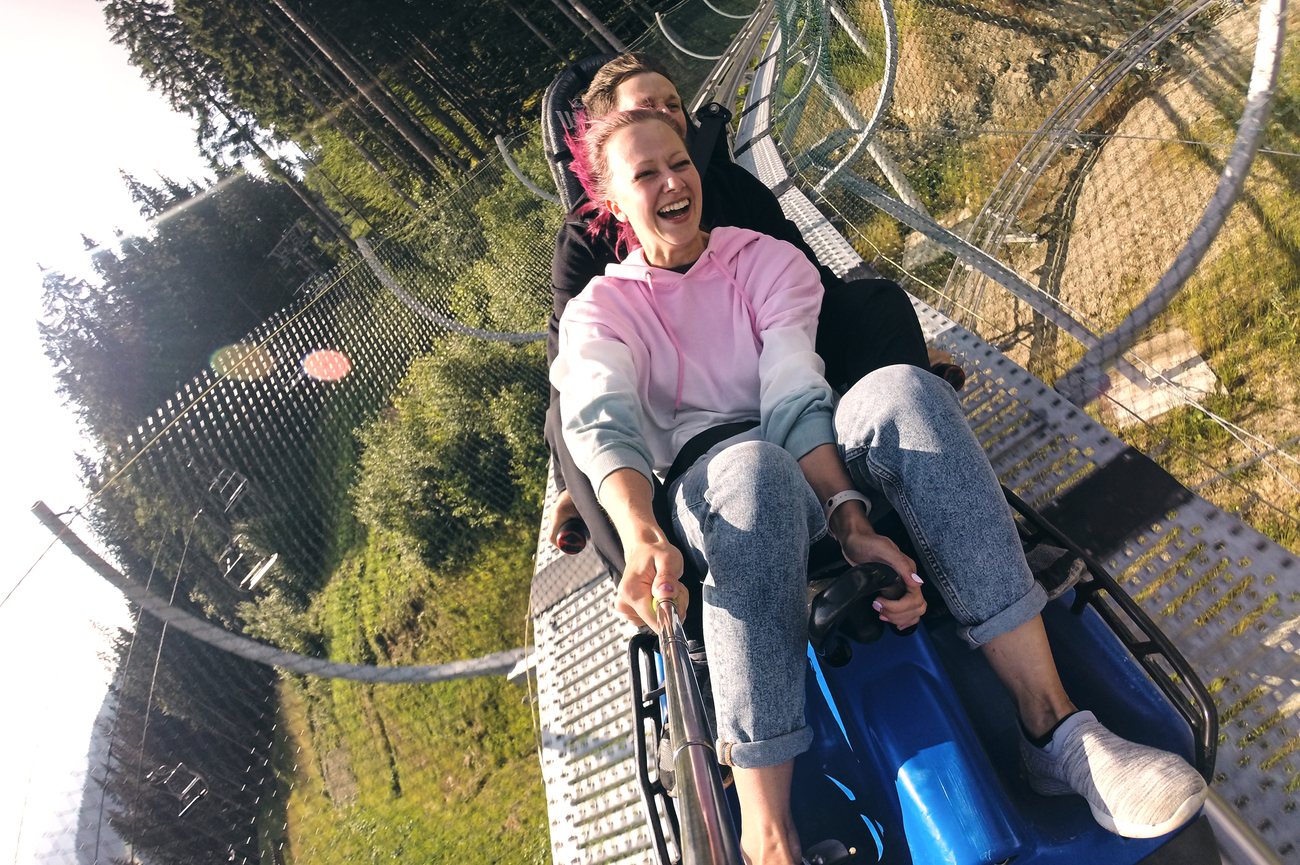
- Alpine Coaster Golm: For kids who need speed more than structure, the Alpine Coaster at Golm is the highlight. This mountain coaster lets you control the pace, making it exciting without crossing into overwhelming. It’s set against alpine scenery, which keeps the experience grounded in place rather than feeling like a theme park dropped into the mountains. It’s short, punchy and guaranteed to be requested again.
Day Trips From Vorarlberg
Vorarlberg’s position does something subtle but powerful to your itinerary. Step just beyond the region and the landscape, language, and cultural tone begin to shift almost immediately. These day trips don’t feel like extensions or add-ons. They feel like natural continuations, places that sit close enough to move through comfortably yet distinct enough to reset your perspective. Each destination below adds contrast and texture.
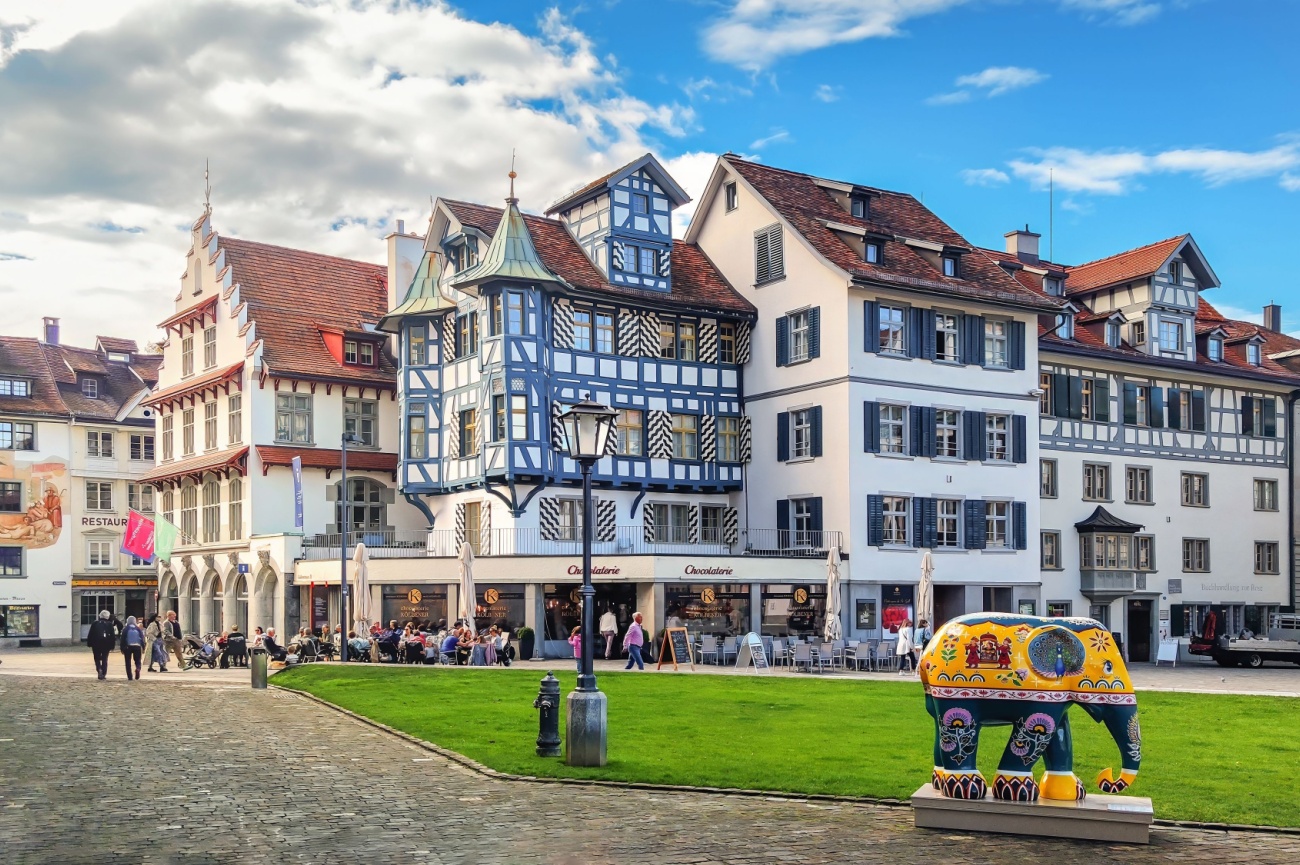
- St. Gallen, Switzerland: You’ll notice the shift almost immediately after crossing the border. In about one hour from Bregenz, the urban fabric tightens and the city’s intellectual backbone comes into focus. St. Gallen revolves around the Abbey of St. Gall, a UNESCO World Heritage Site that defines the historic center. The Baroque cathedral and the Abbey Library, home to one of the world’s most important manuscript collections, anchor the visit. Beyond the abbey, the Old Town unfolds through narrow streets lined with ornate oriel windows that reflect the city’s textile wealth.
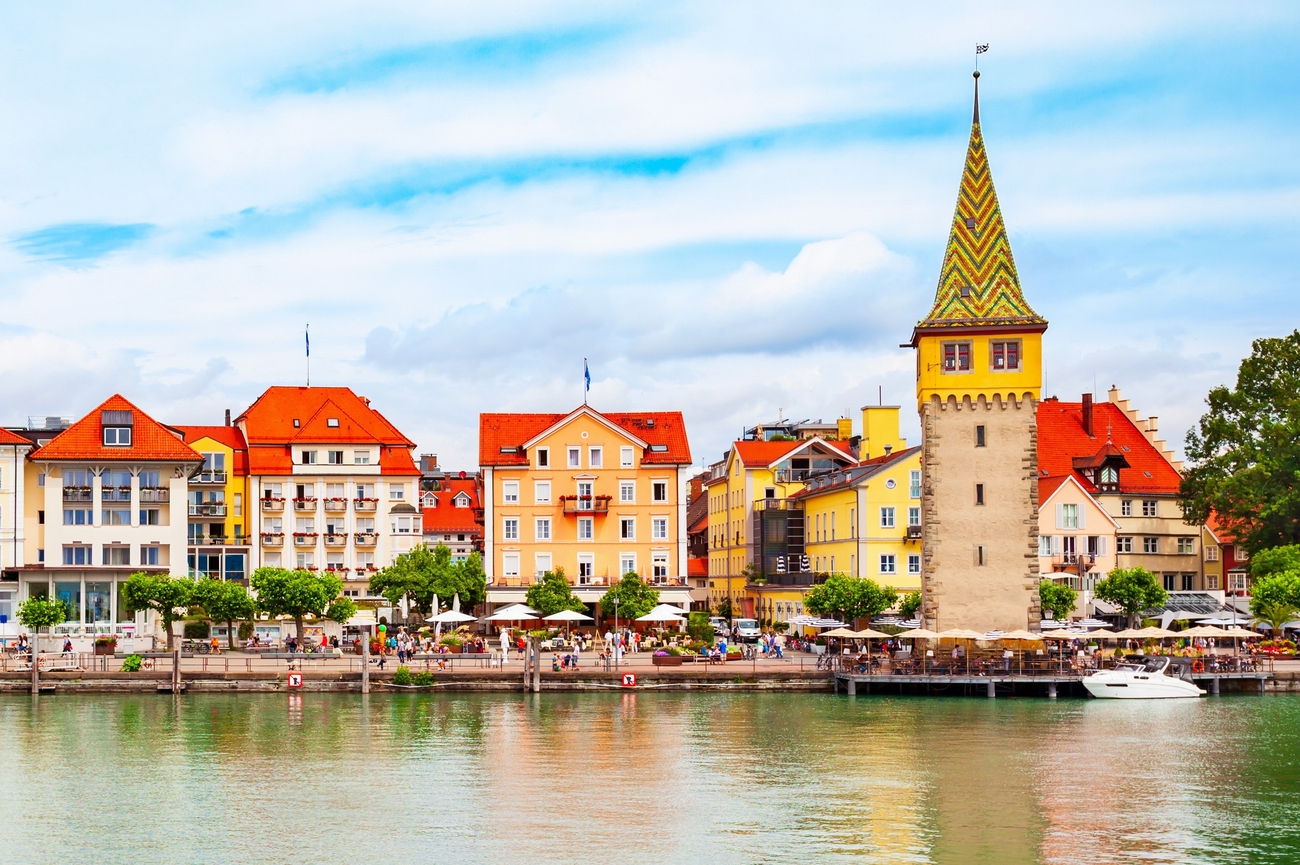
- Lindau, Germany: This is one of the quickest cross-border wins. In around 30 minutes from Bregenz, you’re stepping onto an island town in Lake Constance. Lindau’s Old Town is immediately legible, defined by its harbor entrance framed by the lighthouse and the Bavarian Lion statue. Walkable streets, historic facades and constant proximity to the water make the experience feel composed rather than crowded.
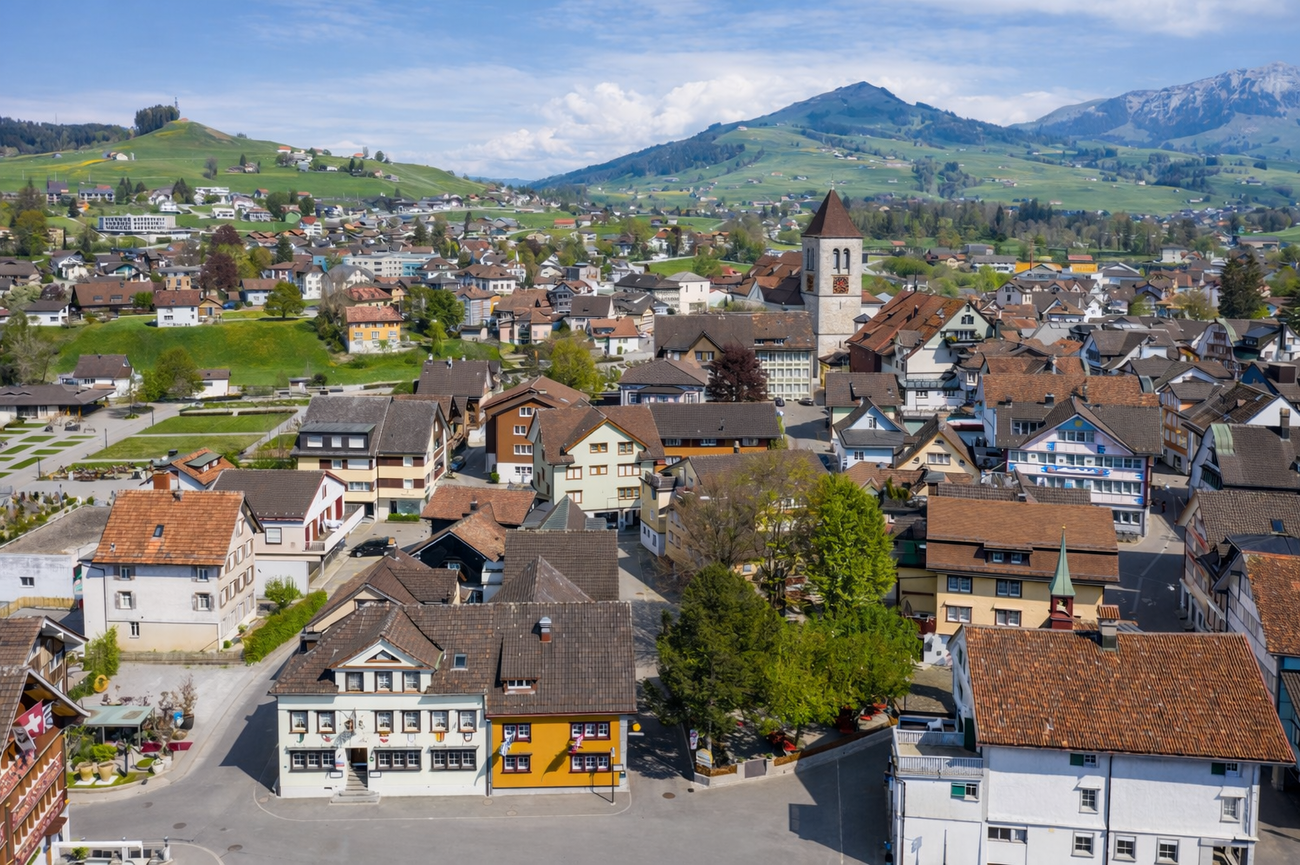
- Appenzell, Switzerland: Reaching Appenzell takes roughly one hour by car, but the cultural shift feels much larger. The village center is known for its vividly painted houses. Appenzell’s charm goes deeper than aesthetics. Small museums and artisan workshops explain the region’s strong traditions and political independence. This is a place where understanding elevates the experience.
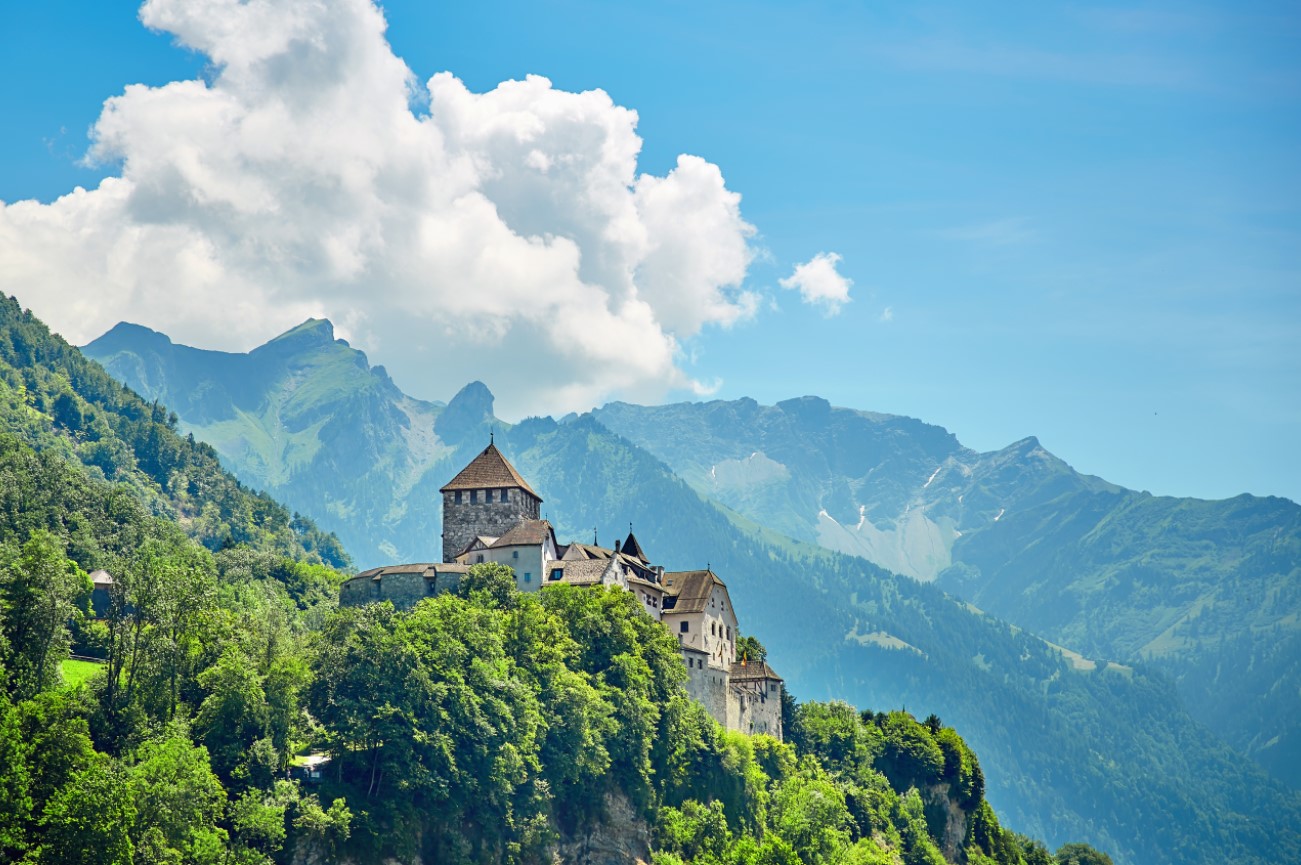
- Vaduz, Liechtenstein: Vaduz arrives quietly. After about one hour from Feldkirch, the capital of Liechtenstein presents itself with minimal friction and maximum clarity. The town is small, but its cultural institutions are tightly curated. Highlights include the national museums clustered along the main axis and the view up to Vaduz Castle, which crowns the hillside above.
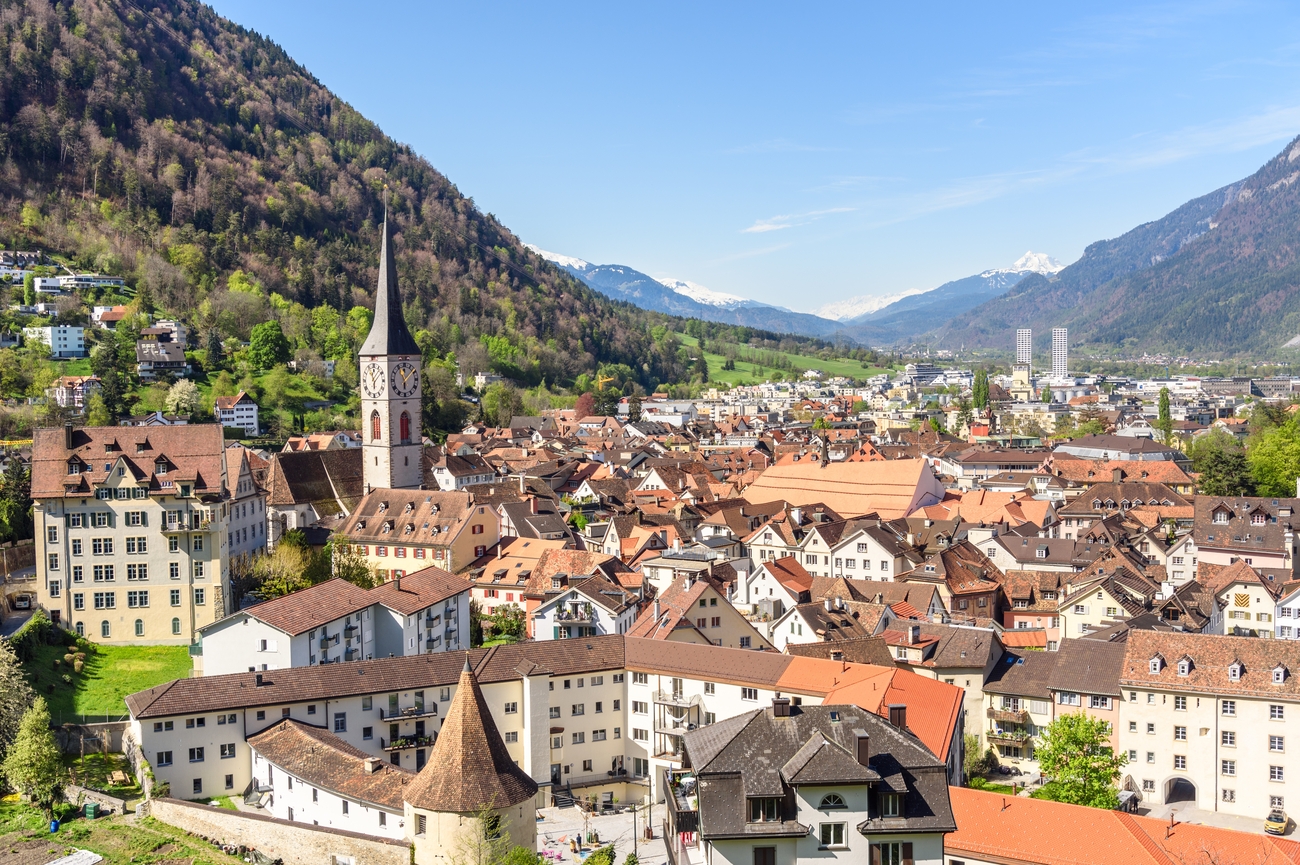
- Chur, Switzerland: Chur is a longer but rewarding reach, sitting around 1 hour and 30 minutes from Bludenz. As Switzerland’s oldest city, it layers Roman foundations with medieval streets and alpine geography. The car-free Old Town is the highlight, where narrow lanes lead to historic squares, churches and hillside viewpoints. Chur works best when treated as a cultural walk rather than a checklist, with guided historical routes adding clarity to how the city evolved at the crossroads of Alpine trade routes.
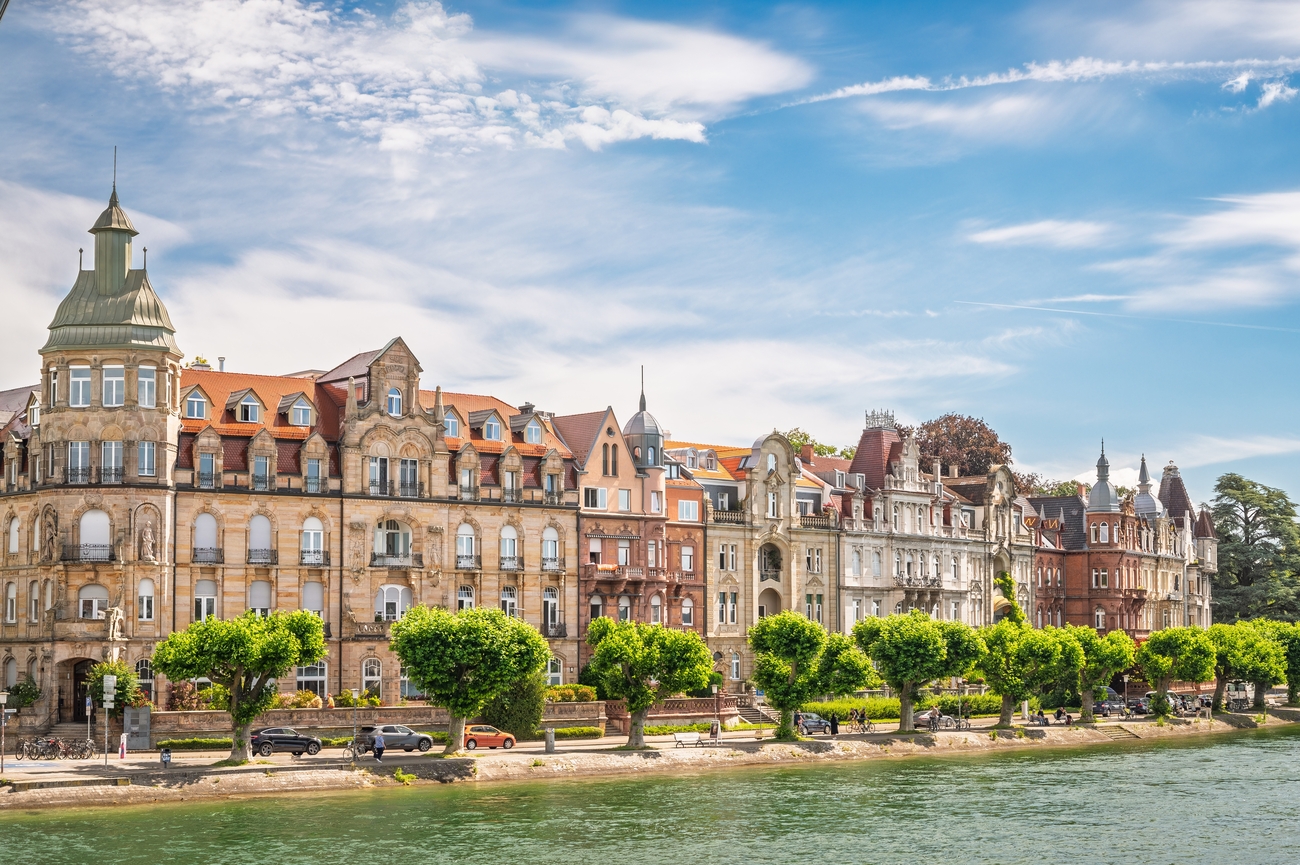
- Konstanz, Germany: Konstanz makes sense when you want scale without chaos. Reached in about 1 hour and 30 minutes from Bregenz, the city sits at the western end of Lake Constance and carries serious historical weight. It’s best known for hosting the Council of Constance in the 15th century, a turning point in European church history. The Old Town, cathedral area and lakeside promenades create a balanced day trip that blends history with open space.
Golfcourses in Vorarlberg
Golf in Vorarlberg isn’t about manicured fairways tucked behind fences. It’s about courses that read the landscape, turning elevation changes, mountain horizons and alpine air into playability rather than backdrop. These courses reward thoughtful shots and strategic thinking. And yes, stunning visuals without distracting from the game itself. Below is a list of standout golf courses in the region, each with its own character.
- Golfpark Bregenzerwald: This course sits where design meets terrain. Nestled in the foothills of the Bregenzerwald, this course feels intentional rather than contrived. Fairways and greens are sculpted into rolling meadows and gentle rises, with mountain ridges framing the view. The setting encourages measured play and rewards patience. High-end experiences here often include clubhouse amenities with refined lounges and you can pair a round with a local cheese tasting or architectural stop nearby.
- Golfclub Bludenz-Braz: Golfclub Bludenz-Braz is where the game stops fighting the landscape and starts working with it. Set between the alpine town of Bludenz and the entrance to the Klostertal Valley, this 18-hole course feels carefully embedded rather than imposed. Fairways follow the natural contours of the valley floor, framed by mountain walls that give every hole a sense of scale without intimidation. You’re playing in open terrain, but never exposed. Everything feels balanced, measured, and quietly scenic.
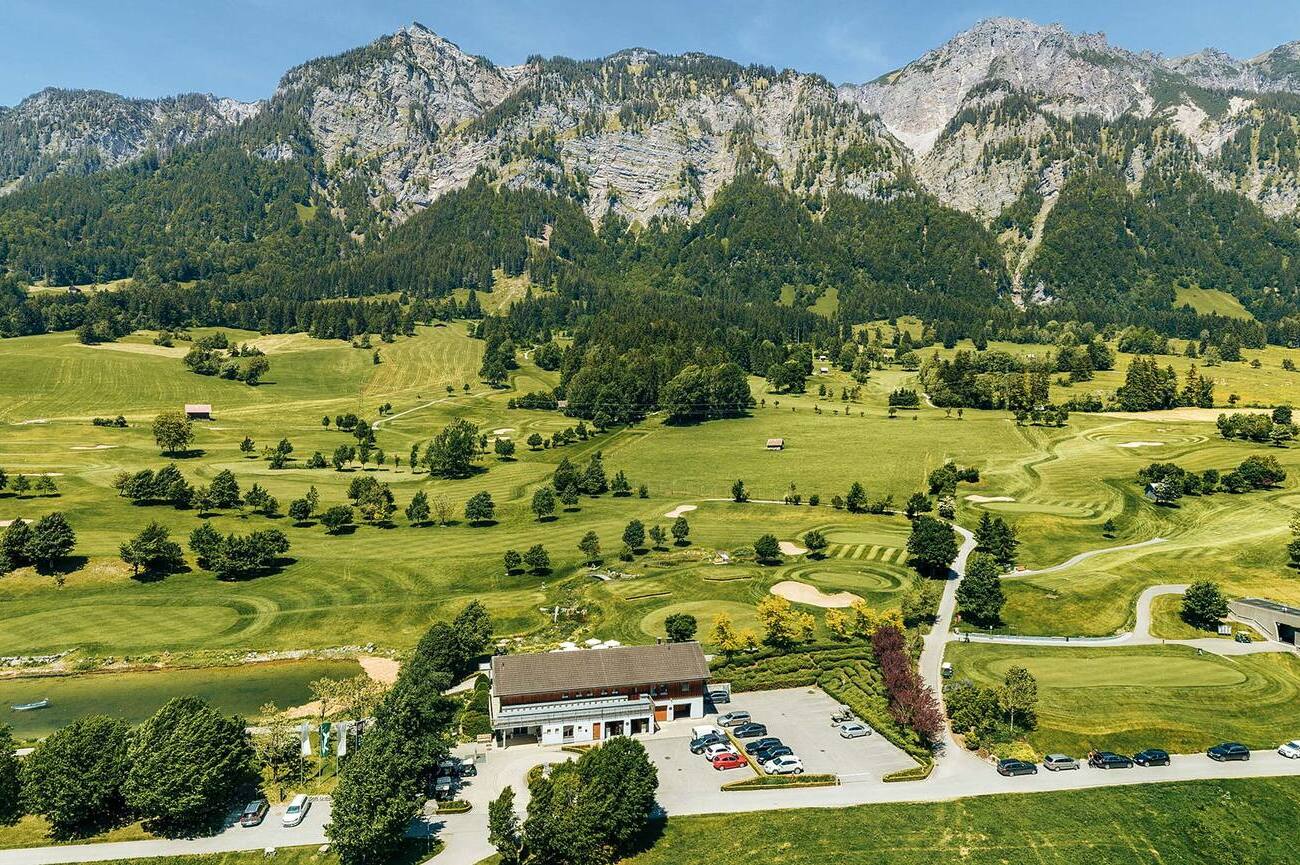
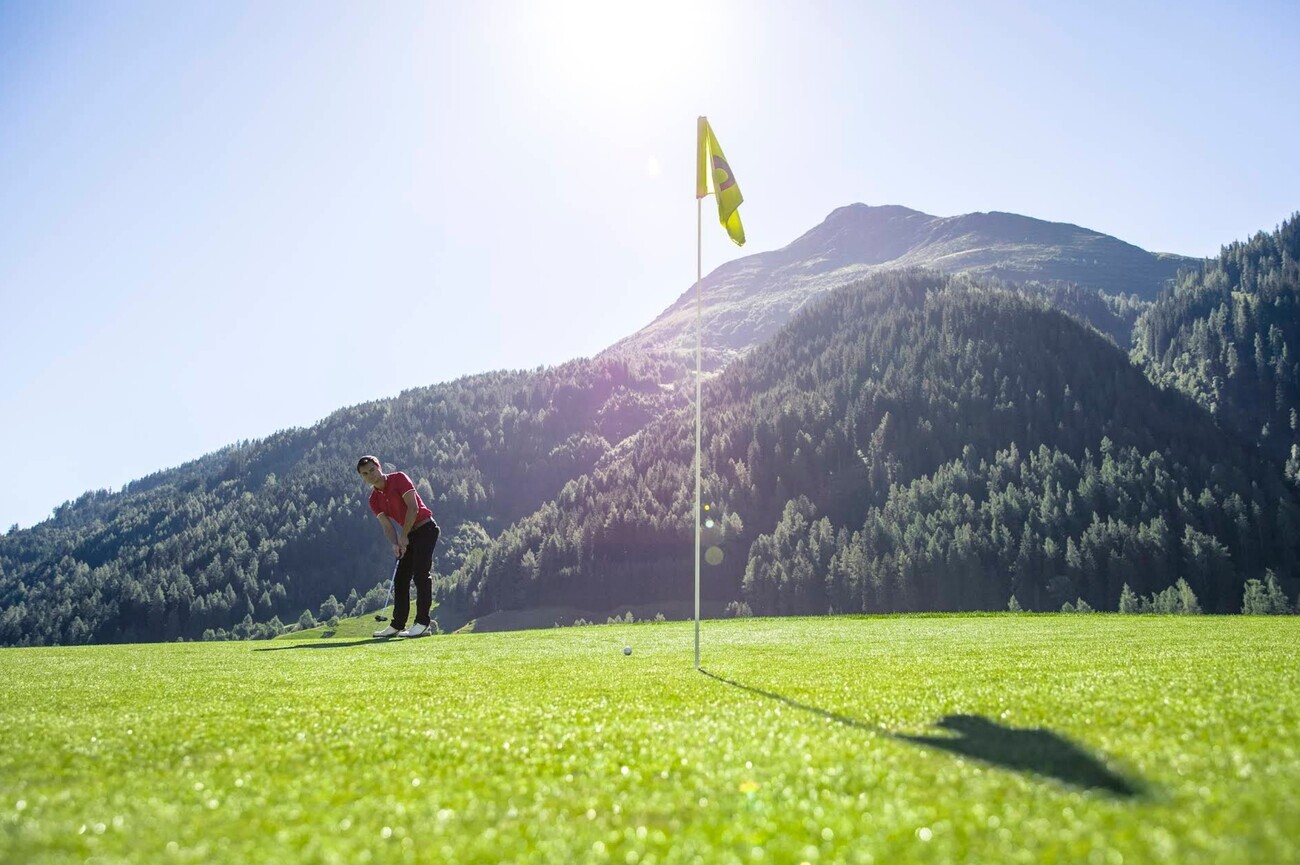
- Golf-Club Arlberg: Tucked into the ski area of St. Anton am Arlberg near the Nasserein district, this 9-hole course sits directly within a high-mountain setting where summit views are part of every swing. The scale is unmistakably alpine, but the atmosphere stays approachable. You’re surrounded by peaks, yet the course itself feels welcoming rather than intimidating. What elevates the experience is the social rhythm. Weekly small-scale tournaments bring together guests and locals.
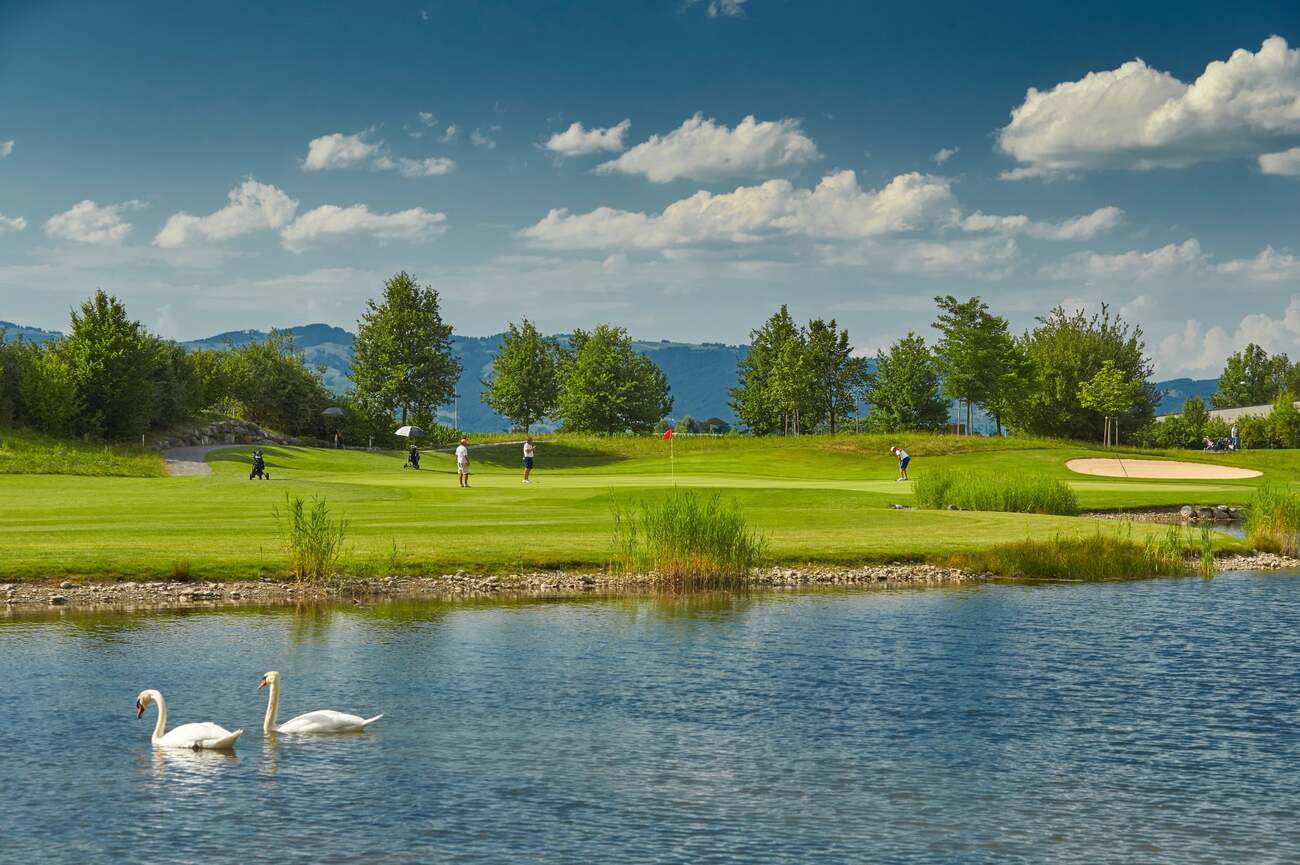
- Golf Club Montfort Rankweil: GC Montfort Rankweil plays to a different strength. Set in the heart of the Vorarlberg Rhine Valley, the 18-hole course stretches along the edge of the Rankweiler Weitried plain, where openness and accessibility define the experience. The terrain is flatter and more expansive than the alpine courses nearby. Practice facilities are fully integrated into the experience. The driving range is operational, with tee-off from mats and both the playing field and artificial green available for focused warm-ups and skill work.
Racecourses in Vorarlberg
Vorarlberg approaches horses the same way it approaches architecture and landscape. With restraint, respect and purpose. Instead of racecourses, the region focuses on riding culture, training facilities and seasonal equestrian traditions tied to alpine life. These places offer proximity, authenticity and craft rather than spectacle.
- Bregenzer Reitervereinigung: Bregenzer Reitervereinigung is one of the region’s long-standing equestrian associations, positioned near Lake Constance with easy access from Bregenz. The club focuses on classical riding disciplines, structured training and rider development rather than competitive spectacle. Facilities are designed for regular practice, lessons and regional events tied to the equestrian calendar rather than tourism demand.
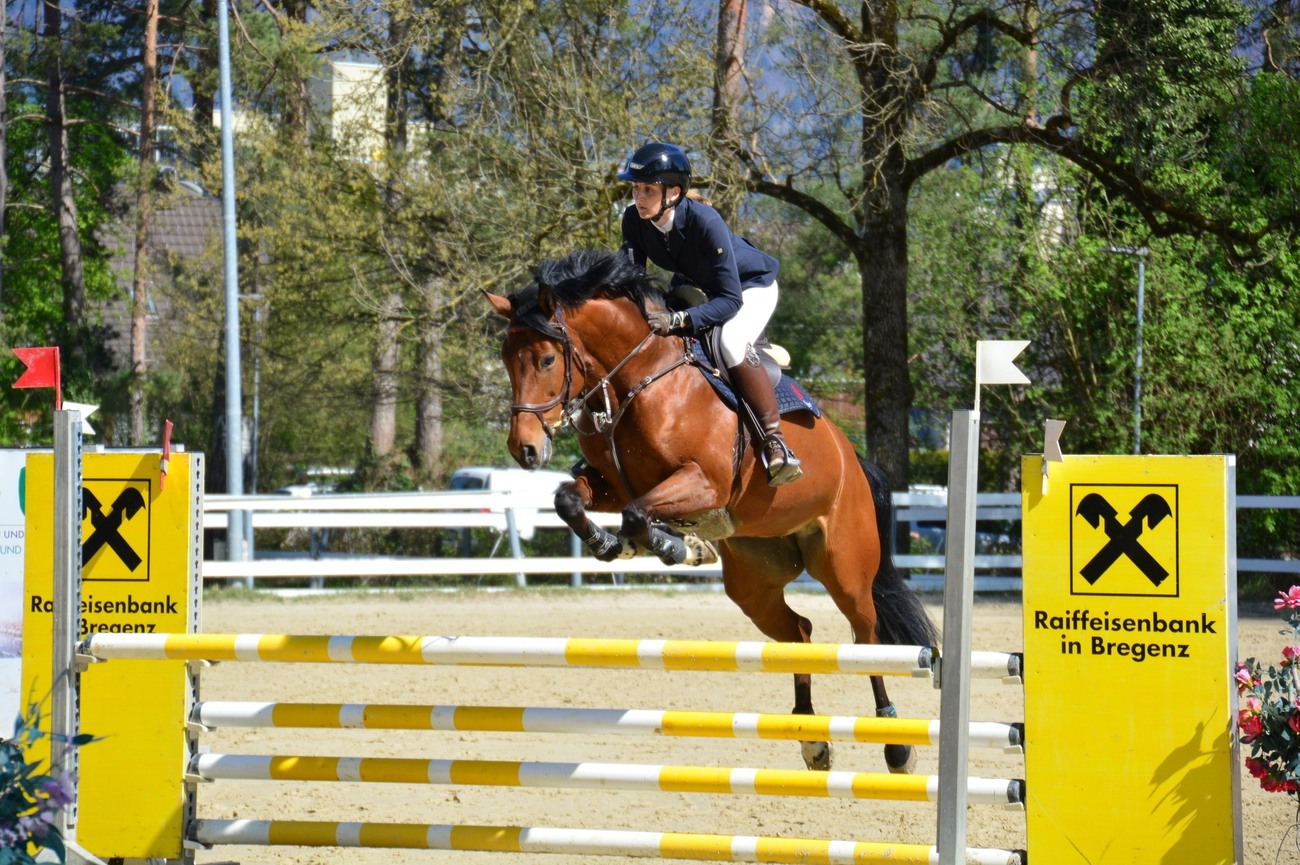
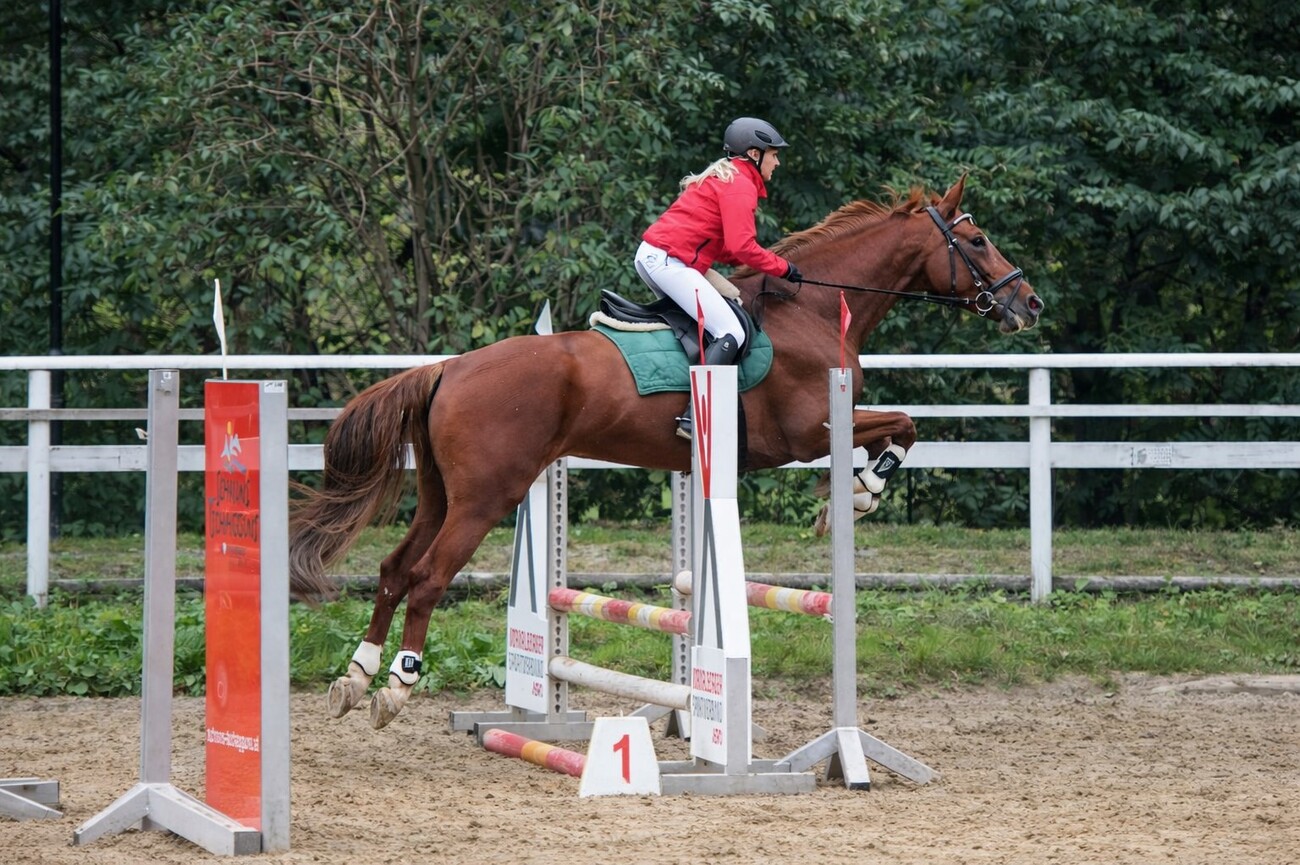
- Reitclub Montafon: Reitclub Montafon reflects equestrian life in an alpine valley context. Set within the Montafon region, the club integrates riding into a landscape shaped by farming traditions, seasonal movement and mountain terrain. Training here adapts to the environment, with a strong emphasis on balance, control and familiarity with varied ground conditions. The appeal lies in authenticity. You can join lessons, youth programs and local equestrian events rather than large competitions.
Where to Ski in Vorarlberg
Vorarlberg doesn’t overexplain its skiing. It lets the mountains handle it. Ski areas here are built for strong runs and strong visuals. Wide groomers, clean lift lines and views that look just as good on camera as they feel under your skis. You’re not choosing between performance and aesthetics here. You get both. Luxury shows up quietly. Smooth logistics, reliable snow and slopes that stay photogenic from first lift to last run.
- Lech Zürs am Arlberg: If you want skiing that feels polished from top to bottom, this is it. You’re riding lifts that connect seamlessly across high-alpine terrain, opening up long, immaculate runs with serious altitude. The slopes are wide, groomed to perfection and framed by views that don’t need filters.
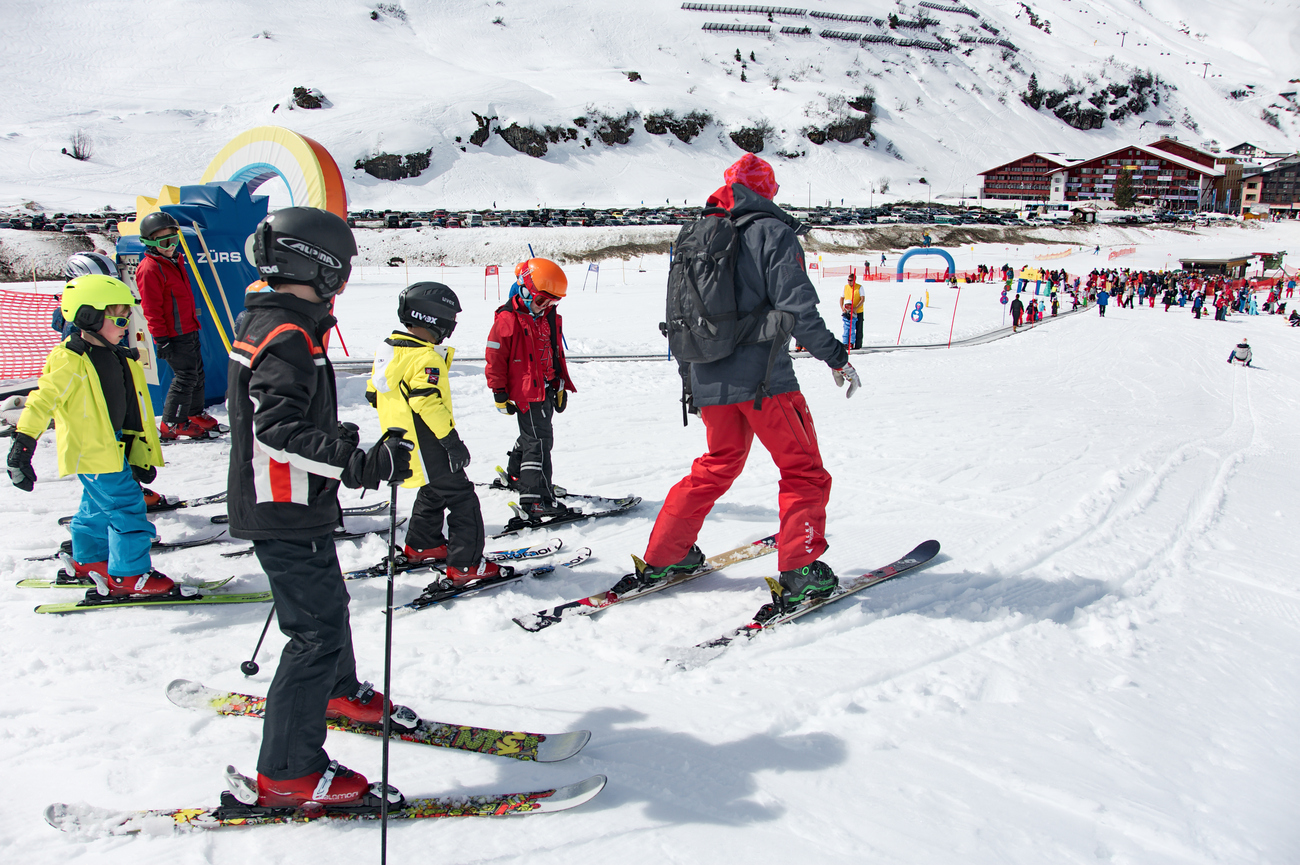
- Silvretta Montafon: Silvretta Montafon is where you go when you want scale and drama. You’re skiing big mountain terrain with long descents and wide faces that reward confident turns. The views are bold, the snow holds well and the lift infrastructure keeps things moving efficiently. If you like mixing serious skiing with content-worthy moments, this place delivers both.
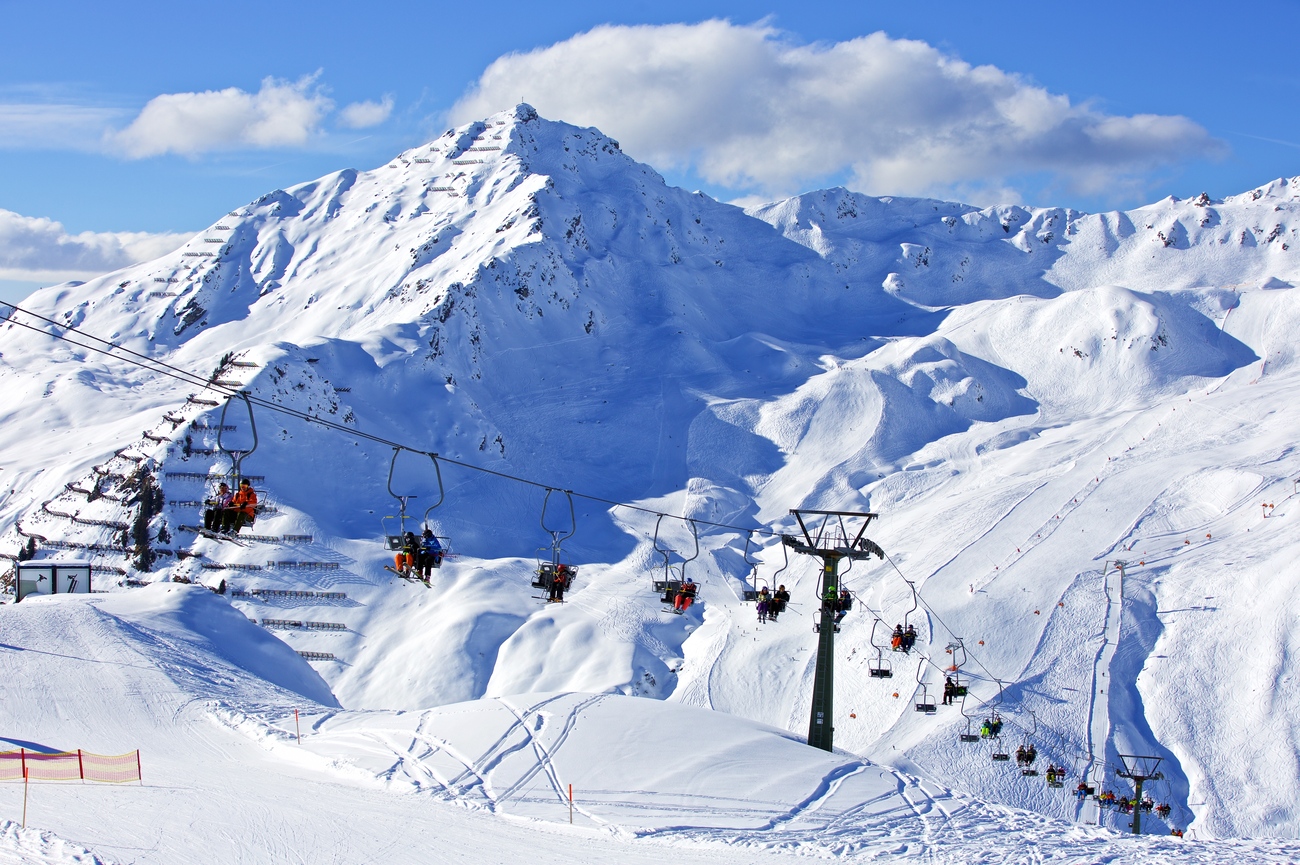
- Damüls-Mellau hits the sweet spot between altitude and atmosphere. You get deep snow, varied terrain and slopes that feel open instead of crowded. It’s the kind of place where you can ski at your own pace, stop for views and still find fresh lines later in the day. The surrounding landscape stays soft and cinematic, making every run feel balanced and scenic.
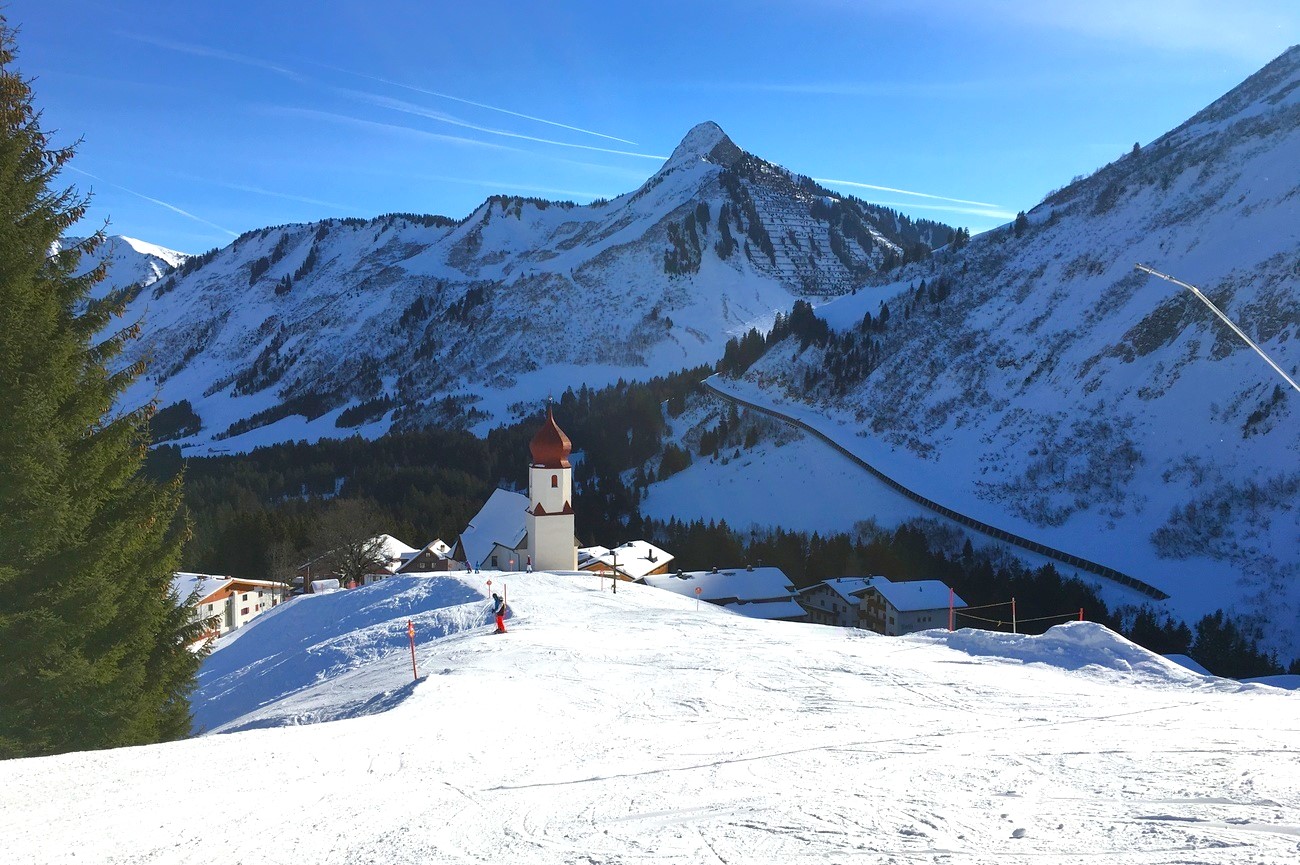
- Warth-Schröcken: If snow quality is your priority, Warth-Schröcken delivers. You’re skiing in one of the snowiest corners of the Alps, with access to serious off-piste terrain and powder lines that feel earned. The connection to the wider Arlberg area gives you range, while the village atmosphere stays quiet and focused.
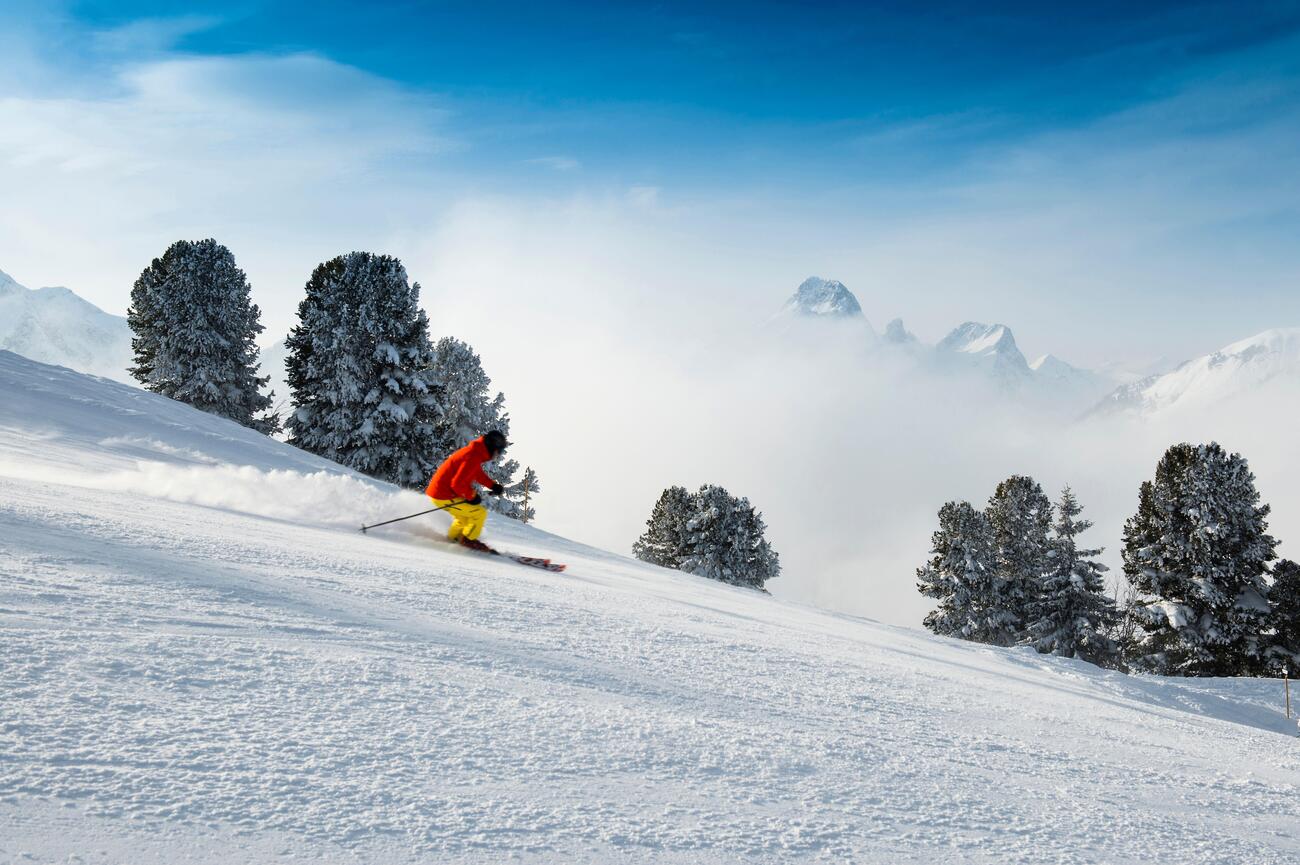
Michelin-starred Restaurants in Vorarlberg
Vorarlberg’s Michelin scene doesn’t try to be loud. It’s precise, confident, and deeply rooted in place. What stands out is not just technique, but how naturally alpine ingredients, regional traditions and modern ideas come together. These kitchens cook with intent. You feel it in the pacing, the clarity of flavors and the way each meal reflects where you are rather than chasing trends elsewhere.
- Kilian Stuba: Kilian Stuba sits at the top of the region’s culinary hierarchy with two Michelin stars, and it wears that status with ease. The setting already sets expectations high, but the cooking delivers even more. Under the shared leadership of Sascha Kemmerer and Hans-Jörg Frick, the kitchen focuses on precision, contrast and seasonal rhythm. Menus shift with the year, moving through four to six courses that balance alpine produce with broader influences beyond the Kleinwalsertal. Dishes are refined but generous in flavor and the option to order courses individually keeps the experience flexible.
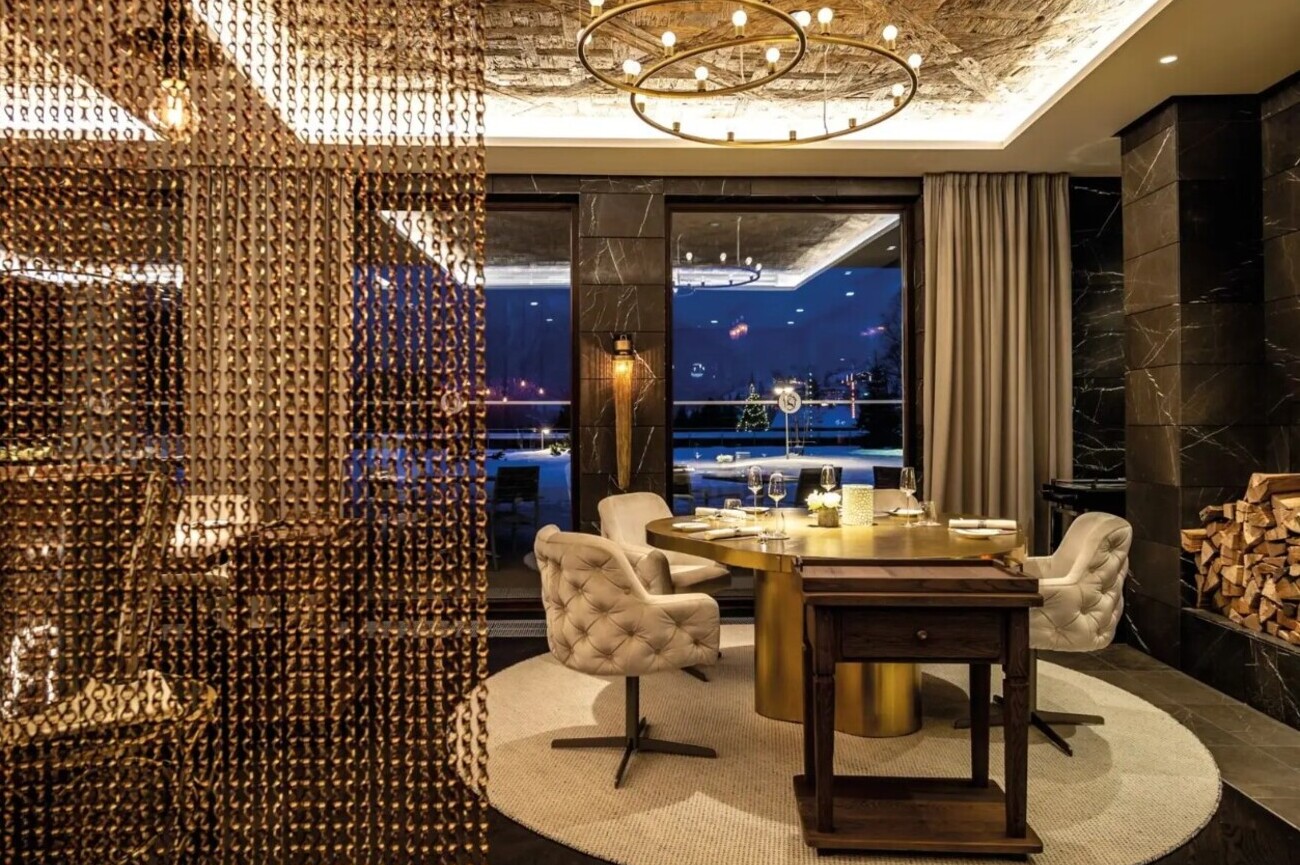
- Griggeler Stuba: Griggeler Stuba holds one Michelin star and delivers one of the Arlberg’s most distinctive dining experiences. Located in the car-free enclave of Oberlech, the restaurant pairs a warm, wood-panelled interior with a focused open kitchen. The cuisine leans modern alpine with a subtle Japanese influence. Dishes like langoustine with wasabi greens and shellfish foam show how technique and restraint work together here. A deep wine cellar and thoughtful ingredient presentation before each course add layers to the experience.
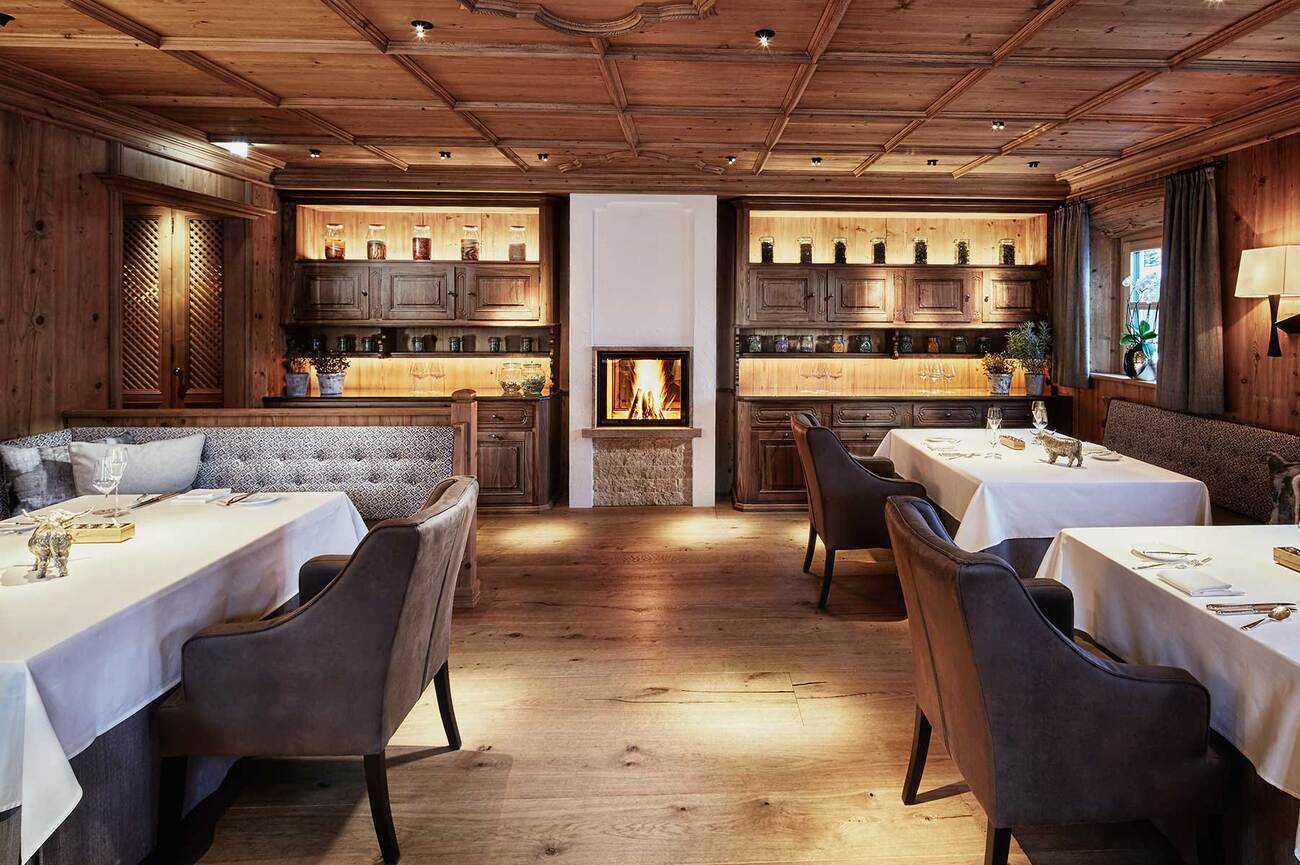
- Guth: Guth carries one Michelin star and proves that refinement doesn’t require complexity for complexity’s sake. The kitchen champions a clean, pared-back style that puts ingredient quality front and center. Dishes such as Andelsbuch veal vitello tonnato or Lake Constance whitefish with olive gnocchi show how much confidence there is in simplicity done well. The dining room mirrors that philosophy, modern but warm, with large windows opening to the garden. Guth feels calm, grounded and precise, offering a star-level experience that’s elegant without being theatrical.
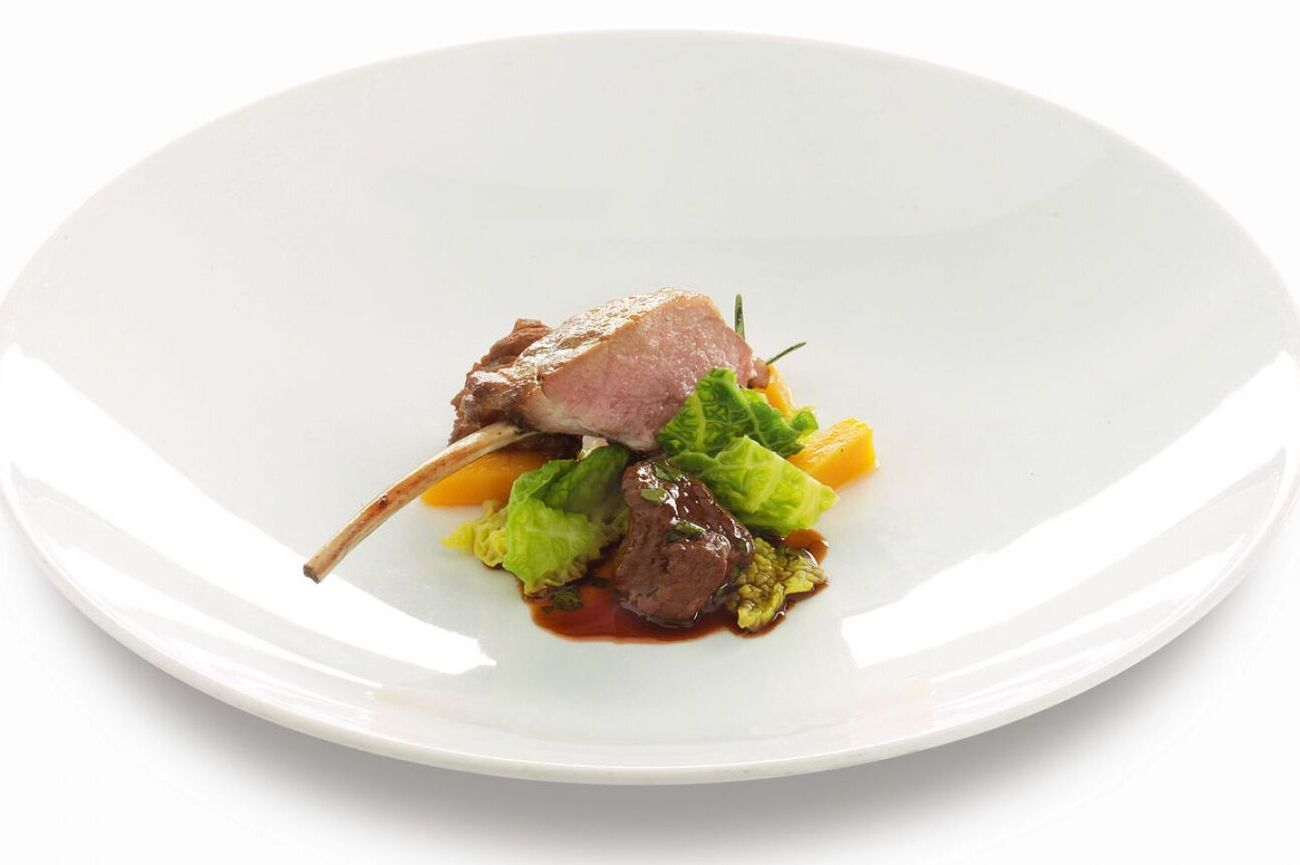
- Mangold: Mangold holds one Michelin star and stands out for its versatility. The cooking focuses on contemporary regional cuisine, but the experience changes depending on where you sit. Rustic Stube, Mediterranean-leaning Rossini, light-filled Wintergarten or the quiet inner courtyard each set a different tone. The menu follows suit, delivering dishes that are rooted in local produce but styled with modern clarity. Mangold feels approachable yet polished, making it one of the most adaptable Michelin-starred experiences in the region.
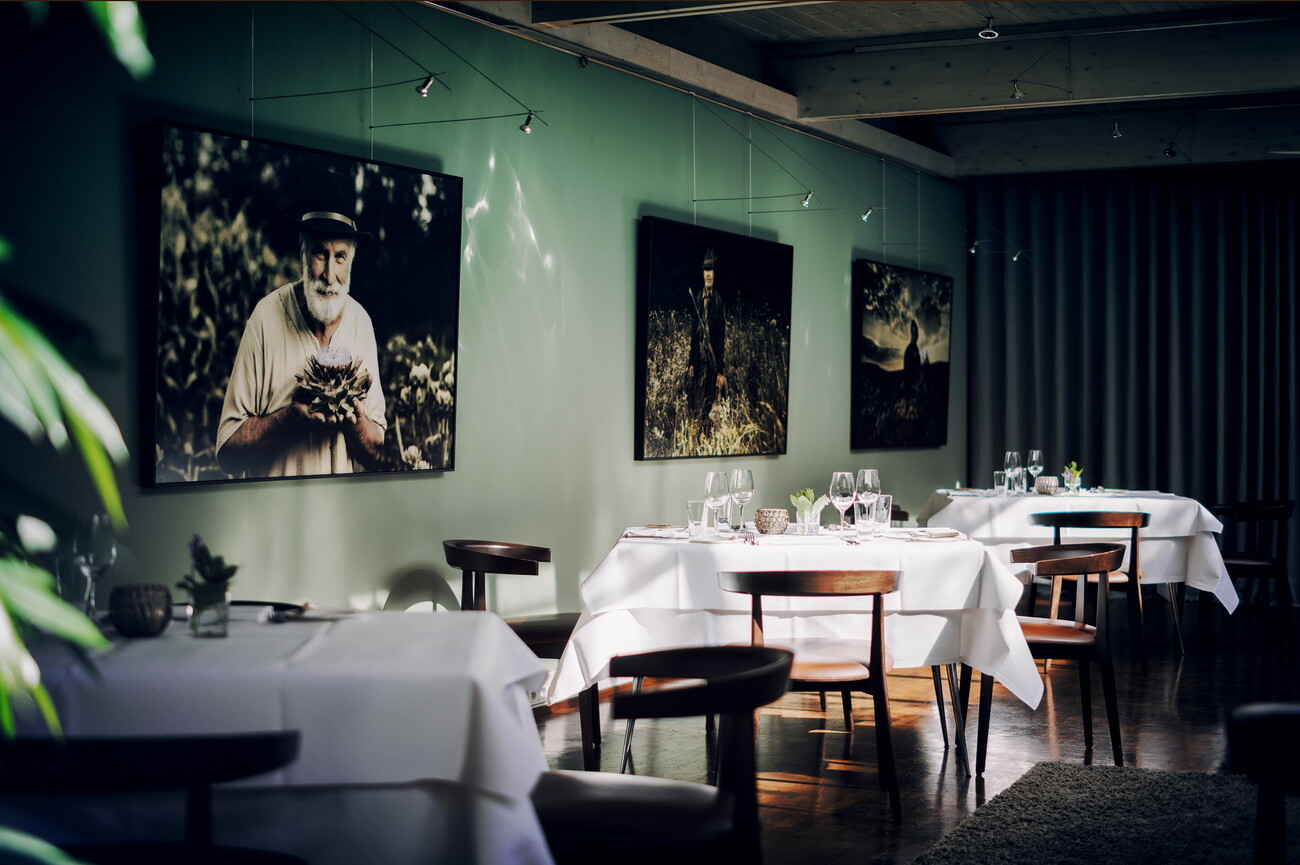
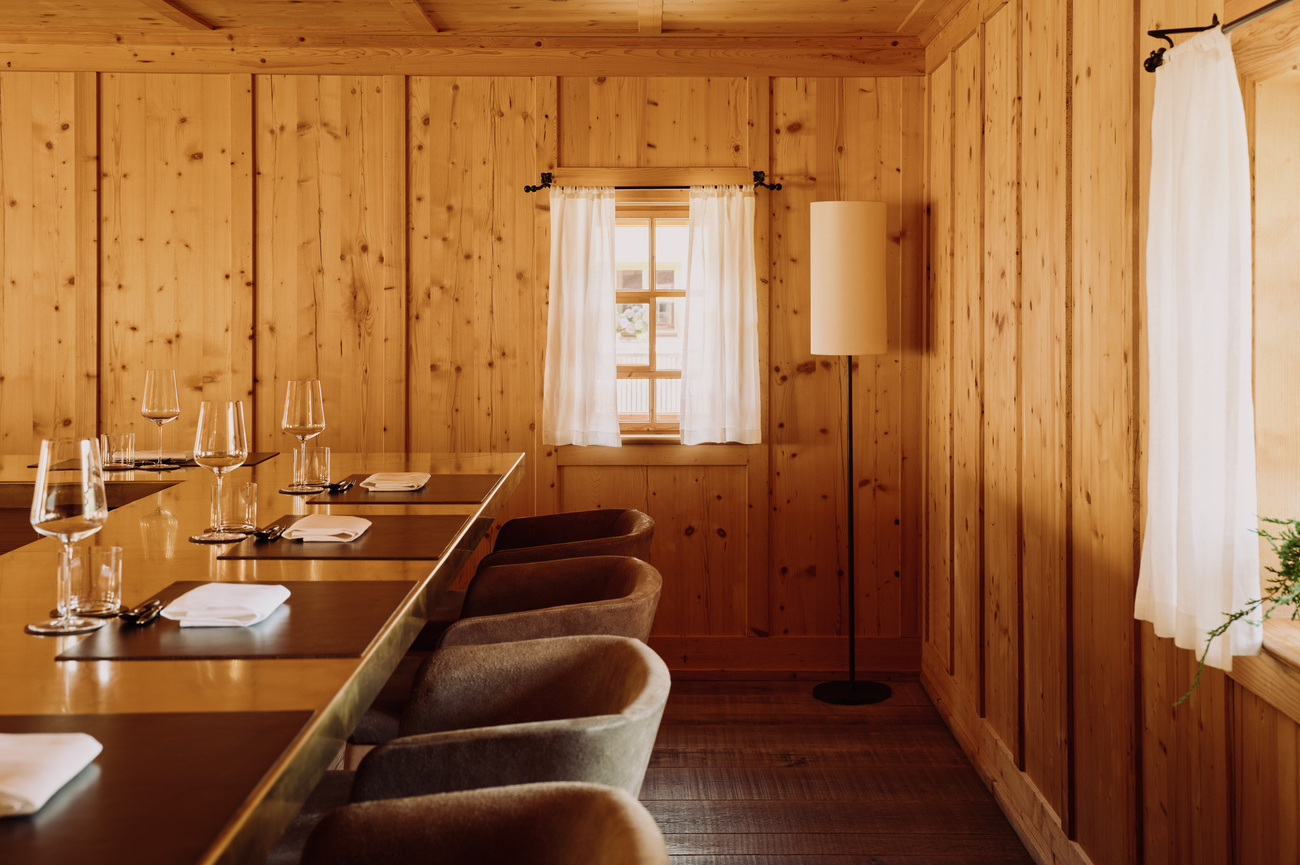
- Rote Wand Chef’s Table: Rote Wand Chef’s Table is one of Vorarlberg’s most compelling culinary statements, awarded two Michelin stars. The experience is intimate and highly curated, unfolding across different spaces before settling you at the horseshoe-shaped counter facing the kitchen. Julian Stieger’s cooking is modern and expressive. Signature creations like the refined “Blutwurstbrot” or the dry-aged duck with cep mushroom sauce show a confident hand and a strong personal style.
Where to Eat in Vorarlberg
Dining in Vorarlberg feels refreshingly unforced. Restaurants here don’t chase trends or overexplain what’s on the plate. Instead, they lean into clarity, comfort and confidence. You move from lakeside seafood spots to quietly expressive kitchens, from social tables built for sharing to intimate rooms where tradition still holds weight. These restaurants reflect how Vorarlberg eats day to day.
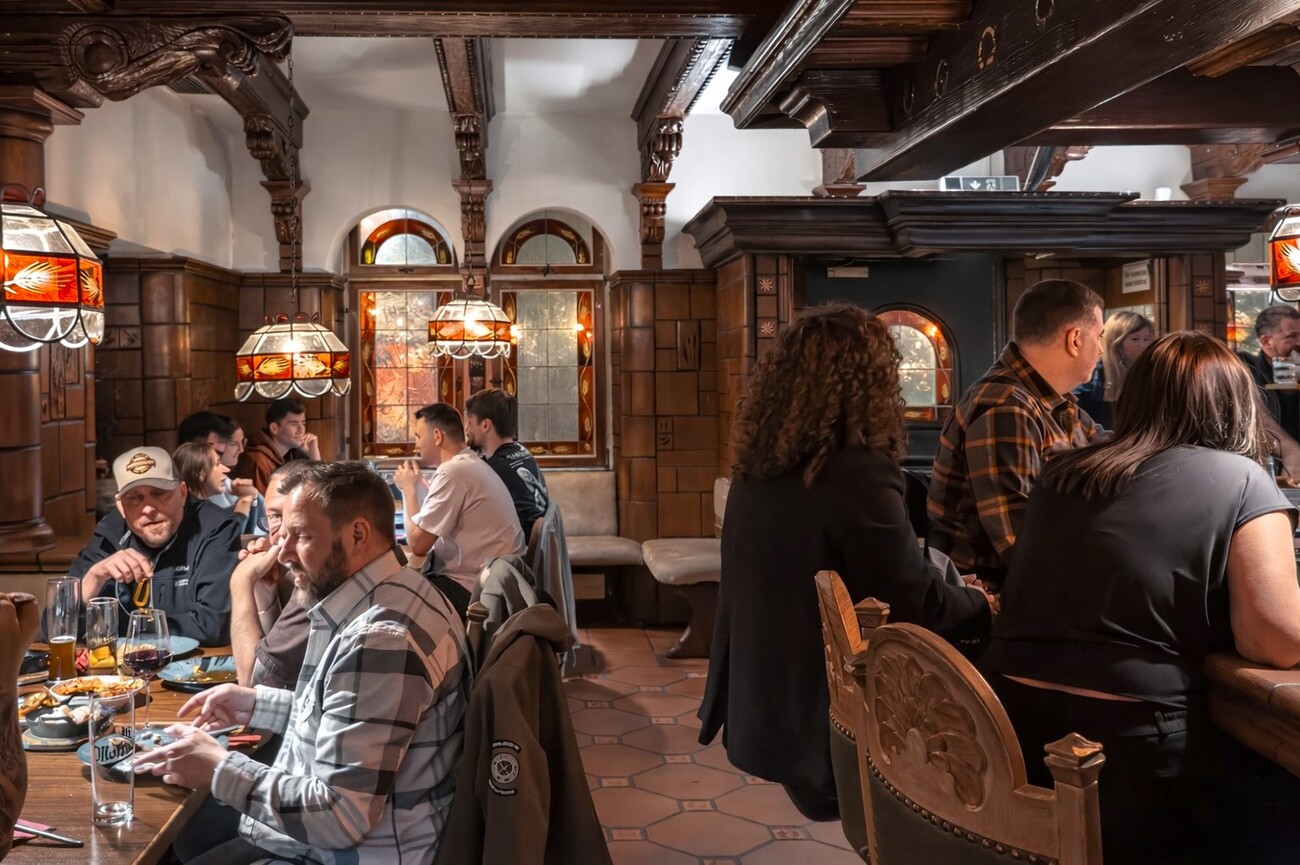
- Eltoro Las Tapas Al-Andalus brings Mediterranean conviviality to the table with a menu designed around sharing. Small plates arrive steadily, encouraging sampling rather than decision fatigue. One dish consistently earns its reputation: the entrecôte chicken with herbs, praised for its depth of flavor and careful seasoning. It’s the kind of plate that quietly becomes the reference point for the rest of the meal. Sangria plays an equally important role here, fresh and fruit-forward, rounding out the experience without overpowering it.
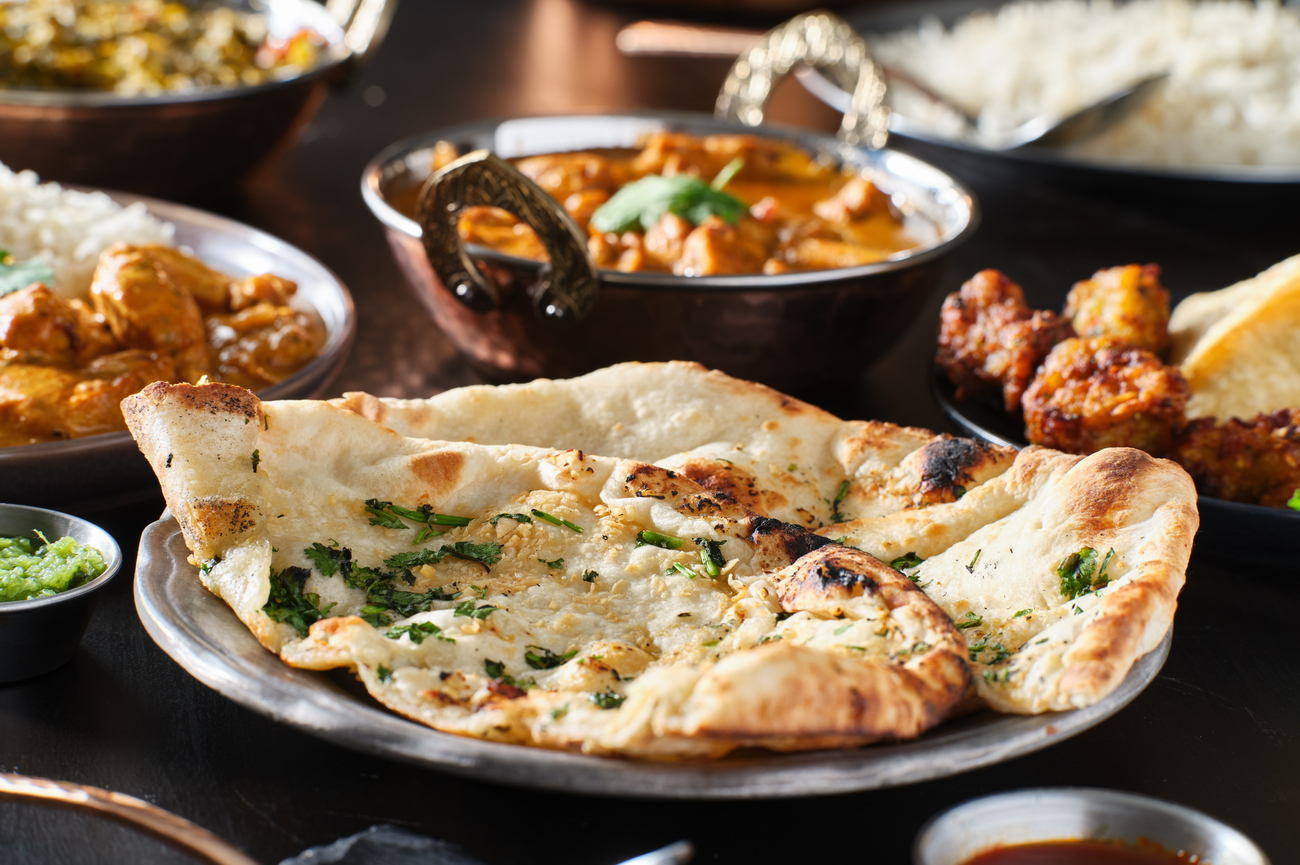
- Masala Kitchen: Masala Kitchen is driven by personal history as much as flavor. Rooted in the upbringing of its founder, the restaurant presents Indian cuisine as something layered, expressive and deeply intentional. The menu spans meat-based classics alongside vegetarian and vegan options, all built around carefully selected spices and fresh preparation. Dishes arrive colorful and aromatic, reflecting the diversity of Indian regional cooking rather than a single style. Dining here feels like being guided through a culinary narrative rather than ordering from a checklist.
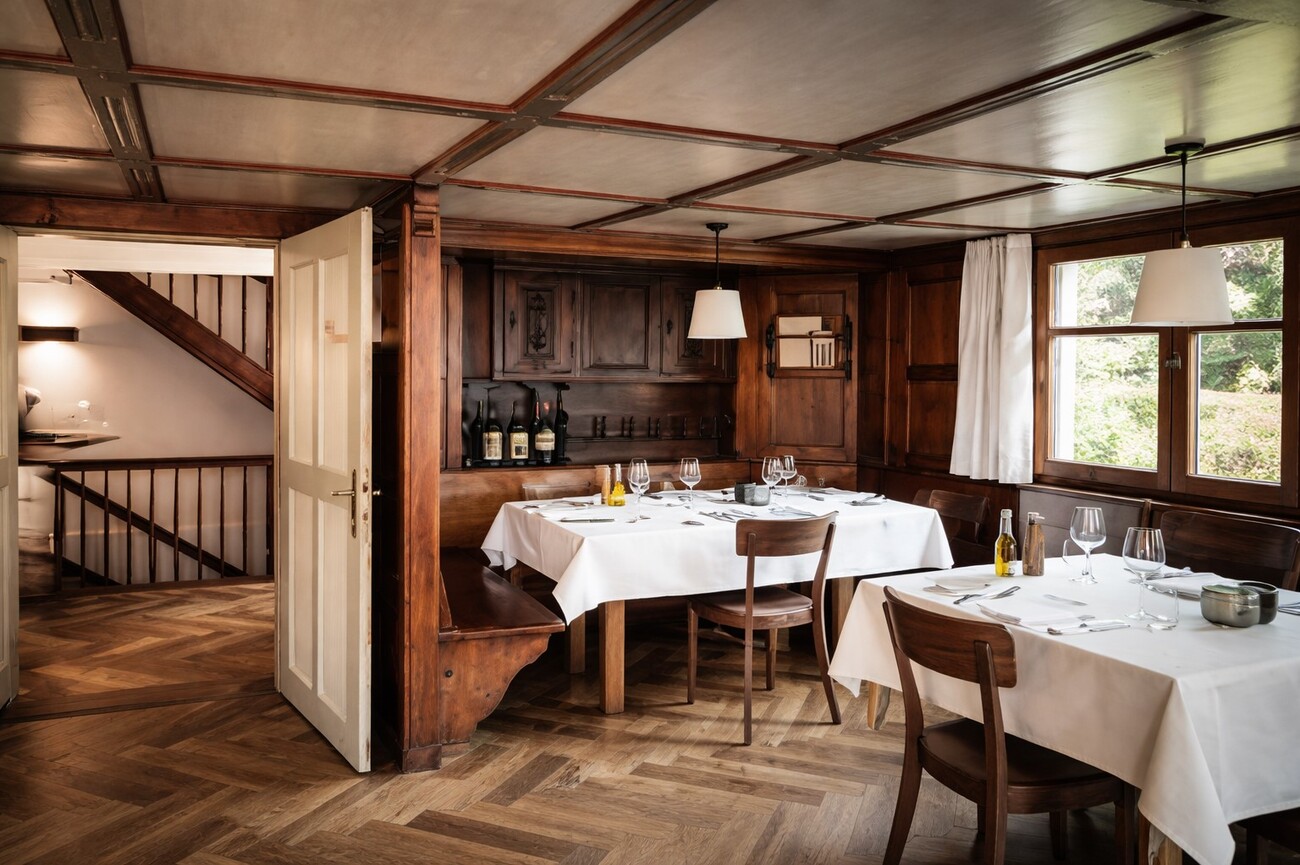
- Zum Verwalter doesn’t push for attention. Tucked away in Dornbirn, it presents itself quietly. The dining rooms are traditional and composed, with dark wood, white linen and a sense of permanence that encourages you to settle in rather than rush through a meal. The cooking leans towards classic Austrian and regional dishes, prepared with care and without unnecessary flourish, allowing technique and ingredients to speak for themselves. Service follows the same rhythm, calm, attentive and unforced, making Zum Verwalter a place chosen for measured evenings and conversation, not for novelty or speed.
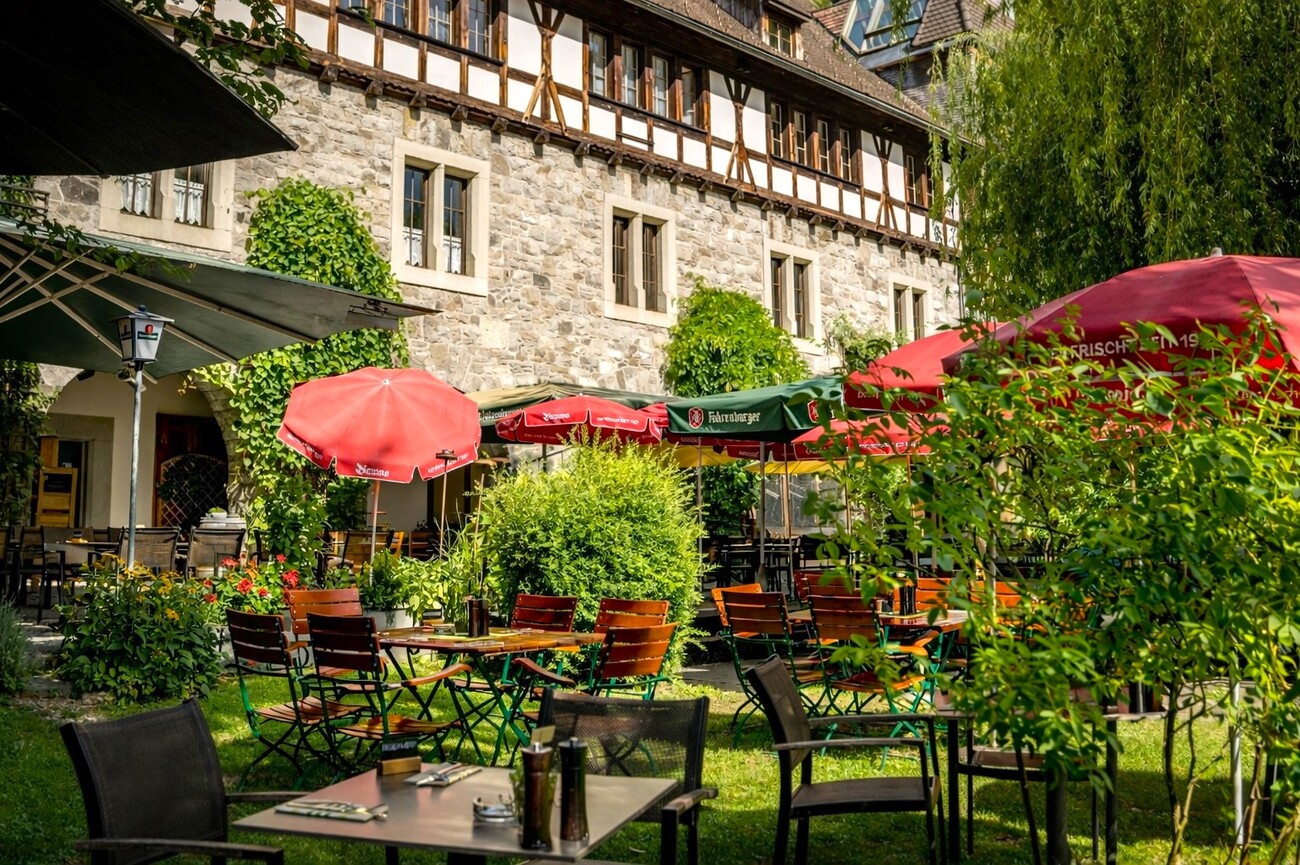
- Wirtschaft zum Schützenhaus feels grounded and familiar. Housed in a historic building with a relaxed garden setting, it suits unhurried lunches and long evenings outdoors. The menu sticks to regional Austrian classics and seasonal dishes, served generous and straightforward. Service is friendly and unobtrusive, making it a place people return to for consistency rather than surprise.
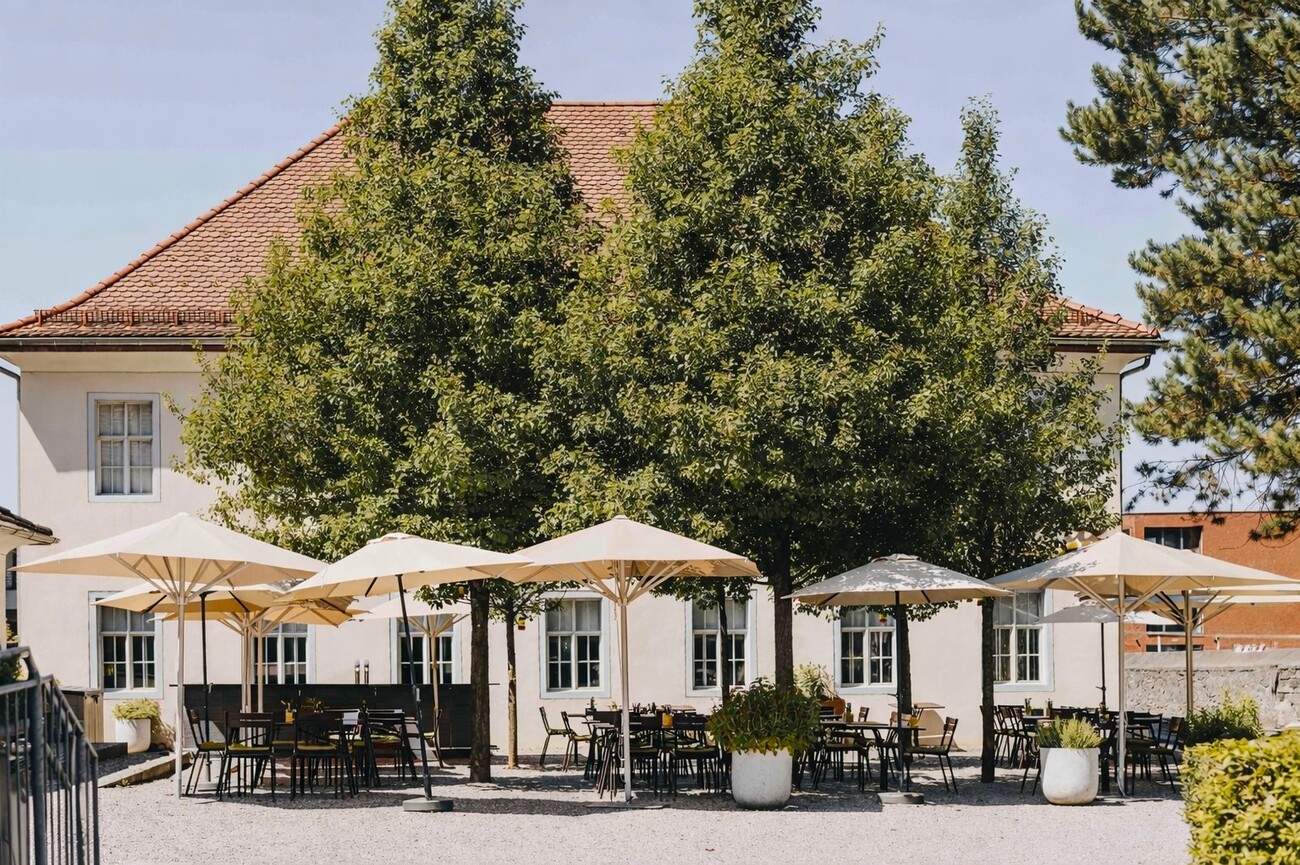
- Moritz Bio-Restaurant takes a considered, understated approach to dining. Located in Hohenems, it feels calm and purposeful rather than performative, with a setting that encourages you to slow down and pay attention. The menu is built around organic, seasonal ingredients, treated with restraint and clarity rather than excess. Dishes feel thoughtful and balanced, allowing flavour and provenance to lead. Service is gentle and attentive, reinforcing the sense that Moritz is less about spectacle and more about intention, a place chosen for quiet meals and conscious eating.
Where to Drink in Vorarlberg
Nights here are shaped by atmosphere, sound, and spaces that feel intentional rather than overproduced. You won’t find copy-paste clubs or nightlife that tries too hard to impress. Instead, you move between rooms that know exactly what they are. A bar where music actually matters. A cocktail space where design sets the pace. A venue where live performances pull people together without forcing the moment. If you like nights that unfold naturally and leave room for conversation, these are the places that get it right.
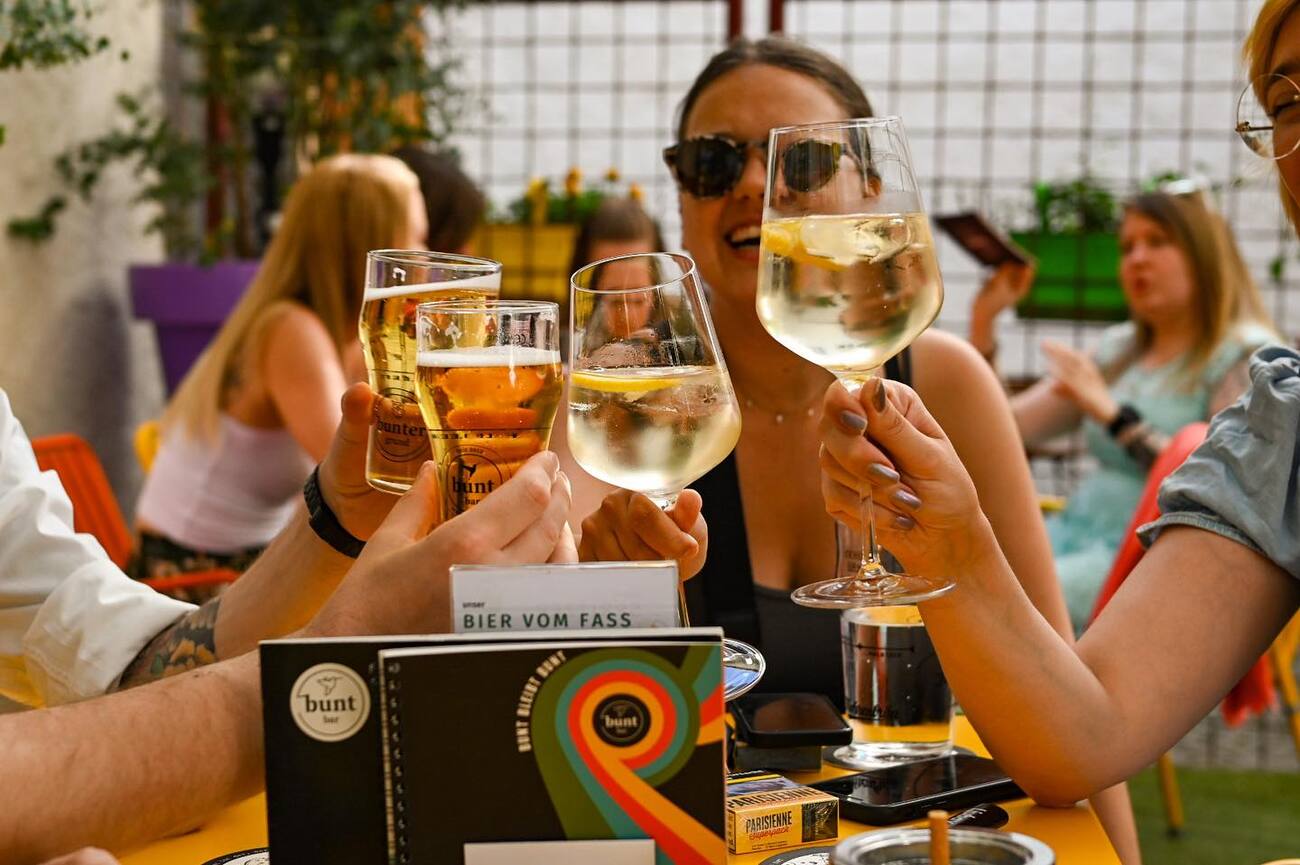
- Bunt Bar: Bunt Bar feels like a creative nucleus rather than just a place to drink. You step in and immediately sense that this is about culture first, cocktails second. Punk and indie rock shape the soundscape, art exhibitions rotate through the walls and live gigs turn ordinary evenings into something worth remembering. You come here when you want your night to feel expressive and a little unpredictable, the good kind. It’s the sort of bar where conversations start easily because everyone around you chose this place on purpose.
- August Cocktail Bar: Set inside a lovingly restored historic building, the space blends architectural heritage with modern craftsmanship so seamlessly that it feels effortless. Cocktails are precise and balanced, designed to be appreciated rather than rushed through. You notice the details here. Glassware, lighting, pacing. The atmosphere encourages lingering, making it ideal for evenings that begin quietly and stretch longer than expected.
- Tivoli Dornbirn: Part bar, part event space, it thrives on movement and music. Live performances are a regular feature and the outdoor garden adds a social dimension that makes the place feel open and inclusive. You don’t come here to sit still. You come to feel the room. Drinks are approachable, prices stay reasonable and the crowd is there to engage rather than observe. On the right night, Tivoli feels like the center of gravity for Dornbirn’s social scene.
- KREUZ Bar: KREUZ Bar knows how to keep things refined without losing warmth. Located in the heart of Bregenz, it’s a go-to for well-executed cocktails and genuinely attentive service. Whiskey and gin take the lead, but the broader menu makes room for different tastes. You’ll notice how easy it is to settle in here. The atmosphere stays lively but never chaotic.
- Kala: With its modern, cozy interior and music that supports conversation rather than competes with it, the space feels immediately approachable. Cocktails and shisha share equal footing, drawing a crowd that values relaxed pacing and familiar energy. You might stop in casually and end up staying longer than planned. Located near Dornbirn’s train station, Kala works especially well as a wind-down spot.
Cafes in Vorarlberg
Coffee in Vorarlberg isn’t treated as a background habit. You notice it in how people linger at tables, how conversations stretch past the last sip, and how cafes are designed for staying rather than passing through. Some spaces lean social and energetic, others are calm and introspective, but all of them understand that a good café does more than serve coffee. They’re spread across Bregenz, Dornbirn and Feldkirch, each reflecting its neighborhood in subtle ways. One might draw you in with a view, another with the smell of freshly roasted beans, another with the feeling that you’re welcome to stay as long as you need.
- Cafesito slips easily into your routine. The space is bright and lively without feeling hectic, and the menu gives you options without overwhelming you. Coffee is dependable, pastries are generous and there’s enough variety, including vegan choices, to keep things interesting. Self-service keeps the flow moving, but the atmosphere stays relaxed.
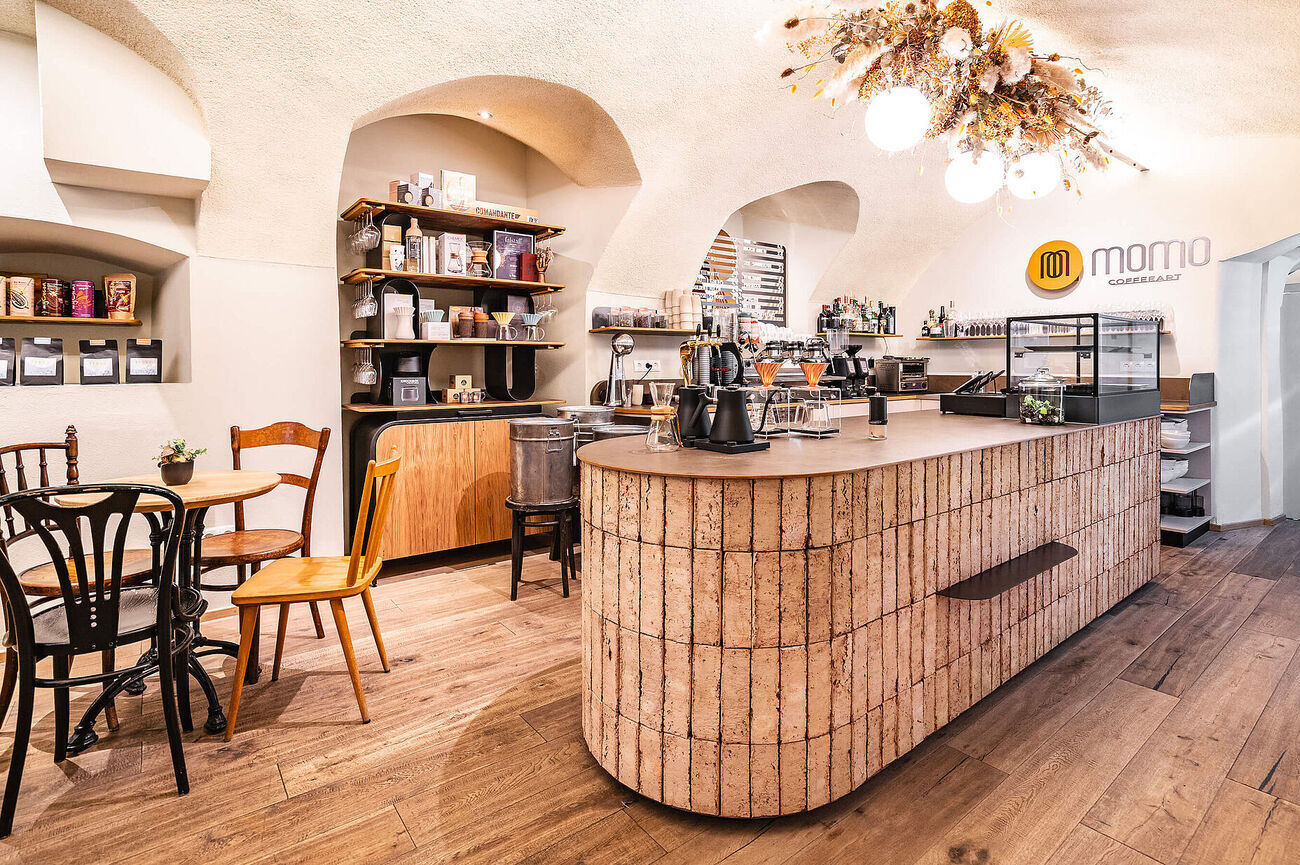
- MOMO Coffeeart feels personal from the moment you step inside. Tucked into a quieter corner of Feldkirch, the café balances vintage charm with genuine warmth. Low vaulted ceilings, warm wood tables and soft lighting create a setting that feels intimate without being closed in. Coffee is brewed from high-quality beans and the cakes and snacks feel homemade in the best way.
- BAHI café & space feels intentionally calm. The design invites you to settle in, whether you’re opening a laptop, meeting a friend, or just sitting with a cup of coffee and no agenda. The menu leans toward vegetarian and vegan dishes, healthy plates and homemade cakes that feel considered rather than trendy. High ceilings, warm wood tones, long communal tables, and soft light create an atmosphere that’s calm without being quiet. It’s social but not noisy. Focused but never stiff. You can sit down with intention, whether that’s opening a laptop, meeting someone for a long catch-up, or simply giving yourself permission to slow the day down.
- Kaffeemacher Bregenz: Sitting close to the lake, it uses its setting to full effect, especially when the weather cooperates. Coffee comes with a view, and the compact space creates a friendly, almost neighborhood feel. The menu keeps the focus on drinks, with specialty coffees and a few standouts that regulars swear by. You stop here when you want good coffee paired with light, movement and a sense of being right where you’re supposed to be.
- Kaffeewerk Handle takes a more deliberate approach. Open only on select days, it’s built around the idea that quality beats quantity. The menu is small, the beans are freshly roasted and the baristas know exactly what they’re serving. You’re encouraged to ask questions, taste carefully and pay attention. It’s a place for coffee lovers who enjoy understanding what’s in their cup and why it tastes the way it does.
Where To Stay in Vorarlberg
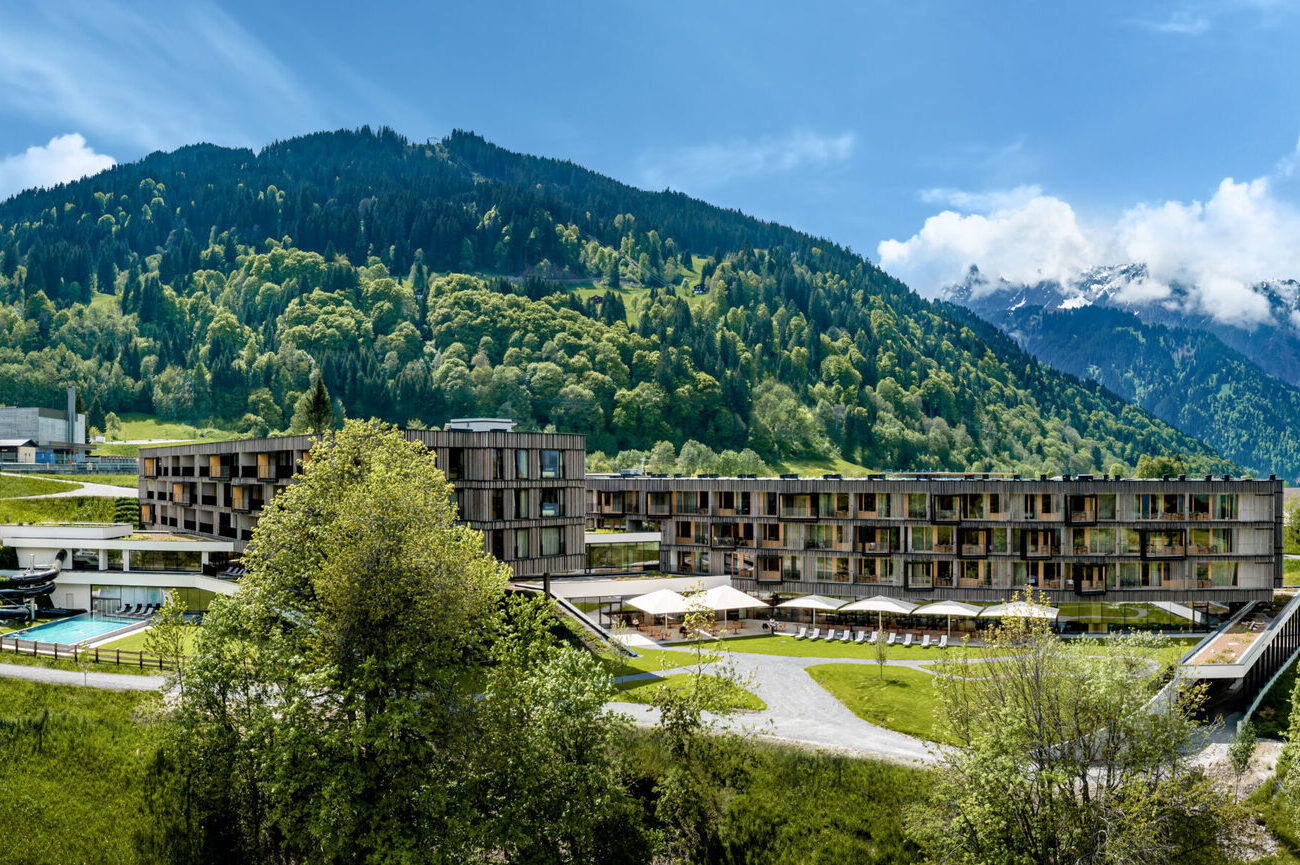
- Falkensteiner Family Hotel Montafon (5 stars): Falkensteiner Family Hotel Montafon brings a contemporary approach to alpine luxury in Tschagguns. The architecture is bold yet functional, with interiors designed to handle both activity and downtime effortlessly. Spacious rooms, generous wellness areas and thoughtful layouts make it especially appealing for families, but the experience never feels chaotic. The mountain setting is integrated into every aspect of the stay, from views to outdoor access. You choose this hotel when you want comfort, design, and nature working together without compromise.
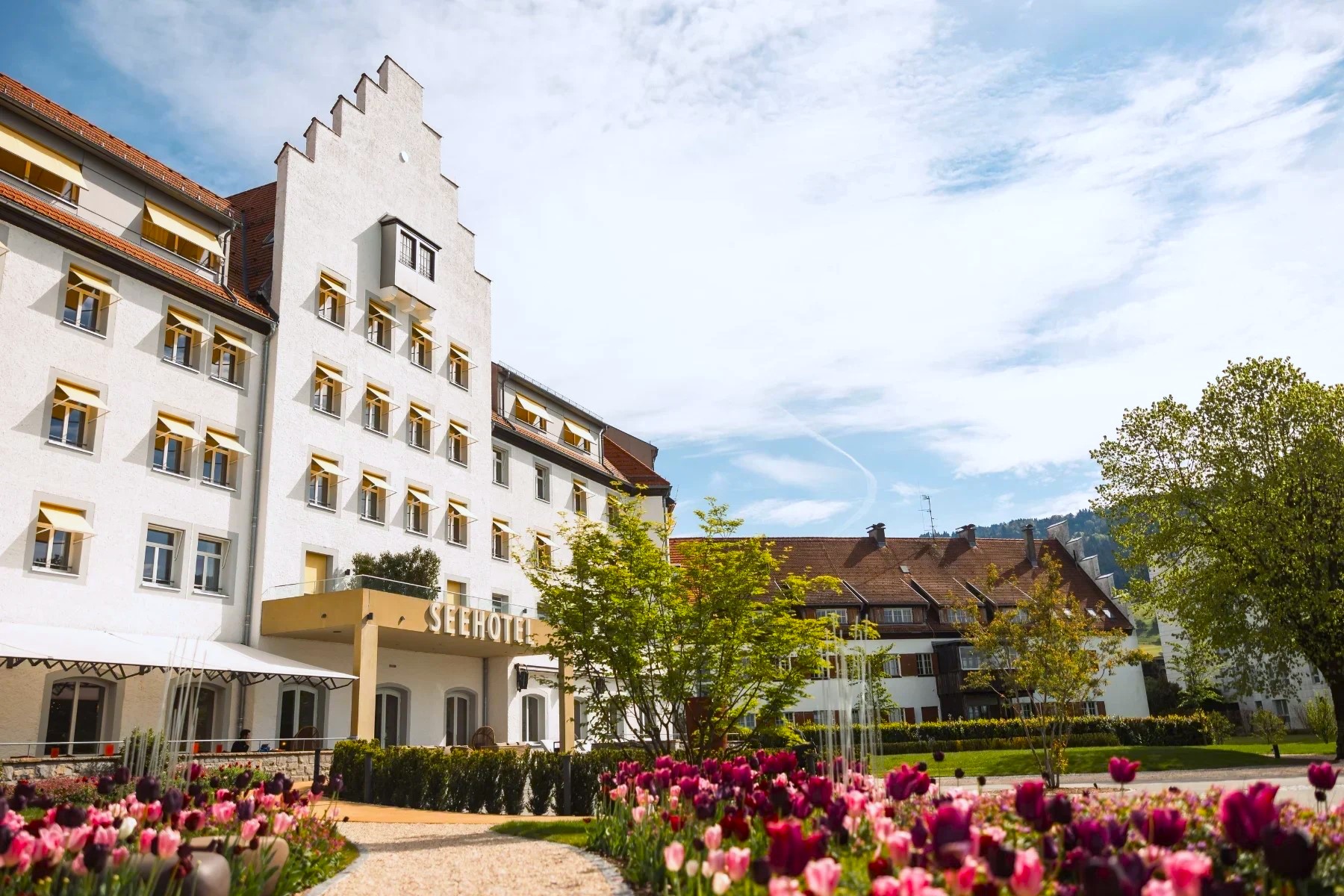
- Seehotel am Kaiserstrand (5 stars): Seehotel am Kaiserstrand is defined by its relationship with Lake Constance. Positioned directly on the water in Lochau, the hotel offers a sense of openness that immediately sets the tone for your stay. Interiors are modern and understated, allowing the lake views to remain the focal point rather than competing with them. You’re meant to spend time here. Long spa sessions, unhurried swims and moments where the lake quietly dictates the pace of the day.
- Hirschen Dornbirn – das boutiquestyle hotel (4 stars): Hirschen Dornbirn stands out by blending boutique design with a distinctly urban energy. Located in Dornbirn, the hotel feels contemporary and socially aware, with interiors that lean modern but remain warm. The rooms continue that design-forward approach. Large windows pull in natural light, and the overall atmosphere encourages slow mornings and unhurried evenings. One of the hotel’s strongest draws is the rooftop wellness area, which adds a quiet, elevated layer to the stay.
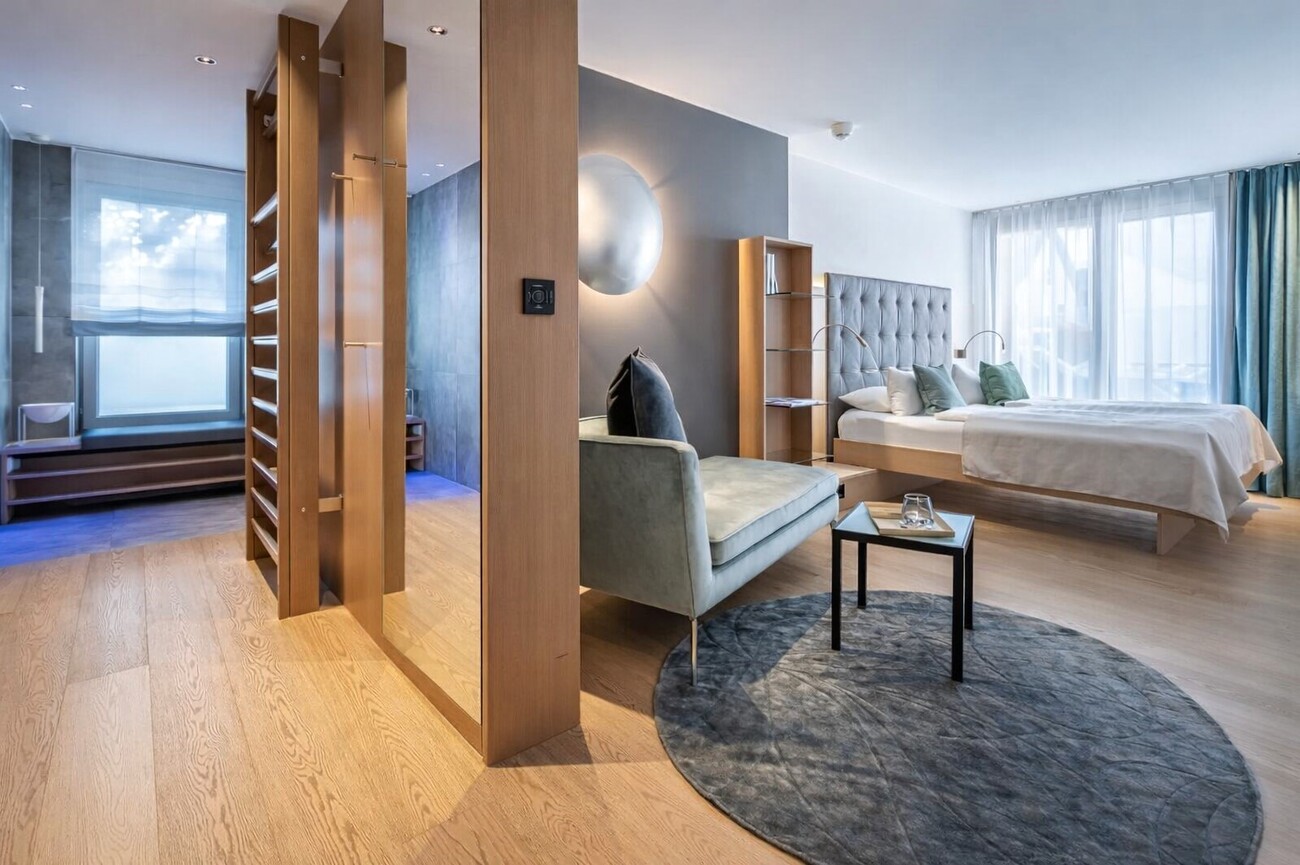
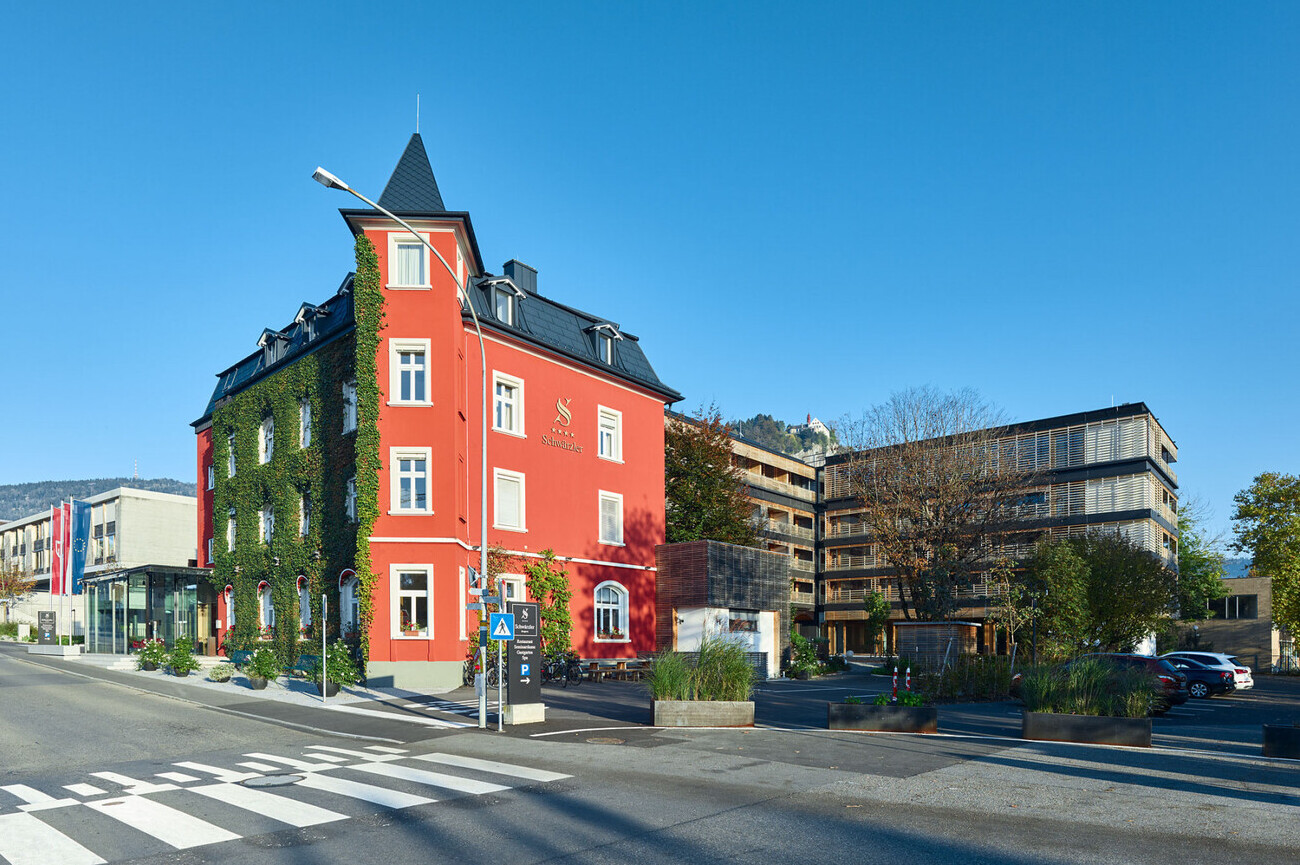
- Hotel Schwärzler in Bregenz (4 stars): Hotel Schwärzler has built its reputation on consistency and comfort. Located in Bregenz, it balances accessibility with a sense of retreat, offering spacious rooms and a well-developed wellness area. The design is clean and functional, prioritizing ease and relaxation over trend-driven statements. You stay here when you want a polished base that supports both city exploration and downtime without drawing attention to itself.
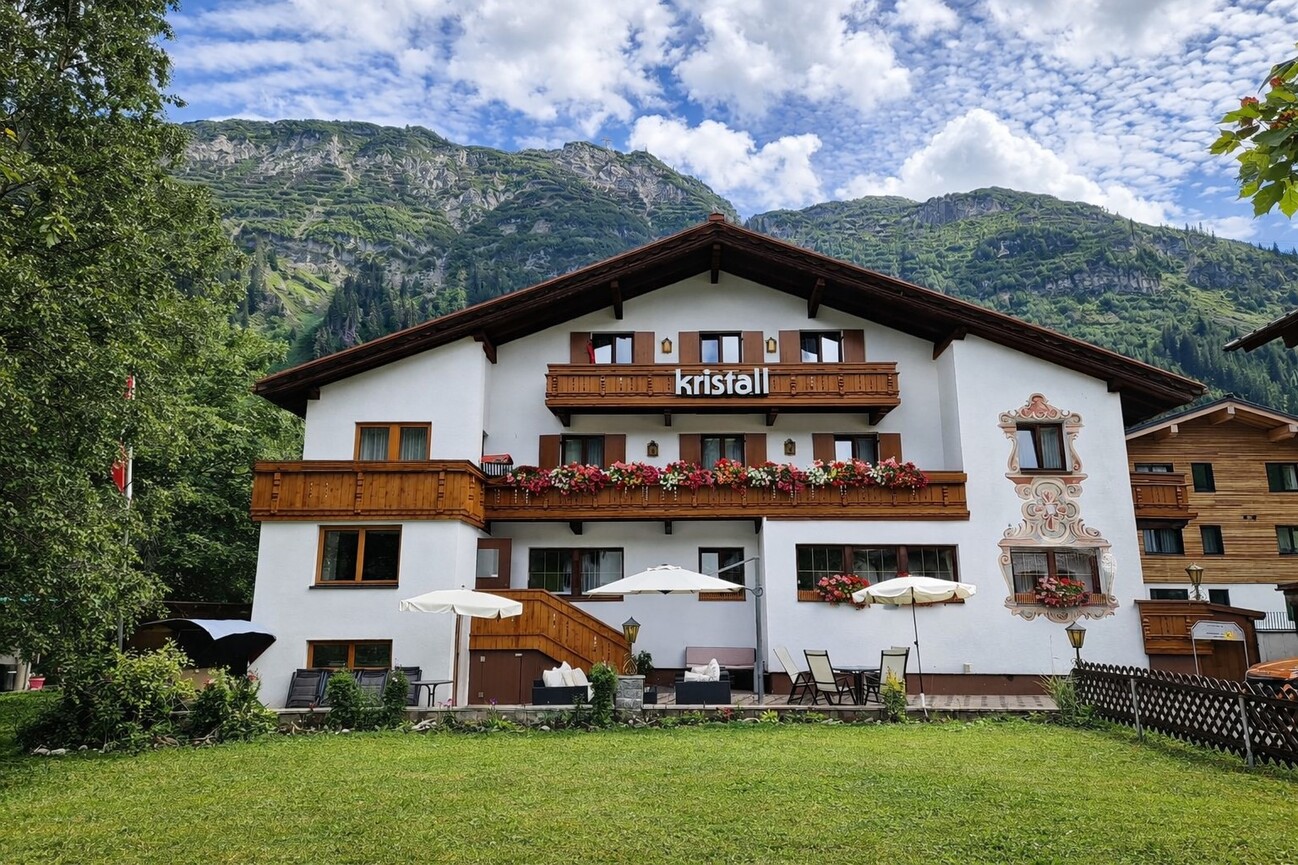
- Hotel Kristall (3 stars): Hotel Kristall captures the essence of traditional Alpine hospitality in Lech am Arlberg. The interiors lean classic, with warm materials and familiar mountain styling that feels reassuring rather than dated. Service is where the hotel truly excels, with a level of attentiveness that makes guests feel recognized rather than processed. The setting places you close to alpine activity while still offering a calm, sheltered atmosphere.
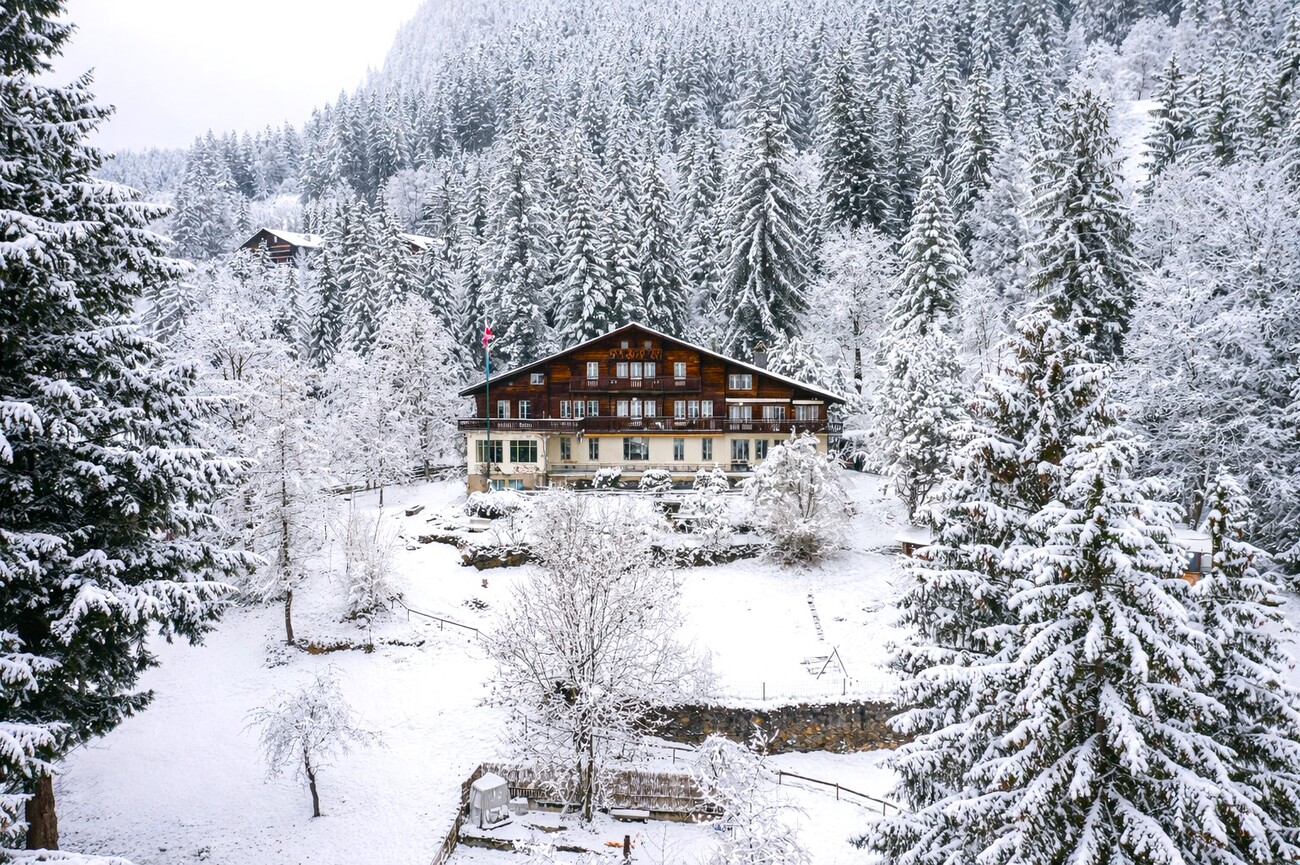
- Jugendherberge Feldkirch: Jugendherberge Feldkirch offers a social and practical option in one of Vorarlberg’s most historic towns. Located near Schattenburg Castle, the hostel places you within walking distance of Feldkirch’s old town streets and cultural sites. Shared spaces encourage interaction, making it easy to meet other travelers, while the surrounding setting adds character that many hostels lack. You stay here when location and community matter more than luxury.
Best Time to Visit Vorarlberg
This is Vorarlberg, unfiltered and fully switched on.
Late summer sliding into early autumn is when the region locks into its best rhythm. The mountains stay open and inviting, the lakes keep their warmth and the air sharpens just enough to make everything feel clearer. Greens deepen across the Bregenzerwald, villages like Schwarzenberg and Andelsbuch glow warmer, and the landscape feels composed rather than busy. Nothing is fighting for attention. Everything knows its place.
Days stretch comfortably, giving you space to move without watching the clock. Mornings arrive softly along Lake Constance in Bregenz and Lochau, where the water stays calm and reflective. By afternoon, alpine roads and cable cars are fully in play. Pfänder, Rüfikopf, and Montafon viewpoints stay accessible, while walking routes through old towns like Feldkirch and Bludenz connect culture and scenery without friction. Evenings slow down properly. Lake Constance turns glassy, mountain silhouettes sharpen and sunset lingers.
This window works because the region is operating at full confidence. Museums, design spaces and historic centers are open. Cafés spill into streets. Restaurants settle into their stride. You’re not negotiating peak-season chaos or shoulder-season shutdowns. You’re moving through a place that feels settled, functional, and quietly generous with its time.
Late summer into early autumn is Vorarlberg in its best form. Calm. Confident. Fully open. No rush, no trade-offs, no noise.
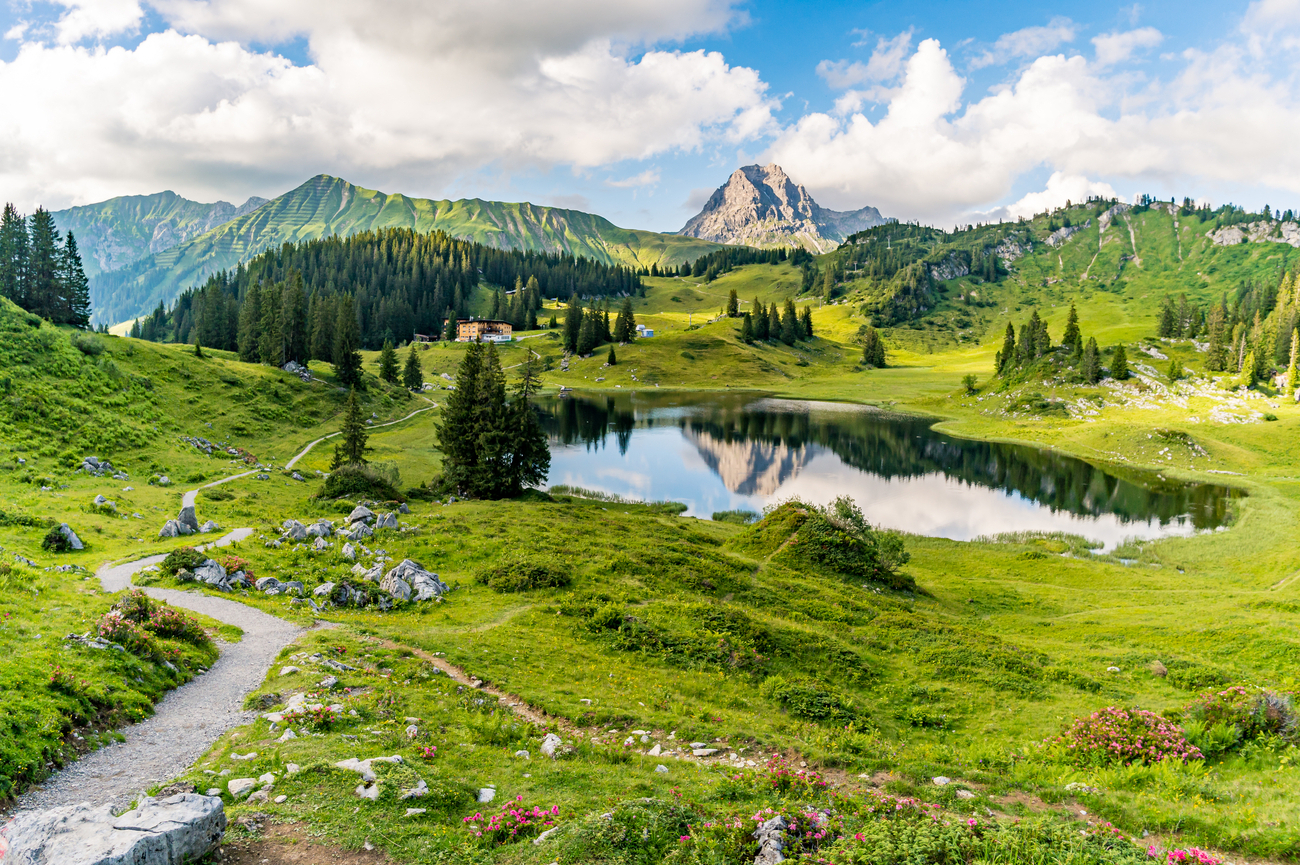
Festivals in Vorarlberg
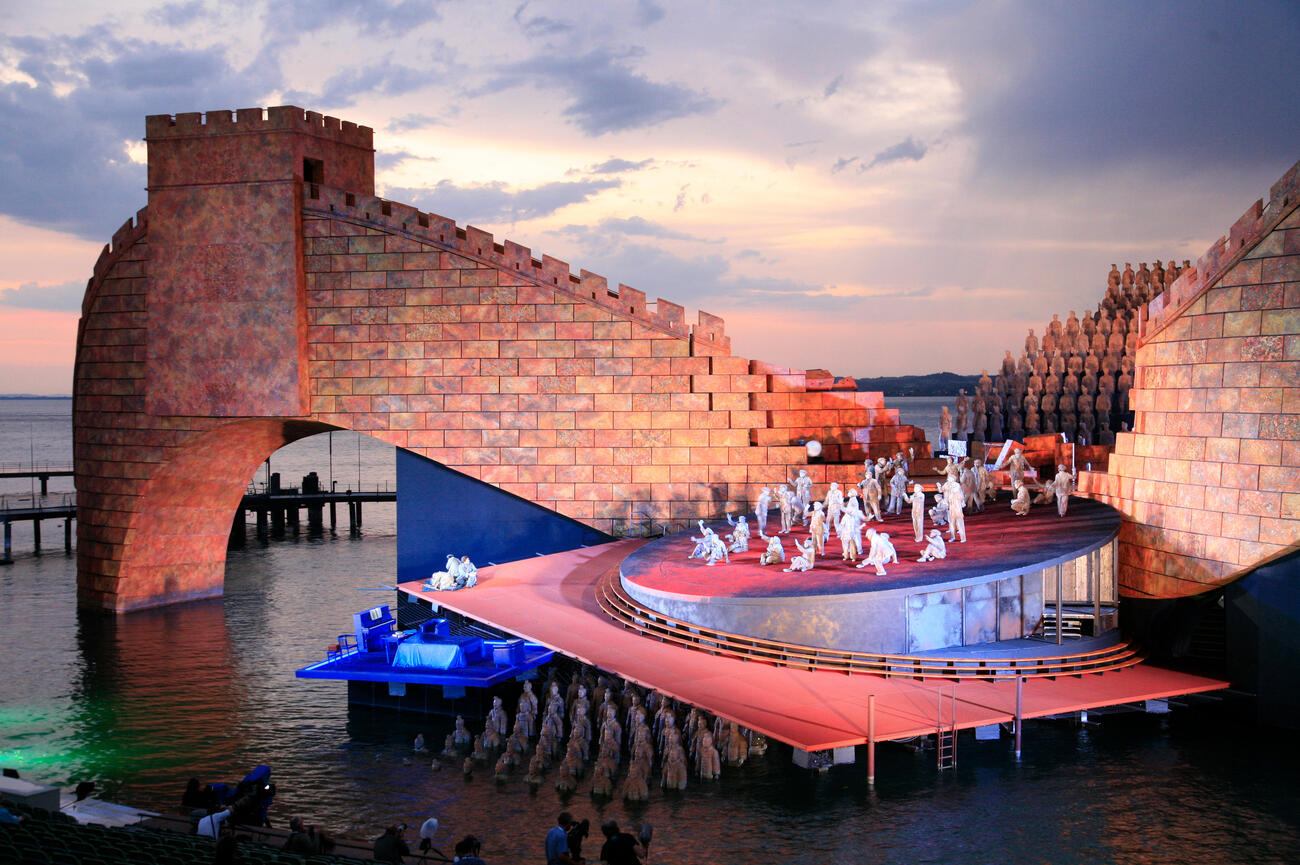
- Bregenz Festival: The Bregenz Festival takes over the shoreline of Lake Constance every summer, and yes, it’s as dramatic as it sounds. Performances unfold on the iconic floating lake stage, where opera and large-scale productions meet open water and changing skies. Shows typically run from mid-July through August, timed so twilight and sunset become part of the staging.
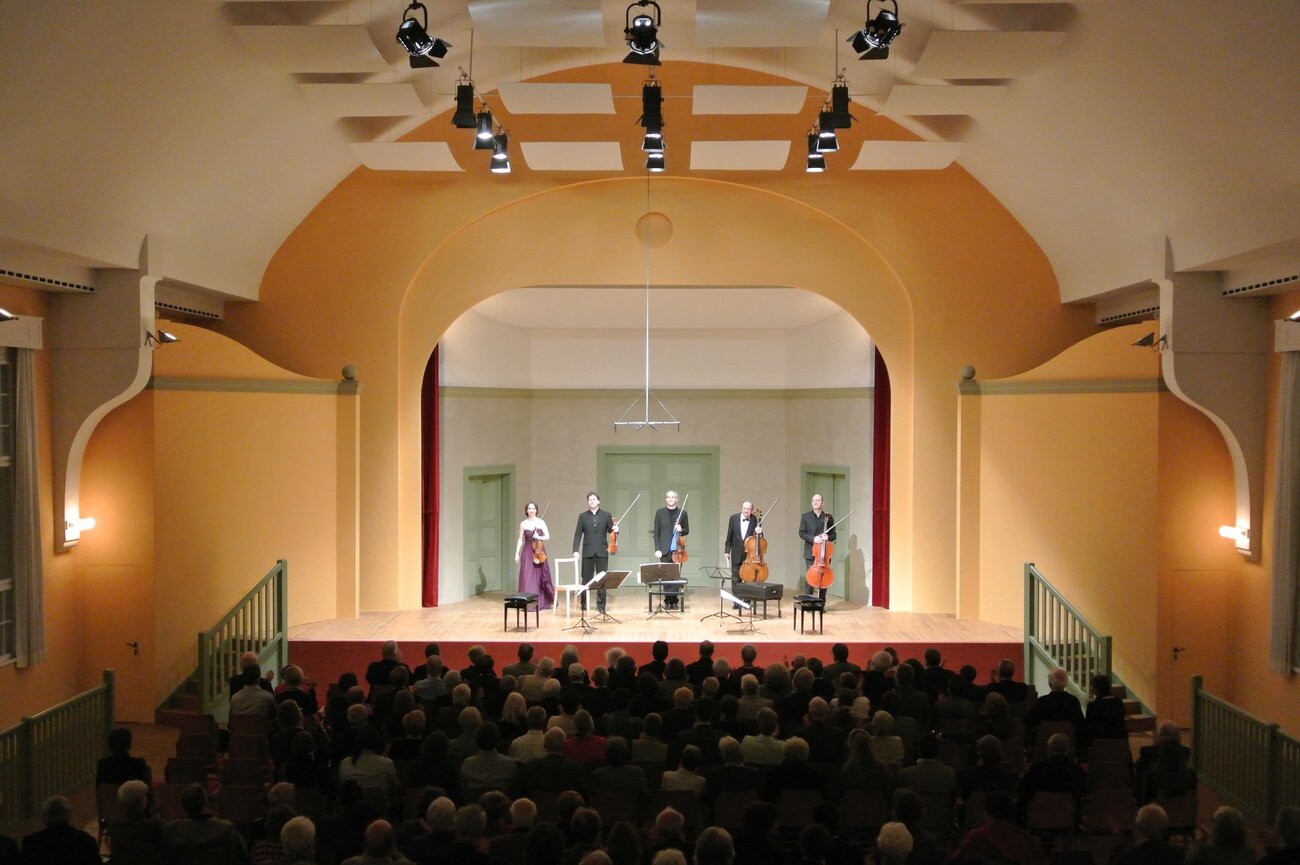
- Schubertiade is one of those festivals that feels quietly prestigious. Held in locations like Schwarzenberg and Hohenems, it centers on the music of Franz Schubert and his contemporaries. Performances usually take place in early summer and again in September. Concerts happen in refined halls and village venues, where acoustics and atmosphere do the heavy lifting.
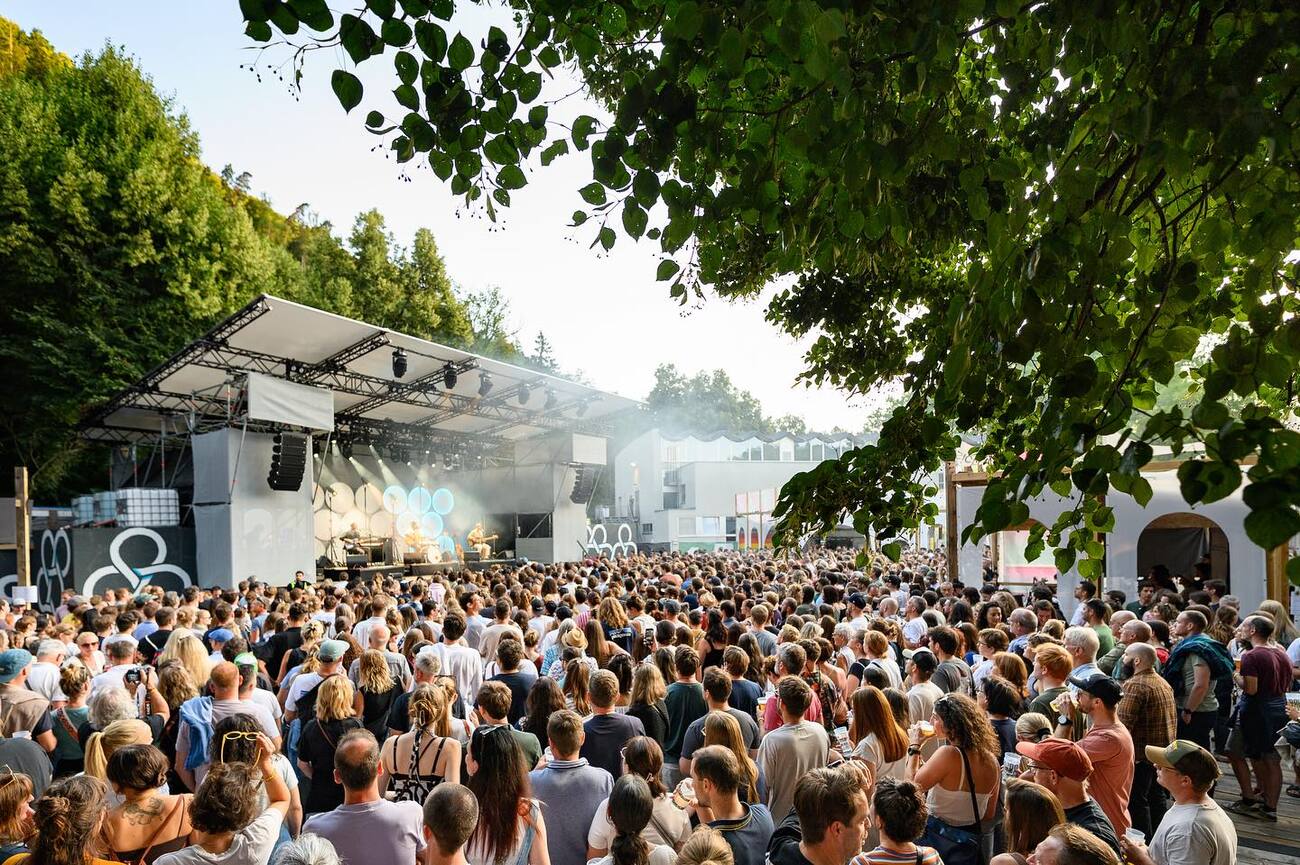
- Poolbar Festival: Poolbar Festival turns Feldkirch into a creative playground every July and August. Set around the former indoor swimming pool at Reichenfeld, the festival blends live music, DJ sets, design installations, talks and art events. One night might feel like a concert, the next like an outdoor lounge with a soundtrack
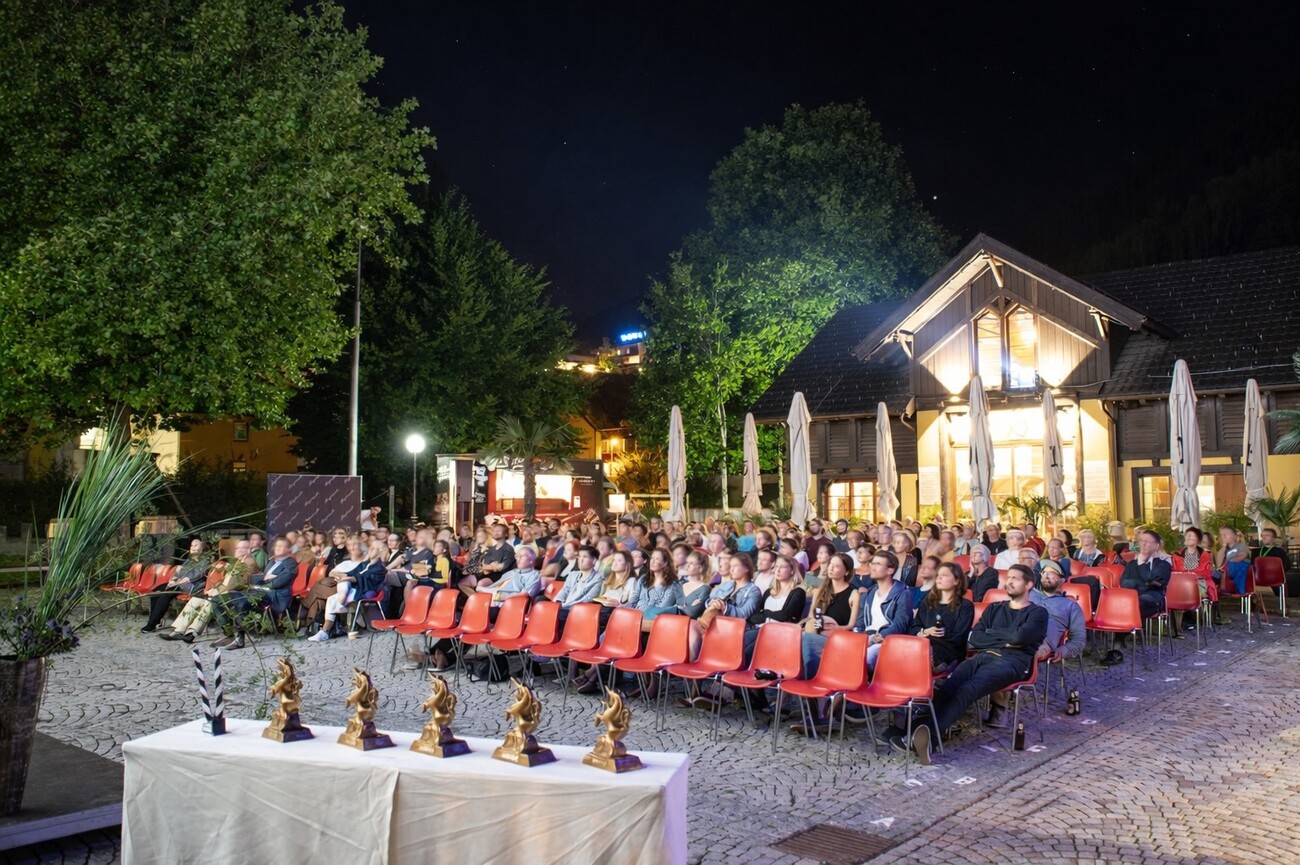
- Alpinale Short Film Festival: Alpinale brings international short films to Bludenz each August, turning the alpine town into a temporary hub for filmmakers and film lovers. Screenings are held in both indoor and open-air venues, giving the festival a relaxed but focused feel. The programming balances artistic depth with accessibility.. It’s proof that small formats can still make a strong impression.
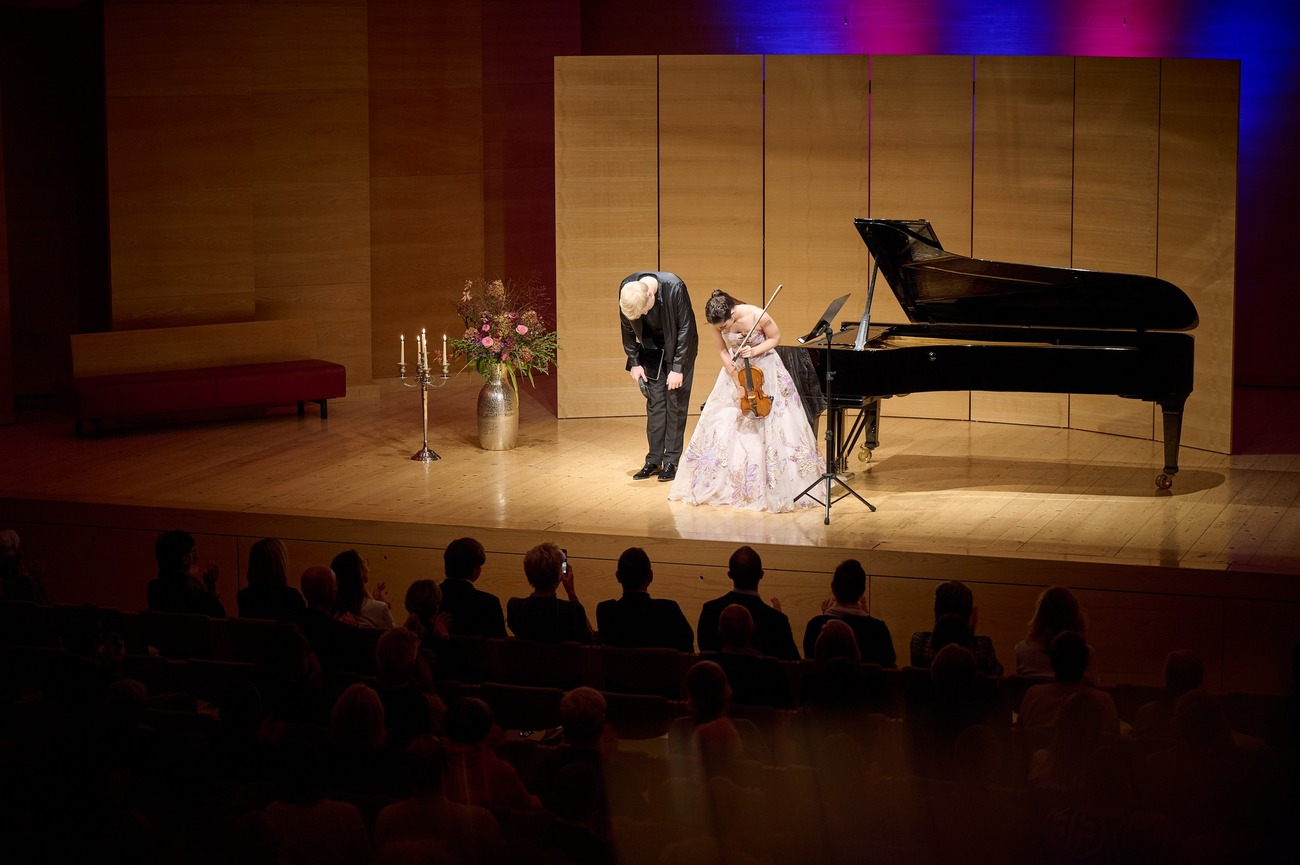
- Alpenarte: Alpenarte runs in August and leans into chamber music with a strong sense of place. Performances are typically staged in elegant venues around Bregenz, combining young international talent with carefully curated programs.
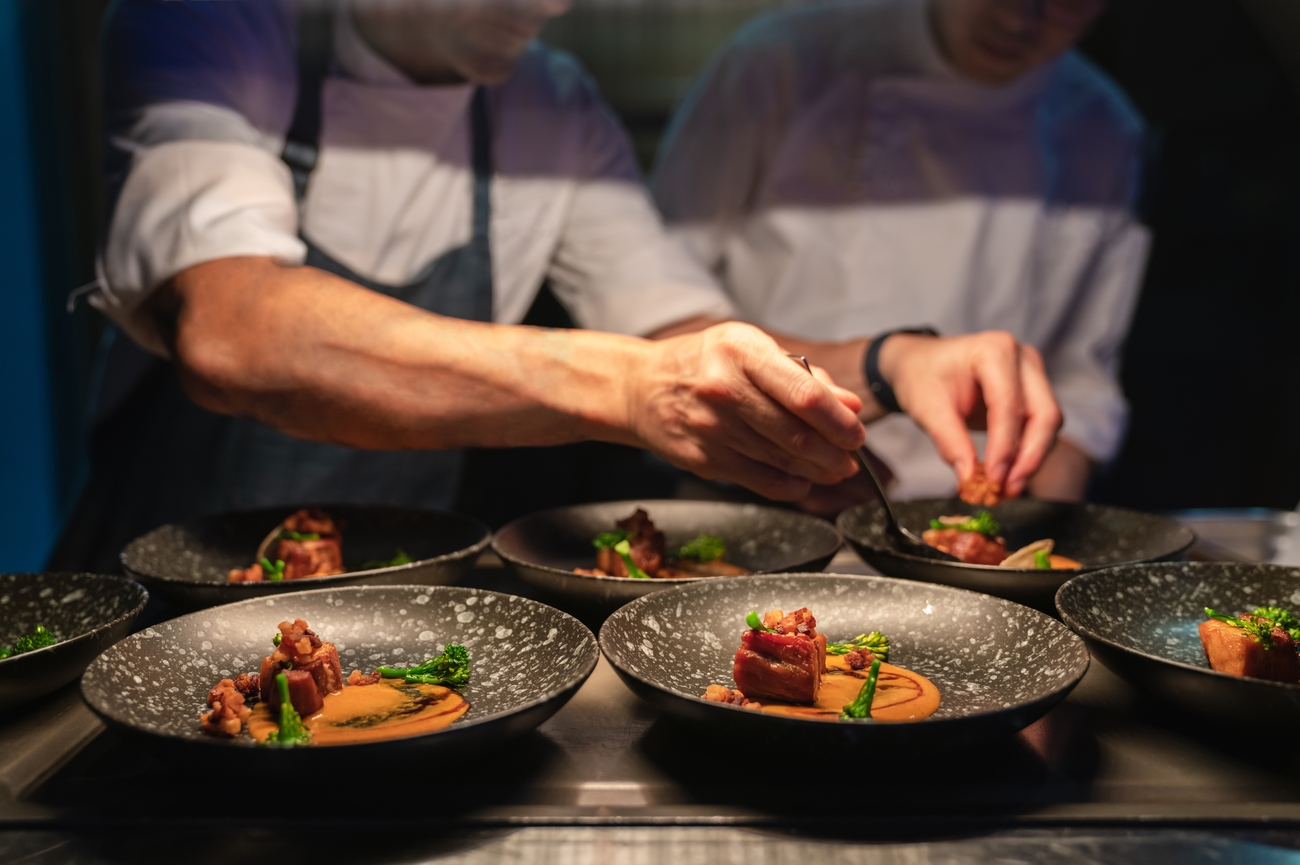
- Chef’s Night: Chef’s Night isn’t a single fixed festival but a recurring culinary event across Vorarlberg, often held in spring or autumn. Renowned chefs collaborate, guest-cook and present tasting menus that highlight regional ingredients with contemporary technique. These evenings are about precision and creativity rather than spectacle.


Let us know what you love, where you want to go, and we’ll design a one-of-a-kind adventure you’ll never forget.
Get in touch
Miriam
Travel Specialist

Romina
Travel Specialist

Laura
Travel Specialist
Our offices:


Revigorate, Iberian Escapes and Algarve Lifestyle are the registered brand names of APCS Lda . We are a fully authorised travel agency licensed by Turismo de Portugal RNAVT/6867.
In the event of a dispute, the consumer may refer to: RAL - Centros de Arbitragem
Avª. 5 de Outubro, nº. 55, R/C Dtº. 8000-075 Faro, Portugal | Tel: +351 289 823 135 *
* national landline call
E-mail: info@consumoalgarve.pt| www.consumidoronline.pt | Mon to Fri: 9:00 - 13:00 / 14:00 - 17:00