Things to Do in Cebu: 3-Day Itinerary
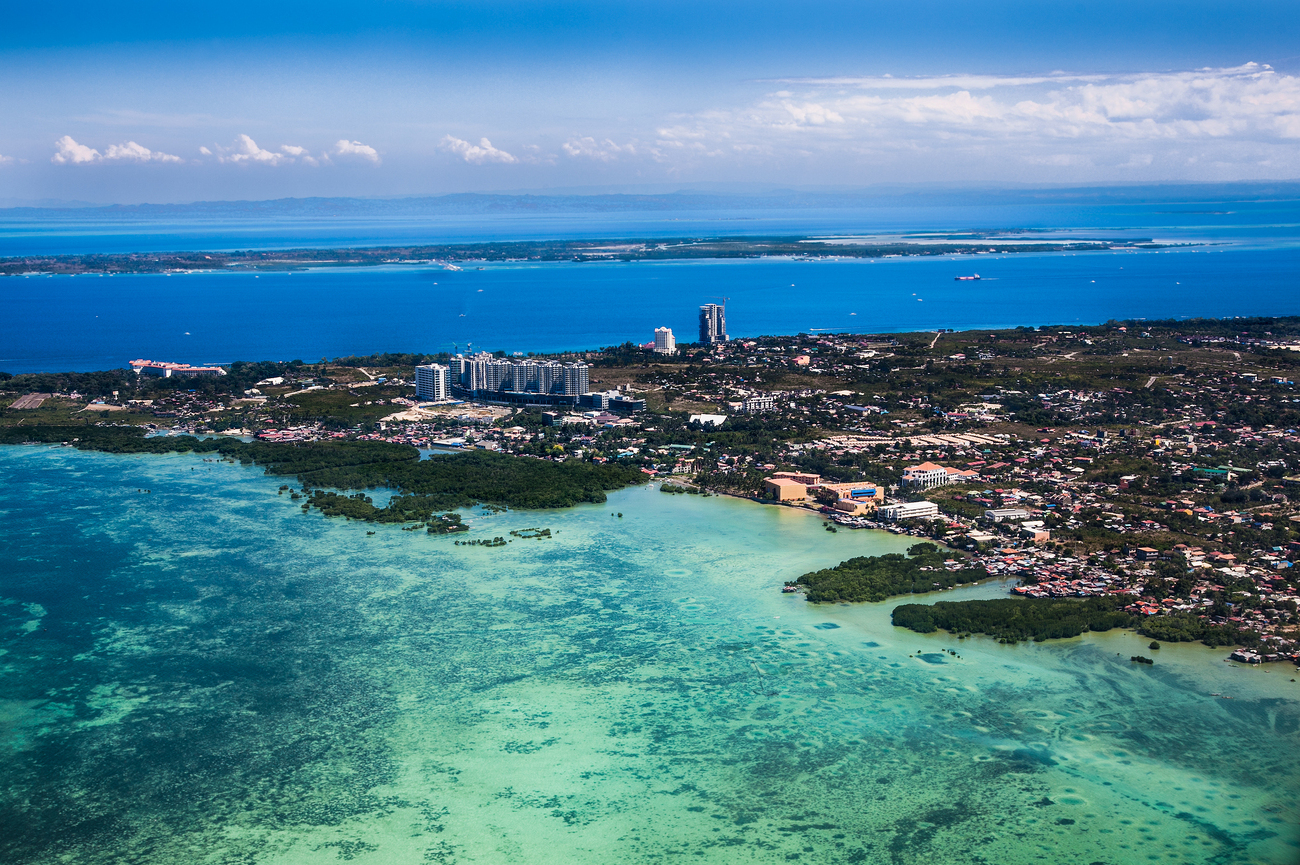
Cebu is one of those places travellers often bookmark for “someday” a city they’ve heard of in passing, a name that floats between history, beaches, and festivals. But once you’re here, you realise it’s far more layered than you expected.
Over the next three-days, we’ll take you to Cebu’s heart, its stories, sanctuaries, flavours, and natural wonders. Whether it’s your first visit or your return after many years, Cebu has a way of making you feel like your journey here was meant to happen now, not someday. So pack your bags and let’s go!
Day 1

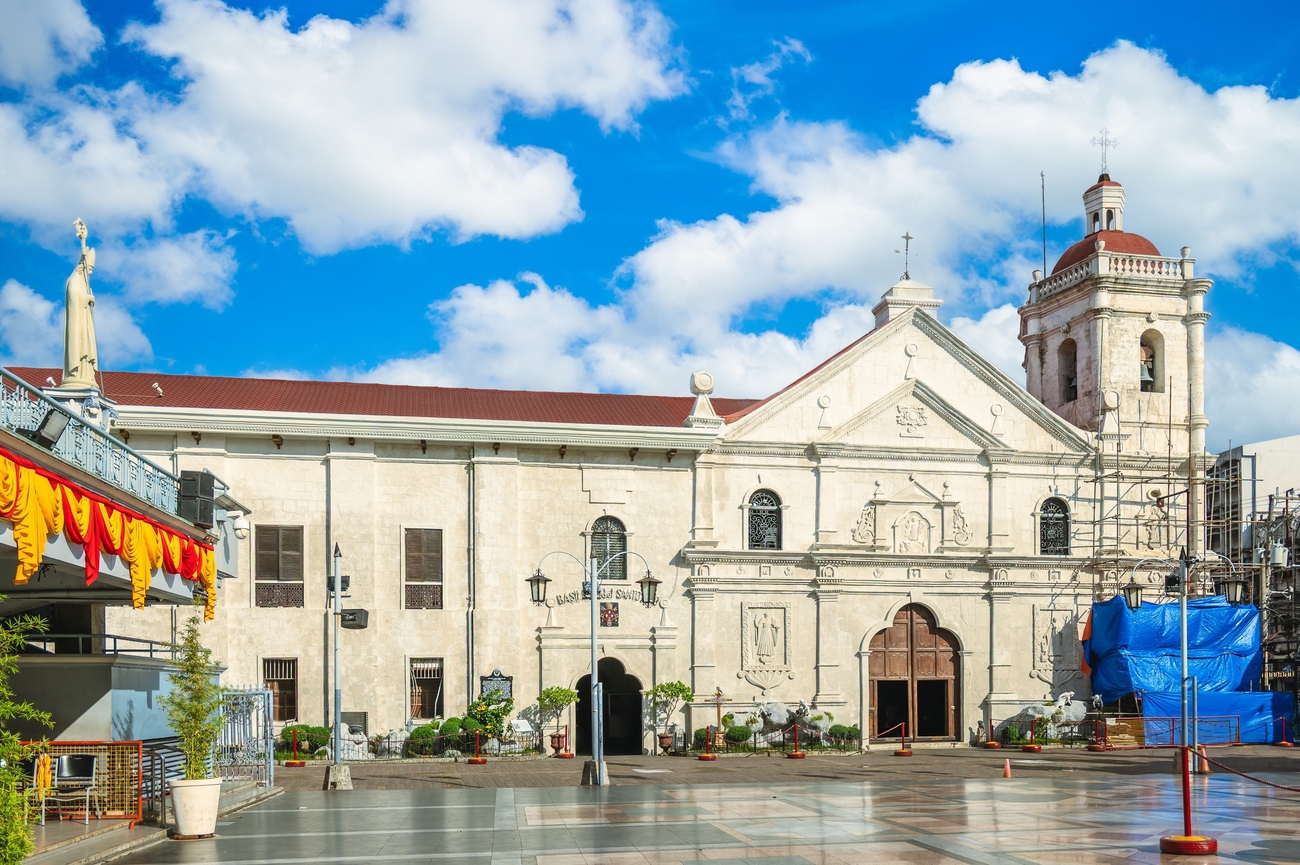
Morning: Basilica Minore del Sto. Niño de Cebu
Begin your journey in Cebu at the oldest Roman Catholic church in the Philippines. Inside, you’ll find the original image of the Santo Niño (Child Jesus), first given to the Queen of Cebu by Ferdinand Magellan in 1521. The Holy See (or central government and universal jurisdiction of the Roman Catholic Church) recognises this basilica as the “Mother and Head of all Churches in the Philippines.”
Visit the small museum beneath the Pilgrim Center, where you can see religious artefacts, antique vestments, centuries-old documents, and even donated cloaks and toys offered to the Santo Niño.
Magellan’s Cross
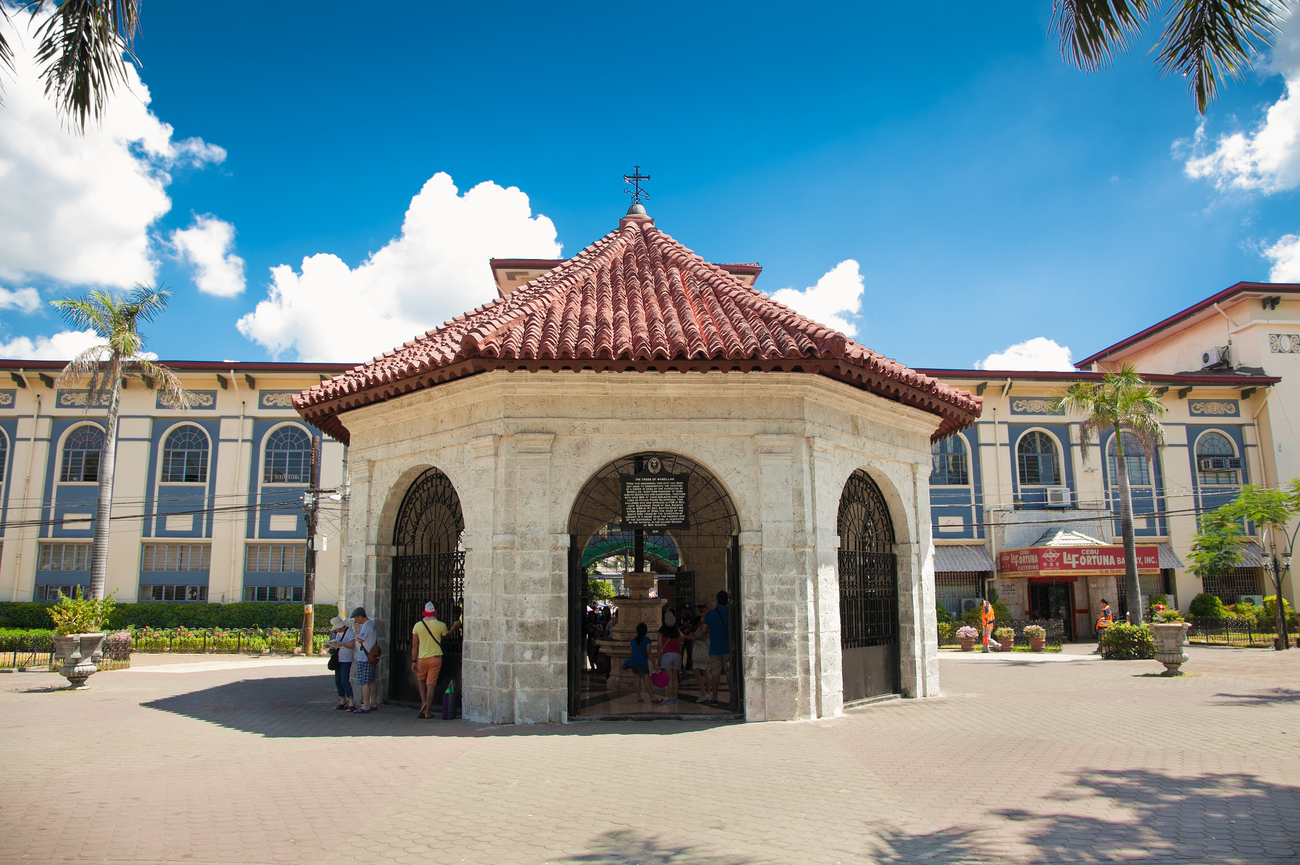
A short walk from the basilica brings you to Magellan’s Cross, one of Cebu’s most iconic landmarks. This marks the spot where Ferdinand Magellan and his crew planted a wooden cross when they arrived in Cebu on April 21, 1521, a moment that shaped the early history of Christianity in the Philippines.
You’ll find the cross inside a small octagonal pavilion, where you can also admire the painted ceiling that depicts this historic event. The cross you see today is a tindalo-wood casing placed over the original in 1835, this is to protect it after devotees began chipping off pieces, believing the cross had healing powers.
Fort San Pedro
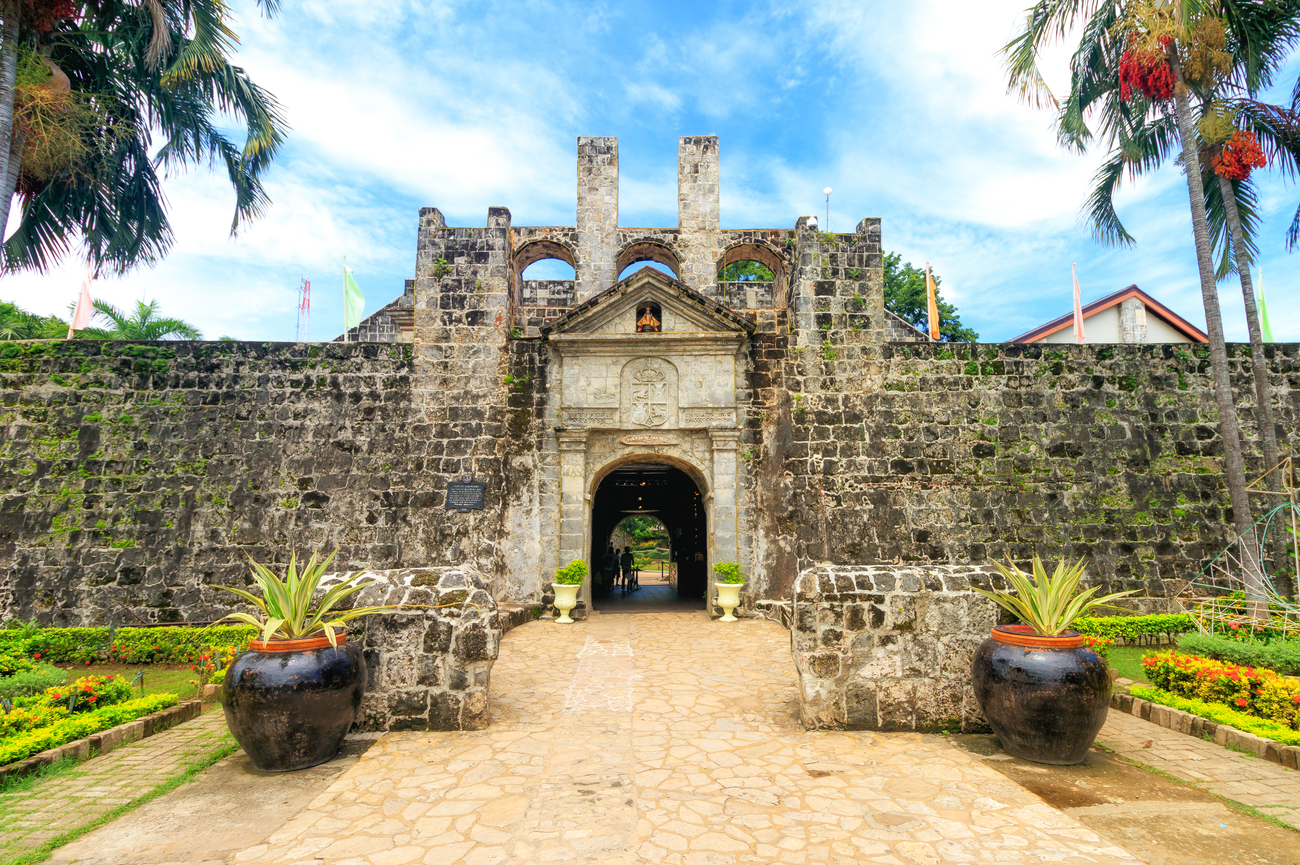
Just a short 14-minute ride from Magellan’s Cross is Fort San Pedro, the oldest and smallest triangular fort in the Philippines. Over the years, it has worn many hats: Spanish garrison, revolutionary stronghold, American barracks, Japanese prison camp and hospital during World War II, and even a city zoo after the war. Today, it stands as a peaceful historical park and museum.
As you walk along the stone ramparts and arched corridors, you’ll get a feel for how the fort once defended the city. Inside the museum, you’ll find Spanish era cannons, documents, paintings, and relics recovered from the sunken galleon San Diego.
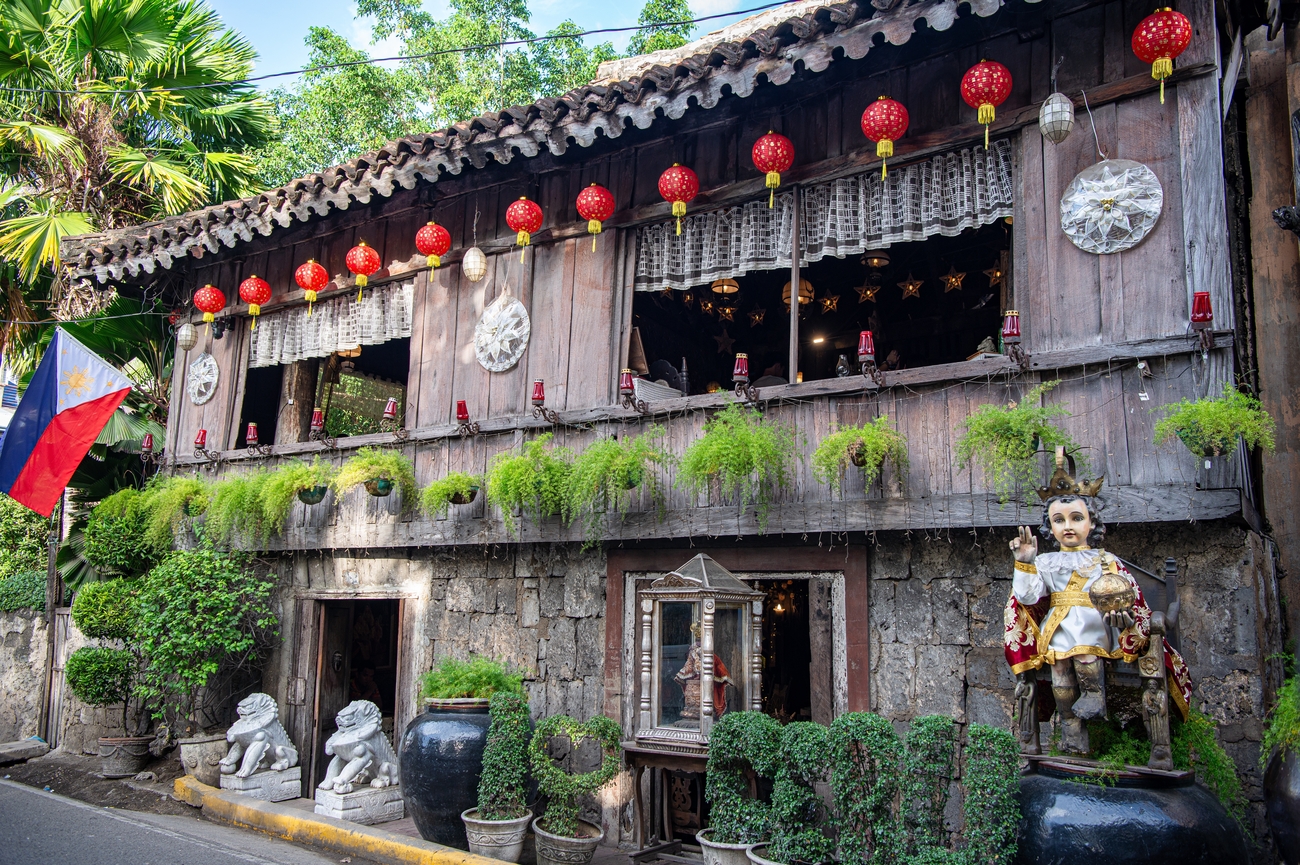
Yap-San Diego Ancestral House
Your next stop is one of the oldest surviving residential homes in the Philippines, a 17th-century Chinese-Filipino house built between 1675 and 1700. The two-storey structure is made of sturdy molave wood and coral stones held together with egg whites, with beautiful details like wide capiz-shell windows. What makes the house even more impressive is how it has survived earthquakes, typhoons, and wars while keeping about 90% of its original form. Inside, you’ll walk through a “living museum” curated by its current owner, Val Sandiego, a descendant of the Yap family.
Day 1, Morning - Cebu Tour Map
Afternoon: Cebu Taoist Temple
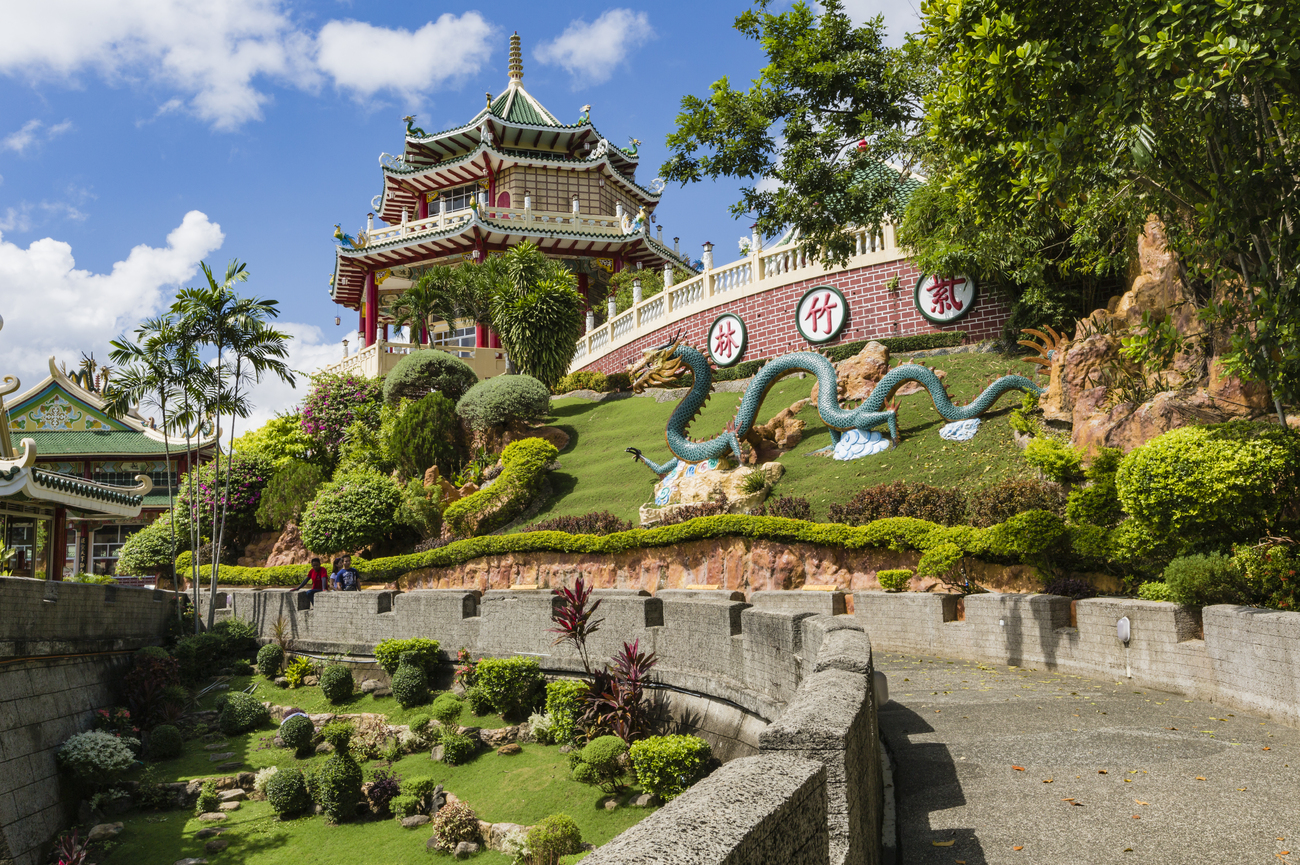
Continue your day at Cebu Taoist Temple, built in 1972 by the city’s Chinese-Filipino community. Dedicated to the teachings of Lao Zi, the temple is known for its colourful Chinese architecture and peaceful atmosphere. From its hilltop location (about 110 metres above sea level) you’ll also enjoy stunning views of Cebu City and Mactan Island.
Taboan Public Market
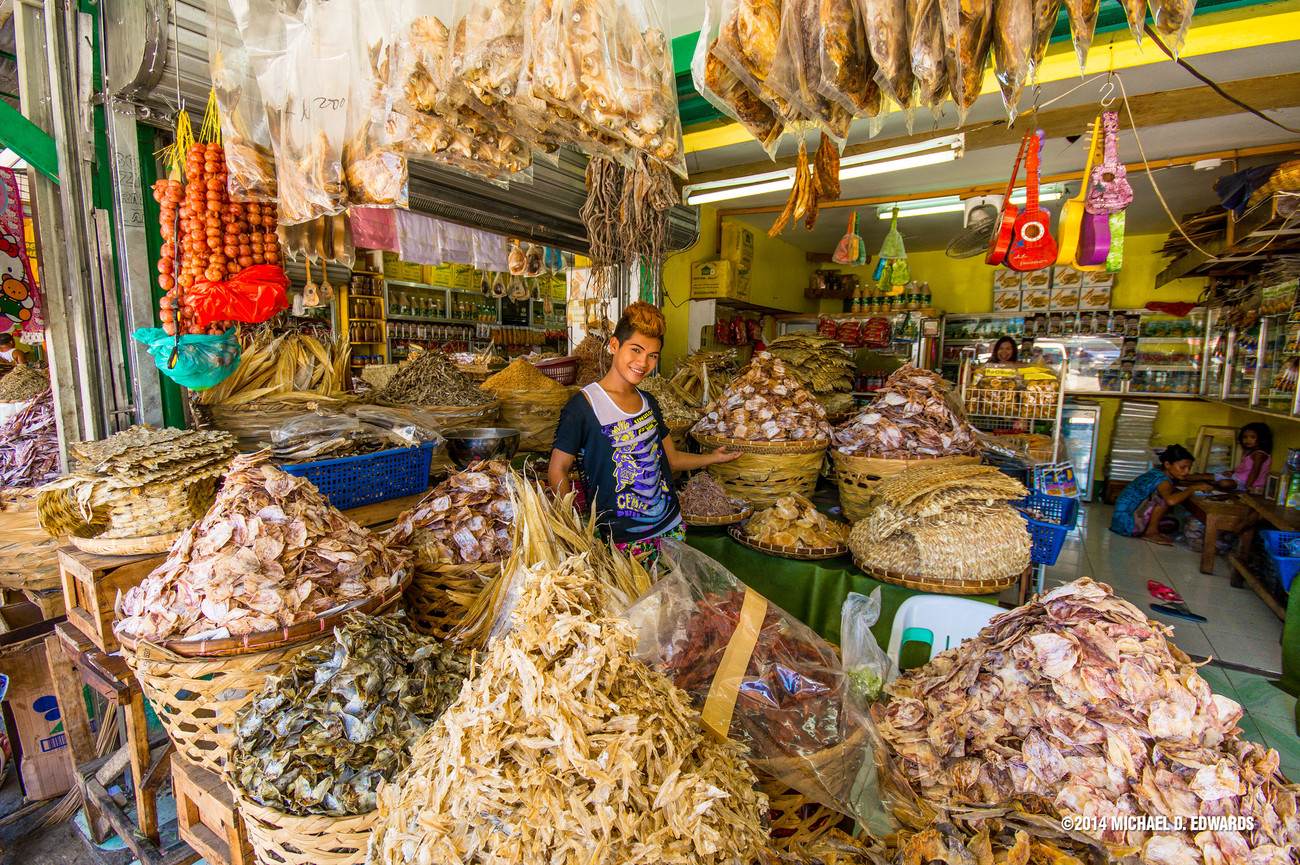
Wrap up your day at Taboan Public Market, Cebu’s go-to spot for authentic local delicacies. Here, you’ll see stalls stacked with baskets of dried seafood, from danggit and pusit to dilis and tuyo. The vendors here are typically friendly and may offer samples for tasting. Also, bargaining is a common practice here, so don’t hesitate to ask for a better price. The dried fish smell is strong, so wear comfortable clothes you won’t mind washing after, or bring a spare shirt to change into once you’re done exploring.
Day 1, Afternoon - Cebu Tour Map
Day 2
Morning: Oslob Whale Shark Watching
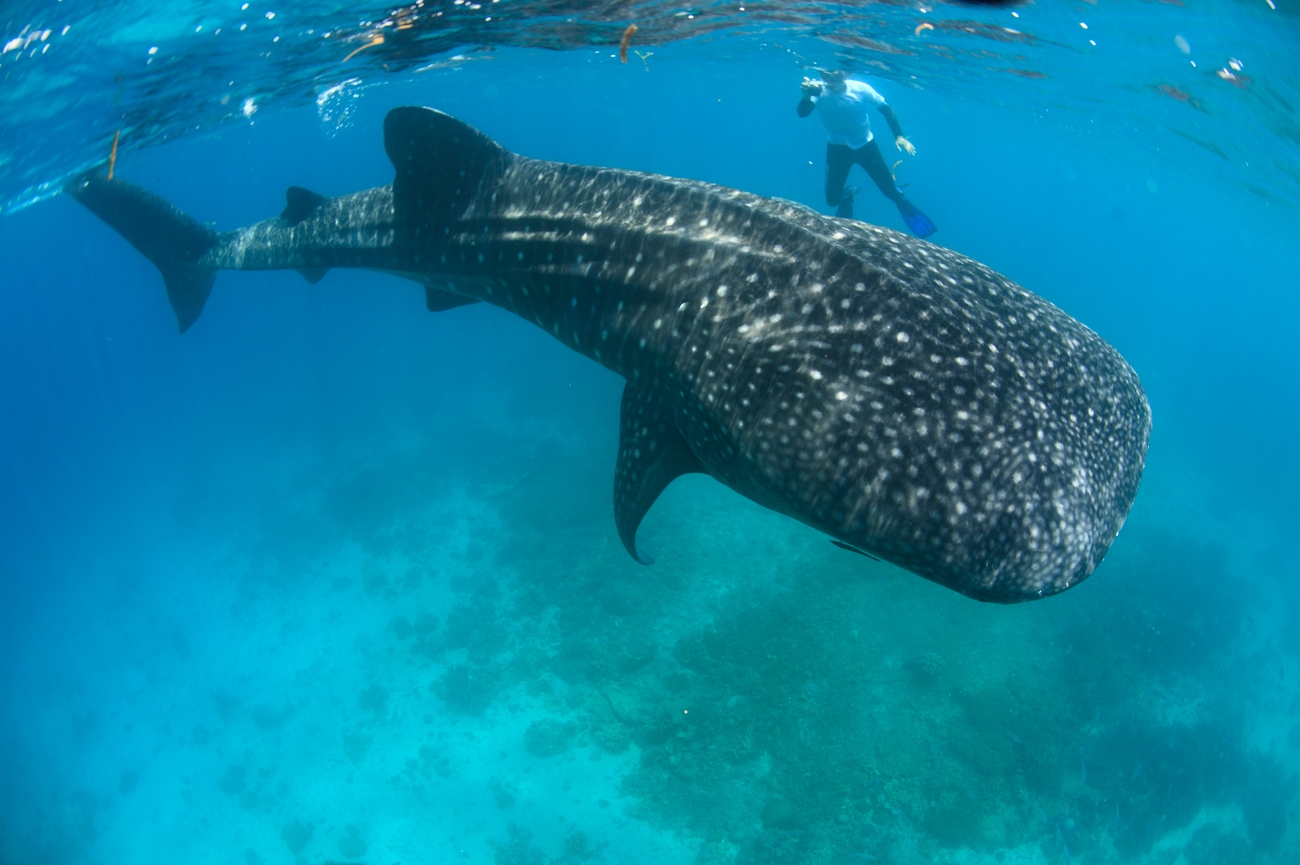
For Day 2, let’s head to the southern part of Cebu for an up-close encounter with whale sharks (the largest fish in the ocean). You can watch or swim with them year-round, usually early in the morning when local fishermen feed them small amounts of krill to draw them near the shore. Your time in the water is limited to about 30 minutes to help protect the animals, and strict guidelines are in place. You’ll be asked not to touch the whale sharks and to keep a distance of at least 4–5 metres.
Tumalog Falls
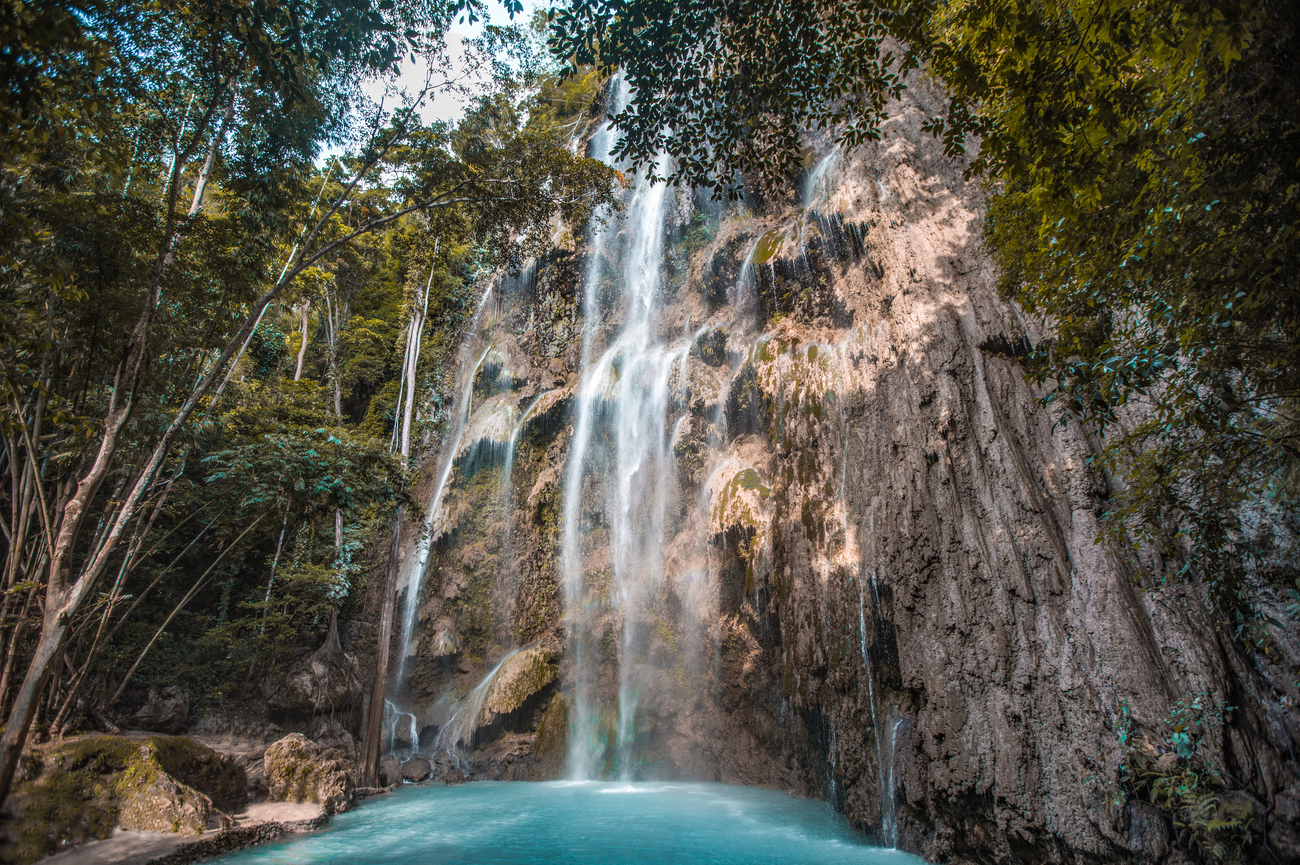
Just a quick 10-minute drive from Oslob brings you to Tumalog Falls, known for its soft, curtain-like streams flowing down a wide, moss-covered cliff. Unlike powerful waterfalls, Tumalog is gentle and calming, with water trickling into a shallow turquoise pool where you can relax and enjoy some quiet time.
Day 2, Morning - Cebu Tour Map
Afternoon: Badian Canyoneering
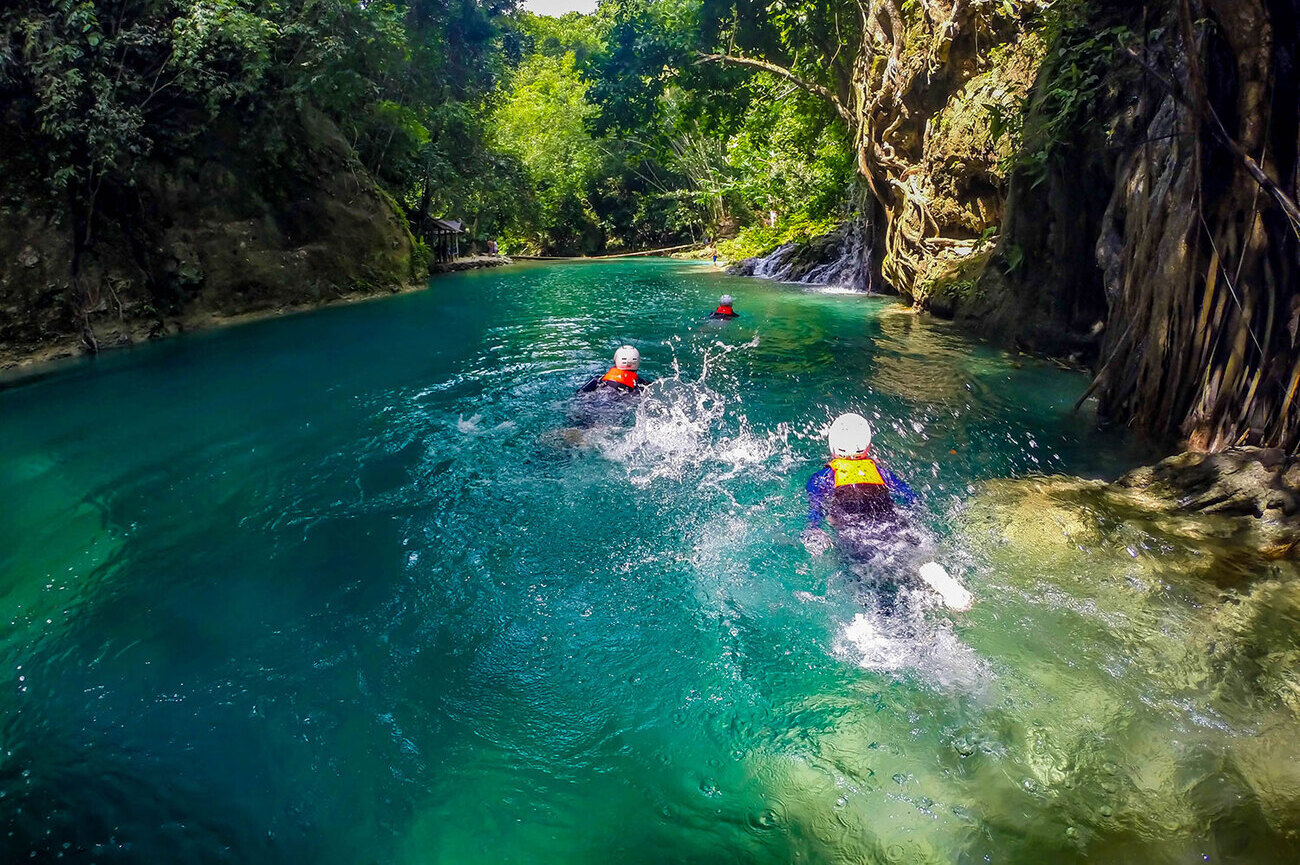
After a scenic stop at Tumalog Falls, let’s shift gears and get ready for an adrenaline-filled adventure in Badian. Canyoneering takes you through rugged canyons, rivers, and jungle trails, ending with a rewarding swim in the famous turquoise pools of Kawasan Falls. The activity is physically demanding and usually takes around 3–4 hours, so be sure you’re prepared for a mix of hiking, jumping, and swimming.
Kawasan Falls
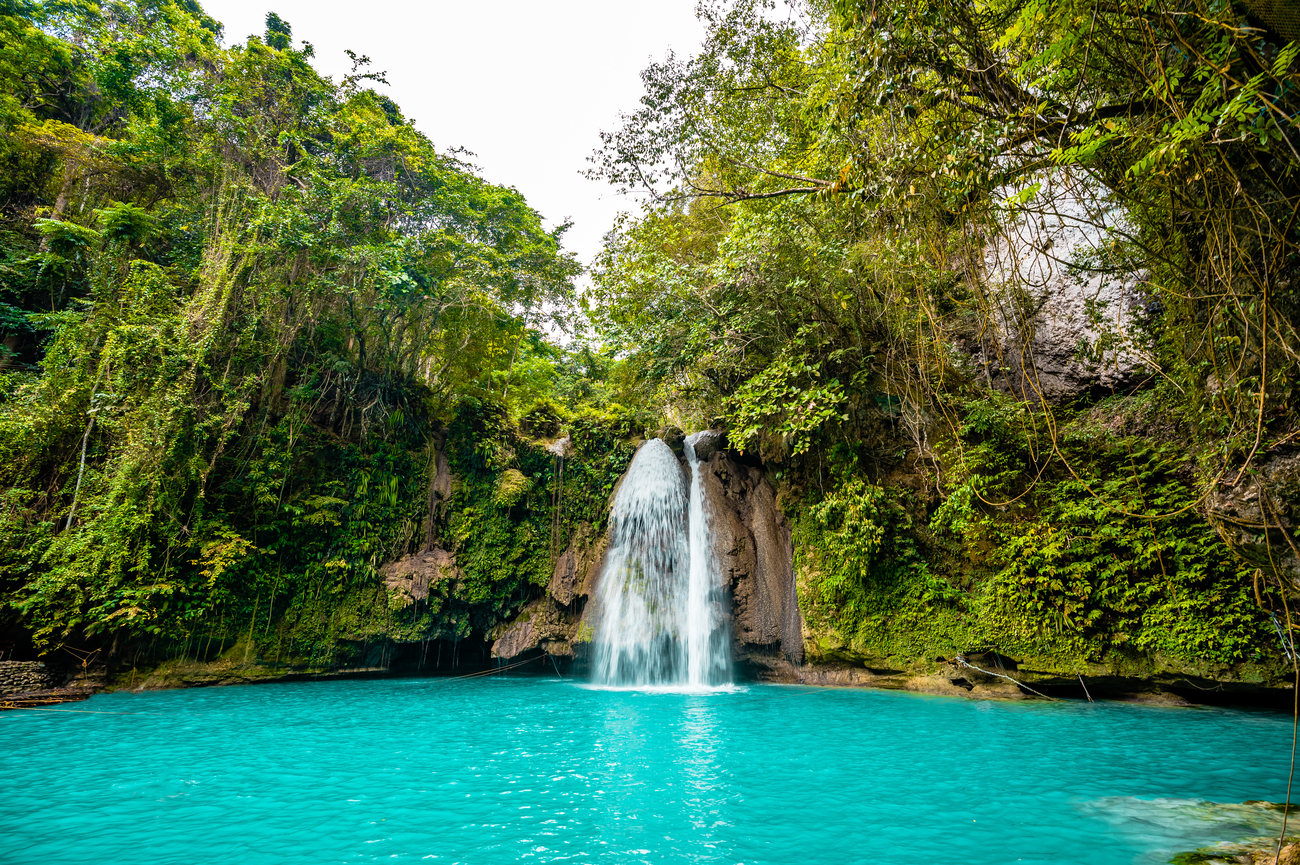
Your canyoneering route ends at Kawasan Falls, where you can cool off in its famous turquoise water. If you want a fun finale, rent a large bamboo raft and ride it right under the main waterfall for a powerful, natural “hydro-massage” after your adventure. There are picnic spots, tables, and small local eateries nearby, so it’s also a great place to rest and refuel before heading out.
Day 2, Afternoon - Cebu Tour Map
Day 3
Morning: Monastery of the Holy Eucharist (Simala Shrine)
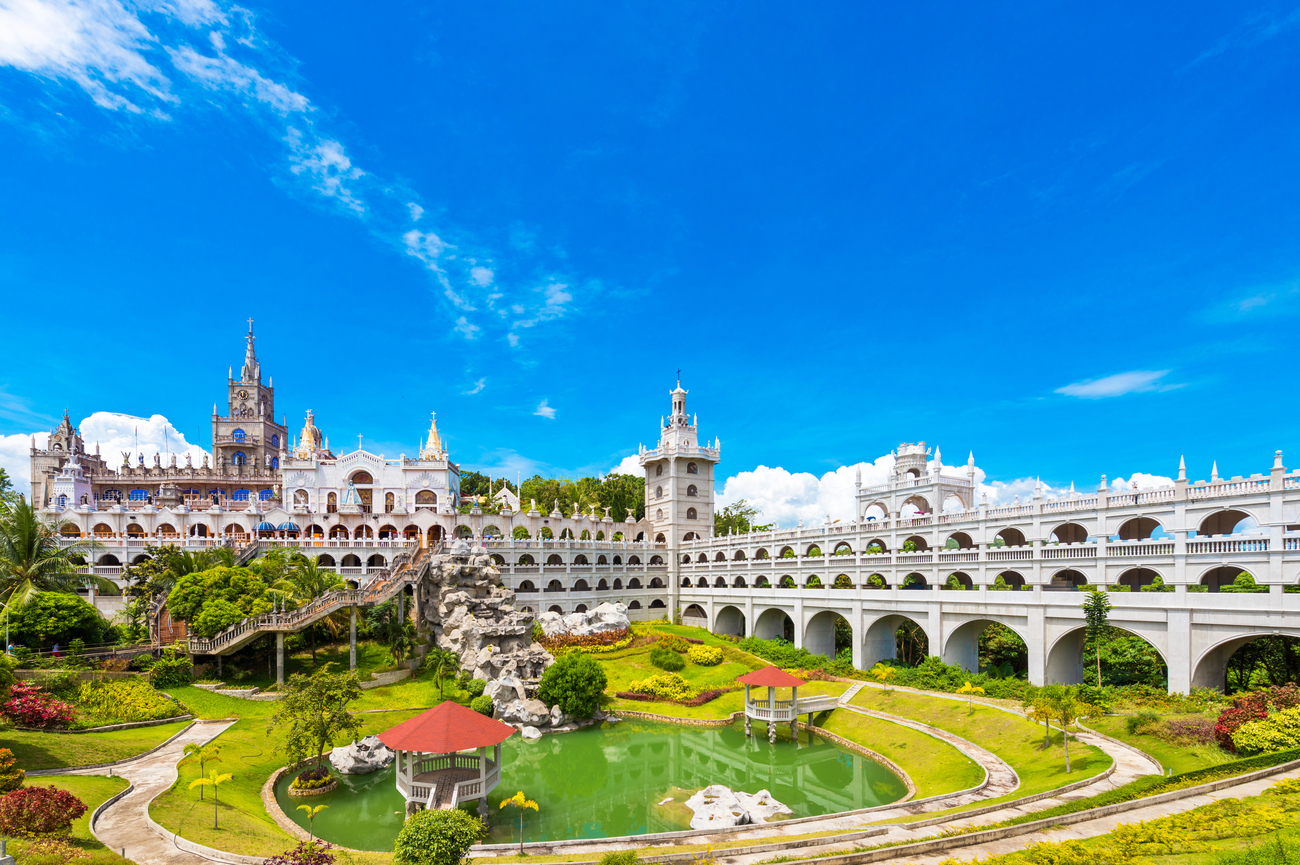
Begin your final morning with a scenic drive to Sibonga to visit Simala Shrine, often called the “Miraculous Church of Cebu.” Built by the Marian Monks in 1998, this grand, castle-like church became a major pilgrimage site after an image of the Virgin Mary was said to have shed tears of blood during a dengue outbreak. Here, you can offer prayers, write petitions, or light coloured candles, each representing a specific intention. You may also line up to view and kiss the foot of the venerated image of the Virgin Mary.
Afternoon: Sirao Garden
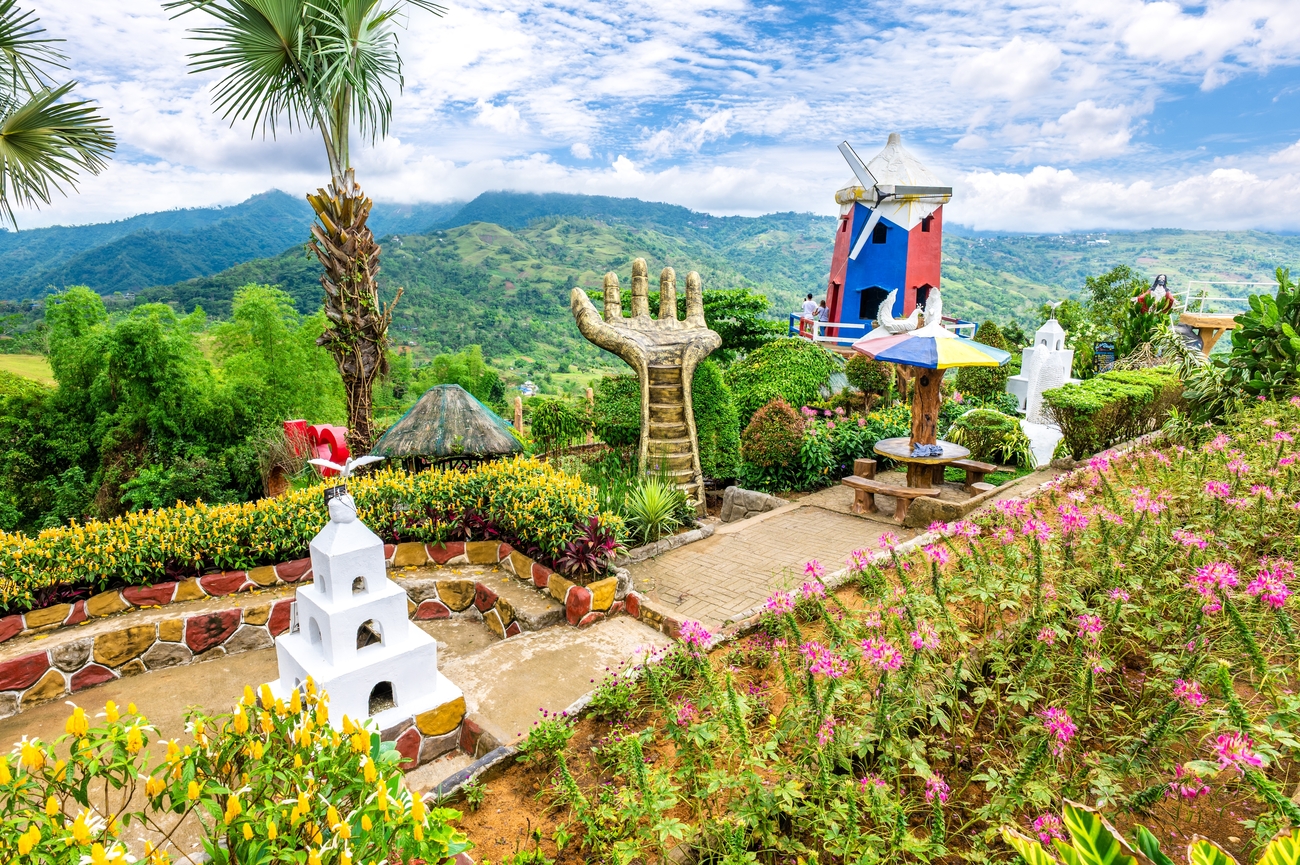
After your visit to Simala Shrine, take a 2-hour drive back toward the city and stop at Sirao Garden, Cebu’s “Little Amsterdam.” This colourful flower farm is known for its vibrant celosia blooms: bright red, yellow, and orange plumes that look almost like flames. Here, you’ll enjoy cool mountain air, wide views of the surrounding hills, and plenty of Instagram-worthy spots inspired by European landscapes.
Temple of Leah
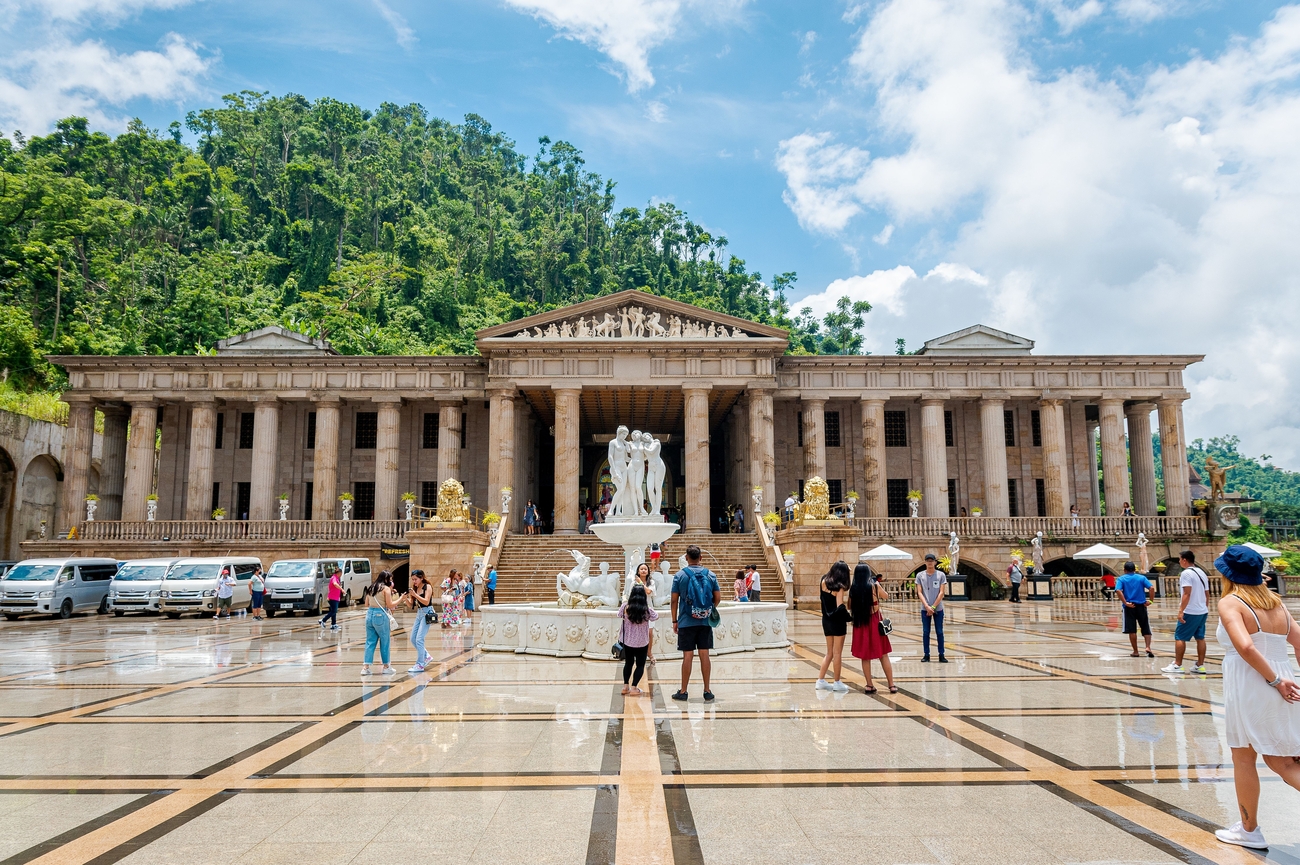
End your Cebu journey at the Temple of Leah, a grand Roman-inspired structure built by businessman, Teodorico Adarna, as a tribute to his late wife, Leah. It is often called “Cebu’s Taj Mahal,” and sits on the hills of Busay and offers stunning views of the city and coastline.
Its large pillars, statues, and open courtyards make it feel like a European monument, and it’s especially beautiful in the late afternoon or evening. Time your visit around sunset for the most atmospheric and memorable end to your day.
Day 3 - Cebu Tour Map
Day Trips from Cebu
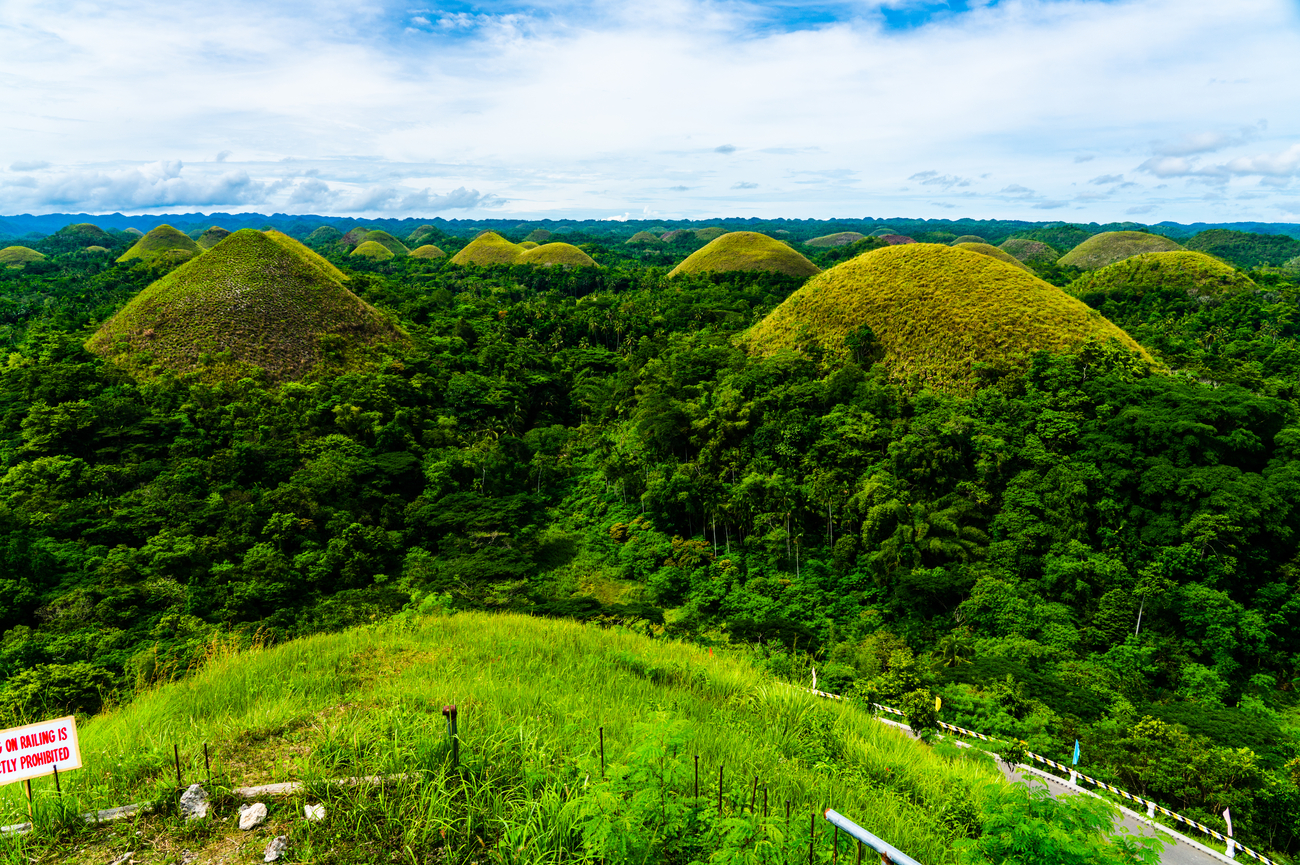
- Bohol: Just two hours away by ferry, Bohol is an easy side trip filled with natural wonders and unique wildlife encounters. If you plan to visit, we can arrange a private van to take you to the famous Chocolate Hills and to meet the adorable Philippine tarsiers (one of the smallest primates in the world) up close.
- Moalboal: About a 2–3 hour drive from Cebu City, Moalboal is one of the best places in the Philippines for marine life encounters, aside from El Nido, Coron, and Puerto Princesa. Its biggest highlight is the famous sardine run, where millions of sardines move in huge, swirling formations just 20–30 metres from the shore at Panagsama Beach. The best time to go is early morning (around 6–8 AM) when the water is clearer and there are fewer people. You’ll likely see sea turtles too; both green and hawksbill turtles often feed in the area.
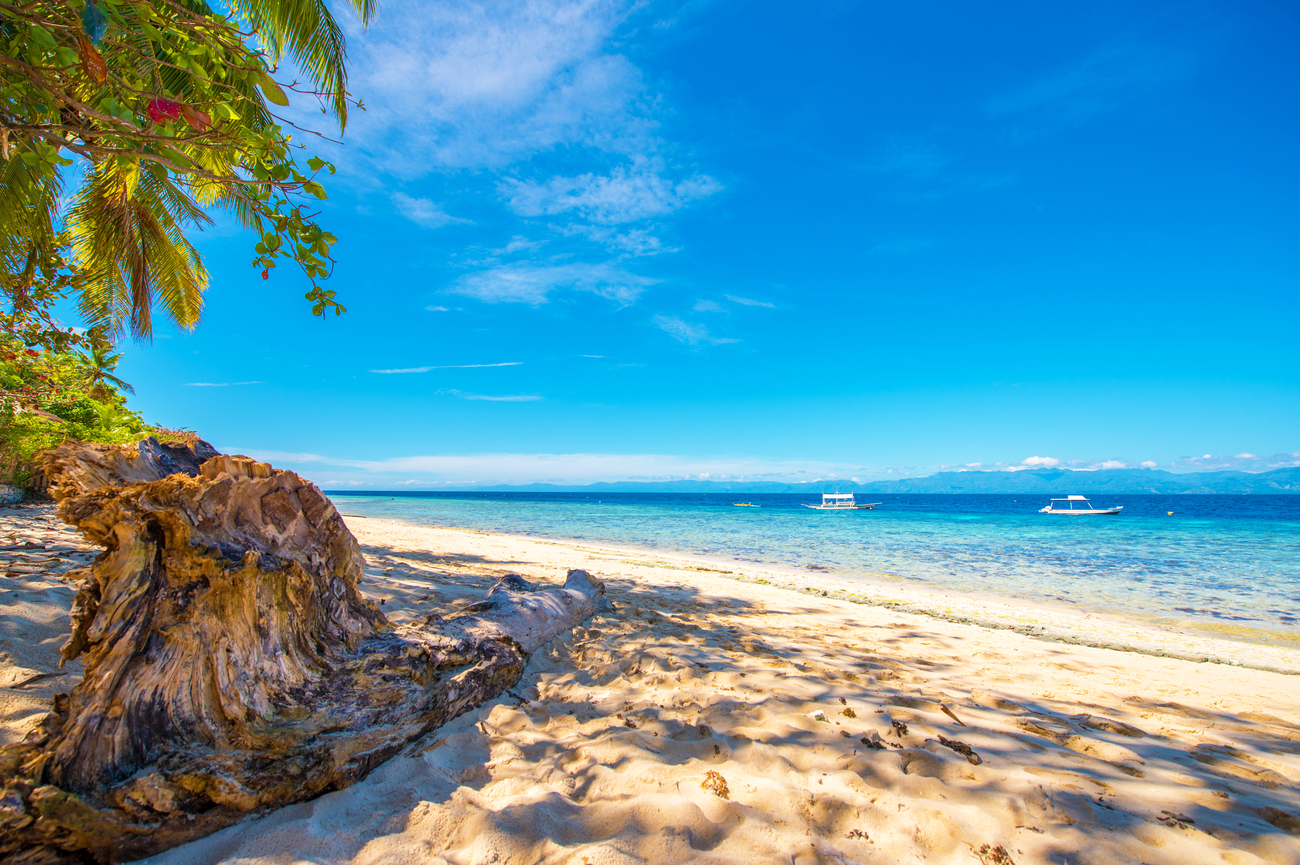
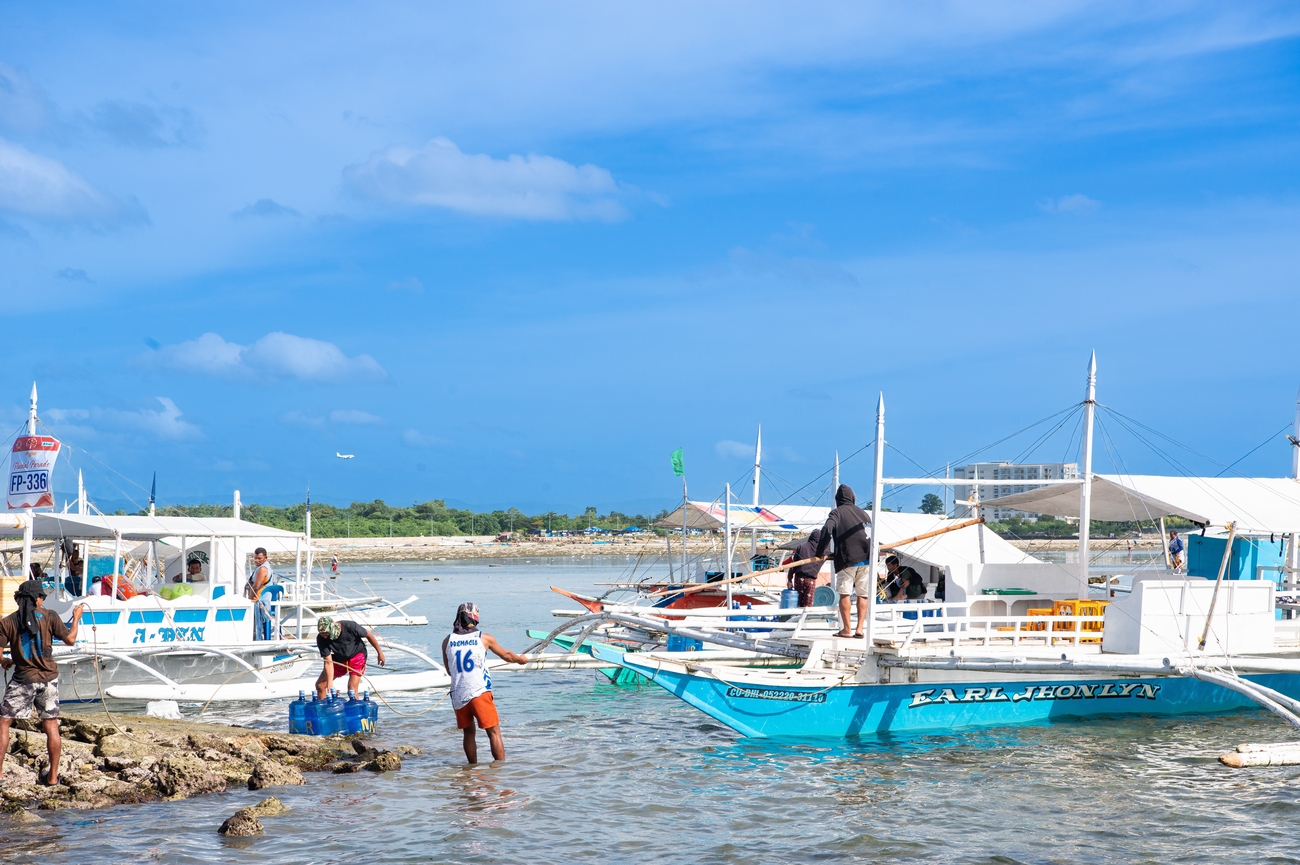
- Island Hopping Tour: A classic Cebu experience, island hopping gives you a full day of exploring marine sanctuaries, white-sand beaches, and colourful marine life. In this tour you’ll visit Nalusuan Island, Hilutungan Island, and Caohagan Island, perfect spots for snorkelling vibrant reefs, swimming in calm waters, or simply relaxing on the beach.
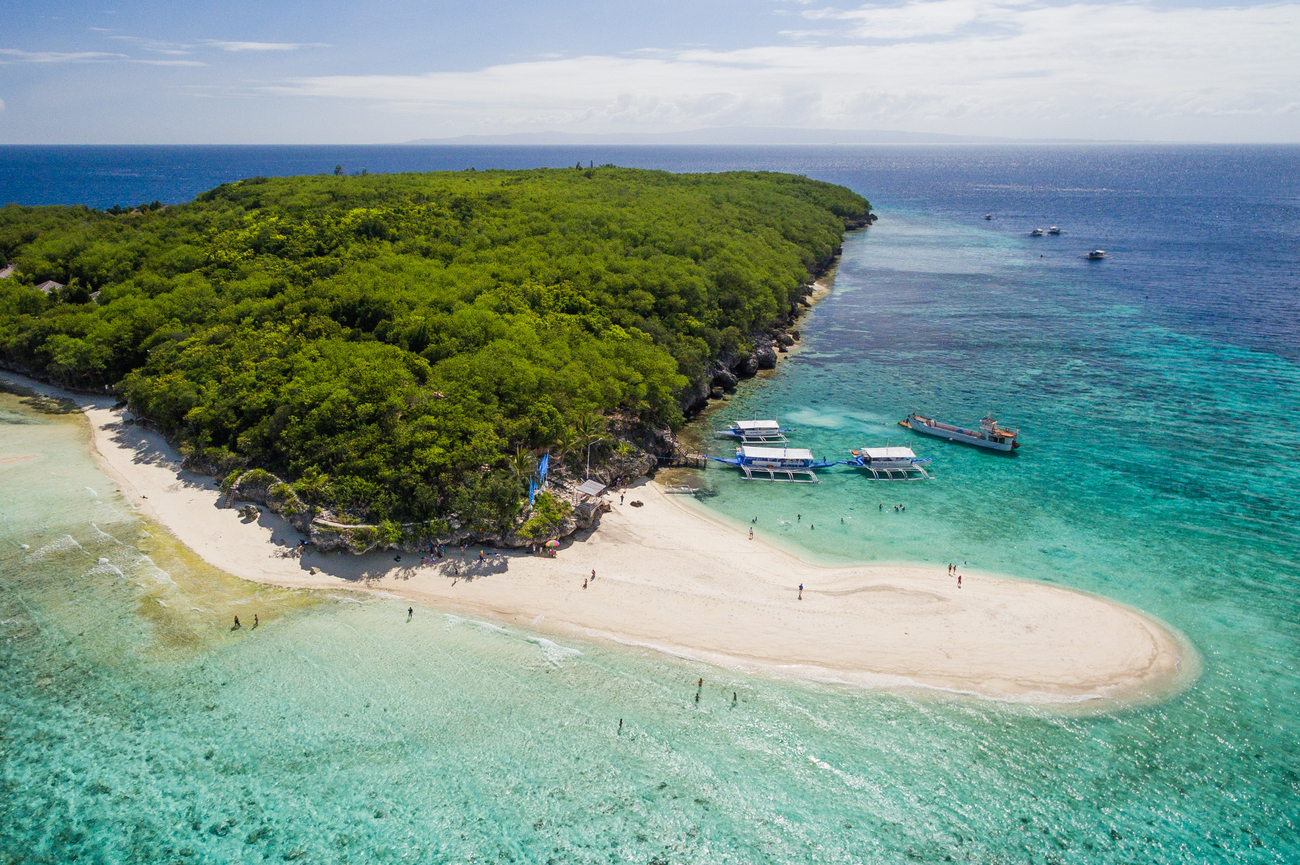
- Sumilon Island: Just off the coast of Oslob, Sumilon Island is known for its clear turquoise waters and its famous shifting sandbar, which changes shape depending on the season and tides. During low tide, the sandbar stretches far into the sea, making it a beautiful spot for photos and a relaxing walk. The island is also home to one of the first marine protected areas in the Philippines, so you’ll find vibrant coral gardens and plenty of fish when you snorkel.
Golf Courses in Cebu
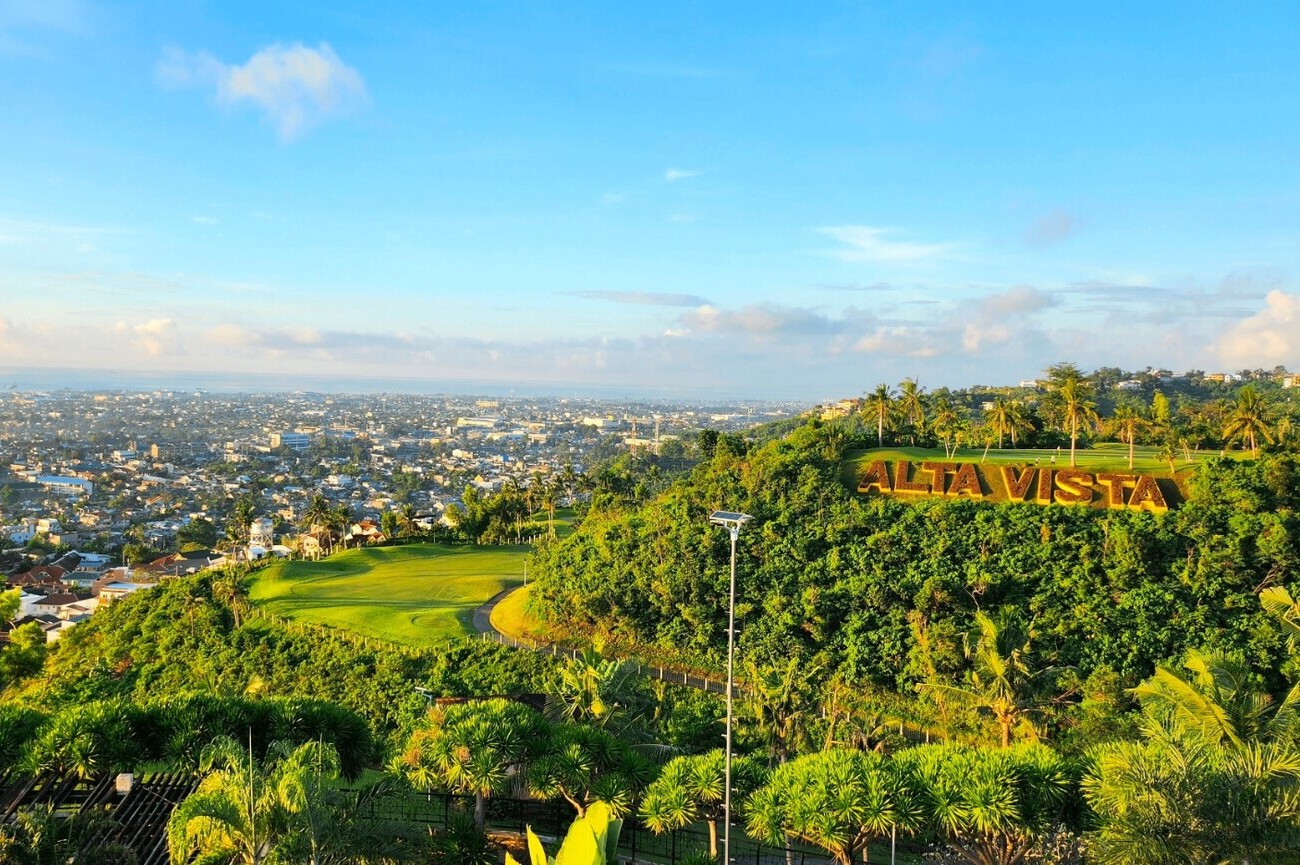
- Alta Vista Golf & Country Club: If you’d like to add a round of golf to your trip, head to Alta Vista Golf & Country Club, an 18-hole championship course set in the hills of Pardo. Designed by Gary Player’s Black Knight Design Group, it’s known for its challenging, mountain-style layout and stunning views. Expect narrow, rolling fairways, elevated tees, and well-placed water hazards, making it exciting for both casual and experienced golfers. The Spanish Colonial inspired clubhouse also offers a range of amenities for you to enjoy before or after your game. Club members are usually given priority, but non-members and tourists are welcome to book tee times and use many of the facilities.
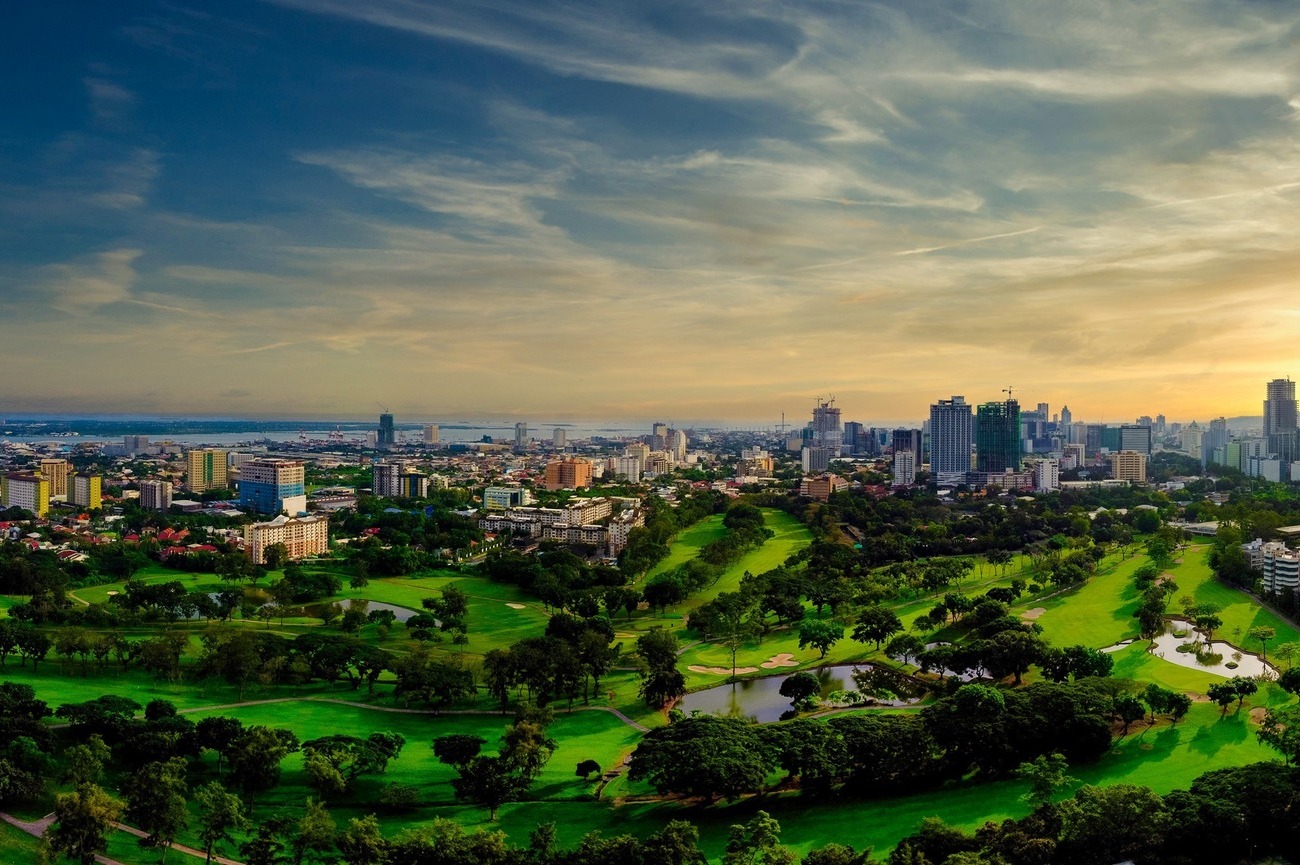
- Cebu Country Club: Founded in 1928, Cebu Country Club is the oldest golf club in the Philippines and offers a premier 18-hole parkland course right in the heart of Cebu City. The course is flat and beautifully maintained, with mature tree-lined fairways, coral rock enhanced bunkers, and strategic water hazards that provide a good challenge for all skill levels. Designed by Gary Palmer, it’s a par-72 championship layout that appeals to both casual and competitive golfers.
Luxury Spa & Wellness Experiences in Cebu
- Chi, The Spa at Shangri-La Mactan, Cebu: If you’re looking for a wellness break, Chi, The Spa at Shangri-La Mactan is an award-winning sanctuary inspired by traditional healing practices from across Asia. Their treatment menu focuses on restoring balance and promoting overall well-being. A must-try is the traditional Philippine Hilot Massage, an ancient healing method that uses “touch diagnosis” to find areas of imbalance. It often includes warm banana leaves and Ventosa (cupping) to ease muscle tension and improve circulation. You can also choose from other relaxing options like the Revitalizing Salt Stone Massage, Aroma Wellness Massage, and specialised body treatments. It’s a peaceful way to unwind during your stay.
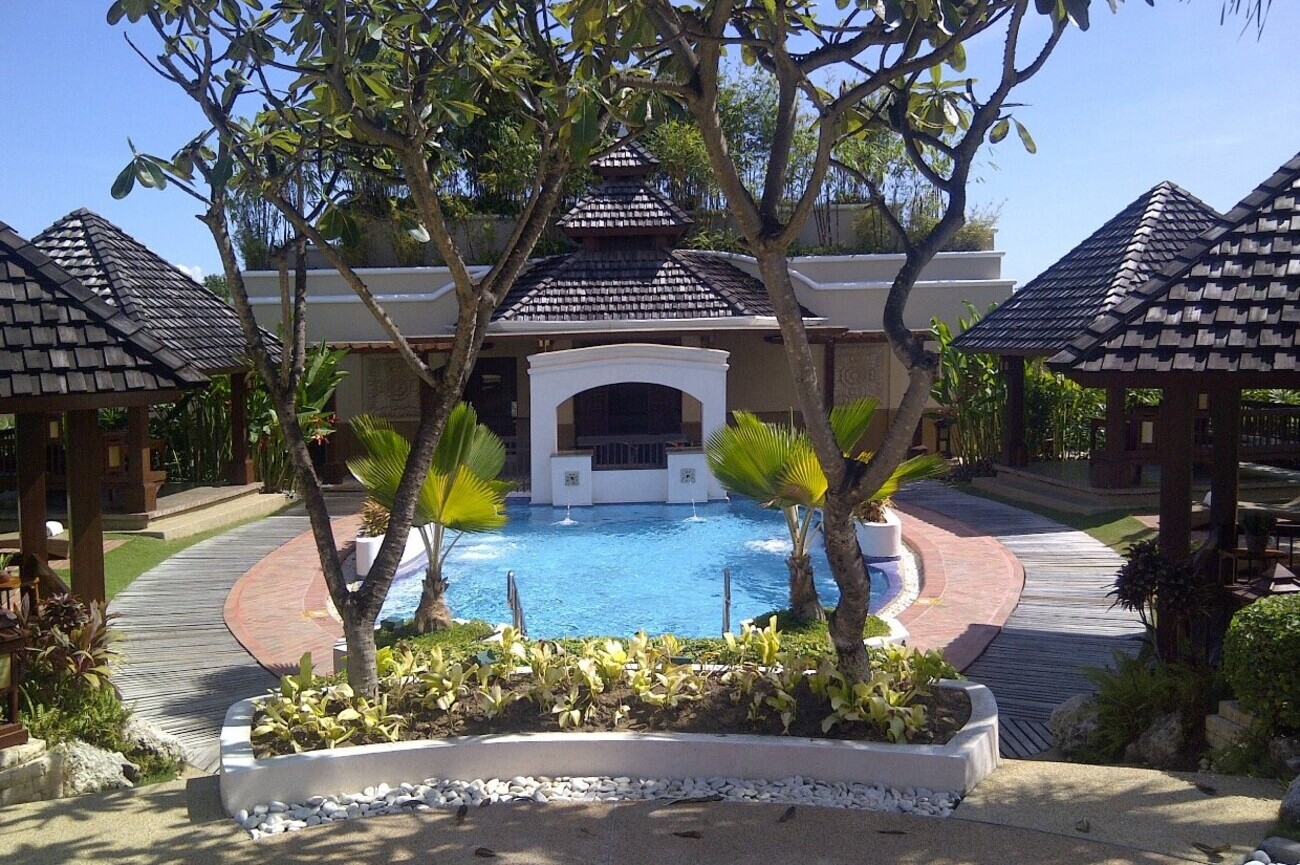
- AUM Spa at Crimson Resort & Spa Mactan: Named after the universal sound Aum (Om), this award-winning spa focuses on holistic wellness, combining traditional Asian techniques with modern therapies to bring balance to your mind, body, and spirit. It has even been recognised as the “Philippines’ Best Resort Spa” by the World Luxury Spa Awards. Try their Signature Aum Massage, a tailored treatment that blends different massage techniques based on what your body needs, offering deep relaxation and noticeable stress relief.
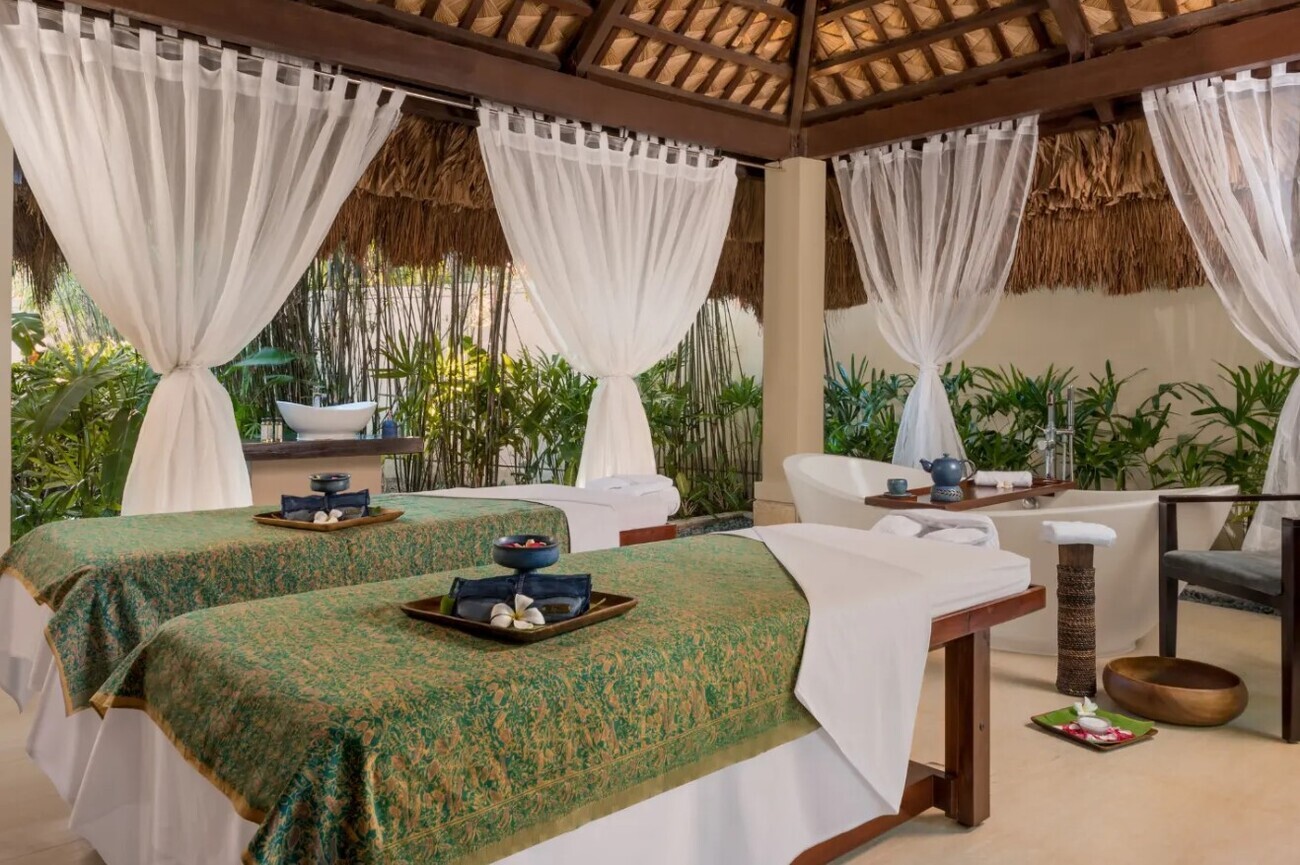
- Mogambo Springs, the Spa at Plantation Bay: An immersive spa designed to look like an 18th-century Japanese village, complete with waterfalls, a quiet creek, and soft mist drifting through the gardens. It feels like a “resort within a resort” thanks to its wide Japanese-inspired grounds and extensive hydrotherapy facilities. Before or after your treatment, you can try their Hydrotherapy Circuit, which includes hot pools, a thalassic (saltwater) pool, cascading massage waterfalls, and more—perfect for relaxing your muscles and preparing your body for your session. The spa also offers a range of full-body massages in rustic, Japanese-style rooms with stone walls and warm wooden interiors.
Exclusive Workshops & Immersive Experiences in Cebu
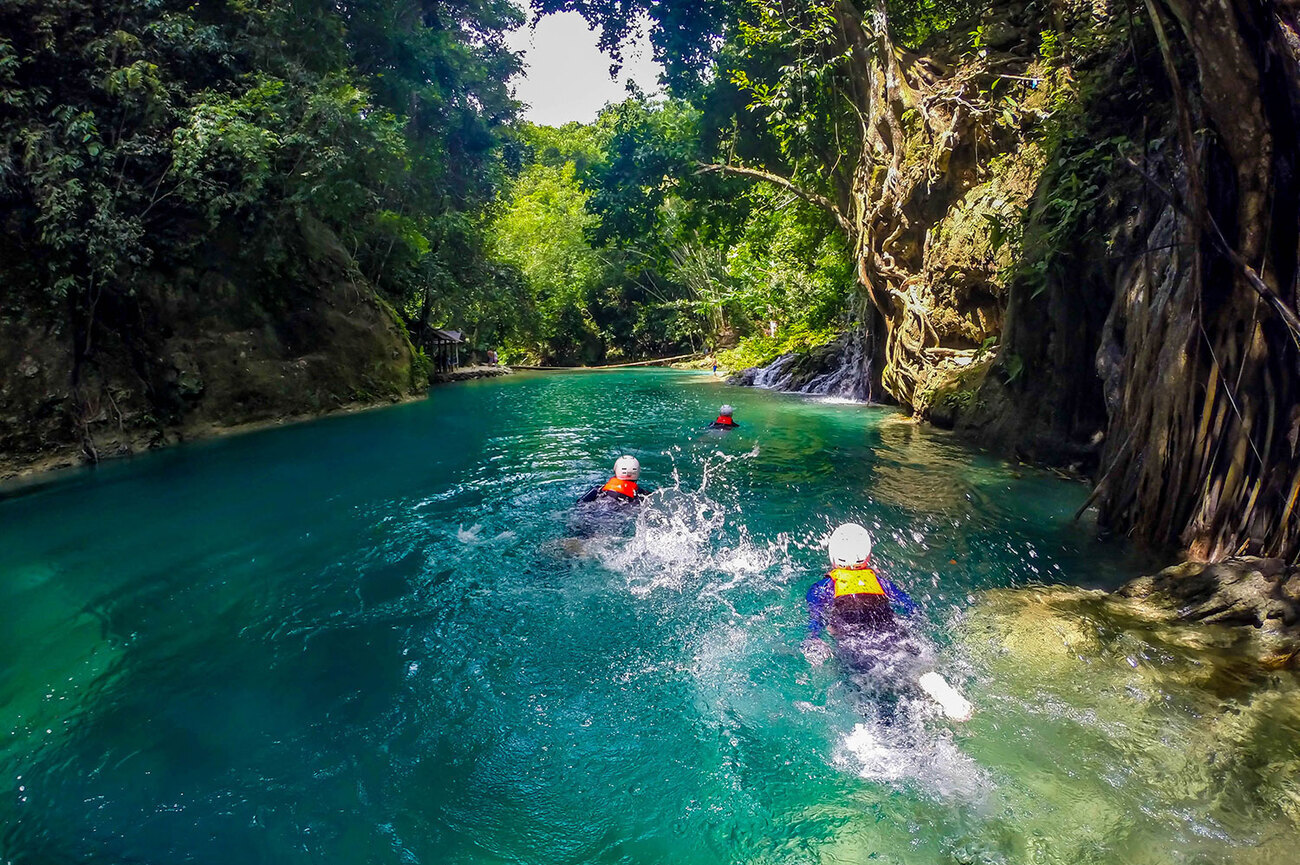
- Badian Canyoneering: One of Cebu’s most thrilling outdoor adventures. With the help of accredited local guides, you’ll hike, wade, and make your way through rugged canyons and jungle trails. Along the route, you can cool off in clear turquoise pools, slide down smooth rock formations, and (if you’re up for it) try optional cliff jumps from different heights into deep, refreshing water.
- Salamanca Campsite: A peaceful nature retreat in the hills of Ginatilan, offering beautiful mountain and ocean views and cool, quiet surroundings. The campsite has basic but well-kept amenities like clean restrooms, a common sink, a campfire area, and a charging station. It’s suitable for different camping styles too, whether you’re using a tent, car camping, or arriving by motorbike. If you love simple, back-to-nature experiences, this spot gives you a calm and rewarding mountain escape.
Other Things to Do in Cebu
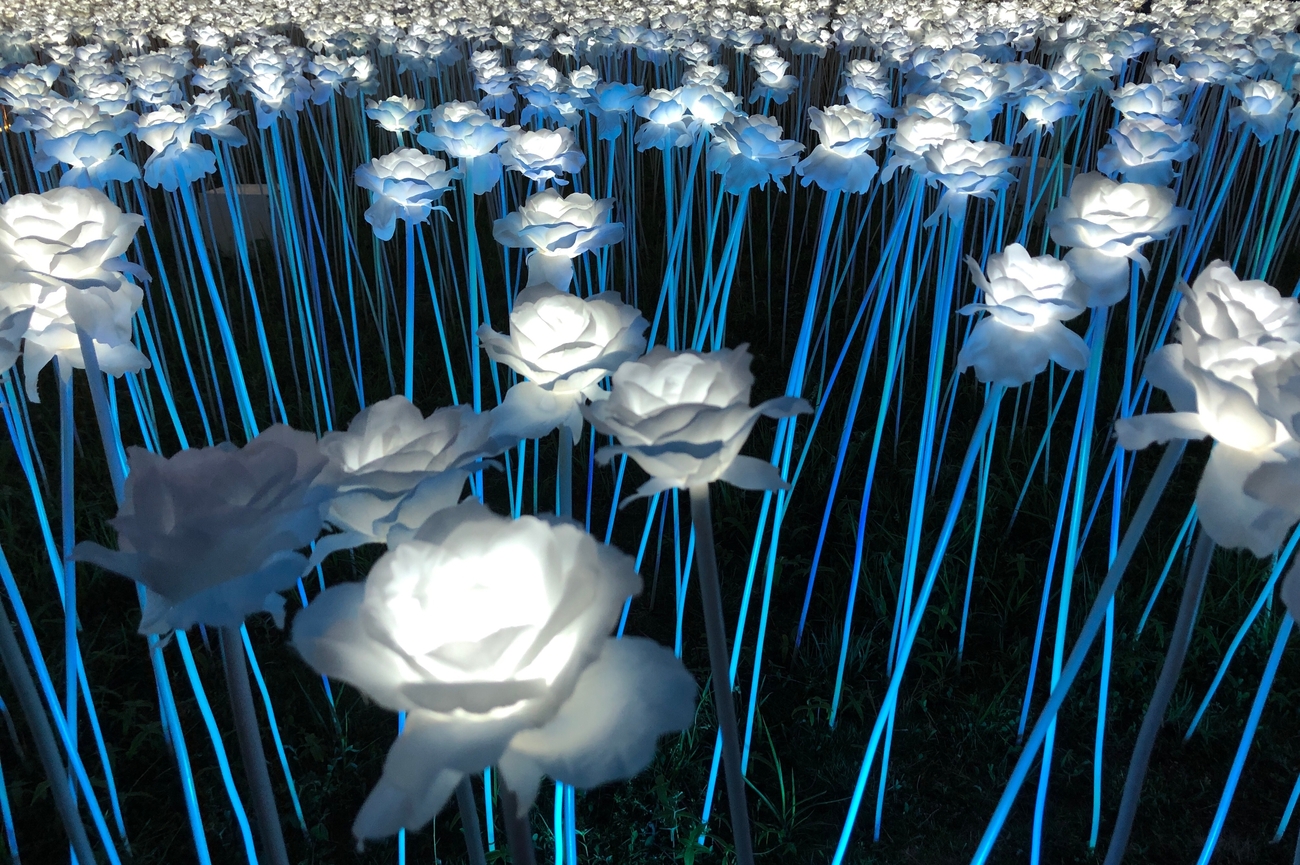
- 10,000 Roses Cafe: Known for its field of artificial white roses that light up at night, creating a dreamy, photo-worthy scene by the sea. The view becomes especially beautiful at sunset, when the natural light fades and the LED roses start to glow. Time your visit around 5:30 PM so you can catch the full transition (from daytime to sunset to the illuminated display) while enjoying the bay views and the café’s relaxed atmosphere.
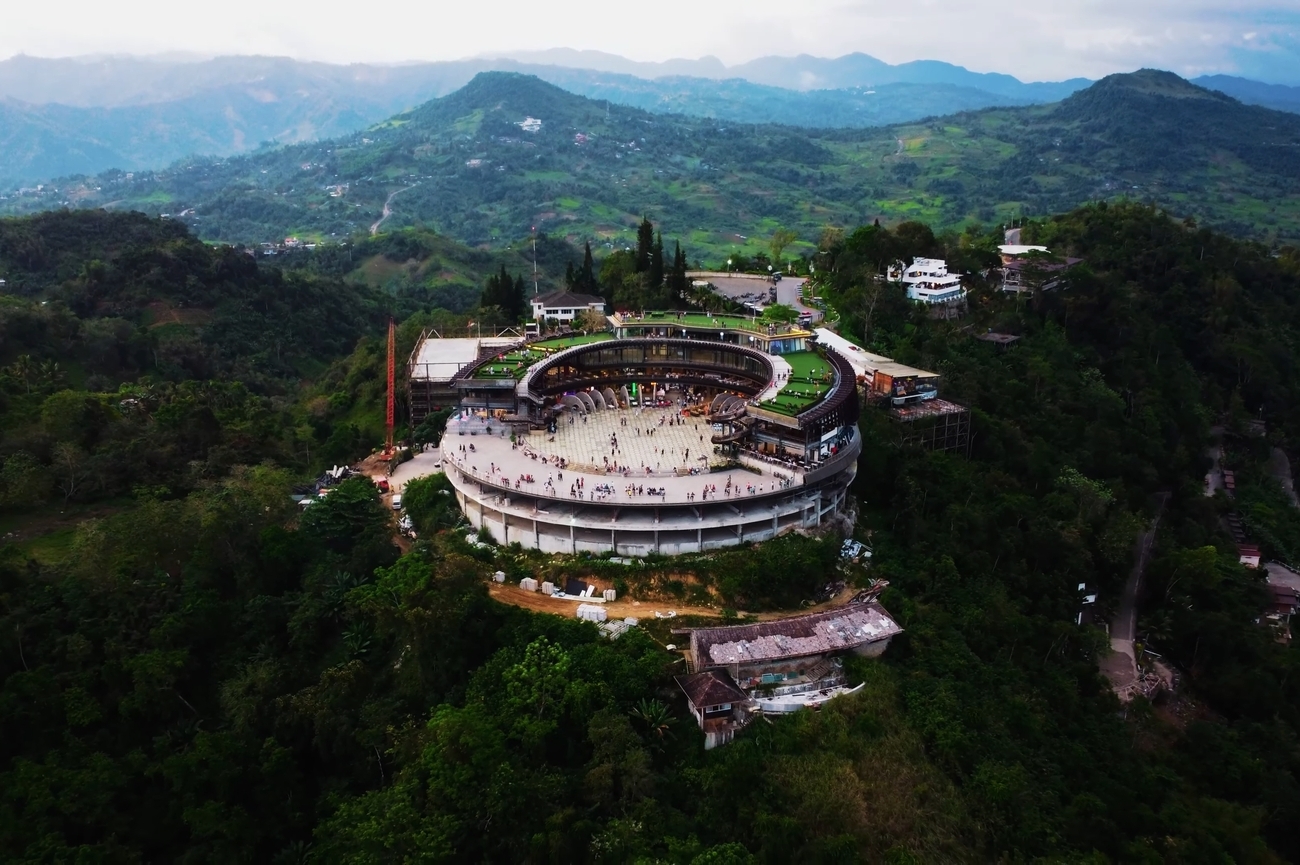
- TOPS Cebu: One of the best places to take in sweeping views of Cebu City and Mactan Island. Visit during the day for clear views or come at night to see the city lights sparkle below. On a clear day, you can even spot Bohol and Leyte in the distance. The area has recently been upgraded into a five-storey complex called The Circle, featuring more than 20 restaurants, cafés, and bars. Many offer alfresco dining, so you can enjoy great food with an even better view.
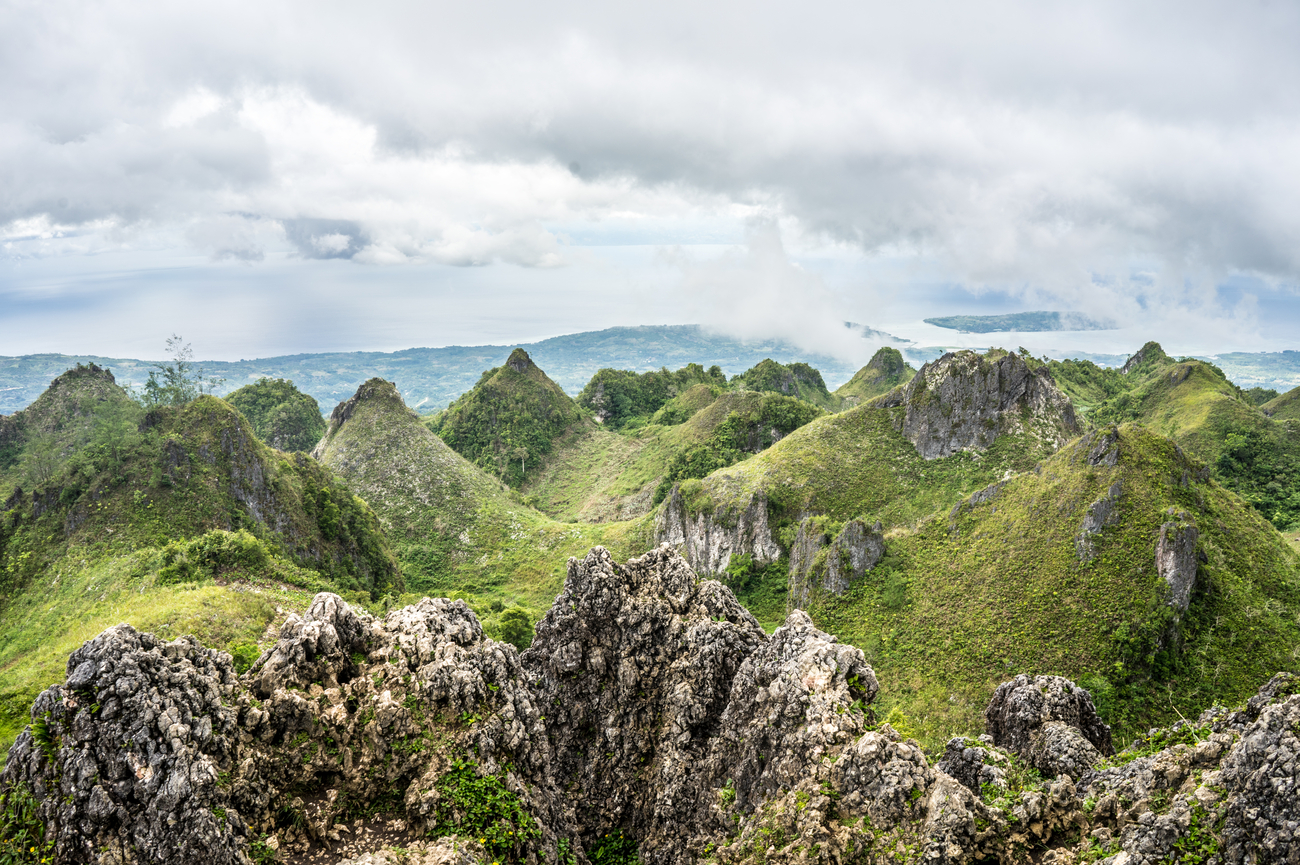
- Osmeña Peak: The highest point in Cebu and one of its most iconic natural attractions. Located in Dalaguete (often called Cebu’s “vegetable basket”) the area is known for its rugged limestone hills that look like a sharper version of Bohol’s Chocolate Hills. From the summit, you’ll enjoy wide, 360-degree mountain views. Despite its height, the hike is easy and beginner-friendly. The trail from the jump-off point usually takes only 15–30 minutes and is well-marked, though it can be rocky or slippery after rain. Along the way, you’ll pass vegetable farms and enjoy cool, misty mountain air, making your short trek both scenic and refreshing.
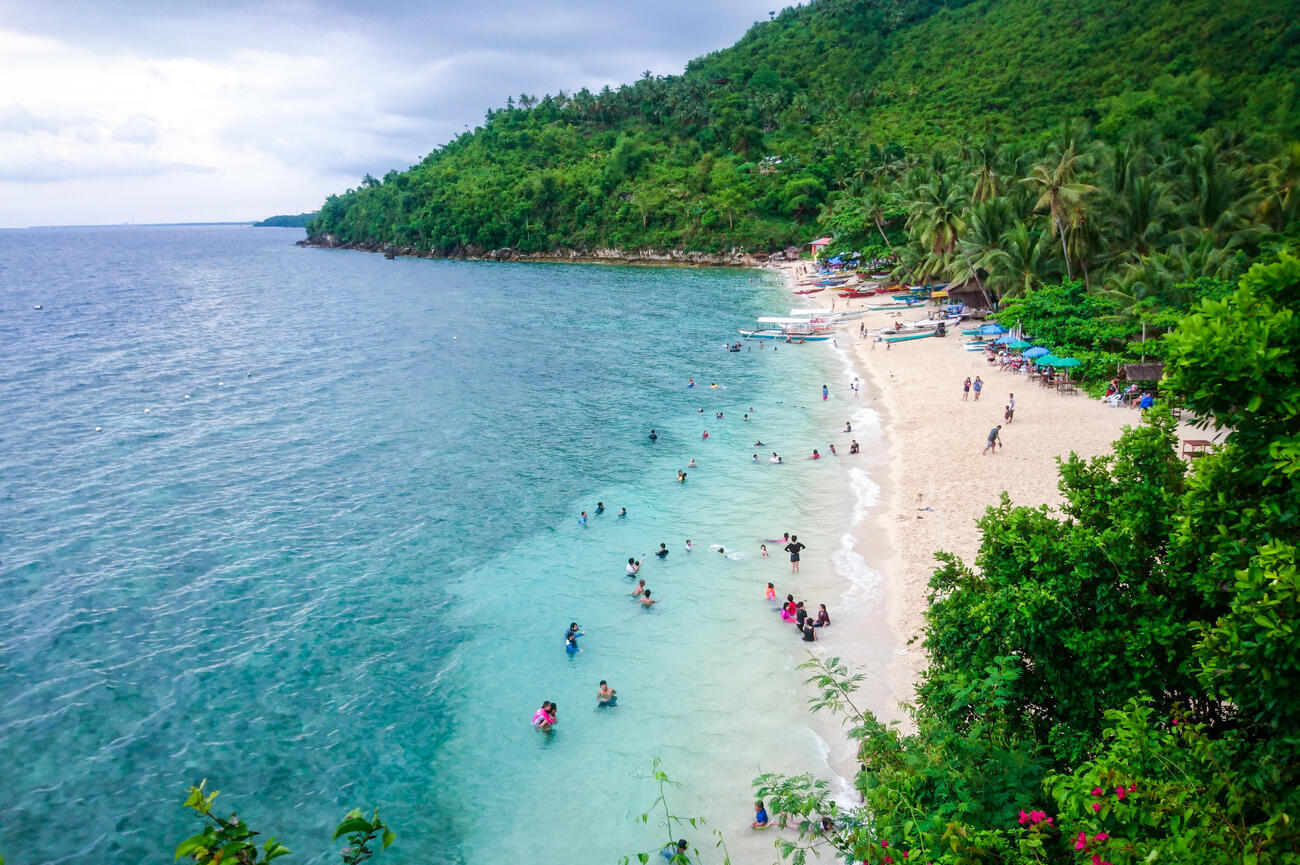
- Hermit's Cove: A quiet, secluded white-sand beach in Aloguinsan on Cebu’s western coast, known for its clear turquoise water and lush green surroundings. Its name comes from a local story about a hermit who once lived here in solitude. The calm water and soft sand make it perfect for a relaxed swim or a slow afternoon of sunbathing. It’s usually uncrowded, giving you a peaceful beach escape away from the city.
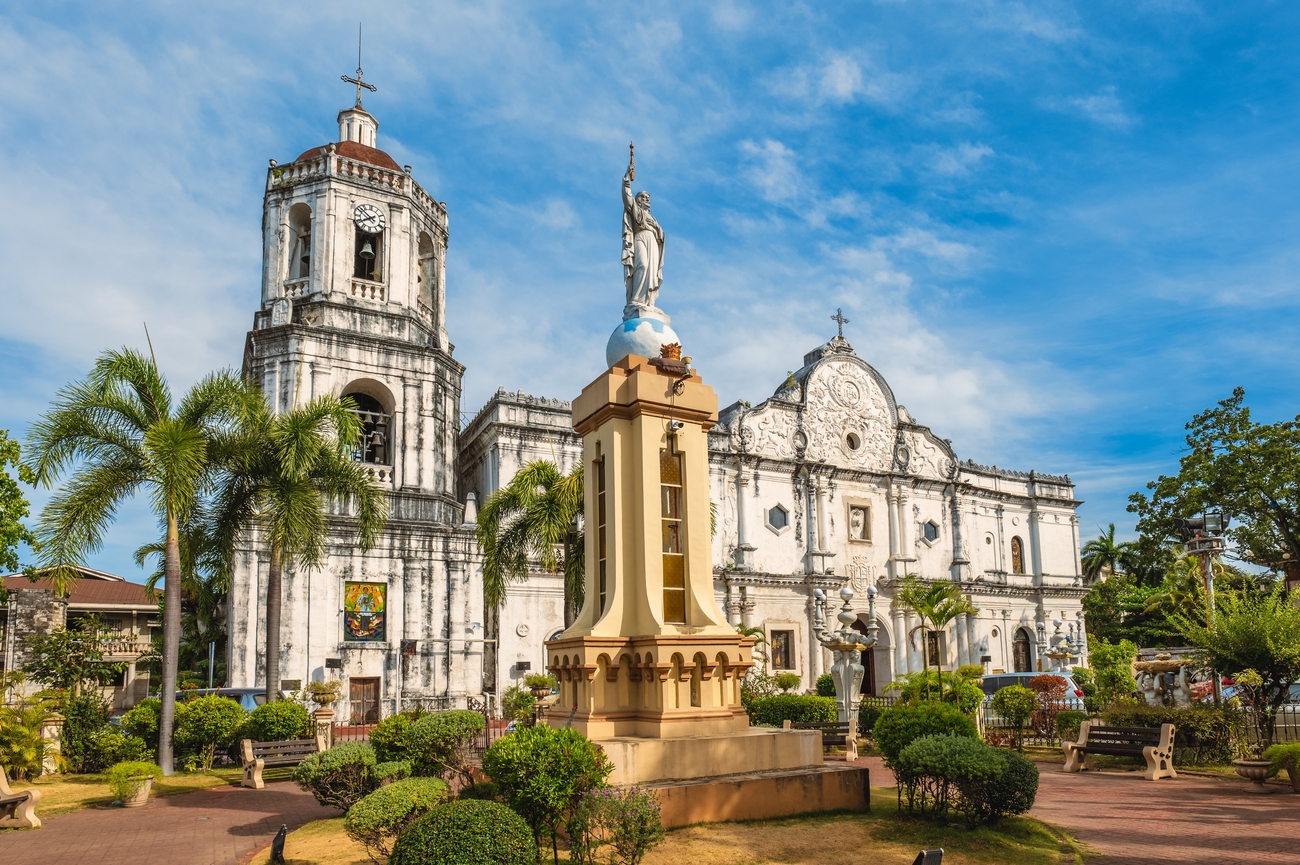
- Cebu Metropolitan Cathedral: Also known as the Metropolitan Cathedral of Saint Vitalis and Perpetua, is a historic Spanish-colonial church located in the heart of the city. As the seat of the Archdiocese of Cebu, it is one of the oldest churches in the Philippines, with origins dating back to 1595. Inside, you’ll find a spacious and peaceful interior with a high curved ceiling and a grand golden altar carved from mahogany. The cathedral also features saint sculptures, a meditation room with colourful stained-glass windows, an impressive pipe organ, and a mausoleum at the back where past bishops and clergy are laid to rest.
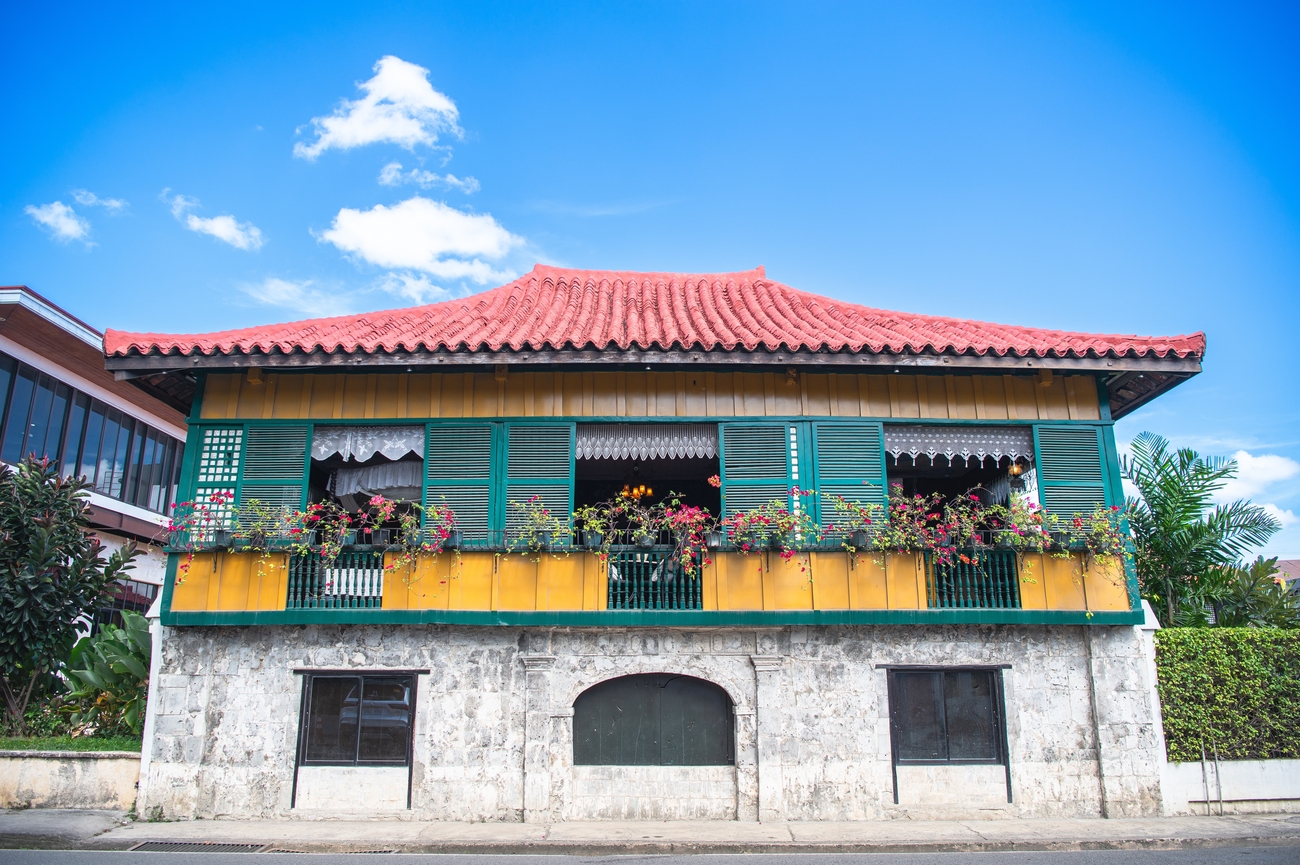
- Casa Gorordo Museum: A beautifully preserved 19th-century “bahay na bato” in Cebu’s Parian district and is recognised as a National Historical Landmark. It was once home to four generations of the Gorordo family including Cebu’s first Filipino bishop. The house has been carefully restored, combining authentic antiques with modern, interactive exhibits. The ground floor is built from coral stone to keep the space cool, while the upper level uses Philippine hardwood like molave and narra, held together with wooden pegs instead of nails. Wide capiz-shell windows let in light and air, and the rooms are filled with period furniture, religious items, clothing, and everyday objects from the 1860s to the 1920s.
Things to Do with Kids in Cebu
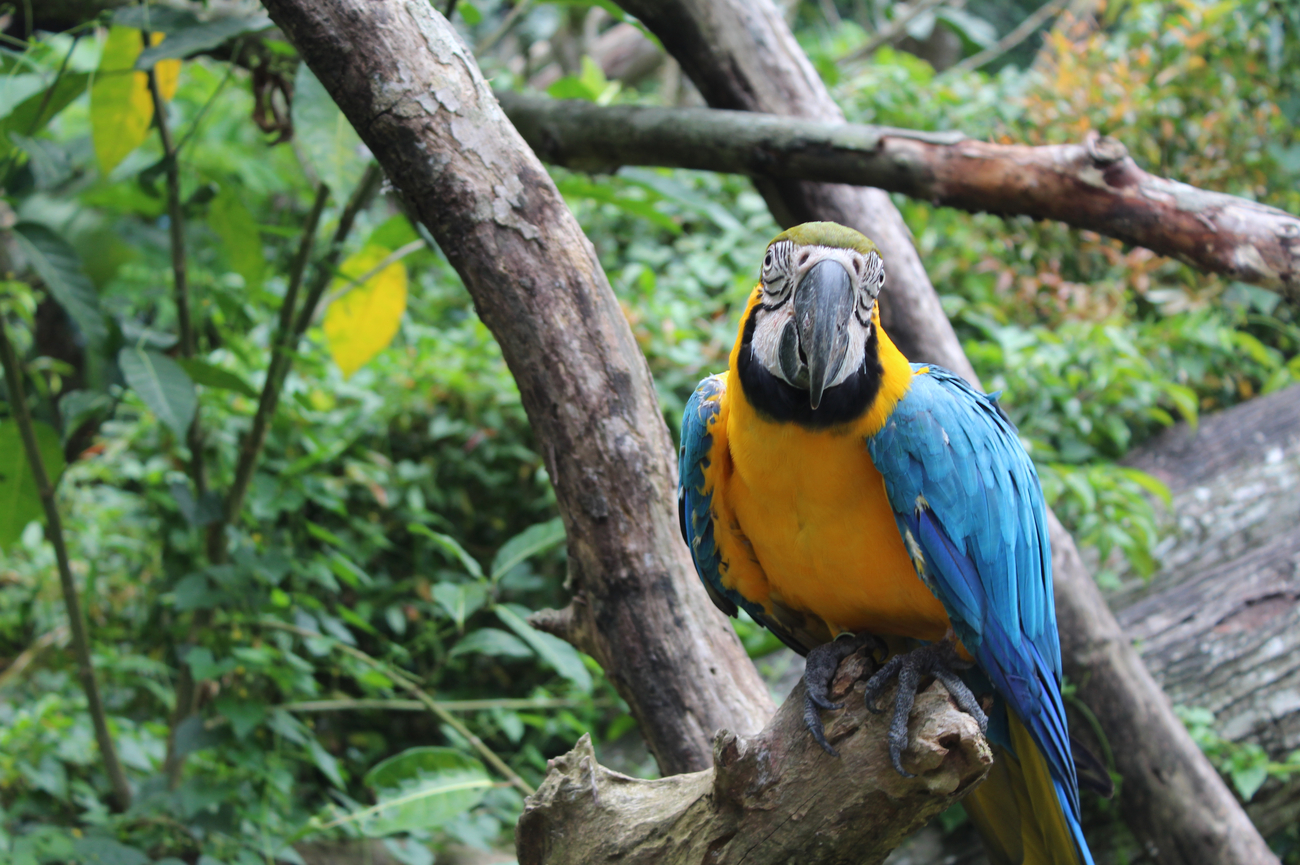
- Cebu Safari and Adventure Park: The largest open-air park in the Philippines and a great choice for a family day out. This world-class facility focuses on conservation and education, while also offering plenty of fun activities. You can join guided safari tours on specialised trucks, explore beautifully designed themed gardens, or try the zipline, safari rides, and obstacle courses if you’re feeling adventurous. There are also animal shows that kids will love.
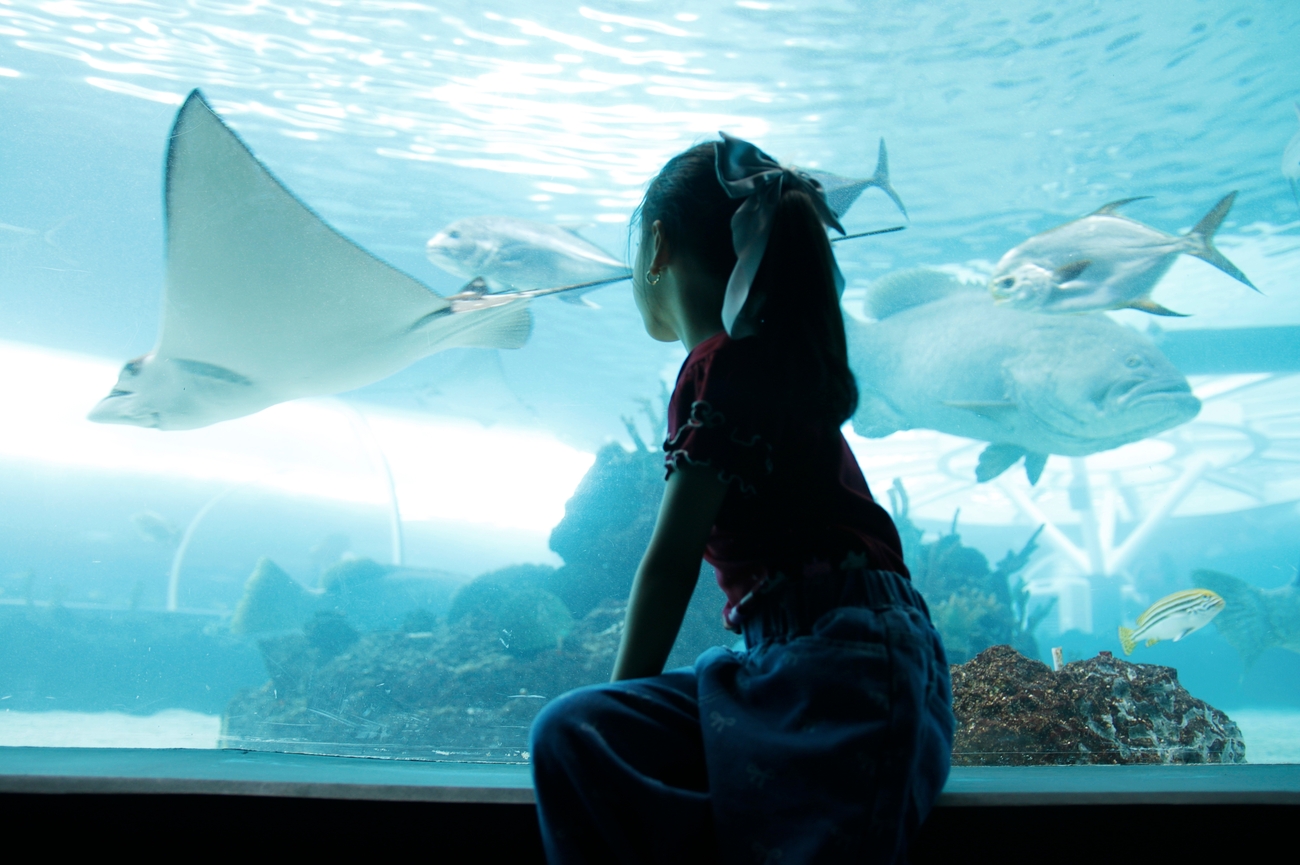
- Cebu Ocean Park: The largest oceanarium in the Visayas and Mindanao. One of its highlights is the 360-degree glass tunnel, where kids can walk “underwater” as sharks, stingrays, and colourful fish swim around and above them. There’s also an Interactive Zone with touch pools, where children can safely touch sea creatures like starfish and sea cucumbers under supervision. Kids can join feeding sessions too. It’s a fun and immersive way to learn about marine life.
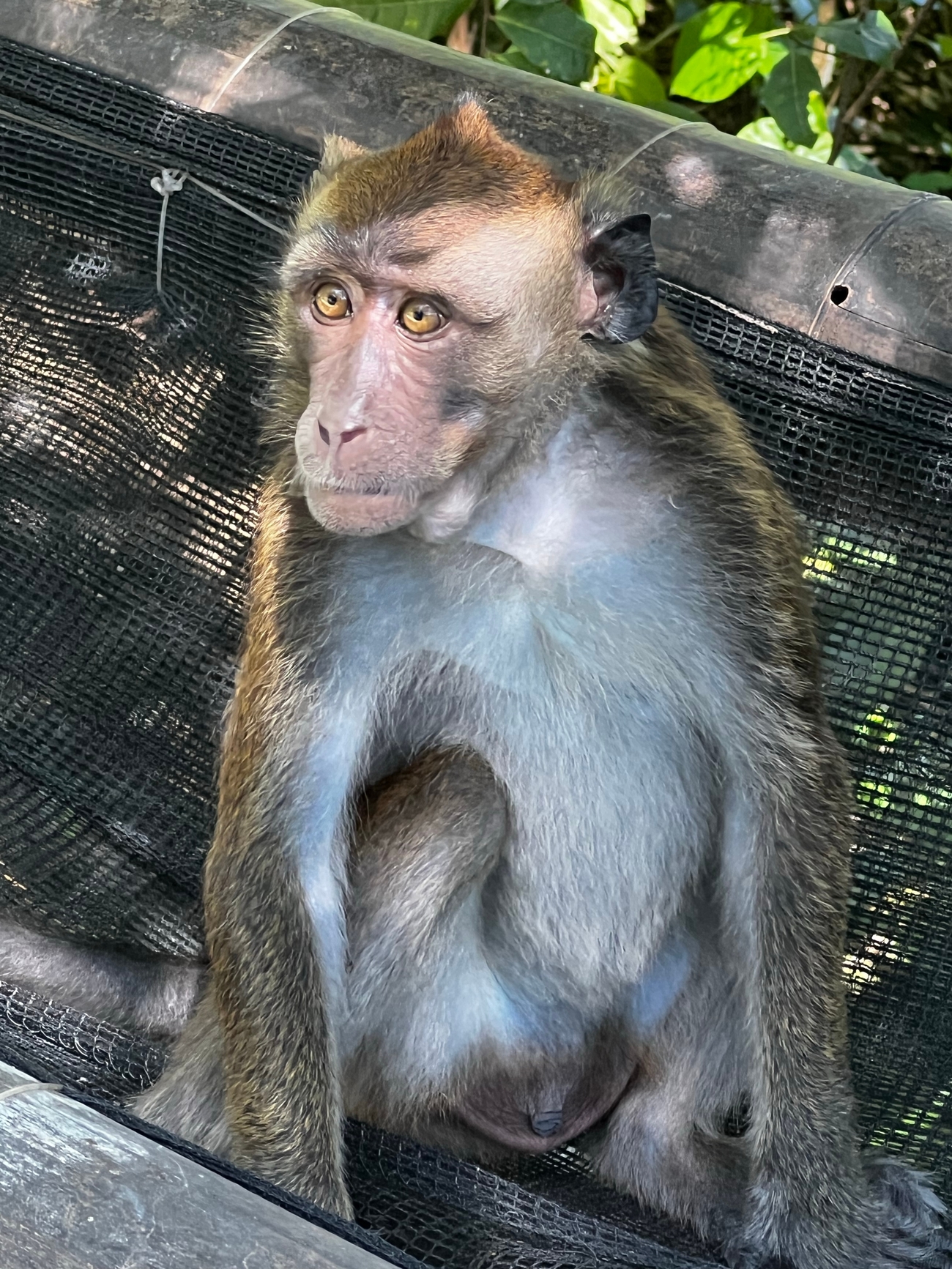
- Monkey Watching in Oslob: In Oslob, you can observe wild Philippine long-tailed macaques in their natural forest habitat. Unlike a traditional zoo where animals are kept in cages, the monkeys here roam freely in the surrounding forest and often come down to a designated viewing area where they’re used to seeing people. Kids can watch them climb, swing, groom each other, and interact naturally.
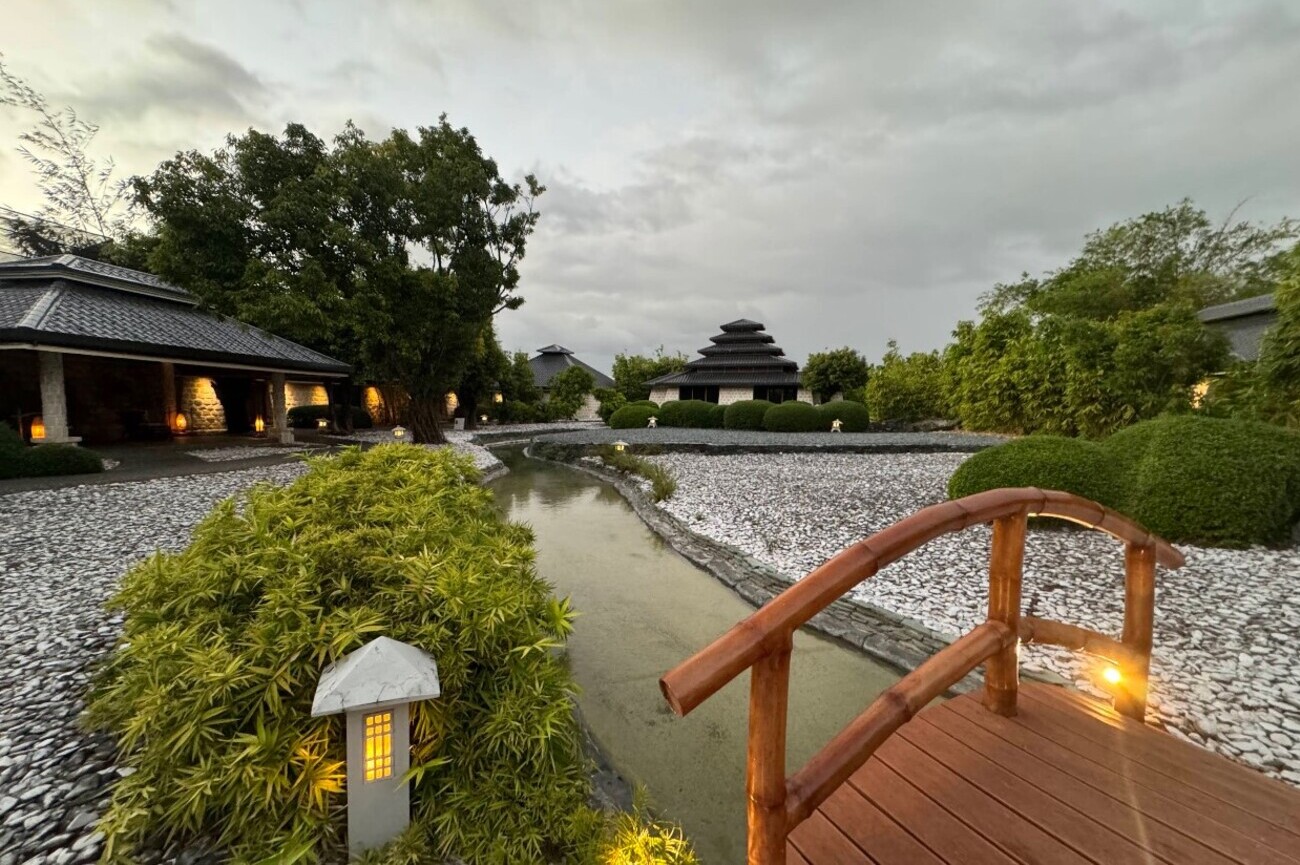
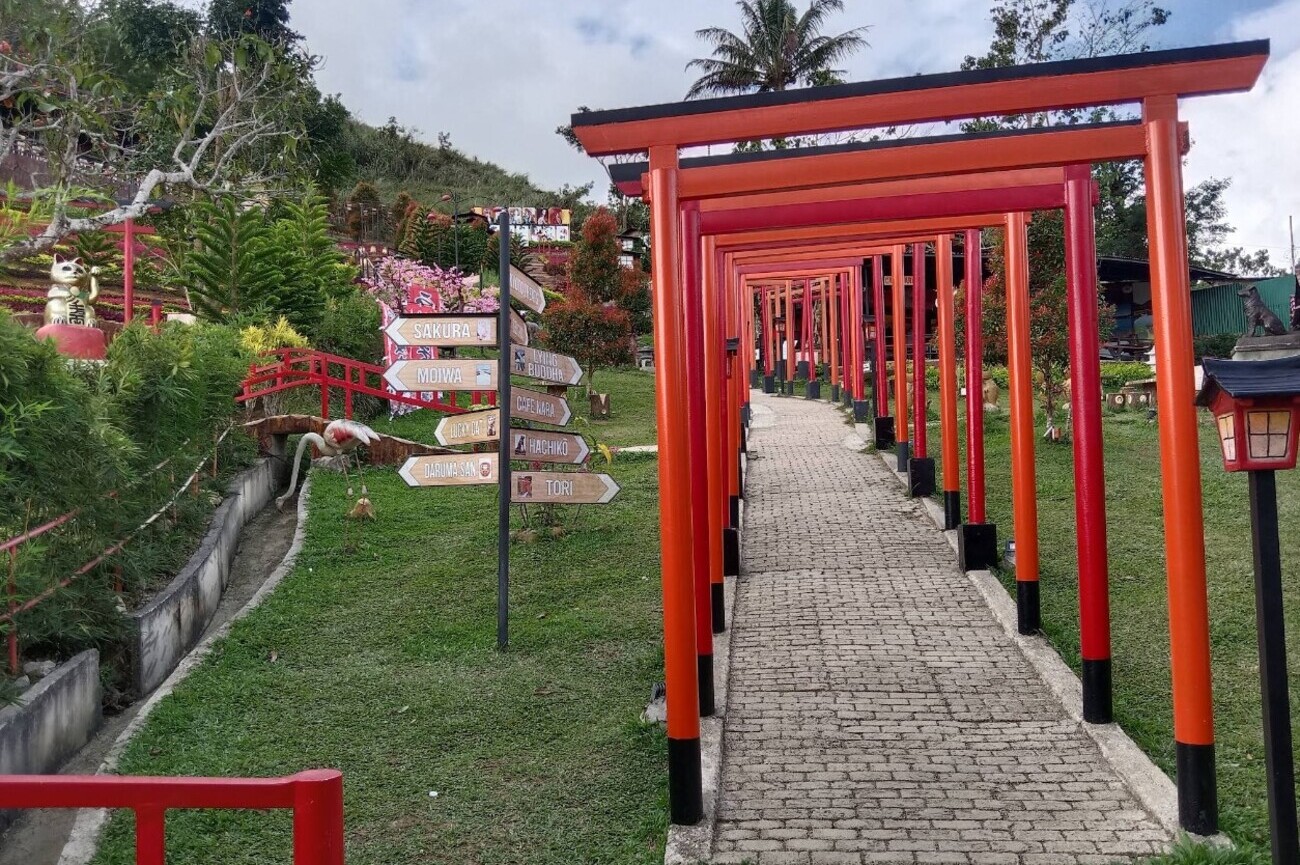
- Sachiko's Little Kyoto: A Japanese-themed park and restaurant designed to replicate the scenic feel of Kyoto. It’s a family-friendly spot known for its charming architecture and plenty of photo opportunities. You can take fun, creative photos using the many Japanese-inspired backdrops and props, and even rent kimonos to wear as you explore. Kids can wander through bamboo walkways, koi ponds, stone lanterns, and small Japanese-style structures.
Where to Eat in Cebu
- House of Lechon: If you want the classic Cebuano food experience, this is the place to be. House of Lechon is a well-loved Cebu restaurant known for serving authentic Carcar-style lechon. Carcar is a town in southern Cebu famous for its specific method of preparing lechon resulting in a crispy skin, juicy meat, and flavours so rich you often don’t need any sauce. You can also go for the Lechon Belly if you prefer tender, flavourful belly cuts.
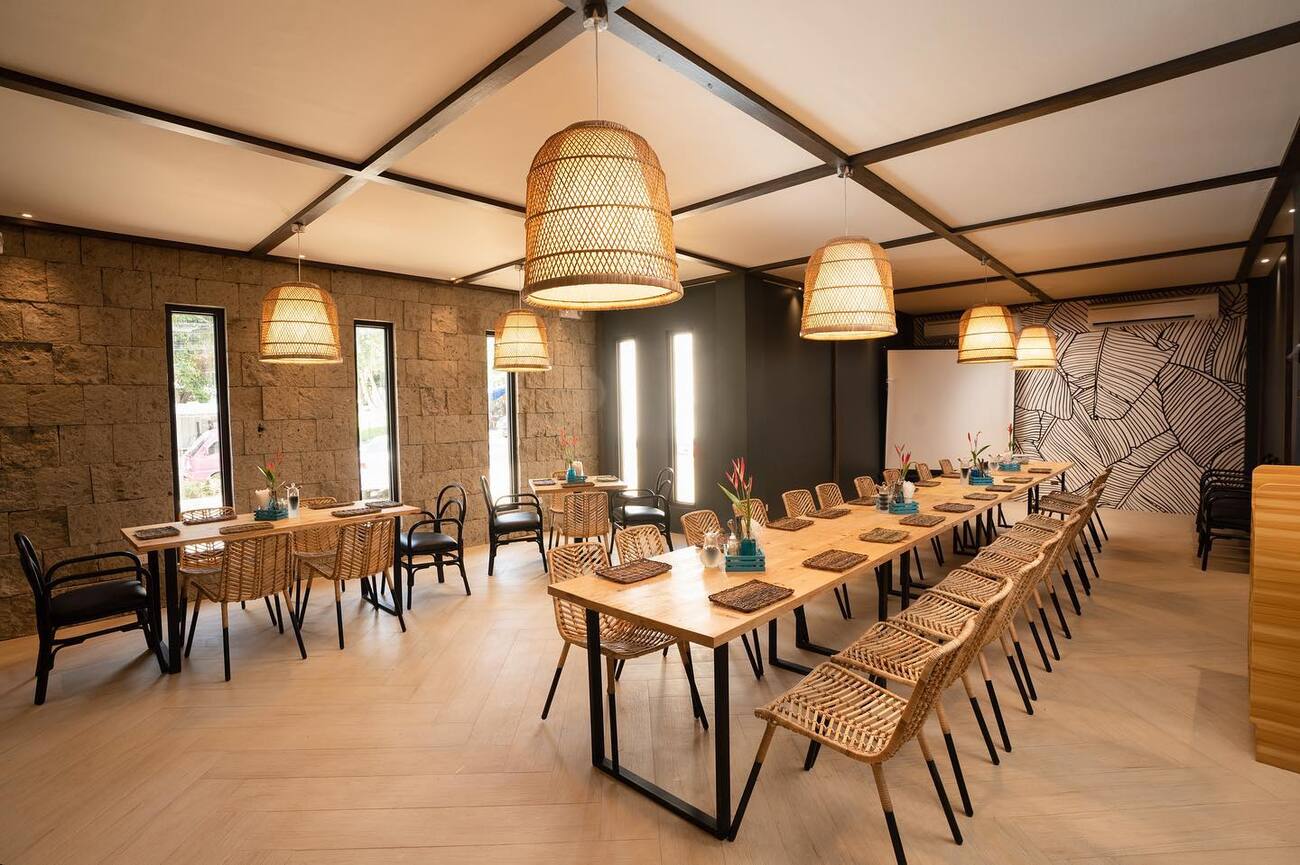
- Bell+Amadeus: An upscale, highly rated restaurant known for its modern take on global cuisine. The restaurant offers a refined dining experience with beautifully presented dishes, attentive service, and a stylish atmosphere. Try the Tuna Tartare with Squid Ink, praised for its creative presentation and balanced flavours. The Wagyu Cubes are another favourite. With its excellent reviews and polished service, Bell+Amadeus is an ideal choice for a romantic, intimate dinner.
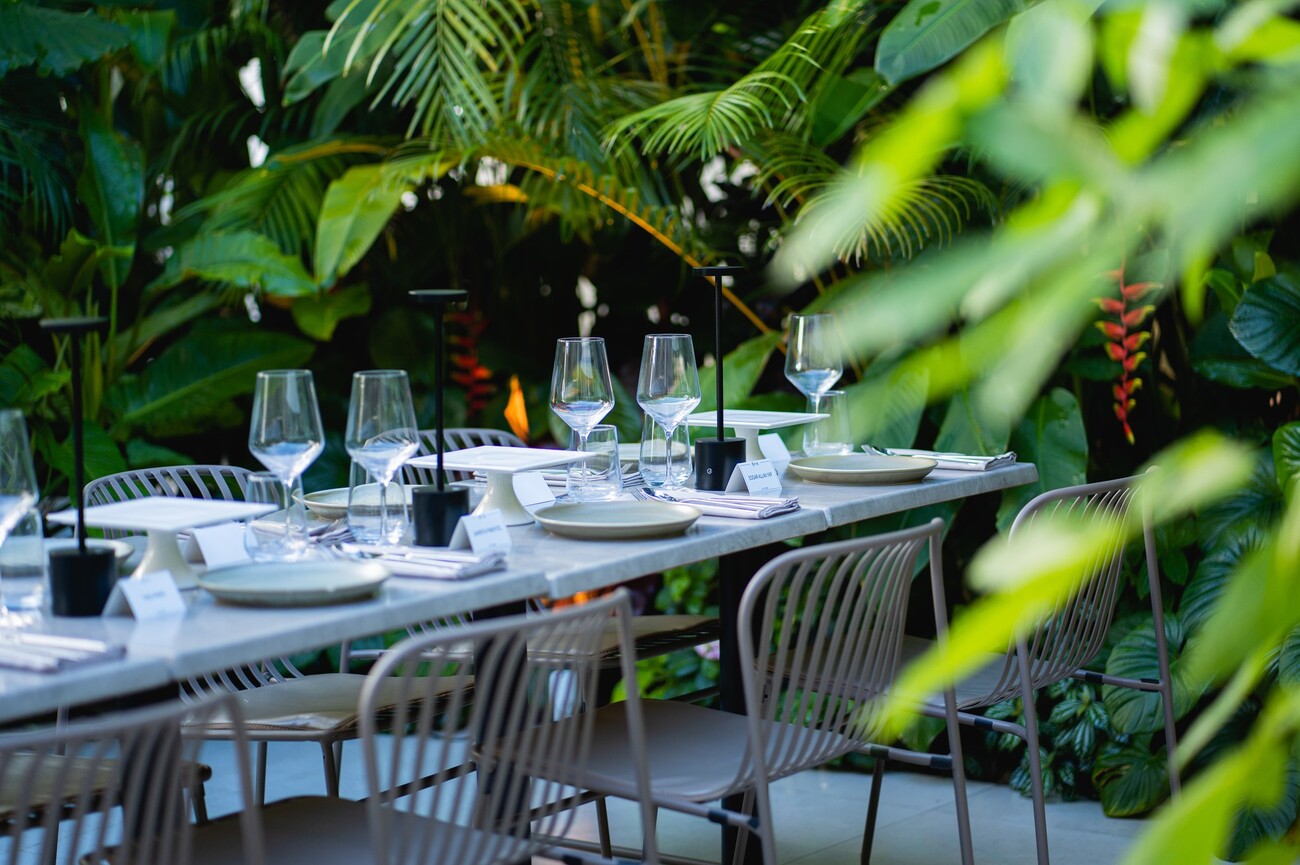
- The Pig and Palm: One of Cebu's top dining spots, offering a modern European sharing menu with a subtle Filipino twist. It’s co-owned by Michelin-starred chef Jason Atherton and his Filipino wife, Irha, and is especially known for its pork dishes. Try the Confit Pork Belly, a frequent-diners favourite for its crispy skin and tender, melt-in-your-mouth meat. The Beef and Foie Gras Mini Burgers are also another popular choice. You can also explore other pork-centric dishes on the menu, all prepared with a Michelin standard of flavor and presentation.
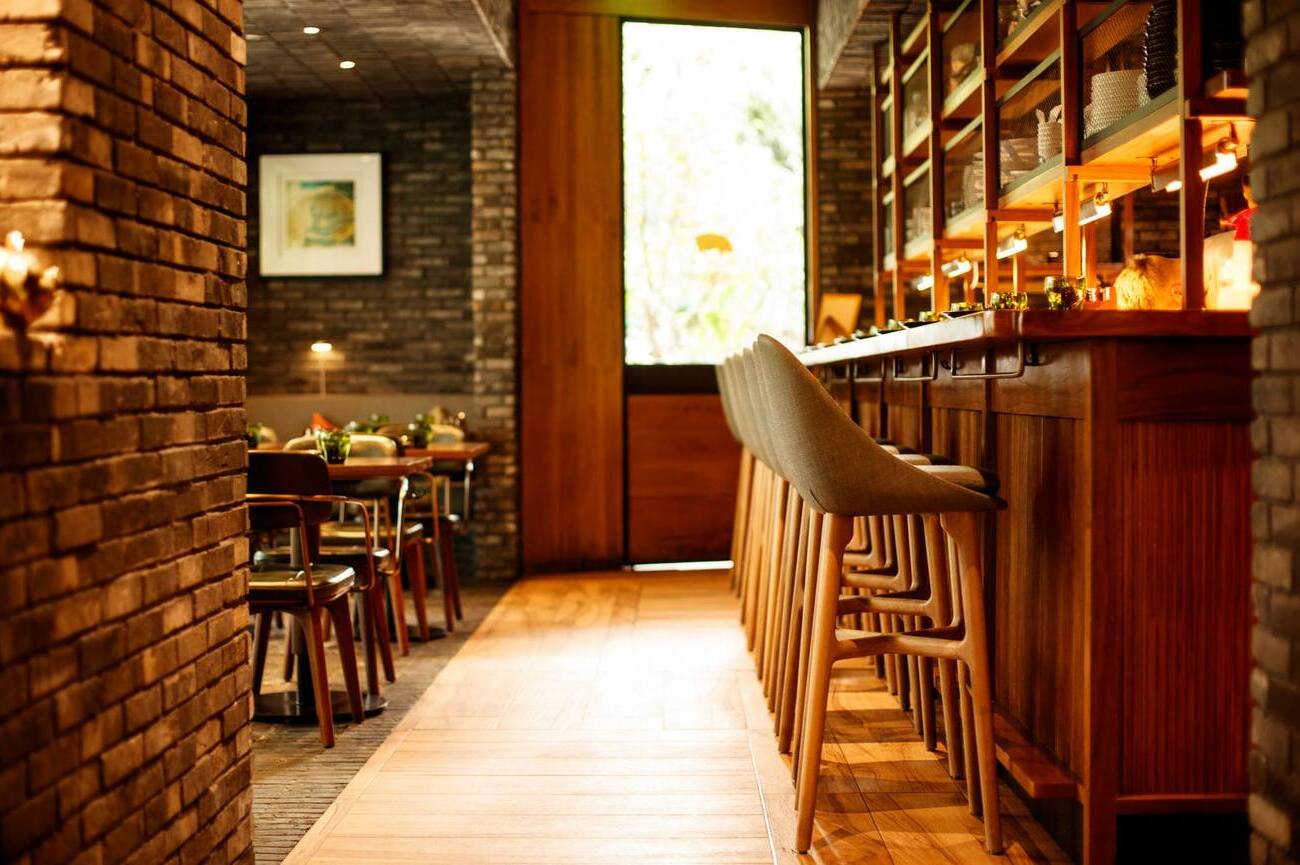
- CUR8 Cebu: A modern Asian restaurant known for its creative take on classic dishes. It has earned a Bib Gourmand in the first Michelin Guide Philippines. The name reflects its “curated” approach to their cuisine, with each dish thoughtfully crafted with a fresh twist on familiar Asian flavours. Expect surprising flavour combinations and playful presentations of favourites like laksa, curries, and stir-fries.
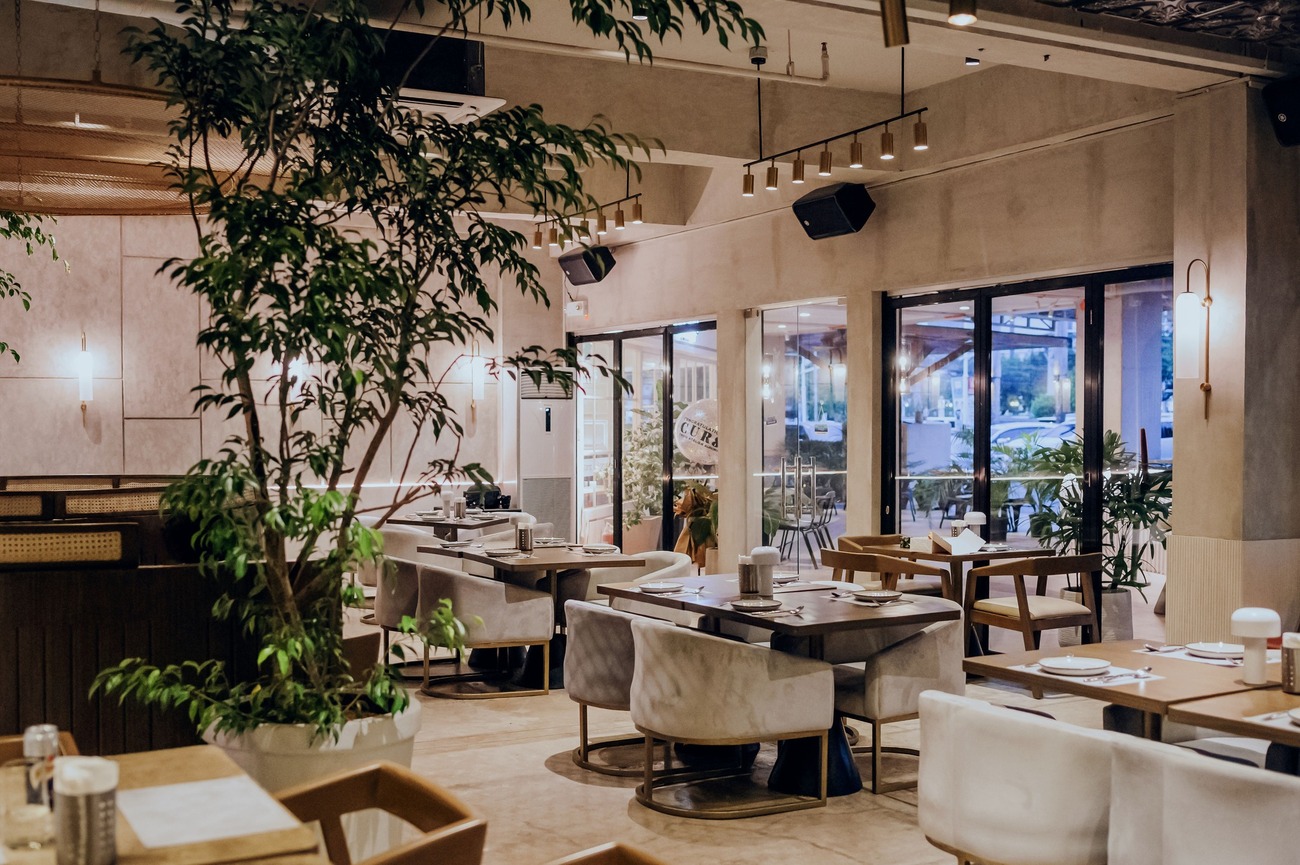
- LASA BUSAY Modern Filipino Food: Another Michelin Bib Gourmand awardee, known for its modern take on traditional Filipino dishes. Located in the scenic highlands of Busay, the restaurant offers a relaxed, open-air dining experience with beautiful views. The menu focuses on elevating familiar Filipino flavours through creative techniques. Try their Signature Crispy Palabok, a playful twist on the classic noodle dish with a unique crispy texture. The Glazed Pork Barbecue is another favourite, taking the beloved Filipino BBQ to a richer, more polished level. Expect inventive versions of local staples like sinigang and adobo when you dine here.
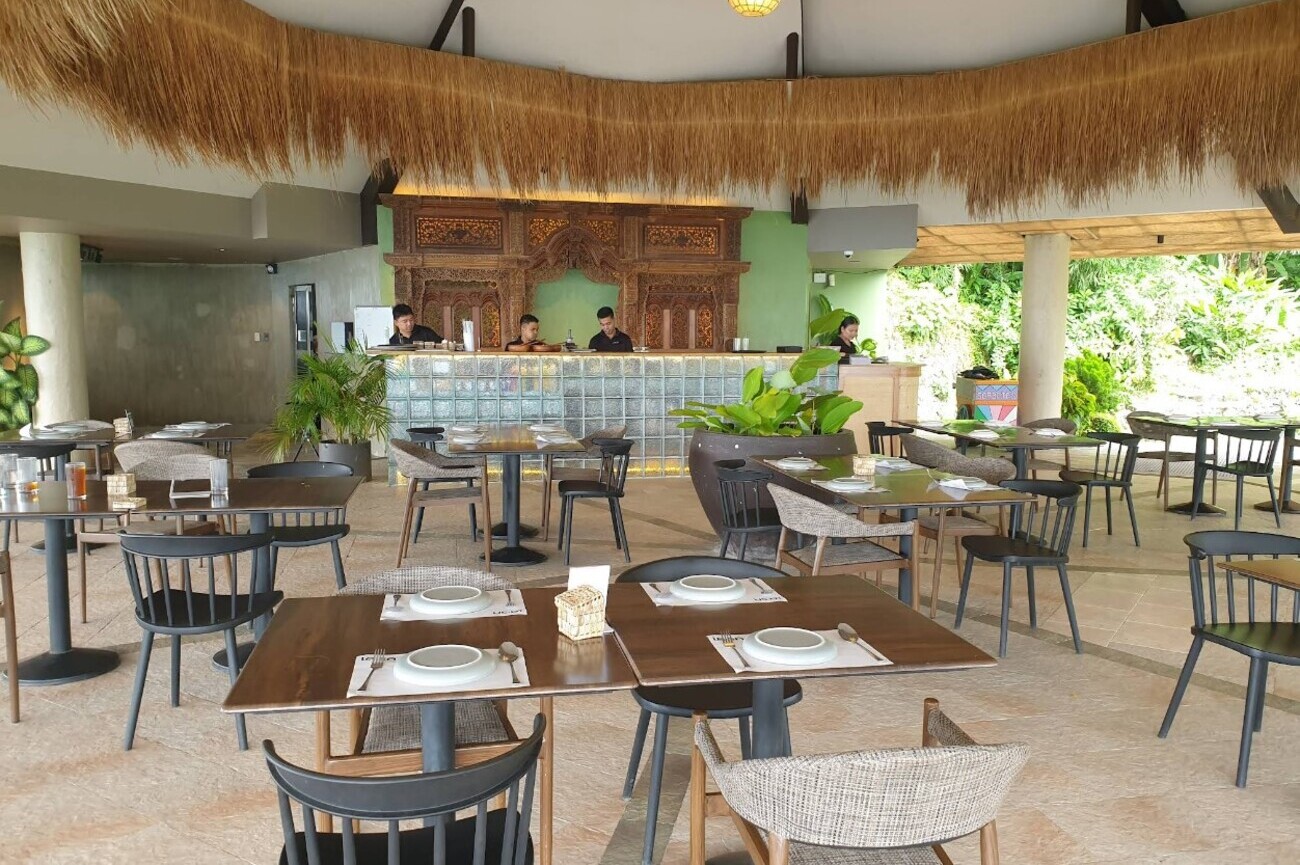
- Enye by Chele Gonzalez: Located inside the upscale Crimson Resort & Spa Mactan, Enye by Chele Gonzalez is a Michelin Selected restaurant known for its exceptional modern Spanish cuisine. The menu blends traditional Spanish flavours with contemporary techniques. Expect premium ingredients and beautifully executed dishes inspired by Spain’s regional classics like paella, cochinillo (roast suckling pig), tapas, pintxos, and creative modern interpretations.
Where to Stay in Cebu
- Shangri-La Mactan, Cebu: One of Cebu’s most iconic luxury resorts, known for its tropical atmosphere and warm Filipino hospitality. The resort features a beautiful 350-meter private white-sand beach and a 6-hectare marine sanctuary right beside it where you can snorkel or dive straight from the shore and see vibrant coral reefs and plenty of marine life. The rooms and suites come with private balconies and views of the ocean or gardens. And the interiors blend contemporary comfort with subtle Filipino design touches, and you’ll have all the high-end amenities you’d expect for a relaxing, memorable stay.
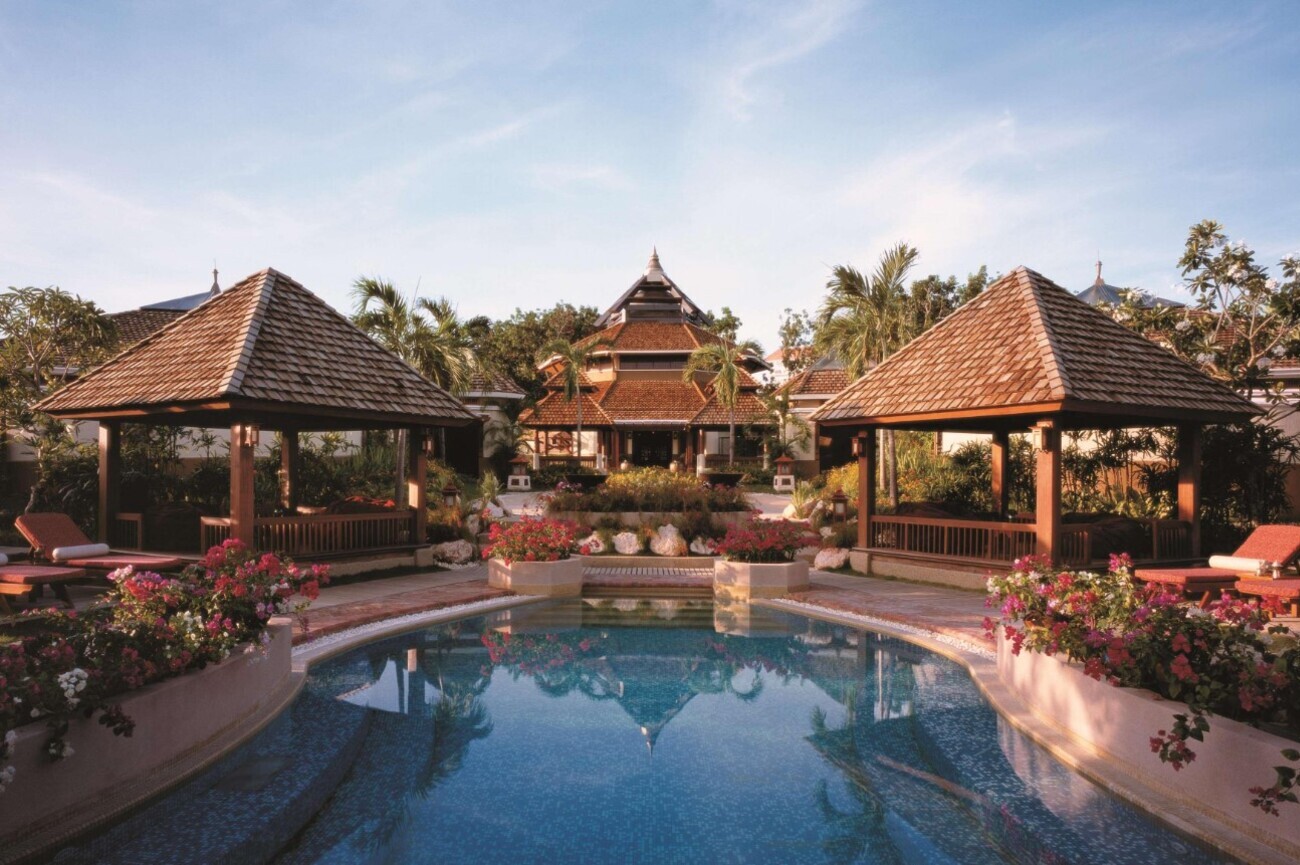
- Crimson Resort and Spa Mactan: Known for its modern Asian design and peaceful, upscale atmosphere. It’s especially popular with couples and honeymooners looking for privacy, elegance, and attentive service. The resort features luxurious villas and suites, with the private pool villas being a standout. You’ll also have access to a stunning three-tiered infinity pool that appears to blend into the sea, giving you beautiful views of the Mactan Channel, especially at sunset.
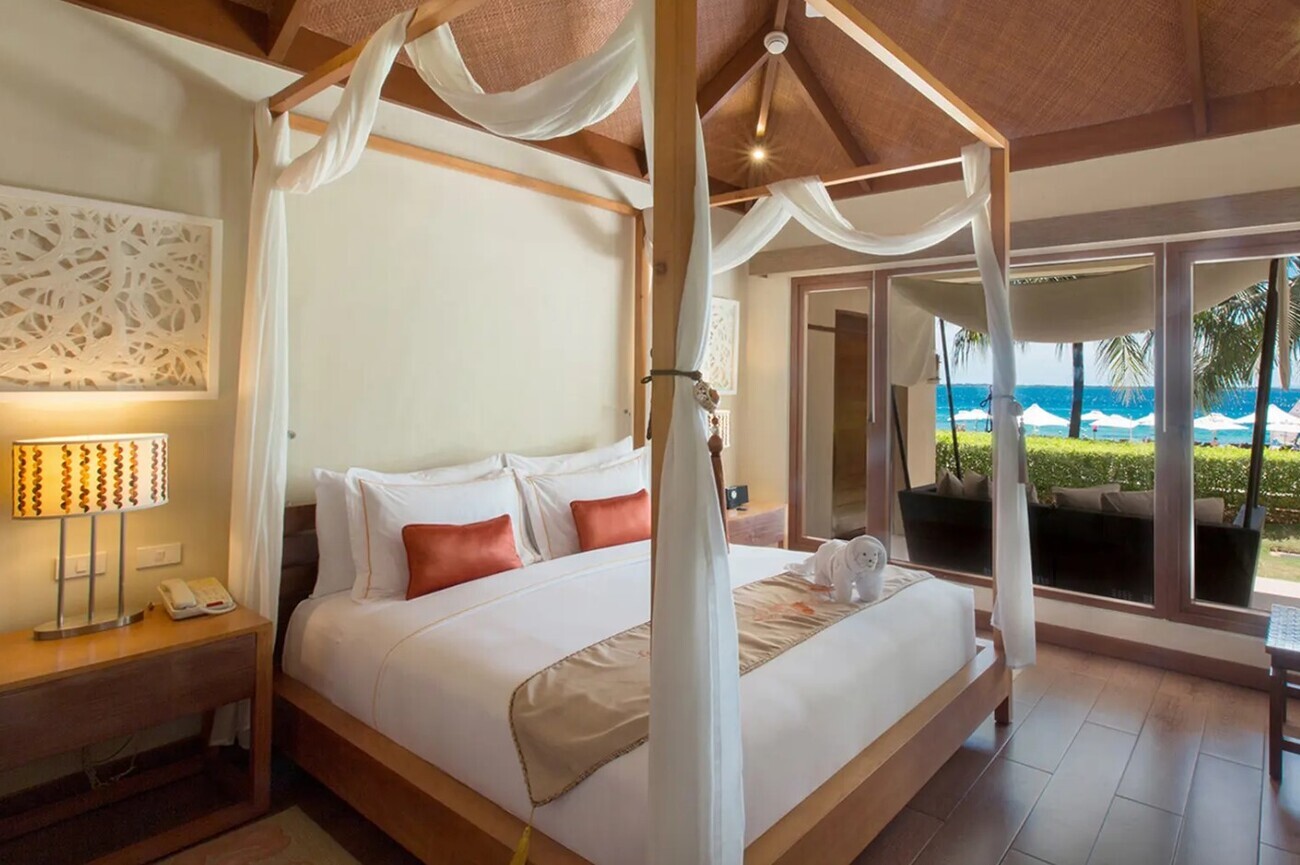
- Sheraton Cebu Mactan Resort: Just a short drive from the airport, Sheraton Cebu Mactan Resort is a modern 5-star hotel known for its sleek design, ocean views, and the reliable hospitality of the Marriott brand. The rooms and suites are contemporary and stylish, featuring Sheraton Sleep Experience beds and private balconies with panoramic views of the sea and coastline. Guests also have access to a private white-sand beach—great for sunbathing, swimming, or trying out water sports.
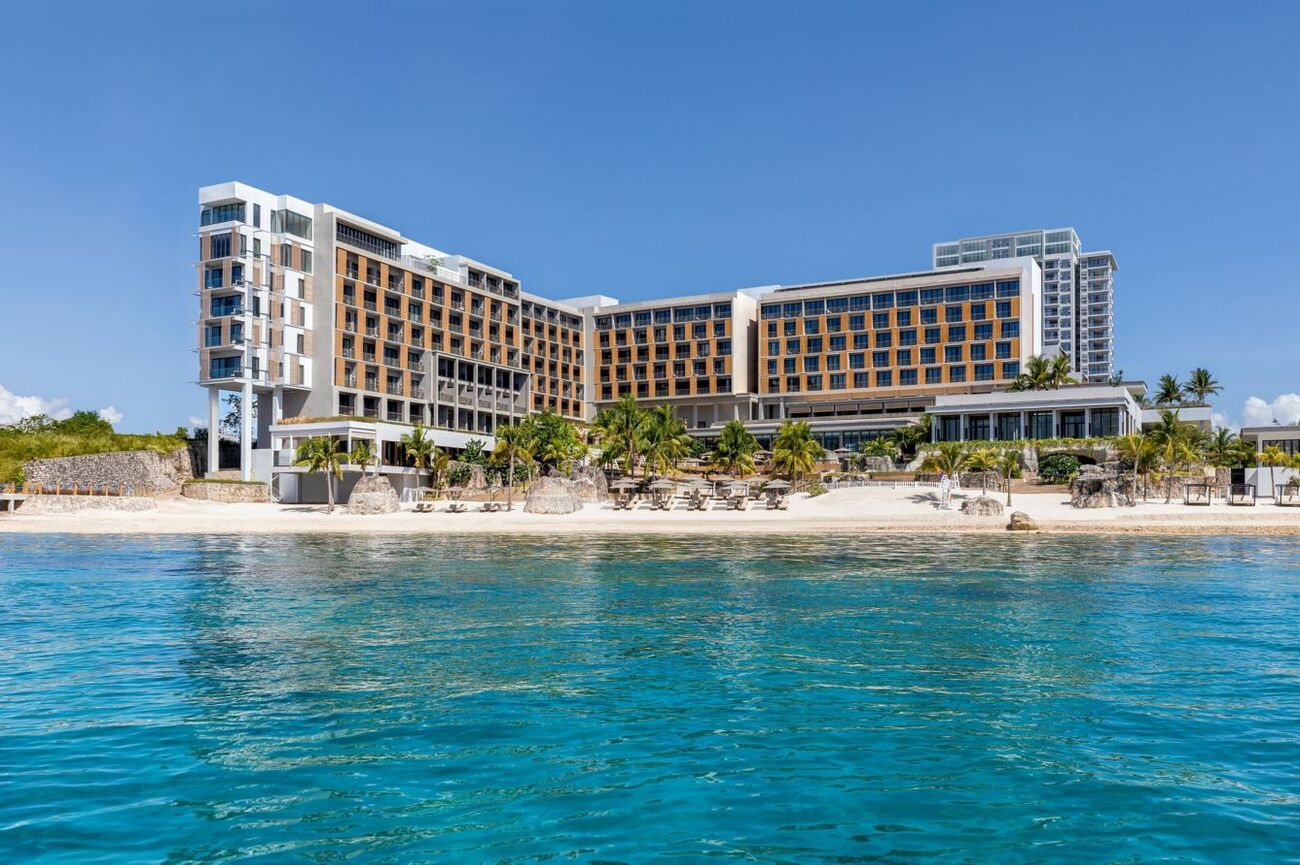
- Fili Hotel NUSTAR Cebu: A highly rated, modern luxury hotel known for its excellent service, beautiful views, and wide range of amenities. The rooms and suites are elegant and contemporary, giving you panoramic views of the city, ocean, or resort grounds. They come with high-end amenities, plush bedding, and advanced in-room technology. It’s an ideal base if you want both convenience and a touch of sophistication to your stay in Cebu.
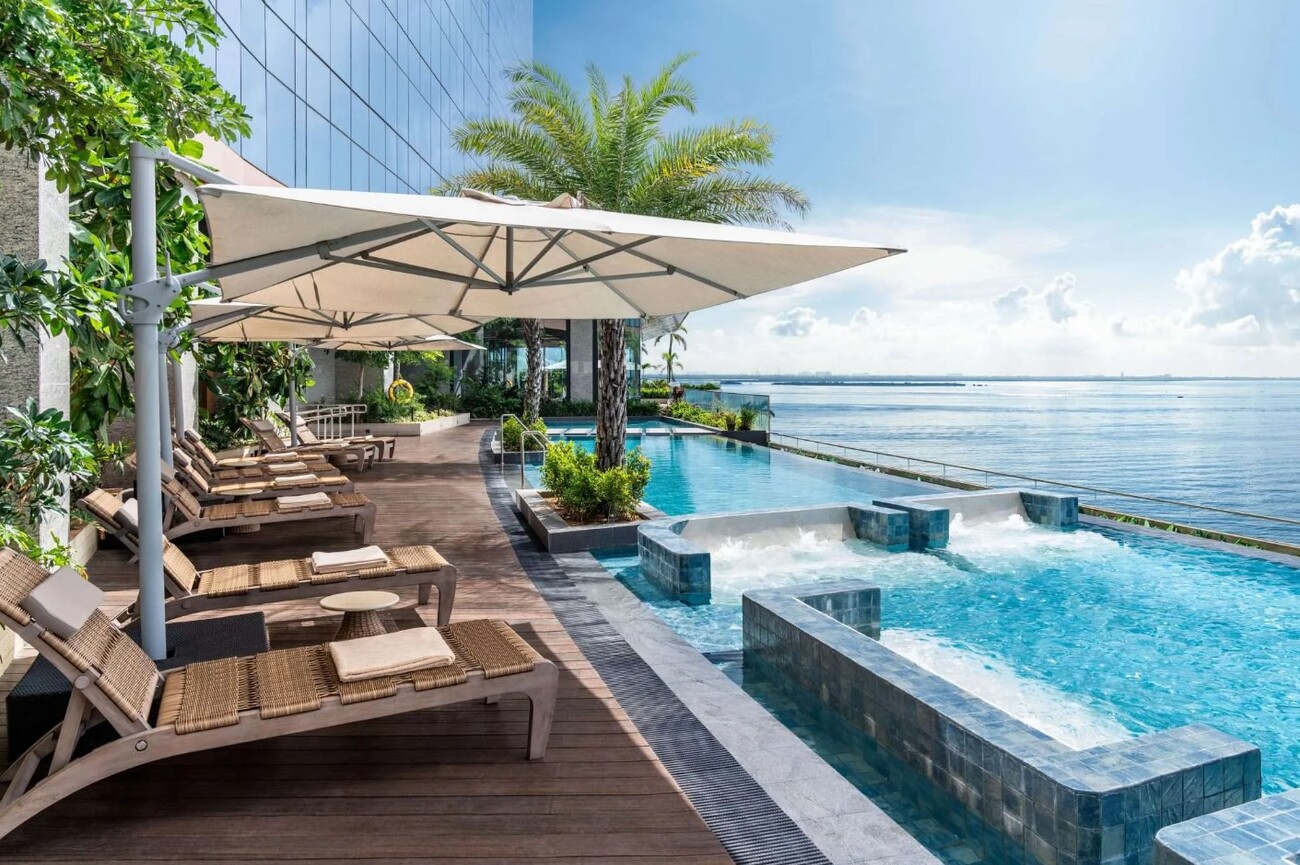
- The Reef Island Resort: A modern, stylish beachfront hotel known for its sleek design and relaxing atmosphere. The rooms and suites here feature a clean, minimalist look, with many offering private balconies and lovely views of the ocean or resort grounds. Guests also enjoy direct access to a private beach with clear, calm water, perfect for swimming, sunbathing, or simply unwinding by the shore. It’s a great choice if you want a contemporary, beachside stay in Cebu.
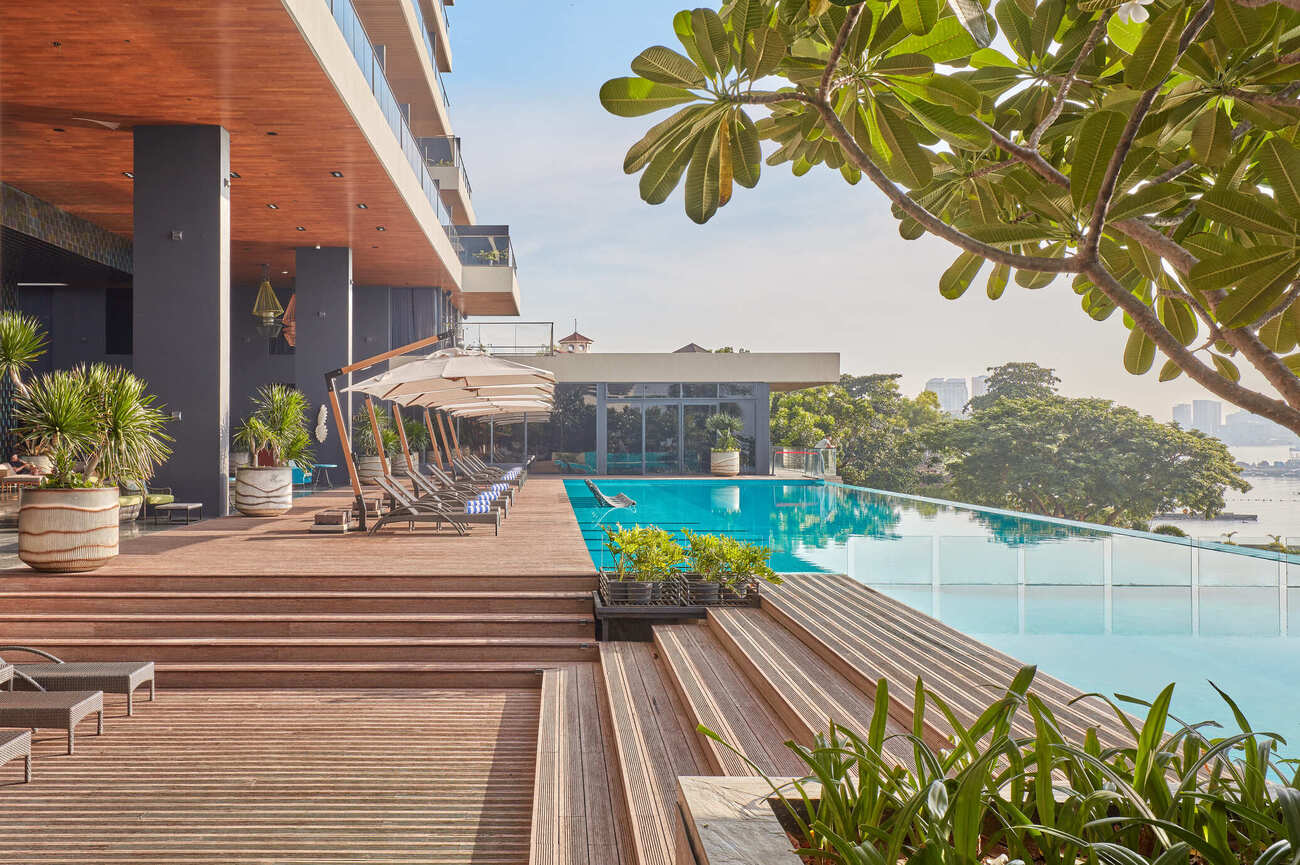
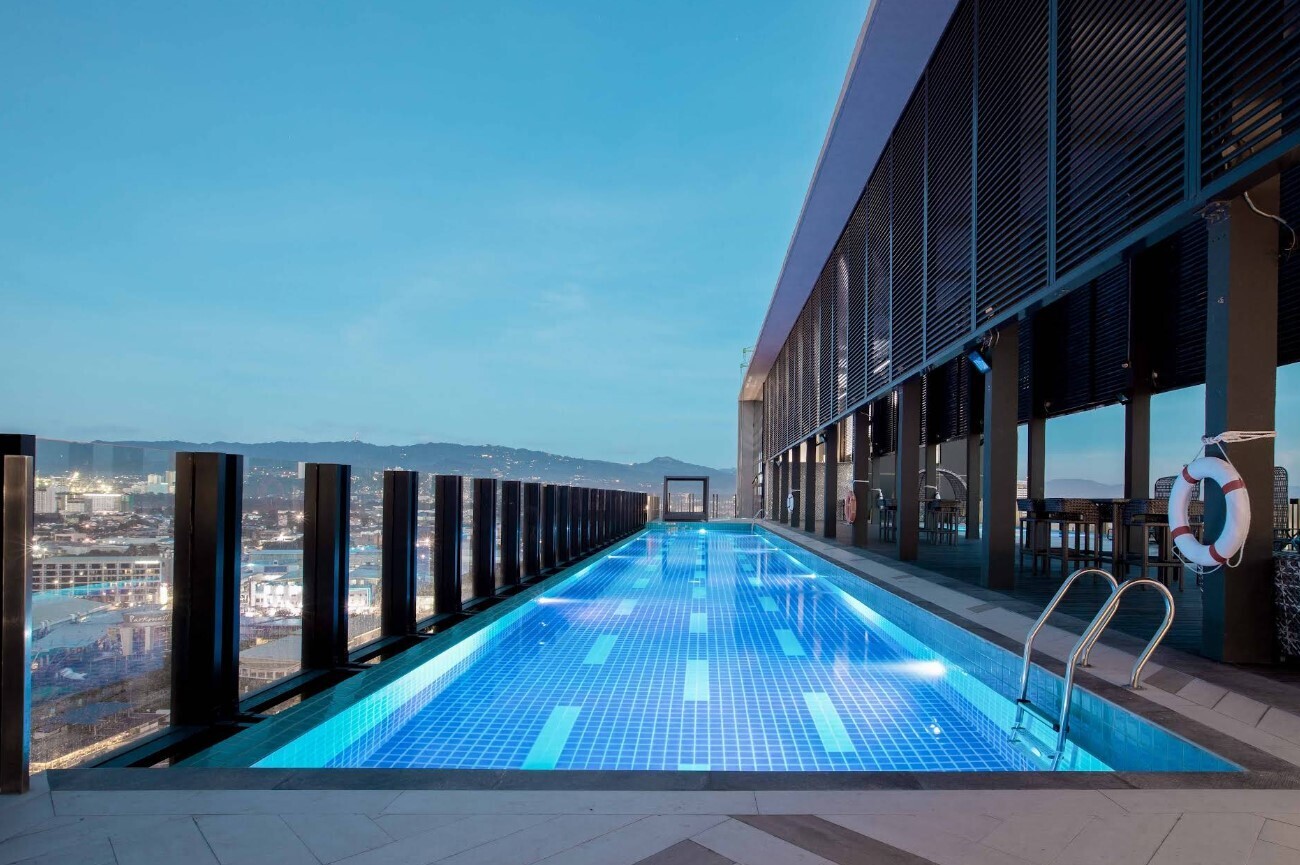
- Bai Hotel Cebu: A highly rated, modern hotel known for its striking architecture, wide range of amenities, and reliable service. The rooms are spacious and contemporary, with large windows that offer panoramic views of the city skyline, Mandaue Harbour, or the Mactan Channel. The hotel also has several dining options, so you won’t have to go far to find a good meal. It’s a convenient and well-rounded place to stay during your Cebu trip.
Best Time to Visit Cebu
The best time to visit Cebu is during the dry season, from December to May, when you’ll enjoy sunny days, clear skies, and very little rain, the perfect condition for island hopping, diving, and beach trips.
Cebu’s peak season runs from December to February, also known as the Cool Dry Season. Expect comfortable temperatures (24–30°C), lower humidity, and refreshing breezes. January is especially busy because of the Sinulog Festival, one of the Philippines’ biggest cultural celebrations. For the best weather, plan your trip between January and April. If you want to experience Cebu’s most vibrant festival, visit in January.
Festivals in Cebu
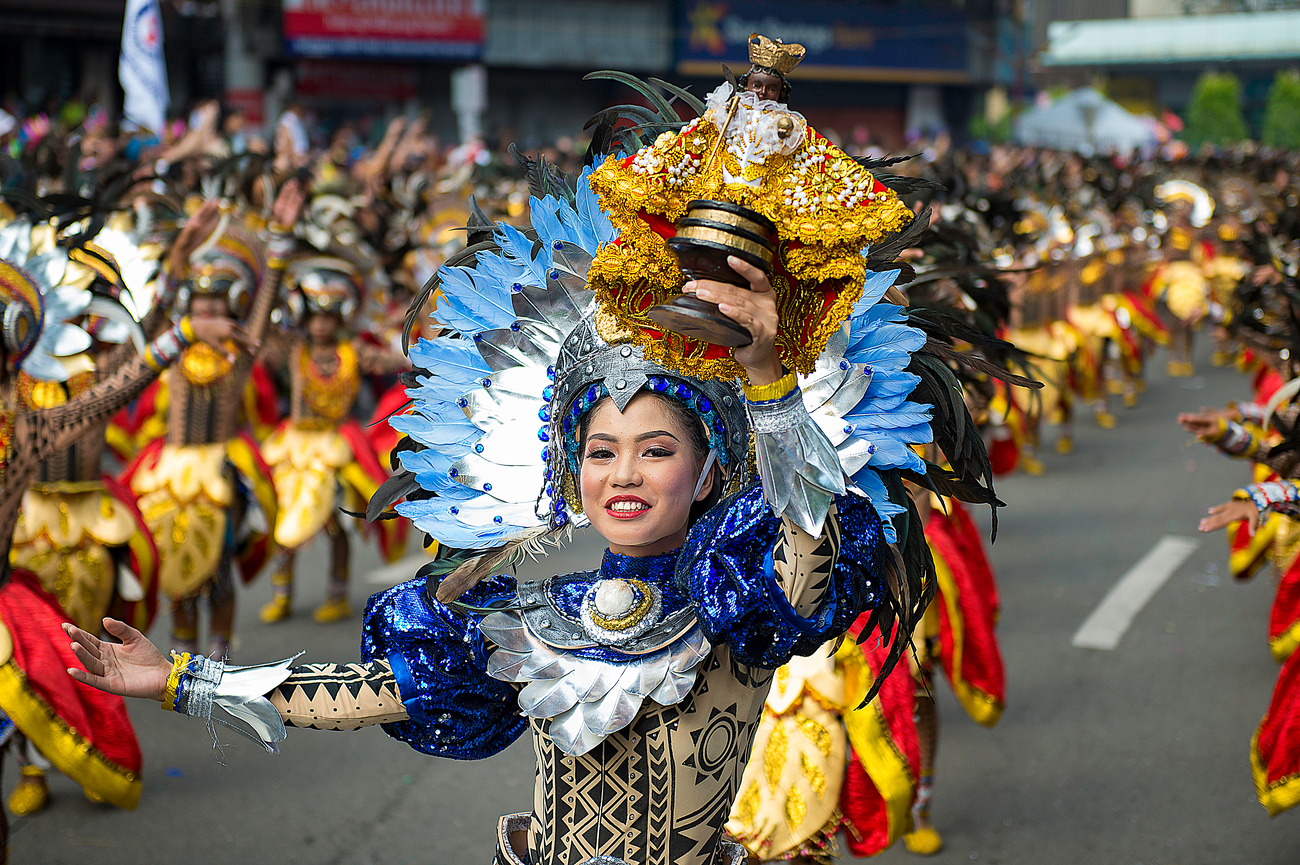
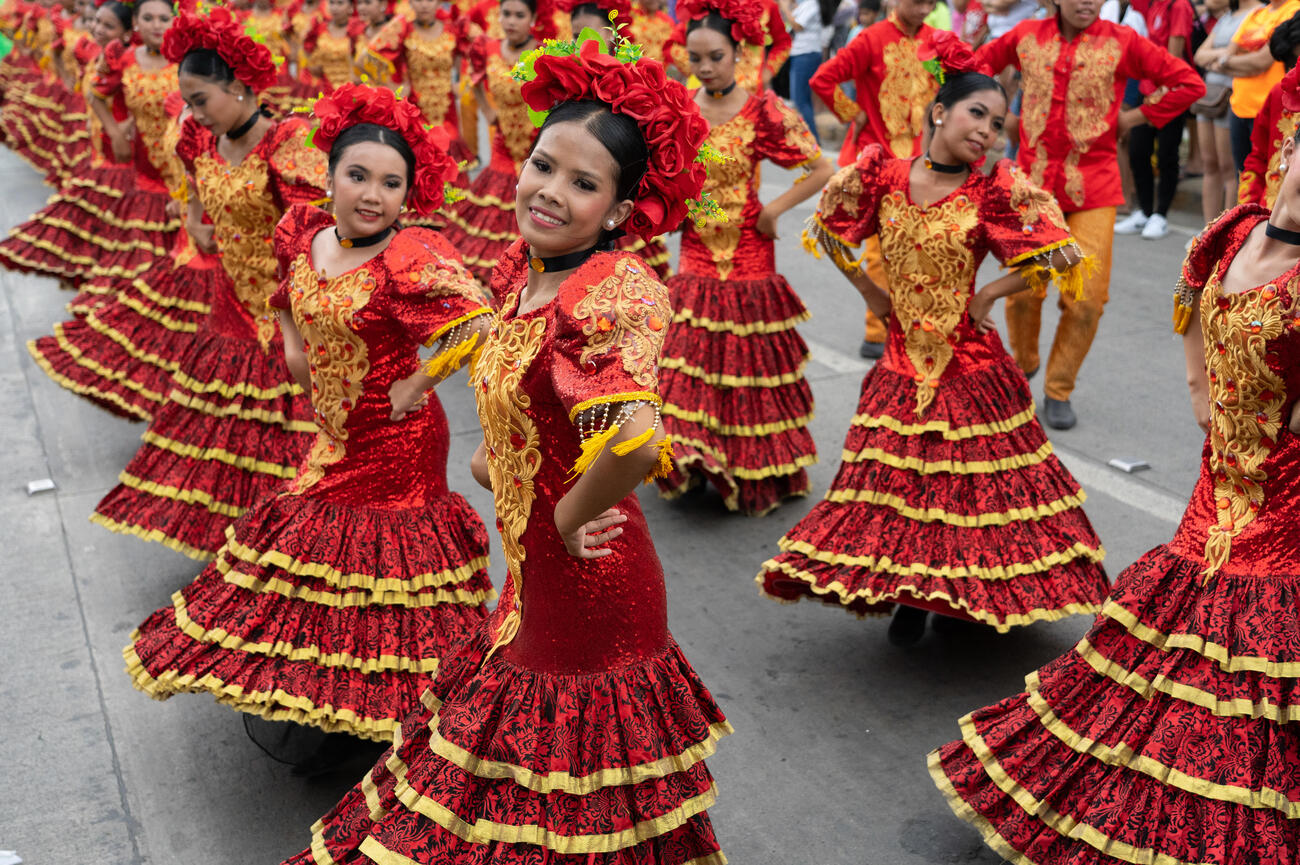
- Sinulog Festival: The biggest and grandest festival in the Philippines. It’s a week-long cultural and religious celebration held every third Sunday of January. It honours the Santo Niño (Child Jesus), Cebu’s patron, and attracts millions of visitors each year. The name “Sinulog” comes from sulog, meaning “water current,” which inspired the festival’s signature dance: two steps forward, one step back, to the beat of drums.
The main highlight of the festival is the Grand Street Parade, also called the “Grand Mardi Gras.” Expect hundreds of performers in bright, elaborate costumes dancing the Sinulog steps along a long city route, accompanied by big floats and booming sound systems. You can also join the festival’s spiritual traditions, including the dawn procession, the fluvial parade where the Santo Niño is carried on a decorated boat, and the novena masses at the Basilica Minore del Santo Niño.
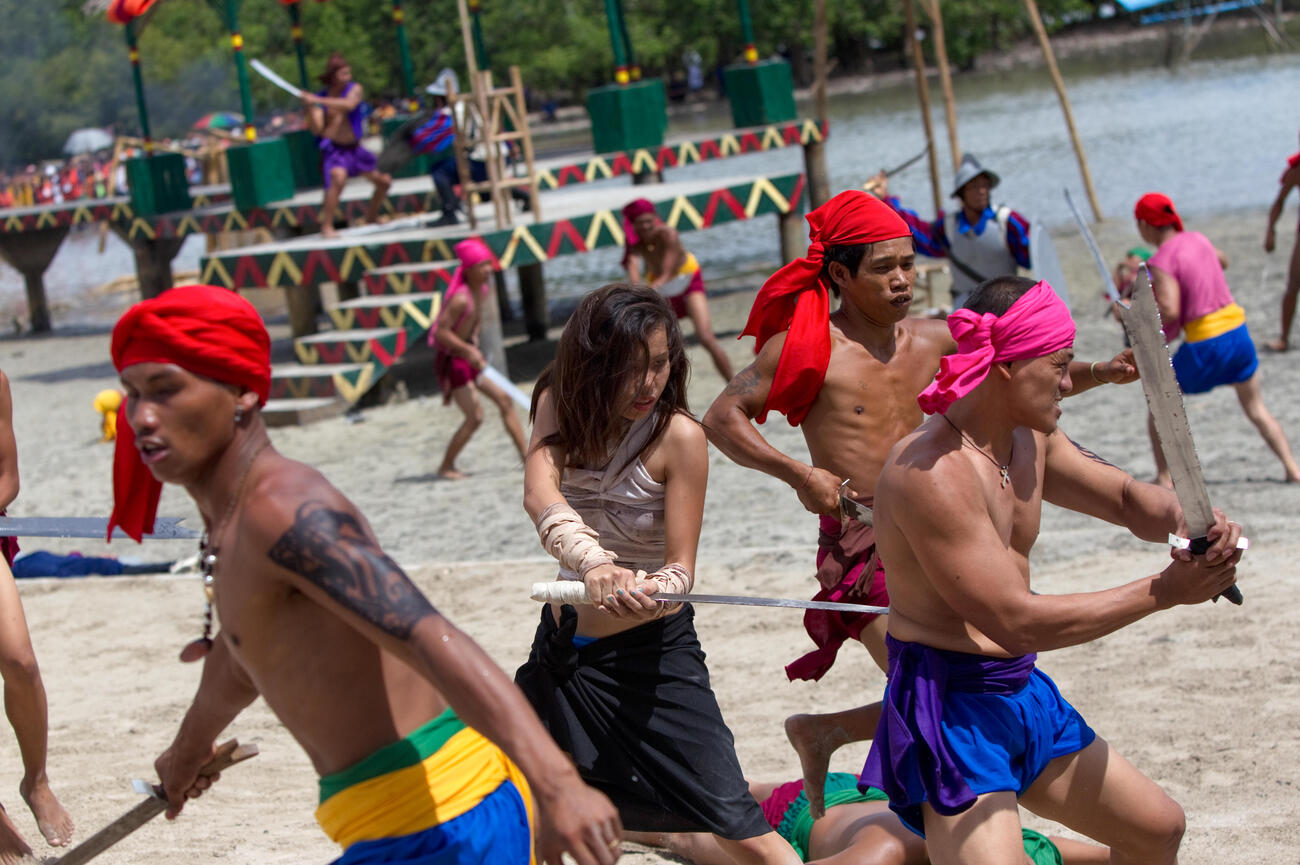
- Kadaugan sa Mactan: Or “Victory in Mactan,” is a historical festival held every year in Lapu-Lapu City. Unlike Sinulog, which is religious, this festival commemorates the Battle of Mactan, where Datu Lapu-Lapu and his warriors defeated Ferdinand Magellan on April 27, 1521. It’s remembered as the first successful Filipino resistance against foreign colonisers. In the days leading up to the main event, the area around the Mactan Shrine becomes a lively cultural hub. The highlight is the reenactment of the Battle of Mactan on April 27, where actors and performers portray Lapu-Lapu, Magellan, and Queen Juana in a dramatic retelling of the historic clash. You can also attend a celebration Mass, watch cultural shows, and enjoy street dancing during the festival.
- Halad Inasal Festival: Held every October 15 in Talisay City. It’s a celebration in honor of Saint Teresa of Avila and a tribute to the city’s pride (inasal or lechon) highlighting why Talisay is known as the Lechon Capital of Cebu. During the festival, you can enjoy Talisay’s famous lechon with its crispy golden skin and flavorful, herb-filled meat. Food fairs and cooking demos make it easy to taste different versions from local vendors. The streets come alive with colourful dance performances, where dancers move to upbeat drum rhythms, sometimes mimicking the motions of preparing inasal. You can also participate in the novena prayers and masses at the Archdiocesan Shrine of St. Teresa of Avila, which lead up to a high mass and procession on October 15.
The Queen City of the South
After three days in Cebu, you start to understand why the island stays with people long after they leave and why it’s often called The Queen City of the South. The title isn’t about grandeur, but about legacy. Long before modern borders existed, Cebu was already a center of trade, culture, and faith.
If Cebu has lived on your “someday” list for so many years, perhaps this is your sign to make it happen. At Revigorate, we tailor journeys that let you experience Cebu the way it deserves to be experienced. Contact us or give us call at (+1 800 672 0517 | +351 289 009 580 | +44 808 189 0647) and we’ll help you turn that someday into now. Explore more of the Philippines with us through our self-guided itineraries to Siargao, Coron, El Nido, and Puerto Princesa, or venture further to Manila, Singapore, Hong Kong, or aboard our featured luxury sleeper trains.
Our offices:




Revigorate, Iberian Escapes and Algarve Lifestyle are the registered brand names of APCS Lda . We are a fully authorised travel agency licensed by Turismo de Portugal RNAVT/6867.
In the event of a dispute, the consumer may refer to: RAL - Centros de Arbitragem
Avª. 5 de Outubro, nº. 55, R/C Dtº. 8000-075 Faro, Portugal | Tel: +351 289 823 135 *
* national landline call
E-mail: info@consumoalgarve.pt| www.consumidoronline.pt | Mon to Fri: 9:00 - 13:00 / 14:00 - 17:00