Things to Do in the Wachau Valley: 3-Day Itinerary
The Wachau Valley in Austria is what happens when a river, a wine region and a few centuries of good taste decide to collaborate. The Danube doesn’t rush through here. It glides. Vineyards don’t sprawl. They stack themselves neatly, like they understood the assignment long before Pinterest existed. And the villages? Calm, confident and very aware they’re part of something iconic.
What makes the Wachau addictive is the contrast. One moment you’re standing beneath an abbey that feels borderline theatrical, the next you’re wandering a quiet riverside path where nothing is trying to impress you, and somehow that’s the flex. The history runs deep but never heavy. Everything feels curated without feeling staged, which is a rare balance, and one the Wachau pulls off effortlessly.
This is not a place for rushing, box-ticking, or squeezing ten things into one hour. The Wachau works best when the pacing is right and the route actually makes sense. When abbeys come before vineyards, villages follow viewpoints and the river quietly ties everything together. The magic lives in the transitions. The in-between moments. The parts that don’t scream “landmark” but stay with you anyway.
To keep the experience sharp, smooth and genuinely enjoyable, we’ve prepared this 3-day Wachau Valley itinerary.
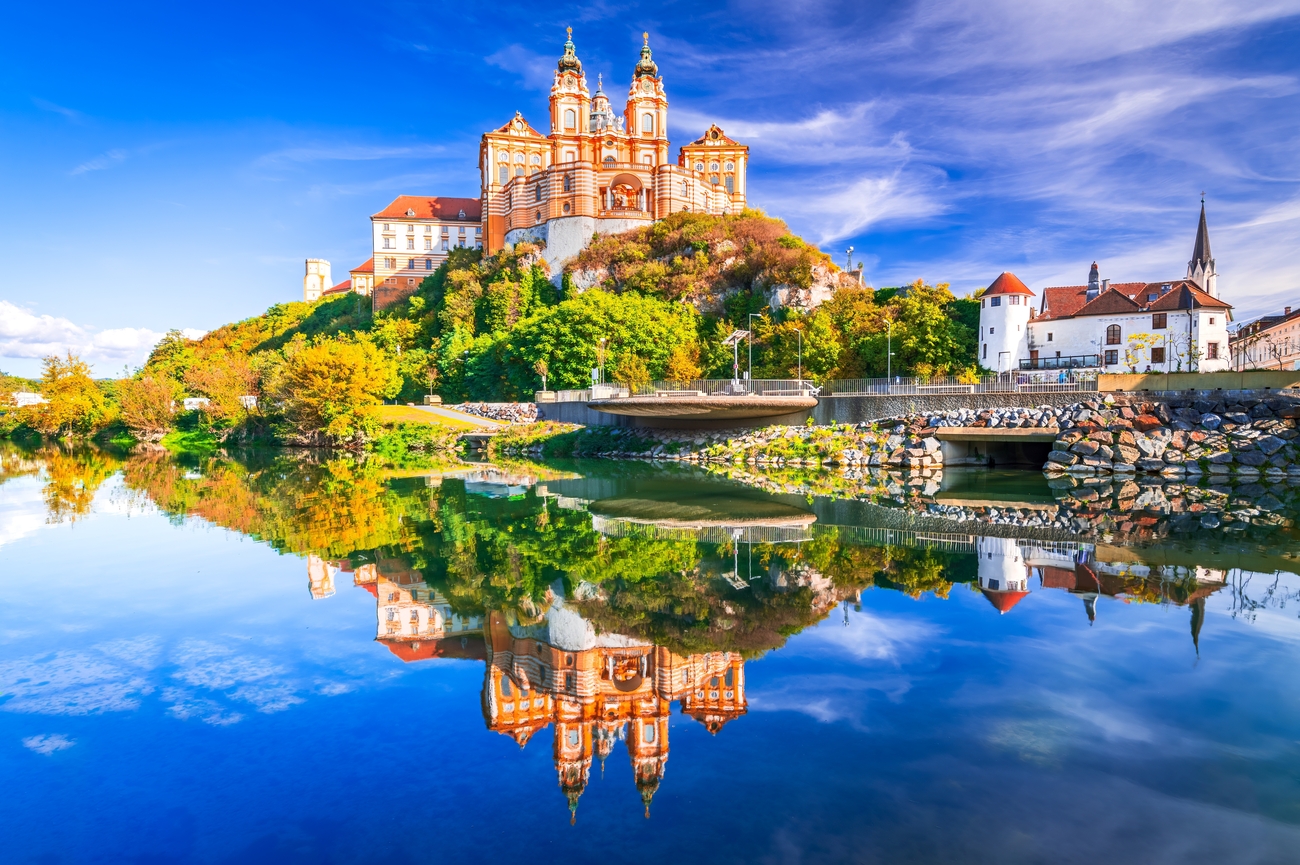
Day 1 -
Western Wachau: Melk, Aggsbach, Aggstein

Morning: Melk Abbey
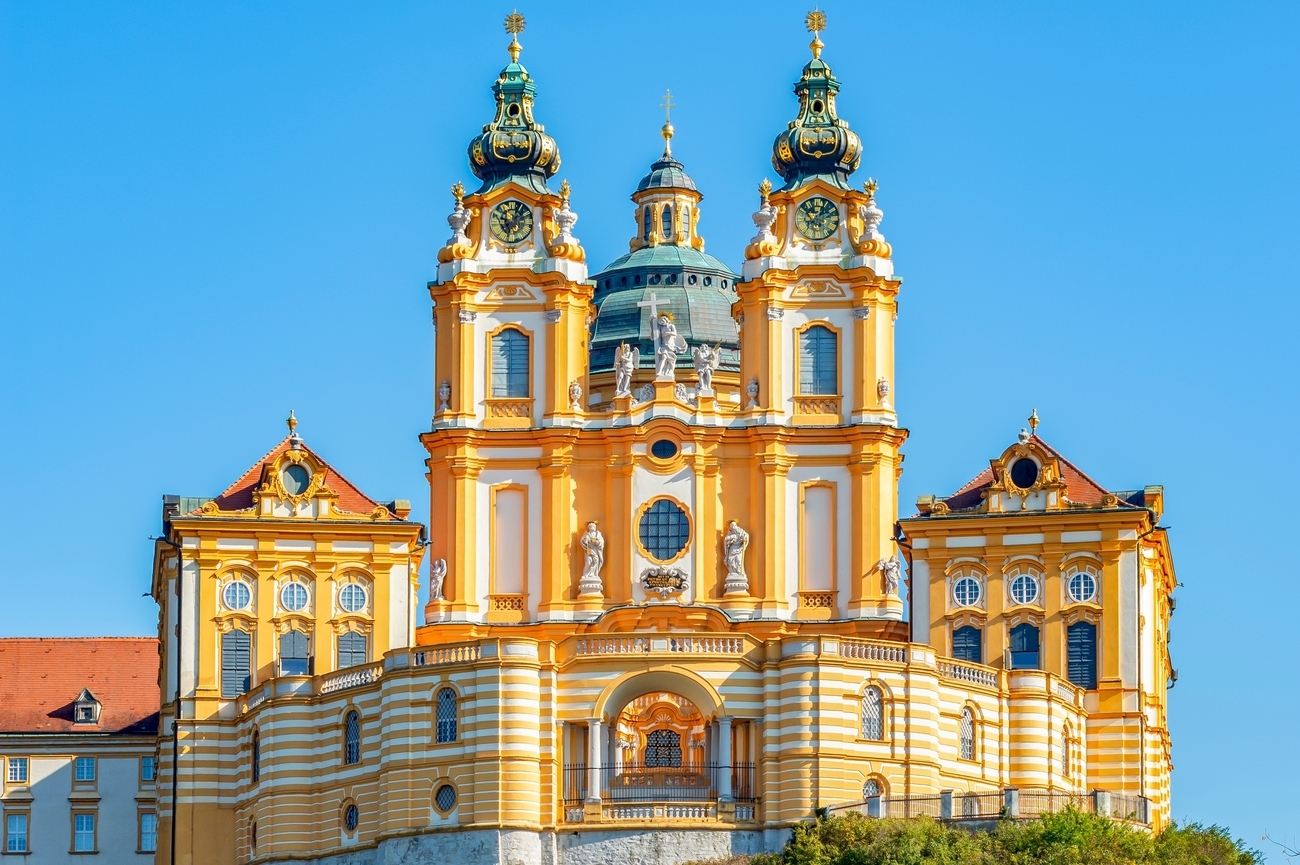
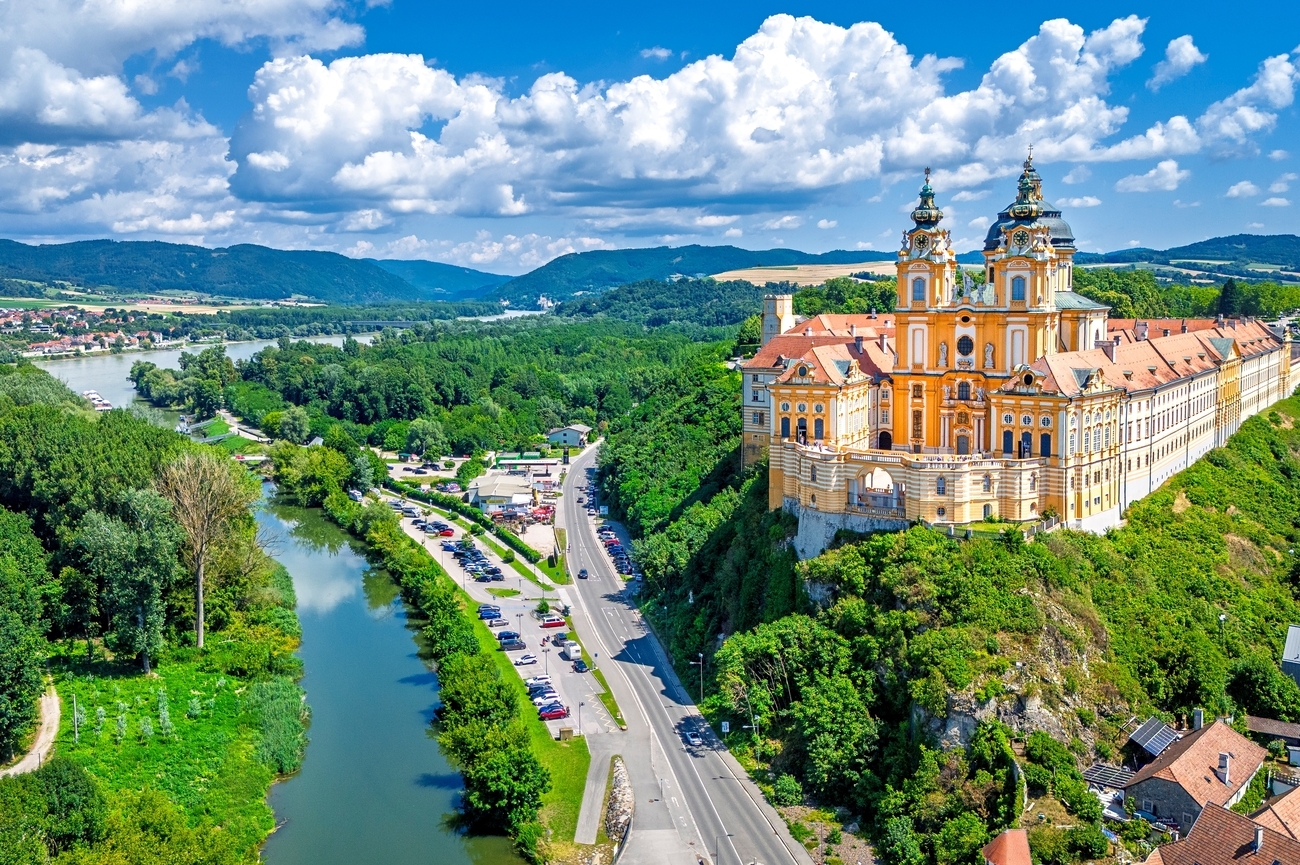
Perched high above the Danube, Stift Melk has been setting the standard since the 11th century. This Benedictine abbey is one of Europe’s finest examples of Baroque architecture, built to impress emperors, scholars and anyone crossing the valley who thought they’d seen it all already. Its elevated position is not accidental. This vantage point turns Melk Abbey into both a landmark and a lookout.
Founded in 1089 and rebuilt in its current Baroque form in the early 18th century, Melk Abbey is one of Europe’s most important Benedictine monasteries. The complex is known for its Imperial Rooms, Marble Hall, Abbey Church and an extraordinary library holding medieval manuscripts and early printed books. Every space leans into grandeur, but nothing feels random. Inside, you’ll find soaring halls, gold-laced ceilings and a library that feels less like a room and more like a power statement.
You can explore Melk Abbey through a 50-minute guided tour, offered daily for a small supplement, with English-language tours scheduled throughout the year and additional languages available seasonally. For a more elevated start to the Wachau itinerary, timing your visit with an earlier guided tour keeps the experience calm, refined and perfectly paced.
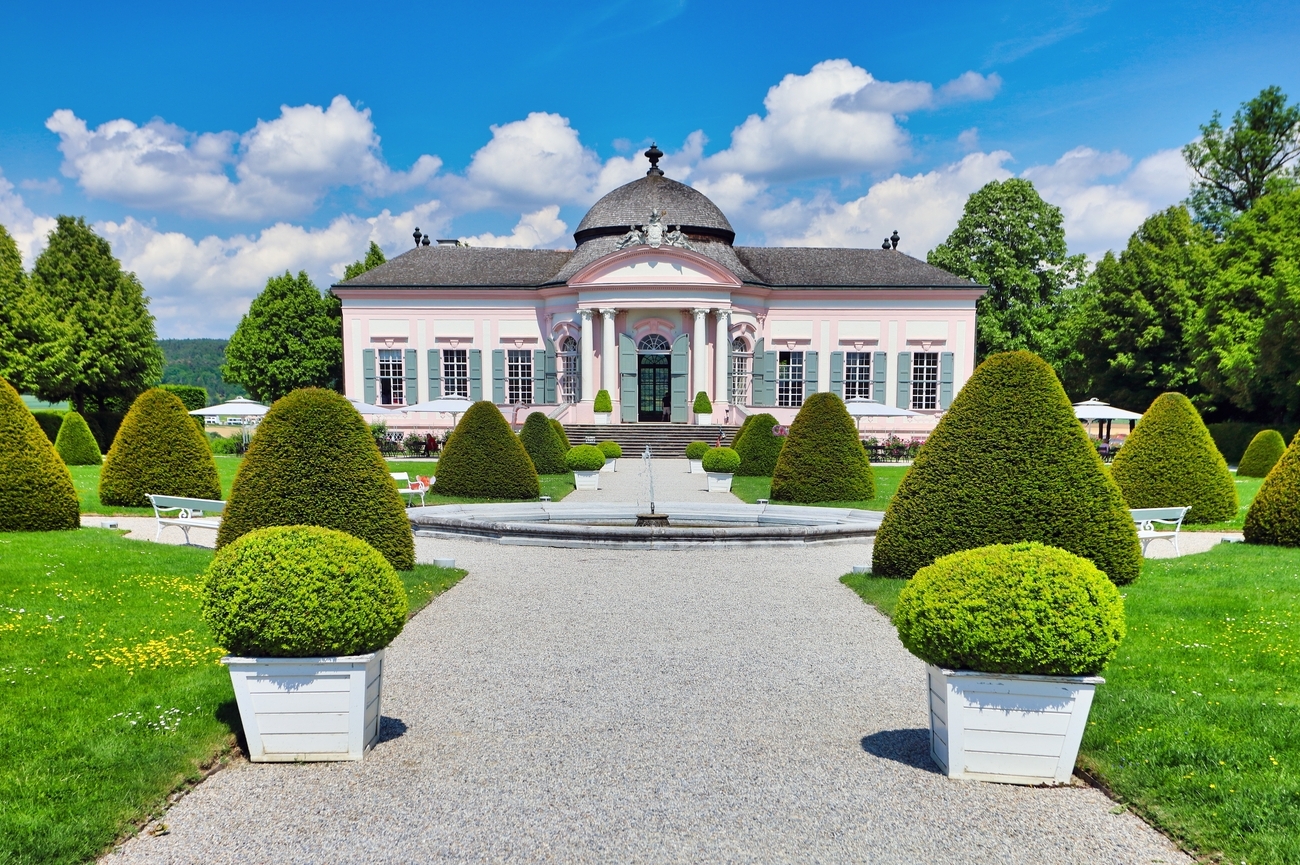
Baroque garden with pavilion
Step out from Melk Abbey and walk just 2 to 3 minutes downhill. No transfers. No effort.
The Barockgarten mit Pavillon feels like the abbey’s quieter side hustle. Laid out in the early 18th century, this formal Baroque garden was designed to impress without shouting. Symmetry rules here. Trimmed hedges, geometric paths, and carefully framed views all point back to the abbey above and the Danube beyond. At the center sits the Garden Pavilion, a small but elegant structure that once served as a leisure space for contemplation and private gatherings. This was where power slowed down and enjoyed the view. The garden may look serene now, but it was always part of the abbey’s statement.
Access to the Baroque Garden is included with the Melk Abbey visit, and it is typically explored independently after touring the interior spaces. During warmer months, the garden is fully open and at its best, with seasonal blooms adding softness to the otherwise structured design. There is no rush here. You move at your own pace, which is exactly the point.
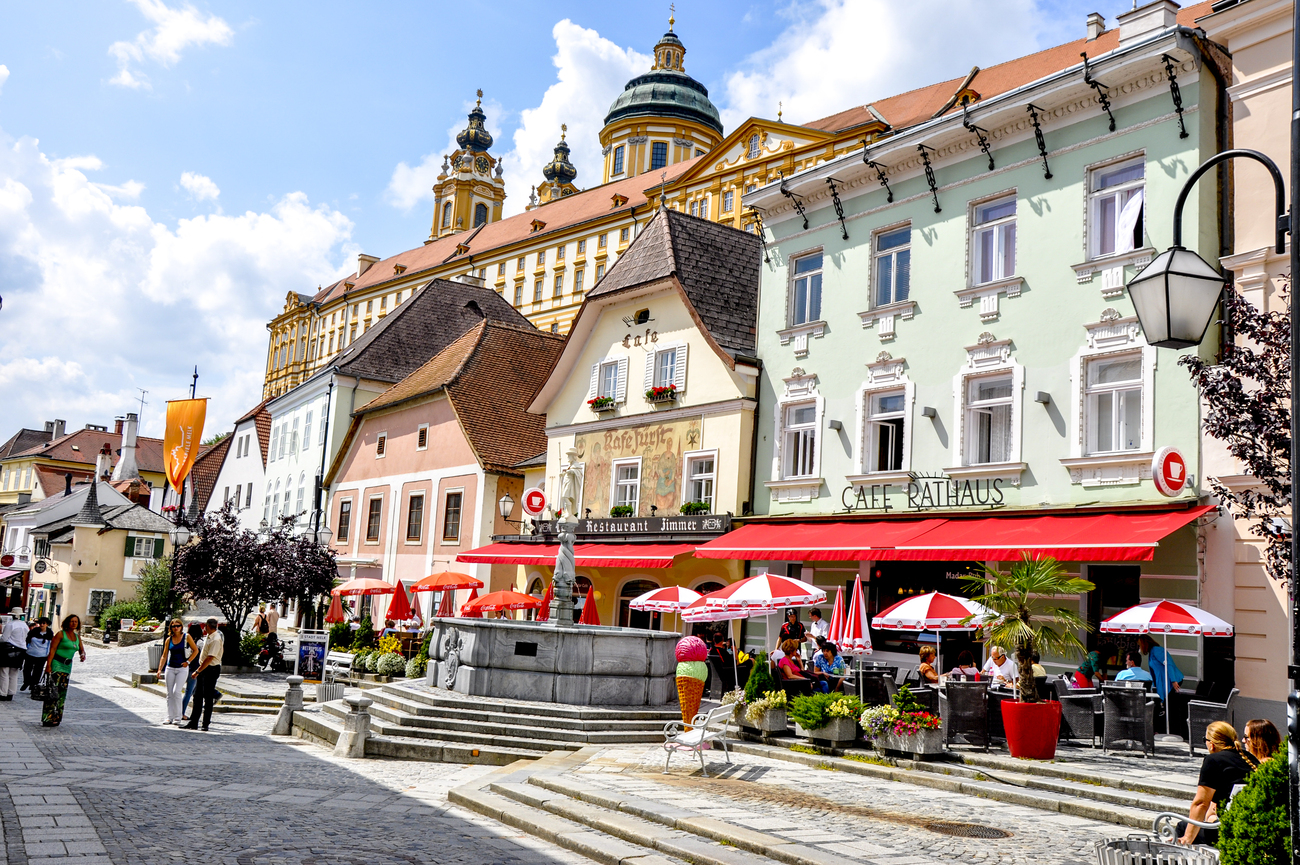
Altstadt Melk
From the Baroque Garden, walk 5 minutes downhill toward the town center. Altstadt Melk is Melk’s Old Town, the historic centre at the foot of the abbey, where the abbey’s grandeur meets everyday rhythm.
Pastel facades line the main streets, windows dressed with wrought iron and subtle Baroque details that don’t beg for attention. This historic core developed directly under the influence of Melk Abbey, serving pilgrims, traders and river traffic moving along the Danube. The layout is compact and walkable, designed for movement rather than monumentality. It feels lived in. That’s the charm.
Afternoon:
Danube River
The Danube does the heavy lifting, so you don’t have to.
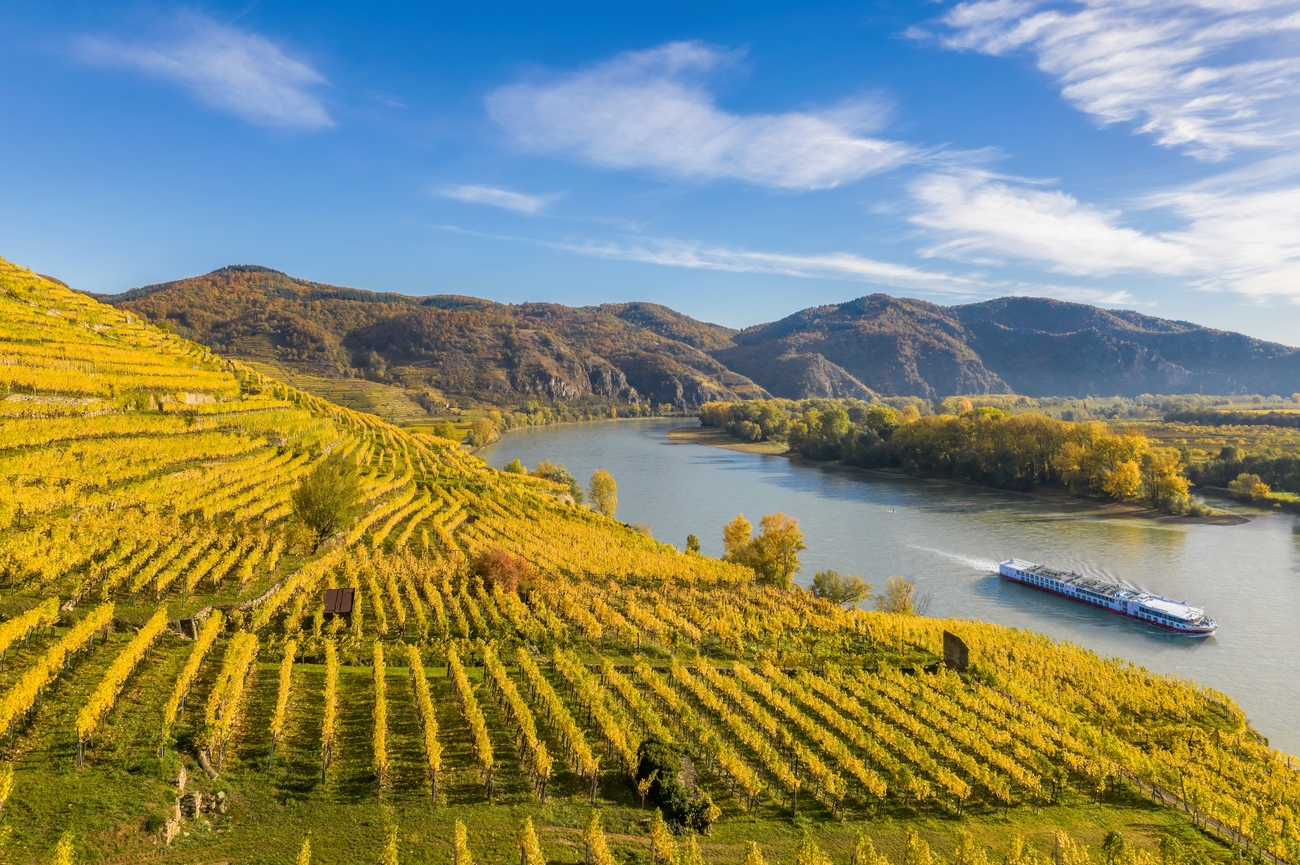
From Melk’s river pier, you step straight onto the Danube River, the backbone of the Wachau Valley and the reason everything else exists where it does. This stretch of the river has shaped trade routes, monastic power and vineyard placement for centuries.
River cruises in the Wachau are designed for orientation rather than entertainment. You’re there to read the landscape. Most daytime sailings between Melk and the central Wachau villages last between one and two hours, offering open decks and panoramic windows that keep the views uninterrupted. Commentary highlights key landmarks along the way, from medieval fortresses to vineyard slopes that define Wachau wine classifications. You stay seated. The scenery comes to you. And for a more elevated experience, choosing a midday or early afternoon cruise keeps the light clean and the decks comfortable. Premium seating sections offer more space and quieter surroundings, which makes a difference on a route this scenic. This is not transit. This is the valley introducing itself properly.
Aggsbach Markt
After stepping back onto land, it’s a short 10–15 minute drive east along the Danube.
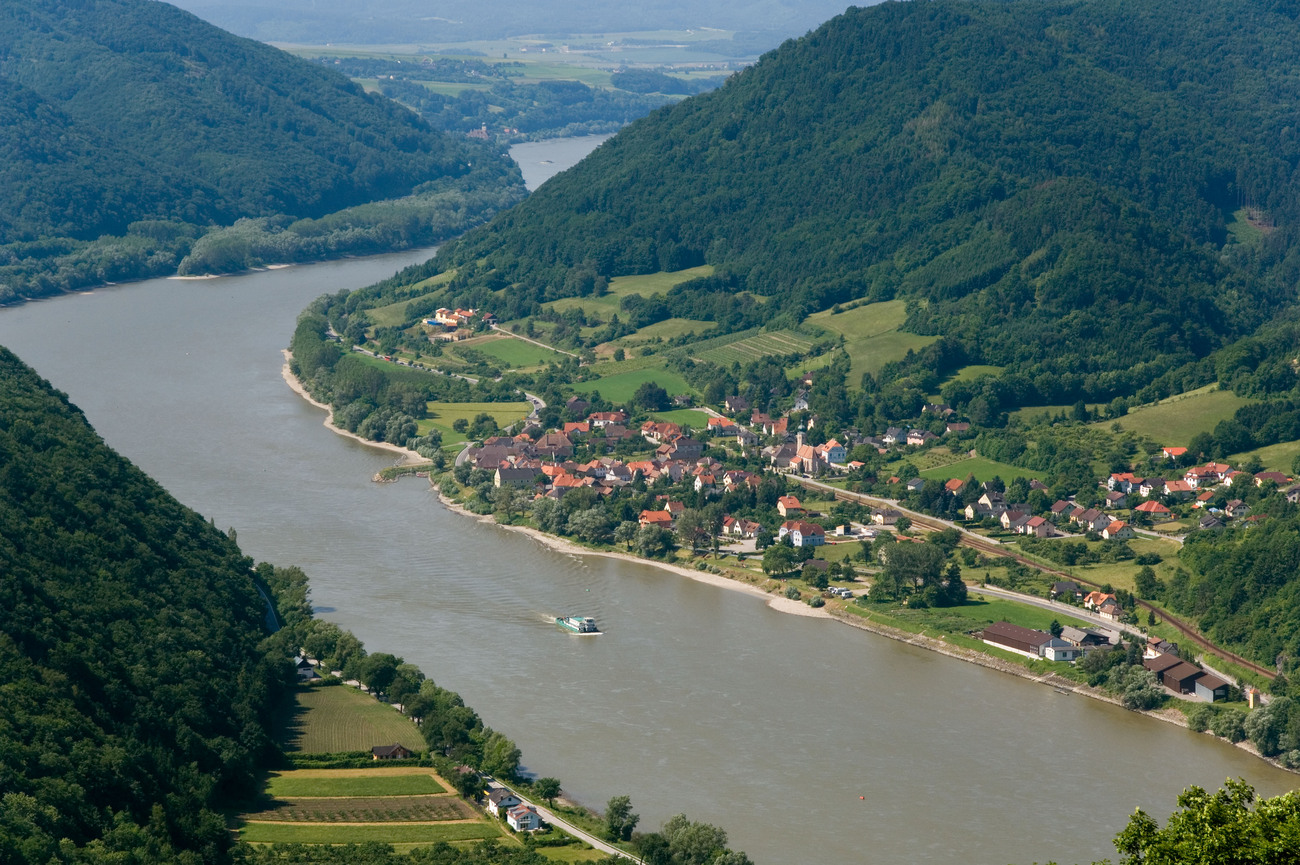
Aggsbach Markt is a small riverside market village shaped entirely by the Danube. Historically, it developed as a stop for river trade and monastic supply routes, positioned between the forested Dunkelsteinerwald hills and the water’s edge. The village layout follows the river’s line rather than a formal town plan, giving it a linear, almost quiet flow. With traditional houses clustered close to the Danube and minimal elevation changes, Aggsbach Markt reflects the everyday rhythm of Wachau life beyond abbeys and castles.
You experience Aggsbach Markt by walking through the village center and along the Danube riverbank, where small boats pass and the landscape opens up without distraction.
Aggsbach
Charterhouse
From the village center of Aggsbach Markt, it’s a 5-minute drive or a scenic walk into the nearby forested hills. The river will fade out and you will reach Aggsbach Charterhouse.
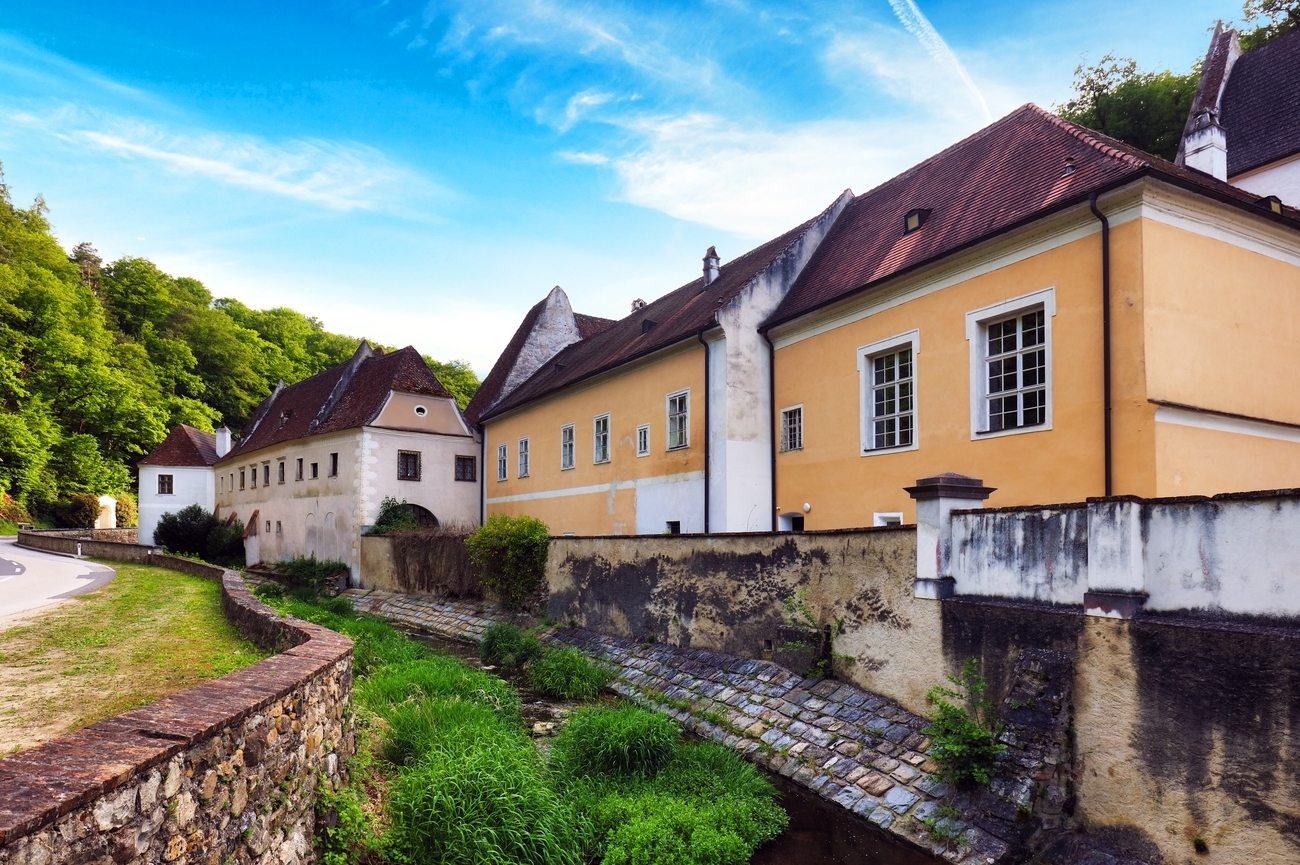
The Aggsbach Charterhouse (Kartause Aggsbach) was founded in the 14th century as a Carthusian monastery, built for silence, separation and serious contemplation. Hidden deep in the Dunkelsteinerwald, the complex once housed monks who lived almost entirely alone, connected more by routine than conversation. Much of the original structure was later dissolved under Emperor Joseph II, leaving behind atmospheric ruins that feel intentionally unfinished.
Evening:
Aggstein Castle
From the Aggsbach Charterhouse, it’s a short 10-minute drive back toward the Danube and up the opposite hillside.
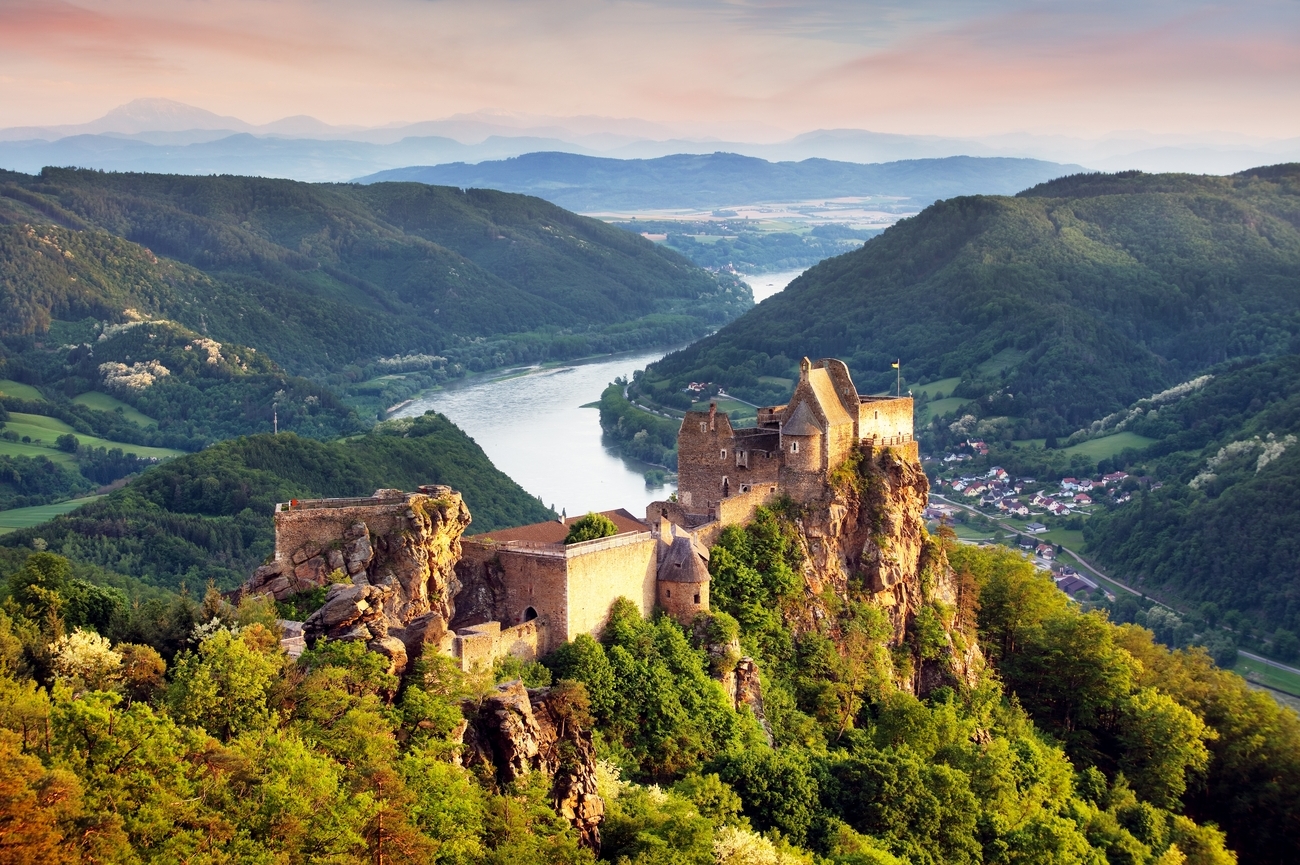
Aggstein Castle (Burgruine Aggstein) rises dramatically from a narrow rocky spur more than 300 meters above the river, and it was built to dominate both landscape and traffic below. First recorded in the 12th century, the fortress controlled a key stretch of the Danube, collecting tolls and enforcing authority over passing ships. Its long, linear layout follows the shape of the rock itself, creating one of the most striking castle silhouettes in the Wachau. From this height, the valley opens wide. Forests frame the river. Vineyards appear downstream. The Danube finally looks small.
Today, Aggstein Castle is one of the region’s most intact ruins and remains fully accessible for visitors. You explore at your own pace, moving through stone corridors, open courtyards, defensive towers and cliff-edge walkways that still feel purposeful.
Aggstein Castle works as an ending because it doesn’t ask for anything else after. You’ve seen the valley from above, felt its scale and closed the loop. Wachau doesn’t need fireworks. Sometimes the strongest ending is simply staying put and letting the view do the talking.
Day 1 -
Western Wachau Valley Tour Map
Day 2 - Central Wachau: Spitz, Weißenkirchen
Morning: Spitz on the Danube
Spitz an der Donau doesn’t try to impress. It already knows it’s the main character of central Wachau.
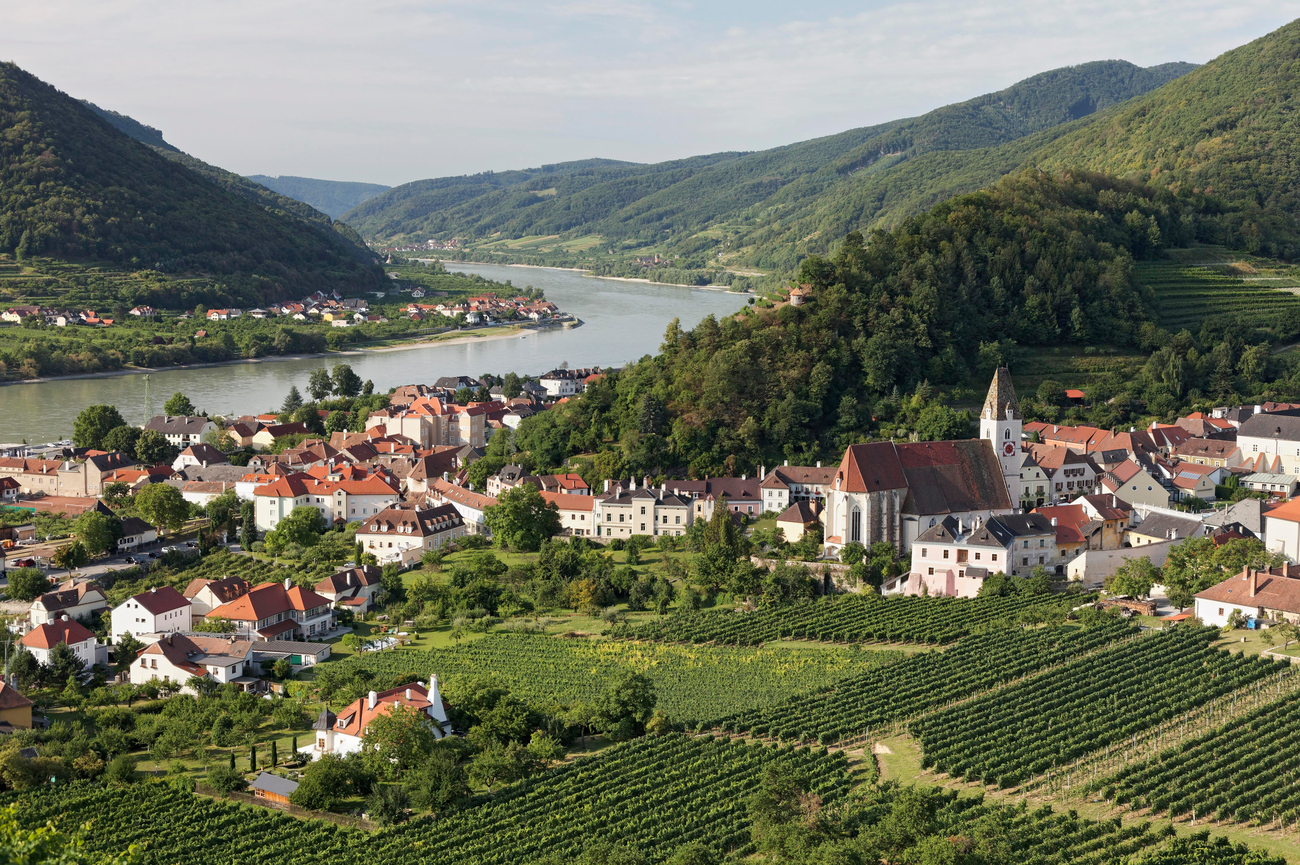
Sitting right along the Danube and wrapped by steep vineyard terraces, Spitz has long been one of the valley’s most important wine towns. The landscape does most of the talking here. Dry-stone walls climb the hills in tight, deliberate rows, holding vines in place like they’ve always known where they belong. Historically, Spitz thrived on river trade and viticulture, growing into a compact town where wine cellars, parish churches and merchant houses formed naturally around the flow of the Danube. The result is a town that feels grounded, functional and deeply tied to its surroundings rather than shaped for show.
Walking through Spitz, you feel how closely daily life hugs the vineyards. The historic center unfolds in small streets and quiet squares. Vineyard paths begin where town lanes end, blurring the line between village and landscape. Morning hours are when Spitz makes the strongest impression.
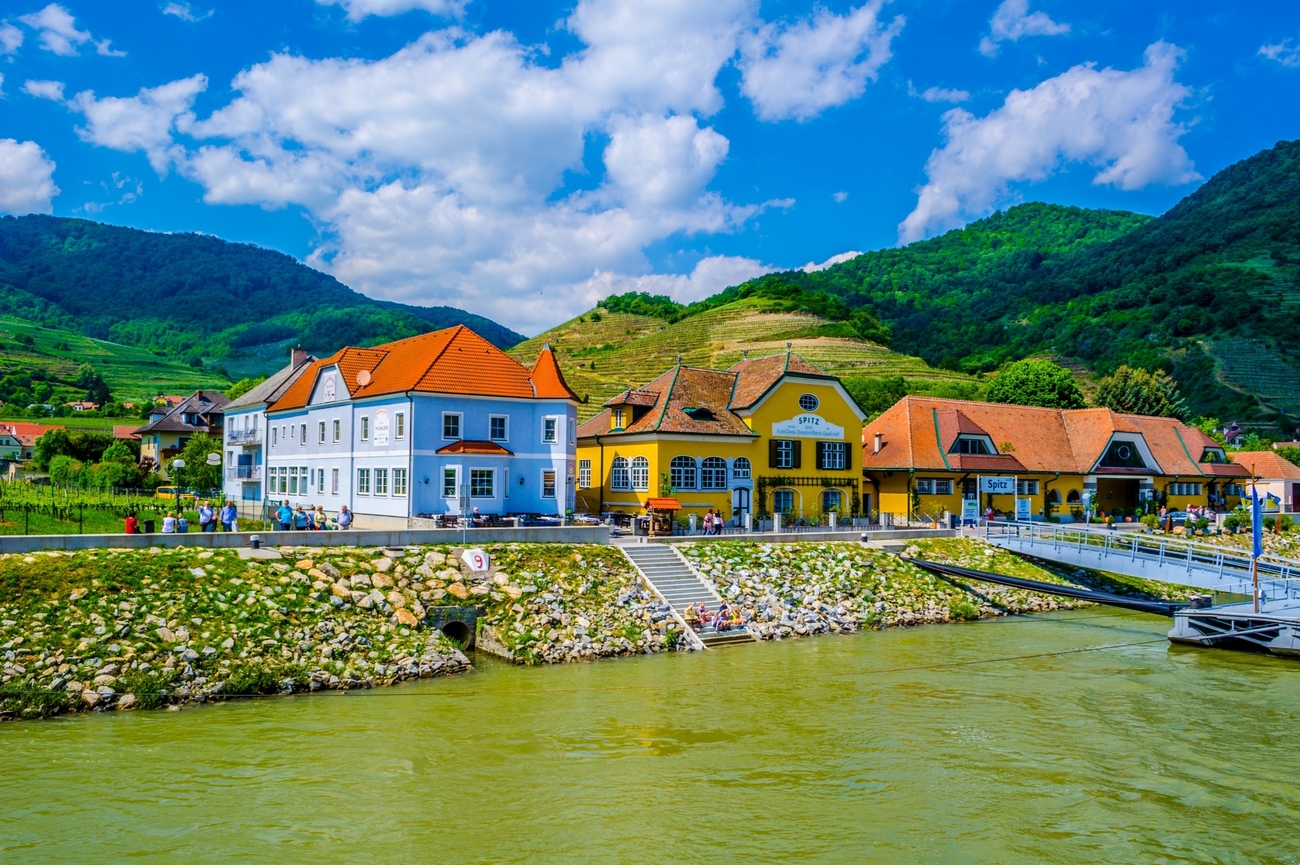
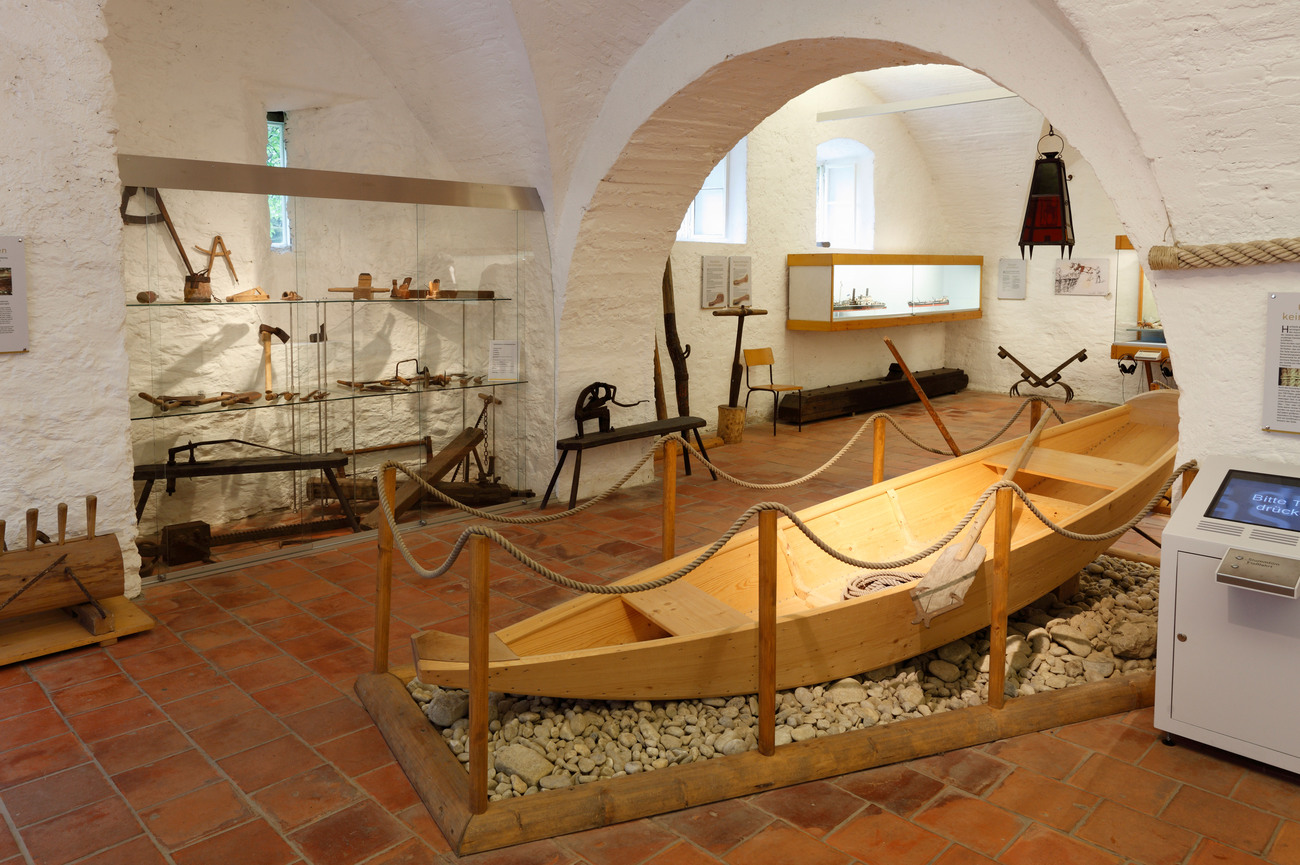
Shipping Museum Spitz on the Danube
Leave the streets of Spitz behind and drift gently toward the water. In under five minutes on foot, the town loosens its grip and the Danube starts pulling focus.
The Schifffahrtsmuseum Spitz an der Donau sits right where it should, close to the river that shaped everything around it. This compact museum tells the story of how shipping along the Danube powered life in Spitz and the wider Wachau long before tourism or wine routes entered the picture. The river was the original highway. Goods, people and ideas moved through here constantly and the town grew in response to that movement.
Inside, you’ll find models of traditional Danube vessels, tools once used by boatmen, navigation instruments and archival photographs that track how river trade evolved over time. The exhibits connect logistics to landscape, showing how shipping influenced settlement patterns, wine distribution and daily life along the riverbanks. It’s practical history, clearly told and it deepens your understanding of why Spitz sits exactly where it does.
If you want to elevate the visit, guided tours can be arranged by appointment via email or phone during opening hours. Tours are offered in German, English, French and Spanish, making this a strong option for private or curated experiences.
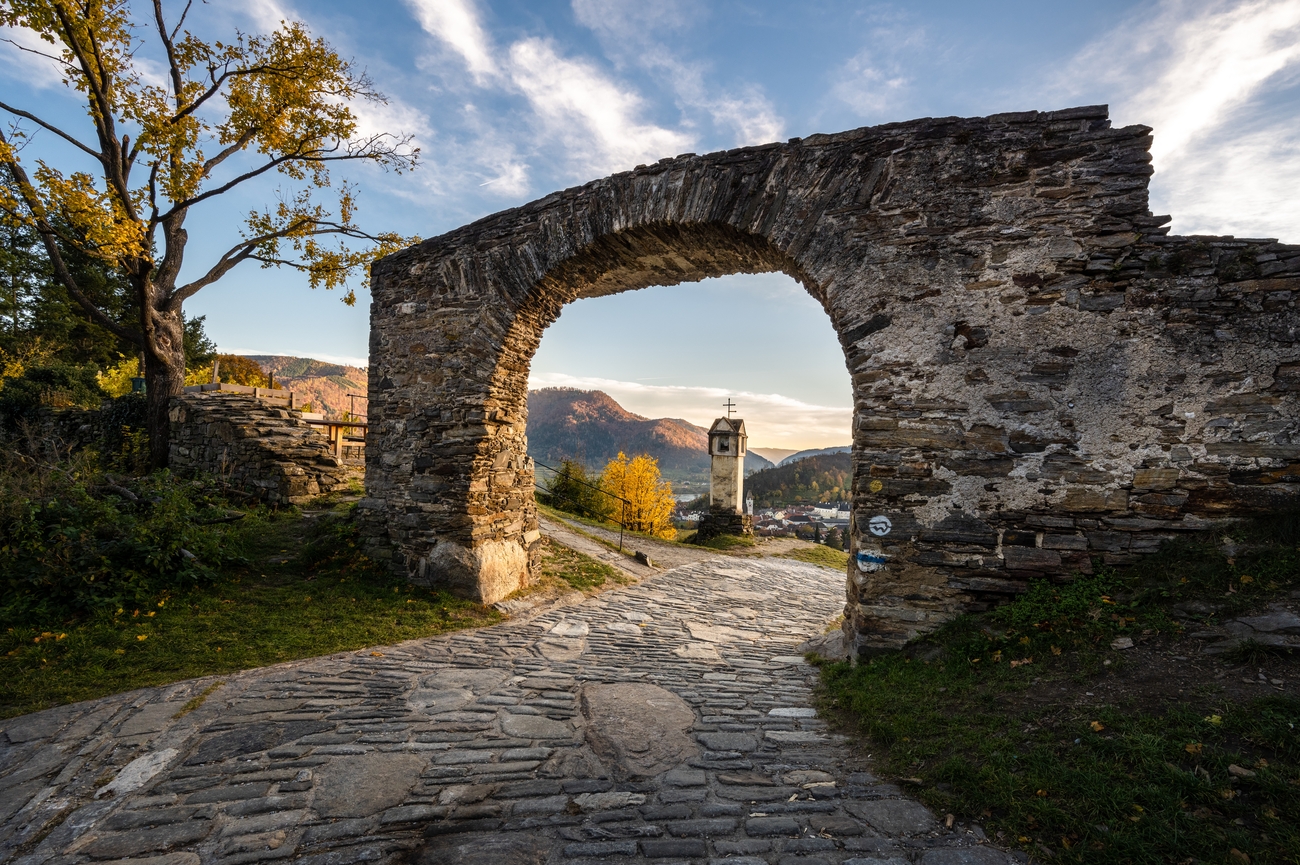
Red Gate
As Spitz slowly slips behind you, the path begins to climb and the vineyards take over. It’s a 10–15 minute uphill walk that trades town streets for grape-lined trails and open sky.
Rotes Tor sits above the village as a composed lookout rather than a showy landmark. It marked a vineyard boundary and access point, tied closely to how land was worked and organized in the Wachau. From here, you see the relationship clearly. The Danube curves below, anchoring the town, while steep vineyard terraces rise with almost architectural precision. The approach doubles as context. As you walk, dry-stone walls and narrow vineyard paths reveal how much human effort went into shaping these slopes.
Afternoon:
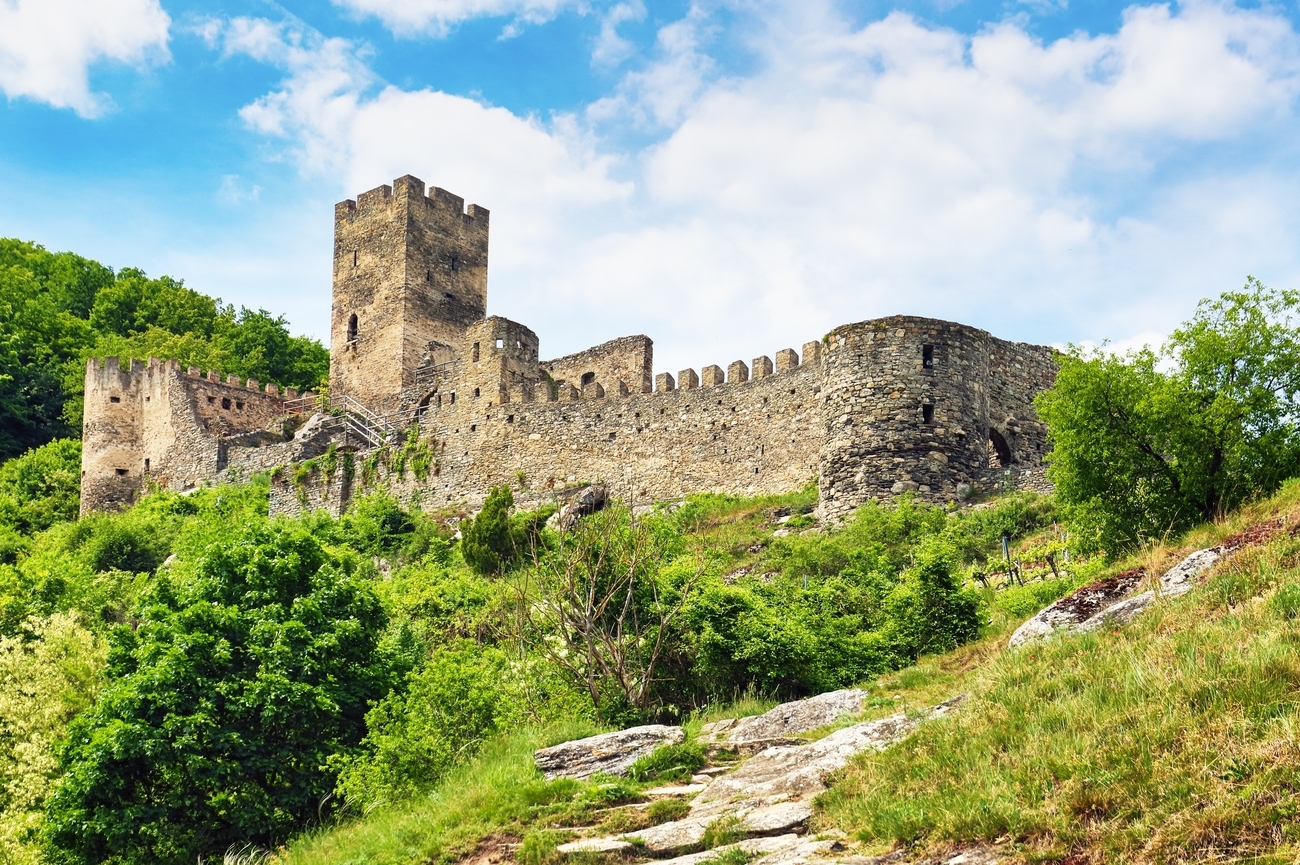
Hinterhaus Castle Ruins
From Rotes Tor, the climb doesn’t end. It simply commits. A further 10–15 minute uphill walk pulls you deeper into the steeper vineyard slopes, where paths narrow, walls rise and the town of Spitz starts looking deliberately small below.
Ruine Hinterhaus, also known as Spitz Castle, sits high above the village as its quiet counterbalance. Built in the 12th century, this fortress once worked hand in hand with river trade and vineyard control, protecting the town and monitoring movement along the Danube. Unlike more theatrical castles in the region, Hinterhaus feels restrained and strategic. Its position says everything. From here, you see exactly why Spitz mattered. Whoever controlled this height controlled the valley corridor below. Today, the ruins remain accessible and refreshingly unpolished. You move through stone walls, open courtyards and remnants of towers that still outline the castle’s original footprint.
Parish Church Weißenkirchen in the Wachau
Descending from the ruins, the mood shifts again. The climb gives way to gentler ground, and within 10 to 15 minutes, the vineyard paths release you back into village life.
The Parish Church of Weißenkirchen in the Wachau rises straight out of the vineyards, and it doesn’t bother easing into the scene. Built in the late Gothic period and later expanded, this fortified church once served a dual role. It was a place of worship and a refuge for locals during turbulent times. Thick walls, elevated positioning, and defensive features make it clear that faith here was protected as seriously as it was practiced.
Step inside and the atmosphere shifts. The exterior may feel solid and restrained, but the interior opens up with vaulted ceilings, detailed altars and carefully preserved artwork that reflects centuries of local devotion. The church’s elevated position also pays off visually. From the surrounding grounds, you get wide views across the Danube and the terraced slopes that define central Wachau. It’s a reminder that spirituality and landscape have always been intertwined here.
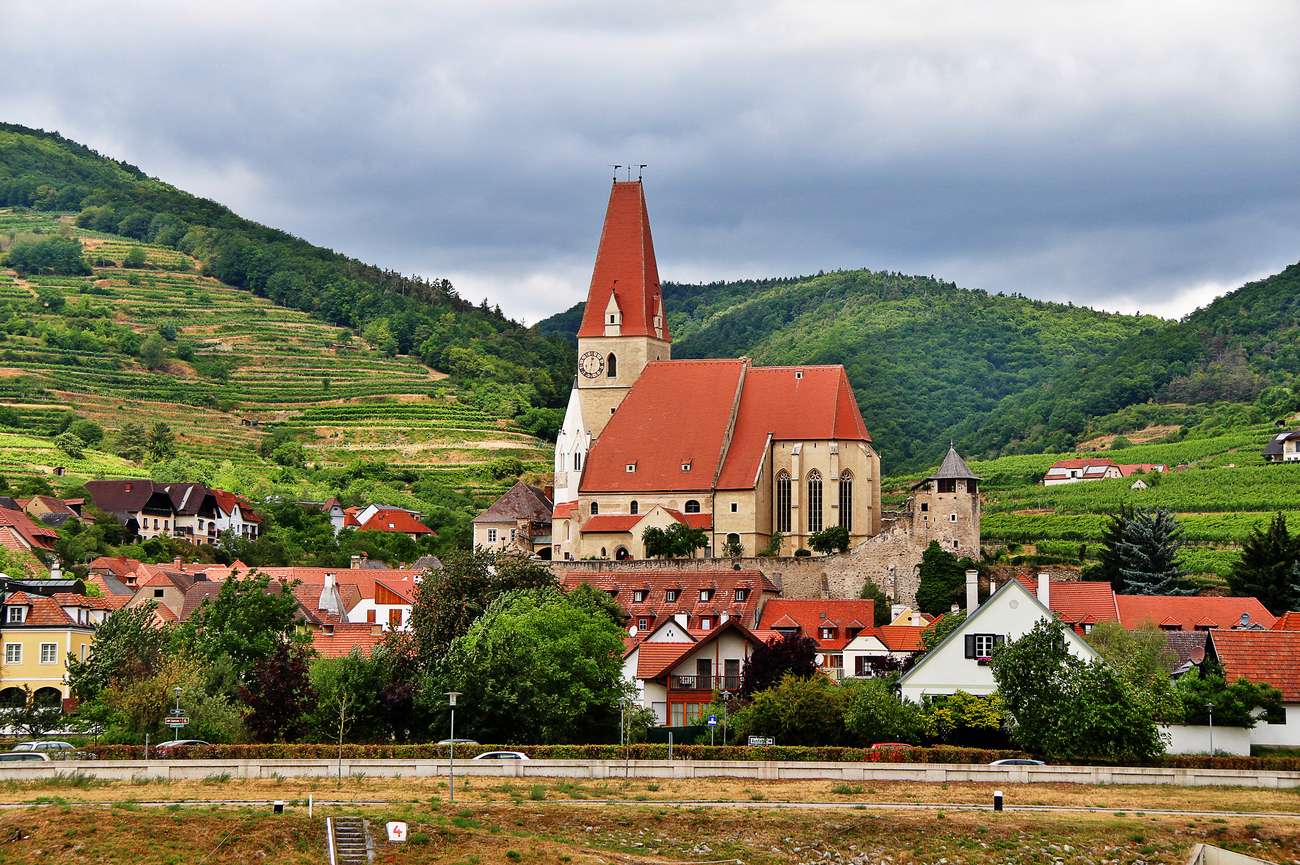
Evening: Teisenhoferhof Wachaumuseum
From the parish church, the route stays effortless. A 5-minute walk through Weißenkirchen’s village lanes brings you to a courtyard that feels quietly important without advertising itself.
The Teisenhoferhof Wachaumuseum sits inside a former monastic complex that dates back to the Middle Ages. Originally linked to the Benedictine monastery of Tegernsee, the site later became a focal point for wine production and regional life in the Wachau. Today, the complex blends preserved historic architecture with contemporary exhibition spaces, making it one of the best places to understand the valley beyond surface-level beauty.
Inside the museum, you move through exhibitions dedicated to Wachau’s cultural landscape, wine traditions and everyday life along the Danube. Displays explore how viticulture shaped settlement patterns, social structures and even architecture in the region. You’ll also find rotating art and photography exhibitions that place Wachau in a modern context, keeping the experience current rather than nostalgic.
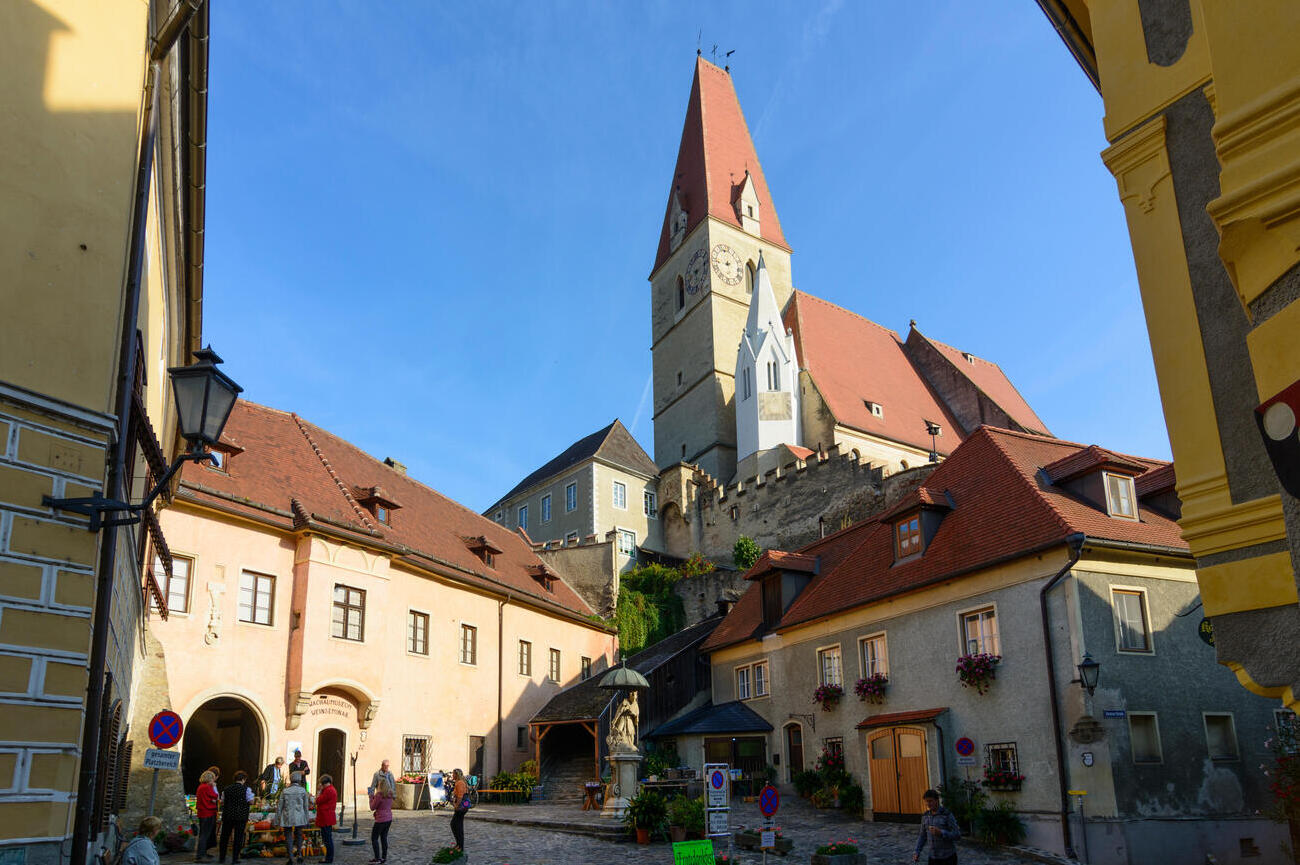
Tausendeimerberg
As the day starts winding down, the route turns uphill again. From the center of Spitz, it’s a 10–15 minute drive or a longer vineyard walk that pulls you away from the river and straight into the slopes. Houses fall away. Stone walls take over. The light starts doing its thing.
Tausendeimerberg, literally “Thousand-Bucket Hill,” is one of Wachau’s most expressive vineyard landscapes. This steep, terraced hillside has been cultivated for centuries and is considered one of the defining vineyard sites of Spitz. The name comes from the sheer amount of labor required to work these slopes. Harvests here were once measured in buckets carried by hand. Standing above it now, you see exactly why. The terraces stack tightly, the angles are unapologetic and the vineyard feels engineered rather than accidental.
Evening is when Tausendeimerberg fully delivers. As the sun lowers, the terraces catch warm light and the Danube below starts reflecting softer tones. Fewer people linger up here at this hour, which gives you space to slow down and let the valley settle.
Day 2 - Central Wachau Valley Tour Map
Day 3 -
Eastern Wachau: Dürnstein, Loiben
Morning: Dürnstein
Dürnstein knows exactly when to show up and morning is its best angle.
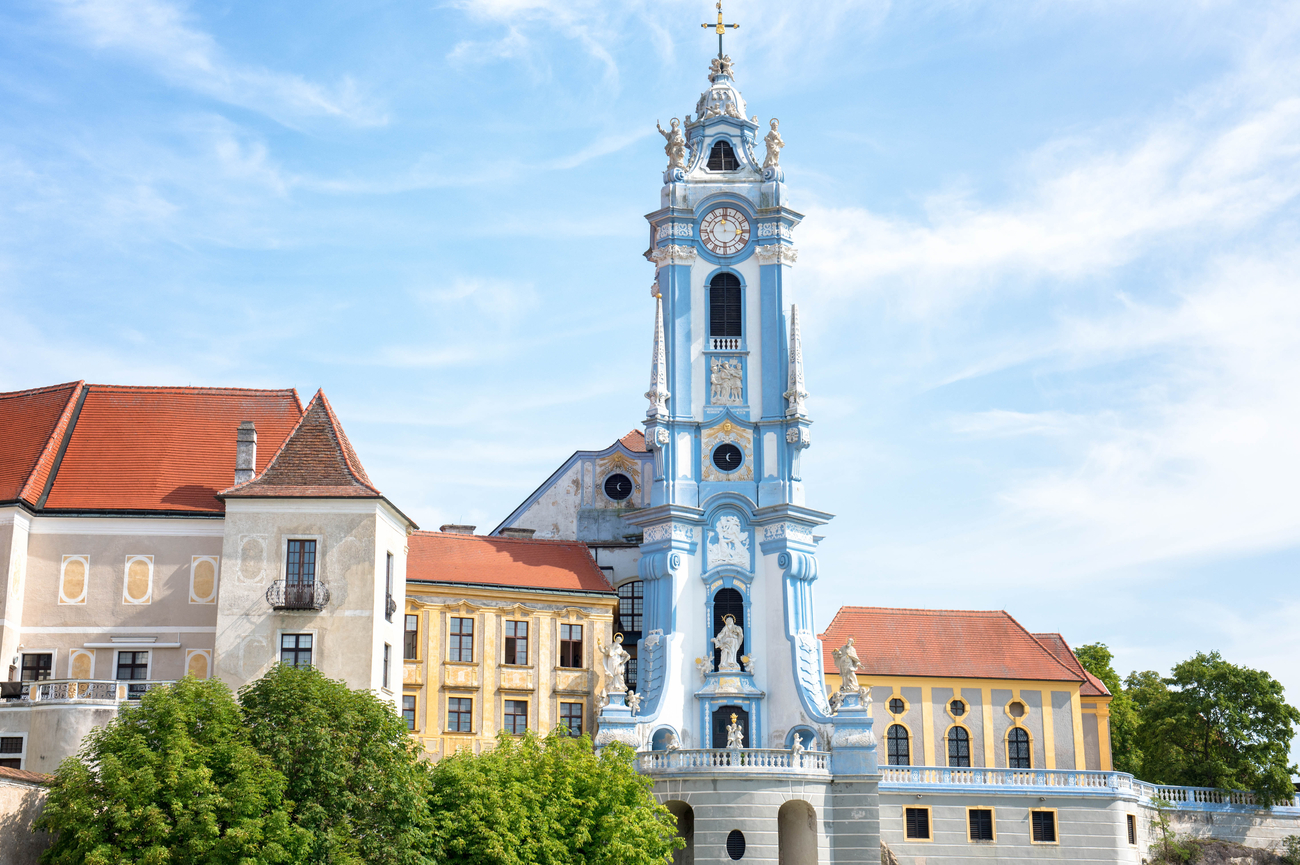
Set directly along the Danube, this compact town is one of the Wachau Valley’s most recognizable stops, anchored by its blue-and-white Baroque tower and backed by vineyard-covered hills that rise quickly behind it. Dürnstein’s importance stretches far beyond its looks. It was a strategic river town, a trading point, and famously the place where Richard the Lionheart was held captive. Power and passage have always moved through here and that layered history still shapes the town’s character.
Early hours are when Dürnstein feels most balanced. The streets remain calm, the river reflects clean light and the valley hasn’t fully turned on its volume yet. Starting Day 3 here gives you Wachau at its most iconic, but also at its most composed.
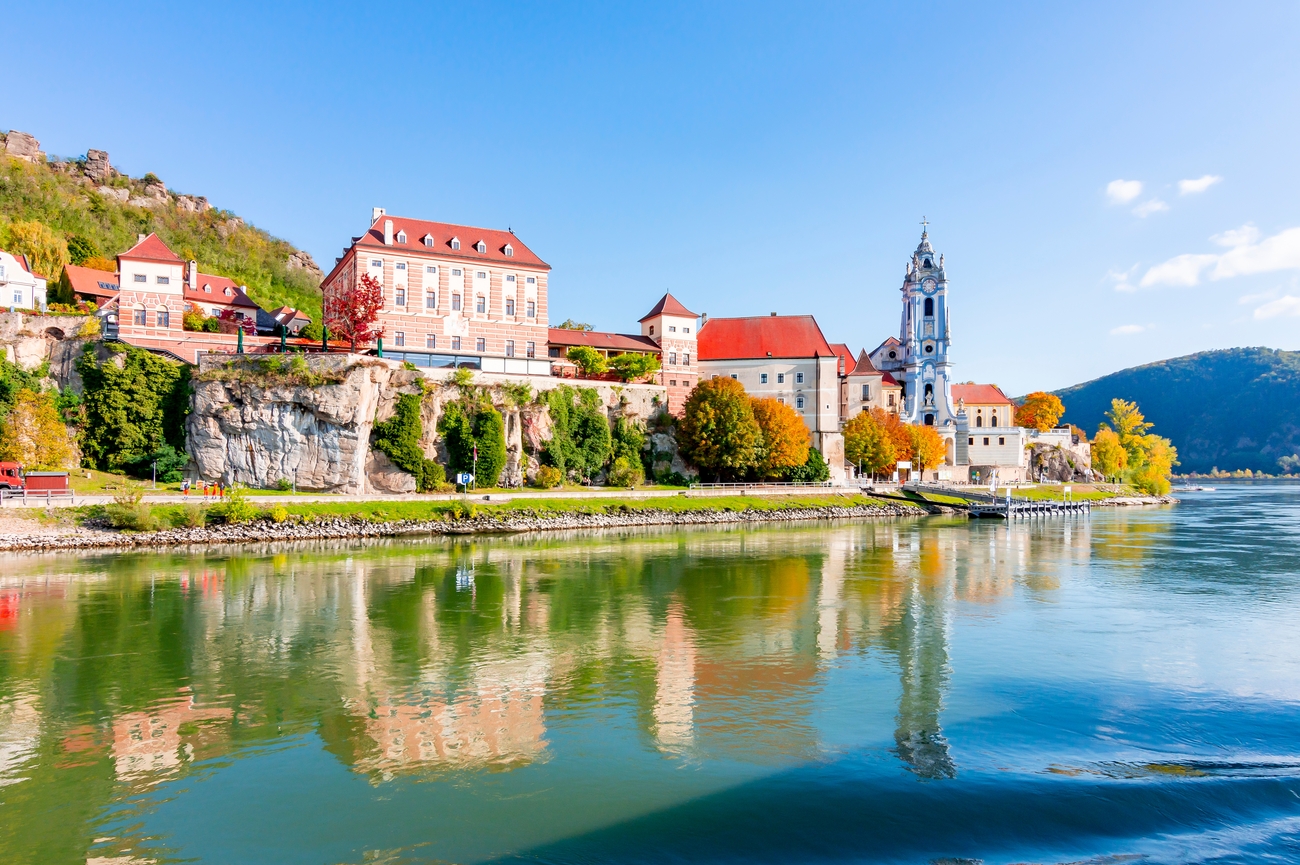
Dürnstein Abbey
From the cobbled lanes of Dürnstein’s old town, it’s a two-minute walk before the skyline takes over.
Stift Dürnstein sits directly along the Danube, woven into the town rather than set apart from it. Founded in the early 15th century as an Augustinian monastery, the abbey later received its unmistakable Baroque makeover in the 18th century. That blue-and-white tower was designed to do one thing extremely well. Be seen. From the river, it signaled spiritual authority and cultural influence to anyone passing through the valley. From land, it anchors Dürnstein’s identity.
Step inside the abbey complex and the mood shifts from postcard to purpose. You move through courtyards and into the abbey church, where ornate altars, frescoes and carefully layered architectural details reflect centuries of religious life tied closely to river trade and regional power.
Afternoon:
Dürnstein Castle
From the abbey grounds, the route turns vertical. A 10–15 minute uphill walk pulls you away from the riverfront and into the slope behind the town. Streets tighten, stone steps appear, and Dürnstein starts shrinking below you with every turn.
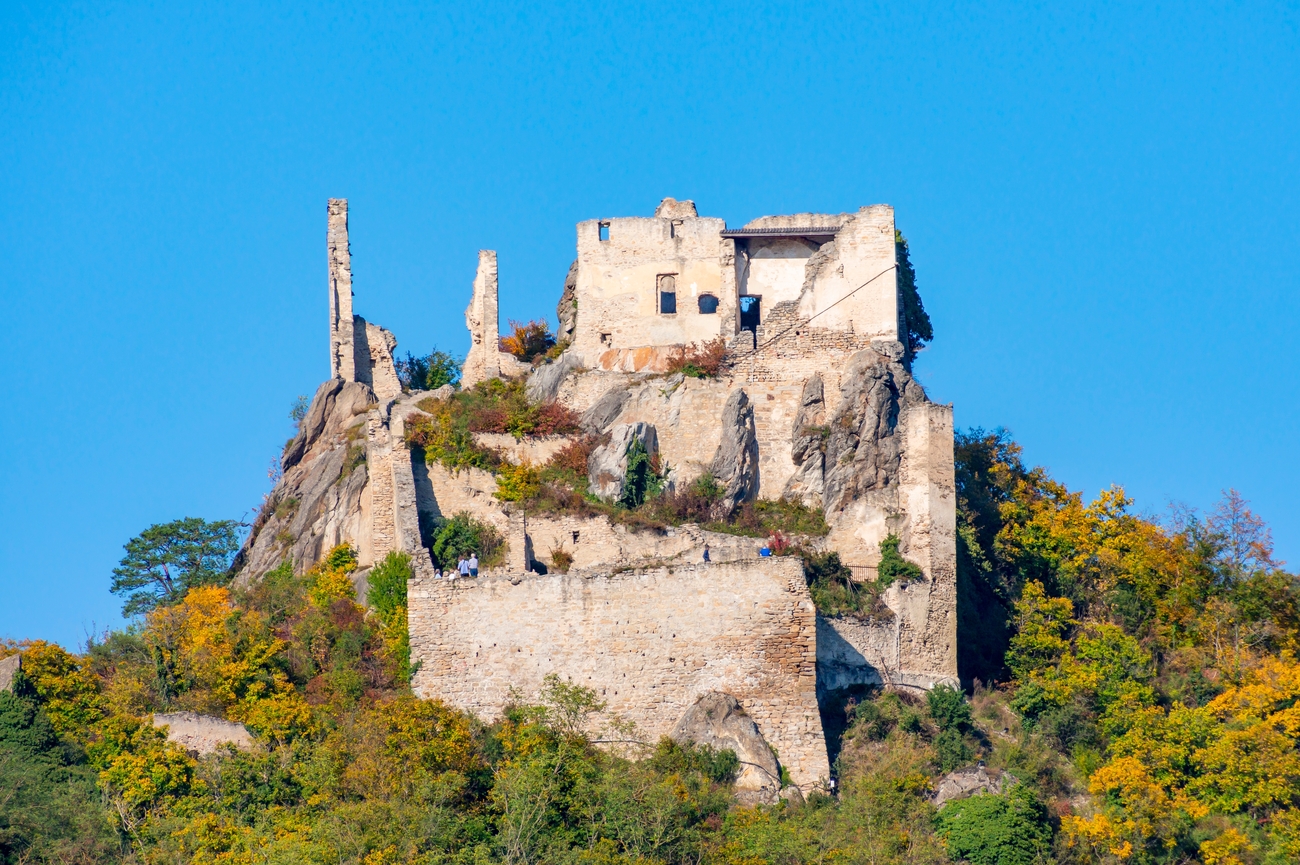
The Dürnstein Castle Ruins (Burgruine Dürnstein) sit high above the town, and this is where Dürnstein’s story turns from polished to powerful. Built in the 12th century, the fortress was designed to control movement along the Danube and protect the settlement below. It’s also where Richard the Lionheart was famously imprisoned, a moment that locked Dürnstein into European history. From up here, the logic is obvious. Whoever held this height held the river. Politics, trade and leverage all passed through this point.
Unterloiben Vineyards
Within 15–20 minutes downhill, stone steps give way to open ground, and the landscape softens into long rows of vines stretching east of Dürnstein.
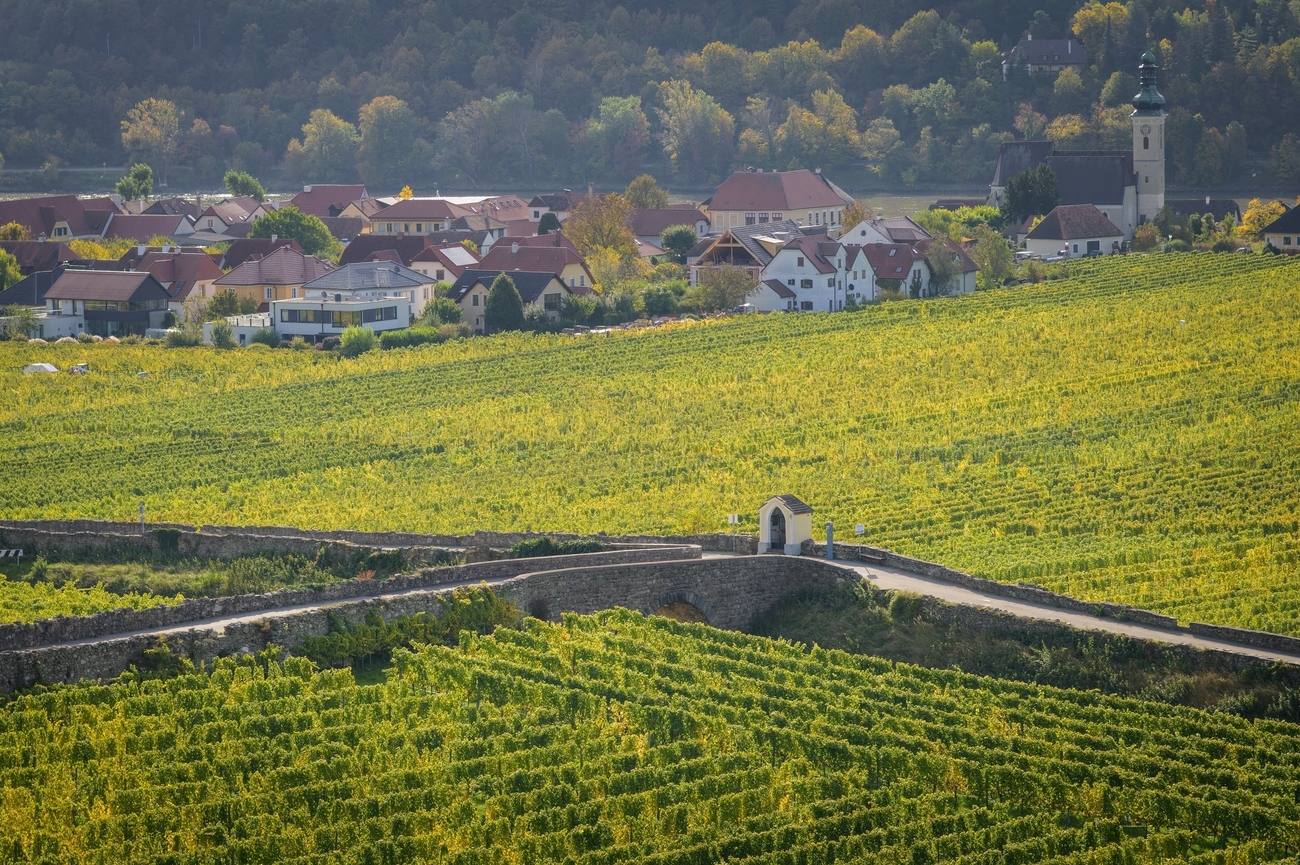
The Unterloiben Vineyards sit on one of the most productive and historically important stretches of land in the eastern Wachau. This area has been cultivated for centuries, shaped by the Danube’s influence and the valley’s unique microclimate. The slopes here are gentler than the dramatic terraces around Spitz, but that doesn’t make them any less serious. These vineyards are known for precision rather than spectacle.
Walking through Unterloiben feels expansive. Vineyard paths run wide and open, giving you space to see how the land is organized and worked. You’re not standing at a viewpoint looking in. You’re inside the system, moving through the rows where the valley’s reputation is built year after year.
Oberloiben
As the vineyards start to thin and the path levels out, the landscape gently hands you back to village life. It’s a 10-minute walk from the Unterloiben vineyards and the transition is subtle. Rows of vines soften into lanes. Stone walls turn into doorways.
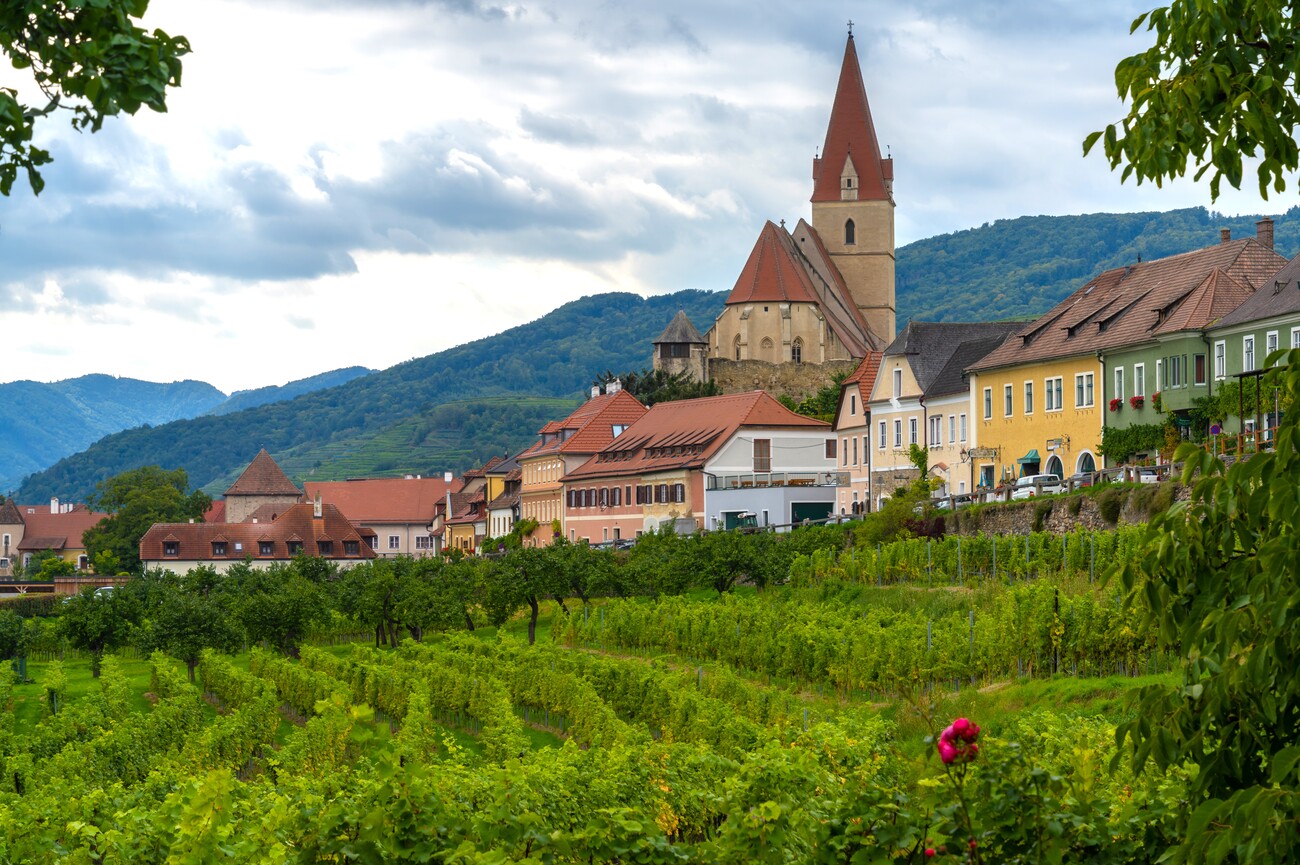
Oberloiben is the quieter sibling in the Loiben pair, and it wears that role well. This small wine-growing village sits slightly inland from the Danube, shaped more by agriculture than by river traffic. Historically, Oberloiben functioned as a working settlement, supporting viticulture rather than trade or defense. The layout reflects that purpose. Modest houses, inner courtyards and wine cellars cluster closely together. This is a place that feels lived-in rather than curated.
After castles, abbeys, and viewpoints, this stop brings Wachau back to human scale. It’s understated, honest and quietly confident.
Evening:
Kuenringerbad
As the village lanes begin to thin, the landscape opens up again. The houses fall back, the ground flattens and within 10–15 minutes on foot, the Danube quietly steps back into the spotlight.
Kuenringerbad stretches along the riverbank as one of the town’s most relaxed spaces, and it earns its place in the evening lineup. Long used by locals as a spot to cool off and slow down, this open area trades spectacle for breathing room. Lawns spread out toward the water, paths stay wide and unhurried and the view pulls your attention back toward the abbey tower and castle ruins now glowing softly above the town.
This isn’t a place you rush through. You walk along the water’s edge, stop when the view feels right and let the river set the tempo. Boats pass at a measured pace, reflections lengthen across the Danube and the noise of the day fades without effort.
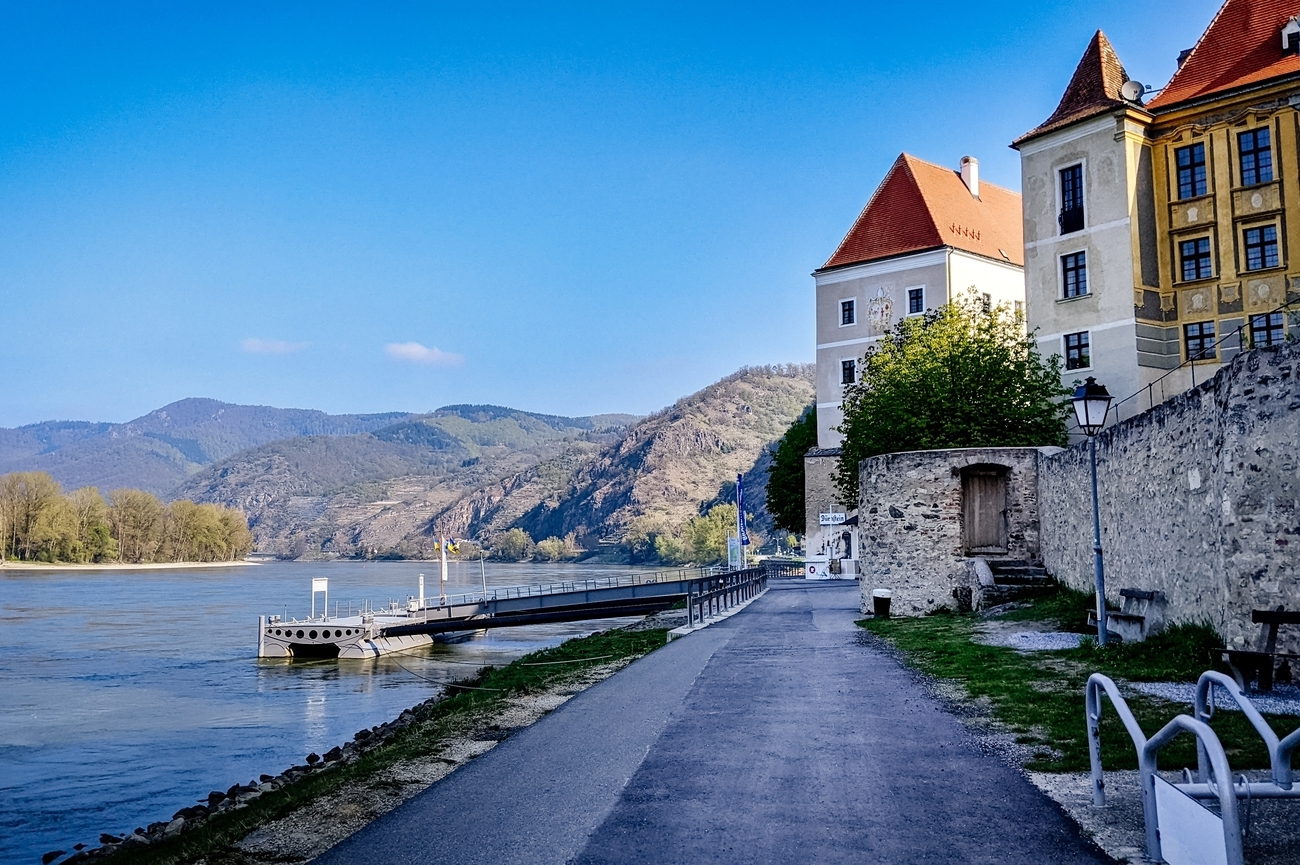
Danube embankment
Let the river take the lead this time. As Kuenringerbad slips out of view, your steps naturally follow the Danube’s curve. The path doesn’t announce itself. It simply keeps going. Within 5 to 10 minutes, the open lawns dissolve into a calmer stretch where the water stays close and the surroundings grow quieter.
Donaulände feels like the valley easing its grip. This riverside promenade runs long and unobstructed, giving the Danube space to do what it’s always done here. Flow. The views don’t demand attention. They hold it.
You walk without a destination in mind, stopping when the moment feels right rather than when a landmark tells you to. Donaulände is the perfect curtain call. Wachau opens and closes with the Danube and this is where everything comes back into alignment. No final climb. No last highlight. Just the river carrying the experience forward, exactly as it should.
Day 3 - Eastern Wachau Valley Tour Map
Other
Things to Do in the
Wachau Valley
Wachau Valley doesn’t run out of things to do. It just waits to see how curious you are. Beyond the headline stops, the valley opens up in quieter, more deliberate ways. These are places you go when you want to slow the pace, upgrade the experience or see Wachau from a slightly different angle without repeating what you’ve already done.
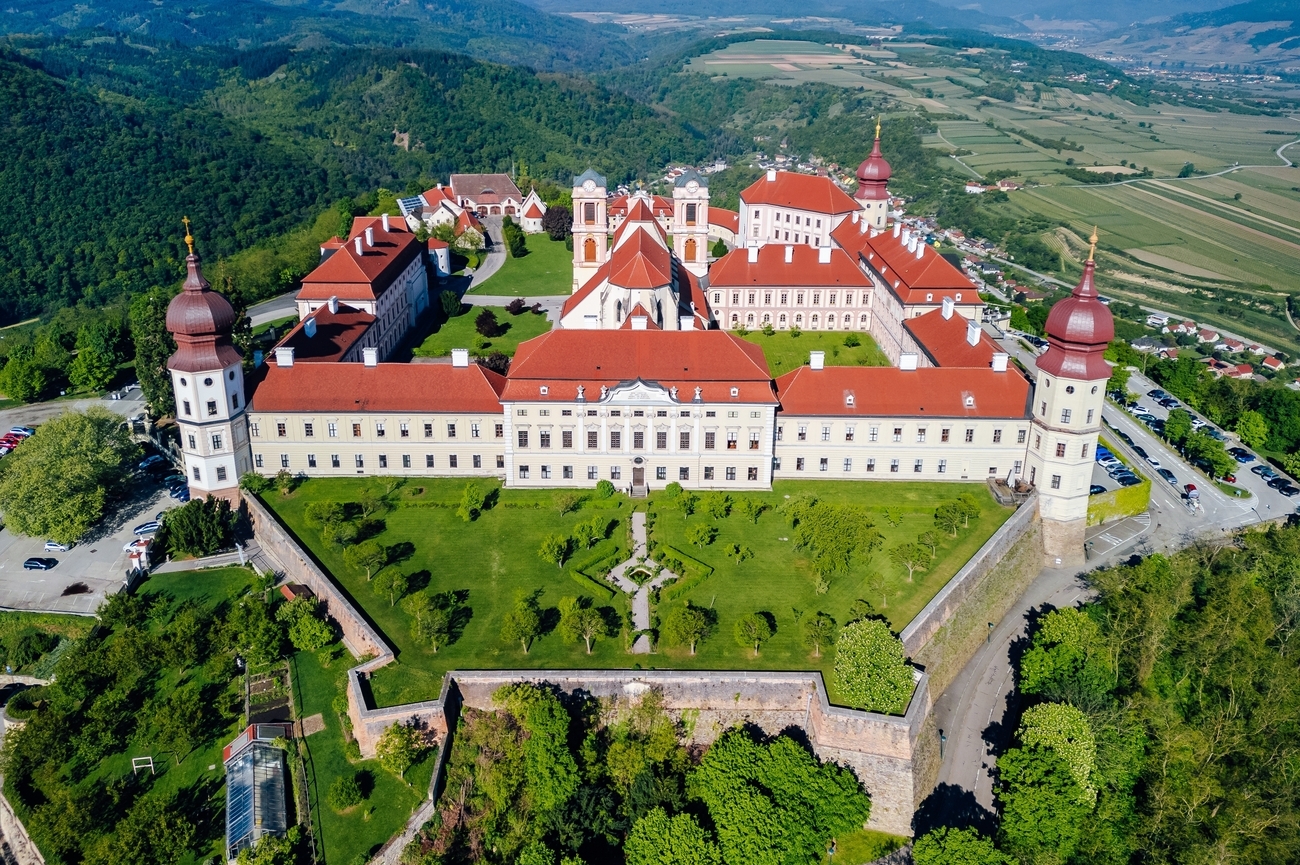
- Göttweig Abbey: Göttweig Abbey sits high above the eastern edge of the Wachau like it’s been quietly supervising the valley for centuries. As you approach, the scale of the Baroque complex becomes clear, but it’s the position that really lands. From the terraces, you see the Danube stretch wide and the vineyard slopes flatten out toward Krems, giving you one of the clearest reads of the region’s geography. For a more elevated visit, private guided tours open up deeper insight into the abbey’s role in regional politics and religious life.
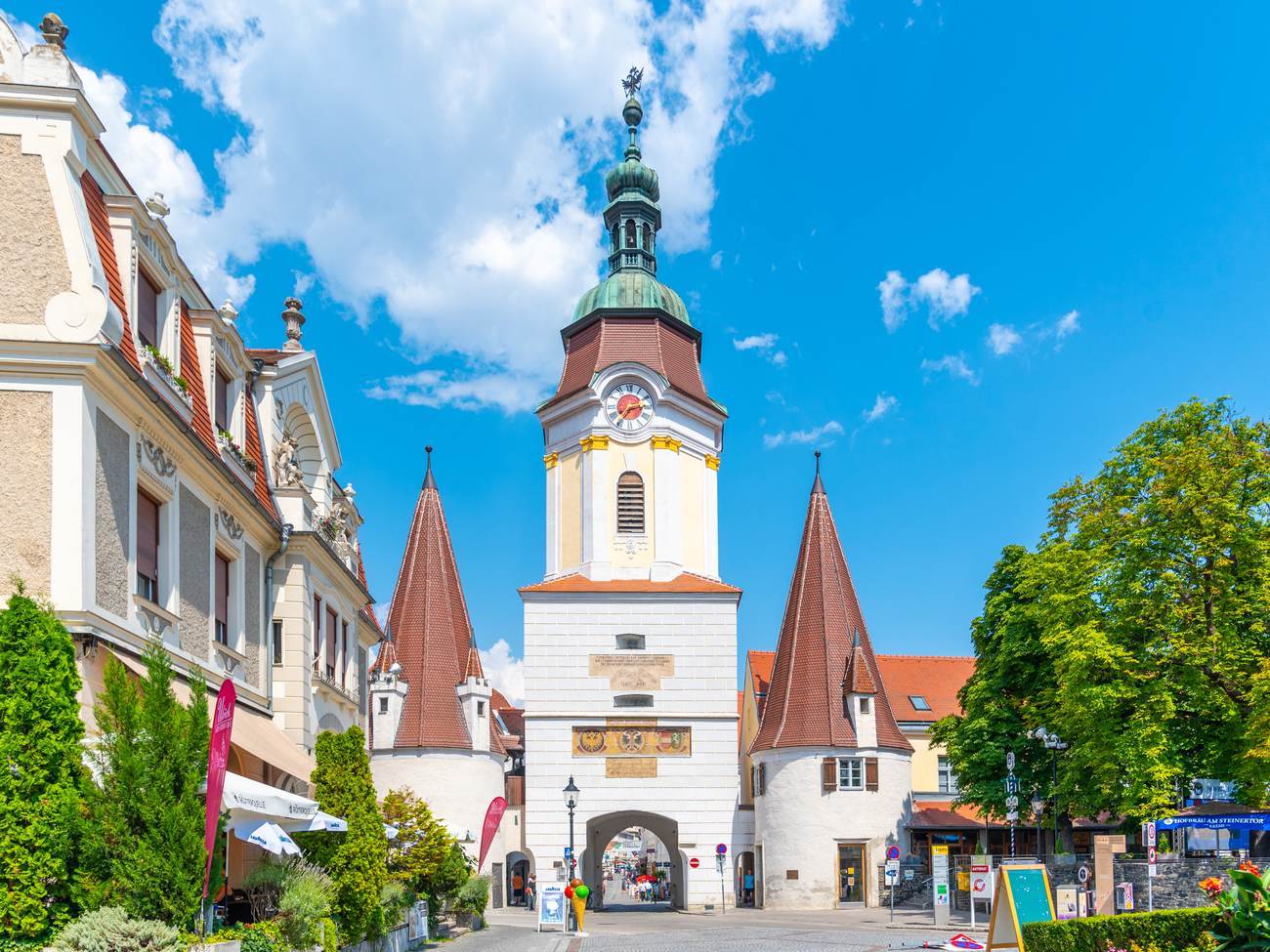
- Steiner Tor City Shopping: This is the Wachau’s shopping pause button. Set at the valley’s gateway, Steiner Tor City Shopping works as a deliberate stop when you want a change of pace without leaving the region’s orbit. You pass through Krems’ medieval gate and the energy shifts just enough. More options. More browsing. Still walkable. Still human. It’s a compact stretch of historic streets where independent boutiques, specialty shops and local brands sit side by side. You move easily from store to store, picking up regional products, design-forward pieces or last-minute gifts without turning the day into an errand run.
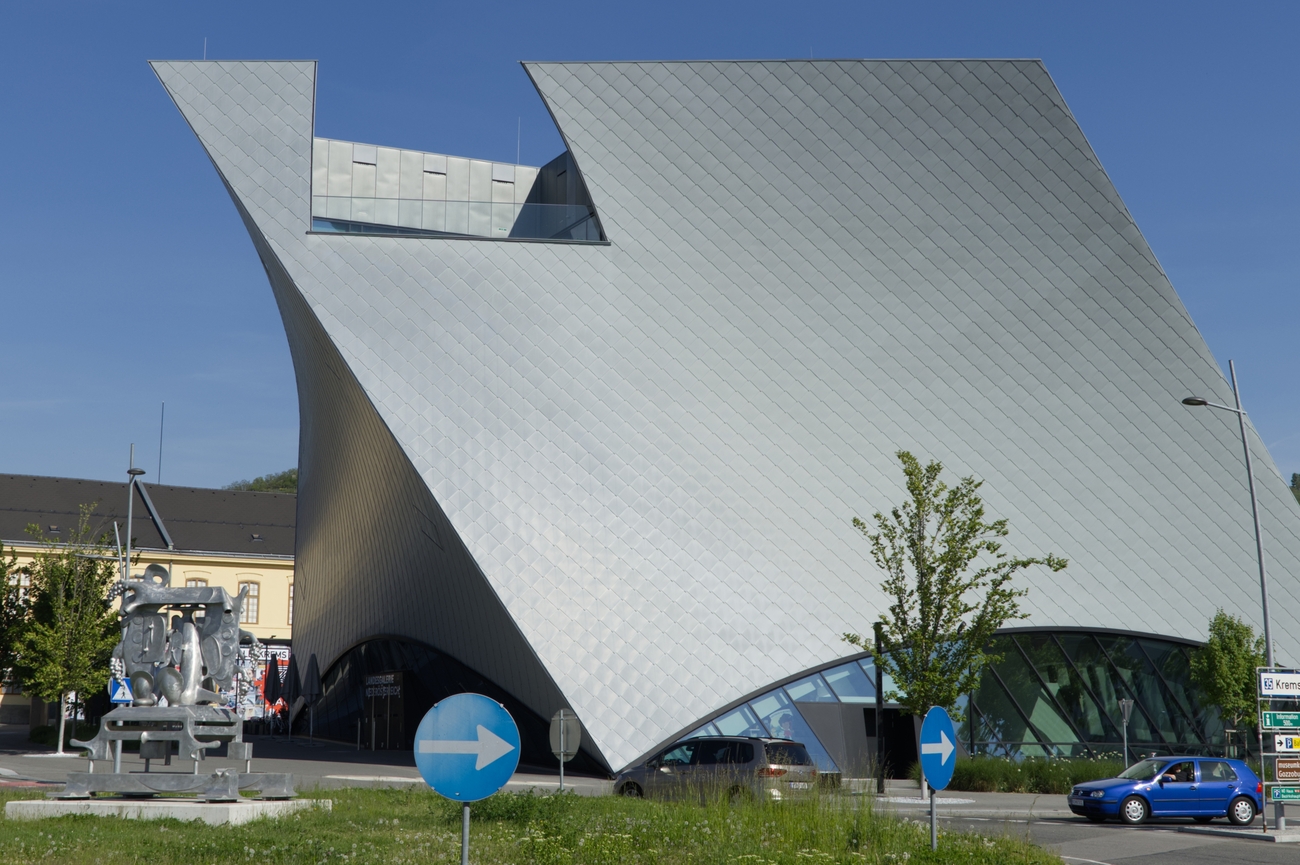
- Kunsthalle Krems: Kunsthalle Krems offers a sharp reset. Set in a former tobacco factory at the eastern edge of the Wachau, this contemporary art space introduces a modern layer into a region dominated by history. The architecture itself sets the tone. Industrial, open and unapologetically modern. Inside, you move through rotating international exhibitions that explore contemporary themes in art, photography and design.
- Pfarr- und Wallfahrtskirche Mariae Geburt: High above the Danube, the pilgrimage church of Maria Langegg feels removed from the usual flow of the valley. The approach alone sets a quieter tone and once you arrive, the atmosphere follows suit. The Baroque interior is elegant and restrained, designed to support reflection rather than spectacle. As you step outside, the setting takes over. Views stretch across the river and the surrounding forested slopes, offering a sense of space that encourages you to linger.
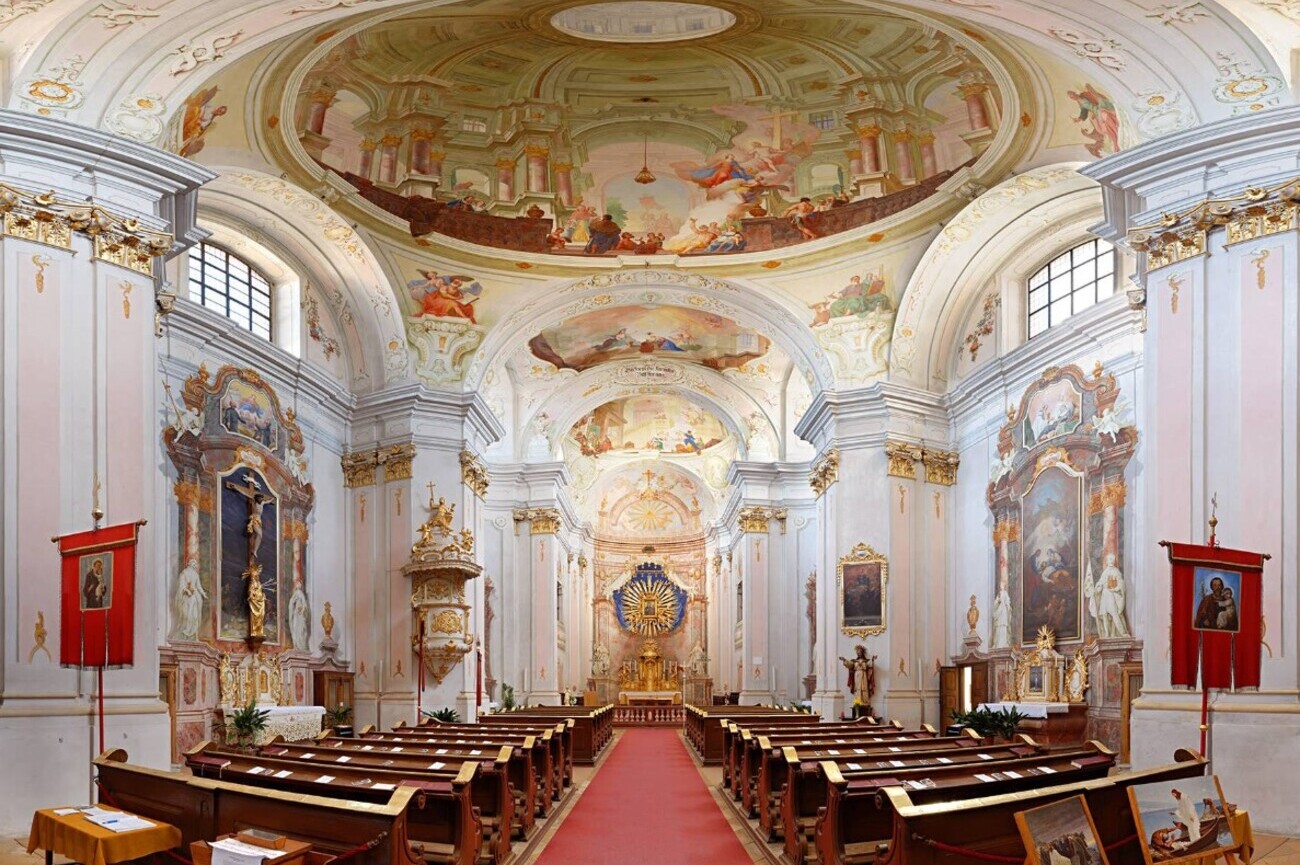
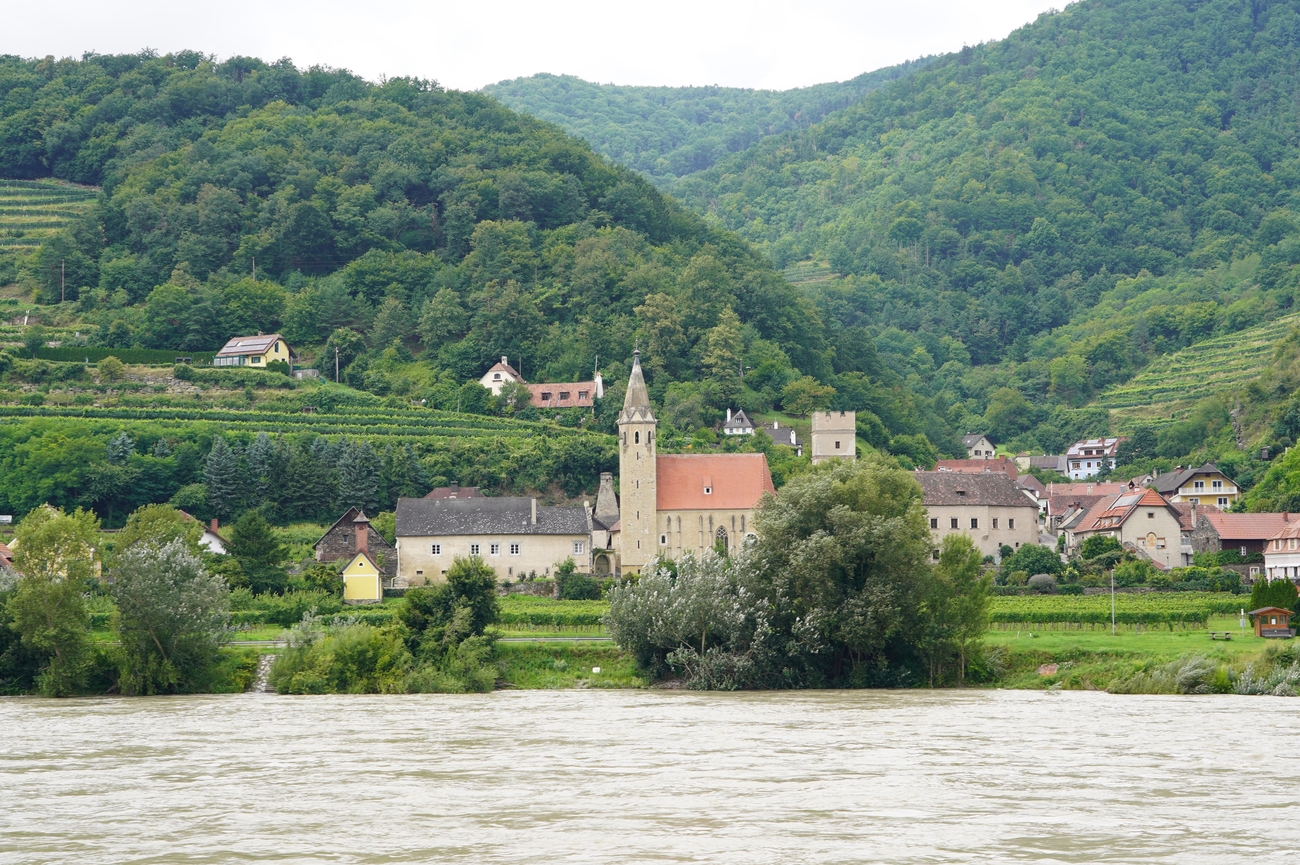
- Willendorf in der Wachau: Willendorf doesn’t overwhelm with visuals, but it quietly resets your sense of time. This small riverside village is known as the discovery site of the Venus of Willendorf. Standing here, you’re looking at a place that mattered long before monasteries, castles or vineyards existed. There are no dramatic ruins, just the river, the land and the knowledge of what was found beneath it.
Things
to Do With Kids in the Wachau Valley
Wachau with kids works better than people expect. The valley may be known for wine and abbeys, but it also delivers open space, hands-on museums, animals and water-level fun that actually keeps younger travelers engaged. These are places where learning feels light, movement is built in and parents don’t have to over-explain why the stop is worth it.
- Jauerling-Wachau Nature Park: This is where Wachau turns into a playground for curious minds. As the highest point in the region, the Jauerling area offers wide meadows, forest paths and gentle trails that work well for kids who like exploring without steep climbs. You don’t need to frame this as a hike. Short walks already feel like an adventure, especially when kids realize how high they are above the valley.
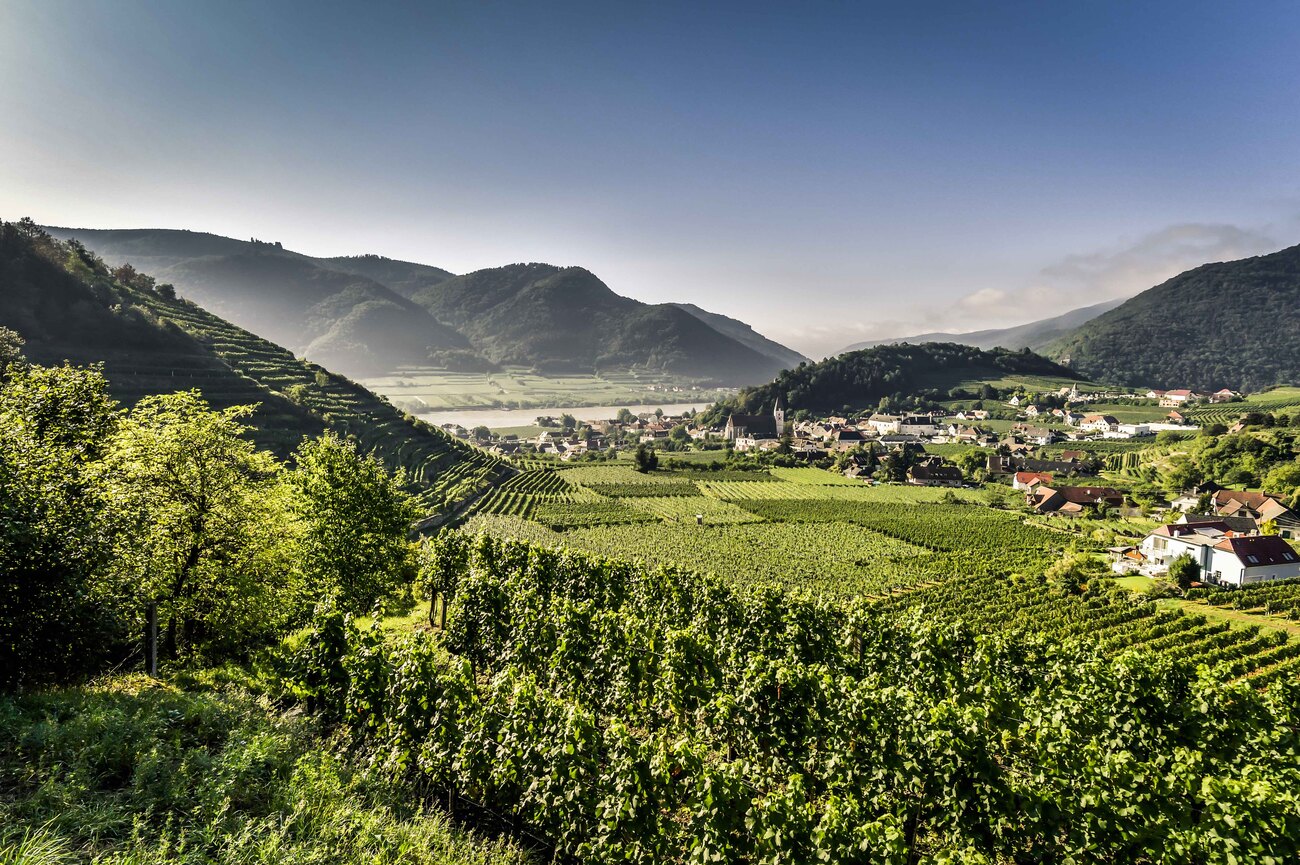
- Dunkelsteinerwald: The Dunkelsteinerwald brings shade, cool air, and a completely different rhythm into the day. Forest paths replace stone terraces, and kids usually relax the moment trees take over. You’re not here to power through trails. You’re here for short forest walks where kids can spot leaves, insects, and fallen branches without being told to stay still.
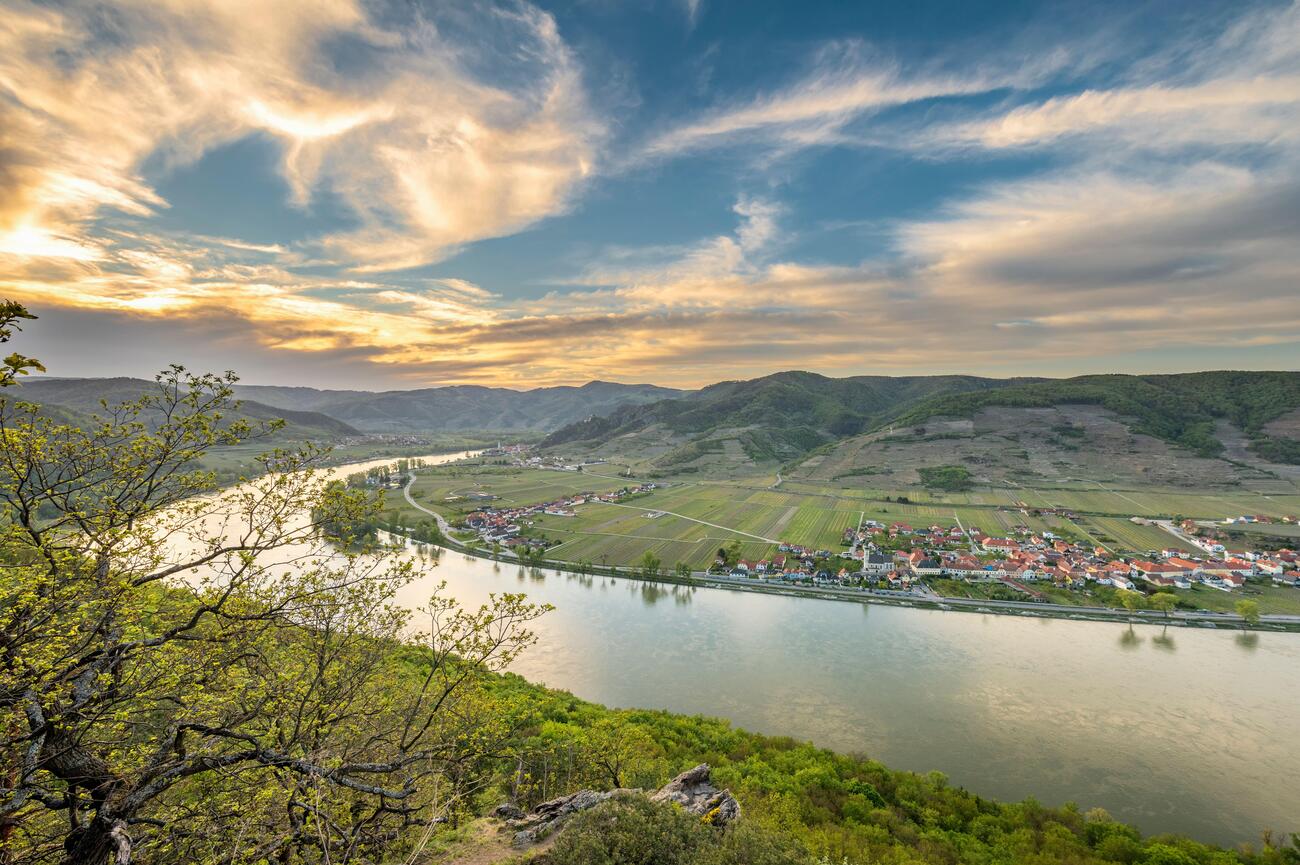
- Rossatz-Arnsdorf is one of the most family-friendly villages in the Wachau, mainly because of the space. Wide riverside paths, orchards and open fields give kids room to move without needing constant direction. You’re directly opposite Dürnstein, which means the views stay impressive even when the activity stays simple. Your kids can walk, cycle or scooter along the Danube while you enjoy one of the best sightlines in the valley.
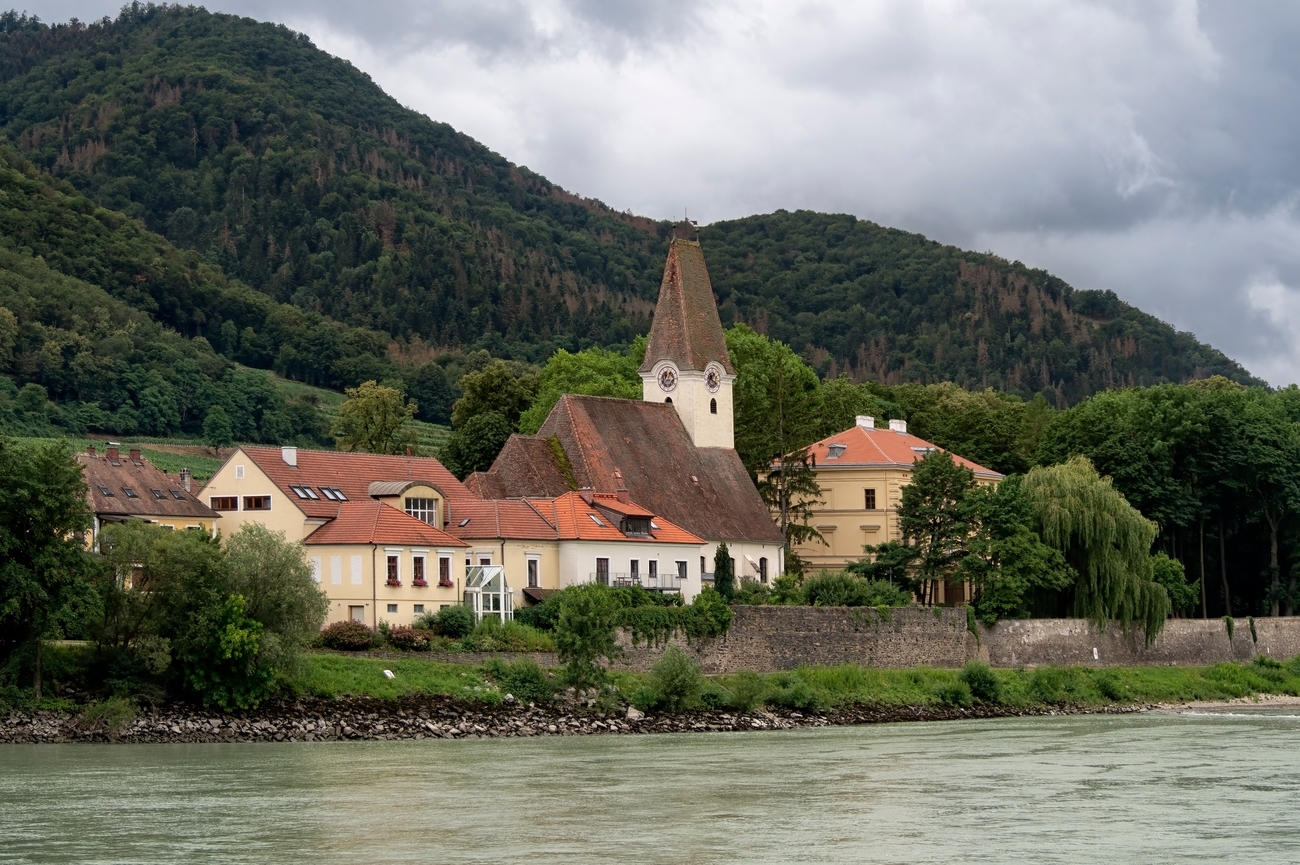
- Emmersdorf an der Donau: At the western edge of the Wachau, Emmersdorf works beautifully as a low-key family stop. Riverside green areas, flat paths and open views make it easy for kids to unwind after more structured sightseeing. You’re still right on the Danube, which keeps the setting engaging without adding effort.
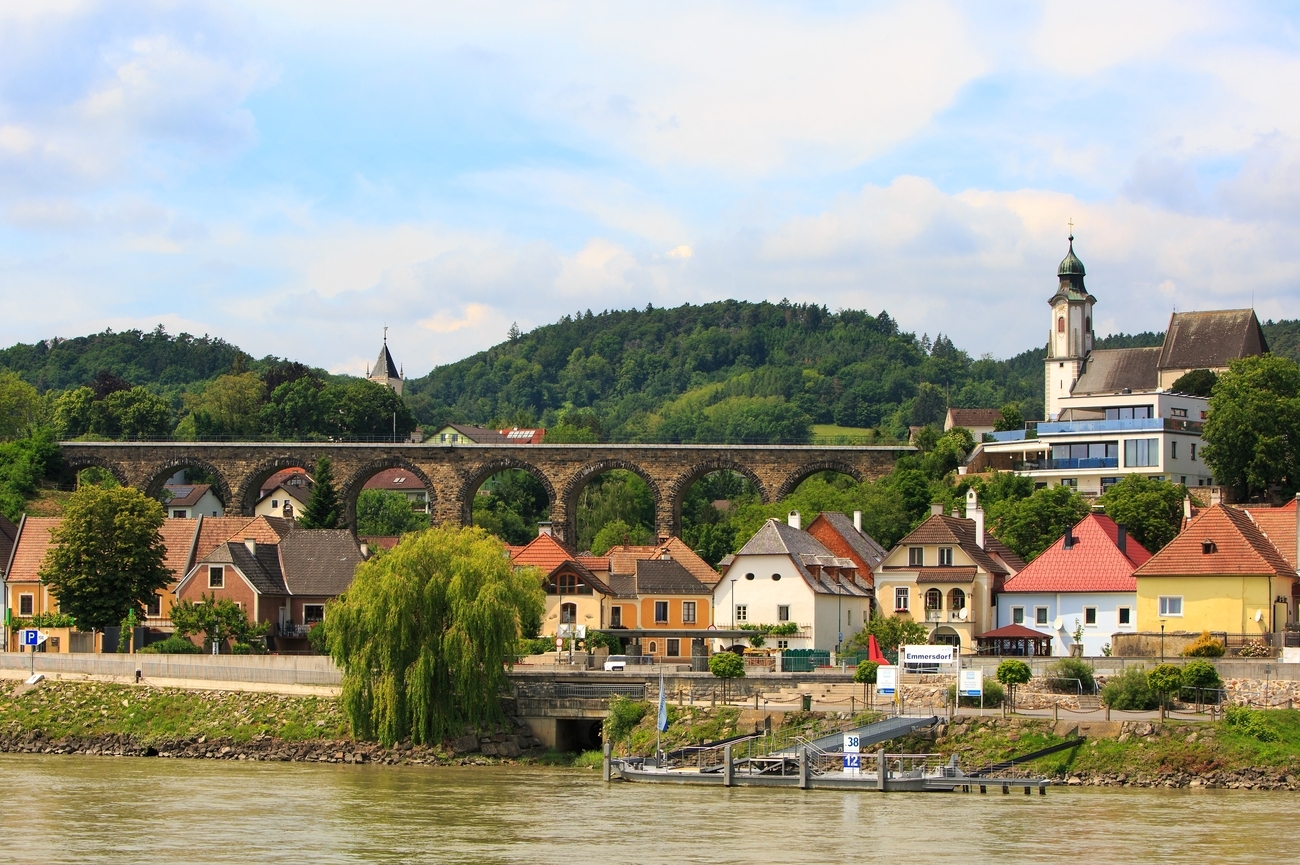
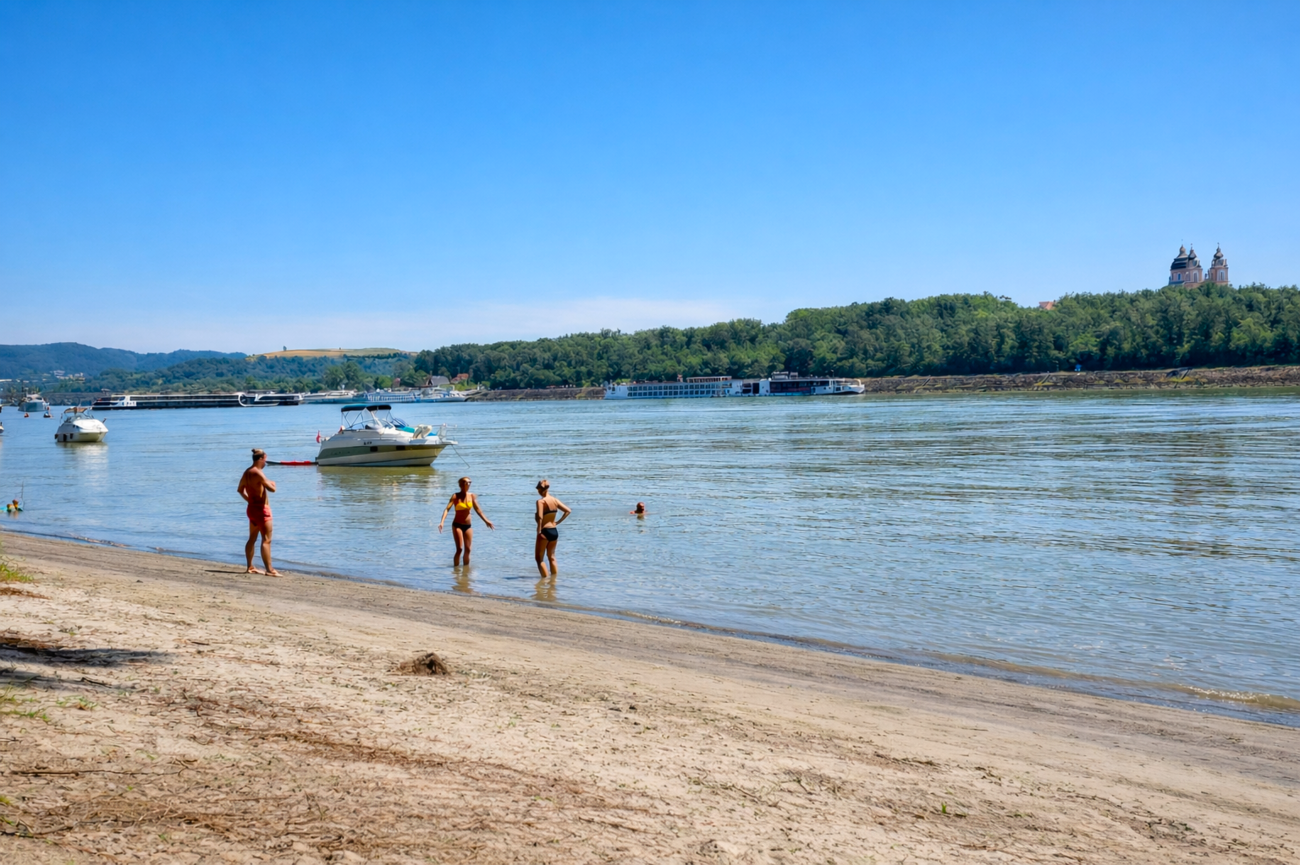
- Flussstrand Luberegg: This is Wachau at its most relaxed and kids usually get it instantly. Flussstrand Luberegg is a natural river beach along the Danube, where the landscape opens up and the rules quietly disappear. No fences, no structured attractions, just water, pebbles and space. You arrive here when the day needs to loosen its grip.
Day
Trips From the Wachau
Valley
Wachau has a way of pulling you inward. Vineyards rise, the river slows everything down and suddenly the idea of going anywhere else feels unnecessary. That’s exactly why the day trips work so well. You’re not escaping the valley. You’re orbiting it. From Wachau, Austria opens up in clean, efficient lines. These are the kind of day trips that feel intentional rather than opportunistic. All of the places below are within one hour to one hour and thirty minutes from the Wachau region.
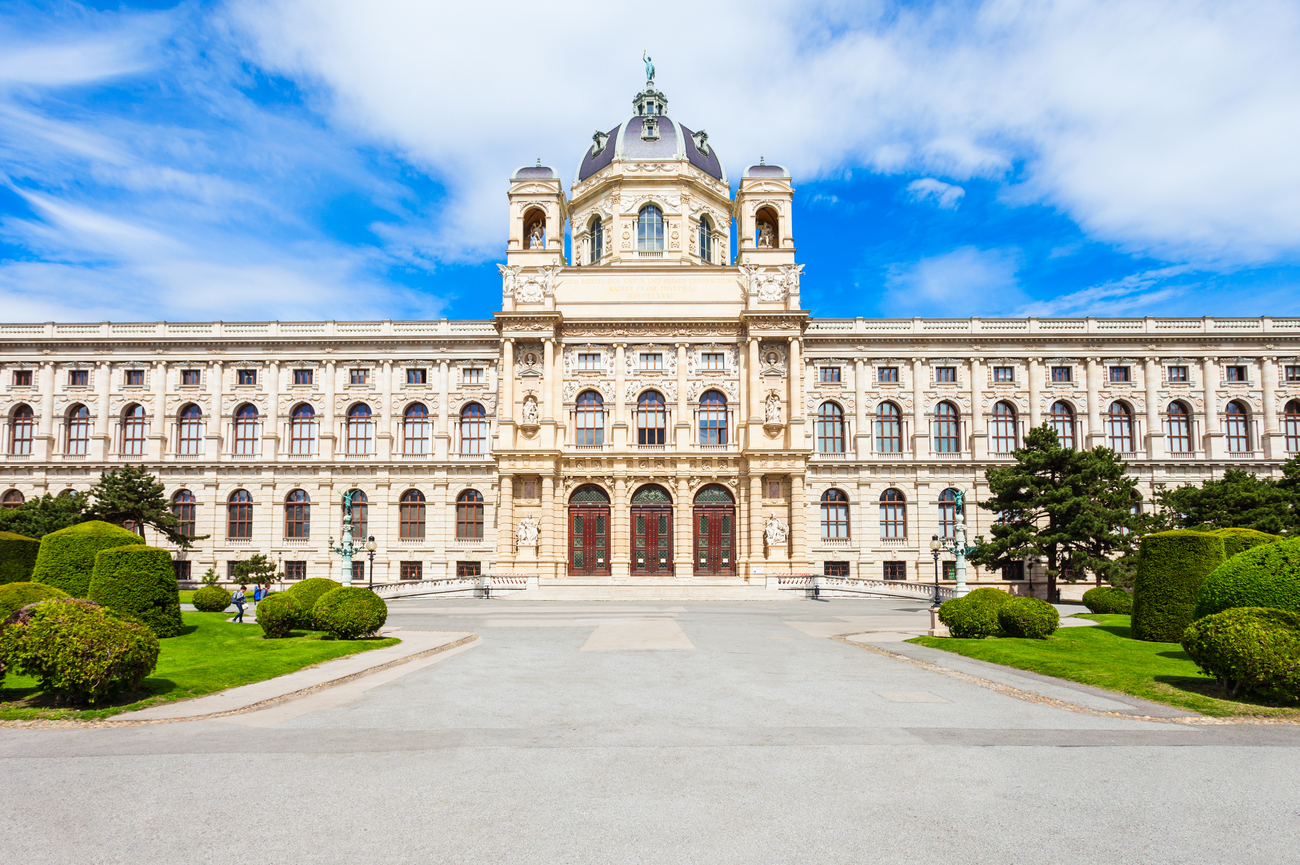
- Vienna: Wachau’s calm gives way to imperial scale faster than expected. In just over an hour by car or train, the vineyards flatten out and Vienna’s skyline takes over. The Historic Centre of Vienna, a UNESCO World Heritage Site, anchors the experience with medieval streets, Baroque palaces and grand imperial geometry. You move easily between St. Stephen’s Cathedral, the Hofburg Palace and the Ringstrasse, where architecture tells the story of power, music and politics without needing much explanation.
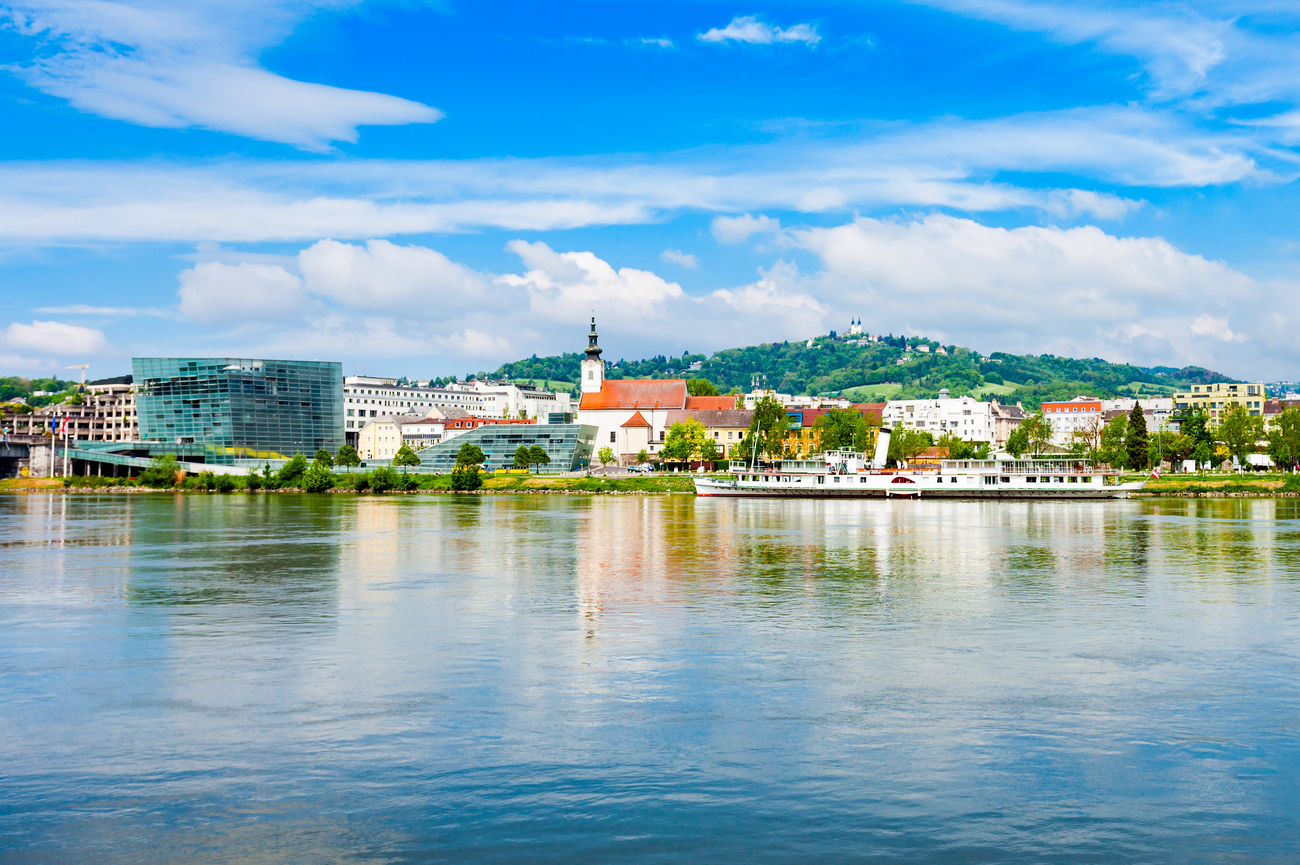
- Linz: Following the Danube west for about an hour brings you straight into Linz, which feels familiar in geography but completely different in attitude. Once known primarily for industry, the city has redefined itself through culture and innovation. You can walk the Old Town, explore Hauptplatz and step into the Ars Electronica Center, where digital art and technology reshape how you think about cities and creativity.
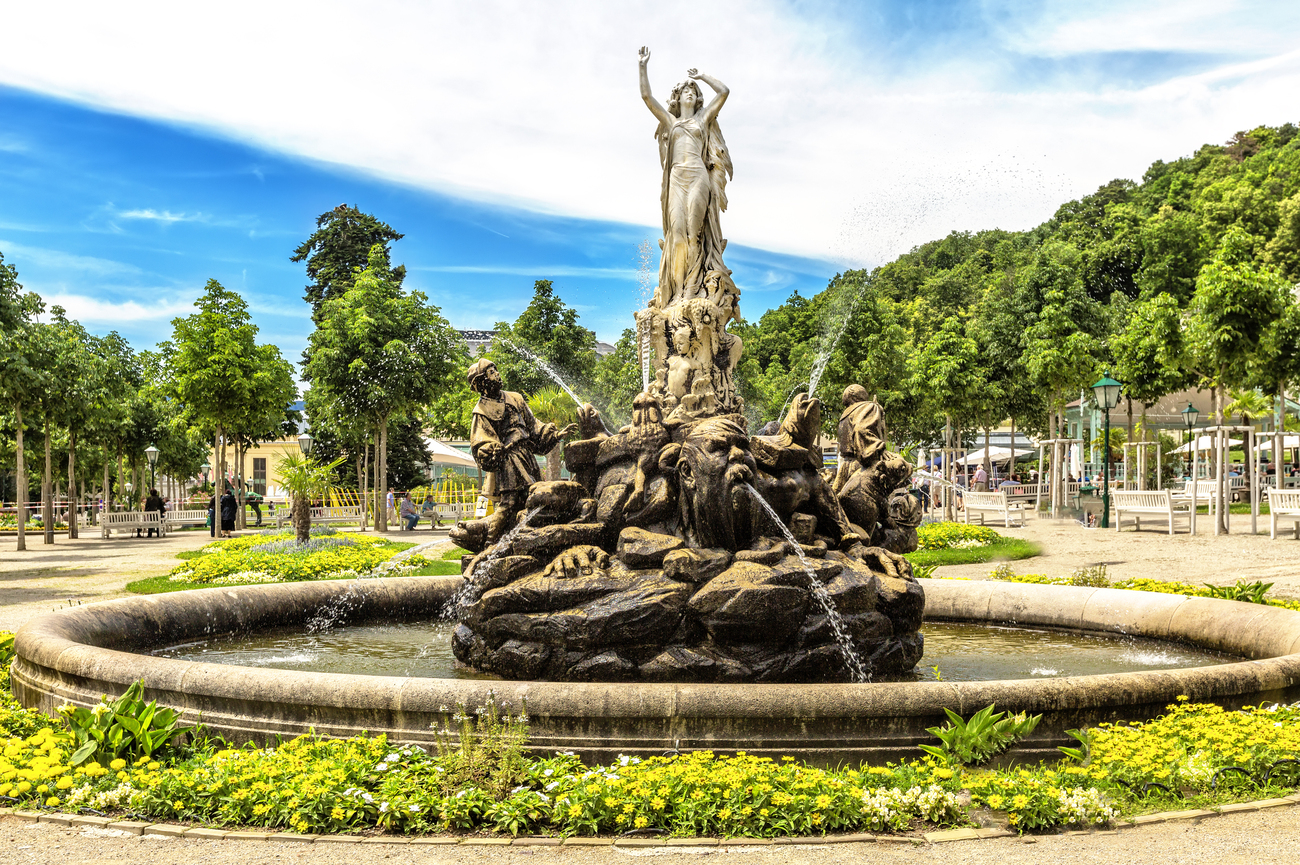
- Baden bei Wien: About an hour southeast of the Wachau, the pace changes again. Baden doesn’t rush you. It never has. Known for its thermal springs since Roman times, this spa town built its reputation on rest, refinement and culture rather than spectacle. You spend time in Kurpark Baden, walk the elegant town center and explore the historic bath culture that once drew composers and emperors here. Private spa access and guided heritage walks turn Baden into a restorative pause rather than a sightseeing sprint.
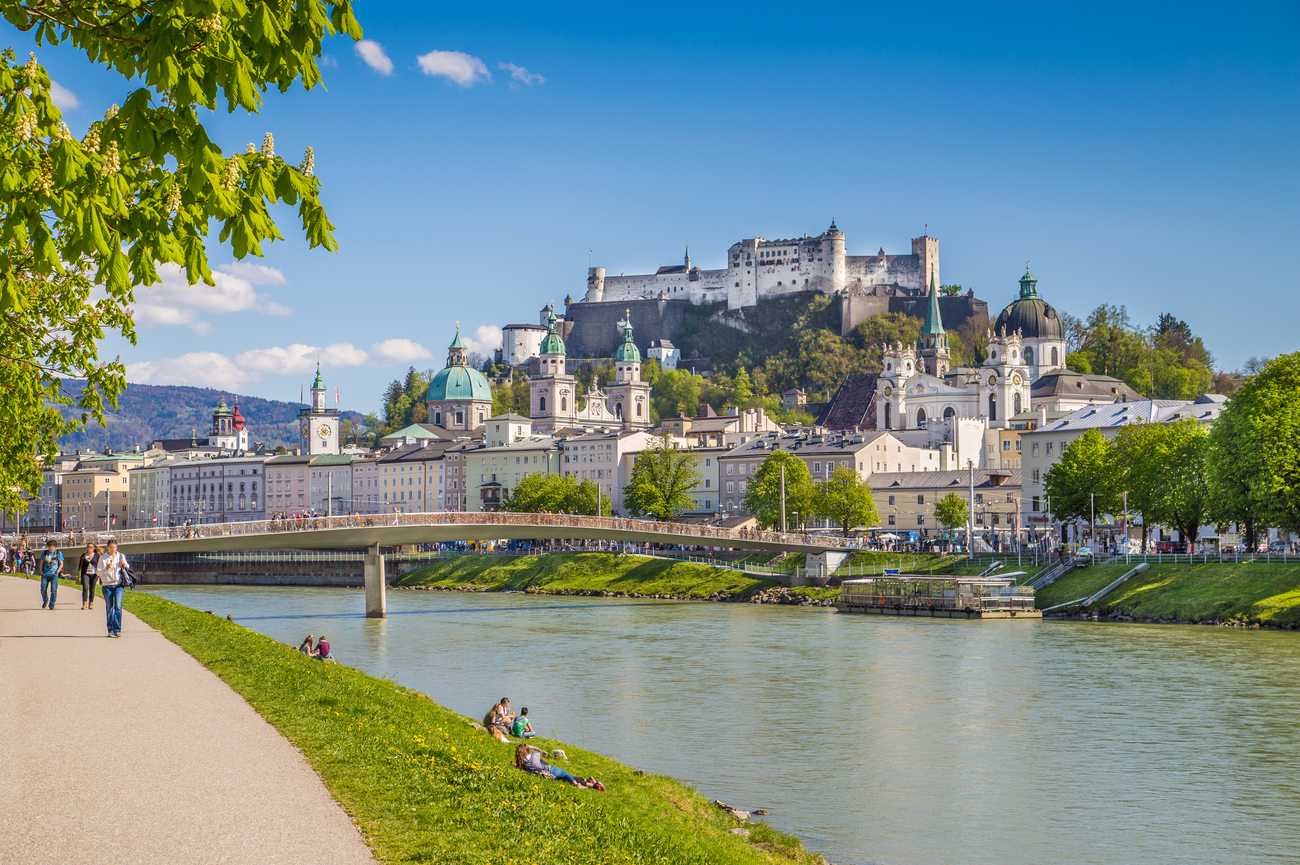
- Salzburg: Salzburg asks for a bit more commitment, with travel time edging closer to two hours depending on route and traffic, but the payoff is immediate. The moment you enter the old town, scale and drama take over. The Historic Centre of Salzburg, a UNESCO World Heritage Site, stacks Baroque churches, fortress views and compact streets into a setting that feels theatrical without trying. You can move between Hohensalzburg Fortress, Getreidegasse, and cathedral squares that compress centuries of power and culture into a walkable core.
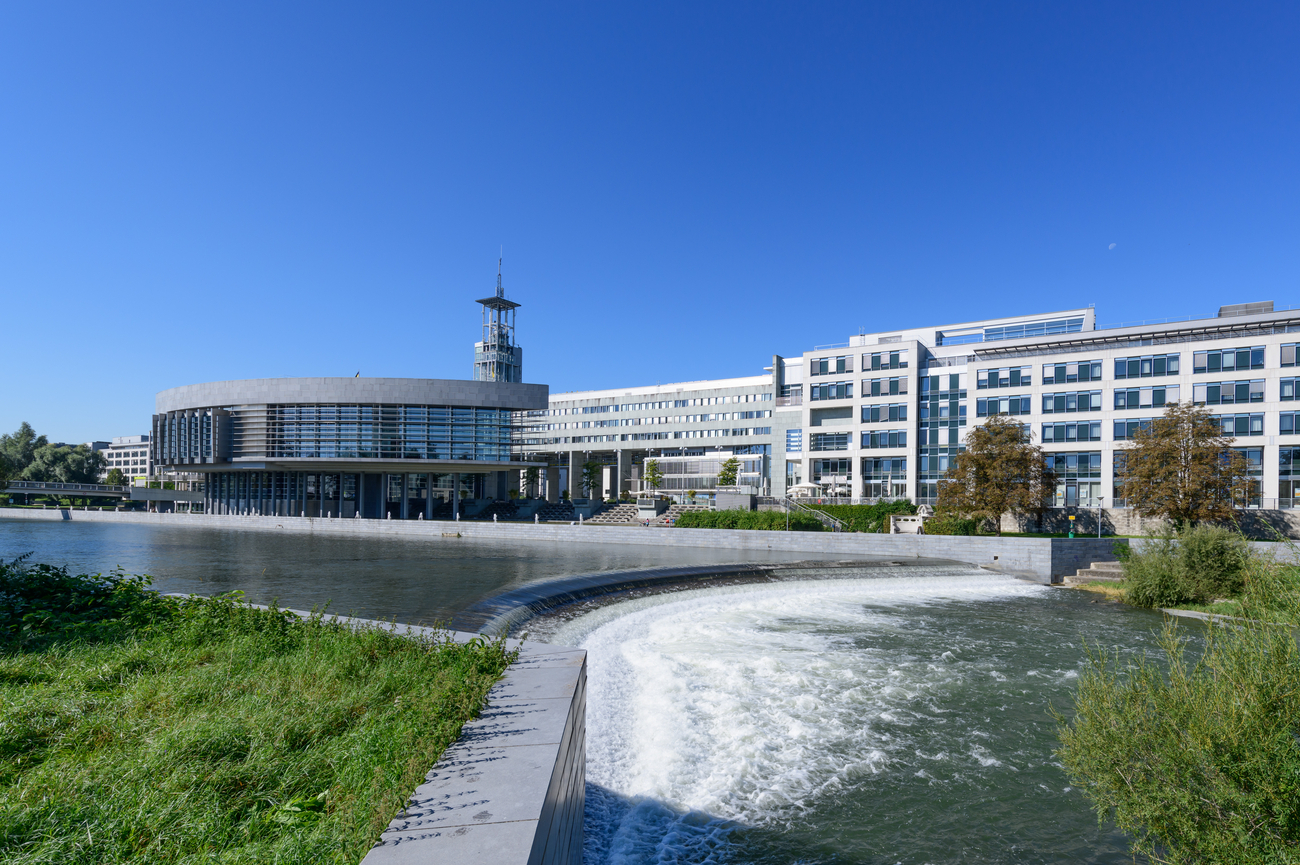
- St. Pölten: Less than an hour from the Wachau, St. Pölten is the easiest urban detour on the list. As the capital of Lower Austria, it balances Baroque heritage with modern cultural spaces in a compact, manageable layout. You can walk the historic center, visit cathedral sites and explore contemporary venues without committing to a full day. The high-end appeal lies in efficiency. Guided city walks connect tradition and modernity. St. Pölten works when you want a quick shift in energy without losing the rhythm of the trip.
Golf
Courses in the Wachau
Valley
Golf in the Wachau Valley is intentionally minimal. This isn’t a region built around fairways and clubhouses and that’s exactly the point. Vineyards, river bends and terraced hillsides take priority here, leaving room for just one golf course to exist without competing with the landscape. Instead of choice overload, you get a single, well-placed option that fits naturally into the valley’s rhythm.
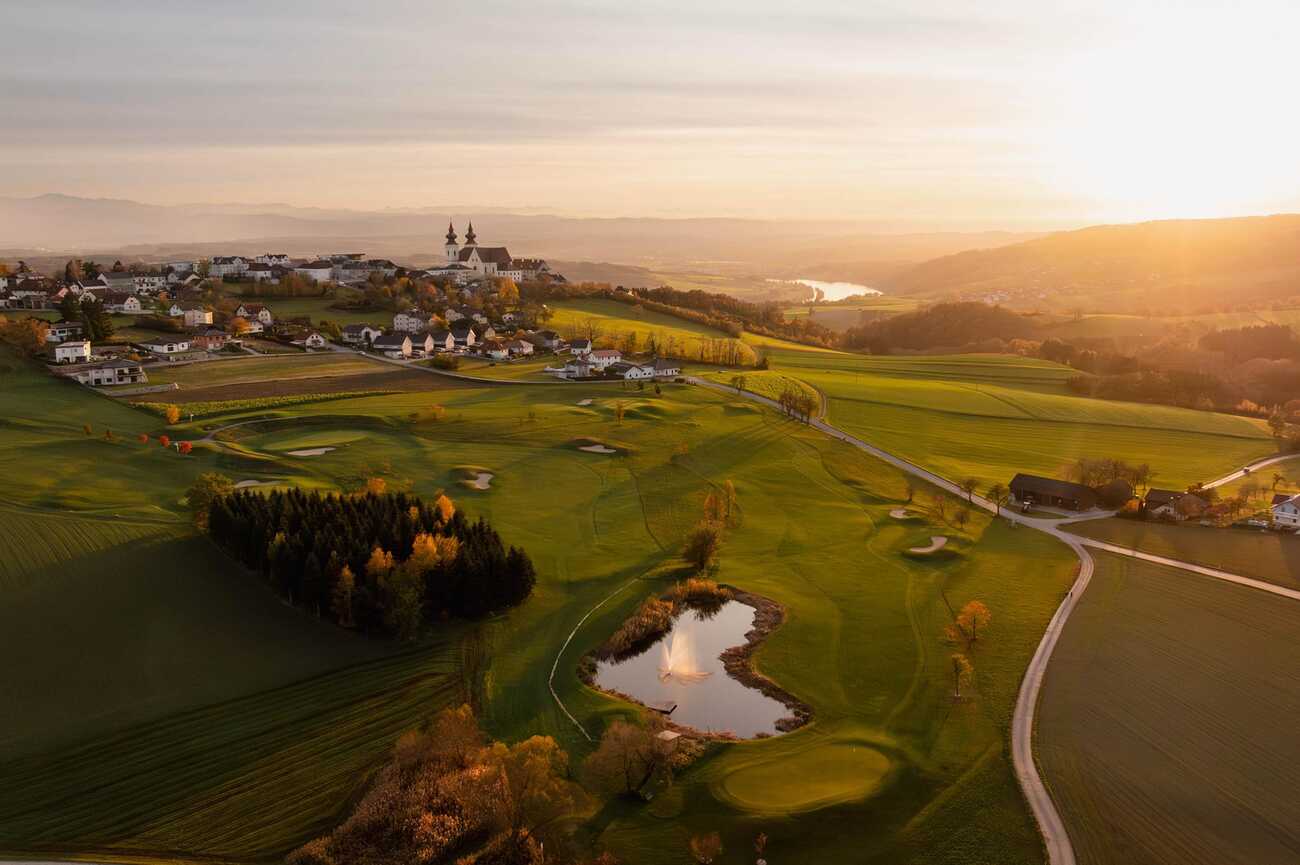
- Golfclub Maria Taferl: This is the only golf course in the Wachau Valley and it feels like it knows the responsibility. Located near the pilgrimage town of Maria Taferl, the course sits high enough to catch wide views of the Danube region while still feeling grounded and approachable. The course is a 9-hole layout, designed for flow rather than intimidation. Fairways follow gentle contours, greens are thoughtfully placed and the terrain rewards accuracy and calm decision-making over brute force. The practice facilities, including a driving range and short-game areas, make it easy to settle in before playing, whether you’re a regular golfer or fitting a round into a cultural itinerary.
Racecourses in the Wachau Valley
Horse racing and the Wachau Valley don’t overlap, and that’s not a gap. It’s a design choice by geography and culture.
The Wachau is shaped by steep vineyard terraces, protected landscapes and UNESCO restrictions that favor preservation over large-scale sporting infrastructure. As a result, there are no horse racecourses located within the Wachau Valley. No tracks. No grandstands. No training circuits. And importantly, no attempts to force them in. If horse racing is a must, the experience shifts outside the Wachau Valley. Here are the two most credible, commonly paired options to enjoy horse racing near the region.
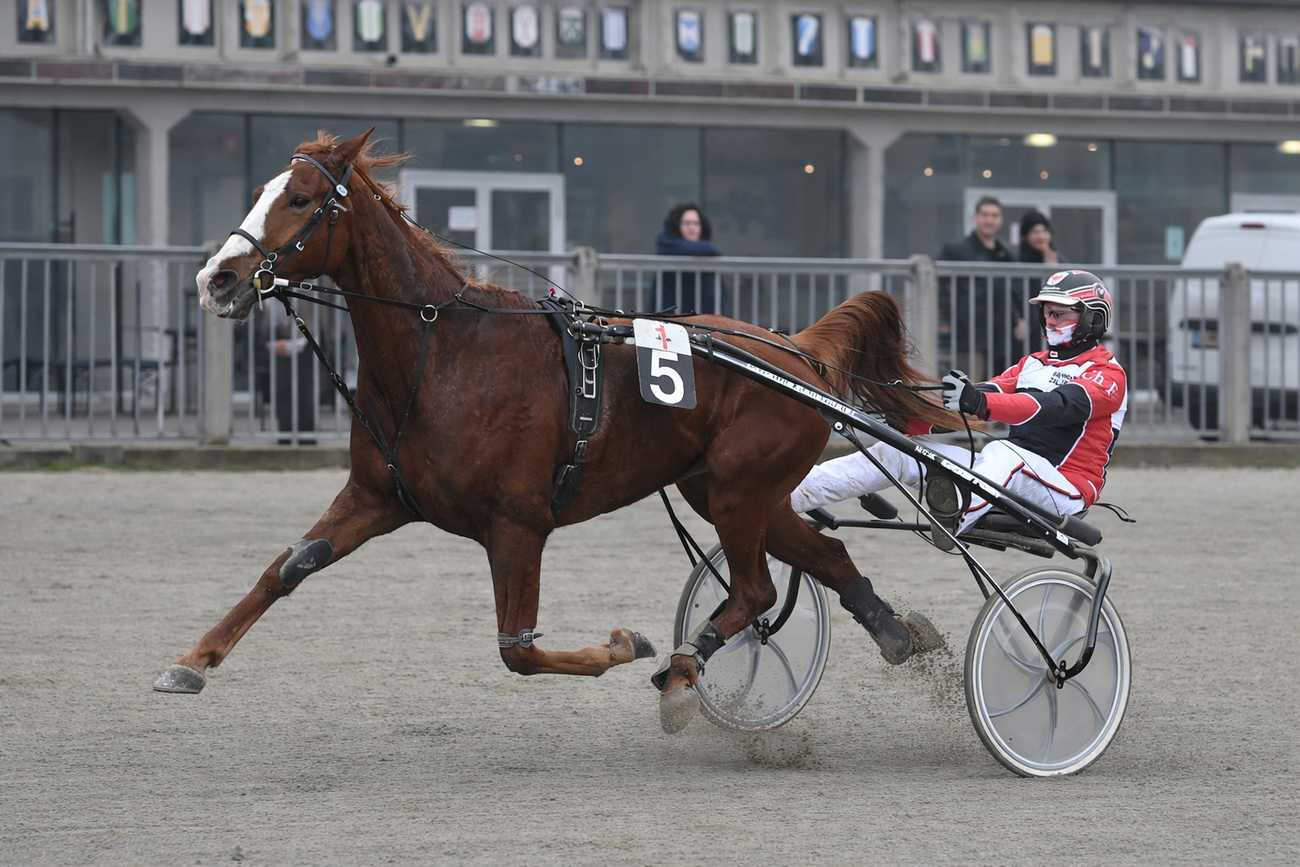
- Krieau - Wiener Trabrenn-Verein: Located in Vienna’s Prater district, this is Austria’s most famous horse racing venue and the country’s center for horse racing culture. From the Wachau, the drive or train journey takes around 1 hour to 1 hour and 15 minutes, making it a realistic day trip rather than a stretch. The track specializes in harness racing and has a long-standing tradition tied to Viennese social life. Race days combine sport, spectacle and atmosphere and the surrounding Prater park keeps the experience open and accessible rather than enclosed.
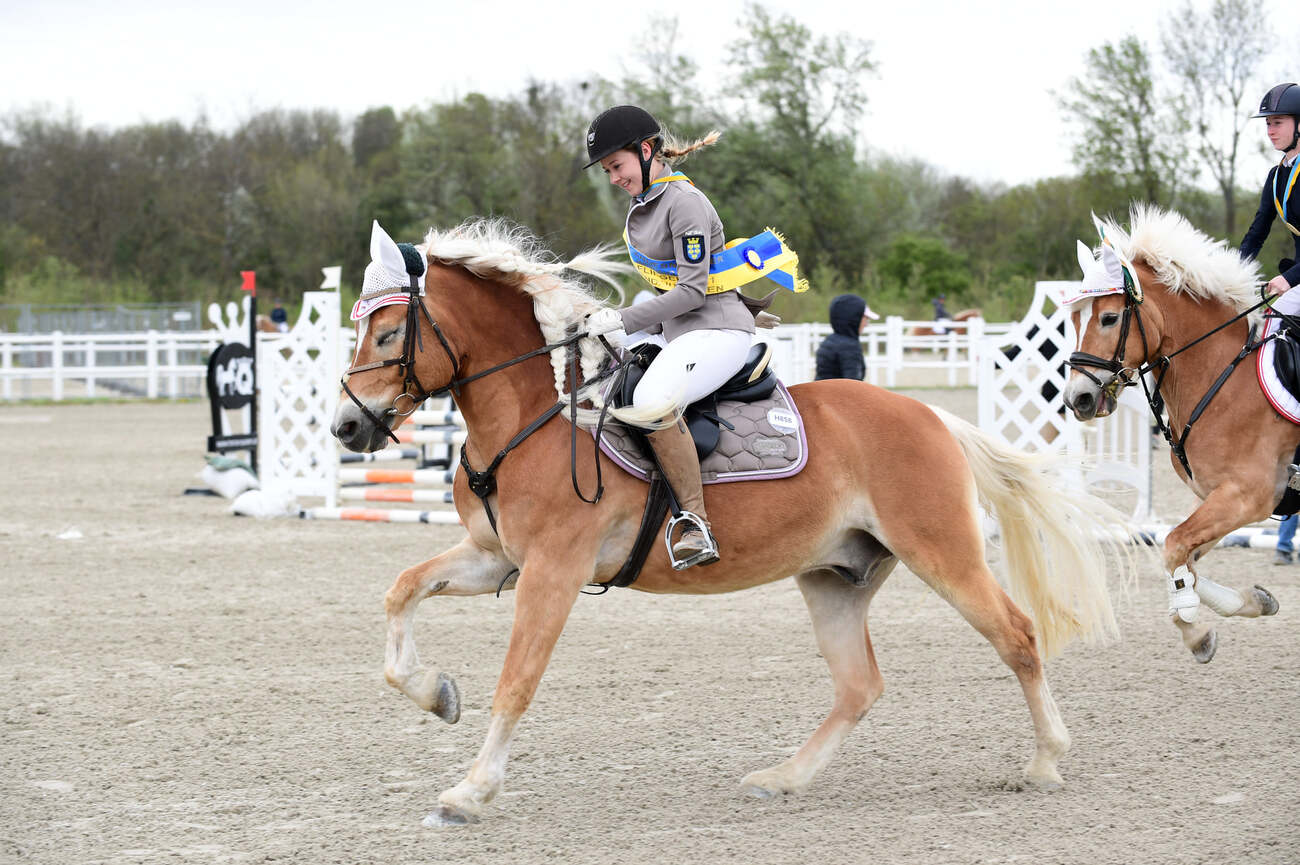
- Ebreichspark: This is Austria’s largest and most modern horse racing complex, located south of Vienna and reachable from the Wachau in about 1 hour and 20 minutes by car. Unlike historic racecourses, Ebreichspark feels contemporary and expansive, with multiple tracks, training facilities and event spaces.
Michelin-starred
Restaurants in the
Wachau Valley
Wachau doesn’t scatter Michelin stars across the map. It concentrates them. In a valley known for restraint, rhythm and long-standing craft, the restaurants that earn stars do so through consistency rather than spectacle. Here, fine dining feels lived-in, confident and deeply tied to wine culture and place. You’re not chasing trends. You’re sitting down to institutions that know exactly why they matter.
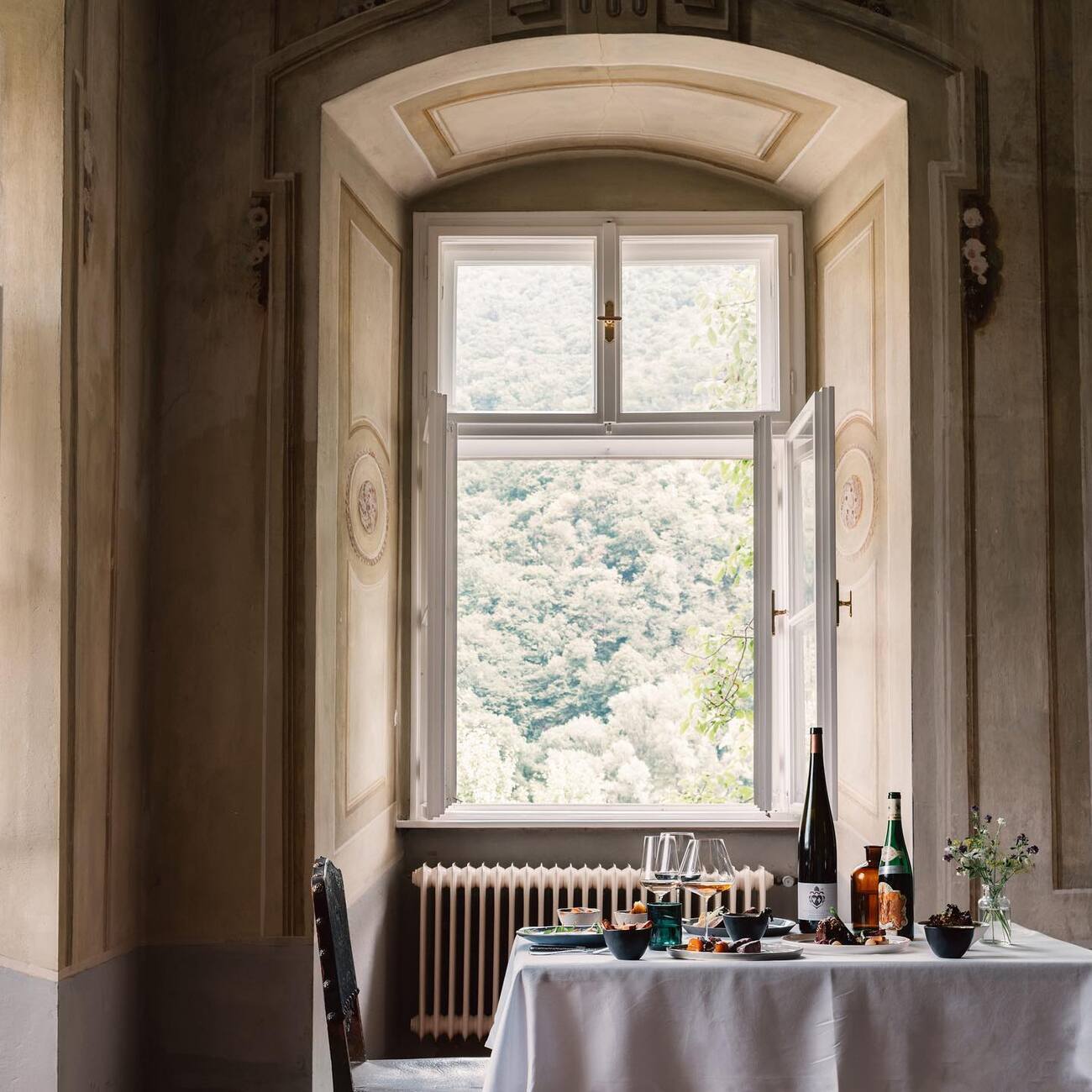
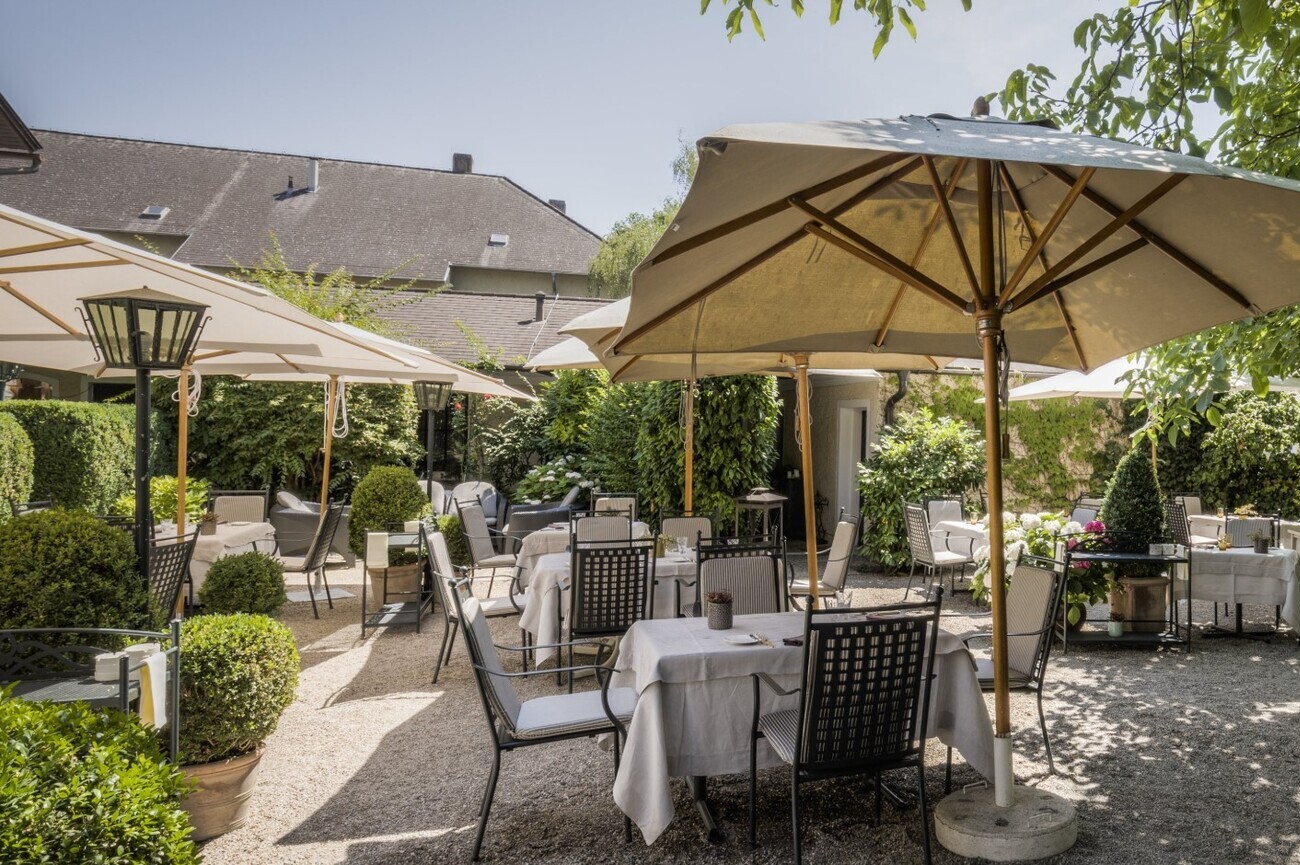
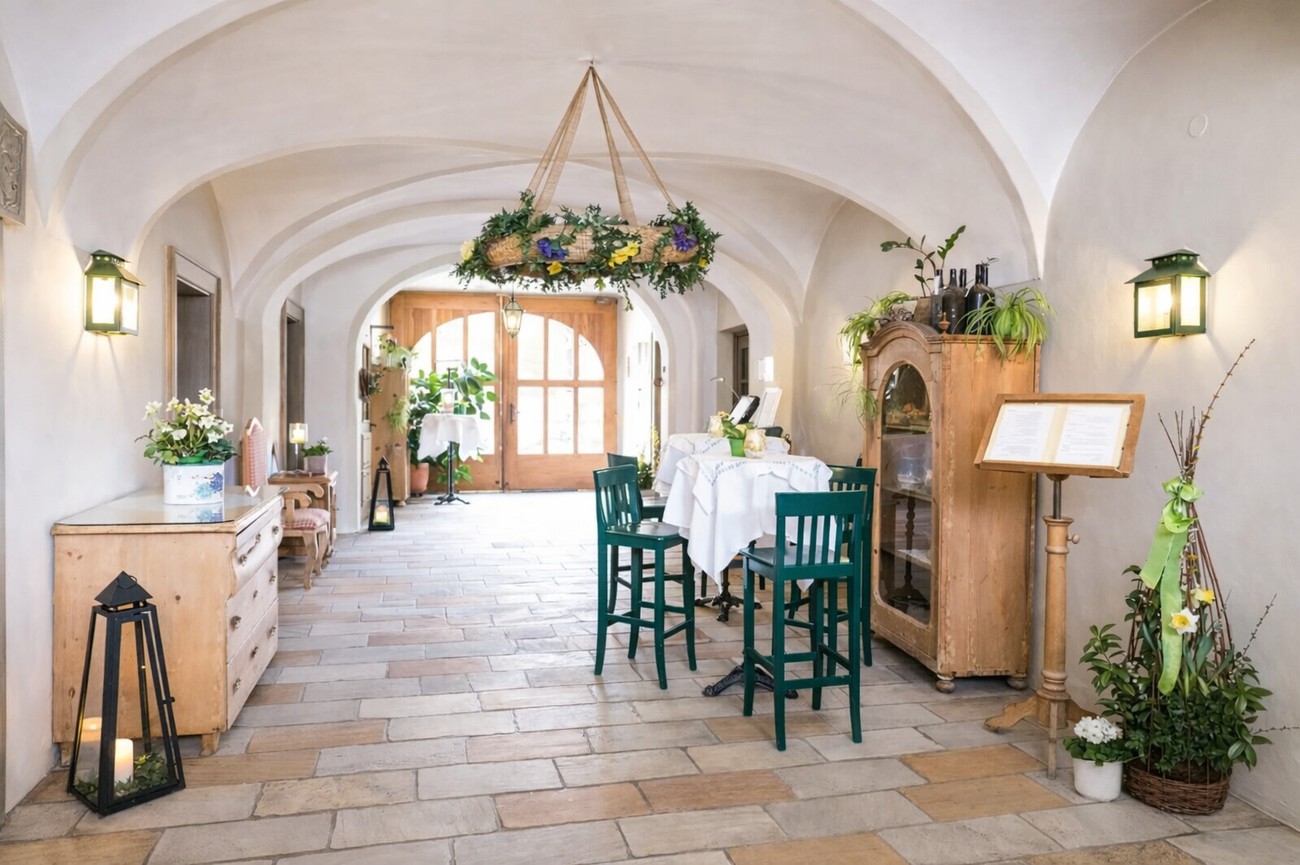
- Hofmeisterei Hirtzberger carries its one Michelin star with quiet authority. It is located in Wösendorf in der Wachau. The setting alone tells you this place has depth. The building dates back to 1320, originally part of a monastic complex and the vaulted ceilings create a dining room that feels grounded rather than showy. It’s elegant without trying too hard, which mirrors the kitchen’s philosophy. The cooking delivers a modern, confident take on classic cuisine. Dishes like the Irish rock oyster with clear Bloody Mary and celery, sweetbreads with pimientos, chipotle and lime, or a perfectly judged Wiener schnitzel with potato salad show restraint and precision rather than excess. Menus range from structured multi-course options to daily specials. With over 2,100 labels, including an exceptional selection of Champagne and Grüner Veltliner, this is one of the most serious wine lists in the valley.
- Landhaus Bacher is one of the pillars of Austrian fine dining and its two Michelin stars are the result of consistency rather than reinvention. It is located in Mautern an der Donau. This is a restaurant that has shaped Wachau’s culinary reputation over the decades. Under chef-patron Thomas Dorfer, the kitchen stays rooted in classical technique while introducing thoughtful contrasts inspired by Mediterranean and Asian influences. Signature dishes tell the story best. The roasted guinea fowl breast from Domäne Wachter, paired with glazed nectarine and salted lemon yogurt, shows depth without heaviness. Iconic creations by Lisl Wagner-Bacher, especially the celebrated breaded egg with caviar, remain on the menu and continue to define the restaurant’s identity.
Where
to Eat in the Wachau
Valley
Wachau’s dining scene doesn’t line up neatly. It unfolds village by village, terrace by terrace, each restaurant shaped by where it stands and what it chooses to focus on. Some lean into history, others into the everyday rhythm of the valley. What they share is a sense of place that’s hard to fake. Here are restaurants in the Wachau Valley that get that balance right, each in its own way.
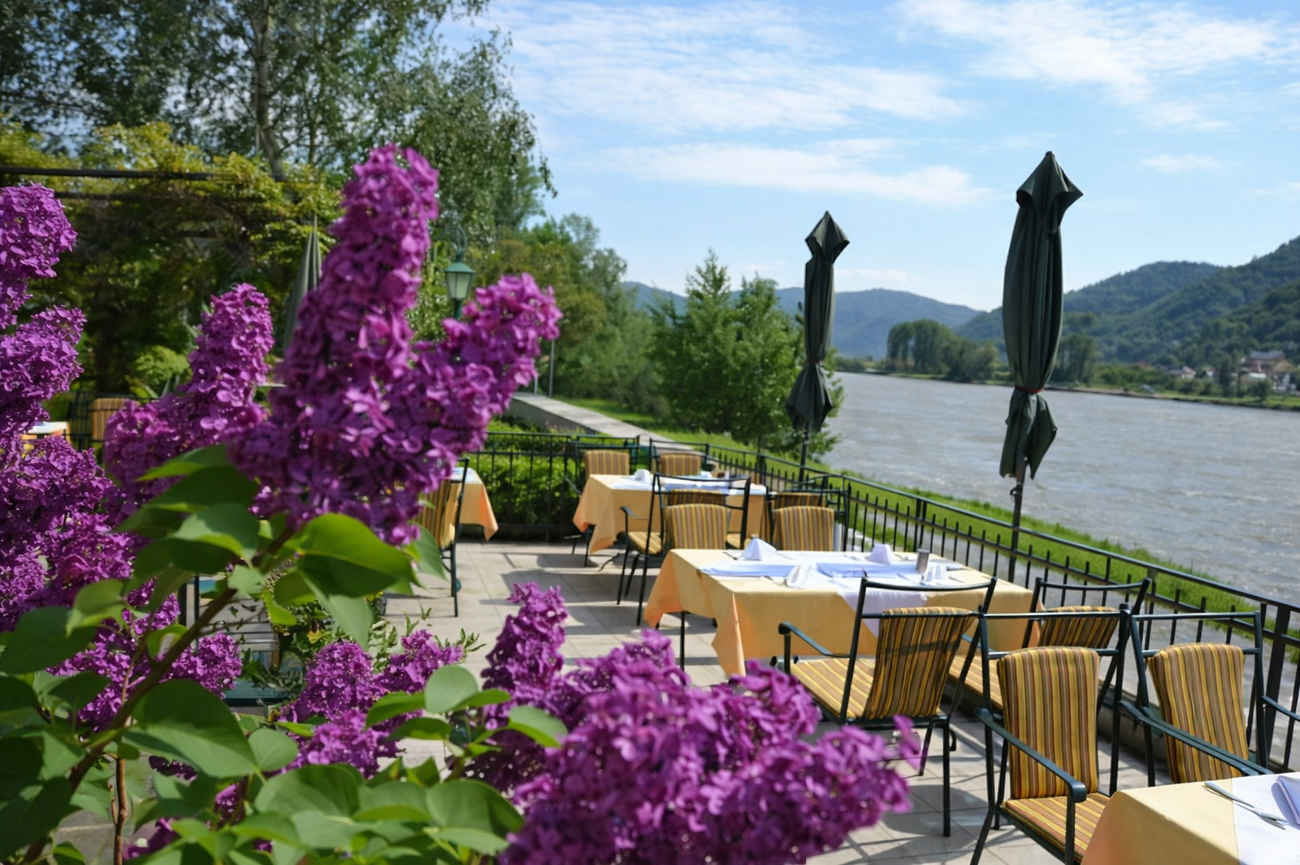
- Restaurant Heinzle feels quietly confident, the kind of place that doesn’t need to announce itself. Tucked into the Wachau landscape in Weißenkirchen in der Wachau, it focuses on well-judged Austrian cooking that values clarity over excess. Plates arrive composed rather than crowded, letting seasonal ingredients speak without distraction. This is a restaurant that works best when you slow down and pay attention.
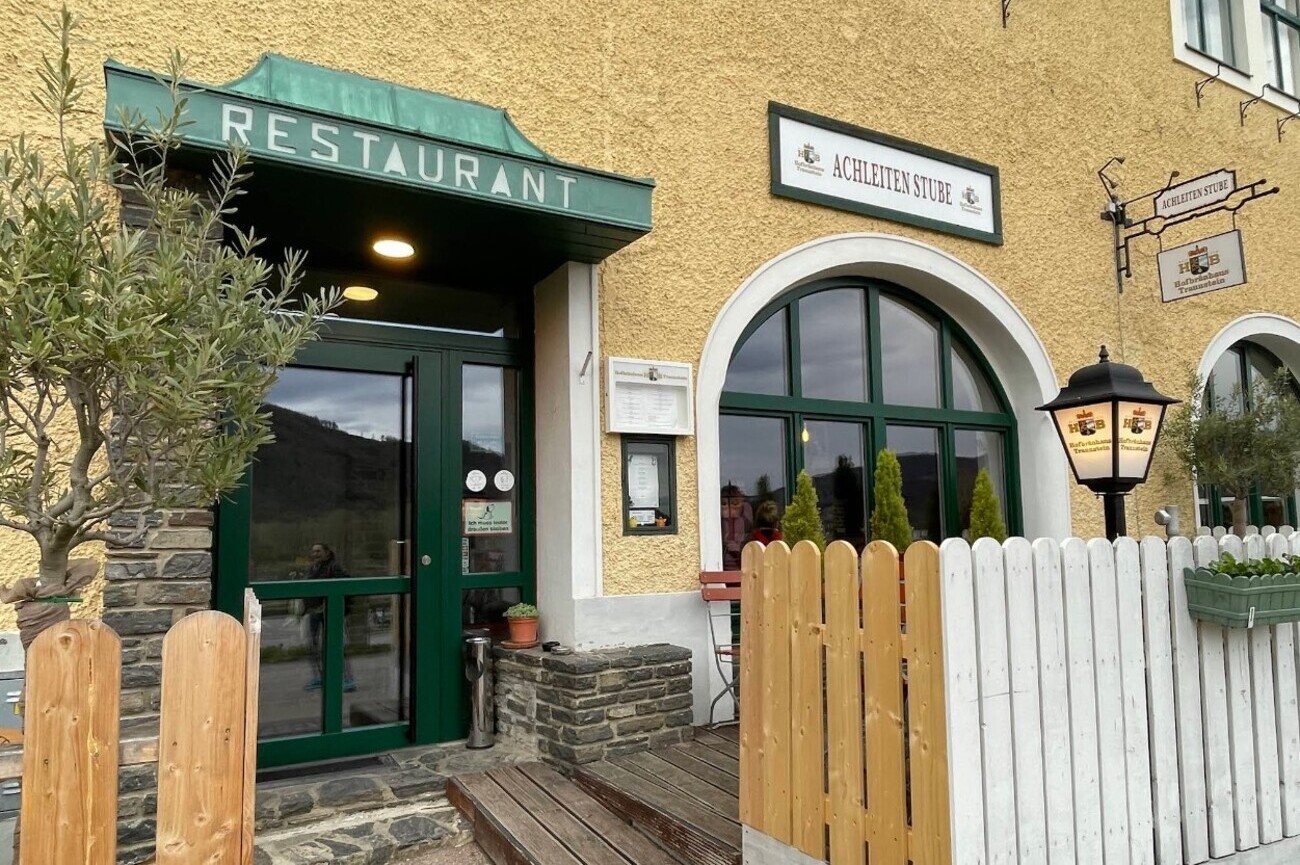
- Achleiten Stube leans fully into its vineyard setting. Set in Weißenkirchen in der Wachau, the name itself is a nod to one of Wachau’s most famous vineyard sites, and that connection shows in both the menu and the mood. The cooking here feels rooted and expressive, shaped by regional traditions but not stuck in them. You come for food that feels tied to the land around you, served in a space that stays warm and unpretentious.
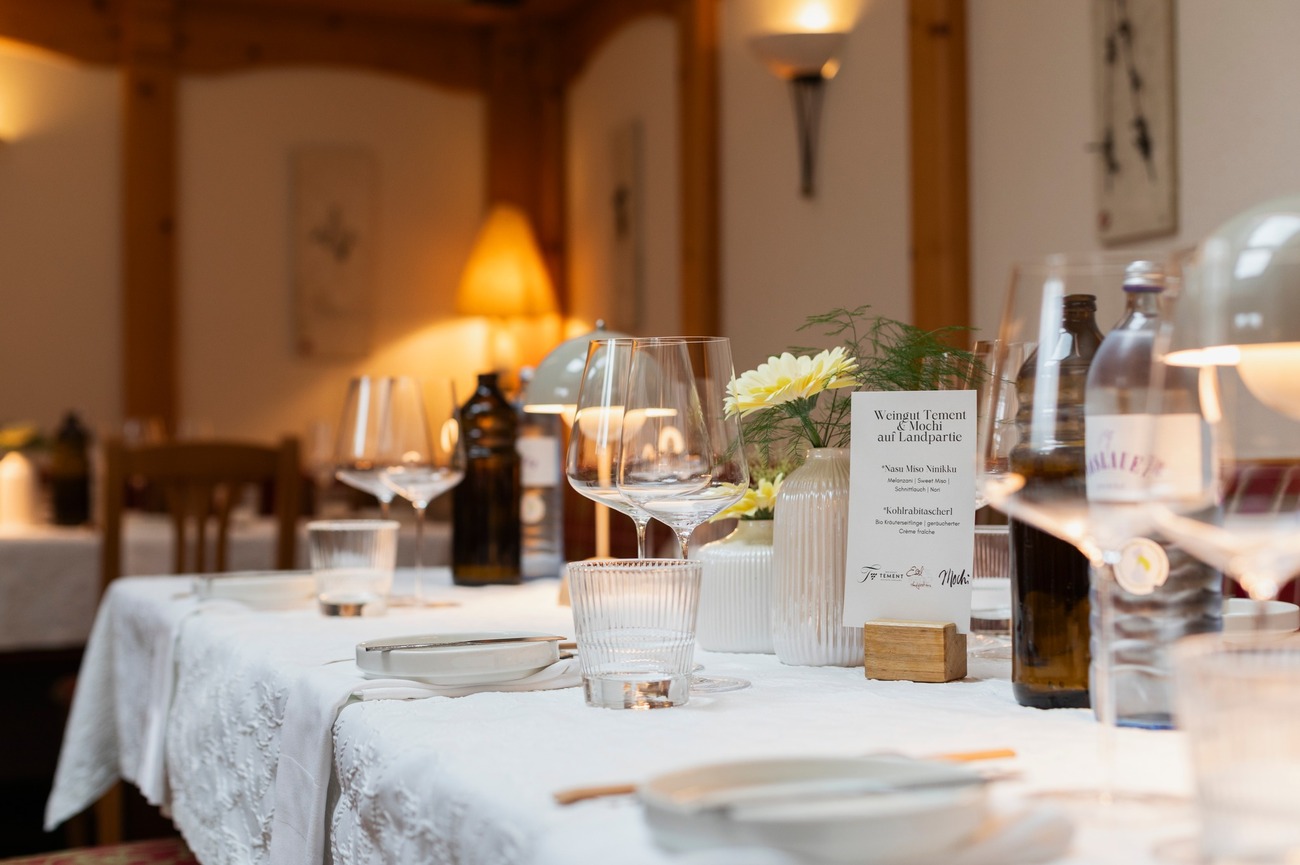
- Landgasthaus Essl works on familiarity done well. Set in Rührsdorf, Rossatz-Arnsdorf, this is classic Wachau hospitality, grounded in hearty regional dishes and a welcoming atmosphere that feels lived in rather than styled. The menu stays honest and generous, making it an easy choice after a day of walking through villages or vineyards.
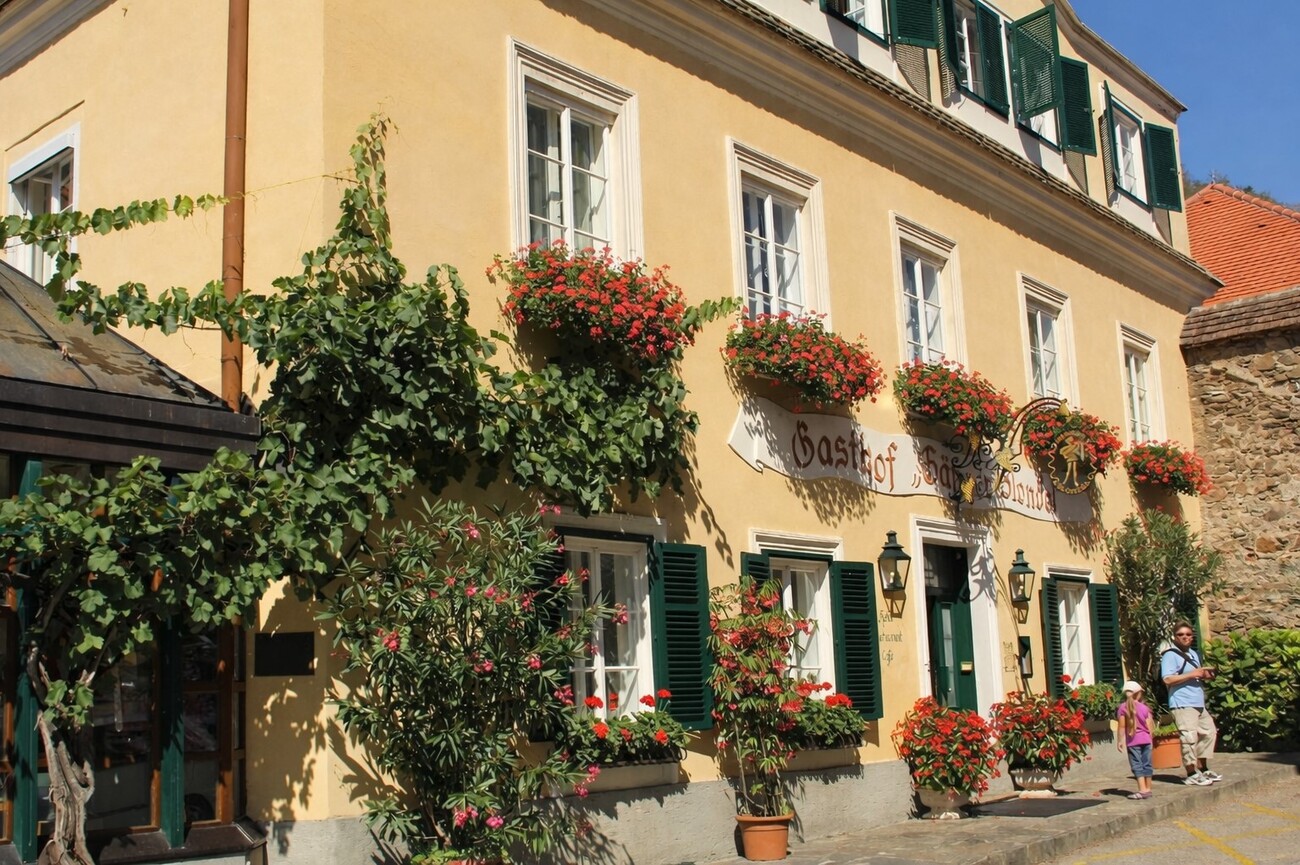
- Hotel-Restaurant Sänger Blondel: History does a lot of the talking at Hotel-Restaurant Sänger Blondel. Located in Dürnstein, this restaurant blends medieval atmosphere with refined regional cooking, creating an experience that feels distinctly Wachau. Dining here comes with a sense of continuity. The setting matters as much as the food. Dishes draw from Austrian traditions, presented with polish that suits the surroundings.
- Restaurant Loibnerhof – Knoll is shaped by its position near the Danube and its close relationship with Wachau wine culture. The kitchen keeps things seasonal and balanced, offering dishes that pair naturally with local vintages. There’s an ease to the experience that makes it feel right at home in the valley. Nothing feels rushed and nothing feels overworked. It’s a restaurant that understands pacing, both on the plate and in the dining room.
Where
to Drink in the Wachau
Valley
Wachau nightlife doesn’t shout. It pours, listens, and lets the river do the pacing. Bars here don’t need neon signs or DJs. Wine cellars, heurigers and historic press houses take the lead, turning evenings into slow, atmospheric affairs where conversation matters more than volume.
- Winery Denk — Walter & Gabriele (Weißenkirchen in der Wachau): This is where Wachau evenings feel most honest. Winery Denk stretches right along the Danube, framed by vineyards and apricot trees that quietly remind you where the wine comes from. The setting is calm, almost cinematic and the experience stays rooted in tradition rather than performance. You come here to drink Wachau wines where they’re made, surrounded by the landscape that shaped them.
- Leonhartsberger Herbert – Weinbau (Dürnstein): Leonhartsberger Herbert – Weinbau blends the comfort of a family-run heuriger with the ease of an evening wine stop. Located in Dürnstein, it feels welcoming from the moment you step into the garden, which opens directly into vineyard views and soft evening light. Wine is the main event here, but food quietly supports it. Local cheeses, cold cuts and artisan bread make it easy to linger without committing to a full dinner.
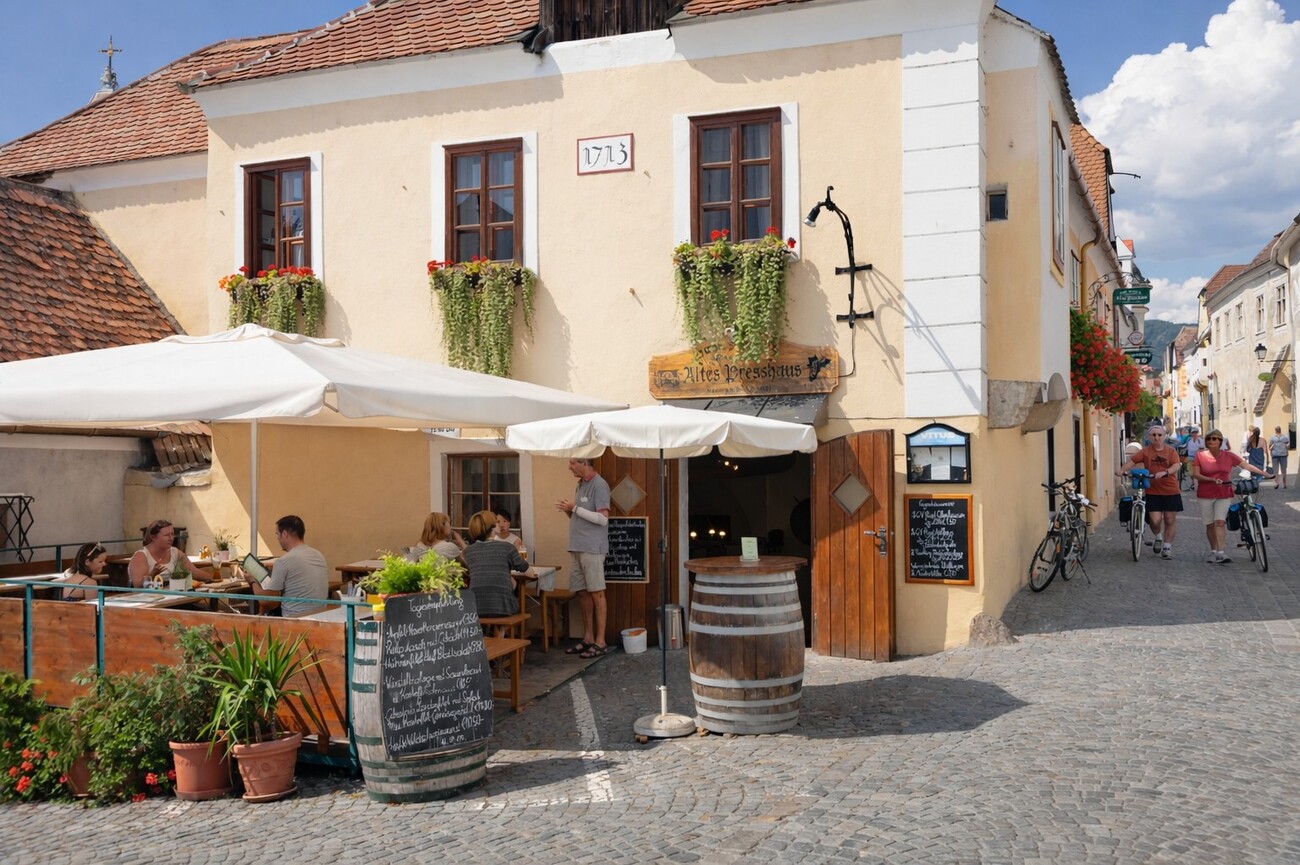
- Altes Presshaus (Dürnstein): Altes Presshaus doesn’t need mood lighting. It has history. The building dates back to 1713, and the preserved tree press from 1752 anchors the space with real weight. This is one of the oldest wine taverns in the Wachau and it wears that age beautifully. Inside, the vibe leans rustic and intimate. Outside, the garden invites you to settle in for the evening. The wine list focuses on Wachau producers, including the house’s own bottles, while the food stays traditional and comforting. This is the kind of place where evenings stretch longer than planned.
Cafes in the Wachau Valley
Wachau mornings don’t start with urgency. They start with routine. Church bells marking the hour, bakery doors opening early, coffee poured without fuss. Cafes here aren’t built around quick stops or trend-driven menus. They exist because people have always needed places to pause between river walks, vineyard climbs and village errands. That sense of continuity still defines how coffee culture works in the valley.
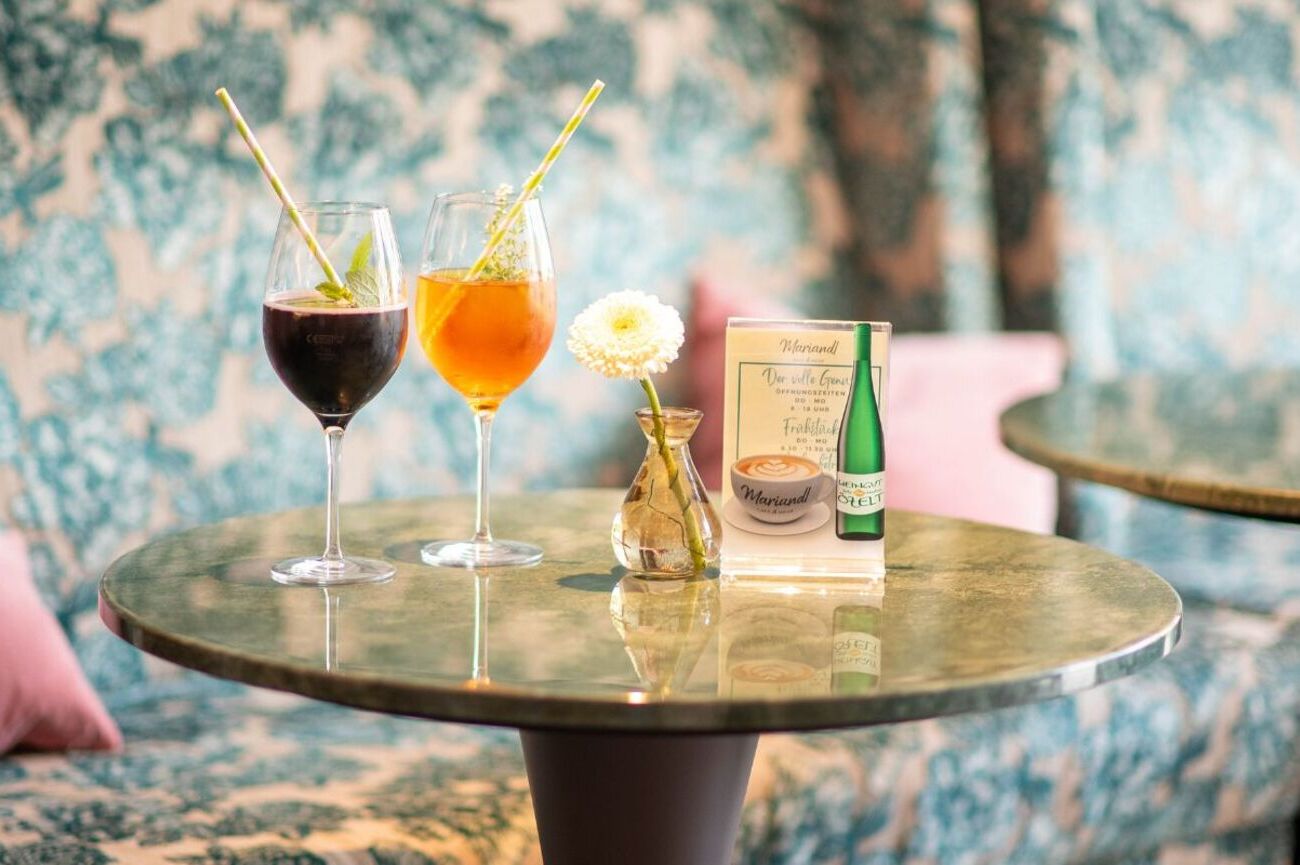
- Mariandl Café & Mehr: Right on the church square, Mariandl Café & Mehr sets the tone for slow Wachau mornings. This is the kind of cafe that works equally well for an unhurried breakfast or a mid-afternoon sugar fix when the legs start feeling the cobblestones. Breakfast spreads keep things flexible. Later on, the pastry counter takes over with classic Wachau torte, the house Mariandl slice, fruit-forward cakes and seasonal specialties like apricot dumplings that feel non-negotiable in this region.
- Strandcafé Spitz: Strandcafé Spitz leans into its location and lets the Danube do most of the work. Set right along the riverbank, this cafe is about views, shade and taking a proper pause. The menu keeps the focus on what the café does best. Coffee, small snacks and a strong lineup of homemade cakes, with apricot dumplings regularly stealing the spotlight. The terrace is the real draw, offering one of the most relaxed seating spots in Spitz.
- Wieser Wachau Café & Shop: If Wachau had a flavor profile, this would be one of its purest expressions. Wieser Wachau Café & Shop revolves around the region’s most iconic ingredient: the apricot. Everything here is built around traditional craftsmanship, from fruit spreads and pastries to schnapps distilled in-house. You come here to taste Wachau, not reinterpret it. Apricot products anchor the menu, supported by fine chocolates created in collaboration with Austrian chocolatiers. Some feature roasted apricot kernels, adding depth and texture rather than sweetness alone.
- Bäckerei Hörmer: Bäckerei Hörmer doesn’t open quietly. It announces itself every morning through aroma alone. Operating since 1784, this family-run bakery is deeply woven into Weißenkirchen’s daily rhythm. Inside, freshly baked bread and pastries move straight from the oven to the counter. The selection is serious: over 15 types of bread and 20 kinds of pastries, including the essential Wachauer Laberl. Breakfast starts early, from 6:30 am, with options like the Wachau breakfast or lighter variations that ease you into the day.
- Café Bruckner: Café Bruckner feels like a place that’s been quietly doing things right for a long time. Set in Spitz, it draws people in with a charming courtyard that works especially well on slow mornings and sunny afternoons. The menu balances breakfast staples, pastries and small bites without overcomplicating things. Soft-boiled eggs arrive exactly as they should, pastries are consistently praised and seasonal Wachau classics like apricot dumplings make regular appearances.
Wineries
and Vineyards in the
Wachau Valley
Wine in the Wachau is practical before it’s poetic. The vineyards are steep because they have to be. The stone terraces exist because nothing else would hold. Everything you taste here comes from problem-solving, not aesthetics. That’s why the wines land the way they do. The wineries below matter because they show different ways of doing the same work. Each stop shifts how you understand the valley, even if the Danube and the vineyards stay the same.
- Domäne Wachau: Domäne Wachau feels like the valley speaking in full sentences. As a cooperative of local growers, it represents hundreds of vineyard parcels stitched together by shared standards and deep regional pride. The scale here is larger, but the connection to place stays personal. You taste across multiple sites, slopes and microclimates, which makes this one of the best places to understand how varied Wachau wine can be without leaving the valley.
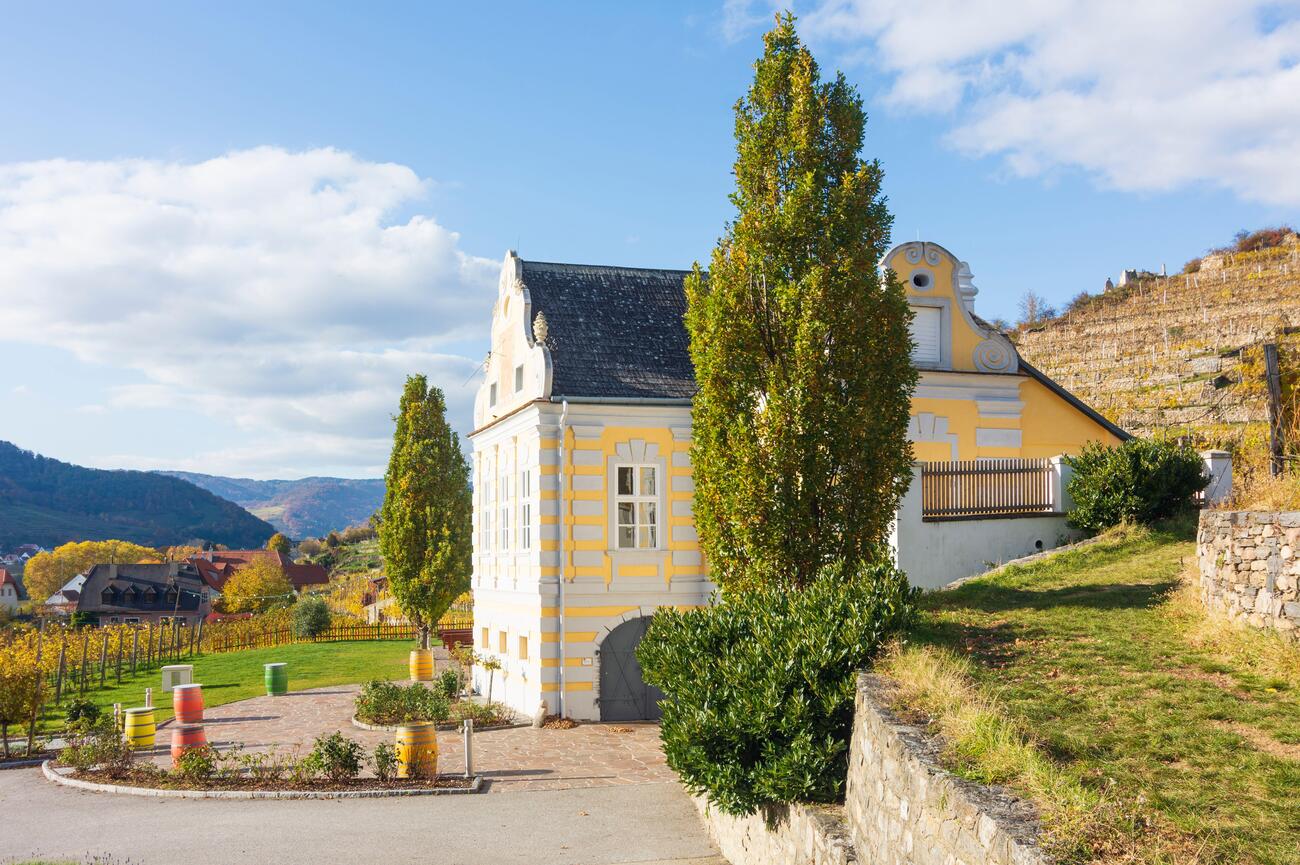
- Weingut Tegernseerhof: Tegernseerhof carries history lightly. Operating from a former monastery estate, the winery blends centuries-old roots with a calm, contemporary approach to winemaking. Vineyards rise steeply behind the property and the wines reflect that tension between elegance and intensity. Rieslings here are known for clarity and length, while Grüner Veltliners show precision rather than power.
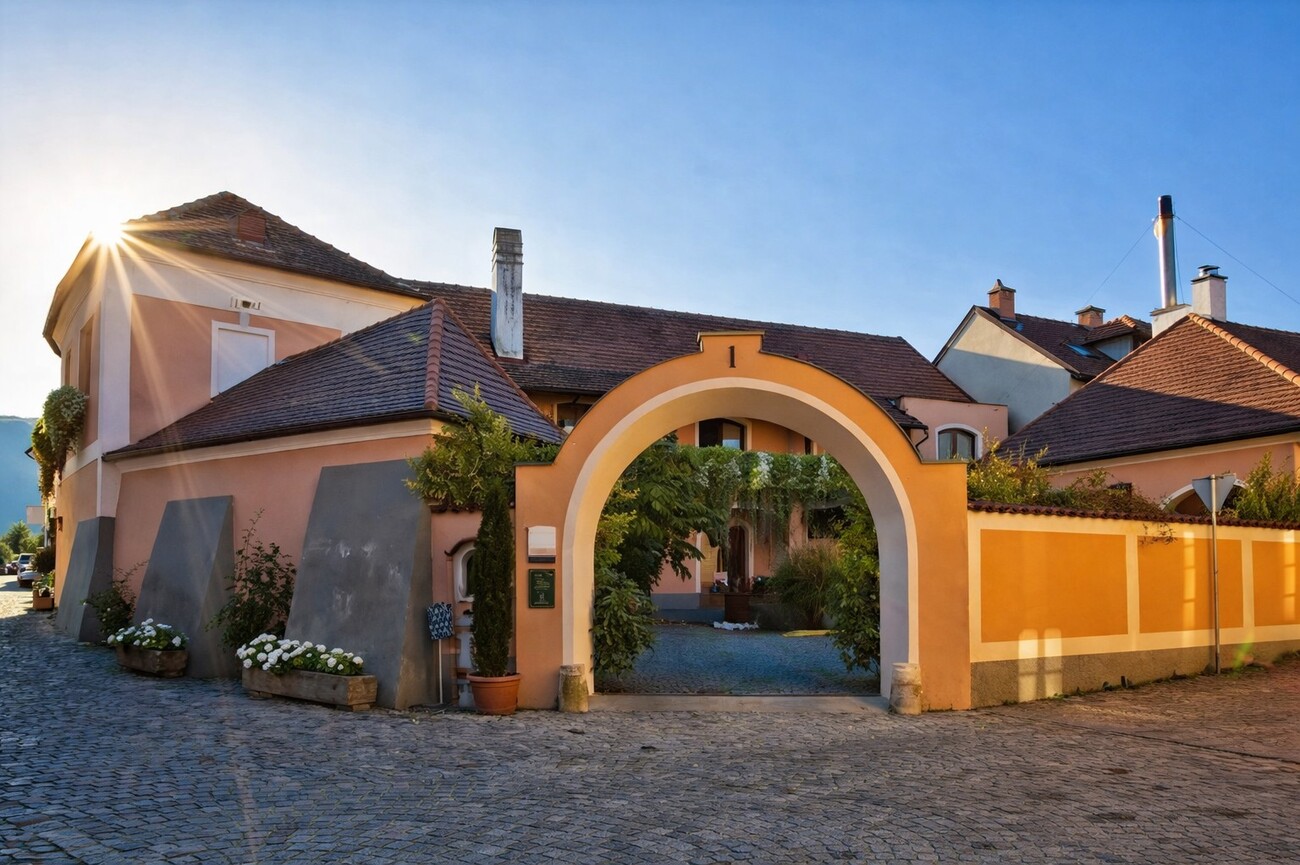
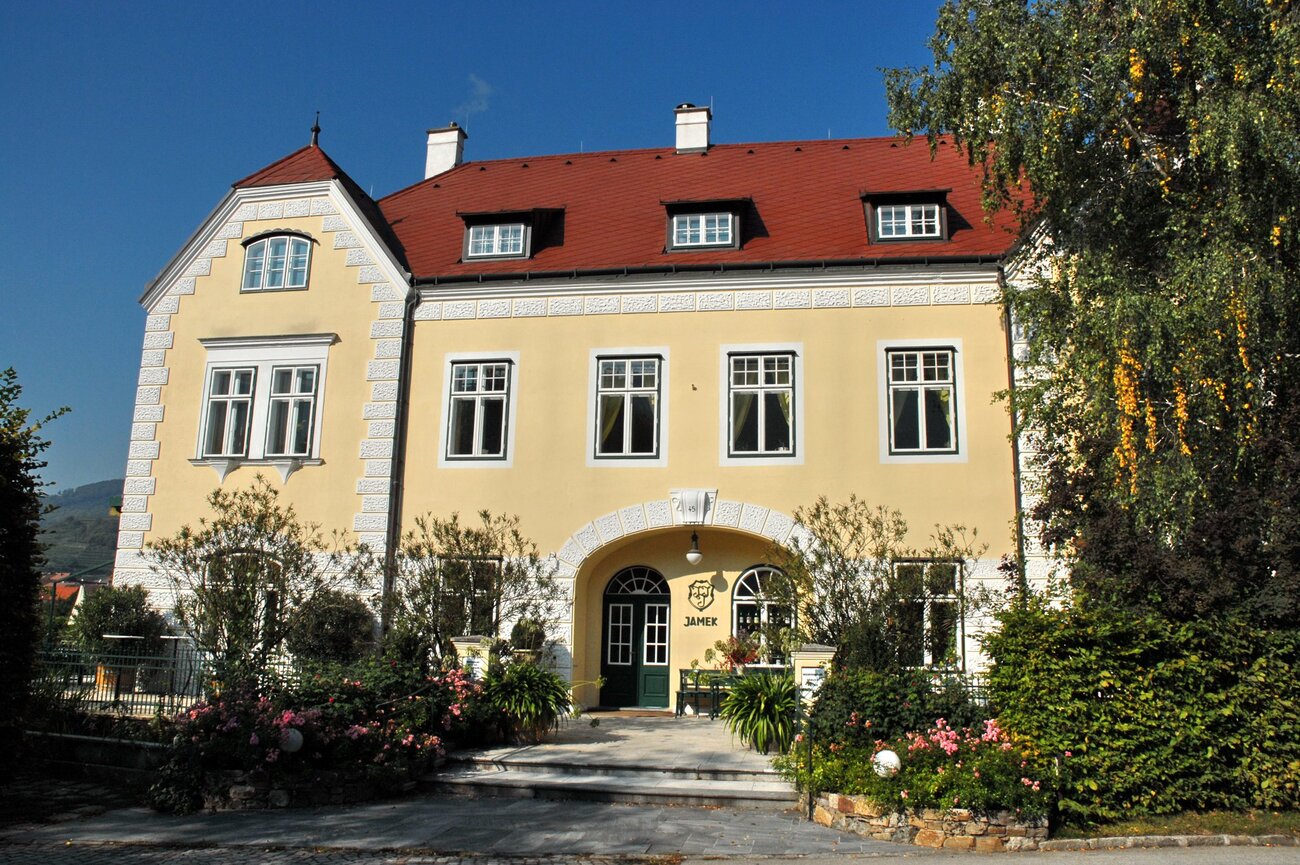
- Weingut & Restaurant Josef Jamek: Josef Jamek doesn’t separate wine from table. The winery and restaurant operate together, creating an experience where tasting naturally turns into lingering. Vineyards in Joching produce wines that feel expressive and generous, especially the Rieslings that carry weight without heaviness. This is a place that invites you to slow down.
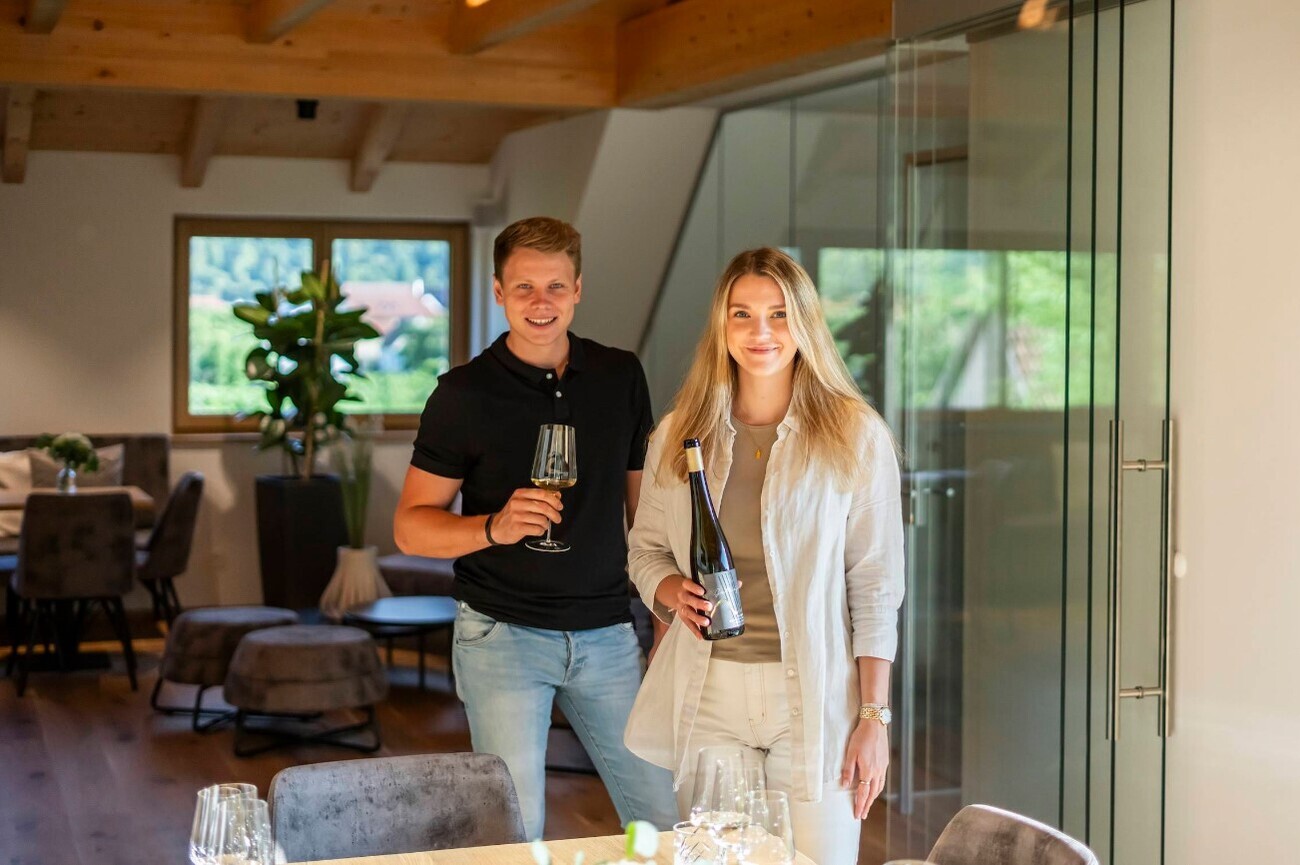
- Weingut Simon Gattinger: Simon Gattinger represents Wachau’s quieter, more introspective side. The winery works biodynamically, and the wines reflect restraint, texture and transparency. Grüner Veltliners and Rieslings here feel earthy, precise, and deeply tied to their sites. Tastings are intimate and thoughtful, often leaning more toward conversation than explanation. This is a place for people who like listening as much as tasting.
Where
to Stay in the Wachau
Valley
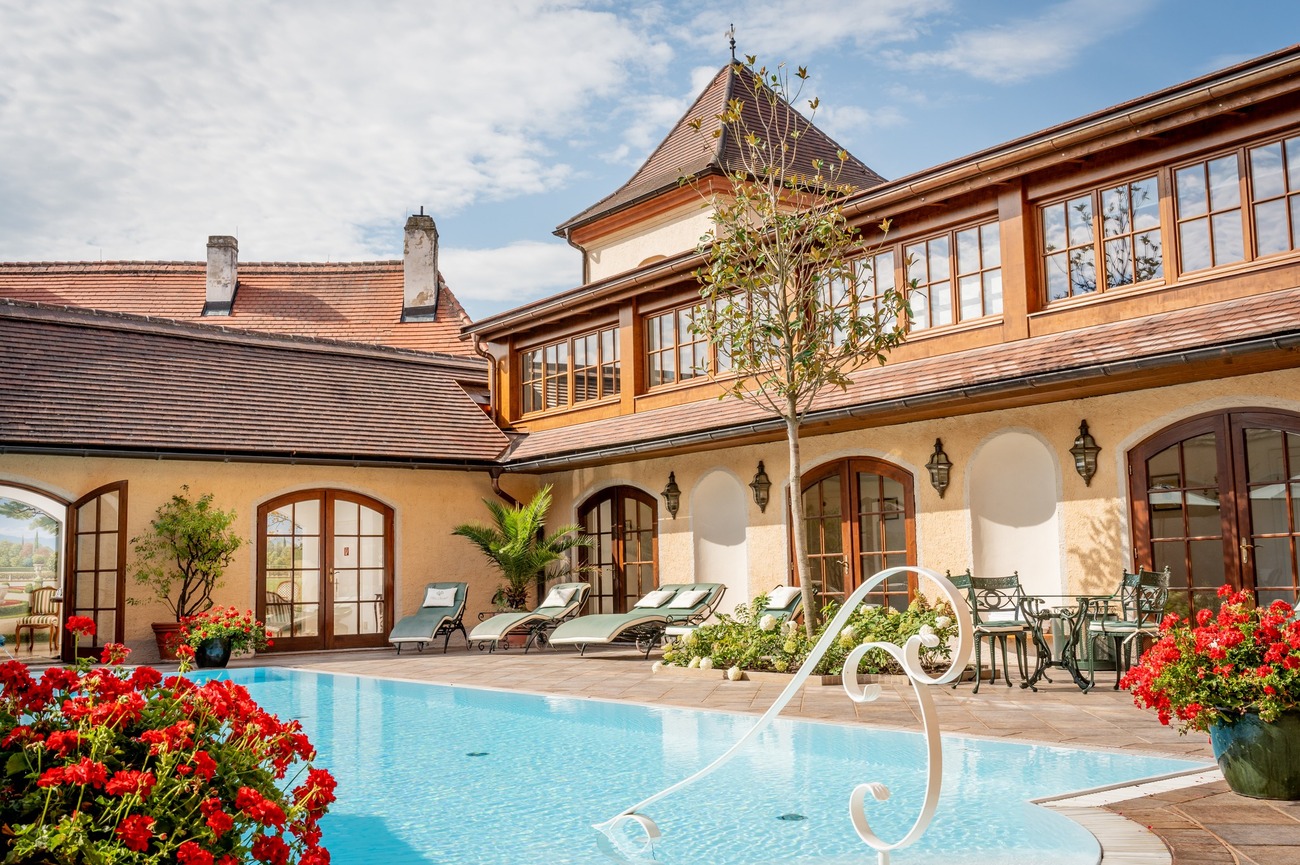
- Hotel Schloss Dürnstein (5 stars): Standing literally within the walls of a castle, Hotel Schloss Dürnstein is the kind of place where every corridor feels like a portal to a different era without sacrificing comfort. Perched above the Danube in the heart of the village, the hotel pairs historic architecture with modern refinement. Large, composed rooms, dramatic views over river bends and service that feels intuitive rather than choreographed give this stay its star weight. You don’t just observe the valley here, you live inside its silhouette.
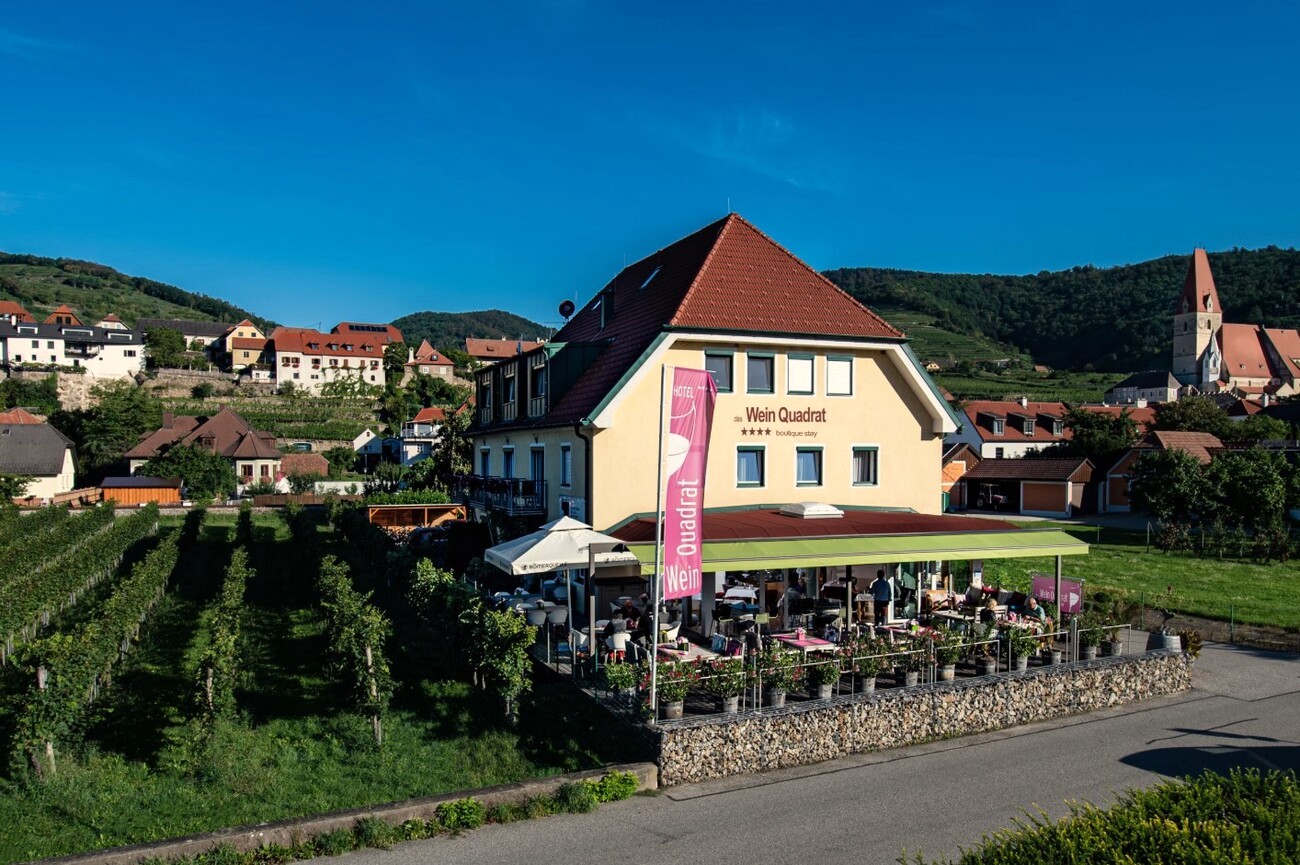
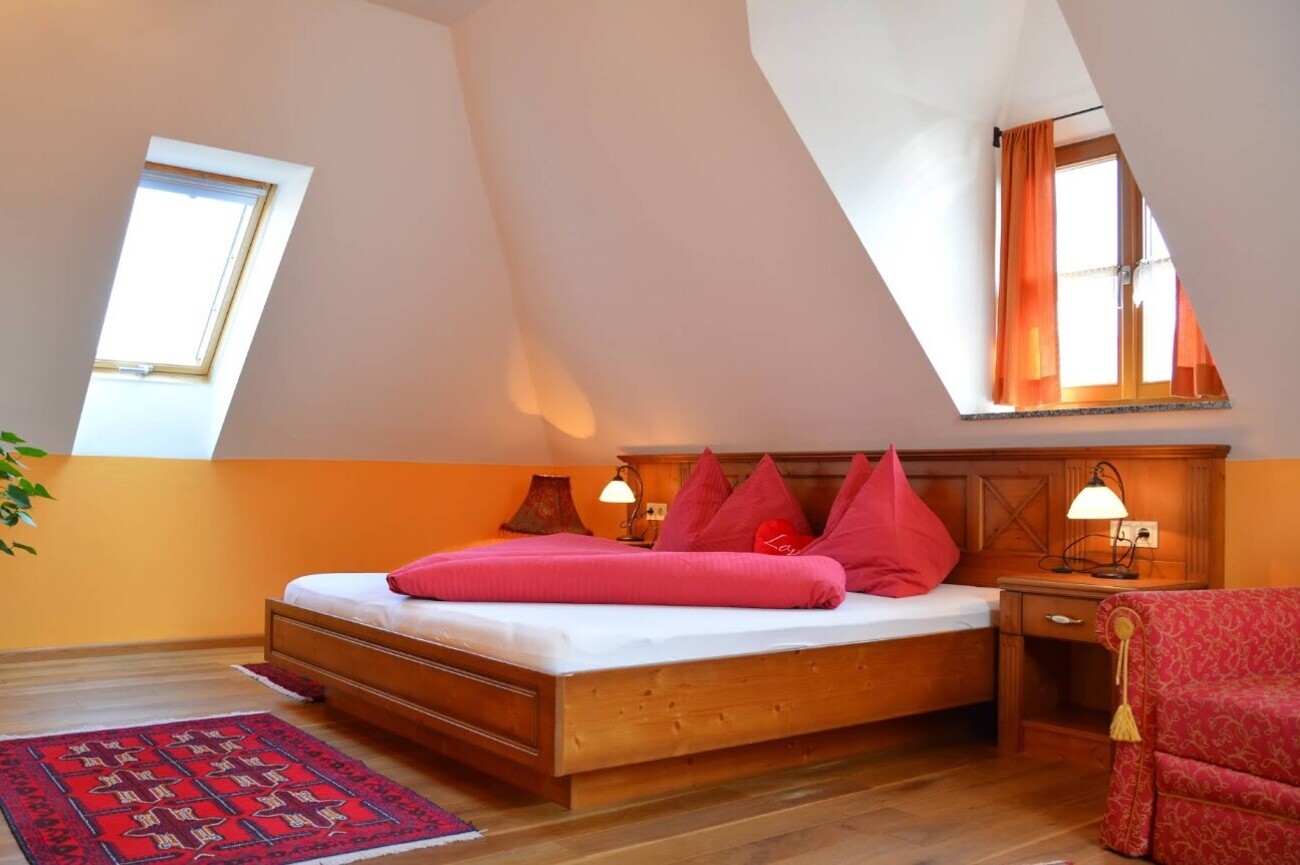
- Hotel Weinquadrat (4 stars): Weinquadrat feels like a secret unlocked. Close to the Danube and threaded into the village fabric, this 4-star hotel leans into contemporary geometry while keeping one eye on tradition. What immediately stands out is the open terrace, laid out with wooden tables, simple seating and greenery that blurs the line between hotel and village life. This is clearly a place designed for lingering rather than passing through.
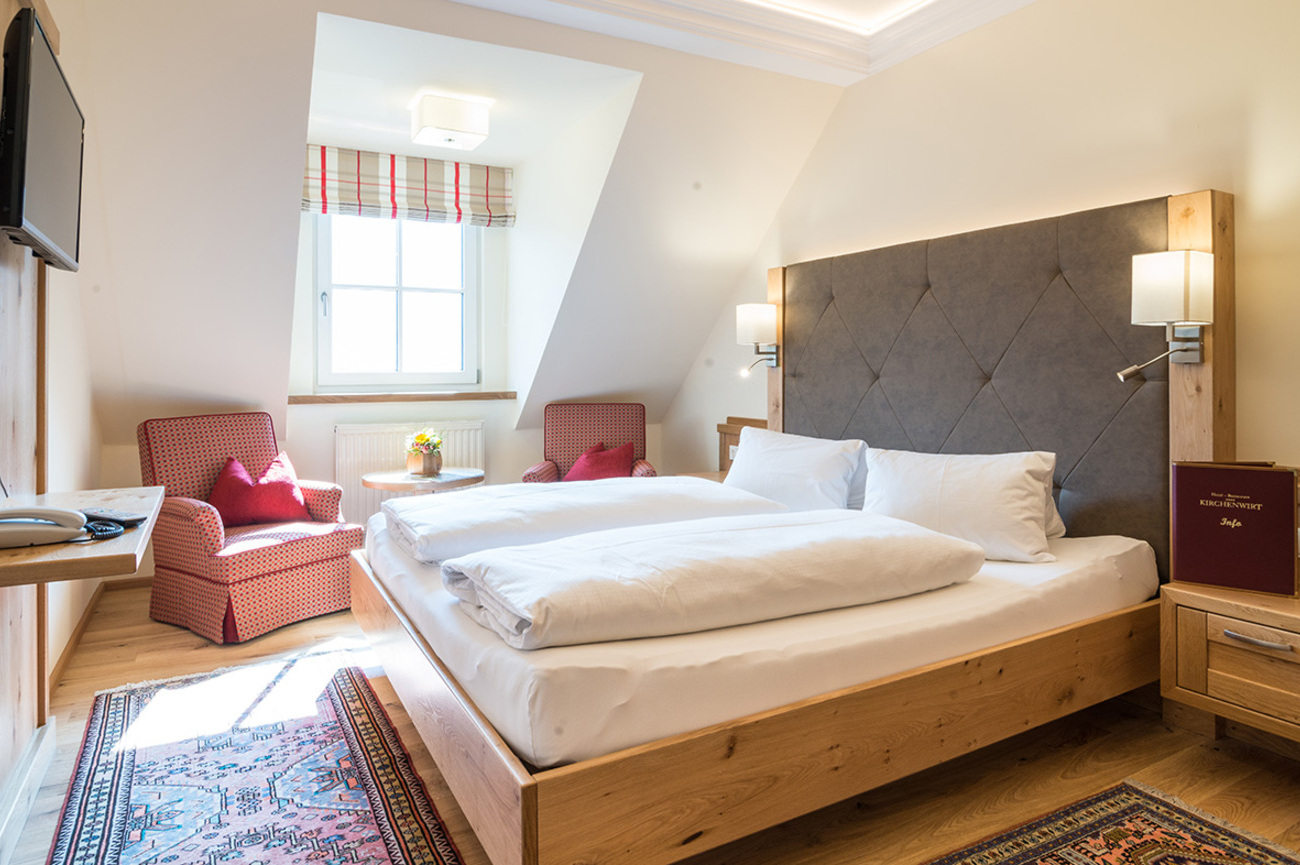
- Hotel-Restaurant Kirchenwirt (4 stars): Hotel-Restaurant Kirchenwirt offers classic Wachau hospitality without the fuss. It is based in Weißenkirchen in der Wachau, and it feels welcoming rather than curated, with warm, traditional spaces that invite you to slow down as soon as you arrive. Rooms are straightforward and comfortable, designed for rest, not spectacle. What makes it work is the setting. You are close to everyday village life, and just minutes from the vineyards and river paths, so the Wachau is never something you drive to, it is something you simply step into.
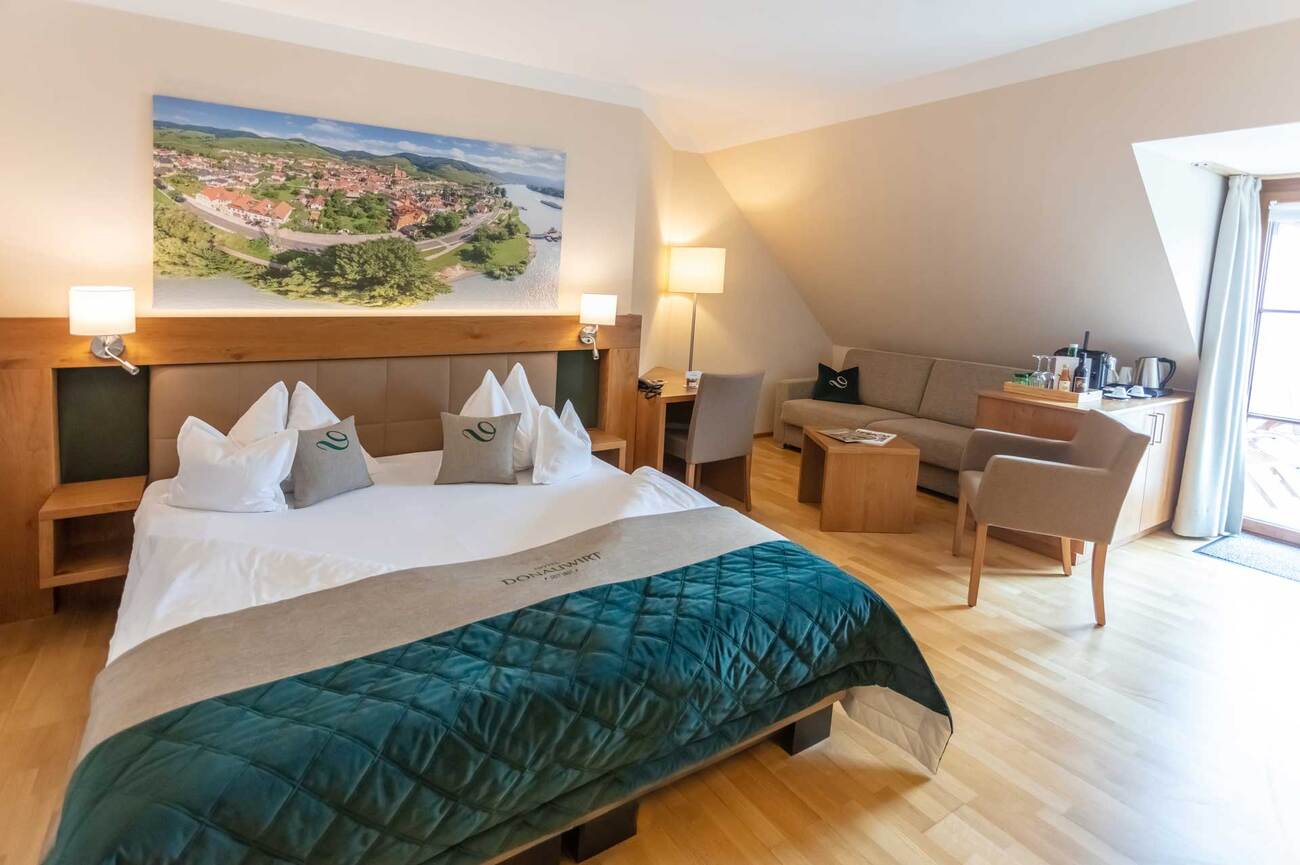
- 4-Sterne-Hotel garni DONAUWIRT (4 stars): DONAUWIRT immediately feels like a place designed for unhurried moments. What stands out first is the garden courtyard, shaded by mature trees and framed with greenery that feels intentional rather than ornamental. Tables are spaced generously, tucked between planters and soft landscaping. Everything about the setting suggests balance. Nature and structure share the space comfortably. The courtyard works equally well for a slow breakfast, a mid-afternoon pause or a quiet evening glass.
- Gästehaus Turm Wachau: If you want something that feels more like belonging than booking, Gästehaus Turm Wachau fits the bill. Set in an old tower building just off Dürnstein’s historic core, this guesthouse prioritizes intimacy over scale. Rooms have personality, the courtyard feels like a shared living room with better light and the price point makes lingering in the valley easier.
Best
Time to Visit the
Wachau Valley
Late spring is when Wachau stops being polite and starts showing off.
This is the window where the valley feels effortlessly put together, like it didn’t even try but somehow nailed the look. Vineyards turn a loud, unapologetic green. The Danube catches light in that calm, glassy way that makes you slow down without realizing it. Villages feel alive but not overrun. No shoulder-to-shoulder sidewalks. No rushed energy. Just movement, space and a rhythm that actually lets you breathe.
May and June are when Wachau becomes walkable in the best sense of the word. You can climb up to ruins without overheating, wander abbey courtyards without scanning for shade and sit outside for hours without checking the forecast every five minutes. Evenings land softly, the kind where one glass turns into two and no one is checking the time. “This is why we came,” but unspoken.
Late spring is Wachau before it gets busy being Wachau. Before peak summer energy kicks in. Before everything starts feeling booked, planned and timed. It’s the version of the valley that doesn’t need to impress because it already knows it can. If you want Wachau to feel cool without trying, cinematic without posing and genuinely enjoyable instead of overproduced, then this is the time to go.
Late spring is Wachau before it goes viral and that’s exactly why you want to be there.
Festivals in the Wachau Valley
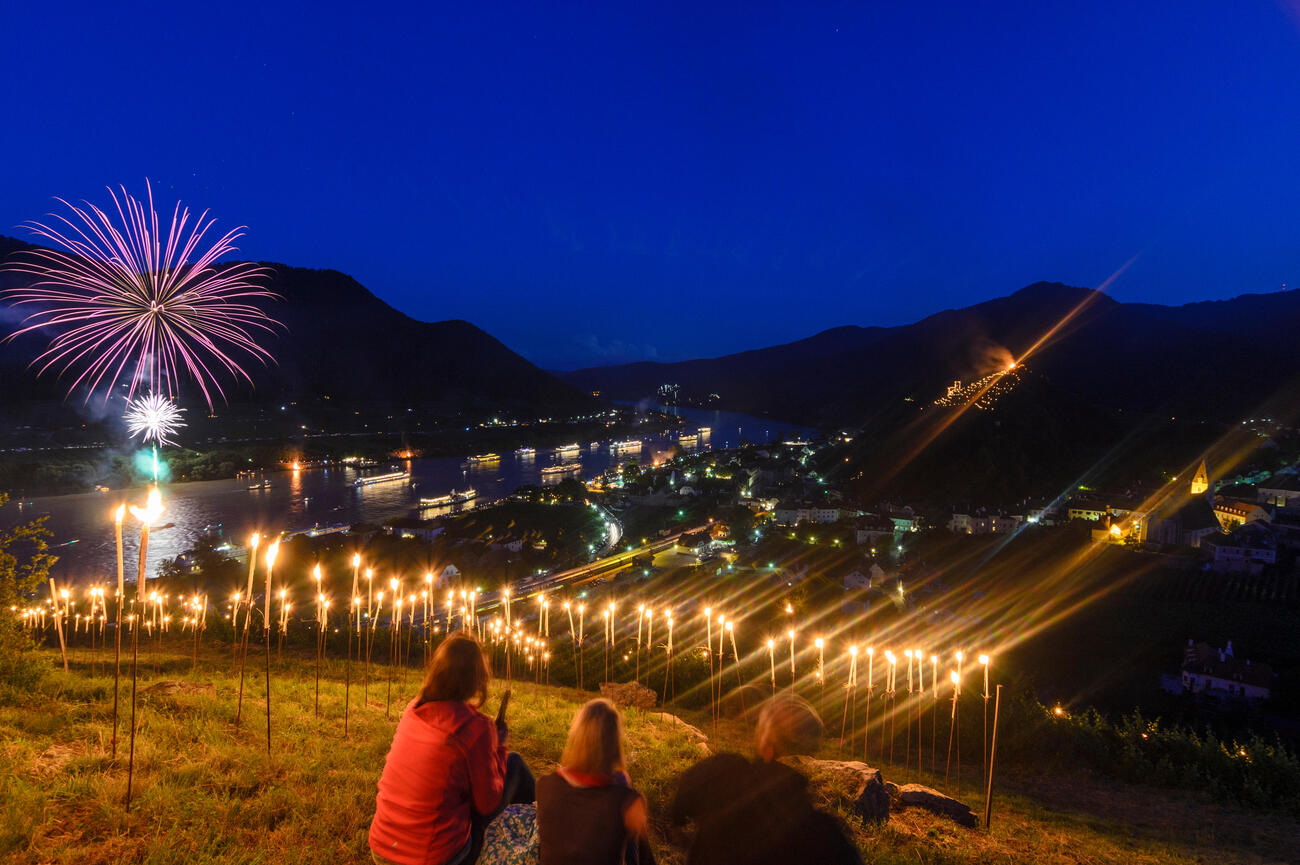
- Wachau Weinfrühling: This is the unofficial opening scene of the Wachau year. In late April and early May, winegrowers across the valley open their cellar doors at the same time and suddenly the entire region feels social. You move village to village, glass in hand, tasting young Grüner Veltliner and Riesling while vineyards shake off winter.
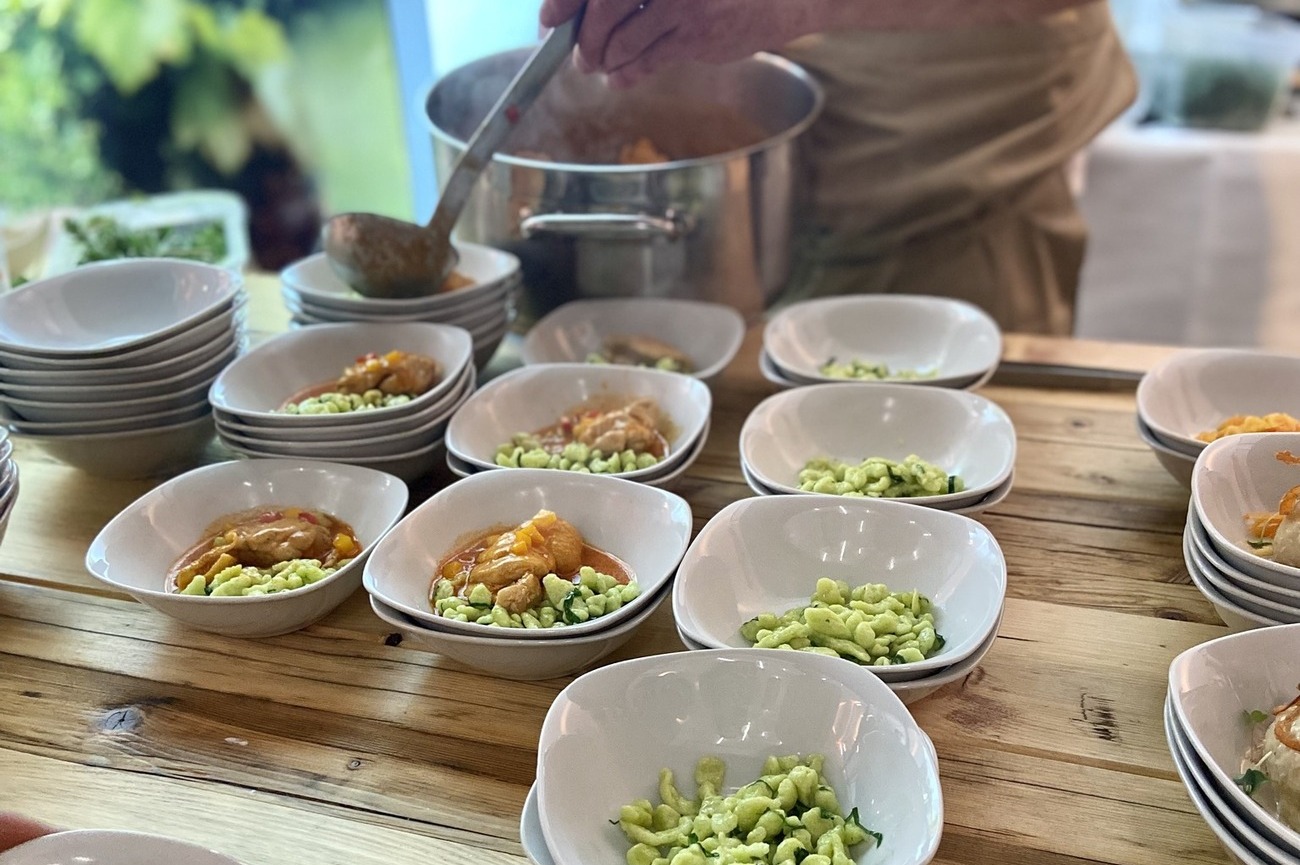
- Wachau Gourmet Festival: April in the Wachau leans refined and the Wachau Gourmet Festival proves it. For several weeks, the valley turns into a curated dining route, with top chefs, winemakers and producers collaborating on tastings, menus and pop-up experiences across different villages. Events range from formal dinners to vineyard lunches and cellar tastings, often paired with rare vintages or themed menus. It’s a festival that rewards planning, but still feels relaxed once you arrive.
- Spitzer Marillenkirtag: July belongs to the apricot and Spitz doesn’t pretend otherwise. During the Spitzer Marillenkirtag, the village celebrates its most famous fruit with a festival that’s joyful, slightly chaotic and very Wachau. Streets fill with stalls offering apricot dumplings, pastries, jams and schnapps, while live music keeps the mood light and local. This festival feels communal rather than curated.
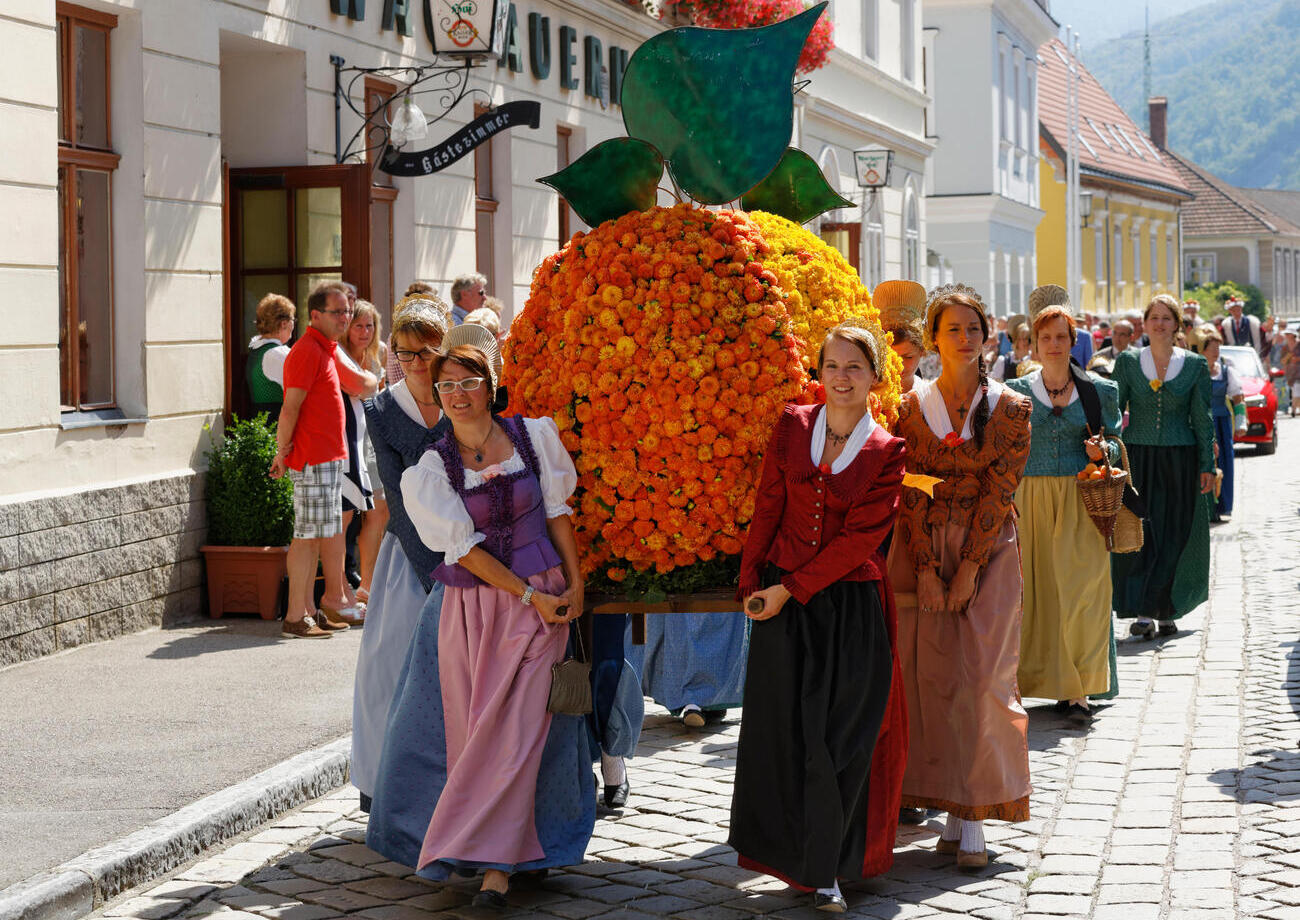
- Rieslingfest Weißenkirchen: By August, wine culture shifts gears and Weißenkirchen’s Rieslingfest marks that transition. Taking place in late summer, this festival focuses on one grape and one village. The atmosphere is warm, social and slightly festive without tipping into chaos. You taste different expressions of Riesling, talk harvest predictions and linger in village squares as evenings stretch longer.
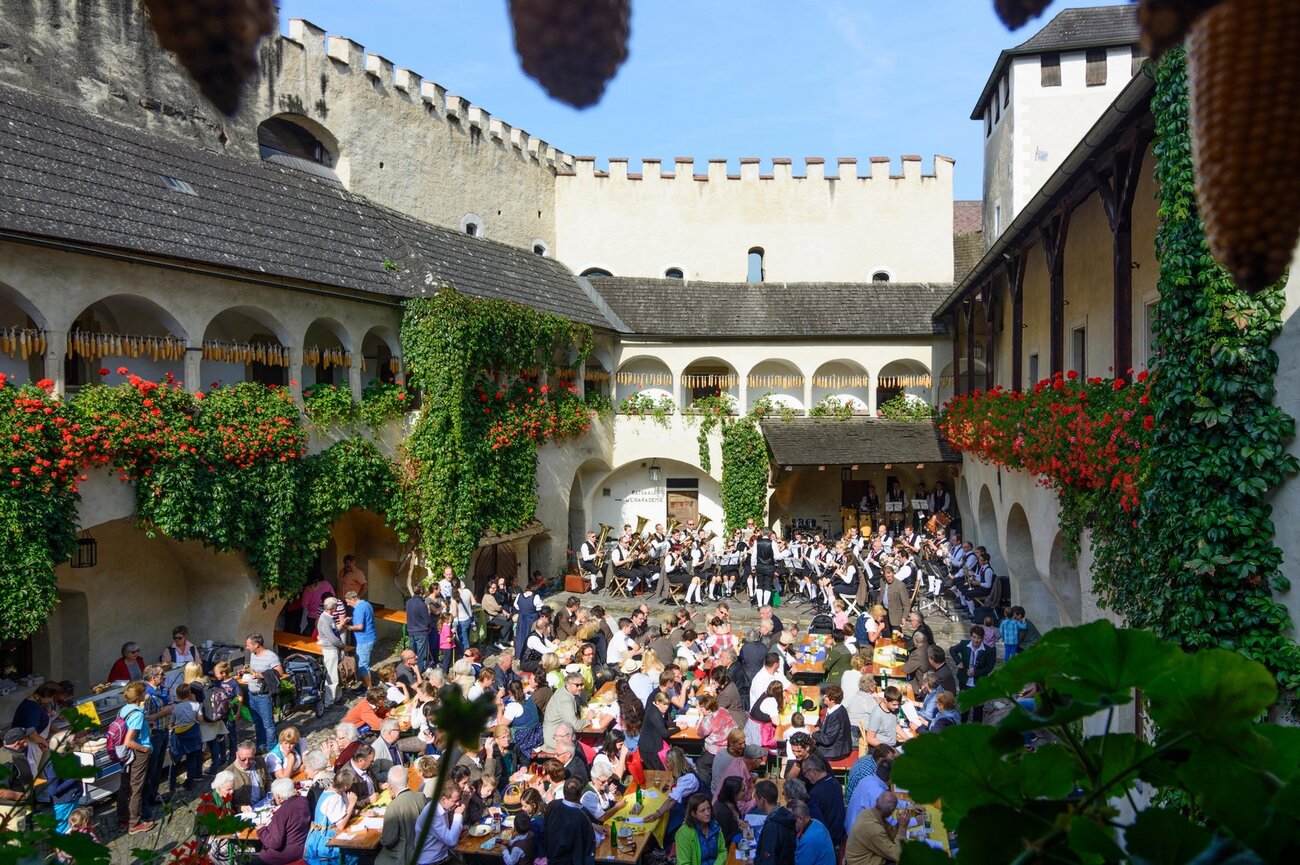
- Erntedankfest: Erntedank in the Wachau is less about spectacle and more about grounding. As September turns into October, villages pause to mark the end of the growing season with church-led celebrations, processions and local gatherings that feel quietly meaningful rather than performative. You’ll notice decorated churches, harvest crowns made from grain and vines and traditional dress appearing without announcement. Erntedank isn’t designed for crowds. It’s a moment of collective exhale after months of work in vineyards and orchards.
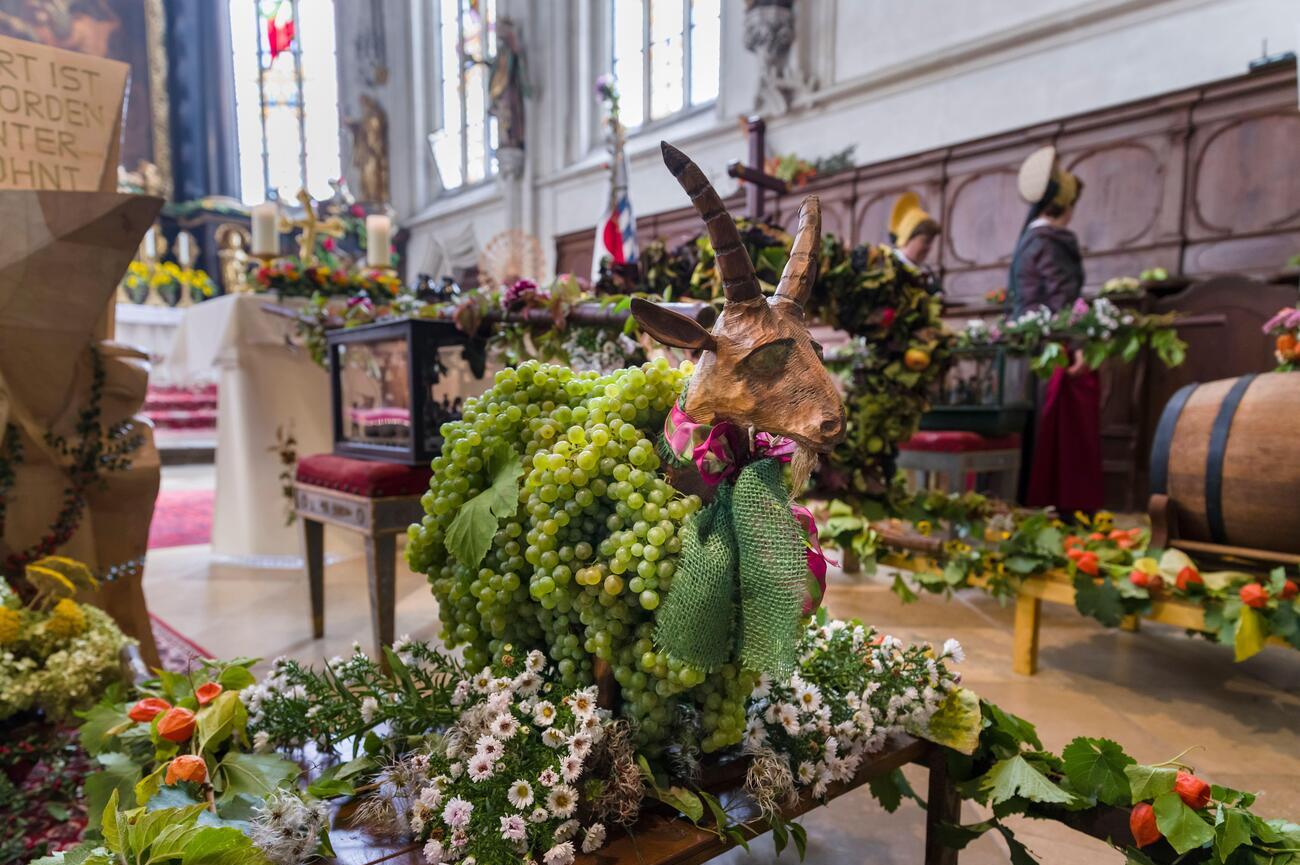
- Weinlesefeste: From late September into October, Wachau villages shift into harvest mode and the atmosphere becomes noticeably more social. Vineyards buzz with activity, tractors move through narrow lanes and wine taverns lean fully into the season. Harvest celebrations are less centralized than other festivals, popping up across different villages as grapes are brought in.
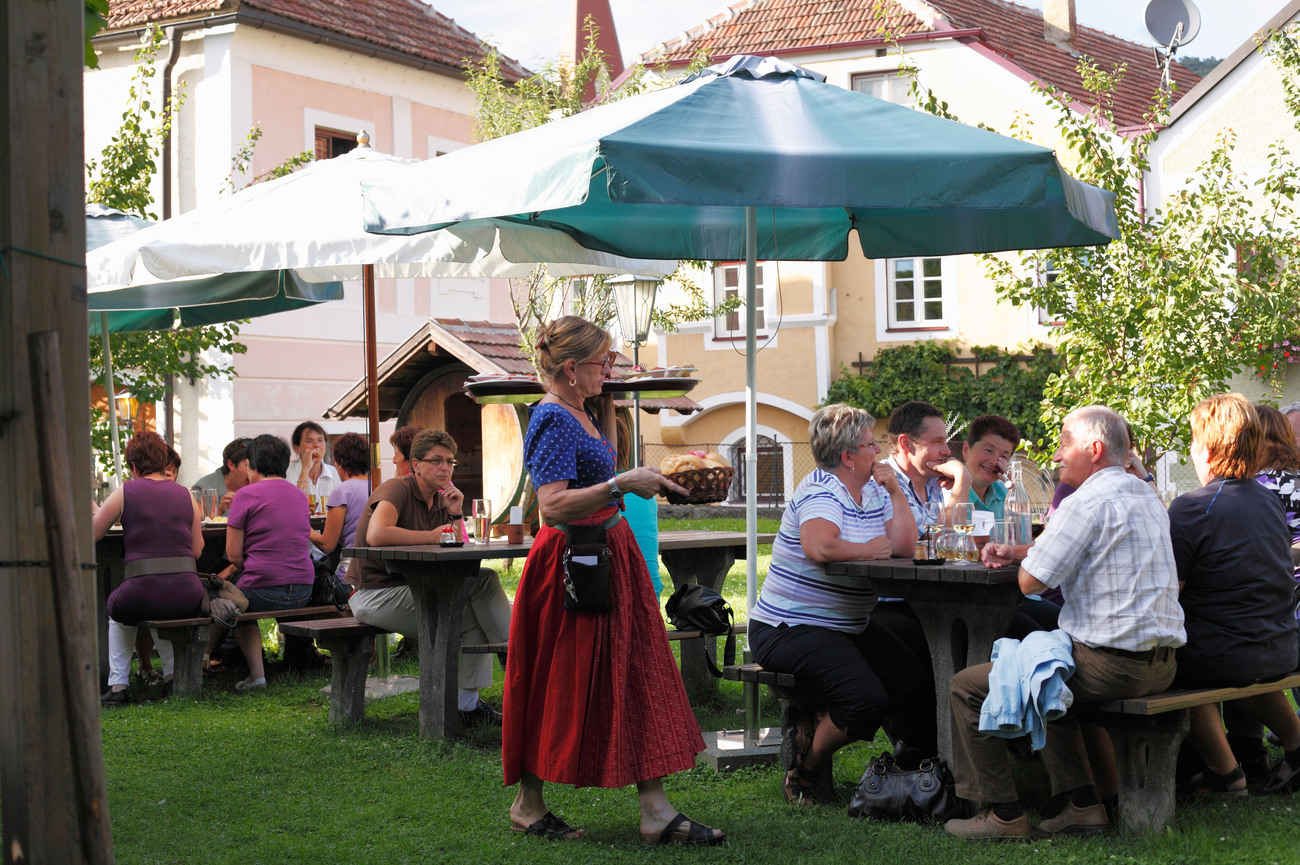


Let us know what you love, where you want to go, and we’ll design a one-of-a-kind adventure you’ll never forget.
Get in touch
Miriam
Travel Specialist

Romina
Travel Specialist

Laura
Travel Specialist
Our offices:



Revigorate, Iberian Escapes and Algarve Lifestyle are the registered brand names of APCS Lda . We are a fully authorised travel agency licensed by Turismo de Portugal RNAVT/6867.
In the event of a dispute, the consumer may refer to: RAL - Centros de Arbitragem
Avª. 5 de Outubro, nº. 55, R/C Dtº. 8000-075 Faro, Portugal | Tel: +351 289 823 135 *
* national landline call
E-mail: info@consumoalgarve.pt| www.consumidoronline.pt | Mon to Fri: 9:00 - 13:00 / 14:00 - 17:00