Things to Do in Graz & Styria: 6-Day Itinerary
Graz doesn’t announce itself with fireworks. It leans back, adjusts its sunglasses and waits for you to notice. And when you do, it’s already too late. You’re hooked.
This is the kind of city that pairs Renaissance courtyards with street art without asking for permission, a place where medieval alleyways lead straight into design museums that look like they crash-landed from the future. And then there’s Styria, the region wrapped around it like a very well-dressed main character’s chaotic best friend: vineyards that keep climbing hills like they’ve got something to prove, spa towns that take relaxation seriously, and Alps that show up only when they’re ready to humble you.
This is Austria without the opera wig. Still cultured, still dramatic, but refreshingly unbuttoned.
Styria doesn’t flex loudly, but it has range. Roman ruins casually coexist with ultra-modern architecture. Baroque abbeys guard the world’s largest monastic library. Castles perch on volcanic rock like they’re auditioning for a prestige period drama. If variety were a sport, Styria would already be on the podium.
Everything in this journey has been laid out with flow in mind. No chaotic backtracking, no geography crimes, just a smooth glide from city elegance to wine country calm to full Alpine drama. To make sure nothing feels rushed or slapped together, a 6-day itinerary has been prepared to walk through Graz and Styria properly.
Day 1 - Graz

Morning: Uhrturm
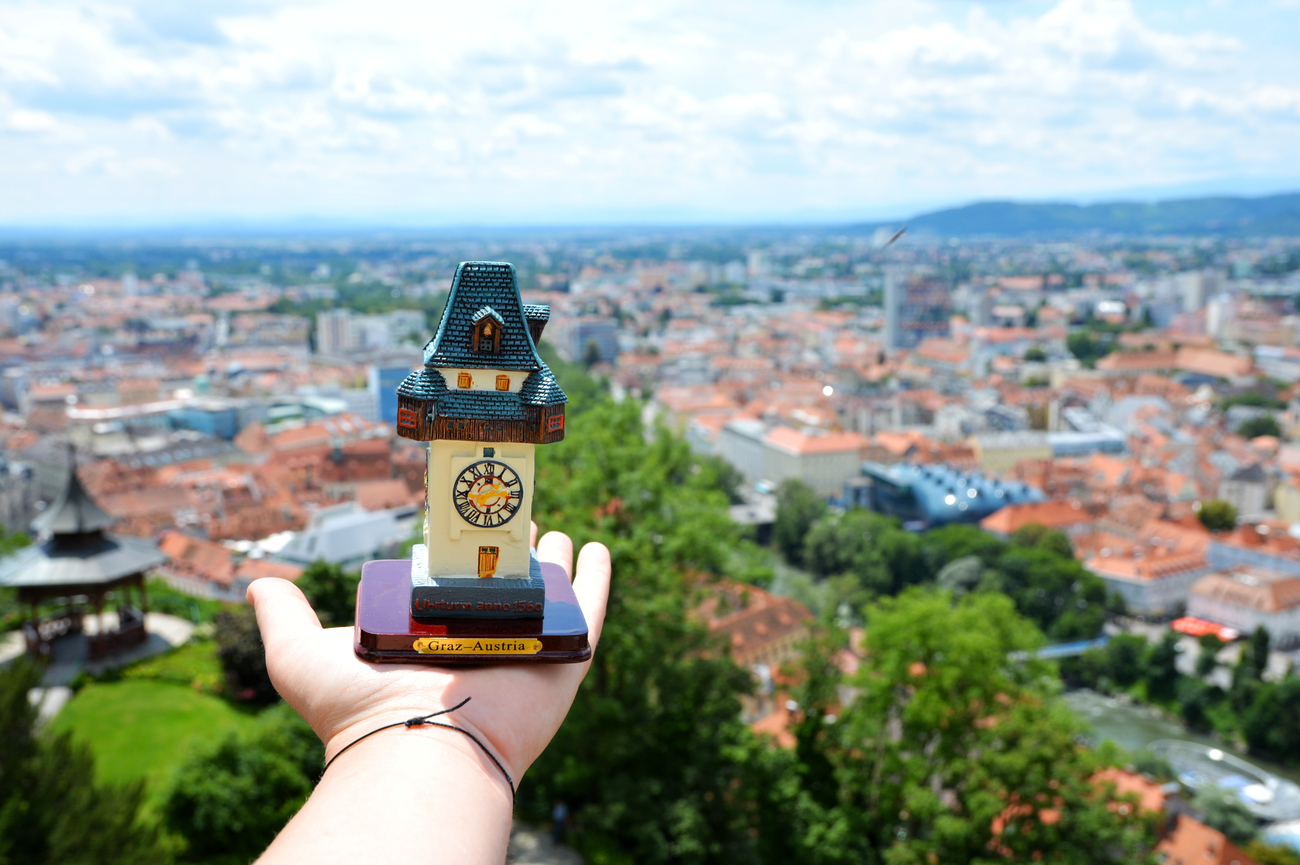
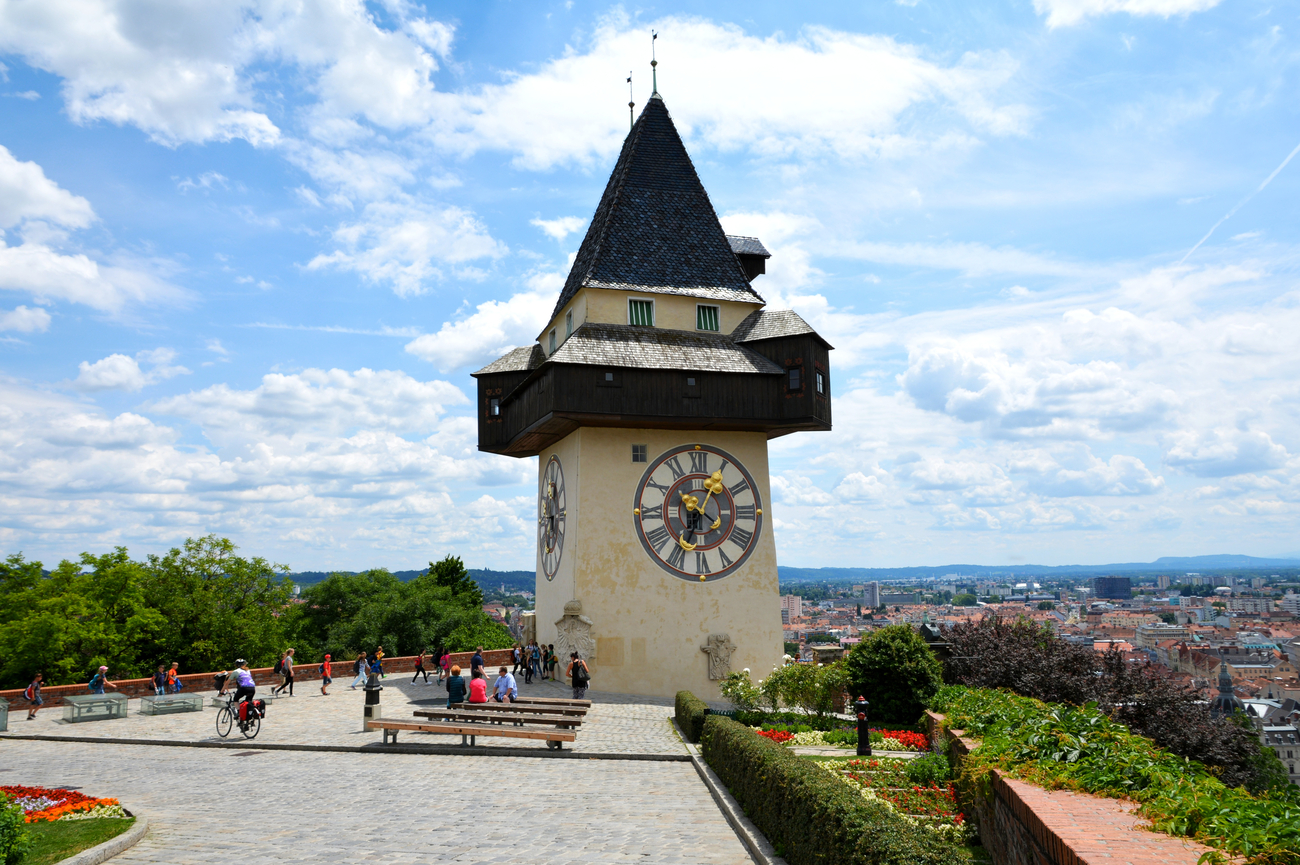
The Uhrturm doesn’t just tell time, it sets the tone for Graz. Perched confidently on the Schlossberg since the 13th century, this iconic clock tower has watched emperors come and go, wars rise and fall and the city quietly evolve into one of Austria’s coolest cultural capitals. Fun detail that always lands: the big hand shows the hours, the small one shows the minutes. It is a medieval design choice that still trips up first-time visitors and makes the tower feel charmingly rebellious.
Reaching it is part of the experience: a glide up via the glass Schlossbergbahn, or a sculptural climb through the Schlossberg stairs for those who like their history with a bit of cardio. Some bespoke Graz walking tours pair the Uhrturm with curated viewpoints and behind-the-scenes stories that skip the textbook version of history and go straight for the juicy details.
Schlossbergbahn
Shortest ride in Graz but the biggest glow-up in altitude and attitude.
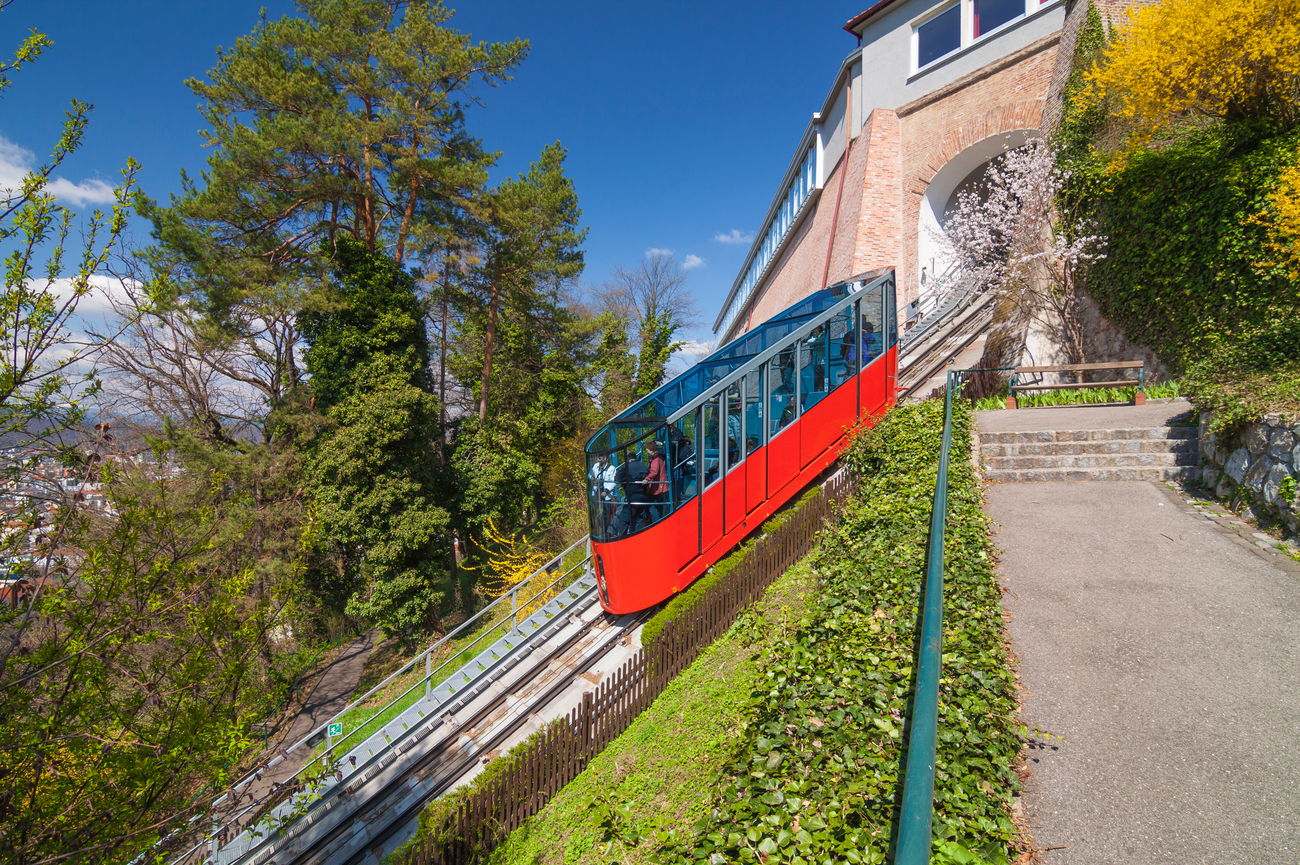
From the Uhrturm, it’s a relaxed two-minute walk to the upper station. No detours. No guesswork. The tracks are already waiting just below the tower, angled boldly down the mountain as if daring gravity to argue. This is the smooth transition from medieval heights back to city rhythm and it happens in under two minutes.
The Schlossbergbahn has been doing this climb since 1894 and still holds the title for one of the steepest funicular routes in Europe. The original wooden cars once hauled locals and goods up the hill. Today, sleek glass cabins take over, offering a slow cinematic drop over Graz’s terracotta rooftops, the Mur River and the dense red grid of the Old Town. The ride itself is short but the reveal is theatrical.
Grazer Landhaus
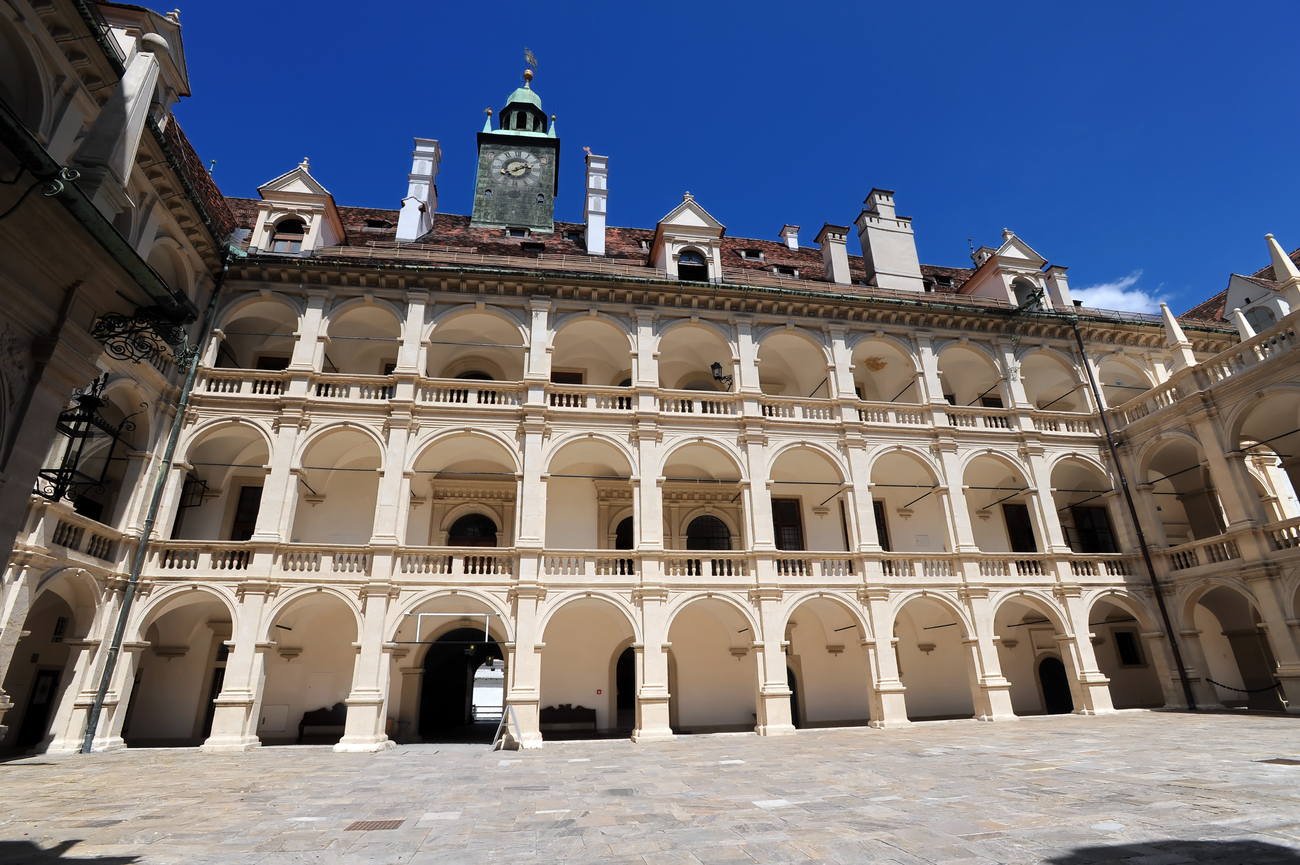
An easy five-minute walk through Herrengasse and into the quieter heart of the Old Town would take you to Grazer Landhaus. One turn through an arched entrance and suddenly the city noise drops off like someone hit mute.
Landhaushof is one of those places that does not need to announce its importance. Built in the 16th century as the seat of the Styrian parliament, this Renaissance courtyard has been hosting power, politics and very serious decision-making for centuries. The three-storey arcades wrap around the courtyard in perfect rhythm, all pale stone, balanced columns and clean symmetry borrowed straight from Italian design ideals of the time. What makes it even more impressive is that it still functions as a government building today. This is not a preserved relic. This is living history.
Styrian Armoury
The ultimate flex of steel and history in Graz. Step out of Landhaushof and let Herrengasse guide the way. Drift past boutique windows and café terraces until the massive stone facade of the Armoury appears. Its presence is immediate and commanding.
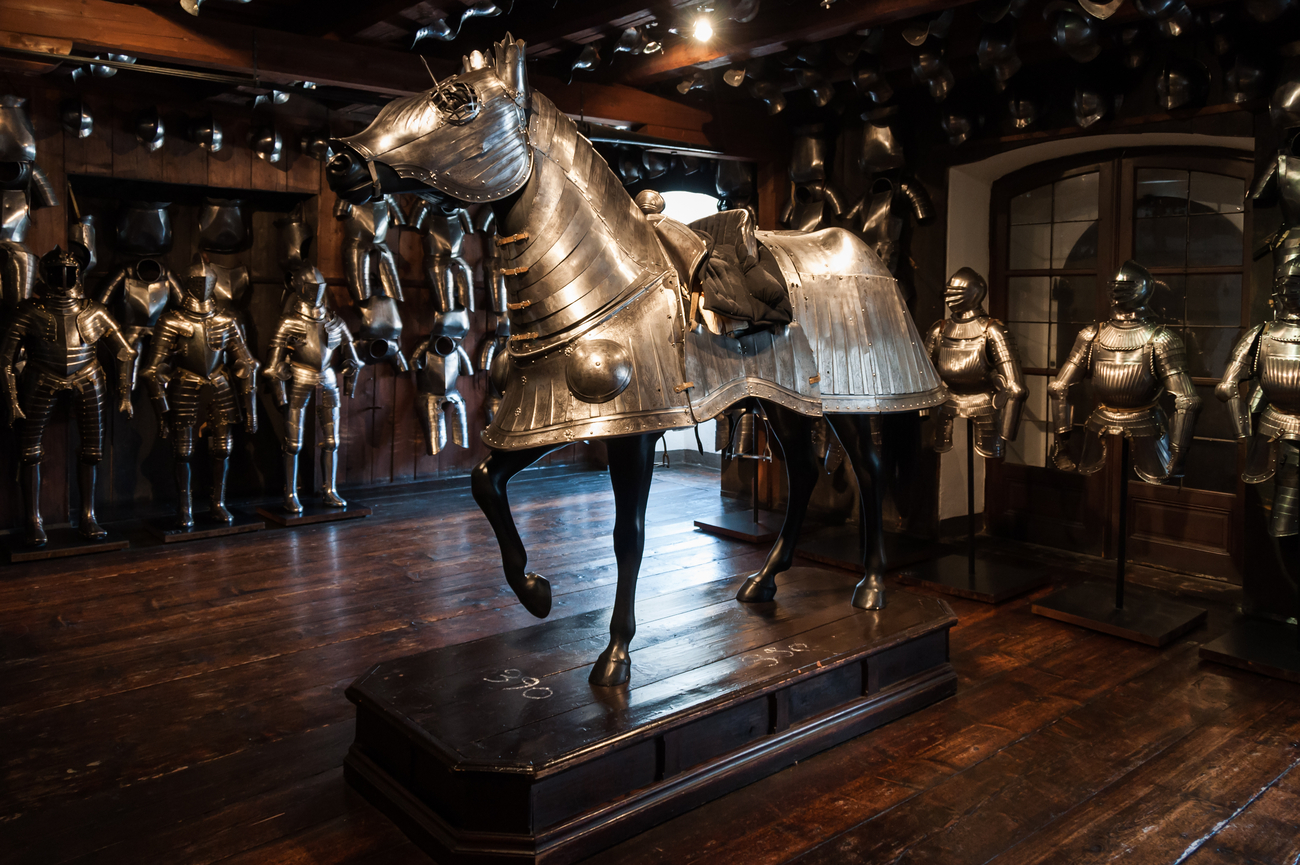
The Styrian Armoury is not just a collection. Built in 1642, it was designed to supply the Styrian troops during the Thirty Years’ War and today it proudly holds the largest historical arms and armour collection in the world. Over 32,000 pieces of armour and weapons line the walls. Suits of armour still gleam as if ready for a ceremonial battle, while crossbows, halberds and muskets whisper stories of defence, duty and drama from centuries past. During the weekday winter period, entry is exclusively via guided tour. German tours run at 11 am and English tours at 12:30 pm, so timing the visit carefully is key.
Afternoon: Graz Cathedral
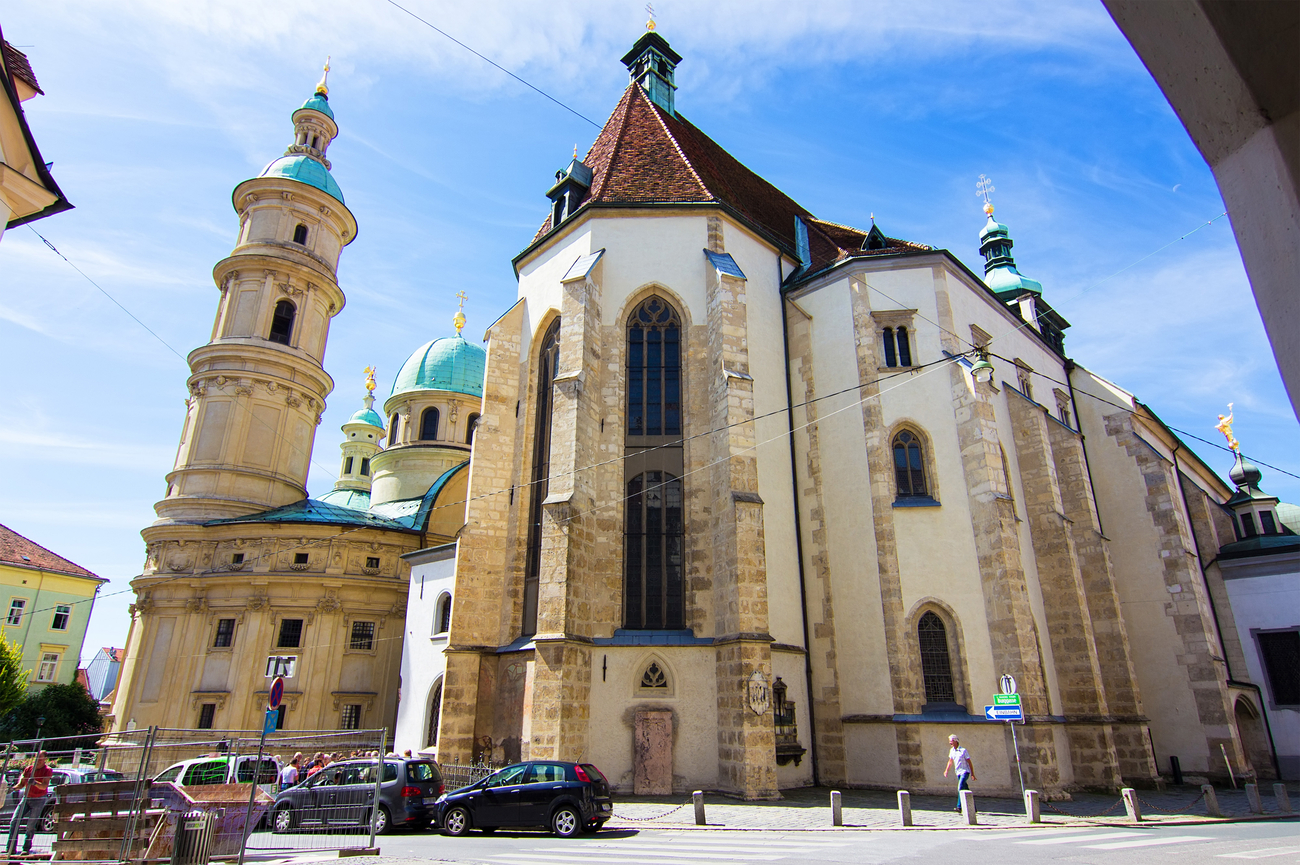
From the Styrian Armoury, wander down Sporgasse and let the streets naturally lead towards the cathedral. This church is framed by pastels and boutiques and then you’ll be spotting soaring Gothic spires appear above the rooftops.
Graz Cathedral, dedicated to Saint Giles, dates back to the late 15th century and stands as one of the city’s most striking examples of Gothic architecture. Inside, vaulted ceilings, intricate frescoes and baroque altarpieces create a visual symphony of light and shadow. The cathedral also houses a beautifully preserved organ and chapels that reflect centuries of devotion and artistic investment.
Mausoleum
of Emperor Ferdinand II
This is Baroque drama on a whole new level.
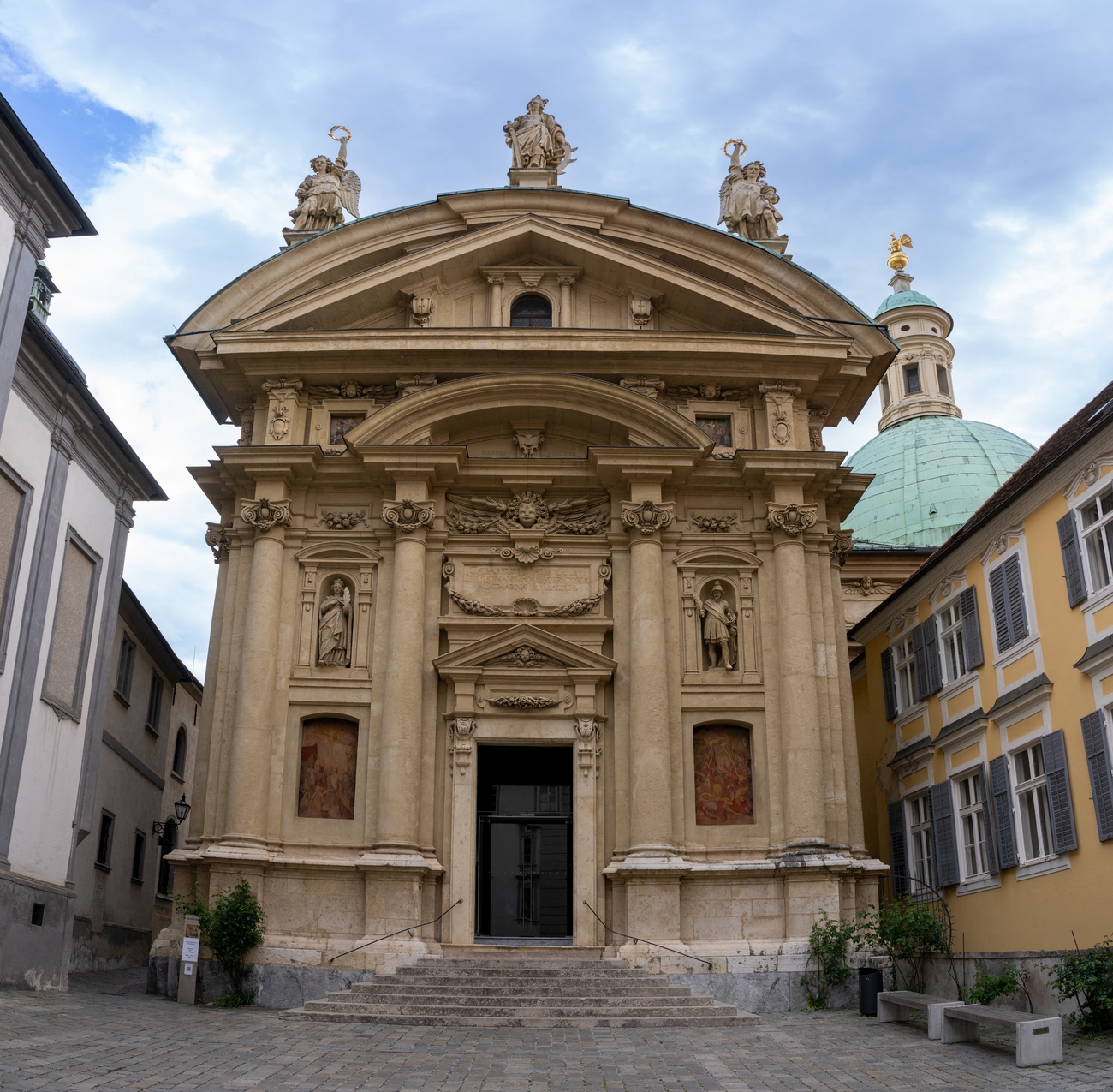
Leave the quiet reverence of Graz Cathedral and drift across the Domplatz. You will spot the copper-green dome rising like a regal beacon, impossible to miss, signaling the grandeur waiting inside. Even before stepping in, the exterior tells a story: sculpted angels, intricate stone reliefs and dramatic Baroque flourishes hint at the power and piety of the Habsburg dynasty.
Commissioned around 1614 by Emperor Ferdinand II, the Mausoleum was envisioned not just as a grave but as a monument to Habsburg power and Catholic identity during a time of political and religious upheaval. Its design was entrusted to the Italian court artist and architect Giovanni Pietro de Pomis. And what makes the building stand out even more: its oval dome chapel. It is the first of its kind outside Italy. That alone gives the Mausoleum a “this‑place‑belongs‑in‑a‑palace” vibe rather than the usual “quiet tomb” mood. Inside, the stucco work and frescoes were later completed (after 1687) under the hand of a young local talent who would go on to become a giant of Austrian Baroque architecture, Johann Bernhard Fischer von Erlach.
Joanneum Quarter
Step out of the Mausoleum and let the streets of Graz guide you towards the Joanneum Quarter. This is a mix of heritage stone and sleek contemporary lines that somehow feel like they’ve always belonged together.
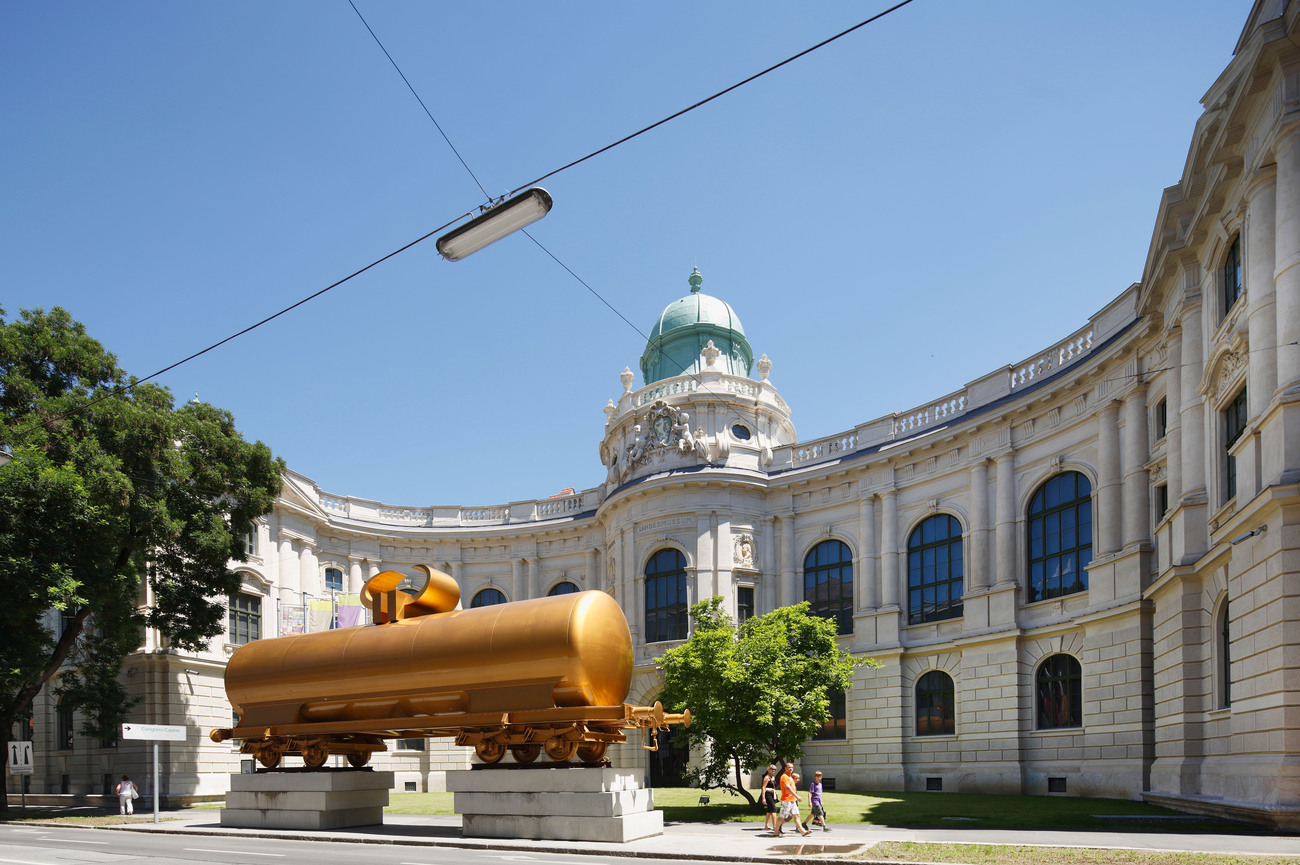
The Joanneum Quarter is the cultural heartbeat of Graz. Originally founded in 1811 as Universalmuseum Joanneum, it celebrated its bicentennial in 2011 with a major redesign that stitched several historic buildings together into a single urban complex. Here, the Neue Galerie showcases European art from the 19th century to contemporary works, while the Natural History Museum immerses visitors in Styrian geology, flora and fauna spanning hundreds of millions of years. The complex even includes CoSA, the Center of Science Activities, where interactive installations turn science into something playful, tactile and unforgettable. You can join guided tours that provide early access, letting guests explore the galleries without crowds and hear curated stories about the architecture, the artists and the scientific exhibits.
Kunsthaus
Graz
This is the alien in the Baroque neighbourhood that somehow just works.
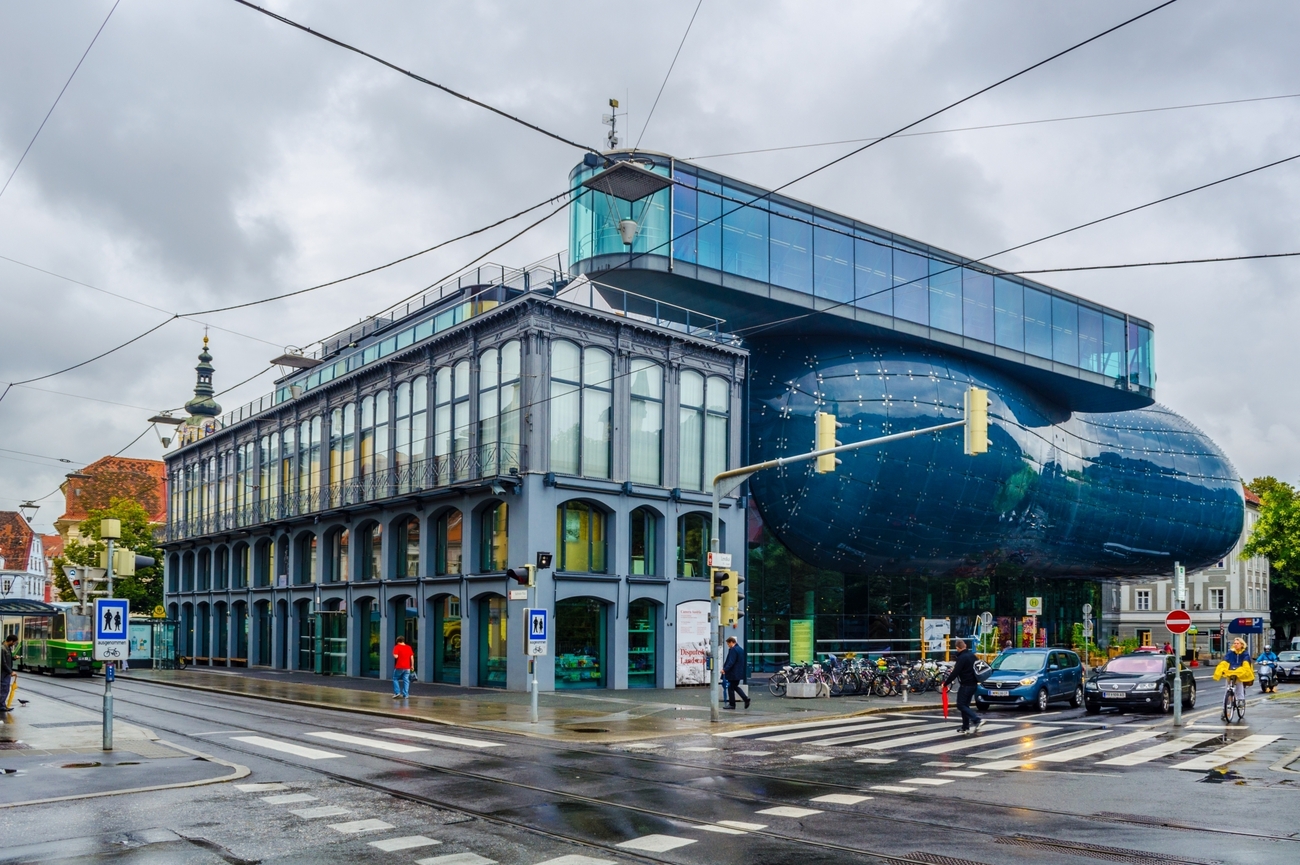
From Joanneum Quarter, slip around the corner along Mariahilferstraße and you’ll find it: the Kunsthaus Graz. It practically announces itself with its bulbous, futuristic “Friendly Alien” shape, hovering beside centuries-old stone buildings like a time traveler who forgot the memo about matching the neighbourhood.
Opened in 2003 and designed by architects Peter Cook and Colin Fournier, Kunsthaus Graz is a bold statement in contemporary architecture. Its organic, biomorphic form is wrapped in iridescent blue panels that reflect light in unpredictable ways, making it feel alive. Inside, the museum hosts cutting-edge contemporary art exhibitions, multimedia installations and experimental works that challenge perception and provoke curiosity. It’s not just about looking at art. It’s about experiencing it, feeling it and sometimes even questioning what you think art should be. And if you are seeking a more immersive experience, guided tours are available, with pre-booked groups of up to 25 people.
Murinsel Graz
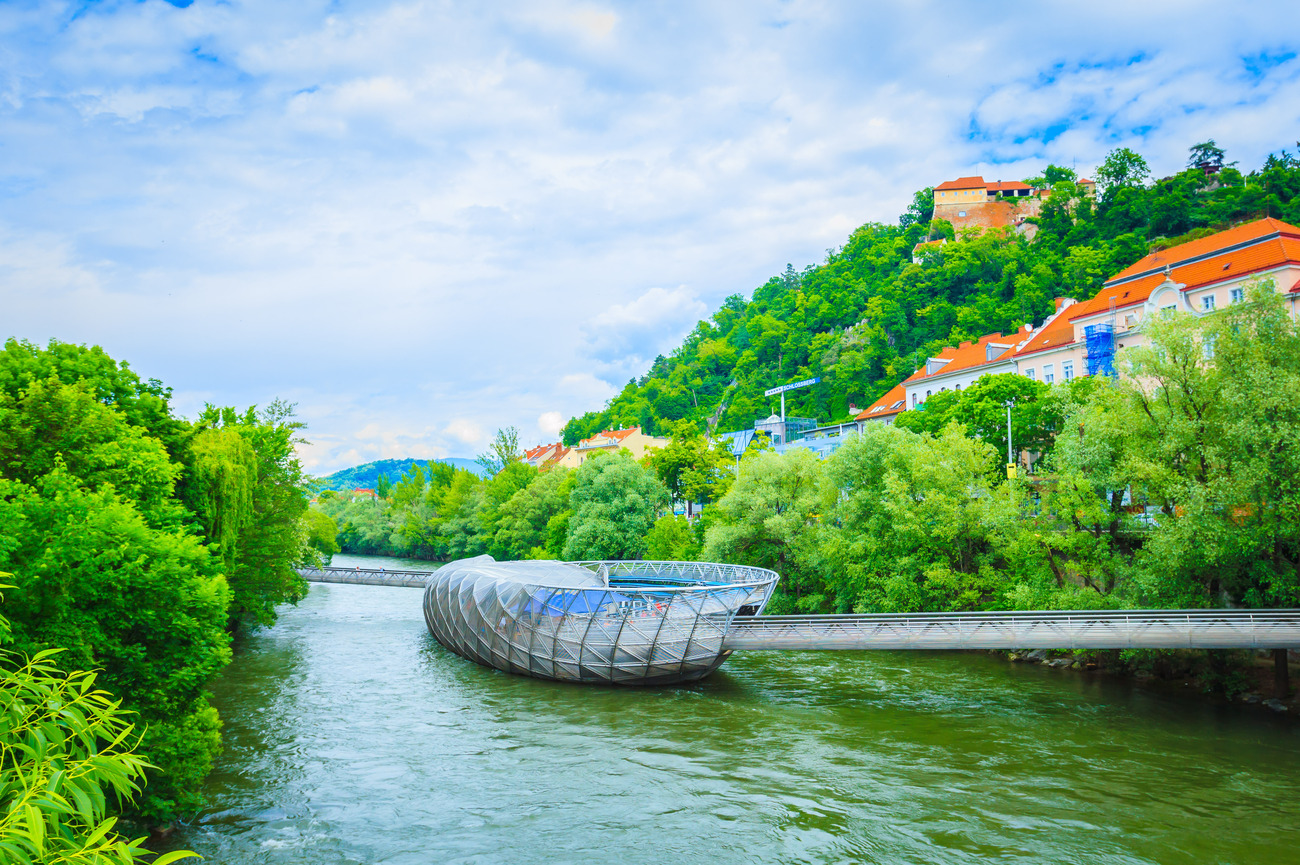
Slide out of Kunsthaus Graz and cross the Mur River via the footbridge that leads straight onto the Murinsel. It’s only a few minutes’ walk, but crossing onto the island feels like stepping into another world.
The Murinsel, designed by the American artist Vito Acconci in 2003, is a floating platform anchored mid-river and shaped like a giant shell. It combines a pedestrian bridge, an amphitheatre and a cafe all in one futuristic structure. Its steel and glass design contrasts sharply with Graz’s historic skyline but somehow blends seamlessly, making it a perfect example of modern urban creativity meeting everyday city life. The amphitheatre hosts events and performances while the interior café invites relaxed contemplation of the river’s flow and the city’s skyline.
Evening: Schloss Eggenberg
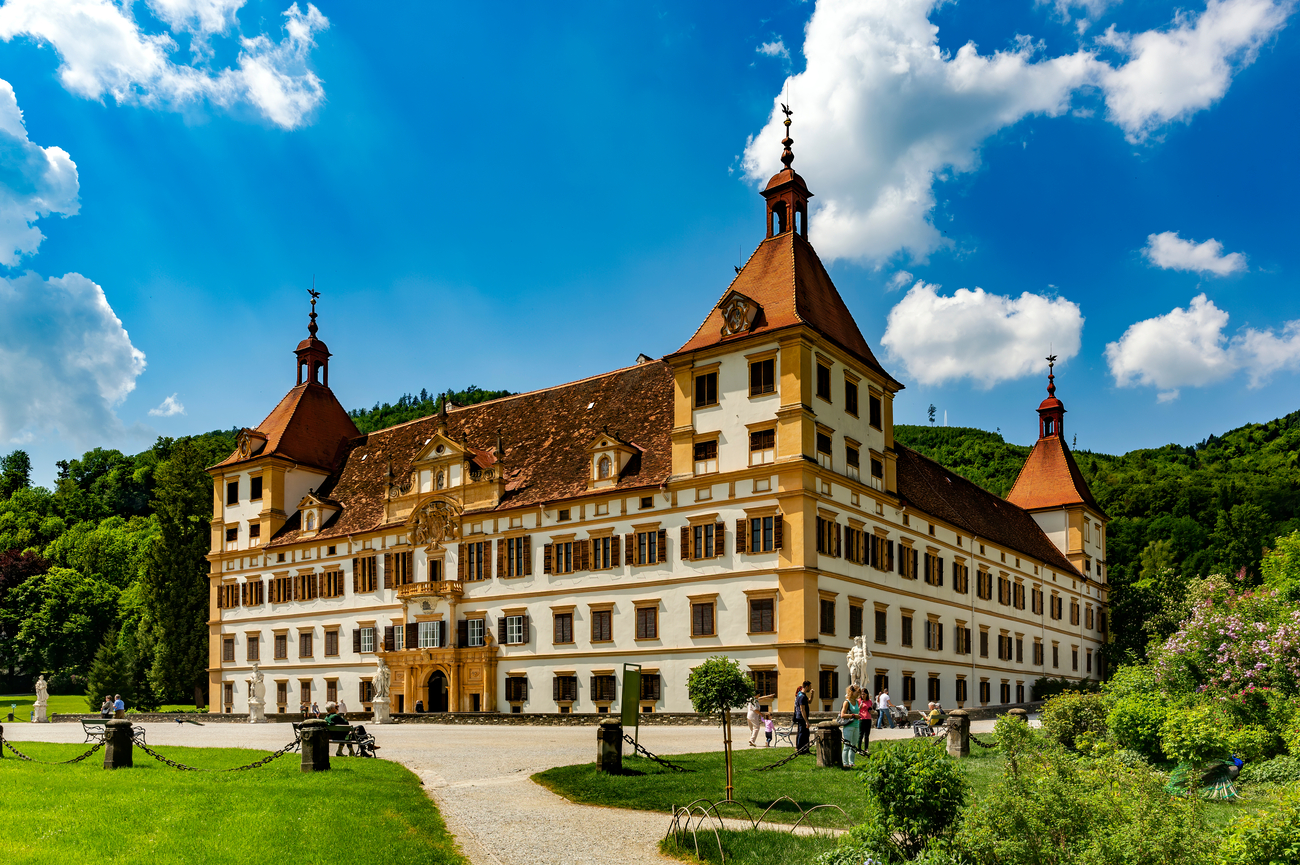
Hop into a short drive or a 15-minute cab ride west towards Schloss Eggenberg. As the city streets fade behind, the palace rises on the horizon like a storybook finale, its Baroque towers and manicured gardens promising a grand evening immersion. Arriving here is like stepping into a canvas where history, art and architecture have been painted with deliberate care for over 400 years.
Schloss Eggenberg, built in the 17th century, was the residence of the powerful Eggenberg family and is now a UNESCO World Heritage site. Its architecture is a masterpiece of symbolism. The palace has 365 windows for each day of the year, 31 rooms per floor for the days of the month and carefully aligned elements reflecting planets and zodiac signs. Inside, the State Rooms display lavish Baroque art, intricately decorated ceilings and period furnishings that whisper stories of courtly life, political intrigue and aristocratic ambition. The palace gardens and adjacent park are equally impressive, designed for strolling, contemplation and appreciating the full scale of Baroque landscape artistry.
Day 1 - Graz Tour Map
Day 2 -
Leibnitz, Südsteiermark
Morning:
Roman Museum Flavia Solva
Now take a 40‑minute journey towards Wagna/Leibnitz where the streets gently strip away modern gloss and pave the way for ancient echoes. The shift feels natural. Suburban roads give way to open fields then to the quiet entrance of Flavia Solva.
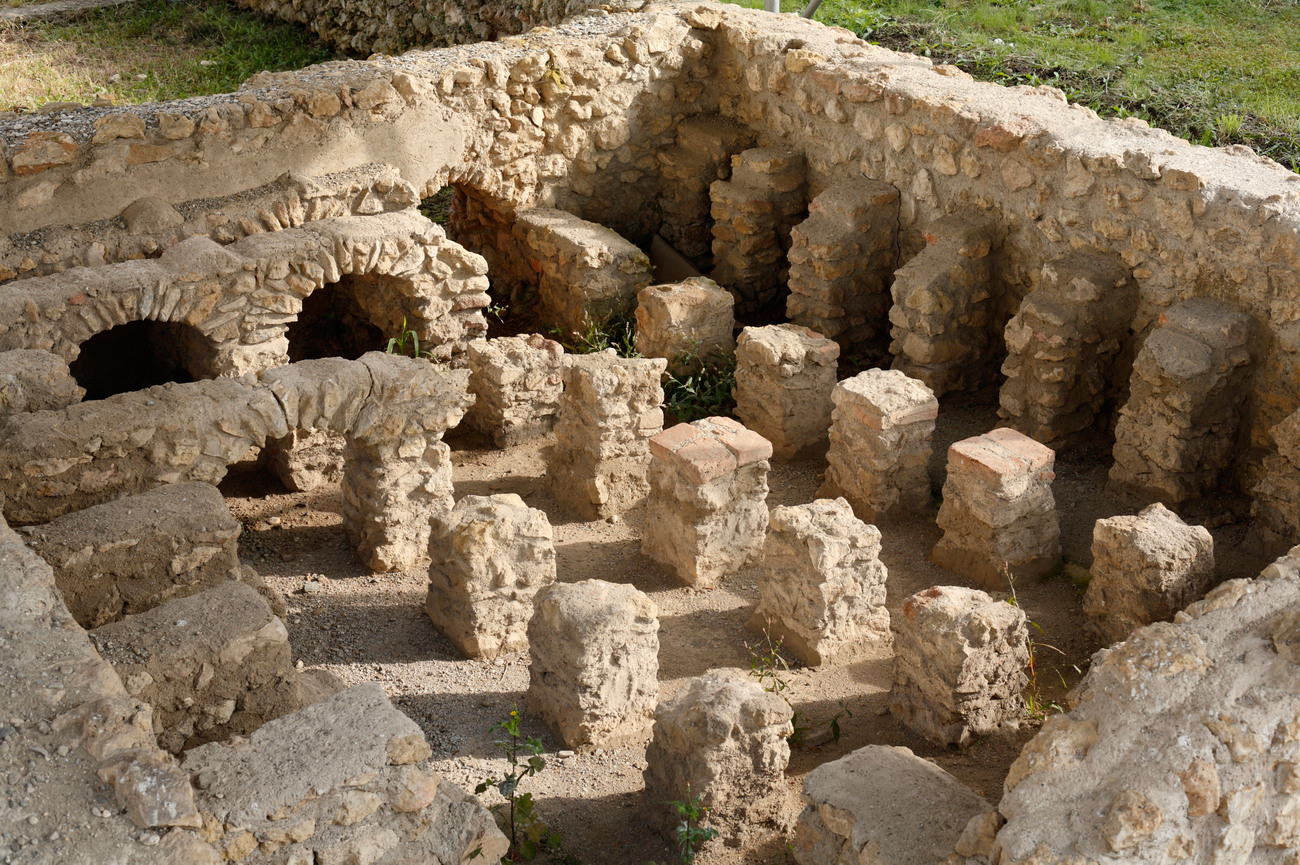
Flavia Solva was once the only Roman town in what is now Styria. Around AD 70 under Emperor Vespasian, it was granted municipal status, transforming from a modest settlement into a thriving provincial town in the Roman province of Noricum. Walkable metal outlines on the ground mark the street grid and house blocks of an ancient “grid‑city.” This wasn’t a messy village. It was a proper town laid out by Roman land‑surveyors. This is a glimpse of what urban life meant two millennia ago with straight roads, planned blocks and communal infrastructure.
Today, Flavia Solva is part museum pavilion, part open‑air archaeological site. Since its renovation in the early 2010s, the museum pavilion functions as a “walk‑in showcase” where artefacts, reconstructions and informative displays bring dusty ruins to vivid life. The outdoor area spans over 20,000 square metres and lets visitors trace the outlines of ancient streets, houses, even the amphitheatre and burial grounds used by the Romans.
Kitzeck im Sausal
This is where rolling vineyards meet the clouds and luxury tastes like wine.
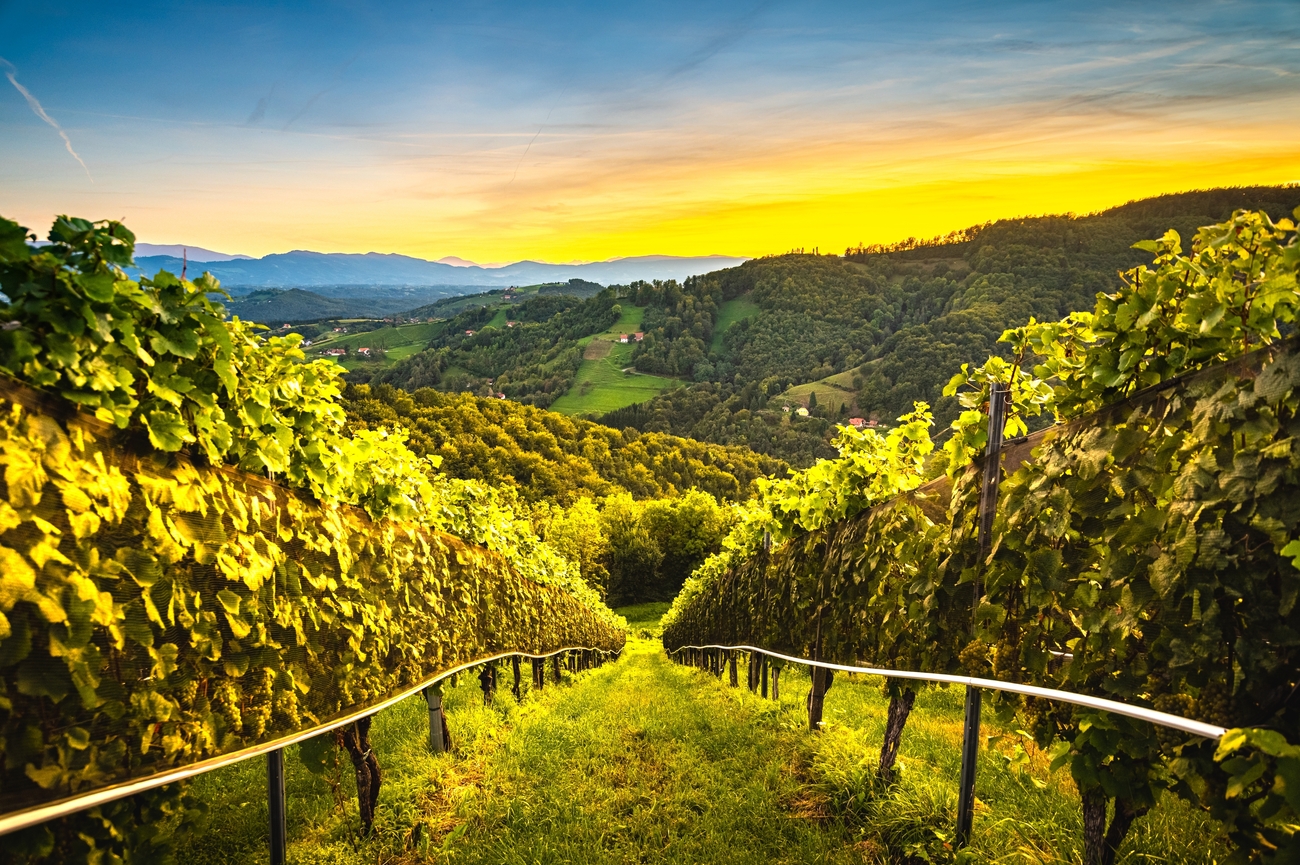
From Flavia Solva, hop back into the car for a short 30‑minute drive west towards the Sausal hills. As the roads wind uphill, the landscape transforms from flat Roman farmland into gentle, sun‑dappled vineyards, dotted with quaint farmhouses and panoramic viewpoints. The shift is cinematic: civilization feels slower here, more deliberate and perfectly paired with the art of winemaking.
Kitzeck im Sausal is Austria’s highest wine village, perched over 450 metres above sea level. It’s been cultivating grapes for centuries and the village today blends rustic charm with modern viticulture. Terraced vineyards stretch along the hillsides and boutique wineries offer tastings of whites and reds that taste like sunshine bottled up. The panoramic vistas alone make it a destination worth lingering at.
Afternoon:
Schloss Seggau
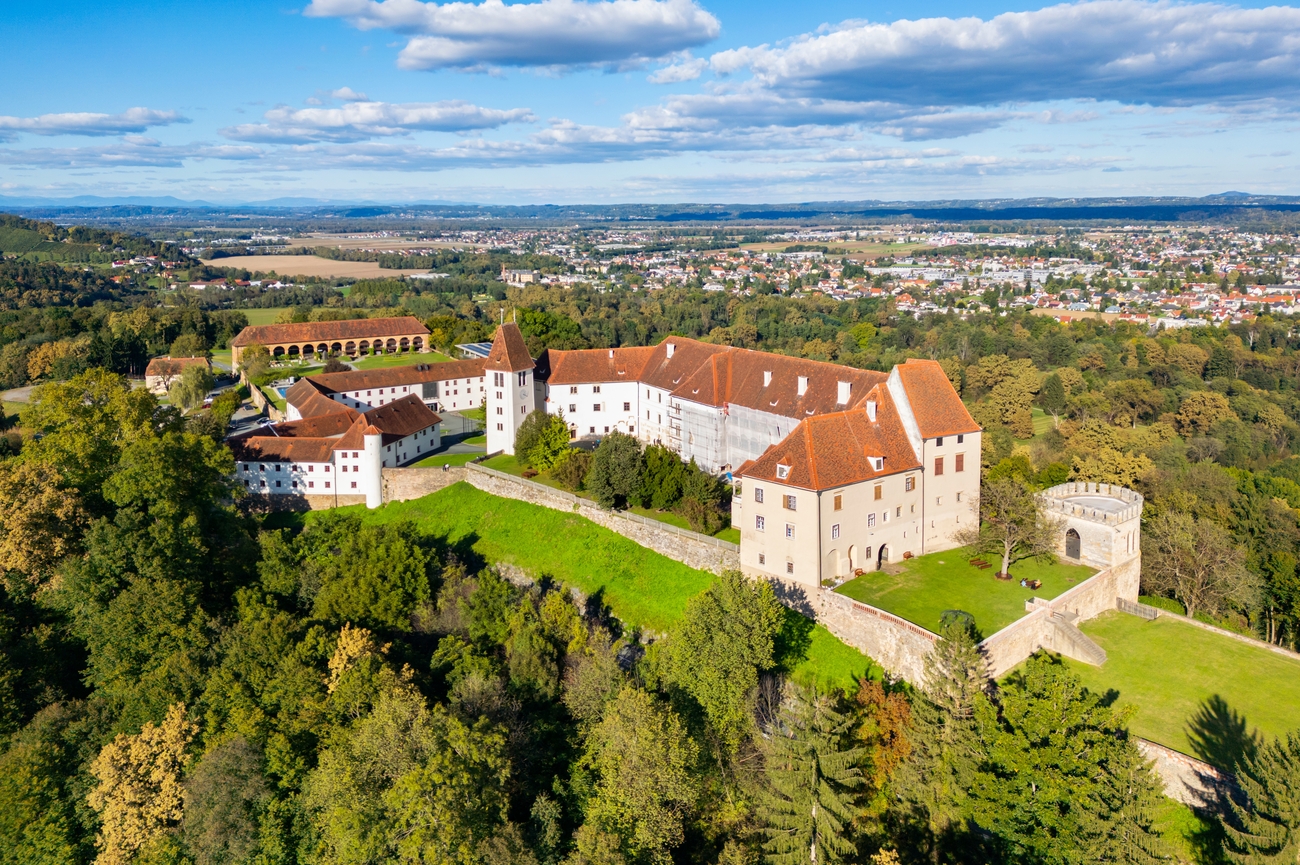
Leaving the sun-soaked vineyards of Kitzeck im Sausal behind, the road curls through rolling hills, sleepy villages and clusters of green that seem almost painted. About 25 minutes later, the silhouette of Schloss Seggau emerges atop its hill, commanding attention without trying too hard.
Schloss Seggau dates back to the 12th century and was originally the seat of the Prince-Bishops of Seckau. Over time, it evolved into a striking combination of medieval fortifications, Renaissance architecture, and Baroque elegance. Inside, the castle houses lavishly decorated rooms, historic chapels and centuries-old frescoes that tell tales of clerical power, aristocratic life, and artistic patronage. The castle’s hilltop location also offers sweeping views over the Leibnitz valley, vineyards, and distant Styrian mountains.
Gamlitz
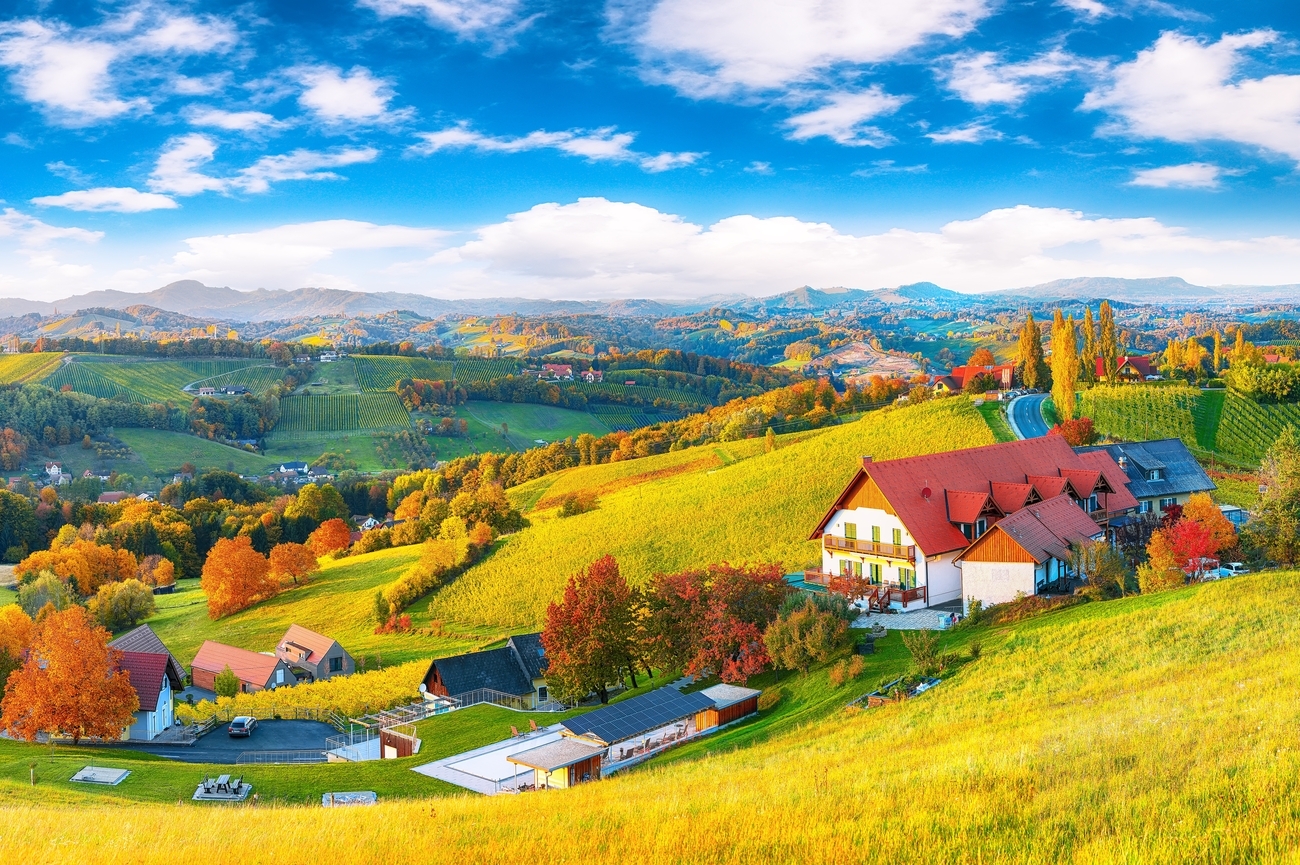
Leaving the hilltop elegance of Schloss Seggau behind, the road meanders westward for about 15 minutes, weaving through sun-dappled vineyards and gentle Styrian hills until the charming village of Gamlitz appears.
Gamlitz is the kind of place where history and viticulture cohabitate effortlessly. Known as one of Styria’s premier wine villages, its streets are lined with centuries-old wine taverns, boutique wineries and artisan shops. The village has kept its authentic charm, with picturesque squares and small chapels peeking through the vines. Strolling through Gamlitz feels like stepping into a living postcard. And if you want a luxury twist, private wine tastings at select Gamlitz wineries can turn the afternoon into a sensory indulgence.
St. Anna
am Aigen
Now this is where vineyards flirt with the sky and every view is a masterpiece.
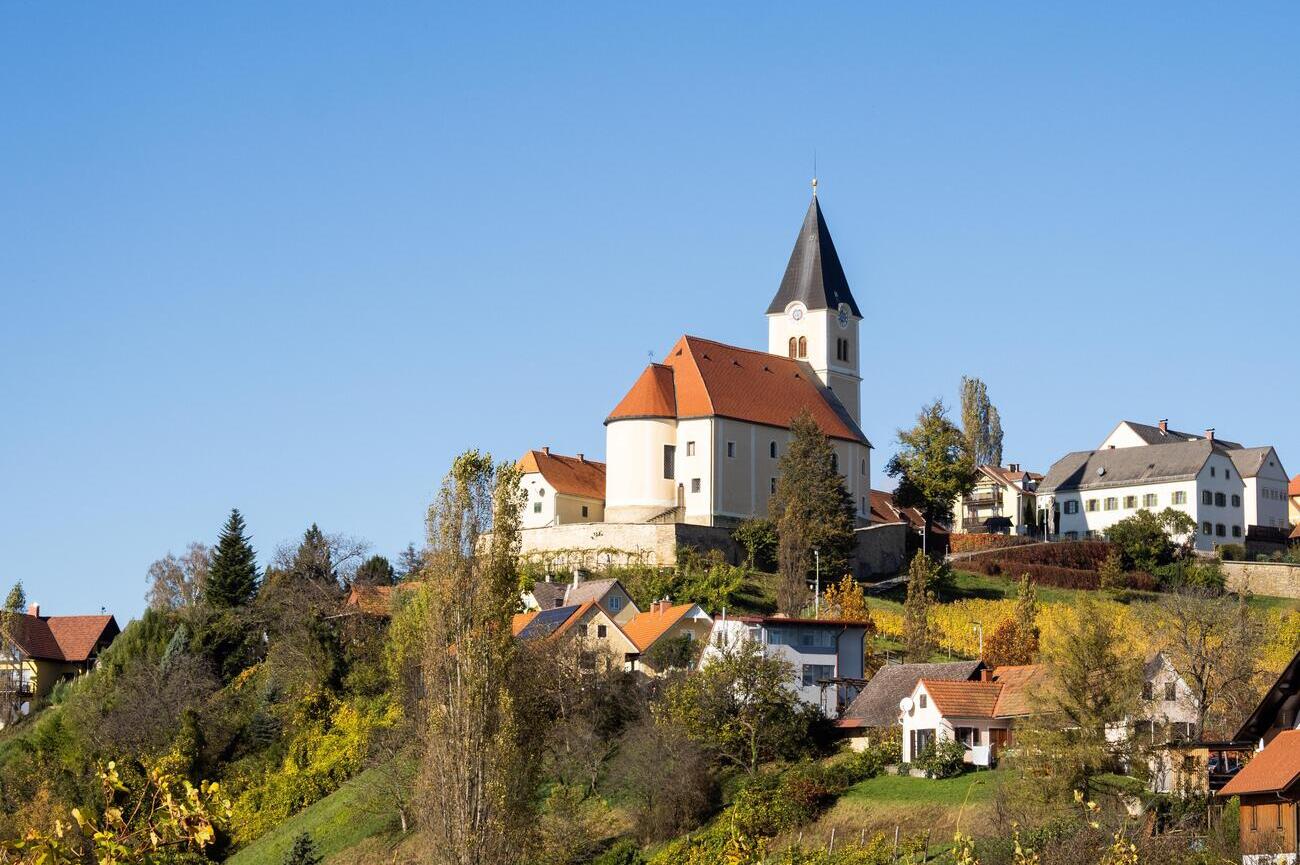
Arriving in St. Anna am Aigen, the village feels perched between heaven and earth, with its serene streets and iconic church standing like a guardian over the Styrian countryside.
This place is famous not only for its elevation, it’s one of Austria’s highest wine villages, but also for its harmonious blend of tradition and modernity. The village’s vineyards produce some of the region’s most celebrated whites, while its picturesque streets and charming architecture invite leisurely exploration. The small Baroque church of St. Anna, with its ornate facade and historic interiors, is a local landmark, offering both spiritual and photographic inspiration. Beyond its buildings, the surrounding vineyards provide an immersive visual experience, with winding trails that make every turn a postcard moment.
Evening:
Kreuzbergwarte
This is the perfect hilltop finale where the horizon stretches forever. The approach is part of the experience: every curve reveals a broader view of Styria’s rolling hills, golden vineyards and sleepy villages nestled in valleys below. By the time the tower appears atop its wooded hill, the world feels paused, as if it’s been waiting for this moment of quiet grandeur.
Kreuzbergwarte, built in 1890, is a historic observation tower perched 517 metres above sea level. Its sturdy structure offers panoramic views that stretch across the Sausal hills, the Mur valley and even to the distant mountains on a clear day. The tower itself is charmingly old-world, yet accessible, inviting visitors to climb its spiral staircase for a full 360-degree experience. It’s more than just a viewpoint; it’s a stage where sunset, vineyards and rolling hills perform together in perfect harmony.
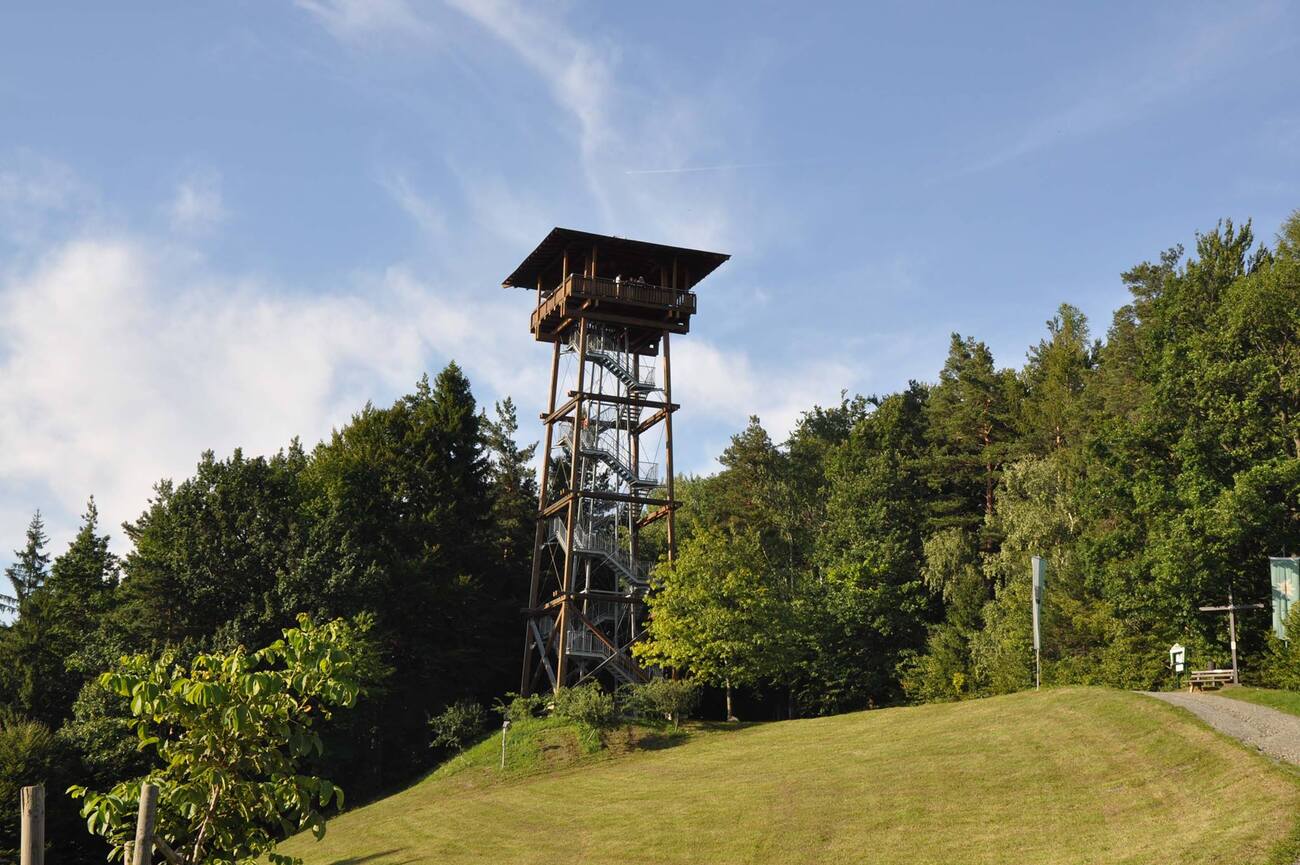 Kreuzbergwarte, Eichberg-Trautenburg, Austria
Day 2 -
Leibnitz, Südsteiermark Tour Map
Day 3 -
Herberstein, Riegersburg
Morning:
Schloss Herberstein
From yesterday’s vineyards to today’s fairytale fortress, the ride to Schloss Herberstein rolls through gentle hills and quiet lanes until the castle emerges on a rocky outcrop above the valley.
Schloss Herberstein isn’t one of those castles frozen in time. Its roots stretch back to 1216. Over centuries, it transformed from a medieval stronghold into a Renaissance‑Baroque residence. Now it stands with layers of architecture. It has a Gothic keep, a Renaissance wing, and a baroque‑era Florentinerhof courtyard that frames sweeping views over valleys and hills. But the magic isn’t only in stone and towers. Schloss Herberstein is also known as the “Garden Castle.” Its historic gardens, with geometric beds, scented flower paths and a romantic pavilion, date back to the 16th century and have been lovingly restored in recent years.
And just when it seems like the history and gardens are enough, Herberstein surprises. Attached to the castle grounds is a wildlife park that has roots in the 17th century, when the family first kept deer. Over time, it evolved into a full animal world housing hundreds of species from around the globe. This gives the visit an adventurous twist from castle courtyards and rose‑petal paths to safari‑like trails where wild animals roam (in carefully managed habitats, of course).
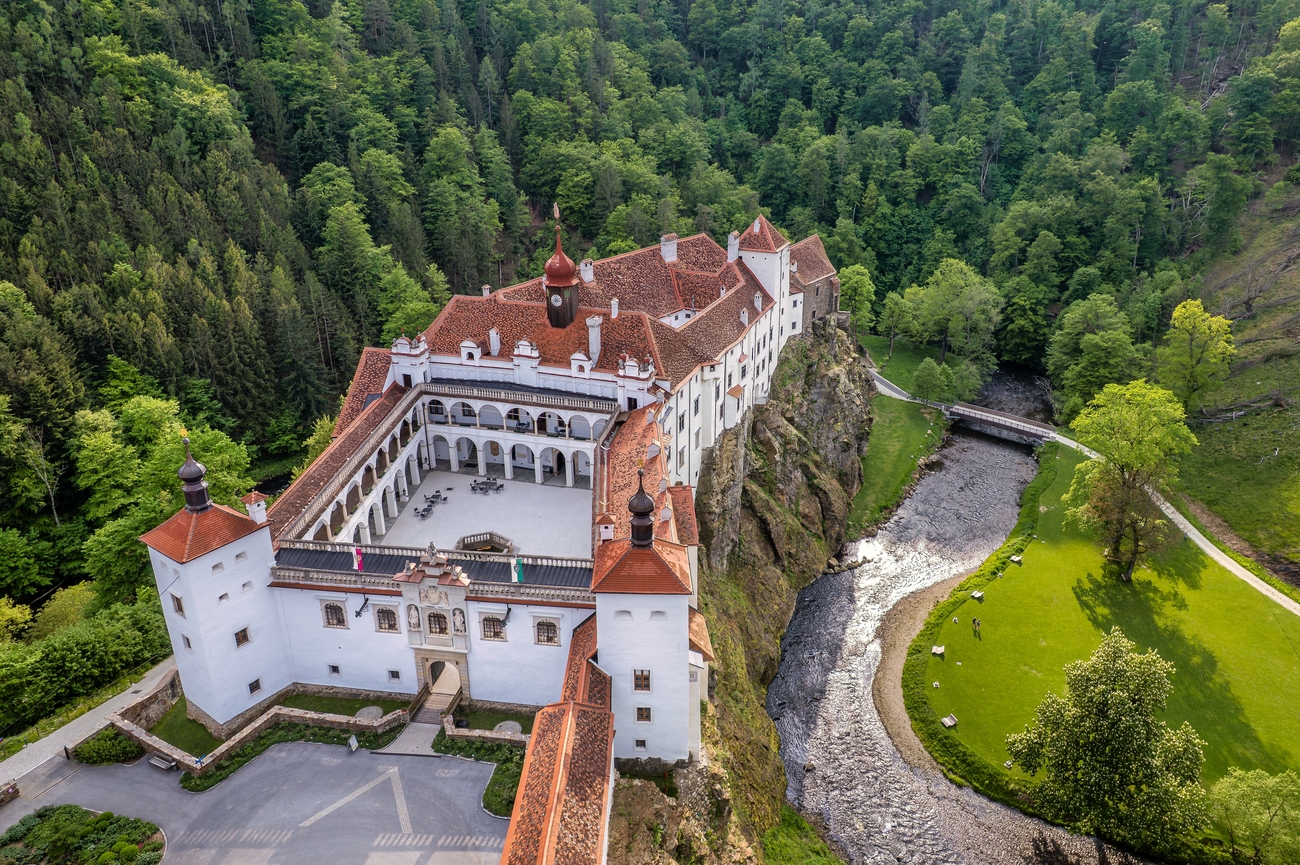
Herberstein
Tier- und Naturpark Schloss Herberstein OG
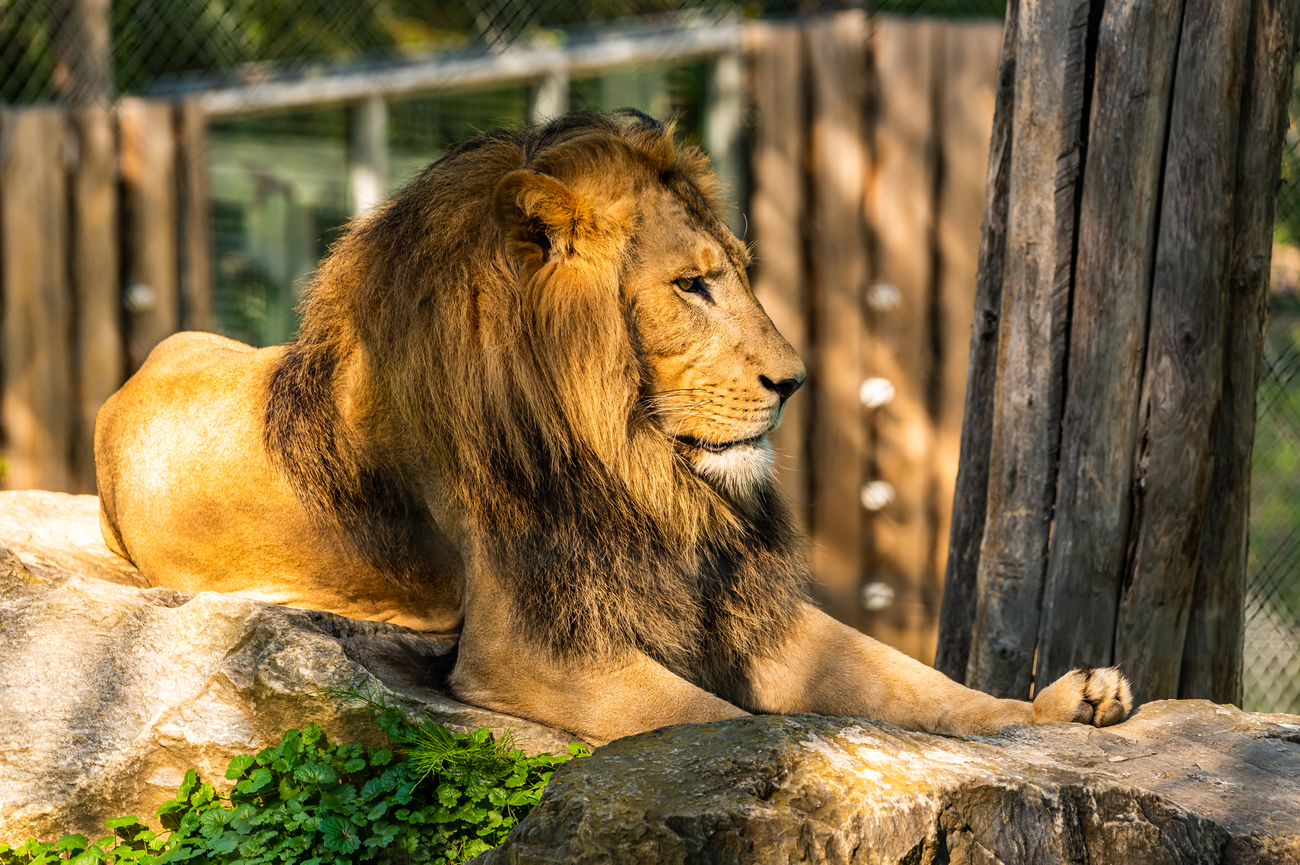
A short stroll from Schloss Herberstein’s main palace leads directly into the Tier- und Naturpark, a sprawling wildlife park that blends seamlessly with the historic castle grounds.
The park traces its origins back to the 17th century, when the Herberstein family began keeping deer and other animals on the estate. Today it houses over 80 species, including deer, wild boar, bears, wolves, exotic birds and smaller European fauna. It’s not a zoo in the conventional sense. The animals roam in spacious habitats designed to mimic their natural environments, offering visitors an immersive, almost safari-like experience. Interactive areas allow for closer encounters with some species, especially in the petting sections for children and families.
For those who want the full palace experience, guided tours run on open days at 12 p.m. to 4 p.m., perfect for fitting into a morning or early afternoon schedule. These tours bring the palace’s history to life, offering insight into architectural details, noble family stories, and hidden treasures that casual visitors might miss. For private groups, bespoke programs and specialised guided tours are available, allowing for exclusive access and a more intimate, luxurious experience.
Afternoon: Riegersburg Castle
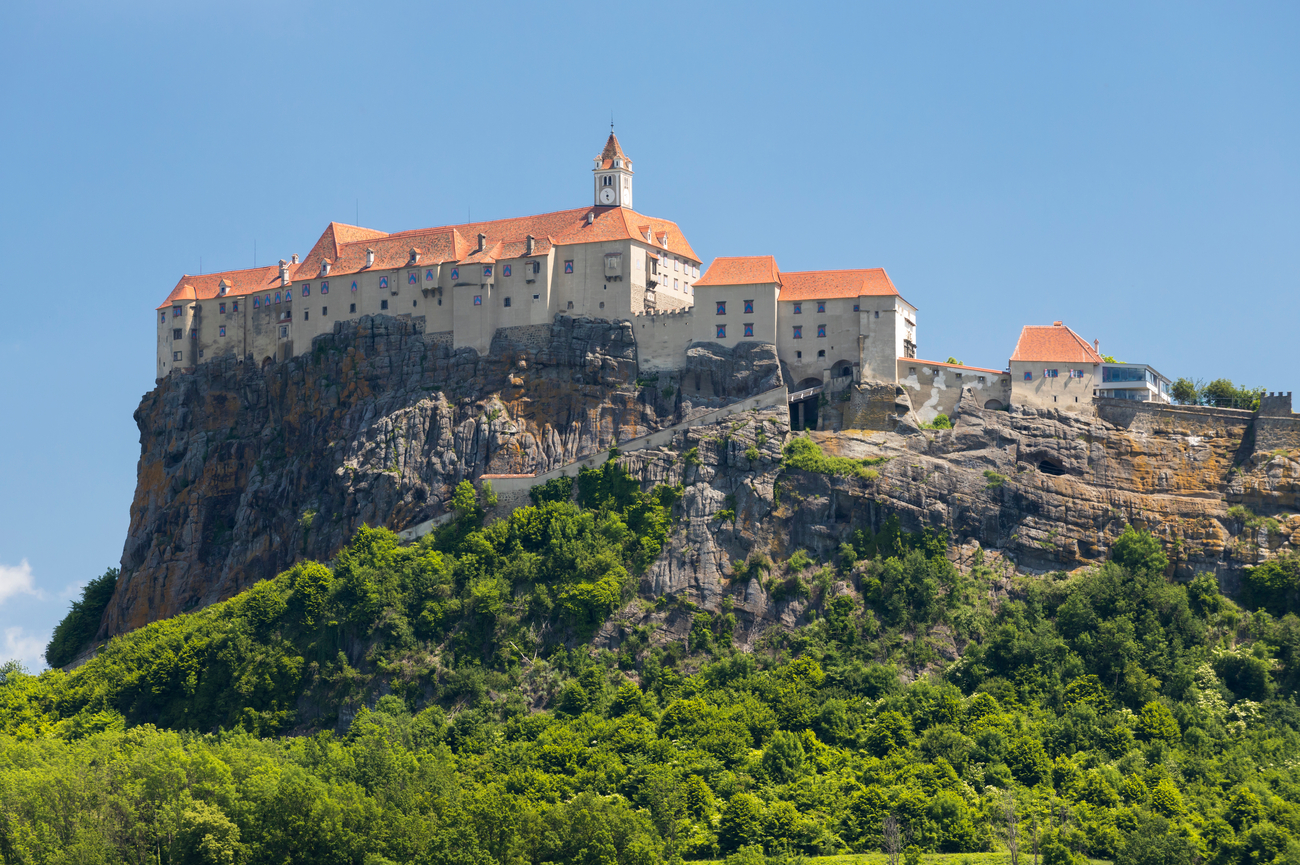
Emerging from the calm of a morning among castles and gardens, the road threads south‑east through rolling Styrian hills until the basalt outcrop of Riegersburg rises up. It is dramatic, unmissable and a perfect fortress to spend the afternoon exploring. The climb (by lift or footpath) feels like ascending into a different era, right above vineyards and the wide valley below.
Riegersburg Castle sits boldly on what was once a volcano, elevated about 482 metres above sea level. Built originally in the 12th century and fortified over centuries, it transformed into one of the most formidable hill‑castles in the region. Inside and among its walls lie a trifecta of museums: the stately Castle Museum, the eerie Witch Museum recounting dark chapters of 17th‑century trials and the Weapon Museum, showcasing arms and armour that once protected this impenetrable stronghold. Wander the 108 rooms (25 of them open to visitors), walk ramparts that never surrendered despite centuries of conflict and soak in views of vineyards cascading down volcanic slopes.
And to bring history alive, literally and dramatically, the castle grounds host a renowned falconry: the local bird‑of‑prey station puts on flight shows that highlight majestic eagles and hawks in aerial display. On a good afternoon, watching wings slice through the sky while basalt cliffs frame the valley is unforgettable.
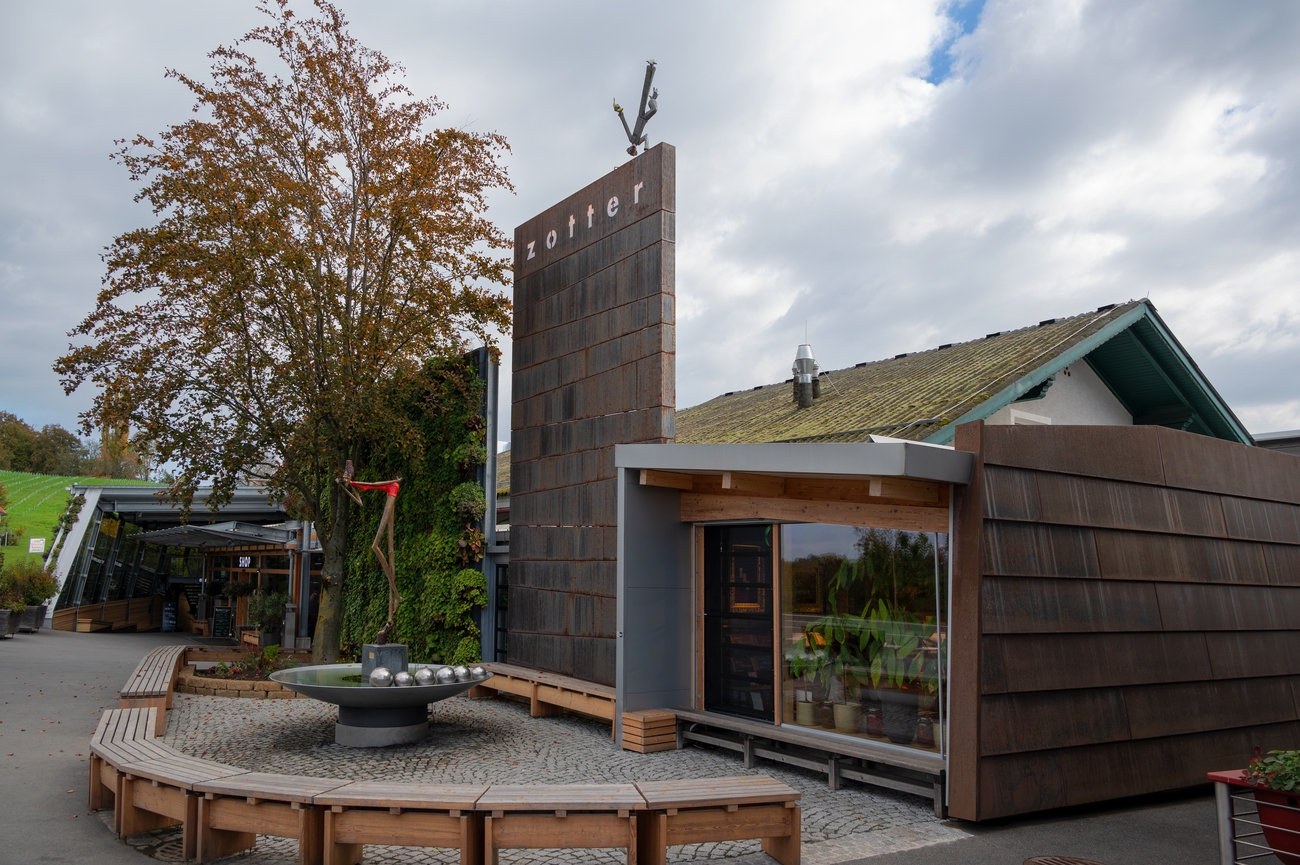
Zotter Schokolade
From the volcanic heights of Riegersburg Castle, it’s about a 25-minute drive south through gently rolling hills, vineyards and farm-lined roads until the quirky, colourful campus of Zotter Schokolade appears. The chocolate factory and experience centre practically jumps out of the landscape with its playful architecture and modern, sustainable design.
Zotter isn’t just a chocolate factory. It’s an edutainment paradise, combining craft, creativity and sustainability. Founded by Josef Zotter, the company is famous for its bean-to-bar philosophy, organic and fair-trade chocolate, and wildly inventive flavour combinations. Just think sesame-chili or pumpkin-seed pralines. Visitors can wander through the Chocotopia experience, where production, tasting and interactive exhibits create a multi-sensory journey. There’s even a “sensory tasting” path that guides the palate from basic cacao notes to exotic flavour infusions.
Kapfenstein Castle
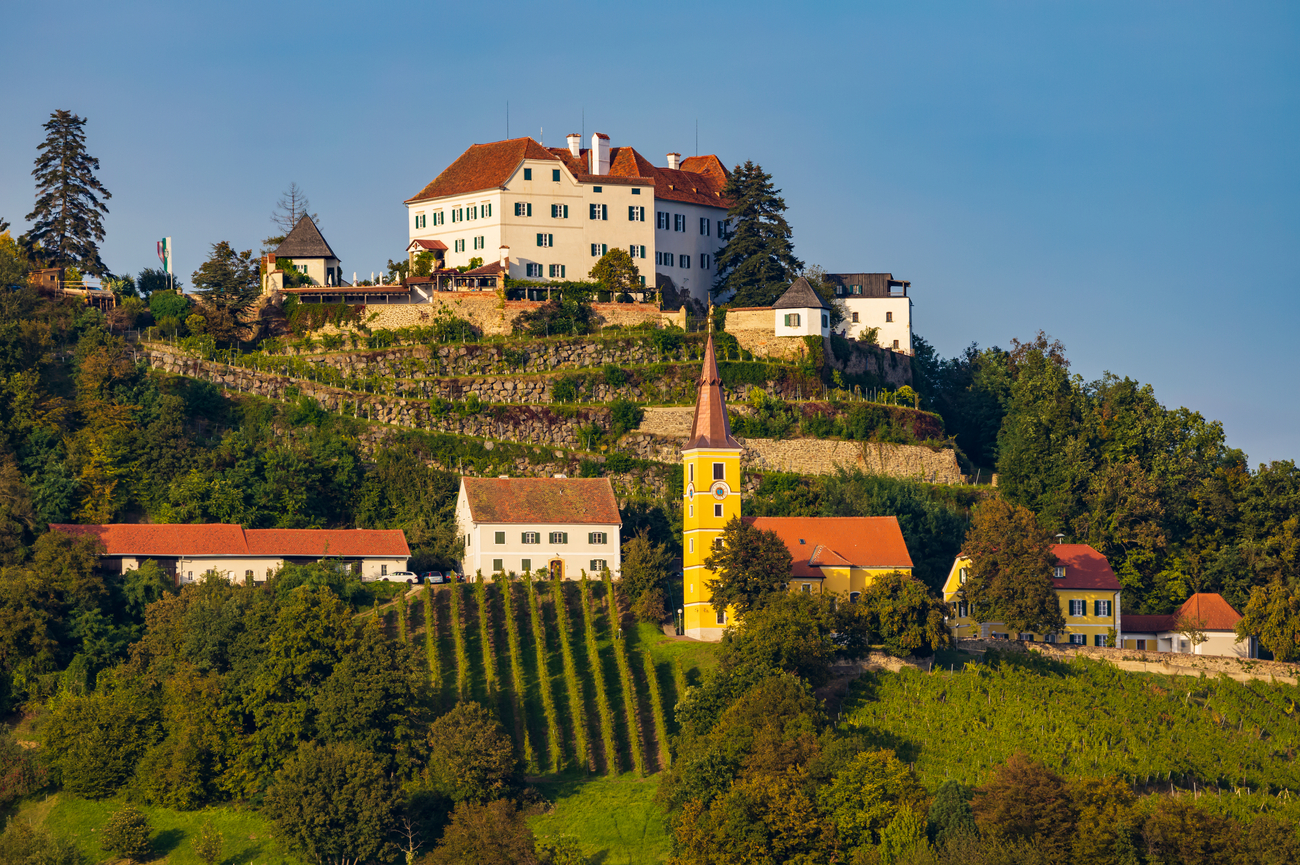
From the chocolate indulgence at Zotter Schokolade, a 20‑minute drive winds through Styrian vineyards and rolling hills before arriving at Schloss Kapfenstein, perched elegantly atop a limestone ridge. The castle commands the surrounding valley with an effortless blend of history, charm, and photo-ready vistas.
Schloss Kapfenstein dates back to the 11th century, originally a medieval fortress guarding trade routes. Over time, it transformed into a residential and cultural stronghold, retaining its imposing towers and fortified walls while incorporating Renaissance-style elegance. Inside, guided tours reveal the castle’s storied past: from feudal families and aristocratic intrigue to its role in regional defence. Walking the ramparts, the eye sweeps across vineyards, forested hills, and distant peaks.
Evening: Schloss Kornberg Bardeau'sches Kultur- und Ausstellungszentrum
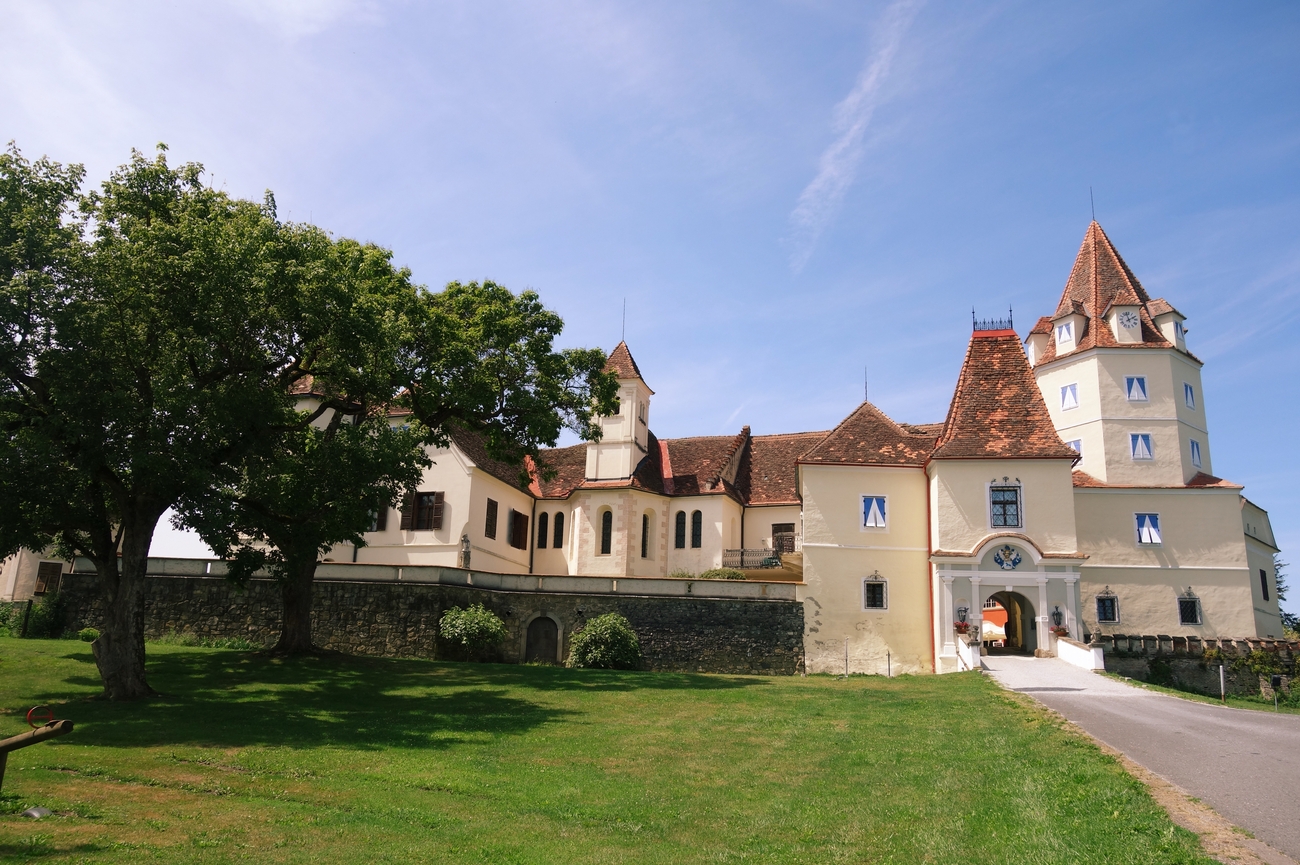
End the day in a Renaissance castle that now doubles as the Bardeau’sches Kultur- und Ausstellungszentrum. Arriving here in the evening gives the place a serene, almost cinematic aura.
Schloss Kornberg has roots reaching back to 1284, when it began as a fortified estate. Over the centuries, the castle evolved into a refined Renaissance residence, retaining its four towers and inner courtyard. Today, it serves as a cultural and exhibition hub, hosting art shows, historical displays and seasonal events that celebrate both regional and international creativity. Wandering the illuminated halls and courtyards, visitors experience centuries of history intertwined with contemporary culture.
Ending the day at Schloss Kornberg ties together centuries of Styrian history, art, and luxury experiences. From medieval stones to contemporary culture, it’s the perfect final chapter of a day that spanned castles, chocolate, vineyards and breathtaking hilltop views.
Day 3 -
Herberstein, Riegersburg
Tour Map
Day 4 -
Admont, Gesäuse, Palfau
Morning: Admont Abbey
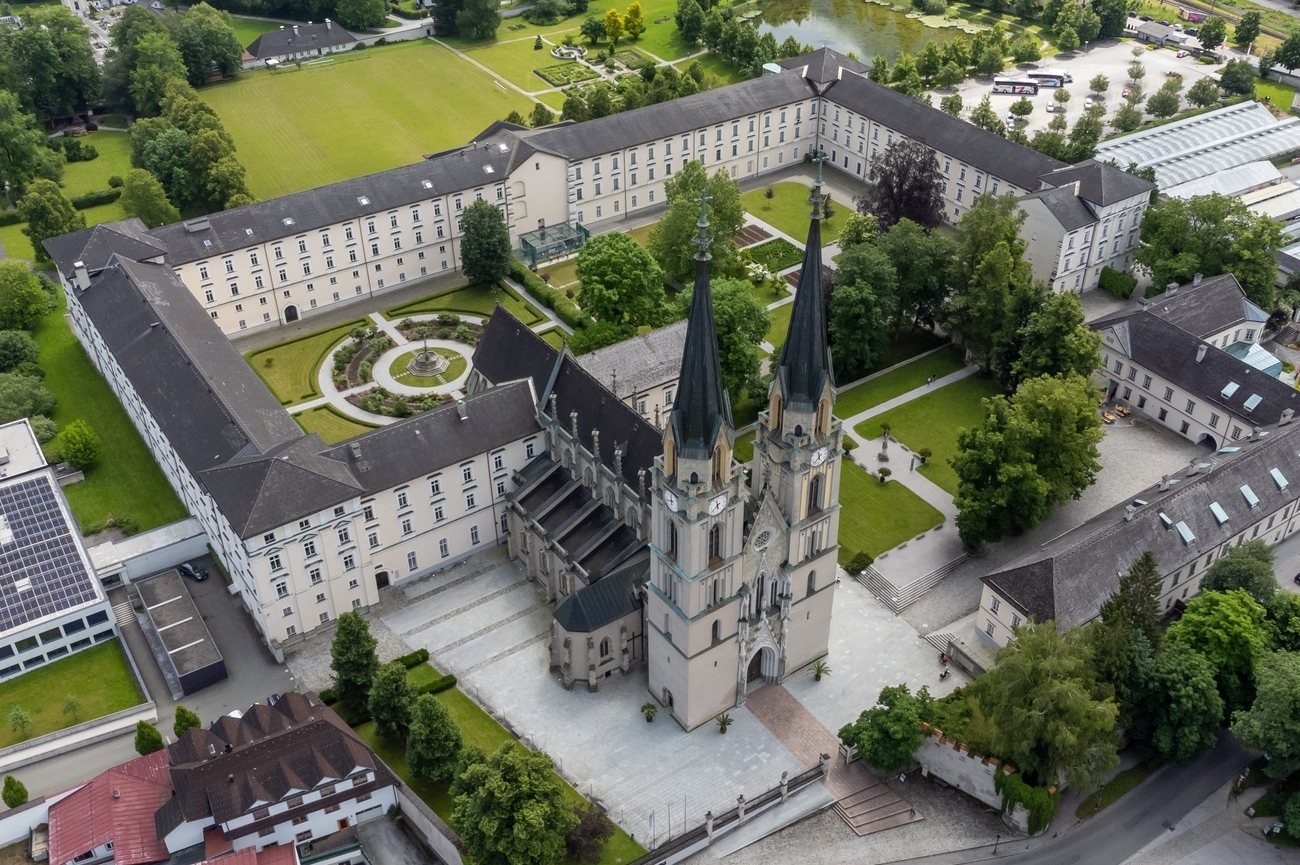
Slip away from the usual castle‑chase and drive towards the mountains: roughly an hour or so from the lowlands of southern Styria, the landscape rises, the air sharpens and suddenly the valley opens up to the stone towers of Admont.
Founded in 1074, Admont Abbey is the oldest surviving monastery in Styria and one of the most important Benedictine centres in Austria. What began as a spiritual outpost slowly grew into a powerhouse of learning, art, and science. The present Baroque complex reflects that evolution with its sweeping symmetry, pale stone façades and orderly courtyards that balance monastic restraint with quiet grandeur. The abbey is still an active religious community today, which gives the entire place a lived-in sense of continuity rather than museum-frozen perfection.
Admont Abbey Library
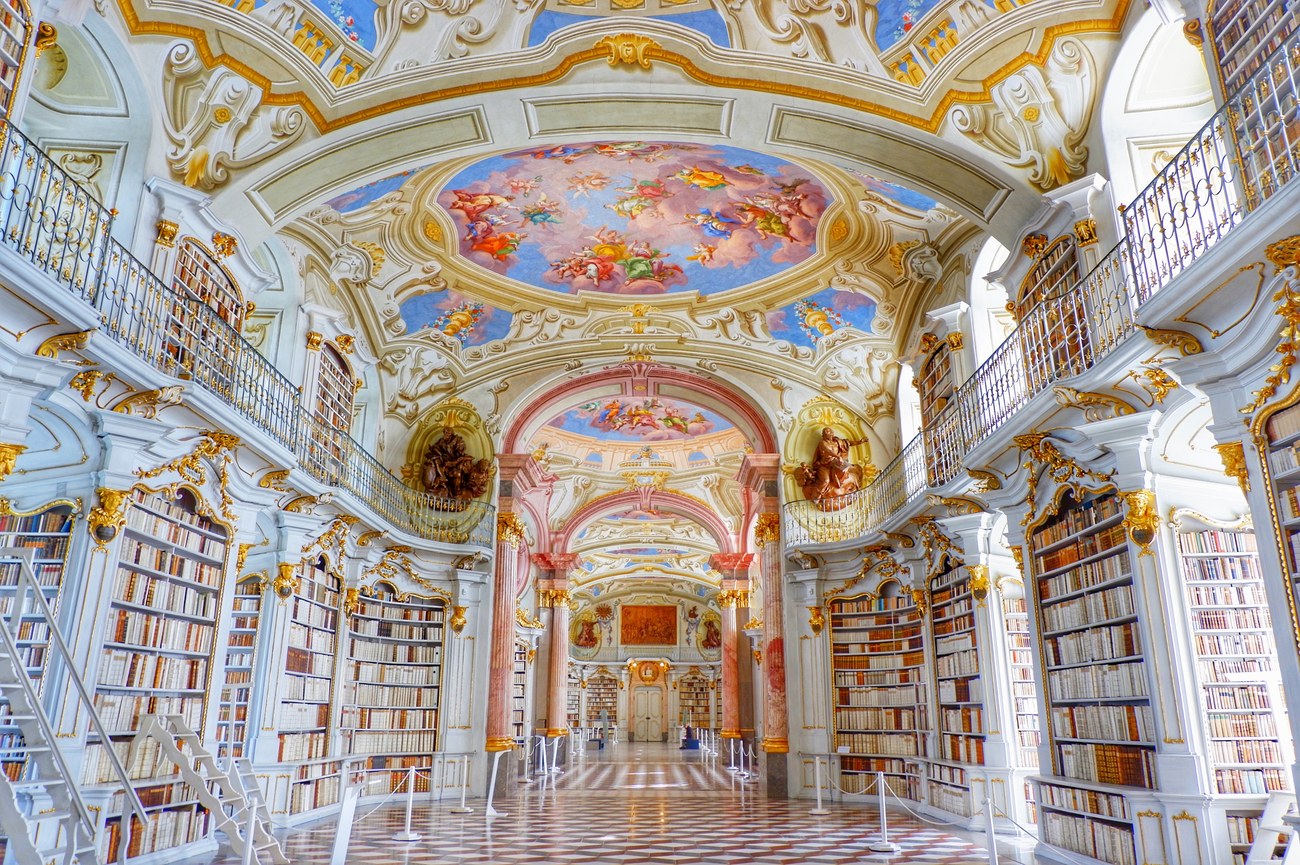
From the complex, the walk to the Admont Abbey Library takes barely a minute through the inner halls. No transfer, no change of scenery. Just a gentle shift from curated exhibits into one of the most legendary rooms in Europe. The doors open and the energy instantly changes.
Completed in 1776, this is officially the largest monastic library hall in the world, and it fully understands the assignment. The space stretches more than 70 metres long and rises under seven painted domes, all flooded with daylight from 48 tall windows. Around 70,000 books line the shelves in perfect rhythm, though the total collection is far greater and carefully preserved behind the scenes. The ceilings were painted by Bartolomeo Altomonte late in his life, illustrating the journey of human knowledge from language and reason all the way to divine wisdom. The white and gold interior is guarded by expressive wooden sculptures by Joseph Stammel, giving the hall a dramatic, almost theatrical presence. It is ornamental, intellectual, and deeply symbolic all at once.
If you want deeper access, 30-minute guided library tours in German are offered daily at 11:00 AM and 2:00 PM for individual visitors, with no registration required. For group tours starting from 15 persons, prior registration is requested via museum@stiftadmont.at. While guests who prefer a slower, self-paced experience may also visit the library without a guided tour, allowing time to absorb the light, symmetry and silence at their own rhythm.
Museum Stift Admont
Leaving the stillness of the library, the shift into Museum Stift Admont happens almost instantly. A short walk through the inner halls leads straight into one of the most extensive monastic museum complexes in Europe.
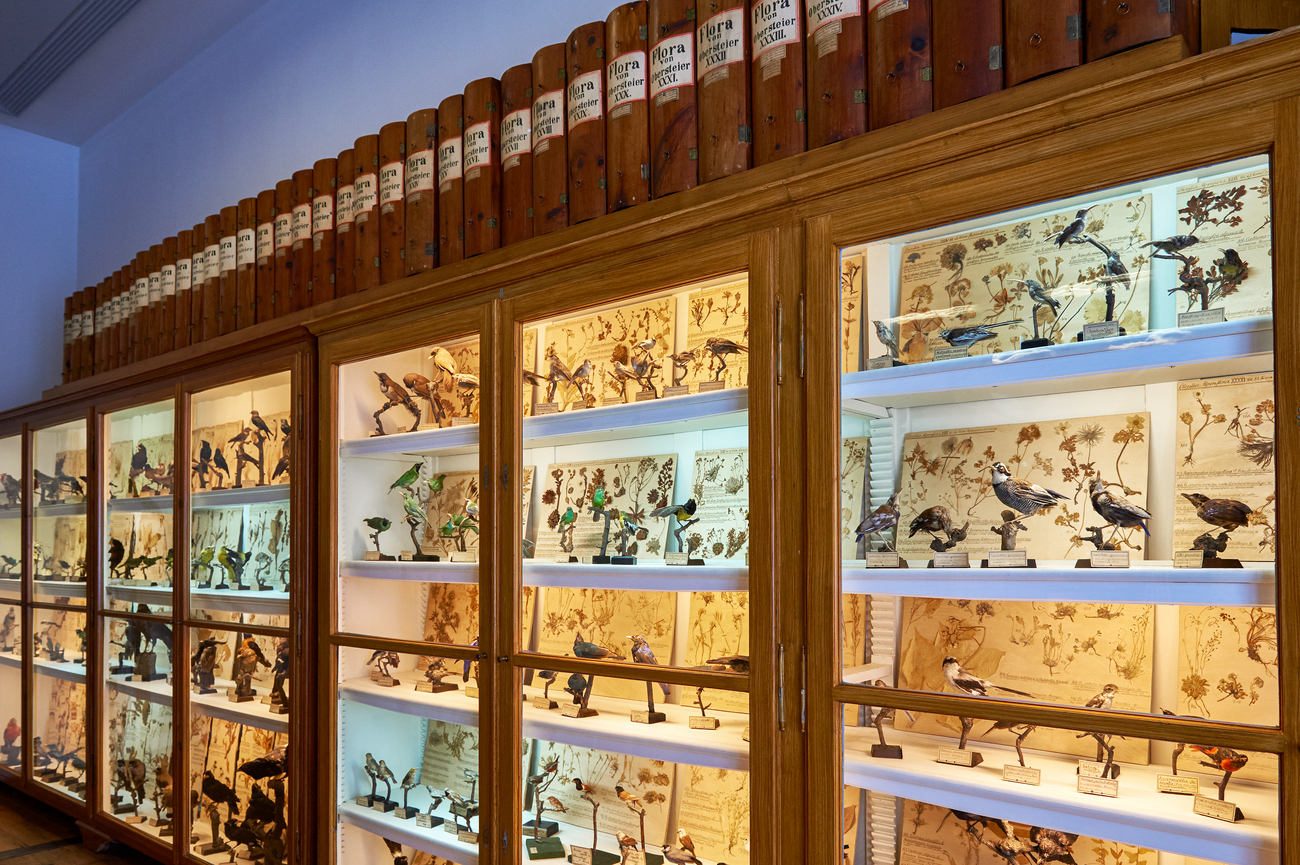
Museum Stift Admont is far more than a single gallery. It is a multi-museum complex that unfolds across art, faith, science and nature under one historic roof. The experience brings together the Art History Museum (Kunsthistorisches Museum), the Gothic Museum (Gotik Museum), the Museum of Contemporary Art (Museum für Gegenwartskunst) and the Natural History Museum (Naturhistorisches Museum). Together, their collections span medieval manuscripts, Gothic sacred art, Baroque objects, modern and contemporary works and one of the most significant natural history collections within a monastery setting.
The contrast is part of the magic. One room may display gold-leaf reliquaries. The next might house Alpine minerals, rare insects or taxidermy wildlife. This museum complex tells the full story of how monks studied the world as seriously as they studied scripture. Faith and curiosity walk side by side here.
Afternoon: Nationalpark Gesäuse
Leaving the calm symmetry of Admont behind, the road curves deeper into the mountains for about 15 minutes by car, and the landscape starts to get louder in the best way possible. Peaks sharpen, forests thicken and rivers move with real attitude. Welcome to Gesäuse National Park, Austria’s youngest national park and easily one of its most untamed.
Gesäuse is named after the roaring sound of water racing through the narrow Enns River gorge, and that energy defines the entire park. This is raw Alpine terrain at full volume: jagged limestone walls, turquoise rapids, deep valleys and hiking trails that feel like they were carved by nature with zero concern for human convenience.
This spot was established as a national park in 2002. It protects one of the most dramatic mountain landscapes in the Northern Alps and is a sanctuary for rare Alpine plants, golden eagles, ibex, and pristine river systems.
Johnsbach Valley
From the heart of Gesäuse National Park, the road slips gently east for about 20 minutes by car. You will be trading roaring river gorges for open Alpine meadows and storybook peaks.
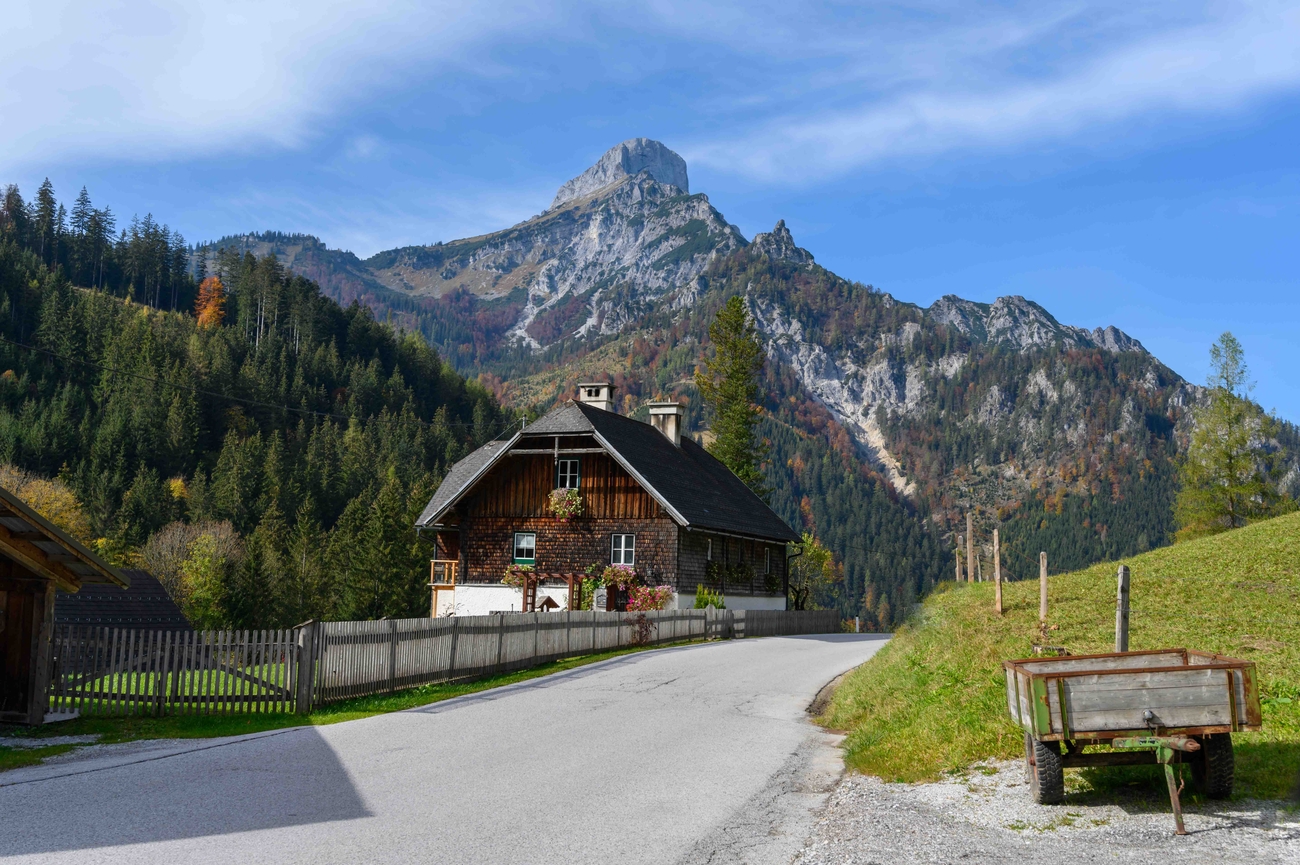
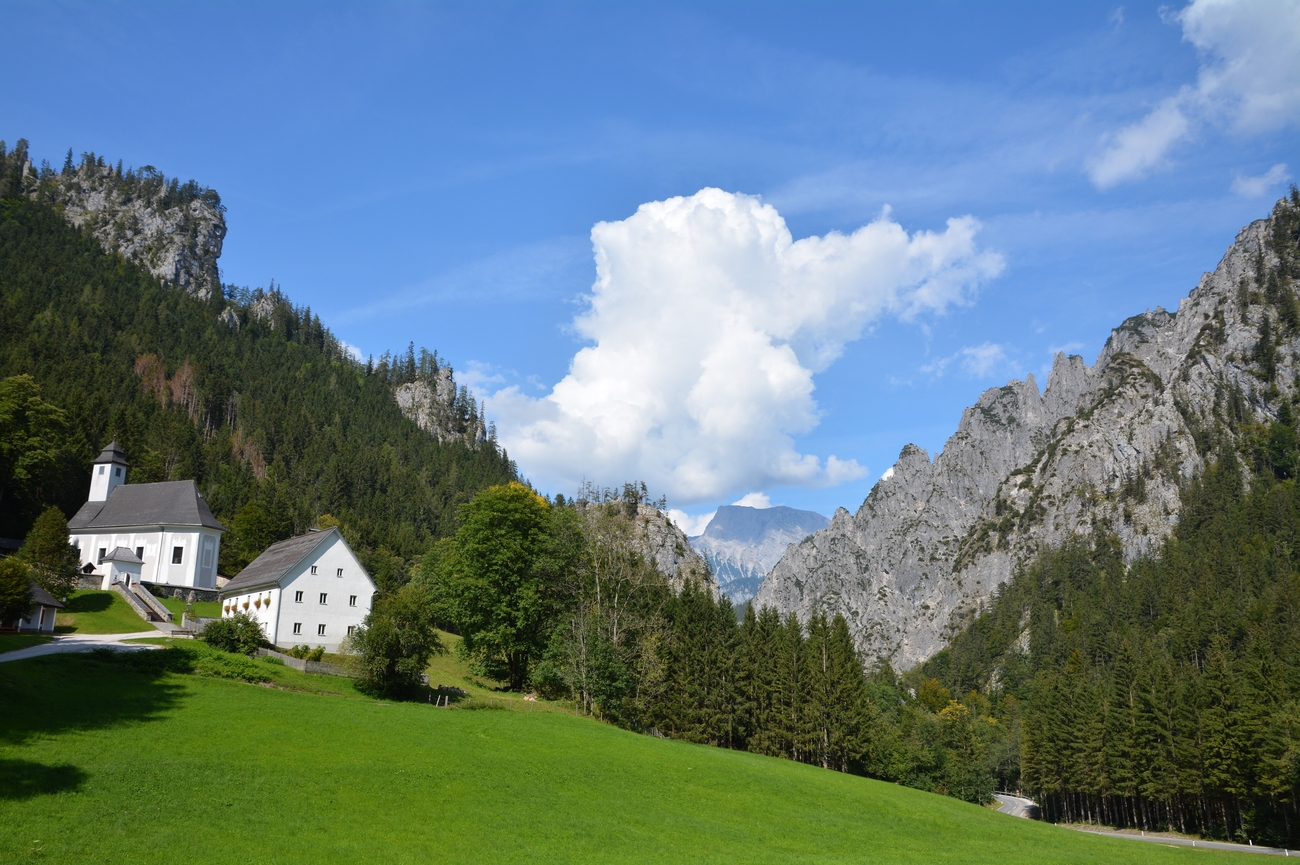
Johnsbach Valley is a classic Styrian Alpine village wrapped in towering limestone mountains and pastoral silence. For centuries, this remote pocket of the Enns Valley was shaped by farming, forestry, and mountain trade, long before it became a gateway to Gesäuse’s softer landscapes. Wooden farmhouses dot the fields, church spires rise modestly and hiking paths trace routes once used by shepherds and merchants. It is the human side of the Alps. Gentle. Lived in. Still intensely beautiful.
Frauenmauerhöhle Cave
From open skies to deep silence. The Alps go underground here.
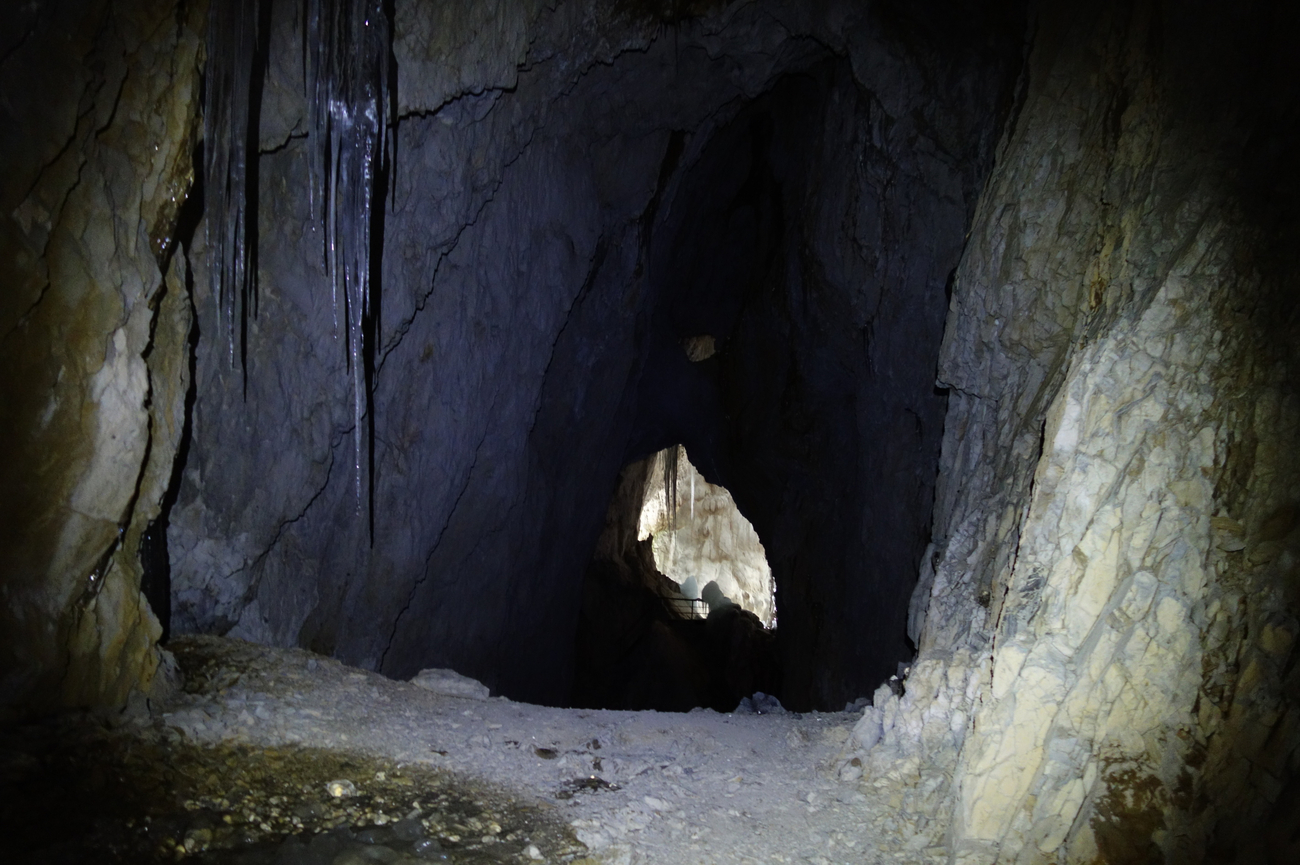
The mountains close in, the light softens, and the entrance to Frauenmauerhöhle reveals itself quietly at the base of the limestone cliffs near Palfau. Just a small opening in the rock that leads into one of the most impressive cave systems in the Eastern Alps.
Frauenmauerhöhle is one of the largest cave complexes in Styria, carved over millions of years by underground rivers slowly shaping the limestone from within. More than 40 kilometres of passages have been mapped so far, making it a major site for Alpine speleology. Historically, the cave served as a natural shelter, later becoming an object of serious scientific exploration in the 19th century. Inside, the temperature stays cool and constant, and the chambers unfold in quiet drama.
To best explore this spot, guided cave tours are essential and curated by certified local experts, offering safe access into the main chambers while explaining the geology, hydrology, and discovery history in depth. Private or small group arrangements can be requested for a quieter, more immersive experience with extended time inside select sections of the cave.
Evening: Wasserlochklamm
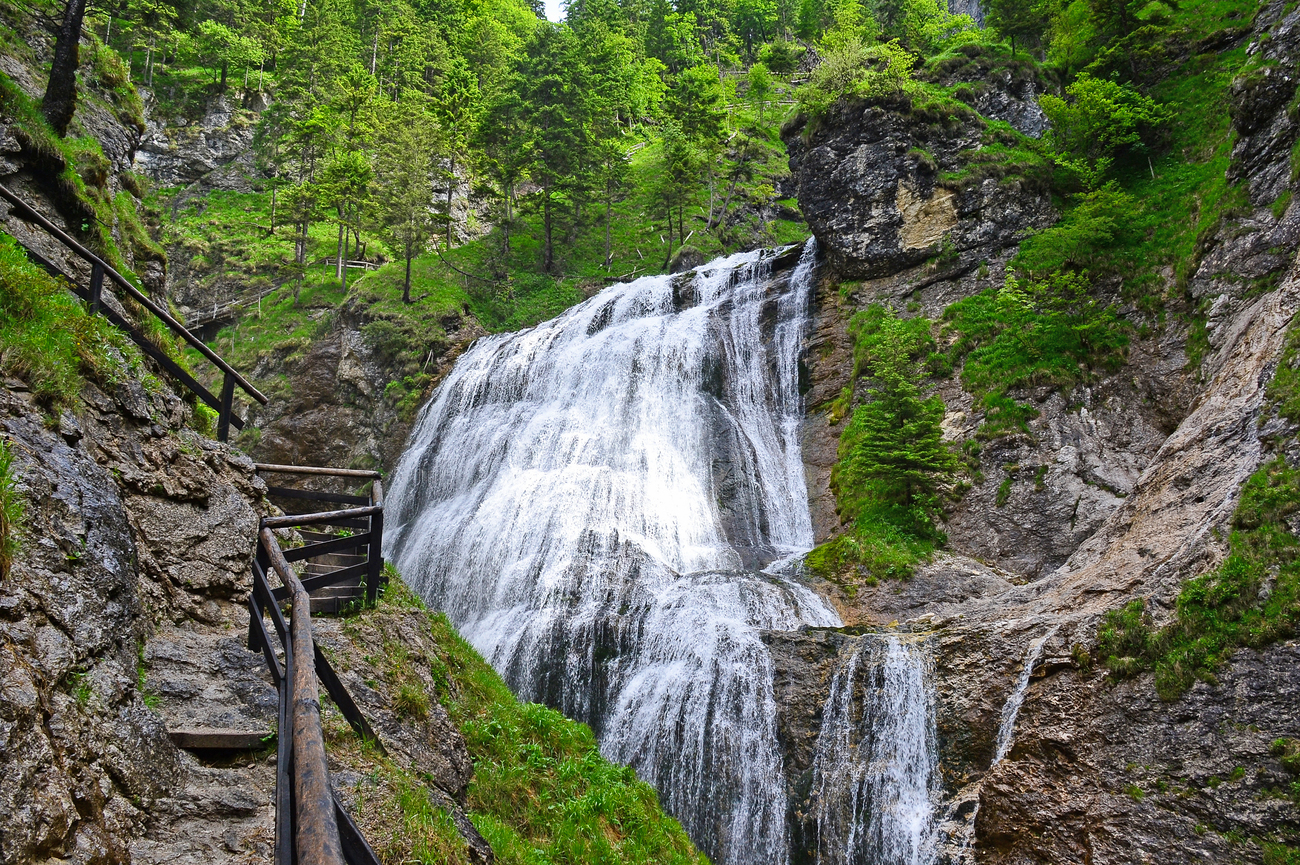
From Frauenmauerhöhle Cave, it’s about a 20-minute drive along winding Alpine roads to reach Wasserlochklamm Gorge near Palfau. The transition from underground chambers to open-air rock cathedrals is cinematic. One moment it’s shadowed silence, the next it’s rushing water, sun-splashed cliffs and the kind of dramatic scenery that makes you forget time exists.
Wasserlochklamm is a natural masterpiece carved over millennia by the Enns River and its tributaries. Elevated walkways and wooden bridges guide visitors through narrow gorges, over waterfalls and past shimmering pools, while limestone cliffs rise sharply on either side. Historically, the gorge was a natural barrier and source of hydro power, shaping local settlement patterns, while today it offers a premium nature escape without leaving civilization completely behind.
Ending the day at Wasserlochklamm is both invigorating and calming. After monasteries, libraries, valleys and caves, the gorge delivers a final sensory flourish.
Day 4 -
Admont, Gesäuse, Palfau
Tour Map
Day 5 -
Dachstein, Schladming
Morning: Dachstein Sky Walk
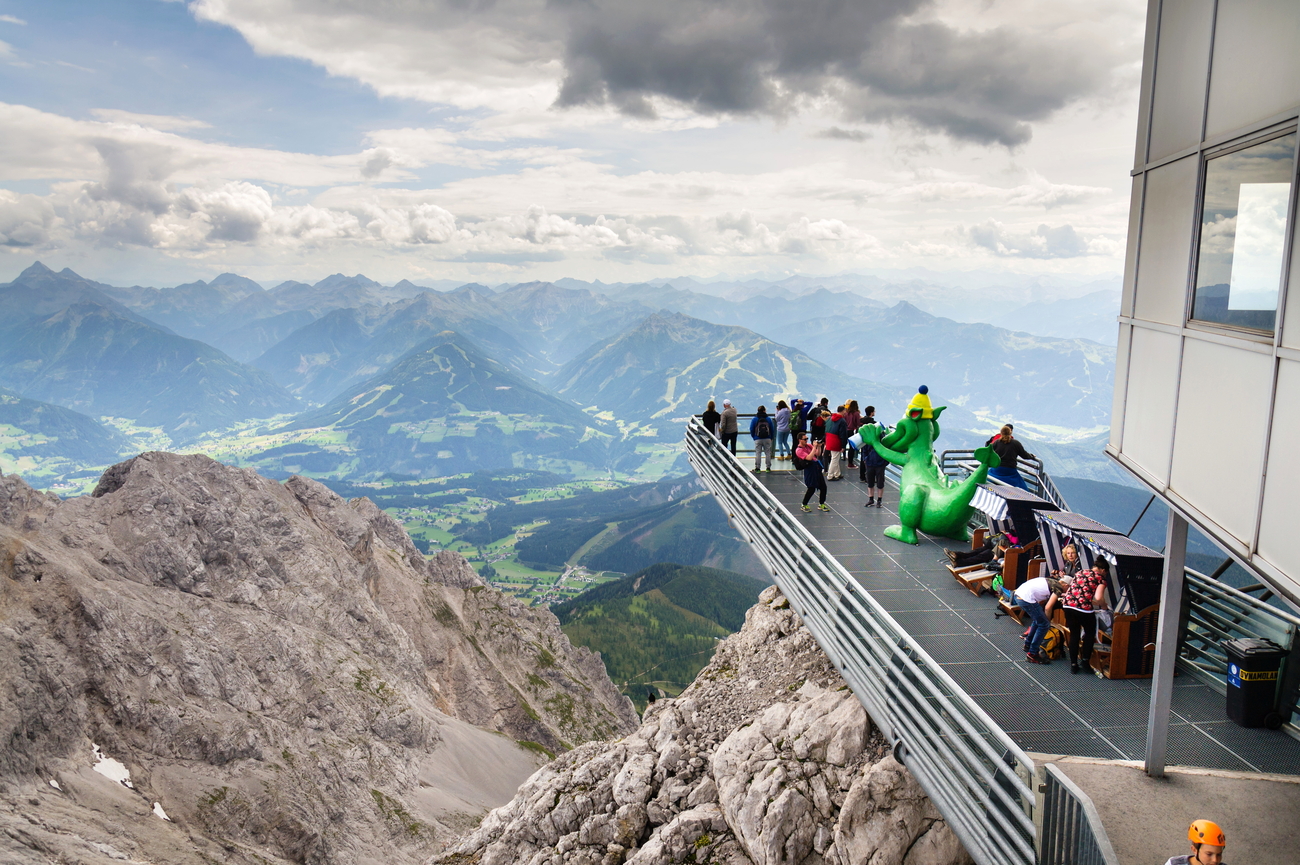
A roughly 2-hour scenic drive will take you to Dachstein Glacier region, with snow-capped peaks gradually rising on the horizon as the road twists through Alpine valleys. Arriving at the Dachstein Sky Walk, the sense of elevation hits immediately literally and figuratively. Perched at over 2,700 metres above sea level, this observation platform juts dramatically over the edge of the Dachstein Glacier, offering a panorama so vast it almost defies comprehension.
Opened in 2013, the Sky Walk was designed to give visitors a “mountains under your feet” experience, combining engineering daring with natural spectacle. The platform extends over a cliff edge with a glass floor in the centre, letting you peer straight down into the valley below. Informational plaques along the walkway explain the geology of the Dachstein range, the formation of glaciers and the flora and fauna adapted to this extreme environment.
Dachstein
Suspension Bridge
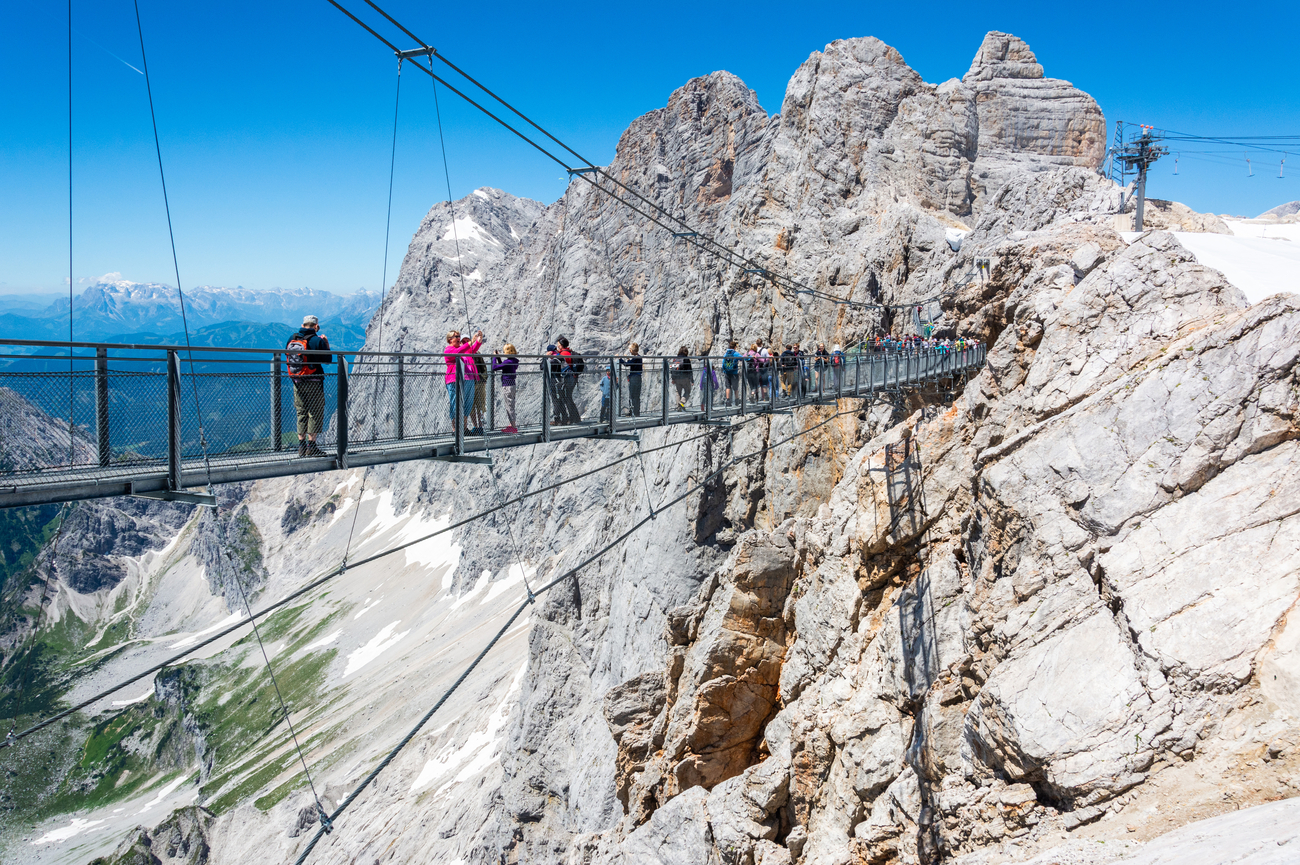
From the Sky Walk, it’s a 5-minute walk along marked alpine trails to the Dachstein Suspension Bridge, so close that the thrill of the next stop arrives almost immediately.
The suspension bridge was engineered to combine safety with spectacle. Stretching across a deep crevasse, it offers 360-degree panoramic views of the Dachstein Glacier, Hallstatt mountains and the surrounding valleys, making it one of the most photogenic spots in the Alps. Beneath your feet, steel grates let glimpses of the sheer drop below, adding just enough adrenaline to make the experience exhilarating without being reckless. The bridge also serves as a gateway to nearby alpine trails, including routes to hidden glacial viewpoints and quiet sections of the high plateau.
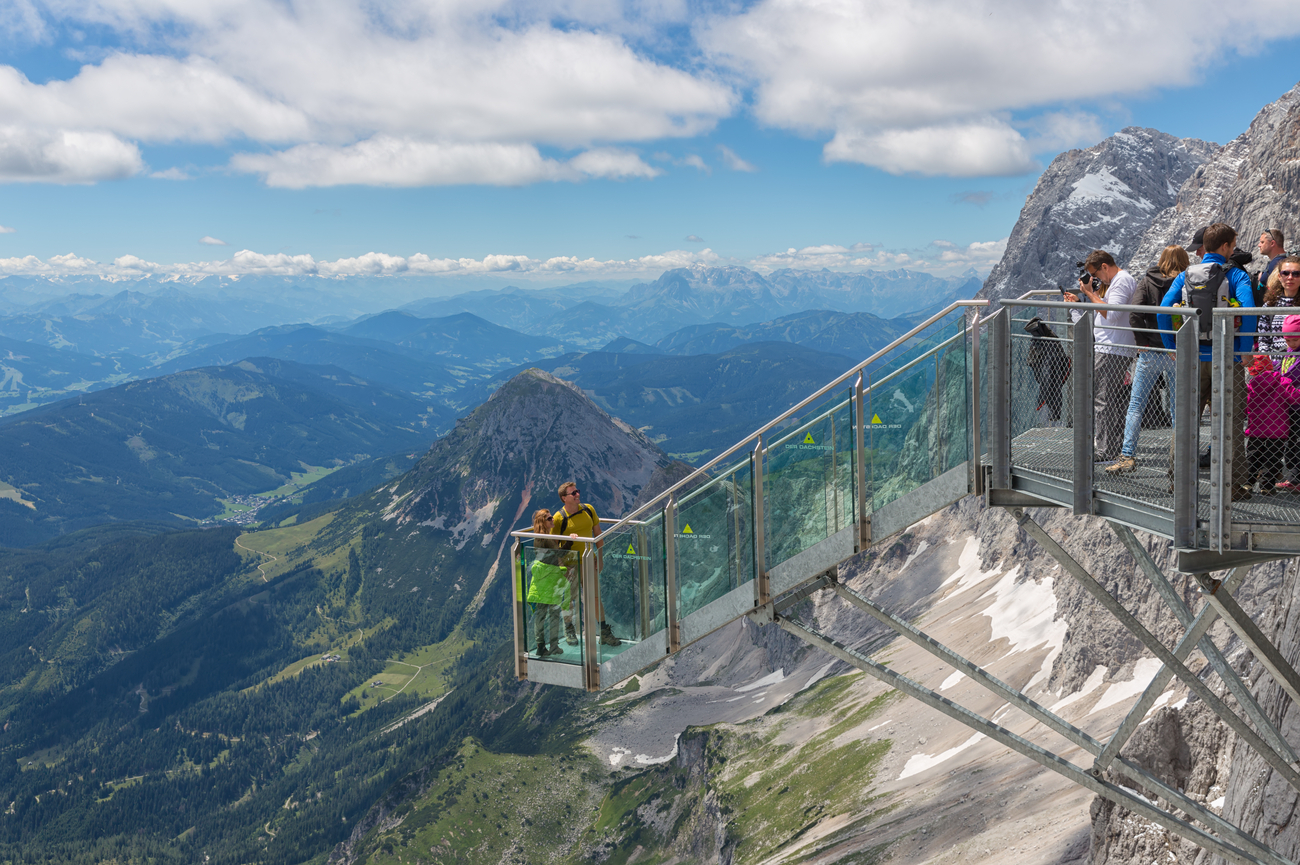
Treppe ins Nichts
Now it’s time for stairs that flirt with the clouds.
From the Dachstein Suspension Bridge, it’s a short 10-minute walk along the mountain trail to reach the Treppe ins Nichts, one of the most dramatic vantage points in the Dachstein region. The name literally translates to “Stairway to Nothing,” and once you step onto it, the feeling is exactly that: a staircase suspended over an endless drop, where the horizon seems infinite and gravity feels optional.
Installed as part of the Dachstein Sky Walk complex, this engineering marvel extends over the cliff edge and offers panoramic views of the Hallstatt region, glacier fields and jagged peaks. The steel and glass structure allows unobstructed views beneath and around, giving visitors a unique sense of vertigo balanced by absolute safety. It’s more than a photo opportunity, it’s a chance to pause, take a deep Alpine breath and fully appreciate the scale of the mountains.
Afternoon: Eispalast Dachstein
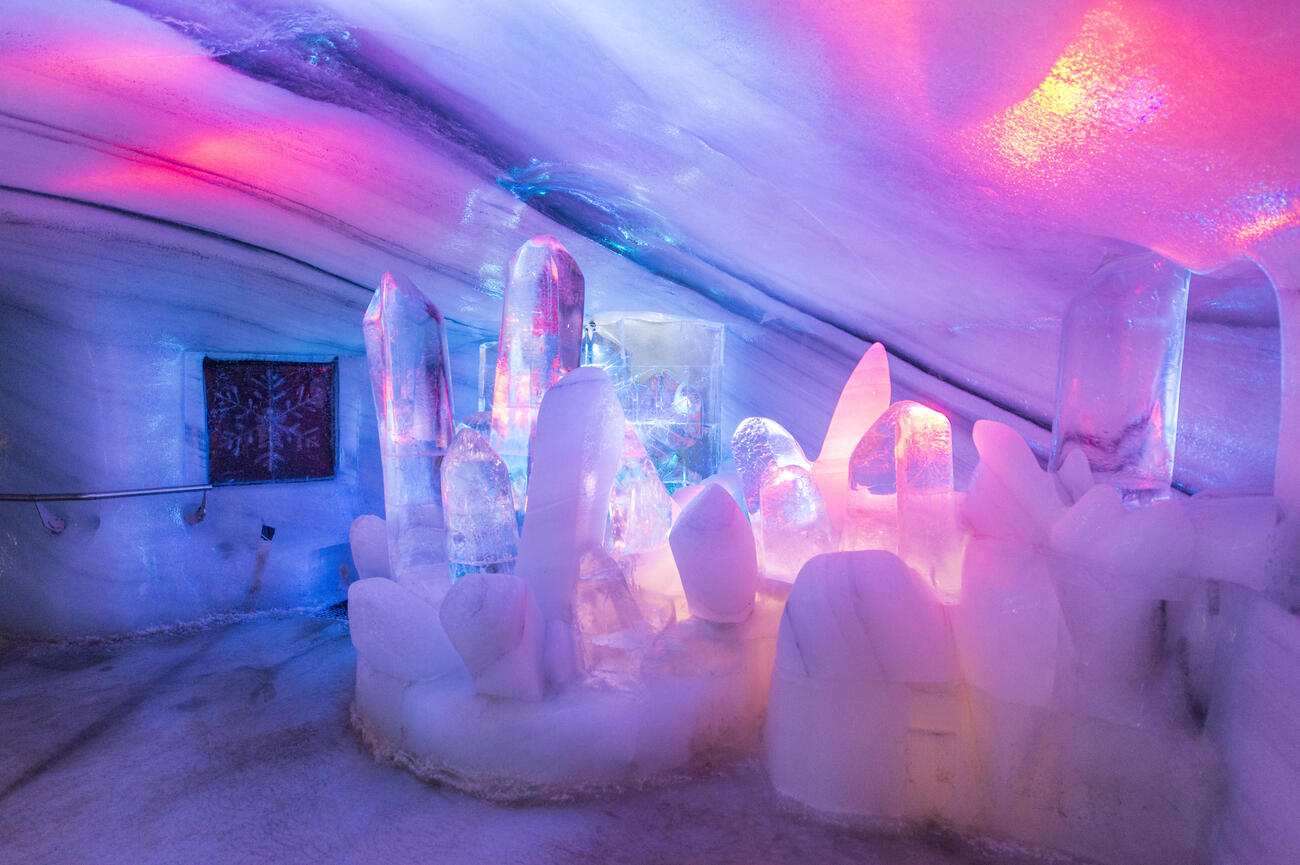
Heading here, the shift from vertigo-inducing heights to an icy labyrinth is immediate. Walls of crystal-clear ice surround the paths, frozen sculptures glimmer in the subdued light and the temperature drops just enough to make every breath feel crisp and Alpine.
The Ice Palace has been carved directly into the glacier, creating tunnels, chambers and frozen artwork that celebrate both natural processes and human creativity. Sculptures of animals, mythological figures and alpine motifs decorate the glacial halls, and naturally formed ice caves give visitors an intimate look at the glacier’s structure from the inside. It’s a rare mix of geology, art and adventure.
Ramsau am Dachstein
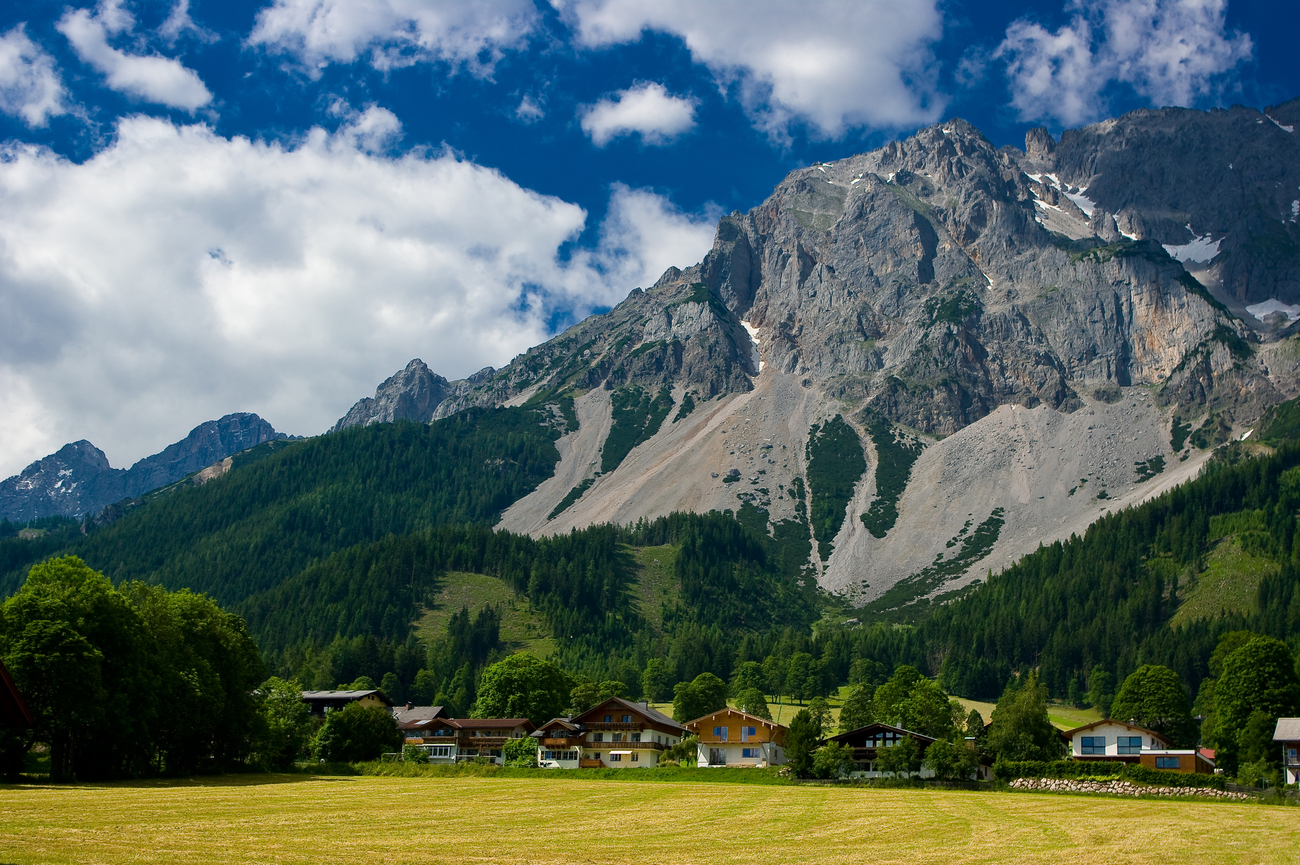
You will now be heading to a village that feels like the epitome of Styrian mountain life. Meadows stretch wide, traditional Alpine houses dot the landscape, and the towering Dachstein peaks watch over everything like quiet sentinels. The village is famous for its breathtaking panoramas, skiing in winter and hiking in summer, making it a year-round Alpine playground.
Ramsau isn’t just about postcard-perfect scenery. It’s a hub of local culture and outdoor adventure, from guided meadow walks and horse stables to mountain biking and paragliding for thrill-seekers. For those wanting a refined experience, private guided tours can introduce hidden trails, local flora and traditional alpine farming practices. Photographers and Instagram enthusiasts alike will appreciate the iconic Ramsau church with the Dachstein massif as a backdrop.
Stadttor Schladming
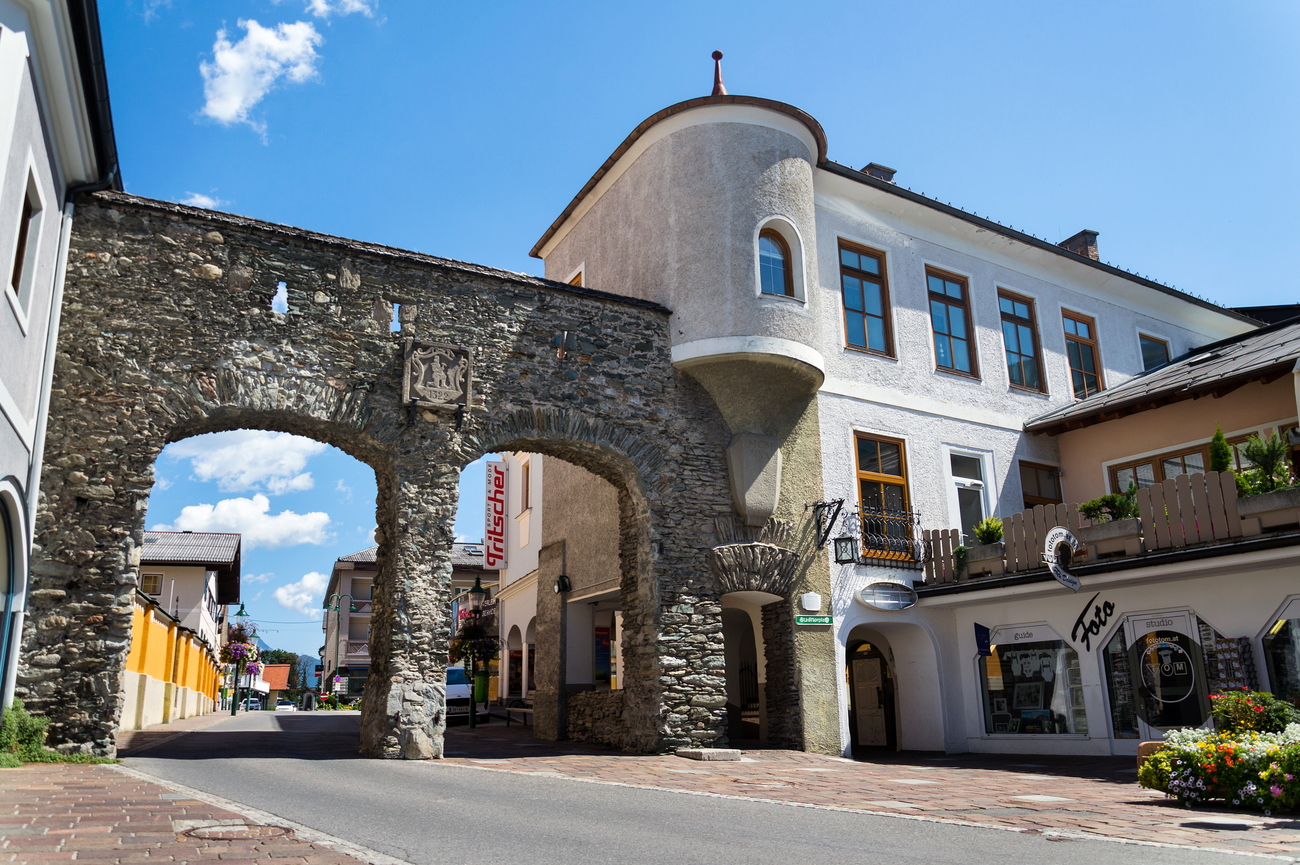
After soaking in the serene beauty of Ramsau am Dachstein, a quick 15-minute drive downhill brings you to Schladming’s Stadttor.
The Stadttor, built in the 16th century, was the town’s main entrance, controlling access for merchants and travellers while safeguarding Schladming from Alpine hazards. Its thick stone walls, arched passage and subtle decorative details reveal a history of practical defence mixed with understated style. Beyond the gate, pedestrian streets with timbered façades and cobbled alleys give a sense of Schladming’s evolution from a mountain trade post to a modern outdoor adventure hub.
Evening: Enns River
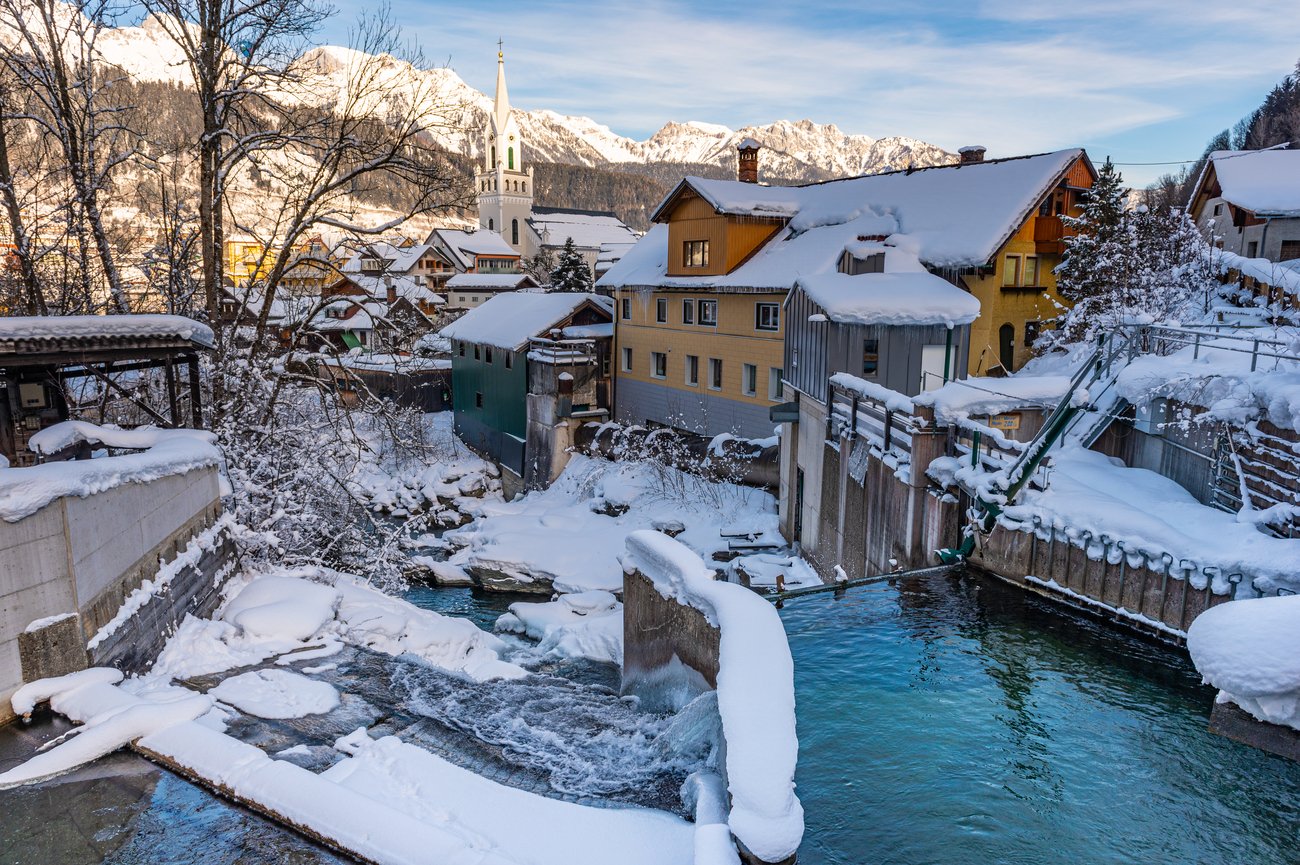
Leaving Stadttor Schladming, a short 5–10 minute walk through the town’s pedestrian streets brings you to the Enns River.
The Enns has been the lifeline of Schladming for centuries. Historically, it powered mills and shaped local settlements, influencing the town’s layout and daily life, particularly during the region's famous mining era. Today, it’s more than utility; it’s an experience. Along the riverside, old bridges, hidden alcoves and quiet corners invite leisurely exploration. Stopping at the Enns River provides a gentle, reflective close to Day 5. This is a soft landing after adrenaline, altitude and adventure.
Day 5 -
Dachstein, Schladming Tour Map
Day 6 -
Mariazell, Grüner See, Kapfenberg
Morning:
Basilika Mariazell
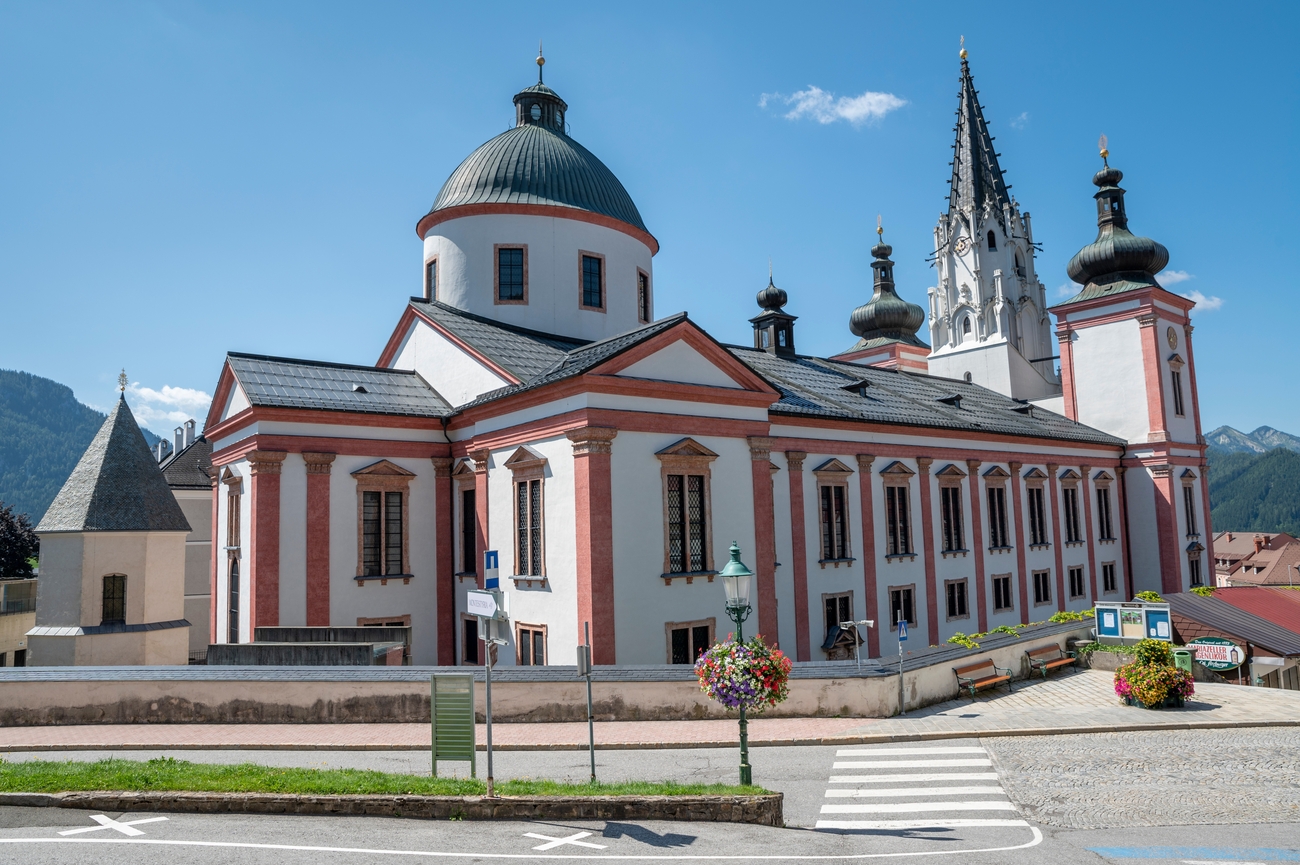
The Basilika Mariazell dominates the skyline, its baroque spires and copper domes rising proudly above the town.
Austria’s most famous pilgrimage site was originally founded in the 12th century and rebuilt in Baroque style between the 17th and 18th centuries. At its heart is the miraculous wooden Madonna statue, carved in the 12th century, said to have performed miracles and attracted pilgrims for centuries. The basilica’s interior is a feast for the senses: gilded altars, intricate frescoes, marble columns and ornate chandeliers create a sacred yet majestic atmosphere. Its crypt, chapels, and treasury add layers of history, showcasing centuries of ecclesiastical art and regional craftsmanship. Over time, the basilica became a symbol of Styrian cultural identity and spiritual heritage.
Starting Day 6 at Basilika Mariazell sets the tone for a day of awe, combining spiritual heritage, architectural splendor and Alpine serenity.
Mariazeller
Heimathaus
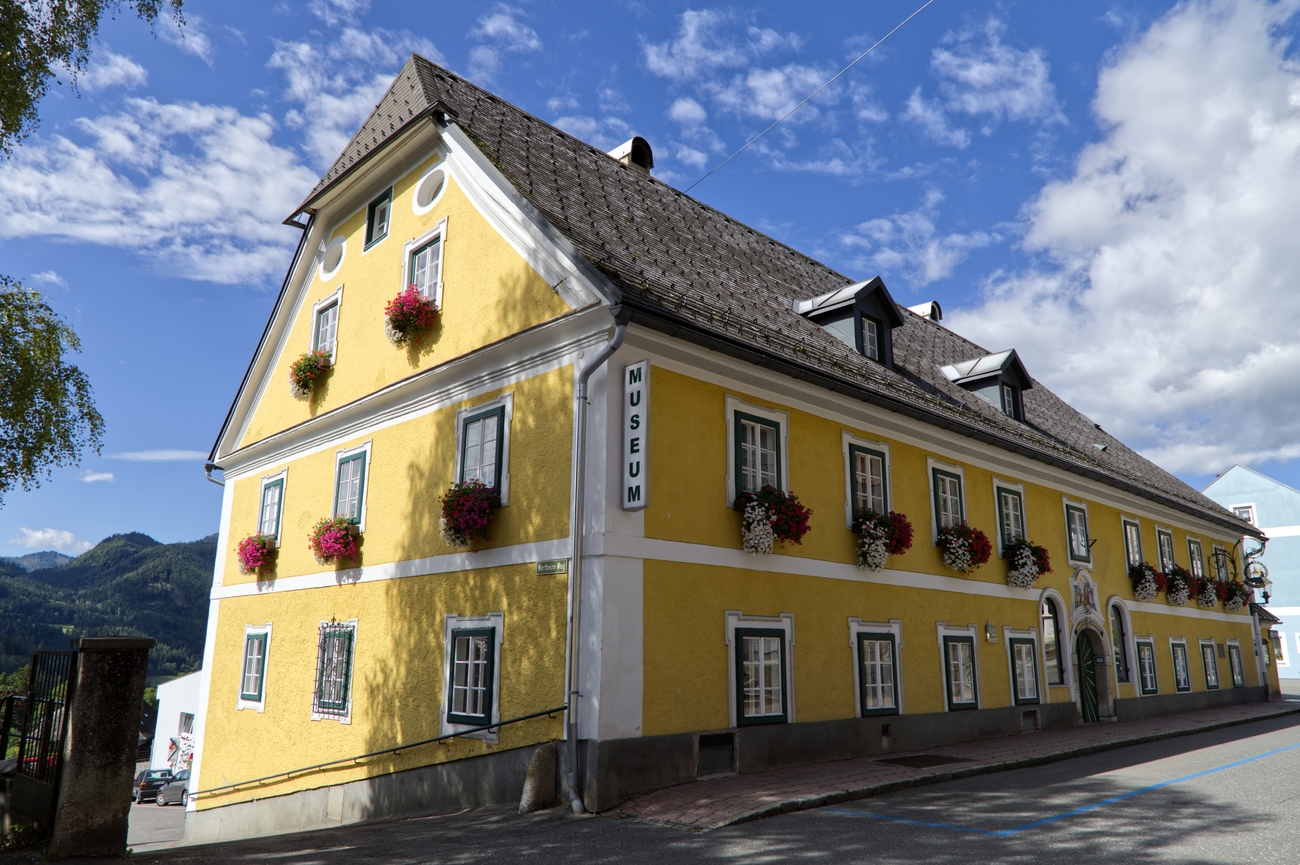
From Basilika Mariazell, it’s just a short walk through the charming streets of Mariazell to the Mariazeller Heimathaus, making for an easy, leisurely transition from spiritual grandeur to cultural immersion.
The Heimathaus is a museum dedicated to preserving the cultural heritage and everyday life of Mariazell and its surrounding region. Inside, visitors can explore traditional Styrian costumes, folk art, historical tools and household items, offering a tactile glimpse into how life unfolded in this Alpine town over centuries. Exhibitions highlight local customs, festivals and religious traditions, giving context to the town’s unique identity beyond the basilica. The building itself, with its traditional Alpine architecture, is as much a part of the experience as the collections it houses.
If you are planning to visit this spot, it is important to note that the museum can only be visited via guided tours, which provide structured insights into the history and significance of each exhibit. Visiting the Mariazeller Heimathaus is a perfect follow-up to the basilica: after awe and grandeur, it’s grounding, warm and human.
Erlaufsee Lake
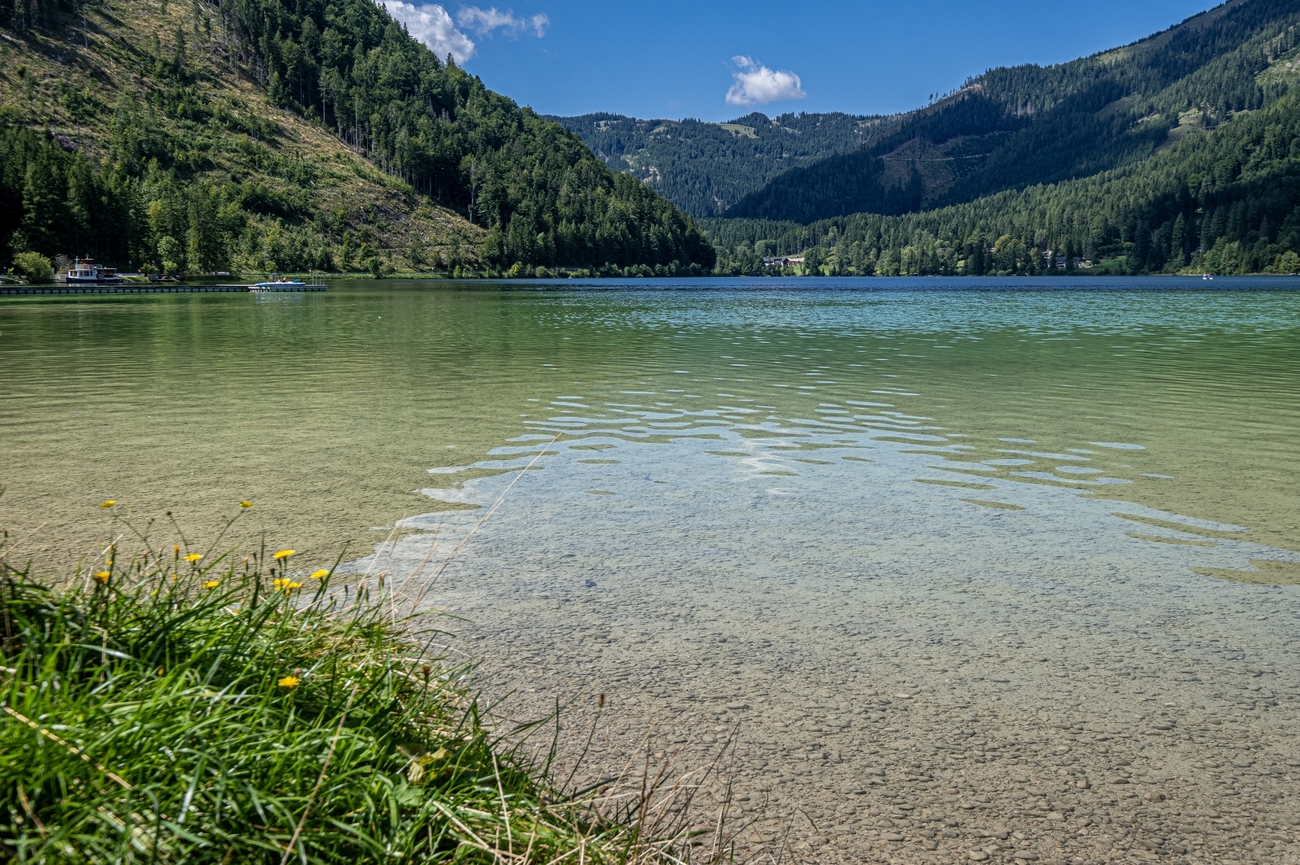
Rolling out from Mariazeller Heimathaus, the journey to Erlaufsee takes about 40 minutes through a patchwork of Styrian hills, whispering forests and sun-dappled meadows. Erlaufsee isn’t just a lake; it’s a mirror to the sky and mountains, a quiet stage where nature performs without an audience. Its crystal-clear waters reflect the surrounding forests and peaks with a perfection that begs to be paused for, photographed, or just quietly admired. Locals whisper stories of Alpine spirits and long-forgotten legends that cling to the shoreline, adding a hint of magic to the air.
Wildalpen Village
Leaving Erlaufsee, the journey to Wildalpen winds for about 25 minutes along twisting mountain roads and sun-dappled valleys.
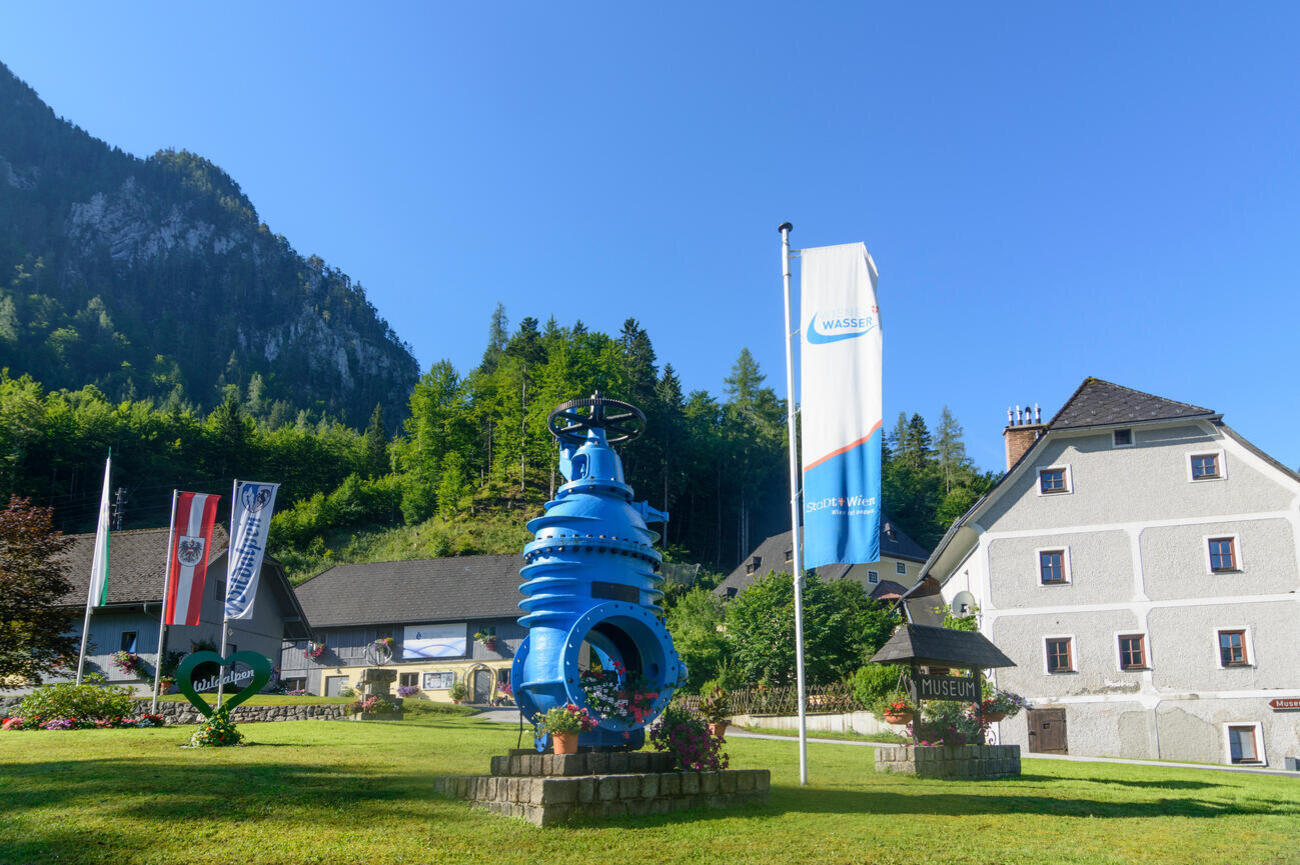
Nestled along the Salza River, Wildalpen isn’t just a pretty face. It’s a living storybook of Styrian history, with centuries-old houses, artisan workshops and quaint bridges whispering tales of timber rafting, Alpine trade and local legends. Every street corner feels like a snapshot of mountain life frozen in time, inviting visitors to slow down and soak in the rustic beauty.
Wildalpen Village is a hidden gem in the Styrian Alps, known for its rich history, traditional architecture and connection to local crafts. Walking through its narrow streets, visitors encounter centuries-old houses, artisan workshops and historical landmarks that reveal how this remote village thrived amidst the mountains.
Afternoon: Grüner See
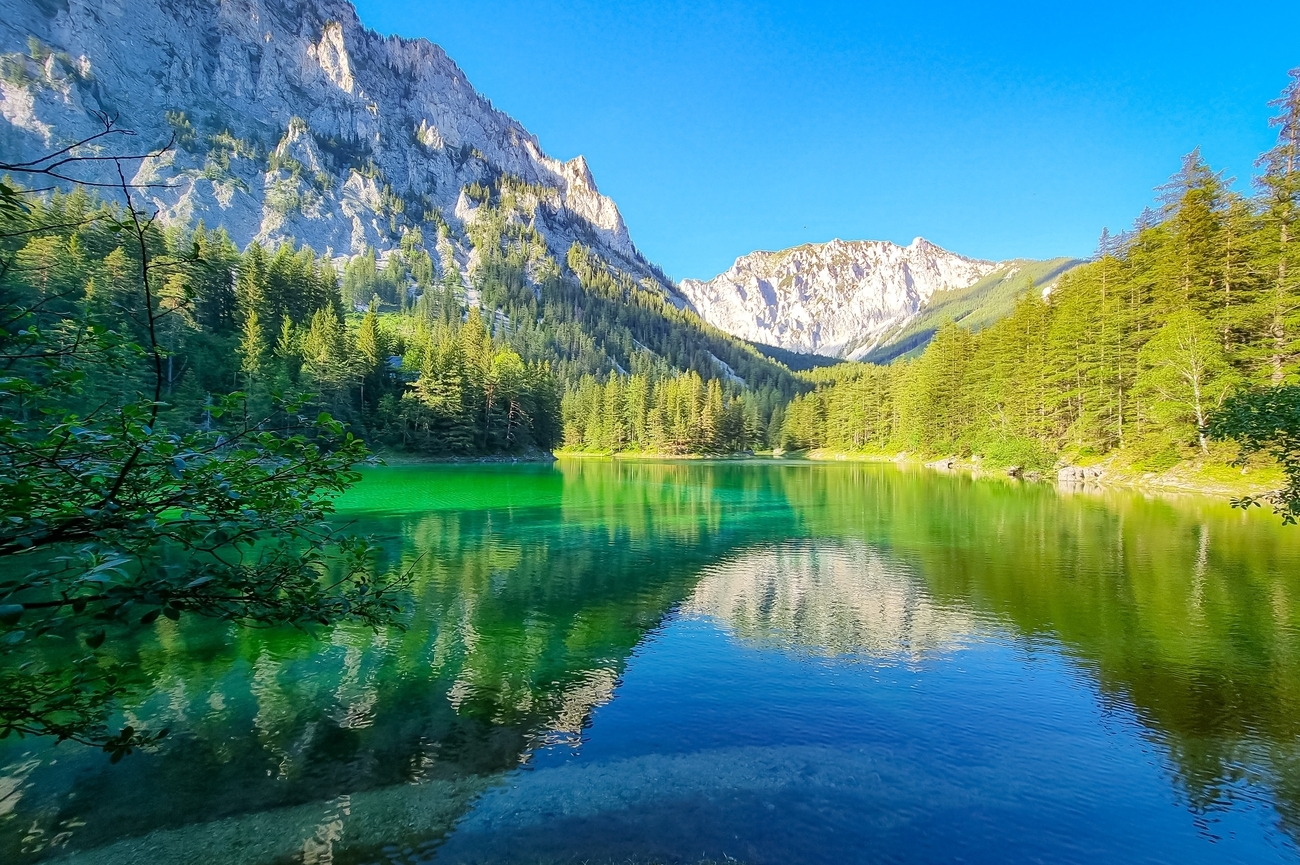
Continuing the lake-hopping adventure, it’s about a 30-minute drive through twisting Alpine roads and lush valleys to reach Grüner See, a lake so green it almost looks unreal.
Grüner See, or Green Lake, is a seasonal marvel. Fed by melting snow from nearby mountains, the water rises dramatically in late spring and early summer, submerging walking paths, benches and bridges, which creates an otherworldly underwater landscape. Hikers, divers, and photographers are drawn to its crystal-clear waters that seem to turn the mountains upside down. In winter, the lake recedes, revealing meadows and trails that hint at the dramatic transformation just months earlier.
Evening: Stubenbergsee
As the day drifts from lakes and valleys into deeper Styrian history, the road from Grüner See carries you for about 40 minutes towards the hilltop stronghold of Burg Oberkapfenberg. The climb up to the castle feels like a slow reveal. Forested slopes fall away and rooftops shrink below.
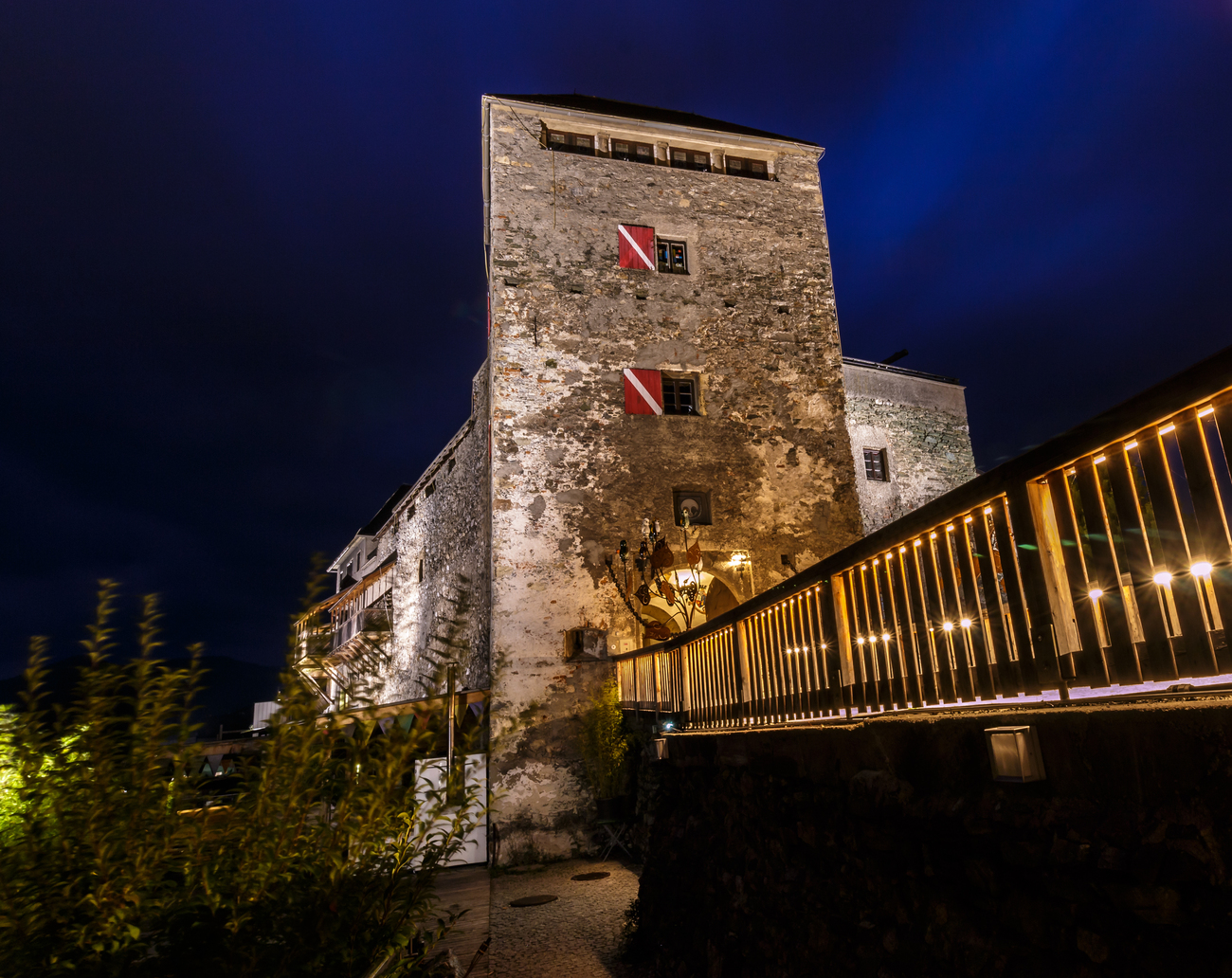
Burg Oberkapfenberg is one of Styria’s most powerful medieval fortresses, rising above the town of Kapfenberg with walls that once guarded vital Alpine trade routes. Originally built in the 12th century and later expanded into a Renaissance stronghold, the castle tells stories of noble families, strategic warfare and centuries of regional influence. Today, its massive courtyard, towers and defensive walls remain remarkably intact. Inside, visitors explore exhibitions on medieval life, arms, and Styrian history, but the real showstopper is the view.
Ending the day here feels intentional. After churches, villages, lakes and alpine roads, the journey closes where Styria once defended its soul, high above the valley, with the sky slowly turning out the lights.
Day 6 -
Mariazell, Grüner See, Kapfenberg
Tour Map
Other Things to Do in Graz & Styria
Graz and Styria reveal themselves in layers. One turn gives Baroque symmetry. The next gives vineyard chaos. Somewhere between a river island, a volcanic hill and a quiet monastery library, the region starts making sense on its own terms. These are the places worth visiting if extra days open up or if the stay quietly stretches longer than planned. Think of this as the after-hours list. The slow discoveries.
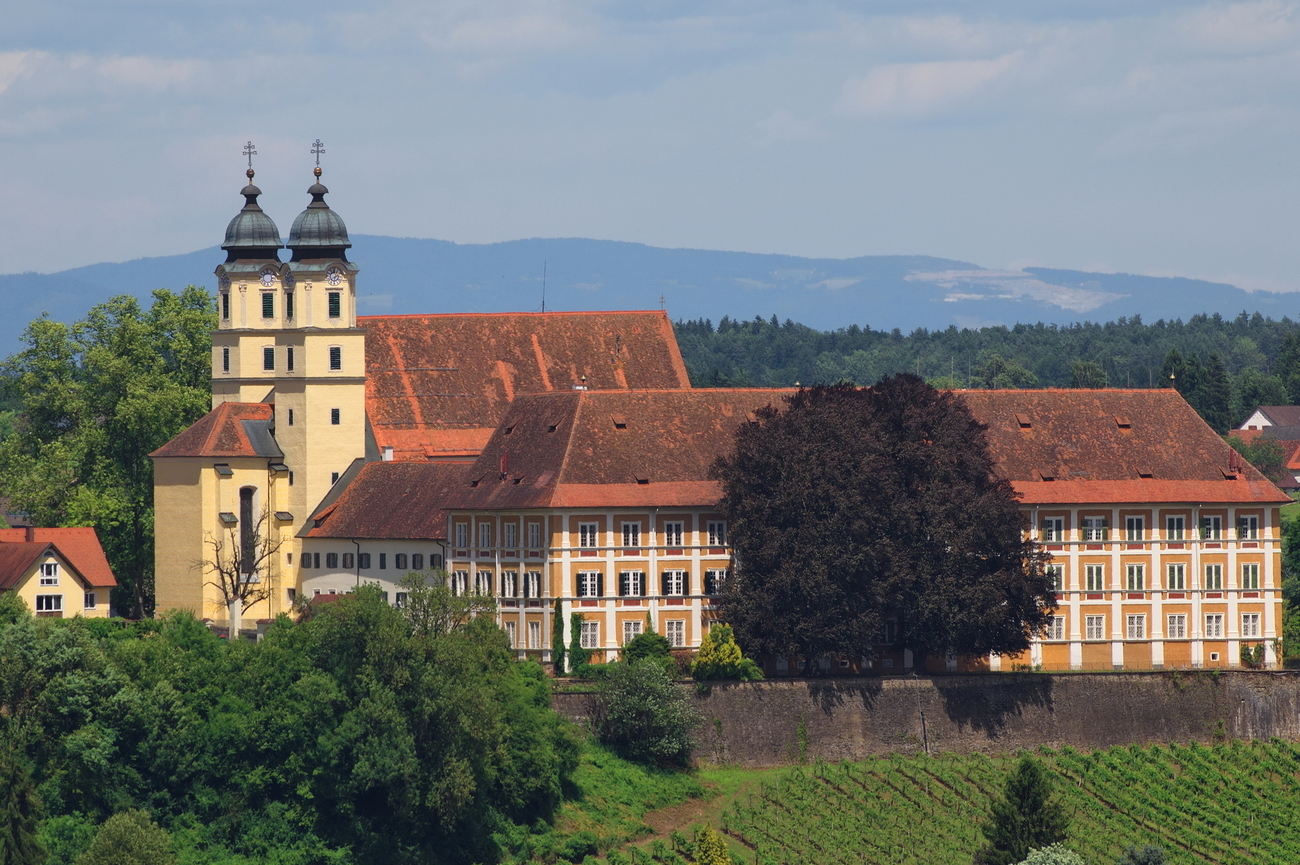
- Schloss Stainz: Schloss Stainz is a former Augustinian monastery turned baroque castle set in the rolling hills of western Styria. Today, it houses several exhibitions under the Universalmuseum Joanneum, including collections focused on hunting culture, forestry and regional history. The inner courtyard and arcaded walkways give the place an almost cinematic calm.
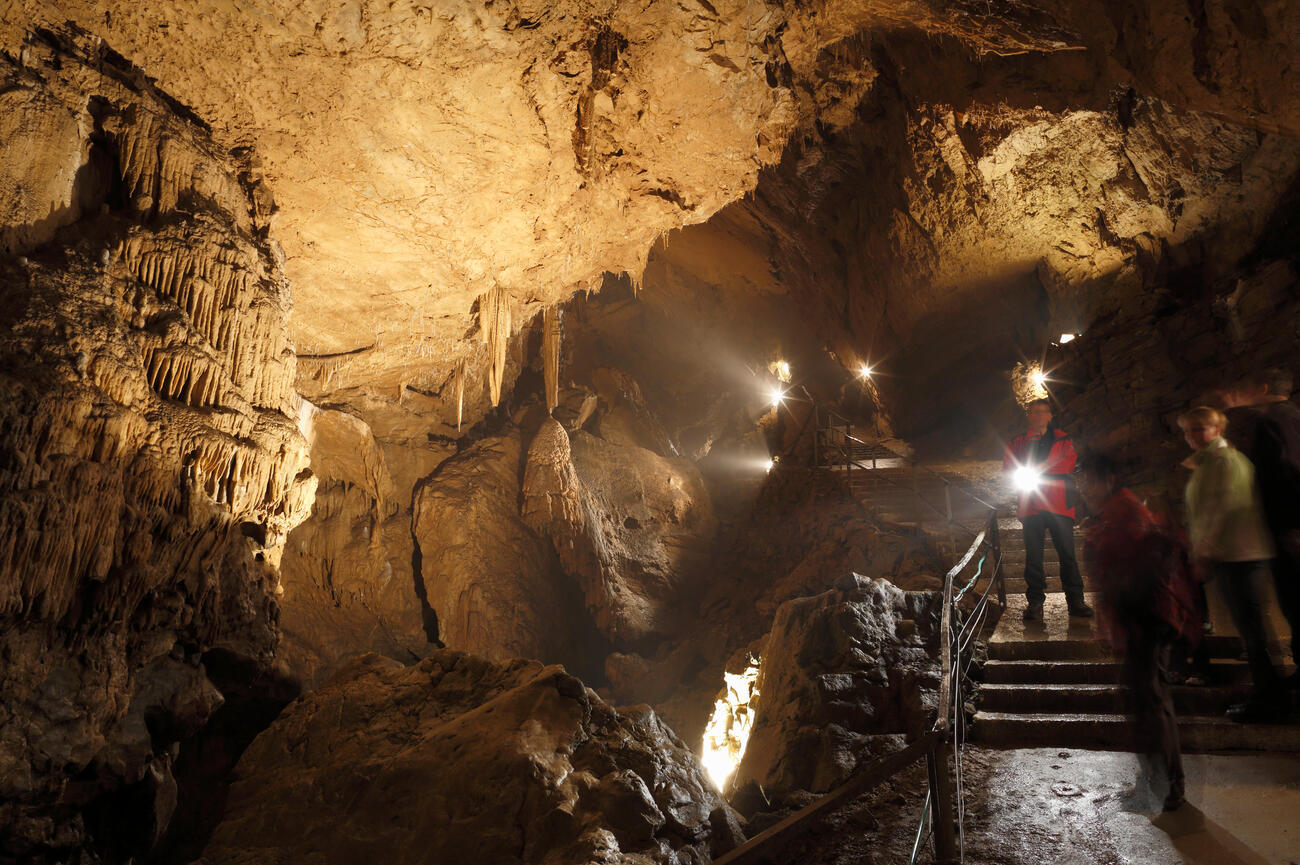
- Lurgrotte Peggau: Lurgrotte Peggau is the largest accessible cave system in Austria and one of Styria’s true natural landmarks. There are guided routes winding through towering chambers, underground rivers and dramatic limestone formations shaped over millions of years.
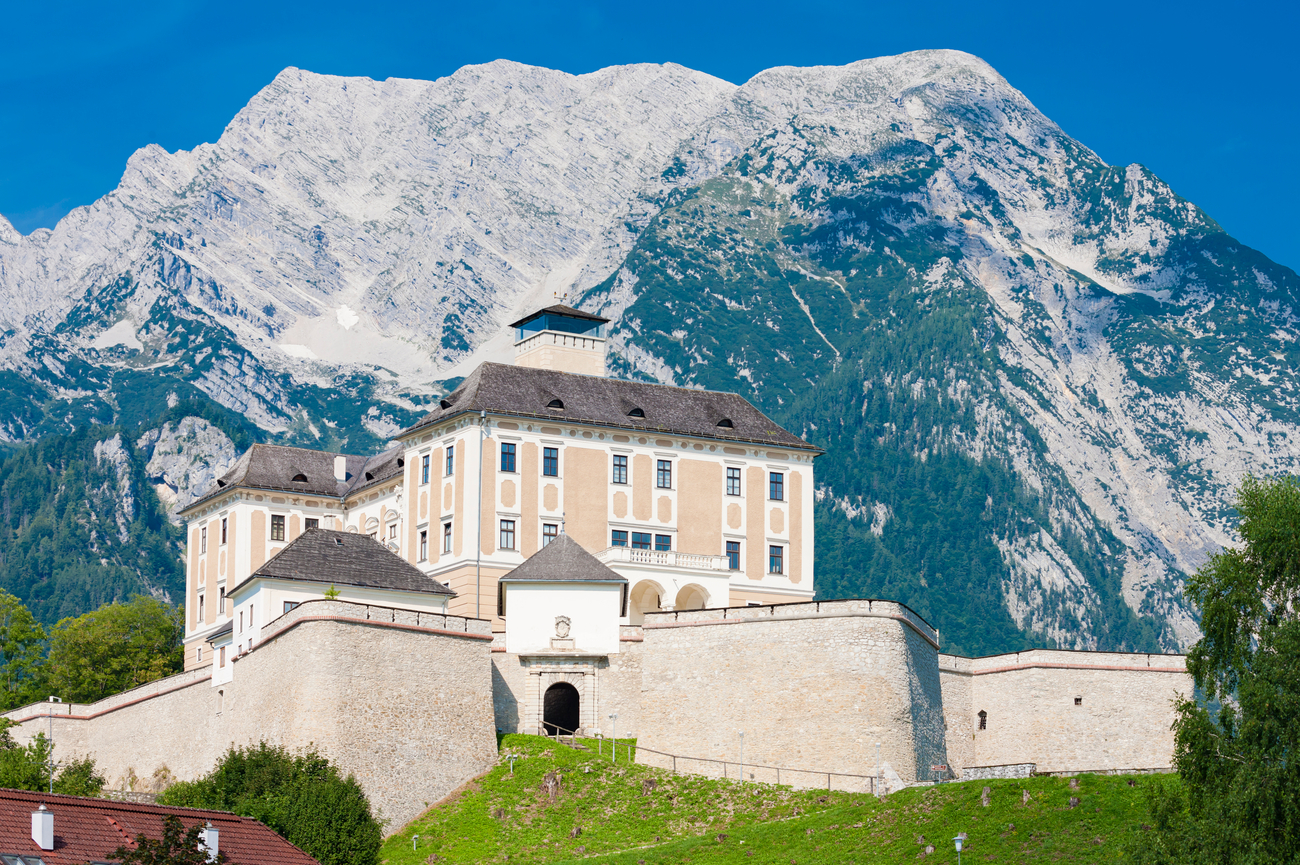
- Schloss Trautenfels: Overlooking the Ennstal Valley, Schloss Trautenfels combines alpine scenery with regional history. The castle now serves as a museum dedicated to life, crafts and traditions of Upper Styria. From farming culture to alpine survival, the exhibitions are rooted in everyday heritage rather than royal spectacle.
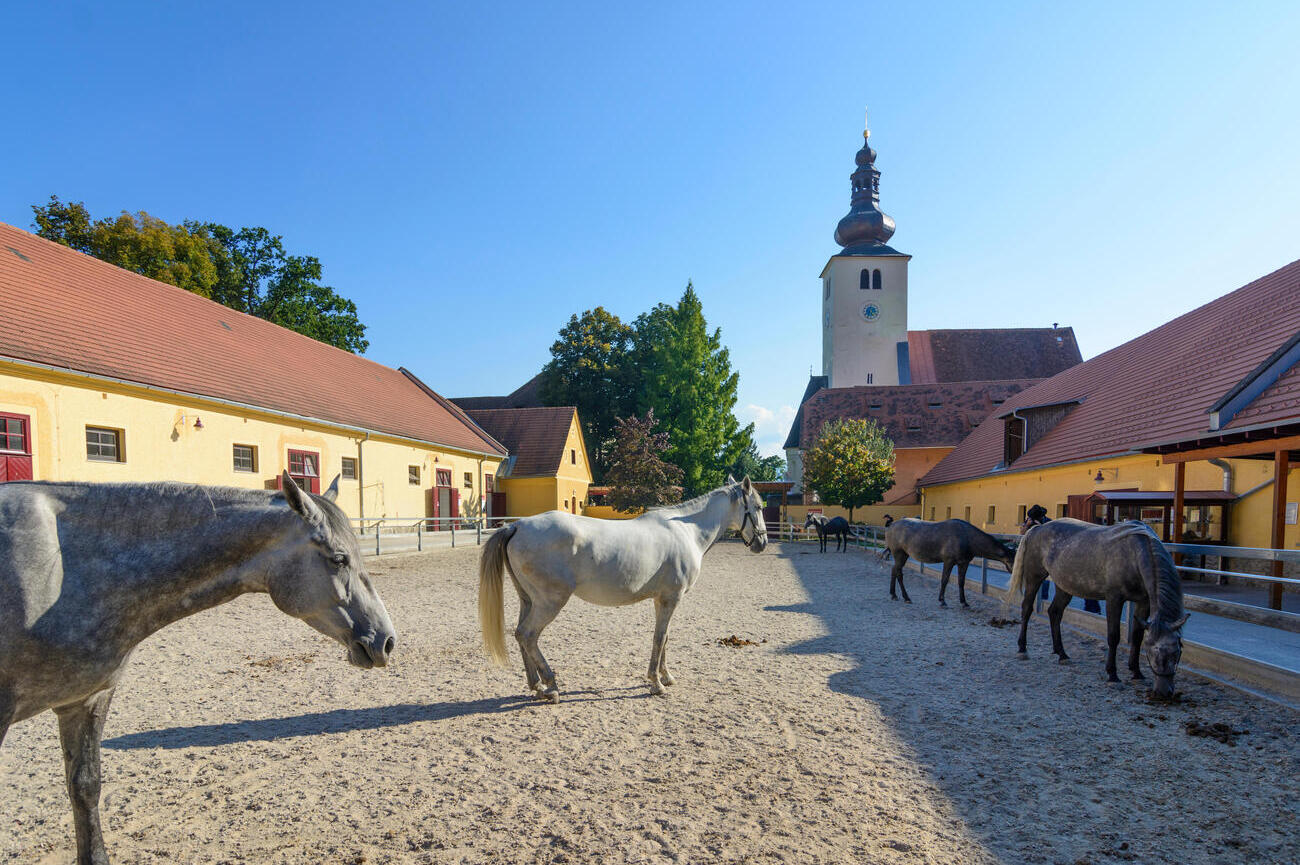
- Piber Castle is the official breeding centre at Lipizzaner Stud Piber (Bundesgestüt Piber) of the famous Lipizzaner horses of the Spanish Riding School in Vienna. This is where the horses begin their journey long before they ever step onto a performance stage. Visitors move through stables, training areas and breeding facilities with structured insight into this centuries-old program.
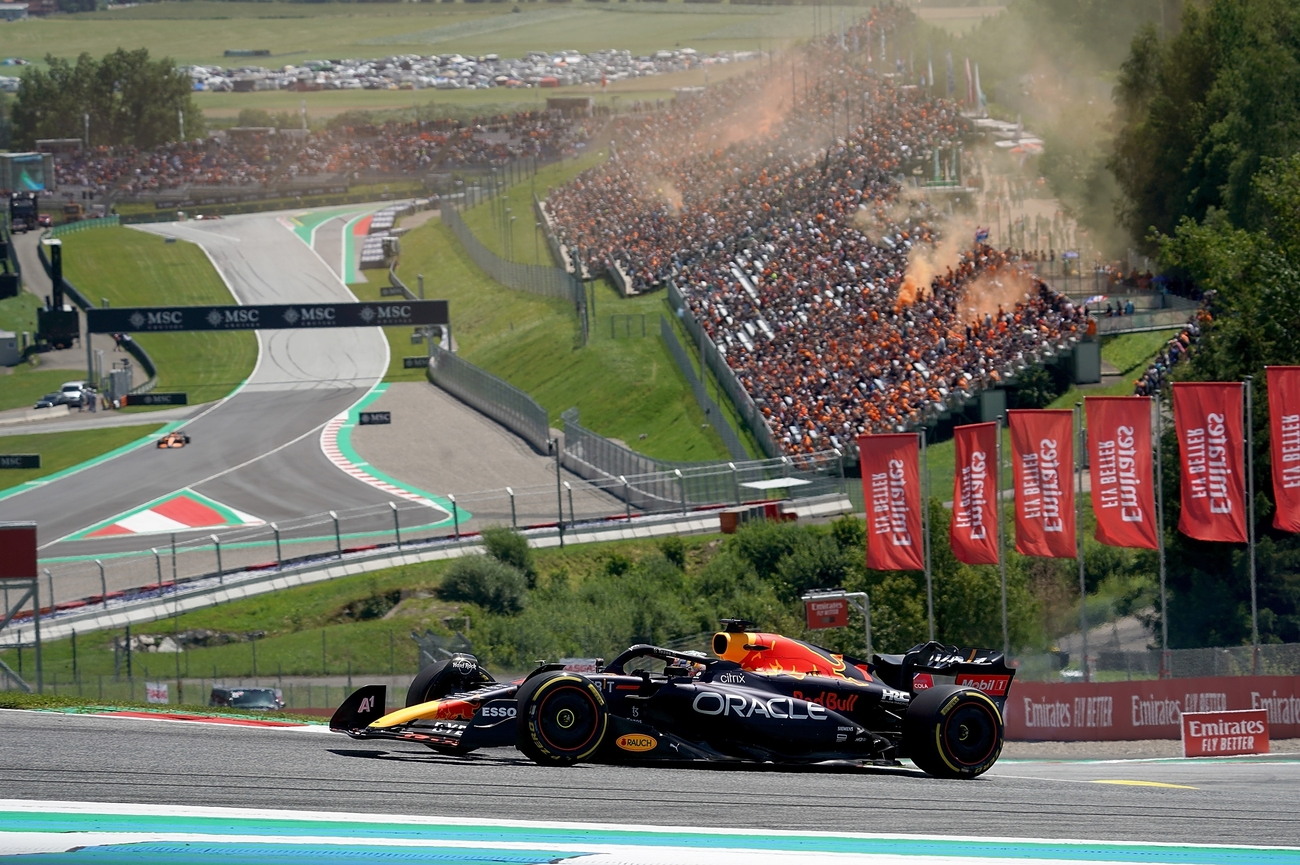
- Red Bull Ring: The Red Bull Ring is one of Europe’s most modern race circuits. It hosts Formula 1, MotoGP and international motorsport events, yet remains accessible year-round for track experiences. The contrast between alpine surroundings and high-performance engineering is part of its appeal. And for a high-end trip, you can join supercar driving experiences, race simulator sessions and VIP track programs with professional instructors.
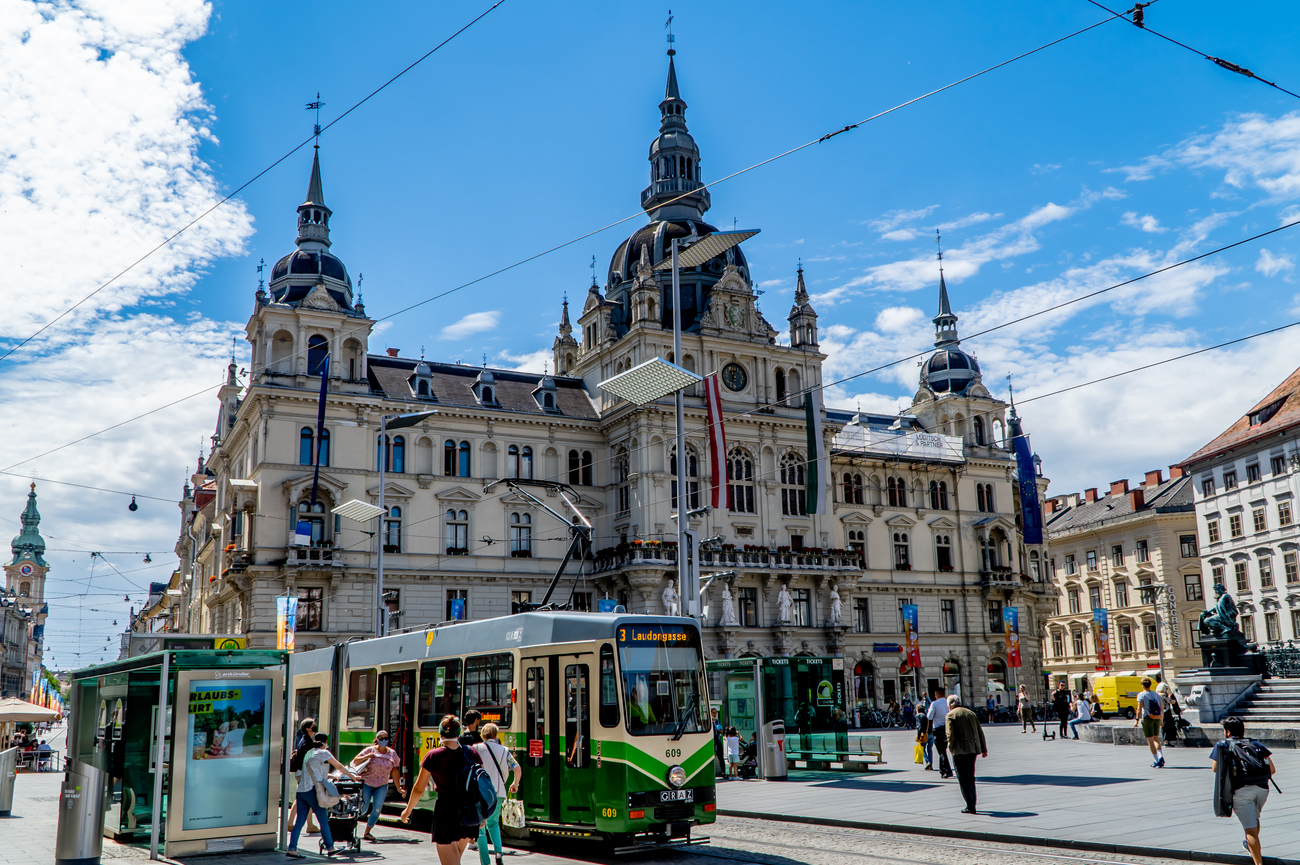
- Hauptplatz and Rathaus: Hauptplatz is Graz’s main square and an important focal point of the Old Town. It is a central transport and meeting hub, with tram lines crossing the square and cafés and shops surrounding it. The Rathaus (Town Hall) sits on the square and is one of Graz’s most prominent civic buildings, known for its ornate façade. This is a convenient place to begin an Old Town walk or to take a short break for coffee while exploring the city.
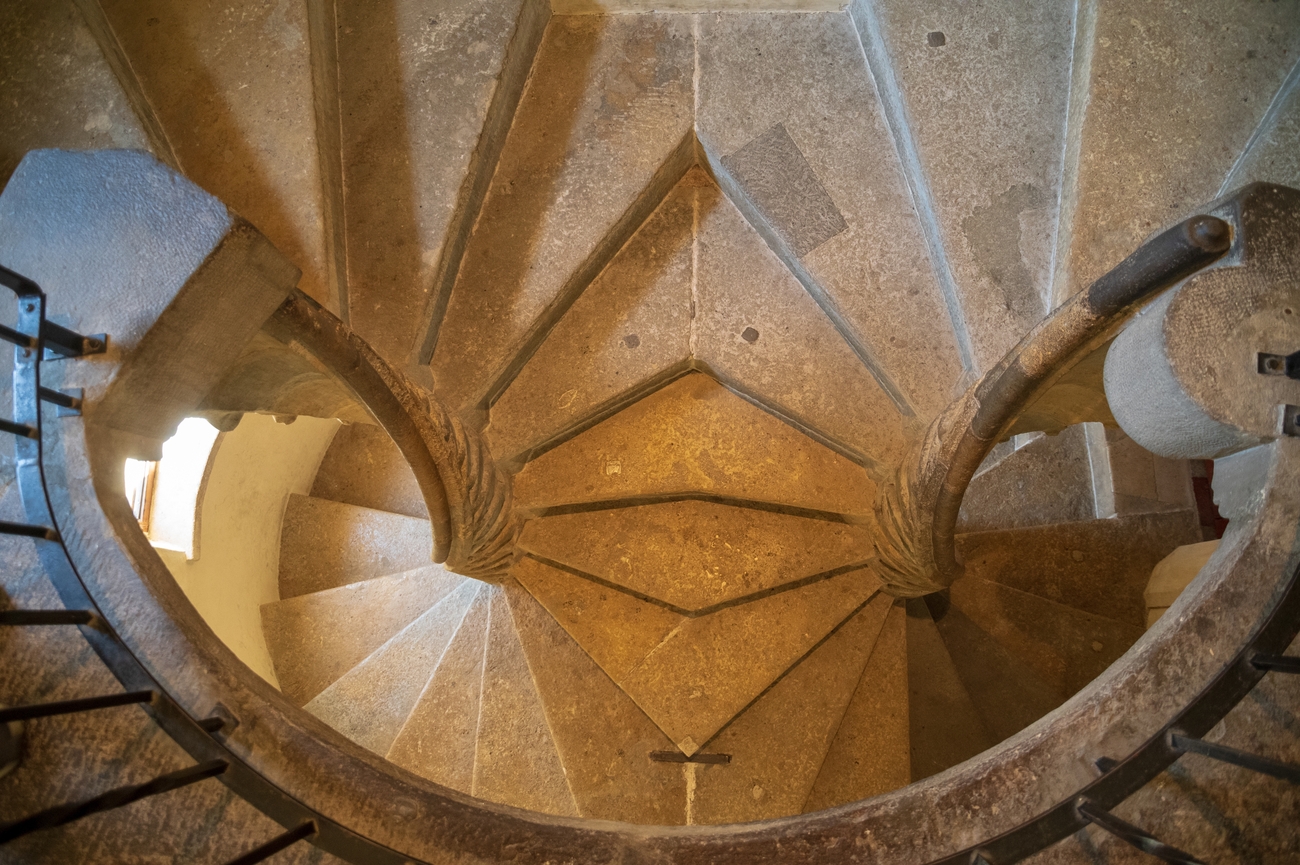
- Grazer Burg and the Double Spiral Staircase (Doppelwendeltreppe): The Grazer Burg is a historic complex associated with the Habsburg administration in Graz. One of its best-known features is the Doppelwendeltreppe (Double Spiral Staircase), a Renaissance staircase composed of two intertwined flights that separate and reconnect as they rise. It is a notable example of architectural design and is a popular stop for visitors interested in historic details and photography.
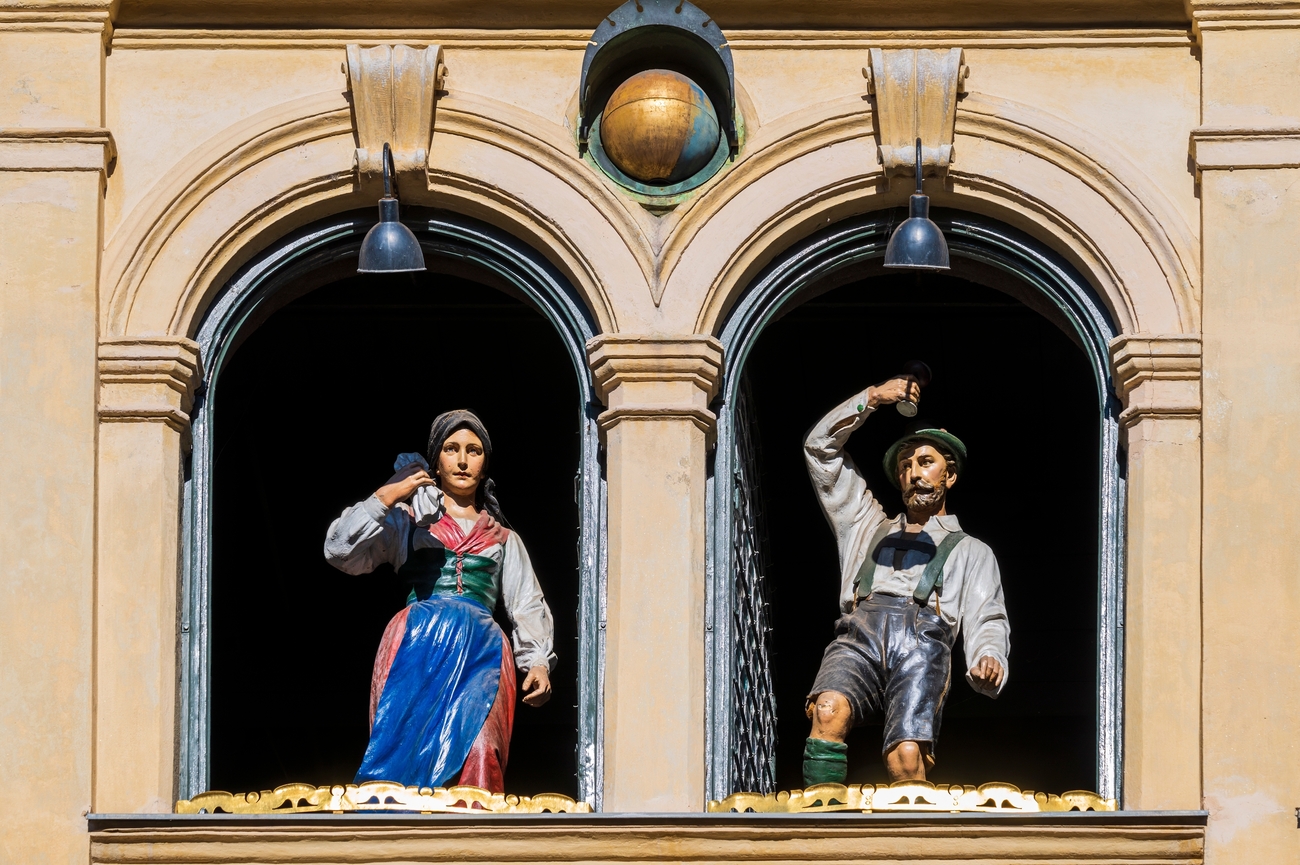
- Glockenspielplatz: Glockenspielplatz is a small square in the Old Town, best known for the carillon (glockenspiel) installed in a building overlooking the square. At scheduled times, the glockenspiel plays and figures appear, creating a brief performance that attracts visitors. It is a short and easy stop that fits well between nearby streets, shops, and cultural sites.
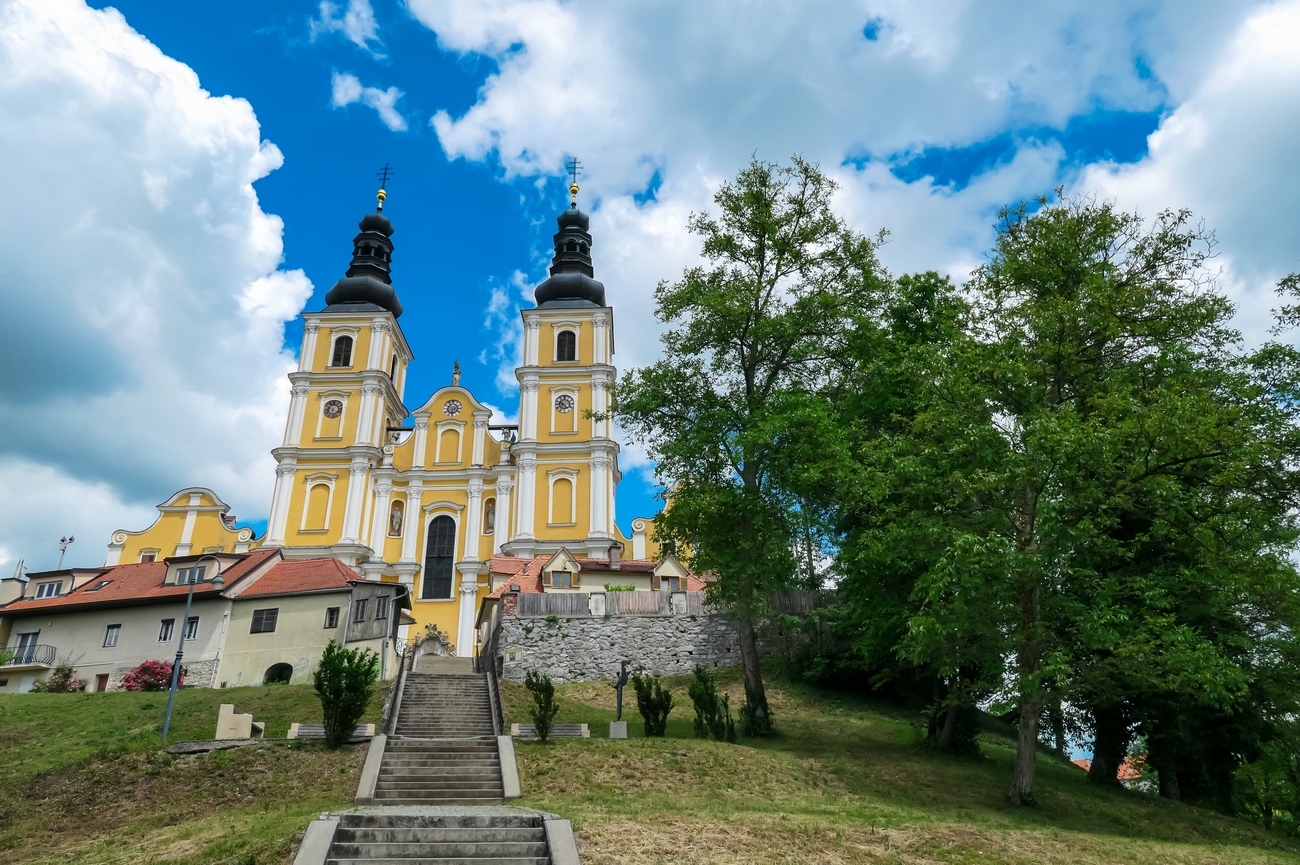
- Basilika Mariatrost is one of Graz’s most important Baroque churches, located on a hill in the eastern part of the city. The basilica is known for its twin towers, prominent dome, and richly decorated interior. It is a significant pilgrimage site and a key landmark for Baroque architecture in the region, with elevated views over parts of Graz.
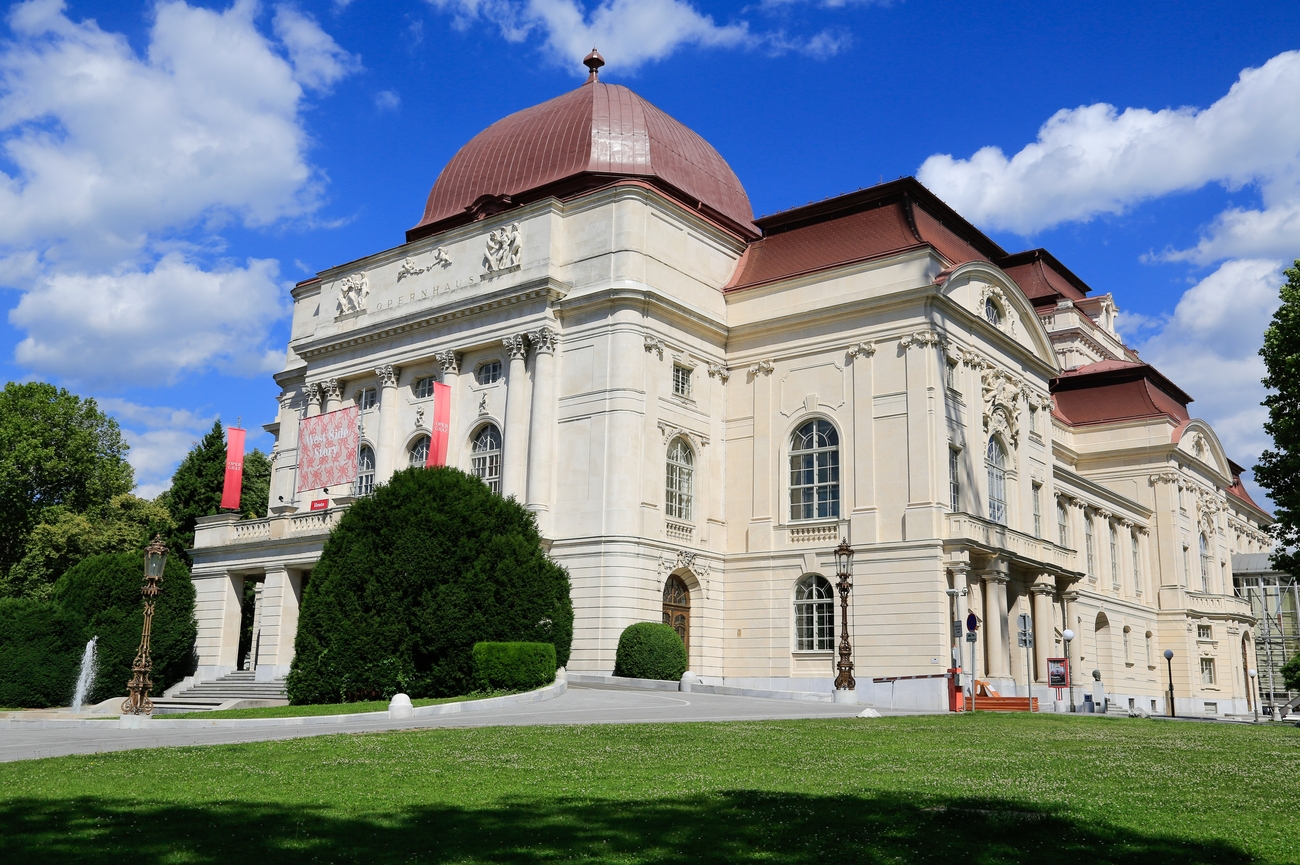
- Stadtpark and Oper Graz: Stadtpark is Graz’s central public park, offering landscaped paths, mature trees, and open green areas used by locals for walking and relaxation. Close to the park is Oper Graz, the city’s opera house and one of its main cultural venues, hosting opera, ballet, and concert performances. Together, they form an easy pairing for visitors looking to combine a park visit with an evening cultural programme.
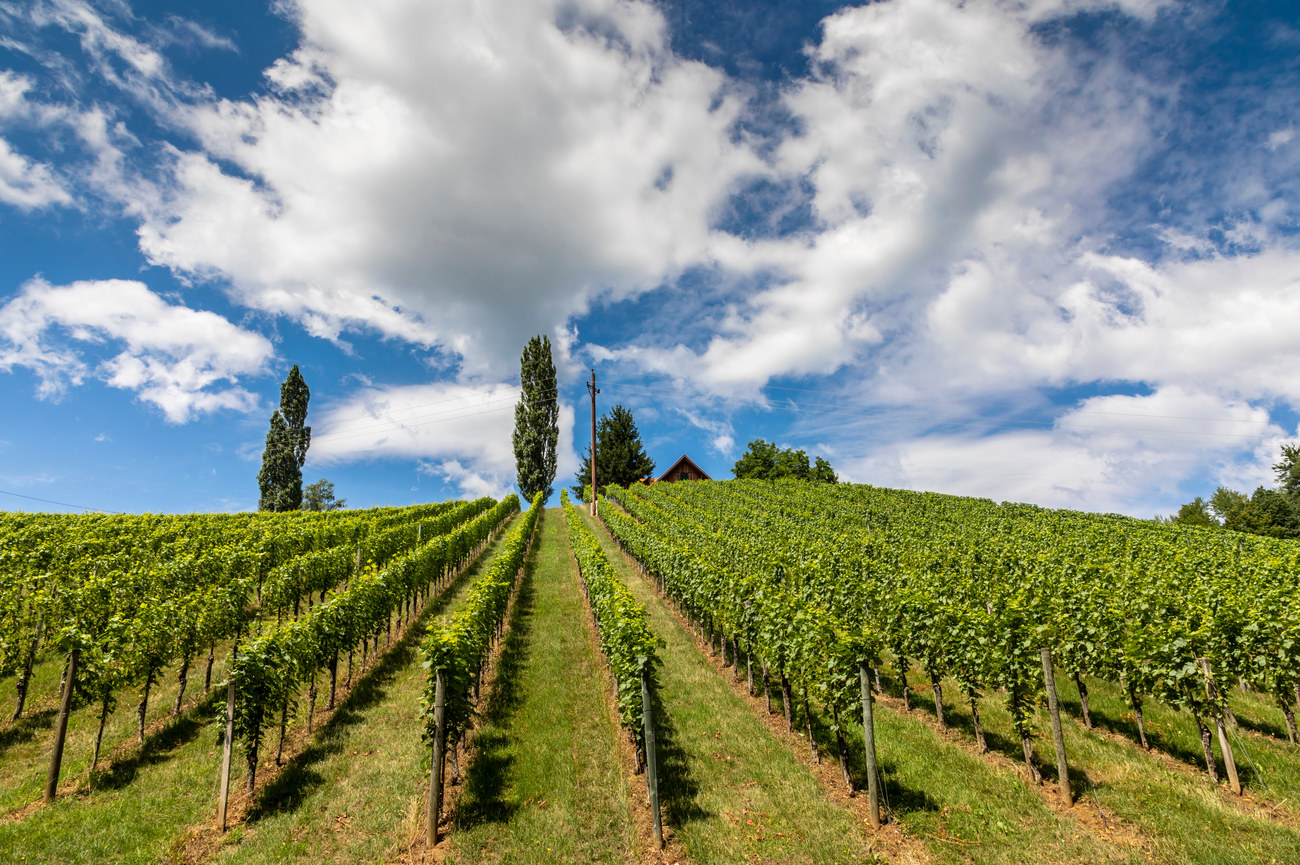
- Südsteirische Weinstraße (South Styrian Wine Road): The Südsteirische Weinstraße is the principal wine route in southern Styria, running through vineyard landscapes and connecting wine villages, wineries, and traditional taverns. It is one of the region’s best-known scenic drives and is commonly visited for wine tastings, panoramic viewpoints, and local cuisine. The route can be explored by car with flexible stops depending on time and interests.
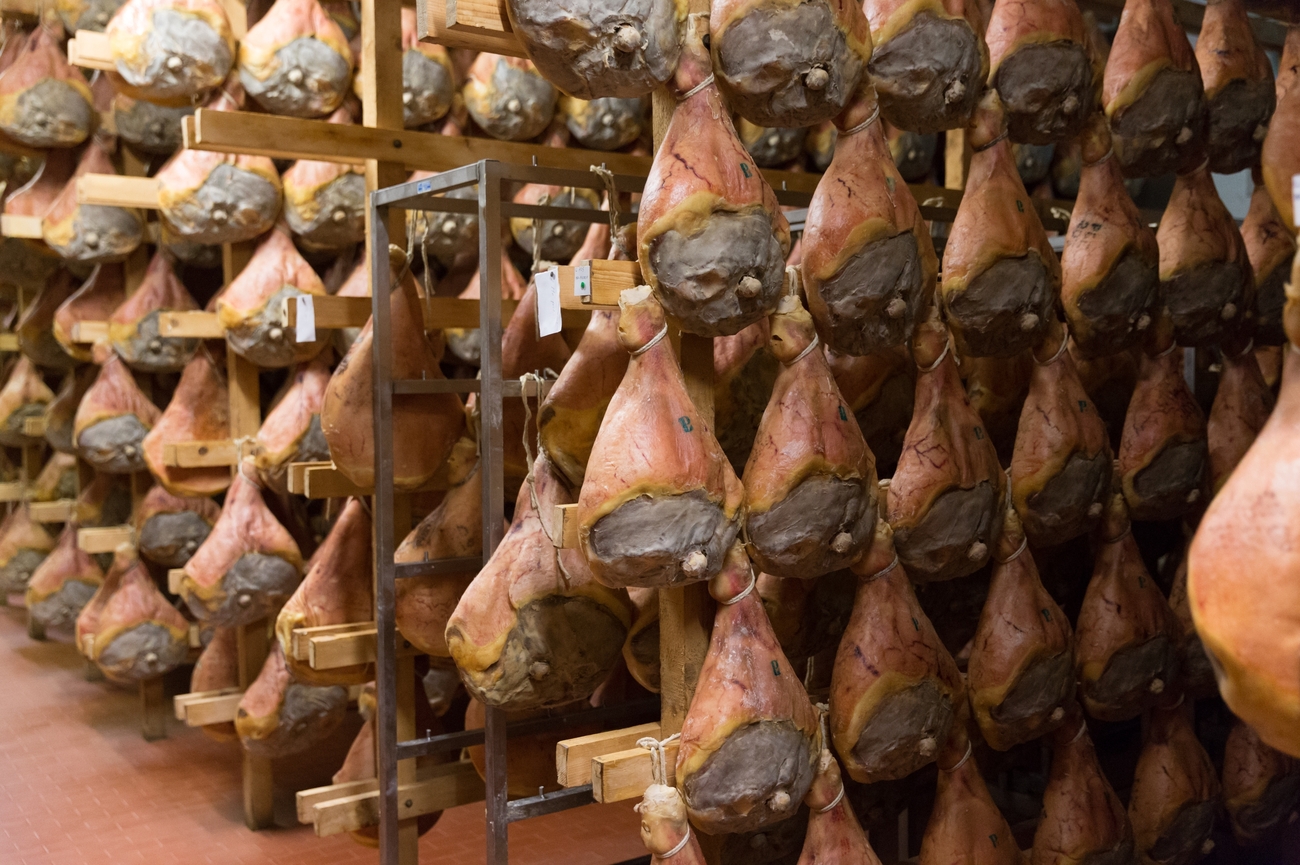
- Vulcano Schinkenmanufaktur is a well-known producer of Styrian cured ham located near Riegersburg. Visitors can typically learn about the production process and purchase products on site, and tastings are often available depending on the programme offered. It is a practical add-on near existing attractions in the Riegersburg area and adds a regional food element to the itinerary.
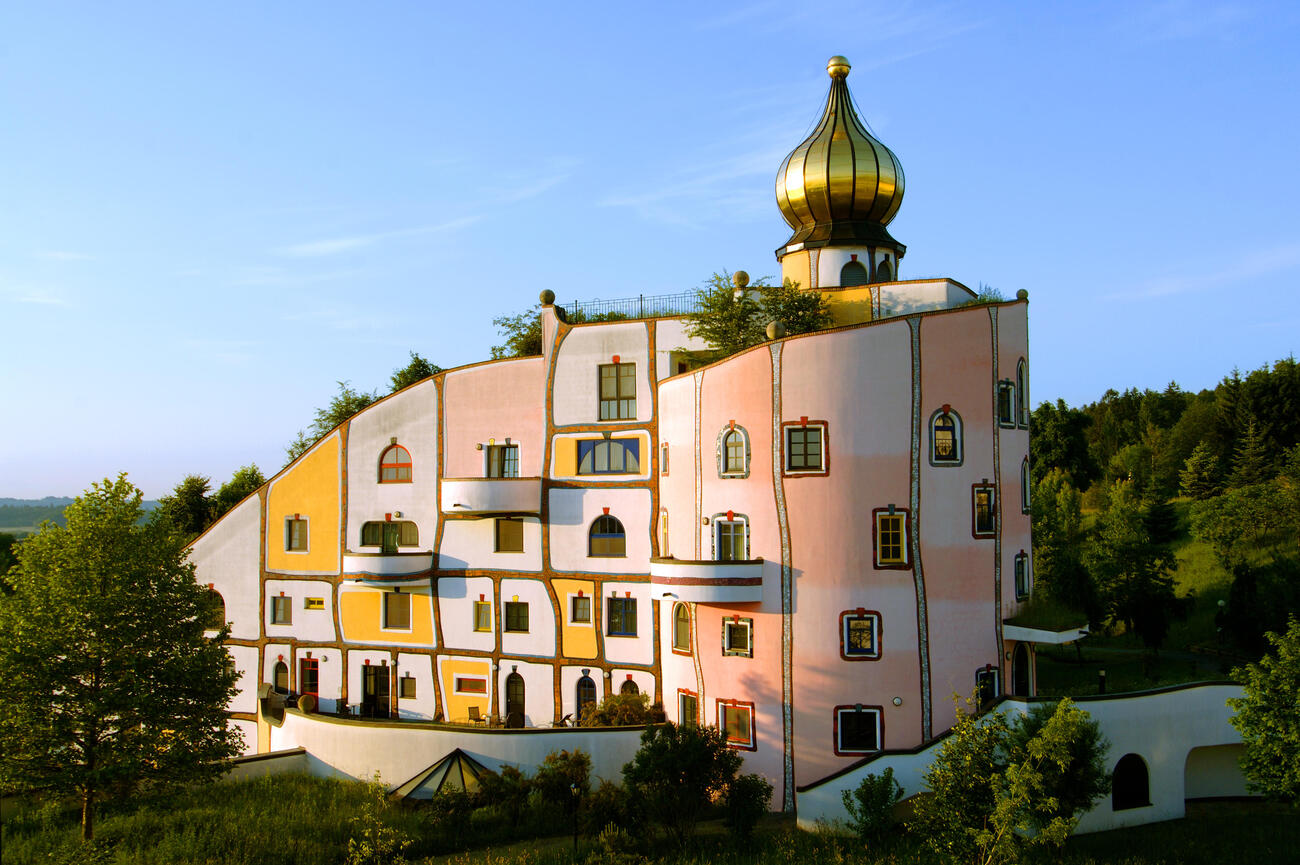
- Rogner Bad Blumau is a thermal spa resort in Styria, recognised for its distinctive architecture designed by Friedensreich Hundertwasser. The complex features multiple thermal pools and wellness facilities set within colourful, organic forms that make it a landmark in Austrian spa culture. It is a suitable stop for visitors seeking a full-day thermal and wellness experience.
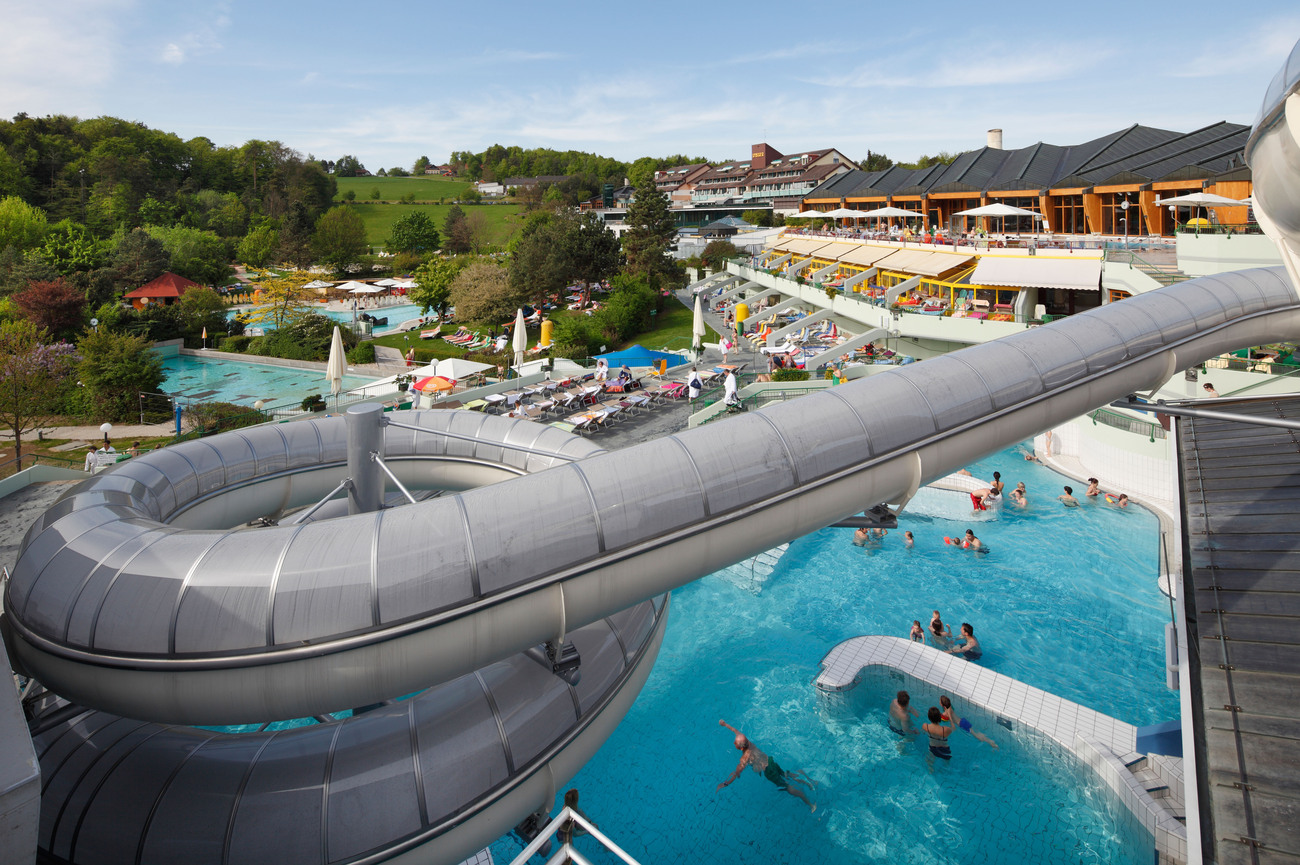
- Therme Loipersdorf is one of Styria’s largest and best-known thermal spa complexes. It offers extensive indoor and outdoor pools, wellness and sauna areas, and relaxation spaces designed for extended visits. For an easy, high-comfort stay on site, Das Sonnreich, Thermenhotel Loipersdorf is located directly by the spa and is a popular option for guests who want to combine thermal bathing with an overnight wellness break.
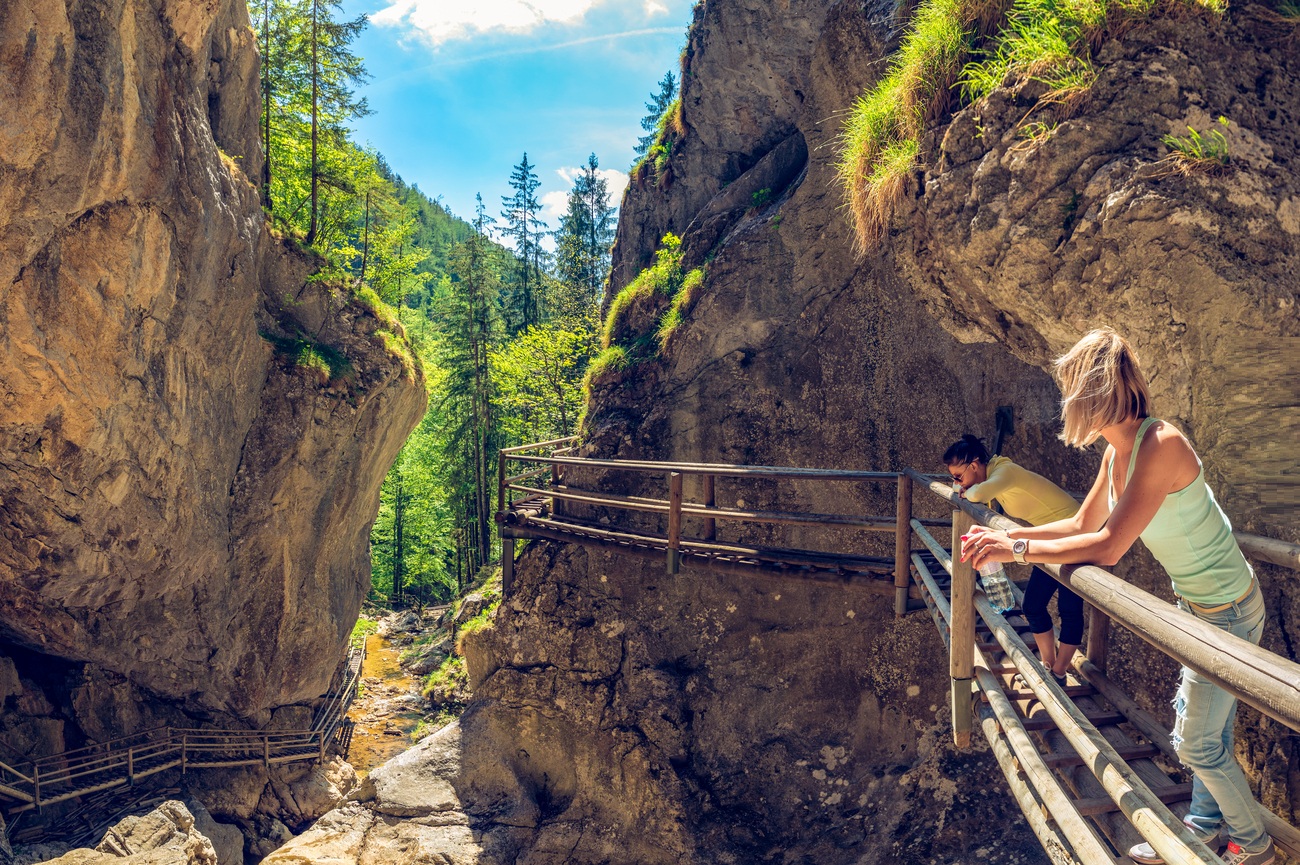
- Bärenschützklamm is one of Styria’s most famous gorge walks, featuring wooden bridges, ladders, and constructed paths through a steep valley with waterfalls and rocky sections. The route is physically active and requires appropriate footwear, but it is accessible to confident walkers and is widely regarded as a highlight for nature-focused visitors.
Things to Do with Kids in Graz & Styria
Graz and Styria know how to charm adults, but they also quietly excel at winning over younger travellers. This is a region where learning feels like play, where animals are treated like celebrities and where science, castles and mountains double as adventure zones. These places are perfect for families with time to spare or for travellers building a slower, more playful version of the journey.
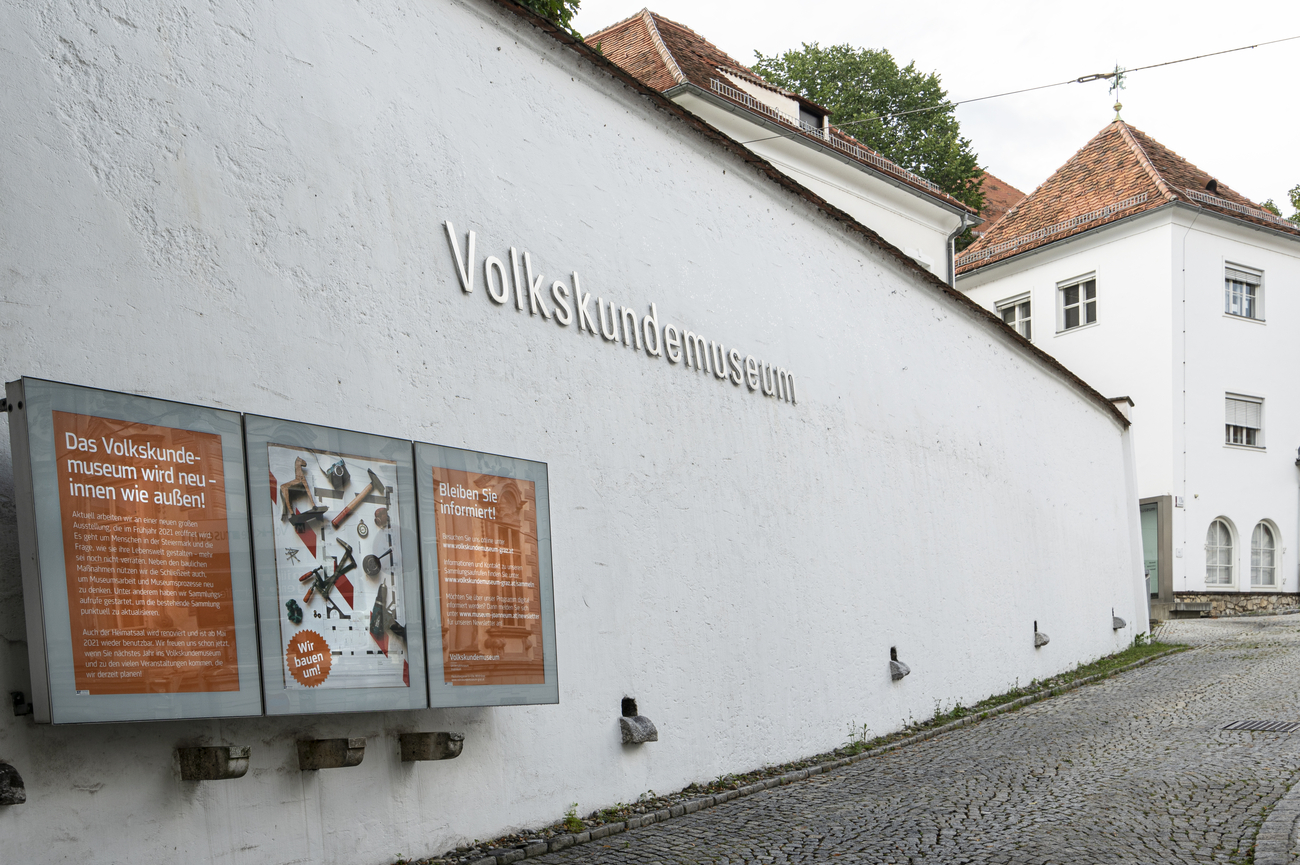
- Folk Life Museum: The Folk Life Museum opens a window into how Styrian families lived, worked and celebrated across centuries. Traditional costumes, handwoven textiles, farming tools and domestic interiors turn abstract history into something children can actually relate to. Interactive areas allow kids to touch materials, see how everyday objects were used and understand how community life functioned long before modern conveniences.
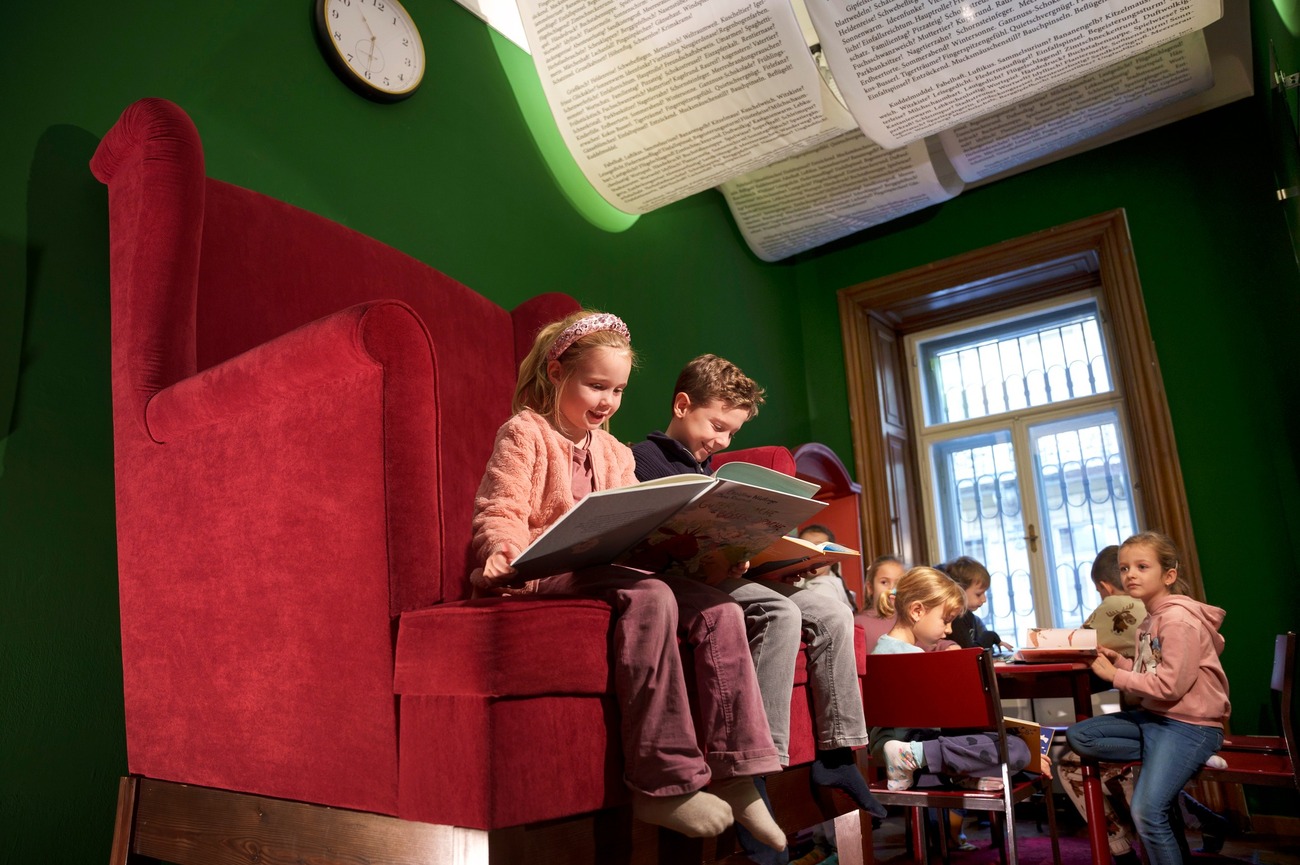
- Frida & Fred Children’s Museum (FRida & freD, Das Grazer Kindermuseum): This is where curiosity runs the show. Frida & Fred is one of Austria’s leading interactive children’s museums. Exhibitions change regularly and explore themes such as science, emotions, technology, identity and creativity, all presented through movement, sound, and touch. Here, you’ll see your kids experiment freely, test ideas and learn through play rather than passive observation.
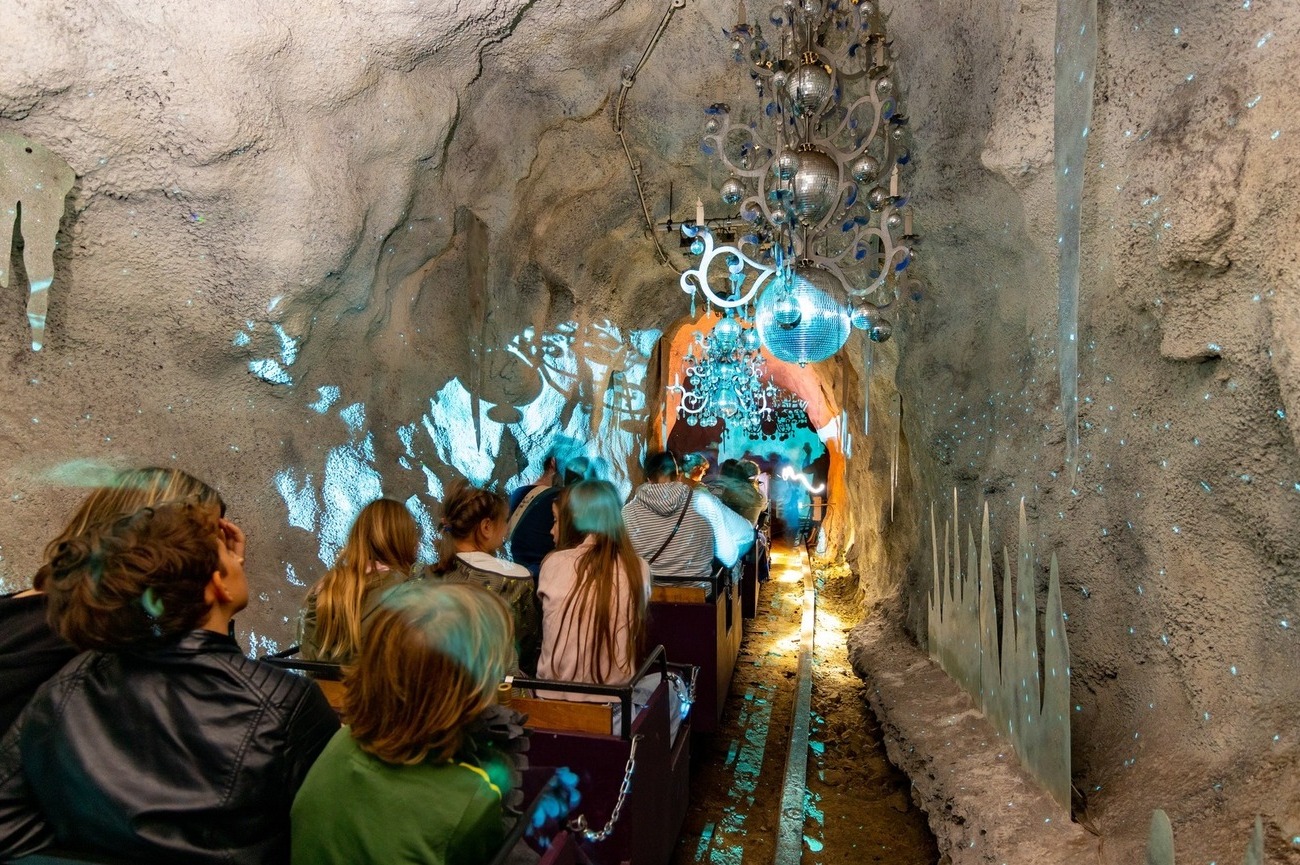
- Graz Fairy Tale Train (Märchenbahn): This is where imagination takes the front seat. Tucked inside the Schlossberg, the Märchenbahn is a little train ride through a world of familiar fairy tales, softly lit scenes and playful surprises that feel wonderfully old-fashioned in the best way. It is gentle, cosy and perfect when you want something fun without too much walking. Here, kids do what they do best, point, gasp, giggle, and make up their own stories as the train rolls on.
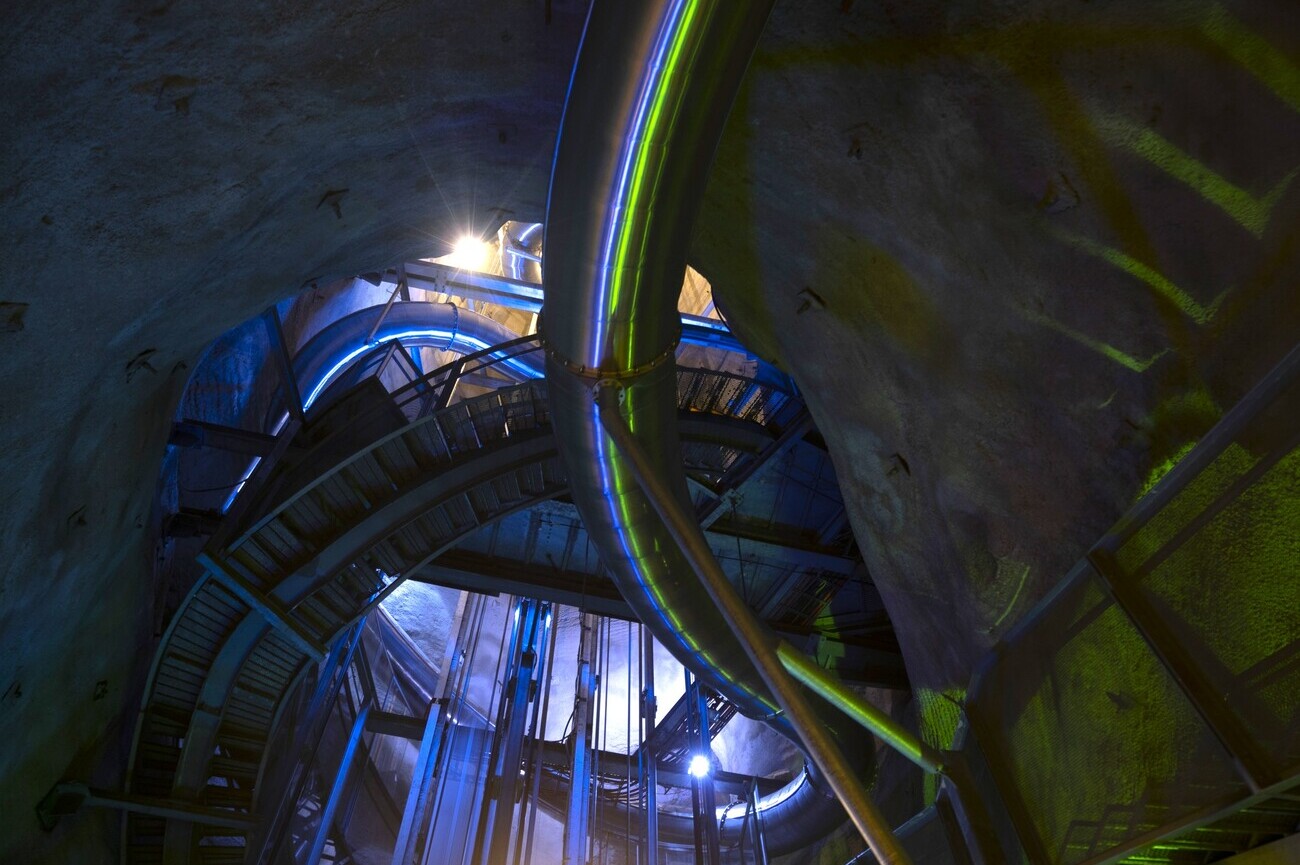
- Schlossberg The Slide: This is where momentum takes over. Schlossberg The Slide is one of the world’s longest underground slides, hidden inside Graz’s historic Schlossberg. You start in the old tunnels, then suddenly you are gliding through the hill, fast enough to make everyone laugh, and just long enough to wish it went on a little more. It’s a brilliant mix of history and play, something kids and adults can enjoy together.
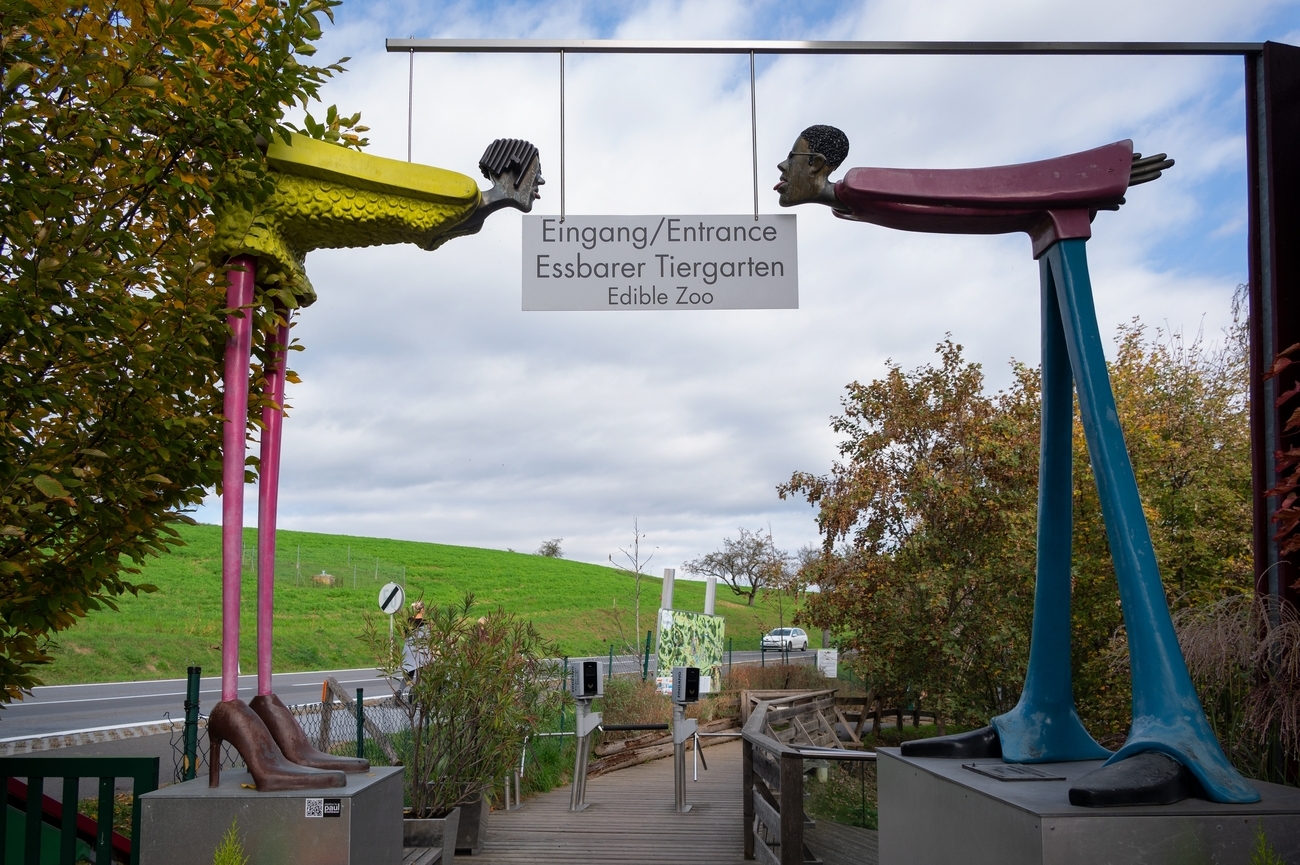
- Zotter Schokolade: This is where chocolate becomes a full-on day out. Zotter is the kind of place where the smell hits you first, warm cocoa, caramel, something nutty, and suddenly everyone is smiling. You wander through tasting stations, nibbling as you go, watching how chocolate is made, and realising just how inventive the flavours can be. It’s fun, a little bit wild, and surprisingly thoughtful too, the sort of visit where kids feel like it’s pure treats, and adults leave impressed.
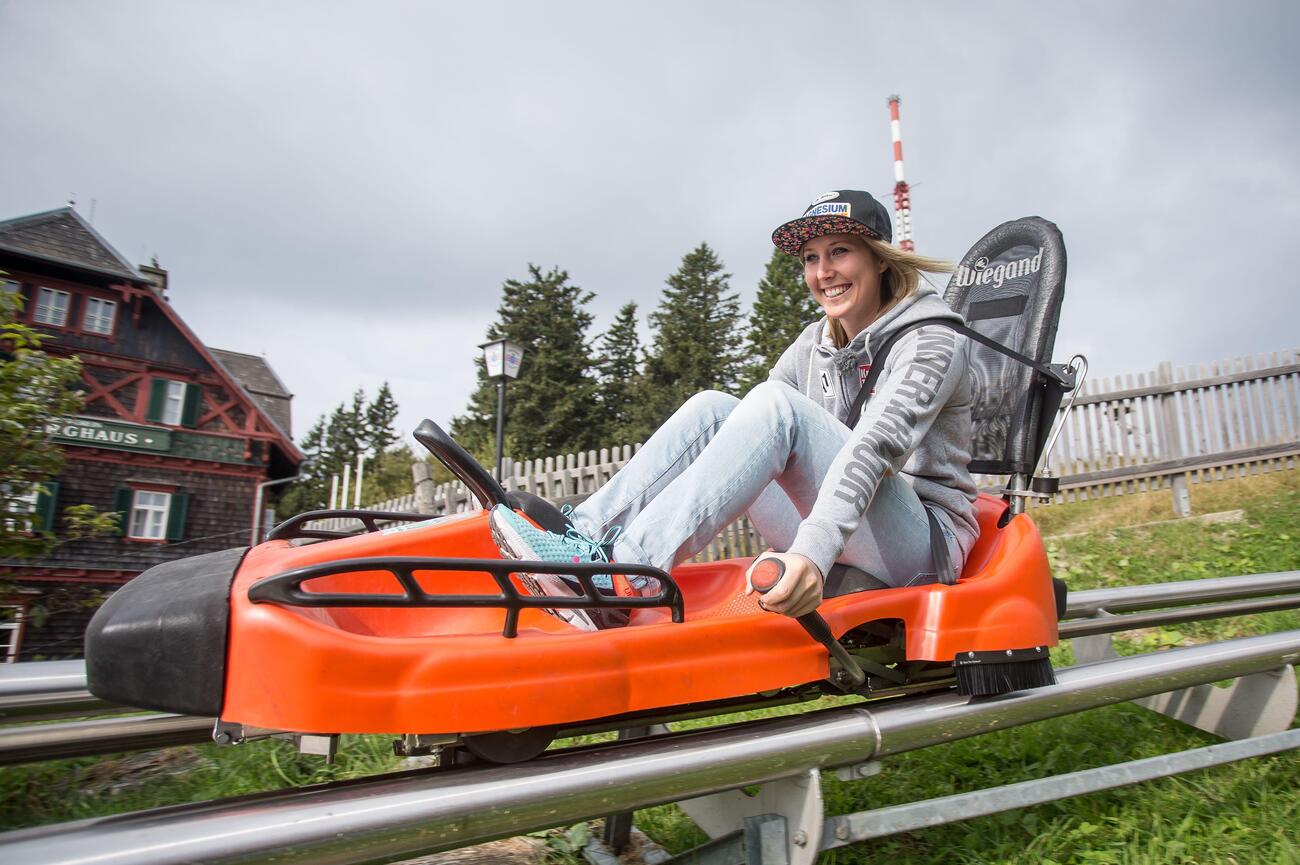
- Schöckl Mountain: This is where the city quietly falls away. Rising just outside Graz, Schöckl is where locals go when they need space, fresh air and a change of pace. One moment you are in town, the next you are riding the cable car or walking through forest paths with views stretching far beyond the city. And then comes the fun part, the mountain toboggan run, where kids and adults alike race downhill with big grins and wind in their faces. Up top, it still feels open and calm, a place to picnic, wander, or simply sit and watch the weather roll in. It’s gentle adventure rather than high drama, and the kind of mountain that welcomes everyone.
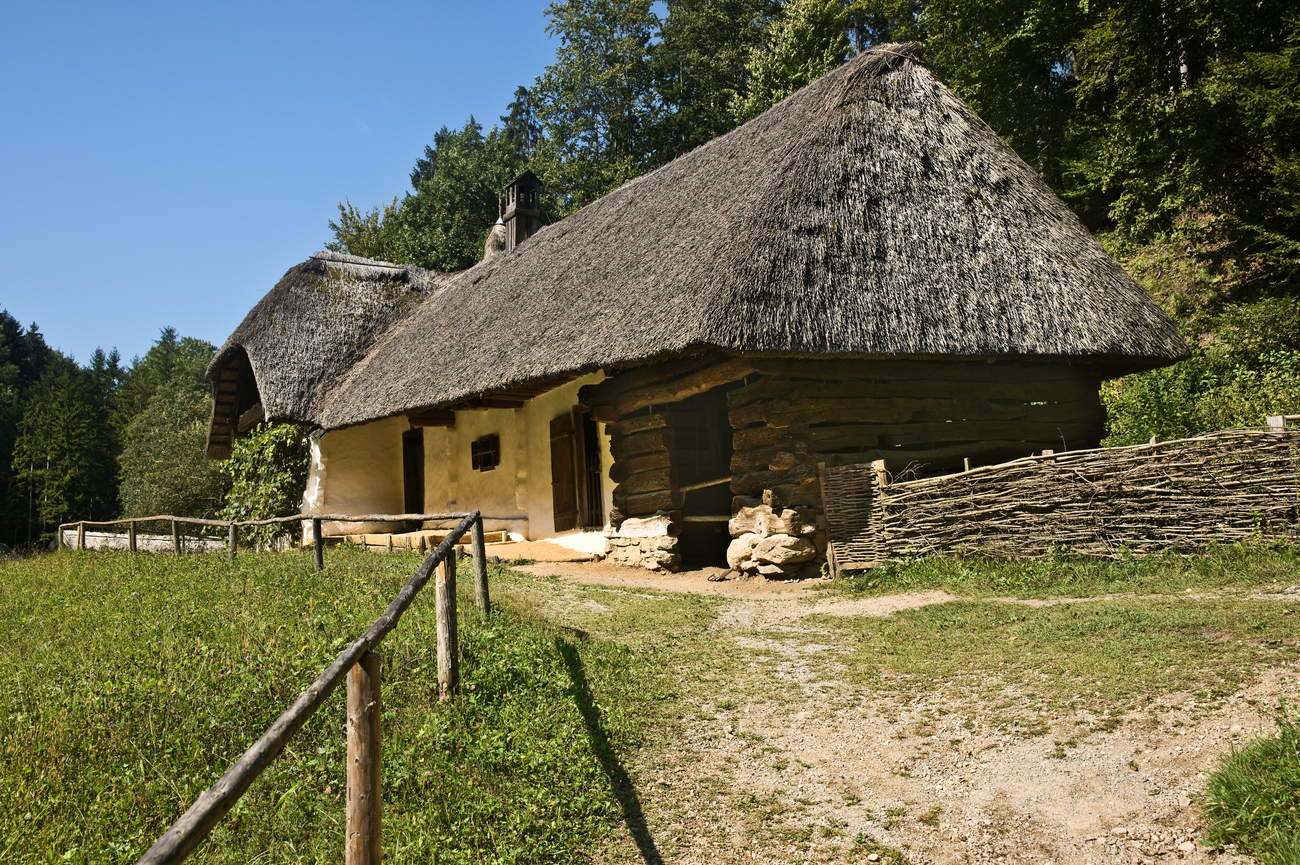
- Austrian Open-Air Museum Stübing: This is the kind of place that makes you slow down without noticing. You wander a quiet valley path past old farmhouses, barns and workshops brought here from across Austria, each one full of small, real details that make the past feel close. Kids race ahead and choose favourites, adults get pulled into the stories, and somehow you end up learning without it ever feeling like a museum.
- GATE-08 Flight & Racing brings aviation dreams down to eye level. Through highly realistic flight simulators and immersive visual experiences, children learn what it feels like to be in the cockpit. Located at the NOVAPARK Flugzeughotel in Graz, the experience includes simulator sessions in aircraft such as the Airbus A319/A320 and Boeing 737-800, plus a Cessna 172 for a smaller-plane perspective.

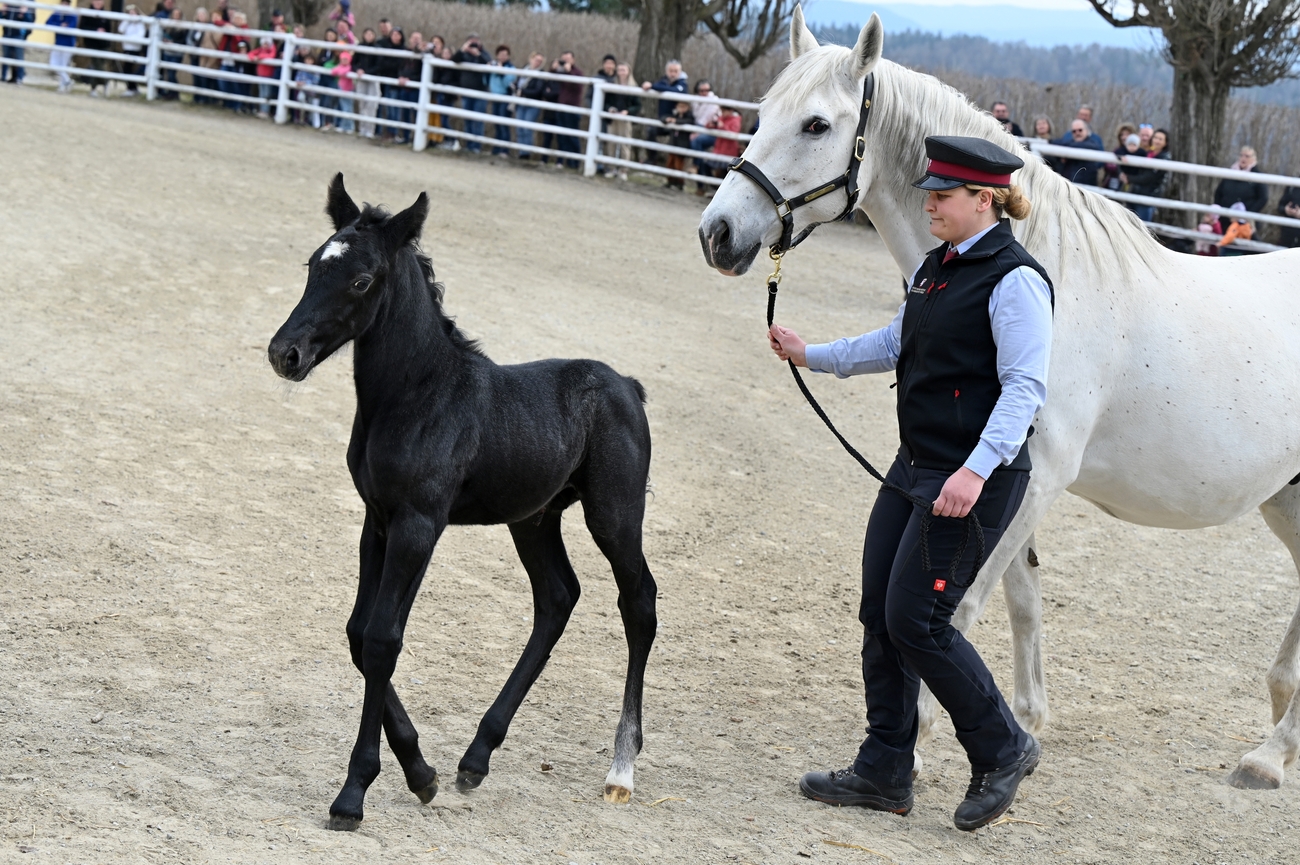
- Piber Stud Farm: Piber Stud Farm is where the story of the world-famous Lipizzaner horses begins. Children can observe foals learning to stand, walk and run while gaining insight into how careful breeding preserves one of Europe’s most iconic equestrian traditions. The setting is open, green and calm, allowing young visitors to move freely while absorbing the elegance and discipline behind classical horsemanship.
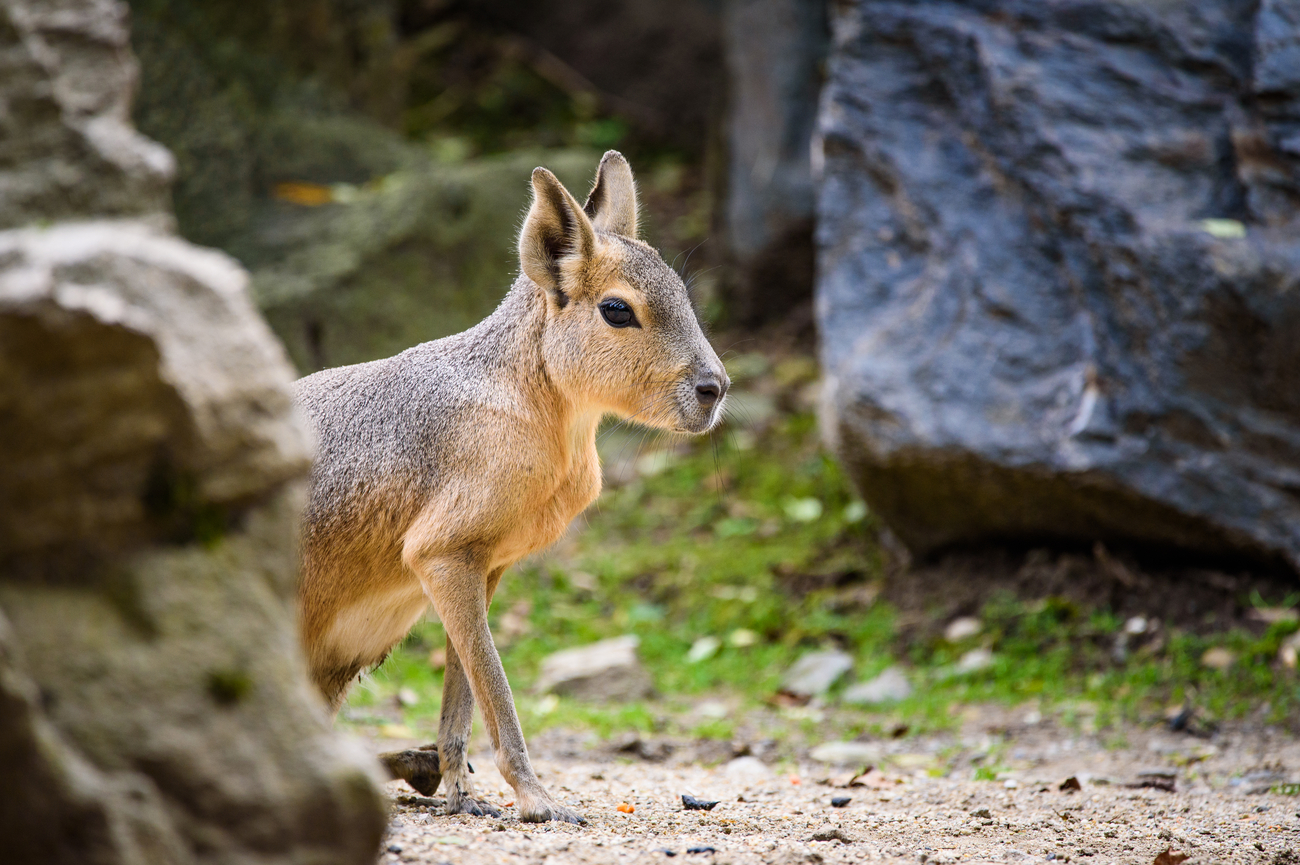
- Herberstein Tier- und Naturpark: This feels less like a zoo and more like a big day out in the countryside. You walk through wide, open grounds with the castle sitting above you, and the animals appear as you go, giraffes in the distance, monkeys making noise, maybe wolves if you are lucky. The paths are easy, there is plenty of space to stop, snack and take it all in, and kids usually stay excited for longer because it never feels cramped or rushed. It’s calm, scenic and genuinely enjoyable for the whole family.
Day Trips from Graz & Styria
Graz and Styria sit at the kind of crossroads that seasoned travellers quietly celebrate. Within a few hours in almost any direction, imperial capitals, UNESCO-protected landscapes, medieval towns and cross-border cultural hubs come into play. These destinations work beautifully as day trips but feel complete enough to redefine the pace of the journey. Each spot below blends strong city highlights with elevated ways to experience them.
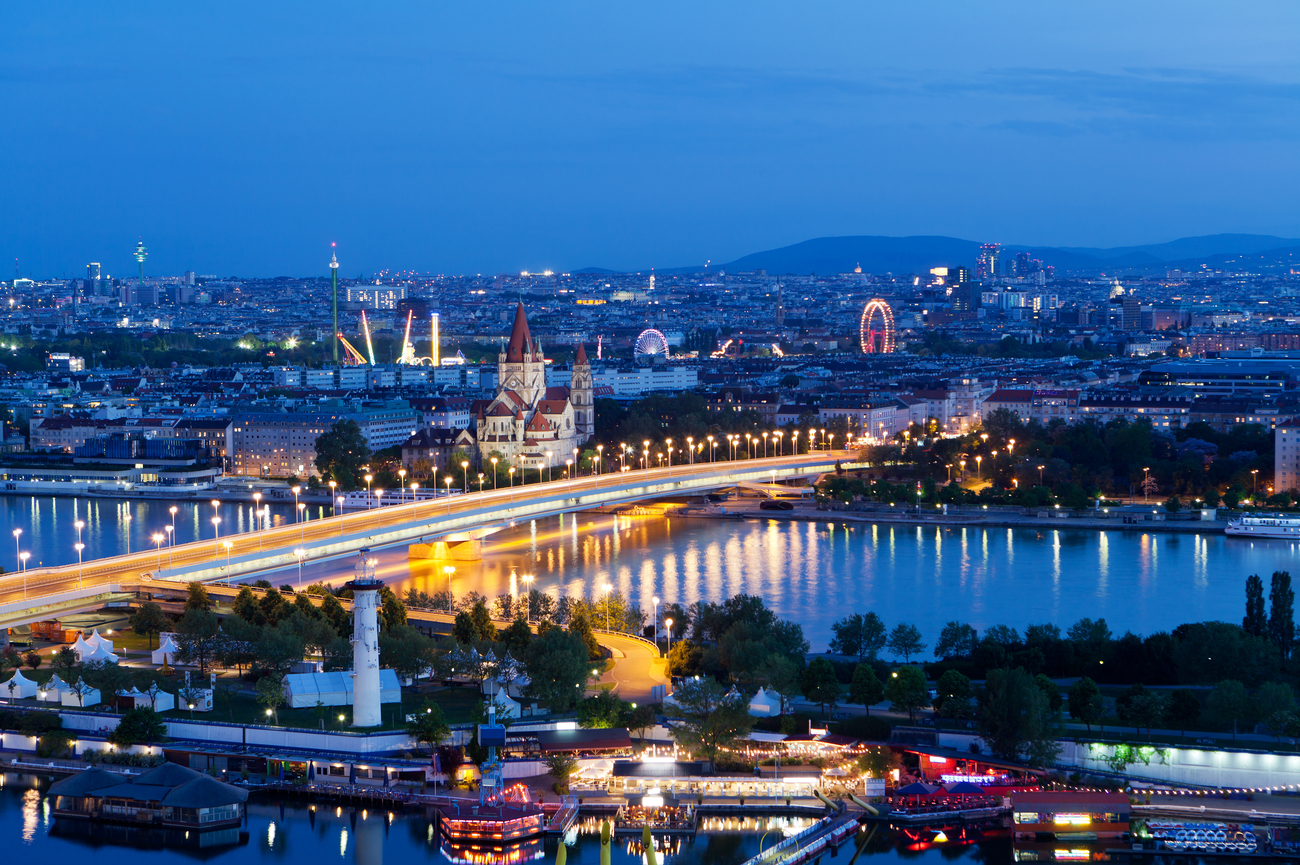
- Vienna, Austria: After a scenic 2.5-hour ride north, Vienna opens with imperial precision. The Historic Centre brings together St. Stephen’s Cathedral, the vast Hofburg Palace complex, the Spanish Riding School and the sweeping Ringstrasse in one elegant cultural loop. MuseumQuartier adds a contemporary edge with major art institutions and design spaces.
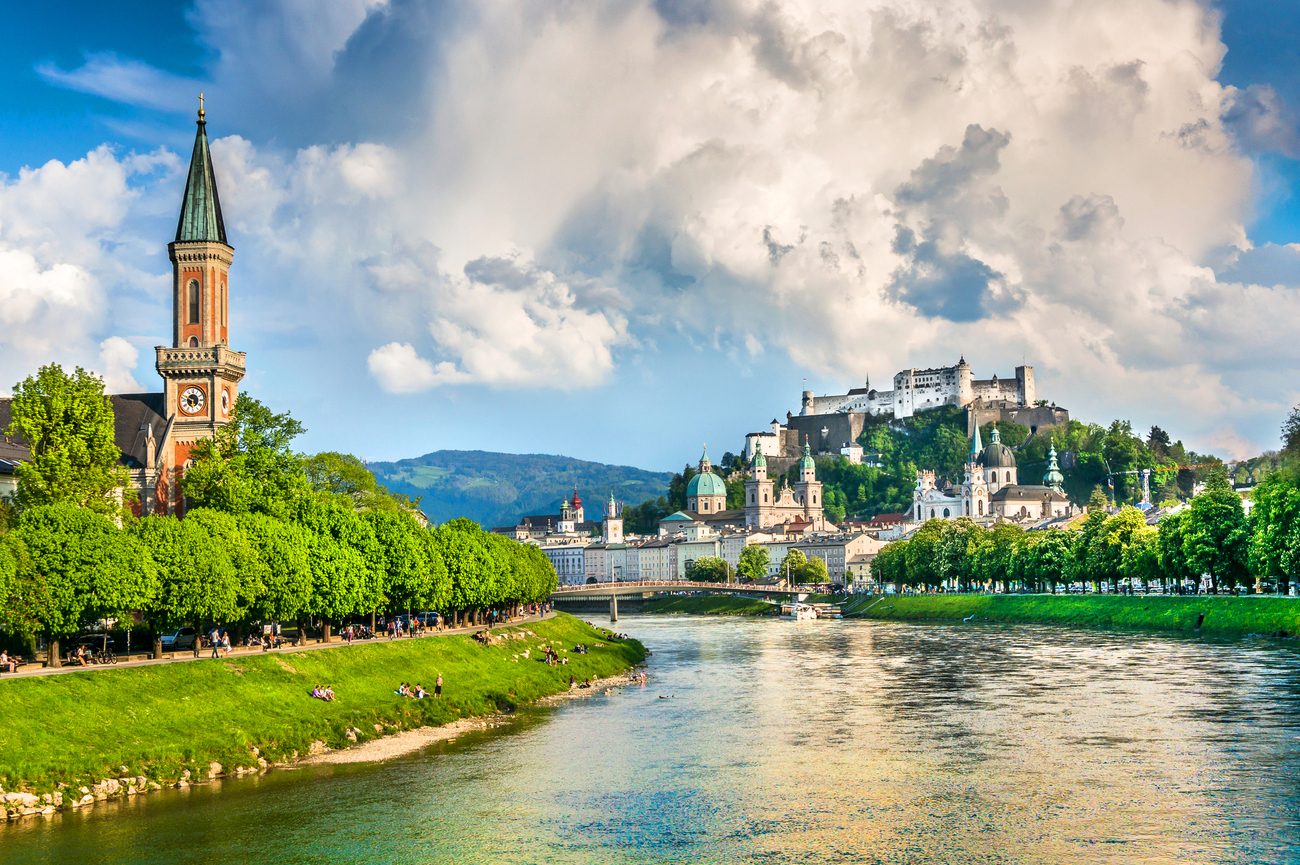
- Salzburg, Austria: The 3.5-hour journey west leads into Salzburg’s perfectly preserved Old Town, where Getreidegasse, Salzburg Cathedral, Residenzplatz and the hilltop Hohensalzburg Fortress form a compact yet powerful historical core. The city balances Baroque grandeur with musical legacy through Mozart sites and riverside promenades. And if you want a luxurious trip, you can join a Mozart heritage experience to best explore the city.
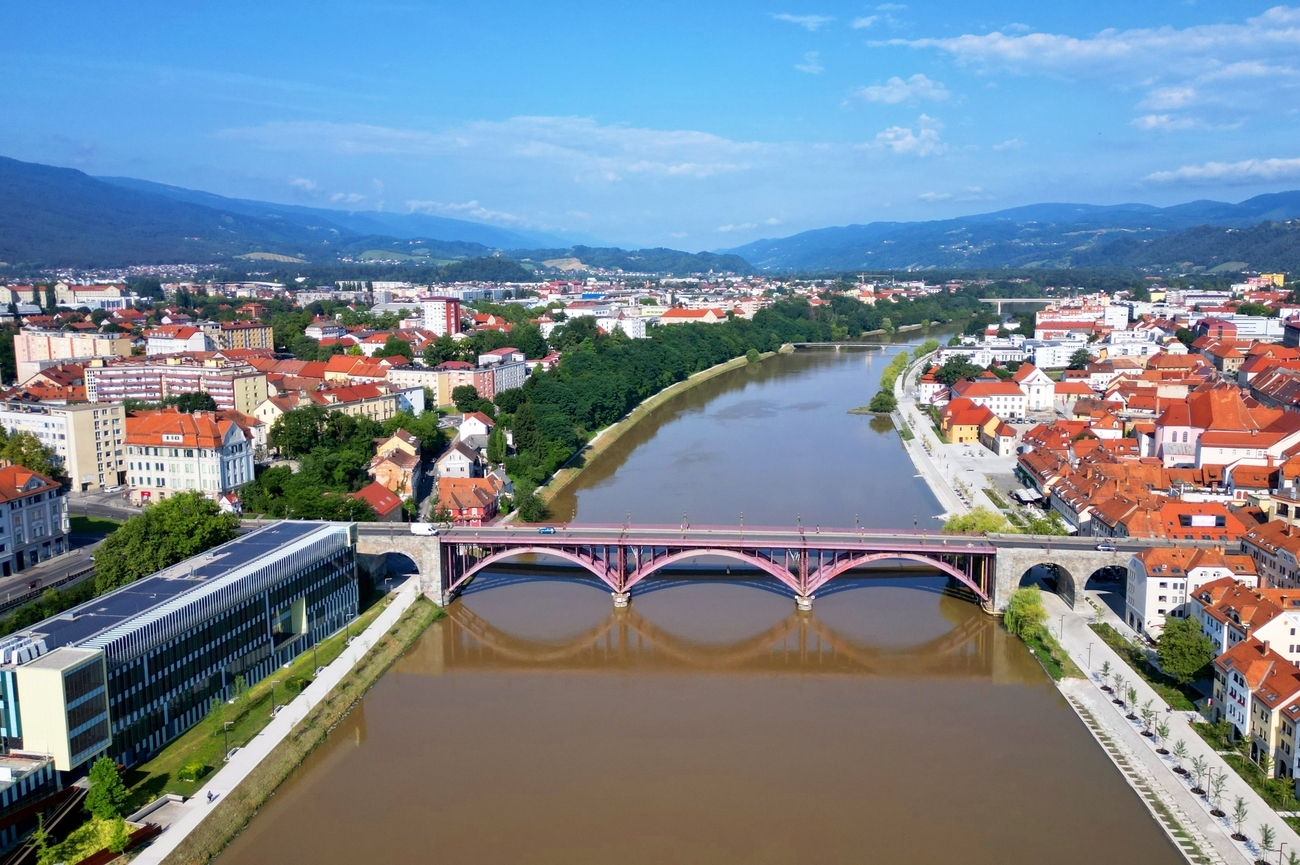
- Maribor, Slovenia: Just about 1 hour from Graz, Maribor introduces a softer, slower urban charm. The Old Vine House, home to the world’s oldest grapevine, anchors the historic Lent district along the Drava River, while Maribor Castle and the main square provide cultural structure.
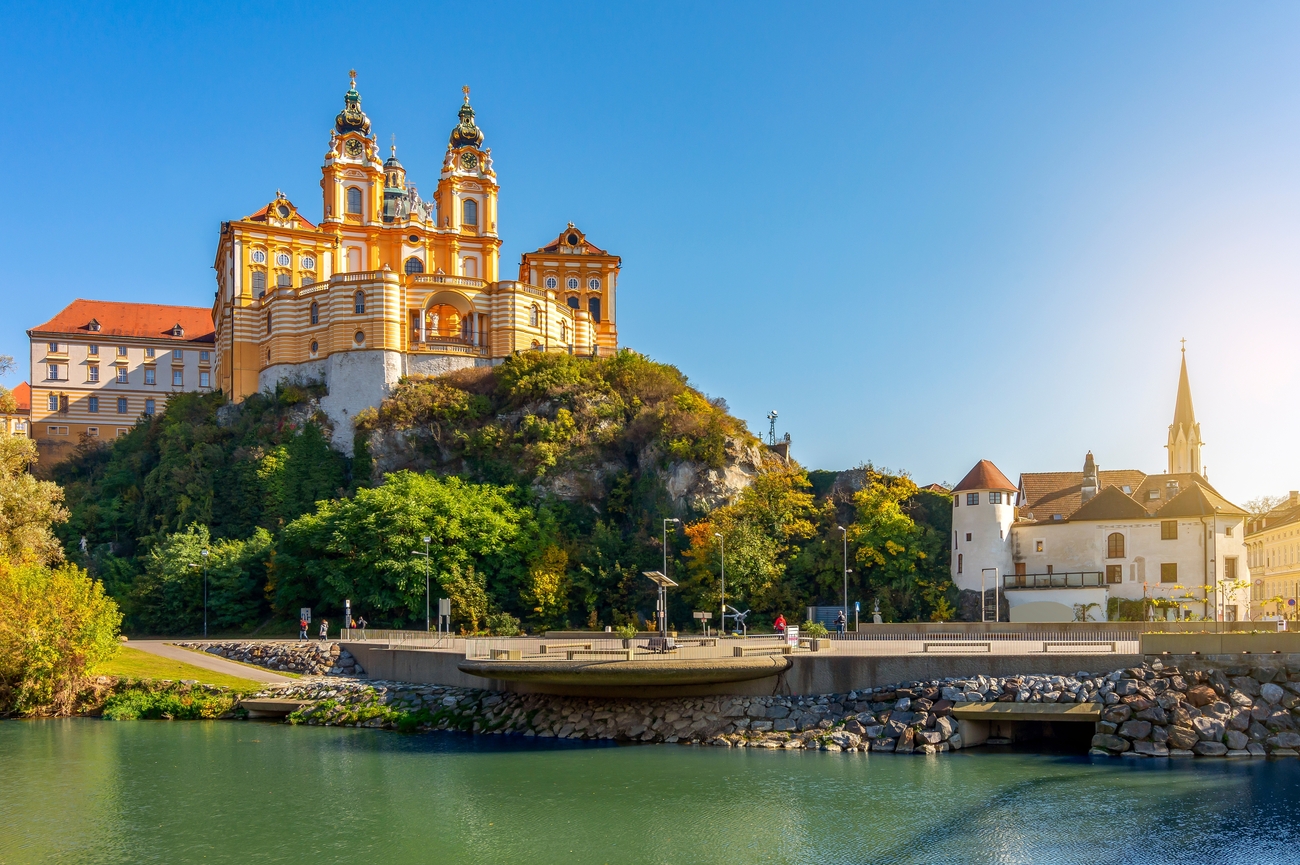
- Wachau Valley: A 2-hour drive places travellers in the heart of the Wachau Valley, where vineyards, Danube river towns and monastic architecture form a living cultural landscape. Melk Abbey dominates with Baroque authority, while Dürnstein and Spitz contribute walkable old towns and riverside charm. Don’t miss out on a Danube cruise that will make your short trip to Wachau Valley worthwhile.
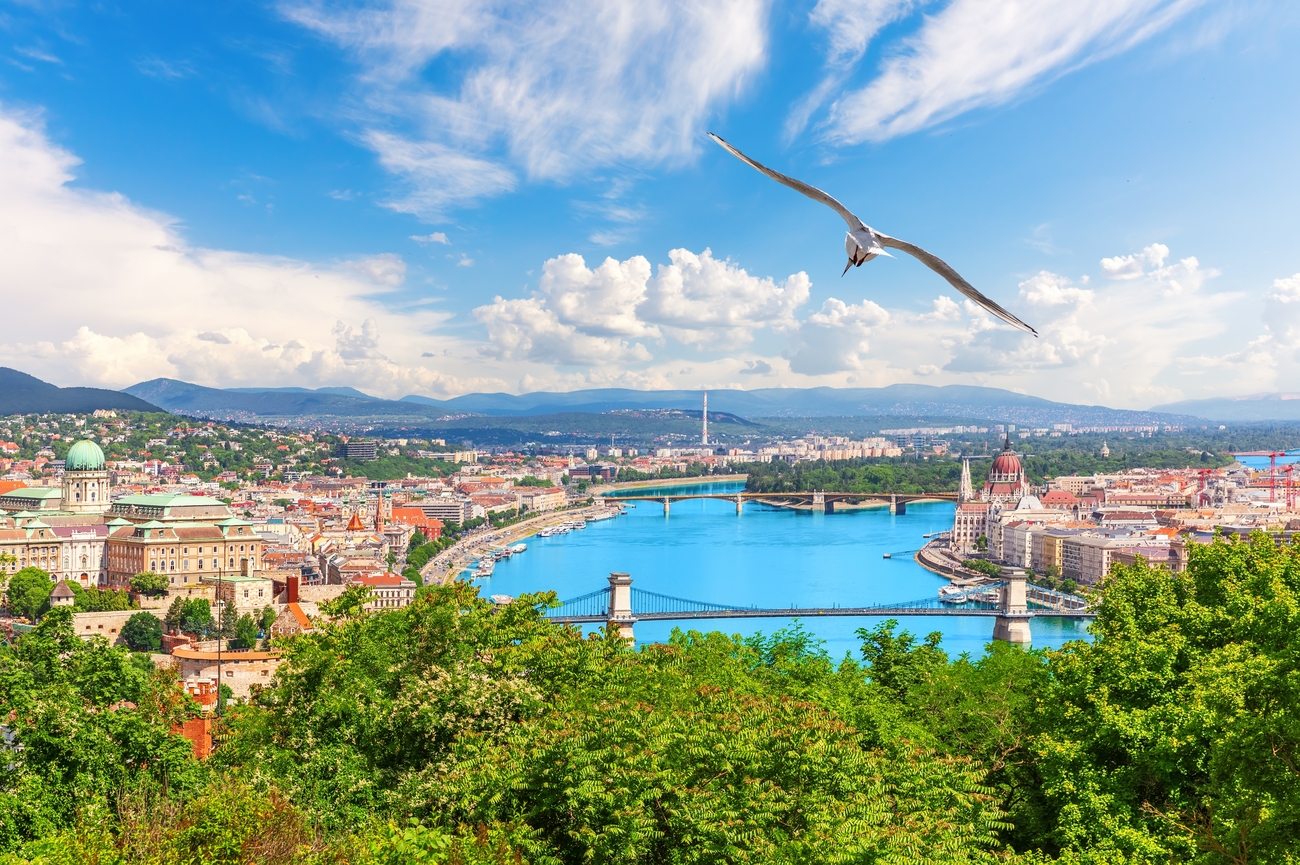
- Budapest, Hungary: Three hours east, Budapest spreads dramatically across both sides of the Danube. Buda Castle, Matthias Church, and Fisherman’s Bastion command hilltop views, while Pest dazzles with the Hungarian Parliament Building, St. Stephen’s Basilica, and the grand axis of Andrássy Avenue. And this is the spot where you can experience thermal bathing, if you are up for it.
Golf Courses in Graz & Styria
Golf in Graz and Styria is not a side activity. It is quietly world-class, set between vineyards, alpine backdrops, river plains and historic estates. Courses here feel personal rather than oversized, refined rather than flashy. The best part is how easily a morning on the fairway folds into an afternoon of wine country, spa culture or medieval towns.
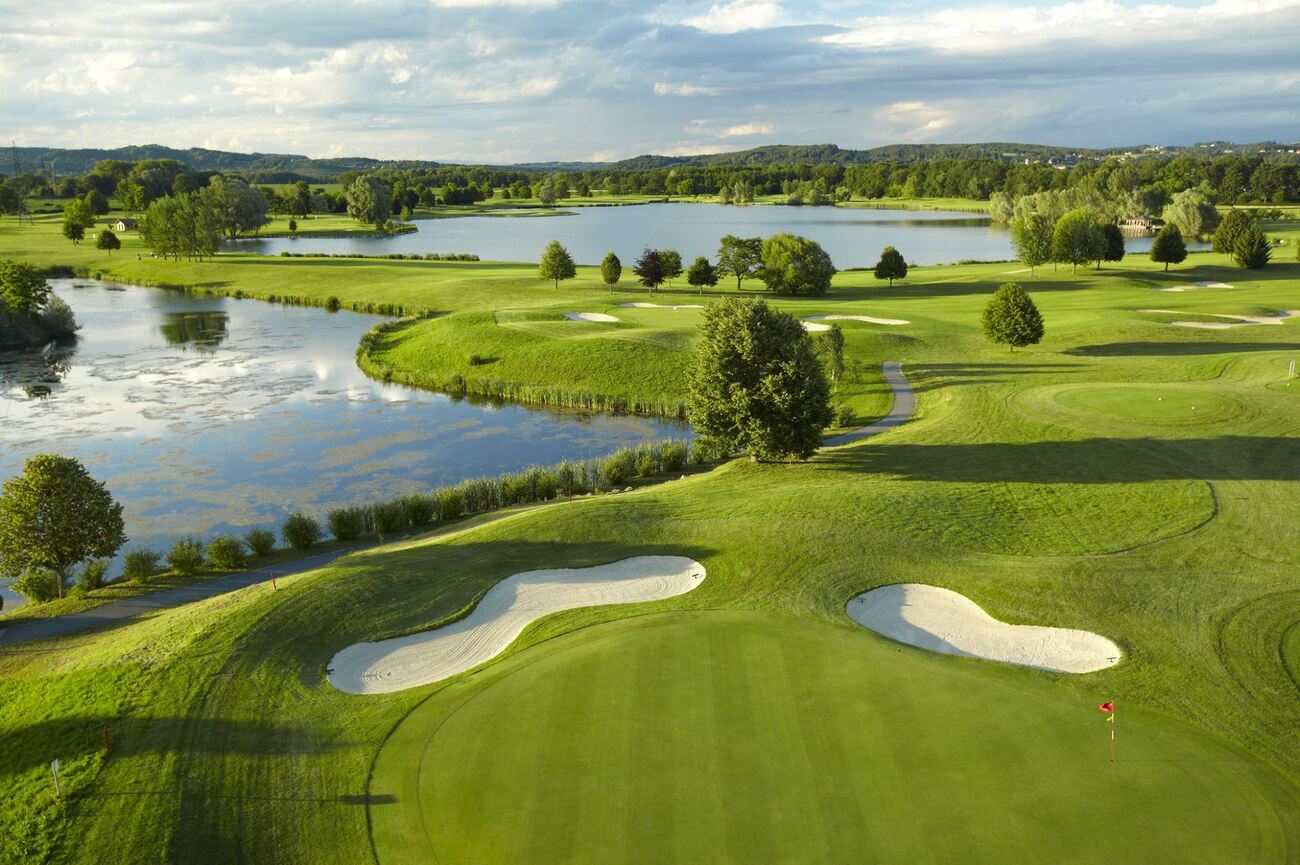
- Golfclub Gut Murstätten: This golf club sits in the heart of South Styria’s wine region and feels like a destination in itself. The complex features a full 18-hole championship course, additional secondary courses and expansive training grounds framed by lakes, vineyards and gentle woodland. The fairways are technically demanding but visually calming, creating that rare balance between challenge and flow.
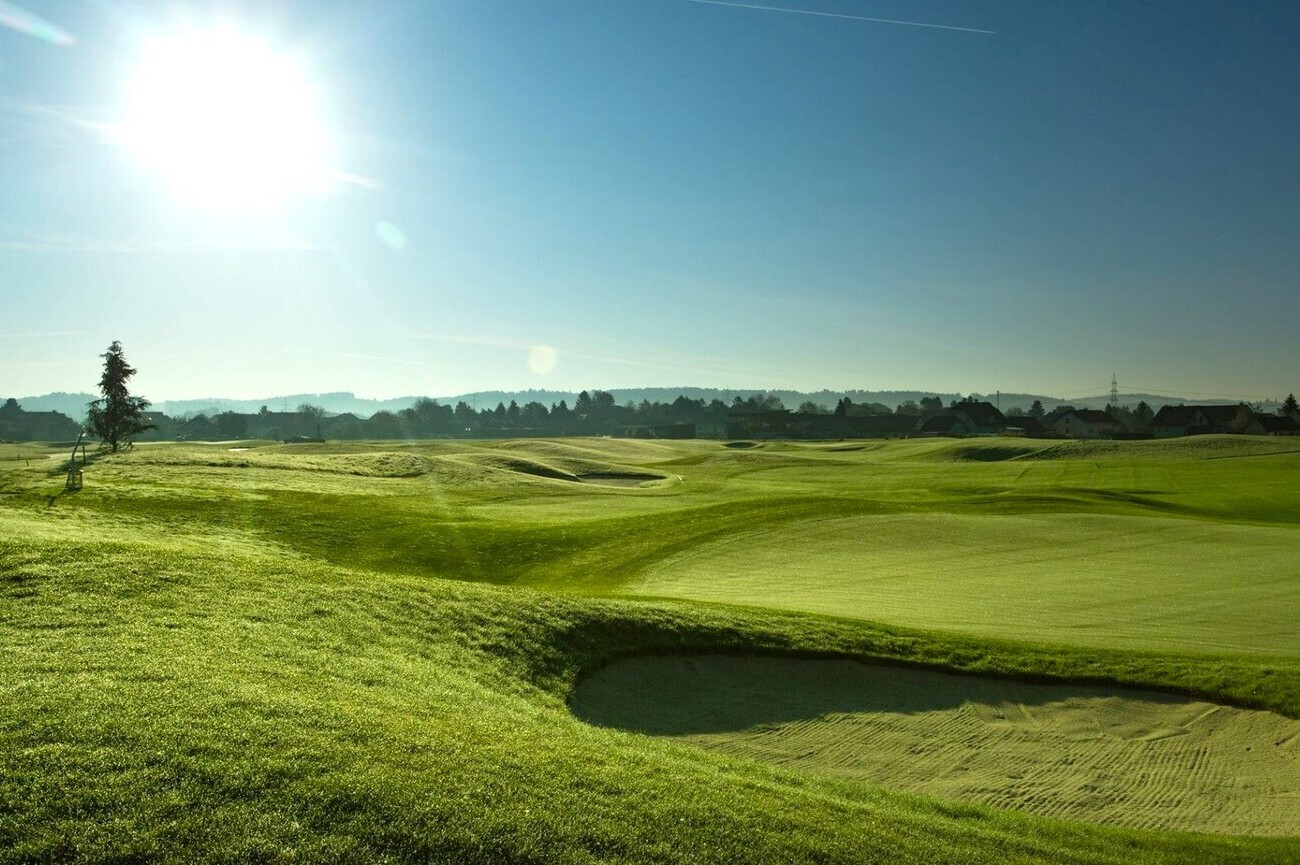
- Golf club Grazer Murauen: Grazer MurAuen Golf Course lies only minutes from the city centre and offers one of the most accessible golf experiences in Graz. This 9-hole executive course is compact but thoughtfully designed with water hazards, wide greens and strategic bunker placement that keeps even short rounds engaging. If you are a traveler who wants to slip a refined round into a city-based itinerary without committing an entire day then this is the place to visit.
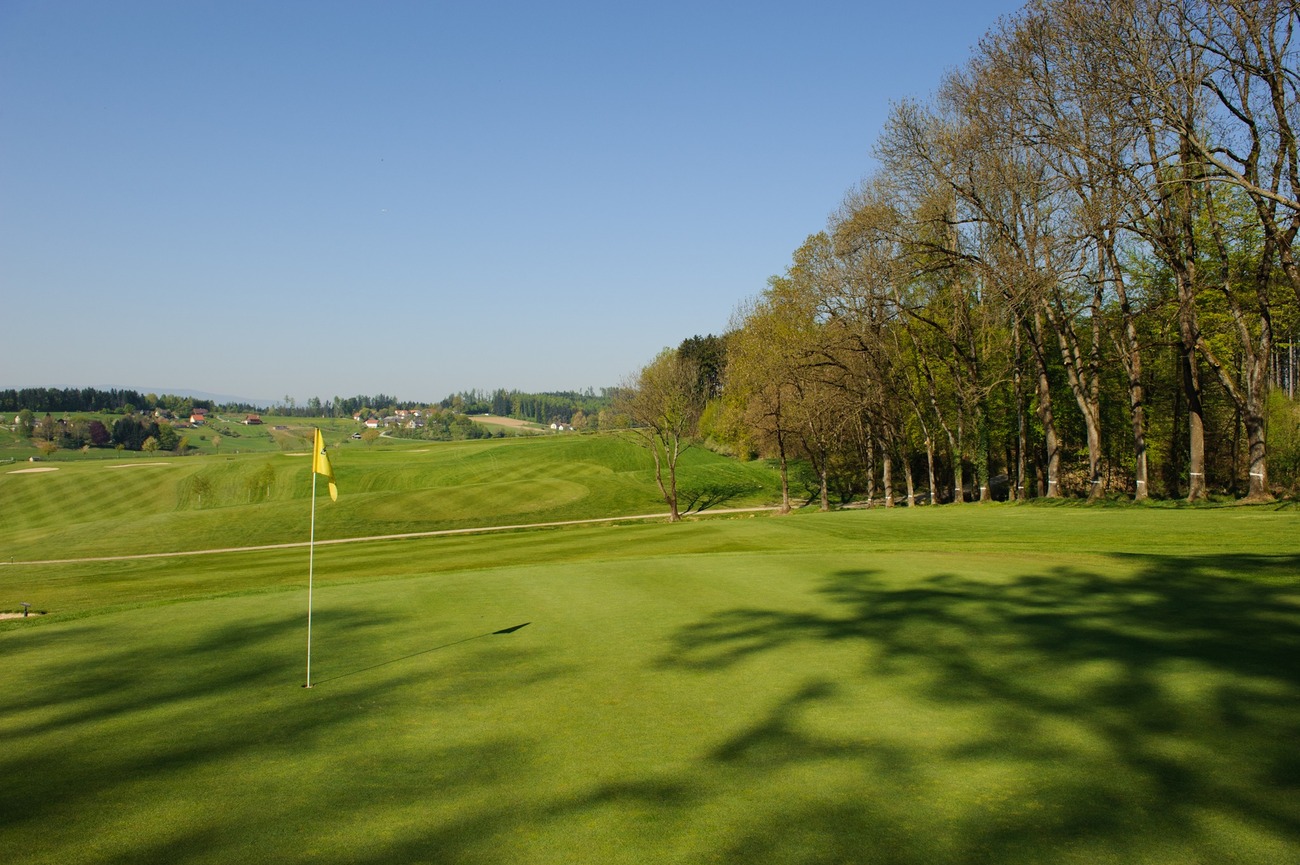
- Grazer Golf Club Thalersee: This place provides one of the most balanced full-scale golf experiences near Graz, with an 18-hole championship course and an additional 9-hole layout surrounded by gentle Styrian hills. The club is known for its professional training areas, including a large driving range, chipping zones and putting greens. It attracts both serious players and relaxed leisure golfers looking for scenic but structured play.
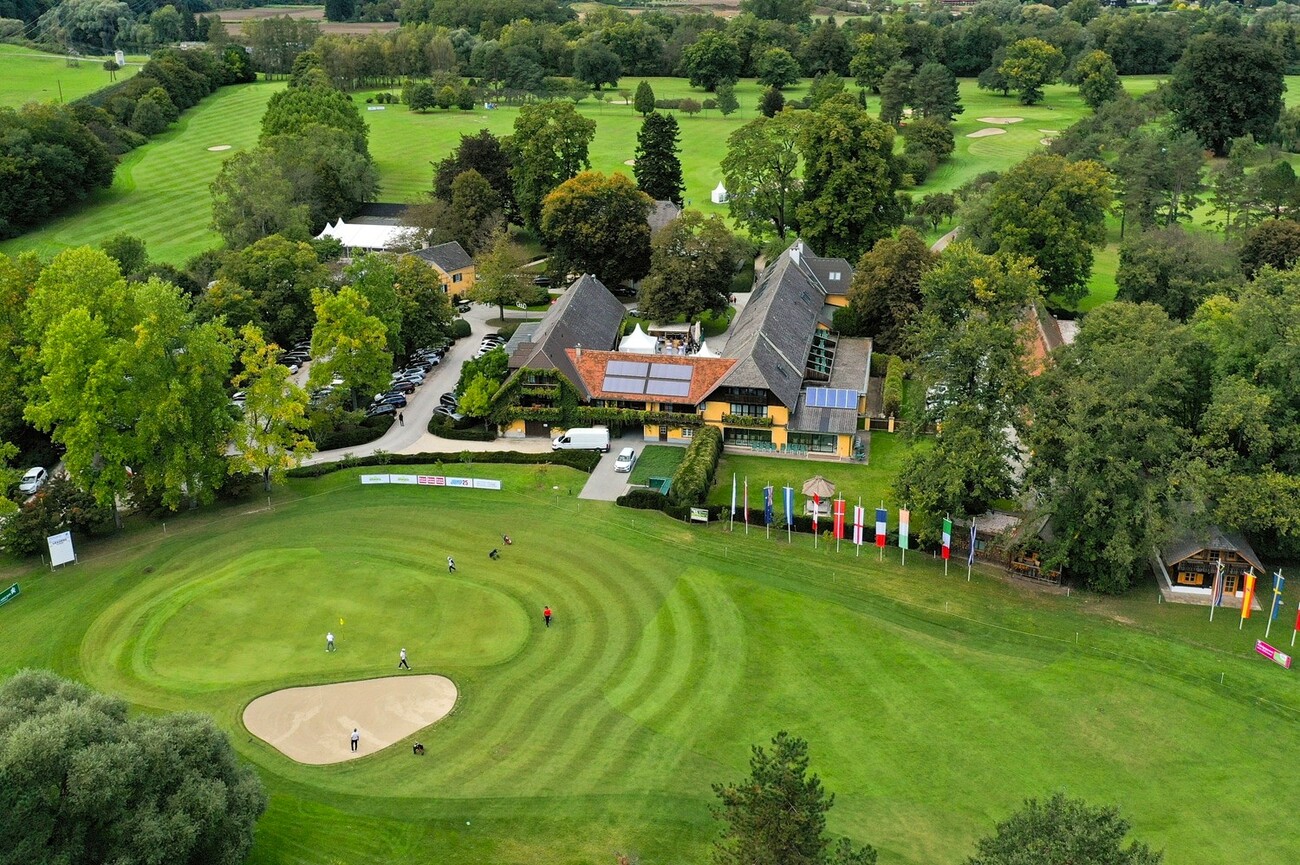
- Golf Club Archduke Johann Maria Lankowitz: This spot brings bold variety with two distinct 18-hole courses that alternate between lakeside fairways and forested mountain terrain. The contrast in landscapes gives each round a different rhythm, from wide open water stretches to tighter wooded strategy play. If you are up to visit one of the most technically interesting clubs in western Styria, then this might be the perfect one for you.
Michelin-Starred
Restaurants in Graz & Styria
In Styria, fine dining seduces the senses, tells stories, and turns local ingredients into little performances on a plate. From the heart of Graz to the rolling vineyards of southern Styria, Michelin-starred restaurants here blend regional pride, seasonal abundance and precision technique in ways that feel effortless yet unforgettable. Each of these tables has earned its star through creativity, consistency and a kind of quiet confidence that whispers luxury without ever shouting it. For travellers who want their meals to be experiences rather than just stops, these are the addresses to know.
- Artis: Located in central Graz, Artis has one Michelin star and it is the epitome of understated elegance. The restaurant’s seasonal surprise menus, four, six, or eight courses, rotate monthly, allowing the chef to showcase creativity, regional ingredients and subtle international inspirations. Standout dishes like hand-dived Norwegian scallops paired with daikon, wasabi, buttermilk and horseradish illustrate the kitchen’s mastery of balance and texture.
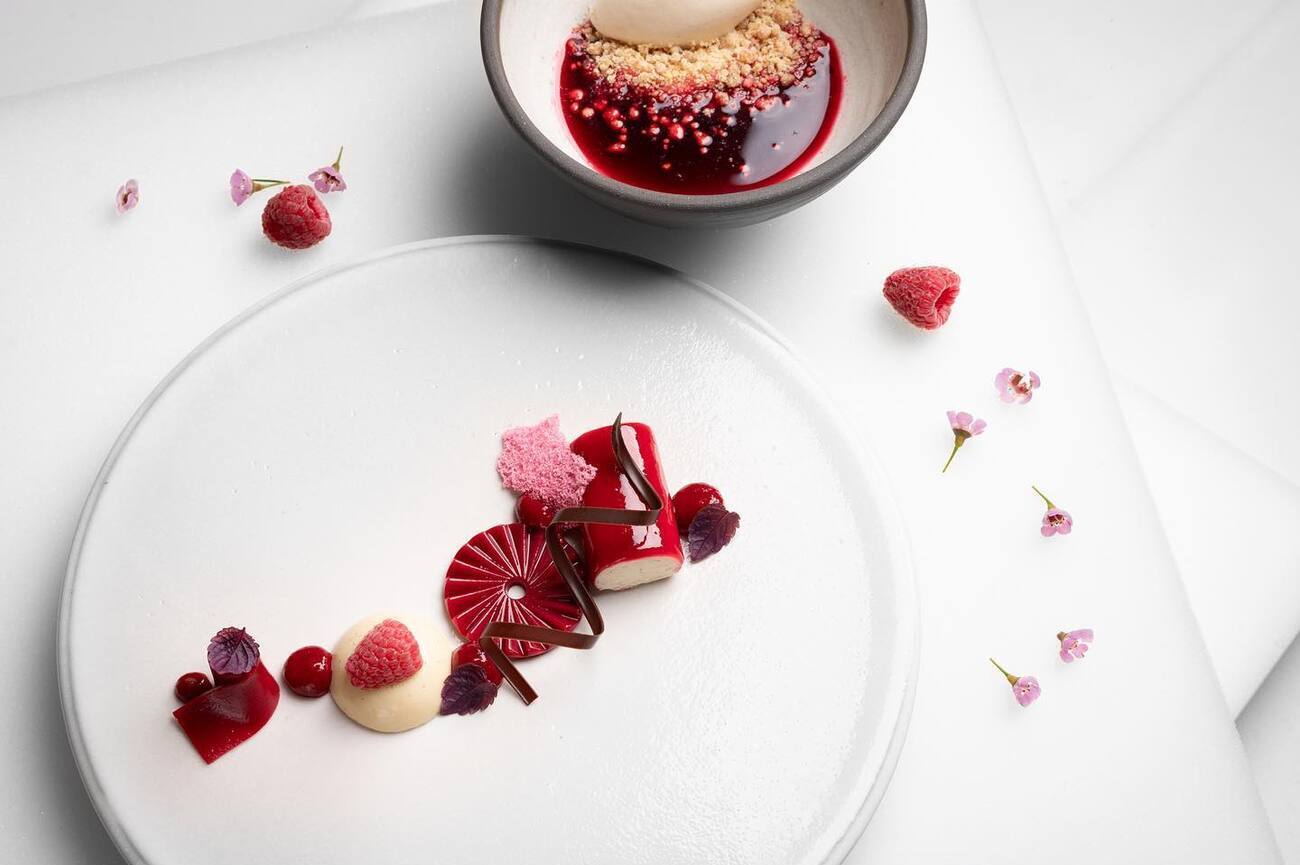
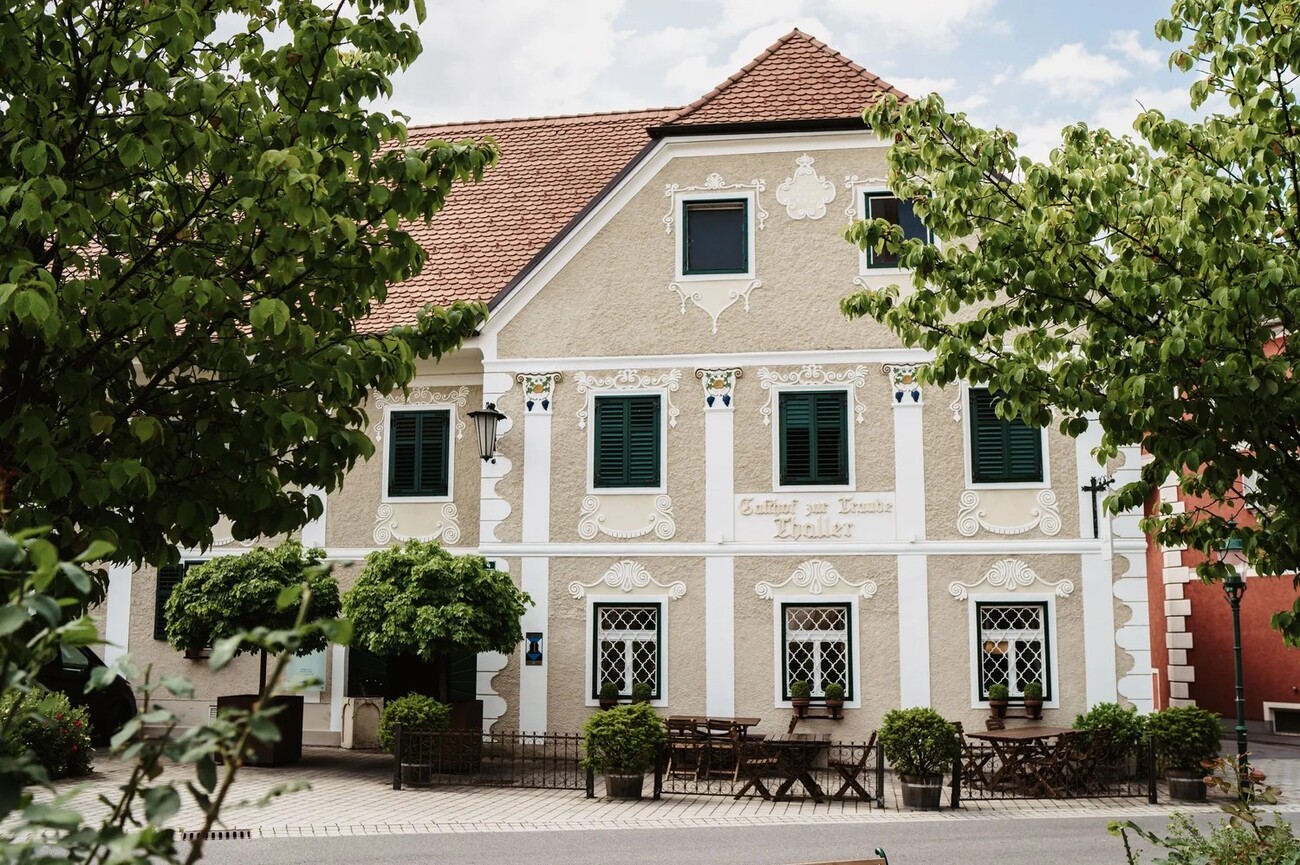
- Thaller: A short drive from Graz, in St. Veit am Vogau, Thaller is a Michelin-star restaurant that delivers high-end dining that feels rooted in the fertile Styrian landscape. The kitchen excels in local game, freshwater fish, and seasonal produce, reimagining traditional flavours with contemporary flair. Every meal here is a quiet celebration of Styrian terroir at its best.
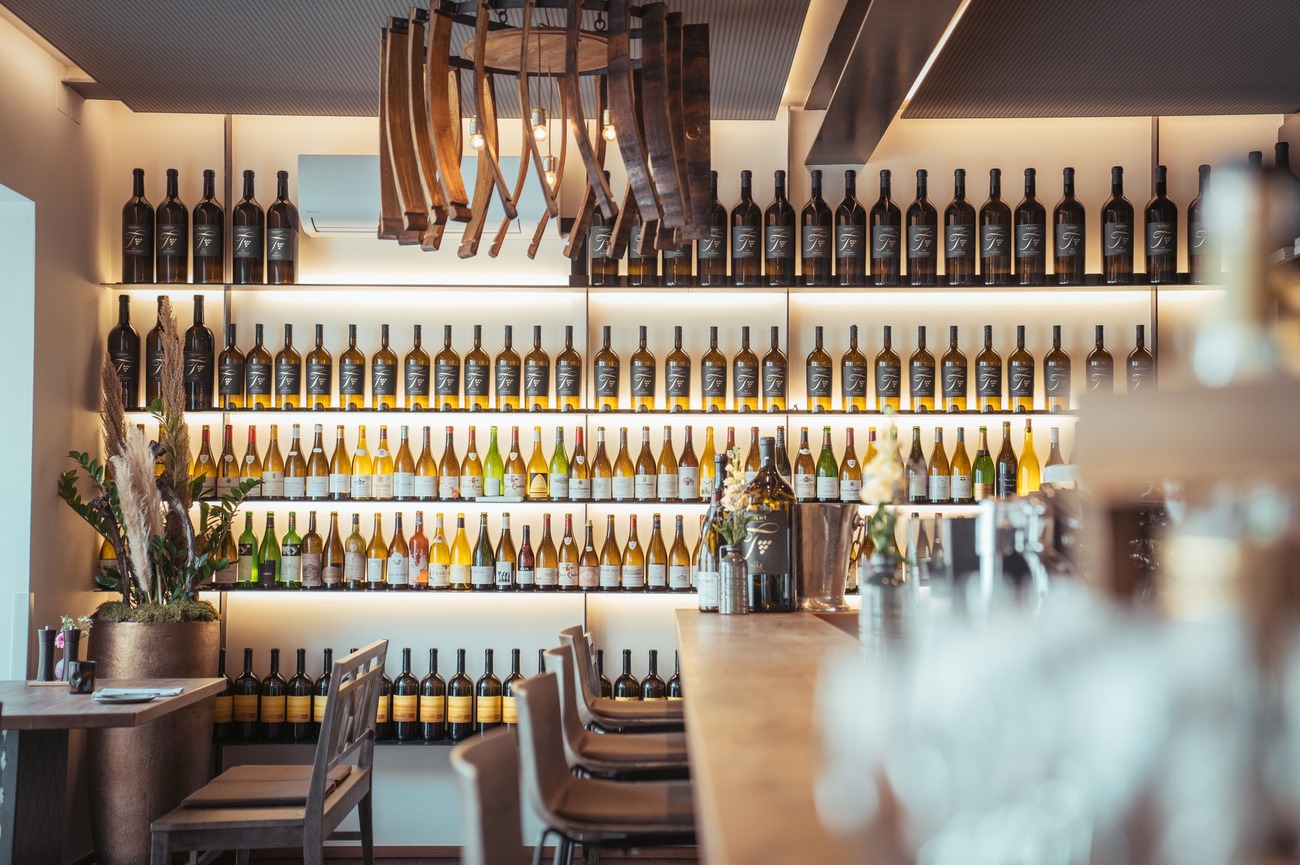
- Die Weinbank: Set in the sun-kissed vineyards of Ehrenhausen, Die Weinbank combines gastronomy and oenology in a way few restaurants manage. Wine pairings are a central focus, with sommeliers guiding guests through rare Styrian vintages that complement each dish perfectly. Luxury experiences include private table bookings overlooking the vineyards and tasting sessions that offer insider insights into the region’s most prized grapes.
- Lieperts: Tucked along the scenic Styrian Wine Road in Leutschach, Lieperts is a one-star restaurant that offers a multi-course tasting menu that’s both refined and inventive. Chef Manuel Liepert crafts dishes where local ingredients, from fresh herbs to vineyard-grown produce, are given modern interpretations that surprise without overwhelming.
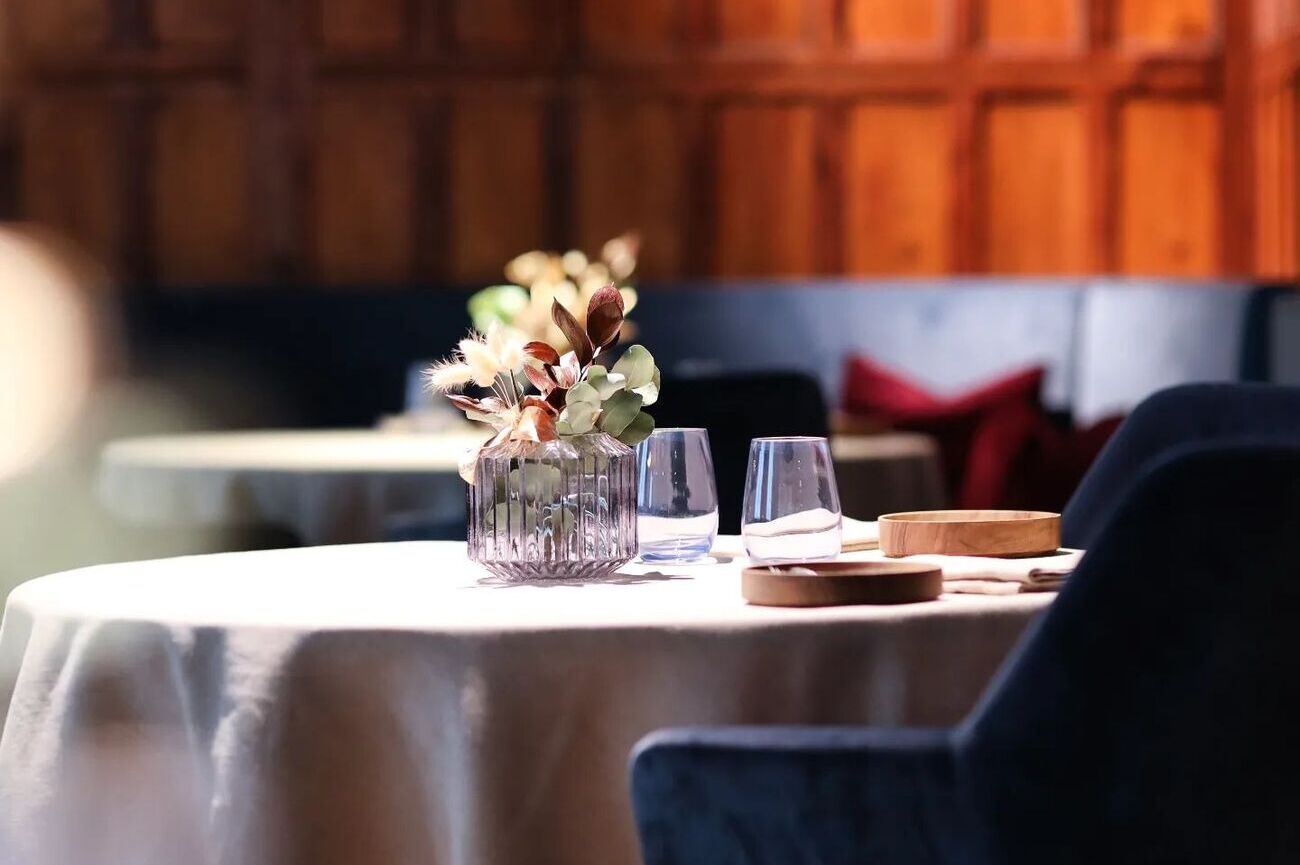
- Schlosskeller Gourmetstube: This 1-Michelin-star restaurant turns fine dining into a full sensory experience, blending historic charm with culinary precision. The Michelin-starred menu highlights the best of Styrian ingredients. Each course can be paired with wines from nearby boutique estates, while multi-course tasting menus guide guests through a curated journey of flavour and texture.
Where to Eat in Graz &
Styria
From cozy local haunts to chic, modern spots, the culinary scene here is a playground for food lovers who want more than just a meal. Think hearty Austrian classics, bold Balkan flavours, Mediterranean breezes and inventive fine-dining twists. If you are looking for a casual bite, a multi-course indulgence or an unexpected culinary adventure, these spots deliver experiences that linger long after the last forkful.
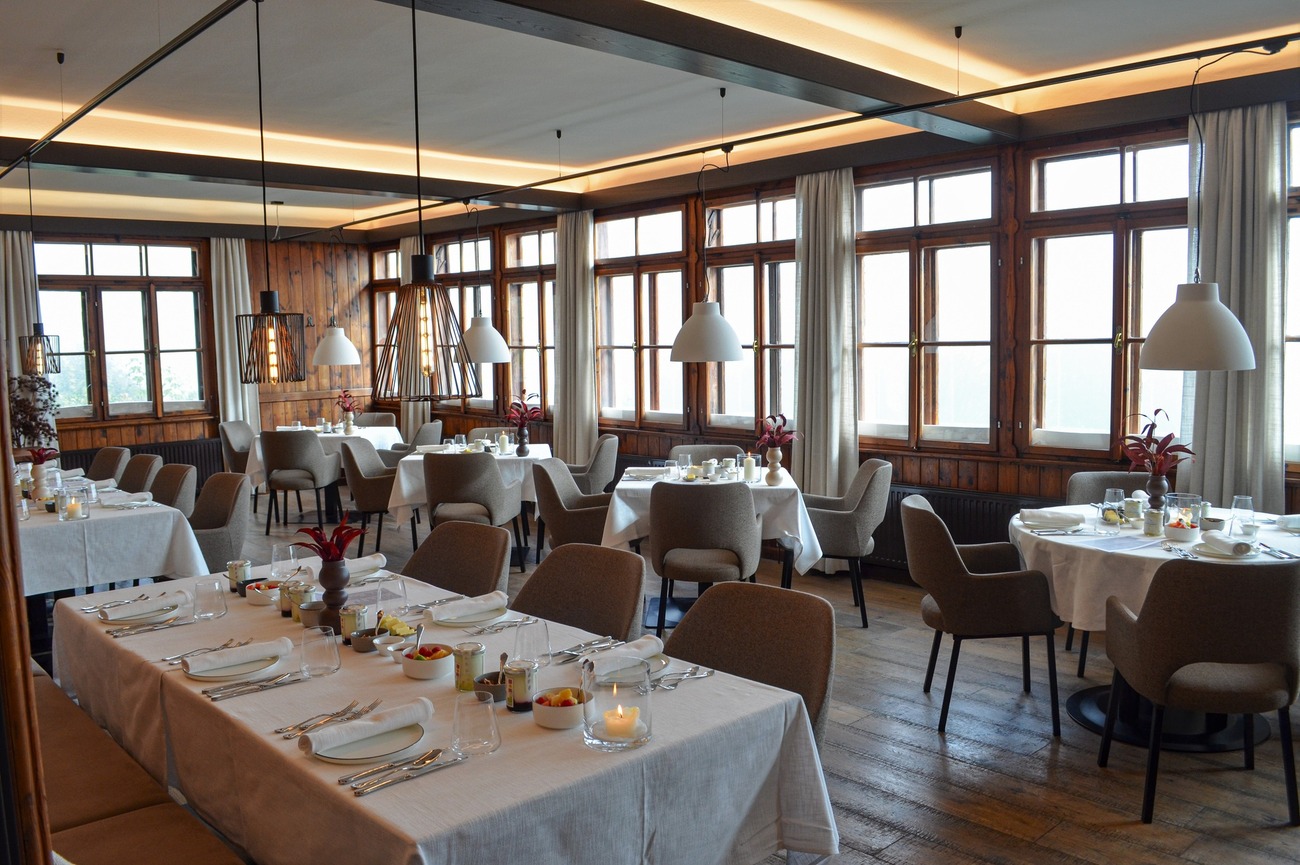
- Aiola im Schloss Sankt Veit is the kind of place you choose when you want dinner to feel like an occasion. Modern Austrian dishes are built around seasonal ingredients and served in a castle setting above Graz, with views that do half the work. It is polished without feeling stiff, and the atmosphere invites you to slow down and enjoy the moment.
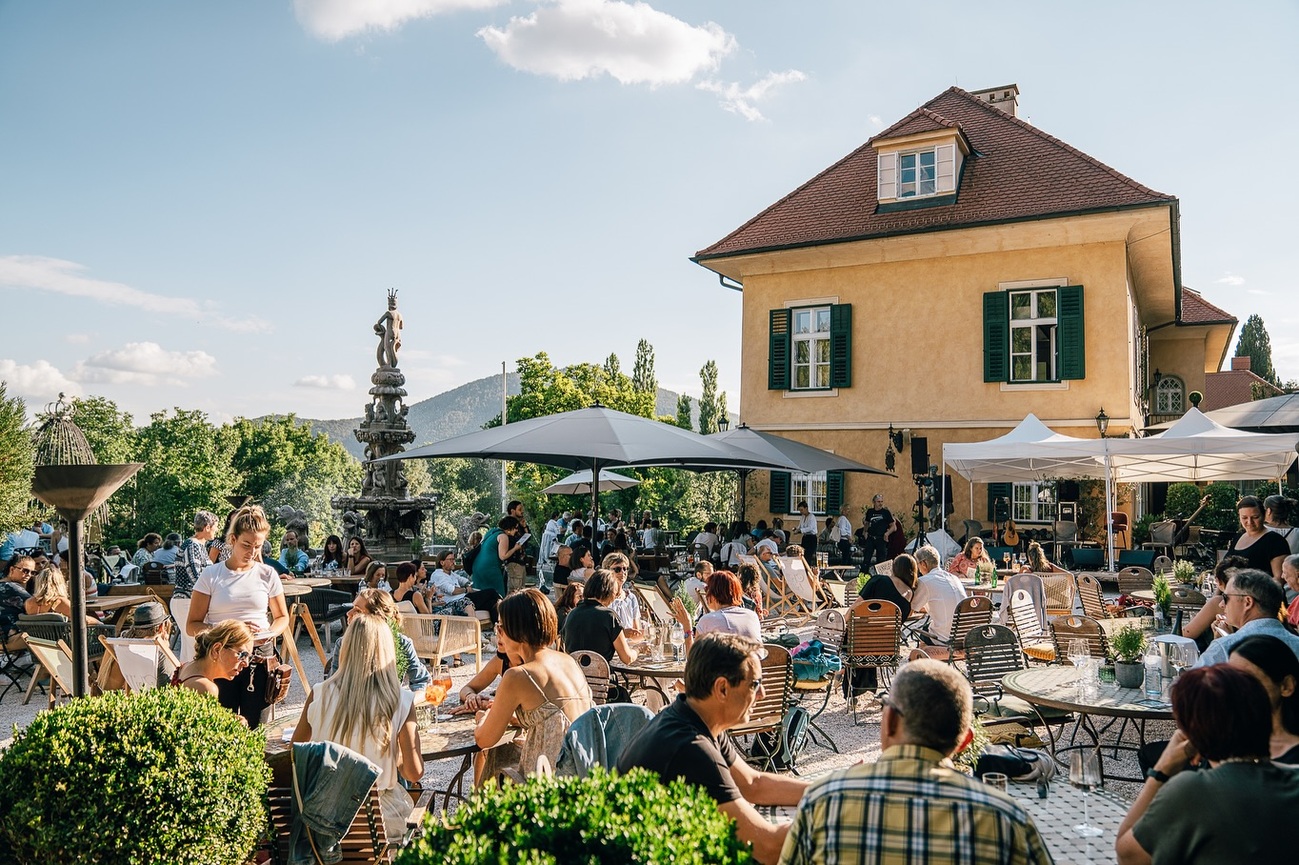
- Landhauskeller feels deeply rooted in Graz. Set in a vaulted cellar beneath the Landhaus, it pairs a historic setting with comforting Styrian and Austrian classics made with care. It is a great choice when you want something traditional, atmospheric, and unmistakably local, with the sense you are dining somewhere that has been part of the city for a long time.
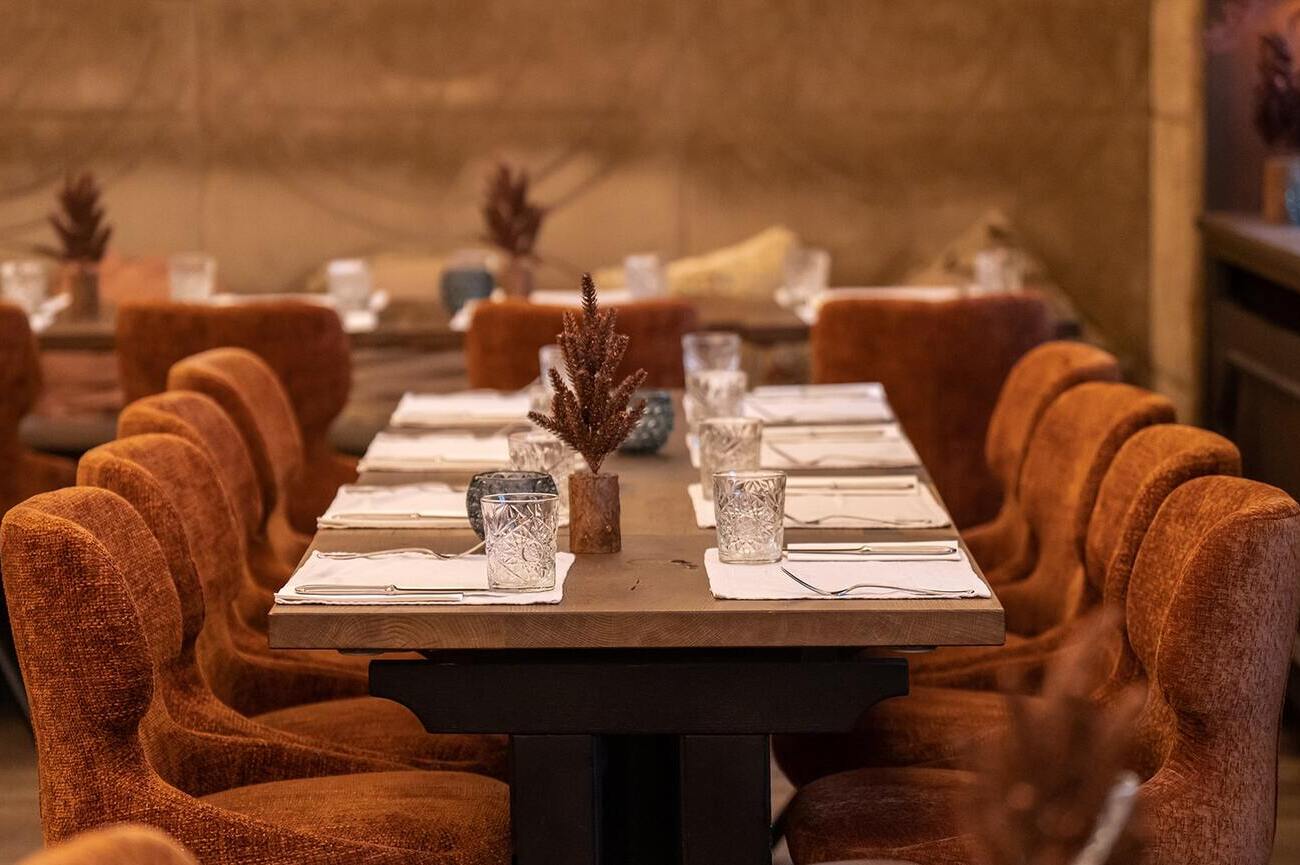
- Schmidhofer im Palais blends elegance with contemporary culinary creativity, offering a menu that straddles Austrian tradition and global influences. The high-ceilinged interior exudes sophistication, while terraces provide a peaceful view of Graz’s historic streets. Wine pairings are carefully curated to complement each dish, emphasising regional vintages and rare selections.
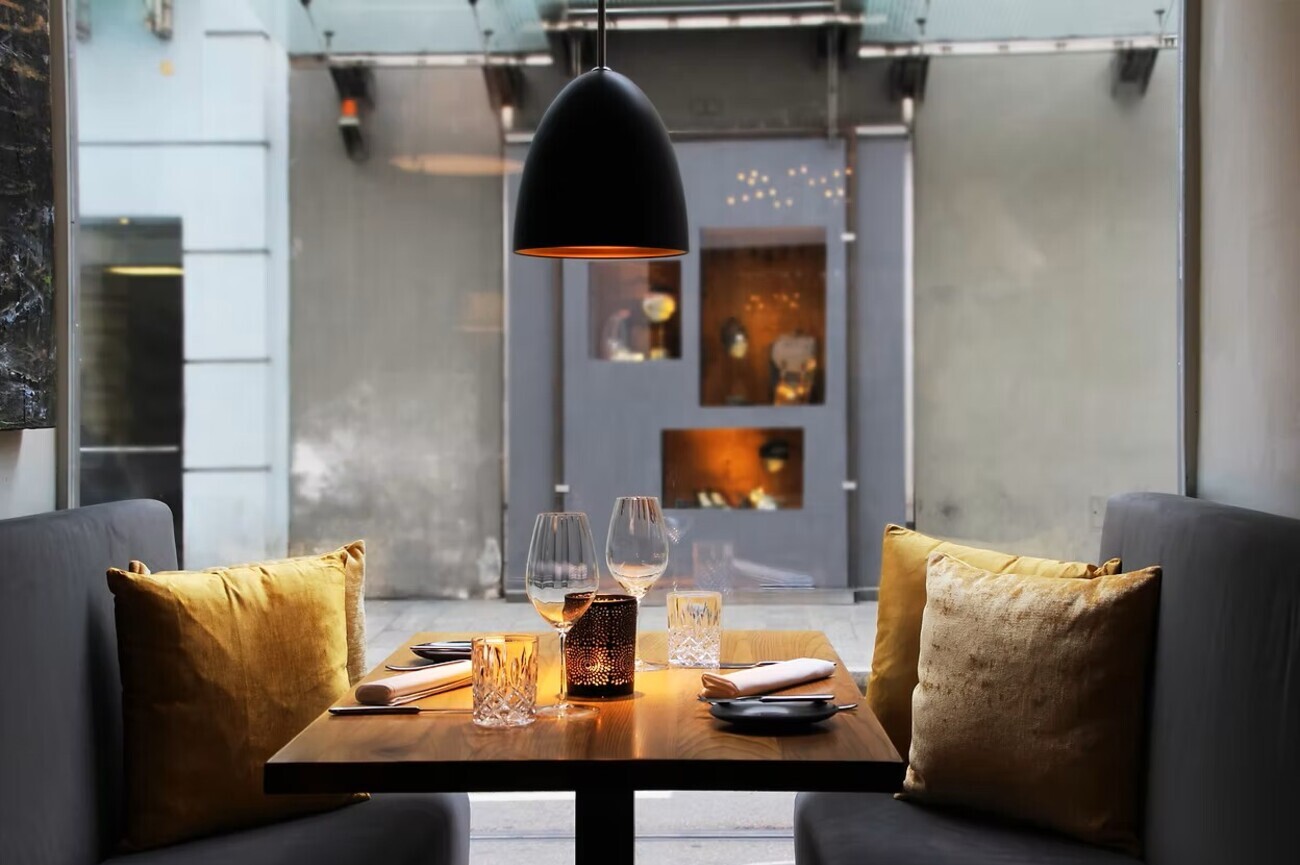
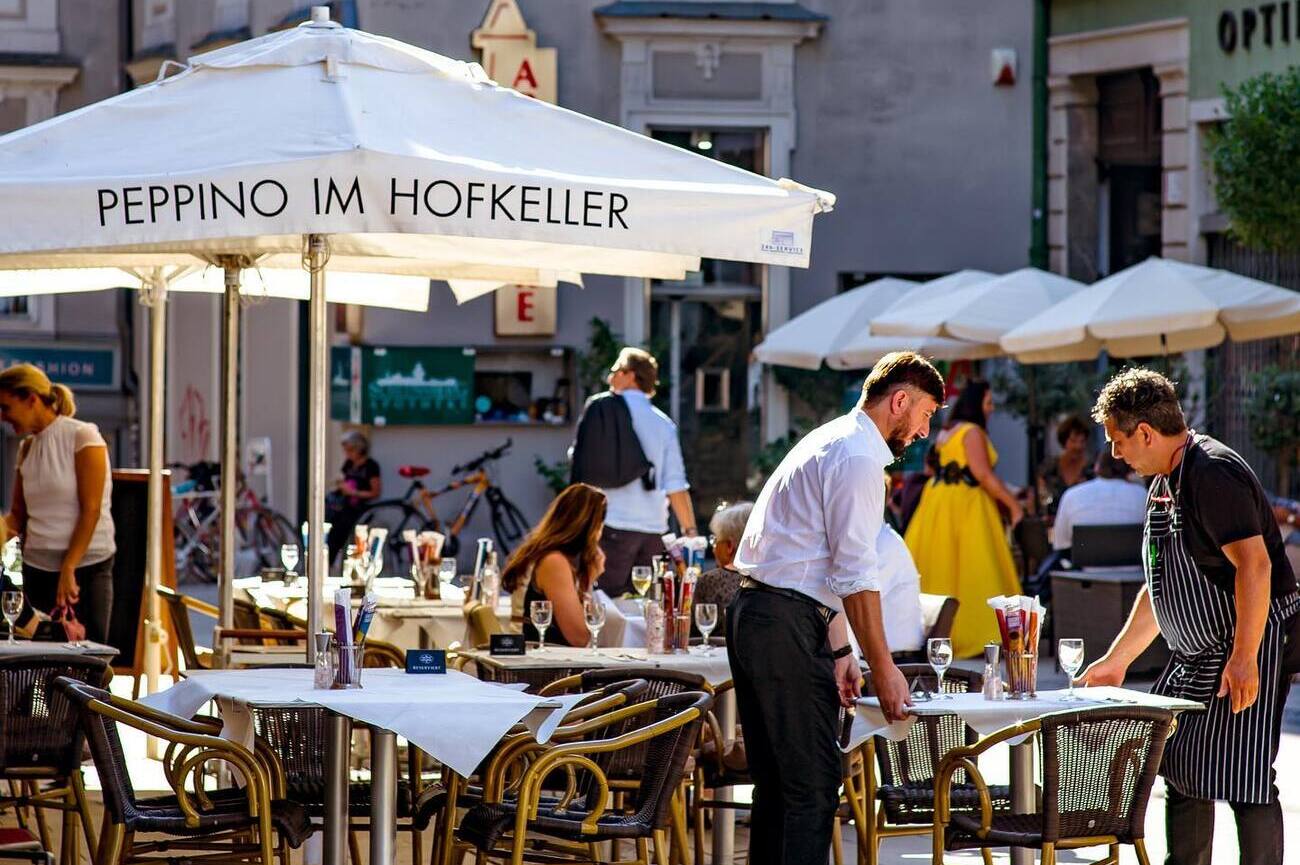
- Peppino im Hofkeller: Mediterranean vibes meet Graz’s historic heart at Peppino im Hofkeller. This Italian-inspired spot specializes in seafood, pasta, and grill dishes that are as visually appealing as they are flavourful. Seasonal ingredients keep the menu dynamic, while classics like fresh fish with Mediterranean herbs, risotto, and handmade pasta shine with depth and balance. The rustic yet polished interior, combined with attentive service, makes dining here a relaxed yet elevated experience.
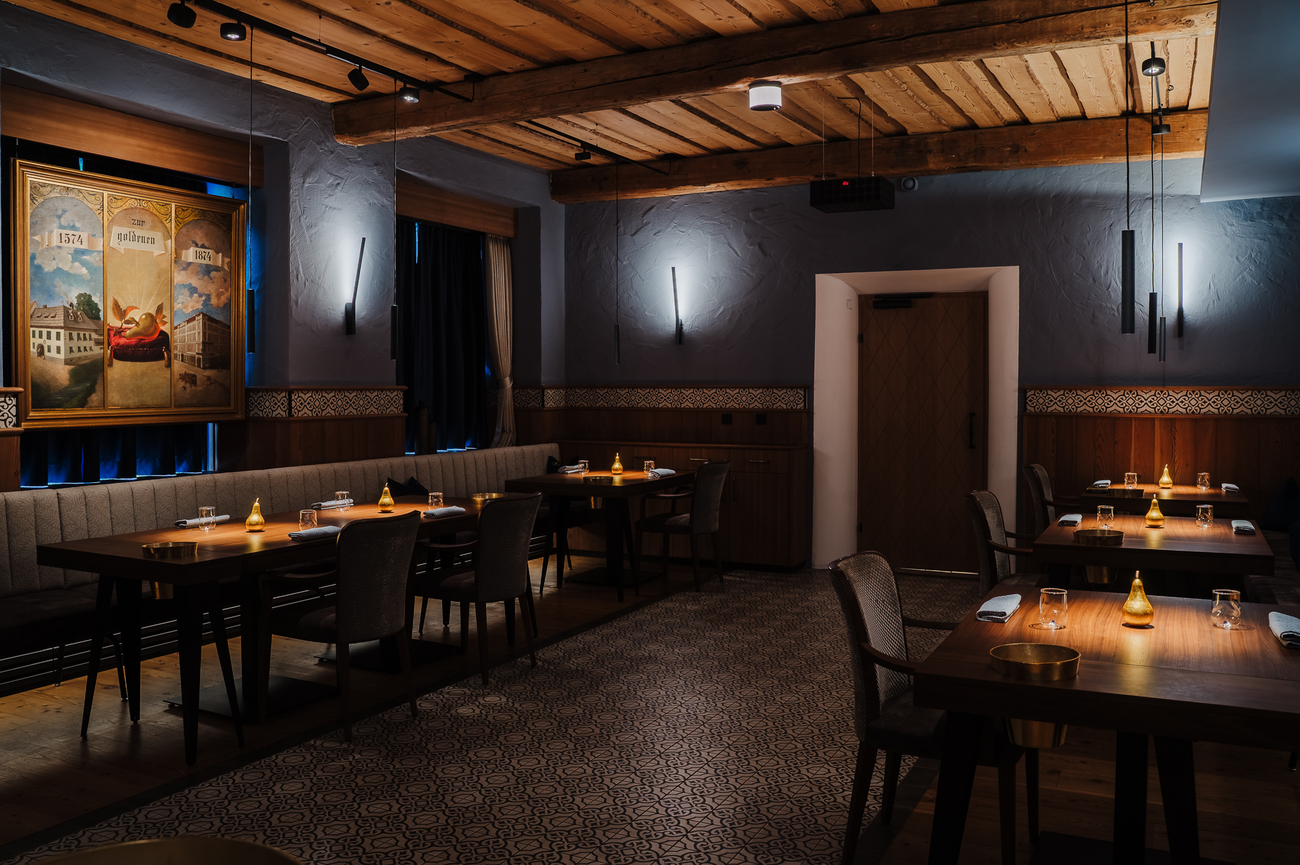
- Zur Goldenen Birn presents refined Austrian cuisine in an intimate, understated setting just outside the old town. The kitchen balances tradition with subtle modern touches, emphasising seasonal ingredients and thoughtful presentation. Its calm atmosphere and quietly elegant style make it well-suited to unhurried, special-occasion dining.
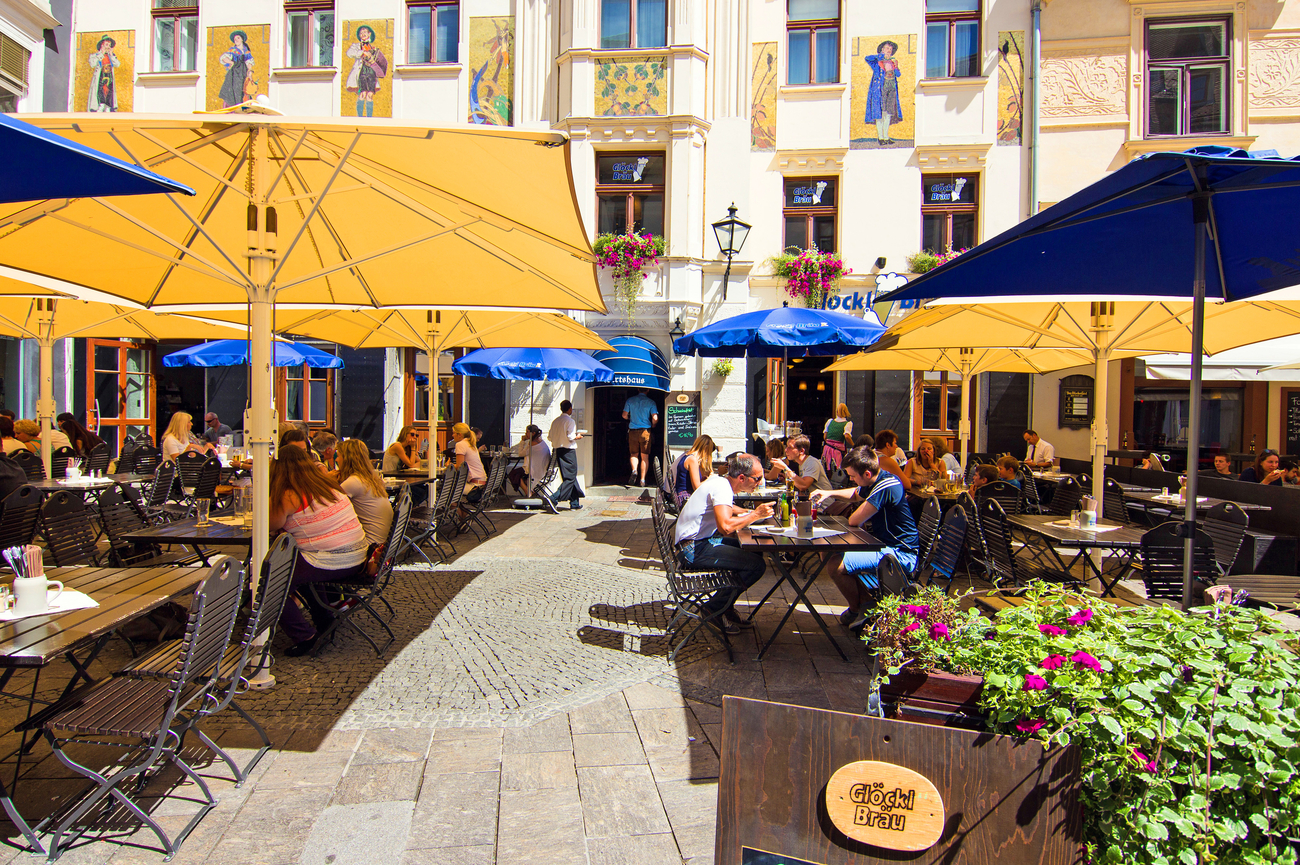
- Glöckl Bräu captures the spirit of a traditional Graz tavern, serving hearty Austrian classics alongside house-brewed beer. The menu leans towards generous portions and familiar flavours, creating a relaxed and convivial dining experience. With its lively atmosphere and local character, it remains a favourite for an authentic taste of the city.
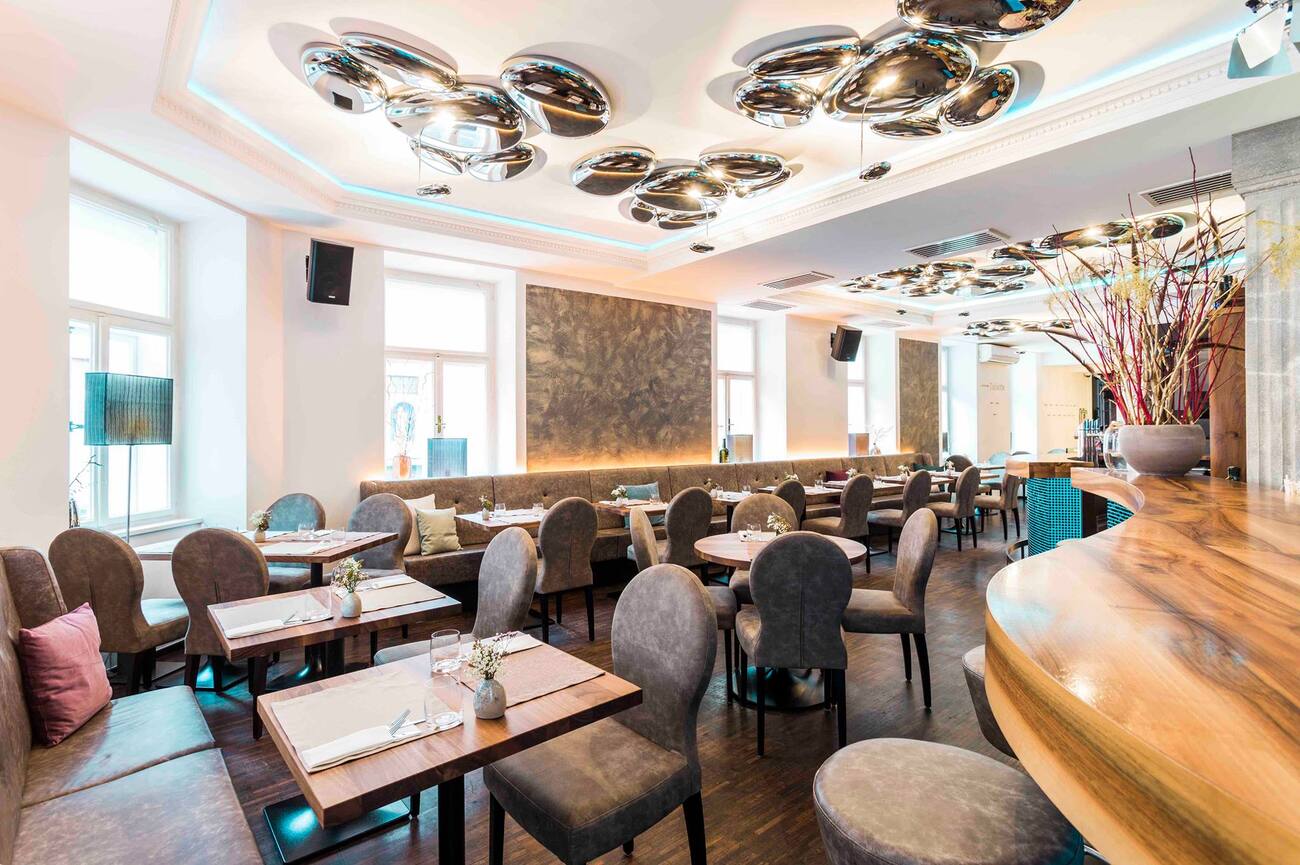
- Dreizehn by Gauster: Dreizehn by Gauster takes a modern, experimental approach to fine dining, focusing on small plates, inventive flavour combinations and visual storytelling. Courses might include playful interpretations of classic ingredients or unexpected pairings that challenge the palate. The intimate space encourages conversation and slow savouring, while the chef’s creativity shines through every dish.
Where to Drink in Graz
& Styria
The nightlife in Graz and Styria is as diverse as it is vibrant. Whether craving craft cocktails, pulsating dance floors or laid-back lounges, the region delivers. From underground beats to stylish cocktail bars, there’s something for every kind of night owl.
- Dizzy's Club-Cafe: Dizzy's is where the night goes full-throttle. By day, it’s a chill cafe; by night, the dance floor becomes a playground for retro beats, EDM drops, and DJ sets that pull everyone in. Cocktails are strong, music is stronger, and for those who like it fancy, VIP tables and bottle service turn a night out into a mini luxury party.
- Viertel 4: Viertel 4 is an energetic club known for its underground techno, house, and electronic beats. The space is minimalist but pulsating, focusing all attention on the music and the crowd’s energy. This spot is perfect for serious dance enthusiasts who want to experience Graz’s electronic scene in style.
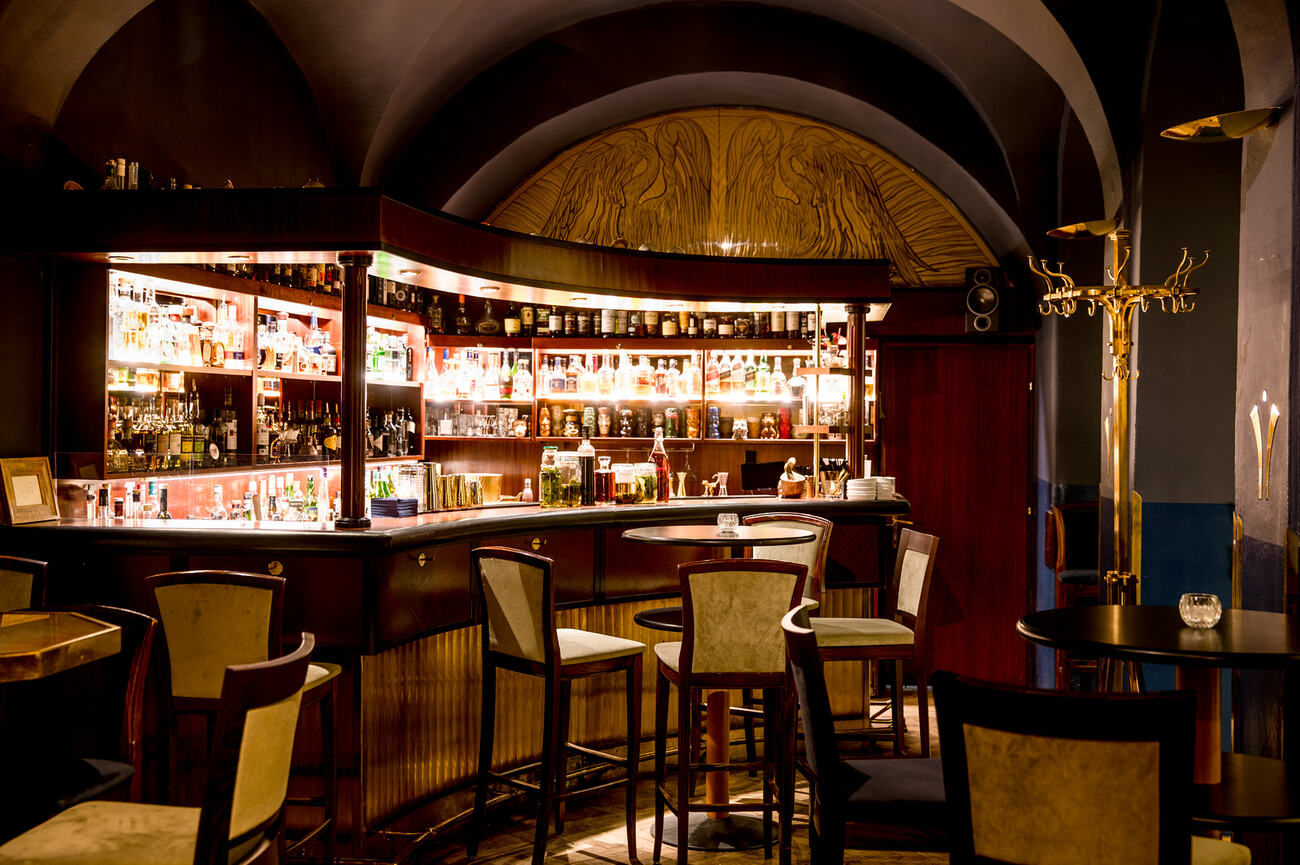
- Ernst Fuchs Bar: Ernst Fuchs Bar is where mixology meets artistry. Drinks arrive looking like tiny masterpieces, each with flavours that surprise and delight. The space is artsy and laid-back, perfect for long conversations or a romantic date.
- Explosiv Graz: With themed events, international DJs and a lively dance floor, the club keeps the music and energy pumping until the early hours. VIP tables, bottle service, and exclusive access packages offer a luxurious way to experience the nightlife while still being in the thick of the action. This is definitely the city’s go-to for high-energy dance nights and party crowds.
Cafes in Graz & Styria
Coffee in Graz and Styria isn’t just a drink, it’s a vibe. Whether hunting for the perfect latte art, a decadent cake, or a spot to flex your aesthetic on Instagram, the city’s cafe scene has got the goods. From historic charmers to modern trendsetters, these cafes know how to make your caffeine fix feel like a little luxury moment in your day.
- Tribeka: This has minimalist-chic interiors mixed effortlessly with artful coffee brewing, creating the perfect backdrop for scrolling, snapping or casually looking productive. The pastries? Next-level. Flaky, buttery and just sweet enough to make your taste buds do a little dance. Here, you’ve got a spot where even the most basic coffee run turns into a little indulgent adventure.
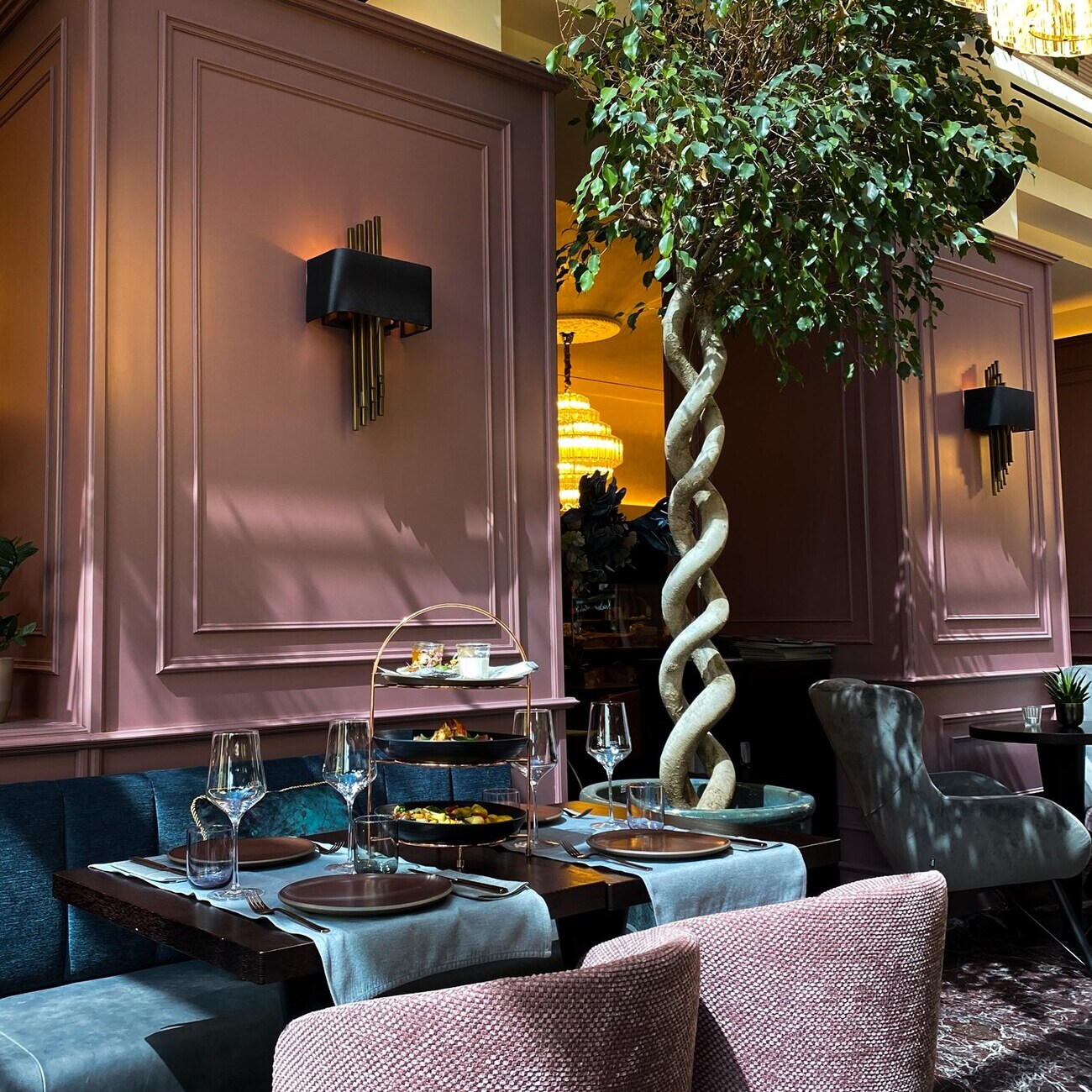
- Café Fotter: Café Fotter is the kind of spot where history and indulgence collide beautifully. Historic decor, warm lighting and cakes that look like they were crafted by angels make it an irresistible stop. Here you can grab rich, aromatic coffees that pair perfectly with seasonal dessert platters, which often showcase local Styrian flavours and ingredients.
- Operncafé: Elegance lives at Operncafe. Steps from the opera, this cafe feels like walking onto a stage set designed for sipping and savouring. Artful pastries, buttery croissants, and coffee served with precision make any visit feel elevated. The ambiance alone is worth the stop. The experience? Sophisticated without being stuffy.
Where to Stay in Graz &
Styria
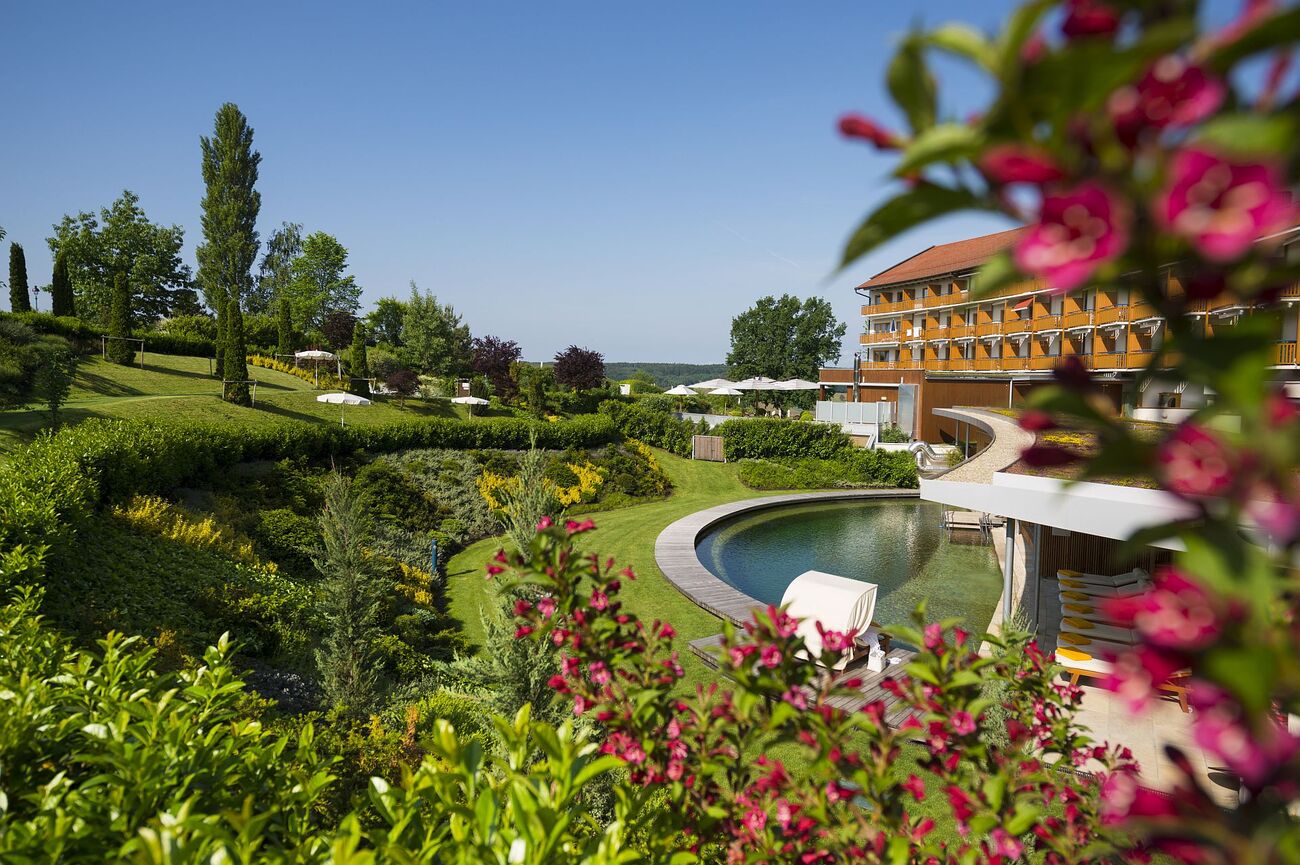
- Hotel & Spa Der Steirerhof (5 stars): Set in the rolling countryside of Eastern Styria, Hotel & Spa Der Steirerhof is all about quiet luxury and total escape. Surrounded by gardens and thermal landscapes, the hotel combines elegant rooms with one of Austria’s most respected spa experiences, where well-being is treated as an art form. Thoughtful service, refined dining and a calm, unhurried atmosphere make it ideal for travellers who want to slow down, recharge and experience Styria at its most restorative.
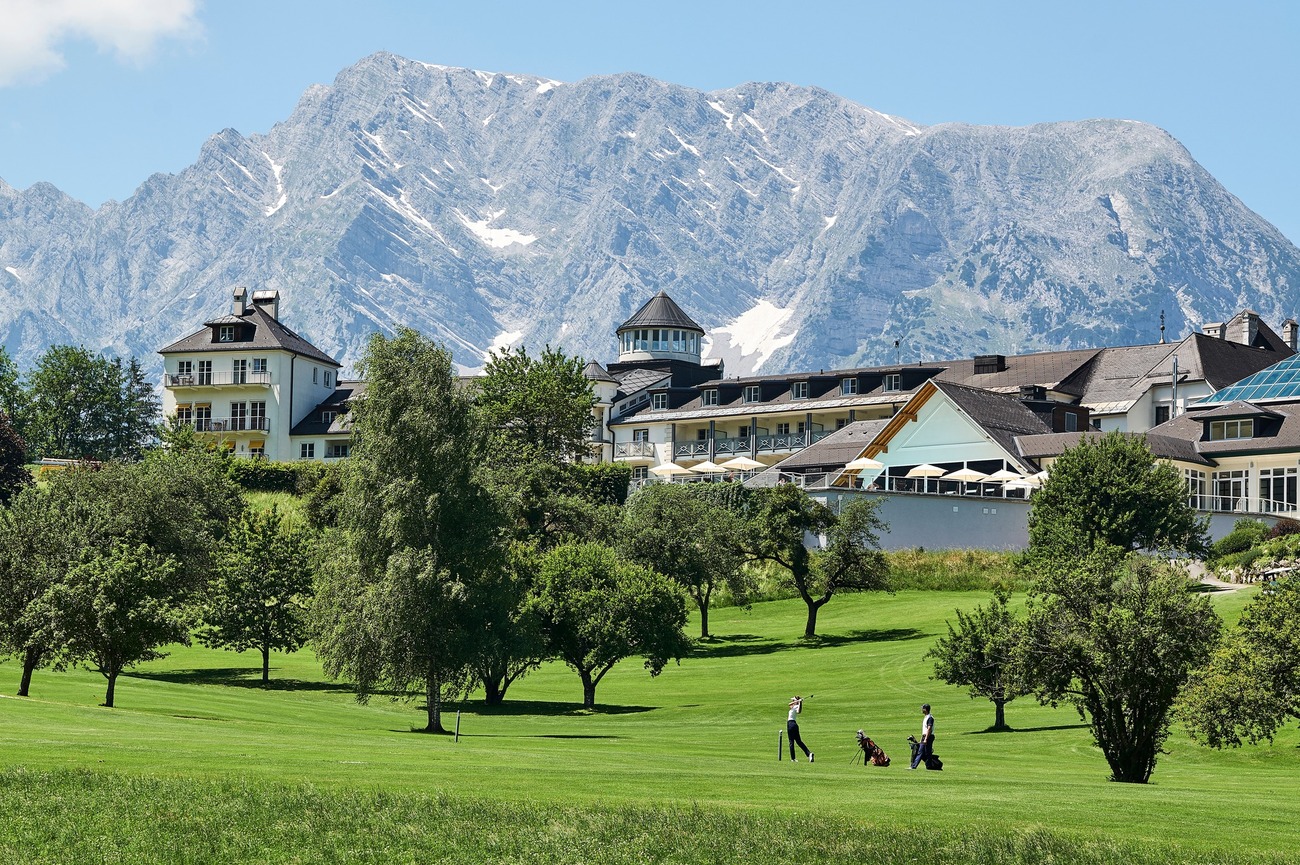
- IMLAUER Hotel Schloss Pichlarn (5 stars): Tucked beneath the Grimming mountain, IMLAUER Hotel Schloss Pichlarn feels like stepping into a beautifully kept secret. It’s a historic castle hotel, but the experience is all modern comfort, elegant rooms, a superb spa, and a golf course with views that stop you in your tracks. Everything about the place is calm and polished, making it perfect for travellers who want luxury with fresh alpine air and a real sense of escape.
- Schlossberghotel (5 stars): Perched high above the city, Schlossberg Hotel offers sweeping views of Graz that perfectly match its luxurious interiors. The hotel’s rooftop terraces, plush rooms and curated spa experiences make it a sanctuary for relaxation and indulgence. Known for personalized service and thoughtful touches, it’s ideal for visitors who want the perfect mix of historic charm, modern comfort and prime access to the city’s cultural hotspots.
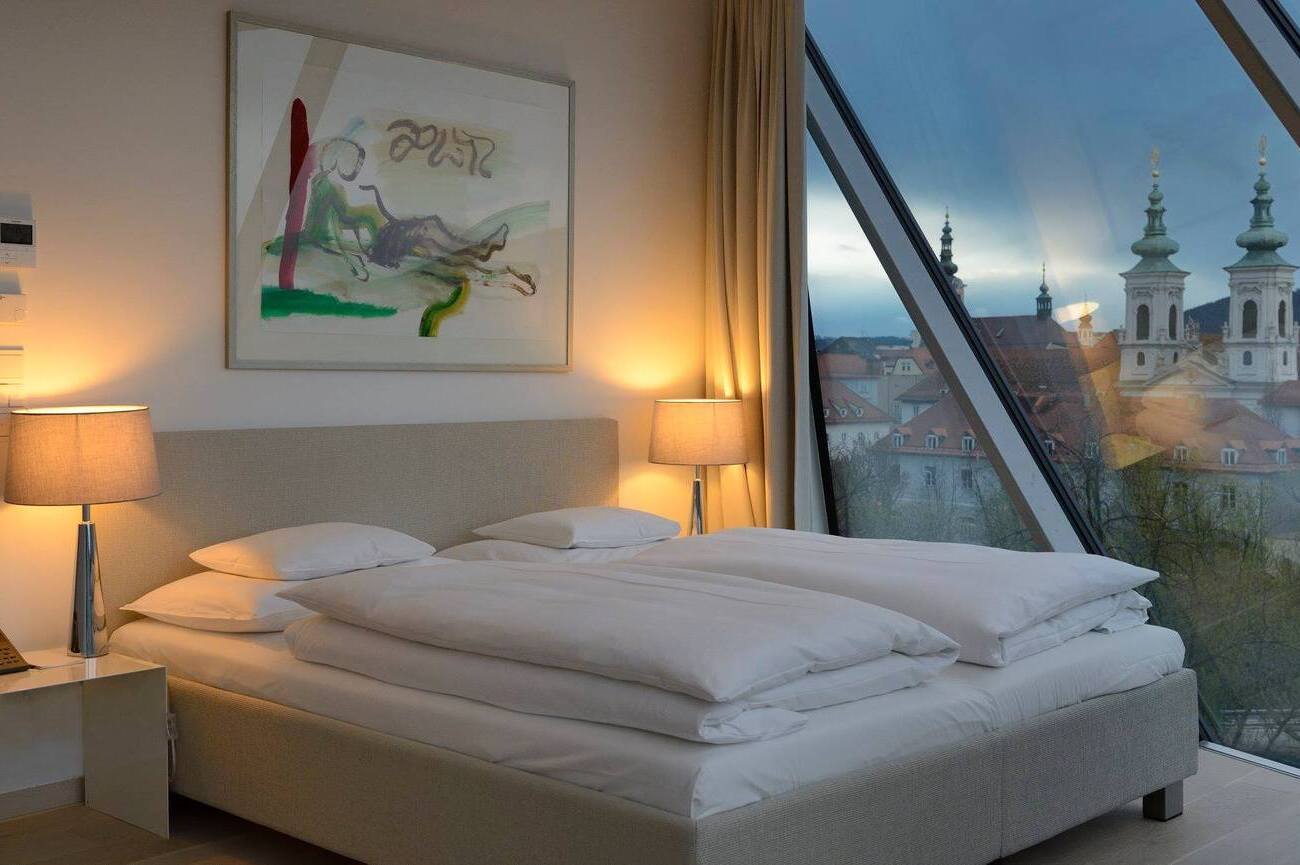
- Aiola Living Graz (4 stars): It feels more like staying in a stylish city apartment than a hotel. The atmosphere is intimate and elegant, with thoughtfully designed rooms that blend classic charm and modern comfort. Tucked into the heart of the old town, Aiola Living Graz puts you just steps from Graz’s most beautiful streets, cafés and cultural highlights. A great choice if you value boutique style, personality and a truly central location.
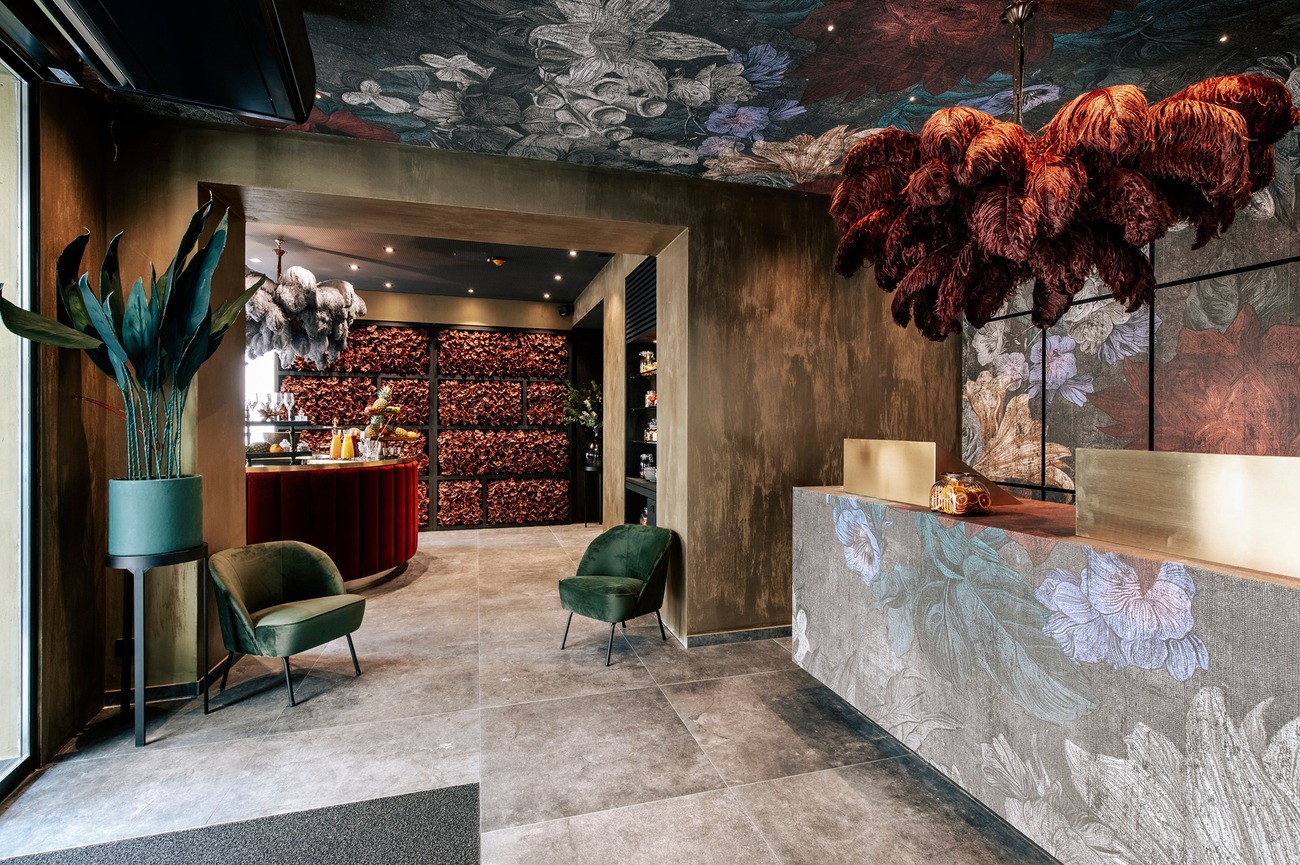
- Radisson Hotel Graz (4 stars) keeps things clean, contemporary and refreshingly easy. The vibe is modern and calm, with well-designed rooms that feel polished but not stiff. It’s the kind of place where everything just works — comfy beds, smart details and a relaxed atmosphere after a day out. Location-wise, it’s a solid base for exploring the city, with easy access to Graz’s sights and transport links. A great choice if you like modern comfort, good design and zero fuss.
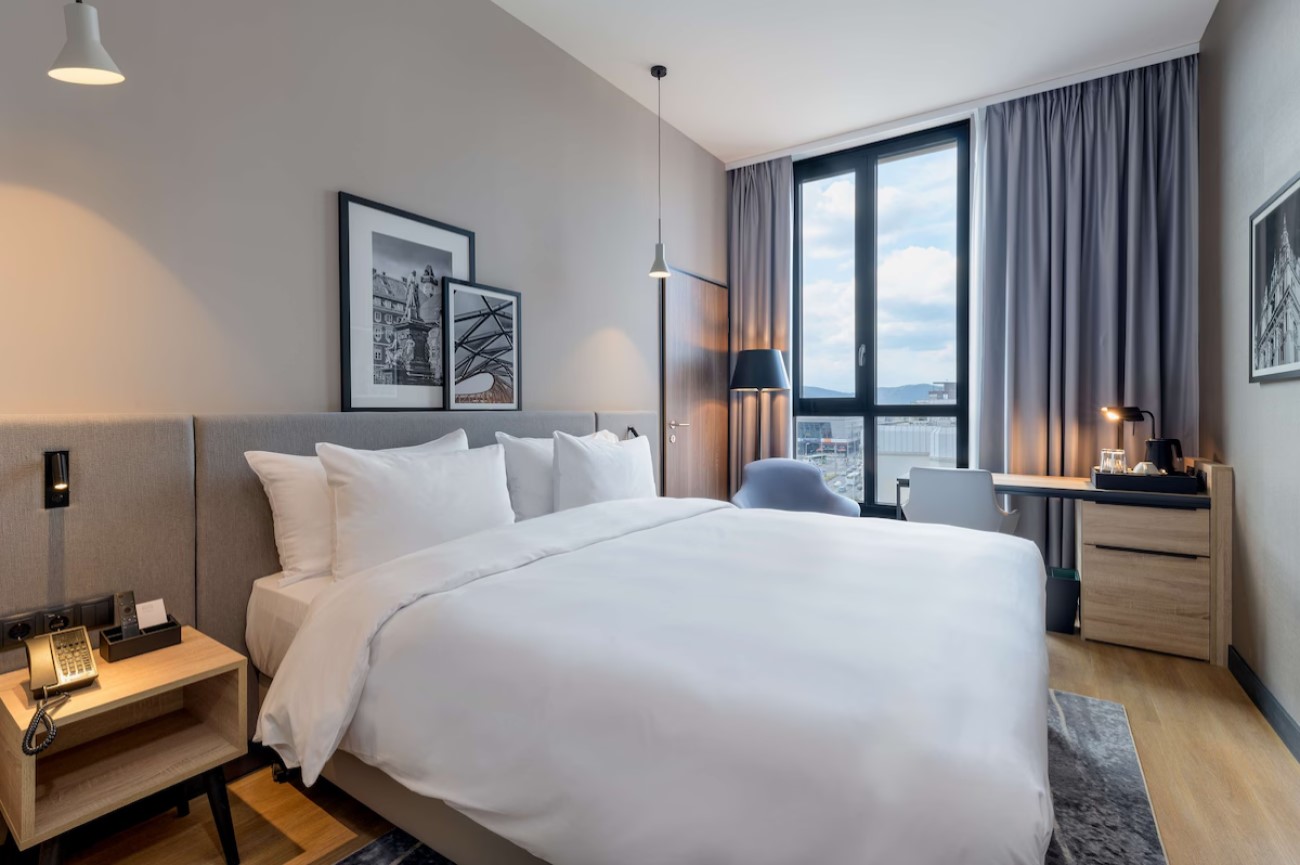
- Hotel Schwaigerhof (4 stars): Schwaigerhof hits that boutique hotel vibe without being pretentious. Each room feels like it was designed with intention with warm colours, creative touches and comfy beds that practically hug you after a day exploring the city. It’s close enough to Graz’s hotspots for easy wandering but still quiet enough to recharge. If the goal is stylish comfort and a low-key but memorable stay, Schwaigerhof nails it.
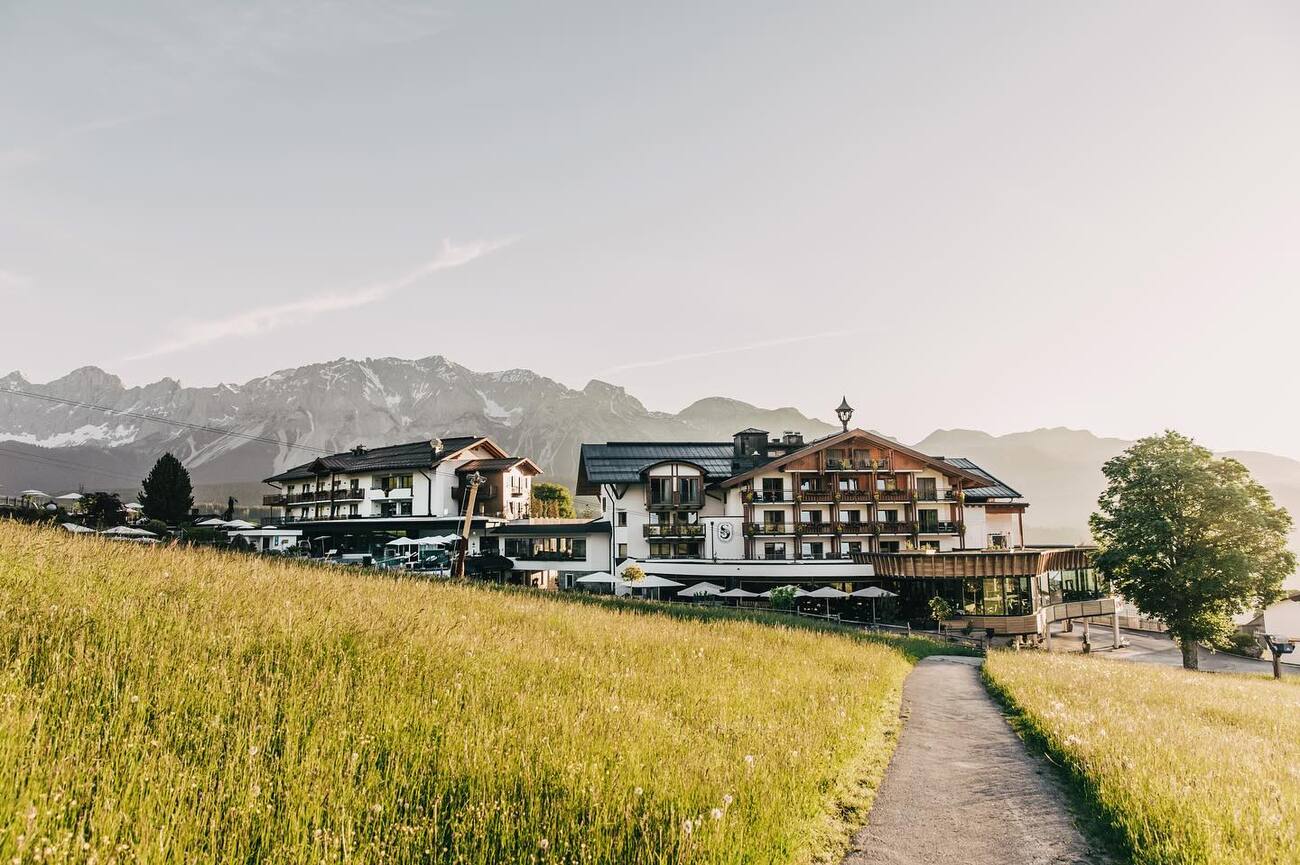
- Motel One Graz (3 stars): It’s one of those places that proves you don’t need frills to get things right. The design is modern and polished, the rooms are compact but comfortable, and everything feels thoughtfully done. You’re close to the old town, so sightseeing, cafés and evening strolls are all easy. Motel One Graz is perfect if you want a good-looking hotel, a central location and great value, without paying for extras you won’t use.
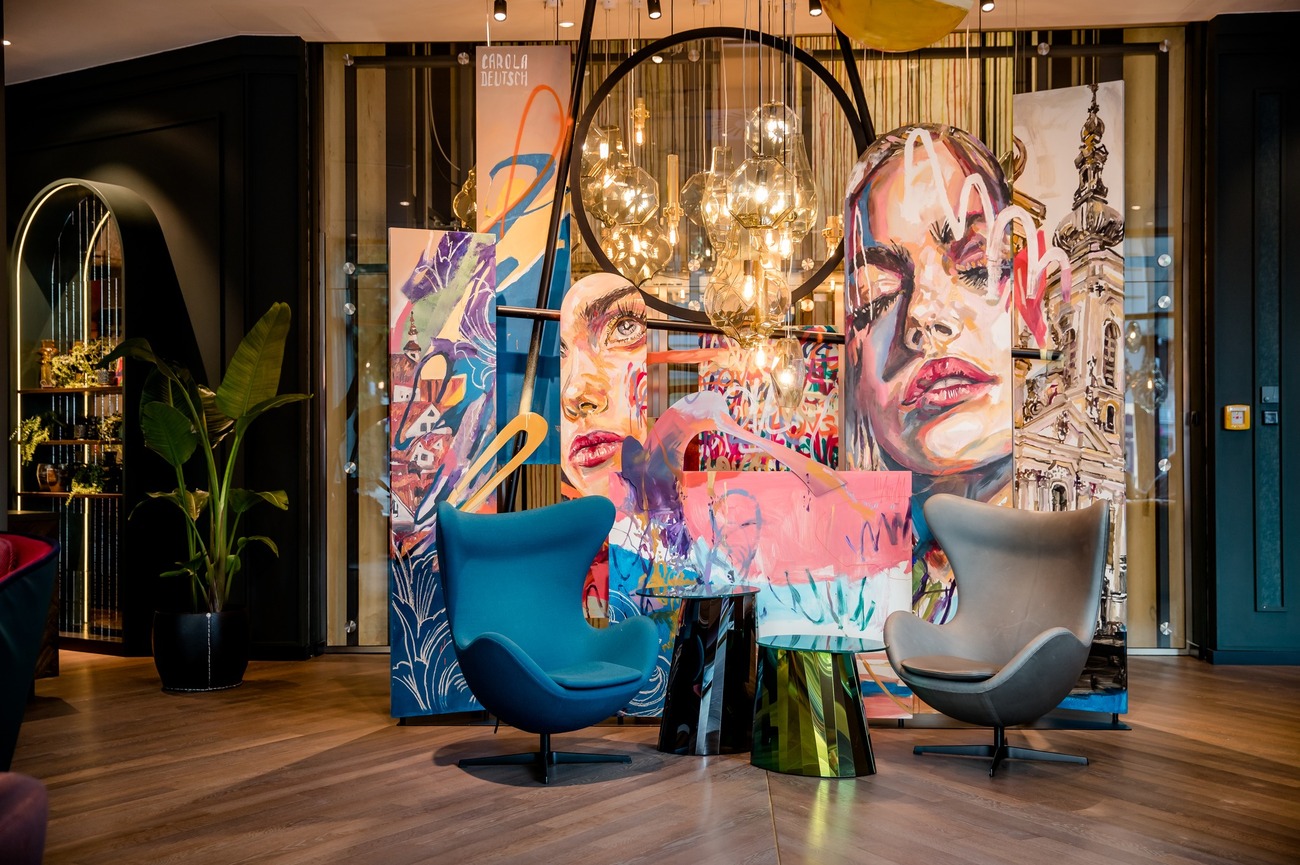
Best Time to Visit Graz & Styria
The city wakes up like it’s had an espresso shot: streets buzz, terraces fill up and the countryside turns into a living Instagram filter. This is Spring in Graz and Styria.
Vineyards roll out like green carpets, flowers pop everywhere and there’s this energy that basically shouts, “Adventure, but make it chic.” Think long walks on Schlossberg without breaking a sweat, wandering historic streets that feel like movie sets, and stopping at cafes that practically beg for a latte selfie.
Everything hits peak aesthetic in spring. Art, architecture and history don’t just sit there; they glow in the sunlight, waiting for your attention. Markets overflow with fresh produce, festivals pop up in unexpected corners and vineyards are basically daring you to sip your way through Styrian wines. It’s playful, lively and perfect for exploring both city corners and countryside gems without getting lost in a sea of tourists.
And yes, this is the season that makes outdoor terraces, wine tastings and sunset views feel like full-on cinematic moments. Spring is definitely rolling out the red carpet for your Styrian story. The kind of trip where every step, every vineyard and every cobblestone street could be your next best memory.
Festivals in Graz & Styria
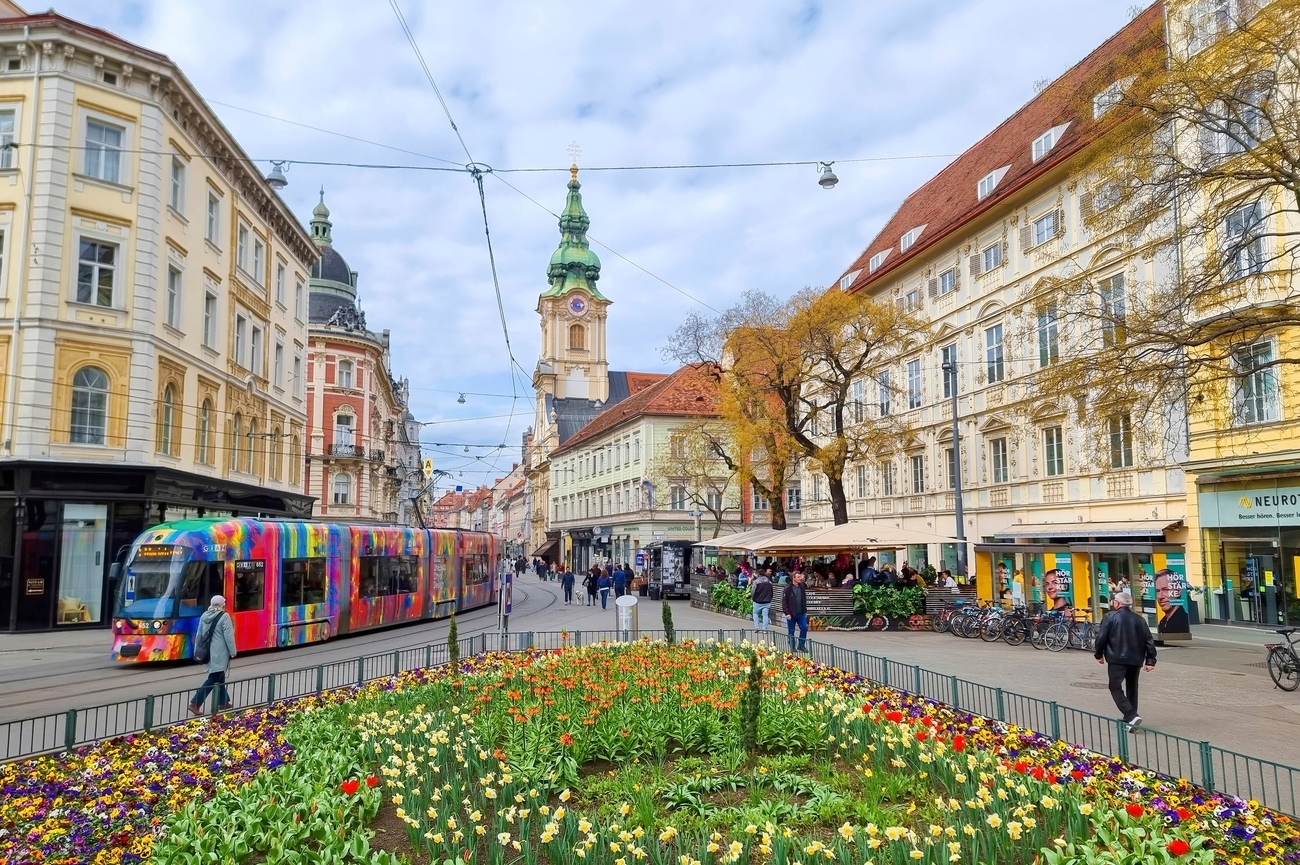
- Aufsteirern: September in Graz goes full folk-core with Aufsteirern, the biggest traditional costume and cultural festival in the region. For three days, the old town transforms into a stage where dirndls swirl, brass bands take over the streets and Styrian food stalls work overtime. This is where heritage meets high vibes.
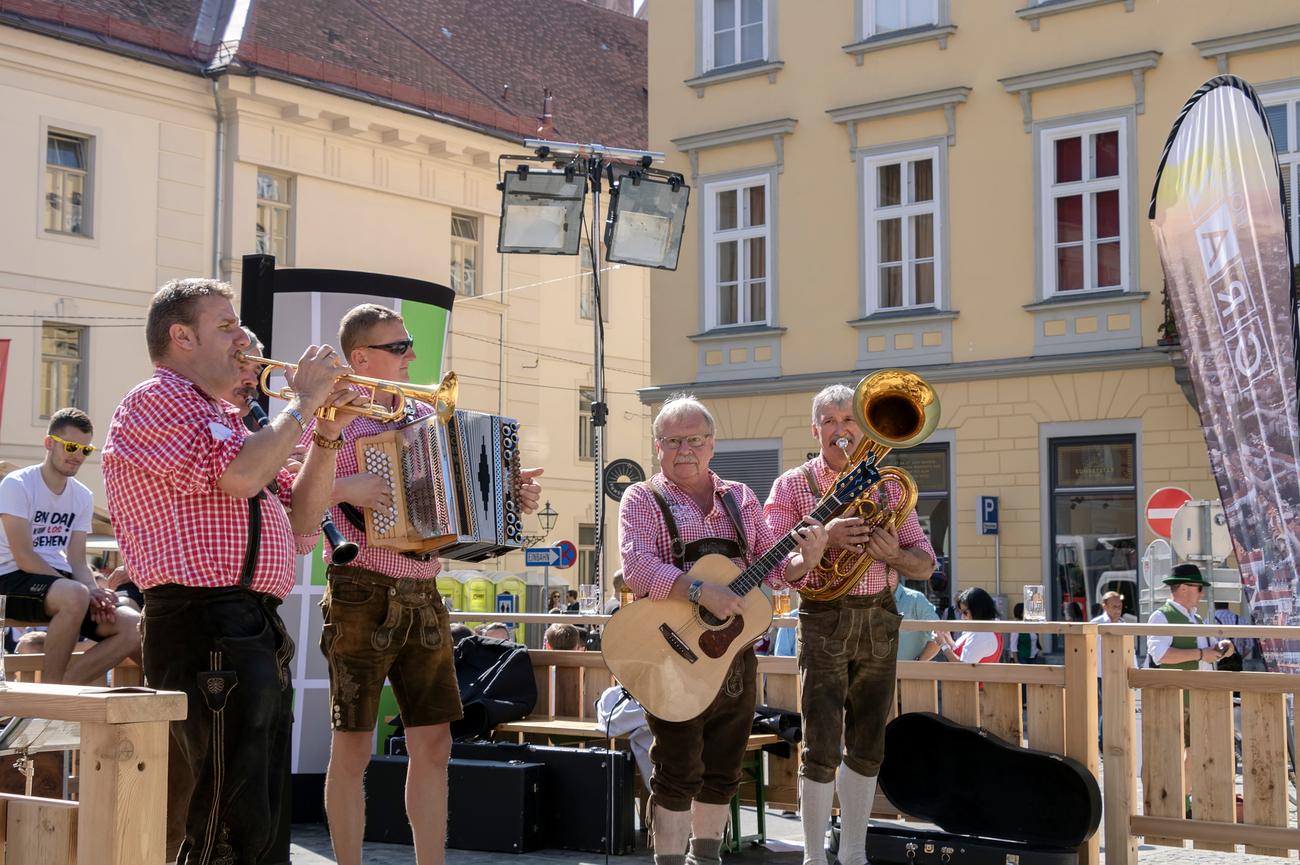
- Narzissenfest: Late May in the Ausseerland brings one of Austria’s most visually poetic festivals to life. The Narzissenfest celebrates spring with massive floral sculptures made entirely of daffodils, paraded through villages and across lakes. During this event, you’ll spot flower-covered figures drifting on water with mountain backdrops that feel unreal.
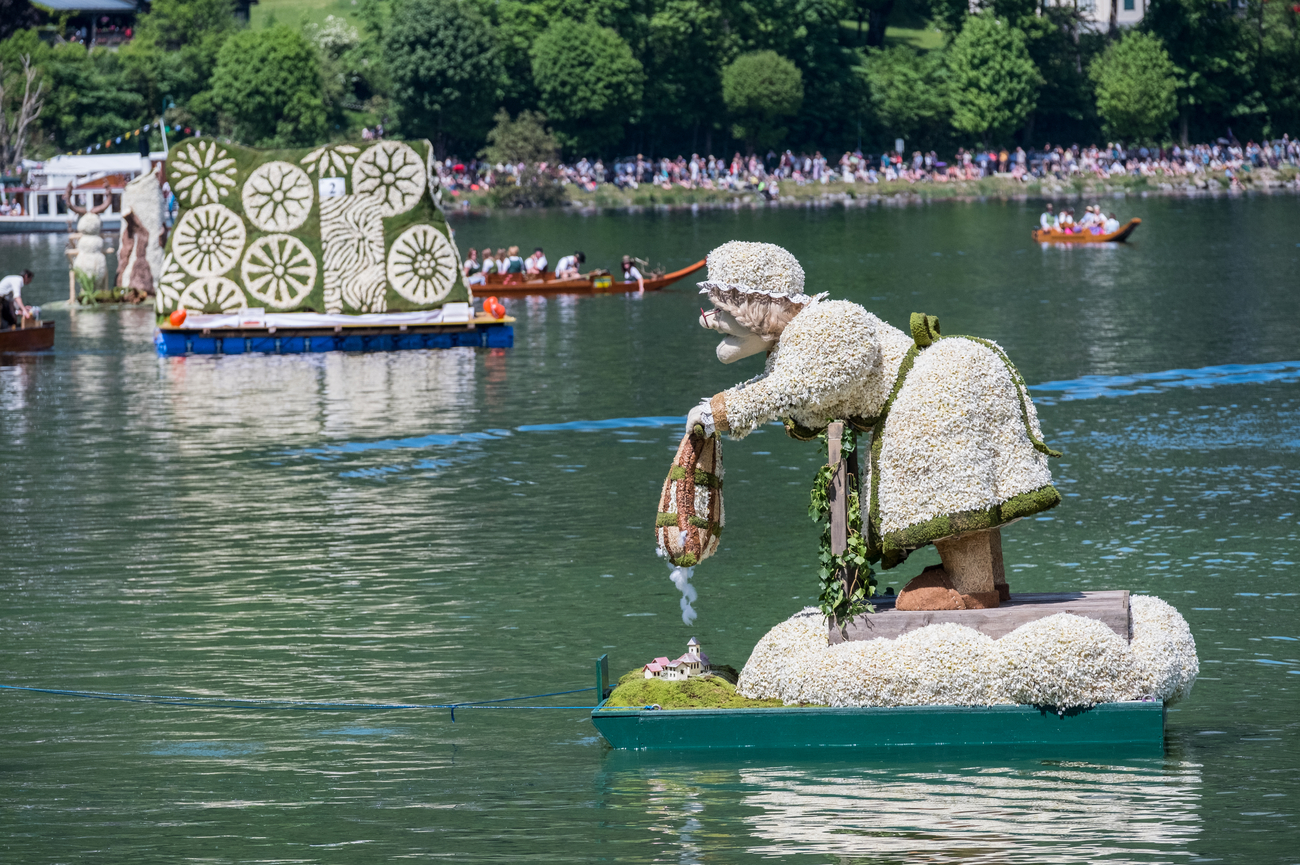
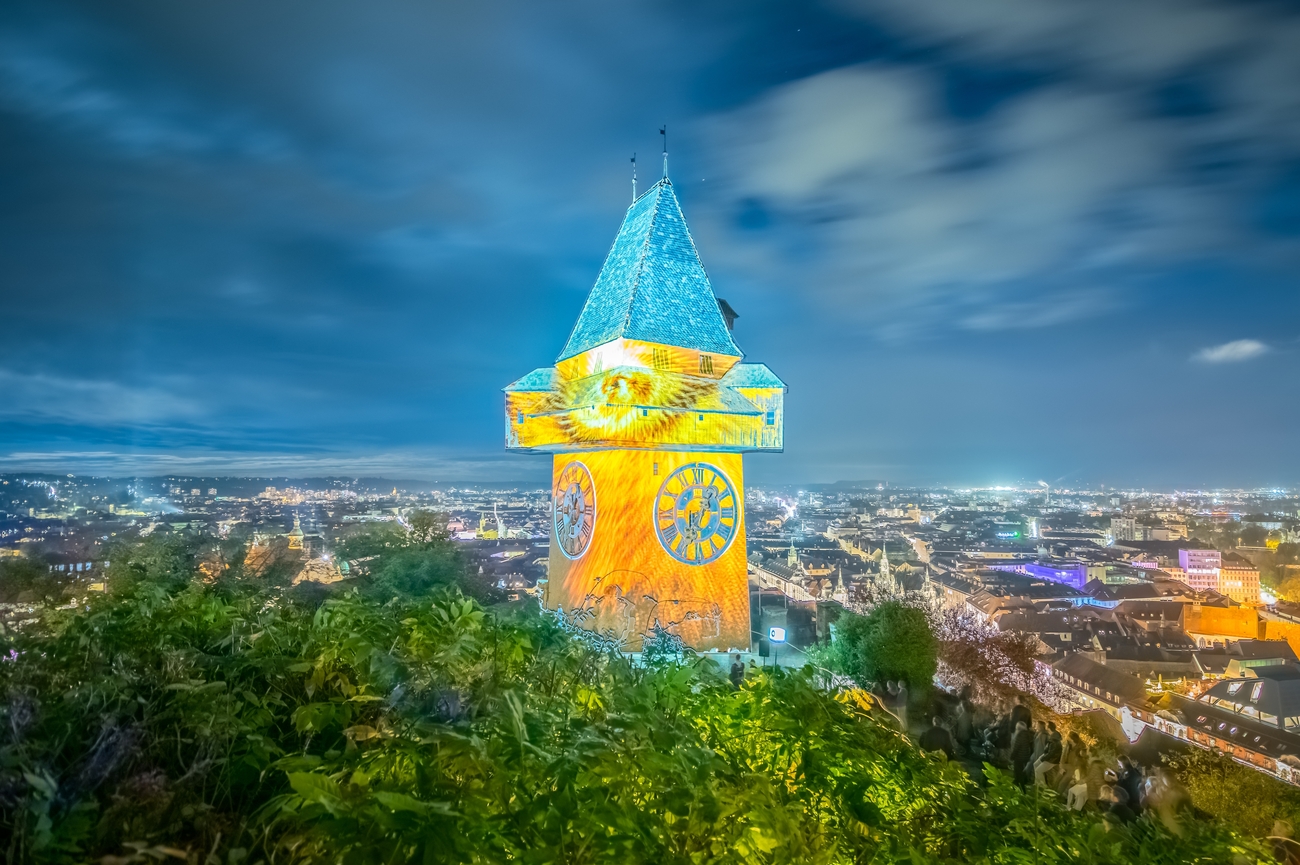
- Klanglicht Festival: In October, Graz trades candles for cutting-edge light at the Klanglicht Festival, a multi-night spectacle of light, sound, and digital art installations spread across the city. You can expect video mapping, soundscapes and futuristic installations layered onto medieval architecture. This is the time when the street and squares become immersive art canvases after dark.
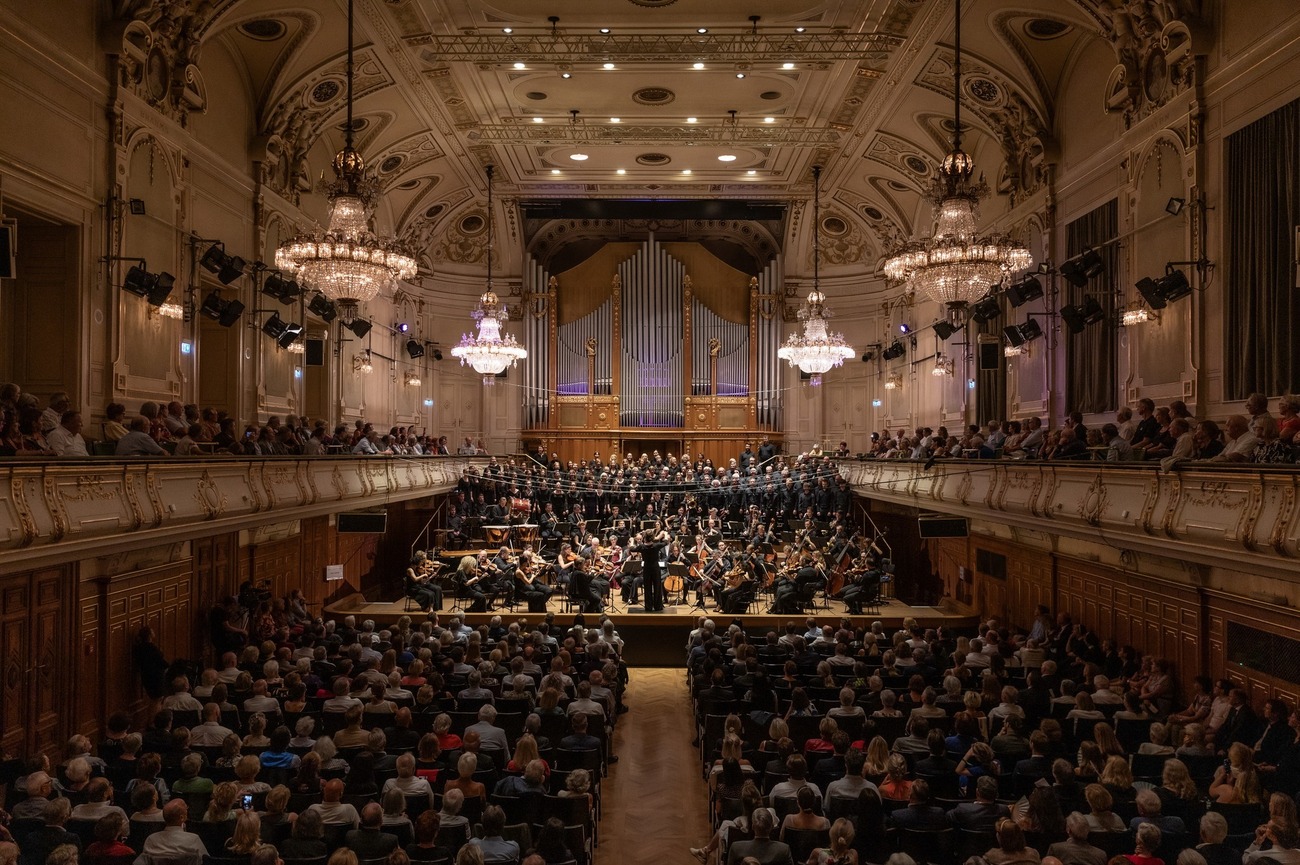
- Styriarte: Summer in Graz sounds better during Styriarte, the city’s premier classical music and cultural festival running from June through July. Concerts unfold inside baroque palaces, candlelit courtyards, basilicas and hidden historical spaces across the city. This is the kind of festival where history does not feel heavy. It feels elegant and alive.
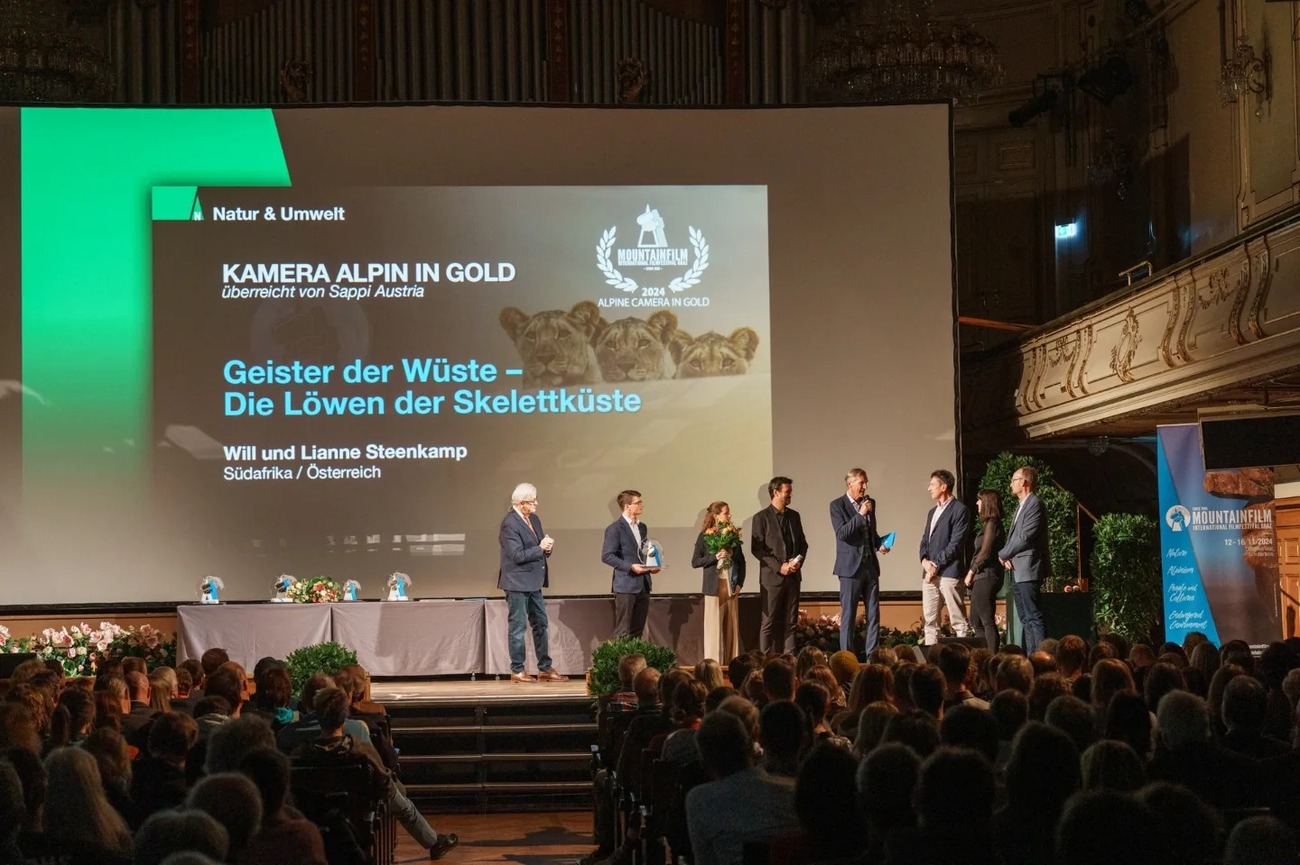
- Mountainfilm Graz: November brings edge and altitude to the city with Mountainfilm Graz, an international festival celebrating alpine adventure, sport, environmental storytelling and human endurance. Film screenings, documentary premieres, live talks and exhibitions take over theatres and cultural spaces across Graz.
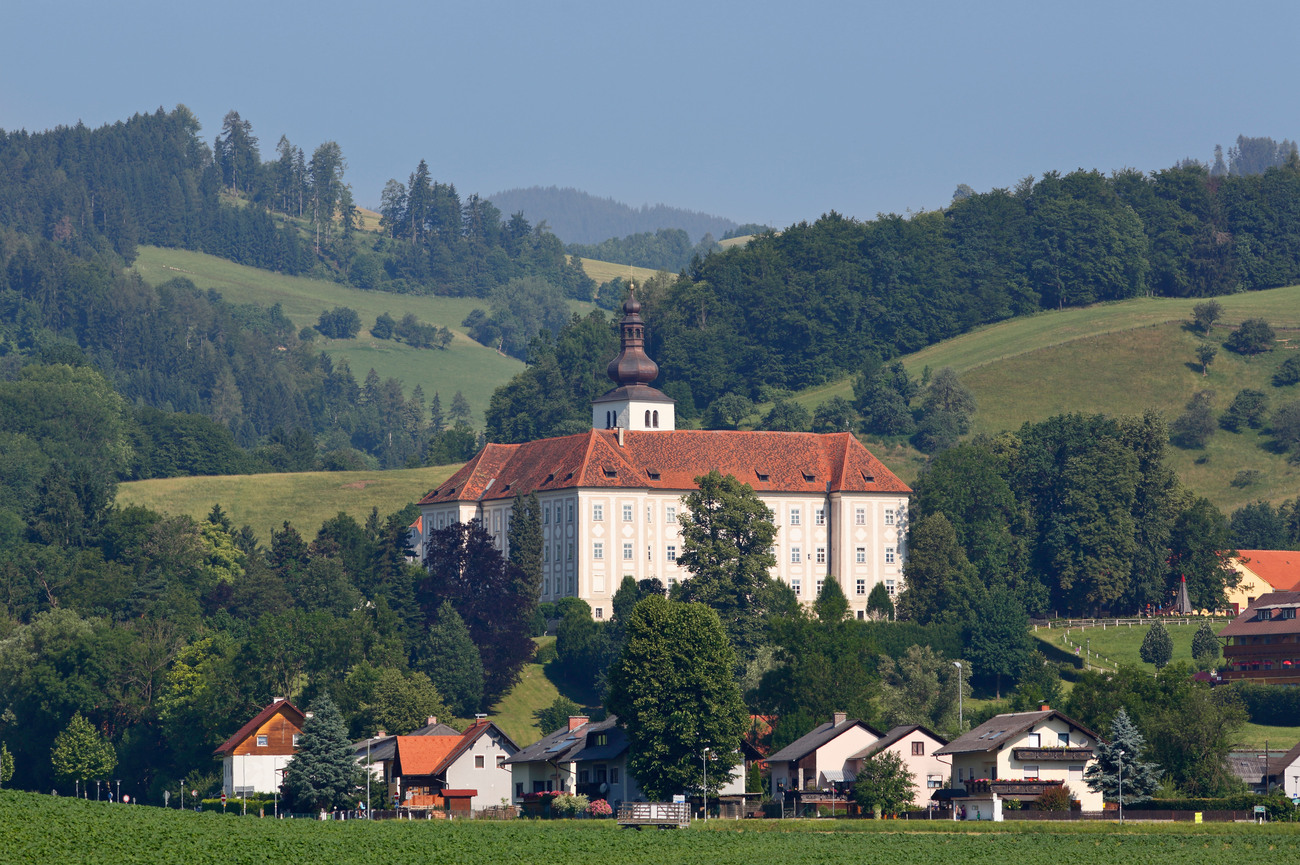
- Piber Castle Festival: From July to August, summer evenings at Piber Castle feel cinematic. The historic home of the Lipizzaner horses transforms into an open-air cultural stage with opera nights, classical concerts and themed performances under the stars. The atmosphere is refined but warm. Stone walls glow at sunset. Music carries across the courtyards. Luxury guests can secure front-row seating with champagne receptions and private stable visits after performances, offering rare behind-the-scenes access to the legendary breeding farm.
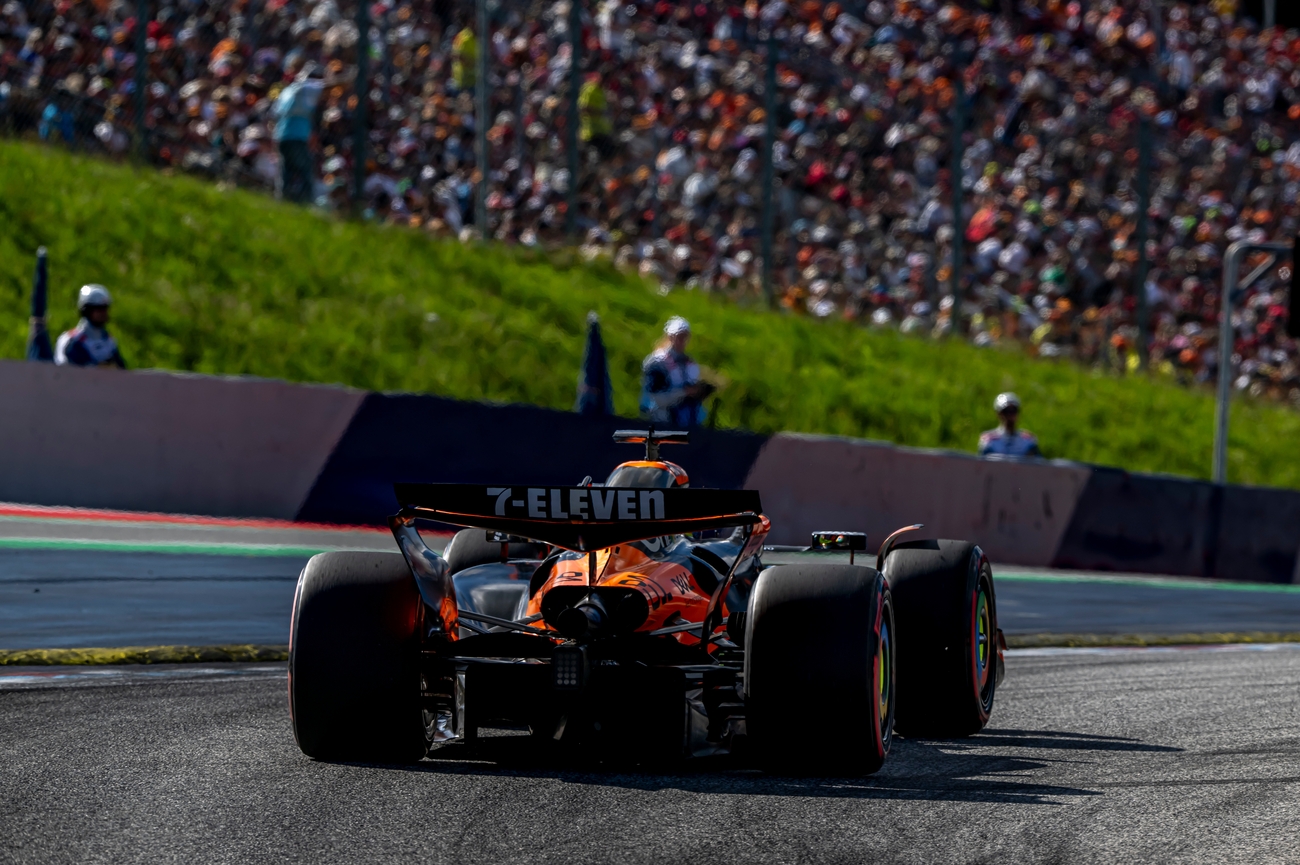
- Formula 1 Austrian Grand Prix: Early
summer in Styria shifts into high gear when the Formula 1 Austrian Grand Prix
storms through the Red Bull Ring in either June or July. This is the region at
full throttle. This is also the time when celebrity sightings become casual.
And if you want to feel like a celebrity, there are definitely
VIP experience packages you can book
that unlock helicopter transfers from Graz, paddock
access, concierge-curated race schedules and hospitality suites.
Our offices:




Revigorate, Iberian Escapes and Algarve Lifestyle are the registered brand names of APCS Lda . We are a fully authorised travel agency licensed by Turismo de Portugal RNAVT/6867.
In the event of a dispute, the consumer may refer to: RAL - Centros de Arbitragem
Avª. 5 de Outubro, nº. 55, R/C Dtº. 8000-075 Faro, Portugal | Tel: +351 289 823 135 *
* national landline call
E-mail: info@consumoalgarve.pt| www.consumidoronline.pt | Mon to Fri: 9:00 - 13:00 / 14:00 - 17:00