Things to Do in Beijing: 5-Day Itinerary
Forget everything you thought you knew about "old meets new," Beijing doesn't just bridge the gap; it obliterates it. One moment, you’re wandering a quiet maze of grey-brick hutongs that have stood for centuries, the air filled with the scent of sesame and coal smoke. Next, you’re looking up at the bold, golden roofs of the Forbidden City.
Whether you’re here to tick off your bucket list, you’ll get that and much more. Beijing is big, raw, and endlessly fascinating, with layers of history and modern life colliding at every turn. This five-day itinerary is designed to help you experience it all: imperial landmarks, local neighbourhoods, and moments that leave such a lasting impression. Consider this your guide to exploring Beijing without overthinking it.
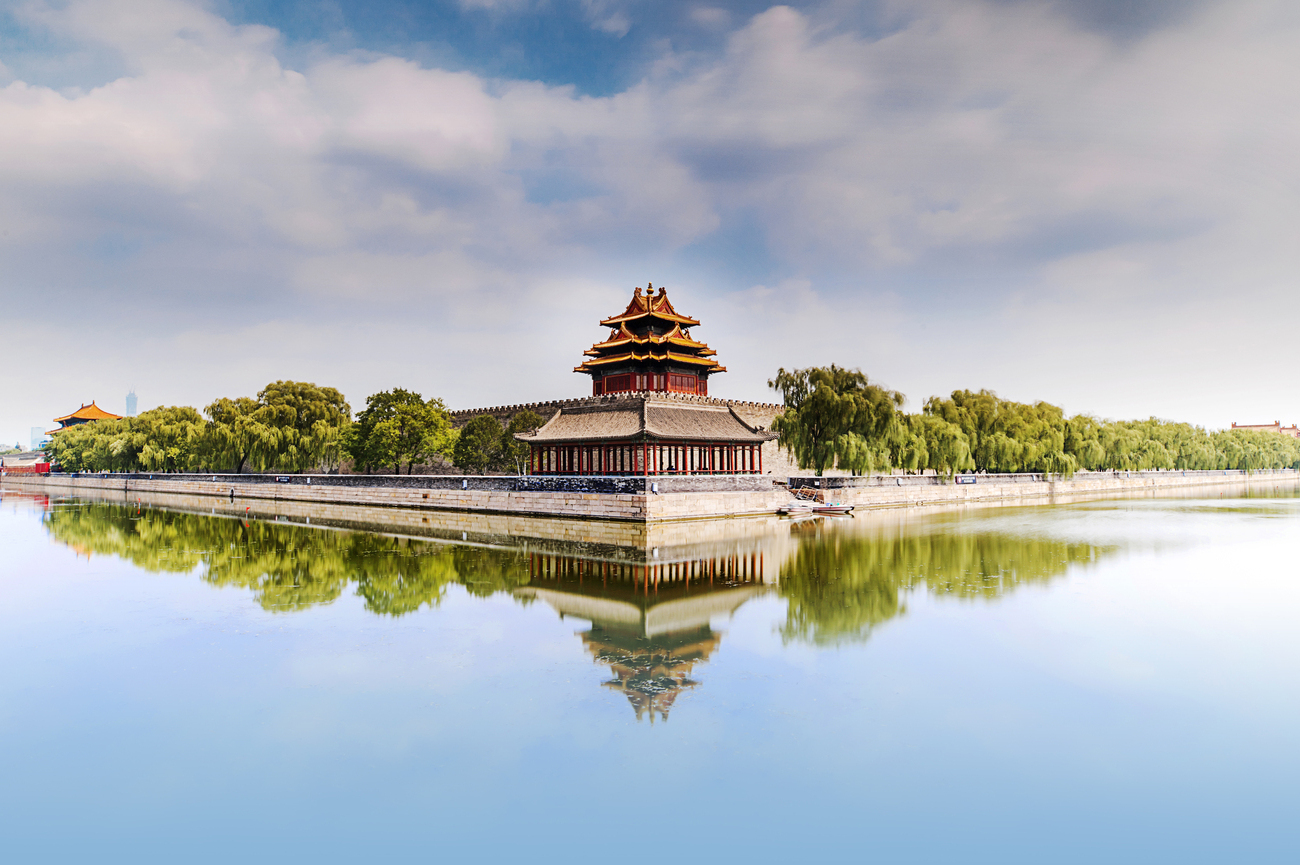
Day 1

Morning: Tiananmen Square
Begin your Beijing exploration at Tiananmen Square, the symbolic heart of Beijing. The name means “Gate of Heavenly Peace,” referring to the grand gate on the square’s northern edge that leads straight into the Forbidden City.
As you walk around the square, you’ll see several of Beijing’s most important landmarks, including the Tiananmen Gate with Mao Zedong’s portrait, the Monument to the People’s Heroes, the Mausoleum of Mao Zedong, the Great Hall of the People, and the National Museum of China. With so much to see in one place, it’s best to take your time and spend the morning here.
If you arrive early, you may catch the flag-raising ceremony at sunrise. Keep in mind that security is very strict here, so expect bag checks, ID inspections, and queues at the entrances before entering the square.
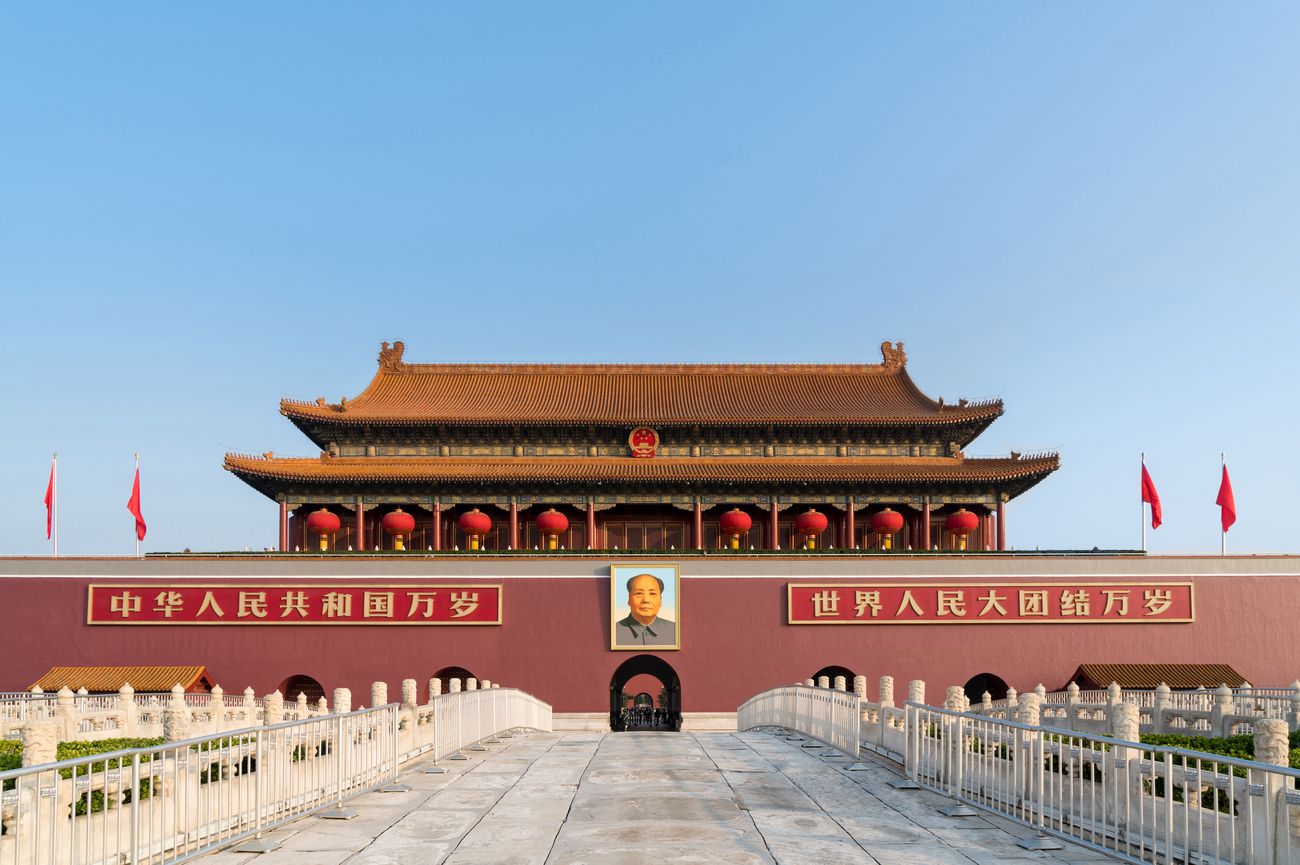
Afternoon: The Palace
Museum (Forbidden City)
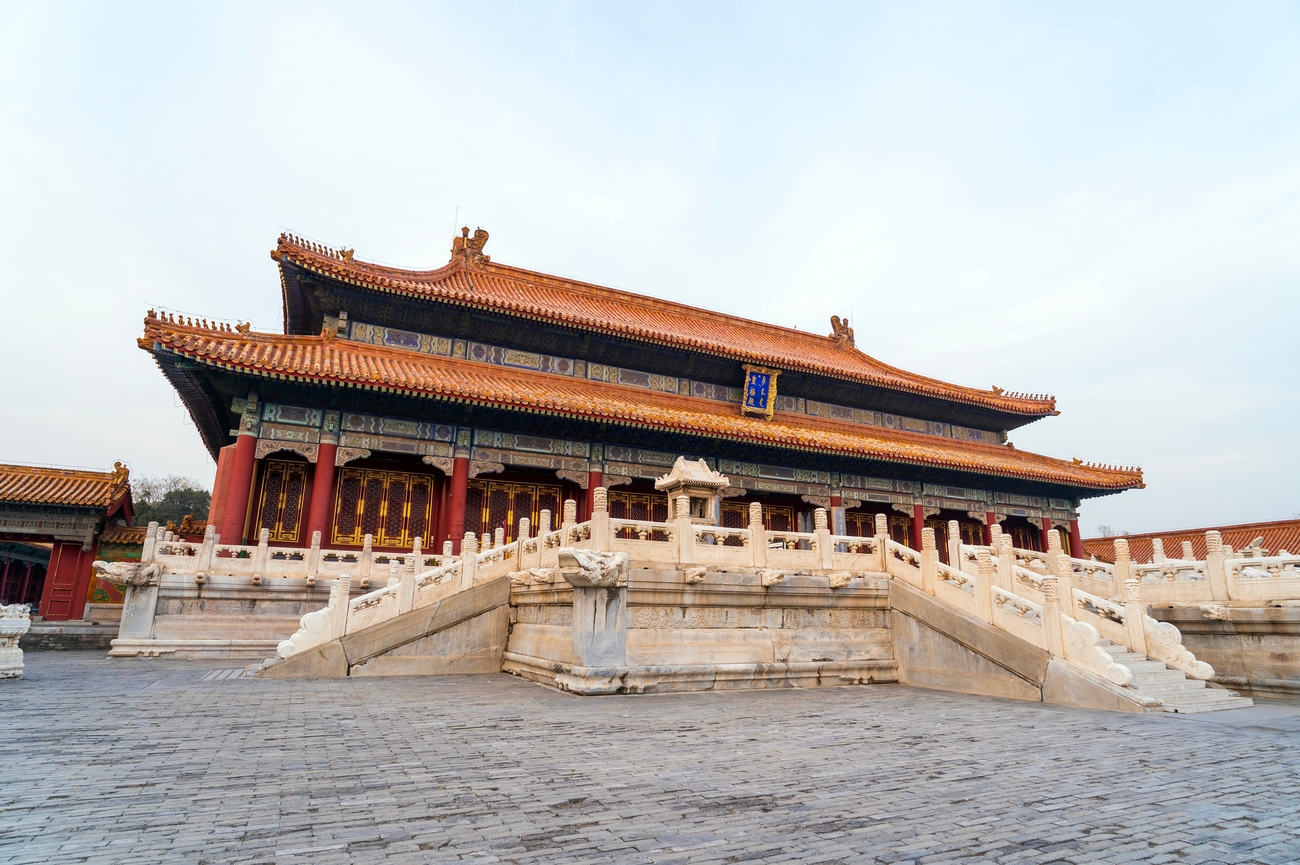
Next head to The Palace Museum, also known as the Forbidden City. It’s the largest palace complex in the world and the centre of Chinese imperial power for more than 500 years. Built between 1406 and 1420, it was home to 24 emperors from the Ming and Qing dynasties. Today, it stands as a masterpiece of traditional Chinese architecture, with nearly 1,000 buildings and thousands of rooms.
You can explore the site by walking along the Imperial Axis, starting at the Meridian Gate in the south and ending at the Gate of Divine Might in the north. Along the way, you’ll pass the most important halls, including the Hall of Supreme Harmony, where major ceremonies like enthronements took place, and the Hall of Central Harmony and Hall of Preserving Harmony, where emperors prepared for rituals and examinations. For a more immersive experience, you can also rent traditional Hanfu clothing and have your photos taken within the palace grounds.
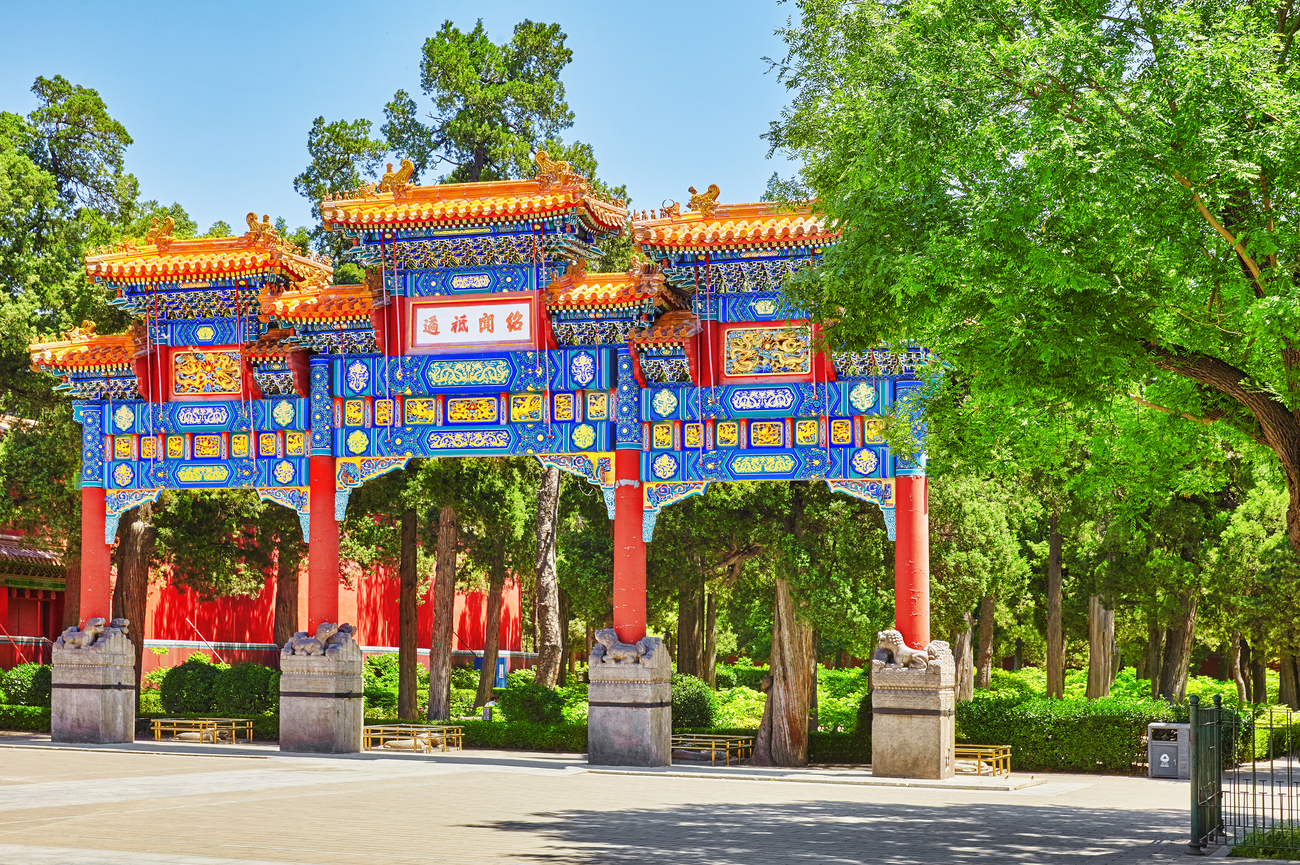
Jingshan Park
Just north of the Forbidden City is Jingshan Park, also known as Prospect Hill Park. It was once a private imperial garden, it’s now a peaceful green space filled with pavilions, ancient cypress trees, and peonies that bloom beautifully in spring. The park is also historically significant, as it’s believed to be the site where the last Ming emperor took his own life. For visitors today, the highlight is the short climb up Central Peak, where you’ll get one of the best views in Beijing: a perfectly aligned, panoramic look over the entire Forbidden City along the city’s central axis.
Day 1 - Beijing Tour Map
Day 2
Morning: Beijing Zoo
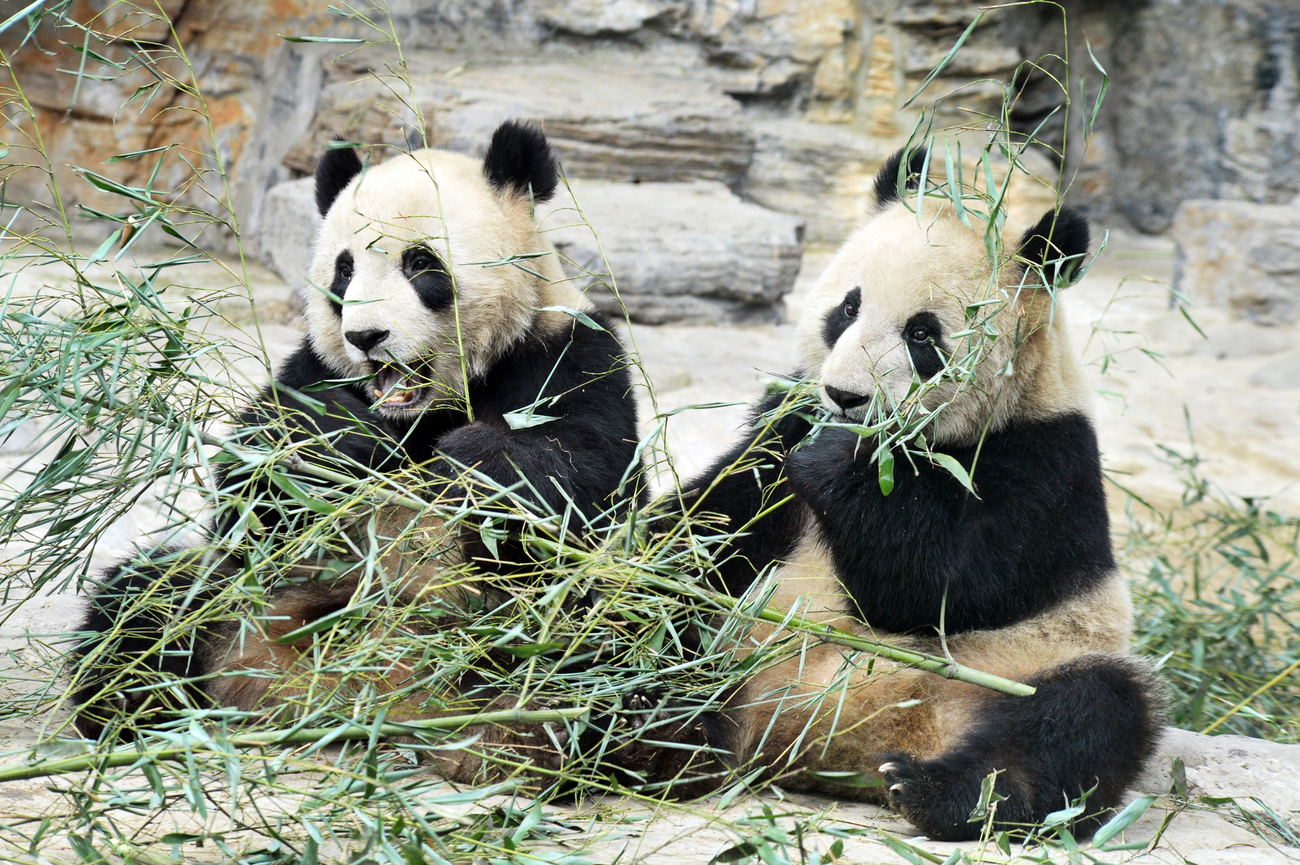
The oldest public zoo in China, established in 1906, and is home to more than 5,000 animals from around 450 species. The grounds are spacious and designed like a traditional Chinese garden, with shady trees, lotus ponds, and gentle hills that make it pleasant to explore. A must-see is the Giant Panda House, where you can watch giant pandas in an enclosure designed to resemble their natural habitat. You’ll also find rare and endangered animals native to China, including the golden snub-nosed monkey, the South China tiger, and the Chinese alligator.
Afternoon: Summer
Palace
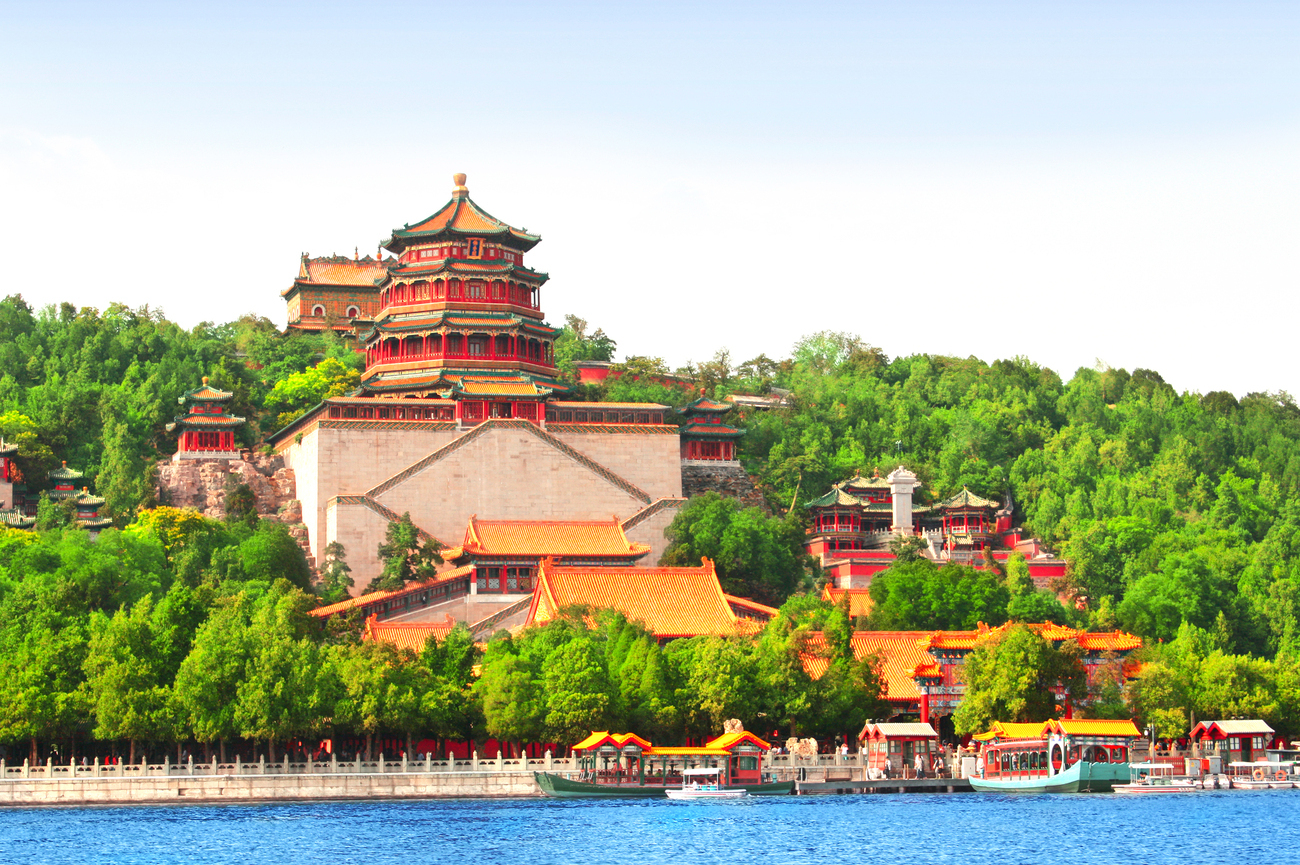
Next, take a 15-minute drive to the Summer Palace, a UNESCO World Heritage Site and one of China’s most beautiful imperial gardens. It was once the summer retreat of Qing Dynasty emperors, the palace complex is vast, with approximately three-quarters of its area occupied by the man-made Kunming Lake. As you explore, you can walk along the Long Corridor, the world’s longest covered walkway (over 700 meters long), or climb Longevity Hill to the Tower of Buddhist Incense for breathtaking views of Kunming Lake. If you prefer a slower pace, you can also enjoy a leisure boat ride on Kunming Lake and enjoy the scenic beauty of the palace from a different perspective.
Yuanmingyuan Park
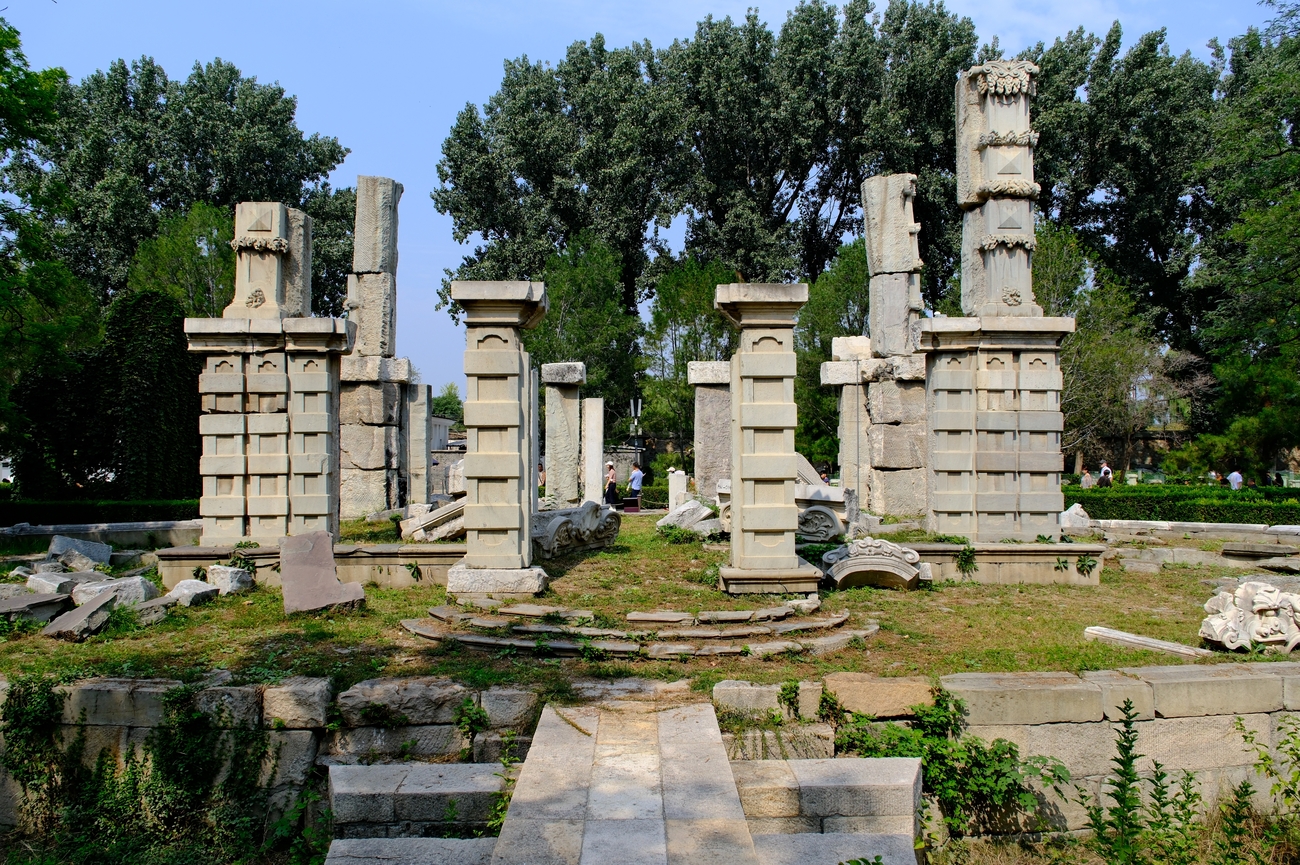
End your day at Yuanmingyuan Park, also known as the Old Summer Palace. For more than 150 years, this was the main imperial residence of the Qing emperors, once a vast and luxurious complex of gardens, lakes, and palaces, including European-style buildings designed by Jesuit missionaries.
In 1860, the site was looted and destroyed by British and French troops during the Second Opium War, leaving behind powerful ruins. Today, the most striking area is the Western-style palaces, where you can walk among marble columns and the remains of fountains and halls. The park itself is expansive and peaceful, with lakes, bridges, and classic Chinese garden landscapes perfect to cap off your day.
Day 2 - Beijing Tour Map
Day 3
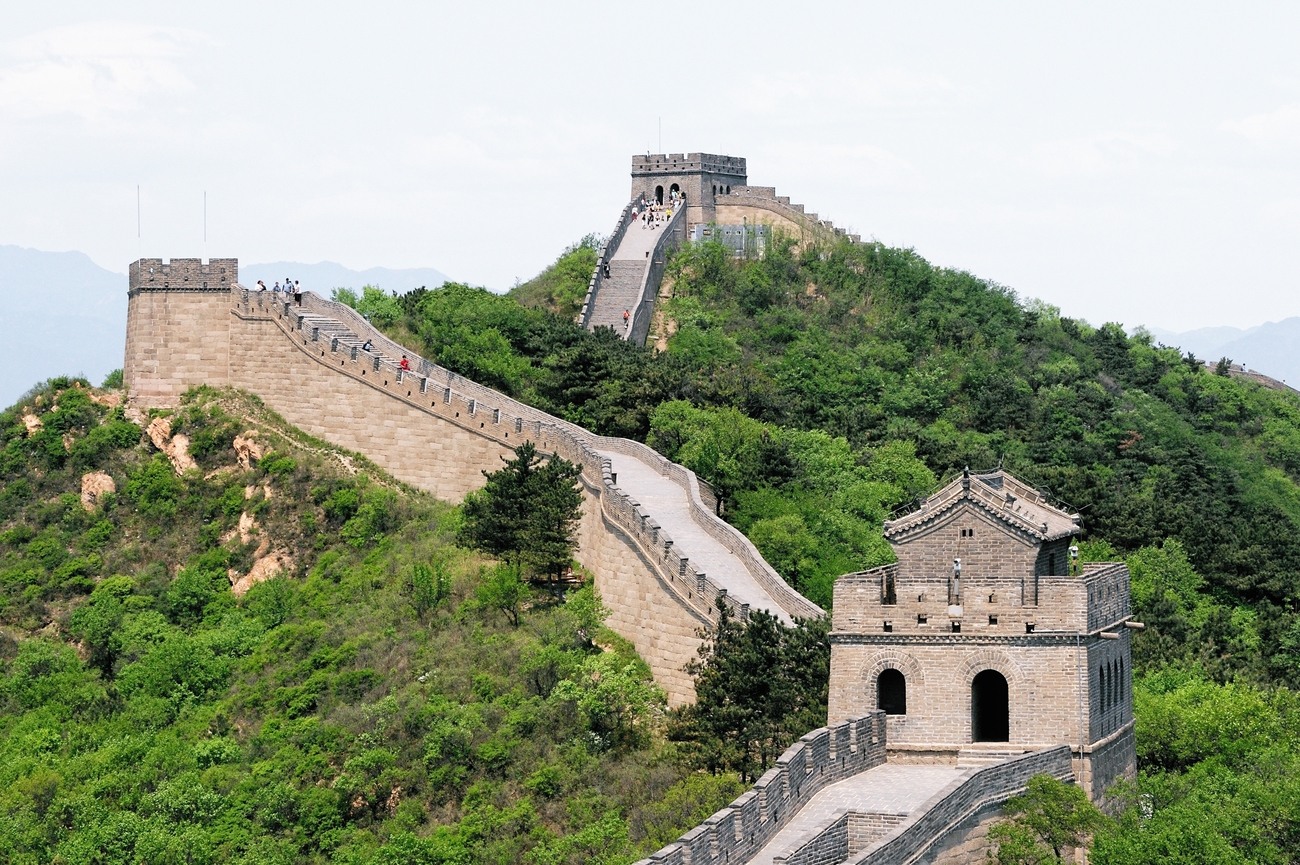
Morning: Great Wall of China
On Day 3, head out to one of the world’s most iconic landmarks and a UNESCO World Heritage Site, the Great Wall of China. Rather than a single wall, it’s a vast network of fortifications, watchtowers, and passes built over centuries to protect northern China. The sections closest to Beijing mostly date back to the Ming Dynasty and offer different experiences depending on where you go.
The wall stretches across rugged mountains, standing about 7–8 metres high and 4–5 metres wide along the top. Walking along it, you’ll see how seamlessly it follows the natural landscape, an impressive reminder of the scale and determination behind its construction.
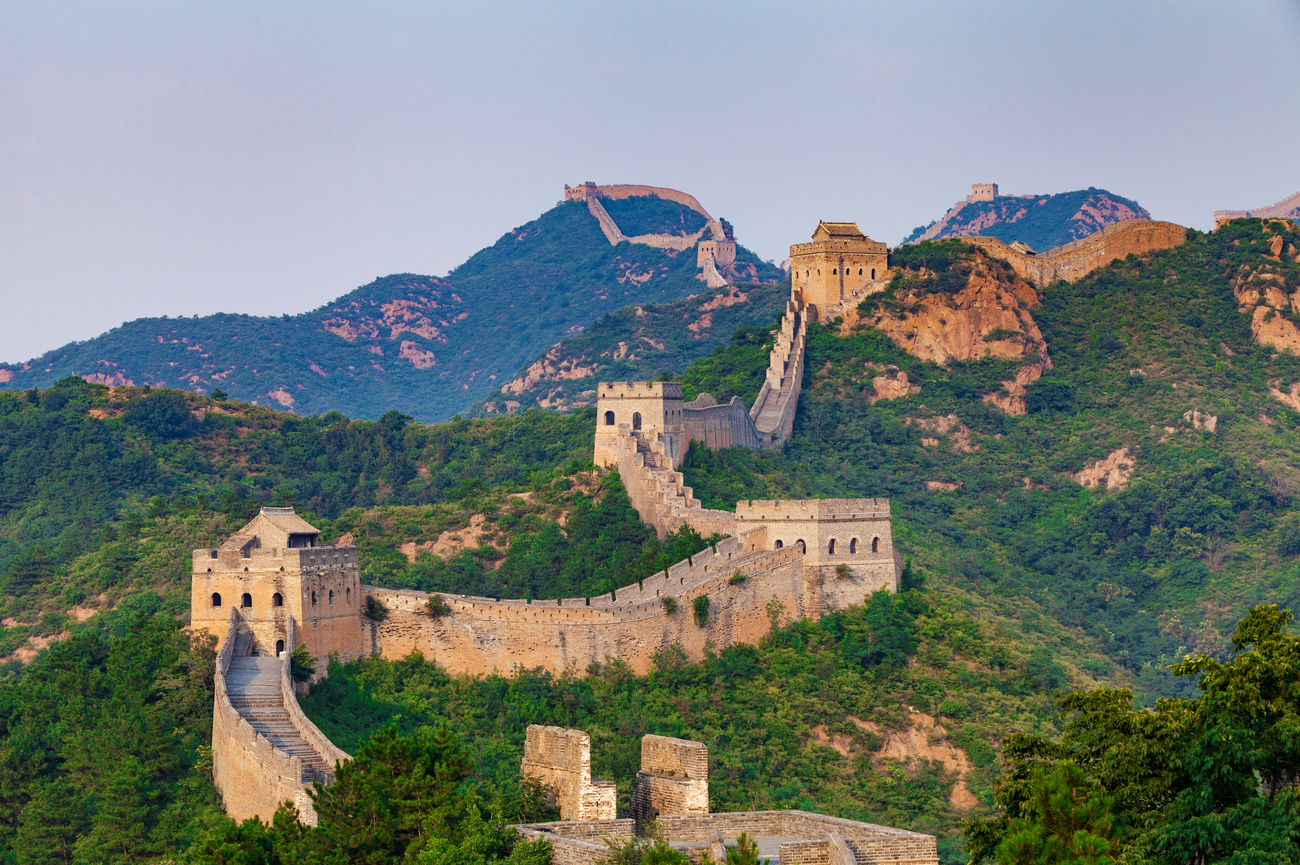
If you want an easy and accessible visit, Badaling is the most popular section. It’s well restored, has wide walking paths, cable cars to the top, and a nearby Great Wall Museum. Other sections offer quieter paths and more challenging hikes if you’re after something less crowded.
Whichever section you choose, be sure to wear comfortable shoes, bring water, and be ready for plenty of walking and steps. It’s a physically rewarding experience, and one of the highlights of any trip to Beijing.
Afternoon: Ming
Dynasty Tombs
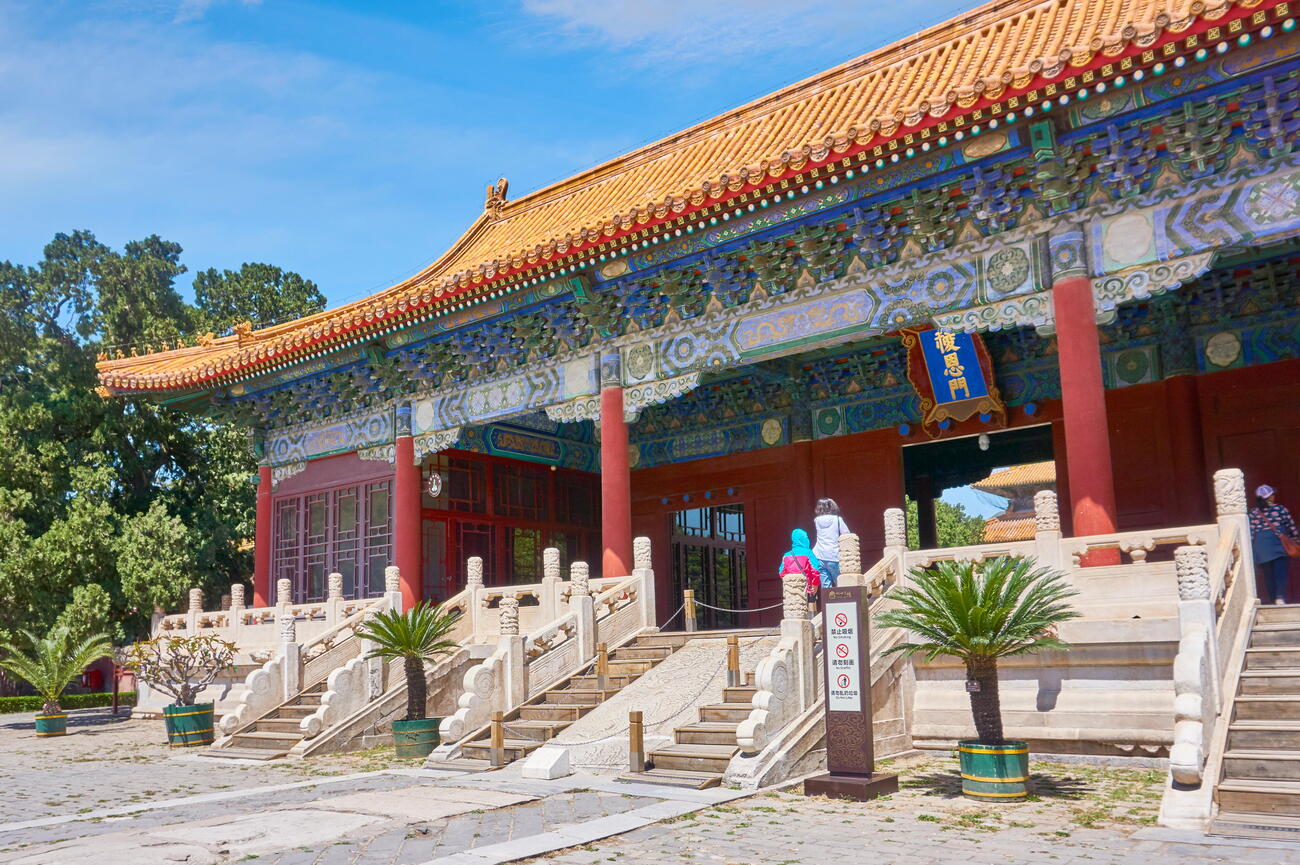
After your Great Wall visit, take about an hour’s drive to the Ming Dynasty Tombs, a UNESCO World Heritage Site and one of the most important imperial burial grounds in China. This complex contains the tombs of 13 Ming emperors, along with their empresses and concubines.
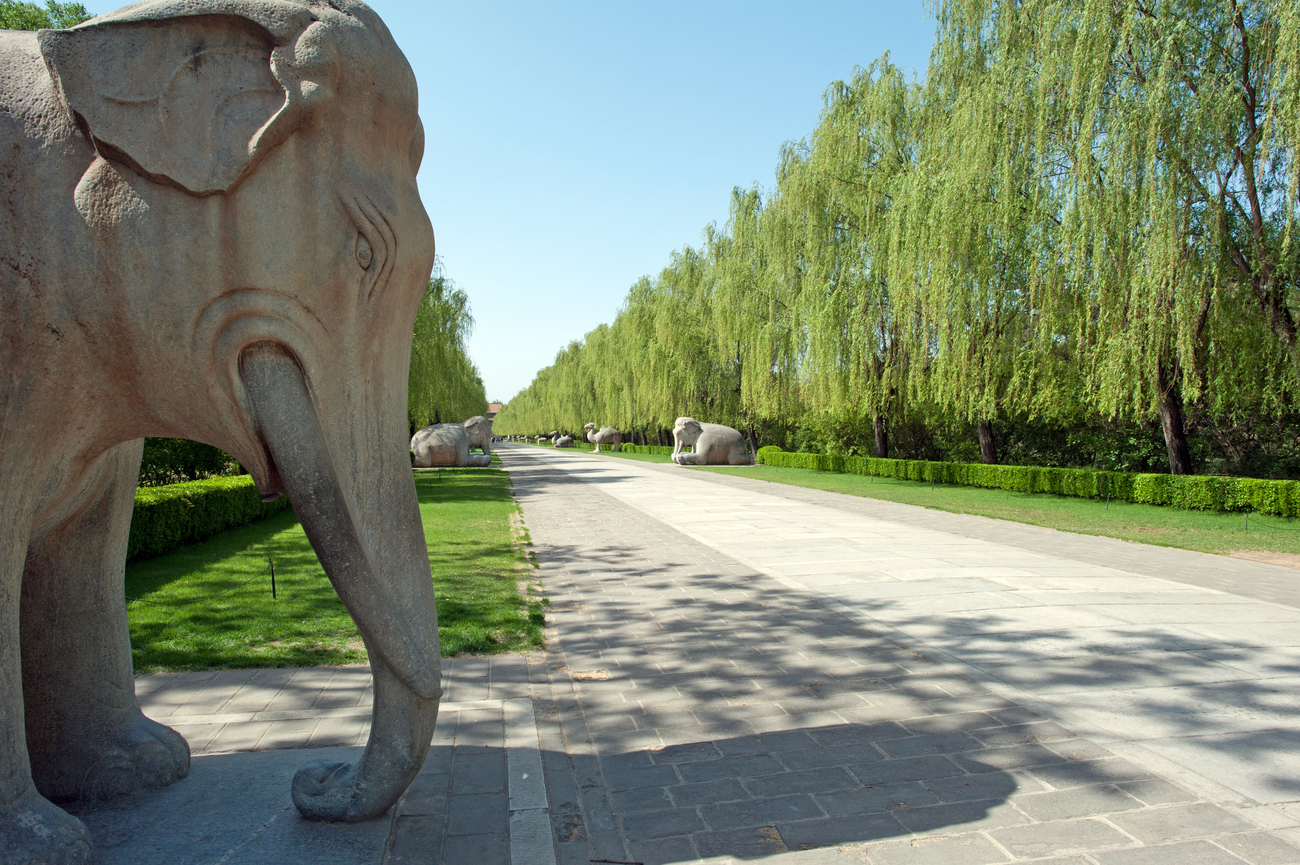
The tombs sit in a natural valley surrounded by mountains, chosen according to feng shui principles to protect the emperors and bring positive energy. Your visit begins along the Sacred Way, a wide ceremonial path lined with impressive stone statues of animals and officials that once symbolised the emperor’s honour guard in the afterlife.
You can explore Dingling Tomb, the only fully excavated tomb, by walking down into the underground palace where Emperor Wanli and his two empresses were laid to rest. You may also visit Changling Tomb, the largest and best-preserved site, built for the Yongle Emperor (the ruler who built the Forbidden City). While its underground chambers remain sealed, the above-ground halls, especially the grand Hall of Eminent Favour made from rare nanmu wood, are some of the best examples of Ming architecture.
Day 3 - Beijing Tour Map
Day 4
Morning: Temple of Heaven
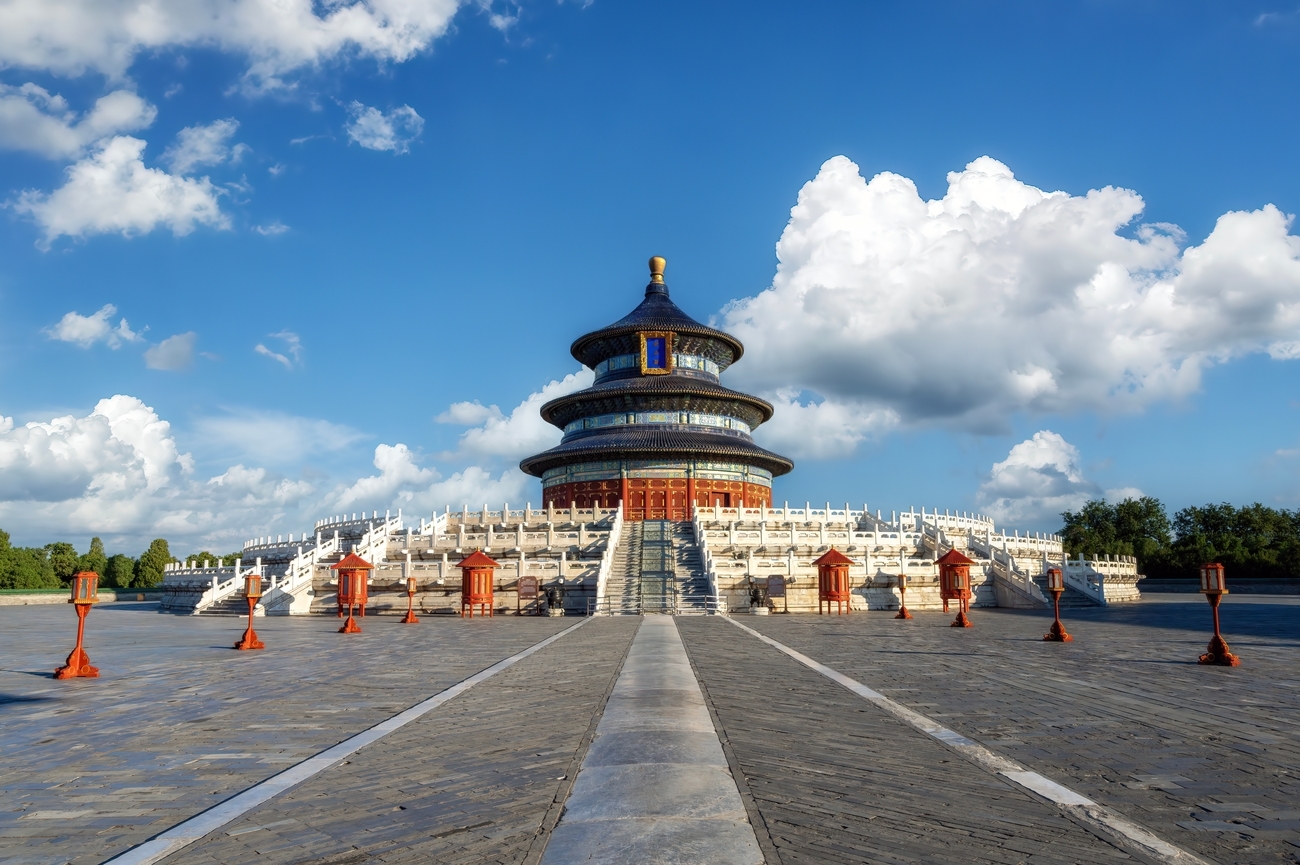
Start your day at the Temple of Heaven, a UNESCO World Heritage Site and one of Beijing’s most important spiritual landmarks. This was where emperors of the Ming and Qing dynasties once came to perform rituals and pray for good harvests. Arrive early (before 9:00 AM) and you’ll see the surrounding park come alive with locals gathering to practise tai chi, dance, sing Peking opera, play music, and exercise.
Beyond the lively park, take time to admire the Hall of Prayer for Good Harvests, a striking three-tiered wooden building built without a single nail. You can also try the famous acoustics at the Imperial Vault of Heaven, where the Echo Wall carries whispers across the courtyard and the Triple-Sound Stone reflects your voice back three times.
Afternoon: Lama Temple
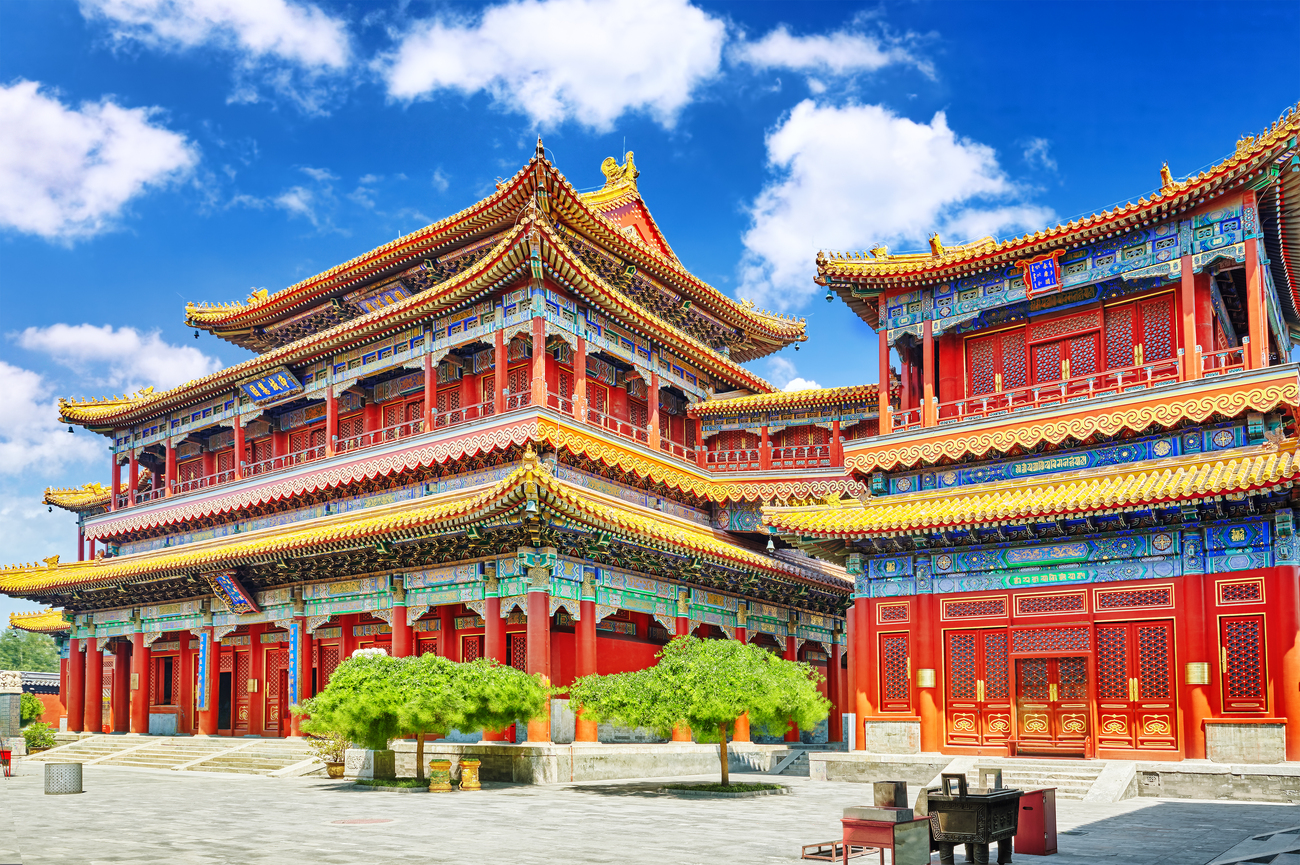
Next, take a short drive north to Lama Temple, also known as Yonghe Temple or the “Palace of Harmony.” It’s the most renowned Tibetan Buddhist temple outside of Tibet. Originally built in 1694 as a royal residence, it later became a monastery for lamas.
Inside the Pavilion of Ten Thousand Happinesses, you’ll see the world’s largest indoor wooden Buddha, a 26 metre tall statue of the Maitreya Buddha carved from a single piece of white sandalwood. Lama Temple is still an active place of worship, so you can watch lamas chanting and going about their daily rituals. You can also buy incense at the entrance and offer prayers in the temple courtyards, following local customs.
Prince Gong Mansion
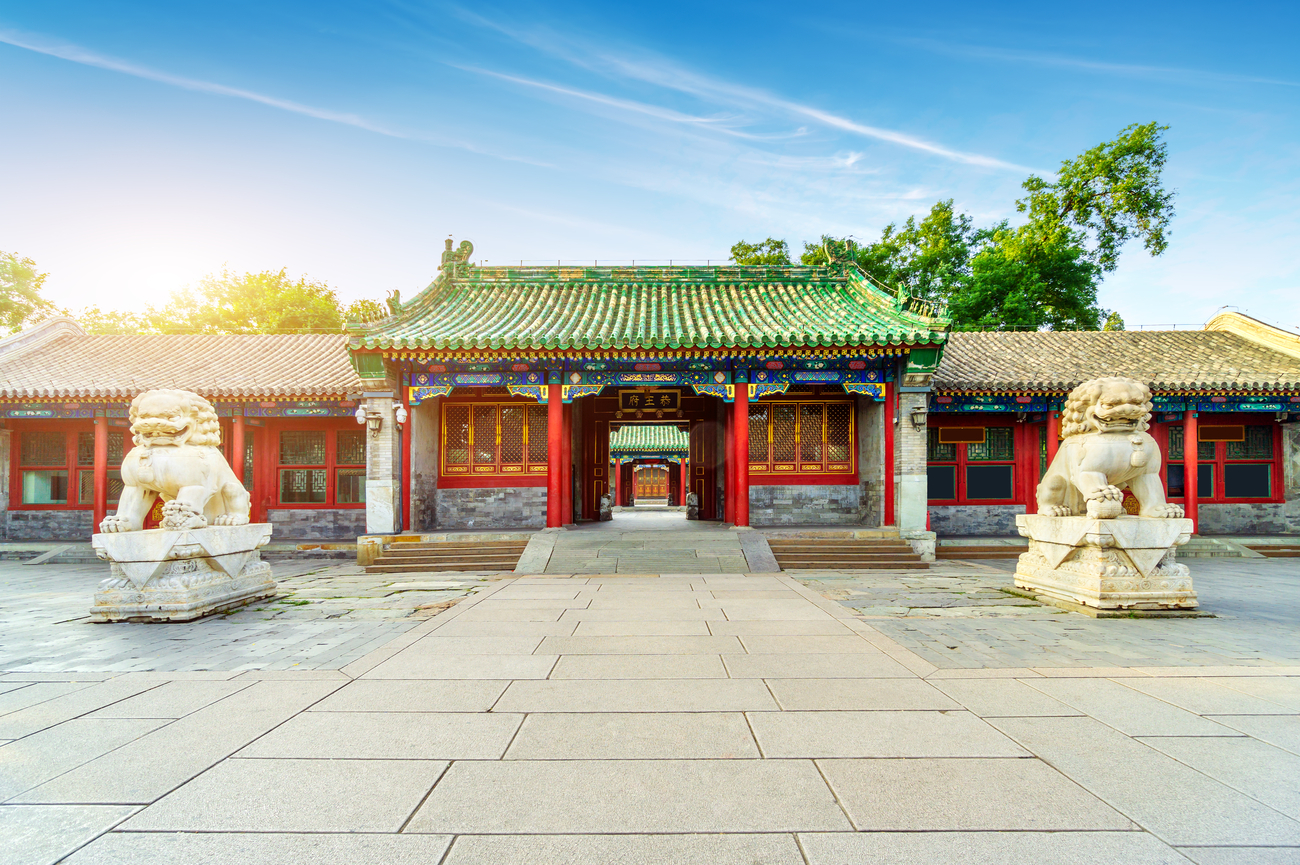
Head west to Prince Gong Mansion, the largest and best-preserved princely residence from the Qing Dynasty in Beijing. It offers a look into the lavish lifestyle of the imperial elite, most notably its former resident Heshen, one of the most powerful figures of his time.
The mansion is divided into two main areas: the southern residential compound and the northern garden. As you walk through the courtyards, you’ll see classic siheyuan layouts with red walls, grey tiles, and structures built from prized nanmu wood. The garden area is more peaceful, featuring rockeries, pavilions, small hills, lakes, and winding pathways, perfect for a relaxed stroll after exploring the halls.
Yandaixie Street and
Nanluoguxiang Hutong
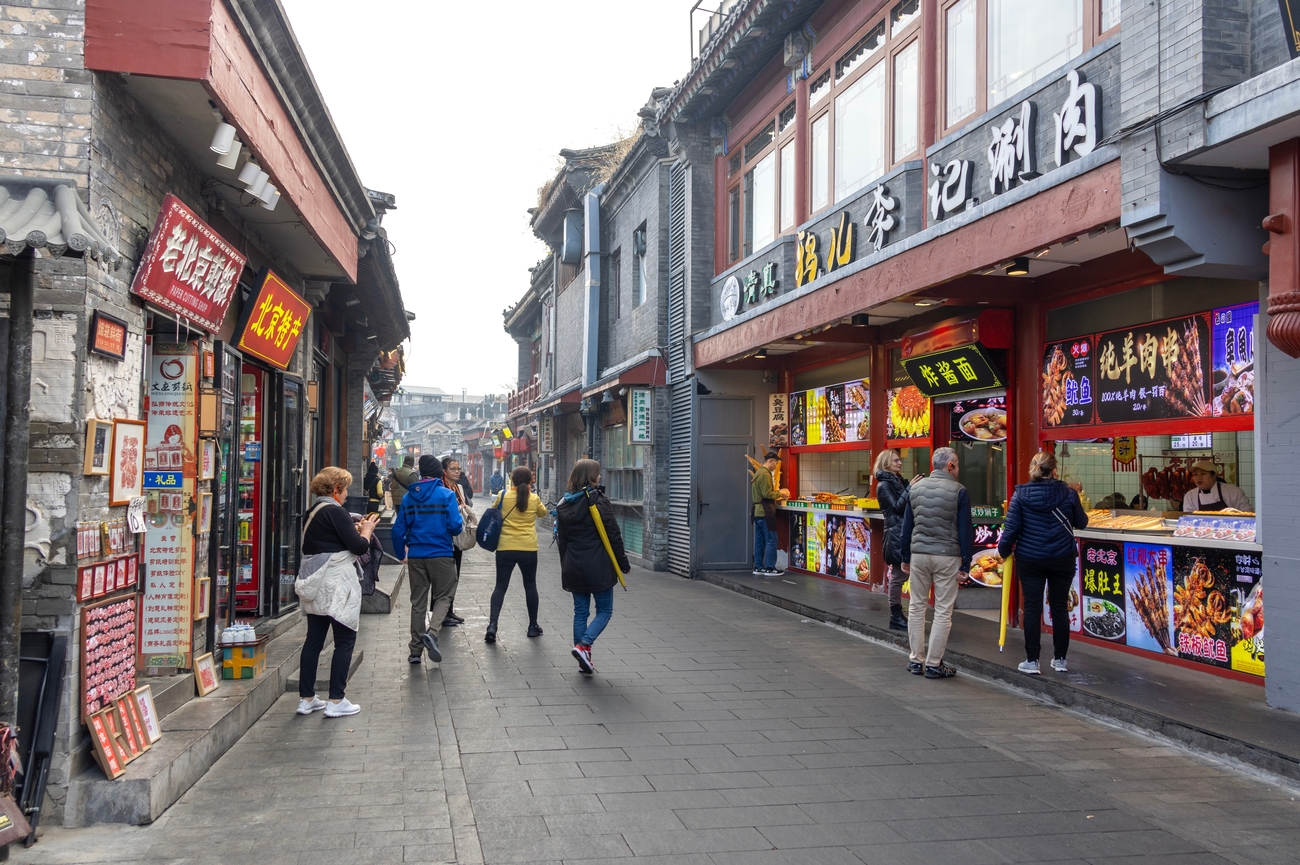
End your day exploring two of Beijing’s most well-known hutongs (traditional alleyways lined with historic courtyard homes). Yandaixie Street is one of the city’s oldest commercial streets, while Nanluoguxiang is among the best-preserved and most lively hutong areas.
As you wander through the narrow lanes, you’ll get a feel for old Beijing street life mixed with modern vibe. Here, you can browse antique shops, calligraphy and art stores, local handicrafts, or even rent traditional Chinese clothing. There are also plenty of cafés, bars, and street food spots where you can relax. If you’d like a different perspective, you can even take a short rickshaw ride through the area.
Day 4 - Beijing Tour Map
Day 5
Morning: Beihai Park
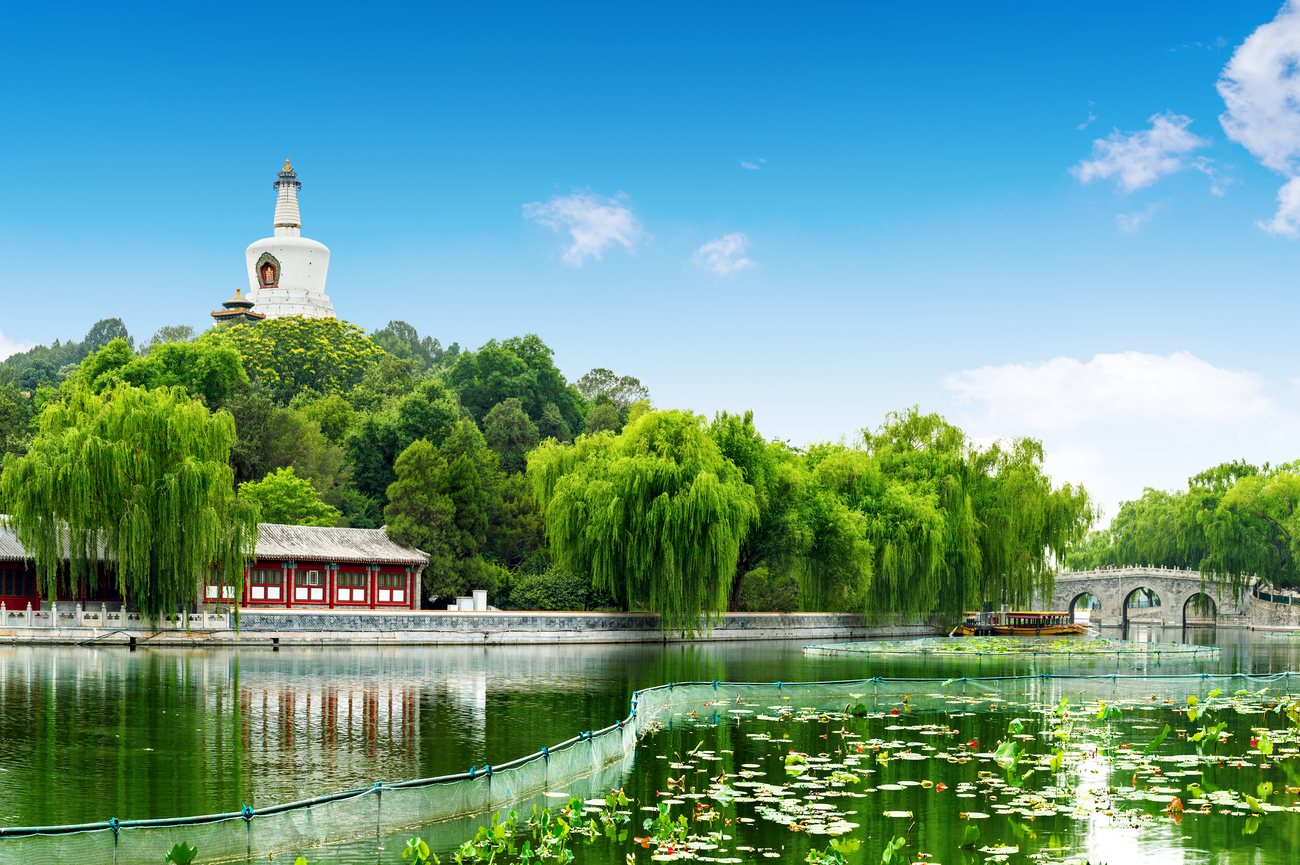
Spend your final day in Beijing at Beihai Park, one of China’s oldest and best-preserved imperial gardens. The park is centred around a large lake known as the “Northern Sea,” with Jade Flowery Islet rising from the middle and topped by the iconic White Dagoba, a Tibetan-style stupa.
You can climb up Jade Flowery Islet to reach the White Dagoba and enjoy stunning views of the lake, the surrounding gardens, and central Beijing. If you prefer a slower pace, rent a rowboat or take a ferry across the lake to enjoy the scenery and see the park from the water.
Afternoon: Olympic
Park
End your Beijing journey at Olympic Park, also known as the Olympic Green. It’s the world’s first “Dual-Olympic Park,” having hosted both the 2008 Summer Olympics and the 2022 Winter Olympics. Today, it’s a lively public space for sports, culture, and leisure.
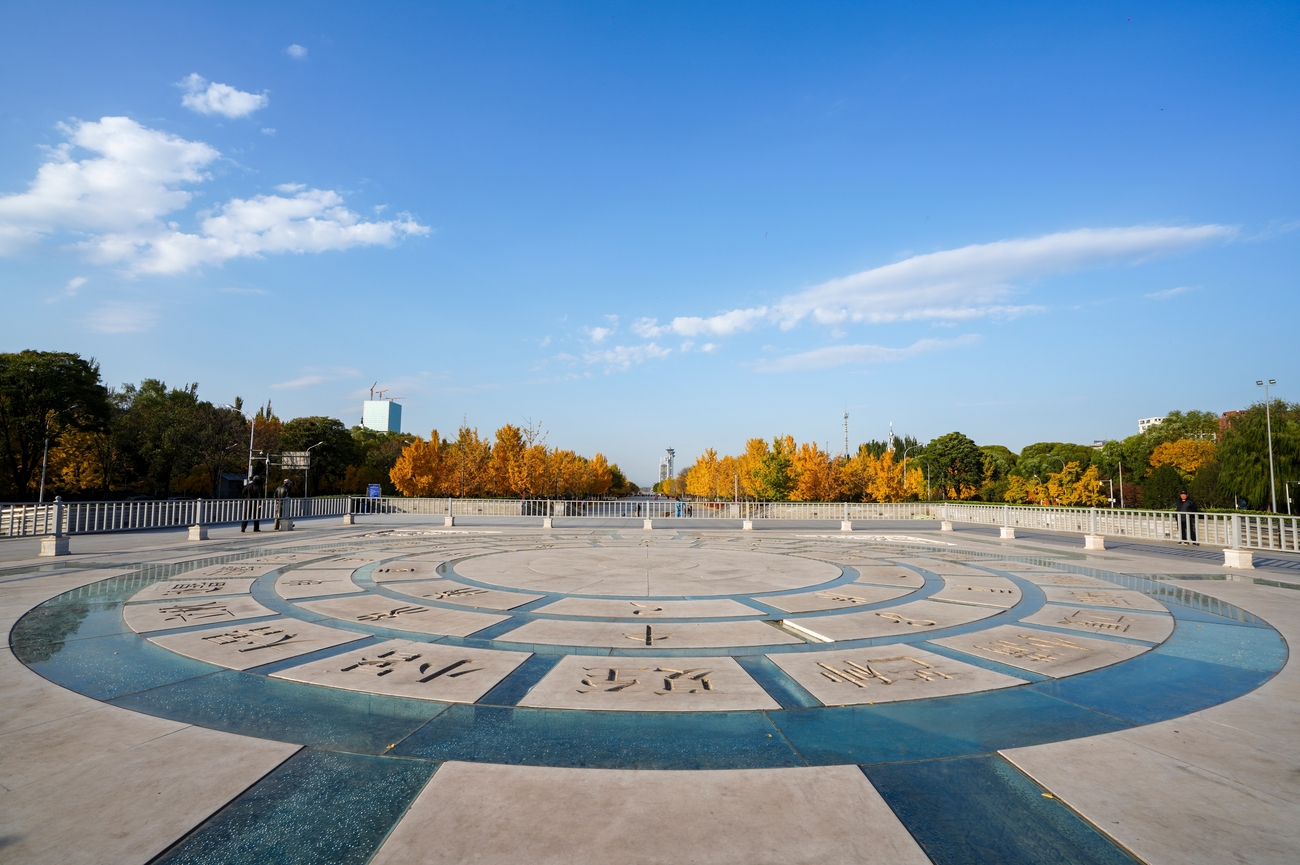
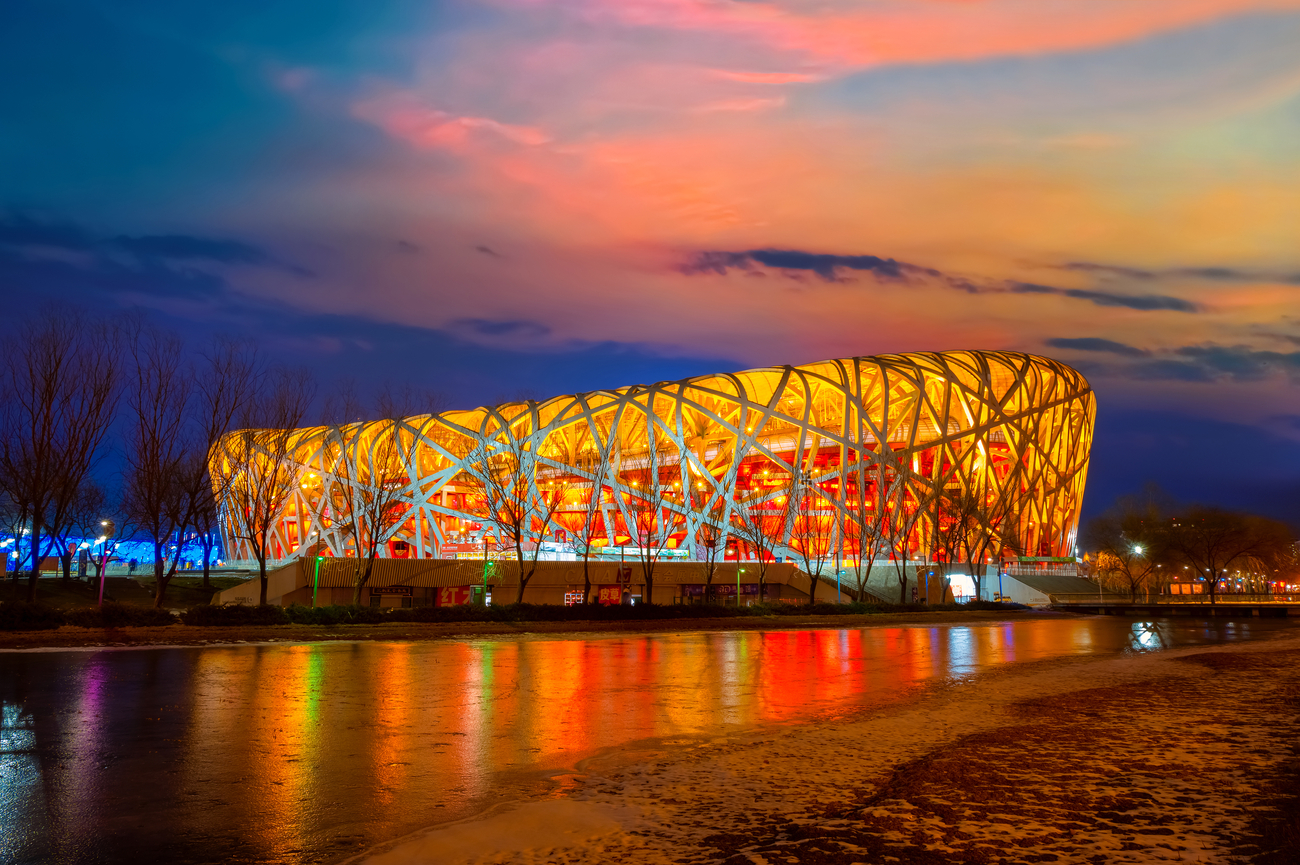
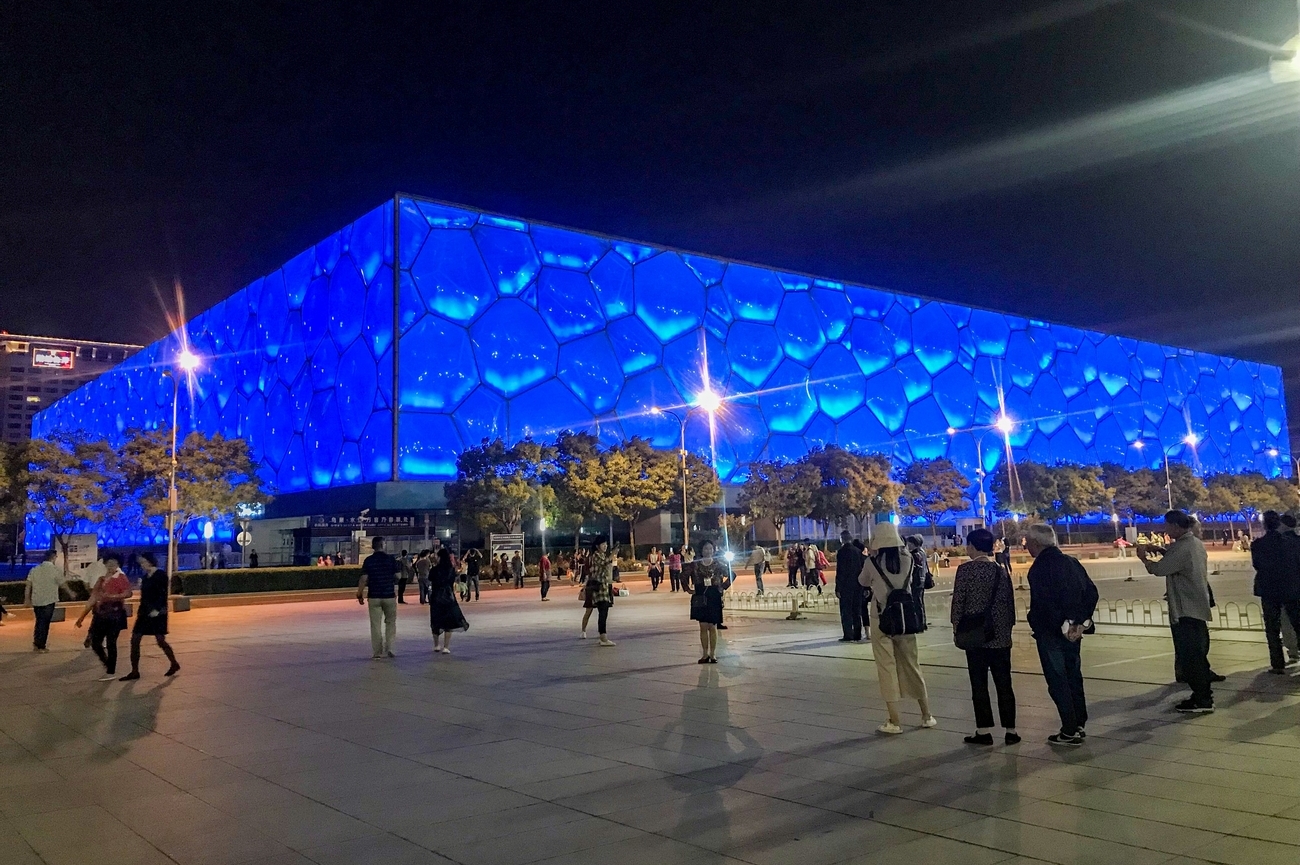
As you walk through the main area, you’ll see two iconic landmarks: the Bird’s Nest (National Stadium), with its striking steel design, and the Water Cube (National Aquatics Center), known for its blue, bubble-like exterior. Both buildings are especially impressive at night when they’re fully lit. You can also go inside the venues. At the Bird’s Nest, you can visit the Olympic museum, explore the stands, or take a rooftop skywalk for panoramic views. The Water Cube has been transformed into a water park, where you can swim or enjoy water slides.
If you want to slow things down, head to the nearby Olympic Forest Park, which is larger than the Summer Palace and Old Summer Palace combined. It’s perfect for walking, jogging on measured tracks (3k, 5k, 10k), cycling, or simply relaxing by the lake before wrapping up your time in Beijing.
Day 5 - Beijing Tour Map
Day Trips From Beijing
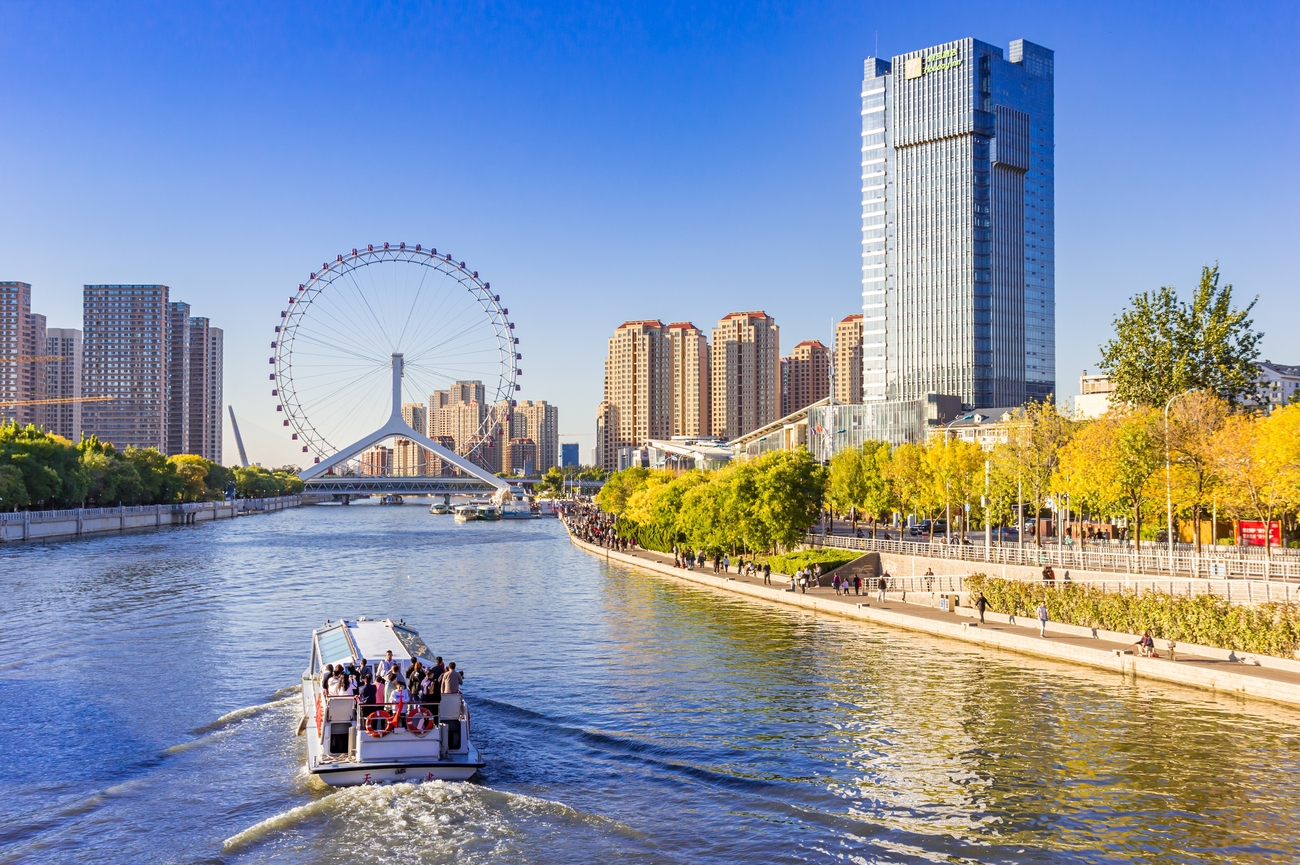
- Tianjin: Just a 30-minute bullet train ride from Beijing. The city is known for its European-style architecture, local food scene, and relaxed riverside atmosphere. You can explore the Five Great Avenues (Wudadao), home to more than 2,000 historic villas built during the early 20th-century foreign concession period. Wander the tree-lined streets on foot, rent a bike, or take a horse-drawn carriage ride to see the mansions up close. Afterward, enjoy a leisurely walk along the Haihe River.
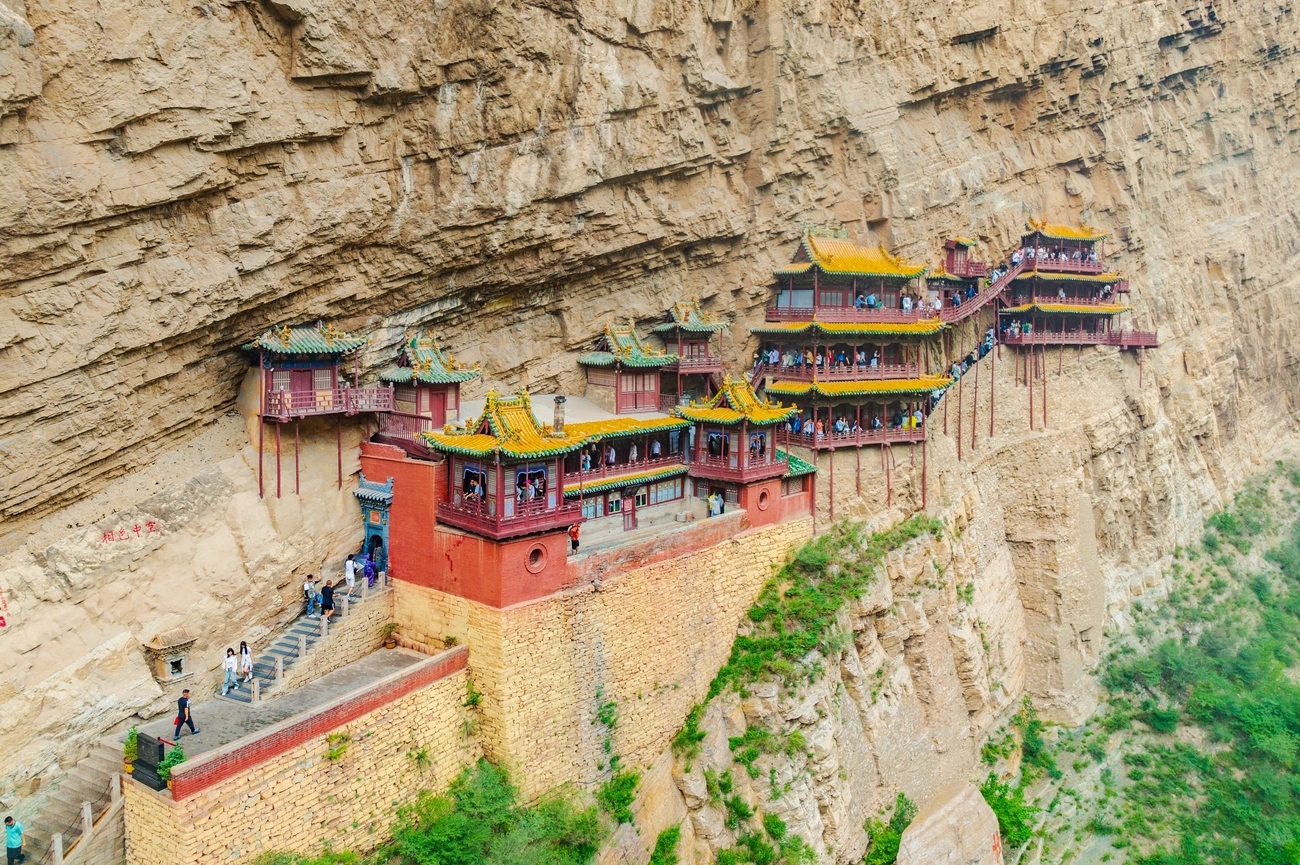
- Datong: Home to two remarkable UNESCO World Heritage Sites that make it well
worth the trip. The Yungang Grottoes are one of China’s most important Buddhist
sculpture sites, with more than 51,000 statues carved into 53 caves along a
cliff face. And the Hanging Temple, an architectural marvel built directly into
the side of a steep cliff, around 75 metres above the ground near Mount
Hengshan.
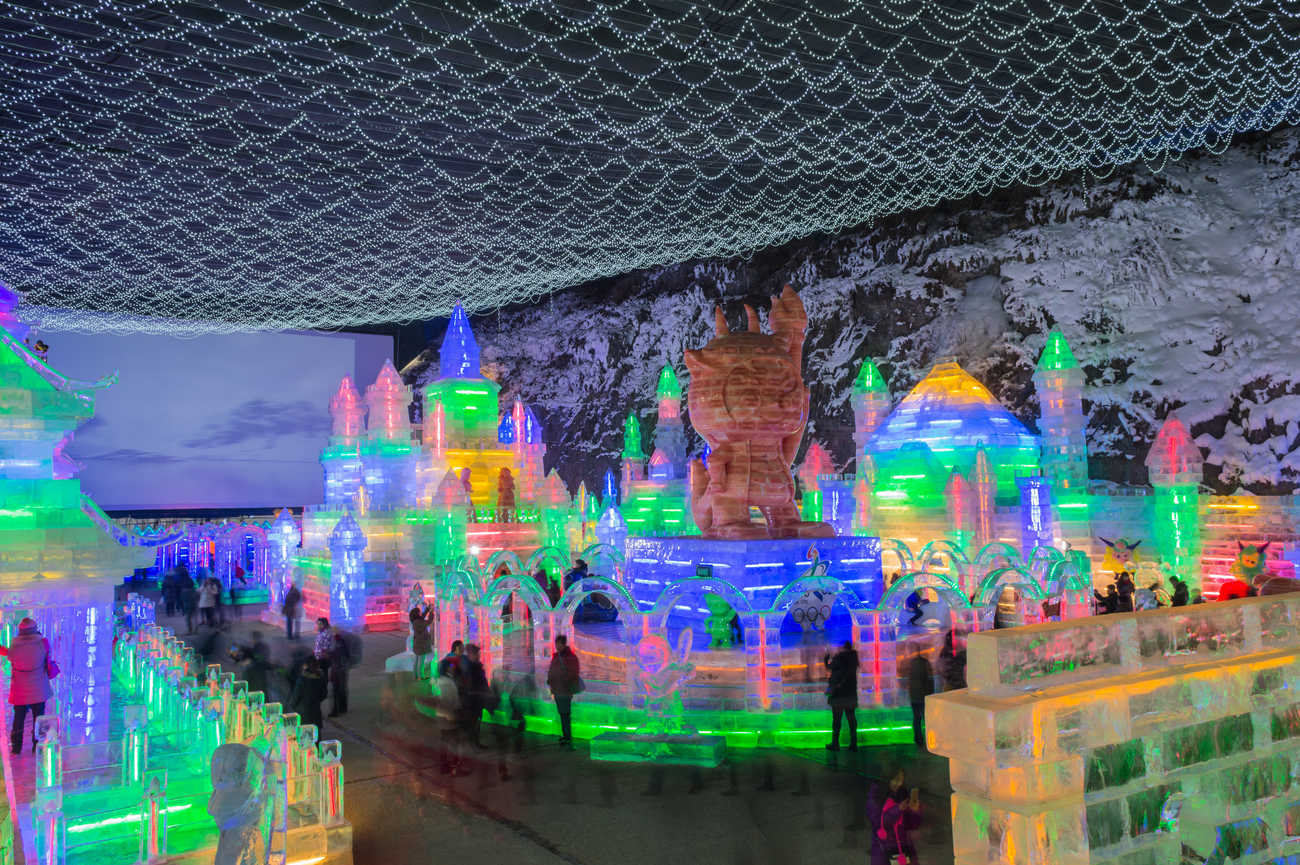
- Longqingxia Gorge: Known for its towering limestone cliffs rising above the clear waters of the Gucheng Reservoir. The scenery here changes beautifully with the seasons, lush and green in summer, and transformed into an icy wonderland in winter. You can start with a relaxing boat cruise through the gorge, where you’ll enjoy close-up views of the steep cliffs, forested mountains, and unusual rock formations. After the cruise, you can hike up to nearby pavilions and temples, which offer scenic views looking down over the gorge.
UNESCO World Heritage
Sites in Beijing
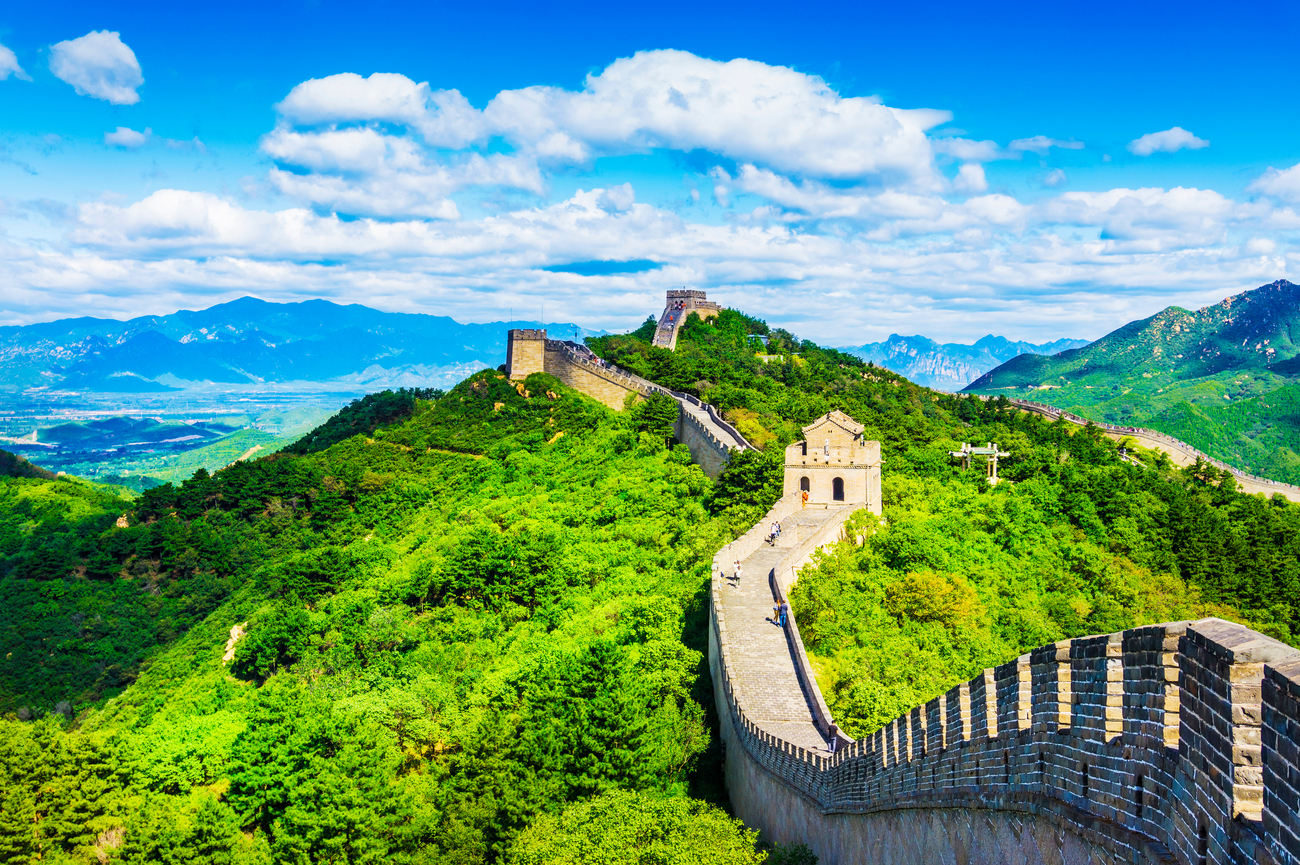
- The Great Wall of China: The Great Wall is one of the world’s most impressive defence systems, built over centuries to protect China’s northern borders. It’s a network of fortifications and watchtowers, with many of the sections near Beijing dating back to the Ming Dynasty. Each section offers a different experience, so you can choose what suits you best: Badaling (the most famous and easiest to access, with wide, restored paths), Mutianyu (known for its beautiful mountain scenery and forested surroundings), Jinshanling (hikers and photographers favorite for its restored and “wild” sections), Simatai (offers the only section open for night tours with majestic illuminated views). Whichever section you visit, wear comfortable shoes, bring water, and be ready for plenty of walking and steps. It’s a physically demanding yet rewarding experience.
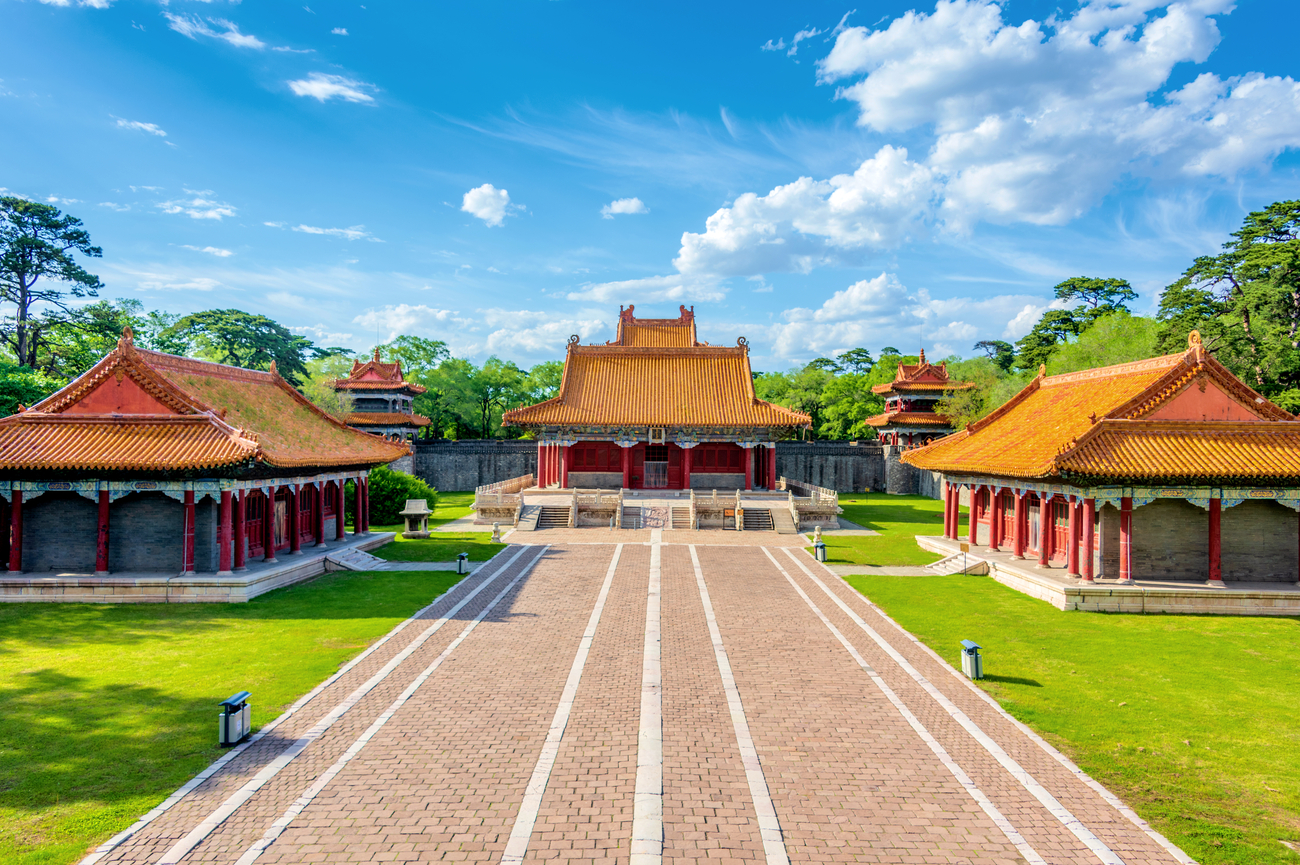
- Imperial Palaces of the Ming and Qing Dynasties in Beijing and Shenyang: Refers to the Forbidden City (Palace Museum) in Beijing, the finest example of Chinese imperial architecture and a powerful link to more than 500 years of history. From 1420 to 1912, it served as the royal palace for 24 emperors of the Ming and Qing dynasties. Today, the Forbidden City is the largest surviving ancient wooden palace complex in the world, carefully designed to reflect the emperor’s supreme power through its layout, symmetry, and scale. Visiting it is an immersive historical experience, and you’ll want to set aside a few hours to explore the vast courtyards, halls, and exhibitions at a comfortable pace.
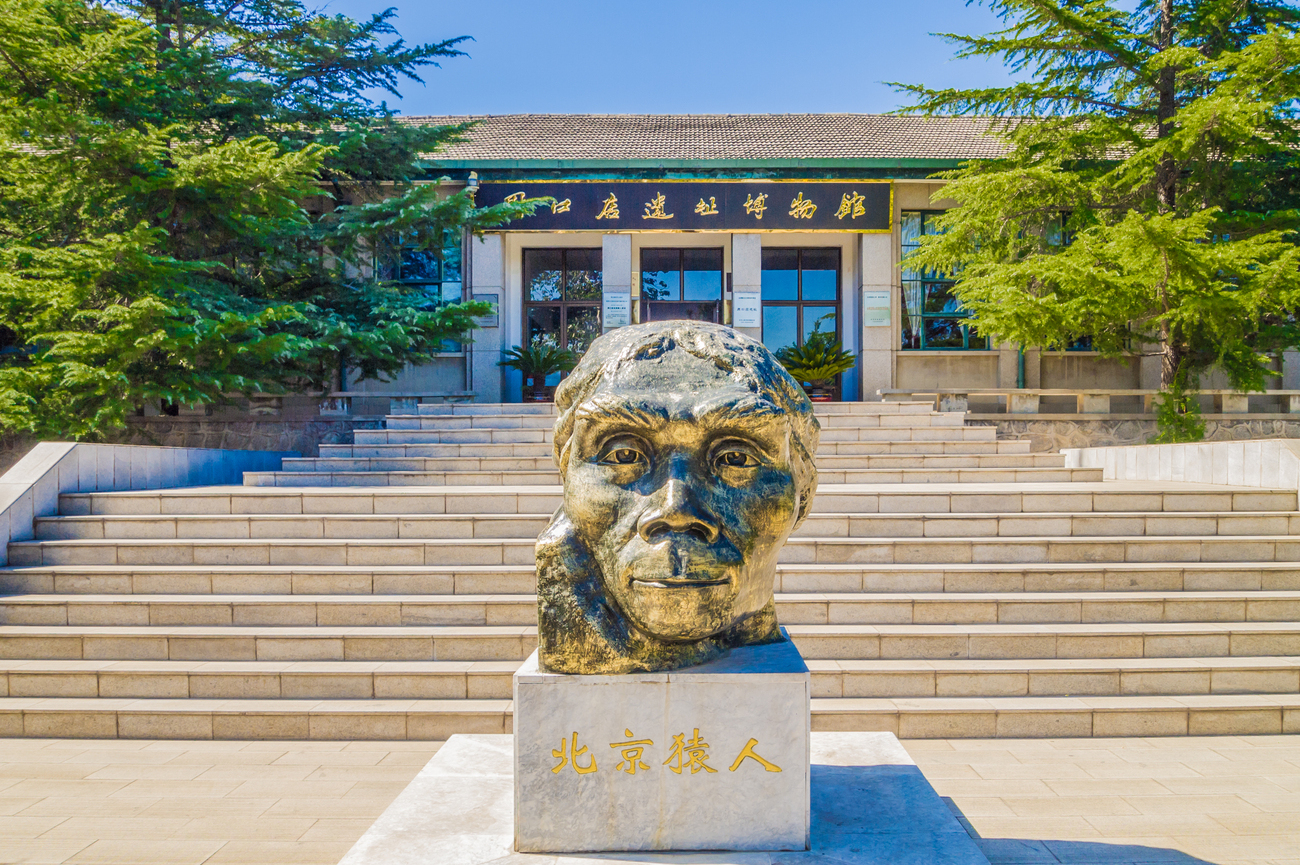
- Peking Man Site at Zhoukoudian: Located about 50 kilometers southwest of downtown Beijing, the site provides crucial evidence for the study of human evolution on the Asian continent, an exceptional reminder of prehistoric human societies, where fossils of Homo erectus pekinensis (Peking Man) were first discovered. Here, you can walk through the original excavation areas, including the "Apeman Cave" (Locality 1) where the first skull was found in 1929, the "Upper Cave Man Site," and the "New Cave Man Site". These locations are protected by shelters and have informational displays explaining the findings.
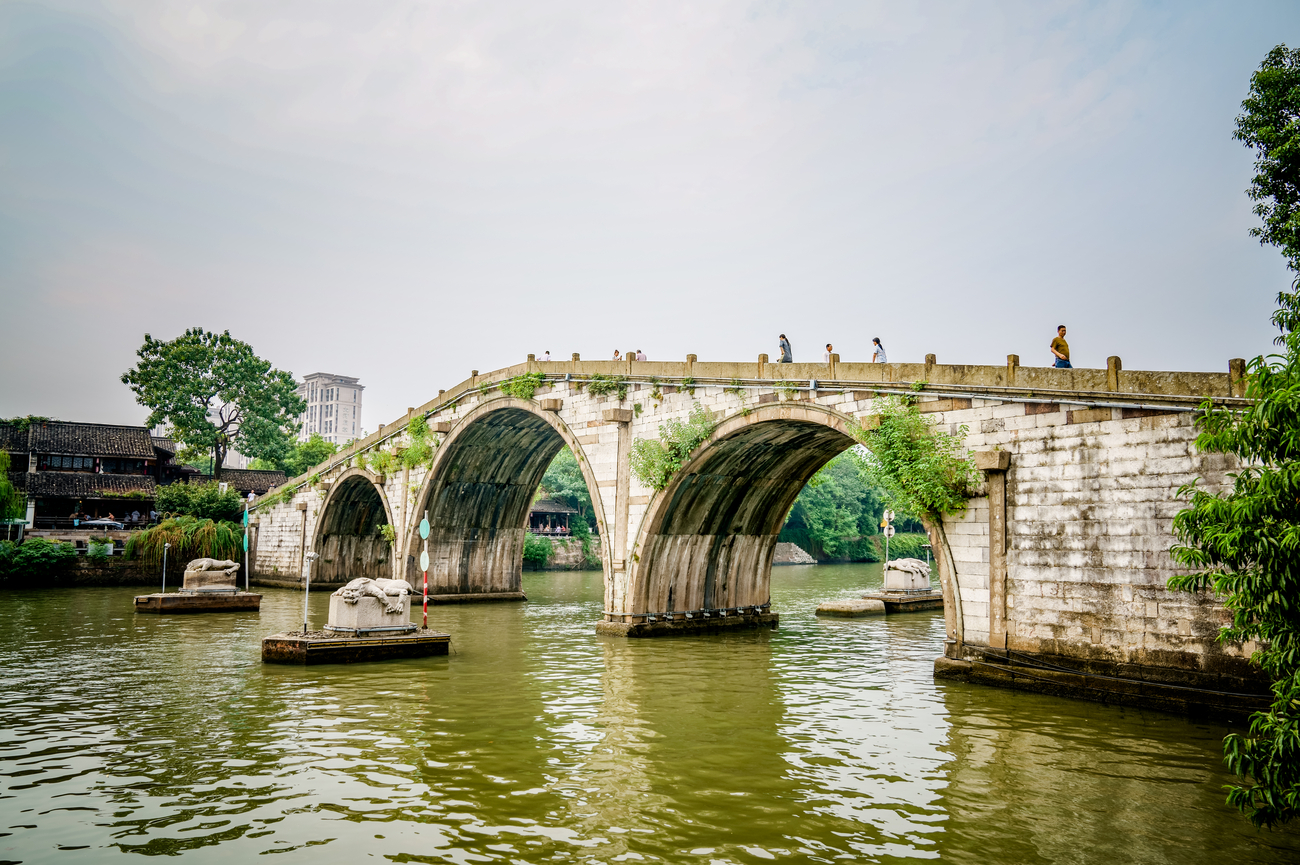
- The Grand Canal: The world's longest and oldest man-made waterway, stretching over 2,000 kilometres from Beijing in the north to Hangzhou in the south. For centuries, it connected the capital with China’s agricultural regions, allowing grain, goods, and supplies to move across the country. Today, the canal remains an important part of China’s history and daily life. Walking along its banks or seeing it up close gives you a sense of the ambition and engineering skill behind this massive project.
Luxury Rail Tours in Beijing
- Golden Eagle Silk Road Express: If you want to see China and Central Asia in true slow-travel luxury,
the Golden Eagle Silk Road Express is as exclusive as it gets. Think of it as a
five-star hotel on wheels, with Beijing as a main gateway for epic journeys
like The Grand Silk Road (22 days), Voyage to the Roof of the World (12 days),
and Ancient China by Private Train (12 days).
On board, you’ll stay in plush cabins such as the spacious Han Dynasty Suites, complete with private bathrooms, bathtubs, and separate living areas, so you’re never sacrificing comfort for adventure. During the day, relax in the observation car with panoramic windows, enjoy gourmet Chinese and international meals in the dining car, or unwind in the lounge with live piano music.
Everything is taken care of for you. Your journey is fully all-inclusive, covering meals, drinks, guided off-train excursions, and even onboard medical support. All you need to do is sit back, watch the landscapes roll by, and enjoy the rare privilege of travelling through some of the world’s most legendary regions in complete comfort.
Golf Courses in
Beijing
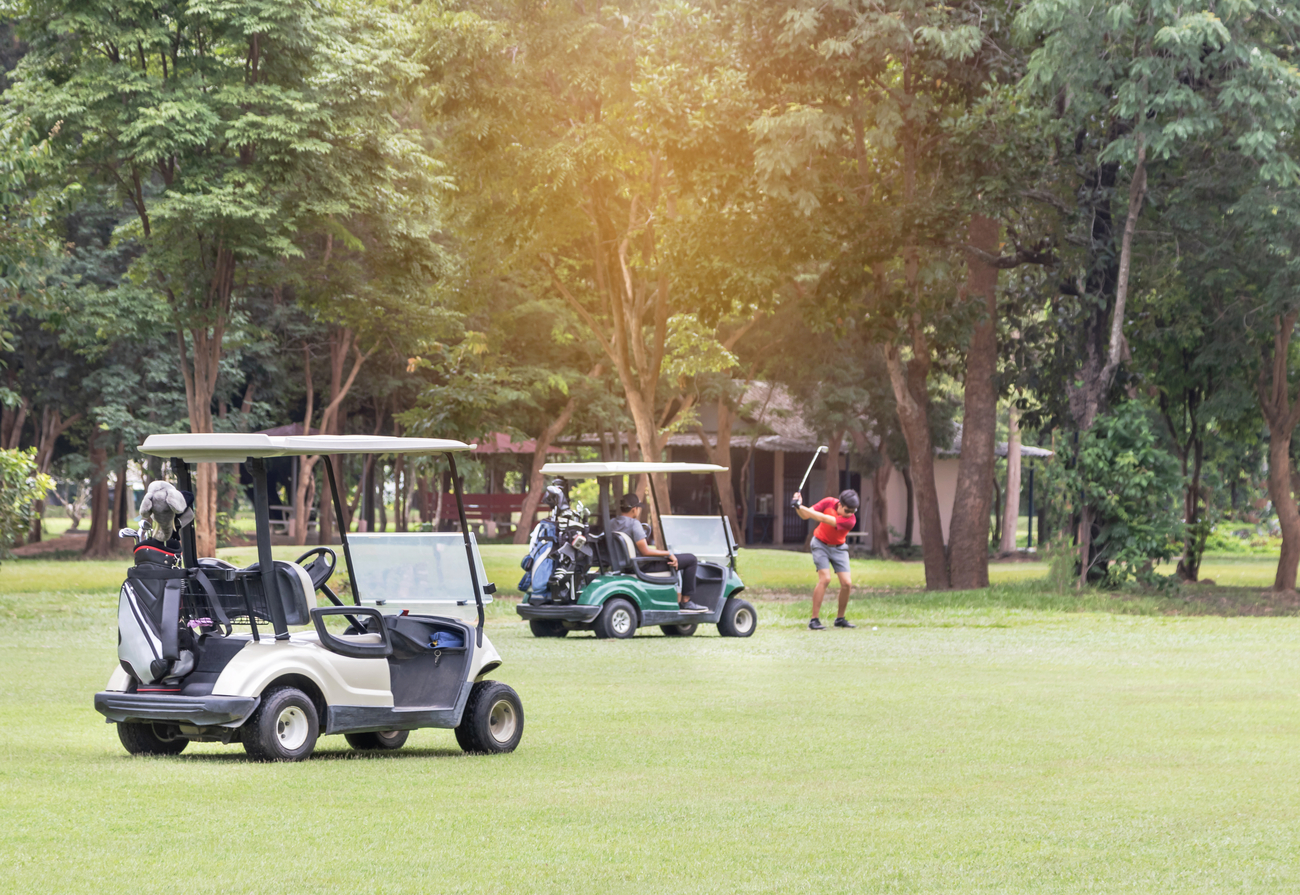
- Reignwood Pine Valley International Golf Club: Located near the Great Wall, Reignwood Pine Valley is one of China’s most exclusive golf clubs and the country’s first by-invitation-only course. It offers 54 holes designed by Jack Nicklaus and his son, including two full championship courses (the Golden Bear and Nicklaus courses) plus a 9-hole course that’s even lit for evening play.
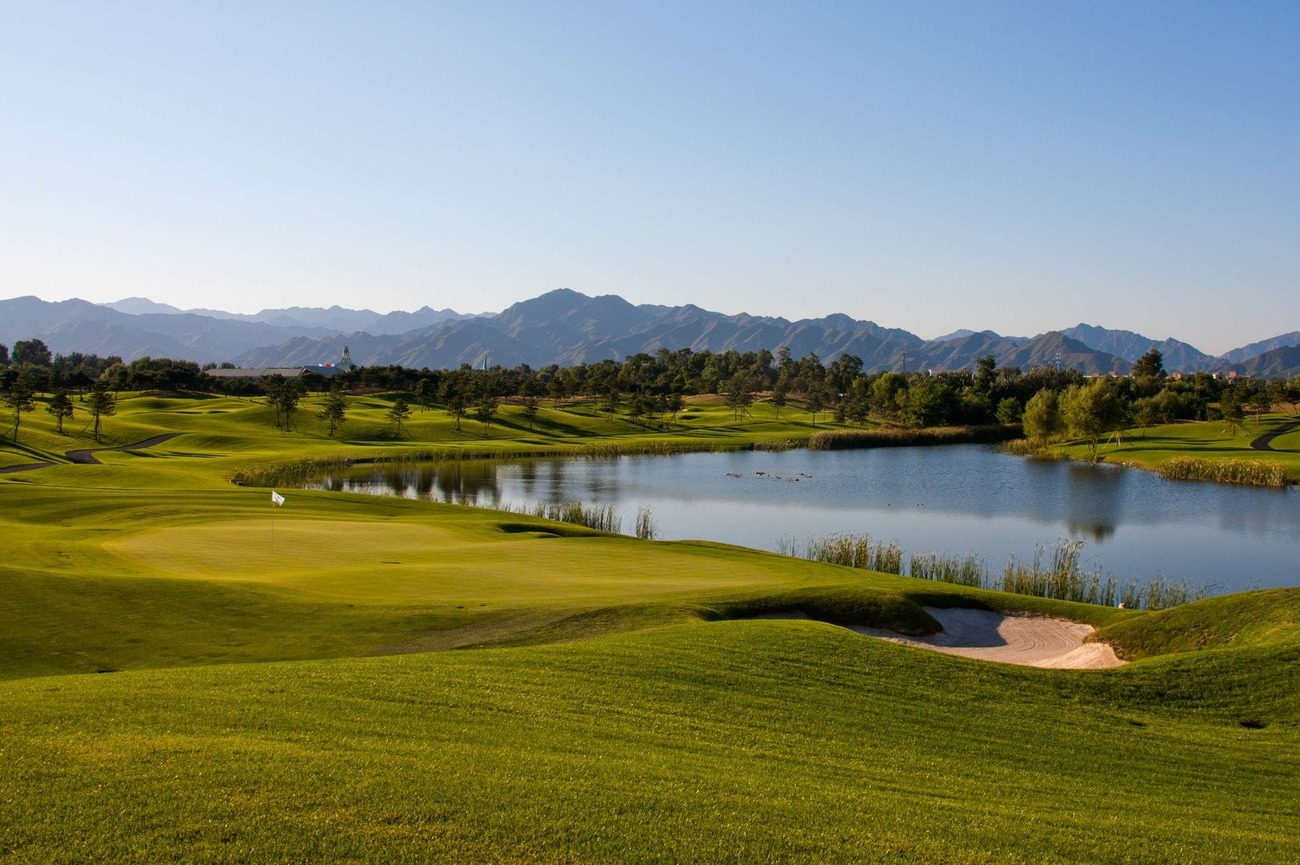
- Nicklaus Club-Beijing: Known for its high standards and relaxed, upscale atmosphere, offering a true “home away from home” experience. The club features an 18-hole, par-72 Jack Nicklaus Signature course. Stretching 7,225 yards from the back tees, the course is designed to be enjoyable for members while still challenging enough to host professional-level tournaments. It’s a great option if you’re looking for a premium golf experience without sacrificing comfort or playability.
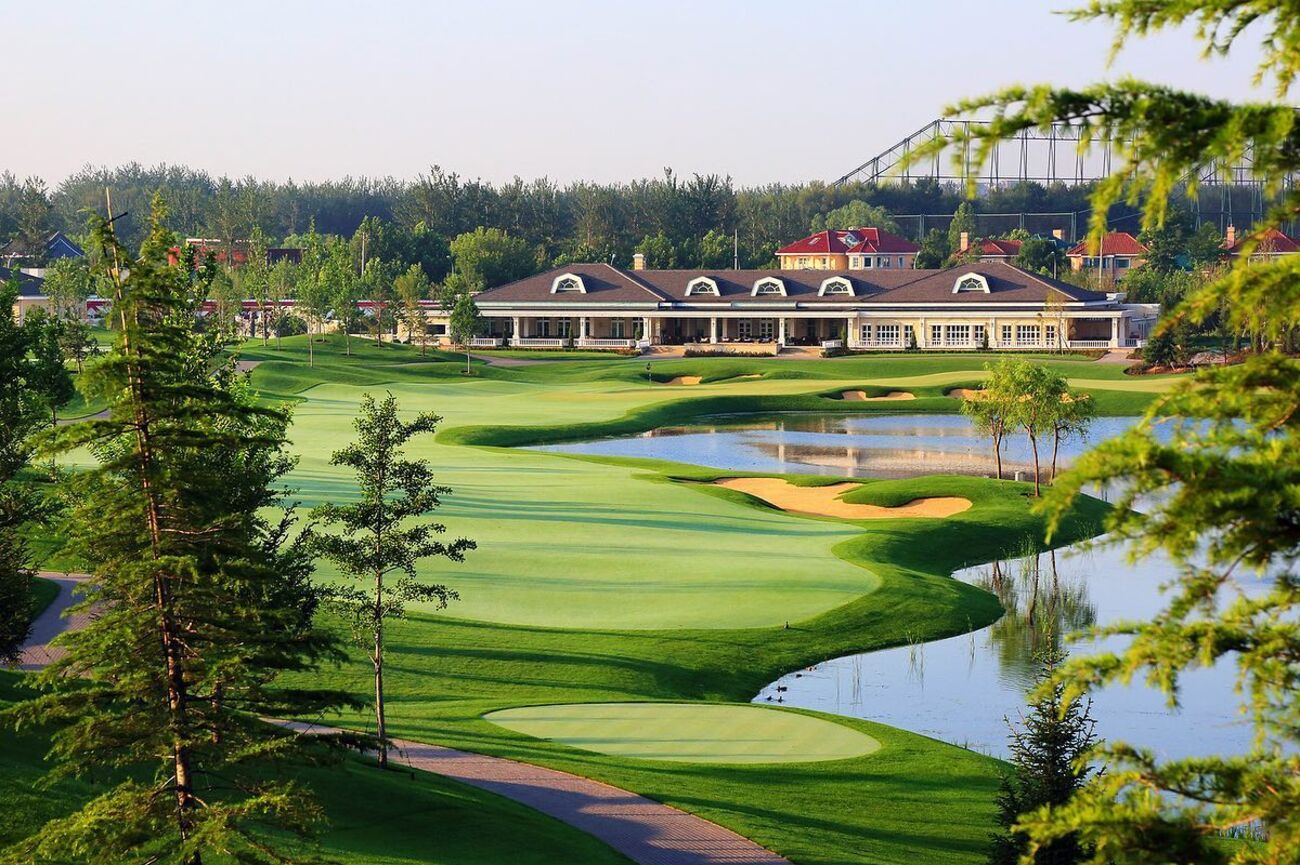
- Topwin Golf and Country Club: Highly regarded as one of China’s top golf courses and has hosted the Volvo China Open multiple times. The 18-hole, par-72 championship course was designed by golf legend Ian Woosnam in collaboration with IMG. The parkland-style layout winds through rolling countryside, with lush fairways framed by fruit trees, pine groves, and chestnut orchards. In the distance, you’ll even catch views of the Great Wall.
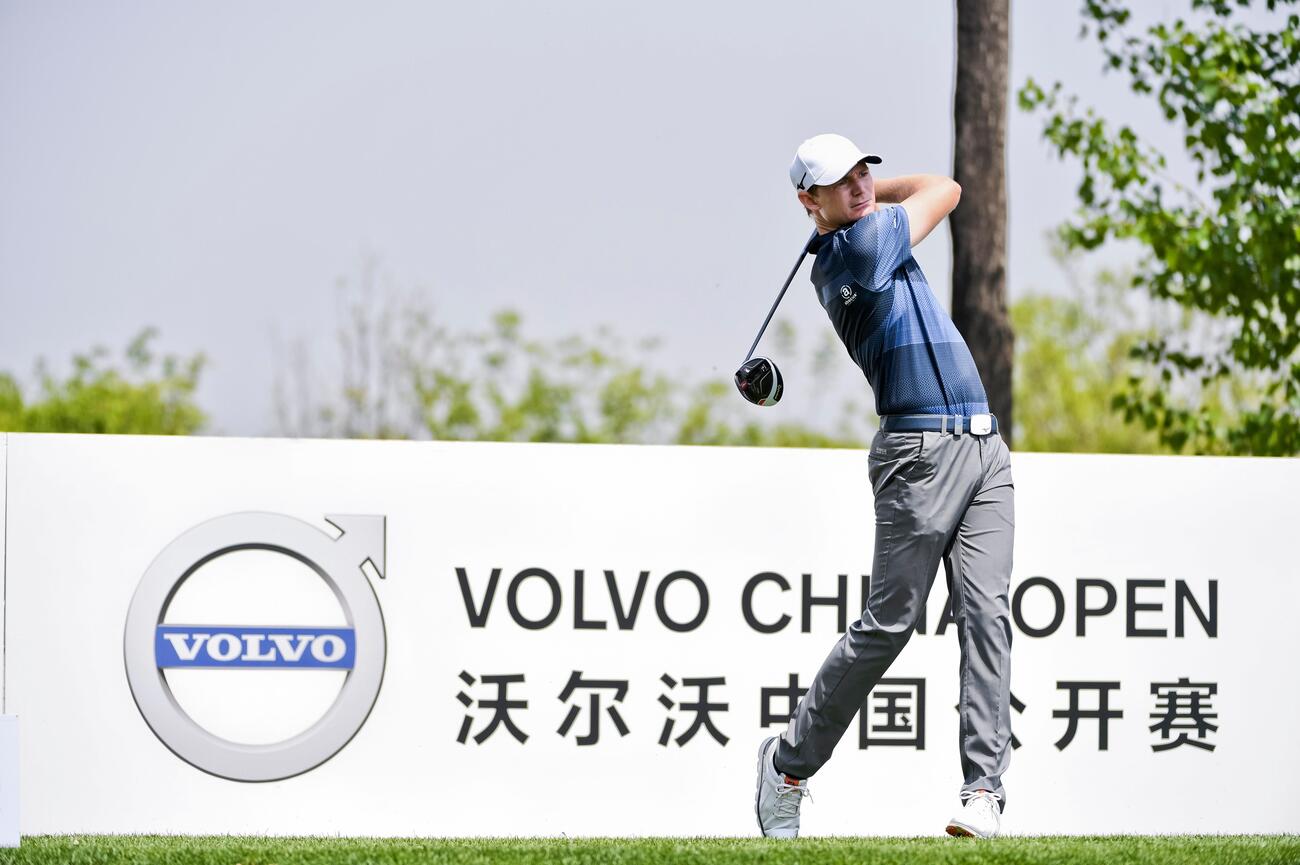
- Beijing CBD International Golf Club: Conveniently located near the city’s Central Business District, making it one of the easiest courses to access in Beijing. Designed to Tournament Player Course (TPC) standards, it has hosted major events such as the Volvo China Open. The 18-hole, par-72 course is known for its extensive water features, well-placed bunkers, and a standout island green that adds both challenge and visual appeal. It’s a great choice if you want a championship-level round without leaving the city.
Ski Resorts in Beijing
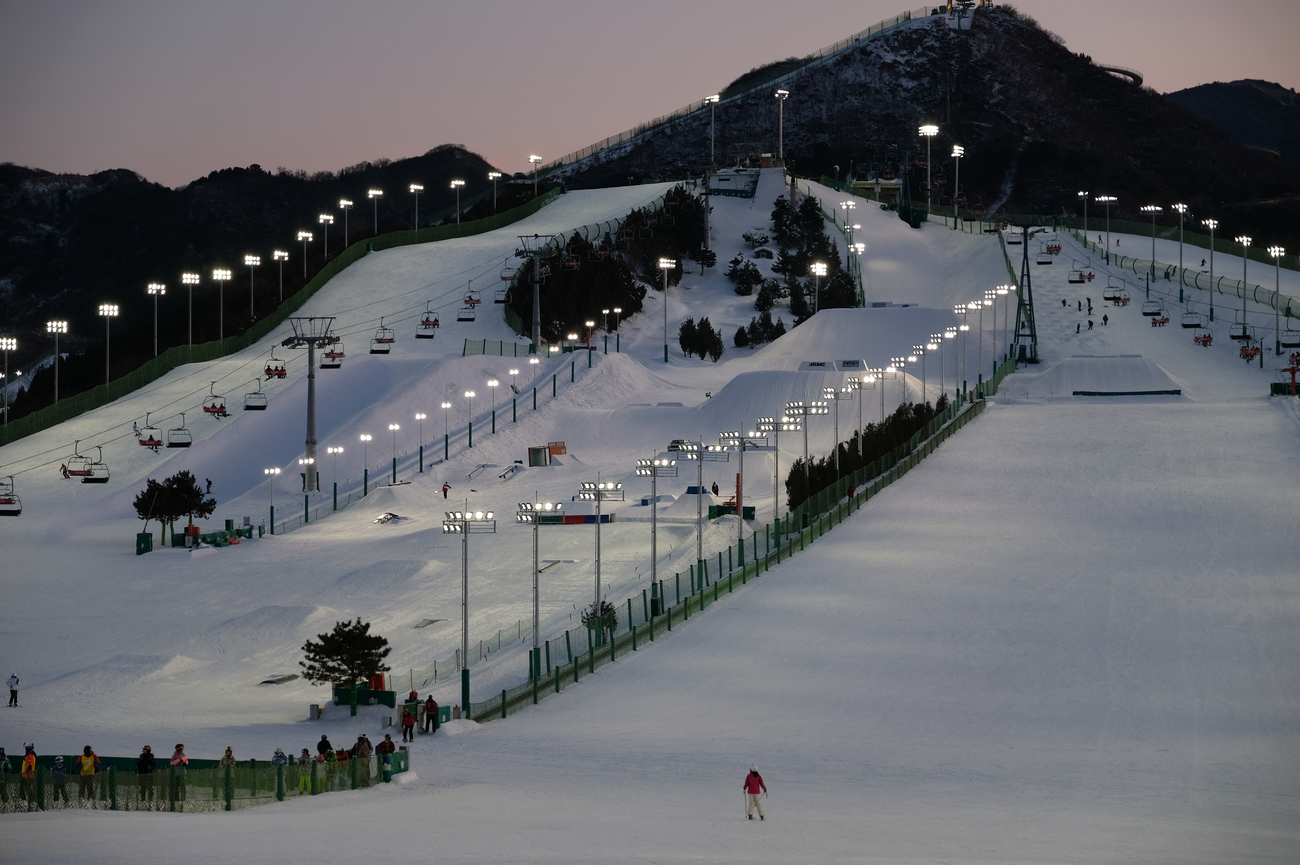
- Beijing Nanshan Ski Resort: The largest and most popular ski resort near Beijing, offering trails for all skill levels. With 26 runs in total, you’ll find beginner and intermediate slopes alongside more challenging options, including mogul runs and a black-diamond trail for advanced skiers. The resort also features a dedicated snowboard park and a children’s ski area, making it a good choice if you’re just learning, looking to improve your skills, or travelling with your family.
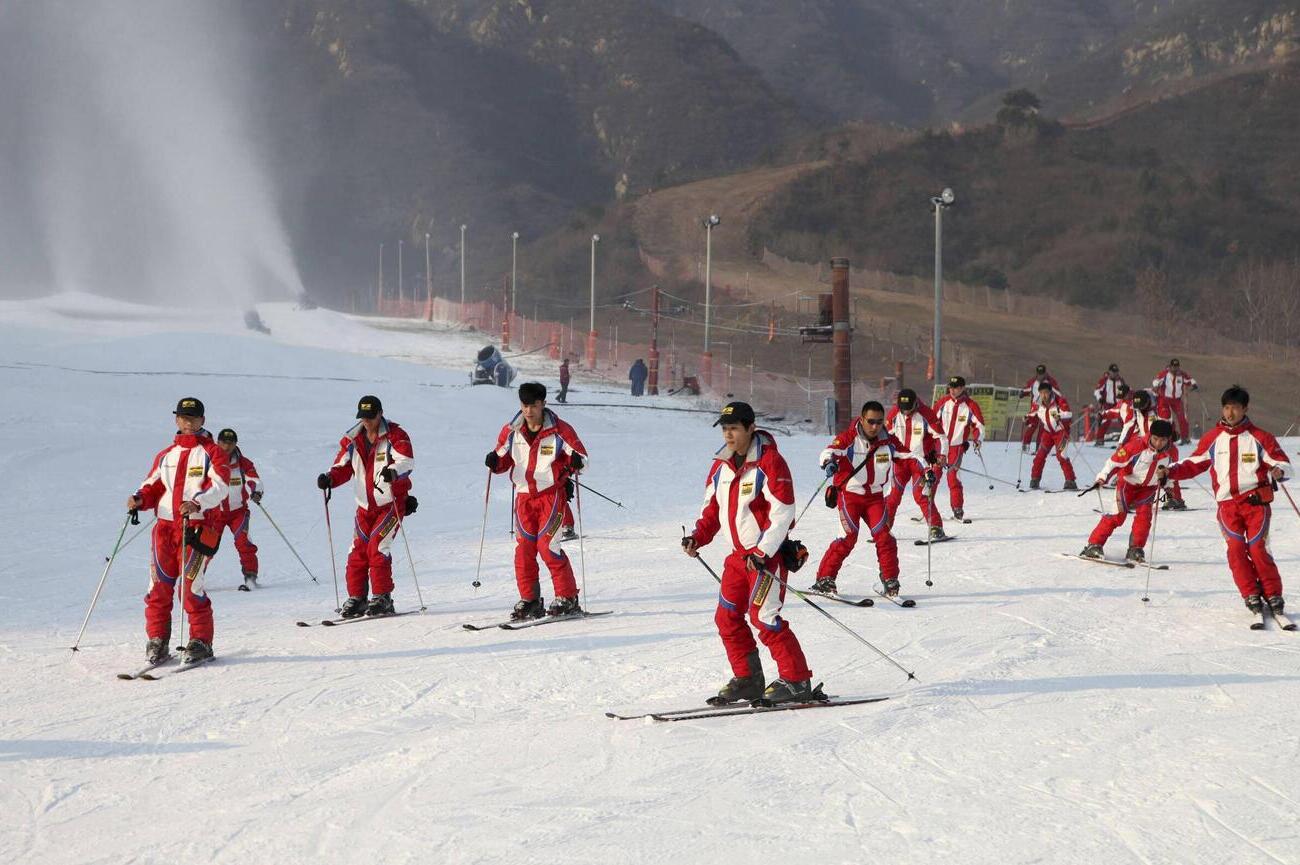
- Beijing Huaibei International Ski Resort: Located northeast of Beijing, Huaibei International Ski Resort offers
a scenic skiing experience with views of the Great Wall as your backdrop. It
has a range of runs suitable for different skill levels, with a vertical drop
of around 238 metres. The resort typically operates from December to March,
using artificial snow-making to ensure good conditions throughout the season.
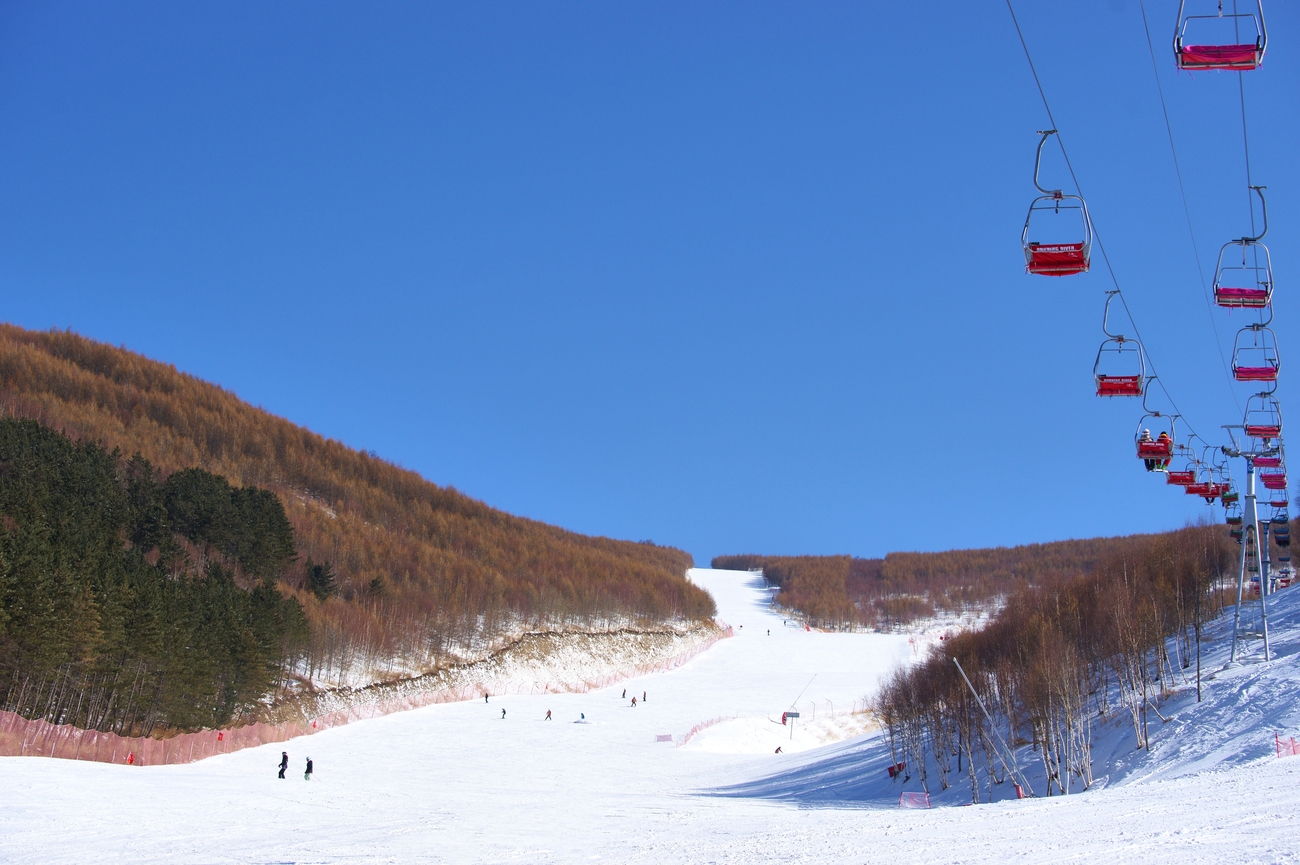
- Wanlong Ski Resort: One of China’s top ski destinations and a co-host venue of the 2022 Winter Olympics. While it’s not within Beijing itself (about a three-hour drive away) it’s often considered the closest world class ski area to the capital. It’s known for its high quality snow and large vertical drop, Wanlong is sometimes called “China’s Vail” by ski enthusiasts. You’ll also find modern facilities, including highspeed, heated chairlifts and gondolas, making it a comfortable and rewarding choice if you’re serious about skiing or snowboarding.
Vineyards Near Beijing
- Chateau Changyu AFIP Global: One of the most well-known wineries near Beijing and part of China’s oldest and largest wine producers. The estate is grand and European-inspired, with castle-like buildings, surrounding vineyards, a wine museum, and a visitor centre. On a guided tour, you’ll walk through the winemaking facilities and learn how the wines are made, from grape pressing to fermentation and aging in the cellar. The visit usually ends with a wine tasting, where you can sample several Changyu wines and get expert commentary about their flavours and styles.
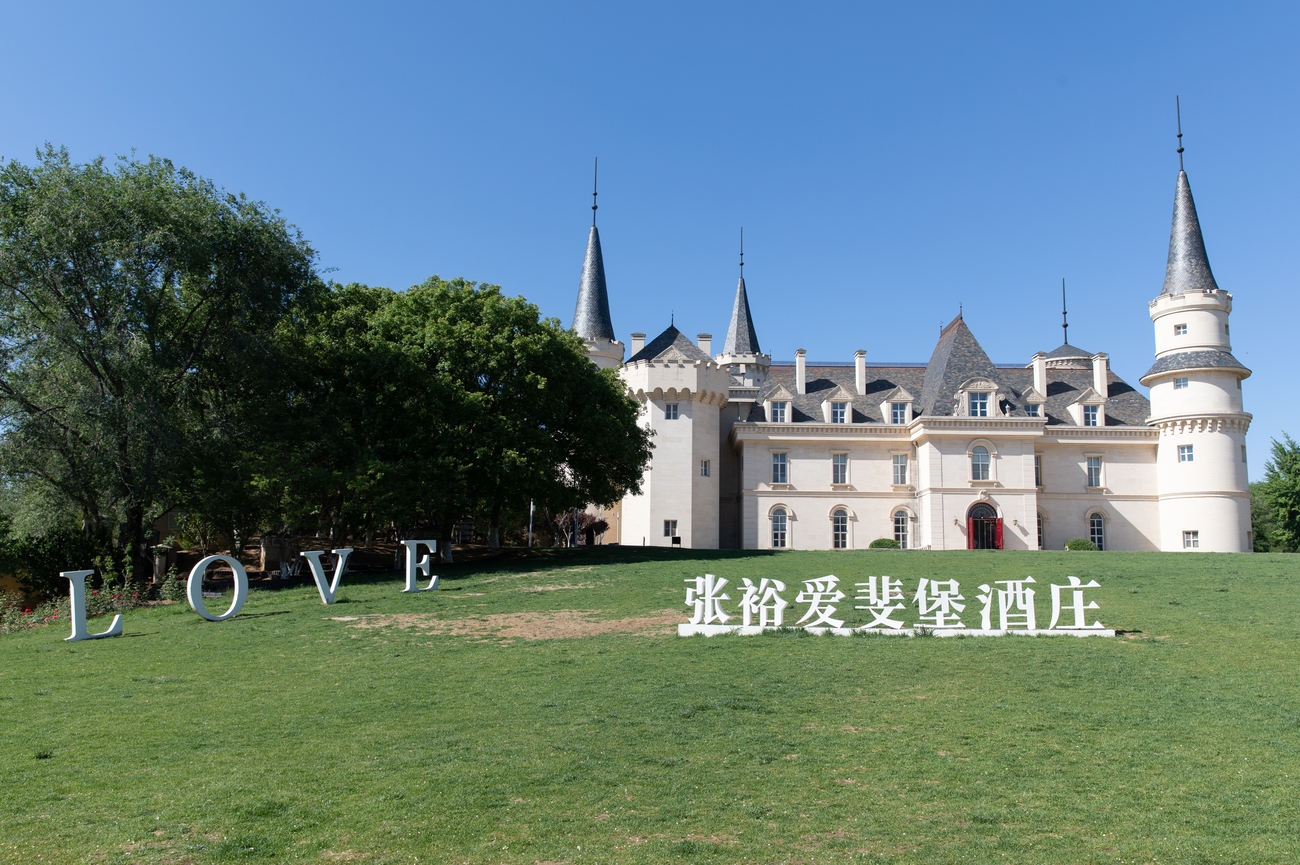
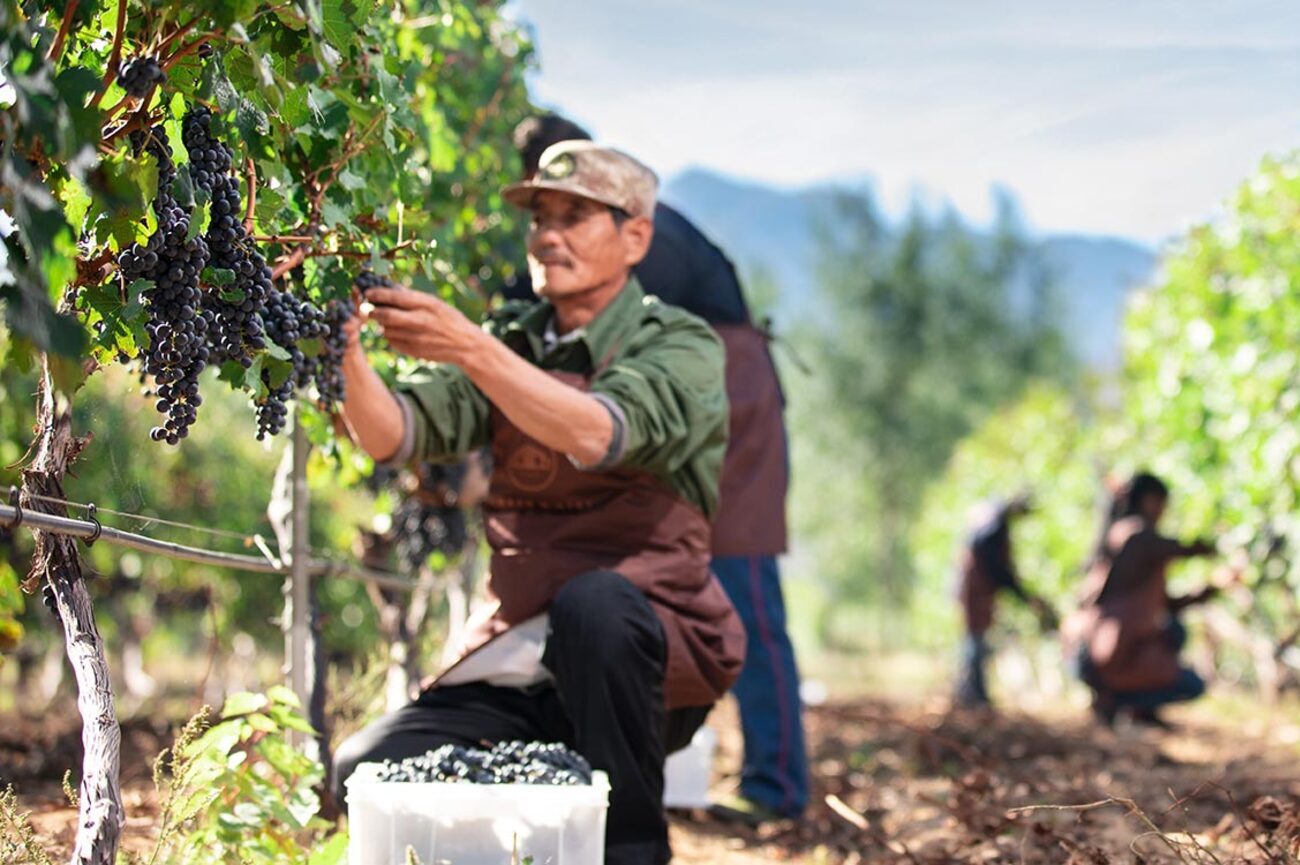
- Canaan Winery: Located in Huailai County (often called Beijing’s “wine backyard”), Canaan Winery combines minimalist architecture with environmentally friendly practices, focusing on premium wines, especially Marselan and Cabernet Sauvignon, and has earned recognition in both local and international competitions. Here, you can tour the production facilities, stroll through the vineyards, and learn about the sustainable methods used on the estate. The experience usually ends with a structured wine tasting, where you can sample a selection of their red and white wines.
Luxury Spa &
Wellness Experiences in Beijing
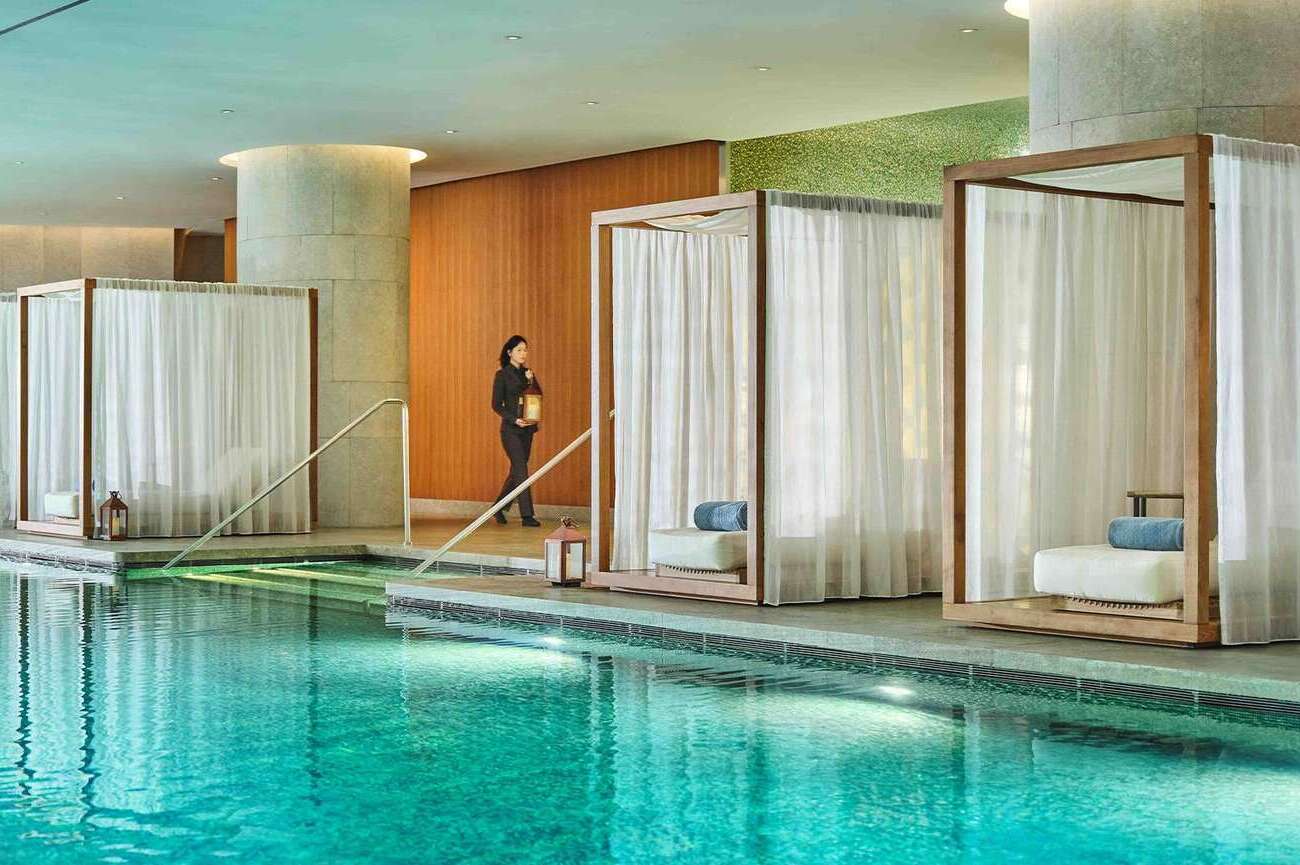
- The BVLGARI SPA: Located inside the Bvlgari Hotel Beijing, The BVLGARI Spa is one of Beijing’s top luxury wellness destinations, known for its refined design, exceptional service, and world-class treatments. Here, you’ll have access to elegant treatment rooms, a vitality pool, a 25-metre heated indoor pool with floor-to-ceiling windows, saunas, and a modern fitness centre. The spa works with premium skincare brands like Augustinus Bader and Amala, giving you advanced facials and body treatments rooted in science.
- Sense, A Rosewood Spa: Located within the third and fourth floors of Rosewood Beijing hotel, Sense is a peaceful urban spa known for its personalised, holistic approach to wellness, featuring several treatment rooms, a quiet relaxation area, and a beautiful indoor pool with a sun deck. Treatments are tailored to your individual needs. A must-try is the range of Traditional Chinese Medicine (TCM) therapies, including Tui Na massage and acupuncture, which focus on restoring balance and improving your energy flow.
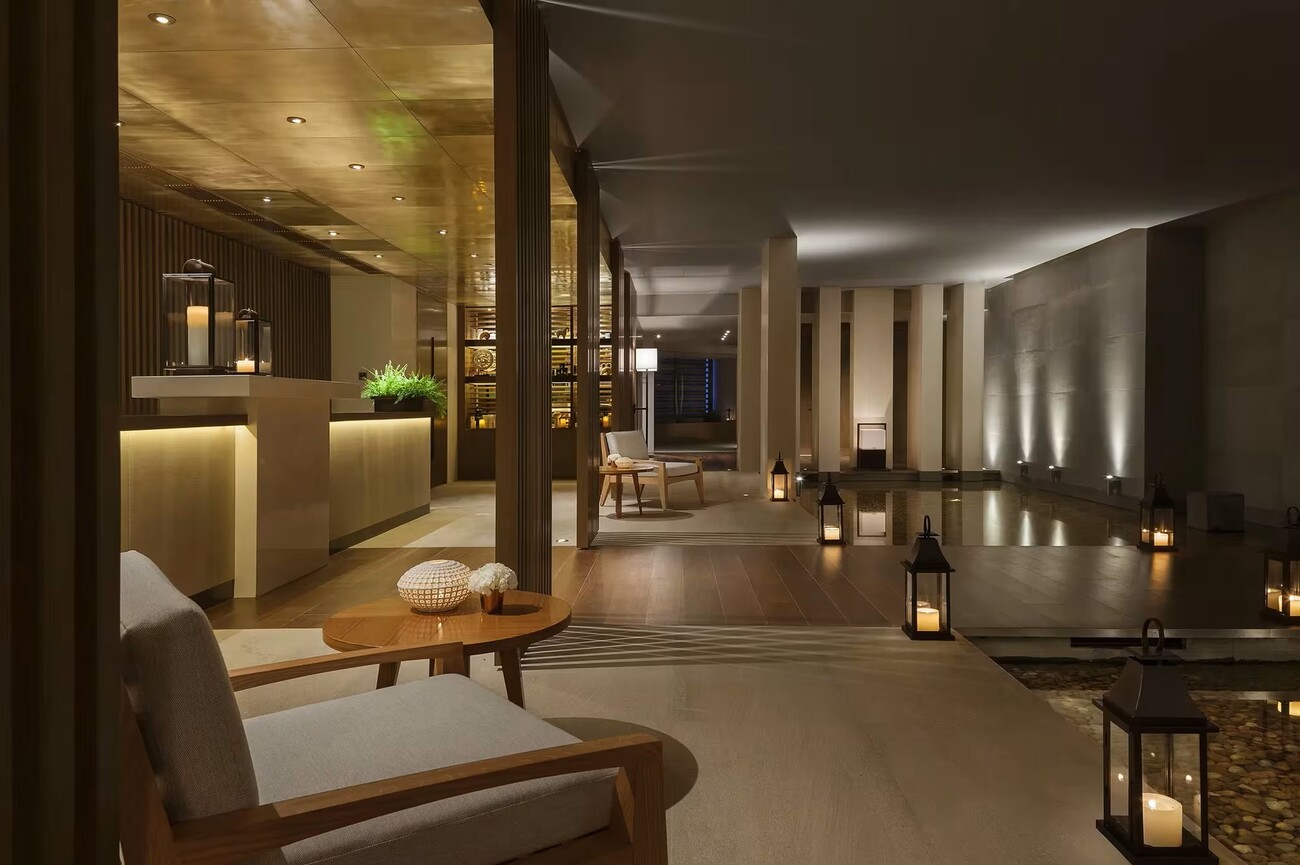
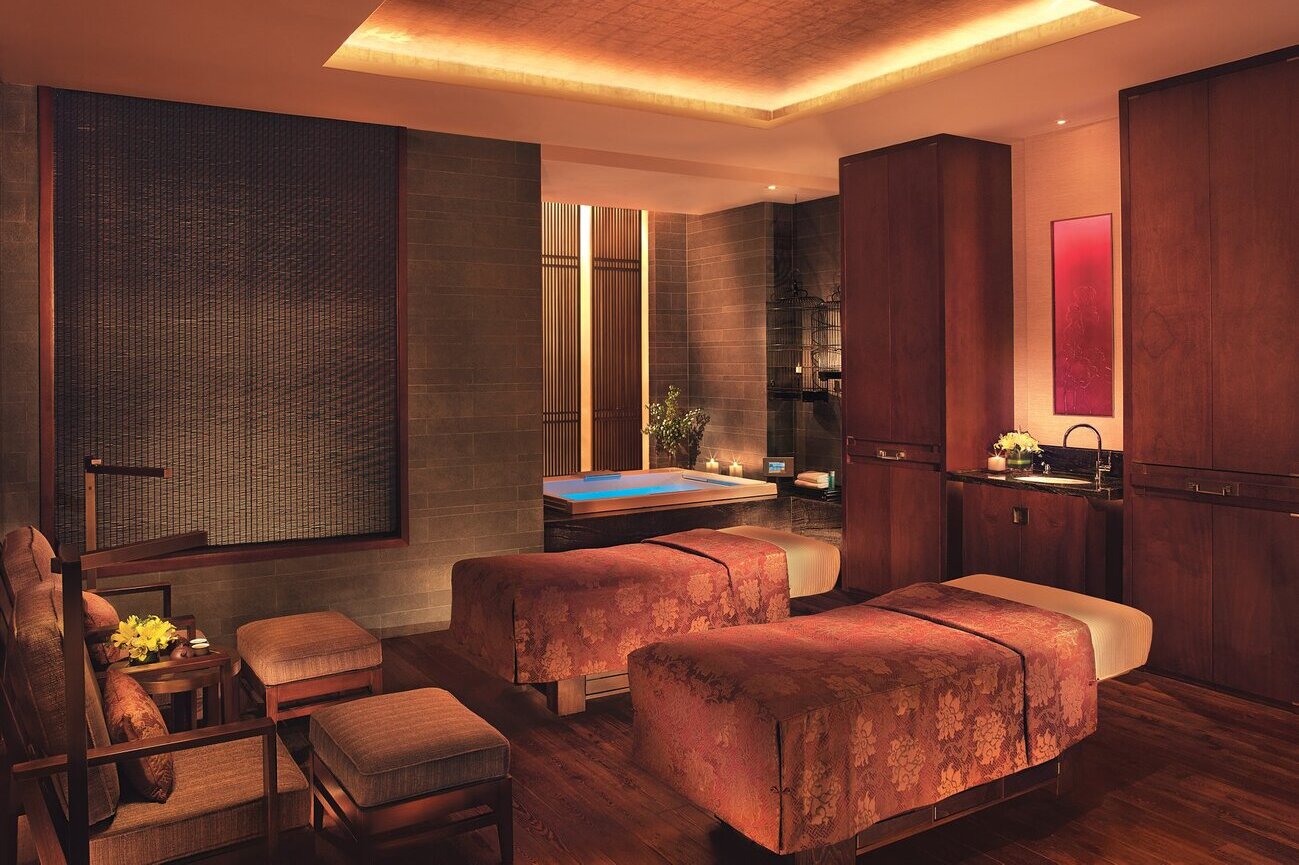
- The Peninsula Spa Beijing: An award-winning luxury spa known for its elegant atmosphere, attentive service, and blend of traditional and modern therapies. With 12 elegant treatment rooms, including private spa suites, the space feels calm and secluded despite being in the heart of the city. The spa is the first hotel in China to partner with Biologique Recherche, a renowned French skincare brand. You can try their signature “The Method” facials, which use a clinical, results-focused approach to target specific skin concerns. There are also customised body treatments that combine spa techniques like hot stone, Swedish, or deep-tissue massage with the spa’s signature aromatherapy oils.
Exclusive Workshops
& Immersive Experiences in Beijing
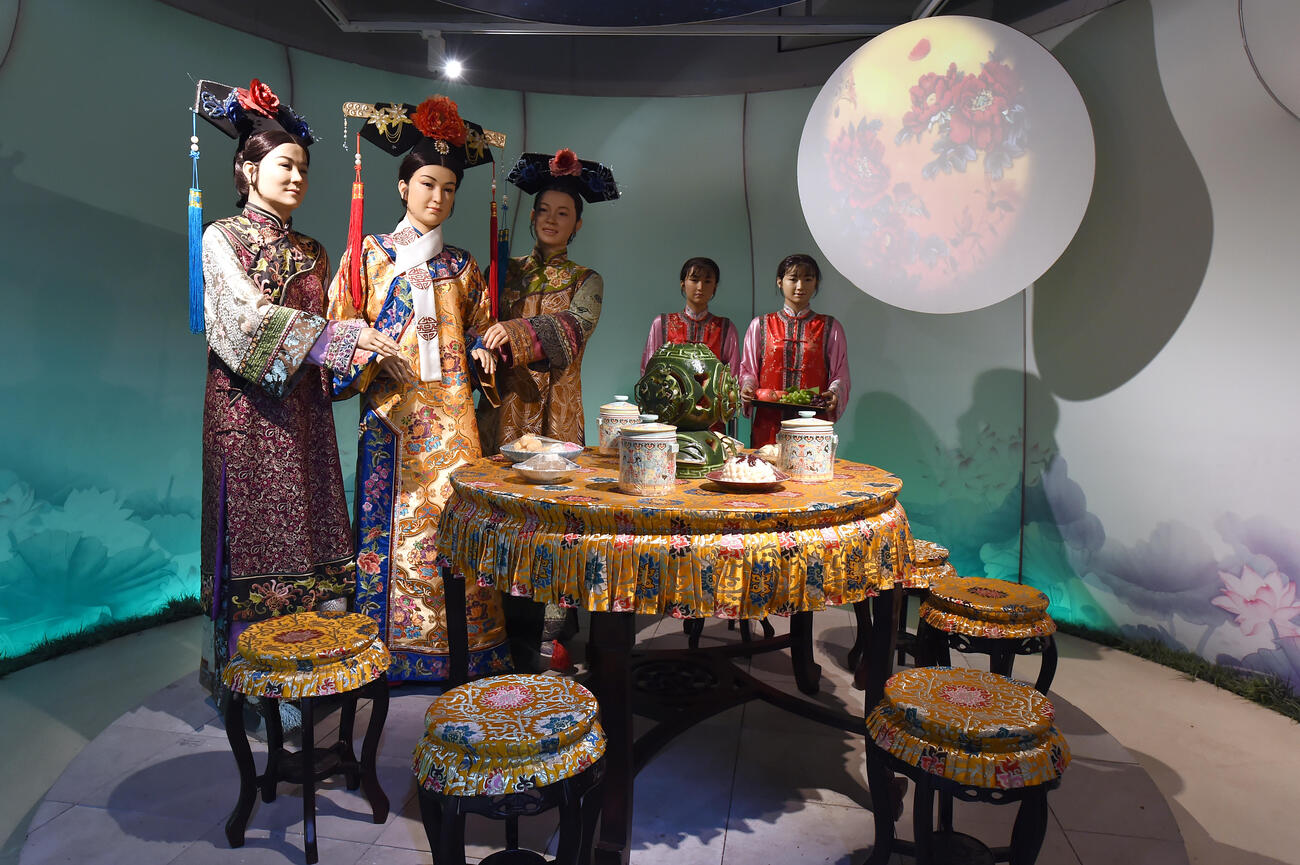
- Yuxiandu Chinese Royal Cuisine Museum: A one-of-a-kind dining experience that blends history, culture, fine cuisine, and live performance. Designed like a miniature Qing Dynasty palace, it feels as if you’ve stepped into imperial China. Since it’s a part restaurant and part museum, the venue houses over a thousand historical artifacts that you can explore before or after your meal. The highlight is the Imperial Banquet, a multi-course feast inspired by royal celebrations such as the Empress Dowager’s birthday. Each dish is prepared by chefs descended from imperial cooks and comes with stories that explain its historical significance. As you dine, you’ll enjoy an 80-minute live performance with more than 150 performers in elaborate costumes, featuring music, dance, and dramatic scenes from imperial life. English subtitles are provided, so you can follow and enjoy the entire experience with no language barrier.
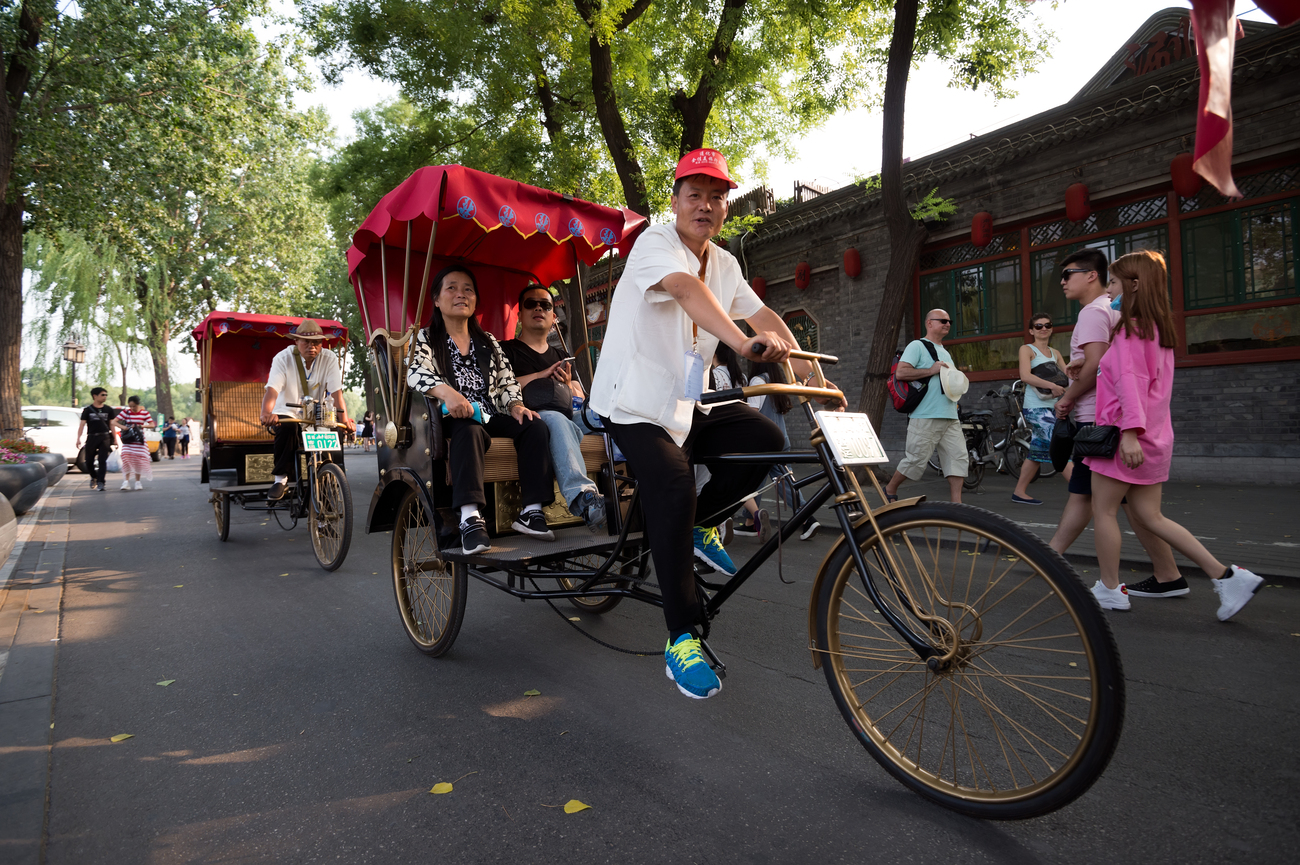
- Hutong Rickshaw Tour: One of the most immersive ways to explore old Beijing. Instead of walking, you’ll be pedalled through narrow, centuries-old alleyways by a local driver, giving you a relaxed and intimate look at daily life in the hutongs. As you ride, you’ll pass traditional courtyard homes (siheyuan) up close, while your driver shares stories, pointing out landmarks, and giving you insights into local life. Most tours focus on well preserved areas around Shichahai Lake, near Yandaixie Street or Nanluoguxiang, much like the rickshaw experience in Asakusa, Tokyo.
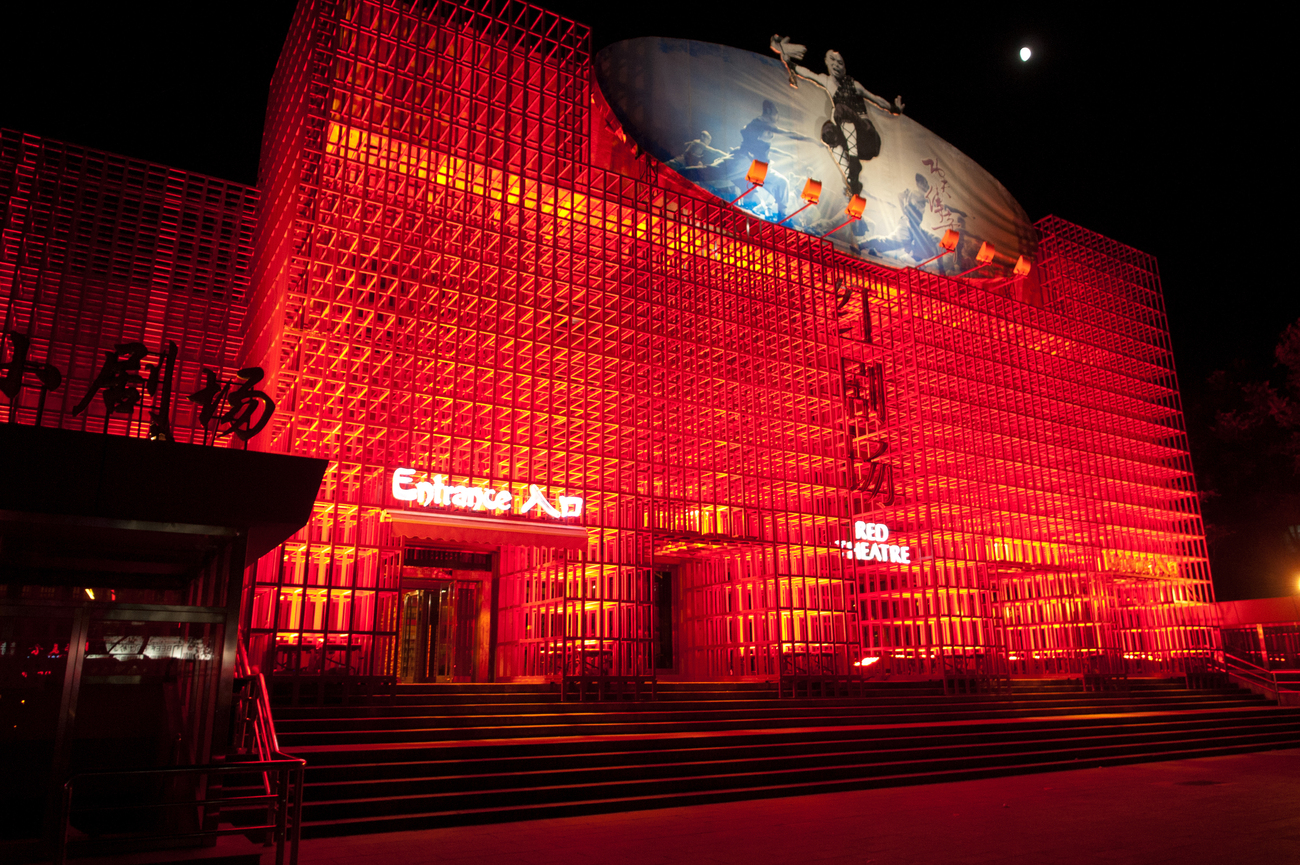
- Beijing Red Theater Acrobatic Show: Home to The Legend of Kung Fu, and one of the city’s most popular live shows. This 80-minute performance combines traditional Chinese martial arts with acrobatics, dance, and storytelling. watch highly trained performers demonstrate impressive strength, agility, and discipline through kung fu routines, daring stunts, and fast-paced choreography. The show is family-friendly, easy to follow, and entertaining even if you don’t speak Chinese. A great evening entertainment after a full day of sightseeing.
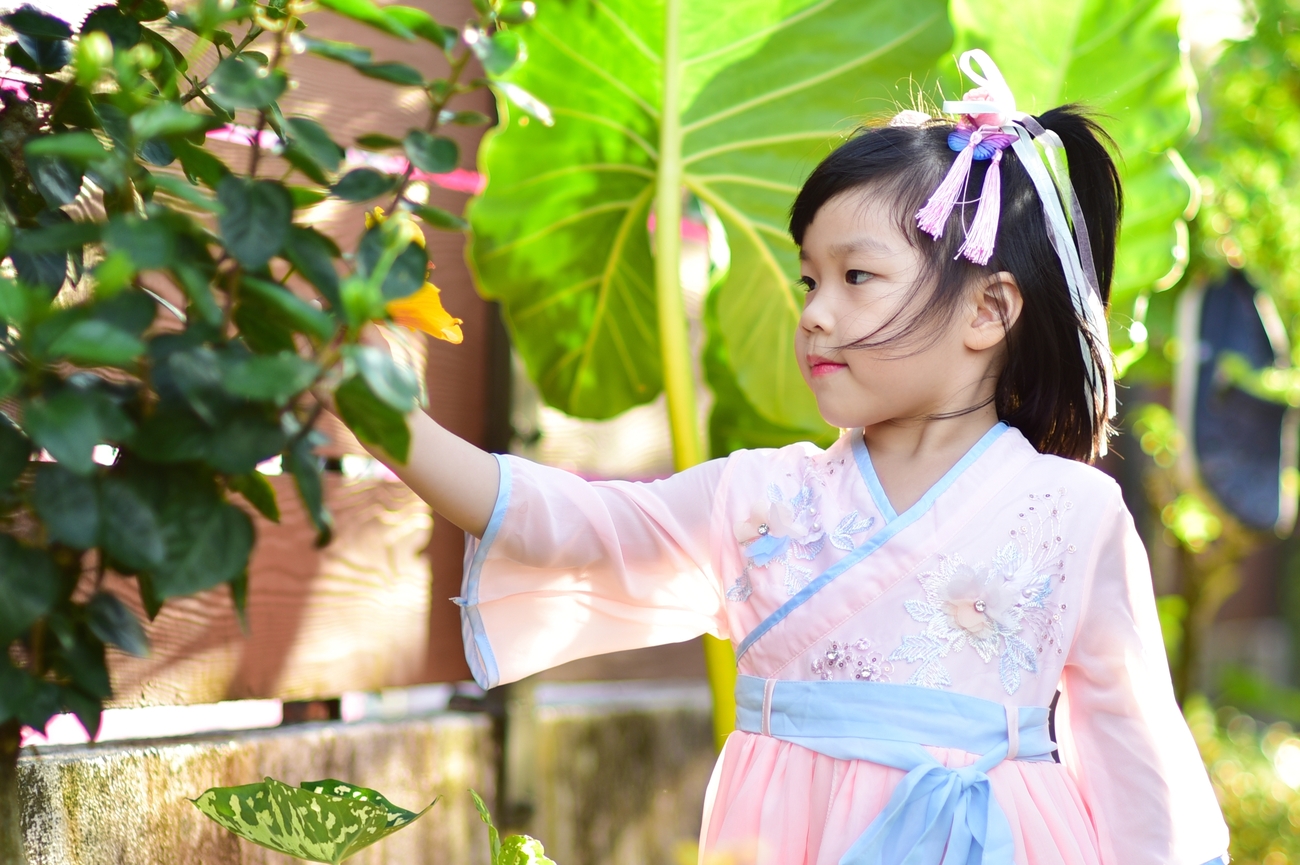
- Hanfu Costume Rental and Photography: If you’re in the mood to dress up, a Hanfu experience lets you step into China’s dynastic past. You’ll begin at a professional studio where you can choose from a wide range of traditional Hanfu outfits inspired by different historical periods. Afterwards, the stylists take care of everything, from hairstyles and makeup to accessories like hairpins, fans, or umbrellas. Many packages include a professional photographer who guides you to scenic spots for your photos.
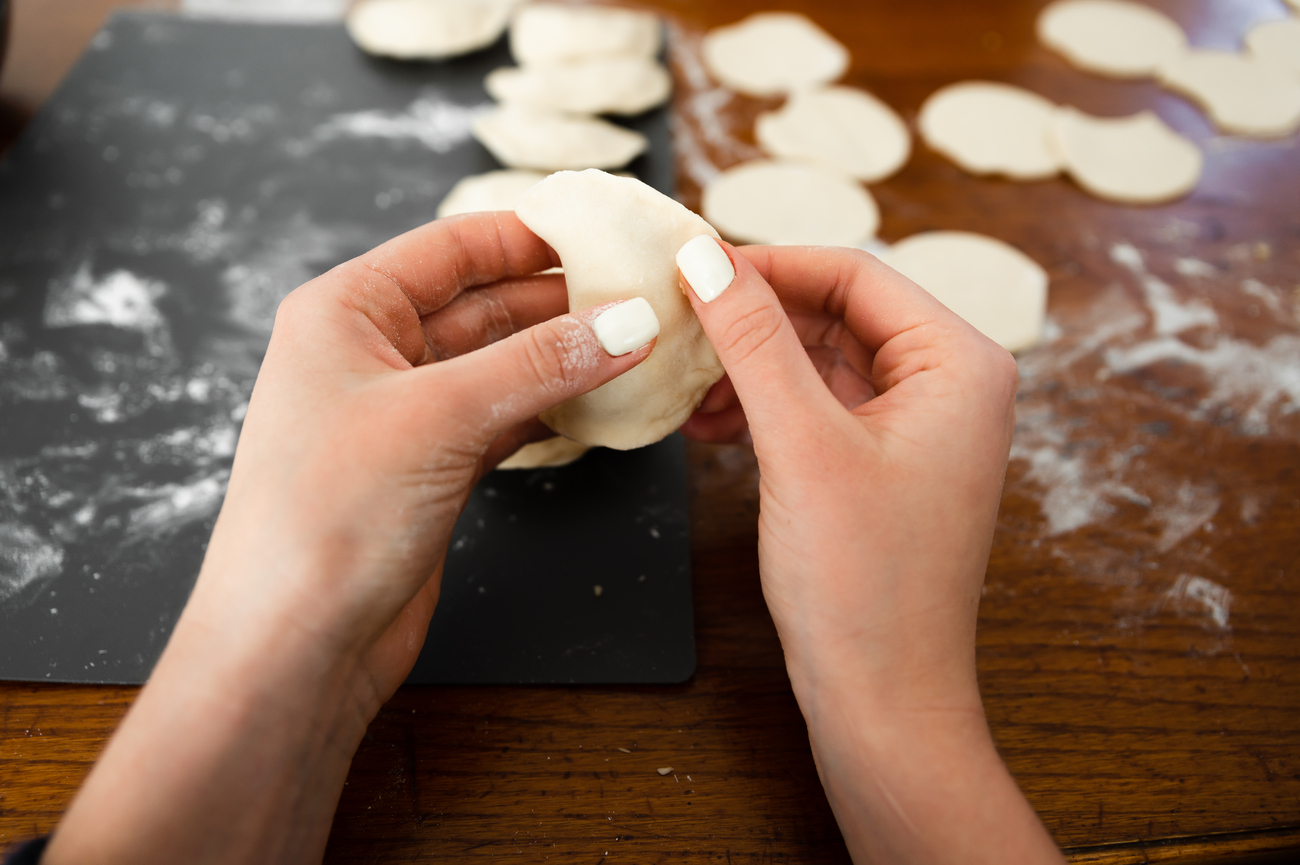
- Dumpling Making Classes: A fun, hands-on way to learn how one of China’s most loved dishes is made. These classes are usually held in a local setting, such as a traditional courtyard home (siheyuan) or a small cooking studio. With guidance from a local chef or host, you’ll learn each step, from mixing the dough and rolling the wrappers to preparing fillings and folding dumplings into classic shapes. It’s a fun activity for family and friends.
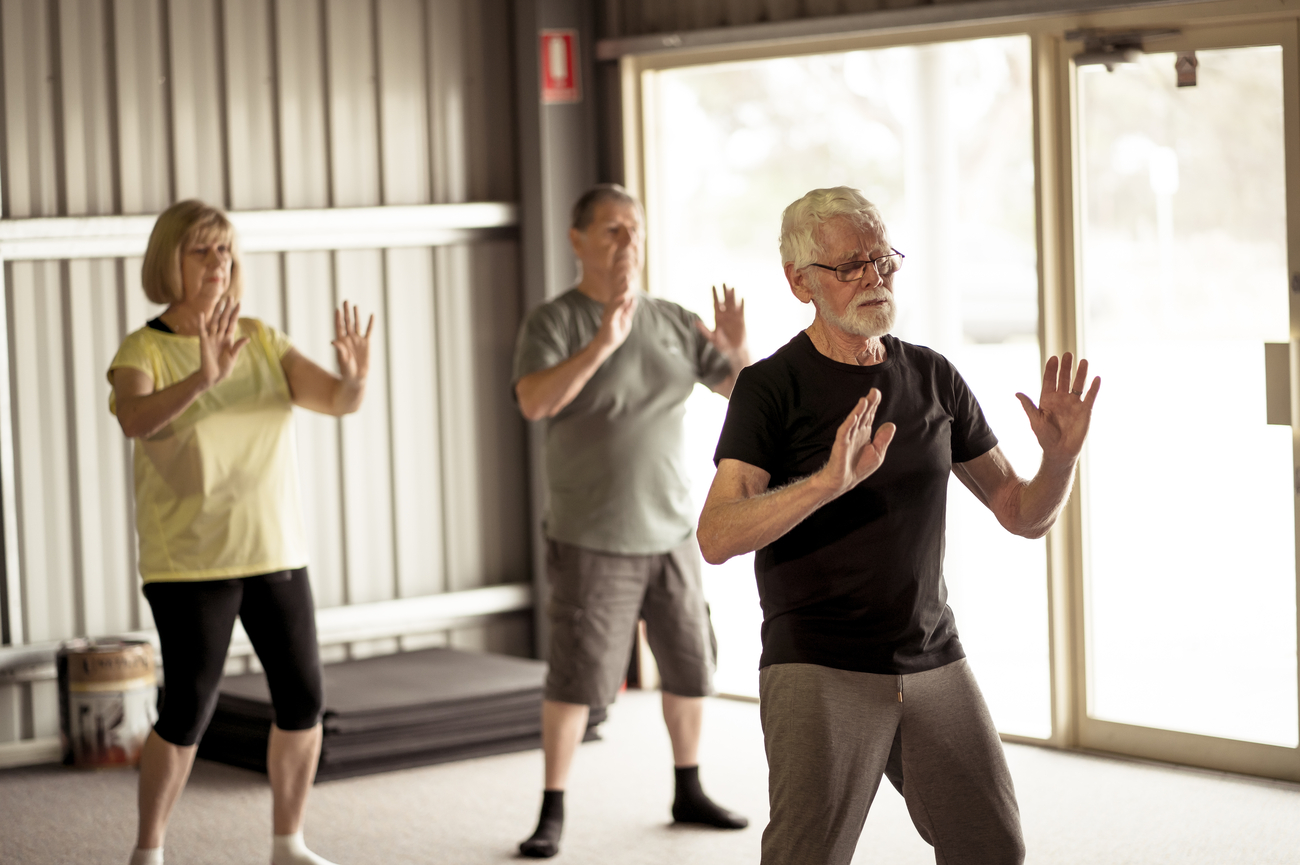
- Tai Chi and Meditation Classes: A peaceful, immersive experience rooted in ancient Taoist and Buddhist traditions. In this class, you can join a small group or book a private session with an experienced master, who will guide you through the basic movements of Tai Chi (Taijiquan). The slow, flowing exercises focus on balance, breathing, and the flow of qi (life energy).
Other Things to Do in
Beijing
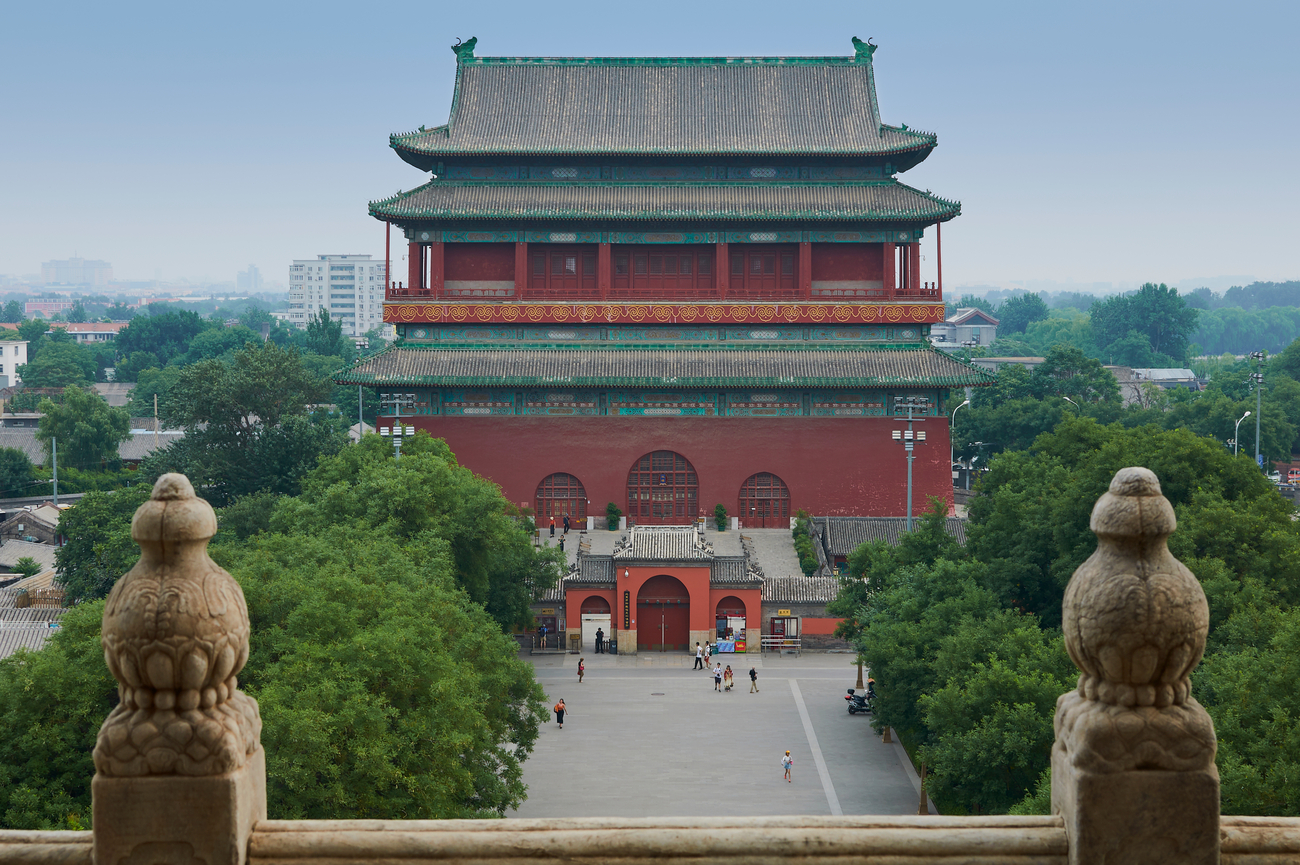
- Beijing Bell and Drum Towers: Once served as Beijing’s official timekeepers during the Yuan, Ming, and Qing dynasties, using the “morning bell and evening drum” system to mark the hours of the day. Here, you can climb the steep staircases of both towers for panoramic views over the surrounding hutong neighbourhoods or explore inside of each tower. Inside the Drum Tower, you’ll find 25 large drums, including the main drum, and you can catch a traditional drum performance held several times a day that recreates the ancient timekeeping ritual. At the Bell Tower, you’ll see the massive Yongle Bell, weighing an incredible 63 tons and recognised as the largest and heaviest ancient bell in China.
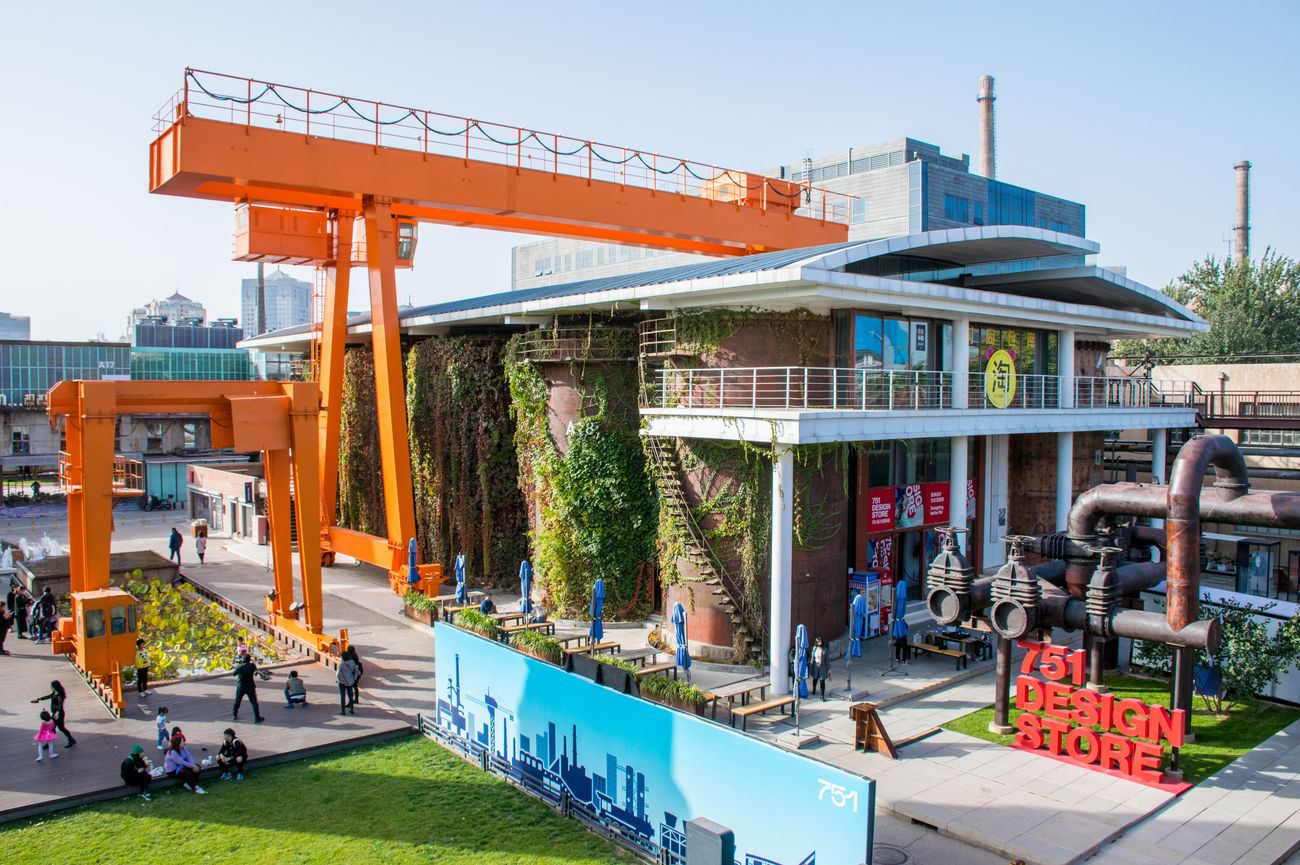
- 798 Art Zone: Beijing’s main hub for contemporary art and creative culture. As you wander through the area, you’ll find hundreds of galleries, studios, and exhibition spaces showcasing everything from painting and sculpture to photography, installations, and multimedia works. There are also smaller galleries, cafés, and design shops along the way that you can explore.
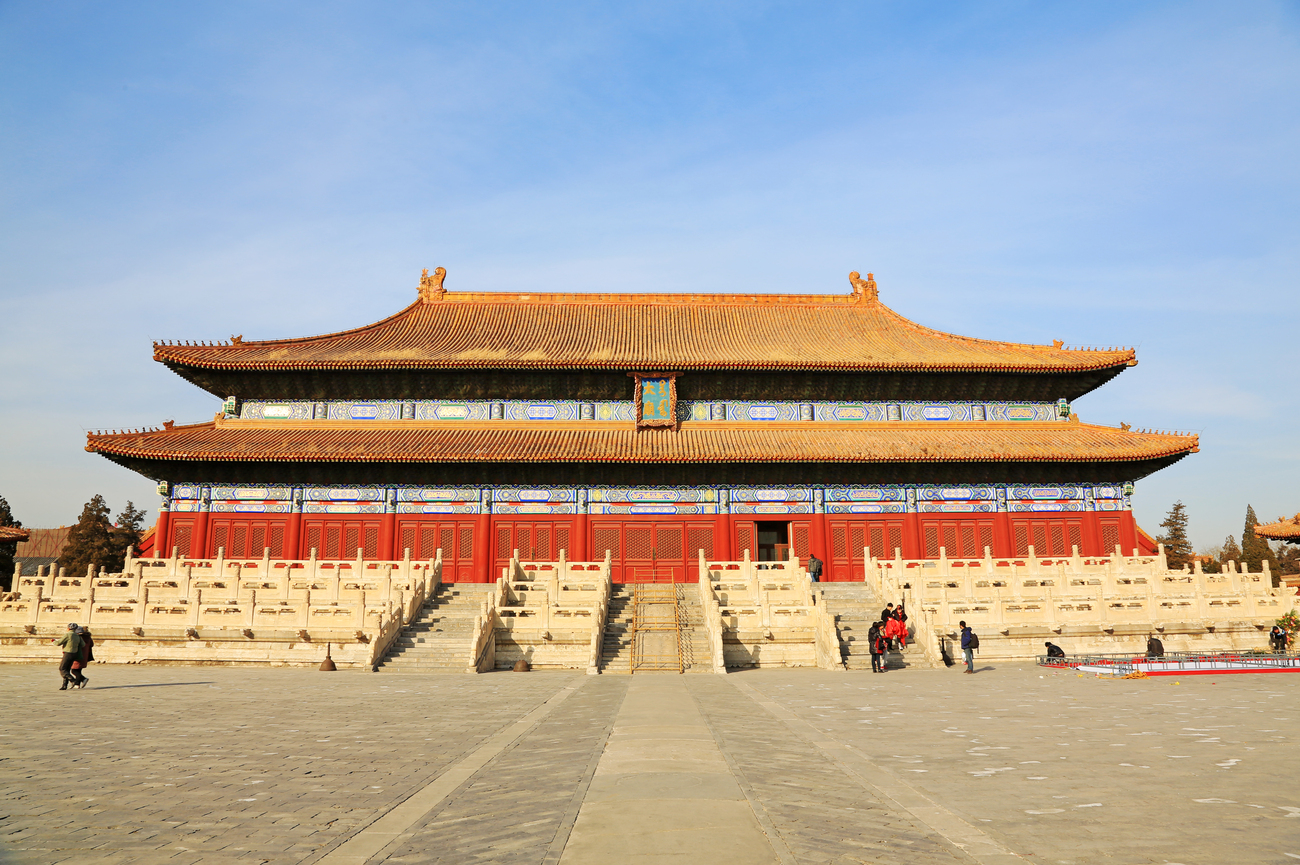
- Imperial Ancestral Temple: Located inside the Working People’s Cultural Park, it’s one of Beijing’s most important yet often overlooked imperial sites. Just east of the Forbidden City, this was where Ming and Qing emperors once held ceremonies to honour their ancestors. Because most visitors head straight to the Forbidden City, the temple is usually quiet, making it a great place for a peaceful stroll away from the crowds. Visit the Hall of Sacrifice, the centrepiece of the complex and one of the grandest wooden halls in China. Inside, you’ll find the massive nanmu pillars and richly painted ceilings that rival those of the Forbidden City’s main halls.
Things to Do with Kids
in Beijing
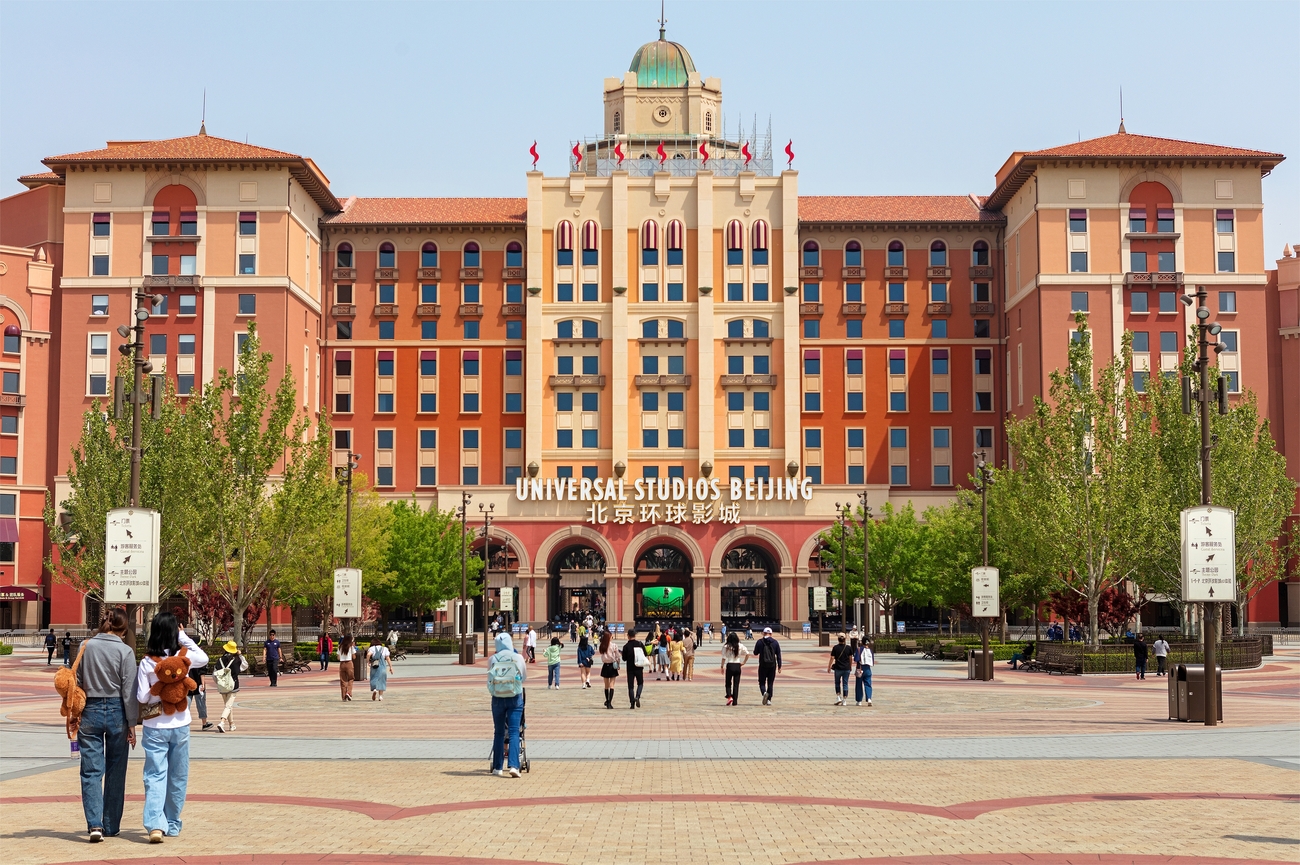
- Universal Studios Beijing: The largest Universal theme park in the world, it’s a full day of fun for all ages (especially kids). The park is divided into seven immersive themed lands: Hollywood Boulevard, Jurassic World Isla Nublar, Minion Land, The Wizarding World of Harry Potter, Kung Fu Panda Land of Awesomeness, Transformers Metrobase, and WaterWorld. Each area is carefully designed with rides, shows, and themed dining based on popular films, an exciting and memorable stop for families.
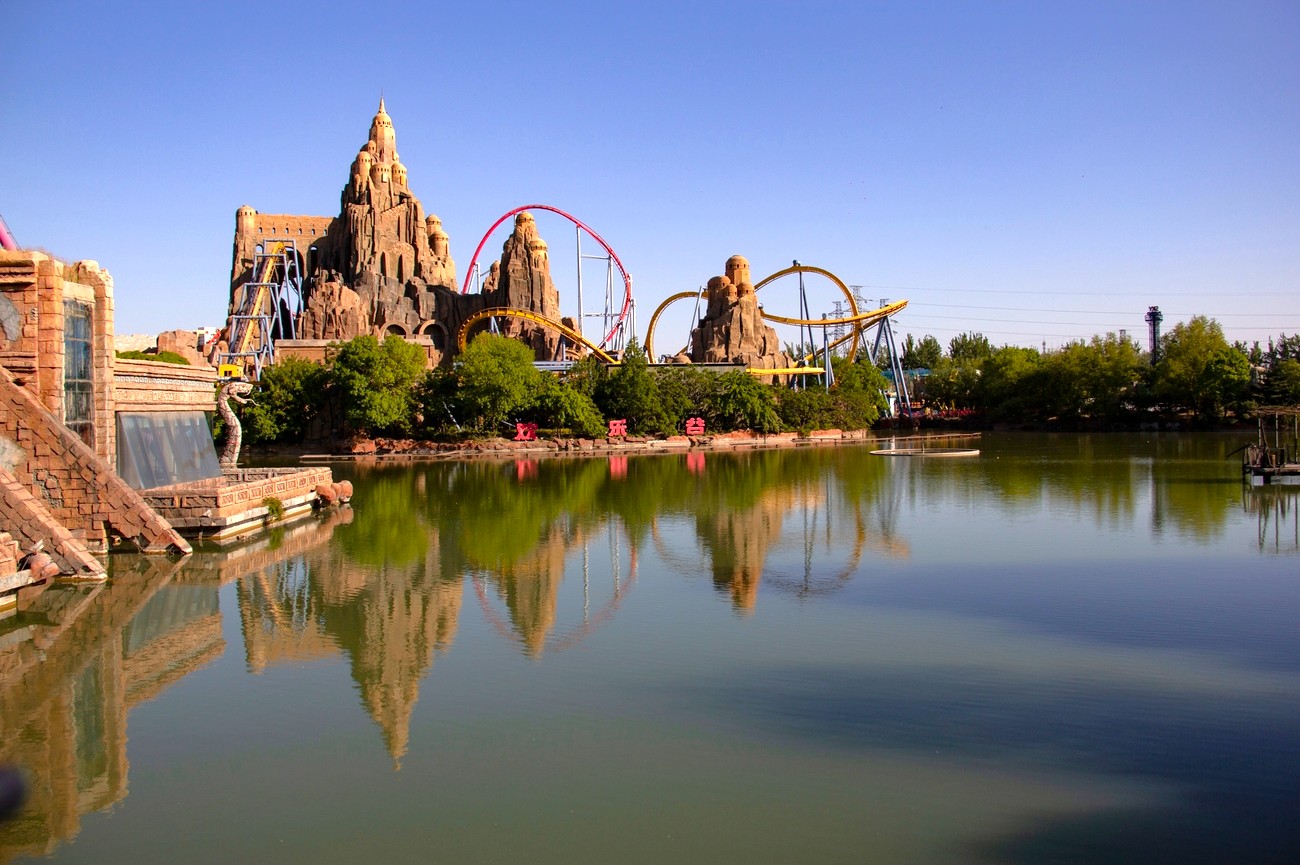
- Happy Valley Beijing: A large theme park with seven themed zones, including Wild Fjord, Atlantis, Lost Maya, Aegean Harbor, Shangri-La, Ant Kingdom, and Happy Time, a special area designed for younger children. The park is best known for its roller coasters and thrill rides, but it also offers plenty of family-friendly attractions, live shows, and dining options. It’s a great choice if you’re travelling with kids.
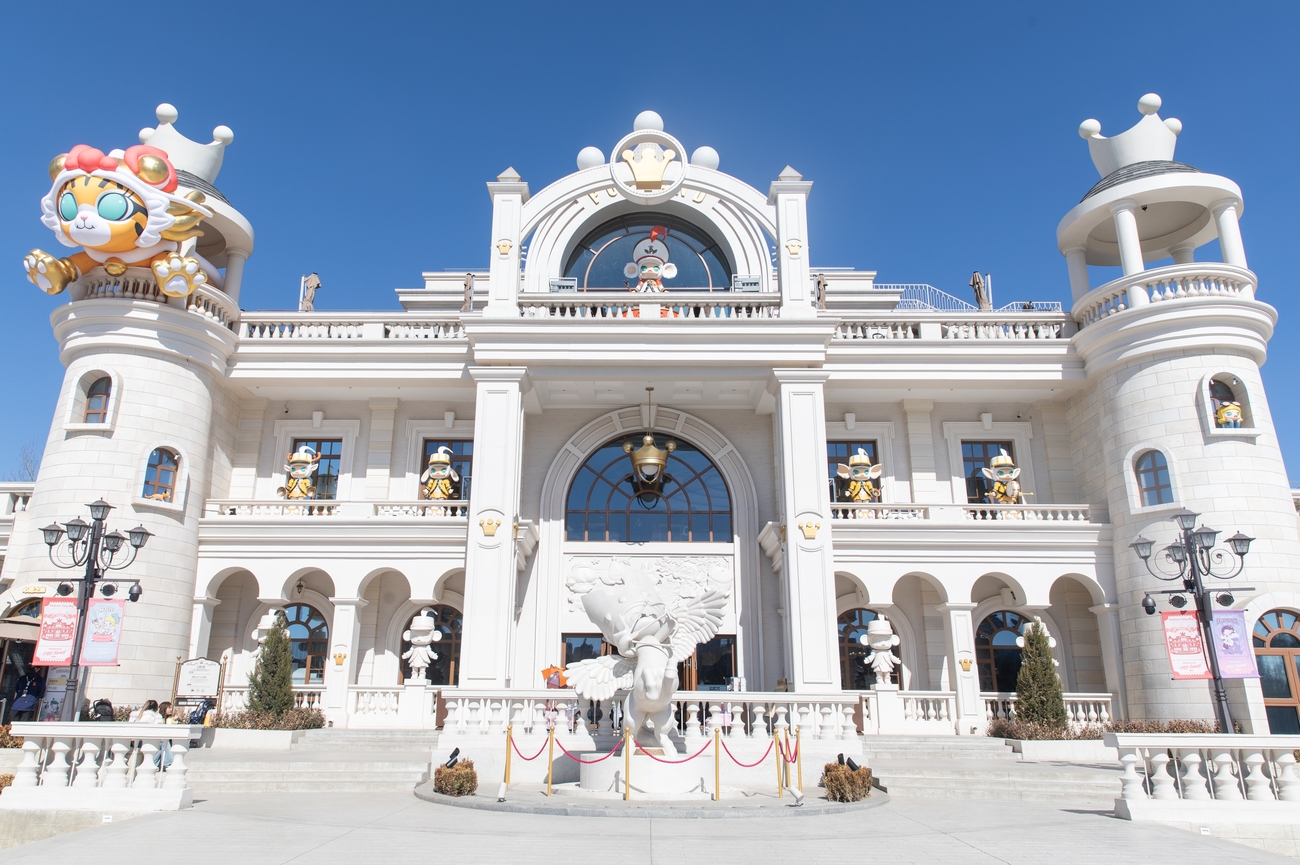
- Popland: Also known as Pop Mart City Park, is an immersive, art-toy themed park dedicated to the popular collectible characters from Chinese brand Pop Mart. It is not a traditional amusement park with thrill rides, but rather a visually rich, interactive experience similar in concept to Japan's Ghibli Park. As you explore, you’ll move through different themed zones like POP Street, LABUBU Adventure Forest, and MOLLY’s Castle, each built around beloved characters such as Molly, Dimoo, Skullpanda, and Labubu.
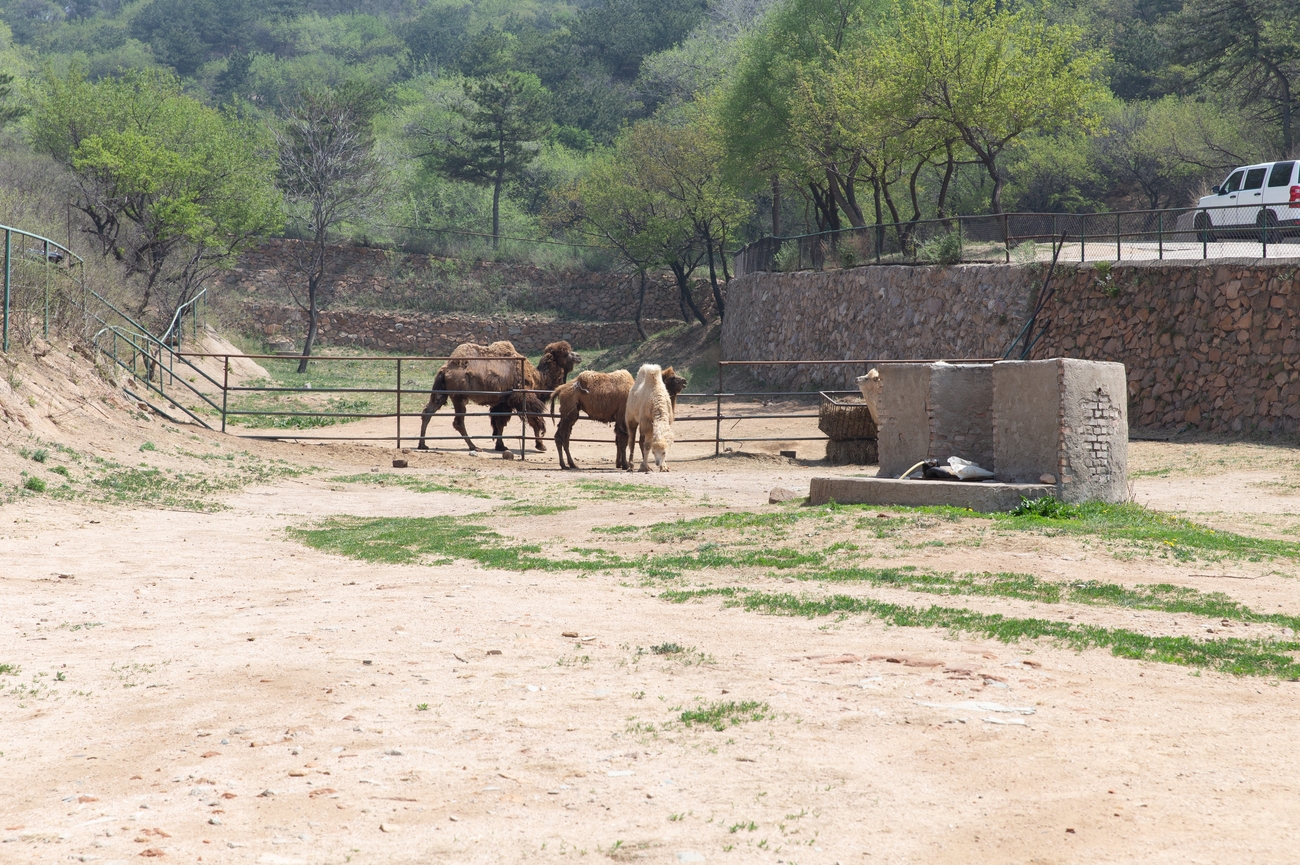
- Beijing Wildlife Park: A large ecological park where you can see animals up close in spacious, natural environments. Home to more than 10,000 animals across over 200 species. What makes this park special is its safari-style experience, where animals roam freely in large open areas. The park is divided into three main sections: a safari or self-driving area, a walking tour zone, and a dedicated “beast experience” area.
Where to Eat in
Beijing
- Siji Minfu: Widely regarded as one of the best places to try authentic Beijing cuisine, especially if it’s your first time. It’s best known for its Peking Roast Duck, famous for its perfectly crispy skin and tender, juicy meat without being overly oily. Here, the chef carves the duck tableside, where you’ll enjoy it the traditional way, wrapped in thin handmade pancakes with classic condiments like sugar (for the crispiest skin), garlic paste, sweet bean sauce, cucumber, and leeks.
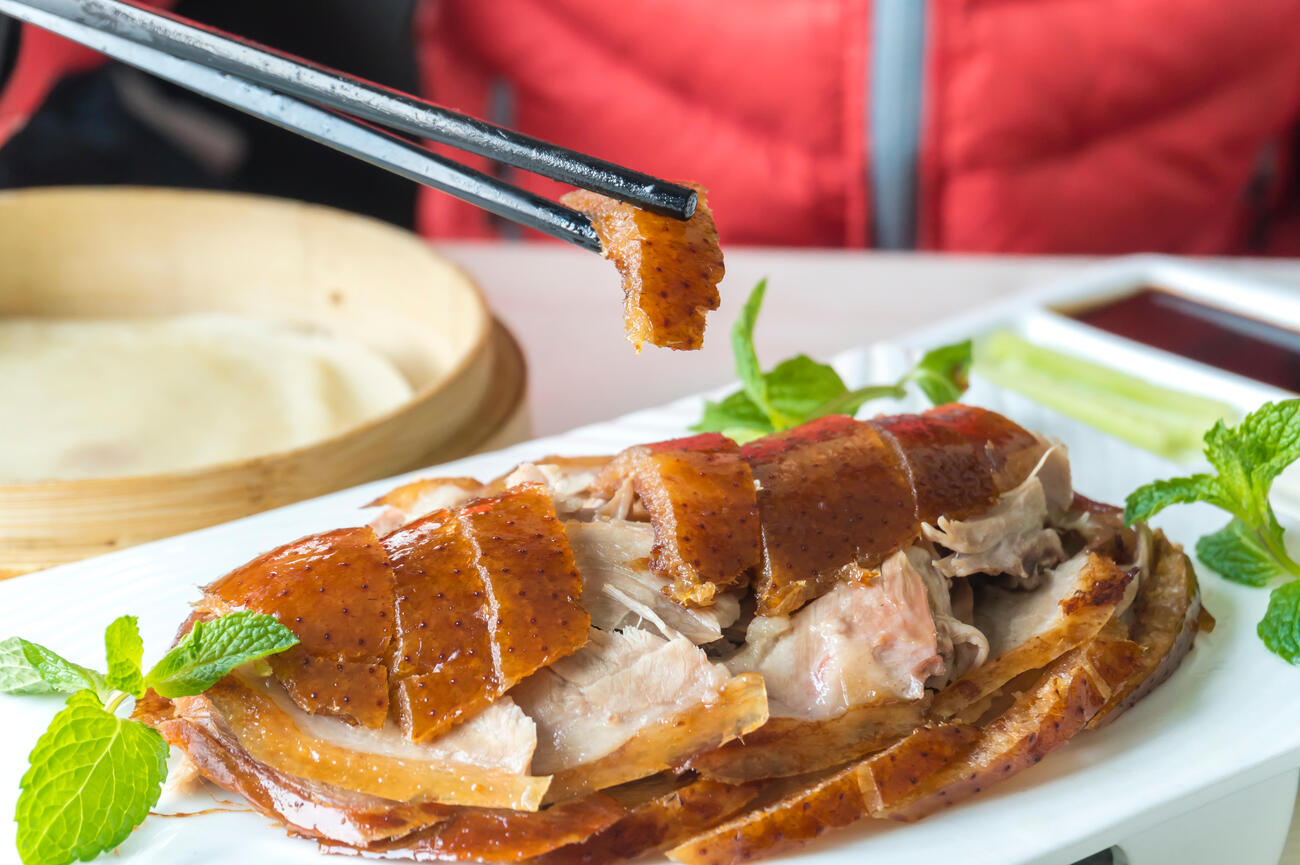
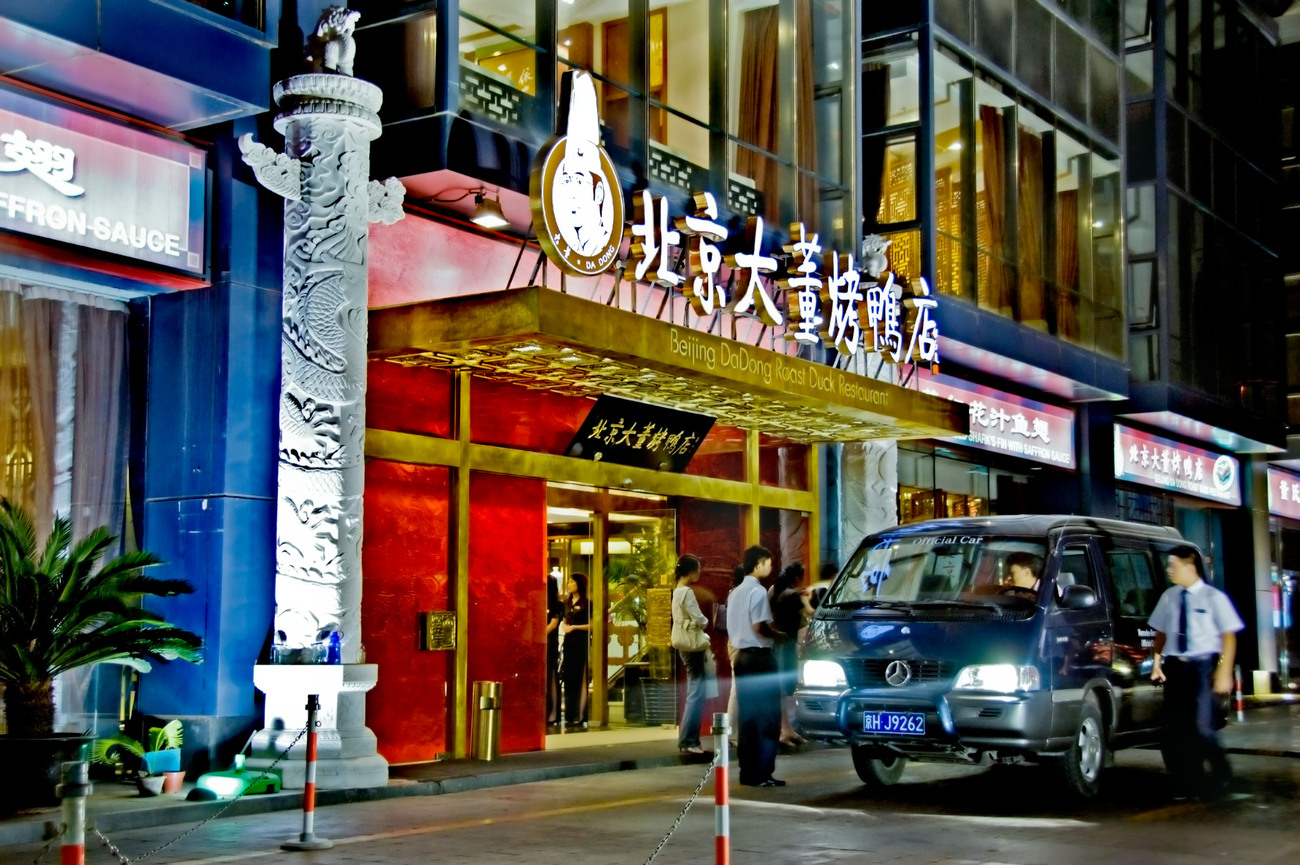
- Beijing Da Dong: A high-end restaurant famous for reinventing Peking Duck with a lighter, healthier approach, without losing its classic flavour. Chef Da Dong’s signature “Super Lean” Roast Duck is what sets this place apart. Unlike traditional versions that can be quite oily, Chef Da Dong uses a special roasting technique that significantly reduces the fat. The result is incredibly crispy skin that’s so light it’s often described as melt-in-your-mouth, almost like a delicate cracker.
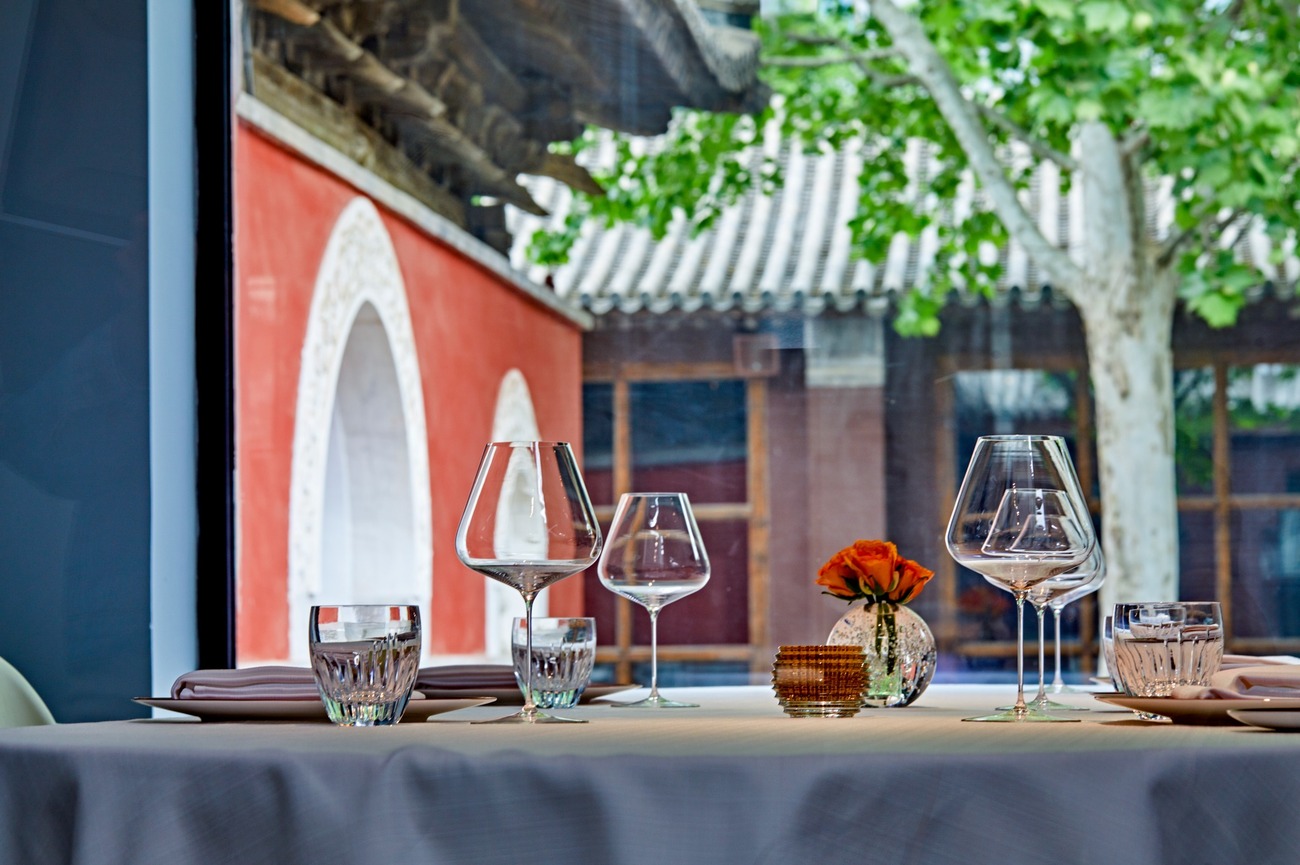
- TRB Hutong (Temple Restaurant Beijing): One of Beijing’s most romantic and memorable fine dining experiences, set inside a beautifully restored 600 year old temple complex at Zhihua Temple. The atmosphere alone makes it special, quiet, intimate, and rich in history. The restaurant has earned consistent accolades, including a Michelin star for its refined contemporary European cuisine and impeccable service. You can start with their signature Foie Gras Terrine, loved for its silky texture and well balanced accompaniments. For a main, the Wagyu Beef with Seasonal Vegetables stands out for its precise cooking, melt-in-your-mouth tenderness, and artful presentation.
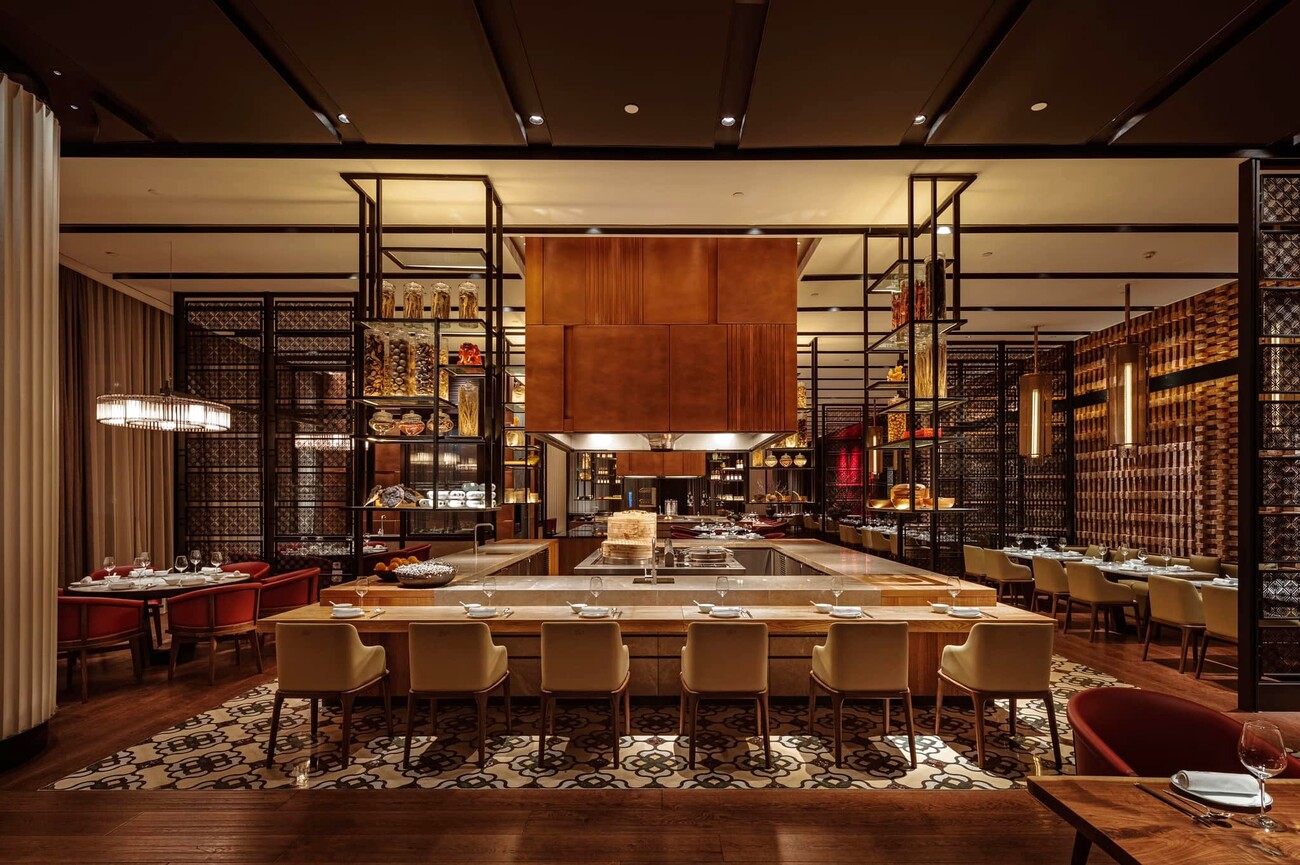
- Xin Rong Ji: The pinnacle of fine dining in China and a must-visit if you want to experience Chinese cuisine at its finest. It is the only mainland Chinese restaurant brand to achieve the prestigious three Michelin stars for multiple locations. The menu focuses on Taizhou cuisine from Zhejiang, a style that highlights the natural, “original” flavour of each ingredient (especially wild-caught seafood from the East China Sea). Try their signature Crispy Grilled Yellow Croaker dish, a small, wild-caught yellow croaker grilled until the skin is impossibly thin and crackling, while the meat remains moist and buttery.
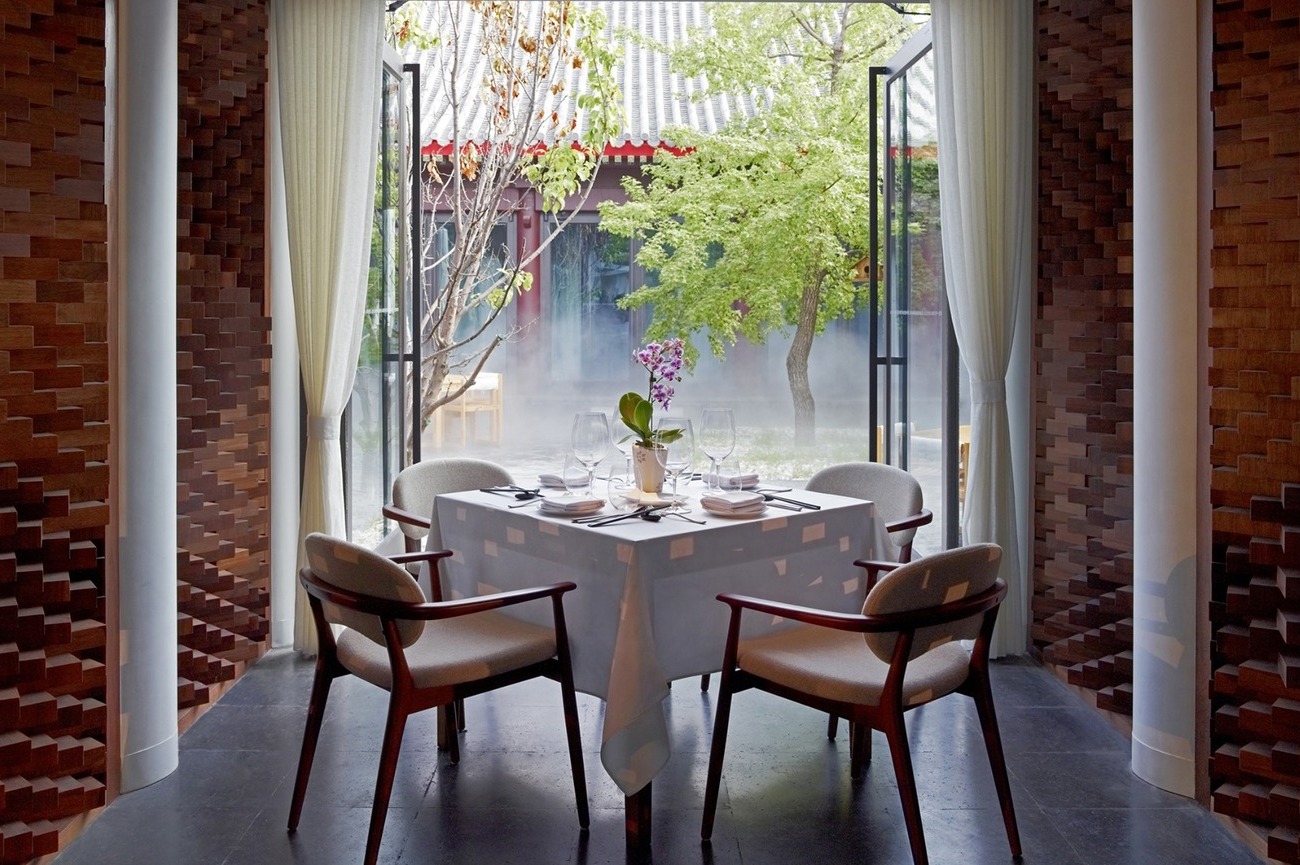
- King's Joy: A three-Michelin-starred, award-winning vegetarian restaurant that shows just how refined and creative plant-based cuisine can be. If you’re curious about high end vegetarian dining (or simply want something truly different) this is the restaurant worth setting aside an evening for. Dining here is centered around tasting menus, so you’re taken on a carefully paced journey through beautifully plated dishes. One of the restaurant highlights is the Signature Appetizers Platter, a collection of delicate, artful bites that play with texture and flavour. Another must-try is the Vegetarian “Buddha Jumps Over the Wall”, a rich, slow-cooked soup filled with premium fungi, bamboo shoots, and other flavoured ingredients.
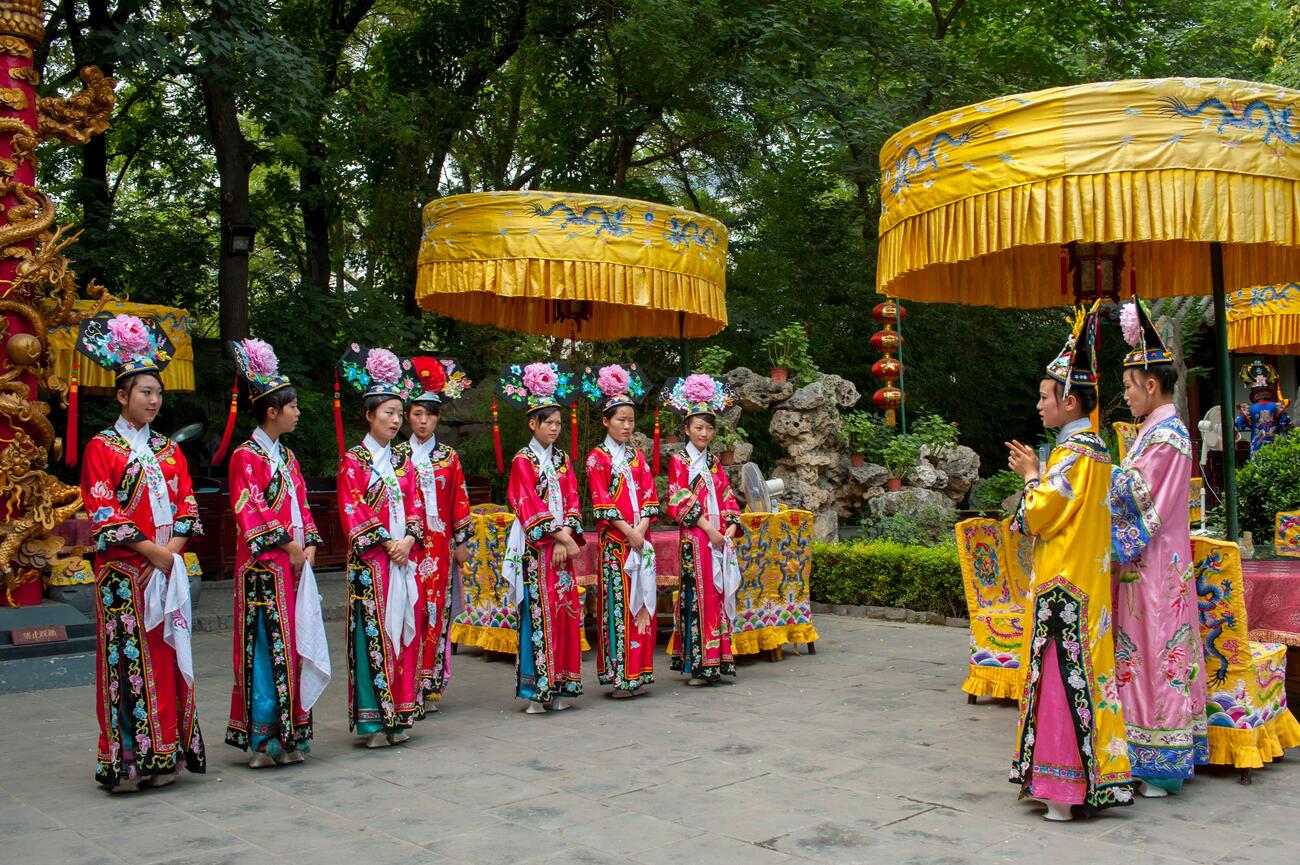
- Baijia Restaurant (Bai Jia Da Yuan / Bai Family Mansion): A renowned themed restaurant that offers more than just a meal, it gives you a full imperial style dining experience. Set inside a beautifully restored 300 year old Qing Dynasty mansion once owned by Prince Li, this is a place you come to experience as much as to eat. Upon your arrival, you’ll walk through lantern-lit corridors, pavilions, and koi-filled ponds, and be welcomed by staff dressed in traditional Qing-era costumes who’ll greet you with old imperial salutations. Dinner here feels theatrical in the best way. Around 7:00 PM, a live variety show begins, featuring Sichuan facechanging, Peking opera, traditional dance, and tea ceremonies. If you enjoy history, atmosphere, and a touch of spectacle with your meal, this is a memorable evening you’ll appreciate.
Where to Stay in
Beijing
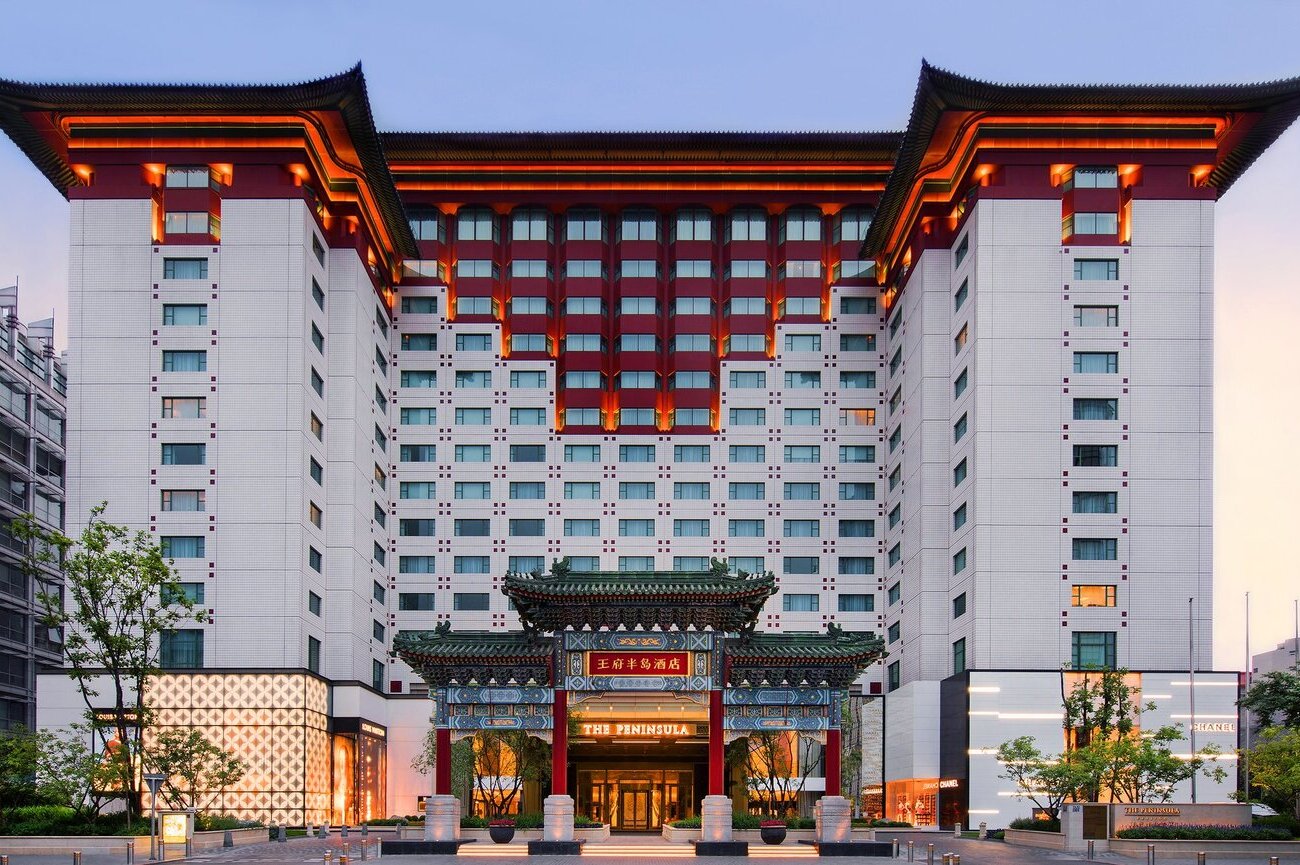
- The Peninsula Beijing: Known for its timeless elegance, outstanding service, and unbeatable location. Staying here puts you in the prestigious Jinyu Hutong, just steps away from Wangfujing’s luxury shopping district and within easy walking distance of the Forbidden City and Tiananmen Square. The hotel is Beijing’s first all-suite property, so you can expect spacious suites and a high level of comfort. Each suite features interactive bedside tablets that control lighting, curtains, and temperature, along with marble bathrooms, plush bedding, and attentive in-suite service.
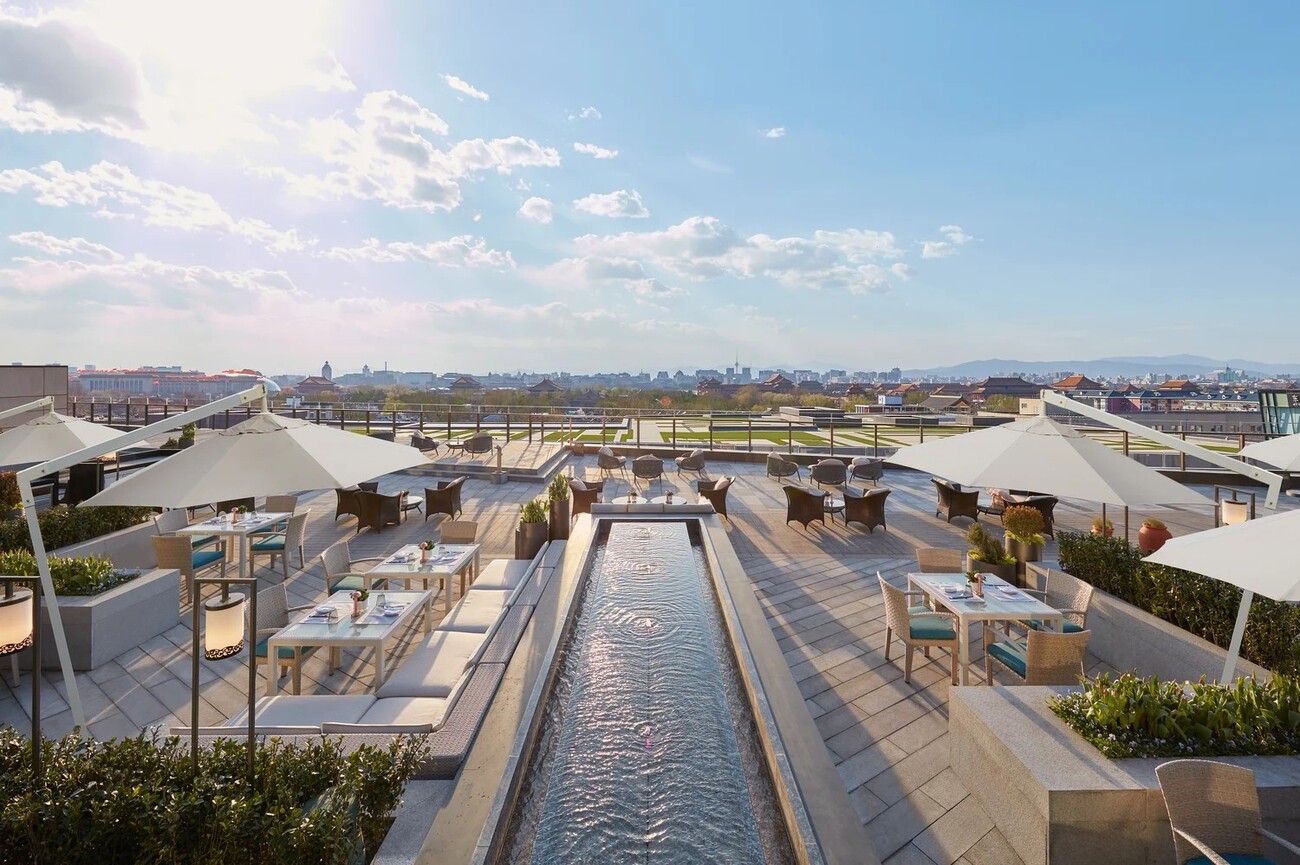
- Mandarin Oriental Wangfujing Beijing: Situated in the heart of Beijing’s premier shopping district, inside the upscale WF CENTRAL complex. It’s close to the Forbidden City, with many of its rooms and the rooftop bar offering direct views of the ancient palace's golden roofs and expansive grounds. The rooms are spacious and elegantly designed with contemporary Chinese elements. Expect plush bedding, spacious layouts, and marble bathrooms with excellent showers, everything you need to unwind after a full day exploring the city.
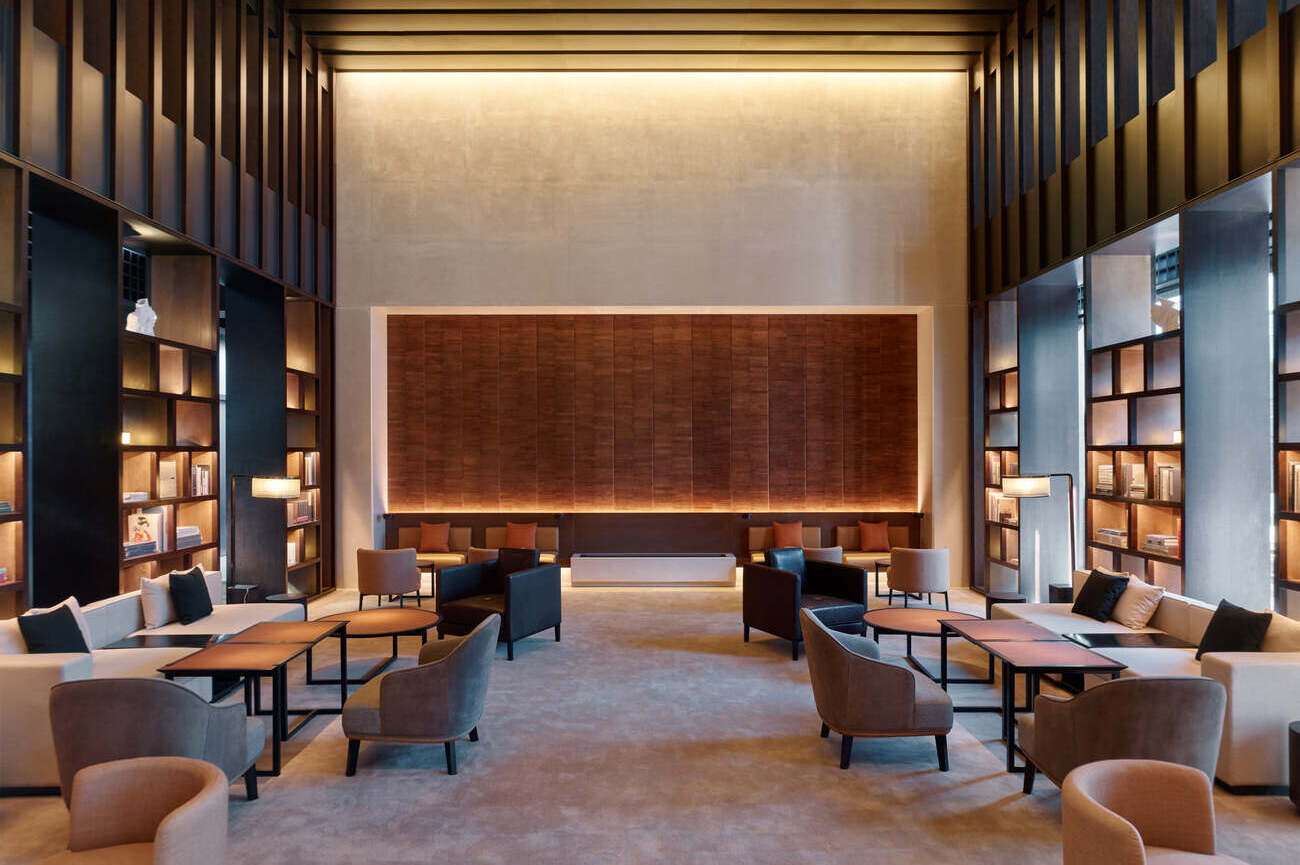
- The PuXuan Hotel and Spa: Ideally situated in a prime Wangfujing location, directly connected to the Guardian Art Center. From here, you’re just a short walk away from the Forbidden City, Tiananmen Square, and major shopping streets. The rooms here are designed for space and serenity, with a chic, minimalist look softened by warm wood tones and clean lines. Floor-to-ceiling windows frame majestic views of the Forbidden City’s golden roofs or the modern city skyline.
- Waldorf Astoria Beijing: Located within walking distance of the Forbidden City, Tiananmen Square, and the upscale Wangfujing shopping district. Here, you can choose between elegant, contemporary rooms and suites in the main tower, or elevate your stay with the iconic Waldorf Astoria Hutong Villa. Designed like a traditional siheyuan (courtyard house), this private villa offers its own secluded courtyard, dedicated dining space, and personalised butler service.
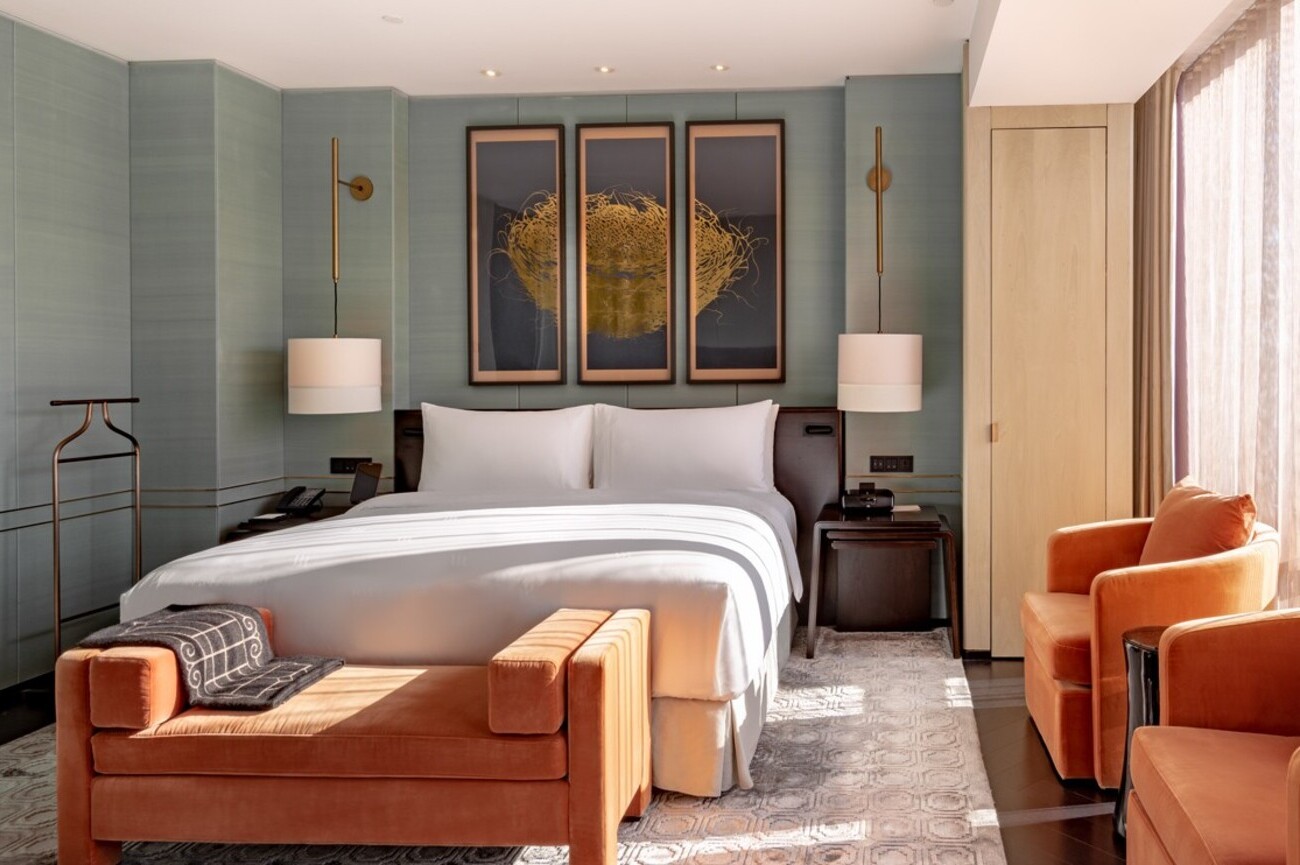
- Kerry Hotel Beijing: A modern, chic stay in the heart of the Chaoyang business district, it’s the best choice if you’re in Beijing for a business and want to be close to offices, high-end malls, and nightlife. With direct access to the Beijing World Trade Centre and easy connections to the subway, getting around the city is simple and efficient. Inside, you’ll find sleek, contemporary rooms and suites designed for comfort after a busy day. Expect plush bedding, well-equipped amenities, and large windows that open up to impressive city views.
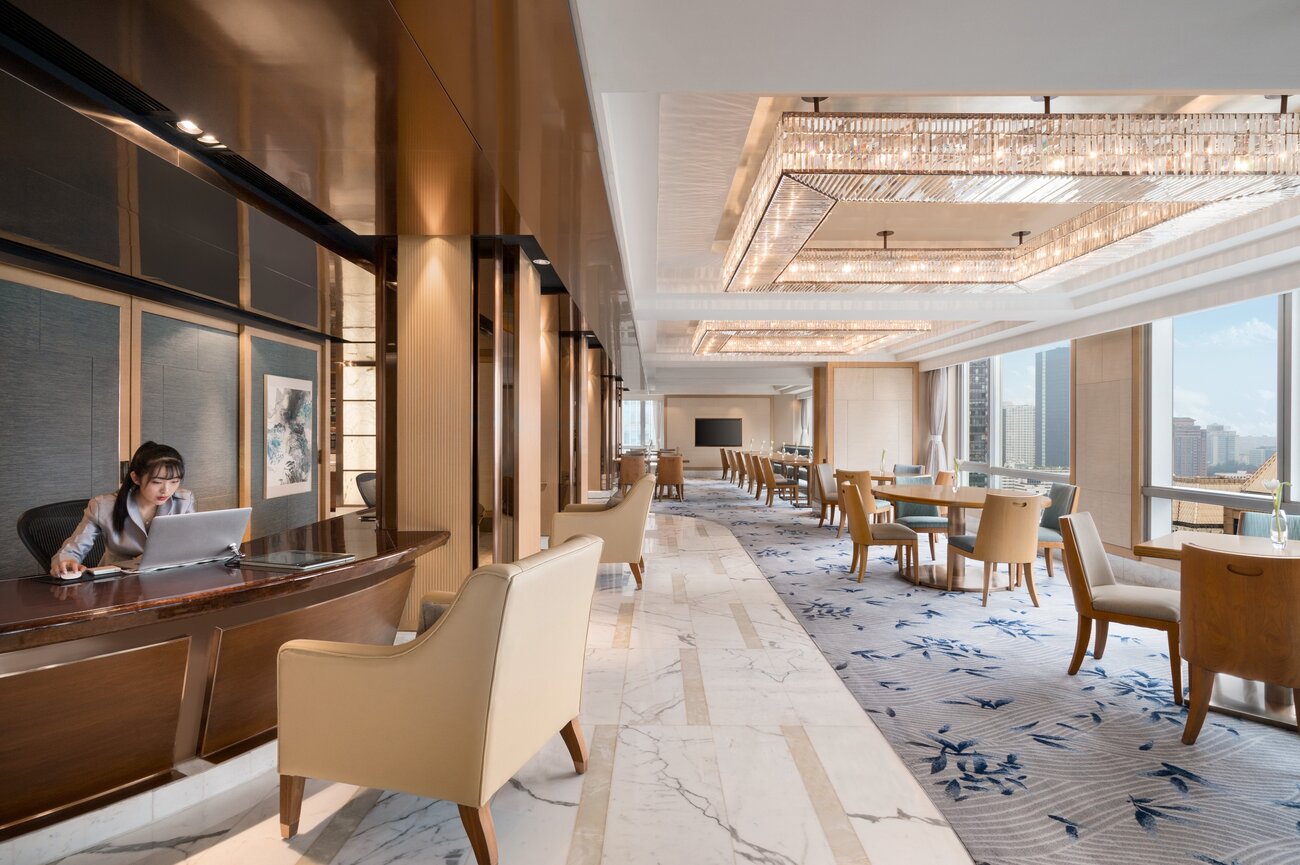
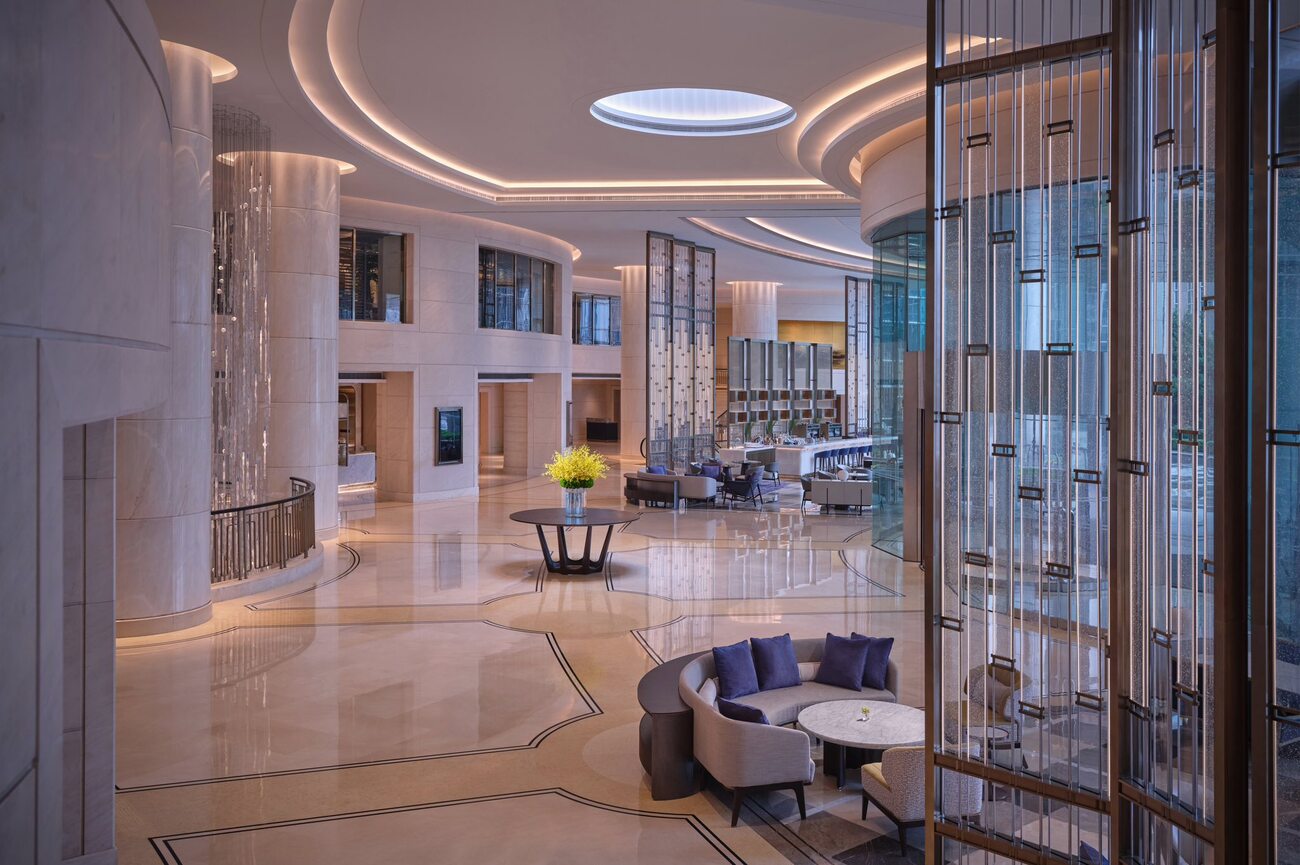
- Grand Hyatt Beijing: A stand out for its unbeatable central location and impressive leisure facilities. Staying here puts you right at the intersection of East Chang’an Avenue and Wangfujing Street, making it easy for you to move between Beijing’s historic landmarks and its modern shopping and dining scene. Here, you’ll have direct access to Oriental Plaza, one of Asia’s largest luxury malls. At the same time, you’re still within walking distance of the Forbidden City and Tiananmen Square. After a day out, you can retreat to contemporary rooms and suites that offer all the comfort and convenience you’d expect from a luxury city hotel.
Best Time to Visit
Beijing
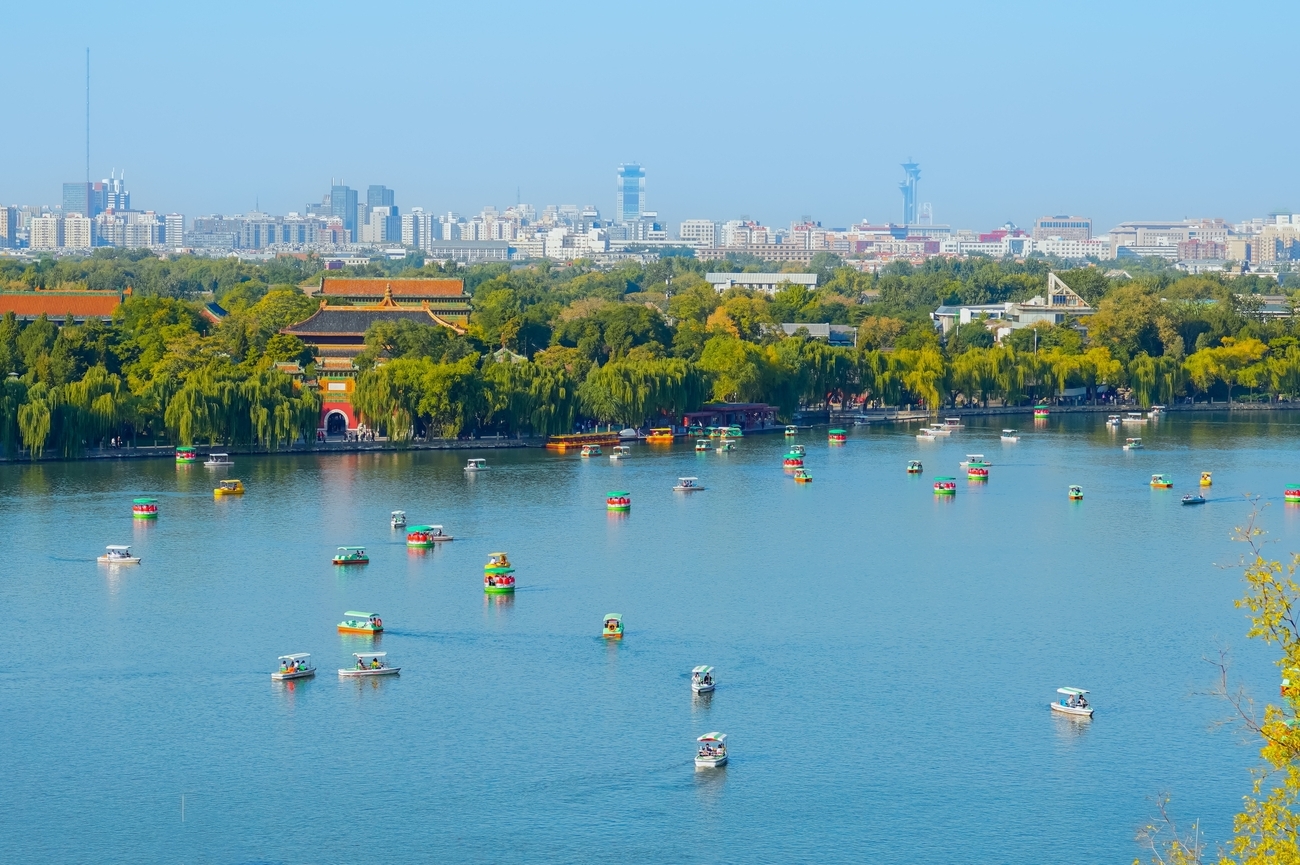
The best time to visit Beijing is from September to November, with October being the sweet spot. During these months, you’ll enjoy mild temperatures, clear skies, and touches of autumn foliage. One thing to keep in mind is, try to avoid Golden Week, which falls in the first week of October. It’s a major national holiday, so attractions get extremely crowded and flight and hotel prices are through the roof. If you visit just before or after this period, you’ll get the same great weather with a much calmer and more enjoyable experience.
Festivals in Beijing
- Spring Festival (Chinese New Year): The most important and lively celebration in China. It usually falls
in January or February (the date changes each year based on the lunar calendar)
and is a time when families reunite and the entire city comes alive with
tradition. During this period, you’ll see Beijing dressed in red and gold, with
lanterns, festive couplets on doorways, and New Year decorations everywhere you
go. There are also fireworks and firecrackers (traditionally used to drive away
bad luck and welcome the new year) that add to the excitement, especially on
New Year’s Eve.
For the full experience, visit local Temple Fairs, where you can enjoy traditional performances, folk games, handicrafts, and plenty of street food. Make sure to try the classic New Year dishes too like dumplings (or jiaozi) a must as a symbol of good fortune, while nian gao (sticky rice cake) represents growth and prosperity for the year ahead.
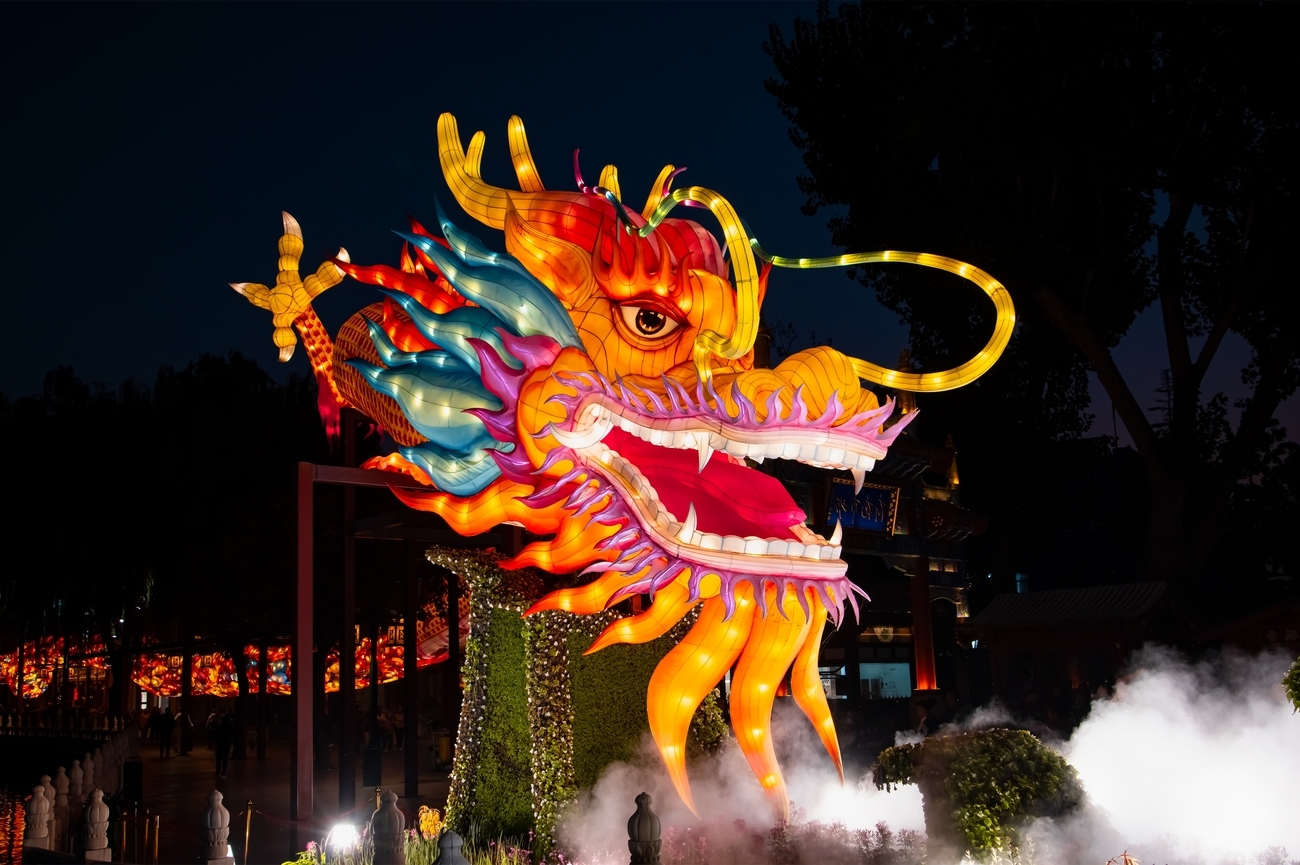
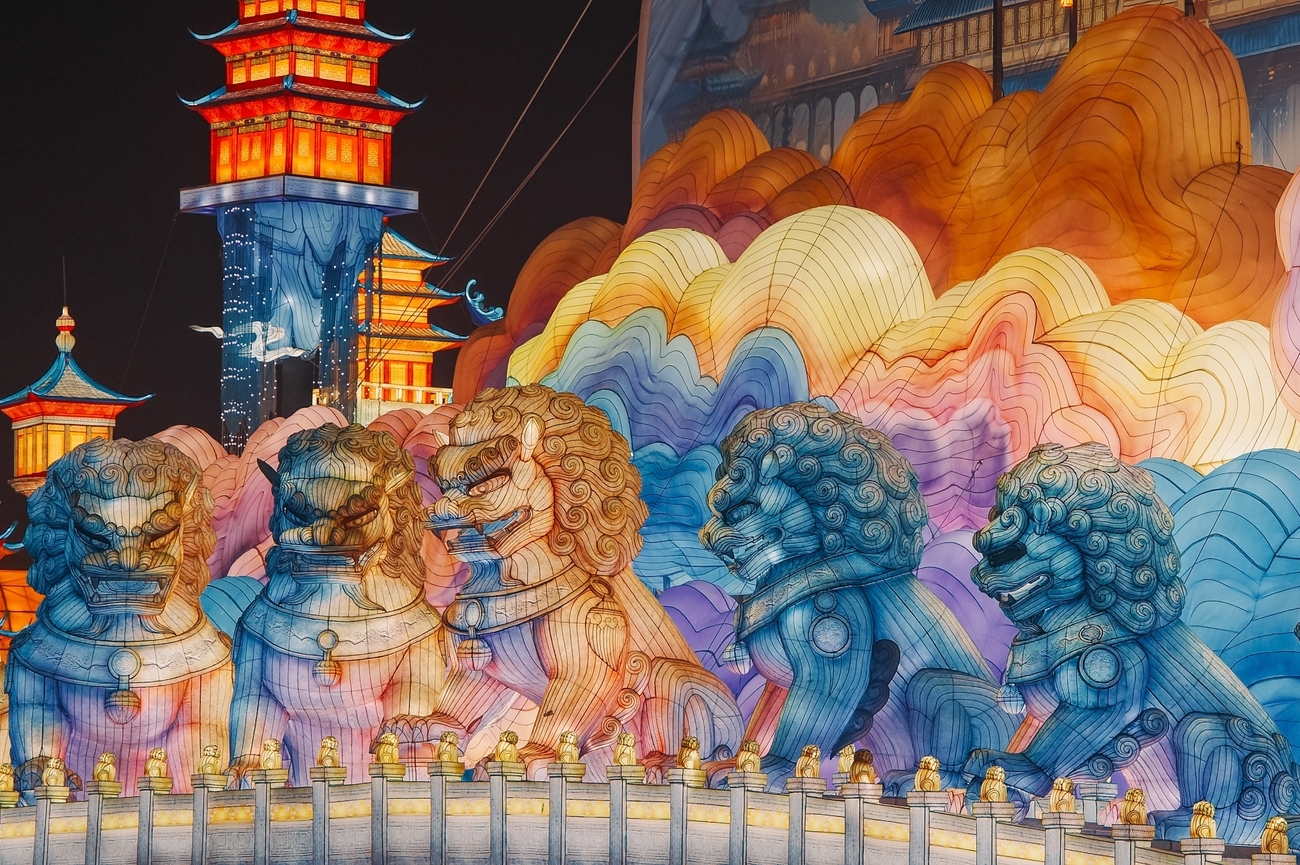
- Lantern Festival: Marks the bright and joyful finale of the 15-day Spring Festival (Chinese New Year). It takes place on the 15th day of the first lunar month, usually in February or early March, and celebrates the first full moon of the lunar new year. During the festival, you’ll see Beijing glow with thousands of colourful lanterns lighting up streets, parks, and temples. For the best experience, head to Beihai Park, Yuyuantan Park, or the Shichahai Lake area, where lanterns reflect beautifully on the water. If you prefer something more lively, major streets like Wangfujing and Qianmen are decorated with large, eye-catching lantern displays that make for a memorable night walk.
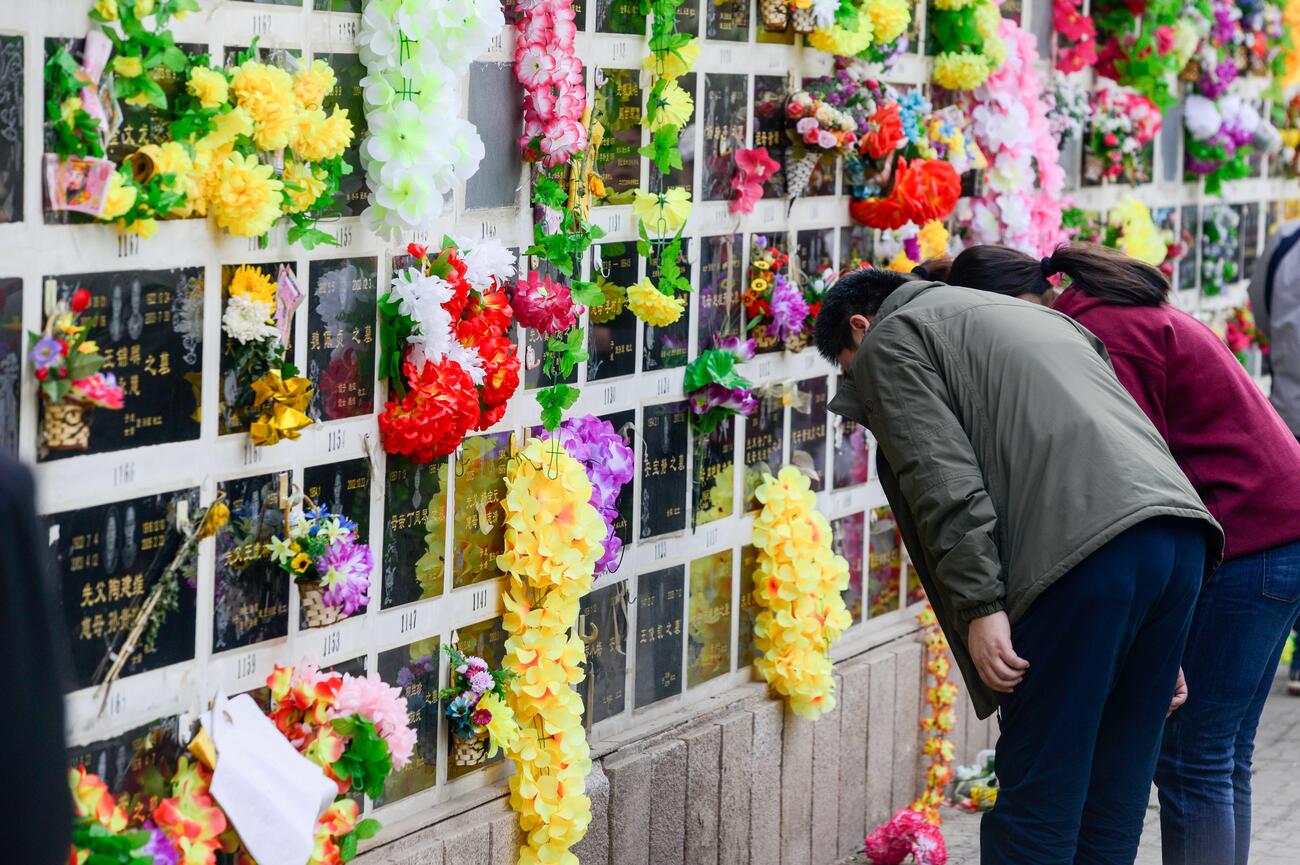
- Qingming Festival: Also known as the Tomb-Sweeping Day or Pure Brightness Festival, is observed around April 4 or 5 each year. It’s a meaningful time in China. During Qingming, you’ll notice families visiting cemeteries to clean graves, light incense, and leave food or paper offerings for their ancestors. It’s a quiet, respectful tradition rooted in honoring family and remembering those who came before. You’ll also find that parks and outdoor spaces are also popular, as people take advantage of the warmer weather to enjoy spring after winter’s end. If you’re exploring the city during this time, it’s best to be mindful around memorial sites and appreciate the cultural significance of this deeply personal observance.
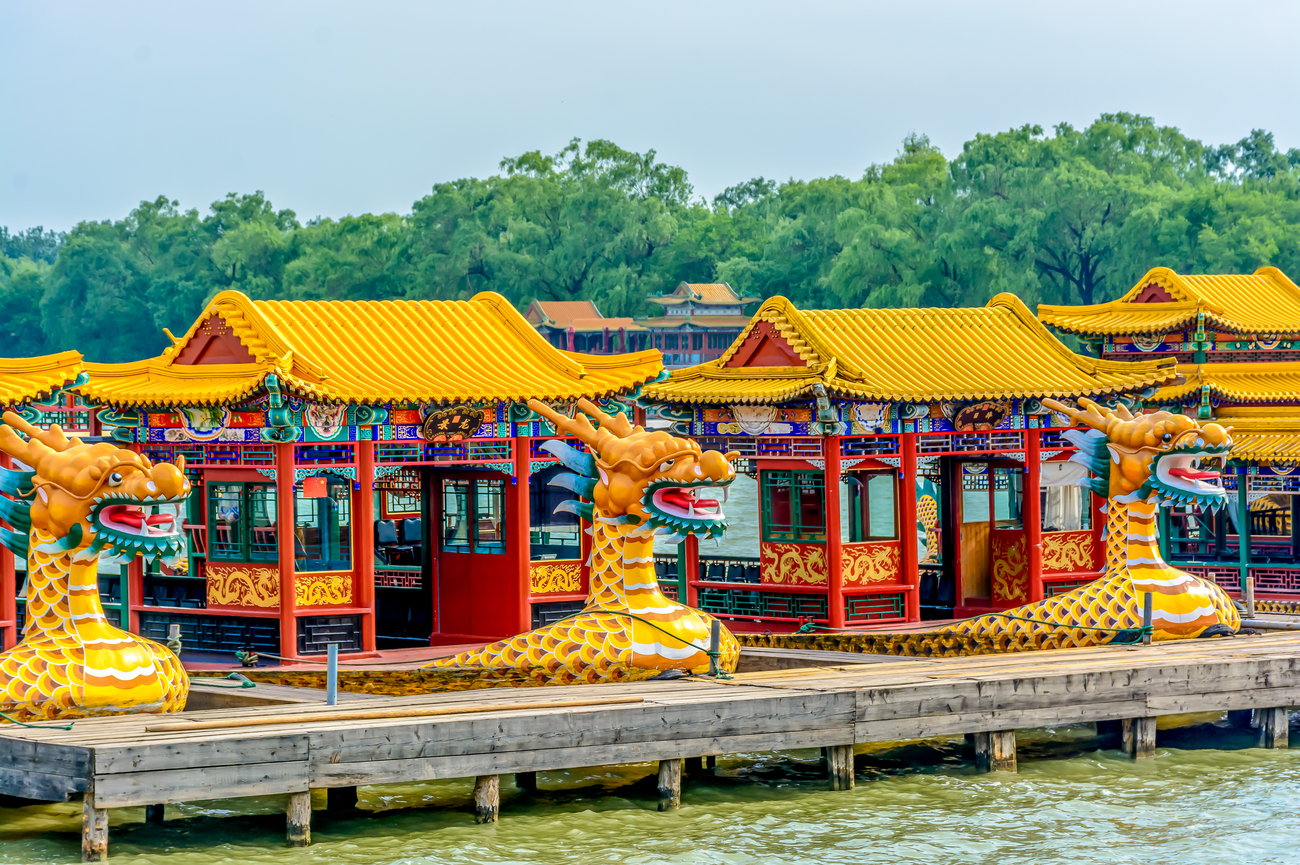
- Dragon Boat Festival: A well-loved traditional celebration in China, held in honor of Qu Yuan, a patriotic poet and official from the ancient state of Chu. It takes place on the fifth day of the fifth lunar month, usually falling in June. In Beijing, there are smaller dragon boat races at places like the Summer Palace or nearby reservoirs. While the races are more famous in southern China, these local events still bring a festive energy and are worth seeing if they’re on. Don’t miss trying zongzi, the festival’s signature food. These pyramid-shaped sticky rice dumplings are wrapped in bamboo or reed leaves and filled with sweet or savory ingredients. You’ll find them everywhere during the festival.
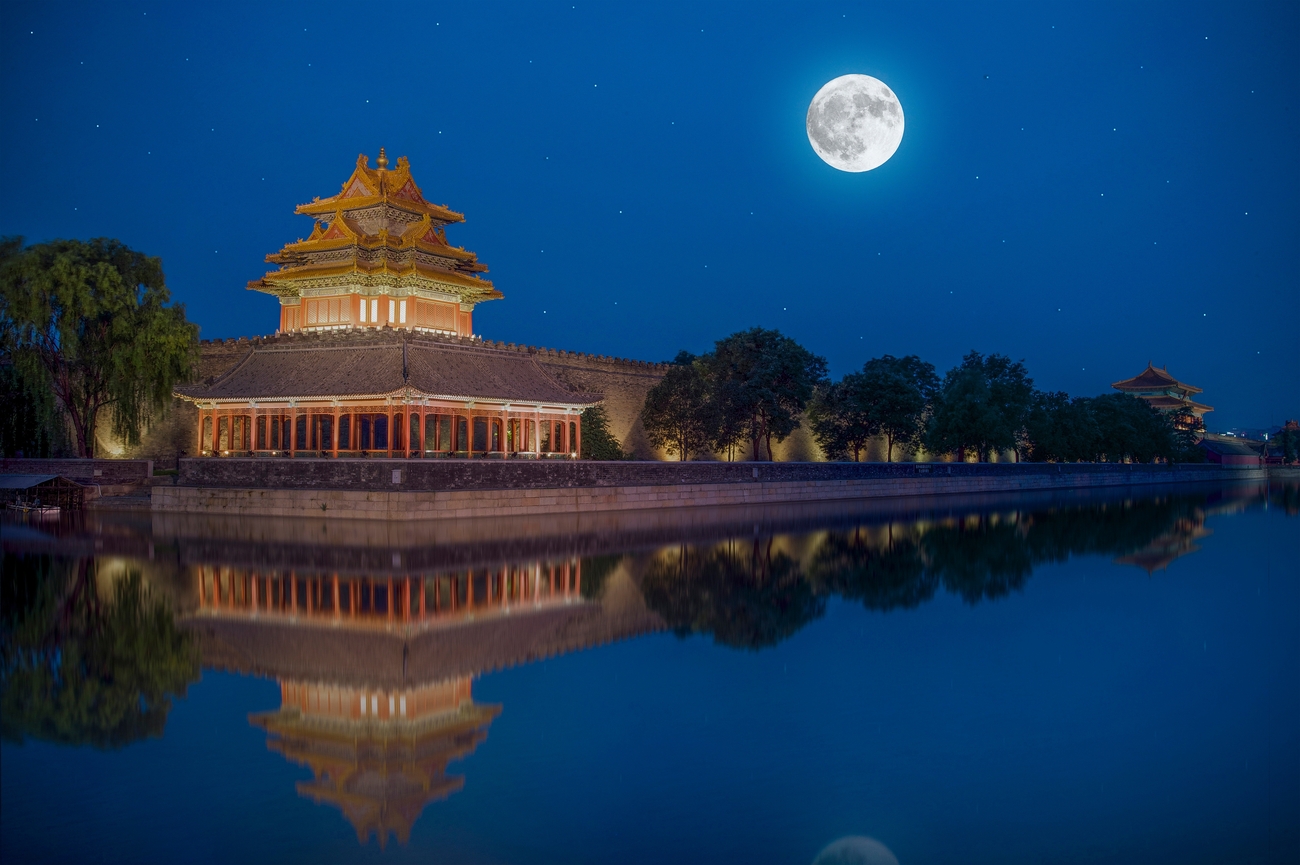
- Mid-Autumn Festival: One of China’s most beloved and visually beautiful celebrations. It takes place on the 15th day of the eighth lunar month (usually in September or early October) when the moon is at its fullest and brightest. At its core, it’s a harvest festival centred on family, gratitude, and togetherness, and it’s considered a major public holiday, often described as a “second Chinese New Year.”
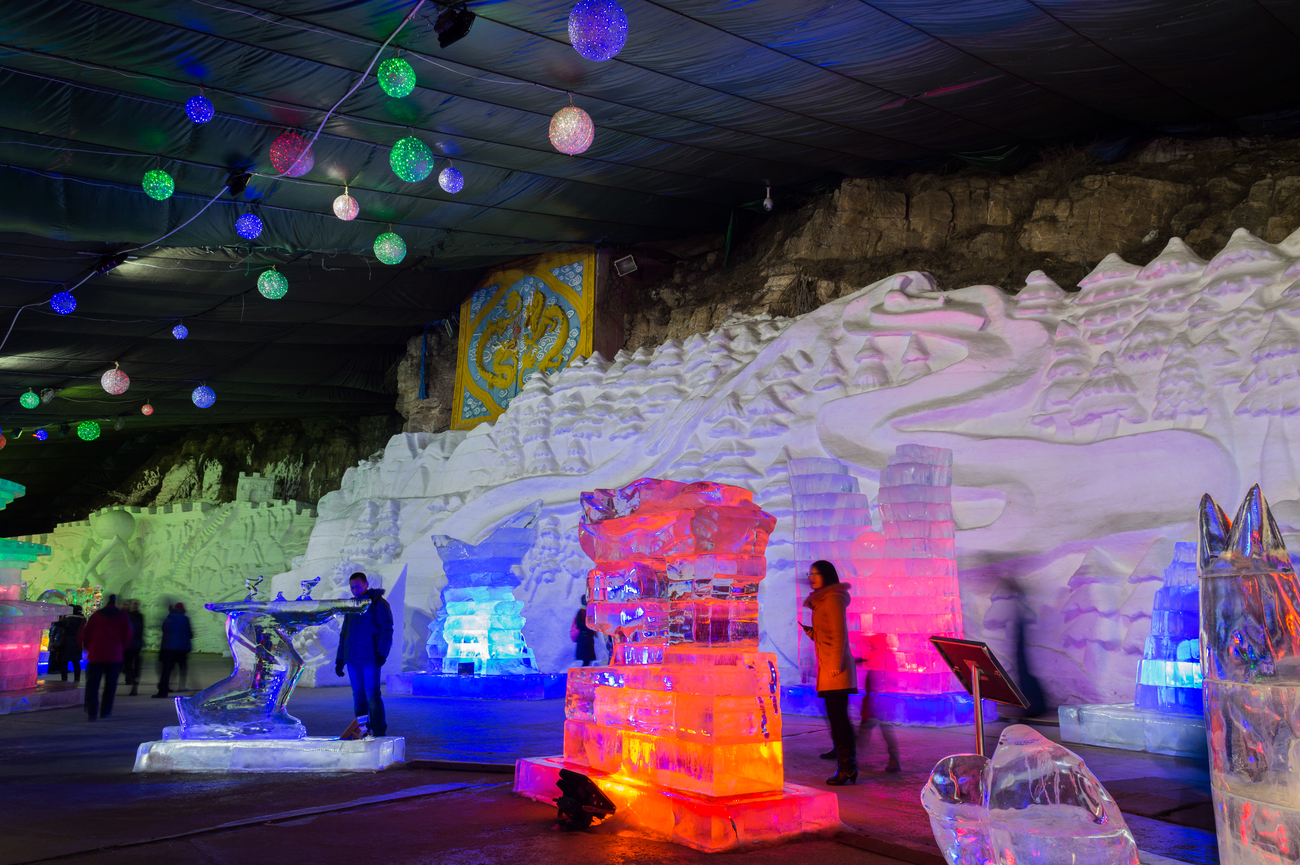
- Longqing Gorge Ice and Snow Festival: If you’re visiting Beijing in winter, the Longqing Gorge Ice and Snow Festival is one experience worth braving the cold for. Held from mid-January to late February (depending on the weather), this annual event transforms the dramatic cliffs and waterways of Longqing Gorge into a glowing winter wonderland. You'll see thousands of intricate ice sculptures set against the natural landscape, all enhanced with colourful LED lights. At night time, the gorge comes alive with a fairy-tale atmosphere with its icy structures glowing, ravines lit up, and reflections shimmering across the water.
The Heart of the
Middle Kingdom
By Day 5, Beijing no longer feels like a checklist but a conversation you’ve slowly grown into. You’ve stood in places built to project power, climbed hills that aligns itself like a perfectly planned idea, and wandered palaces meant to impress the world. Then, just as easily, you’ve slipped into hutongs where everyday life quietly carries on. From the vastness of the Great Wall to the calm of the Ming Tombs, you’ve seen how Beijing shifts gears without losing itself.
If you’ve been thinking about when to visit Beijing, let this be your sign to turn that thought into action. At Revigorate, we’ll help you design a journey that goes beyond the highlights, tailored to your pace, interests, and travel style. Contact us or give us a call at (+1 800 672 0517 | +351 289 009 580 | +44 808 189 0647), and let’s start planning your Beijing experience.
Ready to explore more of Asia? Travel further with Revigorate and discover our curated itineraries across Hong Kong, Kyoto, Singapore, Osaka, and Manila.


Let us know what you love, where you want to go, and we’ll design a one-of-a-kind adventure you’ll never forget.
Get in touch
Miriam
Travel Specialist

Romina
Travel Specialist

Laura
Travel Specialist
Our offices:



Revigorate, Iberian Escapes and Algarve Lifestyle are the registered brand names of APCS Lda . We are a fully authorised travel agency licensed by Turismo de Portugal RNAVT/6867.
In the event of a dispute, the consumer may refer to: RAL - Centros de Arbitragem
Avª. 5 de Outubro, nº. 55, R/C Dtº. 8000-075 Faro, Portugal | Tel: +351 289 823 135 *
* national landline call
E-mail: info@consumoalgarve.pt| www.consumidoronline.pt | Mon to Fri: 9:00 - 13:00 / 14:00 - 17:00