Things to Do in Innsbruck & Tyrol: 5-Day Itinerary
If fairytales ever got a GPS upgrade, they’d probably drop a pin right on Innsbruck. This city doesn’t just sit between the Alps, it lounges there like it knows it’s photogenic from every angle. The pastel Baroque facades? Gorgeous. The snow-dusted peaks that look like they were made for postcards? Even better. And just when you think you’ve seen enough, Tyrol sweeps in like the charming cousin who brings adventure, altitude and just the right amount of drama.
Innsbruck is where imperial history flirts with adrenaline. One minute, you’re standing under a roof made of gold tiles and the next, you’re on a cable car rising above the city like it’s your personal snow globe. Tyrol, meanwhile, is all about the art of high living, literally and figuratively. Glacial lakes glint like sapphire mirrors, villages cling to mountainsides as if afraid to miss the view and everything smells faintly of pine, pastry and possibility.
It’s not the kind of place you “do.” It’s the kind you feel. Where every bend in the road looks like a movie frame and every bell tower chime sounds like it’s syncing with your heartbeat. The beauty here isn’t quiet; it’s bold and unapologetically extra, the way all great alpine stories should be.
So, whether you’re chasing castles, cable cars, or that perfect Tyrolean glow (yes, it’s a thing somewhere between mountain air and smug satisfaction), get ready to see why Innsbruck and Tyrol are the ultimate alpine power couple. We’ve mapped out a 5-day high-end itinerary that takes you from imperial streets to sky-high peaks with just the right balance of culture, luxury and a little mountain mischief.
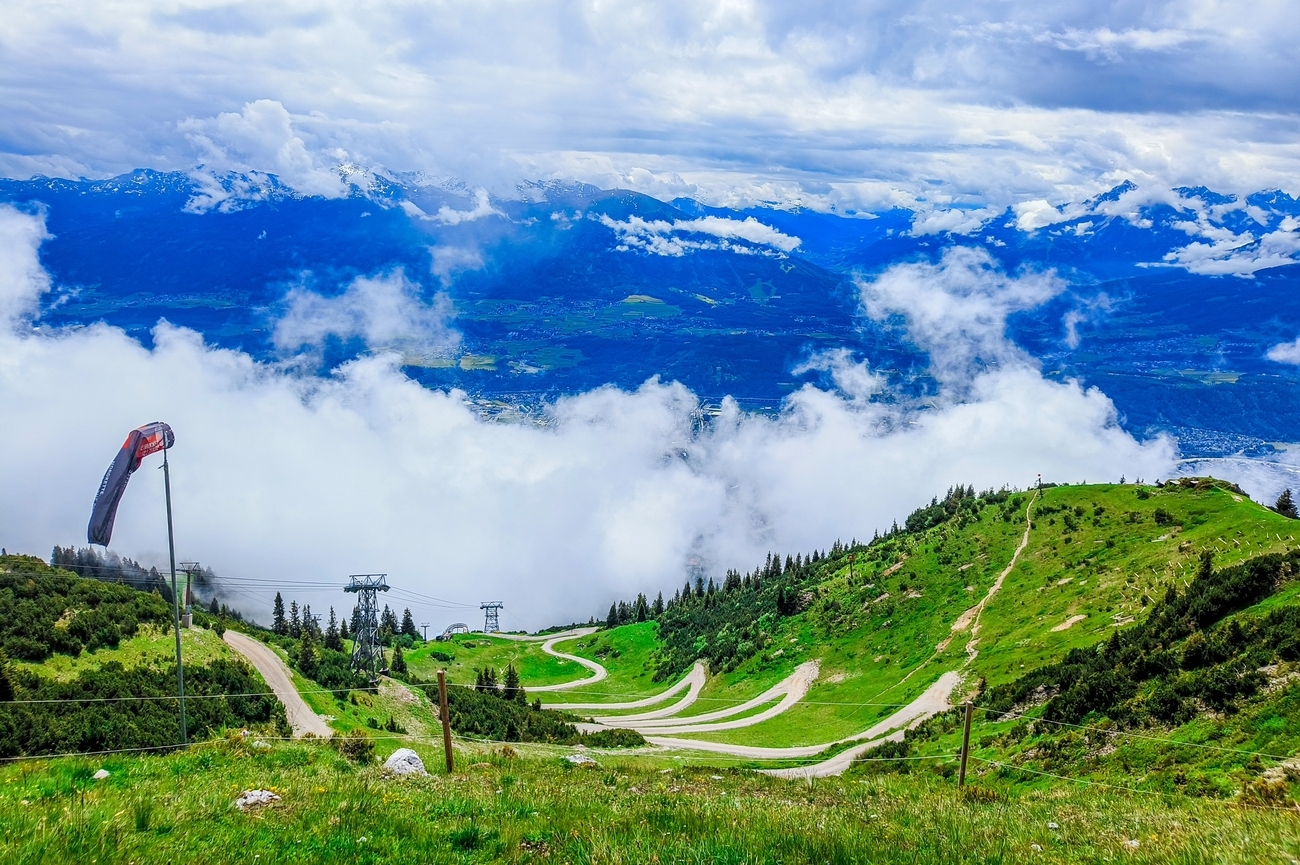
Day 1

Morning: Court Church Innsbruck
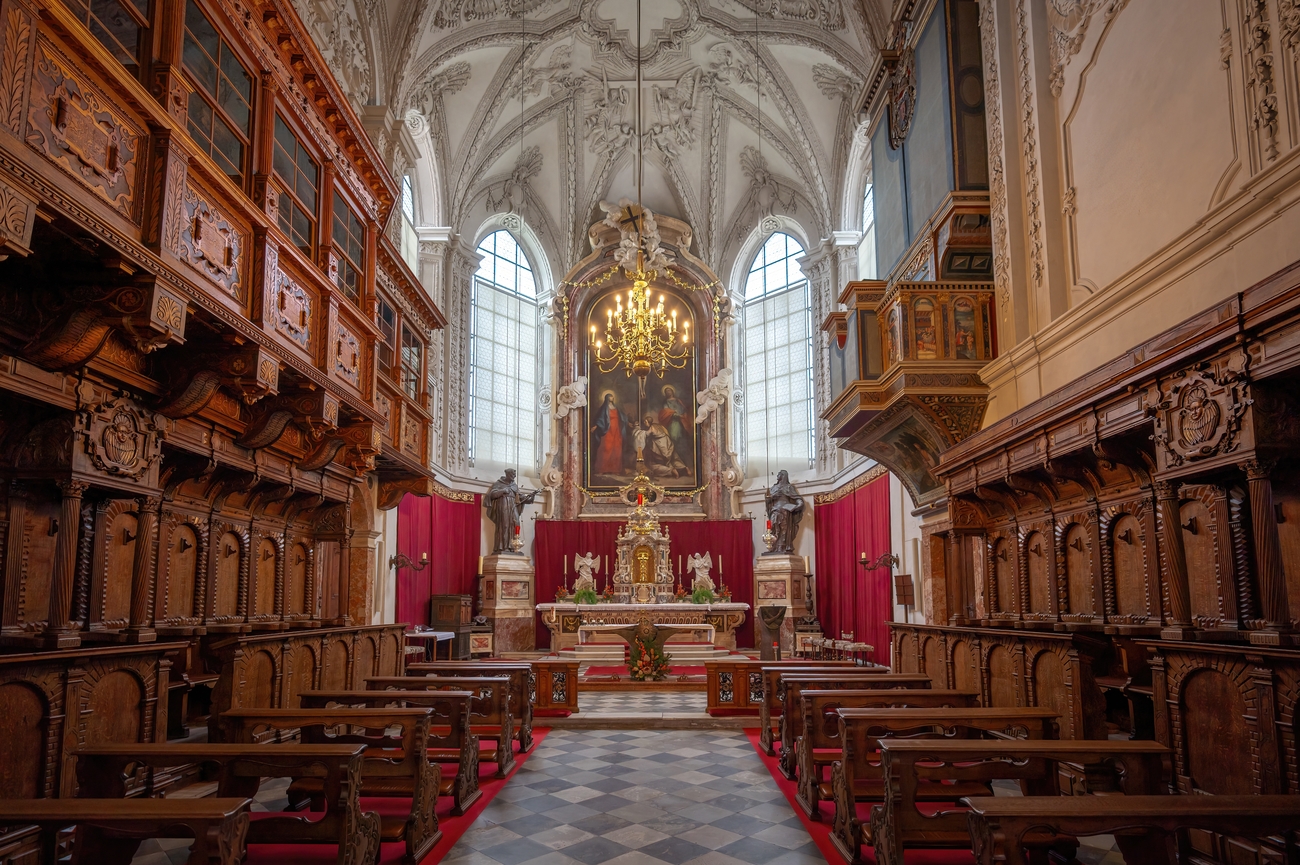
The Hofkirche stands in the Old Town of Innsbruck like the ultimate mic drop in marble and bronze. Built in the mid-1500s by Emperor Ferdinand I to honour his grandfather, Emperor Maximilian I, this Gothic-Renaissance church holds a cenotaph surrounded by 28 over-life-sized bronze figures, each locked in an eternal stately gaze. Adding glam to grandeur: the adjacent “Silberne Kapelle” (Silver Chapel) houses a silver-adorned altar and the tombs of Archduke Ferdinand II and his spouse Philippine Welser.
Grabmal Kaiser Maximilians I.
Let’s leave the grand hall of Hofkirche Innsbruck and take a few steps deeper into its dramatic heart. Go straight for the monumental tomb of Kaiser Maximilian I, known as the Grabmal Kaiser Maximilians I. (Kenotaph).
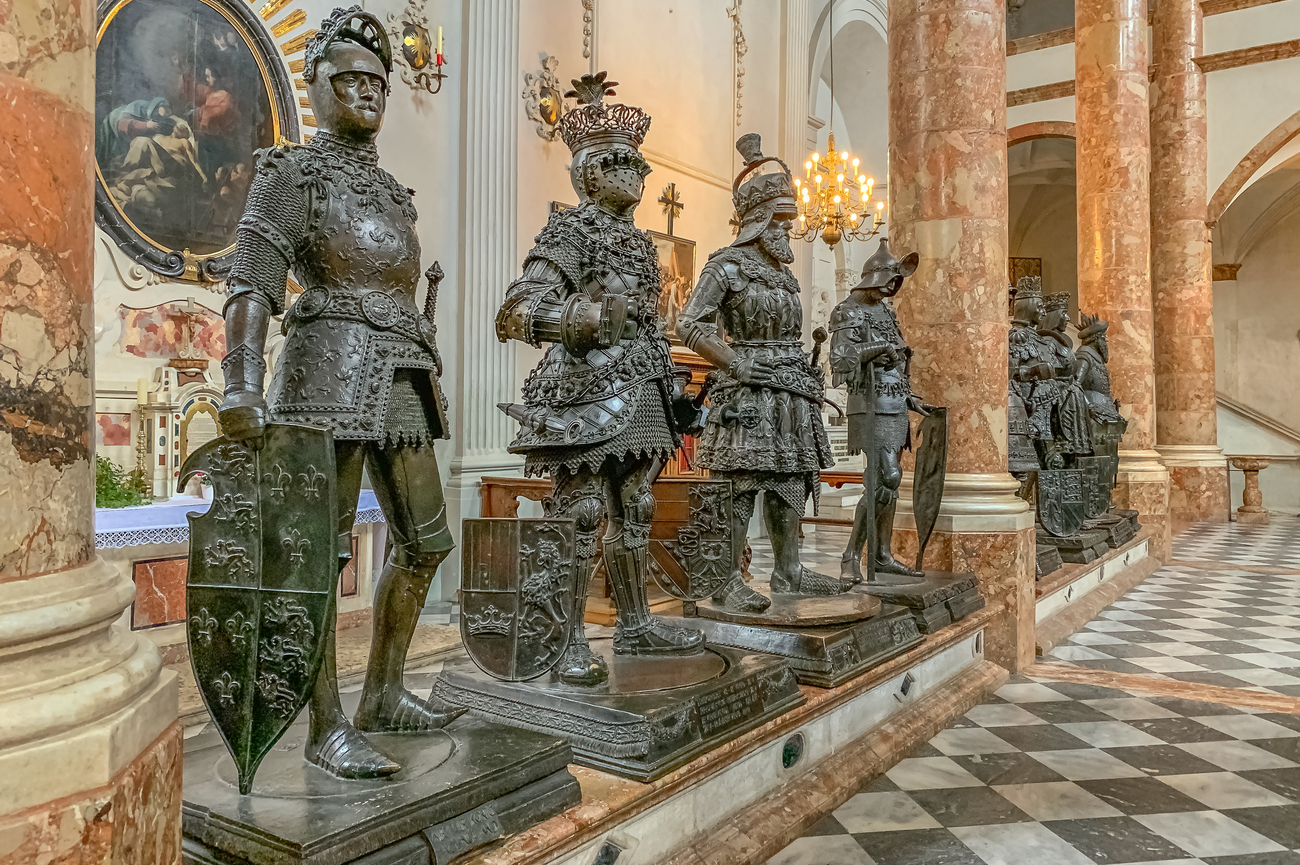
This elaborate memorial wasn’t cast in quiet humility. Commissioned during Maximilian’s lifetime but never quite completed, the tomb stands in the church’s main nave surrounded by 28 larger-than-life bronze figures which have been nicknamed the “Schwarze Mander” by locals. The sarcophagus itself is empty, a deliberate symbol of ambition unbound, wrapped in marble reliefs that chronicle the ruler’s vision and legacy. Each statue is a statement about power, lineage and the art of being remembered long after one’s boots have collected dust.
For those looking to elevate the experience, there are premium options that turn mere viewing into a refined moment. A private guided tour can unlock behind‐the‐ropes access and tailored commentary on the reliefs and statues, including the new lighting system that enhances the details and drama of the tomb, which was upgraded in recent years.
Hofburg
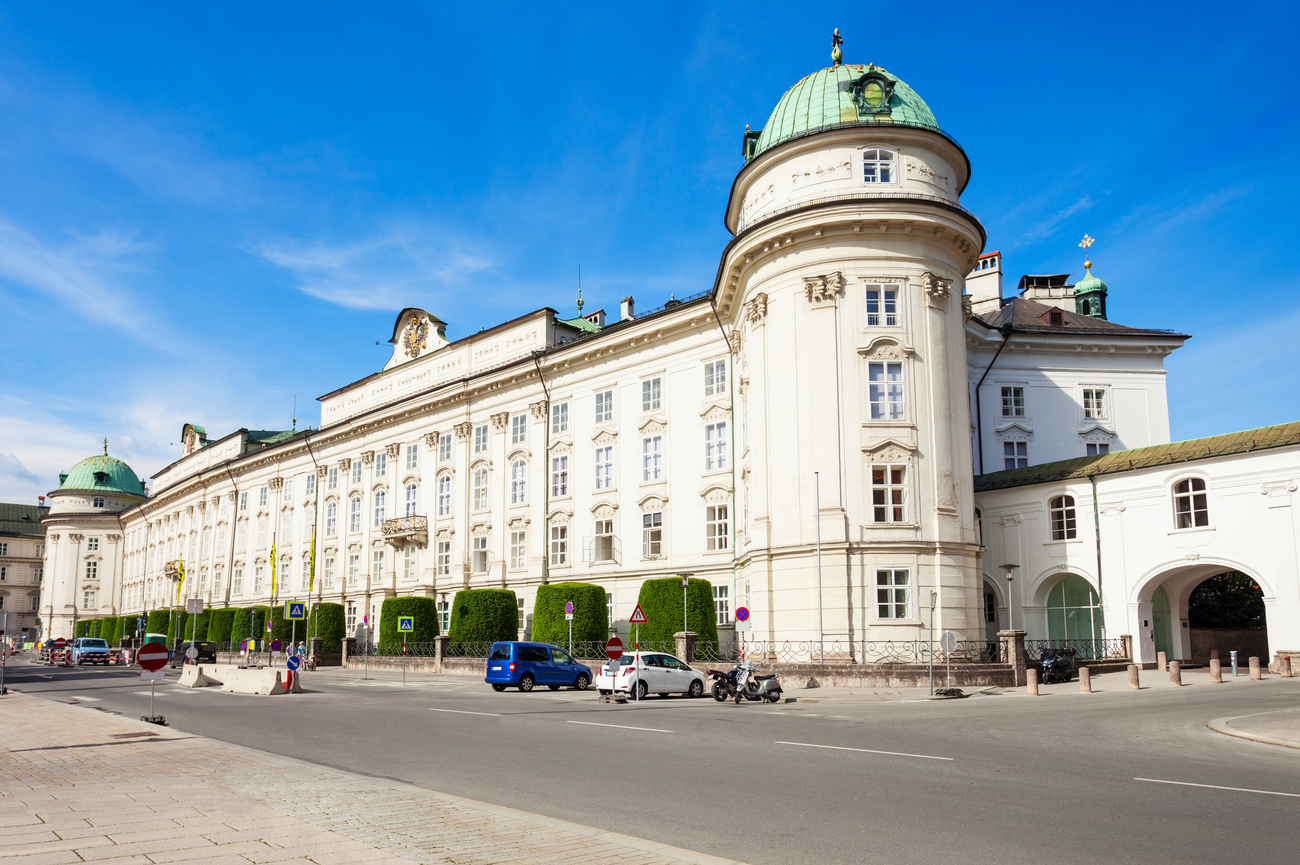
Just five minutes’ stroll from the stately echo of the Hofkirche, follow the path past the old city wall and arrive at the Hofburg. This is Innsbruck’s imperial playlist on full blast.
The building started as a fortress-adjacent residence in the Middle Ages, but under Emperor Maximilian I and later under Empress Maria Theresa, it was remixed into a baroque-rococo showpiece packed with Habsburg swagger. The palace is like a time-travel wardrobe: one minute you’re in the austere Gothic bones of the 15th century, the next you’re gazing up at the “Giants’ Hall” (Riesensaal) with its ceiling fresco by Franz Anton Maulbertsch and chandeliers that could double as starburst galas. Rooms once reserved for royalty now host exhibitions about Maximilian’s jousts, Maria Theresa’s court life and the Habsburgs’ alpine downtime.
And if you want a top-tier experience, you can join a premium guided tour that focuses on the imperial apartments and the “Maria Theresa Rooms”. These tours often include skip-the-line entry and access to sections of the palace not open during regular hours.
Cathedral of St. James (Dom zu St. Jakob)
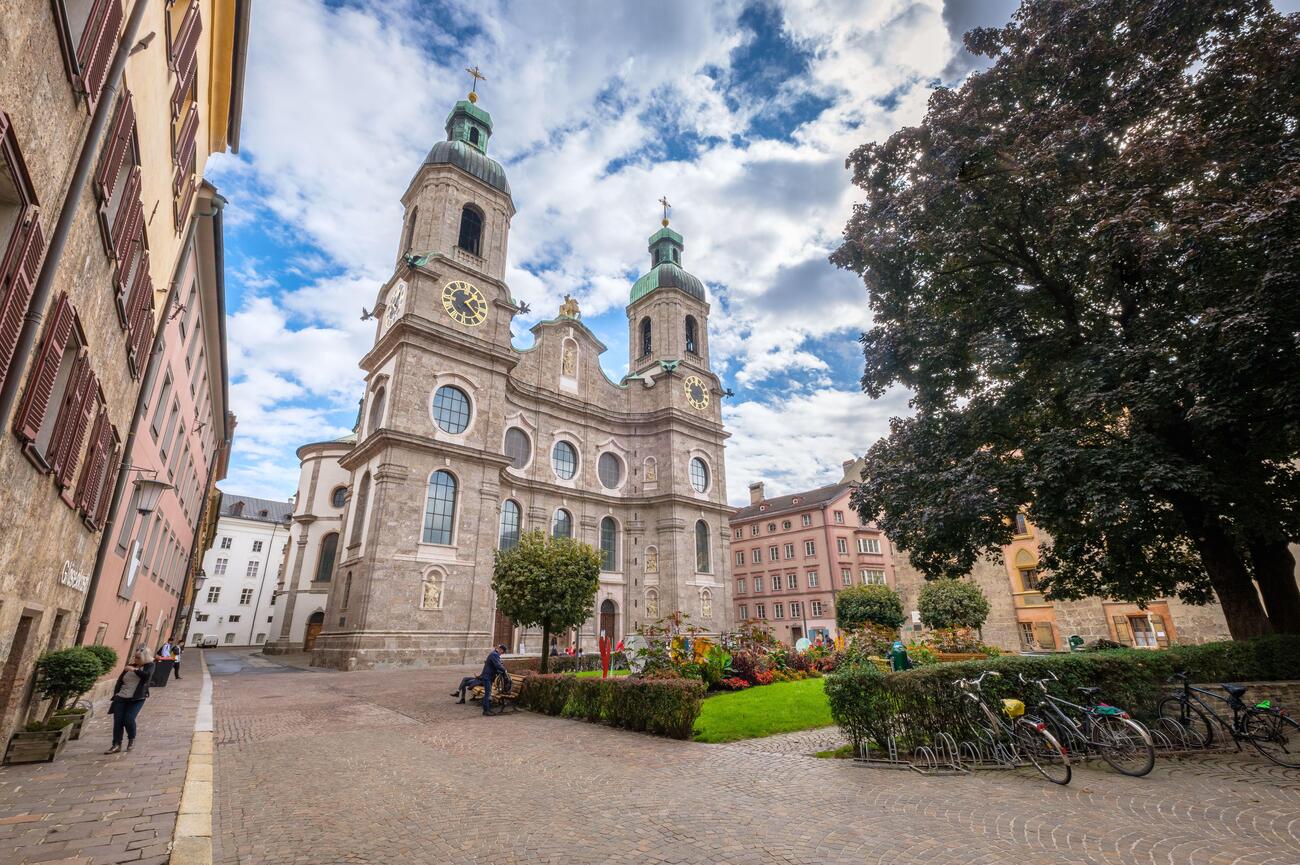
After taking in the regal grandeur of the Hofburg, a short walk brings you to the Dom zu St. Jakob. Here, the power of empire gives way to the splendor of Baroque devotion. From the outside, the cathedral’s modest façade is deceiving. Step inside and you are immediately surrounded by an 18th-century masterpiece, one of the finest examples of Austrian Baroque.
Designated a cathedral in 1964, the interior dazzles with a harmonious blend of light, gold, and vivid frescoes, many crafted by the renowned Asam brothers. Every surface is a work of art, sculpted, painted, or gilded, culminating in the soaring ceiling vault that seems to open to the heavens. A major highlight for pilgrims is the celebrated painting Maria Hilf (Our Lady of Prompt Succor) by Lukas Cranach the Elder, a cherished work that has inspired copies across the Alps.
This is more than just a church. It is a full sensory experience of religious art and architectural drama, and it also serves as the symbolic starting point of the Way of St. James pilgrimage in Tyrol.
Altstadt
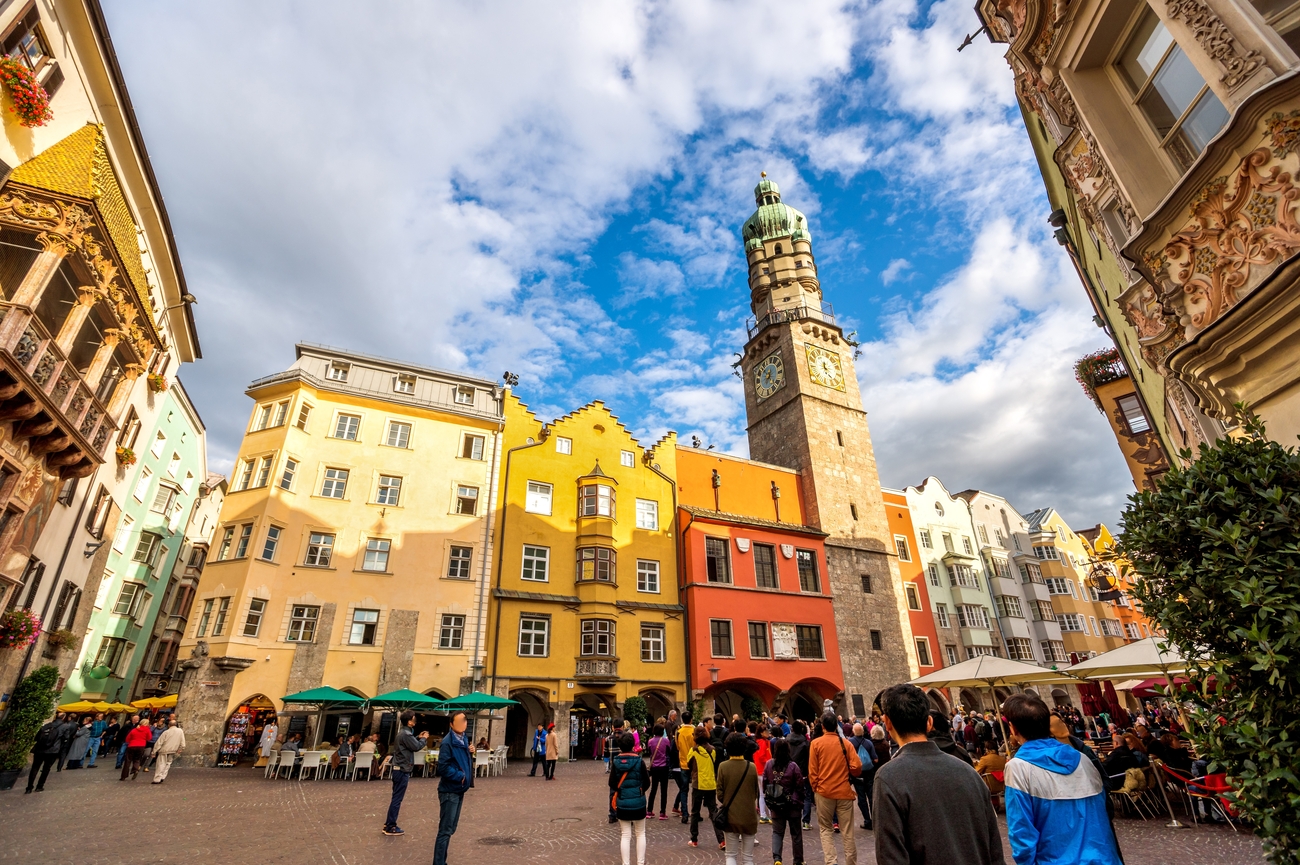
From the Dom zu St. Jakob, the historic heart of the city is just steps away. Wander a few minutes into the cobbled core of Innsbruck, and you’ll find yourself in the Altstadt. Here, the street “Herzog-Friedrich-Straße” unfolds with richly decorated baroque and rococo houses, such as the show-stopper Helblinghaus, whose stucco facade curls and curls upward like cream on a hot chocolate.
The Altstadt isn’t just about the past dressed up for photo-ops. It’s a polished cradle of culture where the iconic Goldenes Dachl (Golden Roof) glints in the sunlight. You’ll pass arcades hosting everything from high-end watchmakers to artisan crafts and cafes that invite lingering over mountain views with a side of local flavor. And for those with a taste for luxury, this Old Town delivers more than looks. Consider booking a private walking tour through the historic core. You can also opt for an exclusive “golden hour” visit when the last rays catch the rooftops and your photos feel like editorial spreads.
Afternoon: Golden Roof
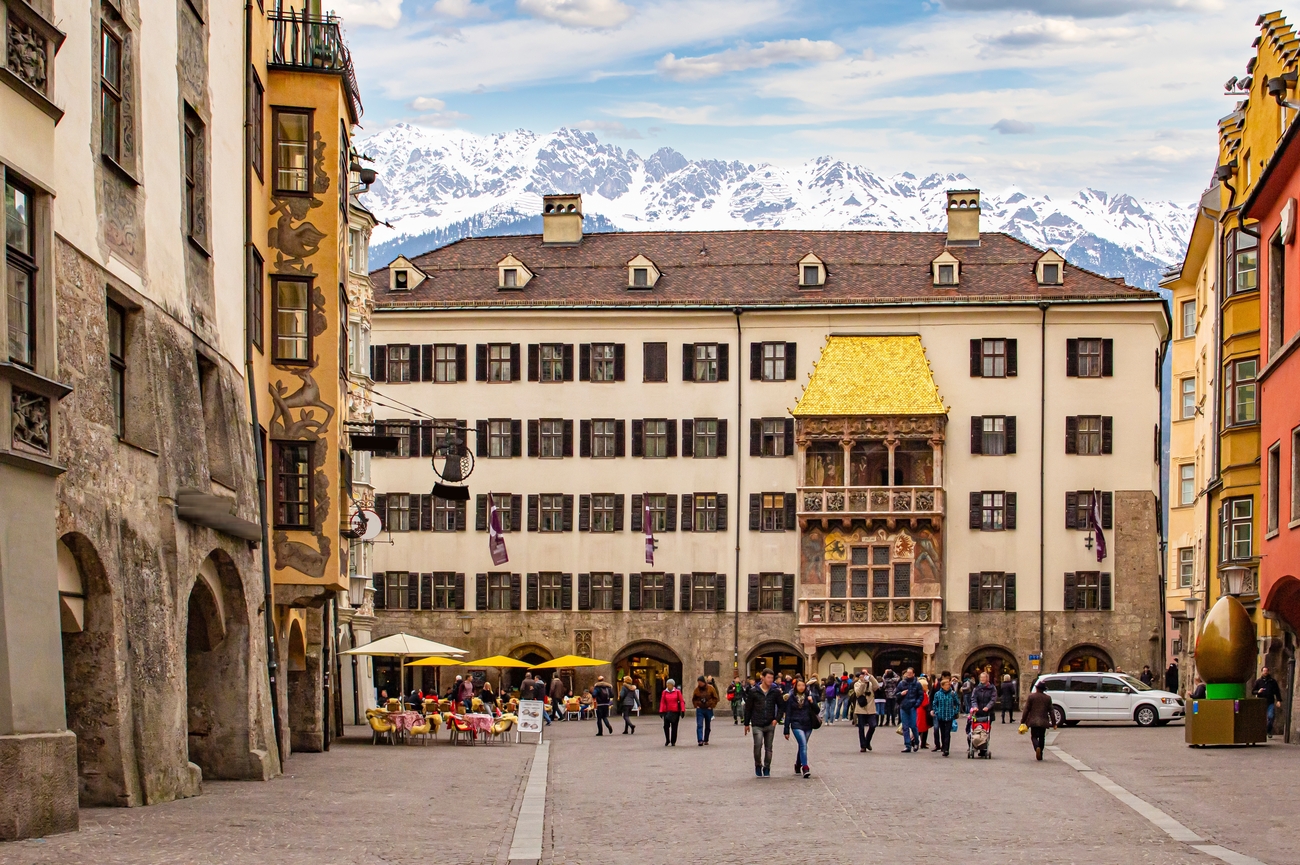
The stroll from the historic lanes of the Altstadt brings you directly to the Golden Roof. This is Innsbruck’s architectural wink of “look up, you’re in the good part now”.
Commissioned around 1497–1500 by Emperor Maximilian I to mark his marriage to Bianca Maria Sforza, the oriel projects from the building like a crown on the city’s medieval podium. It boasts 2 657 fire-gilded copper shingles that catch sunlight and attention in equal measure. Its facade is dressed in late-Gothic reliefs and frescoes by court painter Jörg Kölderer, presenting knights, heraldry and imperial ambition all at once.
For the luxe traveller who wants more than a selfie with golden shingles, step inside the Museum Goldenes Dachl, reopened after a major redesign in 2019 and offering multimedia displays, rare original reliefs and behind-the-scenes insights into Tyrol’s Habsburg era. Upgrade your experience with a private guided tour that grants early-morning access or a pre-sunset visit when the tiles glow as though lit from within.
Ambras Castle
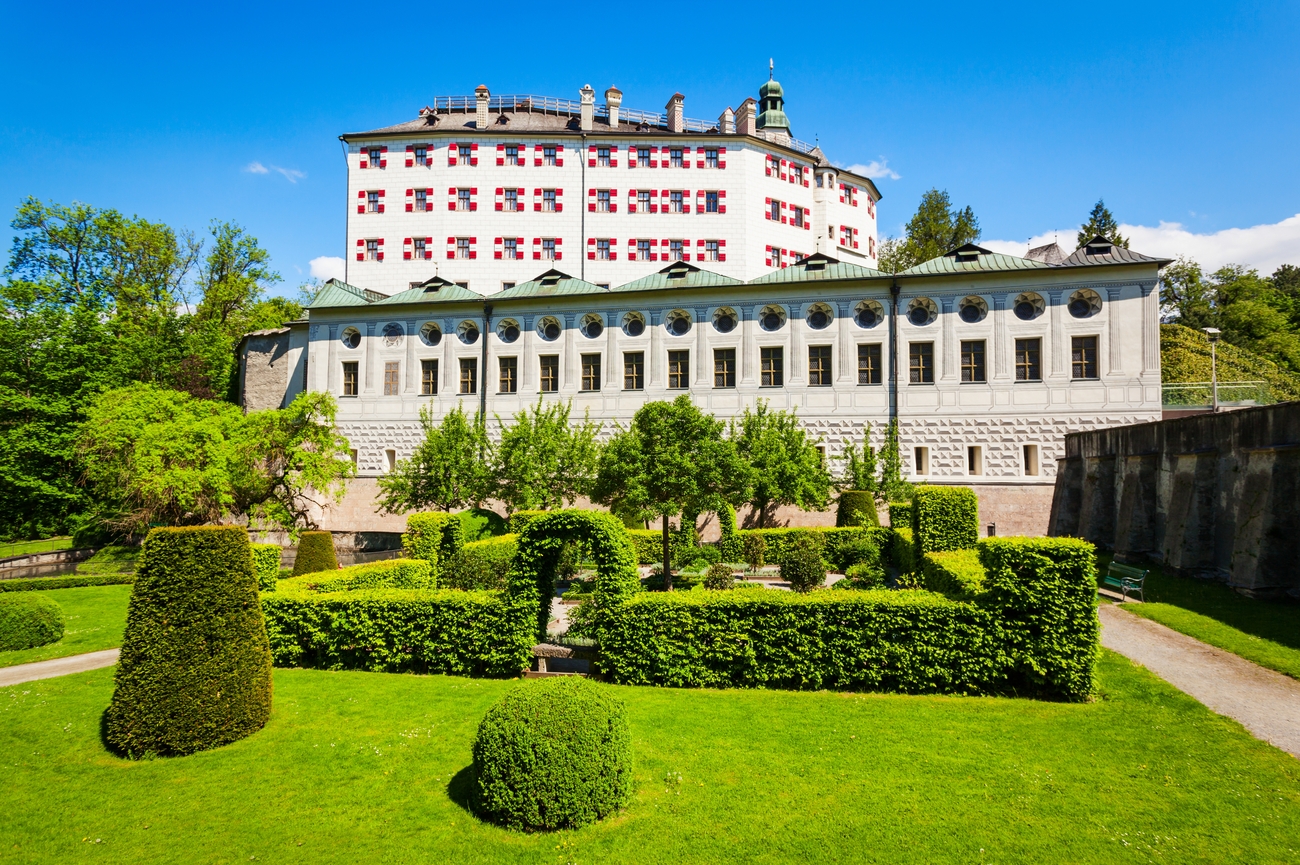
From the elegant lanes of the Altstadt and the gilded glint of the Goldenes Dachl, it’s a scenic ride or stately drive up the hillside to Ambras Castle. It is perched above the city and ready to swap your urban pace for a Renaissance‑soaked afternoon.
This originally started as a medieval fortress in the 10th century and refashioned in the 1560s by Archduke Ferdinand II into a palatial retreat for his wife Philippine Welser. This castle is one of the world’s earliest museums. Within its ramparts, you’ll find the famed “Spanish Hall,” the ornate armoury, the Chamber of Art & Curiosities and the Habsburg Portrait Gallery.
You can book a private or small-group guided tour to explore the castle without the usual shuffle. Tours run 60 or 90 minutes for groups up to 25 people, giving you a relaxed, deep-dive into the architecture, armoury and artwork. For a more hands-on experience, the castle offers a 120-minute workshop for groups of up to 15 participants, perfect for those who want a more intimate, behind-the-scenes look at Ambras’ treasures.
Swarovski Crystal Worlds
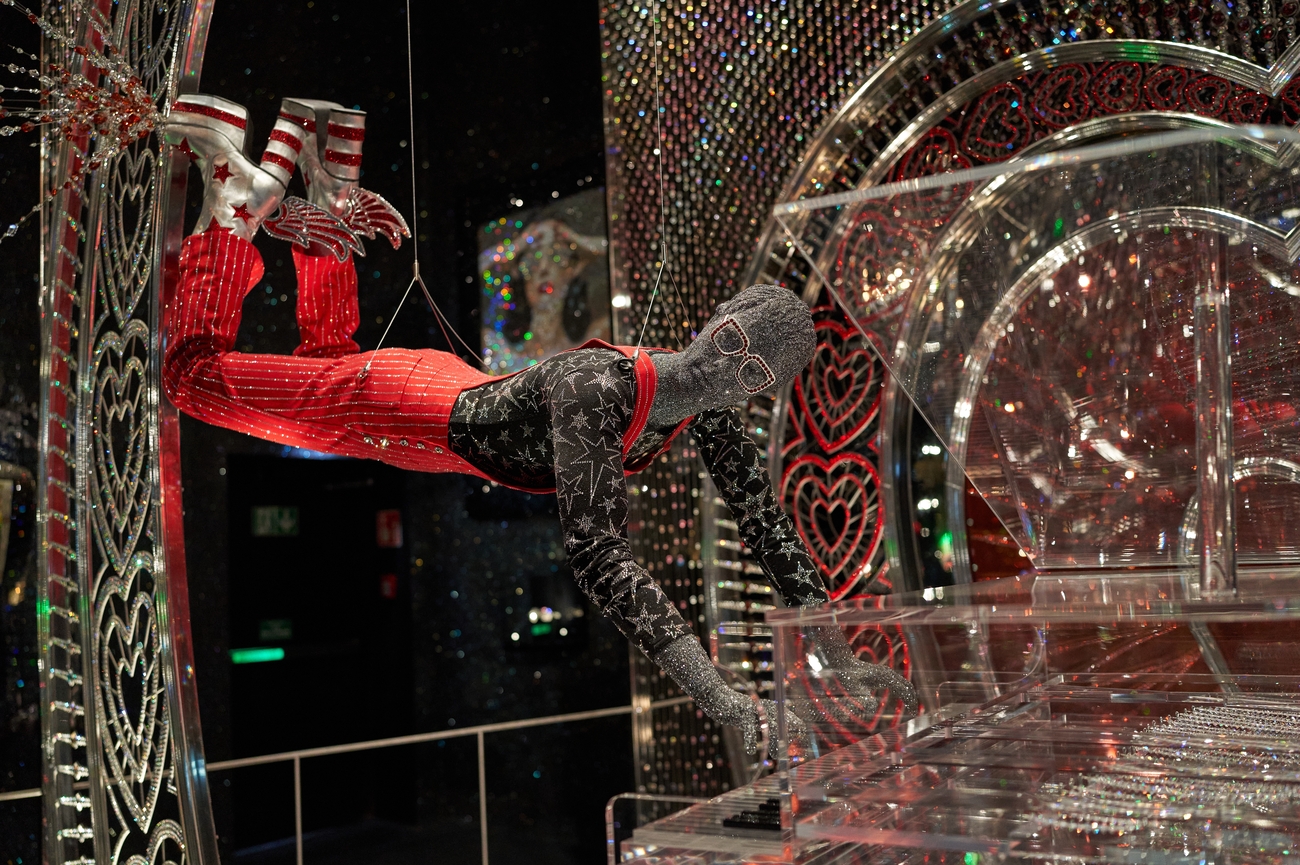
A short 20‑minute drive from Innsbruck delivers a full-on sparkle attack at Swarovski Crystal Worlds in Wattens. This isn’t just a museum or a factory tour; it’s a playground for anyone who appreciates the theatrics of crystal.
Swarovski Crystal Worlds opened in 1995 to celebrate Swarovski’s centenary. The attraction stretches across 7.5 hectares and includes underground Chambers of Wonder, an artfully landscaped Crystal Garden, and the iconic Crystal Cloud, glittering with over 800,000 hand-set crystals.
For travelers craving a more exclusive shimmer, the VIP experience offers small-group tours with behind-the-scenes access to the Swarovski manufactory. Guests can explore private galleries, enjoy drinks in the VIP Lounge, and even browse limited-edition pieces in the exclusive store.
Innbrücke
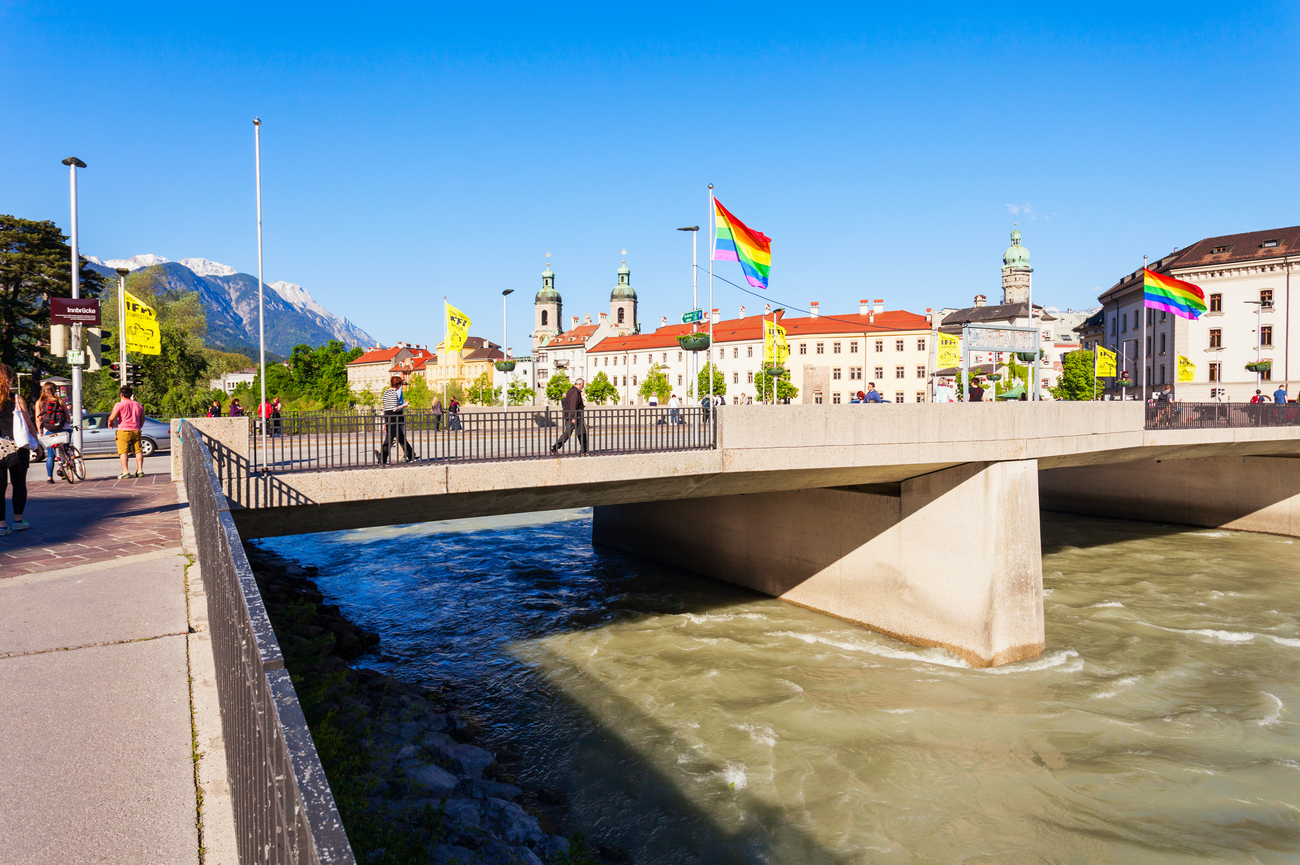
After an evening at the Innsbrucker Promenadenkonzerte, step out from the Hofburg courtyard and let the music’s echo guide you towards the river. A short, leisurely walk along the promenade leads straight to the Innbrücke, the bridge that gave Innsbruck its very name “bridge over the Inn.” Built first in the 12th century, it became the city’s vital crossing and the reason Innsbruck evolved from a riverside hamlet into a bustling hub of trade and travel.
Today’s bridge, dating from the 1980s, stretches sleekly across the Inn, but every step carries centuries of commerce, pilgrimages and city evolution. On one side, the crucifix by Tyrolean sculptor Rudi Wach adds drama, a bold reminder that even functional structures in Innsbruck have stories to tell.
Maria-Theresien-Strasse
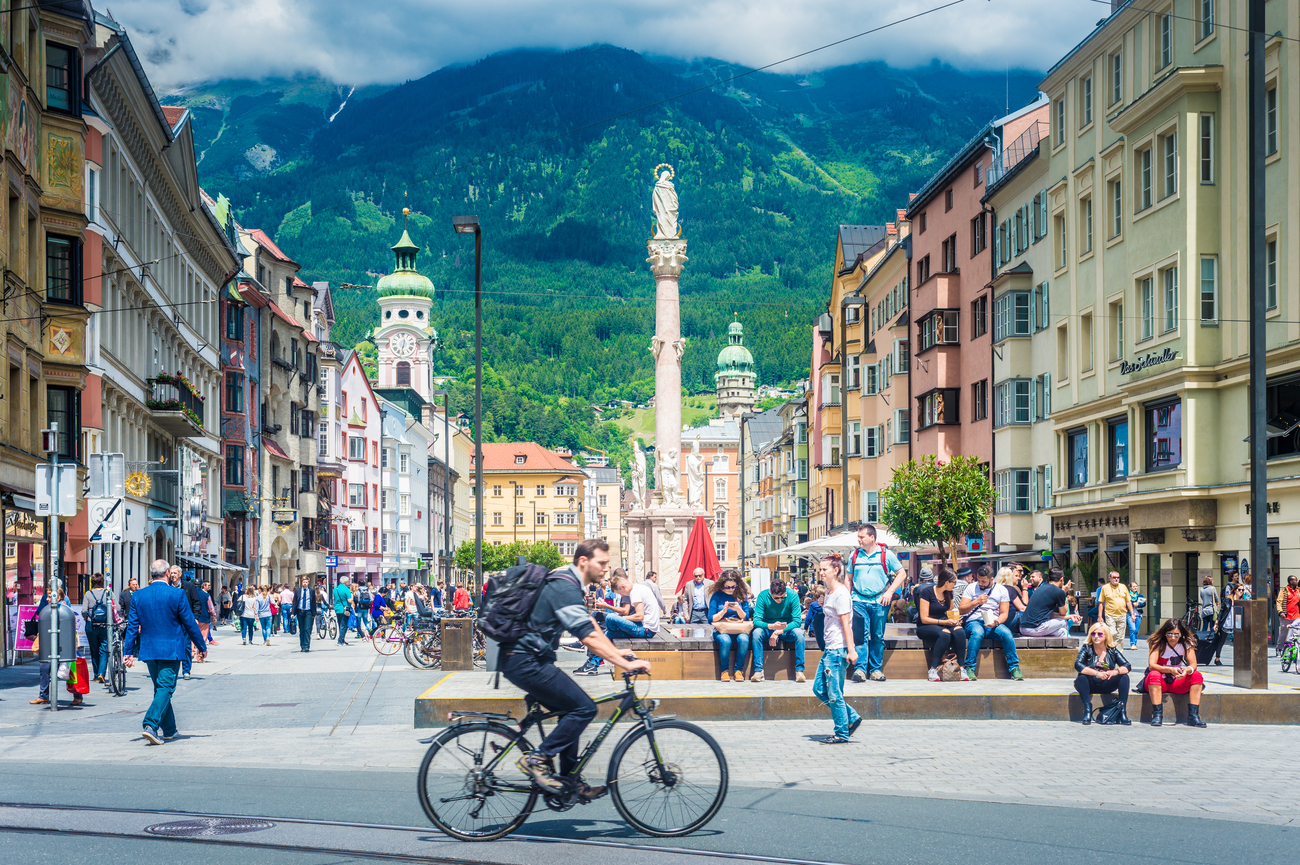
Crossing the Innbrücke from the promenade, the city opens up into Maria-Theresien-Straße, Innsbruck’s grand boulevard and the heartbeat of the modern-old city blends. The street stretches like a gallery where Tyrol’s past and present casually elbow each other. The Triumphal Arch at the western end signals imperial ambitions, while the golden evening light bouncing off the shops and cafés invites a leisurely stroll.
The street is lined with baroque facades, stylish boutiques and stately fountains. Go and pause to admire the St. Anne’s Column and other sculptural gems without the crowds or linger at open-air installations that are especially magical in twilight.
Day 1 - Innsbruck & Tyrol Tour Map
Day 2
Morning: Hafelekar Peak
Set off early from the city centre and take the seamless ride via the Nordkette Cable Car up through Hungerburg and Seegrube until the top station of Hafelekar. Less than an hour from the heart of Innsbruck, you’ll find yourself at 2,334 metres above sea level, looking down on the rooftops of the city while mountains stretch in every direction.
Once at the summit, the view steals the show. You’ll see sweeping vistas over the Inn Valley below, the alpine ridges of the Karwendel Mountains ahead and the sensation that the city you left behind is now inch‑small. You can also wander the wide path from the station to the summit cross in about 10‑15 minutes if the mood (and the altitude) allows.
And if you want a luxurious experience, book first‑lift access so the peak is yours before the crowds arrive. After ascending, enjoy a refined moment with a hot drink or light brunch at the mountaintop restaurant (yes, even high altitude deserves good coffee).
Seegrube
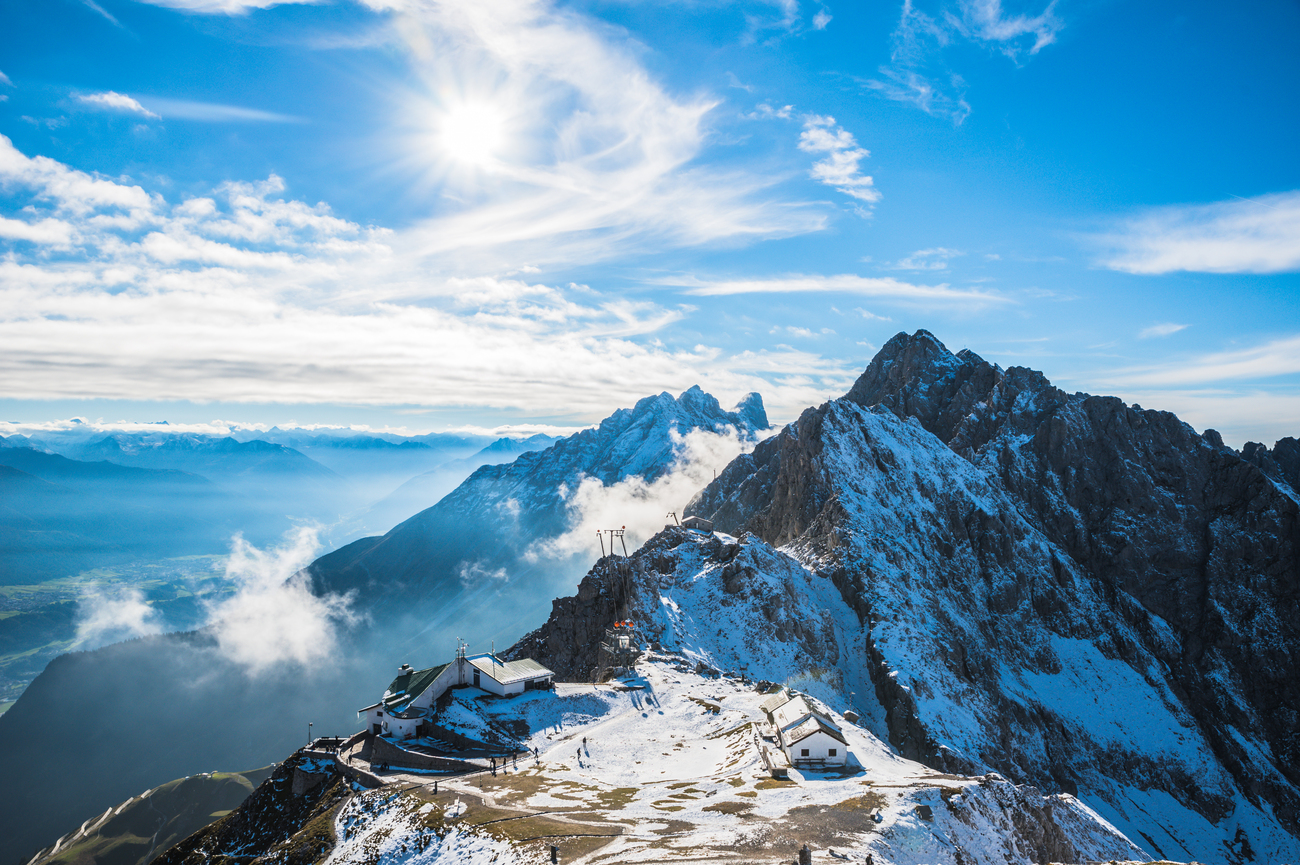
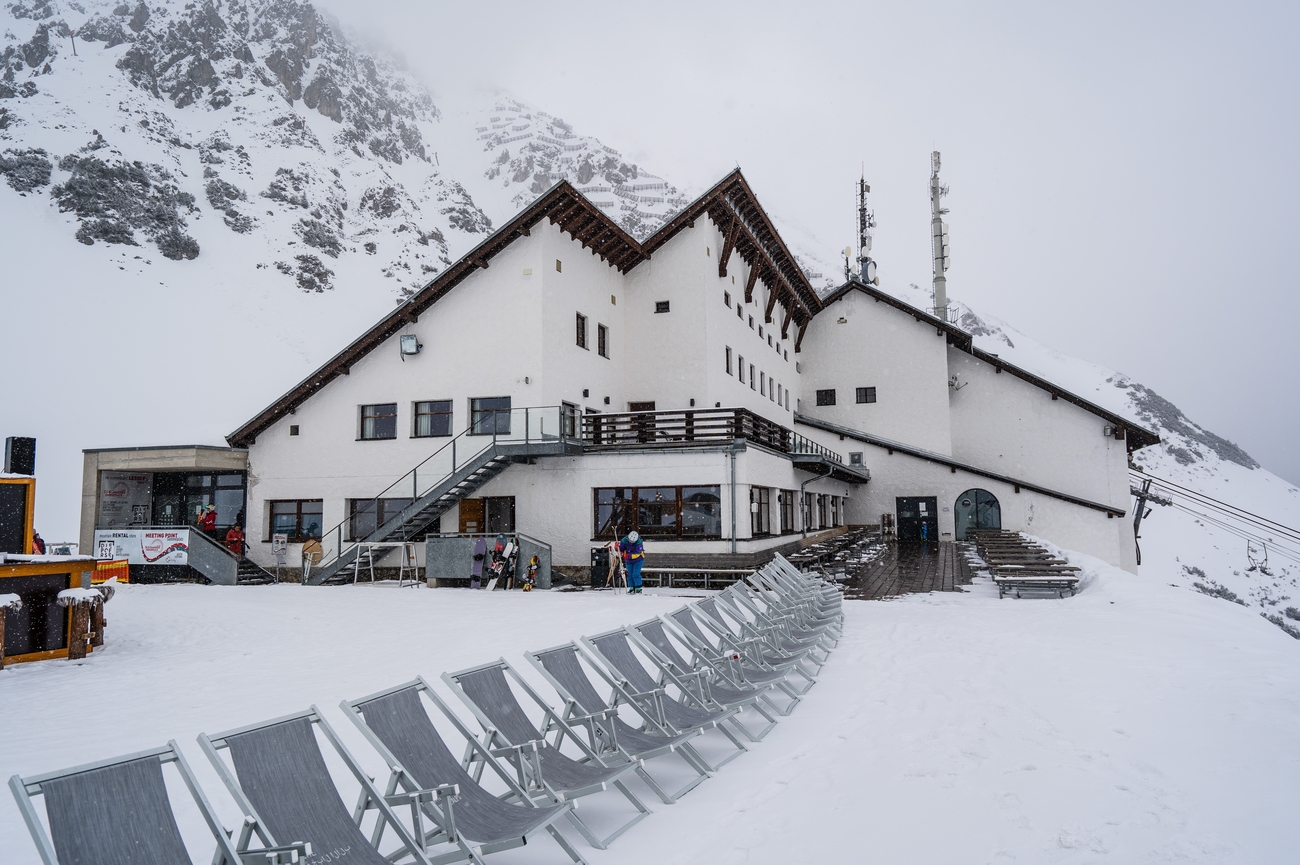
After soaring up to the summit of Hafelekar Peak, the journey down a notch lands you at Seegrube, which is about 1,905 metres high on the ridge of the Nordkette. This isn’t just a scenic stopover; it’s a plateau of possibilities. From its elevated vantage point, you’ll find wide panoramic platforms, the Perspektivenweg trail with dramatic viewpoints and the sleek station of the cable car itself which becomes part of the experience.
And if you want to upgrade the moment by booking a private guided walk along the trail segments of Seegrube, complete with commentary on alpine geology, flora and the panoramic architecture of Tyrol. Afterwards, you can reserve a table on the terrace at the restaurant perched here.
Afternoon: Bergisel Ski Jump
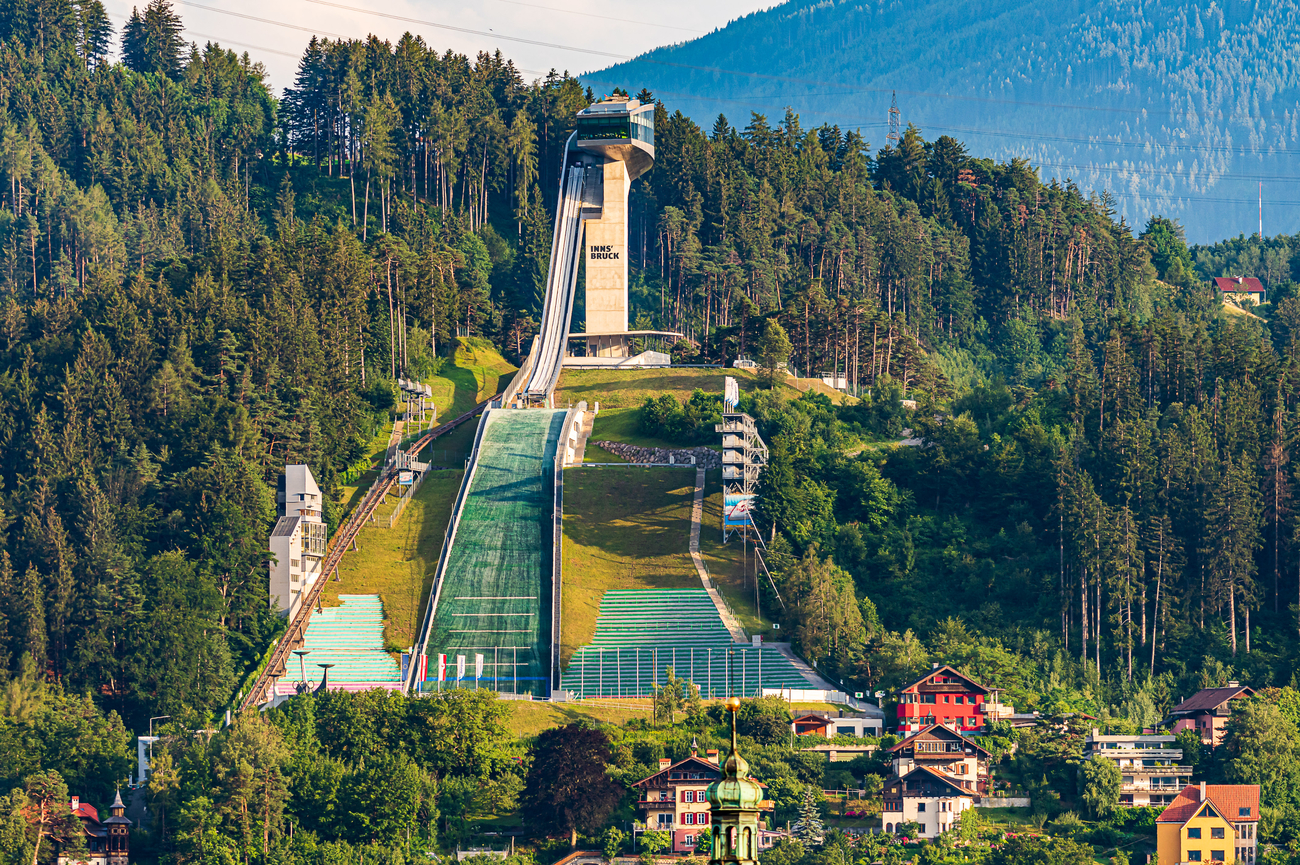
Set off from the mid‑town charm and make your way south to Bergisel Hill, where the Bergisel Ski Jump waits not just as a sporting facility but as a bold statement.
Standing tall, the Bergisel Ski Jump is more than a sporting facility. Redesigned by Zaha Hadid and completed in 2002, it is a sleek, futuristic sculpture rising from the Tyrolean landscape, a daring marriage of architecture and alpine ambition. This is the hill that hosted the Winter Olympics in 1964 and 1976 and still hosts the Four Hills Tournament, drawing ski jumpers and spectators from around the world. The sweeping viewing platform offers a panorama of Innsbruck sprawled below, the Inn Valley curling through the city, and the Nordkette mountains framing the scene. It is an aerial postcard that never gets old.
Tirol Panorama Museum
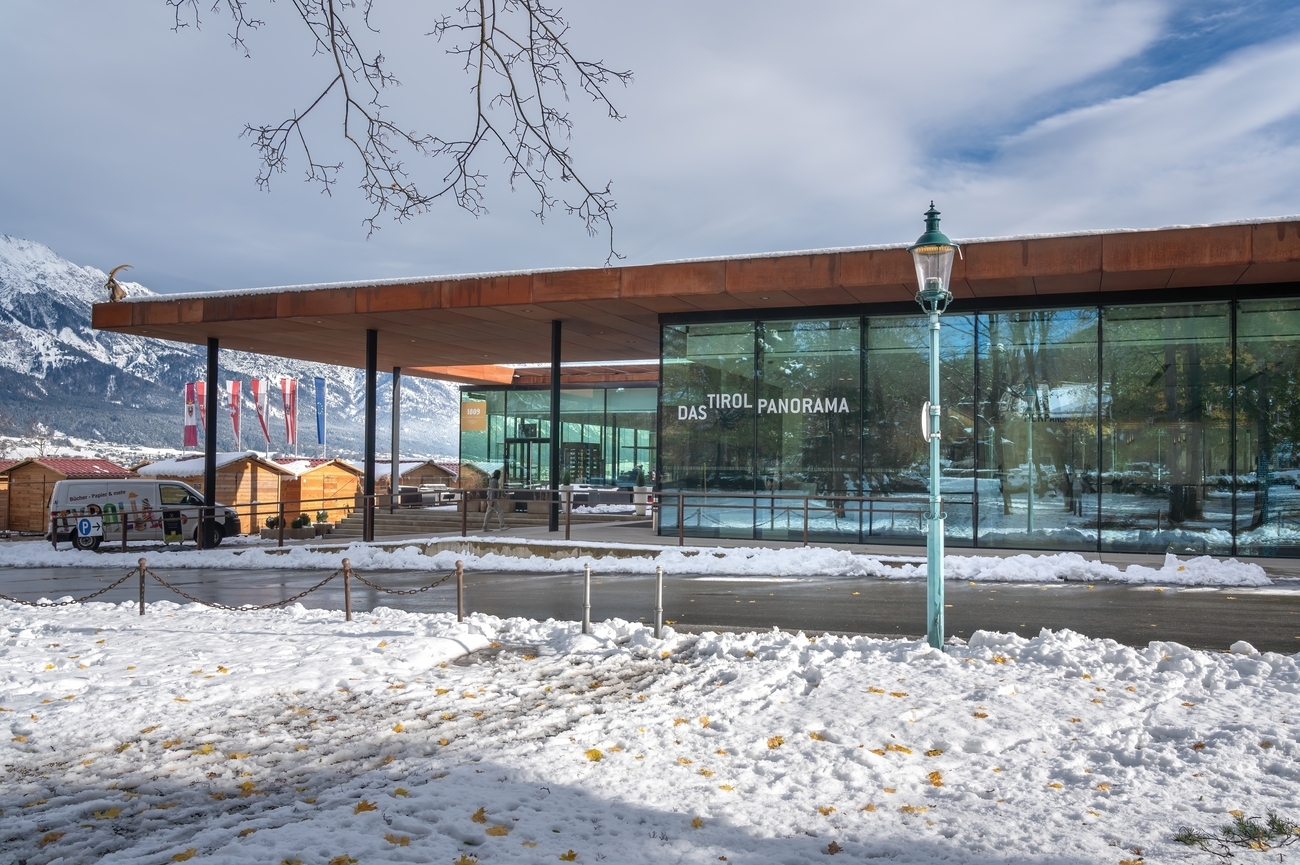
Walking just a few steps from the iconic Bergisel Ski Jump tower, the scene shifts from swooping architecture to sweeping history at the Tirol Panorama. This museum sits on Bergisel hill and houses the colossal circular painting, almost 1000 square meters, depicting the third battle of Bergisel on August 13, 1809, when the Tyrolean rebels clashed with Bavarian and French forces.
But the story doesn’t stop with battle scenes. The museum continues with the “Schauplatz Tirol” exhibition, which unpacks the Alpine region’s myth‑making in layers that feel alive rather than static. It traces the intricate interplay of nature, politics, faith and identity, showing how the mountains shaped Tyrolean resilience, how folklore and legend fueled local pride, and how art and landscape intertwined to create a distinct cultural heartbeat. Visitors can explore recreated historical rooms, immersive dioramas and multimedia installations that allow the valleys, villages and alpine peaks to narrate their own stories.
Underground, the Kaiserjägermuseum section connects seamlessly and delivers a regiment‑level look at the evolution of Tyrol’s imperial infantry from the 18th to the 20th century. Armour, weapons and uniforms sit alongside tactical maps and personal accounts, creating a living narrative of soldiers’ lives and the strategic significance of this alpine region in European conflicts.
Innsbrucker Hofgarten
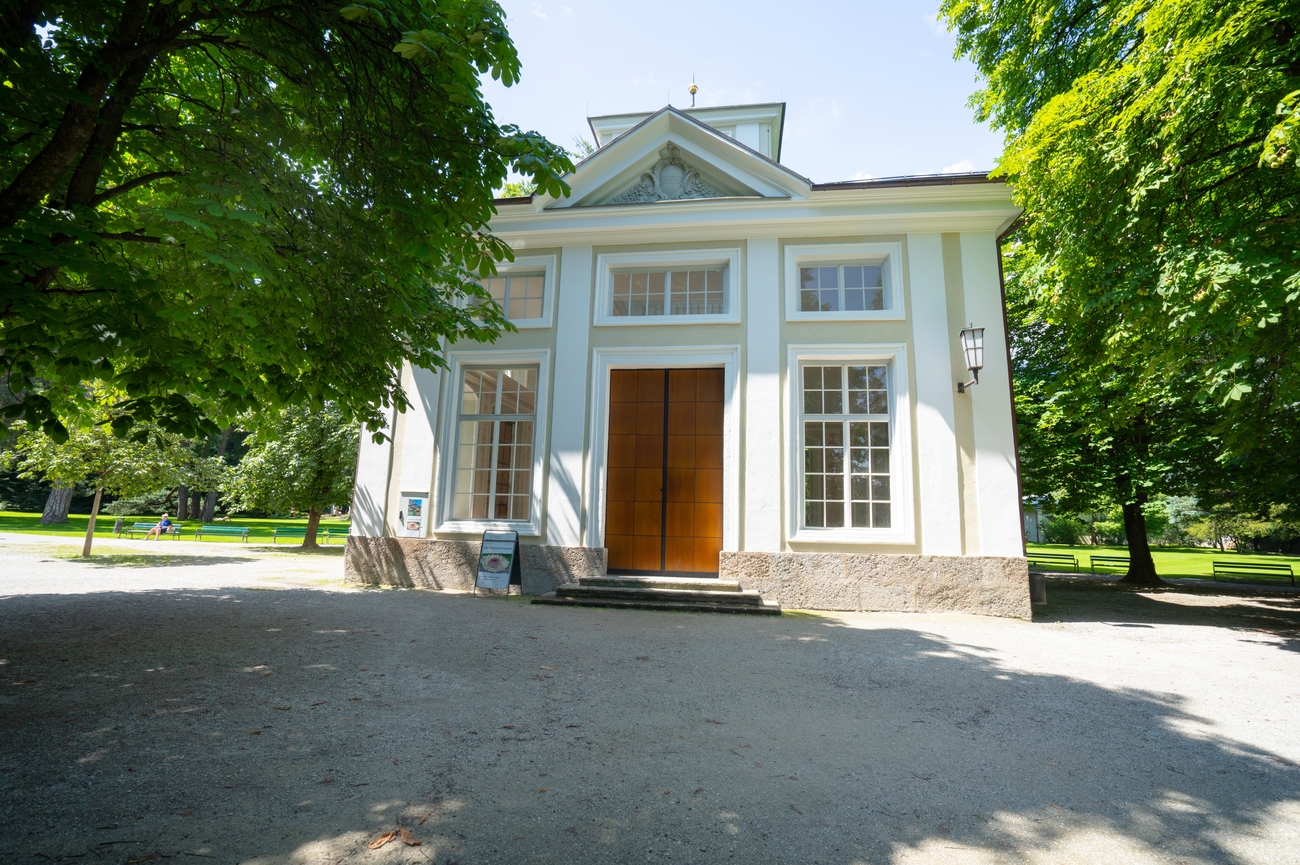
A gentle 10‑minute walk or a quick drive from the Tirol Panorama brings the tour to the Innsbrucker Hofgarten, the city’s imperial garden and a green haven amid urban charm. Established in the 16th century by Archduke Ferdinand II, it was designed as a formal Renaissance garden but has evolved into a lush public park where history and nature stroll side by side.
Walking the broad, tree-lined paths reveals baroque statues, ornamental fountains and carefully tended flowerbeds. Each corner tells a story from noble leisure and grand celebrations to modern-day serenity.
Evening: Wilten Abbey
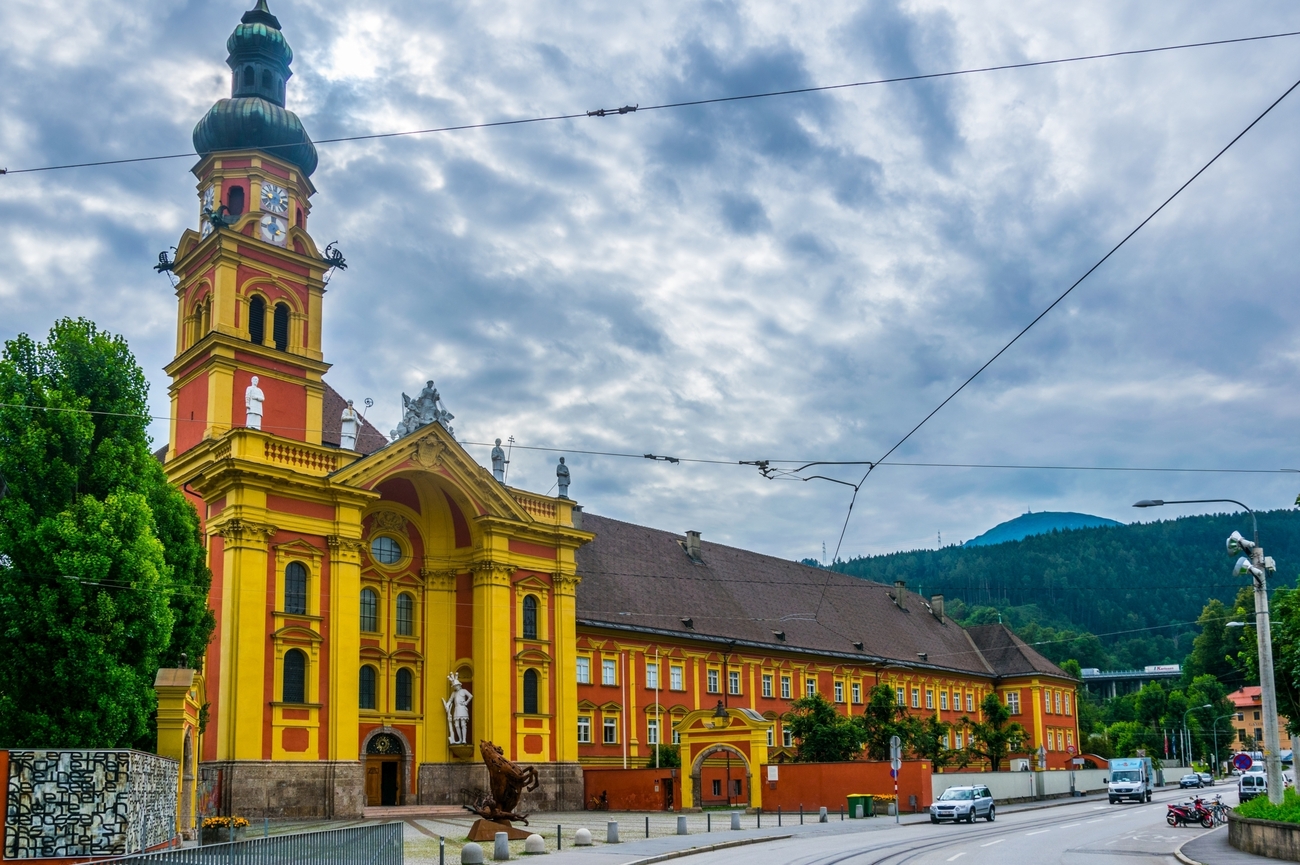
From the serene pathways of the Hofgarten, a short 10‑minute drive southwest guides the tour to Wilten Abbey, one of Innsbruck’s oldest and most spiritually resonant landmarks. Nestled against the foot of the Nordkette mountains, this Premonstratensian monastery has been a center of faith, music and Baroque artistry since the 12th century.
The abbey’s facade catches the last light of day, golden and understated, while the interiors are a feast for the eyes. Murals, stucco work and the famous ceiling frescoes of the church embody centuries of Tyrolean craftsmanship, blending sacred devotion with opulent artistry. The adjacent monastery buildings, cloisters and gardens provide a peaceful contrast to the city bustle, offering a reflective space for both history and contemplation.
Triumphal Arch
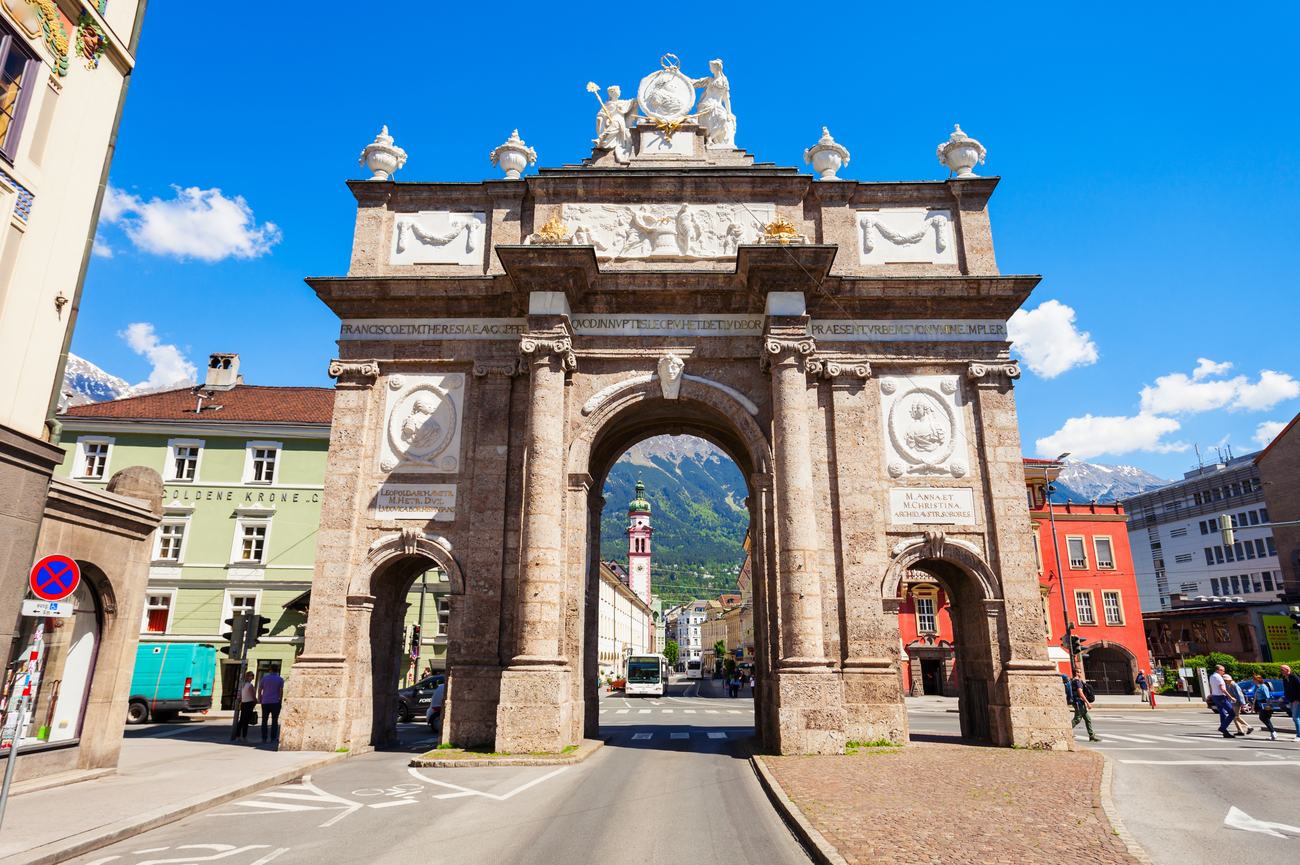
From the reflective quiet of Wilten Abbey, a short 10‑minute drive or 15‑minute stroll brings the tour to the Triumphal Arch, Innsbruck’s most photogenic nod to imperial history.
This was erected in 1765 to commemorate the marriage of Archduke Leopold and Maria Ludovica of Spain. This is a city-sized love letter with a twist of political ambition. The west-facing side captures the gilded grandeur of Habsburg celebration, while the east-facing side tells a more somber story: the death of Emperor Francis I on the morning of the wedding. This duality of joy and grief makes the arch a historical storyteller, blending personal tragedy with public pomp. Its statues, reliefs and ornate detailing reward even casual strollers with layers of imperial narrative.
You can join private evening tours that highlight the hidden symbols in the sculptures, explain the political context of 18th‑century Tyrol and give exclusive photo vantage points without the crowds.
Day 2 - Innsbruck & Tyrol Tour Map
Day 3
Morning: Seefeld
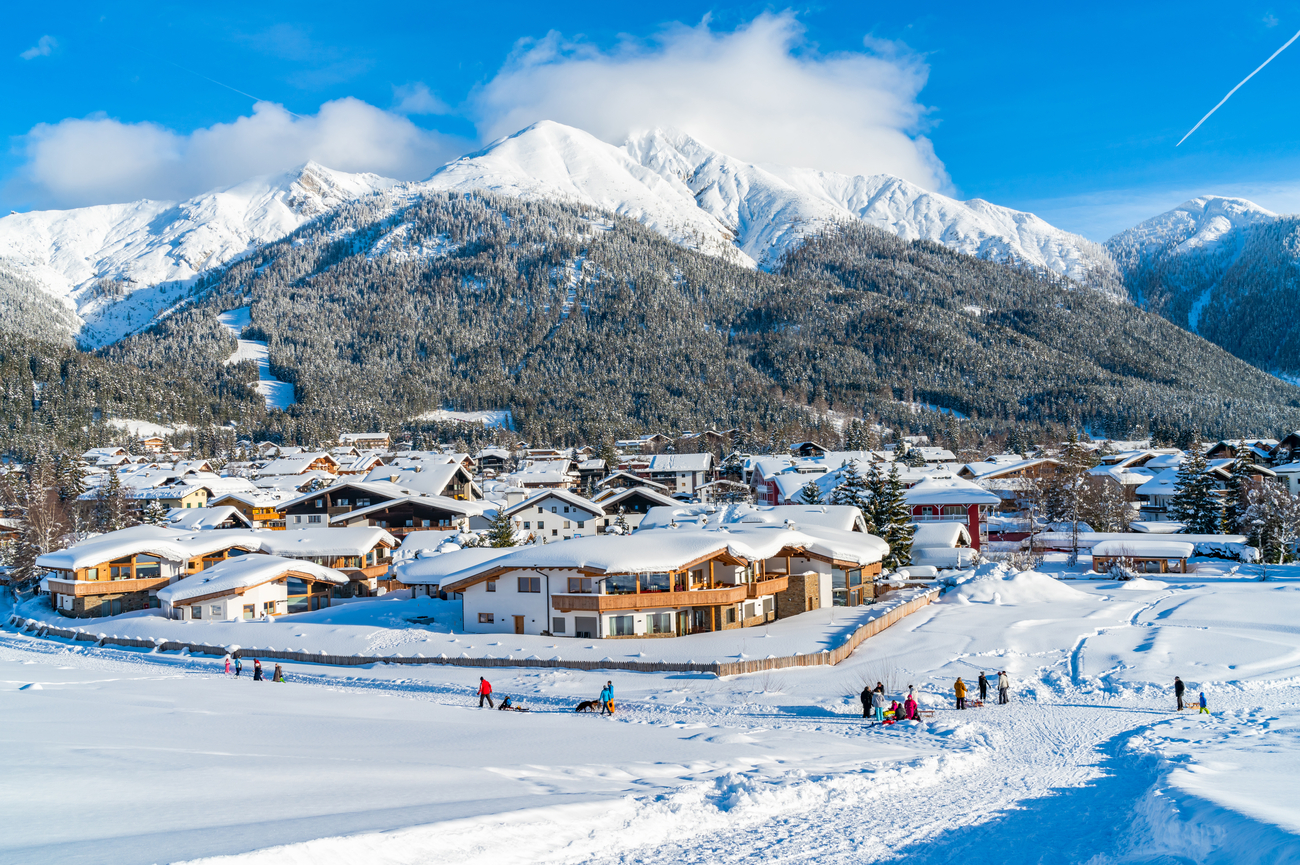
Day 3 begins with a smooth 30-minute drive west from Innsbruck into Seefeld in Tirol, the kind of Alpine village that behaves like it knows it’s gorgeous. The road climbs gently, trading city edges for rolling meadows and pine forests until Seefeld opens up like a natural amphitheater framed by the Wetterstein Mountains and the Karwendel range.
Seefeld has been winning hearts since the Middle Ages. It became a pilgrimage site in the 14th century, then turned into a winter-sports darling long before “ski resort chic” was even a thing. It hosted events for the 1964 and 1976 Winter Olympics and later became a stage for World Cup Nordic competitions. The village square blends Tyrolean tradition with Alpine polish.
Luxury options come naturally here. Start with a private guided village walk, where local experts unravel stories about Seefeld’s religious heritage, Olympic fame and century-old chalets. Some tours even include exclusive entry to chapels or artisan workshops usually closed to casual visitors.
Seekirche Chapel
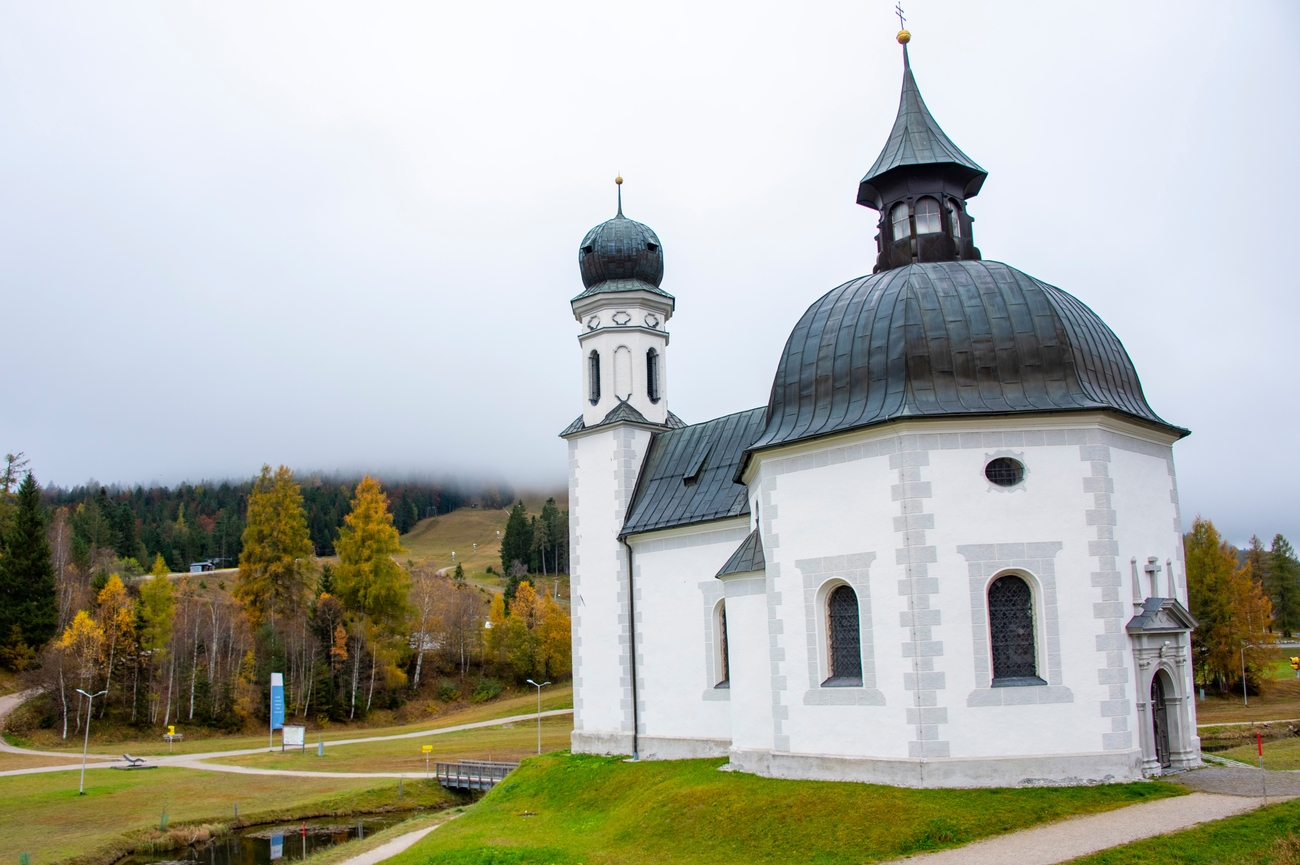
From Seefeld’s village center, it’s a gentle 10-minute stroll to one of the town’s most iconic silhouettes: the Seekirche Chapel. The path curves past meadows and the edge of the Wildsee and then the chapel appears like a perfectly placed exclamation point on the landscape.
Small but striking, it has the kind of presence that proves architecture doesn’t need size to make a statement. The Seekirche Chapel was built in the 1620s under Archduke Leopold V. It was originally surrounded by a lake, hence the name “Seekirche,” meaning “little lake church.” Over time, the water receded and the chapel became an island without a lake, though its reflection in winter snow or summer grass still feels poetic. The octagonal design is unusual for the region. It blends late Renaissance curves with early Baroque flourishes.
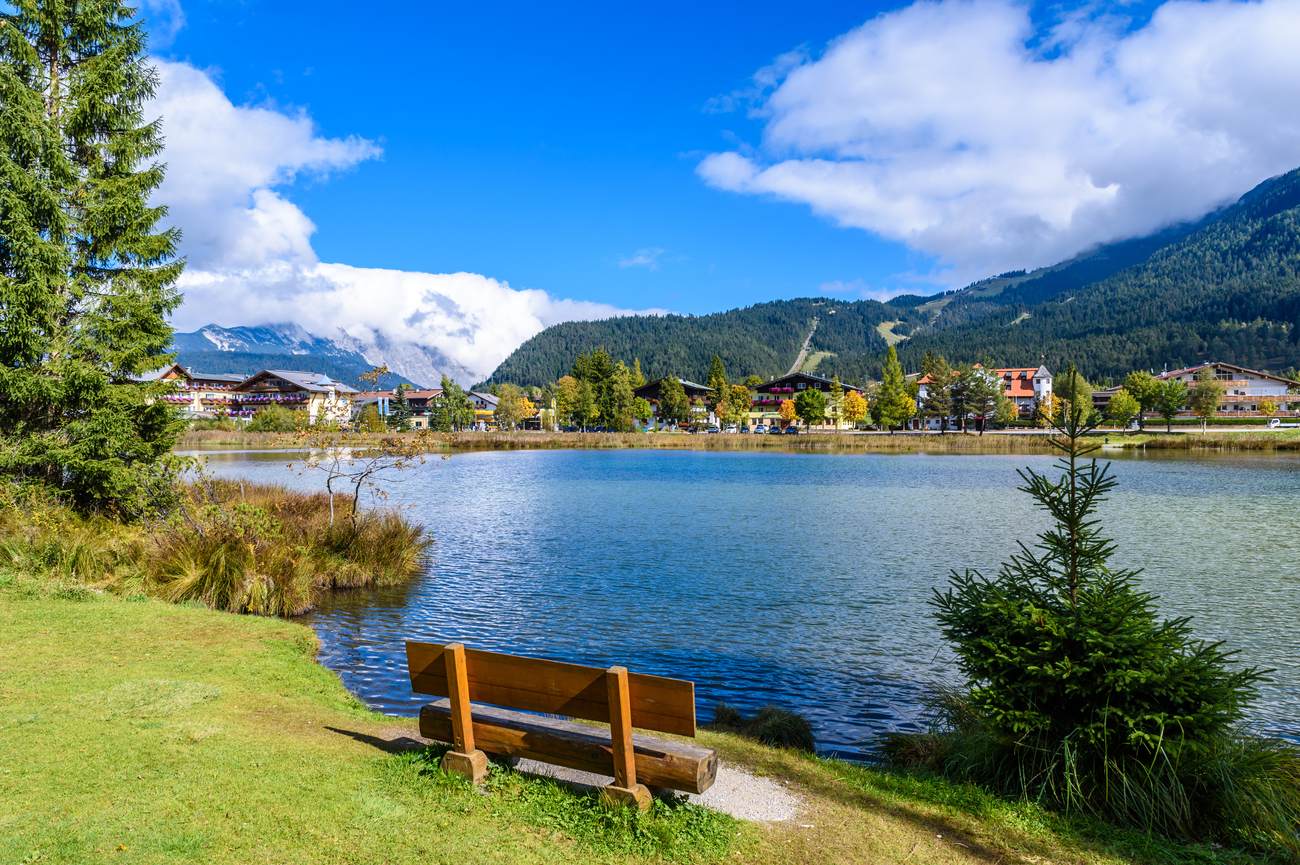
Wildsee Lake
The Wildsee is where Seefeld shifts from spiritual calm to natural elegance.
The lake sits in a protected nature reserve, so everything feels untouched. Mirror-still water, pine-scented air and that soft Alpine glow that makes every photo look like a Windows wallpaper even without trying.
A lakeside path loops around the water, perfect for an easy, scenic walk. Along the way, you’ll pass wooden platforms, birdwatching spots and occasional benches that beg you to sit quietly and just exist. If you go closer to the northern side, you’ll find the small beach area and a café where you can sip something warm while watching ducks glide across the water.
Afternoon: Rosshütte
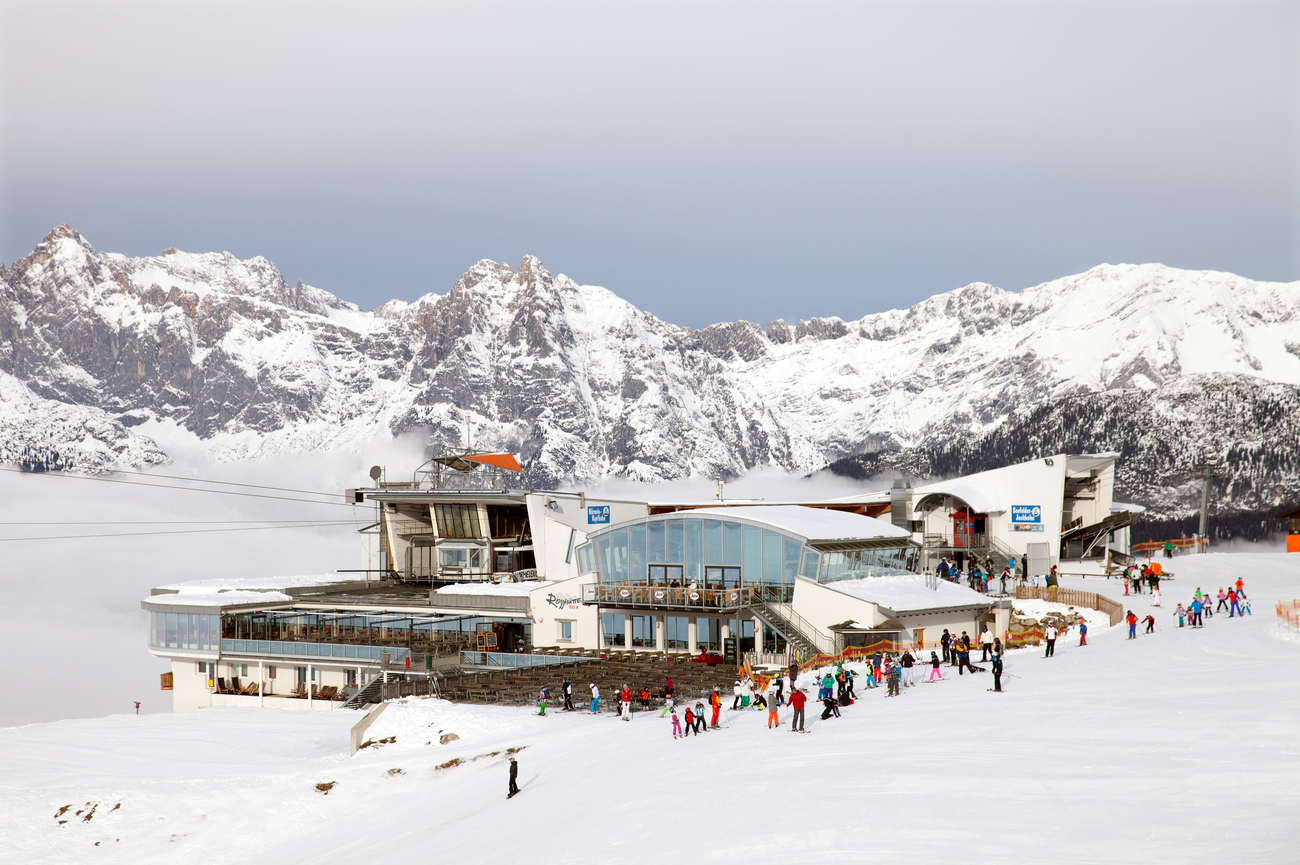
From the peaceful shores of Wildsee, climb back aboard toward higher ground via the Rosshütte funicular, whisking you up to the mountain hut area at around 1,760 m. It’s a smooth ride and one of those transitions that feels like stepping from a storybook into a mountain panorama.
The name “Rosshütte” comes straight out of its original life as a stable for horses (“Ross” in Tyrolean German). In 1925, a fire destroyed the old stable, and within just a few years, a rebuilt alpine hut replaced it, turning into a beloved mountain destination. Supplies used to be hauled up by horses, and a young Andrä Tiefenbrunner took over with his father, cooking for hikers and skiers from a kitchen built on grit and alpine devotion. Today, Rosshütte serves as more than just a lift station. There’s a summer adventure playground themed on mining, sun-soaked terraces for lounging and hiking paths that start right from the station.
Kaltwassersee
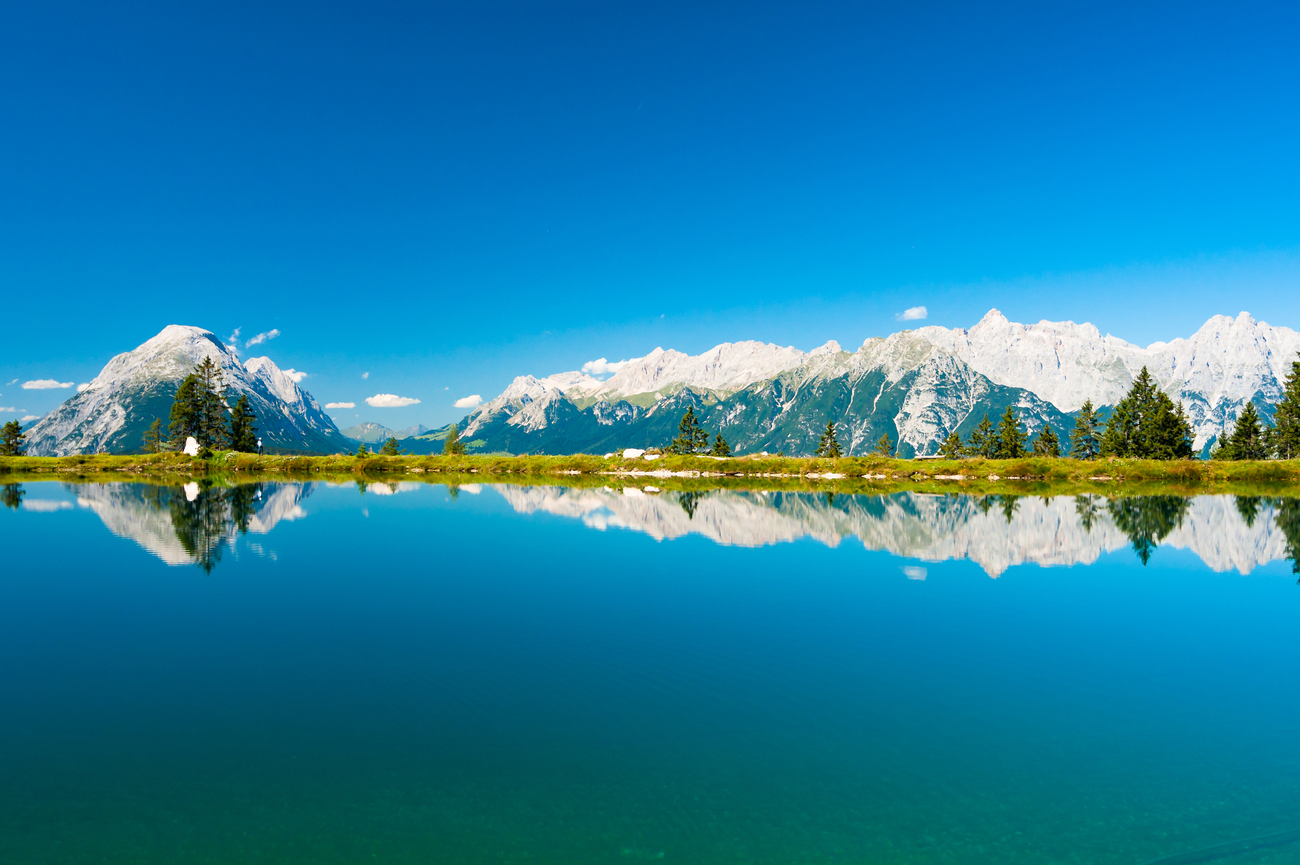
Drift upward on the Hochanger chairlift and it’s a quick glide that swaps wooden terraces for high-alpine silence. The kind of ascent where the air grows cleaner. The kind where mountains suddenly feel close enough to tap on the shoulder. Once you step off the lift, it’s an easy walk toward Kaltwassersee, a mountain lake balanced at about 1,800 meters.
Kaltwassersee has been a quiet presence since the days when Seefeld's alpine pastures defined local life. The lake mirrors the surrounding peaks so clearly that locals once joked it was the region’s natural vanity mirror. Its name, “cold water lake,” isn’t poetic. It’s a warning. The water stays icy even in mid-summer, so the beauty is best admired from the shoreline. Over time it’s become a favourite rest stop for hikers and skiers, a place where the landscape takes the lead and everything else quiets down.
Evening: Mariahilf District
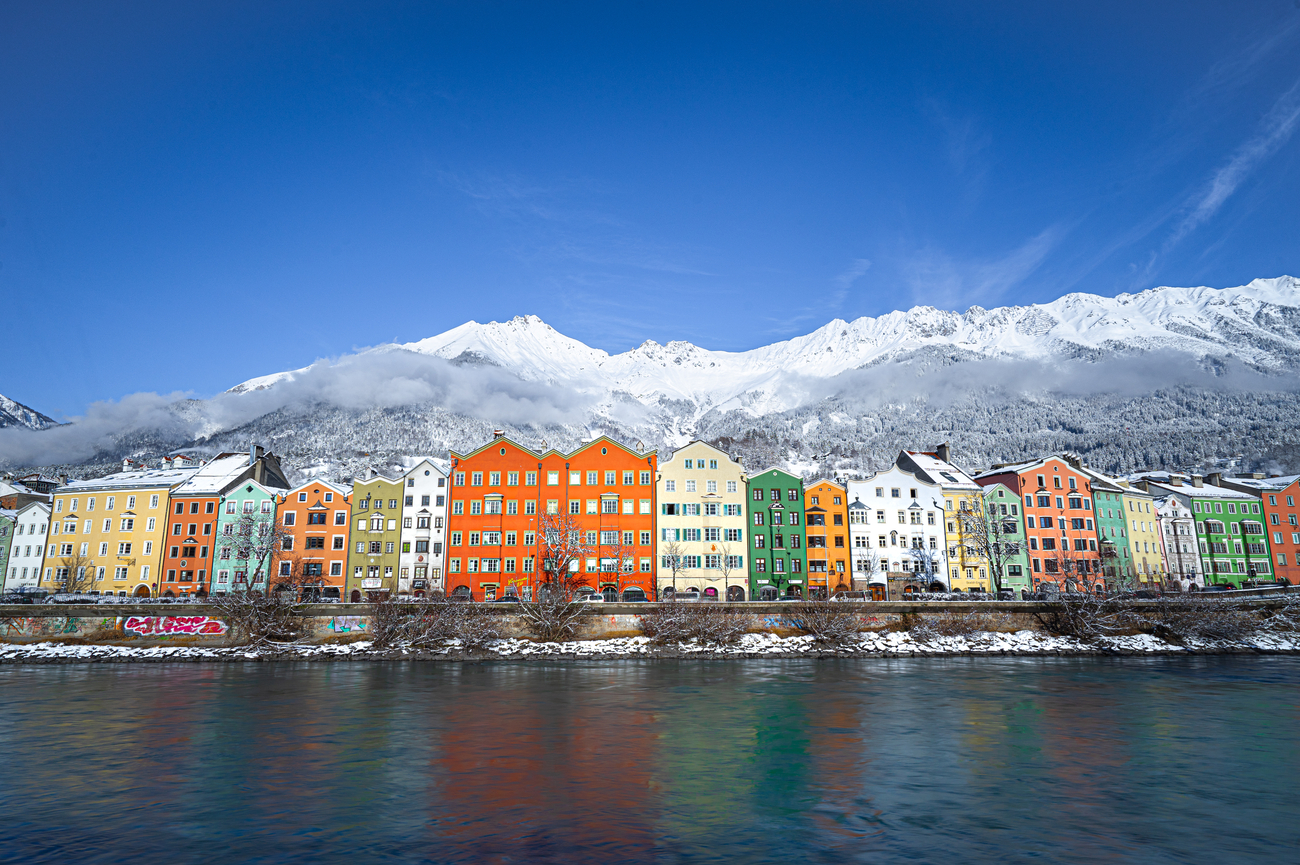
Follow the road back down from Rosshütte toward Seefeld’s train station. Then take the quick 40-minute regional train straight into Innsbruck. The tracks glide through forests and valleys until the city suddenly gathers around you again. Step out at Innsbruck Hauptbahnhof and head toward the river. The colors of Mariahilf District rise on the opposite bank like the city lined them up solely to say welcome back.
Mariahilf has been Innsbruck’s “front row seat” since the Middle Ages. Merchants built these narrow pastel houses to store wine and Tyrolean goods. Pilgrims passed through on their way to the Wilten Abbey. The Inn River kept the neighborhood buzzing with trade. Today, the façades stay loyal to their heritage. Every window and gable still follows old Tyrolean building rules. The row has become the city’s unofficial cover photo. Stand along the riverbank and the Nordkette frames the entire scene. It feels like Innsbruck is showing off without even trying.
Pfarrkirche St. Oswald
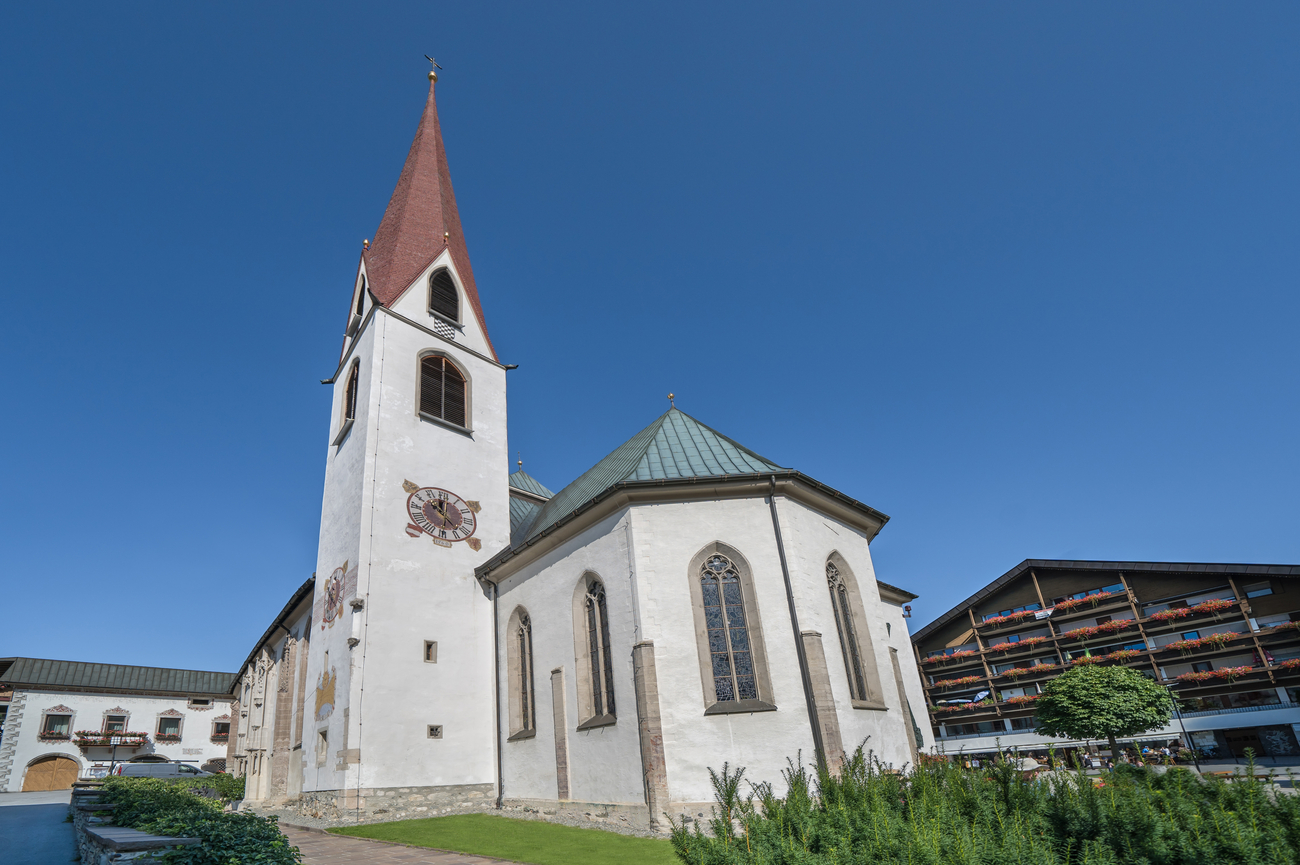
From the vibrant Mariahilf District, it’s a short 10-minute stroll along cobblestone streets to Pfarrkirche St. Oswald, Seefeld’s historic parish church.
The walk brings a gentle shift from urban scenery back toward intimate Tyrolean architecture. The church rises modestly yet confidently, with a baroque exterior and a tall bell tower that has watched over the town for centuries.
Pfarrkirche St. Oswald was built in the 12th century and has been a cornerstone of Seefeld’s spiritual and social life ever since. Inside, frescoes, altarpieces and delicate stucco work showcase Tyrol’s rich artistic traditions. The church has witnessed pilgrimages, weddings, festivals and centuries of local life. Its charm lies in the way history, art and community intertwine without ever feeling staged. You can join private evening tours that explore the history, architecture, and artistry in depth. Guided visits often highlight hidden details like carved altars, fresco symbolism, and small chapels that regular visitors might miss.
Day 3 - Innsbruck & Tyrol Tour Map
Day 4
Morning: Achen Lake
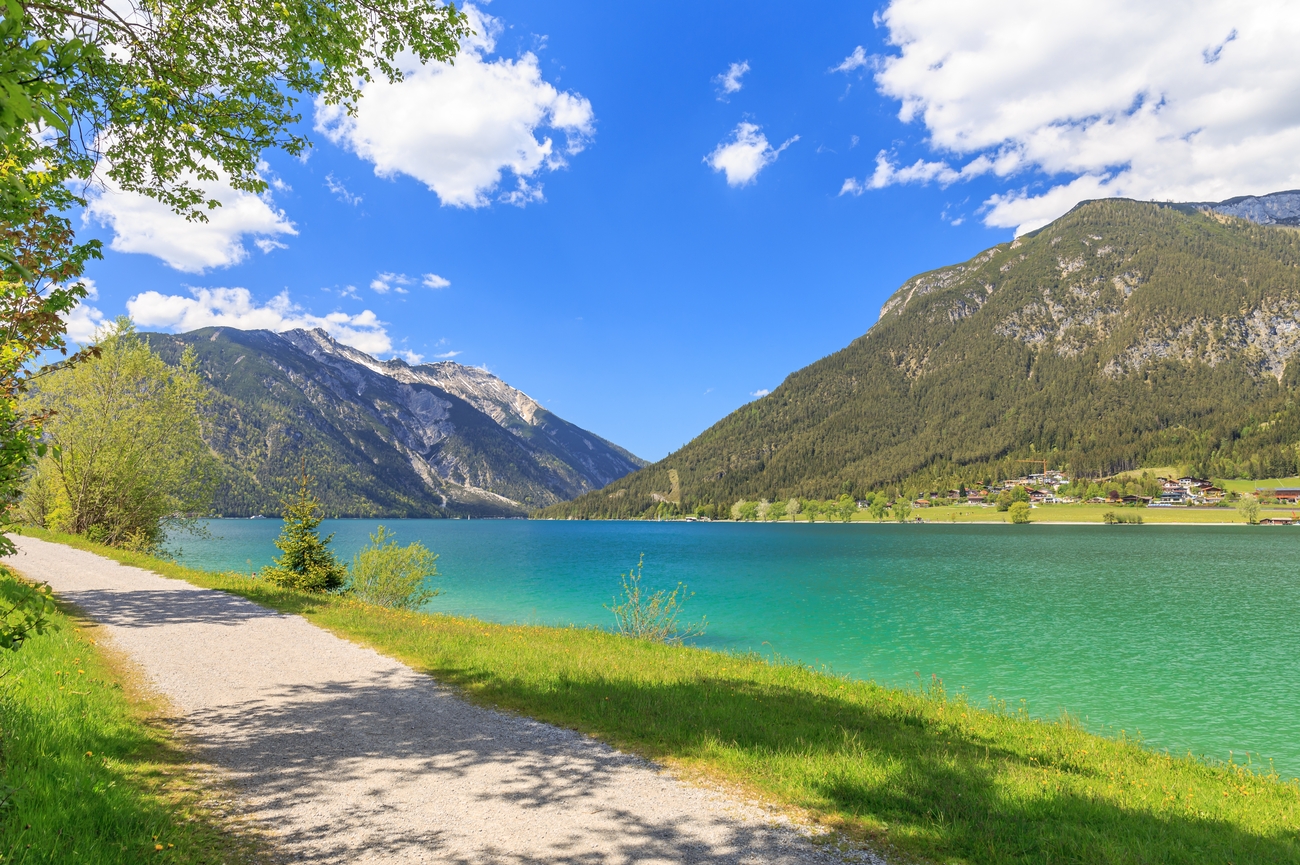
Achensee has a rich history. Merchants once ferried salt across its waters. Pilgrims and travelers relied on its routes to connect the valleys. Today, it’s Tyrol’s largest lake and a playground for leisure and adventure alike. A scenic lake cruise is the best way to take it in. Private charters offer panoramic windows, onboard refreshments and the kind of quiet luxury that turns a simple sail into a moment you’ll want to bottle. The cruise can pause at Pertisau or Achenkirch, letting you explore lakeside trails, alpine flora and secluded viewpoints.
For those who prefer the road less traveled, private lakeside walking tours reveal hidden coves and historical points that most visitors miss. Guides share local legends, flora details, and the stories behind lakeside chapels and inns.
Seehofkapelle Achenkirch
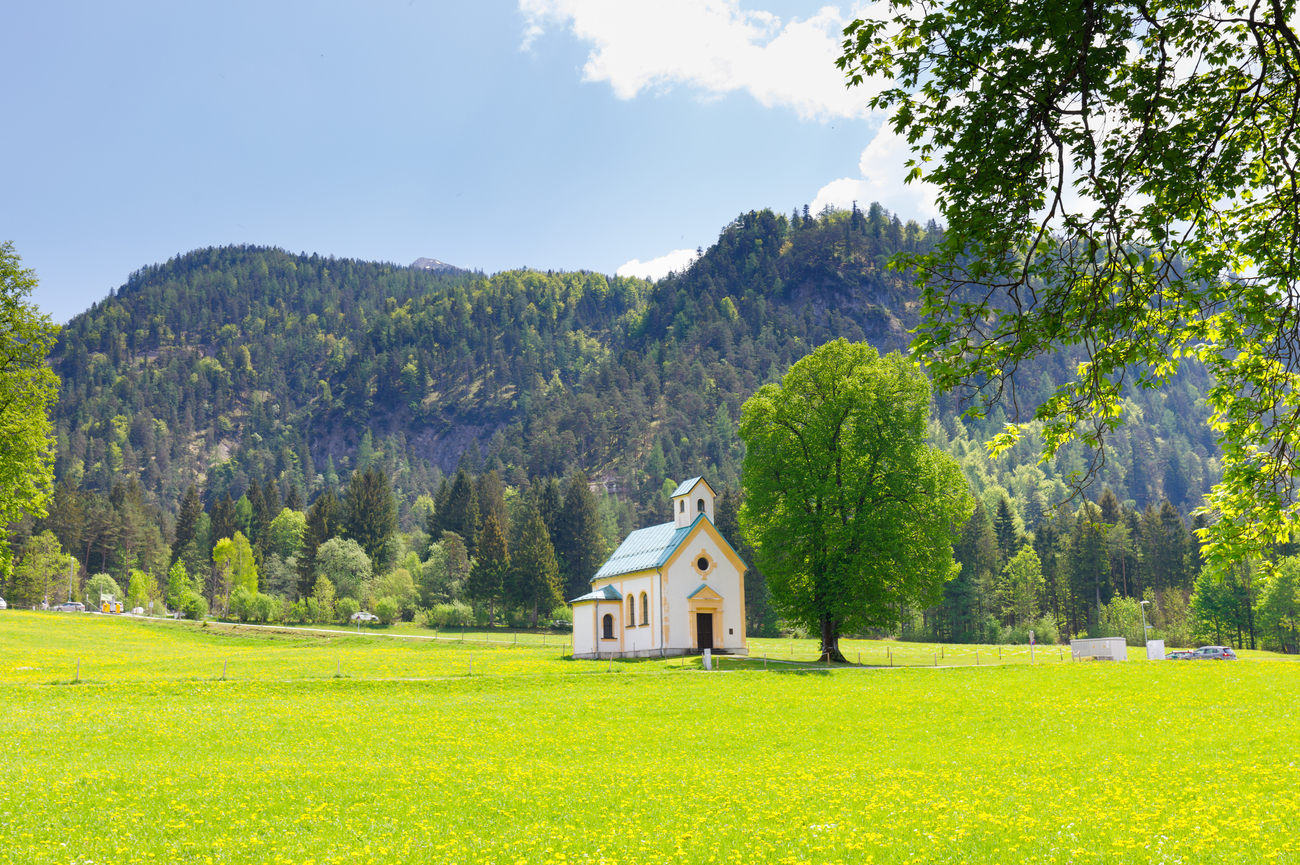
From Achensee, a brief drive along the lake’s edge leads to Seehofkapelle in Achenkirch. Tucked beside the emerald waters, the chapel has been quietly presiding over the lake since the 18th century.
Its baroque facade and painted interiors tell stories of local farmers, travelers and pilgrims who stopped here seeking calm and reflection. The frescoes, gilded altar and delicate woodwork showcase Tyrol’s artistic tradition in a space that feels intimate rather than grandiose.
Afternoon: Rofan Cable Car
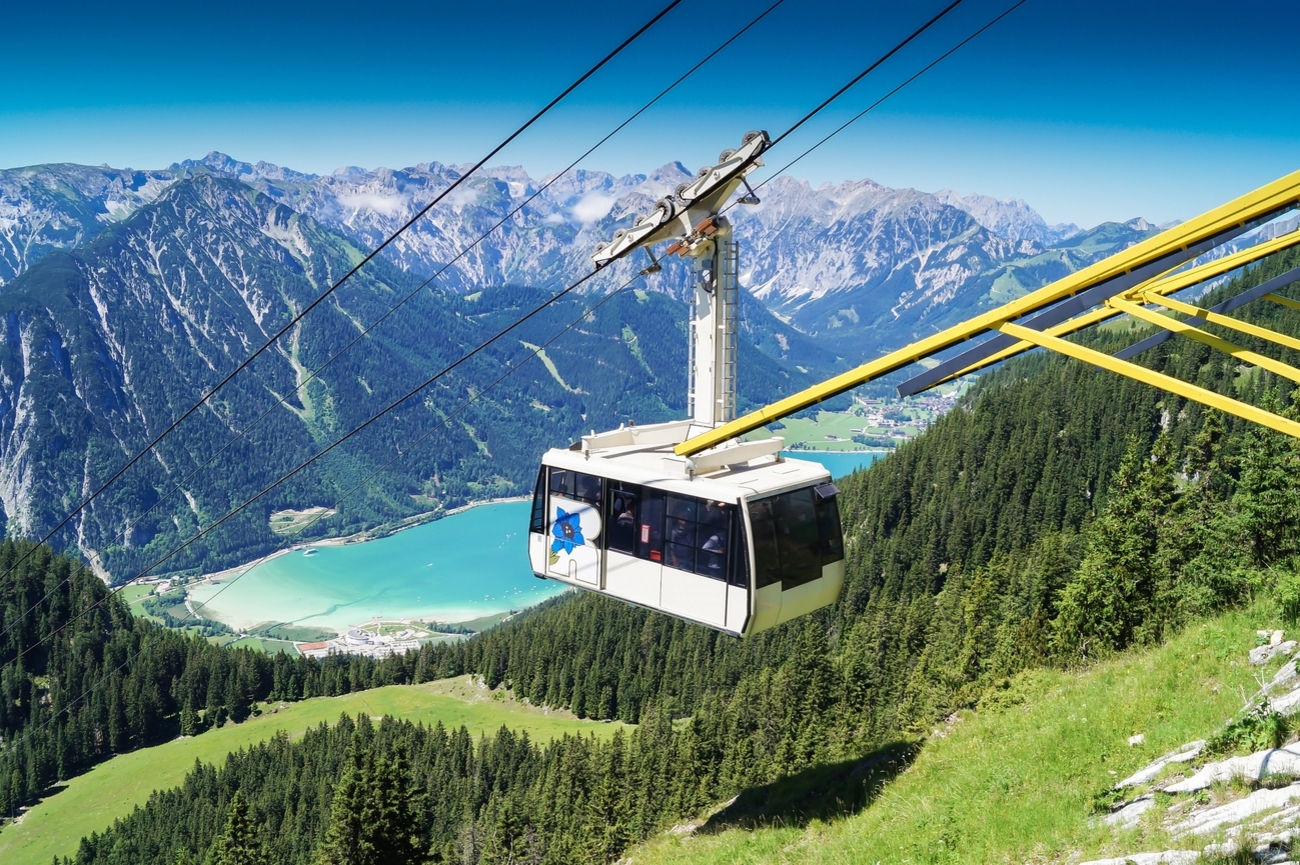
A scenic 10-minute drive brings you to Maurach, the gateway to the Rofan Mountains. The cable car station sits at the edge of the valley like a launchpad into alpine grandeur. Boarding the Rofan Cable Car is more than just a ride. It’s a slow ascent into Tyrol’s high peaks, where emerald lakes, rugged ridges and alpine meadows unfold like a perfectly composed painting.
The Rofan range has drawn explorers and artists for centuries. Shepherds grazed flocks in its high pastures, painters and poets sought inspiration among the ridges, and modern visitors come for adventure with a side of luxury. The cable cars offer panoramic windows and private cabins can be booked for small groups, ensuring uninterrupted views and a sense of exclusivity.
Oh, and what makes it exciting is what you can experience at the top. There you can explore high-mountain trails, wander alpine meadows or step onto the AirRofan Skyglider platform for a controlled adrenaline rush. Private guided tours can highlight the mountains’ ecology, history and hidden vantage points. Some curated experiences even include summit refreshments.
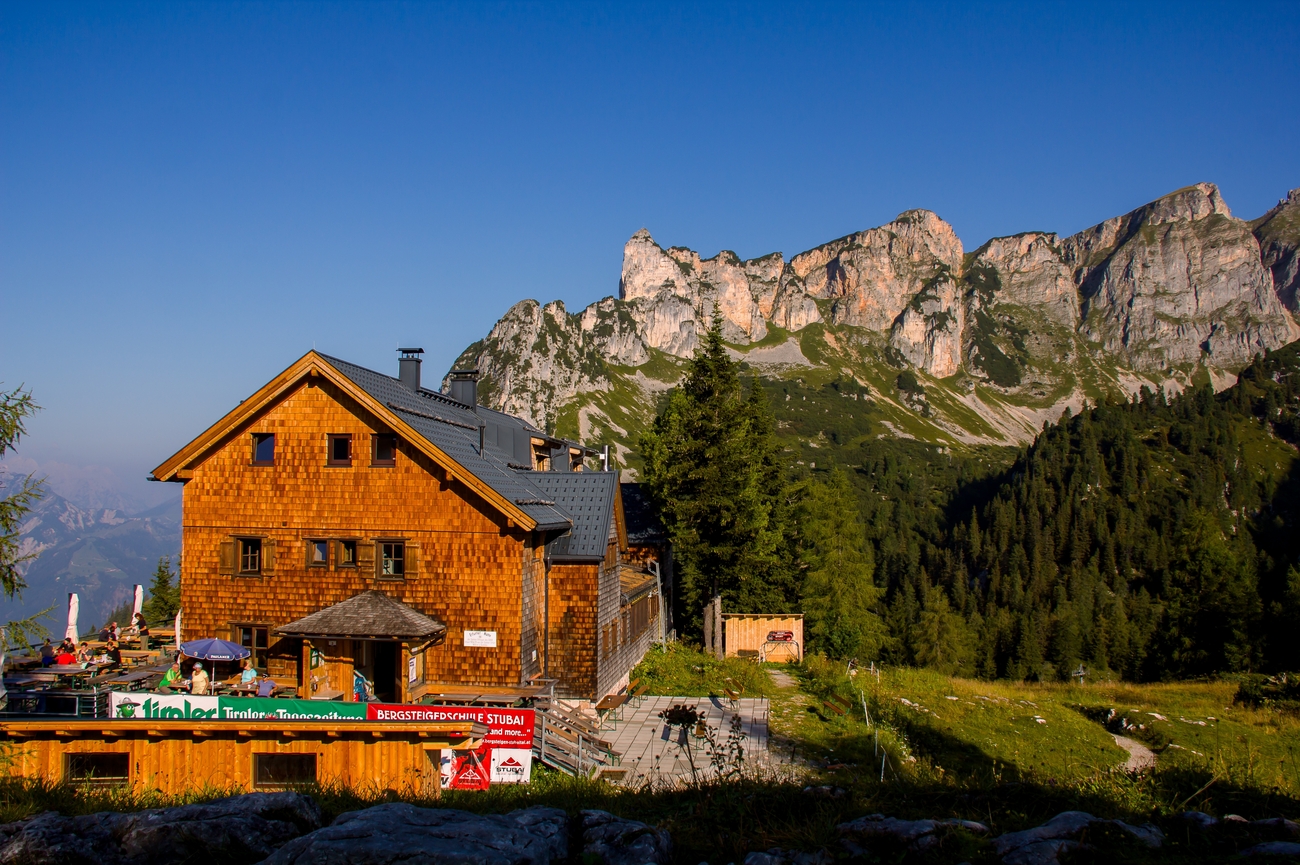
Erfurter Hütte
Erfurter Hütte is perched dramatically on a ridge with panoramic views of Achensee and the surrounding peaks. This hut explains the local ecology, history, and folklore of the Rofan.
Inside, the hut tells stories of high-altitude life. Old photographs, mountaineering memorabilia and traditional furnishings recall generations of explorers who paused here for rest, shelter and a meal before continuing their ascent. The surrounding trails are perfect for gentle alpine walks or photography stops, revealing hidden meadows, wildflowers and the occasional marmot peeking curiously at visitors.
Notburga Museum
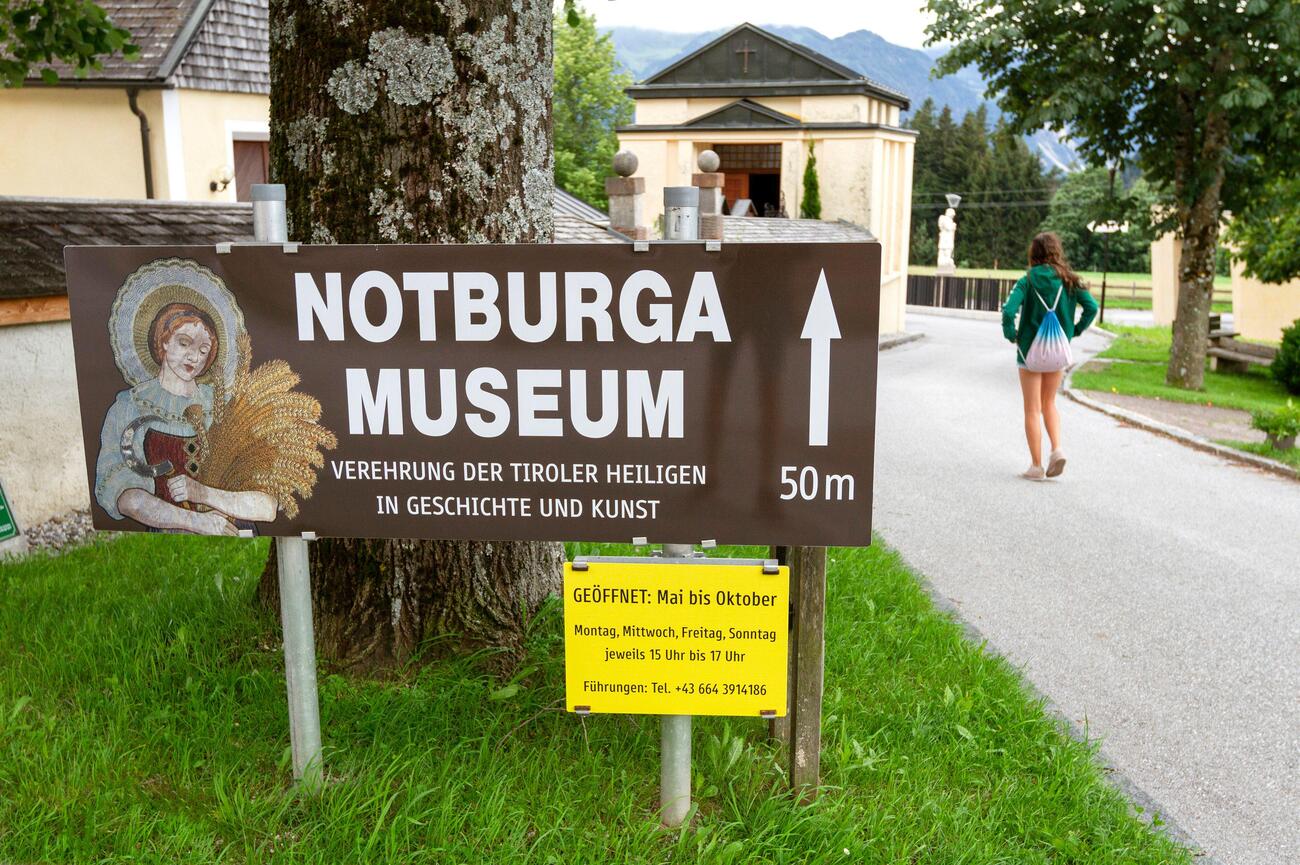
From Erfurter Hütte, it’s a scenic 30-minute drive down to Eben, where the Notburga Museum offers a quiet cultural counterpoint to the high-alpine adventure of the day.
Dedicated to Tyrol’s patron saint, Saint Notburga, the museum celebrates her life, legacy and the rural communities she protected. The exhibits range from religious artifacts and historic manuscripts to folk art inspired by the saint’s enduring influence across the region. The museum is more than a collection of relics. It tells the story of Tyrol’s agrarian past, its traditions and the ways communities intertwined faith and daily life. Visitors can trace the evolution of local customs, learn about saintly legends and appreciate intricate craftsmanship that spans centuries.
The museum is typically open from May to October and for the 2025 season, it welcomes visitors on Mondays, Wednesdays, Fridays and Sundays from 3:00 p.m. to 5:00 p.m. Timing the visit in the late afternoon ensures the soft glow of the setting sun complements both the exhibits and the village’s charm.
Evening: Pertisau
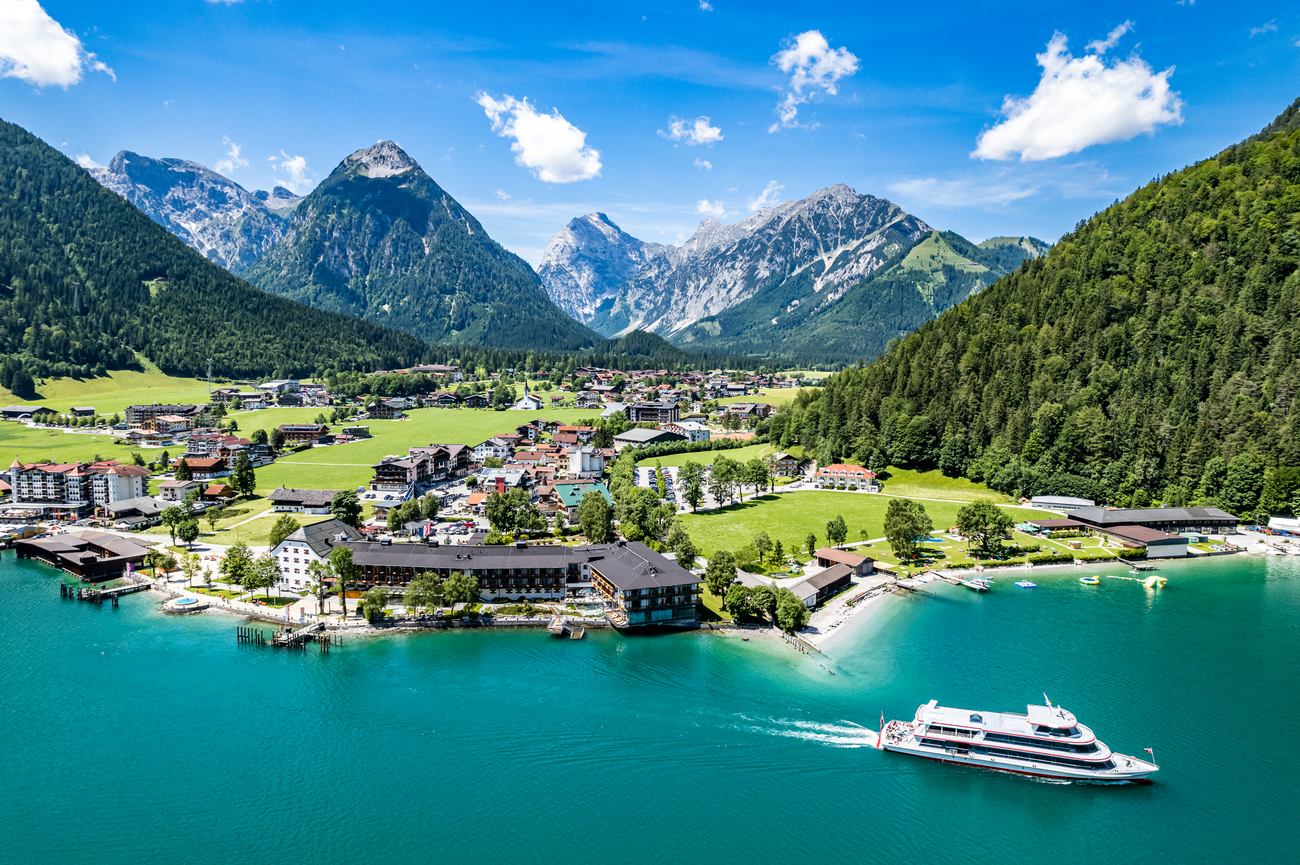
A short drive from Notburga Museum leads back to Pertisau, where the shores of Achensee set the stage for a calm and reflective evening. The lake reflects the surrounding peaks, each ripple catching the fading light like a stroke of emerald and gold. Along the promenade, the air is crisp with alpine freshness, carrying whispers of centuries past.
Pertisau is about how the landscape interacts with the senses. Private guided walks can highlight hidden alcoves, local flora and small chapels tucked along the shoreline. Some curated experiences include artisan refreshments, like alpine teas, pastries, or sparkling local apple cider, turning a simple walk into a refined, immersive experience.
Achenseer Museumwelt
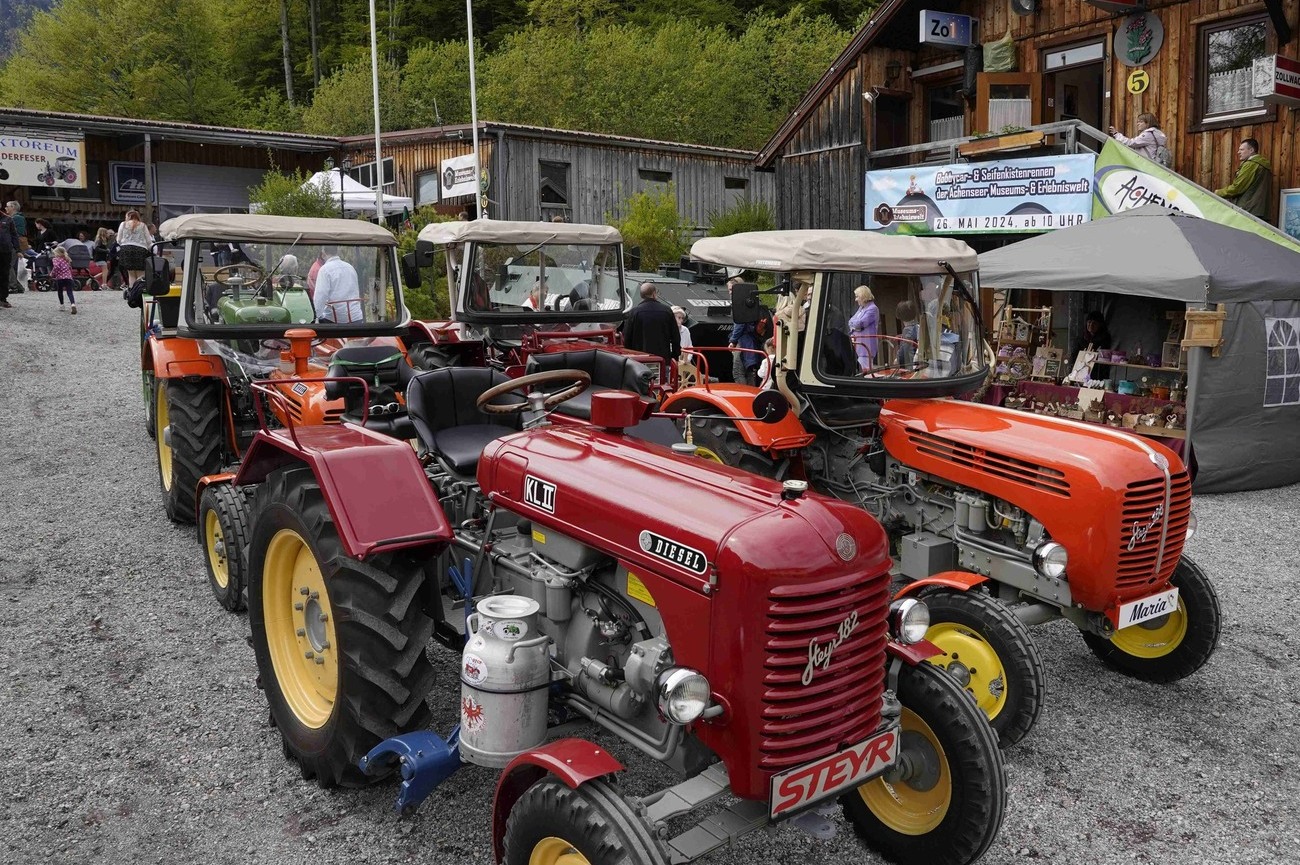
Just a few steps from the shimmering lakes of Pertisau, the Achenseer Museumwelt turns Tyrol’s history into a story you can walk through. Forget dusty displays. Here, Achensee’s natural wonders, local crafts and centuries of lakeside life are curated with flair. Alpine wildlife pops out of dioramas, historic fishing tools tell tales of a bygone trade and traditional costumes showcase the artistry of generations who lived in rhythm with the mountains and the water.
The museum thrives on detail. Private guided tours reveal secrets that casual visits miss. For a touch of indulgence, some experiences pair the museum visit with Tyrolean delicacies, from herbal teas to fresh pastries or locally crafted beverages, allowing guests to sip and savor history at their own pace.
Evening light streams through the windows, highlighting the exhibits and giving the museum a warm, intimate glow. It’s the perfect spot to end the day, blending culture and nature.
Day 4 - Innsbruck & Tyrol Tour Map
Day 5
Morning: Zillertal
The Zillertal Valley stretches out like a green jewel between jagged Tyrolean peaks, and it’s ready to be explored in style. A 1.5-hour drive from Achenseer Museumwelt brings you to Jenbach, where the Zillertalbahn Steam Train waits to chug through history and scenery at the perfect pace.
This is nostalgia on the rails. It is a journey where forests, alpine meadows and charming villages parade past in a rhythm set by the puff of the steam engine. Step inside polished wooden carriages, settle into a private compartment and let the valley unfold. Guides aboard the train bring the region to life, sharing tales of Tyrolean trade, mountaineering exploits, and local legends.
Ahornbahn
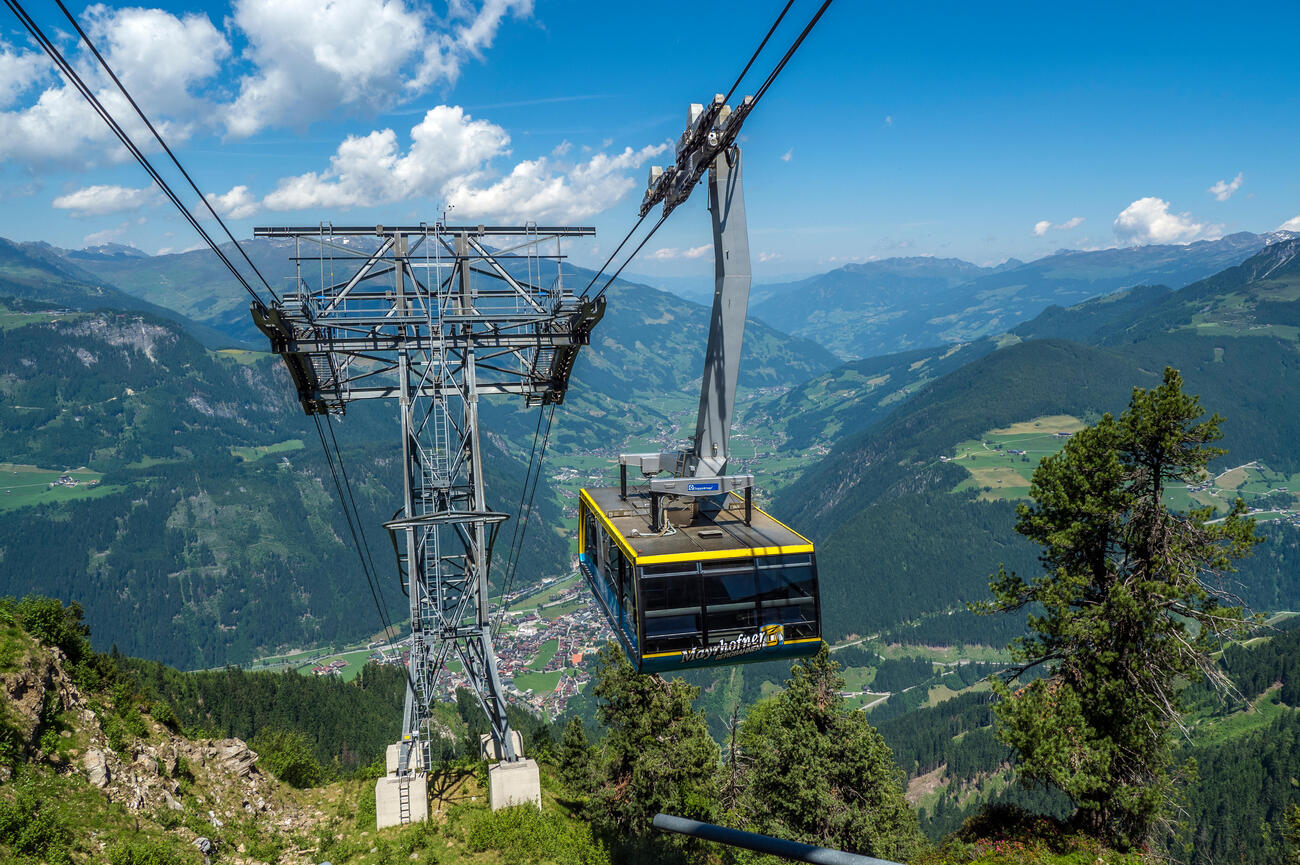
A short drive from the valley floor brings you to the Ahornbahn Cable Car, where ascent isn’t just vertical, it’s cinematic. As the cabins glide above emerald forests and sun-kissed meadows, the Zillertal Valley unveils itself like a secret whispered over centuries.
The Ahornbahn Cable Car doesn’t just lift you, it launches you into a postcard. Think “Up,” but with real mountains, real air, and slightly fewer talking dogs. As the cabins glide above emerald forests and sun-kissed meadows, the Zillertal Valley slowly unfolds beneath, revealing its jagged peaks and quiet villages like secrets whispered across centuries.
At the summit, the Ahornplateau stretches endlessly, a stage set for both adventure and reflection. Trails curl into the horizon, wildflowers nod in the alpine breeze and every viewpoint practically begs for a slow cinematic pan.
Stilluptal
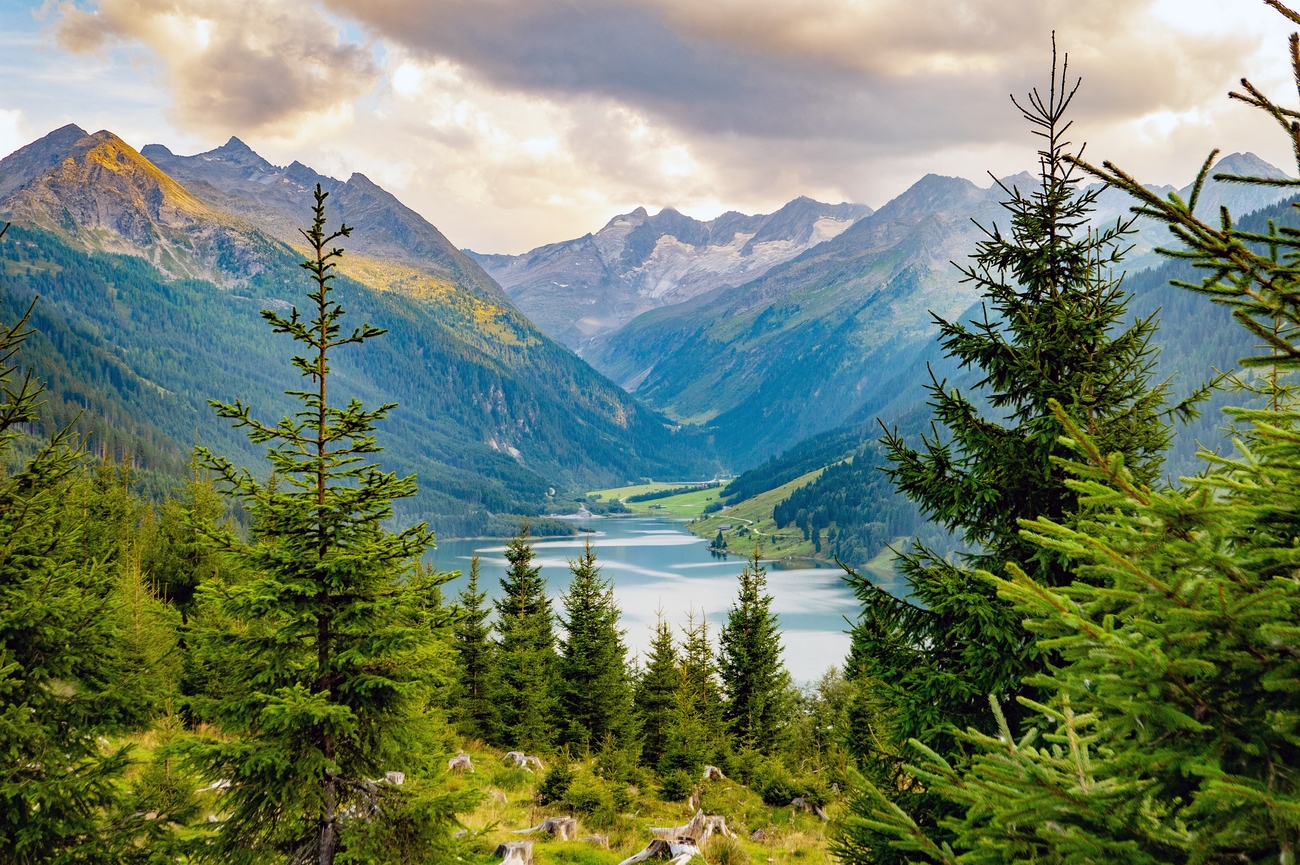
From the Ahornplateau, a short drive brings you into the Stilluptal, the shortest of Zillertal’s side valleys, where alpine drama meets serene turquoise waters.
The crown jewel is the Stillup Reservoir, held by a 28-meter-high dam built between 1965 and 1977, capturing meltwater from surrounding glaciers. This engineered marvel sits within the Zillertal Alps Nature Park, reflecting jagged peaks and sky in a palette of blues and greens so vivid it feels cinematic.
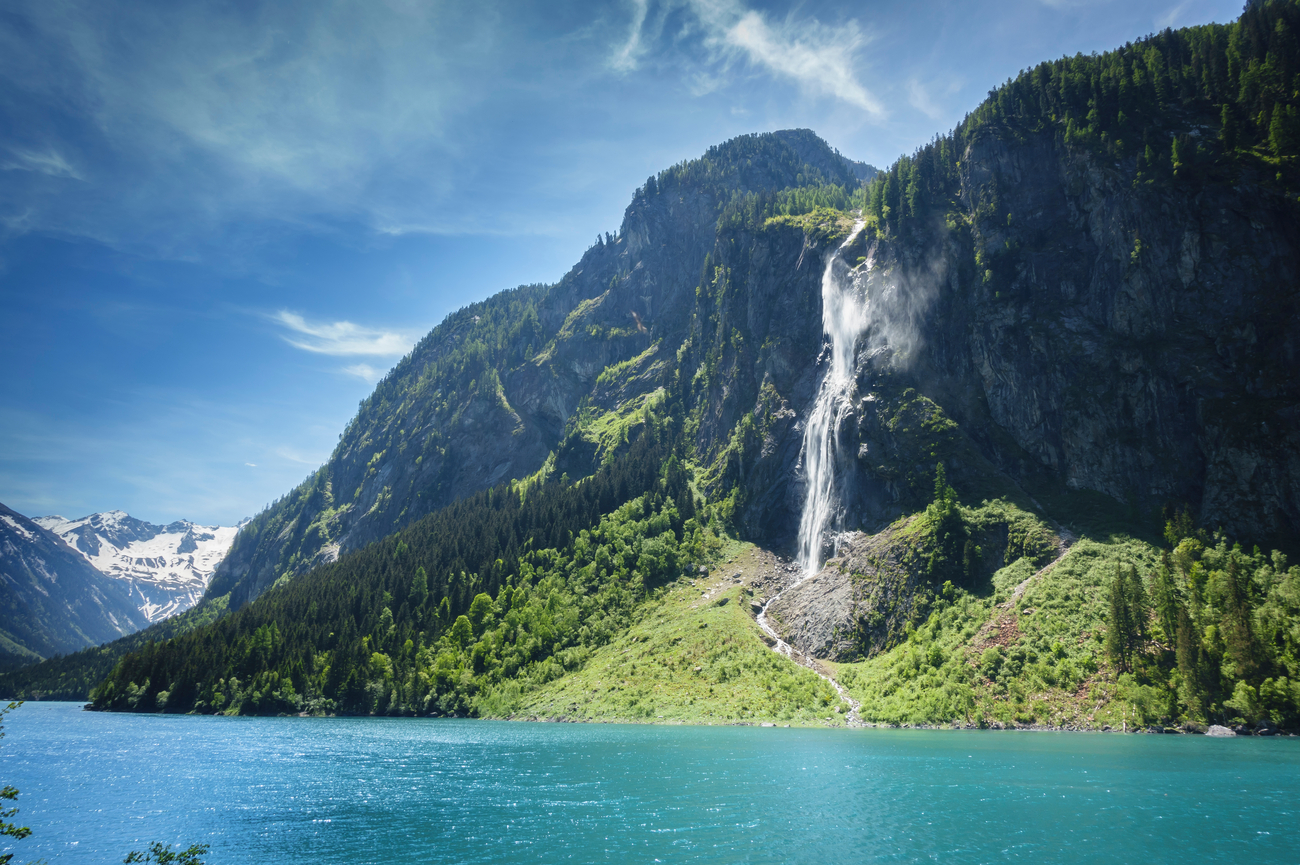
Trails along the lake and valley invite wandering at your own pace. A waterfall, charmingly known as the “Krönung,” punctuates the hike, while marmots, chamois and alpine butterflies perform their own quiet ballet across the meadows. Beyond Stillup, the Schlegeis Reservoir rises at 1,800 meters, with its dramatic 131-meter dam wall which is a feat of engineering that doubles as a playground for adrenaline junkies via the #Schlegeis131 via ferrata. Private guides can unlock hidden viewpoints, local lore and alpine secrets, making the experience intimate, educational, and unforgettable.
Afternoon: Museum Tiroler Bauernhöfe
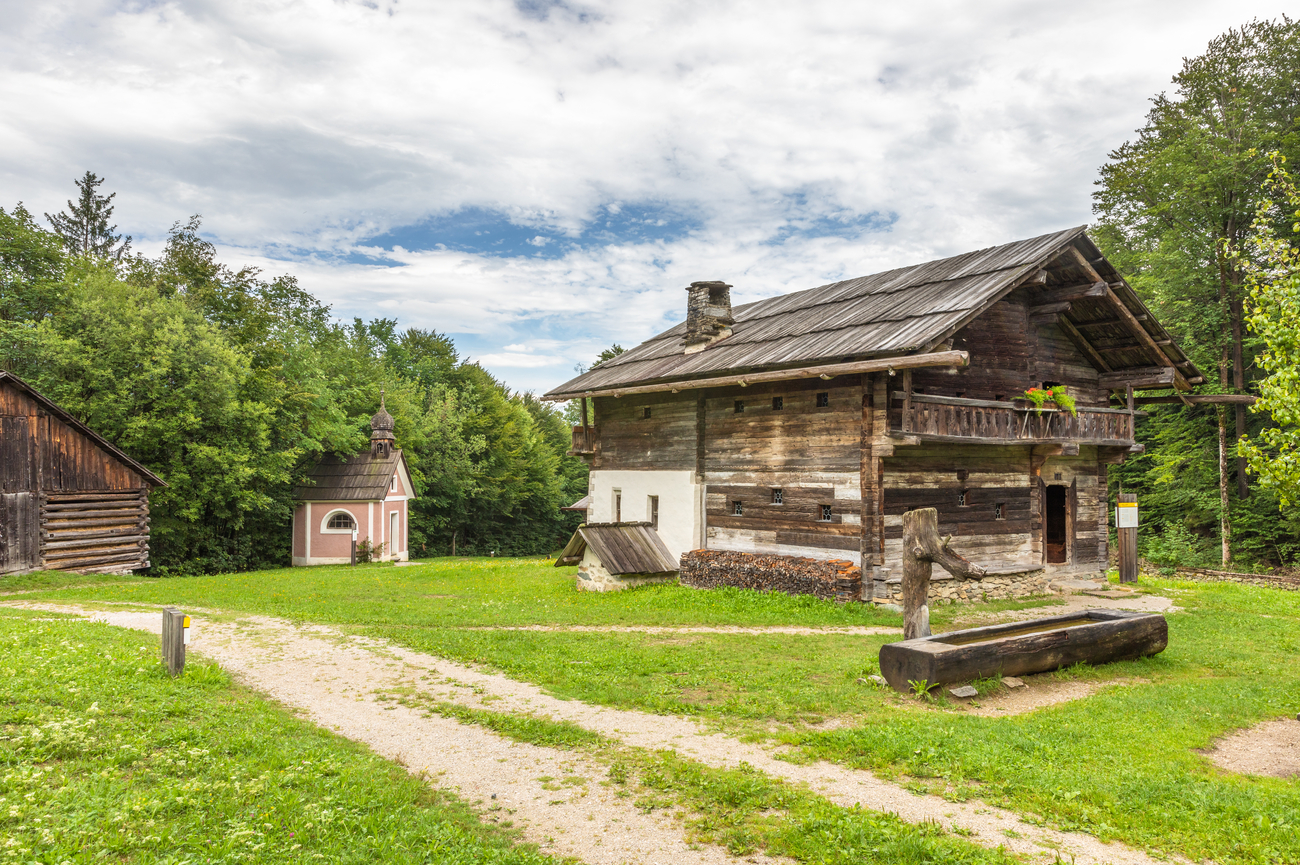
A short drive brings you to the Museum Tiroler Bauernhöfe, a living ode to Tyrol’s rural heritage.
This open-air museum is a charming labyrinth of traditional farmhouses, barns and chapels transported from across the region. Each building tells a story of alpine life through the centuries, from the wooden beams that have weathered snowstorms to the tools and furnishings that reveal centuries of craftsmanship.
The museum doesn’t just preserve history; it animates it. Guides lead private tours through winding courtyards and cozy interiors, sharing insider tales of farm life, seasonal rituals and the ingenious ways Tyroleans adapted to the mountains. Luxury visitors can enhance the experience with curated tastings of local cheeses, cured meats or homemade herbal liqueurs, bringing the flavors of the valley directly to the senses.
Swarovski Kristallwelten
Once the pastoral charm of the Bauernhöfe lingers in the memory, the journey takes a sparkling turn. A brief drive down the valley brings you to Wattens, where Swarovski Kristallwelten awaits.
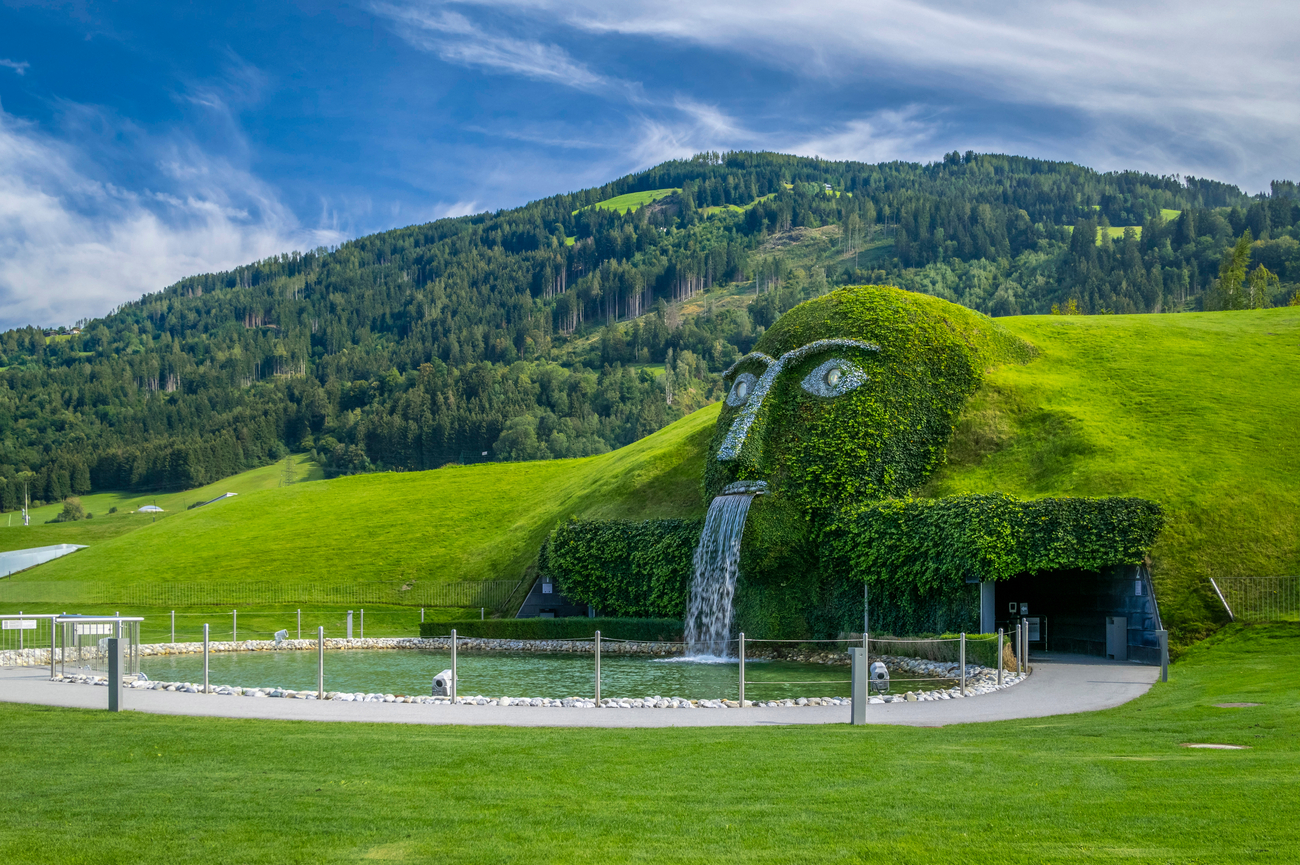
Created in 1995 by multimedia artist André Heller to celebrate Swarovski’s 100th anniversary, the site spans 7.5 hectares of gardens, art installations, and architecture. Walking through it feels like stepping into a universe where imagination meets precision, where the Crystal Cloud, floating above a mirrored pool, dazzles with over 800,000 hand-mounted Swarovski crystals.
Inside the iconic Giant, the Chambers of Wonder unfold, designed by internationally renowned artists including Brian Eno, Yayoi Kusama and Keith Haring. The Crystal Dome, with its 595 mirrors, turns every reflection into a kaleidoscope of light and movement. The garden continues to charm with a playful carousel by Jaime Hayon and a four-level playtower with 160 crystalline facets, blending fun with high design. Even Roman excavation remains add historical depth, reminding visitors that this is a place where past, present and fantasy coexist.
Münze Hall in Tirol
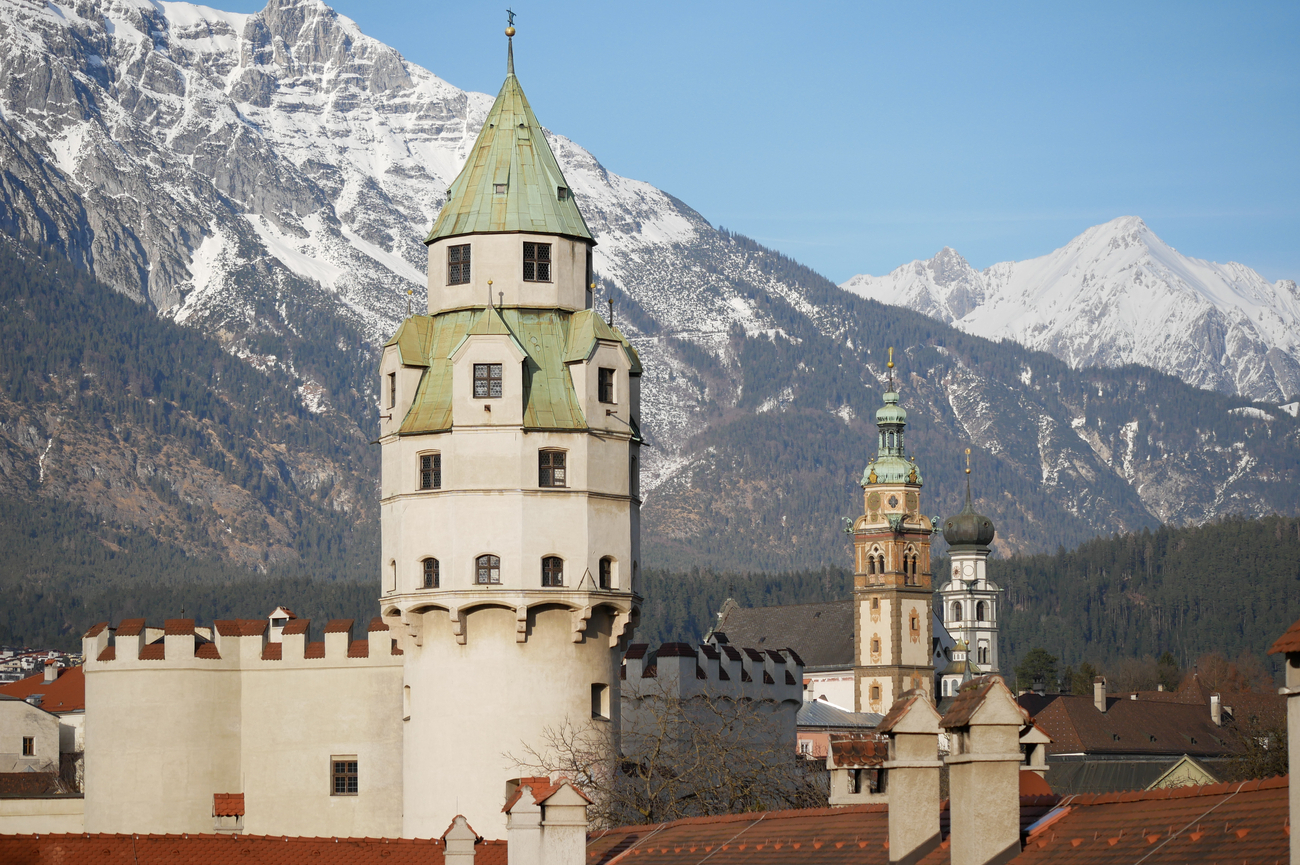
The Münze Hall in Tirol is a medieval gem that once thrived on salt and silver.
At the heart of Hall stands the Münzerturm, or Mint Tower, part of the Münze Hall complex, where the clink of coins once echoed through centuries. Founded in the 13th century, Hall was a powerhouse of Tyrol’s salt trade and silver minting, and the Münze itself has been crafting currency for over 500 years. Today, it’s a fascinating portal into the economics and artistry of medieval Europe, from coin presses to exquisite engravings.
For a truly curated experience, personally guided tours are available through the Hall-Wattens Tourist Board. Each tour accommodates up to 35 guests and special considerations exist for families, students, seniors and children. Tours can be booked for small groups, allowing a hands-on, intimate look at coin-making history. Luxury travelers can request private sessions, gaining access to behind-the-scenes areas that showcase historic machinery and exclusive minting techniques.
Pfarrkirche St. Nikolaus
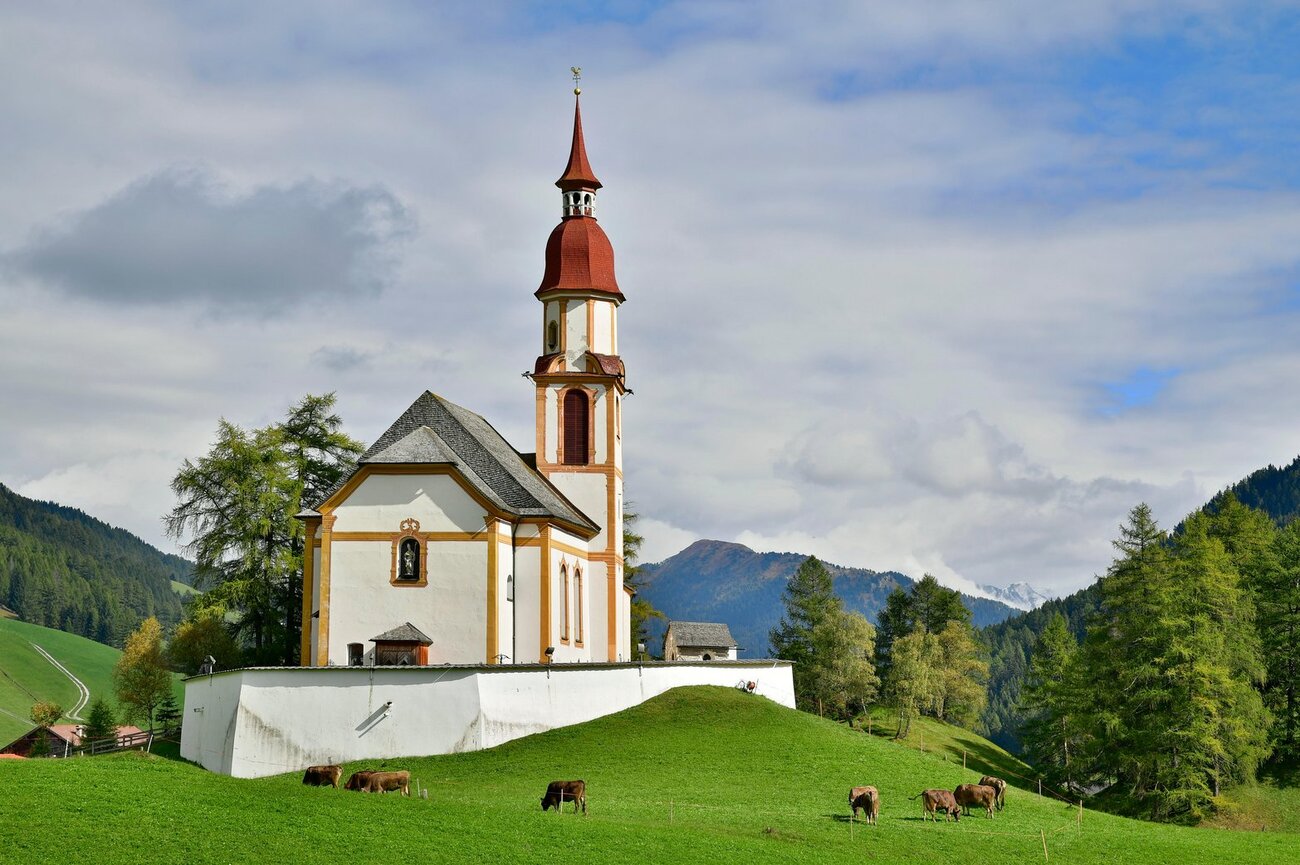
From Münze Hall, it’s just a short 5-minute walk through Hall’s cobbled streets to the Pfarrkirche St. Nikolaus (St. Nikolaus Parish Church), a soaring testament to Tyrol’s spiritual and artistic heritage.
Beyond its soaring spire and frescoed ceilings, St. Nikolaus Parish Church is a true cultural treasure. Its origins date back to 1281, when a small chapel dedicated to Saint Nicholas first appeared in records. As Hall grew into a powerful salt-trading city, the church expanded in the 15th century in Gothic style, and after an earthquake in 1670, its tower was rebuilt with a graceful Baroque onion dome. Inside, four large ceiling frescoes by Josef Adam Mölck (from 1751/52) depict scenes from the life of St. Nikolaus, blending artistry and spiritual storytelling. The church also houses the Waldauf Chapel, named after a local knight, complete with a relic collection and an altar attributed to the school of Michael Pacher.
Evening: Mayrhofen Village
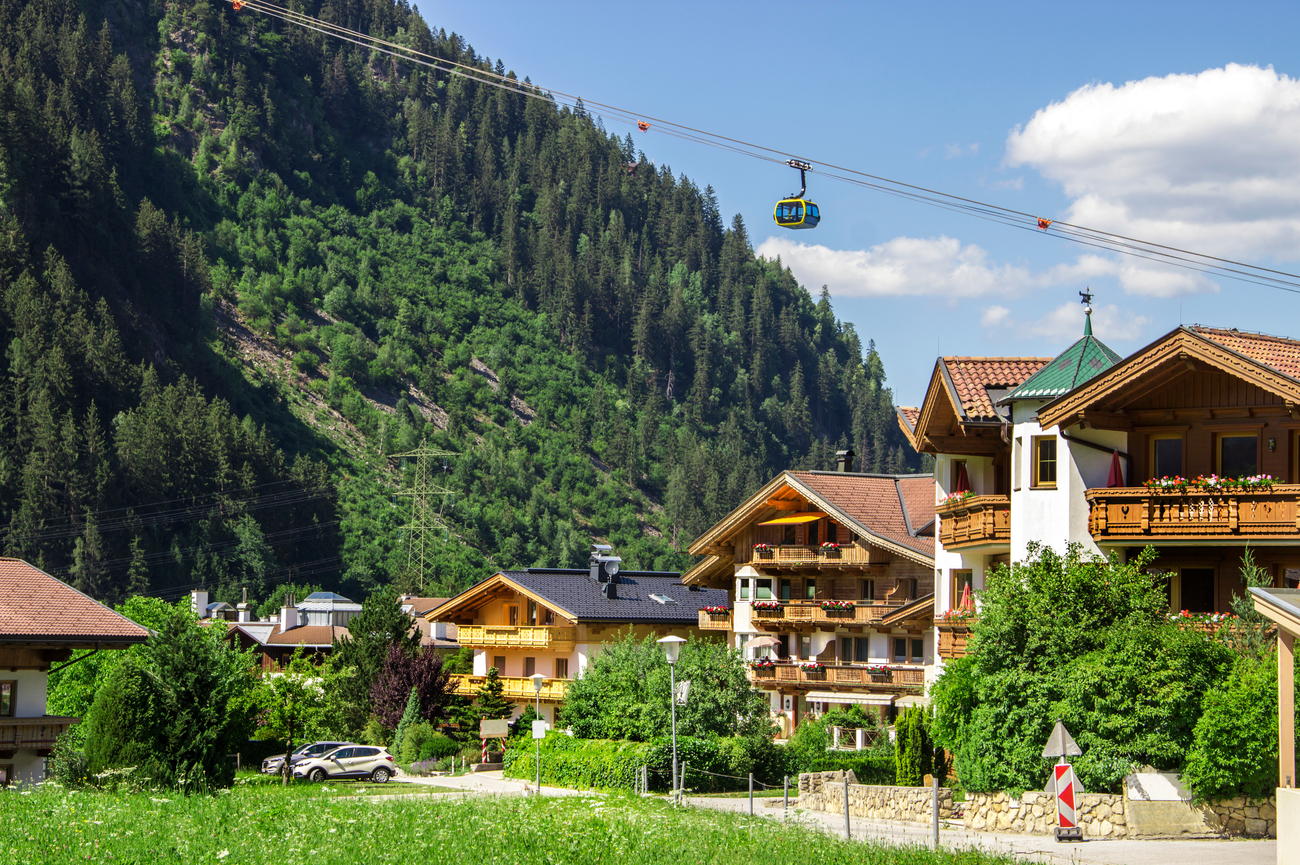
Mayrhofen isn’t a new kid on the Zillertal block. First mentioned around 1200 as part of a Salzburg bishop’s farmstead, it became part of Tyrol after the Treaty of Munich in the early 19th century. Over the years it transformed from a humble agrarian settlement into one of Tyrol’s most vibrant mountain hubs. Today it’s framed by the Ahorn and Penken peaks and pulses with year‑round energy. In winter for skiing, in summer for hiking, biking, and laid-back alpine adventure.
ErlebnisSennerei Zillertal
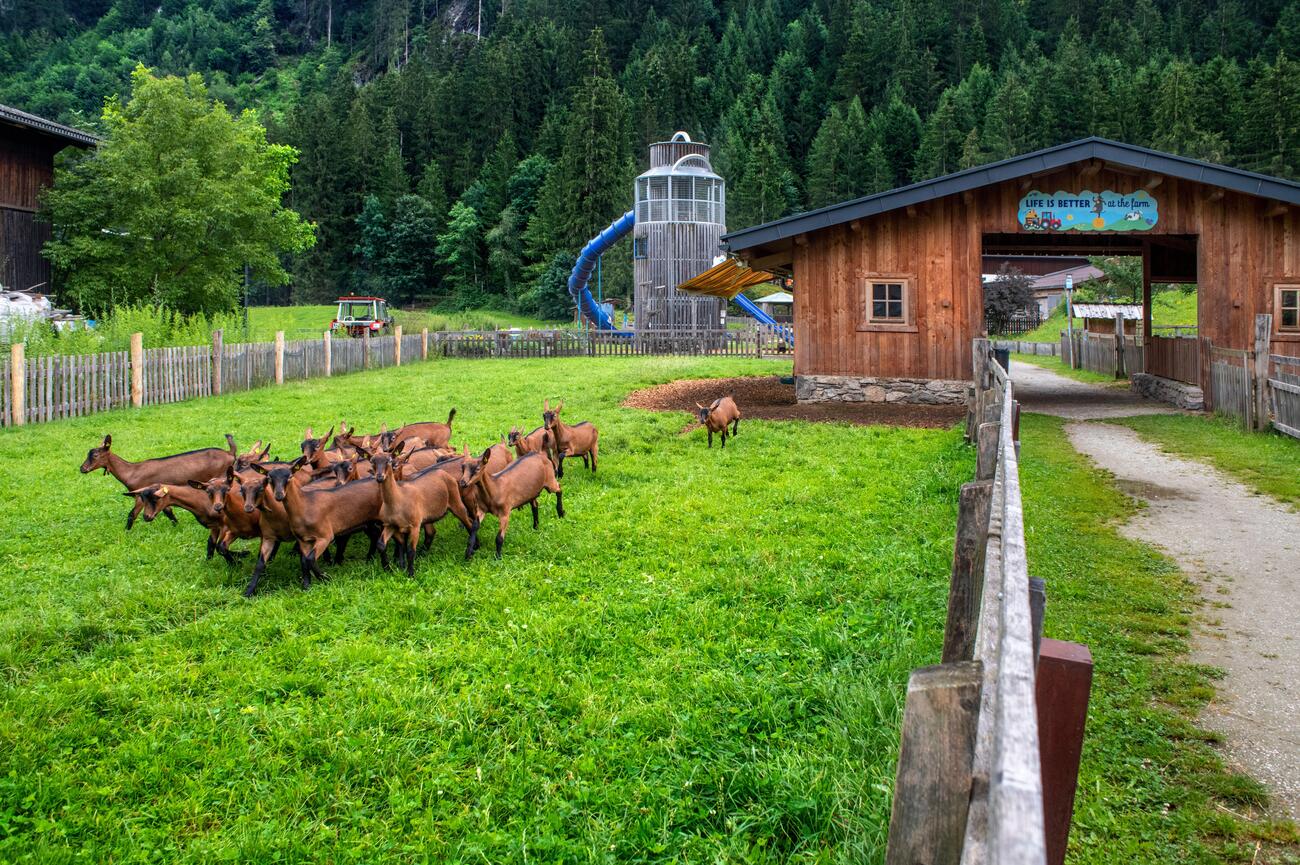
After an unforgettable day of alpine peaks and crystal dreams, the perfect curtain call awaits at ErlebnisSennerei Zillertal, Mayrhofen’s immersive alpine dairy. This isn’t a dusty museum, it’s Austria’s first “show dairy,” a 6,000 square meters production facility where the magic of hay milk (from cows, goats and sheep) unfolds before your eyes.
Inside the glazed show dairy, you peek over the cheese maker’s shoulder, watching how milk turns into yogurt, curd, and complex cheeses through 11 production stages. Children (and the child at heart) will light up at the show farm next door, where curious goats, sheep, cows and even chickens roam and a mini tractor track and play hay barn await. There’s also a bee pavilion buzzing with over a million bees which is a sweet reminder of nature’s essential role in this valley’s life.
Sustainability is part of the story here: the farm works with around 400 alpine pasture farmers, and their hay-milk production emphasizes short transport distances, ecological packaging and animal welfare. Visiting the ErlebnisSennerei takes about 30–60 minutes. If timed right, the golden light of evening filters through the glass dairy, the alpine breeze mingles with the scent of fresh cheese and every bite is a quiet celebration.
Day 5 - Innsbruck & Tyrol Tour Map
Other Things to Do in Innsbruck & Tyrol
Tyrol is a mix of awe-inspiring peaks, centuries-old streets and moments so breathtaking they feel curated just for you. While Innsbruck’s vibrant heart pulses beneath the Nordkette peaks, while hidden alpine villages and glacial retreats whisper stories of history, culture and indulgence. For travelers who want more than postcards, these are the places where Tyrol’s soul truly shines. Here’s a list of other things you can do when you visit the region.
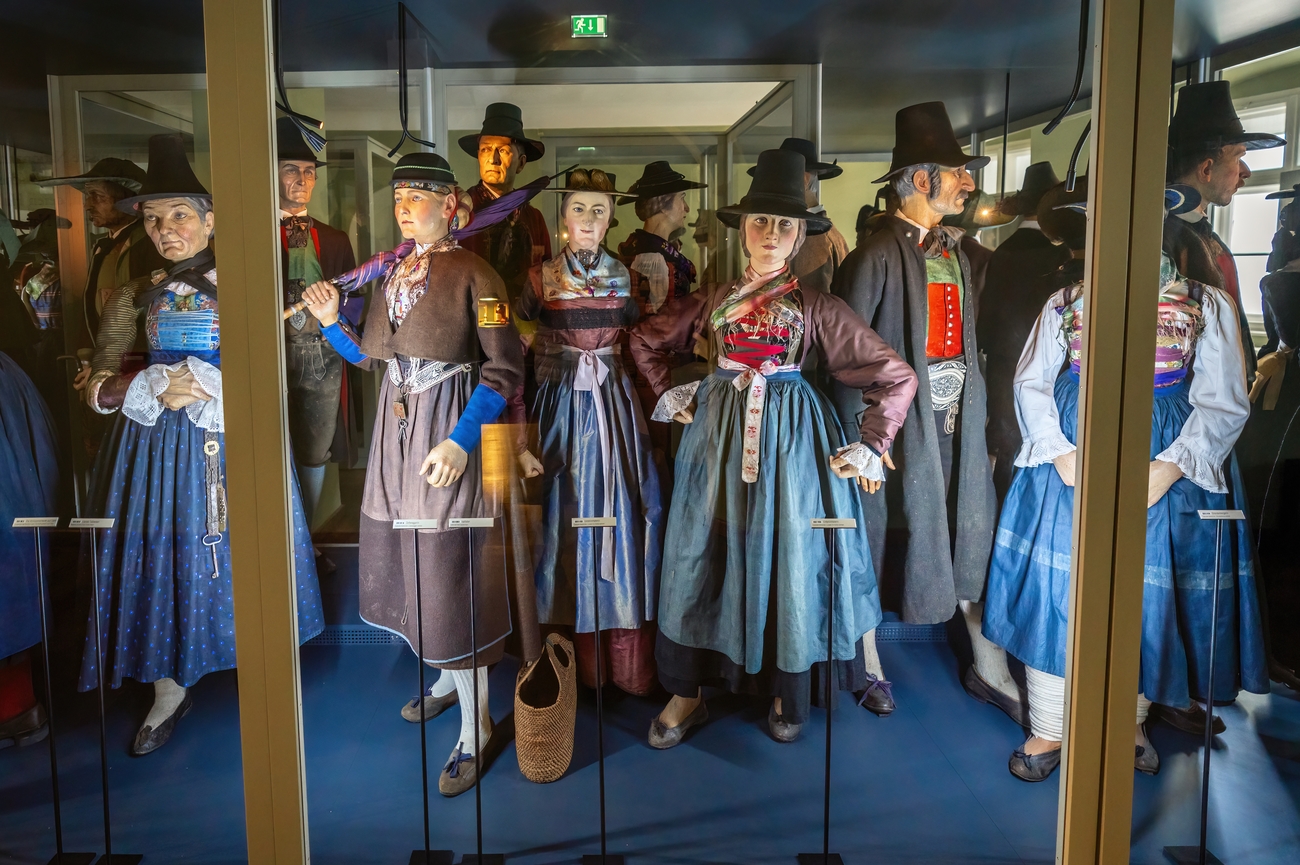
- Tyrolean Folk Art Museum (Tiroler Volkskunstmuseum): Nestled right next to the Court Church, this museum is one of the most significant folk art collections in Europe. It's a journey into the Tyrolean soul, showcasing centuries of domestic life, from exquisitely carved Gothic living rooms (Stuben) to traditional costumes, handicrafts, and expressive religious and secular art. If you want to understand the rich, earthy culture of the people who built this alpine world, this is where you go.
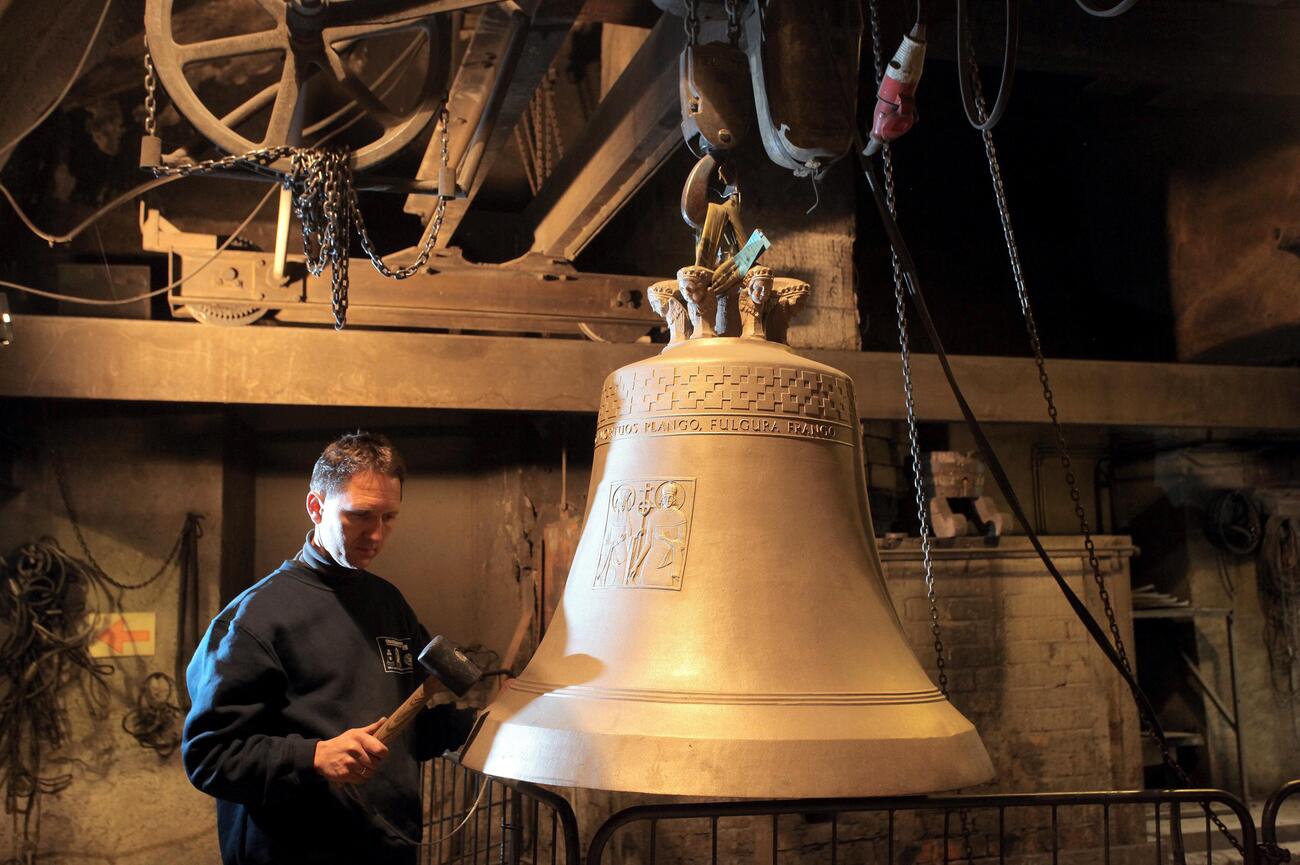
- Grassmayr Bell Foundry (Glockengießerei Grassmayr): Experience a profound piece of living history at the oldest family-run company in Austria, dating back over 400 years. This isn't just a museum; it's a roaring workshop where massive, beautiful bells are still cast today. Visitors can witness the ancient, fiery process of bell-making, explore the Bell Museum, and enter the unique Sound Room to feel the deep, resonant vibrations of their craftsmanship.
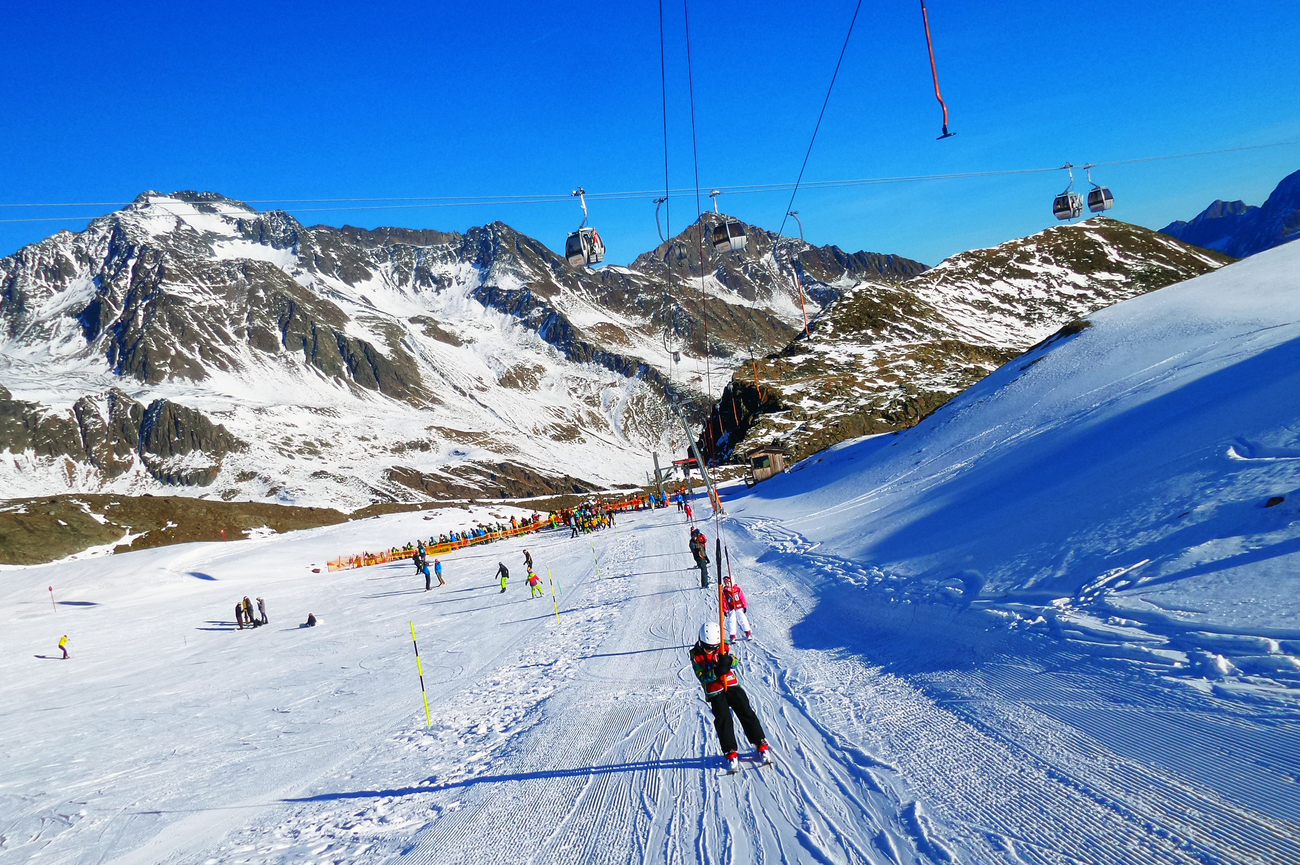
- Stubai Glacier: The Stubai Glacier is Tyrol’s playground for those who crave snow and style year-round. Ski pristine slopes in winter, hike crystalline trails in summer, and retreat to the Panorama Lounge for gourmet dining amid panoramic alpine views. You can enjoy exclusive experiences like private heli-skiing trips, mountain spa sessions and curated wine tastings which can transform a day on the glacier into an alpine retreat where adrenaline and luxury coexist effortlessly.
- Galtür: For travelers who crave privacy and pristine landscapes, Galtür and the Paznaun Valley are a sanctuary of snow and serenity. Boutique lodges and high-end spas dot the valleys, while private ski guides and curated excursions make every moment feel personalized.
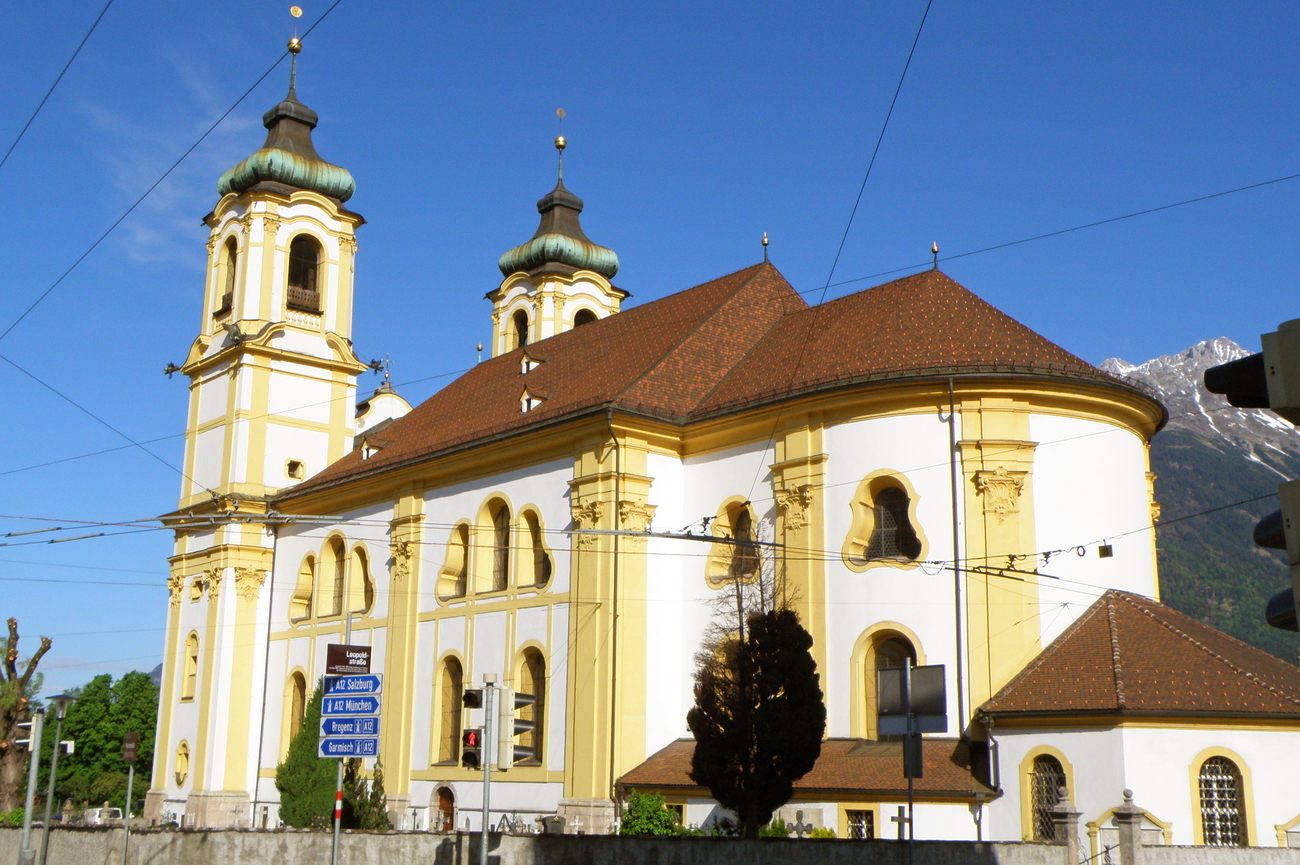
- Pfarrkirche und Basilika Mariae Empfängnis: A baroque masterpiece tucked within Innsbruck, the Wilten Basilica captivates with intricate frescoes, gilded altars and a serene atmosphere rarely crowded with tourists. Exclusive guided tours reveal hidden chapels, monastic archives and stories of Tyrolean religious history.
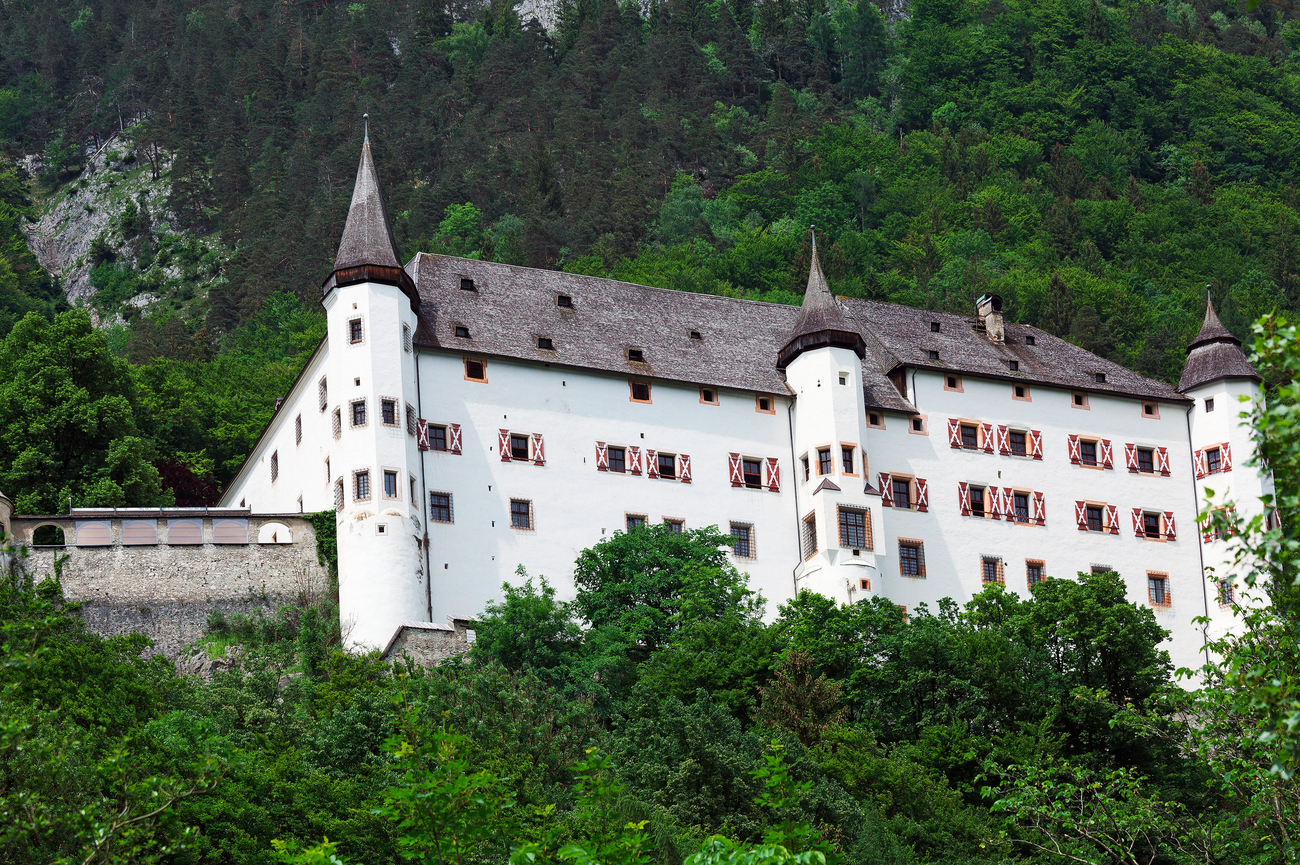
- Schloss Tratzberg: Nestled between Innsbruck and Schwaz, Tratzberg Castle is a Renaissance gem preserved with immaculate care. Exclusive guided tours showcase the ornate interiors, family collections and hidden passages.
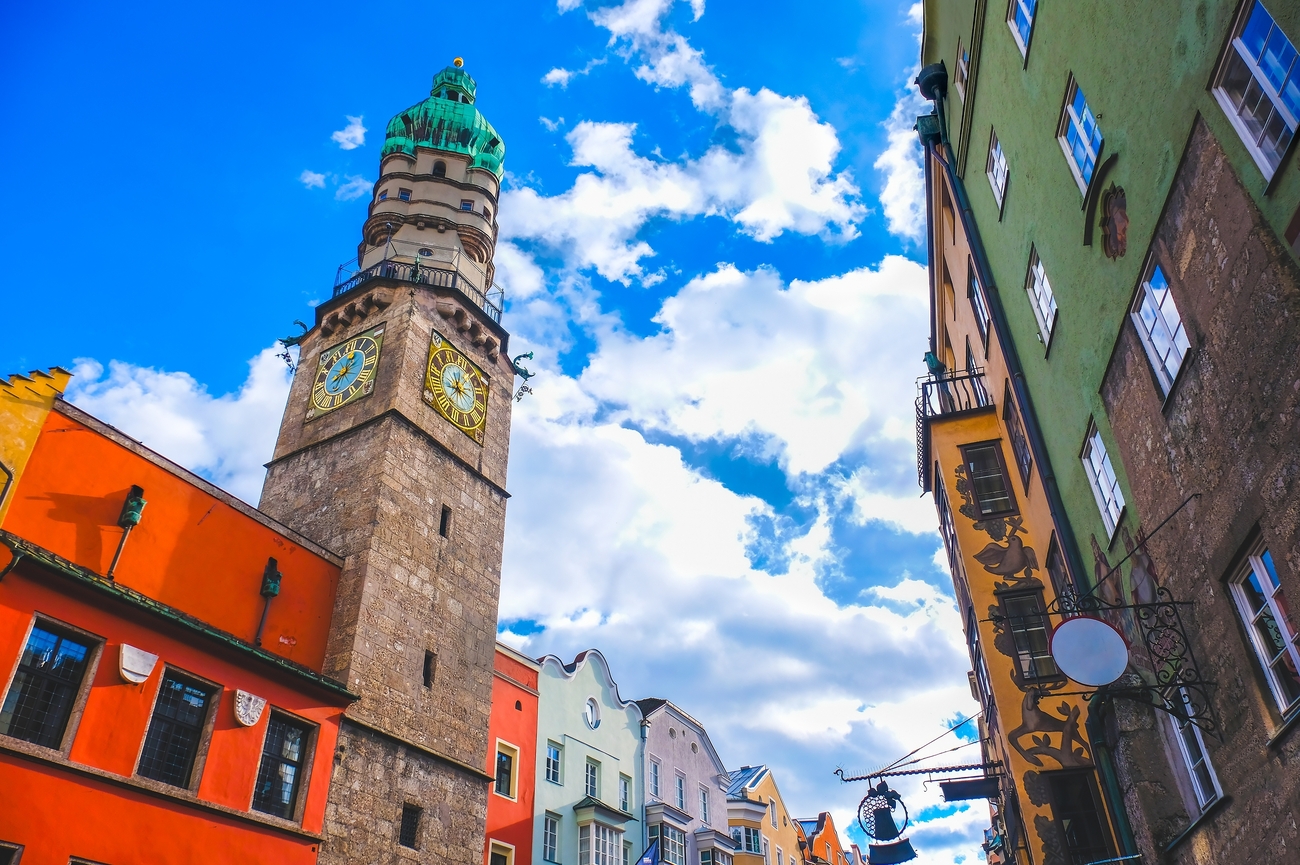
- Stadtturm: For a mix of history and high-end urban experience, the Stadtturm offers panoramic city views. Private tours allow access to restricted areas, combining the climb with historical storytelling and curated photography stops. From the summit, Innsbruck’s combination of alpine peaks and medieval streets looks like a painting brought to life.
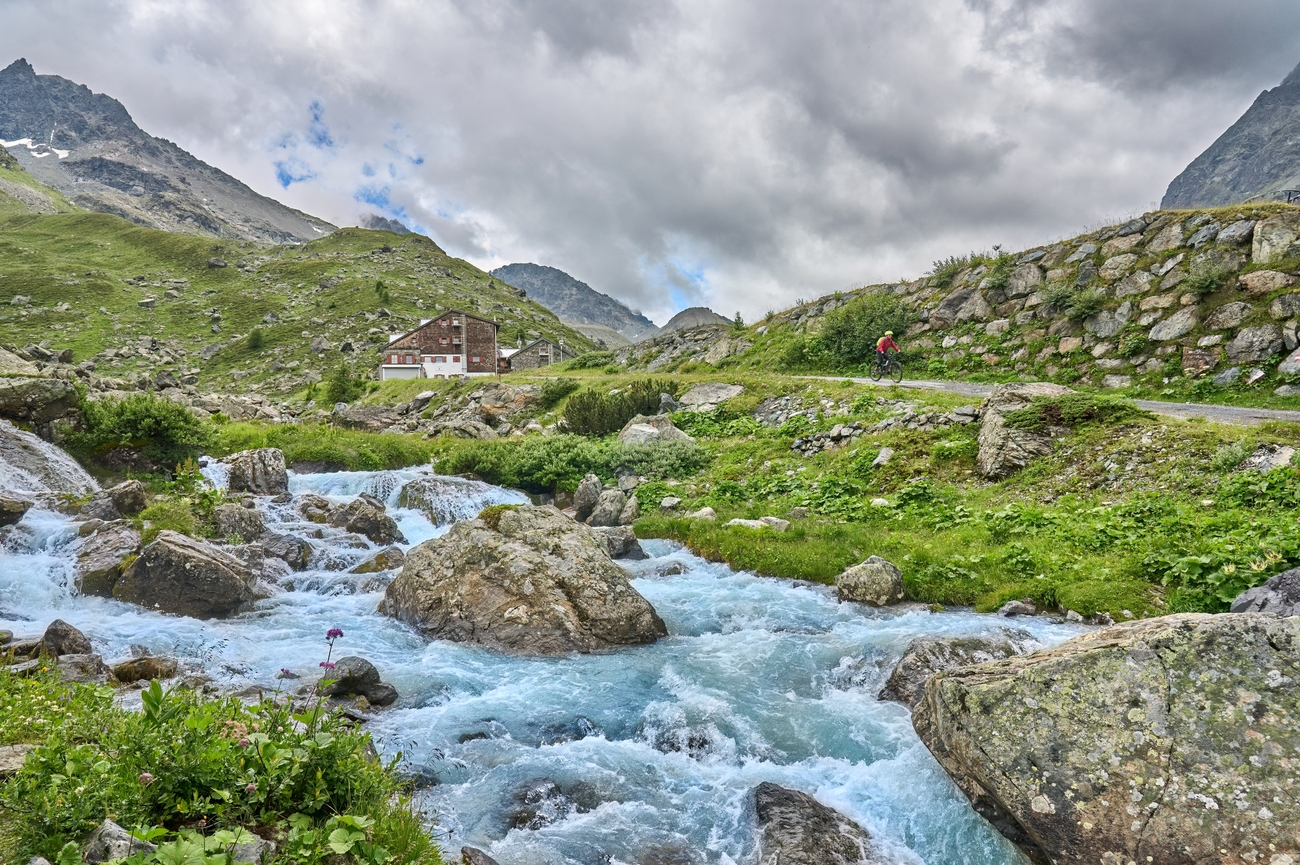
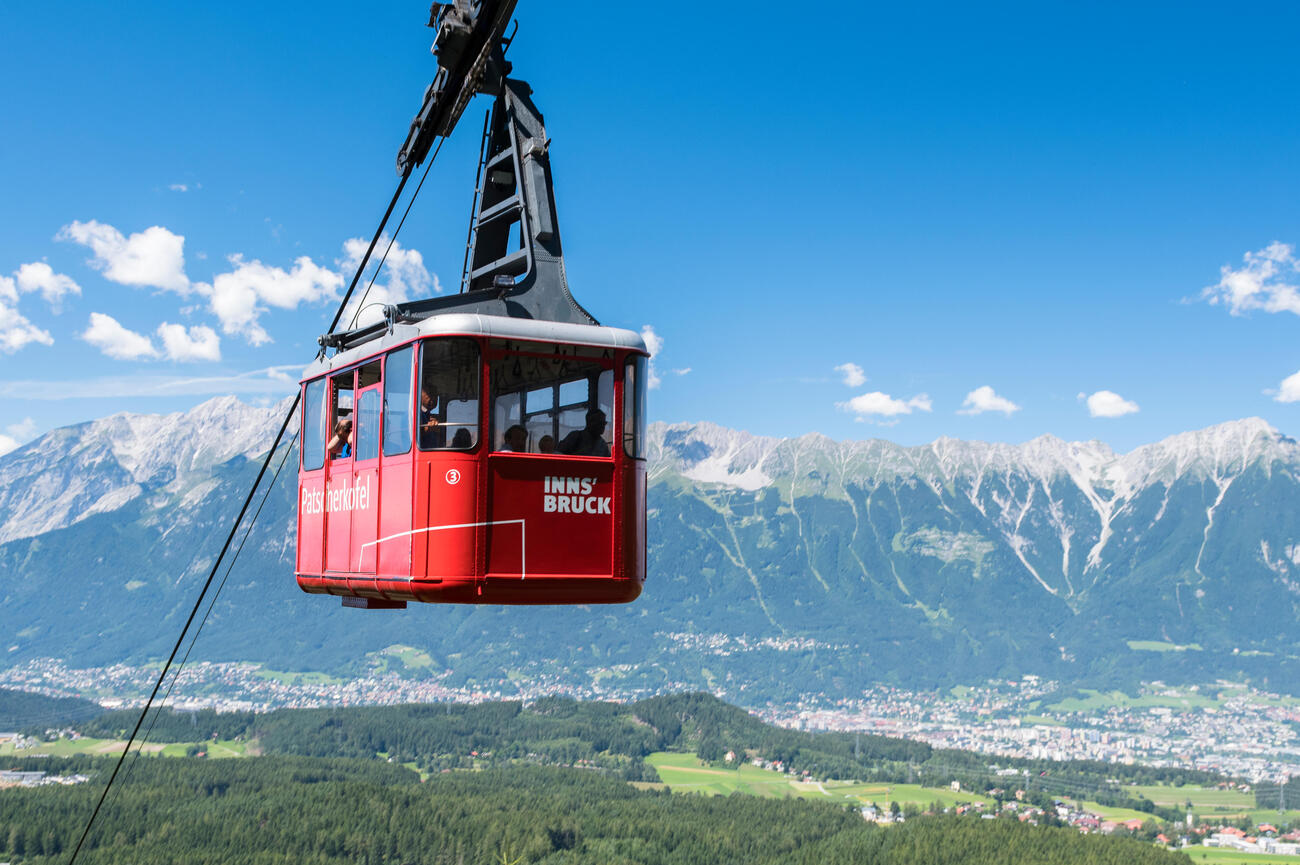
- Patscherkofel: Just a short ride from Innsbruck, this mountain is all about fresh air and epic views. Hiking trails wind through alpine meadows and forests, while in winter the slopes cater to skiers of all levels. There are cosy mountain huts for a hot drink or snack after a brisk climb.
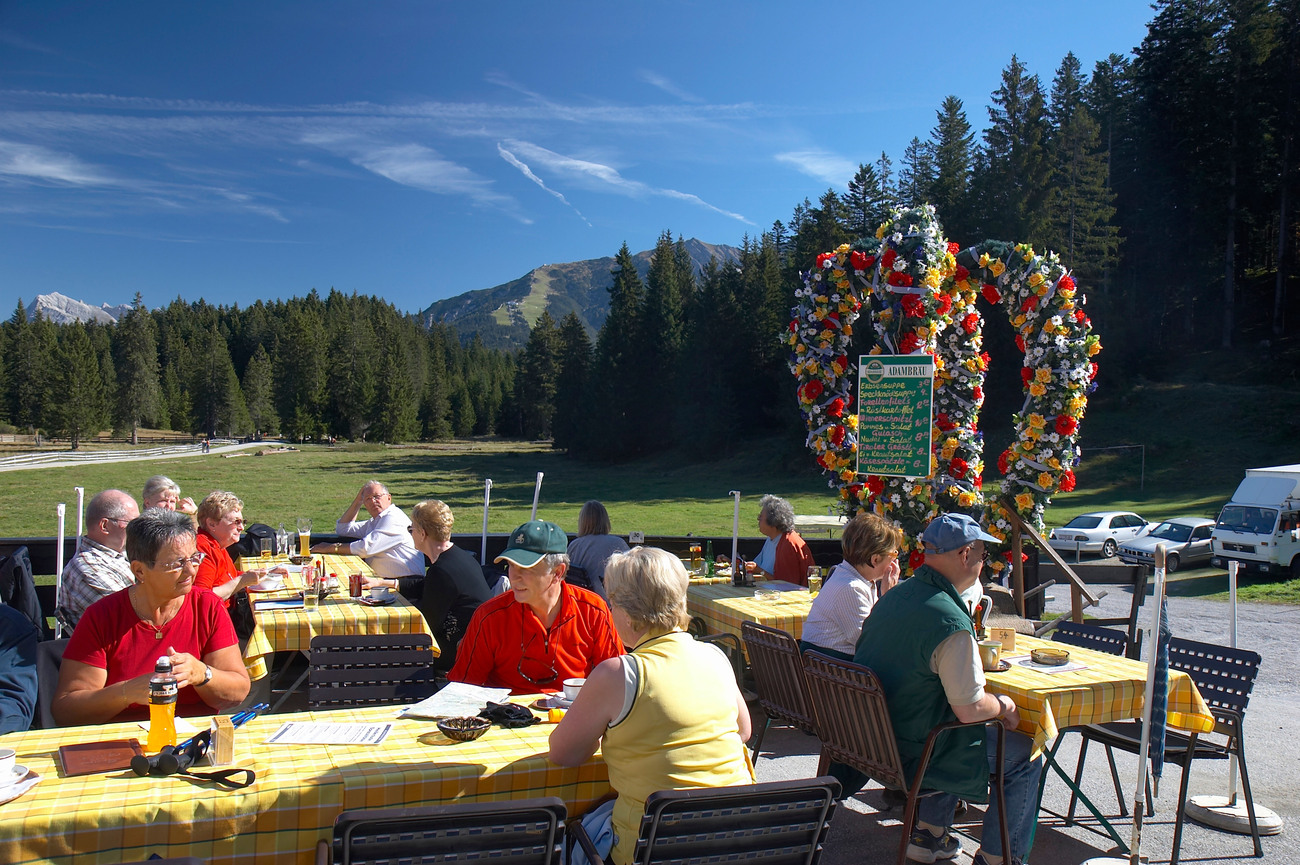
- Wildmoosalm: This serene alpine pasture feels a world away from the city. Kids can run across open meadows, spot grazing cows, and parents can savour the traditional Tyrolean food at the small farm huts. It’s an easy walk with a big dose of mountain calm.
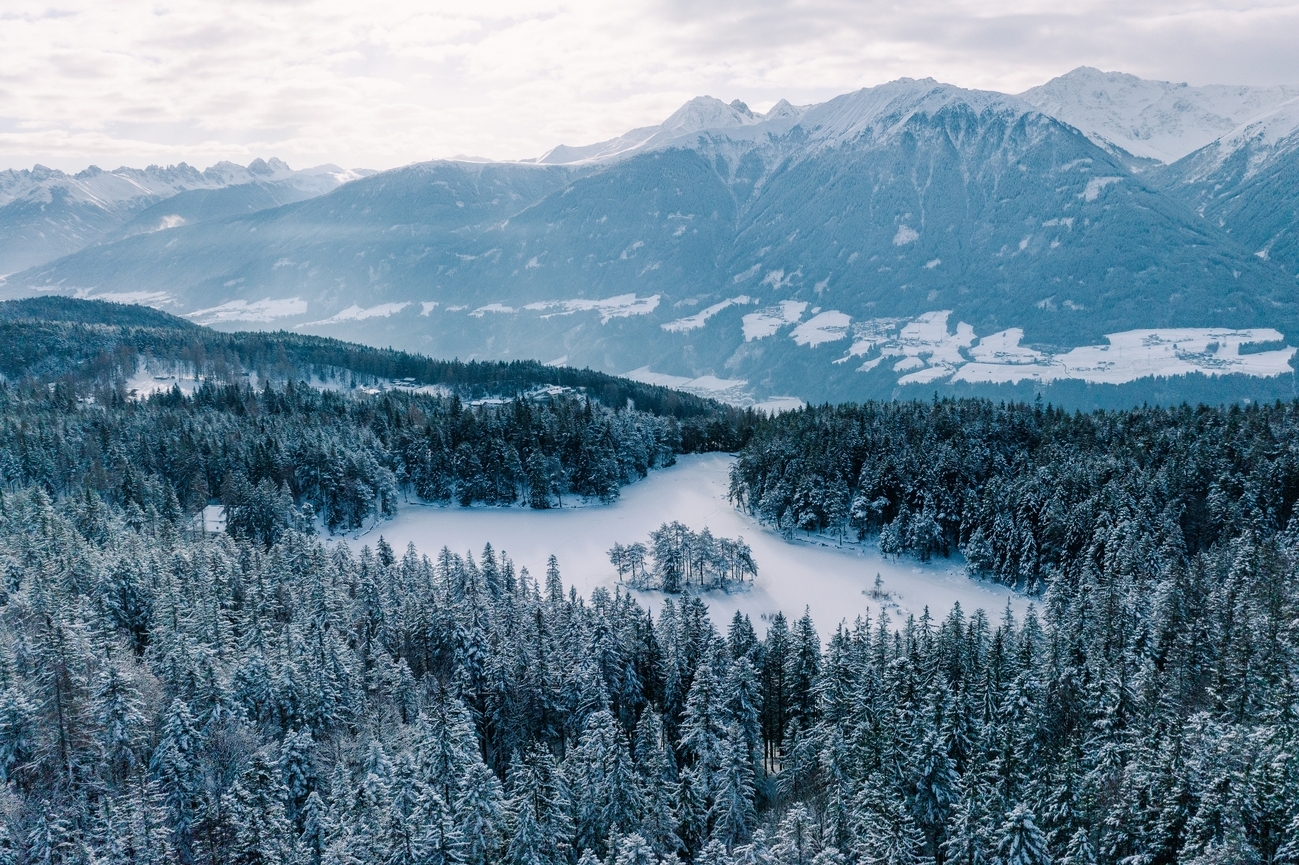
- Möserer See: A tiny, turquoise lake that’s perfect for a picnic or a gentle stroll along the water. The calm surface reflects the surrounding hills, and there’s plenty of space for little ones to explore without straying far.
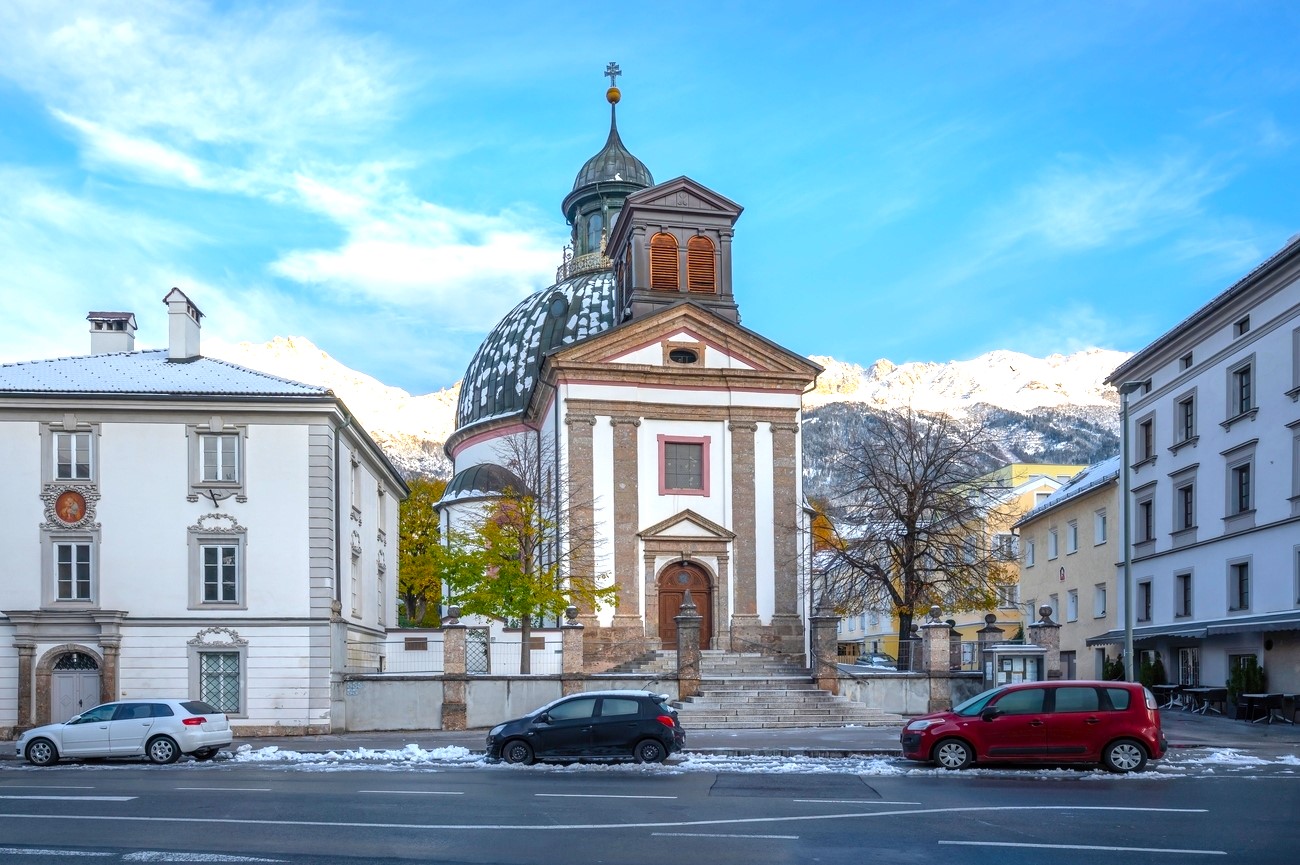
- Smaller Innsbruck museums & churches: Tiny cultural gems with big stories. Explore the Tiroler Landesmuseum Ferdinandeum for art and history, wander the exhibits at the City Museum Innsbruck, and visit charming churches like Mariahilfkirche and Hungerburg Church. Don’t miss the Palm House in the Hofgarten, a peaceful spot with exotic plants and a sunny courtyard. These spots offer art, history, and architecture at a relaxed pace—perfect for families who want culture without the crowds.
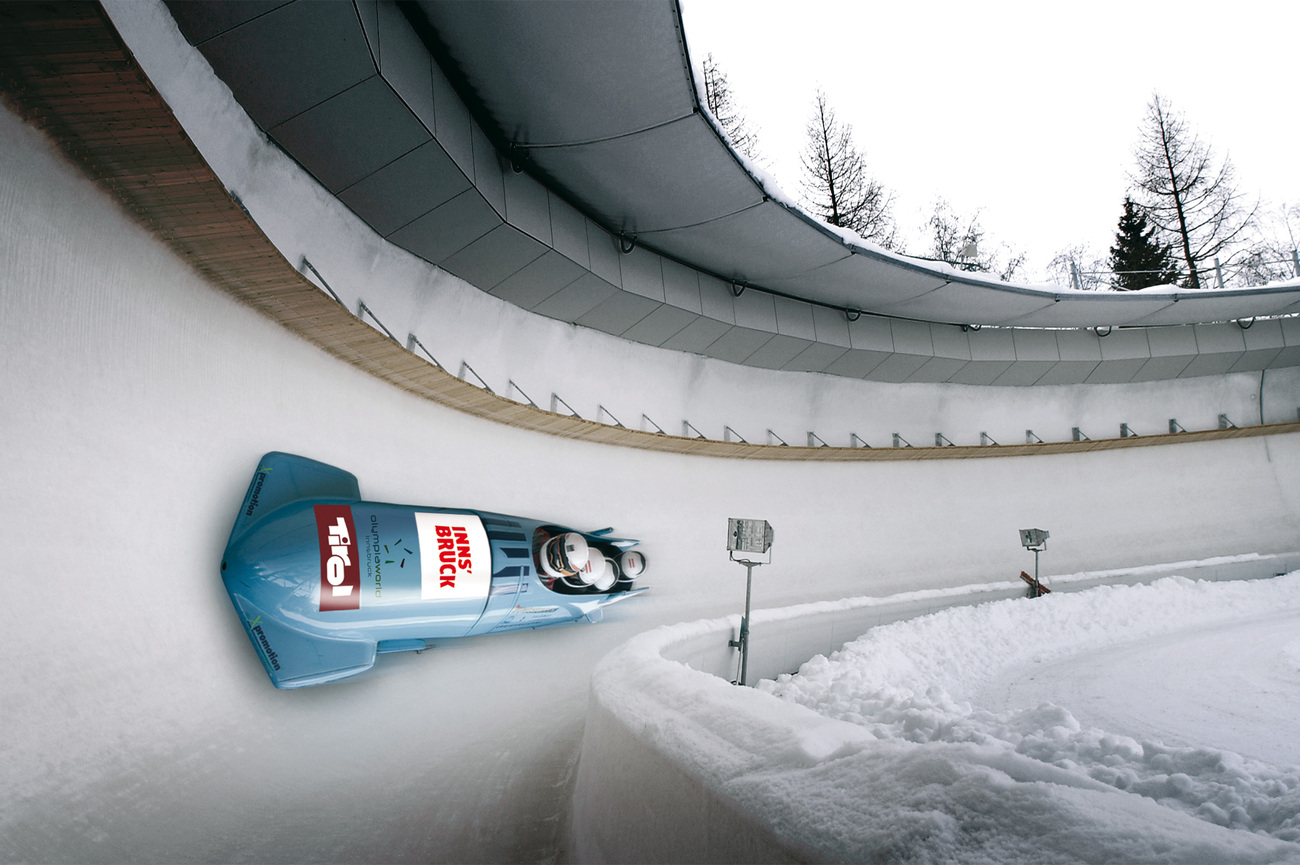
- Race Bobsleigh Ride: This is the moment Innsbruck trades quiet alpine calm for pure, electric speed. The Race Bobsleigh Ride in Igls skips the warm-up and launches you straight onto the Olympic ice track, where 1,550 metres of twists, 15 bends and the iconic Kreisel turn pull you into a fast, gravity-defying rush. Guided by professional pilots, you skim along the ice at nearly 100 km/h, the mountains blurring into a wild, perfectly controlled dance. Helmets on and heart racing, it is a sharp, seamless burst of adrenaline that stays with you long after the ride ends.
Things to Do with Kids in Innsbruck & Tyrol
Traveling with kids is about opening a world where mountains become playgrounds, castles feel like storybooks and every valley holds something extraordinary. To make exploring easier (and way more fun), here’s a curated collection of places designed to delight young travelers and impress the adults tagging along. These destinations mix adventure with comfort and imagination with culture.
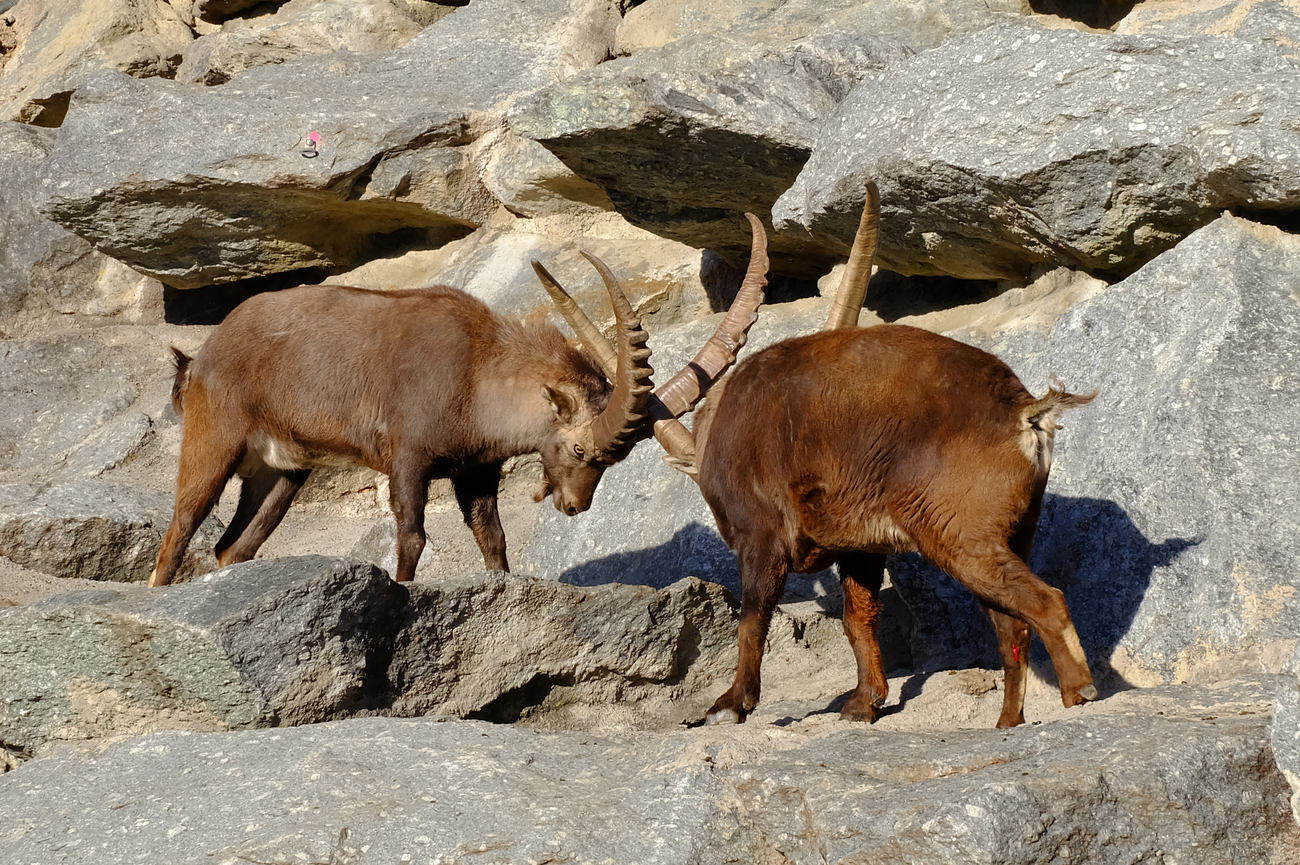
- Alpenzoo Innsbruck: Perched high above the city with the Nordkette holding its breath behind it, the Alpenzoo feels like a nature documentary parents can walk through. Kids get nose-to-whisker close to Alpine icons while learning how wildlife thrives in the mountains. It’s compact, stroller-friendly and wrapped in views that make adults quietly emotional.
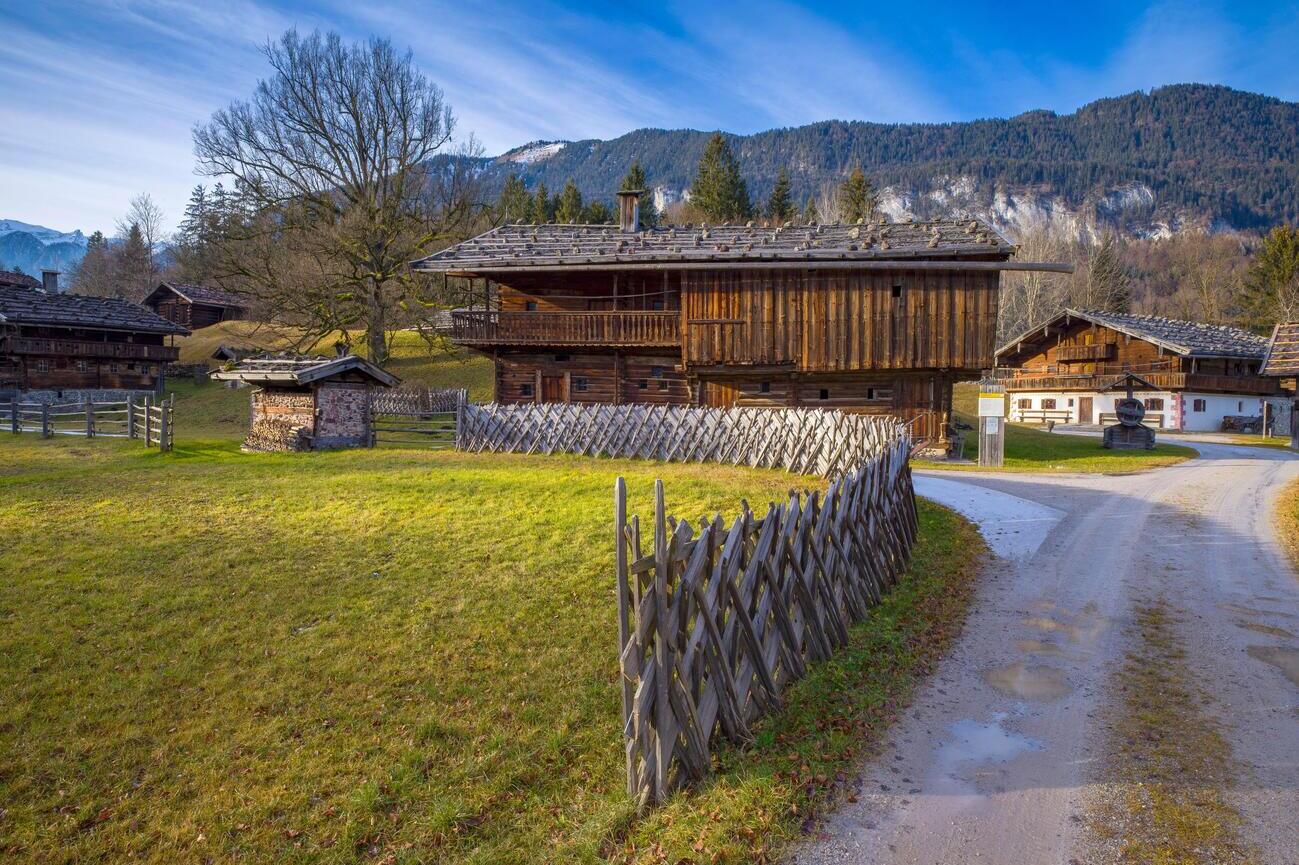
- Tyrolean Farmhouse Museums: This open-air museum near Kramsach is basically a time machine disguised as a family day out. Dozens of historic farmhouses are scattered across rolling meadows and kids can wander through old kitchens, peer into barns and understand how Tyrolean families lived centuries ago. It feels hands-on and wholesome like a living storybook.
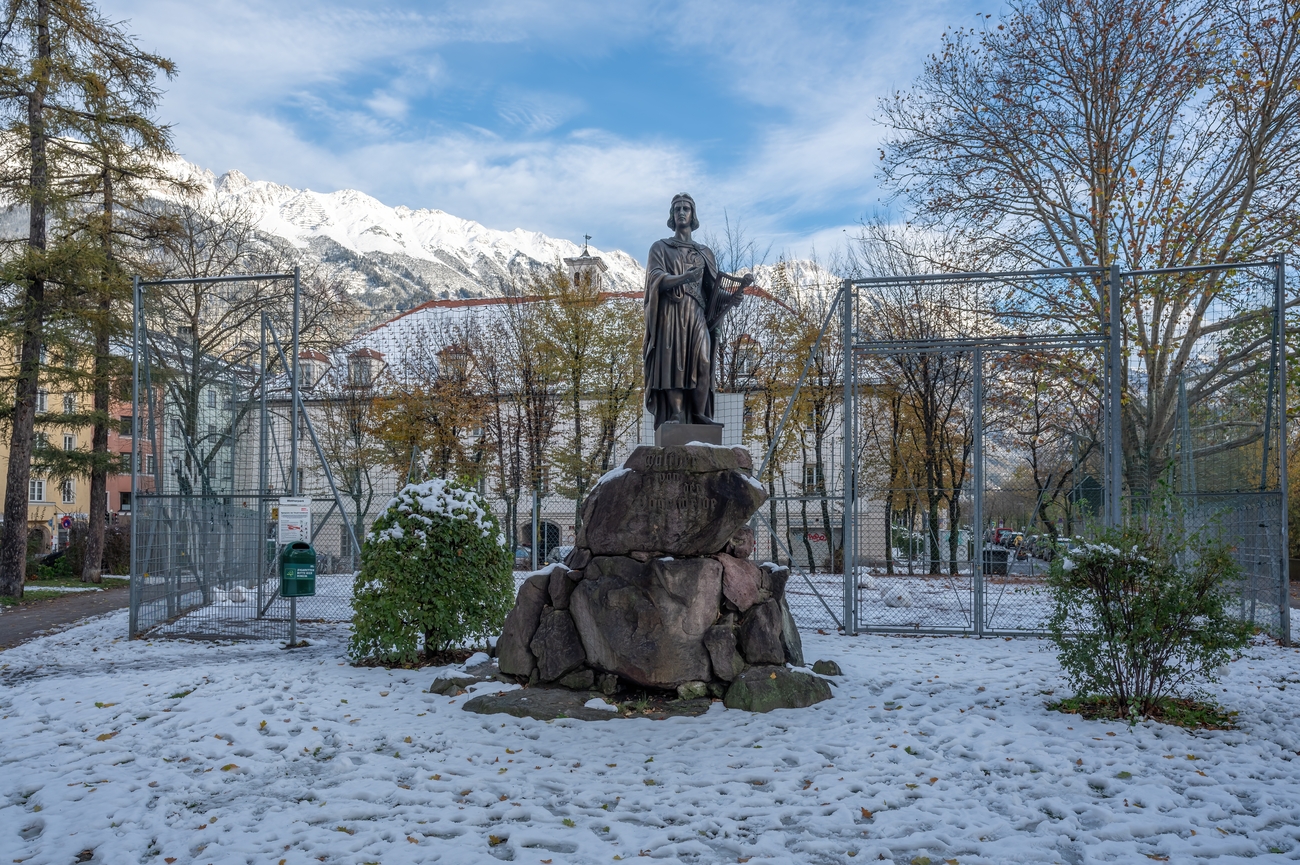
- Spielplatz Waltherpark: A neighborhood playground but… elevated by its location. Set right by the river in Innsbruck’s city center, this spot gives kids slides, swings and climbing areas while parents get a moment to breathe under leafy shade. It’s the kind of simple stop that rounds out a family day with zero stress.
- AREA 47: Think of this as Tyrol’s adventure-sports universe, but one with plenty of kid-friendly portals. There are water slides, splash zones, climbing areas and options for older kids who want to test their bravery. Everything is run with that precise Austrian safety standard parents adore. For a premium upgrade, families can reserve lakeside chill zones or book kid-appropriate adventure packages.
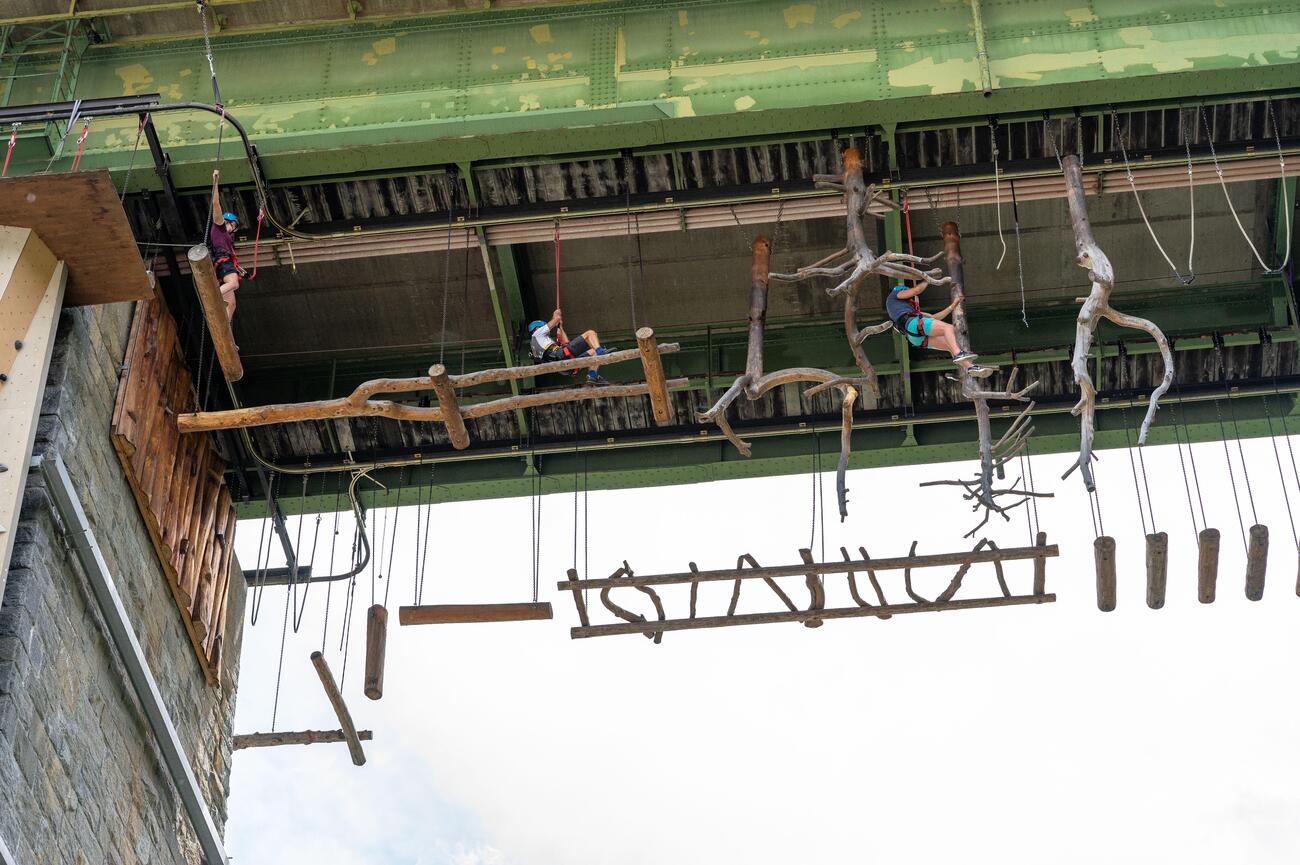
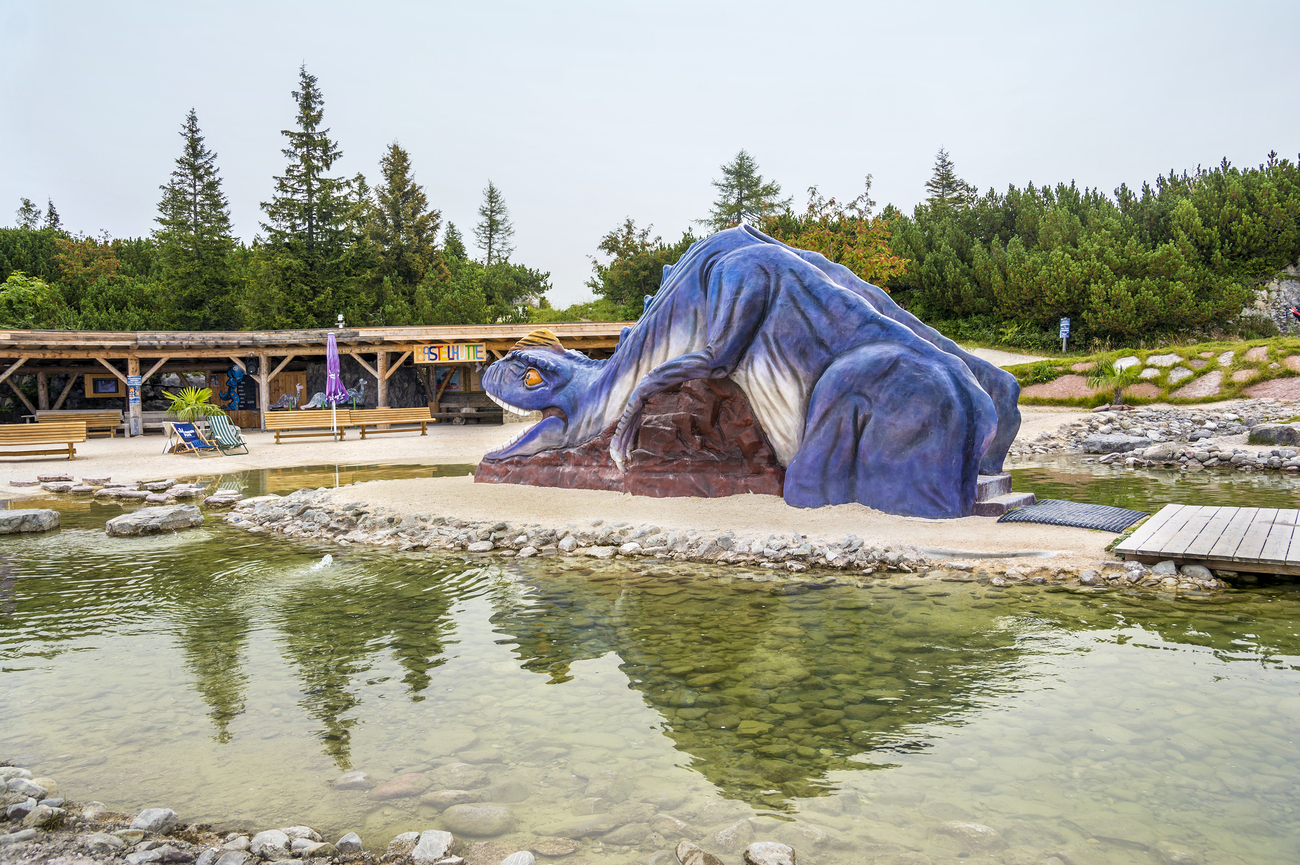
- Triassic Park: Sitting high up on Steinplatte, Triassic Park lets kids dive into the world of dinosaurs. It is complete with fossil digs, a viewing platform that floats above the mountains and a mini-lake perfect for warm days. It’s educational without trying too hard, and playful without losing its Alpine sense of wonder.
Day Trips from Innsbruck & Tyrol
Some places are close enough to feel familiar, yet different enough to reset the soul and the regions around Innsbruck and Tyrol are packed with those “oh wow, this was just a train ride away?” destinations. Think lakes that glow a shade too perfect to be real, towns holding onto centuries-old secrets and UNESCO sites that casually steal the show. This list lays out the day trips that turn a Tyrolean holiday into something layered and unexpected.
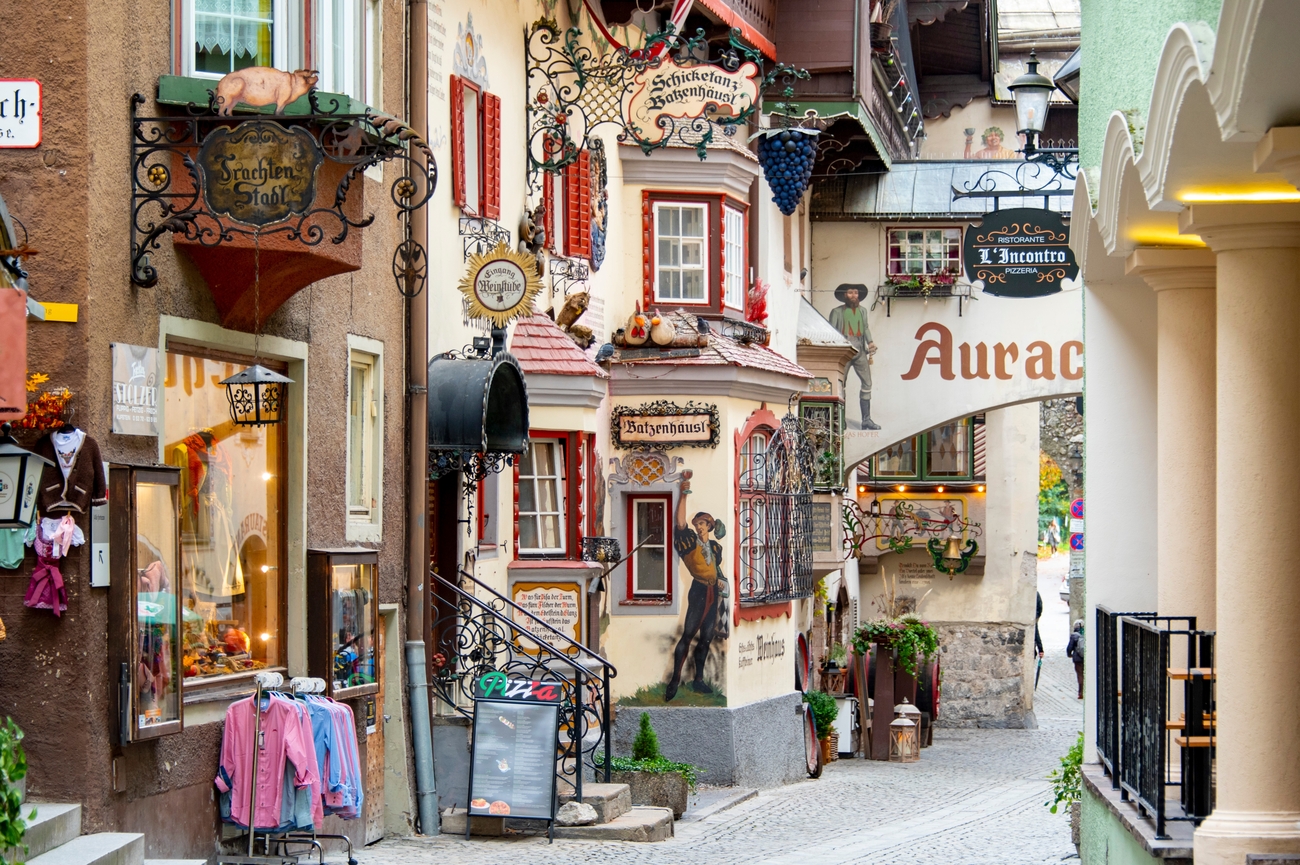
- Kufstein: Kufstein feels like a medieval warrior softened by river views and classical music. The Kufstein Fortress towers above the town and houses the famous Heroes’ Organ, the world’s largest outdoor organ. The Old Town is made for slow wandering. There you will walk past colorful houses, boutique shops and breezy riverside cafés.
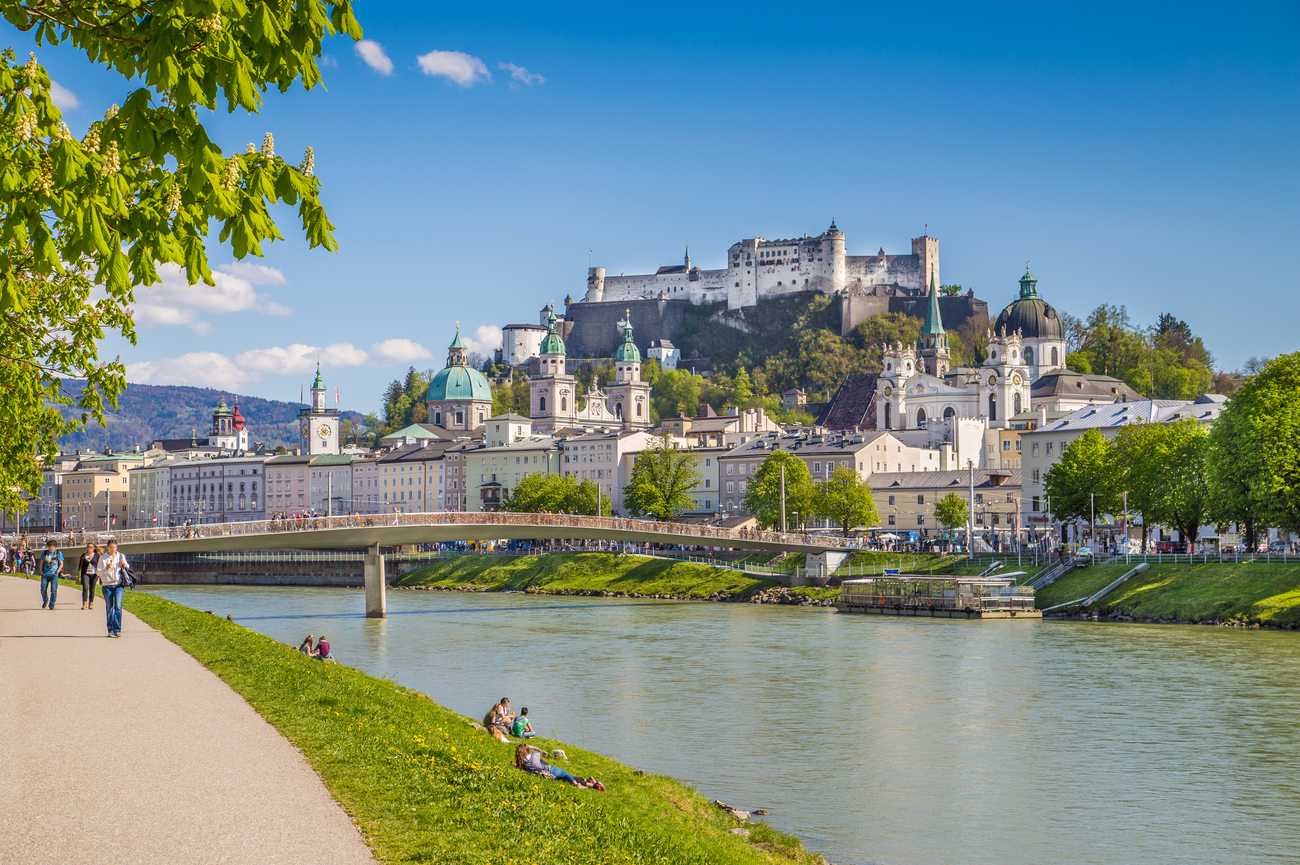
- Salzburg: A two-hour ride delivers pure cinematic charm. Salzburg’s Baroque Old Town is UNESCO-listed and drips with history, music and pastel elegance. The Hohensalzburg Fortress, the Mirabell Gardens, the Salzburg Cathedral and the winding Getreidegasse create an easy-loop route of culture, views and Mozart trivia. Even the cafés feel like they’ve been waiting for centuries to serve a perfect slice of cake.
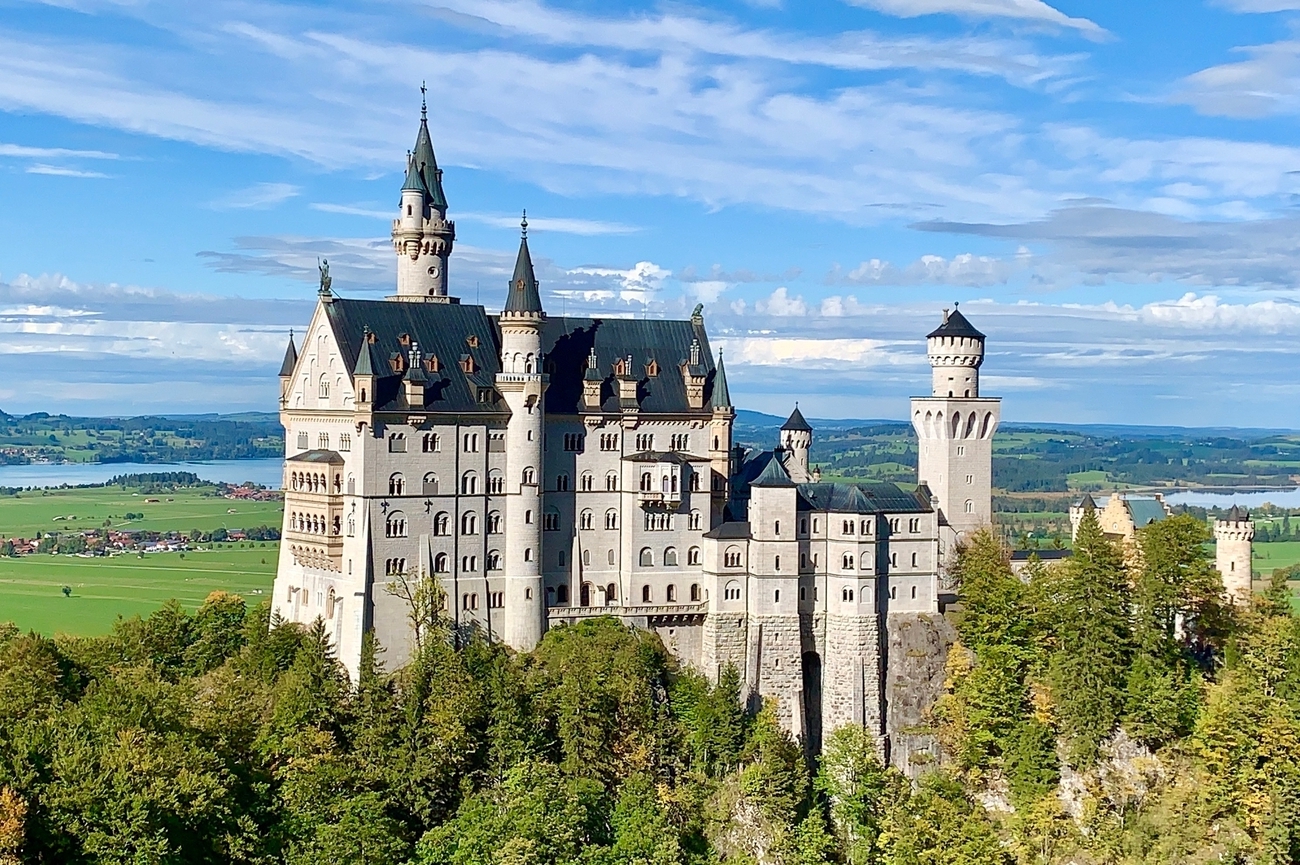
- Neuschwanstein Castle: Across the German border sits the castle that inspired Disney animators and millions of Pinterest boards. Perched on a rugged hilltop, Neuschwanstein Castle feels like a daydream that somehow solidified into limestone and towers. You can opt for a VIP castle tour slot, ride in a private horse-drawn carriage or book a helicopter flyover for the ultimate fairytale flex.
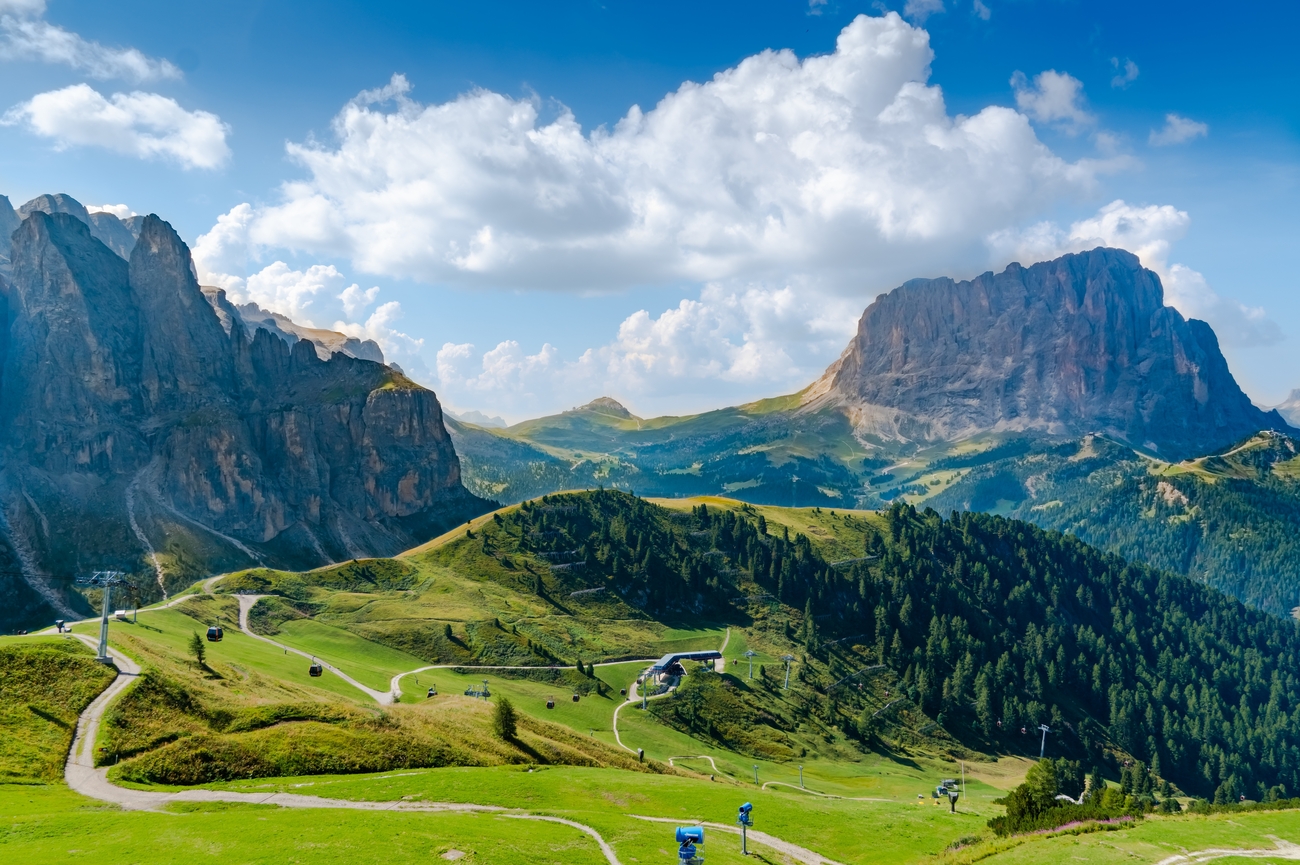
- South Tyrol, Italy: The Dolomites are unapologetically dramatic. There are jagged peaks, rolling meadows, and landscapes that feel hand-painted. Day trippers explore Lago di Carezza, the pastel lake that glows under the Latemar mountains or wander through Bolzano, home to the famous Ötzi the Iceman.
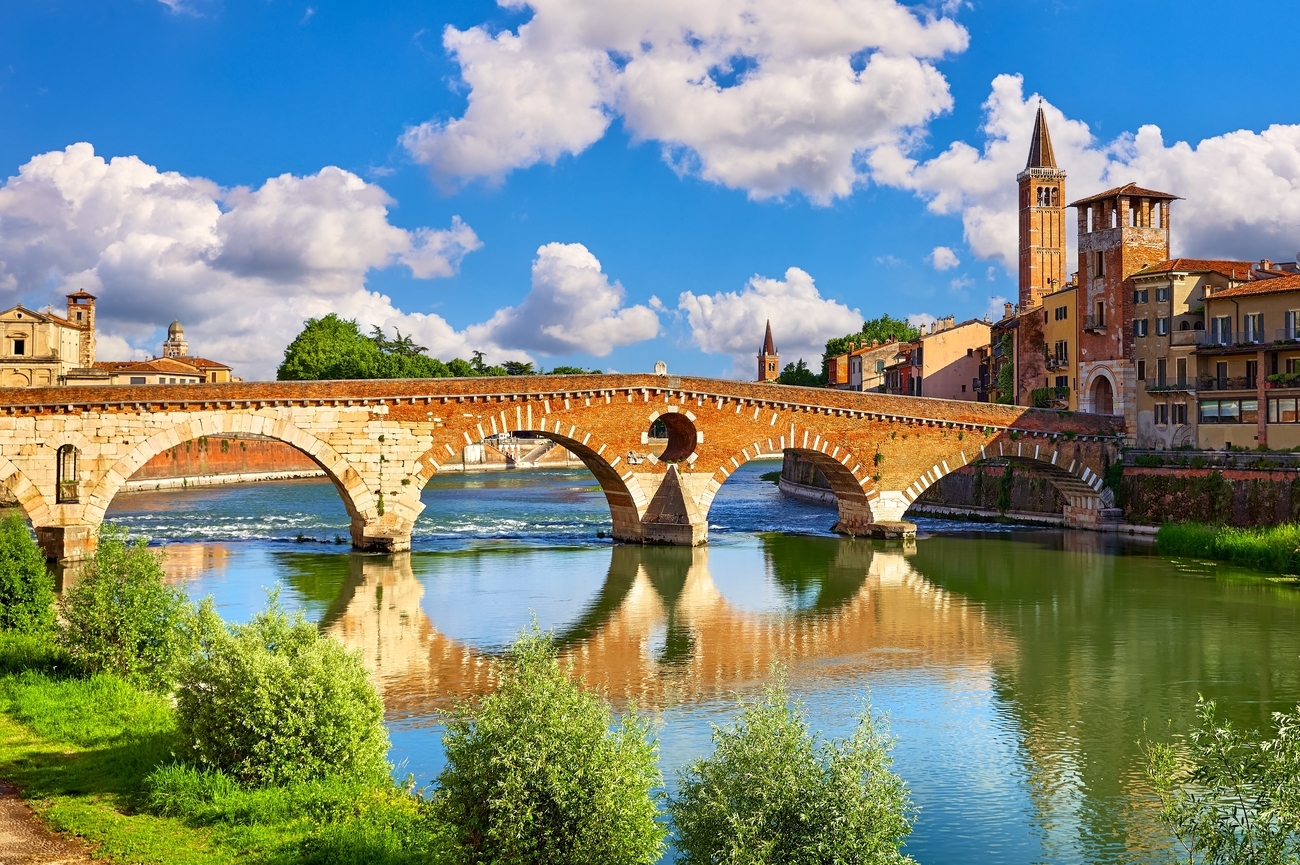
- Verona, Italy: Verona is a city dipped in rose-gold light. The Arena di Verona sits proudly in the center, still hosting concerts and operas. Strolls through Piazza delle Erbe lead to boutique shopping, while Castelvecchio adds a medieval fortress-with-a-view moment. You can stroll through Piazza delle Erbe and enjoy Castelvecchio with a medieval fortress-with-a-view moment.
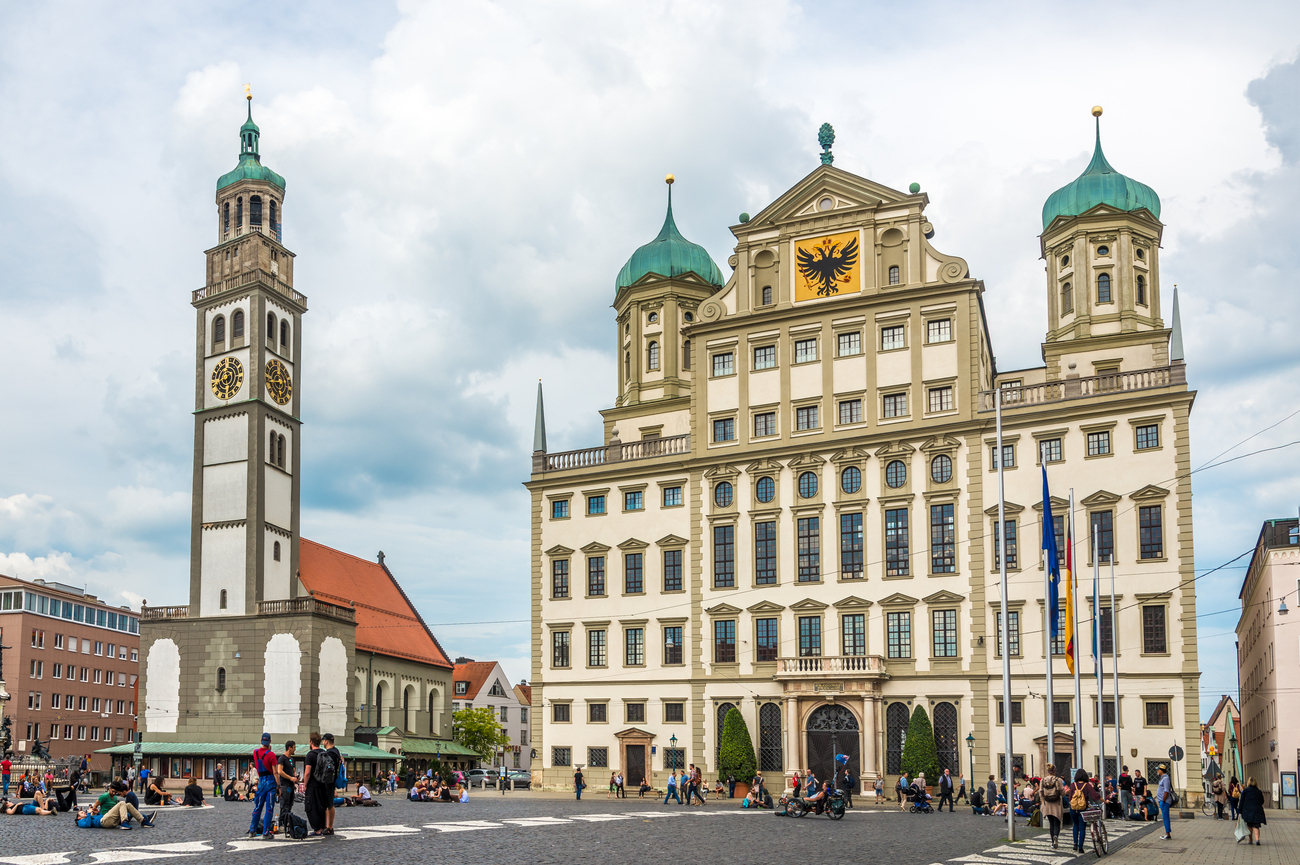
- Augsburg, Germany: Augsburg is a powerhouse of Renaissance culture and hydraulic engineering, earning its UNESCO status through its historic water management system. Wander through the Fuggerei, the world’s oldest social housing complex still in use, then explore the grand Augsburg Cathedral and the opulent Golden Hall inside City Hall.
- Zillertal High Road & Highline179: About an hour to an hour and a half from Innsbruck, this scenic drive winds through the Zillertal Alps with views that wow at every corner. Stop for quick walks or photos at mountain viewpoints, and for a thrill, cross the Highline179 suspension bridge—an adrenaline hit for older kids and adults alike.
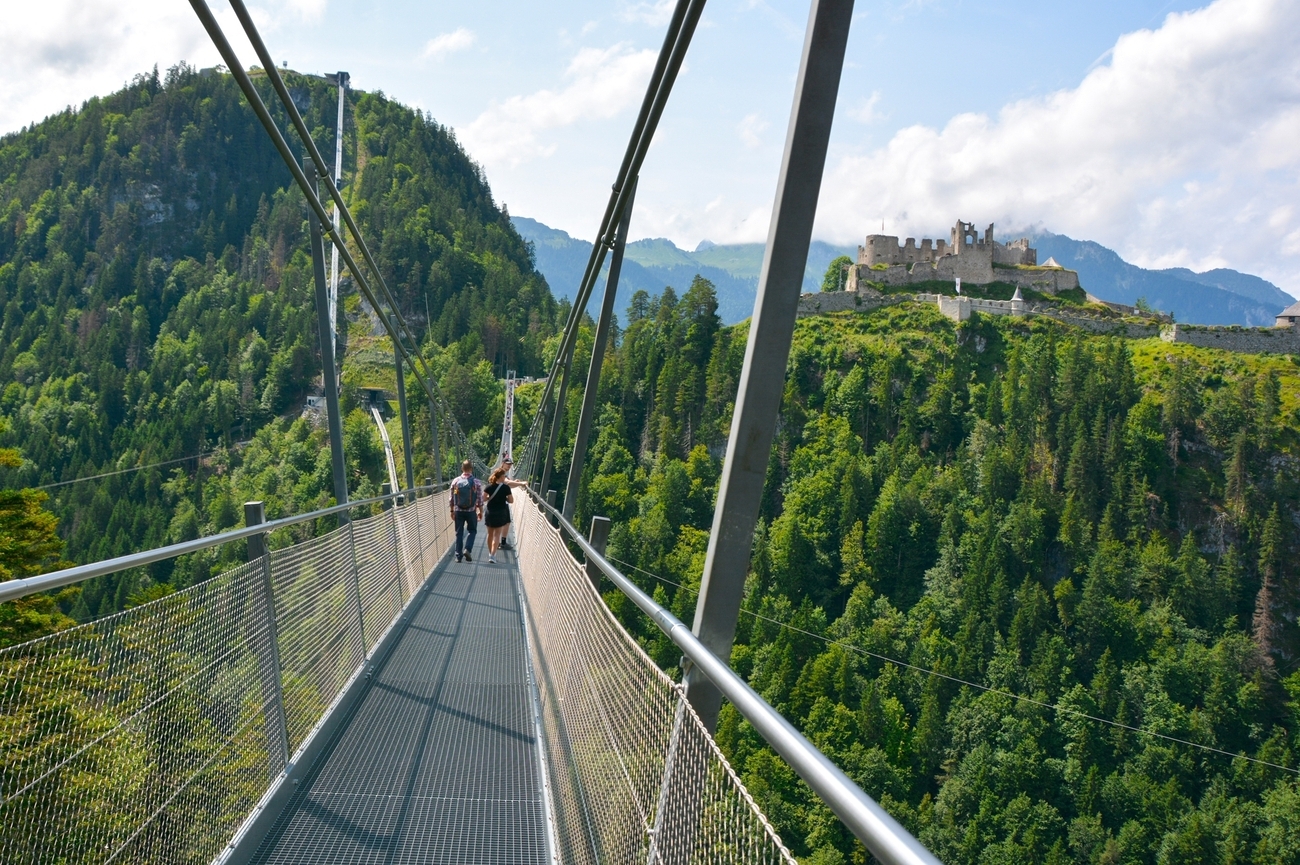
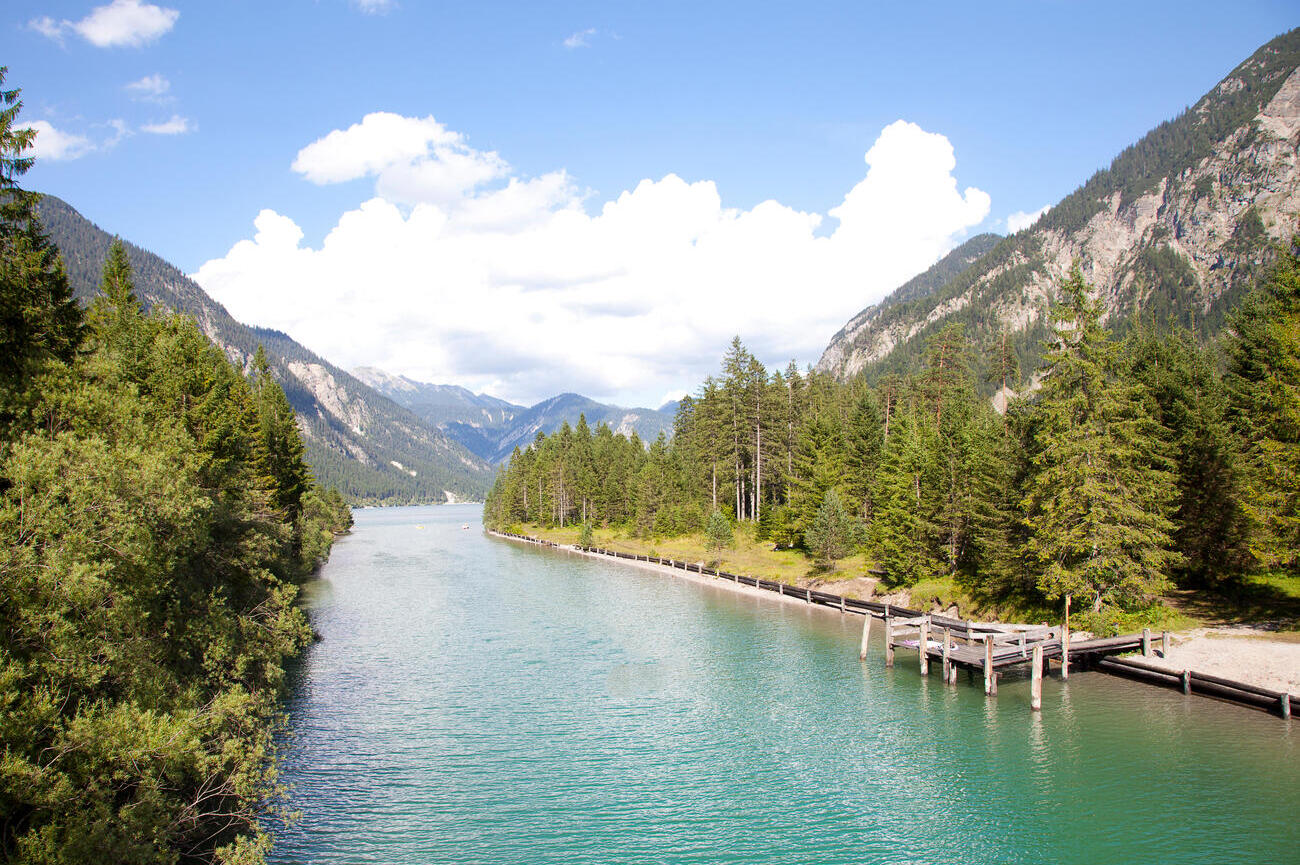
- Ehrenberg Castle & Plansee: A drive of roughly an hour to an hour and a half takes you to the Fernpass area. Explore the dramatic castle ruins of Ehrenberg, then head to Plansee, a turquoise alpine lake perfect for a picnic, gentle walk, or just soaking up the scenery.
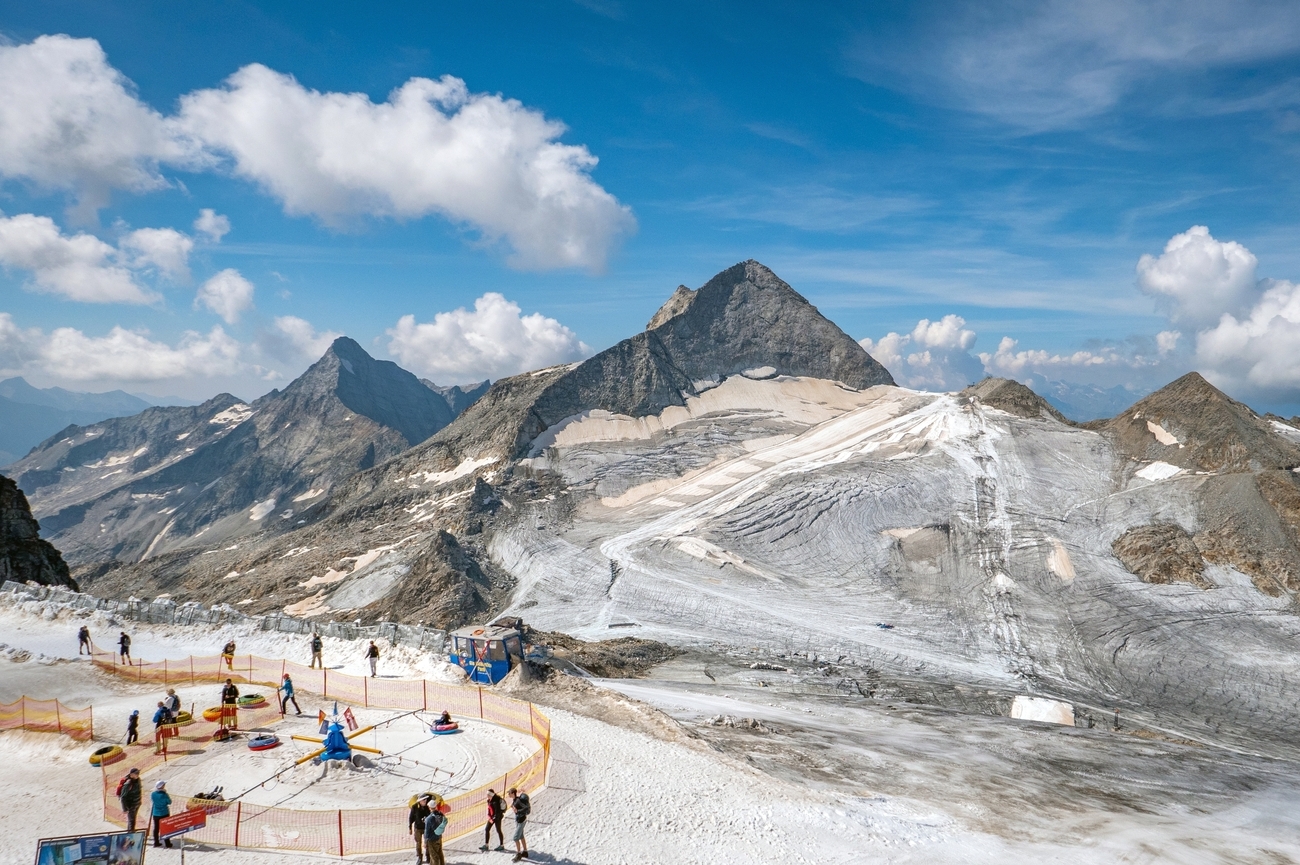
- Kaunertal Glacier & Hintertux Glacier: About one and a half to two hours from Innsbruck, these high-alpine spots offer full-day adventure. Kaunertal has glacier hiking trails, while Hintertux features year-round skiing, glacier paths, and panoramic views. Both are perfect for families craving dramatic mountain landscapes and fresh alpine air.
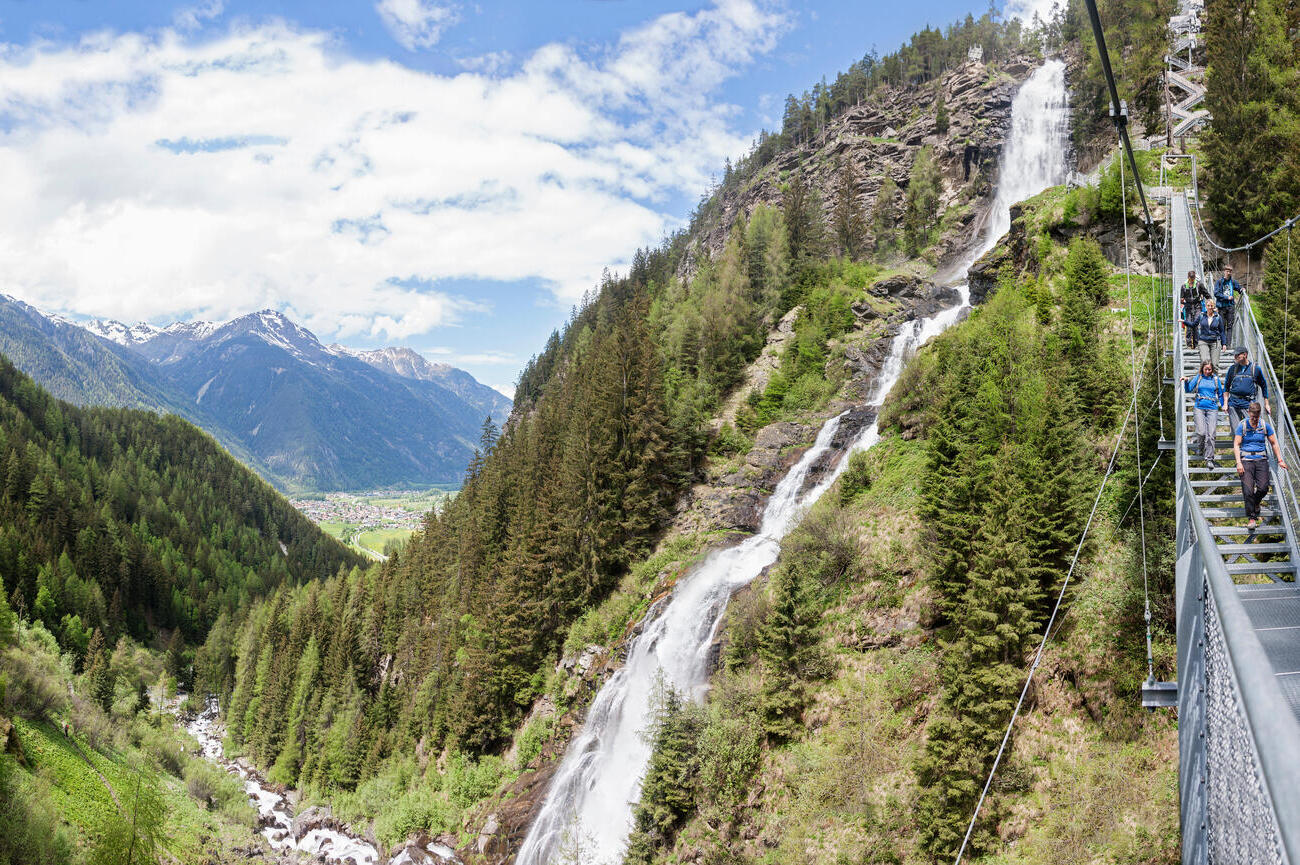
- Stuibenfall & Ötzi Village: Just over an hour’s drive from Innsbruck, this area near Umhausen combines natural wonder with history. Walk the safe trails and suspension bridges at Tyrol’s tallest waterfall, Stuibenfall, then step back 5,000 years at Ötzi Village, where interactive exhibits bring the Iceman’s world to life.
- Aqua Dome (Ötztal): Around an hour to an hour and a quarter from Innsbruck, this futuristic thermal spa is perfect to end a day of exploration. Warm indoor and outdoor pools, slides for kids, and peaceful spa zones for grown-ups make it the ideal mix of adventure and relaxation.
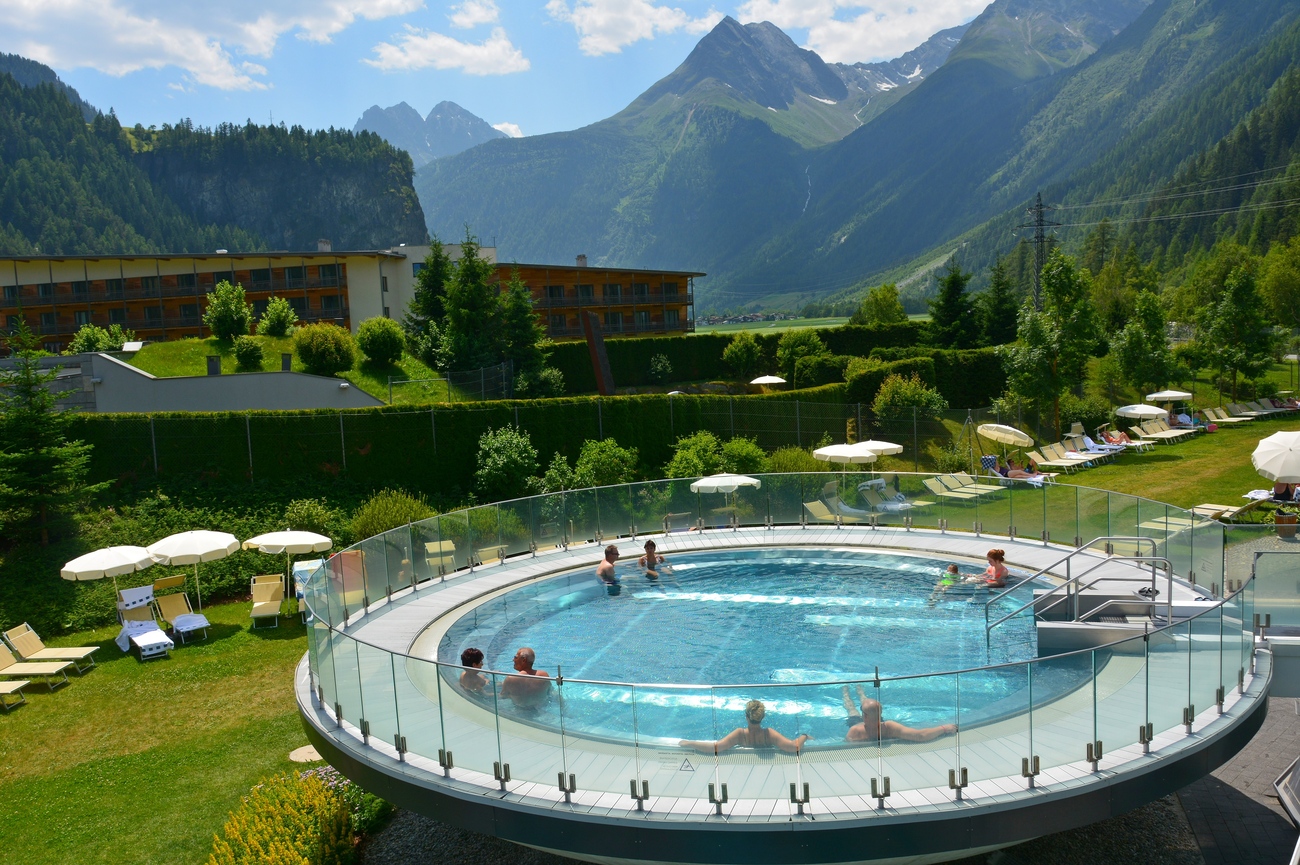
Golf Courses in Innsbruck & Tyrol
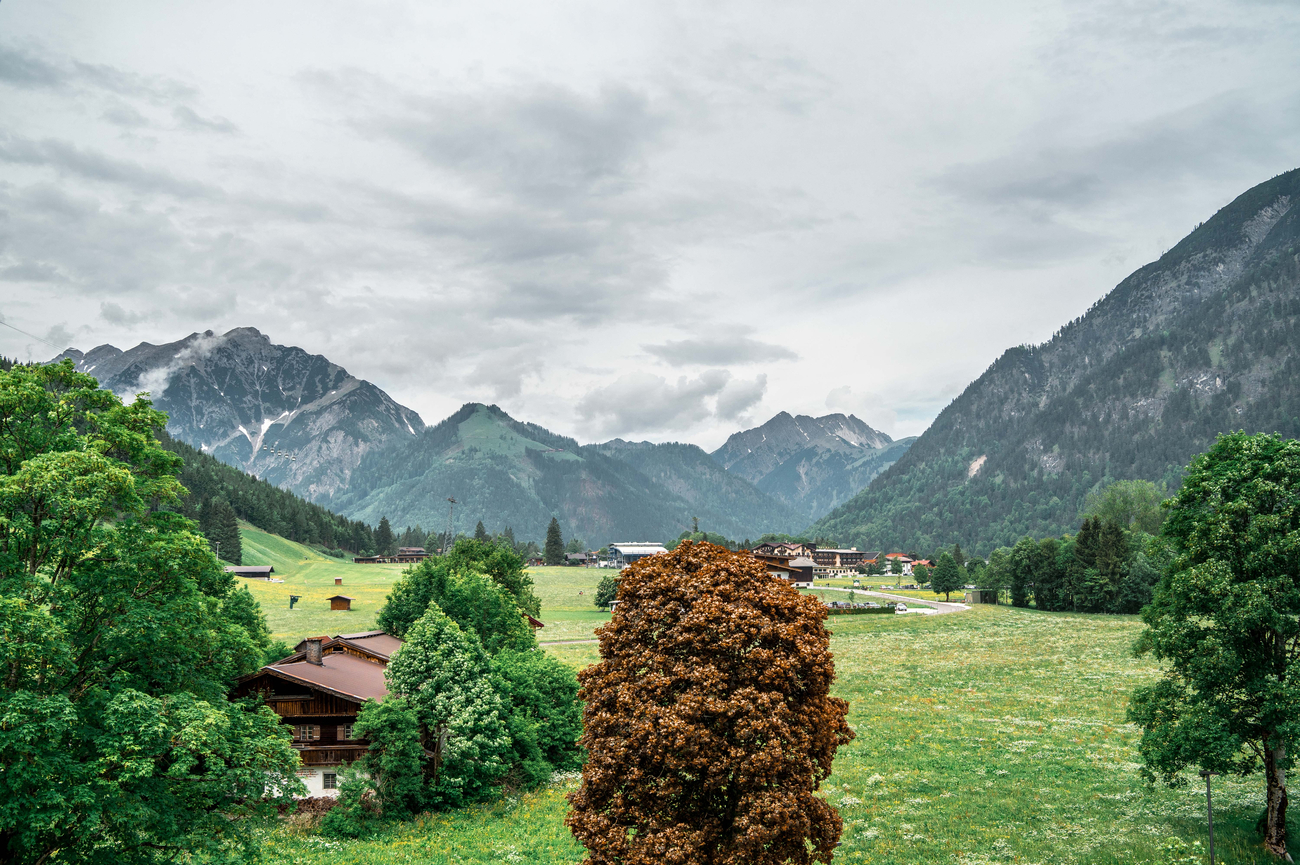
This region is where tee time meets high altitude, where precision swings flirt with glacial winds, and where luxury isn’t a label, it’s the landscape. If golf had a spiritual retreat, it would be here.
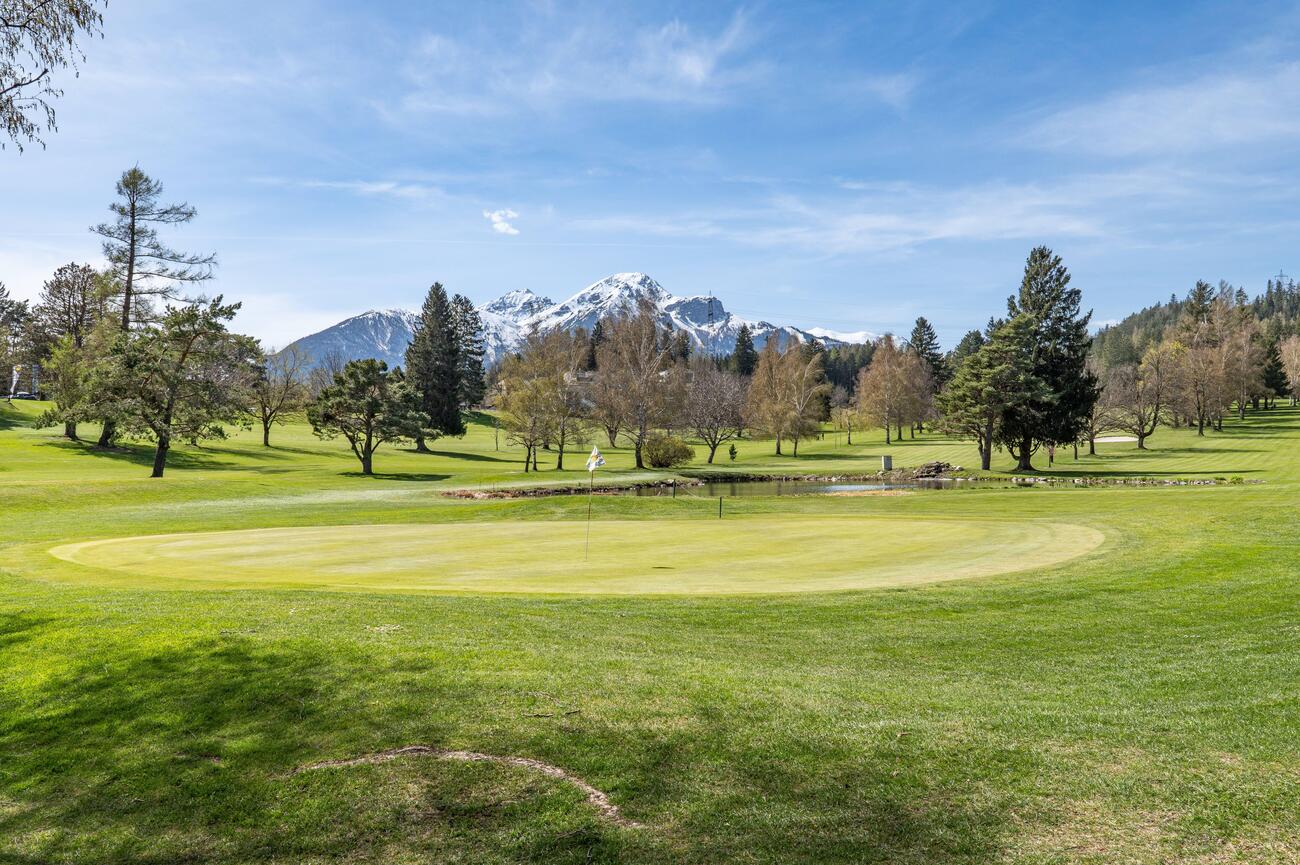
- Golfclub Innsbruck-Igls: Perched above Innsbruck like it’s supervising the entire valley, the Rinn Course blends championship-level play with panoramic views that feel borderline theatrical. High-end experiences include private lessons with pros who know the quirks of mountain golf, plus a clubhouse terrace that doubles as a luxury lookout point.
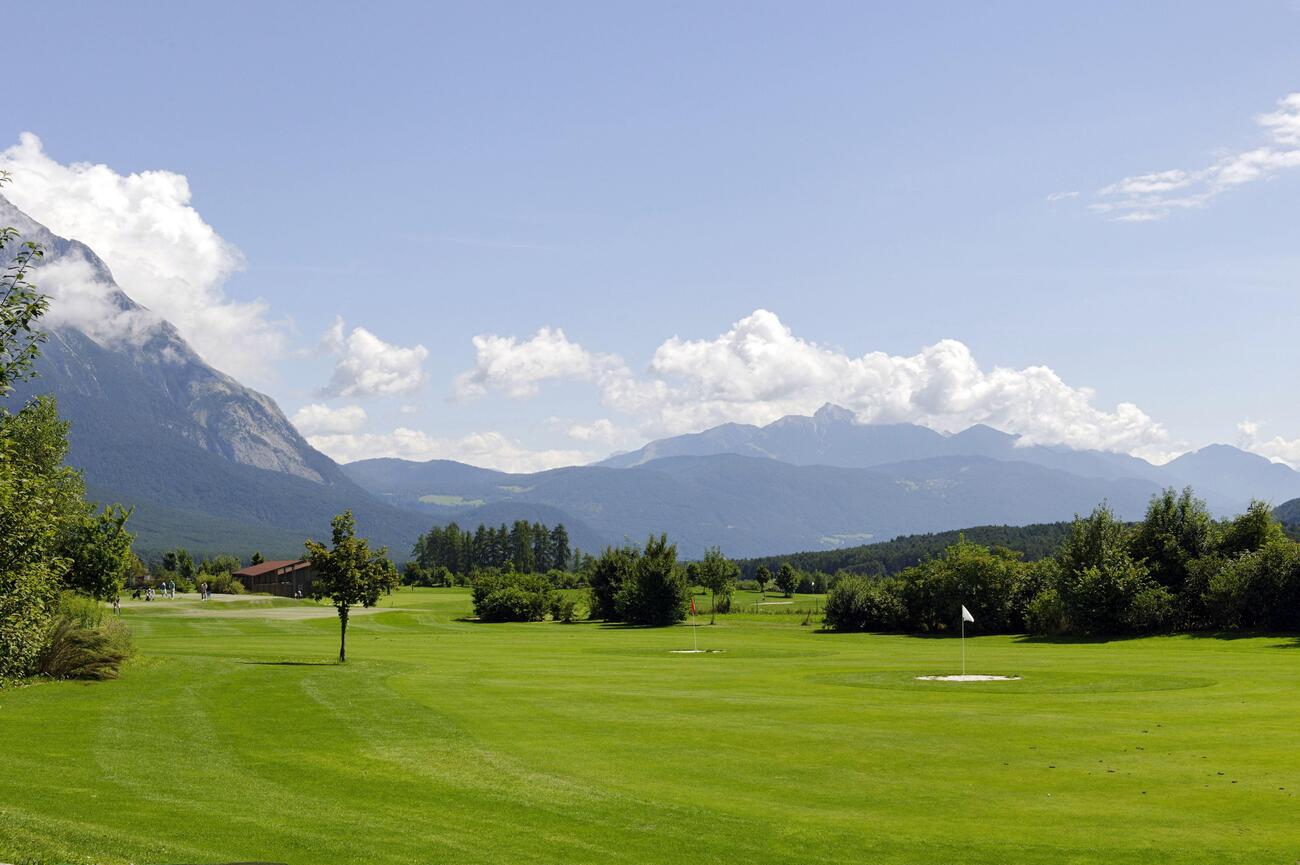
- Mieminger Plateau Golf GmbH: Set on a sunny plateau just outside Innsbruck, this 27-hole golf park spreads out in the shadow of rugged limestone cliffs like it’s trying to show off. The Championship Course is long, bold, and ideal for golfers who love the mix of challenge and cinematic surroundings, while the 9-hole “Park Course” is pure serenity.
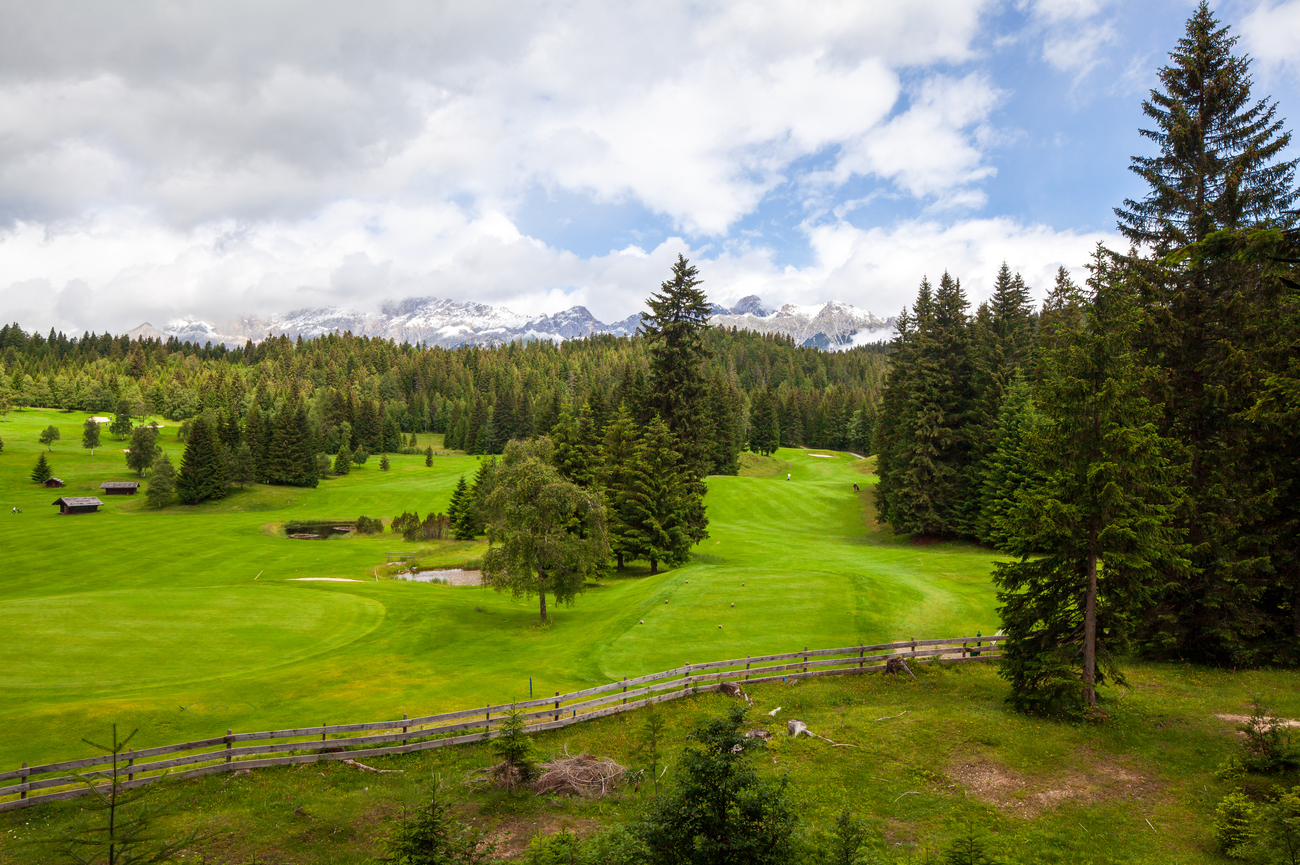
- GC Seefeld-Wildmoos: Wildmoos is the kind of course that feels like the Alps wrapped around it on purpose. Set inside a nature reserve and ranked as one of Austria’s most beautiful courses, this is where mountain golf becomes a full sensory experience.
- Golf-und Landclub Achensee: As the oldest golf club in Tyrol, Achensee blends heritage with pristine alpine energy. Its setting beside Lake Achensee is almost too pretty to be real: shimmering turquoise water on one side, dramatic Karwendel peaks on the other. The high-end appeal is strong. Just think luxury lakeside hotels, spa add-ons and mountain-lake panoramas that make even a rough swing feel poetic.
Race Courses in Innsbruck & Tyrol
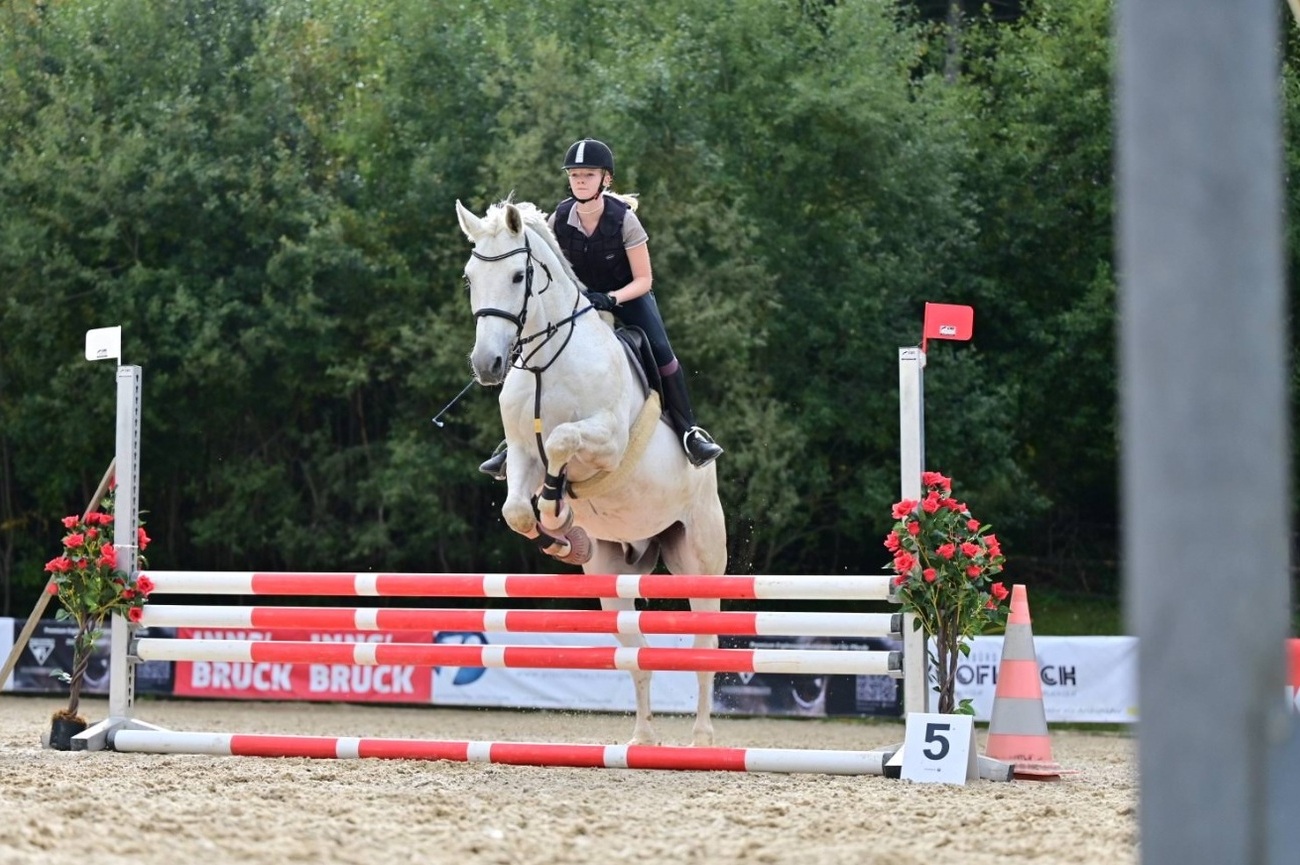
There’s something undeniably cinematic about horse racing in Tyrol. The mountains rise like guardians around the track, the air is cold enough to keep the crowds sharp and the atmosphere hums with that old-world glamour that refuses to go out of style. In a region known for skiing and alpine mystique, these racecourses stand out as pockets of adrenaline, elegance and timeless spectacle. This is where horsepower meets actual horses
- Igls Polo & Riding Grounds: The Igls Polo & Riding Grounds blends classic alpine charm with a distinctly upscale equestrian atmosphere. The fields stretch out beneath forested slopes and crisp mountain air, giving every match or riding session a cinematic backdrop. Polo events bring a stylish social crowd, creating a subtly luxurious setting where tailored outfits, manicured greens and quiet sophistication define the mood.
- Campagnereitergesellschaft Tirol: One of Innsbruck’s most historic equestrian institutions, the Campagnereitergesellschaft Tirol carries a legacy that feels woven into the fabric of the region. Its grounds exude a traditional elegance with wide riding arenas, well-kept stables and a setting that balances heritage with modern refinement. The venue often attracts riders seeking elevated training sessions, refined riding culture and opportunities to engage with Tyrol’s equestrian community at a deeper level.
Michelin-Starred Restaurants in Innsbruck & Tyrol
In Tyrol, the mountains flavor your plate. This is a region where high-altitude air meets haute cuisine and every star on the Michelin Guide feels like it’s been sprinkled by snowflakes. For someone who’s explored Innsbruck and its surrounding peaks with both a camera and a curiosity for food, these restaurants don’t just satisfy hunger; they become landmarks in a food journey that feels as elegant as the Alps themselves.
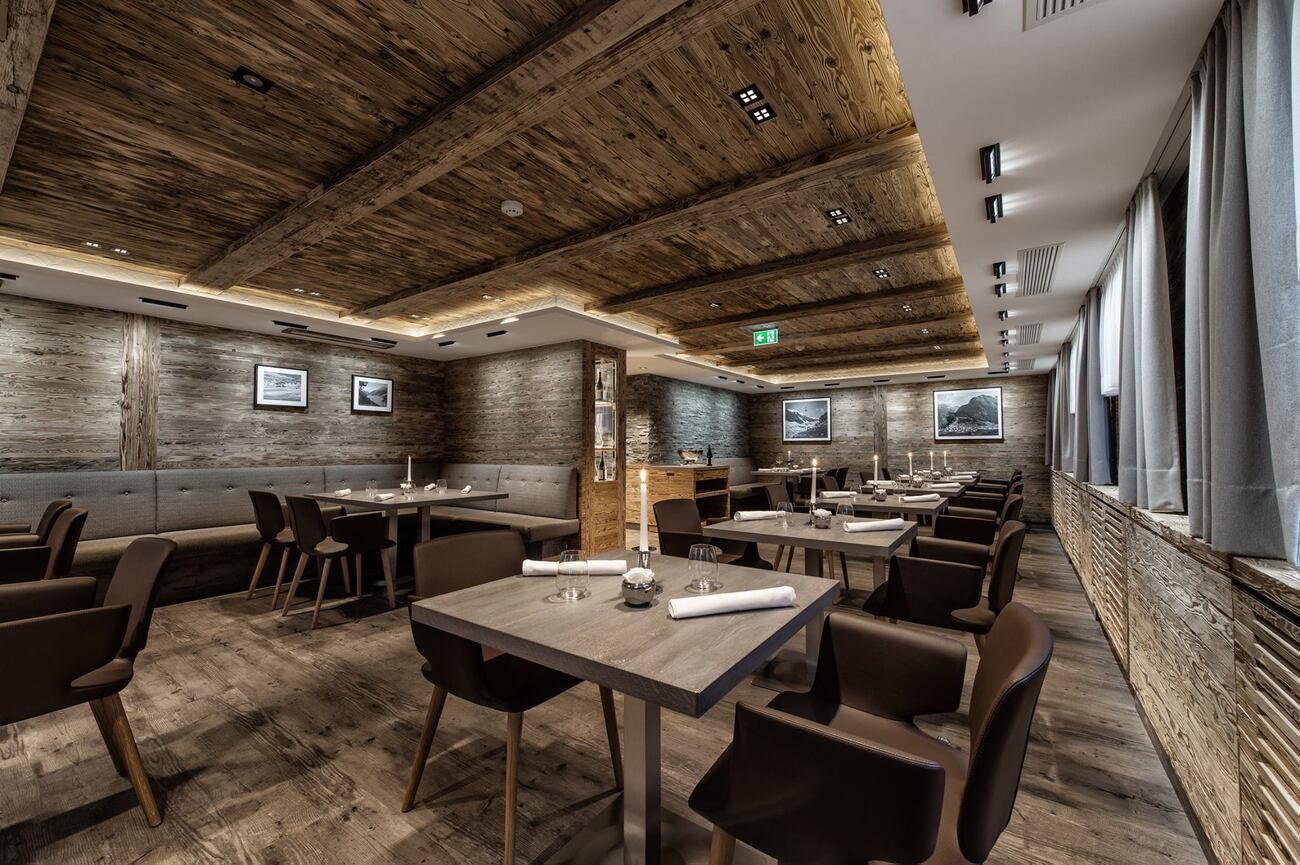
- Stüva: Holding 2 Michelin stars, Stüva is nestled in Hotel Yscla and serves as Benjamin Parth’s stage for haute alpine cuisine. Here, the mountains don’t just inspire, they dictate the rhythm and palette. Parth works with local game, mountain herbs and seasonal produce to create poetic tasting menus that feel both grounded and elevated. Every dish is a dialogue with altitude, tradition and refined technique.
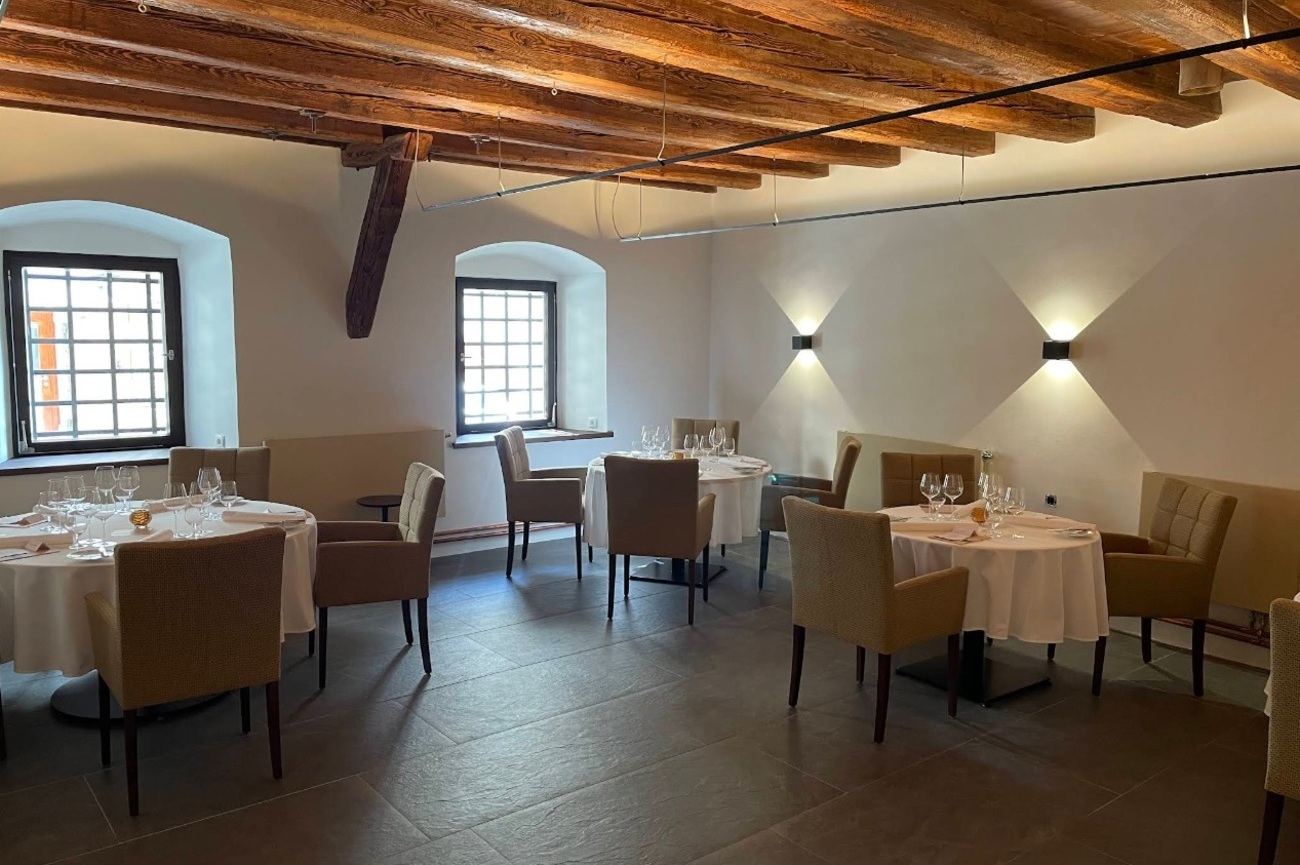
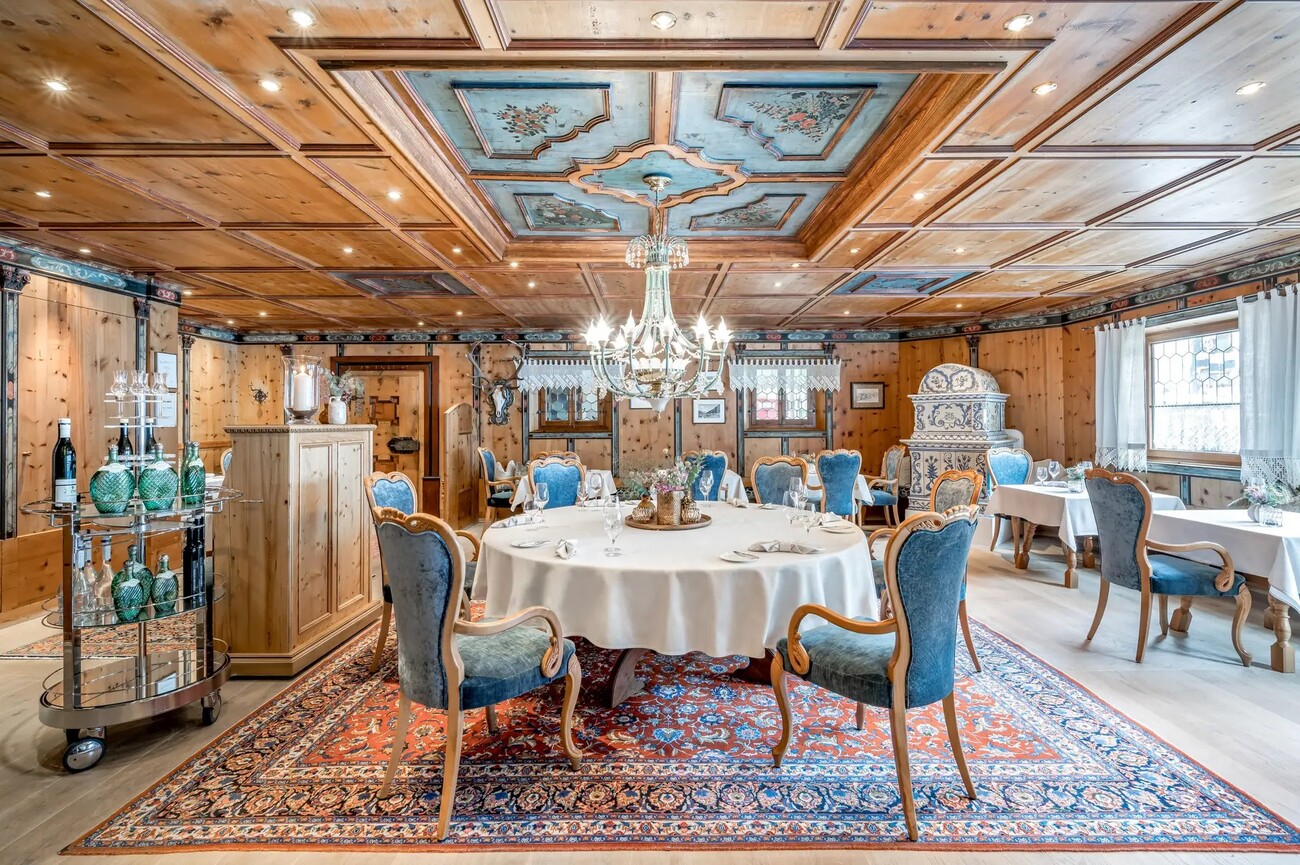
- Schwarzer Adler: This historic gem boasts 2 Michelin stars and a setting that feels like stepping into a long-forgotten Tyrolean manor. Chef Johannes Nuding brings an inventive yet sincere touch to his cuisine: seasonal produce, wild mushrooms, game and alpine greens all play together in dishes that are artfully composed and generously flavored. The dining room’s warm timber architecture frames each course like a moment in a story.
- Restaurant 141 by Joachim Jaud: This 2-Michelin-starred restaurant at Alpenresort Schwarz is where Austrian roots meet French sophistication and Japanese clarity. Joachim Jaud’s tasting menus feel like a journey. You’ll move from delicate seafood to alpine herbs to slow-cooked meats, all with a precision that never forgets emotion.
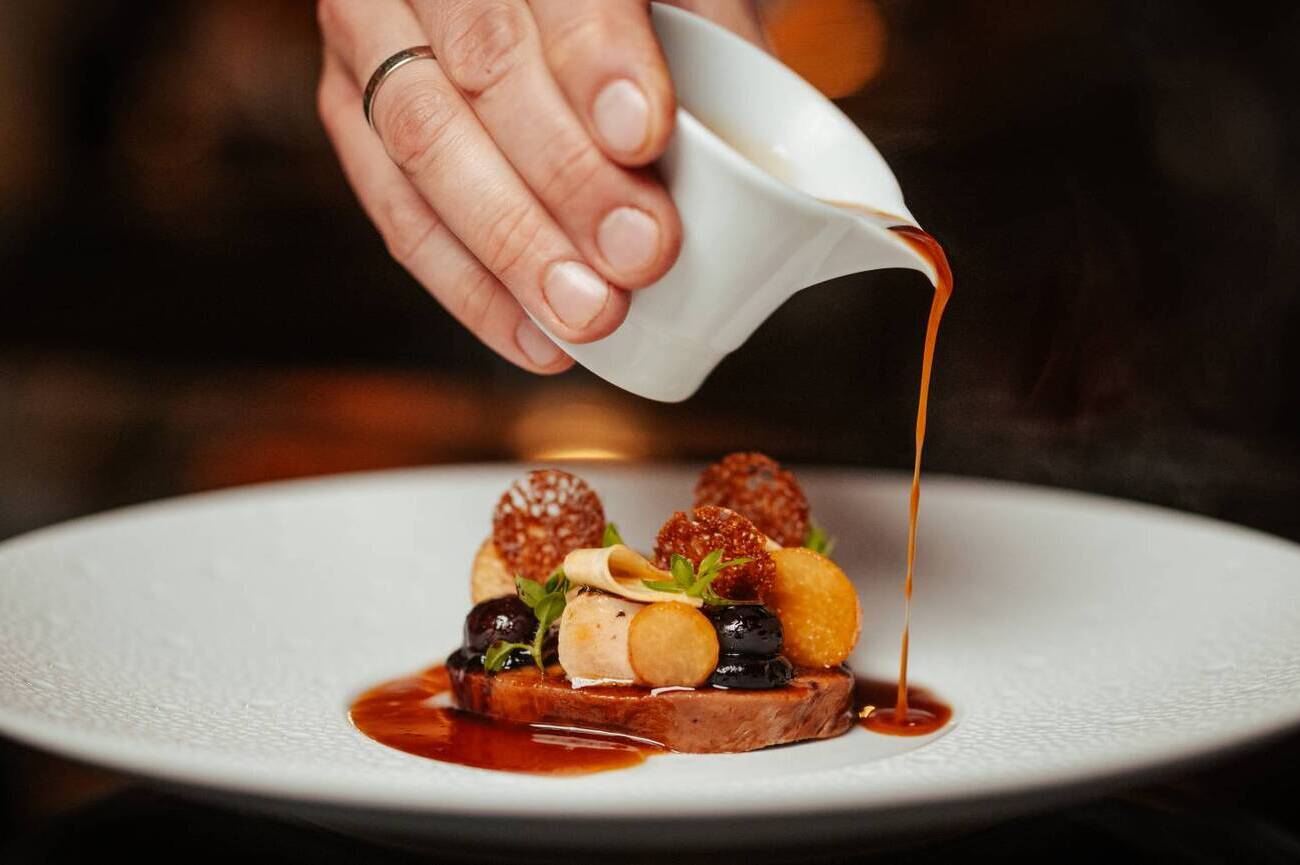
- Beef Club: This is 1 Michelin star territory, but it’s anything but humble. Nestled inside Schlosshotel Fiss, the Beef Club is a temple for meat lovers. This is where prime steaks are cooked over the “Big Green Egg” grill, and every cut comes from Austria’s finest suppliers. Chef Mathias Seidel’s technique is bold yet refined: think char fillet, Austrian chateaubriand and seasonal sides that bring a surprising poetry to heavy flavors.
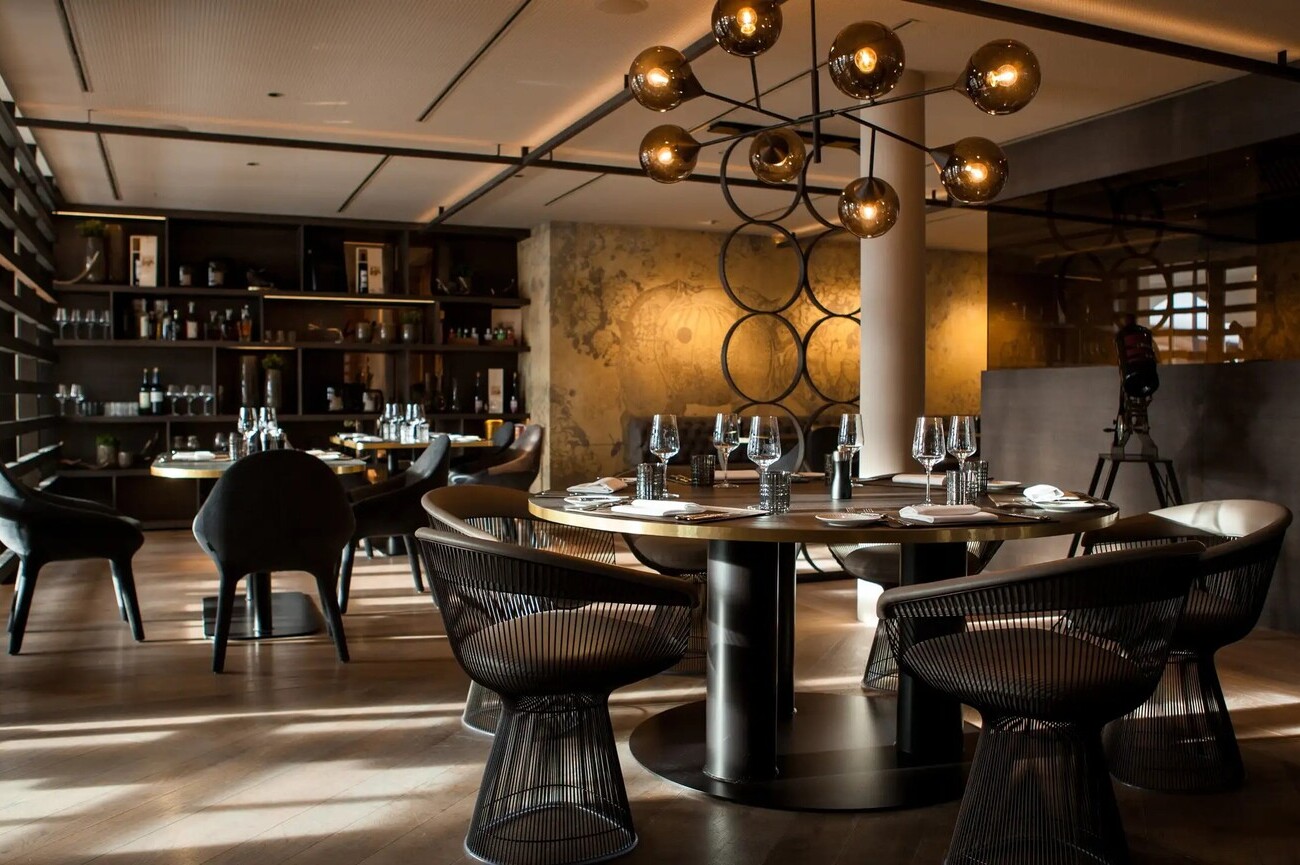
- Paznaunerstube: Paznaunerstube is a 1-Michelin-star restaurant that sits in the chic Trofana Royal Hotel in Ischgl. This restaurant distills the spirit of the Paznaun Valley. Expect alpine herbs, high-mountain vegetables and locally sourced meats brought to life with technical precision. It’s the kind of place where the food feels simple, but the execution whispers sophistication and every meal feels like a tribute to the peaks outside.
Where to Eat in Innsbruck & Tyrol
The region’s restaurants feel like a reflection of its people: warm, adventurous and full of character. Here’s a curated list of spots that bring history and taste together in ways that make every meal a little adventure.
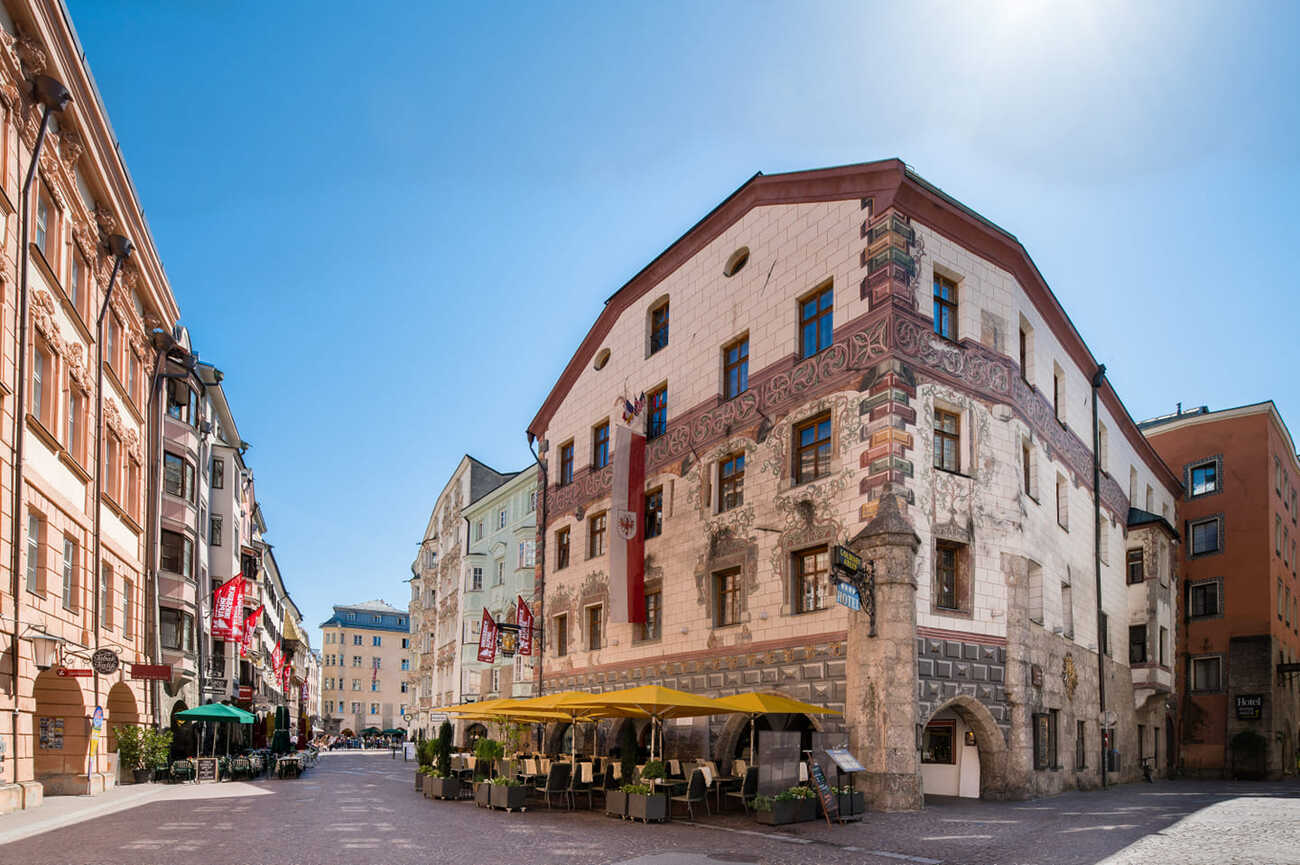
- Goldener Adler: Nestled in the heart of Innsbruck’s Old Town, Goldener Adler is a historic landmark with over 500 years of history. Its dining room combines rustic charm with elegance, offering traditional Tyrolean cuisine served with a modern twist. This restaurant also has an extensive Austrian wine list, making it a perfect spot for those who want a taste of history alongside their meal.
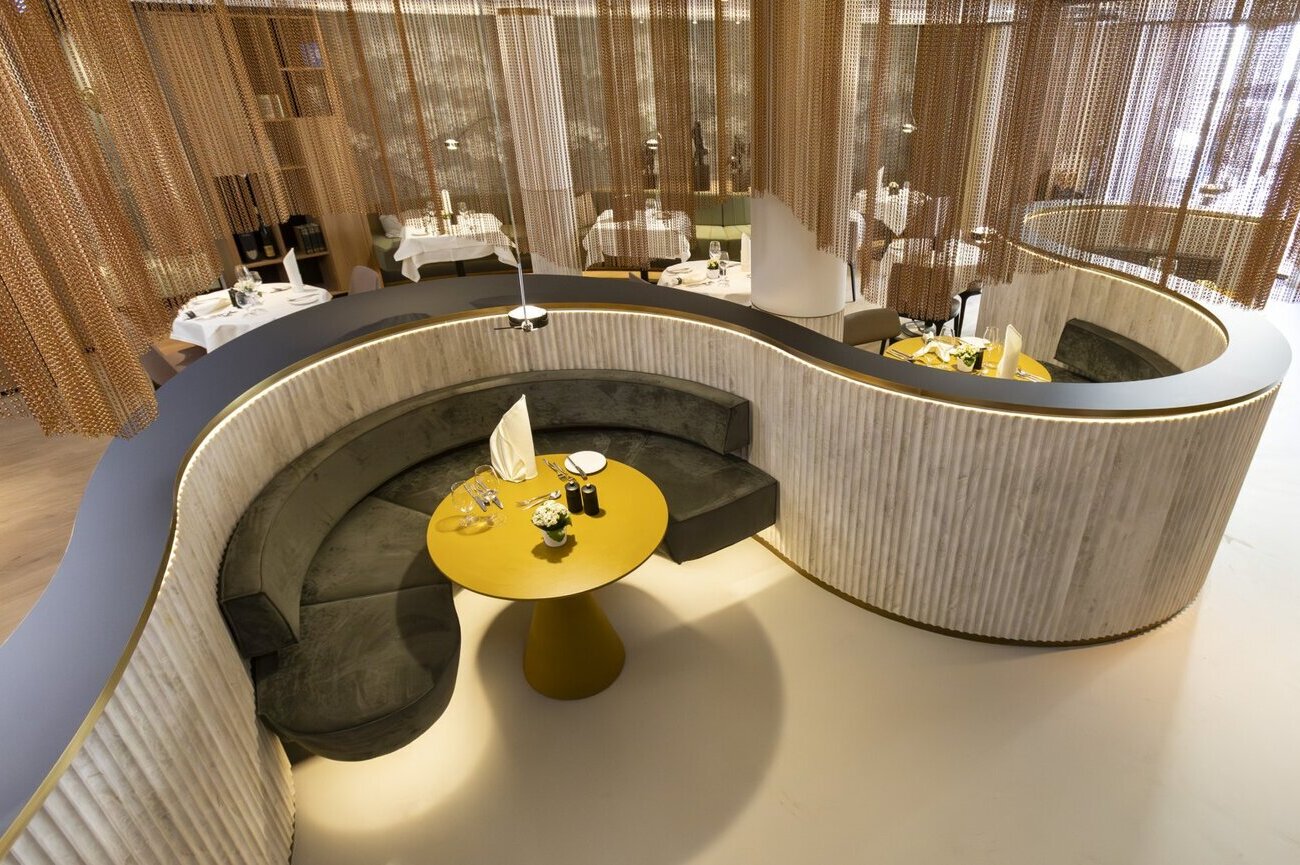
- Burkia Innsbruck: A chic, modern Austrian restaurant, Burkia brings creativity and local ingredients to the table. Seasonal menus highlight fresh alpine produce, game and fish, while the minimalist décor keeps the focus on the food itself. The atmosphere is casual yet polished.
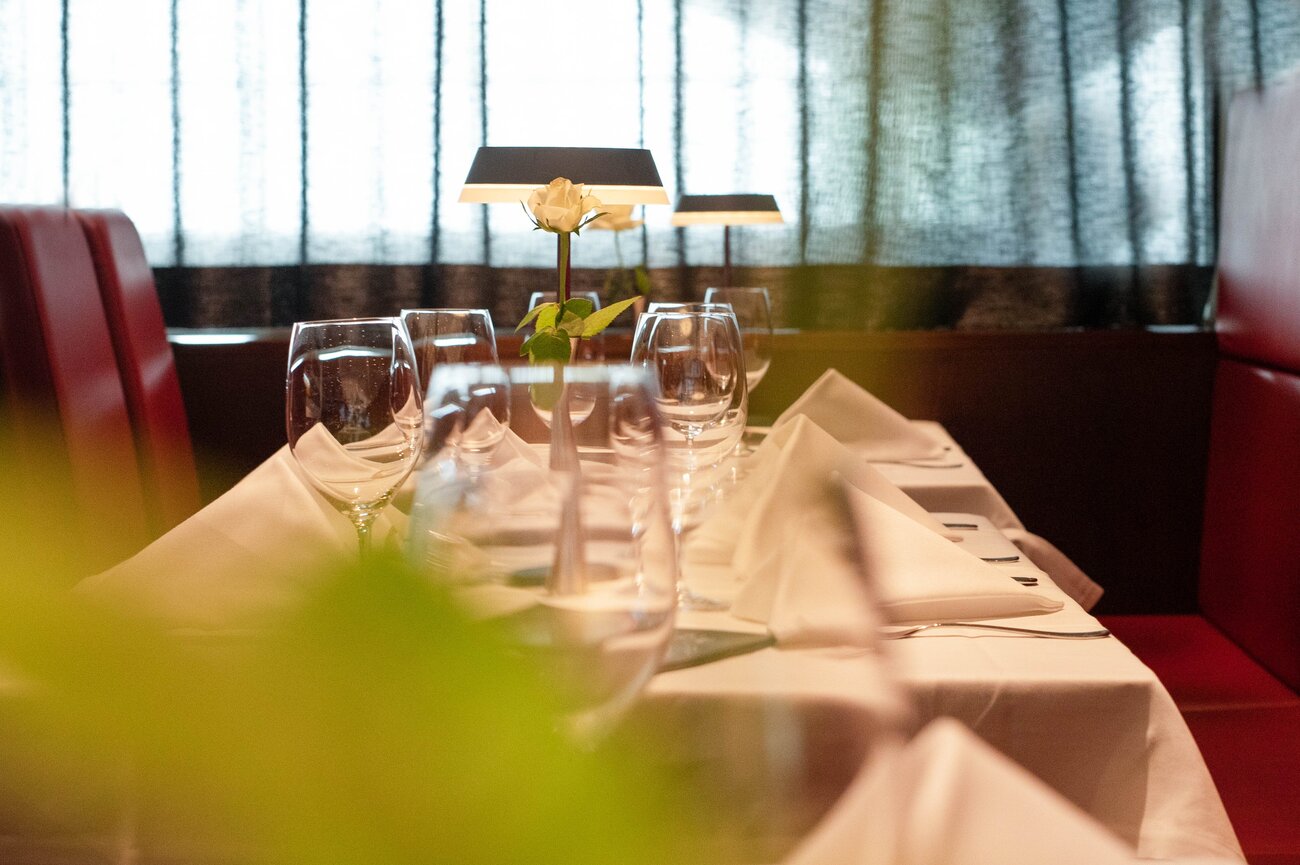
- Restaurant Das Innsbruck: This contemporary eatery combines local Tyrolean flavors with international influences. From creative seafood dishes to refined alpine specialties, every plate balances taste, presentation and modern style. The sleek interiors and attentive service make it ideal for a refined evening out in the city.
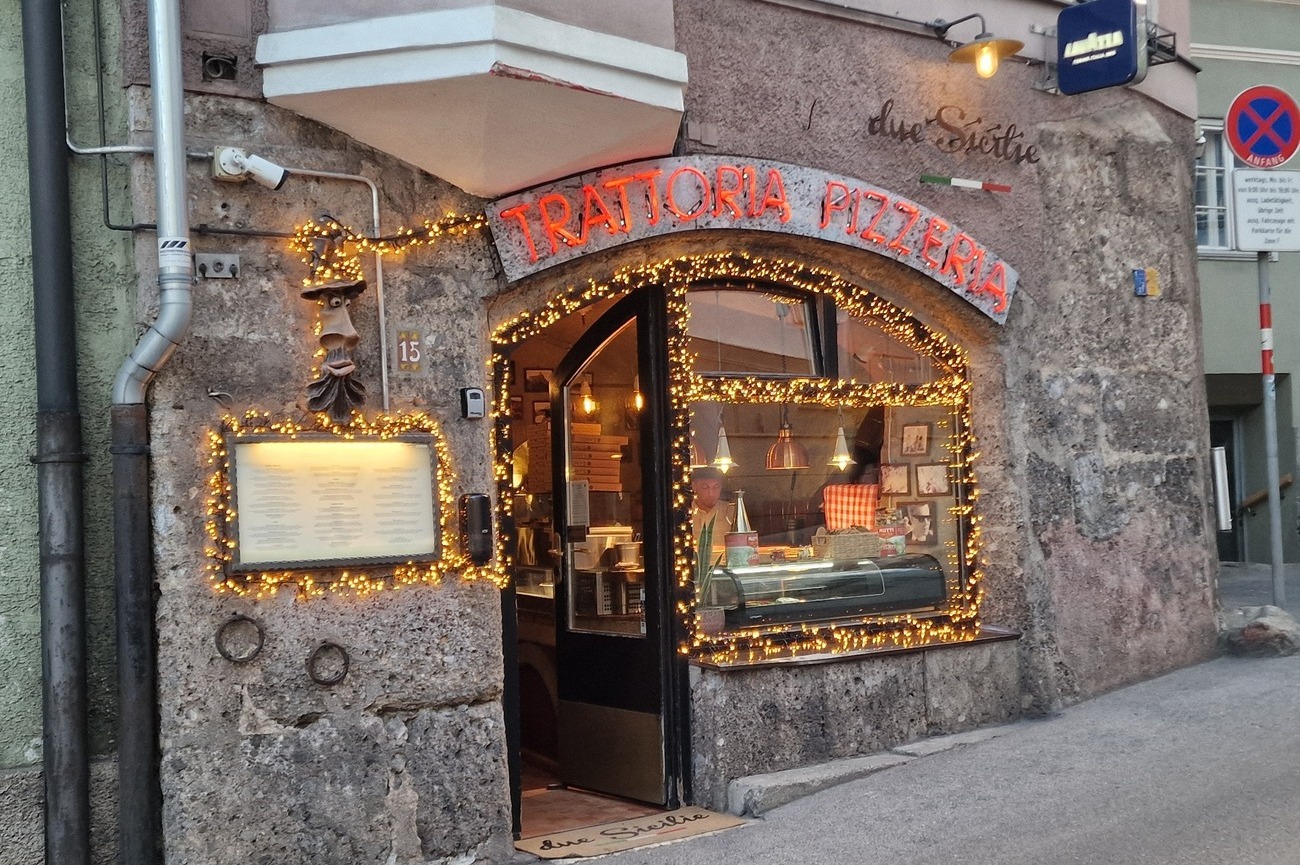
- Due Sicilie – Trattoria Pizzeria: For authentic Italian flavors in Tyrol, Due Sicilie delivers with fresh pasta, wood-fired pizza, and Mediterranean-inspired antipasti. The warm, family-run atmosphere makes every meal feel intimate.
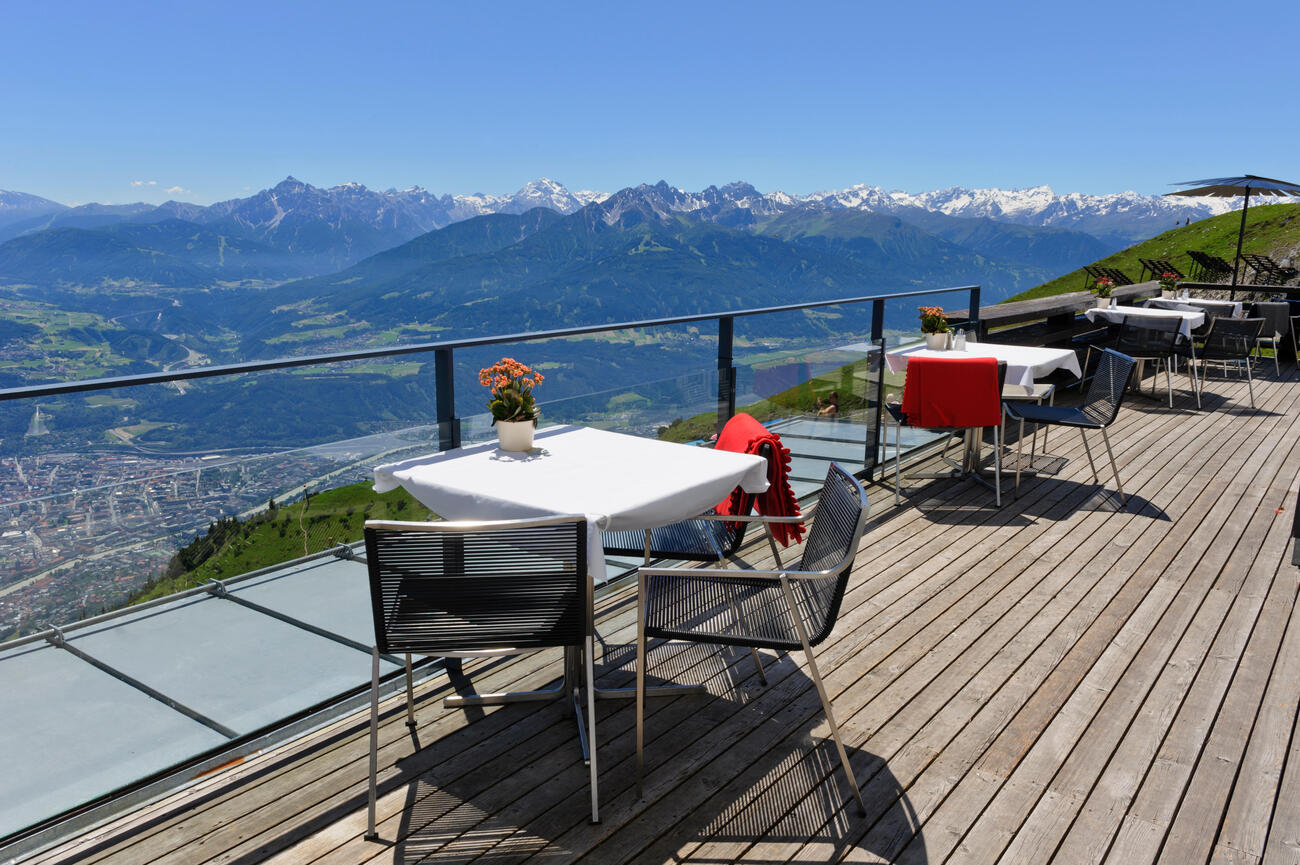
- Restaurant Seegrube: This is a high-end experience in both scenery and service. Perched high above Innsbruck on the Nordkette mountain, Restaurant Seegrube pairs panoramic alpine views with fine dining. Austrian classics meet modern presentation, and the terrace is ideal for lunch or dinner while watching the city stretch out below.
- Il Convento: Il Convento brings the heart of Italy to Innsbruck with elegant Italian cuisine. Homemade pastas, risottos and fresh seafood highlight traditional flavors, while seasonal specials keep the menu exciting. The intimate, warmly lit dining room feels like stepping into a Tuscan eatery, making it a perfect escape without leaving the city.
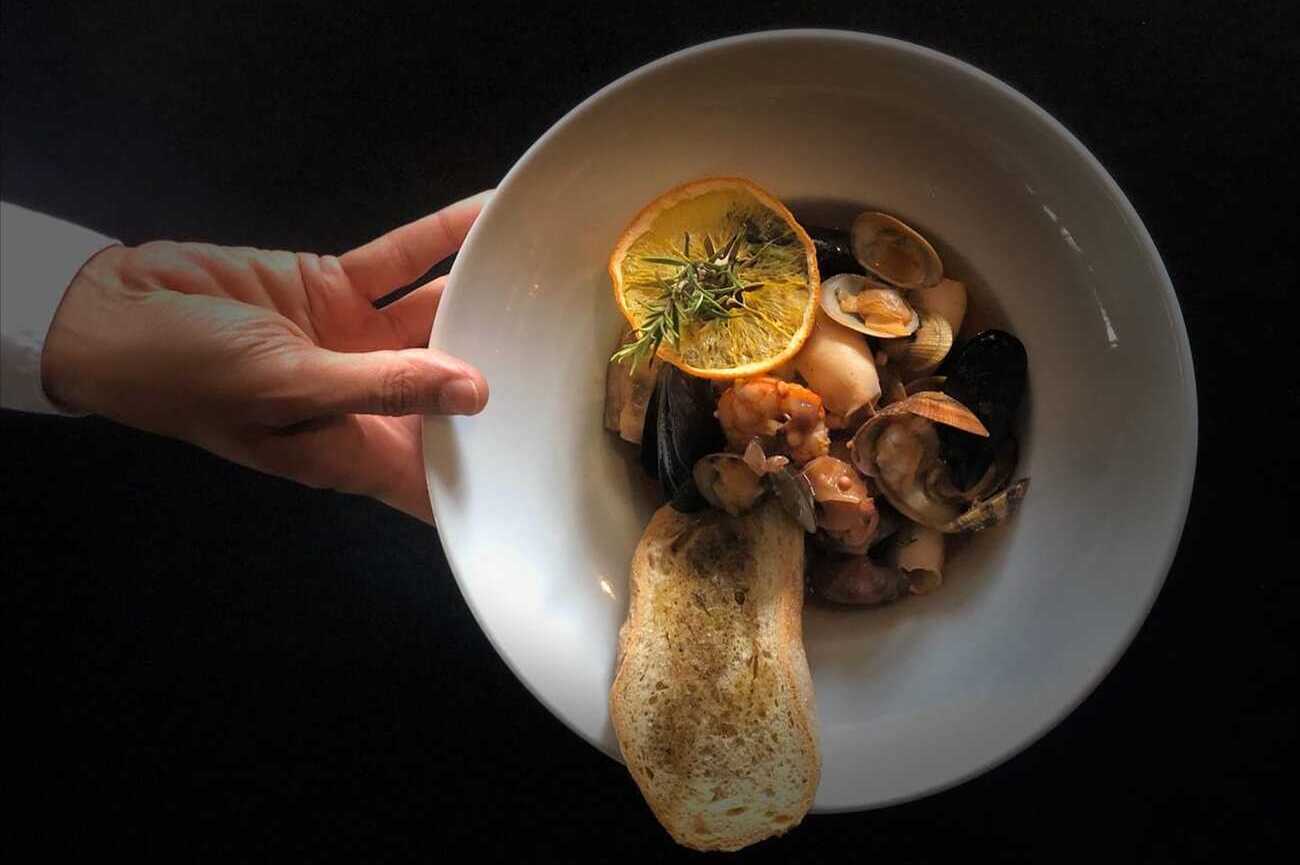
Where to Drink in Innsbruck & Tyrol
Nightlife in Innsbruck just hits differently. It’s part alpine cool, part student-city buzz, part unexpected sophistication. The mountains frame the skyline, the streets stay awake and every bar or club feels like it’s hosting its own little universe. Whether the night calls for cocktails, dancing or something deliciously chaotic, these spots keep the city pulsing long after the sun dips behind the Nordkette.
- Liquid Diary: Liquid Diary is where Innsbruck’s cocktail scene steps into its cinematic era. Dim lights, sleek interiors and handcrafted drinks that feel like tiny works of art. It’s a hotspot for those who want a night out that tastes as good as it looks.
- Dunlin Bar: Dunlin Bar brings a cool, urban-lounge vibe to the city, the kind of place where the lighting is soft, the music leans smooth and the cocktails arrive with precision. It’s intimate without being stiff and sophisticated without trying too hard. Ideal for slow conversations, date nights or evenings that revolve around craft spirits and a good playlist.
- Tante Emma Club: Tante Emma is Innsbruck’s beloved nightlife chaos in the best possible way. The vibe is playful, loud and unapologetically fun. This is where nights stretch into early mornings and everyone dances like the Alps aren’t waiting outside.
- La Copa: La Copa is an easygoing bar with an upbeat atmosphere, known for great drinks and even better company. Think colorful cocktails, casual vibes and a crowd that’s always ready to unwind.
- Cloud One Bar: Perched on a rooftop, Cloud One Bar delivers panoramic views that make every drink feel elevated literally and metaphorically. With sleek décor and a menu built around high-quality spirits, it’s a go-to for sunset aperitivos or chic nightcaps. The city lights below and the mountains in silhouette create a backdrop that feels effortlessly luxurious.
- Abyss Bar: Abyss leans into the moody, underground aesthetic. It is dark, stylish and atmospheric. Its cocktail menu plays with bold flavors and deep spirits, making it a local favorite for those who love a bar with attitude. Whether it’s whiskey, rum or something experimental, this place thrives on depth and well-crafted drinks.
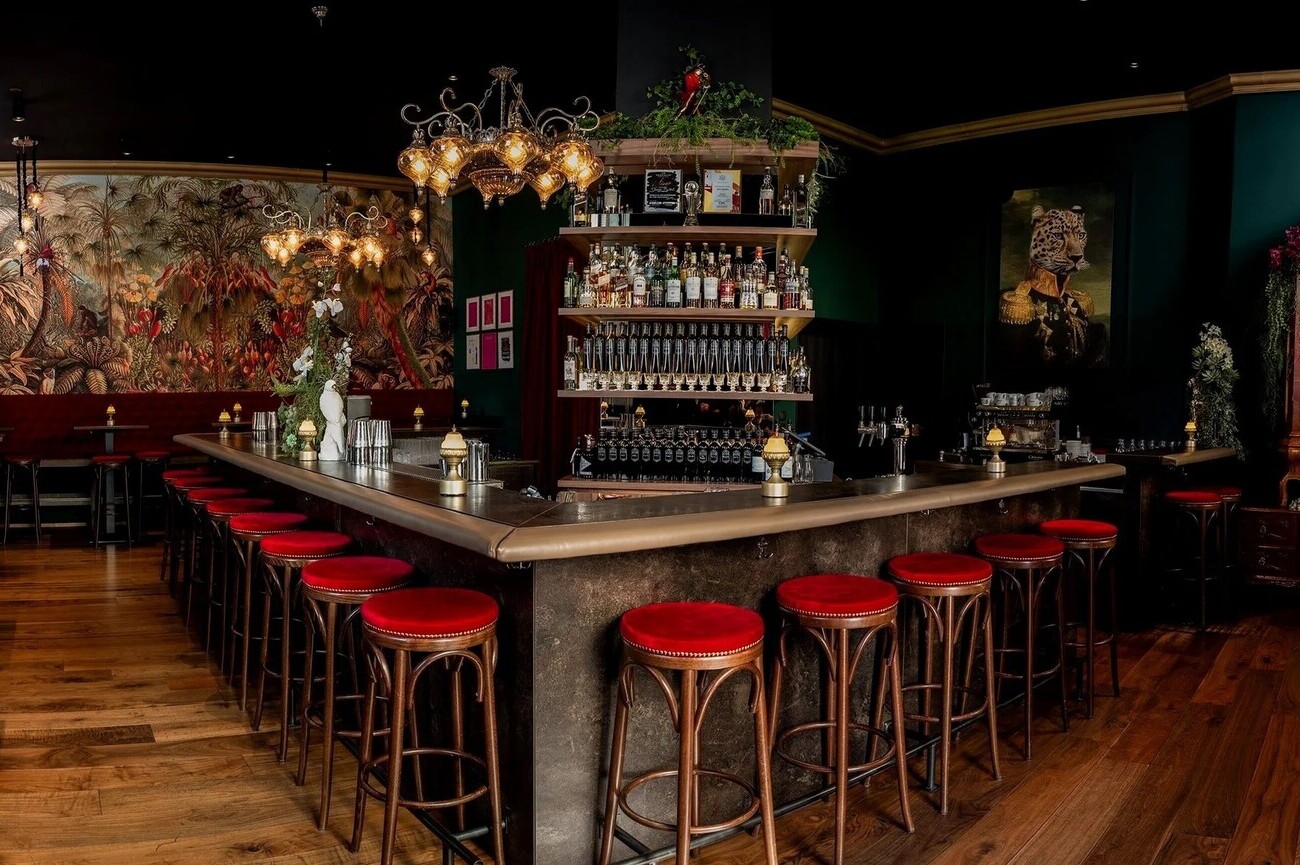
Cafes in Innsbruck & Tyrol
There’s something about cafés in Innsbruck and Tyrol. Maybe it’s the mountain air, maybe it’s the mix of students, locals and slow-travel wanderers or maybe it’s the way coffee tastes better when the Alps are casually towering in the background. The region knows how to brew, bake, steep and serve with personality. So here’s a curated lineup of cafés where every cup comes with a view, a story or at least a delicious distraction.
- Haepinest: Haepinest feels like stepping straight into a mood board. It’s the spot where brunch turns into therapy, croissants turn into conversation starters and the whole place radiates that cozy-but-make-it-aesthetic energy. Just think fluffy stacks and fresh brews. Oh and don’t forget the kind of ambiance that makes anyone want to linger just a little longer.
- Café Momo: Café Momo is laid-back, warm, and borderline meditative. It’s the haven for those who want something simple but elevated: homemade cakes, herbal teas and a menu that makes comfort food feel poetic. The atmosphere wraps around you like a soft blanket, perfect for slow mornings.
- Manni.coffee: Manni.coffee is where Innsbruck’s caffeine purists gather. Here, it’s all about technique: perfect extractions, clean flavor profiles and baristas who speak espresso fluently. It’s the place for those who like their coffee strong, their space uncluttered and their mornings engineered for maximum focus.
- House of Tea & Coffee: This café is a love letter to warm drinks from around the world. House of Tea & Coffee feels like stepping into a tiny, aromatic universe. It’s a sensory playground, ideal for slow sipping and curious palates.
- Breakfast Club: Breakfast Club is Innsbruck’s reigning champion of energetic mornings. The vibe is youthful, bright and unapologetically lively with eggs, pancakes, bacon, smoothies, avocado situations, everything. It’s the kind of place where brunch isn’t a meal; it’s a shared experience.
- Café Katzung: Situated right by the Golden Roof, Café Katzung is the city’s historic sweetheart. Marble tables, old-world charm, and pastries that taste like they’re part of the local heritage. It’s timeless without being outdated and the terrace makes every coffee feel like front-row seats to the heartbeat of Innsbruck’s Old Town.
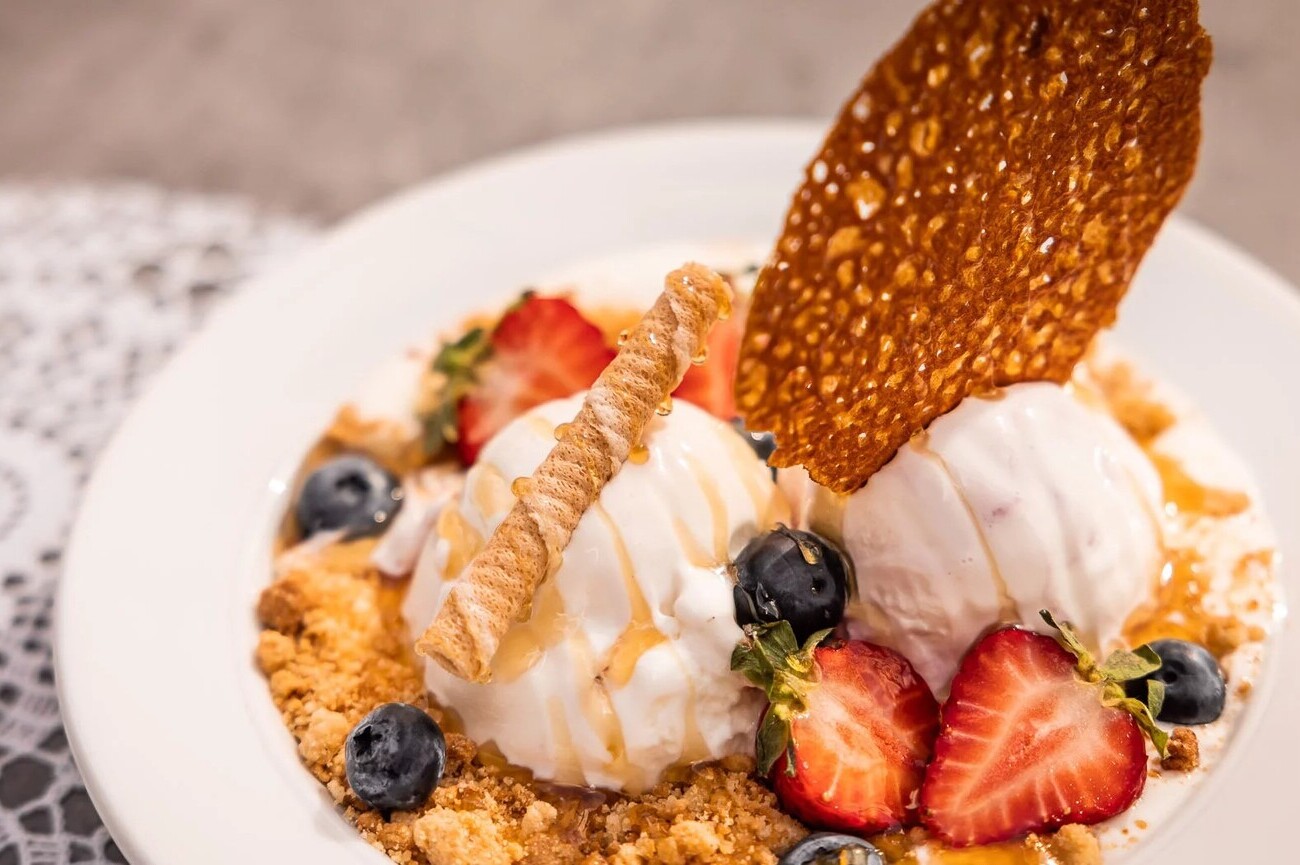
Where to Stay in Innsbruck & Tyrol
- Hotel Das Central (5 stars): Hotel Das Central delivers that cinematic Tyrolean luxury. It is the kind where fine dining, world-class wellness and mountain views come together like they’re auditioning for a magazine cover. It’s known for its award-winning cuisine, its legendary wine cellar and a spa that feels straight out of a dream sequence. Skiers love it, food lovers worship it and the ambiance balances elegance with warmth.
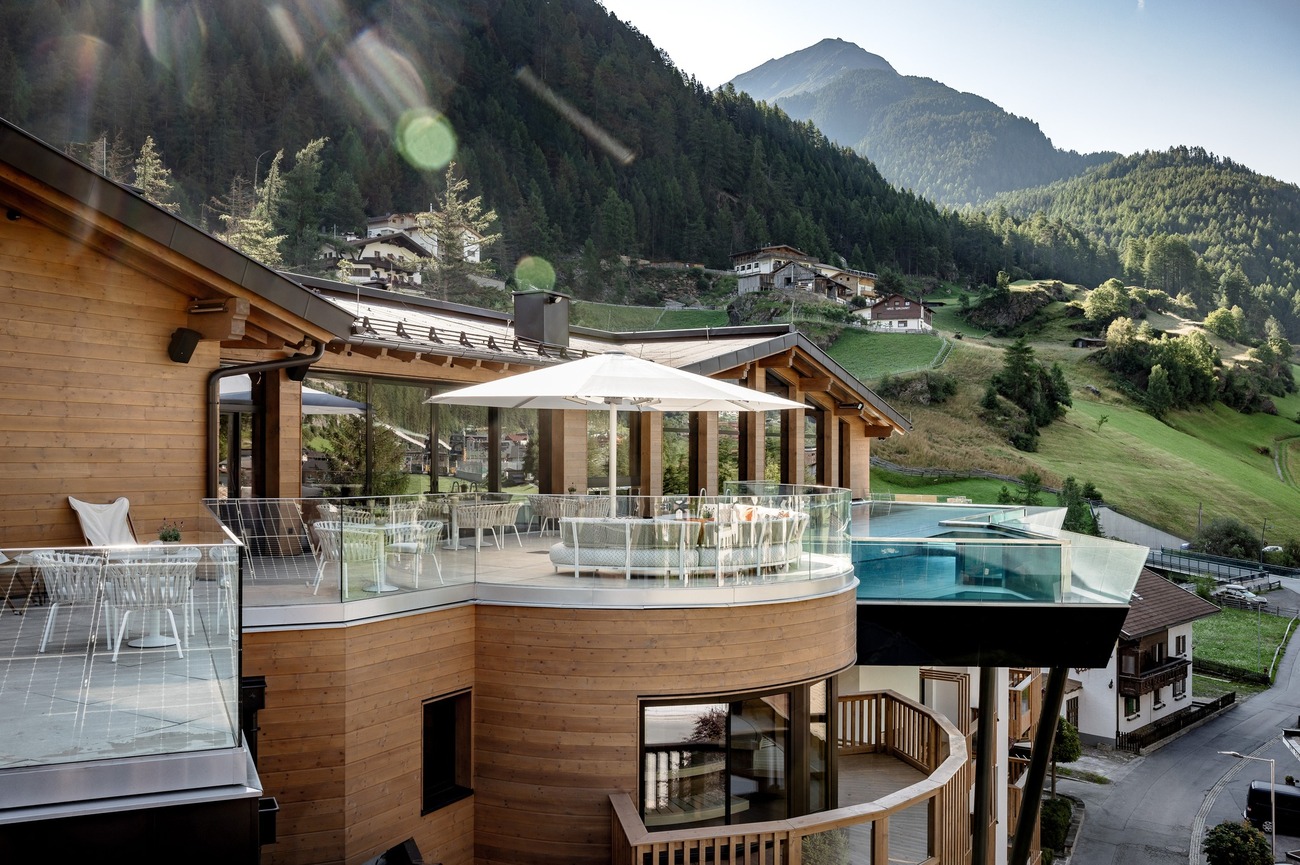
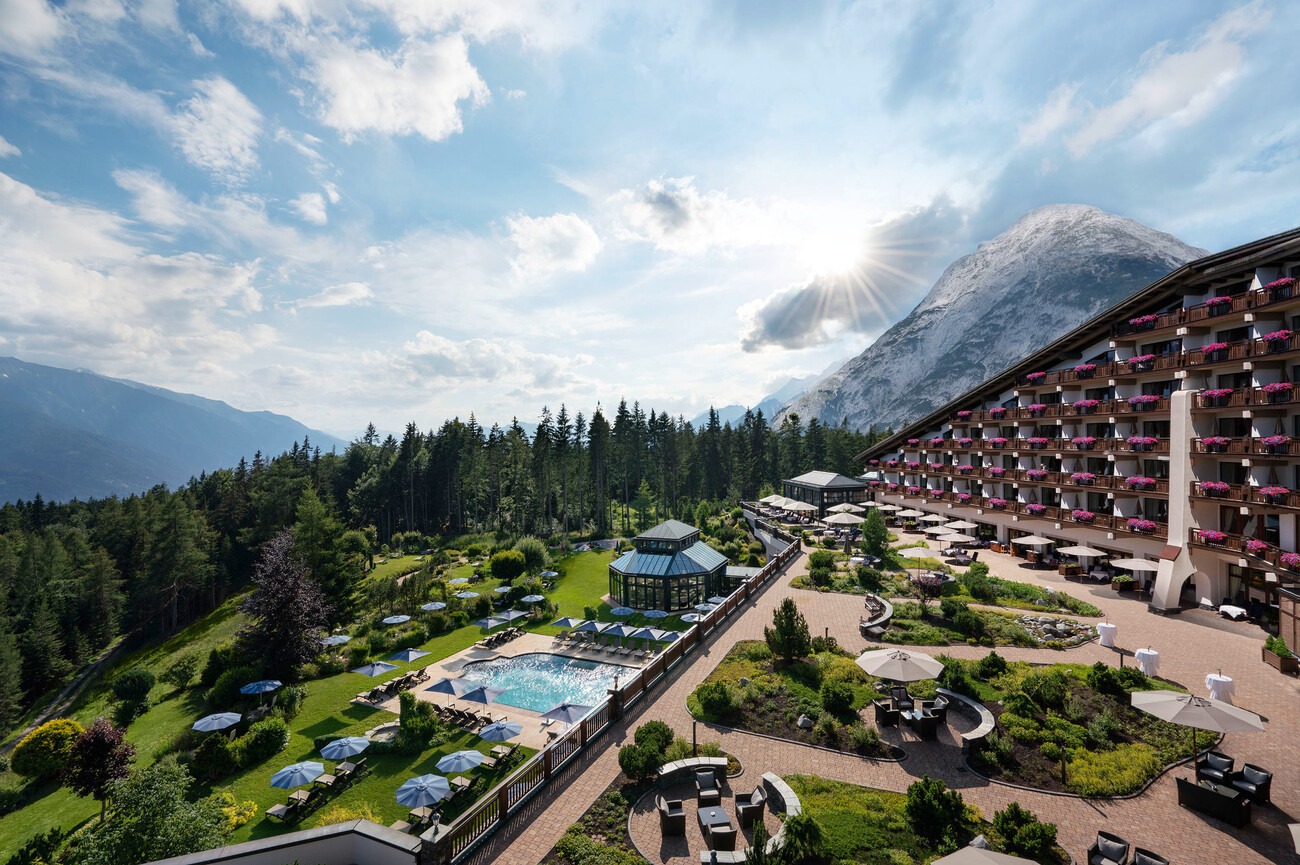
- Interalpen Hotel Tyrol (5 stars): Interalpen-Hotel Tyrol is a five-star icon perched above the landscape like it was placed there by a filmmaker. Massive indoor-outdoor spa areas, regal rooms and panoramic views that almost don’t look real. The hotel is famous for its oversized luxury spaces, perfectly orchestrated service and a restaurant that turns Tyrolean flavors into haute cuisine. It’s the region’s definition of “grand.”
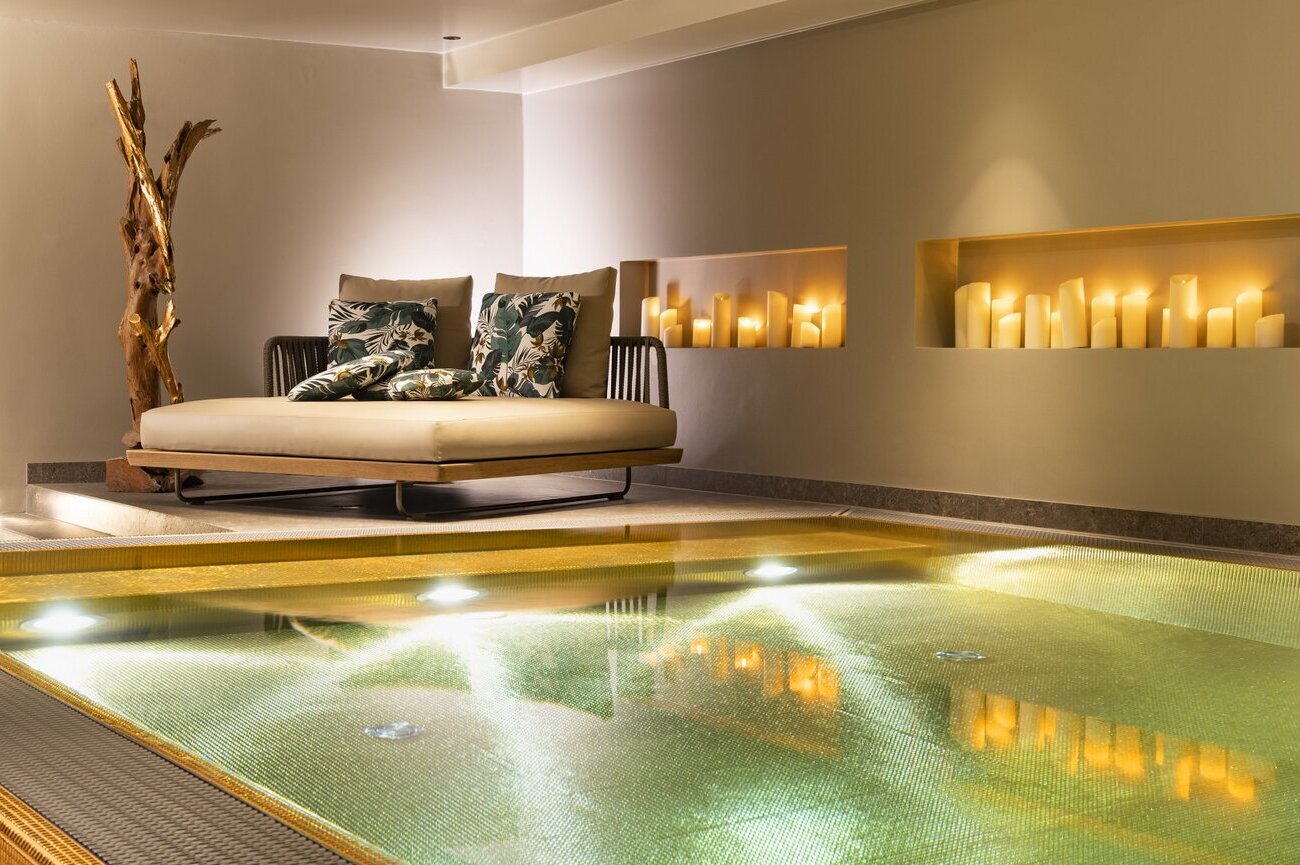
- Hotel Innsbruck (4 stars): Hotel Innsbruck stands out for its double-layered luxury: the modern comfort of its rooms and the atmospheric wellness area tucked into the historic city foundations. Guests love the rooftop spa with Nordkette views, while the location, steps from the Golden Roof, makes it one of the most convenient bases in the city. It strikes that sweet balance between style and accessibility.
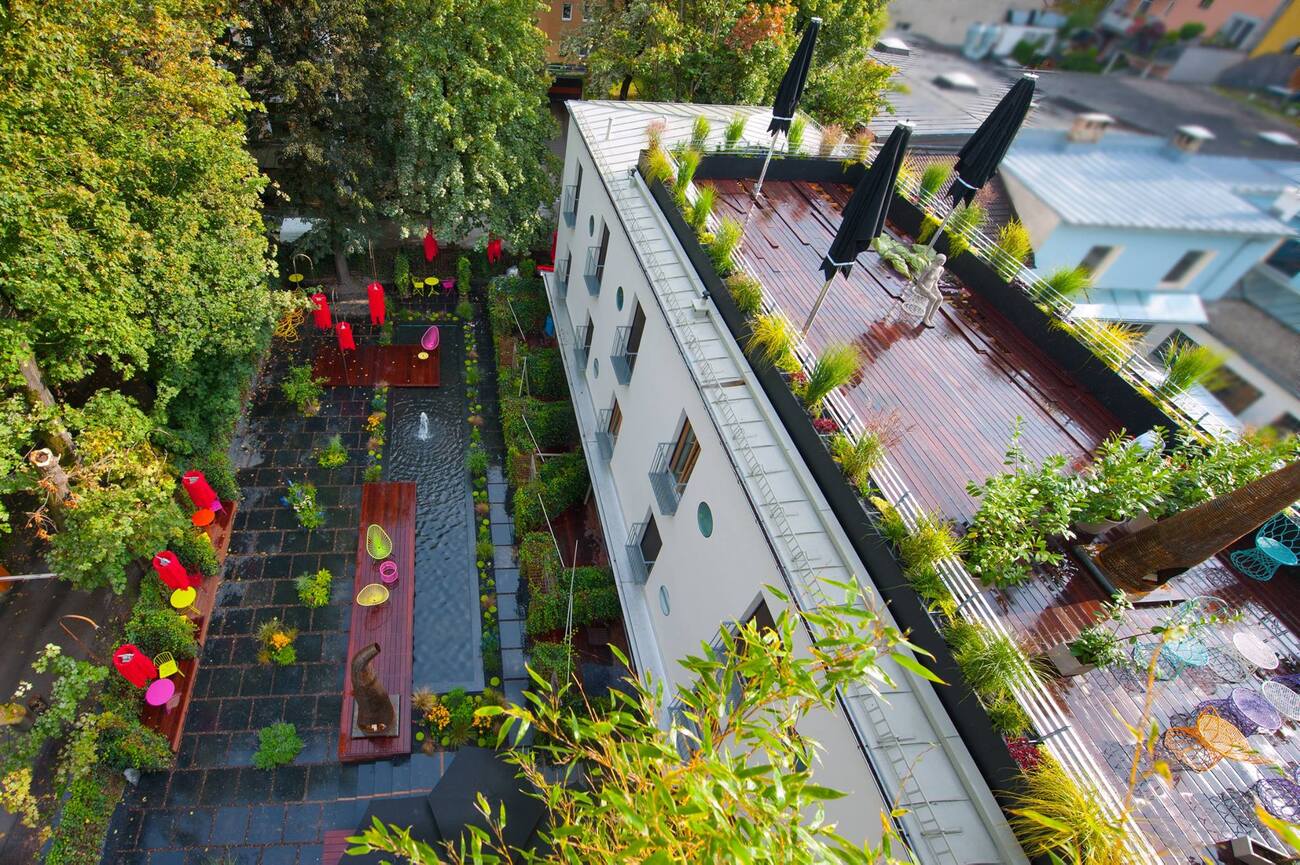
- NALA Individuellhotel (4 stars): NALA Individuellhotel is the creative soul of Innsbruck’s hotel scene. Each room is uniquely designed, blending playful décor, smart architecture, and artsy energy. It is a favorite for travelers who love something quirky, clever and charming.
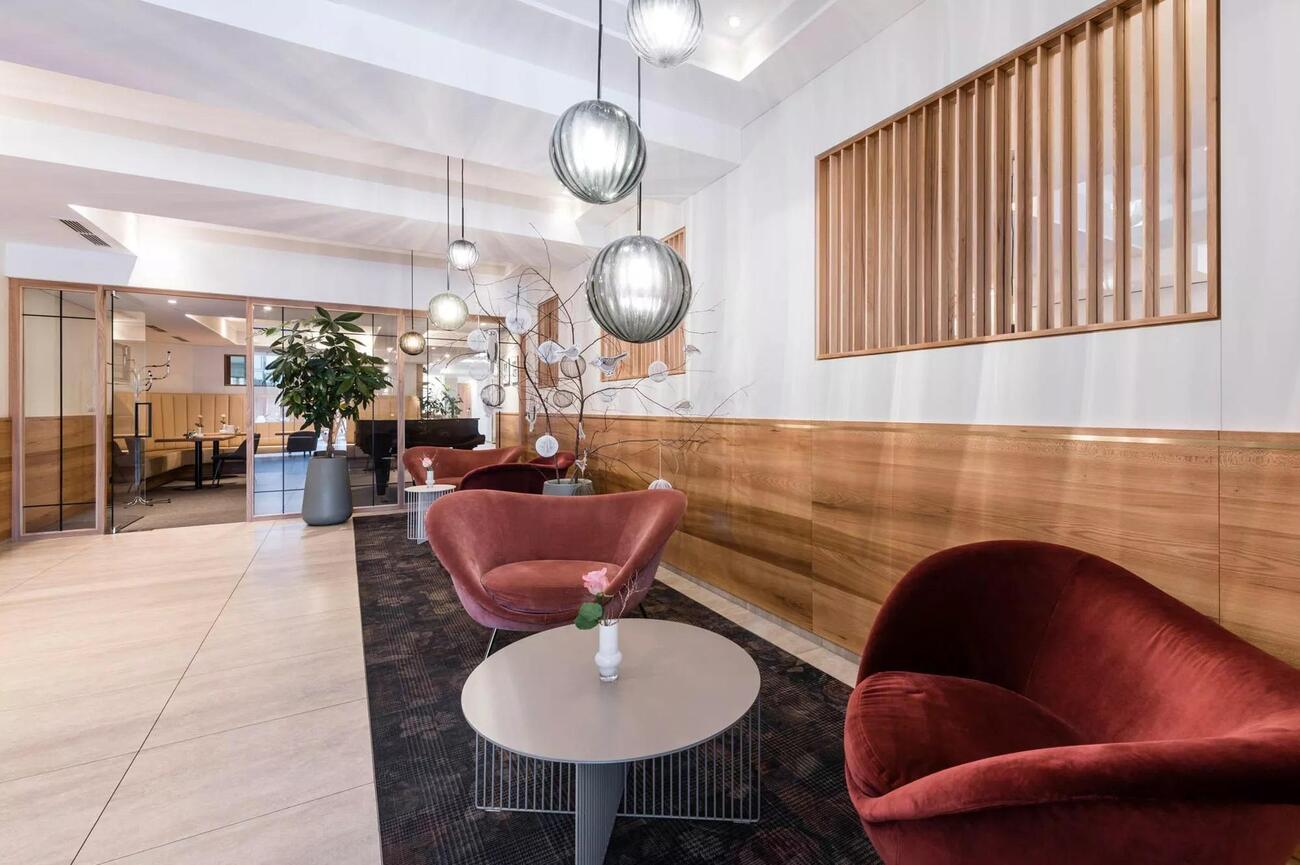
- Hotel Zach (3 stars): Clean, bright and effortlessly comfortable are the best words to describe this place. It’s known for its surprisingly generous breakfast, friendly service and a location that lets guests walk to nearly everything. The rooms are simple in the best way: restful, quiet, and designed for people who want value without compromise.
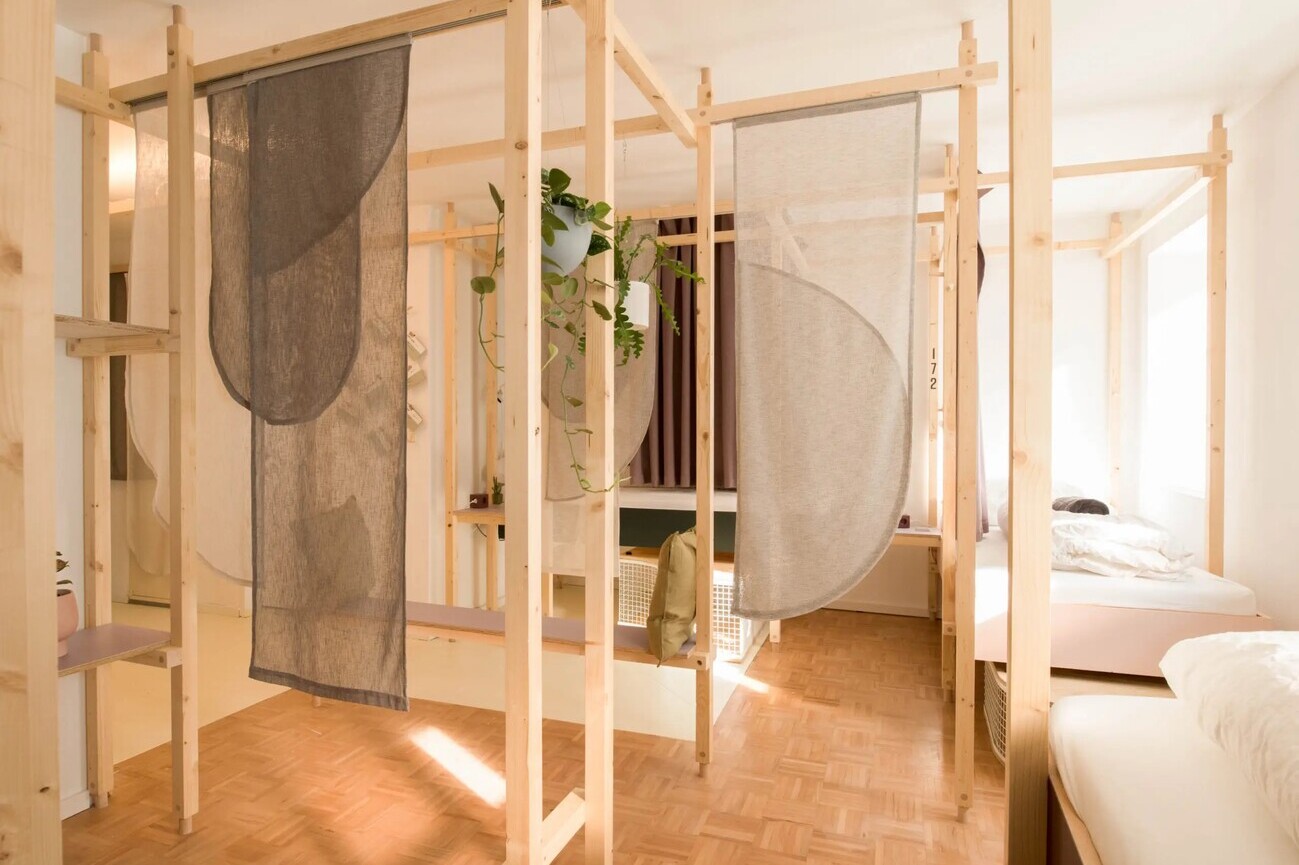
- Montagu Bed & Beers Hostel: Set in a historic building with a modern twist, it’s known for its in-house bar, friendly communal vibe and stylish dorms that feel more boutique than backpacker. It’s a hotspot for meeting fellow travelers and soaking up that relaxed, communal Innsbruck energy.
Best Time to Visit Innsbruck & Tyrol
Be ready for one big, sun-soaked mood board of adventure, calm and everything in between.
Summer in Innsbruck and Tyrol arrives with the quiet confidence of something that knows it doesn’t need to try hard. The mountains soften, the valleys brighten and suddenly the whole region feels like it’s running on warm light and good timing. It’s the moment when the city and the Alps stop taking turns in the spotlight and just glow together.
The energy hits different this season. Days stretch long enough to fit in spontaneous detours, panoramic cable car rides, riverside walks and still leave room for a late-afternoon drink somewhere scenic. The sounds shift too. There’s less clinking ski gear, more laughter from open terraces, more chatter from hikers comparing viewpoints, more of that soft buzz that makes a city feel awake in all the right ways. Innsbruck, in summer, is basically the definition of accessible adventure: easy to join, hard to forget.
And for travelers joining guided tours, this season is a gift. Every stop feels more textured: trails feel more open, historic streets feel more expressive, and the mountains feel close enough to touch. It’s the kind of atmosphere that turns even tiny moments, like crossing the Inn River or standing at a lookout, into something strangely grounding. What makes this the best time isn’t just the weather; it’s the way the landscape collaborates with the experience. Warm air, clear skies, easy movement and a sense of freedom that travelers instantly resonate with.
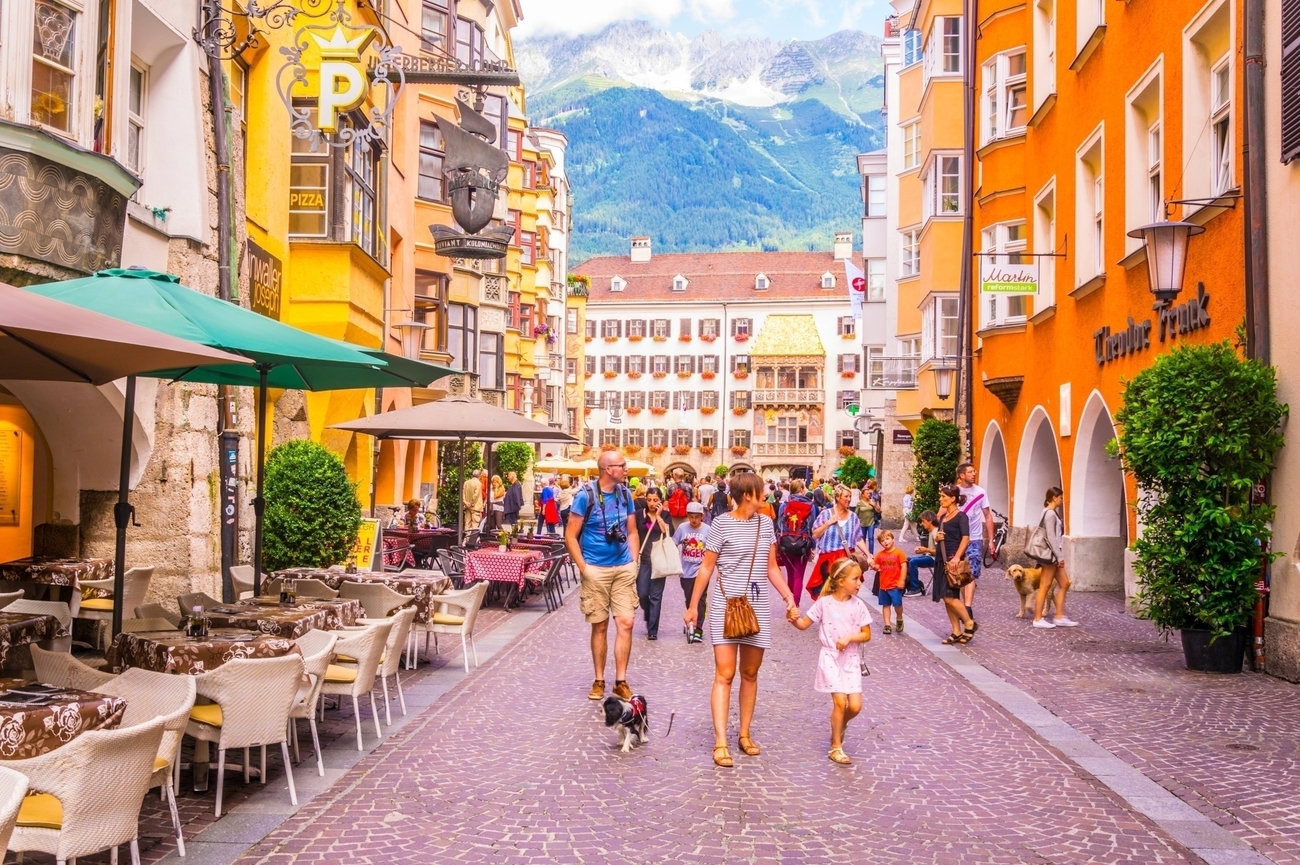
Festivals in Innsbruck
- Tyrol Easter Festival: Held every April, the Tyrol Easter Festival brings classical music, opera and sacred performances to stages across the region. It usually unfolds during the Holy Week period, transforming springtime Innsbruck into a cultural oasis where orchestras, choirs and international artists create an atmosphere that feels both intimate and grand.
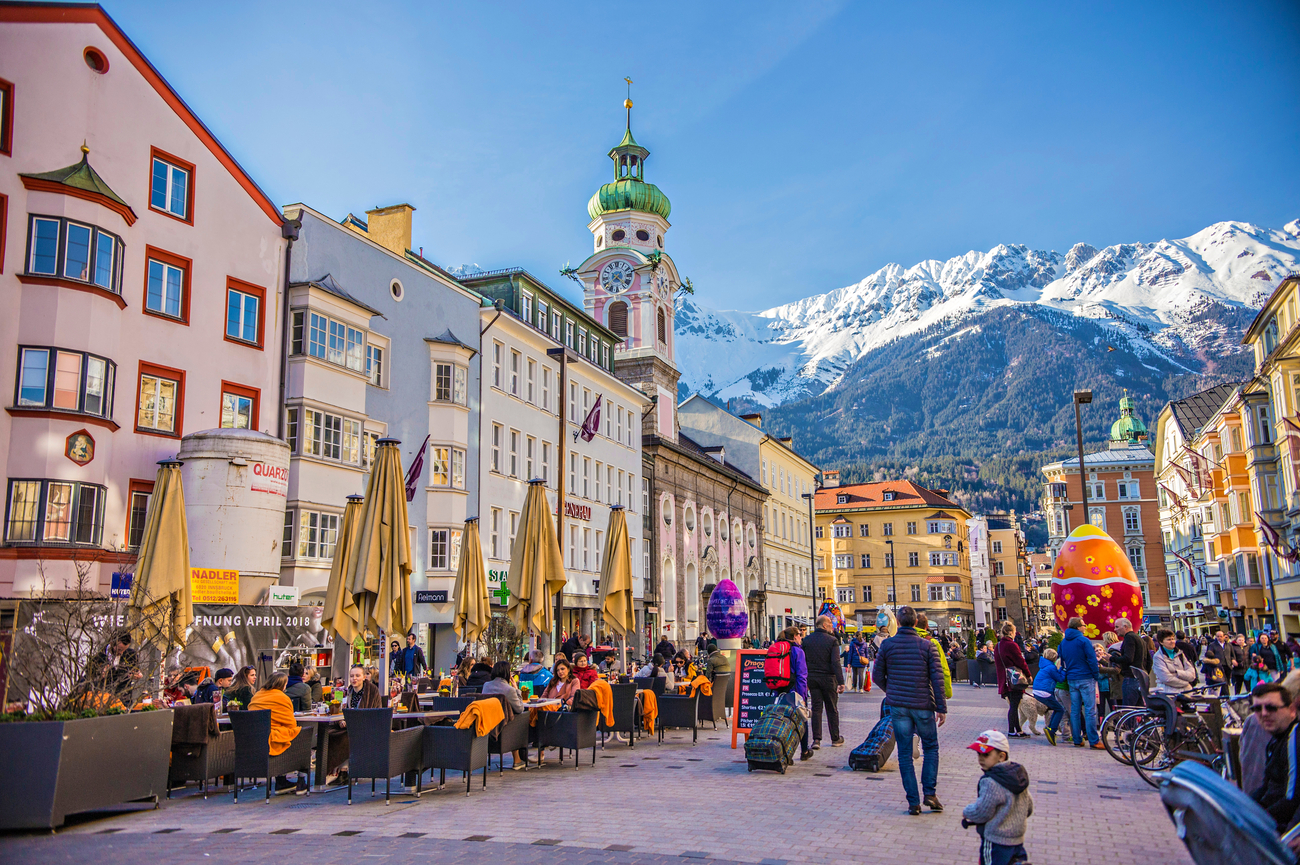
- Knödelfest: Every September, St. Johann becomes the unofficial capital of dumplings during Knödelfest, typically held on a late-September weekend. Imagine one long table stretching through the town center, lined with every type of Knödel imaginable. It’s savory, sweet, classic, quirky, you name it.

- Internationale Almkäseolympiade: Taking place in September, usually on a single early-fall weekend, this “Alpine Cheese Olympics” gives local cheesemakers their moment to shine. Held in Galtür, the festival gathers dozens of alpine dairies competing for the top spot.
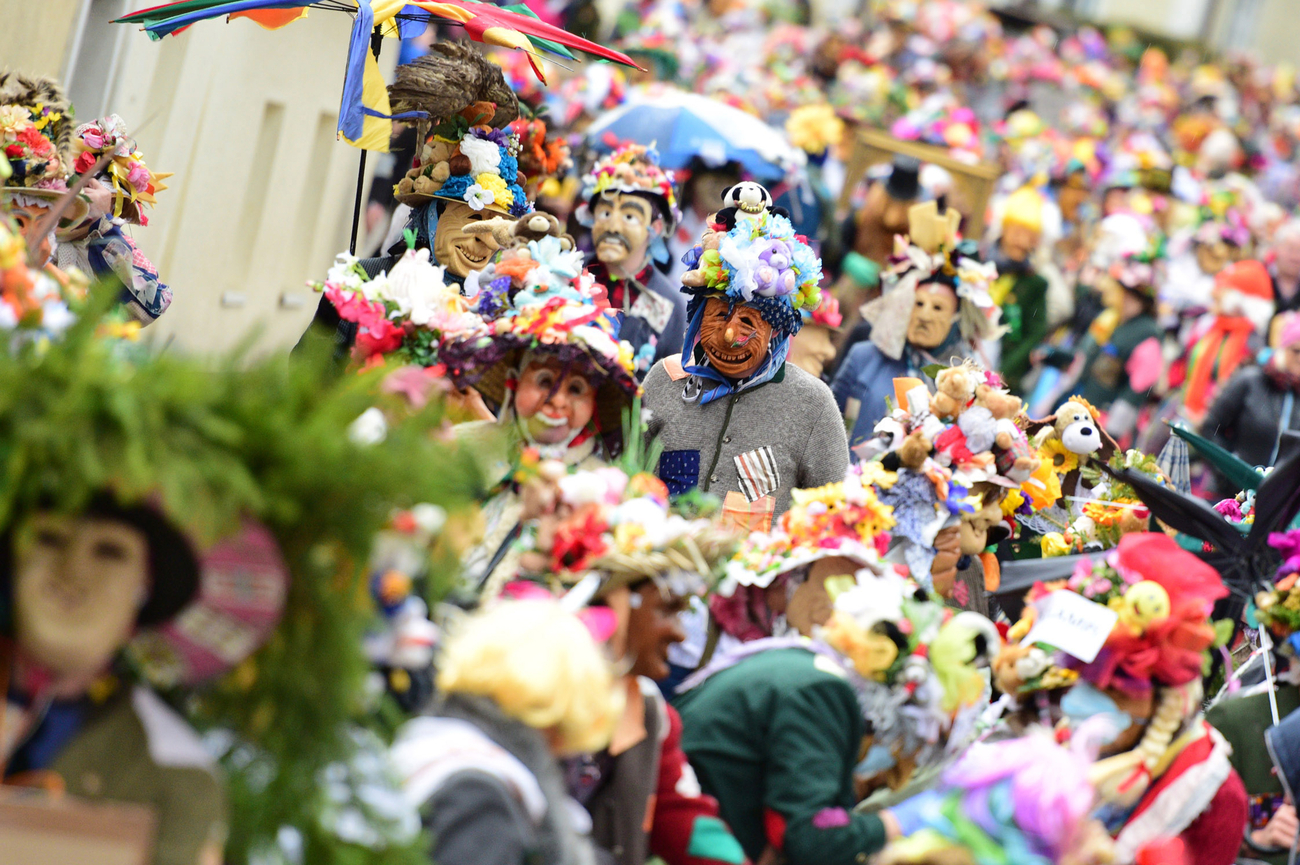
- Carnival in Hall-Wattens: The Hall-Wattens Carnival erupts every February, usually in the weeks leading up to Lent and it’s the kind of celebration that transforms quiet alleys into riotously colorful parades. Expect elaborate costumes, whimsical floats and a joyful chaos that runs on humor, satire and centuries-old customs. It’s playful, theatrical, and unapologetically loud.
- Radish Festival: Held every May, the Radish Festival in Hall celebrates a local icon: the giant Tyrolean radish. Farmers parade their crisp, peppery produce through the medieval square, while food stalls reinvent radish dishes in creative ways. It’s a festival that proves even vegetables can have their moment in the spotlight.

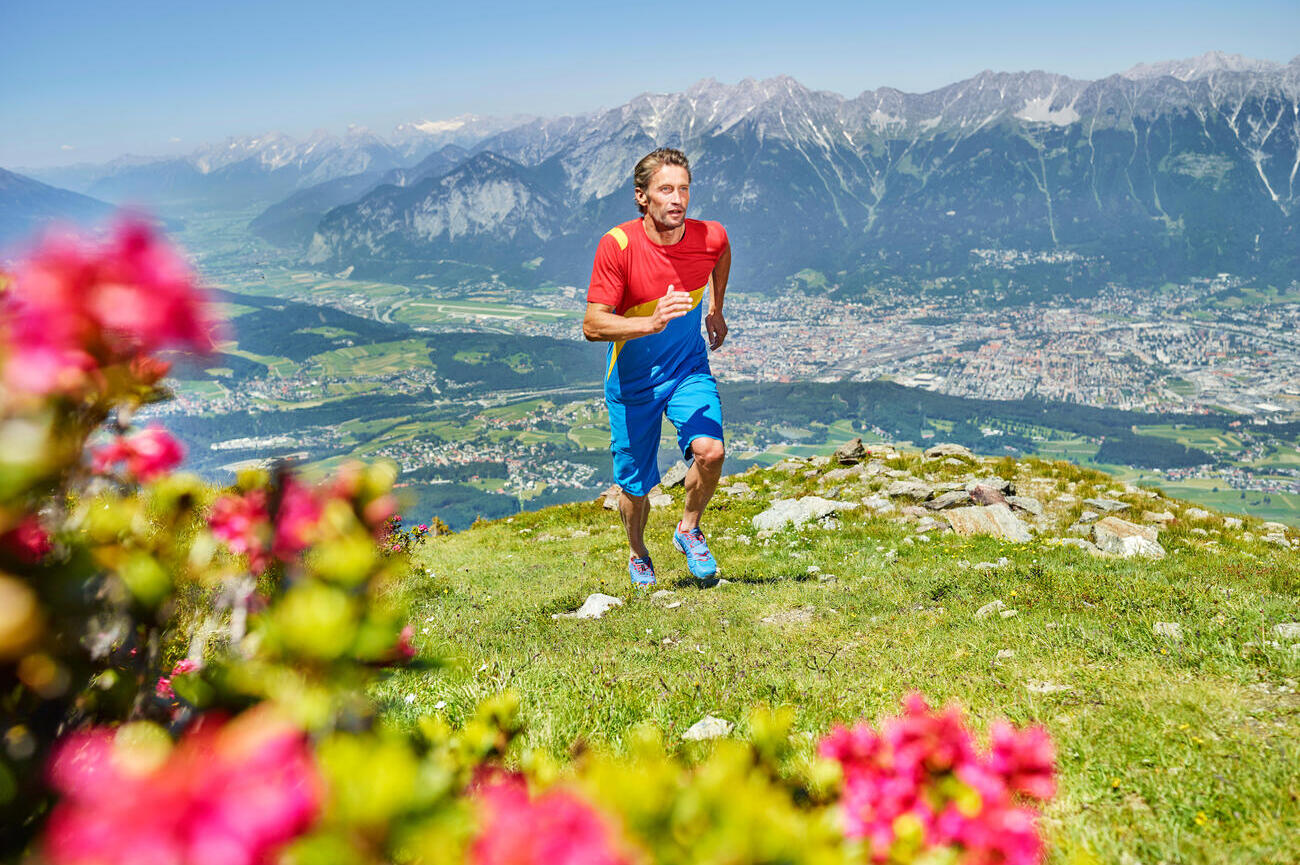
- Innsbruck Alpine Trail Run Festival: Held every May, usually during a multi-day event week, this festival draws runners from around the world to tackle Tyrol’s rugged trails. It’s a rare blend of endurance and spectacle: athletes racing through forests, ridges, and valley floors while crowds cheer against alpine panoramas. The energy is contagious, the views unreal and the atmosphere buzzing with determination and thrill.
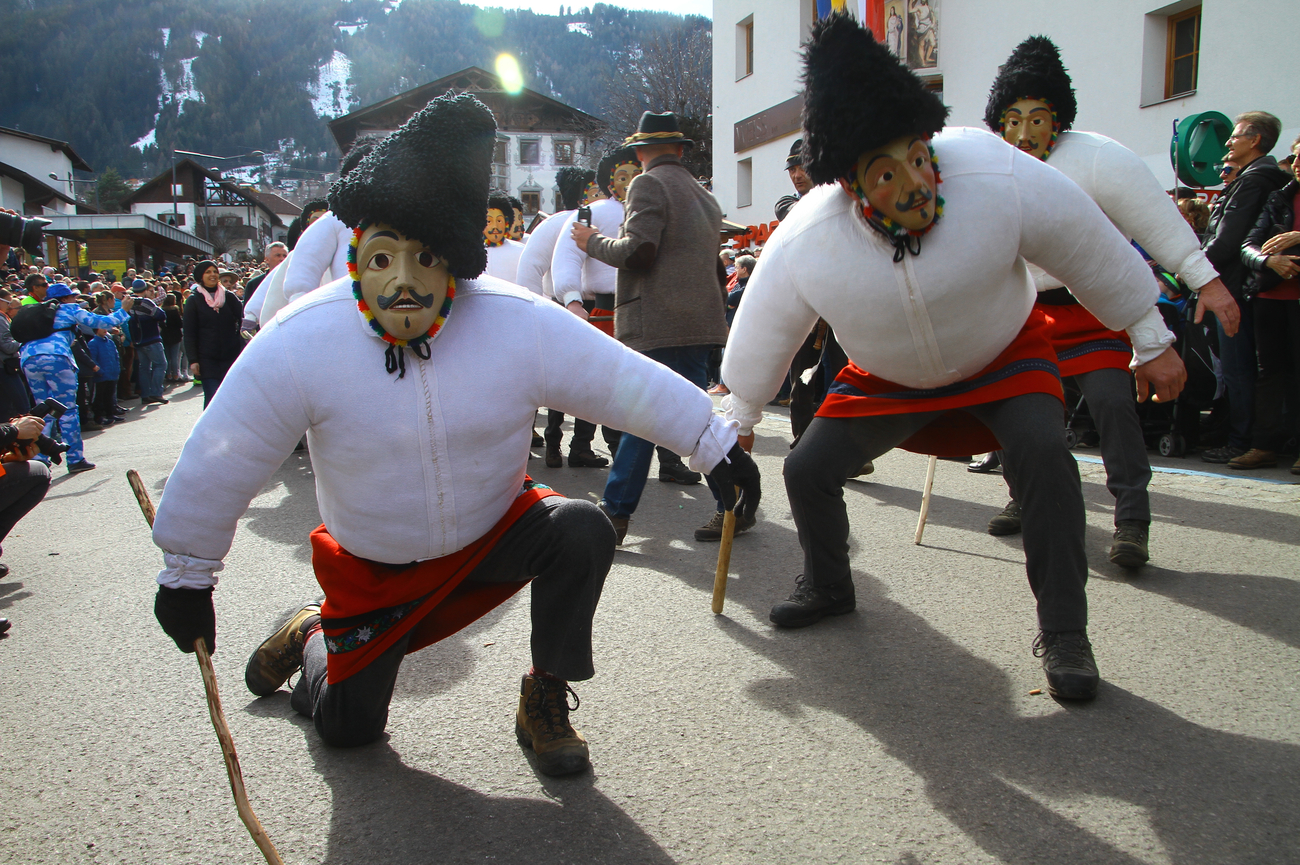
- Fasnacht: Fasnacht takes over parts of Tyrol from January to February, with the main events usually happening in late winter, depending on the year’s calendar. It’s a whirlwind of traditional masks, wooden figures and processions meant to chase away winter and welcome spring. Every village has its own twist, but they all share the same energy: loud, symbolic and deeply rooted in Tyrolean identity.
- Innsbruck Festival of Music: Running from July to August, this festival fills summer evenings with classical concerts, chamber performances and operatic highlights. Events unfold across historic venues in Innsbruck, typically spanning several weeks.
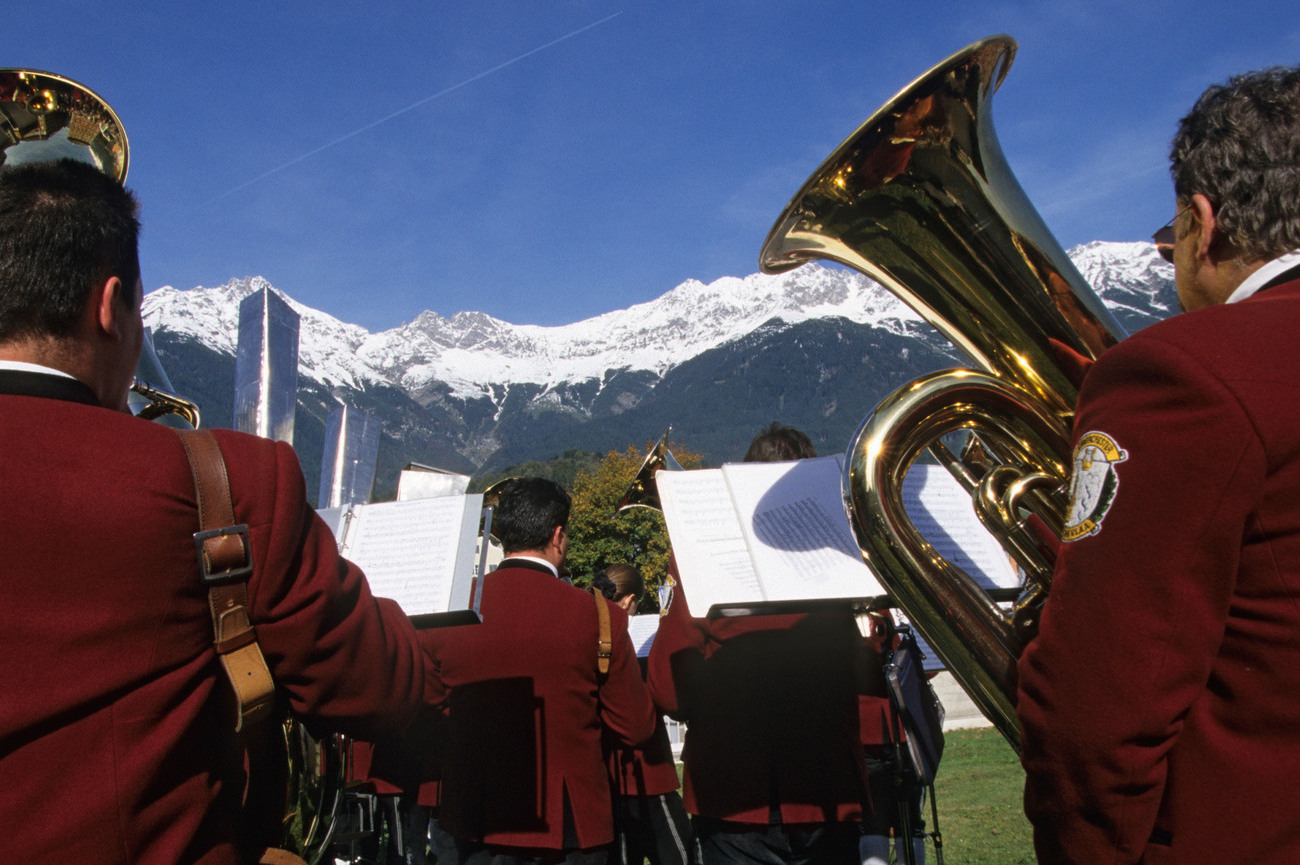
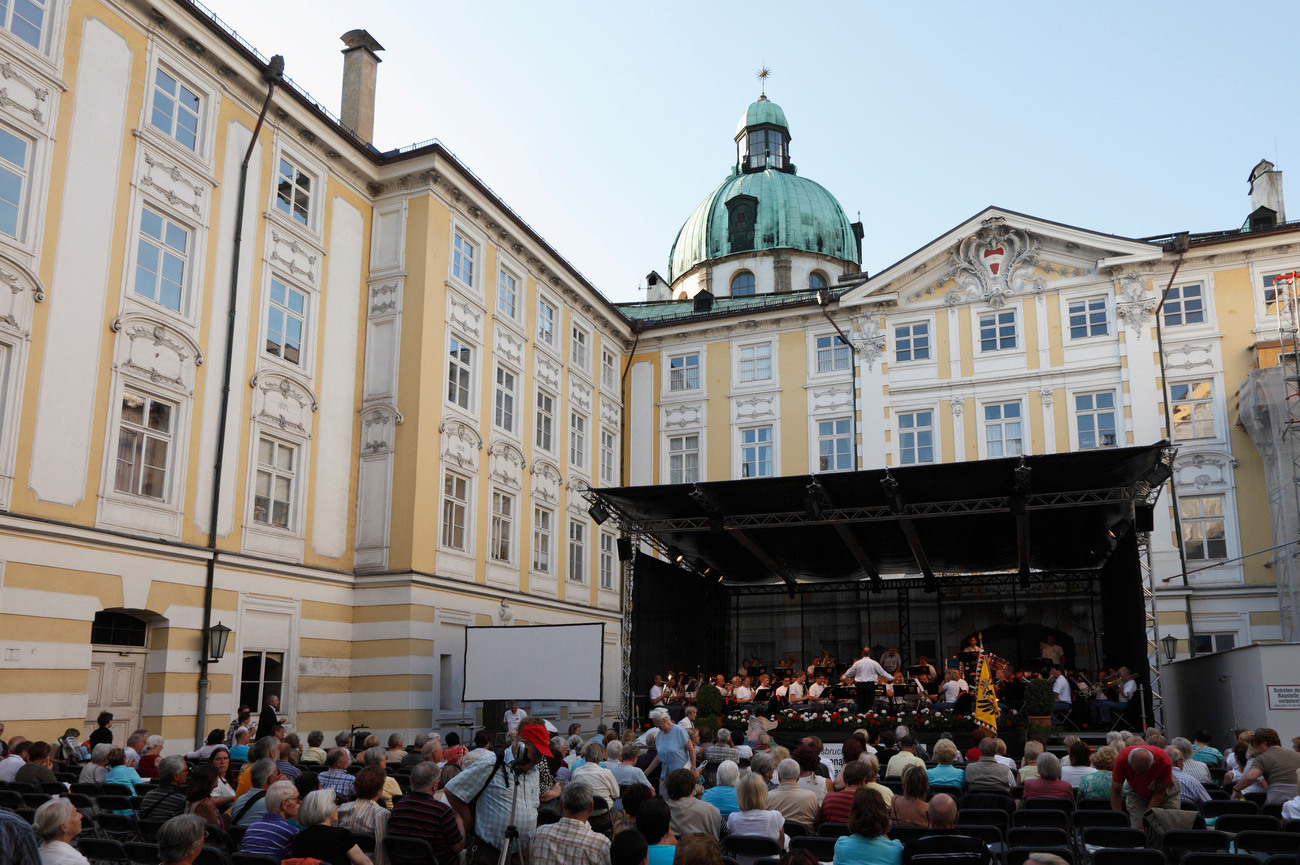
- Innsbrucker Promenadenkonzerte: This major music festival takes over the city every year during the month of July. Founded in the mid-1990s, it was created to demystify high-culture music, smartly putting "sound meets scenery" under the stars. The courtyard of the Kaiserliche Hofburg transforms into a grand, open-air stage where world-class orchestras and brass ensembles perform almost daily. The atmosphere combines the spectacular backdrop of imperial history with a top-tier musical experience, making it one of Innsbruck’s most charming summer evenings out.


Let us know what you love, where you want to go, and we’ll design a one-of-a-kind adventure you’ll never forget.
Get in touch
Miriam
Travel Specialist

Romina
Travel Specialist

Laura
Travel Specialist
Our offices:



Revigorate, Iberian Escapes and Algarve Lifestyle are the registered brand names of APCS Lda . We are a fully authorised travel agency licensed by Turismo de Portugal RNAVT/6867.
In the event of a dispute, the consumer may refer to: RAL - Centros de Arbitragem
Avª. 5 de Outubro, nº. 55, R/C Dtº. 8000-075 Faro, Portugal | Tel: +351 289 823 135 *
* national landline call
E-mail: info@consumoalgarve.pt| www.consumidoronline.pt | Mon to Fri: 9:00 - 13:00 / 14:00 - 17:00