Things to Do in Boracay: 3-Day Itinerary
Boracay is the kind of island that’s hard to sum up in a single postcard. For a complete experience, consider our Boracay White Beach 6 Days, 5 Nights Package, which combines luxury stays at Crimson Resort, private transfers, island-hopping, and indulgent dining. On one side, you have White Beach with its powder-fine sand, fiery sunsets, and evenings lit by fire dancers and cocktails. On the other, you’ll find quiet stretches of coast, mangrove forests, cliffside views, and local communities who’ve called this island home long before the first beach bar appeared.
In this three-day itinerary, we’ll take you to world-famous beaches and wander into little coves that most visitors miss. You’ll meet members of the Ati community, walk through mangrove boardwalks, snorkel over coral gardens, and end your days with good food and stunning sunsets.
Whether it’s your first visit or your fifth, you’ll discover corners of Boracay you haven’t seen yet.
Day 1

Morning: White Beach
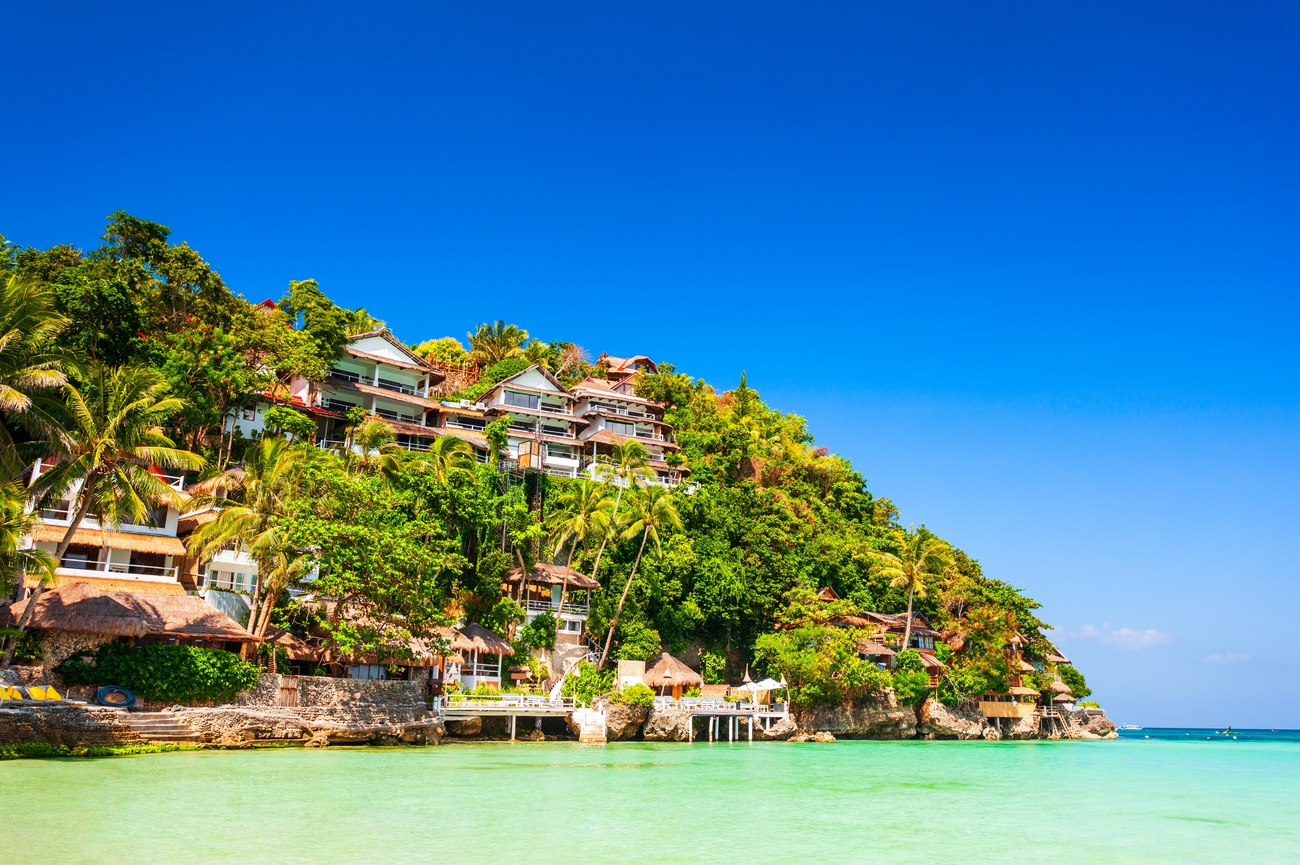
Start your Boracay getaway at its most iconic spot, the White Beach. This four-kilometre stretch of soft, powdery sand and clear blue water is the island’s main playground, perfect for swimming, sunbathing, or simply enjoying the tropical view. White Beach is divided into three sections: Station 1, home to upscale resorts and the famous Willy’s Rock, a volcanic rock formation with a Virgin Mary statue.
Station 2, the lively centre where you’ll find most restaurants, bars, and Boracay’s open-air shopping area, D’Mall. And Station 3, the most relaxed and budget-friendly part of the beach.

Bulabog Beach
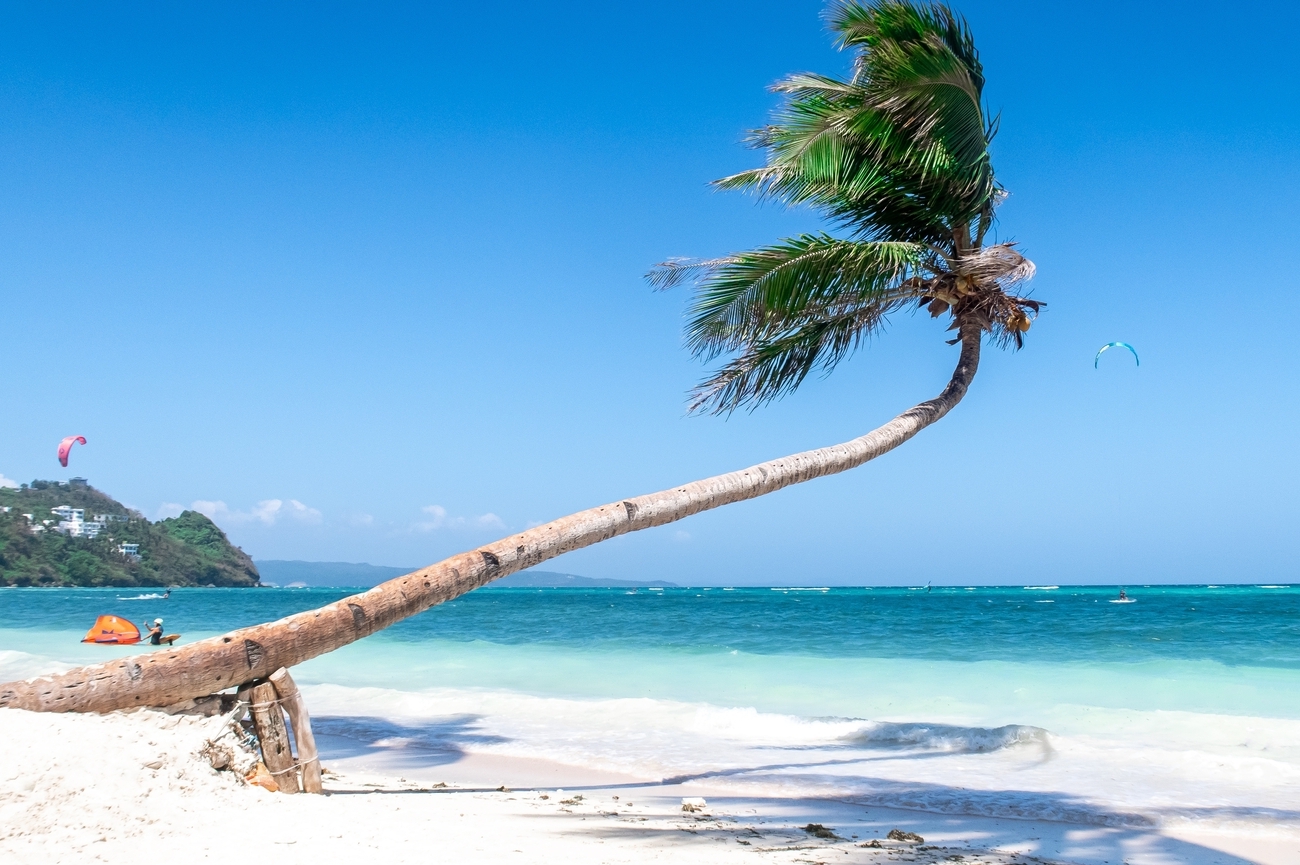
Next, take a quick 10-minute drive to Bulabog Beach, home of the famous Leaning Coconut Tree. Unlike most palm trees that grow upright, this one bends sideways over the sand, making it a fun and iconic photo spot. You can line up to sit or pose on the trunk for a great shot. While you’re here, you can also watch kite surfers in action or enjoy a relaxed walk along the shoreline.
Day 1, Morning - Boracay Tour Map
Afternoon: Ati Tribe Village
Visit the Ati Tribe Village to learn about the island’s original inhabitants, the Ati people. After years of displacement due to tourism, the community now lives on a small piece of land in Barangay Manoc-Manoc. A visit here gives you a meaningful look into their history, culture, and daily life.
You’ll also have the chance to meet Ati community members and their children, who are known for their warm hospitality. Some visitors have been treated to a song by residents. If you’d like to help, consider bringing food or school supplies to donate, or support their livelihood by purchasing handmade crafts and organic soaps made in the village.
Lugutan Mangrove Park
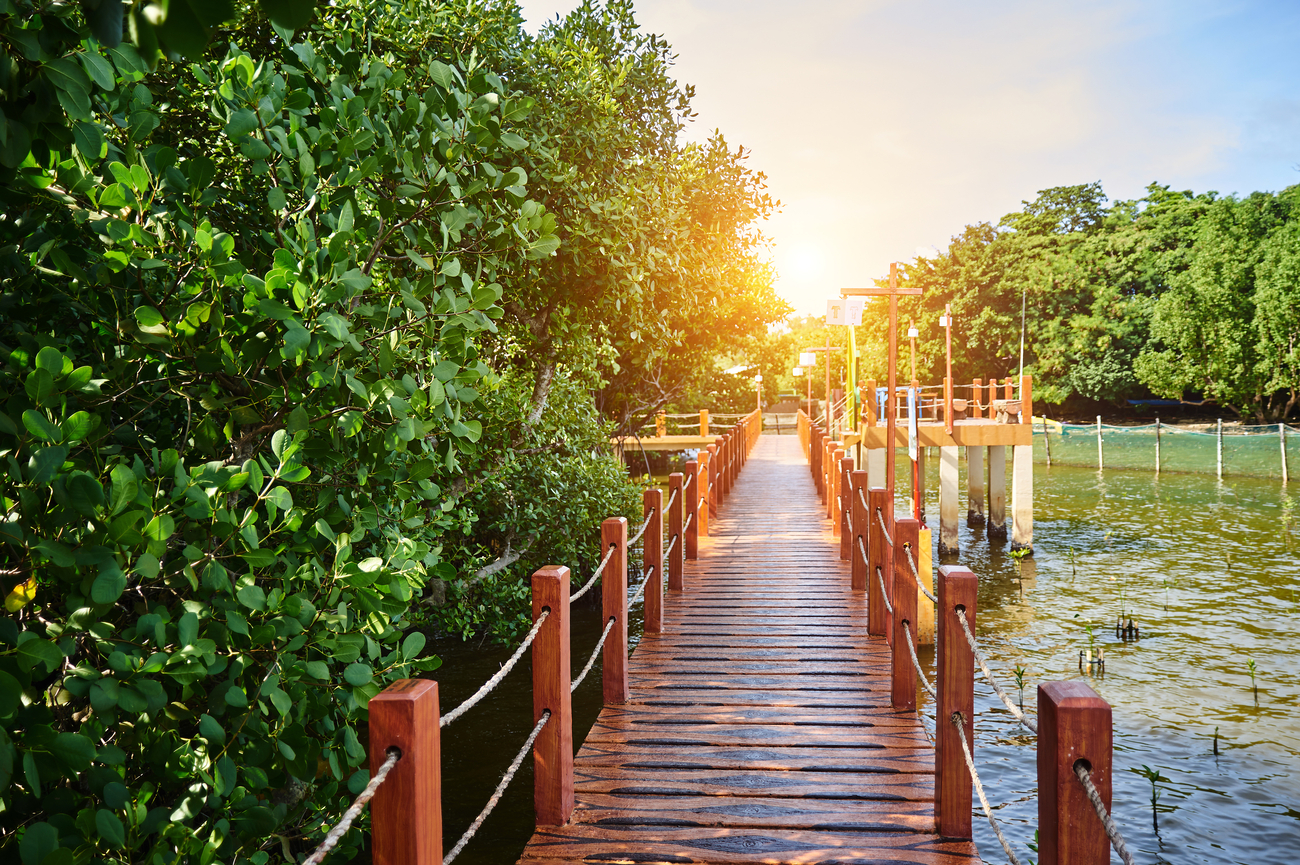
Cap off your day with a peaceful stroll through Lugutan Mangrove Park, Boracay’s protected mangrove sanctuary. The wooden boardwalk takes you through the forest, letting you see the island’s natural ecosystem up close. The walk is short (about 15 minutes tops) but rewarding. As you explore, watch for birds, fish, and crabs that thrive in the mangroves.
Day 1, Afternoon - Boracay Tour Map
Day 2
Morning: Puka Beach
Start your second day at Puka Beach, located at the quiet northern tip of Boracay. It’s known for its peaceful vibe and the puka shells mixed into the sand, giving the shoreline a slightly coarser feel than White Beach. With fewer crowds, it’s perfect for a calm morning walk.
If you want to explore farther, you can rent a kayak or paddleboard and enjoy the coastline from the water. Just keep in mind that the waves can get rough, so it’s best for inexperienced swimmers to stay near the shore.
Ilig-Iligan Beach
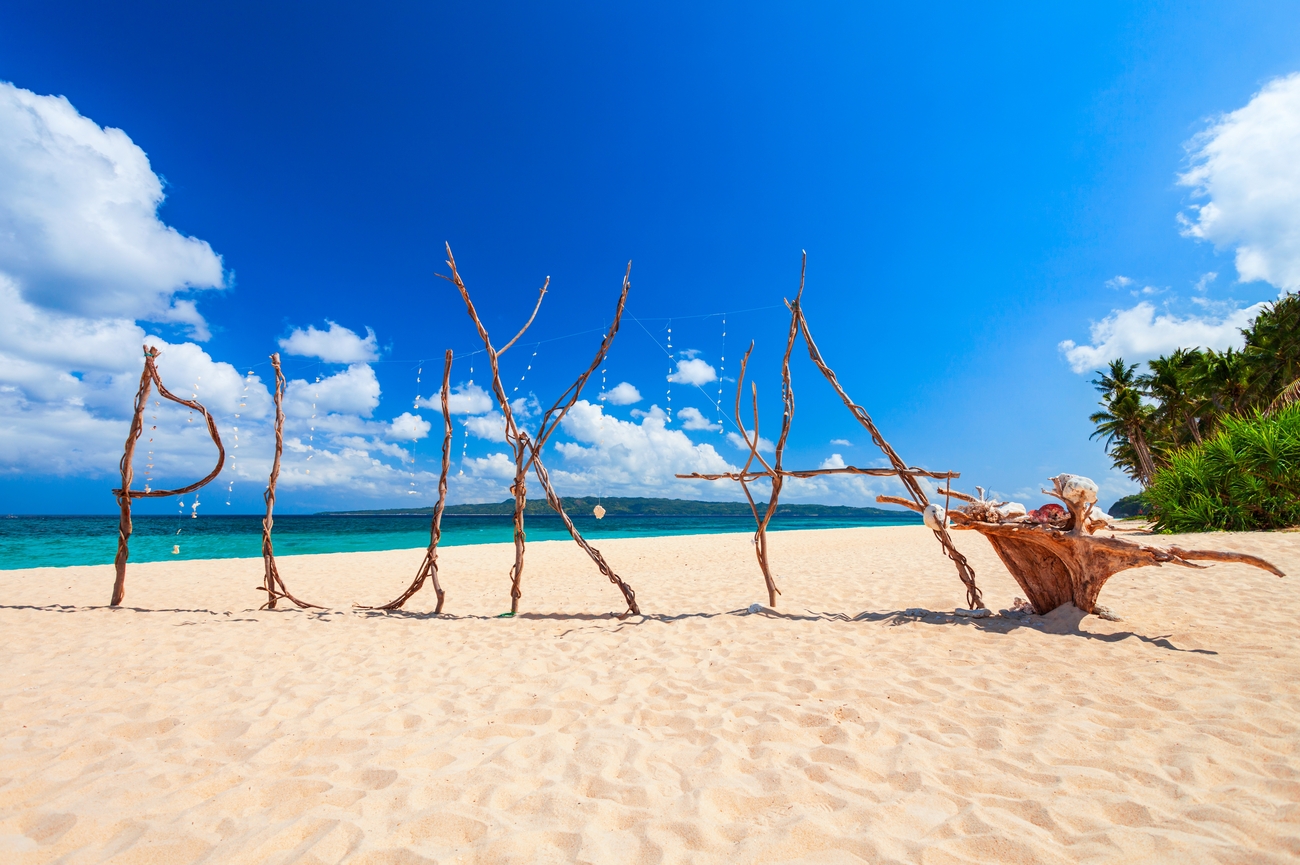
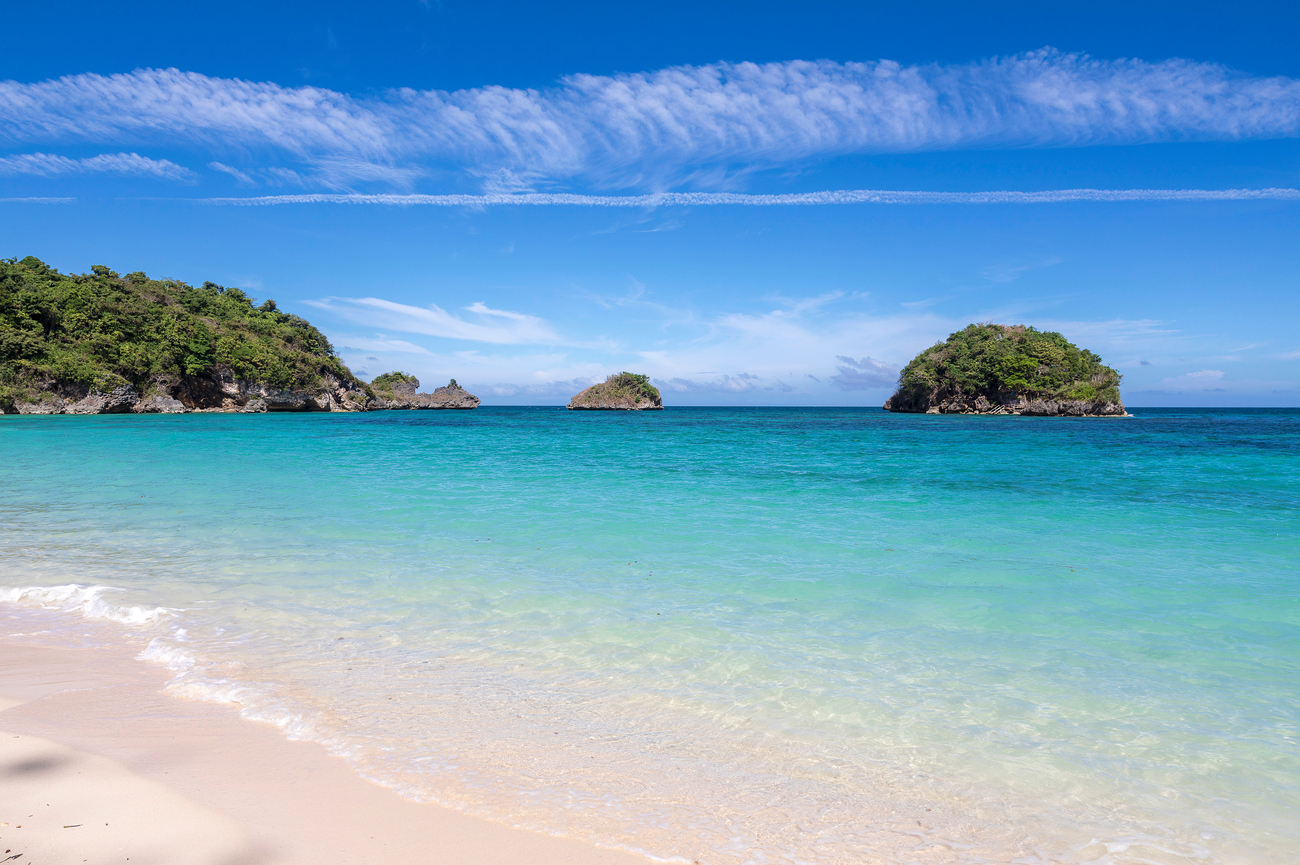
Just an 8-minute drive away, Ilig-Iligan Beach is a quiet, scenic beach, often kept secret by locals and a few tourists (but we’re not gatekeeping it!). Unlike busy White Beach, this spot offers a peaceful atmosphere with fine white sand and calm, turquoise water, especially from December to May.
It’s perfect if you want a slow morning with a book, a picnic, or simply some quiet time by the shore. You can also wander through the small caves and coves on both ends of the beach, or check out the hidden bays along the southern cliffs.
If you want something easy and relaxing, kayaks and paddleboards are available for rent too.
Cujo’s Keyhole
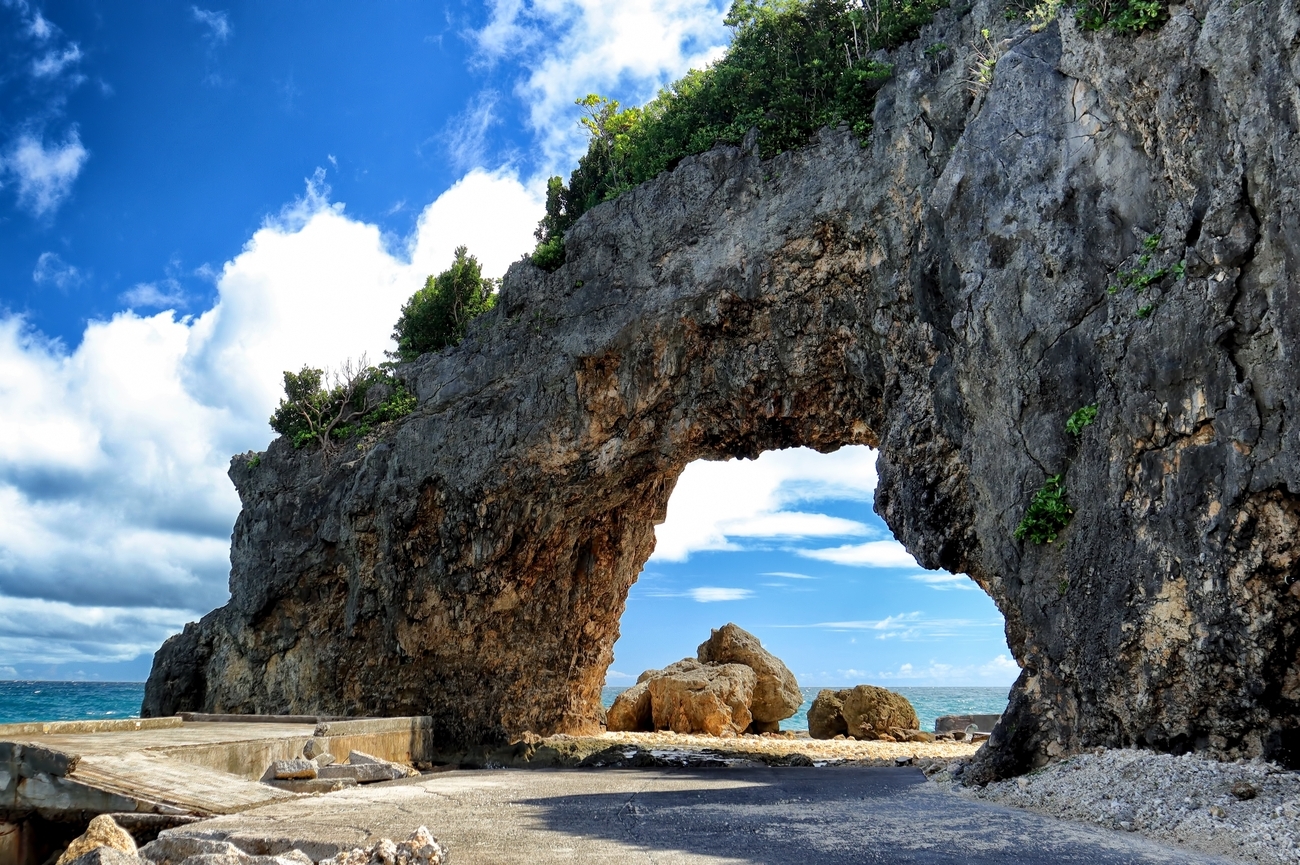
Just a short distance away is Cujo’s Keyhole, a stunning natural rock formation with a small “keyhole” carved through the stone by the ocean over time. From here, you’ll get beautiful views of the sea framed perfectly by the arch. It’s especially magical at sunrise, when the light pours through the opening and creates dramatic photo opportunities. If you enjoy photography (or simply love a scenic, less-crowded viewpoint) this is a must-see stop.
Day 2, Morning - Boracay Tour Map
Afternoon: Lambros Point
Locally called Sinagpa Beach, Lambros Point is a rugged, scenic cliffside known for its rocky shoreline and sweeping ocean views. A concrete walkway connects it directly to Diniwid Beach. The main attraction here is the view. You’ll see calm blue waters, striking rock formations, and a coastline that looks incredible from every angle. It’s a fantastic spot for photos, especially if you love natural, dramatic backdrops. Come in time for sunset, you’ll see the colors over the ocean are some of the most beautiful in Boracay.

Diniwid Beach
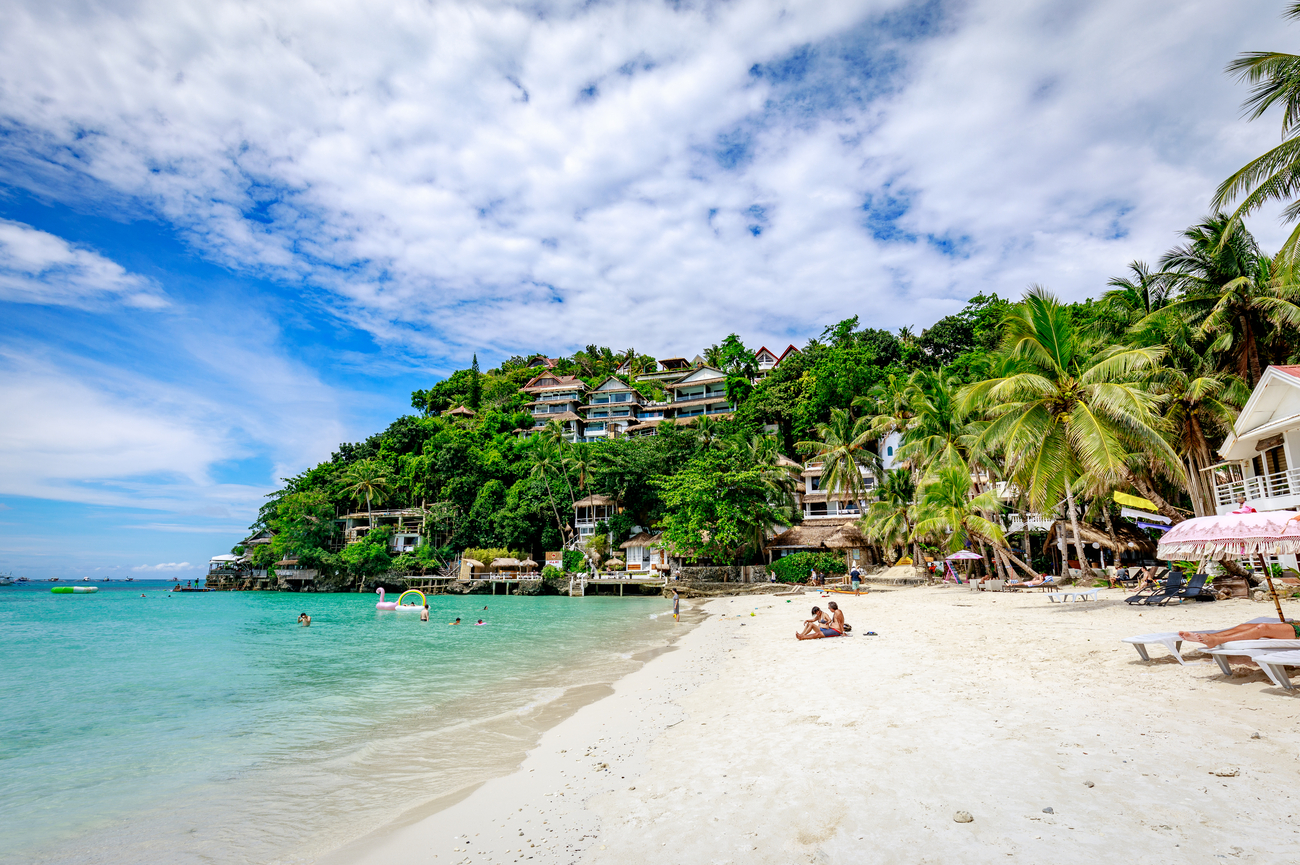
From Lambros Point, follow the concrete walkway to Diniwid Beach, where you’ll arrive at a quieter, more private stretch of sand compared to busy White Beach. The water is clear, deeper, and great for swimming or light snorkeling. You can also enjoy cliffside dining along the path leading toward White Beach, where several restaurants are built right into the rocks, perfect for a scenic meal with ocean views.
West Cove Ruins
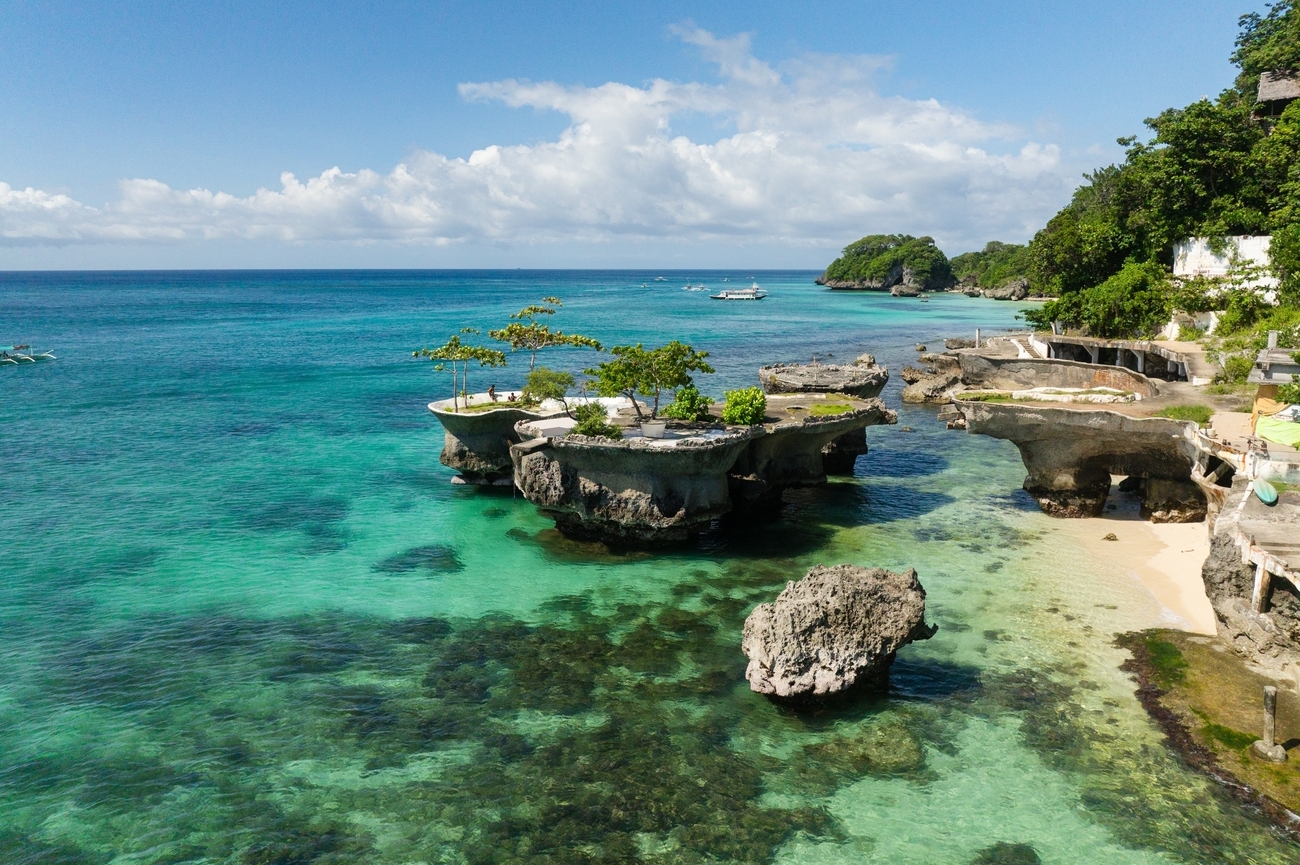
Just beside Diniwid Beach, you’ll find the West Cove Ruins, the remains of the former West Cove Resort, which was demolished in 2018 after environmental violations. Today, the site has become an unofficial attraction thanks to its coastal views and unique backstory.
You can walk through the abandoned pathways, see the remnants of the old structures, and notice how nature is slowly taking over, with trees and plants growing through the ruins. It’s an interesting stop if you want a mix of scenery and a bit of Boracay’s history.
Day 2, Afternoon - Boracay Tour Map
Day 3
Morning: Crocodile Island
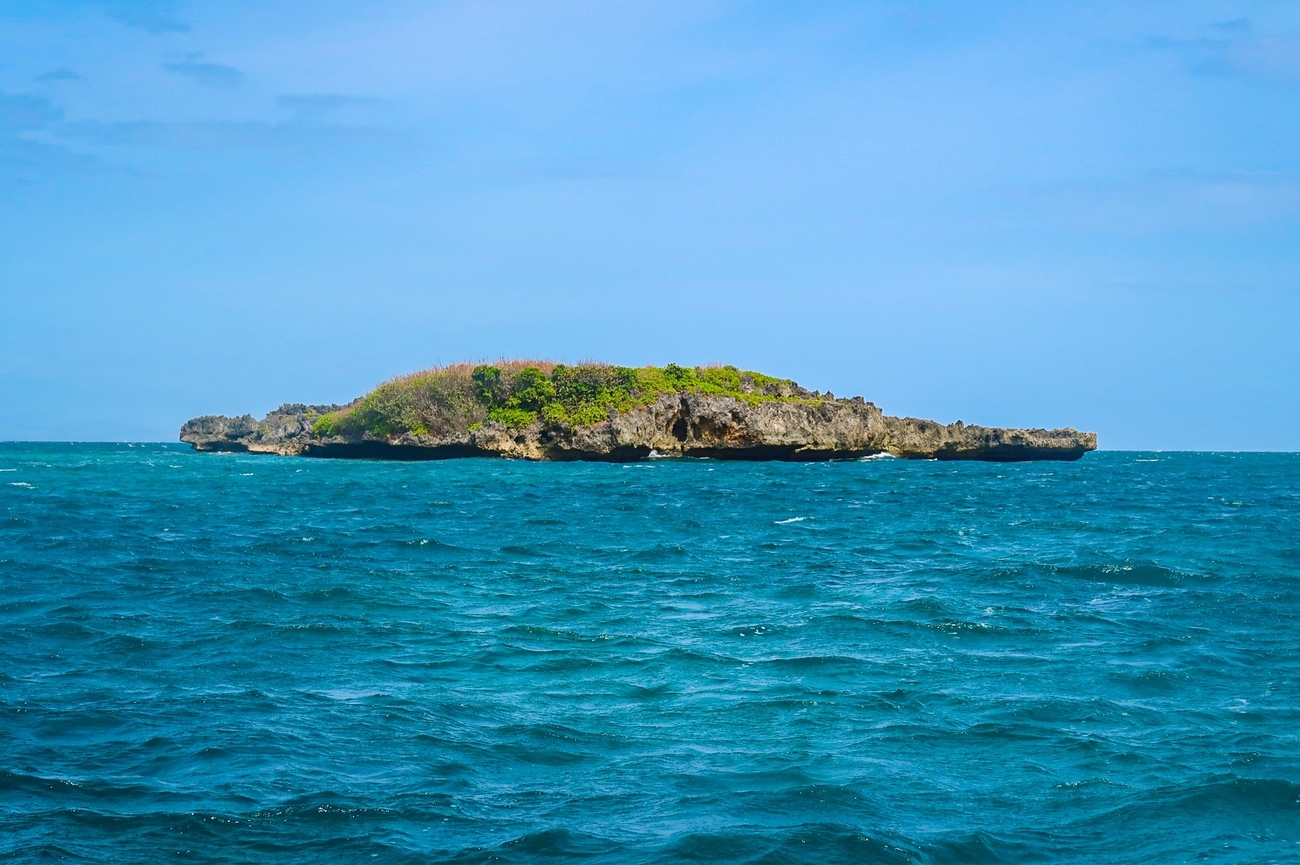
Start your morning with a boat ride to Crocodile Island, a small uninhabited islet famous for its colorful marine life and coral gardens (one of Boracay’s best snorkeling spots). The island gets its name from its crocodile-shaped silhouette, but don’t worry, there are no real crocodiles here.
You won’t dock on the island itself. Instead, your boat will stop at a snorkeling anchor point nearby, where you can jump into clear, turquoise waters and explore the colourful reef below. Expect to see schools of tropical fish, clownfish, and beautiful coral formations.
Crystal Cove
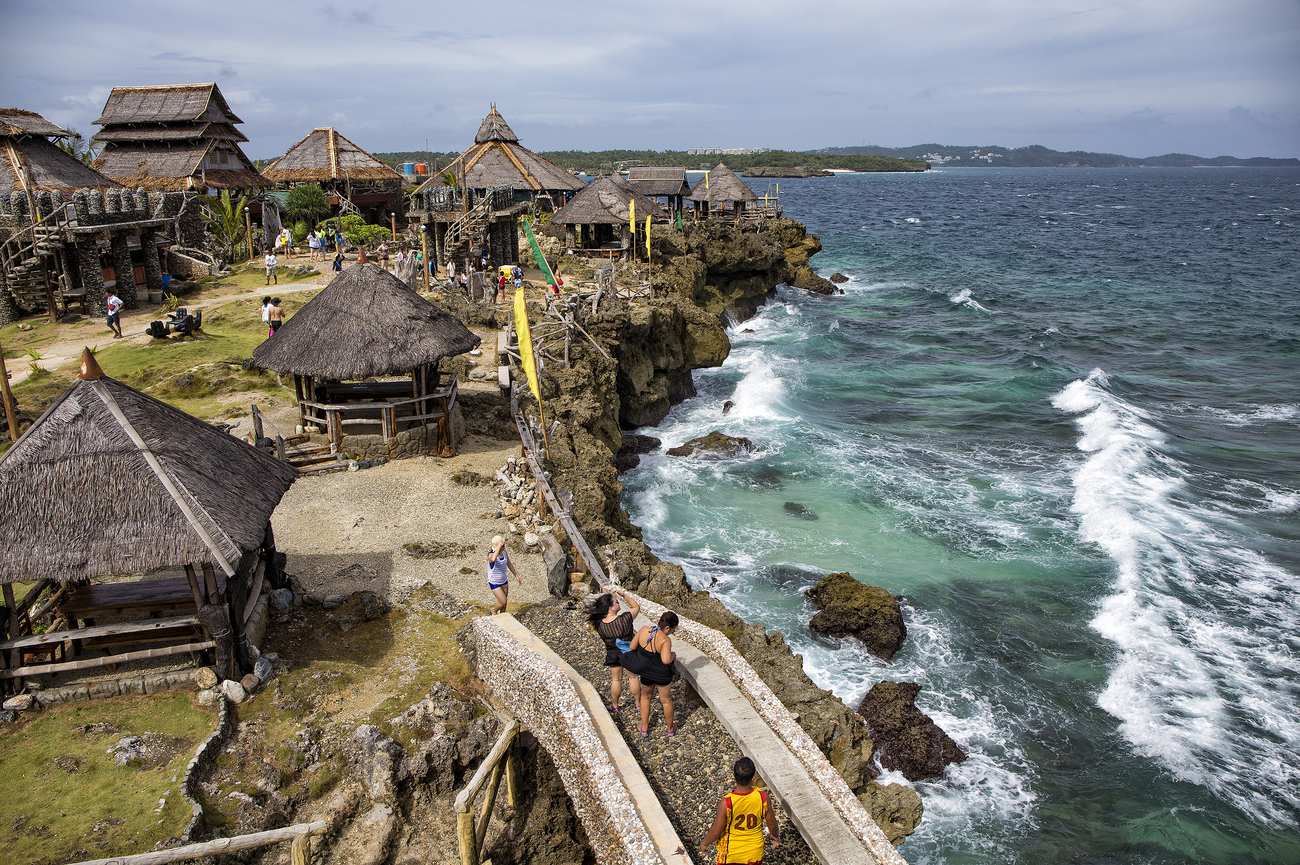
Your next stop is Crystal Cove, a small private island known for its beautiful views, caves, and hidden coves. Formerly called Tiguatian Island, it earned its current name after crystal-like rock formations were found inside its two main coves.
You can explore both coves by following stairs and short tunnels carved into the rocks. Depending on the sea conditions, you may be able to swim or snorkel in the natural pools inside the caves. Around the island, you’ll also find a small seashell museum, an aviary with local birds, and plenty of thatched cabanas where you can rest, enjoy a picnic, or simply enjoy the view from its highest viewpoint at the “Baywatch” tower.
Afternoon: Secret Cagban Beach
As you return to the mainland, make your way to Secret Cagban Beach, a peaceful spot with far fewer crowds. The beach features striking rock formations and sits near cliffs where old resorts once stood, giving the area a more rugged, untouched feel. It’s a great place for capturing unique photos and a nice contrast to Boracay’s more polished, busy beaches.

Day 3 - Boracay Tour Map
Day Trips from Boracay
- Carabao Island: Just a short boat ride from Boracay, Carabao Island (locally called Hambil) offers a quieter, more rustic experience. It’s best known for its cliff-jumping spots, especially Cathedral Cave, where you can leap from platforms ranging from 3 to over 10 meters into clear blue water. If you prefer something gentler, Koding Koding Point has lower jumps and even a fun slide into the sea.
If cliff jumping isn’t your thing, the island has peaceful beaches perfect for swimming, snorkeling, or simply relaxing. You can also explore small, lesser-known caves scattered around the island. For a scenic view, head to Tagaytay Viewpoint. From here, you’ll get a beautiful panoramic view over the island, with Boracay visible in the distance.
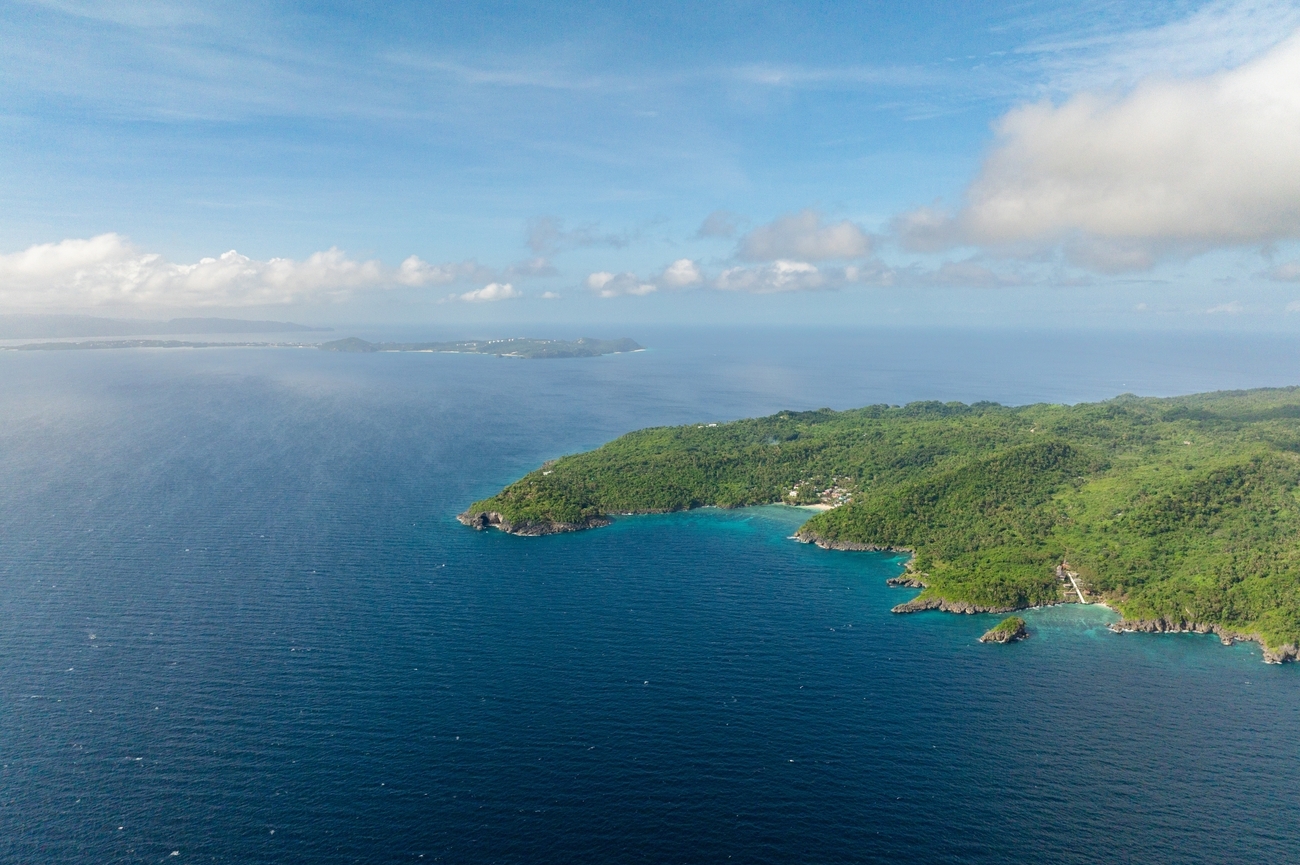
- Ariel's Point: A popular eco-adventure spot in Buruanga, Aklan, easily accessible by a 30–45 minute boat ride from Boracay. It’s known for its stunning tropical setting, cliff-diving platforms, and fun water activities.
If you’re up for adventure, you can try cliff diving from platforms 3 to 15 meters high, with lifeguards onsite for safety. If you prefer something calmer, enjoy kayaking, paddleboarding, or snorkeling in the clear turquoise water. Or you can also skip the water activities altogether and simply relax, swim, or socialize while enjoying the tropical views. We can prepare a Filipino-inspired buffet lunch for you here, with grilled meat, fish, rice, and fresh local fruits, perfect after a morning of exploring.
Golf Course in Boracay
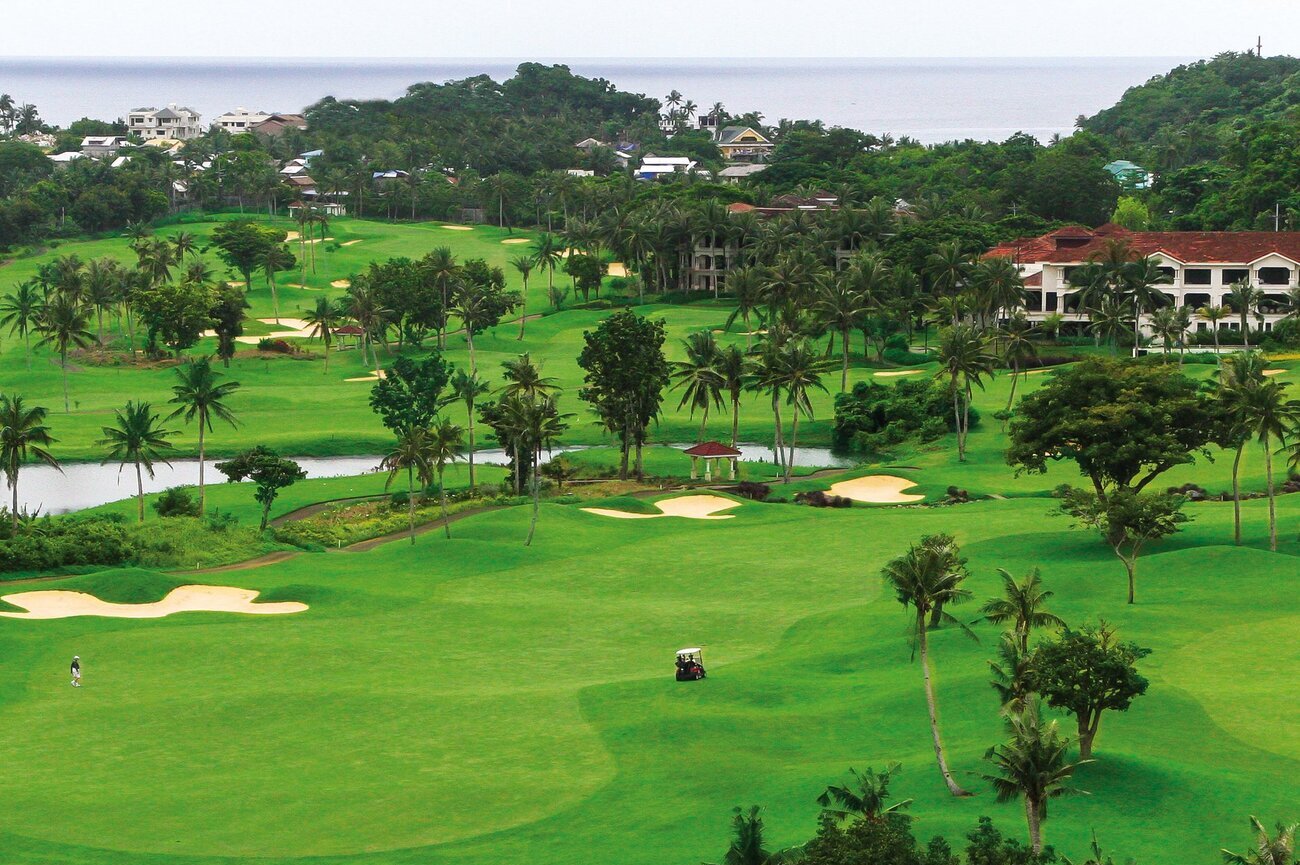
- Fairways and Bluewater Resort Golf and Country Club: This 80-hectare eco-friendly resort is home to Boracay’s only golf course, along with private beaches, several pools, and plenty of dining options. If you’re a golfer (or just want to try) you can tee off at their 18-hole, par-72 championship course, complete with scenic ocean views and the option to hire experienced caddies.
After your game, head to one of the resort’s private white-sand beaches. It’s a great place to unwind away from the crowds, whether you prefer lounging on a bean bag, stretching out on a sunbed, or simply enjoying the calm atmosphere.
Luxury Spa & Wellness Experience in Boracay
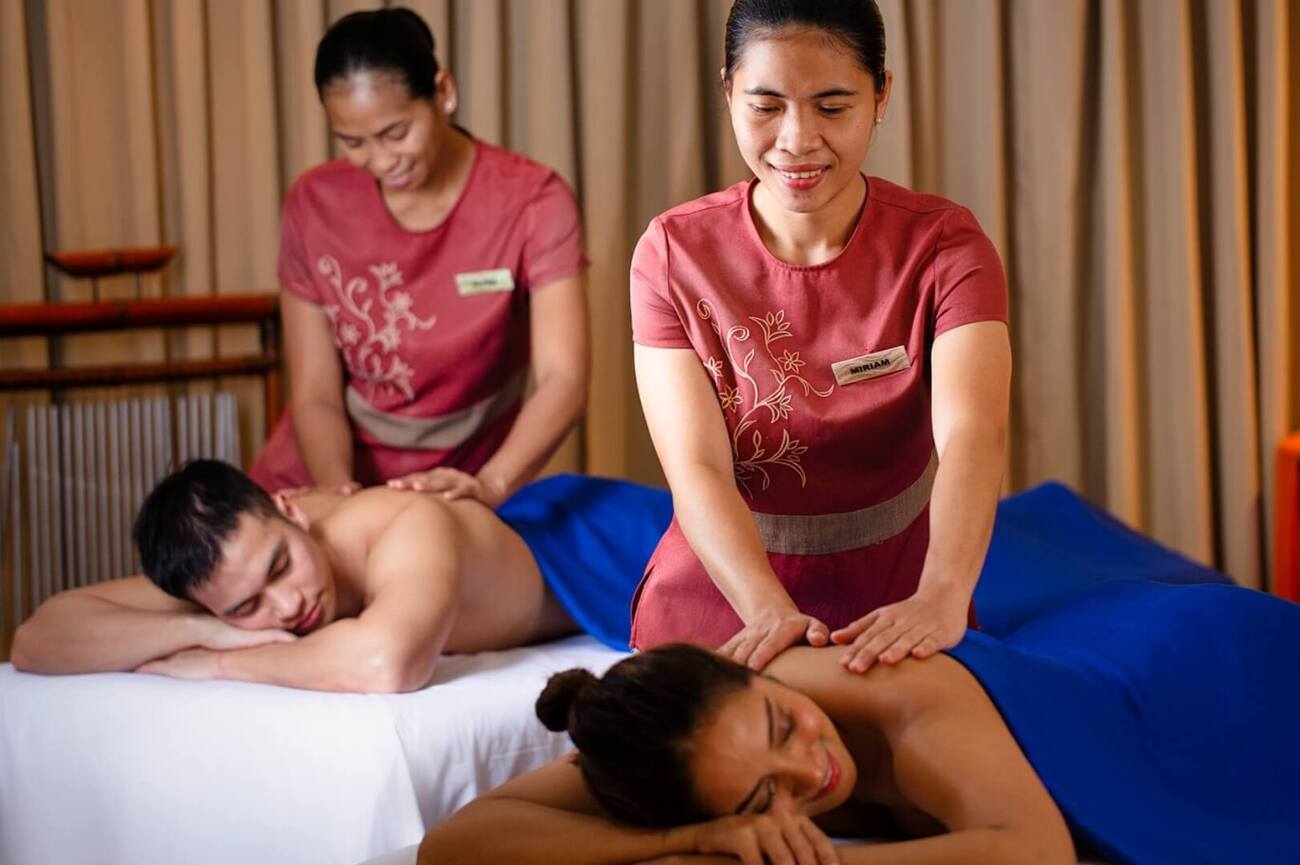
- Tirta Spa Boracay: If you’re looking for deep relaxation, this award-winning spa offers a calming, Asian-inspired setting with gardens, koi ponds, and private royal suites. Tirta focuses on holistic wellness by combining modern techniques with ancient healing rituals. Try their Tirta Signature Massage, which combines aromatherapy, Swedish techniques, lymphatic drainage, and foot reflexology. If you prefer to unwind in your own space, they offer an In-Room Meditation Massage (90 or 120 minutes), designed to calm your mind and body right in your hotel room.
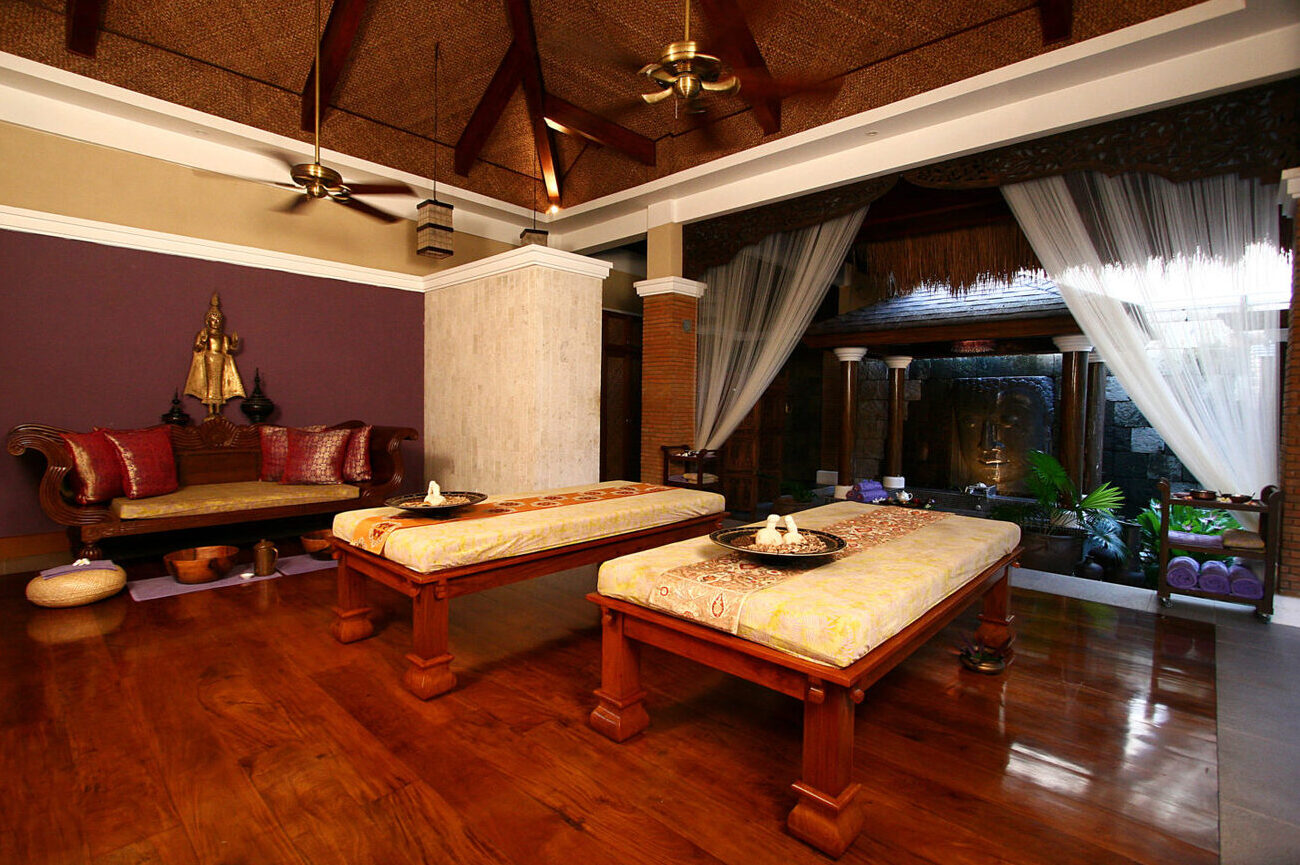
- Mandala Spa Experience in Boracay: An award-winning, eco-friendly wellness retreat known for its peaceful atmosphere, holistic therapies, and elegant villas. If you’re looking to fully relax during your stay, this is one of the best places to do it.
Their Mandala Signature Massage is a guest favorite, using long, soothing strokes and gentle stretches to melt away tension. They also offer a unique version of the traditional Filipino Hilot, called the Hilot Trilogy. This treatment uses coconut oil and banana leaves to detect imbalances, followed by vacuum cupping (bentosa), traditional hilot strokes, and a therapeutic dagdagay foot massage. It’s an ideal experience if you want to unwind, reset, and treat yourself to a restorative spa day in Boracay.

- Terra Wellness Spa: Located inside the five-star Discovery Shores Boracay, Terra Wellness Spa offers calming, earth-inspired treatments designed to relax both your mind and body. You can try signature treatments like Terra’s Touch, a gentle massage that blends aromatherapy, Swedish techniques, and foot reflexology to ease stress. If you want deeper relaxation, the Healing Stone Therapy uses warm basalt stones and cool stones to soothe muscles and balance your energy.
For a full pampering session, the Salt of the Earth package includes a revitalizing sea salt scrub followed by a calming aromatherapy massage. The spa also offers a range of facials, body treatments, and wellness packages
Exclusive Workshops & Immersive Experiences in Boracay
- Scenic Helicopter Ride: See Boracay from a whole new angle with a scenic helicopter ride. This experience gives you a stunning bird’s-eye view of the island. Choose from different flight options, such as a 10-minute beach tour, 15-minute island tour, or a 20-minute VIP tour for wider views of nearby islands. Most packages also include easy transfers from a meeting point near D’Mall to the helipad, making the experience smooth and convenient for you.

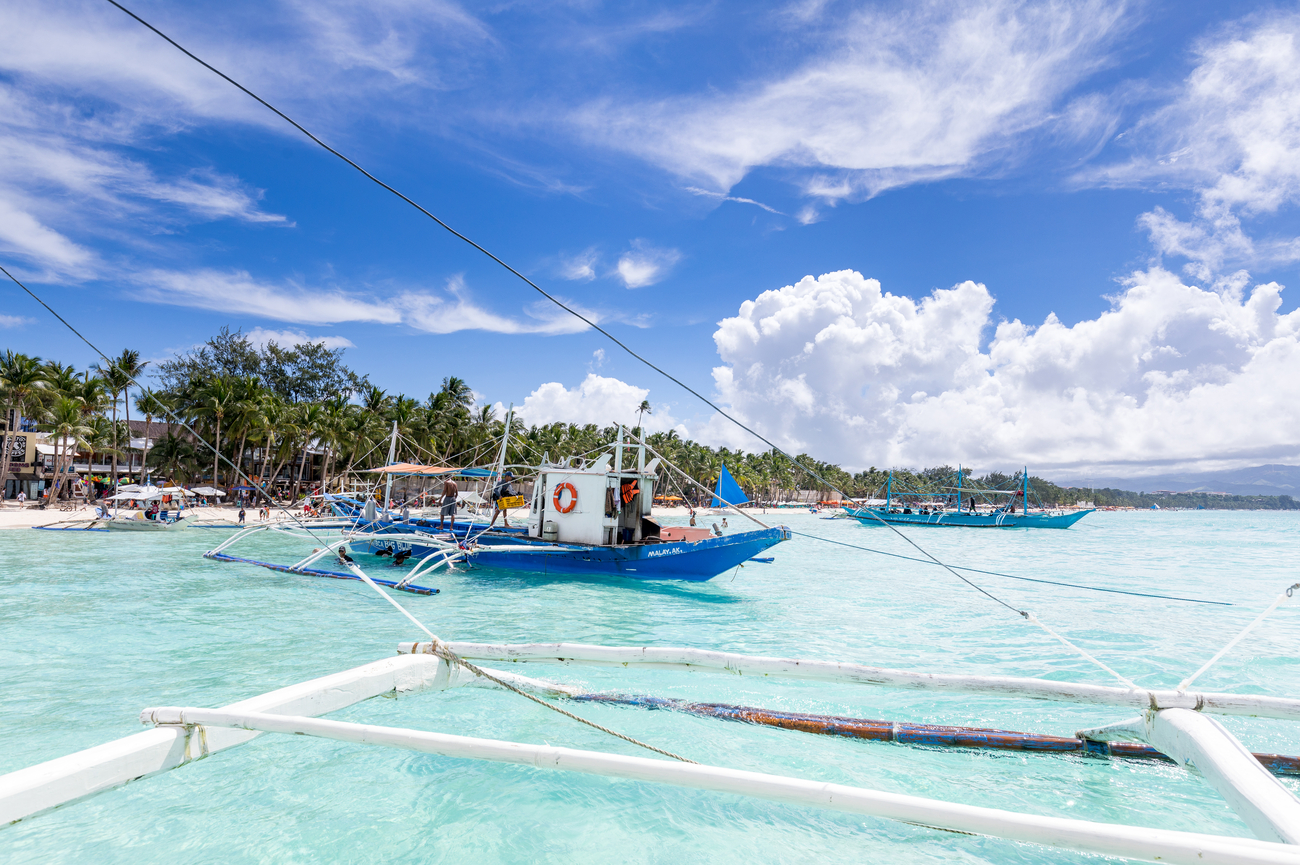
- Island Hopping Tour: One of the best ways to experience Boracay beyond White Beach. You’ll board a boat and spend a few hours exploring nearby islands and hidden coves. You can join a group tour if you want something affordable and straightforward, or we can arrange a private tour for you if you prefer more flexibility. Most tours run for 4–6 hours and include time for swimming, snorkeling, and sightseeing. Common stops include Puka Beach, Crocodile Island, Crystal Cove Island Resort, Magic Island, and other scenic spots along the way.
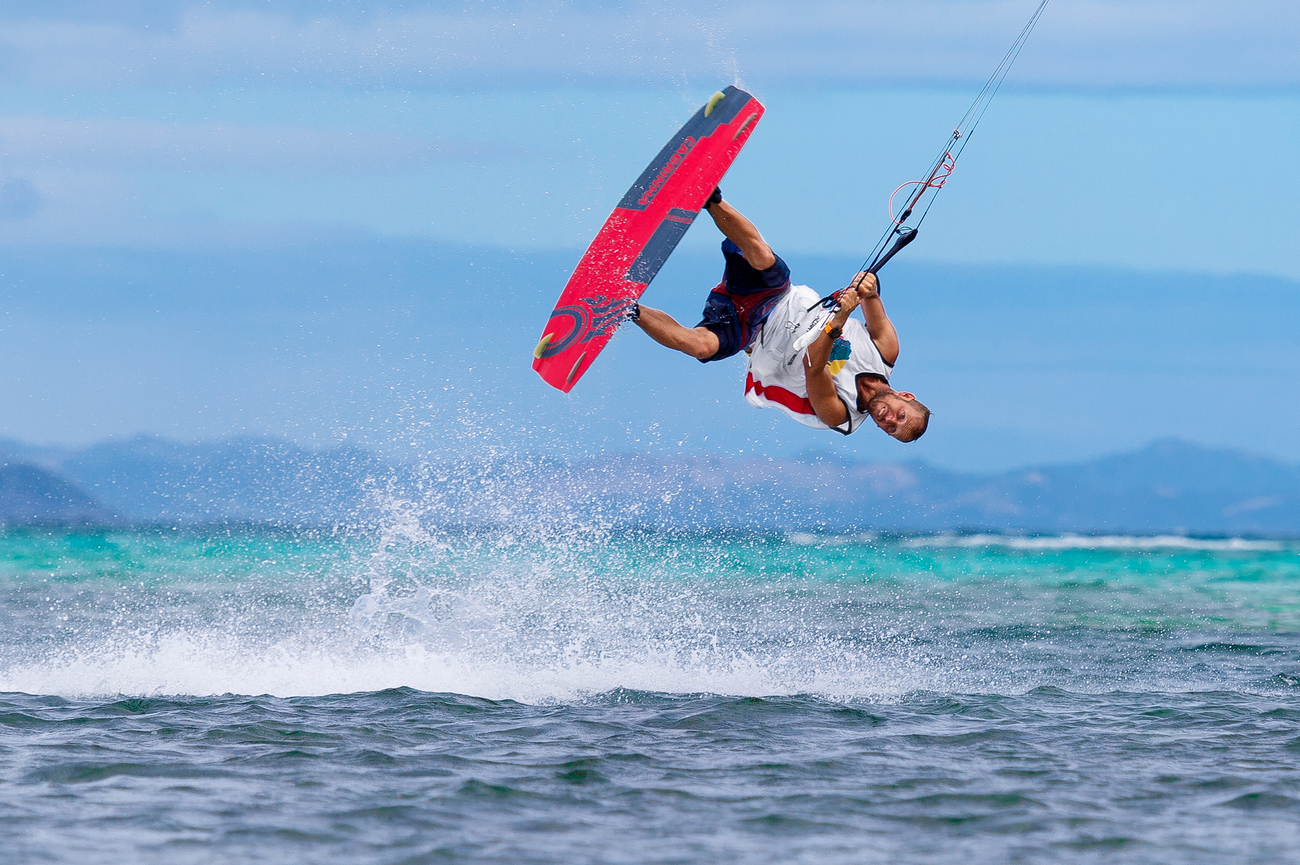
- Learn Kitesurfing: Bulabog Beach is one of the best places in Asia to learn kitesurfing, thanks to its shallow, flat turquoise water and steady winds. Whether you're a complete beginner or already experienced, the conditions here are ideal. You'll find several IKO-certified kite schools along the beach, offering safe, structured lessons for first-timers. If you'd like, we can arrange a few sessions for you. The best time to learn is during the Amihan season (November to April), when the winds are strong and consistent.
- Sunset Cruise: A sunset cruise is a beautiful way to enjoy Boracay’s famous sunsets from the water, giving you an open, crowd-free view of the sky. Cruises usually leave in the late afternoon and last about two hours. You can choose the type of experience that fits your style: Paraw Sailing, Party Yachts, or Cruises with Water Activities. No matter which you choose, a sunset cruise lets you enjoy Boracay’s golden hour from the best seat in the house: the open sea.

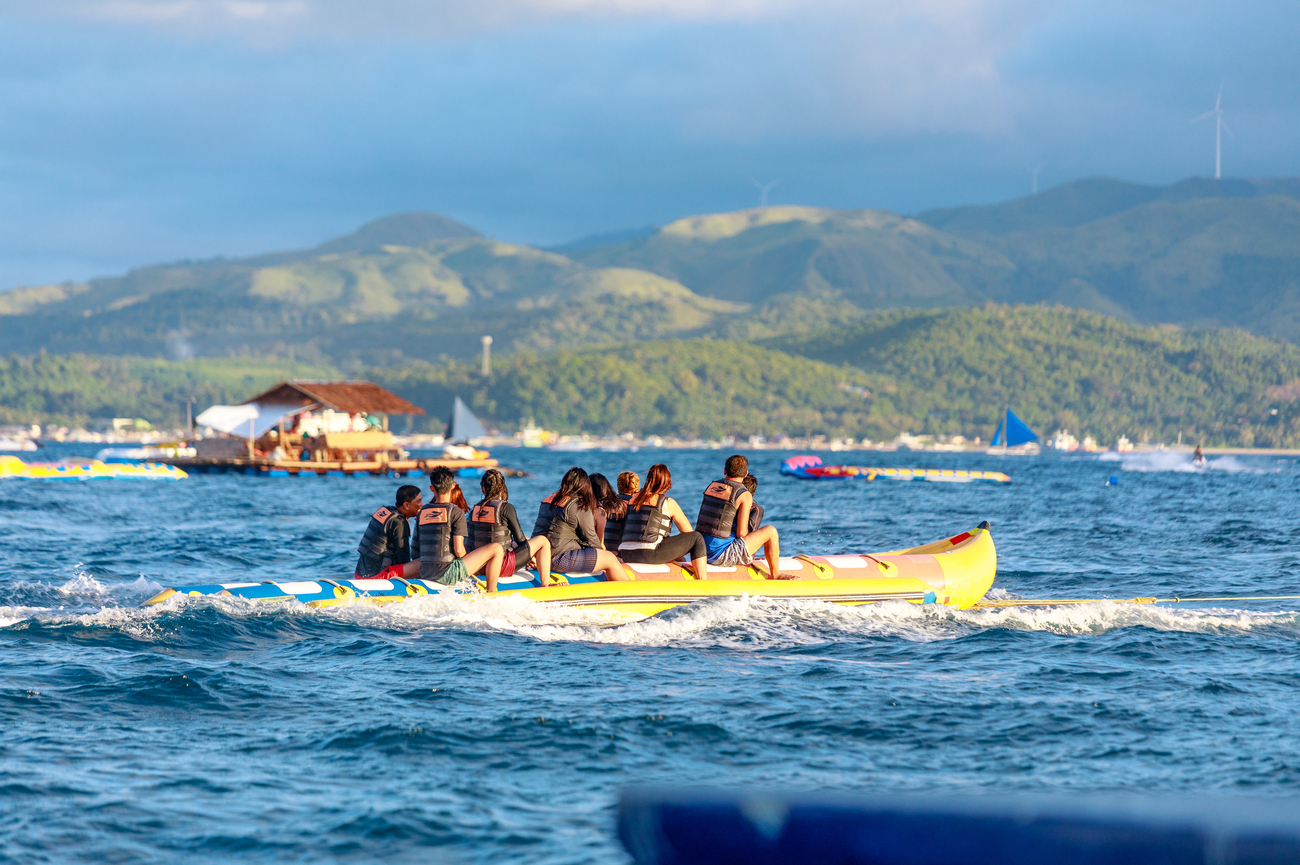
- White Beach Water Activities: White Beach is Boracay’s center for water adventures. Most activities start from floating stations just offshore, and you’ll be brought there by a quick speedboat ride. Whatever pace you prefer, White Beach has an activity that fits the kind of day you want to have. If you want something fast and thrilling, try parasailing, jet skiing, banana boat rides, the UFO, or the flying fish. If you’re interested in underwater exploration, you can go helmet diving or scuba diving. For leisure and sightseeing, enjoy paraw sailing, crystal kayaking, stand-up paddleboarding, or a sunset cruise.
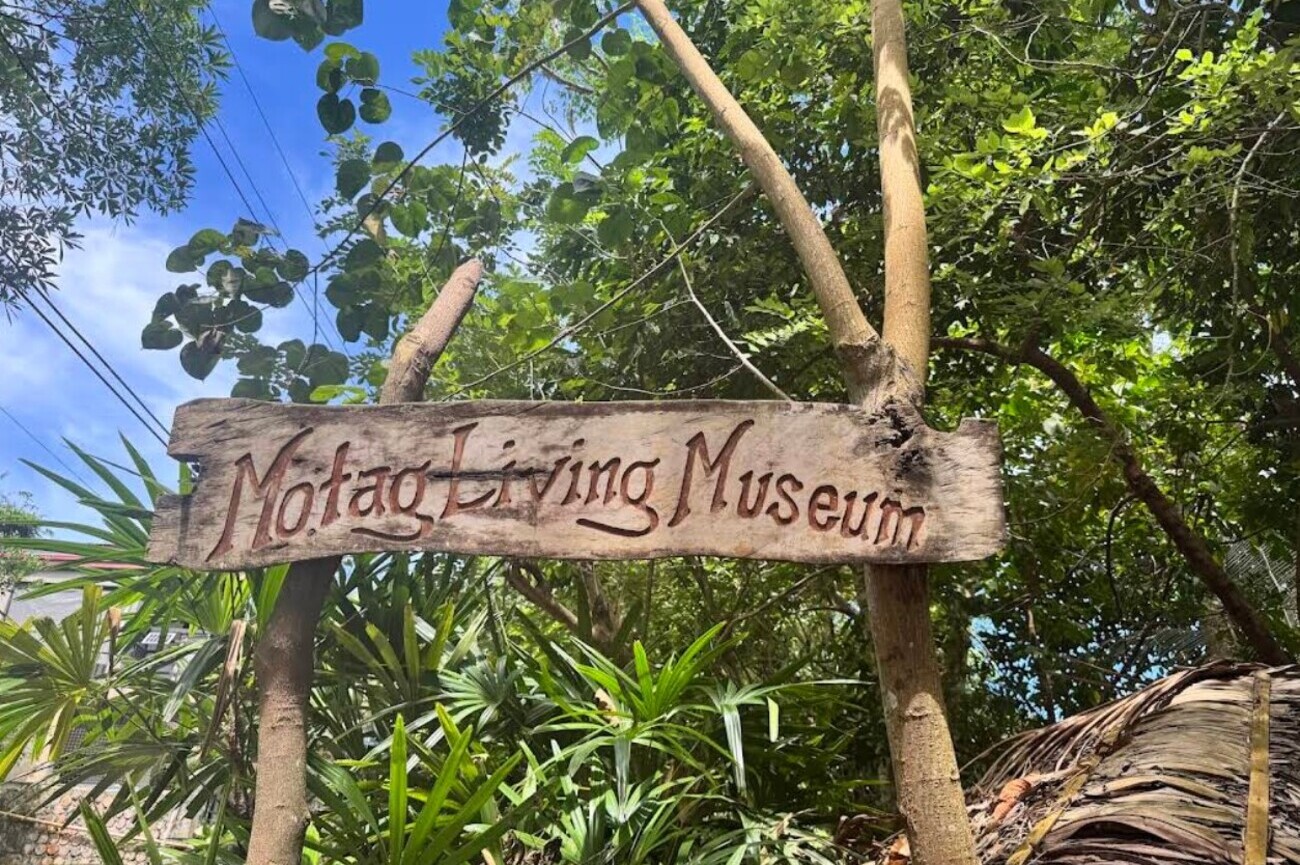
- Motag Living Museum: An interactive cultural experience located on the mainland of Aklan, just a short distance from Boracay. Unlike traditional museums with static displays, at Motag, you’ll meet local elders and artisans who bring traditional Filipino life to life through hands-on demonstrations. Here, you can join in rice planting or harvesting (depending on the season), try pounding rice, and learn traditional crafts like weaving mats and baskets from buri palm. It’s a great way to experience the region’s heritage up close and take part in activities that locals have practiced for generations.
Other Things to Do in Boracay
- Mount Luho: The highest viewpoint in Boracay, sitting about 100 meters above sea level in Barangay Yapak. It’s an easy spot to visit, you can reach the viewing decks by a short hike or an ATV ride. Once at the top, you’ll enjoy 360-degree views of the island, including White Beach, Bulabog Beach, Puka Beach, and even the Fairways and Bluewater golf course. It’s a great place to pause, take photos, and appreciate Boracay from a completely different perspective.

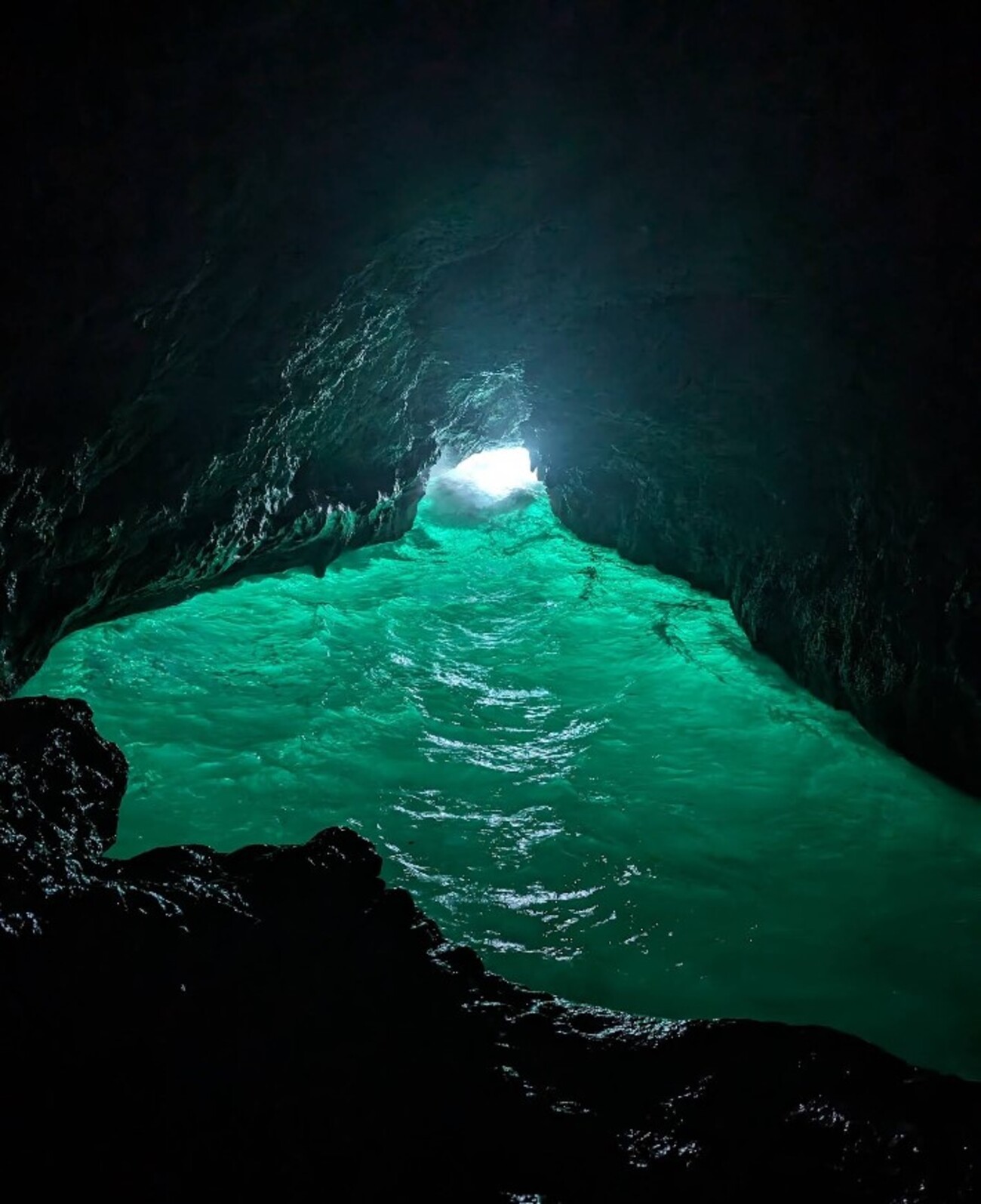
- Sigbin Cave: Also called Liway Hunasan, Sigbin Cave is a natural coastal cave known for its rugged beauty and local folklore about the mythical sigbin. It’s not a developed tourist spot, so you won’t find tours or facilities here, just raw, untouched scenery. The cave sits along a rocky shoreline, so you’ll need to be extra careful when approaching the entrance. It’s best to hire a local guide to help you navigate the terrain safely. Depending on the tide, you may also need a kayak, since parts of the cave are partially submerged. Keep in mind that tidal conditions affect access, during high tide, the cave can become unreachable.
Things to Do with Kids in Boracay
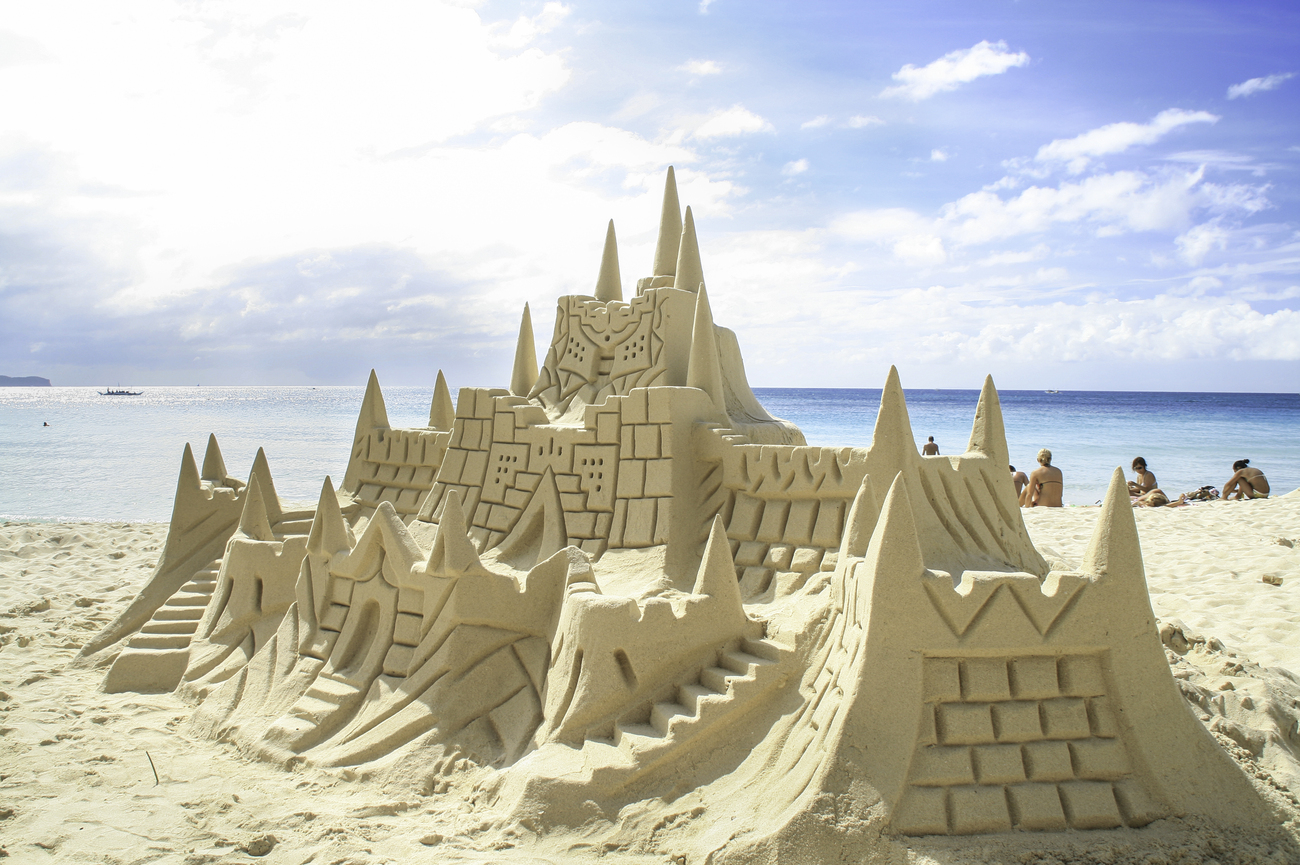
- Sandcastle Building at White Beach: White Beach’s powdery sand is perfect for building sandcastles, making it a fun and memorable activity, especially for families! Bring along buckets, shovels, and molds so your kids can easily shape the soft sand into castles and sculptures. You can also find local sand artists along the beach creating impressive displays. If you want something special, you can ask them to make a custom sculpture for you, with your child’s name instead of the classic “Boracay.”
- Watch Evening Fire Dance Performances: Catching a fire dance show at White Beach is a fun experience for the whole family. As the sun sets, resorts and beachfront restaurants light up with performers spinning fire poi, staff, and other props in time with the music. We can reserve a table for you at a restaurant that hosts regular fire shows, so you can enjoy dinner or drinks while watching the performance up close.

- Dualtron E-Scooter Ride: A fun, eco-friendly way to explore Boracay beyond the usual tourist areas. With a guide leading the way, you’ll ride to top spots on the northern and eastern sides of the island, including Bulabog Beach, Mount Luho, Puka Beach, Ilig-Iligan Beach, and Diniwid Beach. Most operators require participants to be at least 12 years old or meet a minimum height (around 120 cm), so this activity is best suited for teens.

Where to Eat in Boracay
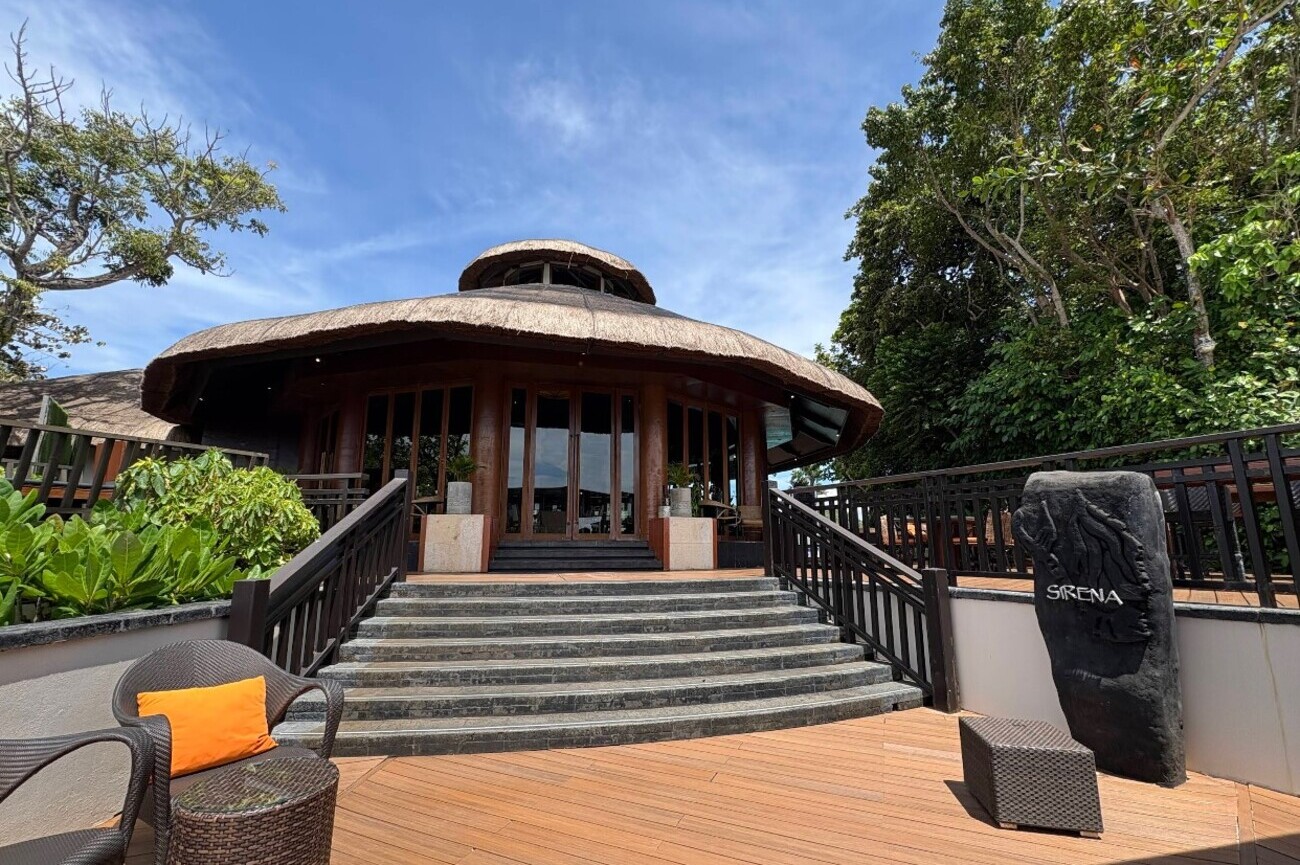
- Sirena Seafood Restaurant – Shangri-La: The signature restaurant of the five-star Shangri-La Boracay Resort & Spa and is often considered one of the best dining spots on the island. Nestled on a cliffside overlooking the ocean, it offers a romantic, upscale atmosphere where you can enjoy the sea breeze and the sound of the waves, perfect for intimate dinner. The restaurant focuses on sustainably sourced, market-fresh seafood. If you’re a seafood lover, try the Fresh Seafood Tower, Aklan oysters, lobster, prawns, or the daily catch. They also offer steak and other non-seafood options if you prefer something different.
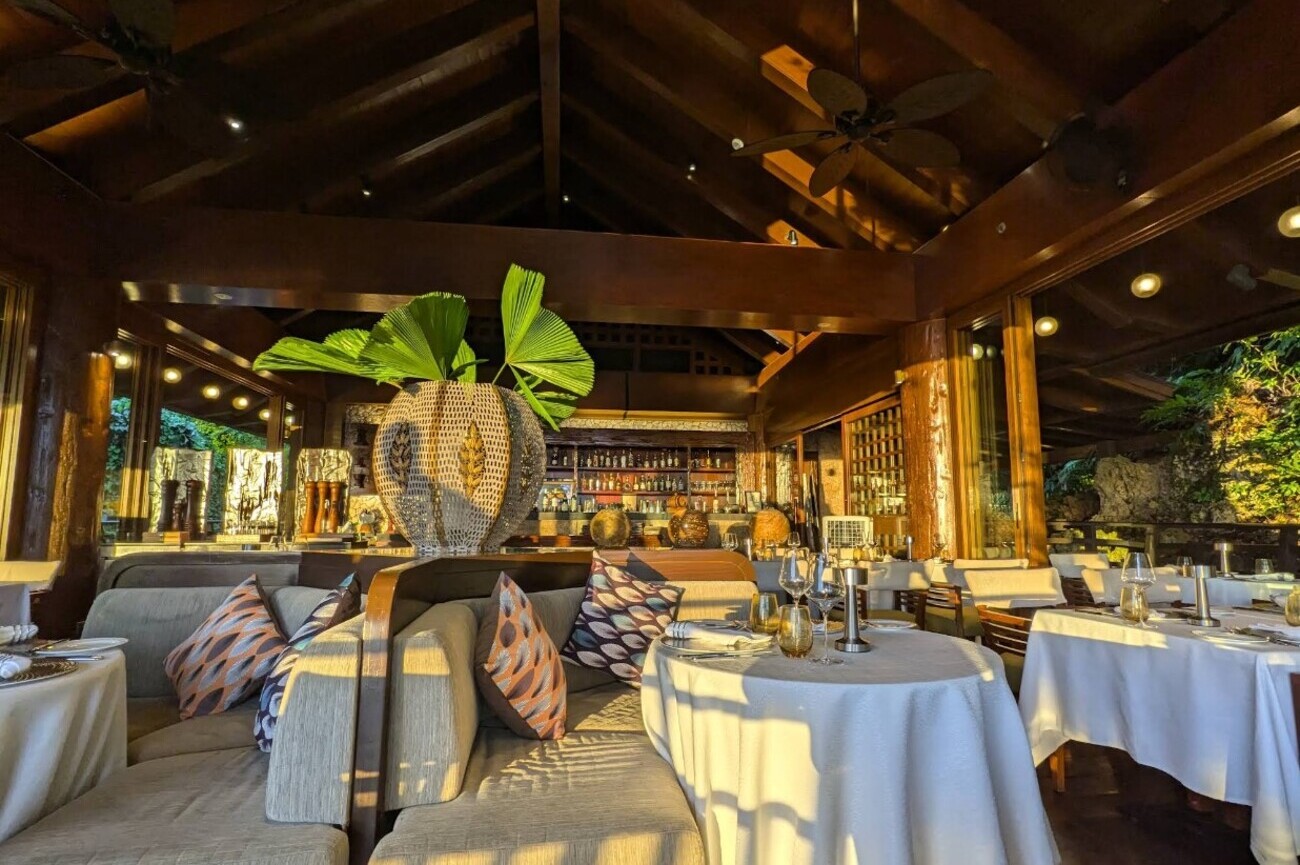
- Rima Mediterranean Treetop Dining: An elegant Mediterranean restaurant at Shangri-La Boracay, set high among the treetops for a romantic, intimate dining experience. From up here, you get beautiful panoramic views of the ocean. The restaurant serves refined Mediterranean dishes made with fresh ingredients. For a full culinary experience, try their 4-course degustation menu featuring some of their signature creations. Guests also love the Homemade Ravioli, Premium Steaks, and Saffron Seafood Risotto.
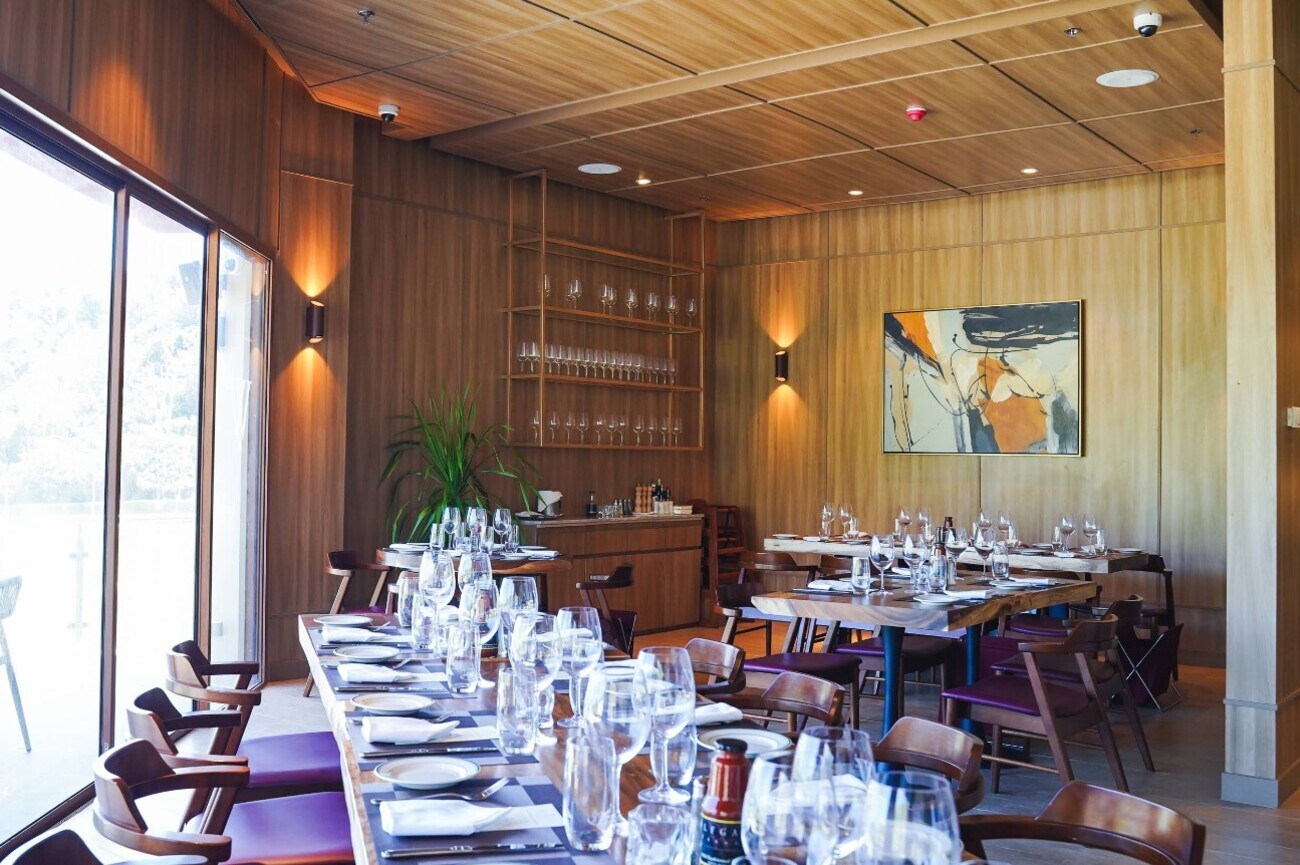
- Wolfgang’s Steakhouse Grill Boracay: Offers a refined dining experience with beautiful ocean views. The space is warm and elegant, with soft lighting, dark wood interiors, and an impressive wine selection. They also provide complimentary pick-up and drop-off from your hotel, making the experience easy and seamless for you. The highlight of the menu is their USDA Prime Dry-Aged Steaks: Porterhouse, Tomahawk, Ribeye, Filet Mignon, cooked exactly the way you like it.
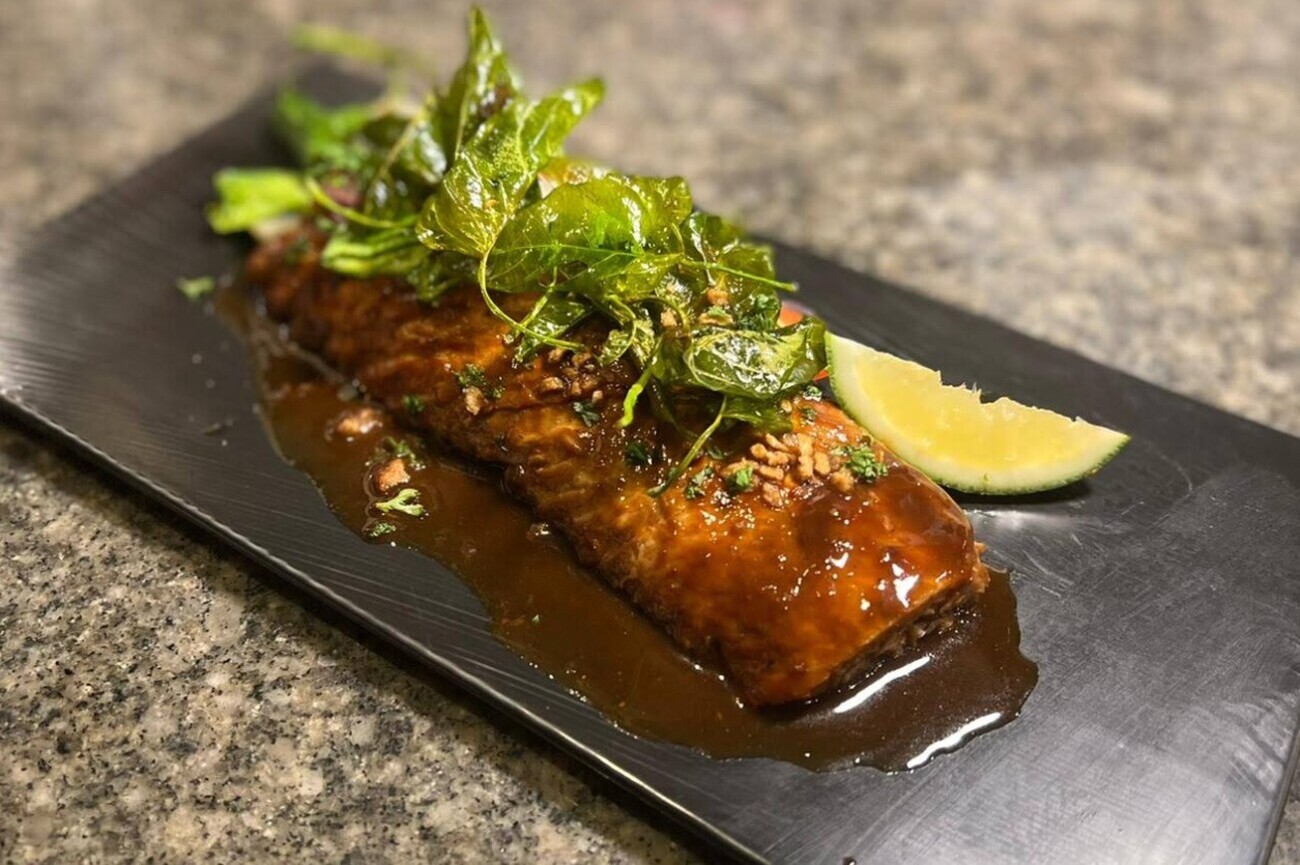
- Subo Boracay: An authentic Filipino dining restaurant with a modern twist, all set in a beautiful heritage-inspired space with wooden floors, vintage décor, and traditional music. To make your meal even more special, the staff performs cultural folk dances throughout the evening. If you’re dining with family or friends, try their Boodle-style platter—an impressive spread of grilled seafood and meats that’s perfect for sharing.

- Nonie's Boracay: Known for its healthy, sustainable, and modern take on Filipino-inspired dishes. It’s a great choice whether you eat everything or follow a vegan or gluten-free diet. Try their modern twists on Filipino classics like the Chicken and Pork Adobo, served deconstructed with grilled chicken and a 72-hour crispy pork belly. Other favourites include the Bistek Tagalog and the Fish and Prawn Curry. If you prefer plant-based meals, don’t miss the Tempeh Kare-Kare, a standout vegan version made with homemade tempeh and seasonal greens.

- Nalka Seafood and Oyster Bar: A beachfront restaurant located at The Muse Hotel in Station 1.Nalka is a great spot if you want fresh, sustainably sourced seafood with beautiful sunset views. The vibe is casual and modern, with both indoor and outdoor seating just steps from the sand. If you love oysters, this is the place to try them. They serve them in several styles, including Oyster Sisig, Motoyaki, Gratin, and Kinilaw. For seafood dishes, you can go for crowd favourites like the Seafood Bilao, Garlic Butter Prawns, Grilled Mahi-Mahi, Motoyaki Scallops, and Seafood Kare-Kare. It’s a relaxed yet satisfying dining stop where you can enjoy good food with a beachfront view.
- Dos Mestizos Restaurant: One of Boracay’s most beloved Spanish-Filipino restaurants, known for its authentic dishes and warm, rustic atmosphere. It’s a longtime favourite on the island, perfect if you’re craving traditional Spanish flavours during your stay. Be sure to try their signature paellas and tapas, as well as classics like Salpicao de Vaca, Callos con Garbanzos, Lengua de Vaca, and Cochinillo.
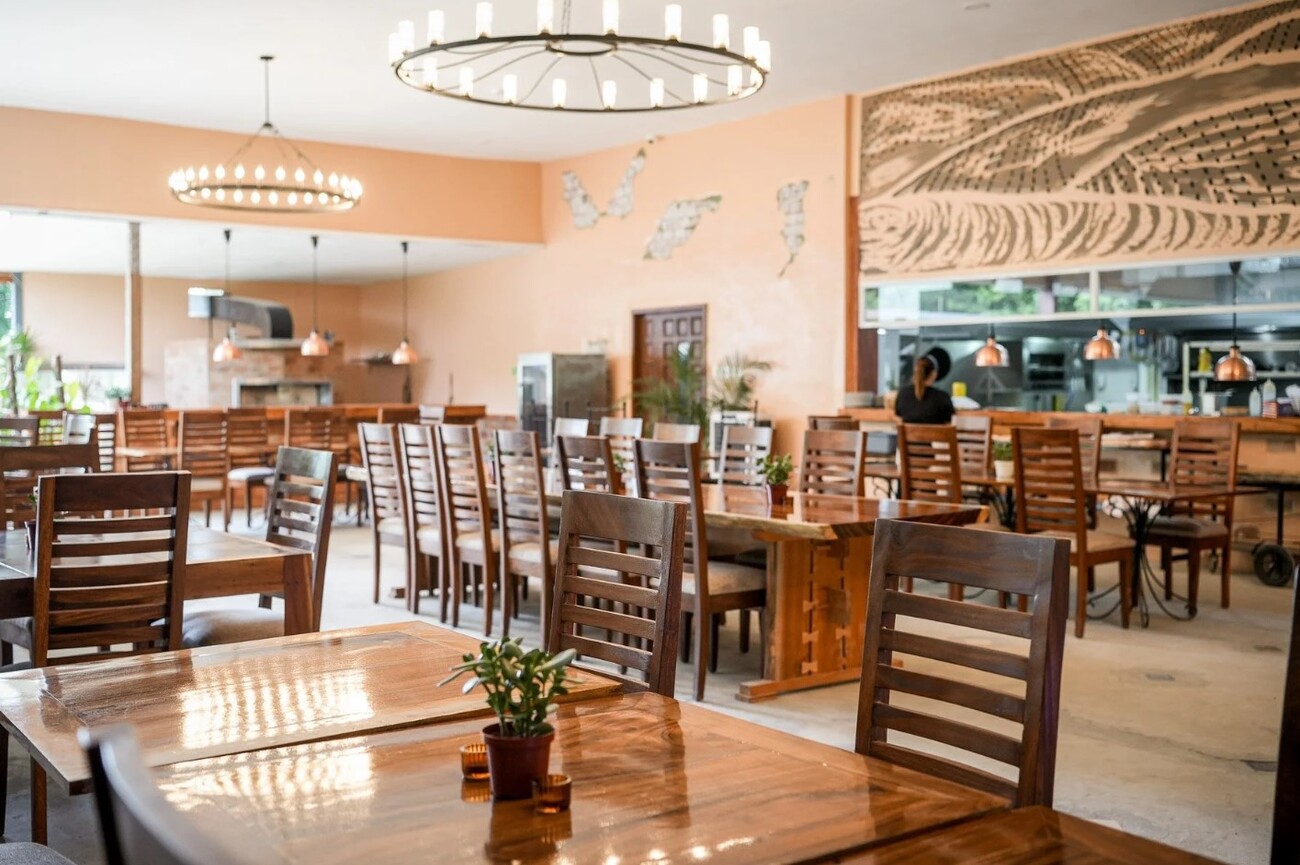
- Aria Cucina Italiana: A staple in Boracay for over 20 years and is known as one of the island’s top spots for authentic Italian food. The menu is inspired by Mediterranean coastal flavours, with wood-fired pizzas, homemade pasta, and fresh seafood. Try their signature wood-fired pizzas like the Margherita or Quattro Formaggi, baked in a traditional brick oven for that perfect smoky crust. Their freshly made pastas are also a must, especially the Carbonara, Spaghetti alla Gricia, and Seafood Pasta. It’s a great place to enjoy a comforting, flavourful meal after a day on the beach.
Where to Stay in Boracay
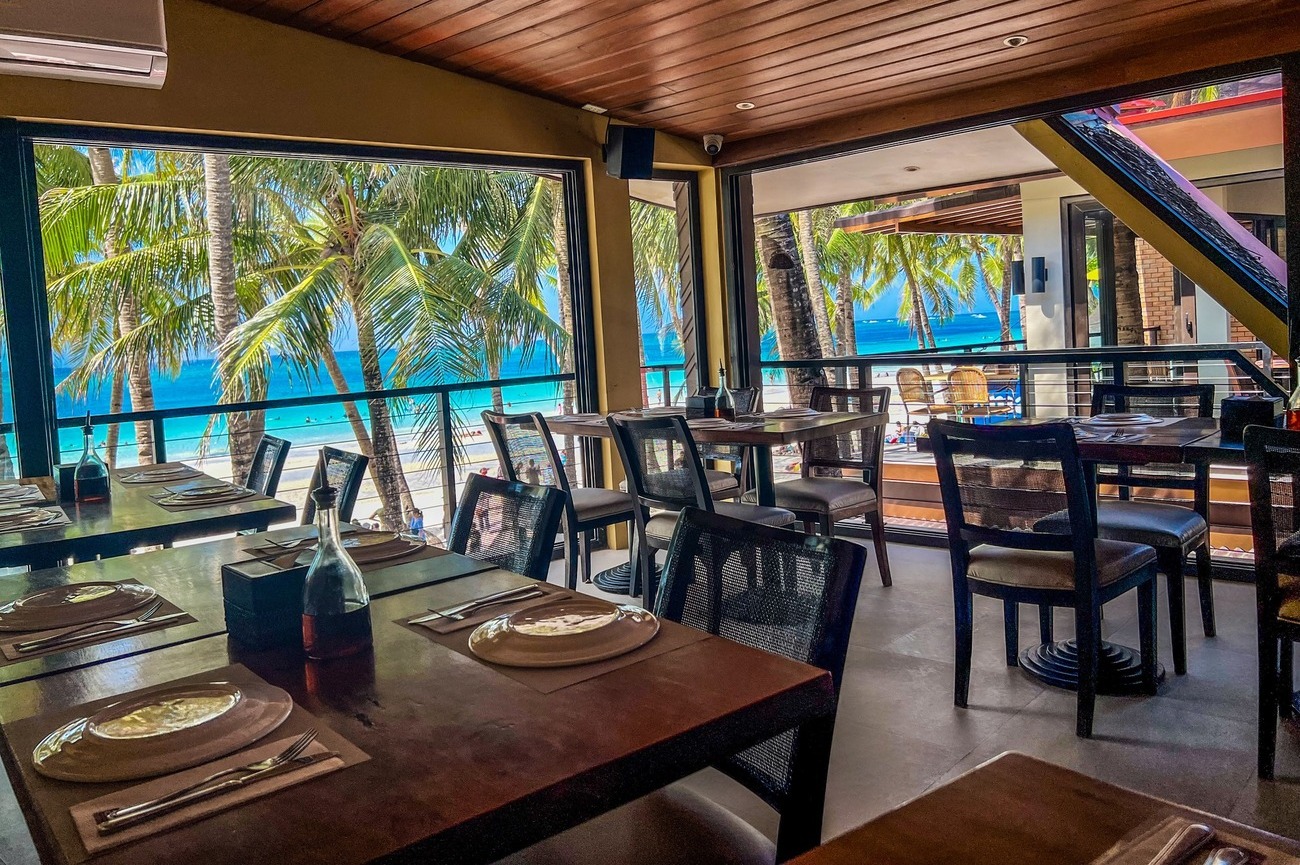
- Shangri-La Boracay: A five-star resort tucked away on the quiet northwestern tip of the island, offering top-notch service and a peaceful escape from the crowds. The resort features beautifully designed rooms, suites, and private villas with garden or ocean views. If you stay in a villa, you’ll enjoy added perks like a private pool, direct beach access, and butler service. Guests at Shangri-La Boracay get exclusive access to two secluded white-sand beaches, Punta Bunga and Banyugan Beach, giving you a peaceful, uncrowded place to swim, sunbathe, and unwind throughout your stay.
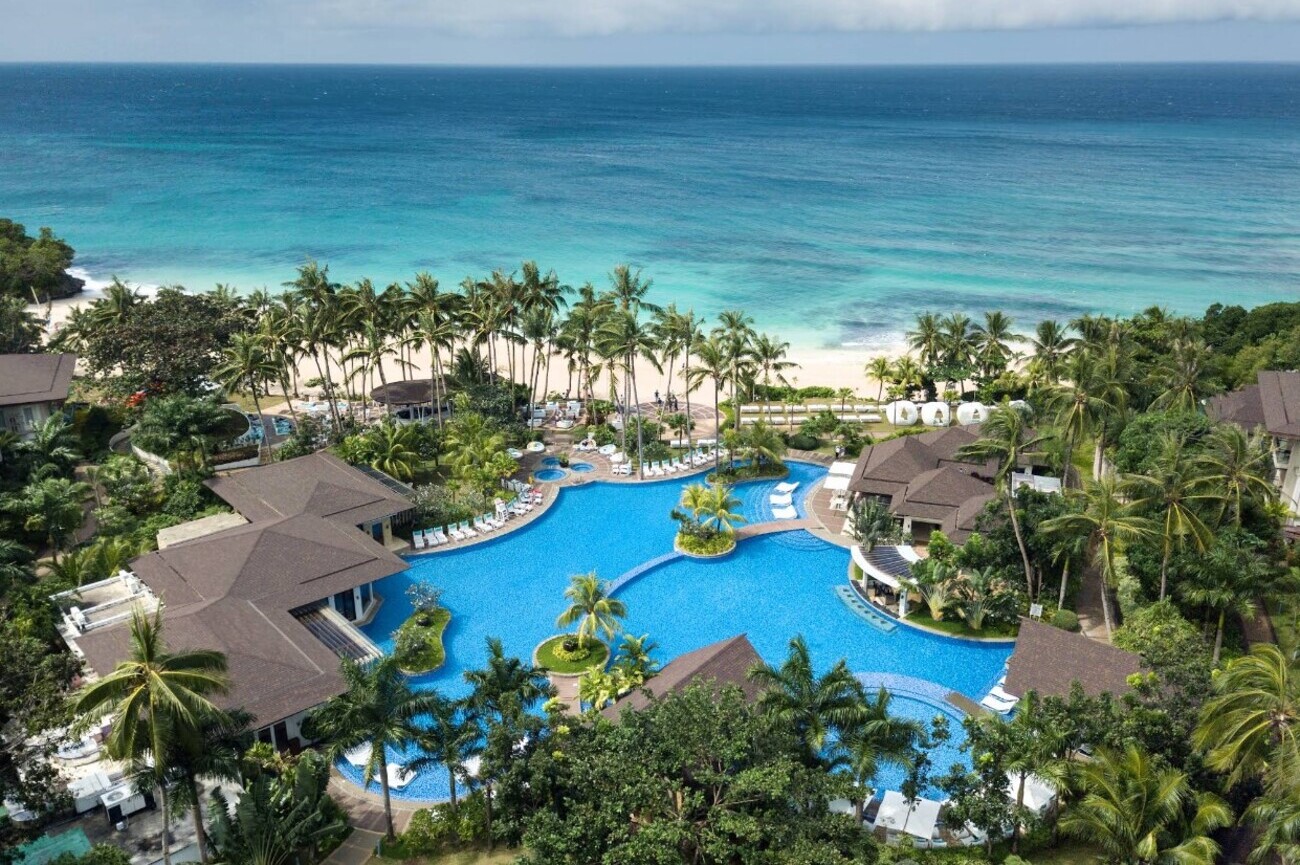
- Mövenpick Resort & Spa Boracay: Sits in the quiet, exclusive Punta Bunga Cove, giving you a peaceful stay far from the busy areas of White Beach. The resort is surrounded by tropical gardens, and offers a private, premium, and family-friendly atmosphere. One of its biggest highlights is the enormous 3,300-square-meter multi-level swimming pool (the largest in Boracay). It has dedicated areas for kids to play and a swim-up bar for adults to relax, a great choice whether you're traveling as a couple or with family.
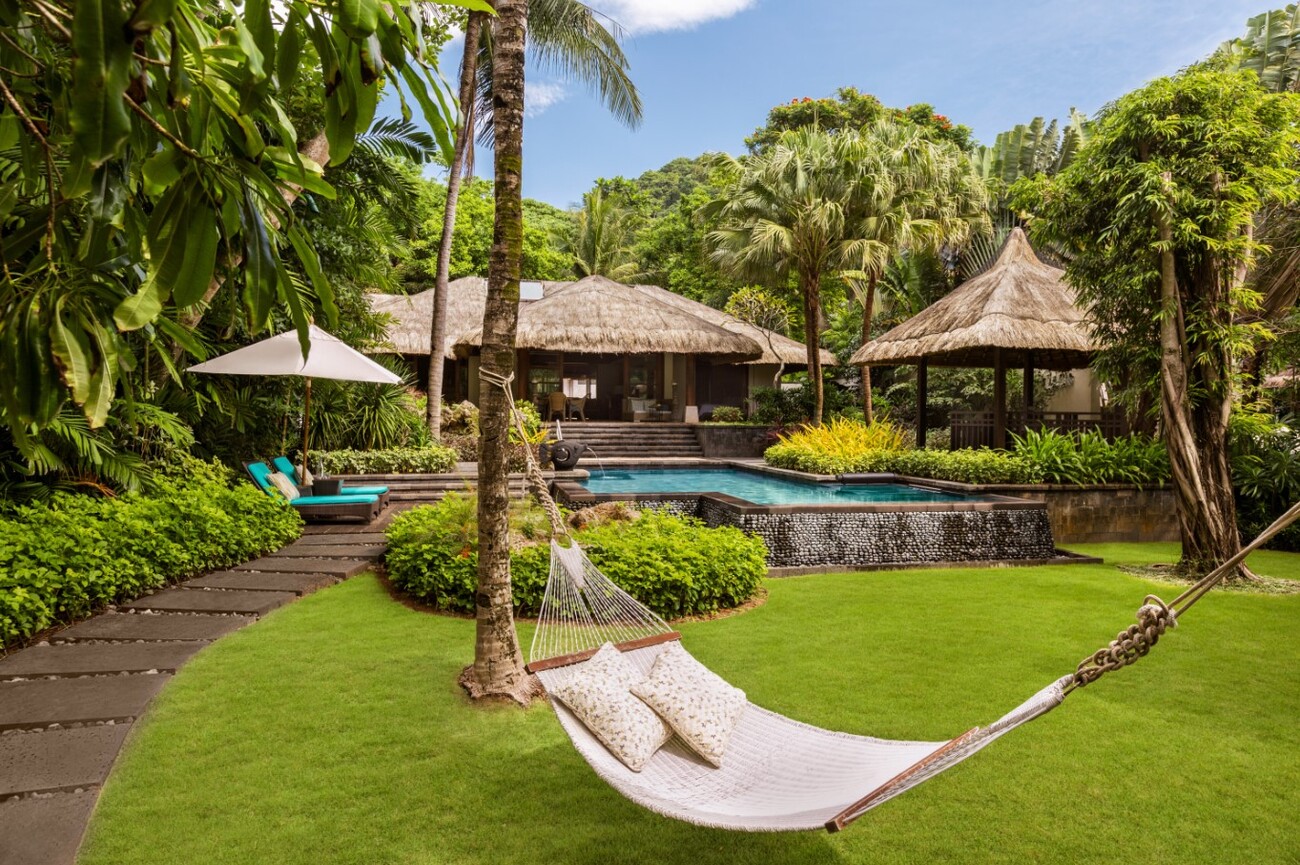
- Crimson Resort and Spa Boracay: A five-star hideaway on the quiet northwestern tip of Boracay, known for its privacy, elegant design, and top-tier amenities. You can choose from beautifully designed deluxe rooms to luxurious villas. The villas are perfect if you want extra privacy, they come with private plunge pools, spacious living areas, and butler service. Whether you pick a room or a villa, you’ll enjoy views of gardens or the pristine beach and turquoise sea right outside your window.
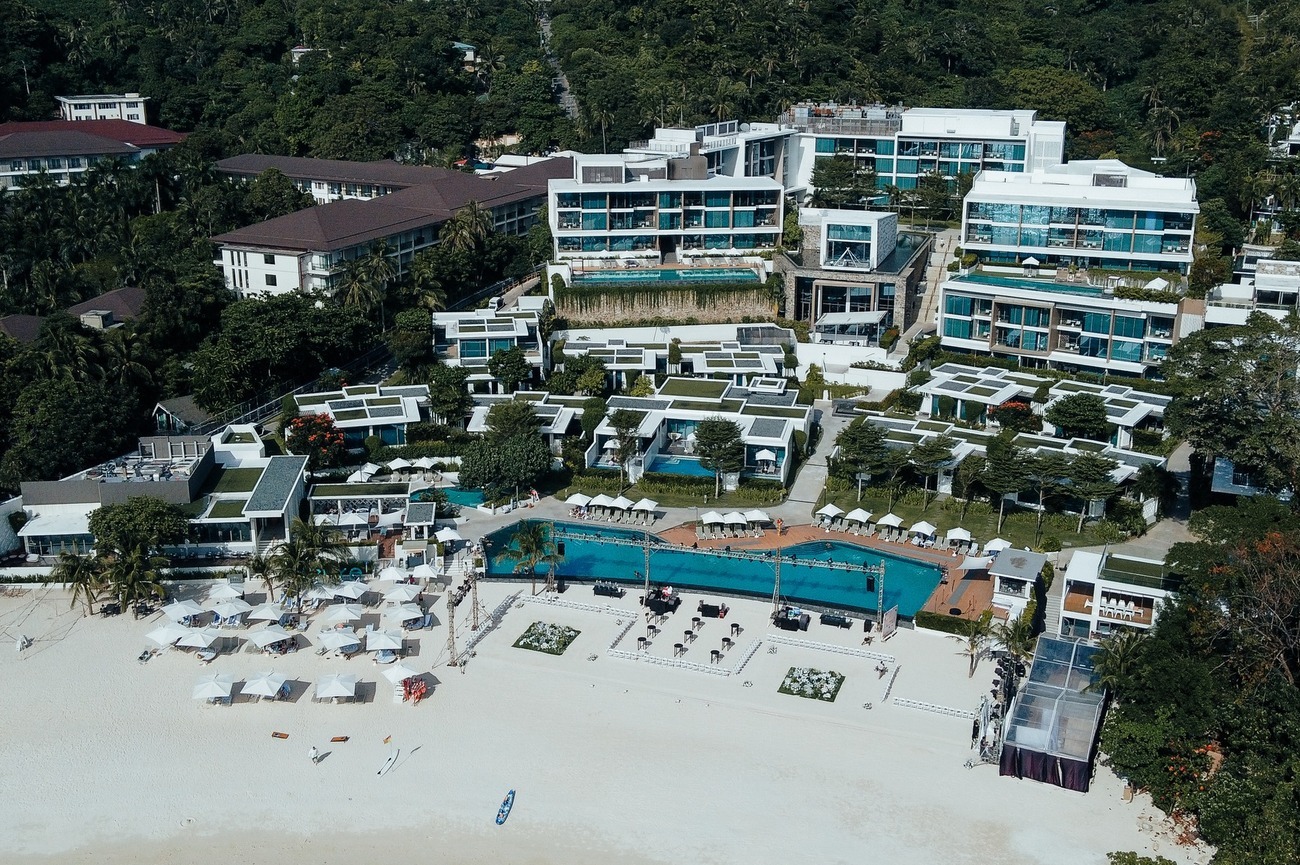
- Discovery Boracay: A multi-awarded five-star resort known for its beachfront location, fine powdery sand, and incredible sunsets. If you’re after personalised service and a relaxing, family-friendly stay, this is a great choice. The resort is famous for its warm, “heartfelt hospitality,” thanks to its attentive staff (called Guest Experience Makers (GEMs)) who go the extra mile to make your stay special. The rooms are spacious, all-suite accommodations ranging from Junior Suites to Two-Bedroom Suites with private plunge pools are spacious, all-suite accommodations ranging from Junior Suites to Two-Bedroom Suites with private plunge pools.
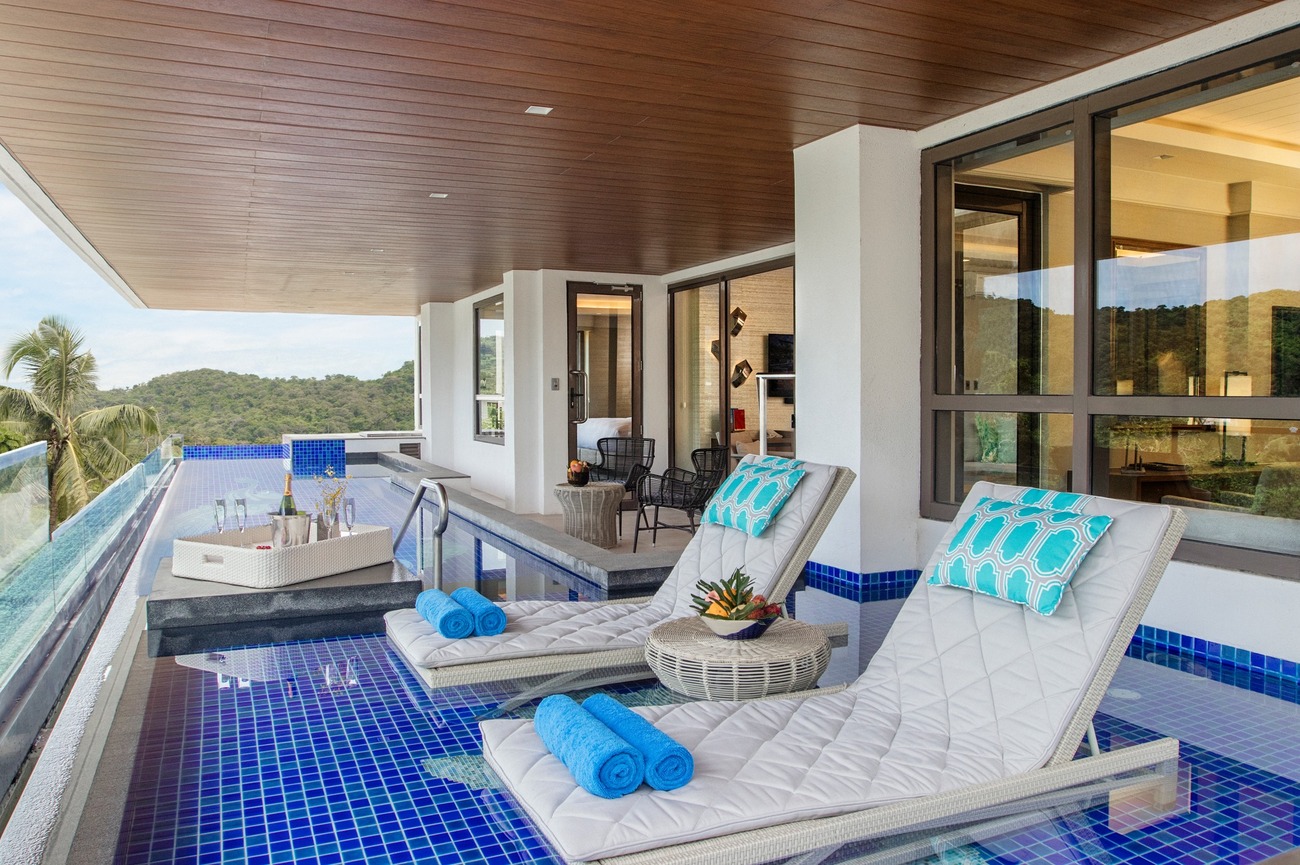
- The Lind Boracay: Located on the quiet, premium side of Station 1, giving you a peaceful stretch of White Beach to enjoy. The resort combines modern, chic design with warm Filipino hospitality. The rooms and suites are spacious and elegant, with choices ranging from garden-view rooms to beachfront suites. Every room comes with a balcony overlooking the gardens, pools, or ocean. If you want something extra special, some suites even feature private plunge pools on the balcony for your own secluded spot with stunning sea views.

- Savoy Hotel Boracay: Tucked away in a quieter, more private part of Boracay. Even though it’s far from the busy stations, the hotel provides free shuttle services to D’Mall (Station 2) and to its private beach, so getting around is hassle-free. The rooms are clean and well-equipped with premium amenities. You’ll also get access to Newcoast Beach, the hotel’s private shoreline known for its clear water and calm, relaxing vibe.
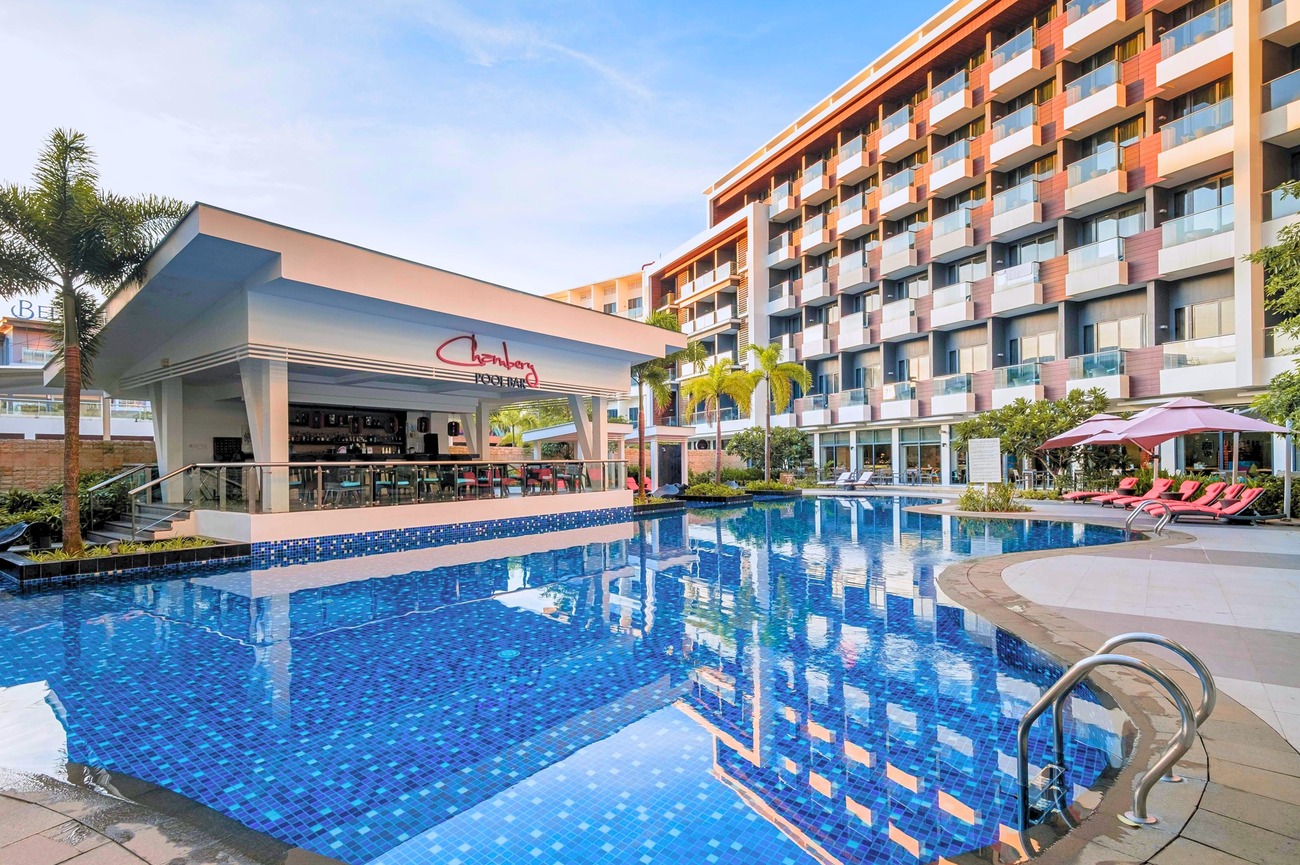
- Hennan Regency Resort and Spa: A large, Mediterranean-inspired beachfront resort that gives you a busy, convenient, and activity-filled stay. Located in the heart of Station 2, you’re only a 5-minute walk from D’Mall and right beside Boracay’s restaurants, bars, and nightlife, perfect if you want everything within easy reach. The resort has direct beach access, several pools, and multiple dining options, so you’ll always have something to do. Room choices range from Superior and Deluxe rooms to Family and Presidential Suites. Some rooms even let you step straight into the pool from your private veranda.
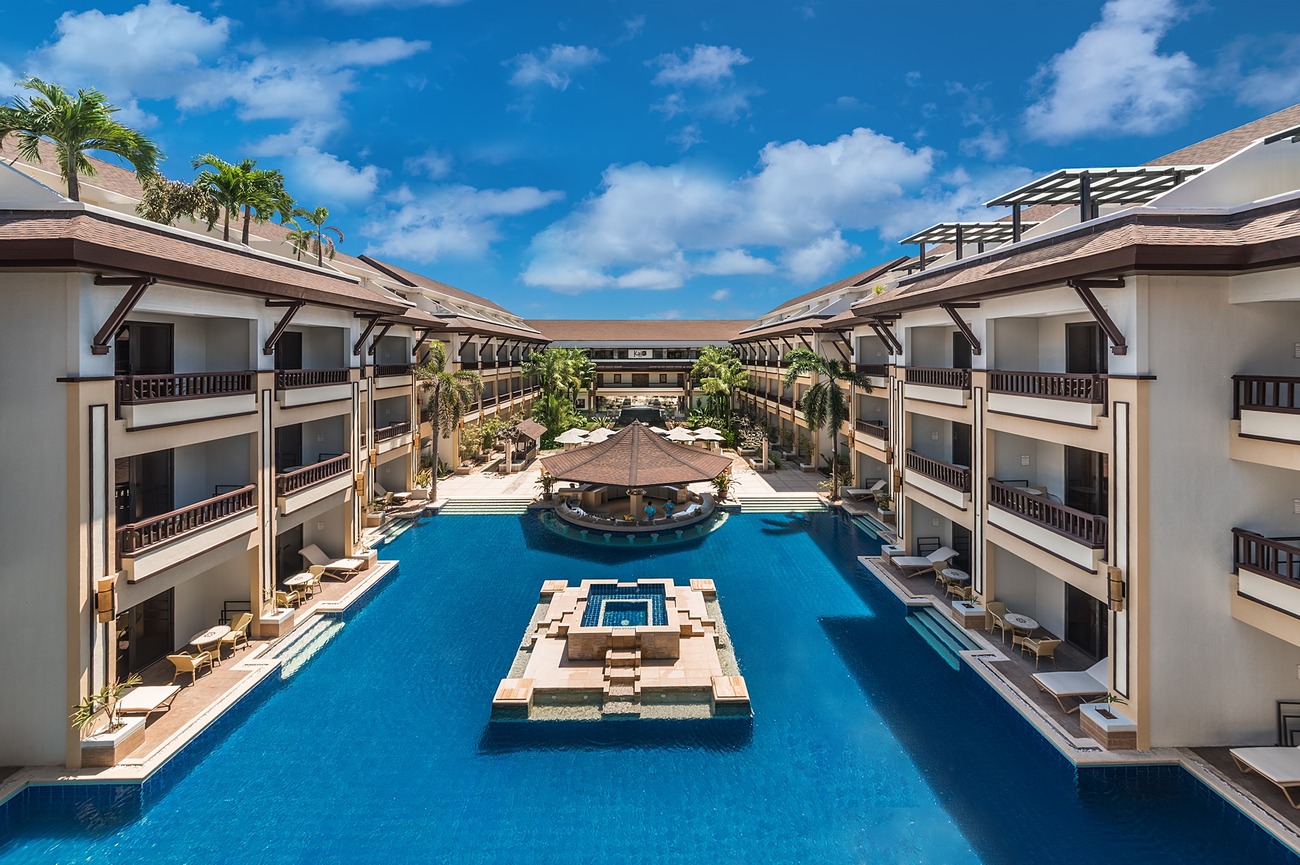
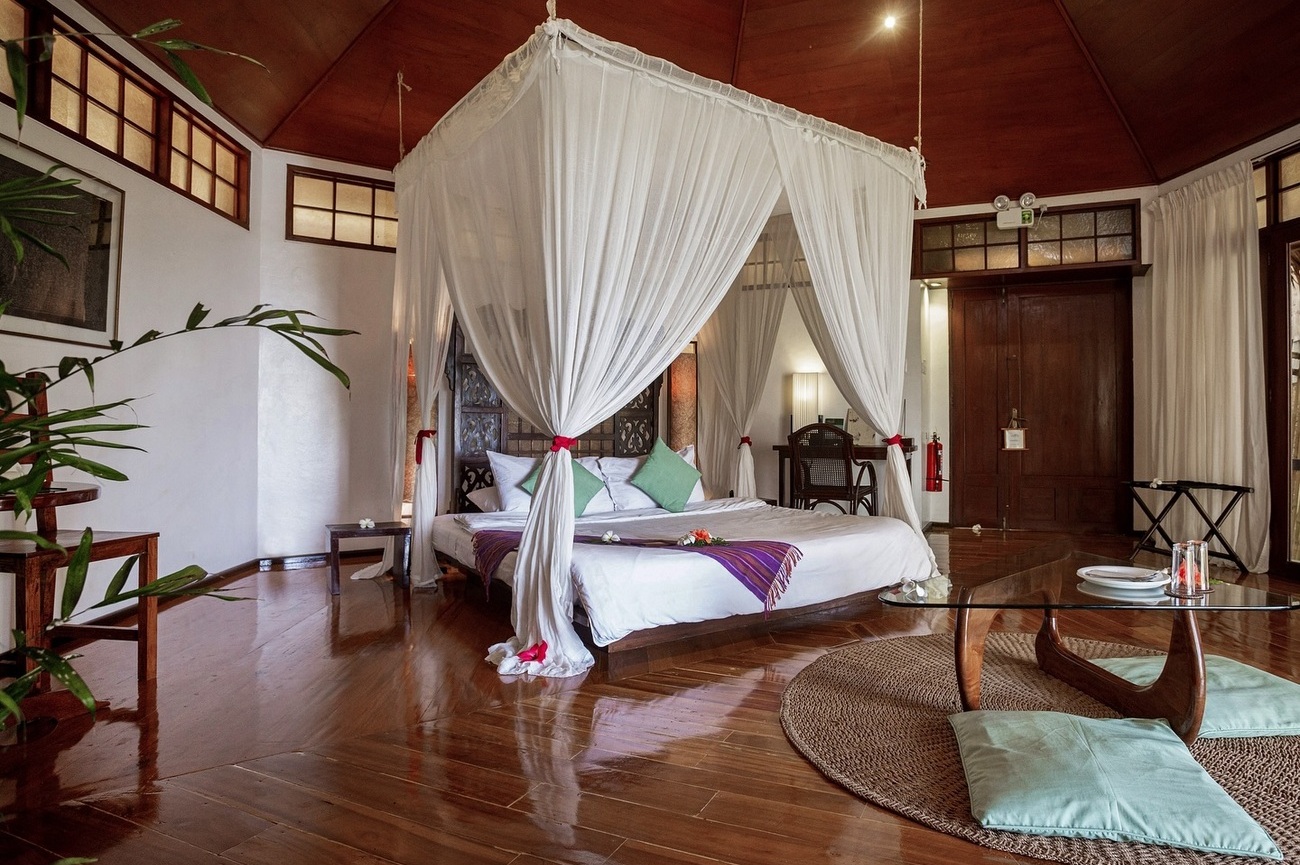
- Mandala Spa & Resort Villas: An award-winning eco-conscious resort set on a lush hilltop near Station 3. Here, you can enjoy a quiet, wellness-focused stay surrounded by tropical gardens and calming nature. You’ll stay in spacious, beautifully designed villas with high ceilings, polished wooden floors, and modern amenities. Each villa features a large bathroom with a bathtub and outdoor shower, plus a private terrace where you can relax in total privacy. It’s an ideal choice if you want a serene, rejuvenating experience during your Boracay holiday.
Best Time to Visit Boracay
The best time to visit Boracay depends on what kind of trip you want.
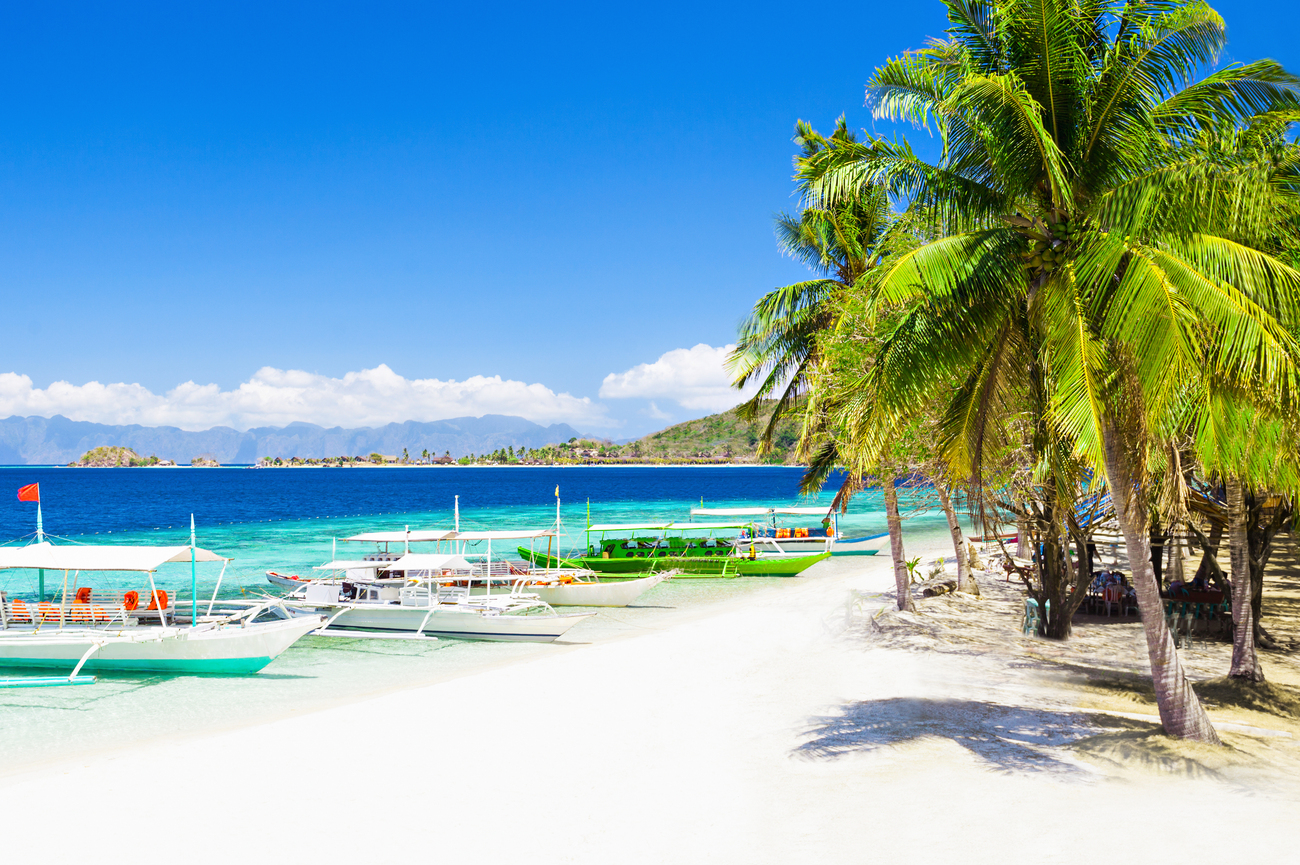
If you prefer good weather without the heavy crowds, the shoulder season from May to November is your sweet spot. May still has clear, calm water as it marks the end of the dry season, and crowds start to thin after summer. November brings the start of dry, pleasant weather and a more peaceful vibe before the holiday rush.
If you don’t mind busier beaches, the peak season from December to May offers the classic Boracay experience: sunny skies, calm seas, and ideal conditions for swimming and water activities. This period also includes major holidays and festivals like Christmas, New Year, and the Ati-Atihan Festival in January.
Take note that February to May is algae season, when some parts of White Beach develop green algae near the shore. It’s still safe to swim, but the water may look less pristine. If you prefer clearer waters, visit quieter spots like Puka Beach or beaches inside exclusive resorts, which are usually unaffected.
Festivals in Boracay
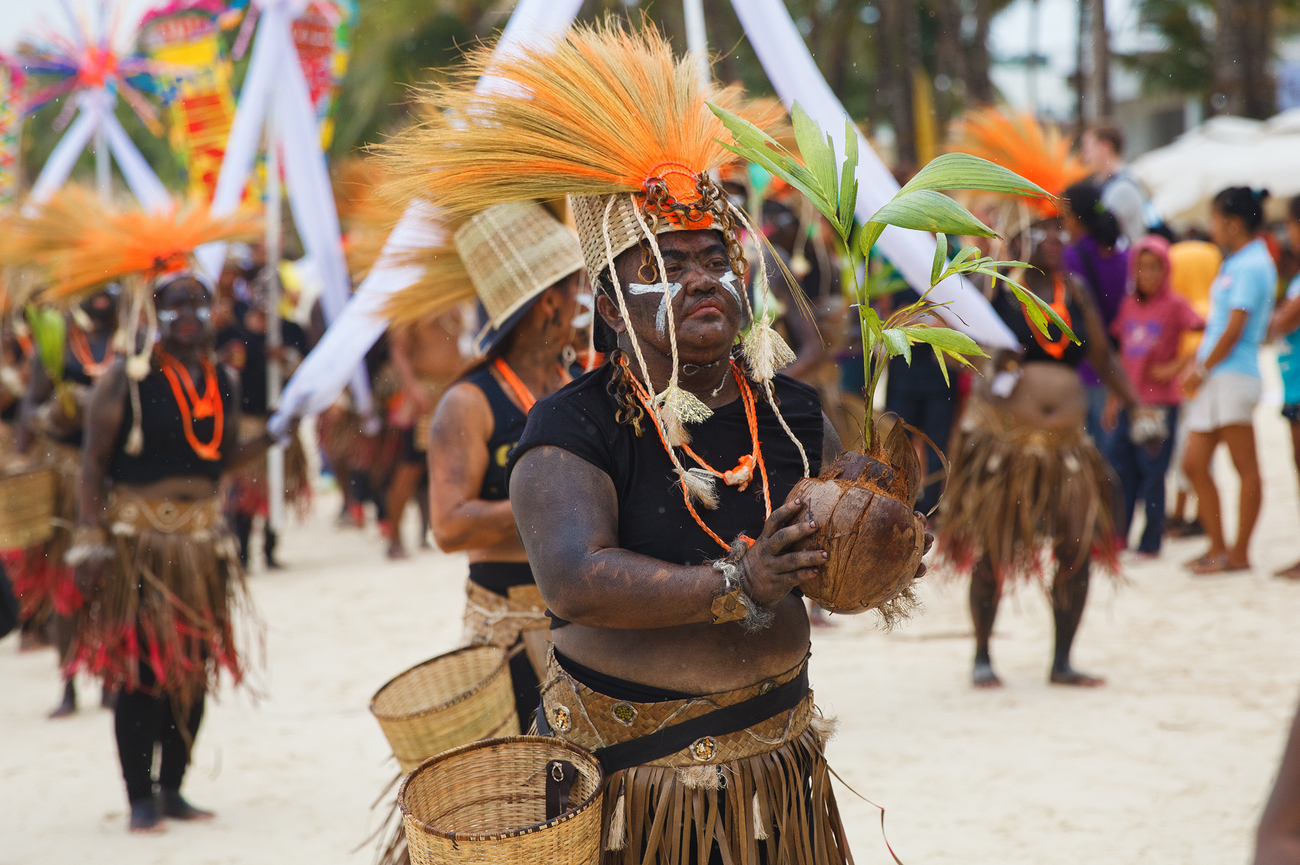
- Ati-Atihan Festival: Held every January in Kalibo, Aklan, the Ati-Atihan Festival also has a smaller but lively celebration in Boracay. Instead of Kalibo’s massive street parades, Boracay’s version brings the festivities to White Beach, where you can enjoy energetic dance processions with a relaxed island vibe. Here, you’ll see performers (including members of the Ati tribe) dressed in colorful costumes, soot-painted skin, and traditional festive attire. Expect rhythmic drumbeats, lively dancing, and a joyful atmosphere that fills the beachfront.
The festival honors the Santo Niño (Infant Jesus) and celebrates the rich history and culture of the indigenous Ati people. While the Boracay celebration is more intimate, it remains a meaningful cultural experience and a beautiful way to connect with the island’s heritage.
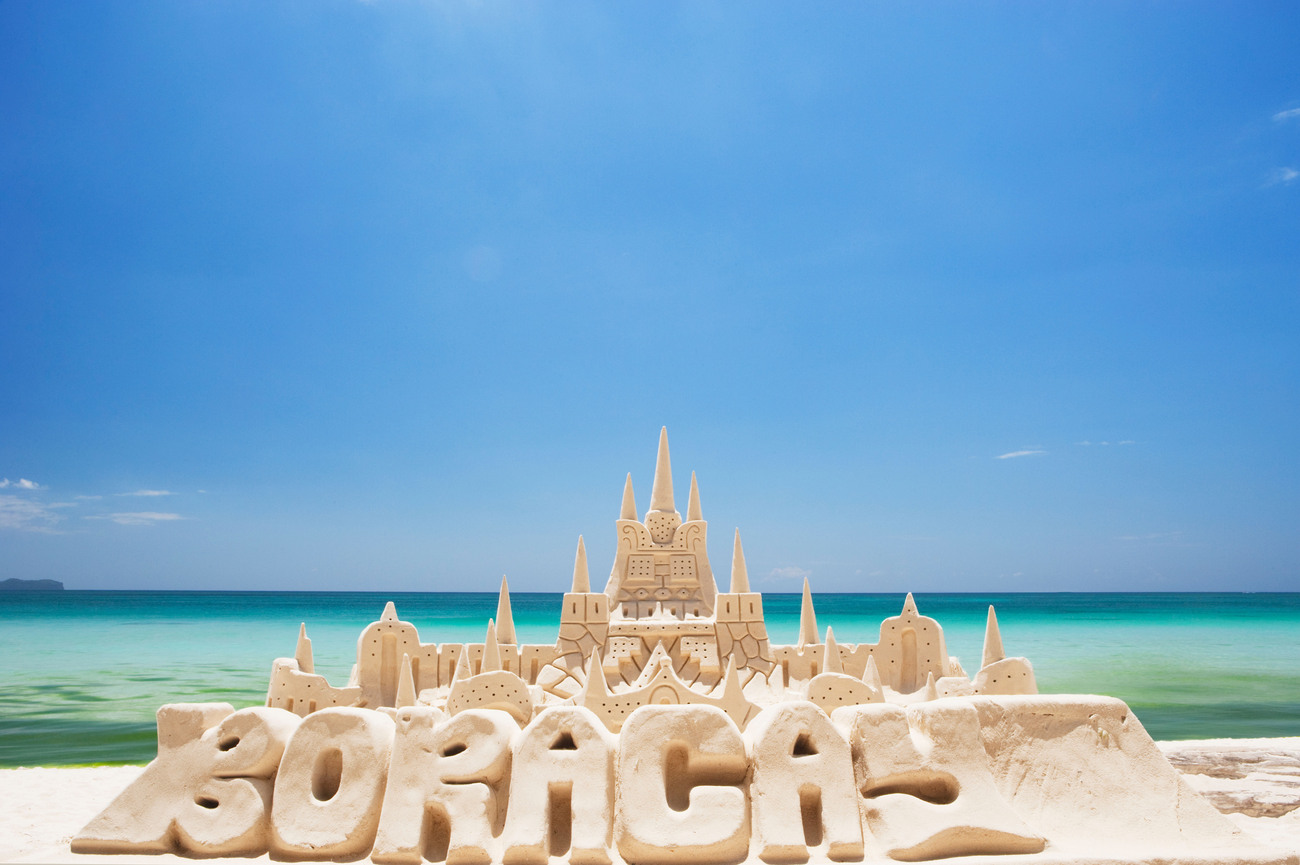
- Boracay White Beach Festival: Held every October, this week-long festival marks the start of Boracay’s high season and fills the island with sports, culture, and community events with a focus on sustainability. One of the main highlights is the sandcastle-making contest, where members of the Boracay Sandcastle Makers Association create impressive sculptures along White Beach. It’s a great chance for you to watch artists at work and see the beach transformed into an open-air gallery. Throughout the week, you can also catch various sports competitions, which bring a lively, energetic vibe to the island, as well as cultural performances that showcase local art and traditions. If you plan to visit in October be sure not to miss this one-of-a-kind festival.
- Love Boracay Festival: Held every year from late April to early May, Love Boracay is the island’s revamped version of the old "Laboracay" party. It was created after past celebrations drew huge crowds that often left the island trashed. Today, the festival focuses on sustainability, community, and responsible tourism. The heart of the festival is its commitment to protecting the island. You’re encouraged to join “Project Pristine” clean-up drives, sit in on educational talks, or take part in sustainability workshops run by local groups and businesses. It’s a meaningful way to give back while enjoying your holiday. If you’re into sports, the festival also hosts dragon boat races, beach sports, and even a fun run.
Love, Boracay
After three days on the island, it’s rarely just White Beach you remember. It’s the quiet moment on a nearly empty shore at Puka or Ilig-Iligan, or the laughter that comes with trying new water activities with friends.
Boracay is changing, but it’s also learning to protect what makes it special: its waters, reefs, people, and culture. As you explore, the choices you make matter. And at Revigorate, we’ll help you make those choices count. Contact us or call (+1 800 672 0517 | +351 289 009 580 | +44 808 189 0647), and we’ll plan a trip that feels thoughtful, meaningful, and truly your own.
When you’re ready to see more, explore the Philippines with us, visit Manila, Coron, El Nido, or Puerto Princesa. Or venture farther into East Asia with our guides to Singapore and Hong Kong.
Our offices:




Revigorate, Iberian Escapes and Algarve Lifestyle are the registered brand names of APCS Lda . We are a fully authorised travel agency licensed by Turismo de Portugal RNAVT/6867.
In the event of a dispute, the consumer may refer to: RAL - Centros de Arbitragem
Avª. 5 de Outubro, nº. 55, R/C Dtº. 8000-075 Faro, Portugal | Tel: +351 289 823 135 *
* national landline call
E-mail: info@consumoalgarve.pt| www.consumidoronline.pt | Mon to Fri: 9:00 - 13:00 / 14:00 - 17:00