Things To Do in Bohol: 3-Day Itinerary
Bohol is the kind of place that surprises you in the best way. Perhaps you’ll come here for the Chocolate Hills and the wide-eyed tarsiers (and you should) but what makes Bohol special is how much it offers without ever feeling rushed. In just three days, you can move easily from heritage sites to nature, then to the beach, and end your evenings with something quietly magical, like fireflies lighting up the mangroves.
If you’re looking for a trip that balances iconic destinations with more personal, meaningful experiences, Bohol delivers effortlessly.
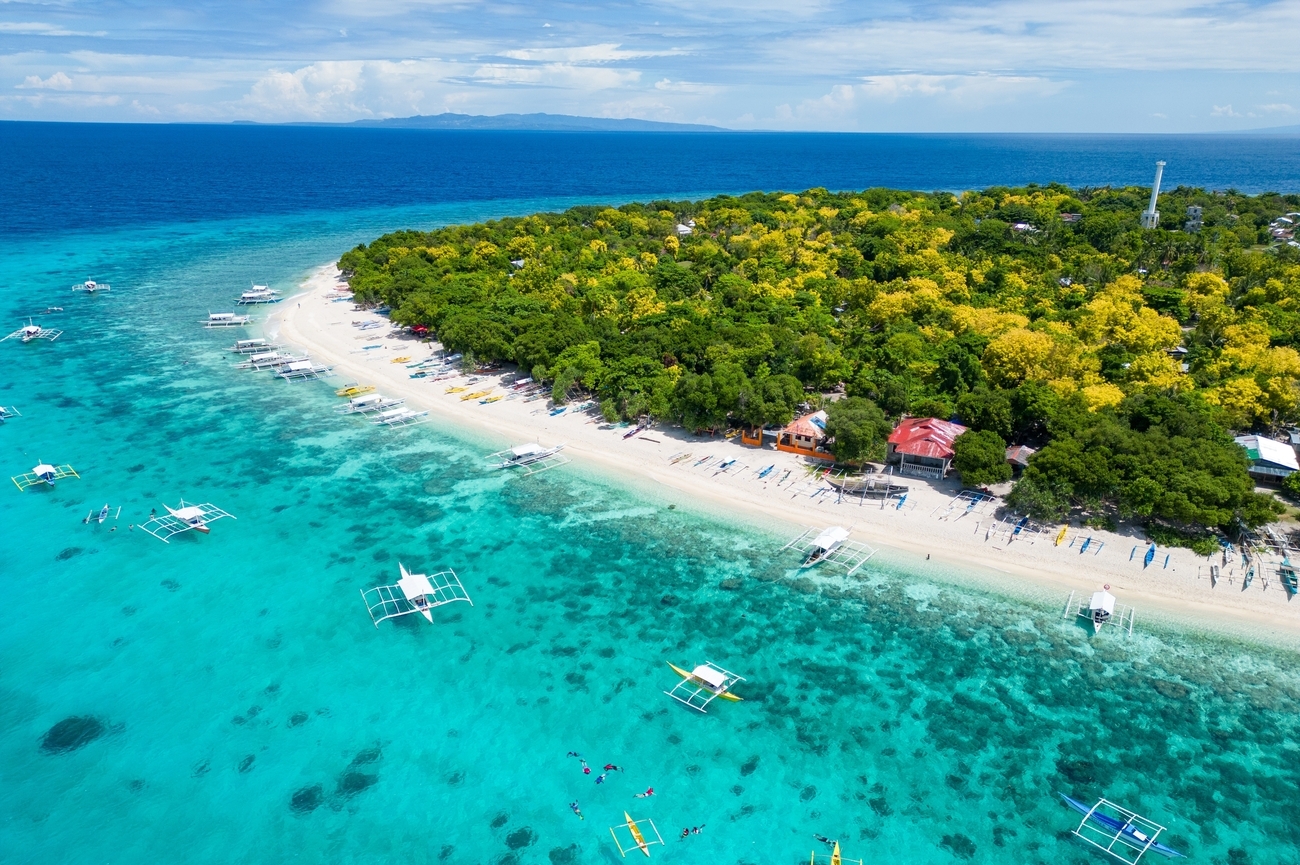
Day 1

Morning: Blood Compact Shrine
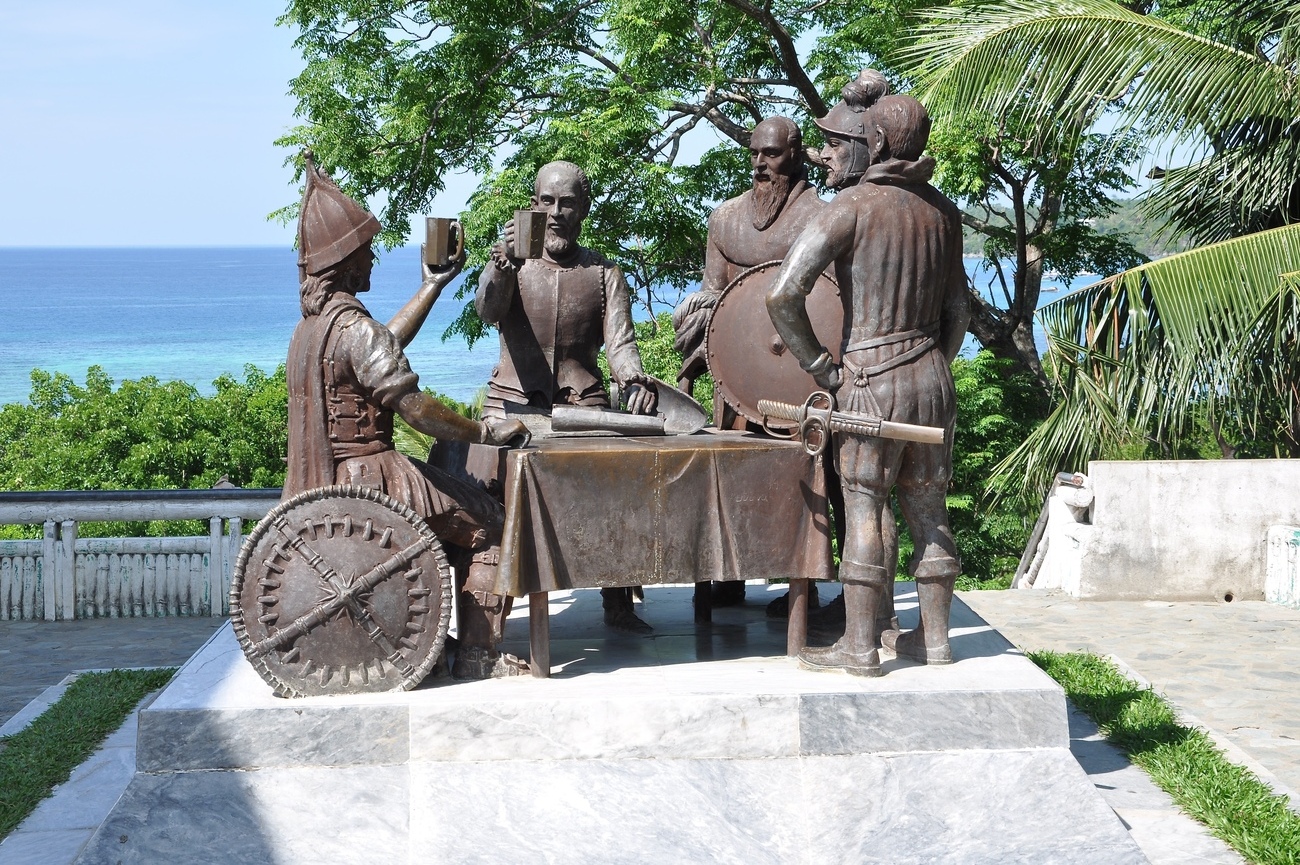
Start your day at the Blood Compact Shrine in Tagbilaran City, a historic site that marks the first treaty of friendship between the Spanish and Filipinos. You’ll see a striking bronze sculpture by National Artist Napoleon Abueva, showing the 1565 moment when Miguel López de Legazpi and Datu Sikatuna sealed their alliance through “Sandugo” , an ancient ritual of drinking wine mixed with drops of their own blood. Here, you’ll also find nice views of the Bohol Sea as the monument is set on a small cliff.
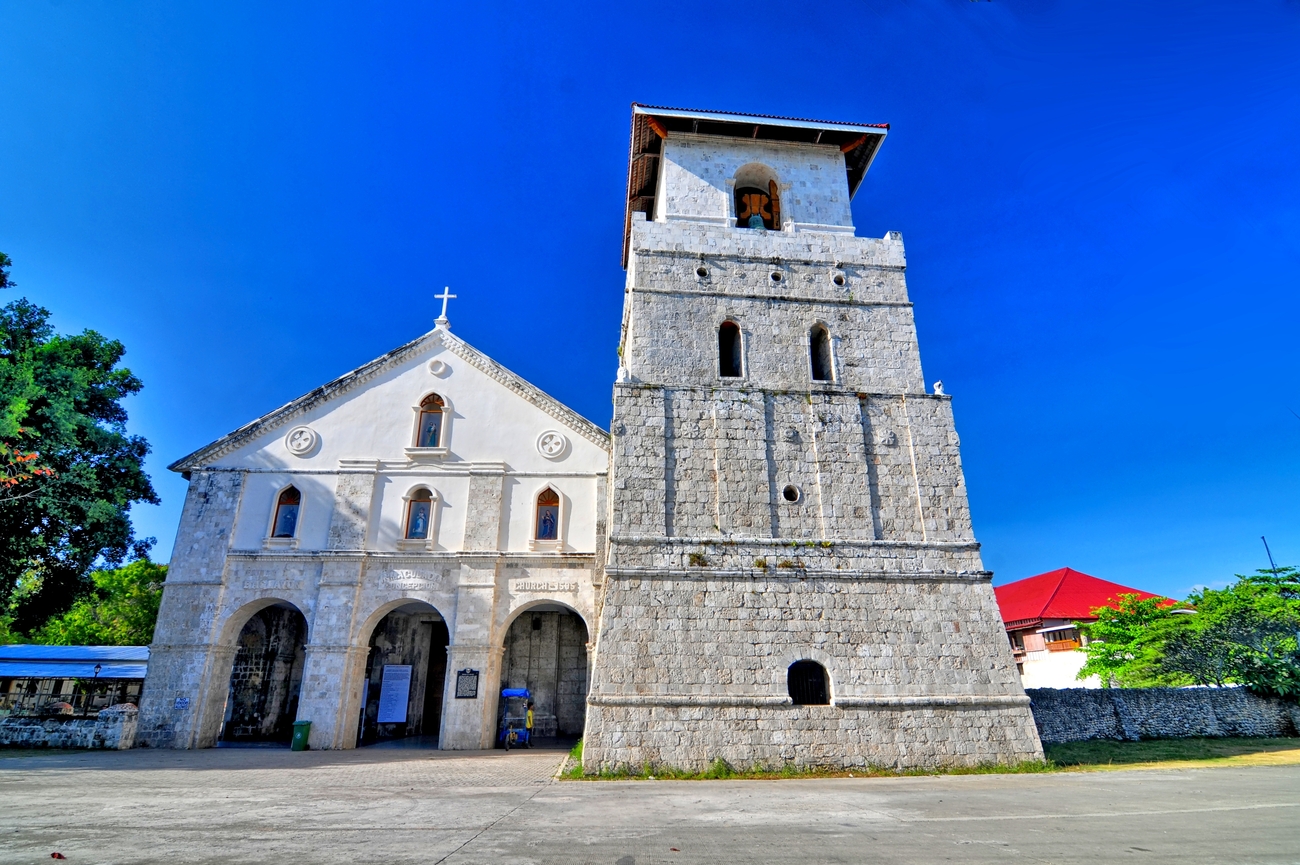
Baclayon Church
Officially known as the La Purísima Concepción de la Virgen María Parish Church, is one of the oldest stone churches in the Philippines. Built in 1727, its thick walls are made from coral stone blocks bonded with lime, sand, and millions of egg whites. Inside, you’ll find beautiful Baroque architecture, a grand gold-and-silver retablo mayor, century-old pipe organs dating back to 1824, and restored ceiling murals that depict biblical scenes.
The church also has a small museum where you can see Spanish-era religious artefacts, including gold-woven vestments, ivory statues from the 16th century, and handwritten Latin hymnals on parchment.
Bilar Man-Made Forest
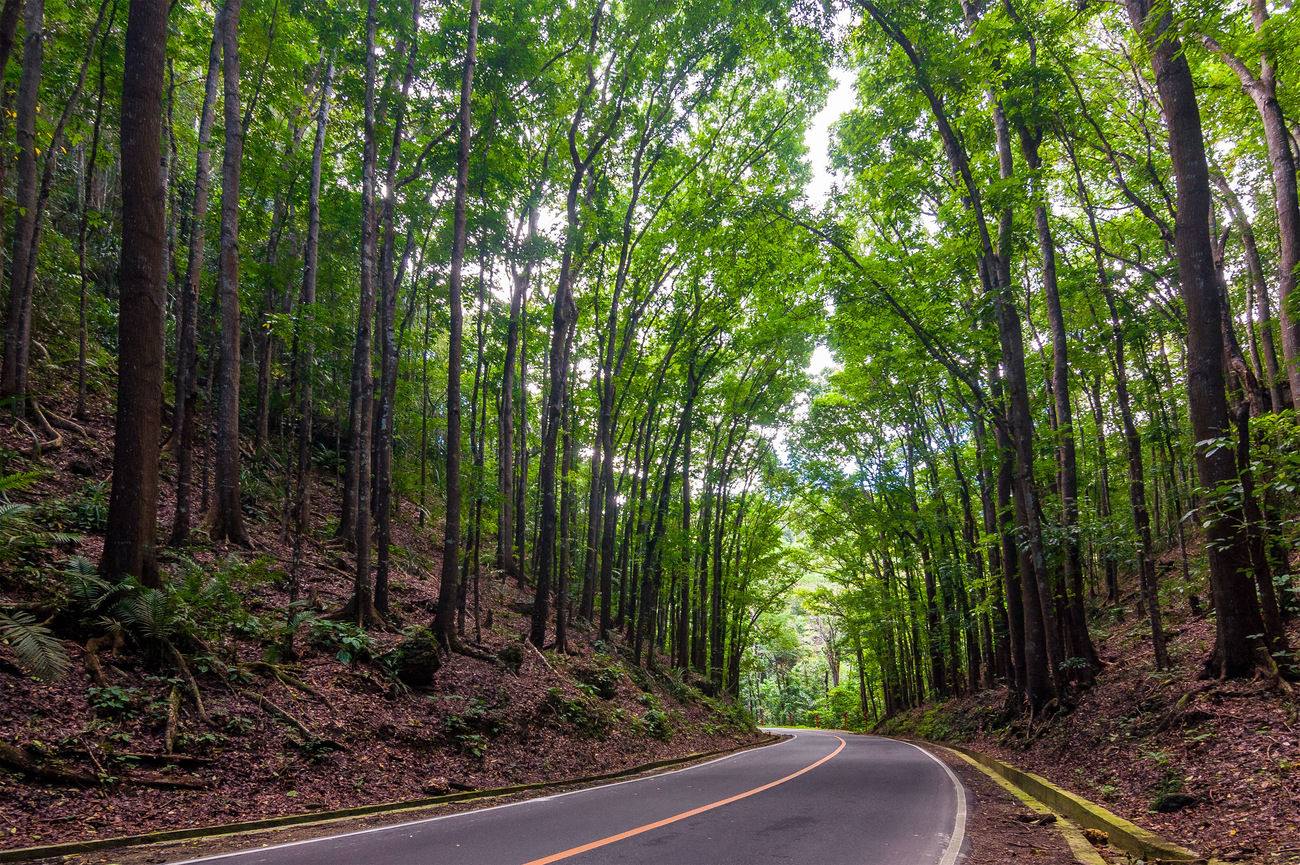
From Baclayon Church, continue on to the Bilar Man-Made Forest, a two-kilometre stretch of tall mahogany trees planted in the 1960s as part of a reforestation project. Today, it’s one of Bohol’s most photographed spots.
As you drive through, the closely spaced trees form a natural tunnel over the road, creating a cool, cathedral-like canopy. You’ll also notice a sudden temperature drop by about 5–10°C once you enter. Don’t miss out the Bilar EcoPark, where you can walk along forest trails and learn more about reforestation and the local environment.
Day 1, Morning - Bohol Tour Map
Afternoon: Bohol Tarsier Conservation
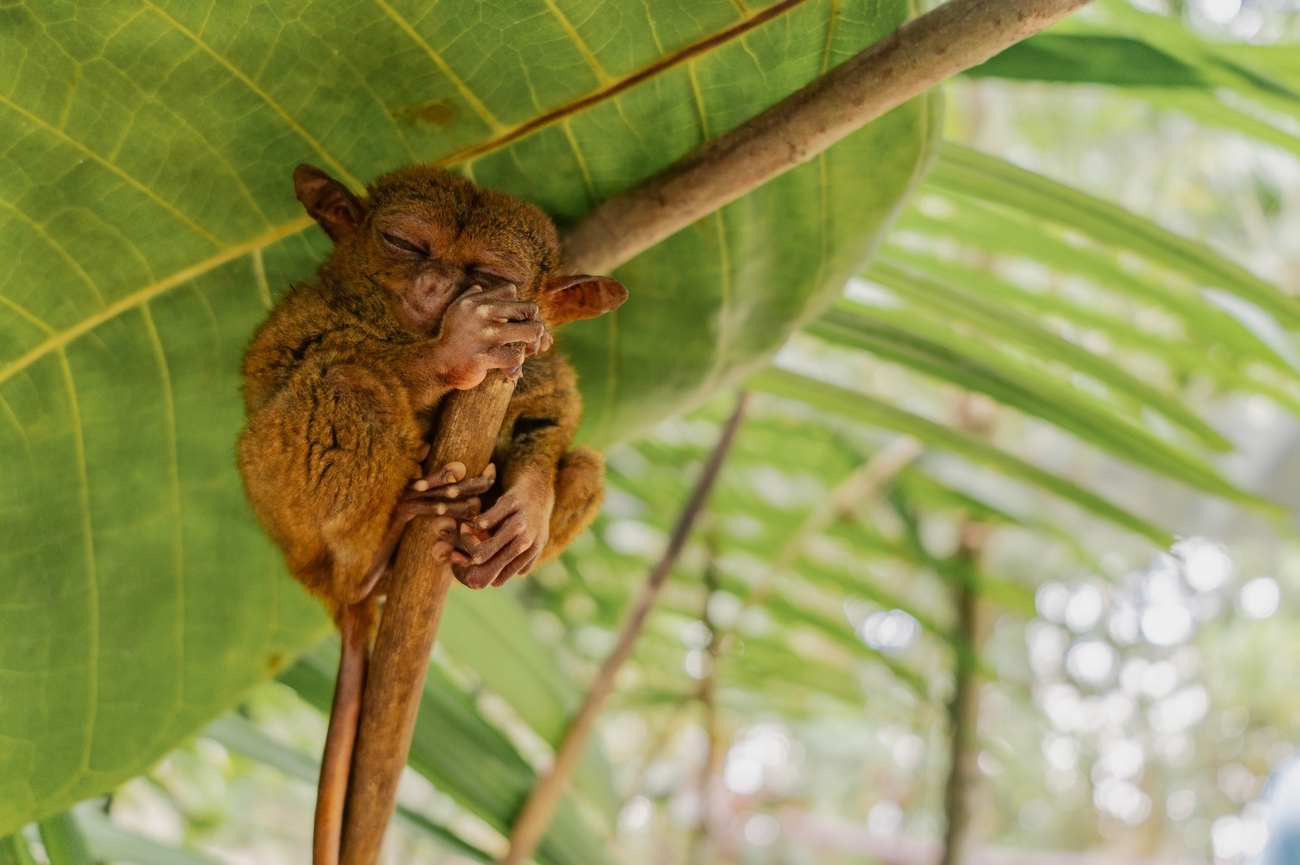
Continue your day with a visit to the Bohol Tarsier Conservation, a sanctuary dedicated to protecting the Philippine Tarsier (one of the smallest primates in the world). These tiny creatures measure only about 4 to 6 inches tall and weigh just 115 to 150 grams. What usually catches your attention first are their eyes, which are the largest in proportion to body size of any mammal. Each eye is actually larger than their brain, and because their eyes are fixed in place, they can’t move them.
Inside the sanctuary, you’ll take a short guided walk along shaded forest trails, with guides stationed to help you spot the well-camouflaged tarsiers and ensure everyone keeps a respectful distance. The walk usually takes about 20–30 minutes. Before you leave, you can support their work by buying from the gift shop, where proceeds go directly to conservation and research efforts that help protect the species.
Chocolate Hills
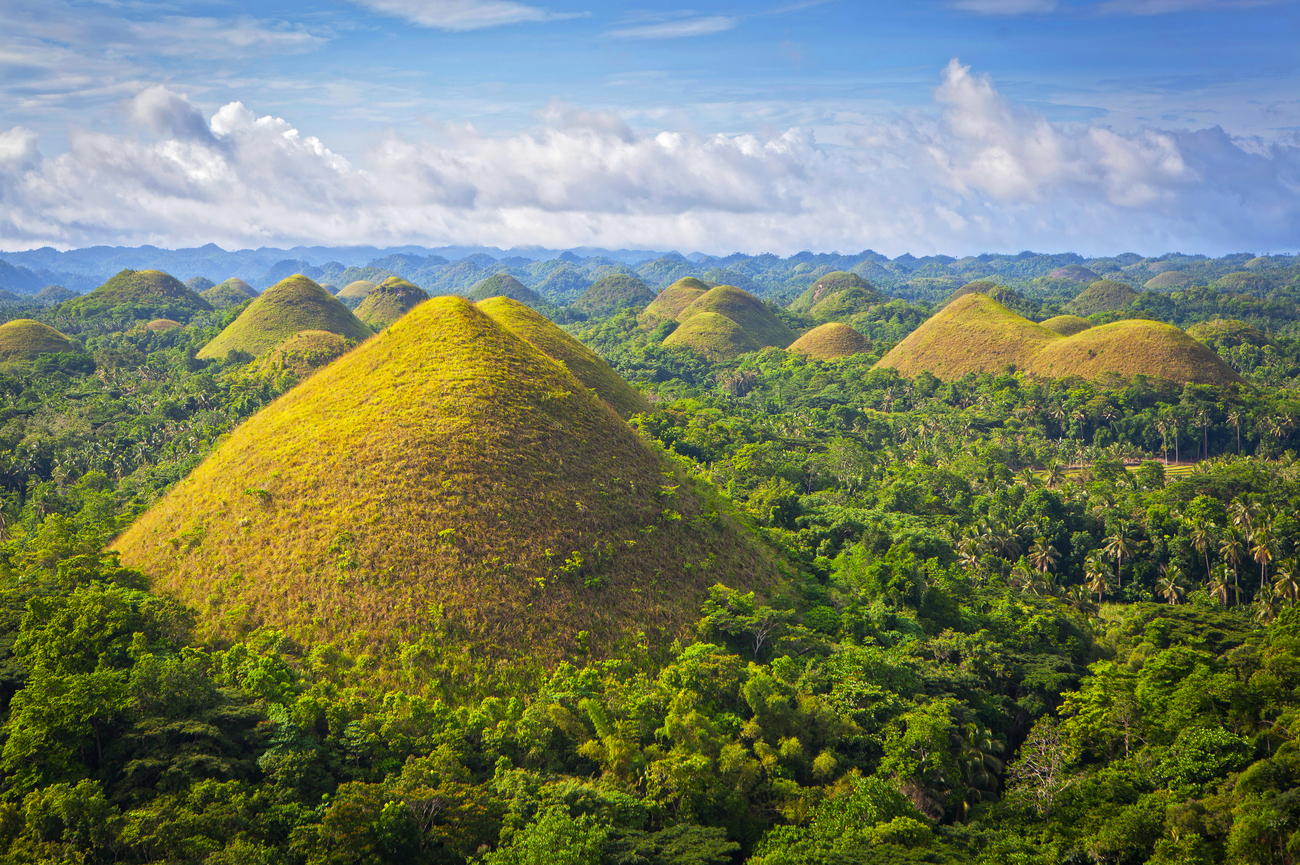
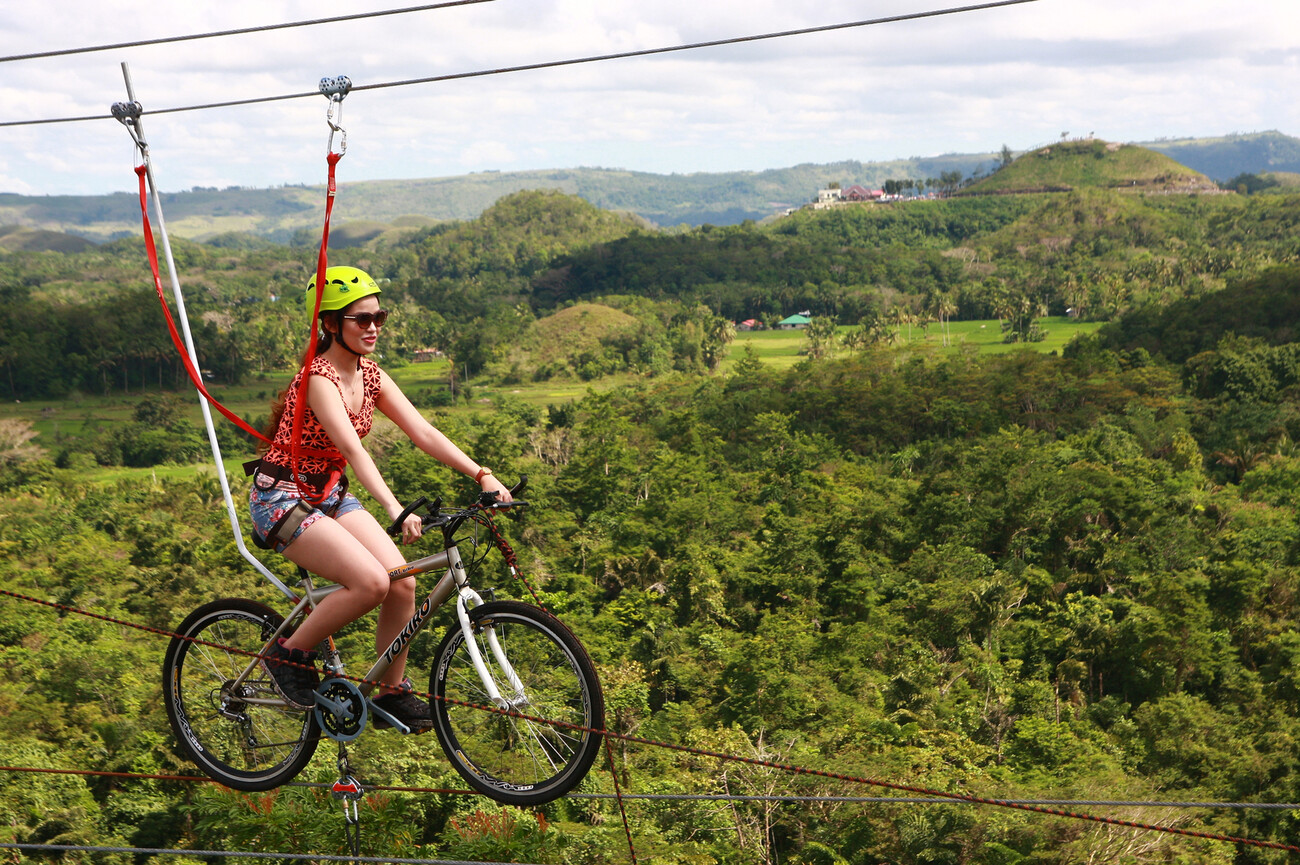
Next, let’s head to the iconic Chocolate Hills, 1,260 cone-shaped hills spread across a vast landscape in Bohol. During the dry season, the grass covering the hills turns a rich brown colour, making them look like giant chocolate mounds. To get the best view, climb the 200-plus steps to the observation deck, where you’ll be rewarded with a full 360-degree view of the hills. If you’re feeling adventurous, you can ride an ATV along rugged trails at the base of the hills or try the 550-metre “Bike Zip,” where you pedal a bike on a wire high above the ground.
Plan your visit between December and May to see the hills in their famous chocolate brown colour. During the rainy season, they turn lush green, it’s still beautiful, just less chocolatey.
Sikatuna Mirror of The World
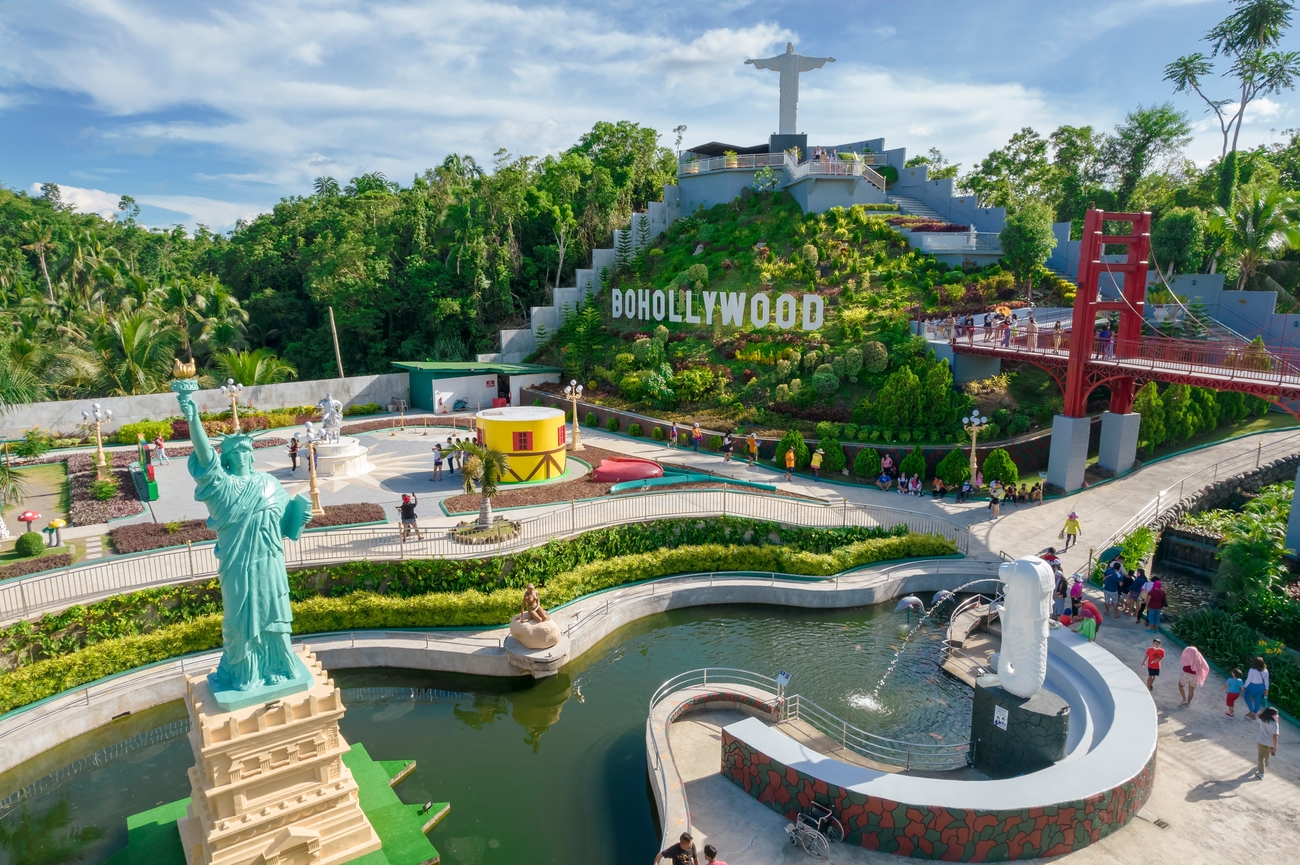
End your first day in Bohol at Sikatuna Mirror of the World, a themed park that lets you “travel the world” in one stop. The park features scaled-down replicas of famous landmarks like the Eiffel Tower, Statue of Liberty, Christ the Redeemer, Merlion, Golden Gate Bridge, Leaning Tower of Pisa, and many more. It’s especially nice to visit in the evening, when the landmarks light up with colourful displays. You can take a relaxed stroll through the gardens, enjoy views from the hilltop Christ the Redeemer statue, or unwind at the café inside the Acropolis replica.
Day 1, Afternoon - Bohol Tour Map
Day 2
Morning: Pangas Falls
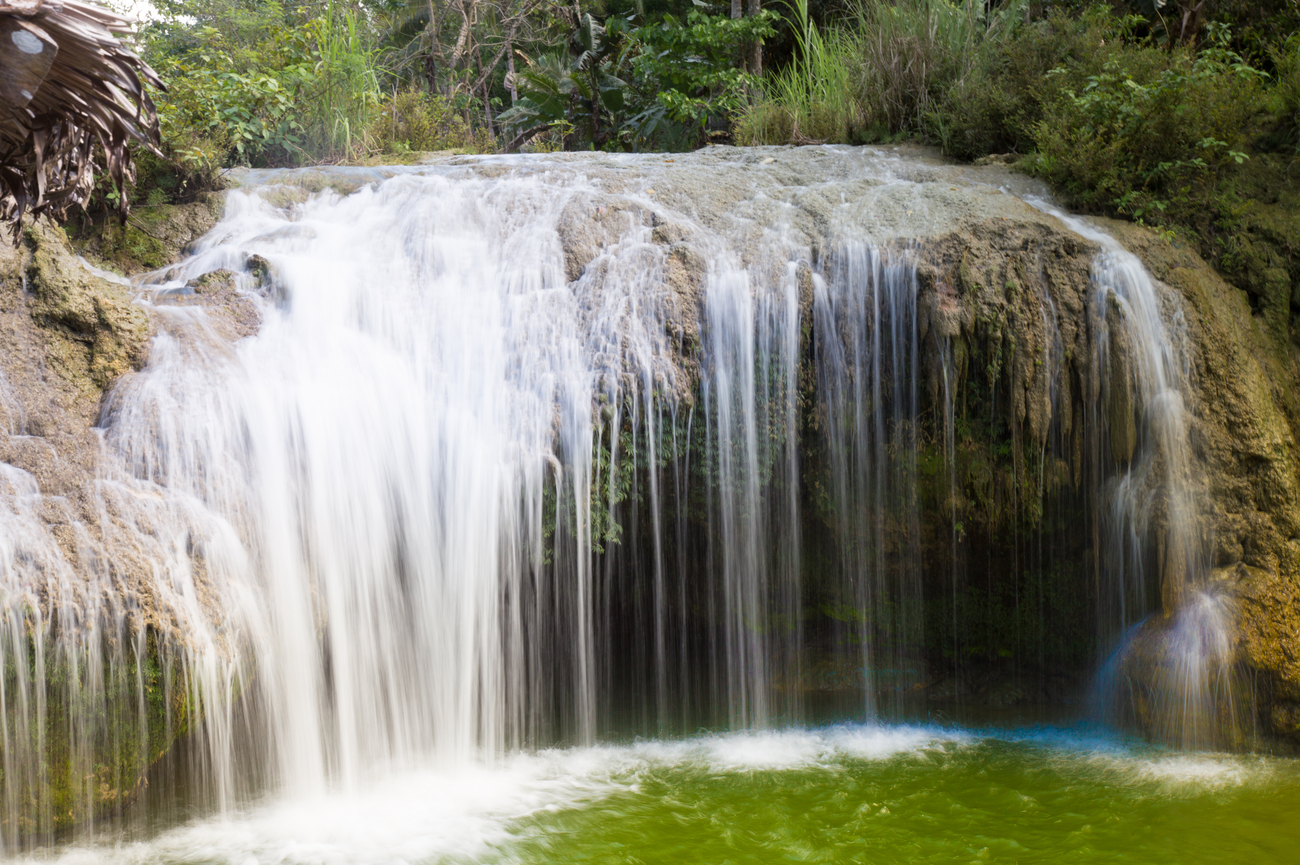
Start your day with a nice escape into nature at Pangas Falls, a lesser-known waterfall that feels like a hidden gem compared to Bohol’s touristy attractions. The water here flows down rocky cliffs into a deep, clear pool surrounded by lush greenery. The emerald-green pool is around 6–12 metres deep, with safety ropes in the water and local lifeguards often on duty. If you’re feeling adventurous, you can even jump from the top of the falls into the pool (just be sure to check with the lifeguards first). There are also cottages and picnic tables surrounding the falls to relax and enjoy a light snack after your swim.
Loboc River Cruise
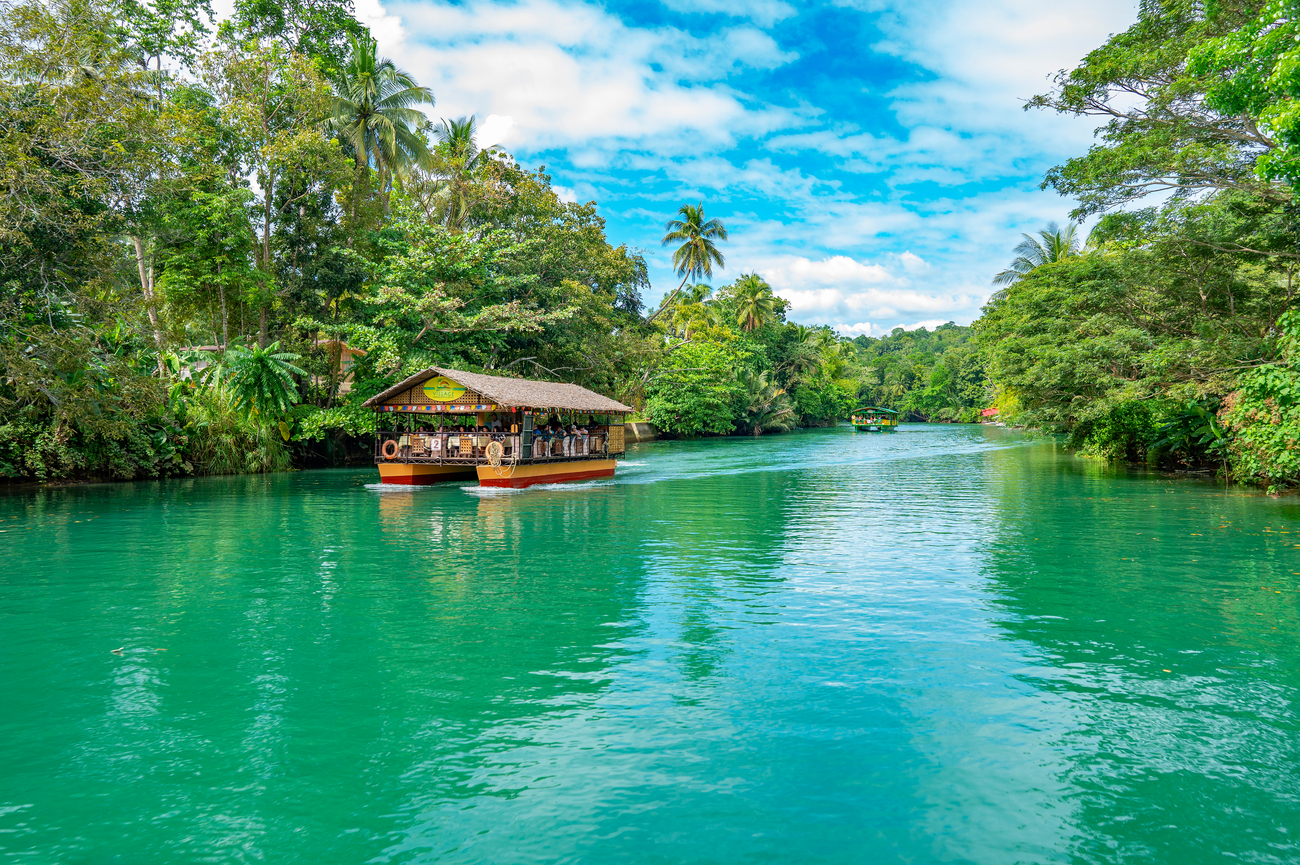
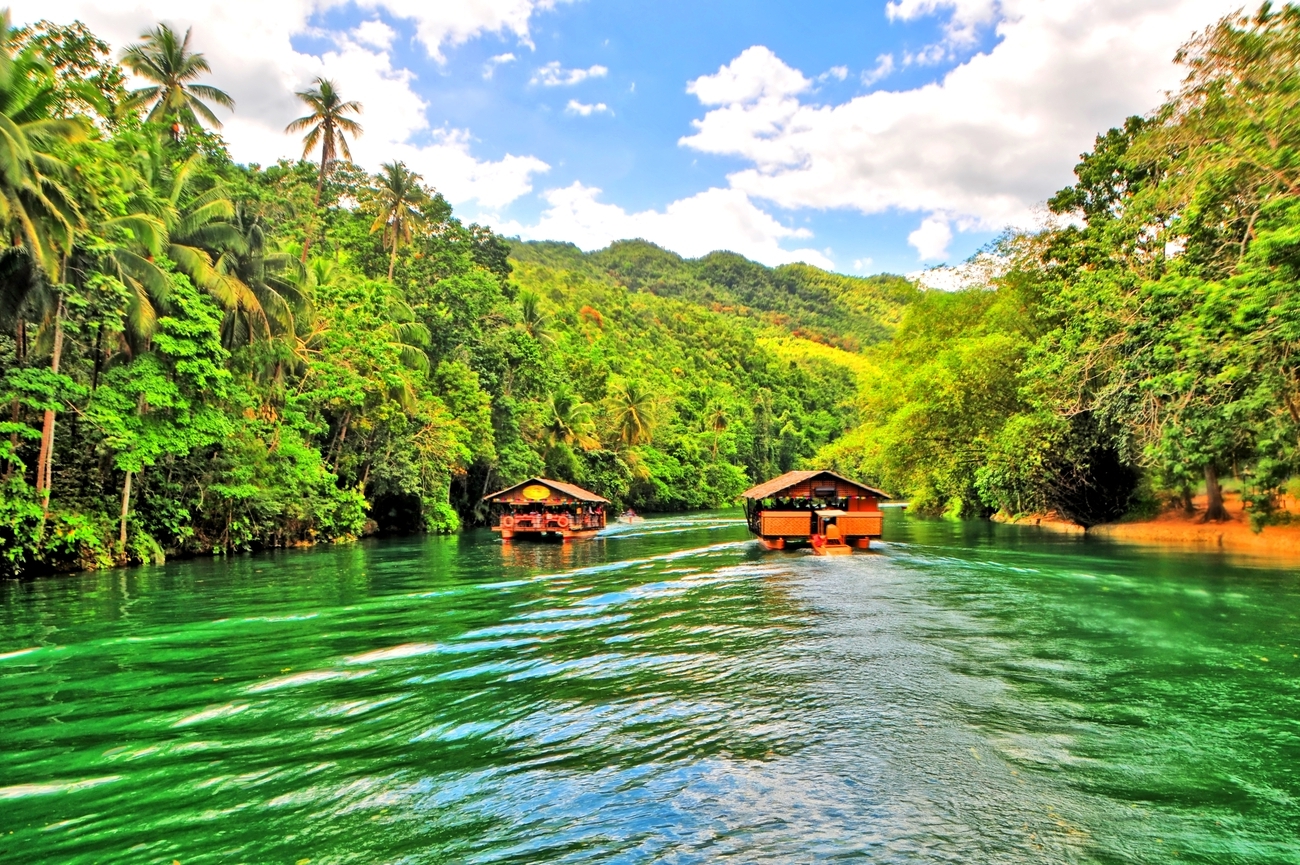
For early lunch, let’s head to Loboc River Cruise, one of Bohol’s most popular experiences where you’ll ride a floating restaurant along a calm, emerald-green river lined with jungle, coconut trees, and nipa mangroves. The cruise usually takes about 1 to 1.5 hours, making it an easy and relaxing start to the day.
A Filipino buffet lunch is served on board, with dishes like grilled fish, prawns, and a variety of meat and vegetable options. As you dine, local musicians play traditional songs, and the boat often stops at a riverside stage where residents perform cultural dances and music.
Bohol National Museum
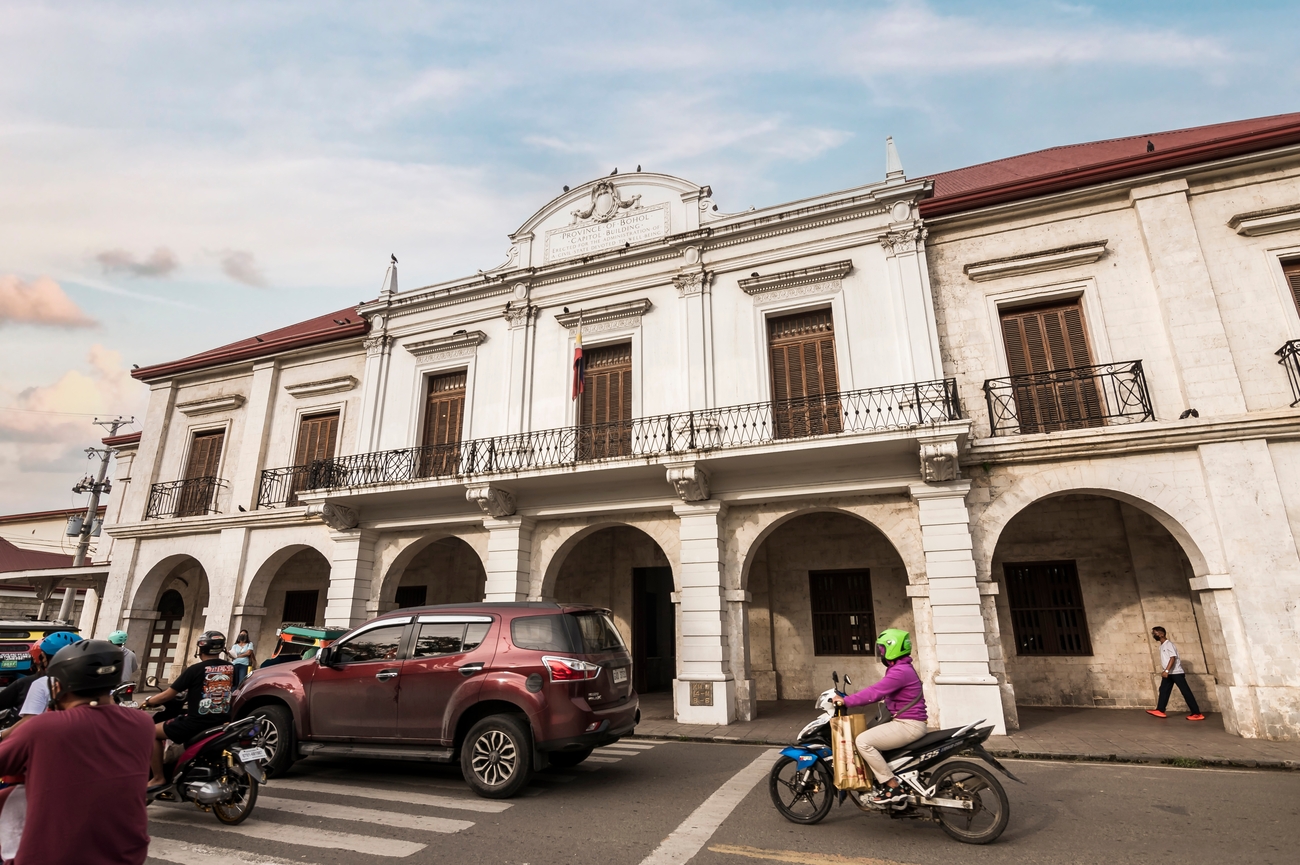
Continue your day at the Bohol National Museum, where you can explore different sides of Boholano identity. The exhibits range from the natural history of the island (including how the Chocolate Hills were formed) to a dedicated collection of works by Boholano National Artist for Sculpture, Napoleon Abueva.
You’ll also find displays about the 2013 Bohol earthquake and the National Museum’s efforts to restore damaged heritage churches and historic structures across the island. Before you leave, you can buy authentic Boholano products like Asin Tibuok, a traditional salt that looks like a dinosaur egg, listed by UNESCO as Intangible Cultural Heritage in Need of Urgent Safeguarding. Purchasing these supports local artisans and helps keep traditional crafts alive.
Day 2, Morning - Bohol Tour Map
Afternoon: Hinagdanan Cave
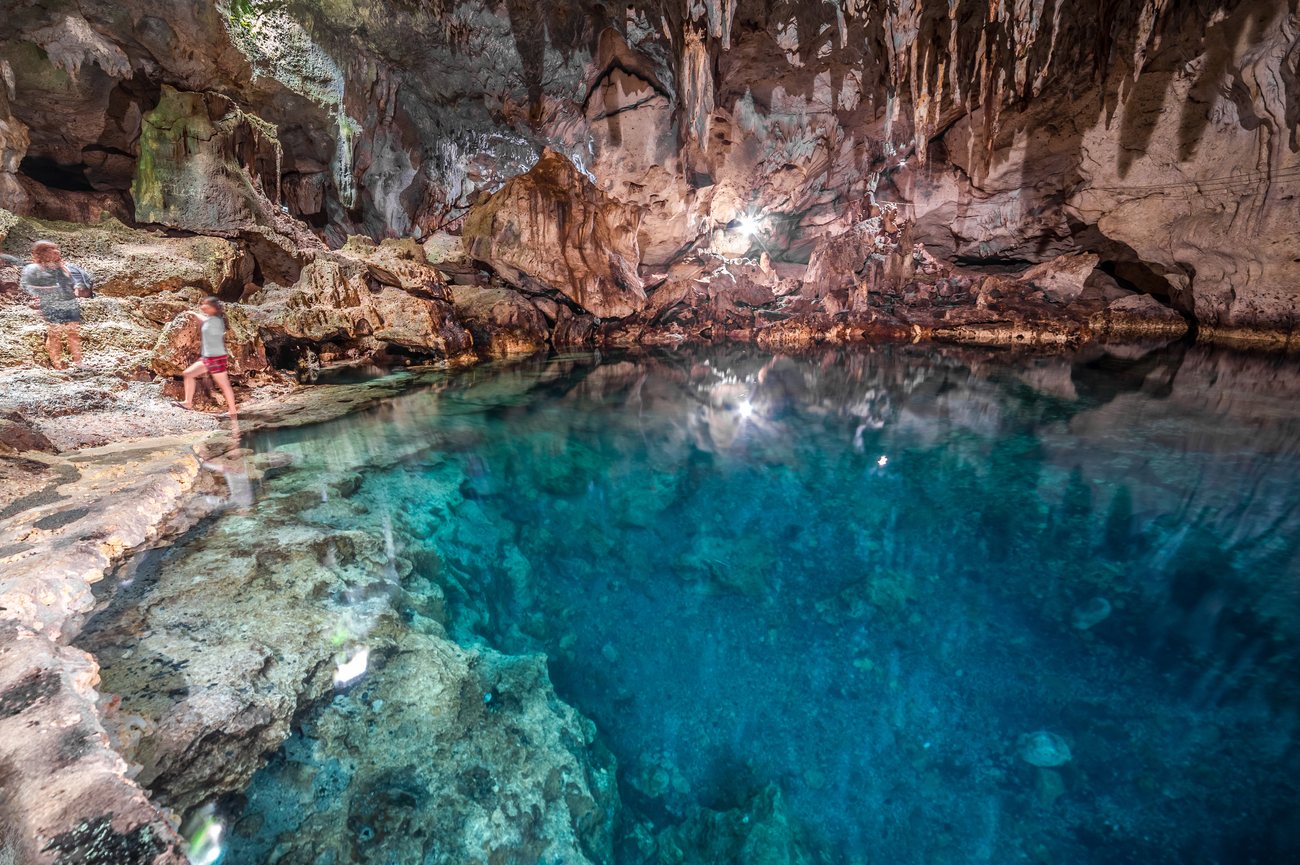
Next, head to Panglao to visit Hinagdanan Cave, a naturally lit limestone cavern in Dauis. Its name means “laddered,” referring to the simple ladder used by a local farmer who accidentally discovered the cave while clearing his land. Inside, you’ll see impressive stalactites and stalagmites, with sunlight streaming through openings in the ceiling and reflecting off a clear underground lagoon. You can take a refreshing swim in the cool spring water, which is about 10–12 metres deep.
Dumaluan Beach
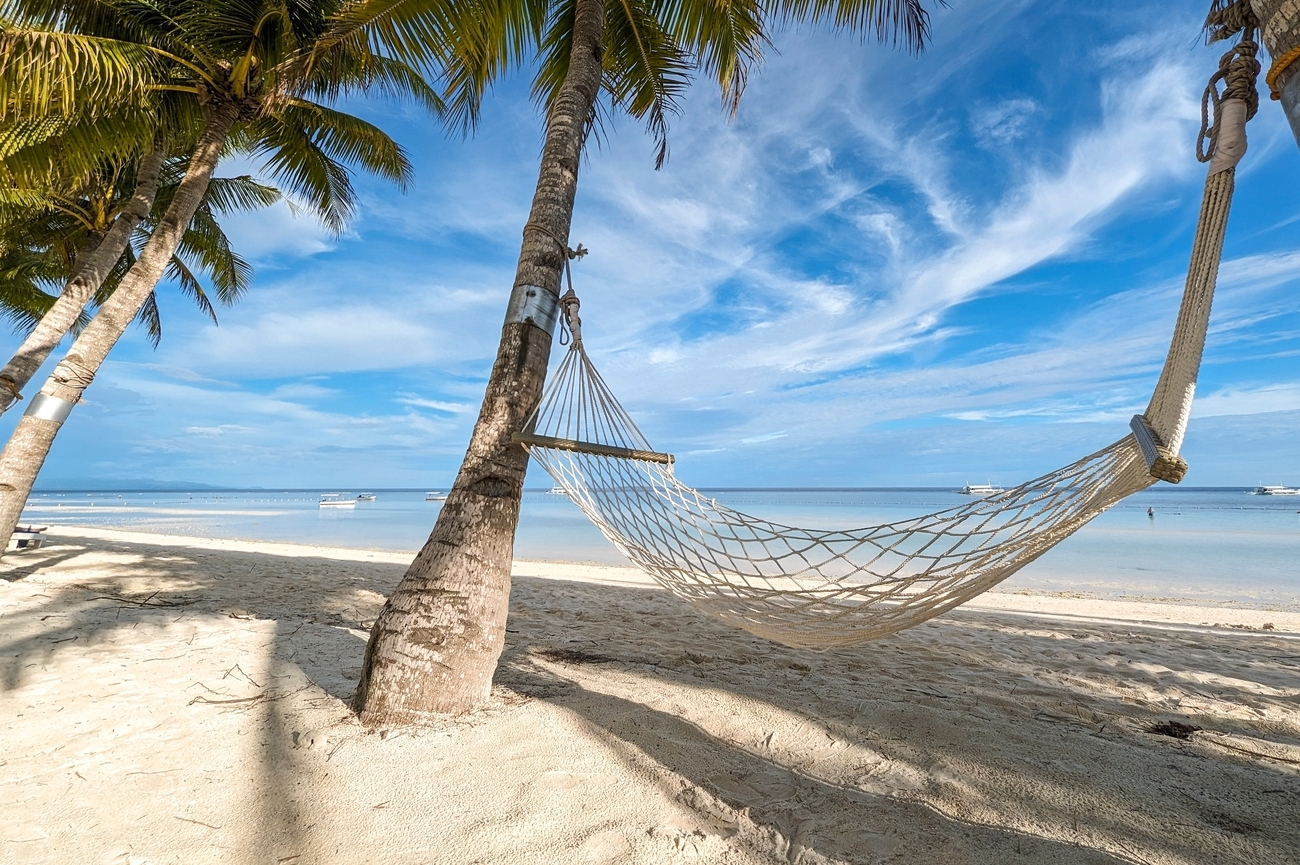
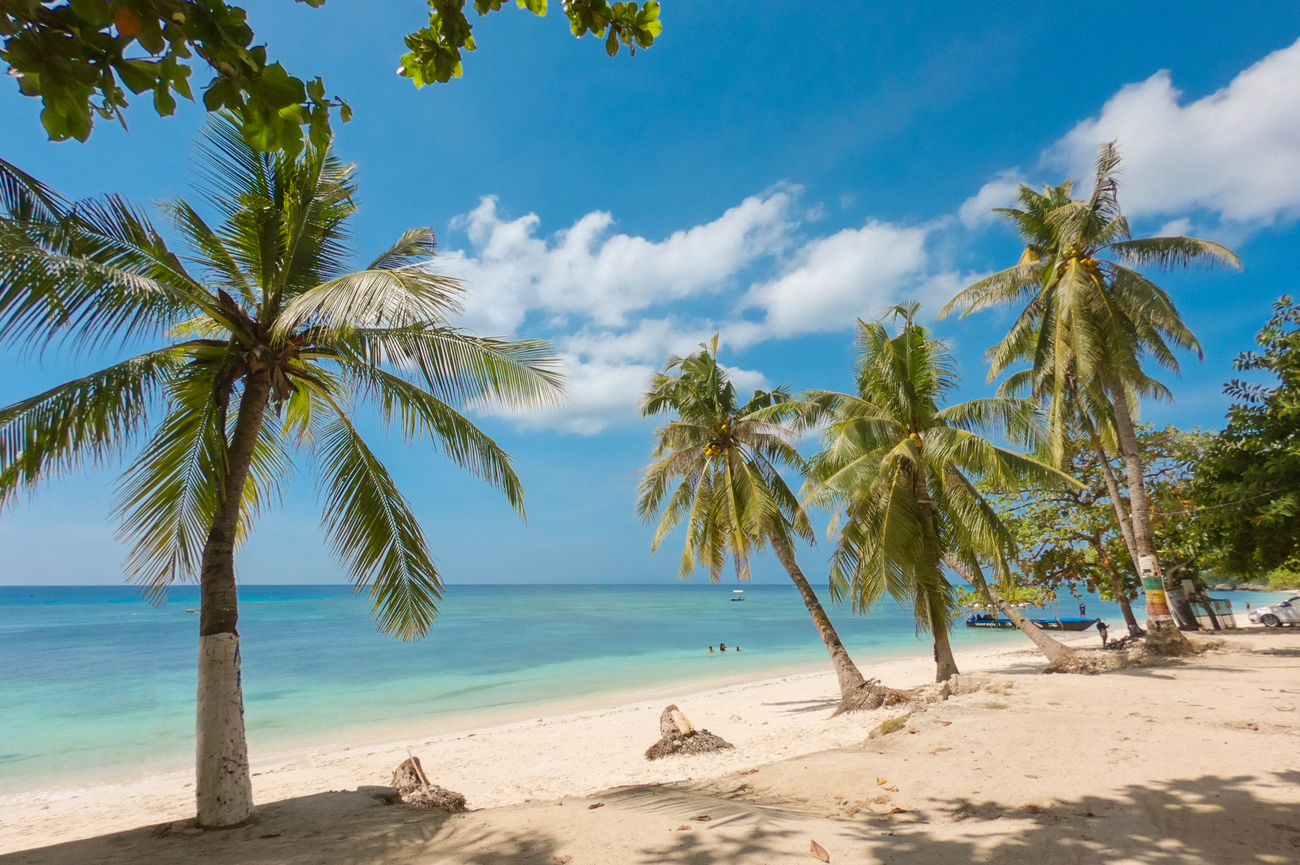
Continue south to Dumaluan Beach, a long stretch of fine white sand and clear turquoise water known for its calm, laid-back atmosphere. The shoreline is mostly lined with resorts, but you can still access public sections for a small entrance fee through resort access points. The water stays shallow for a good distance from the shore, making it a safe and family-friendly beach, especially if you’re travelling with children. You can also try water activities like kayaking, paddleboarding, banana boating, and jet skiing, or simply relax and enjoy the beach.
Alona Beach
End your day with a sunset at Alona Beach, the heart of Panglao’s tourism and nightlife. It’s known for its white sand, energetic atmosphere, and excellent diving spots. There are many PADI-certified dive shops in the area, and we can arrange a class or dive for you if you’d like. As night falls, the beach comes alive, making it the perfect place to wrap up your day. You’ll find plenty of dining options, from local Filipino dishes and fresh seafood barbecues to international cuisine. After dinner, bars and pubs offer music, fire-dancing shows, and a lively energetic vibe.
Day 2, Afternoon - Bohol Tour Map
Day 3
Morning: Pamilacan Island Dolphin and Whale Watching
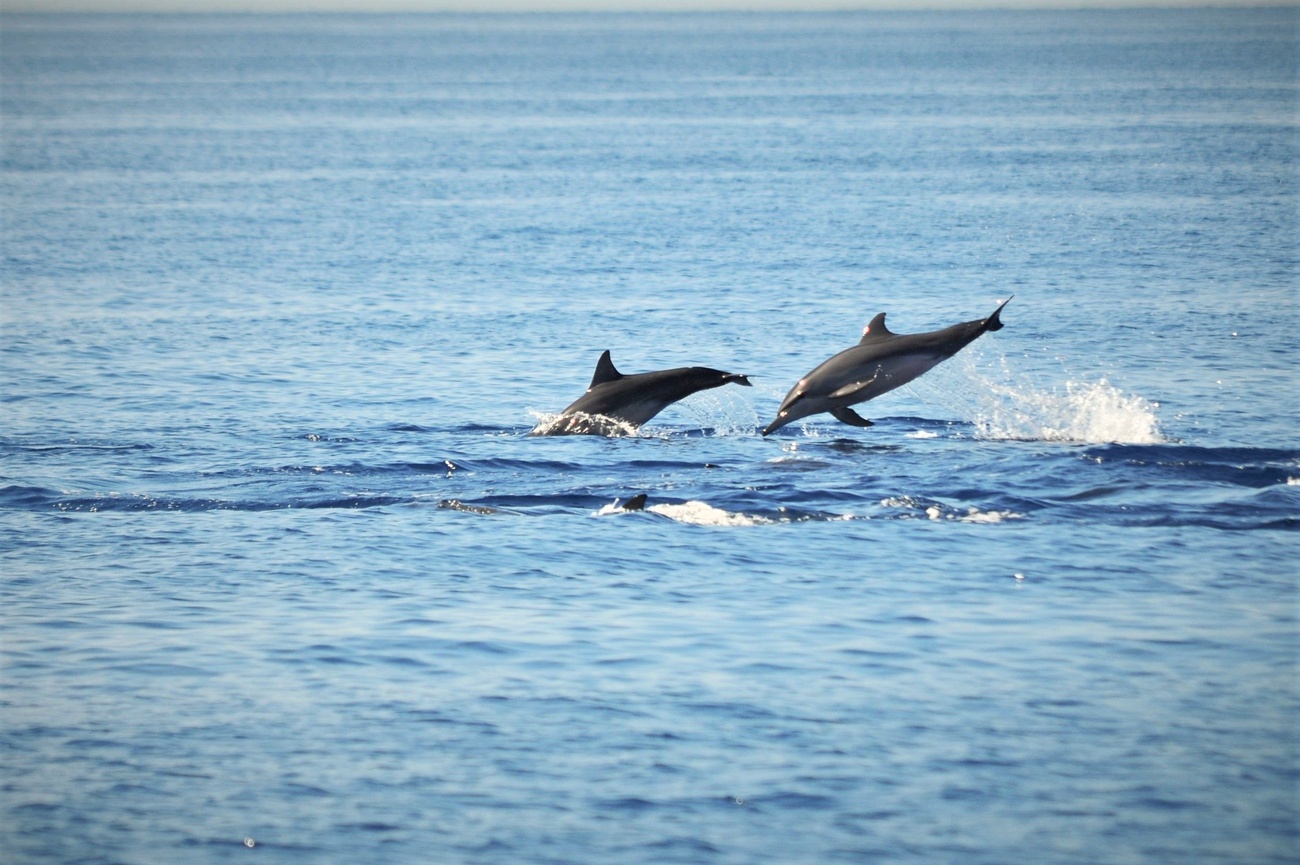
Start your Day 3 early with a morning boat ride around 6:00 AM into the deeper waters of the Bohol Sea. Guided by highly skilled local spotters, you’ll have the chance to see dolphins up close (like spinner and bottlenose dolphins) and during migration season, even larger whales like Bryde’s or sperm whales.
After the dolphin and whale watching, head to Pamilacan Island, a protected marine sanctuary known for its clear waters and healthy coral reefs. You can snorkel or dive among colourful tropical fish and sea turtles, or explore well-known dive sites like Dakit-Dakit Wall and Snake Island, famous for its sea snakes and rich marine life.
Balicasag Island
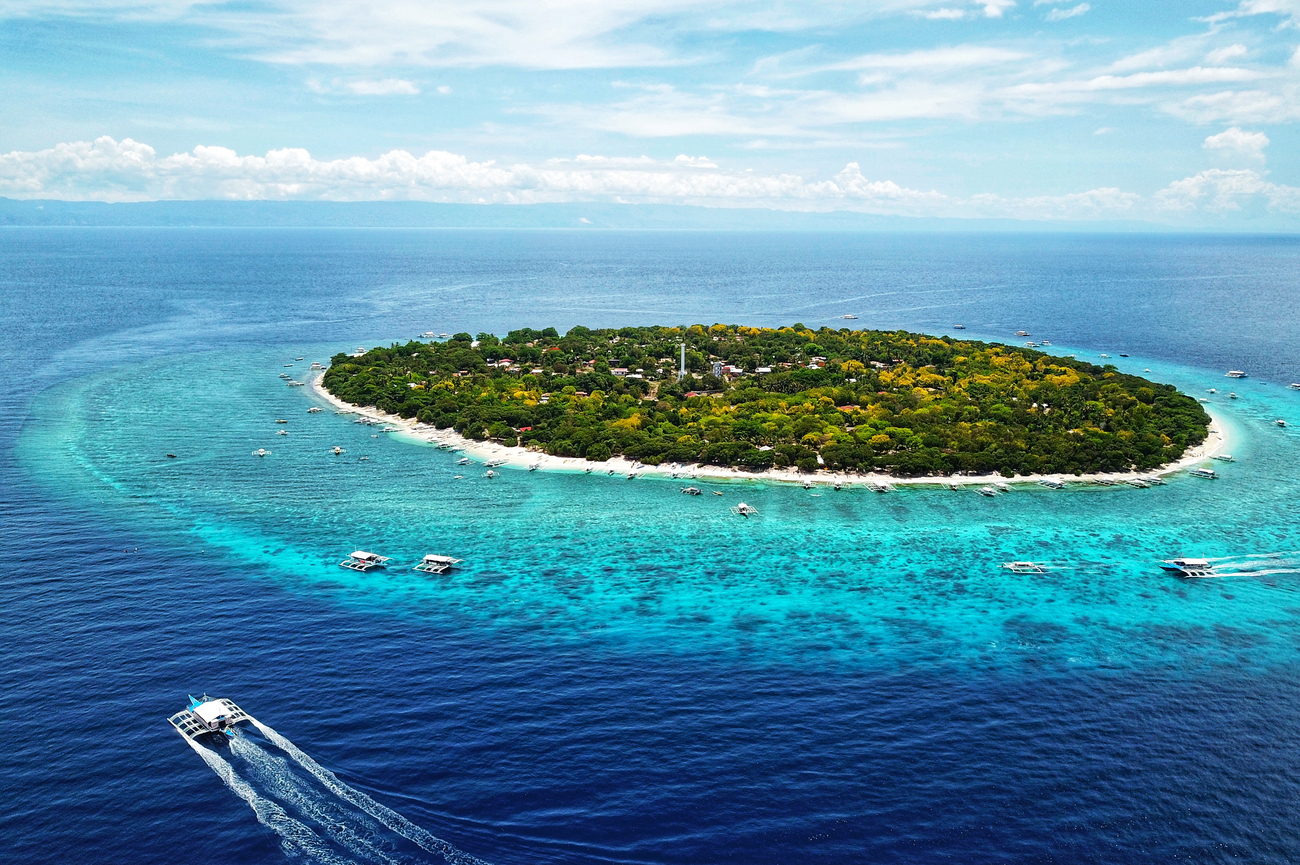
Next, head to Balicasag Island, a well-known destination for snorkelling and diving thanks to its clear waters and colourful coral reefs. Here, you can swim alongside tropical fish and often spot green sea turtles feeding near the shore. After snorkeling, relax on the island’s white-sand beach and enjoy the peaceful surroundings. There are small local eateries where you can have a fresh seafood lunch.
Pungtud Island
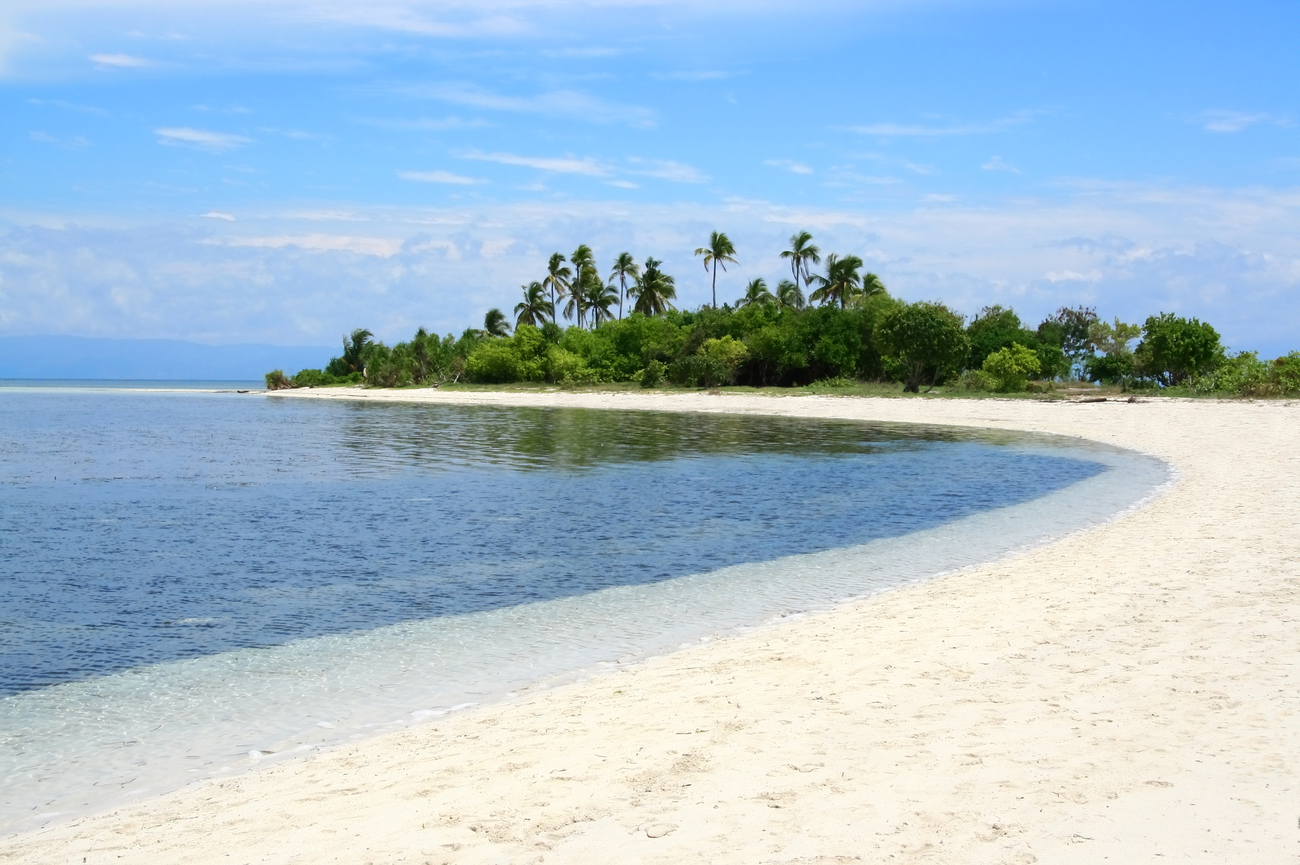
On your way back toward the mainland, stop at Pungtud Island, also known as Virgin Island or Pontod Island. During low tide, a beautiful C-shaped white sand sandbar appears, stretching into the sea. The sandbar is perfect for nice stroll photo stops, with clear, shallow water around it that’s ideal for wading or a quick swim. You’ll often spot starfish in the calm water too.
Day 3 - Bohol Tour Map
Day Trips from Bohol
- Cebu: Just a two-hour ferry ride from Bohol, Cebu is rich in history and culture. You can visit iconic landmarks like Magellan’s Cross and the Basilica Minore del Sto. Niño de Cebu, along with many other heritage sites. It’s an easy and rewarding day trip if you want to add a deeper cultural experience to your Bohol itinerary.
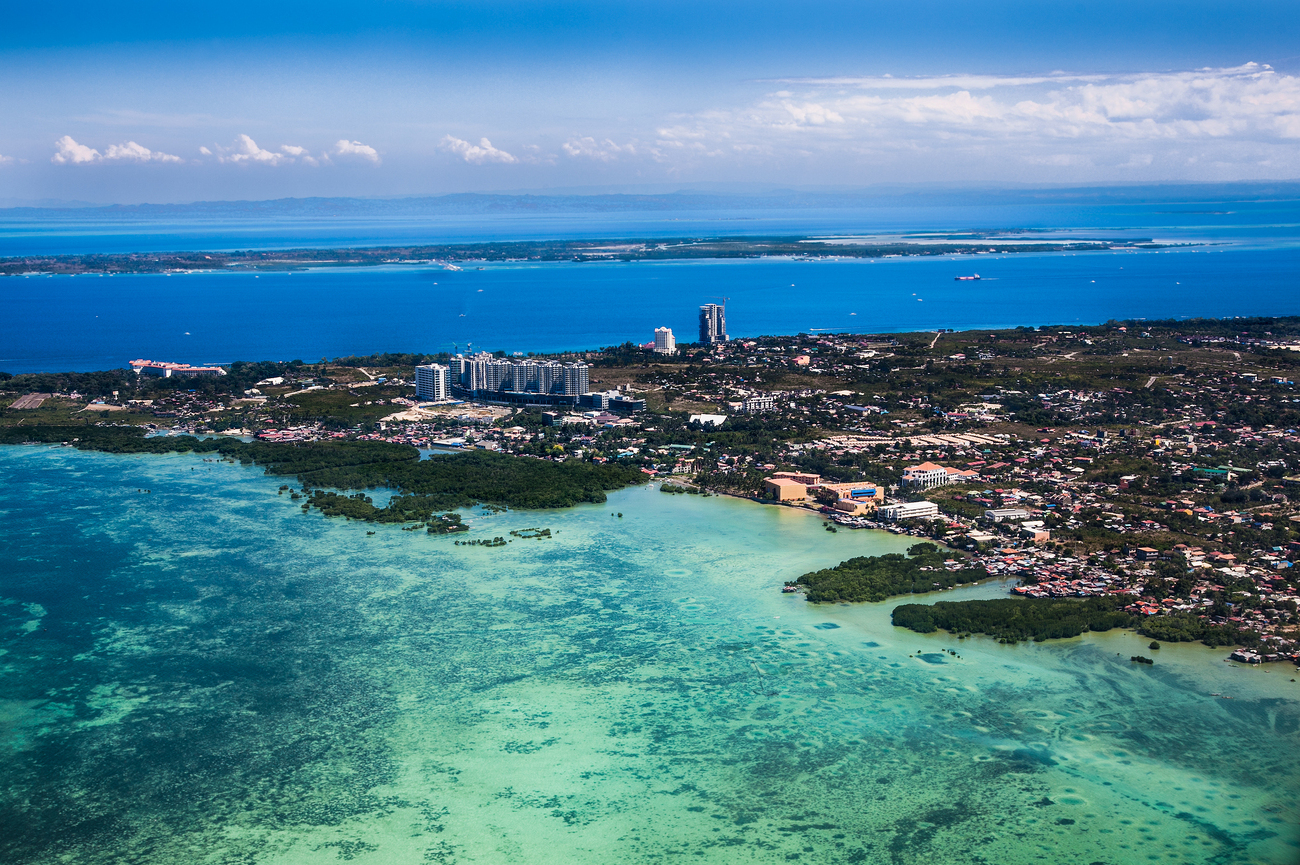
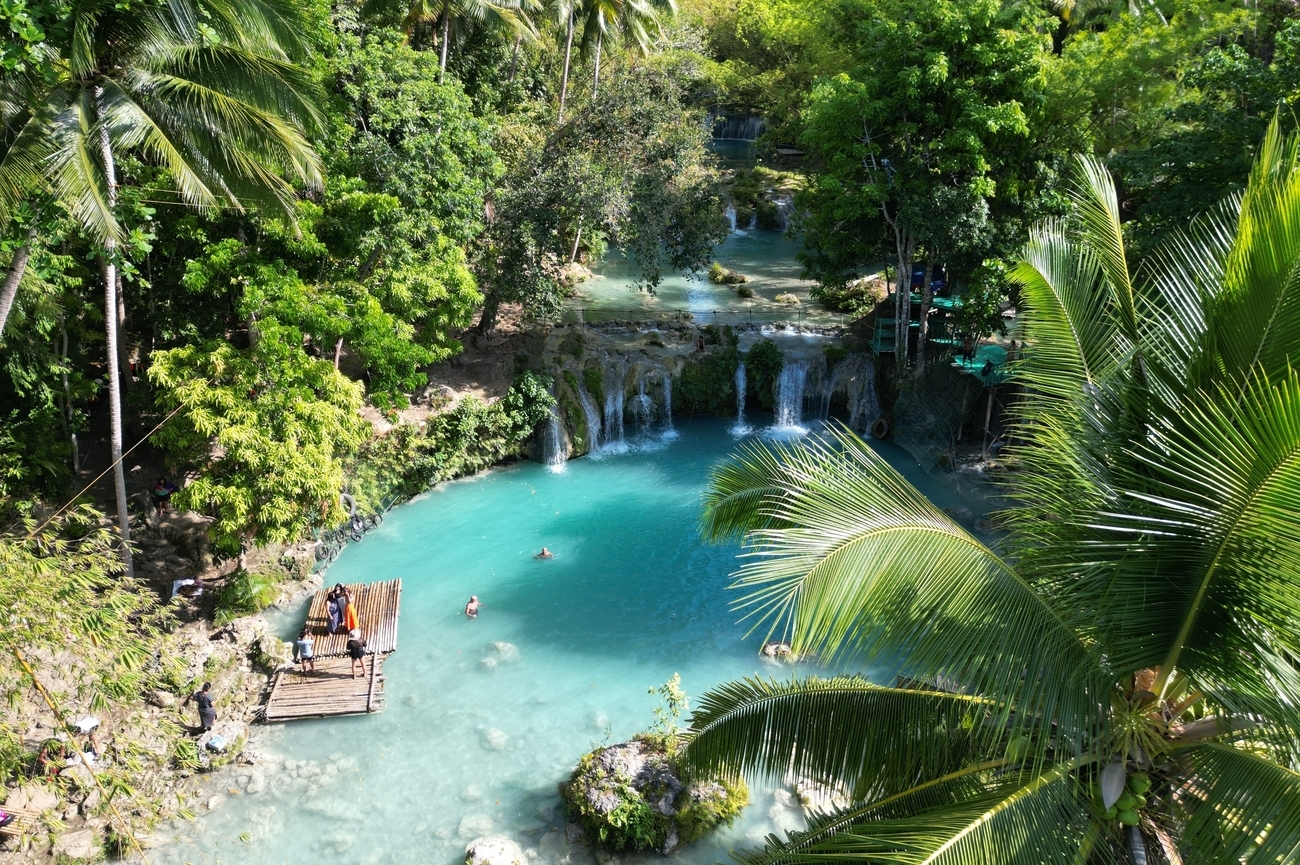
- Siquijor: Journey to the mystical island of Siquijor, often called the “Island of Healing” or the “Island of Fire.” It’s known for its beautiful waterfalls, white-sand beaches, and rich folklore. While there, you can visit highlights like Cambugahay Falls, the Old Enchanted Balete Tree, and the historic Lazi Church and Convent, among many others. It’s a great choice if you’re looking for something a little more magical and off the beaten path.
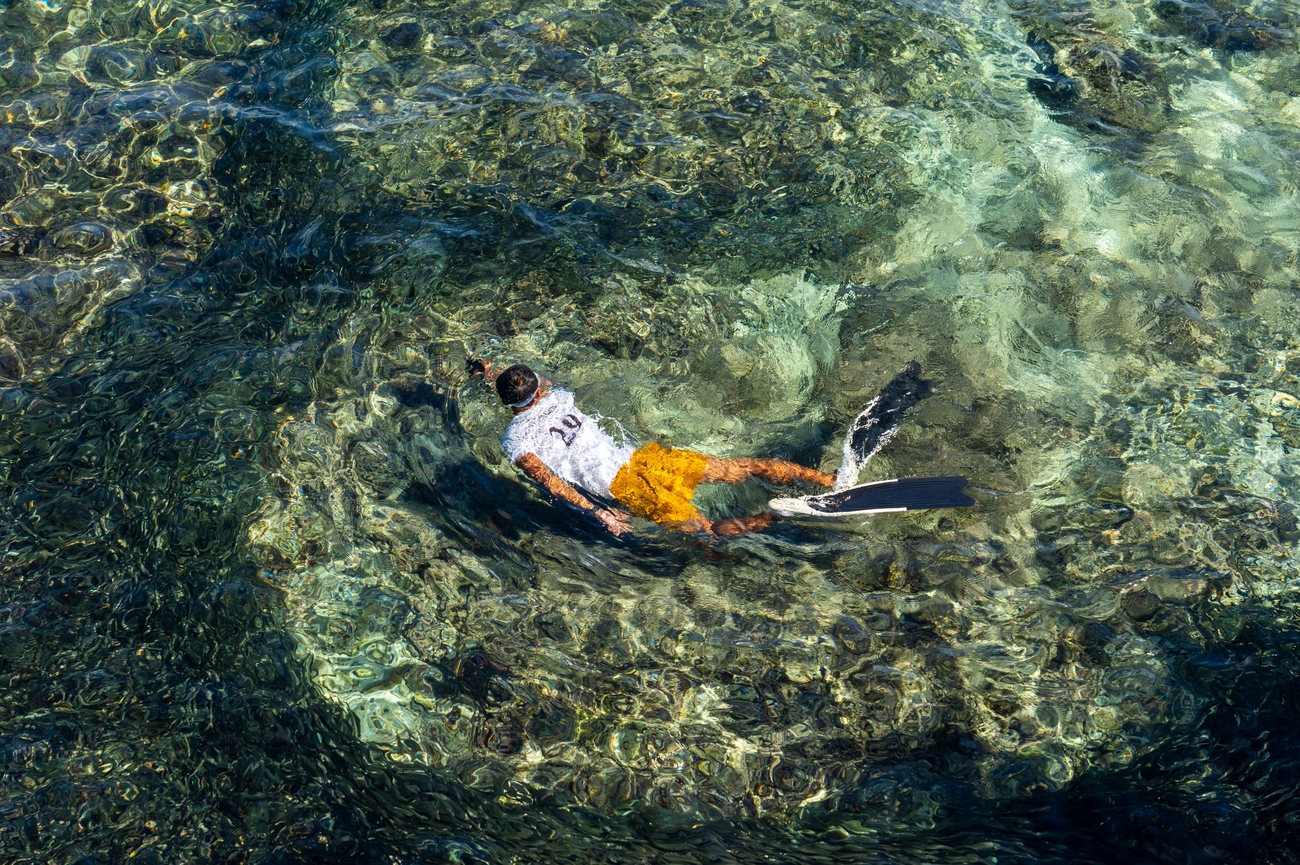
- Napaling Reef: Located on the northern coast of Panglao Island, Napaling Reef is a well-known marine conservation area and an easy day trip from anywhere in Bohol. It’s famous for its year-round sardine run, where millions of sardines form swirling “bait balls” just metres from the shore (close enough to see while snorkelling). Visitvisit early in the morning (around 6:00–9:00 AM) or late in the afternoon, when there are fewer crowds and clearer views of this incredible underwater display.
Luxury Spa & Wellness Experiences in Bohol
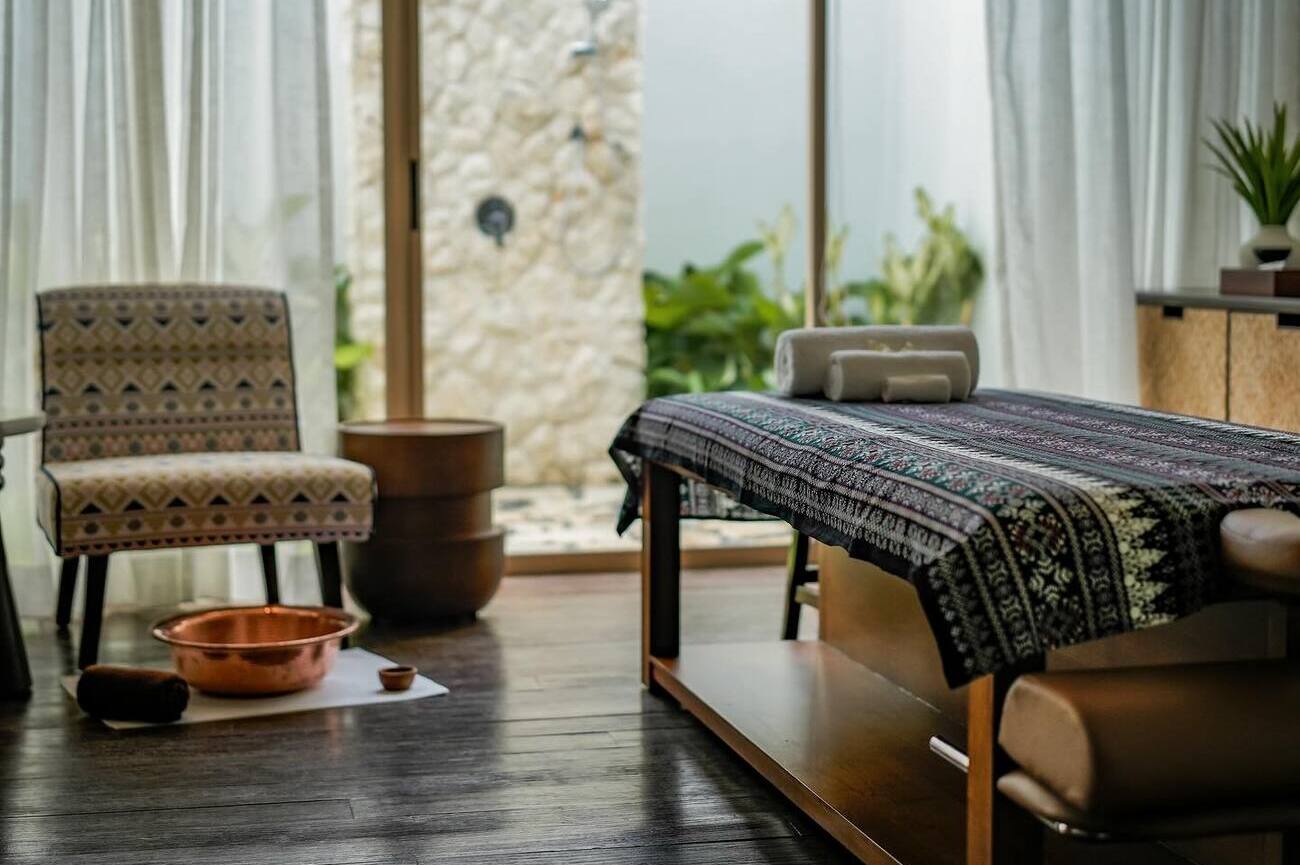
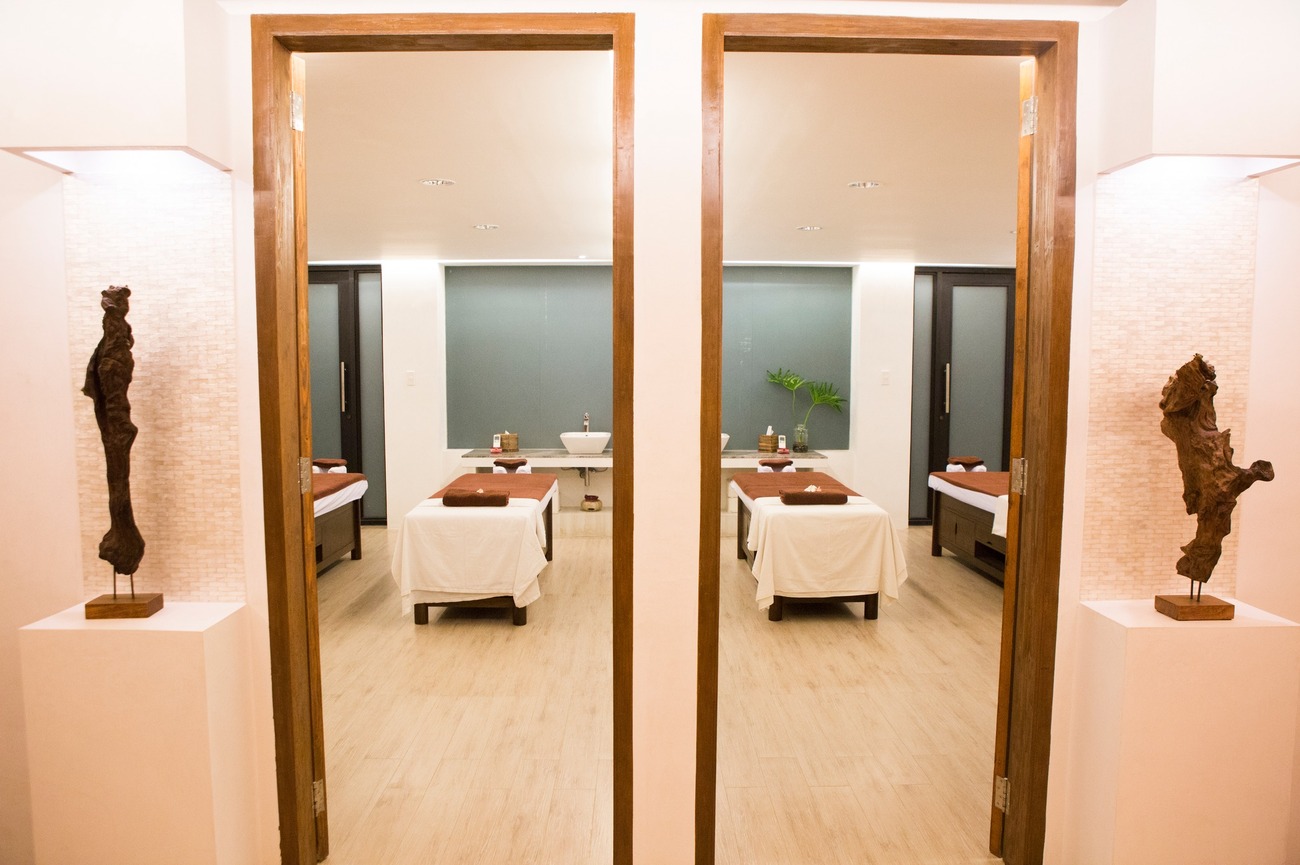
- Lola’s Sanctuary at South Palms Resort Panglao: Bohol's first international luxury resort spa. The treatments here blend farm-to-spa ingredients with traditional Boholano practices. Try their Hilod Dalisay, a 90-minute body-purifying ritual using finely ground Asin Tibuok (a rare, handcrafted Boholano sea salt) mixed with lemongrass and virgin coconut oil. The slow, calming massage is designed to draw out impurities and restore balance. All oils, scrubs, and herbal compresses in the spa are handmade using ingredients grown at the nearby South Farm
- Mithi Spa at Mithi Resort and Spa: A well-loved wellness retreat known for its peaceful setting and holistic approach to relaxation. The spa specialises in signature treatments that combine ancient healing traditions with modern spa techniques. A popular choice is the traditional Hilot massage, which uses warm banana leaves and virgin coconut oil to ease muscle tension and improve circulation. You can also choose from a range of massage treatments tailored to your needs.
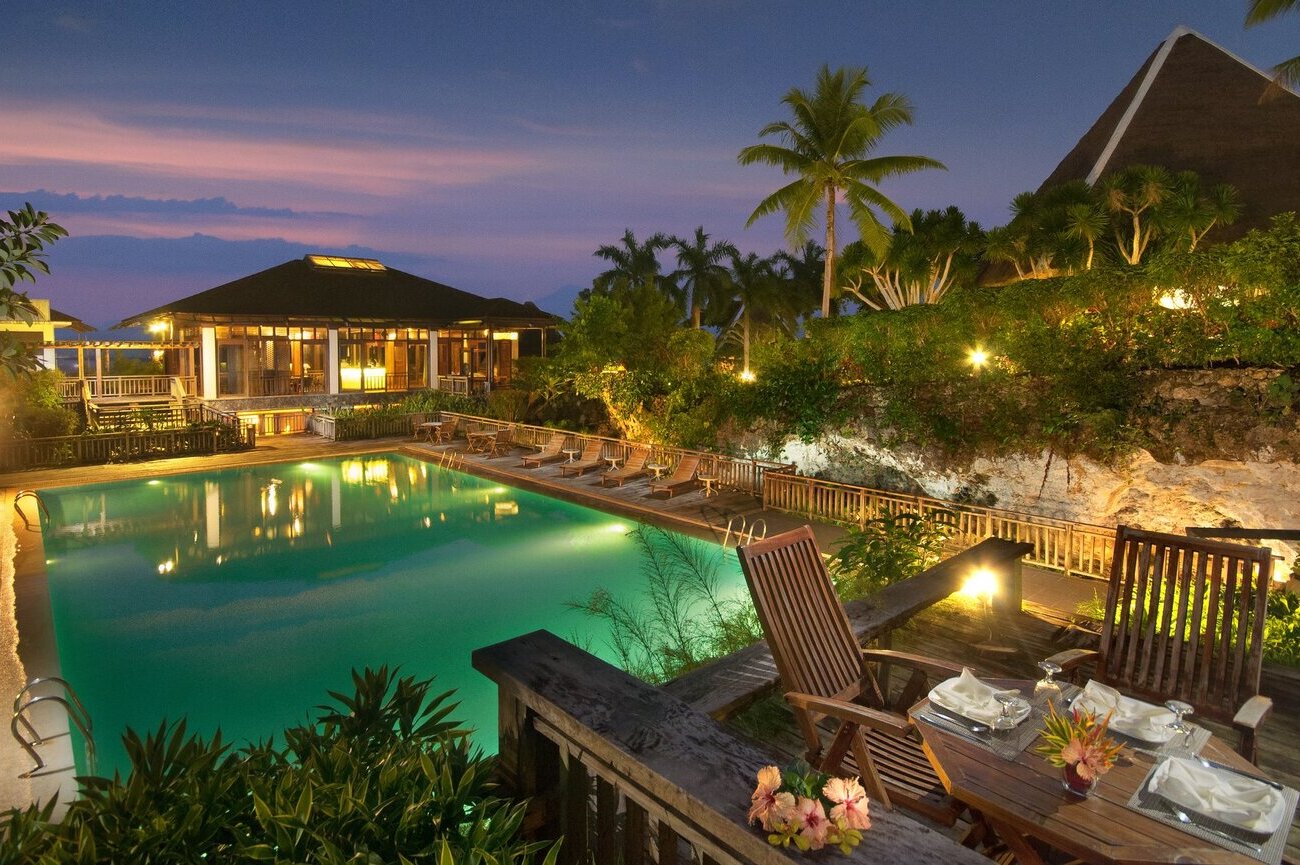
- Amuma Spa at Bluewater Panglao Beach Resort: Located at Bluewater Panglao Beach Resort, Amuma Spa offers a calming wellness experience inspired by genuine Filipino hospitality and healing traditions. The word amuma means “to indulge with attention, comfort, and care,” and that philosophy is felt throughout your visit. Try their Signature Amuma Hilot, a traditional Filipino massage using warm virgin coconut oil and rhythmic hilot techniques to ease muscle tension, improve circulation, and restore balance. You can also explore treatments that integrate traditional Visayan treatments like sea salts, black rice, and calamansi for gentle exfoliation and skin nourishment.
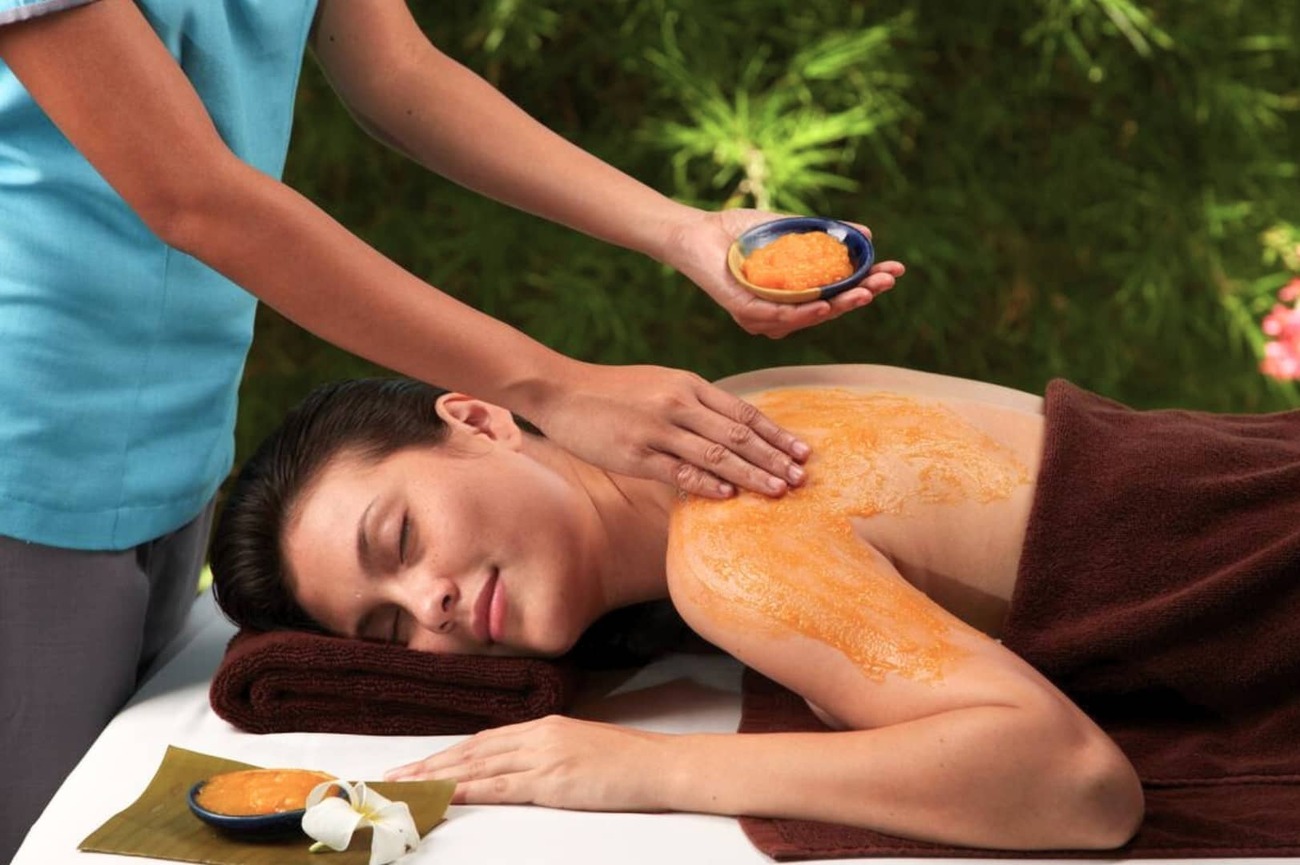
- Sea Tree Spa at Amorita Resort: A peaceful cliffside sanctuary overlooking the Bohol Sea, specialising in authentic Filipino bodywork and healing traditions using locally sourced natural ingredients. Try their Maharlika Signature Massage, a 90-minute treatment that uses warm, aromatic tablea (chocolate) oil, traditional Boholano healing herbs for gentle thermo-therapy, and bamboo sticks to stimulate pressure points on your feet.
Exclusive Workshops & Immersive Experiences in Bohol
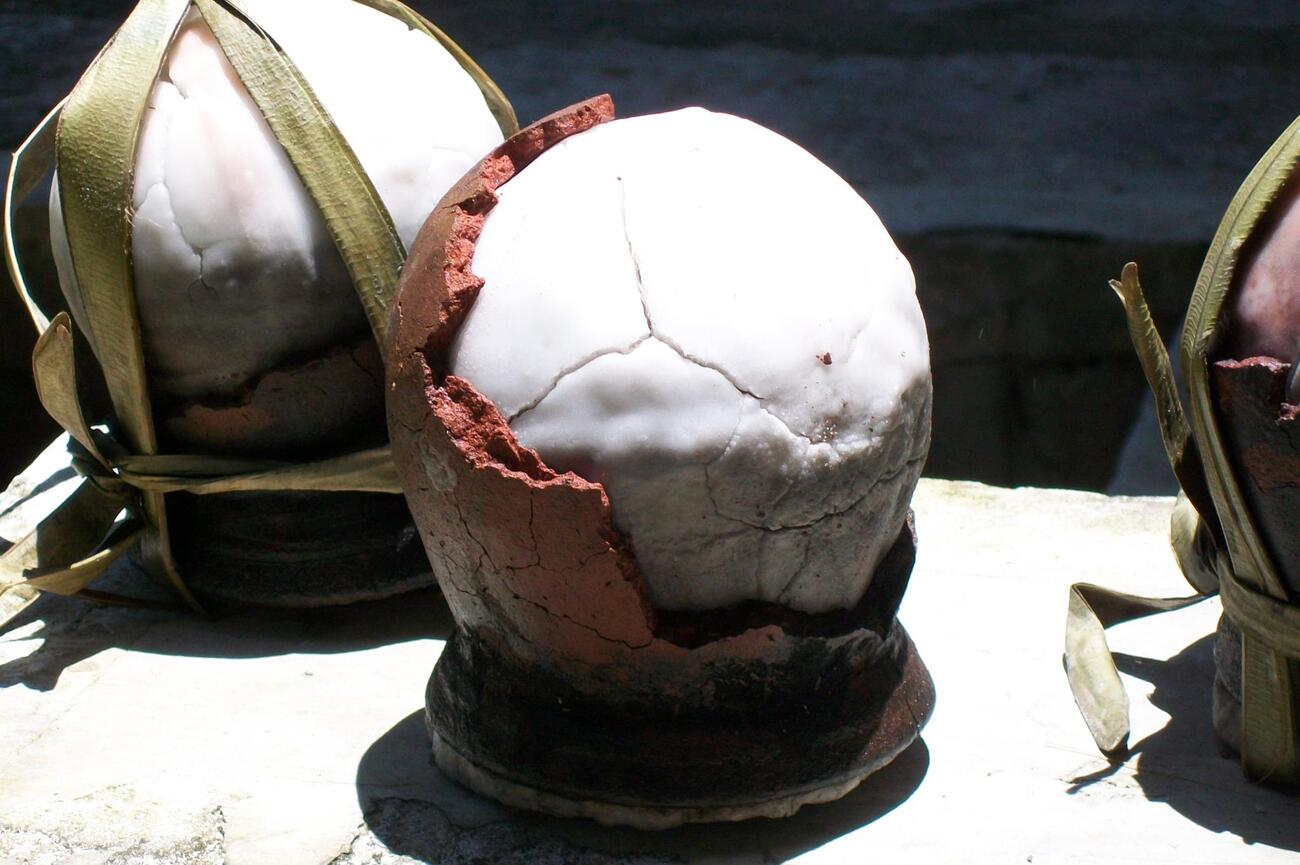
- Asin Tibuok Salt Making: Often called as Bohol’s “dinosaur egg” salt, a rare tradition listed by UNESCO as Intangible Cultural Heritage in Need of Urgent Safeguarding. This labour-intensive craft is kept alive by a small community of artisans, known as mangasinays, mainly in the coastal town of Alburquerque. You can visit family-run workshops (kamaligs) to see the process up close and even take part in it. Watch as concentrated brine is slowly poured for hours into handmade clay pots over a wood fire, until it hardens into a smoky, dome-shaped salt orb. You may also purchase your own as a keepsake.
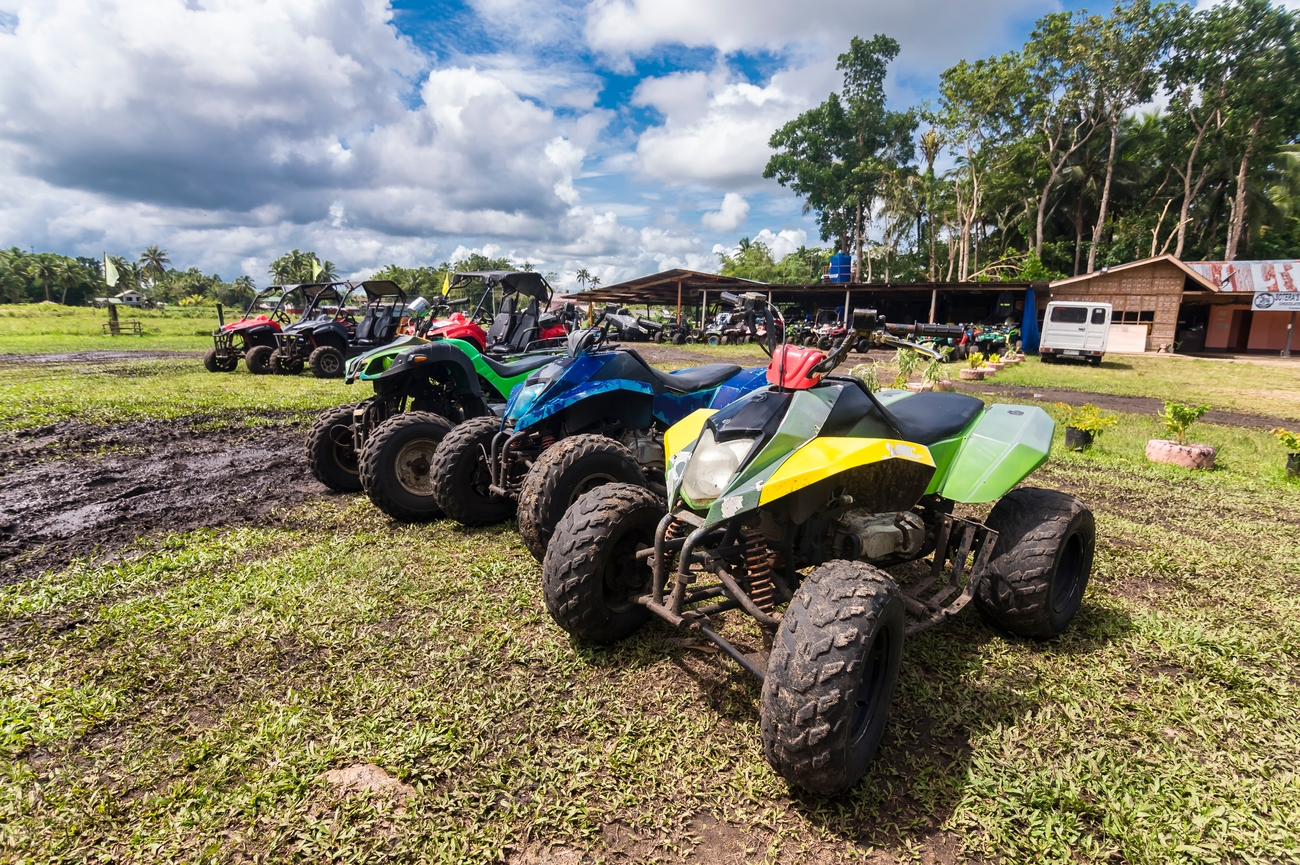
- Chocolate Hills ATV Ride: If you want to experience the Chocolate Hills beyond the usual viewpoint, an ATV ride is a fun and adventurous option. You can rent an ATV or buggy and drive along designated dirt trails at the base of the hills. The routes range from easy, open paths to more rugged and muddy trails, so you can choose one that matches your comfort level.
- Lasang Farm Tour: The Lasang Farm Tour offers an immersive “bean-to-bar” chocolate experience, set among more than 1,500 cacao trees, the farm focuses on sustainable practices and preserving traditional chocolate making methods. You’ll learn how cacao beans are turned into chocolate, from roasting and grinding the beans to moulding your own chocolate to take home. The guided walk through the cacao groves shows how the fruit grows, with chances to taste fresh cacao and other seasonal tropical fruits. The visit ends with a warm cup of sikwate, a rich Filipino hot chocolate made fresh at the farm.
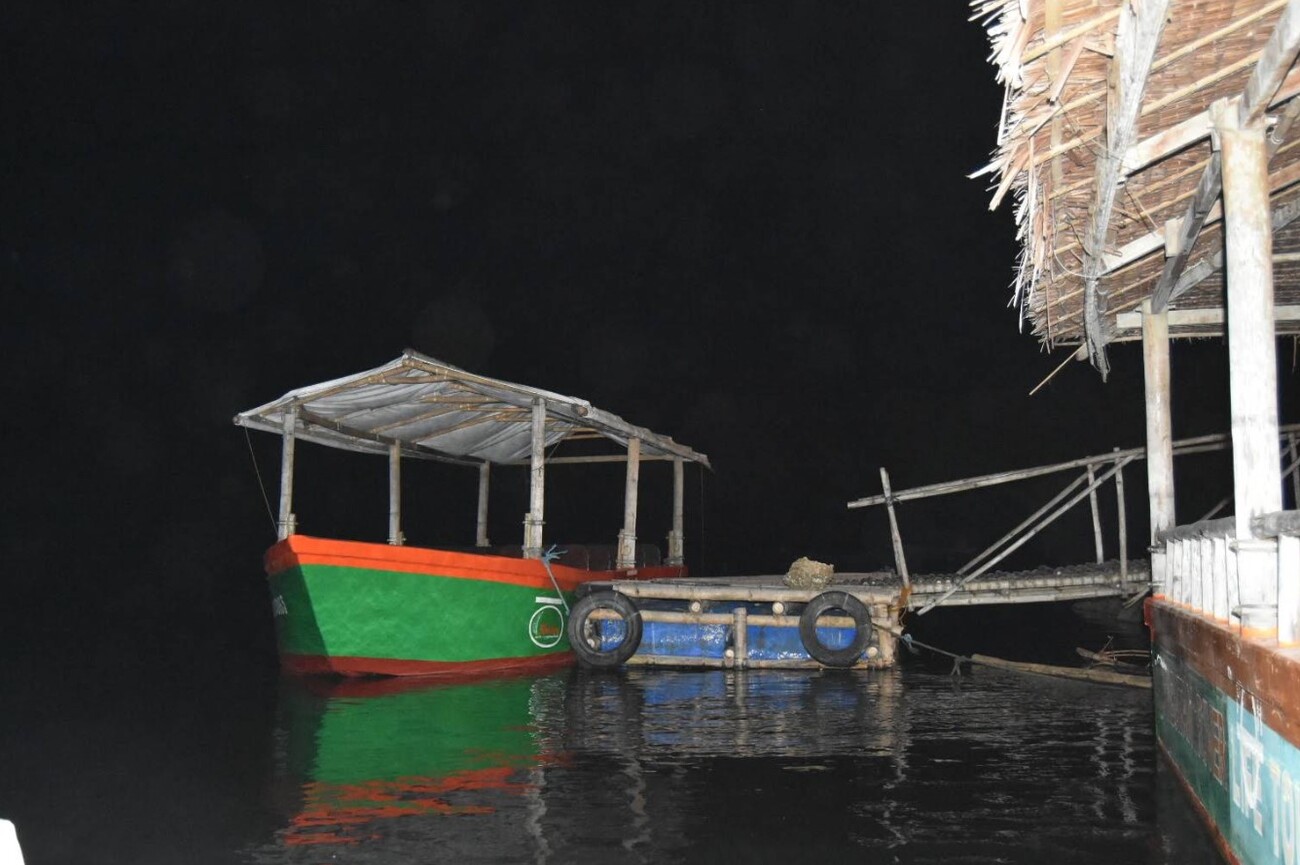
- Abatan River Firefly Watching: End your day with a magical river cruise through the mangrove forests of the Abatan River, where thousands of fireflies light up the trees in a beautiful, “Christmas tree-–like” glow. As you cruise along the river, local guides share stories about the ecosystem and explain why protecting the mangroves is so important. It’s a quiet, memorable way to connect with Bohol’s natural side.
Other Things to Do in Bohol
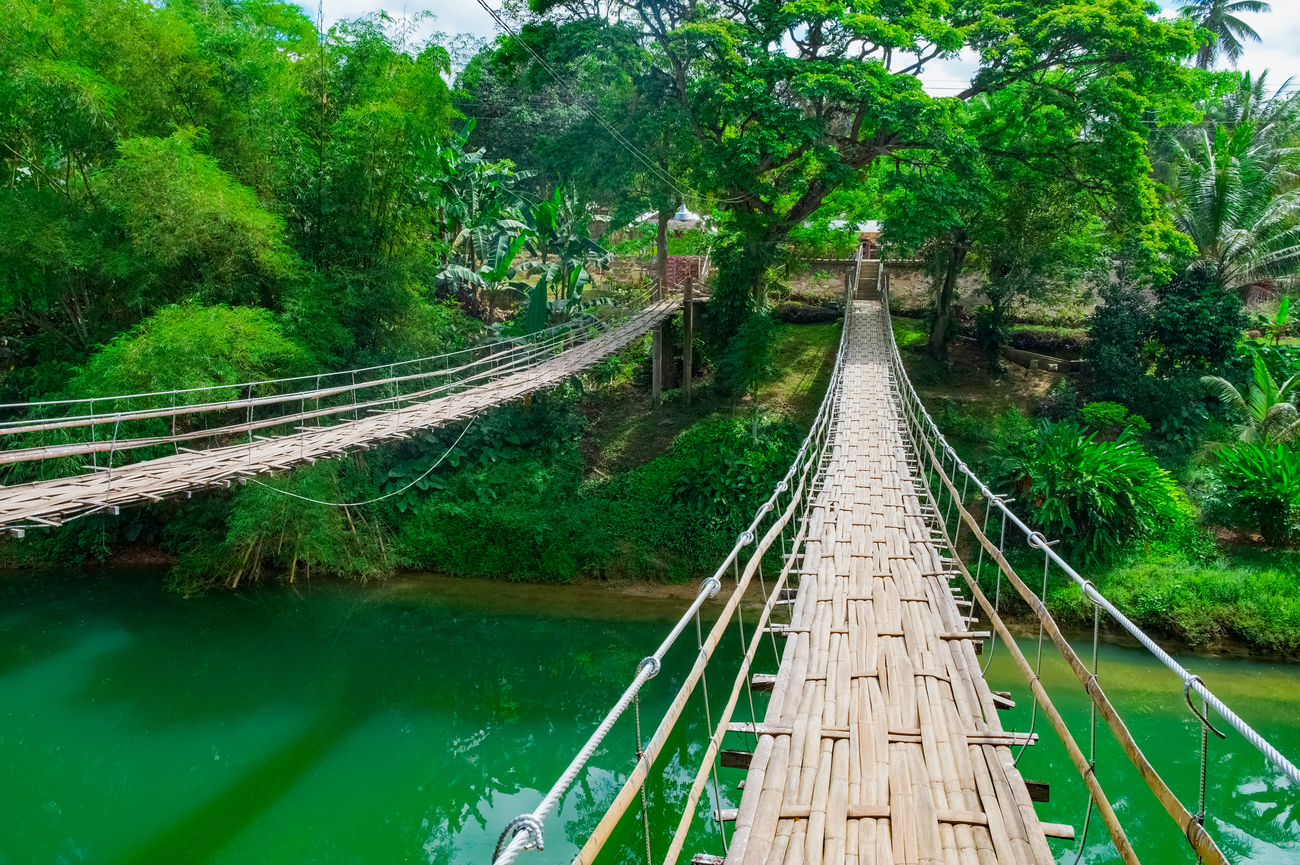
- Sevilla Twin Hanging Bridge: Also known as the Sipatan Twin Hanging Bridge, this attraction features two side-by-side bamboo walkways that gently sway and bounce as you cross. It’s a fun, slightly adventurous experience. As you walk across, you’ll enjoy beautiful views of the emerald-green river below and the lush tropical greenery along the riverbanks.
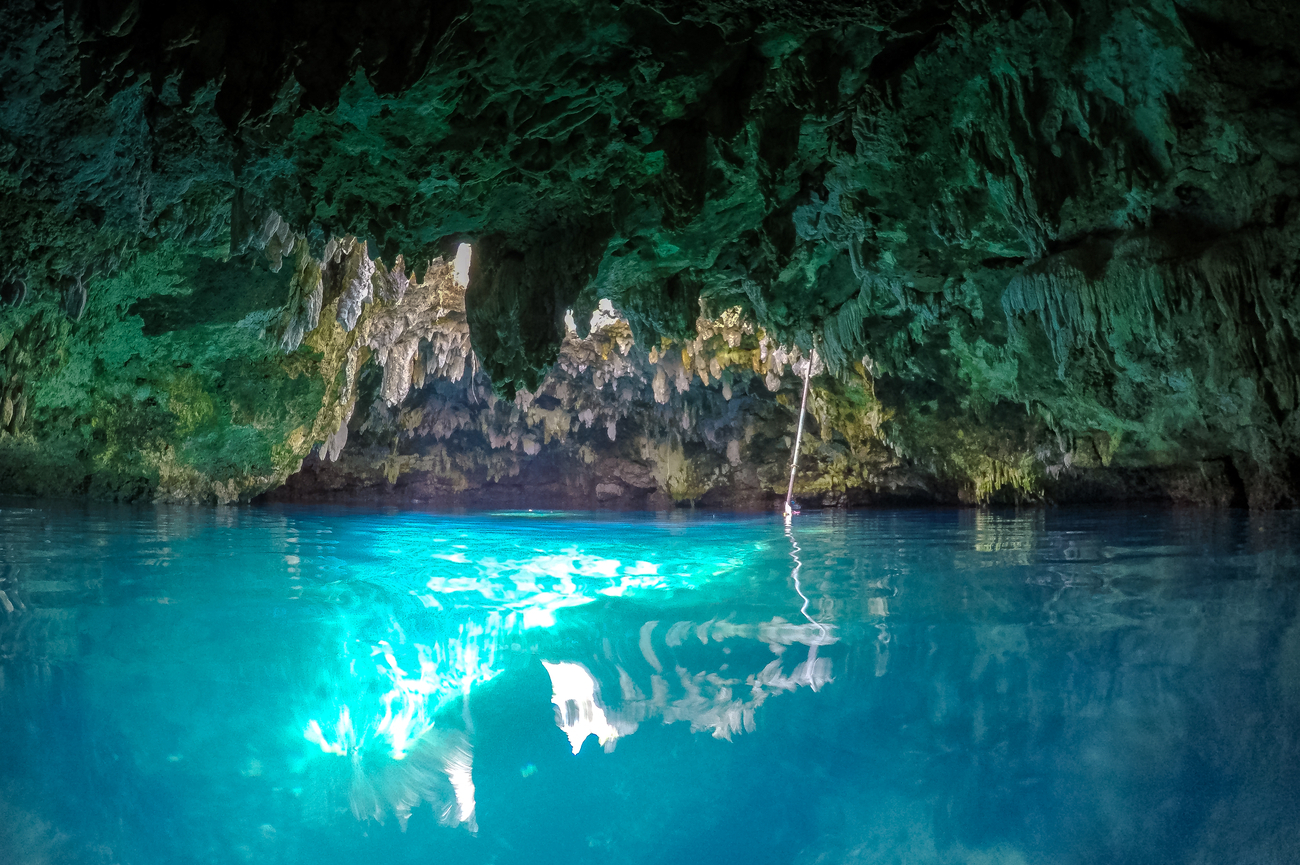
- Cabagnow Cave Pool: A large natural limestone sinkhole, similar to a cenote, filled with clear brackish water that shifts between emerald green and deep blue depending on the light and tide. The pool is refreshingly cool and deep (about 20 to 25 feet) ideal for a swim. If you’re feeling adventurous, you can jump into the pool from around 15 to 25 feet. If not, a sturdy steel ladder lets you enter and exit safely.
- Sagbayan Peak Park: A quieter alternative to the main Chocolate Hills viewpoint in Carmen. From here, you can enjoy wide views of the hills and, on clear days, even see the sea that separates Bohol from Cebu. You can also explore the small butterfly garden, home to colourful local species, or visit the mini-sanctuary where tarsiers are kept in a more spacious, natural-style enclosure.
Things to Do with Kids in Bohol
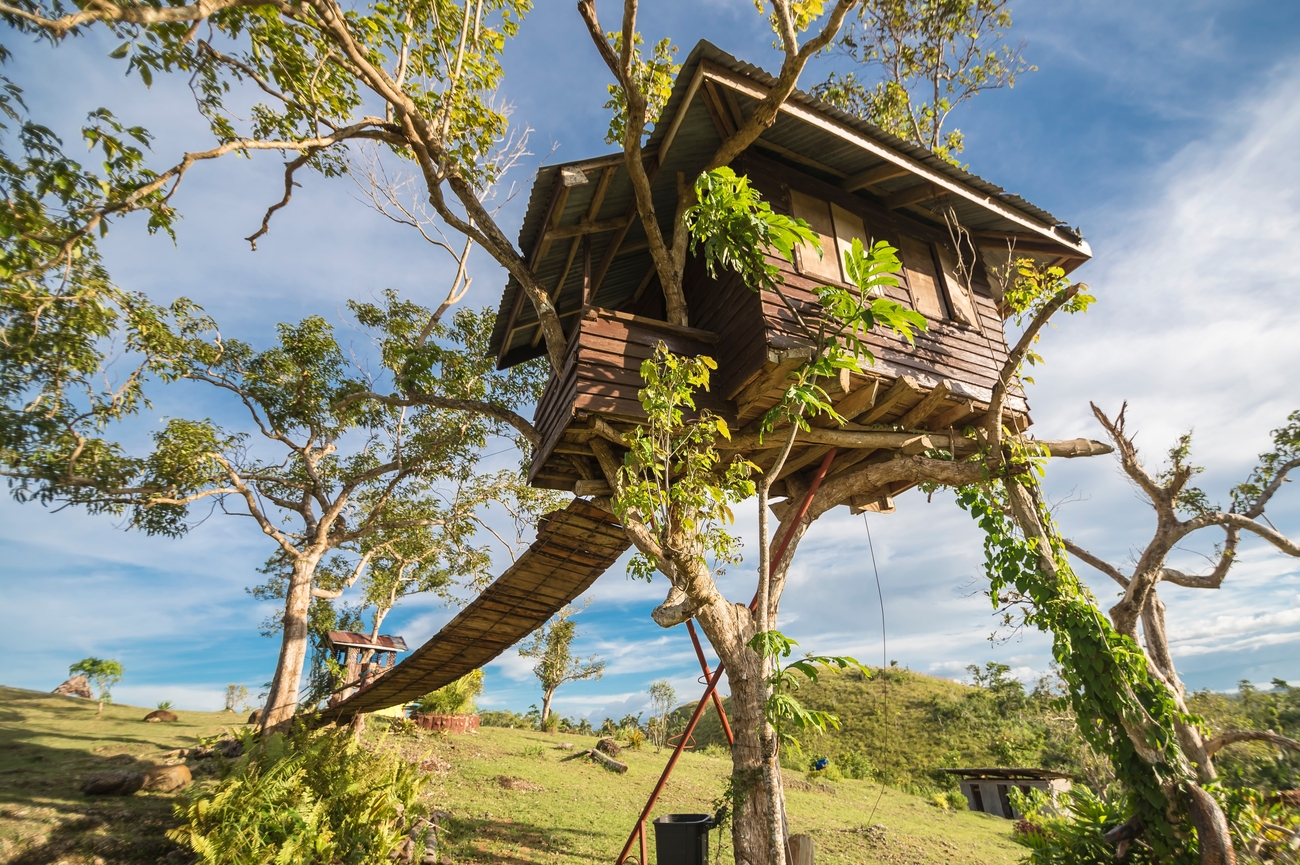
- Farm Workshop at South Farm Panglao: South Farm Panglao offers fun, hands-on workshops that are perfect for families and children. You can choose from activities like coco candy making, pizza making, garden planting, or clay pot painting. Aside from the workshops, kids can enjoy animal encounters, carabao or horse rides, fishing, and other activities around the farm. It’s a great place to let children learn, play, and experience farm life in a fun, playful setting.
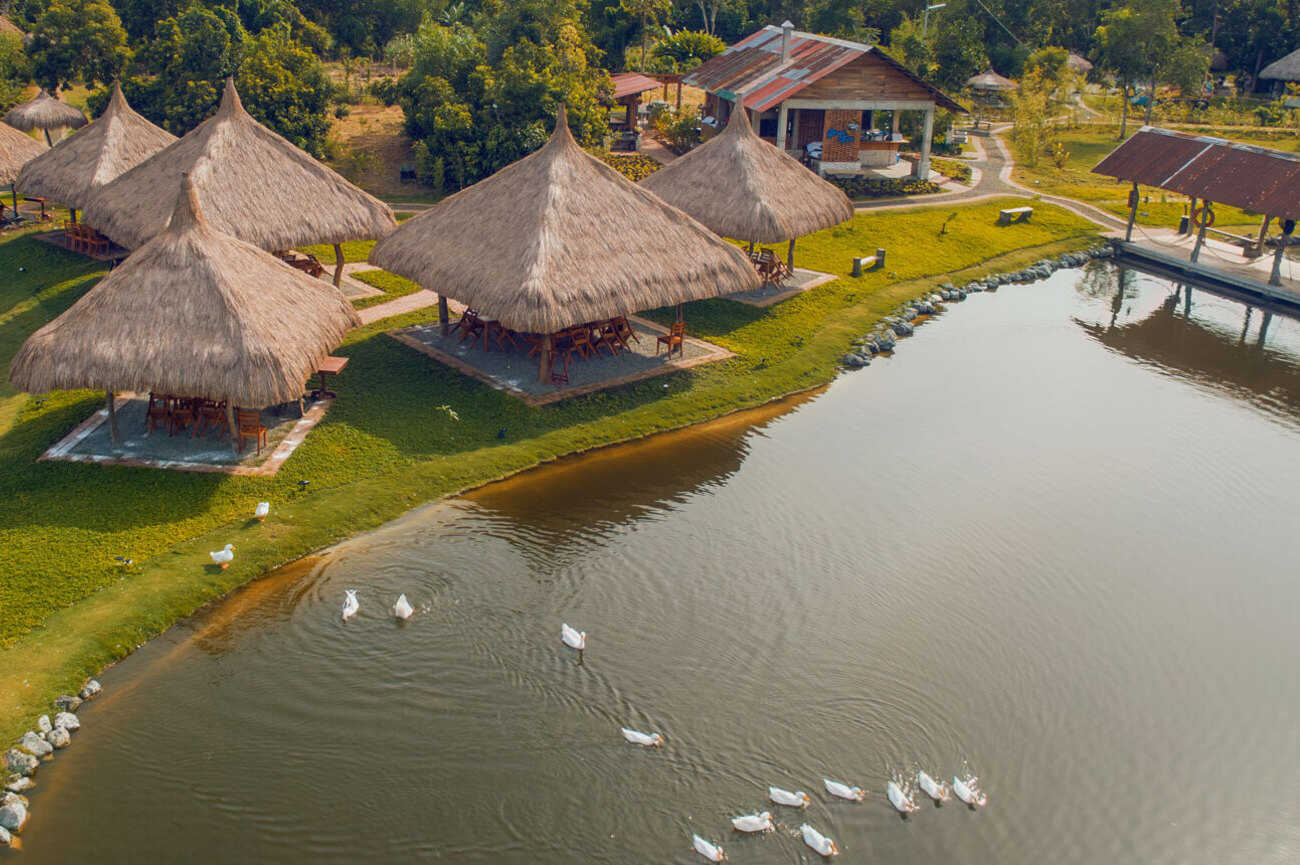
- Danao Adventure Park: An eco-adventure destination set in the highlands of Bohol, surrounded by deep gorges and the Wahig River. A popular choice activity here is the zipline, where you’re securely harnessed as you glide across a lush valley with sweeping views of the river and forest below. If you prefer something more relaxed, the Sky Ride offers a scenic 15-minute cable car journey with beautiful views of the canyon and river, perfect if you want to enjoy the scenery without the adrenaline rush.
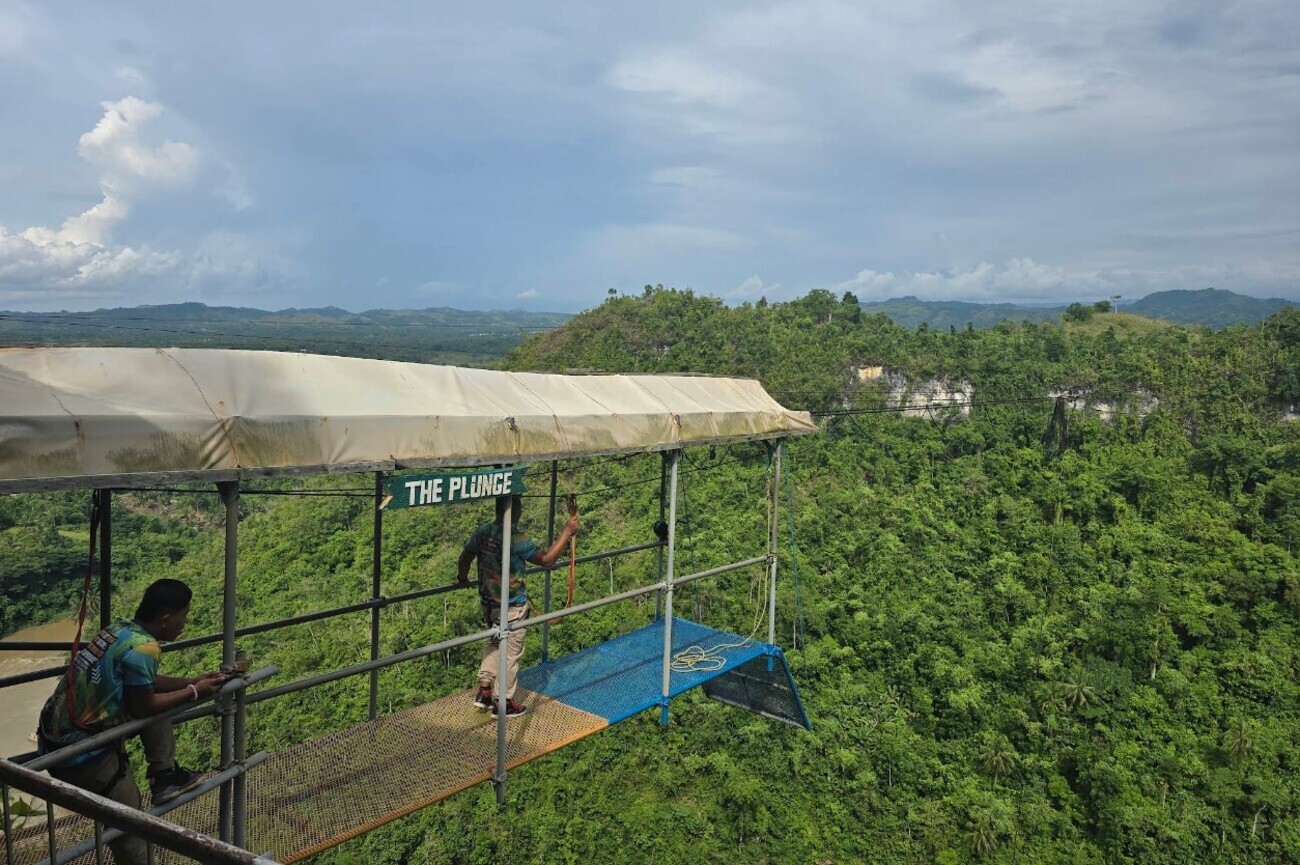
- Chocolate Hills Adventure Park: This eco-tourism park in Carmen, Bohol turns the famous hills into a natural playground. It’s especially great for families, with more than 30 activities designed for both adventurous adults and younger children.
Where to Eat in Bohol
- Bohol Bee Farm: Known for its organic, farm-to-table dining and a menu inspired by Filipino and Asian flavours. The ingredients come straight from their own farm, so the food is fresh and full of flavour. It’s also a great choice if you prefer vegetarian or vegan-friendly options. Don’t miss their Organic Flower Salad, made with fresh greens and edible flowers from the farm. You can also try the Honey-Glazed Chicken or Fish, sweetened naturally with the farm’s own honey.
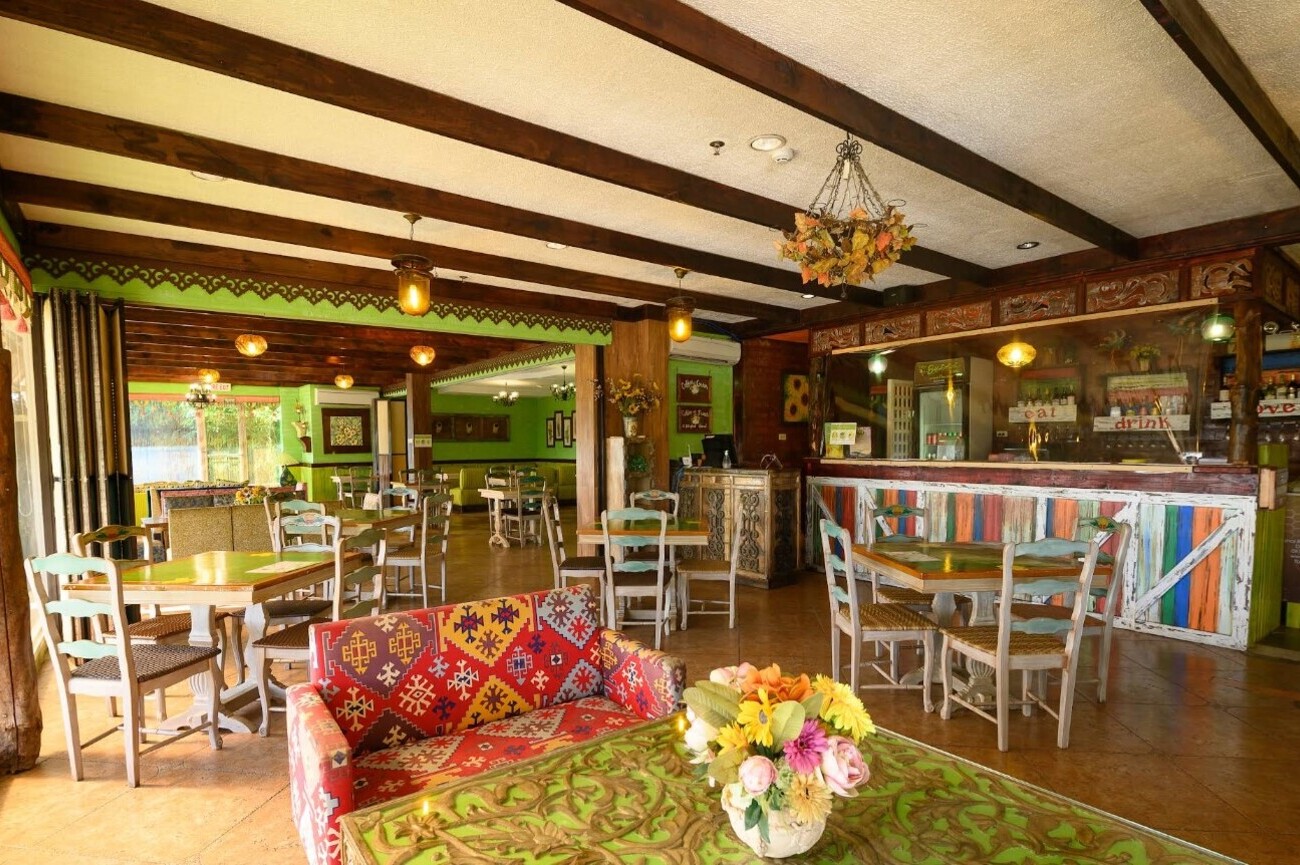
- The Lost Cow: A highly rated steakhouse known for its quality cuts, generous portions, and nice, peaceful atmosphere. You can expect tender, properly cooked meats served in hearty portions, along with a selection of comfort food dishes and well-prepared sides to round out your meal.
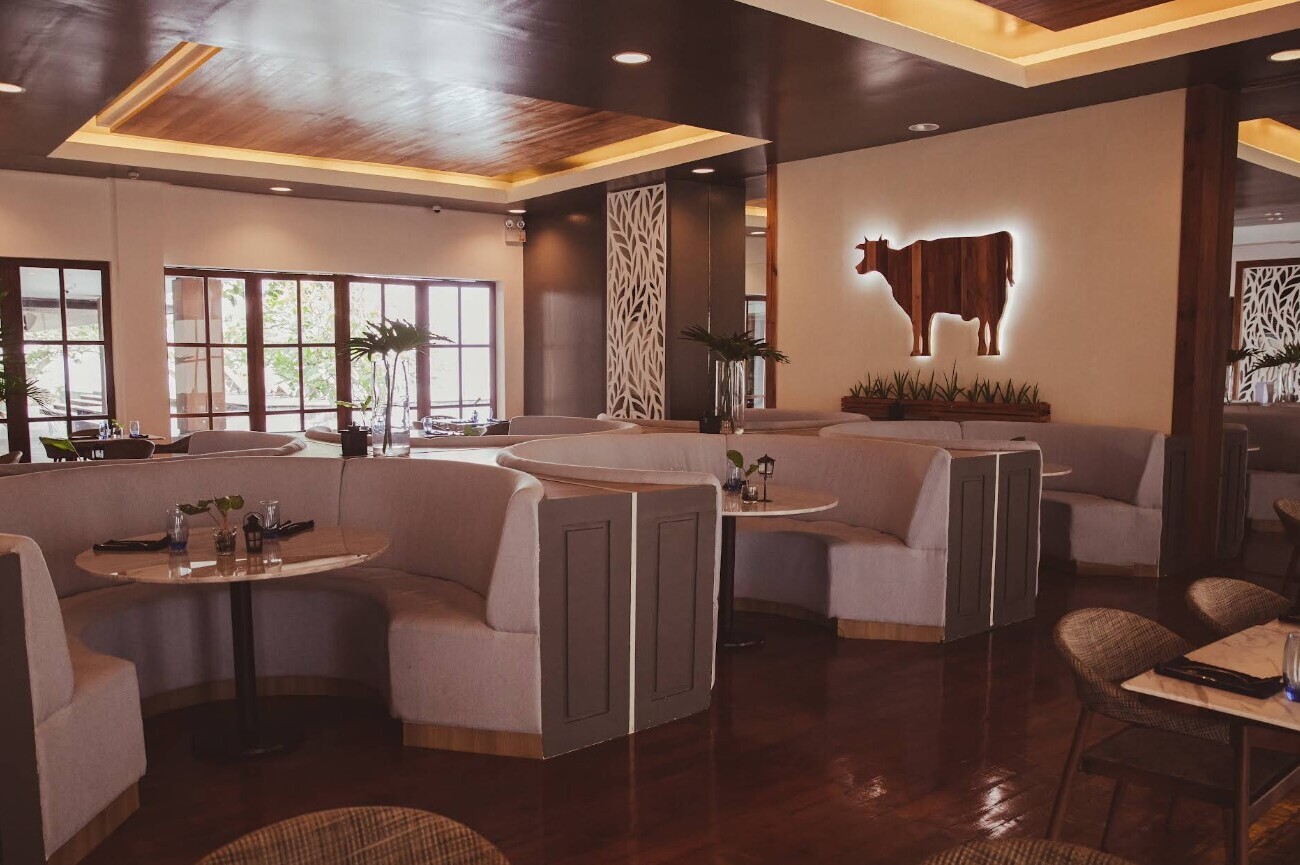
- Saffron Restaurant: The signature restaurant of the Amorita Resort and is well known for its beautiful views of the Bohol Sea. It’s one of the best places in Bohol for a sunset dinner, where you can enjoy the shift from golden hour to a softly lit, poolside evening. The menu focuses on elevated versions of traditional Filipino dishes and Boholano specialties, making it a memorable dining experience during your stay.
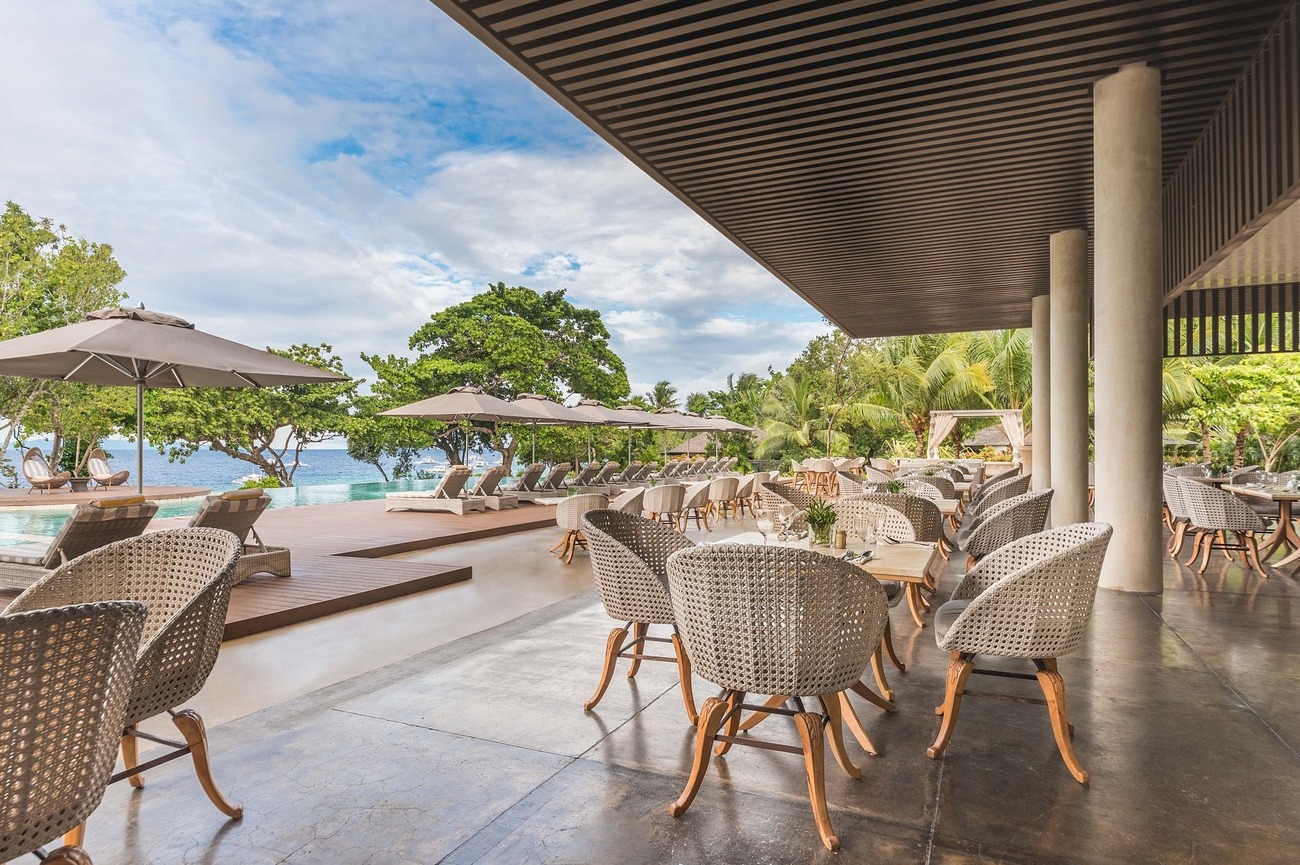
- The Buzz Cafe: The dining extension of Bohol Bee Farm, known for its healthy, organic Filipino fusion dishes and famous artisanal ice cream. Many of the ingredients like herbs, edible flowers, and honey come straight from the Bee Farm itself. The menu includes plenty of vegetarian and vegan options, all made with fresh, natural ingredients.
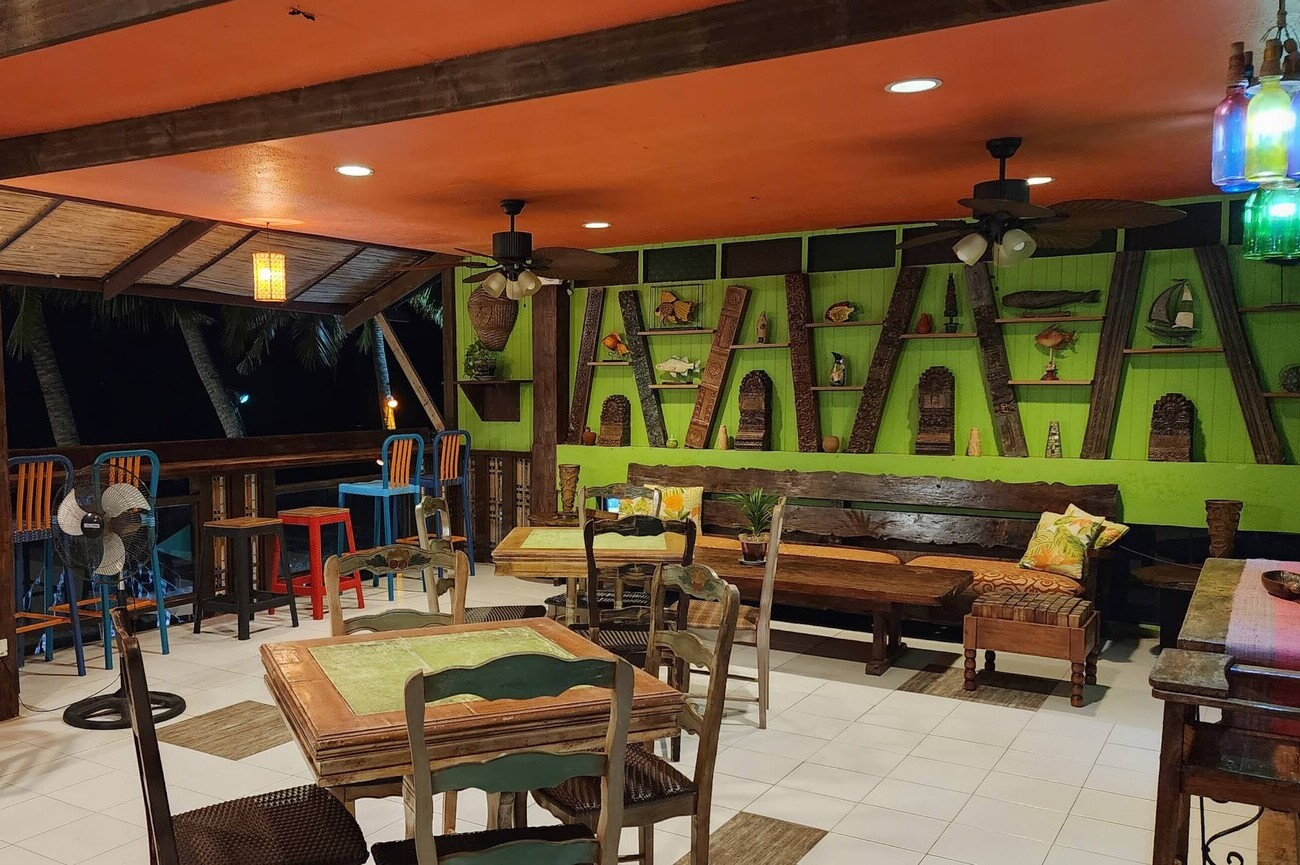
- Lekker Garden: A nice, garden-style restaurant known for its global menu, serving a mix of international fusion dishes inspired by South African, Mediterranean, and Asian flavours, with a strong focus on fresh, organic ingredients (some grown right in the restaurant’s own herb and lettuce gardens). Try their slow-cooked ribs, considered among the best in Panglao, and the Lebanese-style chicken skewers served with pita, hummus, and grilled eggplant. The Lekker Garden Salad with mango, apple, and honey cider dressing, as well as the Israeli Salad, are also worth trying.
Where to Stay in Bohol
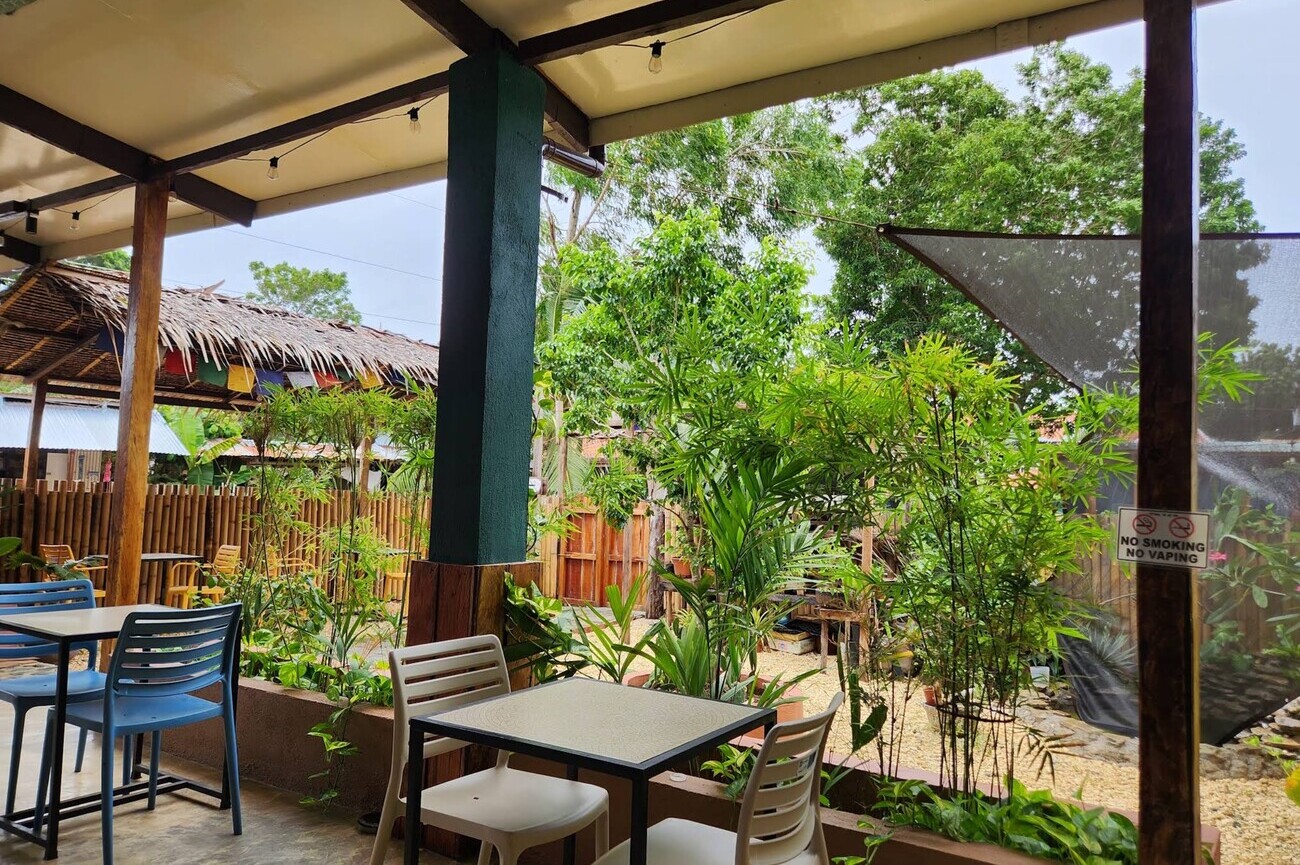
- South Palms Resort and Spa Panglao: Known for having the longest stretch of private white-sand beach in Bohol. Located just a short drive from Alona Beach and the international airport, it blends elegant Filipino design with authentic local touches. You can expect premium amenities during your stay here as the resort offers spacious rooms and villas designed for comfort and style, with many featuring private balconies or direct beach access.
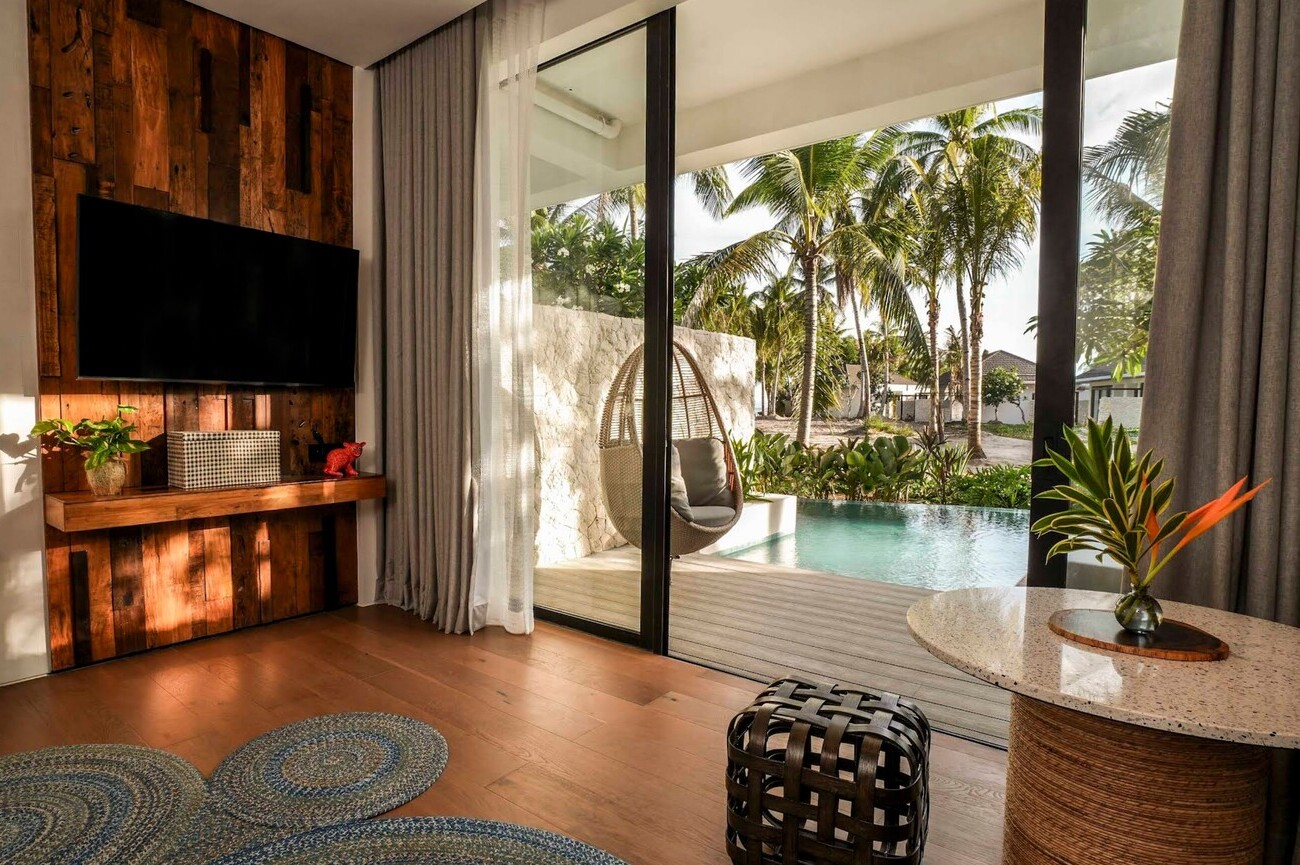
- The Bellevue Resort Bohol: Located on the quiet shores of Doljo Beach in Panglao, The Bellevue Resort Bohol is known for its focus on sustainability and warm Filipino hospitality. The rooms and suites are spacious and elegantly designed, many featuring private balconies with beautiful views of the ocean, gardens, or resort pools.
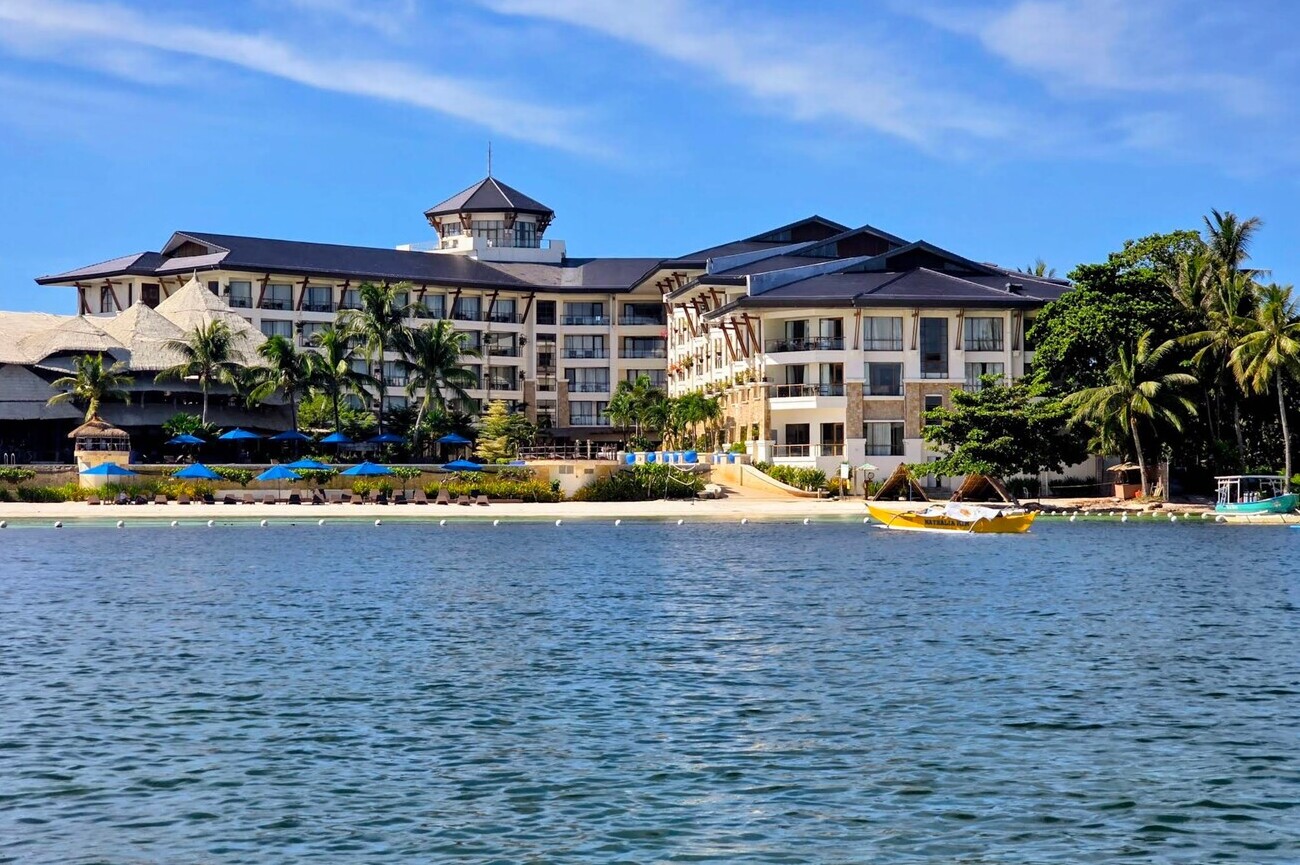
- Amorita Resort: A multi-award-winning boutique resort set on a cliff at the quieter end of Alona Beach (one of the best spots in Panglao for sunset views). The resort offers elegantly designed suites and villas, many with private plunge pools. All accommodations come with modern amenities, plush furnishings, and private verandas, making it an ideal choice for a relaxed stay.
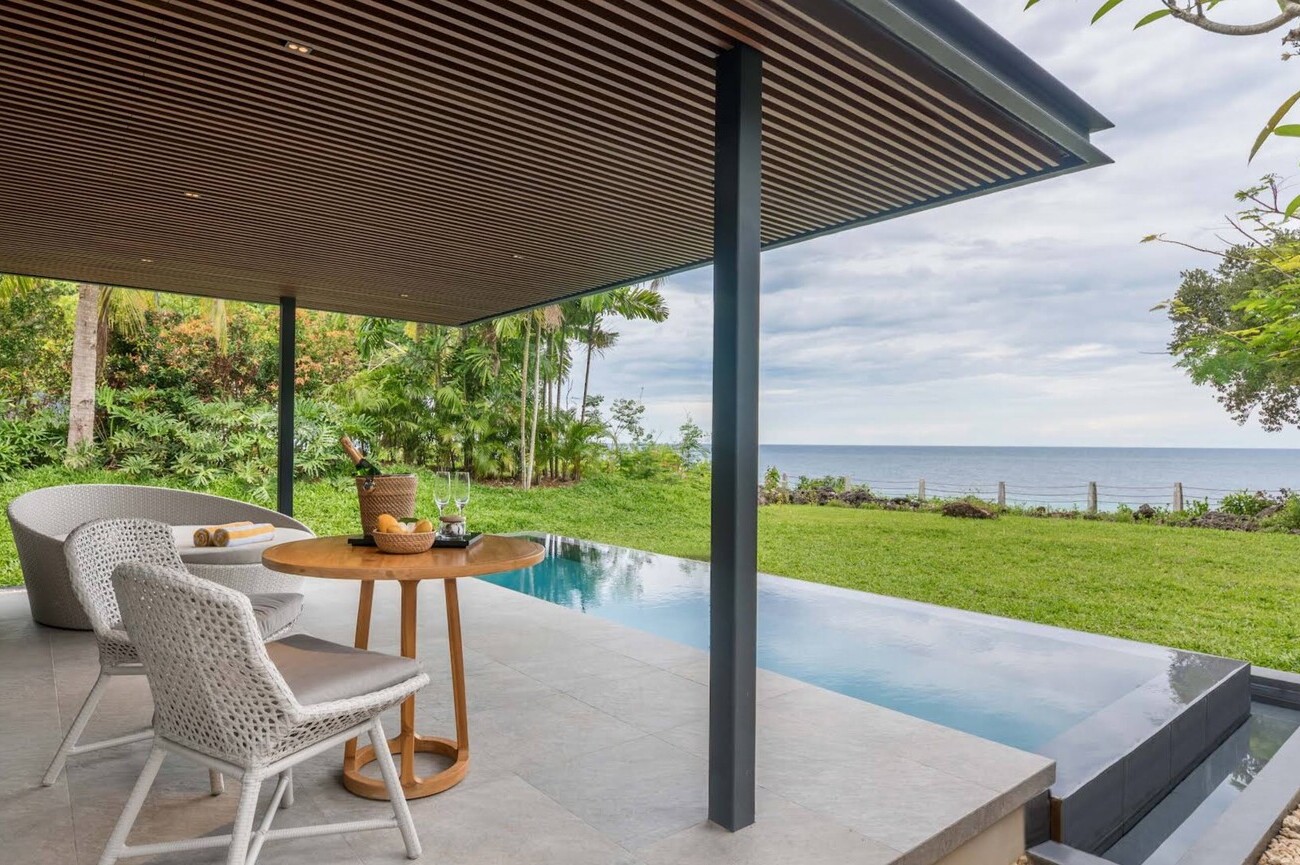
- Donatela Resort and Sanctuary: An exclusive, luxury boutique resort, designed for peace, privacy, and a strong connection to nature. With only a small number of villas, the resort offers a quiet, exclusive stay away from crowds. Each villa combines modern amenities with traditional Filipino design, featuring generous space, private verandas, and views of lush gardens.
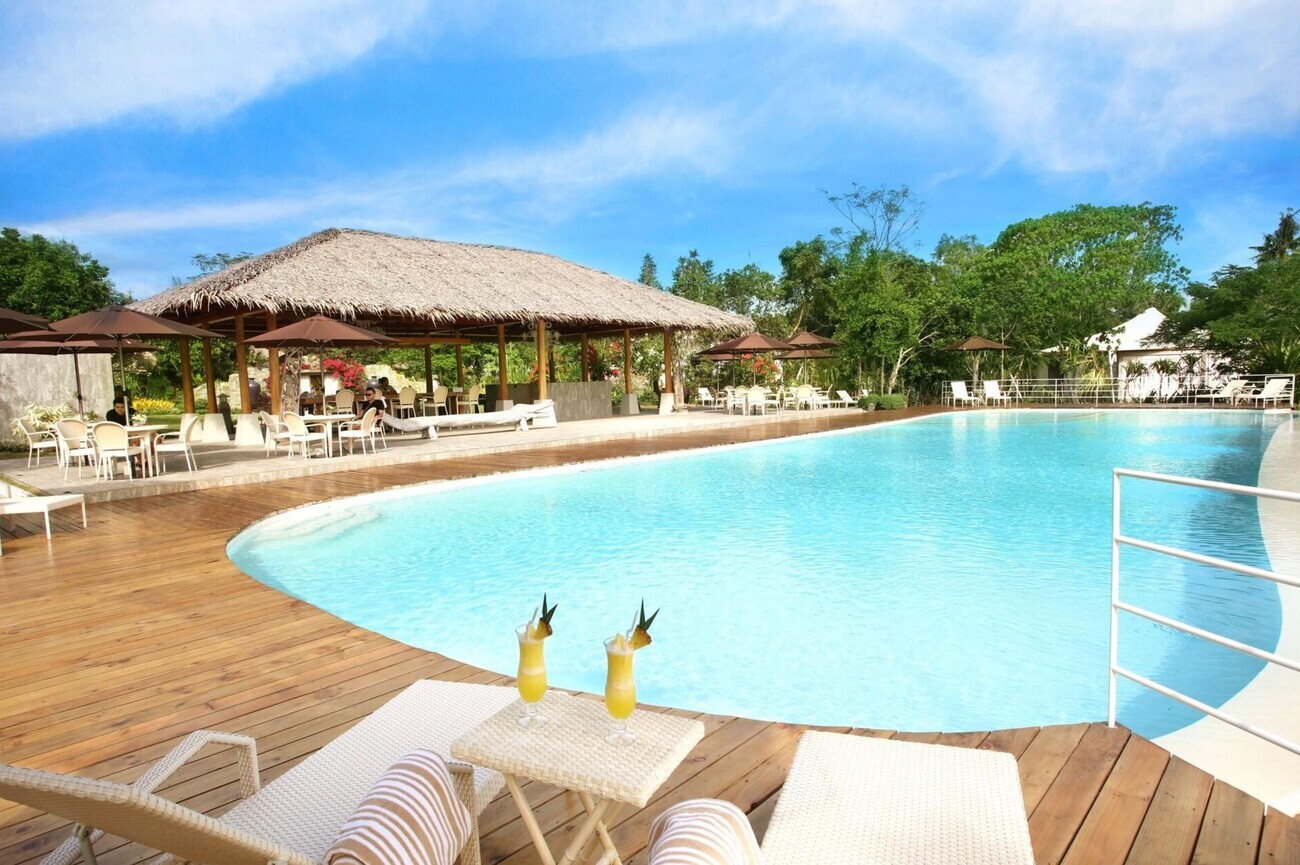
- Henann Resort Alona Beach: One of the largest and most well-known luxury resorts on Panglao. The rooms are modern and comfortable, each with a private balcony, and some offer direct access to the pool. The resort has three large swimming pools, each with its own bar, so there’s plenty of space to swim or relax even during busy periods. You’ll also enjoy direct access to the heart of Alona Beach, just steps away from the sand, clear water, and the lively area filled with restaurants and dive shops.
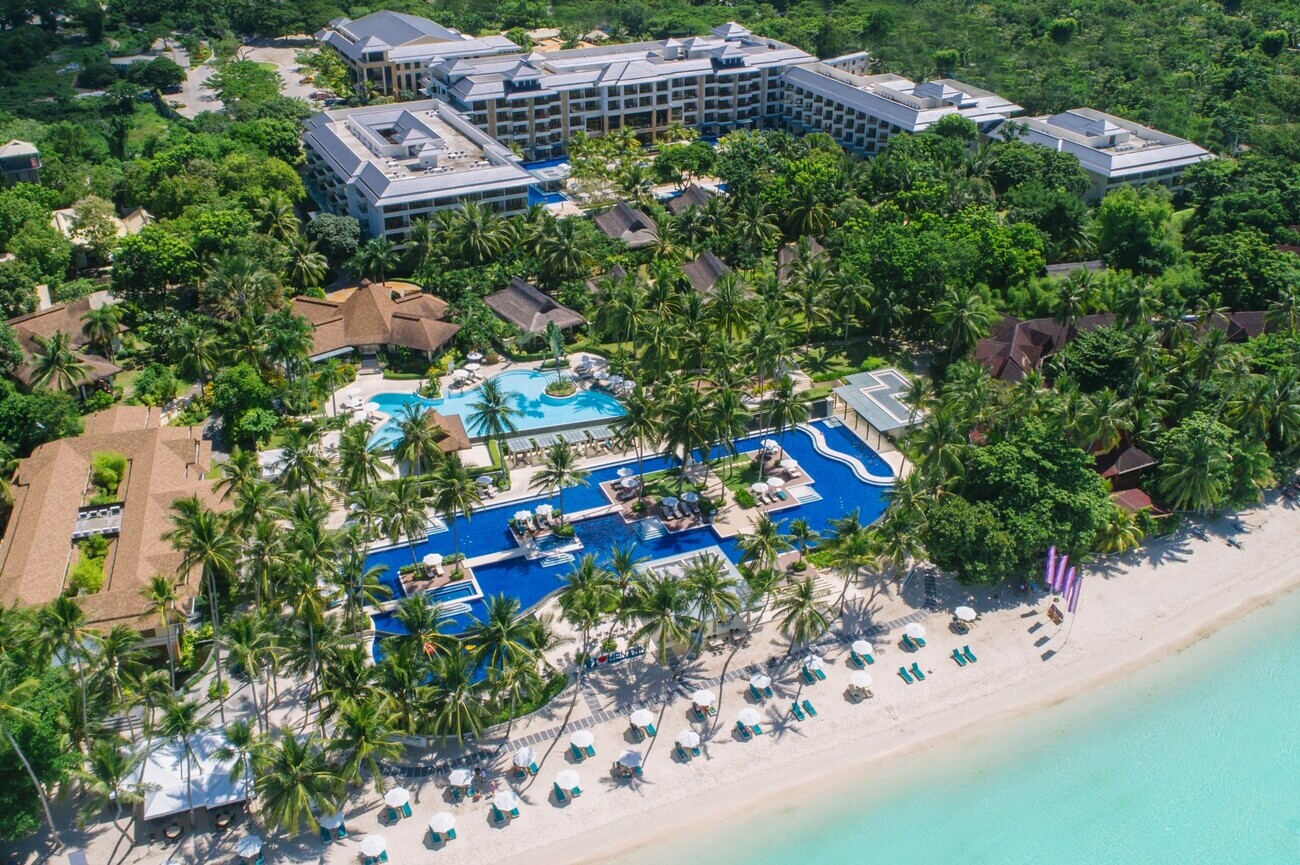
- Mithi Resort and Spa: Set among lush tropical landscapes along a quiet stretch of coast. The rooms and private villas are elegantly designed and spacious, with some offering private plunge pools and beautiful views of the ocean or gardens, giving you a nice view to wake up to. Each space feels modern, comfortable, and private, perfect for slowing down and unwinding during your stay.
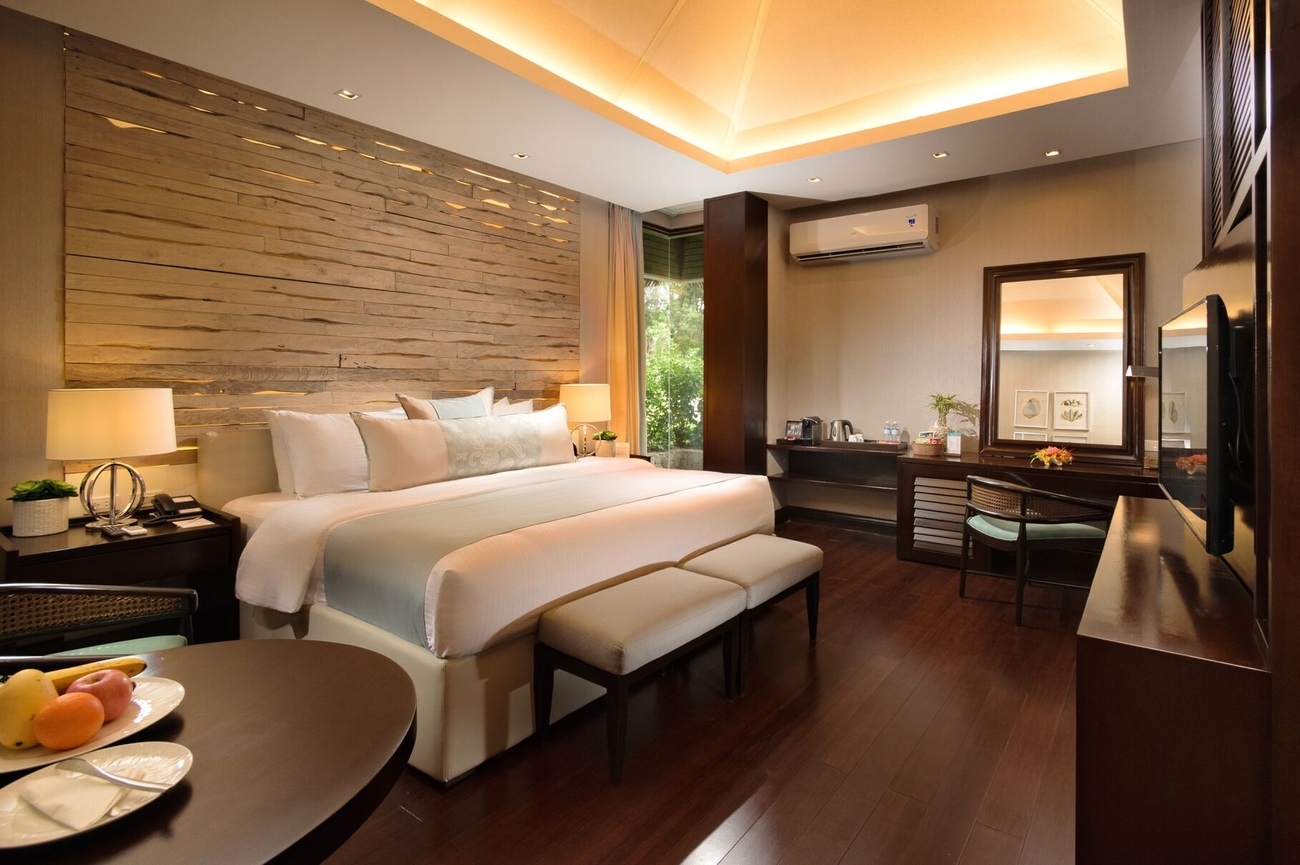
- North Zen Villas: A quiet boutique eco-resort designed for rest and mindfulness. Surrounded by mangrove forests and coastal waters, the resort focuses on harmony with nature and a slower pace of life. With only a small number of villas, you can expect a private and peaceful stay. The rooms feature a clean, minimalist design, comfortable beds, private verandas, and modern bathrooms, perfect if you’re looking to truly unplug and relax.
Best Time to Visit Bohol
The best time to visit Bohol is during the dry season, from December to May, when the weather is ideal for beach days, sightseeing, and outdoor activities. You can expect sunny skies, little rain, and calm seas, perfect for island hopping, diving, and snorkelling, with excellent underwater visibility.
Humidity is generally lower during this period, making it more comfortable to explore. If you want to see the Chocolate Hills in their famous brown colour, plan your trip between late January and April.
Festivals in Bohol
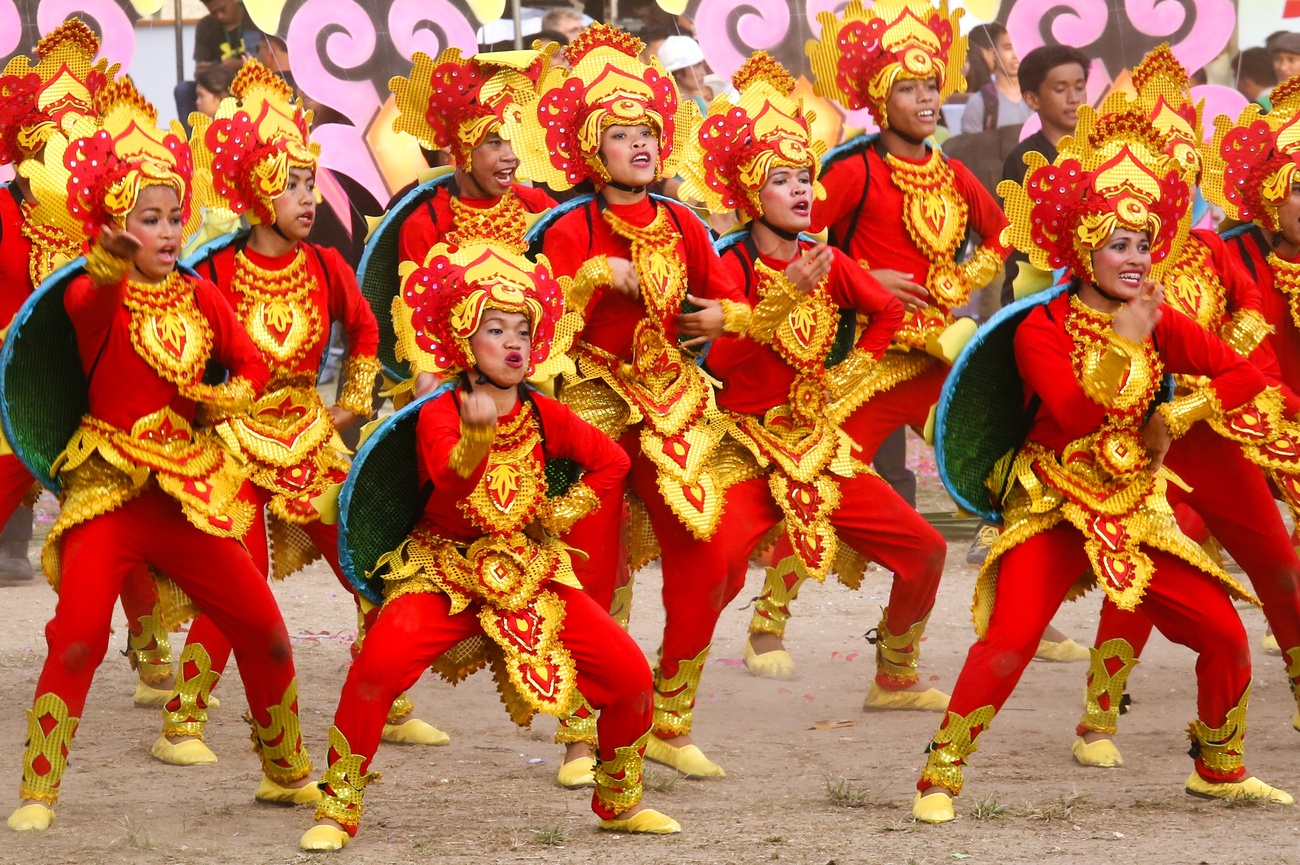
- Sandugo Festival: Held every July, with the main street-dancing events usually taking place on the third or fourth Sunday of the month. The festival commemorates the 1565 sandugo (blood compact) between Spanish explorer Miguel López de Legazpi and Boholano chieftain Datu Sikatuna, the first treaty of friendship between two different races and cultures in the Philippines. July 22, Bohol’s founding anniversary, is a special non-working holiday and one of the key days of the celebration.
During the festival, you can watch a reenactment of the blood compact, enjoy colourful street parades through Tagbilaran City, and catch large performances at the CPG Sports Complex. You’ll also find trade fairs, cultural exhibits, and evening events like Fusion Nights, making it a lively time to experience Bohol’s history and culture.
The Jewel of the Philippines
After three days in Bohol, you realise it isn’t one headline attraction, it’s a collection of moments. Bohol’s magic lies in its balance: land and sea, history and play, peaceful corners and lively beaches. You can tick off the must-sees and still find places that feel like your own discovery, whether it’s a hidden waterfall, a sunlit cave pool, or a sandbar that appears at just the right moment.
Explore Bohol with us at Revigorate. Request a quote or contact us at (+1 800 672 0517 | +351 289 009 580 | +44 808 189 0647) and we’ll help you plan your Bohol adventure the right way. Explore more of the Philippines with us through our self-guided itineraries to Siargao, Coron, El Nido, and Puerto Princesa, or venture further to Manila, Singapore, Hong Kong, or aboard our featured luxury sleeper trains in Japan.
Our offices:




Revigorate, Iberian Escapes and Algarve Lifestyle are the registered brand names of APCS Lda . We are a fully authorised travel agency licensed by Turismo de Portugal RNAVT/6867.
In the event of a dispute, the consumer may refer to: RAL - Centros de Arbitragem
Avª. 5 de Outubro, nº. 55, R/C Dtº. 8000-075 Faro, Portugal | Tel: +351 289 823 135 *
* national landline call
E-mail: info@consumoalgarve.pt| www.consumidoronline.pt | Mon to Fri: 9:00 - 13:00 / 14:00 - 17:00