Things to Do in Spreewald: 4-Day Itinerary
Spreewald is one of Germany’s most distinctive natural regions, known for its network of canals, forested waterways, traditional villages and protected landscapes within the UNESCO Spreewald Biosphere Reserve.
Places such as Lübbenau, Lehde and Burg provide different ways to experience the region, from traditional punt-boat journeys and waterside villages to walking and cycling routes through forests and wetlands. The canals remain central to everyday life and are one of the clearest ways to understand how the landscape and local culture developed together.
What makes Spreewald particularly rewarding is the combination of nature, heritage and slower travel. Boat trips, woodland trails, village visits, regional food and spa experiences can all form part of the same journey without making the itinerary feel crowded.
This 4-day Spreewald itinerary brings together canals, villages, boat rides, nature, family activities and carefully paced stays, allowing enough time to experience the region without rushing.
Day
1

Morning: Großer Spreewaldhafen Lübbenau
The journey begins quietly, at the water’s edge.
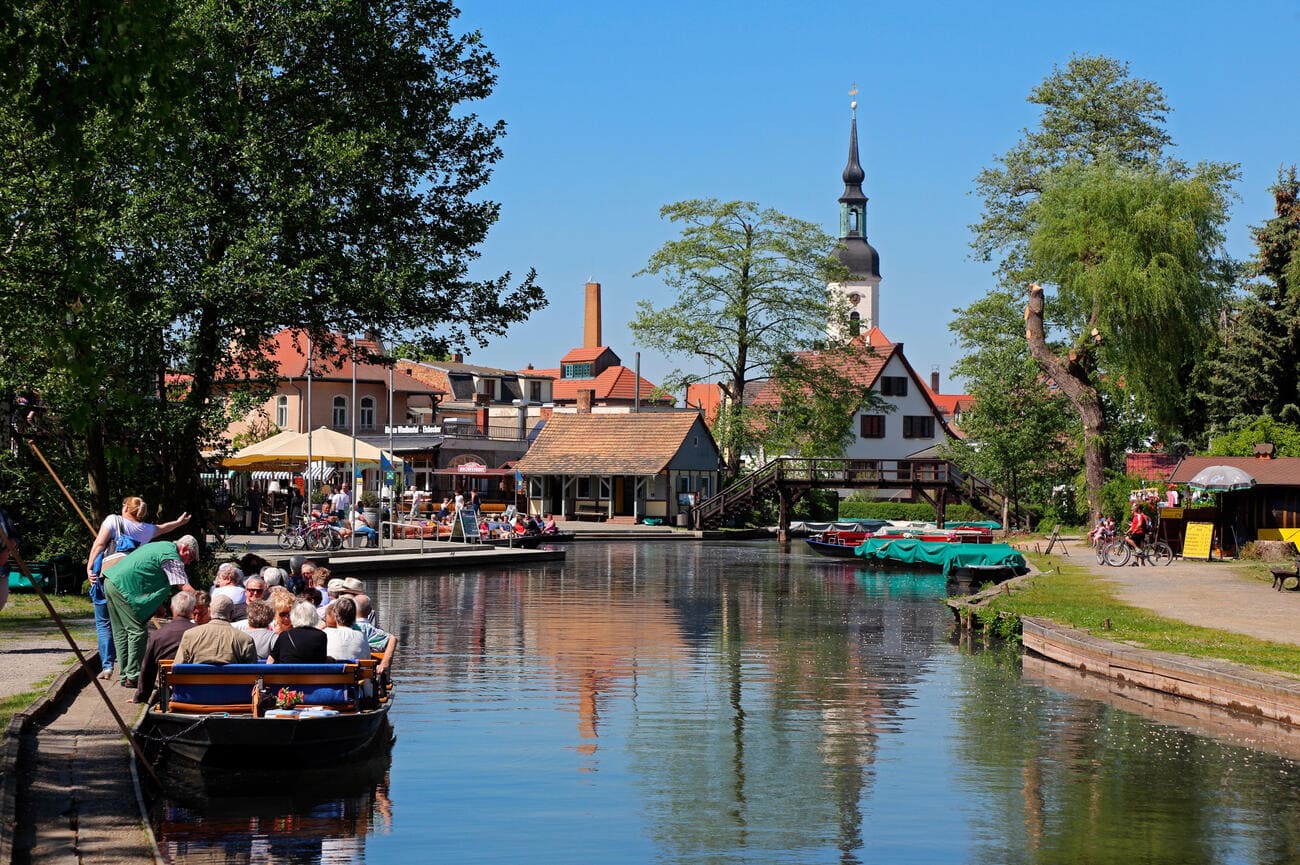
Großer Spreewaldhafen Lübbenau is the main departure point into the Spreewald, where rows of traditional wooden boats wait along the harbour and the first canal routes begin to open out into the wider landscape. There is movement here, but it never feels rushed. Boatmen call out routes, water brushes against the dock, and the whole place carries the steady rhythm of a region shaped by its waterways.
The harbour has long been central to Lübbenau’s canal network, once used for trade and everyday transport before becoming one of the best-known gateways into the Spreewald Biosphere Reserve. Today, it is one of the region’s most organised starting points, with numbered docking areas, clearly marked routes and traditional flat-bottom boats known as Kähne, designed to move smoothly through the shallow canals.
Boat tours are the main experience here, ranging from shorter shared routes to villages such as Lehde and Leipe to longer or more private tours for a quieter and more flexible introduction to the region. It is the right place to begin, giving you an immediate sense of both the landscape and the slower pace that defines Spreewald.
Lübbenau Altstadt
From Großer Spreewaldhafen, it is only a short 5-minute walk into Lübbenau Altstadt, where the atmosphere shifts gently from water to streets, squares and historic facades.
Lübbenau Old Town has an easy charm at first glance, with colourful houses, cobbled lanes and a compact layout that makes it pleasant to explore on foot. Stay a little longer, however, and its historical depth becomes more apparent. The narrow streets, quiet corners and layered architecture give the town a sense of character that feels shaped by time rather than preserved for effect.
The old town has Slavic origins and later developed into an important trading centre within the Spreewald region. That history still shows in its structure, with a compact, slightly irregular layout and buildings dating largely from the 18th and 19th centuries. Walking tours are a good way to understand more of this background, particularly those that introduce the area’s Sorbian and Wendish heritage, trading past and local architectural details. If you prefer to explore independently, audio guides are also available and work well here.
Stadtkirche St. Nikolai
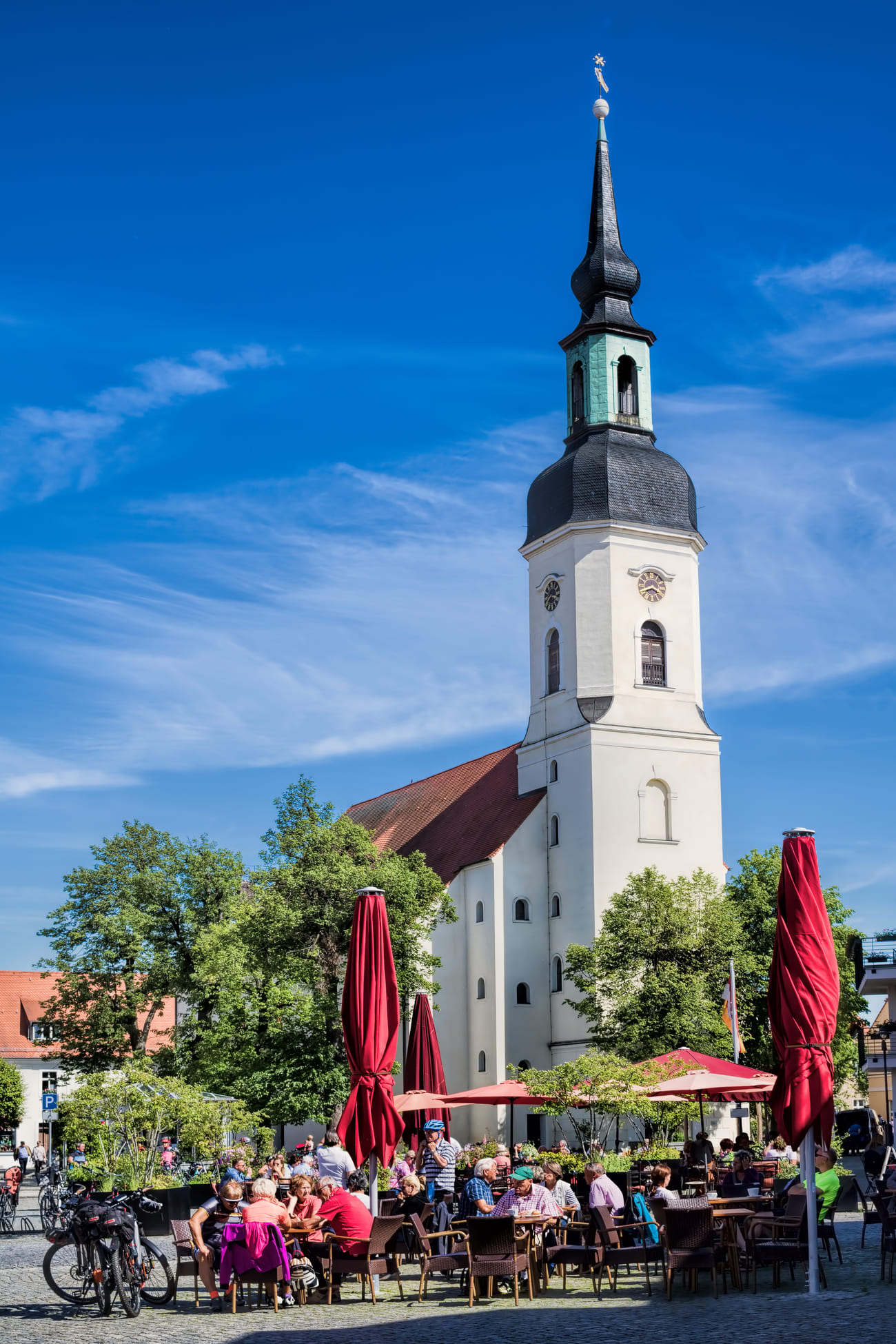
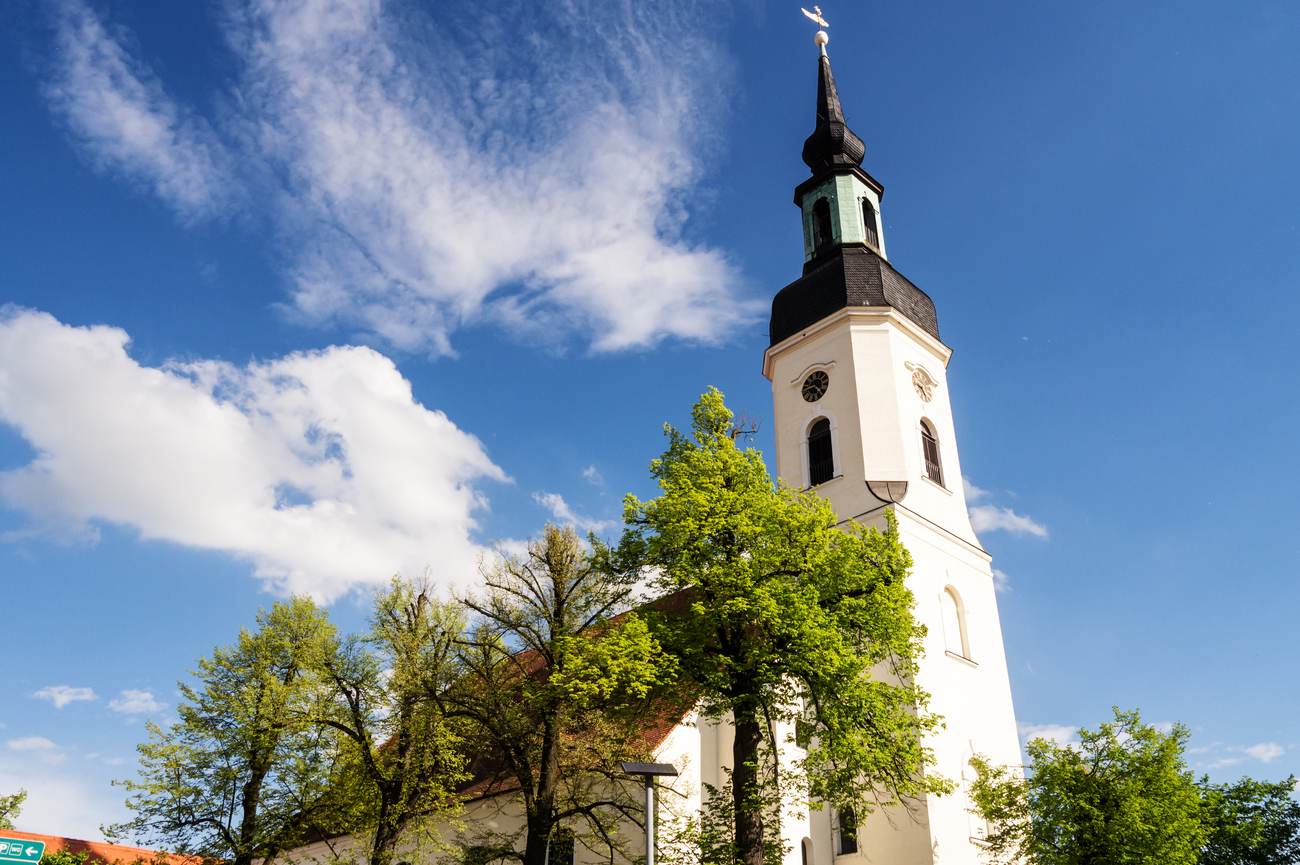
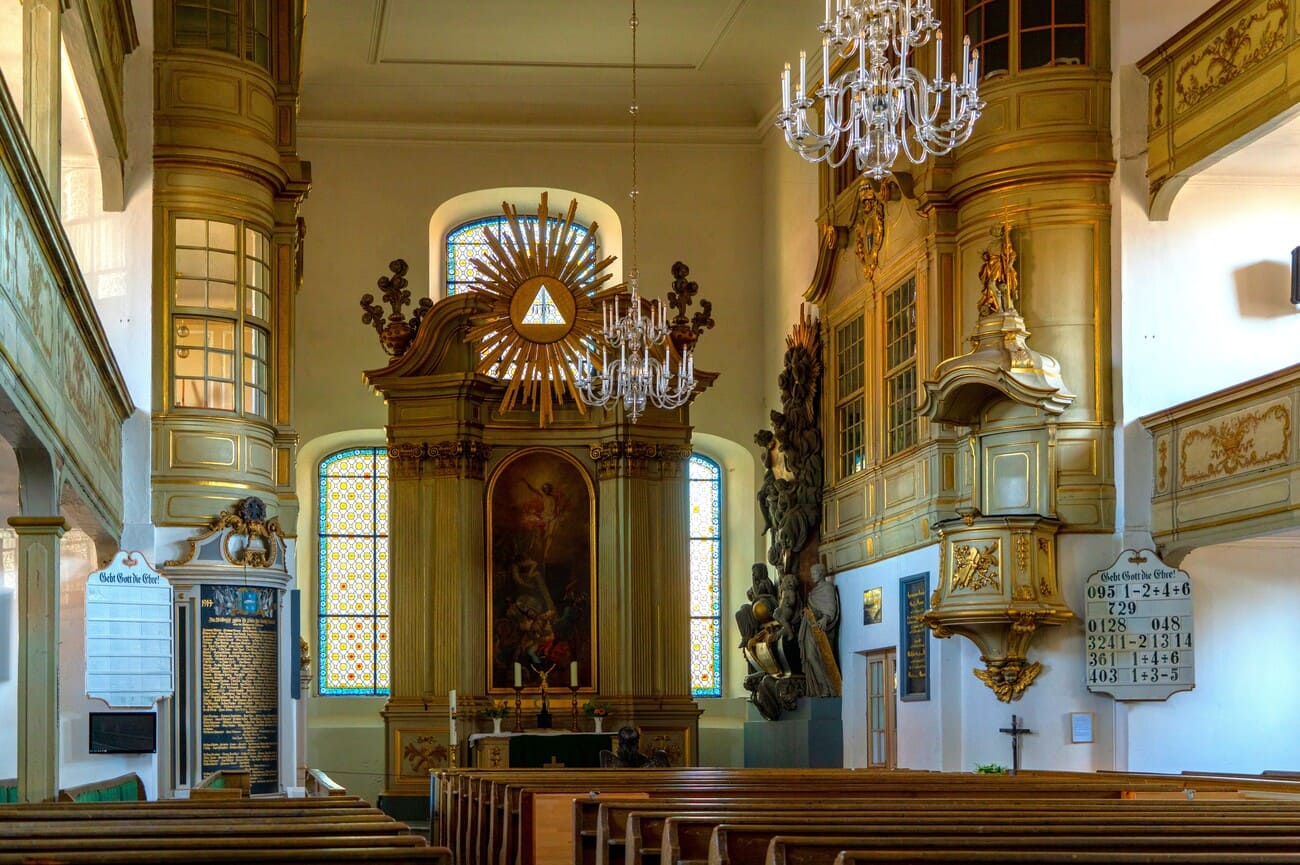
Just a short walk from the centre of Lübbenau Altstadt, Stadtkirche St. Nikolai rises above the surrounding streets and remains one of the town’s most recognisable landmarks.
There is a quiet confidence to the building. Its tall tower and solid brick structure give it a strong presence, but it never feels overstated. Instead, it anchors the old town with a sense of age and permanence that becomes more noticeable as you get closer.
Dating back to the 13th century, Stadtkirche St. Nikolai is one of Lübbenau’s oldest buildings and an important example of Brick Gothic architecture. Inside, the atmosphere shifts to something calmer, with filtered light, vaulted ceilings and historic details that reflect both its medieval origins and later restorations. The interior is not especially ornate, but that restraint suits the space and adds to its character.
Spreewald-Museum
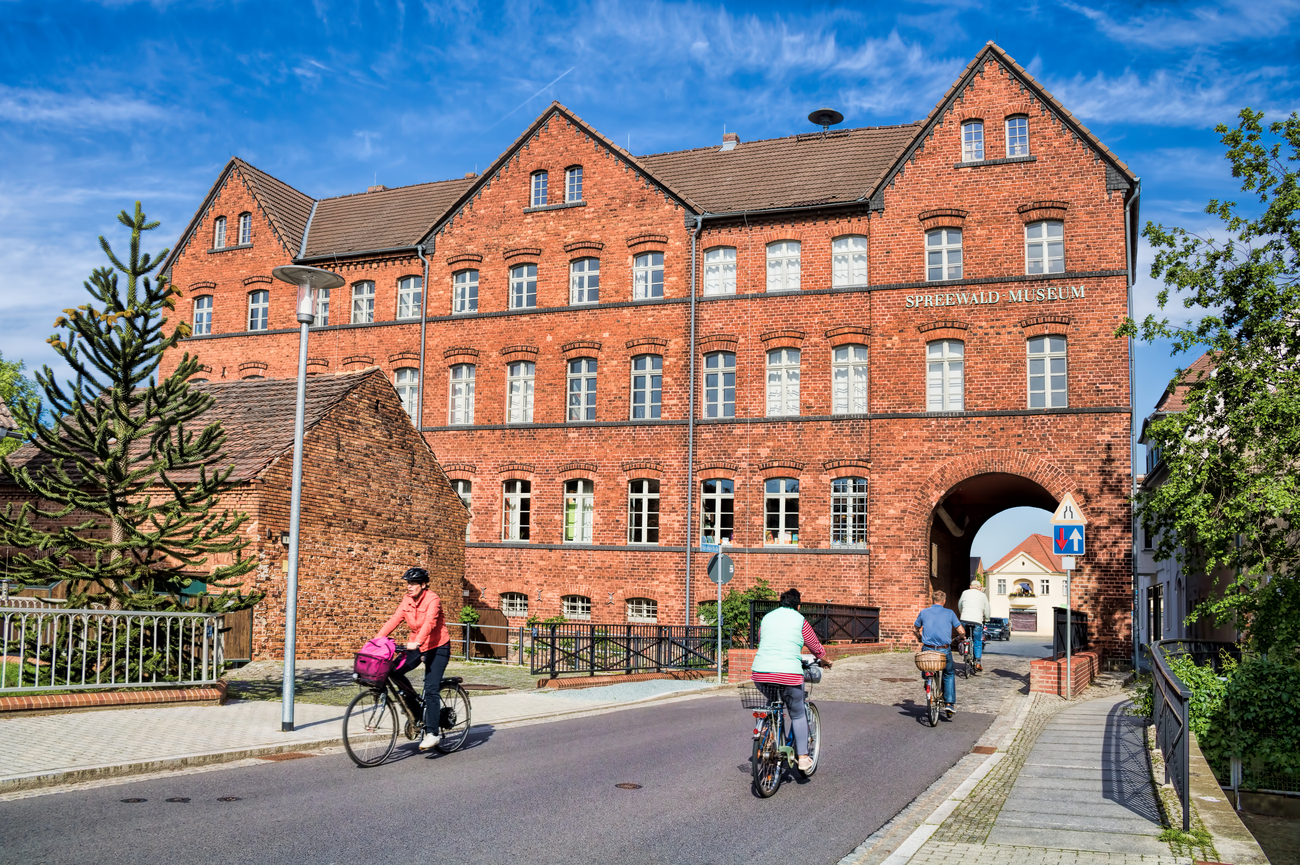
A short walk from Stadtkirche St. Nikolai, the focus shifts from architecture to everyday life in the Spreewald.
Spreewald-Museum offers a compact but engaging introduction to the region’s cultural and economic history, with a particular focus on Lübbenau as a trading town shaped by its waterways. The displays cover traditional occupations, local crafts, trade goods and the routines that once defined life here, giving useful context to everything you see outside in the town and canals.
What makes the museum work especially well is its accessibility. The exhibits are not overly formal and include interactive elements that make the visit more engaging, particularly for younger visitors. Guided tours are also available, including themed experiences that present the region’s history in a more lively and accessible way. It is a worthwhile stop if you want a clearer sense of how Spreewald developed beyond its scenic appeal.
Afternoon:
Schloss Lübbenau
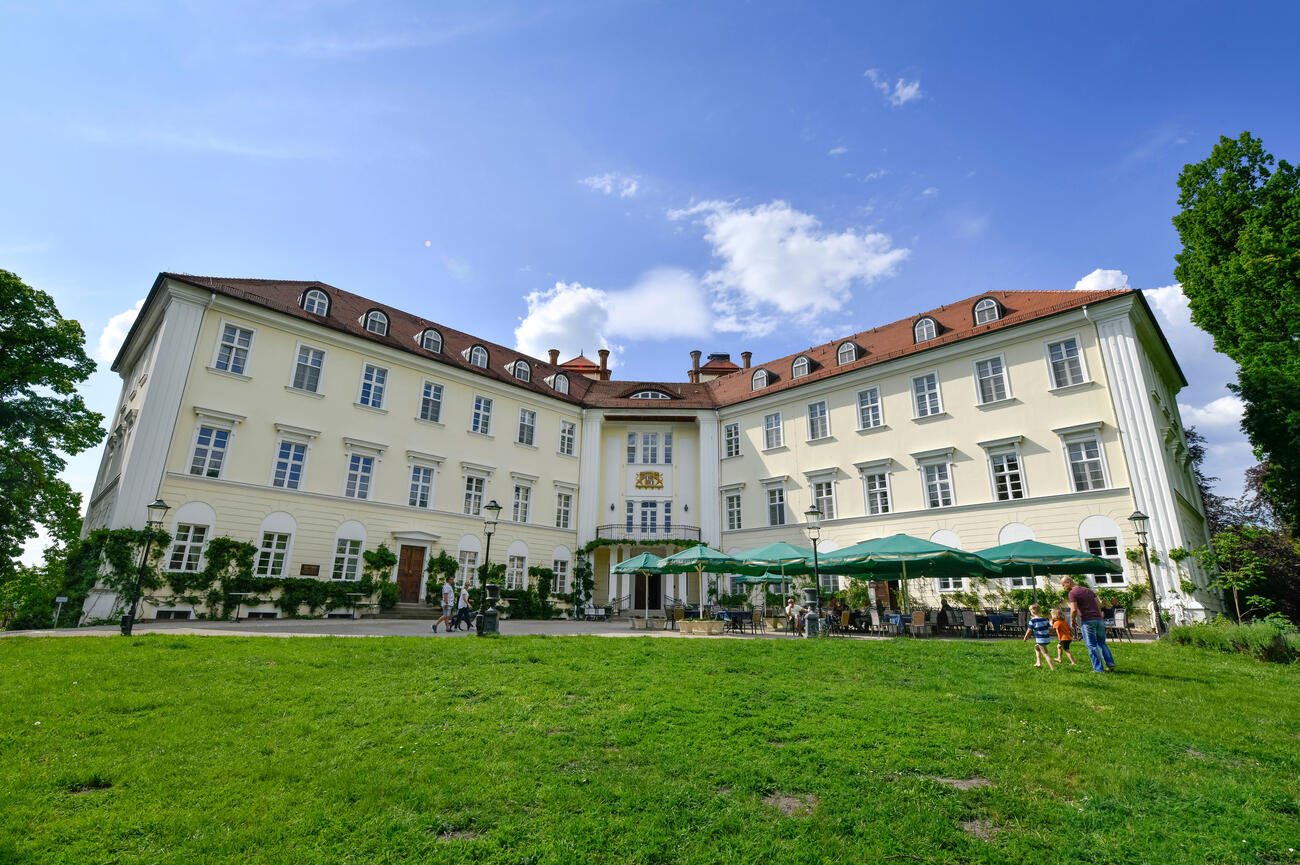
Around 10 minutes on foot from the centre, the route to Schloss Lübbenau brings a noticeable change of pace. The streets begin to open out, the setting feels quieter and the atmosphere becomes more refined as the castle and its grounds come into view.
Schloss Lübbenau adds a more elegant dimension to the day, with its grand façade, landscaped parkland and slightly removed position giving it a calmer, more private feel than the old town. The setting is carefully composed, but never formal to the point of feeling distant. Walk through the grounds and the balance between architecture, greenery and water is what stands out most.
The castle dates from the 19th century and was once the residence of the Counts of Lynar, a noble family closely connected to the region’s history. Built in a neo-classical style, it remains one of Lübbenau’s most distinctive buildings. While the interiors are largely tied to hotel, dining and event use, the exterior and surrounding Schlosspark are very much part of the visitor experience. The park is laid out in the English garden style, with open lawns, shaded paths and views that connect naturally with the surrounding Spreewald landscape.
Although there are no standard castle tours in the usual sense, the grounds are often included in guided walks through Lübbenau, which help place the estate within the wider history of the town and region. It is a quieter, more polished stop, but an important one.
Spreewald
Biosphere Reserve
Leaving Schloss Lübbenau behind, the setting begins to open out into the wider landscape that defines the region. Within a short distance, the built environment gives way to canals, meadows, woodland and quieter stretches of water, marking the transition into the Spreewald Biosphere Reserve.
The reserve is the natural and cultural heart of Spreewald. Recognised by UNESCO as a biosphere reserve, it is made up of an extensive network of waterways, forests and wetlands that have shaped both the landscape and the way people have lived here for centuries. What stands out most is the balance between nature and settlement. The area feels peaceful, but never empty, with birdlife, changing light and constant movement across the water giving it a steady sense of life.
This landscape has developed over time through the interaction between natural processes and the communities that settled here, particularly the Sorbian and Wendish populations, who adapted to the waterways as routes for transport, farming and daily life. That history remains visible in the structure of the region and in the way the canals continue to define movement through it.
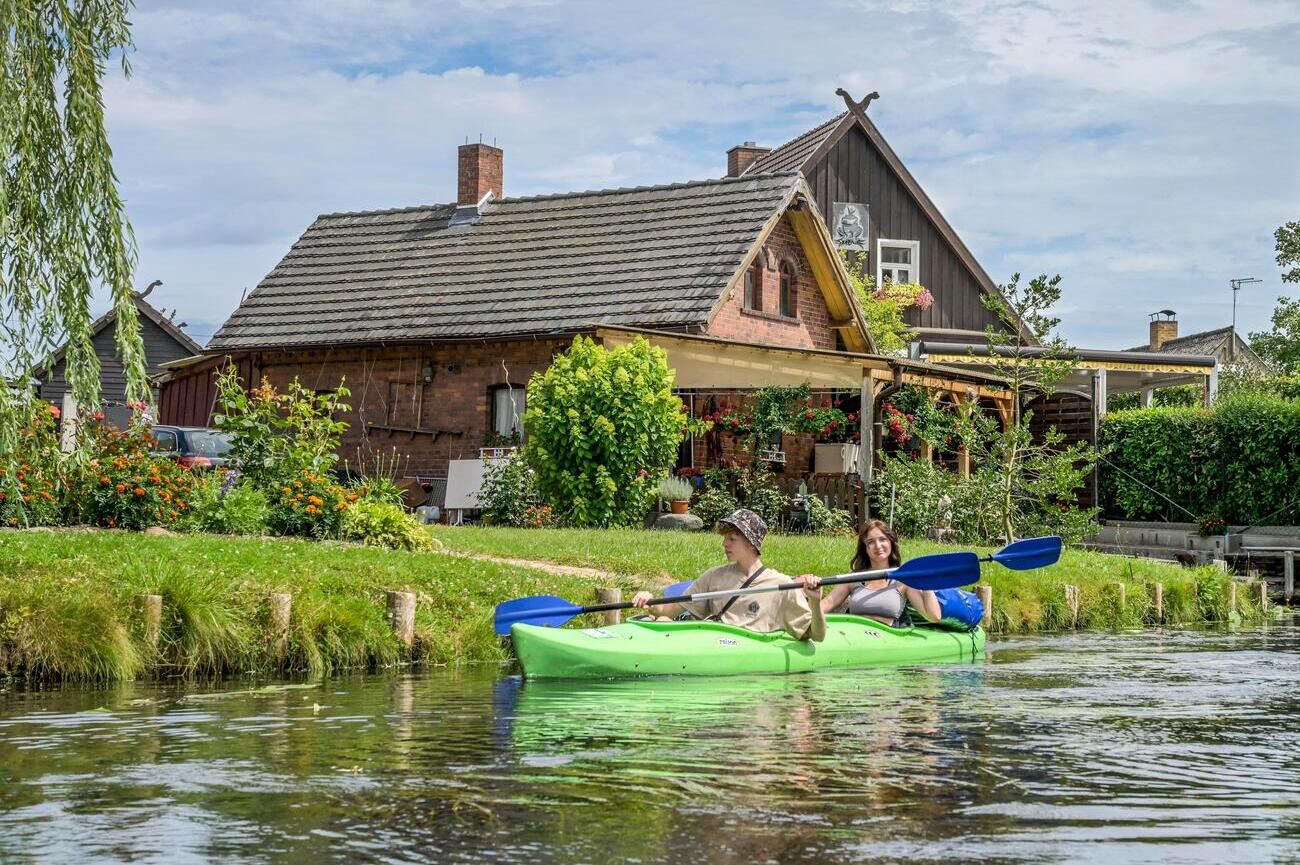
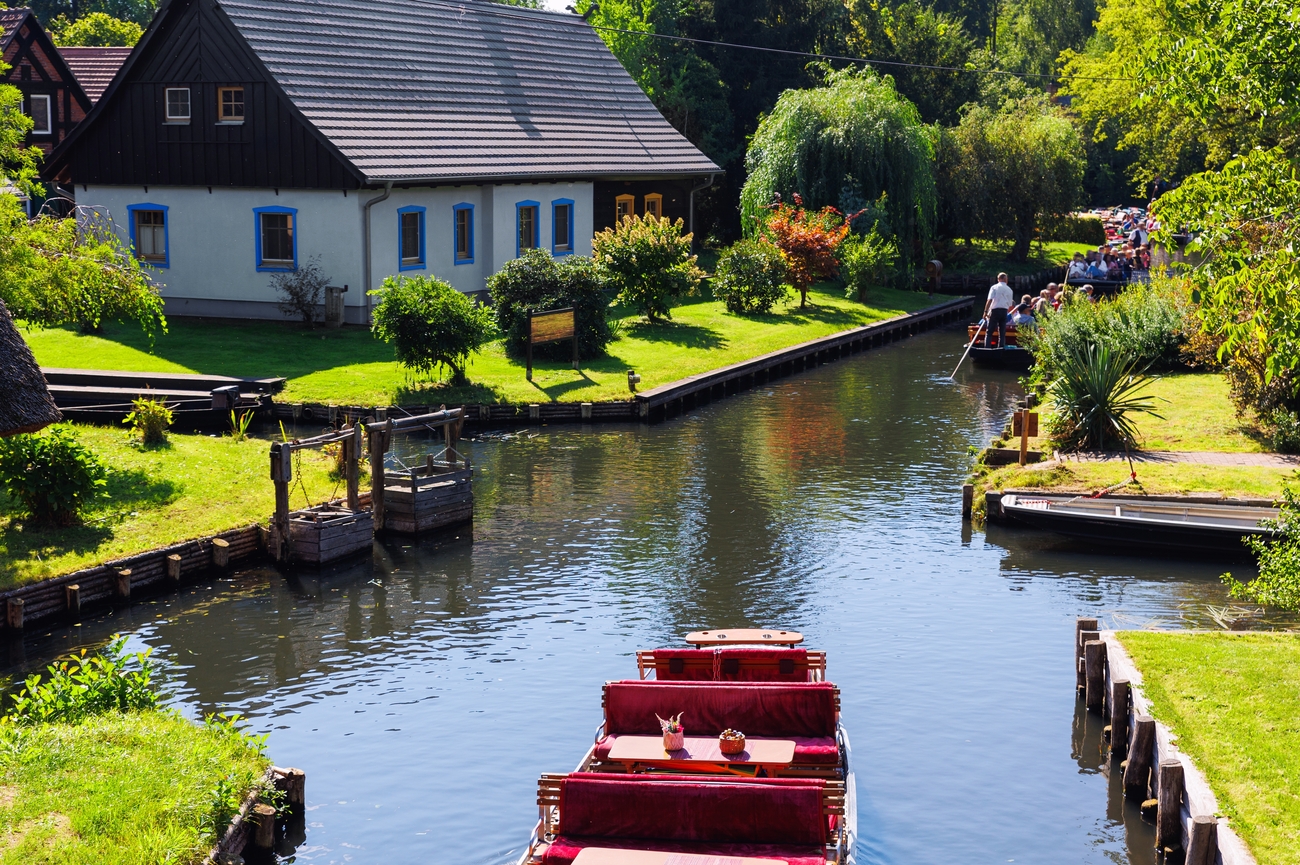
There are several ways to explore the reserve, depending on the pace and perspective you want. Traditional Kahnfahrten remain the most characteristic experience, taking you through the waterways with commentary from local boatmen. Canoes and kayaks offer more independence, while cycling routes such as the Gurkenradweg provide a wider view across different parts of the landscape. Guided nature tours are also available for those interested in the reserve’s ecology, wildlife and cultural history.
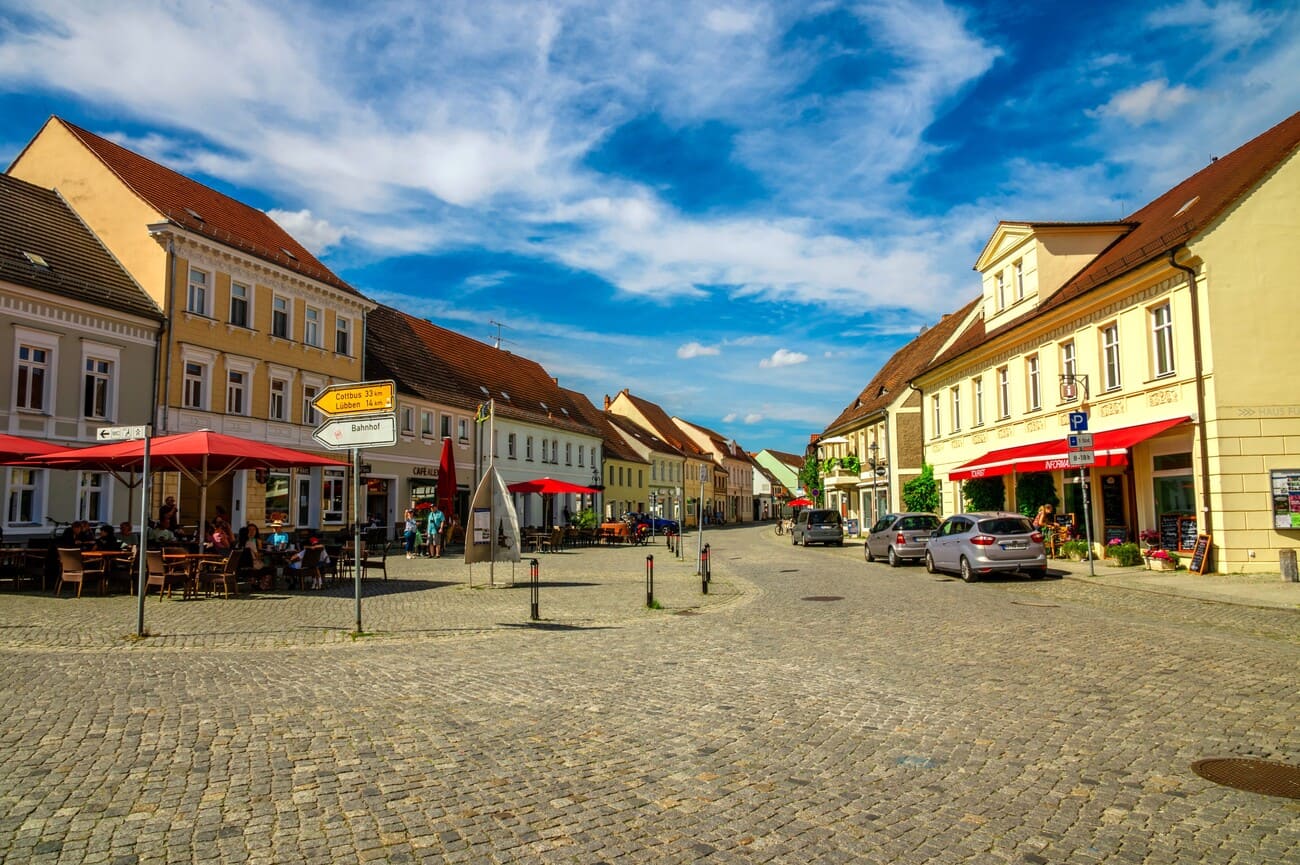
Topfmarkt
The route back from the biosphere reserve gradually leads into a more urban setting and within about 5–7 minutes on foot, you arrive at Topfmarkt, Lübbenau’s historic market square. The shift is gentle rather than abrupt, with greenery giving way to cobbled surfaces, surrounding buildings and a more settled town atmosphere.
Topfmarkt is a modest but important part of Lübbenau’s historic centre. Once used as a local marketplace, it reflects the town’s trading past within the Spreewald, and its name recalls the traditional goods that were once sold here. Today, it remains a central meeting point, framed by well-preserved buildings that reflect the town’s 18th and 19th century character.
The square is simple in layout, but that is part of its appeal. Open enough to feel relaxed and central enough to connect the surrounding streets, it works less as a headline attraction and more as one of the spaces that helps hold the old town together.
Evening: Kahnfahren
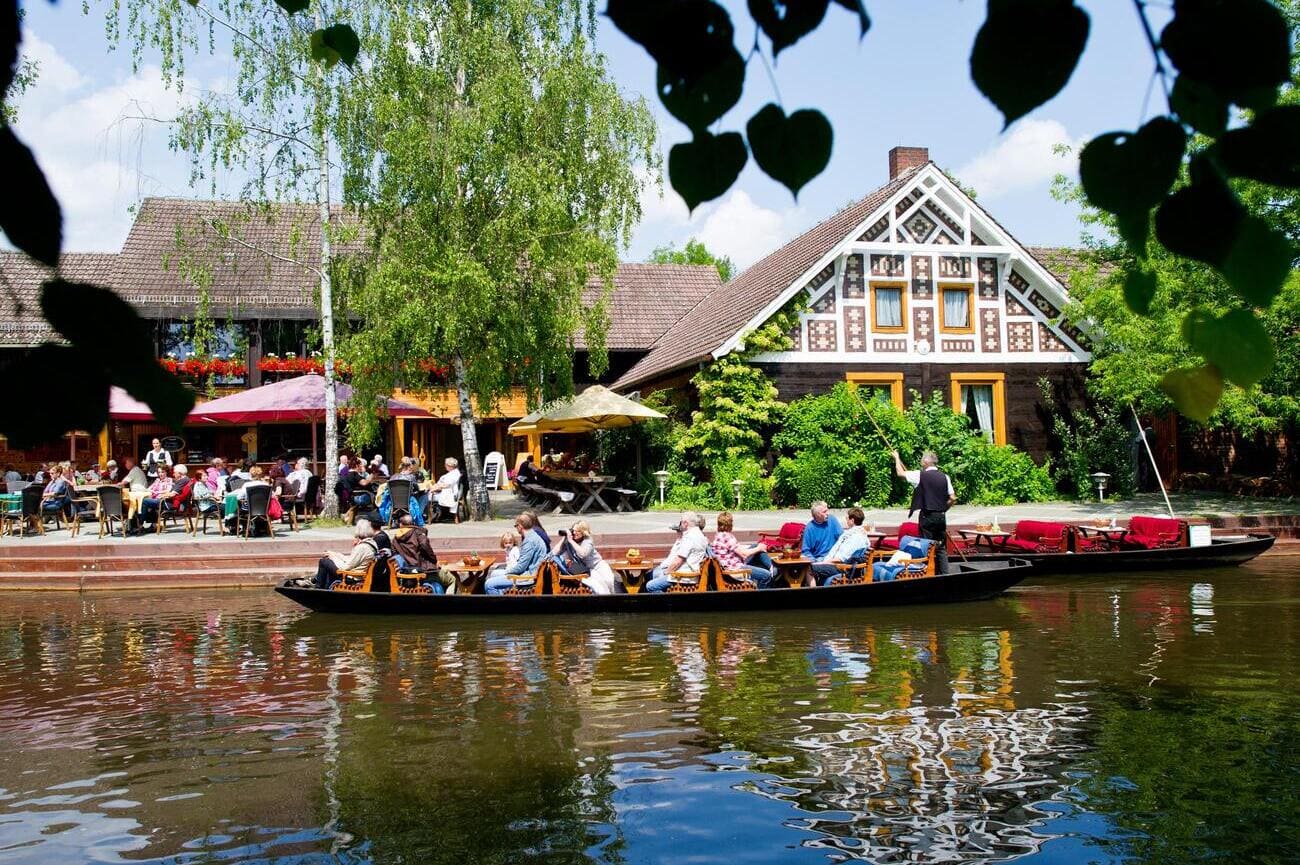
As the day draws to a close, the route leads back toward the water and within a short 5-minute walk from Topfmarkt, you return to one of the region’s most characteristic experiences, this time in a calmer evening setting.
Kahnfahren takes on a different atmosphere later in the day. The canals are quieter, the light softens and the pace feels even more in keeping with the landscape. These traditional flat-bottom boats, known as Kähne, move through the water without engines, guided instead by long wooden poles in a way that reflects centuries of local practice.
Originally used for transport and trade across the Spreewald’s waterways, Kahnfahrten are now one of the defining ways to experience the region. Evening tours are especially appealing for their quieter mood and softer views, with routes passing through the canals around Lübbenau and, in some cases, on toward villages such as Lehde. Most tours last between one and three hours and are often accompanied by commentary from the boatman, adding local stories and context along the way.
Day 1 - spreewald Tour Map
Day 2
Morning:
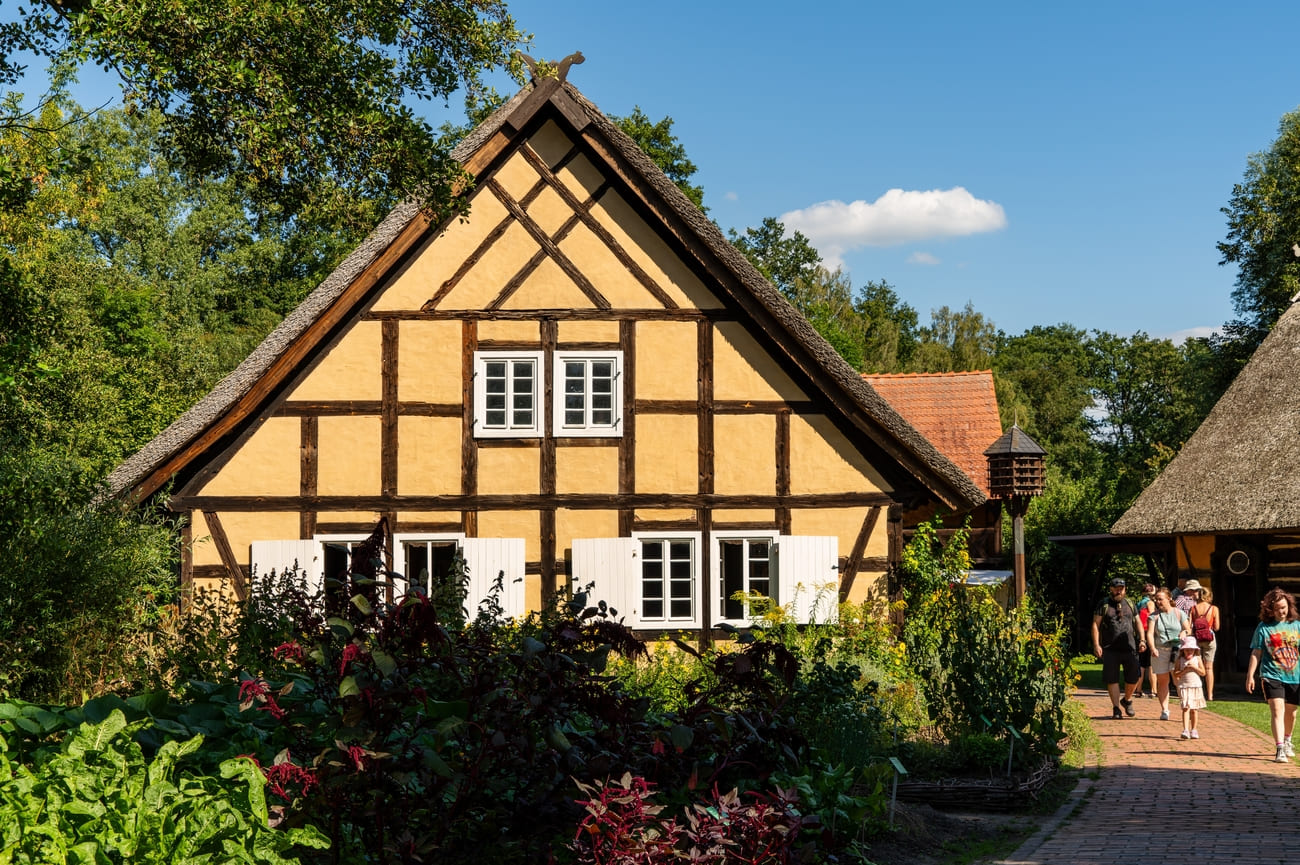
Freilandmuseum Lehde
Freilandmuseum Lehde is one of the most distinctive cultural stops in the Spreewald, set within a historic village environment where traditional houses, barns and gardens give a direct sense of how the region once functioned. Rather than presenting the past through formal displays alone, the setting allows you to move through it more naturally, with the buildings and waterways forming part of the experience.
The museum focuses on everyday life in the 19th century, particularly the Sorbian and Wendish traditions that helped shape the region. Timber-framed houses, thatched roofs, farming tools and furnished interiors show how families lived, worked and adapted to the canal landscape. The fact that waterways still run through the site adds to its authenticity and makes the visit feel closely tied to the wider character of the Spreewald.
You can explore the museum independently at your own pace or join a guided tour for more context on the buildings, customs and daily routines of the period. Seasonal demonstrations and cultural events also add another layer, especially when traditional crafts and local practices are being shown on site.
Lehde
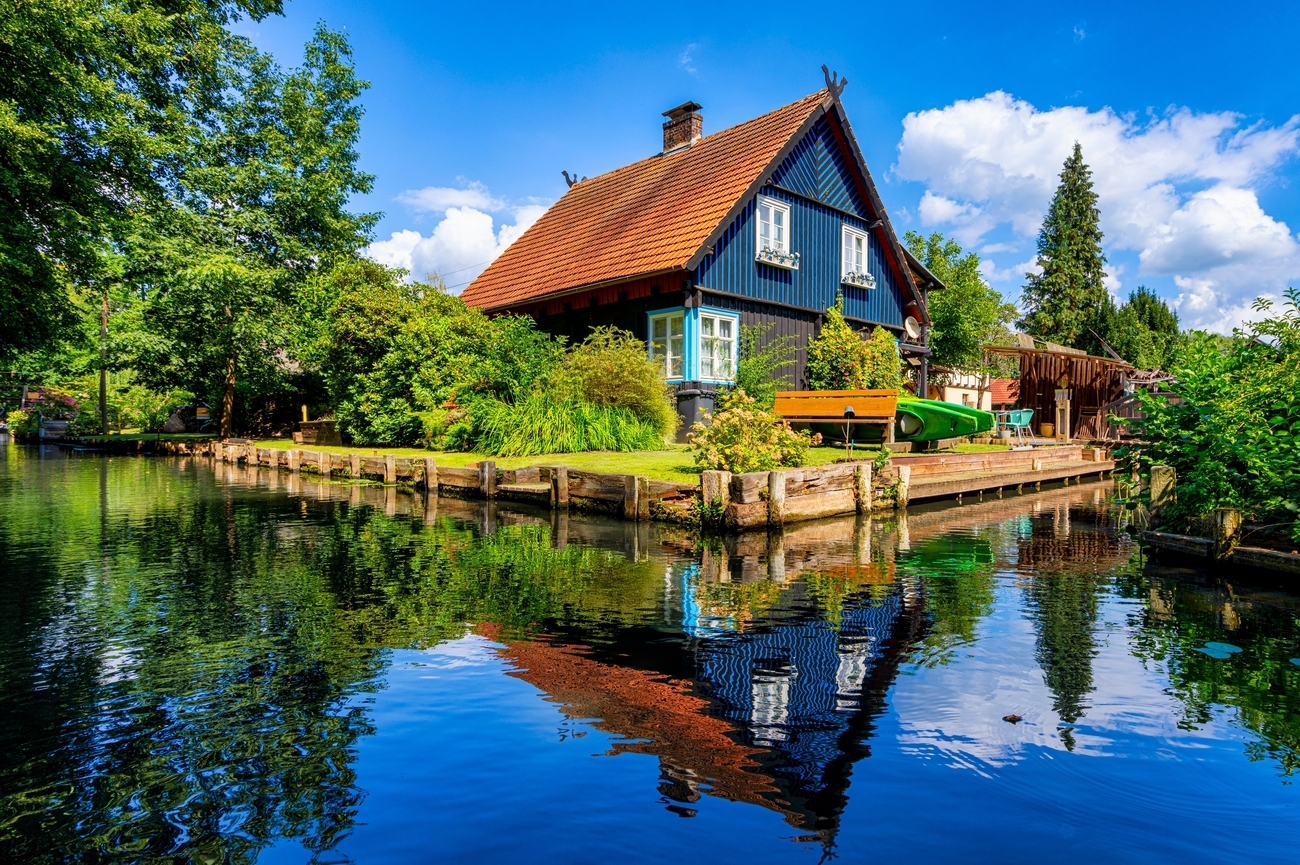
Lehde is one of the Spreewald’s most distinctive villages, shaped almost entirely by its waterways. Often described as the “Venice of the Spreewald,” it remains one of the best-preserved settlements in the region, with narrow canals functioning as streets and small footbridges linking houses, gardens and paths.
Part of the UNESCO-protected Spreewald Biosphere Reserve, Lehde has retained much of its traditional character. Many of the houses have timber frames and thatched roofs, and the village still feels lived in rather than arranged for visitors. That authenticity is what makes it so memorable.
Exploring Lehde is less about a single sight and more about the overall setting. You can walk along the canal-side paths and bridges or pass through by boat, both of which give a good sense of the village’s quieter pace and long connection to the water.
Hechtgraben
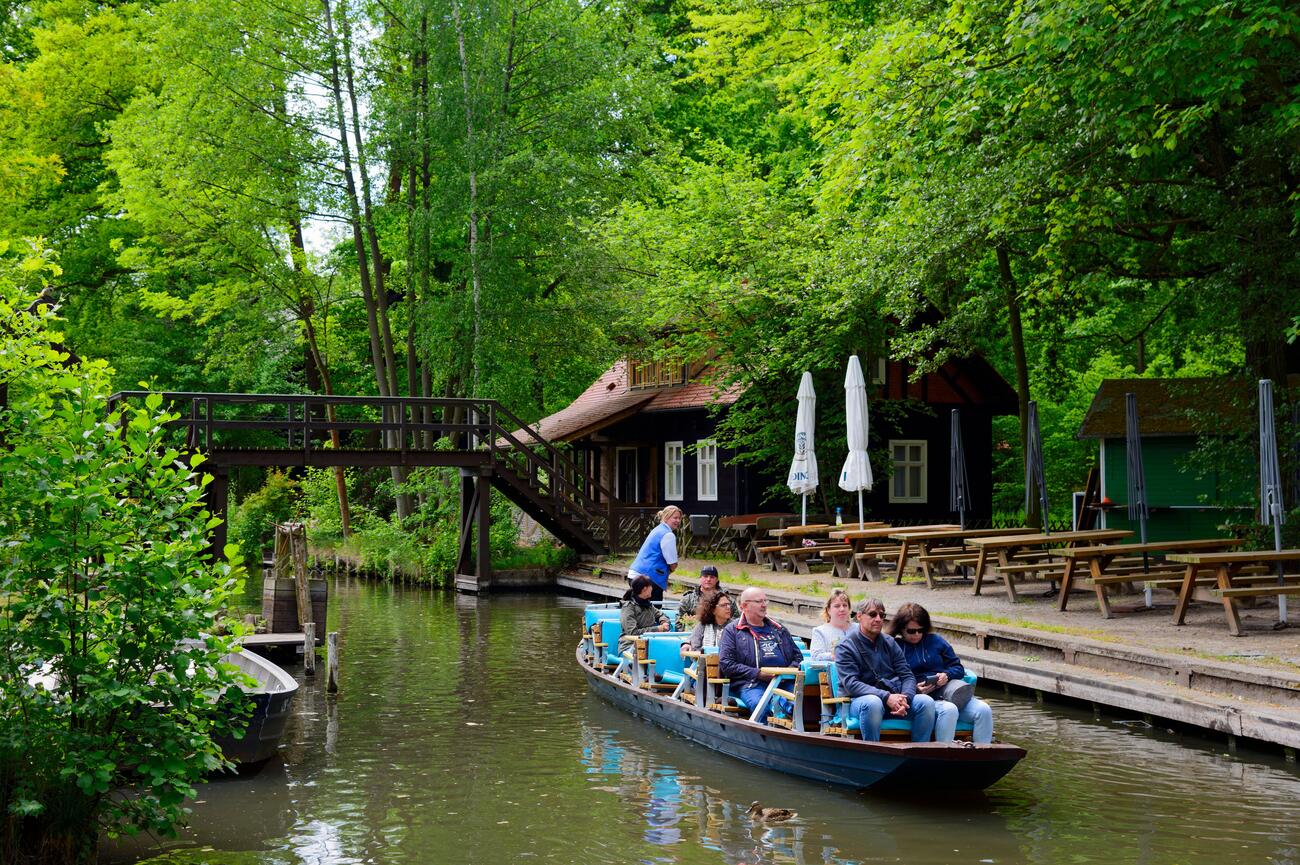
From Lehde, the route becomes quieter and more enclosed as it moves into Hechtgraben, a narrower stretch of canal where the landscape feels more intimate and less travelled than the main waterways.
Hechtgraben is part of the wider Spreewald canal network and reflects the region’s long reliance on water for movement, access and daily life. Here, the setting feels more secluded, with dense greenery along the banks, narrower channels and fewer visual interruptions. The effect is calmer and more immersive, giving you a stronger sense of the landscape at its most undisturbed.
This is not a major landmark in the usual sense, but it is one of those stretches that helps define the character of the Spreewald. Whether reached on foot or by boat, it offers a quieter contrast to the more visited parts of Lehde and works well as part of a slower, more scenic route through the area.
Leipe
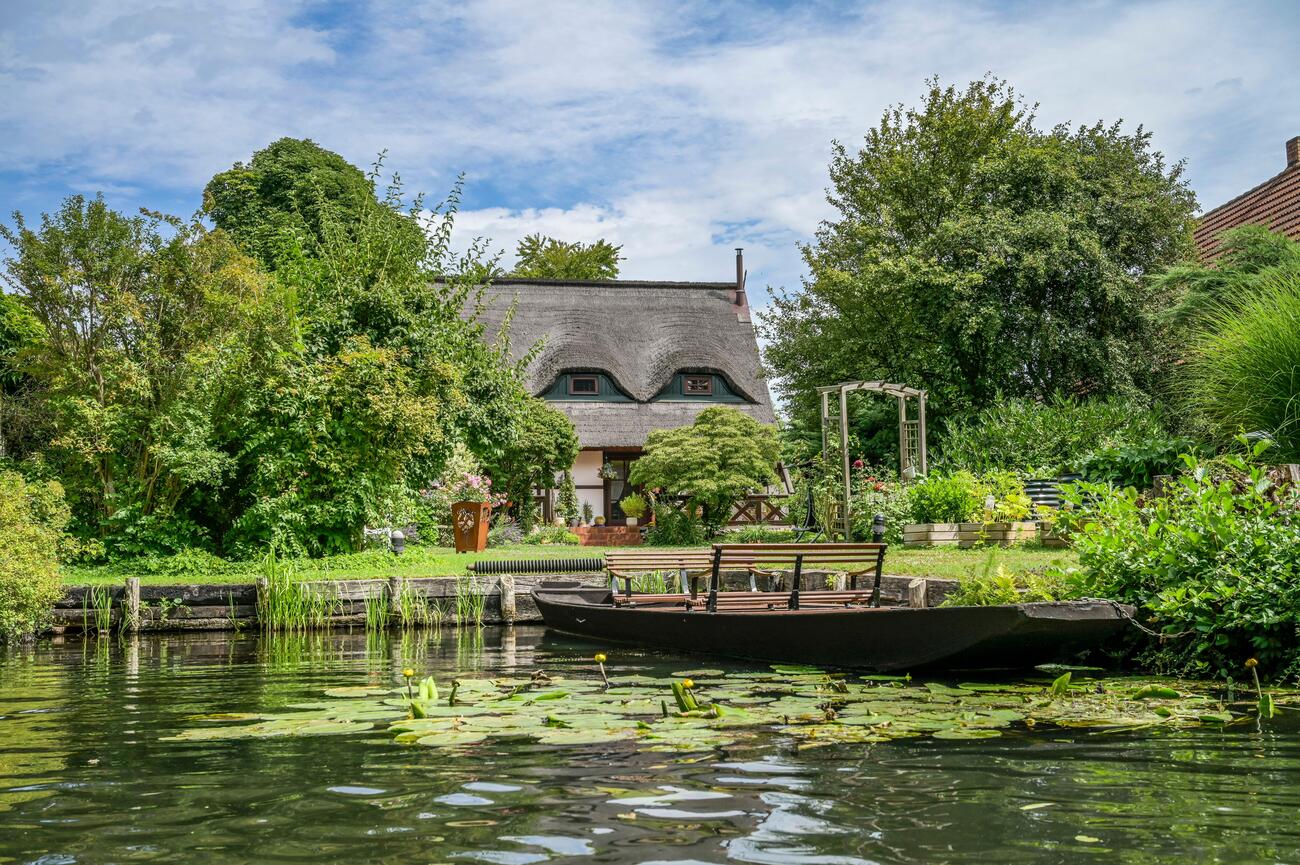
Around 15–20 minutes by boat from Hechtgraben, Leipe comes into view as one of the quieter and more secluded settlements in the Spreewald.
Smaller and less visited than Lehde, Leipe has a more understated character, with houses, gardens and waterways closely woven into the landscape. Its appeal lies in that sense of quiet continuity. The village still feels shaped by its canal setting rather than by modern development, which gives it a more remote and traditional atmosphere.
Leipe has long been defined by its relative isolation within the Spreewald, with water routes historically serving as its main connections rather than streets. Traditional wooden buildings, small garden plots and the surrounding canals continue to reflect that history. As part of the protected biosphere reserve, the village has remained largely unchanged in character, which is exactly what makes it worth including.
Leiper Graben
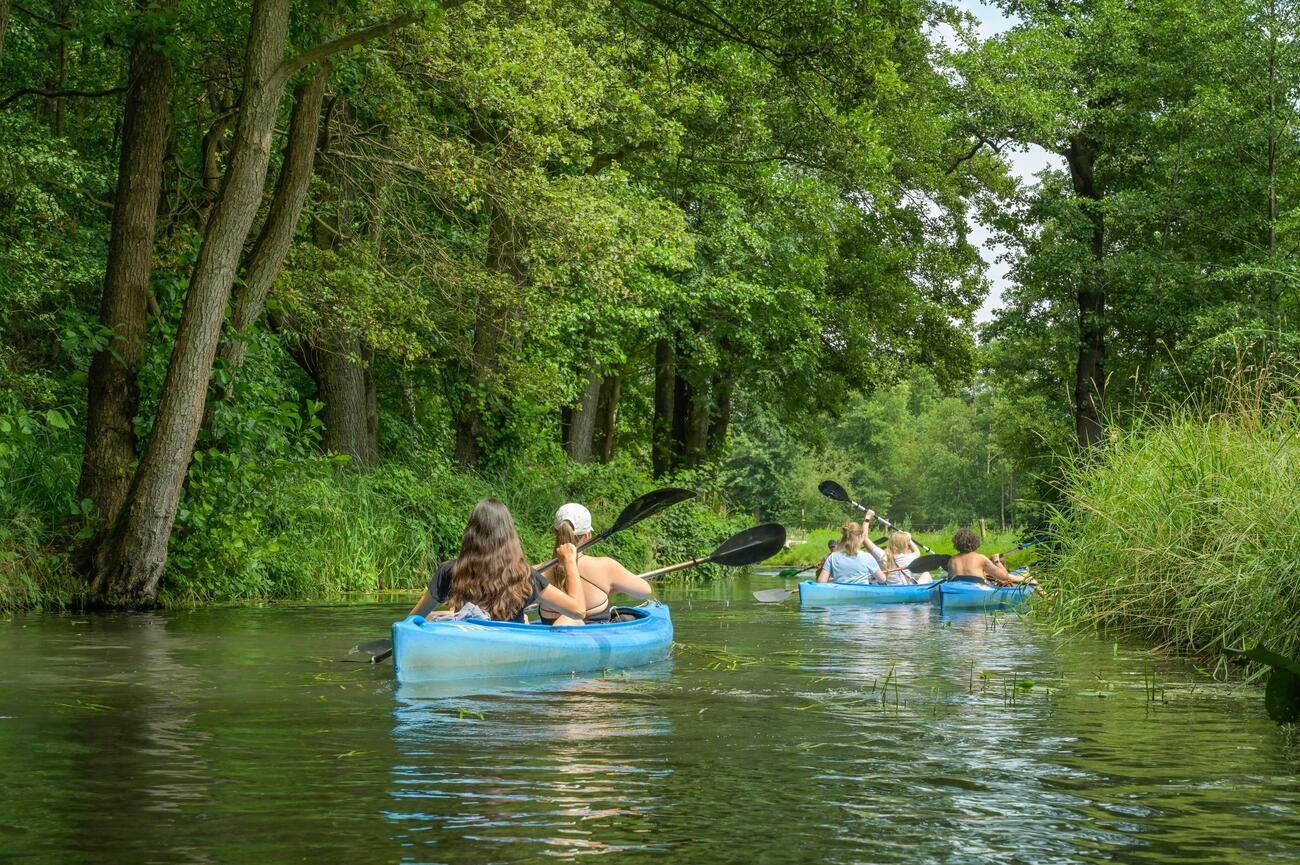
A short distance from Leipe, Leiper Graben branches off from the main waterways and leads into one of the quieter, more enclosed parts of the Spreewald.
This narrower canal is part of the region’s intricate water network, traditionally used for local access rather than main transport routes. As the channel tightens, the setting becomes more intimate, with dense vegetation, overhanging branches and fewer boats passing through. The atmosphere here feels more secluded, offering a different perspective from the wider and more frequented canals.
Leiper Graben is not a primary sightseeing route, which is part of its appeal. While some guided Kahnfahrten pass nearby, only selected routes enter these narrower waterways. For a more independent experience, canoeing or kayaking works particularly well here, allowing you to explore at your own pace and move further into the quieter parts of the landscape.
Evening: Wotschofska
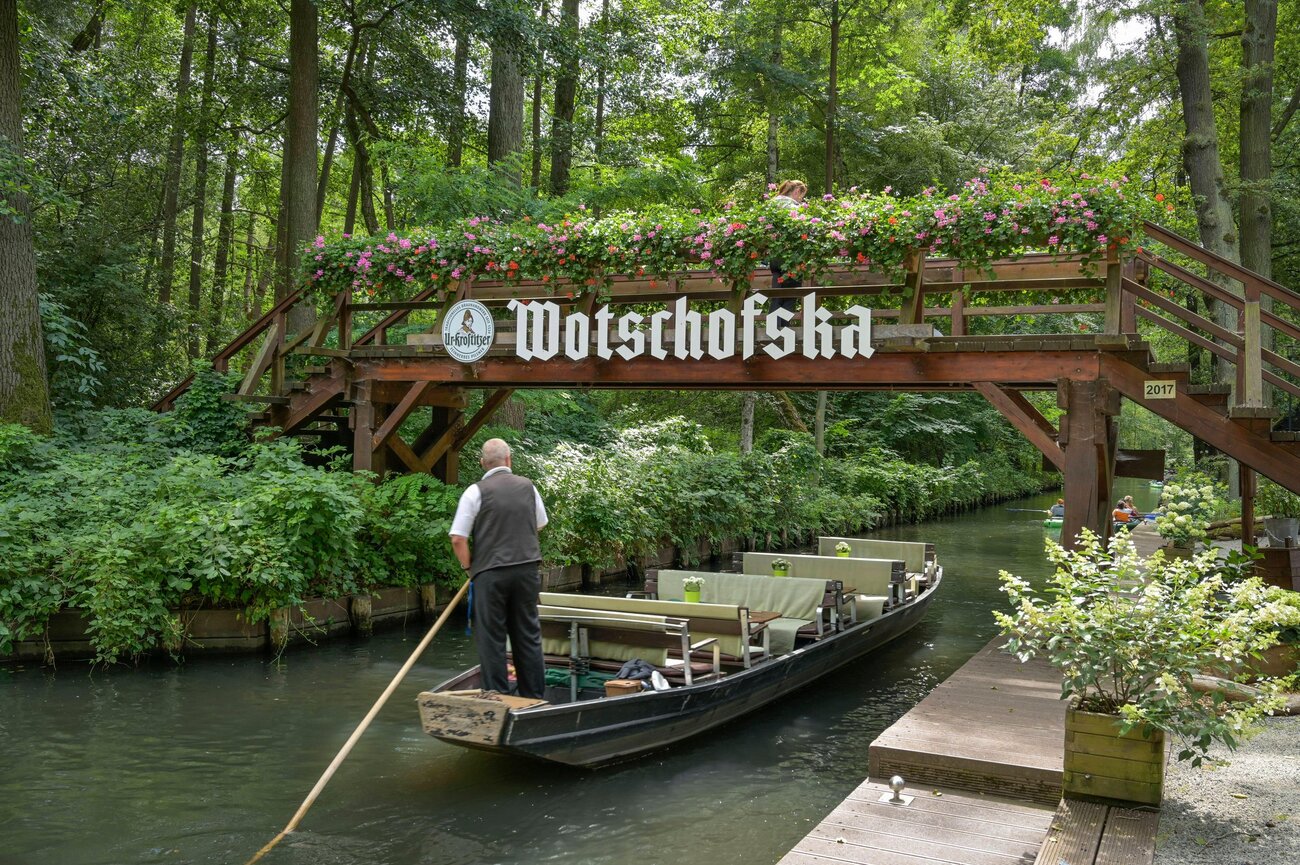
Around 10–15 minutes by boat from Leiper Graben, the setting becomes quieter and more secluded as you approach Wotschofska, one of the more remote stops within the deeper Spreewald waterways.
Wotschofska reveals itself gradually, surrounded by woodland and accessed through narrower canals that feel noticeably removed from the busier routes. That sense of seclusion is what defines it. Rather than a village or formal landmark, it feels more like a quiet clearing within the landscape, shaped by water, forest and long-standing local use.
Historically, Wotschofska served as a stopping point along the deeper canal routes, particularly for those moving through the Spreewald by boat. Its setting remains its main appeal, with dense trees, still water and a sense of distance from the more visited parts of the region. It is less about a specific sight and more about the atmosphere of having reached one of the quieter corners of the reserve.
Most shorter canal tours do not come this far, so Wotschofska is usually included only on longer routes. For a more relaxed and uninterrupted experience, it works especially well as part of a private boat tour, where the slower pace suits the setting.
Day 2 - spreewald Tour Map
Day 3
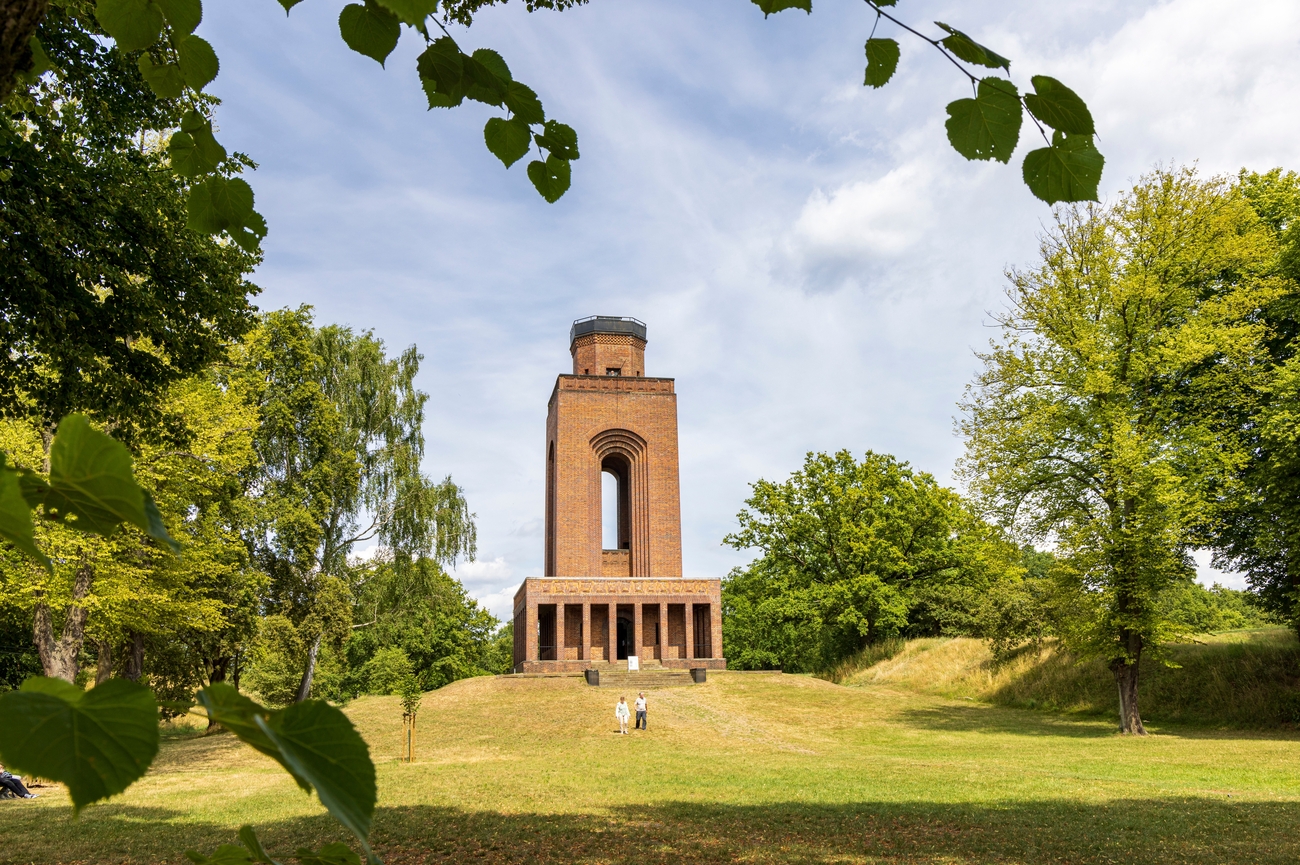
Morning: Bismarck Tower & Schlossberg
Bismarckturm stands on Schlossberg, one of the highest natural points in the Burg area, and offers one of the clearest views across the Spreewald landscape.
Built in the early 20th century, the tower is part of a wider group of Bismarck monuments found across Germany, created in honour of Otto von Bismarck and the unification period. Its design is simple and functional, with solid stone construction and little ornamentation, reflecting the architectural approach of the time. The setting on Schlossberg is equally important, as the hill had already held strategic significance long before the tower was built, thanks to its elevation and wider views over the surrounding waterways.
From the top, the canals, woodland and open stretches of the Spreewald become much easier to understand as a whole, showing how the region developed as both a natural environment and a lived-in cultural landscape. Near the tower, a small Denkmal also adds another historical reference point, reminding visitors that Schlossberg’s significance reaches further back than the monument itself.
Afternoon:
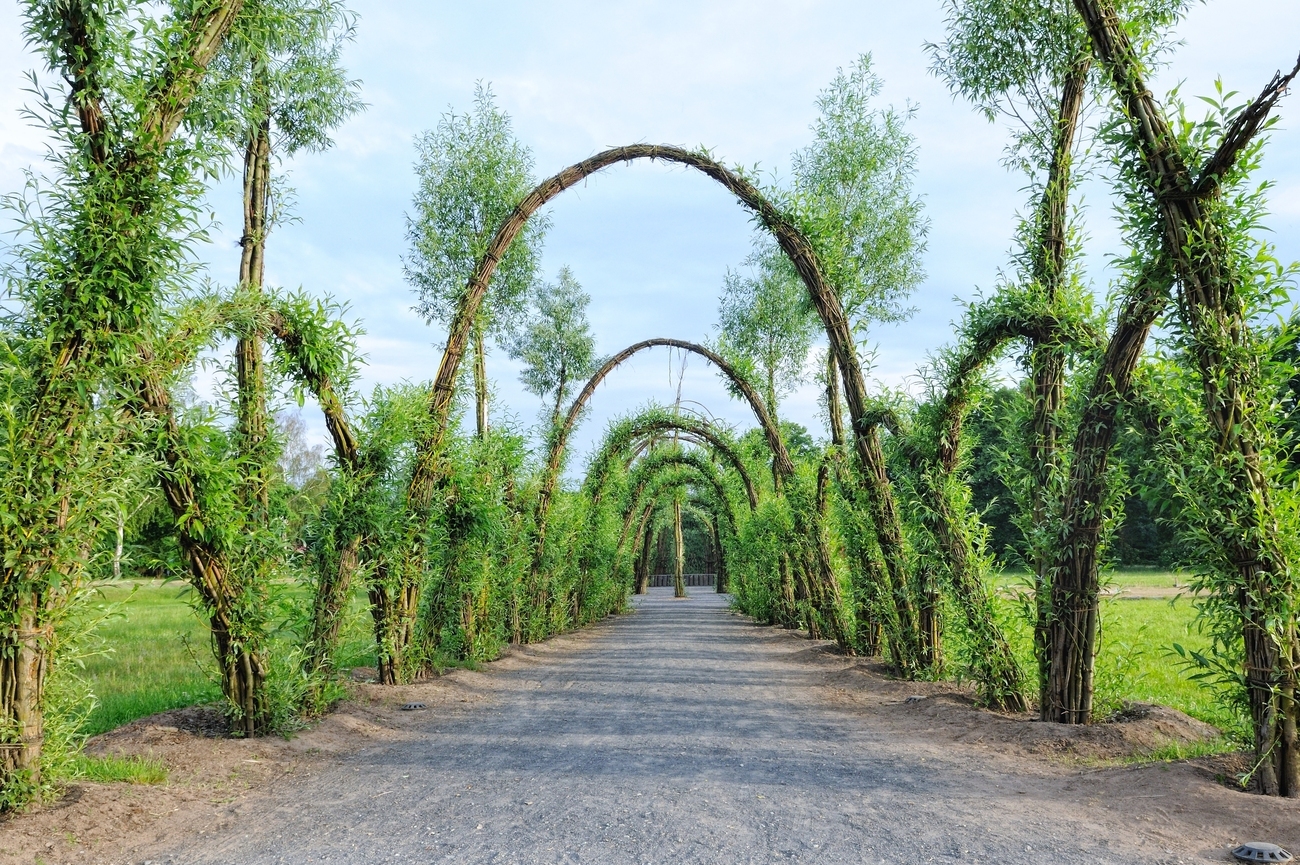
Weidenburg
The route out of Burg brings a noticeable change in atmosphere, as the historic fabric of the village gives way to something more contemporary and unexpected.
Weidenburg Arena Salix stands apart from many of the region’s older landmarks. Rather than brick, timber or traditional facades, it is formed from living willow, woven into a structure that feels both architectural and organic. The effect is unusual but well suited to the landscape, giving the site a more modern and experimental character.
Known as one of Europe’s largest living willow structures, Weidenburg Arena Salix was created by planting willow rods and shaping them as they grew, allowing the form to develop over time. Because the structure continues to change with the seasons and with growth, it never feels entirely fixed. It also functions as an open-air venue for cultural events, though it remains an interesting stop even when no programme is taking place.
There is no single way to experience it. You can walk through and around the structure, noticing the changing light, the woven forms and the way the design interacts with its surroundings. It is often included on cycling routes and works particularly well as a contrast to the more historical parts of the itinerary, showing a different and more creative side of the Spreewald.
Spreewald
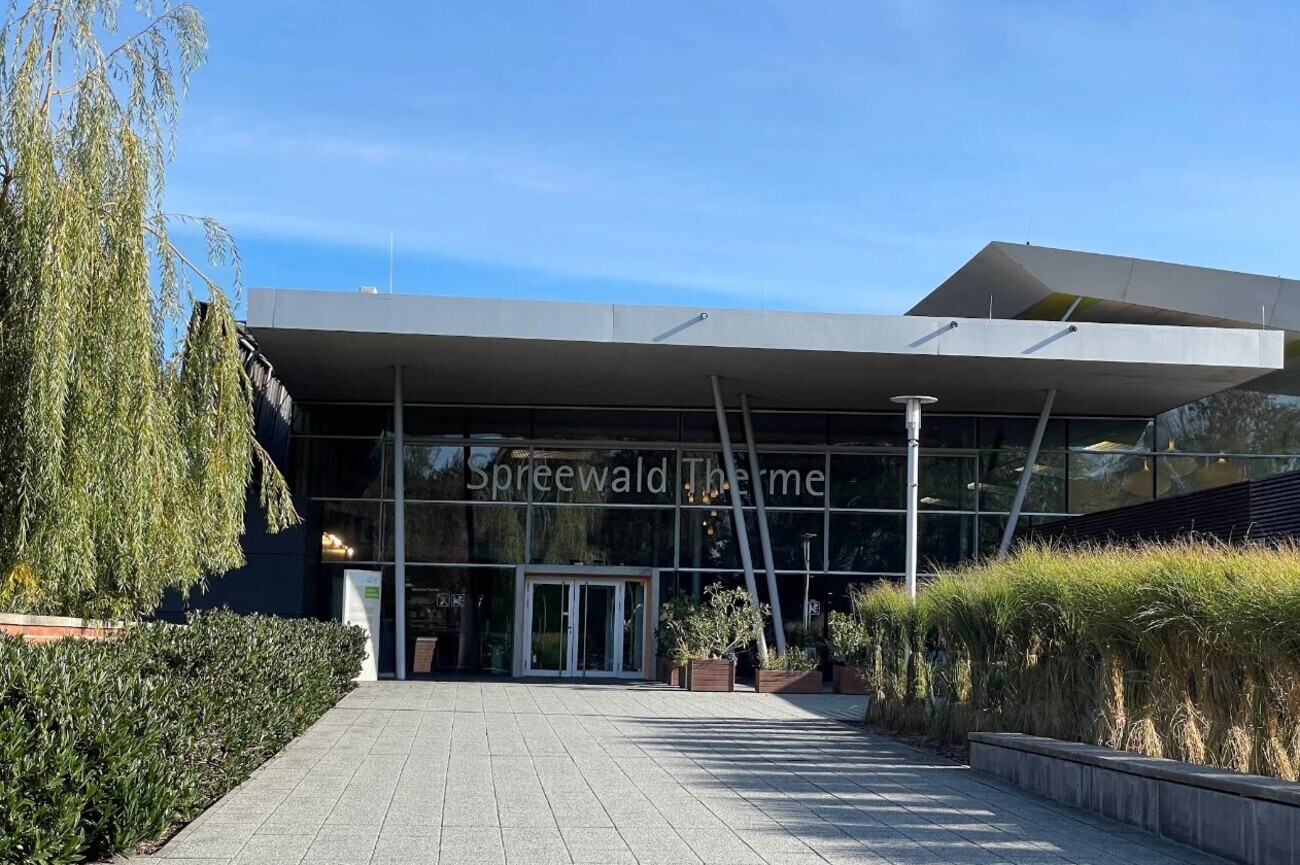
Therme
Around 5–10 minutes from Weidenburg, the atmosphere shifts again, this time from open-air design to a more polished wellness setting.
Spreewald Therme brings a modern contrast to the region’s traditional villages and natural landscapes. Contemporary in design but still connected to its surroundings, it combines glass, natural materials and calm, well-organised spaces that make it easy to settle into a slower pace.
The main draw is its mineral-rich brine water, sourced from deep underground and used across a range of indoor and outdoor pools with different temperatures and salt concentrations. Alongside the bathing areas, the complex also includes saunas, relaxation zones and open-air spaces, creating a more complete wellness experience rather than just a short spa stop.
It works especially well at this point in the itinerary, offering a quieter and more restorative change of pace after the morning’s cycling and sightseeing.
Heimatstube Burg im Spreewald
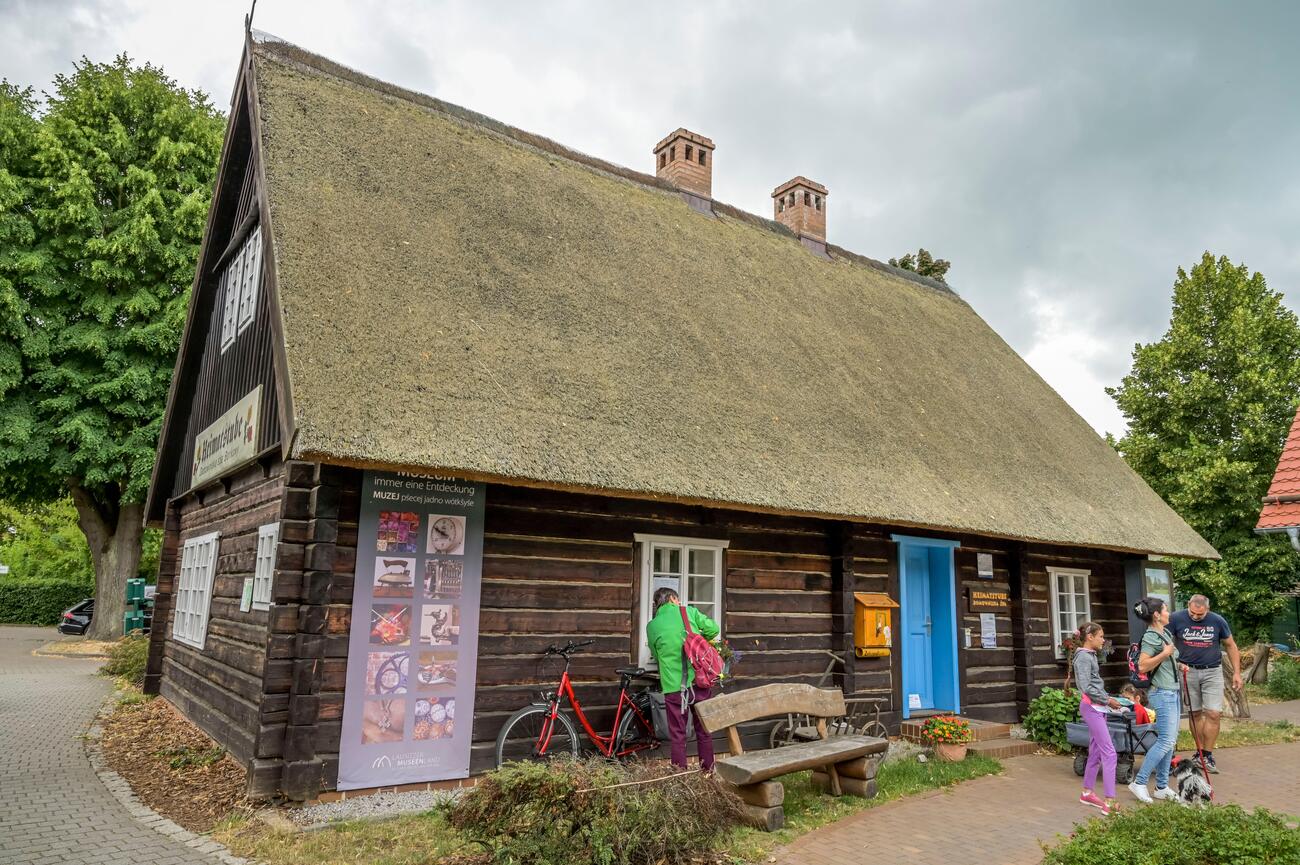
A short 3–5 minute journey from Spreewald Therme brings you to Heimatstube Burg, where the focus shifts from wellness and design to the everyday history of the region.
Heimatstube Burg is a small museum, but it gives useful context to life in Burg and the wider Spreewald. Its collection includes traditional clothing, household items, farming tools and handcrafted objects, helping to show how people lived and worked here across earlier generations. There is a particular emphasis on Sorbian and Wendish traditions, which remain an important part of the region’s identity.
The space is modest in scale, but that works in its favour. Rather than overwhelming you, it allows the details to stand out more clearly and makes the visit feel personal and accessible. You can explore independently or, where available, join a guided visit for more background on the objects and customs represented. It works well as a quieter cultural stop within a day that otherwise moves between wider landscapes and larger sights.
Evening:
Spreewaldmühle Uwe Kümmel e.K.
Around 3–5 minutes from Heimatstube Burg, the focus shifts from preserved history to a tradition that is still very much in use today.
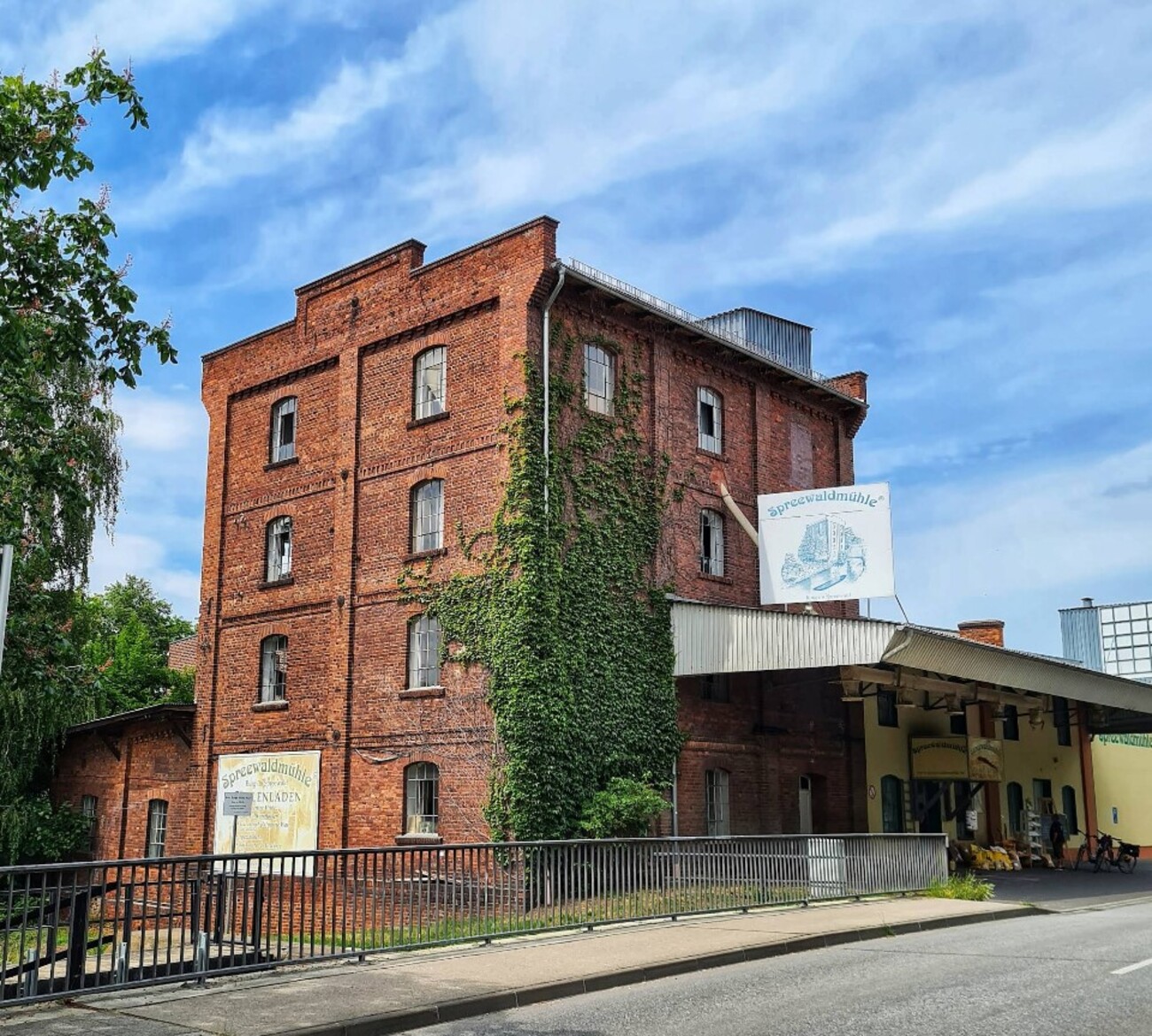
Spreewaldmühle Uwe Kümmel e.K. is a working mill with a long local history. The site dates back to the early 14th century, while the current building was rebuilt in 1904 following a fire. Since 1957, it has been operated by the Kümmel family and continues to process grain for the region, supplying bakeries and producing a wide range of flour and cereal products.
The Mühlenladen, or mill shop, is the most accessible part of the visit, offering a broad selection of flours, grains, baking mixes, seeds and related products. What makes the stop worthwhile is that it connects directly to the region’s agricultural traditions in a practical, present-day way. Visits are usually self-guided through the shop, though tours of the mill can be arranged in advance for those interested in seeing more of the production process.
Day 3 - spreewald Tour Map
Day 4
Morning: Schlossinsel Lübben
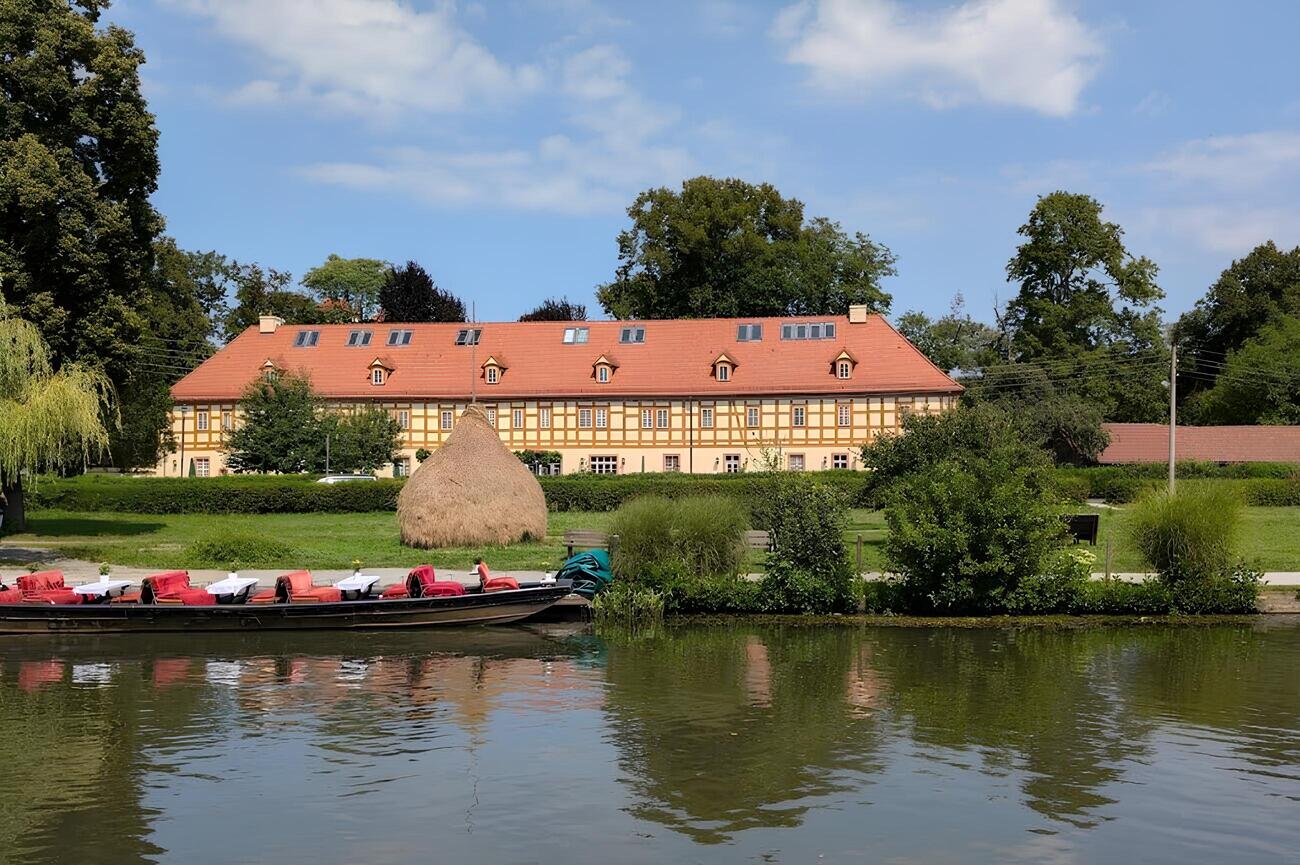
Day 4 begins at Schlossinsel Lübben, a quiet green space set between branches of the River Spree in the centre of town. Surrounded by water and linked by small bridges, it offers an easy, peaceful start to the day, with open lawns, shaded paths and a calm pace that feels very much in keeping with Lübben itself.
This island was once the site of a castle that played an important role in the town’s development. Although the original structure no longer stands, the area still reflects its historic importance. Today, beside Schloss Lübben, the island functions as both a public park and a reminder of the town’s past, combining historical significance with a more relaxed, everyday atmosphere.
It is a steady, well-balanced way to begin the final day, before continuing through the rest of Lübben and the Spreewald.
Schloss Lübben
Just a short 2–3 minute walk from Schlossinsel, the setting shifts from open parkland to one of Lübben’s main historic landmarks.
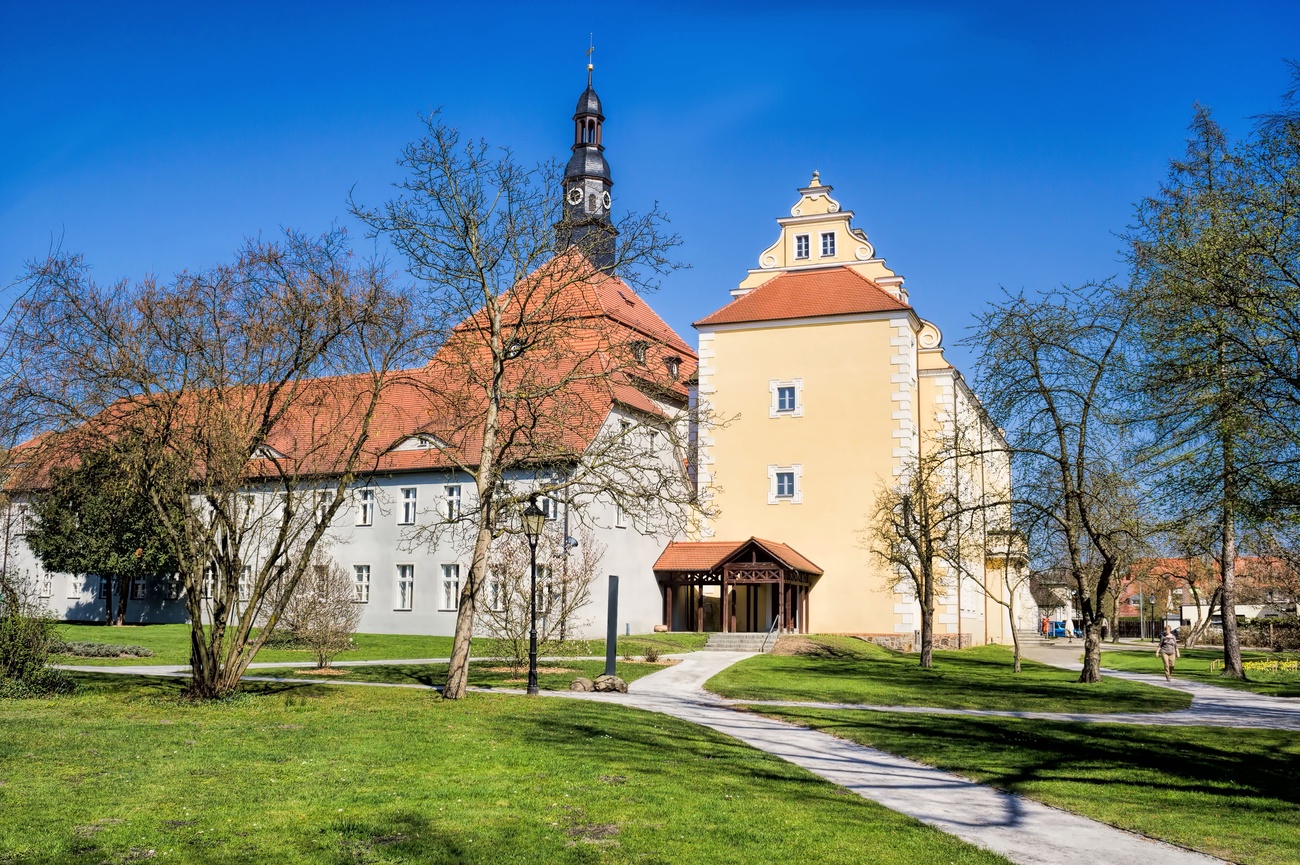
Schloss Lübben has a more formal presence than the surrounding island, but it never feels overpowering. Its balanced façade and measured scale suit the town well, giving it historical weight without the grandeur of a major palace or fortress.
The site has much older origins, beginning as a Slavic fortification before developing over time into a Renaissance-style residence. Through later reconstruction and adaptation, it became the building seen today, reflecting several layers of the town’s history. It remains both a cultural landmark and an important part of Lübben’s administrative past.
Inside, Museum Schloss Lübben adds more depth to the visit, tracing the region’s development from early Slavic settlement through medieval growth and into the economic and cultural life of the Spreewald. Archaeological finds, historical maps, everyday objects and reconstructed interiors help explain how communities lived with the waterways that shaped the region. The museum also gives useful context on governance, trade and the castle’s role over time.
Paul
Gerhardt Church
Around 5 minutes on foot from Schloss Lübben, the route leads to Paul-Gerhardt-Kirche, where the focus shifts from civic history to one of Lübben’s most important religious landmarks.
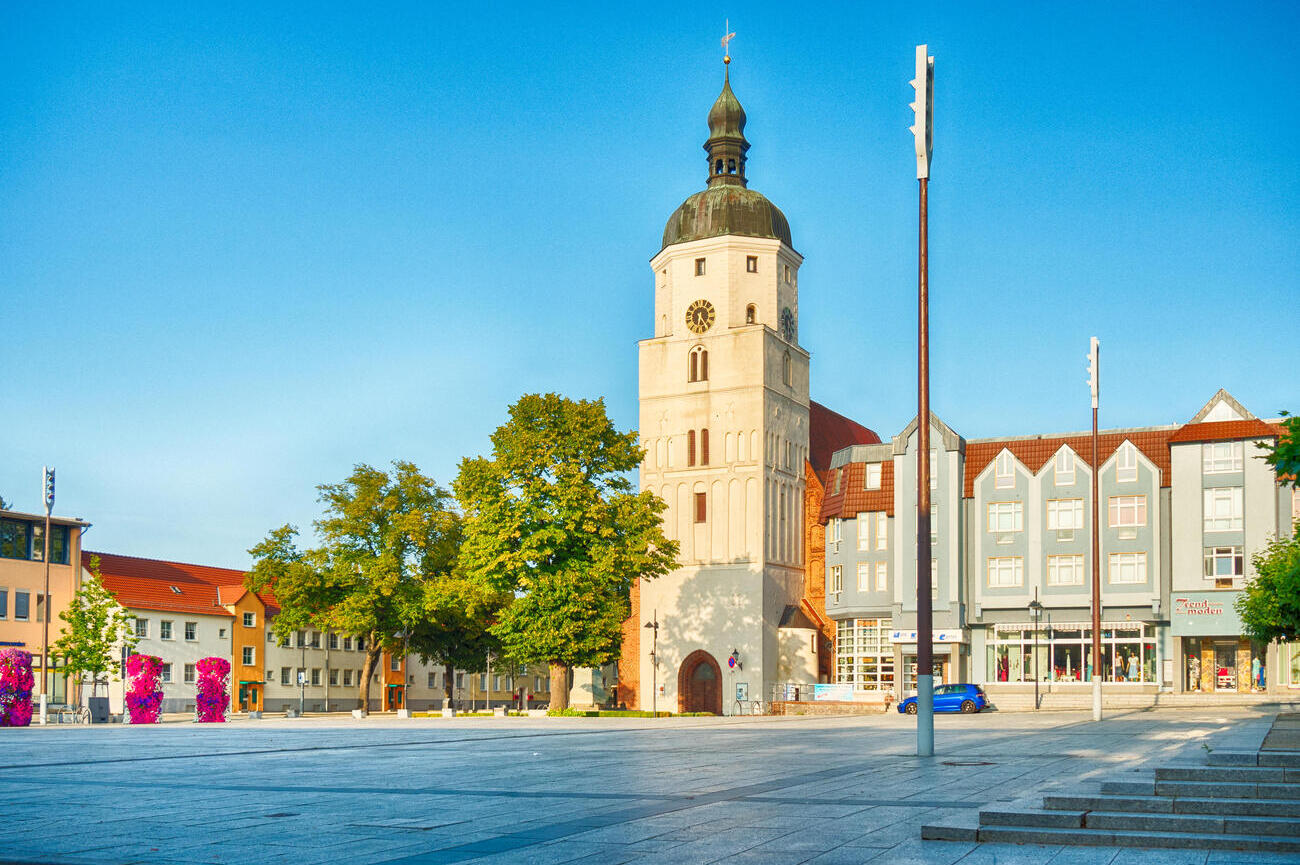
The church has a clear and understated presence, with its light exterior, tall tower and relatively restrained design making it easy to recognise within the townscape. Originally built in the 14th century in Brick Gothic style, it was later altered, giving it the appearance it has today. It is named after Paul Gerhardt, one of Germany’s best-known hymn writers, who served here in the 17th century.
Inside, the atmosphere is simple but dignified, with an open layout, high ceilings, a Baroque altar and a historic organ that remains in use. The church also contains Paul Gerhardt’s tomb, which gives the building a direct connection to its namesake and adds to its historical significance. You can visit independently during opening hours or see it as part of a guided tour through Lübben.
Afternoon:
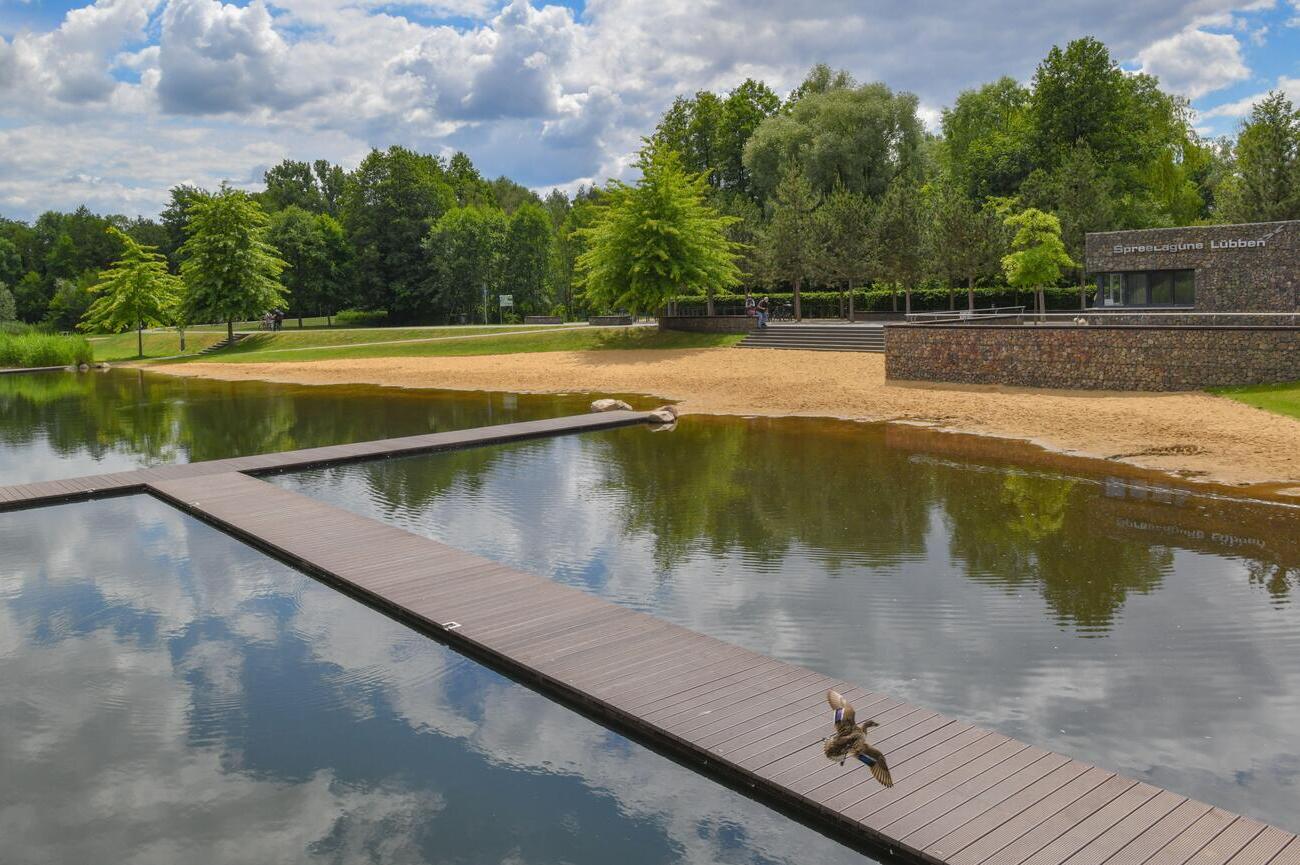
Spreelagune
Around 5–8 minutes on foot from the town centre, the setting opens out again as you reach Spreelagune, where the built environment gives way to water, open space and a slower rhythm.
Spreelagune is a man-made bathing area, but it has been designed in a way that sits comfortably within the wider Spreewald landscape. Fed by the River Spree, it combines swimming areas, grassy banks and quieter spaces in a layout that feels practical without becoming overly formal.
What makes it work well is its simplicity. There are clear zones for bathing and relaxing, but the overall atmosphere remains open and easygoing. After several days of moving between villages, waterways and cultural sites, it provides a calmer, more flexible stop where you can swim, walk or simply spend some time by the water.
Gurkenmuseum
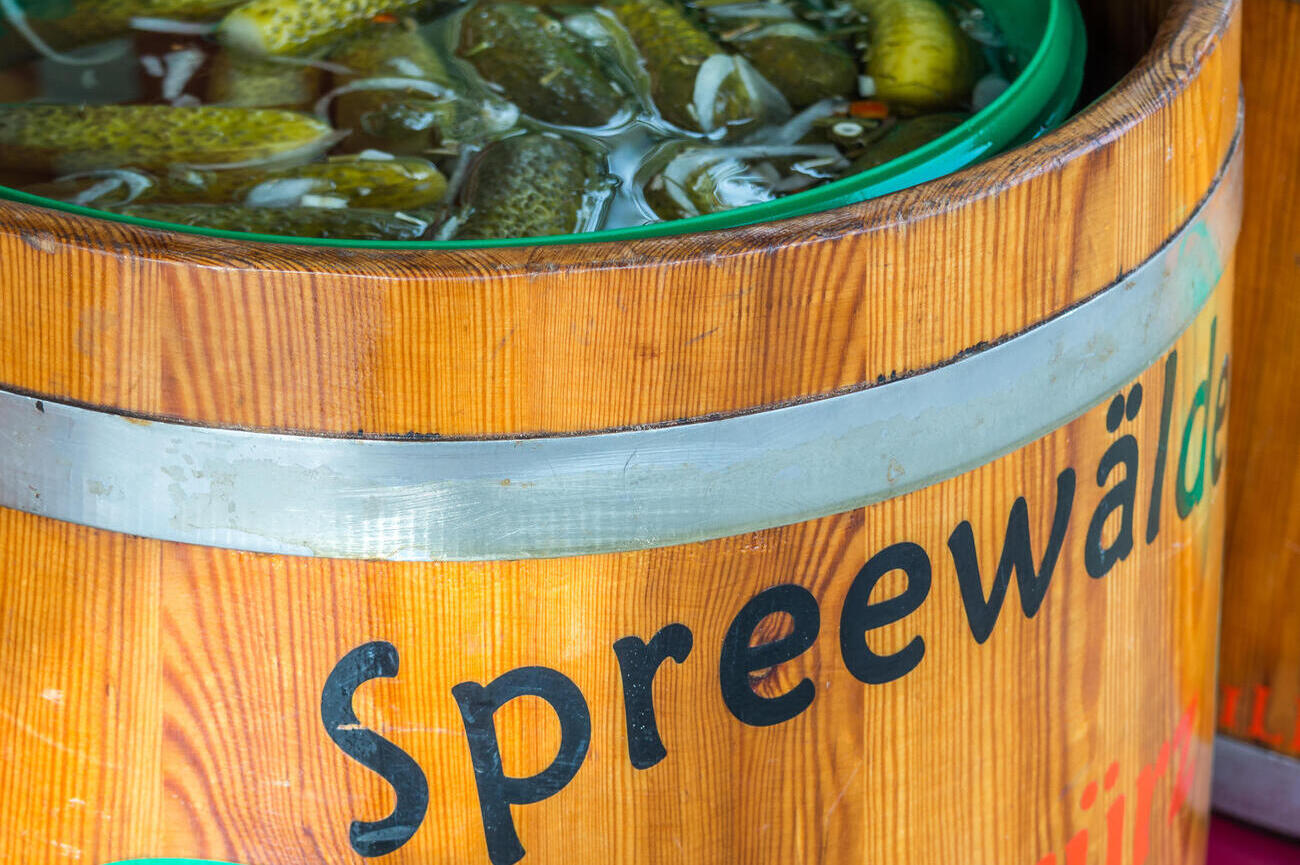
Around 10–15 minutes by car from Lübben, or longer by bicycle, Gurkenmuseum offers a more specific look at one of the products most closely associated with the Spreewald.
At first glance, it may seem like a niche stop, but it quickly proves its relevance. Spreewald gherkins are one of the region’s best-known specialities and an important part of its identity, with a long tradition of local cultivation and preservation. The museum explains how this developed over time, showing how growing, harvesting and pickling cucumbers became closely tied to everyday life and the local economy.
Inside, the displays cover traditional tools, storage methods and processing techniques, helping to place the product within the wider context of the region rather than treating it as a curiosity. It is a smaller stop, but a useful one, especially if you want to understand how strongly food traditions are woven into the character of the Spreewald.
Schloss Vetschau
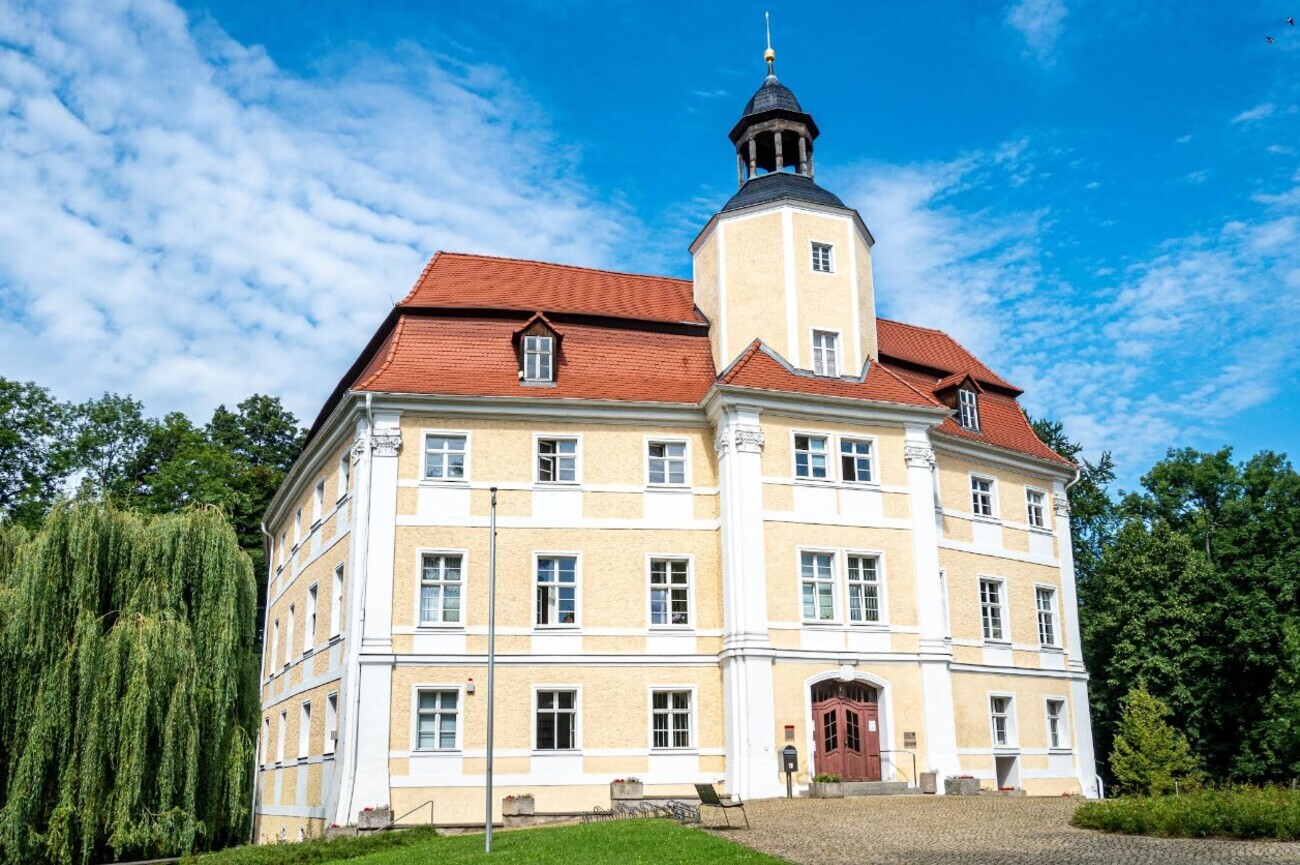
Around 25 minutes by car from Lübben, Schloss Vetschau introduces a more formal and architectural side of the region, with a stronger sense of symmetry and structure than many of the Spreewald’s more nature-led stops.
The castle dates back to the 16th century, originally built as a Renaissance residence before later acquiring Baroque influences. Over time, it also took on administrative functions, but it has retained much of its historical character. The surrounding park adds to that impression, with a more deliberate and composed layout that contrasts well with the looser, water-shaped landscapes seen elsewhere in the itinerary.
The exterior and grounds are the main focus of a visit here, and they are easy to explore at your own pace. Even when the interiors are not fully accessible, the castle and landscaped setting still make this a worthwhile stop, particularly for the change in atmosphere it brings.
Evening: Slawenburg Raddusch
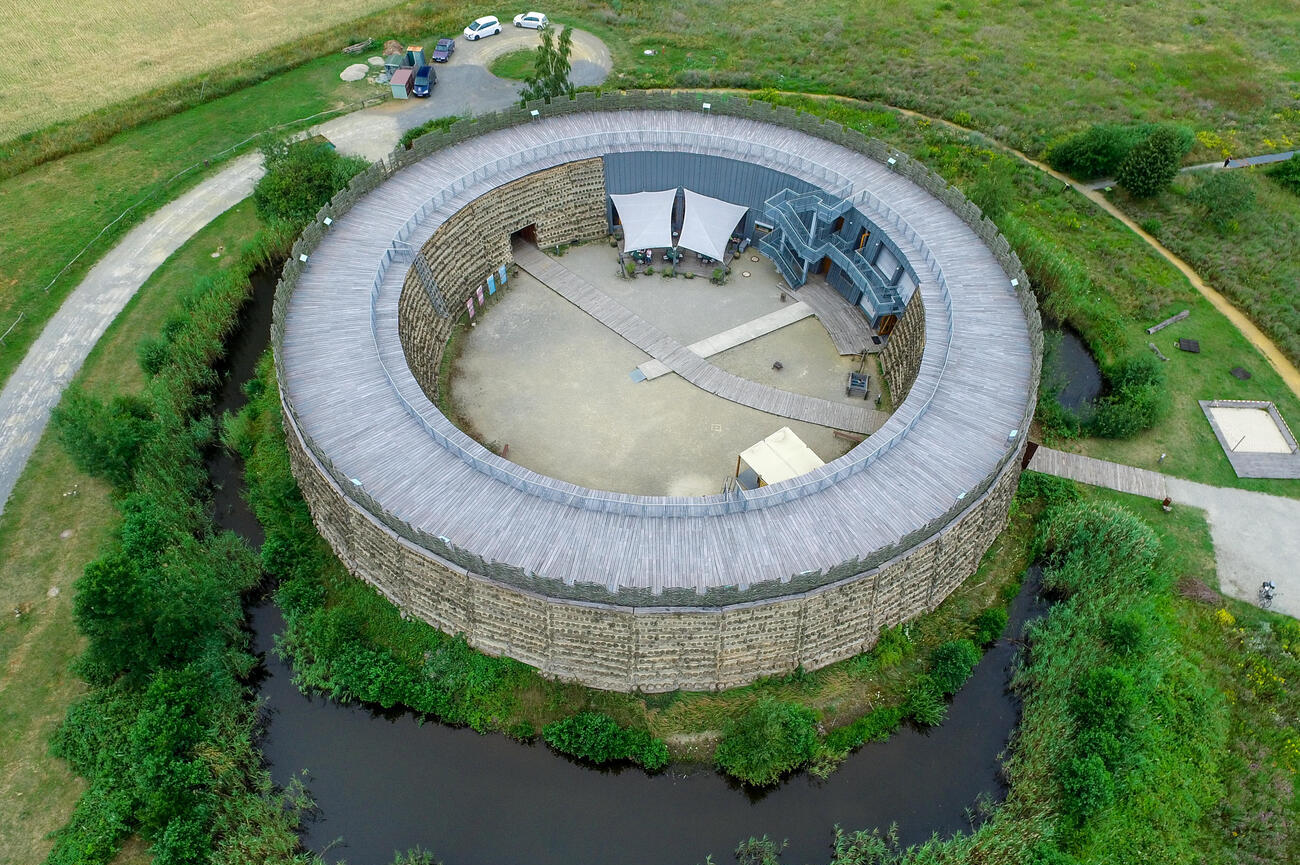
Around 10–15 minutes from Schloss Vetschau, Slawenburg Raddusch brings a clear change in tone, shifting the focus from later aristocratic architecture to much earlier settlement history.
This reconstructed Slavic ring fortress is based on archaeological findings from the region and offers one of the clearest introductions to how early fortified communities in this part of Europe were organised. Built more than a thousand years ago in its original form, the site reflects a practical approach to defence and daily life, with a circular layout enclosed by protective earth and timber walls.
The visit is more engaging than a standard monument stop. Exhibits explain construction methods, settlement patterns and everyday routines, while the reconstructed ramparts allow you to walk the perimeter and look down into the central courtyard. It is a simple site in visual terms, but a very effective one for understanding the deeper historical layers of the region.
Naturhafen Raddusch Kahnfahrten
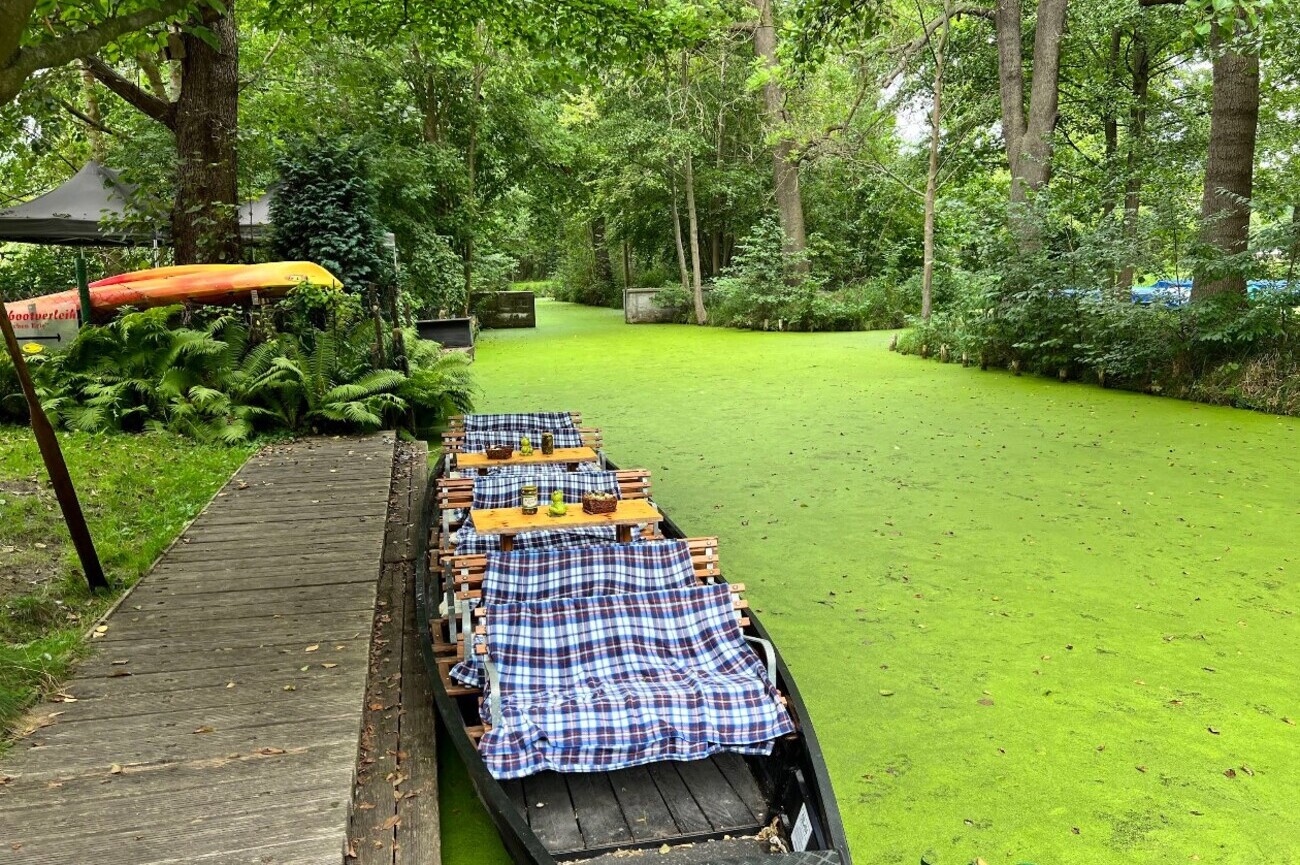
Naturhafen Raddusch is a fitting final return to the waterways, this time in a quieter and more local setting than the larger departure points earlier in the itinerary.
As a natural harbour and starting point for traditional Kahnfahrten, it offers access to some of the calmer and less frequented canals of the Spreewald. The atmosphere here is more understated, with wooden boats along the water’s edge and a slower pace that suits the end of the journey particularly well.
From here, traditional flat-bottom boats move through narrower waterways and more peaceful stretches of the landscape, offering a final perspective on the canal system that has shaped the region throughout the itinerary. It is a gentle and well-judged way to close the tour, returning to the water in a setting that feels quieter, more reflective and more grounded.
Day 4 - spreewald Tour Map
Other Things to Do in Spreewald
Spreewald offers more than its best-known canal routes and villages. Beyond the core itinerary, there are quieter landscapes and different experiences that show other sides of the region, whether you are looking for more nature, more space or simply a different pace.
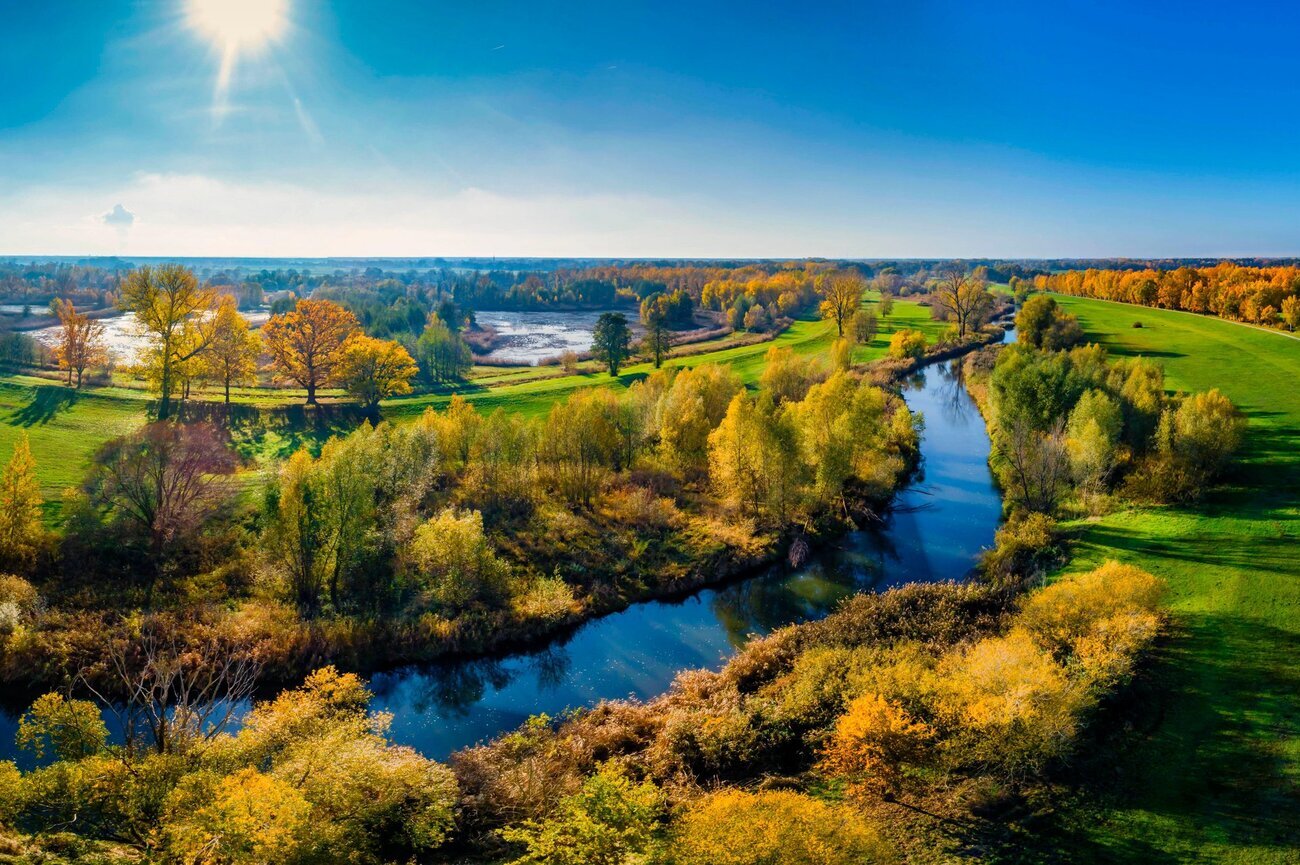
- Spreeaue: Spreeaue offers a broader and more open view of the Spreewald landscape, with wide floodplains, grasslands and slower-moving stretches of the River Spree. It feels noticeably different from the narrower canals and village settings, giving you a better sense of the region’s natural scale. This area is also important to the local ecosystem, with fewer built elements and a stronger emphasis on wildlife, seasonal water movement and the quieter rhythms of the landscape.
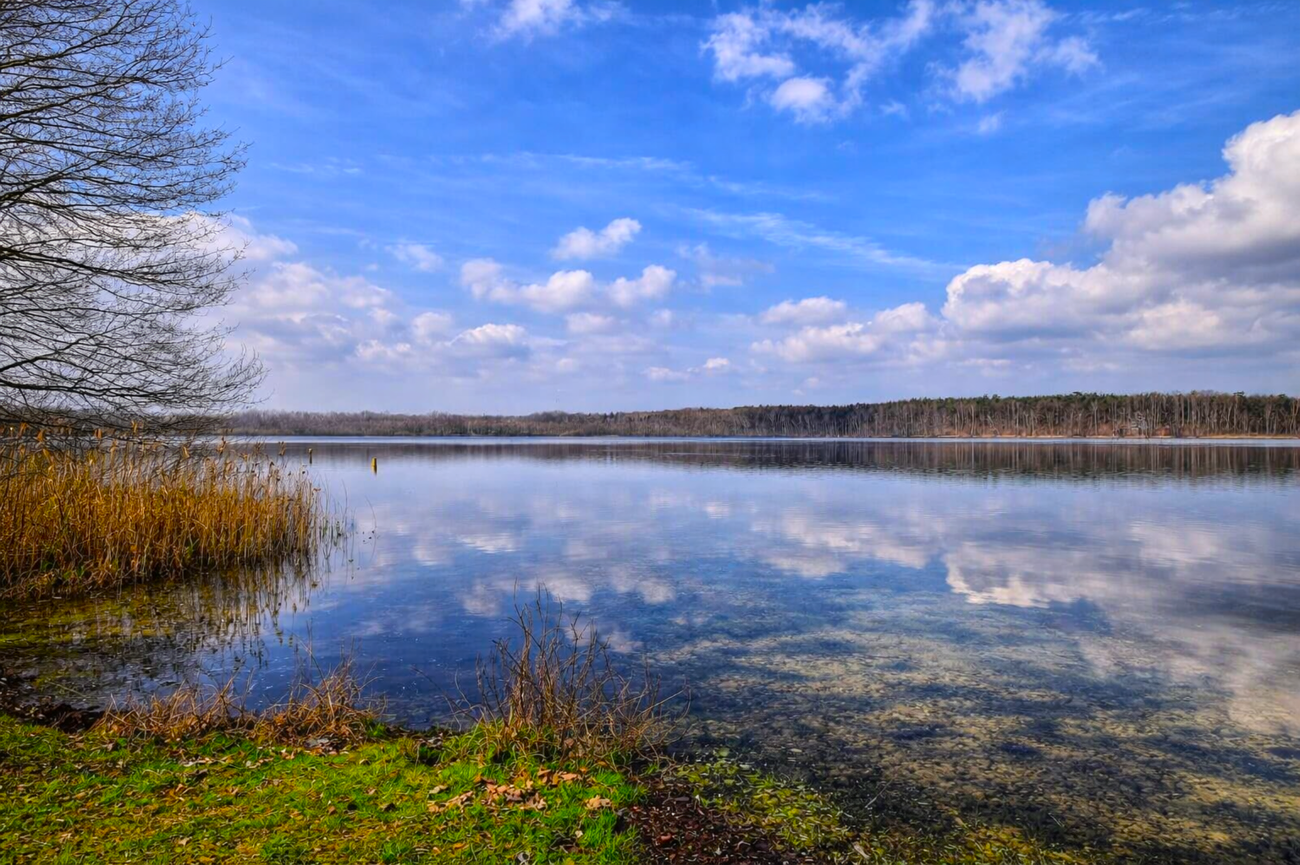
- Byhleguhrer See: Byhleguhrer See feels like a worthwhile detour for those looking for a quieter pause in the itinerary. A lake rather than a canal, it offers open water, natural edges and a more spacious setting than the narrower routes usually associated with the Spreewald. Located slightly outside the main flow of the region, it tends to feel calmer and less busy, making it well suited to a slower stop focused on the landscape rather than movement.
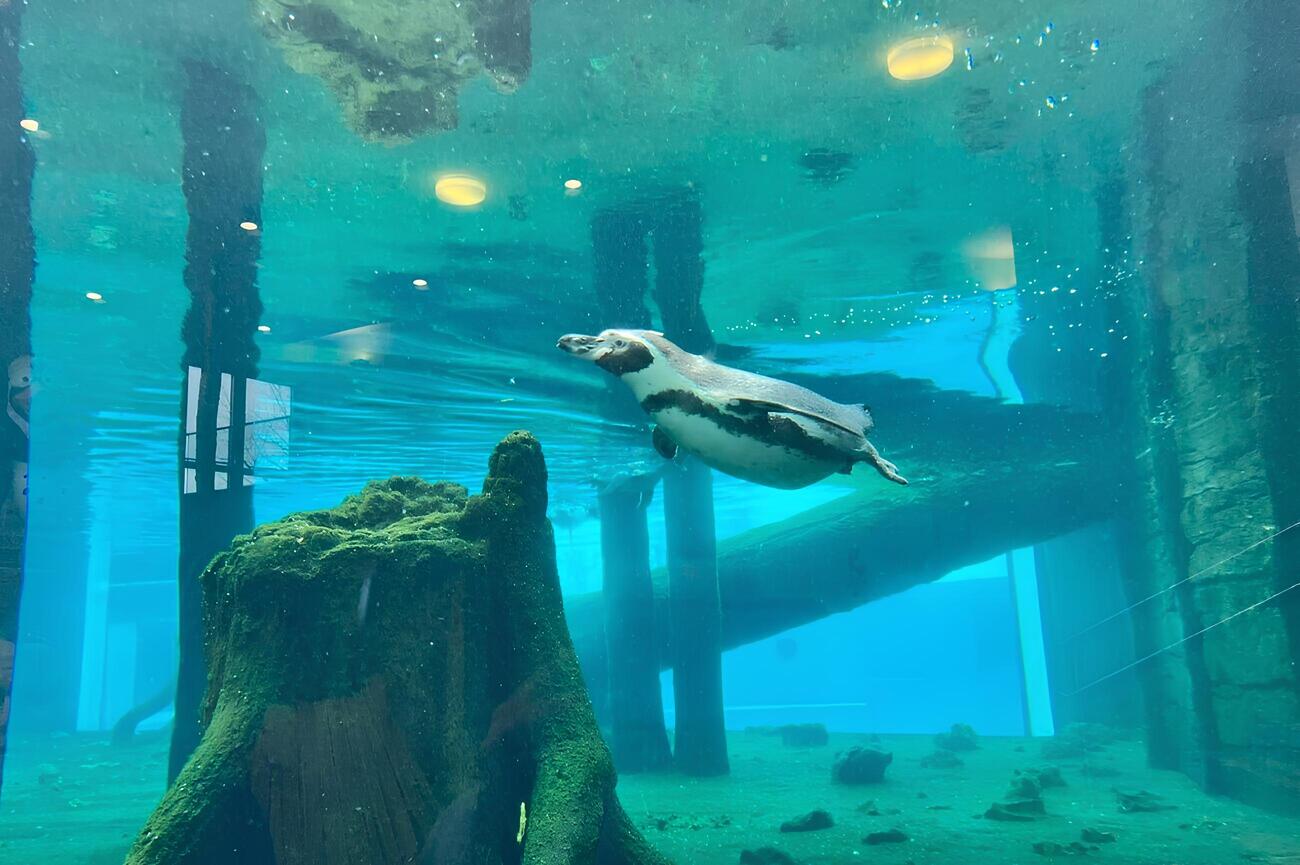
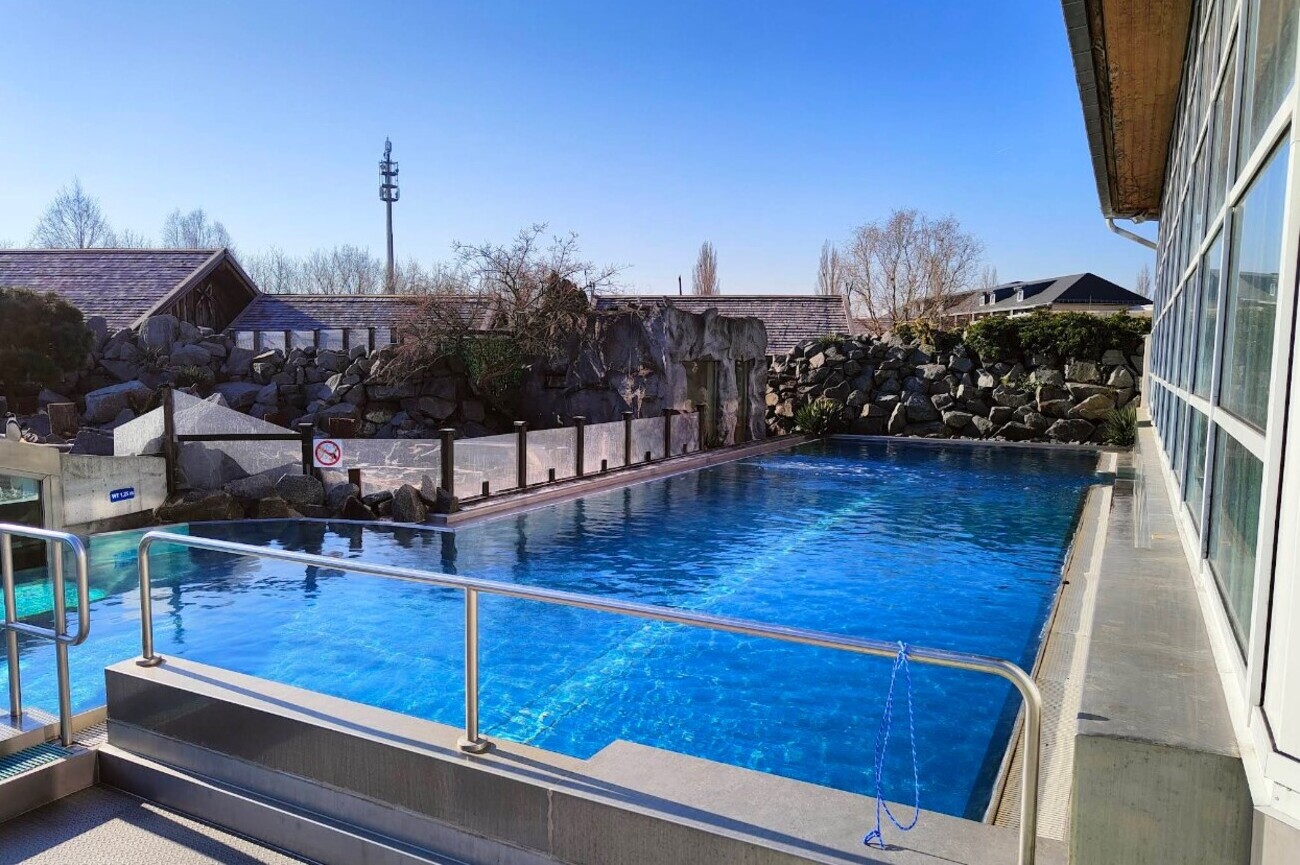
- Spreewelten Bad Lübbenau: Spreewelten Bad Lübbenau is one of the region’s more unexpected attractions, but it works surprisingly well. This modern leisure and wellness complex combines indoor and outdoor pools, saunas and relaxation areas with direct views into a Humboldt penguin enclosure, giving it a more playful character than many other spa-style stops in the region. Despite that novelty, the layout is well organised and the overall experience still feels polished, making it a good option for families as well as visitors looking for a lighter, more relaxed change of pace.
Things to Do with Kids in Spreewald
Spreewald works particularly well for families because many of its experiences feel naturally engaging rather than overly staged. Boat rides, wildlife, open space and slower-paced villages give children room to explore while still fitting comfortably into the wider trip. It is a destination where family time does not need to feel separate from the rest of the itinerary.
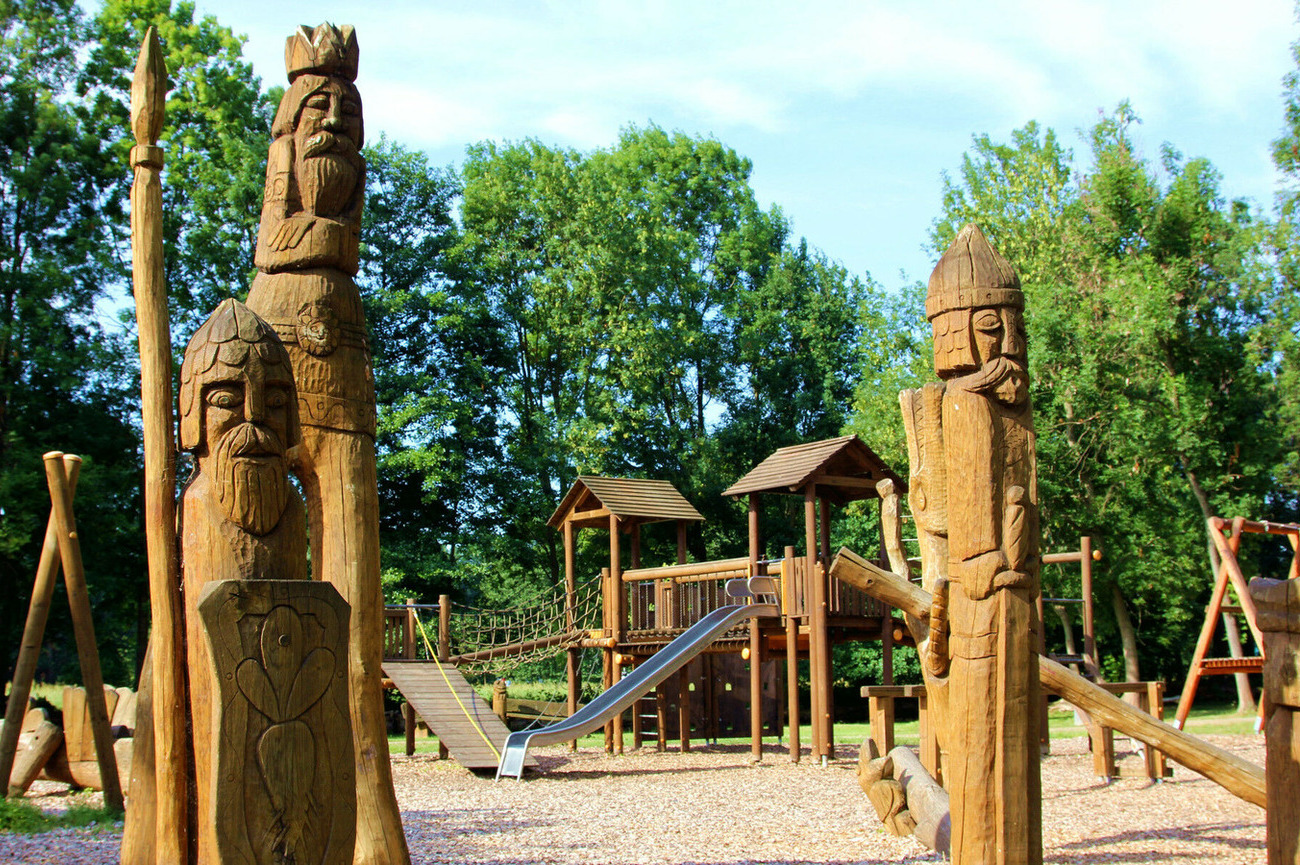
- Kur und Sagen Park: Combines open green space with sculptures inspired by local legends, giving it a more playful and interactive feel than a standard park. Children can move through the space at their own pace, discovering figures and details as they go, while the setting remains relaxed and easy to explore. It works well as a lighter stop with room to run around, pause and spend time outdoors without needing a fixed route.
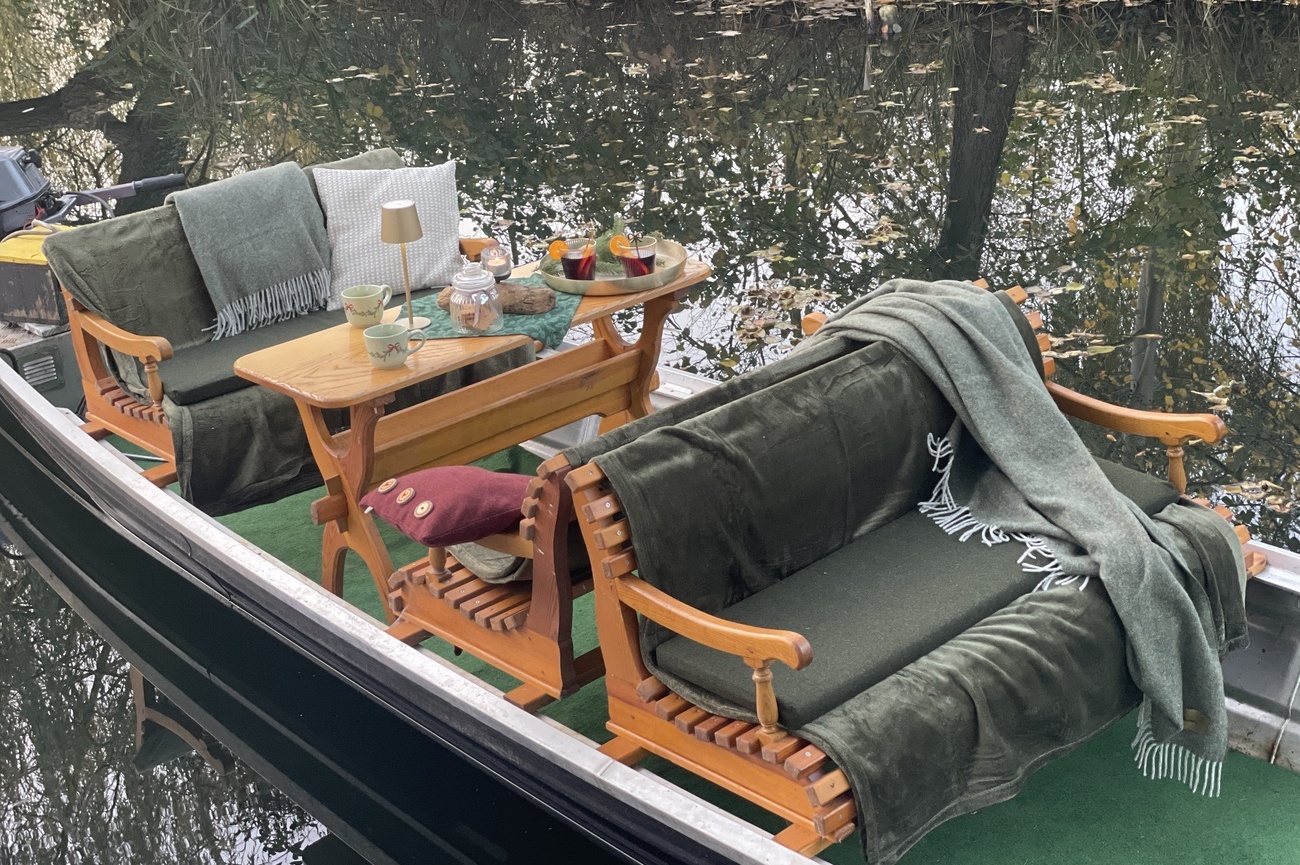
- Spreewaldfahrten Familie Goertz: Offers a more family-oriented version of the traditional Kahnfahrt, with a pace and atmosphere that work especially well for younger travellers. The routes remain authentic and use the same traditional boats, but the experience tends to feel lighter and more accessible for families, making it easier to keep children engaged while still enjoying one of the region’s most characteristic activities.
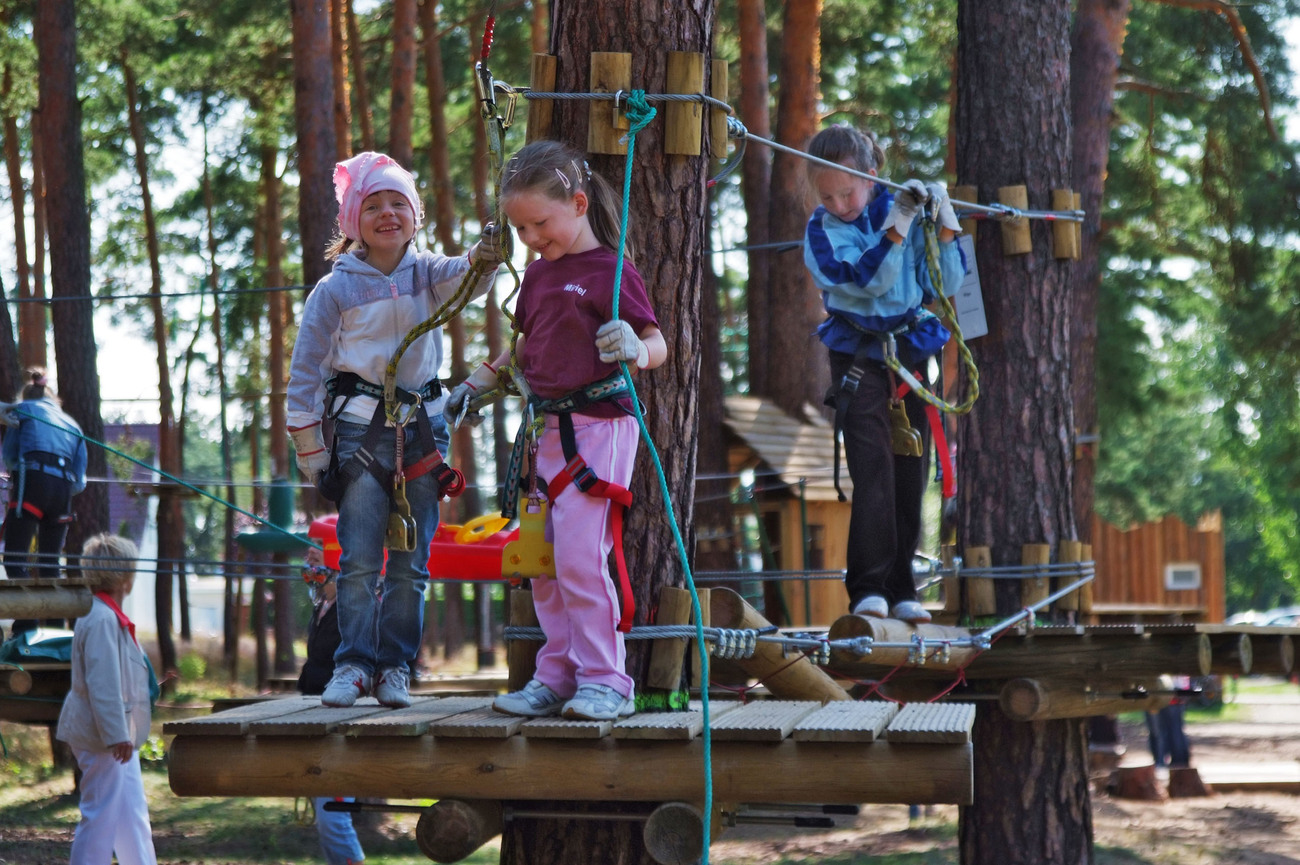
- Kletterwald Lübben: This is where the energy gets used properly. Kletterwald is a full-on outdoor climbing park set in the trees, with rope courses, zip lines and different difficulty levels. Kids get harnessed in and move through the forest from above. Just a day of climbing, balancing and figuring things out as they go. And it’s not just for kids, adults usually end up joining in.
Day Trips from Spreewald
Spreewald lends itself well to slower travel, but its location also makes it easy to add day trips that bring a different perspective to the region. Within a relatively short distance, you can move from canals and villages to formal gardens, historic towns and larger cultural centres, creating a useful contrast without losing the overall rhythm of the trip.
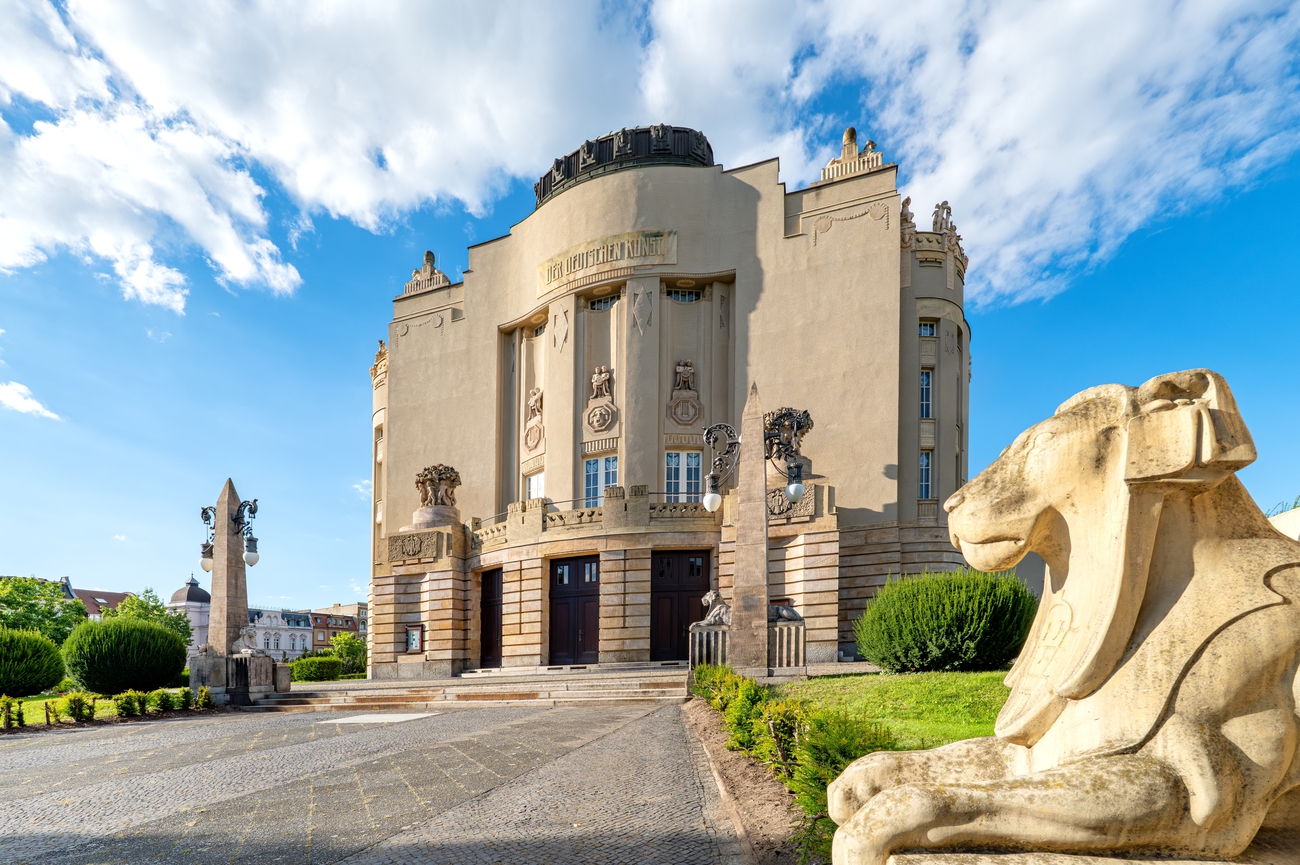
- Cottbus, Germany: Cottbus is one of the easiest and most rewarding day trips from Spreewald, reached in around 30 to 40 minutes. The city offers a clear contrast to the region’s waterways, with a more urban setting, stronger architectural definition and a wider cultural range. One of the main highlights is Branitzer Park, the landscaped estate created by Prince Pückler, best known for its carefully designed grounds and the striking pyramid islands set within the lake. From there, the Altmarkt adds a more historic town-centre atmosphere, while the Staatstheater Cottbus brings in an additional architectural and cultural landmark.
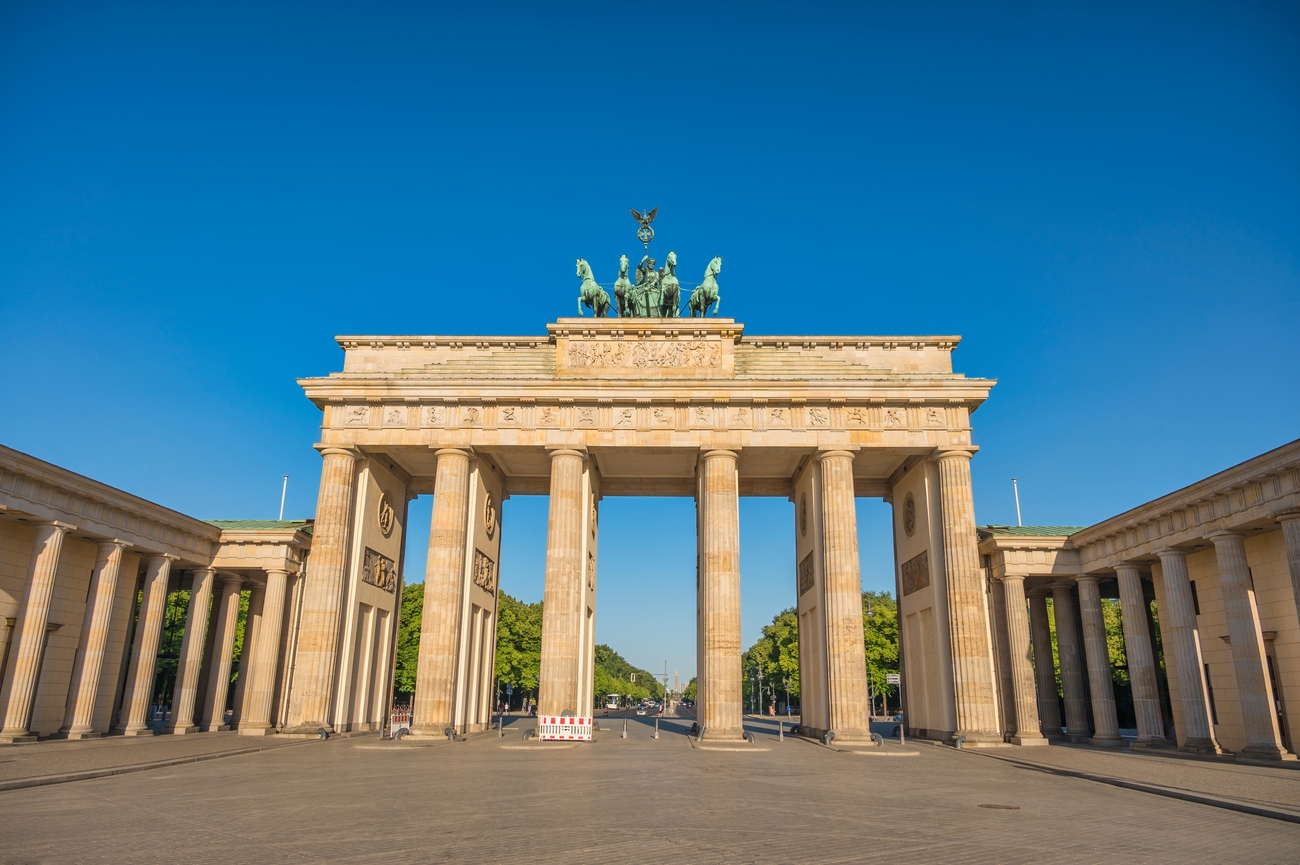
- Berlin, Germany: At around 1 to 1.5 hours away, Berlin offers a clear shift in pace and scale from the Spreewald. One of the strongest starting points is Museum Island, the UNESCO World Heritage Site where five major museums sit side by side, covering everything from ancient collections to classical art. From there, a route along Unter den Linden takes in major landmarks such as Berlin Cathedral and Brandenburg Gate, giving a strong sense of the city’s historical and architectural weight. Berlin can easily become overwhelming without a clear plan, so it works best when approached selectively, ideally with pre-arranged access and a well-structured route.
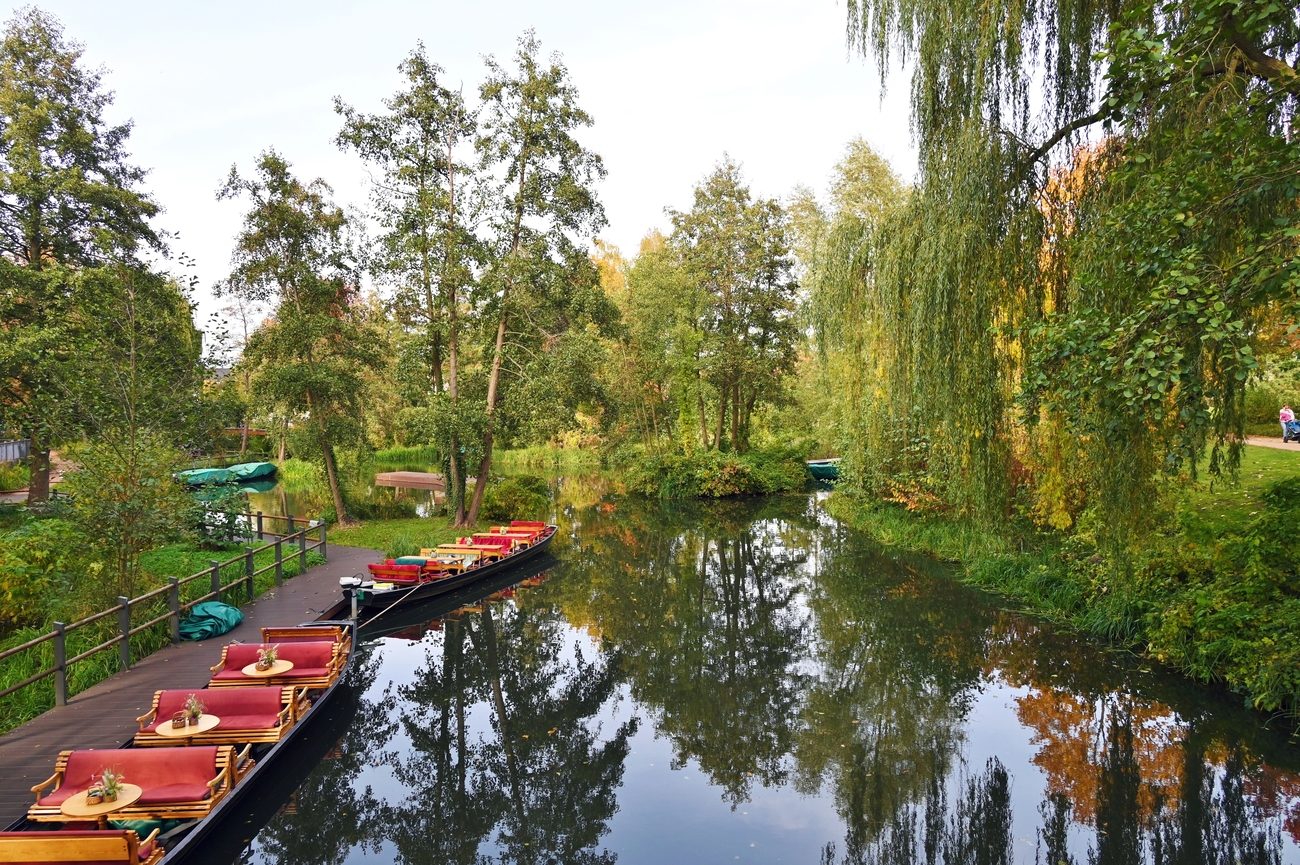
- Lübben, Germany: Just 15–20 minutes away, Lübben feels less like a separate destination and more like a natural extension of the Spreewald. The main focus is Schlossinsel Lübben, a green island surrounded by water where paths, bridges and open lawns create a setting that is easy to enjoy at a slower pace. Nearby, Paul-Gerhardt-Kirche adds historical and cultural depth, linked to one of Germany’s most important hymn writers. Lübben works especially well when explored through a combination of walking and a short boat ride, which helps show how closely the town remains connected to the surrounding waterways.
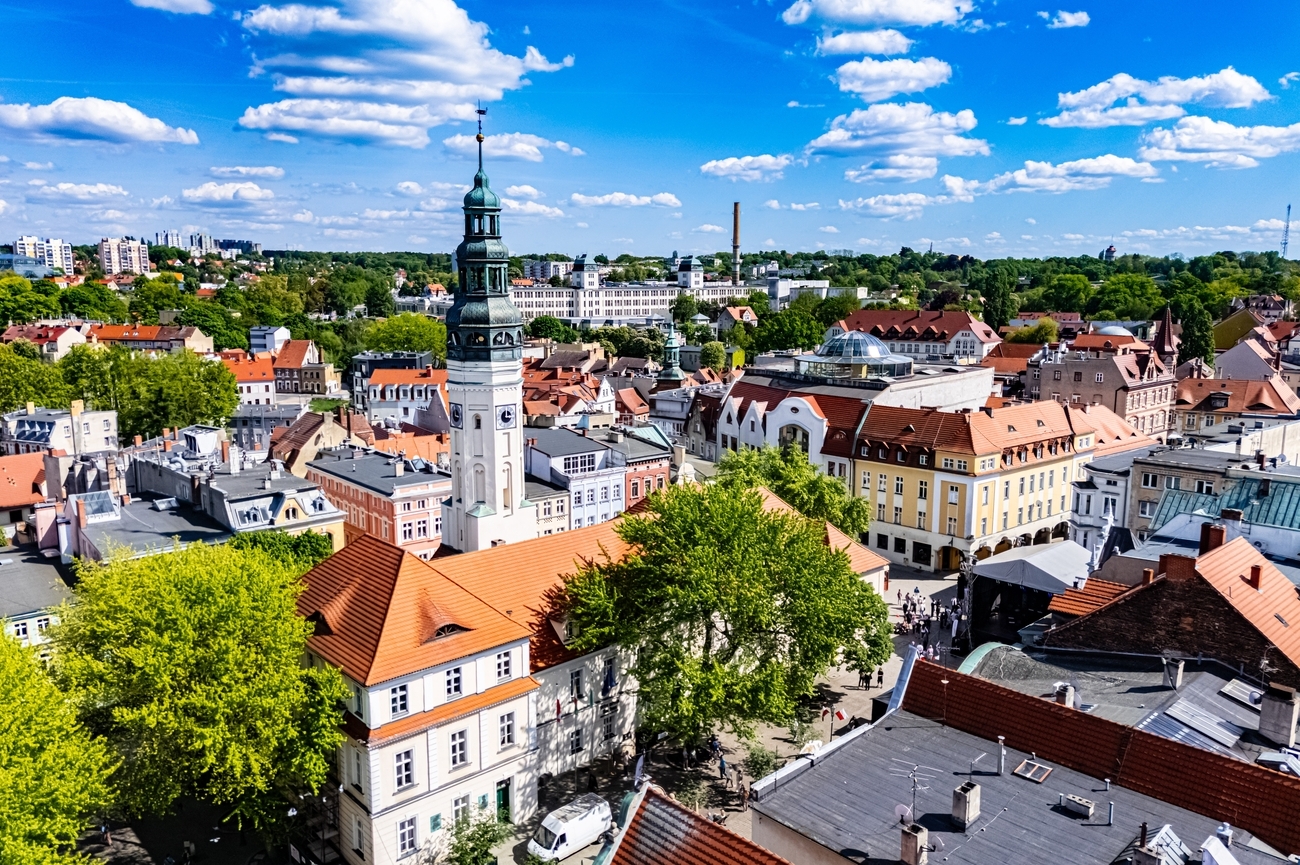
- Zielona Góra, Poland: Around 1 to 1.5 hours from Spreewald, Zielona Góra offers a noticeable change in character and one of the more unexpected cross-border day trips in the wider region. Known as Poland’s wine capital, it combines a compact, colourful old town with a stronger wine culture than you would typically expect nearby. The Rynek is the natural focal point, with lively façades, cafés and a more relaxed, sociable atmosphere. It works particularly well as an experience-led day trip, especially when paired with a guided walk through the old town and a vineyard visit or wine tasting.
Nearby Experiences from Spreewald
Spreewald may define the core of the journey, but the surrounding region adds another layer of variety. Within a manageable distance, it is possible to move from canal landscapes and villages to mountains, spa towns, larger cultural centres and more architecturally striking landmarks, adding useful contrast to the slower pace of the Spreewald itself.
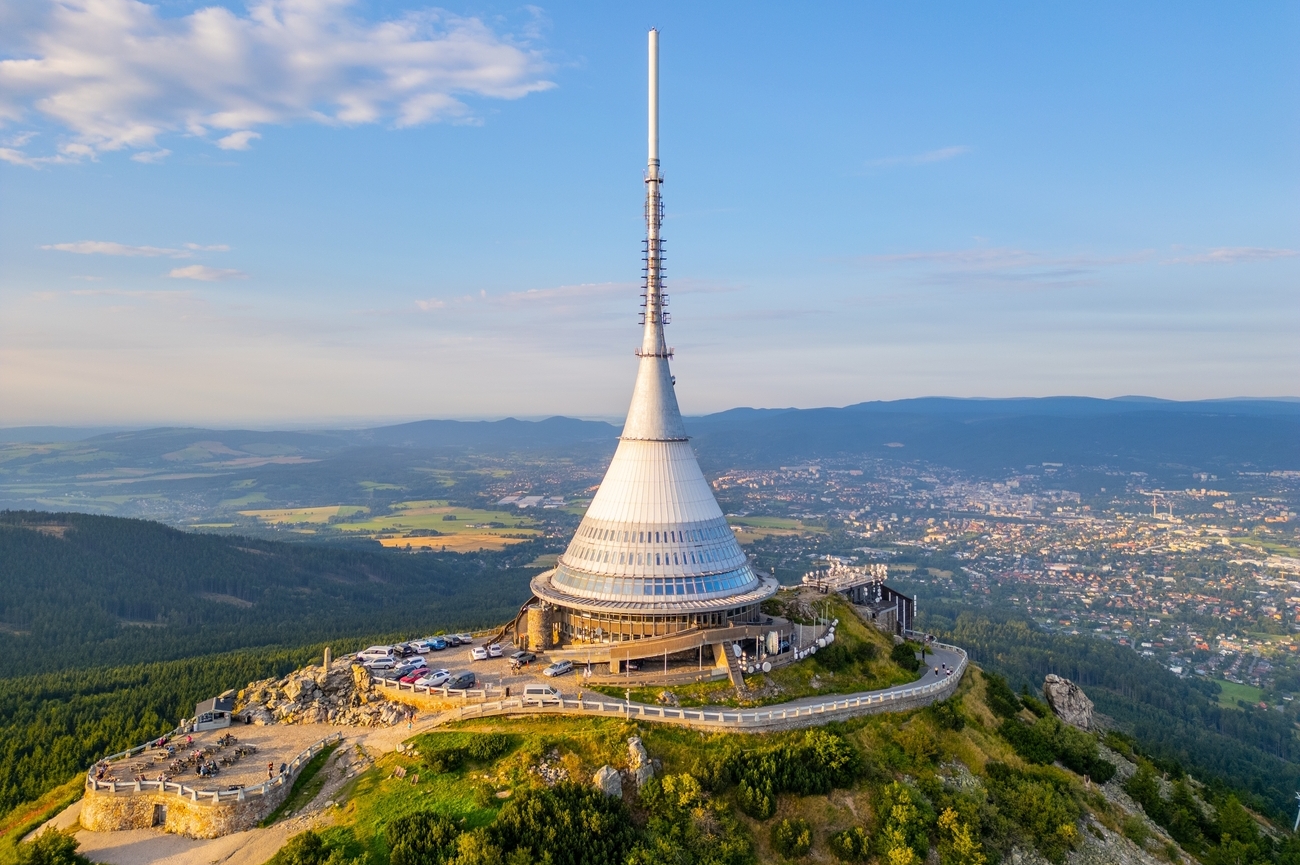
- Ještěd: Around 1.5 hours from Spreewald, Ještěd offers a very different landscape, with rising terrain, broader views and one of the region’s most distinctive pieces of architecture. The Ještěd Tower sits at the summit as both an observation point and a landmark in its own right, combining a hotel, restaurant and transmission tower in a futuristic design that has become an icon of the area. The main appeal is the contrast it brings, both in terms of scenery and atmosphere, with panoramic views across the Czech countryside adding to the experience.
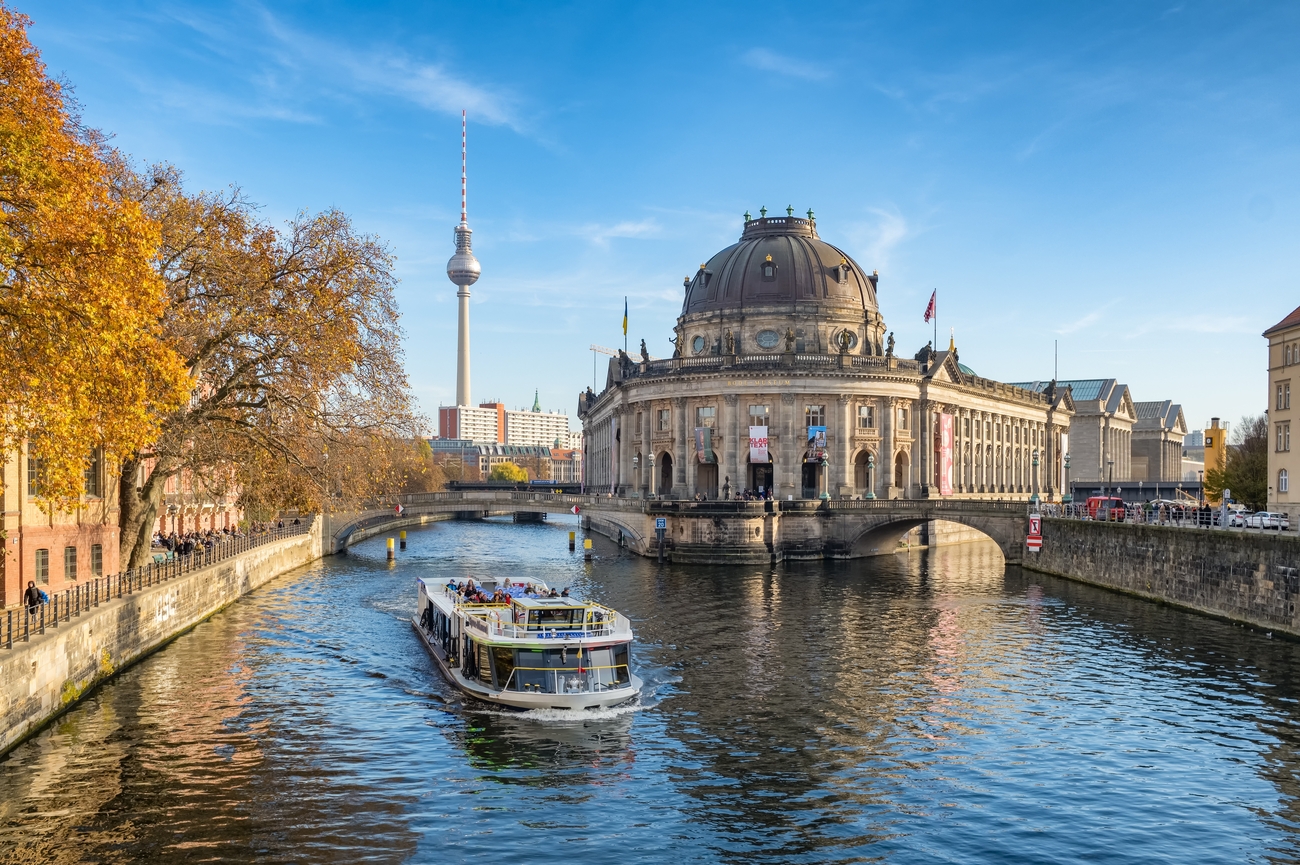
- Museum Island: Roughly an hour from Spreewald, Museum Island places you in one of Europe’s most concentrated cultural districts. Five major museums sit side by side here, with collections spanning ancient civilisations, archaeology and art. Key highlights include the Pergamon Museum, the Neues Museum and the Altes Museum, but the experience is shaped as much by the setting as by the collections themselves. Positioned along the River Spree and connected by bridges, the island feels carefully composed, with Berlin Cathedral adding further architectural weight nearby. It is best approached selectively and at a measured pace rather than as a rushed checklist stop.
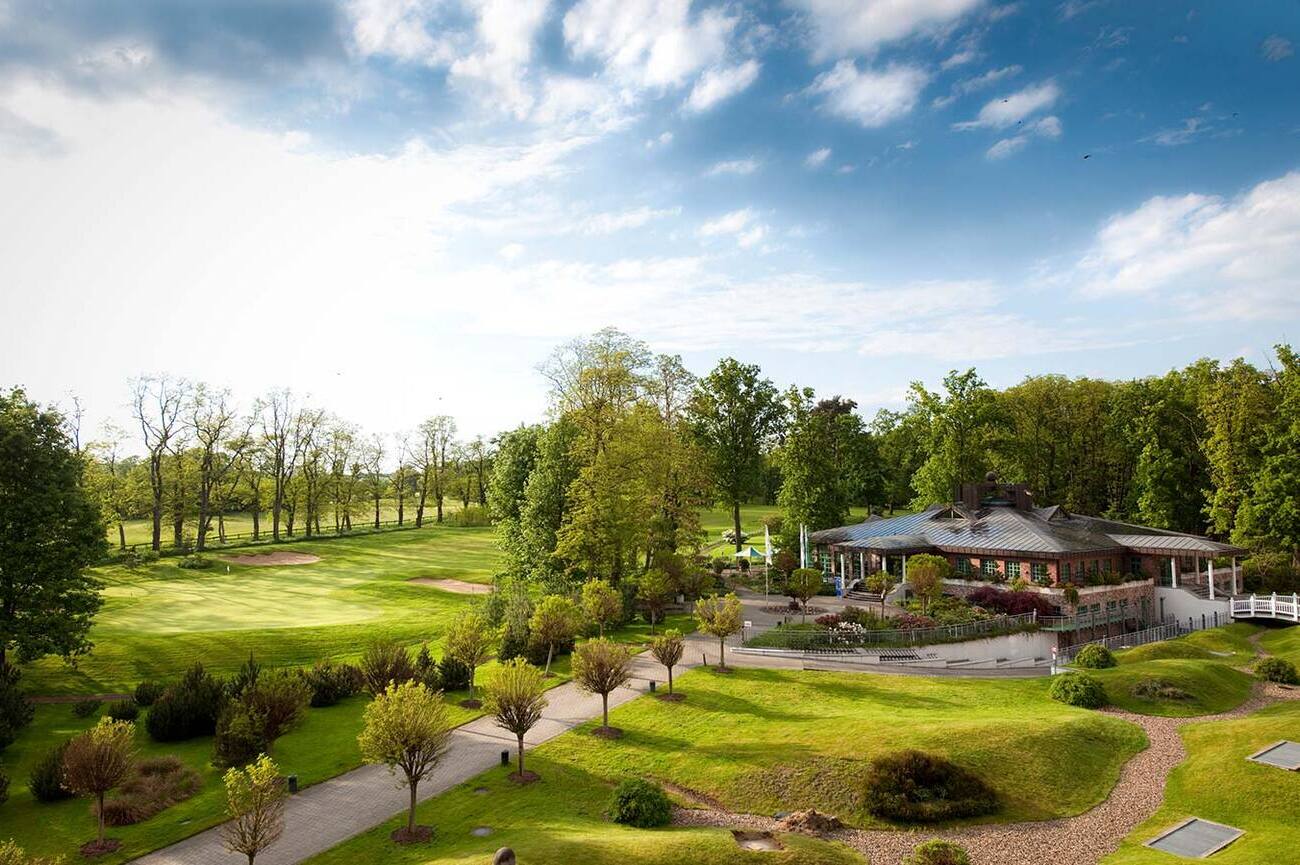
- Golf Club Bad Saarow GmbH: Around 1 hour from Spreewald, Golf Club Bad Saarow is one of Germany’s leading golf destinations and a strong option for travellers looking to add a more premium sporting experience to the trip. Set beside Lake Scharmützelsee, it combines 54 holes across three championship courses with a broader resort-style setting. Highlights include the FALDO Course, known for its links-style character and deeper bunkering, alongside courses associated with names such as Arnold Palmer. What makes it especially appealing is that it works as more than a golf stop alone, with spa facilities, restaurants and lake-based leisure all adding to the overall experience.
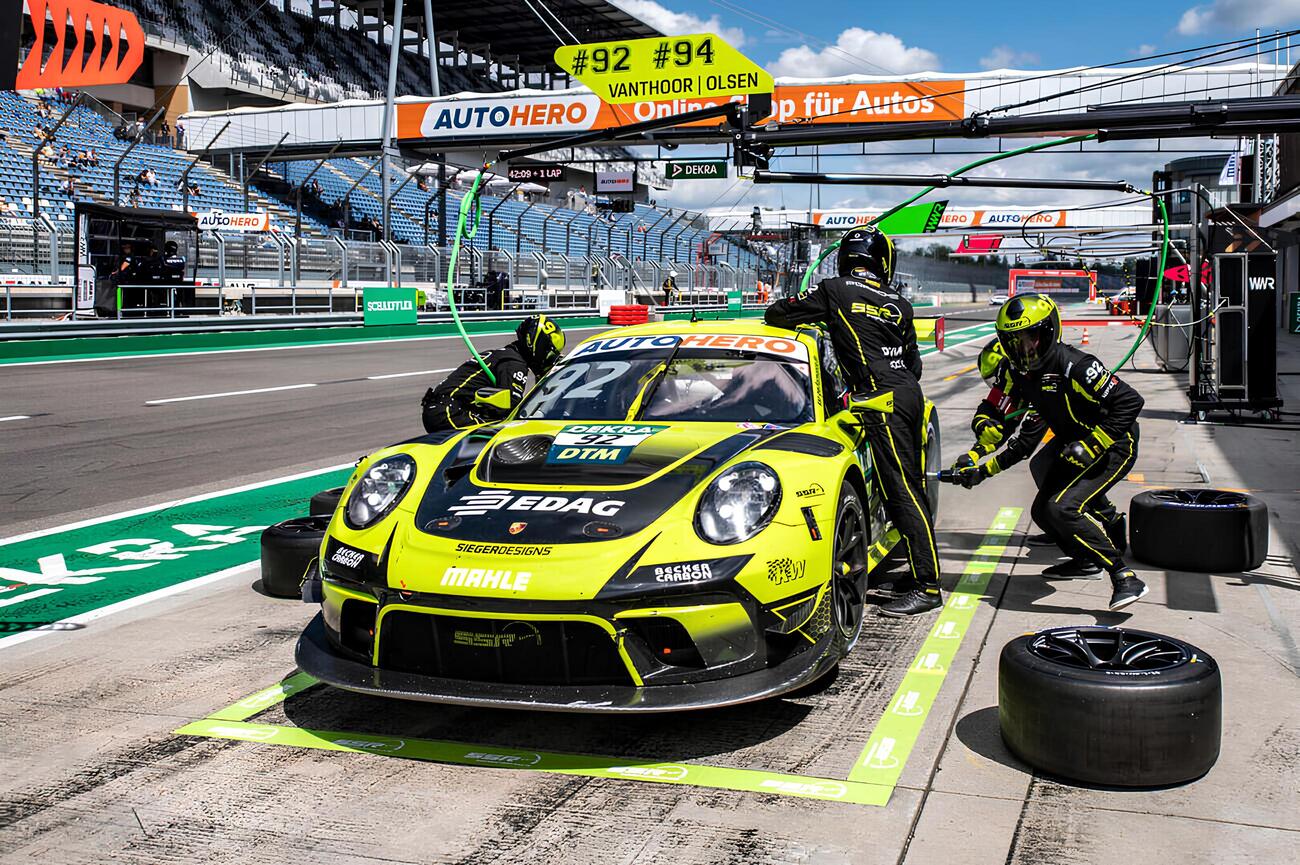
- DEKRA Lausitzring: Around 45–50 minutes from Spreewald, DEKRA Lausitzring offers one of the clearest contrasts to the region’s slower, more nature-led atmosphere. As one of Germany’s major racing circuits, it is used for testing, training and motorsport events, with a site that includes high-speed oval sections, technical tracks and handling courses. Depending on the schedule, you may be able to watch live sessions or events, but the stronger appeal lies in the experiences available on site. Driving programmes and guided track sessions make it possible to engage with the circuit more directly, turning it from something to observe into something to experience.
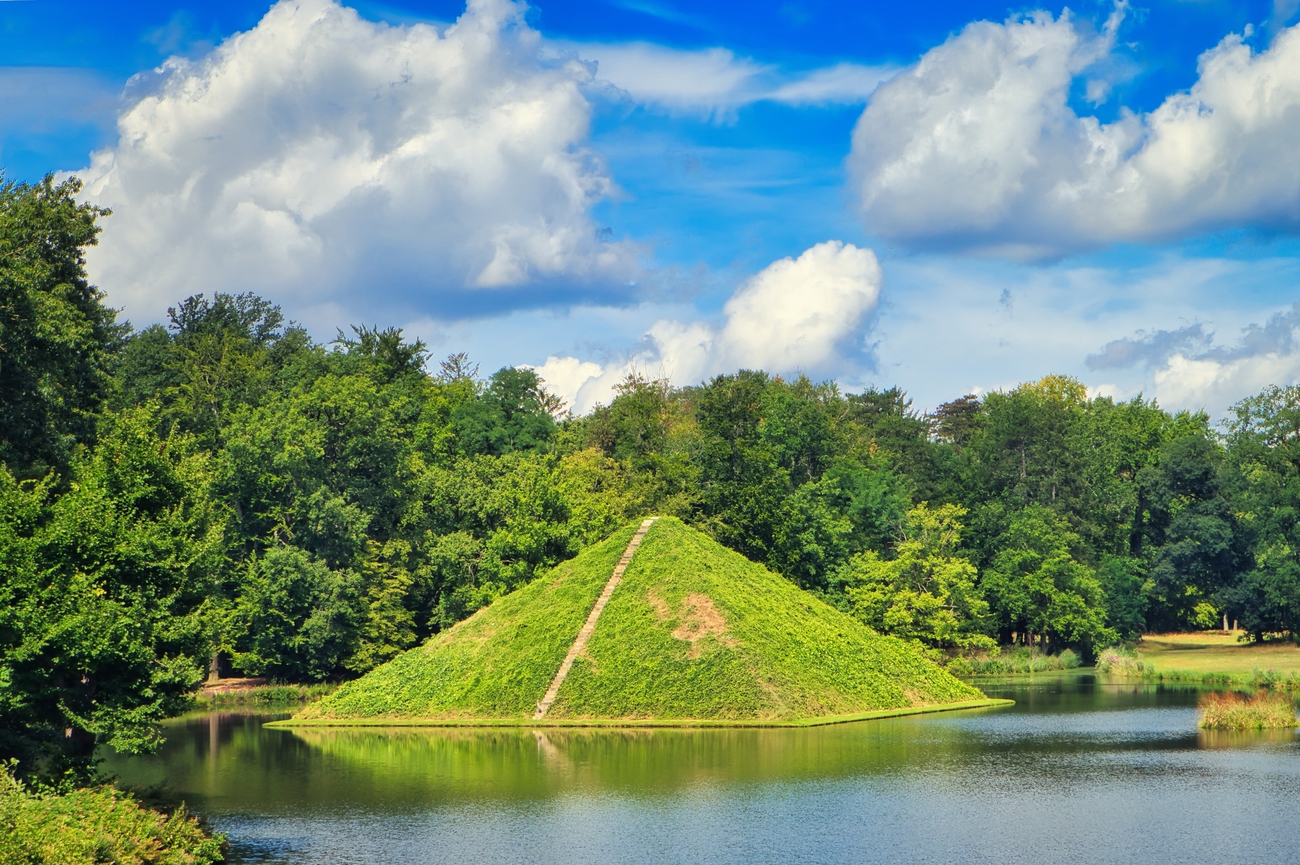
- Branitzer Park: Around 30–40 minutes from Spreewald, Branitzer Park offers a different kind of landscape experience, shaped as much by design as by nature. Created by Prince Pückler, the park is carefully composed to appear effortless, with broad lawns, reflective water and the distinctive pyramid mounds rising from the lake. Schloss Branitz adds architectural focus at the centre, while the wider layout encourages a slower and more deliberate way of moving through the grounds.
Where to Eat in Spreewald
Dining in Spreewald is less about formality and more about setting, regional character and a slower pace. The best meals here tend to feel closely tied to the landscape, whether that means a canal-side terrace, a traditional inn or a garden setting that encourages you to stay longer. It is not a region defined by fine-dining theatrics, but by well-prepared local food, relaxed atmosphere and places that suit the rhythm of the trip.
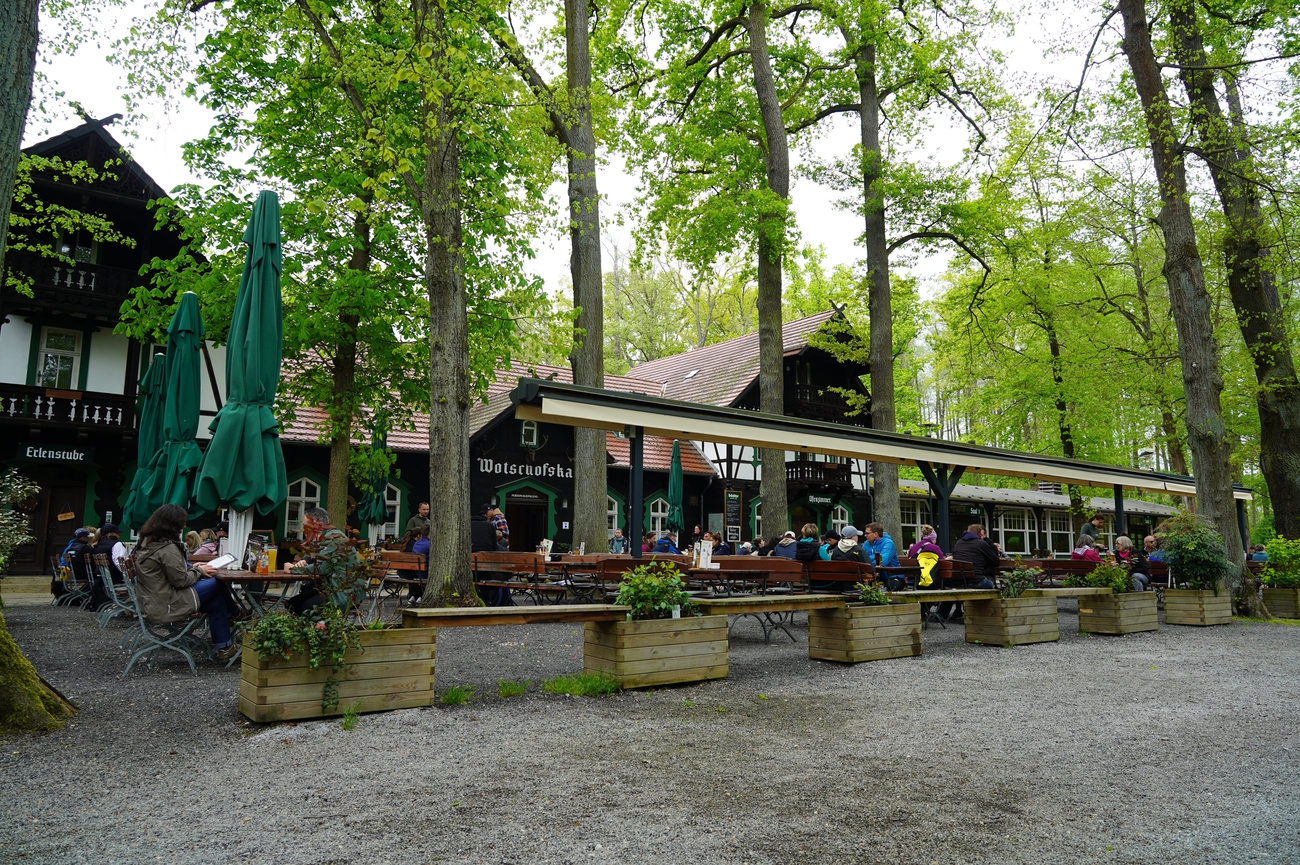
- Gasthaus Wotschofska: Reached along one of the quieter canals near Lübbenau, Gasthaus Wotschofska feels closely connected to the water and surrounding landscape. It is a well-known stop for those exploring the Spreewald by boat, canoe or on foot, and its appeal lies as much in the setting as in the food. Outdoor seating works especially well here, with views of the canal and greenery adding to the experience. The menu focuses on traditional regional dishes and classic comfort food, making it a straightforward but fitting choice within the wider Spreewald setting.
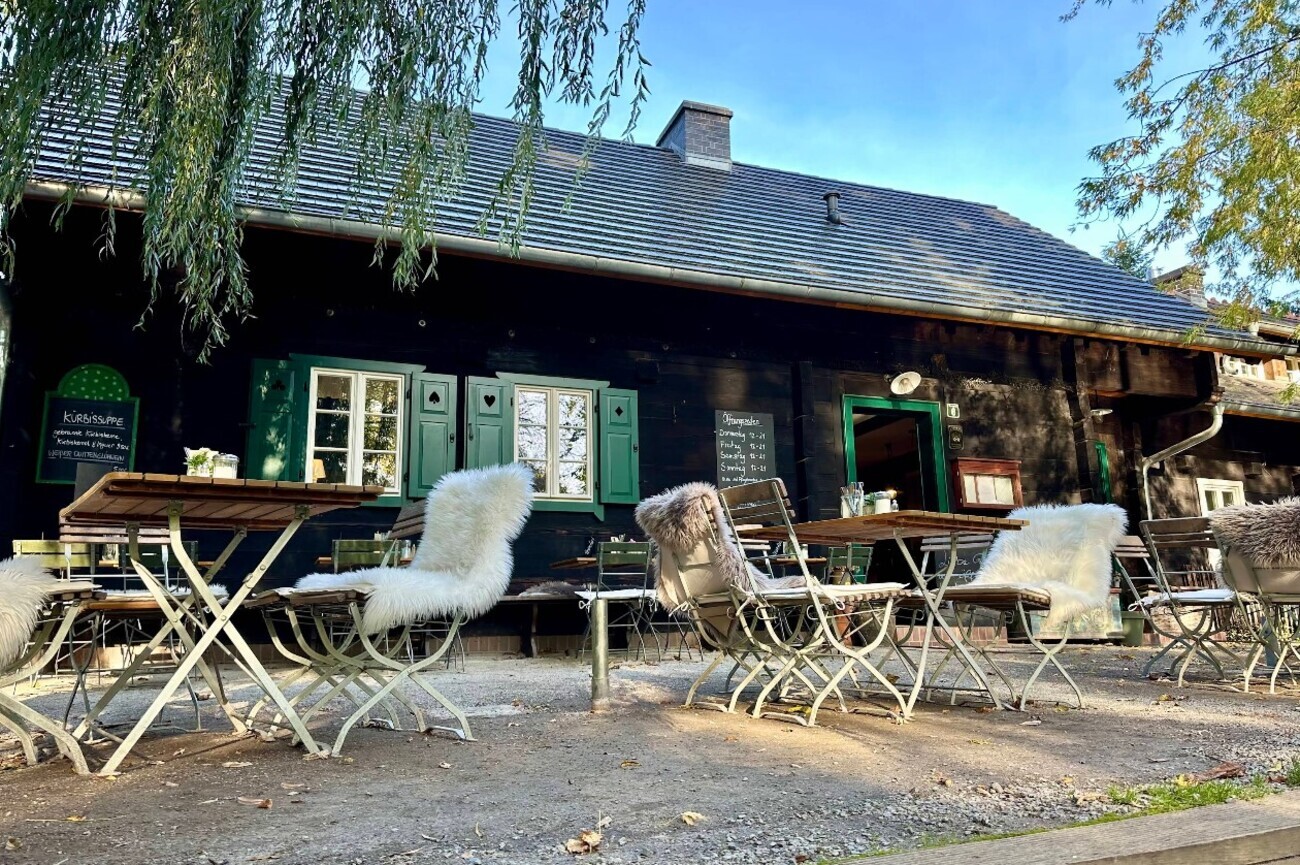
- Kaupen Nr. 6: Feels more personal and informal than a traditional restaurant, which is part of its appeal. Set close to the waterways and often reached on foot or by boat, it suits the slower rhythm of the Spreewald particularly well. The setting is quiet and relaxed, with water, fields and a courtyard that give the whole place an easy, unforced atmosphere. The menu draws on regional ingredients but adds some variety, including dishes such as Kräuterplins and vegetarian options, making it a good choice if you want something local without it feeling too heavy.
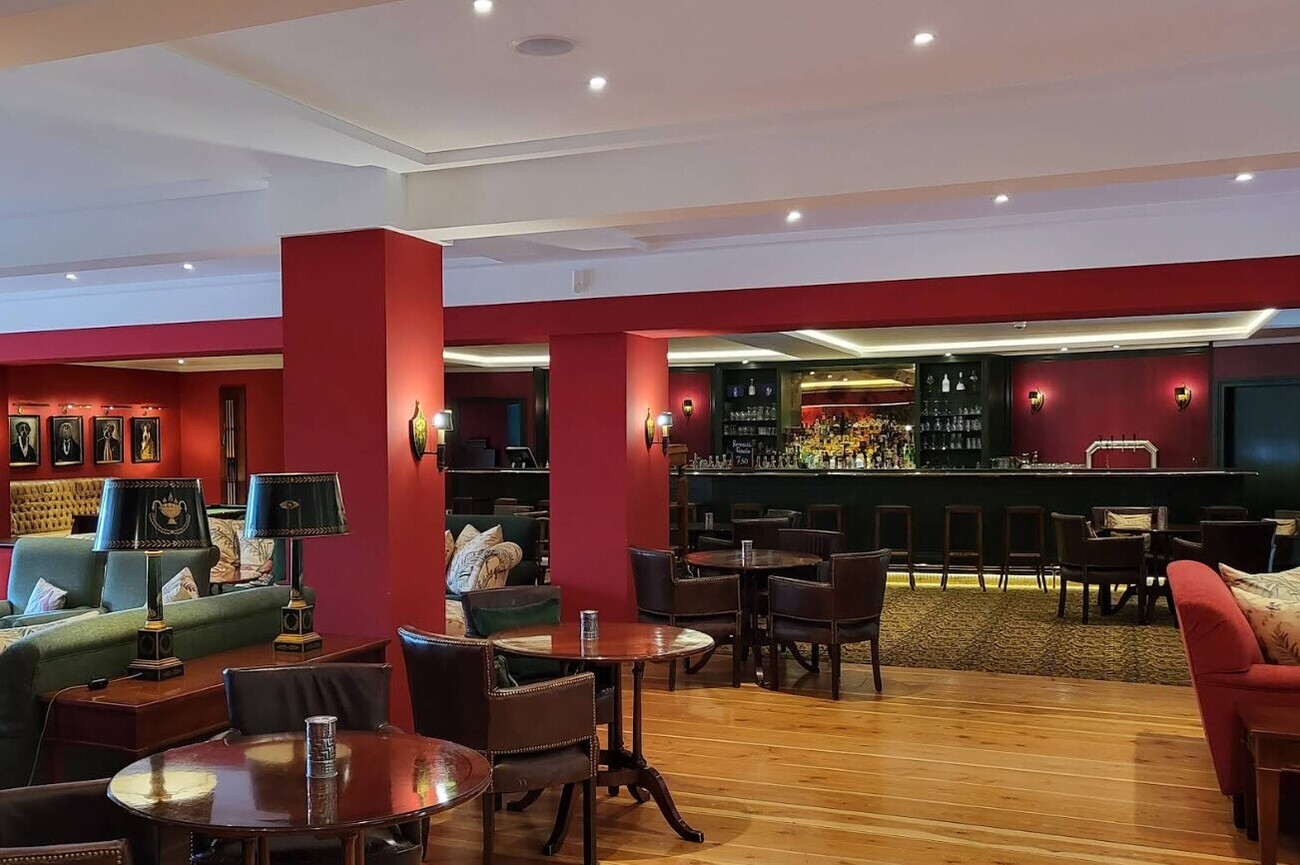
- Schloss-Restaurant LINARI: A good choice if you want a more composed and elegant dining setting within the region. Located within a castle park, it immediately brings a different atmosphere, with its formal surroundings and more refined interior giving the meal a stronger sense of occasion. The menu combines traditional German dishes with a slightly more polished presentation, making it a suitable option when the setting matters just as much as the food.
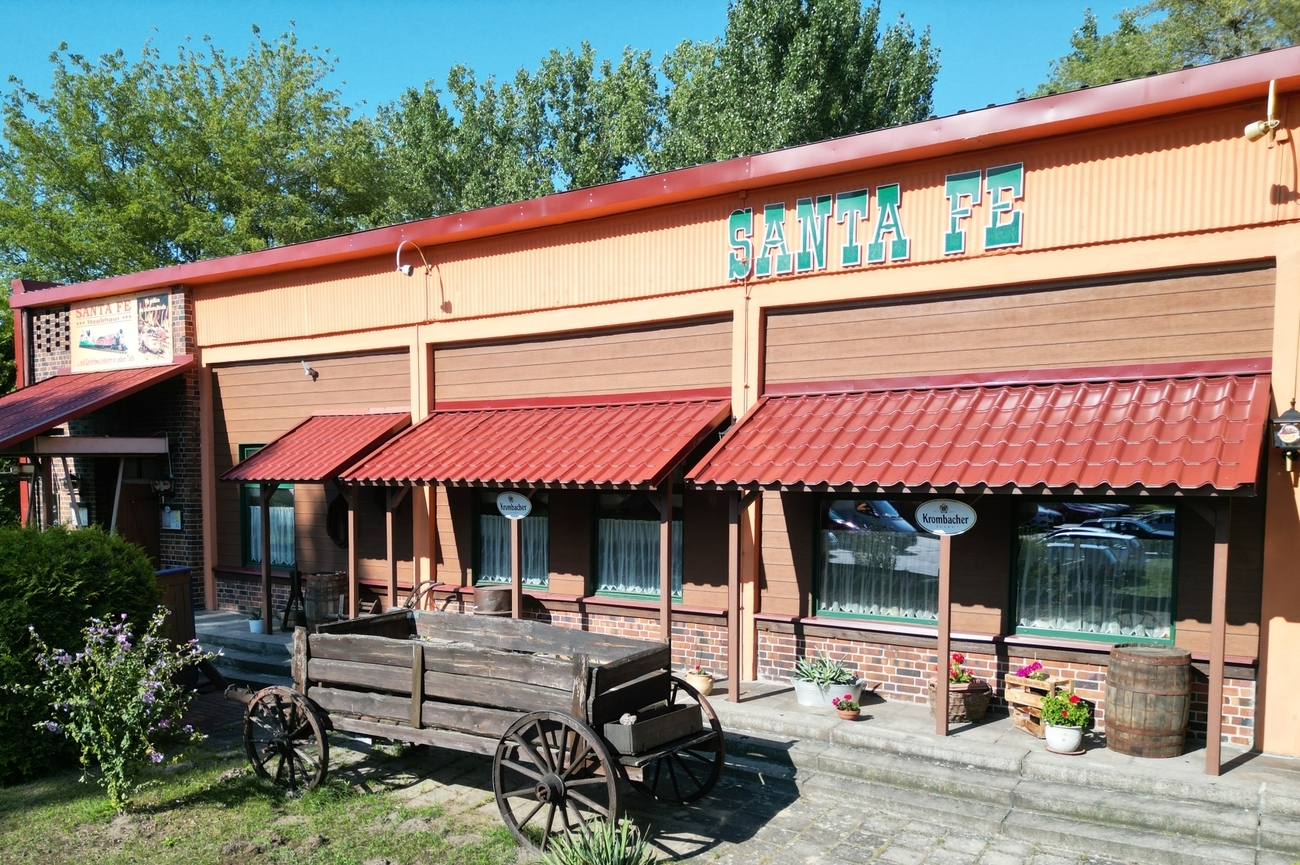
- Steakhaus Santa Fe: An unexpected option in the middle of the Spreewald, but one that works well if you want something more playful and informal. With its Wild West-inspired setting, it brings a very different atmosphere from the region’s more traditional restaurants, while the menu stays focused on generous steaks, burgers and BBQ ribs. The mini train system used to deliver drinks adds a distinctive touch and helps make the experience lively without feeling too forced.
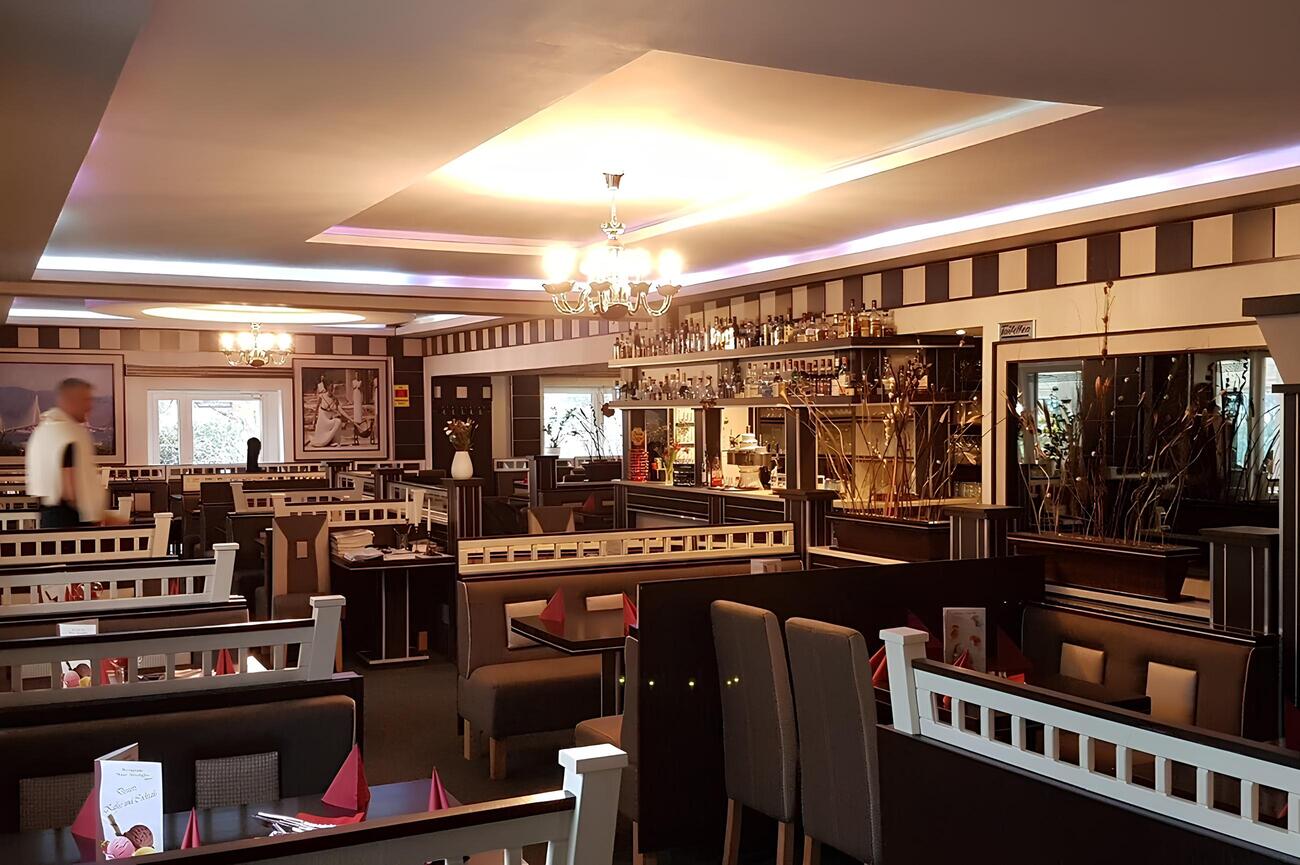
- Megas Alexandros: Offers a welcome change of cuisine within the Spreewald, while still feeling consistent in quality and atmosphere. The restaurant has a lively, welcoming setting that works well for both smaller tables and larger groups, and the menu is broad enough to give plenty of choice. Mixed grills, seafood and dishes such as Kleftiko make it a good alternative when you want a break from traditional German options without sacrificing a satisfying, well-rounded meal.
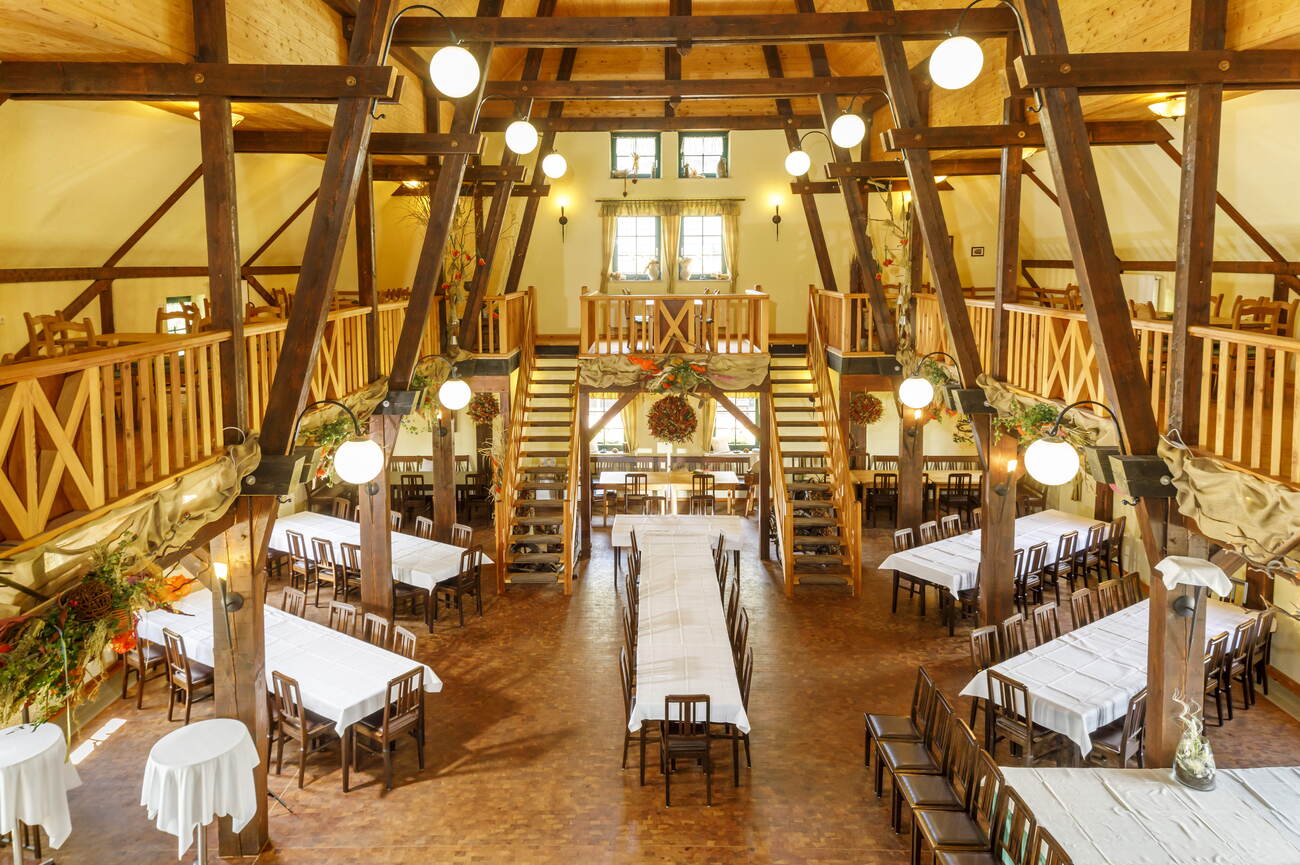
- Restaurant Kräutermühle Burg: Feels closely tied to the region in both setting and menu. Housed in a traditional timber-framed farmhouse, it reflects Spreewald’s rural character, with views of the working herb mill adding to the atmosphere. The kitchen follows the same regional approach, focusing on seasonal ingredients and familiar local dishes with slightly updated presentation, including options such as horseradish schnitzel and a Spreewald-style burger. In the afternoon, it also works well for coffee, Lusatian pancakes and homemade desserts, while the beer garden makes it an especially easy place to linger a little longer.
Where to Drink in Spreewald
Spreewald is not a nightlife destination in the traditional sense, but that is part of its appeal. Evenings here tend to be more relaxed and social, with bars and lounges that suit the slower pace of the region. Expect places where conversation matters, settings feel local and the atmosphere builds gradually rather than all at once.
- Toni’s Lounge: One of the more polished evening options in Lübben, with a terrace and relaxed setting that works well from early evening onwards. It leans more toward a lounge than a bar, with a focus on cocktails and an easy transition from dinner into drinks.
- Gaststätte zur Eisenbahn: A more traditional and rustic option, with warm interiors and a slower pace. It is well suited to a quieter evening, with straightforward drinks and a setting that encourages longer, more relaxed conversations.
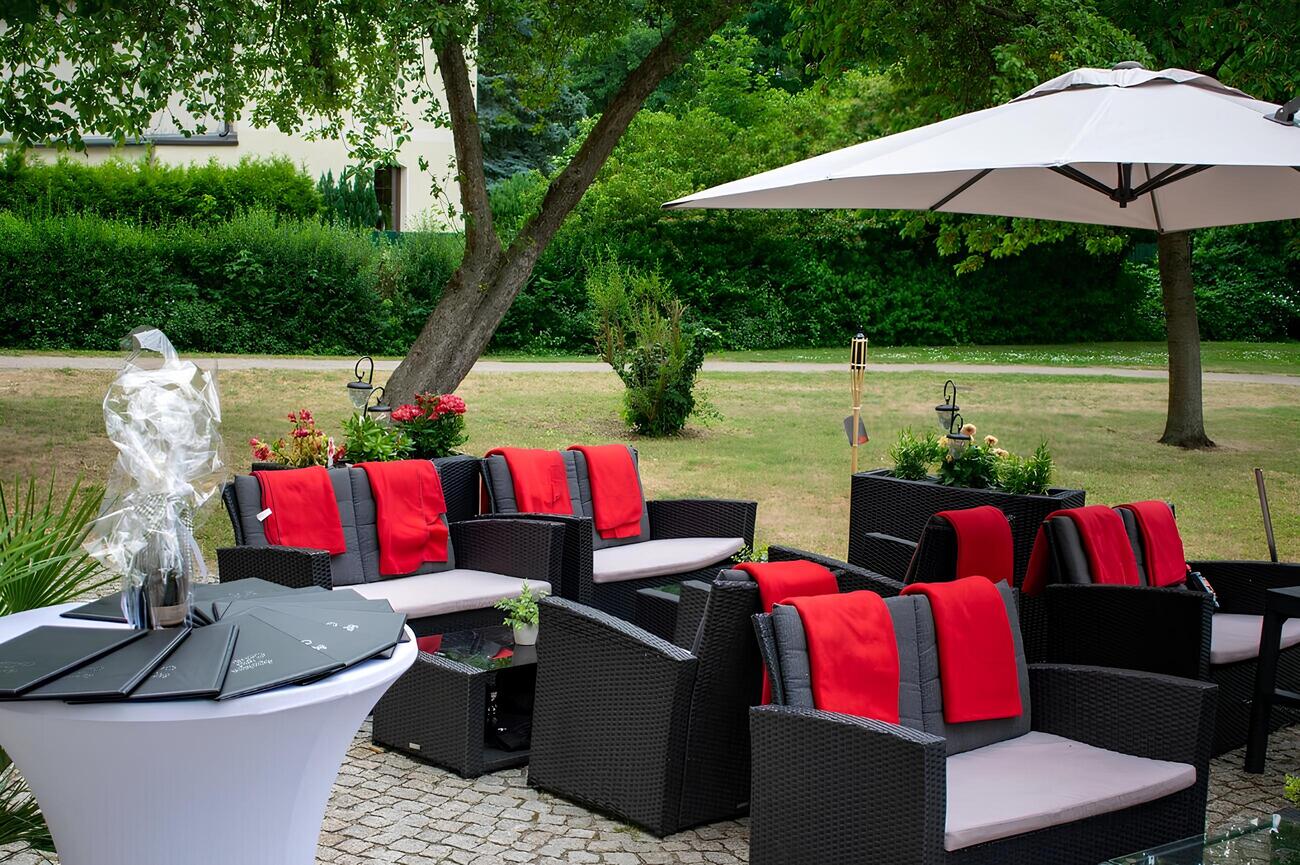
- Brenners Bauernschänke: Sits between a restaurant and an evening spot, making it a good choice if you want to combine both. The garden setting adds to the atmosphere, and it works particularly well for a slower evening with food and drinks together.
- Bruno’s Billard Kneipe: One of the livelier options in the area, with pool tables, occasional live music and a more energetic atmosphere. It remains informal and local in feel, making it easy to drop into without planning too much.
- Sepp’s Hofbar: A simple and effective beer garden setting, focused on local beers and an easy, outdoor atmosphere. It is a good place to end the evening, especially in warmer months when the garden space becomes the main draw. live music and a more energetic atmosphere. It remains informal and local in feel, making it easy to drop into without planning too much.
Cafes in Spreewald
Spreewald’s cafés tend to reflect the wider character of the region: relaxed, personal and easy to enjoy at a slower pace. Rather than polished chains or overly designed interiors, you are more likely to find independent spots with homemade cakes, simpler menus and settings that encourage you to stay a little longer.
- Café Liuba: A cosy café in Lübben that works especially well for a slower break. The atmosphere is warm and personal, but the real draw is the baking, with homemade cakes and regional favourites such as Stachelbeerkuchen and Plinsen standing out.
- Café Fontane: A quieter option in Lübbenau, with a more tucked-away feel and courtyard seating that suits a longer pause. The menu covers light meals, cakes and coffee, making it flexible enough for either lunch or an afternoon stop.
- Café Geschichtsstübchen: A charming café in Burg set within a historic building, with a garden that adds to the atmosphere in warmer months. Regional specialities, homemade cakes and Plinsen give it a stronger local character, while the setting makes it feel especially welcoming.
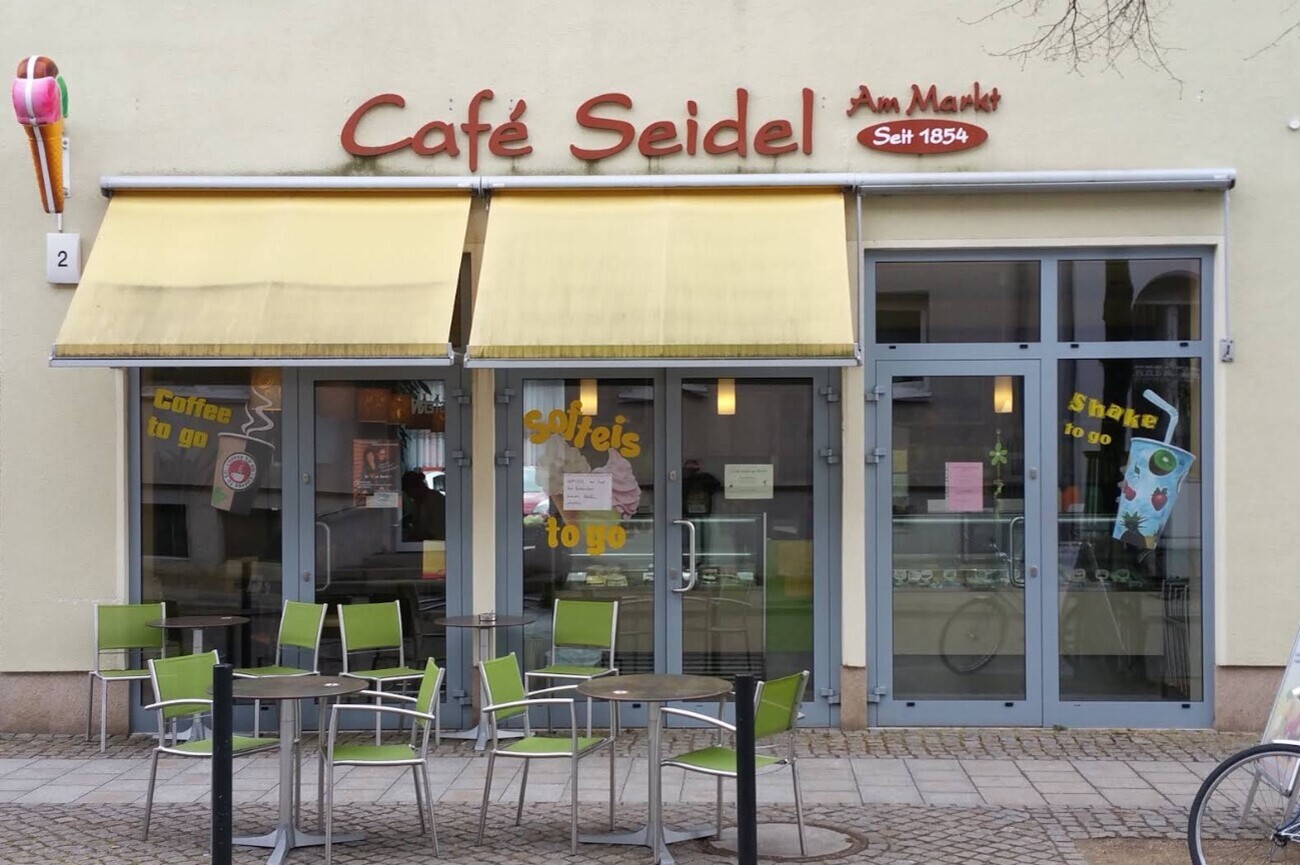
- Eiscafé Seidel am Markt: A good choice near the centre of Lübben if you want something lighter and sweeter. Known for its homemade ice cream, generous portions and relaxed atmosphere, it works well as an easy stop during a walk through town.
Where to Stay in Spreewald
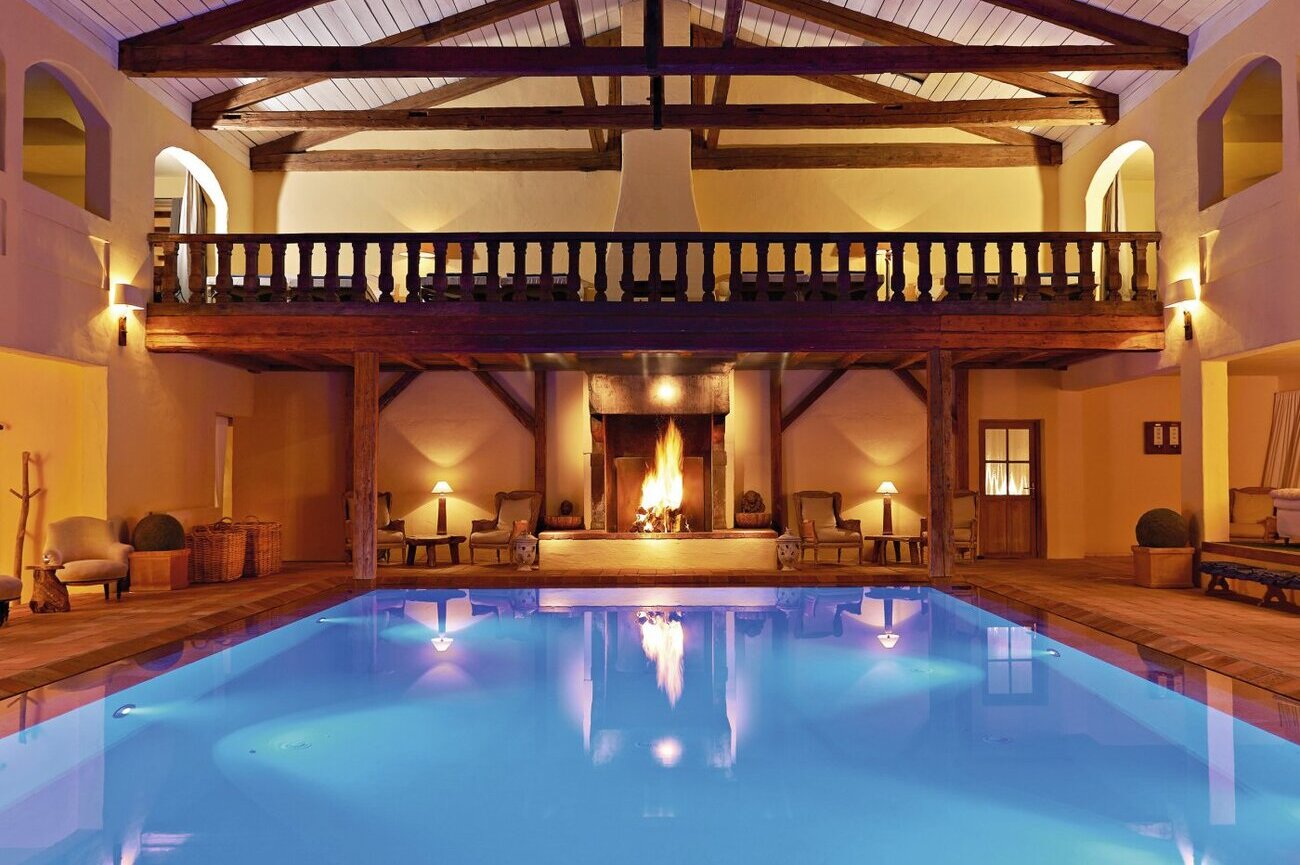
- Bleiche Resort & Spa (5 stars): One of the most refined places to stay in the Spreewald, Bleiche Resort & Spa combines a high standard of comfort with a setting that remains closely connected to the landscape around it. Located in Burg and surrounded by forest, it feels secluded without becoming remote, making it especially well suited to a slower and more restorative stay. The rooms are understated and calm in style, while the wellness facilities, including a heated pool, saunas and a wide range of treatments, form a major part of the experience. An on-site French restaurant adds another layer of refinement, offering a contrast to the more traditional regional dining found elsewhere in the area.
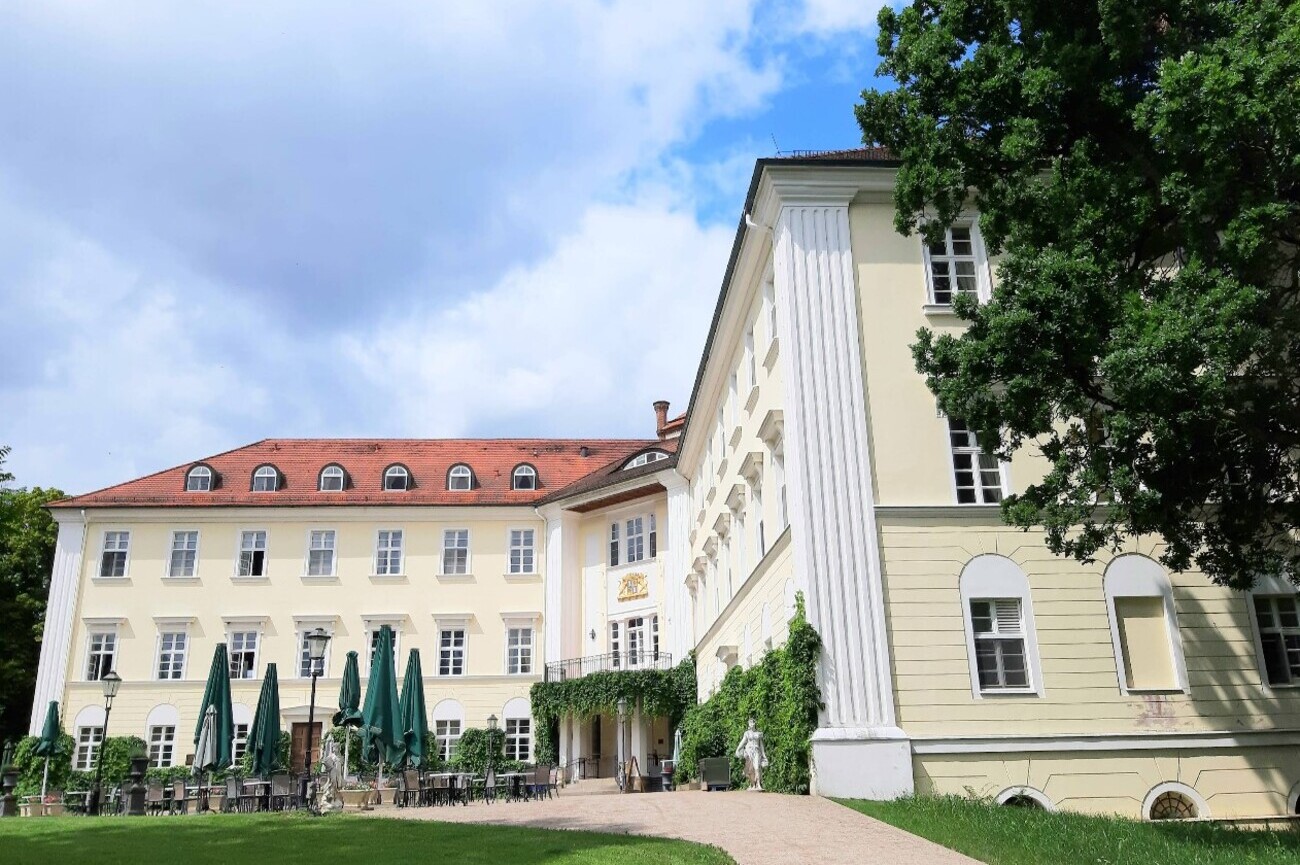
- Schloss Lübbenau (4 stars): Offers the experience of staying within a historic setting rather than simply near it. This 4-star castle hotel is set within landscaped parkland, with mature trees and quiet pathways that give it a more secluded and relaxed atmosphere. The building reflects its long history, but the stay itself remains comfortable and accessible rather than overly formal. Rooms and suites are individually designed, adding a more personal feel, while the on-site LINARI restaurant and bar fit naturally within the setting. A small wellness area located within the historic vaults adds an additional point of interest.
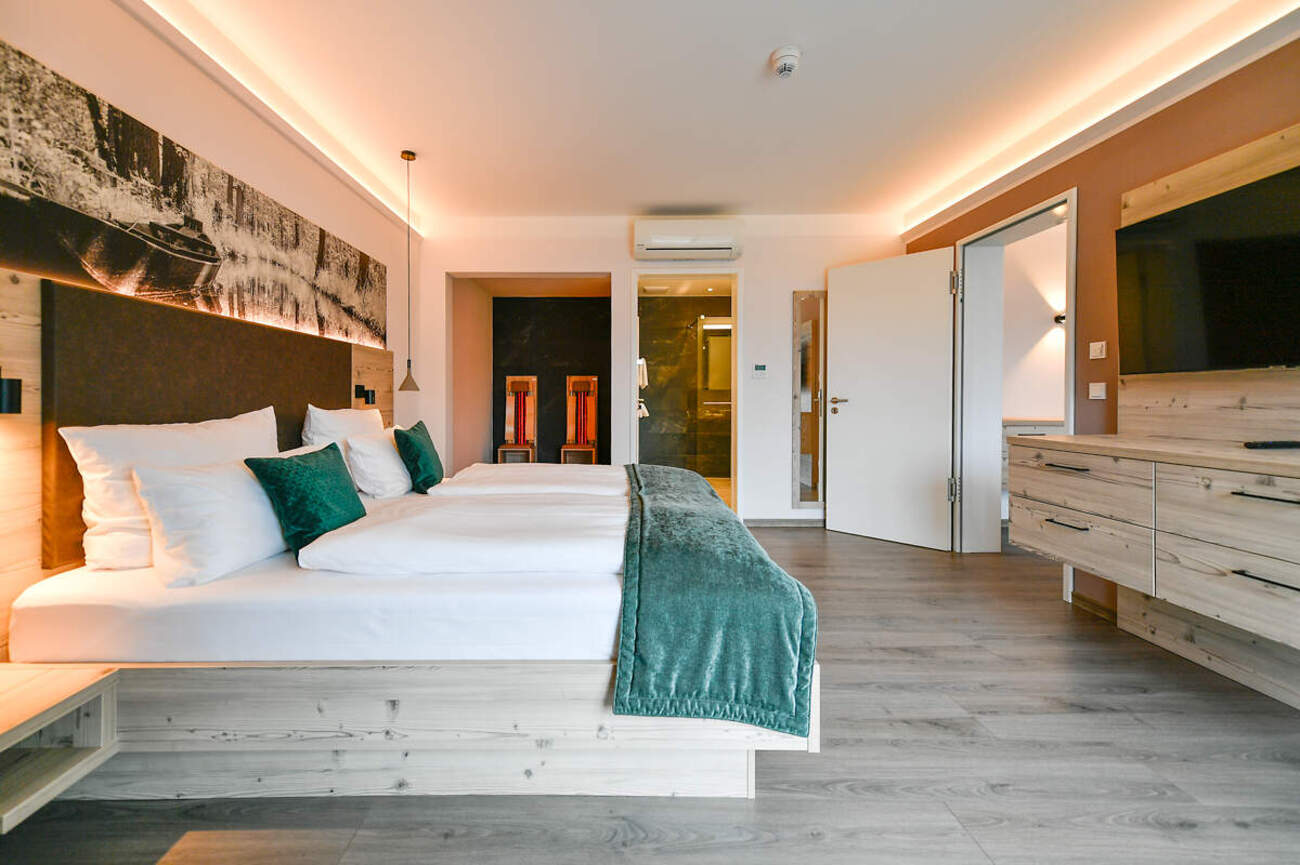
- Landhotel Burg im Spreewald – Resort & Spa (4 stars): A strong option if you want to feel fully immersed in the Spreewald rather than simply based nearby. Located in Burg and surrounded by forest and waterways, this 4-star resort-style hotel works well as a self-contained stay, particularly for longer and more relaxed visits. Rooms range from standard categories to suites and apartments, all focused on comfort and ease. The wellness facilities are one of the main draws, with saunas, steam baths, indoor and seasonal outdoor pools, and a full treatment offering. The hotel also makes it easy to explore the region directly from your base, with options such as bike hire, boat experiences and horse-drawn carriage rides.
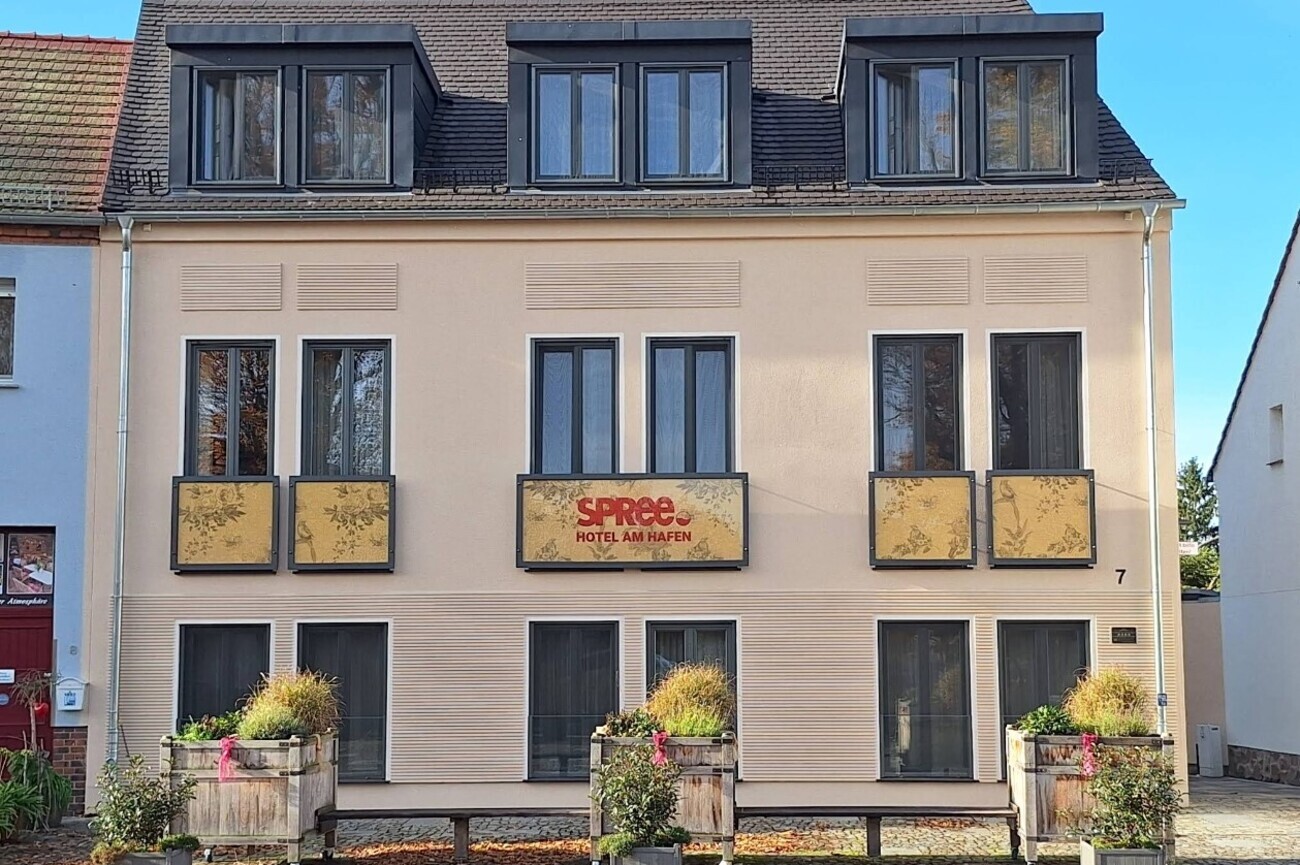
- SPREE. Hotel am Hafen (4 stars): A modern 4-star hotel in Lübbenau, opened in 2023 and positioned directly beside the town’s main harbour. The location makes it especially convenient for boat tours, cycling routes and easy access to the old town, so the stay feels closely tied to the core Spreewald experience from the moment you arrive. The design is clean and contemporary, with rooms that feel fresh, practical and well planned. Its restaurant also adds convenience while staying connected to the regional setting.
- Spreewelten Hotel (4 stars): Spreewelten Hotel has a more distinctive character than many other stays in the region, shaped by its direct connection to the Spreewelten water and wellness complex. That means your stay includes easy access to pools, saunas and one of the region’s more unusual features, views of Humboldt penguins swimming alongside the bathing areas behind glass. The rooms are spacious, modern and designed with comfort in mind, especially after time spent in the water or spa facilities. Wellness treatments, saunas and relaxation areas also help balance the more playful side of the experience.
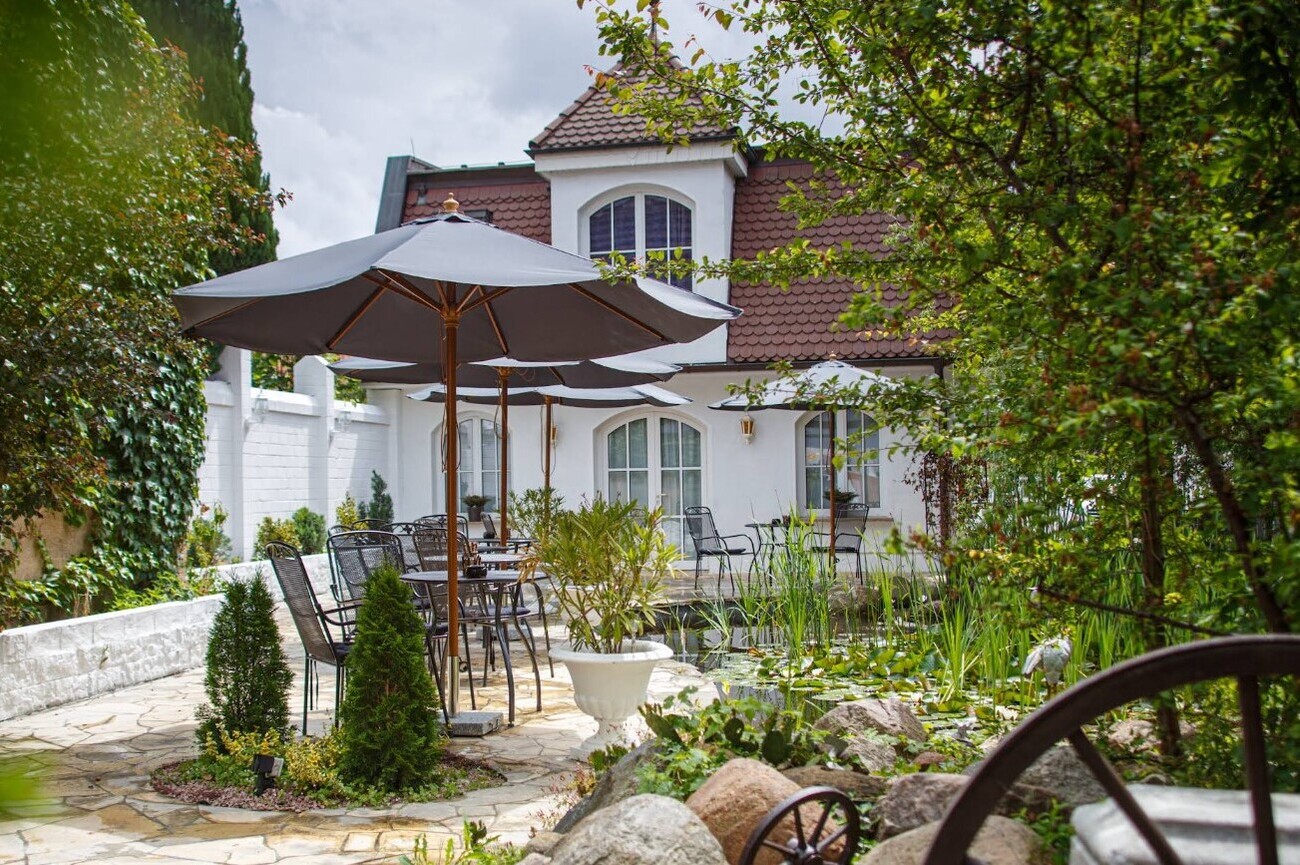
- Spreezeit Hotel (3 stars): A family-run 3-star hotel that does simplicity well. Located around a 15-minute walk from Lübbenau’s Old Town, it offers easy access without placing you in the busiest part of town. The garden, terrace and small pond add a quieter atmosphere from the start, while the rooms remain straightforward but comfortable, with details that reflect the more personal character of the property. Breakfast and dinner are served on site, and a small bar area makes the evenings easy and relaxed.
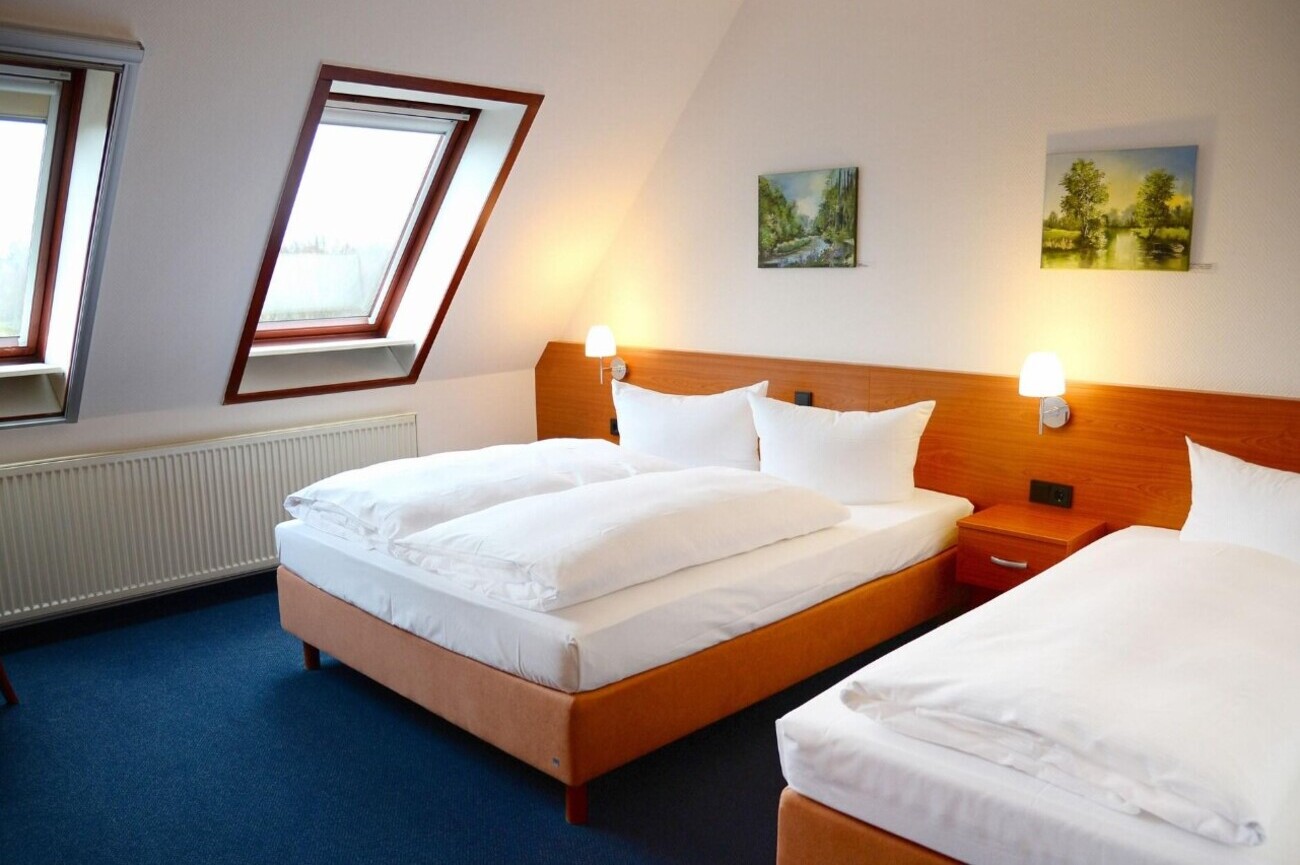
- Hotel Spreewaldeck (3 stars): A centrally located 3-star hotel in Lübbenau that works well as a practical base for exploring the region. Its position near the harbour, cycling routes and key local sights makes day-to-day movement easy, which is part of its appeal. The on-site restaurant serves traditional German cuisine, and breakfast is available, keeping the stay simple and convenient.
Best Time to Visit Spreewald
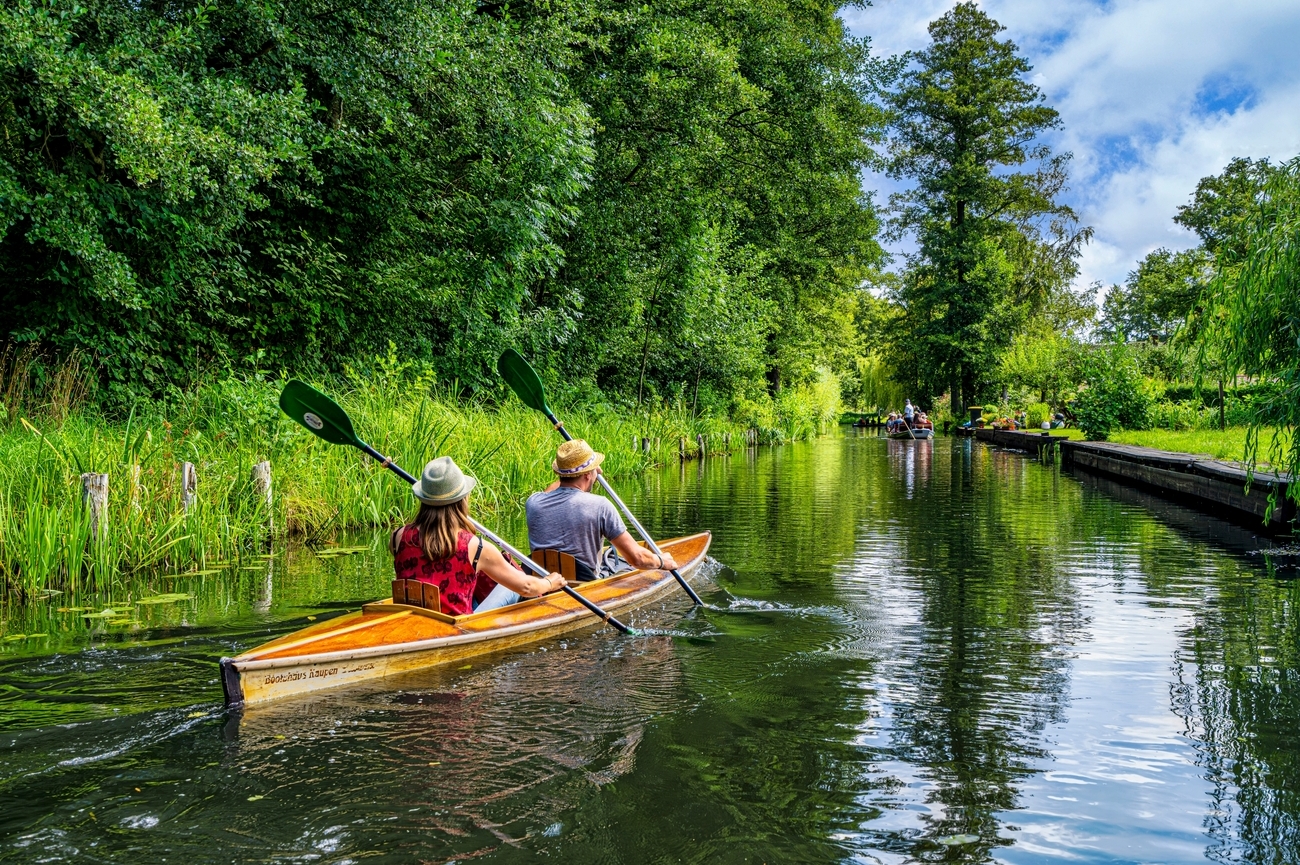
The best time to visit Spreewald is from May to June, when the landscape is at its freshest and the region is easier to enjoy without the heavier crowds of peak summer.
During late spring and early summer, the canals are framed by bright greenery, the weather is generally mild and the longer daylight hours make boat rides, cycling and walking especially pleasant. This is also a good time to experience the region at a balanced pace, with enough activity to give the area atmosphere, but without the busier feel that can come later in the season.
The wider landscape is particularly appealing at this time of year, with clear views, comfortable temperatures and a quieter sense of movement across the waterways and villages. It is one of the best periods to enjoy Spreewald in a way that feels both relaxed and well-paced.
Christmas Markets in Spreewald
- Advent Market in Burg: Feels a little more lively than some of the smaller Christmas stops in the region, but still keeps a local and welcoming atmosphere. Set in the centre of Burg, it combines artisan stalls, regional specialities and a stage programme that adds music and activity without overwhelming the setting. It works well because it remains grounded, with both locals and visitors giving it a more authentic feel.
- Maritime Harbor Christmas: Set directly by the harbour, this market makes the most of its waterside location. Reflections on the canals, boats nearby and a more compact layout give it a stronger sense of place than a larger town-square market. The setting is part of the appeal, but the food stands out too, with options such as smoked fish, Christmas pancakes and mulled wine making it an especially enjoyable stop.
- Spreewaldweihnacht: One of the most distinctive Christmas experiences in the region. From Lübbenau harbour, the visit begins with a lantern-lit boat ride through darkened canals to Lehde, which immediately sets the tone. Held within the 19th-century Lehde Open-Air Museum, the market feels especially atmospheric, with wooden houses, regional food, Sorbian crafts and traditional baking adding to the sense of place. The presence of artisans working on site also gives it a more genuine and immersive character.
Festivals in Spreewald
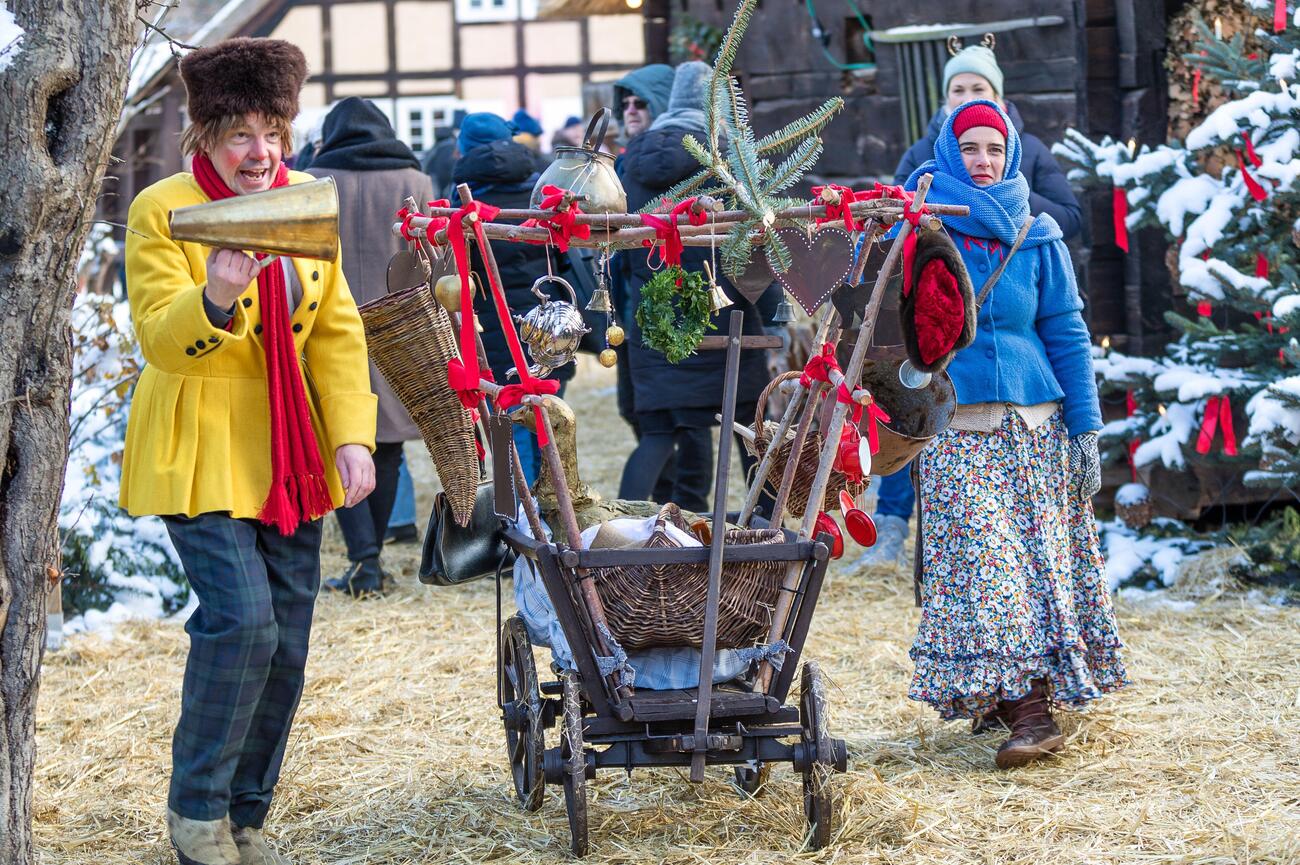
- Sorbian Carnival (Zapust): Held in February or early March, Zapust is one of the region’s most distinctive traditional celebrations, marking the end of winter through Sorbian processions, music and costume. Horse riders, local bands and village gatherings make it especially memorable in and around Burg, where the event feels both festive and deeply rooted in regional identity.
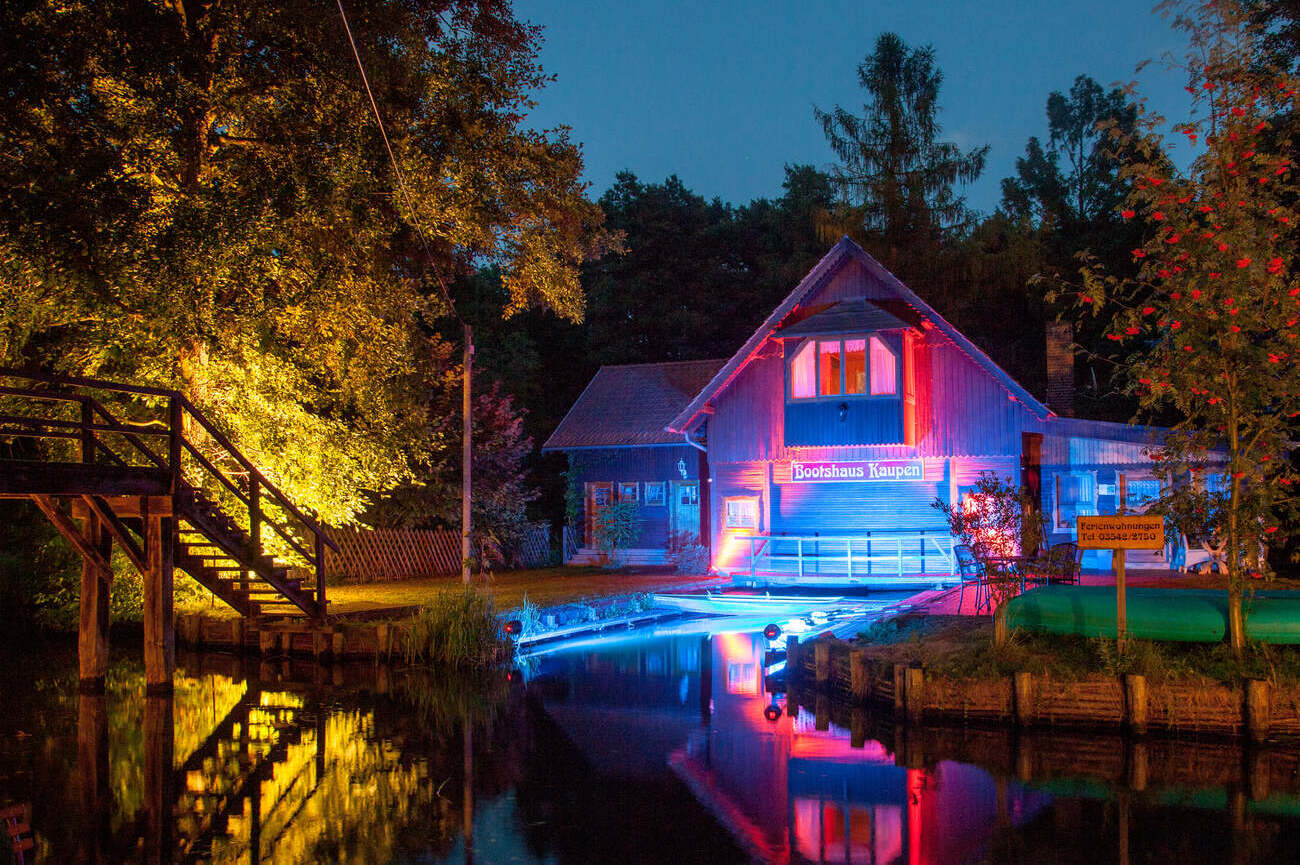
- Spreewälder Lichtnächte: Held on selected evenings in August, this event transforms parts of the Spreewald with artistic light installations reflected across canals, trees and open spaces. The atmosphere is more immersive than busy, with the lighting gradually changing the familiar landscape into something more atmospheric and visually striking.
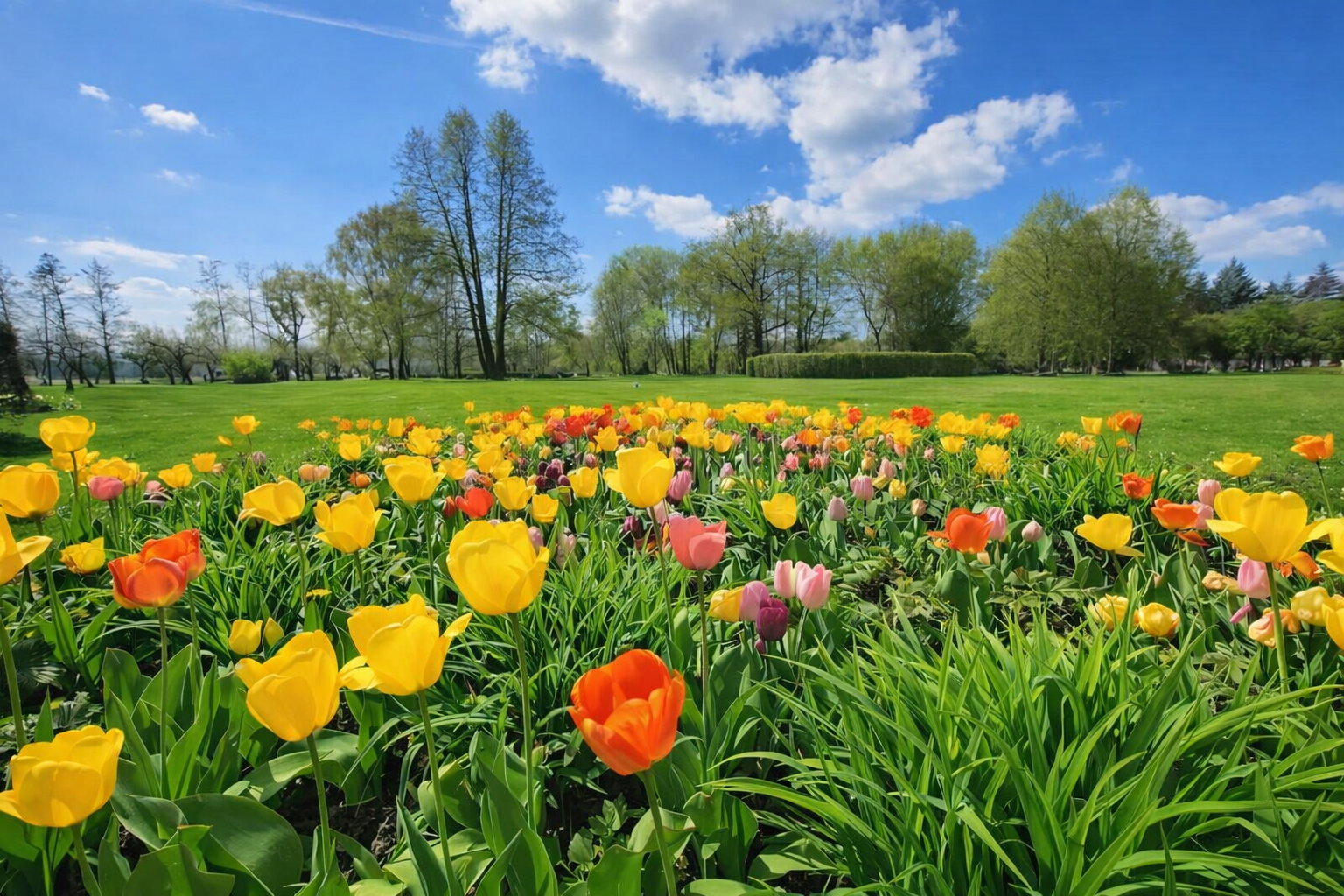
- Tulip Festival: Taking place in spring, usually in April, the Tulip Festival adds a different kind of colour to the region, with gardens and green spaces filled with seasonal planting. It is a lighter and more visual event, best enjoyed at a slower pace through walking routes and open-air stops.
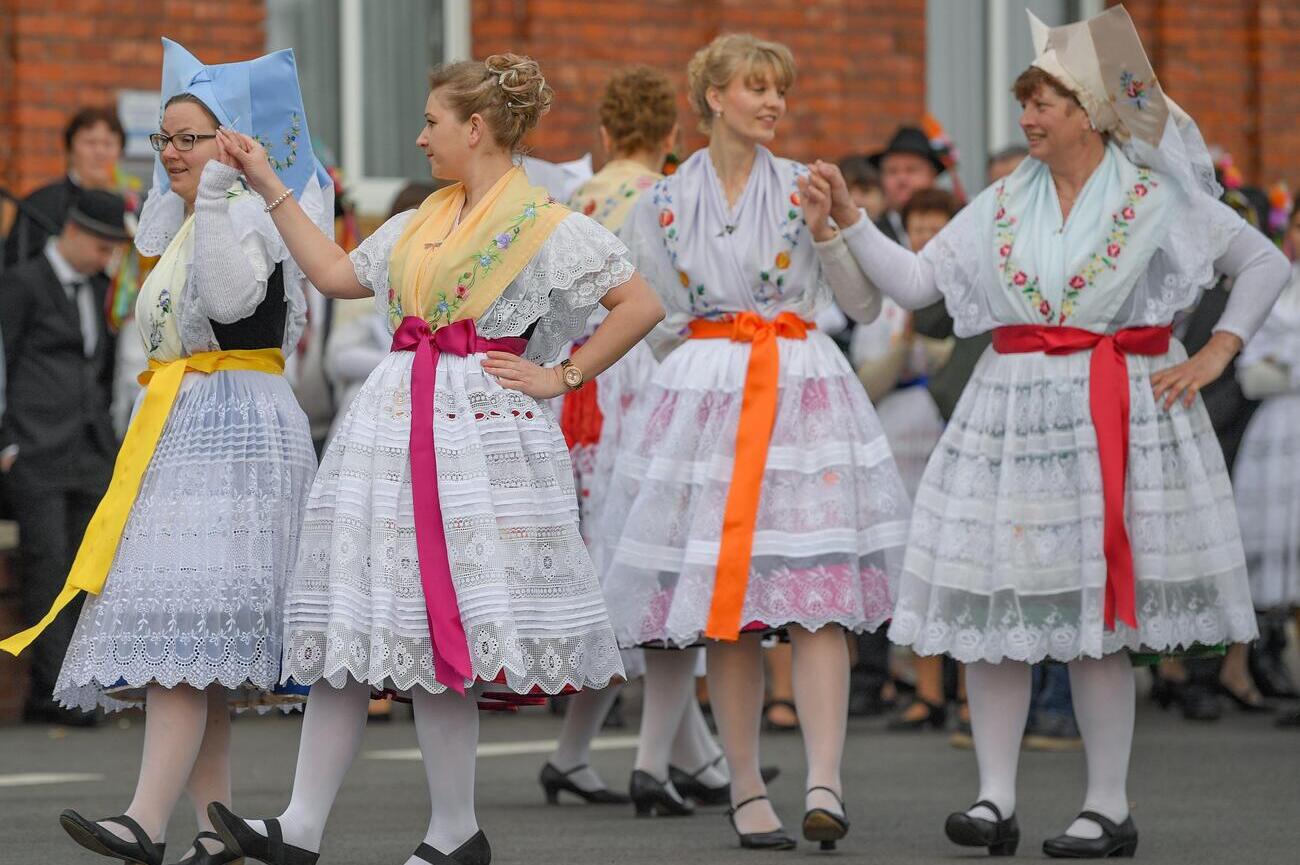
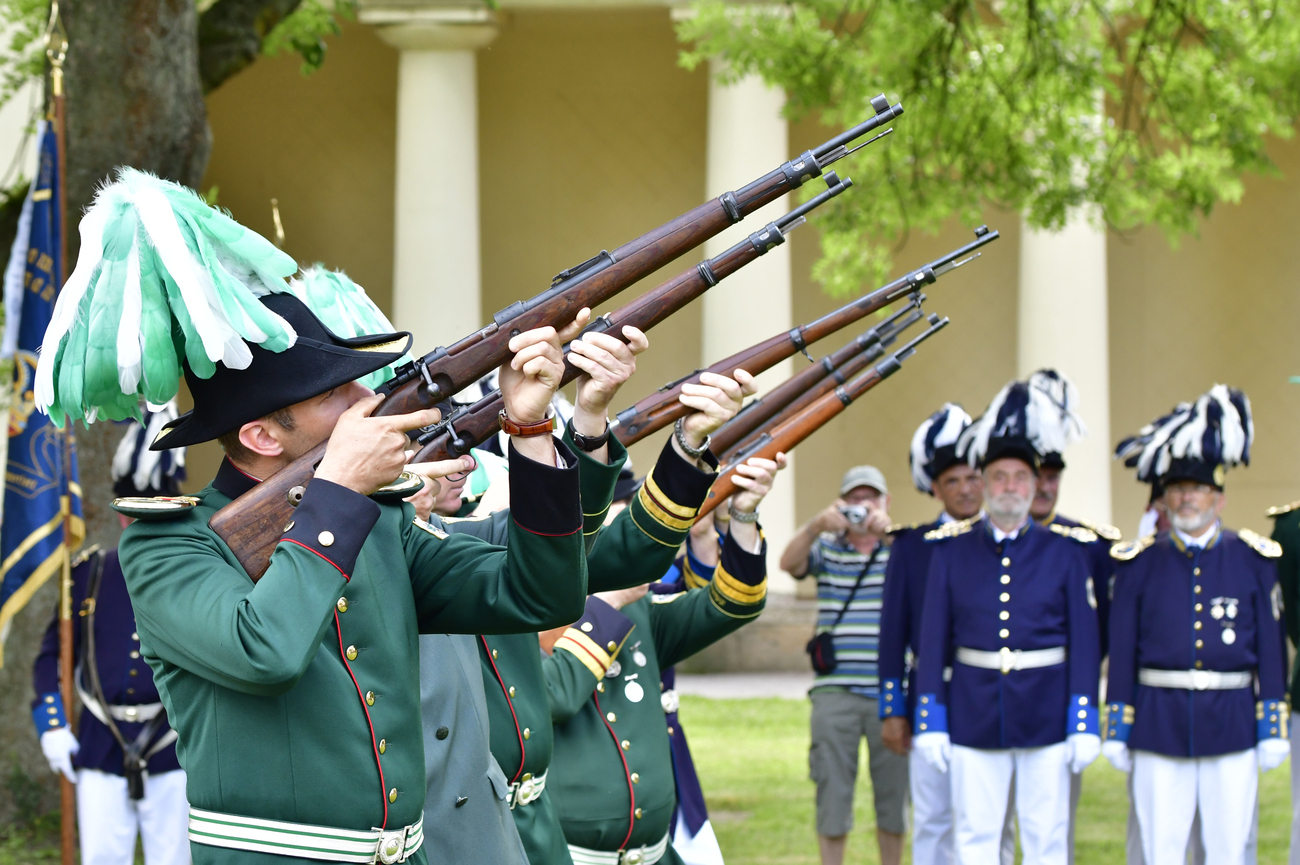
- Spreewald & Shooting Festival: Usually held in June, this festival combines local shooting traditions with parades, music and community events. It has a more structured format than some of the region’s other celebrations, but still keeps a social and accessible atmosphere.
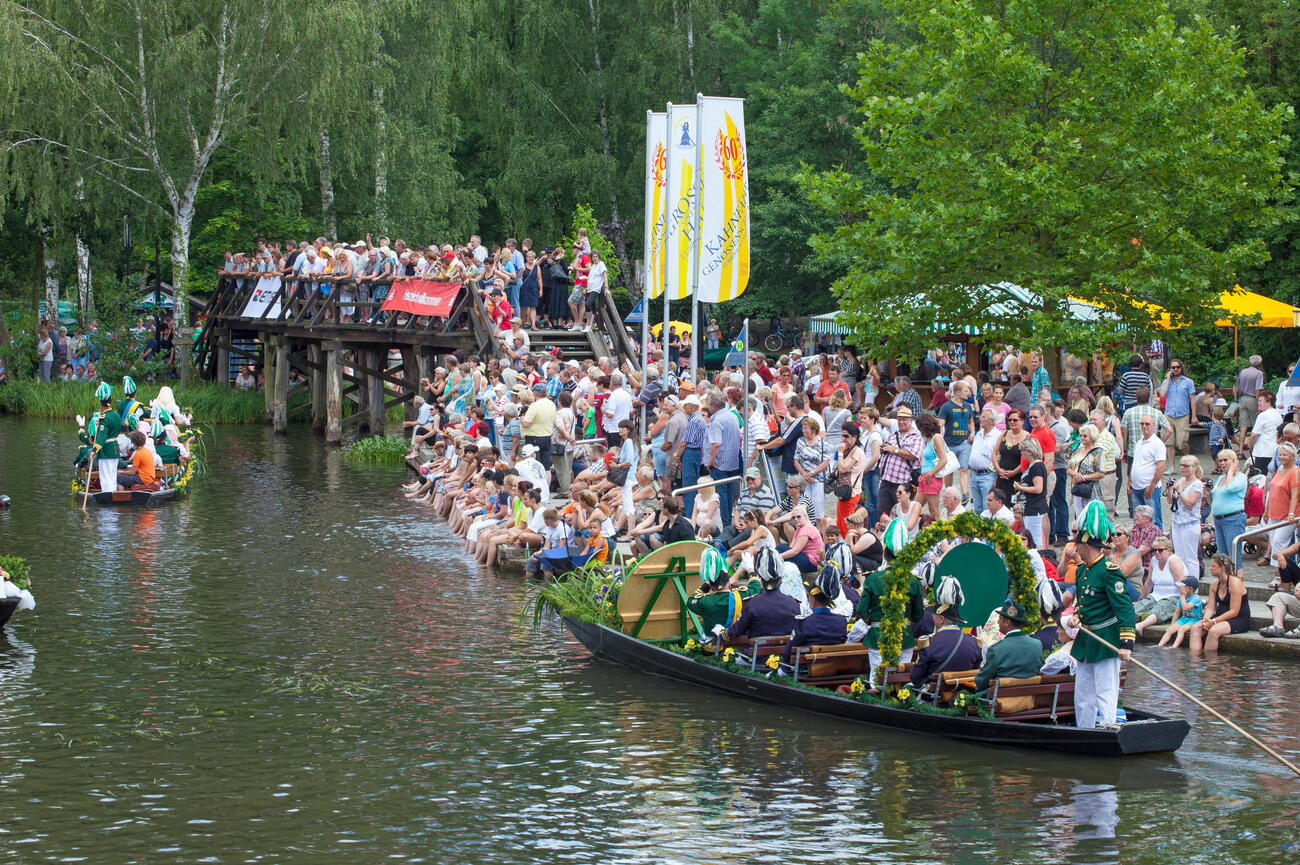
- Spreewald Festival in Lübben: Held in July, this is one of the larger summer events in the region, with music, performances, food stalls and activities spread across Lübben. The canals, parks and open public spaces all become part of the setting, giving the festival a more open and varied feel.
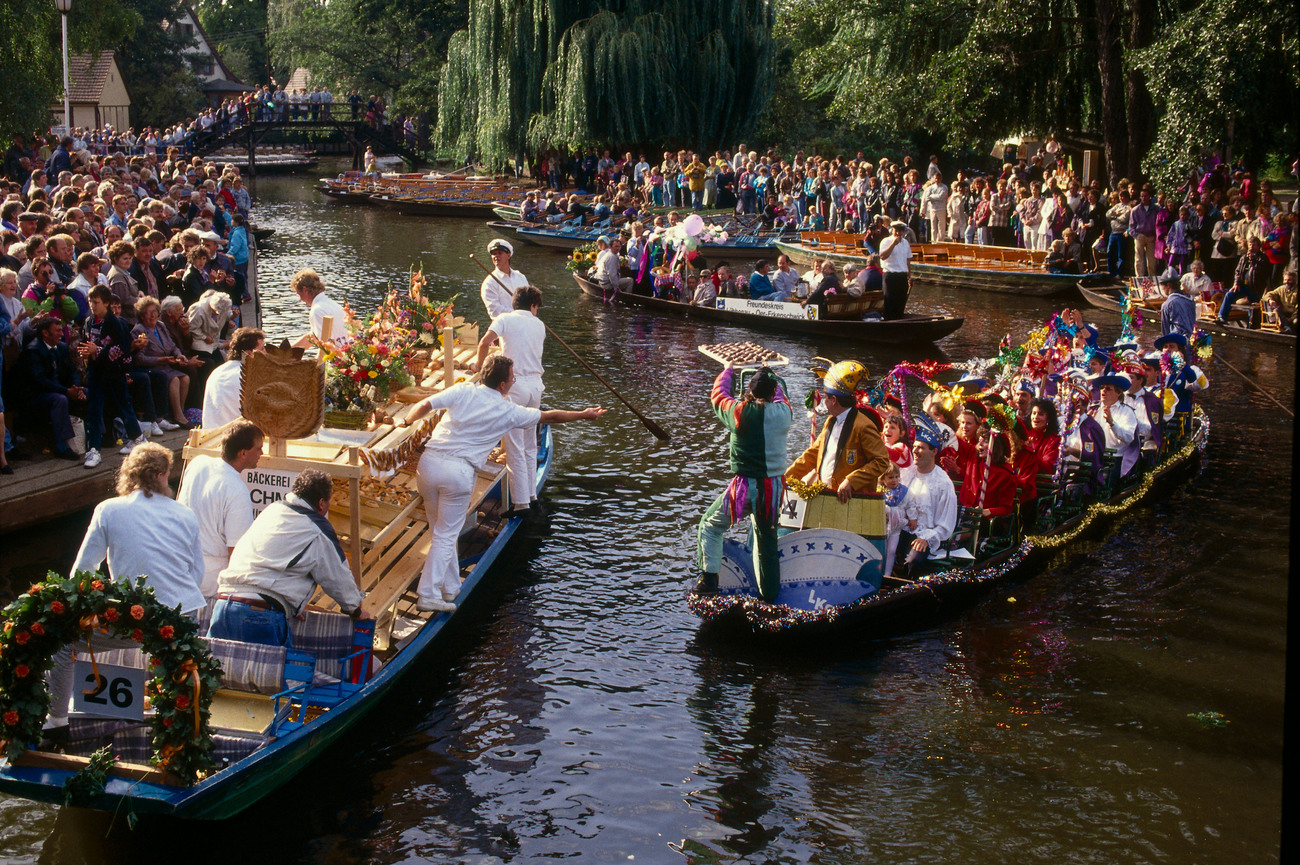
- Lehde Festival: Taking place in August, the Lehde Festival brings extra life to one of the Spreewald’s most distinctive villages without losing its character. Decorated wooden boats, music and local activity move through the canals and streets in a way that feels closely tied to the setting, making it one of the more atmospheric events in the region.
From the silent canals of Wotschofska to the architectural surprises in the forest, the Spreewald is best experienced when someone else is at the helm. If you're looking for a vacation that feels less like a checklist and more like a curated storyline, we specialize in making that happen. Get in touch to start planning your private Spreewald escape.


Let us know what you love, where you want to go, and we’ll design a one-of-a-kind adventure you’ll never forget.
Get in touch
Miriam
Travel Specialist

Romina
Travel Specialist

Laura
Travel Specialist
Our offices:



Revigorate, Iberian Escapes and Algarve Lifestyle are the registered brand names of APCS Lda . We are a fully authorised travel agency licensed by Turismo de Portugal RNAVT/6867.
In the event of a dispute, the consumer may refer to: RAL - Centros de Arbitragem
Avª. 5 de Outubro, nº. 55, R/C Dtº. 8000-075 Faro, Portugal | Tel: +351 289 823 135 *
* national landline call
E-mail: info@consumoalgarve.pt| www.consumidoronline.pt | Mon to Fri: 9:00 - 13:00 / 14:00 - 17:00