Things to Do in Zhangjiajie: 4-Day Itinerary
Zhangjiajie is not for the faint of heart, not because it’s dangerous, but because it challenges you. It asks you to step onto glass walkways with steady breath (even if your palms are slightly sweaty), to look down into misty canyons without second-guessing yourself, and to keep climbing when the mountain makes you work for the view.
But don’t worry, this four-day itinerary is designed to push you without exhausting you. You’ll begin with the cinematic beauty of Tianmen Mountain. Then venture deeper into Wulingyuan, where valleys, towering sandstone pillars, and forest trails start to feel almost otherworldly. Between the adrenaline highs, you’ll experience moments of peace: quiet lakes, ancient towns, hidden caves, and glimpses of Tujia culture that bring warmth and contrast to the rugged landscapes.
By the end of four days, you won’t just have seen Zhangjiajie, you’ll feel like you’ve truly experienced it.

Day 1

Morning: Tianmenshan Cableway
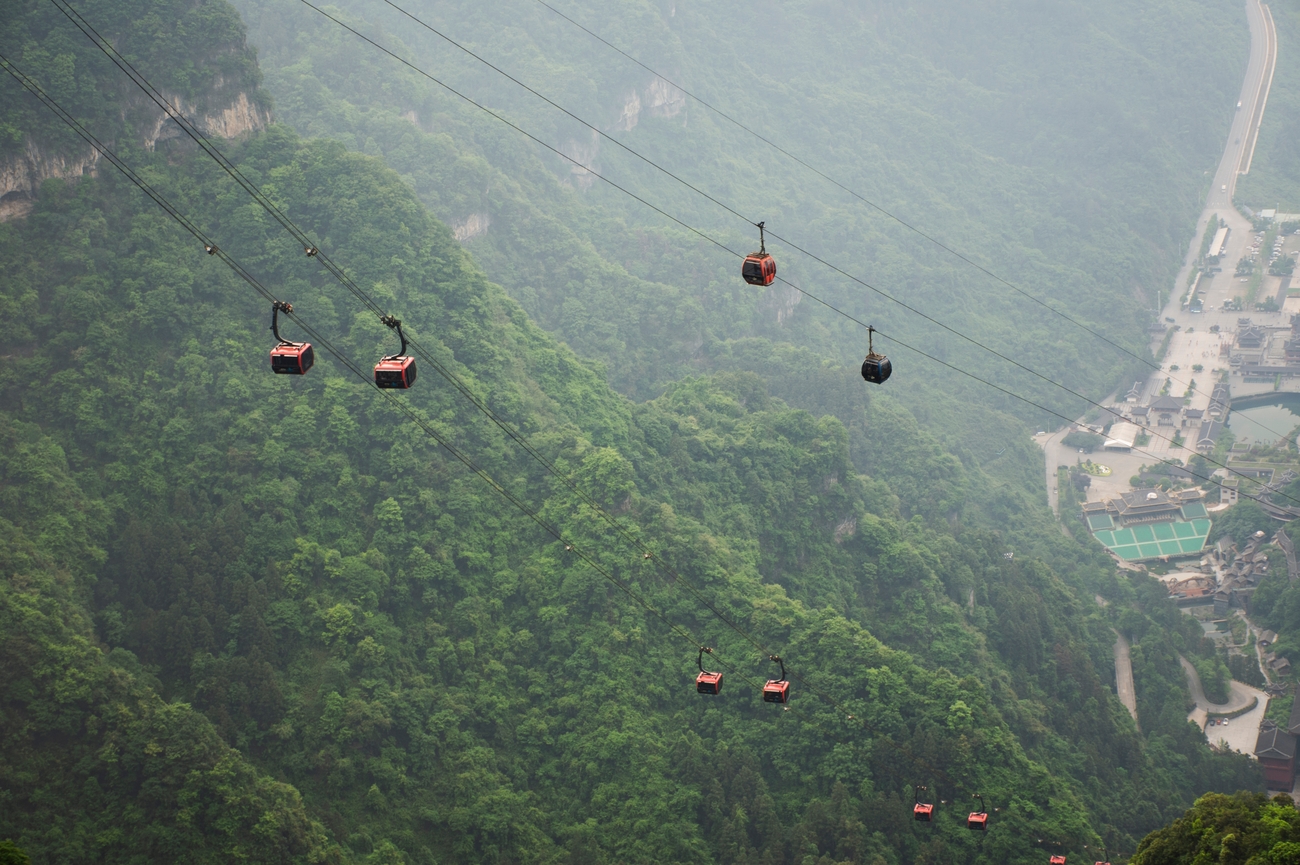
Begin your day in Zhangjiajie with an unforgettable cable car ride up Tianmen Mountain. The Tianmenshan Cableway is one of the longest high mountain passenger cableways in the world, stretching about 7,455 metres and taking you from downtown Zhangjiajie to the summit in roughly 28 to 30 minutes. Enjoy the breathtaking views unfold beneath you as you glide upward. From the cabin, you can see the 99 Bends of Heaven-Linking Avenue and distant glimpses of Tianmen Cave. The ride may feel scary at first, but trust me, any nerves quickly fade as the scenery takes over. This cable ride is the best introduction to the attractions that await you here in Zhangjiajie.
Tianmen Mountain
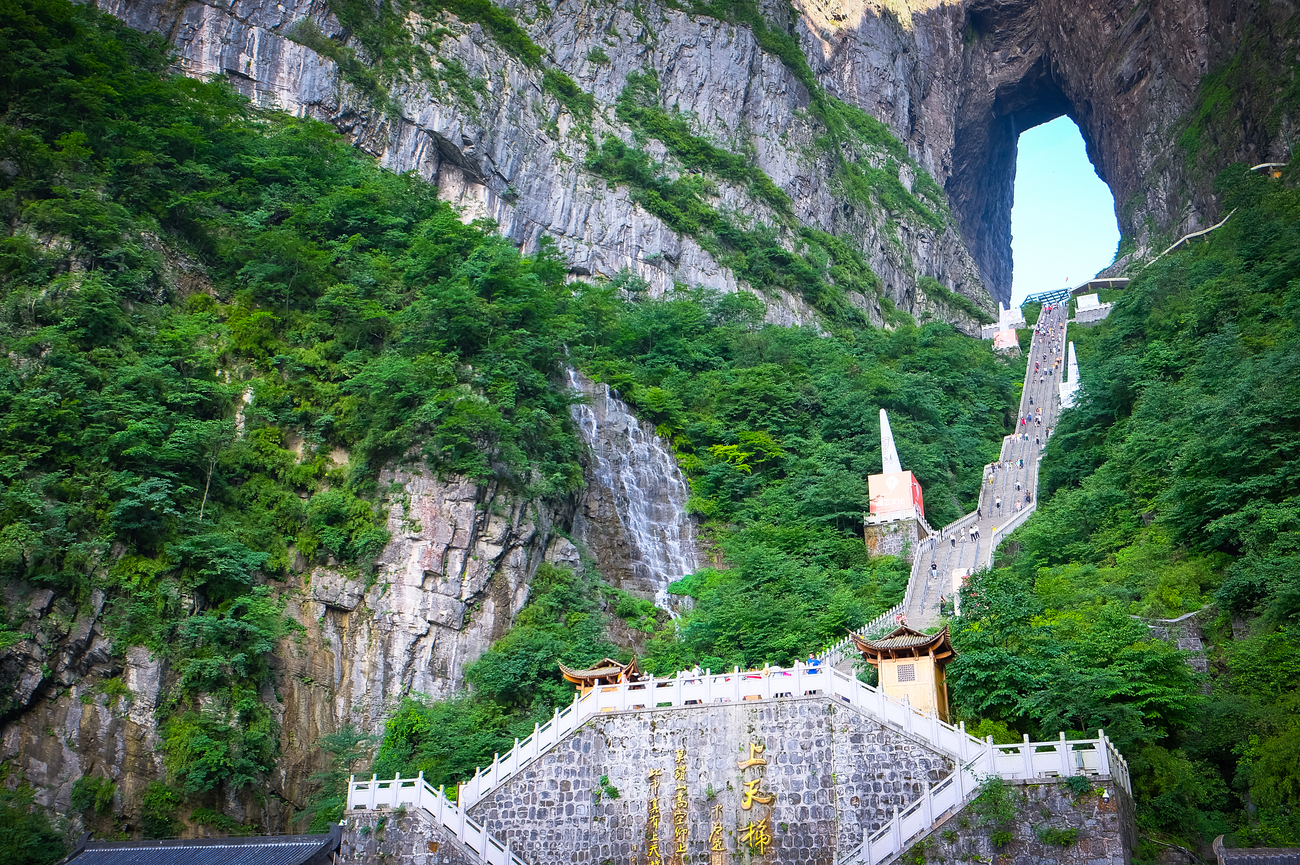
Also known as Tianmen Shan, Tianmen Mountain is often called the “Soul of Zhangjiajie.” This majestic limestone peak is renowned for its dramatic vertical cliffs and the iconic natural arch known as Tianmen Cave, or Heaven’s Gate.
Depending on the cable car ticket you choose, your route through the mountain will differ. Line A takes you directly from the city to the summit area, allowing you to explore the top first before descending via escalators to Tianmen Cave. Line B, on the other hand, brings you to the lower area, where you can take a shuttle bus or express cableway to the cave, climb the famous 999 steps up to Heaven’s Gate, and then ride escalators to the summit.

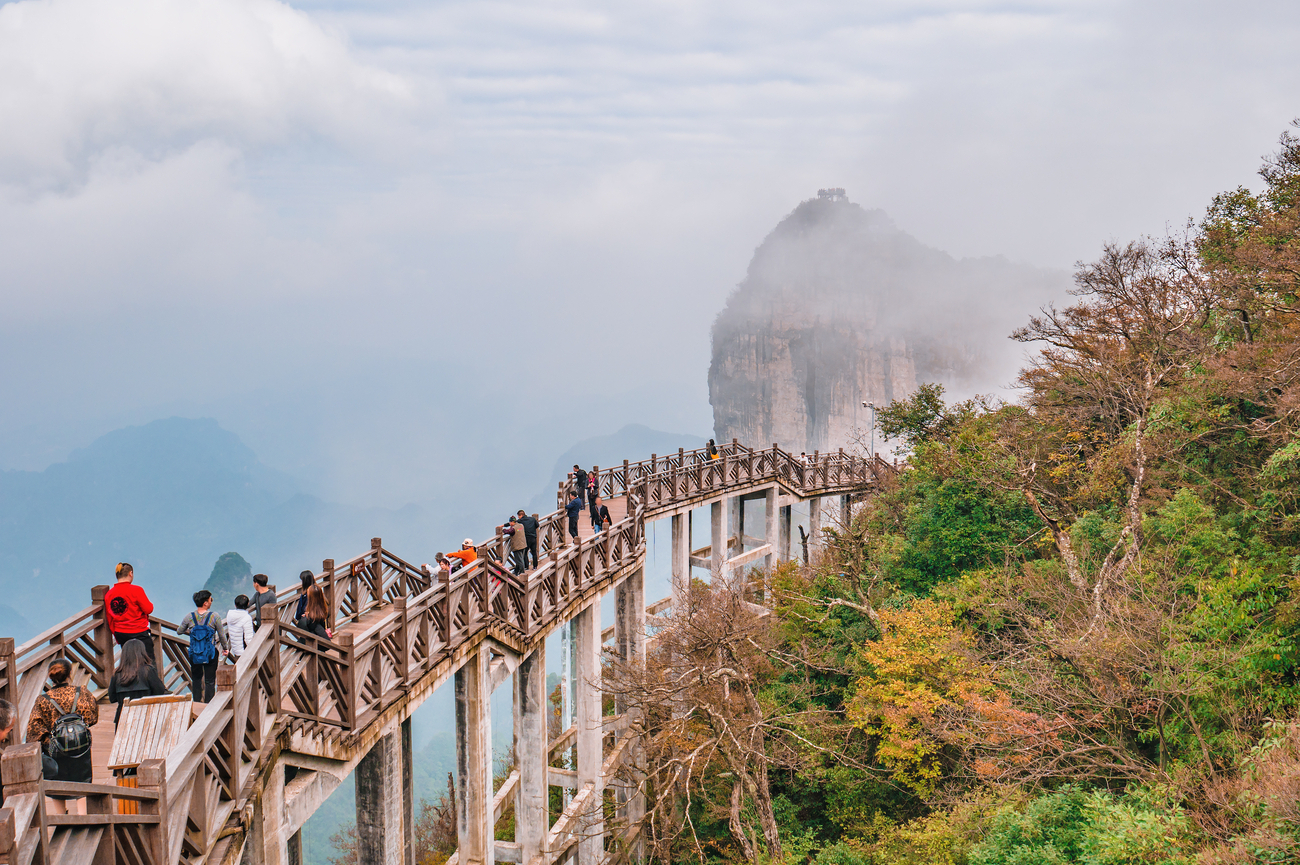
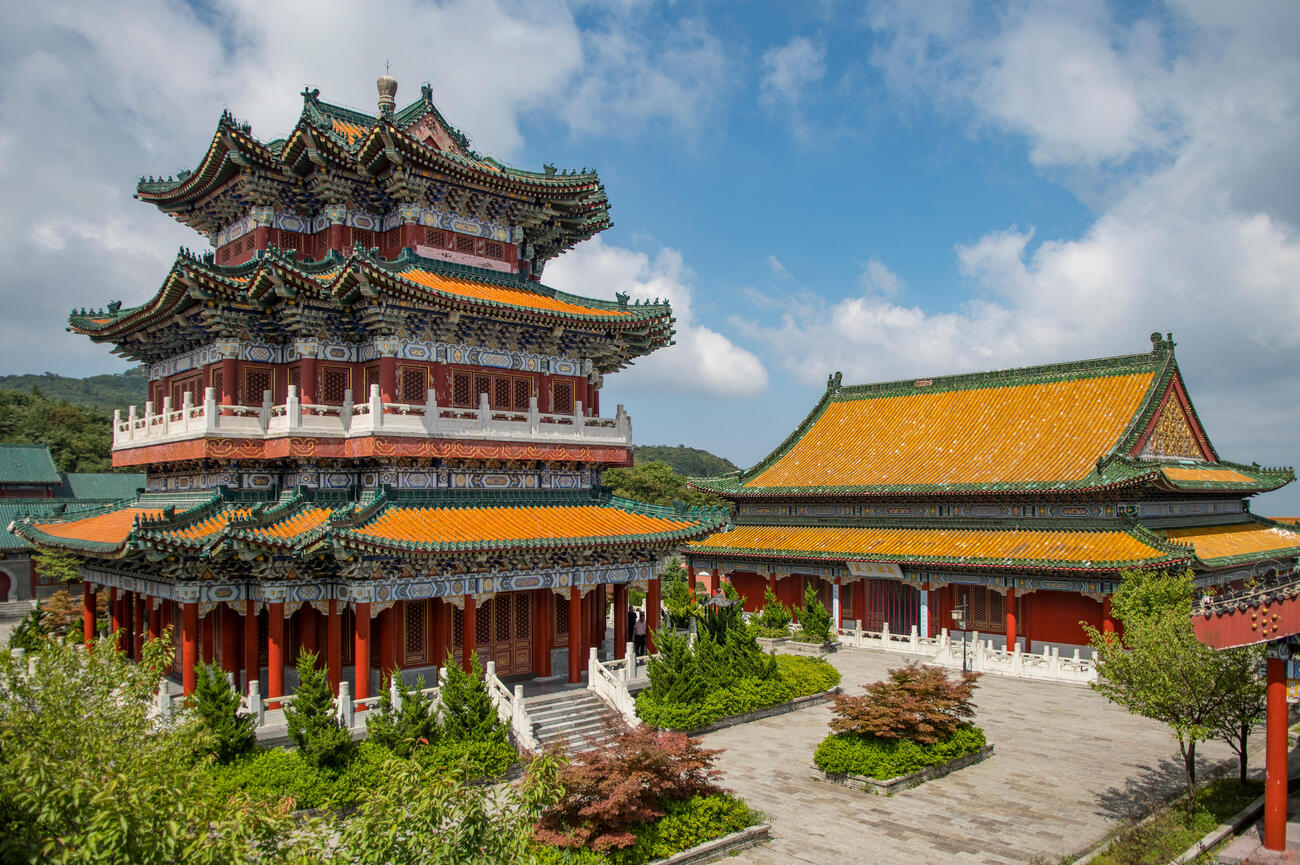
At the summit, several high altitude attractions await you. Test your nerves on the Glass Skywalks, where a transparent pathway suspended about 1,400 metres above the ground offers palm-sweating views (just don’t look down, and you’ll be fine). The Ghost Valley Plank Road is a cliffside walkway carved into the mountain itself, while Tianmen Mountain Temple, a grand and ornate Buddhist complex, provides a peaceful contrast to the adrenaline-filled cliff walks. If you want to take it a step further and officially “conquer” the mountain, head to Yunmen Fairy Peak, the highest point, just follow the signs for Yunmeng Fairy Summit.

Afternoon: 72 Qilou
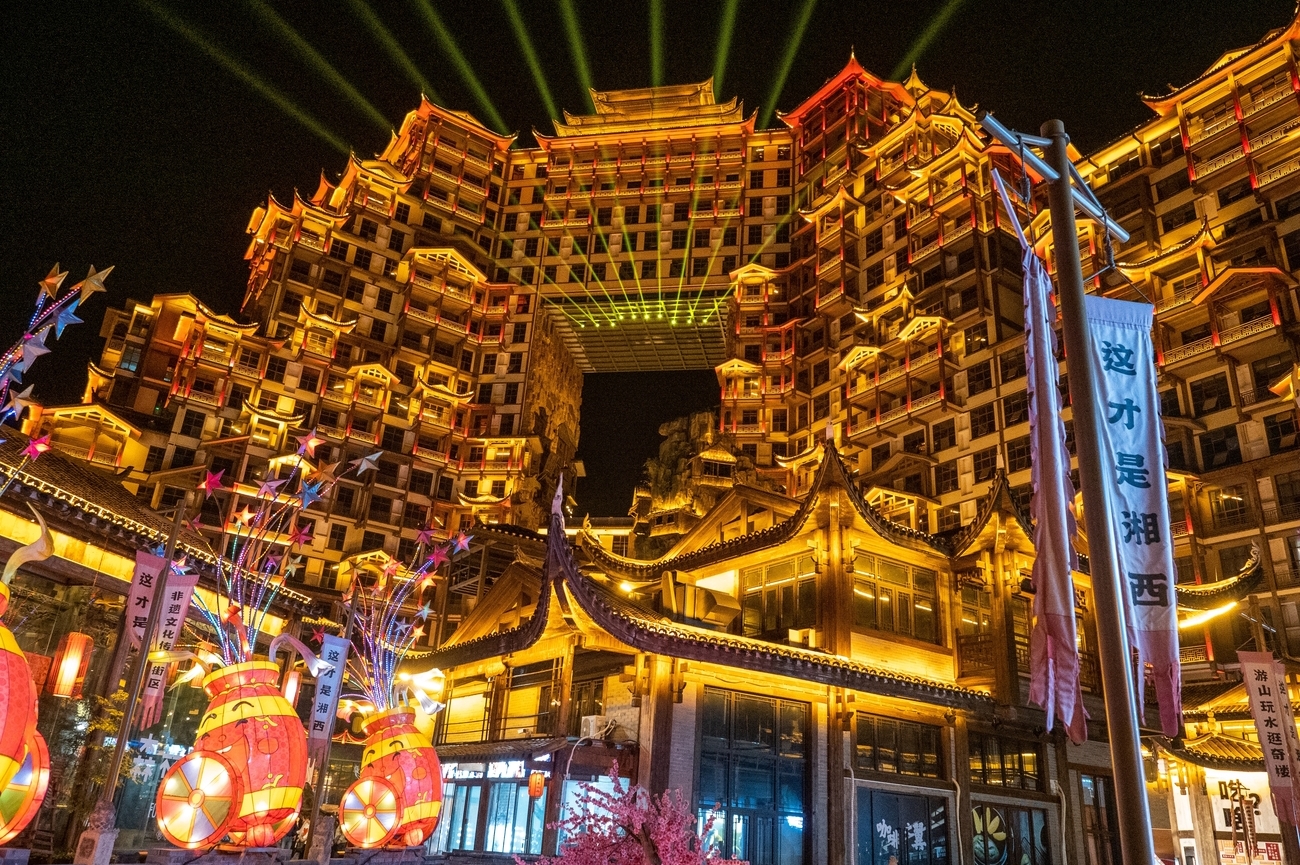
After a breathtaking exploration of Tianmen Mountain, head back to the city centre and visit 72 Qilou, also known as the “72 Strange Towers.” This massive cultural landmark holds the Guinness World Record for the world’s highest stilted building, standing at 109.9 metres. Its design, inspired by the traditional diaojiaolou architecture of the Tujia people, features a striking hollow central arch that resembles the Tianmen Cave in the distance.
In the evening, you can watch the dazzling night light show or enjoy cultural performances, with more than 20 live action street and stage shows taking place nightly. Explore the food and shopping streets by wandering through three themed areas: Xiangxi Market, the Chinese style Bar Street, and the Muslim Quarter, where you can sample local specialties such as Sanxiaguo (Tujia hot pot) and browse for craft souvenirs like Tujia brocade and silver jewellery. Try to arrive by 4:30 PM to secure a good spot for the spectacular evening light shows and performances, which typically begin around 7:00 PM.
Day 1 - Zhangjiajie Tour Map
Day 2
Morning: Zhangjiajie National Forest Park
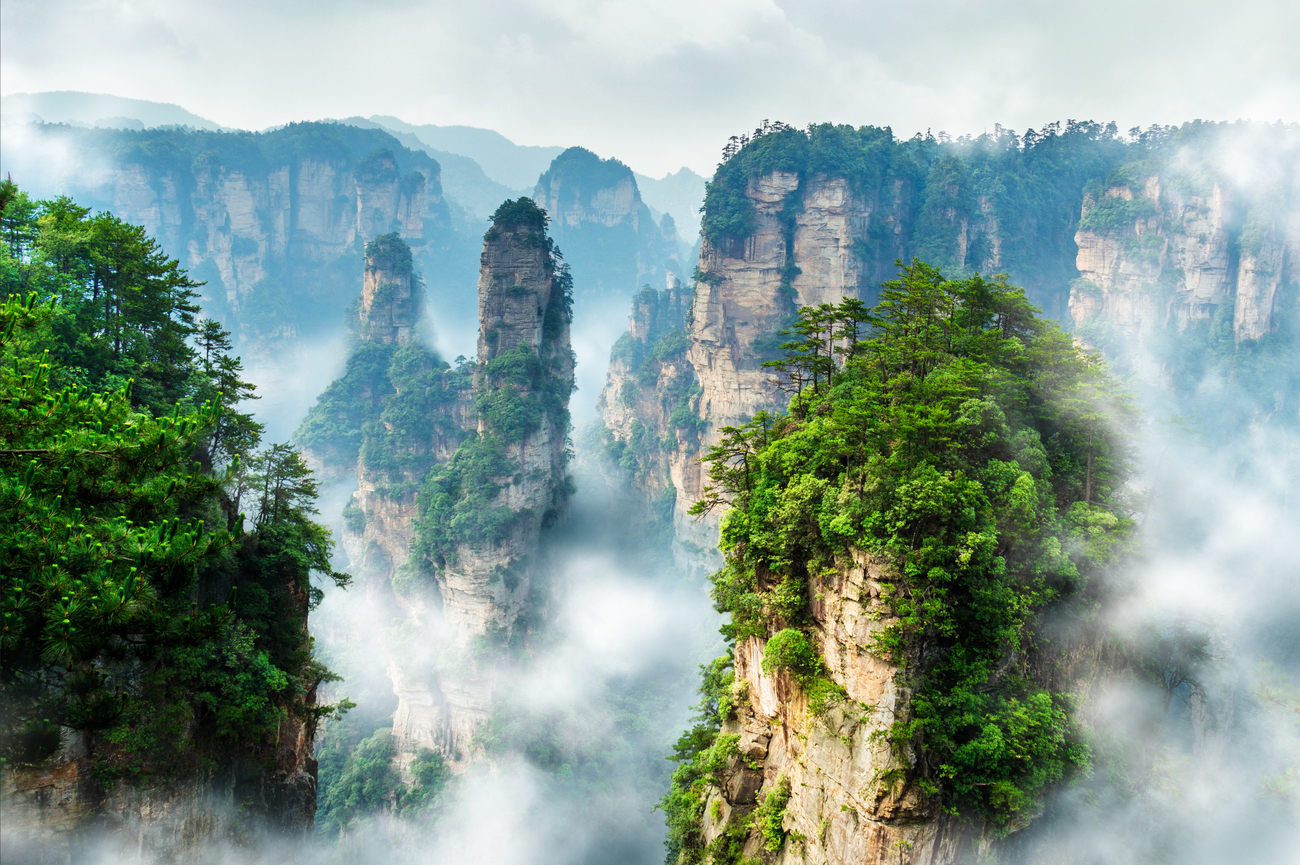
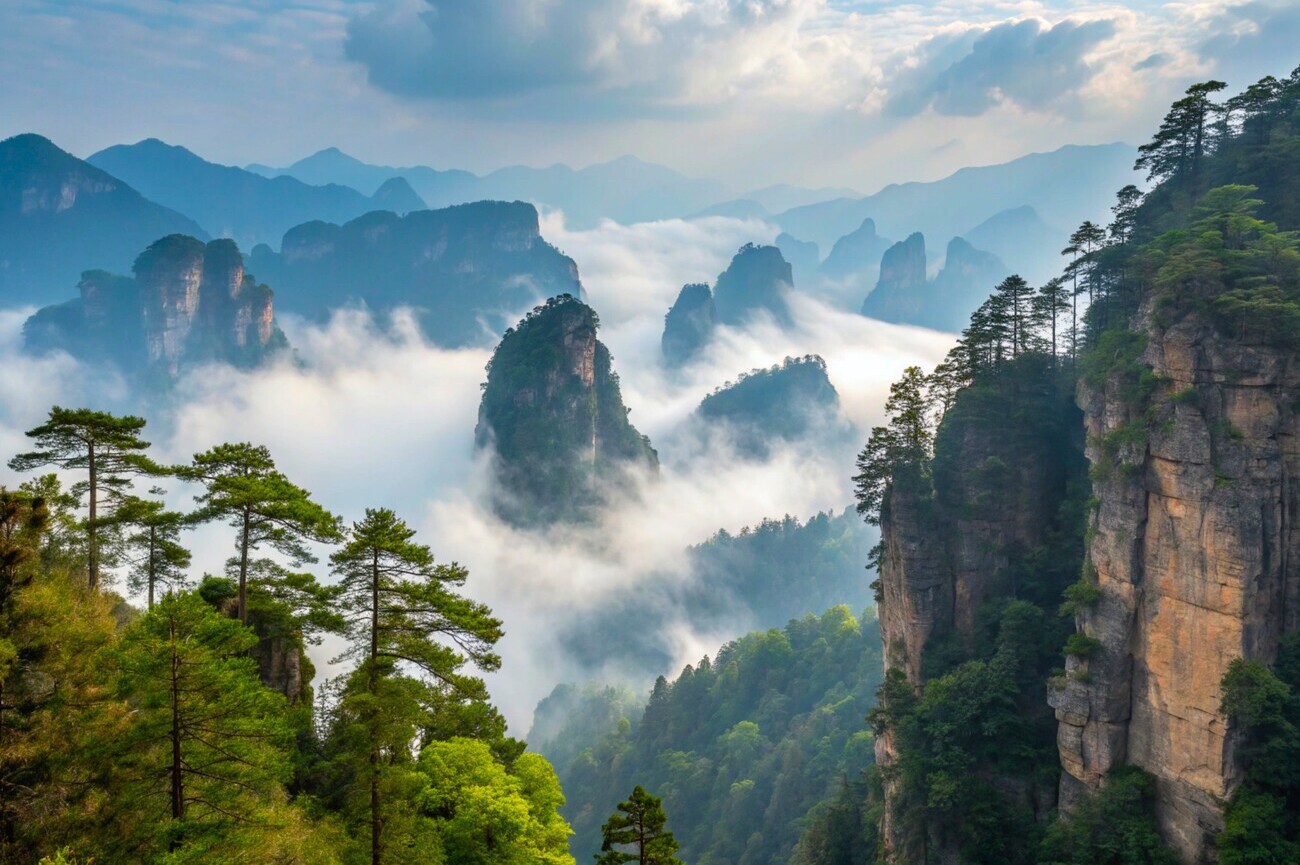
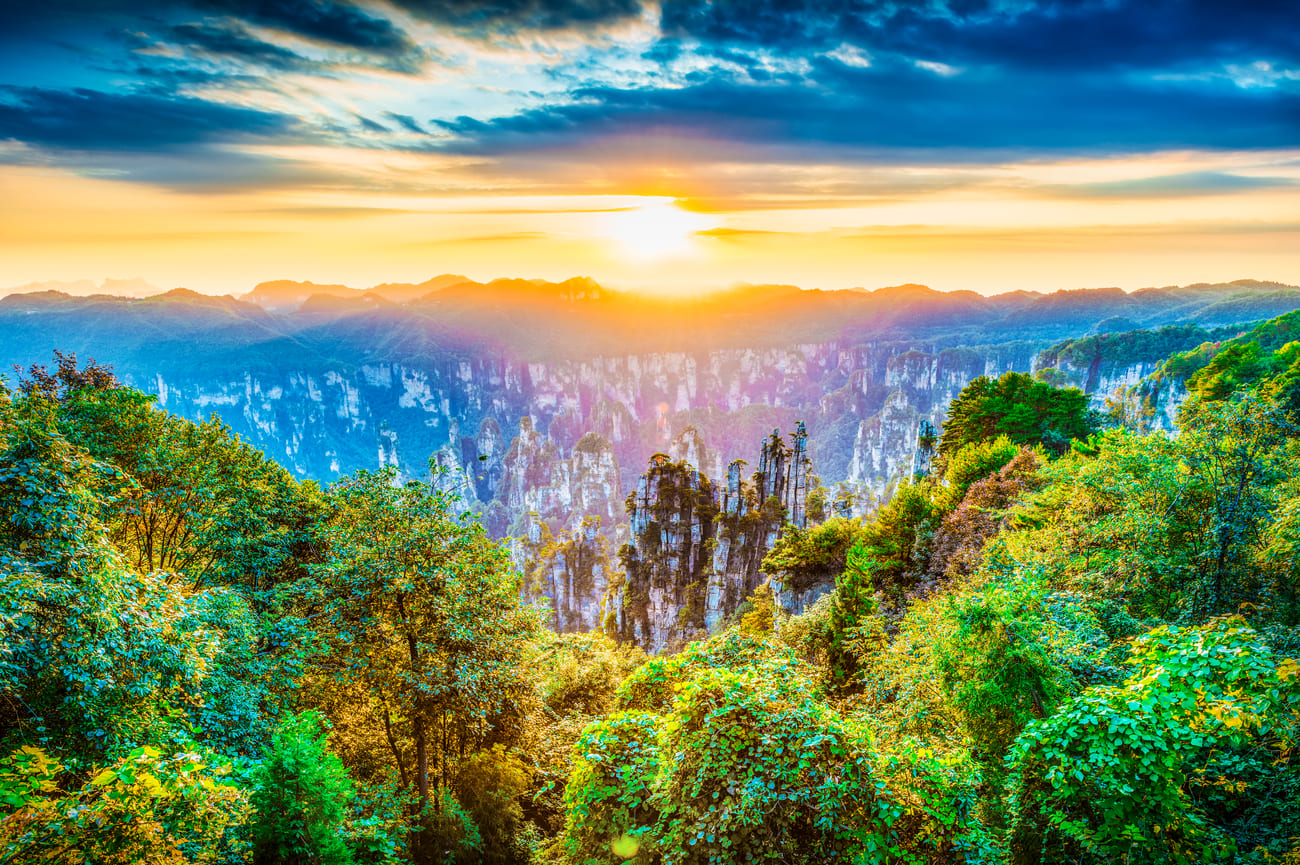
Start your day early at the highly anticipated Zhangjiajie National Forest Park, China’s first national forest park. This UNESCO World Heritage Site covers more than 4,800 hectares and is considered the crown jewel of the Wulingyuan Scenic Area. It is world famous for its 3,000+ towering quartz sandstone pillars (many rising over 200 metres) which famously inspired the “Hallelujah Mountains” in James Cameron’s film Avatar. These unbelievable formations were shaped over millions of years by a combination of water seeping into vertical fractures, expanding winter ice that split the rock, and deep, continuous erosion that gradually carved away the surrounding softer material.
Exploring the park typically requires two full days, covering key scenic zones: Yuanjiajie (the “Peak of Peaks”), Tianzi Mountain (the “Emperor’s Mountain”), Golden Whip Stream for ground-level serenity, Yangjiajie, and the Ten-Mile Gallery. Entering through the South Gate (Forest Park Gate) is recommended, as it is generally less crowded compared to the East Wulingyuan Gate.
Golden Whip Stream
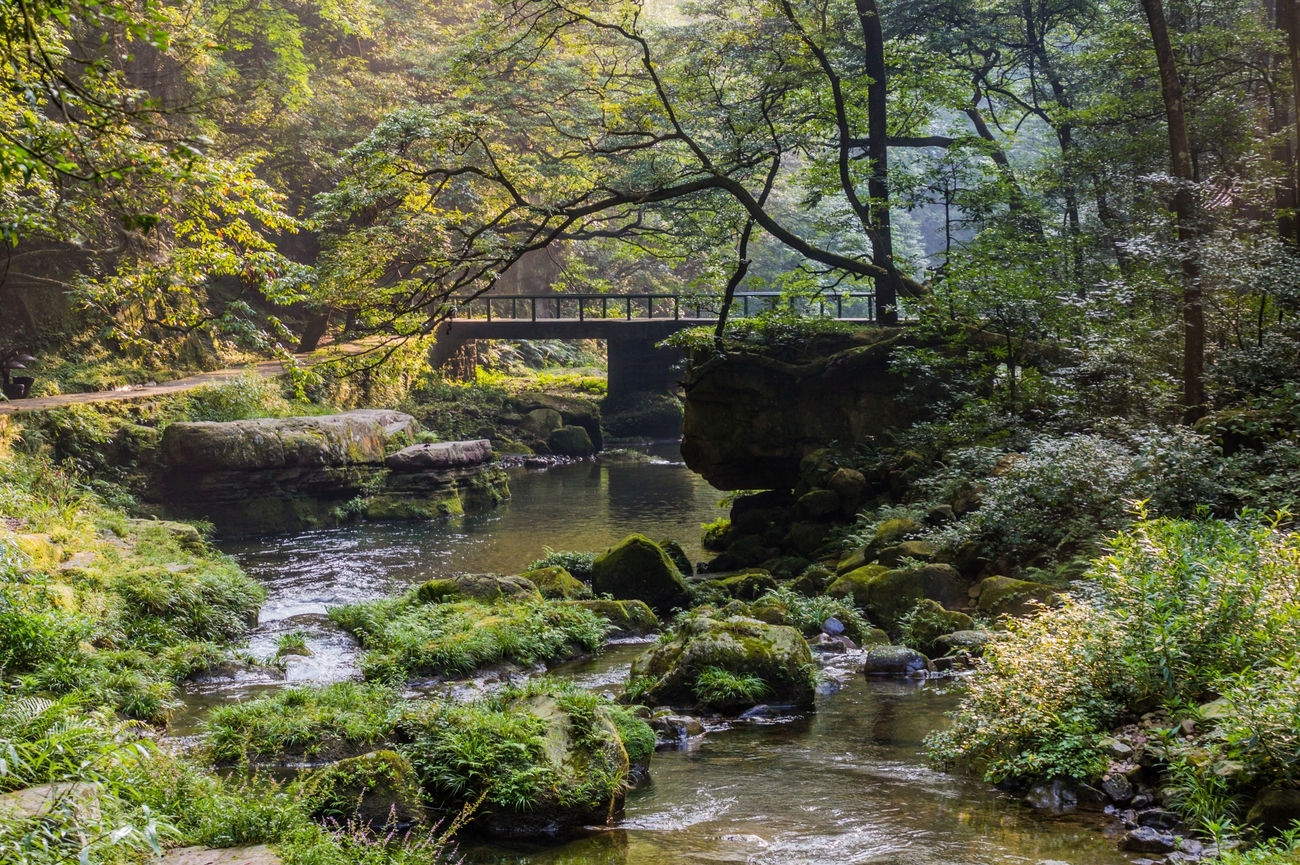
Begin your exploration of the park at Golden Whip Stream, a crystal clear, 7.5 kilometre waterway that winds through a deep canyon at the base of the mountains. While much of the sightseeing in Zhangjiajie involves looking down from high peaks, this trail offers the rare opportunity to look up at the towering sandstone pillars from the valley floor, giving you a sense of scale before heading to higher viewpoints.
Follow the flat riverside path at a relaxed pace and admire iconic formations such as Golden Whip Rock, a 350 metre sheer cliff that glows in the sunlight, and the Split Mountain to Save Mother, which represents the Chinese legend of Chenxiang, who used an axe to split a mountain to rescue his imprisoned mother.
This area is also a primary habitat for hundreds of wild macaques. You can often watch them play, groom, and forage near the trail, but avoid carrying plastic bags or holding food openly, as the monkeys are bold and may try to grab them.
Continue onward to the Shuirao Simen (Water Winding Four Gates) junction, which marks the end of the main stream section and serves as the starting point for your next destination.

Bailong Elevator
From Shuirao Simen, take a short shuttle ride to the Bailong Elevator, this world record breaking glass lift was built into the side of the sandstone cliff. Standing at 326 metres (1,070 feet), it is officially recognized as the world’s tallest outdoor elevator. The ascent takes only 66 to 80 seconds, making it one of the fastest ways to reach the upper viewpoints of the park. Inside the glass-fronted elevator, the first third of the journey passes through the mountain itself, followed by a surprisingly breathtaking reveal of the Pillar of the Southern Sky or “Avatar Hallelujah Mountain” during the final two thirds of the ascent.

Day 2, Morning - Zhangjiajie Tour Map
Afternoon: Yuanjiajie Scenic Area
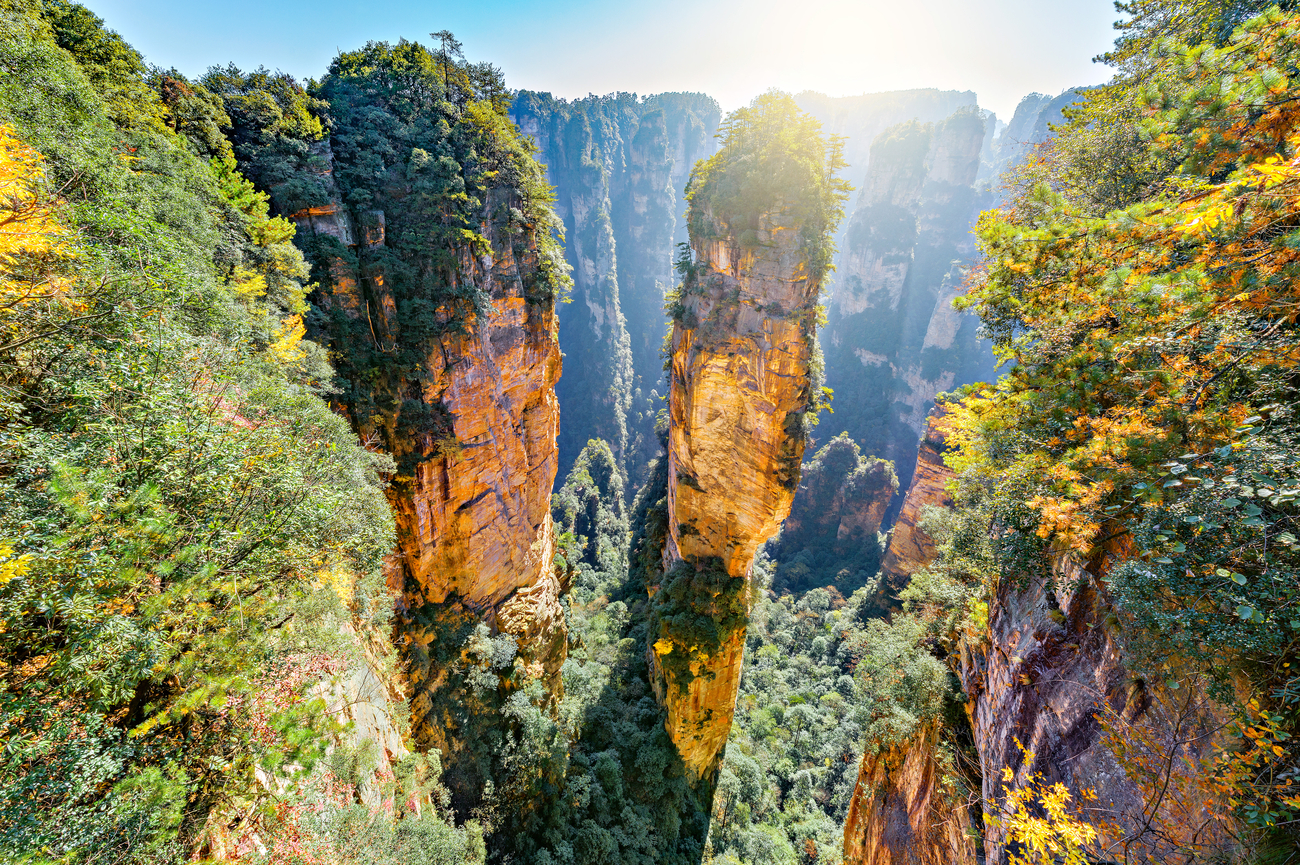
The inspiration behind the floating “Hallelujah Mountains” in the movie Avatar. Here, you can walk along cliffside paths and viewing platforms that look out over thousands of sandstone pillars rising from the mist below. Take your time to spot the 150 metre tall rock pillars that inspired the movie’s floating peaks, or find the highest natural stone bridge in the world that connects two mountains at a height of about 357 metres, known as the First Bridge Under Heaven. You can walk across it or admire the views from nearby platforms. The park also includes quieter and less touristy trails through bamboo forests known as the “Back Garden,” filled with stone formations. Along the way, you may pass mountaintop villages where local Tujia communities still live in traditional stilt houses.
Tianzi Mountain Nature Reserve
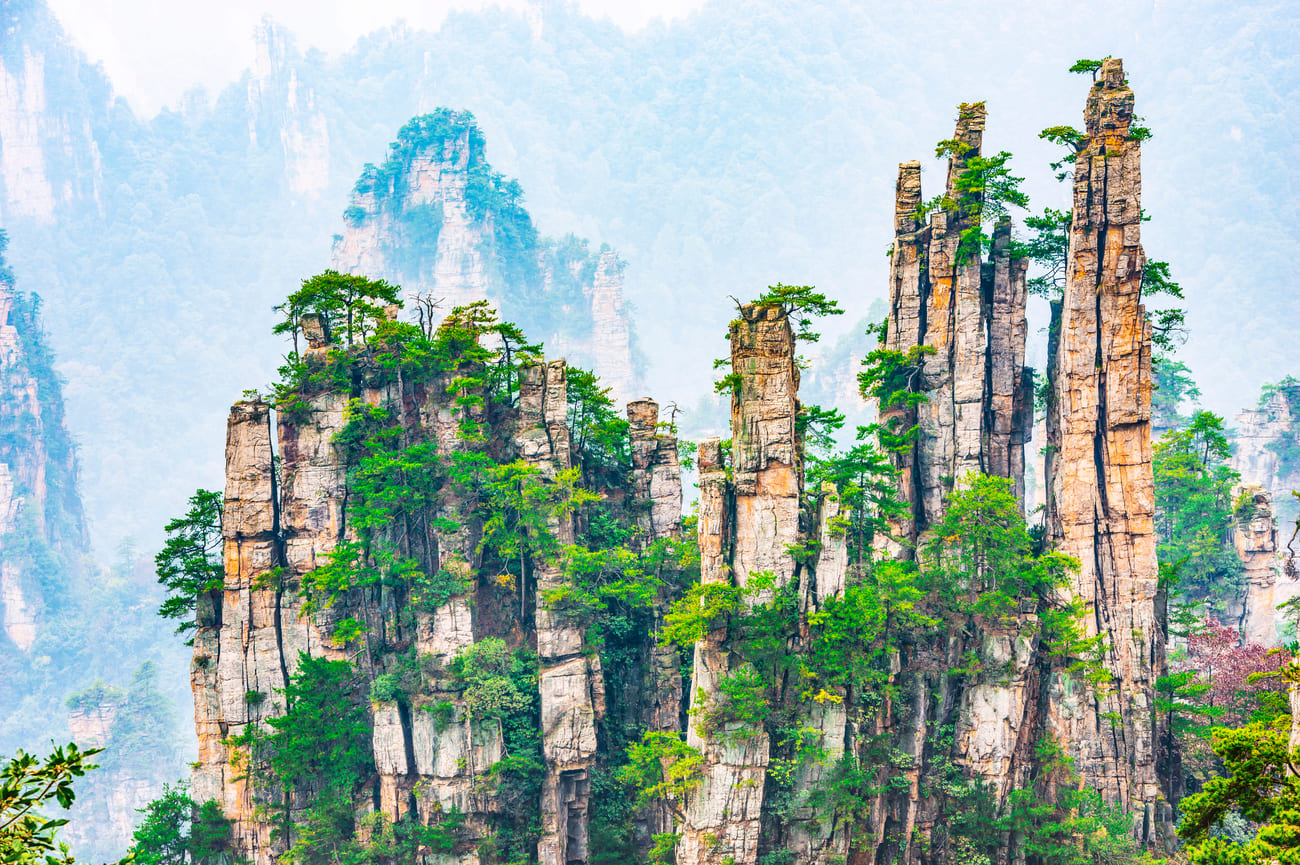
Next, take a shuttle to Tianzi Mountain, a scenic ride of about 40 minutes, a perfect opportunity to rest and recharge before exploring one of Zhangjiajie’s most iconic viewpoints. Often called the “Monarch of the Peak Forest,” this area is known for its breathtaking sandstone formations, including the Imperial Brush Peaks (Yubi Feng), Fairy Offering Flowers, and Warrior Training Horses.
There are also a couple of viewing decks here: the Tianzi Pavilion and Dianjiang Terrace, where you can look out over the West Sea Stone Forest, where thousands of stone pillars create the illusion of a vast rocky ocean. If you visit early in the morning (especially just after it rains) you may even see the famous “Sea of Clouds” drifting between the peaks. Be sure to visit cultural landmarks such as Helong Park, home to a massive bronze statue of Marshal He Long, a native military leader.
Finally, end your visit with a scenic cable car ride down, The Tianzi Mountain Cableway is widely considered the most scenic in the park, gliding directly through the dense peak forest rather than ascending along a flat cliff face like the Bailong Elevator. At the base, a shuttle bus will take you to the East Gate (Wulingyuan Gate) for an easy exit from the park.
Day 2, Afternoon -
Zhangjiajie Tour Map
Day 3
Morning: Zhangjiajie Grand Canyon
For Day 3, continue exploring the forested landscapes of Zhangjiajie with a visit to the Grand Canyon. Known for its blend of steep karst cliffs, lush forests, ancient caves, and crystal clear river waters, the canyon offers both natural beauty and adventure in one unforgettable destination.
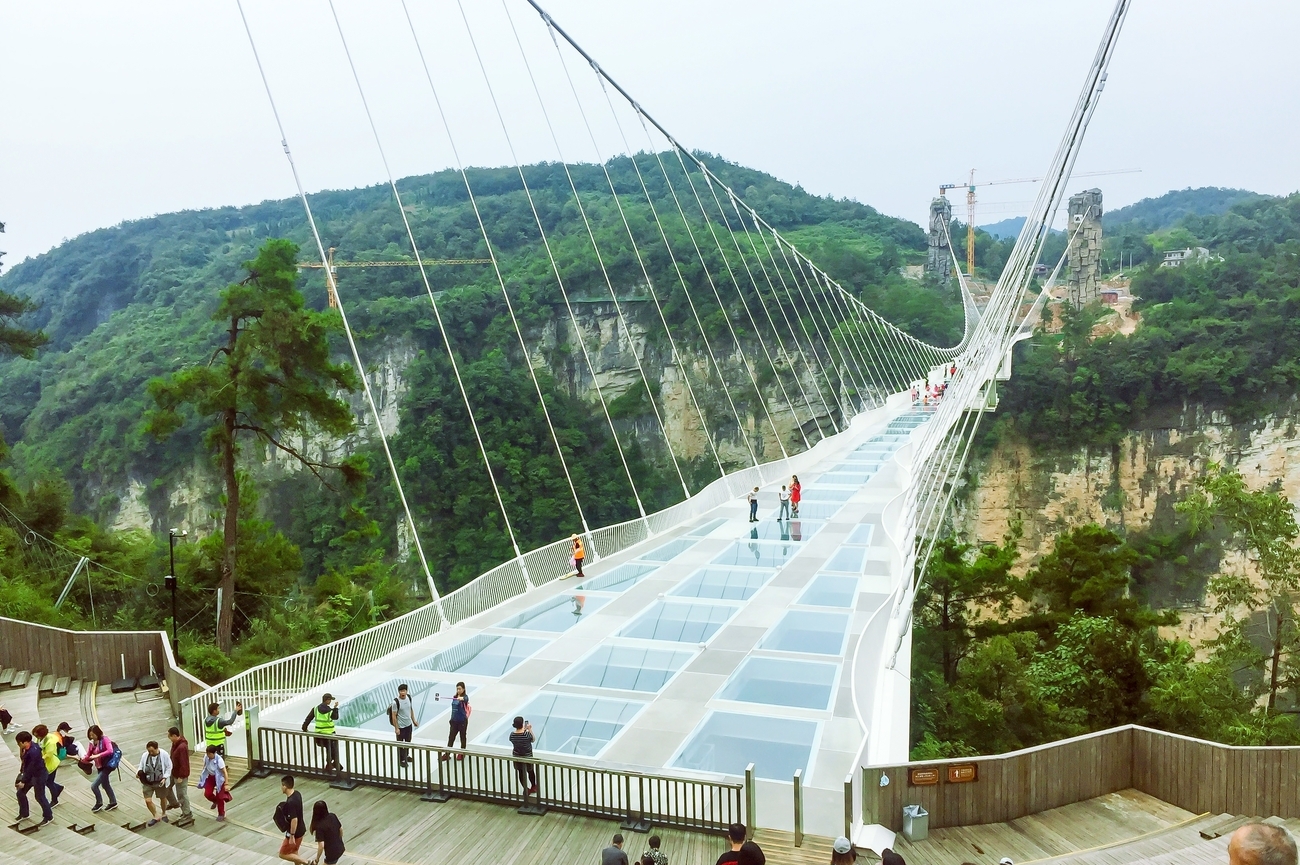
Its centerpiece is the 430 meter long glass bridge, suspended 300 meters above the canyon floor. This transparent walkway delivers a thrilling “walk in the air” experience that’ll have you crawling cautiously instead of walking. For adrenaline seekers out there, the canyon is home to the world’s highest bungee jump, plunging from an impressive height of 260 meters. You can also soar across the canyon on a 358 meter zip line featuring a 302 meter vertical descent, giving you an eagle’s eye POV of the misty peaks below.
If you prefer a less strenuous descent after exploring the canyon, consider taking the Yixiantian Slide Way, this 500 meter forest slide, winds down the mountain and cuts your walking time roughly in half.
Afternoon: Huanglongdong Scenic Area
Next, head southwest to Huanglongdong Scenic Area, also known as Yellow Dragon Cave, one of China’s most impressive underground attractions. It is often called an “all-around champion” karst cave for its underground rivers, waterfalls, and unbelievable rock formations. Here, you can take an 800 meter underground boat ride along the Xiangshui River (Ringing Water River). This 10 minute journey passes illuminated formations such as the “Golden Helmet of the Dragon King” and if you’re lucky, you might even spot a rare Chinese giant salamander. Aside from the boat ride, explore the cave’s largest and oldest hall, home to more than 1,700 stalagmites, or venture into the Labyrinth, an intricate section filled with exceptionally dense, translucent stalactites that many consider the cave’s spiritual heart.
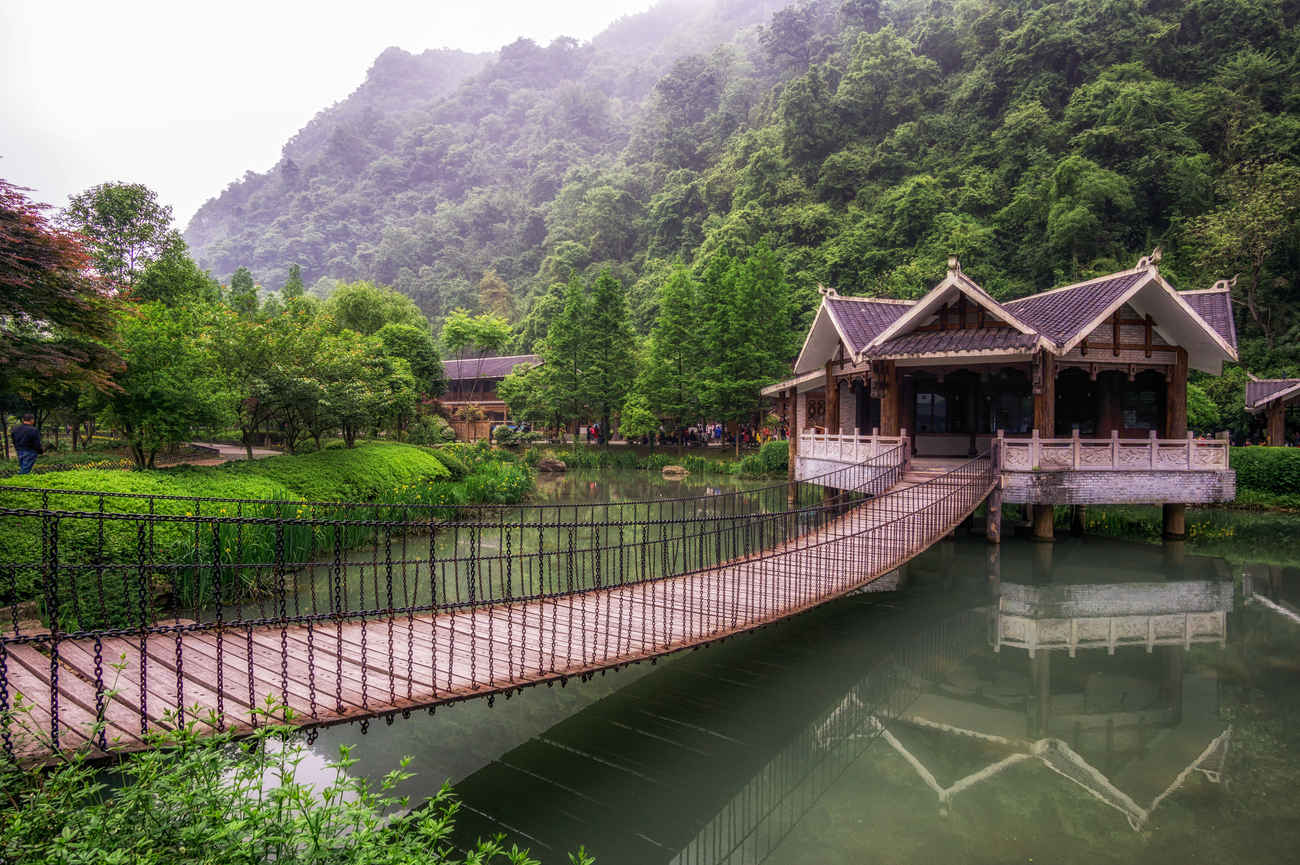
Baofeng Lake
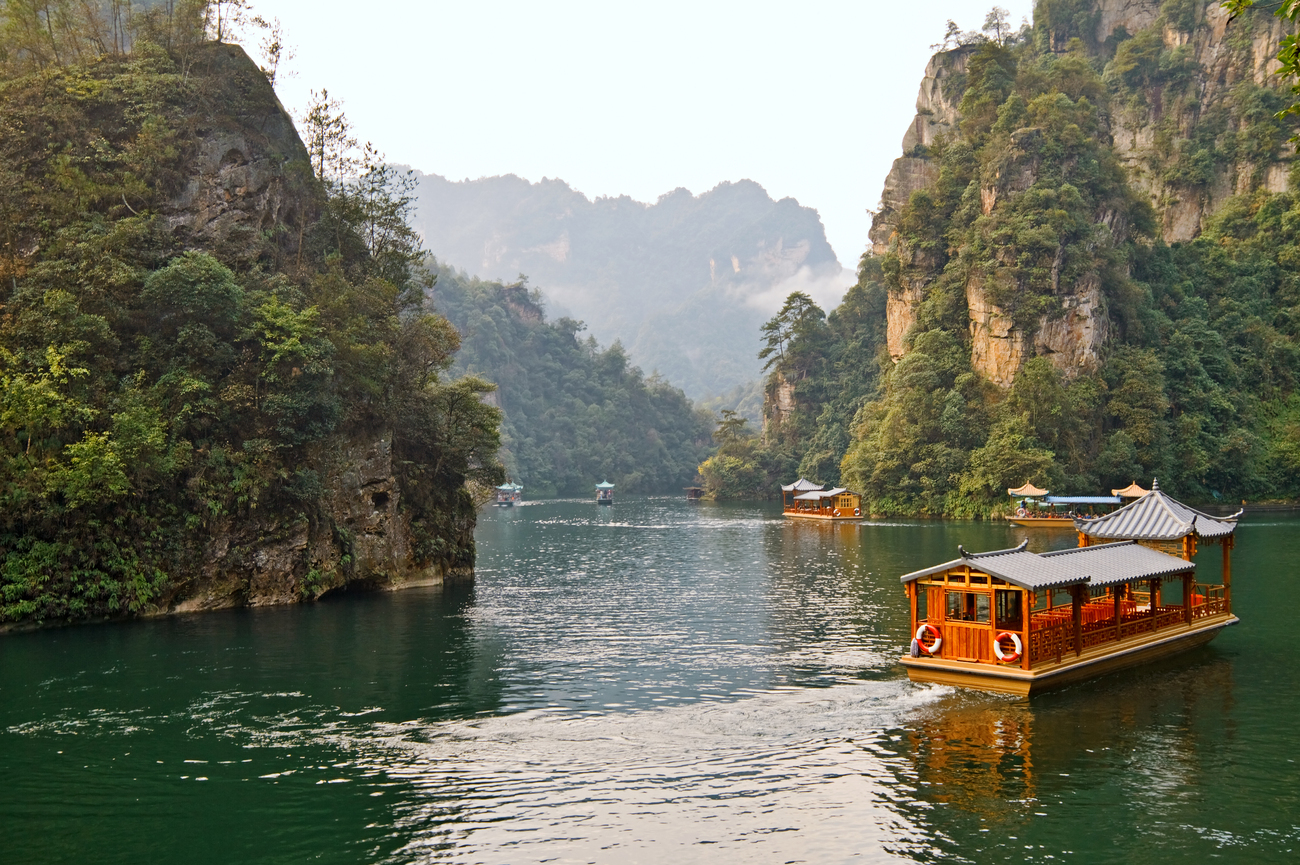
End your day at Baofeng Lake, a peaceful high-altitude freshwater lake set within a gorge about 400 meters above sea level. Here, you can take a relaxing 30 minute cruise on a traditional wooden boat, gliding across emerald green water while enjoying views of the surrounding cliffs. Along the way, local Tujia performers in traditional dress may appear on small rafts to sing folk songs, sometimes inviting you to join in. Watch for unique rock formations like the “Goddess of Mercy” and the “Peacock Displaying its Tail,” which change shape depending on your viewing angle. If you missed spotting a giant salamander at Yellow Dragon Cave, you might get another chance here, as the lake is one of their habitats. Keep an eye out as well for mountain birds and monkeys.
Day 3 - Zhangjiajie Tour Map
Day 4
Morning: Fenghuang Ancient Town
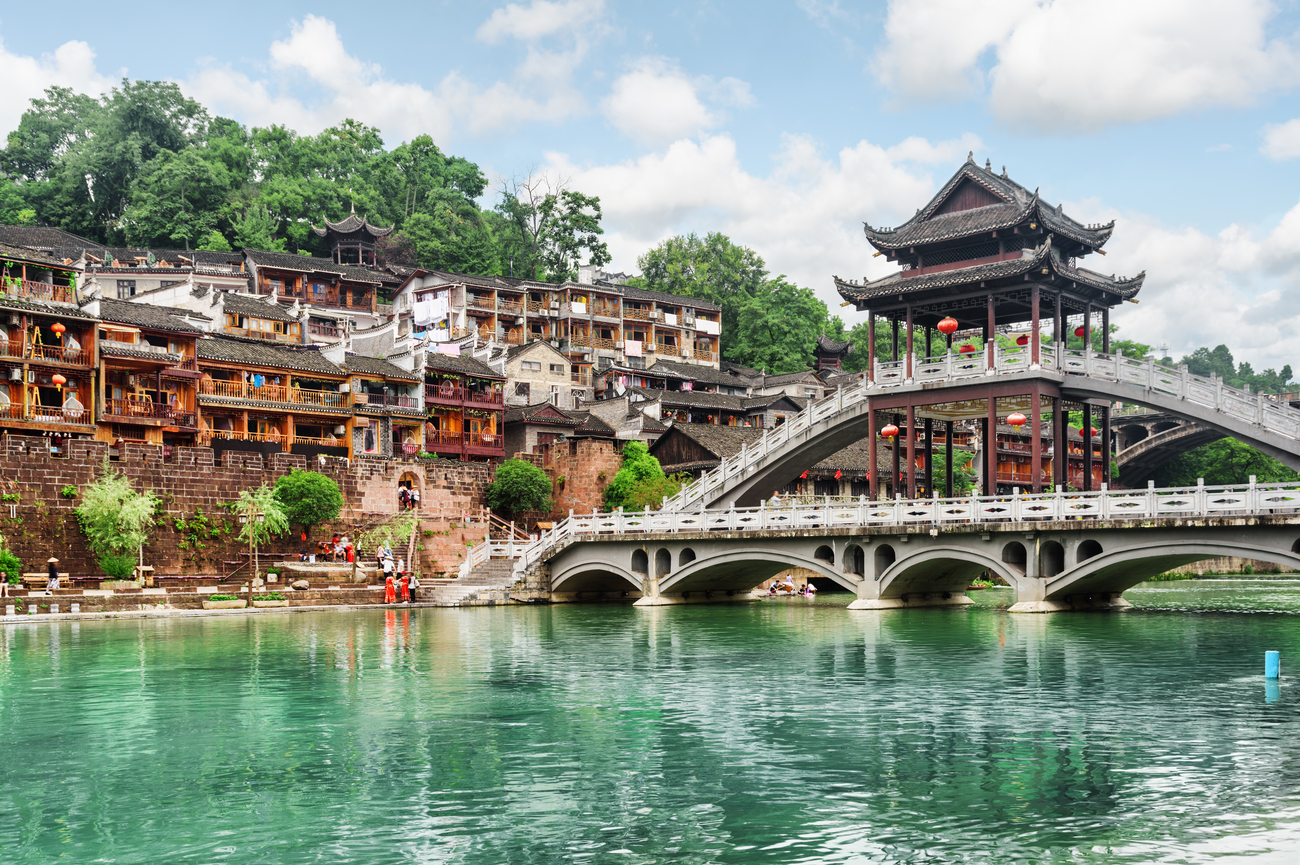
For your final day in Zhangjiajie, venture southwest to Fenghuang Ancient Town, a beautifully preserved historic town in the Xiangxi Tujia and Miao Autonomous Prefecture. Built during the Qing Dynasty in 1704, it is often called “the most beautiful town in China,” known for its scenic setting along the Tuojiang River.
One of the best ways to experience the town is by taking a small wooden boat ride along the river, where you can admire the centuries old stilted wooden houses (Diaojiaolou) lining the banks. Explore some of the town’s core historic landmarks, including the Former Residence of Shen Congwen, Fenghuang Bridge, East Gate Tower, and Longevity Palace. The town is also a cultural hub for the Miao ethnic minority, making it an excellent place to shop for traditional Miao silver jewelry. The fastest way to reach Fenghuang is by high speed train from Zhangjiajie West Station to Fenghuanggucheng Station (approximately 1 hour), a far quicker alternative to the five hour drive from Zhangjiajie city center.
Afternoon: Aizhai Bridge
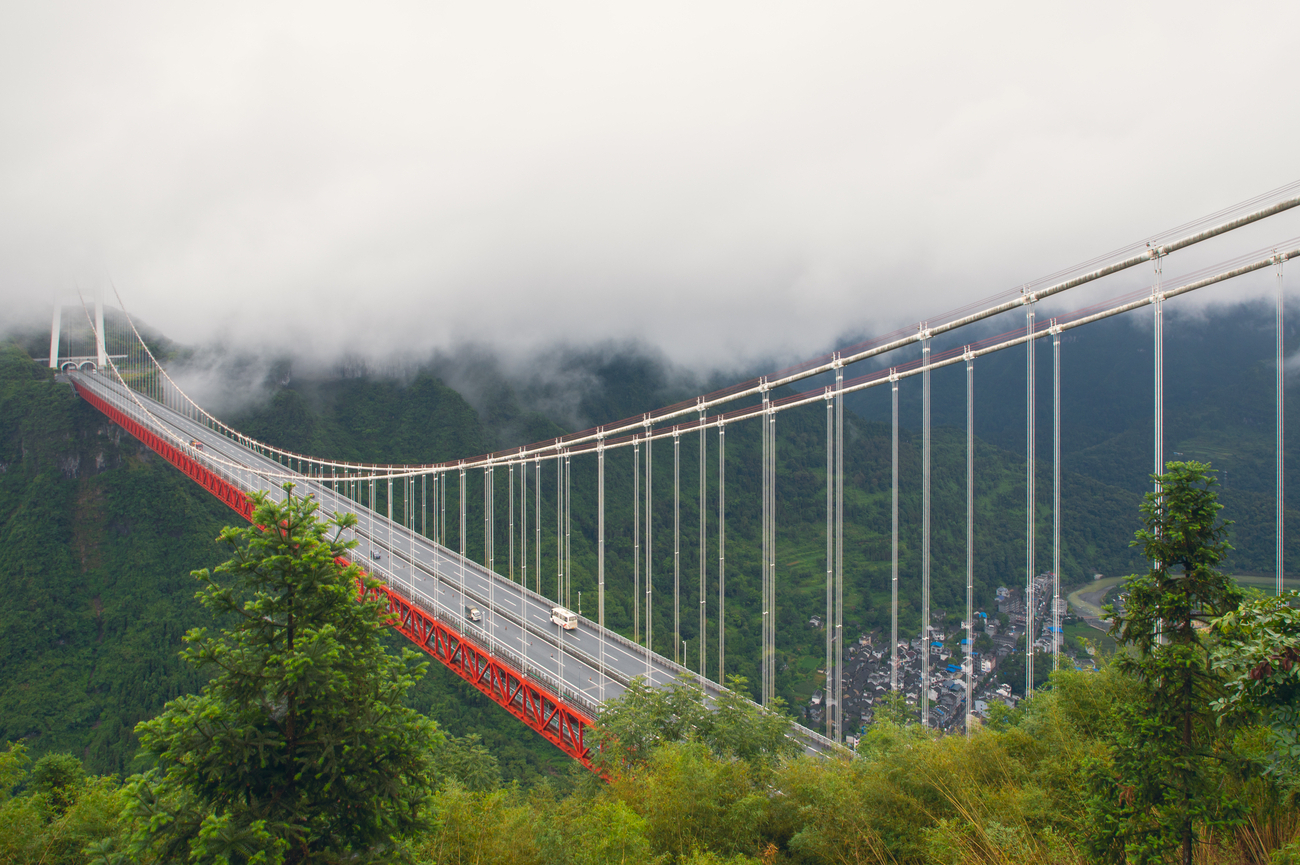
Next, take about an hour's drive to Aizhai Bridge, a world record breaking suspension bridge that stretches 1,176 meters across the Dehang Canyon. It held the title of the world’s highest and longest tunnel to tunnel bridge in 2012. Here, you can walk along the dedicated sightseeing passage located beneath the main expressway deck. Some sections feature glass floors, for a dizzying view straight down to the canyon floor 355 meters below. If you want more adventure, try the Aizhai Cliff Glass Walkway, a separate 1.5km path that hugs the canyon walls and offers incredible panoramic views. For serious adrenaline seekers, the bridge also offers bungee jumping, where you can take a 260 meter leap, one of the highest jumps in the world.
Furong Ancient Town
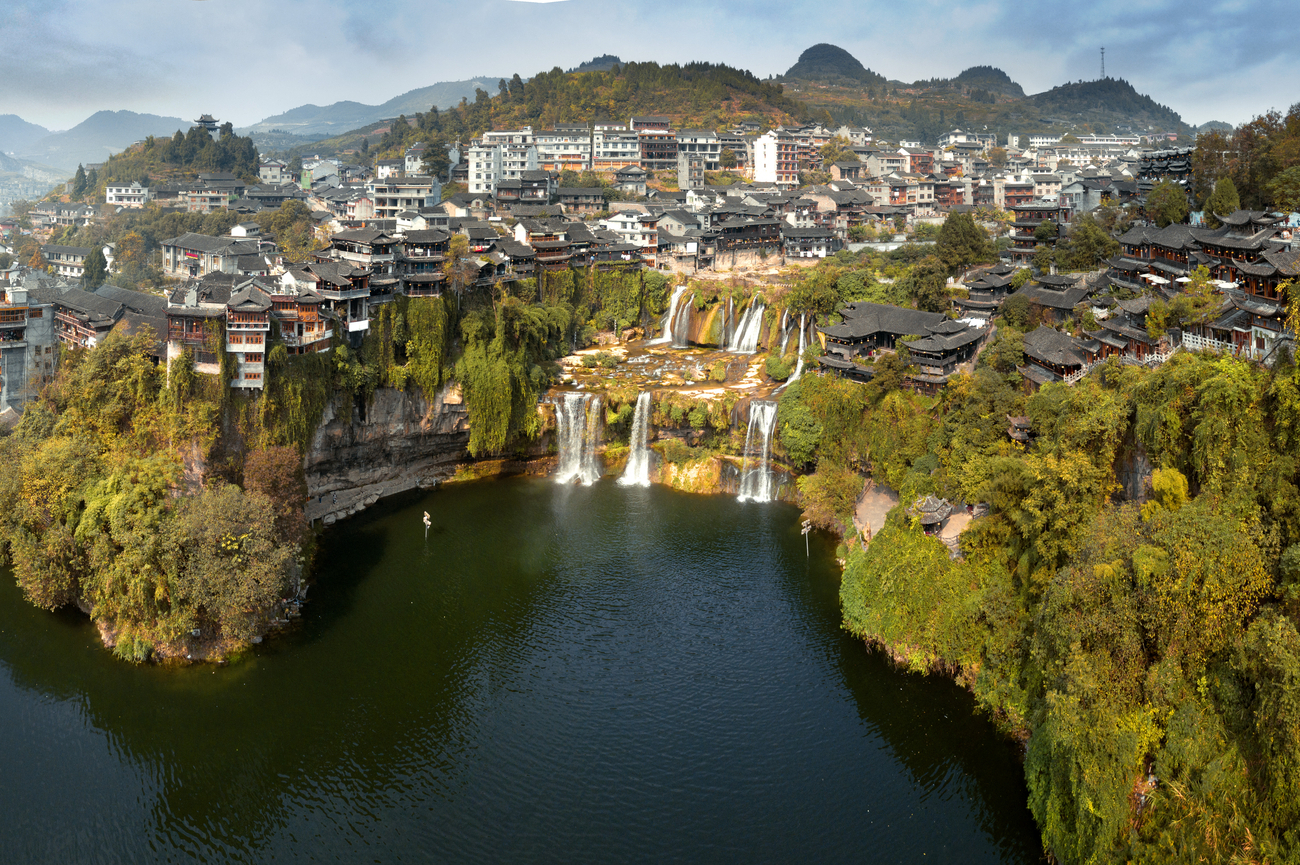
Finally, after three days of hiking through Zhangjiajie National Forest Park and Tianmen Mountain, end your journey at Furong Ancient Town, a 2,000 year old village famously known as the “town hanging on a waterfall.” The town’s centerpiece is a 60 meter, two tiered waterfall, where you can walk along a path that leads you directly behind the cascading water for a unique “water curtain” experience. Stroll along the 2.5km ancient bluestone street lined with red lanterns, local snacks, and souvenir shops, it feels more atmospheric and less commercial than typical night markets at the city center. You can also visit the former summer palace of the Tujia chieftains, where the elevated viewpoint gives you one of the best panoramic views of the glowing town and the You River. At around 6:30 - 7:00 PM the town's massive two tiered waterfall is lit by golden and neon lights and the illuminated Diaojiaolou (stilt houses) perched above the rushing water create one of the most iconic photo moments of the trip.
This is an ambitious day designed for travellers who want to see the highlights efficiently. For a more relaxed experience, and time to enjoy Fenghuang and Furong in the evening, a fifth day may be the better option.
Day 4 - Zhangjiajie Tour Map
Day Trips from
Zhangjiajie
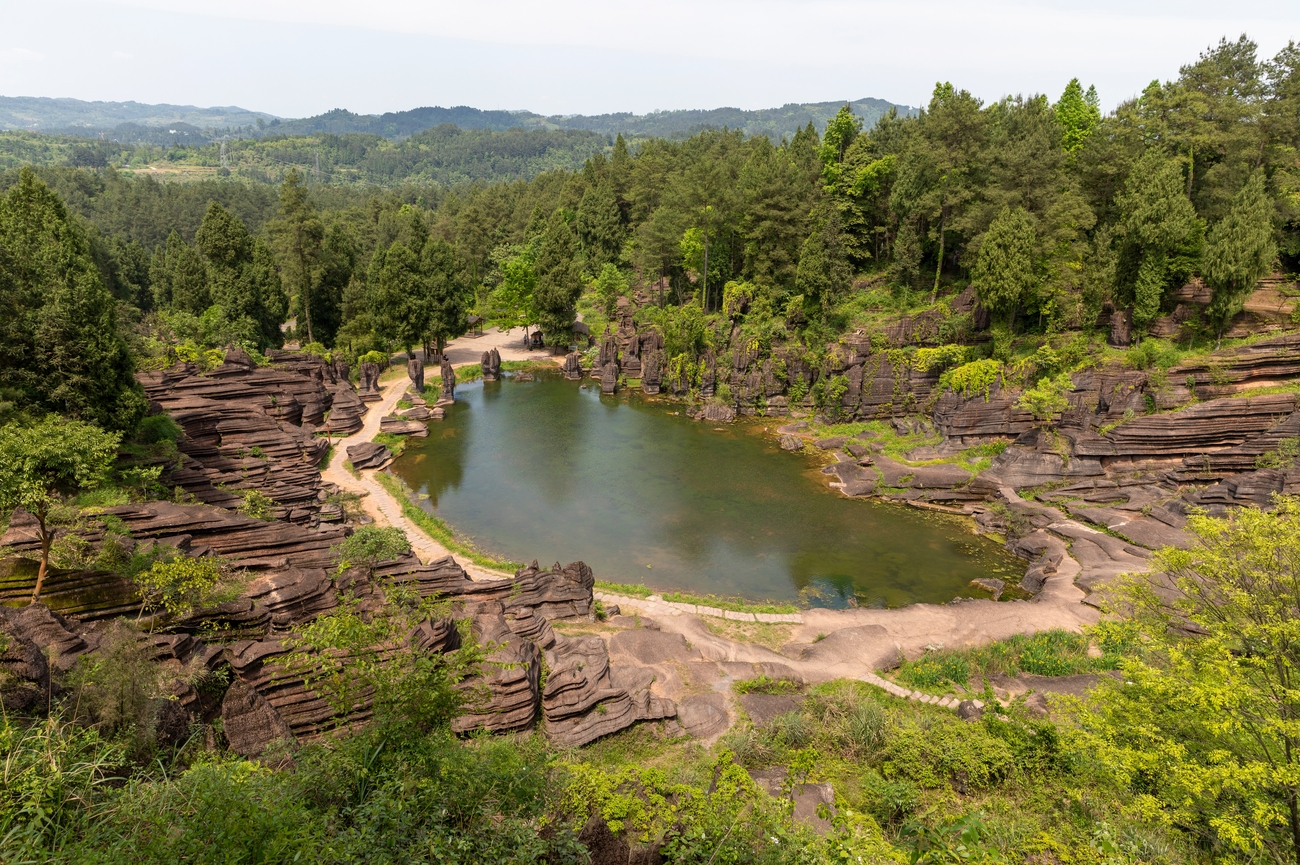
- Red Stone Forest National Geopark: Located about 1.5 to 2 hours from Zhangjiajie city, it’s a rare geological wonder that feels completely different from the region’s lush green landscapes. Formed over 450 million years ago during the Ordovician period, it is the only red carbonate stone forest in China, creating almost a “Mars-like” environment. The rocks contain high iron content, so their colors shift throughout the day: glowing fiery red under sunlight, deep maroon on cloudy days, and nearly black after rain. Here, you can explore the “Underwater” Labyrinth, walking through formations like the Ordovician Seabed and Undersea Tunnel. Along the way, keep an eye out for ancient fossils such as trilobites and nautilus preserved directly in the rock walls, giving you a fascinating glimpse into prehistoric life here.
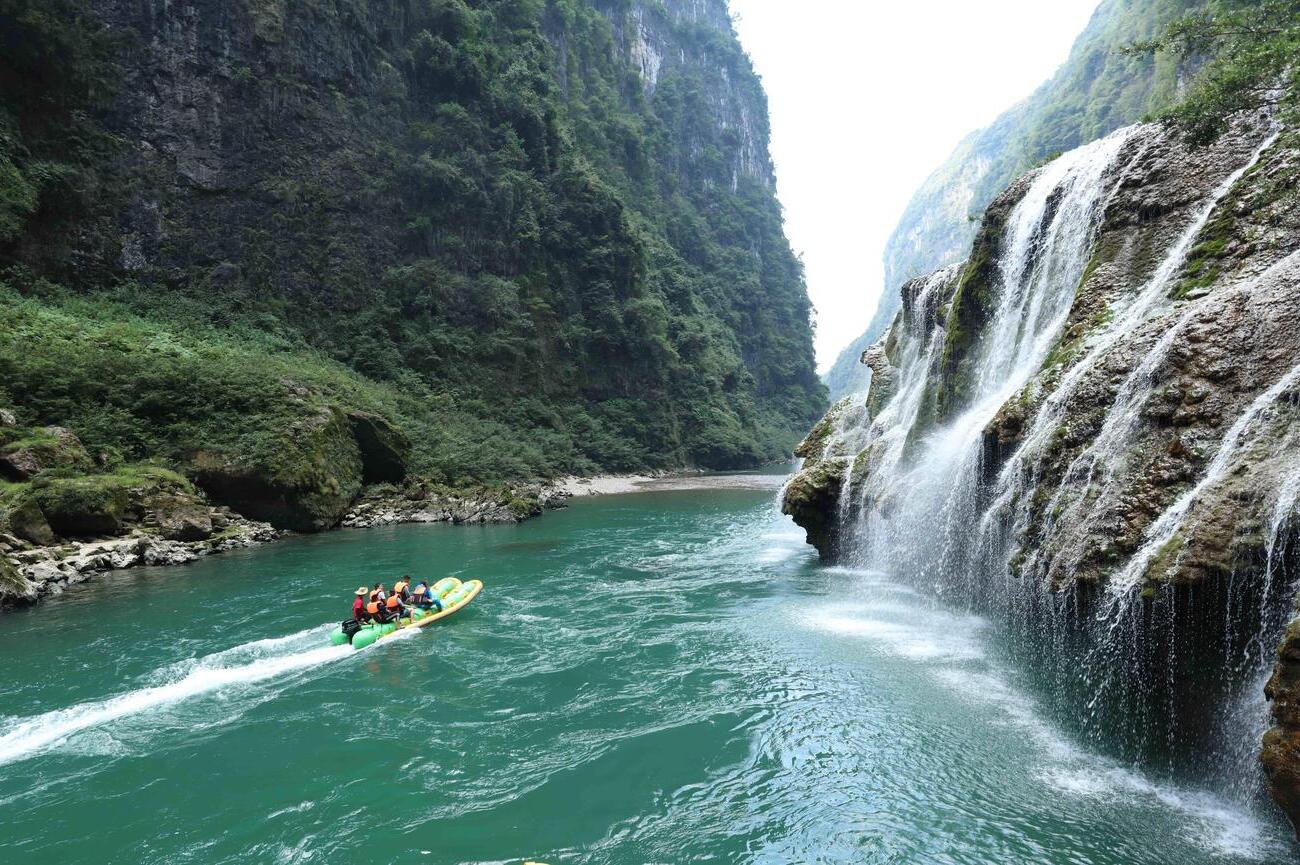
- Maoyan River Rafting: A popular summer day trip from Zhangjiajie, offering a "soft adventure" that combines exciting whitewater with beautiful natural scenery along a 50-mile “Waterfront Gallery.” Widely regarded as one of China’s top rafting routes, the journey typically covers 18 to 20 kilometres with a total drop of about 66 metres, taking you through 55 sections of rapids, including exciting Class III–IV rapids. As you drift downstream, you’ll enjoy more than just the adrenaline, watch for wild monkeys, rare birds, and butterflies along the riverbanks, and pass by traditional Tujia ethnic villages that add cultural depth to the experience.
UNESCO World Heritage
Sites in Zhangjiajie
- Wulingyuan Scenic and Historic Interest Area: Inscribed as a UNESCO World Heritage Site in 1992, the Wulingyuan Scenic and Historic Interest Area is a vast 264 square kilometre region home to one of the world’s most extraordinary landscapes of quartz sandstone pillars. Rather than a single massive park, Wulingyuan is actually a large scenic zone divided into four main areas: Zhangjiajie National Forest Park, Tianzi Mountain Nature Reserve, Suoxiyu Nature Reserve (the eastern gateway featuring Yellow Dragon Cave and Baofeng Lake), and Yangjiajie Scenic Area. With one 4 day park pass, you can access all four zones at a relaxed, comfortable pace.
Golf Courses in
Zhangjiajie
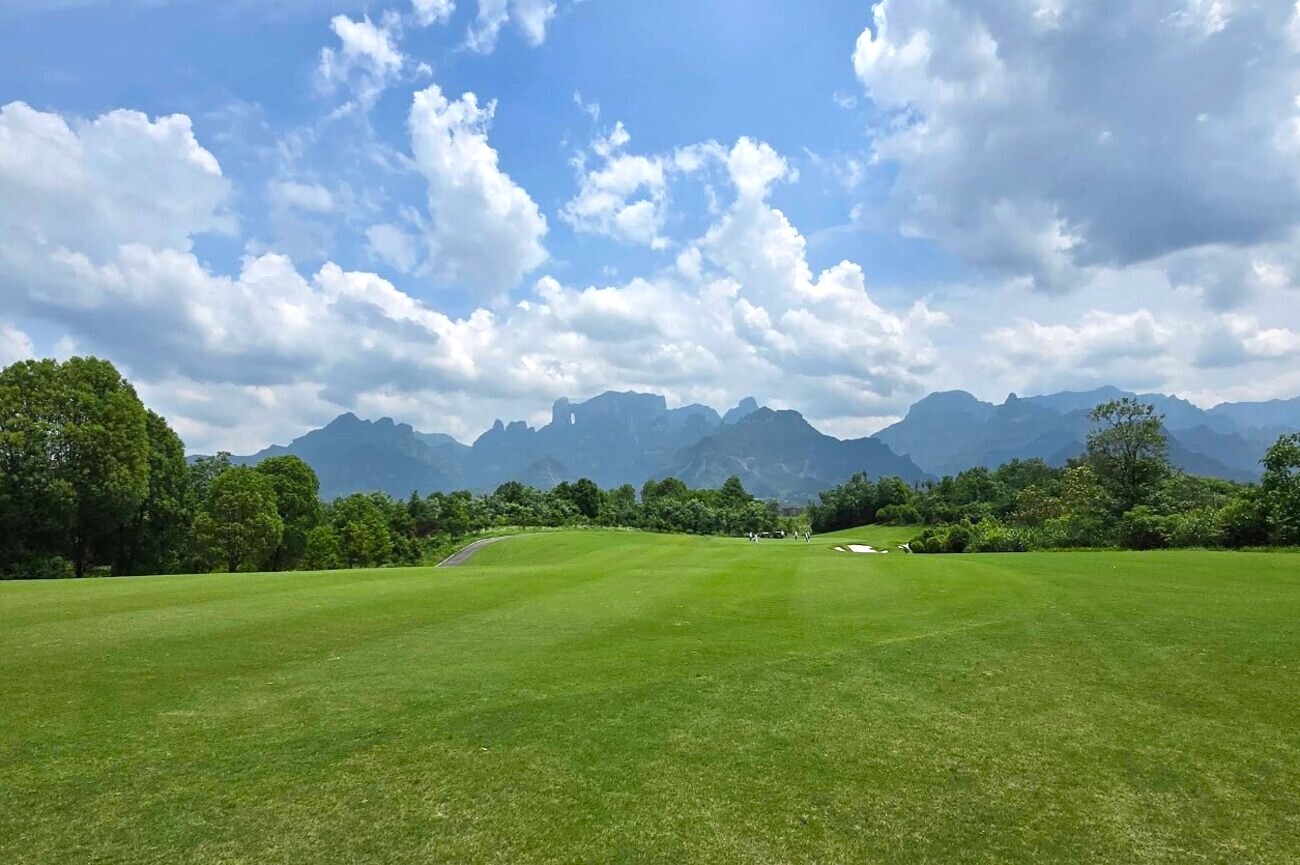
- Zhangjiajie Golf Club: Also known as Hunan Zhangjiajie Tianmen Golf Club or Skydoor Golf Course, this is the city’s only 18 hole international championship standard mountain course. If you want to combine golf with breathtaking scenery, this is the ideal place to play. Designed by American architect Richard Mandell, the par 72 course follows the natural mountain terrain, featuring elevation changes, wide water features, and rolling hills that challenge even experienced golfers. As you play, you’ll be surrounded by forests, rivers, and panoramic views of Tianmen Cave (Heaven’s Gate). With each hole named after a famous Zhangjiajie attraction like the Huangshi Village or Golden Whip Stream, turning your round into a scenic tour around Zhangjiajie.
Luxury Spa &
Wellness Experiences in Zhangjiajie
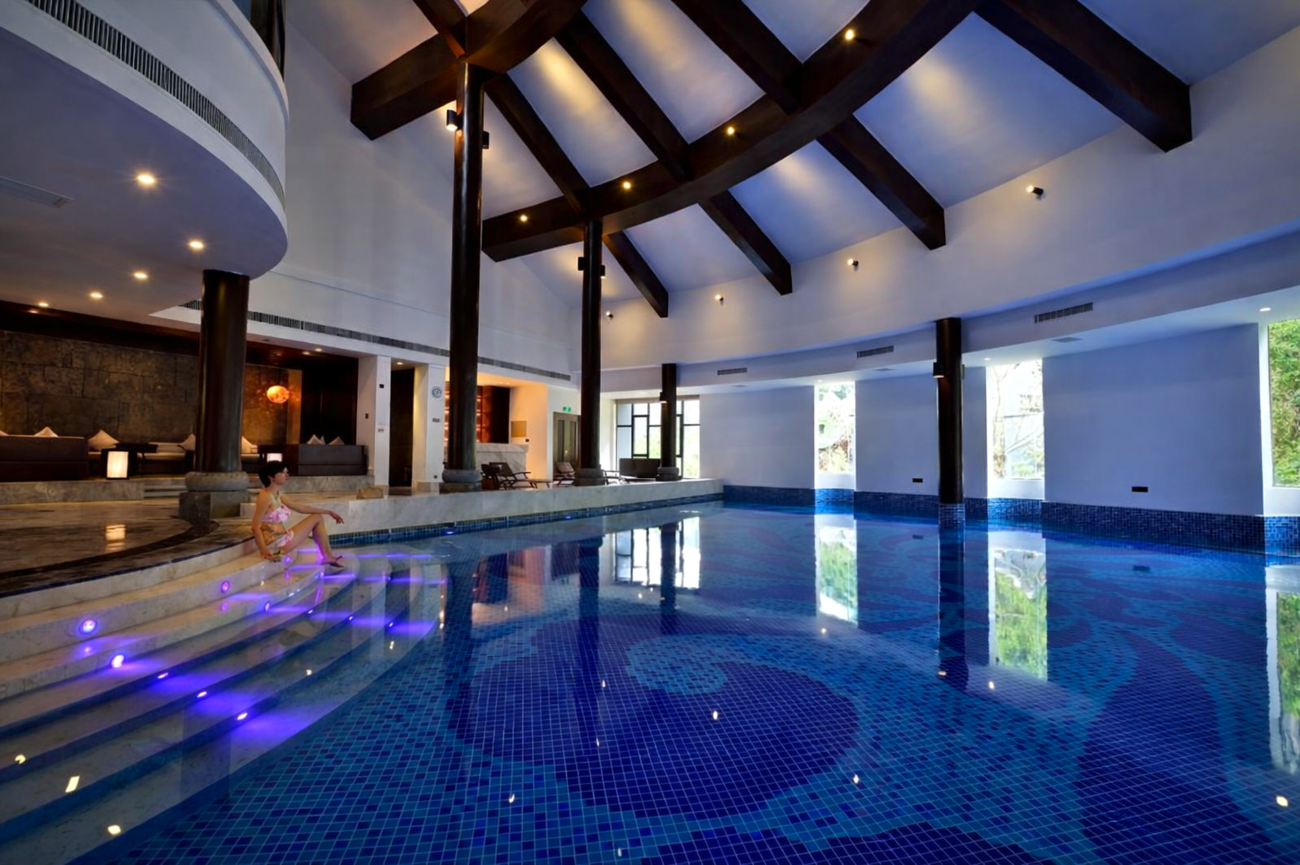
- The Spa at Harmona Resort & Spa: Located in the lush backdrop of the Wulingyuan mountains, the Spa offers a peaceful wellness retreat after a full day of exploring Zhangjiajie, featuring modern facilities, including a sauna, steam room, and hot tubs. One of the resort’s highlights is its forest hot springs, where you can soak under the open sky surrounded by mountain views. A variety of massage treatments are available, including deep tissue, hot stone, Swedish, Thai, and sports massage, allowing you to choose the level of relaxation or muscle recovery you need.
- Thermes Spa at Samantha Resort Spa: One of Zhangjiajie’s top high end wellness retreats, Thermes Spa at Samantha Resort Spa offers a refined, Western standard spa experience, ideal after days of hiking through the mountains. The spa interiors feature natural stone and wood, thoughtfully designed to reflect the karst landscape around you. After tackling steep trails in the National Forest Park or the 999 steps at the Heaven's Gate, try the spa’s signature “Hiker’s Recovery” Foot Massage, which focuses on the leg muscles and pressure points that are frequently used during long climbs. You can also choose from body scrubs and aromatherapy massages, tailored to either energize you before another adventure or help you unwind for a deep, restful night’s sleep.
- Wanfu Hot Spring International Resort: A premier 4A-rated wellness destination in Cili County, known for its natural, self-flowing hot spring. It’s built around traditional Chinese “Fu” (blessing) culture. The resort is divided into nine themed “Blessing” zones, such as Welcoming Blessings and Bestowing Blessings, with an impressive 199 functional hot spring pools to explore. You can soak your way through different temperatures and mineral blends depending on how you want to feel: relaxed, refreshed, or re-energized. Try the world’s longest semi mountain infinity hot spring pool, glide down the semi mountain hot spring slide, or unwind in the constant temperature hot spring corridor. Whether you’re recovering from hiking or simply want to unwind and relax, this is a place where you can fully recharge.
Exclusive Workshops
& Immersive Experiences in Zhangjiajie
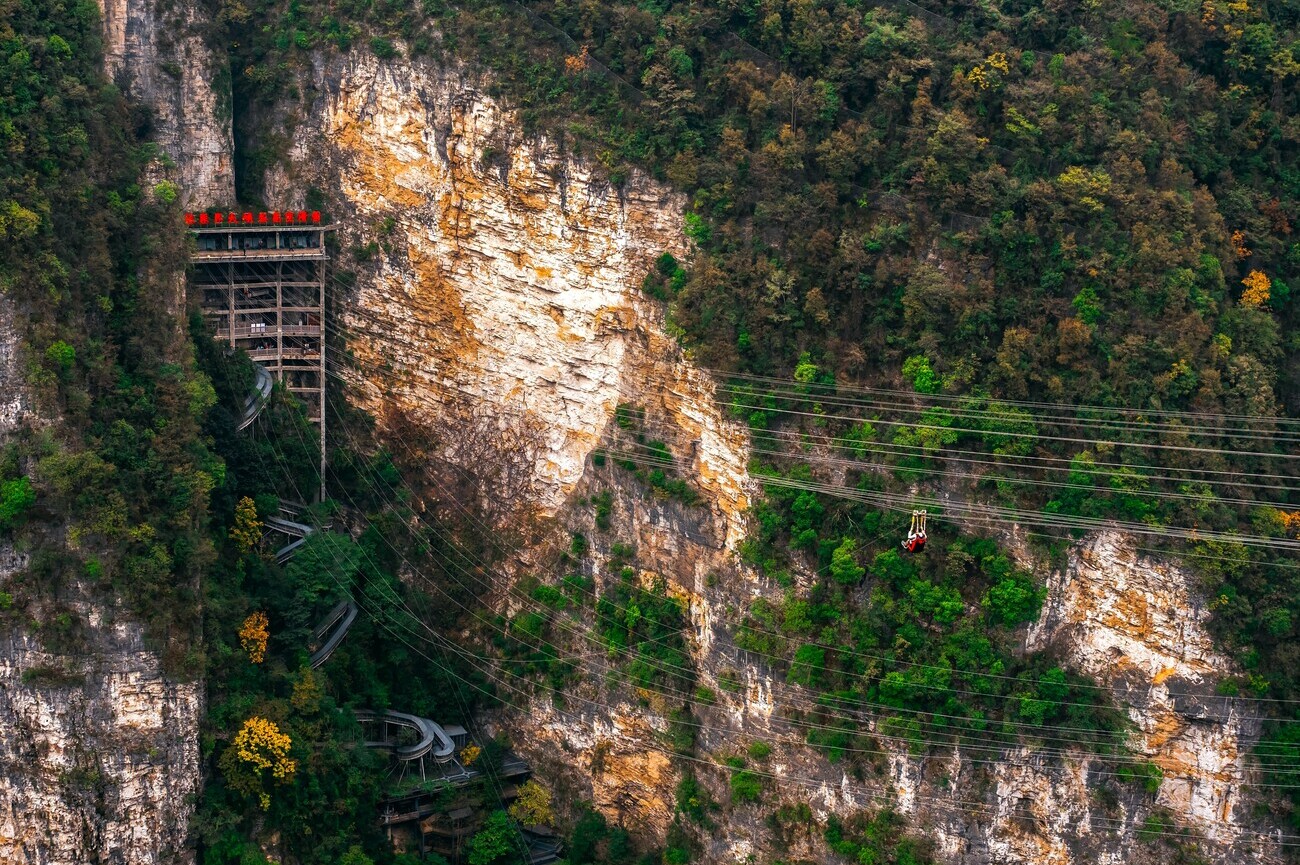
- Grand Canyon Zipline: Soar across the gorge on this premier high altitude zipline experience, offering breathtaking 360 degree views of Zhangjiajie’s karst landscape. The zipline stretches 358 meters with a vertical drop of 302 meters, letting you glide high above misty peaks and deep canyon walls. Each ride lasts about 35 seconds to 1 minute and can reach speeds of up to 60 km/h, giving you a true eagle’s-eye perspective.
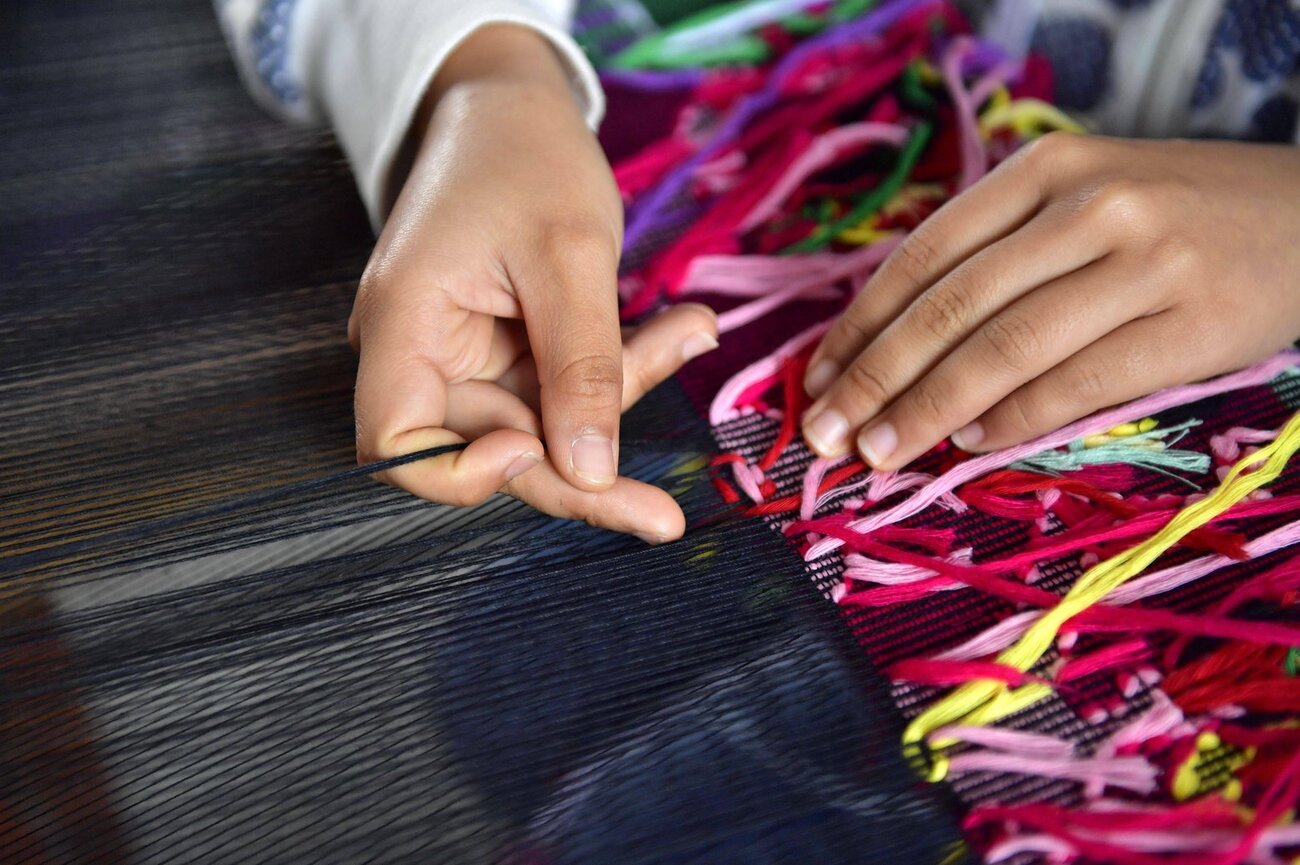
- Tujia Brocade Weaving: Experience one of Zhangjiajie’s most prestigious "Intangible Cultural Heritage" traditions through a hands-on Tujia brocade weaving workshop. This unique craft is known for its “back-weaving” technique, where artisans create intricate geometric patterns from the reverse side without seeing the finished design until it’s finished. During a 1–2 hour private session, a master weaver will guide you through traditional picking and threading techniques that have been passed down for more than 2,000 years. You’ll also discover the “secret language” behind the patterns, like for example the “Snake Skin” pattern brings protection or the "Spider" pattern for luck.
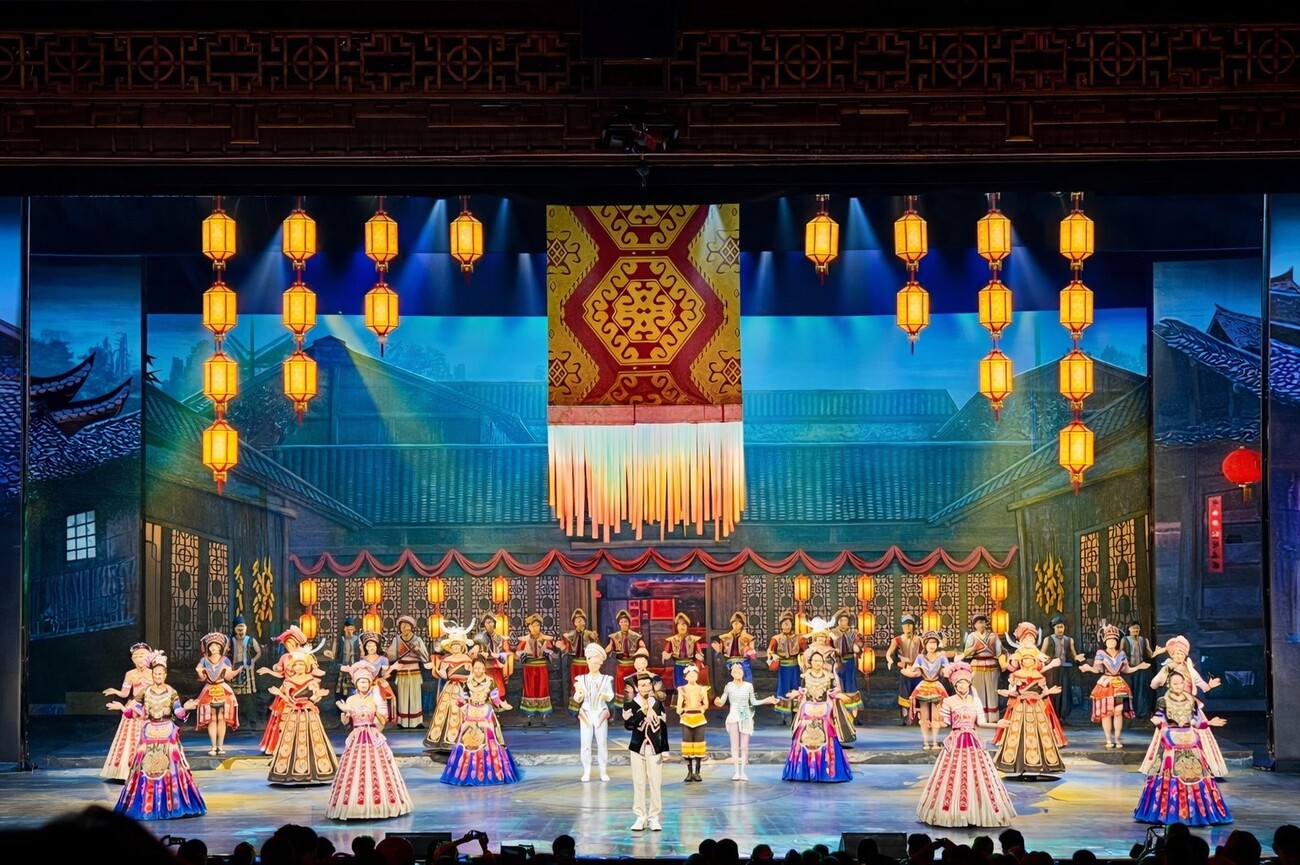
- Charming Xiangxi Show: Spend an evening at this large scale folk gala in Wulingyuan, regarded as a “living museum” of Western Hunan’s ethnic culture. This 90 minute show brings Tujia, Miao, and Bai traditions to life through colorful costumes, music, and dance. Directed by acclaimed filmmaker Feng Xiaogang, the performance unfolds in two parts. The indoor segment focuses on traditional folk culture, while the outdoor segment shows stunts that’ll have you gripping on the edge of your seats. It ends with a bonfire celebration, where visitors are invited to step on stage and join the actors in a traditional hand waving dance.
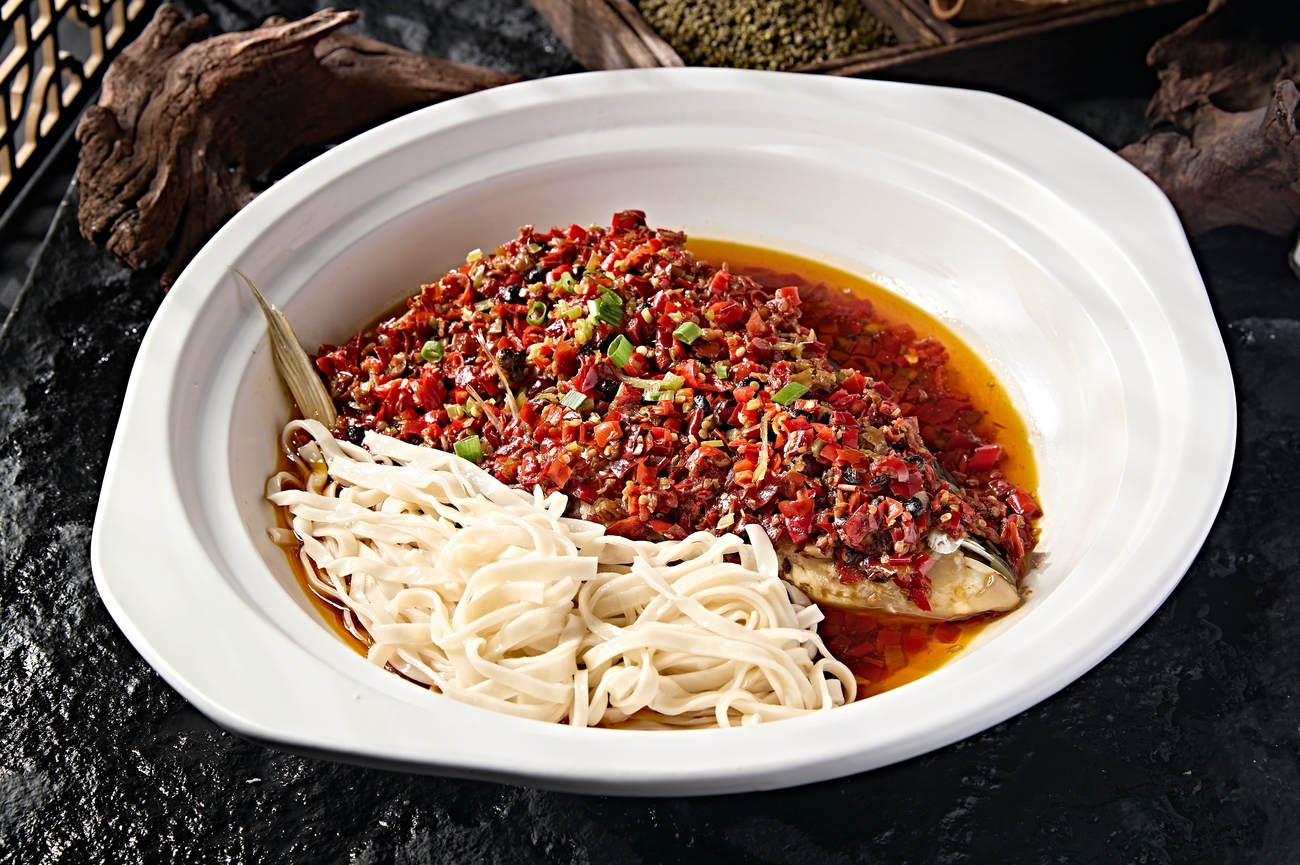
- Hunan Cuisine Cooking Class: If you want to understand the bold, spicy flavours that define Zhangjiajie, this hands-on cooking class is for you. The class begins at the Zhangjiajie Local Farmers’ Market, where a professional chef guides you through selecting regional ingredients like wild Tianzi Mountain mushrooms, fermented tofu, and the fresh and dried chillies essential to Xiang cuisine. Followed by learning the traditional techniques, including high heat stir frying to achieve the famous “breath of the wok,” as well as Tujia cooking methods like smoking bacon over pine needles. Together, you’ll prepare 2–3 authentic dishes like Steamed Fish Head with Chopped Chili, Tujia Sanxiaoguo, or Stir-fried Pork with Shishito Peppers. After cooking, sit down to enjoy the meal you created, paired with local Guzhang Maojian tea or rice wine.
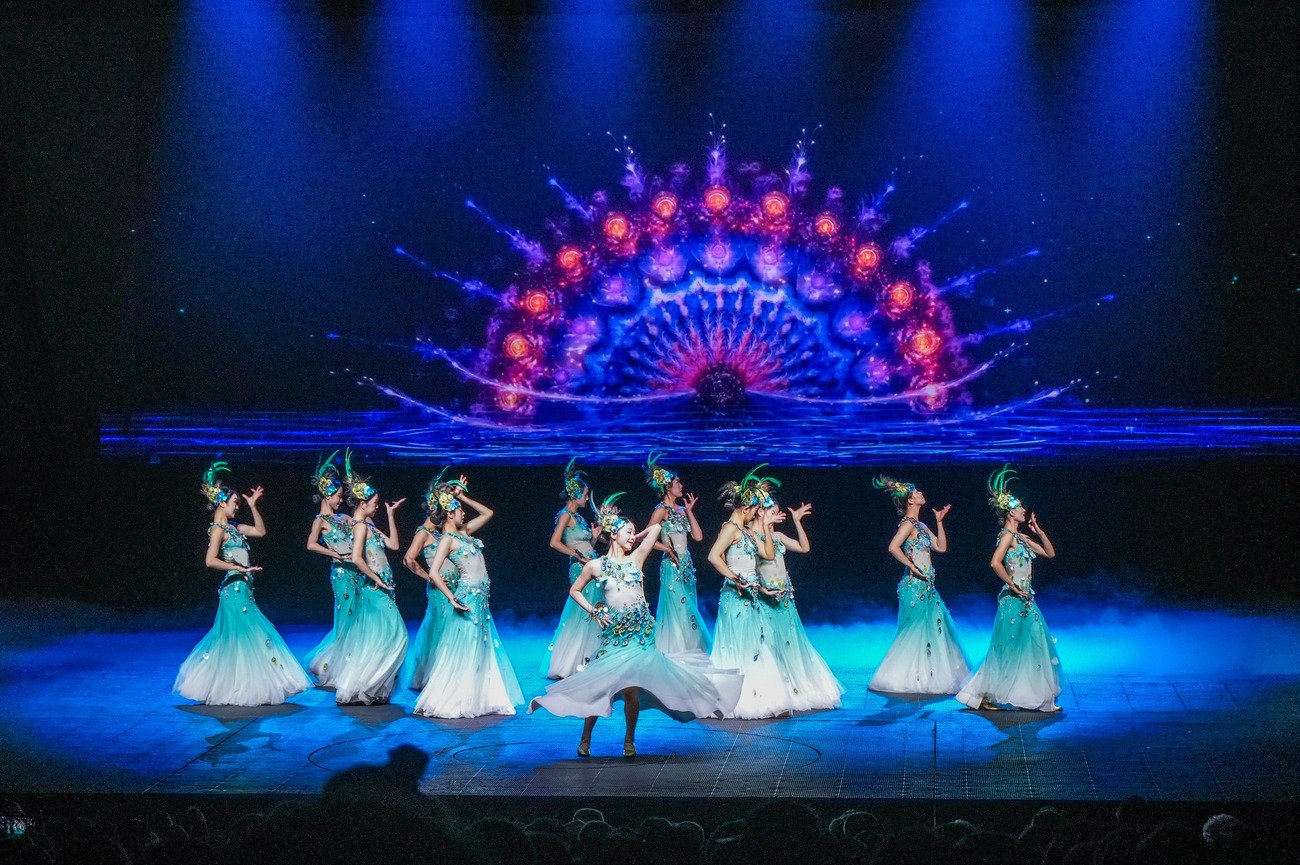
- Zhangjiajie Eternal Love Show: The Romantic Show of Zhangjiajie, this spectacular indoor performance produced by the famous Songcheng Performance Group is a must watch when you are in Zhangjiajie. The 60 minute show takes you through different scenes powered by high-tech stage effects where stage transforms into a flowing water curtain, a 3D forest, and even a battlefield. Thousands of seats move in sync with the performance, making you feel like part of the story rather than just a spectator. Here, you won’t just watch the show, you’ll feel it. Expect falling snow, light rain, and even simulated wind inside the theatre. At certain moments, performers fly above you or appear right beside you in the aisles.
Other Things to Do in
Zhangjiajie
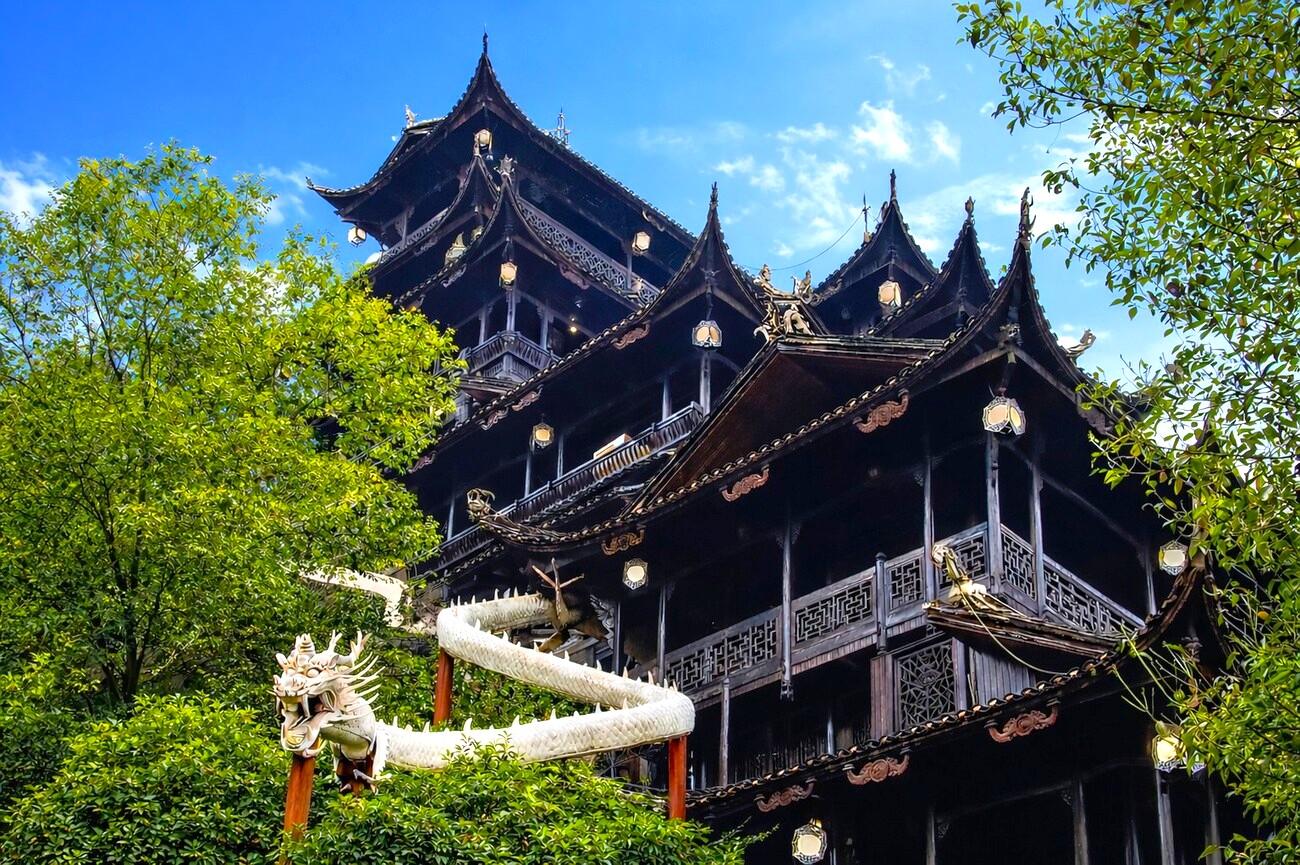
- Tujia Folk Customs Park: This 4A-rated cultural park was built on the former palace site of a Tujia king (Tusi). Spread across 5 hectares, it gives you a clear and engaging introduction to Tujia architecture, history, and everyday life. As you explore, you can watch traditional dance performances held daily in the central square (usually around 10:00 AM and 4:00 PM). You can also visit themed exhibition halls to learn more about Tujia customs, or stop by the on-site restaurants to try local dishes like Sanxiaguo (a spicy preserved meat stew), smoked bacon, and sour fish.
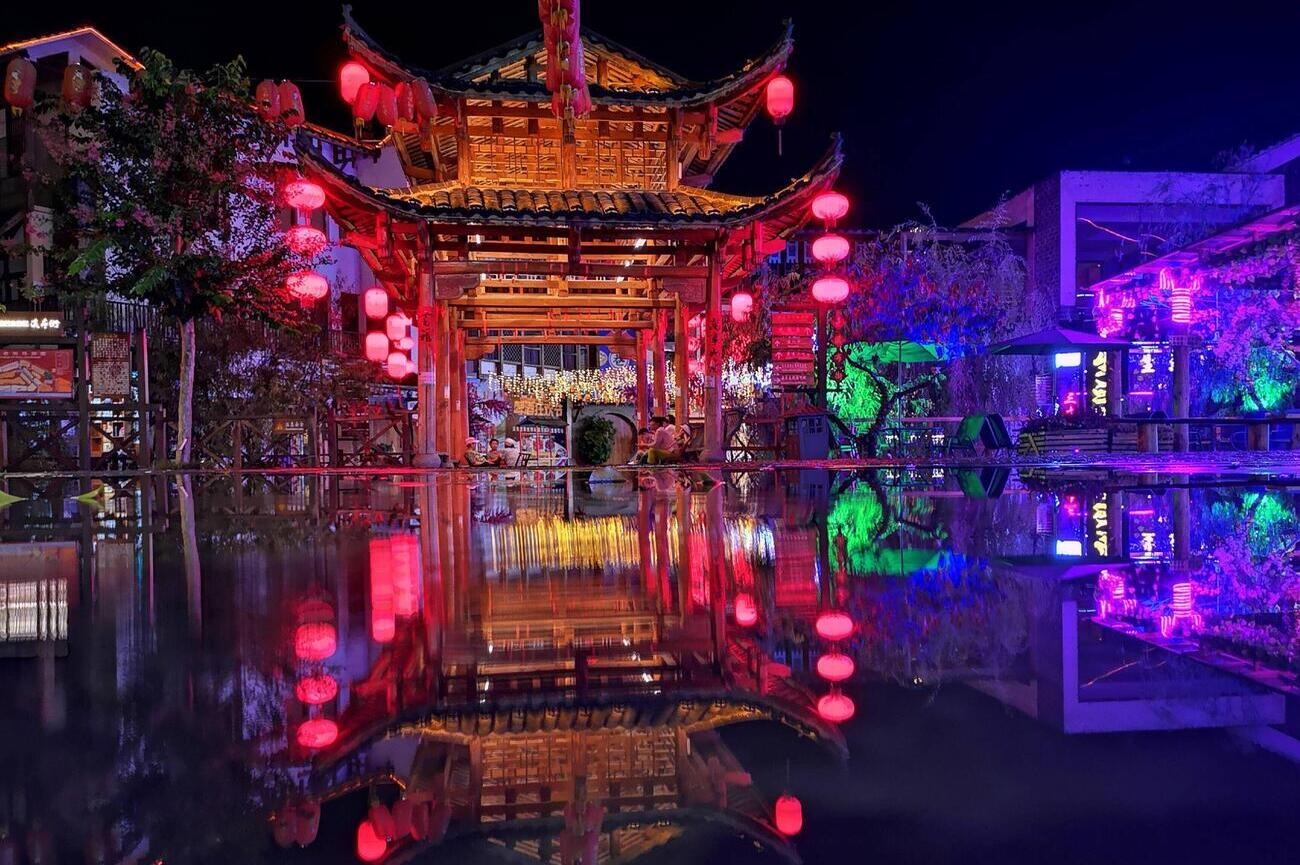
- Xibu Old Street in Wulingyuan District is the area’s main pedestrian street for evenings, blending a traditional style setting with a lively, modern atmosphere. As the lights come on, the street fills with visitors browsing souvenir shops, small boutiques, and local stalls, while the air is scented with grilled skewers, noodles, and other Hunan style snacks. It is an easy place to unwind after a day in Zhangjiajie National Forest Park, with plenty of casual places to sit for a drink, try local flavours, and soak up the buzz. While it is popular with tourists, it still offers a fun snapshot of Wulingyuan’s nightlife, especially after dark when the street feels at its most vibrant.
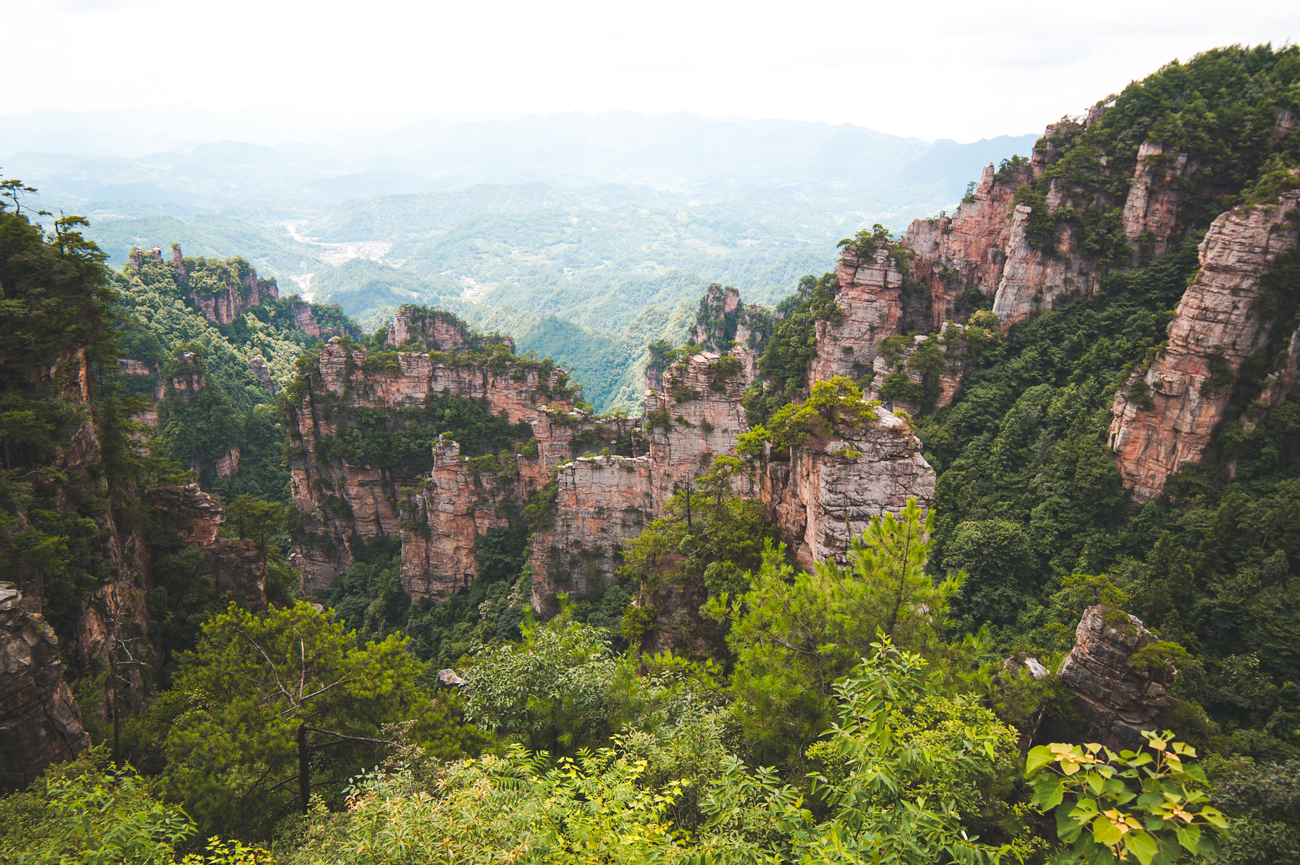
- Yangjiajie Scenic Area: If you’re looking for a wilder, more rugged side of Zhangjiajie National Forest Park, head to Yangjiajie. This area is famous for its “Peak Walls” (or Fengqiang), a rare geological phenomenon where sandstone pillars haven’t fully split apart, forming long, parallel stone walls that resemble a Natural Great Wall instead of separate pillars. If you’re up for a challenge, try “One Step to Heaven,” a near vertical climb up iron ladders that leads to a small summit with one of the most thrilling 360 degree views in the park. You can also walk along the Corridor in the Cliffs or explore Oolong Village (Airy Village), where peaks surround you from every angle
Things to Do with Kids
in Zhangjiajie
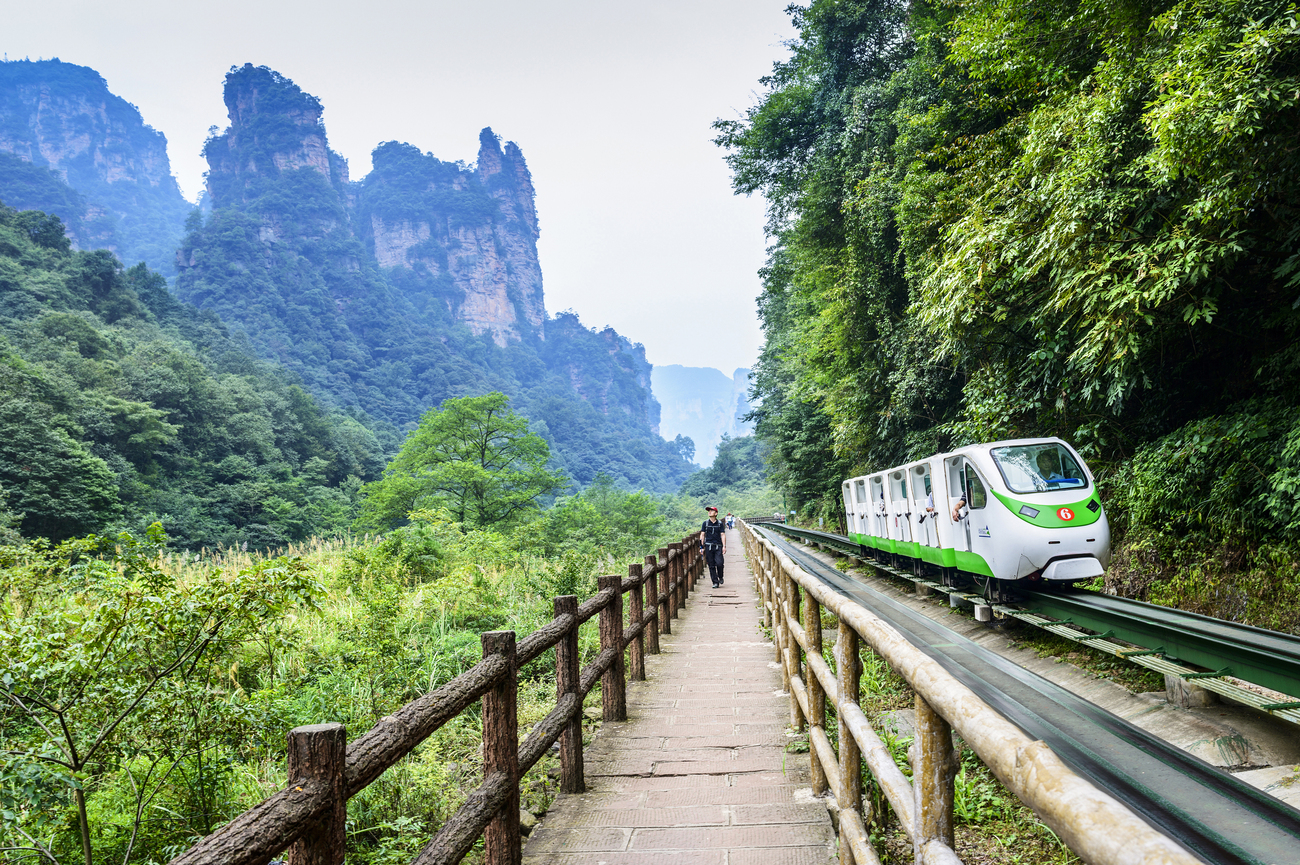
- Ten Mile Gallery: The most family friendly areas in Zhangjiajie National Forest Park, especially if you’re travelling with kids or prefer a gentler experience. The trail is completely flat, and instead of hiking long distances, you can hop on a colorful open air mini train that slowly travels through the valley. Along the way, a narrated tour points your attention to the unique rock formations around you. This relaxed ride is perfect if little ones are tired from climbing or if you simply want to enjoy the scenery without too much effort. Keep an eye out for wild macaques, they’re often seen near the tracks or walking paths. Just remember not to feed them or carry visible plastic bags, as they can be quite cheeky!
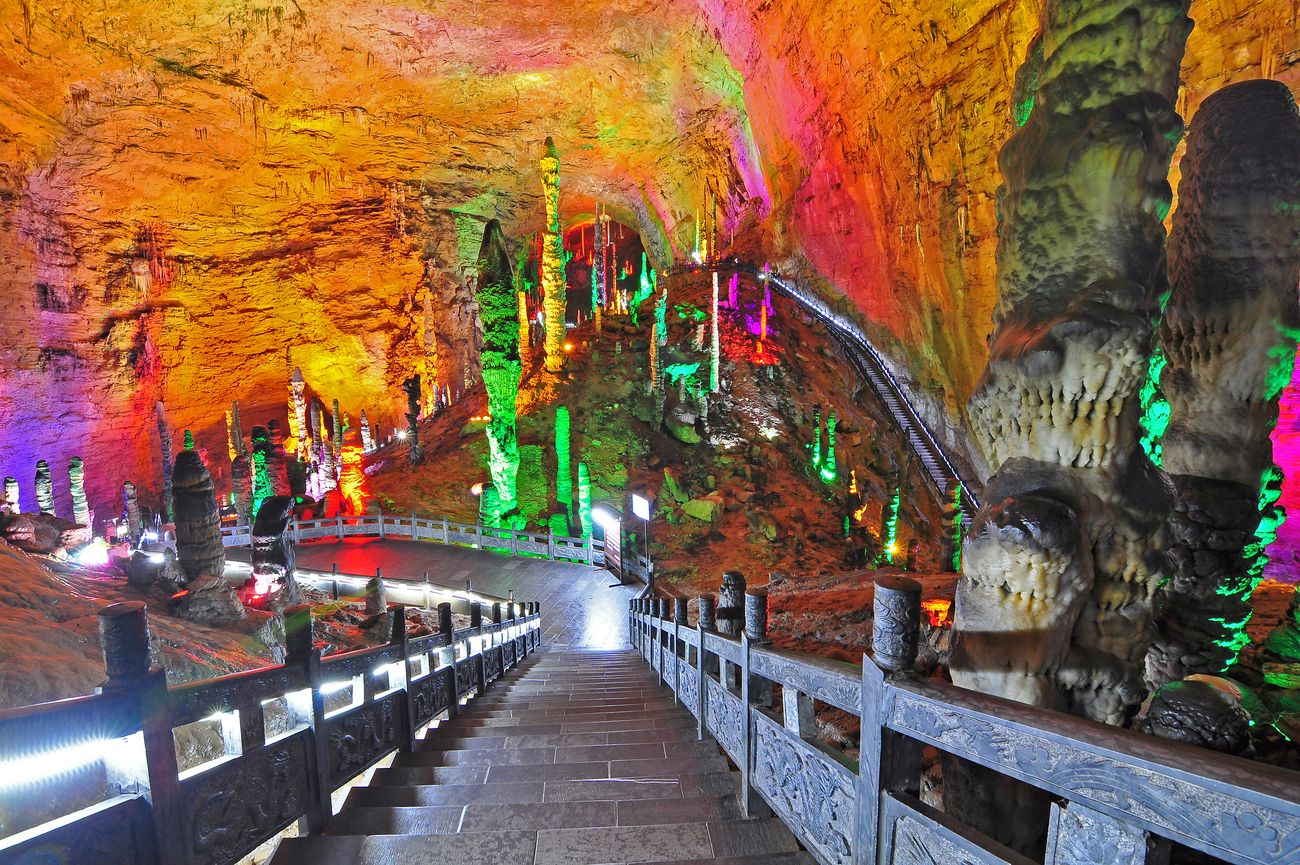
- Yellow Dragon Cave: A massive underground "magical kingdom" that stays at a cool 16°C (61°F) temperature all year round, a comfortable escape from summer heat or winter chill. One of the biggest highlights for children is the 800 meter boat ride along the underground “Ringing Water River.” As you float through the dark cave, you’ll see colorful lights reflecting off the water, as well as thousands of stalactites and stalagmites glowing in purples, greens, and blues. It’s fun to let kids (or yourself!) imagine what the rock formations look like, from the “Dragon King’s Throne” to the towering “Sea-Calming Needle.”
Where to Eat in
Zhangjiajie
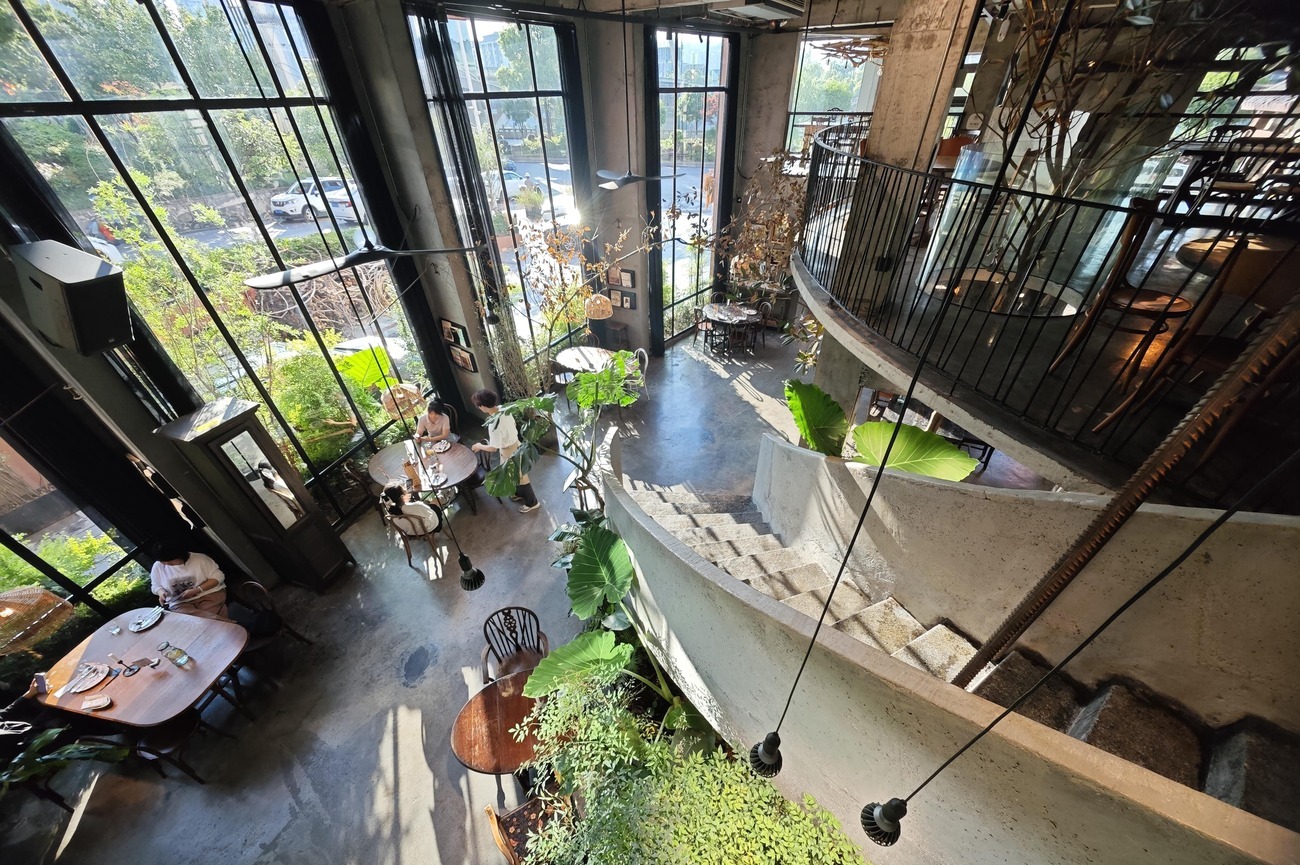
- Nimo Kitchen Restaurant in Zhangjiajie offers a refreshing blend of Western cuisine and relaxed café culture in a setting that feels both contemporary and welcoming. Housed in an elegant red-brick villa near the river, the restaurant features high ceilings, warm wooden interiors and lush greenery that create a calm, airy atmosphere. It is a popular choice for travellers seeking a break from traditional local fare, serving well-prepared steaks, pasta, fresh seafood, homemade breads and quality coffee. The service is attentive and English-speaking staff make international guests feel particularly comfortable. Whether for a leisurely lunch, a relaxed dinner or simply coffee and cake, Nimo Kitchen provides a stylish and reliable dining experience in Zhangjiajie.
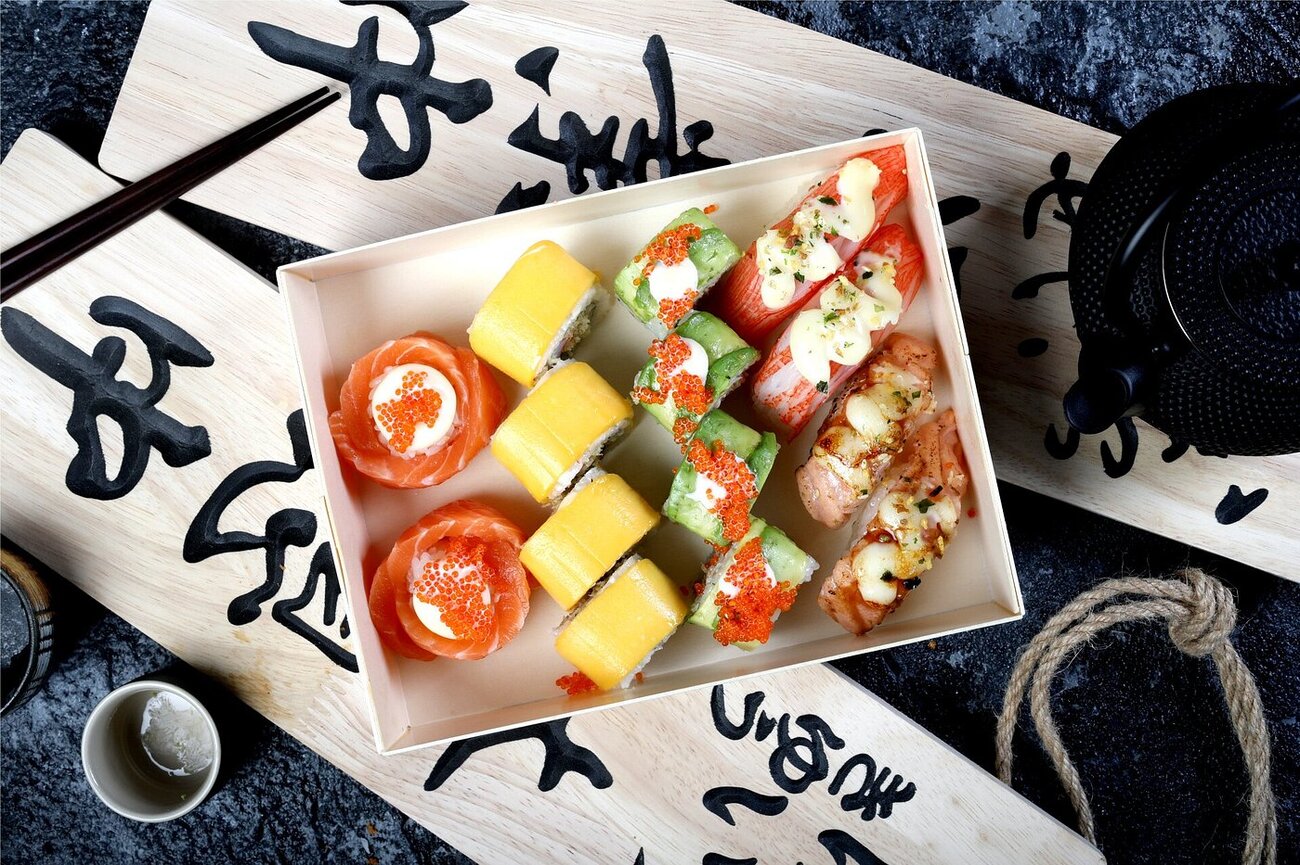
- HOLOLI Japanese Cuisine is a modern, well presented spot for a break from local Hunan flavours, offering a broad menu of Japanese favourites in a calm, contemporary setting. Expect neatly prepared sushi and sashimi, warming ramen and udon, donburi rice bowls, tempura and grilled dishes, paired with Japanese drinks and a comfortable dine in atmosphere. It is a reliable choice for travellers who want familiar flavours, lighter options, and a relaxed meal after a day exploring the area.
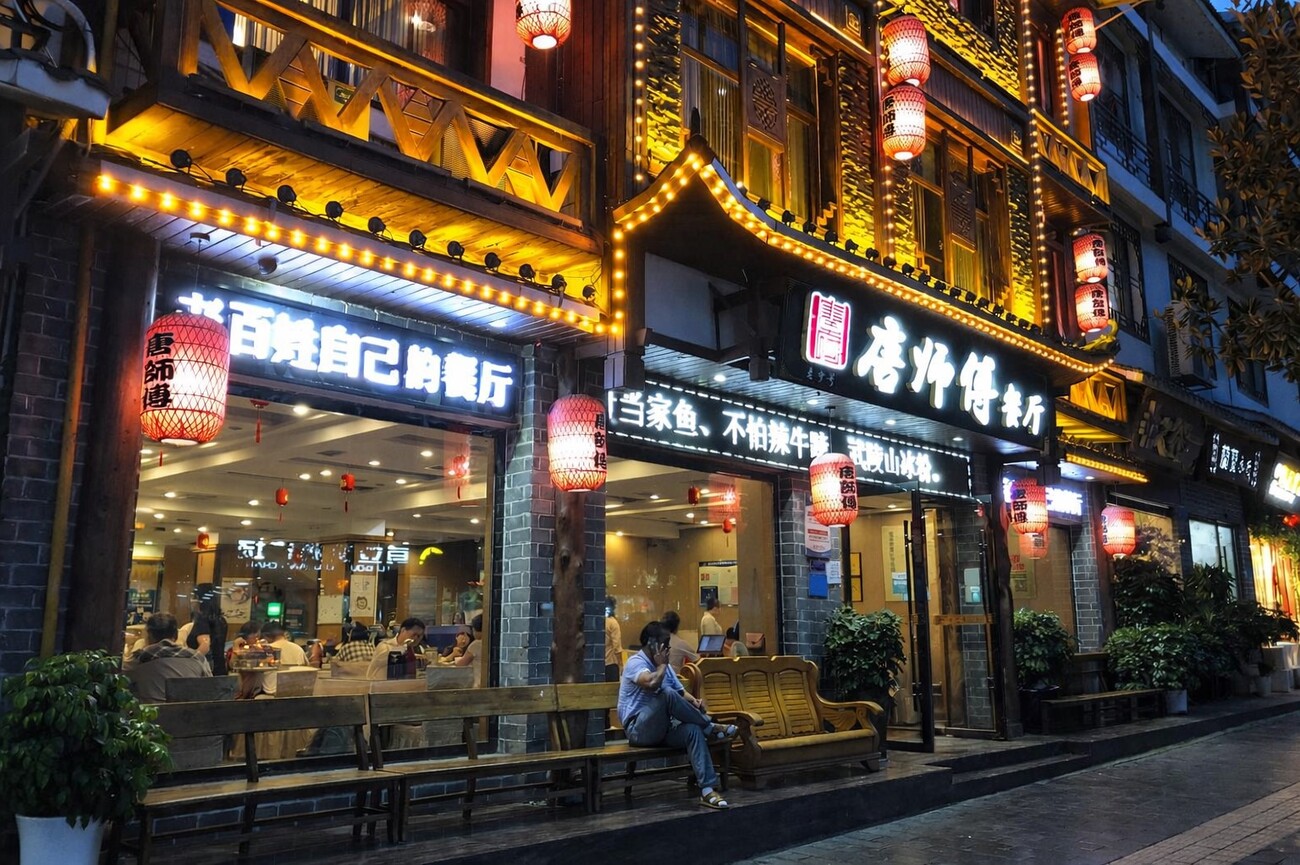
- Tangshifu (Master Tang Tujia Restaurant): Founded in 1983, it’s one of the most well known dining spots in the Wulingyuan District, highly recommended by locals for its authentic Hunan (Xiang) and Tujia cuisine. Hunan food is famous for its bold, fiery flavors, and here you can customize your spice level: from no spice, to mild, to extreme. Try their Signature dishes like the Yellow Beef with Pickled Peppers, Earthen Eggs, and Farmer’s Tofu.
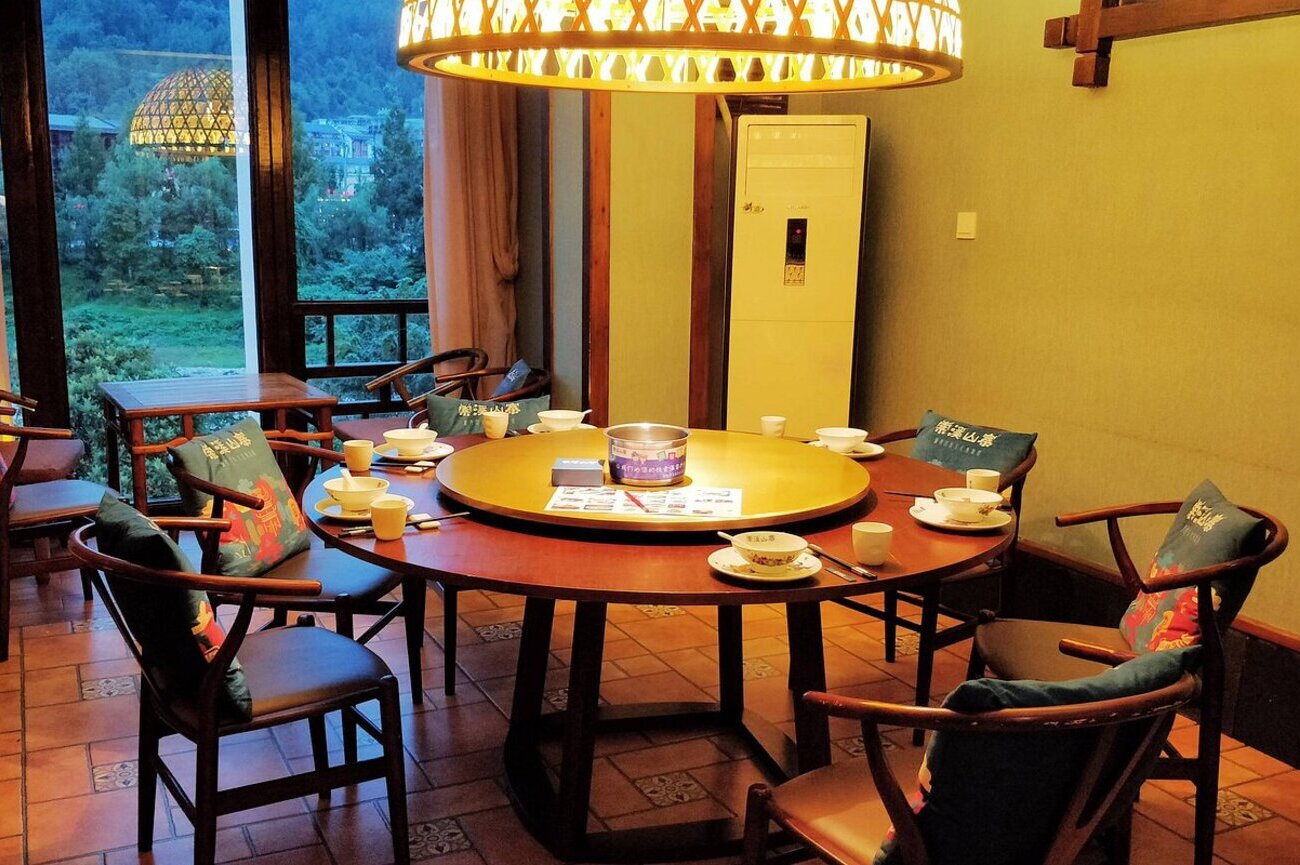
- Suo Xi Shan Zhai: More than just a restaurant; Suo Xi Shan Zhai gives that feel like stepping into a Xiangxi food culture museum. The space is designed to recreate the atmosphere of a traditional Tujia village, with wooden architecture, glowing red lanterns, and staff dressed in ethnic costumes. The menu focuses on fresh, “mountain to table” ingredients sourced from the surrounding region. For a signature dish, try the Sanxiaguo (Tujia Three in One Pot), a classic dry pot made with smoked bacon, pig trotter, and local tofu simmered in a rich, aromatic spicy sauce. If you prefer something lighter or non spicy, go for the Stewed Chicken with Wild Mushrooms, made with organic mountain chicken and rare local fungi for a comforting, nourishing meal.
- Zhai Zi Li De Bo Bo Cai: If you’re looking for a true local hidden gem, Zhai Zi Li De Bo Bo Cai is one of the highest rated dining spots in the Wulingyuan District. Praised for its generous portions, quality ingredients, and excellent value for money. The menu highlights traditional Bo Bo Cai (bowl style dishes) made with fresh, mountain sourced ingredients. Start with their Signature Chicken Pot, a rich, slow simmered stew infused with aromatic mountain herbs. Or their Steamed Fish with Chopped Chili, a classic Hunan dish prepared with fermented chilies that add a fresh, balanced tang without overpowering the flavor.
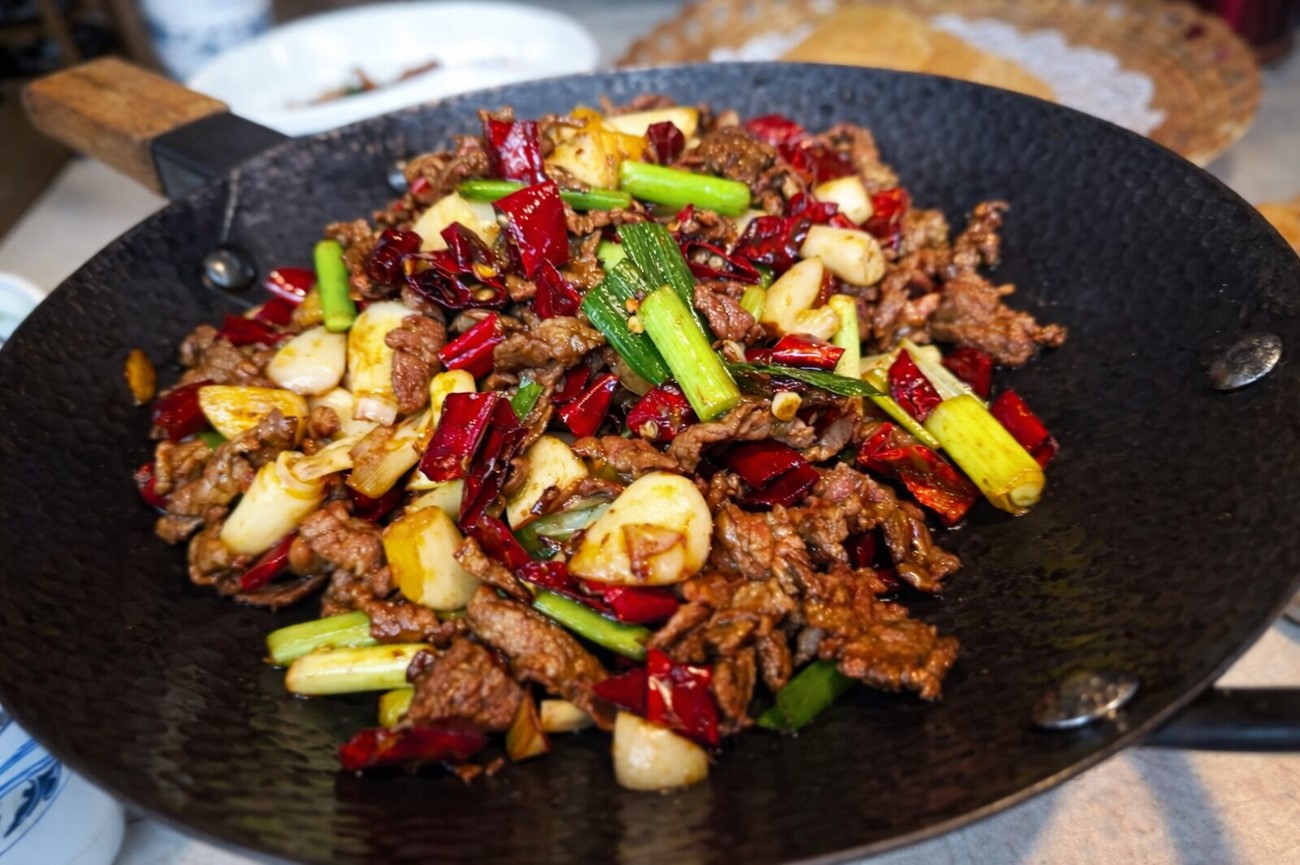
- Zhai Sao Dang Jia: If you want a truly local dining experience, Zhai Sao Dang Jia is a great choice. Known for its authentic Hunan and Tujia flavors, the restaurant has a simple, straightforward setting with an open kitchen, giving you that real “home style” atmosphere. The menu focuses on classic Xiang (Hunan) dishes made with fresh, local ingredients. The restaurant's must try dish is the Rural Stir Fried Pork, made with local “country pig” meat, it’s spicy, savory, and perfect with a bowl of rice. For something simple but memorable, try the Wild Onion Scrambled Eggs, made with fragrant mountain onions that add a unique, earthy flavor.
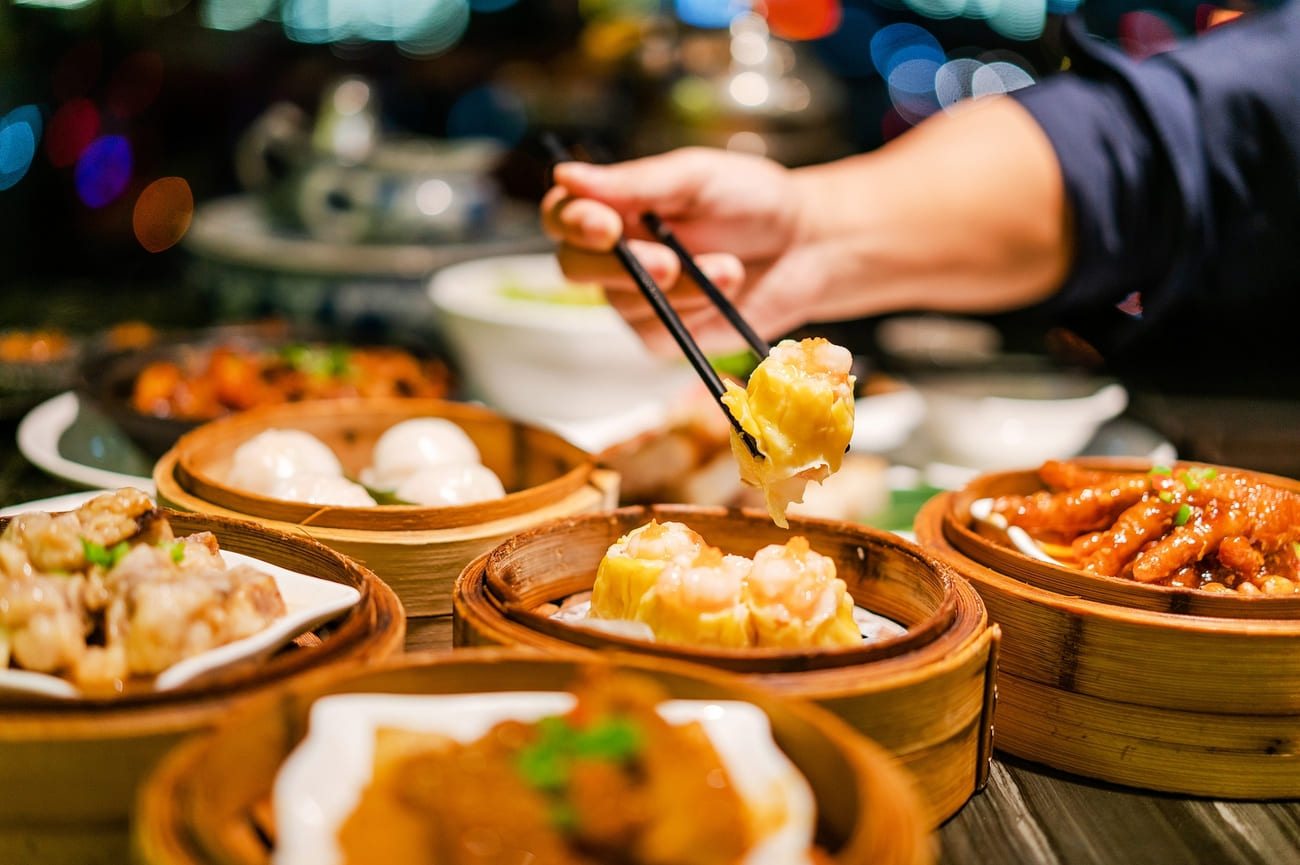
Where to Stay in
Zhangjiajie
- Pullman Zhangjiajie (4 stars): Located just a 10–15 minute walk from the Wulingyuan East Gate (the main entrance to Zhangjiajie National Forest Park), Pullman is ideal for those who value comfort and smooth service. Here, you’ll find consistent English speaking support and familiar amenities, which can be harder to find in smaller local inns. Rooms range from 38 to 42 square metres and include walk-in showers, separate bathtubs, and private balconies, many with mountain or garden views. The concierge team is especially helpful, offering custom maps, assisting with complex park routes, and helping you book tickets in advance.
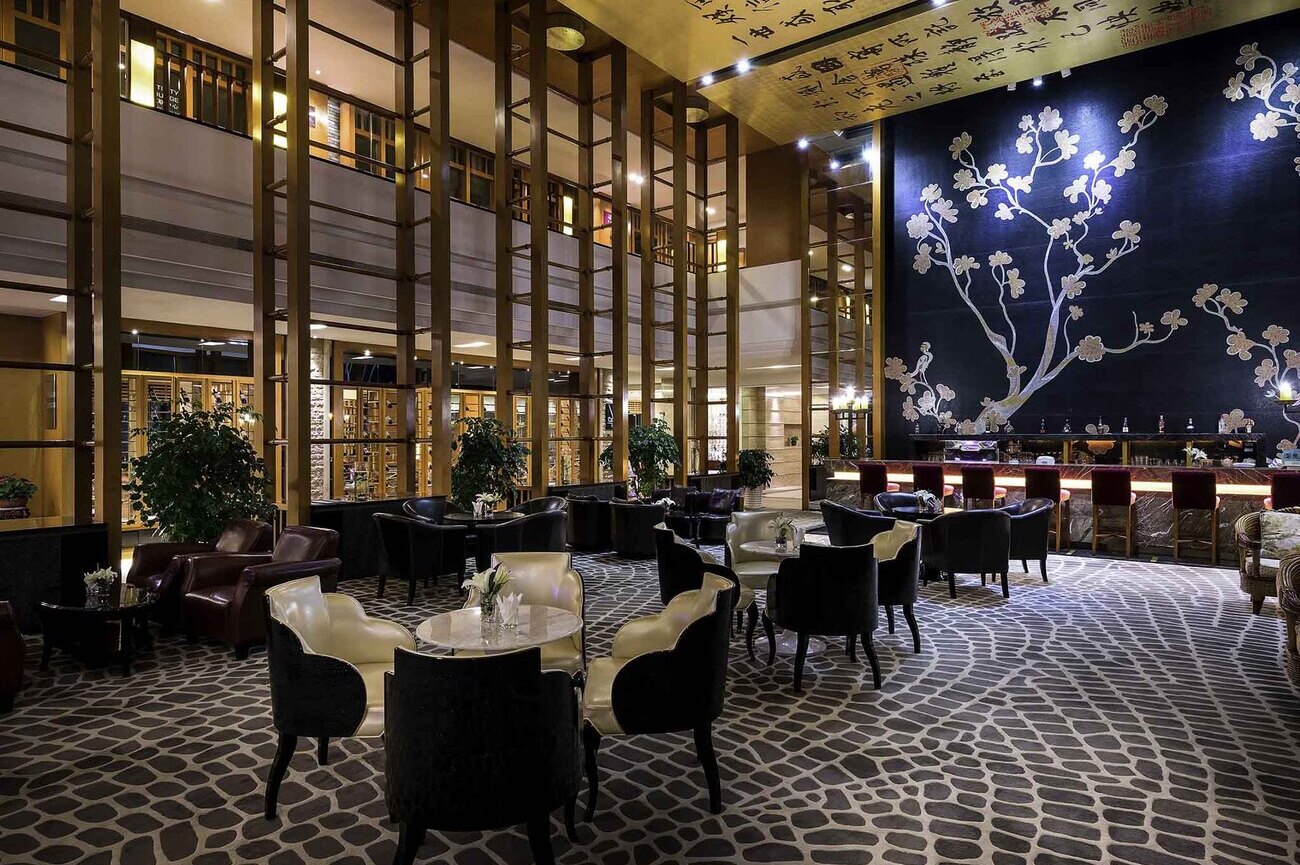
- Harmona Resort & Spa Zhangjiajie (4 stars): Set in a peaceful valley in the Wulingyuan District, this ecological resort is designed to harmonize naturally with its surroundings. Inspired by the “Five Elements” philosophy (Gold, Wood, Water, Fire, Earth), each area of the resort has a distinct architectural style, from wooden stilt houses to stone villas. Unlike city center high rise hotels, Harmona is spread across mountain valleys. Rooms feature warm timber interiors and calming garden views, while villa options include private balconies overlooking the river or mountains
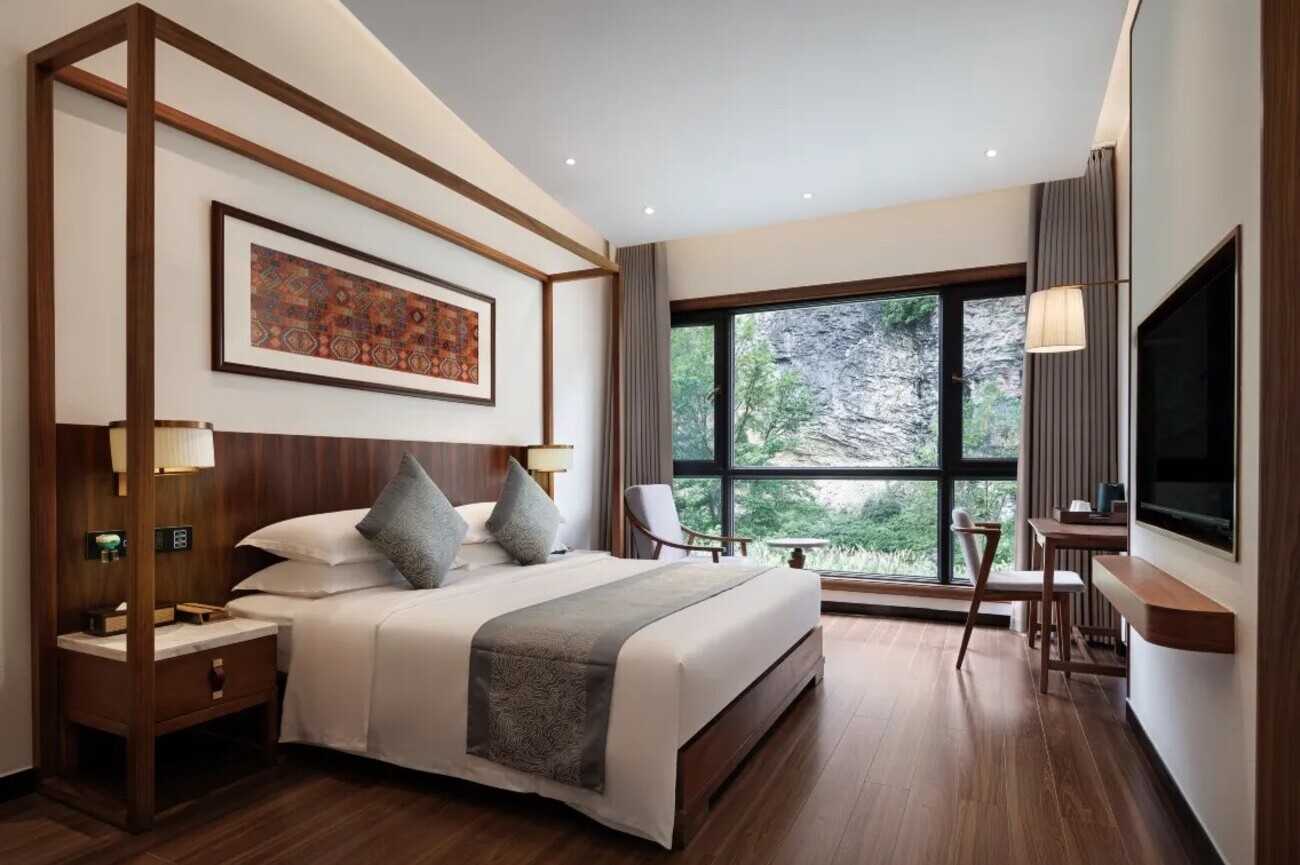
- Hampton by Hilton Zhangjiajie Tianmen Mountain (4 stars): Located directly across from the Tianmen Mountain Cableway, Hampton makes an ideal base if you want easy access to the mountain and nearby city attractions. You can transition smoothly from arrival to exploration without long transfers. The rooms here are spacious, bright, and soundproofed, with views of either the city or the cable cars climbing the mountain. Many guests also appreciate thoughtful touches, such as welcome gifts, evening snacks like red bean soup, or herbal foot-soaking basins perfect for relaxing after a long day of hiking.
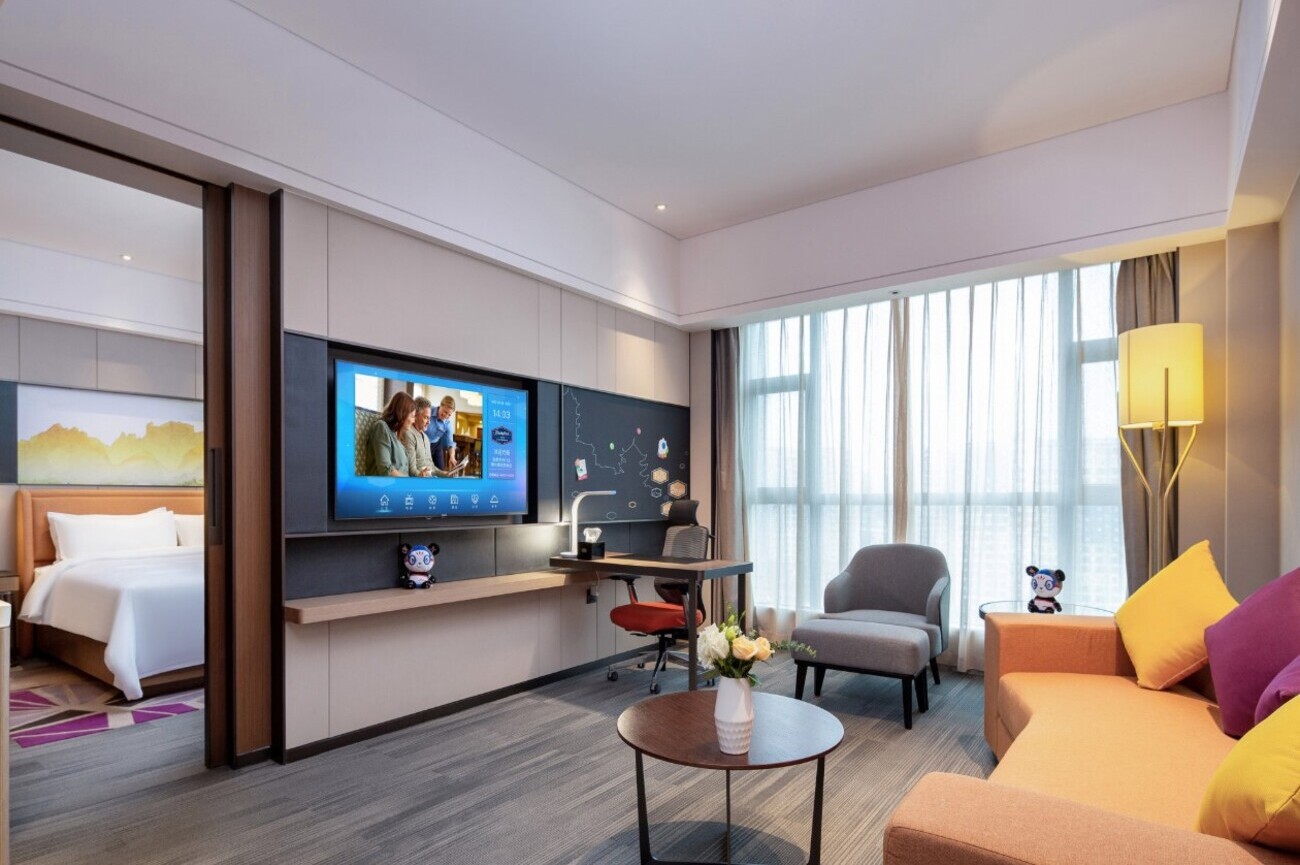
- Hilton Garden Inn Zhangjiajie Wulingyuan (4 stars): Opened in 2025, this modern Hilton property combines contemporary comfort with a convenient location near Zhangjiajie’s main attractions. Here, you'll be just a 5-minute drive from the Wulingyuan East Gate of the National Forest Park and about 10 minutes from Yellow Dragon Cave. The rooms are spacious, clean, and designed with modern décor. Many offer mountain or garden views, along with premium amenities like window side bathtubs, blackout curtains, and soundproofing, ideal if you want to fully rest and recharge after a long day of exploring.
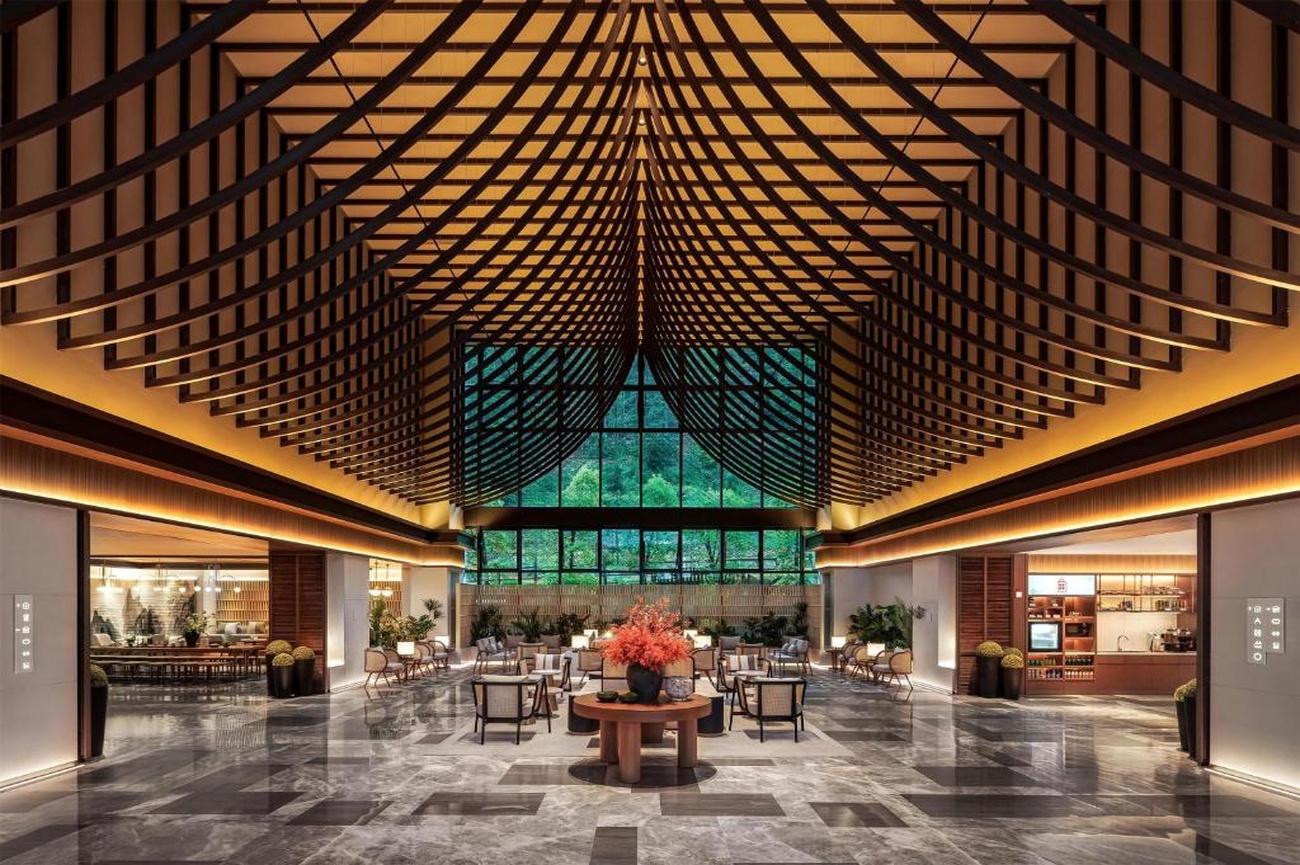
- Hilton Garden Inn Zhangjiajie Tianmen Mountain (3 stars): If easy access to transportation and Tianmen Mountain is your priority, Hilton Tianmen is the best choice for you. It’s just a 5 minute taxi ride from the Tianmen Mountain Cableway Station, giving you an early start that’s simple and stress free. Rooms here come with modern “smart” features and ergonomic workspaces. For the best experience, choose a Mountain View Room on a higher floor, and wake up to clear, direct views of Tianmen Mountain, with mist drifting along the cliffs, a memorable way to start your day.
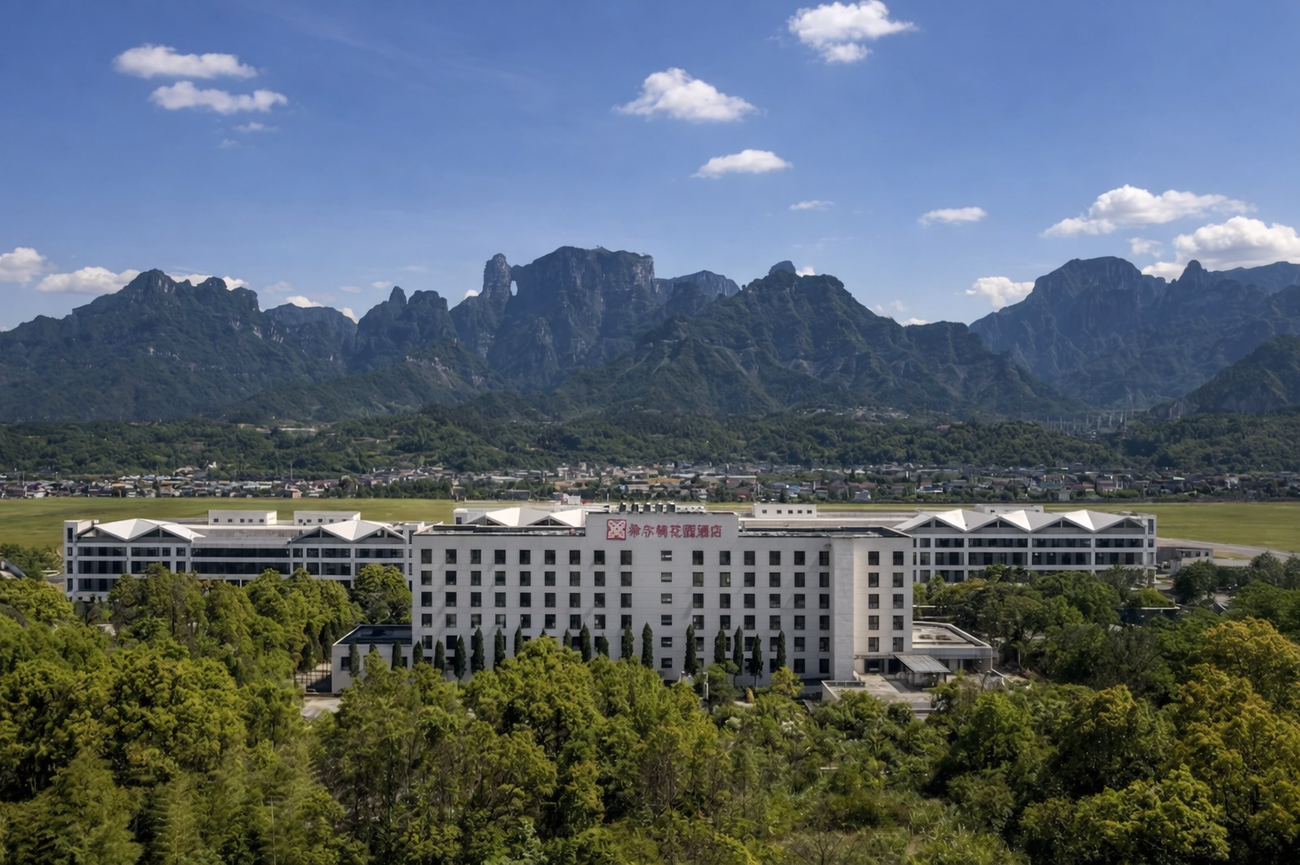
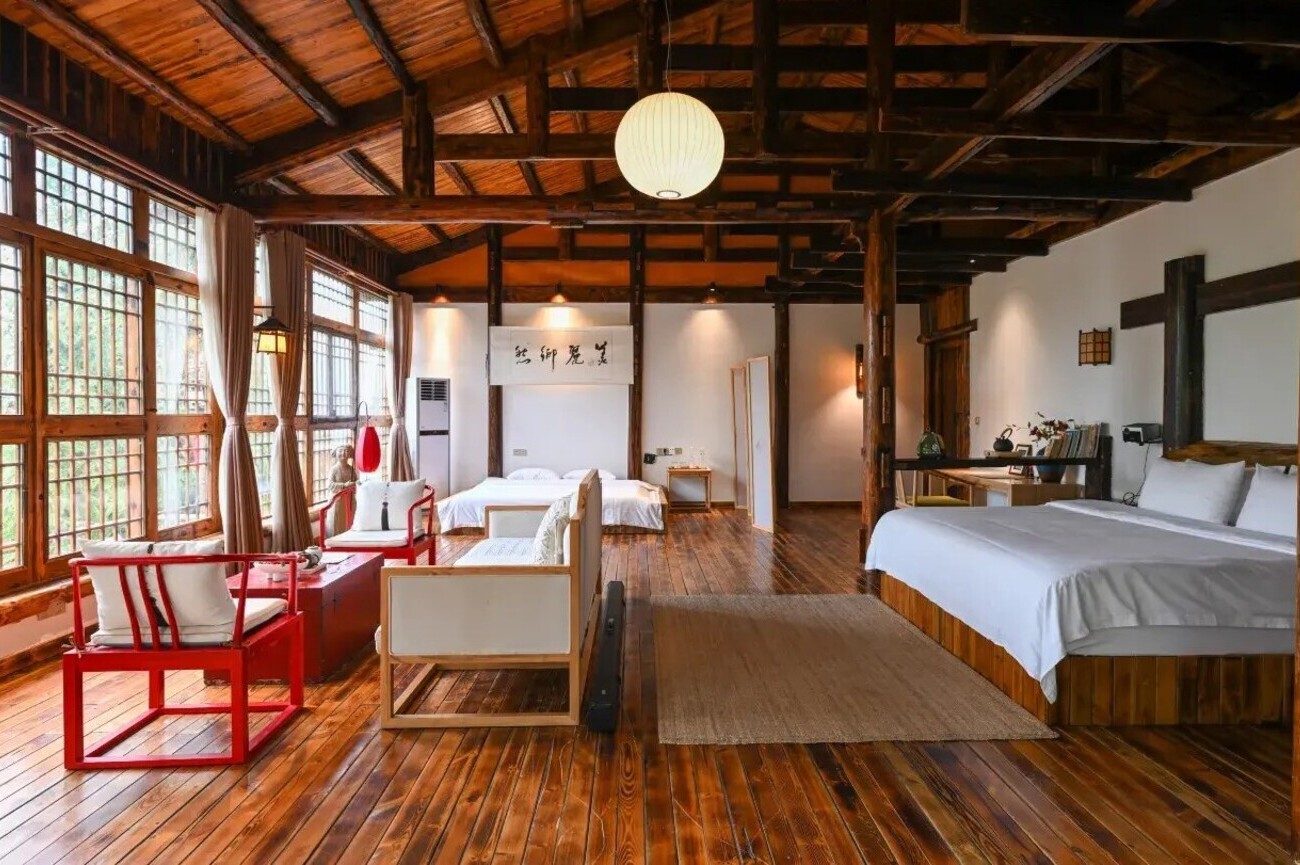
- No.5 Valley Lodge: If you’re looking for a peaceful, farm to table retreat away from the city’s crowds, No.5 Valley Lodge is an excellent choice. Located in a quiet valley in Zhonghu Town, it’s about 2 km (around a 5-minute drive) from the West Gate (Yangjiajie) of Zhangjiajie National Forest Park. The lodge features unique rustic luxury with rooms spread across five traditional style buildings made with wood, thatch, and clay tiles, and include unique options like treehouse villas, loft suites with 270 degree views, and rooms with private wooden bathtubs or fireplaces. Their heated outdoor infinity pool overlooking rice fields and mountain peaks is perfect for relaxing after a day of hiking.
Best Time to Visit
Zhangjiajie
The best time to visit Zhangjiajie is during the shoulder seasons: spring (April to May) and autumn (September to October). During these months, you’ll enjoy mild weather, comfortable hiking conditions, and the best visibility.
Autumn is often called the “golden season” because the skies are clearer and rainfall is lower, giving you crisp, uninterrupted views of the sandstone pillars. Mid-October is especially known for ideal weather.
Spring, on the other hand, is when the mountains are at their greenest. If you’re hoping to see the famous “sea of clouds,” this season gives you the highest chance, particularly after light rain, when mist drifts between the peaks.
To avoid heavy crowds, try to avoid major Chinese holidays such as the May Day Holiday, National Day Holiday, and the summer break period from early July to late August.
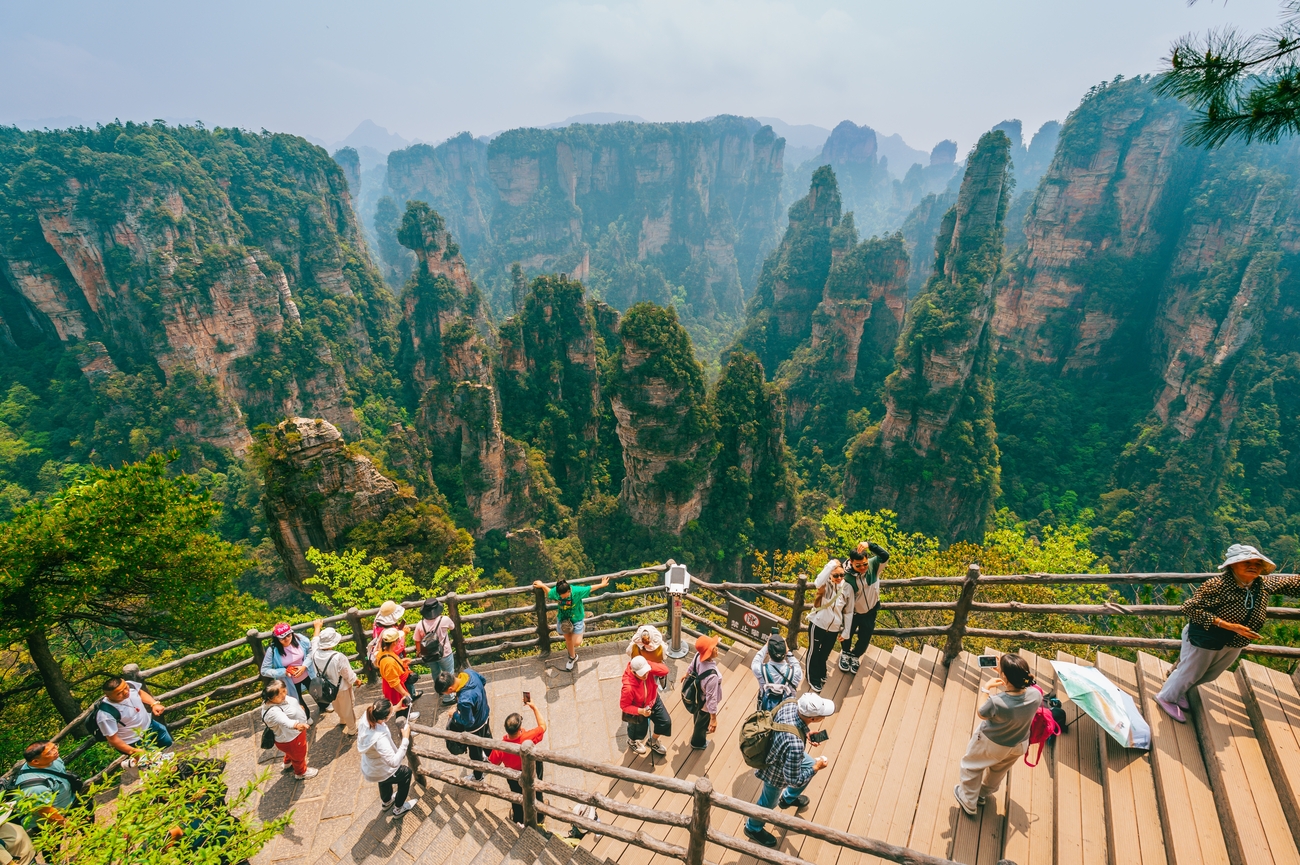
Festivals in
Zhangjiajie
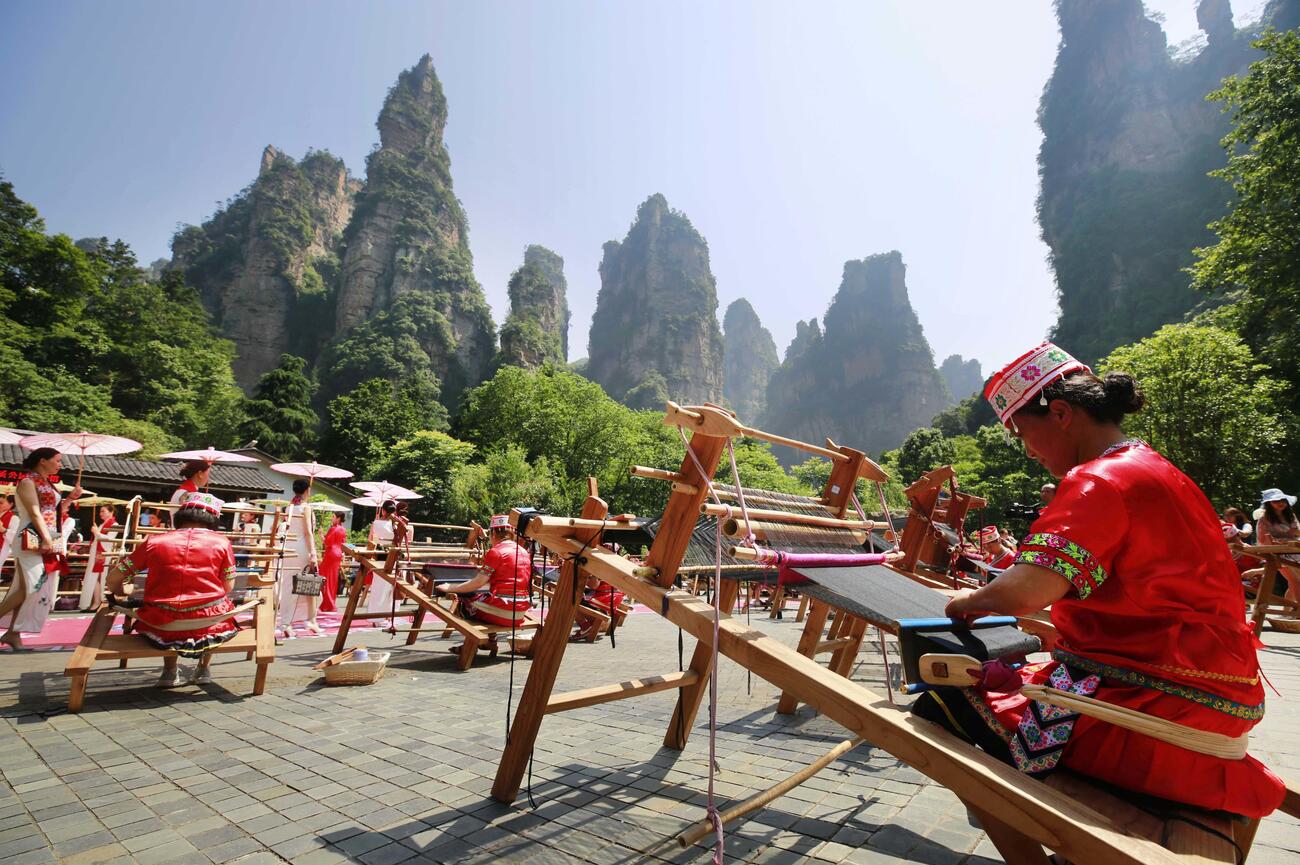
- Gan Nian: Also known as the "Hurried New Year," is the most significant and culturally unique celebration of the Tujia ethnic group in Zhangjiajie. Unlike the traditional Chinese New Year, it is usually celebrated one day earlier. The tradition dates back about 500 years. According to legend, Tujia soldiers were once called into battle just before the New Year. To make sure they could celebrate and share a reunion meal with their families, the local chieftain (Tusi) ordered the festivities to begin early, a custom that continues today. If you visit during Gan Nian, you’ll experience a lively atmosphere across the region. Places like Tujia Folk Customs Park and the 72 Strange Towers host energetic performances, there are also traditional craft workshops where you can try hands-on activities like pounding glutinous rice cakes (ciba) or learning traditional Tujia brocade weaving. Some scenic areas, including Zhangjiajie Romance Park, even set up large communal feasts where you can join locals in sharing dozens of traditional dishes together.
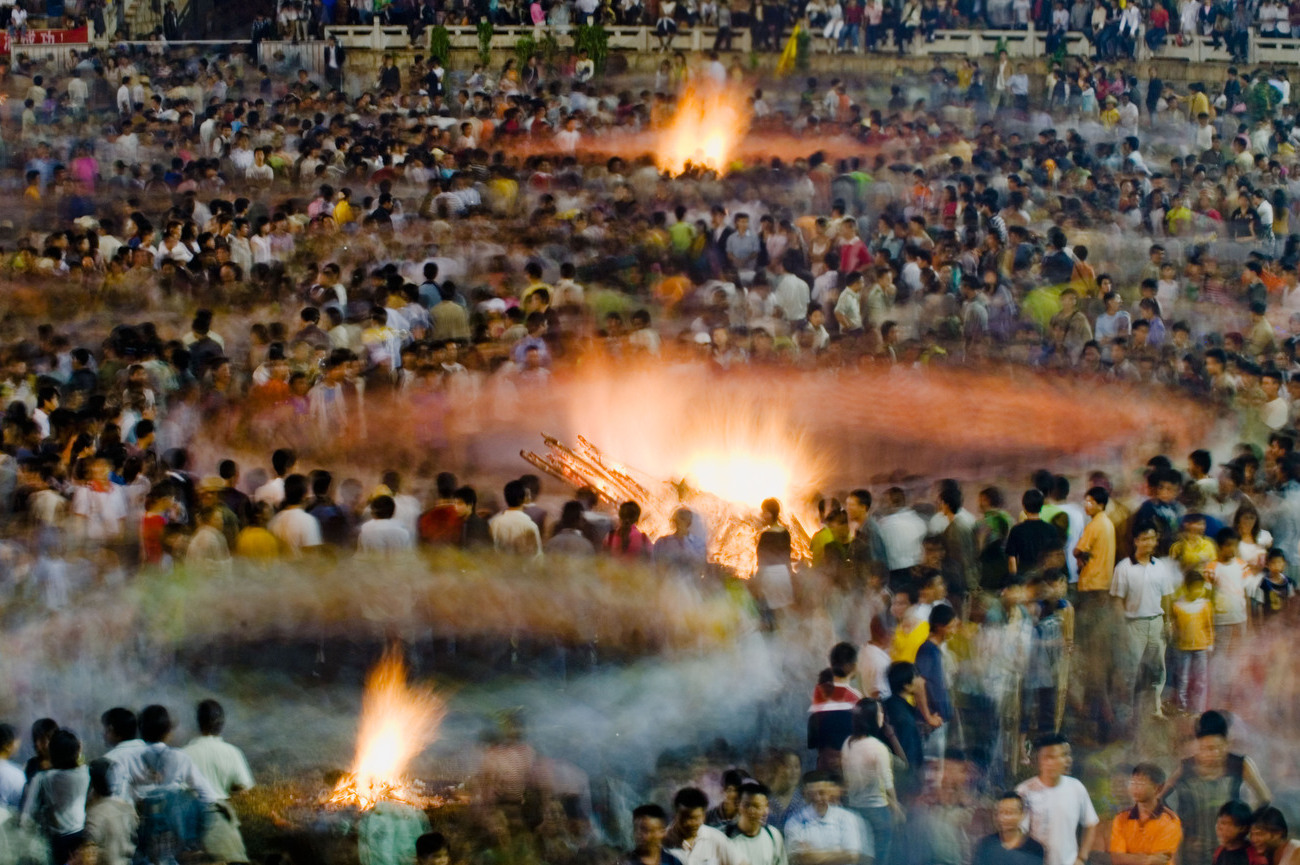
- Torch Festival: Although the Torch Festival is more widely associated with the Yi people in other parts of China, the Bai community in Zhangjiajie celebrates it on the 25th day of the 6th lunar month. The festival is held to pray for a good harvest and to drive away pests and evil spirits. In the evening, families light torches outside their homes, creating a warm, glowing atmosphere across the village. The festival highlight however is usually a massive torch (sometimes up to 35 feet tall) built from pine and cypress wood and placed in the village square, young men and women dress in their finest traditional clothing to sing and dance around the torches late into the night. You may also see locals jumping over small fires, a traditional ritual believed to purify the soul and symbolically “burn away” misfortune. During the festival you’ll likely be invited to join a communal feast. Expect dishes like beef for good luck, local noodles, and fresh seasonal fruits.
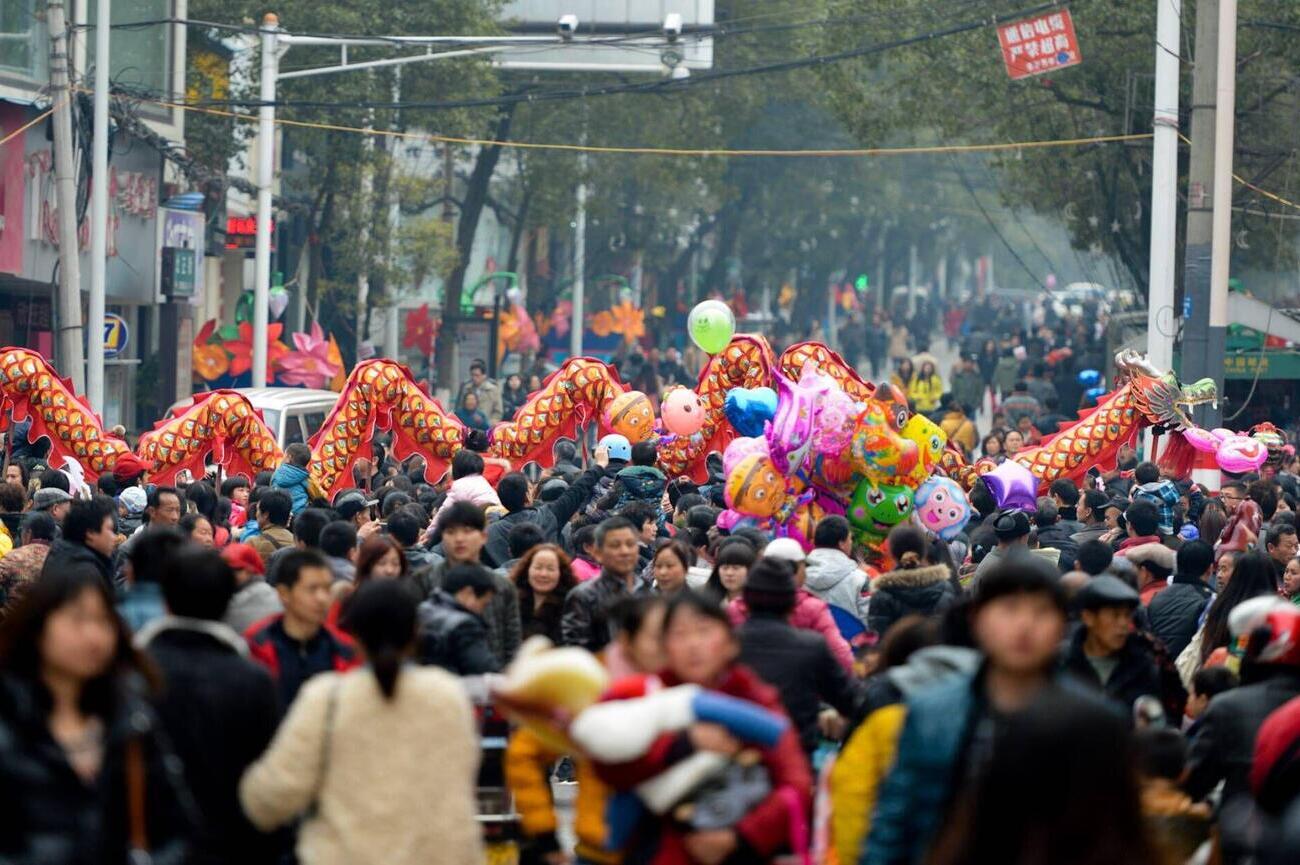
- Lantern Festival: Zhangjiajie’s Lantern Festival is famous for its massive scale, often drawing more than 300,000 people into the streets for what locals call a true “mountain carnival.” During this time, the city comes alive with energy, colour, and nonstop celebrations. You’ll witness huge street parades featuring long dragon dances, lively lion dances, and traditional stilt walkers dressed in vibrant ethnic costumes. At the 72 Qilou complex, a special holographic light show transforms the space, with its hollow part used to suspend a "super moon" or giant traditional lanterns. When hunger strikes, head to Hourong Street Night Market, where local food stalls serve seasonal treats and street favourites. For the best photos, try viewing from the pedestrian bridges along Ziwu Road or from the balconies of riverside restaurants, where you’ll get a wide view of the vibrant festival atmosphere.
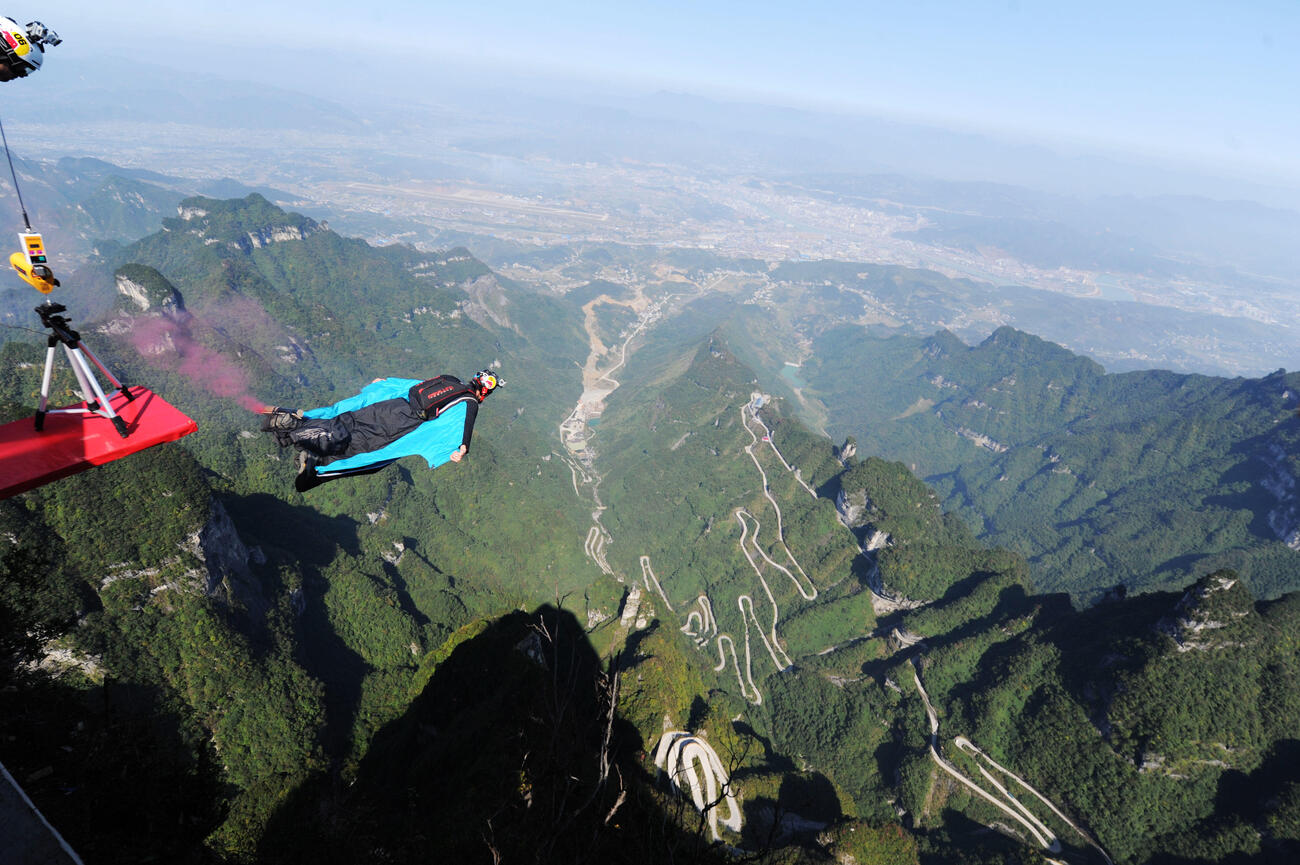
- Tianmen Mountain Wingsuit Championship: If you’re visiting around mid-September, you may catch one of Zhangjiajie’s most thrilling international events: the Tianmen Mountain Wingsuit Championship. During this time, the iconic “Heaven’s Gate” became a dramatic stage for extreme sports. Elite wingsuit pilots from around the world leap from a platform about 1,400 meters high, flying at speeds over 200 km/h as they dive toward Tianmen Cave. Many aim for a tiny finish target along the famous 99 Bends Road below. Expect a lively atmosphere filled with professional photographers, drone cameras, and spectators gathered to capture the action. It’s a rare chance to witness world-class adrenaline sports set against one of China’s most spectacular natural landscapes.
The Real-Life Avatar
Mountains
Zhangjiajie is often compared to the world of Avatar (and for good reason). But seeing these towering sandstone pillars in person is something else entirely. Photos cannot fully capture how the peaks rise like a stone ocean, how mist drifts between cliffs, or how standing at a lookout makes you feel small, in the most awe-inspiring way.
By the time you’ve ridden the Bailong Elevator, crossed a glass bridge over a canyon, floated along an underground river, and watched a waterfall-lit ancient town glow at night, you’ll realise Zhangjiajie isn’t just a place you visit, it’s a place you experience, one brave step at a time.
At Revigorate, we design your Zhangjiajie journey with precision. We plan the smartest park routing to avoid peak crowds. We arrange private guides who know exactly when to ascend, when to descend, and which viewpoints are worth your time. We secure the best train connections, premium transfers, and carefully selected hotels positioned for early access and smooth logistics.
Want sunrise above the Sea of Clouds without the chaos? Prefer a measured pace with scenic cableways rather than strenuous climbs? Interested in pairing the pillars of Wulingyuan with Fenghuang or extending into Guilin or Shanghai seamlessly? We structure every detail around you.
You will not waste time in queues. You will not second-guess transport decisions. You will not miss the viewpoints that matter most. You will simply experience Zhangjiajie at its best.
If you are a busy traveller who values efficiency, comfort, and intelligent design, allow us to handle the complexity while you focus on the wonder.
Contact Revigorate to begin crafting your tailor-made Zhangjiajie journey. Contact us or give us a call at +1 800 672 0517, +351 289 009 580, or +44 808 189 0647.
Let us transform four extraordinary days into an effortless experience.
Ready to explore more of Asia? Travel further with Revigorate and discover our curated itineraries across Shanghai, Beijing, Chengdu, Xi’an, Hong Kong, Tokyo, Singapore, Osaka, and Manila.


Let us know what you love, where you want to go, and we’ll design a one-of-a-kind adventure you’ll never forget.
Get in touch
Miriam
Travel Specialist

Romina
Travel Specialist

Laura
Travel Specialist
Our offices:



Revigorate, Iberian Escapes and Algarve Lifestyle are the registered brand names of APCS Lda . We are a fully authorised travel agency licensed by Turismo de Portugal RNAVT/6867.
In the event of a dispute, the consumer may refer to: RAL - Centros de Arbitragem
Avª. 5 de Outubro, nº. 55, R/C Dtº. 8000-075 Faro, Portugal | Tel: +351 289 823 135 *
* national landline call
E-mail: info@consumoalgarve.pt| www.consumidoronline.pt | Mon to Fri: 9:00 - 13:00 / 14:00 - 17:00