Things to Do in Lake Tegernsee: 3-Day Itinerary
Lake Tegernsee is one of Bavaria’s most elegant Alpine lake destinations, combining lakeside towns, mountain scenery, historic churches, wellness hotels and easy access to hiking trails less than an hour south of Munich.
The lake is surrounded by places such as Tegernsee, Rottach-Egern and Bad Wiessee, each offering a slightly different atmosphere. Tegernsee brings historic landmarks and the former Benedictine abbey, Rottach-Egern combines refined hotels and dining with mountain access, while Bad Wiessee is closely associated with spa and wellness traditions.
Beyond the waterfront, the surrounding Bavarian Alps provide cable cars, forest trails and panoramic viewpoints, while boat trips connect the lakeside communities and offer a different perspective on the landscape.
This 3-day Lake Tegernsee itinerary combines lakeside walks, mountain views, spa time, dining and nearby excursions, with a relaxed pace that suits the character of the region.
Day 1

Morning: Gmund Papiershop
Lake Tegernsee’s first stop isn’t a vista, a castle or a mountain. It’s paper that actually feels like poetry. Gmund Papiershop is the kind of place that turns stationery into something with a pulse.
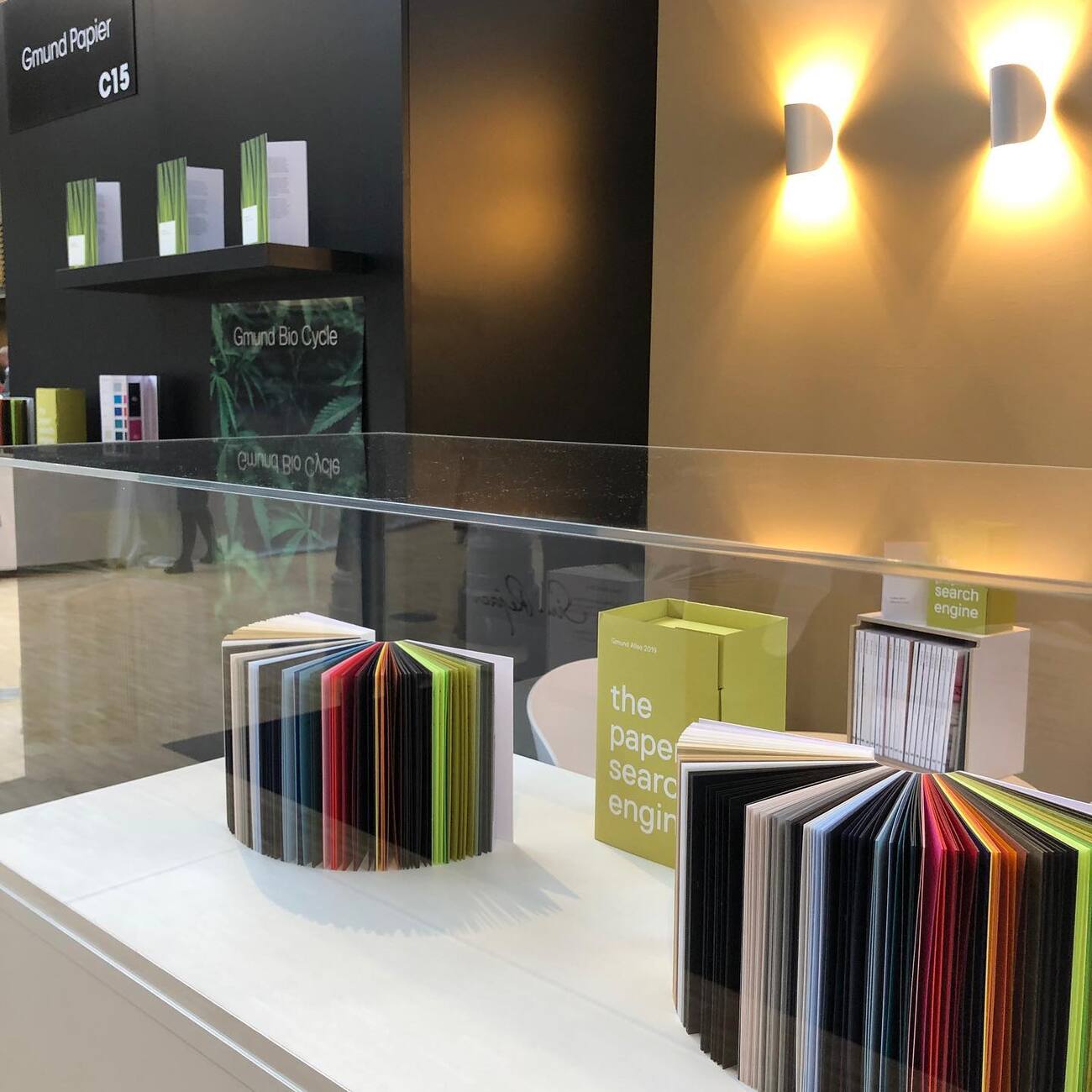
This isn’t “just a shop”, it’s where centuries-old craft meets modern design, and where a simple piece of paper starts acting like a keepsake. Step inside and you’ll immediately sense that this place takes paper seriously.
Located at the historic Büttenpapierfabrik Gmund, a paper mill founded in 1829 and still thriving, the Papiershop showcases over 300 curated paper products, many of which can’t be found online, all handcrafted in myriad colours, textures and forms. From delicate notecards and custom-bound notebooks to greeting cards and beautifully tactile sheets, each item feels lovingly engineered to delight your senses.
And if that wasn’t enough to make this stop a must, there’s more than browsing on offer. You can also book guided tours of the paper mill to see how Gmund’s legendary papers are made, offering a closer look at the craftsmanship, heritage and innovation behind them.
Seeglas
From Gmund Papiershop it’s a breezy stroll north along the promenade, about 5–7 minutes, before the lake literally sparkles a little differently at Seeglas. This is where Tegernsee turns the ordinary into something quietly radiant.
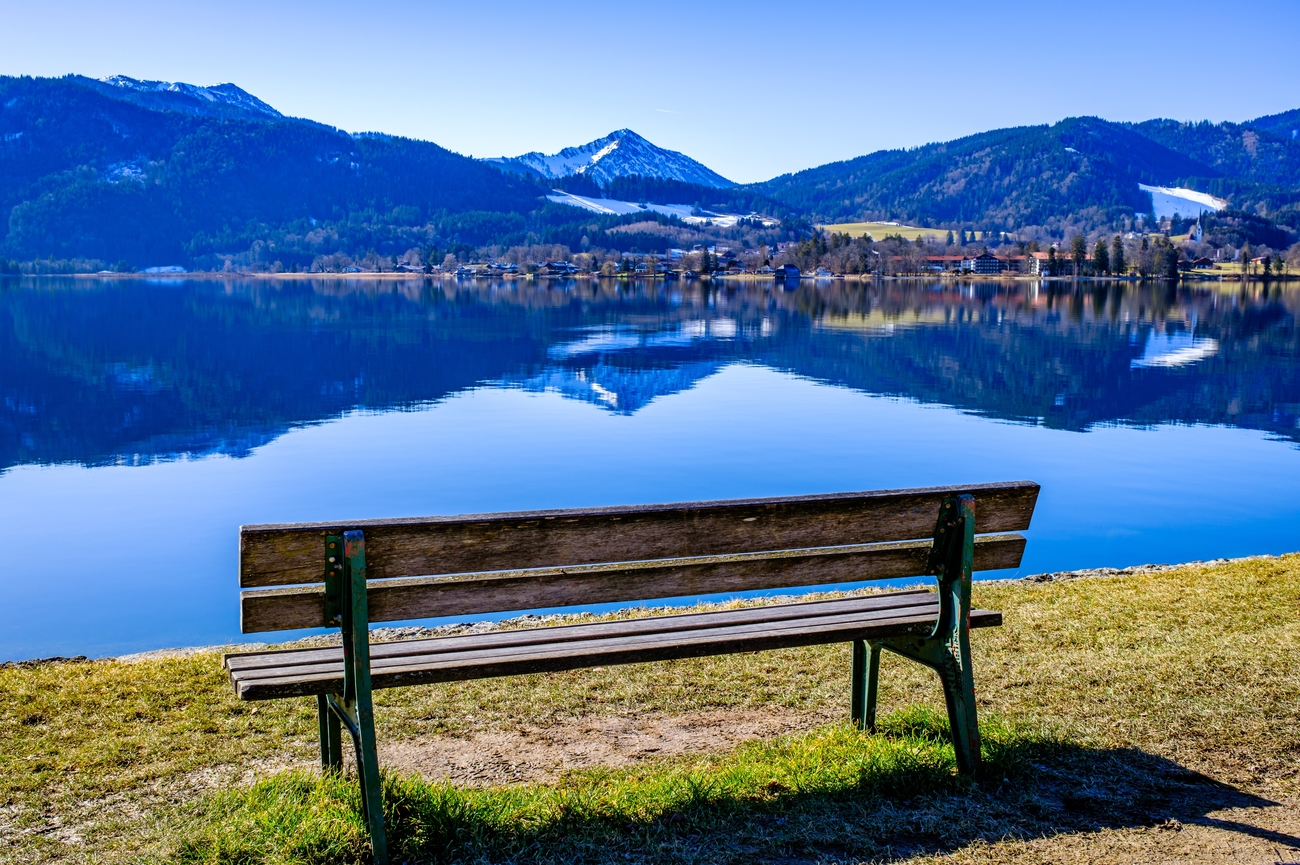
Seeglas sits at the water’s edge in Gmund’s northern nook where the lake seems to whisper its own invitation. The spot takes its name from that glossy, almost translucent look the surface gets when sunlight bends just right. Just think glass but softer, cooler and a bit more poetic. The promenade here curves gently, benches dot the path and tall trees cast lazy shadows over the shore. There’s a dock close by where the Tegernsee ships make a graceful cameo, perfect for lake people-watching or lingering in quiet reflection.
Käfer Gut
Kaltenbrunn
A short wander uphill from Seeglas leads to Käfer Gut Kaltenbrunn. This is a place where Tegernsee turns heritage into a laid-back kind of spectacle.
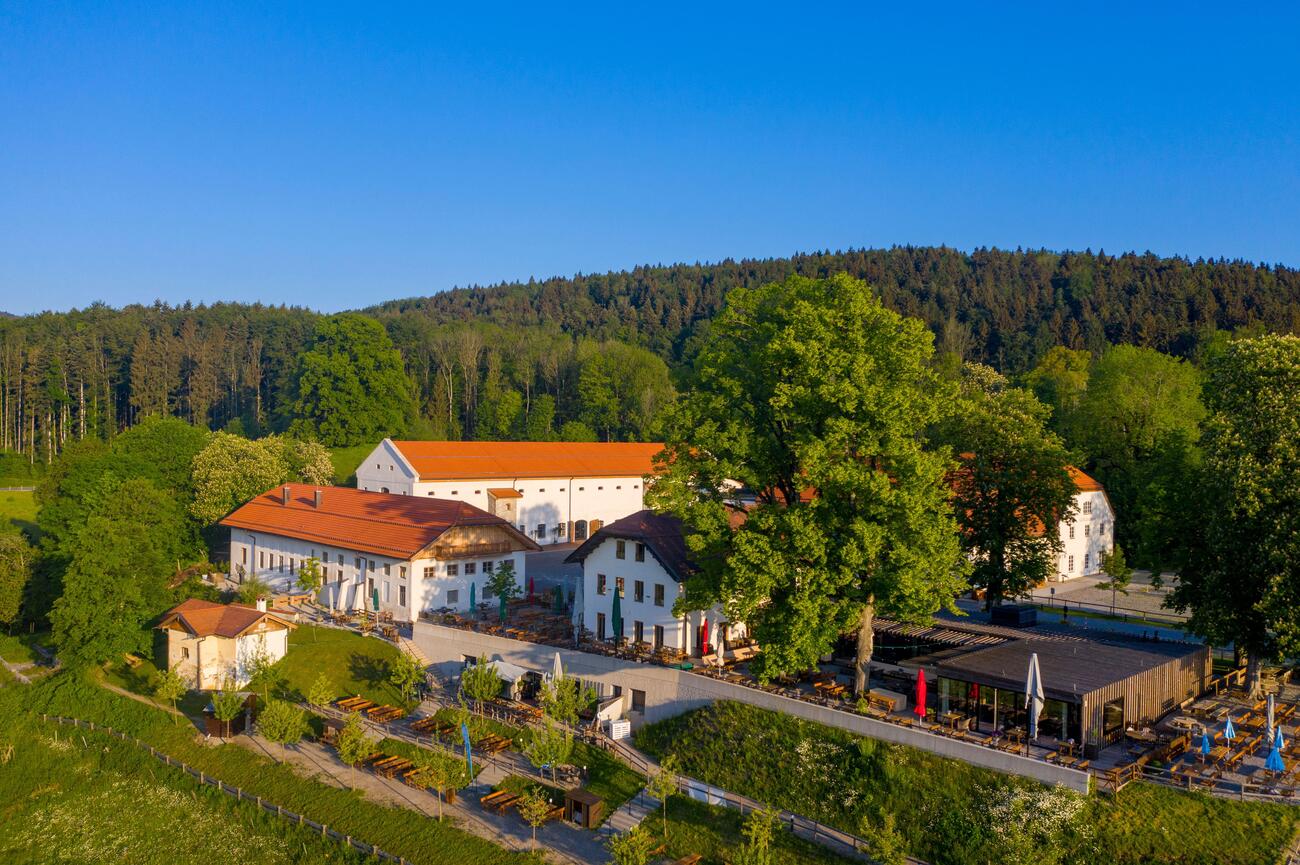
Perched above the northern shore near Gmund, this isn’t a palace on a postcard; it’s a historic Bavarian manor that turned its four sides into a crossroads of culture, craft and countryside chic. The vibe here is honest and unpretentious, but with views that feel a bit like a secret handshake between the lake and the Alps.
Originally rooted in the 15th century and once part of the estates tied to Tegernsee Abbey back in the day, Gut Kaltenbrunn has weathered centuries and narratives like a seasoned storyteller. Its sturdy four-sided farm structure was reimagined in the 2010s under the stewardship of a renowned Bavarian culinary brand, bringing fresh life to barn walls that once housed cattle and hay. Today those same spaces frame wide, panoramic sights of Tegernsee that make even a simple toast feel like a celebration.
Take time to explore the manor’s historic grounds, where meadows and woodland blend with architecture that feels both grounded and graceful. And for visitors who favor something beyond sightseeing, this is where you lean in. Step into the Hofladen and you’ll find shelves lined with regional delicacies and beautifully packaged artisanal goods that make ordinary souvenirs feel slightly underdressed. Here, you’ll find you pick up something edible and exceptional.
Afternoon: Schifffahrt
Tegernsee
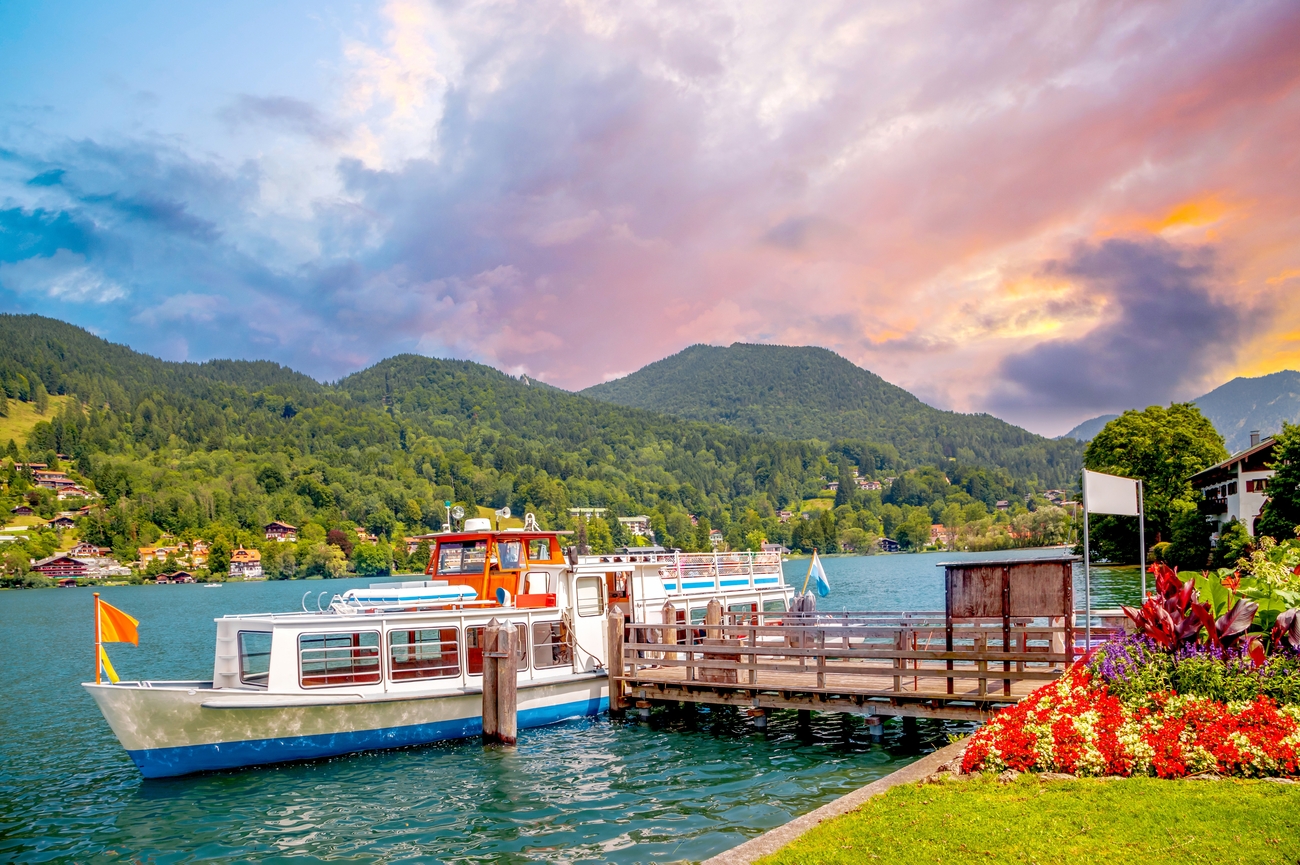
Next up: Schifffahrt Tegernsee and getting there is blissfully simple. From Gut Kaltenbrunn, follow the path gently downhill toward the shoreline; within about 3–5 minutes on foot, the Seeglas pier comes into view. The lake reappears, closer now and the boats wait.
This is where Tegernsee switches from postcard to motion. The regional fleet has been circling these waters for generations, connecting the lakeside towns in smooth, panoramic sweeps. From Gmund, it’s about 20 minutes by boat to Tegernsee town, 35–40 minutes to Rottach-Egern and roughly 45 minutes to Bad Wiessee, depending on stops. Stay on board for the full grand tour (around 90 minutes) and watch the entire shoreline unfold in one elegant loop.
You can settle in on the open deck and let the Alps rotate around you or use the hop-on system to shape your own lakeside narrative. Seasonal combination tickets even bundle the cruise with experiences like the Wallbergbahn, letting you pair water-level calm with summit-level drama in one seamless plan.
Kloster Tegernsee
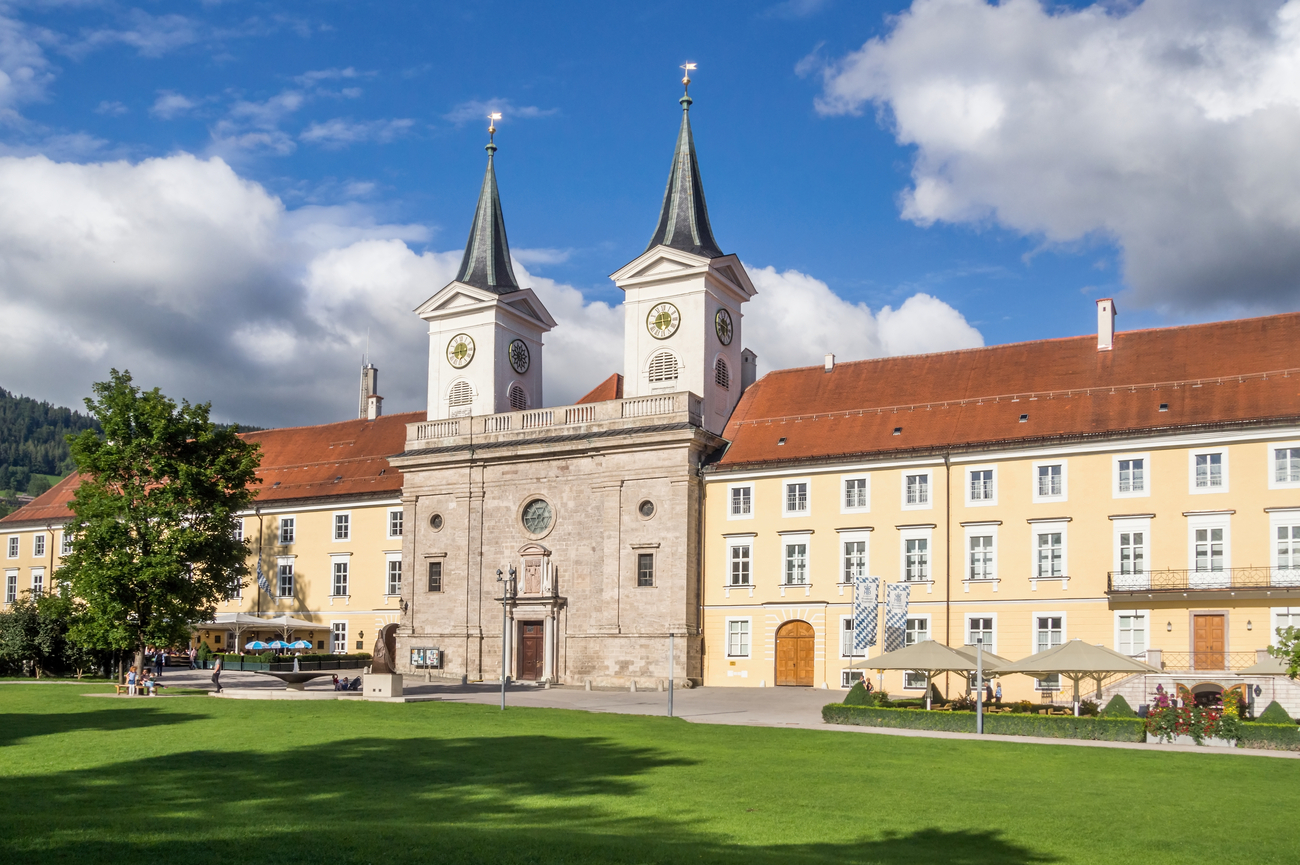
Kloster Tegernsee is where Bavaria keeps its origin story.
From the lakeside pier, it’s a relaxed 5-minute walk into Tegernsee town, follow the domes and they’ll lead you straight there. They rise above the rooftops with quiet authority, twin onion crowns that have watched over this valley since long before travel itineraries were a thing.
Founded in 746 AD, the Benedictine abbey became one of the most powerful monasteries in Bavaria, shaping religion, scholarship, art and regional culture for over a millennium. After secularization in 1803, the complex transitioned into what is now Schloss Tegernsee, owned by the Wittelsbach family. Step inside the Basilika St. Quirinus and the mood shifts instantly with high Baroque drama unfolds overhead in frescoed ceilings, gilded altars gleam with theatrical flair and sculpted stucco details curl and twist like frozen lace. The exterior feels composed; the interior absolutely commits to the moment.
Pfarrkirche St.
Quirinus Tegernsee
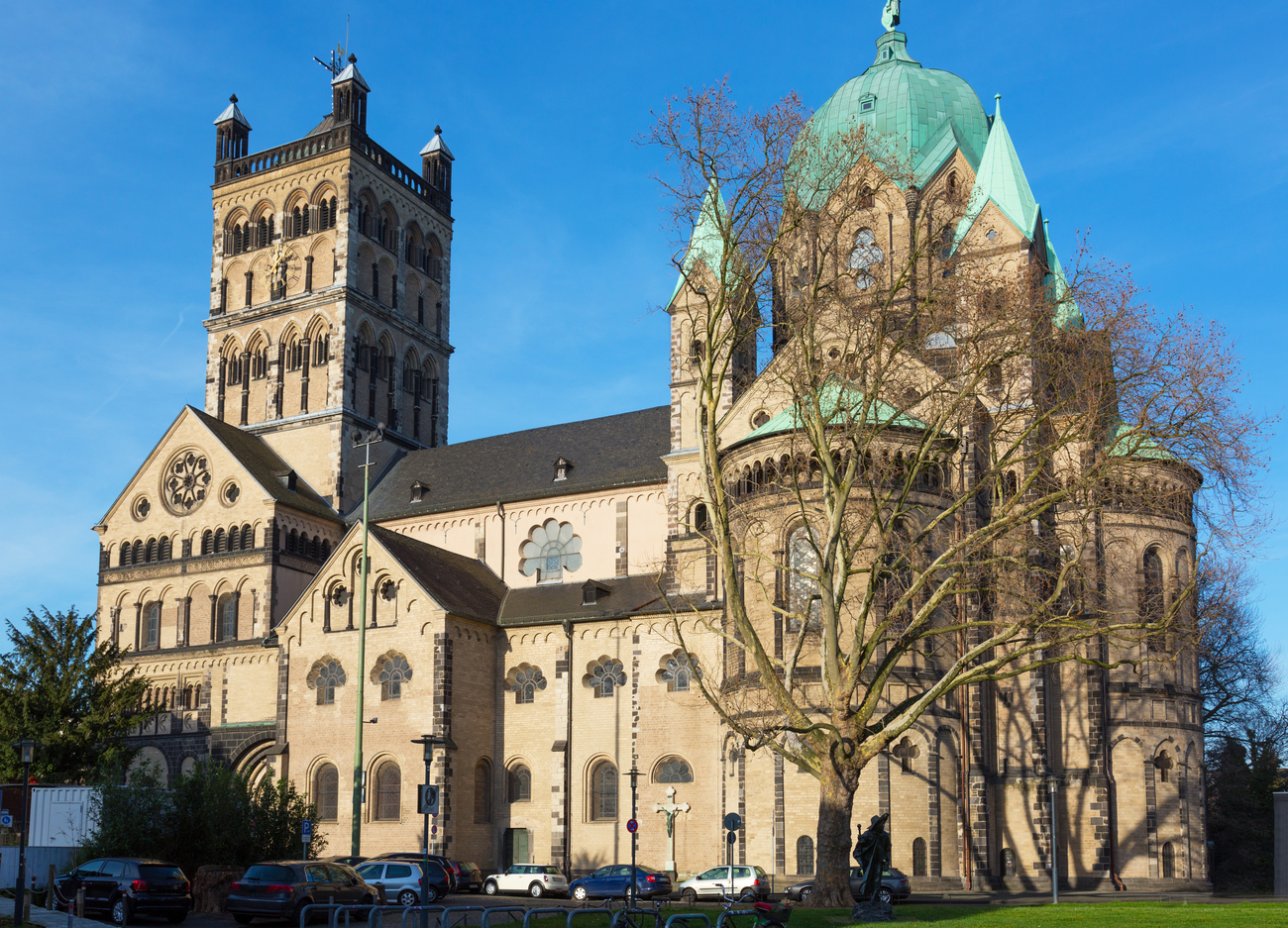
Pfarrkirche St. Quirinus is where the sacred heart of Tegernsee gets a skyline. Just a short walk from Schifffahrt Tegernsee’s dock, about 5 minutes through the Schlossplatz, the church rises at the town’s historic core, anchoring squares, markets and the rhythm of daily life. If the shore is calm breath, St. Quirinus is the inhalation that grounds it.
This basilica was once the monastery church of the Benedictine abbey that shaped Tegernsee’s cultural and spiritual identity for over a thousand years, and after the abbey’s dissolution in 1803 it became the parish church of the town. What you see today isn’t a single moment frozen in time. It’s an evolved building, with Romanesque roots, Gothic bones, Baroque flourish and 19th-century refinements all layered into one harmonious whole. The most striking external feature is the western double-tower facade, a Tegernsee classic that seems to hold the horizon in balance.
And inside, decorative artistry takes center stage: dramatic Baroque stucco and soaring frescoes by Italian-influenced masters light up the ceilings and walls, while each chapel and corridor feels like a thoughtful detour into centuries of faith and craft. This is one of those rare churches that makes architecture feel like narrative, where every arch and fresco seems to gesture toward meaning.
Here, you’ll experience luxury in the form of the quiet awe you feel when centuries of devotion translate into beauty that still resonates today.
Olaf Gulbransson
Museum Tegernsee
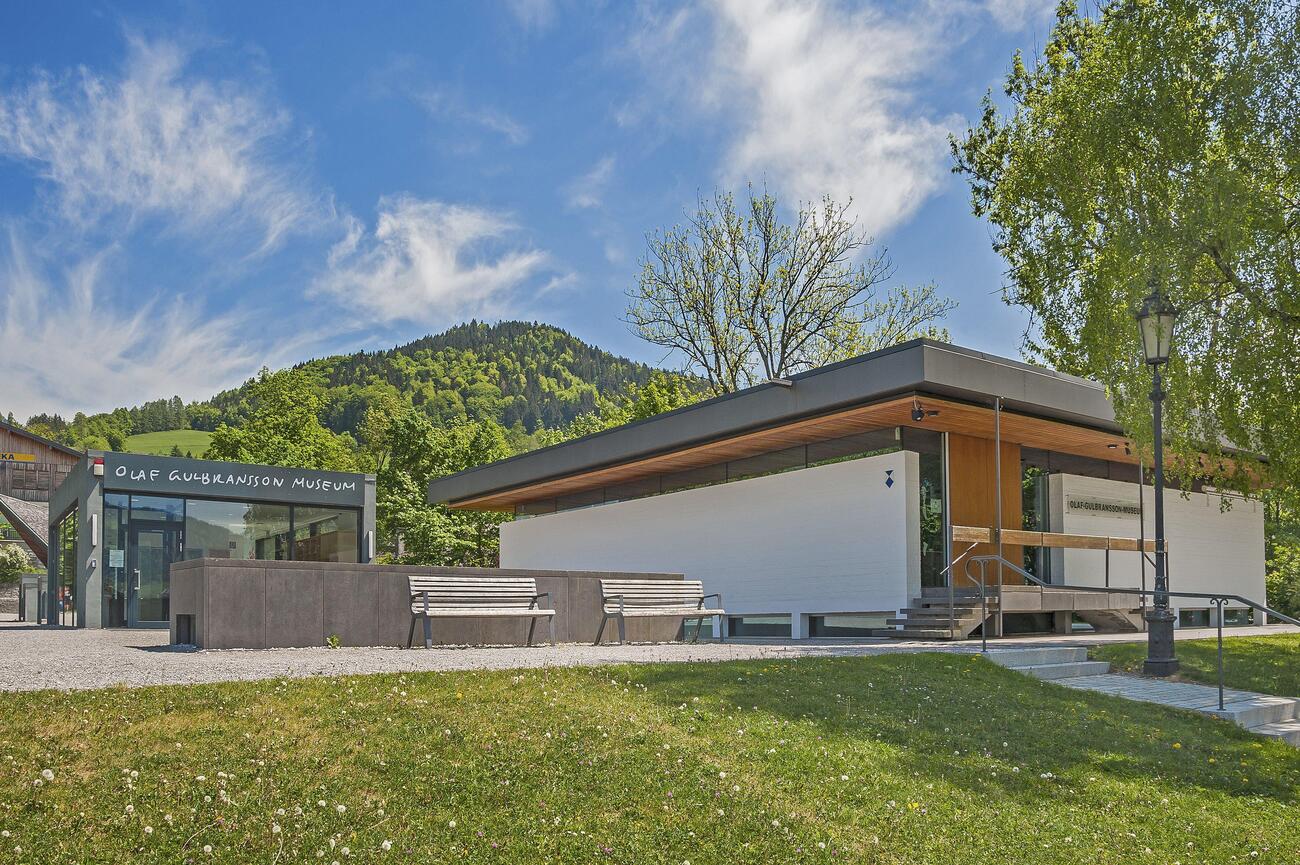
Sharp lines, sharper minds. Olaf Gulbransson Museum is where Tegernsee trades grandeur for genius.
About 5 minutes on foot from Kloster Tegernsee, the scene subtly transforms. Cross the Kurpark toward the lakeside and the grand monastery backdrop gives way to a low, modern structure tucked among the trees.
The museum is dedicated to Olaf Gulbransson, the Norwegian caricaturist and long-time contributor to the satirical magazine Simplicissimus. Opened in 1966, the building itself is modern and understated, designed to let the artwork breathe. Clean lines, generous natural light and thoughtful exhibition spaces create an atmosphere that feels intimate rather than overwhelming. Inside, Gulbransson’s minimalist yet expressive ink drawings steal the spotlight. They’re sharp, clever and surprisingly contemporary for works created over a century ago. Rotating exhibitions often expand the scope to include other modern and contemporary artists, keeping the programming fresh and culturally layered.
If you’re the kind of traveler who prefers context over quick glances, book the one-hour guided tour with cultural journalist Sonja Still. This isn’t a dry art lecture. It’s layered storytelling. She unpacks the satire, the political undertones, the artistic restraint behind Gulbransson’s deceptively simple lines. Suddenly, a single stroke of ink carries weight, tension, even quiet rebellion.
Museum Tegernseer
Tal
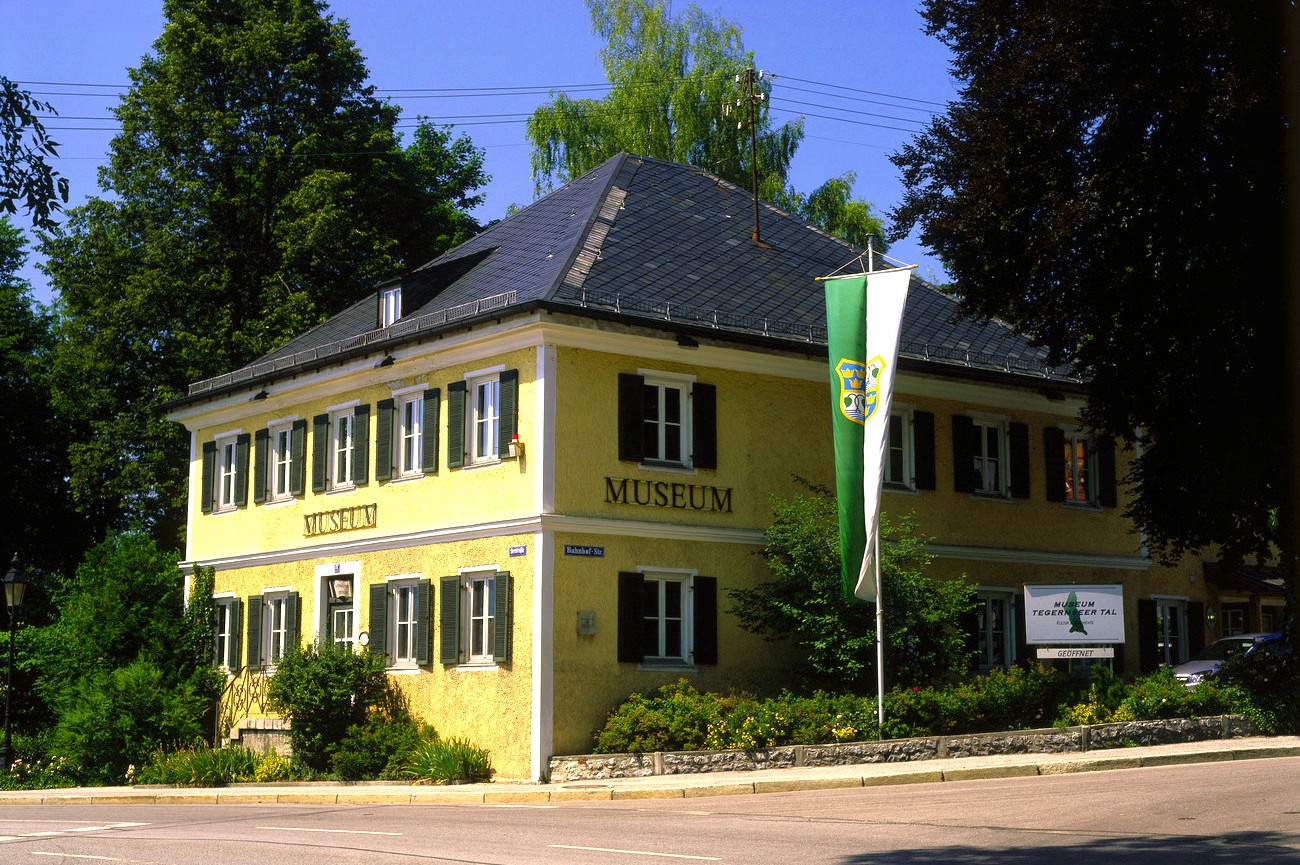
Museum hopping? Tegernsee said yes. From the Olaf Gulbransson Museum, it’s an easy 4–5 minute walk back toward the heart of Tegernsee town, near the monastery complex. Just follow the historic facades and you’ll find the Museum Tegernseer Tal housed in one of the former abbey buildings, which already hints that this place has stories stored in its walls.
Inside, the museum unfolds like a well-edited archive of the valley’s soul. You’ll move through rooms filled with traditional costumes, handcrafted furniture, religious artifacts and everyday objects that quietly shaped life around the lake for centuries. There’s substance here from monastic influence and rural traditions to the evolution of Tegernsee as a cultural retreat. The setting itself, embedded within the former monastery structure, adds architectural weight to the experience. Old beams, vaulted spaces and curated displays make it feel immersive rather than static.
Evening: Tagungsstätte Schloss
Ringberg
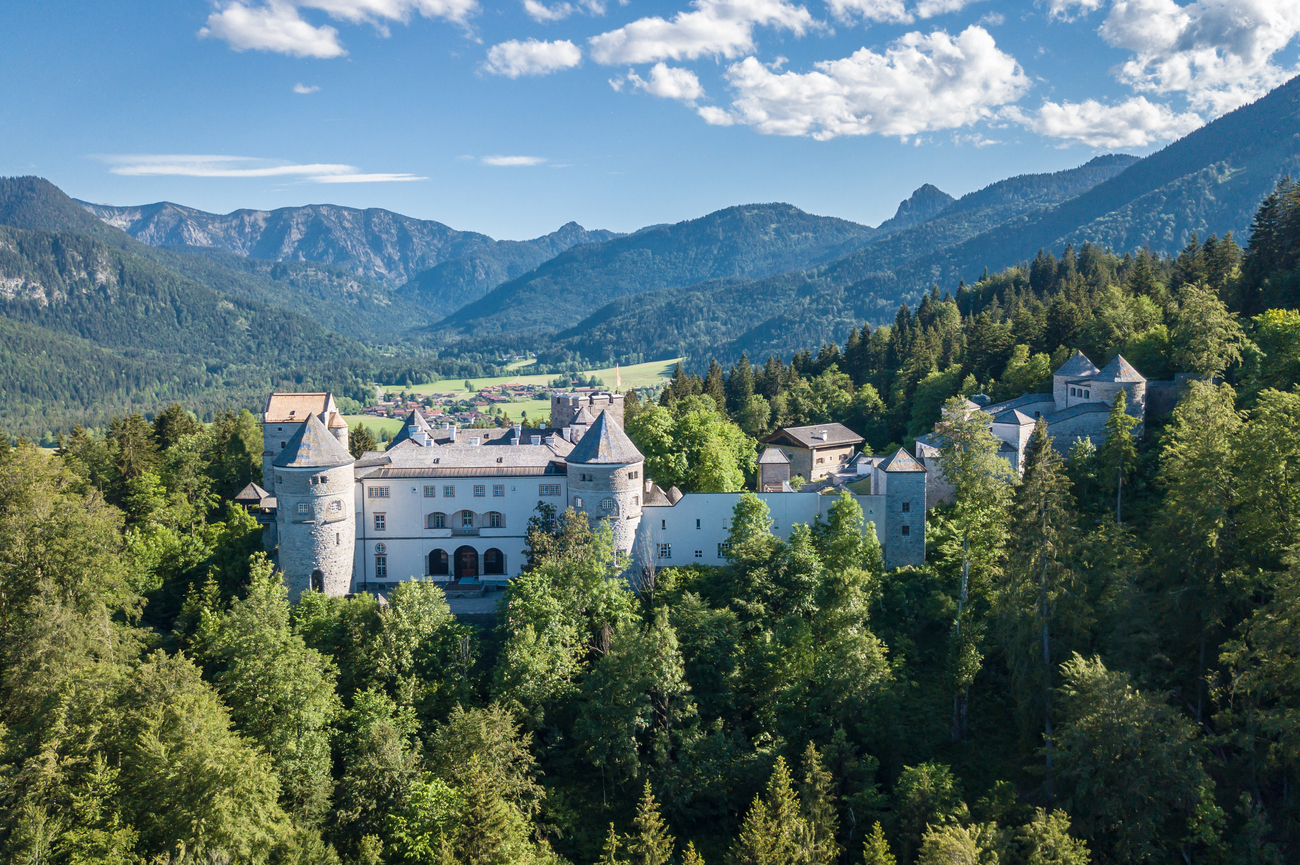
End the day where the lake looks back at you, Tagungsstätte Schloss Ringberg.
Built in the early 20th century by Duke Luitpold in Bavaria, the castle feels almost storybook with turrets, arched windows and stone facades, yet it carries a quieter, intellectual presence. Today, it serves as a conference and meeting venue operated by the Max Planck Society, which makes it feel exclusive without being theatrical. You won’t find crowds wandering through; the setting remains composed, elevated, almost contemplative.
Access to the interior is limited to events and conferences, but the real reward is outside. The panoramic terrace offers one of the most refined views over Lake Tegernsee. You stand there, slightly above it all, watching the valley settle.
Day 1 - Lake
Tegernsee Tour Map
Day 2
Morning: Malerwinkel
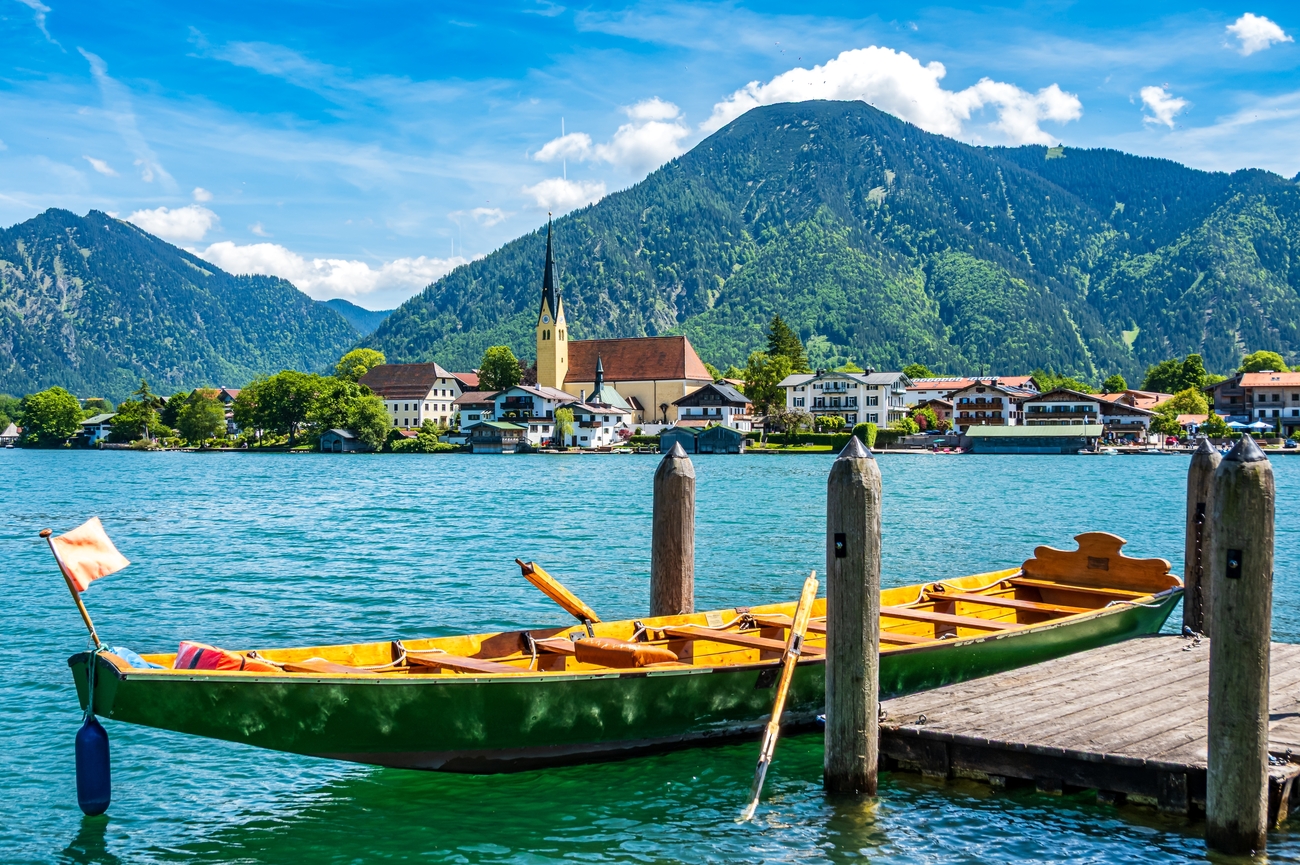
Nestled along the Egerner Bucht, the southeastern curve of Lake Tegernsee that locals affectionately call “Malerwinkel.” This spot became famous long before filters made scenic views a thing. Artists, poets and painters once sat along this very shoreline to capture the gentle bend of water, the church spire of Rottach-Egern, and the Alps stacking up behind them like a perfectly composed backdrop. That artistic legacy is still visible in how the light hits the lake at dawn and how the mountains frame every glance.
The name “Malerwinkel” literally means “painter’s corner” and it’s no vanity metric. It’s rooted in history. Generations of creators came here to interpret the landscape in paint and paper and somehow that creative inheritance has seeped into the place itself. Stroll along the water’s edge and cafes and historic boathouses rub shoulders with charming benches that offer unhindered views north across Tegernsee to the distant Riederstein and Neureuth peaks.
There’s more to do here than just linger with a view. Around Malerwinkel you can find boat rentals, ranging from classic pedal or rowboats to electric boats and even luxury electric yachts if you want to take the scenery for a slow spin on the water.
Egerner Bucht
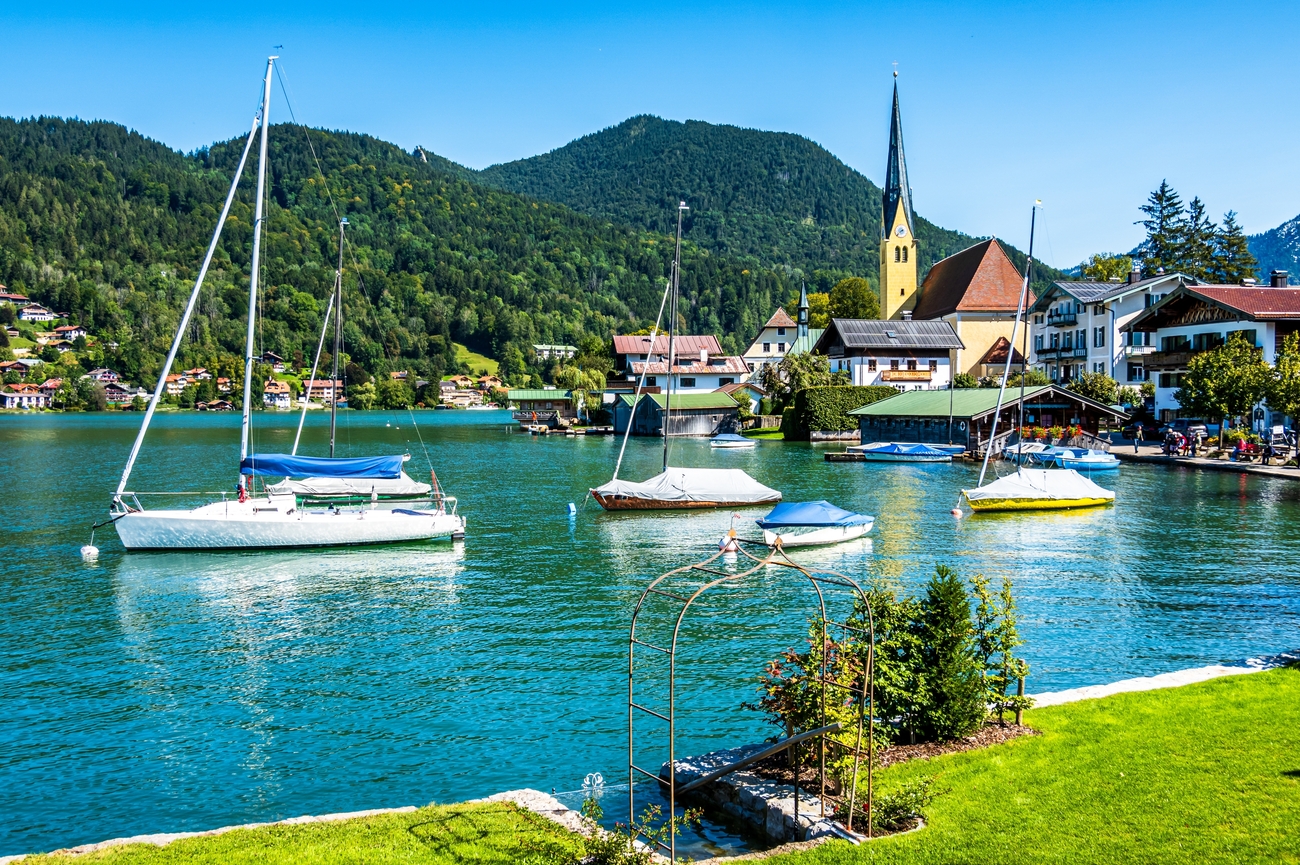
From Malerwinkel, simply continue along the lakeside path. It’s a smooth 1-3 minute walk as the shoreline widens and the view opens up. The curve becomes more generous, the water stretches further, and just like that, you’ve arrived at Egerner Bucht.
Egerner Bucht is the southern embrace of Lake Tegernsee, long admired for its almost theatrical symmetry. The mountains don’t loom here; they frame. The water doesn’t rush; it mirrors. This arc of shoreline helped shape Rottach-Egern’s reputation as the refined corner of the lake. Grand lakeside villas sit discreetly behind trees, church towers rise in the distance and the promenade traces the water with deliberate elegance. The terrain is flat and walkable, making it one of the most serene stretches of the Tegernsee Rundweg (the circular lake trail).
Afternoon: Wallbergbahn
A short 10-minute drive from Egerner Bucht shifts the scene completely. The shoreline fades in the rearview, forested slopes rise ahead and the road gently inclines until you reach the Wallbergbahn valley station in Rottach-Egern.
Operating since 1970, the Wallbergbahn carries you from the valley to 1,722 meters above sea level in about 10–12 minutes. The ascent is smooth and panoramic, cabins gliding quietly over dense alpine woodland as the lake slowly reveals itself in wider, more dramatic angles. At the summit, a spacious viewing platform opens to one of the most commanding vistas in Upper Bavaria with Lake Tegernsee below, mountain ridges rolling outward and on especially clear days, Munich faintly visible in the distance.
If standing still isn’t enough, guided alpine walks branch out from the top station, offering everything from relaxed ridge paths to more adventurous descents. And for something unforgettable, tandem paragliding flights launch directly from Wallberg, floating you down toward the valley in a controlled, breathtaking glide.
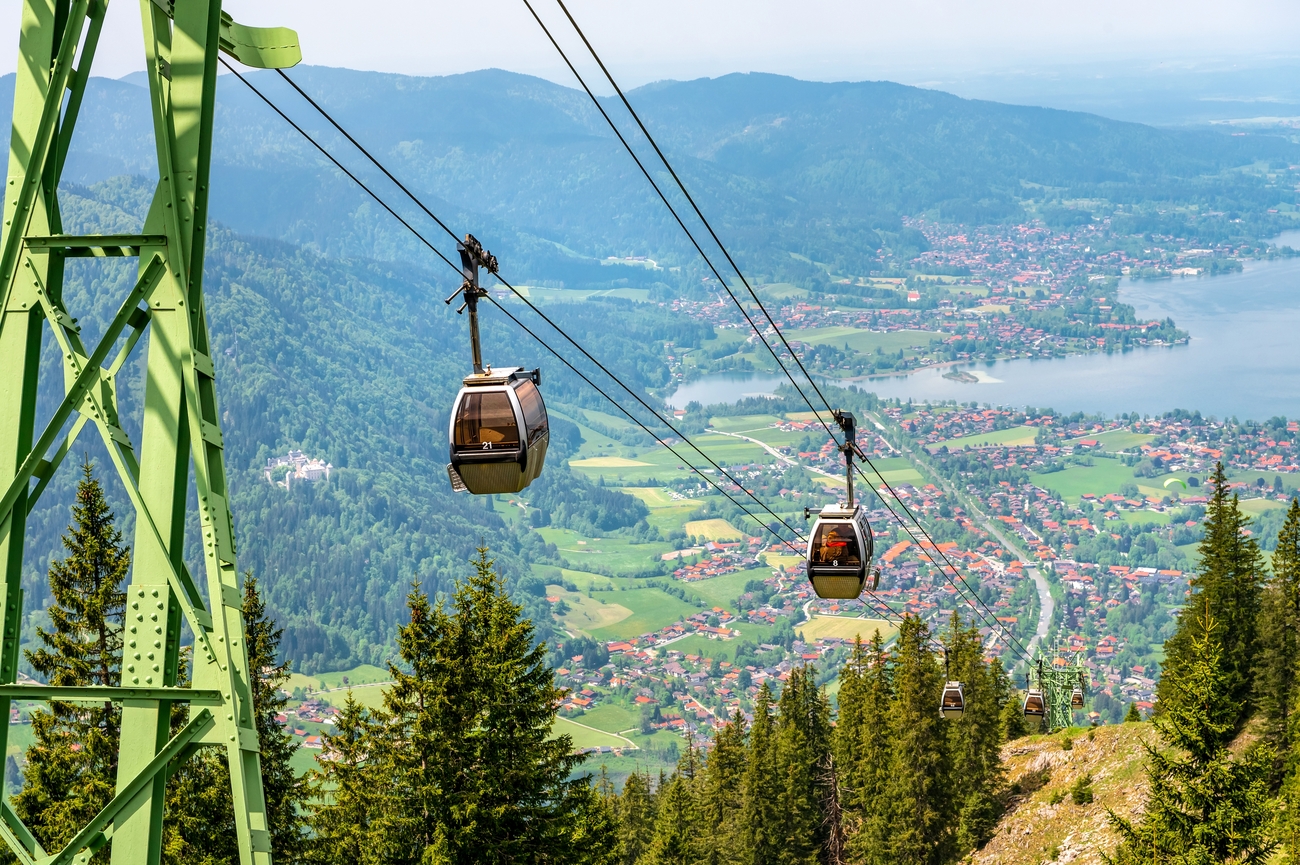
Wallberg Summit Platform
The ascent comes first. From central Rottach-Egern, it’s about a 10-minute drive to the Wallbergbahn valley station, where the cable car begins its steady climb. Once inside the cabin, the shift is immediate. The forest drops away, rooftops shrink and within 10–12 minutes, you’re stepping out at 1,722 meters above sea level.
The Wallberg Summit Platform doesn’t ease you into the view; it reveals it all at once. Lake Tegernsee stretches below in full proportion, framed by rolling foothills and deeper alpine ridges beyond. On clear days, the skyline reaches astonishingly far, with Munich faintly visible in the distance. The platform is wide, secure and intentionally unobtrusive, letting the panorama dominate the experience.
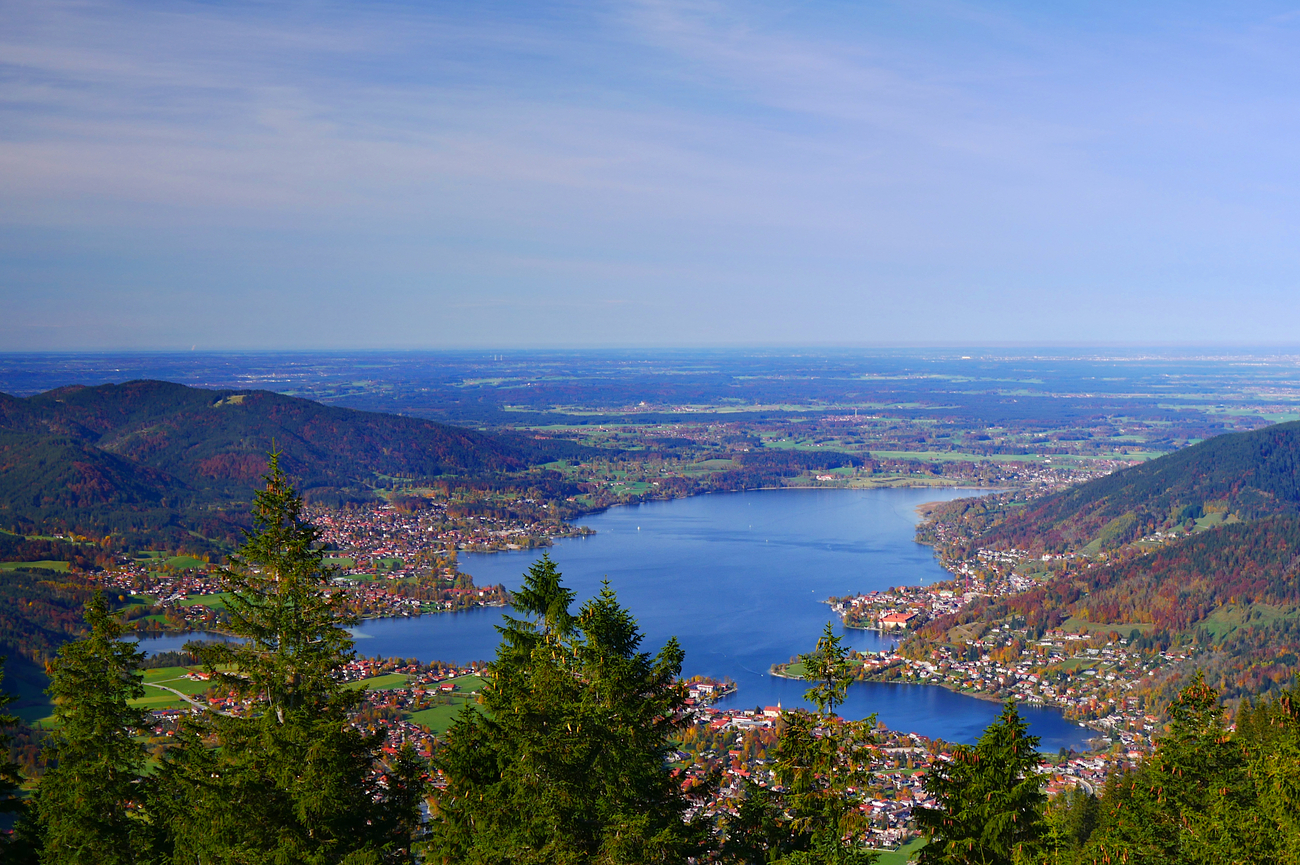
Wallberg-Panoramastrasse
Instead of heading straight down after the summit, stay elevated a little longer. From the Wallbergbahn valley station, the road begins to wind upward. This is a scenic mountain road that feels less like infrastructure and more like choreography.
Built as a private panoramic road, this stretch curves deliberately along the mountainside, revealing increasingly dramatic views over Lake Tegernsee with every turn. Pull-off points are thoughtfully placed, allowing you to stop safely and absorb the widening horizon. Forest gives way to open alpine clearings and suddenly the lake appears far below, shaped like polished glass framed by rolling Bavarian foothills. It’s engineered elegance. A road designed for admiration rather than speed.
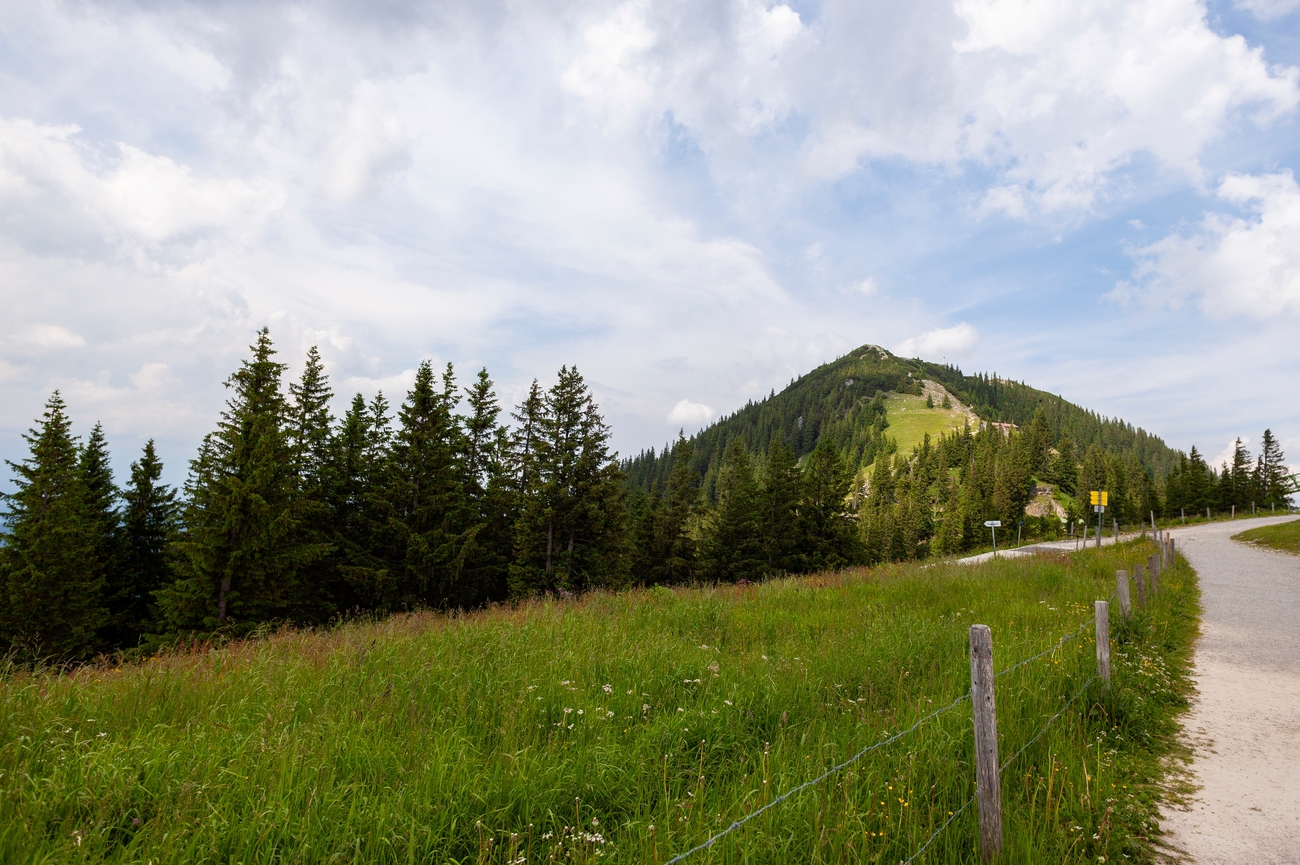
Kapelle Heilig
Kreuz
High above the lake, silence becomes the main attraction, Kapelle Heilig Kreuz.
Kapelle Heilig Kreuz is a traditional alpine chapel, modest in scale yet deeply atmospheric. Its whitewashed façade, compact structure and classic Bavarian onion dome reflect the region’s devotional heritage. Chapels like this were often built by local farming communities as acts of faith and gratitude, anchoring spiritual life to the landscape itself. Inside, the wooden interior is simple and warm, focused around a small altar that feels personal rather than grand.
Arrive when the light softens and the valley below turns golden. The lake glimmers in the distance, framed by trees and sky. After elevation and wide horizons, Kapelle Heilig Kreuz offers you something rarer, perspective in stillness.
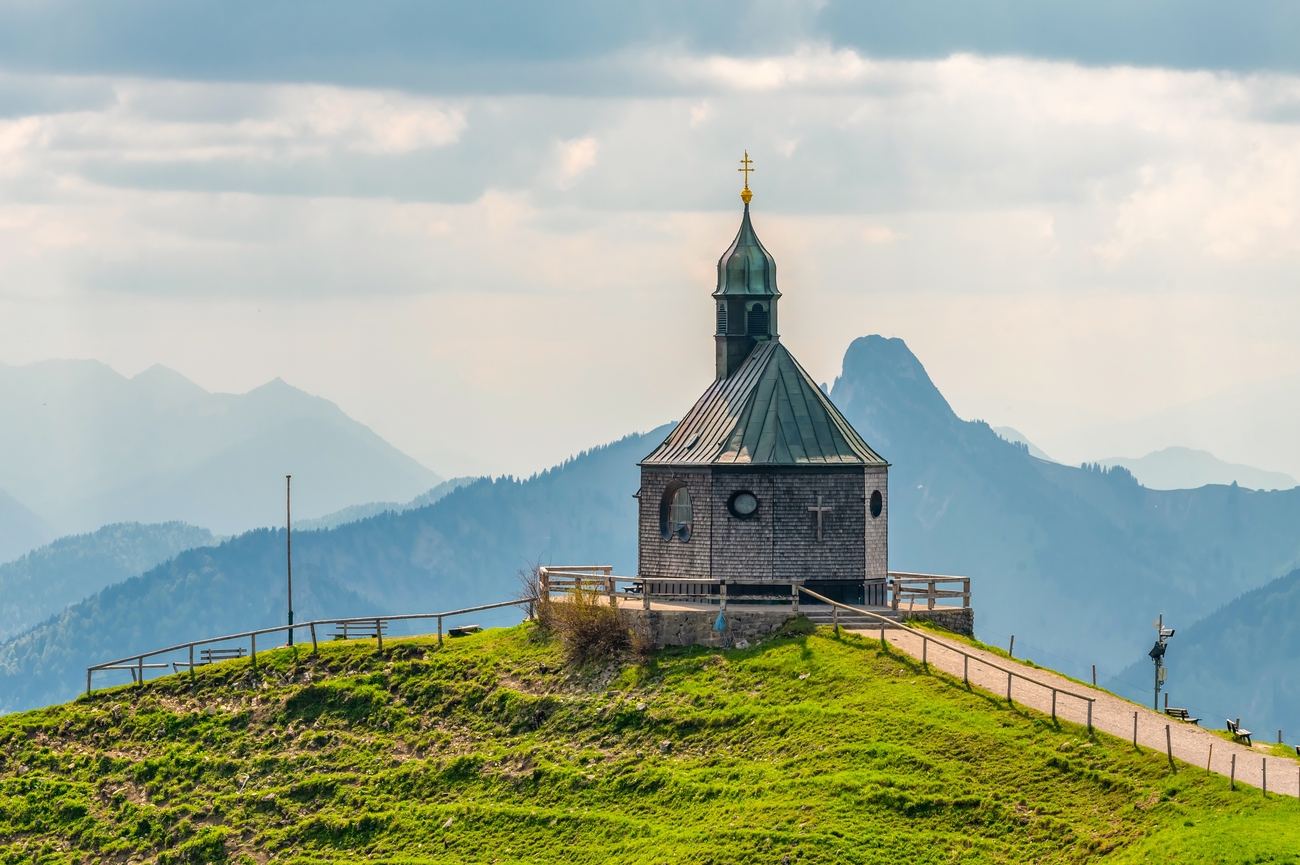
Evening: Rottach-Egern
From the heights of Wallberg, descend back toward the lake, about a 10–15 minute drive brings you into the heart of Rottach-Egern just as the evening glow begins to settle. The mountains fade into silhouette, and the lake turns from bright blue to brushed gold. This is when the village feels most composed.
Rottach-Egern has long been considered the refined corner of Tegernsee. Elegant lakeside villas sit discreetly behind old trees, church towers punctuate the skyline and Seestraße hums gently without ever feeling chaotic. The village grew from two historic communities, Rottach and Egern, merging into what is now the most polished lakeside address in the region. It balances alpine tradition with quiet affluence, where craftsmanship, architecture, and landscape align effortlessly.
Evenings here are meant for slow movement. You can enjoy the Seepromenade as boats rock gently in the harbor. Pause along Egerner Bucht where reflections stretch across the water. If you’re interested in something curated, private sunset boat charters depart from the harbor, offering a serene glide across the lake as the sky shifts colors.
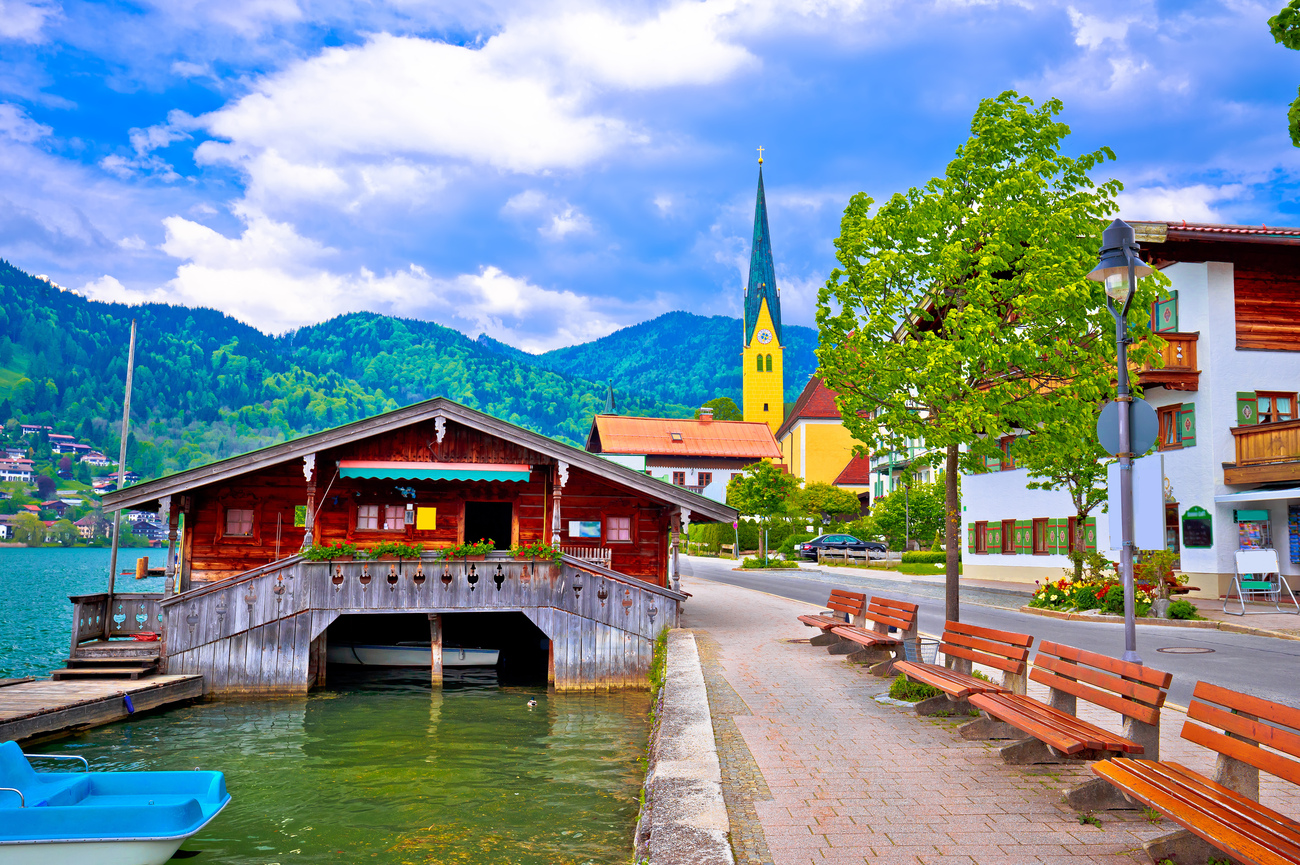
Seeforum
Rottach-Egern
End Day 2 where architecture meets the lake, Seeforum Rottach-Egern.
A short stroll along the Rottach-Egern waterfront brings you there. Stay on the promenade, keep the lake beside you and in about 2–3 minutes the sleek glass facade appears directly ahead on the shoreline. After mountain roads and chapel stillness, the setting shifts again, this time into contemporary design framed by alpine calm.
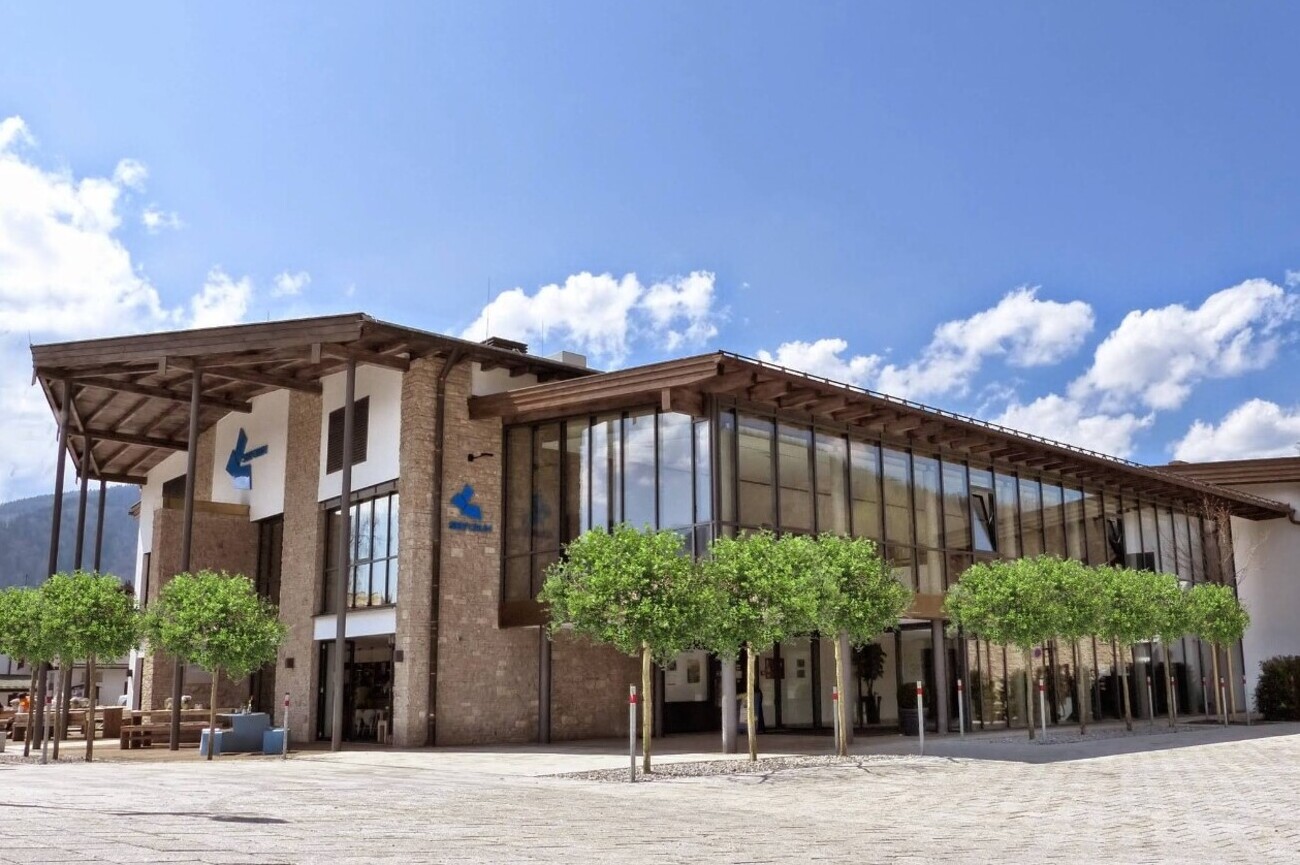
Opened in 2014, the Seeforum Rottach-Egern is a striking lakeside event venue known for its glass exterior and minimalist lines. The building was designed to host cultural programs, concerts, conferences and private events all with Lake Tegernsee as a backdrop. Large panoramic windows dissolve the boundary between interior and exterior, allowing the evening light to flood the space. It feels polished, airy and intentionally understated.
Check the event calendar before arriving. You might have the chance to watch classical concerts, literary readings and curated cultural evenings scheduled throughout the year. Attending a performance here elevates the experience beyond sightseeing; it becomes participation.
Day 2 - Lake
Tegernsee Tour Map
Day
3
Morning: Seepromenade Bad Wiessee
Seepromenade Bad Wiessee is where the lake wakes up gently and you should too. Morning begins along the western shore, where the promenade in Bad Wiessee stretches calmly beside the water. Arrive early and the atmosphere feels almost private with soft ripples brushing the shoreline, mountains reflected in pale morning light and the faint scent of alpine air that feels impossibly clean. This is the quieter side of Tegernsee, known for its spa heritage and slower rhythm.
Bad Wiessee built its reputation around healing waters. The town became famous in the early 20th century after iodine-sulfur thermal springs were discovered beneath the lake, transforming it into one of Bavaria’s most renowned health resorts. The promenade reflects that legacy with wide, well-kept pathways, manicured lawns, curated flowerbeds and open lake views designed for gentle movement and restorative pauses. It’s flat, accessible and ideal for an unhurried morning walk.
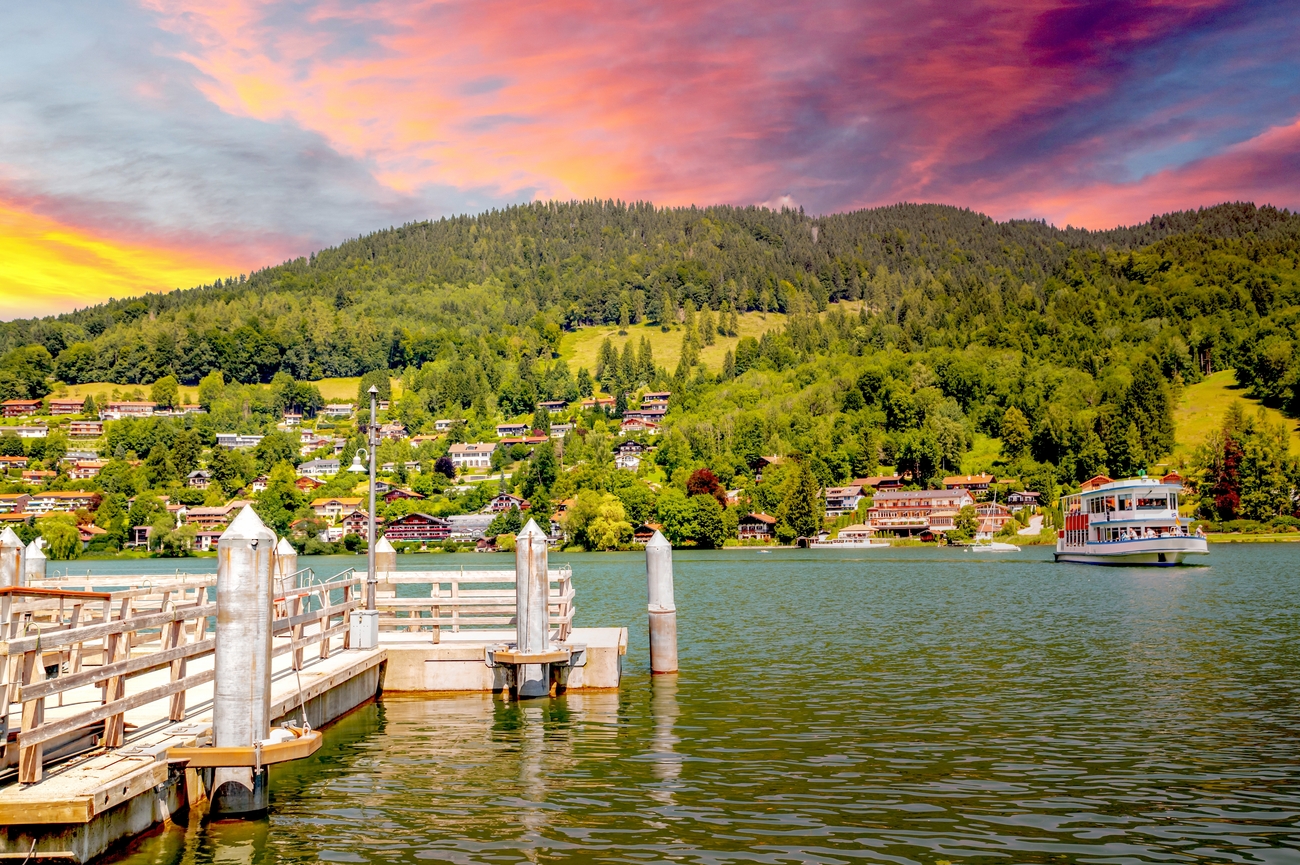
Casino Bad
Wiessee
Feeling lucky? Casino Bad Wiessee adds a little sparkle to the shoreline.
From the Seepromenade, it’s an easy 3–5 minute walk inland, the modern glass-and-stone building rises subtly against the alpine backdrop, polished but never over-the-top. You move from morning calm to quiet glamour in just a few steps.
Spielbank Bad Wiessee opened in 1957 and is one of Bavaria’s official state casinos. Its design is contemporary and understated, with floor-to-ceiling windows that keep the mountain scenery in play even while you’re inside. The gaming floor offers classic table games, roulette, blackjack and poker, alongside a refined selection of slot machines. The atmosphere leans elegant rather than flashy; dress codes are enforced in the evenings and the crowd tends to favor composed sophistication over spectacle.
If you’re new to the tables, introductory gaming courses are occasionally offered, giving you a confident start before placing your first bet. Private gaming salons can also be reserved for a more discreet experience, ideal if you prefer your thrill with a side of privacy. The casino regularly hosts themed evenings and special events, so checking the event calendar ahead of time can elevate your visit beyond casual play.
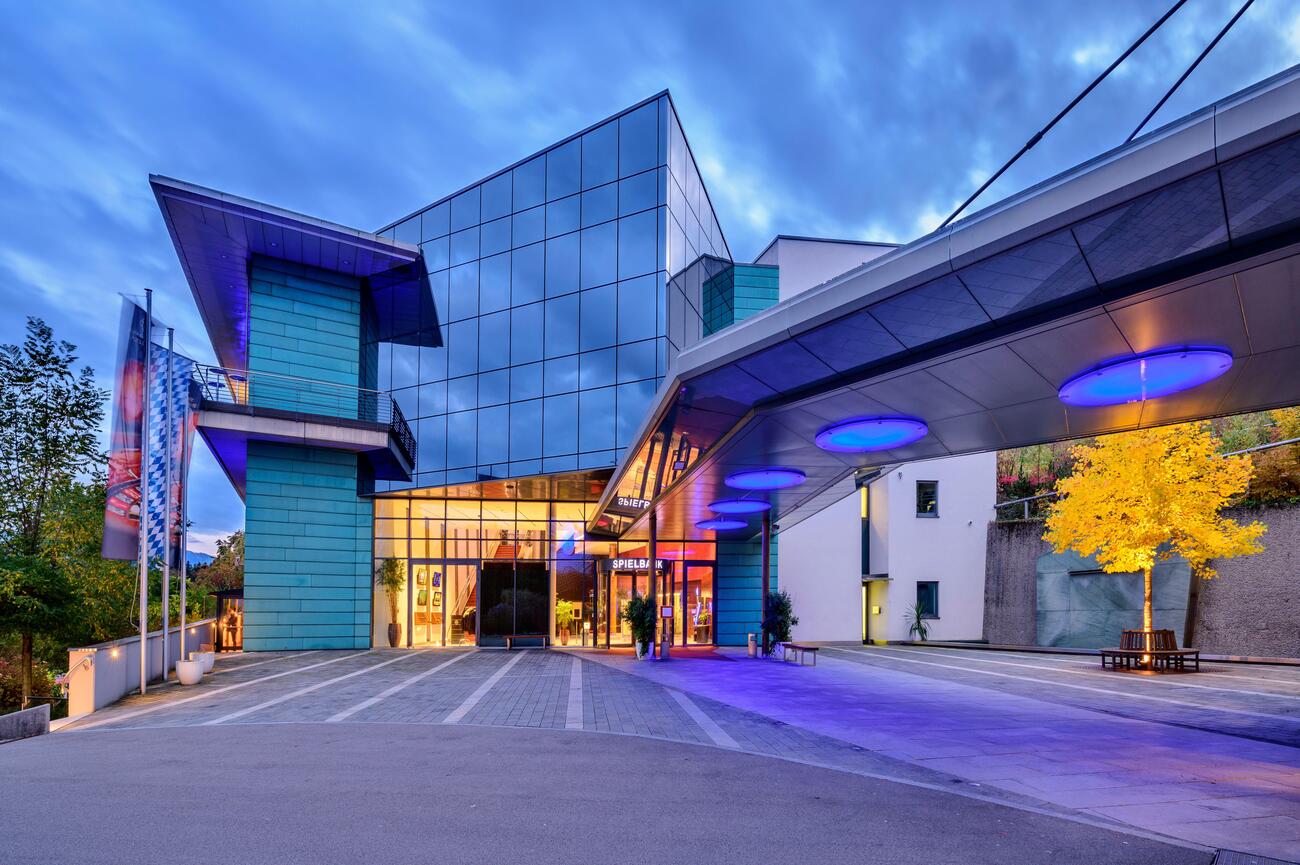
Gesundheitszentrum
Jod-Schwefelbad GmbH
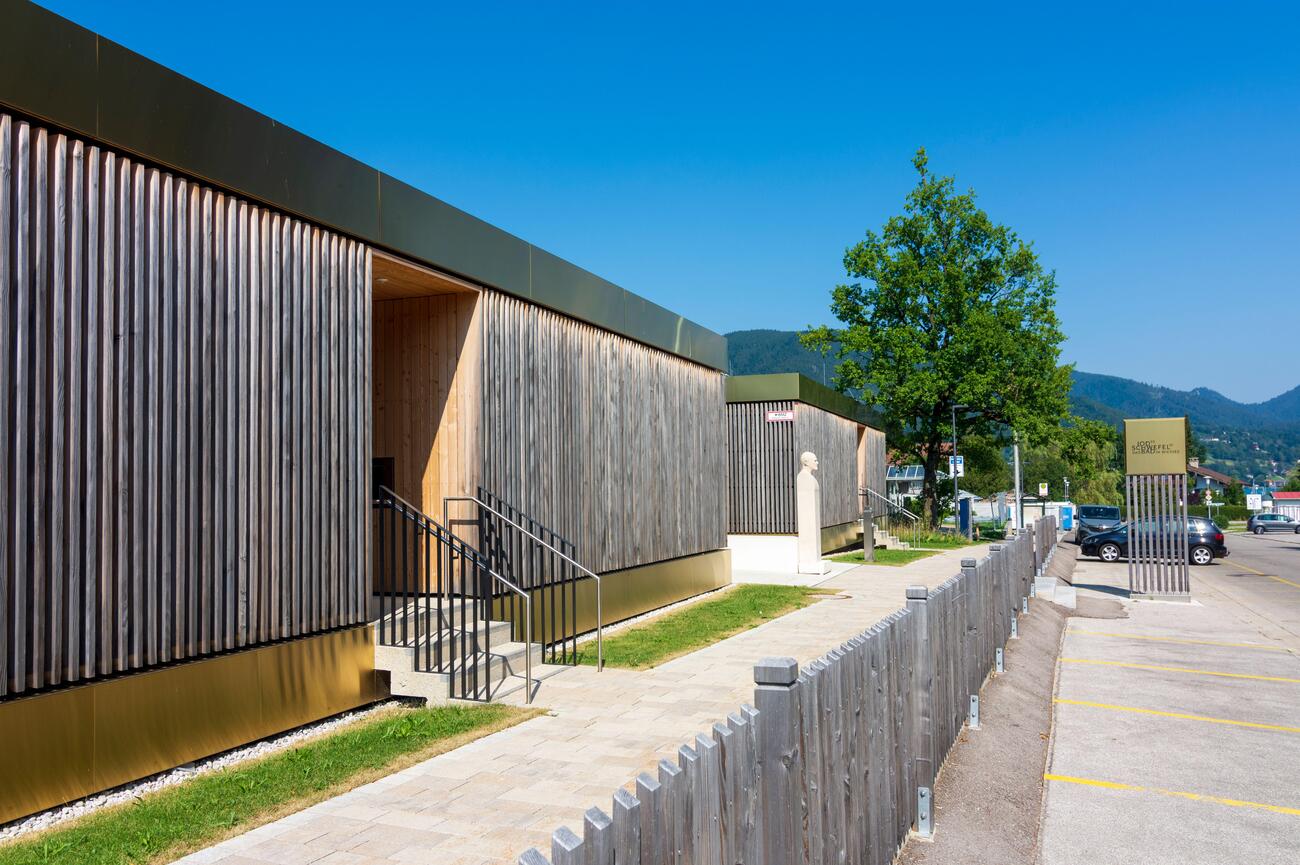
A few minutes on foot from the casino brings you back toward Bad Wiessee’s spa quarter. Head in the direction of the lakeside wellness facilities and within about 5 minutes, the modern complex of Gesundheitszentrum Jod-Schwefelbad comes into view. Gaming tables give way to thermal pools; polished interiors transition into light-filled wellness spaces. The walk itself acts as a reset before stepping into one of Bavaria’s most established health centers.
Bad Wiessee built its identity on these waters. The iodine-sulfur springs, discovered in the early 20th century, are among the strongest of their kind in Germany. They transformed this lakeside village into a renowned health resort. The Gesundheitszentrum Jod-Schwefelbad carries that legacy forward with contemporary facilities: thermal pools, therapeutic baths, medical wellness treatments and rehabilitation programs. Interiors feel bright and functional with tiled pools, relaxation lounges, treatment rooms designed for restoration rather than spectacle.
If you prefer structure over self-guided soaking, the center offers bookable therapy sessions, wellness packages and medically supervised treatments tailored to individual needs. Hydrotherapy circuits, mineral baths, physiotherapy and preventive health programs are available by appointment.
Afternoon: Monte Mare Seesauna Tegernsee
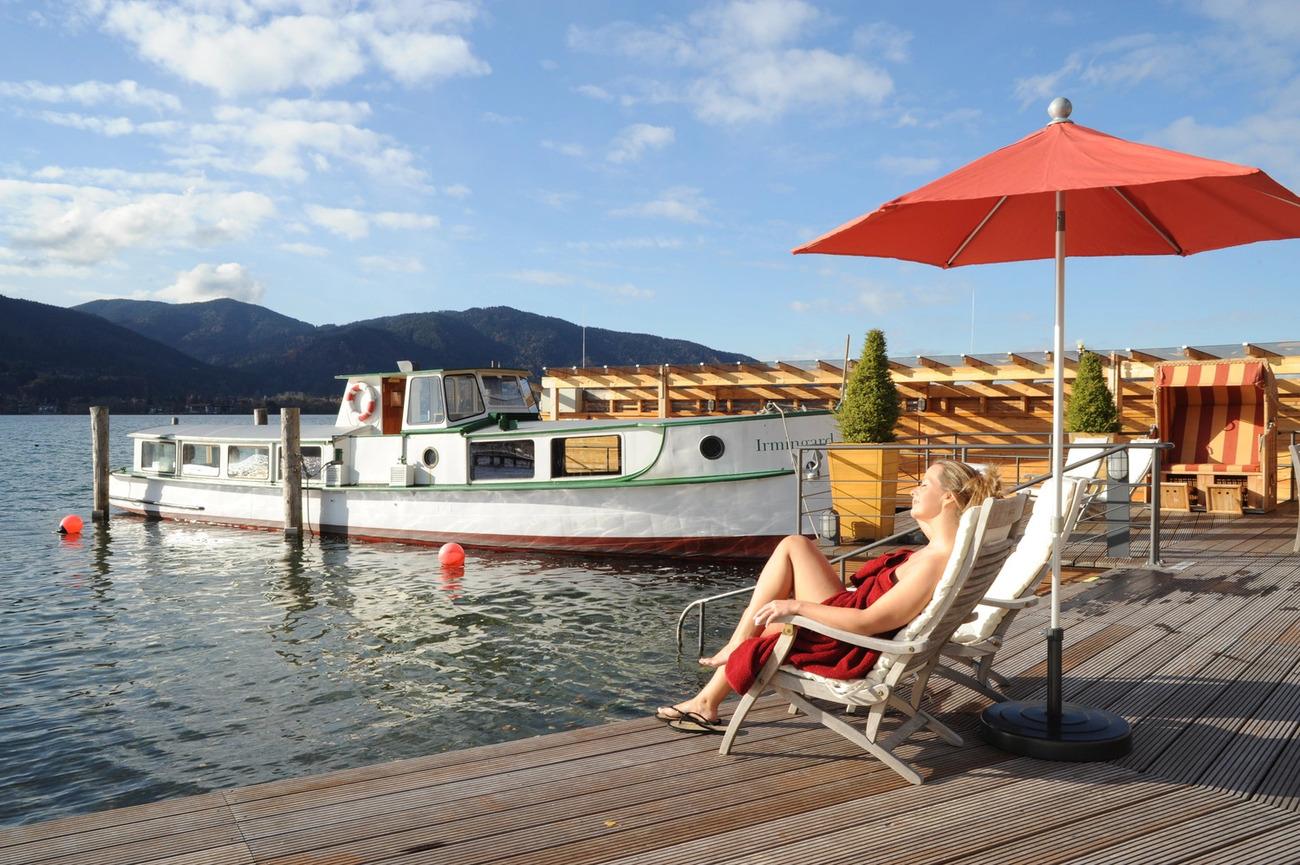
More water. From the Jod-Schwefelbad, it’s about a 5-minute drive north along the lakeshore toward Tegernsee town. As the road traces the western edge of the lake, the setting grows quieter again. Then the glass-and-wood structure of monte mare Seesauna appears directly at the water’s edge.
This isn’t a standard sauna complex tucked indoors. monte mare Seesauna sits right on Lake Tegernsee, with panoramic windows that keep the Alps fully in view while you’re inside. The facility features multiple themed saunas like Finnish sauna, bio sauna and steam bath alongside direct lake access for the brave (and refreshed). Step from heat into crisp alpine water and you’ve officially understood contrast therapy the Bavarian way. Interiors lean sleek and contemporary, blending natural wood with expansive glass to keep everything light and open.
If you want more than a simple sauna session, time your visit around one of the Aufguss ceremonies. Throughout the day, trained sauna masters lead guided Aufguss rituals, choreographing heat, essential oils and precise towel movements into something that feels almost theatrical. You’ll sit in rising warmth as alpine scents fill the air, the intensity building in waves before that final rush of cool relief.
Kreuth
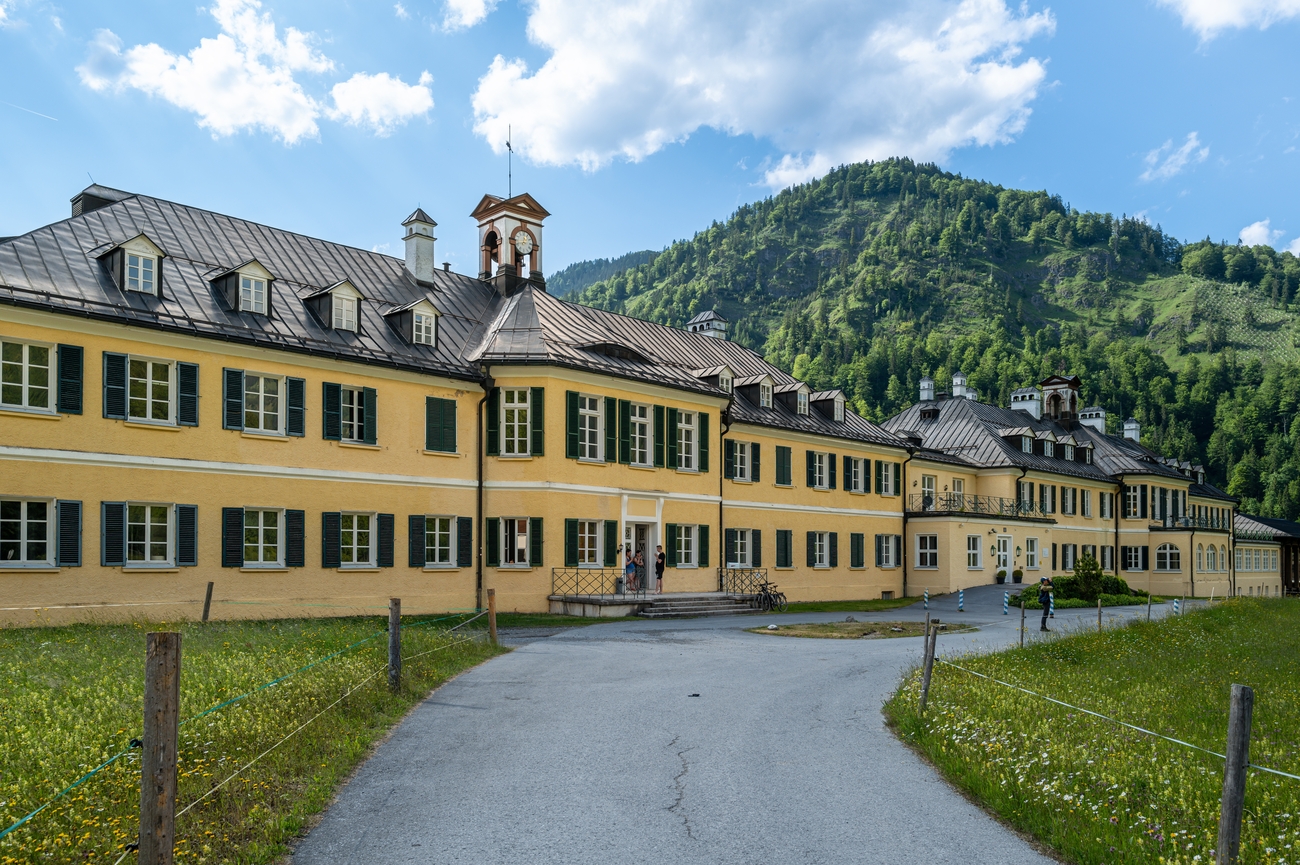
The landscape begins to change as you leave Bad Wiessee behind. Follow the road south along the lake’s edge, and over the course of about 20 minutes, the shoreline gradually gives way to wider meadows and deeper mountain scenery. By the time the houses thin out and the peaks draw closer, you’ve arrived in Kreuth.
Kreuth is known for its unspoiled character. Traditional farmhouses sit against dramatic mountain backdrops, wooden balconies spill with flowers in warmer months and hiking trails begin practically at the roadside. This is also where political history quietly unfolded, the Wildbad Kreuth estate hosted high-level political retreats for decades. Nature and diplomacy sharing the same altitude. The valley here feels broader, more open, with the Mangfall Mountains rising confidently behind.
Naturkäserei
Tegernseerland e.G.
Cheese with altitude. Naturkäserei TegernseerLand is dairy, but make it alpine.
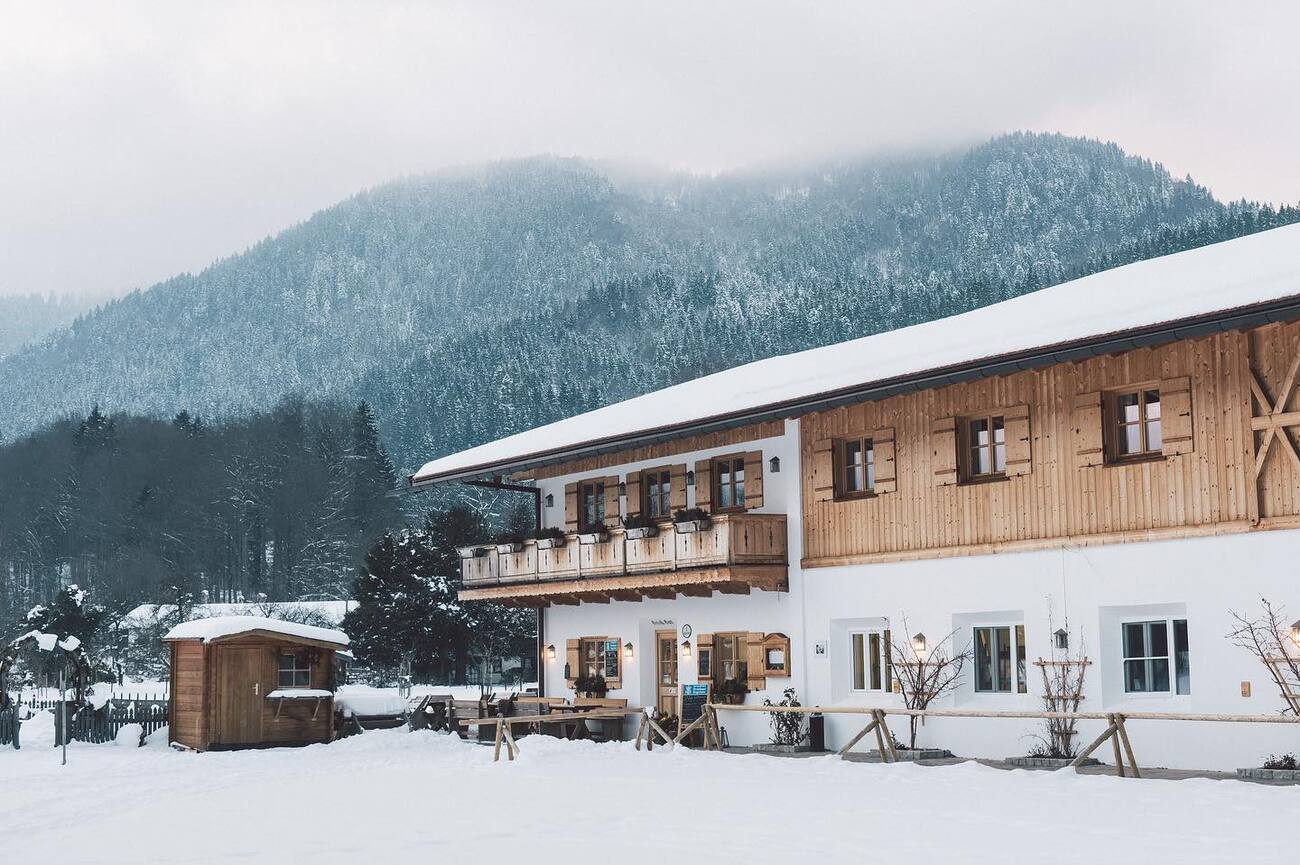
From central Kreuth, it’s a quick 5-minute drive toward the village of Kreuth-Oberhof, where the modern wooden-and-glass building of Naturkäserei TegernseerLand sits surrounded by open fields and mountain views. The setting is fitting with pastures nearby, peaks in the background and the quiet sense that what’s produced here starts right outside the door.
Founded in 2007 as a cooperative of local farmers, Naturkäserei TegernseerLand was created to keep regional milk production sustainable and transparent. Today, dozens of farms from the Tegernsee valley supply fresh hay milk daily. Inside, the facility blends craftsmanship with contemporary design: large viewing windows allow you to observe the cheese-making process, from milk delivery to aging racks lined with wheels of mountain cheese. The shop showcases everything from semi-hard alpine varieties to creamy Camembert-style rounds and fresh dairy products all produced on-site.
If you want more than a tasting at the counter, guided dairy tours are available, offering insight into the full production process. These tours walk you through the cooperative model, explain the hay-milk philosophy and often include sampling sessions at the end.
Kleiner
Wasserfall
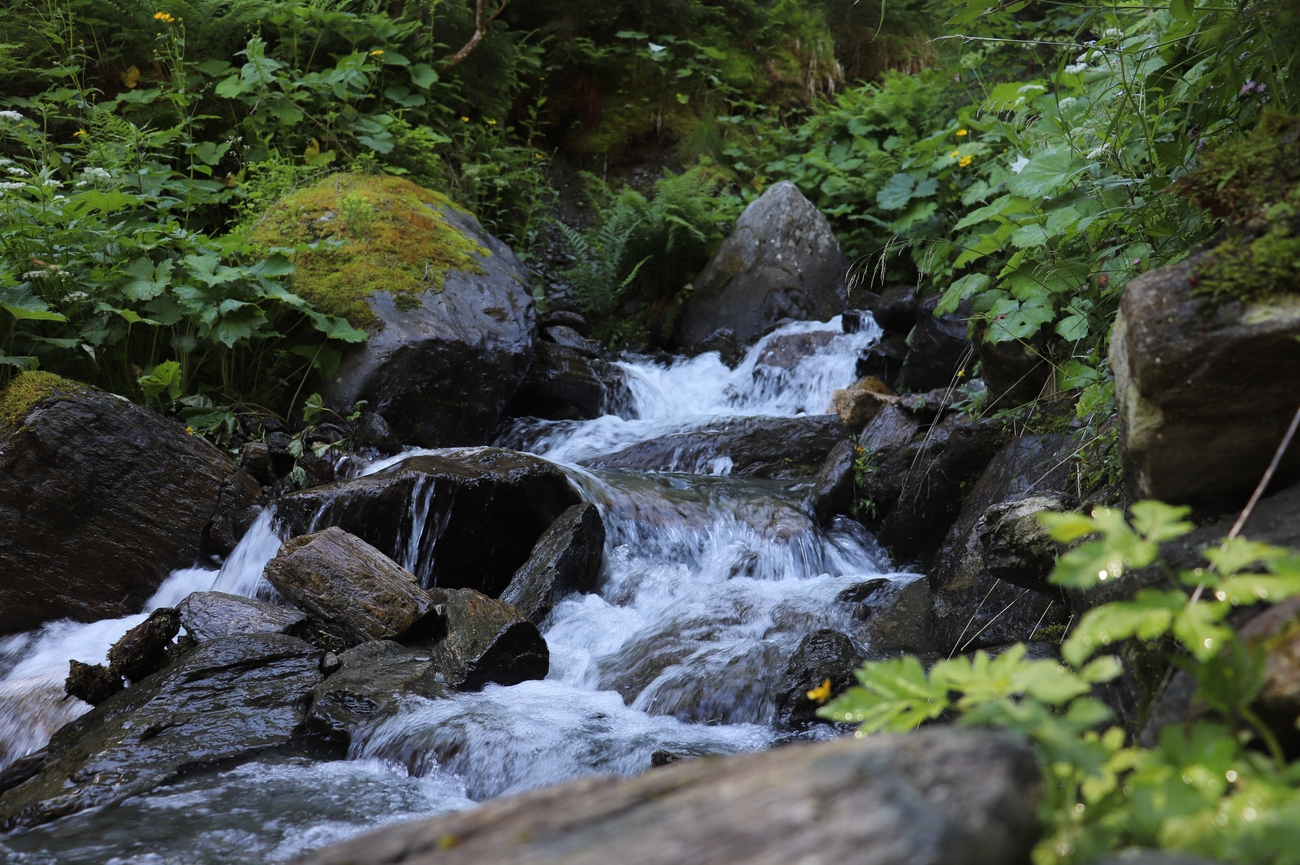
The road carries you a little deeper into Kreuth before the forest begins to close in. After roughly 10 minutes by car from Naturkäserei TegernseerLand, park near the marked trailhead and continue on foot. A gentle 10–15 minute woodland walk follows. You’ll hear it before you see it. Then the trees part slightly and Kleiner Wasserfall appears.
Don’t expect a roaring alpine giant. This is a smaller cascade, tucked into the greenery, where clear mountain water tumbles over moss-covered rocks into a shallow basin below. It’s intimate, almost secretive. It is the kind of place locals visit for a quiet pause rather than a spectacle. The surrounding forest softens the light, and depending on the season, the flow ranges from gentle trickle to lively rush after rainfall or snowmelt.
Settle onto a quiet rock, loosen your pace and let the steady rhythm of the cascade take over. No agenda, no performance. Just cool mountain air brushing past and water moving exactly as it has for centuries. If you packed something special from earlier, local cheese, fresh bread, maybe a crisp apple, this is where it tastes better.
Evening: Käfer Gut
Kaltenbrunn
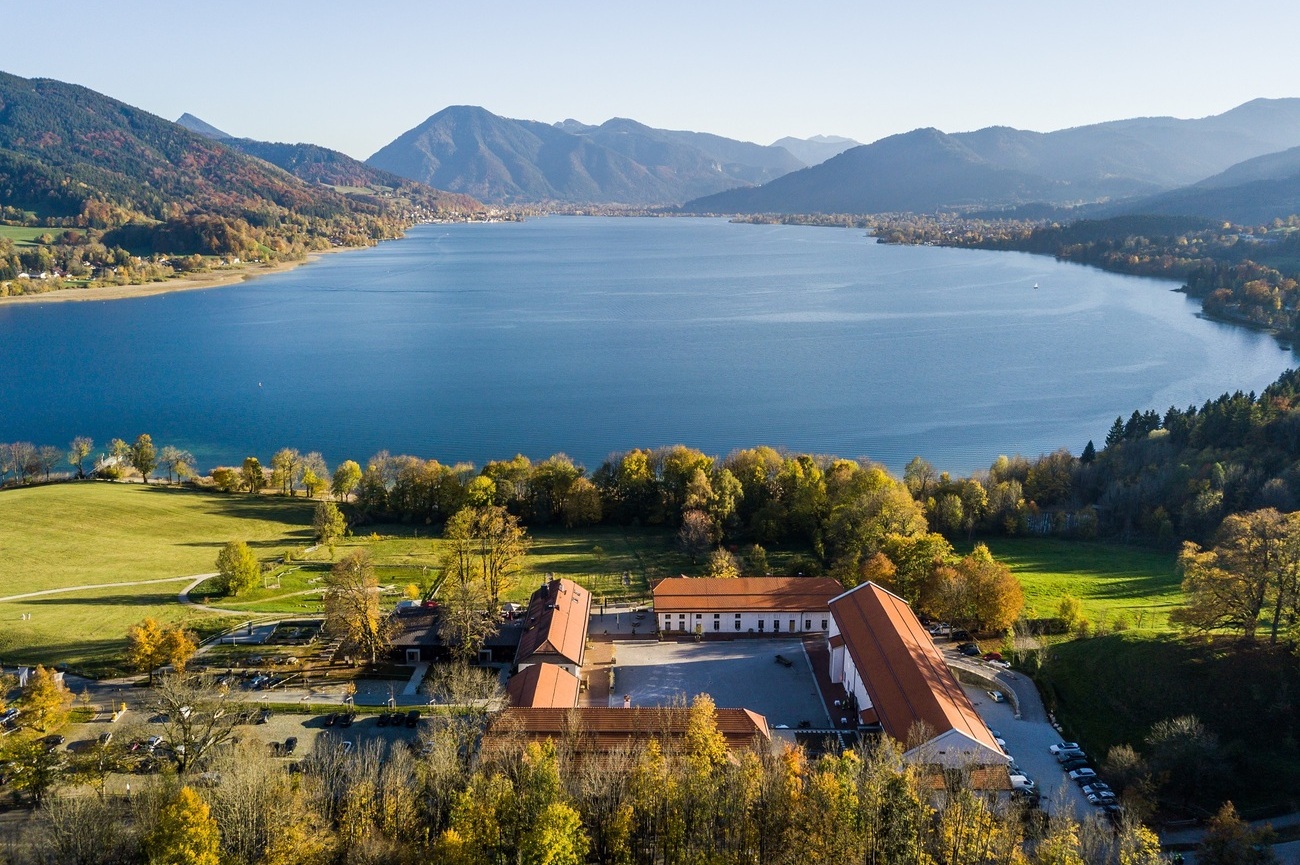
The return north unfolds gradually. From Kleiner Wasserfall, make your way back through Kreuth and follow the eastern lakeshore road toward Gmund. Over the course of about 25–30 minutes, dense forest gives way to open pastures and the lake begins to stretch wider beside you. Just before reaching the northern tip of Tegernsee, the elevated estate of Käfer Gut Kaltenbrunn comes into view above the water.
Arriving in the evening feels different than earlier in the day. The four-sided manor sits confidently on its meadow plateau, with uninterrupted views stretching across the entire lake toward the Alps. As golden hour settles, the facade warms, the lake below turns reflective and the surrounding fields glow in soft light. Use this time to wander the open estate grounds and panoramic meadow paths rather than focusing on interiors. The elevated vantage point here offers one of the most balanced sunset compositions on the lake.
Mangfall
We end where one body of water becomes another.
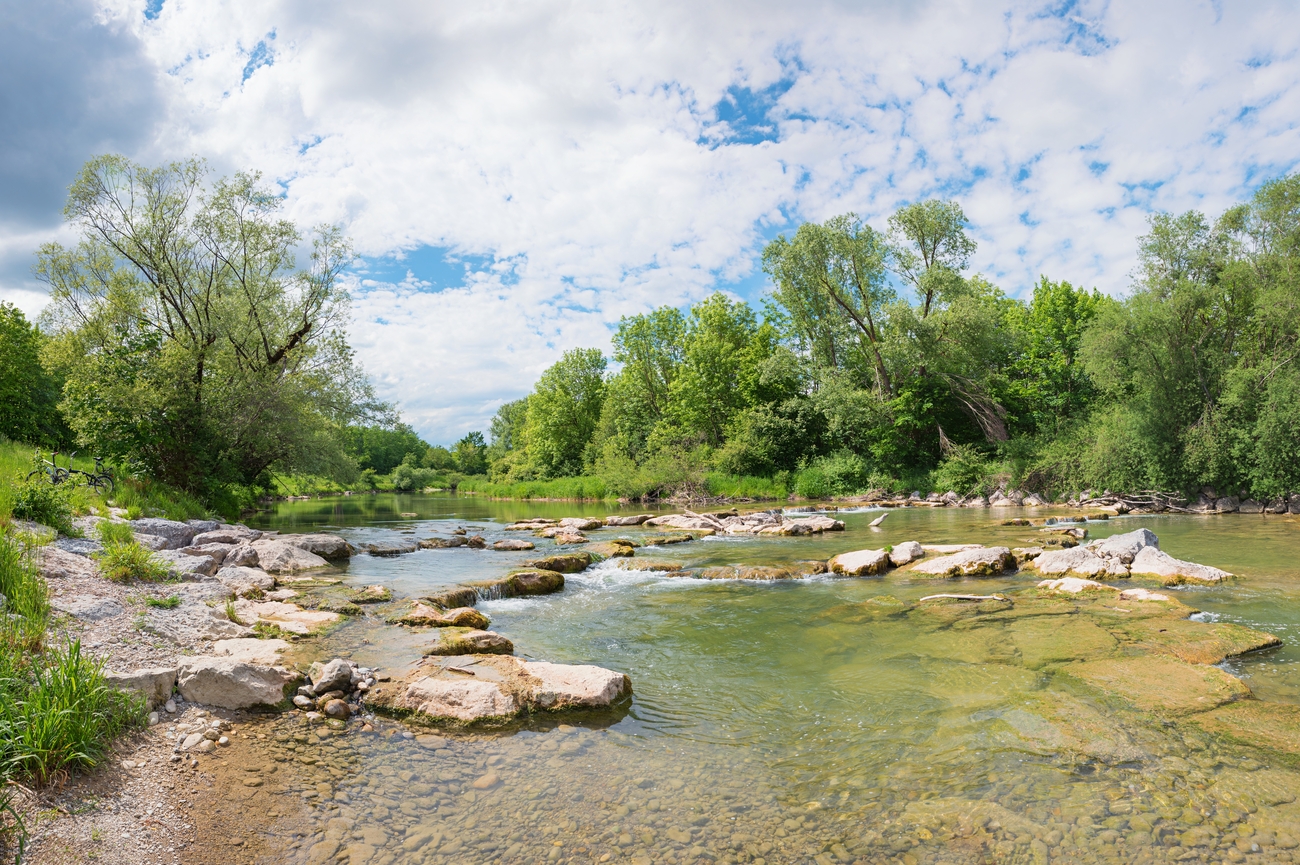
From Käfer Gut Kaltenbrunn, continue a few quiet minutes north and the landscape begins to shift. The broad mirror of Lake Tegernsee narrows, reeds appear along the banks and the still surface subtly gathers momentum. Within 3–5 minutes by car, you arrive at the point where the lake releases itself into the Mangfall River.
This is not a dramatic finale; it’s a thoughtful one. The Mangfall marks the lake’s northern outlet, carrying Tegernsee’s water onward through Bavaria. The setting feels softer and more natural than the promenades and peaks you’ve explored. Gravel paths trace the riverbank, birds skim the surface and the air carries that gentle hush that only moving water creates.
Lake becomes river. And the journey feels complete.
Day 3 - Lake
Tegernsee Tour Map
Other Things to Do Around Lake Tegernsee
Spend a few days here and something becomes clear: the lake doesn’t run out of ideas. Beyond the promenades, monasteries and panoramic peaks, there’s a quieter layer of experiences waiting for anyone willing to explore a little further. Some are polished and luxurious, others rooted in craft and tradition but all of them feel distinctly Tegernsee. Consider these the encore acts to a destination that already delivered a strong performance.
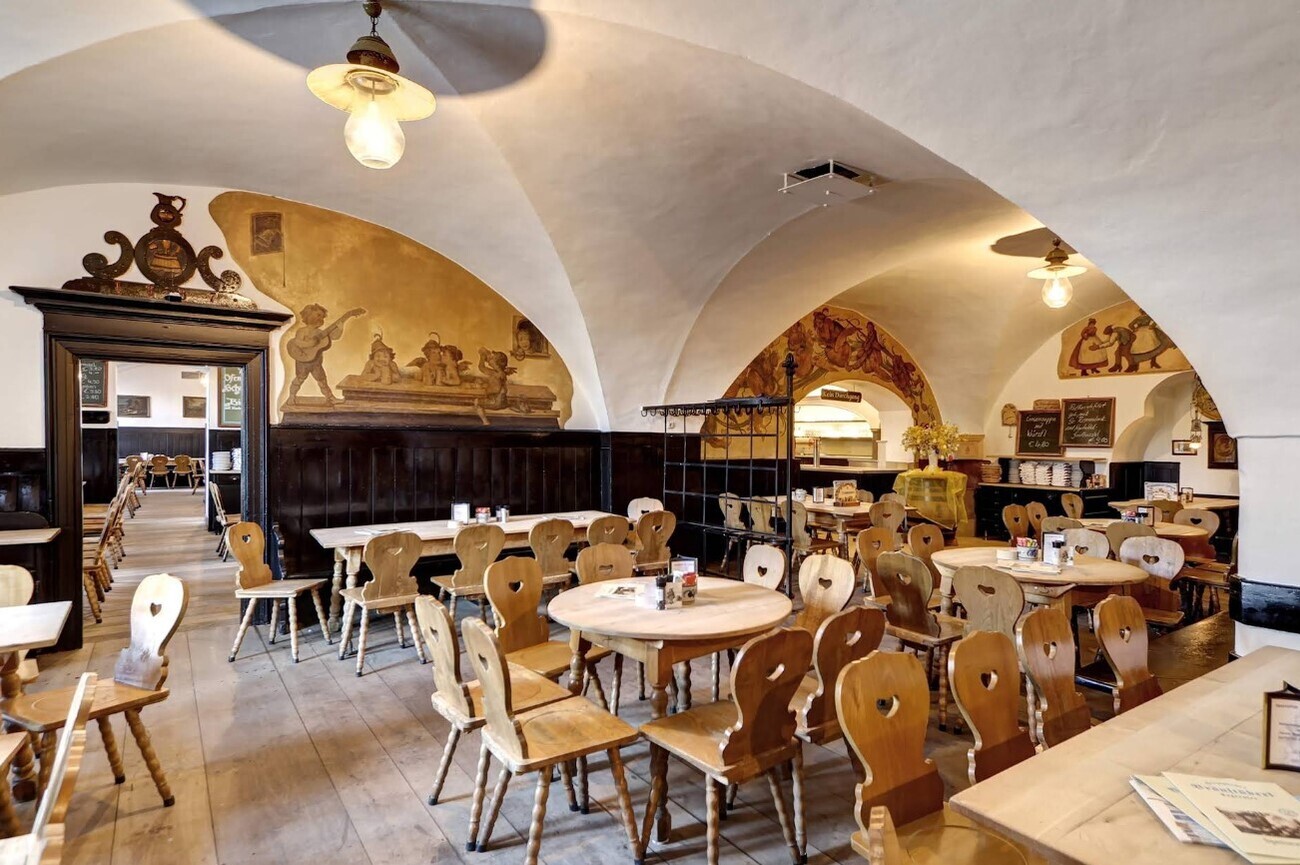
- Bräustüberl Tegernsee: This legendary beer hall sits right beside the historic Tegernsee Abbey and carries centuries of brewing tradition. Founded in the 17th century and tied to the Ducal Bavarian Brewery, the Bräustüberl is one of the most iconic gathering places around the lake. Inside, vaulted ceilings, long communal tables, and historic murals create a lively but authentic atmosphere. You’ll want to try the classic Tegernseer Hell, poured fresh from the source next door.
- St. Laurentius Church: Quietly standing near the lakeshore in Egern, this onion-domed church feels almost perfectly placed in the Tegernsee landscape. Built in the 15th century and later enhanced with Baroque elements, the structure reflects the deep religious traditions of the valley. Step inside and you’ll find delicate frescoes, carved wooden details, and a calm, contemplative interior that contrasts beautifully with the dramatic mountain scenery outside.
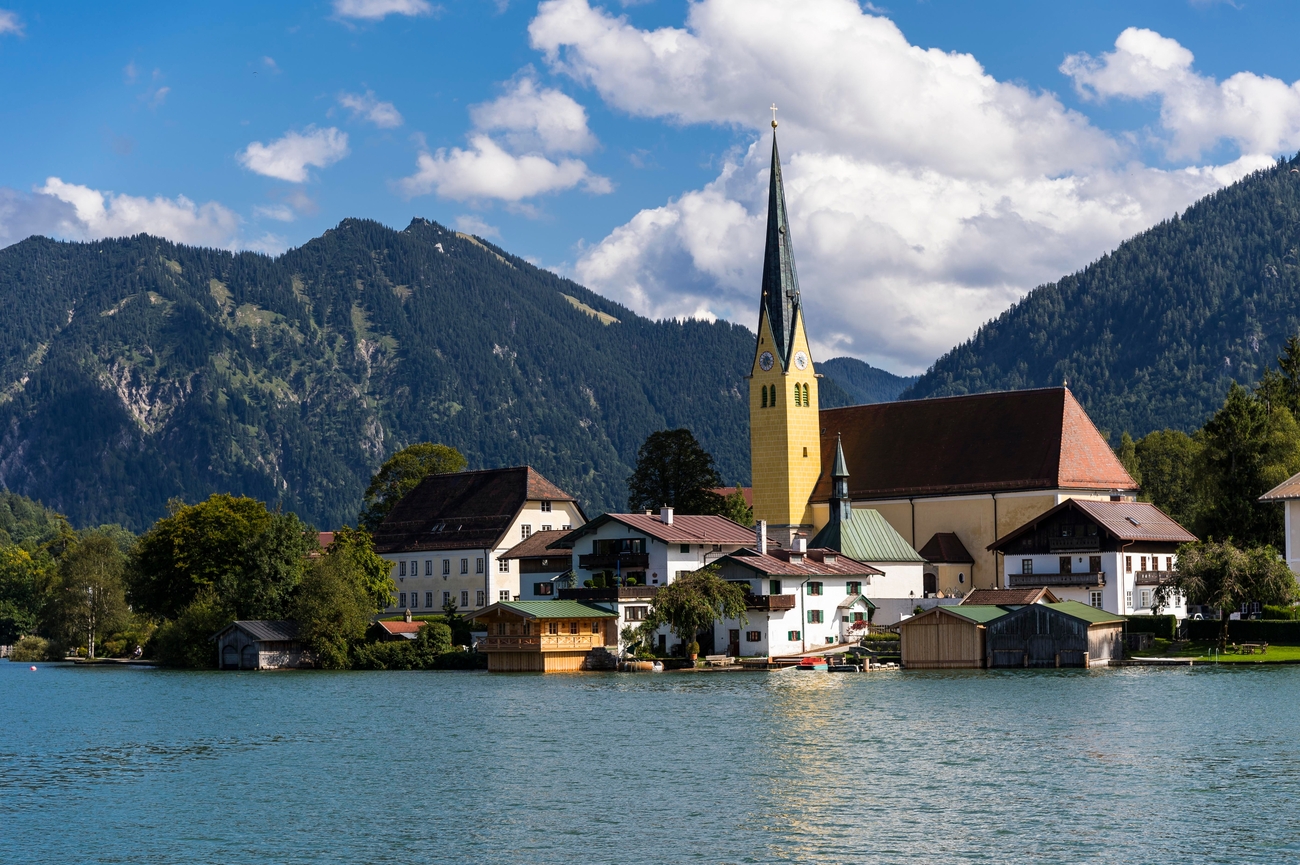
- Berggasthof Neureuth: Reaching Berggasthof Neureuth requires a scenic hike of about 1.5 hours, but the path is gentle and rewarding, winding through forest and open alpine pastures. Once you arrive, the panoramic terrace opens to a sweeping view of Lake Tegernsee below. You can join private hiking guides that can turn the journey into a curated alpine experience, pointing out native flora, geological formations and local legends tied to the surrounding mountains.
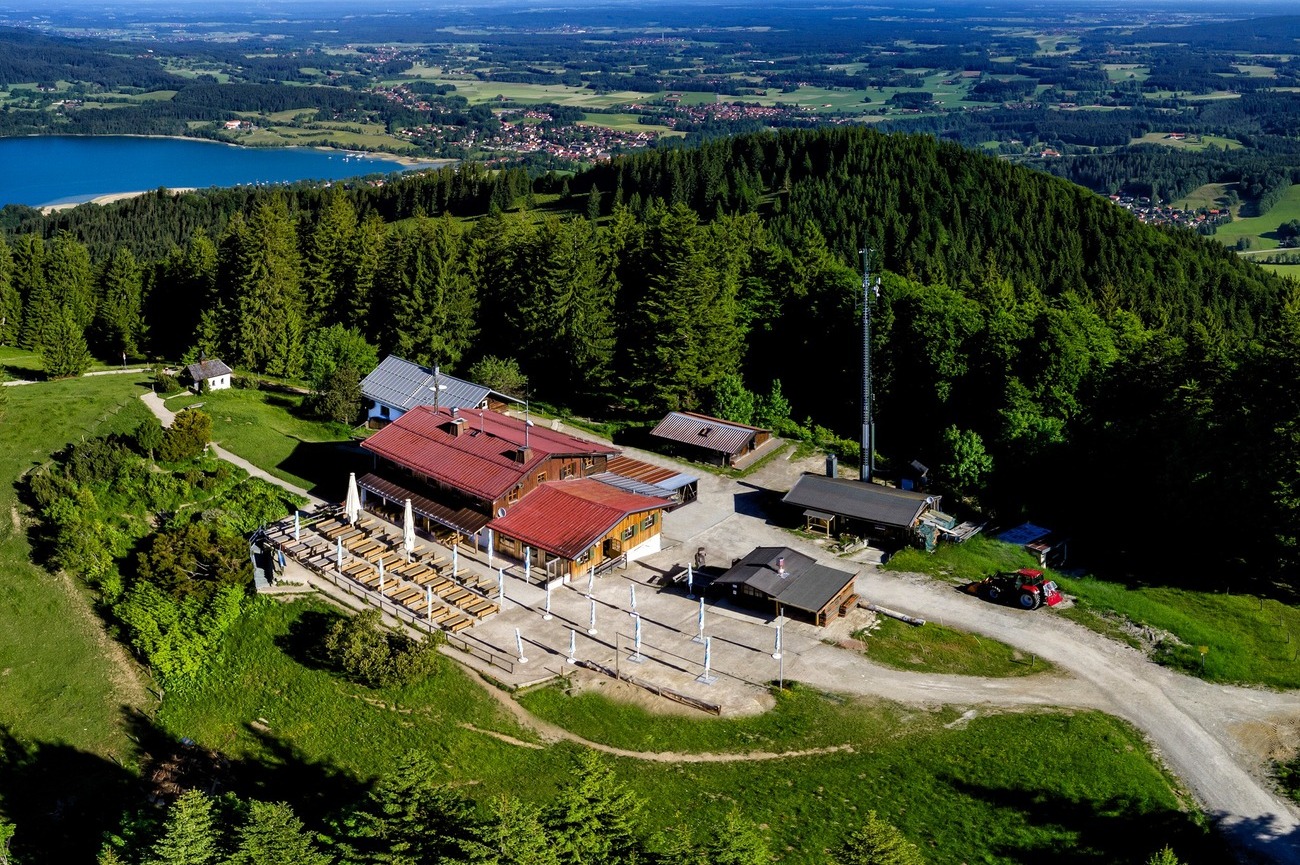
- Neureuth Scenic Point: Just a short walk from the Berggasthof lies the Neureuth viewpoint, where the entire Tegernsee valley unfolds beneath you. The perspective here is particularly striking. This is where the lake appears almost perfectly framed by the Mangfall Mountains. Photographers and hikers love this vantage point for its wide, uninterrupted horizon.
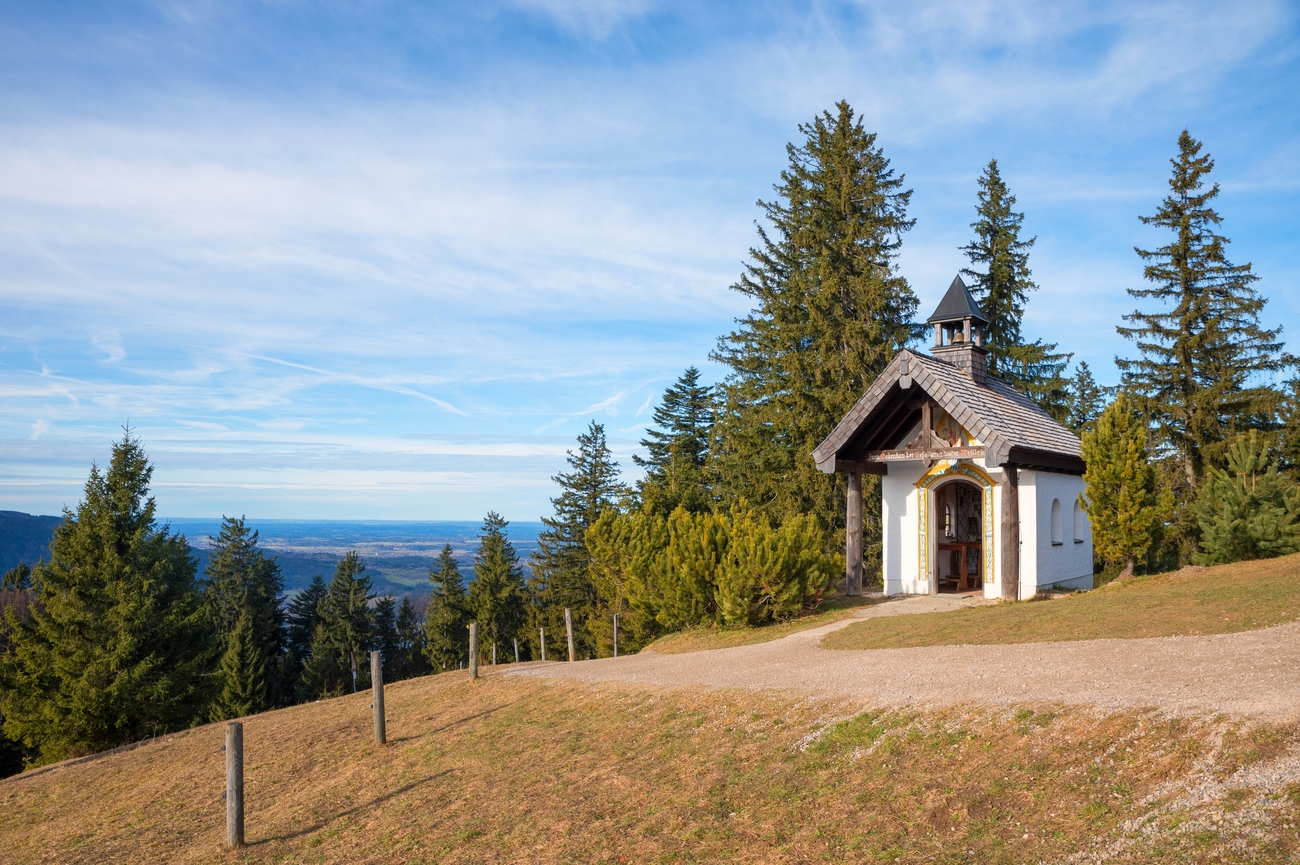
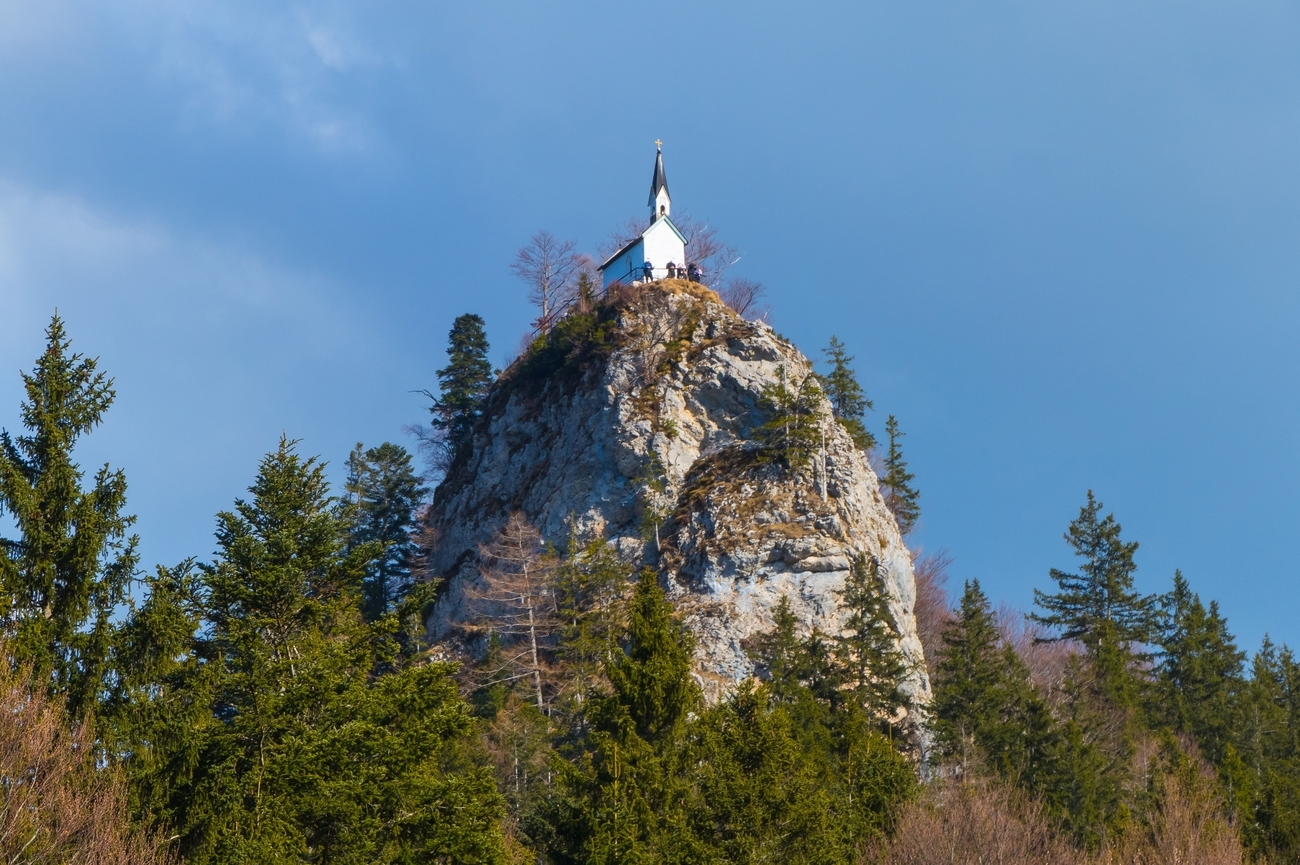
- Riedersteinkapelle: The Riedersteinkapelle feels like something lifted from a fairytale illustration. The small chapel sits high on the mountainside, accessible via a moderate hike from Tegernsee town. Built in the 19th century as a place of devotion and reflection, the chapel’s setting is what makes it unforgettable. The narrow stone perch overlooks the lake and valley below, offering one of the most iconic viewpoints in Upper Bavaria. If you enjoy quiet, elevated moments above the landscape, this one delivers beautifully.
Things to Do with Kids Around Lake Tegernsee
Lake Tegernsee knows how to behave around kids.
At first glance, the lake feels polished with monasteries, spa towns and alpine viewpoints. But look closer and you’ll realize the valley quietly doubles as a playground. Nature becomes the climbing frame, museums sneak in learning without feeling like homework and there are enough parks and animal encounters to keep younger travelers happily occupied while you still get your dose of alpine charm. If you’re traveling with kids, these spots add the right mix of curiosity, movement and wide-open fun.
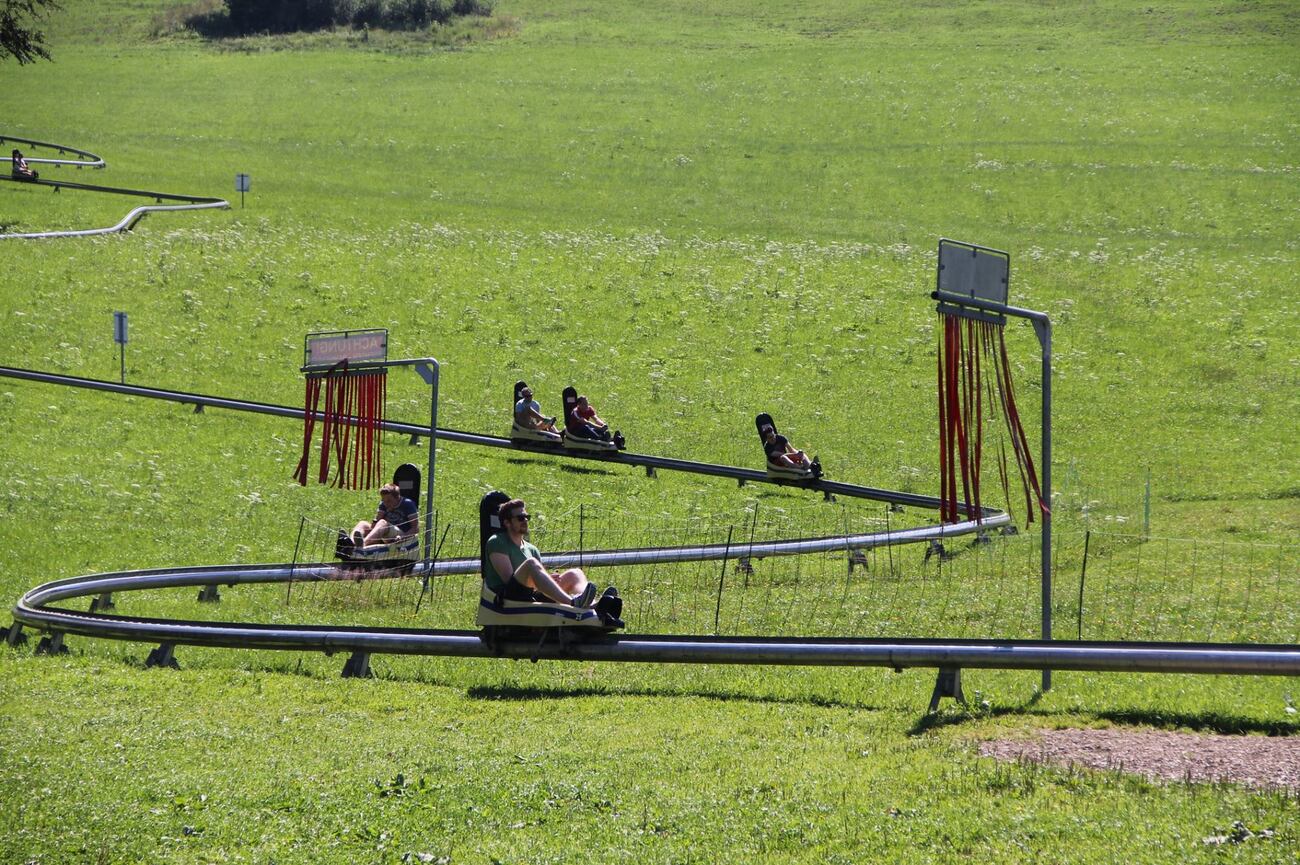
- Sommerrodelbahn Oedberg: If your kids enjoy a little adrenaline, this one usually becomes an instant favorite. Sommerrodelbahn Oedberg offers a classic alpine summer toboggan run where riders race downhill on a winding track through forest and open mountain views. Each rider controls their own sled, meaning your child can decide whether to glide slowly or speed through the curves. It’s exciting enough to get their hearts racing, but safe and family-friendly at the same time.
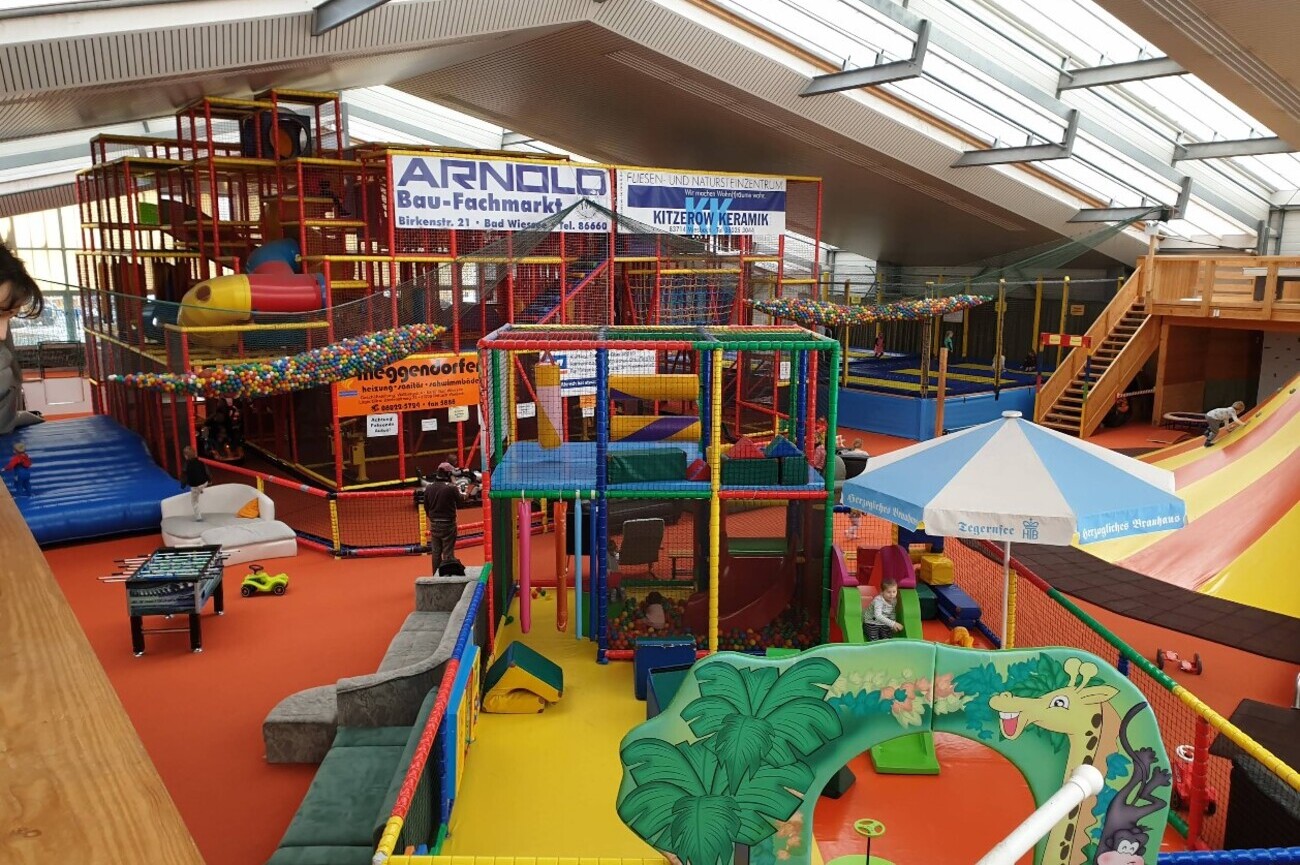
- Tegernsee Phantastisch: Sometimes the weather calls for an indoor adventure and that’s exactly where Tegernsee Phantastisch shines. This large family entertainment center in Kreuth is designed to keep kids active, curious and happily occupied. And inside, you’ll find climbing structures, interactive adventure zones, trampolines and imaginative play areas where kids can jump, climb and test their balance. It’s colorful, lively and thoughtfully designed so children of different ages can explore safely.
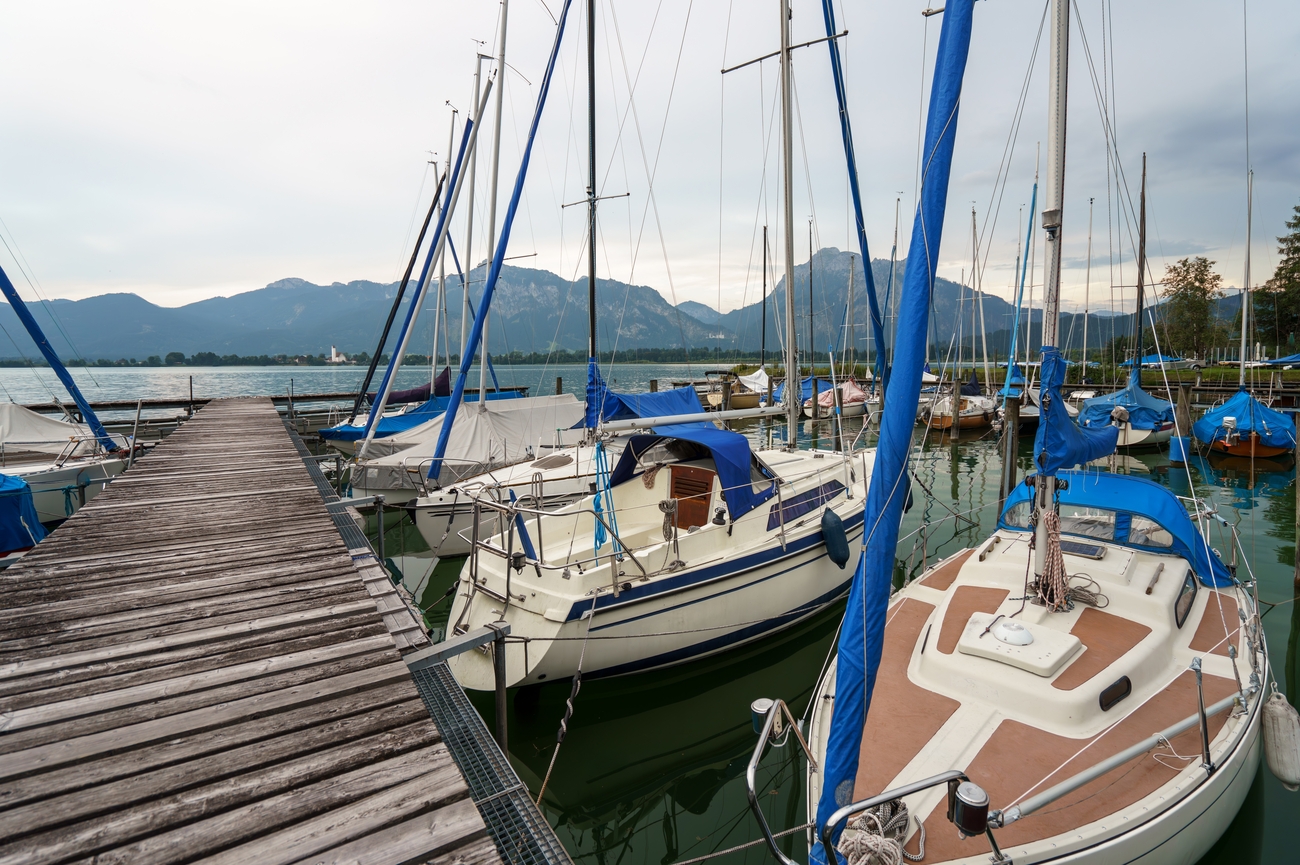
- Marina Tegernsee: Sometimes the best entertainment for kids is surprisingly simple. At Marina Tegernsee, boats come and go throughout the day, creating a lively lakeside atmosphere that naturally draws curious young minds. Walk along the docks and let your kids watch the sailboats drift in and out of the harbor. You might even catch them imagining their own adventures out on the water. It’s the kind of place where children slow down and start asking questions about everything they see. And if you want to turn curiosity into activity, rent a pedal boat or small electric boat and head out onto the lake together.
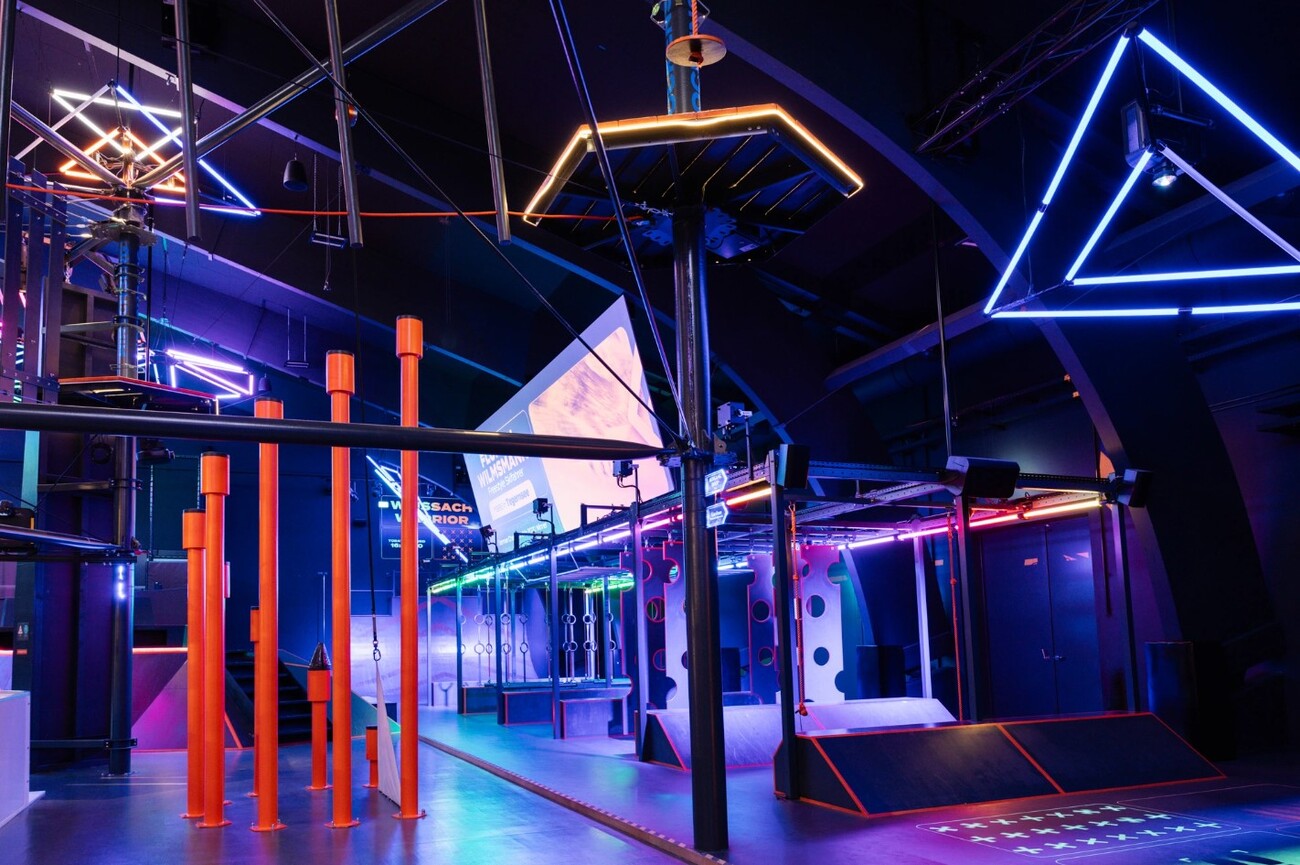
- Spiel- und Sportarena Bad Wiessee: Every family trip reaches a moment when kids simply need to move. The Spiel- und Sportarena Bad Wiessee exists for exactly that reason. This indoor sports and play arena offers trampolines, climbing areas, obstacle courses and interactive sports zones designed to keep kids active and engaged. It’s energetic, well organized and perfect for releasing that extra burst of excitement children often carry with them on vacation.
Day Trips from Lake Tegernsee
Lake Tegernsee is wonderfully self-contained but the real magic is how much lies just beyond its shoreline. Stay a few days and a pattern starts to reveal itself. The lake may feel like the main event, yet it quietly sits in the middle of southern Bavaria’s most fascinating constellation of towns, mountains and cultural landmarks. The beauty of Tegernsee is that you never have to choose between serenity and exploration. You can start the morning with still water and sailboats, then spend the afternoon wandering through centuries of history somewhere nearby. These destinations are all comfortably reachable in an hour, making them perfect for a full day out before returning to the calm rhythm of the lake.
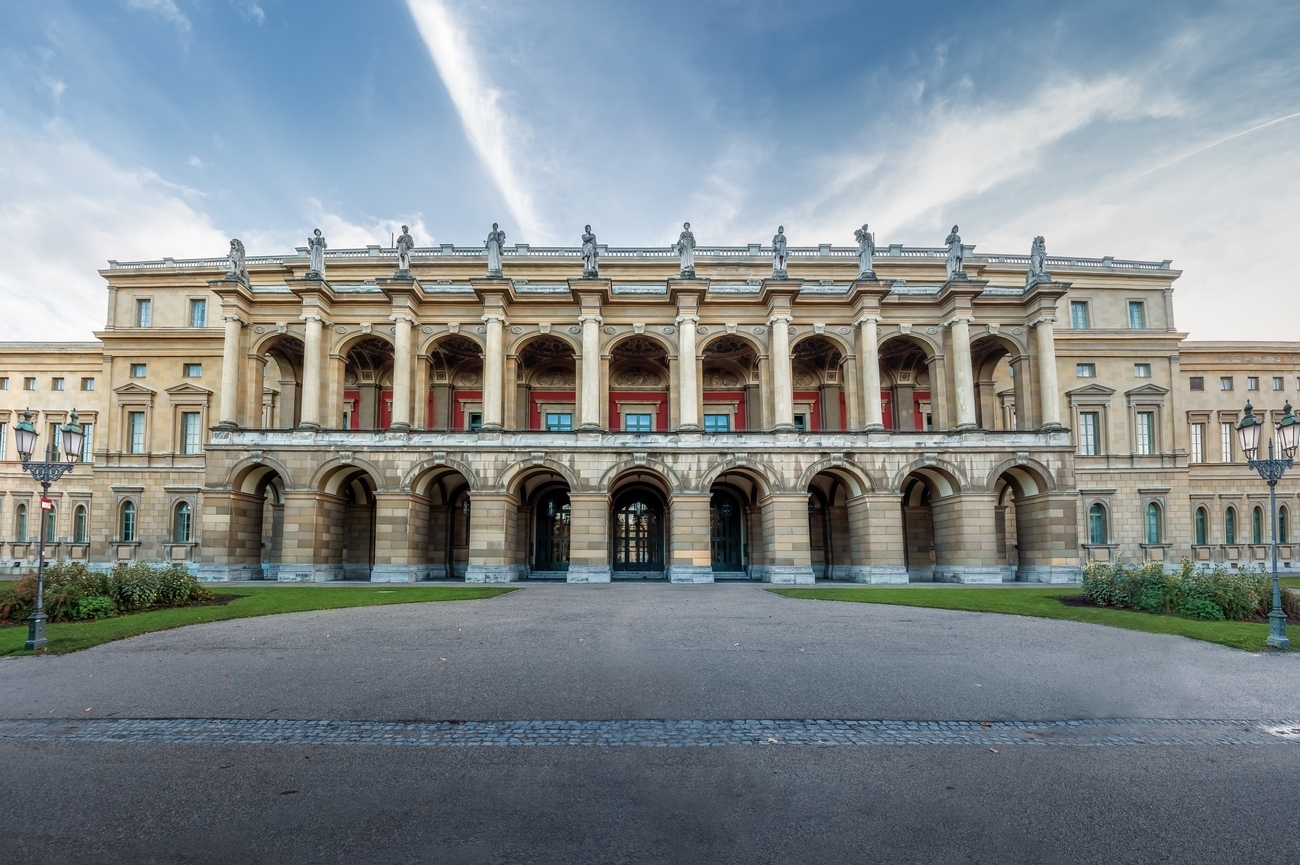
- Munich, Germany: If Tegernsee feels like a peaceful retreat, Munich is where Bavarian culture turns vibrant and expressive. The city lies roughly 50–60 minutes north of the lake, making it one of the easiest and most rewarding day trips. You’ll likely start in Marienplatz, the lively heart of the city, before drifting toward the Munich Residenz, the former royal palace of Bavaria. And art lovers often spend time at the Pinakothek museums, while others prefer wandering through the famous Viktualienmarkt food market. You can spend the afternoon exploring the city at your own pace and you’ll understand why Munich balances history and modernity well.
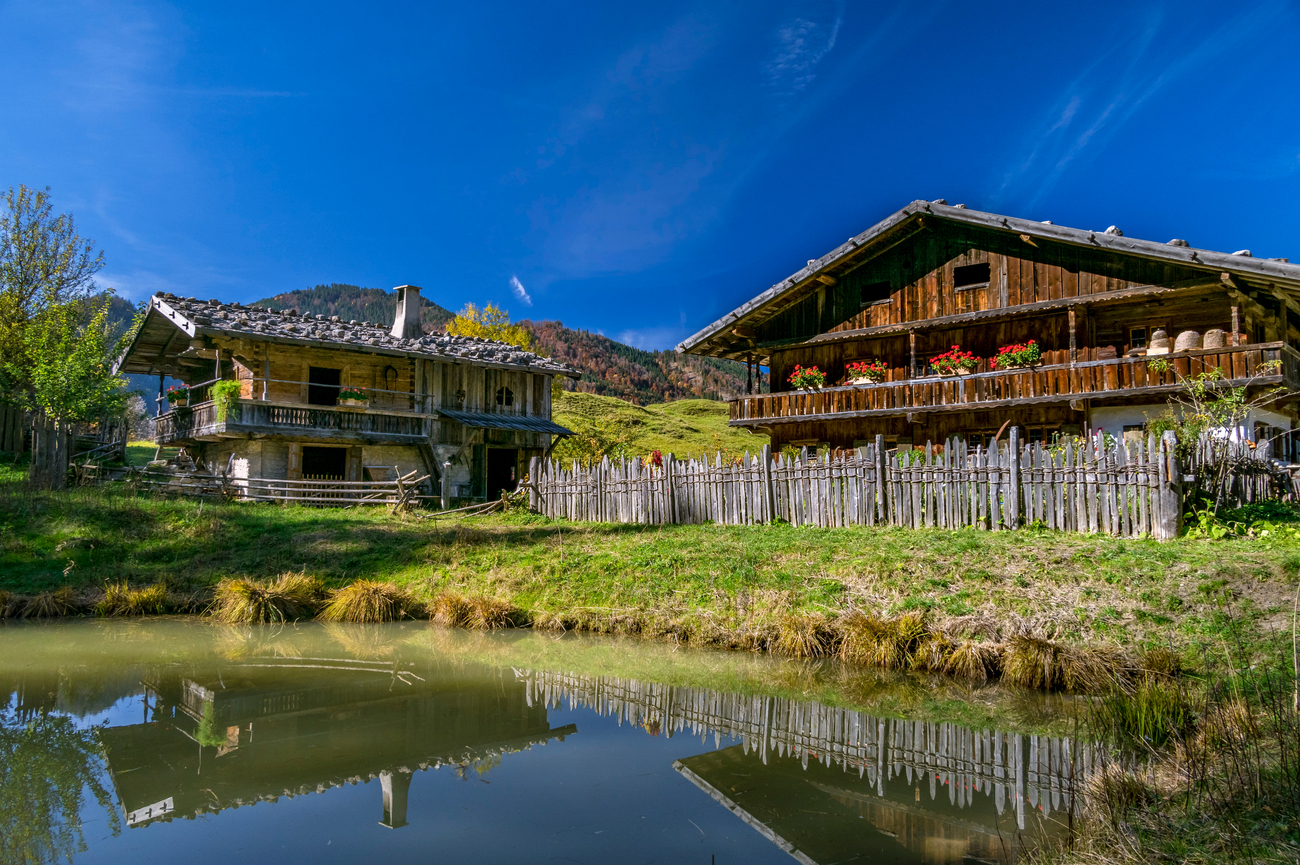
- Schliersee, Germany: Schliersee sits only about 20 minutes from Tegernsee, making it the easiest excursion on the list. This proves that sometimes a day trip doesn’t need to be dramatic; just different. This neighboring lake town feels slightly more rustic and relaxed. Walk through the lakeside village, then stop at the Markus Wasmeier Open-Air Museum, where traditional Bavarian farmhouses and crafts recreate life in the Alps centuries ago. And you might also head up toward Schliersberg, a hillside viewpoint overlooking the lake.
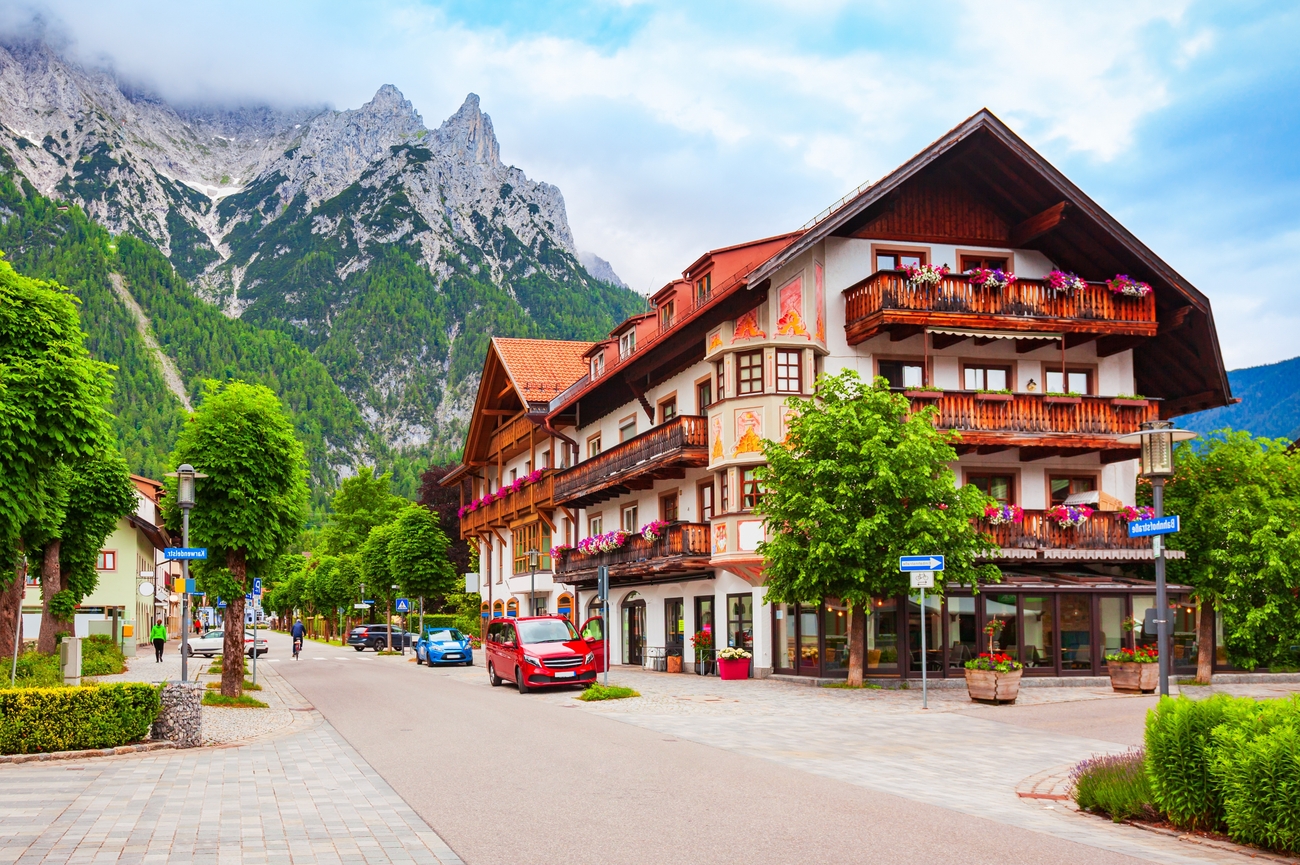
- Mittenwald, Germany: If you enjoy storybook villages, Mittenwald will absolutely deliver. The town sits about 1 hour and 20 minutes south of Tegernsee, right at the foot of the Karwendel Mountains. The highlight here is simply wandering through the historic center. Many buildings are decorated with Lüftlmalerei, elaborate painted murals that turn ordinary houses into colorful works of art. As you walk along the main street, you’ll notice how the mountain backdrop frames everything perfectly. And this city is also known for its violin-making tradition, which you can explore at the local Geigenbaumuseum.
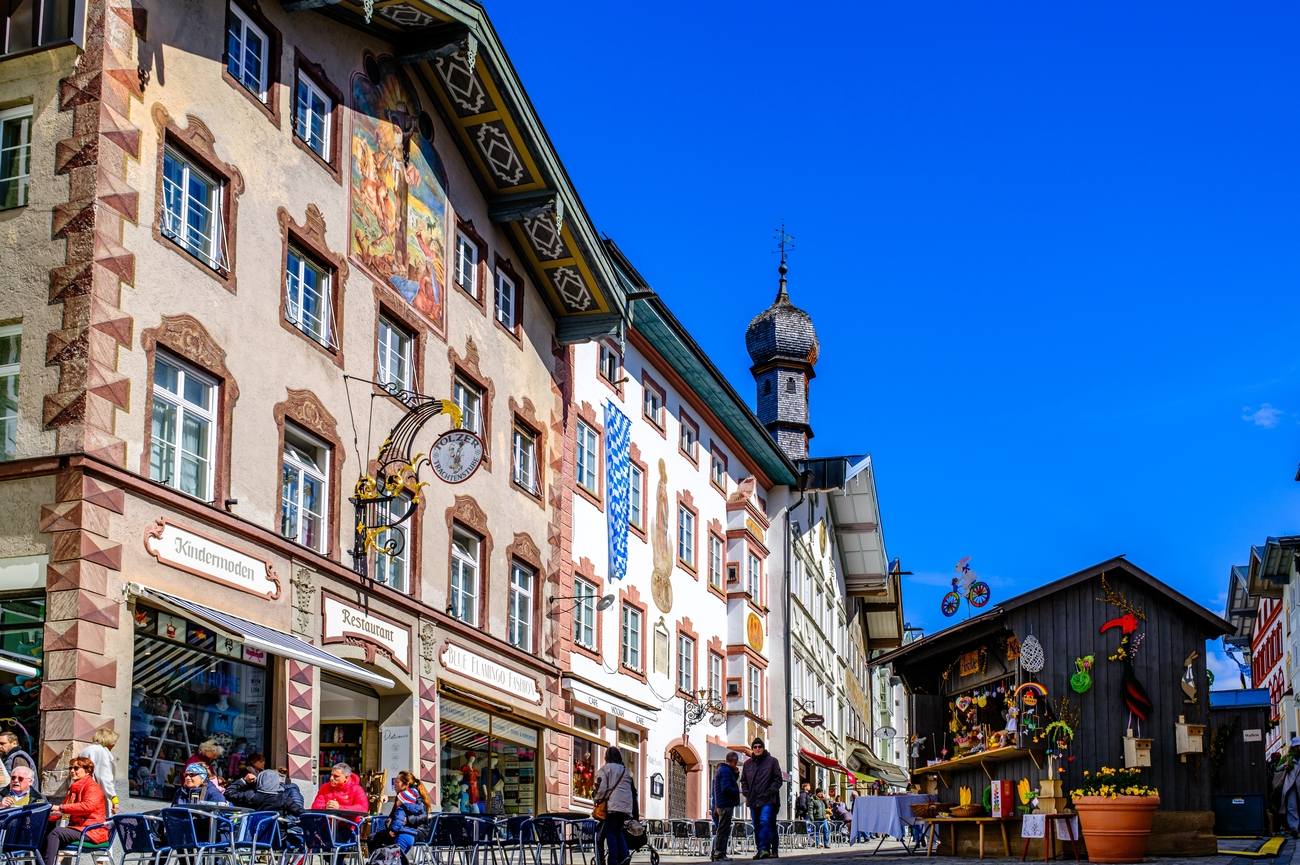
- Bad Tölz, Germany: For something quieter, Bad Tölz offers a charming half-day escape about 35 minutes from Lake Tegernsee. The town sits along the Isar River and is known for its colorful houses lining Marktstraße, one of the most beautiful streets in Bavaria. Walk slowly through the historic center and you’ll see painted facades, small artisan shops and traditional bakeries. But you might also climb up to Kalvarienberg Hill, where a chapel overlooks the town and river valley.
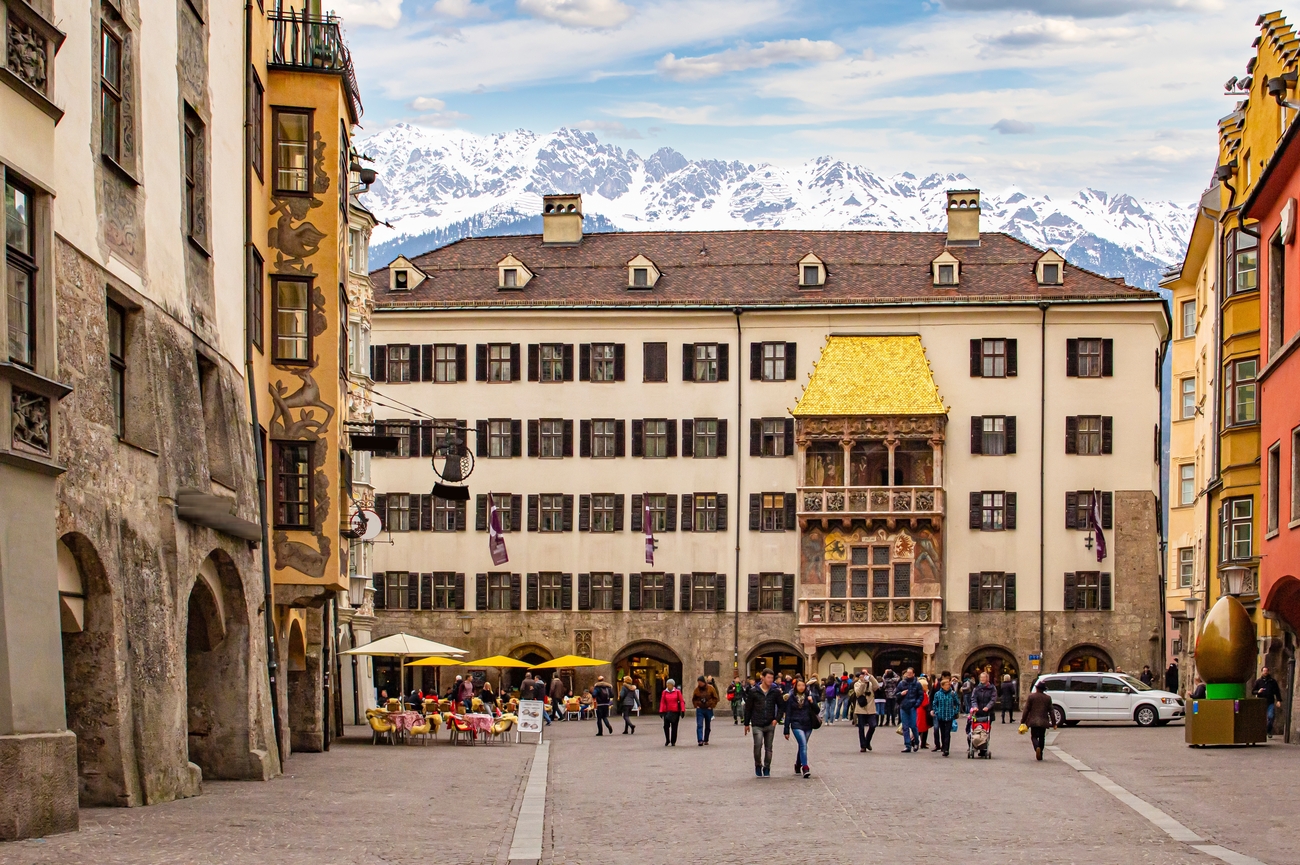
- Innsbruck, Austria: Yes, you can visit another country on a day trip from Tegernsee. Innsbruck lies about 1 hour and 30 minutes away, just across the Austrian border. The historic center is compact and easy to explore. Most visitors begin at the Golden Roof, the city’s most famous landmark, before wandering through the charming streets of the Old Town. The Hofburg Imperial Palace and Ambras Castle add a touch of imperial history. But what makes Innsbruck special, though, is the setting. Within minutes, you can ride the Nordkette cable car from the city into the surrounding Alps.
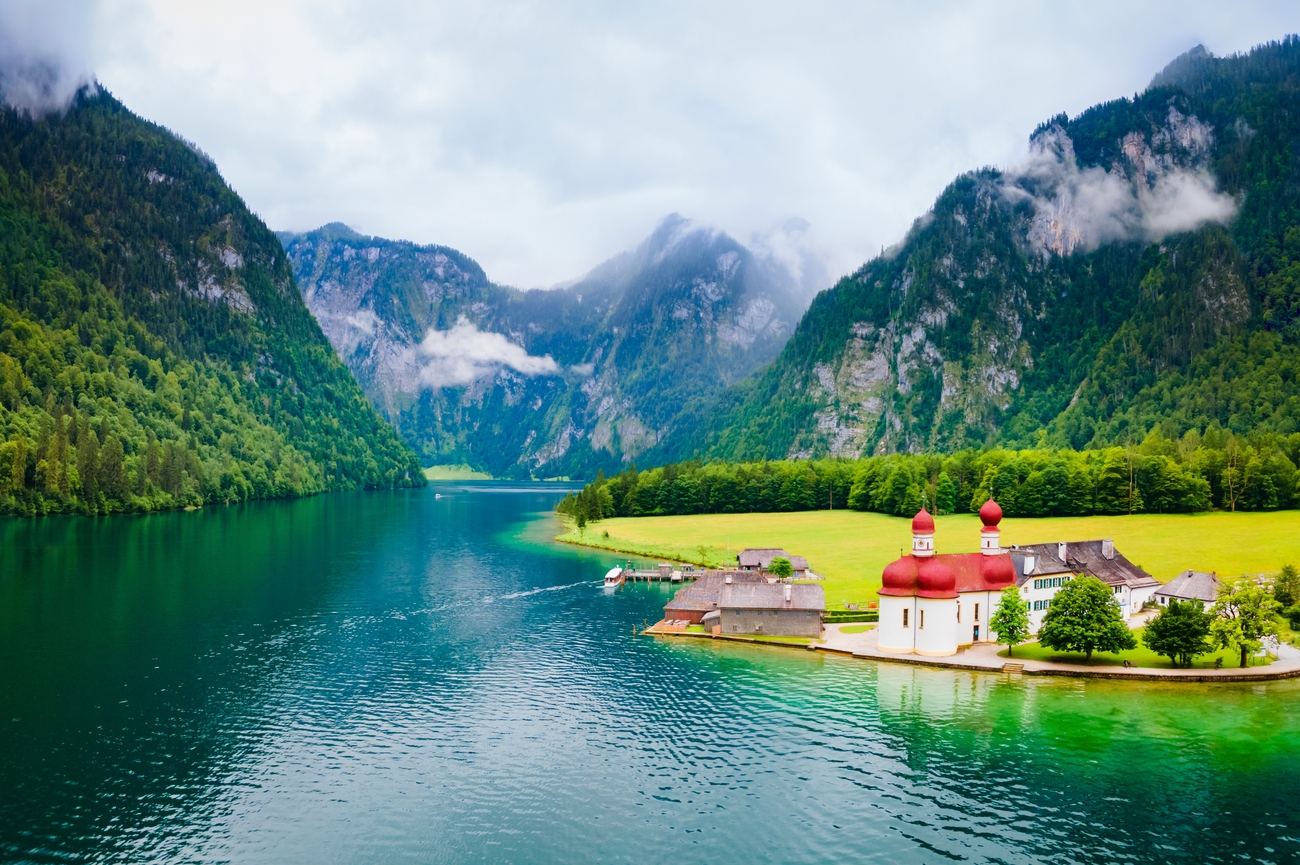
- Berchtesgaden, Germany: If you want scenery that feels almost cinematic, consider heading to Berchtesgaden National Park. This region forms part of the UNESCO Berchtesgaden Biosphere Reserve, known for its protected alpine landscapes. The star attraction is Lake Königssee, where electric boats glide across emerald water surrounded by towering cliffs. This spot is just roughly 1 hour and 30 minutes from Lake Tegernsee and you’ll experience a kind of place where nature does most of the talking. But if that’s not enough, you can also stop at St. Bartholomew’s Church, one of Bavaria’s most photographed alpine landmarks.
Nearby Experiences Around Lake Tegernsee
Tegernsee is the kind of place that quietly encourages detours. You arrive for the lake, the promenades, the castles, the long lunches with mountain views. But look a little beyond the shoreline and the region opens up fast. Within an hour, the landscape shifts from calm water to alpine peaks, hidden lakes and mountain passes that feel built for adventure.
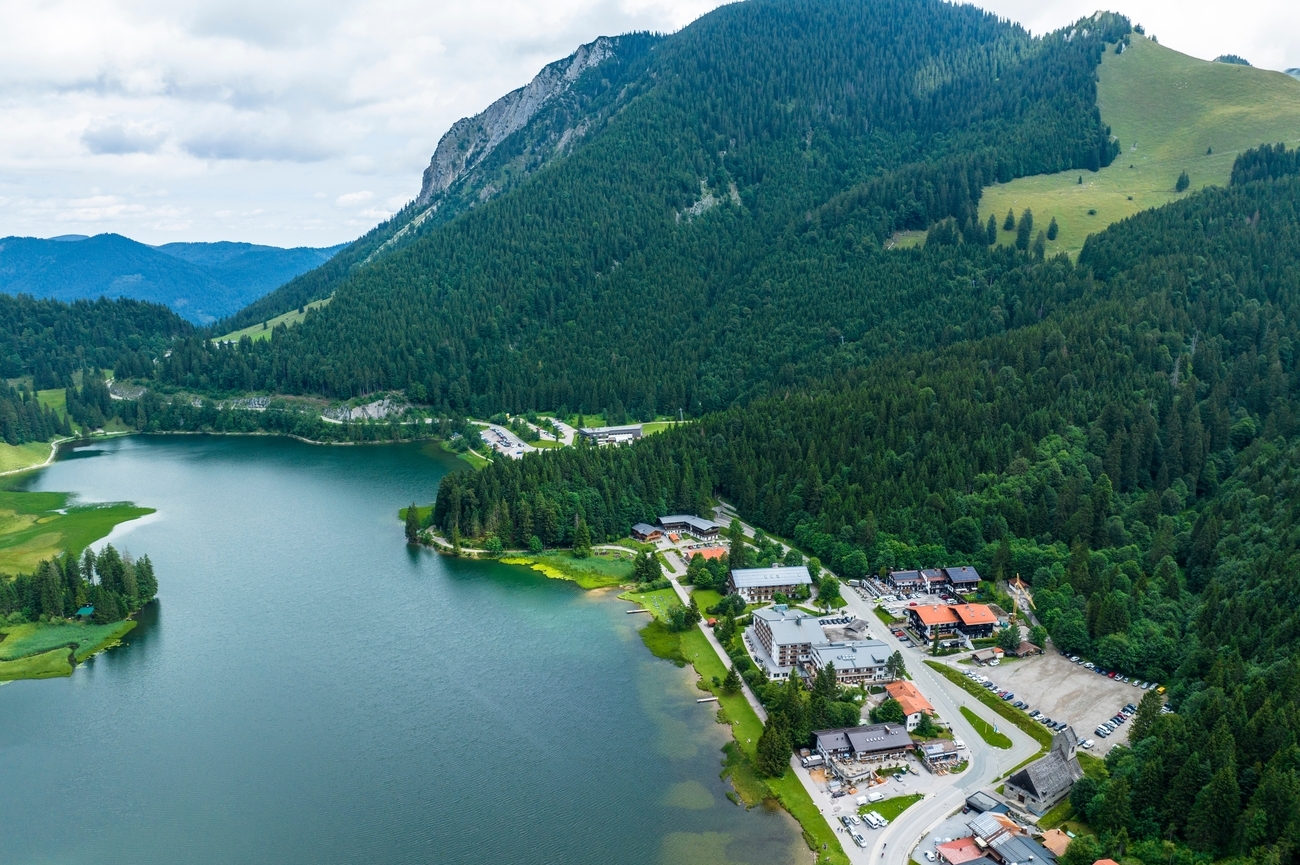
- Spitzingsee: About 30 minutes south of Lake Tegernsee, the alpine lake of Spitzingsee feels like Tegernsee’s wilder sibling. Smaller, higher, and surrounded by steeper mountain slopes, the atmosphere here leans more toward outdoor adventure. If you’re going to visit during the warmer months, you can enjoy hiking trails that circle the lake and climb into the surrounding peaks, while winter transforms the area into a cozy ski destination. The lake itself sits at about 1,084 meters above sea level, giving the entire place a distinctly alpine feel.
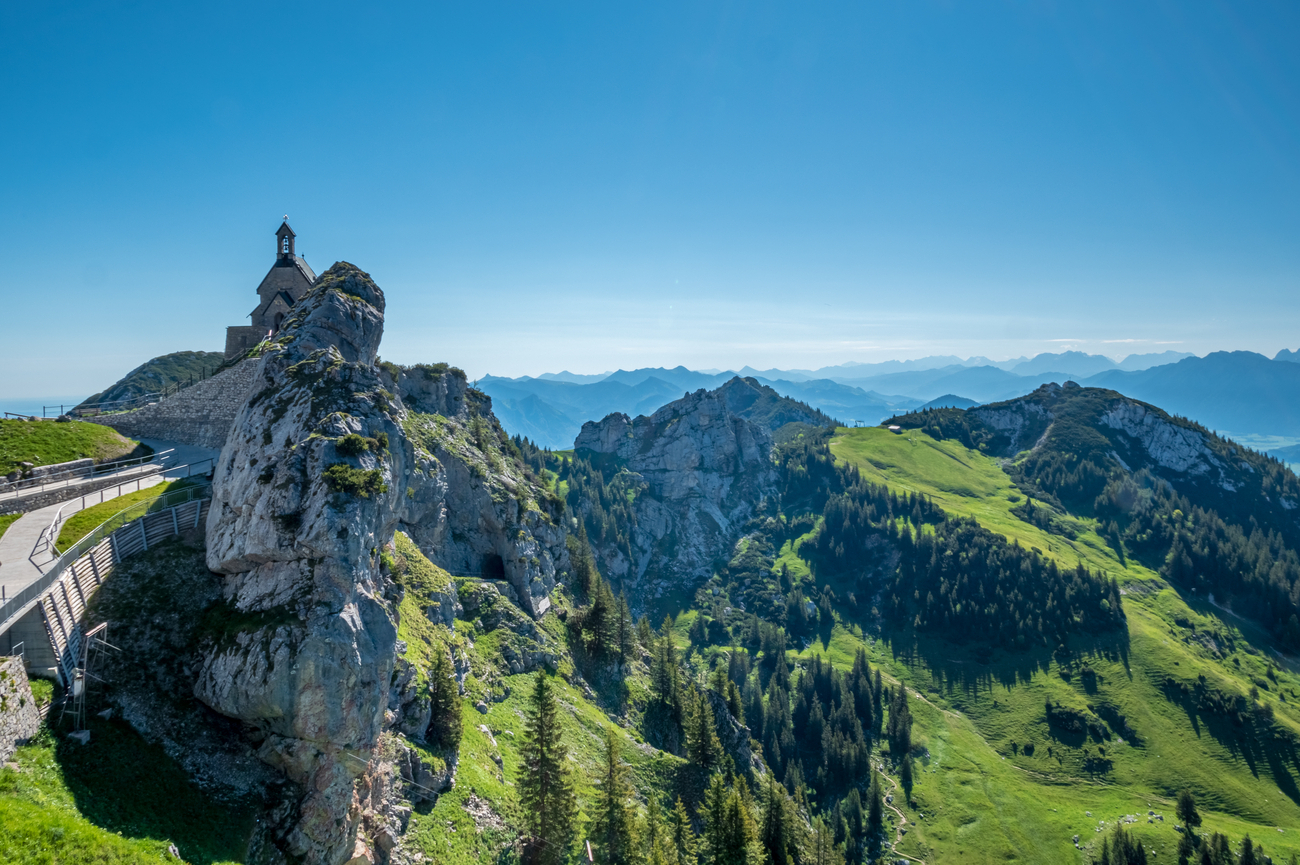
- Wendelstein: If you’re looking for dramatic views without a full alpine expedition, Mount Wendelstein delivers. Located about 45 minutes from Tegernsee, the mountain rises to 1,838 meters and offers one of the most famous panoramas in Upper Bavaria. The summit can be reached via the historic Wendelstein cog railway or the modern cable car, both of which turn the journey itself into part of the experience. There’s also a small chapel and observatory you can visit at the summit, adding a slightly surreal touch to an already impressive viewpoint.
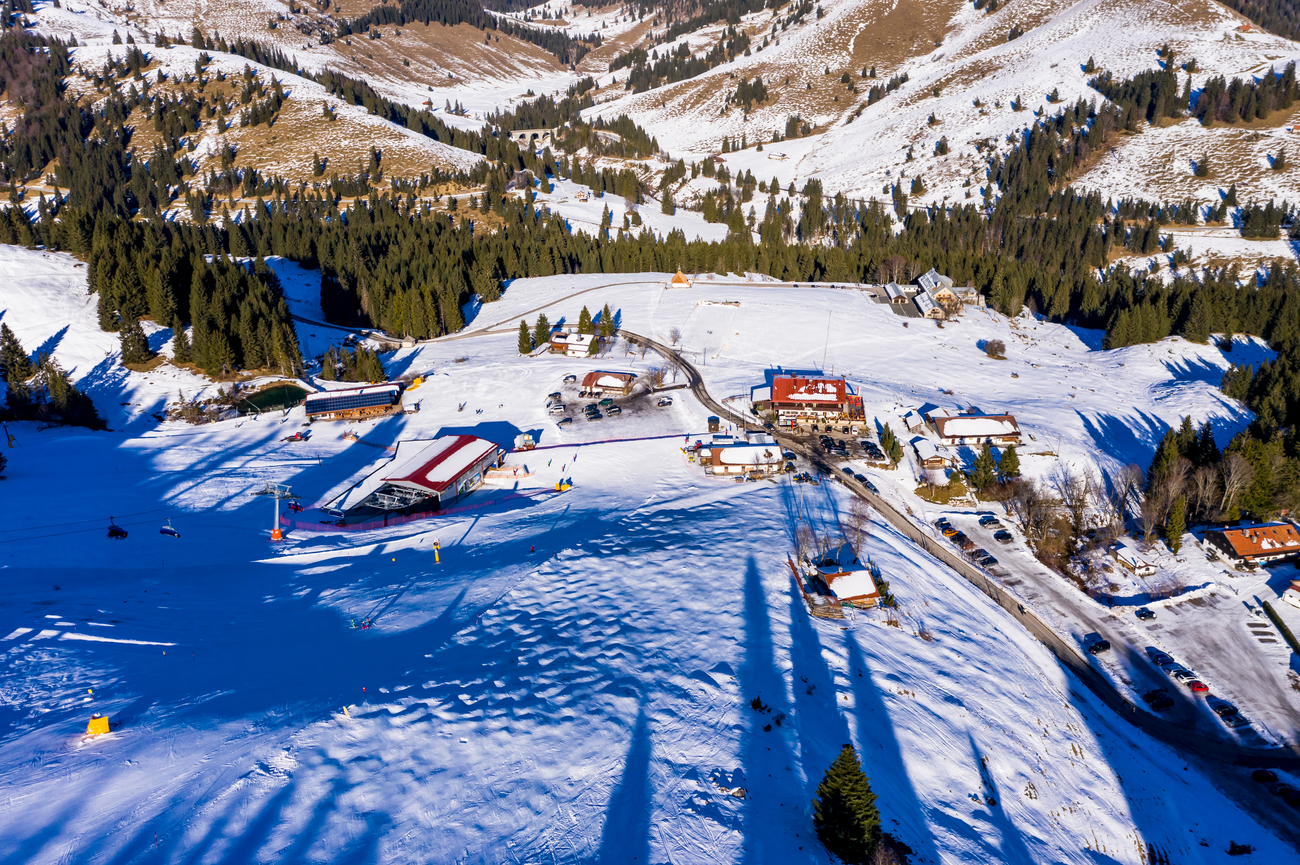
- Sudelfeld: Looking to enjoy mountain scenery with a bit of movement? Sudelfeld is an easy addition to a Tegernsee trip. In just 40 minutes, you’ll arrive in one of the largest ski areas in Bavaria during winter. Wide slopes and scenic lifts attract skiers and snowboarders from across the region. But outside of ski season, the area becomes a fantastic mountain pass route for hiking, cycling and scenic drives.
Golf Courses Around Lake Tegernsee
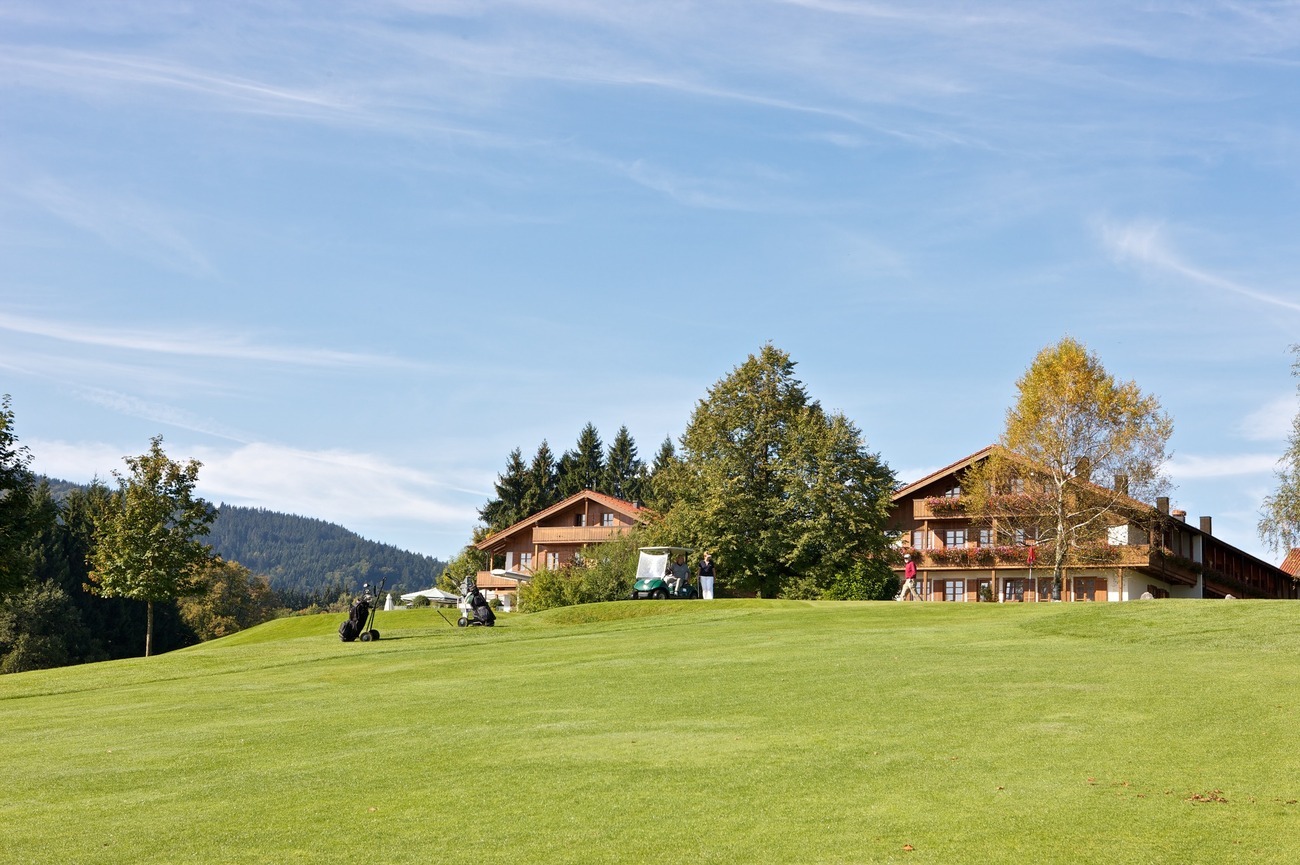
Golf around Lake Tegernsee comes with a built-in upgrade: the view. Fairways here don’t sit in isolation. They unfold between alpine foothills, open meadows and distant mountain ridges that quietly steal attention between swings. One moment you’re lining up a shot, the next you notice the lake glimmering below the course or the Alps stacking up behind the green. It’s the kind of setting that slows the pace naturally. If you feel like trading the promenade for a fairway, these golf spots sit right within the Tegernsee region.
- Tegernseer Golf-Club Bad Wiessee e.V.: This is the flagship golf course of the Tegernsee region. Sitting high above the lake in Bad Wiessee, the course offers sweeping views across Lake Tegernsee and the surrounding Bavarian Alps. The 18-hole championship course winds through forests and open alpine clearings, creating a layout that feels scenic but still technically rewarding. Elevation changes keep the game interesting and the higher vantage points occasionally reveal the lake shimmering between the trees. If you’re looking for the classic Tegernsee golf experience, this is the one. Tee times are open to visitors and the club also offers practice areas, a driving range and professional coaching if you want to refine your swing before heading onto the course.
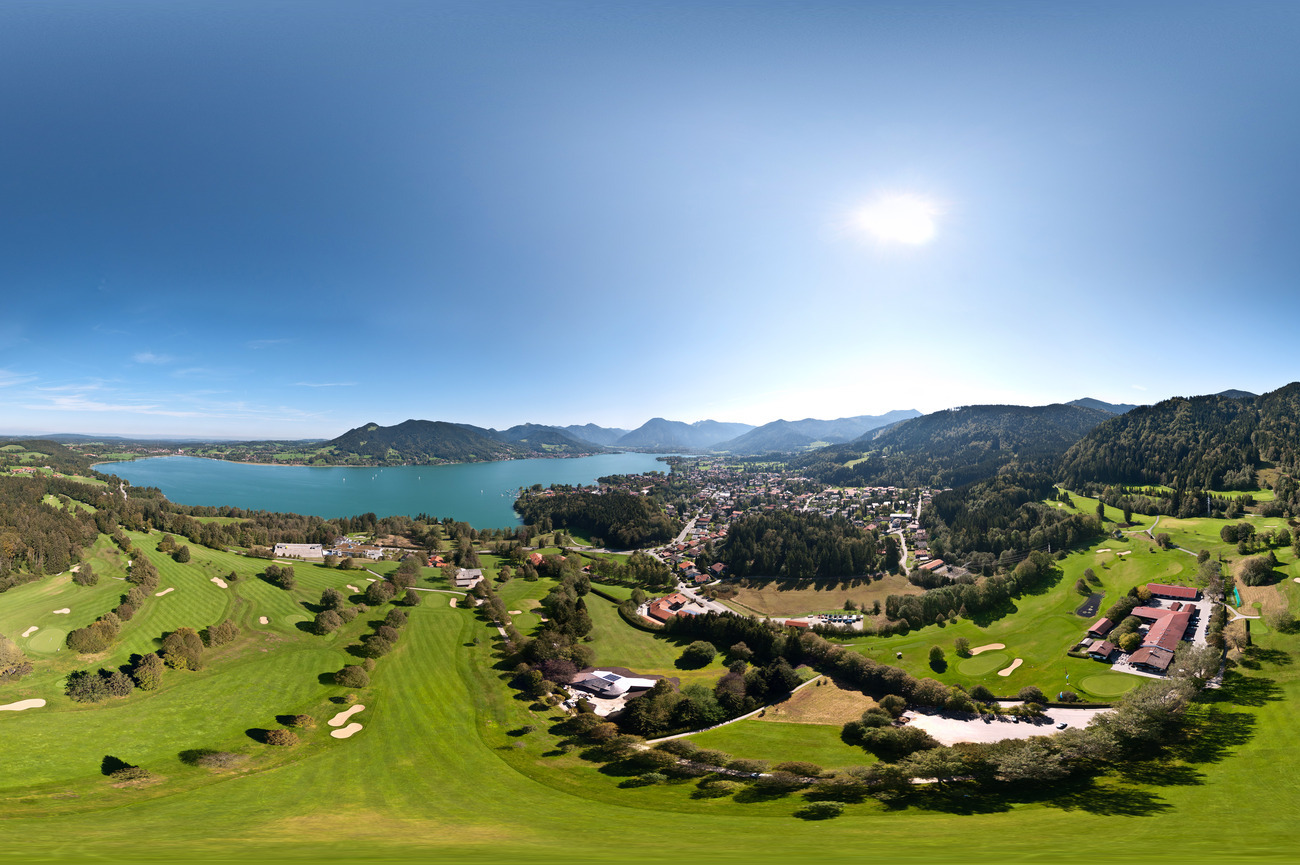
- Golfclub Margarethenhof am Tegernsee e.V.: A short drive from Tegernsee sits Margarethenhof Golf Club, a course known for its scenic positioning in the foothills of the Bavarian Alps. The 18-hole championship course blends parkland-style fairways with panoramic mountain views, creating a round that feels both peaceful and visually dramatic. The course is particularly popular among golfers who enjoy well-maintained greens paired with spectacular alpine scenery. Rolling fairways weave through open meadows and gentle hills. And the surrounding alpine landscape quietly steals your attention between shots.
Michelin-Starred
Restaurants Around Lake Tegernsee
When it comes to Michelin stars, the scene is surprisingly intimate. In big cities, Michelin stars often cluster together. Here, they feel rarer and more intentional. The lake’s culinary landscape is small but serious, shaped by chefs who cook with alpine ingredients and a precision that fits the region’s atmosphere. It’s not a long list, but that’s the point: the stars here shine a little brighter because there are only a few of them.
- Gourmetrestaurant Dichter: Hidden inside the elegant Parkhotel Egerner Höfe in Rottach-Egern, Gourmetrestaurant Dichter is the heavyweight of Tegernsee’s dining scene. The restaurant currently holds two Michelin stars, a distinction that signals “excellent cuisine worth a detour” and it absolutely lives up to that promise. Chef Thomas Kellermann leads the kitchen with a style that blends classical French technique with modern regional influences. The menus, usually five to nine courses, move through a sequence of carefully balanced flavors built around seasonal ingredients from the Tegernsee valley. You can expect dishes that feel precise yet expressive. A perfect example might be quail breast paired with swede and pink ginger, where delicate sweetness and gentle spice create a surprisingly harmonious combination. If you enjoy immersive dining, you can even reserve the Chef’s Table, where guests watch the kitchen work in near-silent precision.
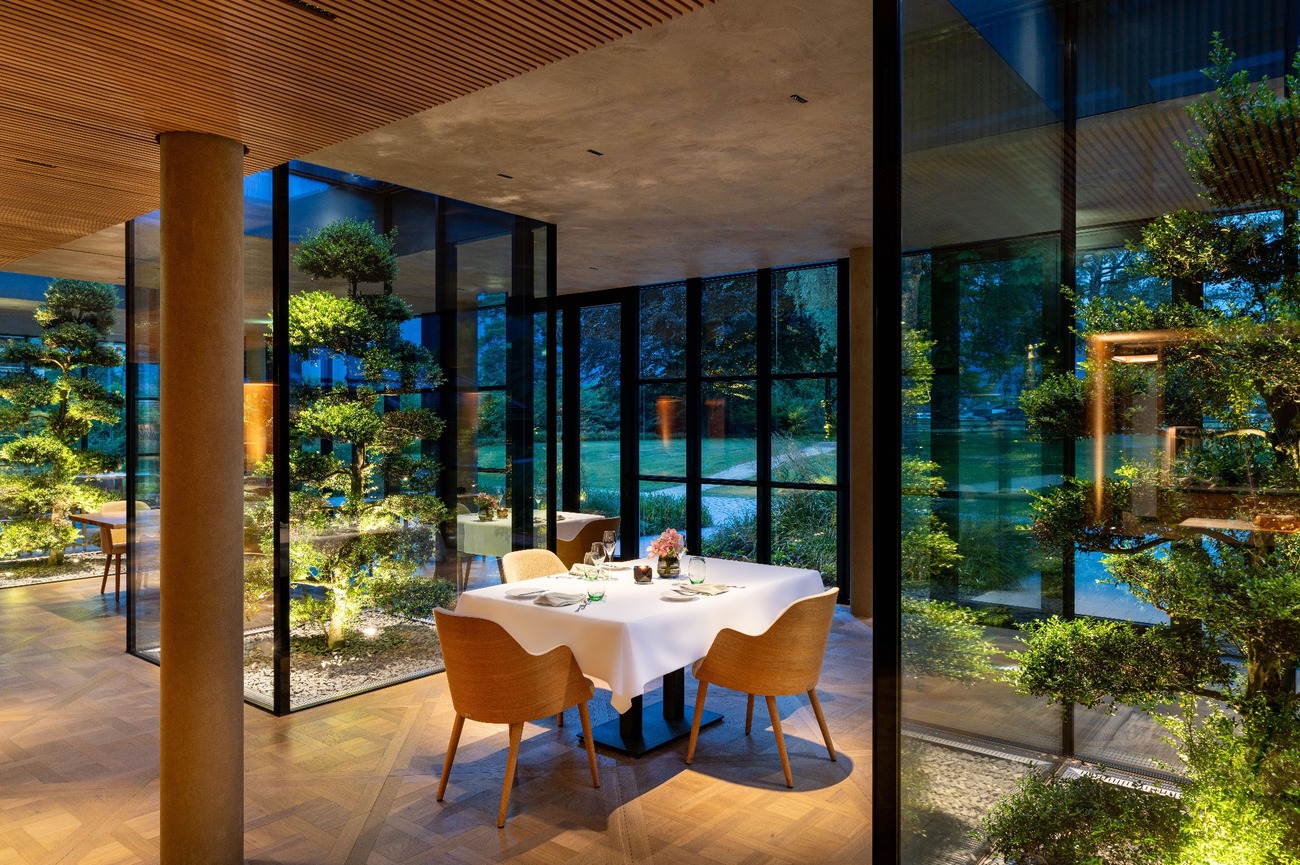
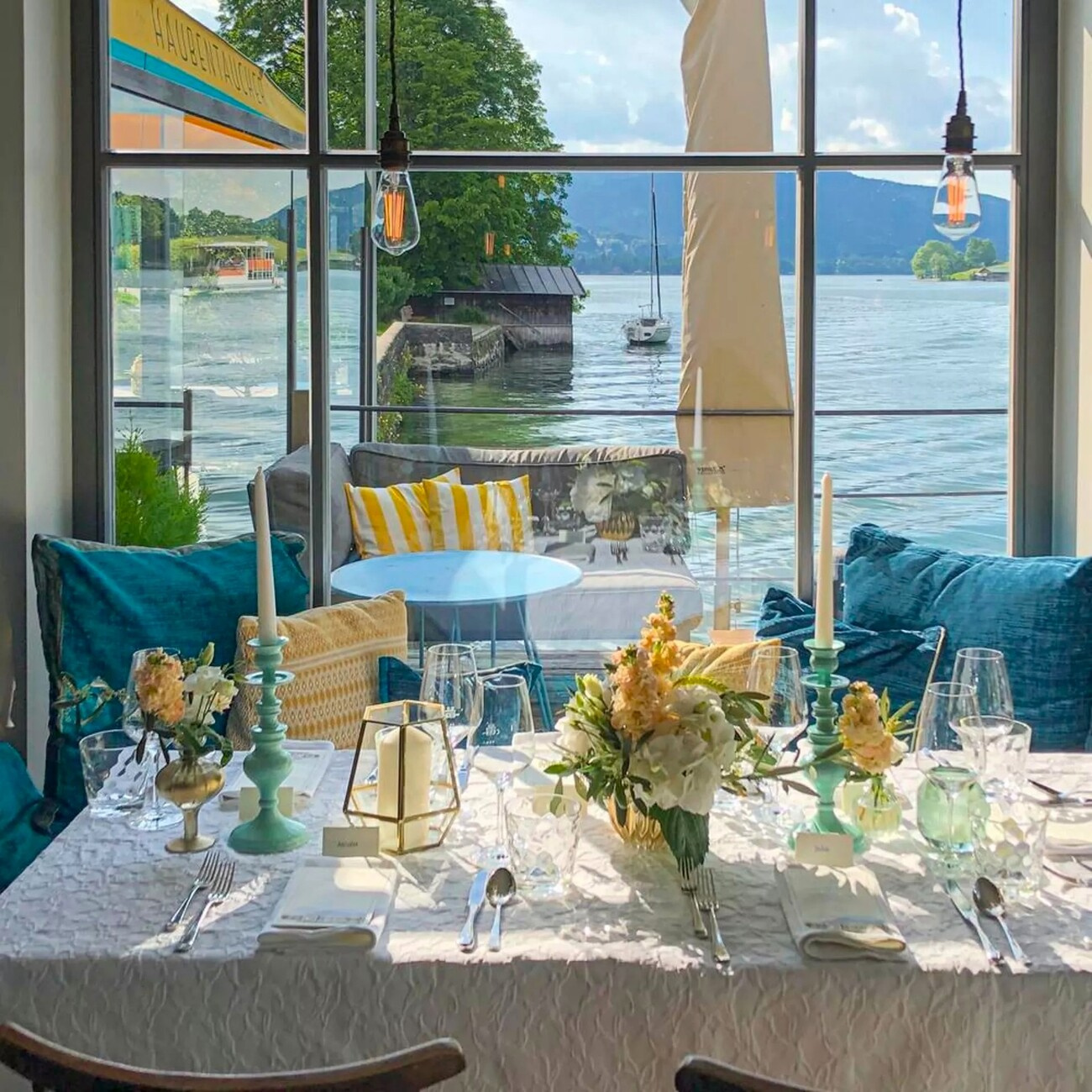
- Haubentaucher: Right on the shores of Rottach-Egern, Haubentaucher proves that Michelin-starred dining doesn’t have to feel intimidating. The restaurant currently holds one Michelin star. The evening experience usually revolves around a four-course surprise menu, where a main ingredient often appears in two different preparations. For example, veal served both delicately poached in broth and slowly braised. The setting adds another layer to the experience. The lakeside terrace looks directly across Tegernsee, meaning sunset dinners arrive with a front-row alpine view.
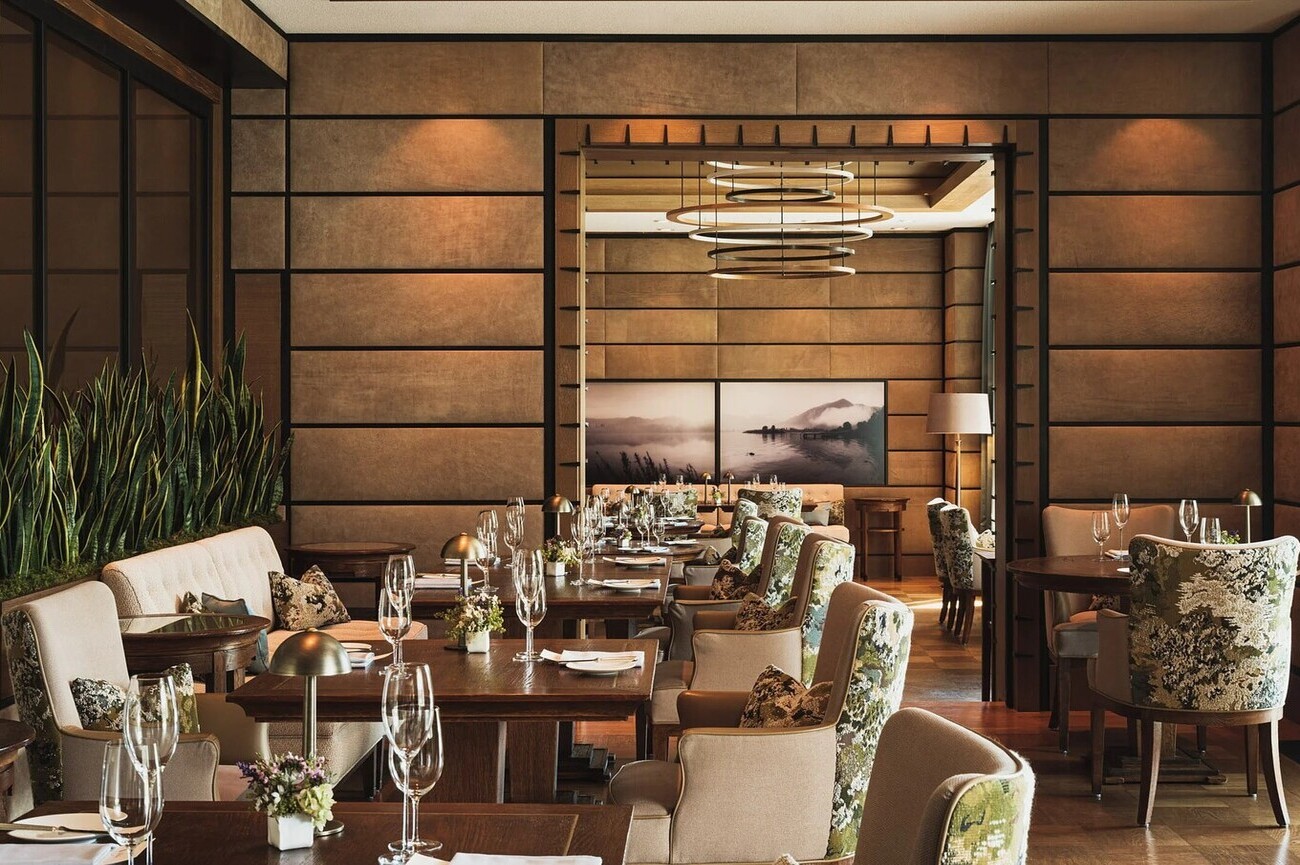
- Restaurant Überfahrt: Restaurant Überfahrt holds one Michelin star, reflecting its high level of technique and ingredient quality. It is located inside the luxurious Althoff Seehotel Überfahrt in Rottach-Egern. The kitchen focuses on contemporary European cooking, where exceptional ingredients lead the conversation. Just think carabinero prawns seared to a translucent finish, delivering deep roasted flavors while remaining beautifully delicate. And the menus typically unfold across four to six courses, with a vegetarian option alongside the main tasting experience.
Where to Eat in Lake Tegernsee
Lake Tegernsee doesn’t shout about its food scene; it lets it reveal itself slowly. You notice it the same way you notice the lake. At first, it’s just a restaurant with a terrace. Then you realize the fish on the menu was pulled from nearby waters that morning. The dumplings follow recipes older than most buildings in town. A trattoria down the street suddenly feels like a little corner of Naples that somehow drifted into Bavaria. Dining here isn’t about chasing the next big thing. It’s about places that feel settled into their surroundings like restaurants where the mountains sit just beyond the window and the kitchen respects both tradition and creativity. Here are a few restaurants around Lake Tegernsee worth finding a table at.
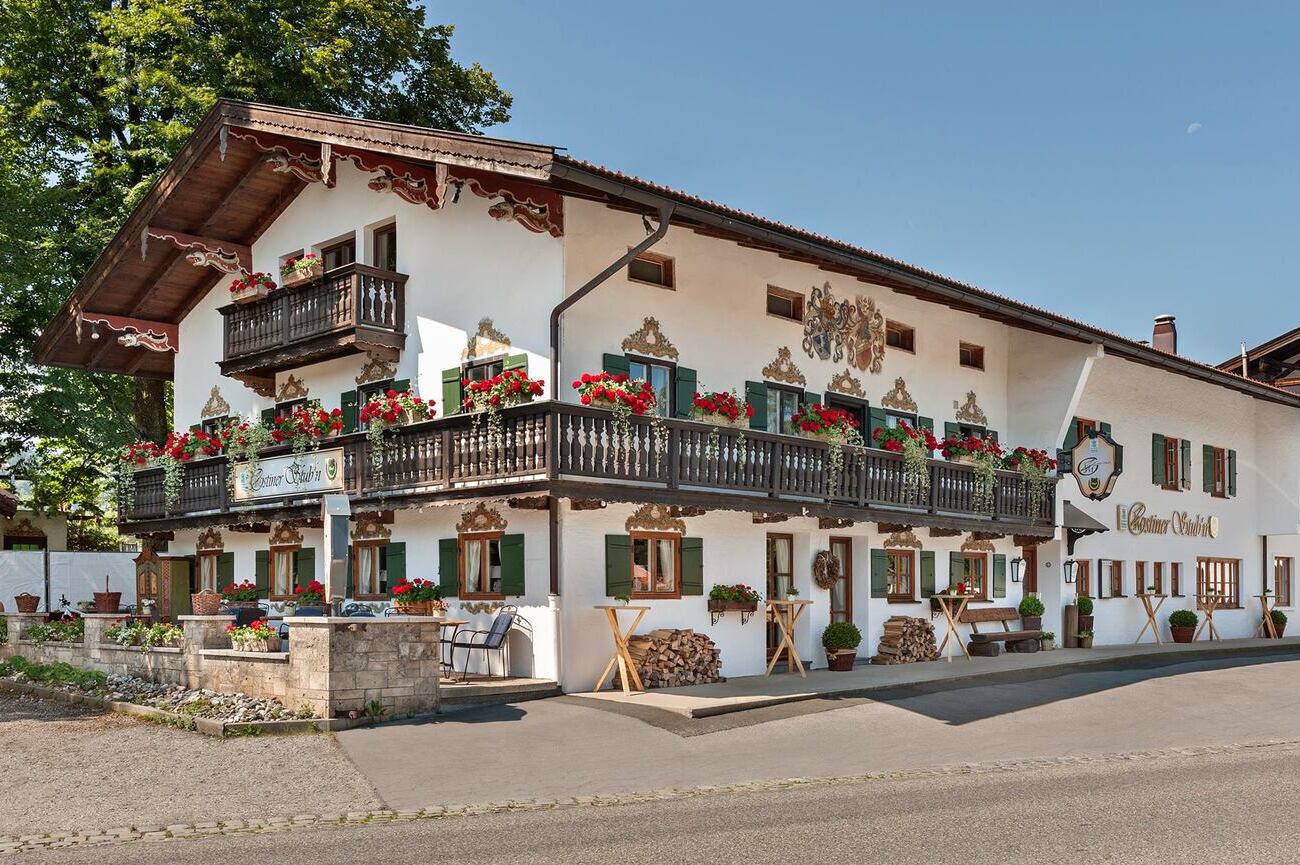
- Ostiner Stub’n: Just outside the lake’s busiest villages, Ostiner Stub’n offers a dining experience that shifts personalities depending on when you visit. During certain evenings, the restaurant transforms into a refined fine-dining space serving carefully composed tasting menus, while at other times the atmosphere leans rustic inside the cozy Hirsch & Jägerstüberl, where regional classics take center stage. The focus throughout remains firmly on seasonal produce and ingredients sourced from the surrounding Tegernsee valley.
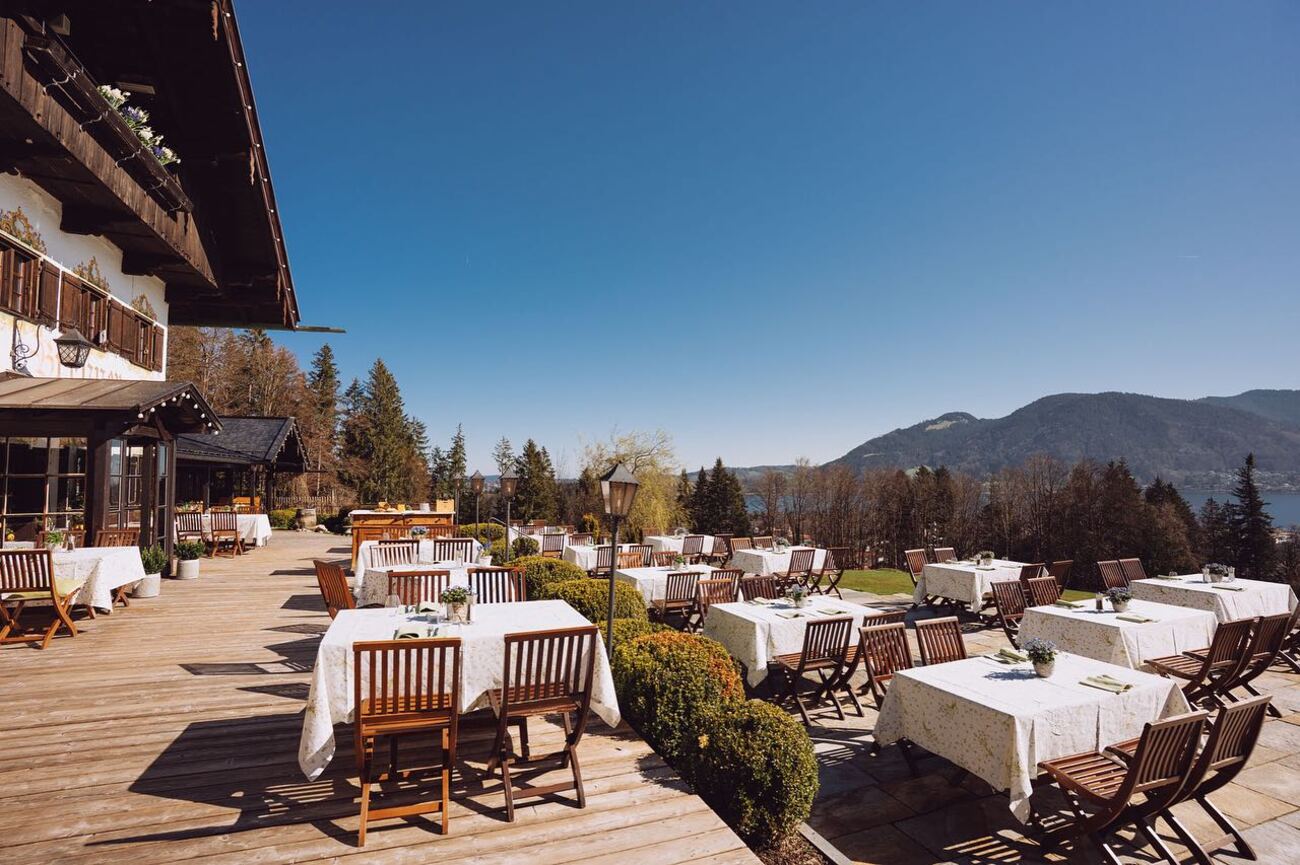
- Freihaus Brenner am Tegernsee: Freihaus Brenner am Tegernsee sits right beside Lake Tegernsee, and the terrace is easily one of the most pleasant dining spots in the area. You’ll notice how quickly the view becomes part of the experience with boats drifting across the water while the Alps quietly frame the horizon. Inside, the dining rooms keep things cozy with warm wood and traditional Bavarian details. The kitchen focuses on regional favorites, so you might find yourself enjoying roast pork with dumplings or freshly caught char from the lake served with parsley potatoes.
- Fährhütte 14 am Tegernsee: Some restaurants make you work just a little to reach them and Fährhütte 14 is one of those places. After arriving nearby, you’ll take a short 300-meter walk along the lake before the restaurant appears. That small effort somehow makes the setting feel more special once you arrive. If the weather is good, you might want to linger after the meal. The restaurant offers deckchairs along the lakeside, which means dinner can easily transition into a quiet evening by the water.
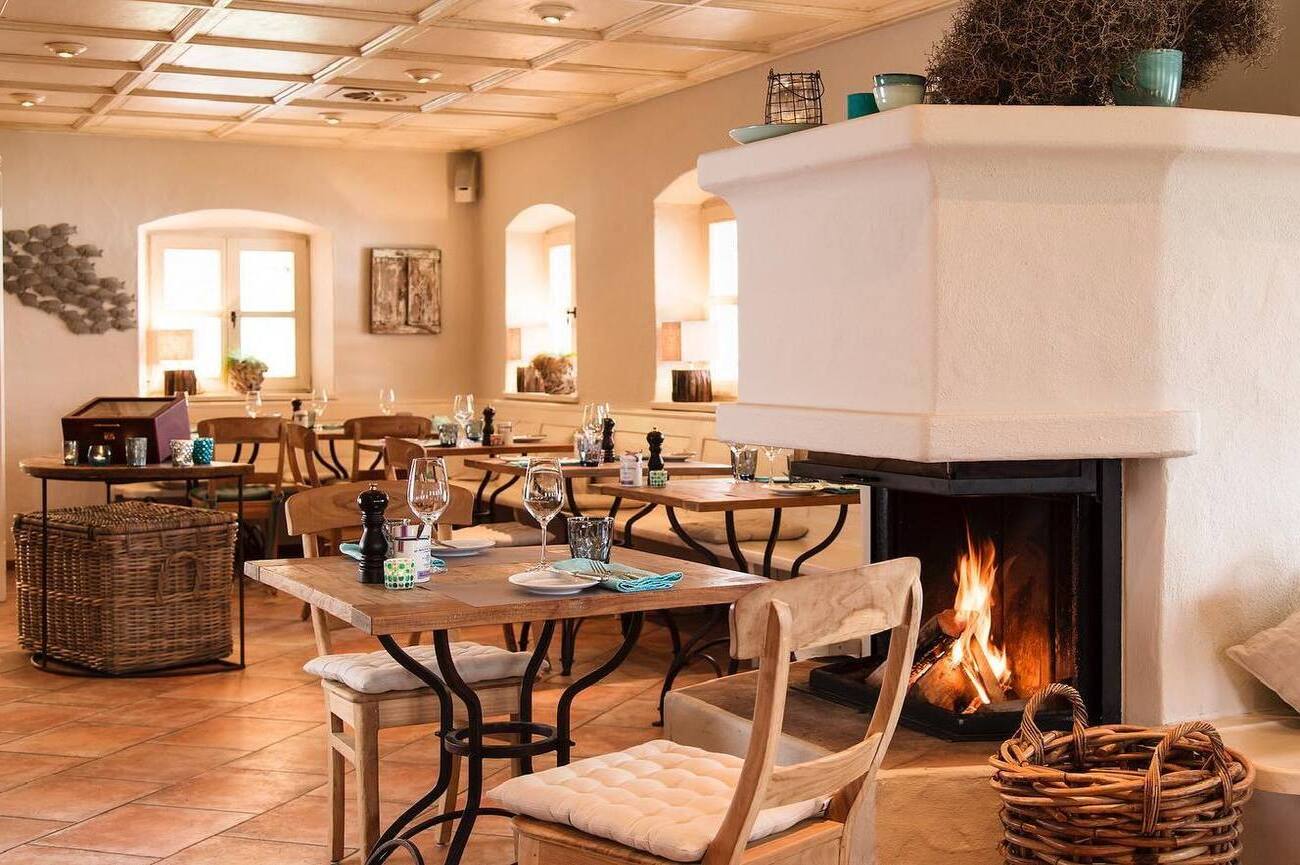
- Restaurant Il Barcaiolo: Every now and then, Tegernsee surprises you with a little Mediterranean energy. Il Barcaiolo is exactly that moment. The restaurant focuses on northern Italian cuisine and the atmosphere immediately feels lighter and more relaxed. Chef Stefano Romano, who has led the kitchen since 2012, builds the menu around traditional recipes and thoughtful seasonal touches. You might begin with antipasti and warm homemade focaccia, then move toward fresh pasta or classic dishes like saltimbocca alla romana. The cooking doesn’t try to reinvent Italian food; it simply respects it.
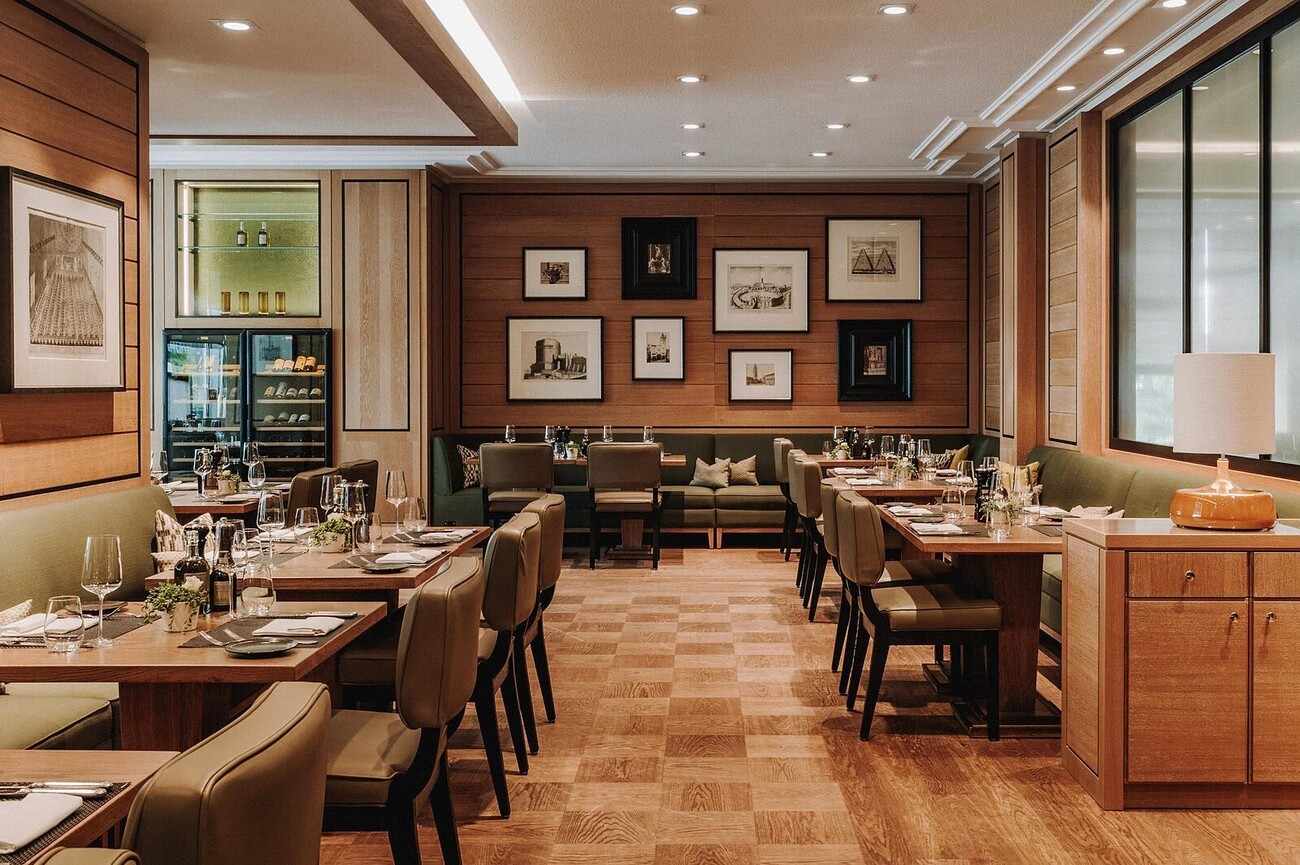
- Leeberghof: If you enjoy restaurants where the view competes with the food, Leeberghof will quickly get your attention. The restaurant sits on a hillside above Tegernsee town and the terrace opens to a wide panorama of the lake and surrounding mountains. It’s the kind of place where you instinctively pause for a moment before even looking at the menu. Arrive close to sunset if you can. Watching the light fade across the lake while dinner arrives is one of those small Tegernsee moments that tends to stay with you.
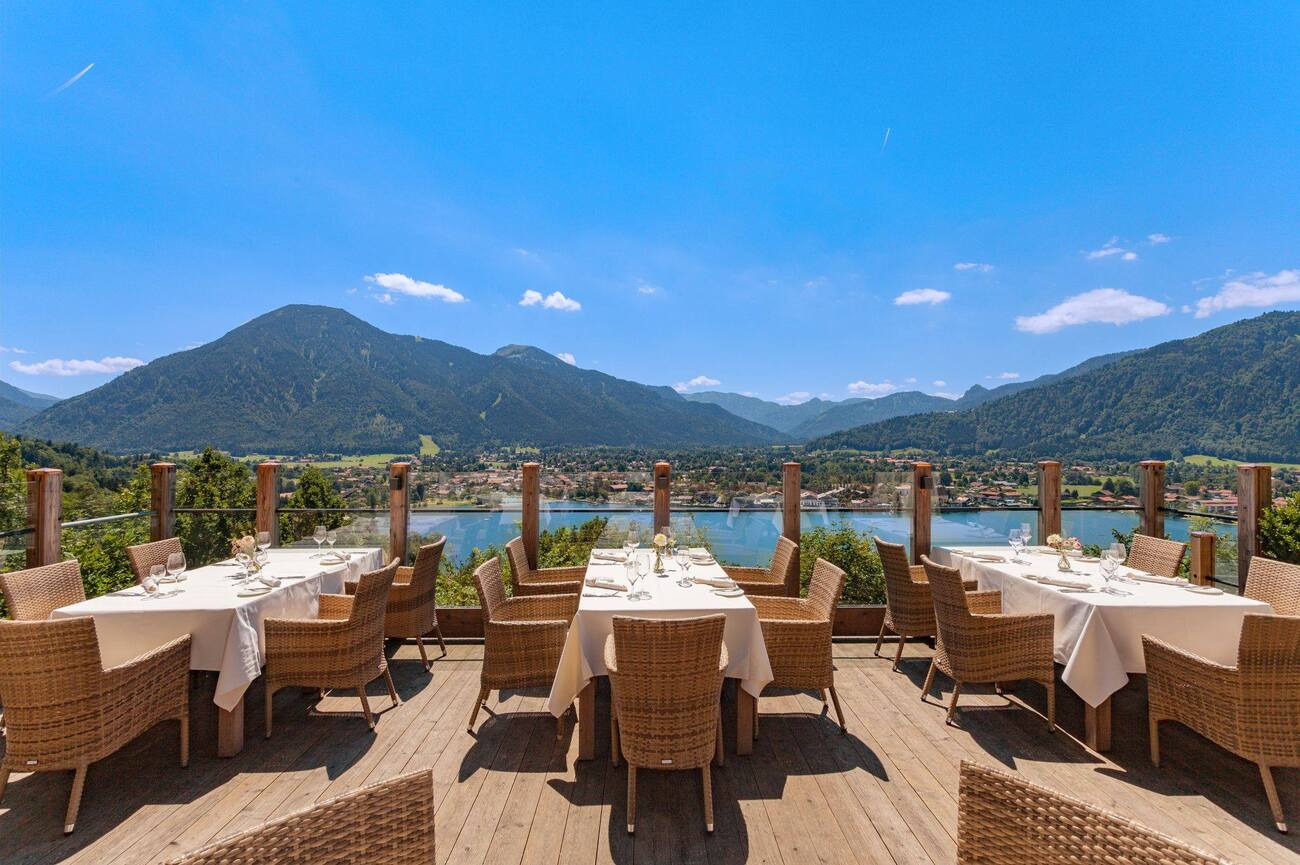
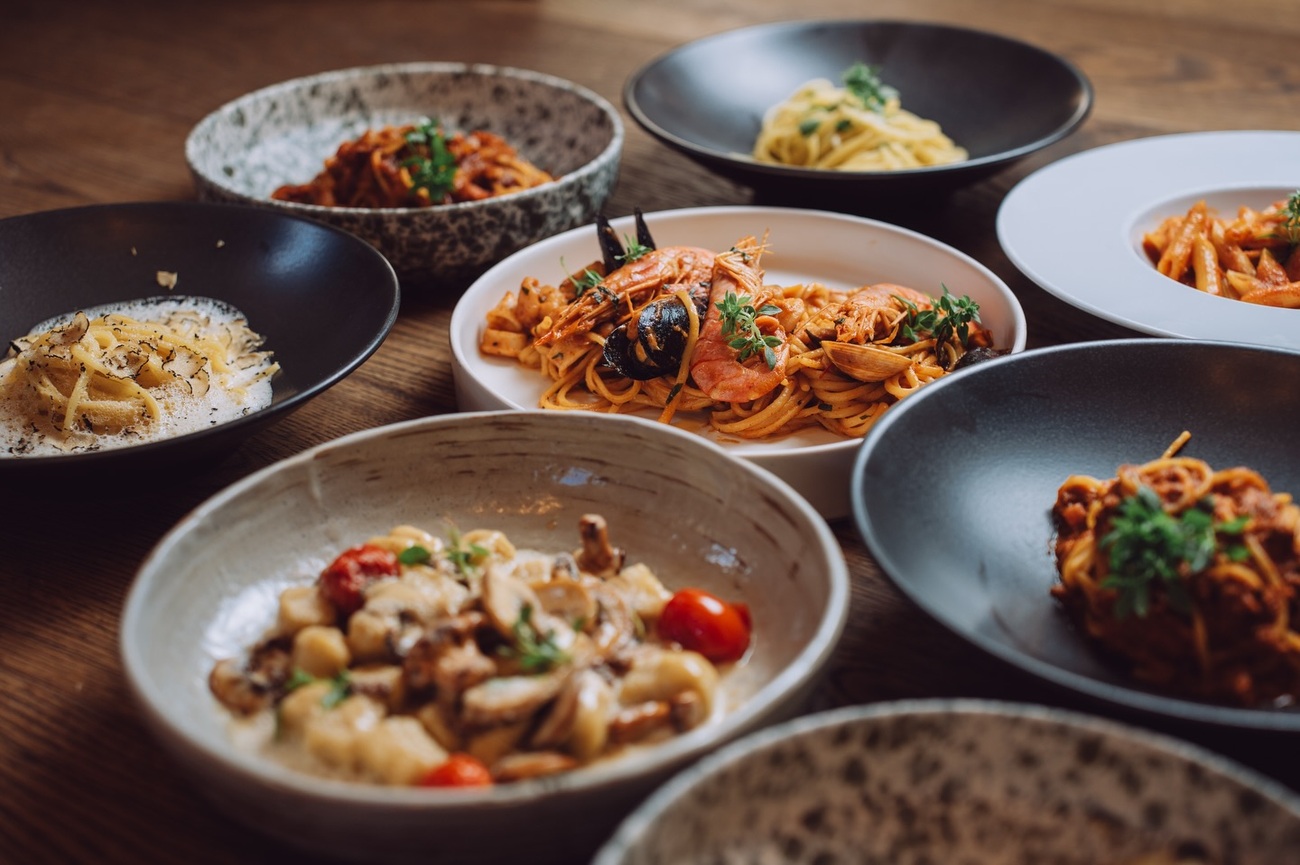
- Mamma Clara: Not every meal around Tegernsee has to be Bavarian. Mamma Clara proves that point beautifully. This family-run Italian trattoria has been welcoming guests for more than a decade. The inspiration comes from the Amalfi Coast and from the restaurant’s namesake, Mamma Clara, whose traditional recipes shaped the menu. The star attraction here is the Neapolitan pizza, baked in a proper oven with the soft, airy crust that defines the style. Alongside it, you’ll find Mediterranean dishes and Italian classics that feel warm, generous and uncomplicated.
Where to Drink Around Lake Tegernsee
Nights here lean toward stylish bars, relaxed lounges and a few places where the music picks up just enough to keep the energy going. You might start the evening with a sunset cocktail overlooking the Alps, then drift into a cozy bar where conversations stretch late into the night. If you’re wondering where to go once the sun dips behind the mountains, these spots around Tegernsee are worth knowing.
- Boom Boom Bar & Restaurant – Hotel Bussi Baby: If you’re looking for something with a bit of personality, Boom Boom Bar at Hotel Bussi Baby in Bad Wiessee easily stands out. The space feels modern, playful and slightly unexpected for an alpine lake town. The bar mixes Southeast Asian–inspired cuisine with creative cocktails, which means you might find yourself pairing a spicy curry or Pad Thai with a drink infused with tropical flavors. Ingredients like mango, coconut, mint and fresh herbs appear both on the plate and in the glass. It’s the kind of place where dinner naturally transitions into drinks.
- Eddy’s Bodega: Eddy’s Bodega embraces a rustic, easygoing vibe, where locals and visitors mix over draught beers, cocktails and international wines. During warmer months, the sun terrace becomes a favorite spot to enjoy a drink while the evening air settles over the lake. The food menu keeps things flexible: tapas, antipasti, steaks, pizza and Mediterranean dishes all make an appearance. Eddy’s also doubles as a Sky sports bar, so if you’re hoping to catch a game while traveling, this is the place to head.
- NI BAR & Rooftop Terrace: Some evenings call for a view, and NI BAR & Rooftop Terrace delivers one of the best in Tegernsee. Located on the fifth floor of the Caro & Selig hotel, the rooftop terrace opens to 360-degree views of Lake Tegernsee and the Bavarian Alps. Even before the first drink arrives, the setting does most of the work. The cocktail menu focuses on regional ingredients and creative signature drinks, both alcoholic and non-alcoholic. It’s a perfect place to start with a sunset drink before the sky turns deep blue over the lake. And if you visit on Friday nights, the vibe shifts slightly as a live DJ takes over from 7 to 11 PM, adding laid-back beats and groove to the evening.
- Le Petit Bar: For something smaller and more intimate, Le Petit Bar offers a classic cocktail-bar experience tucked into Tegernsee’s evening scene. The space leans cozy and elegant rather than flashy. Low lighting, comfortable seating and a carefully curated drink list create a setting that feels perfect for lingering over a well-made cocktail. Bartenders focus on classic recipes and refined mixes, so whether you prefer a perfectly balanced Negroni or something more experimental, you’ll likely find a drink worth savoring.
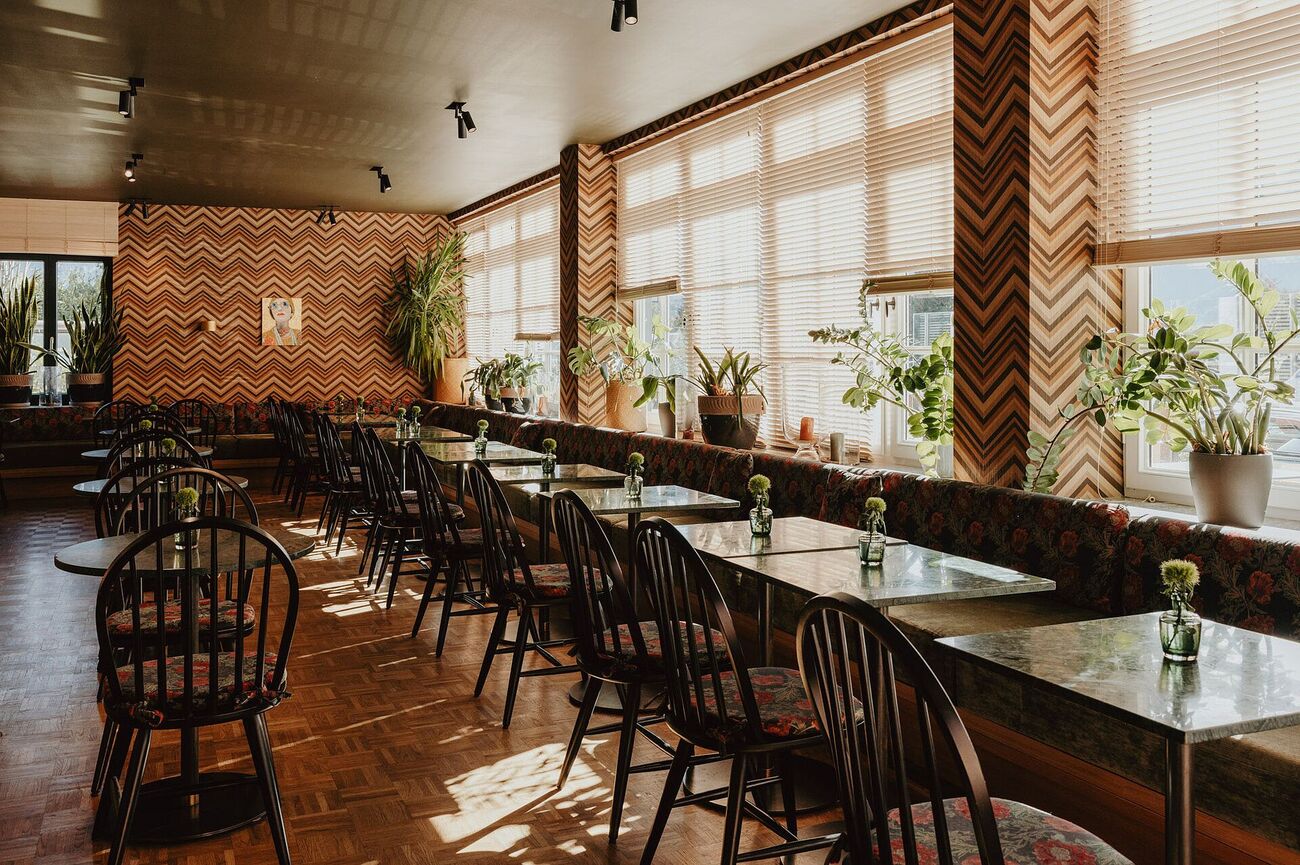
Cafes Around Lake Tegernsee
Morning at Lake Tegernsee usually begins the same way: slowly, with coffee. You step outside, the lake is calm, the mountains haven’t fully decided what color they want to be yet, and suddenly a cafe table feels like the most important destination of the day. Around Tegernsee, cafes aren’t just pit stops for caffeine. They’re places where locals read the newspaper, hikers refuel with cake, and travelers sit a little longer than planned because the atmosphere feels right.
- Café Lengmüller: Right in the heart of Tegernsee town, Café Lengmüller feels like stepping into a classic European coffee house. The place has a long-standing reputation among locals, especially those who take their pastries seriously. Inside the confectionery counter, rows of carefully prepared sweets quickly catch the eye. Cream cakes, delicate layered pastries and traditional specialties like Lengmüller’s famous Baumkuchen fill the display cases. Everything is made using carefully selected ingredients, which becomes obvious the moment the first bite arrives. If you enjoy traditional cafes where the scent of fresh pastries fills the room, this is exactly the kind of place you’ll appreciate.
- Dürnbecker: Run by Doreen Dietel, known to many from the Bavarian television series Dahoam is Dahoam, Dürnbecker blends cafe culture with a lively community atmosphere. You might arrive for breakfast or brunch, only to discover a menu that evolves throughout the day with changing lunch and dinner dishes. Beyond the food, Dürnbecker also hosts cabaret and cultural events, adding a creative edge to the cafe’s personality. Sit down for a coffee here and you’ll likely notice that the place feels more like a gathering spot than just a cafe.
- Café & Restaurant Seeglas: If your ideal coffee break involves a direct lake view, Cafe Seeglas in Gmund will quickly earn your attention. Located right along the northeastern shore of Lake Tegernsee, the cafe sits beside a small lido with a lawn, bathing jetty and even a playground nearby. You’re quite literally as close to the water as you can get while still holding a cappuccino. The menu moves easily through the day with coffee and cake in the afternoon, regional dishes at lunch, and sunset drinks in the evening.
- Genuss Café & Deko: Some cafés immediately catch your attention through their atmosphere alone. Genuss Café & Deko is one of those places. The interior blends charming decor with thoughtful design details that make the space feel warm and inviting. And of course, the coffee and pastries hold their own as well. Expect a selection of cakes, pastries and carefully prepared coffee drinks, all served with attentive hospitality.
- Schusters Milch- & Kaffeebar: In Bad Wiessee, Schusters Milch- & Kaffeebar has become a favorite breakfast and coffee spot for both locals and visitors. The cafe combines modern touches with a cozy atmosphere, creating a space that feels comfortable from the moment you walk in. The menu leans toward creative breakfasts, offering everything from classic Bavarian options to more contemporary plates. You might find fresh smoothies, avocado sandwiches, egg white sausage or homemade cakes, alongside coffee brewed from fair-trade beans. Vegetarian and vegan options also appear regularly, making the menu surprisingly flexible. If you’re starting your morning around Bad Wiessee, this café is an easy place to settle into the day.
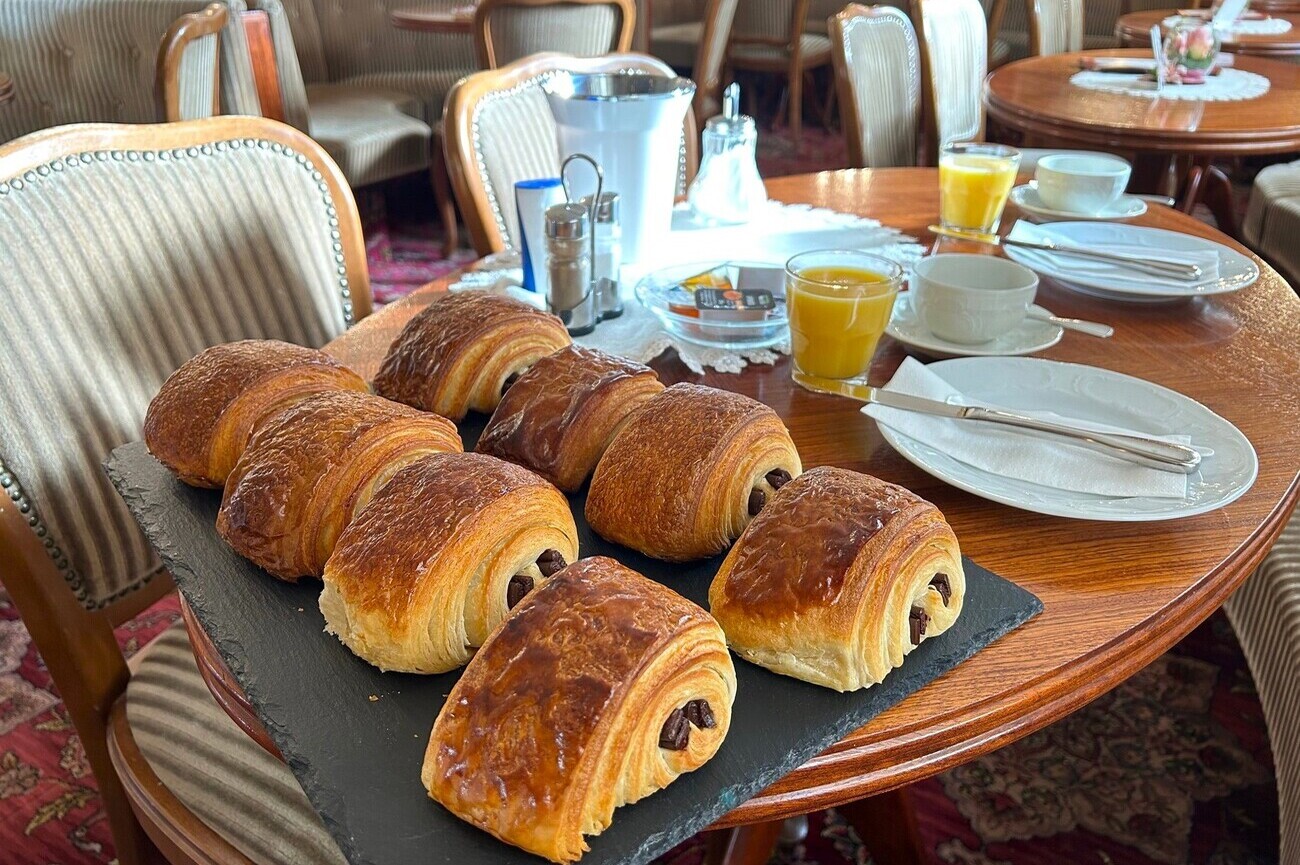
Where to Stay Around Lake Tegernsee
- Althoff Seehotel Überfahrt (5 stars): If you’re looking for one of the most refined stays around the lake, Althoff Seehotel Überfahrt is a five-star hotel that often tops the list. Sitting directly on the shores of Lake Tegernsee in Rottach-Egern, the hotel combines contemporary design with an unbeatable lakeside setting. Many rooms feature private balconies overlooking either the lake or the Bavarian Alps, which means the scenery becomes part of your stay from the moment you wake up. The property is also known for its impressive wellness area and excellent dining. In fact, the hotel houses Restaurant Überfahrt, a Michelin-starred restaurant, making it a destination for food lovers as well.
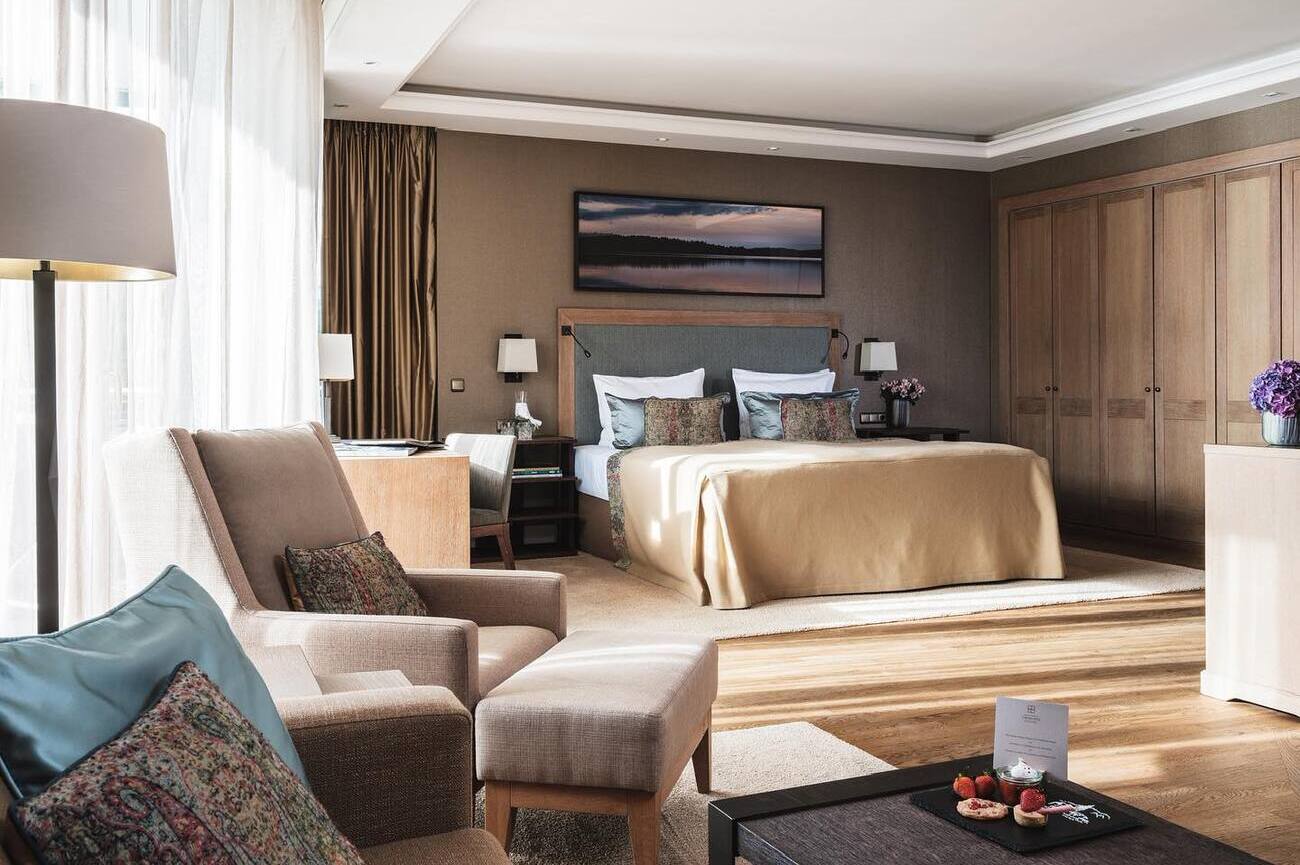
- Spa & Resort Bachmair Weissach (5 stars): A short distance from the lakefront, Spa & Resort Bachmair Weissach presents a different kind of five-star retreat. Yes. one that blends Bavarian heritage with a strong focus on wellness. The resort sits within beautifully restored buildings that reflect traditional Alpine architecture, yet inside the atmosphere feels contemporary and serene. Rooms feature thoughtful design touches and large windows that let in the mountain light. And what truly sets this property apart is its extensive wellness complex. Guests have access to both a traditional family spa and the unique Mizu Onsen Spa, inspired by Japanese hot-spring bathing culture. This is such a rare feature in Germany.
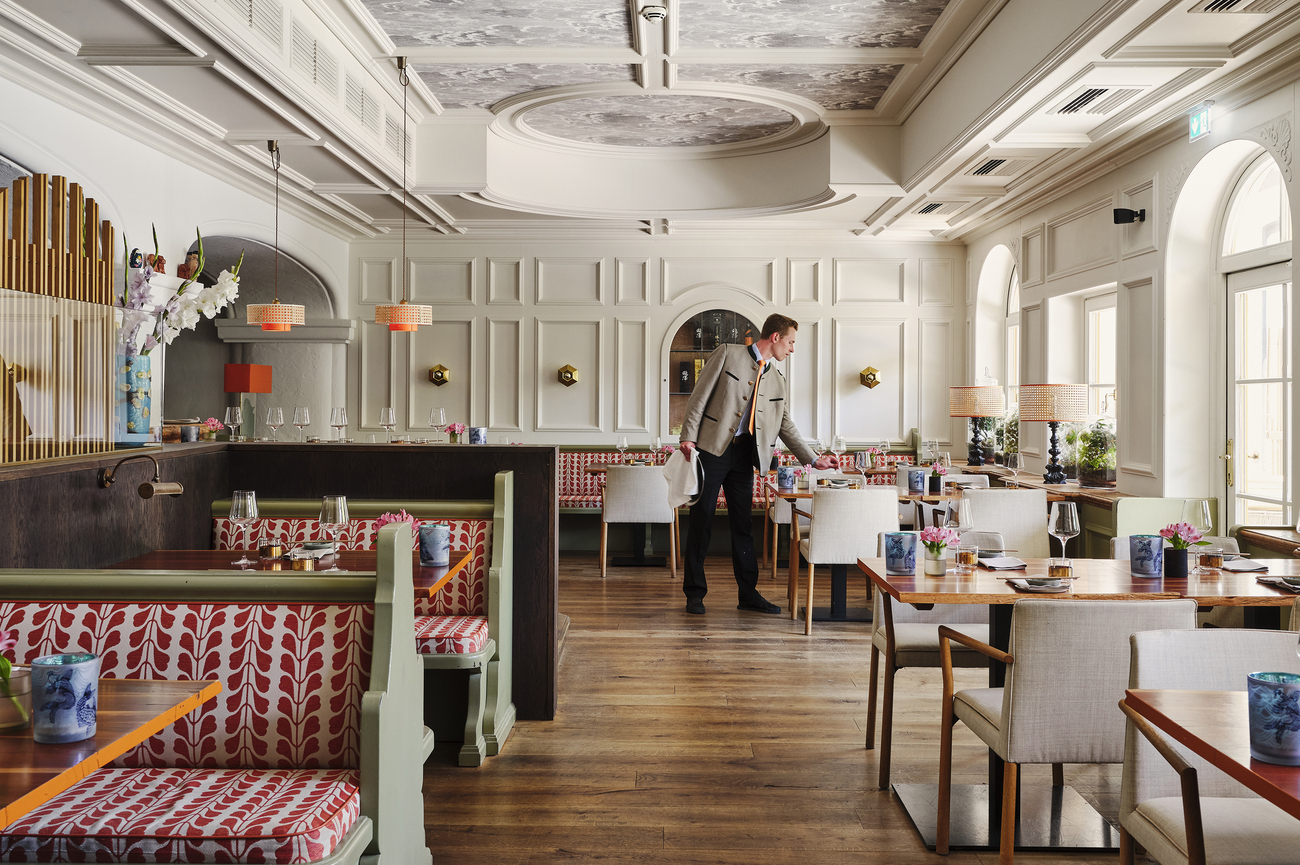
- Hotel Maier zum Kirschner (4 stars): In the center of Rottach-Egern, Hotel Maier zum Kirschner is a four-star hotel that combines Bavarian hospitality with a slightly more intimate atmosphere. The hotel is family-run and that personal touch is noticeable from the moment you arrive. Rooms are furnished with warm wooden elements and often feature balconies with views of Lake Tegernsee or the surrounding mountains. Guests often return for the food as much as the rooms. Two restaurants operate inside the hotel, including Die Kirschner Stuben, which serves Bavarian classics alongside international dishes. And after dinner, you might find yourself relaxing in the spa area, which includes a sauna, outdoor pool, whirlpool and steam room.
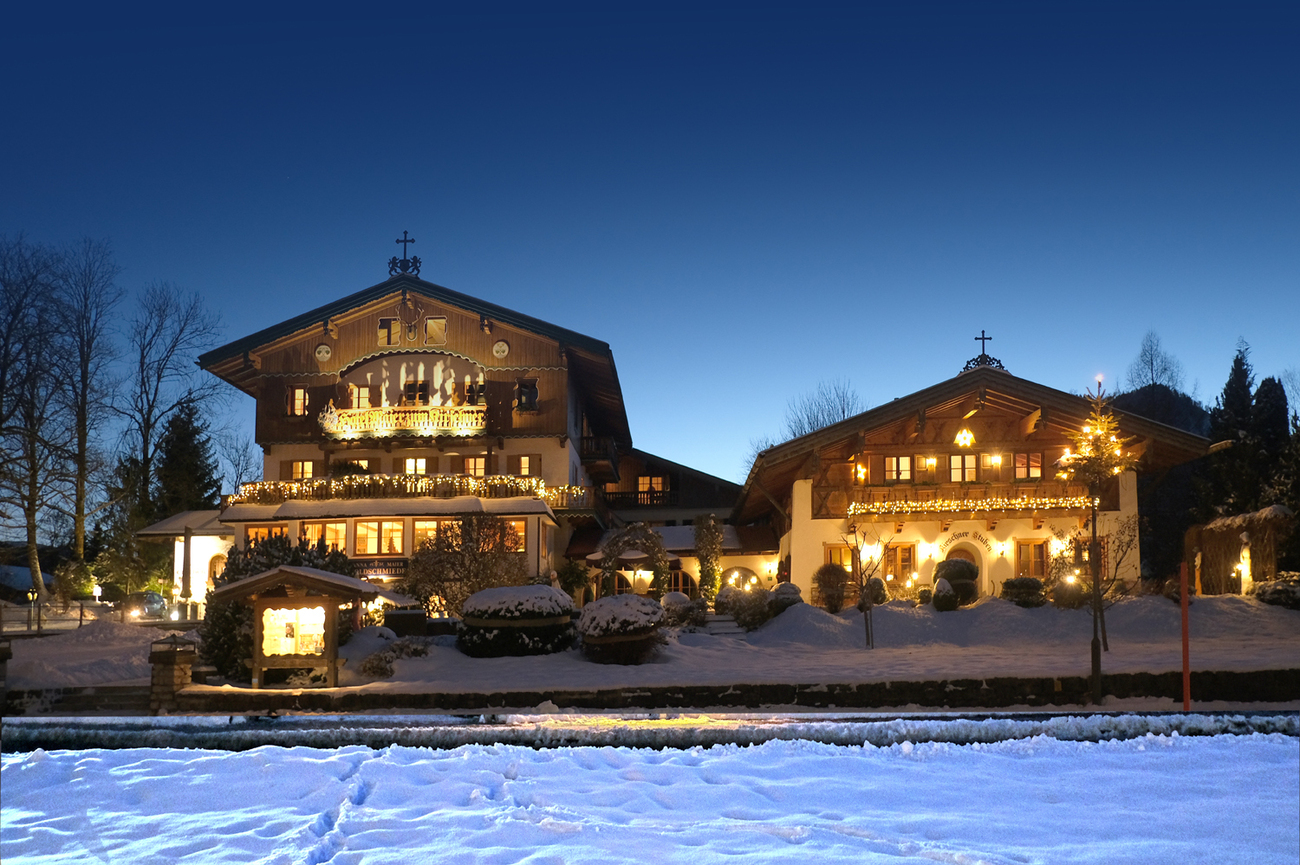
- Hotel-Pension Ostler (3 stars): Travelers who prefer something smaller and more relaxed might enjoy Hotel-Pension Ostler, a three-star guesthouse located in Bad Wiessee. This family-run property focuses on simple comfort and a welcoming atmosphere. The location is particularly appealing if you enjoy outdoor activities. Hiking trails, ski routes and golf courses are all nearby, and the lake itself is only a short walk away. Guests can also often spend time in the hotel’s Alpenstein garden, which includes a peaceful sunbathing lawn and a small rose pond. It’s a quiet place to sit for a while after exploring the area.
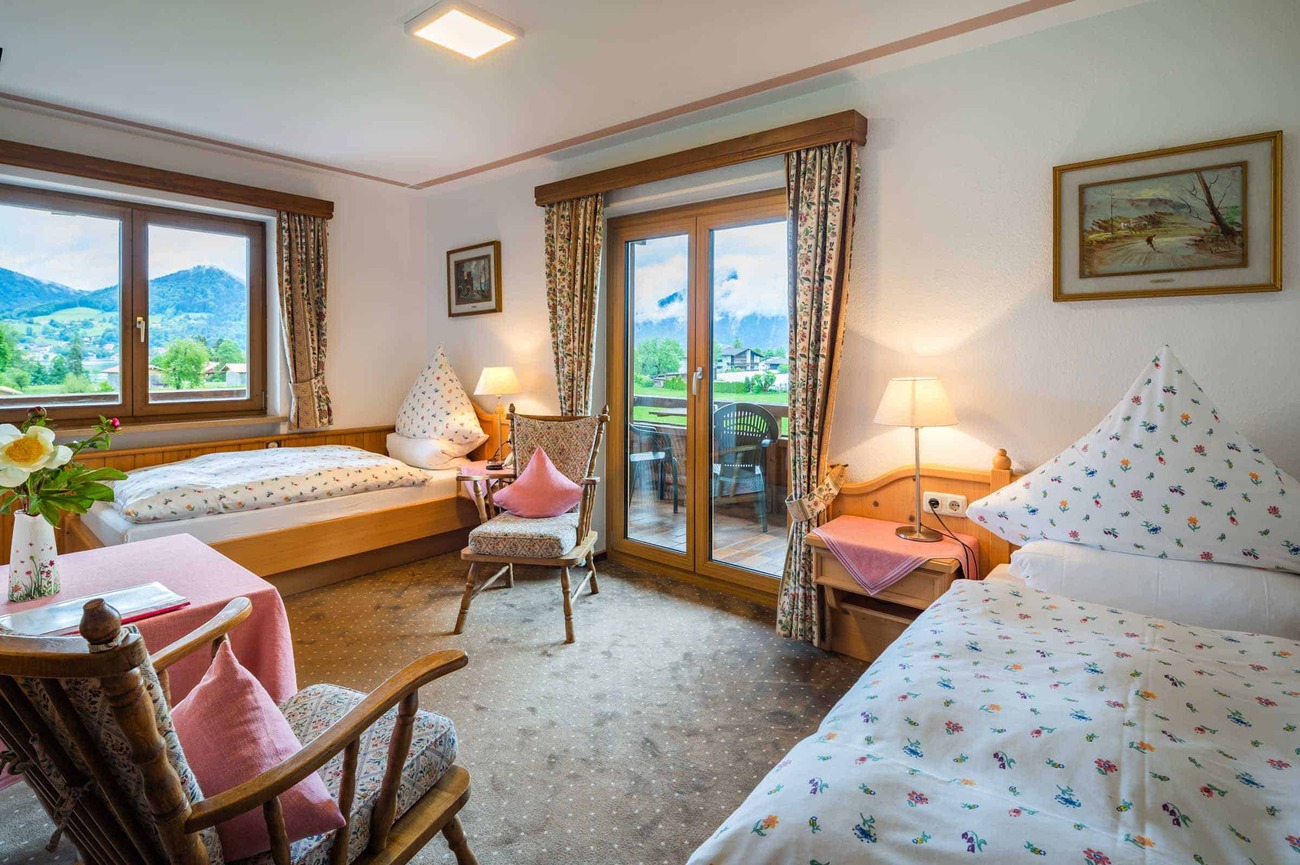
- Clubhaus Bachmair Weissach (3 stars): If you are looking for an apartment-style accommodation with hotel comforts then Clubhaus Bachmair Weissach is the place to be. The units come with balconies overlooking the mountains or lake, along with fully equipped kitchens and modern living areas. This setup works especially well if you’re staying for several days or traveling with family. Guests can also access facilities associated with the nearby Bachmair Weissach resort, including spa services, restaurants and fitness areas. That combination means you get both independence and resort amenities.
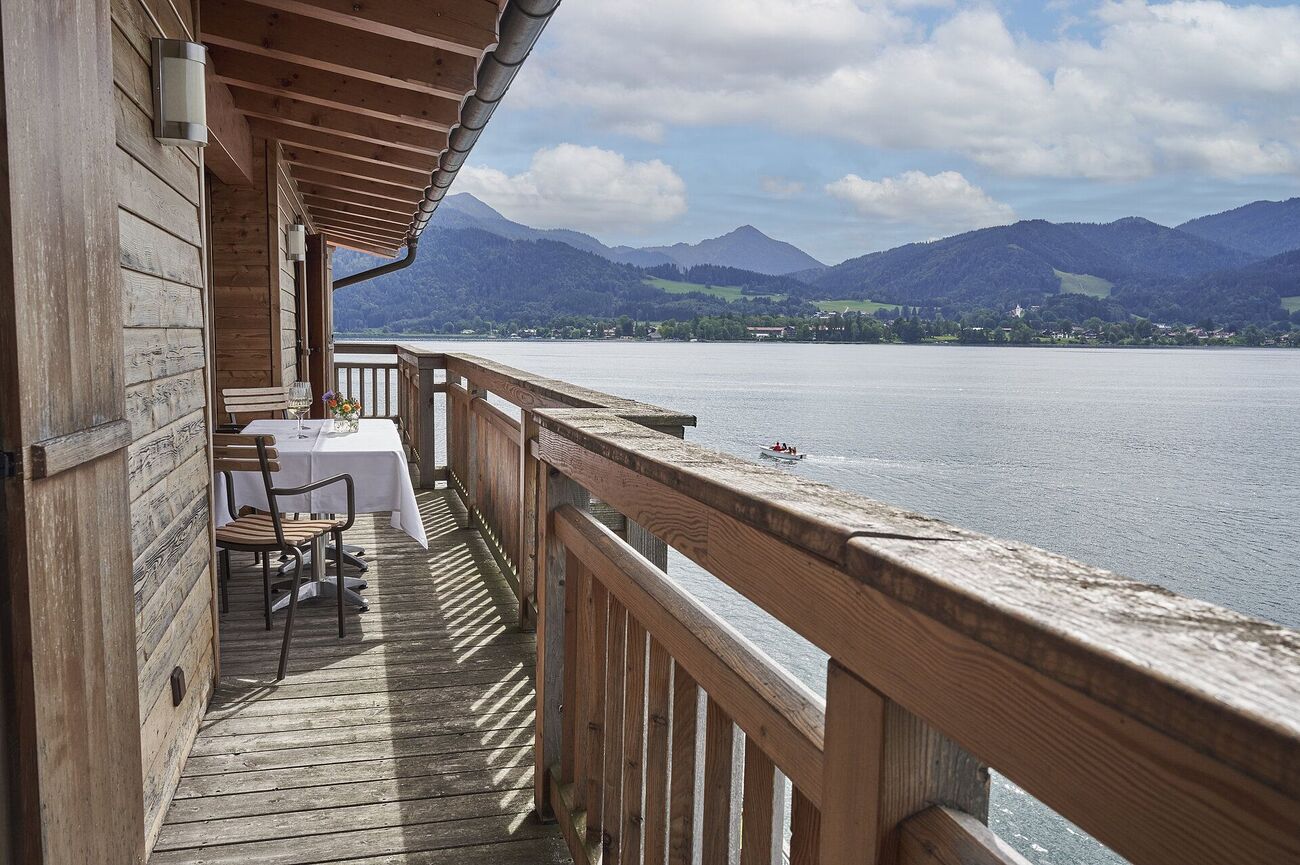
Best Time to Visit Lake Tegernsee
Early autumn is when Tegernsee feels like it finally logged off and opened a bottle of wine.
The lake gets quieter, the air turns that crisp alpine kind of fresh and the whole place shifts into a mood that feels effortlessly cool. Not sleepy, not crowded, just perfectly balanced.
Terraces fill with people lingering over drinks, mountains look sharper against the sky and the villages around the lake suddenly feel more intimate. If Tegernsee had a favorite season, this would probably be it.
This is also when the castles and historic estates around the lake start looking extra photogenic. Walk through the grounds of Schloss Tegernsee and the centuries-old buildings stand confidently above the water like they’ve mastered the art of good scenery. Up at Schloss Ringberg, the perspective widens and the lake stretches below like polished glass. You’ll find yourself stopping more often than planned, mostly because the views keep insisting on it.
And then there’s the wine culture that quietly takes over the evenings. Restaurants begin leaning into richer menus, hotel lounges bring out interesting bottles and lakeside terraces turn into relaxed gathering spots. You order a glass of Riesling or Grüner Veltliner, look out at the mountains and suddenly realize the afternoon has casually turned into sunset.
Autumn here doesn’t try too hard.
You explore a castle, wander a lakeside village, sit down for a drink and the day unfolds at its own pace. Tegernsee feels calm, stylish, and a little bit indulgent which is exactly why this season hits different.
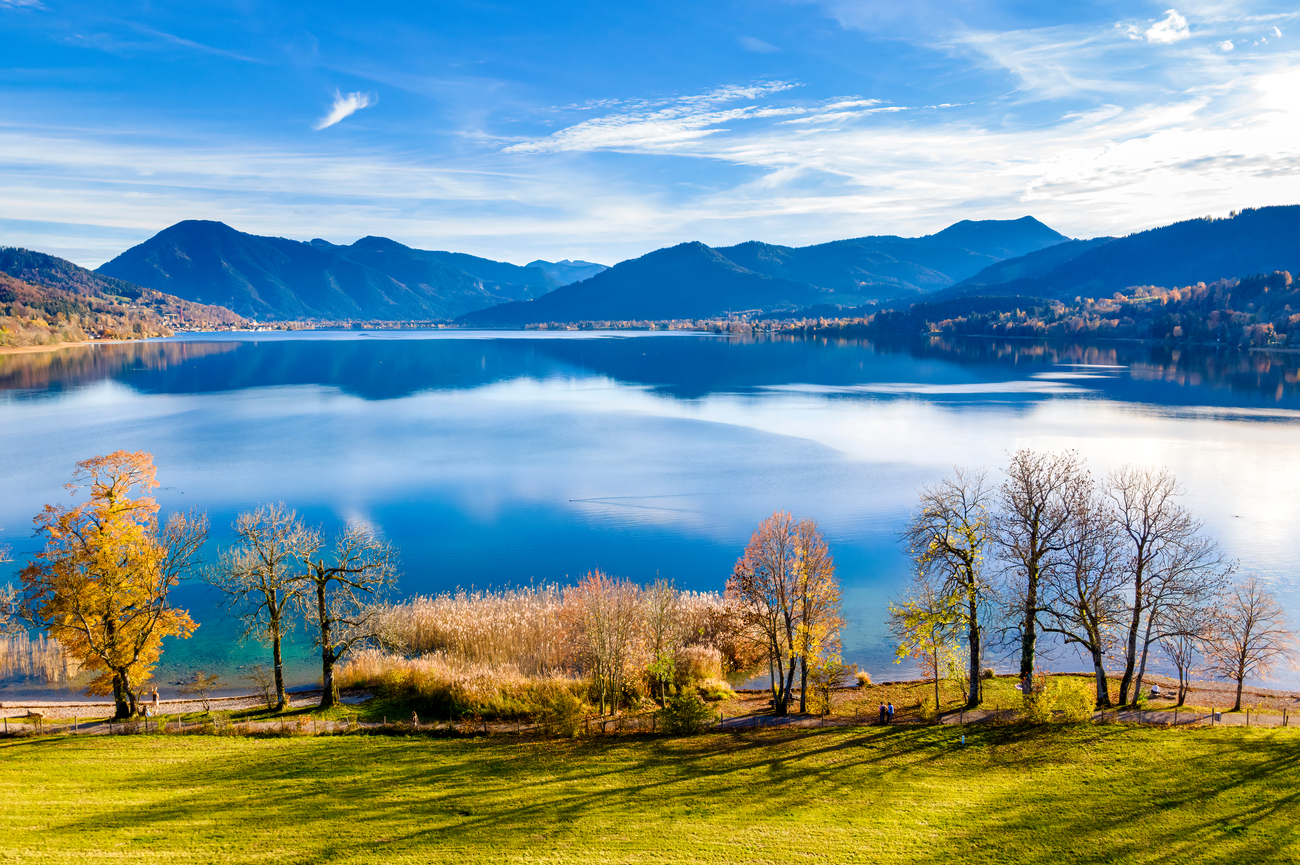
Christmas Markets Around Lake Tegernsee
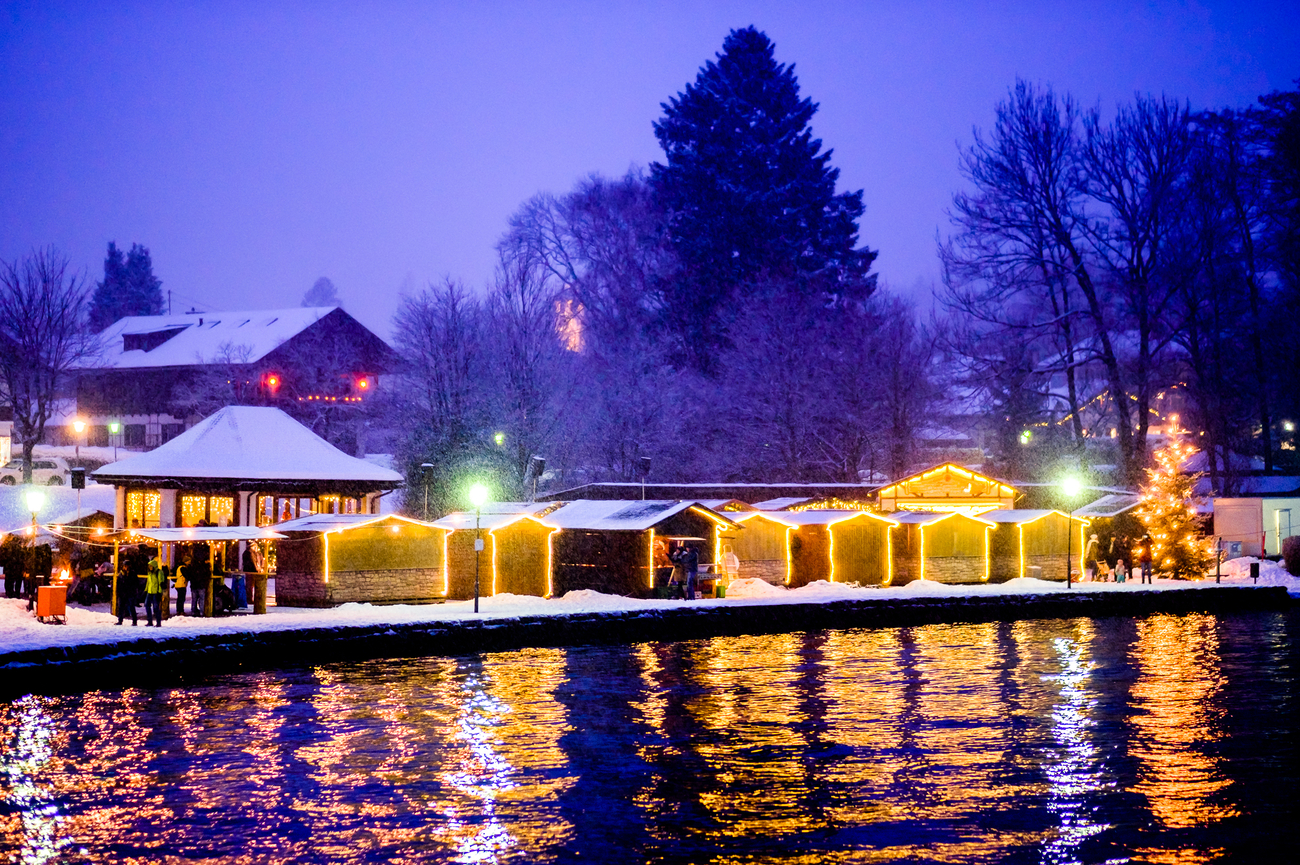
- Seeadvent Bad Wiessee: Set directly beside the lake, Seeadvent Bad Wiessee is one of the most scenic Christmas markets around Tegernsee. Wooden stalls line the lakeside promenade, where local artisans sell handmade gifts and seasonal treats, while the reflections of festive lights on the water create a warm Advent atmosphere. With mulled wine, regional specialities and beautiful mountain views, it is an especially charming stop in December.
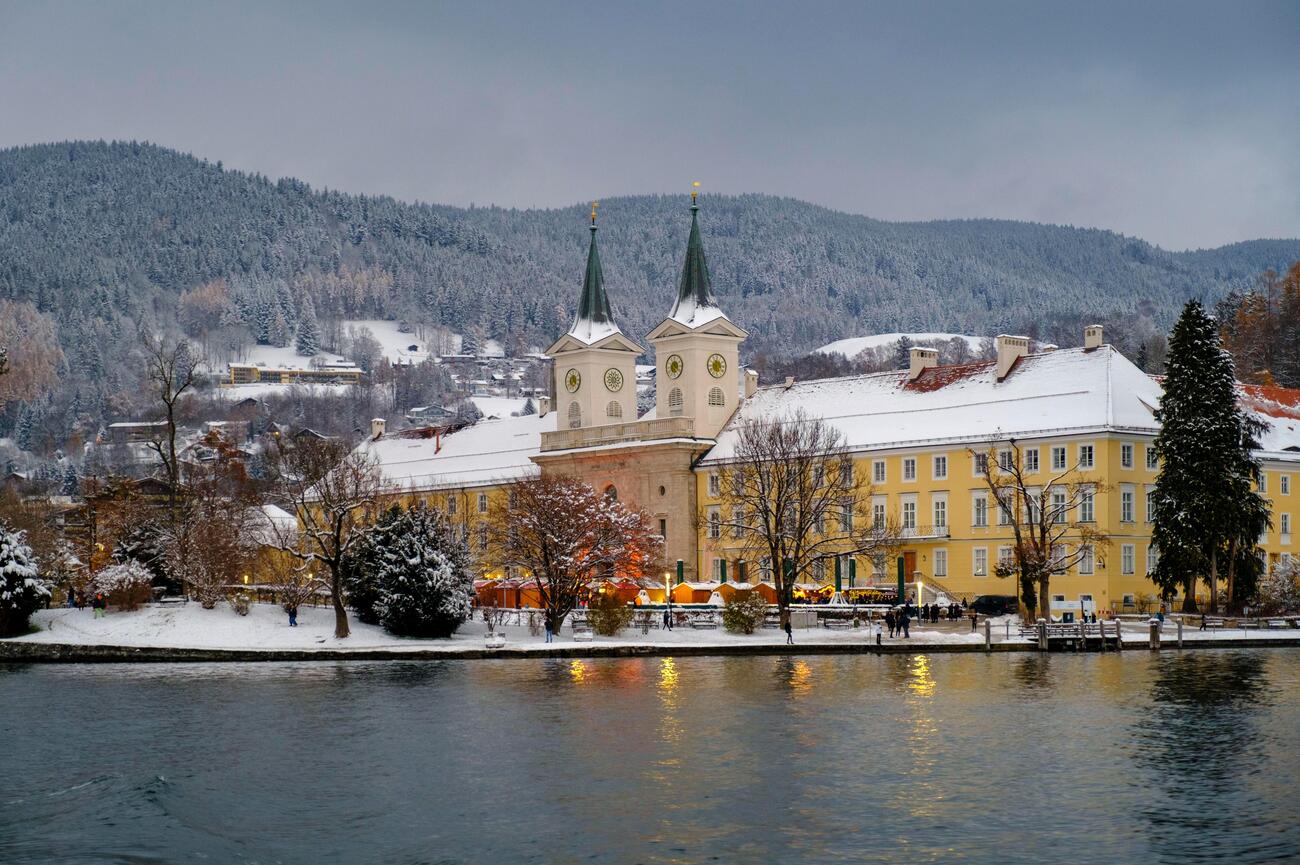
- Christmas Castle Market in Tegernsee (Weihnachtlicher Schlossmarkt Tegernsee): Few Christmas markets can rival the setting of the festive market at Schloss Tegernsee. Overlooking the lake, the former abbey and castle complex transforms into a magical Advent village, with wooden stalls in its historic courtyards and lantern-lit pathways beneath its old walls. If you are visiting Tegernsee in December, it is often one of the highlights of the season.
Festivals Around Lake Tegernsee
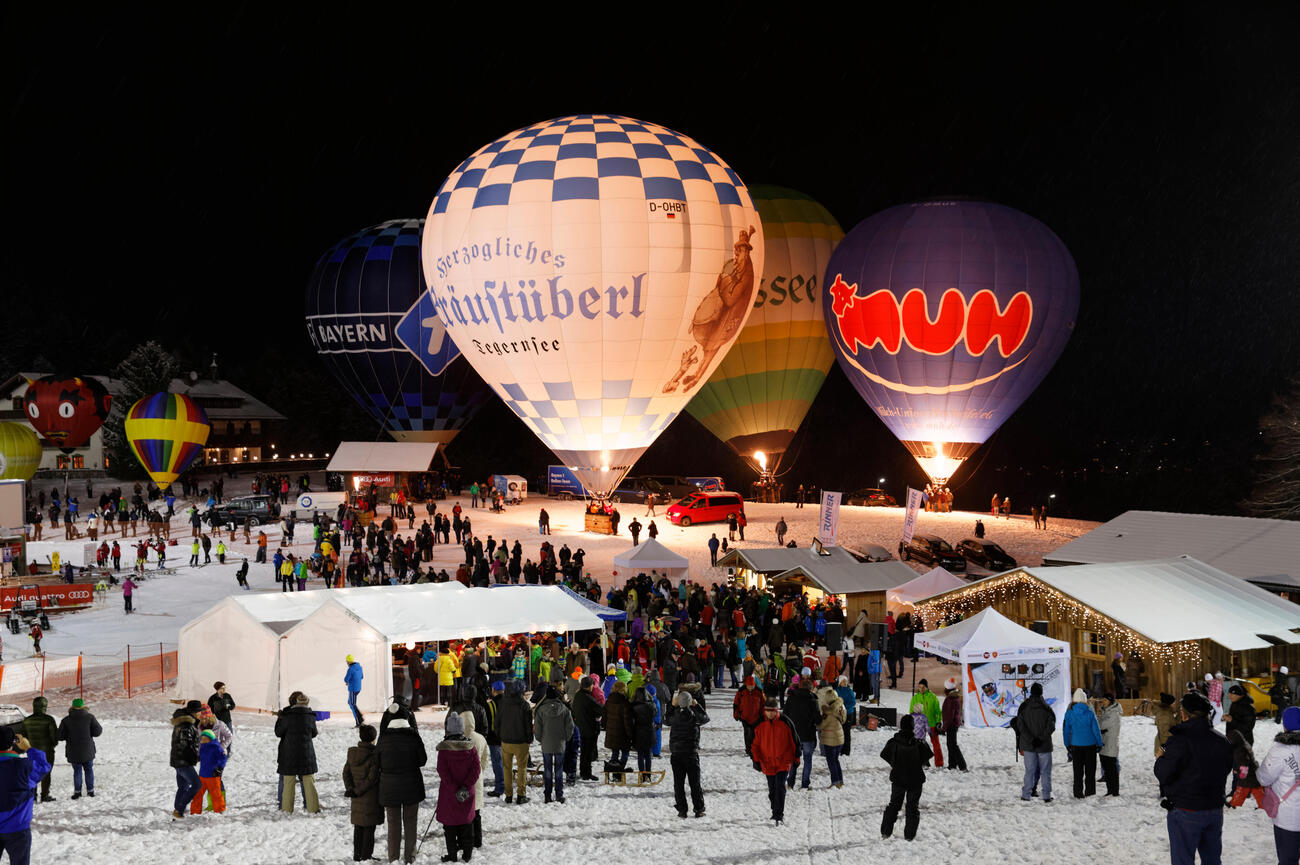
- Tegernsee Valley Balloon Festival & Night Glow: Over several winter days, usually mid-January, colorful hot-air balloons rise above the snowy alpine landscape, creating one of the most photogenic events in Bavaria. The highlight arrives in the evening during the Night Glow, when dozens of balloons stay grounded but illuminate their burners in synchronized bursts of light. The effect is almost surreal: glowing balloons flicker against the dark winter sky while the surrounding mountains sit quietly in the background.
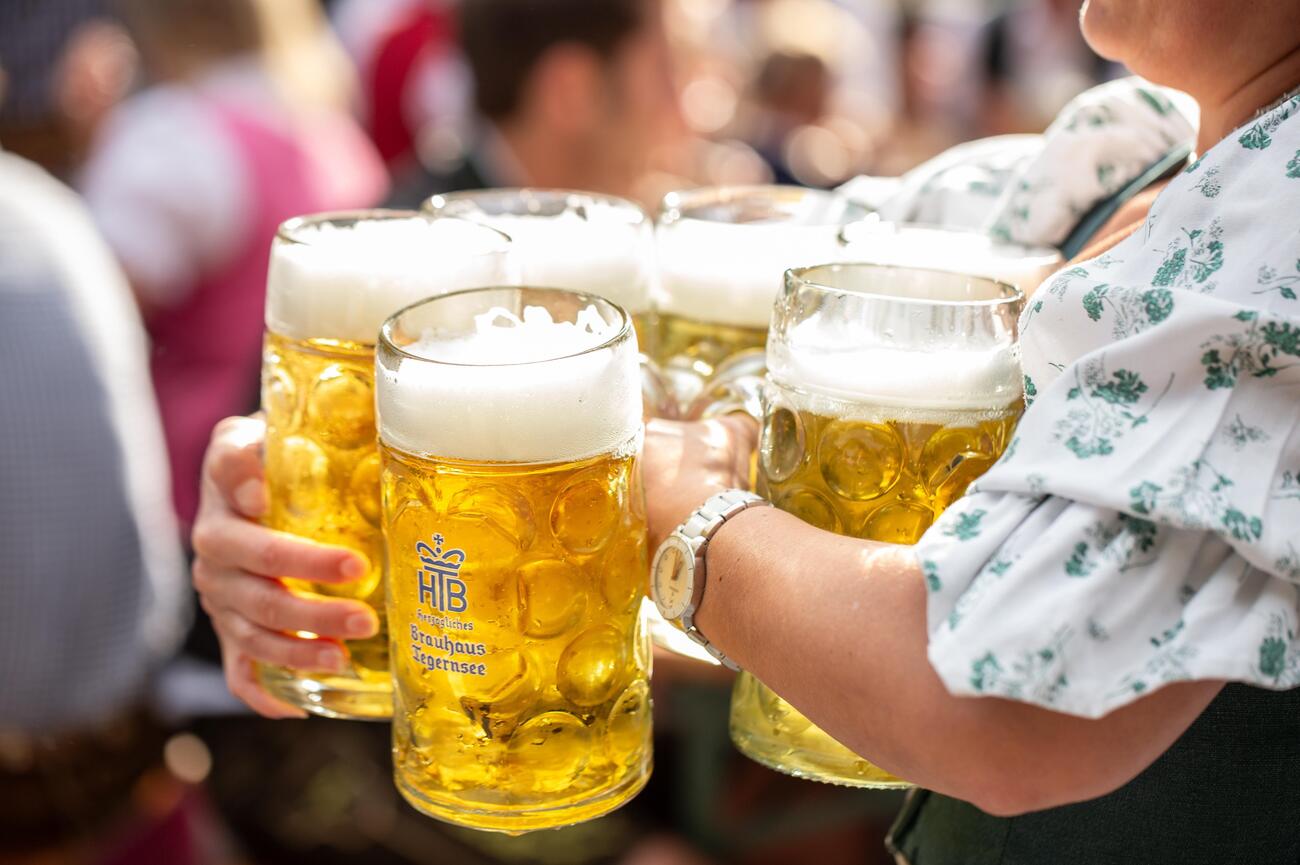
- Waldfeste: Summer at Tegernsee comes with its own rhythm, and Waldfeste are at the heart of it. These traditional forest festivals take place throughout July and August in different villages around the lake. The name literally means “forest celebration,” and that’s exactly the setting. Locals gather in open woodland clearings where long tables are set beneath trees, live brass bands play Bavarian music and the atmosphere feels wonderfully relaxed. You’ll find beer tents, grilled Bavarian specialties and plenty of dancing, often continuing well into the evening.
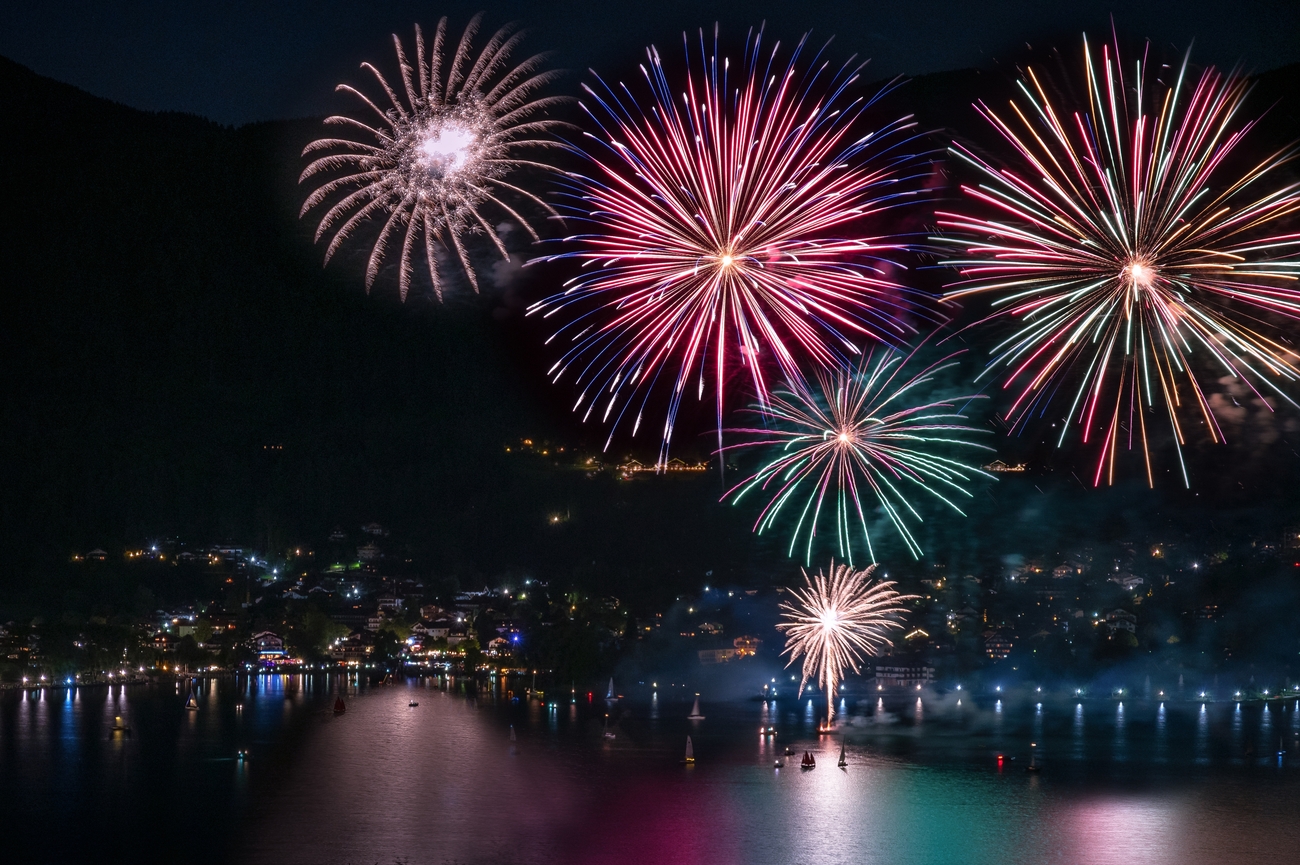
- Tegernsee Seefeste: When summer evenings get longer, the Tegernsee Seefeste take over the lakeshore. These lake festivals happen throughout July and early August, rotating between the towns around Tegernsee. Each village hosts its own celebration on the waterfront. The real moment arrives late in the evening when fireworks launch above the lake, reflecting across the water while boats float quietly in the distance. It’s one of those simple but perfect Tegernsee scenes: music, lights and the mountains quietly framing everything.
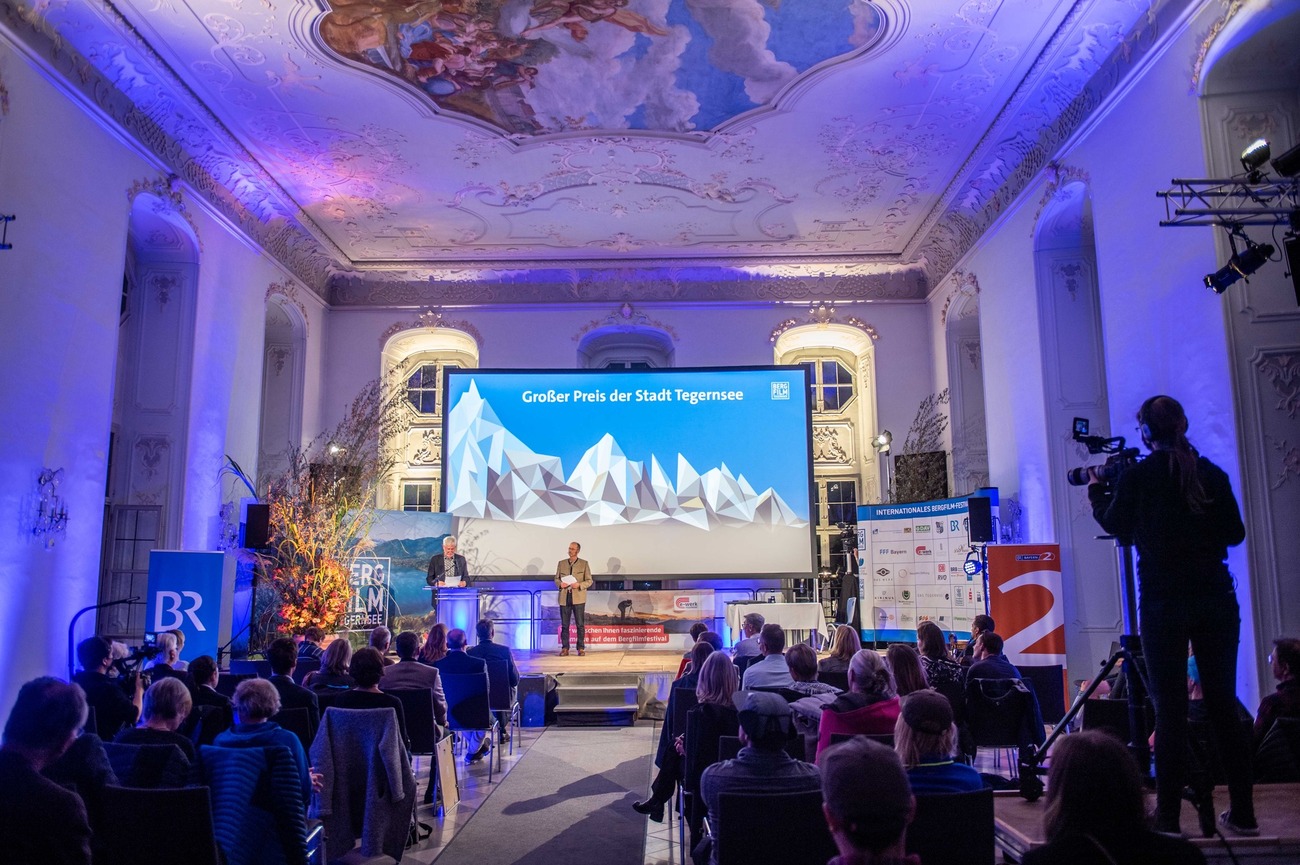
- Tegernsee International Mountain Film Festival (Internationales Bergfilm-Festival Tegernsee): Every October, the region celebrates mountain culture through cinema during the Tegernsee International Mountain Film Festival. For several days in early October, filmmakers, adventurers and outdoor enthusiasts gather in Tegernsee town to watch documentaries and films dedicated to alpine landscapes, climbing expeditions and environmental stories. Screenings take place in local venues and theaters, often followed by discussions with filmmakers and mountaineers. Even if you’re not a hardcore climber, the atmosphere is fascinating.
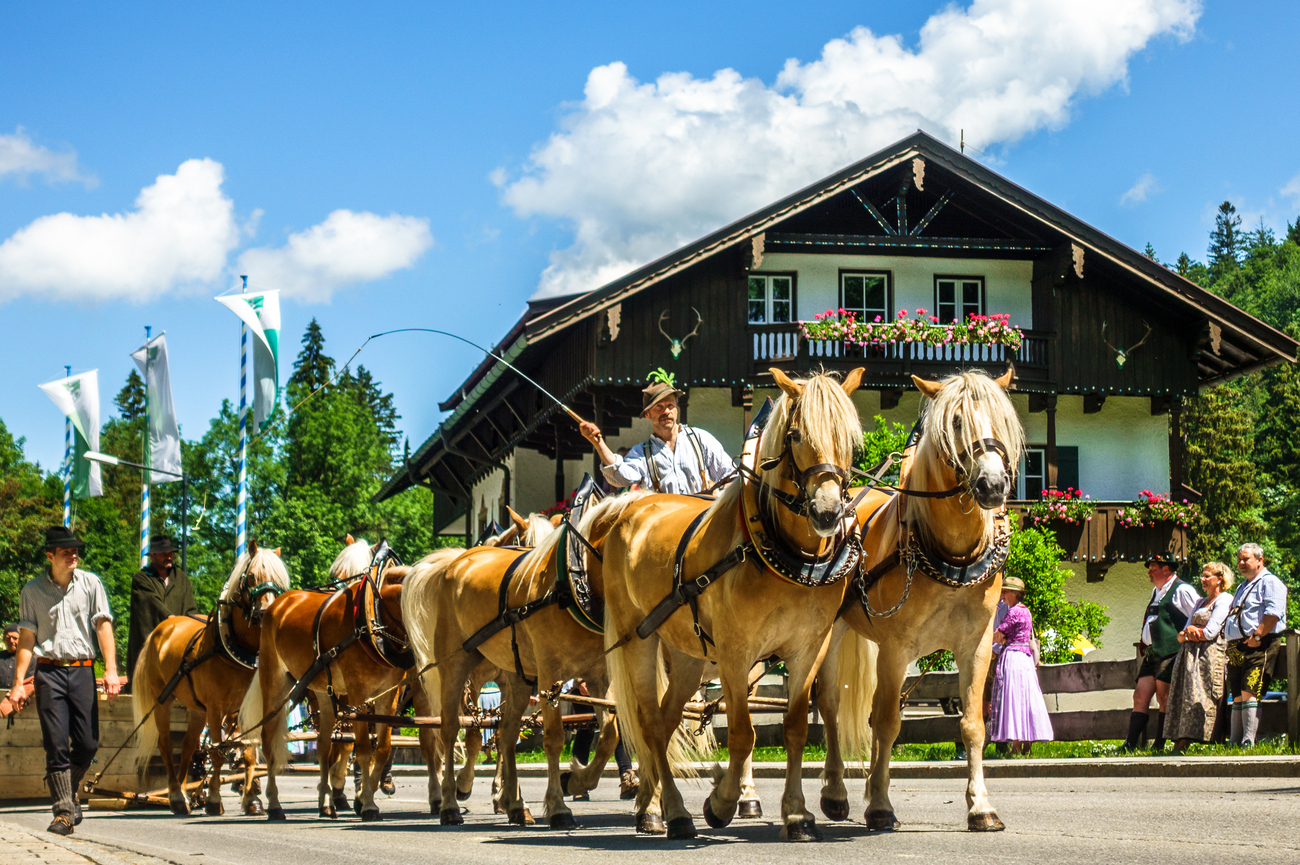
- Leonhardi Ride in Kreuth: One of the most spectacular traditions around Tegernsee happens every November during the Leonhardi Ride in Kreuth, held annually on November 6. This historic event honors Saint Leonhard, the patron saint of horses and it has been celebrated in the region for centuries. On that day, hundreds of riders in traditional Bavarian attire guide beautifully decorated horses through the village of Kreuth in a ceremonial procession. Carriages adorned with flowers and ribbons roll through the streets while spectators gather along the route. It’s a reminder that while Tegernsee is known for scenery and leisure, its traditions still run deep and sometimes they arrive on horseback.
Our offices:




Revigorate, Iberian Escapes and Algarve Lifestyle are the registered brand names of APCS Lda . We are a fully authorised travel agency licensed by Turismo de Portugal RNAVT/6867.
In the event of a dispute, the consumer may refer to: RAL - Centros de Arbitragem
Avª. 5 de Outubro, nº. 55, R/C Dtº. 8000-075 Faro, Portugal | Tel: +351 289 823 135 *
* national landline call
E-mail: info@consumoalgarve.pt| www.consumidoronline.pt | Mon to Fri: 9:00 - 13:00 / 14:00 - 17:00