Things to Do in Hangzhou: 3-Day Itinerary
There’s a famous Chinese saying: “Above there is heaven; below there are Suzhou and Hangzhou.” Spend even a day here and you’ll understand why. Hangzhou has the soft, dreamlike beauty that earned it a “Heaven on Earth” reputation: mist drifting over West Lake, pagodas rising from tree lined hills, tea terraces unfurling in green waves. But Hangzhou is also a city with weight and legacy. As one of China’s Eight Ancient Capitals and the former seat of the Southern Song Dynasty (1132–1276), it was once the centre of a refined world of poetry, painting, and commerce.
In this three-day itinerary, we’ll take you through West Lake’s living landscape art, the hush of temples and stone carvings, the intimacy of tea culture, and the everyday life in Hangzhou.
Day 1

Morning: West Lake
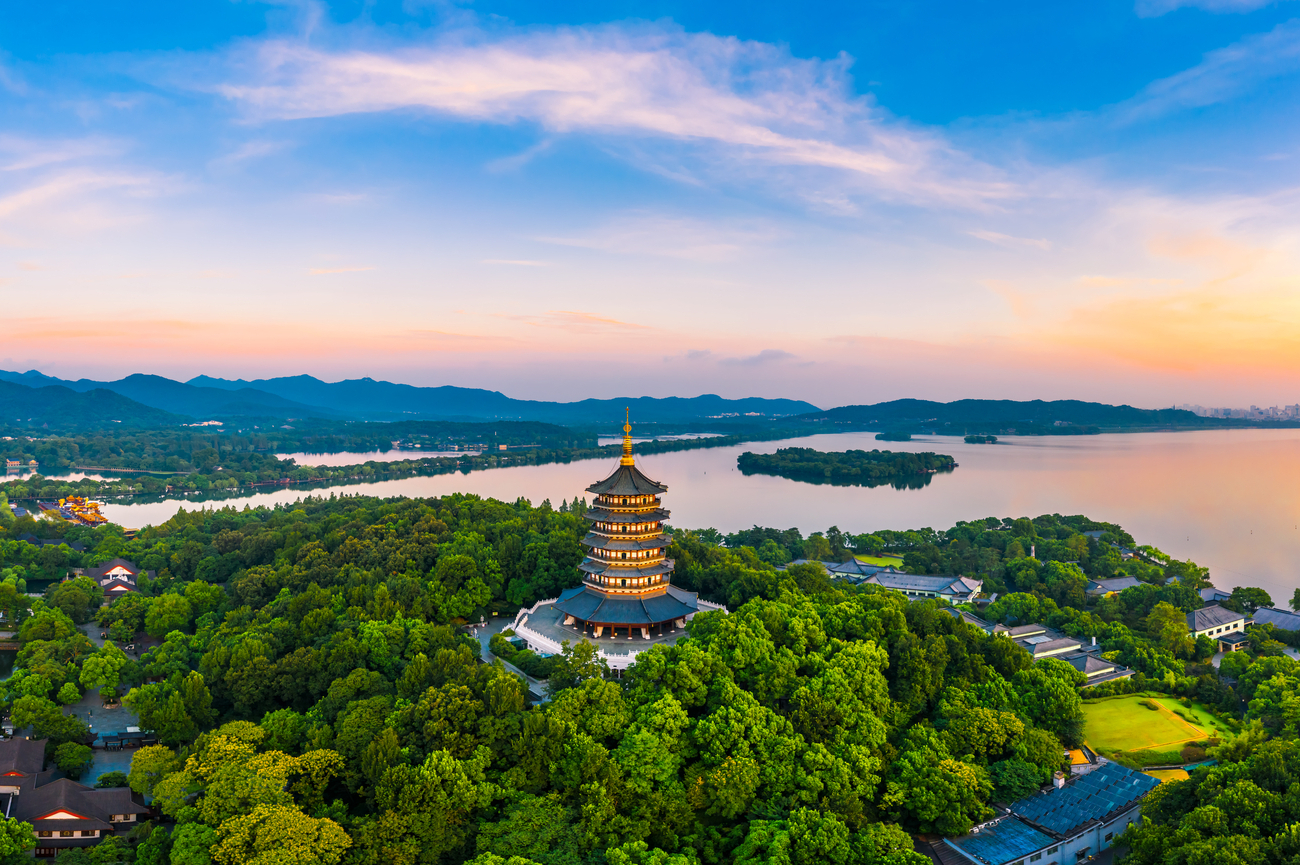
Begin your first day in Hangzhou at the West Lake, a UNESCO World Heritage site that has inspired poets, painters, and travellers for more than a thousand years. It is a man-made masterpiece of garden design, where islands, causeways, and pagodas are perfectly integrated into the natural landscape. Some of the iconic landmarks you can find here are the Three Pools Mirroring the Moon, Leifeng Pagoda, the two famous causeways, and the Broken Bridge.
The shoreline stretches about 15 kilometres, making it perfect for cycling or jogging, look out for Hangzhou’s signature red public bikes or rent a dedicated touring bike so you can explore around the area more comfortably. Time your visit early in the morning. Arriving around sunrise lets you experience spots like the Lotus at Breeze-Ruffled Pavilion in a quieter, more atmospheric setting before the crowds arrive
Three Pools Mirroring the Moon
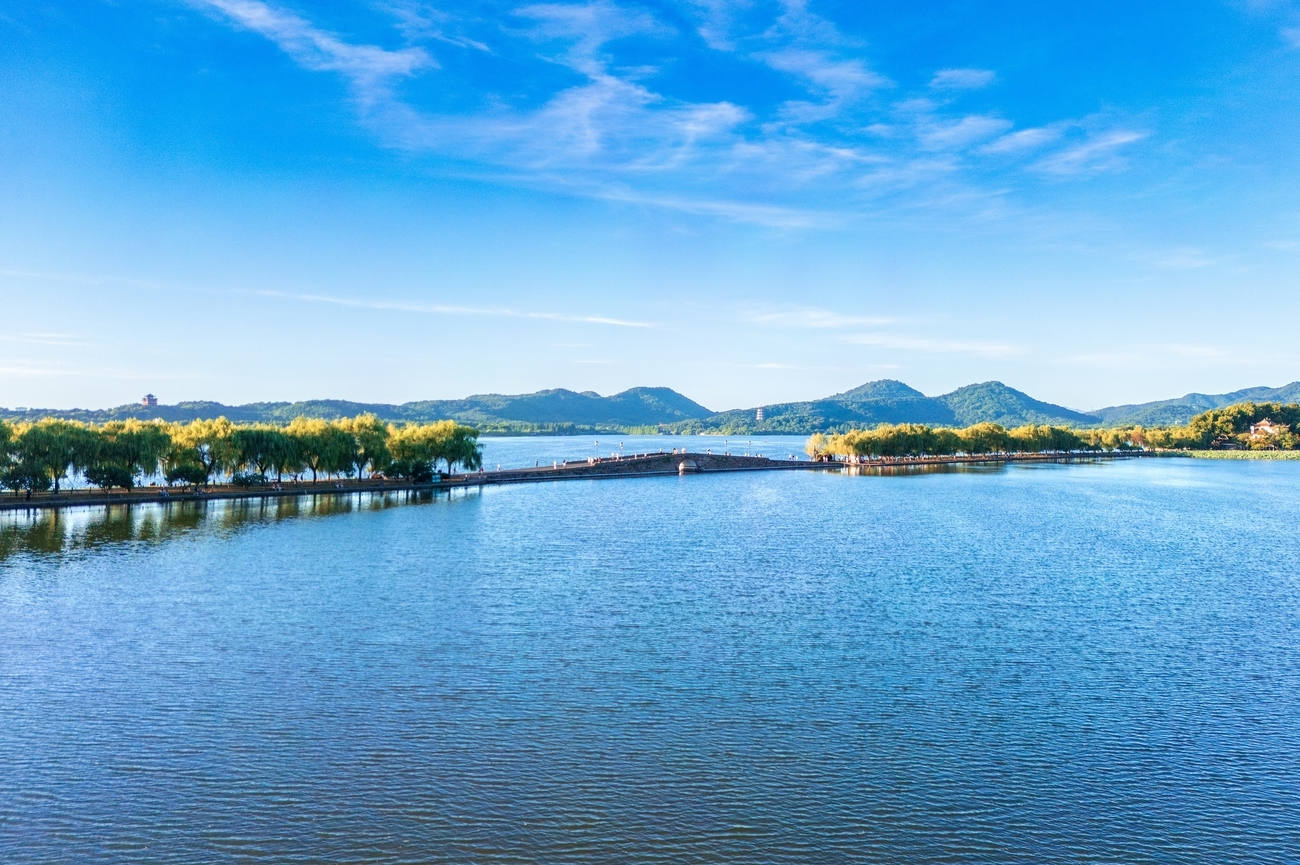
Next, make your way to Three Pools Mirroring the Moon, the largest island at the centre of West Lake, accessible only by boat ride. Its name comes from a Mid-Autumn Festival tradition, and the “pools” refer to three small hollow stone pagodas (each about two metres tall) standing in the water just off the island’s southern shore. You might recognise the scene from the back of China’s 1-yuan banknote. If you want to recreate this “banknote” photo, head to the island’s southern edge and line up your banknote with the real pagodas in the background. It's a classic souvenir shot and many visitors make a fun reel out of it.
Day 1, Morning - Hangzhou Tour Map
Afternoon: Viewing Fish at Flower Pond
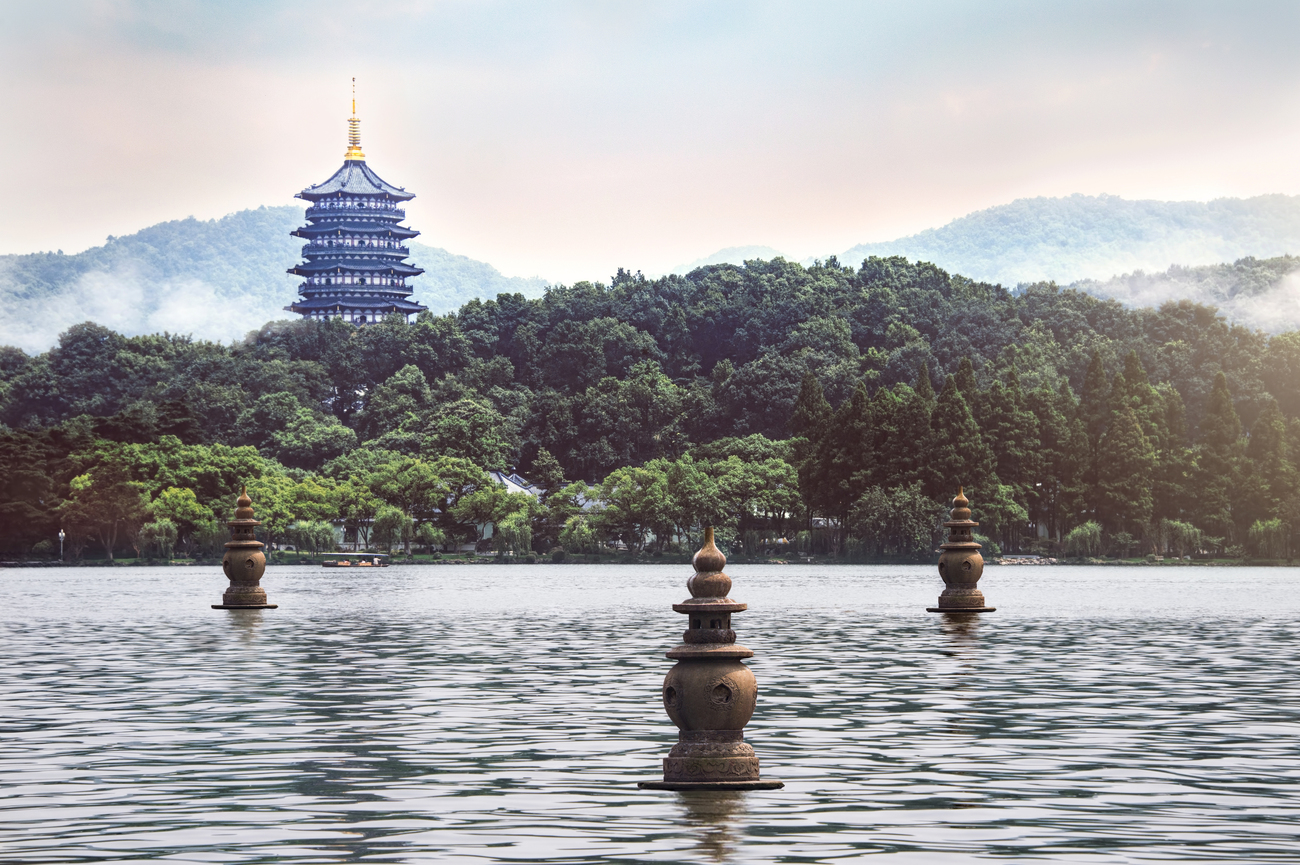
Return to the shoreline and visit Viewing Fish at Flower Pond, sometimes called Western Hill Park, a peaceful area best known for its vivid Red Carp Pond. Thousands of golden and red carp swim through clear water here, creating a vivid contrast against the peaceful lake scenery. The park is a beautiful example of classical landscape design, with elegant pavilions, zig-zag bridges, and open lawns that blend naturally into the surrounding hills and water. You can buy fish food and feed the carp, watching them gather in swirling, almost cloud-like formations near the bridges is especially fun and surprisingly mesmerising.
If you’re visiting between mid and late April, keep an eye out for blooming peonies. The gardens here are considered one of the best places in China to see these royal flowers at their peak.
Leifeng Pagoda
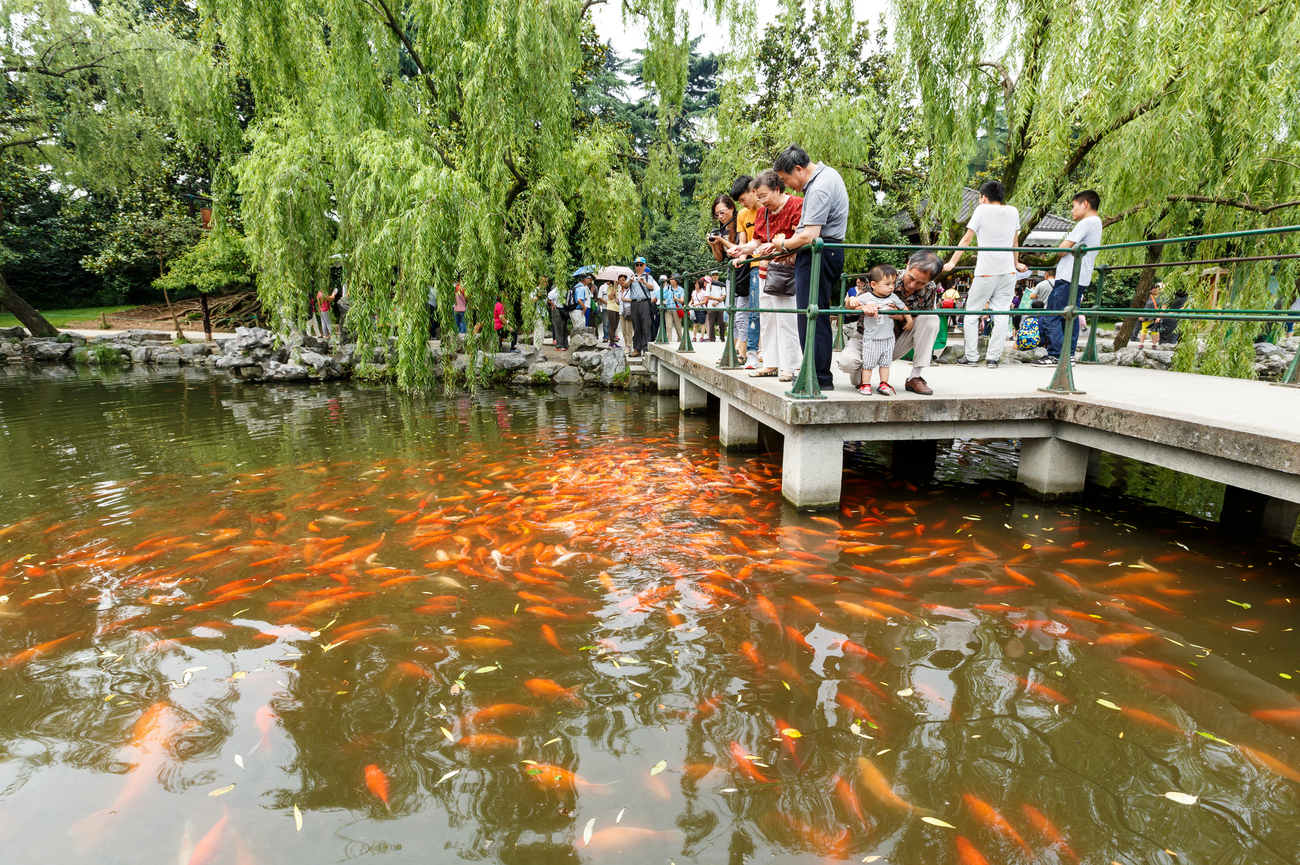
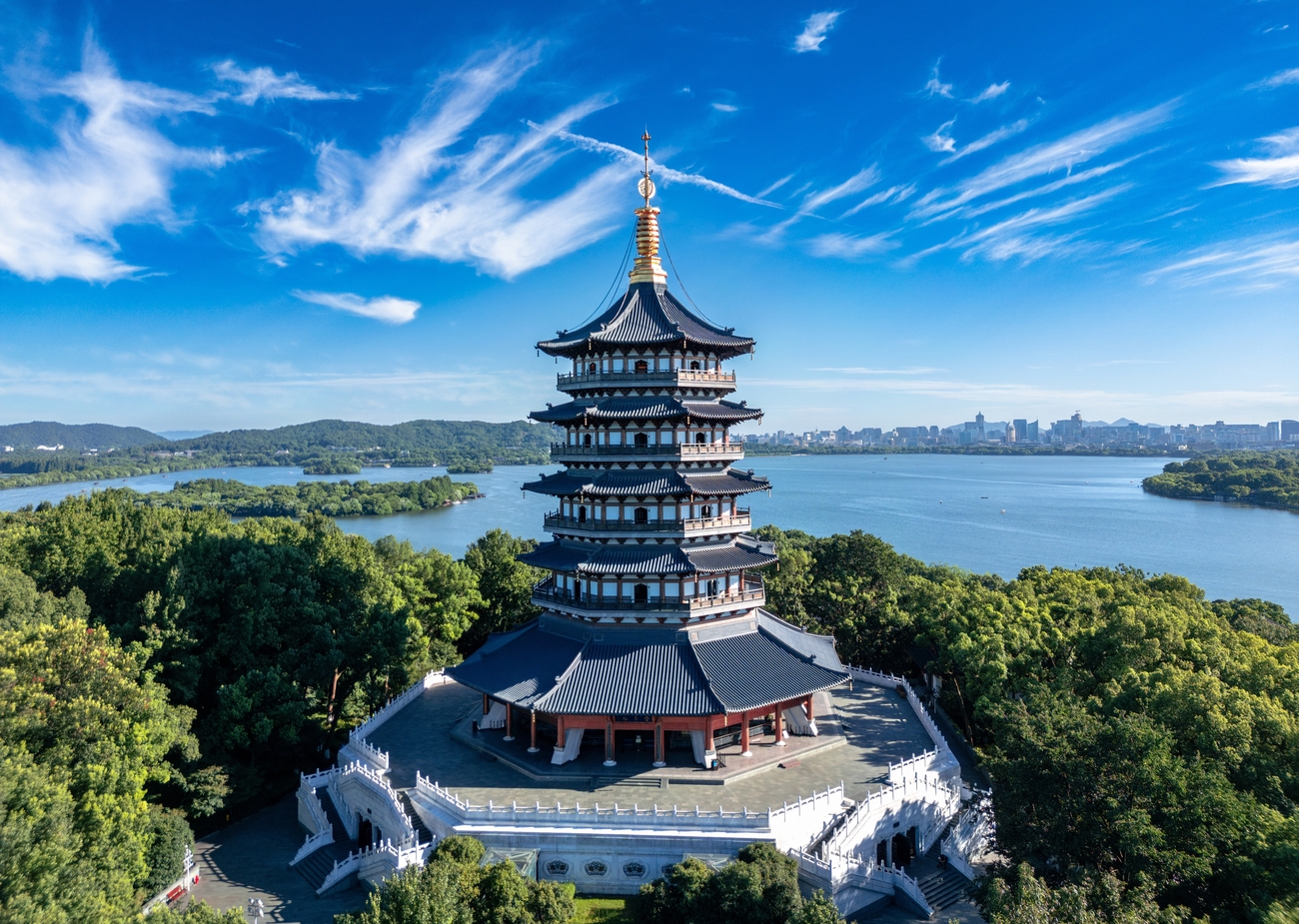
Just a short 9-minute drive away, Leifeng Pagoda rises from Sunset Hill at the southern edge of West Lake. The original tower was built in 975 AD but collapsed in 1924; today’s structure was then rebuilt in 2002 as a modern architectural marvel. You can walk through the base level to view the archaeological remains of the original 10th century foundation. The pagoda is famous as the setting for the "Legend of the White Snake," a classic Chinese folk tale about a star-crossed romance between a scholar and a snake spirit. Take the elevator or stairs to reach the top level of the pagoda for stunning 360 degree views of West Lake, the city skyline, and the nearby Jingci Temple. For the most memorable experience, try to arrive near sunset to witness a breathtaking view of the golden light reflecting off the pagoda’s copper roof.
Evening: Music Fountain of the West Lake
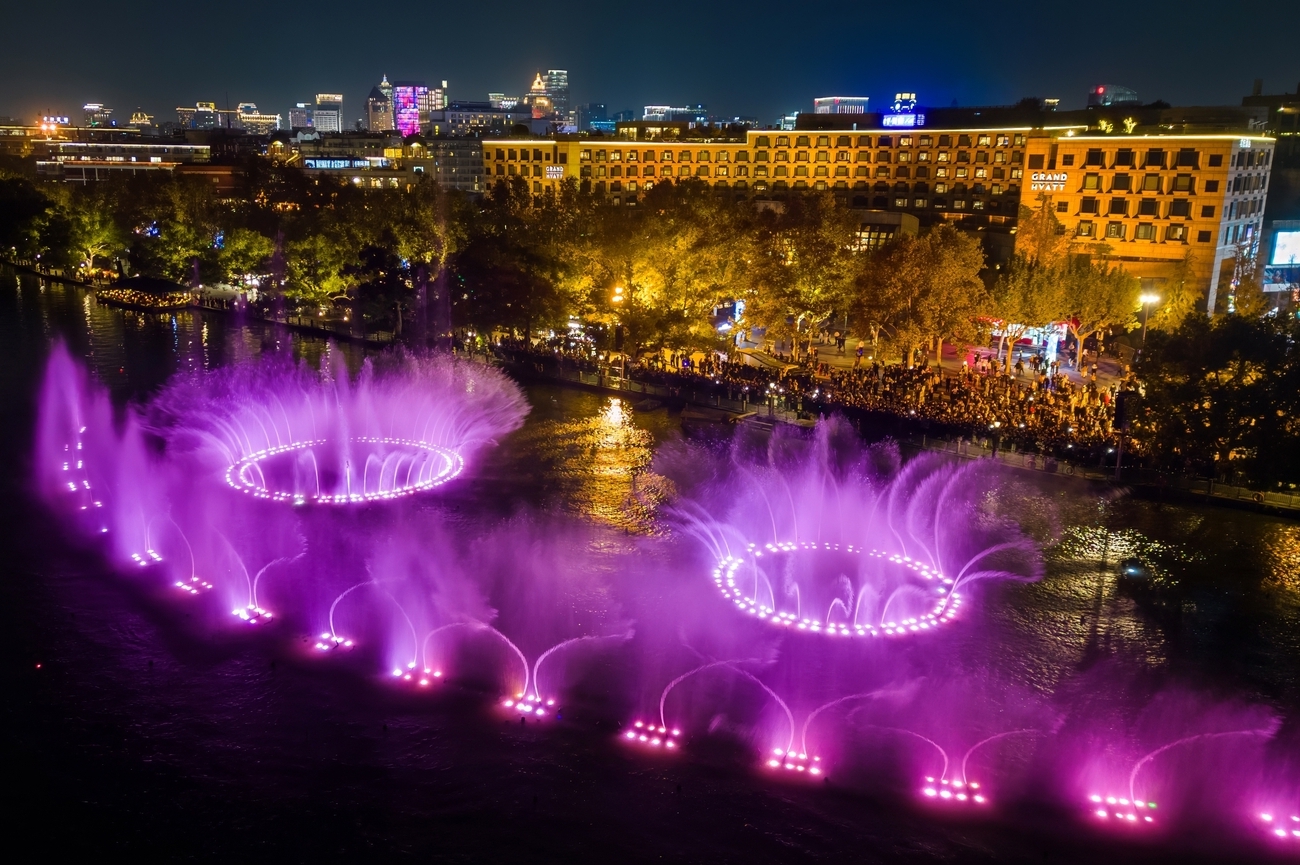
After watching the sunset from Leifeng Pagoda, take a short 15-minute drive to the West Lake Music Fountain to end your day with a lively fountain show. This is one of China’s most advanced water shows, where hundreds of nozzles send streams of water soaring up to 60 metres high, perfectly timed to music.
As the performance begins, specialised “swing” nozzles create graceful, bird-like movements, while the choreography shifts between traditional Chinese melodies (like Butterfly Lovers) and familiar international pieces. Underwater LED lights change colour with the rhythm, transforming the lakefront into a vibrant stage of light and motion. If you’ve seen Singapore’s Supertrees, imagine a similar sense of spectacle, only here, the performance unfolds entirely across the water.
Day 1, Afternoon - Hangzhou Tour Map
Day 2
Morning: Peak Flown From Afar (Feilai Feng)
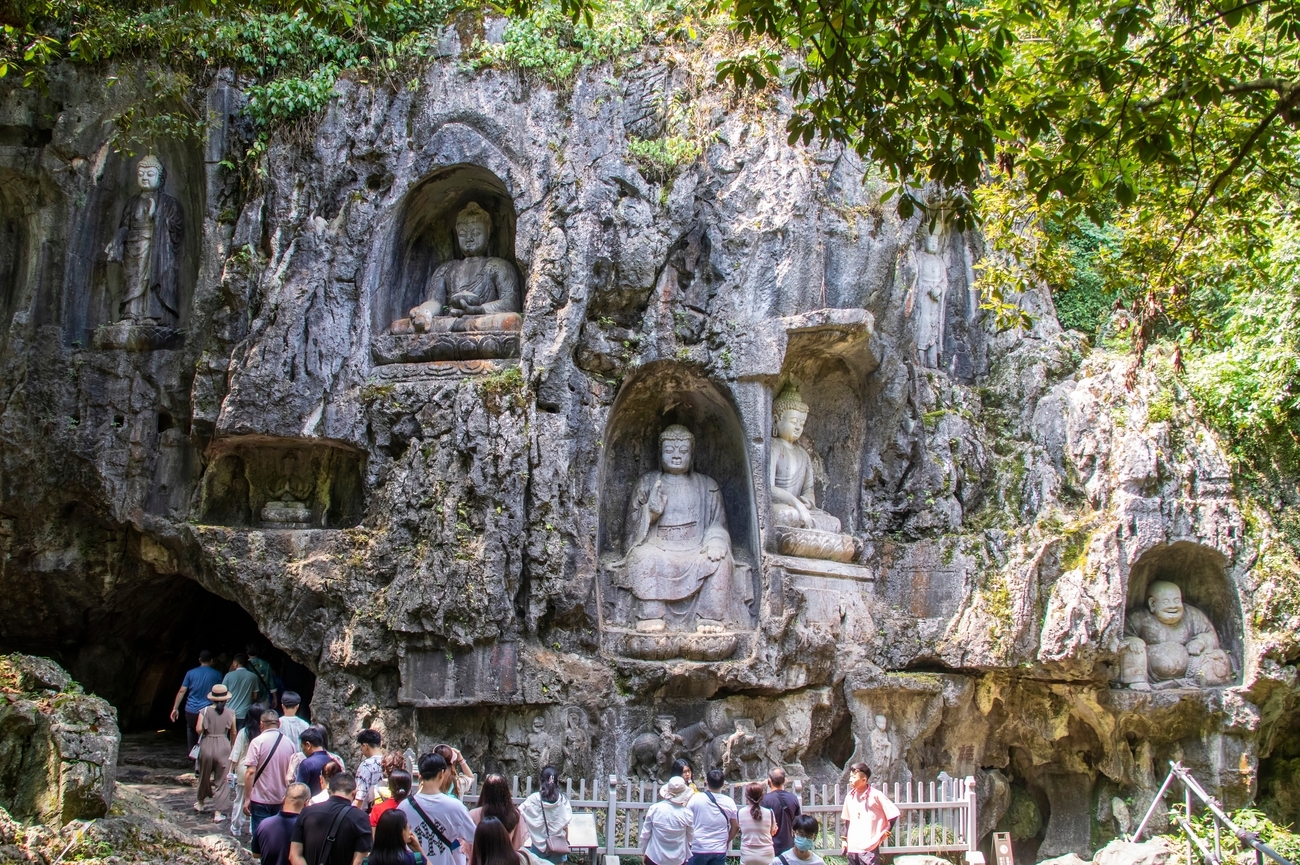
Begin your day at Peak Flown From Afar (Feilai Feng), often described as an open-air Buddhist art museum. Its unusual name comes from a legend that the peak “flew” to Hangzhou from India. One story tells of the monk Huili, who arrived around 1,600 years ago and believed the hill resembled Vulture Peak from his homeland, wondering how it could have crossed the sea. Another legend suggests the peak was once destructive, and over 500 Buddha statues were carved into its stone to "suppress" it and prevent further damage.
As you explore, you’ll see hundreds of Buddhist stone carvings etched directly into the rock, dating from roughly the 10th to 14th centuries. If you’re up for a little adventure, the peak offers multiple trails for climbing and trekking, providing hidden viewpoints, and rewarding panoramas of the surrounding scenic area.
Lingyin Temple
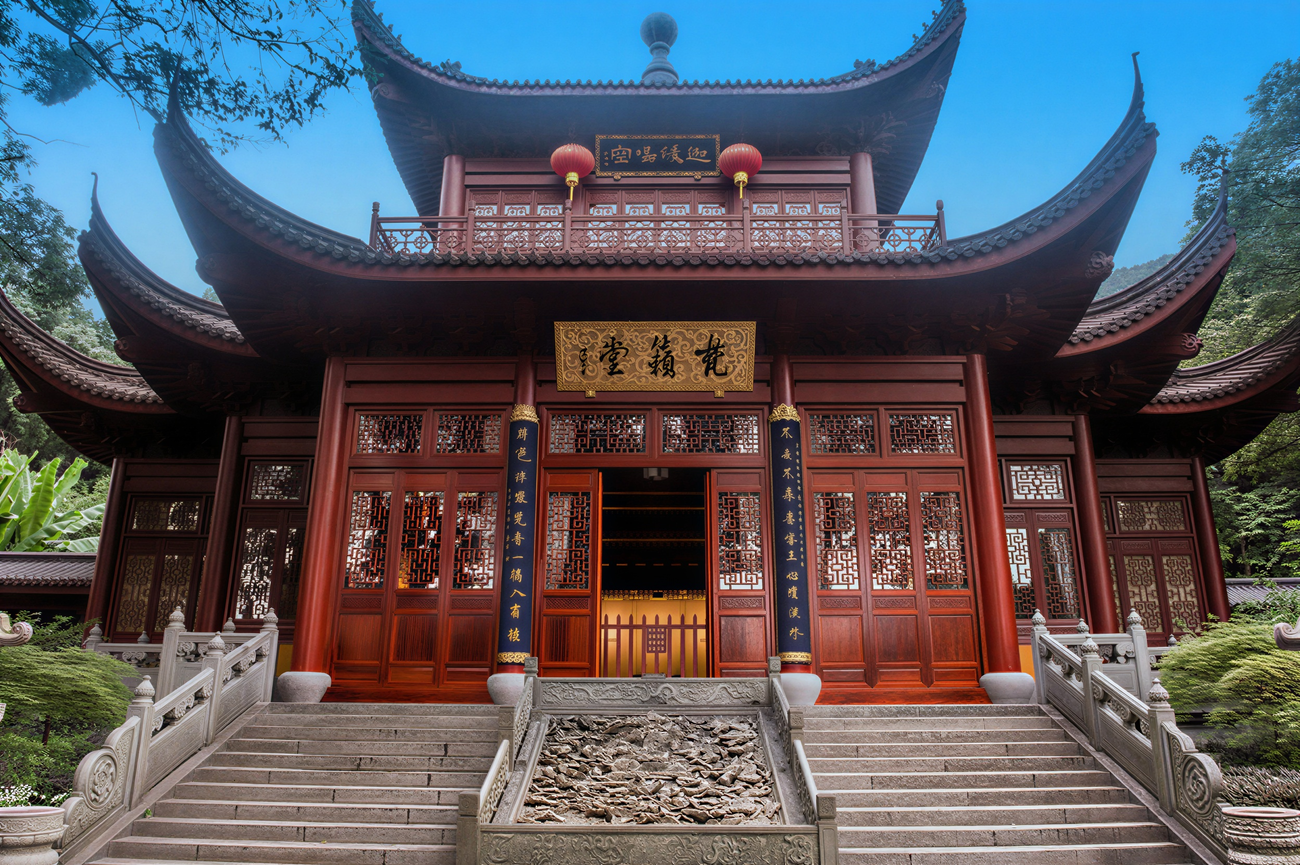
Nearby, is the Temple of the Soul’s Retreat or the Lingyin Temple. It’s one of the largest and wealthiest Buddhist temples in China. Founded in 326 AD, it sits quietly at the foot of Lingyin Mountain, surrounded by forest, caves, and ancient stone carvings that create a deeply peaceful atmosphere. As you walk through the temple grounds, you’ll notice grand halls with layered roofs, towering golden statues, and the soft scent of incense drifting through the air as pilgrims come to pray for luck, health, and peace. At the entrance, look for the colourful figures of the Four Heavenly Kings and the smiling Maitreya Buddha. Inside, don’t miss the impressive 24.8 metre tall statue of Shakyamuni Buddha, carved from camphor wood and finished with gold leaf.
Day 2, Morning - Hangzhou Tour Map
Afternoon: Meijiawu Village Tea Plantation
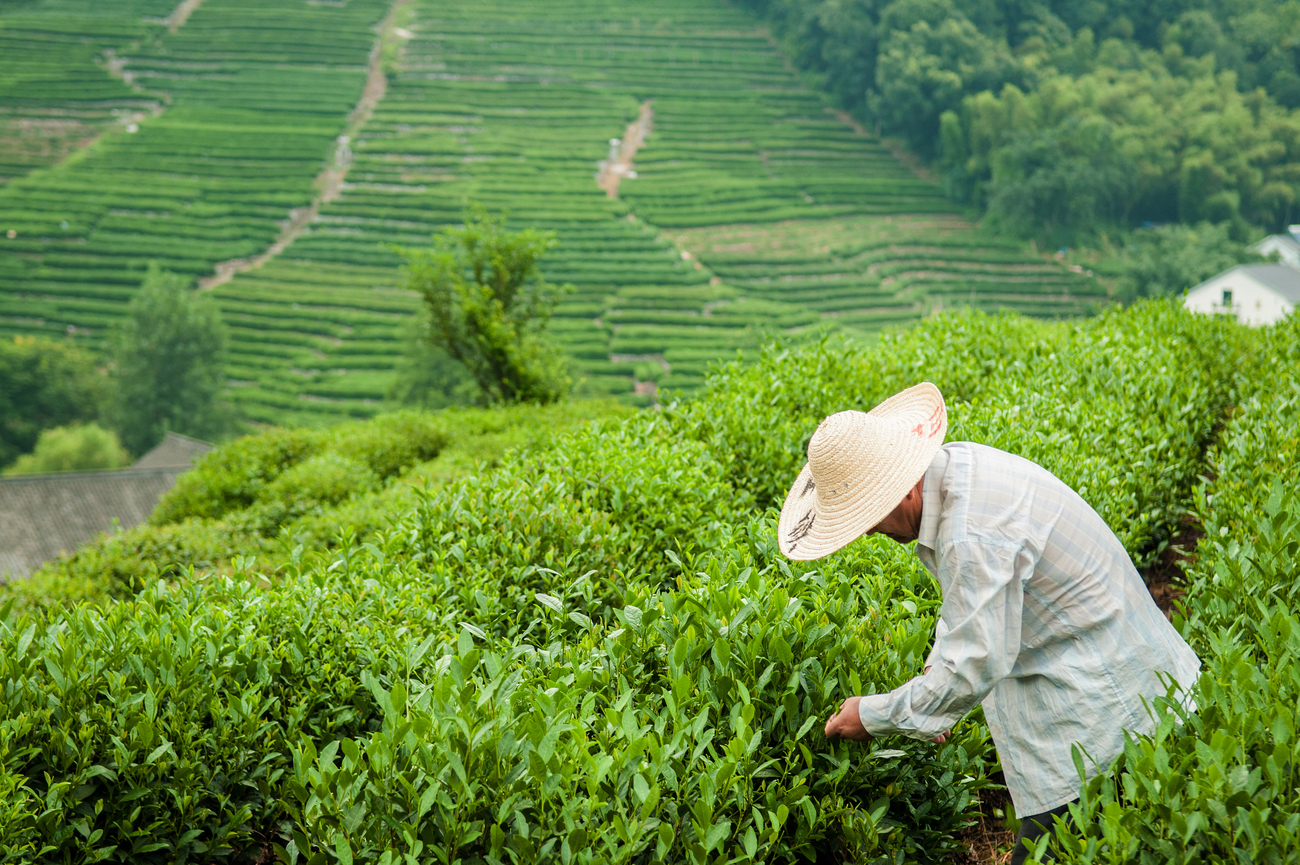
Continue your day at Meijiawu Village, a picturesque valley settlement tucked into the green hills west of West Lake. With more than 600 years of history, it’s one of the most respected production areas for West Lake Longjing (Dragon Well) tea. Unlike more commercialised Longjing Villages, Meijiawu still feels authentic and lived-in, where tea farming remains the main way of life for local families.
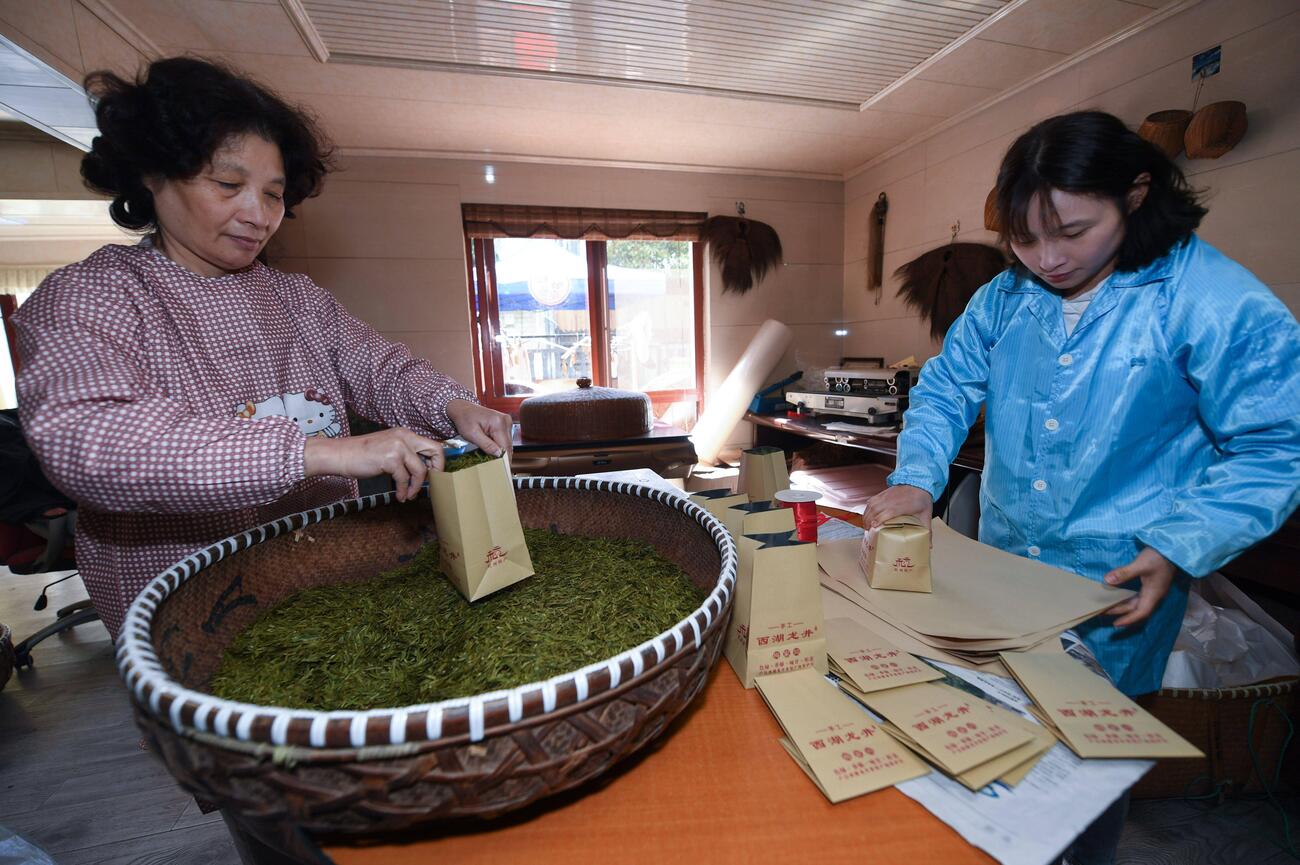
If you visit between late March and mid-April, you may even see or join farmers during harvest season, where you can get hands-on experience on how to spot the prized “one bud, two leaves” used for premium pre-Qingming tea. Many homes here double as small tea houses, so you can sit in a quiet courtyard, sip freshly brewed Longjing made with local spring water, and buy tea directly from the growers. Aside from tea, Meijiawu is also known for its rural flavors. Try their Longjing shrimp dish, sautéed with fresh tea leaves, or tea-smoked duck for some authentic, rural taste.
Hangzhou Botanical Garden
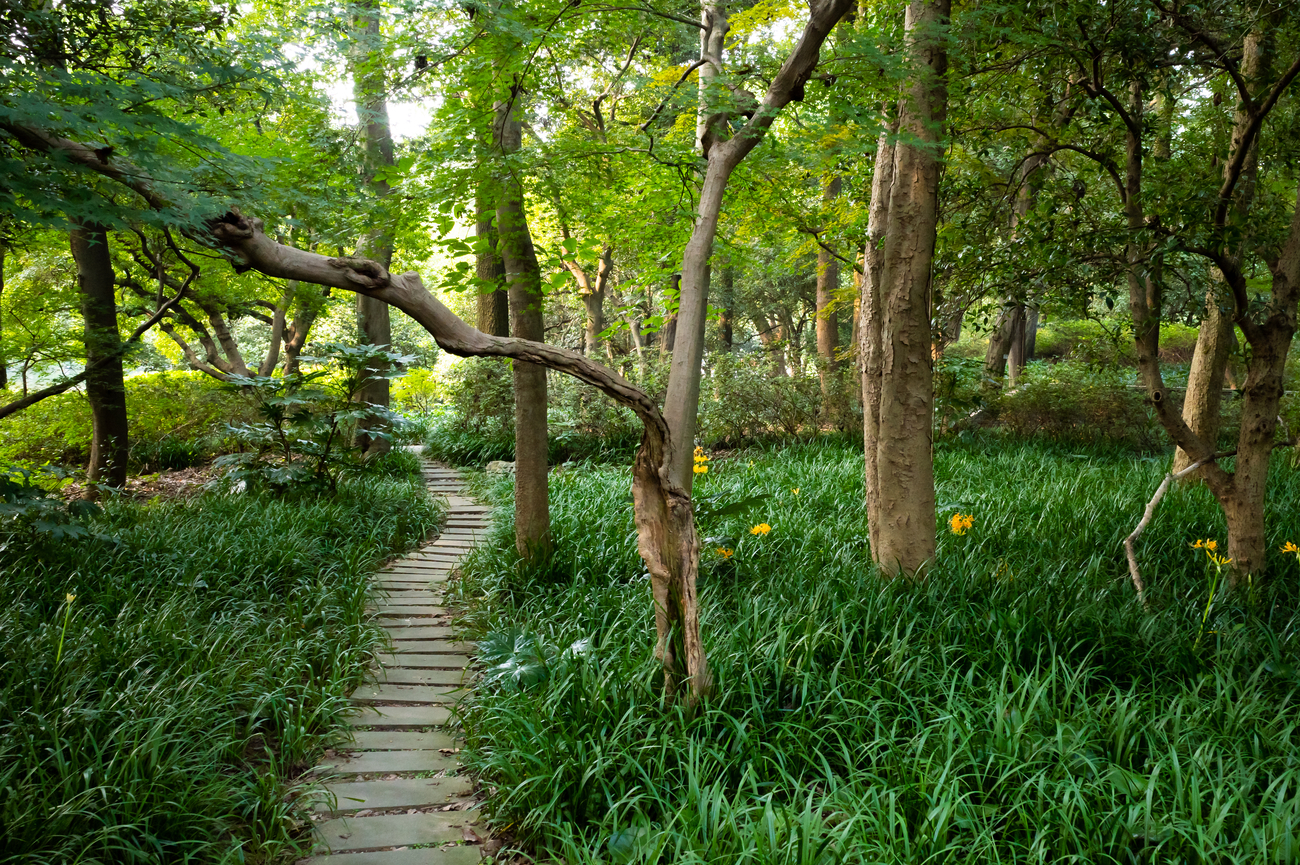
End your day at the Hangzhou Botanical Garden, a vast 250 hectare, living museum of plants. Home to more than 3,000 species, the garden is known for its towering ancient trees and specialized micro gardens. It feels like a dense, well maintained forest where the air is noticeably cooler and fresher than in the city center.
The garden’s crown jewel is the Lingfeng Peak, especially in February and March when more than 5,000 plum trees bloom in soft shades of pink, white, and red. It’s considered one of Hangzhou’s best places to appreciate plum blossoms in season. You can also wander through a serene bamboo grove with over 150 varieties, where the sound of wind moving through the stalks creates a calm, almost meditative atmosphere. If you enjoy learning as you explore, don’t miss the Plant Classification Garden and Medicinal Herb Garden, where you’ll discover rare species and plants connected to Traditional Chinese Medicine.
Day 2, Afternoon - Hangzhou Tour Map
Day 3
Morning: Dreaming of the Tiger Spring
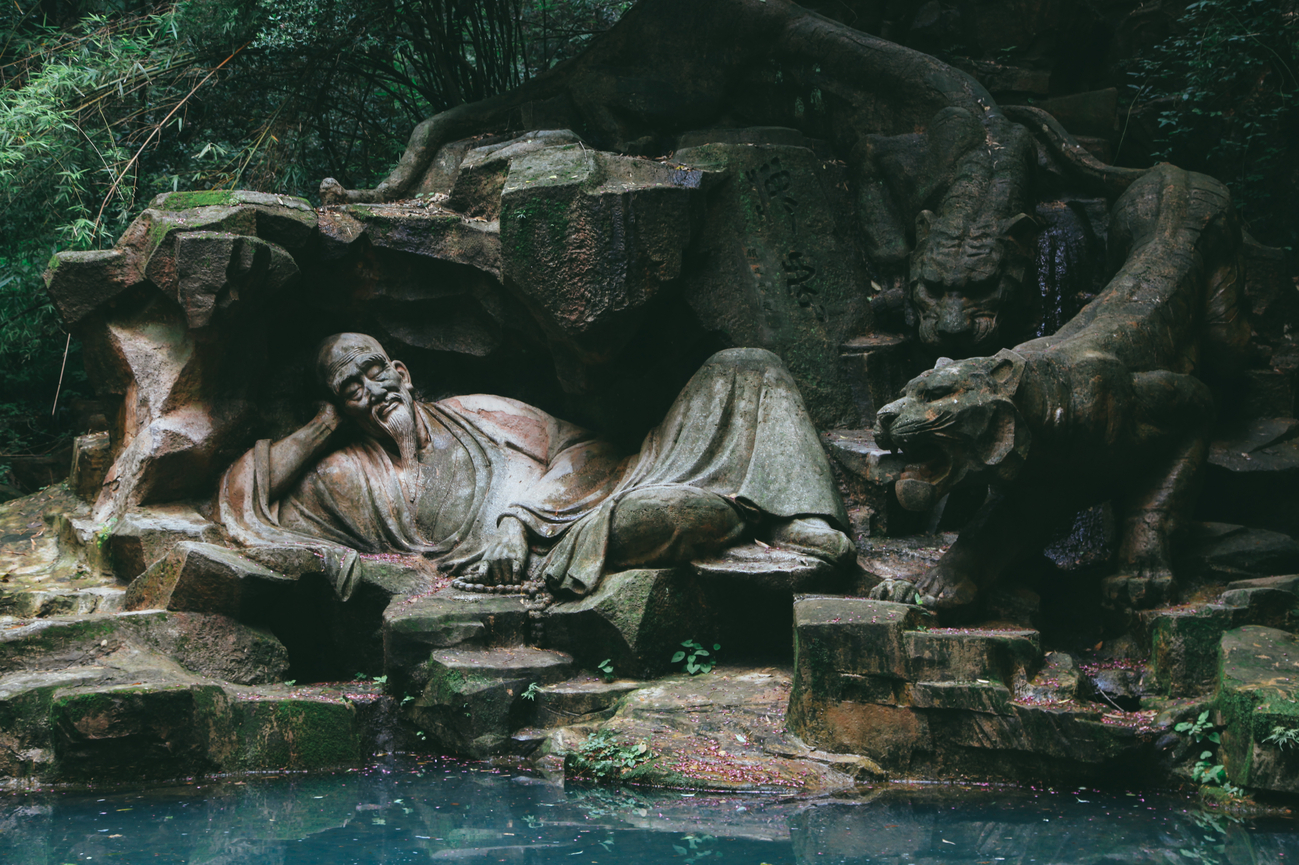
Begin your final day in Hangzhou at Dreaming of the Tiger Spring, one of the city’s most peaceful and spiritually significant sites. Known as the “Third Best Spring in China,” its water is famously paired with Longjing tea, creating what locals call the “Twin Perfections” of Hangzhou.
The spring’s name comes from a 9th-century legend about a monk named Xingkong. Distressed by a water shortage, he planned to leave the area until he dreamed of a deity telling him not to worry. The next day, he saw two tigers clawing at the ground, and water gushed forth from the spot, creating the spring that still flows today. You can stop at the onsite tea house to taste Longjing tea brewed with fresh Hupao spring water. The water is known for its high surface tension, and you may even try the playful local trick of floating a coin on a full glass. Before you leave, look for the stone carvings of the two tigers and the monk Xingkong, which bring the legend to life.
Hangzhou Museum
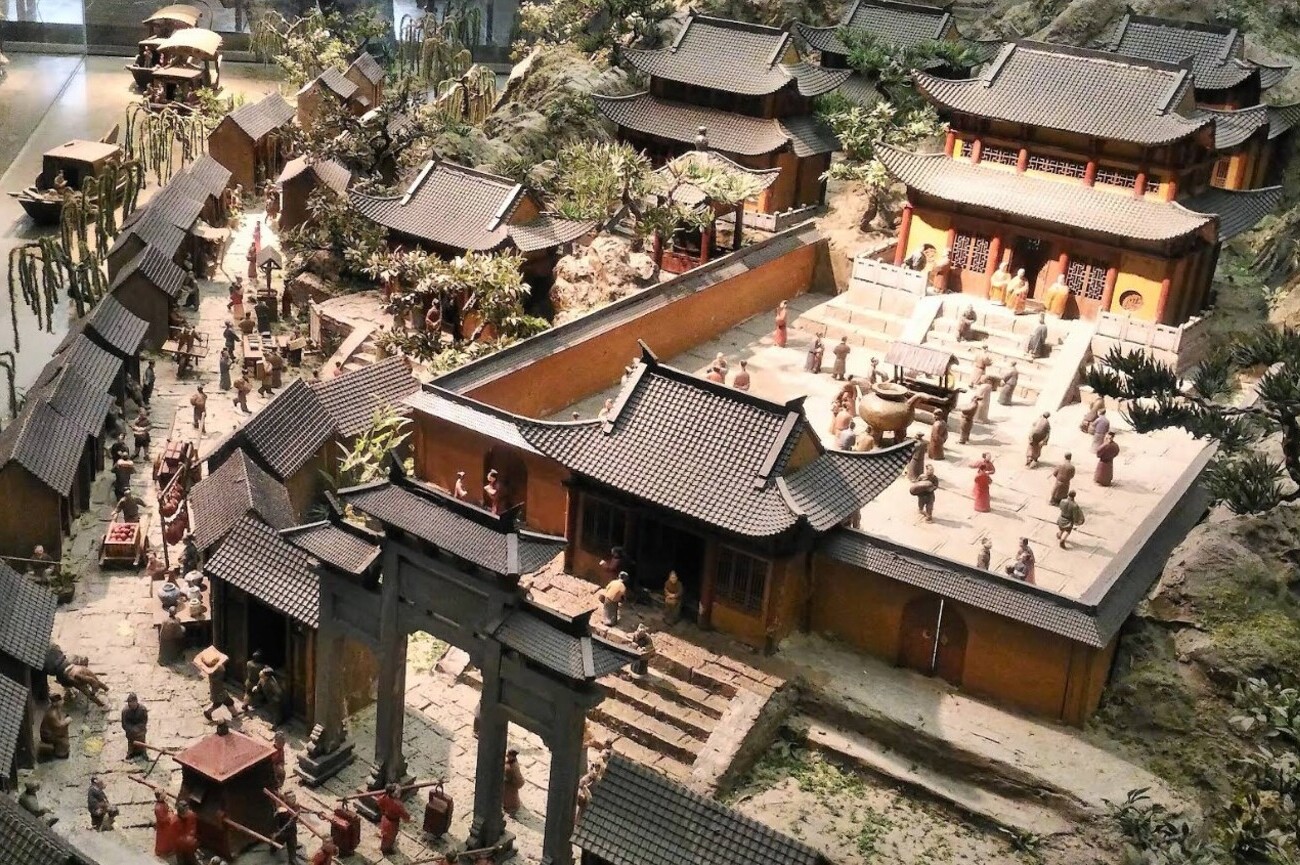
Next, take a short 18-minute drive to Hangzhou Museum, where you can explore the city’s journey from prehistoric settlement to refined imperial capital. The museum is divided into two main sections: the South Building, which focuses on history and culture, and the North Building, dedicated to art and specialised collections.
One of the museum highlights is a remarkable 2,500 year old cup carved from a single piece of natural crystal. Surprisingly modern in appearance, it’s considered one of China’s most precious national treasures. As you explore, you’ll learn about Hangzhou’s time as the capital of the Southern Song Dynasty (1127–1279), often seen as the city’s golden age. Exhibits featuring Longquan celadon pottery, intricate gold and silver jewellery, and everyday artefacts help you understand how refined and prosperous life was during this period.
Day 3, Morning - Hangzhou Tour Map
Afternoon: Former Residence of Hu Xueyan
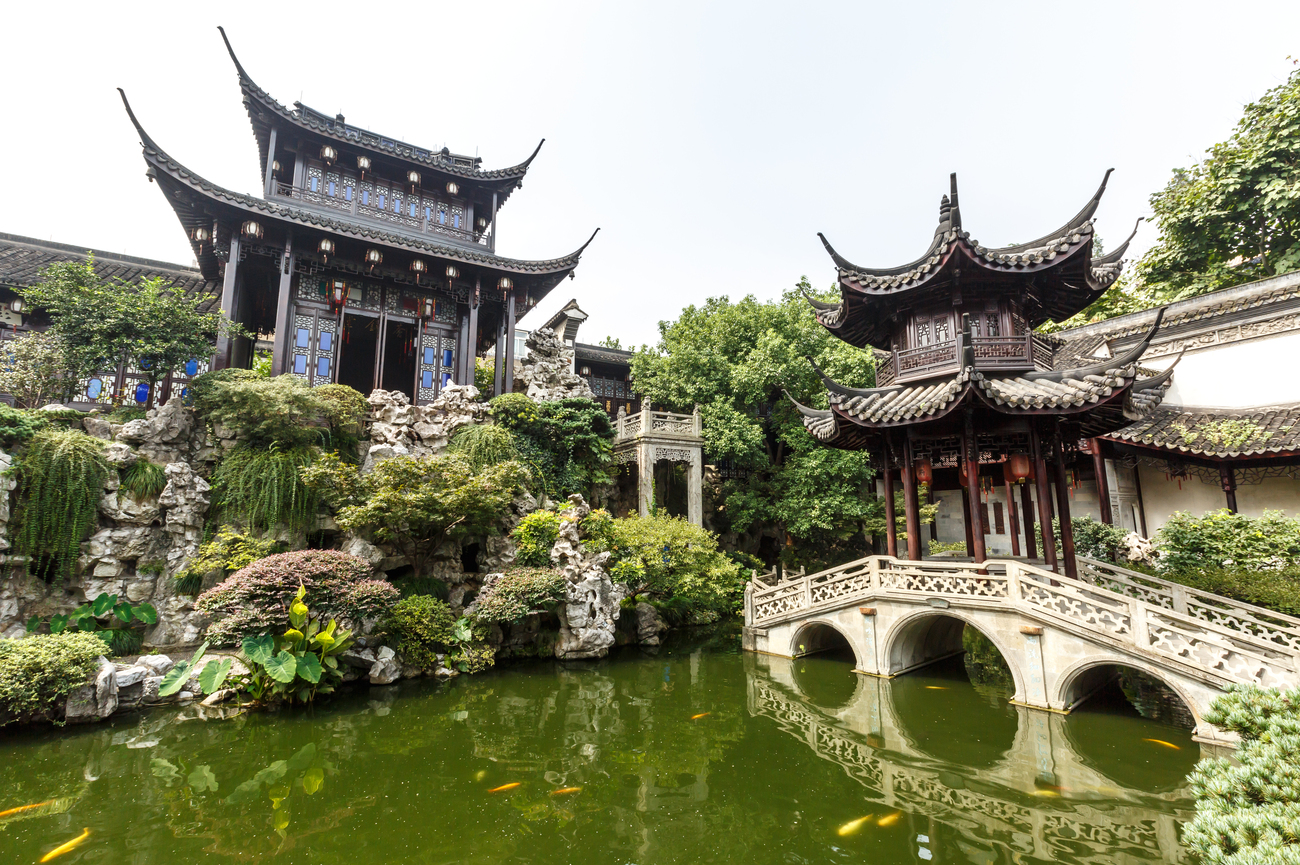
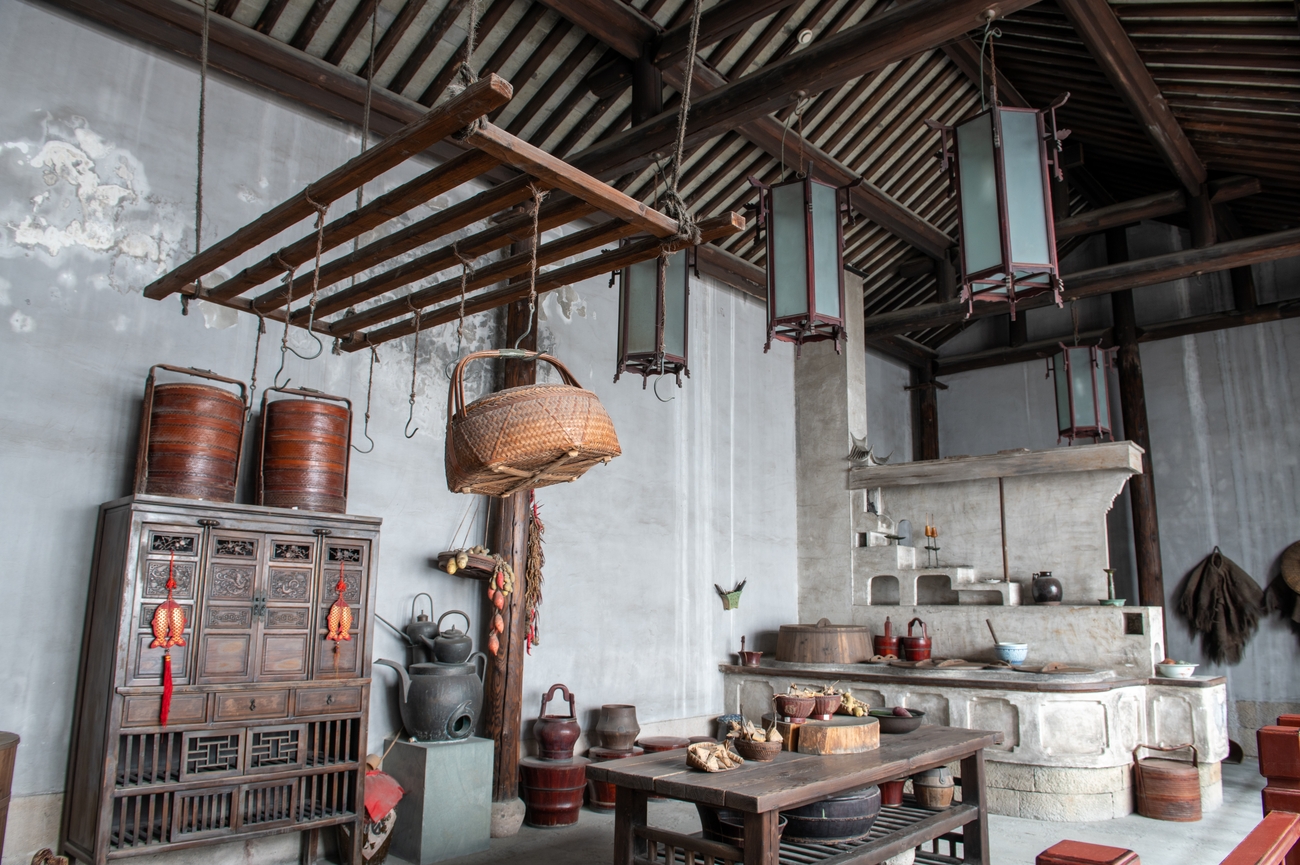
Continue your day at the Former Residence of Hu Xueyan, one of the most lavish private mansions built during the late Qing Dynasty. Constructed in 1872 by Hu Xueyan, a legendary “Red-Topped Merchant” who rose from bank clerk to one of the richest men in China. The architecture blends traditional Huizhou design with subtle Western influences, using rare materials like ginkgo wood, padauk, and imported French glass. As you walk through the mansion, notice how the layout feels like a “garden within a house,” where windows are carefully placed to frame rockeries, water features, and curated views. Take time to explore the private garden, which includes the largest man-made limestone rockery in China, filled with narrow caves and winding paths that feel almost like a miniature mountain hike. Another fascinating detail is the mansion’s early communication system (or ancient intercom) that allows Hu to speak between courtyards.
Qinghefang Ancient Street
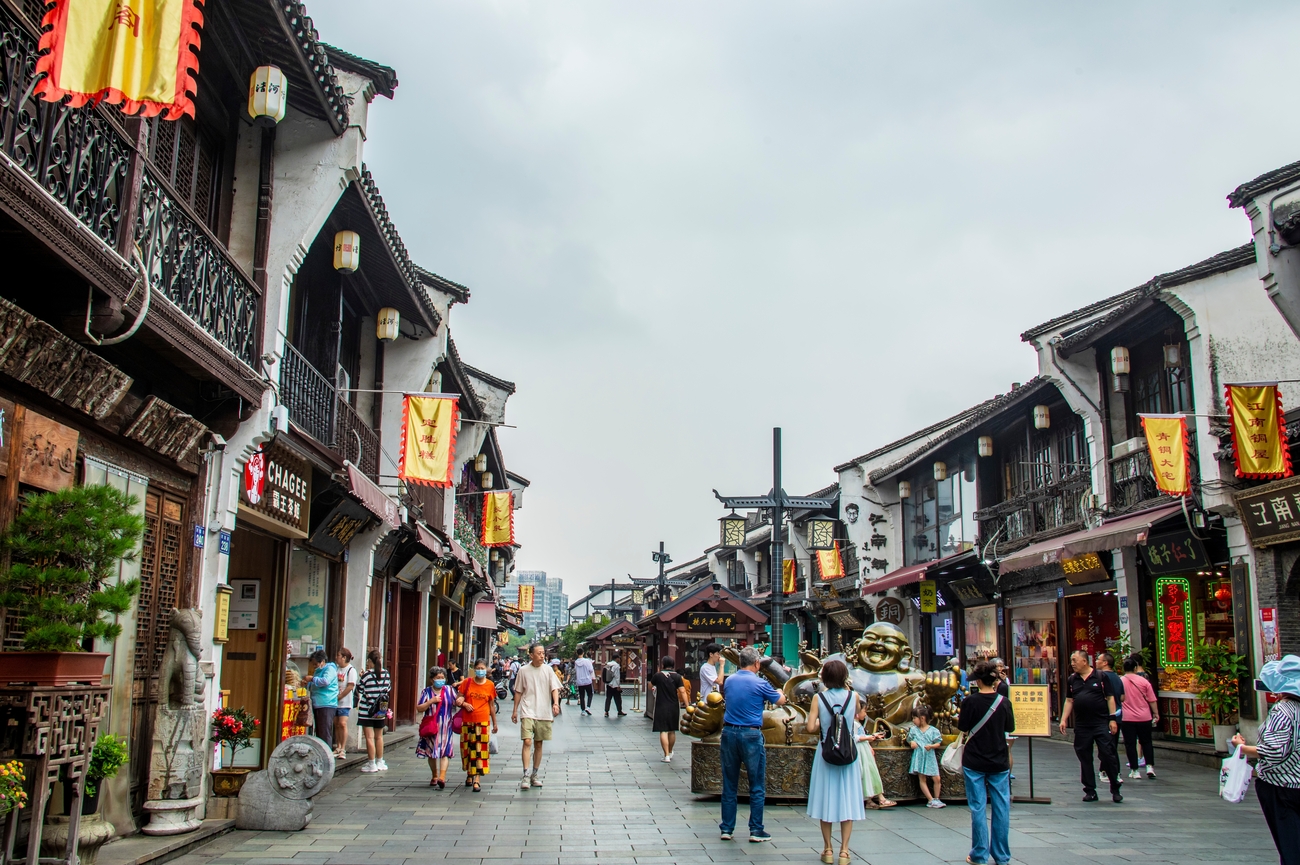
End your Hangzhou journey at Qinghefang Ancient Street, one of the city’s best-preserved historic areas and a lively glimpse into its Southern Song Dynasty past. Lined with traditional white-walled, black-tiled buildings, this street has been a centre of commerce for more than 800 years. As you walk, you’ll notice the atmosphere feels like a living museum, filled with the scent of herbal medicine, local snacks, and the sounds of artisans busy at work.
Make time to visit Hu Qing Yu Tang Museum, a historic Traditional Chinese Medicine pharmacy founded by merchant Hu Xueyan in 1874. Inside, you can see rows of wooden medicine drawers and watch pharmacists prepare herbal remedies by hand. The street is also a great place to shop for local specialties such as Hangzhou silk, Wangxingji fans, and Zhang Xiaoquan scissors, a brand dating back to 1628. And of course, come hungry. Try local treats like Ding Sheng Gao (Victory Cake), green bean pastries, and snacks flavoured with Dragon Well tea. It’s a lively, flavourful way to end your trip.
Day 3, Afternoon - Hangzhou Tour Map
Day Trips from
Hangzhou
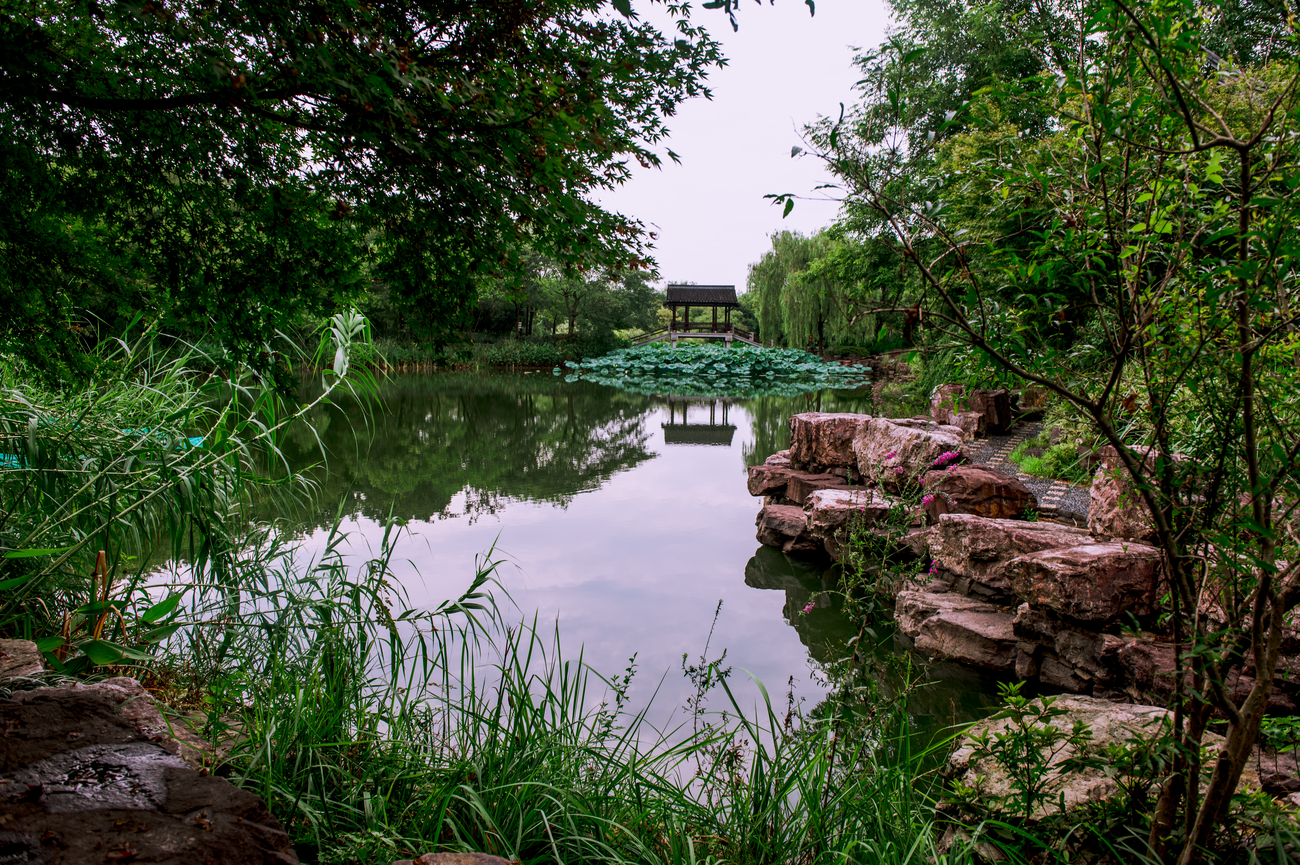
- Xixi National Wetland Park: Just 5 kilometres from West Lake, Xixi National Wetland Park offers a completely different side of Hangzhou. If West Lake feels refined and composed, Xixi is all about wild, natural beauty, a maze of marshes, ponds, and waterways. Here, you can hire a small wooden boat and drift slowly through reed-lined canals, explore Yantan Village to see traditional water-town architecture, or enjoy birdwatching as the wetlands serve as an important sanctuary for migratory birds.
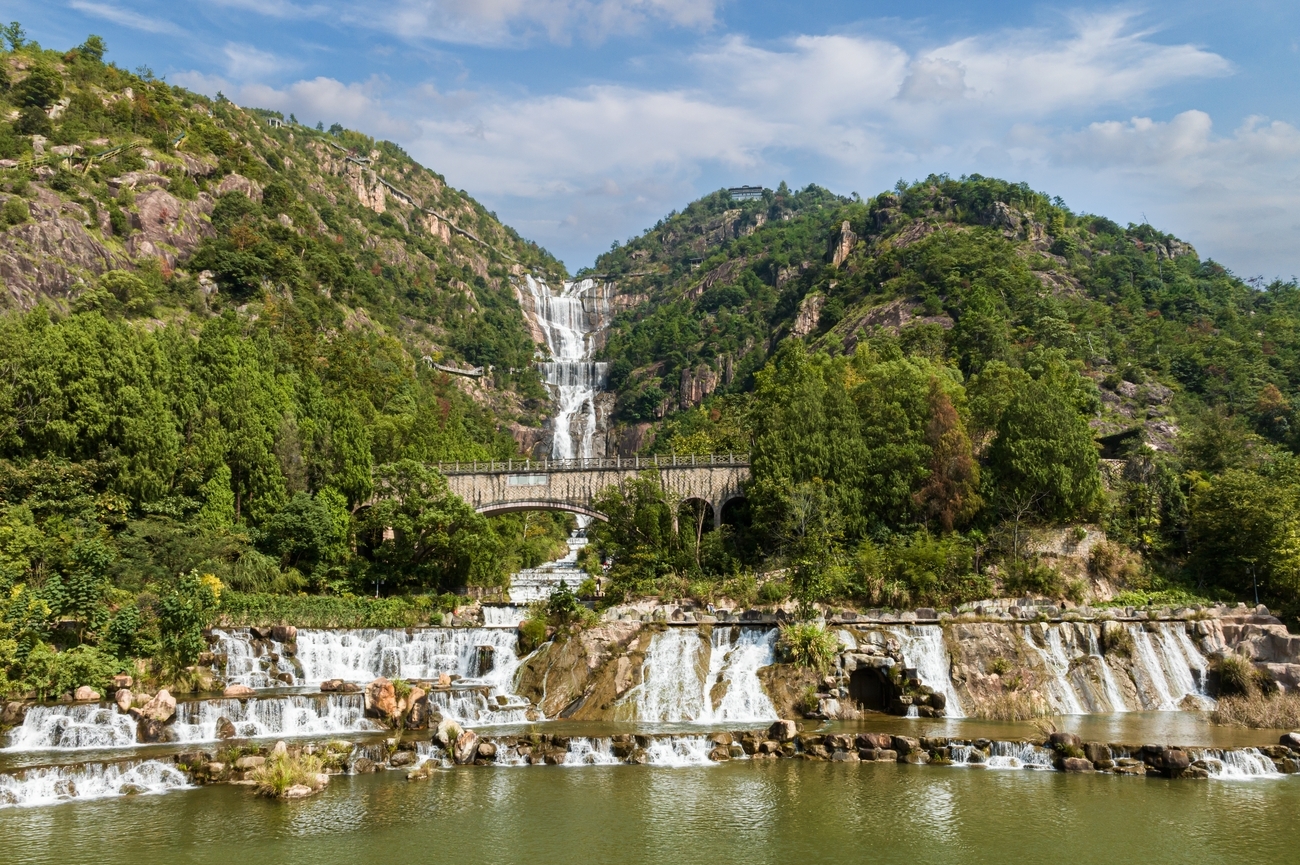
- Tiantai Mountain: About 2 hours south of Hangzhou by high-speed rail, Tiantai Mountain is known as the birthplace of the Tiantai sect of Buddhism and an important Taoist site, the landscape feels wild and dramatic, filled with misty peaks, hidden temples, and the constant sound of flowing water. One of the main highlights here is the Guoqing Temple, one of China’s best-preserved ancient monasteries. Here, you can see the famous Sui Dynasty plum tree, said to have bloomed for over 1,400 years. Another unforgettable stop is the Shiliang (Stone Beam) Waterfall, where a natural stone bridge spans a deep rock cleft while a powerful waterfall drops about 30 metres below. It’s considered one of the most unique geological sights in eastern China.
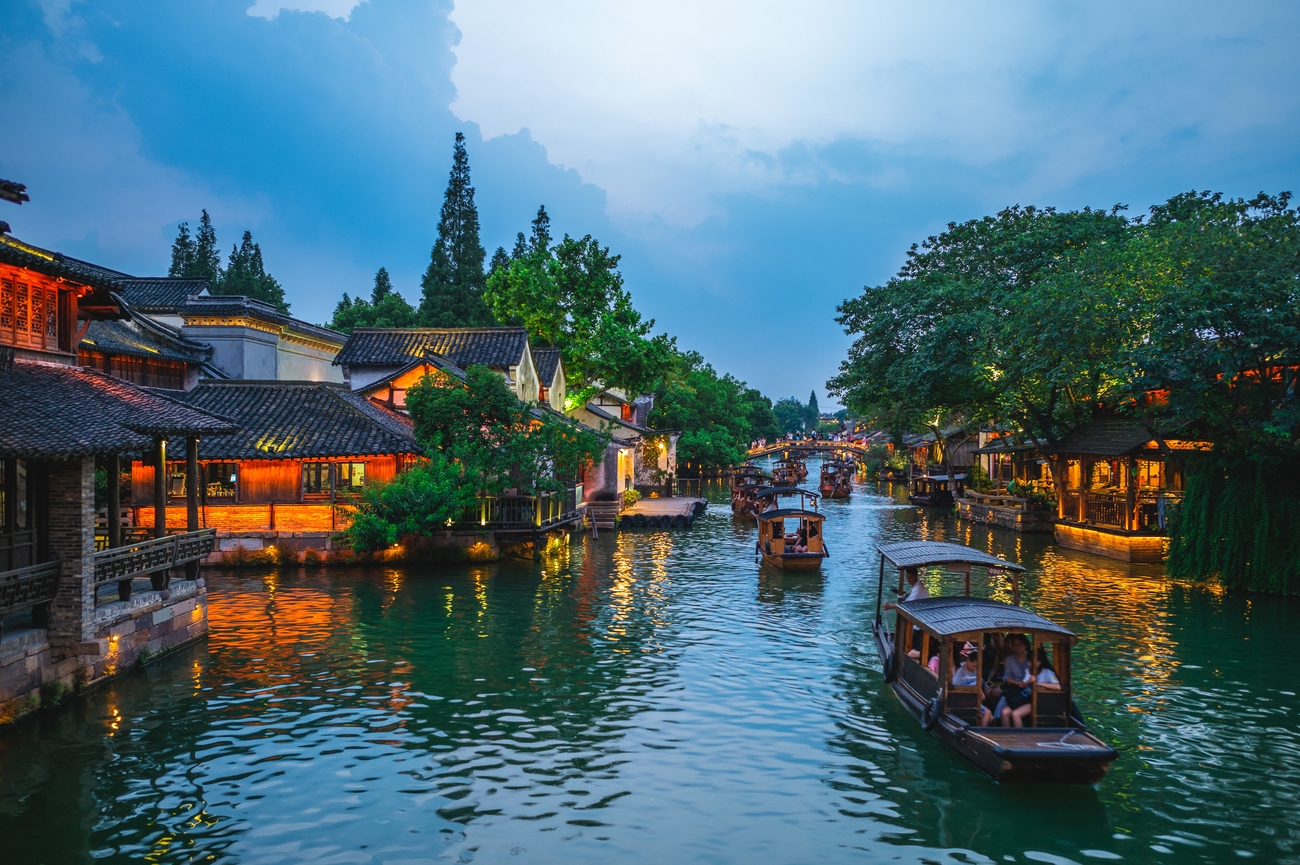
- Wuzhen Water Town: Located 1.5 hours from Hangzhou, Wuzhen Water Town offers a step back in time with its 1,300 year history, stone bridges, black-tiled rooftops, and winding canal network. Here, you can take a traditional wooden sculling boat and navigate through the narrow waterways. From the water, you’ll see the famous “water pavilion” houses, built directly over the river on stone stilts. You can also visit the Hongyuantai Dye House to see tall drying racks filled with blue and white indigo cloth still made using traditional sun drying techniques. For a cultural stop, explore the Mu Xin Art Museum, or stay for a traditional shadow play performance at Huagu Opera.
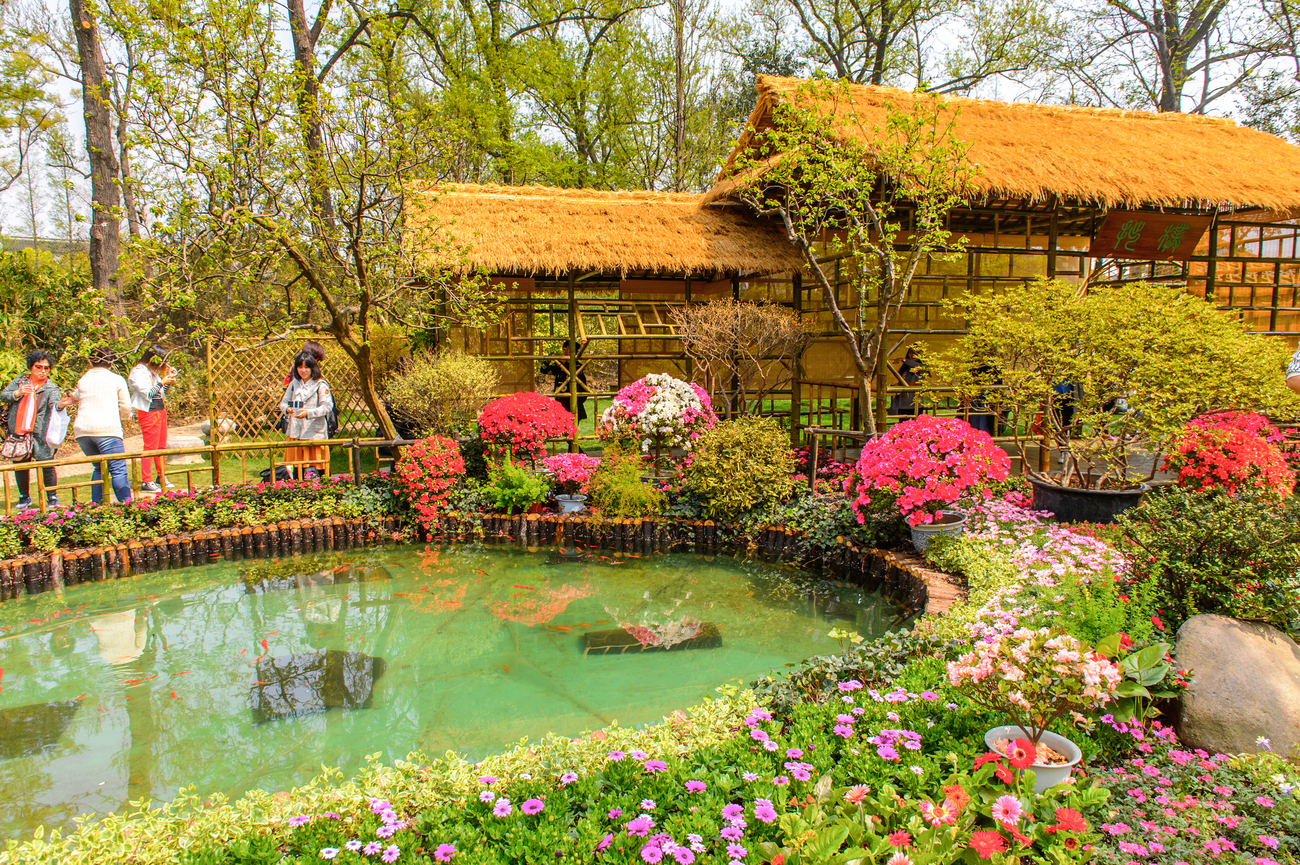
- Suzhou: Often called the “Venice of the East,” Suzhou is known for its elegant canals, intricate classical gardens, and long silk making heritage. Explore its UNESCO-listed gardens, especially Humble Administrator’s Garden, the largest and most famous in the city, where pavilions, ponds, and pathways are designed like living paintings. Stop by the Suzhou Museum, designed by legendary architect I. M. Pei, the same visionary behind the Louvre Pyramid in Paris.
- Shanghai: Just 45 to 60 minutes away by high speed rail, Shanghai offers a striking contrast to Hangzhou’s classical charm with its fast paced, futuristic vibe. Start at The Bund, where elegant 1920s colonial buildings line one side of the river while the futuristic skyline of Pudong rises on the other. Visit Yu Garden and the nearby City God Temple area, where a historic classical garden sits beside a lively bazaar filled with local snacks. Don't miss the famous Nanxiang steamed buns (xiaolongbao), a tasty, filling snack perfect after a day of exploring the city.

UNESCO World Heritage
Sites in Hangzhou
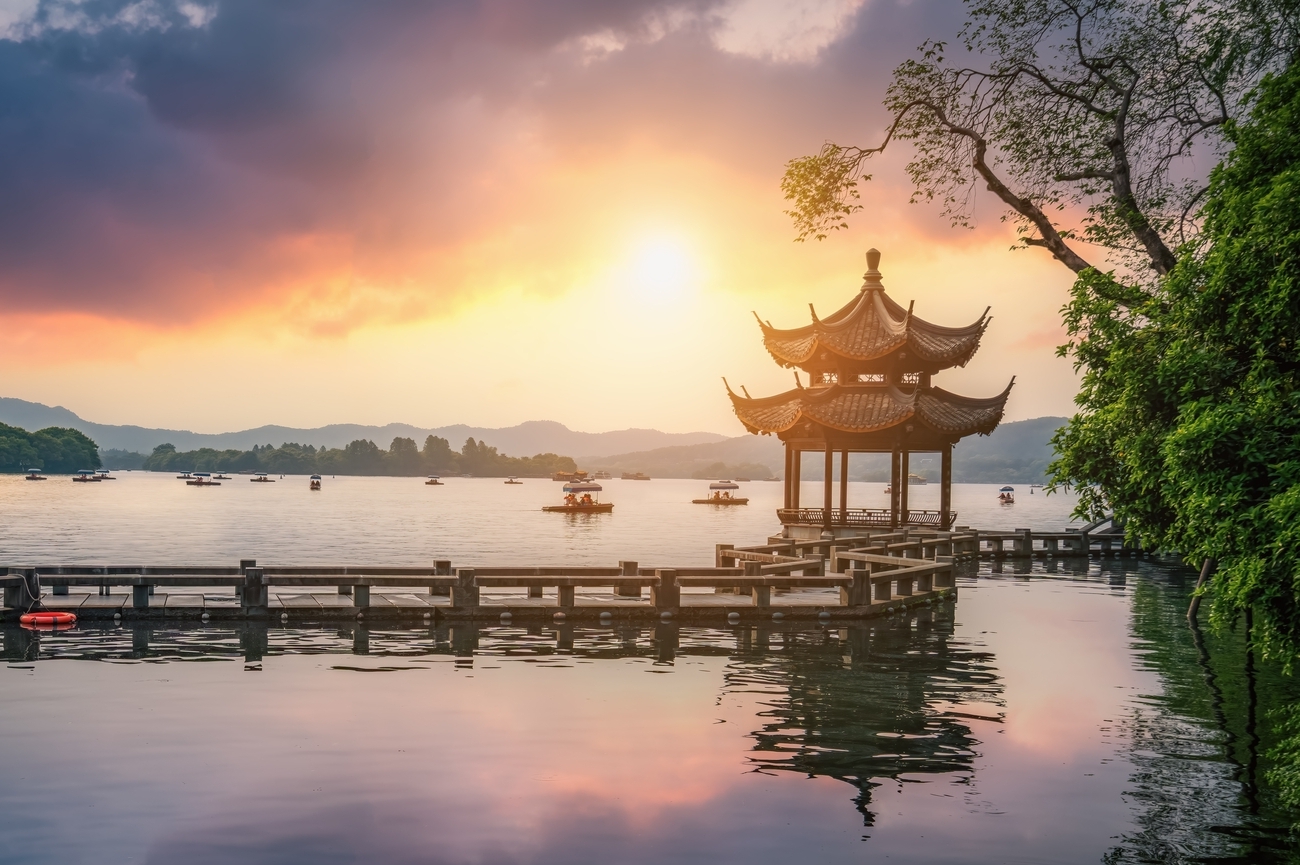
- West Lake Cultural Landscape of Hangzhou: Unlike many heritage sites focused on a single monument, the West Lake Cultural Landscape is recognised by UNESCO for its entire setting, regarded as an “ideal fusion” between nature and human design. Covering more than 3,000 hectares, the area is famous for the “Ten Scenes of West Lake,” poetic viewpoints that have shaped garden design across China, Japan, and Korea for centuries. As you explore, look for these iconic scenes. Each one is marked by a stone stele engraved with calligraphy from the Qianlong Emperor. Look out for names like “Spring Dawn at Su Causeway” or “Listening to Orioles in the Willows,” which give hints about what to notice in the landscape.
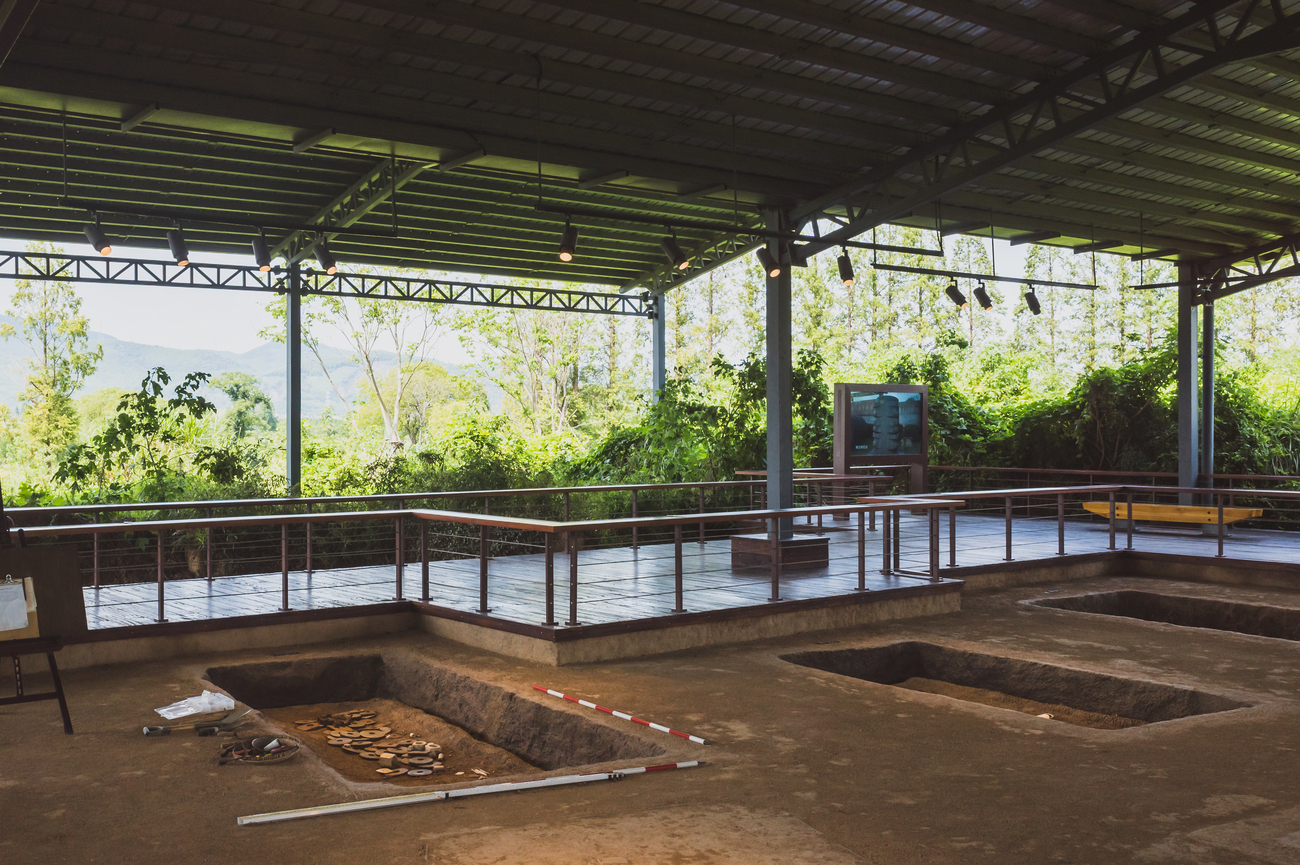
- Archeological Ruins of Liangzhu City: Offers a glimpse into the very beginnings of Chinese civilisation. Dating back more than 5,000 years (around 3300–2300 BC), the site reveals that a highly organised society existed in the Yangtze River Delta long before the legendary Xia Dynasty. Here, you’ll discover evidence of advanced urban planning, one of the world’s earliest large-scale water management systems, and a complex social structure reflected in exquisite jade artefacts such as cong (square tubes) and bi (circular discs). Start at the Liangzhu Museum to understand the history and significance of the site, then walk through the Ancient City Heritage Park, where grassy mounds mark the remains of former structures.
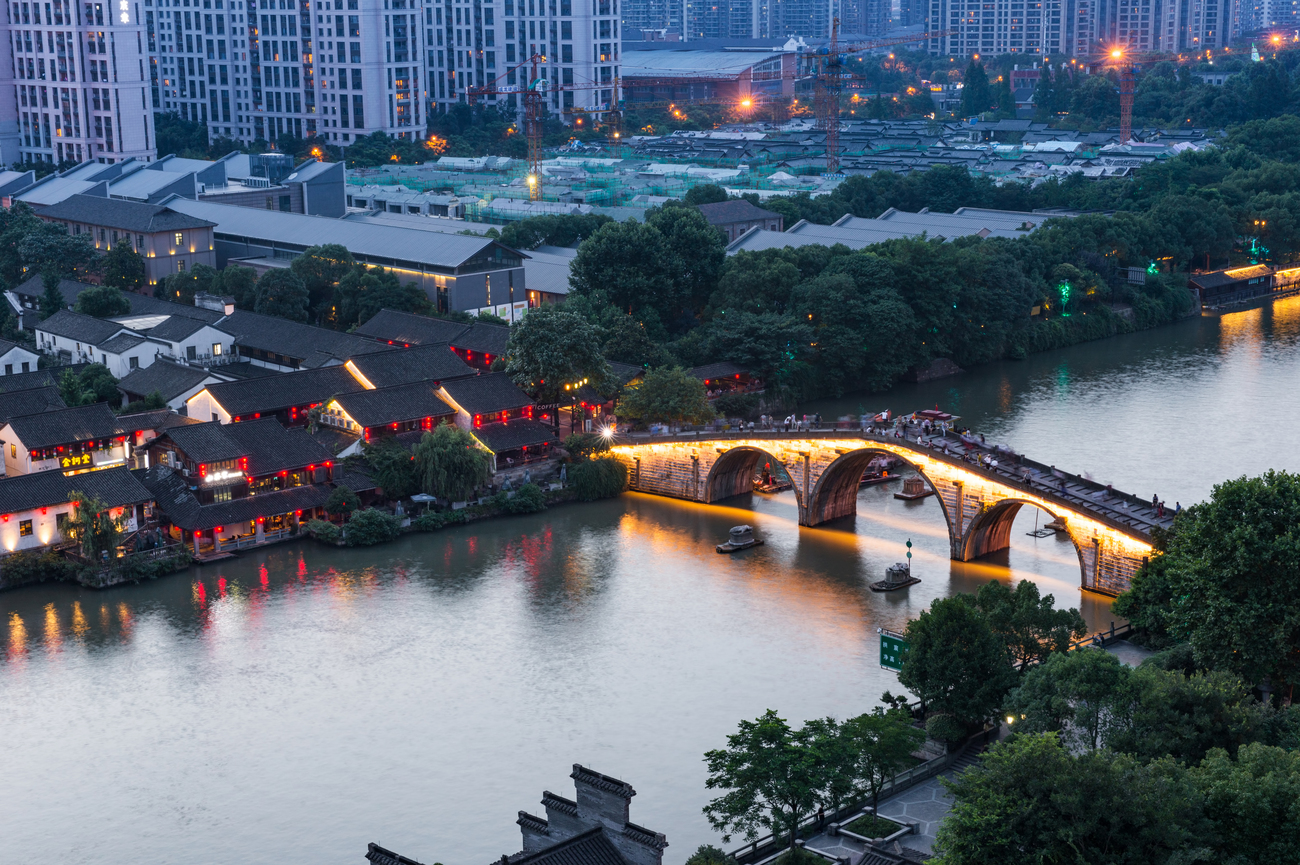
- Grand Canal (Hangzhou Section): The southern end of the world’s longest and oldest man-made waterway. While the canal stretches more than 1,700 kilometres all the way to Beijing, this part is especially valued for its “living heritage,” a place where ancient stone bridges and traditional courtyard houses exist alongside working barges still moving through the water. For more than 1,000 years, the canal served as the empire’s lifeline, carrying grain, silk, and porcelain across China. Walking along the banks today, you can see how advanced ancient Chinese engineering made this vast network possible, shaping both trade and daily life. Unlike many historic sites that feel frozen in time, the Grand Canal here is still active, a functioning artery for commerce and transport.
Luxury Rail Tours in
Hangzhou
- Silk Road Express: Often called the “New Orient Express,” it’s one of China’s most luxurious sleeper trains, with Hangzhou featured as a key stop on selected itineraries. Designed to recreate the elegance of the historic Silk Road, it combines rail travel with 5-star hotel comfort, turning the journey itself into the main experience.
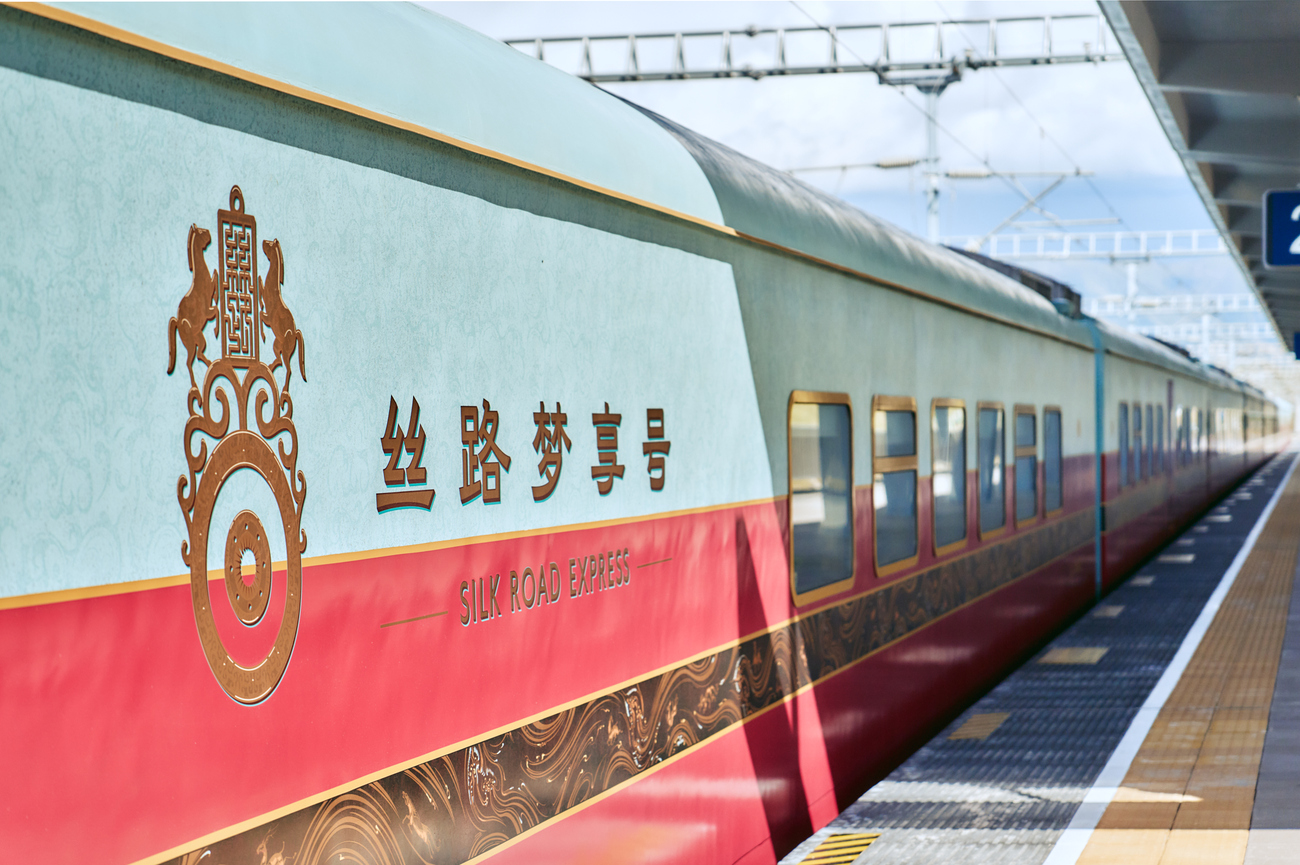
Onboard, you can choose between Gold Diamond and Blue Diamond cabins. Gold suites offer private bathrooms with showers, full size beds, and large windows for uninterrupted scenic views. For meals, there are two dedicated dining cars serving refined Western dishes alongside regional Chinese specialties, such as Hangzhou’s Longjing shrimp or Xinjiang lamb, accompanied by soft melodies of a live piano music. There’s also a stylish lounge car where you can relax at the bar, socialise, or join cultural talks about Silk Road history.
Most journeys last around 10 to 17 days. While some routes begin in Hangzhou or Shanghai, the train typically travels through the dramatic landscapes of Gansu and Xinjiang, ending in cities like Ürümqi or Kashgar. The experience is fully inclusive, covering the rail travel, guided excursions to UNESCO sites, 5-star hotel stays during land stops, meals, and private tours, ideal if you want a seamless, immersive way to explore western China in comfort.
Golf Courses in Hangzhou
- Hangzhou Xihu International Golf Country Club: Located about 20 minutes from the city centre, it’s a premier 36 hole championship resort designed by golf legend Jack Nicklaus. The course combines a North American open-style layout. The club offers two distinct 18 hole courses, giving you variety depending on your skill level and mood. The North Course winds through lakes, streams, and hills, its front nine features wider fairways and a more relaxed layout, while the back nine becomes more challenging, with carefully placed water hazards and bunkers requiring strategic play. The South Course, meanwhile, is more difficult, with elevation changes and rugged terrain that reward precision and confidence.
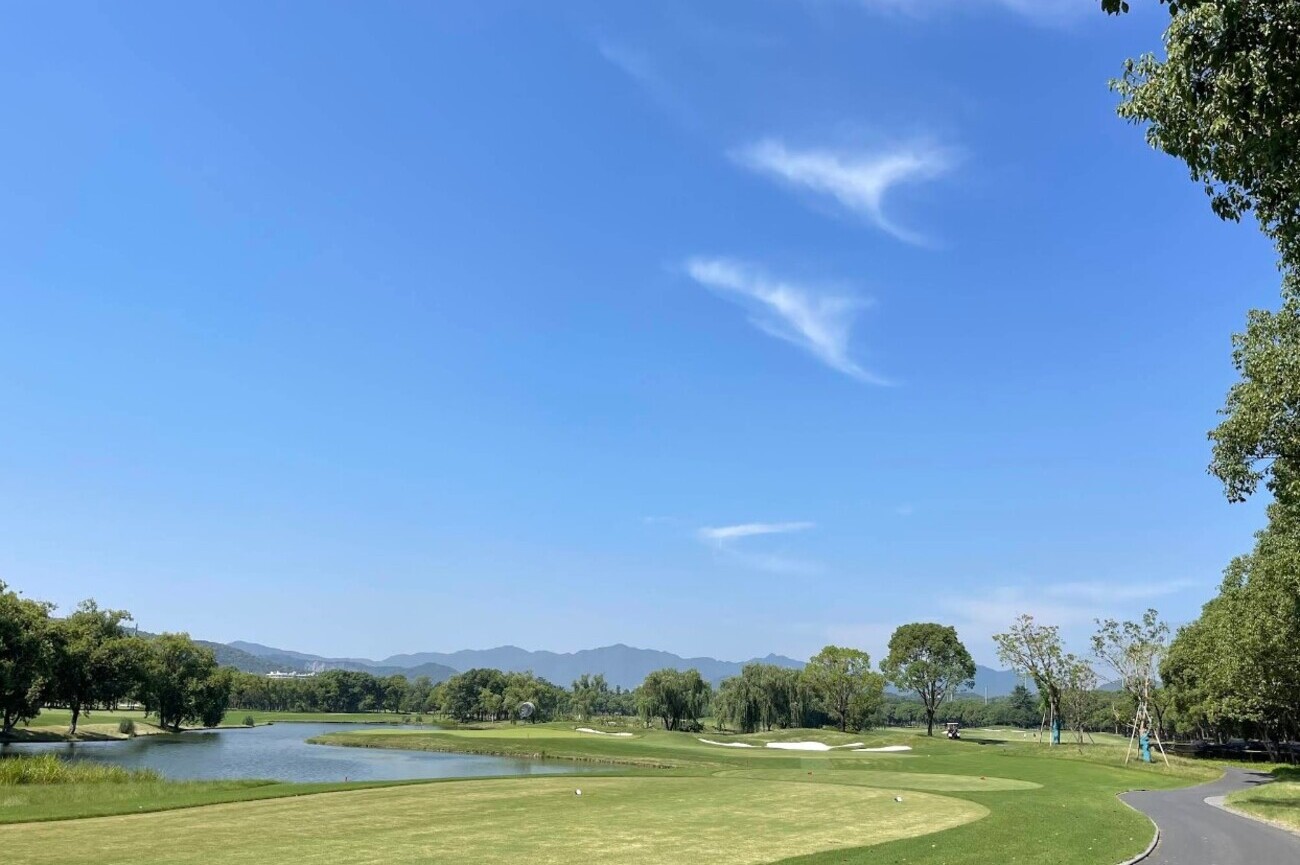
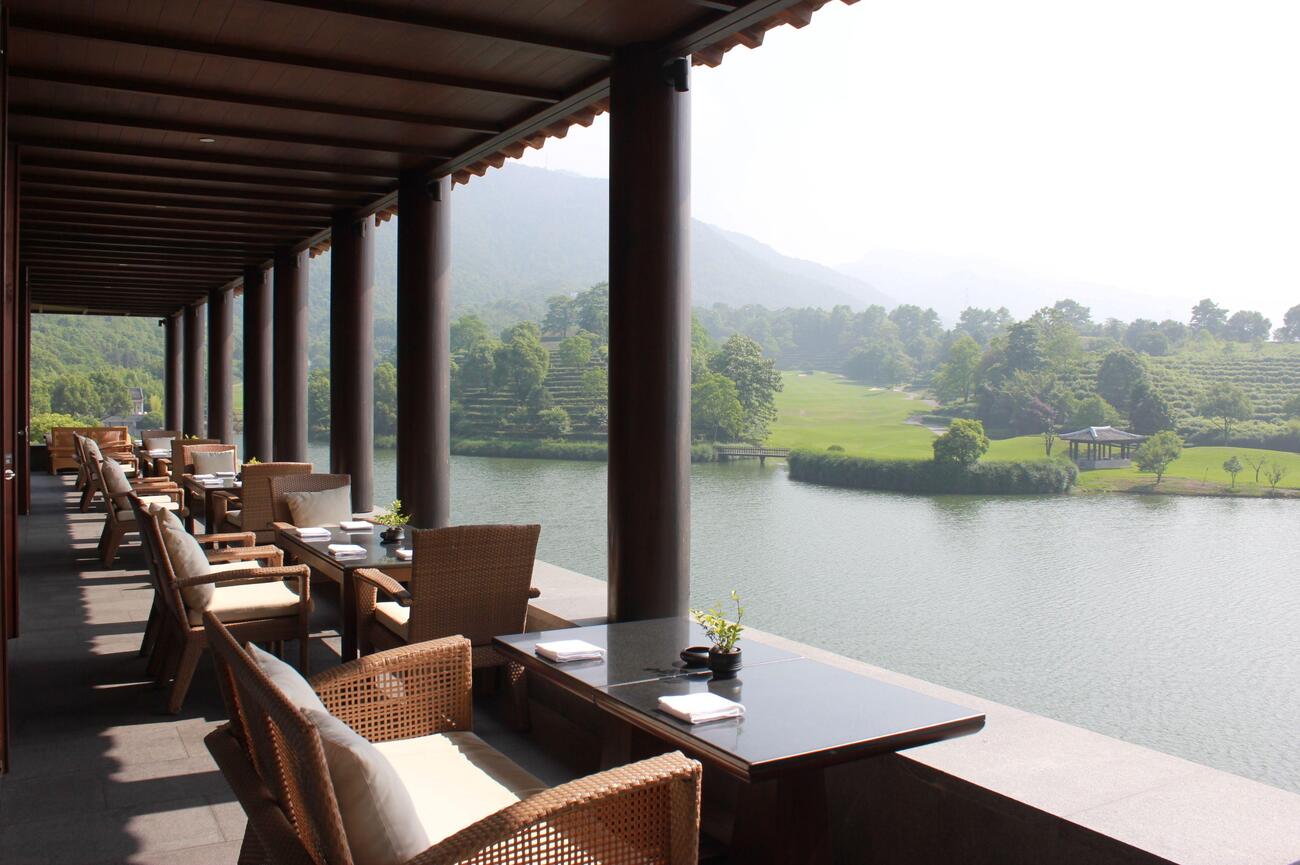
- Fuchun Resort Golf Club: Described as one of the most beautiful and exclusive golf destinations in Asia, it offers a truly unique playing experience. Designed by Daniel Obermeyer, this 18 hole, par 72 championship course is carved directly into the Longjing tea plantations of Hangzhou’s Fuyang District. As you play, you’ll notice emerald fairways wind through tea terraces and misty hills, creating scenery that’s as memorable as the game itself. The “Tea Terrace” course stretches around 6,700 yards and can be quite challenging with its narrow fairways, elevation changes, and even tea bushes that demand careful precision. At the halfway house, you can enjoy freshly brewed Fuchun Longjing tea, harvested from the surrounding plantations.
Ski Resorts in
Hangzhou
- Damingshan Wansongling Ski Resort: The largest and most popular outdoor ski destination in East China, located high on Daming Mountain. The alpine setting feels worlds away from the humid West Lake area. Thanks to advanced snow making technology, the slopes are typically open from mid-December through February. Whether you’re new to skiing or more experienced, you’ll find runs suited to different skill levels, from beginner friendly slopes to more challenging terrain. For non-skiers and families, there’s also a dedicated snow fun park where you can try tubing, sledding, or simply enjoy playing in the snow.
Luxury Spa &
Wellness Experiences in Hangzhou
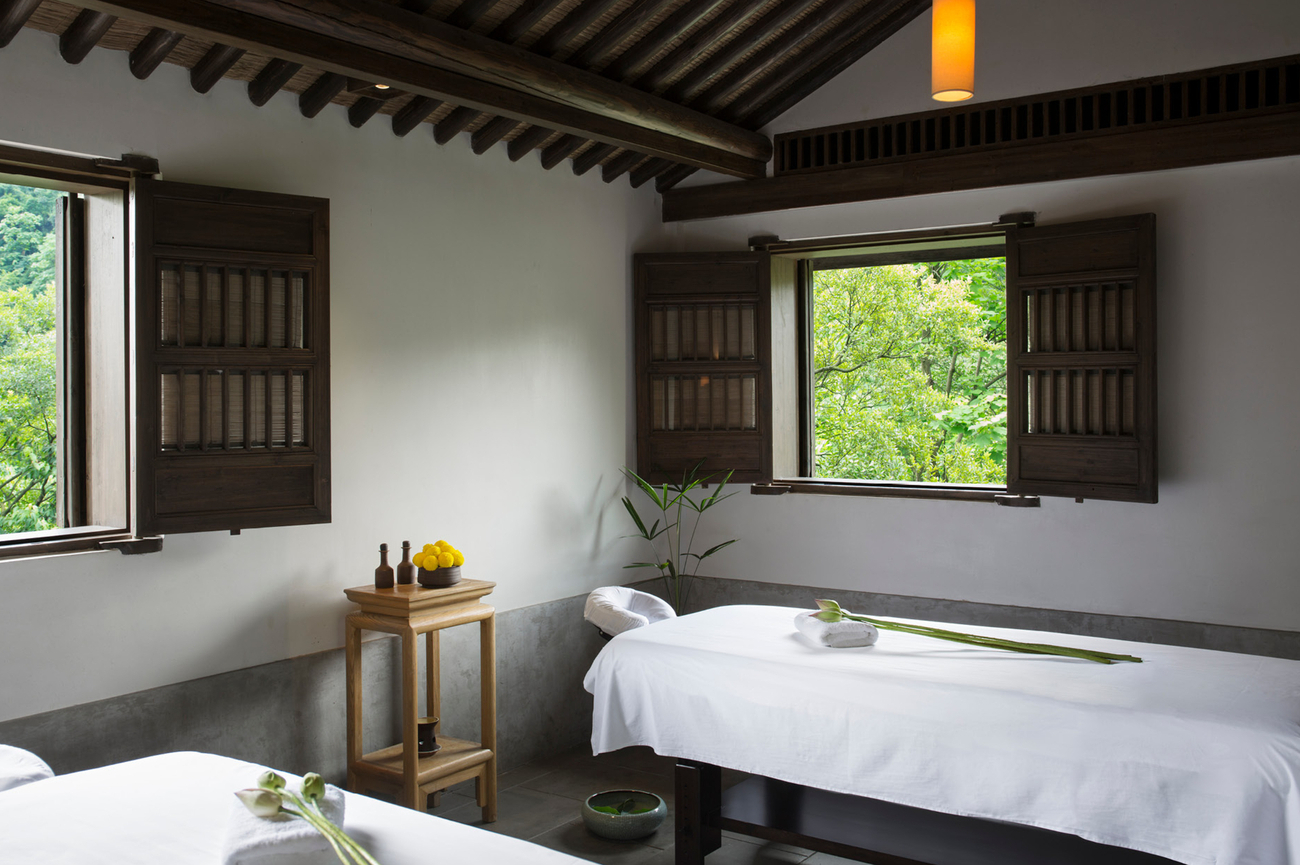
- Aman Spa at Amanfayun: Located within a restored 18th century stone village near Lingyin Temple, Aman Spa at Amanfayun feels like a quiet sanctuary surrounded by bamboo forests and tea plantations. The atmosphere reflects the “Fayun” (Dharma Cloud) aesthetic: minimalist, peaceful, and deeply connected to nature, with pathways lined by wildflowers and ancient trees. Inside, treatment rooms feature heated stone floors and traditional wooden soaking tubs designed for slow, restorative relaxation. The spa’s highlight is the Bath House, a wooden soaking tub where you can enjoy a private soak filled with seasonal herbs or mineral blends, followed by a rain shower and steam session. For deeper relaxation, try the bamboo massage, where heated bamboo stalks are used to release muscle tension, creating a calming experience that feels rooted in the natural surroundings.
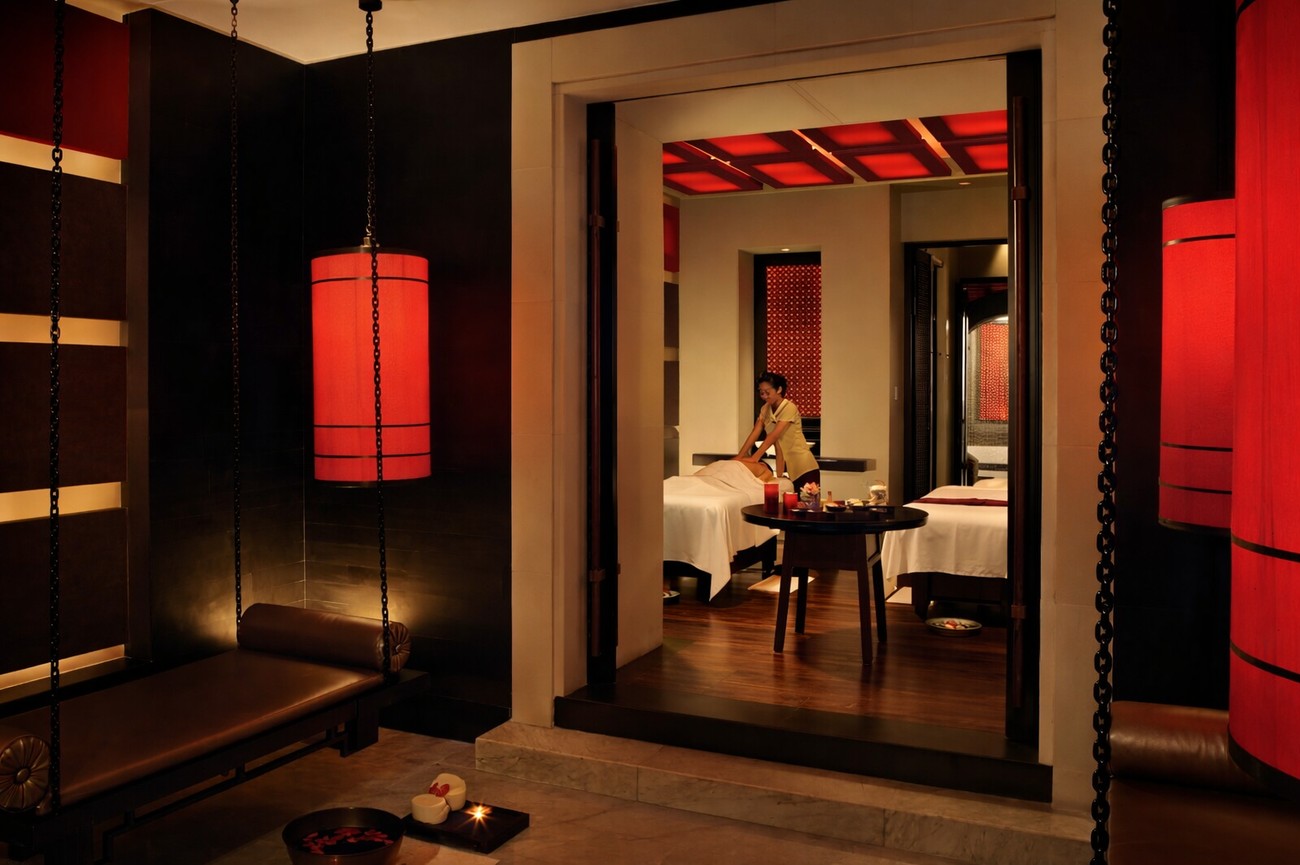
- The Spa at Four Seasons Hotel Hangzhou: The spa features a modern interpretation of an ancient imperial bathhouse, set within the hotel’s elegant Jiangnan-style gardens. The space combines traditional Chinese healing techniques with contemporary luxury. If you’re looking for a special pampering experience (especially before a formal event) the Blissful Blooming package is a popular choice. The treatment begins with Moroccan rose petal essence to gently exfoliate and refresh the skin, followed by nourishing rose oil to restore moisture and softness. Followed by a relaxing body massage and collagen rich facial complete the treatment, helping reduce fatigue and leaving your skin feeling smooth, hydrated, and revitalised.
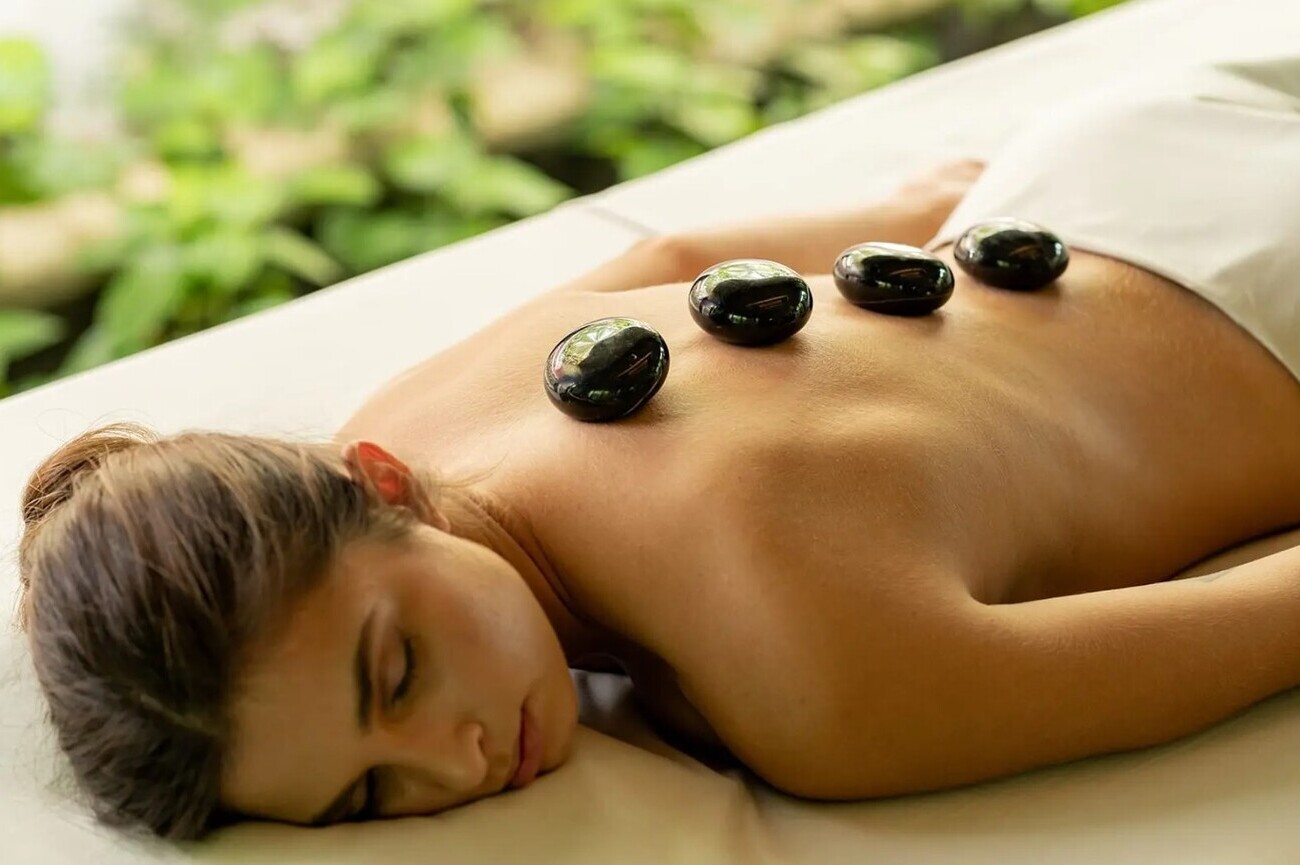
- Banyan Tree Spa Hangzhou: An award winning sanctuary located within the Xixi National Wetland Park. Designed in traditional Jiangnan style, with grey-tiled roofs and elegant ivory walls. The spa focuses on “high-touch, low-tech” Asian therapies, using skilled hands and natural techniques rather than machines. One of the spa’s signature treatments is the Royal Banyan, which uses a warm herbal pouch dipped in sesame oil to improve circulation and release muscle tension, followed by a soothing Eastern style massage. If you’re looking for something more sensory, try the Tropical Rainmist experience, a combination of a rain shower ritual, honey-and-milk body scrub, moisturising wrap, and rhythmic massage designed to leave you refreshed and deeply relaxed.
Exclusive Workshops
& Immersive Experiences in Hangzhou
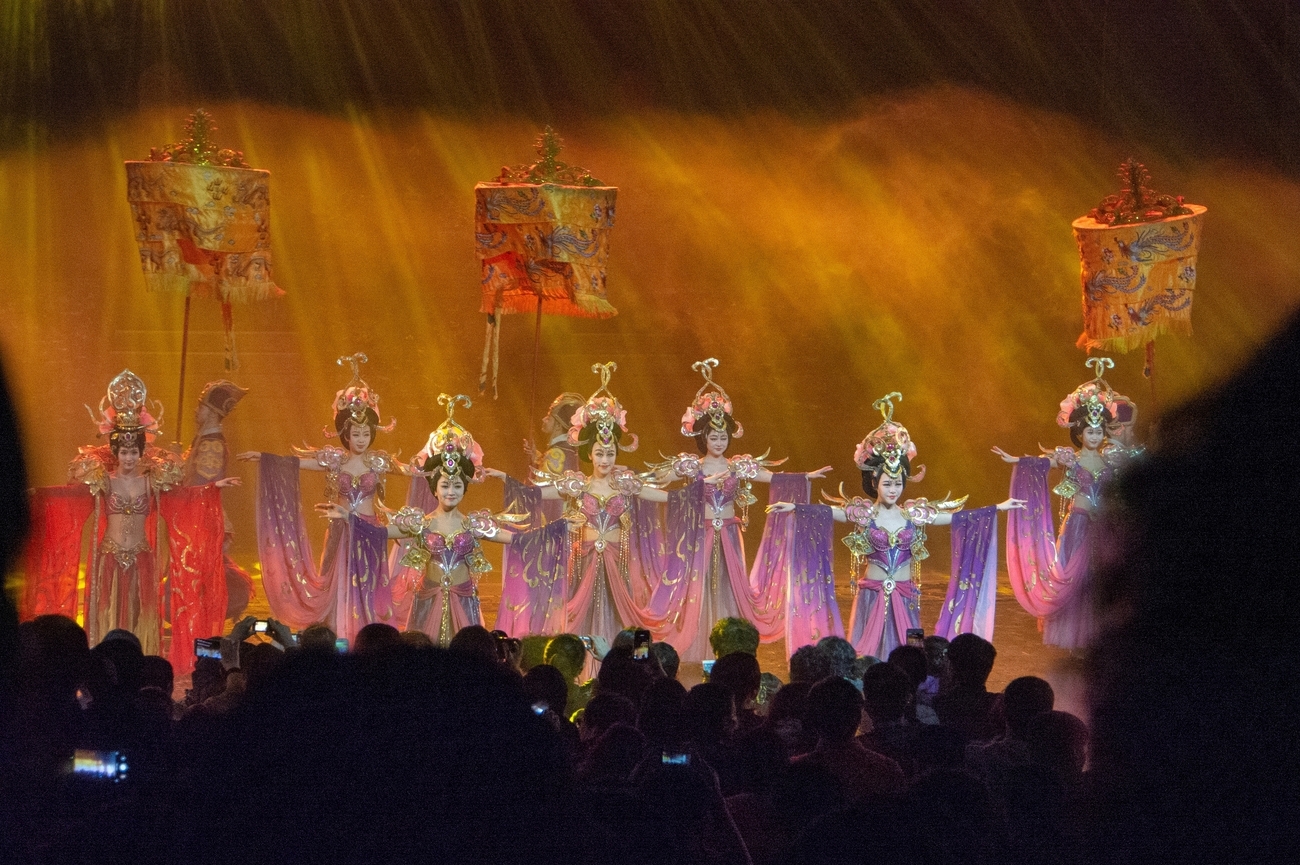
- The Romance of the Song Dynasty: Ranked among the world’s most famous theatrical productions,
alongside shows like the O Show in Las Vegas and the Moulin Rouge in Paris.
Using 4D effects, laser lighting, and moving stages, it brings more than 1,000
years of Hangzhou’s history to life through five visually spectacular acts.
Before the performance begins, you can explore a reconstructed ancient city
designed to resemble Hangzhou during the Song Dynasty. Shopkeepers and
performers dress in traditional Hanfu, creating an immersive atmosphere that
feels like stepping into the past. You can also try hands-on workshops (such as
sugar painting, traditional weaving, or copper smithing) in the “Living
Qingming Riverside Map” area, where local artisans demonstrate traditional
crafts.
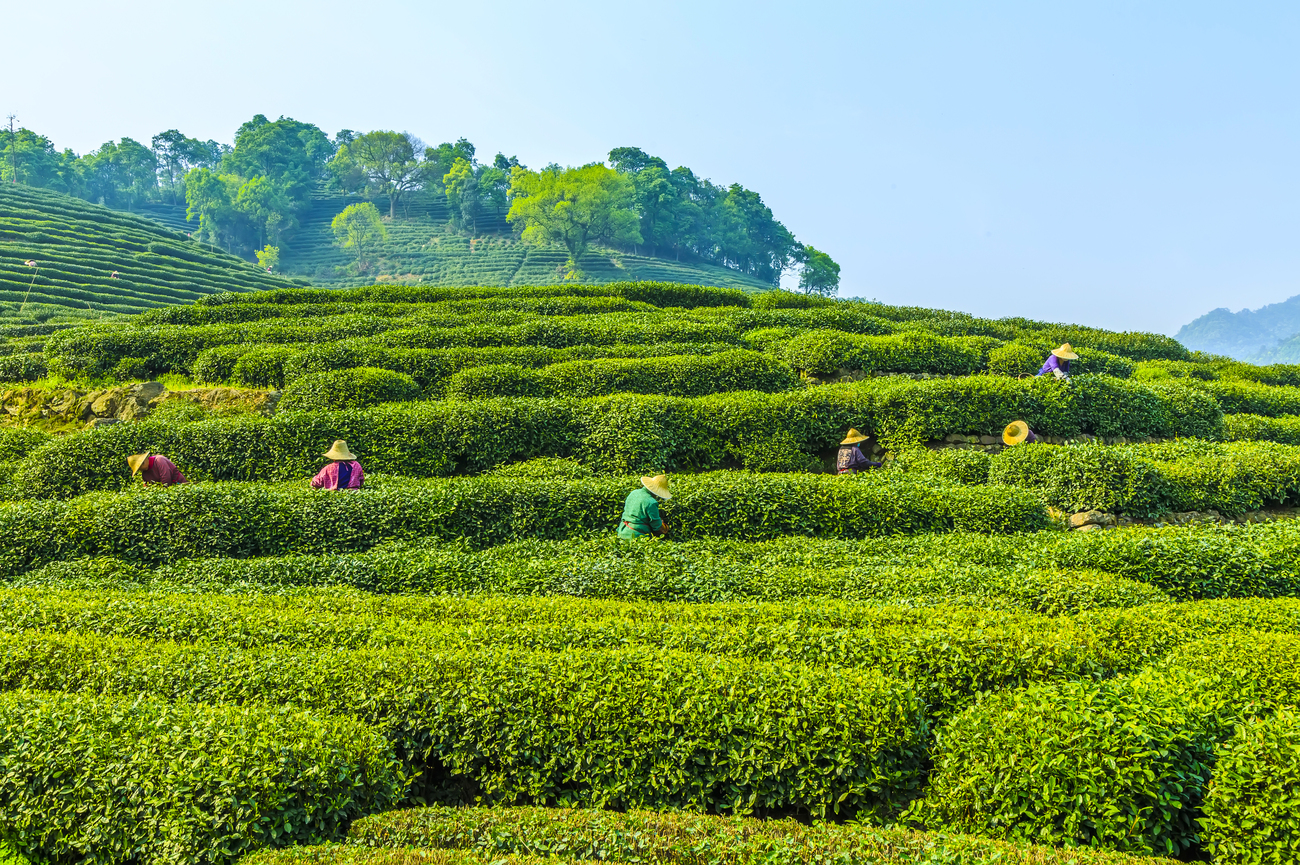
- Visit Dragon Well Tea Plantation: One of the most immersive cultural experiences you can have in Hangzhou, giving you a true “tree to cup” journey into the region’s tea heritage. Popular areas to explore include Meijiawu, Longjing Village, and Waitongwu, each offering a chance to see how this famous tea is grown and produced. Here, you can try traditional tea picking, wearing bamboo baskets and conical hats as you enter the tea fields. With guidance from local tea farmers, you’ll learn the “one bud, two leaves” standard used for premium pre-Qingming tea. Followed by a formal tea ceremony where you’ll learn to appreciate tea through its colour, fragrance, taste, and shape. Time your visit during harvest season from late March to early April, to see the plantations at its most active.
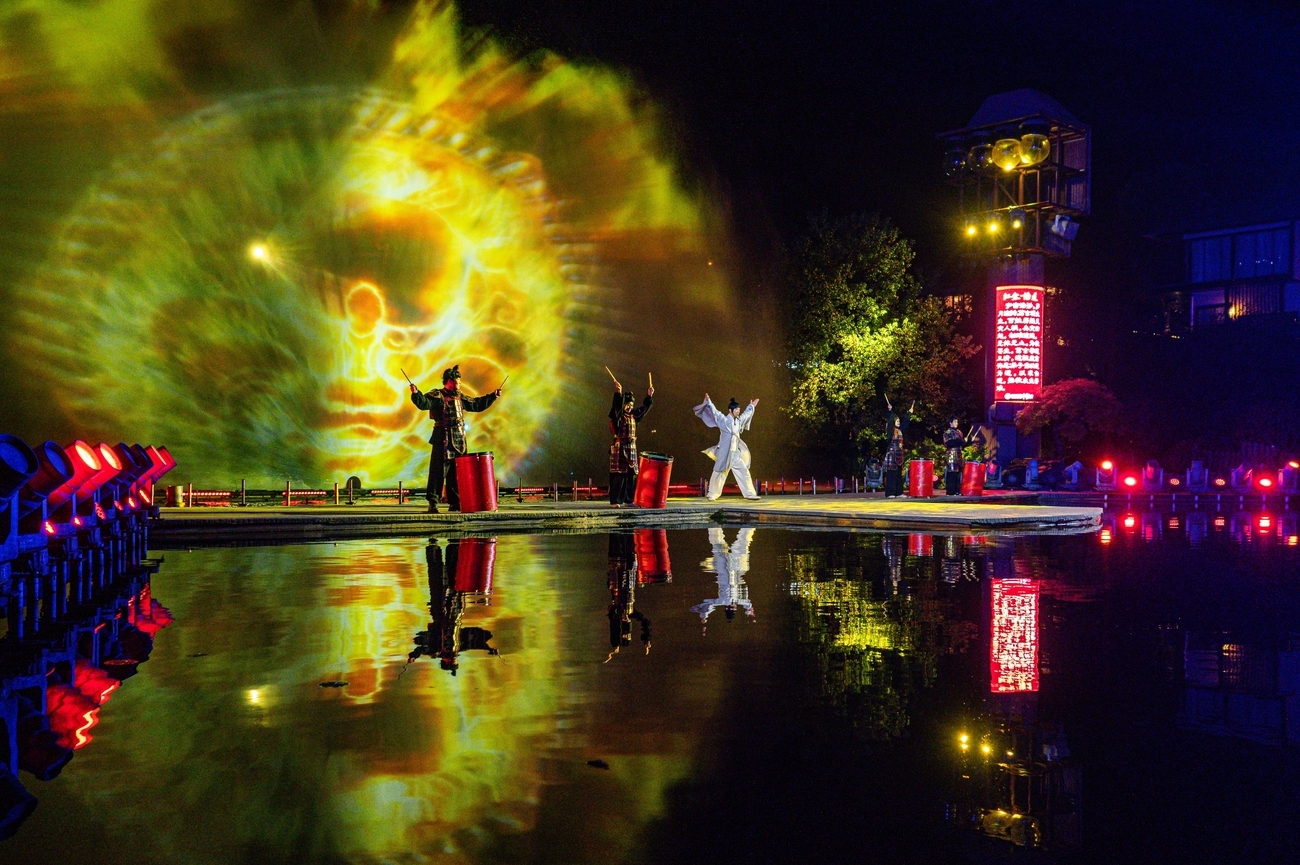
- Impression West Lake Show (Enduring Memories of Hangzhou): A world class night performance directed by Zhang Yimou, the filmmaker behind the 2008 Beijing Olympics opening ceremony. Staged directly on the water near Yue Fei Temple, the show uses a hidden platform just below the surface, creating the magical illusion of performers “walking on water.” The performance combines large scale stage lifts, 3D projections, and laser effects with the natural backdrop of West Lake and its surrounding mountains, making the scenery part of the show itself. As you enter, you’ll receive a wearable fragrance device that allows you to experience the show more immersively, the device emits scents that change throughout the performance to match each of the nine musical segments. It’s an immersive and spectacular way to end an evening in Hangzhou.
Other Things to Do in
Hangzhou
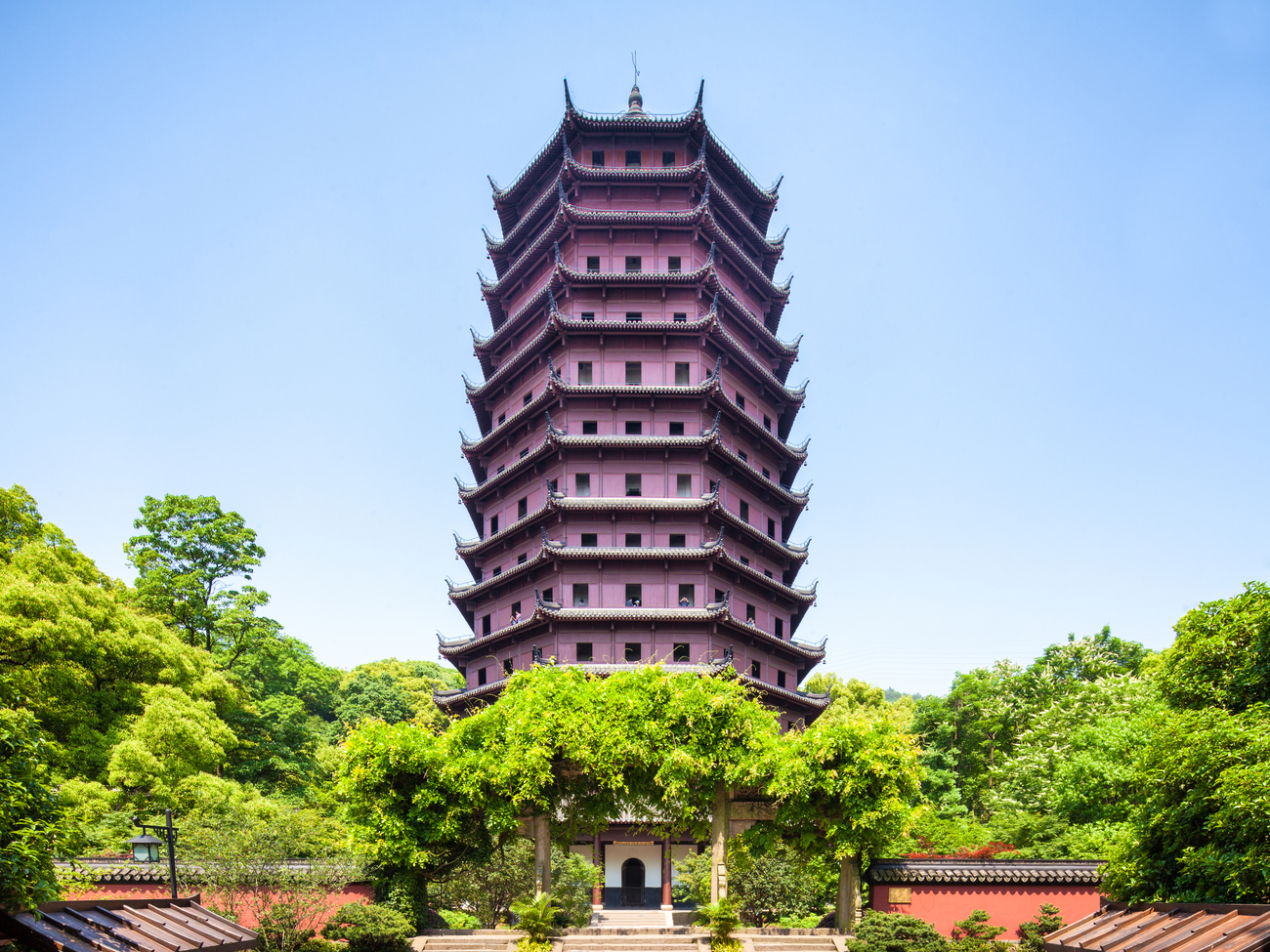
- Liuhe Pagoda: Also known as the Six Harmonies Pagoda, it stands at the foot of Yuelun Hill overlooking the Qiantang River. Built in 970 AD during the Northern Song Dynasty, it originally served both as a lighthouse and as a spiritual symbol believed to calm the river’s powerful tidal bores. From the outside, the pagoda looks like it has 13 stories because of its layered eaves, but inside there are only seven floors you can explore. As you climb, notice the detailed carvings of flowers, birds, and mythical creatures decorating each level. Along the roofline, 104 small iron bells hang from the eaves, gently chiming in the wind.
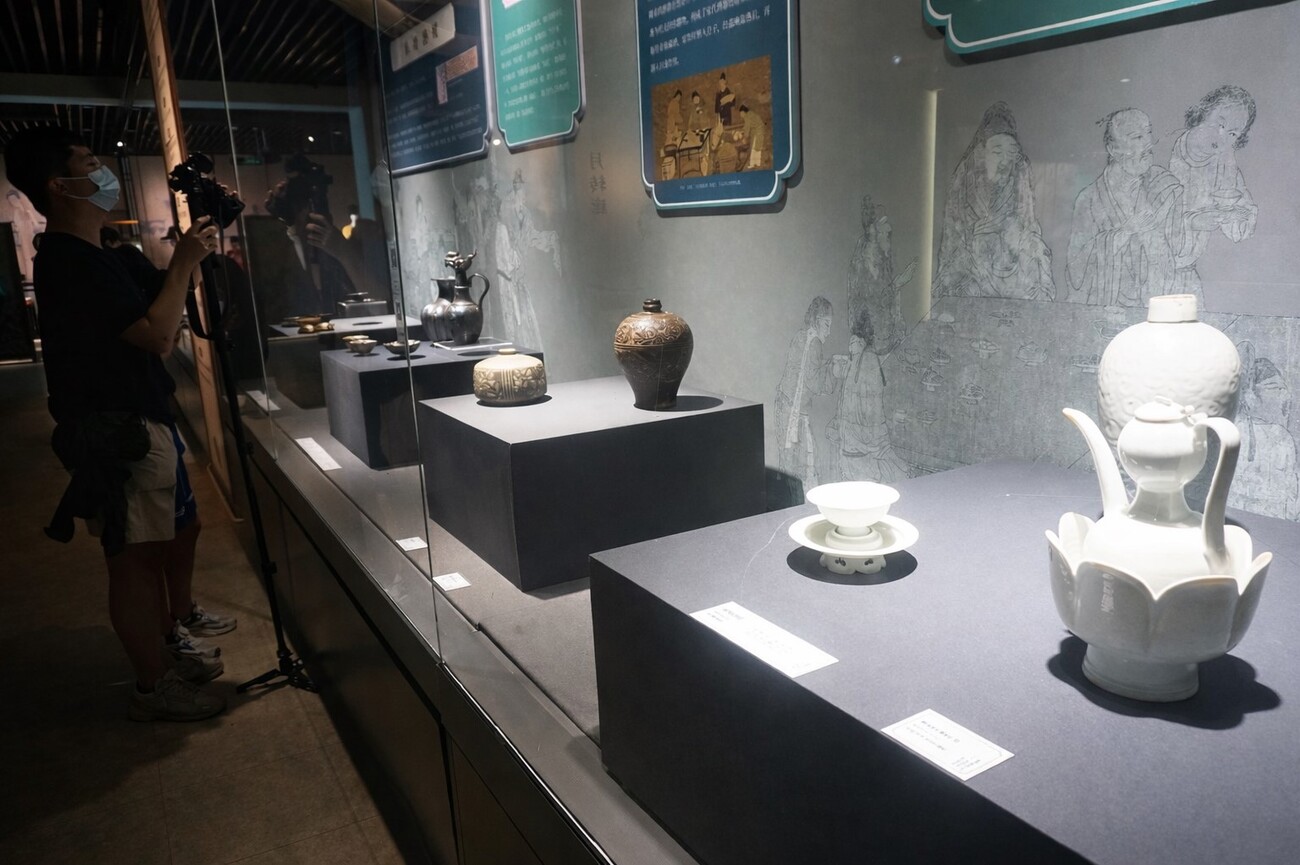
- Southern Song Dynasty Kiln Museum: China’s first ceramics museum built directly on top of an ancient kiln site. Here, you’re standing where the Jiaotanxia Official Kiln once operated, producing porcelain exclusively for the imperial court more than 800 years ago. Inside, you can see over 8,000 restored ceramic pieces unearthed in the Hangzhou area. The museum also offers live demonstration where you can watch skilled potters shaping clay using traditional wheels and tools, or observe experts carefully piecing together thousands of porcelain fragments found at the site.
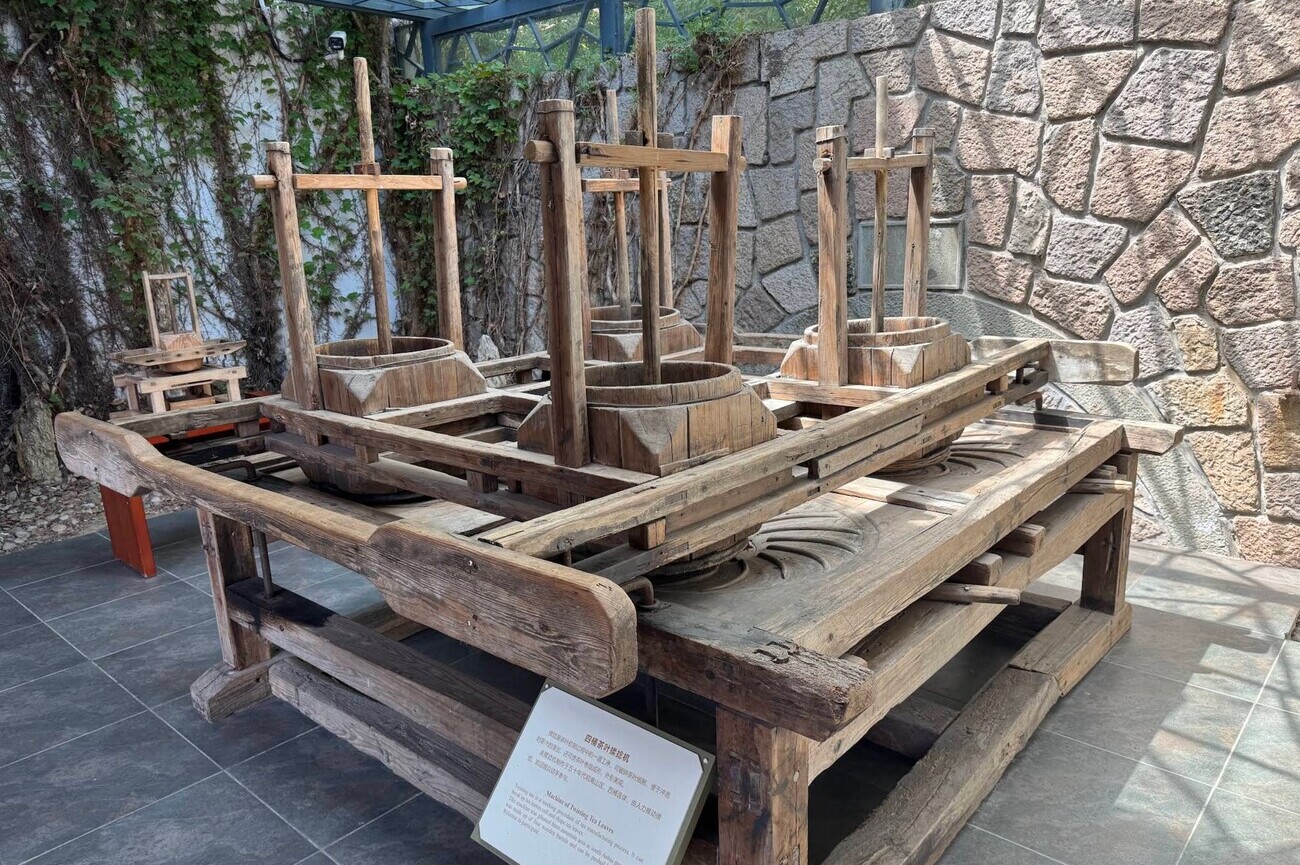
- Hangzhou National Tea Museum: Trace the 5,000 year history of tea, from its early medicinal use to its spread around the world at the Hangzhou National Tea Museum, this museum is dedicated entirely to tea history and culture and exhibits more than 300 types of tea leaves, giving you insight into the six main categories of tea: green, black, oolong, yellow, white, and dark tea. Depending on your visit, you may also join tea art demonstrations, experience traditional tea ceremonies, or even try hands-on tea production during the harvest season in spring, giving you a deeper appreciation of Hangzhou’s tea heritage.
Things to Do with Kids
in Hangzhou
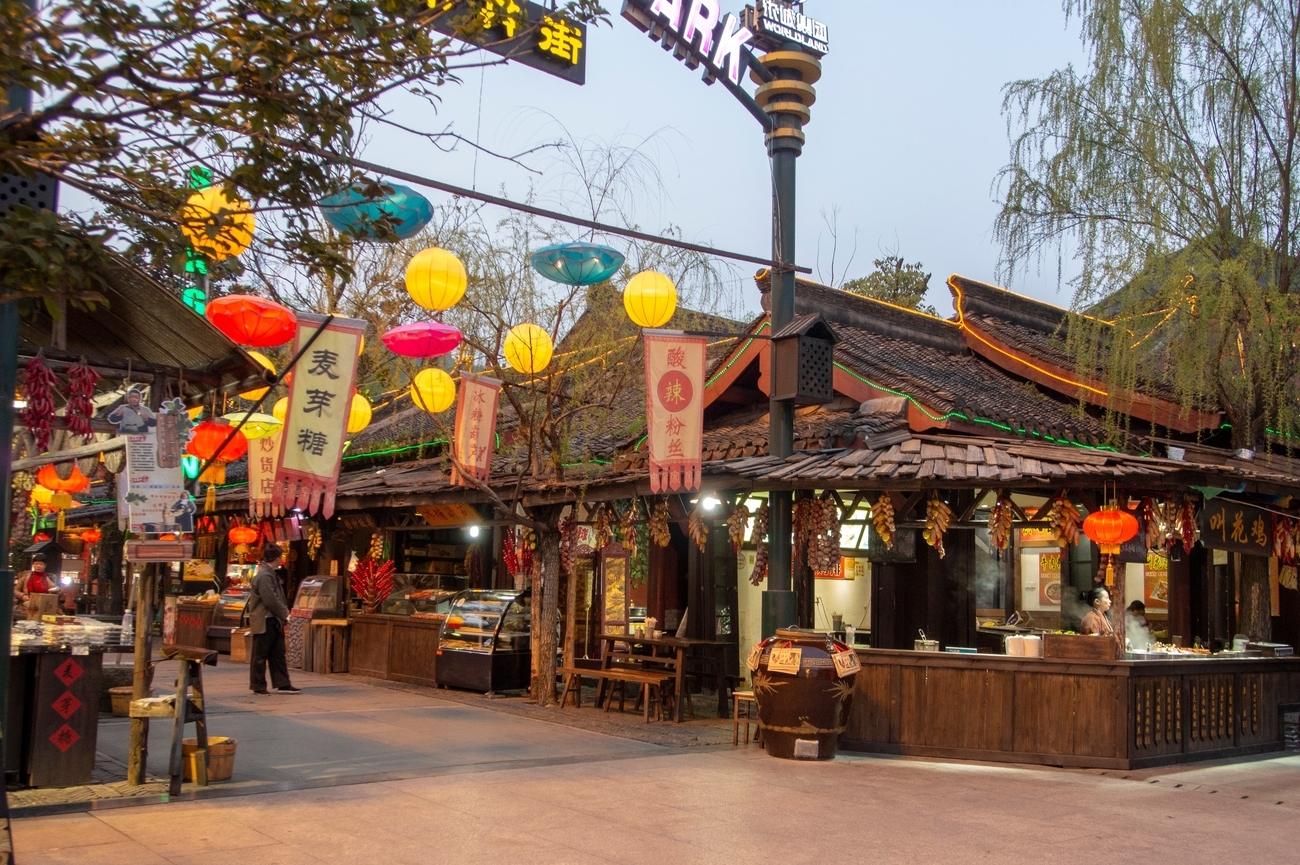
- Song Dynasty Town: Step into the world of ancient China at Song Dynasty Town, where history comes alive through performance and interactive experiences. Explore the themed zones, where traditional street shows, costumed performers, and lively recreations inspired by Song Dynasty come to life. Here, you can also join hands-on activities like rice cake making, giving you a fun way to experience local traditions rather than just watching them.
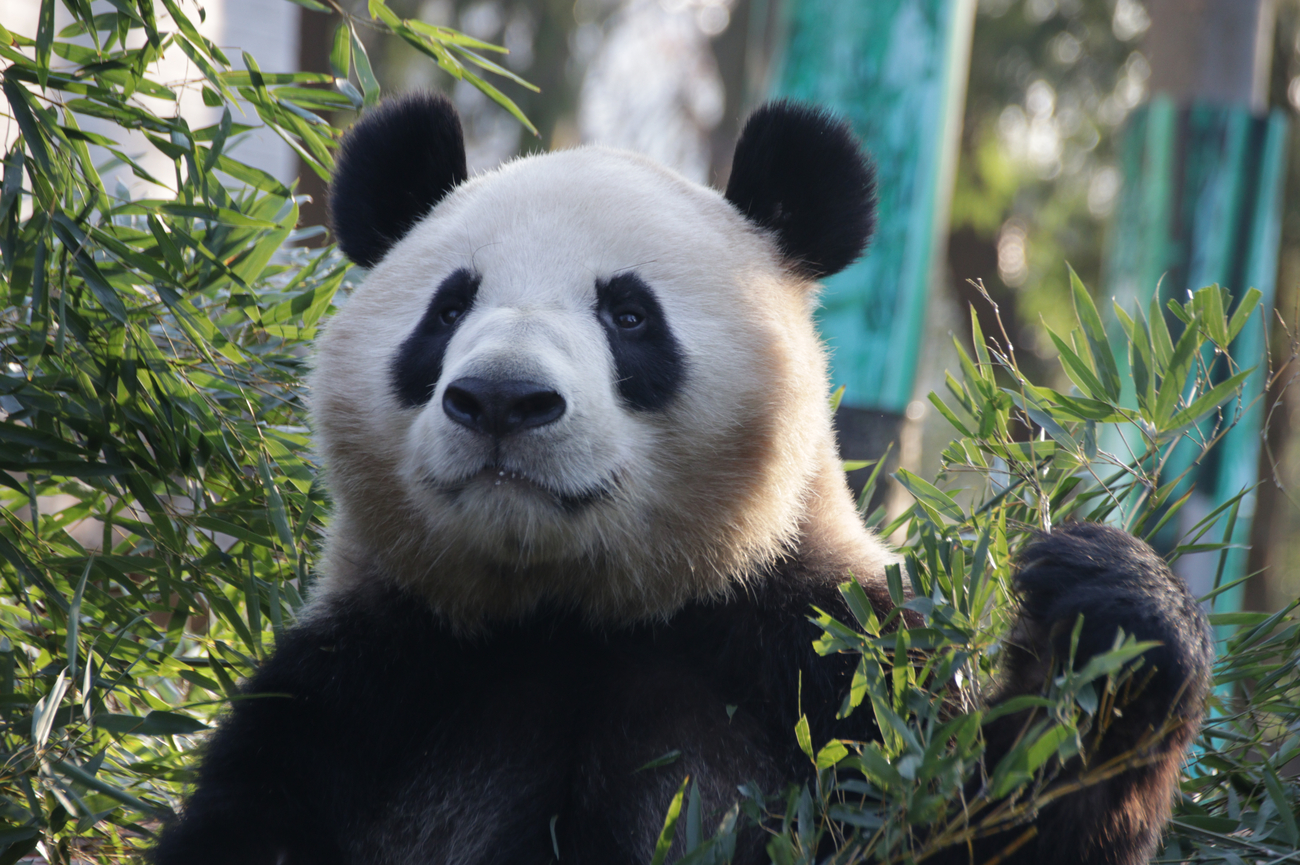
- Hangzhou Zoo: Established in 1958, Hangzhou Zoo is an important conservation and research centre in Zhejiang Province, home to more than 2,000 animals representing over 200 species, spread across multiple themed habitats and specialised exhibits. One of the main highlights is meeting the zoo’s giant pandas, Chengjiu and Shuanghao, along with their playful red panda cousins. It’s a delightful stop that you and your kids will surely enjoy.
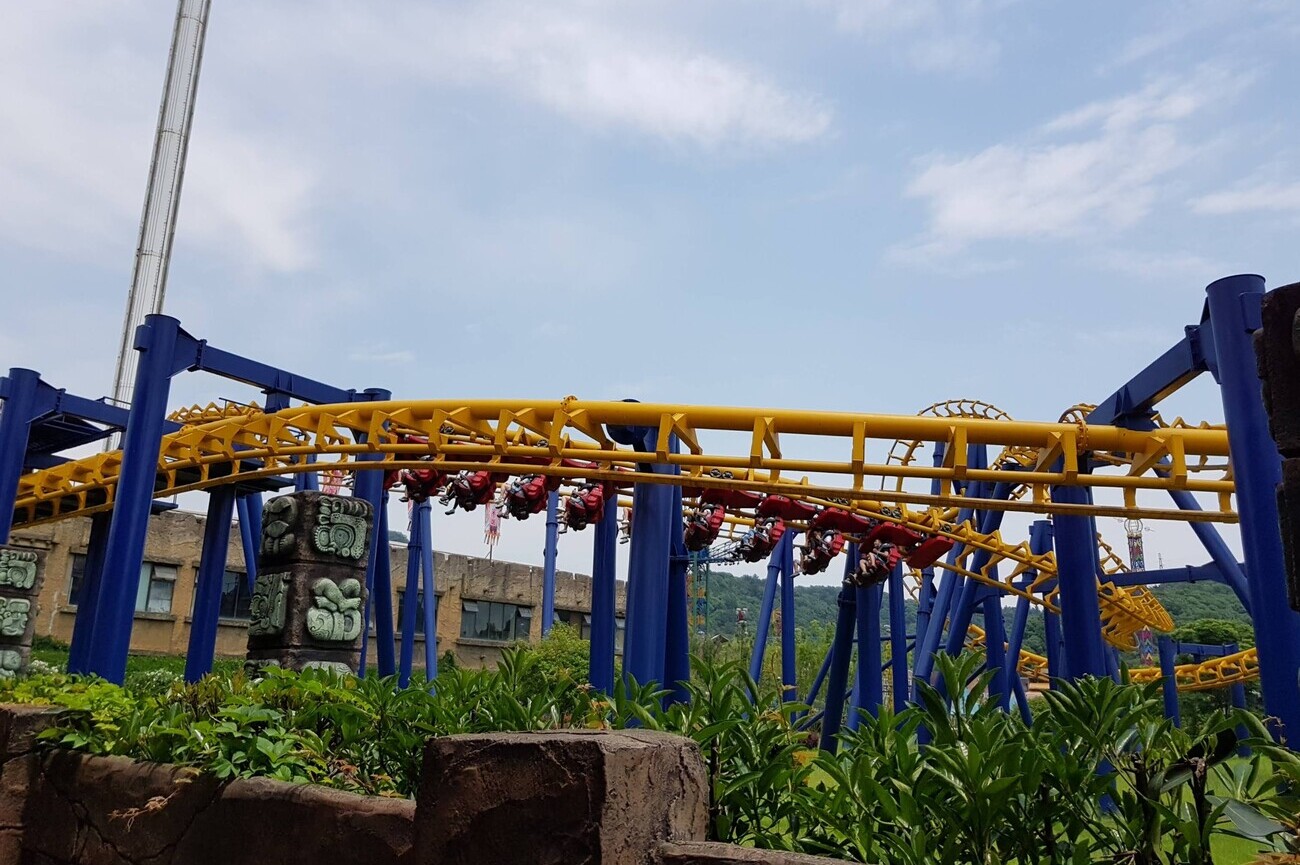
- Hangzhou Paradise: One of the city’s largest and most popular theme parks, located in the Xiaoshan District. Designed with a mix of European style architecture and “lost civilisation” themes. If you enjoy thrill attractions, look out for the Suspended Roller Coaster and the Rainforest Leap drop tower, both known for their strong “scream factor.” Throughout the day, you’ll also find street performances and interactive shows that add to the lively, fun atmosphere.
Where to Eat in
Hangzhou
- Ru Yuan Hangzhou: Hangzhou’s first restaurant to earn two Michelin stars, led by chef-owner Fu Yueliang. The menu takes traditional Hangzhou dishes and reimagines them with elegant presentation and creative ingredient pairings, offering a refined take on local cuisine. Try their standout dish, the Golden Braised Pork (Pagoda Pork), beautifully layered into a pyramid shape and known for its rich flavour and yummy presentation. Another must try dish is the Hangzhou Jadeite Fish Balls, these are delicate, cloud-like dumplings made from Qiantang River long-snout catfish, hand-chopped for a silky texture and served in a clear, flavourful broth with Yunnan teardrop peas.
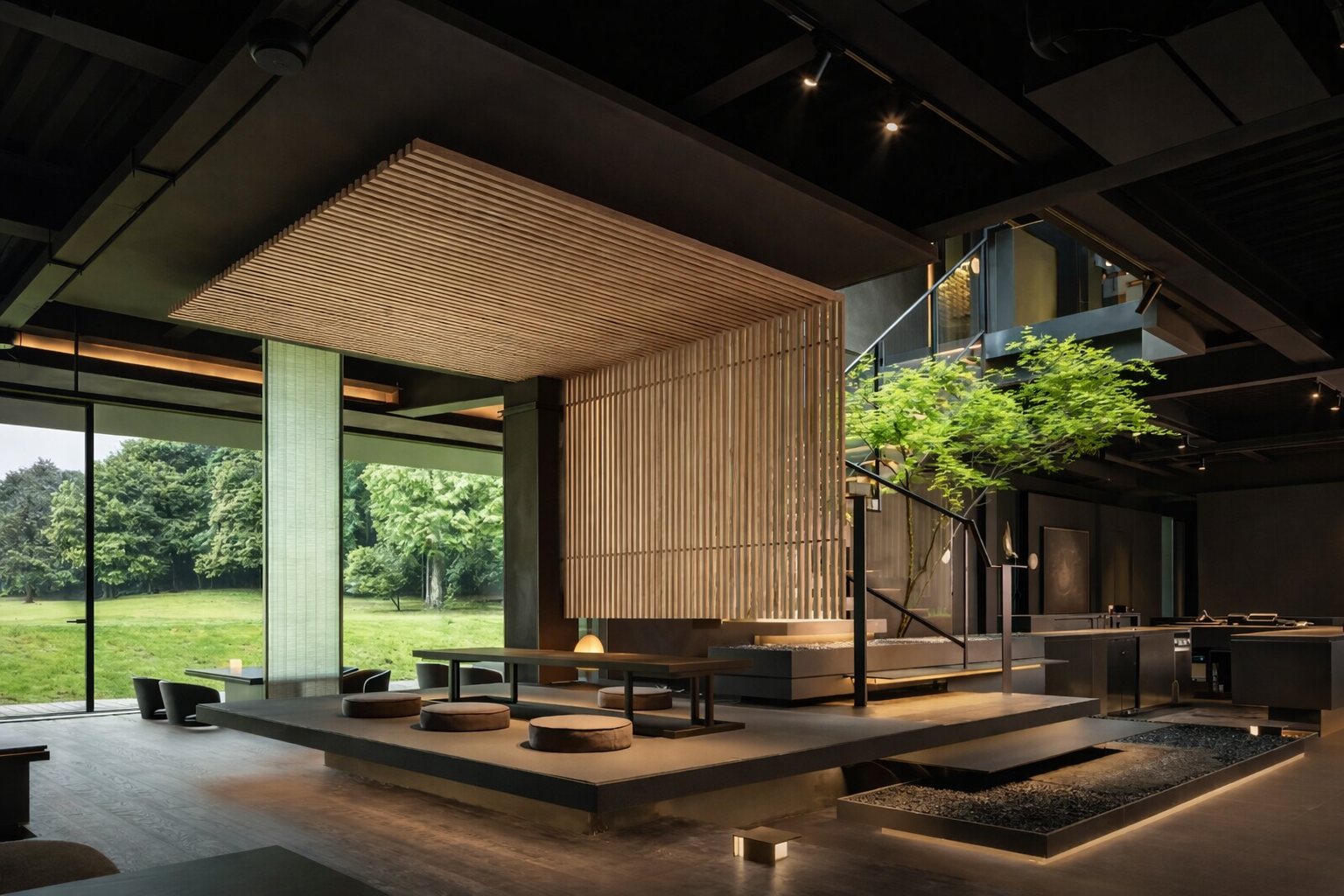
- Jie Xiang Lou: Known for its modern interpretation of Jiangnan cuisine, combining traditional southern Yangtze flavours with contemporary techniques. The restaurant holds one Michelin star and is also recognised in the Black Pearl Restaurant Guide, making it a strong choice if you’re looking for a refined local dining experience. The menu combines familiar regional dishes with fresh, creative touches. A great introduction is their Signature Appetiser Platter, featuring vegetable “beggar’s purse,” pork jowl with caviar, marinated goose liver, and smoked fish terrine. For something more indulgent, try the Golden Medallion Wagyu, a modern twist on classic red braised pork, flavoured with traditional Xiaoshan soy sauce and subtle citrus notes from aged tangerine peel.
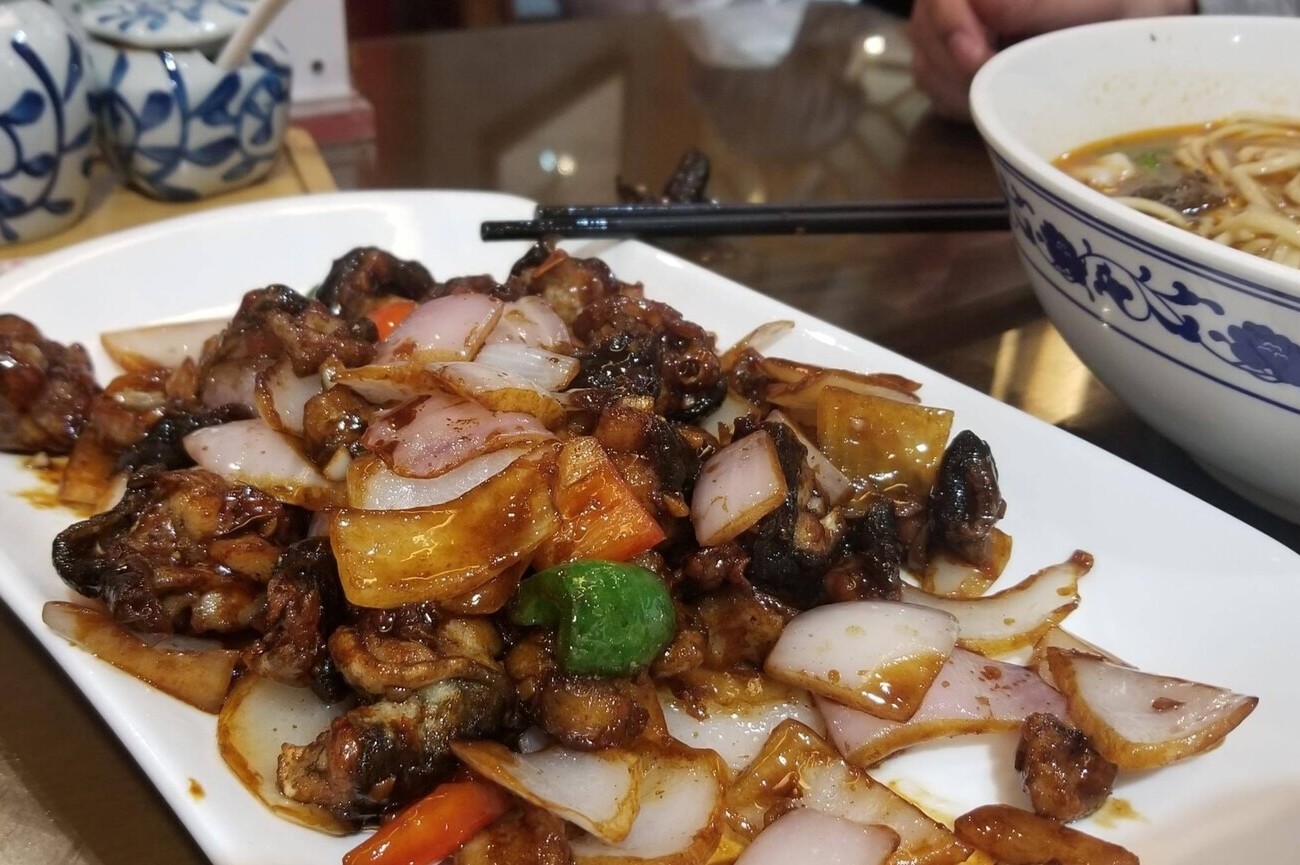
- Kui Yuan Guan: One of Hangzhou's time-honoured restaurants, with a history dating back to 1867. Regarded as the “Noodle King of Jiangnan,” it’s a classic stop if you want to taste authentic local flavours in a traditional setting. The restaurant is especially known for its zuomian noodles, characterized by its al dente, chewy texture that holds up well in hot soup. A must-try dish is the Fried Shrimp and Eel Noodles (Xia Bao Shan Mian), combining fresh river shrimp and savoury eel in a light, comforting broth. For a more traditional Hangzhou favourite, order the Pian’erchuan, a hearty bowl with sliced pork, bamboo shoots, and pickled mustard greens that locals often consider the city’s signature noodle dish.
- Green Tea Restaurant: Hangzhou’s most famous scenic dining spots. Although it has grown into a national chain, the original flagship on Longjing Road remains a pilgrimage site for foodies because of its breathtaking location among tea-covered hills. The menu blends traditional Zhejiang flavours with creative modern touches. A must-try is the signature Green Tea Roast Chicken, known for its ultra crispy skin and subtle tea fragrance infused into the meat. Another local favourite is Longjing Tea Shrimp, where fresh river shrimp are lightly sautéed with premium Dragon Well tea leaves. It’s a great choice if you want a relaxed meal with scenic views of Hangzhou’s tea plantations.
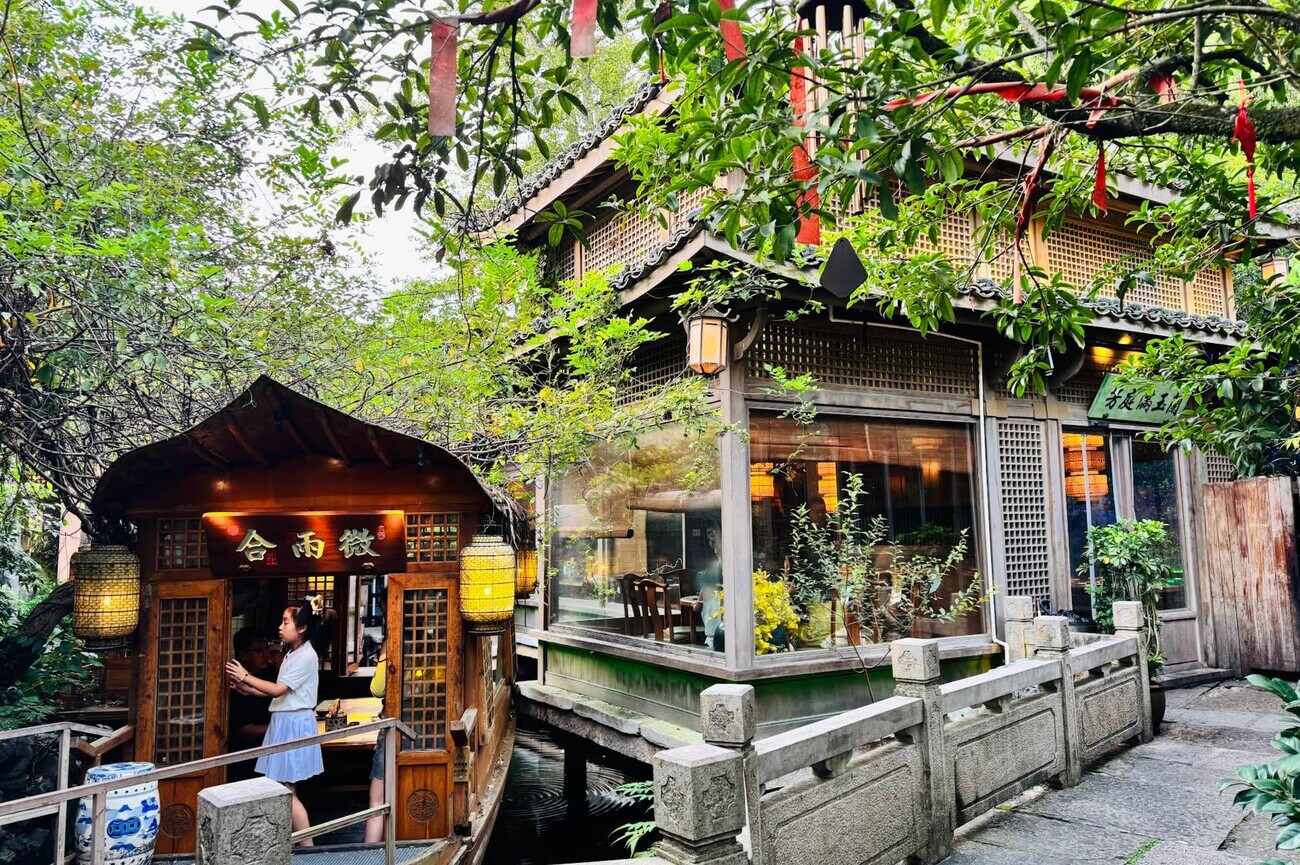
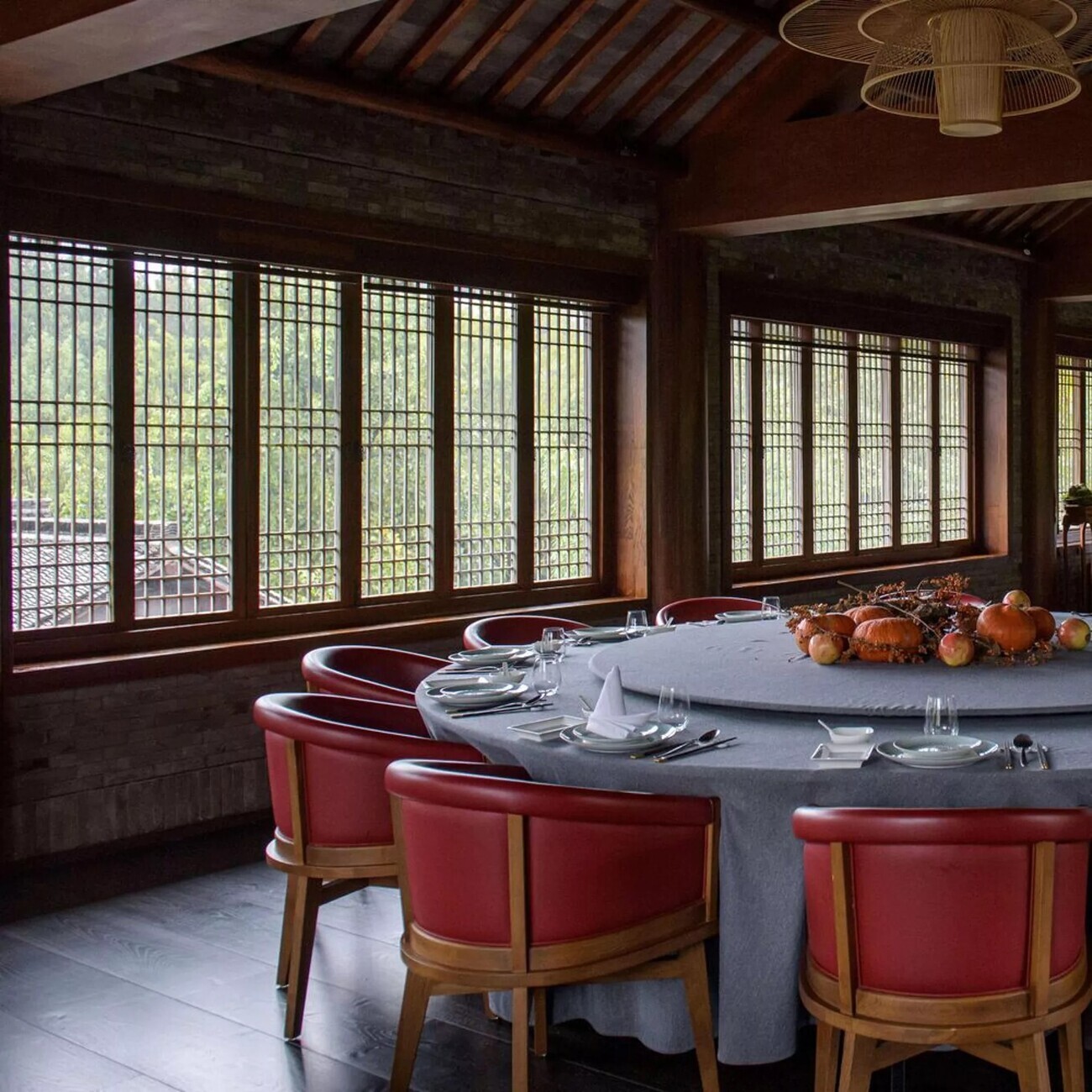
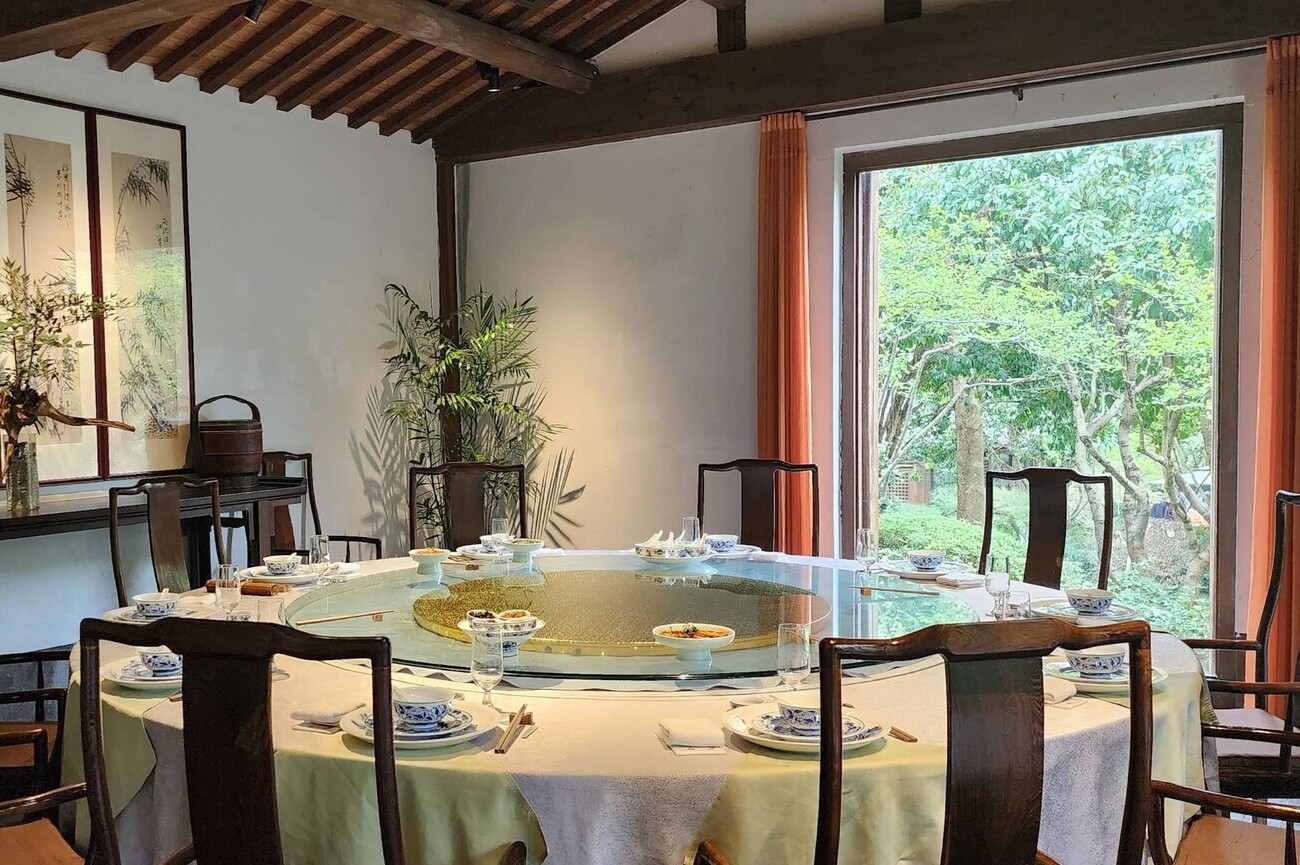
- Longjing Manor (龙井草堂): Also known as Dragon Well Manor, is a hidden gem known for its one Michelin star and its philosophy rooted in the global Slow Food movement. The manor offers an intimate dining experience with only eight traditionally styled private rooms overlooking ponds, stone bridges, and lush greenery. Instead of a standard menu, meals here are fully bespoke, tailored to your preferences in advance and created using the freshest seasonal ingredients, many sourced from the owner’s own organic farm. The cuisine focuses on refined, home-style Zhejiang classics prepared with precision. Must-try dishes include Mum’s Pork (Wupo Rou), a slow-cooked pork dish paired with preserved egg, and Fish Swimming in the West Lake, a beautifully presented black carp dish inspired by local artistic traditions.
Where to Stay in
Hangzhou
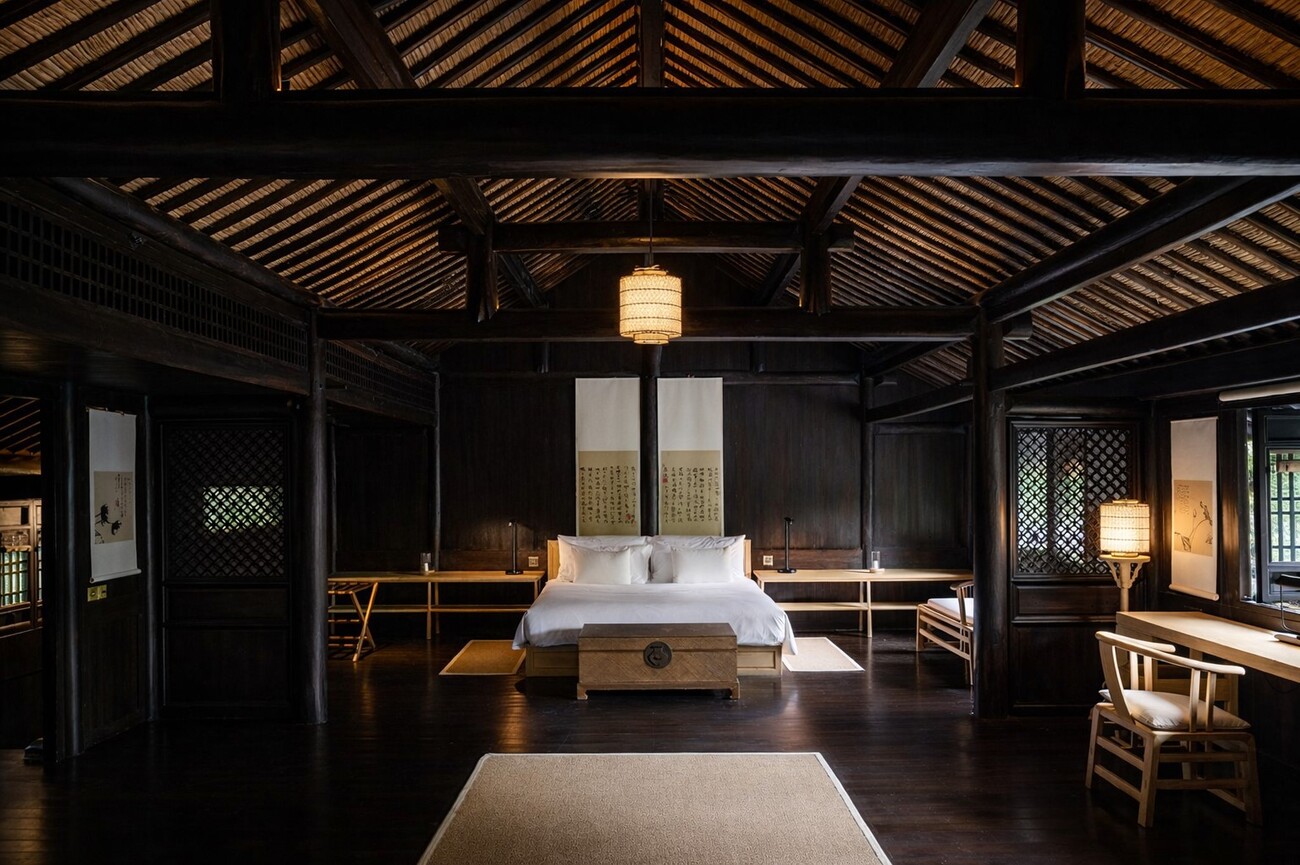
- Amanfayun: A beautifully restored 18th-century stone village hidden in a quiet valley west of West Lake. Surrounded by tea plantations and seven Buddhist temples, it offers one of the most peaceful and spiritually immersive stays in Hangzhou. The resort is built around the Fayun Pathway, a 600 metre route once used by pilgrims travelling to Lingyin Temple. When you stay here, you’ll experience a version of traditional village life, with private villas and suites that preserve original stone walls and clay tiled roofs. Many rooms include private courtyards and heated floors (especially comforting during cooler mornings) making it an ideal stay if you want a calm, reflective atmosphere while still enjoying the best comforts.
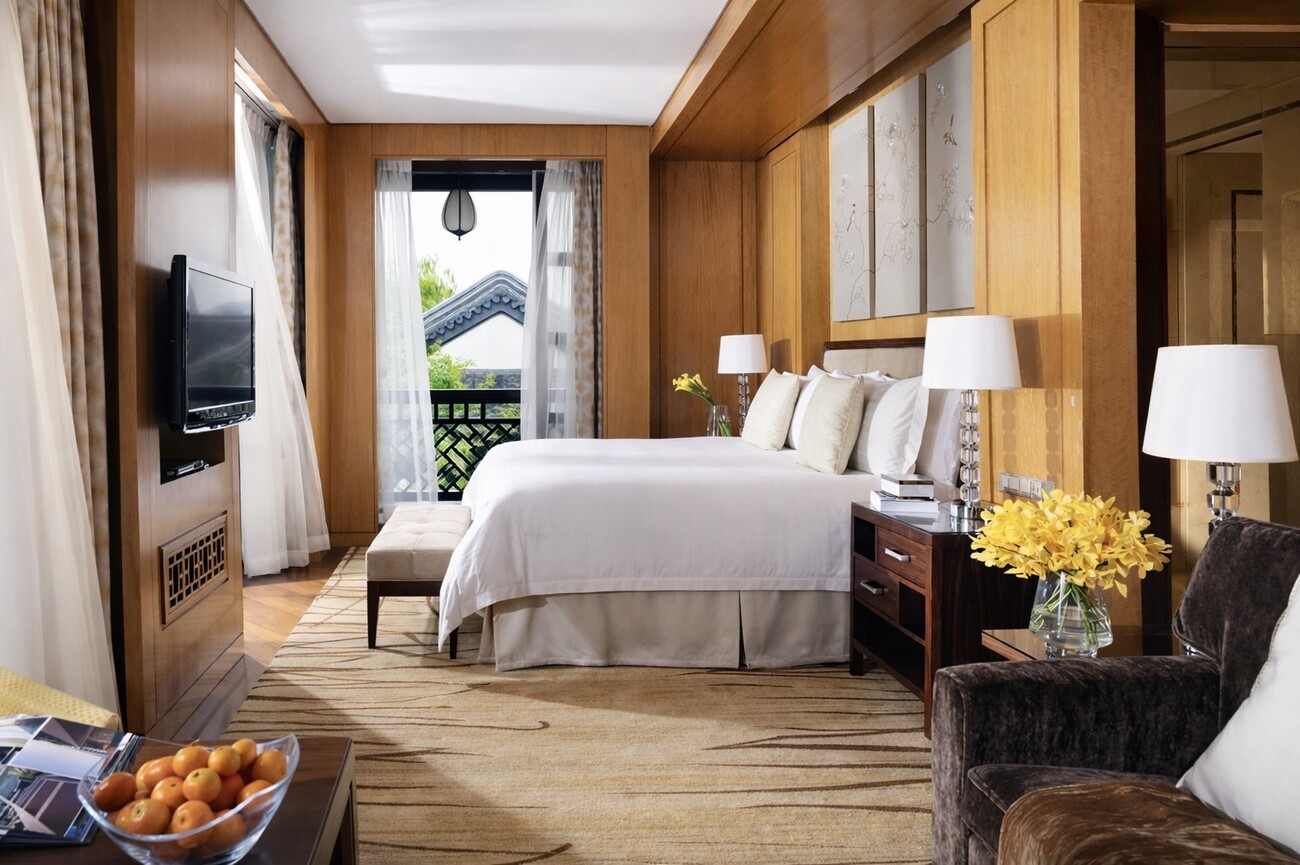
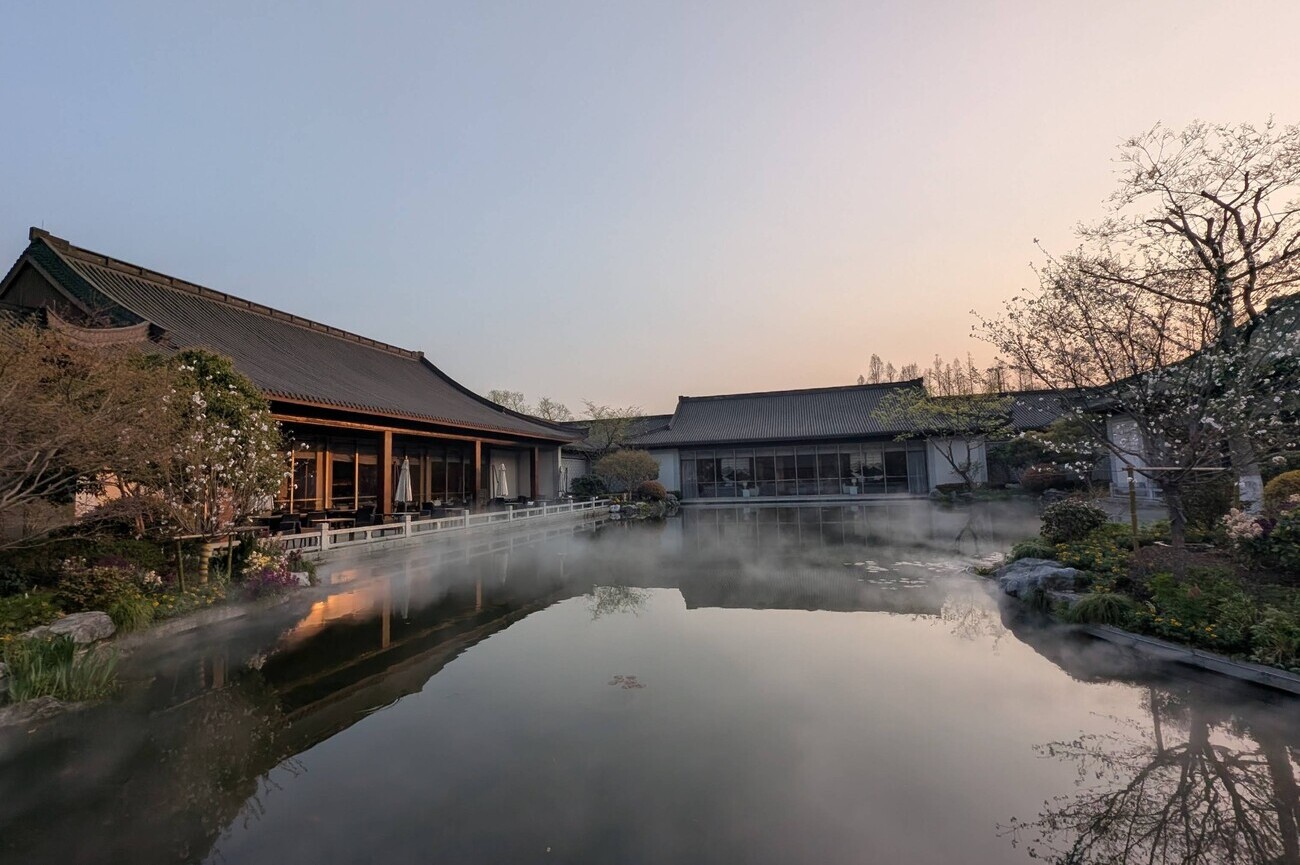
- Four Seasons Hotel Hangzhou: Set across 17 acres of gardens and misty lagoons, Four Seasons Hangzhou feels like a peaceful village retreat, with low-rise pagoda-style buildings surrounded by ponds, streams, and classic Jiangnan gardens. The atmosphere here is calm and secluded. Arrive at the hotel in style aboard an air-conditioned wooden boat, that will take you across West Lake as you enjoy premium Longjing tea and light gourmet snacks. The rooms and suites here are spacious (starting from around 678 sq. ft.) and designed with natural views, soundproofing, and elegant Chinese details like floral and bird embroidery. If you want extra privacy, the villas are the best choice, inspired by Song Dynasty aesthetics. It includes private gardens, indoor pools, fitness areas, and even private cinemas.
- West Lake State Guesthouse: Regarded as the “No. 1 Guesthouse in Zhejiang,” it sits on 36 hectares along the peaceful western shore of West Lake. Originally built as a private villa and later used as an official residence for state leaders (including Chairman Mao Zedong) the property feels less like a typical hotel and more like staying inside a private UNESCO World Heritage garden. The grounds showcase classic Jiangnan landscape design, with elegant pavilions, stone bridges, and centuries old trees. For the best views, consider rooms in Building No. 8 (if you prefer the most modern) or Building No. 2, where floor-to-ceiling windows look out toward Leifeng Pagoda and the Su Causeway across the water.
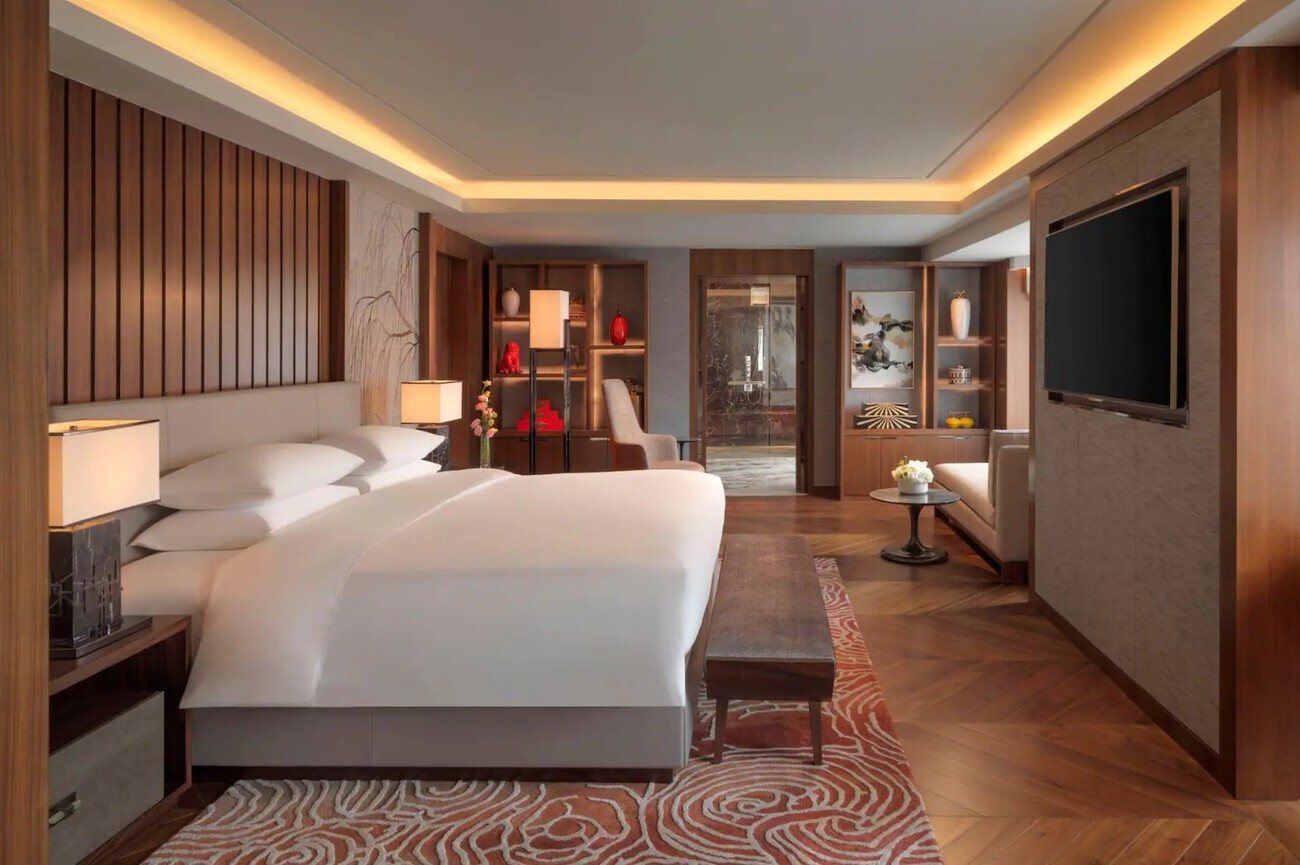
- Grand Hyatt Hangzhou: If you want to stay close to both West Lake’s scenic views and Hangzhou’s lively shopping and business areas, Grand Hyatt Hangzhou is a convenient choice. The hotel’s curved façade is designed to maximise lake views, and many rooms feature wide bay windows with seating areas, perfect for relaxing while taking in the scenery. Location is one of its biggest advantages. It’s just a 5 minute walk from Longxiangqiao Subway Station and within easy walking distance of Hubin Pedestrian Road. It’s ideal if you want a comfortable stay that balances sightseeing with easy access to the city’s key attractions.
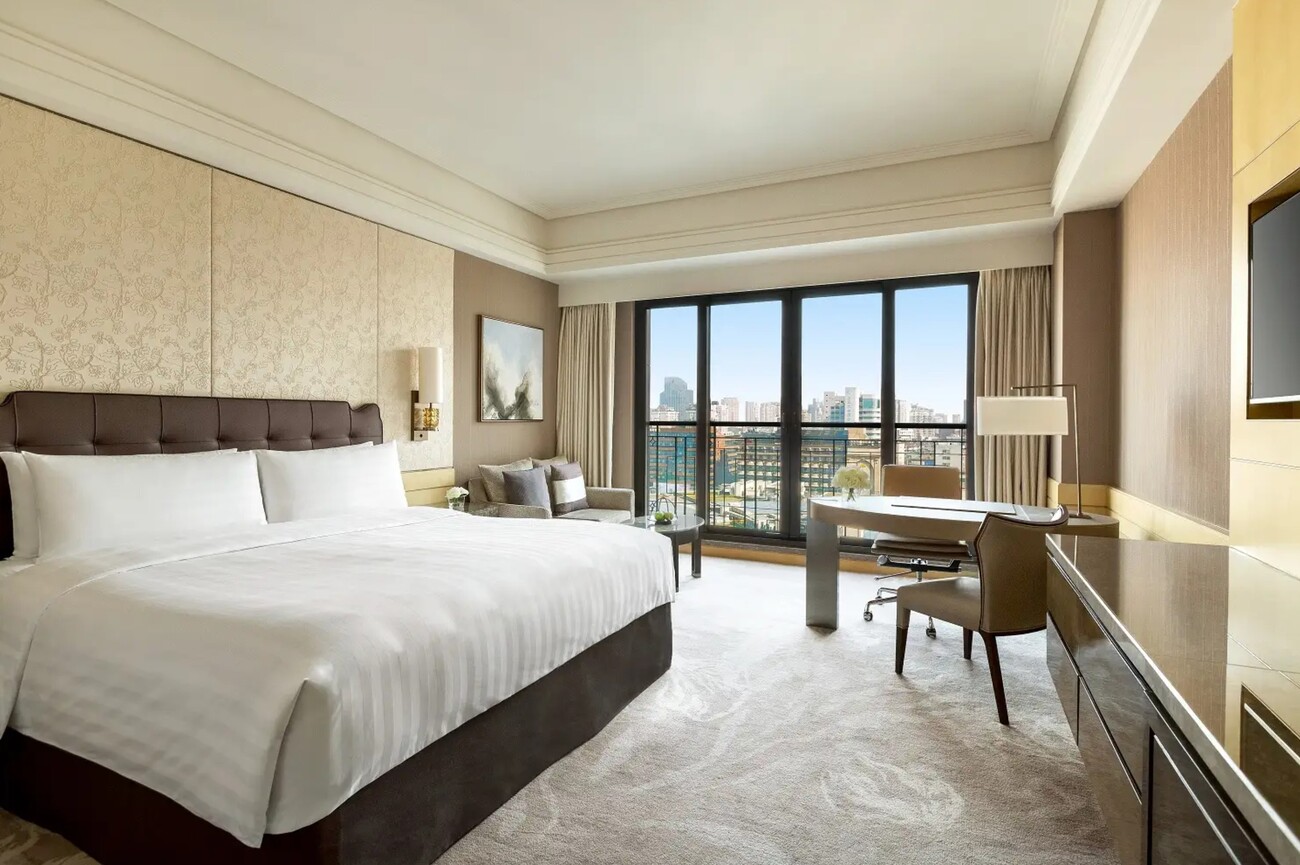
- Midtown Shangri-La Hangzhou: Offers a balance between luxury city living and easy access to the UNESCO-listed West Lake. Located within the Kerry Centre complex, it puts you close to shopping, dining, and entertainment while still being just minutes from the lake’s scenic areas. The hotel features modern design with subtle traditional touches inspired by Hangzhou’s silk textures and floral details. The rooms feature large windows that let in plenty of natural light, some overlook the city skyline, while Lake View rooms offer beautiful views of West Lake and even distant views of Leifeng Pagoda.
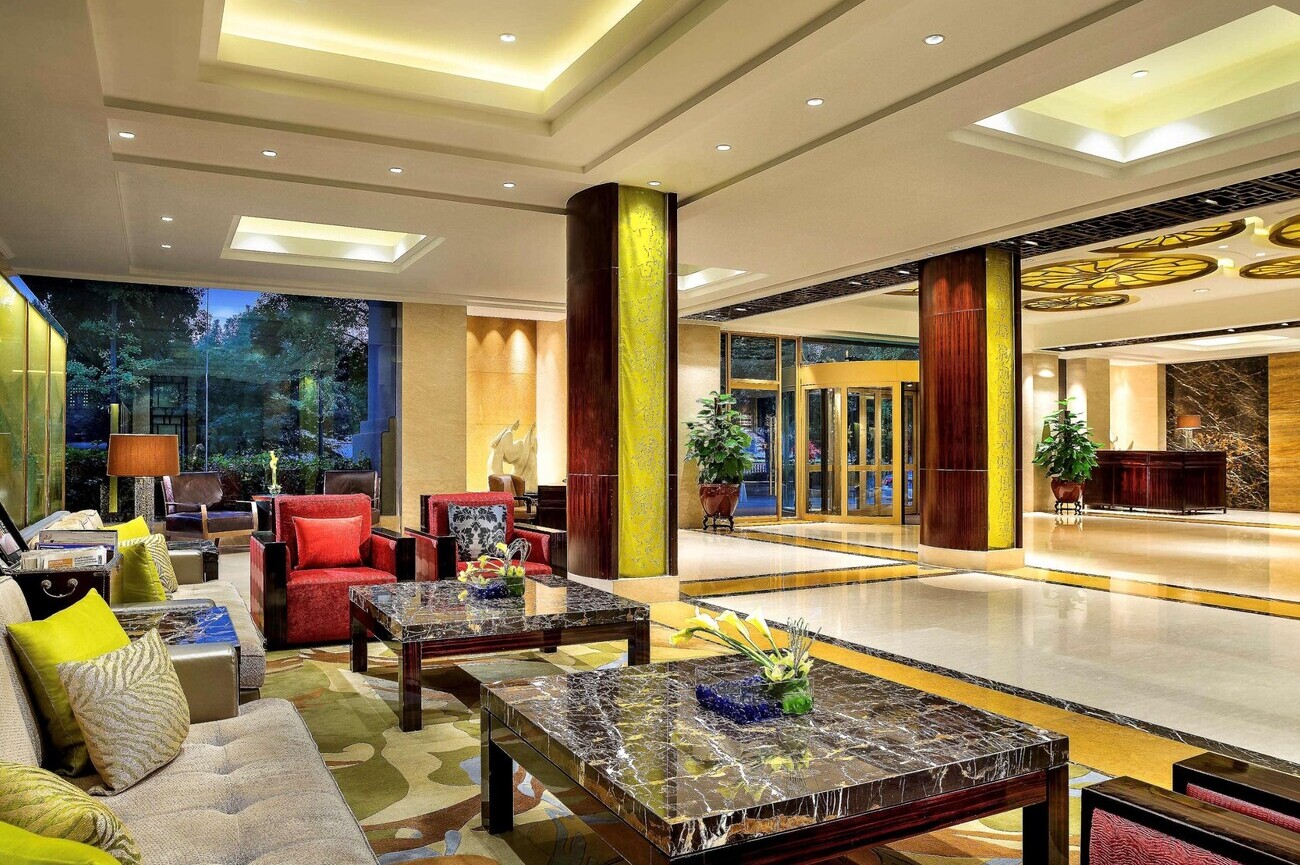
- Sofitel Hangzhou Westlake: Located on the lively eastern shore of West Lake, Sofitel Hangzhou Westlake offers French elegance with the sophisticated charm of Jiangnan culture. The interiors feature silk inspired details, soft lighting, and traditional Chinese artwork, paired with Sofitel’s signature French hospitality. The rooms are designed for comfort, including the renowned Sofitel MyBed™ bedding for a restful night’s sleep after a day of exploring. One of the hotel's best-kept secrets is the 6th floor rooftop terrace, which offers beautiful elevated views over West Lake, making it a perfect spot for afternoon tea or evening cocktails while enjoying the scenery.
Best Time to Visit
Hangzhou
The best time to visit Hangzhou is during spring (March to May) and autumn (September to November), when the weather is mild and ideal for exploring West Lake, tea plantations, and outdoor attractions comfortably. In spring, you’ll see seasonal blossoms like peach flowers, cherry blossoms, and tulips, along with the peak tea-picking season in Longjing Village from late March to April. Autumn, on the other hand, brings clear skies, cooler temperatures, and vibrant foliage, along with special highlights such as the dramatic Qiantang River tidal bore and traditional moon viewing celebrations during the Mid-Autumn Festival.
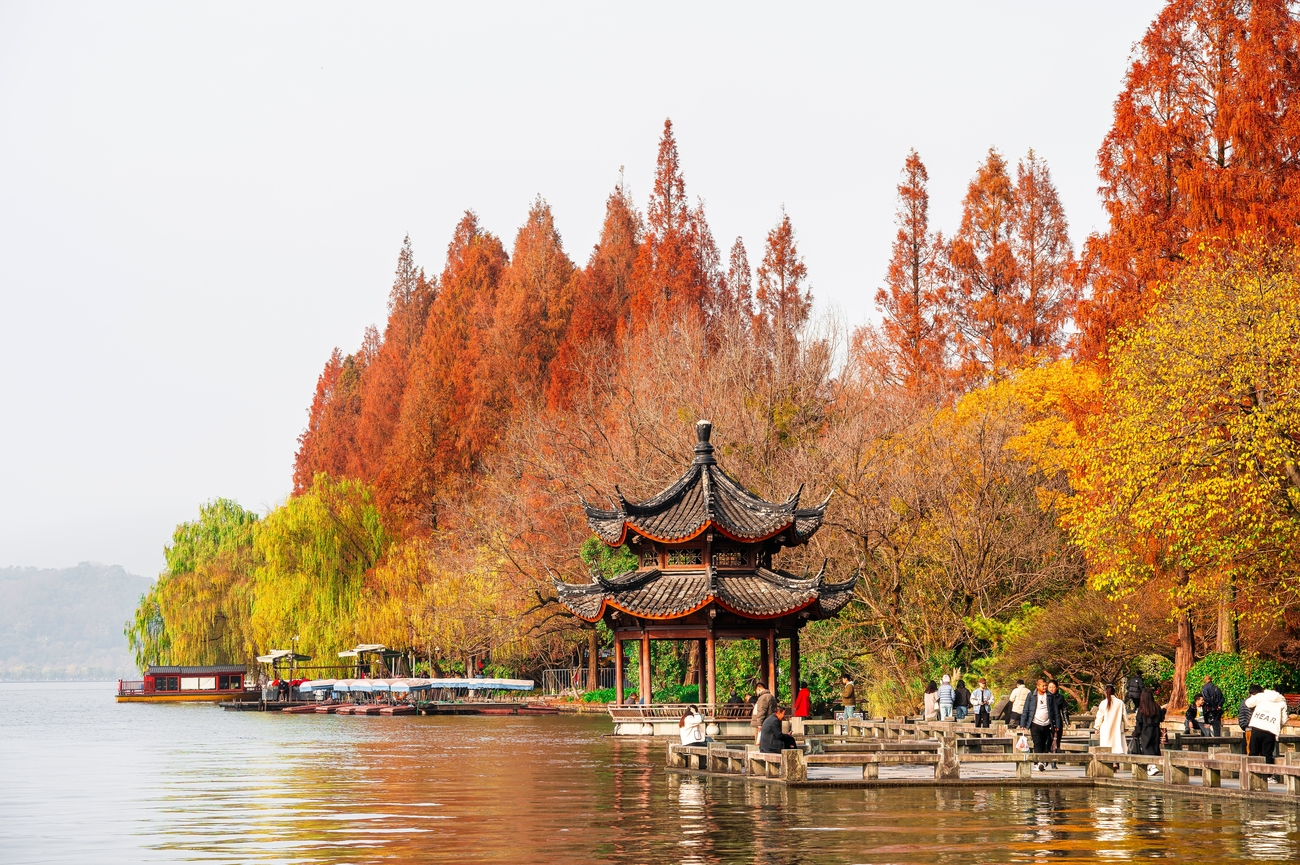
Festivals in Hangzhou
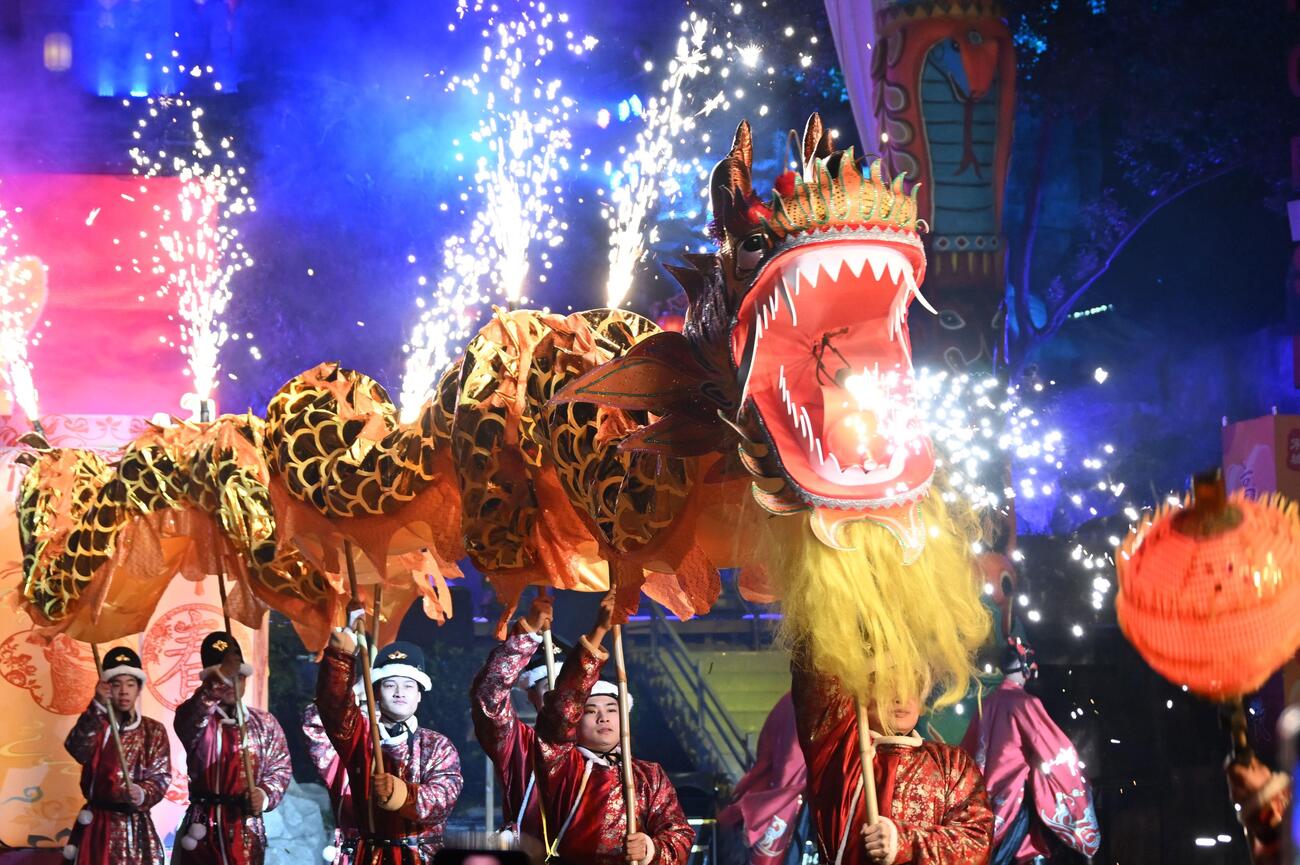
- Chinese New Year: One of the most vibrant and traditional times to visit Hangzhou, when the city takes on a festive “Song Dynasty” atmosphere filled with lights, decorations, and cultural performances. Red lanterns line the West Lake causeways, while historic areas like Qinghefang are decorated with traditional Song style displays. If you’re visiting during this period, stop by Wushan Hill Temple. Here, you can watch traditional puppet shows, join blessing rituals at the City God Pavilion, and try seasonal snacks such as Victory Cakes (Ding Sheng Gao). On New Year’s Eve, many people gather at Jingci Temple, near Leifeng Pagoda, to hear the 108 bell tolls, believed to clear away worries and welcome a fresh start. Throughout the festival, you’ll also see lively dragon and lion dances at Songcheng Park and busy areas like Hubin Road, adding to the festive energy.
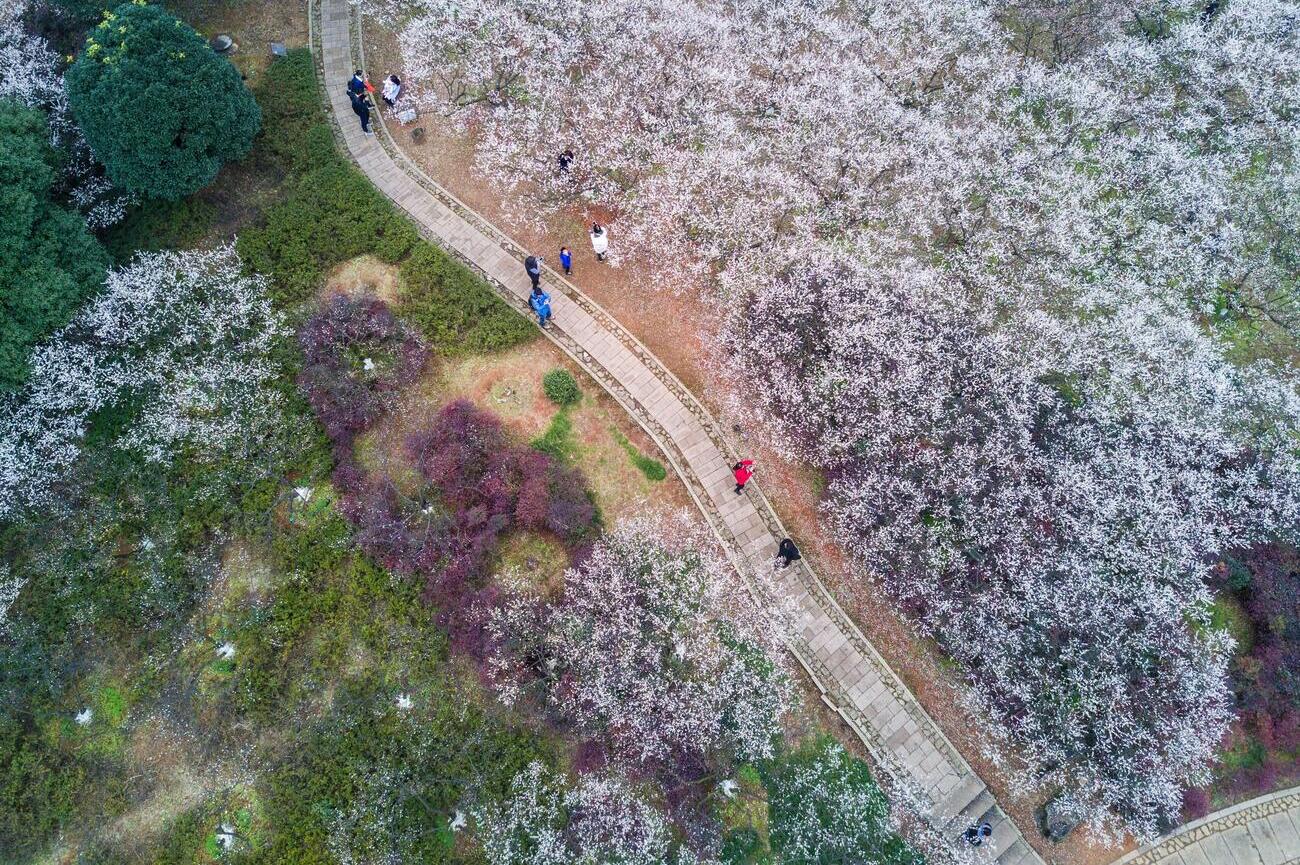
- Chaoshan Plum Blossom Festival: East China’s most celebrated spring event, described as a “ten mile sea of fragrant snow.” With more than 10,000 plum trees, it’s considered one of the top plum blossom viewing spots in the Jiangnan region and offers a beautiful way to experience the start of spring. As you explore, you’ll see over 40 varieties of plum blossoms, including a rare six-petalled type unique to this mountain. The area is also home to two of China’s oldest surviving plum trees: the Tangmei from the Tang Dynasty and the Songmei from the Song Dynasty, adding a historical layer to the scenery. Beyond strolling through the flowering fields, you can take a scenic boat ride to see the blossoms reflected on the water, sometimes paired with a tasty snack and hot coffee along the way.
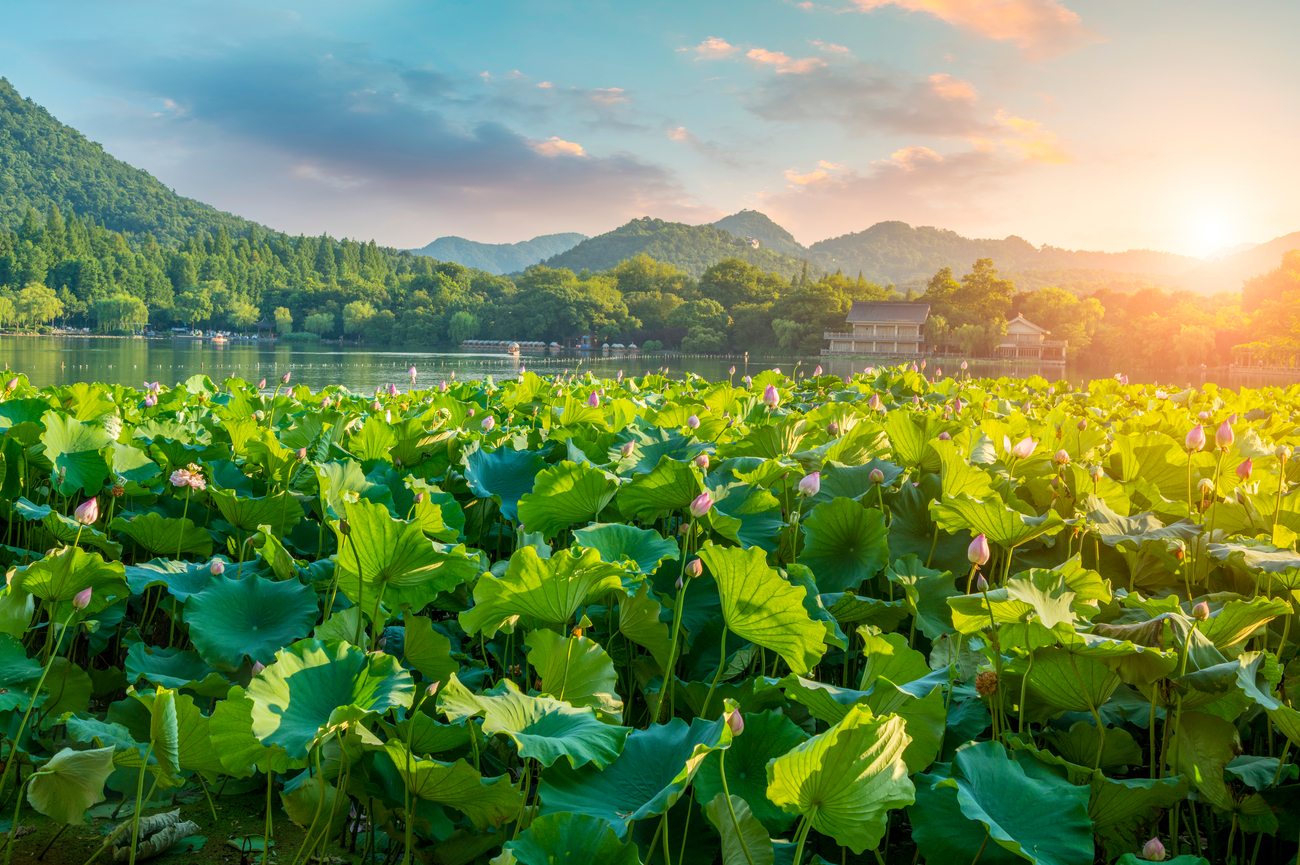
- West Lake Lotus Flower Festival: A classic summer event in Hangzhou, celebrating the lotus (a flower long associated with purity and beauty in Chinese culture). Inspired by a famous Song Dynasty poem describing endless green lotus leaves, the lake turns into a vast floating garden during this season. Thousands of pink and white lotus blossoms rise above emerald pads, surrounded by soft morning mist. One of the best places to see them is the “Breeze-Ruffled Lotus” area along Yanggong Causeway, where you’ll find more than 100 lotus varieties. Walk along zigzagging wooden bridges that bring you right into the middle of the blooms for close-up views. Food is also part of the experience. During the festival, local teahouses and lakeside vendors sell seasonal treats such as lotus root stuffed with glutinous rice, a sweet, honey-glazed snack, and fresh lotus seeds, known for their crisp texture and lightly nutty flavour.
- Dragon Well Tea Festival: The start of Hangzhou’s prestigious spring tea harvest (the most important season for China’s famous Longjing green tea). Held mainly in Longjing Village and nearby tea growing areas, the festival turns the hills into a lively cultural experience where you can join local farmers in the terraced fields to learn how to pick tea properly, selecting only the youngest leaves. You can also see the traditional hand roasting process, where tea masters press fresh leaves in hot iron woks to stop oxidation and create Longjing’s signature flat shape. If you visit early enough, you might taste the first batches of Pre-Qingming tea, prized for its delicate sweetness and smooth flavour. Many villages also host tea fairs with traditional music, local snacks, and tea art performances, including Song Dynasty style whisked tea demonstrations, making it a fun and immersive way to experience Hangzhou’s tea culture.
Explore the Paradise
on Earth
Marco Polo famously described Hangzhou as “the finest and most splendid city in the world.” Centuries later, that sentiment still feels remarkably accurate. What makes the city unforgettable isn’t just its landmarks, but the way everything comes together: the harmony between nature and design, spirituality and daily life, refinement and simplicity. Here, landscapes are composed like paintings, traditions are lived rather than displayed, and every moment seems to invite you to slow down just enough to truly notice.
At Revigorate, we design Hangzhou journeys that go beyond the surface, shaping experiences around your pace, interests, and travel style so you can experience this “Paradise on Earth” in a way that feels personal and meaningful. Contact us or give us a call at (+1 800 672 0517 | +351 289 009 580 | +44 808 189 0647), and let’s begin planning your Hangzhou journey.
Ready to explore more of Asia? Travel further with Revigorate and discover our curated itineraries across Xi’an, Chengdu, Hong Kong, Kyoto, Singapore, Osaka, and Manila.


Let us know what you love, where you want to go, and we’ll design a one-of-a-kind adventure you’ll never forget.
Get in touch
Miriam
Travel Specialist

Romina
Travel Specialist

Laura
Travel Specialist
Our offices:



Revigorate, Iberian Escapes and Algarve Lifestyle are the registered brand names of APCS Lda . We are a fully authorised travel agency licensed by Turismo de Portugal RNAVT/6867.
In the event of a dispute, the consumer may refer to: RAL - Centros de Arbitragem
Avª. 5 de Outubro, nº. 55, R/C Dtº. 8000-075 Faro, Portugal | Tel: +351 289 823 135 *
* national landline call
E-mail: info@consumoalgarve.pt| www.consumidoronline.pt | Mon to Fri: 9:00 - 13:00 / 14:00 - 17:00