Things to Do in Lake Constance: 4-Day Itinerary
Lake Constance, known locally as Bodensee, stretches across Germany, Austria and Switzerland, combining historic towns, Alpine scenery, gardens, castles and waterfront culture within one remarkably connected region.
Around the lake, places such as Konstanz, Bregenz, Lindau, Meersburg and Stein am Rhein each offer a different character. You can move from medieval streets and Baroque landmarks to contemporary museums, vineyard landscapes and lakeside promenades, often crossing an international border without interrupting the flow of the journey.
The geography is one of Lake Constance’s greatest strengths. Germany brings historic towns and vineyard-lined shores, Austria adds Alpine viewpoints and cultural landmarks, while Switzerland introduces elegant lakeside communities and heritage sites.
This 4-day Lake Constance itinerary brings the three countries together, with time for castles, gardens, museums, waterfront walks and scenic viewpoints while keeping the route practical and well paced.
Day 1 -
Stein am Rhein, Kreuzlingen & Konstanz

Morning: Schiffsanker
This is where the journey drops anchor. Schiffsanker marks the official beginning, the very first step into Bodensee’s rhythm, lying on the pier at Stein am Rhein in Switzerland, where Lake Constance flows into the High Rhine. Solid, striking and unapologetically maritime, this monumental ship anchor feels perfectly placed in a town that serves as a gateway to the western edge of the lake system. The name says it plainly: Schiffsanker means ship’s anchor. Historically, anchors were the lifeline of vessels navigating Lake Constance and the Rhine, especially during the era of grand steamships that connected Switzerland, Germany and Austria long before highways did. These iron giants kept passenger ships steady against alpine winds and shifting currents. The anchor has long symbolised stability and safe passage, fitting for a place shaped by waterborne trade, travel and culture for centuries. Visually, it is bold and industrial, all curves and weight, resting heavily against the pier and contrasting beautifully with the calm water and historic setting around it.
St. George's Abbey, Stein am Rhein
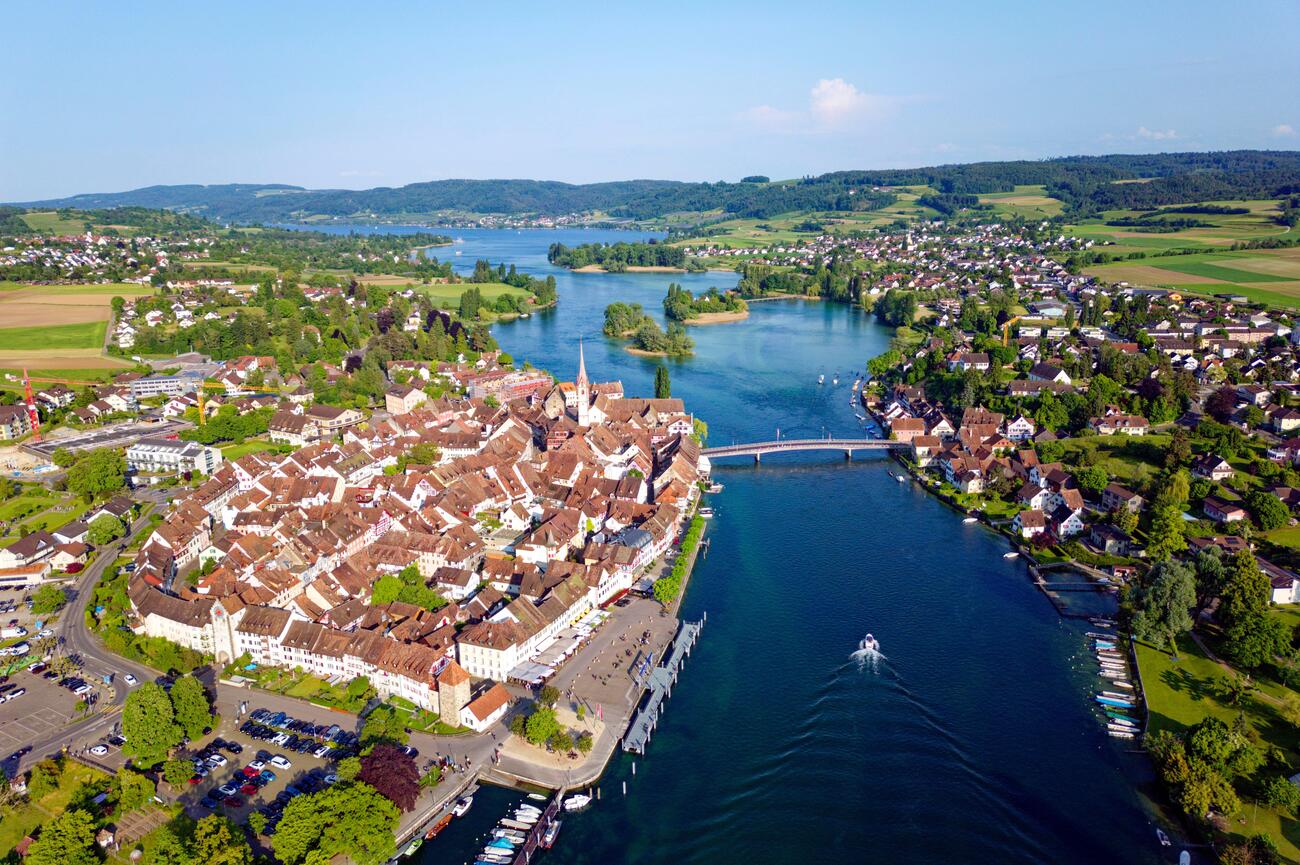
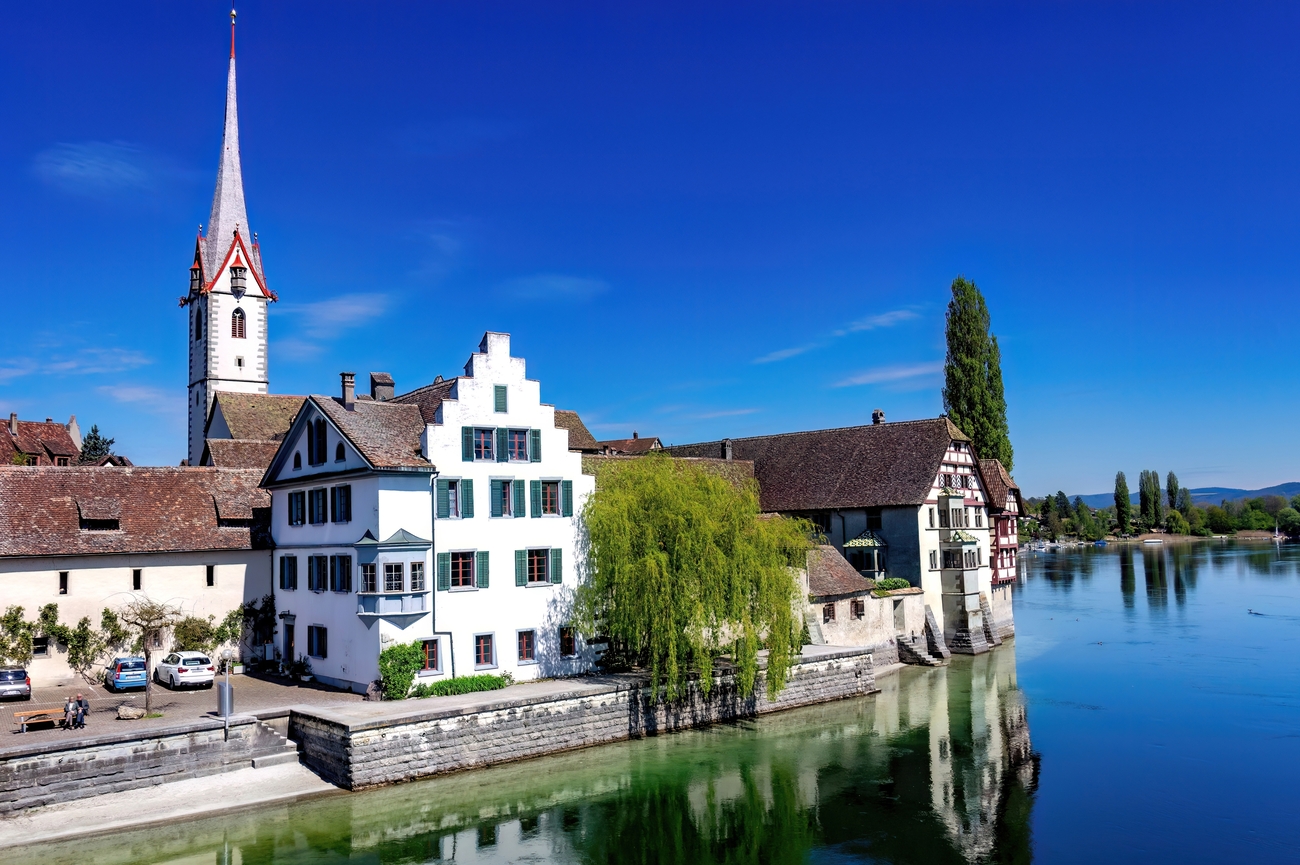
From the Schiffsanker, the lake breeze gently guides the way west, about half an hour by car, until the water gives way to frescoed townhouses and cobbled poetry. Stein am Rhein appears like a storybook that refused to close and tucked within its painted old town, St. George’s Abbey waits behind quiet stone walls, dignified and timeless.
Founded in 1007 after Benedictine monks relocated here from Hohentwiel, the abbey became the spiritual heartbeat of the town for centuries. Its late Gothic cloister wraps around a peaceful courtyard like a stone embrace, all delicate arches and measured symmetry. Step inside and the textures shift with carved wooden ceilings, worn flagstones and rooms that once echoed with monastic chants. The former chapter house still carries traces of medieval murals, now softly faded, as if time chose to whisper rather than erase.
The visit unfolds like a well-paced tale. The museum’s highlight is a beautifully crafted short film installation housed in the former chapter room. Visitors are drawn into the legend of Sir George, the knight who gave the abbey its name. The film’s aesthetic echoes the ghostlike remnants of the original wall paintings, blending medieval artistry with modern storytelling. And public guided tours are offered through Museum Kloster St. Georgen, leading guests through the cloister, church spaces and living quarters with context that brings stone and pigment back to life.
Burg Hohenklingen
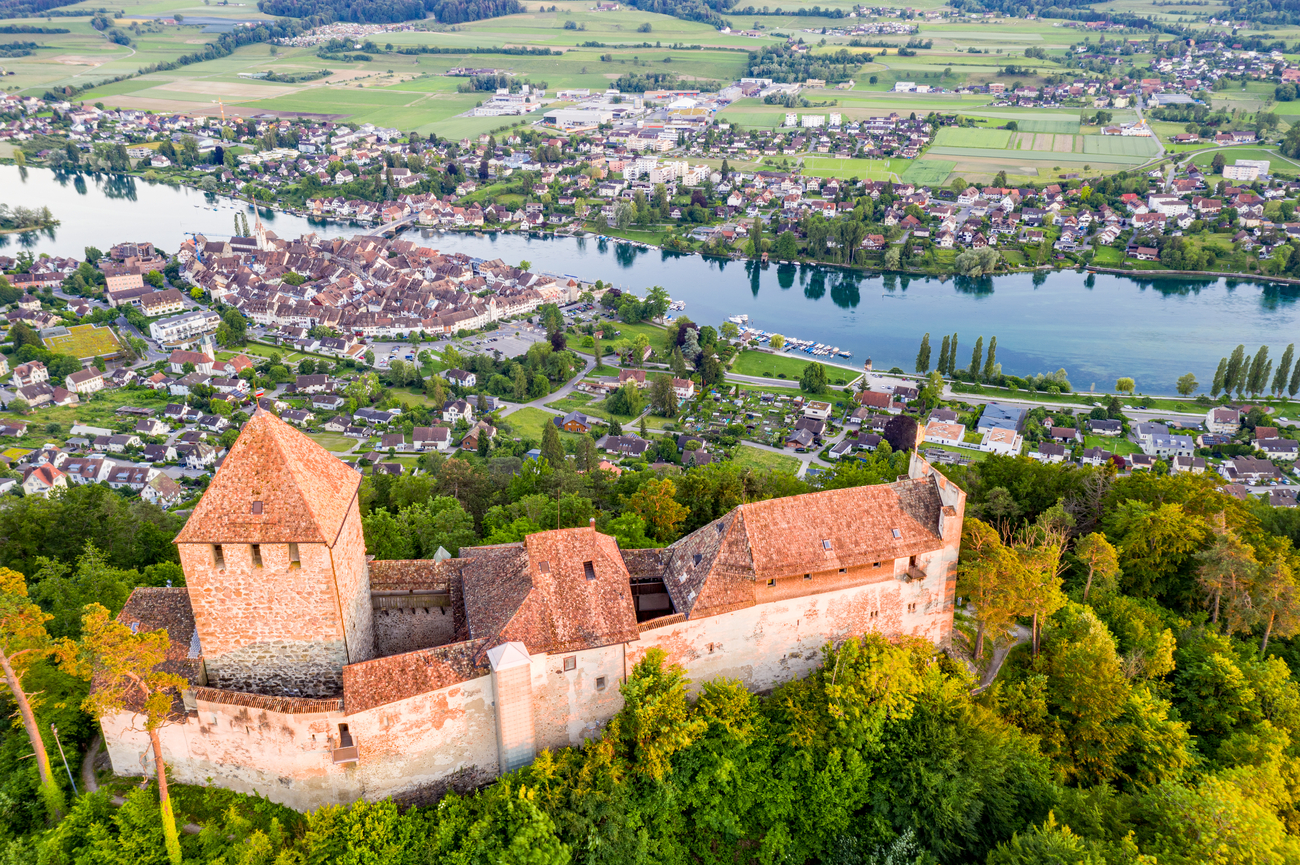
A gentle uphill walk of about 15–20 minutes leads above the painted rooftops of Stein am Rhein, where the town slowly falls away and the horizon begins to widen. At the top, perched with quiet confidence over the Untersee, Burg Hohenklingen waits like it has been guarding breakfast for centuries.
Dating back to the 13th century, this medieval hilltop castle was originally built by the Lords of Klingen to oversee trade routes and keep a watchful eye on the Rhine. Thick stone walls, narrow windows and a sturdy keep still stand strong, framing panoramic views that stretch across vineyards, water and into Germany on clear days. The terrace is the real showstopper where red-tiled rooftops meet blue lake shimmer in one sweeping glance. Inside, wooden beams and historic stonework create a setting that feels straight out of a knight’s morning routine.
Breakfast here lands differently. The castle houses a restaurant within its historic walls and the terrace transforms early hours into something quietly cinematic. Fresh bread, local cheeses, Swiss pastries and strong coffee arrive with a side of alpine breeze. It’s refined without being fussy. It’s where medieval fortress meets modern comfort.
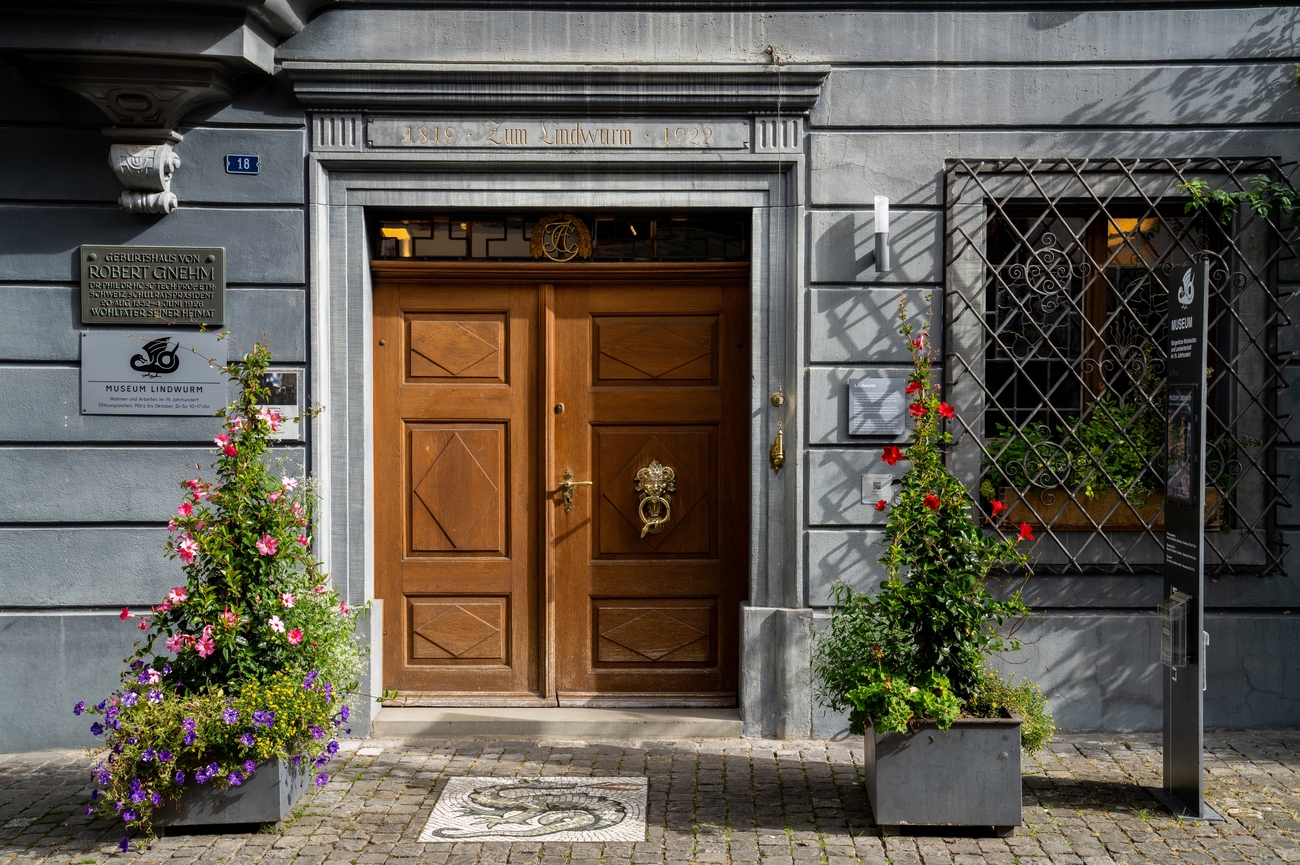
Museum Lindwurm
Leaving the hilltop drama of Burg Hohenklingen behind, the path gently winds back down into Stein am Rhein’s old town. Within minutes, the cobblestones level out and Museum Lindwurm appears along the charming Unterstadt, blending so seamlessly into the row of historic houses that it almost keeps its secrets on purpose.
Museum Lindwurm opens the door, quite literally, to everyday Swiss life in the 19th century. This beautifully preserved bourgeois residence captures the period between 1850 and 1920 with striking authenticity. Parlors are dressed in elegant wallpapers and polished wood furniture, while upstairs bedrooms reveal the quiet rituals of domestic routine. Downstairs, the kitchen and servants’ quarters tell a different story with one of practicality, hierarchy and meticulous order. The house feels lived-in rather than staged, its details grounded in real craftsmanship and careful restoration.
Guided tours elevate the experience even further and this is where you lean in. To ensure visitors from around the world can fully enjoy their visit, the Lindwurm Museum offers guided tours in six languages, so no detail gets lost in translation. You won’t just walk through rooms; you’ll understand them.
Afternoon:
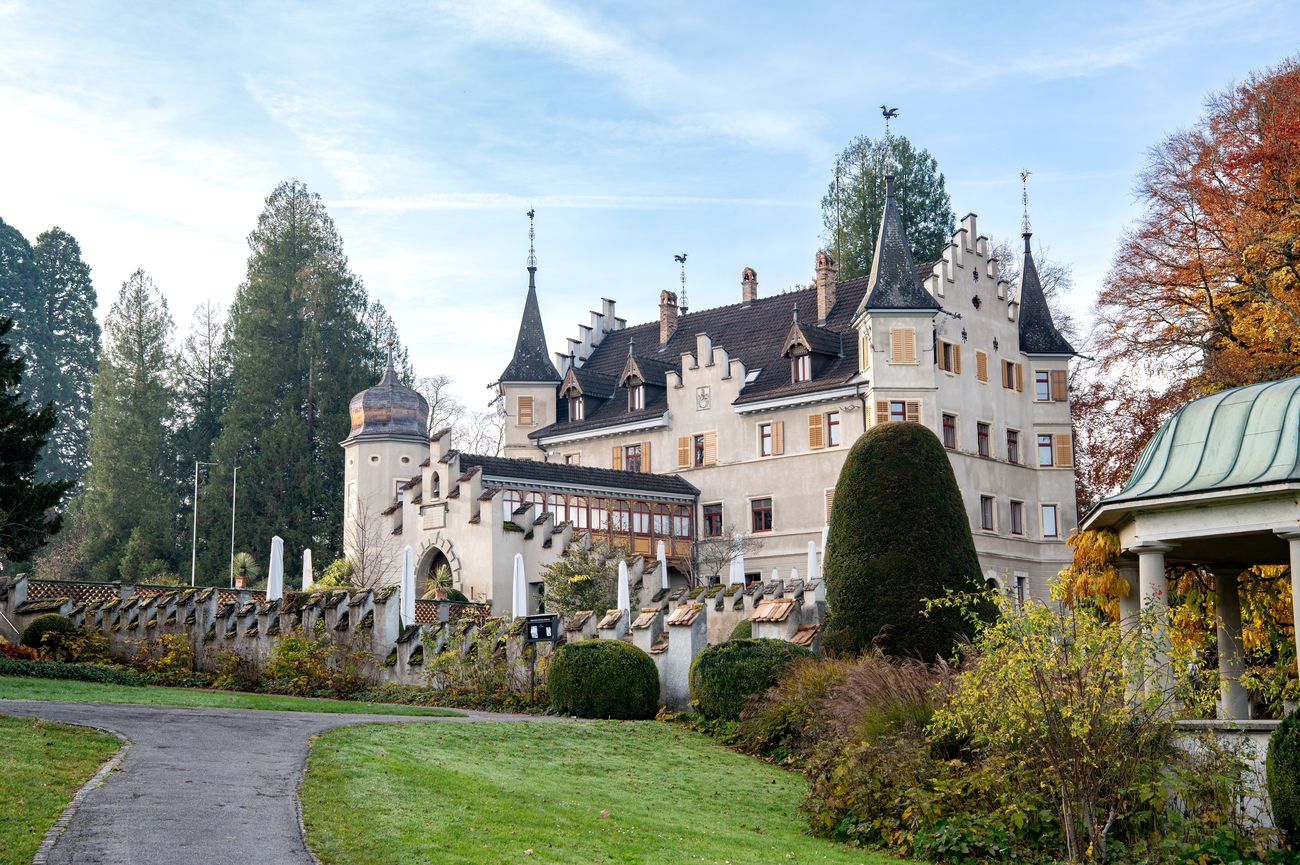
Seeburgpark
As the morning’s medieval stone and 19th-century parlors fade into memory, the journey glides back toward the water. A scenic drive of about 20 minutes along the lakeshore brings you across the Swiss border into Kreuzlingen, where the atmosphere softens and the horizon opens wide. Then Seeburgpark appears.
This is where Bodensee exhales.
Seeburgpark stretches along the lake like a manicured green carpet rolled out for the Alps. Once part of a private estate, the grounds now unfold across wide lawns, sculpted gardens, and tree-lined paths that lead directly to the water’s edge. The historic Schloss Seeburg stands within the park, adding just the right touch of aristocratic nostalgia to the landscape. Swans drift near the shoreline, sailboats pass quietly in the distance and the Swiss precision in landscaping is impossible to miss.
You’ll find locals cycling, families strolling and couples lingering on benches facing the water but the park is large enough that you can carve out your own quiet corner. Walk toward the lakeside promenade for uninterrupted views across to Konstanz.
Münster Unserer Lieben Frau
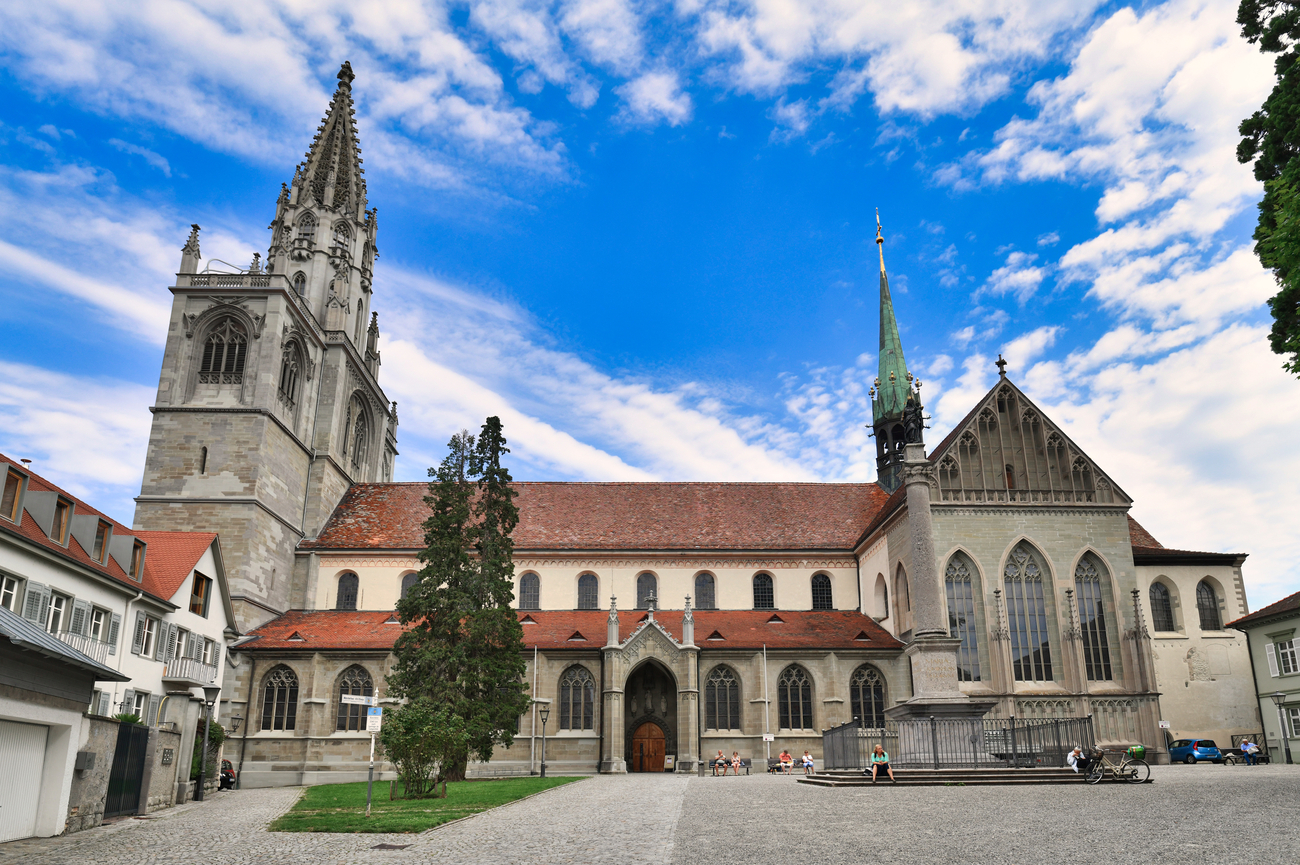
The lake air gives way to cobblestones again as the route slips from Kreuzlingen into Konstanz almost without ceremony. One moment you’re lakeside, the next you’re threading through medieval streets. And then it rises. Münster Unserer Lieben Frau claims the skyline long before you reach its doors, its red sandstone tower keeping quiet watch over the old town.
Founded in the 7th century and shaped over time by Romanesque strength and Gothic ambition, the cathedral carries more than architectural weight. Its tower has guided sailors on the lake for centuries and its walls once held the powerful voices of the Council of Constance (1414–1418). It’s a gathering that shifted the course of church history. Inside, the space opens dramatically: vaulted ceilings stretch overhead, light spills through stained glass, carved choir stalls line the nave and the crypt hums with the gravity of time. Every column and altar feels intentional, layered with craftsmanship and conviction. Go and climb the tower if you’re feeling ambitious. The narrow spiral staircase rewards you with one of the best panoramic views in the region, with rooftops clustered below, the lake shimmering outward and Switzerland visible across the water.
Rosgartenmuseum Konstanz
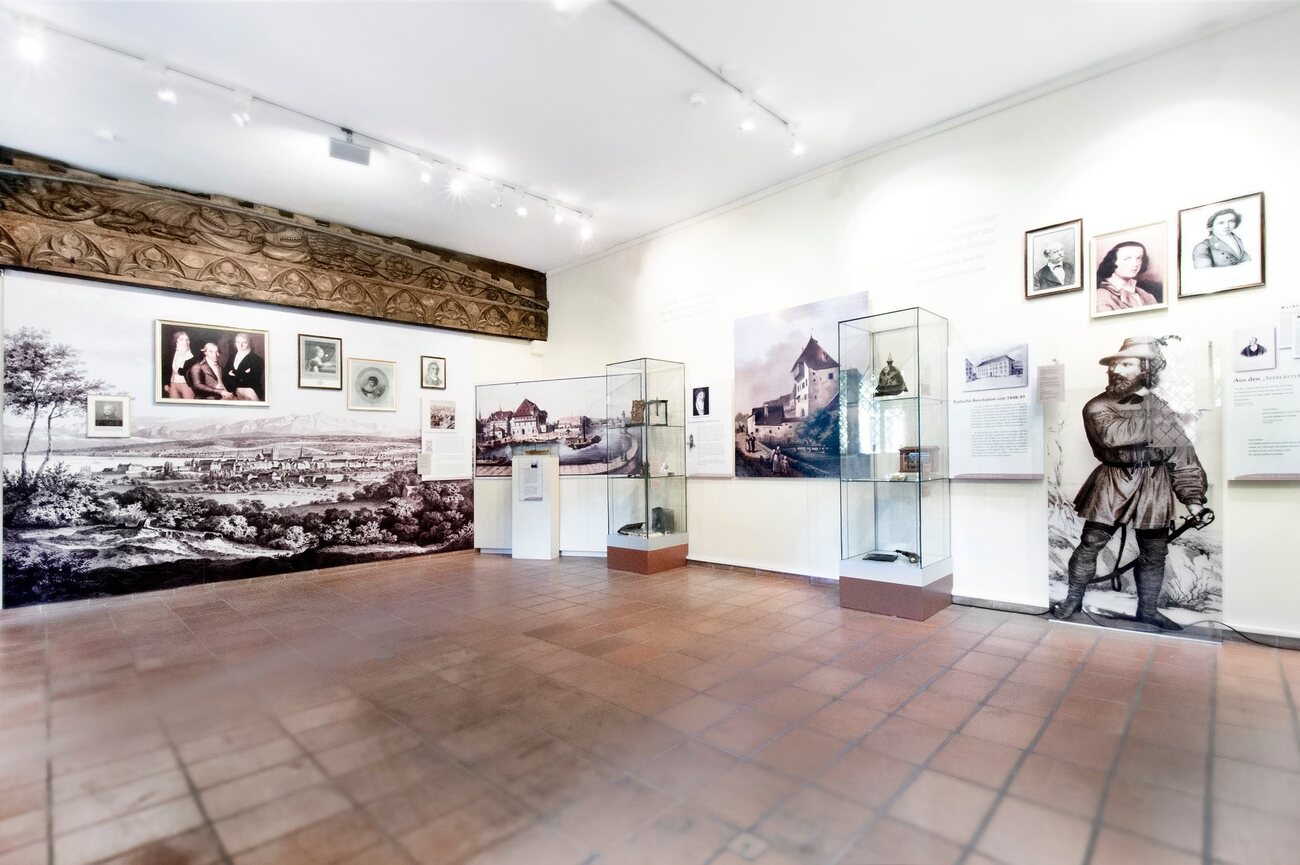
Rosgartenmuseum Konstanz sits right in the old town. No dramatic entrance, no long transfer, just a historic guild house quietly holding centuries of stories behind its facade. If the Münster gave you power and politics, this stop gives you personality.
Housed inside the former butchers’ guild house from the 15th century, the Rosgartenmuseum is the cultural memory bank of Konstanz and the wider Lake Constance region. Timber beams cross low ceilings, wooden staircases creak with intention and the rooms unfold like chapters from prehistoric lake dwellings and Roman artifacts to medieval trade, council history and bourgeois life. The museum connects the dots between lake, city, and empire in a way that feels cohesive rather than overwhelming. You’ll move from Stone Age tools to council-era intrigue in one building.
Guided tours are currently offered in English and German, so you can actually follow the story instead of nodding politely at plaques. Because of the museum’s historic layout and limited space, two guided tours on the same topic can’t run at the same time.
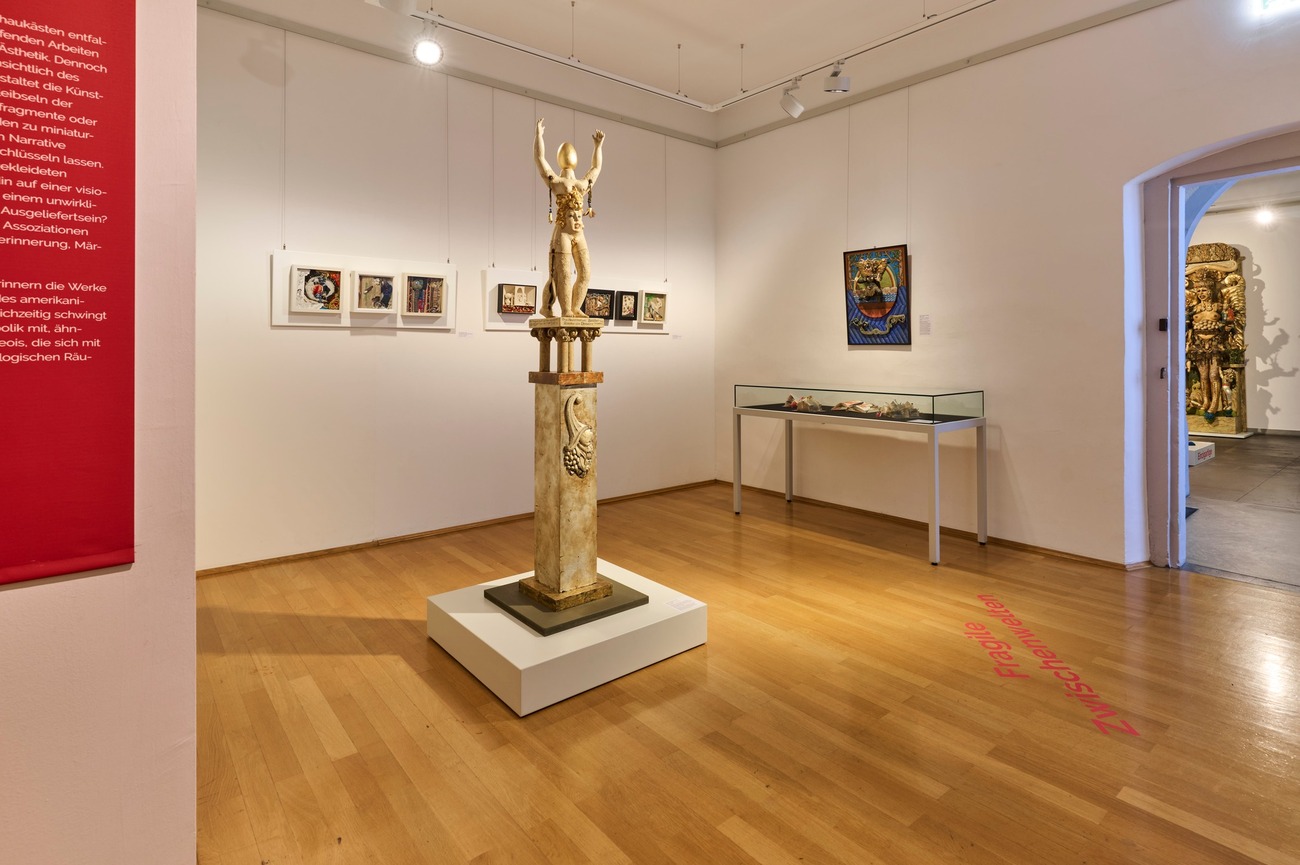
Städtische Wessenberg-Galerie
Just when you think Konstanz has shown its full cultural hand, the day plays another card. A short stroll from Rosgartenmuseum, along the quiet stretch near the Rhine, brings you to Städtische Wessenberg-Galerie. Yes, this is the fourth museum of the day and somehow, you’re still curious.
Named after theologian, reformer and avid art collector Ignaz Heinrich von Wessenberg, this gallery centers on 19th- and early 20th-century works from Lake Constance region and southern Germany. It occupies a former 18th-century patrician residence and that setting shapes the entire experience. High ceilings, polished wooden floors and softly lit rooms give the collection space to breathe. Romantic lake landscapes, poised Biedermeier portraits and evolving artistic styles unfold across curated walls, reflecting both regional identity and Europe’s shifting cultural mood.
You’ll notice how the lake keeps appearing on canvas with misty horizons, soft alpine light, vineyard slopes rendered in oil. After walking those same shores earlier, the artwork hits differently. You’re no longer just observing paintings; you’re recognizing them. And the gallery regularly hosts temporary exhibitions alongside its permanent collection, so timing your visit can offer something contemporary layered onto the historical core.
Evening:
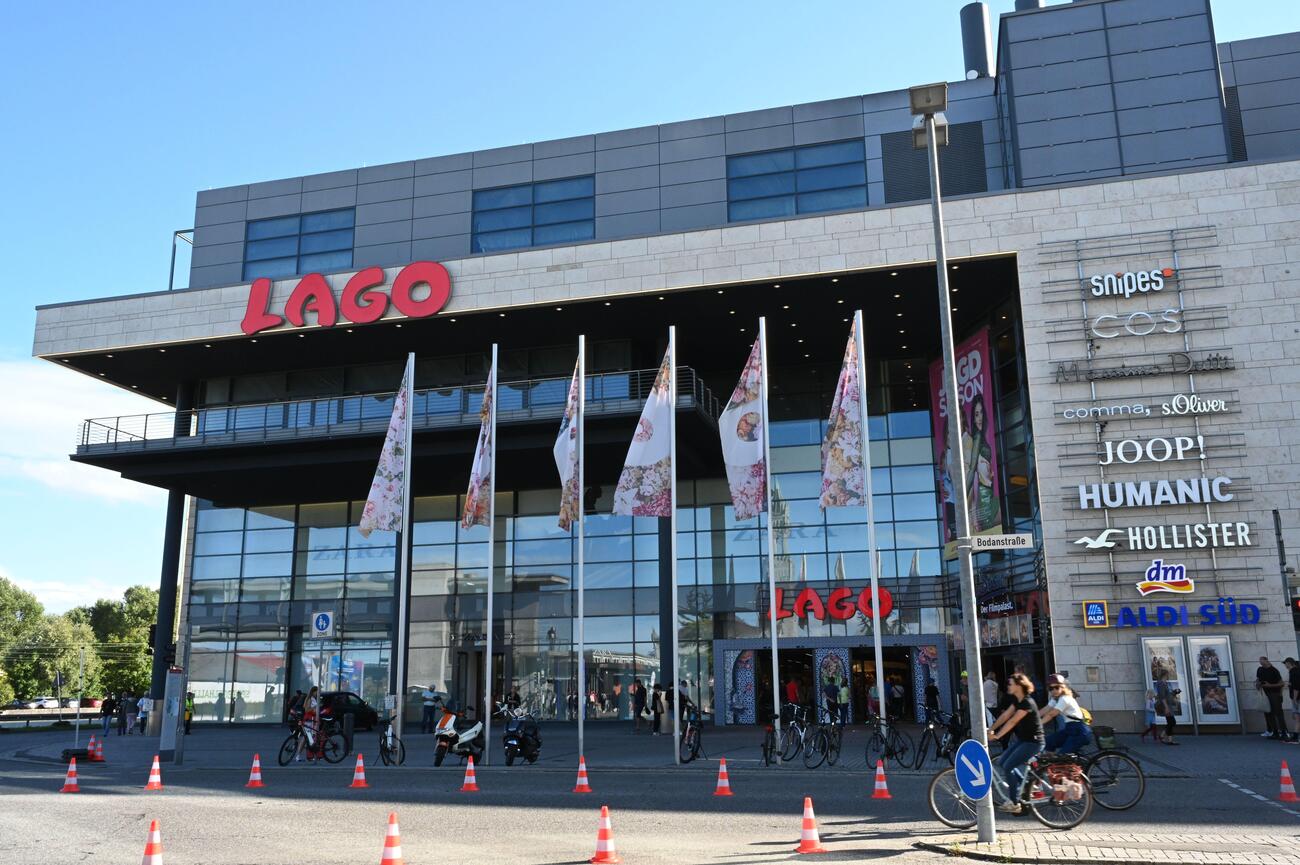
LAGO Shopping Center
As the light begins to soften over Konstanz and the cathedral bells trade grandeur for golden hour glow, the evening pivots from centuries-old stone to polished glass. A short walk toward the harbor brings you to LAGO Shopping-Center Konstanz.
LAGO isn’t just convenient; it’s strategic. Sitting steps from the Swiss border, it has become a magnet for cross-border shoppers who appreciate strong currency math and strong fashion choices. Inside, the space feels modern and airy, with clean lines, wide corridors and natural light filtering through expansive glass panels. You’ll find a curated mix of international brands, premium fashion labels, beauty boutiques and lifestyle stores from elevated essentials to statement pieces that don’t scream but absolutely know their worth.
Imperia
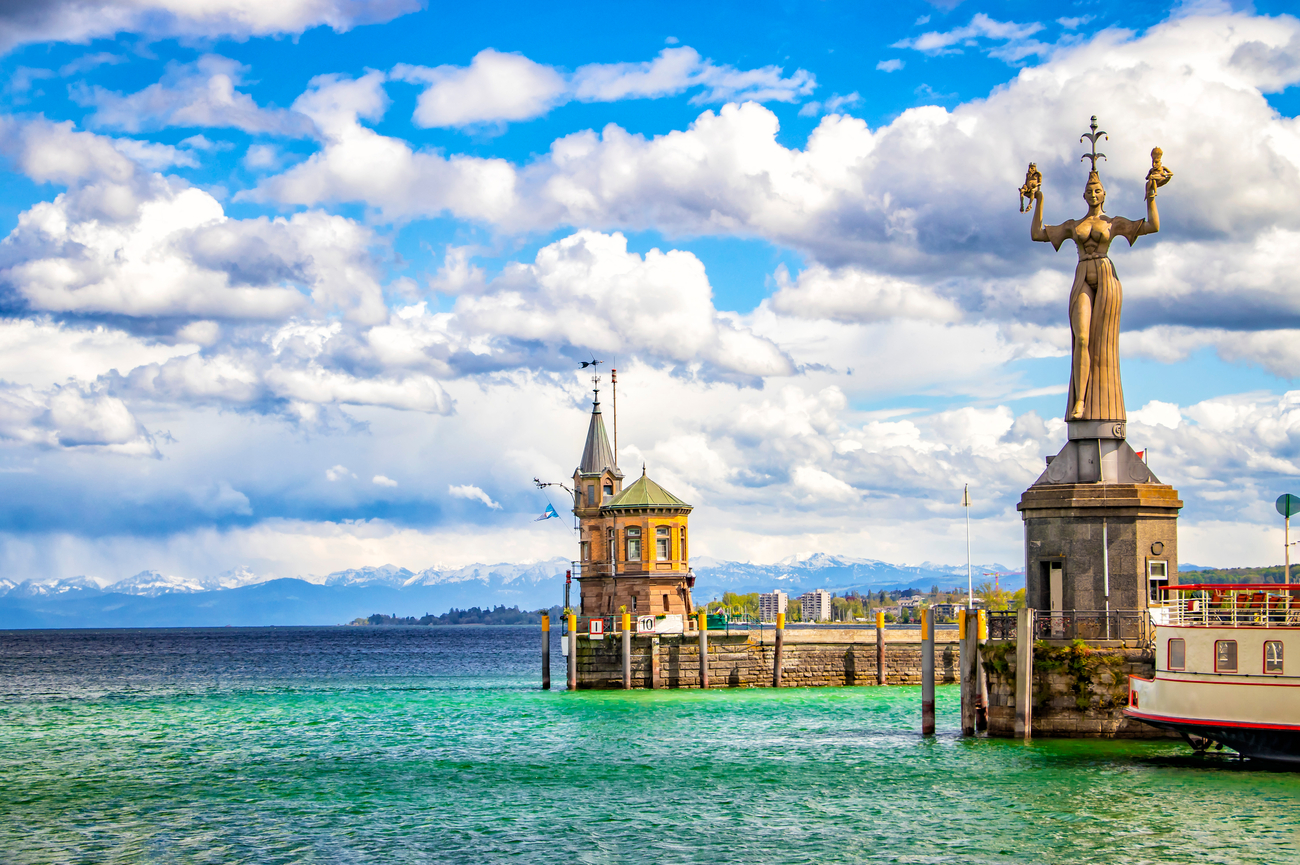
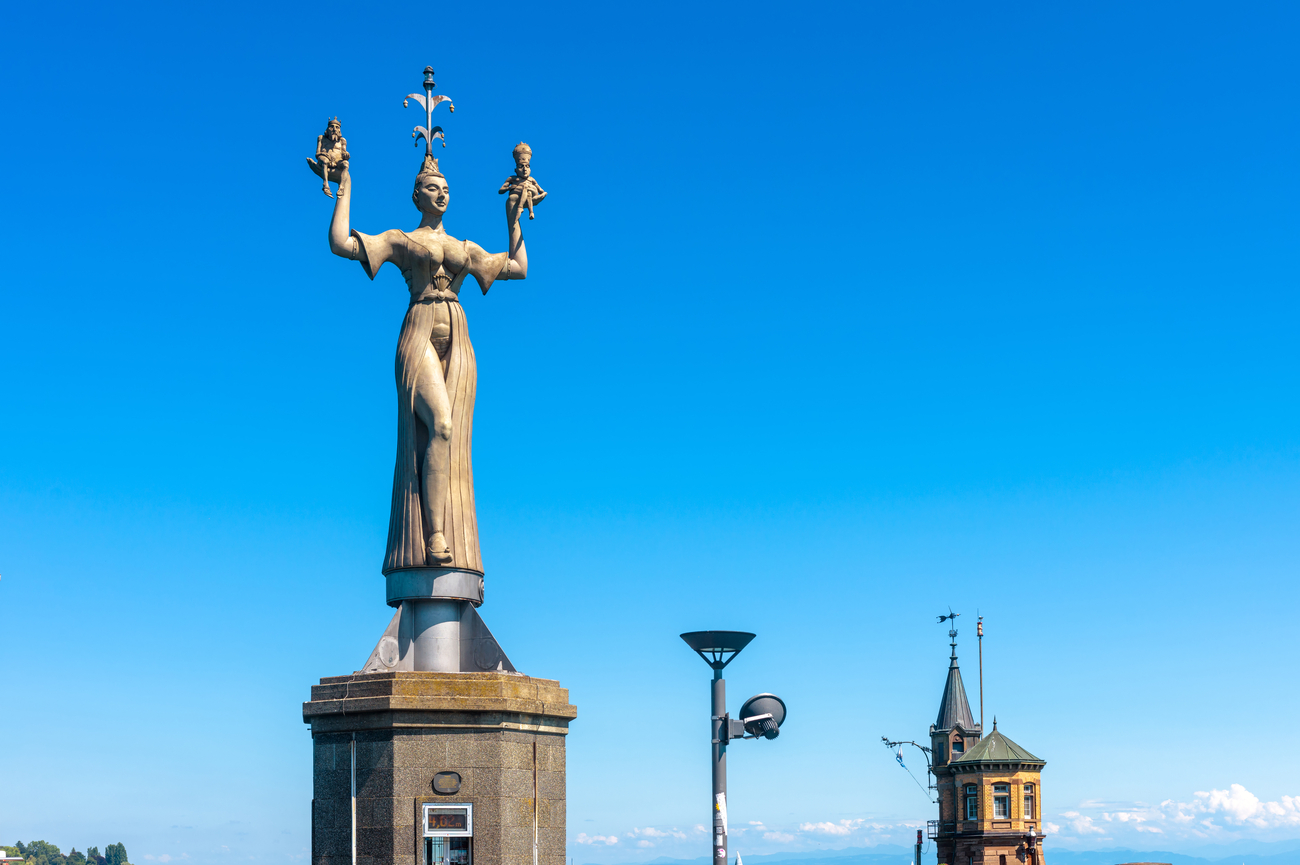
The promenade naturally pulls you toward the harbor, where the cobblestones widen and the lake opens up like a final curtain call. Boats bob gently against the docks, the Alps fade into silhouette and right at the water’s edge stands Imperia.
Nine meters tall and unapologetically bold, this rotating statue was created in 1993 by sculptor Peter Lenk. Inspired by a satirical tale from Honoré de Balzac, Imperia references the historic Council of Constance (1414–1418) but with a sharp twist. She holds two tiny male figures in her hands: one symbolizing the pope, the other the emperor. Both are reduced to miniature, almost comical forms. It’s witty. It’s provocative. It’s Konstanz reminding you that even the most powerful figures can be humbled by perspective.
Set at the harbor entrance, Imperia completes a full rotation every four minutes, offering a constantly shifting silhouette against the lake. As evening settles, cathedral lights glow behind you, ferries glide in quietly and the statue continues its slow, deliberate turn. The day closes here, by the water, with art that simply stands, rotates and lets the lake do the rest.
Day 1 -
Stein am Rhein, Kreuzlingen & Konstanz
Tour Map
Day 2 - Mainau, Birnau, Meersburg & Friedrichshafen
Morning: Mainau
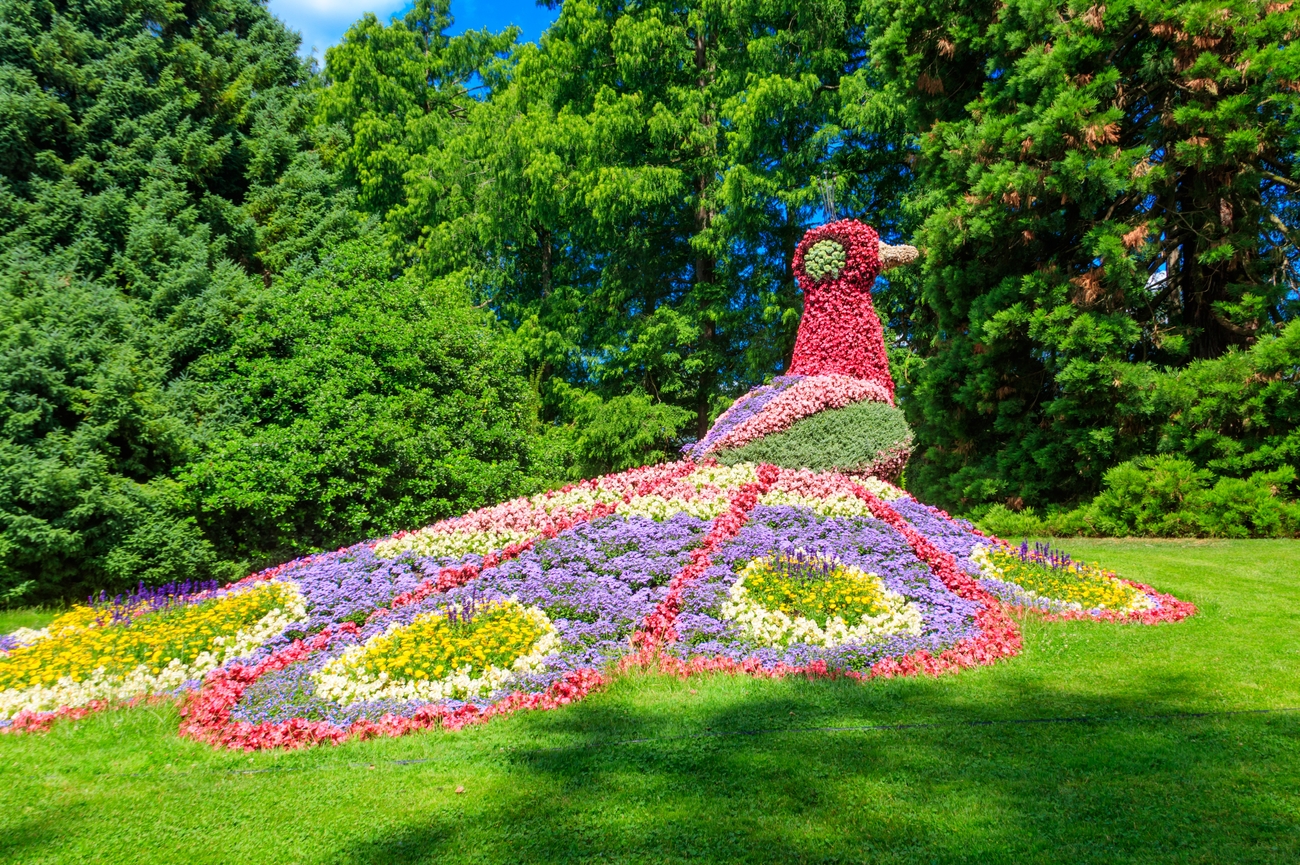
Insel Mainau, the island that decided subtlety was overrated and flowers deserved their own kingdom.
Mainau is often called the “Flower Island,” but that barely covers it. This is a botanical power move. Palm trees line pathways in summer, tulips explode into color in spring, dahlias stage their own grand finale in autumn. The gardens are choreographed with intention, with Italian rose gardens laid out with geometric precision, terraces cascading toward the lake and an arboretum showcasing rare and towering trees from around the world. At the center stands Schloss Mainau, a Baroque palace built in the 18th century, adding just enough aristocratic drama to the floral fantasy. Inside the grounds, the Schmetterlingshaus (Butterfly House) creates a tropical microclimate where hundreds of butterflies move freely among exotic plants.
Mainau operates year-round, with seasonal highlights shaping the experience. It’s nature-styled, composed and confidently displayed. And as the second day begins surrounded by blooms and baroque symmetry, Bodensee proves once again that it knows how to make an entrance.
Schloss Mainau
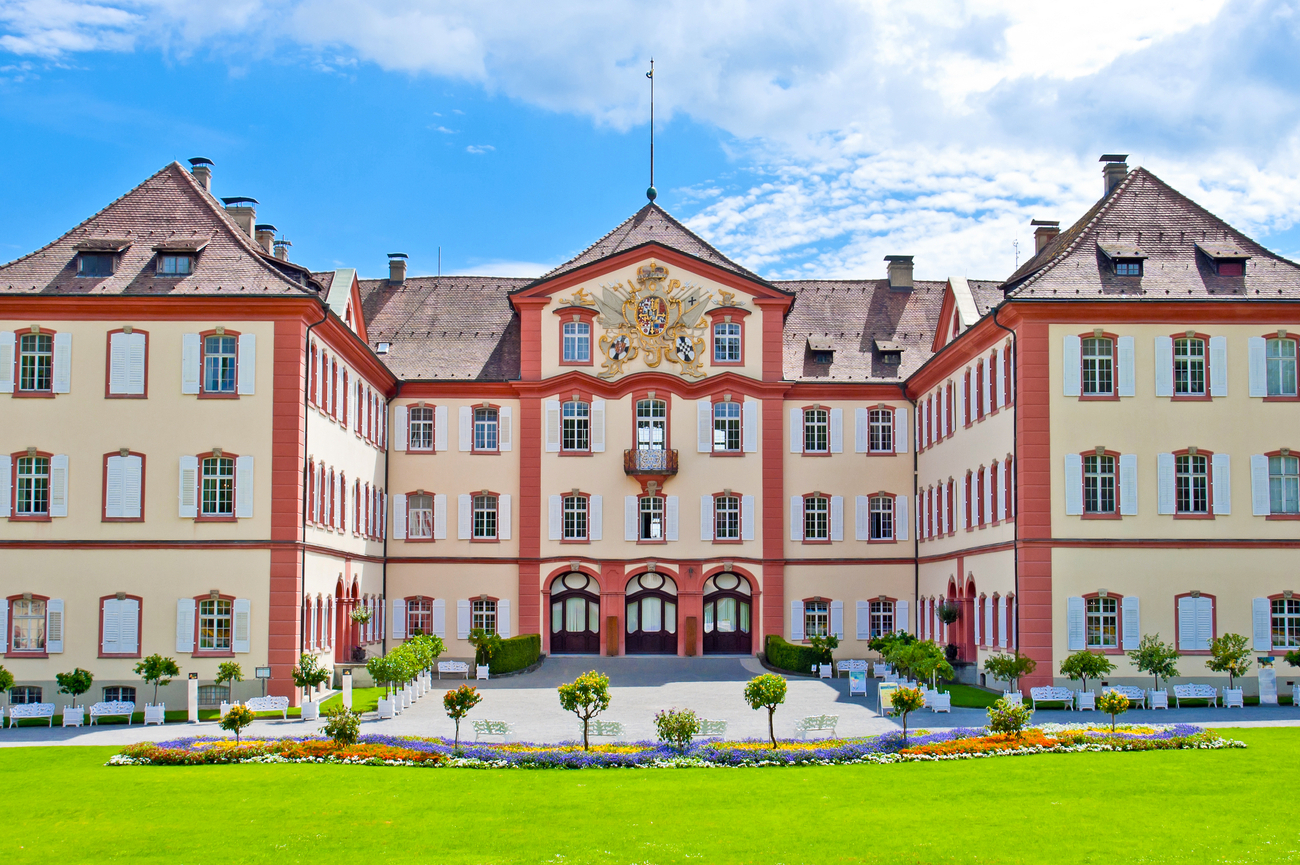
At the heart of the island, rising above the symmetry of flowerbeds and perfectly trimmed hedges, stands Schloss Mainau. The gardens may flirt with color, but the palace holds the posture.
Built in the 18th century by the Teutonic Order and later transformed by the Bernadotte family, this Baroque residence anchors the island with soft terracotta walls, white shutters and a facade that glows warmly against the lake backdrop. The symmetry is intentional, the detailing refined without being excessive. While parts of the palace remain privately used by the Bernadotte family, certain historic interiors and exhibitions are accessible to visitors depending on the season. The palace church, Schlosskirche St. Marien, is a highlight.
You’ll notice how the palace doesn’t overpower the gardens, it complements them. Step inside when open exhibitions are available and you’ll find rotating displays focused on art, history and the island’s legacy. Informational panels throughout the grounds provide context on the Bernadotte lineage and the island’s transformation into a botanical landmark.
Schmetterlingshaus
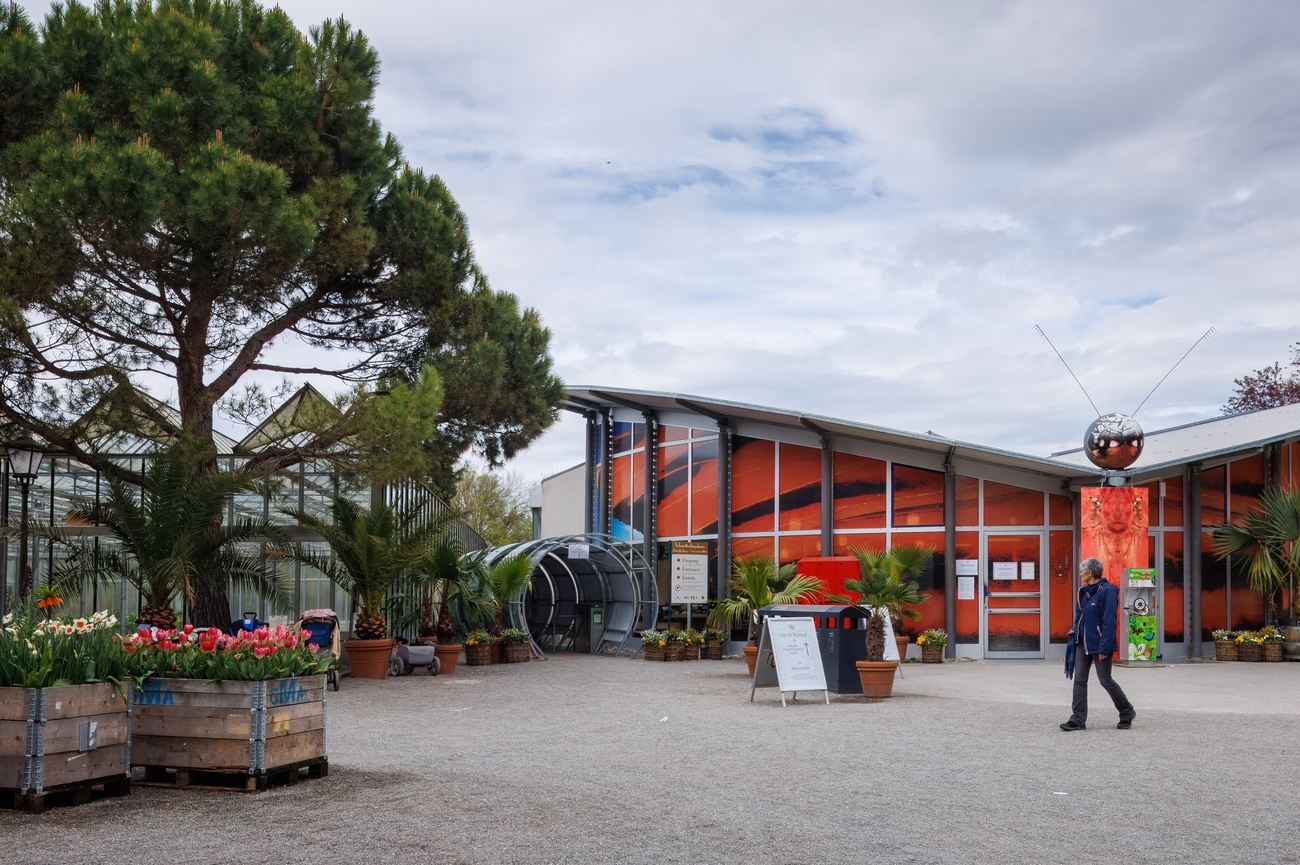
Just when you think Mainau has shown you every shade of green possible, the path curves toward a glass structure that feels almost tropical from the outside. Step through the doors of the Schmetterlingshaus Mainau and the climate and the mood shifts instantly.
Warm air wraps around you. Exotic plants stretch upward. And then the real stars appear. Hundreds of free-flying butterflies glide through the space, landing wherever they please. On leaves, railings, sometimes even shoulders if you’re lucky. With around 1,000 square meters of tropical landscape, this is one of the largest butterfly houses in Germany. Species from South America, Africa and Asia flutter overhead in impossible colors like electric blues, deep velvets, delicate translucent wings that look hand-painted. It’s part botanical garden, part living art installation.
The interior is carefully designed to mimic a rainforest ecosystem, complete with small waterfalls, lush greenery and controlled humidity to support the butterflies’ life cycle. You’ll spot chrysalises displayed in glass cases, offering a close look at transformation in real time. It’s educational without losing its sense of wonder.
Afternoon: Zisterzienser-Priorat Kloster Birnau
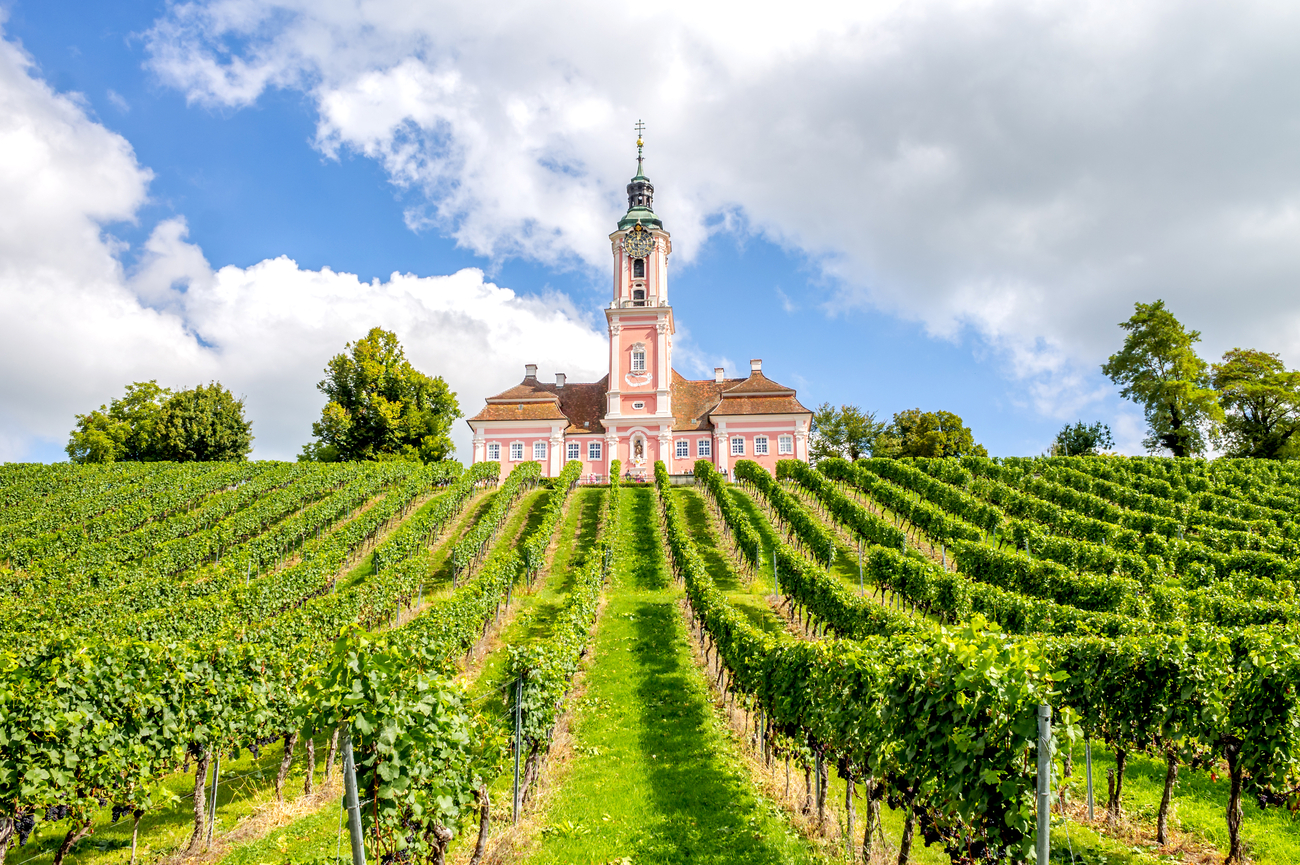
Leaving the island’s gardens behind, the route traces the lake’s northern edge for about 25 minutes, gradually trading palm trees and flowerbeds for vineyard-covered hills. The road begins to rise slightly, the water widening below and then framed by rows of grapevines, Zisterzienser-Priorat Kloster Birnau comes into view, poised high above Bodensee like it chose this exact balcony on purpose.
This 18th-century Cistercian priory is a masterclass in late Baroque elegance. The soft pastel exterior and twin onion-domed towers create a silhouette that feels almost playful against the blue horizon. Inside, restraint disappears. Gilded altars glow, ceiling frescoes swirl with movement and sculpted stucco details climb the walls with theatrical confidence. Cherubs seem mid-conversation overhead, while sunlight filters through tall windows, catching gold accents at just the right angle.
The priory remains active, which gives the visit a sense of living continuity rather than museum stillness. You can also visit during open hours, though services shape access throughout the day.
Altes Schloss
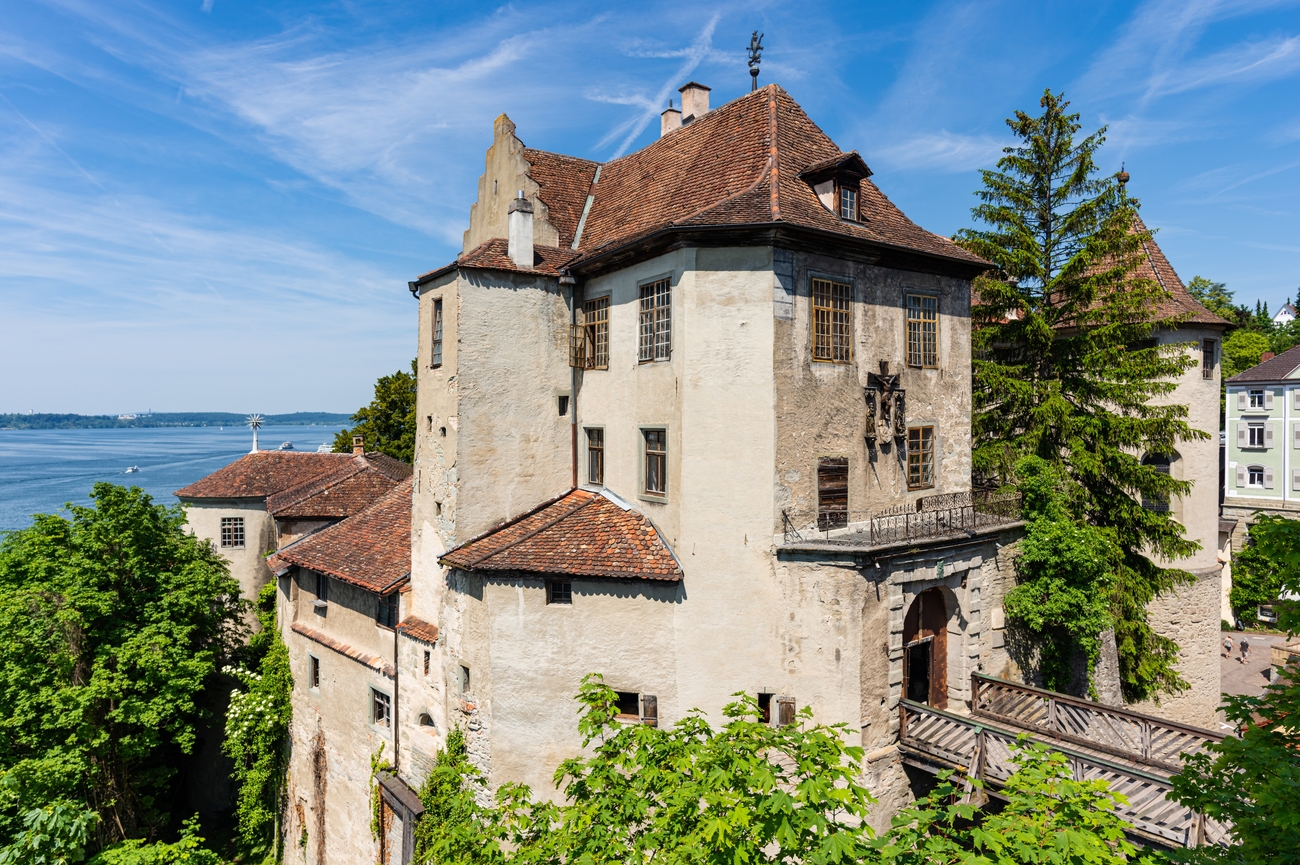
The road unwinds from Birnau’s vineyard terrace and gently follows the curve of the lake, drawing you toward a cluster of red-tiled rooftops gathered tightly along the shore. Above them, commanding the skyline without apology, rises Altes Schloss Meersburg.
Widely considered the oldest inhabited castle in Germany, its origins trace back to the 7th century, with much of the present structure shaped in the 12th and 13th centuries. This was a fortress first, residence second. Thick defensive walls, wooden beam ceilings, narrow passageways and steep staircases reflect a time when protection outweighed comfort. Prince-bishops ruled from these chambers and later the poet Annette von Droste-Hülshoff lived within its walls with her preserved rooms offering a softer literary counterpoint to the armor and weaponry displayed in the armory and knights’ hall. Even the dungeon remains intact, a stark reminder of medieval justice.
You’ll explore most of the castle at your own pace, wandering through towers, armories, living quarters and Annette von Droste-Hülshoff’s preserved rooms without being rushed but if you want the deeper story, you can elevate the visit. Guided tours in German or English are available upon request for a surcharge, and there are also specialized, in-depth tours focused entirely on Annette von Droste-Hülshoff for those who want more literary context woven into the stone walls. These guided experiences are only offered on request, so arranging them in advance is essential.
Neues Schloss
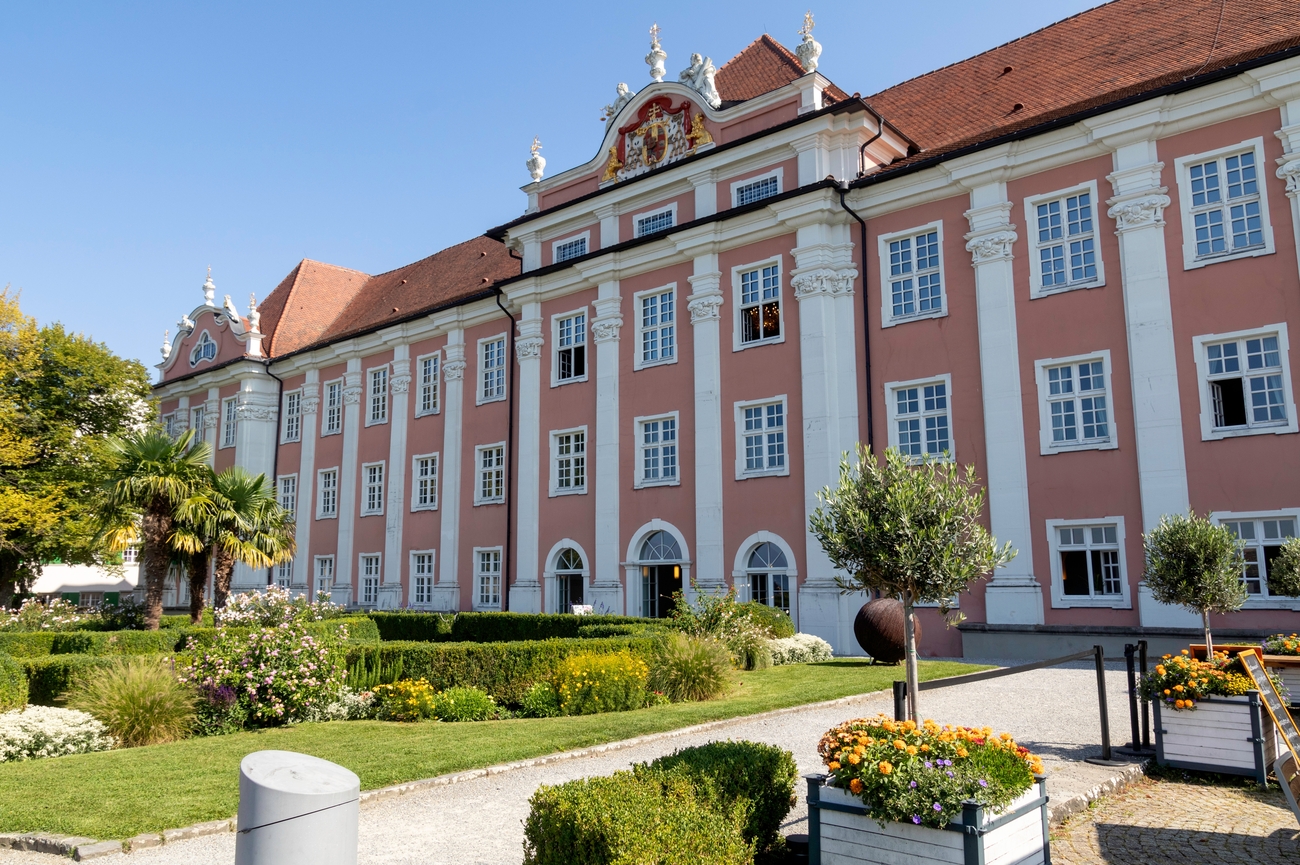
Just a few steps downhill from the fortress gravity of Altes Schloss, the mood shifts dramatically. The stone defenses soften, symmetry takes over and Neues Schloss Meersburg rises with polished confidence above the lake.
Built in the early 18th century, Neues Schloss Meersburg marked a deliberate shift in how the Prince-Bishops of Constance wanted to be seen. Defense was no longer the headline but display was. Instead of tight corridors and fortified walls, you’ll walk through airy state rooms arranged in graceful sequence. Ceilings bloom with stucco ornamentation, pastel frescoes soften the light and gilded accents catch your eye without overwhelming it. The Grand Staircase (Prunktreppe) steals the scene, sweeping upward with confident drama, while audience chambers and private apartments reveal a lifestyle designed to impress rather than intimidate. Today, the palace functions as a museum and you follow a clear route through restored interiors and rotating exhibitions centered on Baroque culture and regional history.
Evening: Zeppelin Museum Friedrichshafen
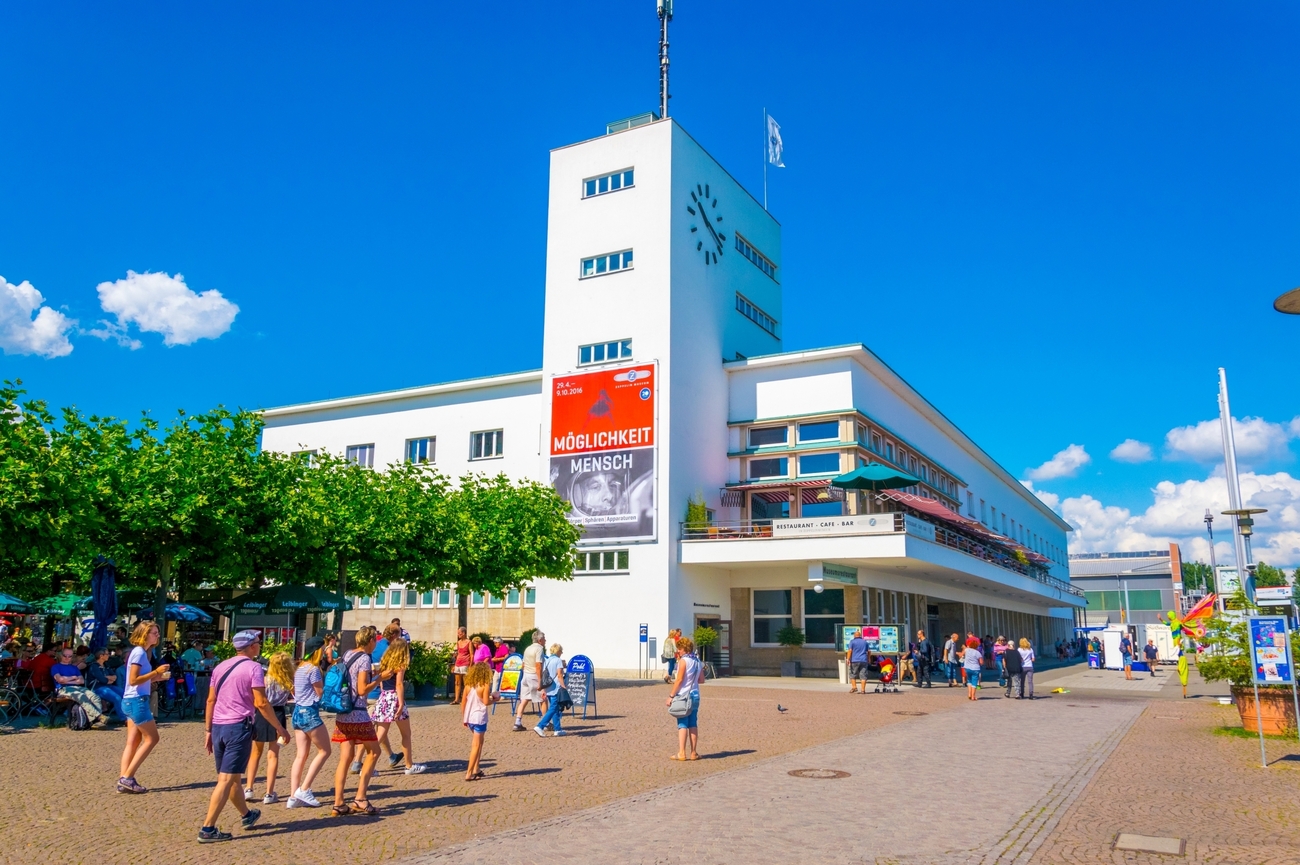
As the lake darkens into deep blue and Friedrichshafen’s promenade begins to glow, the evening shifts from medieval stone to metal and motion. Rising directly along the waterfront, bold and modern against the horizon, stands the Zeppelin Museum Friedrichshafen, where Bodensee trades castles for clouds.
Housed in the former harbor railway station, the museum holds the world’s largest collection on airship history. The highlight is the full-scale reconstruction of parts of the LZ 129 Hindenburg, allowing you to walk through recreated passenger spaces and experience what transatlantic luxury felt like in 1936. Beyond the engineering marvels, the museum also presents an impressive art collection, creating a dialogue between technology and creative expression. It’s an ambition in aluminum form. It is innovation that once redefined how the world moved.
The museum offers themed recurring public tours throughout the month, as well as a variety of specialized themed tours available on request for groups, families and schools. Whether you’re interested in aviation history, the intersection of technology and art or deeper contextual storytelling, guided options can be arranged to match your focus.
Uferpromenade Friedrichshafen
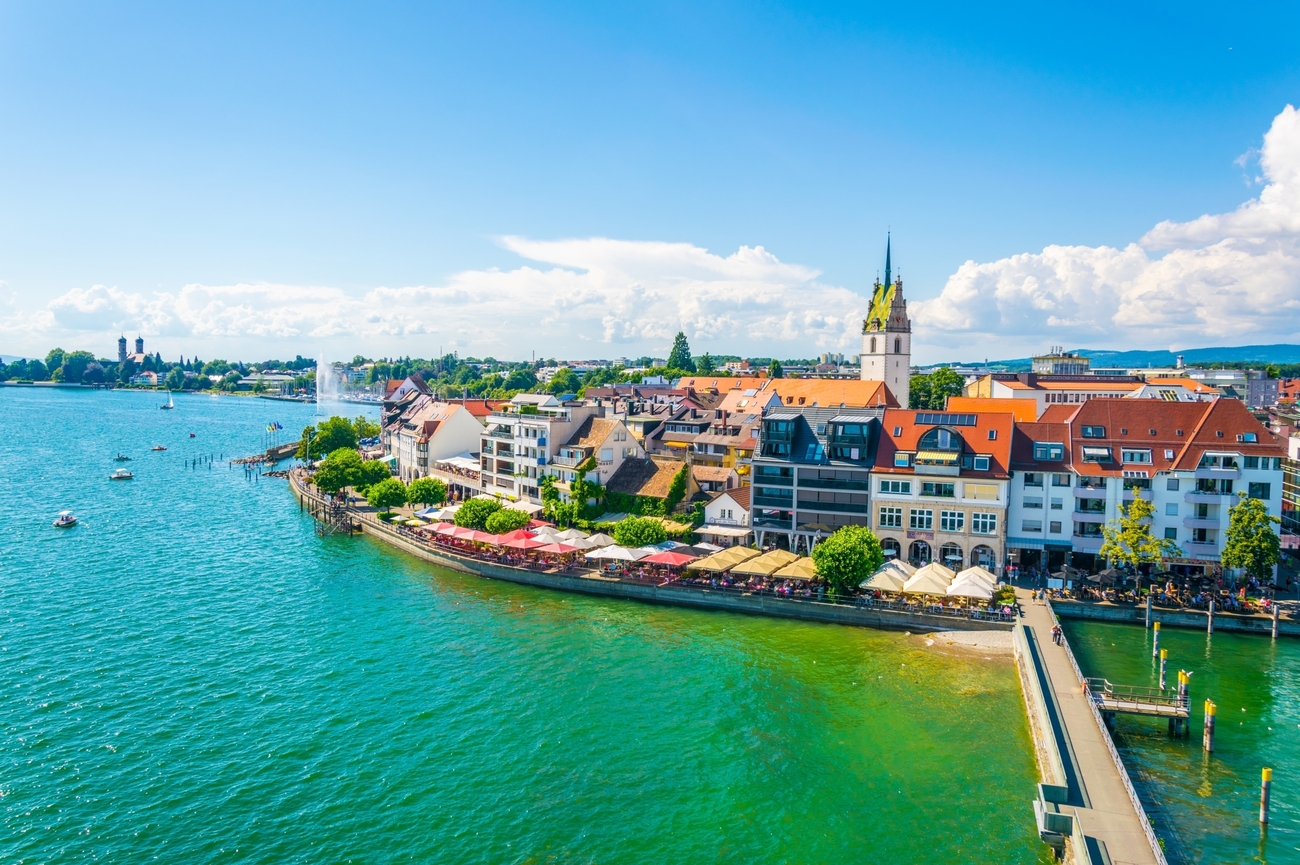
Leaving the Zeppelin Museum behind, you don’t need a car, a map or even much direction, the Uferpromenade Friedrichshafen begins just steps away from the museum entrance. Within a minute or two on foot, the architecture gives way to open sky and uninterrupted lake views.
This promenade stretches gracefully along the shoreline, offering one of the most scenic evening walks on Bodensee. Palms line sections of the path, gardens are neatly landscaped and benches face west as if deliberately positioned for sunset appreciation. Sailboats ease back into harbor, ferries glide in and the Alps fade into silhouette across the water.
You’ll pass the harbor pier and small sculptures along the walkway, including the Klangschiff, a floating sound installation that drifts gently along the promenade. Designed to respond to movement and touch, it turns the lake itself into an instrument, with soft tones carrying across the water and blending with the rhythm of the evening. The rhythm here is unhurried. People stroll. Conversations soften. And the lake darkens gradually. After a day of monasteries, castles and airships, ending here feels balanced. No walls. No ceilings. Just Bodensee stretching outward, steady and luminous.
Day 2 - Lake Constance Tour Map
Day 3 - Bregenz & Lindau
Morning: Kunsthaus Bregenz
Concrete never looked this poetic.
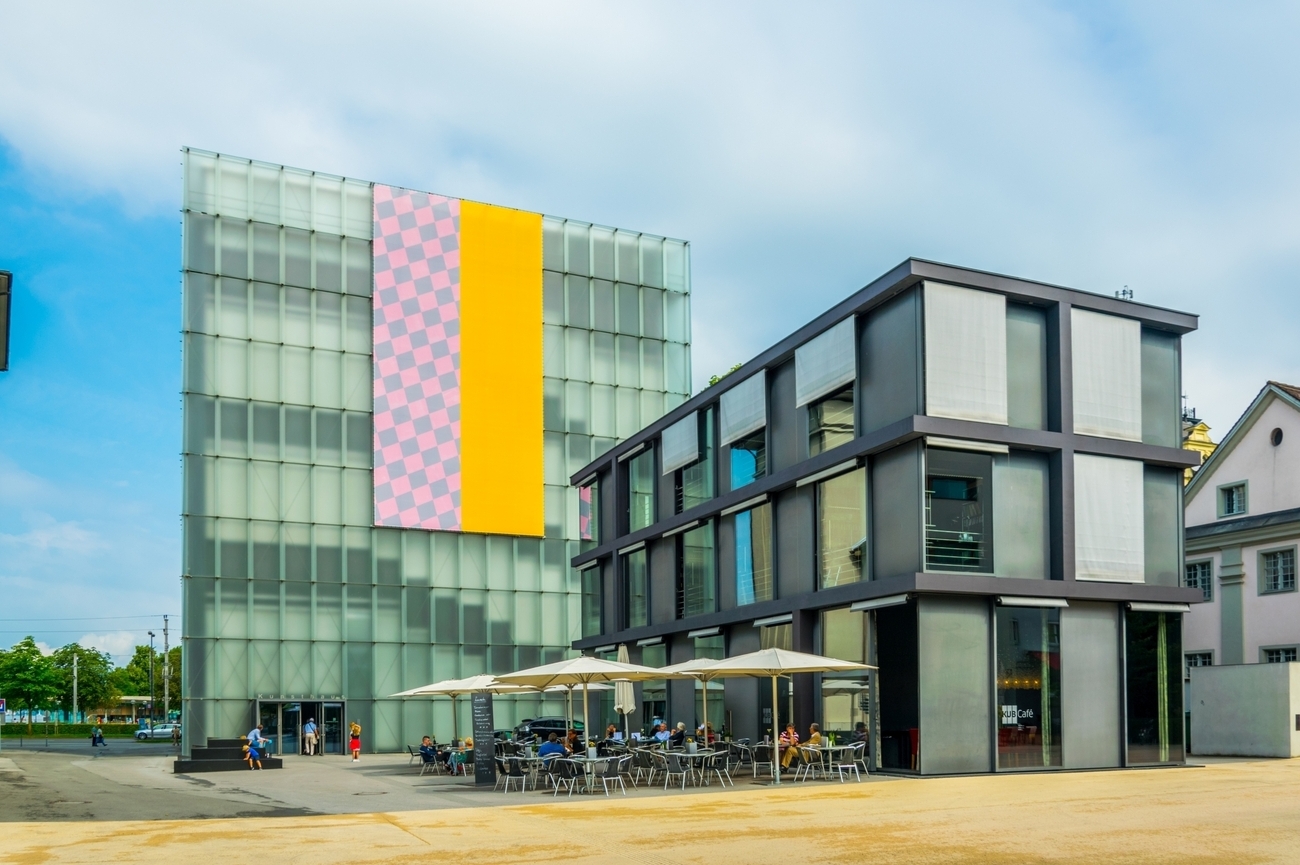
Welcome to Kunsthaus Bregenz, where architecture doesn’t just house art, it becomes part of the exhibition. As you cross into Austria and step into Bregenz’s cultural core, this luminous cube of glass and concrete rises with quiet authority near the lake. Minimal. Precise. Almost monastic in its restraint. And yet, impossible to ignore.
Designed by Swiss architect Peter Zumthor, the building itself is award-winning and internationally celebrated. Completed in 1997, KUB is constructed with glass panels that filter natural daylight down through the structure, creating shifting atmospheres on each floor. No fixed interior walls. No permanent collection. Just vast, adaptable spaces that transform completely with every exhibition. The exterior reflects the sky and Bodensee in subtle tones, while inside, the raw concrete and diffused light create an environment that feels immersive.
The exhibitions focus on contemporary art with bold installations, conceptual works and thought-provoking pieces that use the building’s spatial freedom to full effect. Each floor offers a distinct mood, shaped by light and layout.
And if you want context beyond the walls, the museum offers a guided tour of the exhibition every Thursday at 6 pm and Sunday at 4 pm, providing deeper background and insight into the curatorial concept and featured artists. For those fascinated by design, an Architectural Guided Tour is offered once per exhibition cycle, dedicated entirely to the building itself. Its materials, construction philosophy, and Zumthor’s architectural vision.
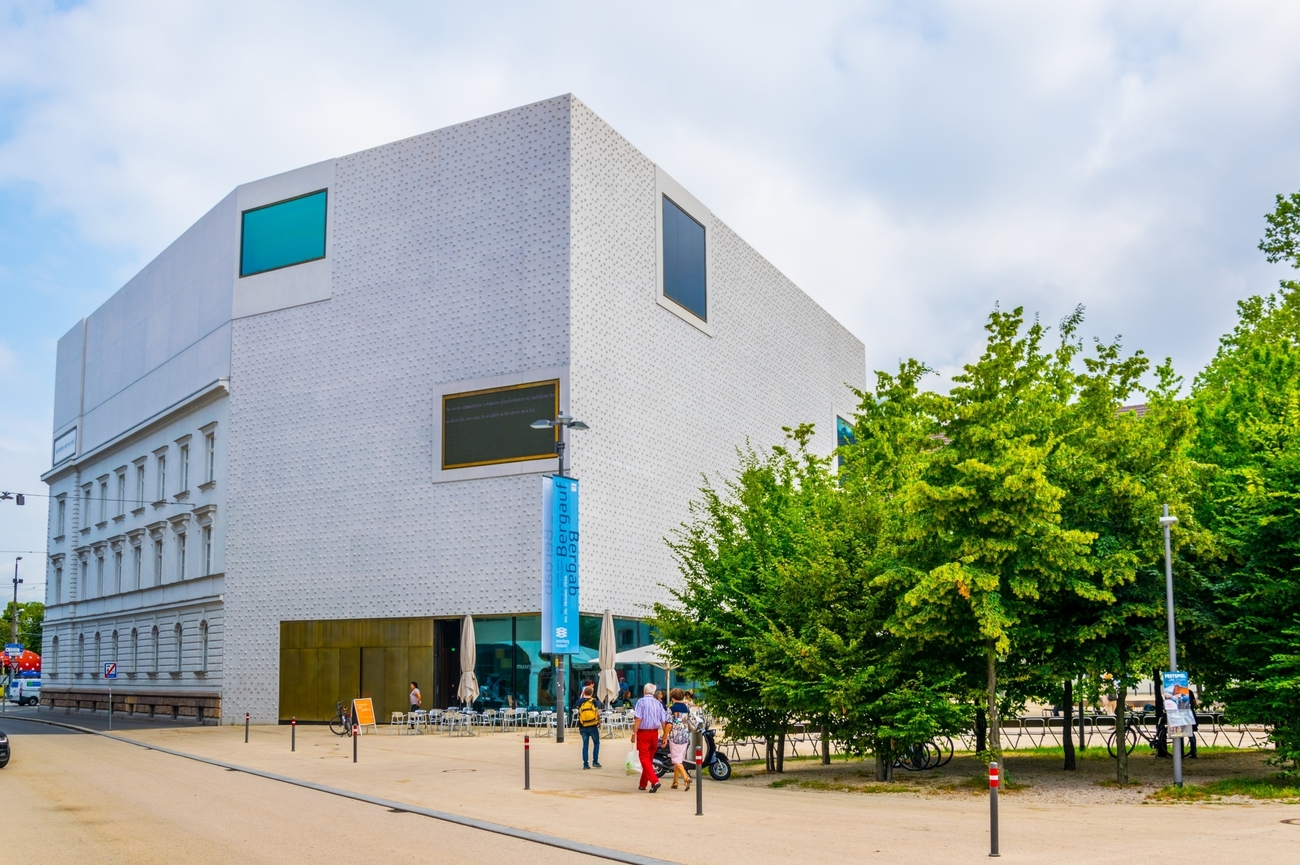
Vorarlberg Museum
Just across the square from KUB, almost like a thoughtful reply in architectural form, stands the Vorarlberg Museum.
If Kunsthaus Bregenz is minimalist and meditative, this building has personality. Its facade is dotted with thousands of concrete “blossoms,” each cast from the base of a plastic bottle. This is a surprisingly poetic detail that softens the structure’s modern lines. Step inside and the focus shifts to Vorarlberg’s identity: archaeology, folk culture, art and contemporary history layered together across thoughtfully curated floors. Exhibits range from prehistoric finds around Lake Constance to regional craftsmanship, political shifts and modern creative expression. It’s less about spectacle and more about understanding the place you’re standing in.
If you’re visiting on a Sunday, plan for 3 p.m., when the museum’s 60-minute public guided tour begins, offering rotating themes from focused exhibition insights to a full overview of the museum or even architectural background on the building itself. If you’re traveling with four or more people, you can arrange a private tour lasting 1 to 1.5 hours, available upon request and offered in English, French, Spanish and Turkish with prior coordination. The museum also hosts themed tours and workshops for those who prefer a more interactive or specialized experience.
Martinsturm
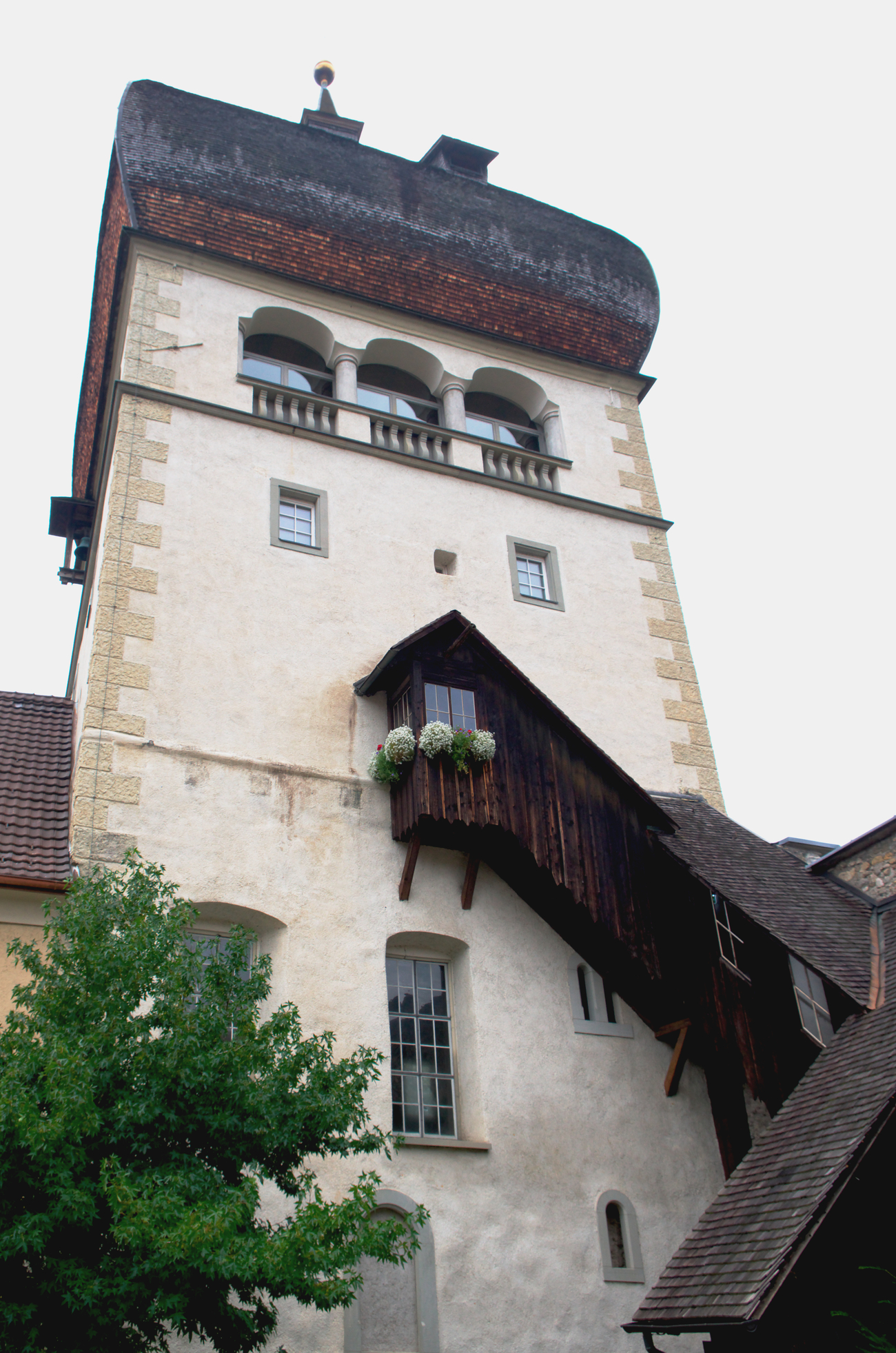
A few minutes uphill from the lakefront, the streets narrow and begin to tilt slightly toward Bregenz’s Upper Town. Cobblestones replace smooth pavement, pastel facades grow quieter, and then rising above the rooftops appears Martinsturm (St. Martin’s Tower), crowned with one of the largest onion domes in Central Europe.
Originally built in the 14th century as a grain store and defensive tower, Martinsturm later became part of St. Martin’s Church and today it stands as one of Bregenz’s most recognizable landmarks. The structure blends Gothic foundations with a striking Baroque dome added in the 17th century. It is a bold architectural statement that feels almost playful against the alpine backdrop. Inside, you’ll find historic chapels adorned with late Gothic frescoes, preserved wall paintings and wooden galleries that creak just enough to remind you of their age.
Go and climb the tower. You will be rewarded with panoramic views stretching across Lake Constance, into Germany and Switzerland and toward the surrounding mountains.
Afternoon:
Pfänderbahn
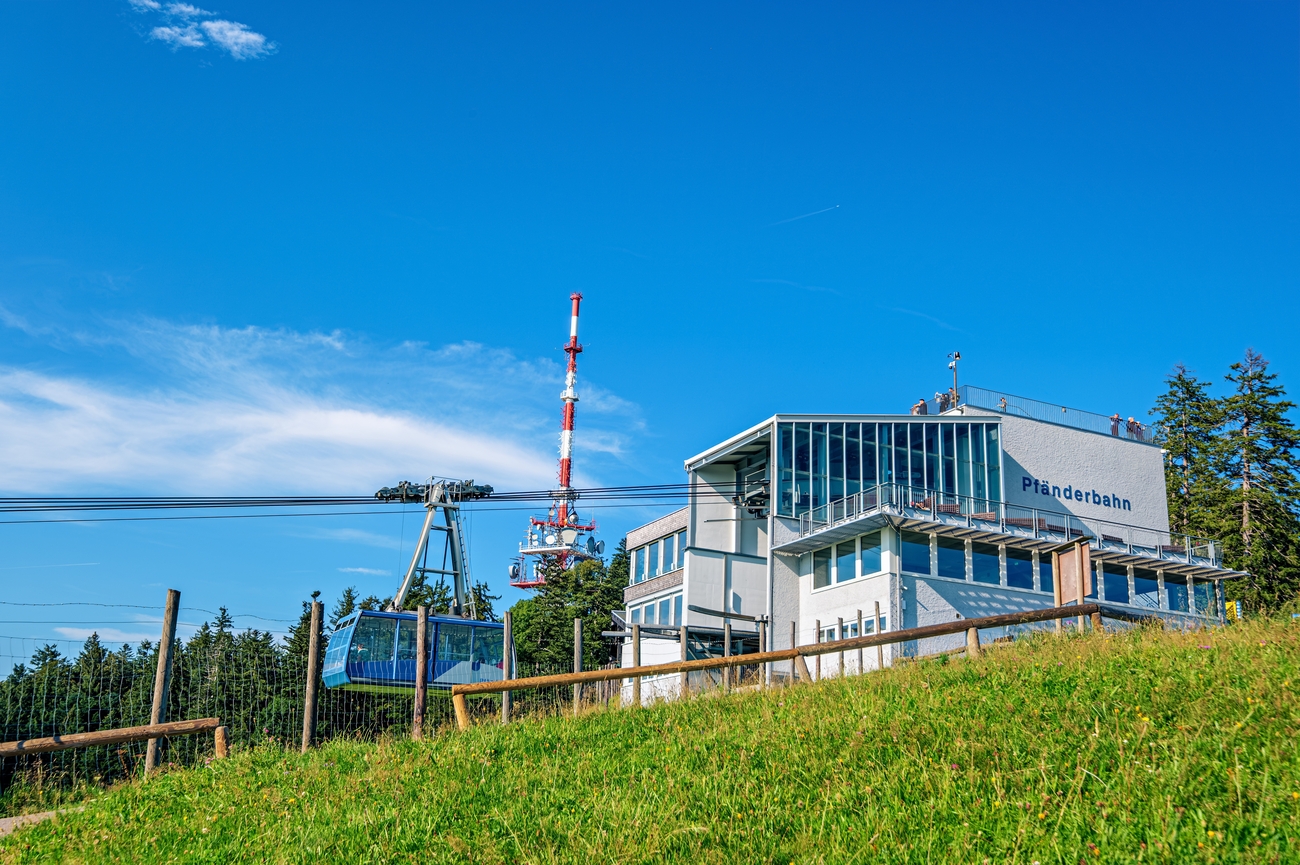
The afternoon calls for altitude. From Bregenz’s town center, it takes only a few minutes to reach the base station of the Pfänderbahn, where sleek cable cars glide steadily upward toward the mountain that defines the skyline.
The Pfänderbahn has been carrying visitors to the summit since 1927, connecting the lakeside to Pfänder Mountain in just about six minutes. The ascent is smooth but dramatic, the lake slowly widening beneath you, the town shrinking into neat geometry and the borders of three countries subtly dissolving into one panoramic sweep. At the top, you’re standing at roughly 1,064 meters above sea level, with what locals confidently call one of the most beautiful views in the region. On a clear day, the panorama stretches across Lake Constance and into Germany, Switzerland and Austria all at once.
Seepromenade mit Hafenmole
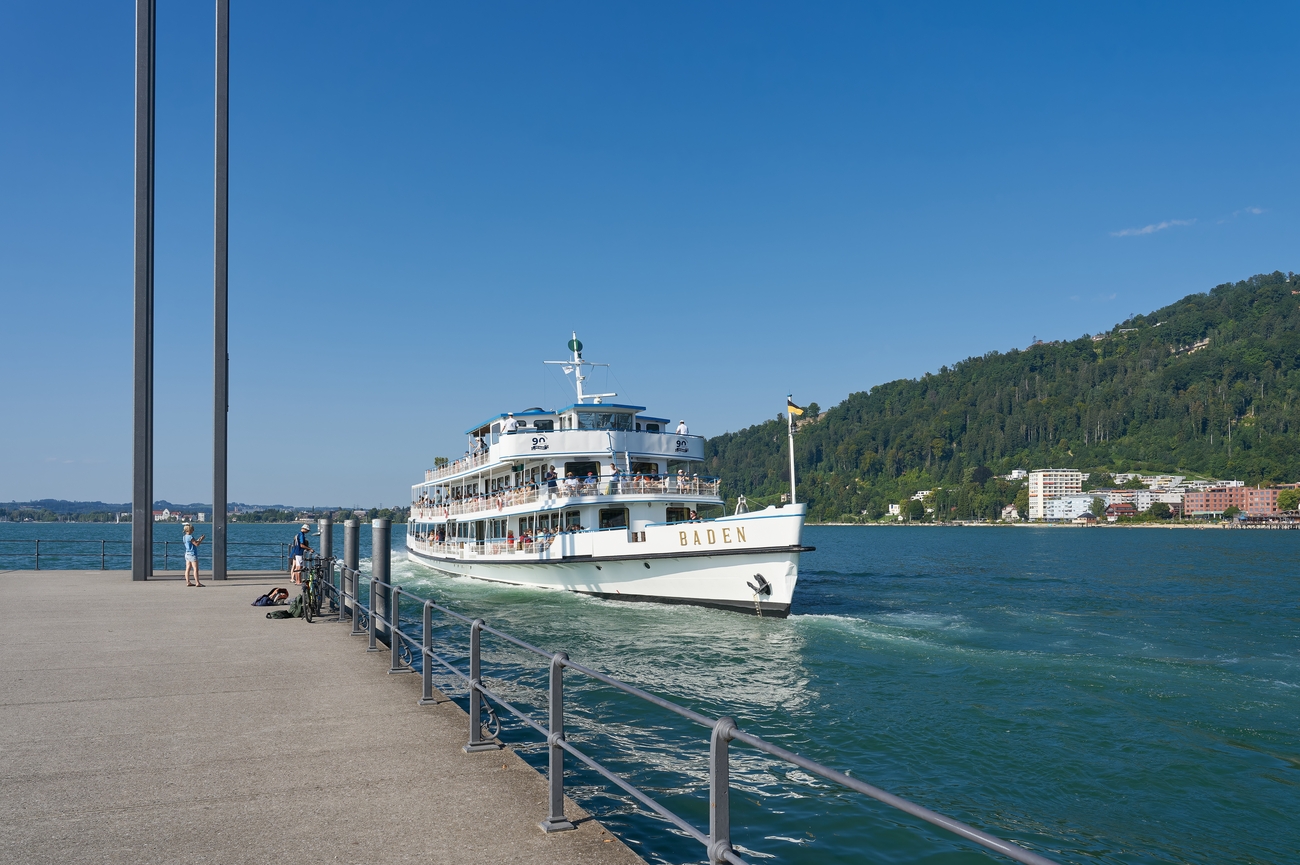
From the base station of the Pfänderbahn, it’s about a 5–7 minute walk back toward the lakefront, where the town gradually opens up and the air shifts from alpine crisp to lakeside calm. Follow the gentle flow of pedestrians downhill and you’ll naturally arrive at the Seepromenade mit Hafenmole.
The promenade stretches wide and relaxed along the shoreline, framed by palm trees, trimmed lawns and uninterrupted water views. The Hafenmole, the harbor pier extending straight into the lake, draws you outward step by step until you’re surrounded by nothing but blue. Ferries glide in quietly, sailboats drift across the horizon and the Alps sketch a soft silhouette in the distance. It’s expansive without feeling empty.
After the vertical drama of Pfänder, this is horizontal balance. You’re no longer looking down at the lake; you’re level with it again.
Seebühne Bregenz
Opera, but make it float.
The shoreline naturally draws you forward, and as you continue along the lake’s edge, steel frameworks and dramatic silhouettes begin to rise from the water itself. The Seebühne Bregenz reveals itself, bold and unapologetic, anchored directly into Bodensee like a stage set for the gods.
Home to the world-renowned Bregenzer Festspiele, this floating stage is the largest of its kind in the world, seating nearly 7,000 spectators. Every two years, the entire set is completely reimagined with colossal sculptures, surreal structures and cinematic designs towering above the lake. Performances begin at dusk, when the sky deepens, the orchestra swells and the water reflects both stage lights and mountain silhouettes. It’s opera scaled to spectacle, where engineering meets artistry in the most theatrical way possible.
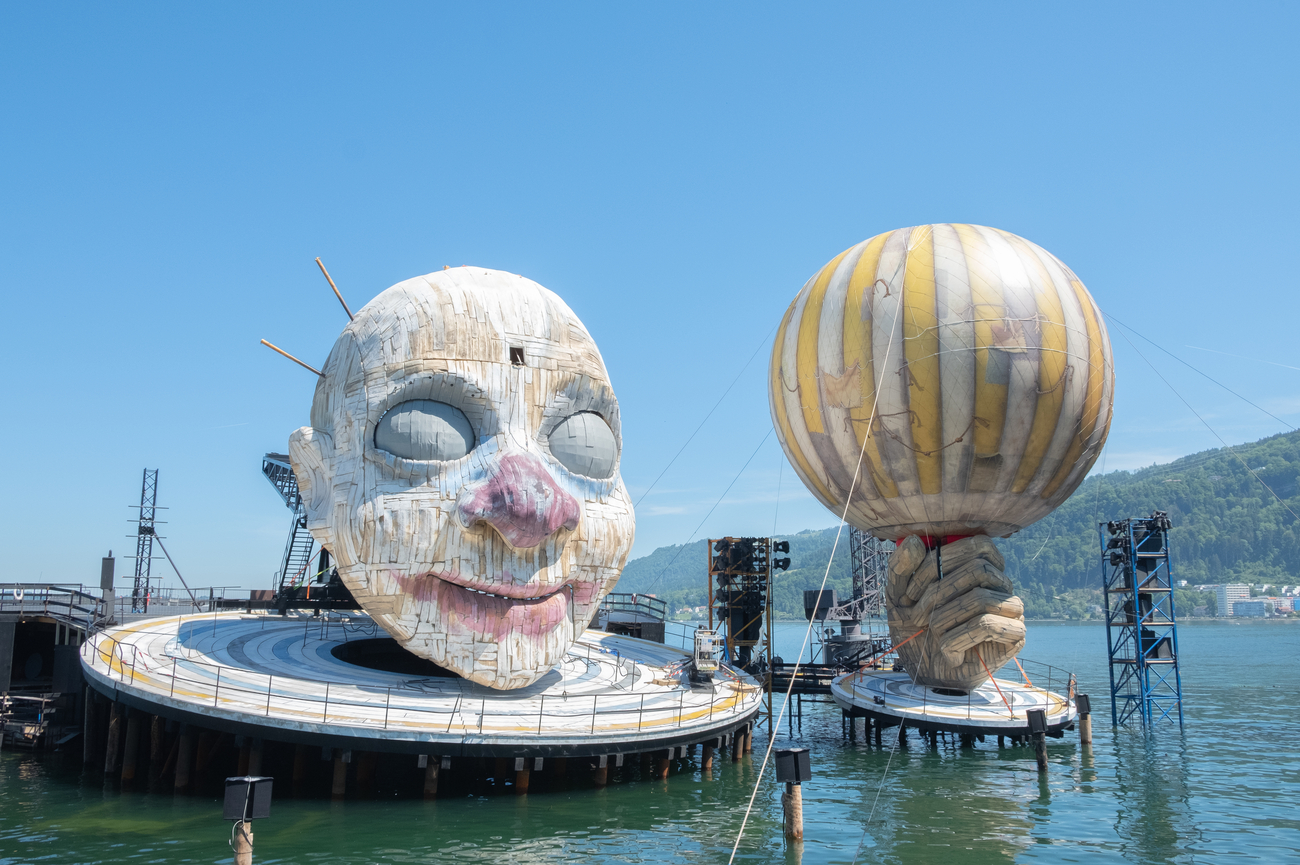
Evening: Lindau Hafen
As the light begins to soften, the journey curves gently north along the shoreline for about 20 minutes and suddenly the mainland gives way to an island connected by a narrow causeway. Step onto Lindau Hafen and the scene feels almost theatrically composed with water glimmering on both sides, pastel facades behind you and the Bavarian Lion guarding the entrance with quiet authority.
The harbor is Lindau’s signature moment. On one side stands the historic Neuer Leuchtturm (New Lighthouse), Bavaria’s only lighthouse, rising 33 meters above the lake. Opposite it, the six-meter stone Bayerischer Löwe watches incoming boats with stoic confidence. Together, they frame the harbor like a living emblem. Fishing boats and ferries ease in and out, masts clink softly in the evening breeze and the Bavarian Alps sketch a fading outline across the horizon.
You’ll want to walk the full harbor edge. The promenade wraps around the marina, offering uninterrupted lake views and perfect vantage points as the sky shifts from gold to violet. The old town sits just steps away, its medieval streets ready for exploration next. But for now, this is the pause.
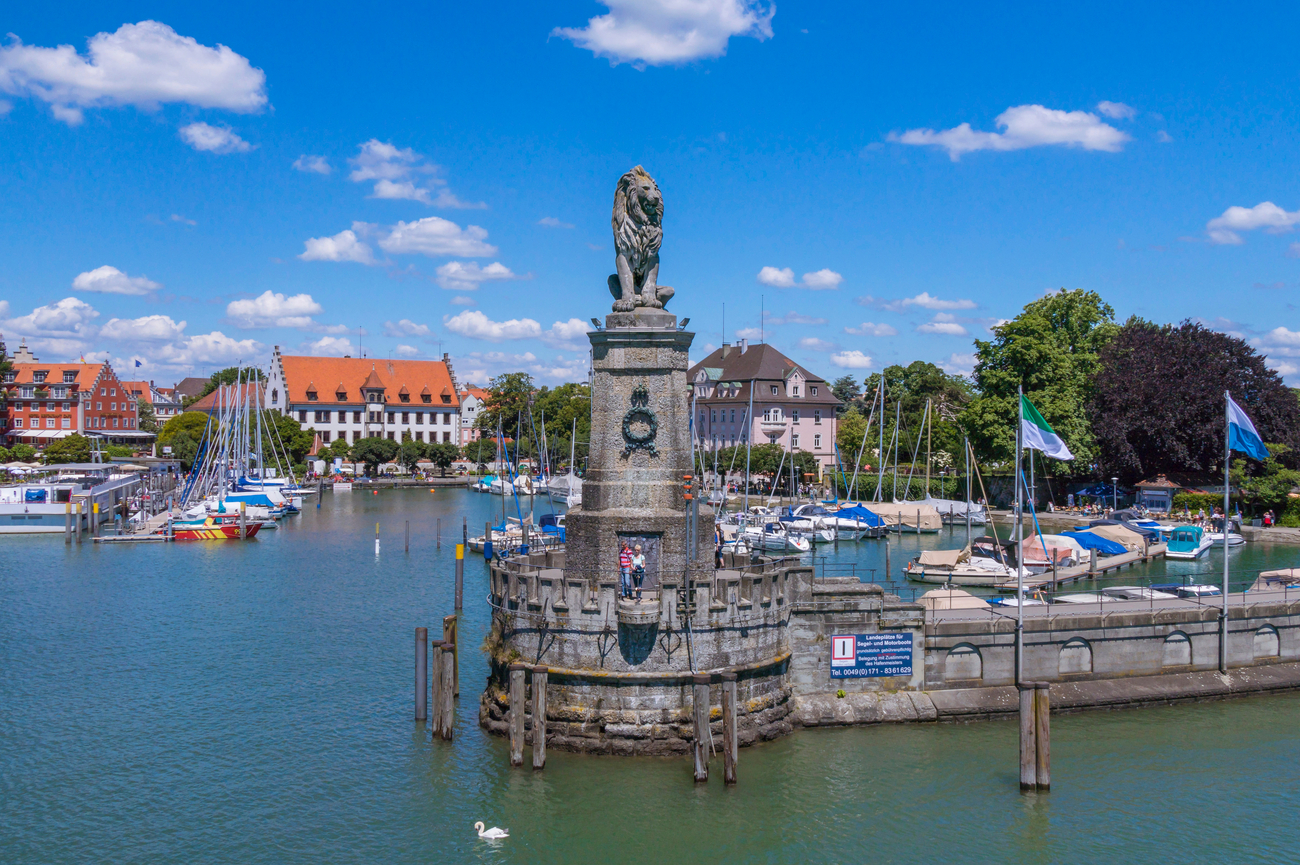
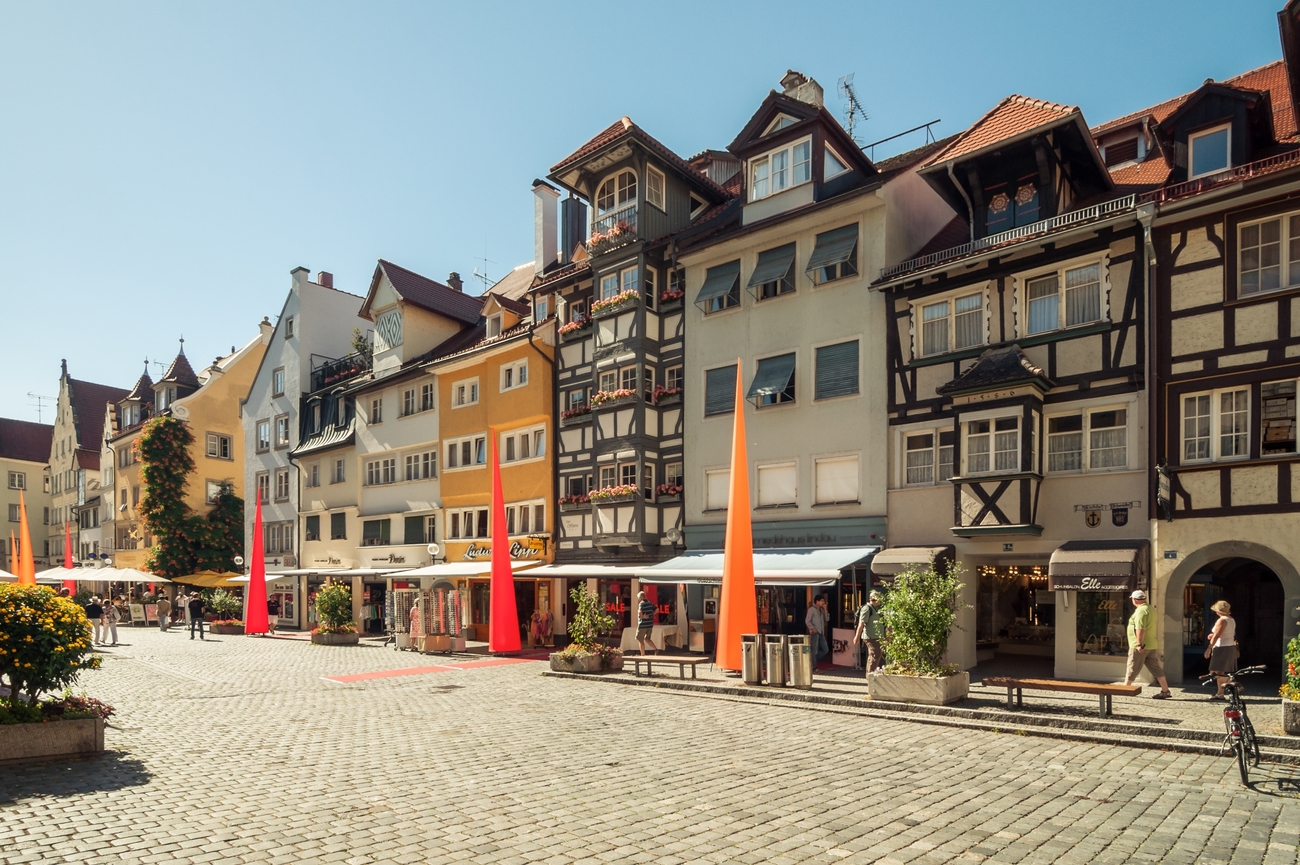
Maximilianstraße
From the harbor, it’s barely a minute before the waterfront energy narrows into something more intimate. The Bavarian Lion fades behind you, the lighthouse slips out of view and you step directly into Maximilianstraße.
This is where the harbor glamour turns into architectural charm. Medieval and Gothic facades line both sides of the street, painted in soft pastels and detailed with ornate gables, frescoes and wrought-iron signs. The rhythm here feels different. It’s slower and more deliberate. Boutiques sit inside centuries-old buildings, their window displays balancing tradition and polish. You’ll find regional fashion labels, curated gift shops, artisan goods and specialty stores that feel thoughtfully selected rather than mass-produced. It’s retail with character.
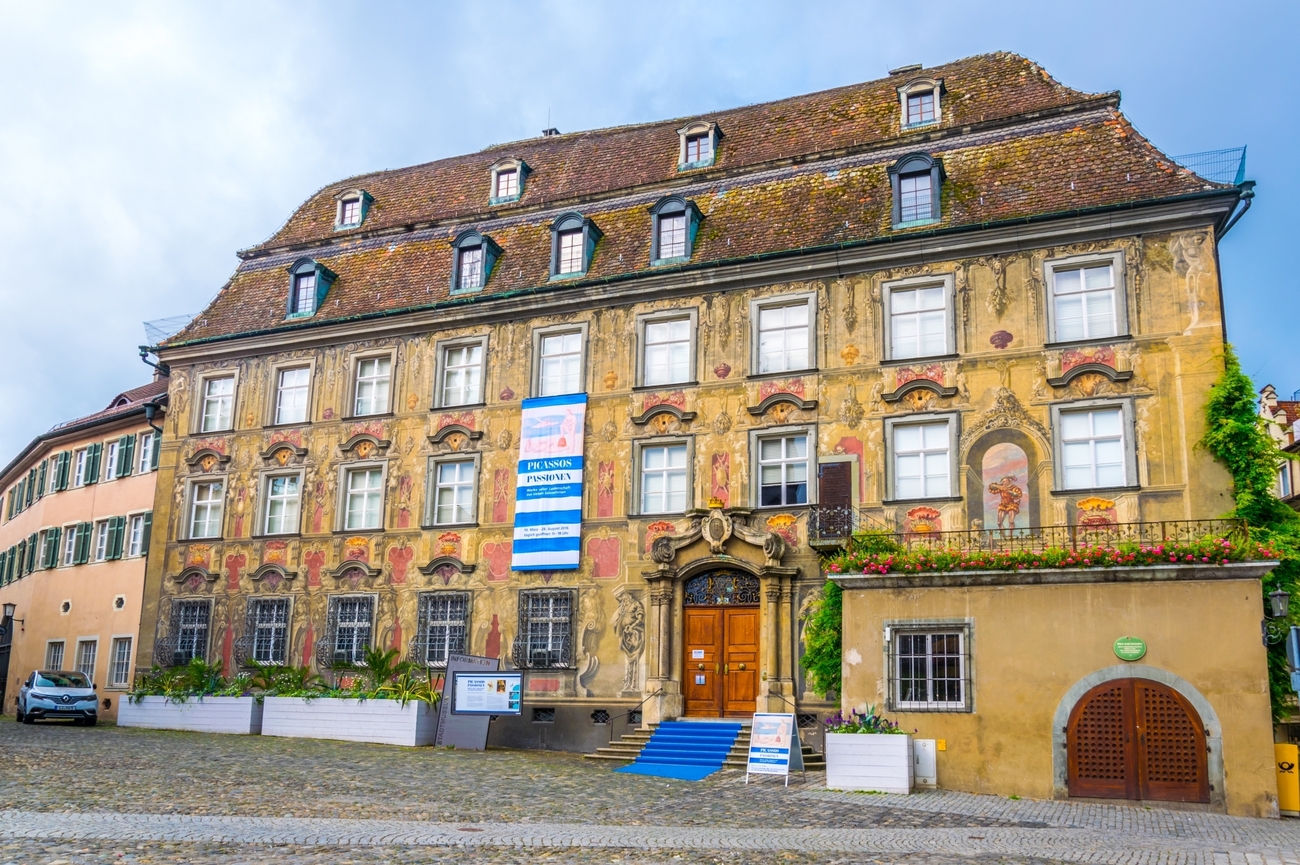
Cavazzen Museum
As Maximilianstraße unfolds beneath your steps, the ornate Baroque facade of the Cavazzen Museum appears naturally along the street. It is impossible to miss, confidently anchoring the island’s historic center.
Built in the 18th century as a wealthy merchant’s residence, the Cavazzen remains one of the most striking Baroque townhouses on Lake Constance. Its decorative exterior gives way to restored historic interiors where exhibitions trace Lindau’s evolution from imperial free city to cultural crossroads on the lake. Art and regional history unfold across thoughtfully curated rooms, connecting the harbor, the trading houses and the island’s layered identity into one cohesive narrative.
Here, the experience goes beyond observation. Through themed tours, interactive tours and creative workshops, the museum team invites you to engage directly with the collection. History and art aren’t presented as distant artifacts but as conversations waiting to happen. You’re encouraged to question, interpret and discover new perspectives as you move through the space.
Day 3 - Bregenz & Lindau Tour Map
Day 4 - Lindau, Wasserburg am Bodensee, Arbon & Romanshorn
Morning: Mangturm
Some towers defend. This one dazzles.
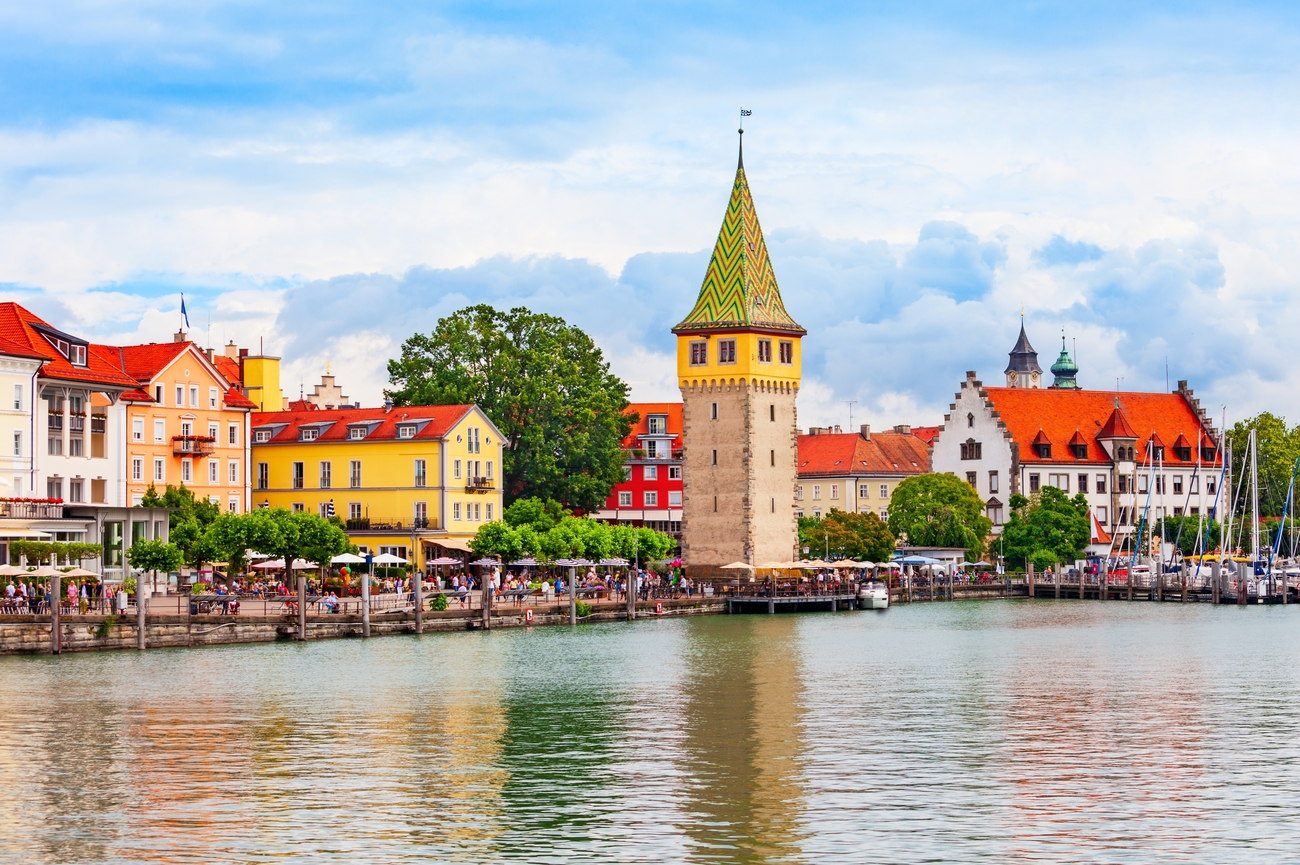
Right at the edge of Lindau’s harbor, where boats ease in beneath the watch of the Bavarian Lion and lighthouse, the Mangturm rises in striped stone and storybook symmetry. You don’t search for it; your eyes land on it instantly. Compact, medieval and slightly whimsical, it feels like it belongs in an illustrated manuscript rather than real life.
Built in the 12th century, the Mangturm is one of the oldest structures in Lindau. Its distinctive patterned tiles and warm-toned masonry set it apart from the surrounding harbor architecture. Originally part of the city’s fortifications, the tower later became a lighthouse, guiding ships safely into port long before modern navigation. Inside, the narrow spiral staircase leads upward through thick stone walls, revealing wooden beams and preserved historic details that remind you just how long this tower has been standing watch.
Climb to the top and you’re rewarded with a sweeping view of Lindau’s harbor, the lake stretching wide and the Alps hovering in the distance.
Wasserburg am Bodensee
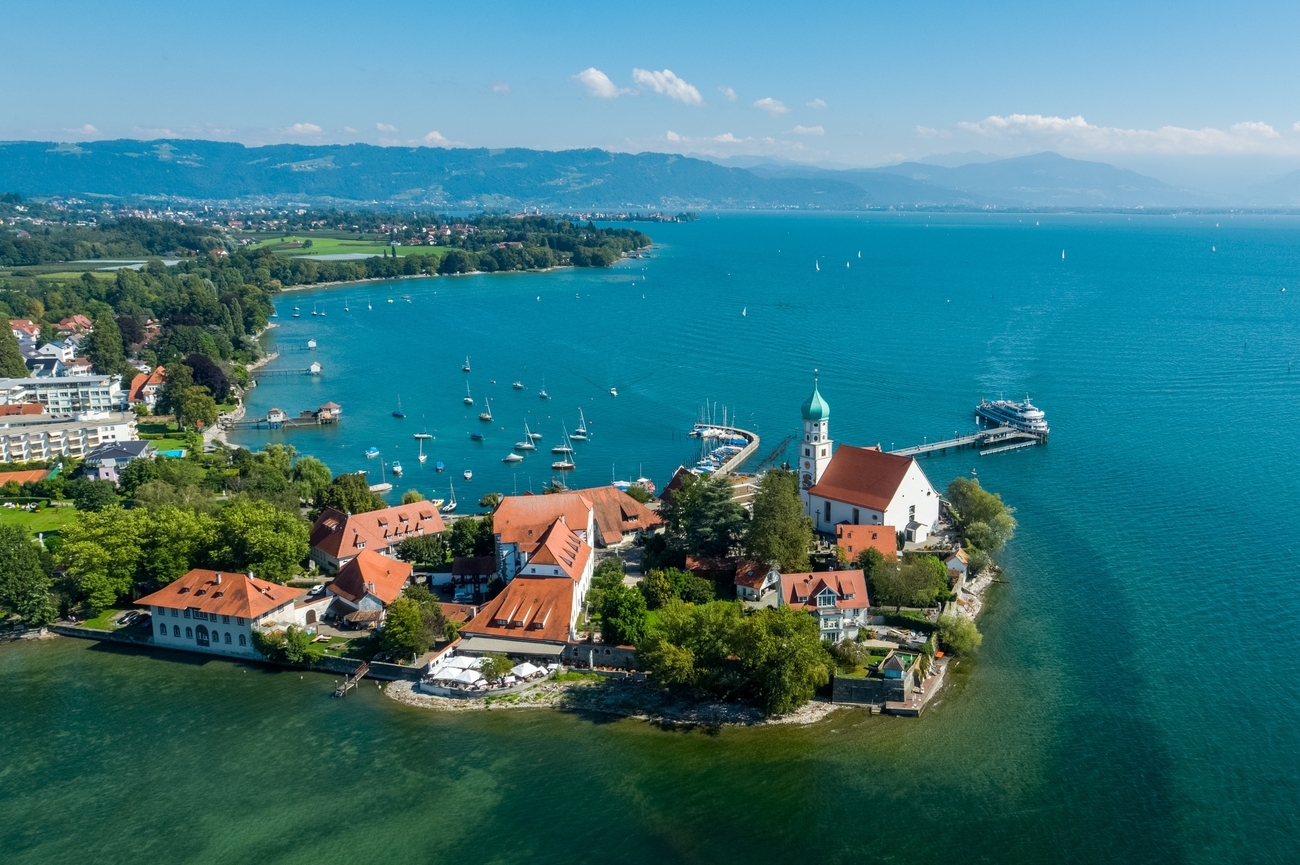
The island slowly slips behind you as the causeway reconnects Lindau to the mainland and within about 15 minutes along the lakeside road, the scenery softens into orchards, vineyards and open water views. Then a small peninsula reaches confidently into the lake. This is Wasserburg am Bodensee.
It feels quieter here. Slower. Intentional.
Wasserburg is built around its peninsula, crowned by the striking silhouette of St. Georg Church and the adjacent Schloss Wasserburg. The onion-domed church tower rises above the lake like a postcard that refused to stay two-dimensional. The castle, once a noble residence, anchors the shoreline with understated elegance. Boats circle the peninsula and the water wraps around the village on nearly all sides, giving it an almost island-like presence without the bustle of Lindau.
Schloss Wasserburg
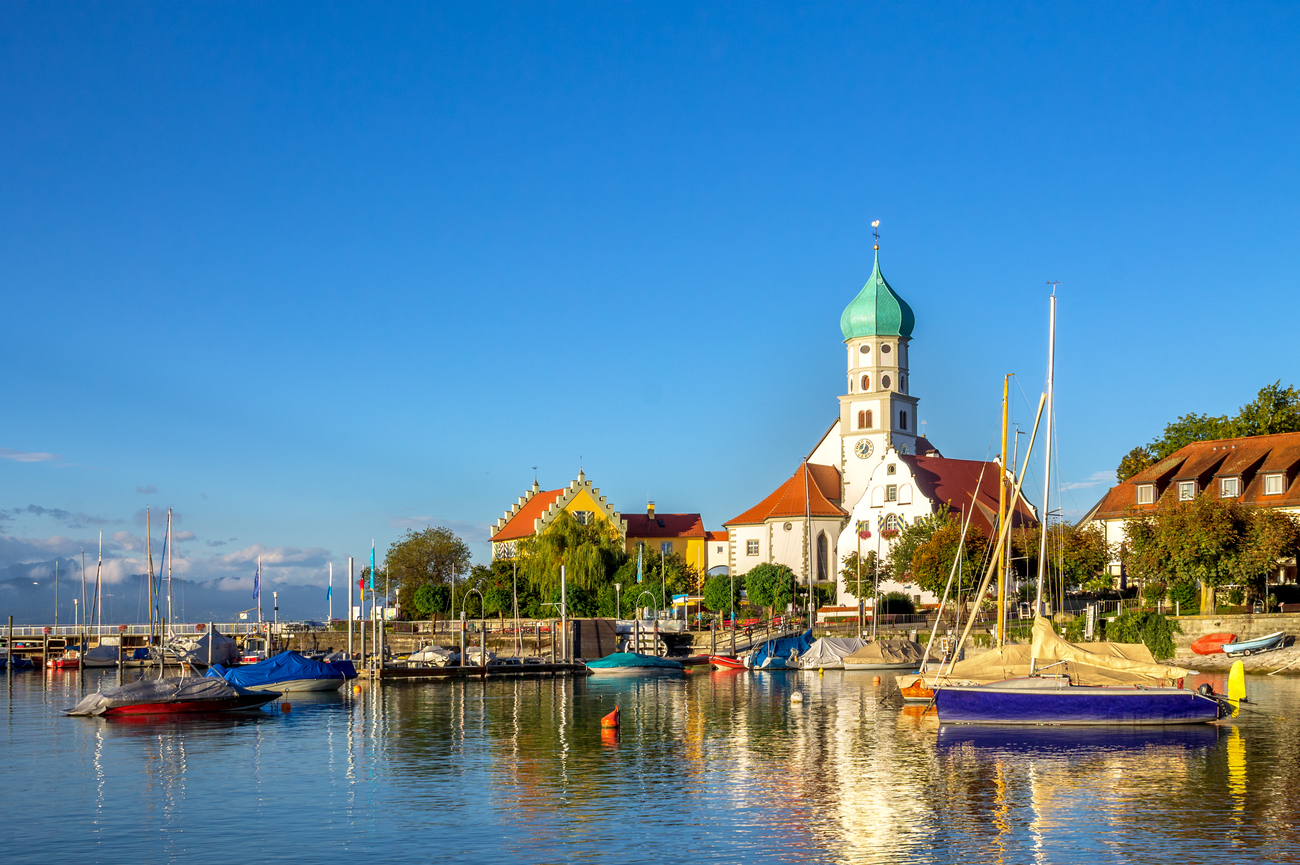
From the heart of Wasserburg am Bodensee, it’s barely a 5-minute walk along the peninsula path before Schloss Wasserburg comes fully into view. The route is simple and scenic. Originally dating back to the 14th century and later expanded, the castle transitioned from a fortified residence to noble estate over time. Its pale facade and lakeside positioning give it a composed elegance, distinct from the heavier medieval structures you visited earlier. The building feels integrated into the landscape rather than dominating it, and the water sits so close it almost becomes part of the architecture. Today, the castle operates as Schloss Hotel Wasserburg, a 3-star lakeside hotel. Even if you are not staying there, the exterior and surrounding grounds are still absolutely worth the pause. Walking around the perimeter offers uninterrupted lake views in nearly every direction.
Afternoon: Schloss Arbon
The Bavarian shoreline gradually gives way to Swiss precision as the route traces the southern edge of Bodensee for about 30 minutes, crossing quietly into Switzerland before arriving in the lakeside town of Arbon. And there, near the water, stands Schloss Arbon.
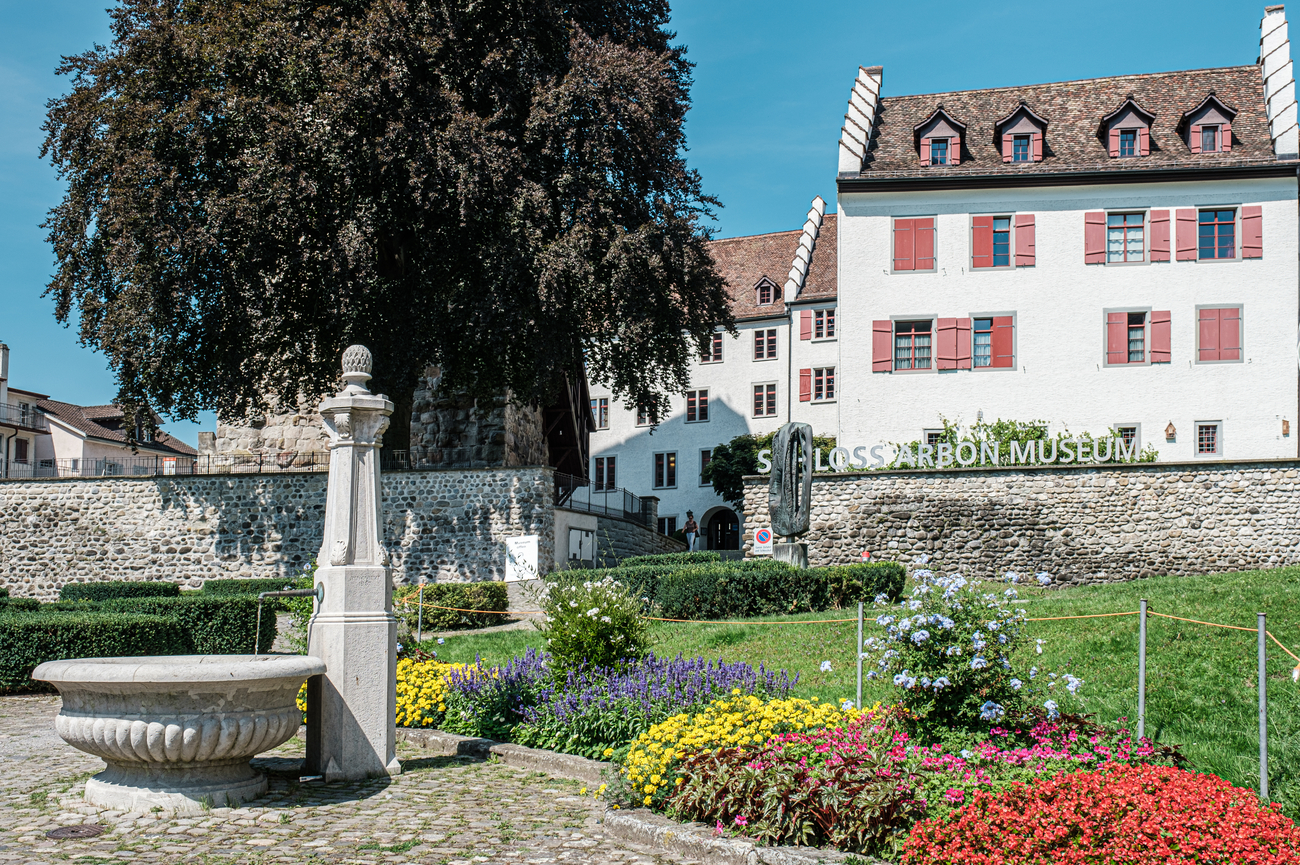
Originally built in the 13th century by the Prince-Bishops of Constance, Schloss Arbon once served as an administrative seat and occasional residence. Its thick stone walls and square tower reflect its defensive origins, yet the structure feels less fortress-heavy than some of the castles earlier in your journey. Over the centuries, it evolved, reshaped, restored and repurposed, mirroring the region’s own transition from ecclesiastical power to modern Swiss calm. The courtyard and exterior retain that medieval solidity, while the surrounding town softens the scene with colorful façades and lakeside charm. Today, the castle is privately operated, but its exterior and immediate surroundings are accessible and worth exploring. Walking around the perimeter places you right along the lake, where boats drift past and the Swiss shoreline stretches quietly into the distance.
Saurer Museum
Just a short stroll along the waterfront from Schloss Arbon, about 5 minutes on foot, industrial heritage steps into the spotlight. The brick façades and mechanical silhouettes of the Saurer Museum rise beside the lake, grounded, bold and refreshingly different from castles and cloisters.
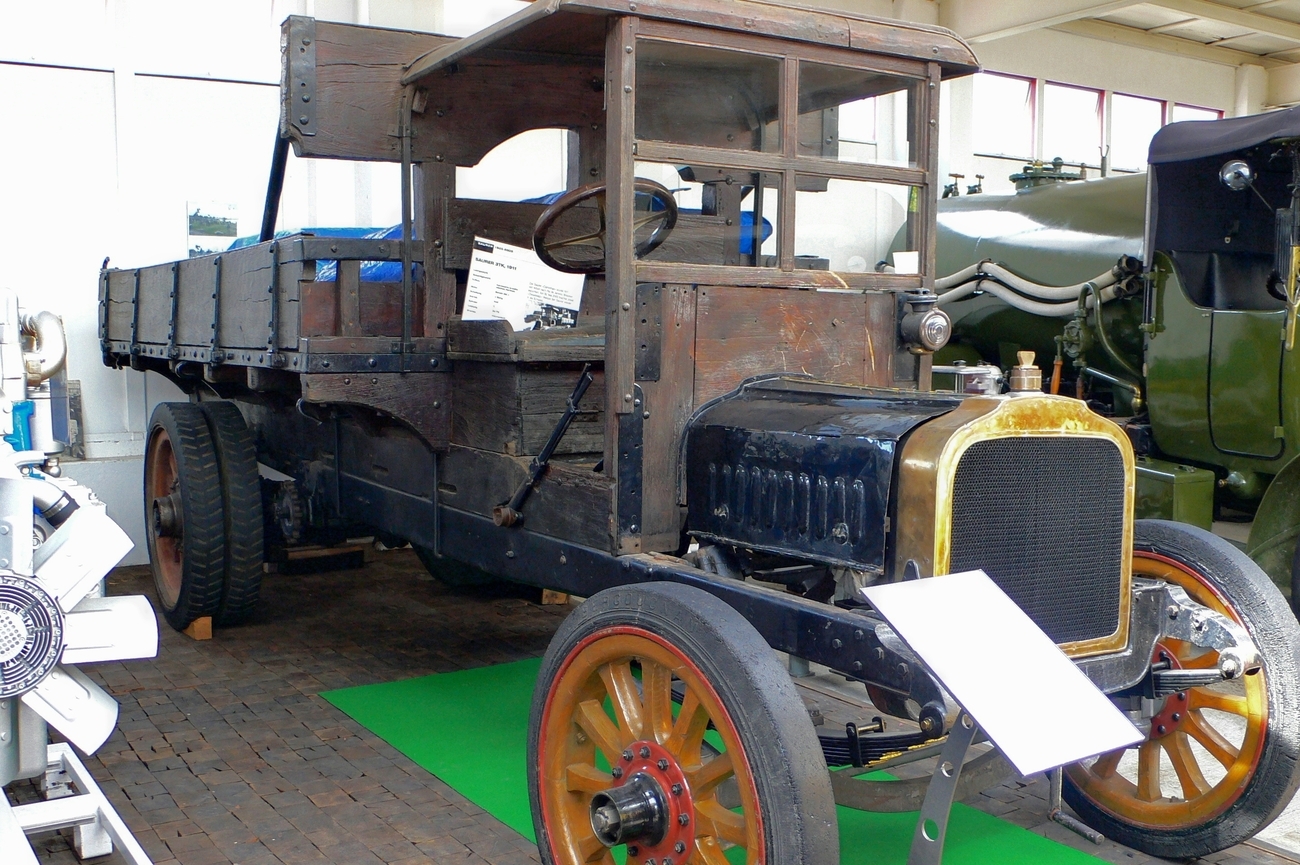
This museum celebrates the legacy of Adolph Saurer AG, the Swiss company that became world-famous for its trucks, buses, engines and textile machinery. Inside, polished vintage vehicles gleam under soft lighting with massive early 20th-century trucks, beautifully restored post buses and precision engines that once powered industries across Europe. It’s engineering with personality. You can sense the craftsmanship in the details: chrome finishes, analog dashboards, sturdy frames built to last decades. The exhibits don’t just show machines; they trace Arbon’s transformation into an industrial powerhouse.
After exploring the collection, slow down in the Saurer Garden, located directly in front of the museum. Here, you can enjoy coffee, a drink or a light snack either outdoors with a full lake view or inside a charming converted postal bus that doubles as a cozy seating space. It’s relaxed, lakeside and just the right reset after mechanical immersion.
Fischmarktplatz
From the Saurer Museum, the lake remains your compass. A relaxed 5-minute walk along the waterfront brings you into the heart of Arbon’s old town, where the cobblestones widen into Fischmarktplatz.
This is Arbon at the human scale.
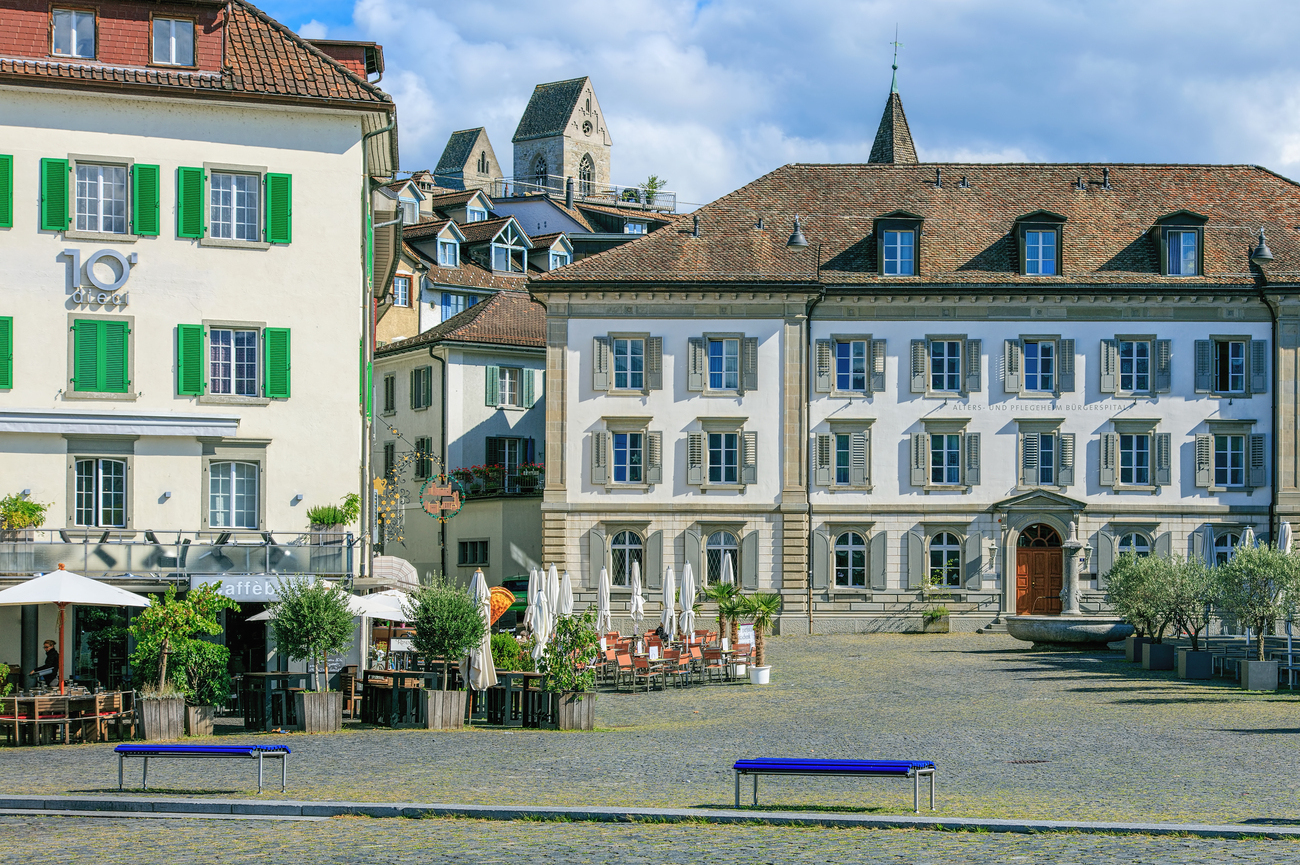
Fischmarktplatz has been the town’s traditional marketplace for centuries, originally serving as the central trading point for fish freshly hauled from Bodensee. Today, the square feels calm but purposeful, framed by pastel townhouses, small shops and cafe terraces that spill gently into the open space.
Evening:
Romanshorner Hafen
The lake stays by your side as the route glides further along the Swiss shoreline, and gradually the marina expands, the docks multiply and the sense of scale shifts. Soon, the open sweep of Romanshorner Hafen unfolds before you.
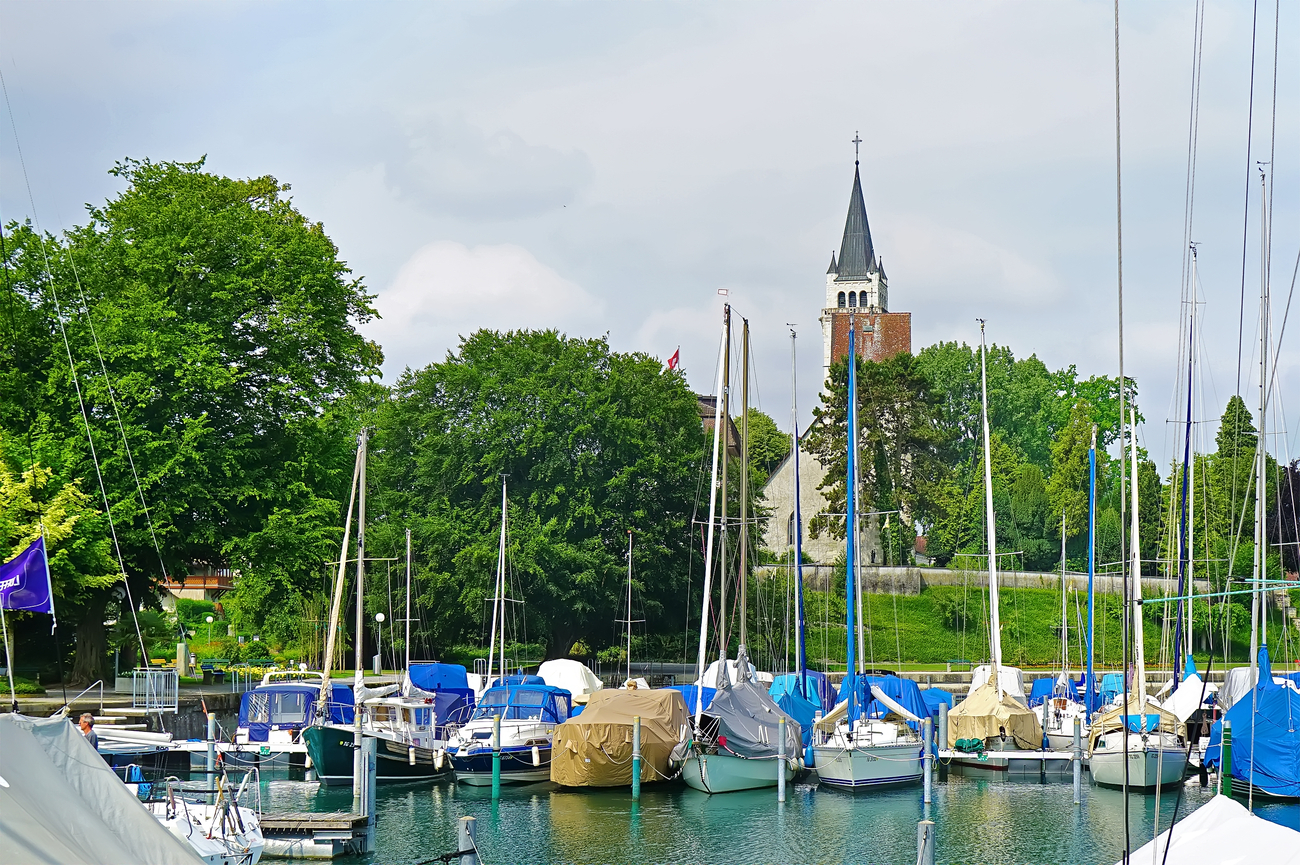
Romanshorn has long served as one of the most important transport hubs on the Swiss side of the lake, linking rail lines and ferry routes in seamless coordination. The harbor carries that legacy confidently with long piers stretching into the water, ferries arriving with quiet precision and sailboats resting in neat formation. It’s less postcard-pretty than Lindau, more purposeful, but that’s its charm. This is the lake in motion.
Autobau Erlebniswelt
As the harbor lights begin to glow behind you, the focus shifts from boats to horsepower. Just a few minutes from the waterfront, inside a preserved industrial complex that once formed part of the Romanshorn tank farm, sits Autobau Erlebniswelt, where Bodensee trades sailboats for supercars.
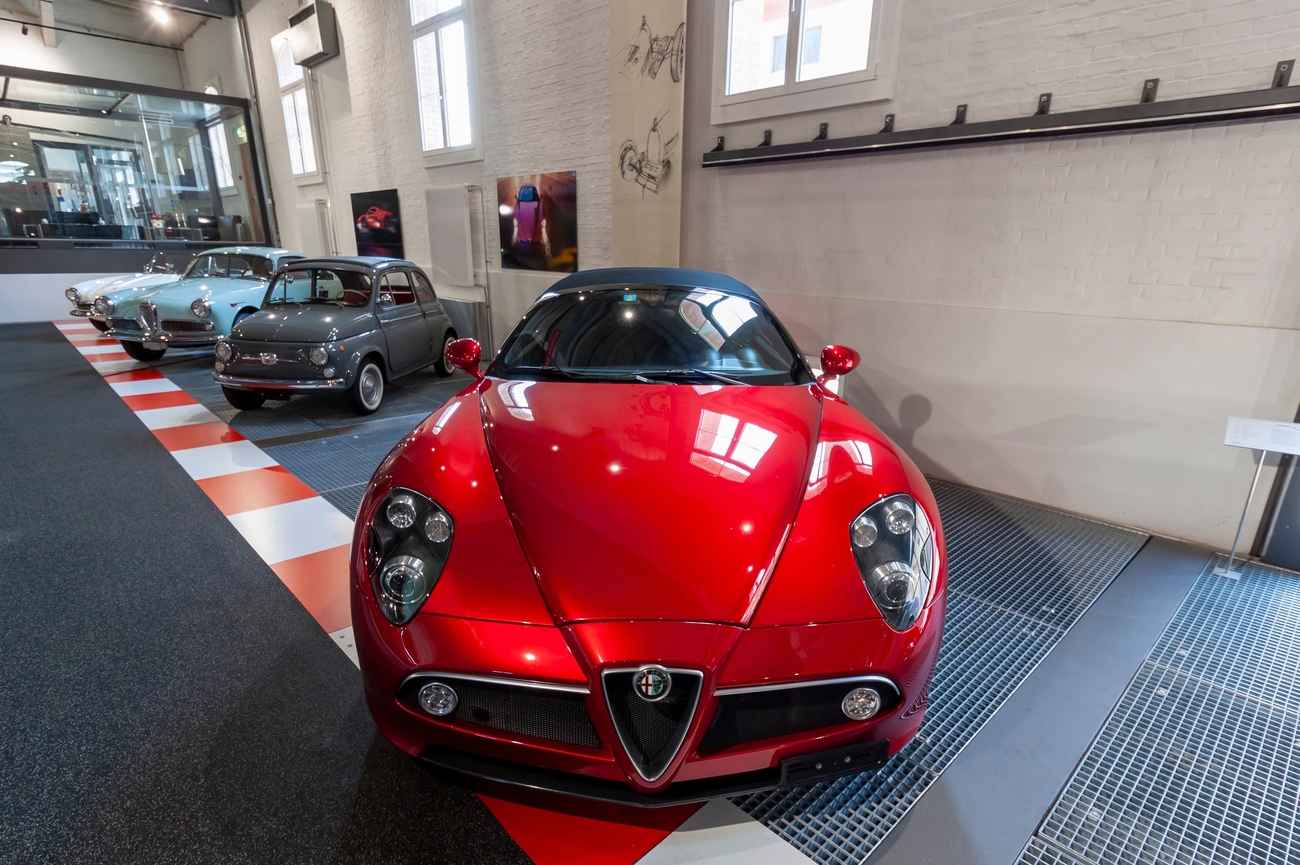
Founded by entrepreneur and racing driver Fredy Lienhard, Autobau Erlebniswelt houses an extraordinary private car collection made accessible to the public. The exhibition halls display everything from rare race cars to high-performance legends, arranged inside a former industrial site now under preservation order. The raw architecture, steel beams, concrete floors and historic tank structures contrast sharply with the polished curves of the vehicles. It feels intentional: heritage industry framing automotive innovation.
If you want more than a walk-through, book the guided experience. Tours run for about 90 minutes and take place in small groups of 2 to 15 people, which means you won’t be lost in a crowd. The autobau guides don’t just list horsepower stats; they share the stories behind the machines, the racing history you won’t find on plaques, and the personal vision of Fredy Lienhard, the entrepreneur and racing driver who made this collection public. Tours are available in German, English, French and Italian, so you can choose the language that lets you fully engage. If you’re here, you might as well hear the engines’ stories properly.
Seepark
Romanshorn
The hum of engines fades behind you as the setting gradually opens up, concrete giving way to grass, steel to sky. The lake comes back into full view, and within moments, you’re standing at Seepark Romanshorn, where the shoreline stretches wide and unfiltered.
Seepark runs directly along Bodensee, offering open lawns, gentle walking paths and uninterrupted views across the water toward Germany. There’s no grand architecture here, no curated exhibit, just space. The marina sits nearby, ferry lights shimmer in the distance and the Alps linger faintly on the horizon. The mood shifts naturally from movement to stillness.
Walk closer to the water and let the perspective settle. Over the past four days, you’ve followed this lake through three countries from abbeys and castles to contemporary art cubes and floating opera stages, from supercars to sailboats. And now, the journey closes not with spectacle, but with simplicity.
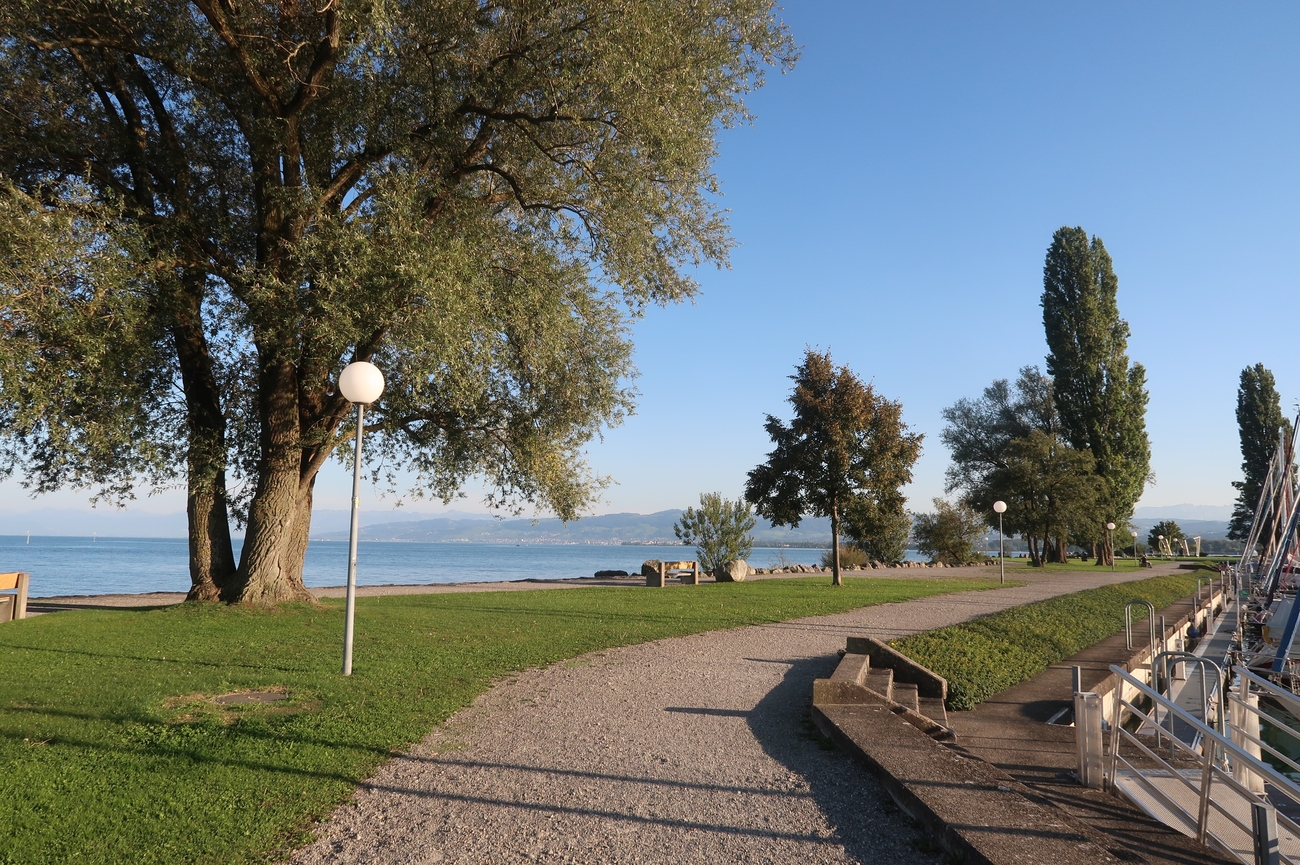
Day 4 - Lindau, Wasserburg am Bodensee, Arbon & Romanshorn Tour Map
Other Things to Do Around Lake Constance
You’ve seen the icons. The castles. The floating opera stage. The art cubes and vineyard terraces. But Bodensee isn’t a highlight reel destination; it’s a slow-burn region that keeps revealing itself the longer you stay curious. This is where you upgrade the experience. Where you lean into depth, design, access and perspective. If you’re ready to go beyond the obvious, here are places that reward intention and elevate your time around the lake.
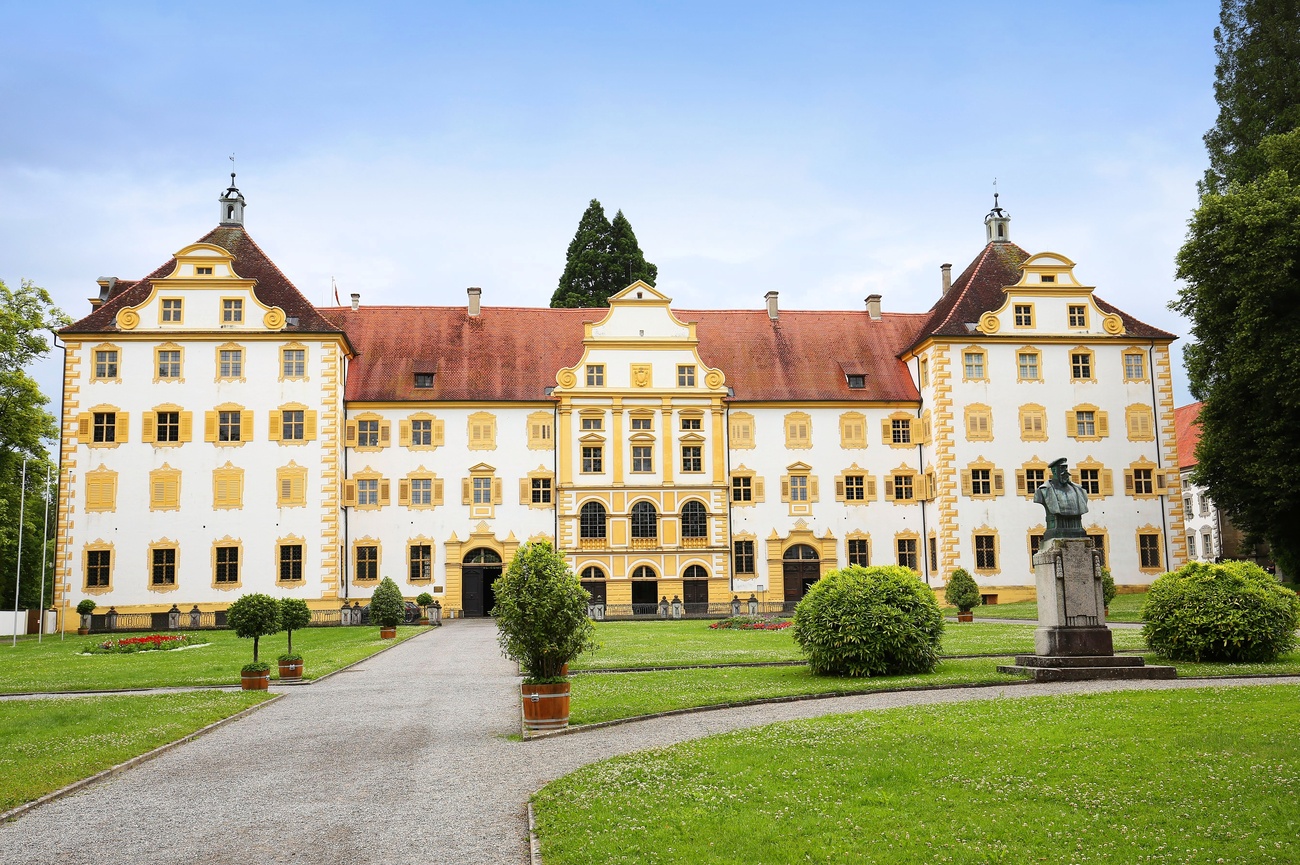
- Kloster und Schloss Salem: Salem is presence. Once one of the wealthiest and most powerful Cistercian abbeys in southern Germany, this vast complex blends spiritual restraint with baroque spectacle. The Imperial Hall alone feels engineered to impress with frescoed ceilings, intricate stucco work and carved choir stalls that hold centuries of quiet authority. Inside, you’ll find original monastic spaces, princely state rooms and preserved workshops that illustrate how self-sufficient the abbey once was.
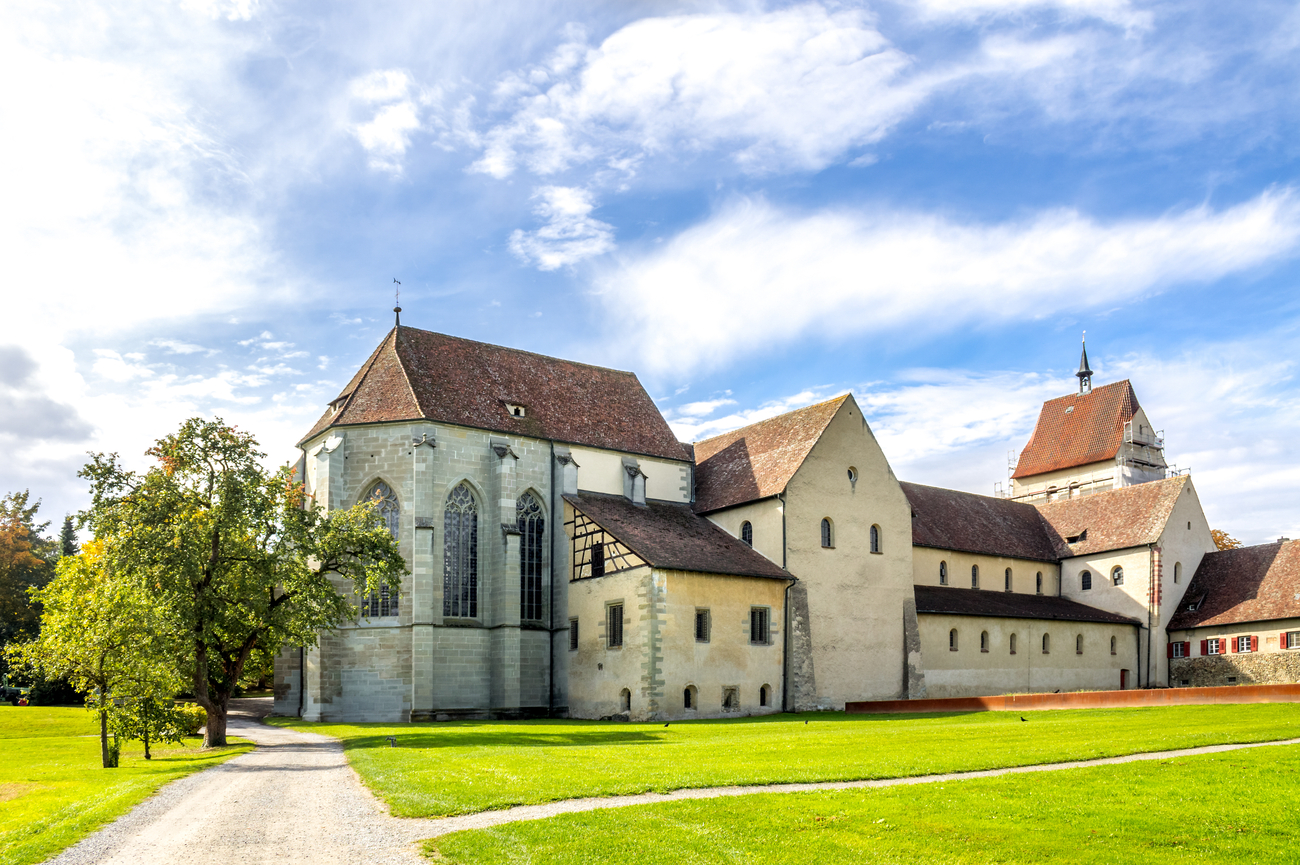
- Reichenau Island: Reichenau doesn’t perform for you. It invites you to slow down. The three Romanesque churches, St. Georg in Oberzell, St. Peter und Paul in Niederzell and Münster St. Maria und Markus in Mittelzell, contain rare 10th- and 11th-century fresco cycles that helped shape early Christian iconography north of the Alps. You can cycle the island’s perimeter or arrange a private guided walk through the churches for deeper context on the monastic legacy that once radiated across Europe.
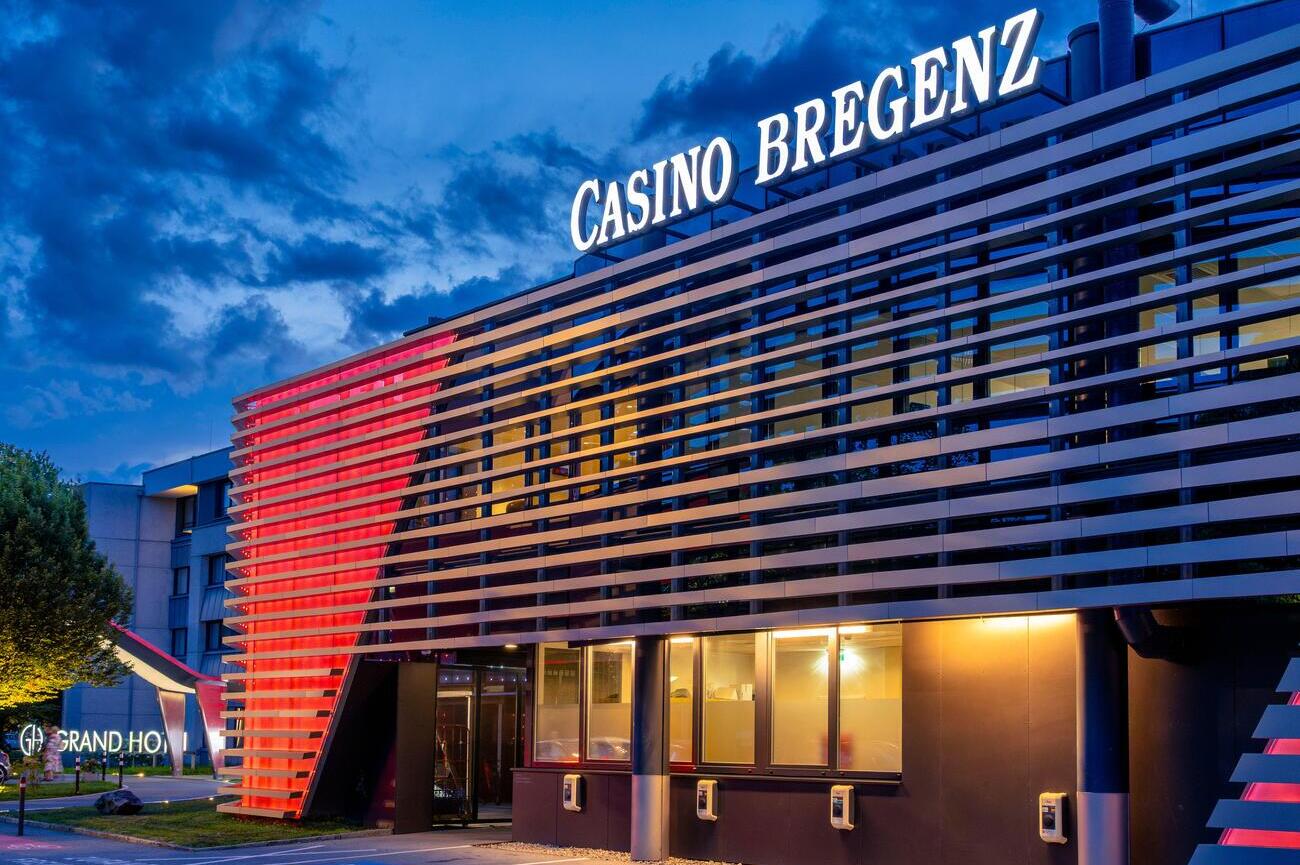
- Casino Bregenz: Located directly along Bregenz’s lakeshore near the Festspielhaus, Casino Bregenz delivers modern architectural lines with floor-to-ceiling glass that reflects Bodensee by day and glows by night. Inside, the space is sleek and well-paced with gaming tables, poker rooms and a polished lounge atmosphere. Make sure you dress for the occasion as dress codes apply in the evening.
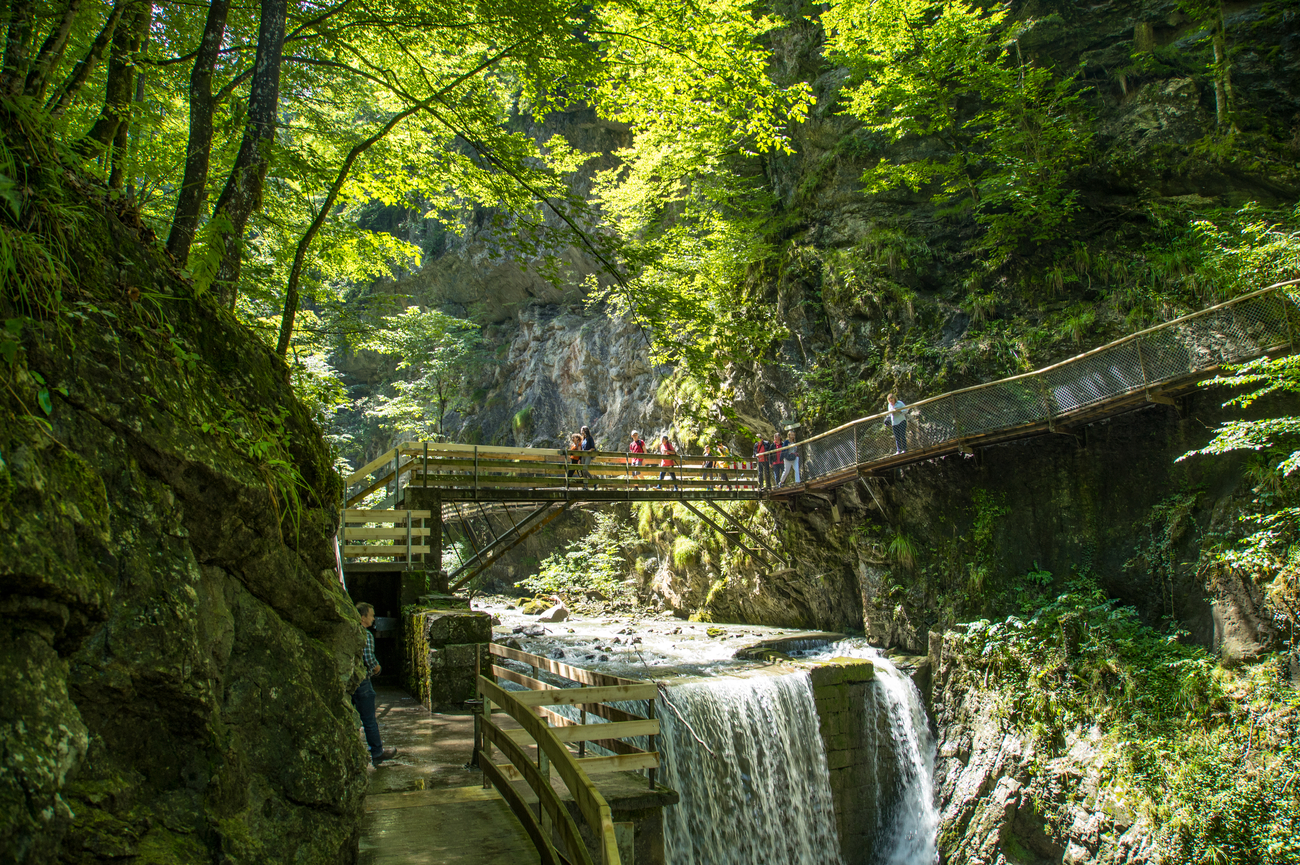
- Rappenlochschlucht: One of Central Europe’s largest gorges, Rappenlochschlucht offers a striking contrast to lakeside calm. Carved by the Dornbirner Ach river, the gorge features dramatic rock walls and suspended wooden walkways that trace the canyon’s curves. The main trail is accessible and well-maintained, but the terrain still feels rugged and immersive. In warmer months, the cool air and rushing water offer relief from lakeside heat.
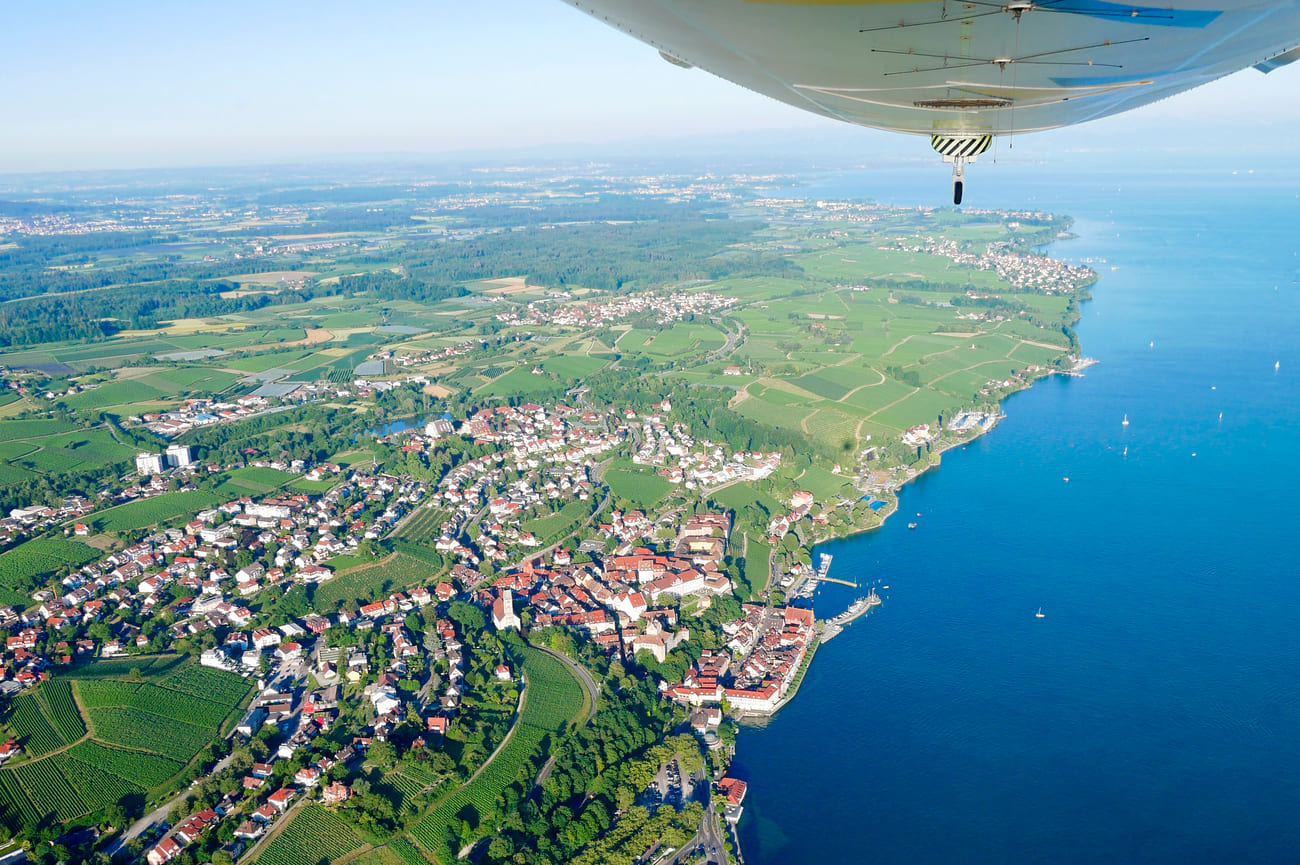
- Zeppelin NT Abflugpunkt: Departing from Friedrichshafen Airport, the Zeppelin NT is one of the few remaining operational airships in the world. Flights typically last between 30 and 60 minutes, offering panoramic routes over Lake Constance, the Alps and surrounding vineyards. Large panoramic windows provide unobstructed views, and the cabin remains surprisingly quiet. You’ll see Lindau’s island shape clearly, the Swiss shoreline curving gently and on clear days, snow-capped Alpine peaks in the distance.
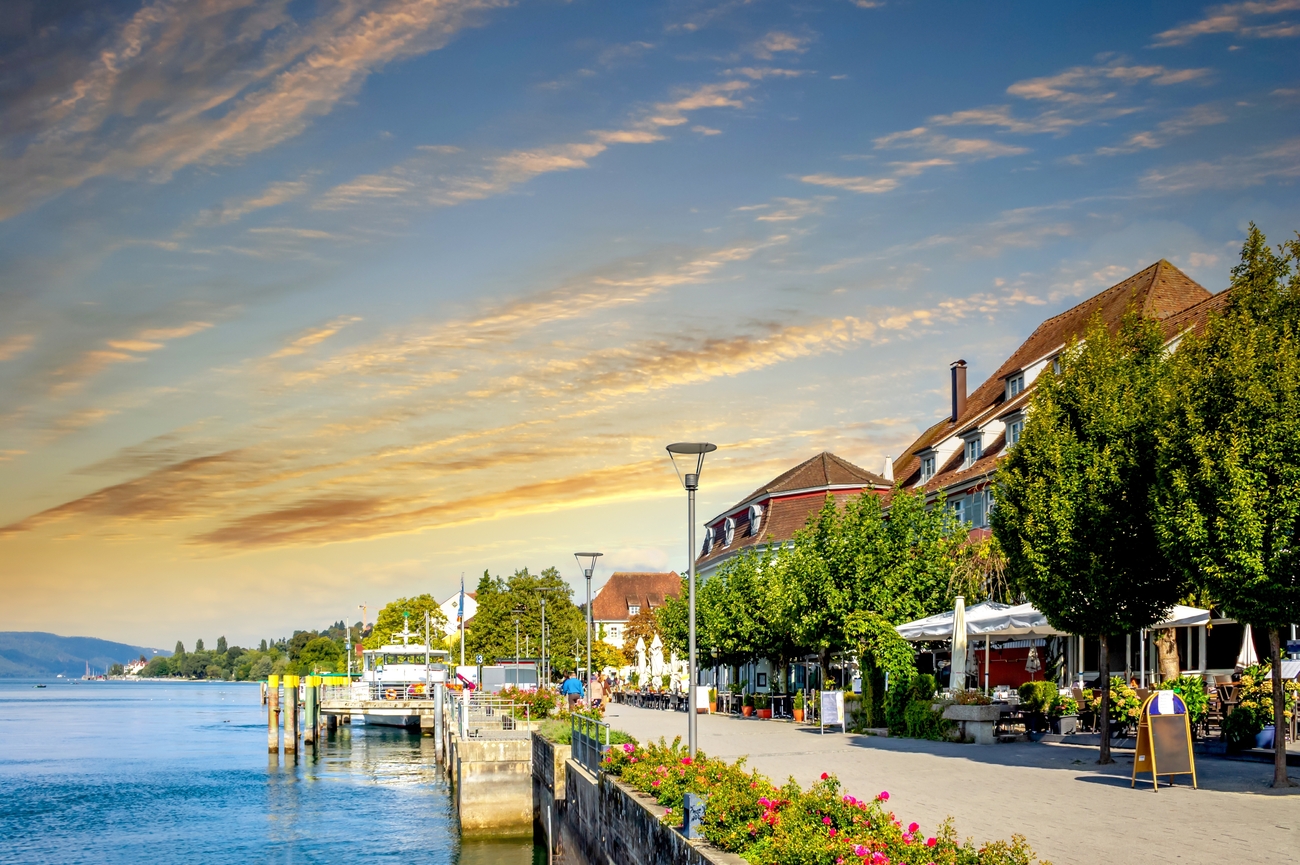
- Uferpromenade Überlingen: Überlingen’s lakeside promenade is often described as one of the most beautiful along Lake Constance and once you’re there, it’s hard to argue. The promenade is anchored by the striking Münster St. Nikolaus, whose late Gothic tower rises above the old town, and framed by Belle Époque villas that hint at Überlingen’s past as a spa and resort destination. You should stop at one of the historic piers or perhaps just sit facing the Swiss Alps.
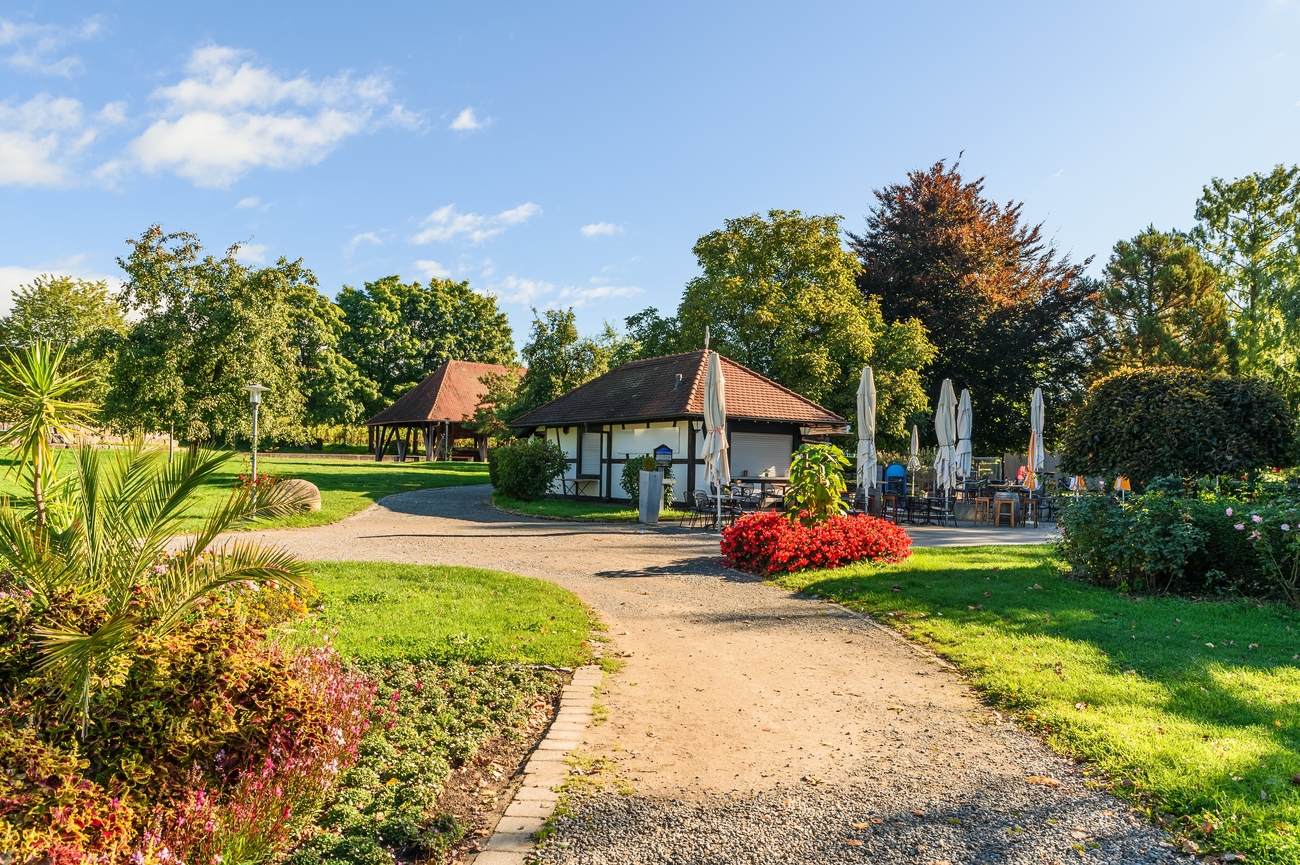
- Hagnau am Bodensee: Hagnau is small, but strategically beautiful. Nestled between Meersburg and Immenstaad, this wine-growing village sits directly along the lake, with vineyards rising gently behind it. Walk the vineyard trails. Taste local Müller-Thurgau where it’s grown. It’s intimate, scenic and deeply Bodensee.
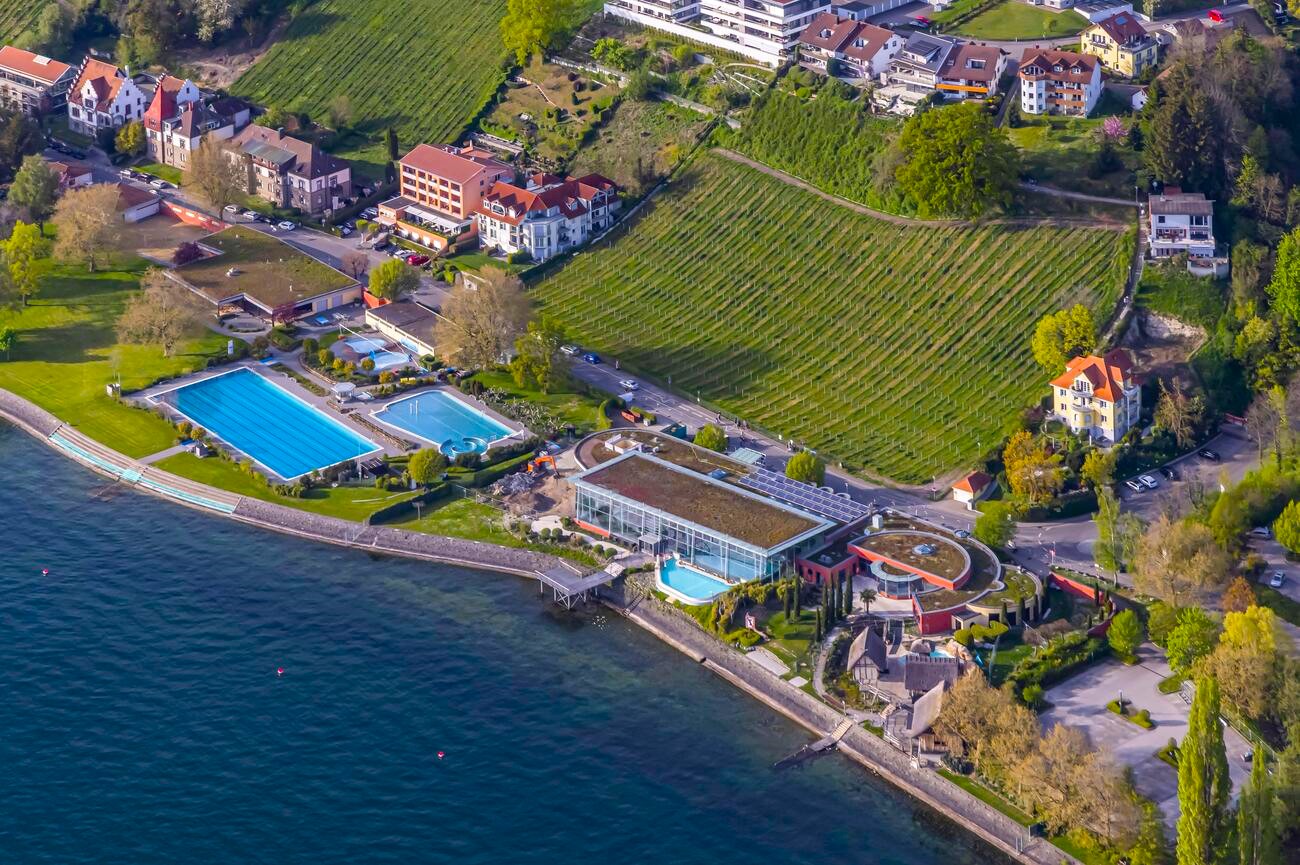
- Meersburg Therme: Directly on the lakeshore below Meersburg’s castle, Meersburg Therme blends wellness with one of the most dramatic backdrops on the lake. Indoor and outdoor thermal pools overlook the water and on clear days, the Swiss Alps sharpen the horizon. The complex includes panoramic saunas, steam baths and relaxation areas positioned deliberately toward the lake.
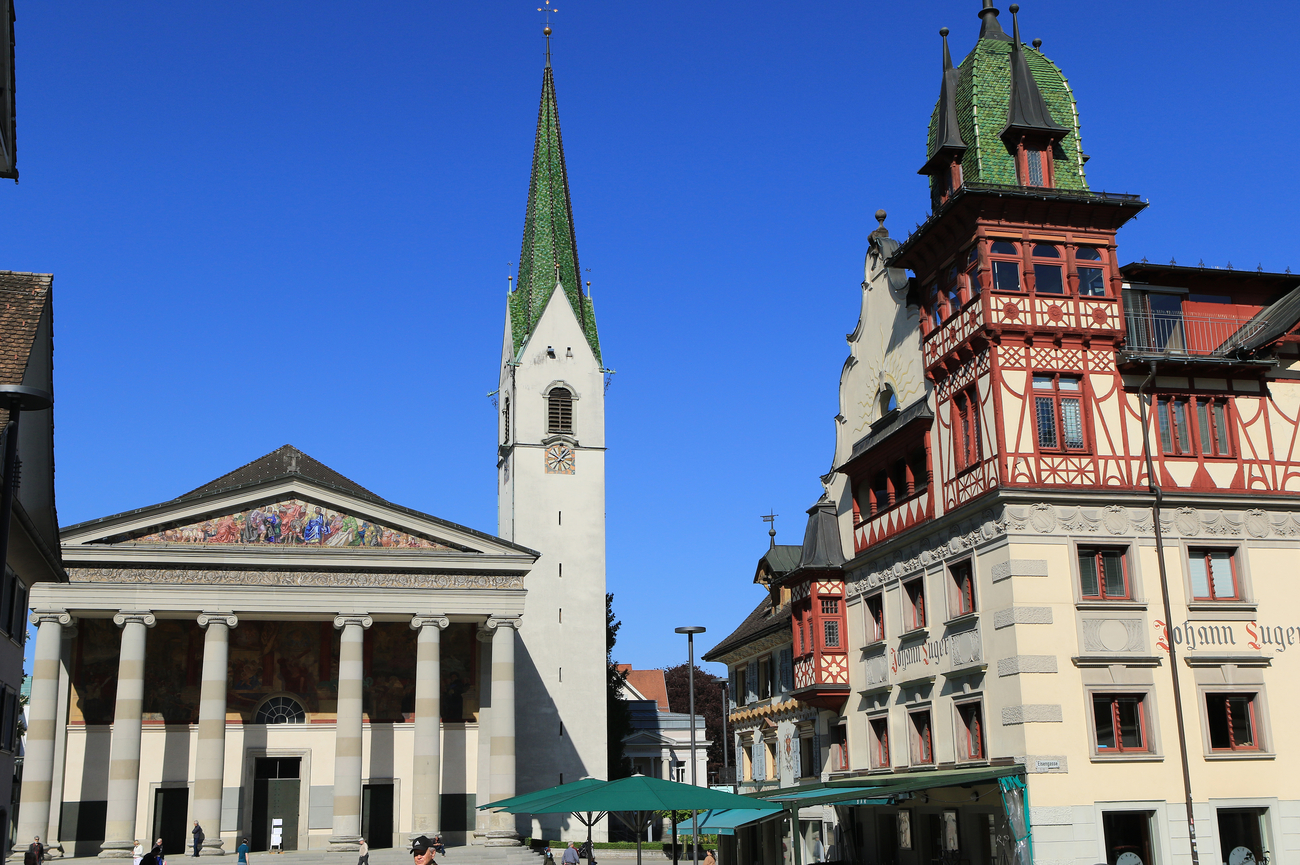
- Dornbirn, in Austria’s Vorarlberg region, is often overlooked in favour of Bregenz, and that discretion is part of its appeal. As Vorarlberg’s largest town, it blends industrial heritage with contemporary design and easy access to serious Alpine scenery. A short cable car ride lifts you to Karren Mountain, where a panoramic terrace overlooks the Rhine Valley and Lake Constance beyond. But the real differentiator here is the Rolls-Royce Museum. Housed in a restored industrial building, this private collection is one of the most significant in the world, featuring meticulously preserved vintage Rolls-Royce models dating back to the early 20th century. These are not static displays but mechanical works of art, restored to operational condition and presented with deep technical and historical context. For collectors, design enthusiasts or anyone who appreciates precision engineering, this is not just a museum visit. It is a statement stop. For more ideas beyond Dornbirn, explore things to do across Vorarlberg, from mountain villages and contemporary architecture to regional food, culture and Alpine landscapes.
Things
To Do With Kids Around Lake Constance
Bodensee isn’t just castles and curated wine tastings. It’s hands-on, splash-ready, animal-spotting, ice-cream-before-dinner kind of fun. The region knows how to balance culture and chaos, the good kind. If you’re traveling with kids (or just embracing your inner 9-year-old), here’s where the lake really delivers.
- Affenberg Salem: Affenberg Salem is not a zoo in the traditional sense; it’s a 20-hectare open forest where around 200 Barbary macaques roam freely. No cages. No glass barriers. You walk through their habitat. The monkeys move around you naturally. They’re climbing trees, grooming each other, sometimes strolling confidently along the path. Beyond the monkeys, the park is home to fallow deer and one of the largest white stork colonies in southern Germany. Paths are wide and stroller-friendly and you’ll want to plan at least 2–3 hours here. It’s outdoors, educational and just chaotic enough to feel exciting.

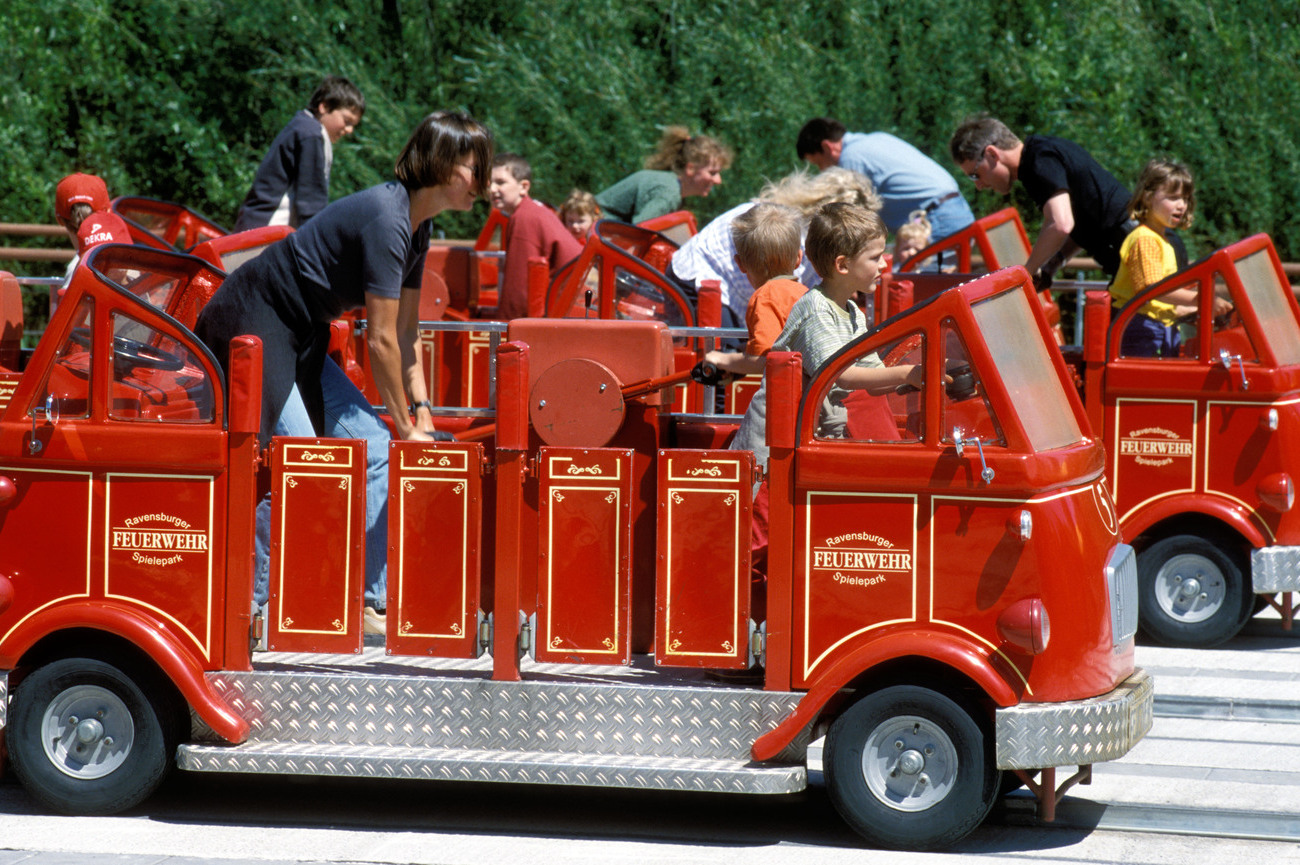
- Ravensburger Spieleland: Ravensburger Spieleland is what happens when a board game company builds a theme park and does it thoughtfully. Located near Meckenbeuren, this family-focused park offers over 70 attractions tailored primarily to children between the ages 3 and 12. The park is divided into themed worlds inspired by Ravensburger games and children’s books. Expect gentle roller coasters, interactive tractor rides, water playgrounds, climbing zones and hands-on creative workshops. It’s immersive without being overwhelming. The lines are manageable compared to major European parks and the atmosphere feels organized rather than chaotic.
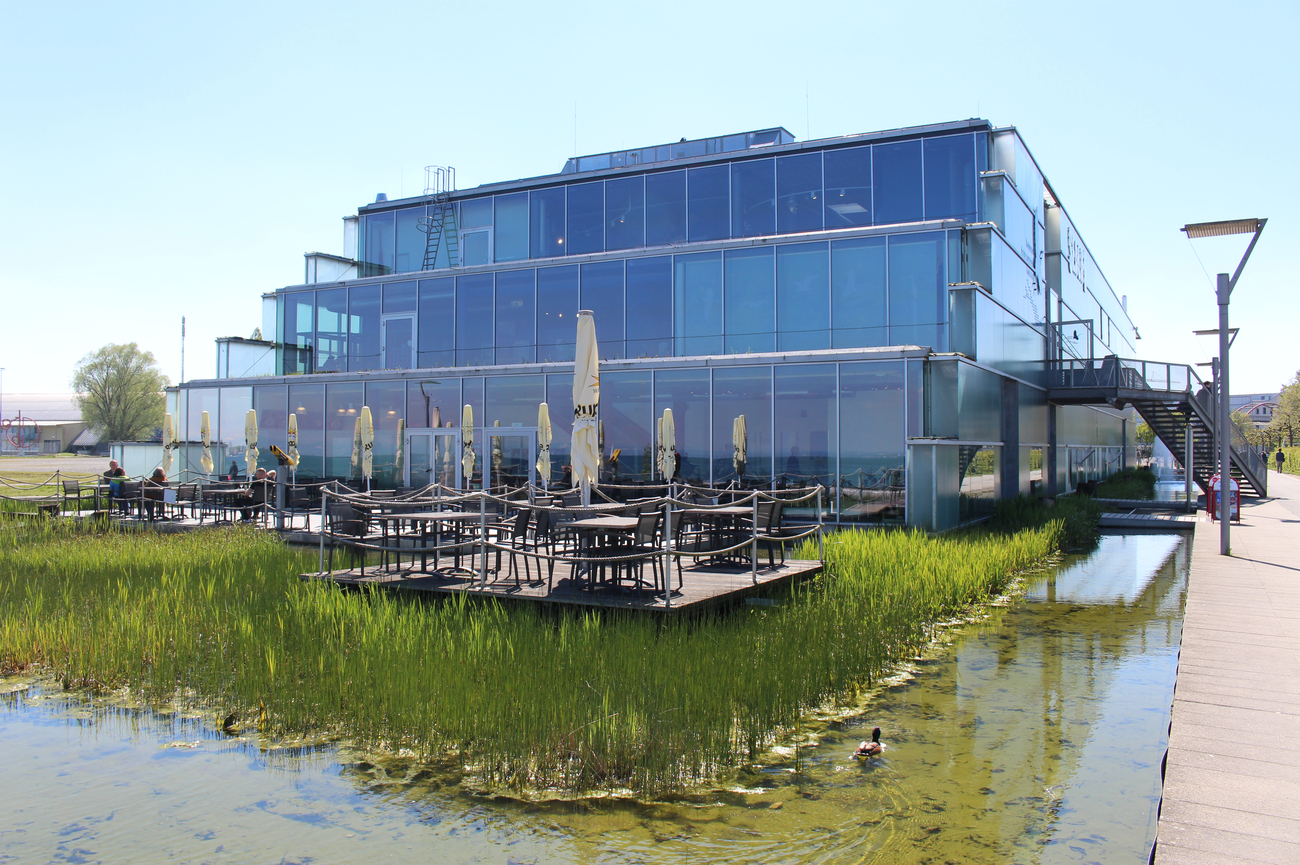
- SEA LIFE Konstanz: Located right near the harbor, SEA LIFE Konstanz is compact but surprisingly immersive. The experience begins with freshwater ecosystems including Bodensee itself before transitioning into larger marine habitats. Kids move through underwater tunnels surrounded by sharks and rays, watch feeding sessions and learn about species conservation through interactive display zones. The rockpool area allows supervised hands-on interaction, which usually becomes the highlight for younger visitors.
- Walter Zoo: About 40 minutes from the lake, Walter Zoo offers a more intimate, manageable alternative to sprawling city zoos. You’ll find lions, giraffes, camels, penguins, reptiles and monkeys all within a walkable layout that doesn’t require military-level planning. The zoo also includes a small children’s theater hosting performances throughout the year, plus indoor play areas that will become your lifesavers on rainy afternoons.

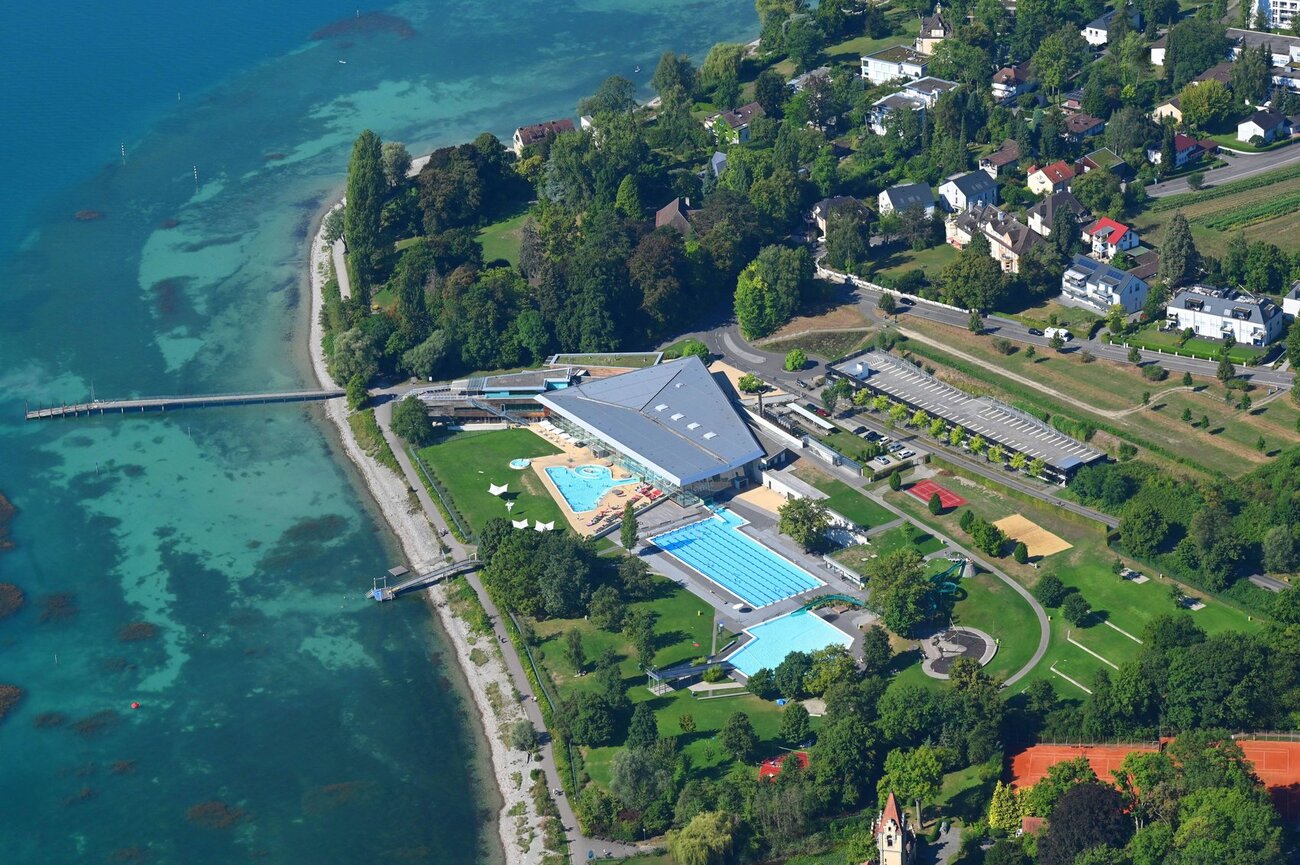
- Bodensee-Therme Konstanz: Yes, it’s technically a thermal spa. No, it’s not just for adults in robes. Bodensee-Therme Konstanz has dedicated family-friendly swimming zones with slides, splash areas and heated indoor/outdoor pools, all with lake views. Your kids can rotate between activity pools while adults alternate shifts into the quieter sauna and relaxation sections. There’s direct access to the lake in summer, plus grassy lounging areas for downtime.
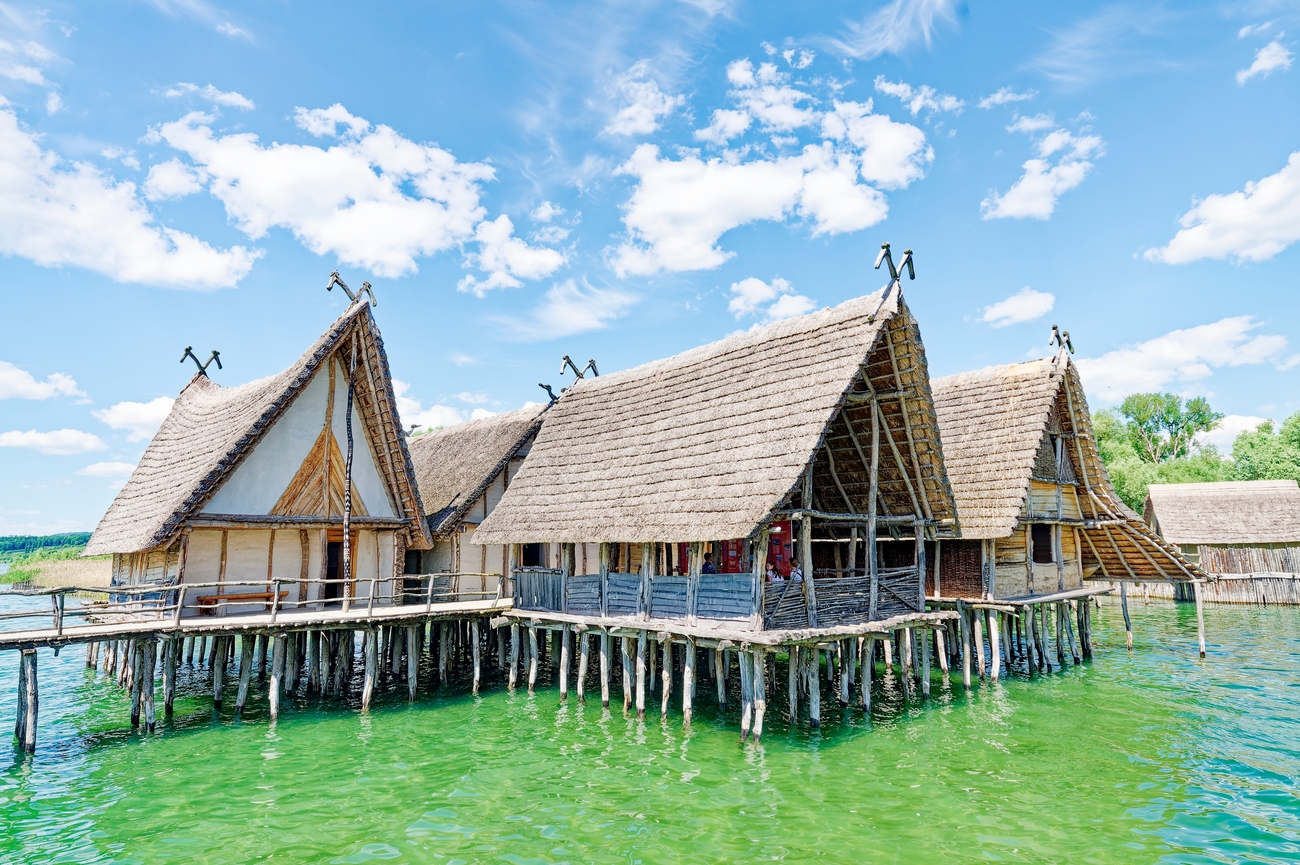
- Pile Dwelling Museum: This UNESCO World Heritage open-air museum recreates prehistoric stilt houses built over Lake Constance thousands of years ago. It’s hands-on archaeology done right. Kids walk through reconstructed Neolithic and Bronze Age homes elevated above the water, seeing how early communities cooked, slept and survived. Interactive displays, artifact replicas and guided demonstrations bring ancient lake life into sharp focus. The museum grounds also include both indoor exhibition halls and outdoor walkways, making it a flexible visit in mixed weather.
Day
Trips From Lake Constance
Lake Constance is perfectly placed and that’s its quiet superpower. Stand on any harbor promenade and you’re less than 90 minutes from three countries, Alpine ridgelines, UNESCO monasteries, medieval trade towns and design-forward mountain villages. The lake is the anchor, but the real flex is the radius. Within an hour, the scenery shifts completely. German half-timbered towns. Swiss abbey libraries. Austrian castles above vine-covered valleys. If you’re based around Bodensee, these are the day trips that make you realize how strategic your location actually is.
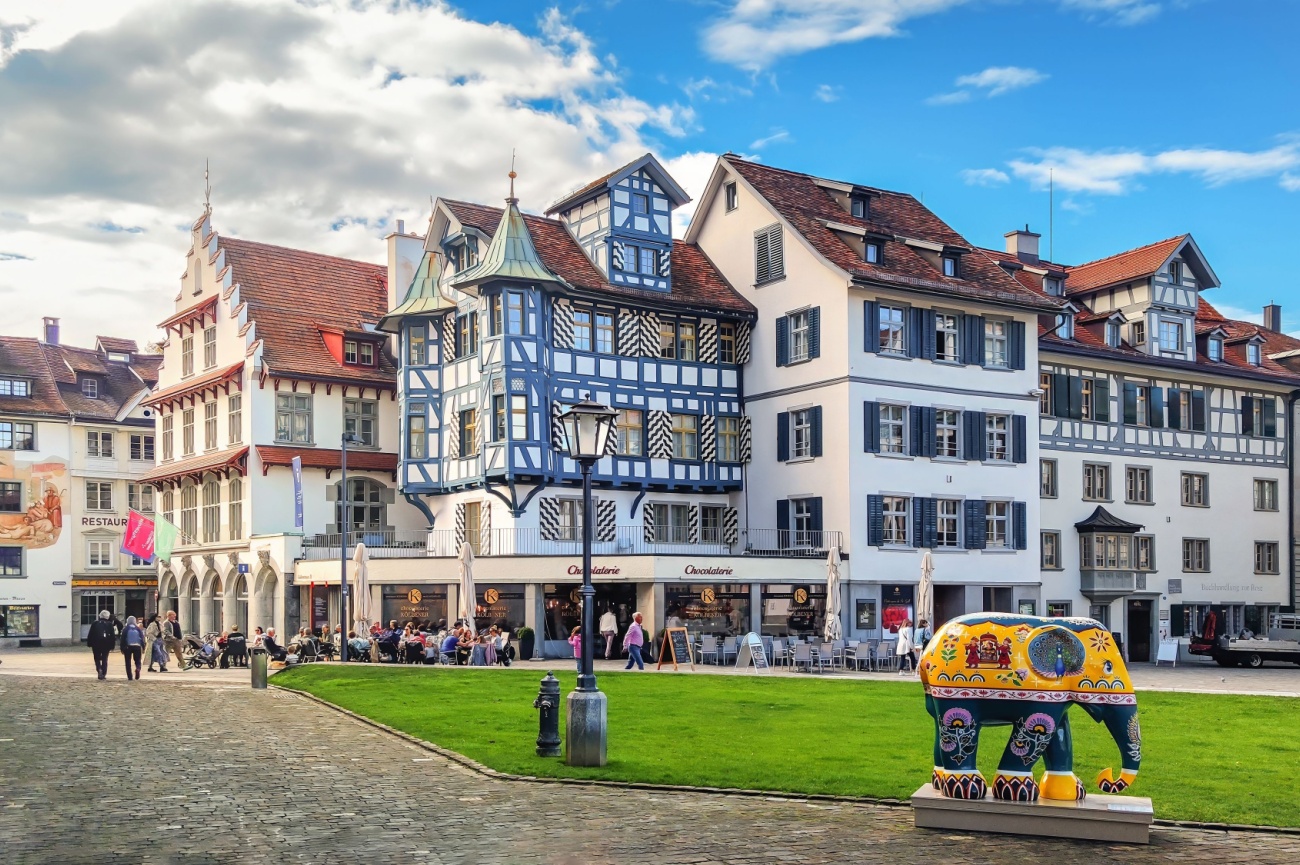
- St. Gallen, Switzerland: Less than an hour from the lake, St. Gallen feels like stepping into a different intellectual era. The centerpiece is the Abbey District of St. Gallen (UNESCO World Heritage Site), where the Stiftsbibliothek (Abbey Library) ranks among the most beautiful libraries in the world. Beyond the abbey complex, the old town reveals over 100 ornately carved oriel windows projecting from merchant houses with tiny architectural statements from a time when embroidery and textiles made St. Gallen wealthy. You can join a private guided tour of the Abbey Library and follow it with a tasting menu at one of the city’s fine-dining restaurants. It’s cultural depth without long-haul logistics.
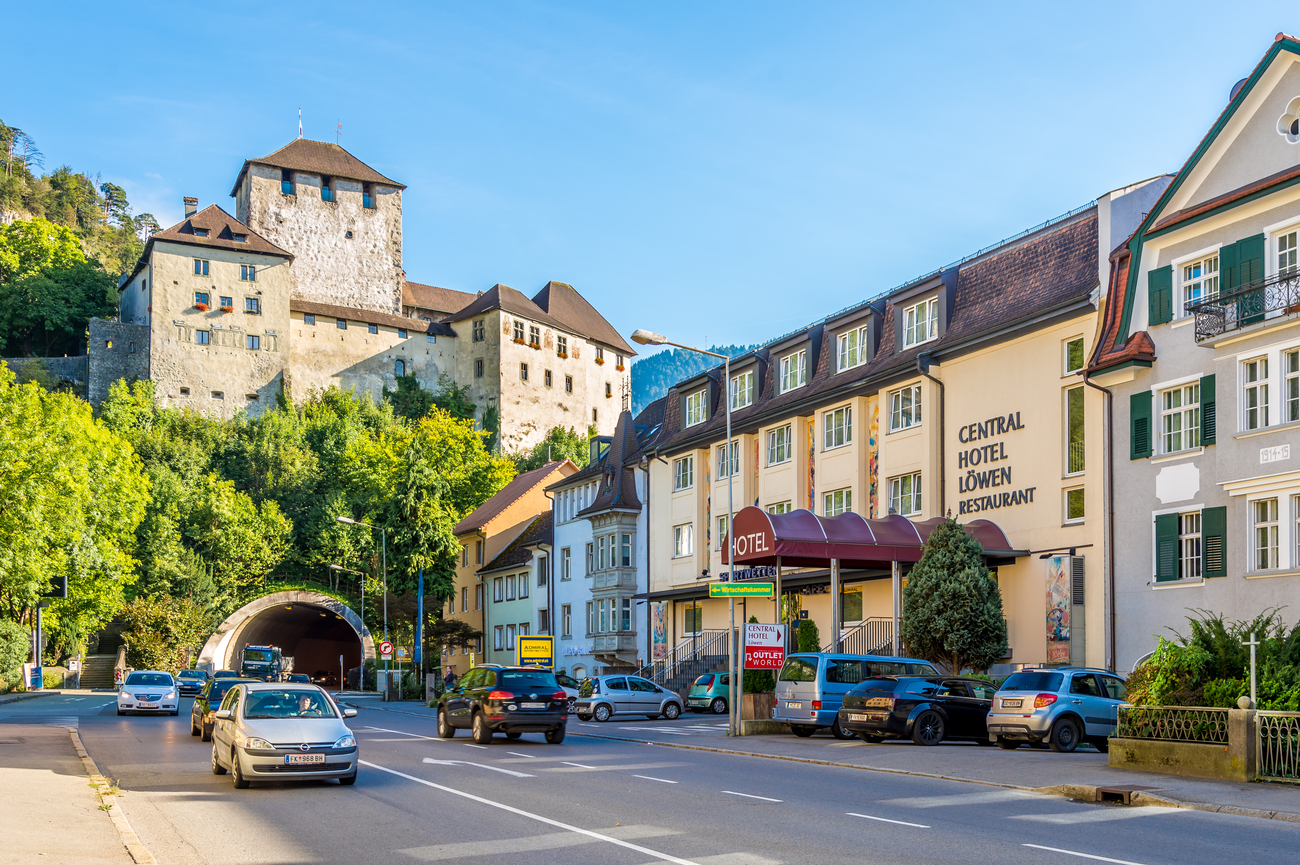
- Feldkirch, Austria: Drive about an hour southeast of Lake Constance and Feldkirch greets you with cobbled lanes and fortress views. The town’s silhouette is defined by Schattenburg Castle, a 13th-century stronghold that still dominates the hill above the old town. Climb up for panoramic views over the Rhine Valley, then explore the castle museum, where knightly armor, medieval chambers and preserved interiors offer a grounded sense of Austrian history. Back in town, arcaded streets provide sheltered walkways lined with independent boutiques and cafes. Feldkirch feels compact but layered with medieval foundations paired with subtle modern cultural venues like the Montforthaus. It’s close enough for a relaxed half-day but rich enough to fill a full one.
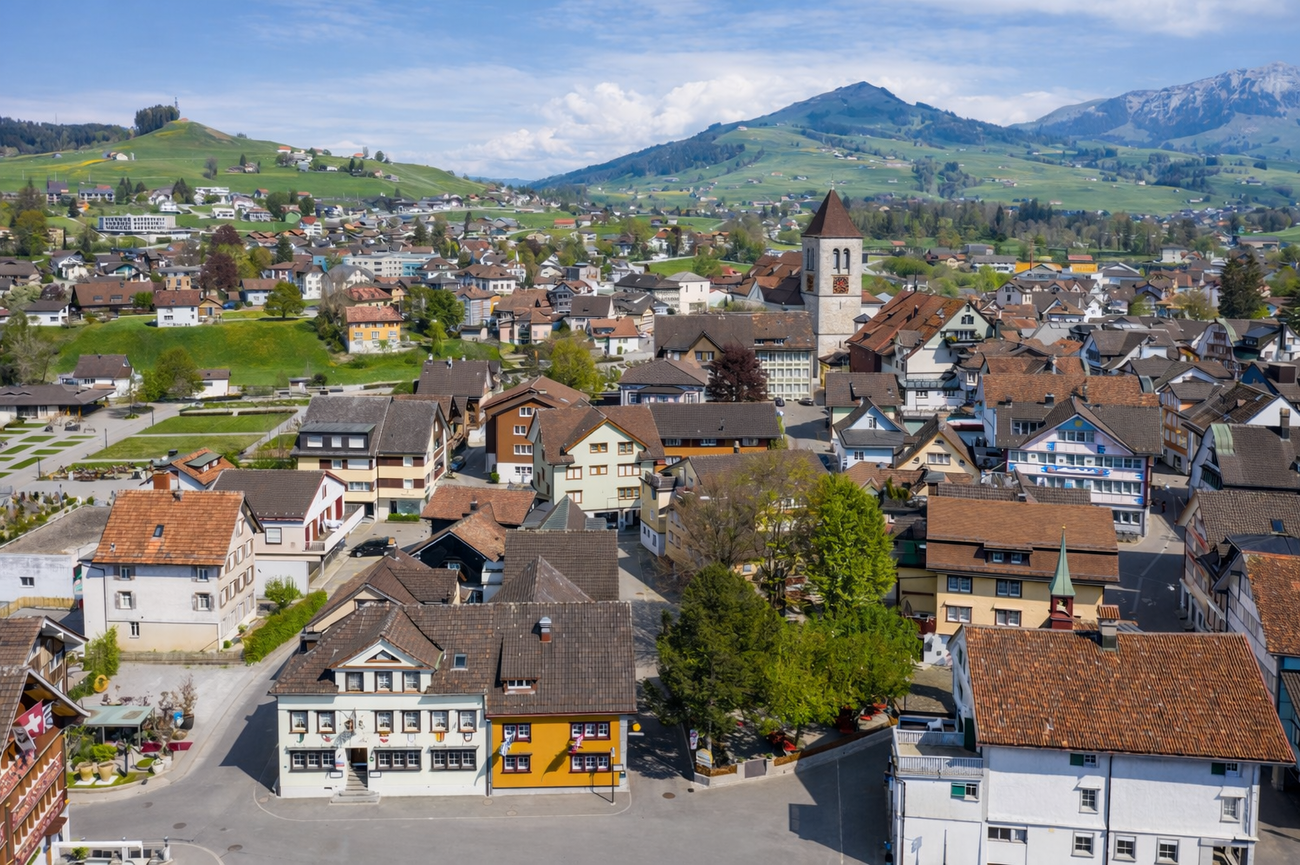
- Appenzell, Switzerland: Wooden houses painted in pastel hues line the main street, each facade decorated with traditional motifs and detailed signage, this is Appenzell. Roughly an hour from the lake, this village looks like it was curated by a precision-loving artist. It’s small, yes, but deeply rooted in Swiss identity. Stop by the Appenzell Museum to understand local customs and the region’s direct-democracy traditions. From there, the Alpstein mountains rise sharply in the background, offering scenic hiking routes and cable car access to elevated viewpoints. Cheese is serious business here. You can arrange a visit to a local dairy to see how Appenzeller cheese is produced, then sample it fresh.
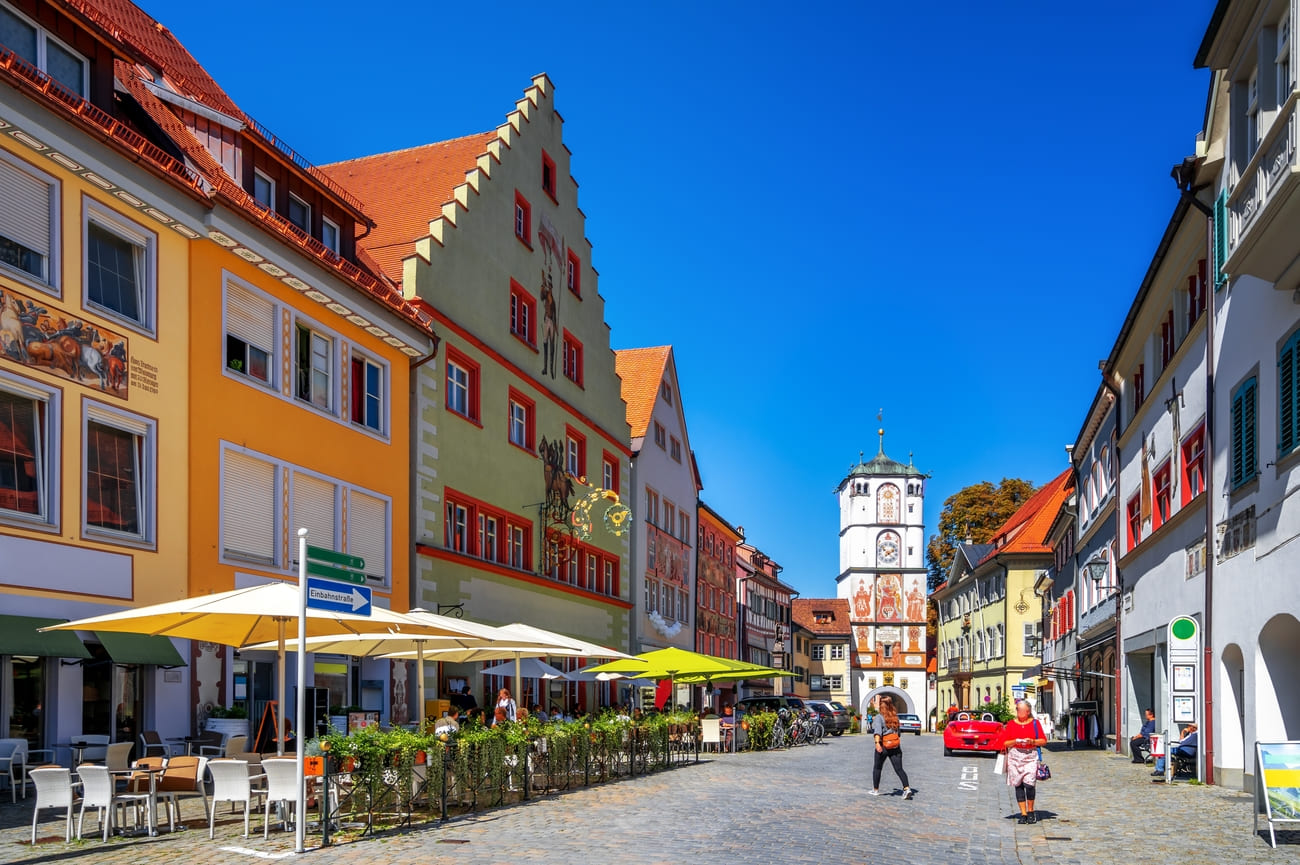
- Wangen im Allgäu, Germany: In under 45 minutes from Lake Constance, Wangen im Allgäu delivers a quieter, pastel-toned version of medieval Germany. Enter through the preserved town gates like the Frauentor and you’re inside a maze of half-timbered houses, ornate fountains and intimate courtyards. The old town is compact and walkable, filled with artisan bakeries, local boutiques and cafes that spill into the square. Wangen doesn’t overwhelm with landmarks; it charms with cohesion. You can walk sections of the old defensive walls, explore small regional museums and enjoy the slower rhythm that defines the Allgäu region.
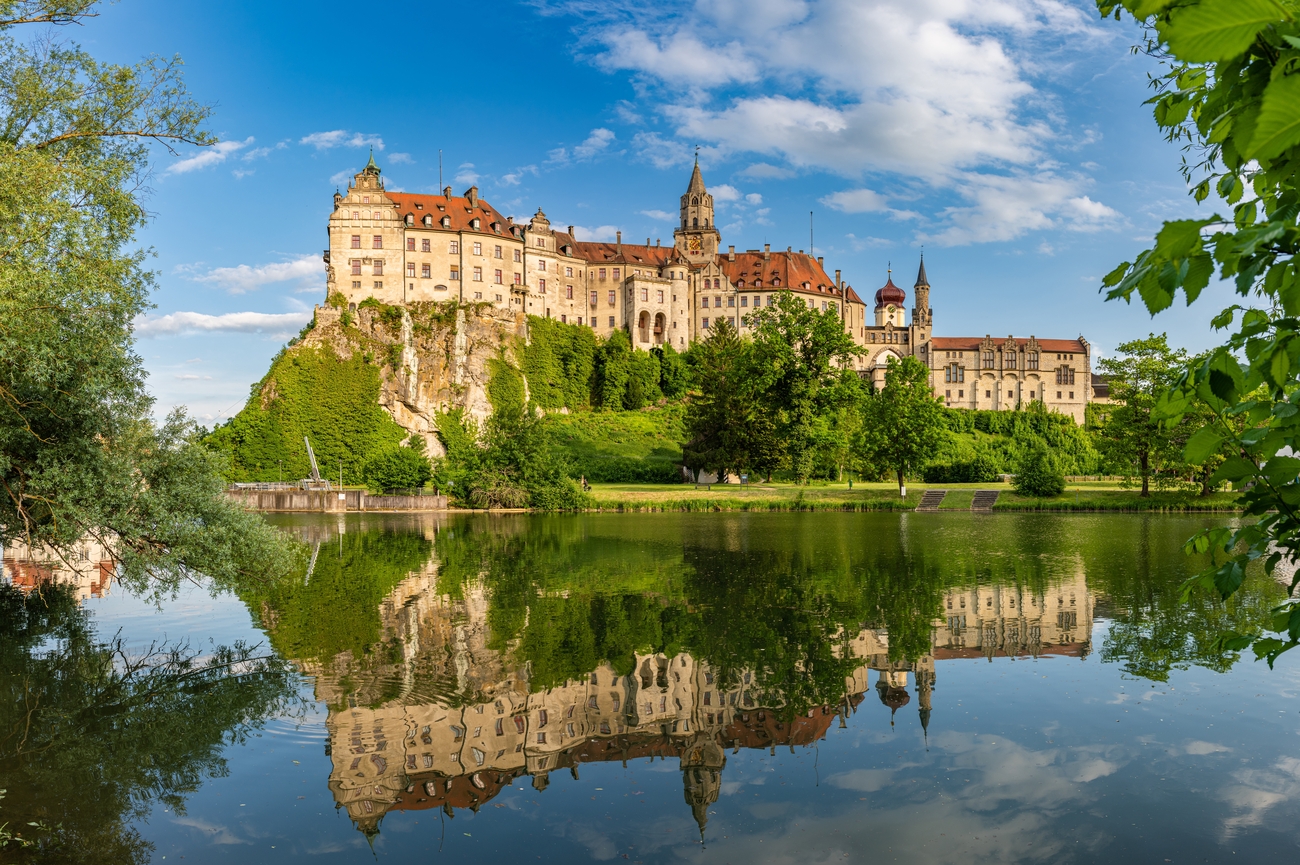
- Sigmaringen, Germany: At just under 90 minutes from Bodensee, the town of Sigmaringen delivers immediate drama. Rising high above the Danube River, Hohenzollern Castle Sigmaringen (Schloss Sigmaringen) dominates the skyline with neo-Gothic ambition with towers, turrets and expansive wings stretching confidently across the cliff edge. Inside, guided tours lead you through opulent princely apartments filled with ornate furnishings, grand halls and one of Europe’s largest private weapon collections. And after exploring the castle, descend into the town below and walk along the Danube promenade. Sigmaringen may be the longest drive on this list, but it rewards you with presence. Big architecture. Big history. Big payoff.
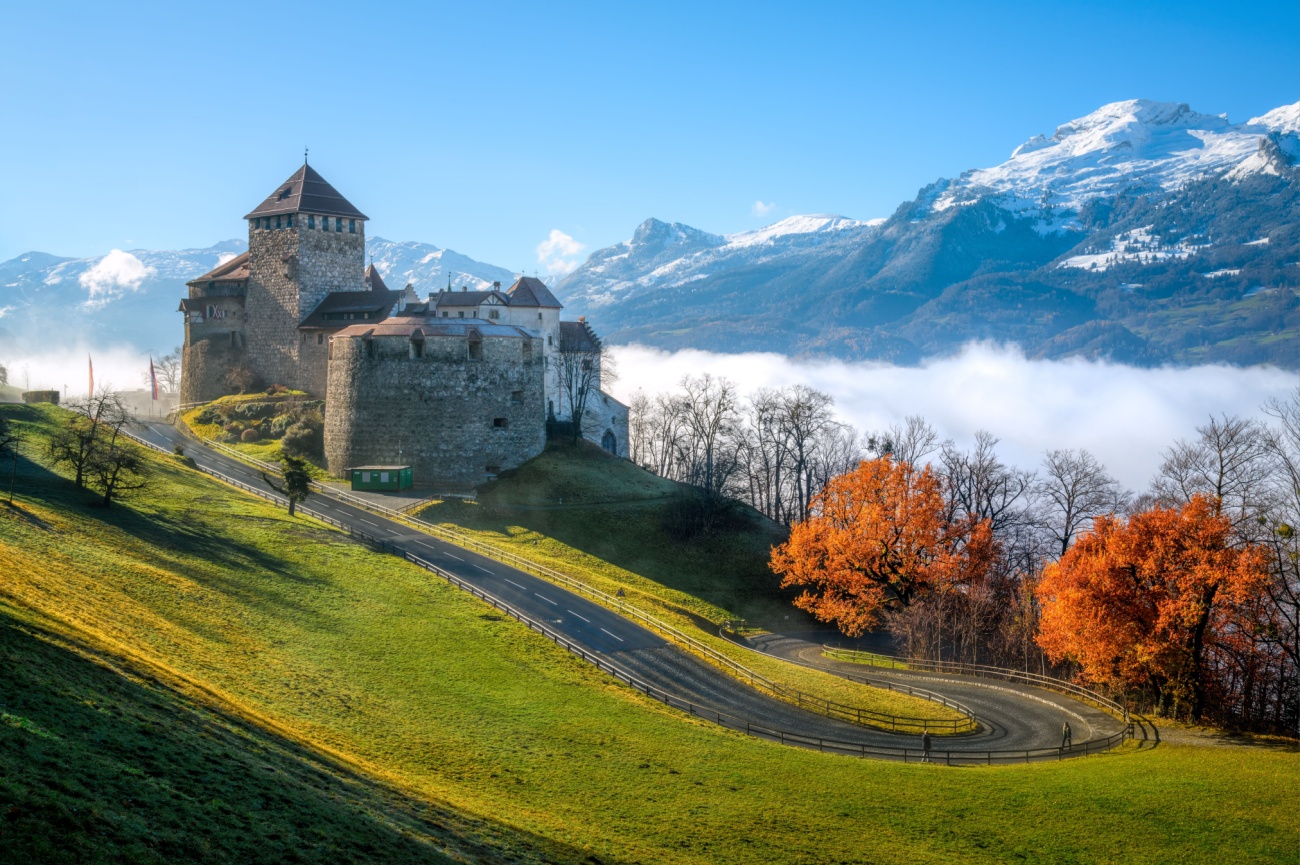
- Vaduz, Liechtenstein: Just under an hour from the Austrian or Swiss shores of Lake Constance, Vaduz adds an unexpected fourth country to your itinerary. Liechtenstein’s capital is compact and framed by dramatic Alpine peaks that feel closer and steeper than the lake’s distant horizon. Above the town rises Vaduz Castle, the official residence of the princely family. While it’s not open to the public, the walk up to the viewpoint delivers sweeping valley perspectives. And you can also visit the striking Kunstmuseum Liechtenstein, known for its modern and contemporary art collection, and the Liechtenstein National Museum just nearby.
Golf
Courses Around Lake Constance
Some places make you focus on your swing. Lake Constance makes you look up first. Before the first drive, you’re clocking vineyard rows, Alpine ridgelines, and that quiet shimmer of water somewhere in the distance. The courses here feel placed. Thoughtfully. Between Germany, Austria and Switzerland, golf becomes less about isolation and more about landscape. Morning tee time in Germany, espresso in Austria, dinner in Switzerland. That’s just how the map works here.
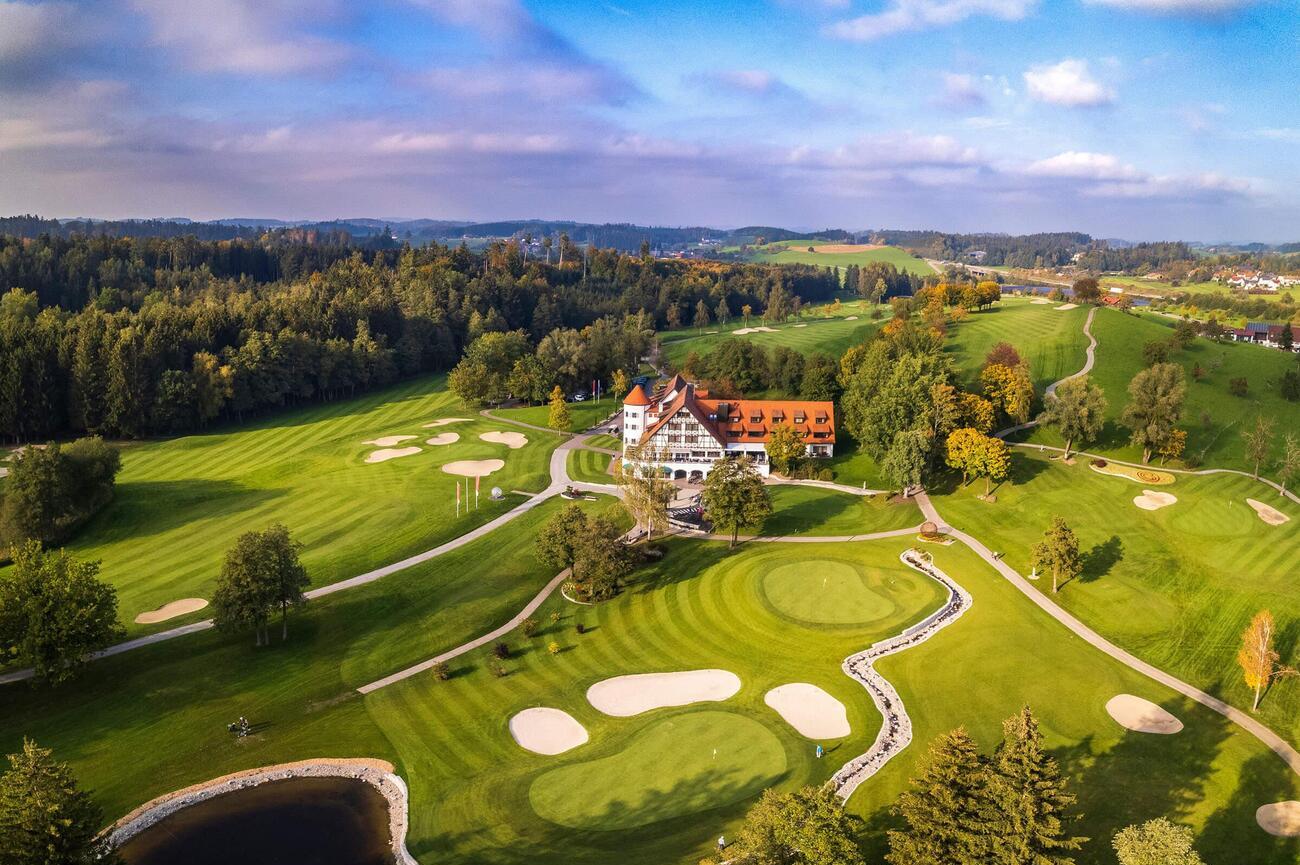
- Golfclub Bodensee Weissensberg: This is the region’s flagship course. Designed by Robert Trent Jones Sr., the 18-hole championship layout is structured, tactical and demanding without being theatrical. With over a hundred strategically placed bunkers and subtle elevation changes, Weissensberg rewards precision and course management. It is the course serious players book first.
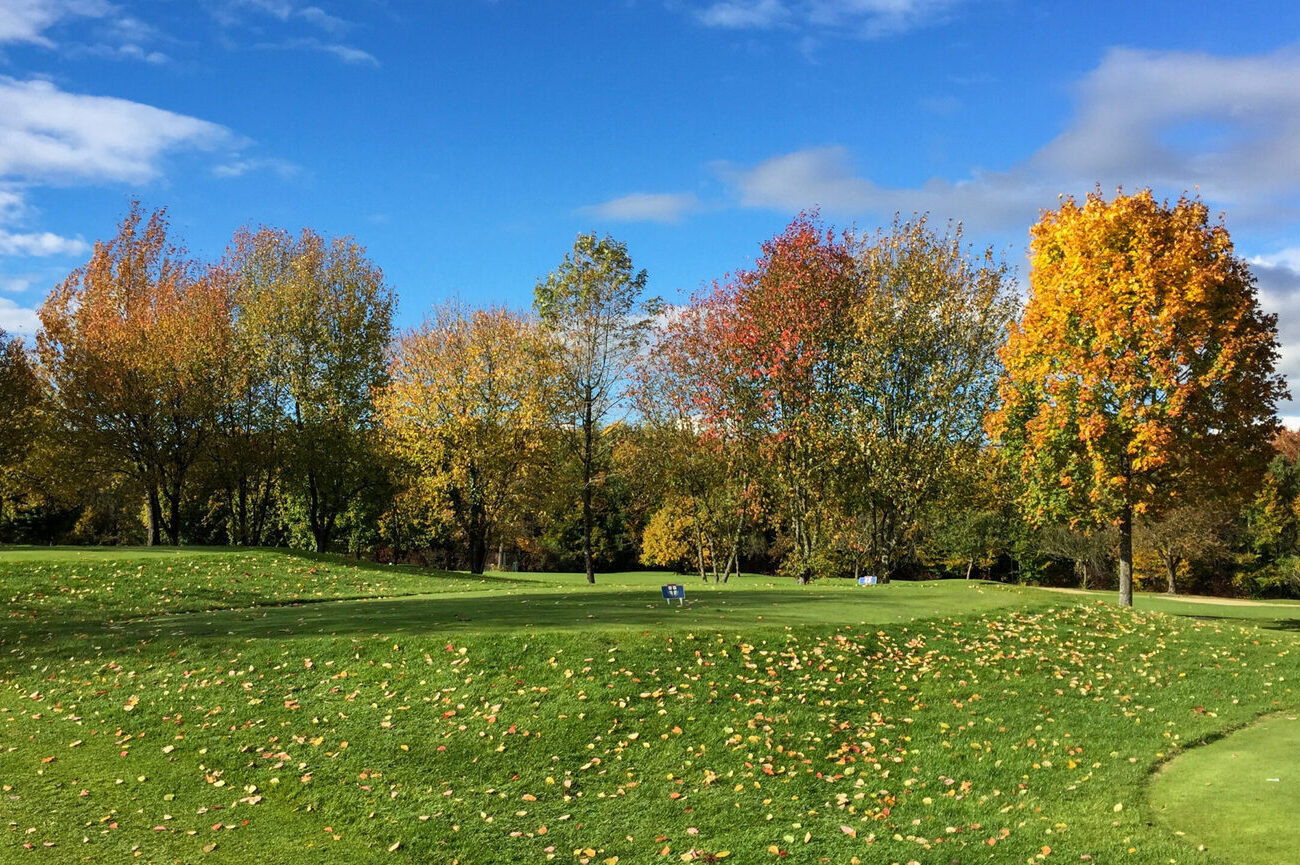
- Golf-Club Konstanz e.V.: Established in 1930, this traditional 18-hole course sits in a peaceful natural setting above the lake region. Woodland corridors alternate with more open fairways, requiring thoughtful shot placement rather than brute force. It is measured, classic and quietly satisfying.
Michelin-Starred
Restaurants Around Lake Constance
Dinner around Lake Constance isn’t a reservation; it’s a decision. Because once you sit down at the right table here, the lake disappears for a second. The conversation shifts to sauce work, to texture, to how a regional pike-perch can taste completely different in the hands of a chef who knows exactly what they’re doing. Michelin doesn’t scatter stars casually across Bodensee. This isn’t flashy fine dining built for spectacle. It’s confident cuisine shaped by three countries, vineyard air and lake-fresh ingredients. And when you book one of these tables, you’re not just eating well; you’re tasting how seriously this region takes its craft.
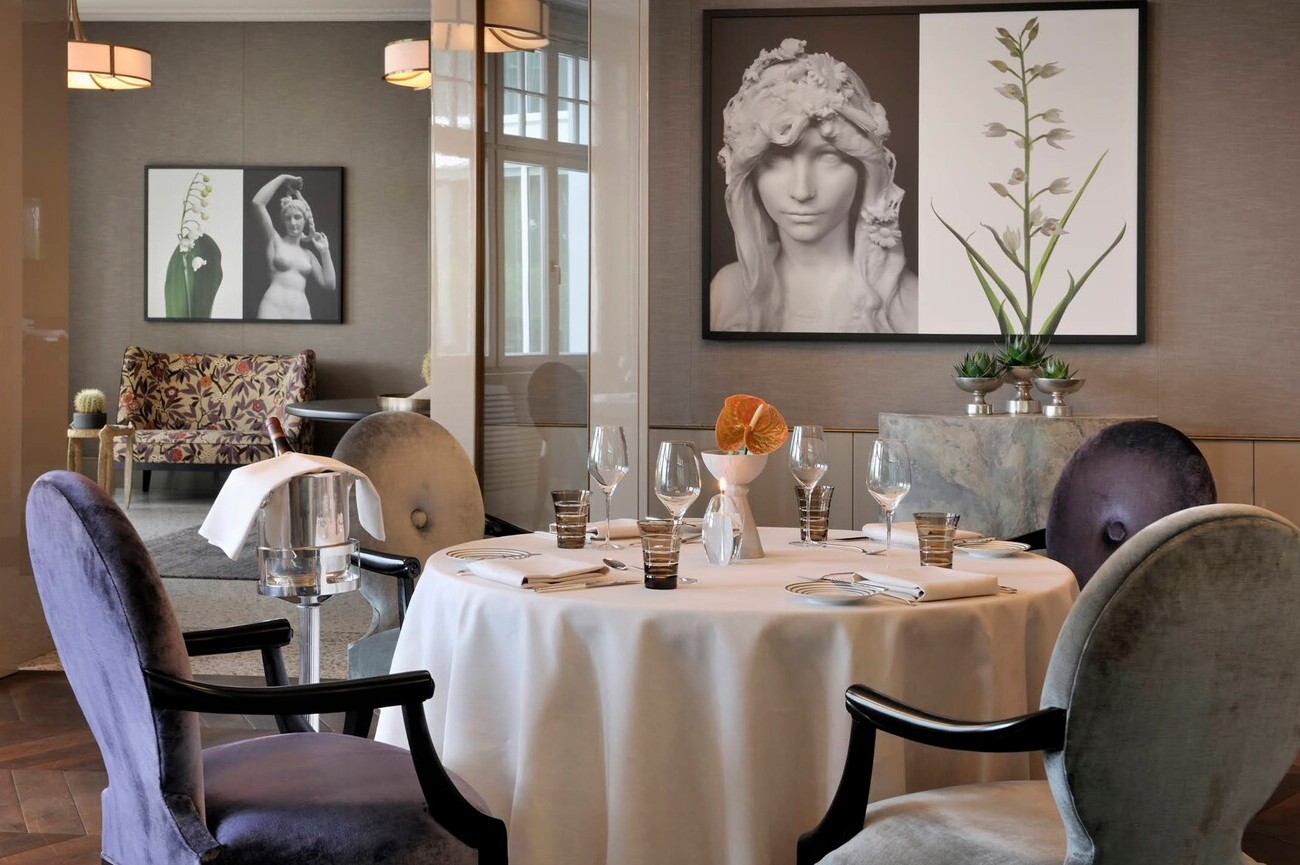
- Ophelia: Located in the elegant Jugendstil villa of Hotel Riva on the Konstanz waterfront, Ophelia holds 2 Michelin stars, placing it among the highest-ranked restaurants in the Lake Constance region. Chef Dirk Hoberg’s cuisine is rooted in classical French technique, executed with restraint and polish. The tasting menu highlights immaculate ingredient quality and refined sauce work. The zander poached in oil with Swiss chard and nut butter hollandaise is a standout example of precision and balance. You can reserve the Kitchen Table beside the open pass, where up to four guests can watch the brigade at work, for a more immersive experience.
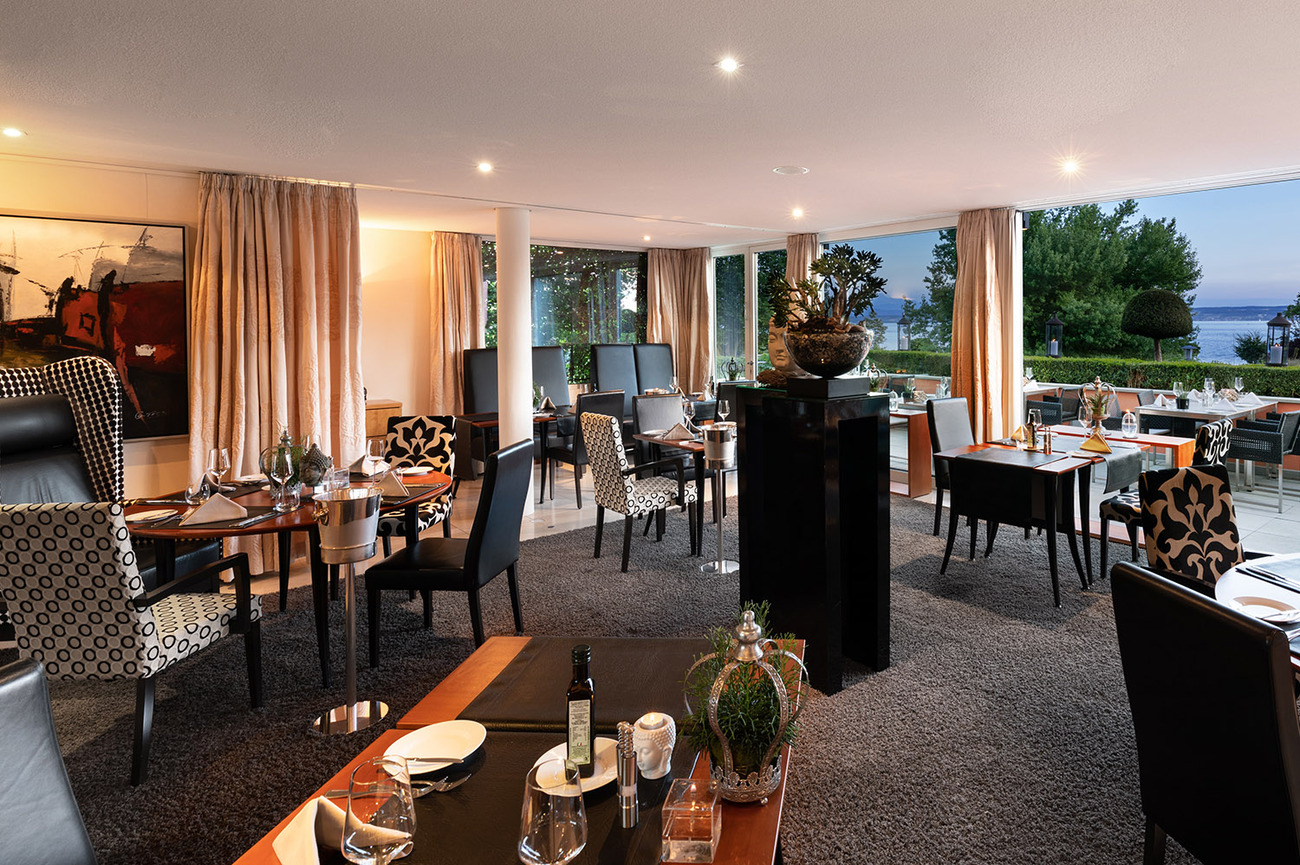
- Casala – das Restaurant: One Michelin star here signals focused craftsmanship, strong technique and a kitchen that values precision over theatrics. At the Romantik Hotel Residenz am See overlooking Lake Constance, Casala offers modern seasonal cooking and consistent execution. Chef Markus Philippi focuses on high-quality ingredients and clean, structured compositions. Guests can build their own menu of up to six courses or dine à la carte, with dishes such as veal rump cap with beetroot, horseradish and potatoes showcasing balanced flavors and thoughtful plating. And at lunchtime, you can avail a two- or three-course surprise menu, offering a lighter introduction to the kitchen’s style.
- Guth: In Lauterach, Austria, just minutes from Bregenz and the eastern shore of Lake Constance, Guth holds 1 Michelin star and earns it through restraint rather than reinvention. Chef Thomas Scheucher champions a pared-back interpretation of classic cuisine. The menu reads clean but delivers complexity where it counts. Dishes like vitello tonnato made from Andelsbuch veal topside, finished with caper blossoms, show a respect for tradition elevated by sourcing and detail. The Lake Constance whitefish fillet with aubergine relish, lime and basil broth and olive gnocchi also reflects regional grounding with subtle Mediterranean brightness. Flavour comes first here.
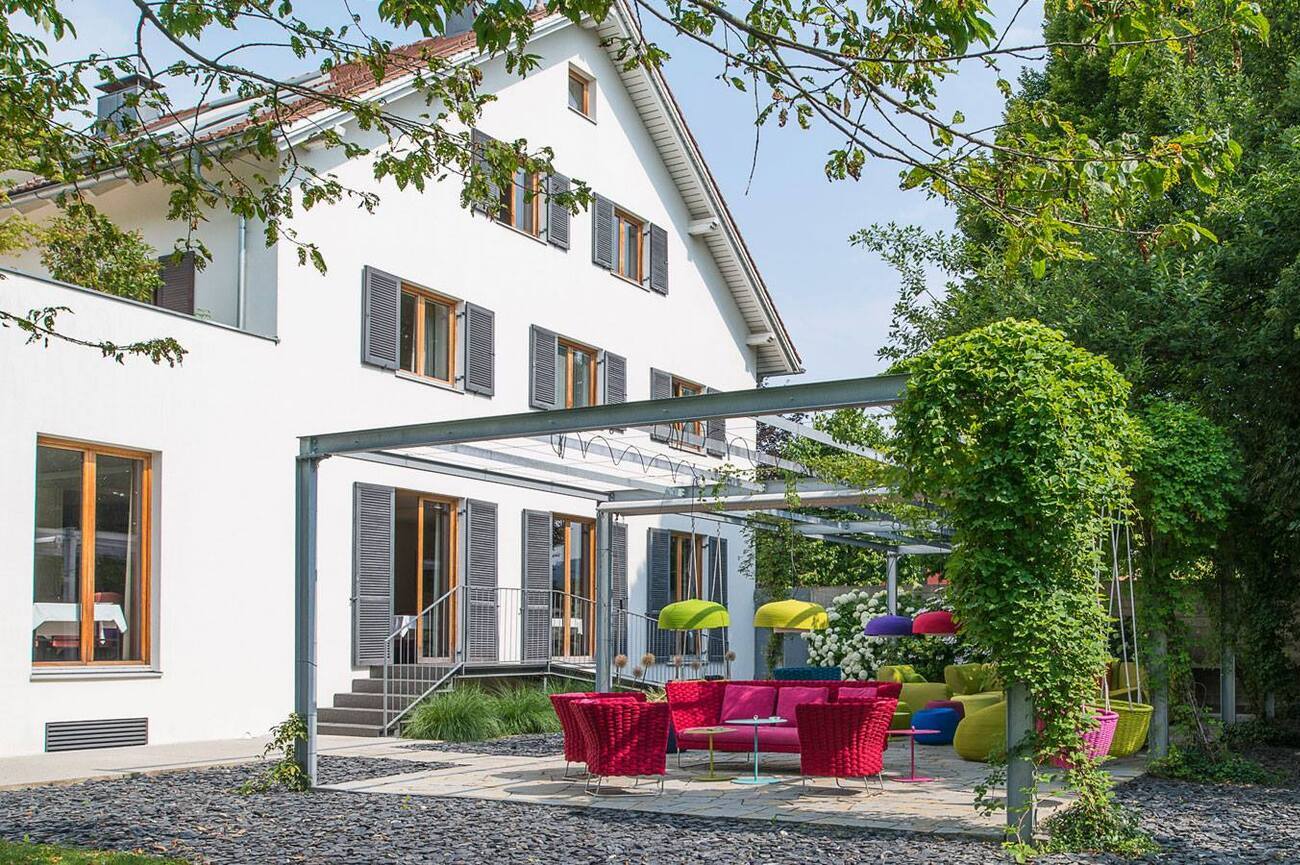
- KARRisma: Inside the Adara Hotel in Lindau’s old town, KARRisma holds 1 Michelin star, marking it as one of the region’s most intimate fine-dining experiences. Chef Julian Karr personally presents many of his dishes, reinforcing the restaurant’s hands-on identity. The cuisine is creative and seasonal, grounded in regional sourcing. A prime example is the crispy Lake Constance pike-perch with leaf spinach and Jerusalem artichoke foam. You can experience their surprise menu, which ranges from four to six courses, with weekends exclusively offering the full six-course format.
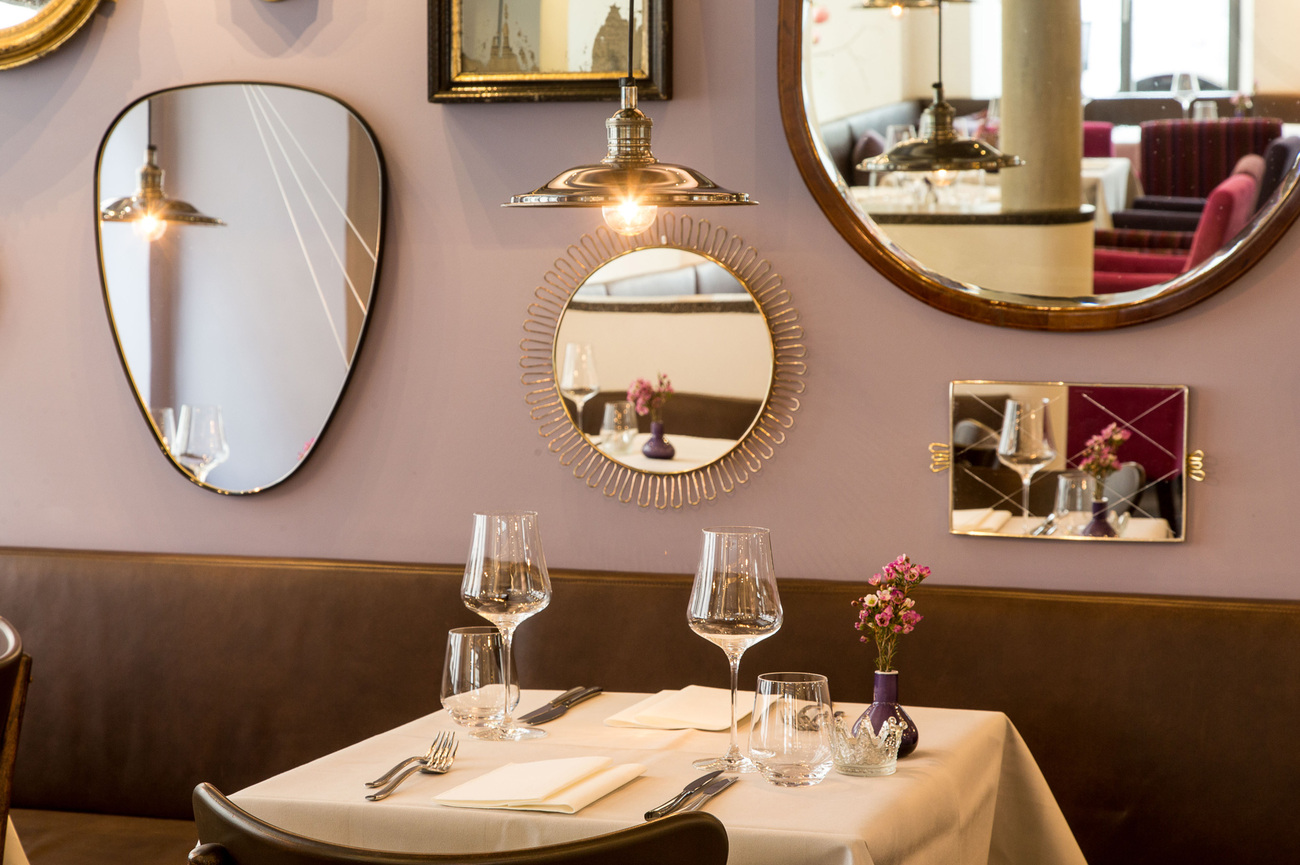
- Falconera: Falconera holds 1 Michelin star and offers rural refinement in a historic half-timbered setting. This restaurant is located in a converted mill near Lake Constance. Chef-patron Johannes Wuhrer focuses on classic seasonal cuisine built around fresh, selected produce. Evening service features two tasting menus, “Falconera” or a vegetarian alternative, while lunch menus offer a slightly lighter format. The wine list includes a page dedicated to rarities, alongside strong Baden selections available by the glass. You can also enjoy the surrounding garden of the restaurant which adds a serene countryside atmosphere.
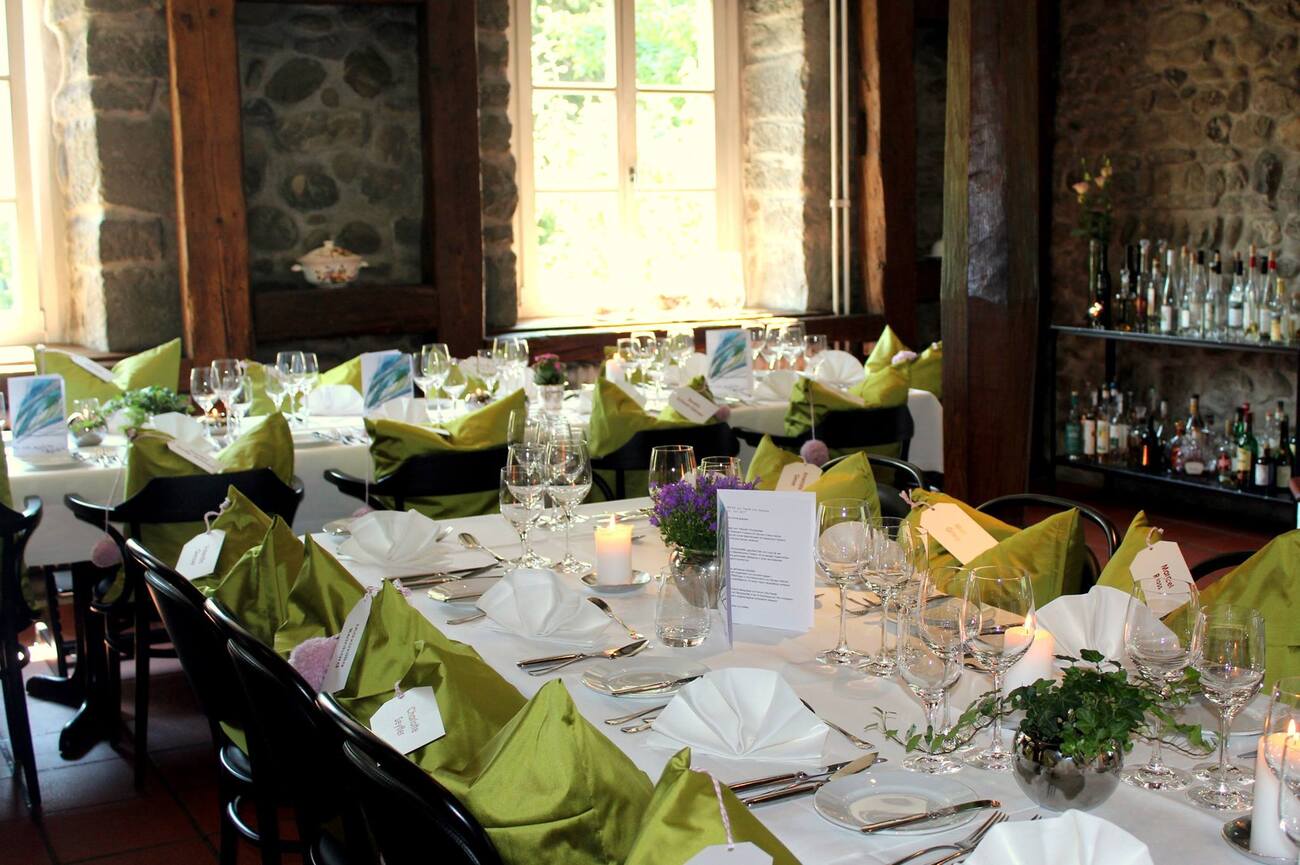
Where to Eat Around Lake Constance
Here, dinner comes with water-level sunsets, Alpine silhouettes, vineyard air and just enough cross-border influence to keep things interesting. German heartiness meets Austrian polish. Swiss precision slips in quietly. And whether you’re after lake fish done right or something globally inspired, the setting always adds weight. These restaurants aren’t just stops between sightseeing. They’re reasons to pause.
- Heinzler am See: If you want the lake practically touching your table, Heinzler am See delivers. Located directly on the shoreline in Immenstaad, this family-run address blends Swabian tradition with broader culinary ambition. The Heinzler brothers don’t limit themselves: one page might offer Swabian Zwiebelrostbraten, another Arctic char and Lake Constance whitefish and then, unexpectedly but confidently, yellowfin tuna sashimi. The Jagdstube dining room leans rustic-modern with warm wood tones, while the Panorama-Restaurant opens wide to uninterrupted water views. In summer, the terrace becomes the main event, hovering just above the lake.
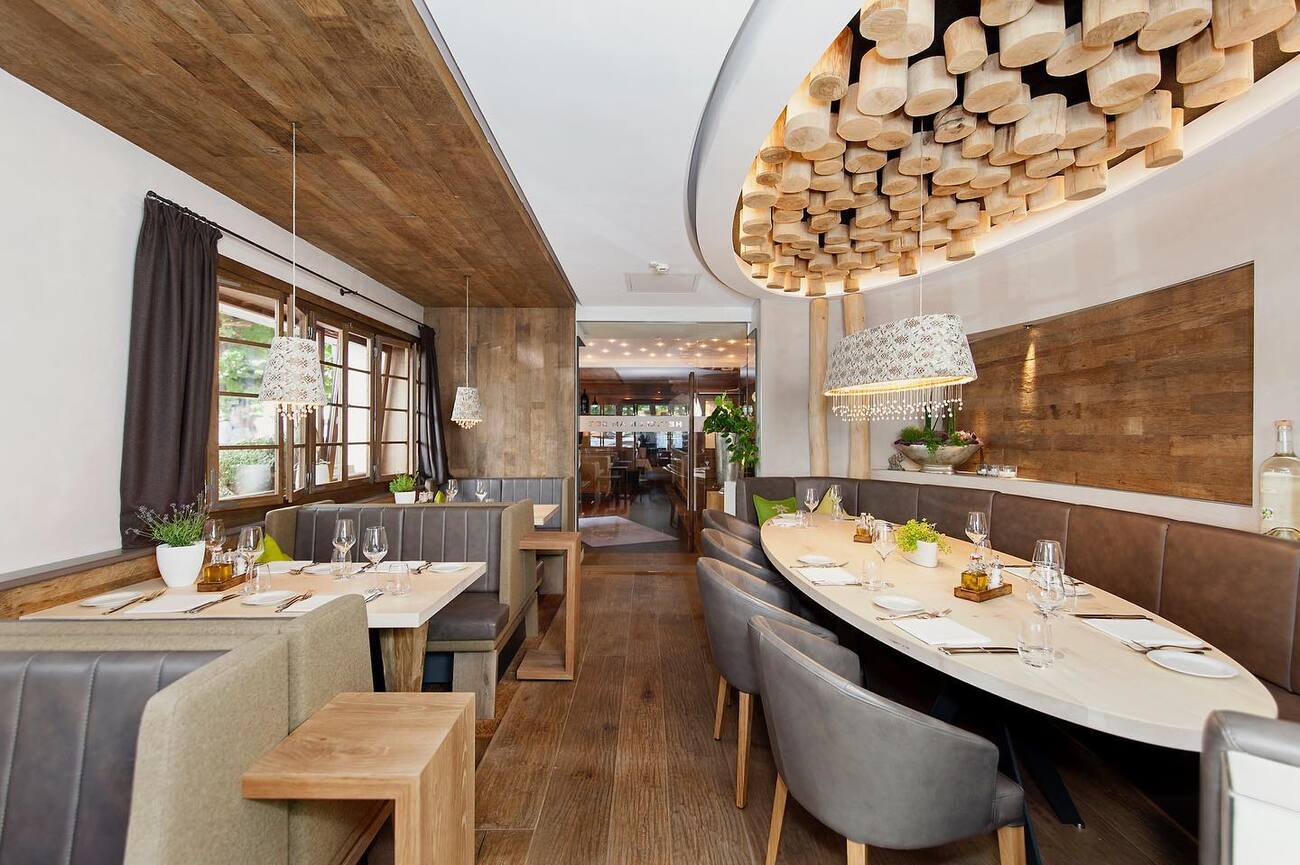
- RIVA Seerestaurant: Step inside RIVA – Das Hotel am Bodensee in Konstanz and you immediately understand the appeal: floor-to-ceiling windows, clean lines and Lake Constance acting as a moving backdrop. The terrace is prime territory, especially at golden hour when the water turns cinematic. And the cuisine focuses on seasonal, regionally anchored dishes with international accents. Mediterranean brightness here, a subtle Asian note there. Classics still hold their place on the menu, but they’re executed with polish. After dinner, the chic bar and outdoor lounge keep the mood elevated.
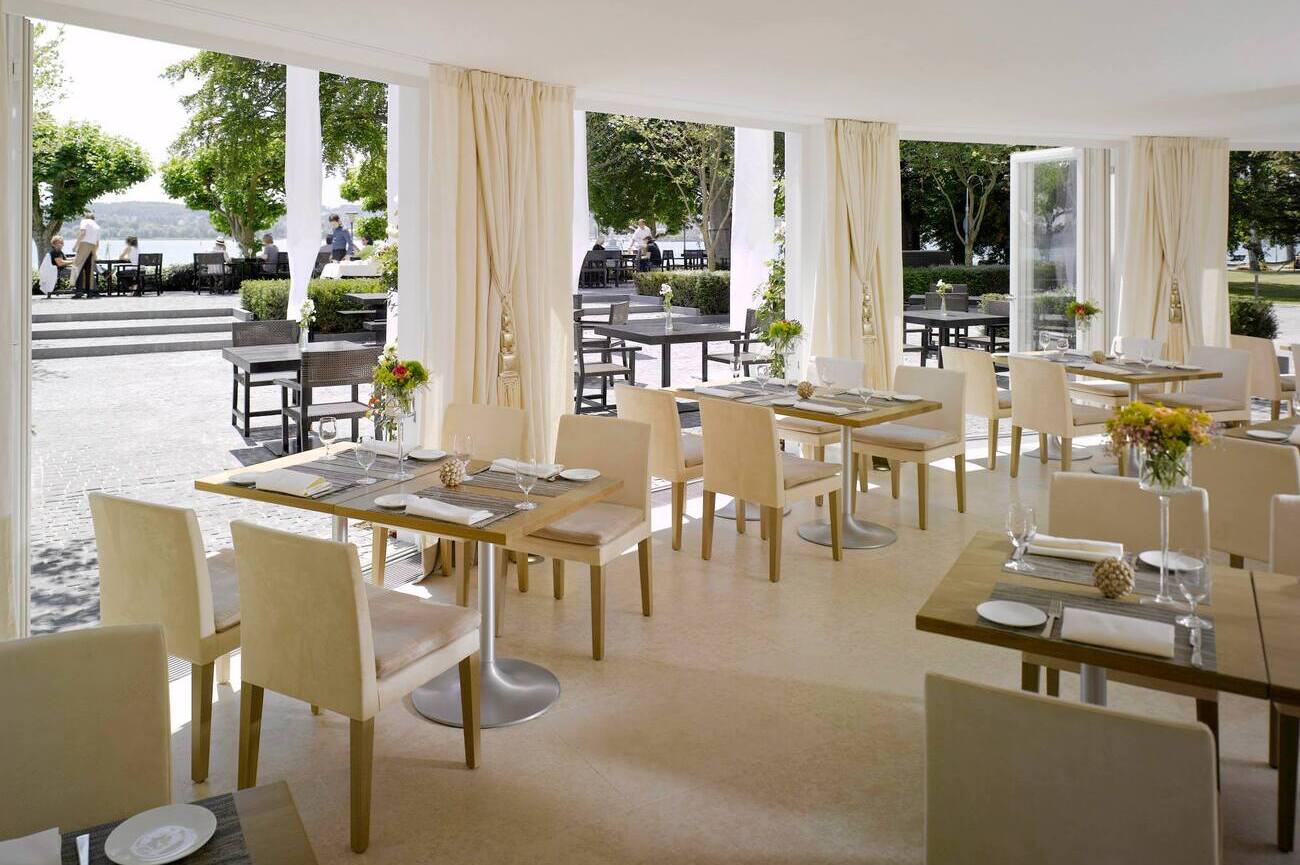
- Brasserie Colette Tim Raue: Tim Raue’s name carries weight and at Brasserie Colette in Konstanz, the concept translates into a modern French brasserie experience. Modeled after its Berlin and Munich counterparts, the menu allows flexibility: order à la carte, build a four-course set (vegan included) or share a classic like Beef Wellington for two. The first-floor terrace overlooking the pedestrian zone is highly sought after. Yes, reservations are strongly recommended. Inside, the mood blends Parisian inspiration with contemporary structure.
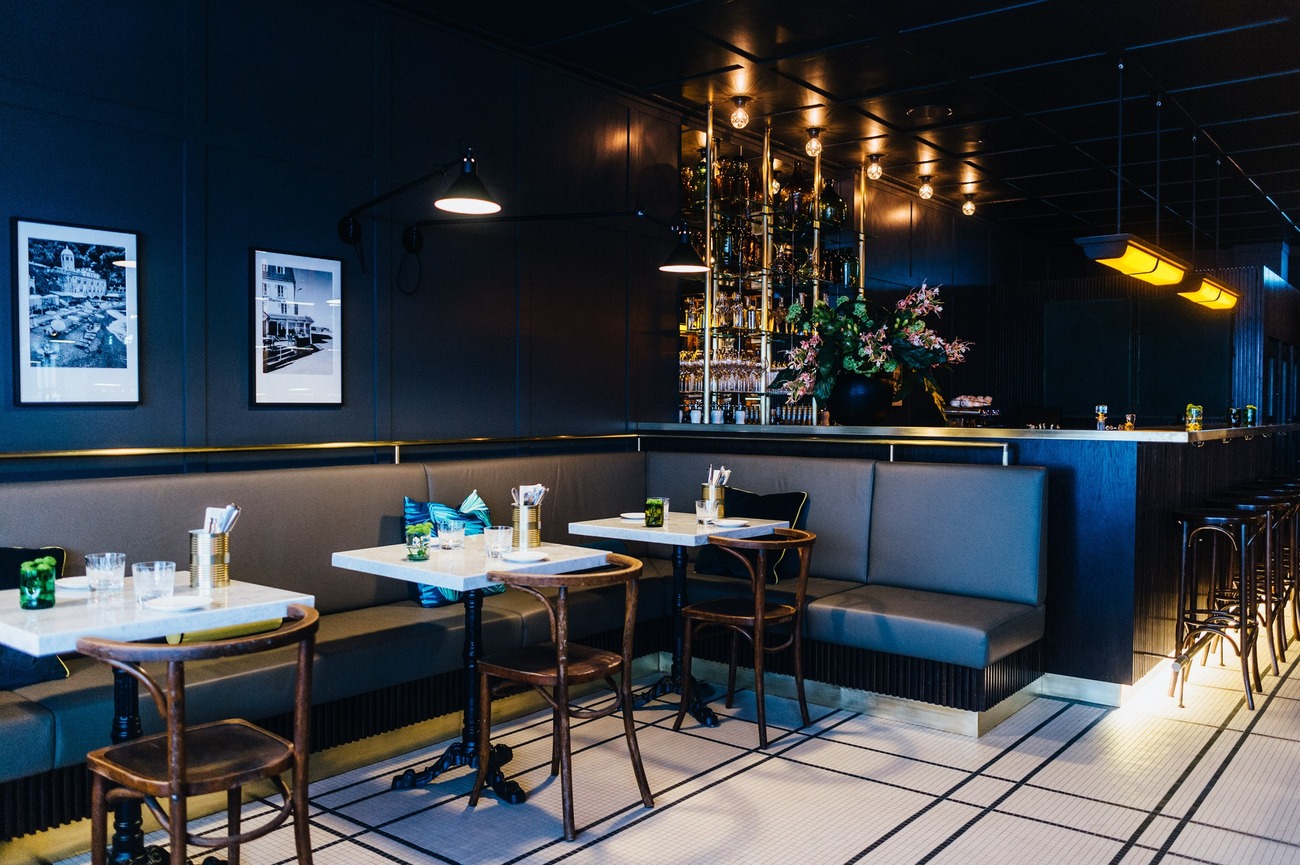
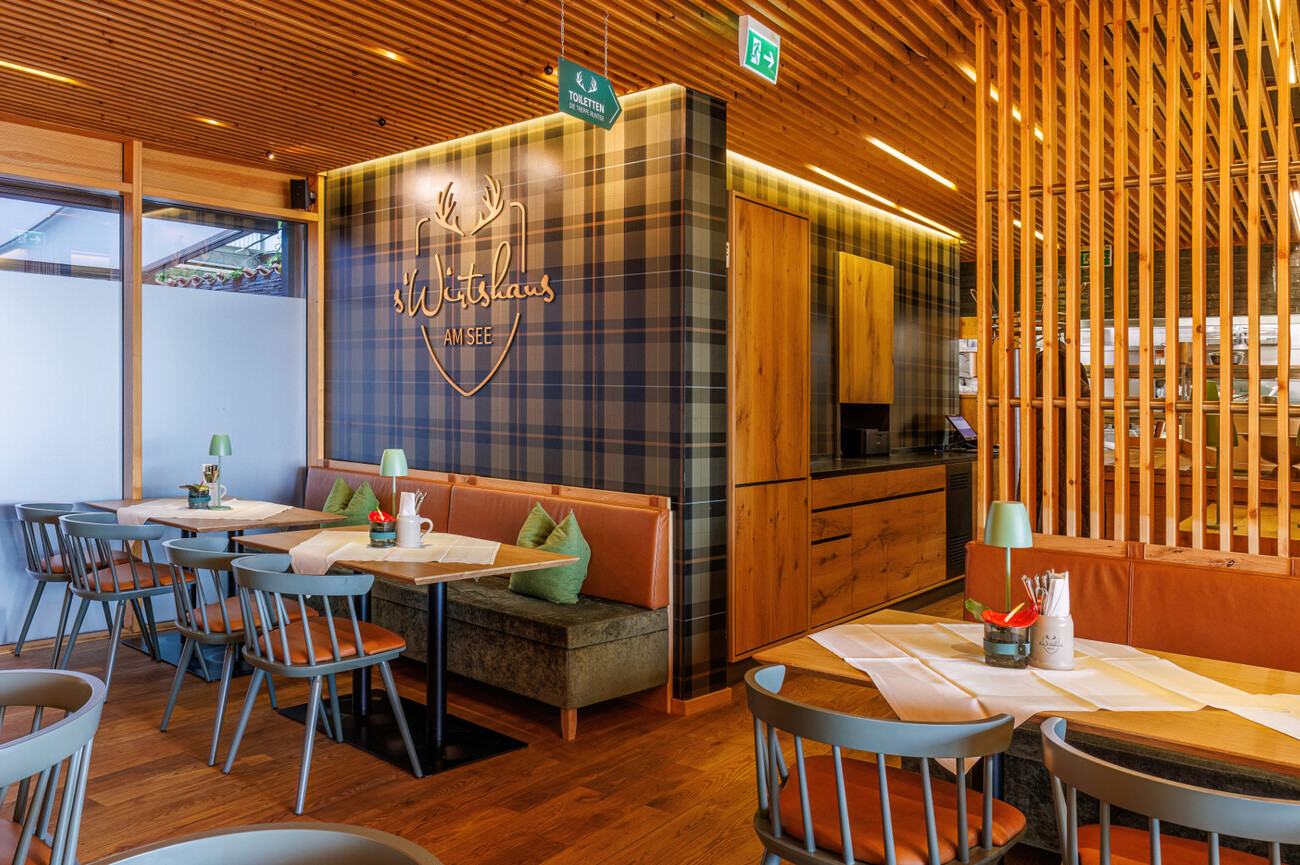
- s’Wirtshaus am See – Friedrichshafen: Located directly on the waterfront in Friedrichshafen, s’Wirtshaus am See specializes in Austrian-German classics served generously and without pretense. Guests return for dishes like schnitzel, dumplings and hearty seasonal plates that feel rooted in tradition. The view across Lake Constance adds instant atmosphere, especially if you snag an outdoor table. The setting is accessible from nearby transport hubs, making it convenient for travelers.
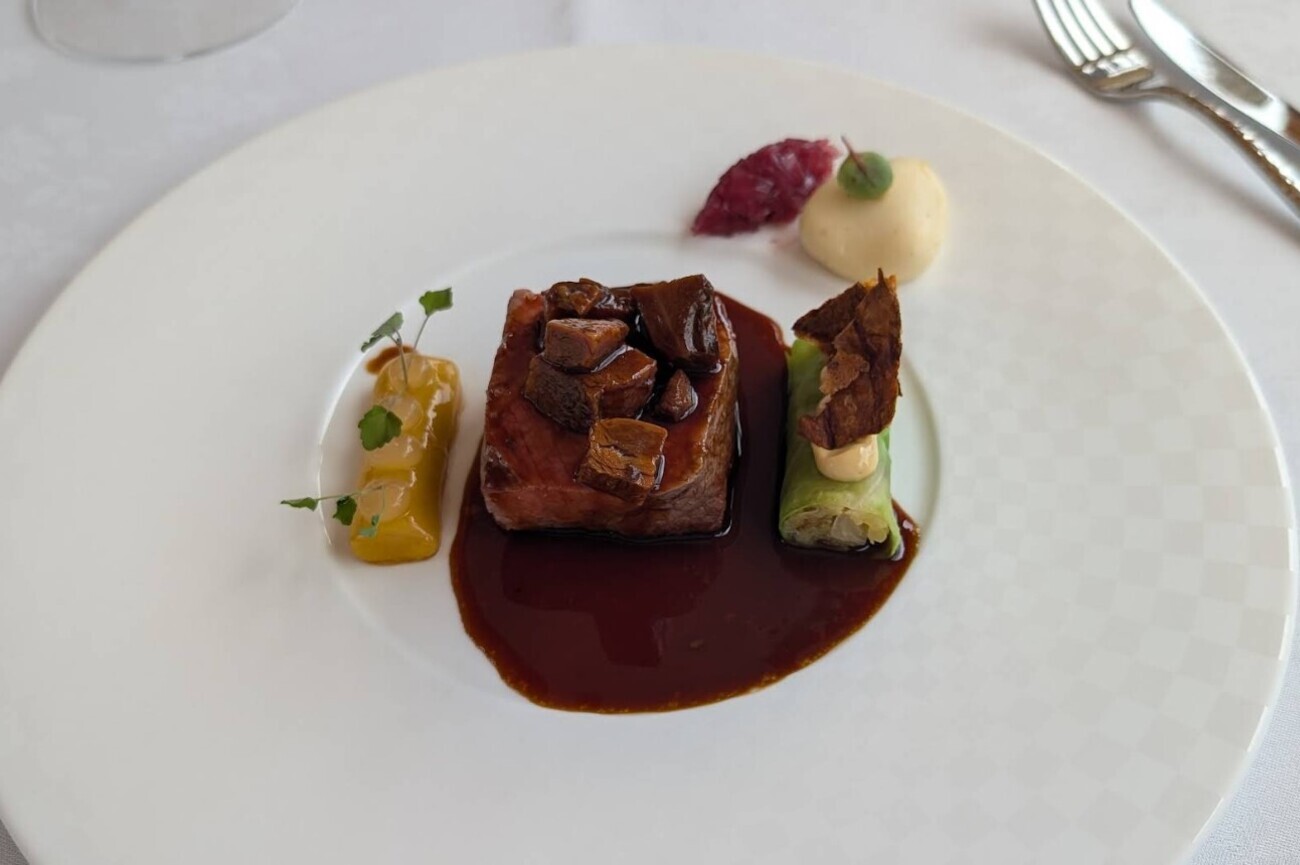
- Villa am See Rietli Goldach GmbH: Cross into Switzerland near Goldach and you’ll find Villa am See Rietli set inside an elegant lakeside villa. Run by a young and dedicated team led by Sandro Lüthi and Paulina Soares, this restaurant feels both contemporary and personal. Dinner revolves around two curated three- to six-course menus, one vegetarian plus select à la carte options. The cuisine leans toward French and Mediterranean with global touches. Dishes like baked egg with spinach, Parmesan and truffle or kingfish with Granny Smith apple, green shiso and wasabi showcase clean plating and ingredient-driven creativity.
Where to Drink Around Lake Constance
Daytime here is all promenades and panoramic terraces. Nightfall? That’s when basements pulse, cocktail shakers snap and lake towns lean into their after-hours personalities. The nightlife around Bodensee isn’t mega-club chaos; it’s more intimate, more local, more character-driven. You move between Germany, Switzerland and Austria in under 30 minutes, and the vibe changes with each border crossing. Here’s where to go when the lake turns dark and the lights come on.
- Horst Klub: Tucked into Kreuzlingen just steps from the German border near Konstanz, Horst Klub runs on underground energy. This is the alternative heartbeat of the region with live bands, genre-spanning concerts and a crowd that’s here for the music, not just the selfies. The space feels intentionally unpolished in the best way: cozy, dimly lit and built for proximity. If you’re looking for velvet ropes, skip it. If you want raw, community-driven nightlife with solid sound and low-pressure vibes, this is your room.
- friends COCKTAIL BAR LOUNGE: In central Konstanz, Friends Cocktail Bar Lounge leans into the social side of nightlife. Stylish interior, generous seating and a layout that works equally well for date night or group meetups. The energy builds as the evening unfolds. Cocktails are crafted with attention to portion and presentation and the menu goes beyond drinks. You don’t need a dress code; just good company.
- Einstein Bar: Right in the heart of Konstanz’s old town, Einstein Bar has location on lock. Step inside and you’ll find rustic elements, warm lighting and a soundtrack that keeps things animated without overpowering conversation. The drink menu covers classic cocktails and regional beers at fair prices, which is part of why it stays busy. Live music nights add another layer of energy, making it a reliable meeting point before heading elsewhere.
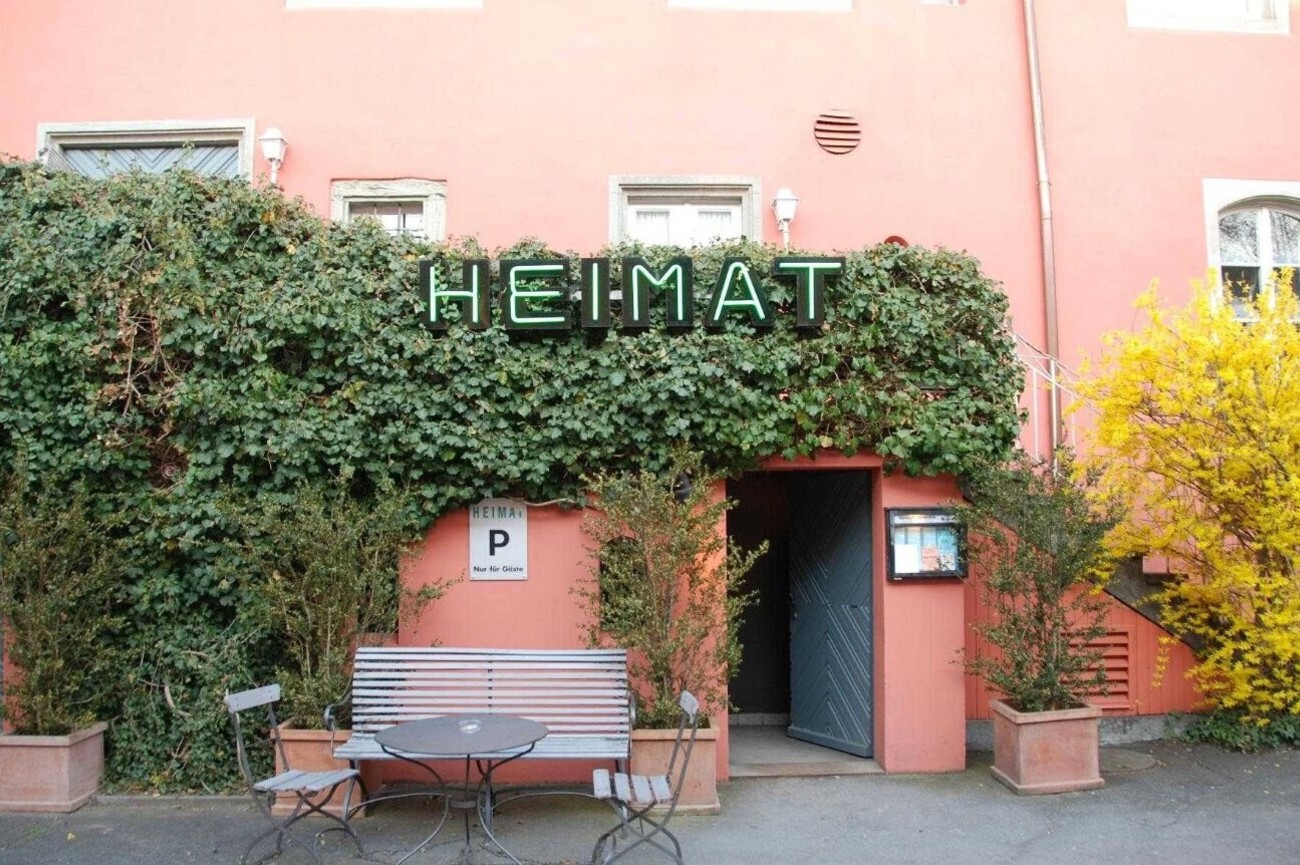
- Heimat Bar: Heimat Bar feels like the local favorite you’re glad someone tipped you off about. Cozy but lively, it fills up quickly, especially during happy hour, and the crowd reflects Konstanz itself: students, regulars, and weekend wanderers. The drink list leans classic, with well-liked staples like Gin & Tonics and Caipirinhas served at prices that encourage a second round. You come for one. You stay for three.
- Blauer Engel Cocktail Bar: Blauer Engel raises the cocktail bar standard on the German side of the lake. The interior is vibrant yet refined, and the bar team takes mixology seriously. The menu spans creative signatures and timeless classics from fruit-forward blends to richer, spirit-driven compositions. Food isn’t an afterthought here either. Small plates and fuller dishes allow you to anchor the evening properly. If your night revolves around what’s in the glass, this is a strong candidate.
- LAV’M Bregenz: In central Bregenz, LAV’M blends modern lounge aesthetics with subtle oriental accents. Warm lighting, plush seating and a carefully curated shisha selection set the tone. It’s less dance floor, more unwind-and-connect. The music rotates between contemporary beats and softer oriental influences, kept at a volume that allows conversation. Cocktails are creative and well-executed. It’s the kind of place where the night slows down intentionally.
Cafes
Around Lake Constance
This is a region where coffee isn’t rushed, where brunch can stretch past noon and where cafes double as design spaces, concept stores and quiet corners to recalibrate between lake walks. Whether you’re in Konstanz, Bregenz or just across the Swiss border, the cafe culture here leans thoughtful with organic menus, specialty roasts, house-made pastries and interiors that make you want to linger. Here’s where to sit down and stay awhile.
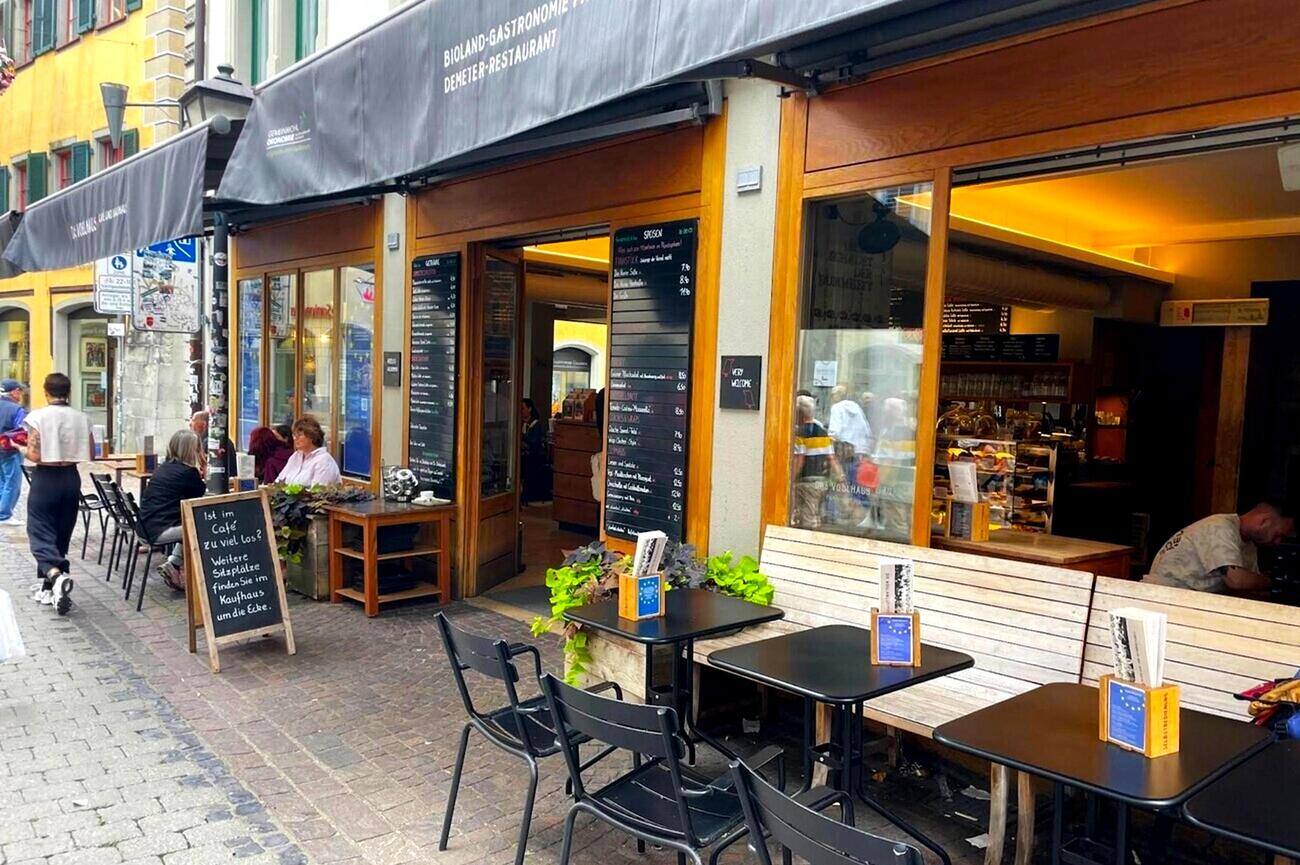
- Das Voglhaus Café & Kaufhaus: Set inside a historic building in Konstanz’s old town, Das Voglhaus feels part café, part curated lifestyle space. The interior balances vintage charm with playful design with patterned tiles, soft lighting and carefully styled shelves. It’s the kind of place where the setting matters as much as the plate. The menu is fully organic, with a strong focus on vegetarian and vegan options. Breakfast leans creative with colorful spreads and interesting sweet-and-savory combinations and specialty coffees that hold their own.
- La Cafè: La Cafè keeps it simple and does it well. Located in Bregenz, this spot has built a reputation around quality espresso and consistently strong flat whites. The space is modern but relaxed. You’ll find cakes, light breakfast options and regulars who treat it like their second living room. The atmosphere encourages conversation rather than laptop marathons. It’s the kind of café you return to because the coffee tastes the same.
- Cafesito: Cafesito brings a slightly more vibrant, contemporary edge to Bregenz’s coffee scene. Centrally located, it draws in students, creatives and visitors looking for specialty drinks without ceremony. The menu covers cappuccinos, chai lattes, and solid vegan-friendly pastries alongside bagels and muffins. It is ideal if you want a quick stop or a relaxed afternoon reset.
- central café, take-away & store: Right on the boulevard in Kreuzlingen, central café blends specialty coffee culture with concept retail. Upstairs, you’ll find a clean, modern cafe space offering quality espresso drinks, matcha, teas and fresh pastries. Downstairs, a curated concept store features thoughtfully selected lifestyle products and gift ideas. You should try out their brunch platter, designed for two or more, and it includes cheeses, meats, wild salmon, homemade Bircher muesli and customizable vegetarian options. Pair it with Prosecco or a specialty coffee and the morning extends naturally.
- Café Auszeit: Café Auszeit sits on Konstanz, offering a cozy, welcoming break from the day. The atmosphere leans intimate, with decorative touches that feel personal rather than staged. Coffee quality is consistently praised and the in-house patisserie produces homemade cakes that anchor the menu. Beyond desserts, you’ll find snacks, daily specials, wines and even cocktails, making it flexible enough for breakfast, lunch or a late-afternoon pause.
Wineries
and Vineyards Around the Lake Constance
Lake Constance ripens grapes. The lake acts like a natural climate regulator. It stores warmth, softens frost and stretches the growing season just enough to produce wines with precision and freshness. Burgundy varieties thrive here. Müller-Thurgau feels at home. Pinot Noir develops a quiet structure. And when you step into the vineyards, you’re rarely far from a panoramic water view. This is where you taste the region.
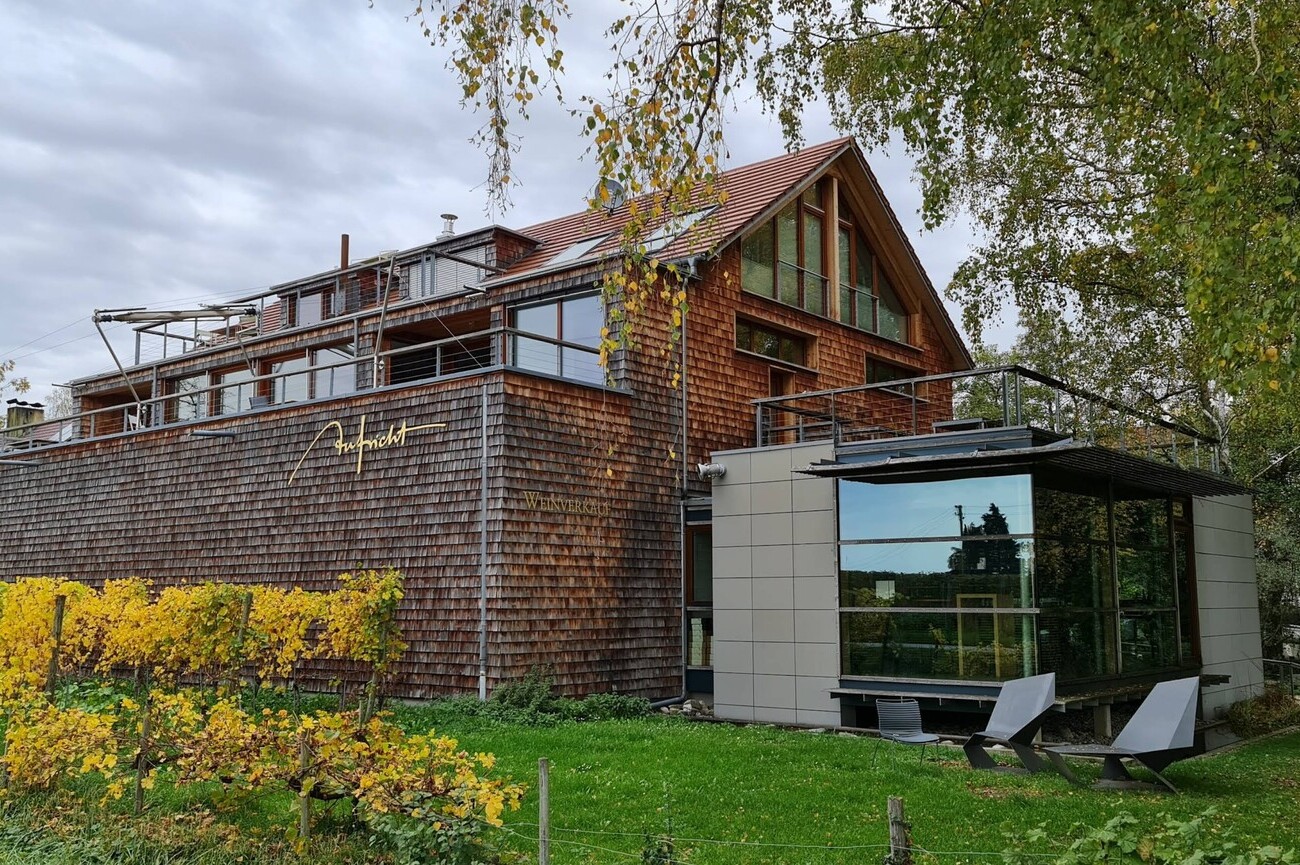
- Weingut Aufricht: Set directly between Meersburg and Hagnau, Weingut Aufricht sits within a protected nature reserve, vineyards sloping gently toward the lake. The positioning alone makes it memorable with rows of vines framed by open sky and water. Aufricht specializes in high-quality Burgundy varieties and elegant rosé wines that feel built for lakeside afternoons. The vinotheque is open during regular hours, allowing guests to taste the full portfolio on site. And in summer, the estate pub “Fräulein Seegucker” opens its doors, serving small dishes designed to pair effortlessly with their wines.
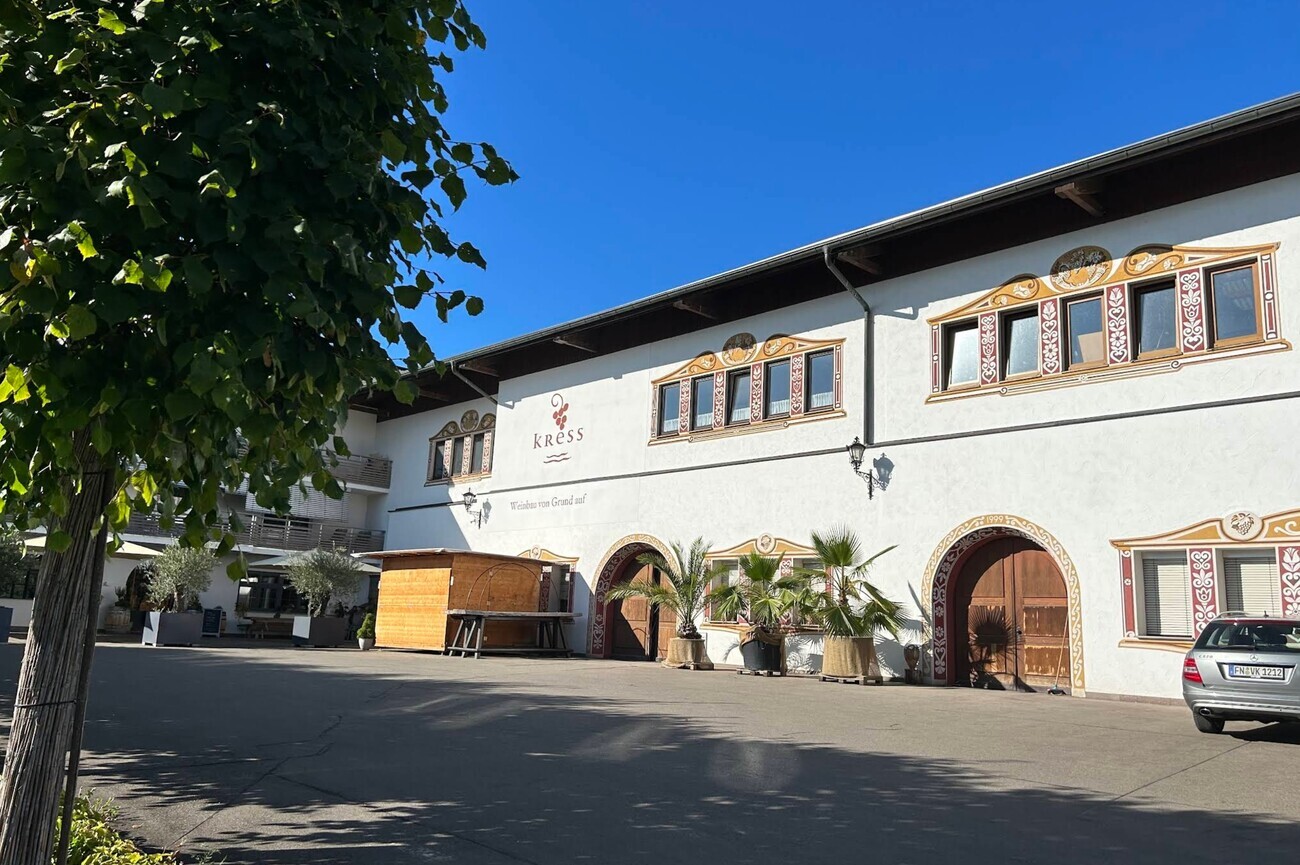
- Weingut Kress KG: Family-run and deeply rooted in the region, Weingut Kress is located in Überlingen, where vineyard views meet classic Bodensee charm. The winery is known for a refined selection of white wines, particularly expressive regional varieties, alongside well-structured reds that reflect careful vineyard management. Visitors often combine tastings with scenic walks through the surrounding vines, turning a visit into more than a single stop. The property also offers cozy accommodations, allowing you to stay immersed in the landscape rather than rushing back to town.
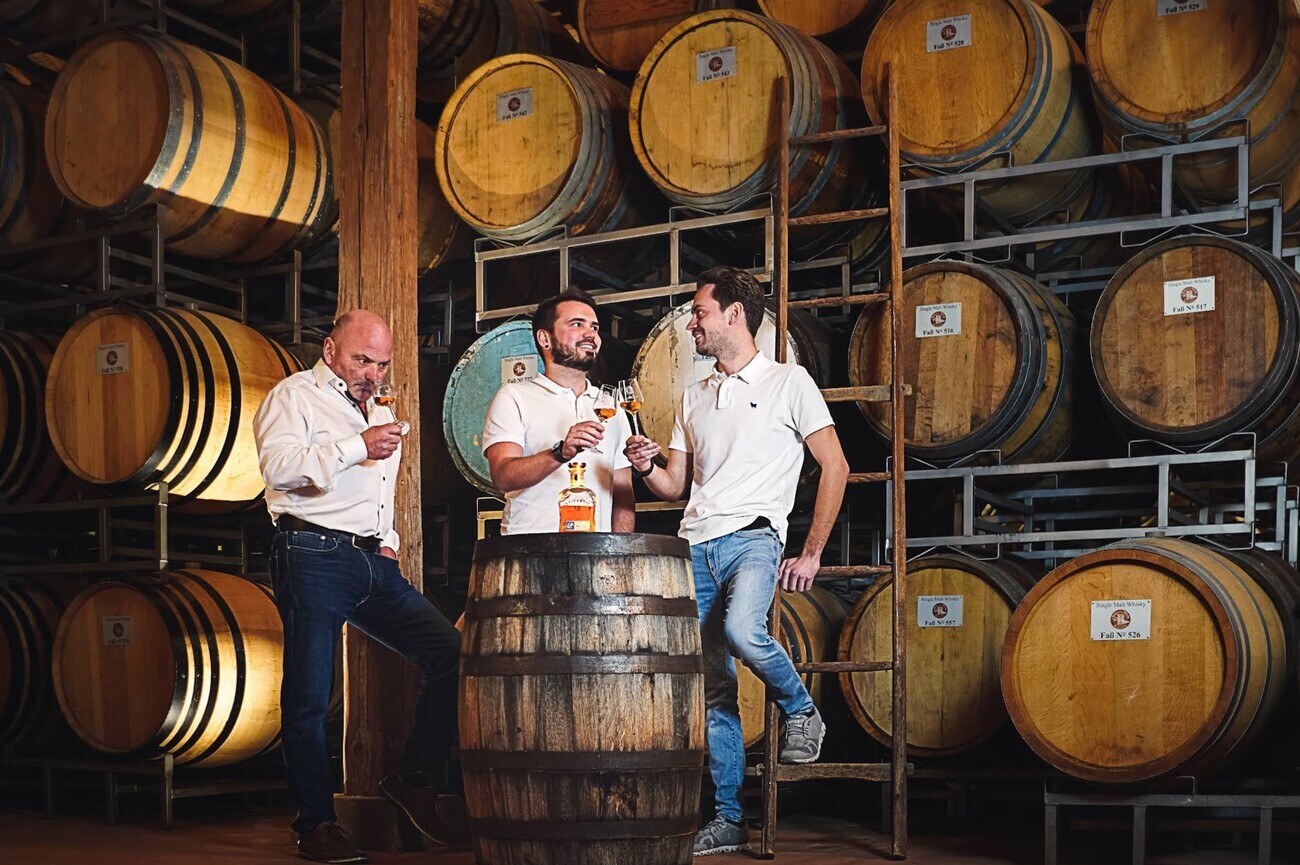
- Steinhauser Alte Bodensee Hausbrennerei & Weinkellerei: In Kressbronn, Steinhauser goes beyond wine. This sixth-generation family operation combines winery, distillery and whisky production under one ambitious umbrella. While their wines hold strong regional character, the estate has gained international recognition for products like Brigantia, the first single malt whisky from Lake Constance, and SeeGin, awarded “World’s Best Gin.” You can join tastings and events throughout the year to explore everything from classic fruit brandies to cutting-edge spirits.
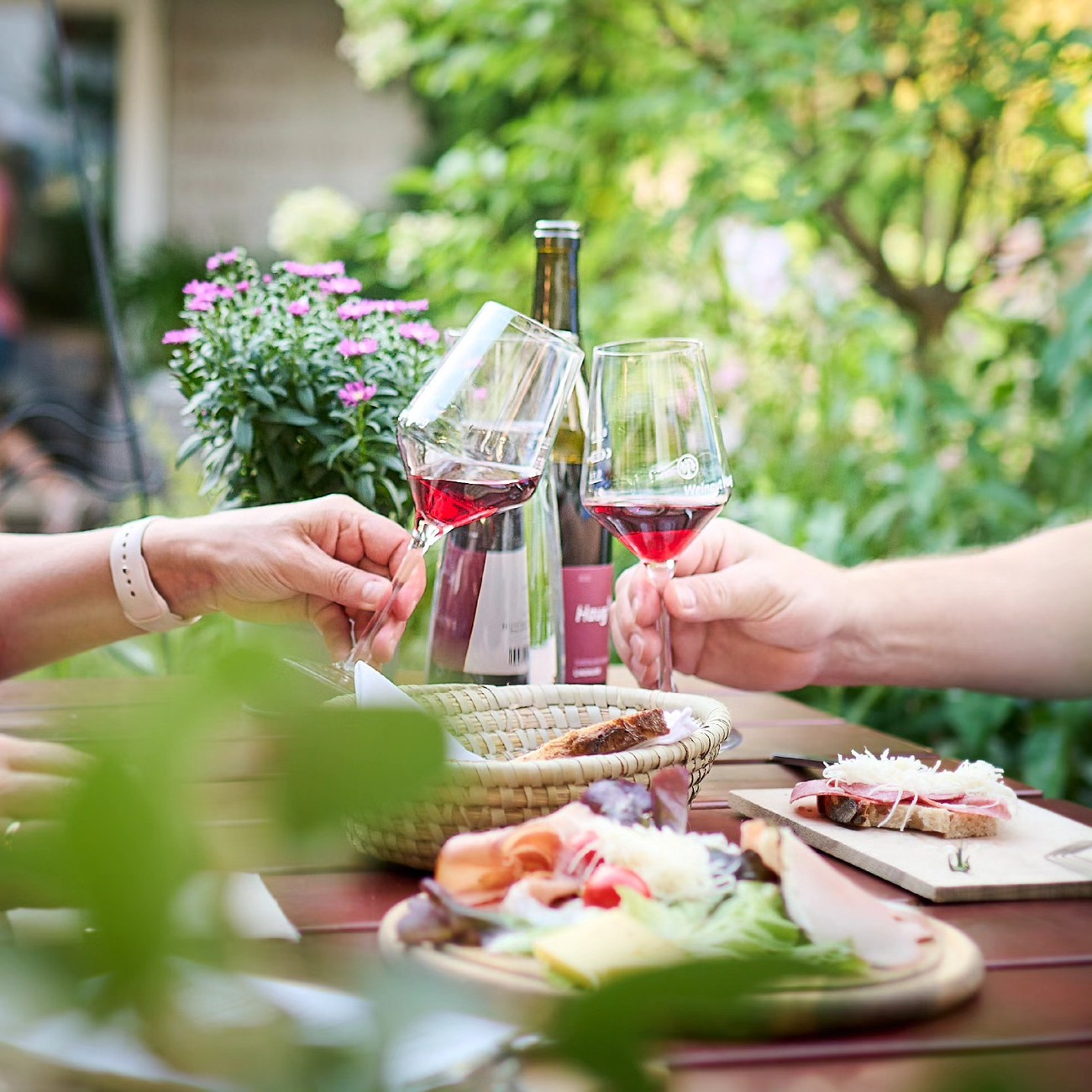
- Weingut Haug: On the Bavarian side of Lake Constance, in the district of Schönau near Lindau, Weingut Haug operates from a 400-year-old farmstead that now houses an organic winery. The former cowshed has been converted into a modern wine cellar and tasting space, while a contemporary grey-shingled outbuilding serves as the wine shop. This estate focuses on organic viticulture, emphasizing sustainability and careful vineyard work.
Where to Stay Around Lake Constance
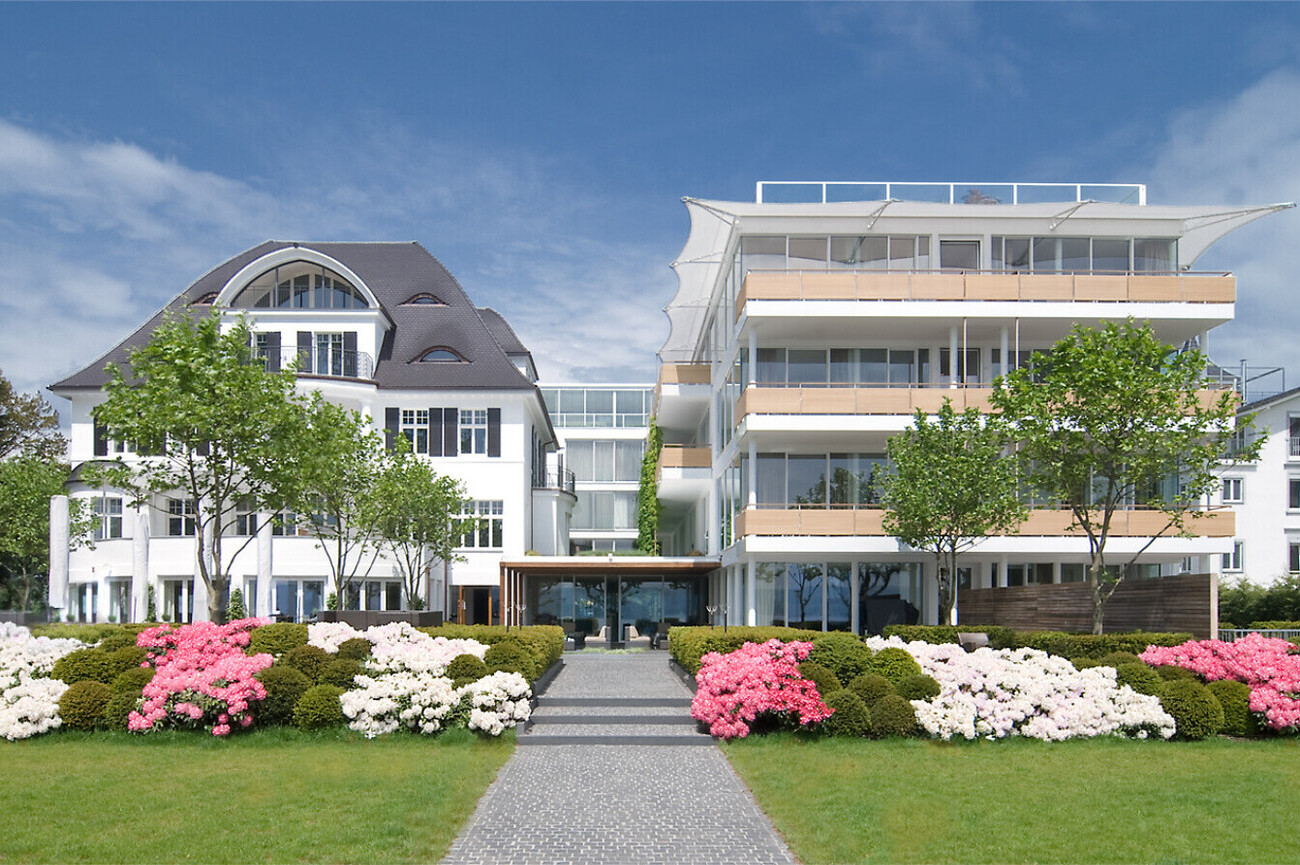
- RIVA – Das Hotel am Bodensee (5 stars): Right on the lakeside promenade in Konstanz, RIVA occupies a stately Art Nouveau villa and then completely redefines it inside. This 5-star hotel blends historic facade with gallery-like minimalism: bright white interiors, sharp lines and light flooding in from every angle. The rooftop pool, heated year-round, is the quiet showstopper, floating above the lake with uninterrupted water views. Rooms lean contemporary and calm, some with dark parquet and wood accents, others brighter with private lake-facing balconies. Downstairs, you can enjoy the two-Michelin-starred Ophelia which anchors the culinary offering, while the more relaxed Lakeside restaurant opens its glass facade toward the water.
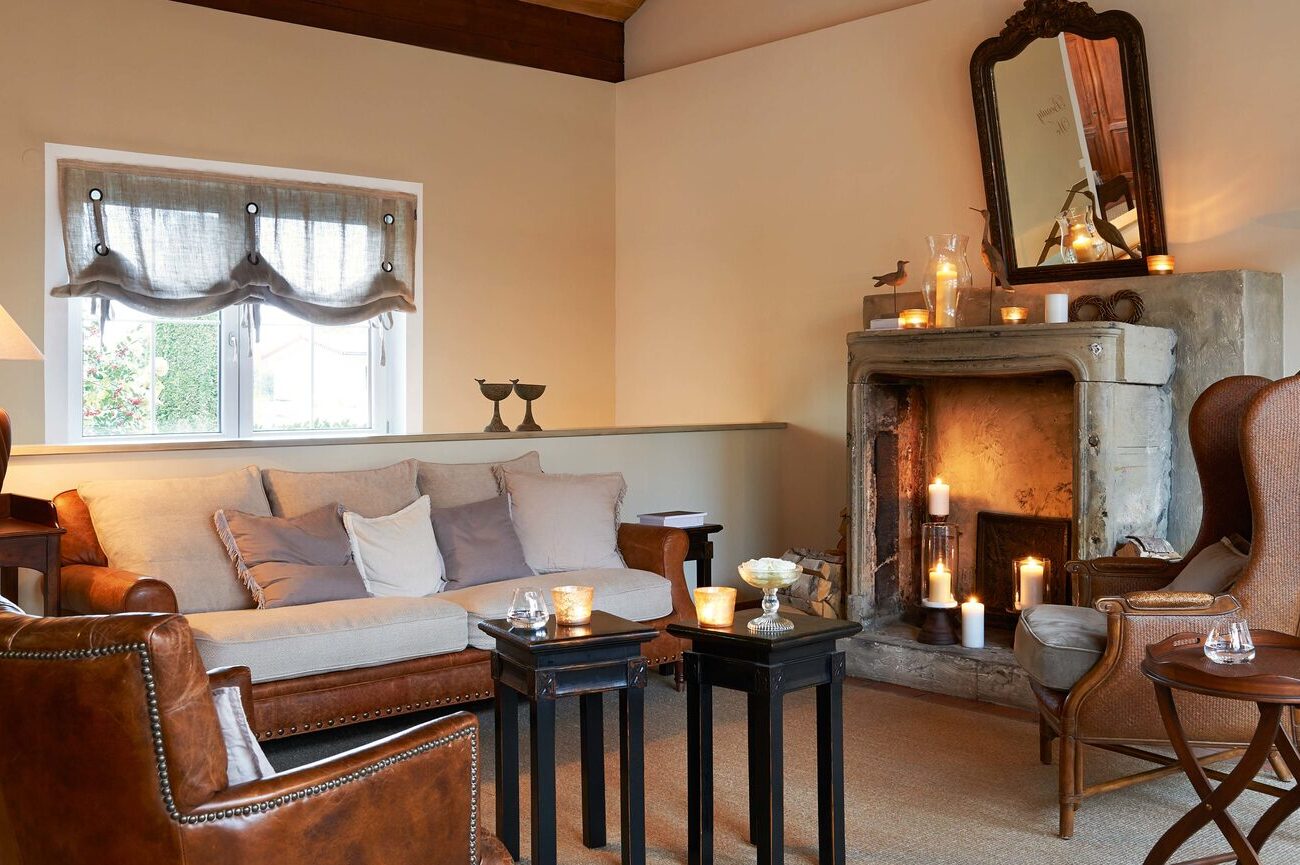
- Hotel VILLINO (5 stars): Tucked among apple orchards just outside Lindau, Hotel VILLINO feels more Mediterranean retreat than German lakeside stay. This 5-star boutique hotel, family-owned since 1991, was transformed from a former joinery into an elegant hideaway surrounded by Italian and English gardens. Rooms are dressed in soft tones and contemporary country-chic furnishings, many overlooking manicured greenery rather than streets. You will have access to a Finnish sauna, Roman steam bath, spa area, and fitness room, though the gardens alone often win.
- Heinzler am See (4 stars): This 4-star hotel is family-run and deeply personal in tone. Heinzler am See has its own private beach area and boat jetty, not symbolic access, but literal steps into the lake. Rooms are comfortable and lake-oriented, many with balconies framing the water. You can enjoy spa facilities that include a sauna and steam room and you can avail wellness packages if you are planning for a longer stay. The in-house restaurant focuses on seafood, regional cuisine, and grill options, making it easy to settle in for the evening.
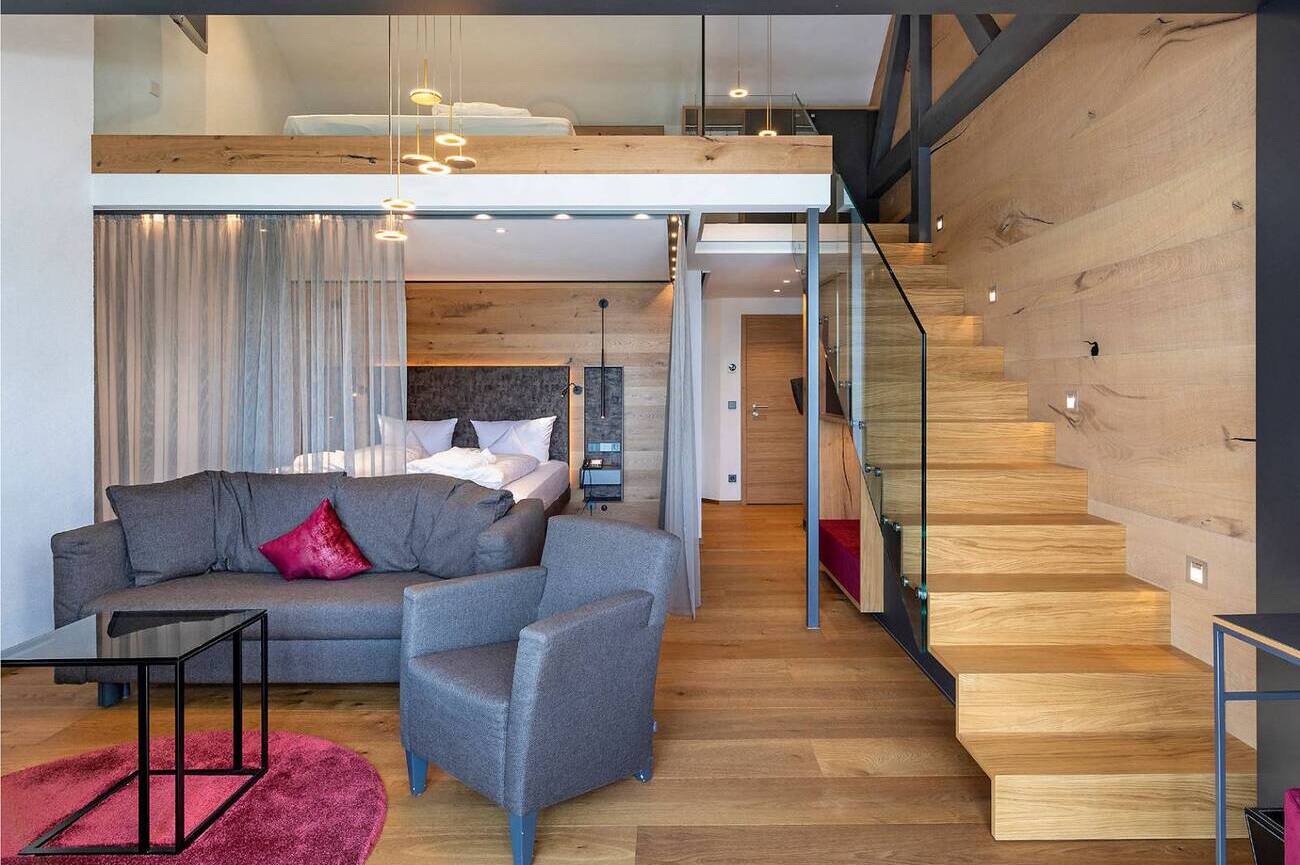
- CARALEON Hotel Restaurant (4 stars): Located in Wasserburg on the German shore, CARALEON combines modern renovation with traditional charm. This 4-star hotel is especially known for its acclaimed restaurant and polished hospitality. Rooms are recently updated, spacious and thoughtfully designed, with several offering lake or countryside views. E-bikes are available for exploring the surrounding vineyards and shoreline paths. It’s a stay that blends gastronomy and rest without compromise.
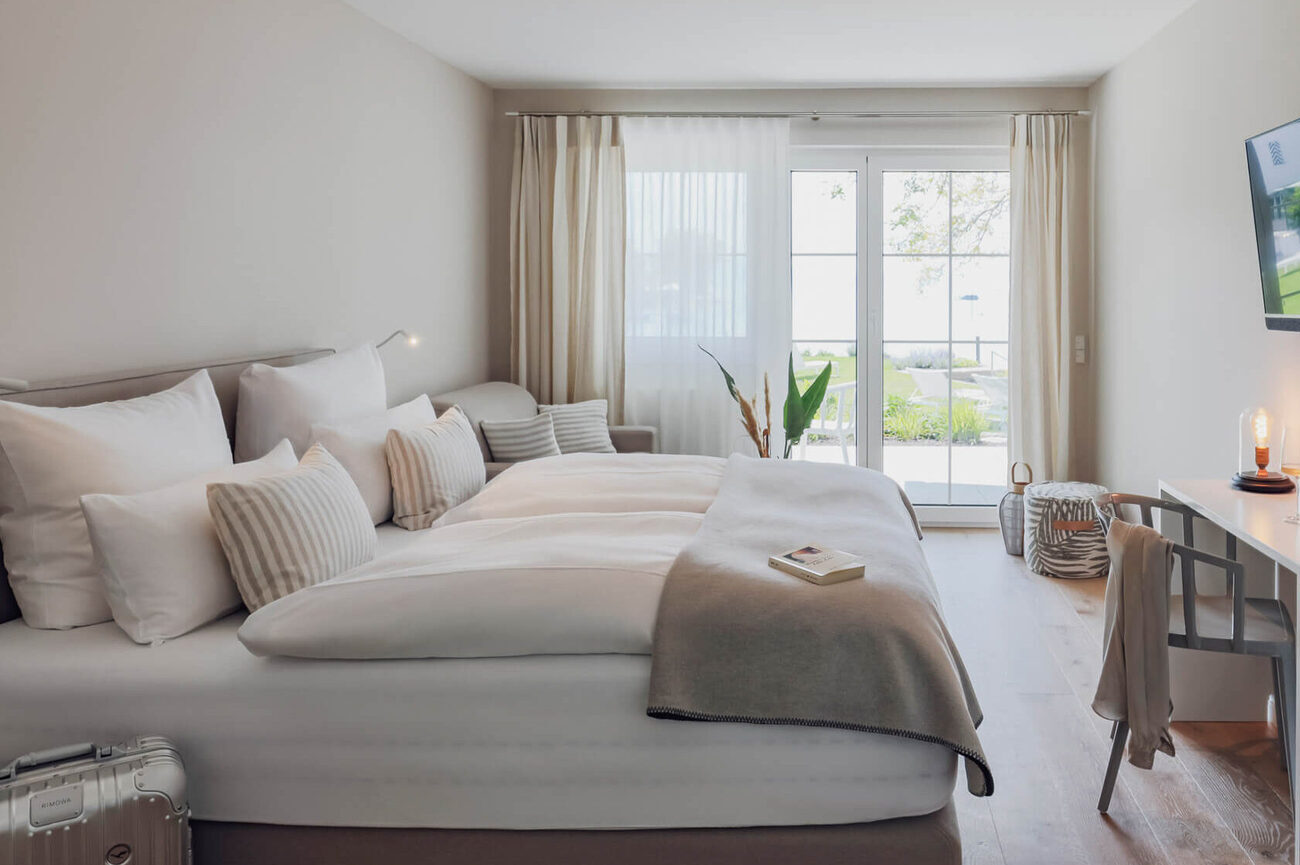
- Hotel Engel (3 stars): Right in the heart of Lindau Island, Hotel Engel delivers history and location in equal measure. This 3-star hotel features a rooftop terrace overlooking Lake Constance, a strong advantage at this category level. Rooms are furnished with eco-friendly materials and warm wooden furniture, offering a clean, traditional feel. The in-house Engelstube dates back to the 14th century and serves Bavarian classics alongside regional wines and beers. And oh, let’s talk about convenience. Lindau’s harbor, train station, town hall and city museum are all within a five-minute walk.
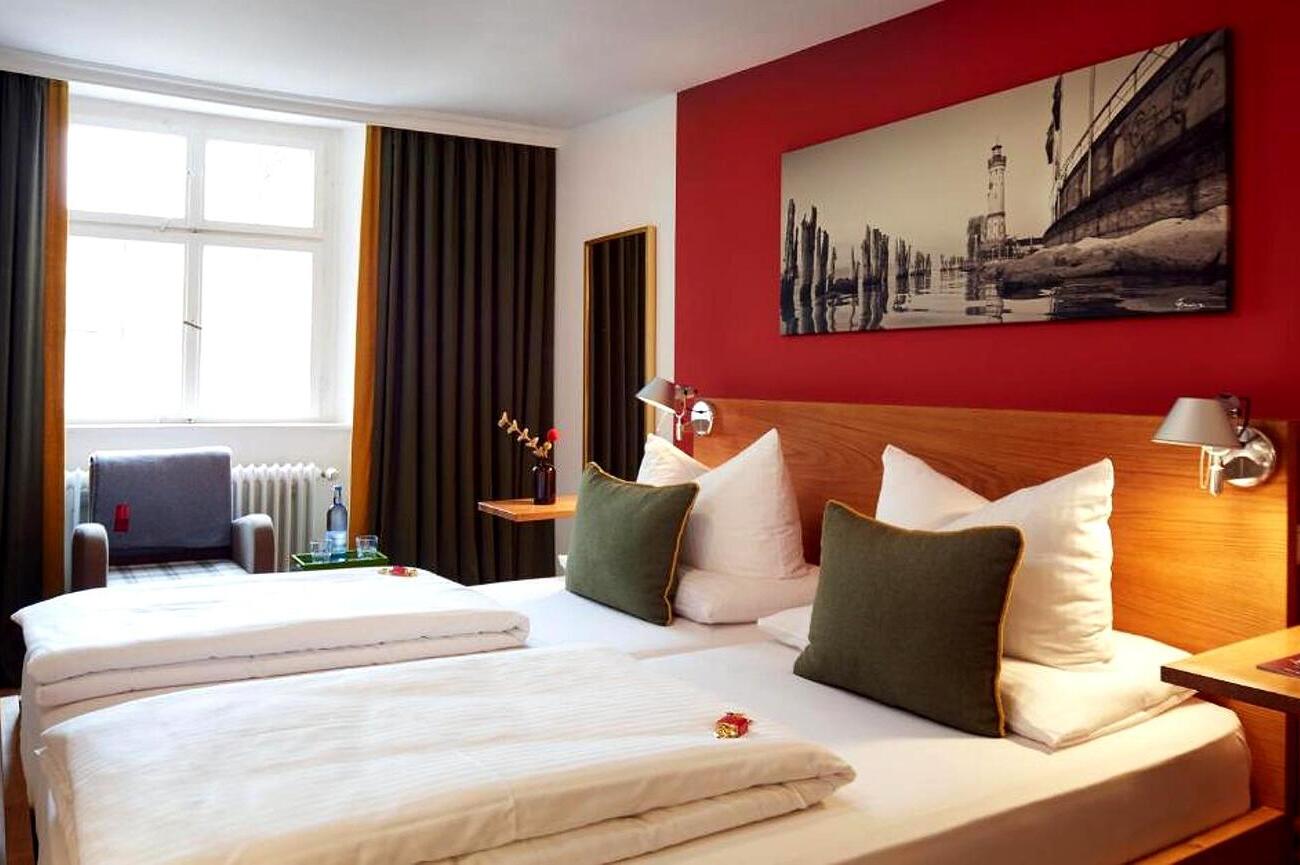
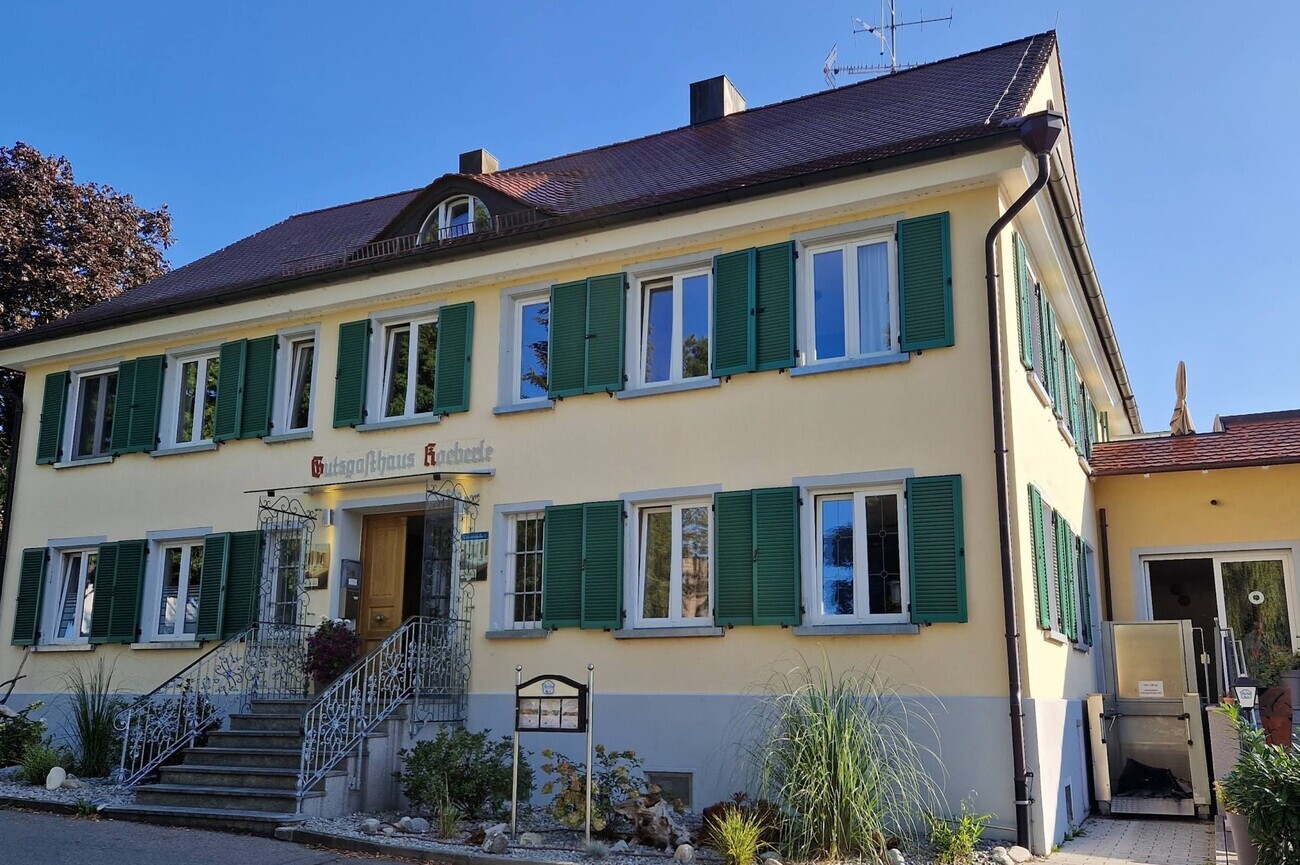
- Hotel & Gutsgasthaus Köberle (3 stars): Hotel & Gutsgasthaus Köberle offers a quieter countryside alternative while staying within easy reach of the lake. This 3-star property combines rustic charm with a contemporary edge. You will have access to a terrace, restaurant and bar, with hiking and cycling routes directly accessible from the property. Lindau Central Station sits about 5 km away and Bregenz can be reached in under 20 minutes by car. It’s a practical yet character-filled stay.
Best
Time to Visit Lake Constance
If Lake Constance were a movie, summer is the director’s cut. Longer days, better lighting and every country fully in character.
This is when the tri-country dynamic hits its stride. Germany brings the vineyard terraces and medieval old towns. Austria delivers open-air opera on a floating stage. Switzerland shows up polished, precise and quietly scenic. And the lake? The lake ties it all together like it planned this.
Summer at Bodensee feels engineered for momentum. Mornings begin with coffee in Konstanz, afternoons drift across the water toward Meersburg and evenings land in Bregenz just in time for a lakeside sunset that doesn’t need editing. Ferries run like clockwork. Bike paths wrap around the shoreline. Borders blur so seamlessly you forget they exist.
The weather cooperates without overpowering. The lake moderates the heat, vineyards are lush and the Alpine backdrop sharpens under long daylight hours. It’s peak season. Yes, but it earns that title. Open-air festivals fill the calendar, wine estates extend their hours and waterfront terraces stretch into golden-hour conversations that refuse to end.
“We’ll always have summer.”
And Lake Constance makes sure of it.
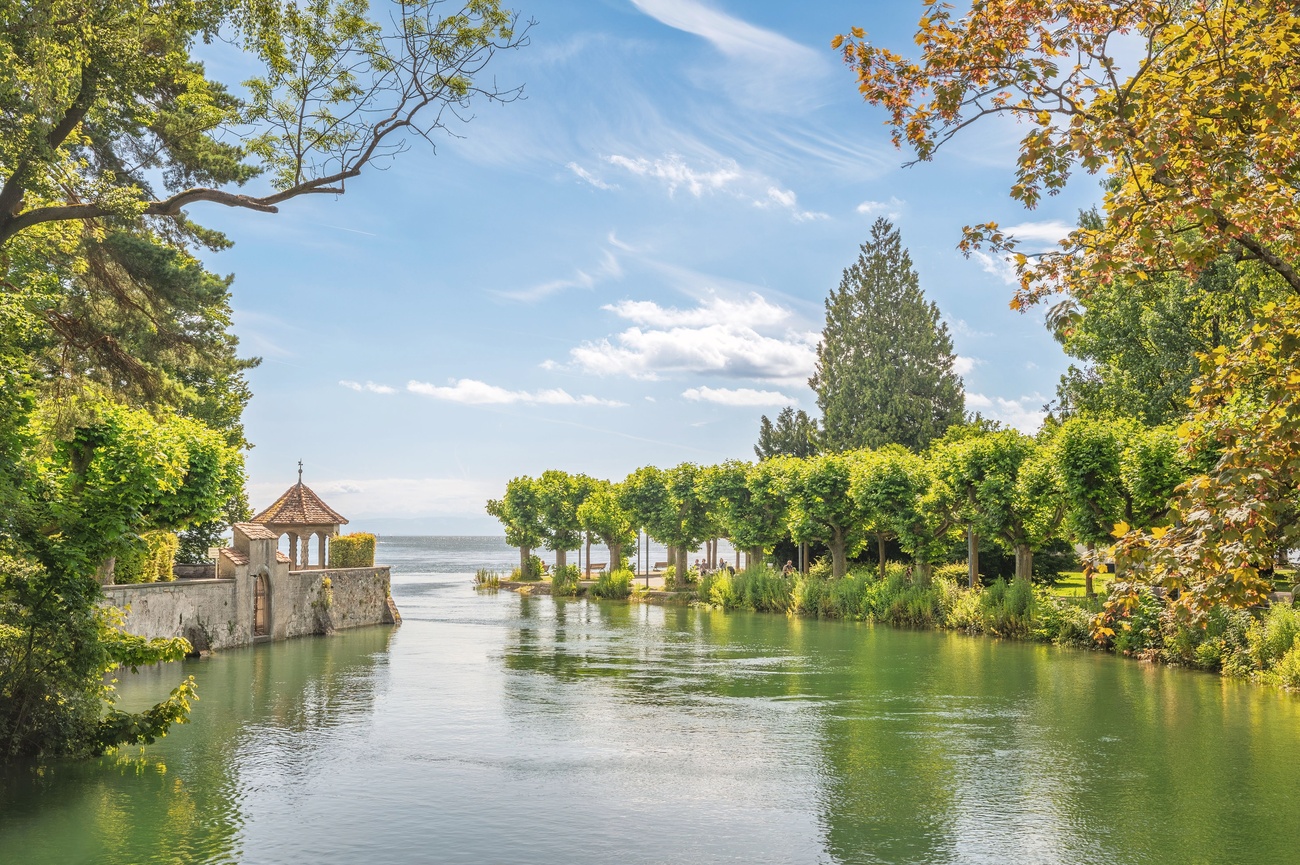
Christmas
Markets Around the Lake Constance
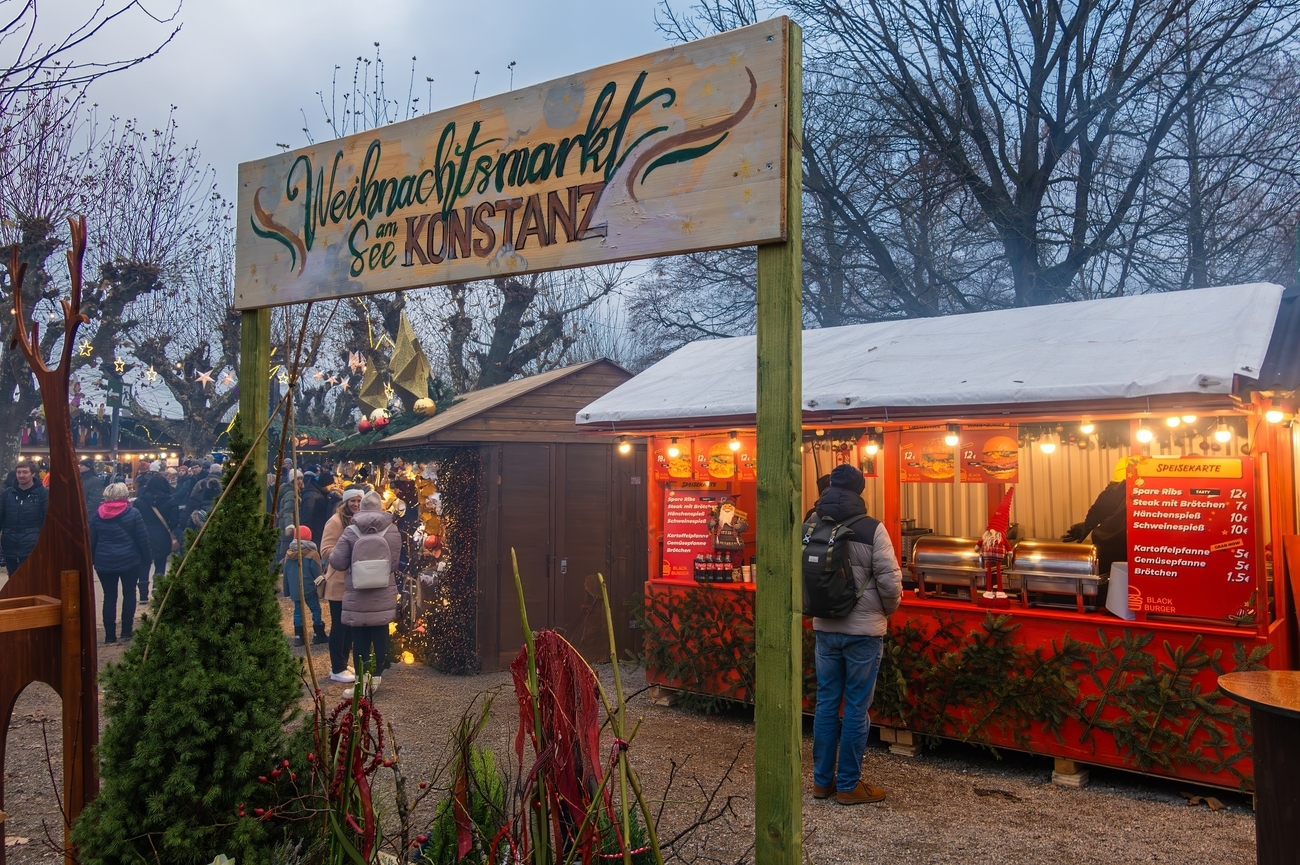
- Konstanz Christmas Market (Weihnachtsmarkt am See): If you want scale, start here. The Konstanz Christmas Market runs from late November until 23 December, stretching along the harbor promenade with Lake Constance right beside you. Over 170 stalls line the waterfront, selling handcrafted gifts, regional specialties and seasonal treats. The standout feature? The floating Christmas ship docked at the harbor, complete with a rooftop bar. Yes, you can sip mulled wine while standing above the lake in December.
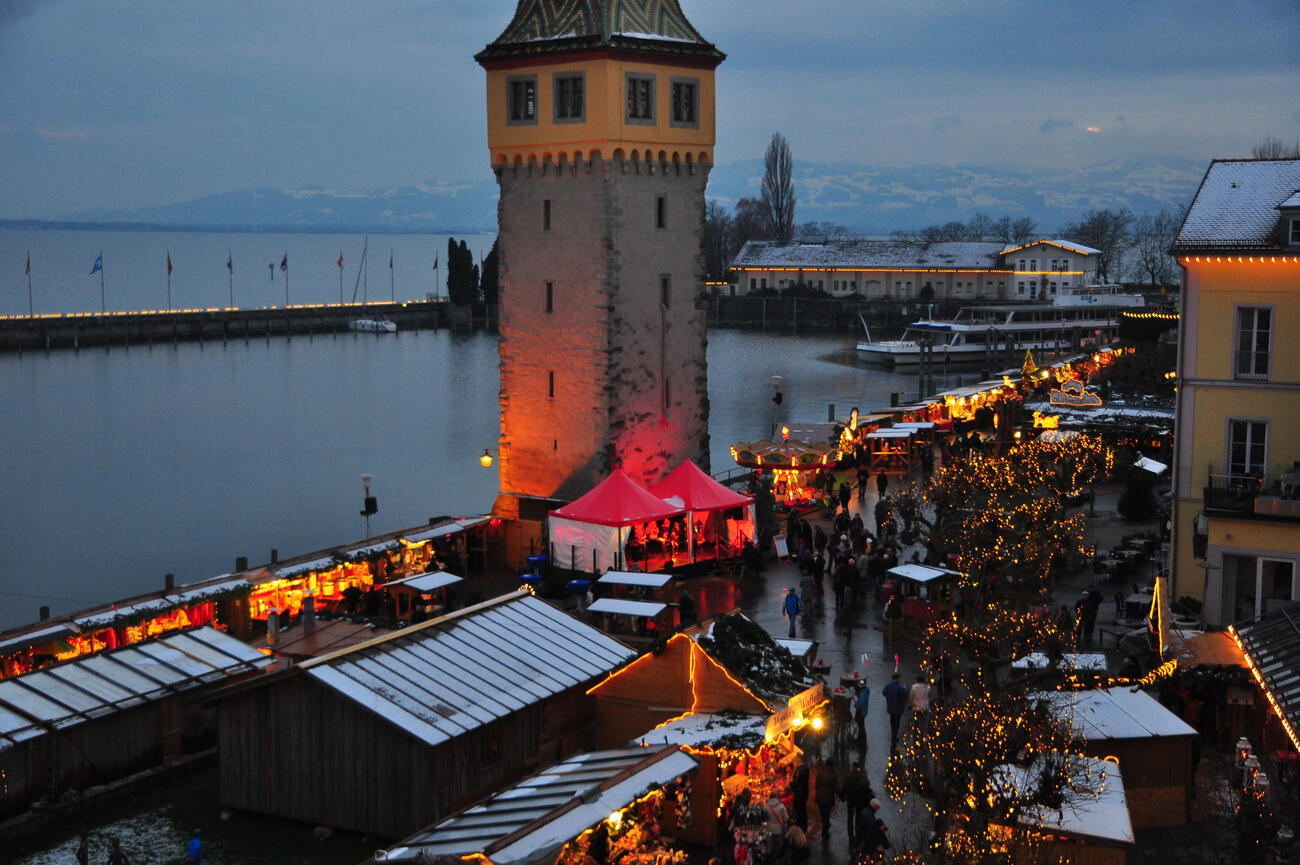
- Lindauer Hafenweihnacht: Held from late November through mid-December, Lindau’s Hafenweihnacht is arguably one of the most atmospheric markets around the lake. Set directly along Lindau Island’s harbor, it frames the lighthouse and Bavarian Lion statue in strings of warm lights. It’s smaller than Konstanz but feels more intimate. You wander between stalls with the lake in front of you and historic island facades behind you.
- Bregenz Christmas Market: In late November through 23 December, Bregenz transforms Kornmarktplatz and the upper town into a cozy alpine-style Christmas village. Austrian market culture leans traditional. You’re steps from the lake, but the vibe feels distinctly Tyrolean. Choir performances and Advent concerts often accompany the market dates, especially on weekends.
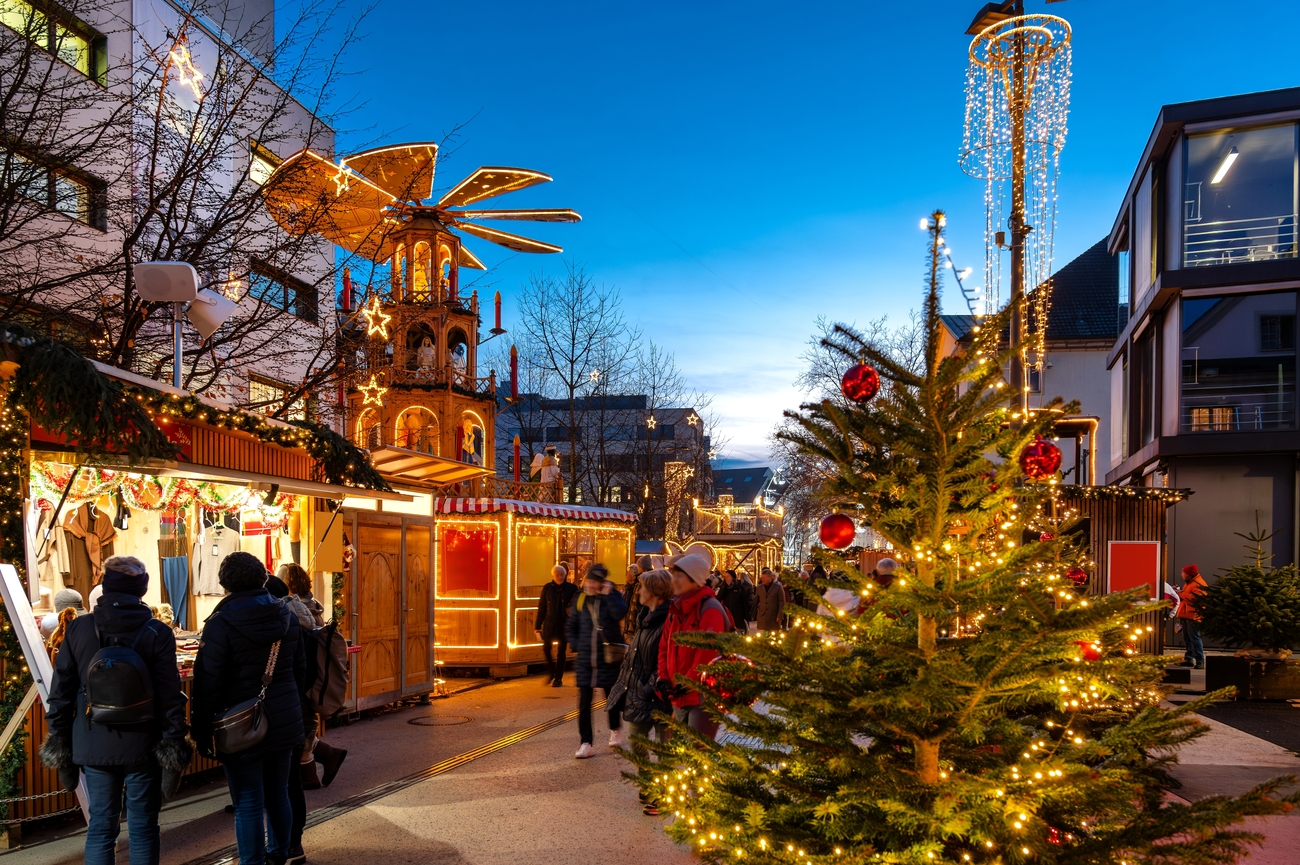
- Friedrichshafen Christmas Market: Running from late November until around 22 December, Friedrichshafen’s Christmas Market centers around the Buchhornplatz near the waterfront. It’s compact but festive, with decorated wooden huts offering gifts, sweets and warming drinks. The Zeppelin city leans family-friendly during the Advent season, with children’s programs and smaller-scale performances woven into the schedule.
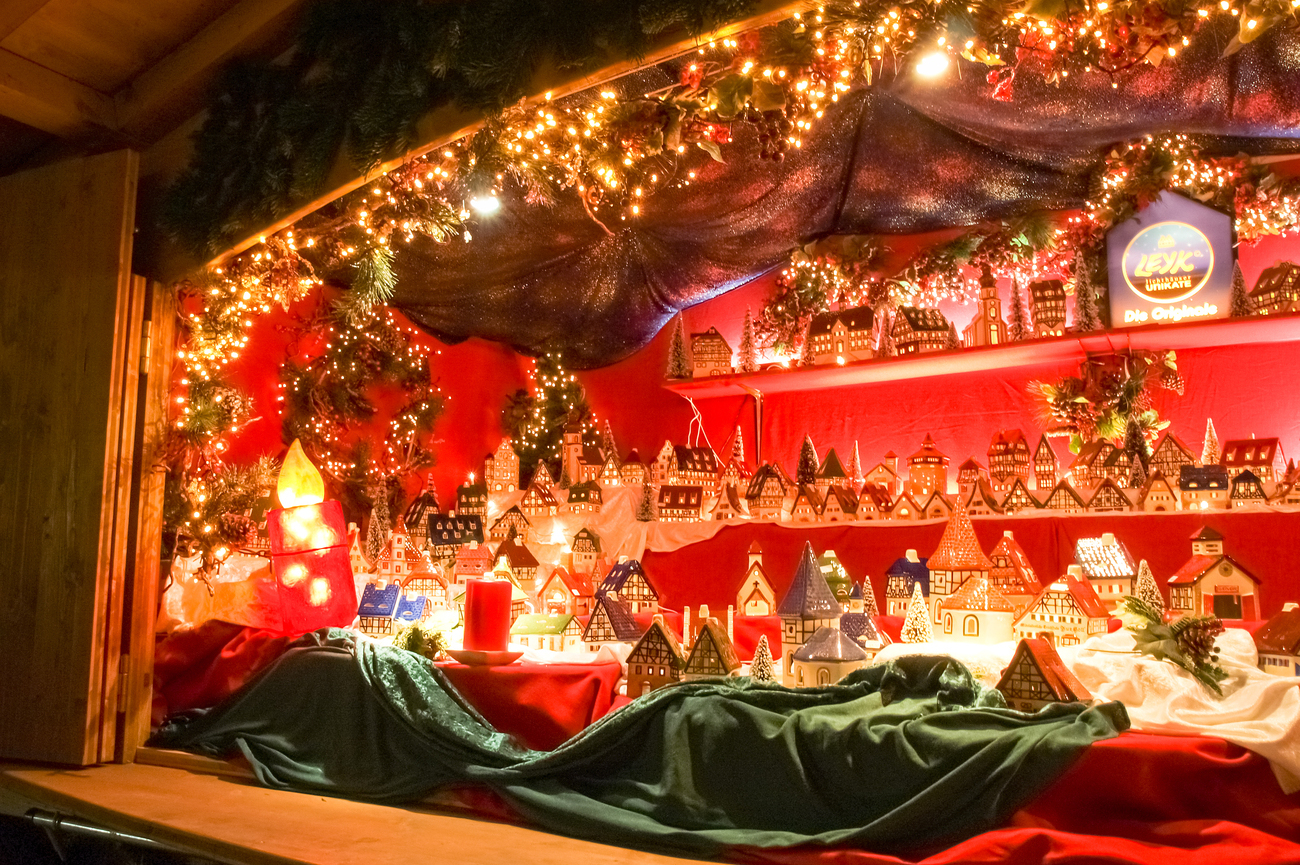
Festivals
Around Lake Constance
- Bregenzer Festspiele: Every July and August, Bregenz becomes an open-air opera capital. The iconic Seebühne, a floating stage anchored directly into Lake Constance, hosts large-scale productions that feel closer to cinema than classical theatre. Performances begin at dusk, when the sky darkens and the dramatic set designs, often towering, surreal constructions, reflect off the water. You sit there as the light changes, and suddenly it’s not just a performance; it’s a production built for the horizon.
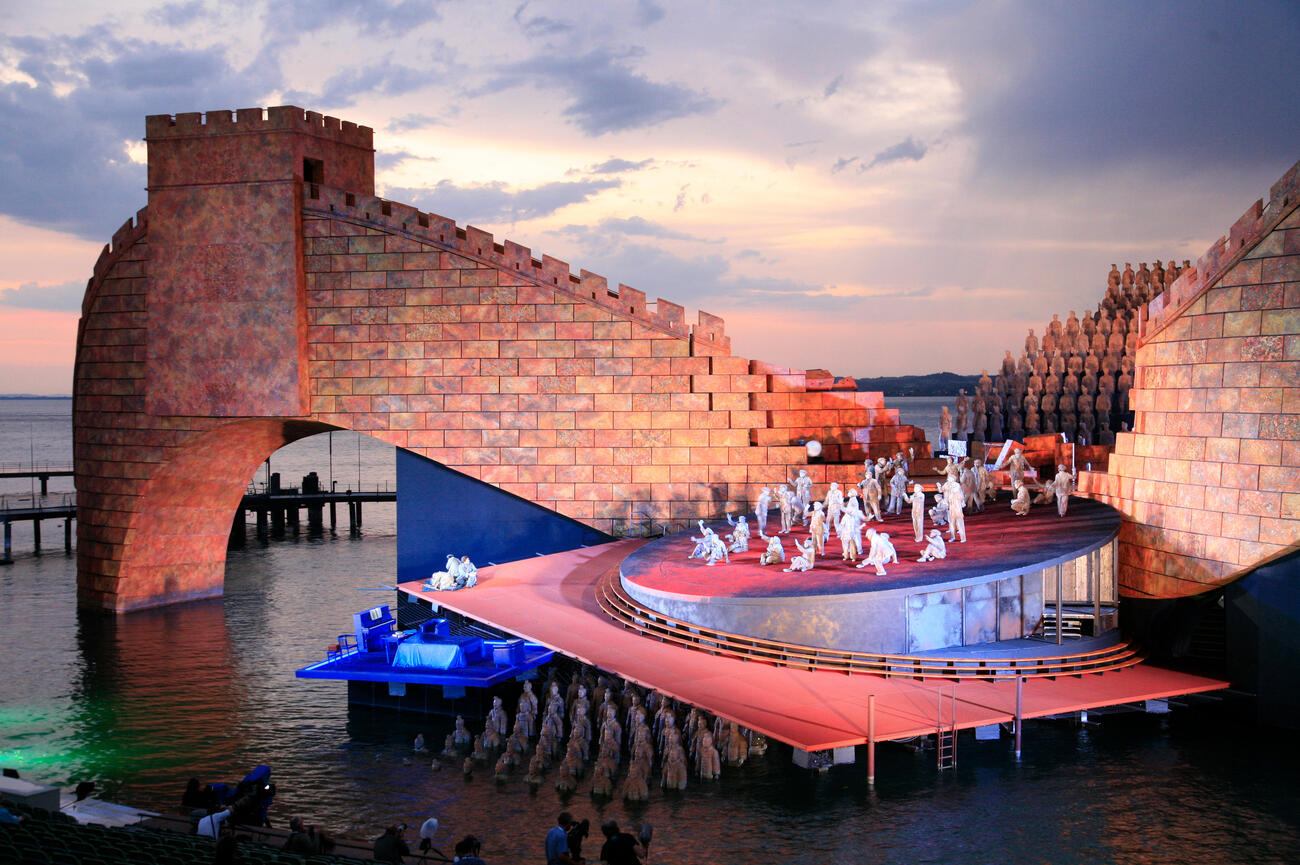
- Meersburg Wine Festival: In August, Meersburg’s castle square fills with local wineries pouring regional wines during the annual Wine Festival. It usually runs over several days, giving you time to plan it into your stay. You stand in a medieval square overlooking the lake, tasting Müller-Thurgau and Pinot Noir grown just behind the town. Live music plays. The sun drops behind the vineyards.
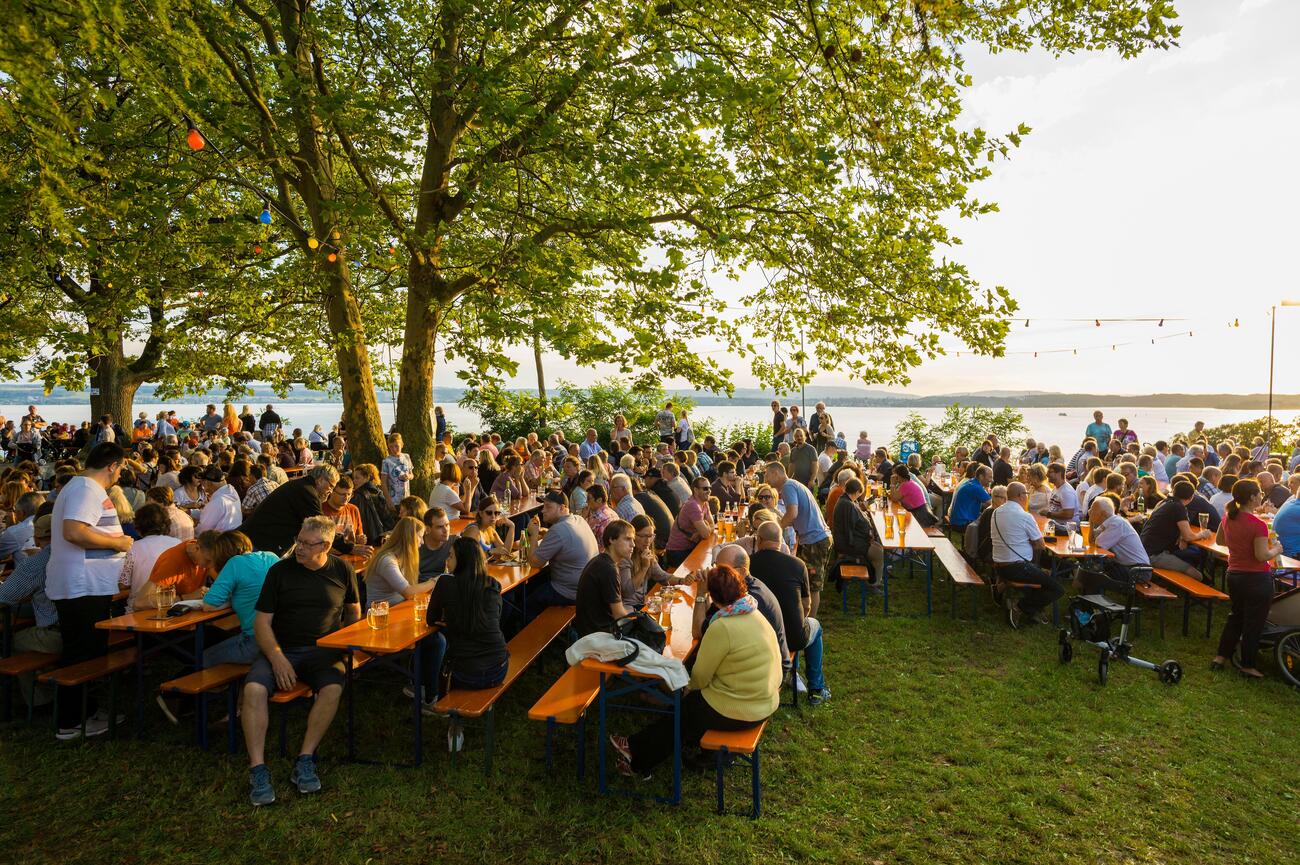
- Konstanzer Seenachtfest: Come to Konstanz in mid-August, and you’ll find the waterfront buzzing long before sunset. The Seenachtfest takes over the harbor with live music, food stalls and thousands of people lining the promenade. You’ll watch from Germany while part of the show comes from across the border. It’s loud, bright and unapologetically big. If you like your festivals with impact, this is your night.
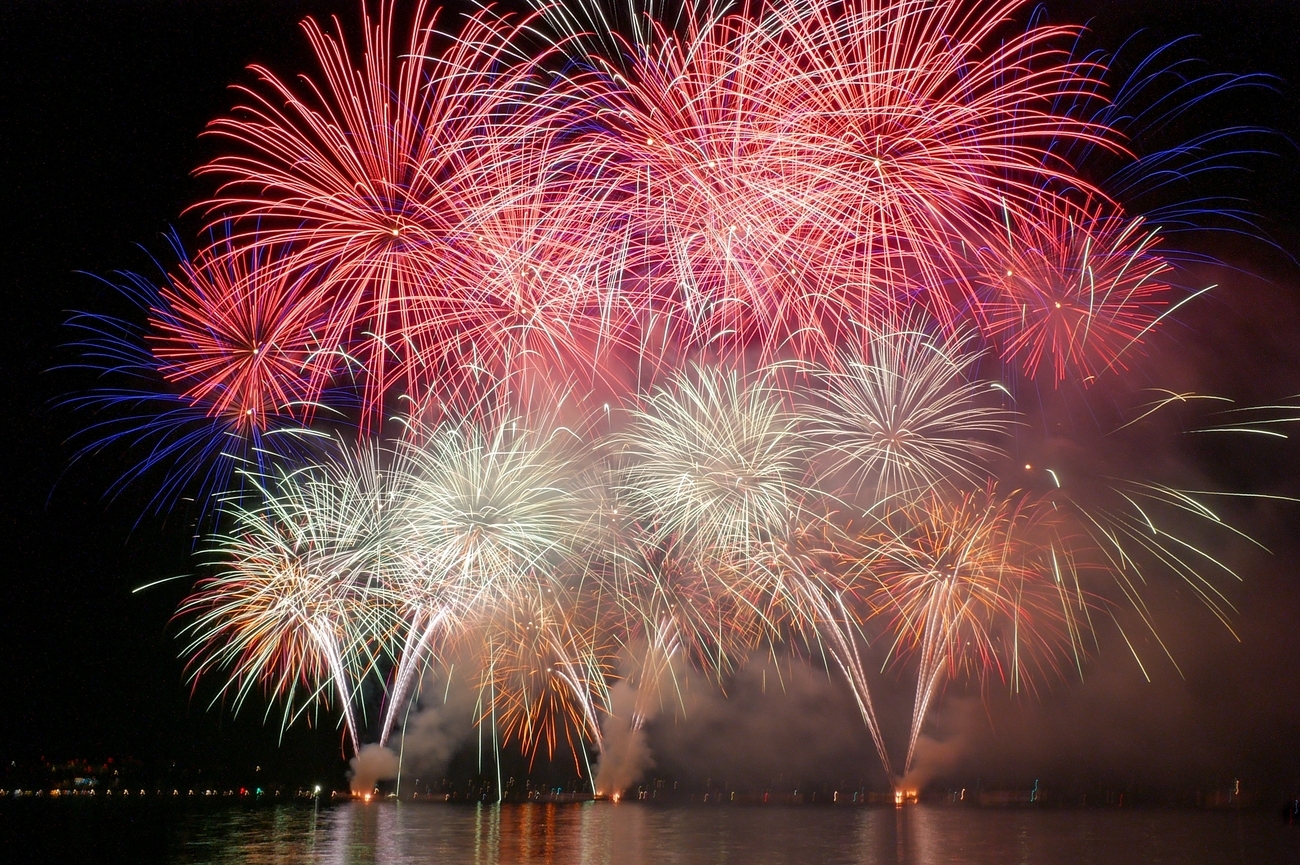
- Bregenz Harbor Festival: Toward the end of August, Bregenz shifts into something more relaxed but just as lively. The Harbor Festival spreads across the waterfront for a weekend of music, local wine, street food and warm evening air. You wander between stages. You stop for a glass of Grüner Veltliner. You stay longer than planned.
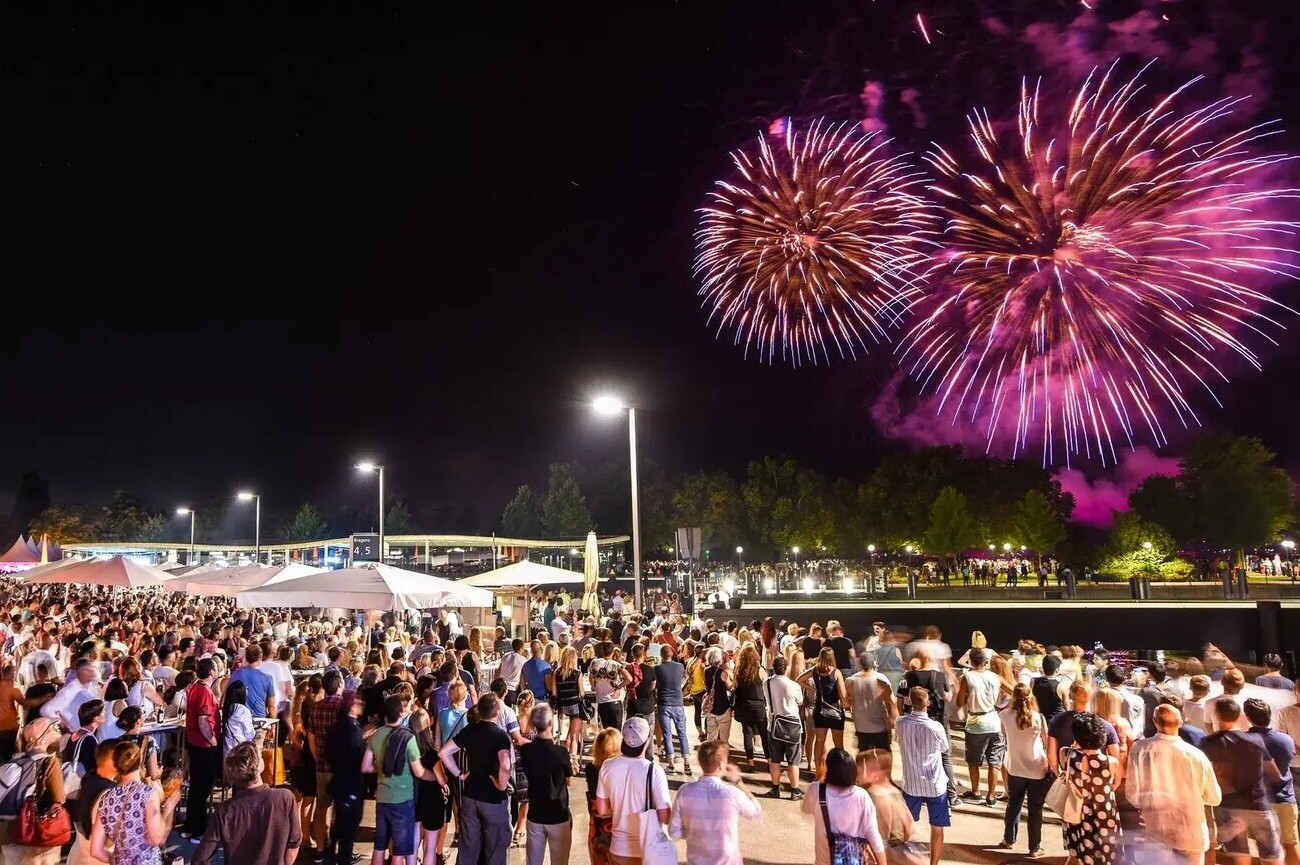
- International Lake Constance Week: In June, usually mid-month, Konstanz becomes a sailing arena. International Lake Constance Week fills the harbor with classic yachts and competitive regattas that stretch across several days. Even if you’re not into sailing, you’ll appreciate the scene: polished wooden boats, crisp white sails and spectators lining the water. The harbor atmosphere blends sport and summer effortlessly.
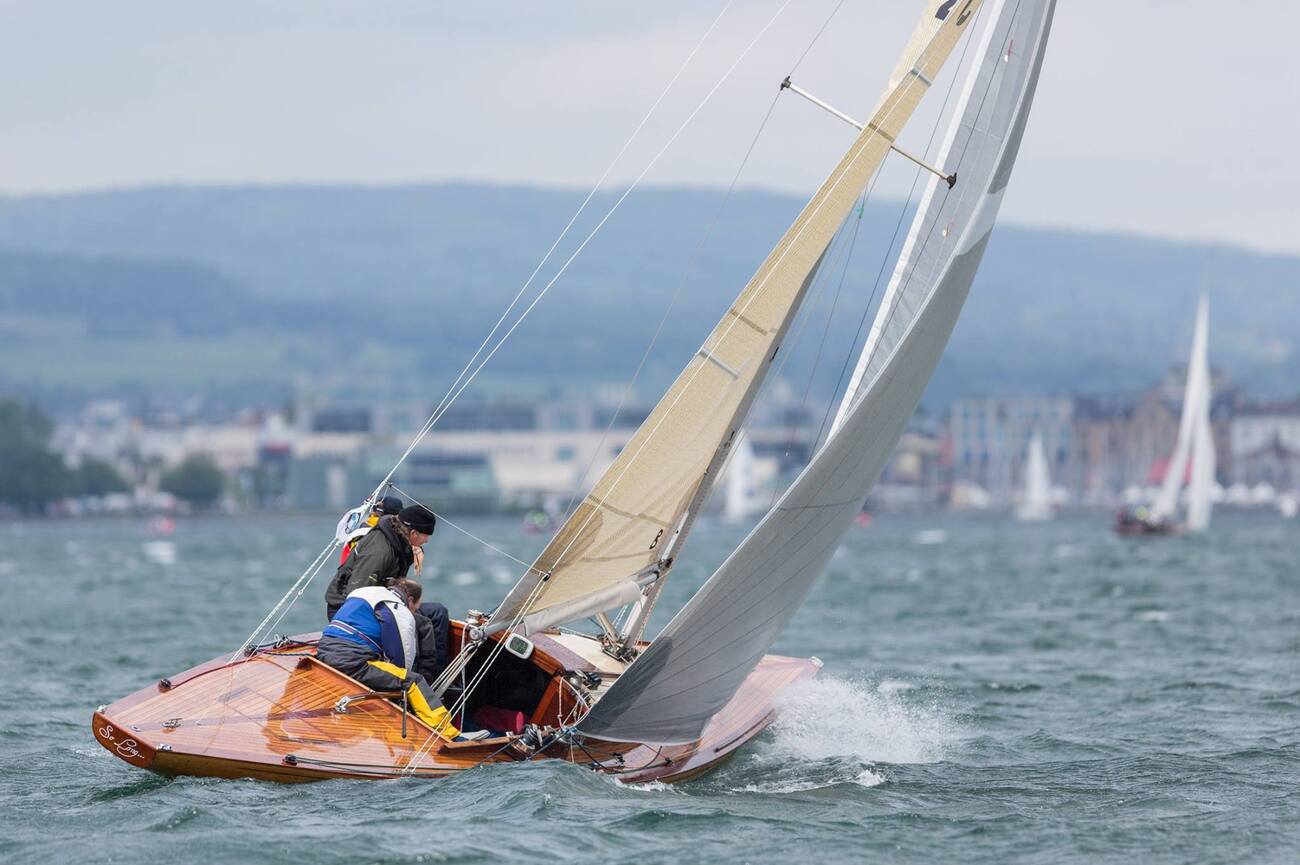
- Markdorf Open Air: If you’re staying on the German side in July, check the lineup for Markdorf Open Air. This multi-evening event brings live bands and open-air concerts into the town center. You show up, grab a drink and let the evening unfold.
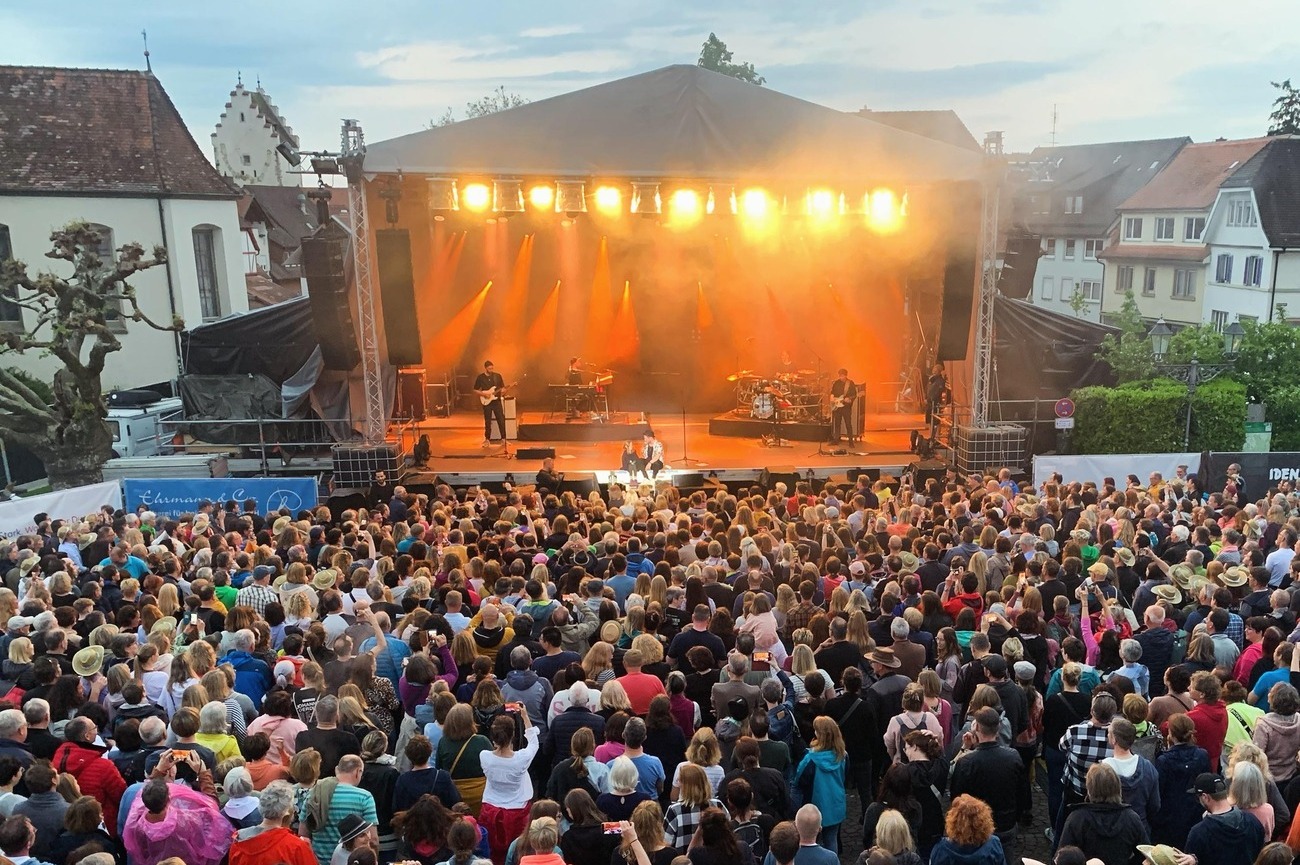
You can explore Lake Constance independently. Many do. But the real difference lies in how seamlessly it unfolds. Coordinating three countries, private vineyard access, Michelin reservations, lake charters, curated museum tours and discreet luxury stays requires precision. That is where Revigorate steps in. We design Lake Constance experiences that feel effortless from the outside and meticulously orchestrated behind the scenes. Whether it is a private Zeppelin flight, a guided architectural tour, or a multi-country itinerary that flows without friction, we ensure the region reveals its best side to you.


Let us know what you love, where you want to go, and we’ll design a one-of-a-kind adventure you’ll never forget.
Get in touch
Miriam
Travel Specialist

Romina
Travel Specialist

Laura
Travel Specialist
Our offices:



Revigorate, Iberian Escapes and Algarve Lifestyle are the registered brand names of APCS Lda . We are a fully authorised travel agency licensed by Turismo de Portugal RNAVT/6867.
In the event of a dispute, the consumer may refer to: RAL - Centros de Arbitragem
Avª. 5 de Outubro, nº. 55, R/C Dtº. 8000-075 Faro, Portugal | Tel: +351 289 823 135 *
* national landline call
E-mail: info@consumoalgarve.pt| www.consumidoronline.pt | Mon to Fri: 9:00 - 13:00 / 14:00 - 17:00