Things To Do in Xiamen: 4-Day Itinerary
Xiamen is often called the “Garden on the Sea,” where banyan lined streets lead to the beaches, colonial buildings sit beside modern skylines, and everyday life feels a little more relaxed than in China’s larger metropolises. But Xiamen isn’t only about its laid back vibe. It also serves as a gateway to some of Fujian’s most remarkable cultural landscapes like the UNESCO-listed Tulou clusters just beyond the city.
In this four-day itinerary, you’ll explore Xiamen’s coastal scenery, cultural depth, and local traditions, experiencing the city not just as a place to visit, but as a way to slow down, observe, and truly enjoy your surroundings.
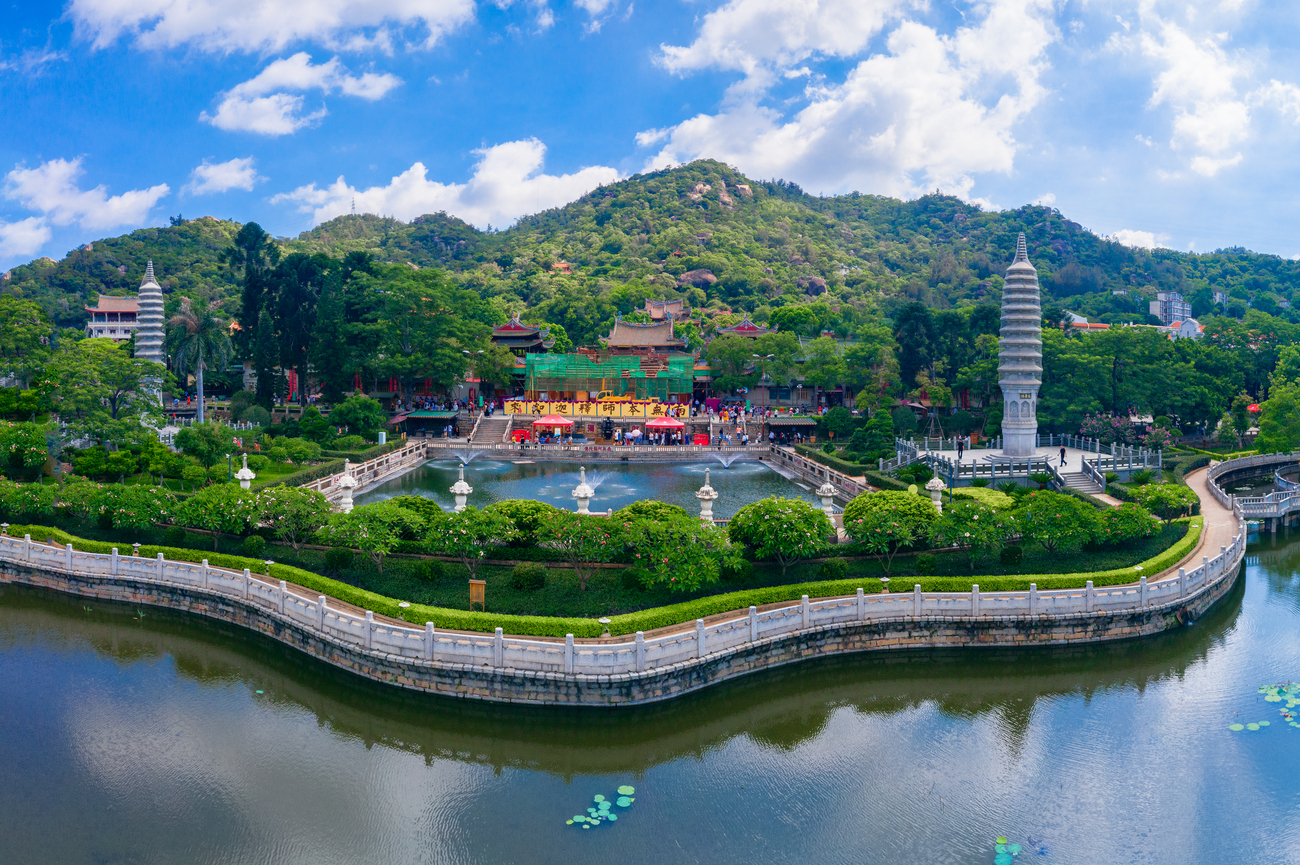
Day 1

Morning: Nanputuo Temple
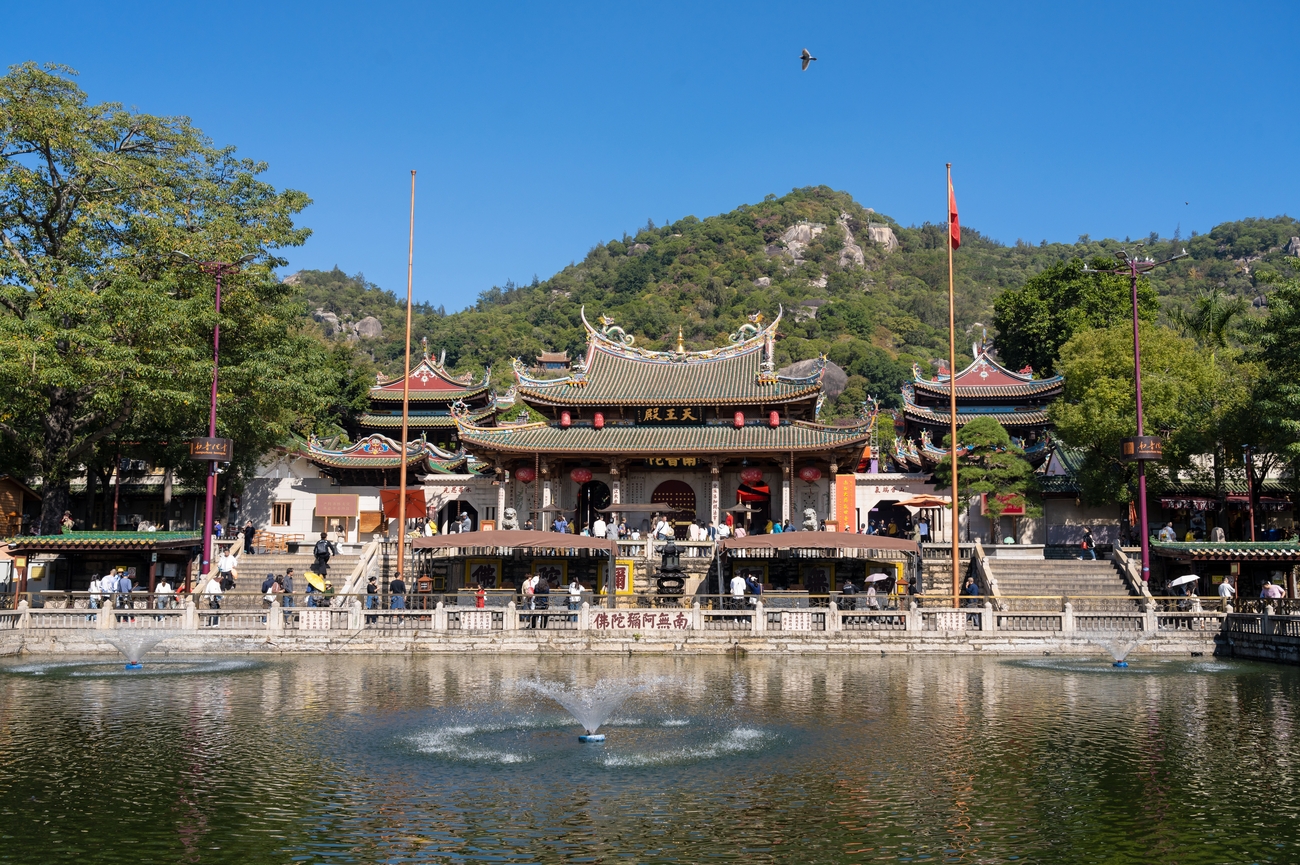
Start your Xiamen journey at Nanputuo Temple, a thousand year old Buddhist sanctuary located at the foot of Wulao Mountain, with roots tracing back to the Tang Dynasty. The temple is famous for its grand Minnan architectural style, featuring intricately decorated roofs with colorful mythical figures and flowers. Walk along the temple’s central axis to explore its sacred halls, including the Hall of Heavenly Kings, Mahavira Hall, and the Hall of Great Compassion. This is also an active centre for Buddhist learning, home to the Buddhist College of Minnan. Aside from exploring the temple’s sacred halls, you can continue up Wulao Mountain for a 45–60 minutes hike and see the temple complex, Xiamen University, and the sea stretching toward Jinmen Island from the summit.
Xiamen University
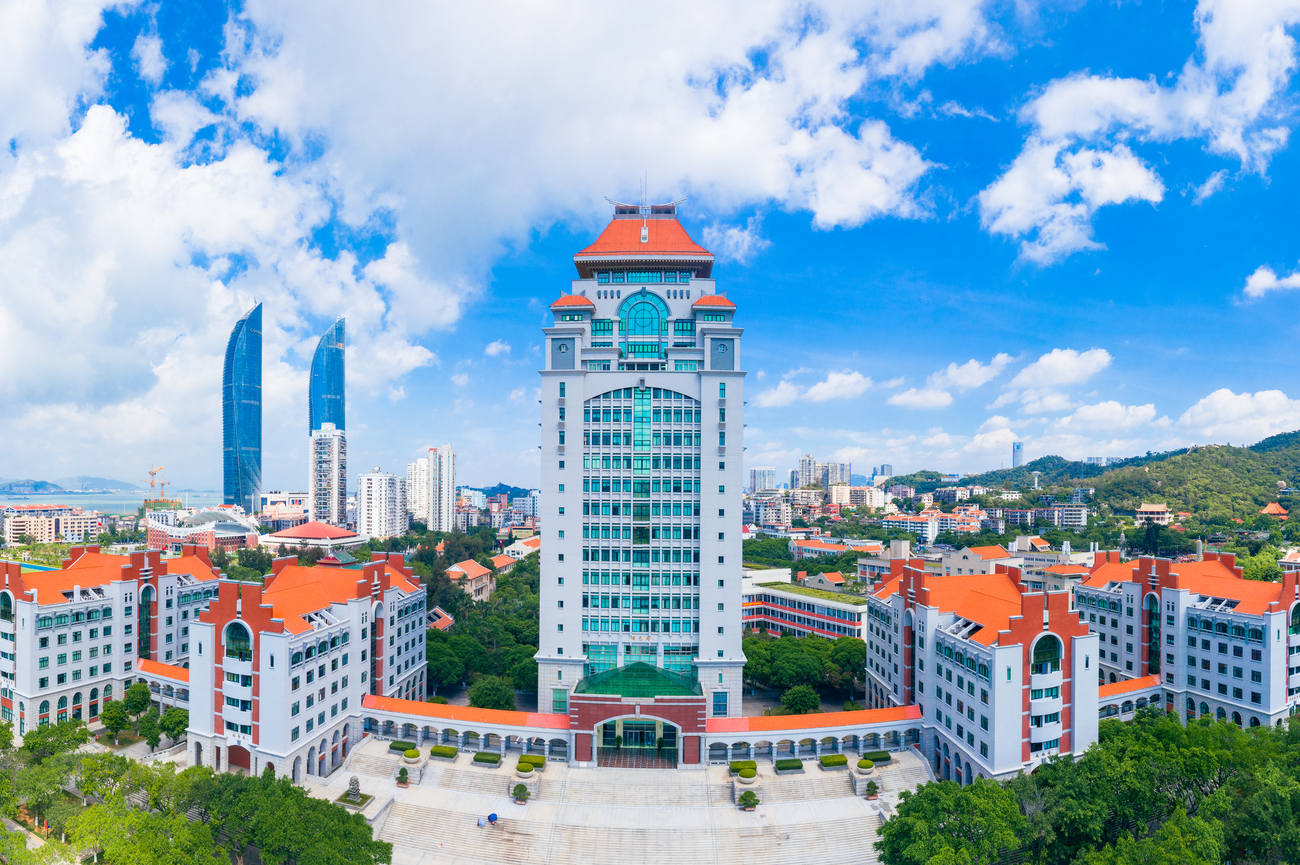
From Nanputuo Temple, take a short 5-minute walk to Xiamen University, one of the most beautiful university campuses in China. Founded in 1921 by philanthropist Tan Kah Kee, the campus sits between the Wulao Mountains and the East China Sea, giving you a beautiful scenery that perfectly blends with the architecture.
Wander through the campus and visit the Furong Tunnel, Furong Lake, Jiannan Auditorium, and Shangxian Field. There are also a couple of museums inside the university that you can visit such as the Anthropology Museum and Lu Xun Memorial Hall. Take note that visitor entry is generally restricted during certain windows, so be sure to book in advance prior to your visit. For a hassle free Xiamen journey, leave the planning to us at Revigorate.
Day 1, Morning - Xiamen Tour Map
Afternoon: Hulishan Fortress
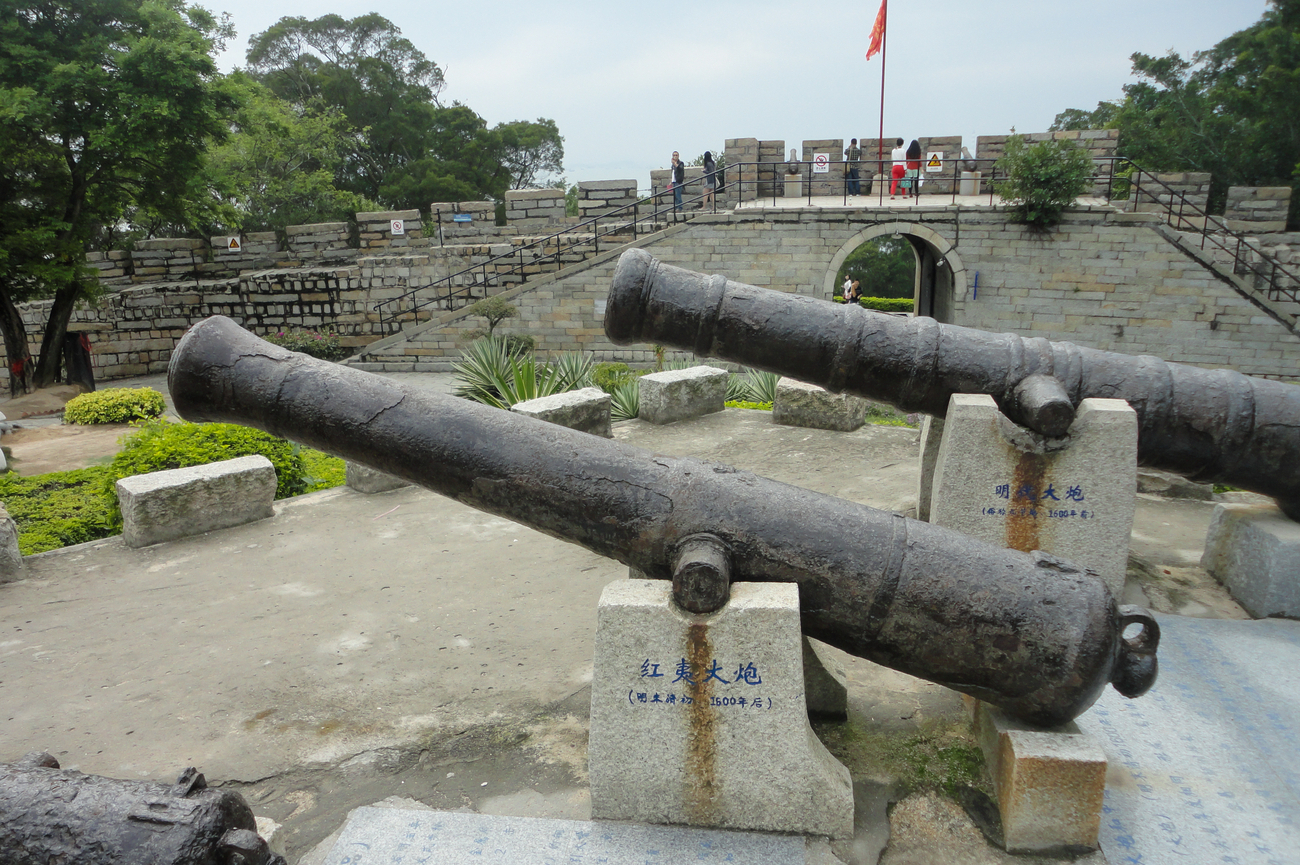
Continue south to Hulishan Fortress, a massive coastal defense site built in 1894 during the Qing Dynasty. As you explore, you’ll come across its most famous feature, the “King of Cannons,” a massive 280mm Krupp gun from Germany, known as the largest and oldest in the world and still in its original location. Time your visit around the daily performances to make the most of it. You can watch a military drill and cannon firing re-enactment, or catch the morning welcoming ceremony, all performed by actors in traditional Banner uniforms. Afterward, take your time wandering through the underground maze, a 500 meter network of tunnels and bunkers that once housed soldiers and stored gunpowder. You can also stop by the Rongguang Museum, where you’ll find a collection of ancient weapons and unique artifacts, including the world’s smallest cannon and a 2.5 ton stone from Burma that looks like a cascading waterfall.
Baicheng Beach
End your first day in Xiamen at Baicheng Beach. It’s one of the best places in Xiamen to catch the sunset, watch as the sun dips behind Yanwu Bridge, casting a warm glow over the skyline. You can rent a solo, tandem, or even a three-person bike and ride along the scenic Huandao Road, or simply take it slow, kick off your shoes, sink your toes into the sand, and enjoy the evening as locals pass by.
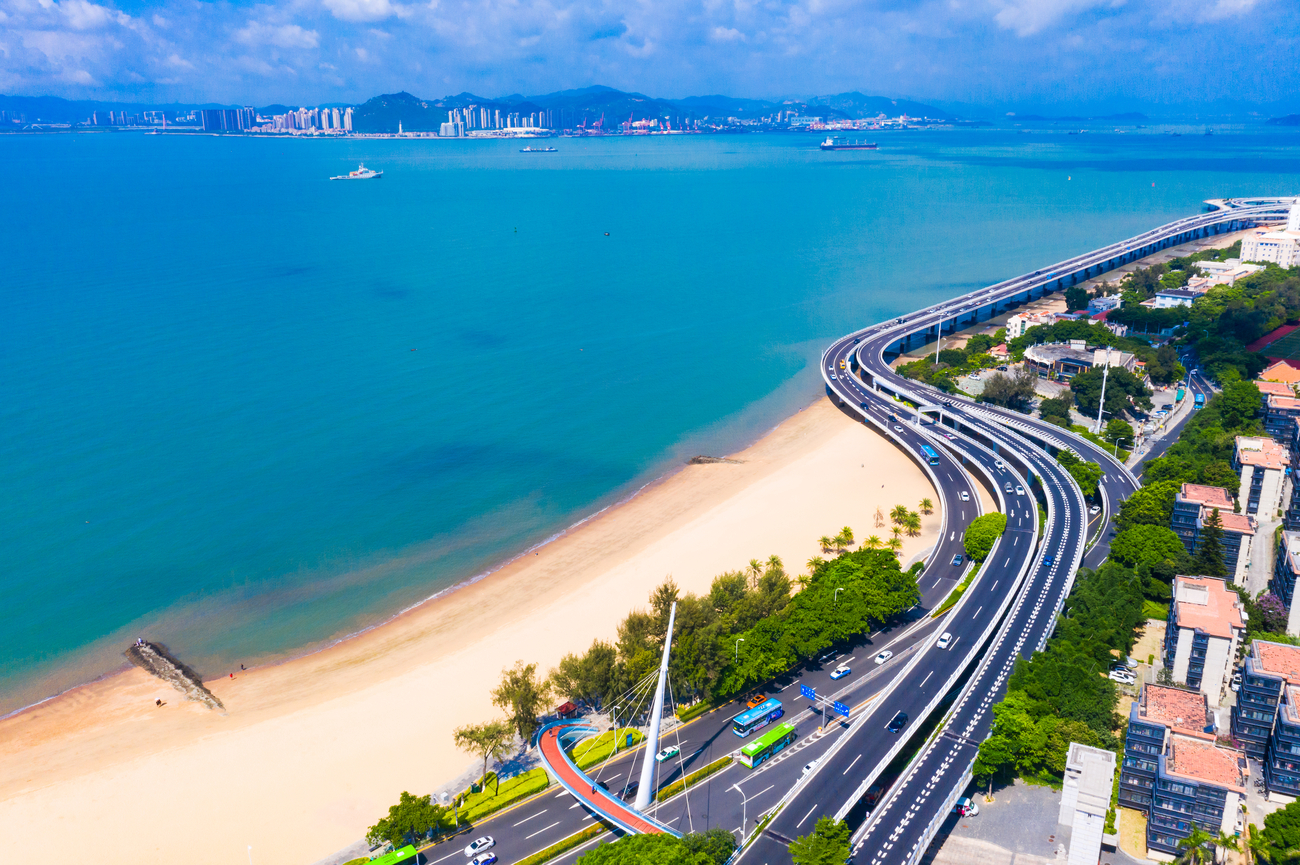
Day 1, Afternoon - Xiamen Tour Map
Day 2
Morning: Tianluokeng Tulou Cluster
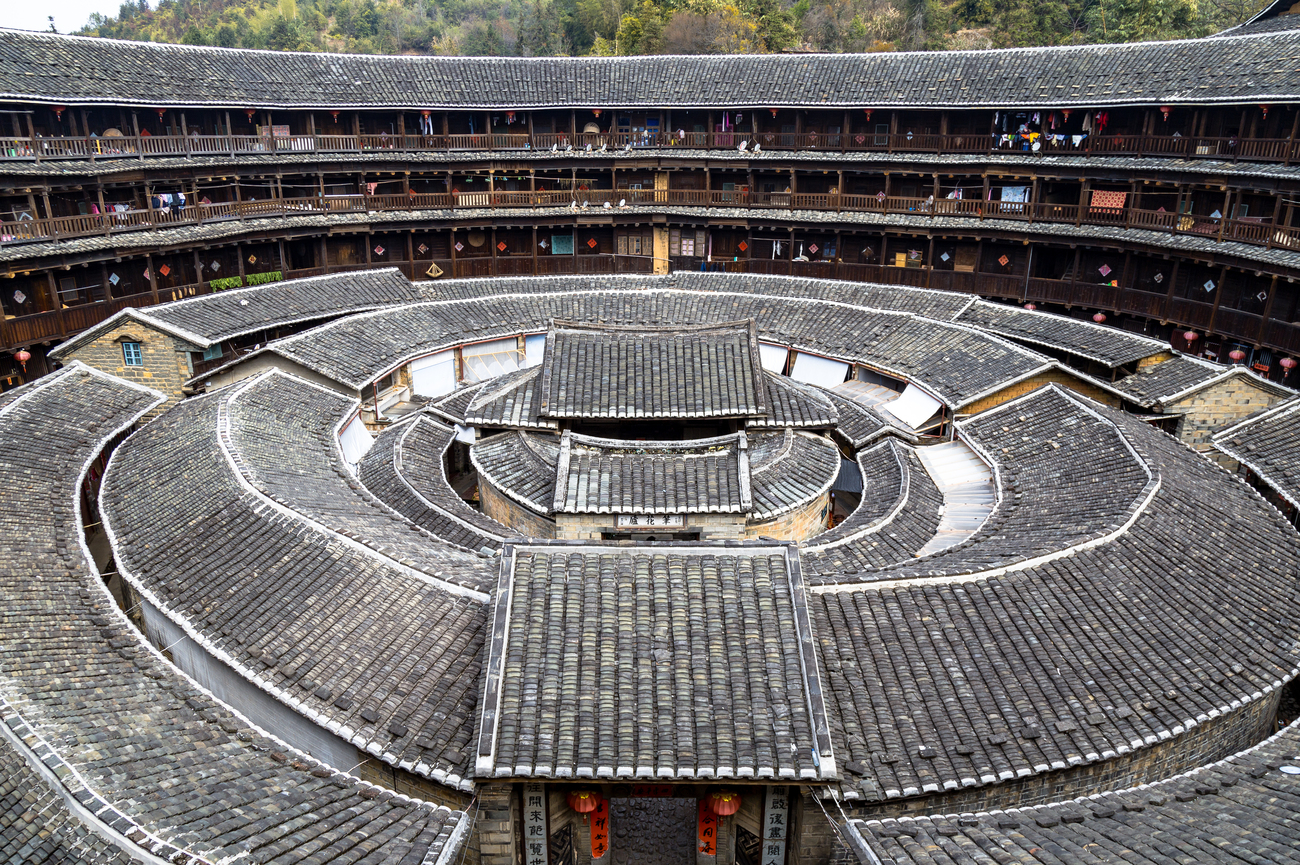
For Day 2, head out to the Tulou clusters in Nanjing County, starting with the Tianluokeng Tulou Cluster, one of the most iconic and photographed UNESCO World Heritage Sites in Fujian Province. From the upper observation deck, you’ll see its famous “Four Dishes and One Soup” layout: a central square building (as the “soup”) surrounded by three circular and one oval structures (as the “dishes”). What looks playful at first glance is actually a smart defensive design. Built by the Hakka people between the 15th and 20th centuries, these massive rammed-earth homes were created to protect entire communities from bandits while keeping a close knit clan lifestyle.
As you walk through the cluster, you can step inside some of the buildings and get a glimpse of everyday life, as descendants of the Huang family still live here. Since these are private homes, not all floors are open to visitors, which makes the experience feel more authentic. Some locals also offer hands-on activities like cooking classes, tea ceremonies, bamboo weaving, and wood carving, giving you an immersive look into their way of life.
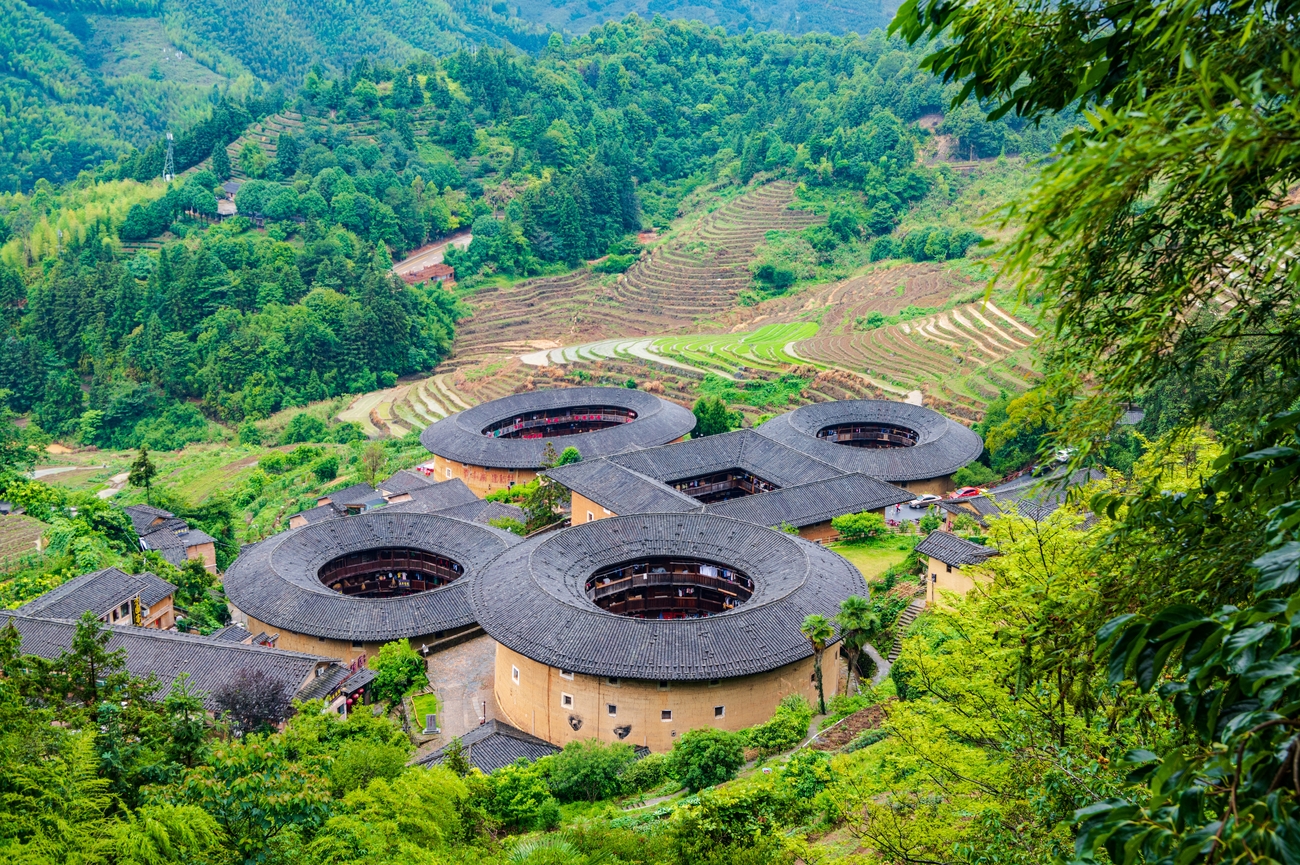
Yuchang Building
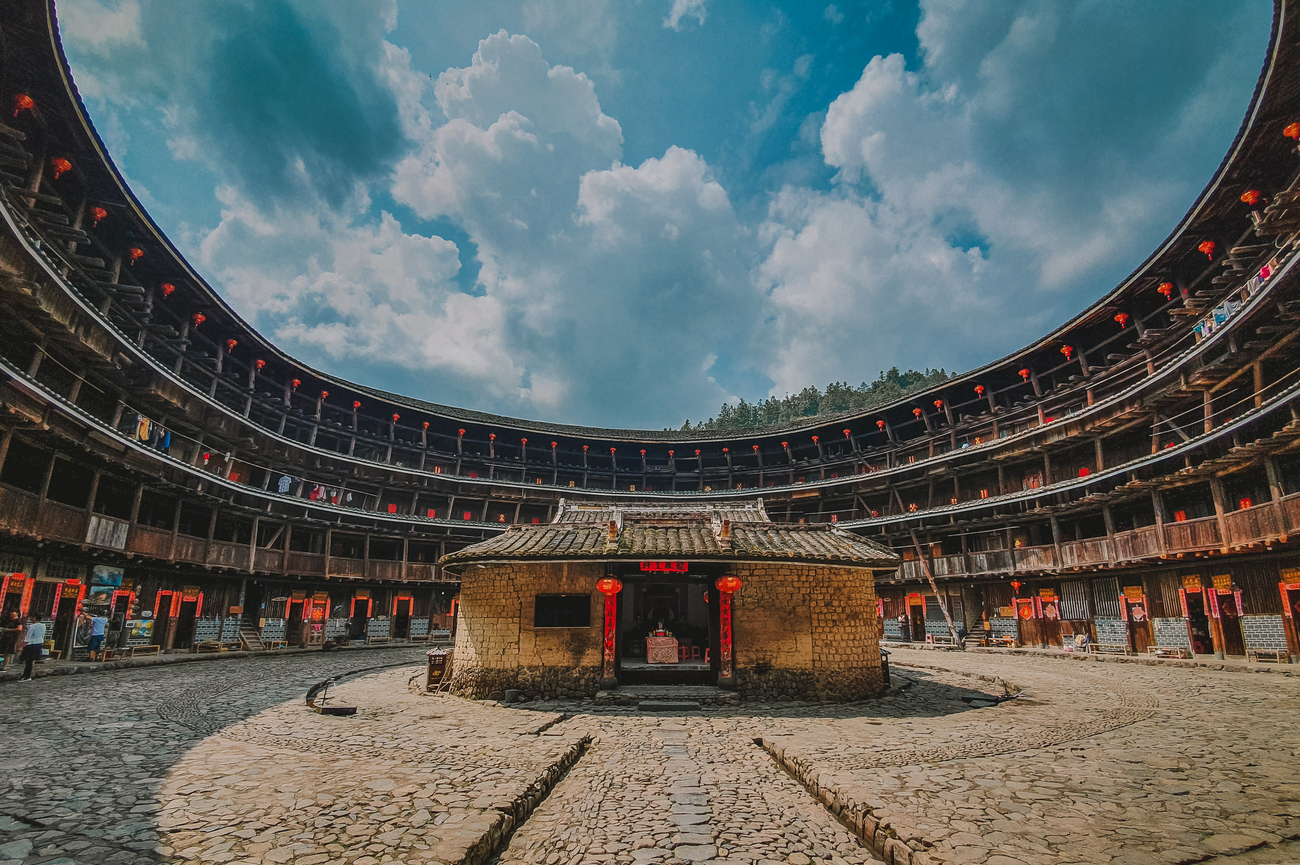
Next, make your way to Yuchang Building, the oldest and tallest Tulou in Nanjing County. Built in 1308, it’s often called the “Leaning Building” or “zigzag building” because its wooden pillars noticeably tilt (some by as much as 15 degrees) yet the structure has stood firm for over 700 years. As you explore, walk through the inner corridors to see these leaning pillars up close. In the centre of the courtyard, you’ll find the ancestral hall, uniquely built as a single-story structure on its own, rather than opposite the main gate like in most Tulou. On the ground floor, many residents open their homes to visitors, offering tea tastings and selling local varieties.
Day 2, Morning - Xiamen Tour Map
Afternoon: Taxia Village
Continue your day in Taxia Village, a 600 year old Hakka settlement called the “Taiji Water Village.” As you walk through, you’ll notice an S-shaped stream flowing through the centre, with Tulou buildings lining both sides in a layout that mirrors the Yin-Yang symbol. Take your time wandering the village, stop by the Zhang Clan Ancestral Hall (Deyuan Hall), explore the unique Tulou architecture up close, or simply stroll along the riverside promenade. If you want to grab a bite to eat, take a seat into one of the riverside eateries and enjoy authentic local dishes.
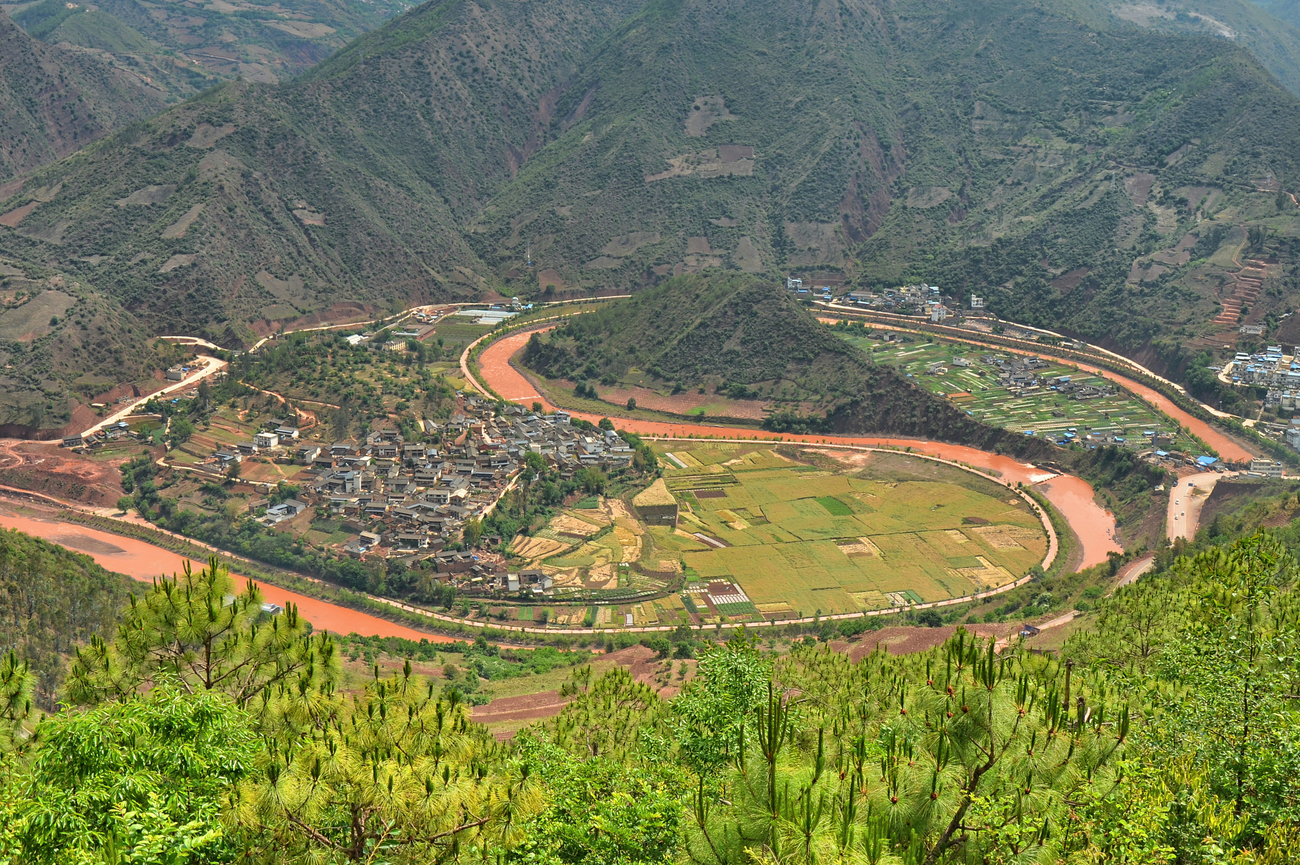
Chengqi Building
Wrap up your visit in Nanjing County at Chengqi Building, often called the “King of Tulou.” It’s the largest and most complex circular earthen structure in the Yongding area, built over three generations starting in the late Ming Dynasty and completed in 1709. As you step inside, you’ll see how its four concentric rings are arranged around a central ancestral hall.
As you explore, notice how each level was designed with purpose. The outer ring rises four stories high, with rooms that once served as kitchens, granaries, and bedrooms. The inner rings were used for gatherings, education, and guest quarters. With roughly 400 rooms, this single structure once housed over 800 people simultaneously. It even inspired the family home of Mulan in Disney’s 2020 live action film, Mulan, with drone shots of the real building used for epic establishing shots in the film.
For a more immersive experience, consider staying overnight in a nearby Tulou homestay, once the day-trippers leave, the atmosphere becomes quieter, and the buildings take on a completely different charm when lit up at night.
Day 2, Afternoon - Xiamen Tour Map
Day 3
Morning: Gulangyu Island
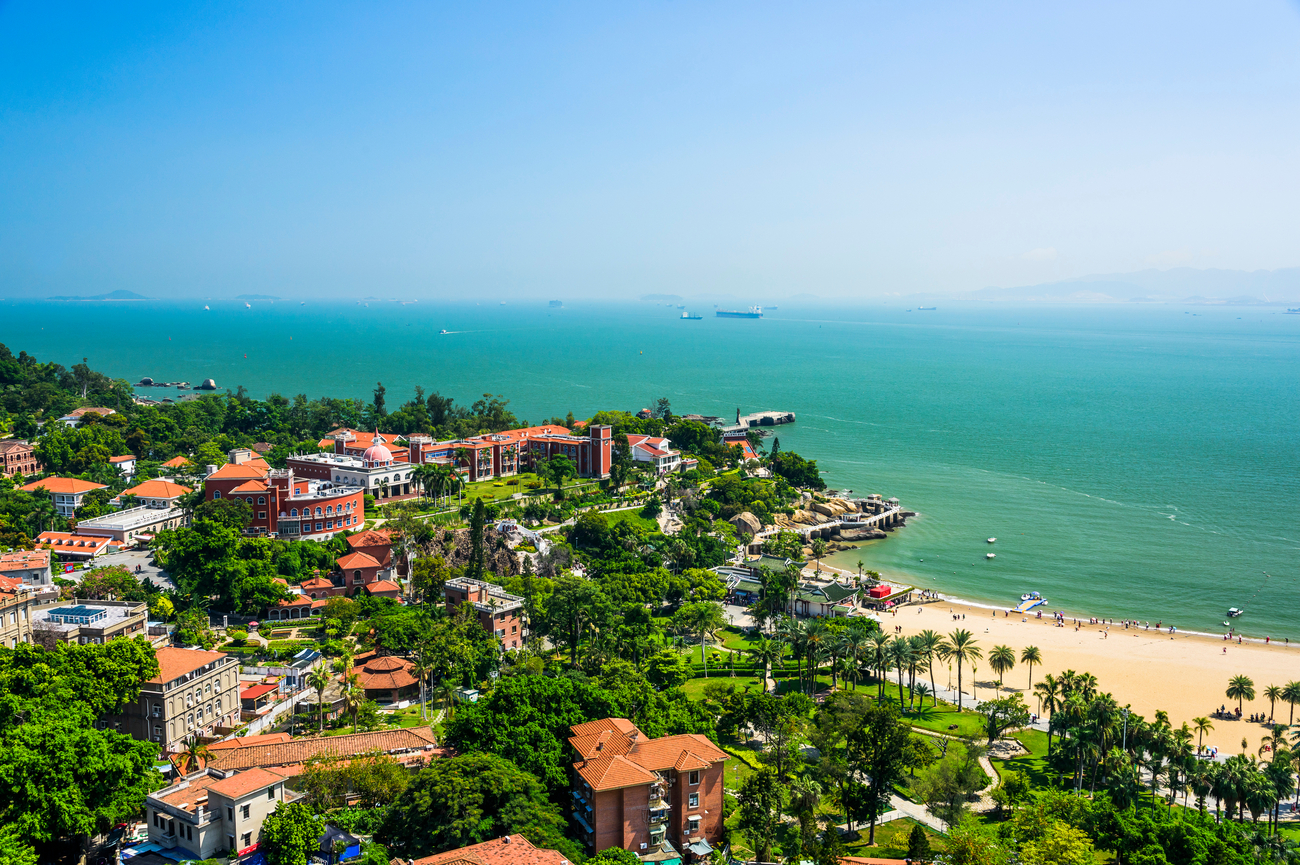
A short 20 minute ferry ride from Xiamen takes you to Gulangyu Island, a UNESCO World Heritage Site often called the “Garden on the Sea.” As soon as you arrive, you’ll notice the difference: there are no cars, motorcycles, or even bicycles here, exploring is done entirely on foot. But if you need a break from walking, you can ride the electric sightseeing buggies that run along a coastal route.
Take your time wandering through the island’s quiet streets, where colonial era buildings and a strong musical heritage give the island its distinct charm. You can stroll through Shuzhuang Garden, climb Sunlight Rock for sweeping views, visit the Organ Museum, or simply get lost in the “International Architecture Museum.” If you want to grab a bite to eat, head to Longtou Road, the island’s main food street. It’s the perfect place to try Minnan favourites like oyster omelets, shacha noodles, and peanut soup, simple dishes that feel satisfying after a day of exploring.
Afternoon: Overseas Chinese Museum
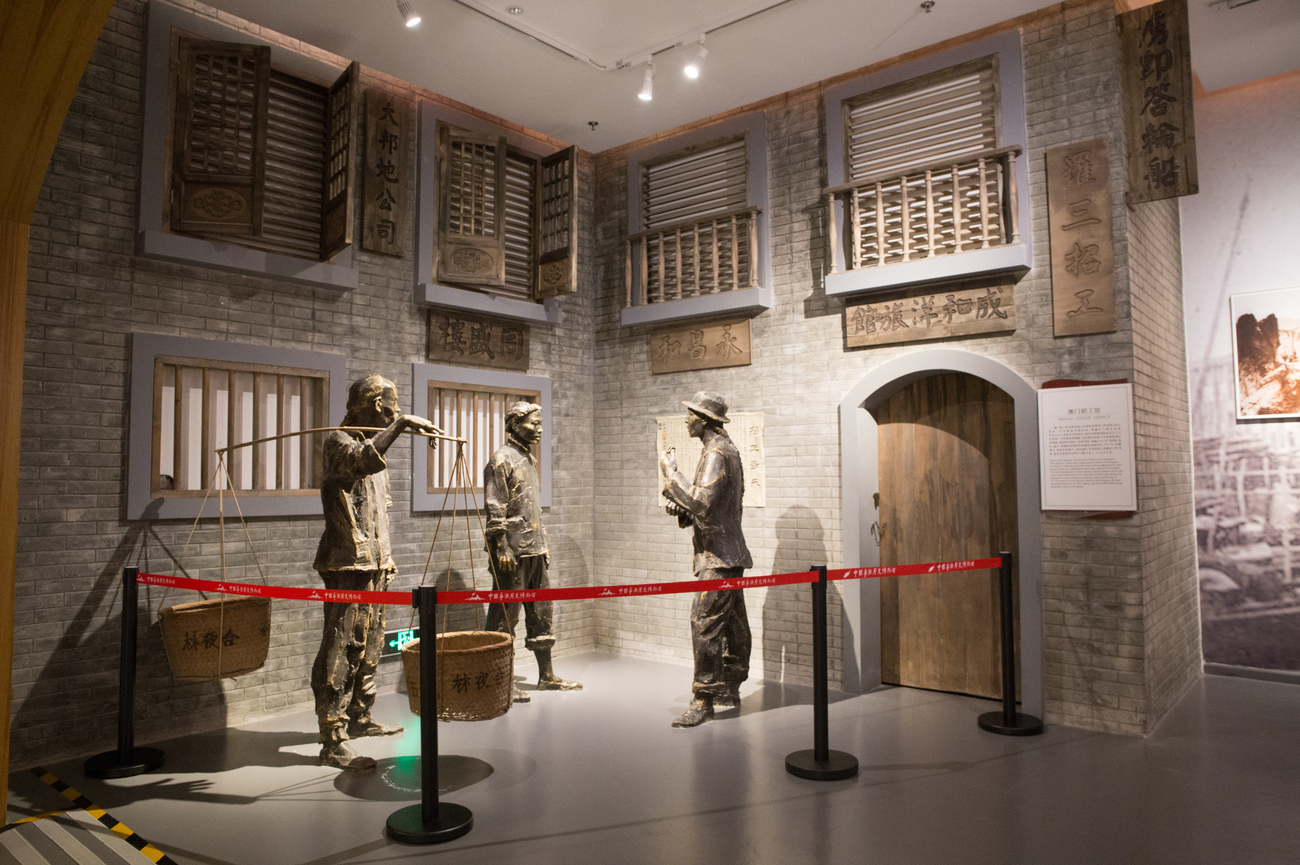
Head back to the city and visit the Overseas Chinese Museum, the first museum in China specifically dedicated to telling the story of the Chinese diaspora around the world. As you walk through the exhibits, you’ll come across nearly 7,000 artifacts, documents, and photographs that trace both the hardships and achievements of those who left their homeland. You can explore detailed dioramas and reconstructed street scenes that bring history to life, or try a hands-on activity like “qiaopi” rubbing. If you have roots in Southeast Asia (especially places like the Philippines) this stop can feel particularly meaningful, as it offers a deeper understanding of the journeys and struggles many families experienced after leaving this very port.
Zhongshan Road
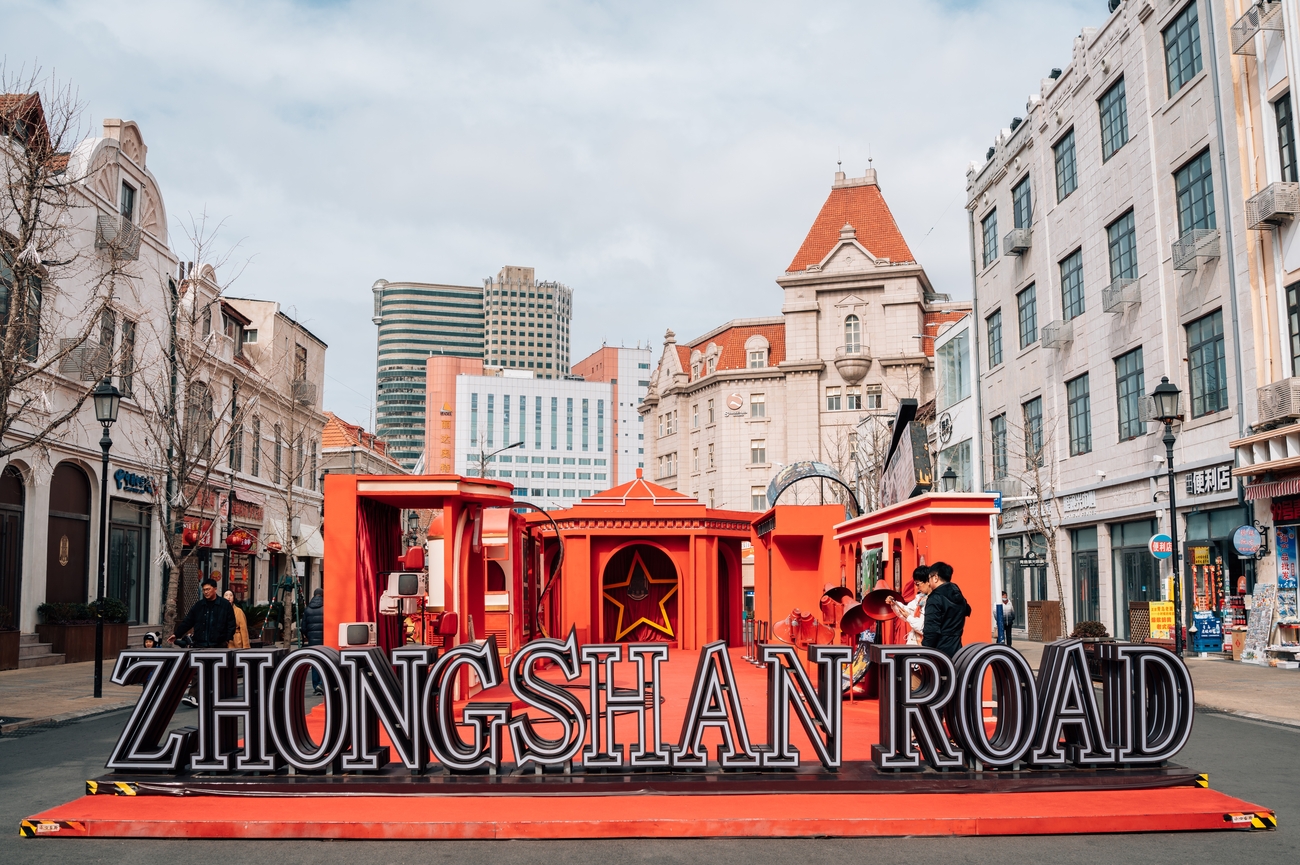
End your day on Zhongshan Road, Xiamen’s most iconic commercial street (and the only one in China that leads straight to the sea). As you walk along, you’ll notice its signature pink and white arcade buildings, where European Victorian details meet traditional South Fujianese design. This is one of the best places to eat your way through the city. Keep an eye out for local favourites like Lian Huan Oyster Omelet tucked in a small alley, Zhen Zhen Fishball Soup, and the well loved Huang Zehe Peanut Soup. Aside from feasting at local street food, take time to browse for souvenirs or wander into the side alleys. That’s where you’ll find traditional puppet theatres, heritage homes, and glimpses of everyday local life that most visitors miss.
Day 3 - Xiamen Tour Map
Day 4
Morning: The Eighth Market
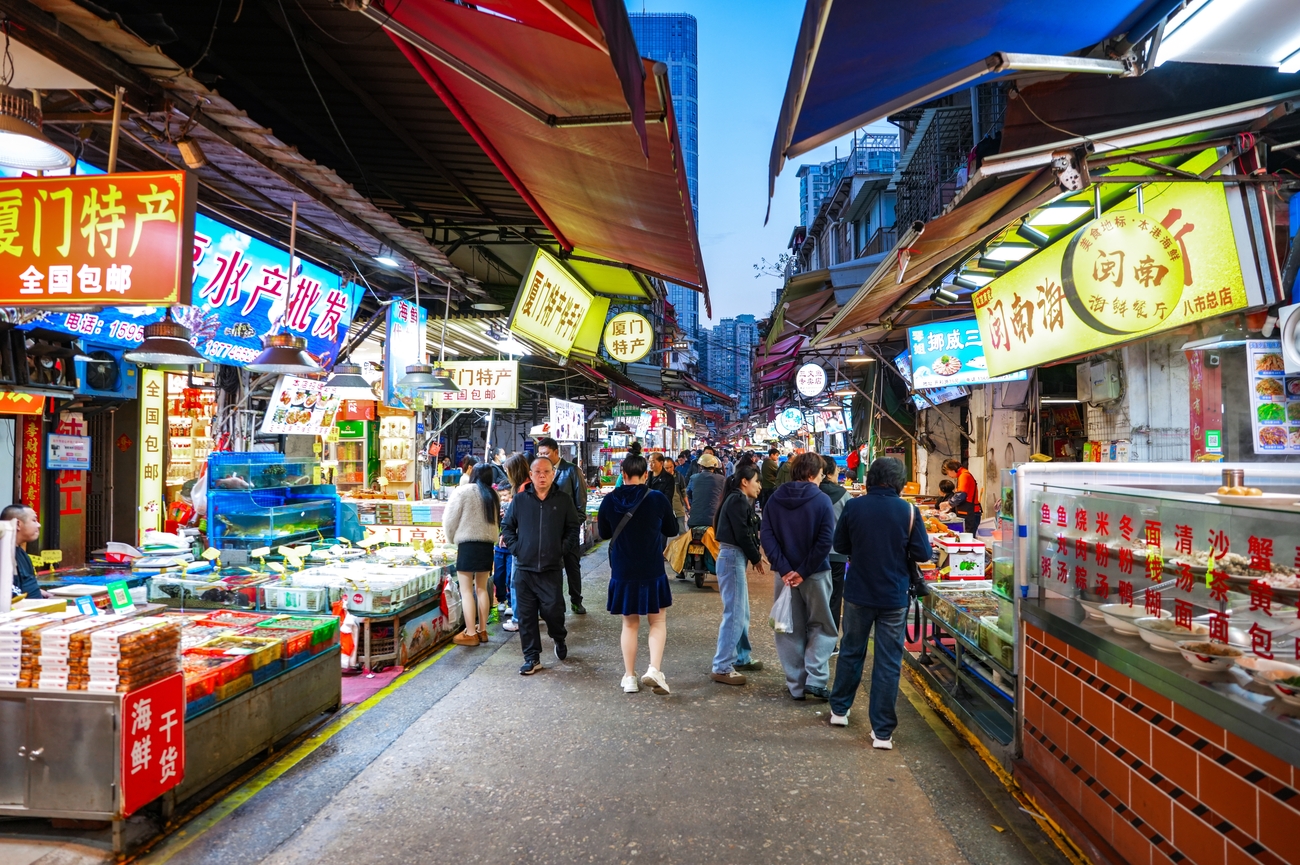
On your final day in Xiamen, start your day early to experience the Seafood "Buy and Cook" at The Eighth Market, the city’s oldest and largest traditional wet market, dating back to the 1920s–30s. This is where fishermen once brought their fresh catch straight from the docks to the stalls within minutes. Here, you can browse a massive variety of live seafood, from exotic shellfish to crabs and fish. After purchasing your selection, you can take it to nearby local restaurants to have it cooked just the way you like it. Morning isn’t the only best time to visit the market, by the evening the market transforms into a lively night market filled with street food and local snacks
Xiamen Botanical Garden
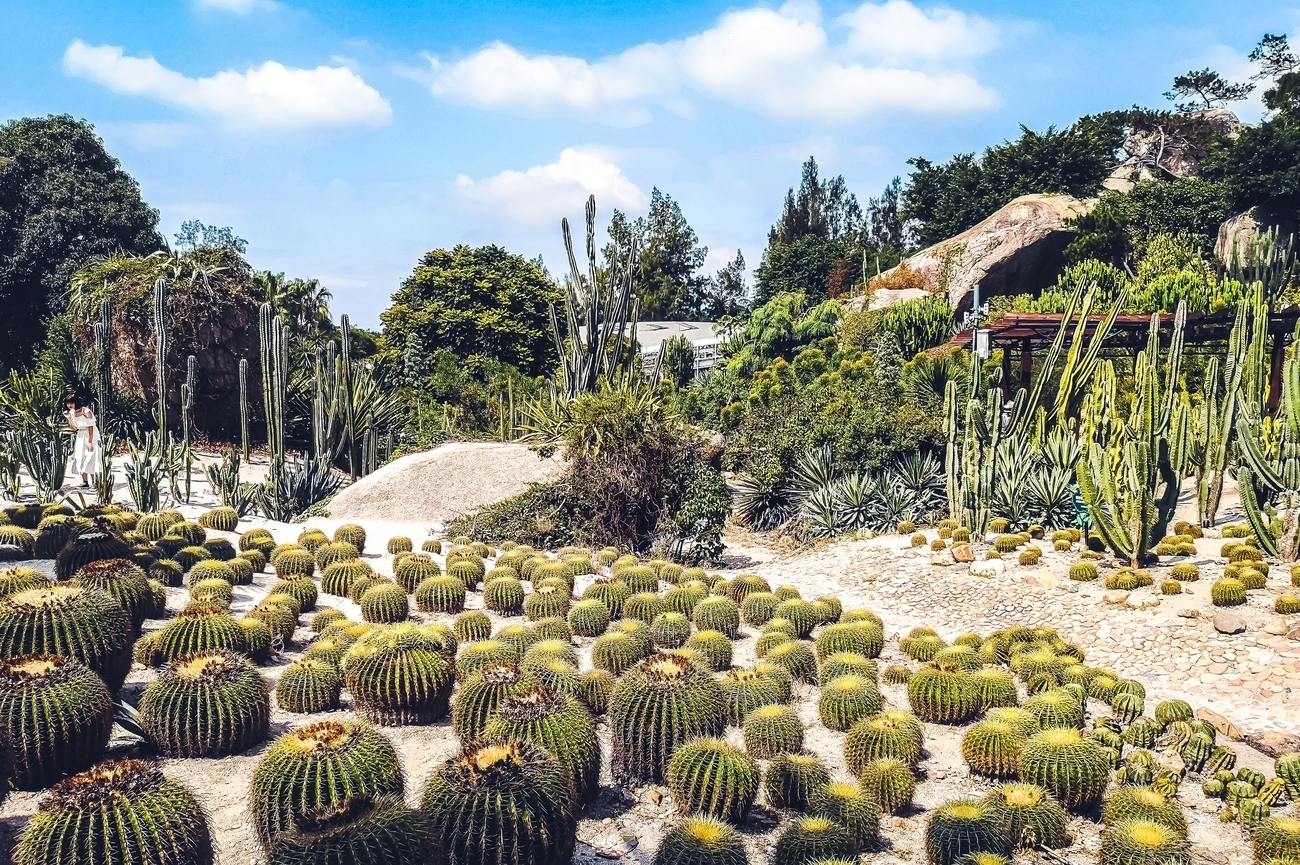
Just a 15-minute drive away, Xiamen Botanical Garden (also known as Wanshi Botanical Garden) offers a peaceful, garden escape carved within the Wanshi Mountains. Established in 1960, it wraps around the Wanshi Reservoir and is known for its rock formations, misty rainforest sections, and one of the most Instagram-famous cactus collections in Asia. As you explore, don’t miss the “Rainforest” zone, where a mist system creates a cool, foggy atmosphere among tropical plants and waterfalls (it’s one of the garden’s most memorable experiences). You can also wander through the Succulent and Cactus Garden, ride the Zhonggu Cableway for scenic views, hike up to Peace Peak (Taiping Yan), or stop by the Flower Exhibition Hall. The garden is large and hilly, so expect a lot of walking, but there’s also a shuttle bus that connects the main spots, making it easier for you to explore without tiring yourself out.
Afternoon: The Jimei School Village
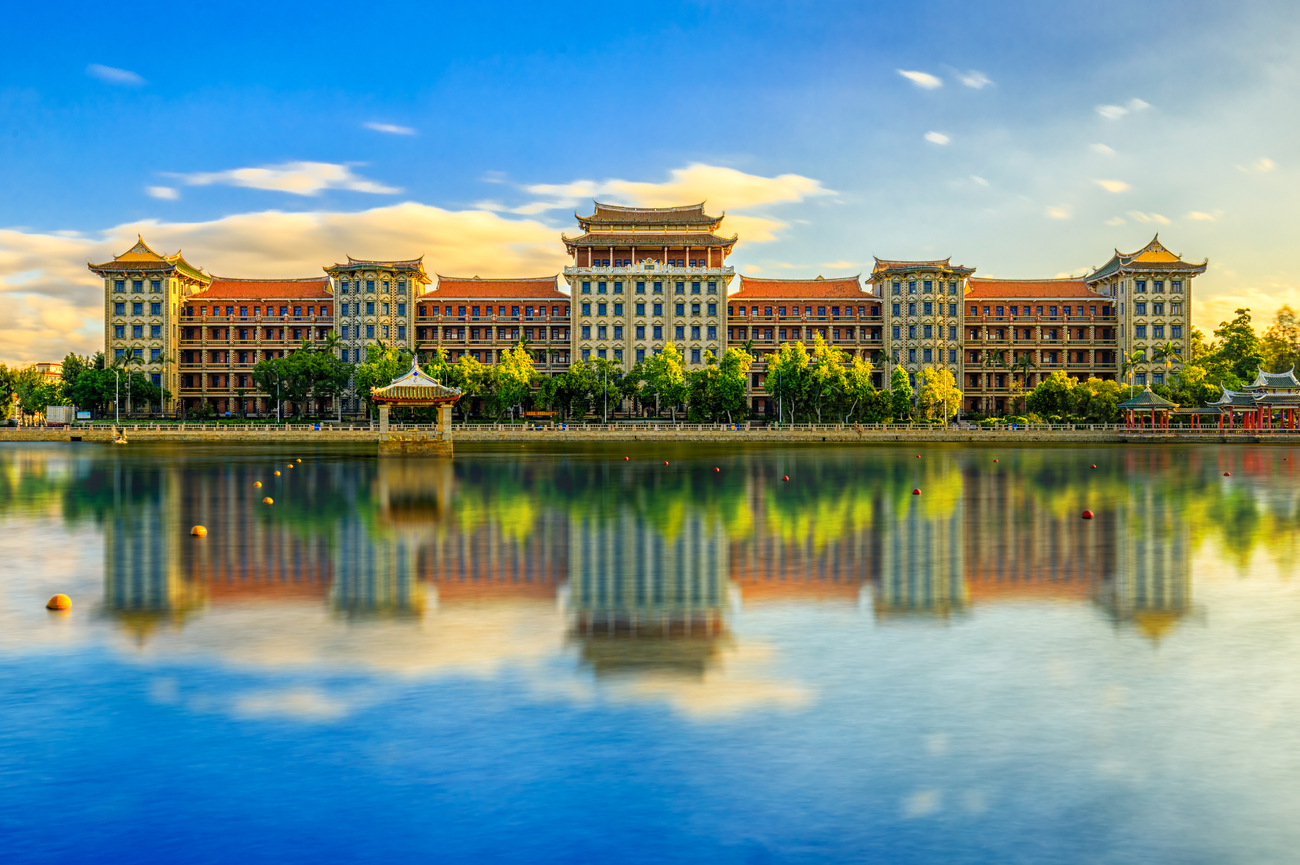
Finally, end your four days in Xiamen, at Jimei School Village, a unique educational and cultural hub founded in 1913 by philanthropist Tan Kah Kee, called the “Great Overseas Chinese.” As you explore, you’ll notice the signature “Jiageng architecture,” where traditional Southern Fujianese elements like red bricks and swallow-tail roofs blend seamlessly with Western style columns and foundations. What makes this place special is how schools and everyday village life exist side by side. You’ll see students, teachers, and locals all sharing the same space, with small restaurants and shops run by villagers serving the community.
Take a walk through the campus to spot its most iconic buildings and garden. Explore the Tan Kah Kee Memorial Hall, and learn more about the man behind it all, who funded schools and supported the country during difficult times. If you’re curious to see a more personal side of his life, stop by his former residence, a preserved two story home that reflects his simple and disciplined way of living. Since the area is quite large, consider renting an electric scooter or bike so you can explore comfortably at your own pace.
Day 4 - Xiamen Tour Map
Day Trips from Xiamen
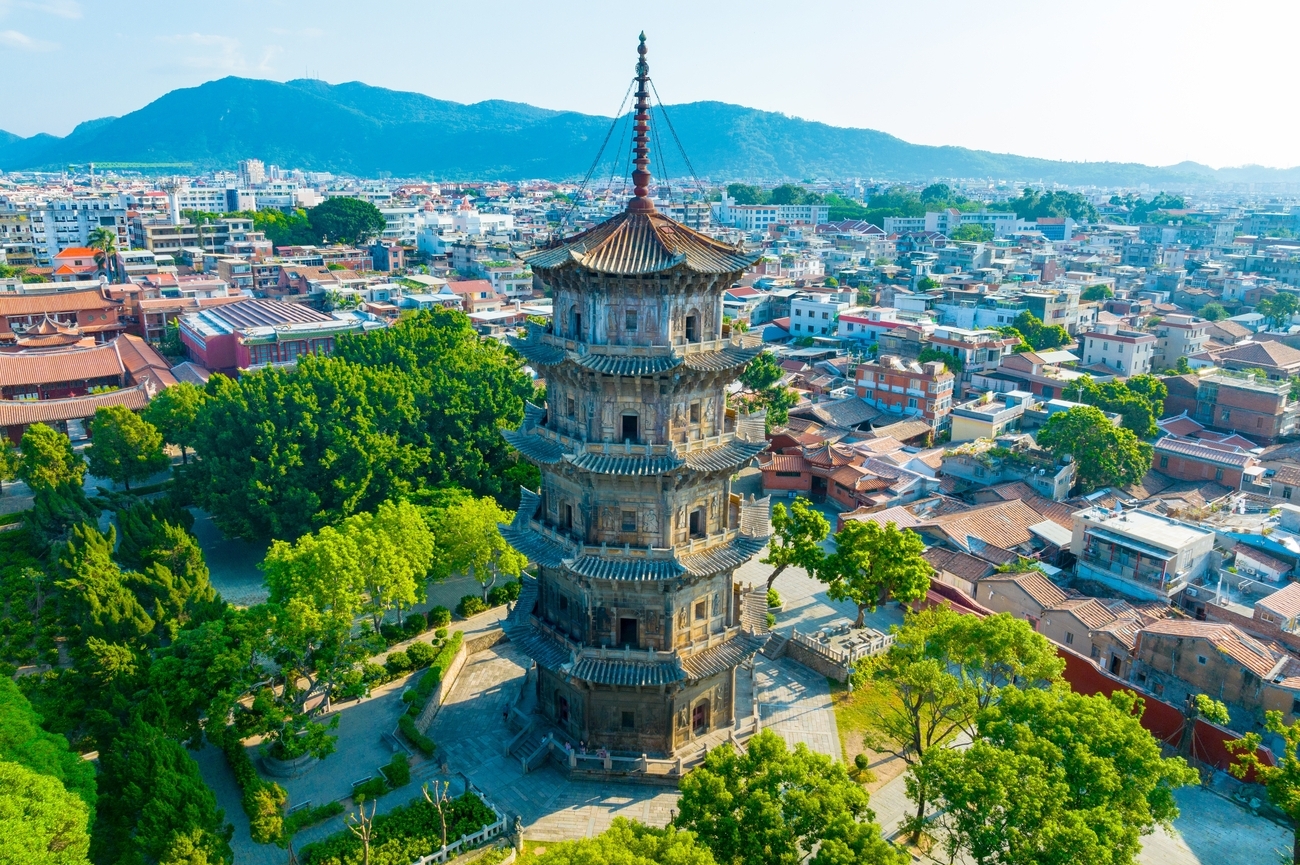
- Quanzhou: Just 20–30 minutes away by high speed rail, Quanzhou is a UNESCO World Heritage city once known as Zayton, the starting point of the Maritime Silk Road. It is a "World Religions Museum" where Buddhist temples, Islamic mosques, and Hindu influences coexist along the same streets. You can visit key landmarks like Kaiyuan Temple, stroll along West Street for a glimpse of local life, cross the Luoyang Bridge, and learn about the city’s trading past at the Quanzhou Maritime Museum.
- Kinmen Island: About 30 minutes away by ferry is Kinmen Island, governed by Taiwan and offers a unique mix of Cold War history, traditional Minnan architecture, and local crafts. Here, you can visit the Zhaishan Tunnel, a massive granite-carved waterway once used to hide naval vessels during artillery attacks. You can also wander through Shuitou Village or Shanhou Folk Culture Village, where you’ll see beautifully preserved red brick houses with distinctive swallowtail roofs. Keep an eye out for the “Wind Lion Gods,” there are colourful stone guardian statues scattered across the island. If you head to the coast, visit Oucuo Beach during low tide, where you can see an abandoned M18 Hellcat tank half buried in the sand.
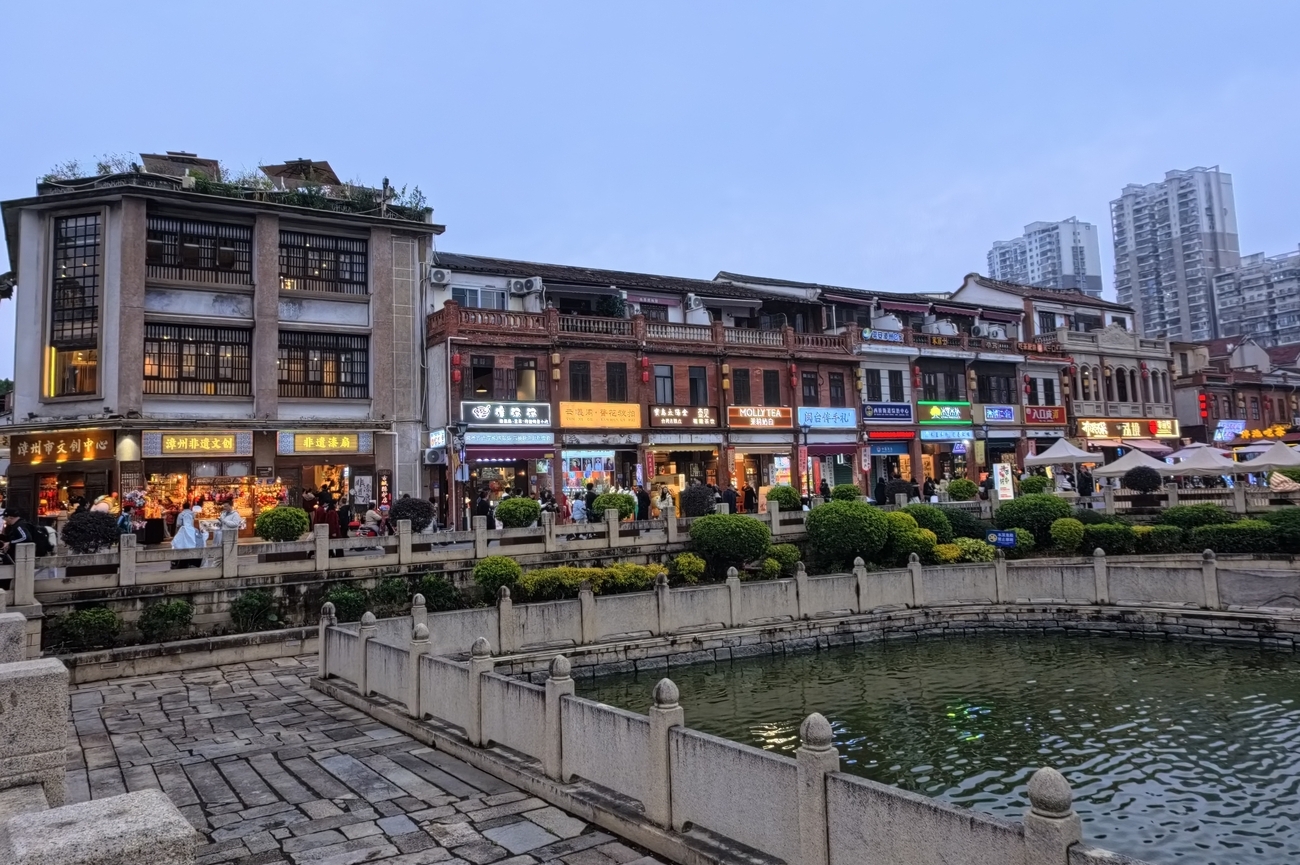
- Zhangzhou: Located just 40-50 minutes away from Xiamen, Zhangzhou is your gateway to traditional Minnan culture, UNESCO-listed Tulou, and scenic coastal landscapes. Start in Zhangzhou Ancient City, where you can walk through well preserved streets lined with red brick houses and arcade style buildings that reflect Southern Fujian and Southeast Asian influences. From there, you can venture further out to places like Yunshuiyao Ancient Town, explore the landscapes of Volcano Island, or hike around Yundongyan (Cloud Cave Rock) for a more nature-filled experience.
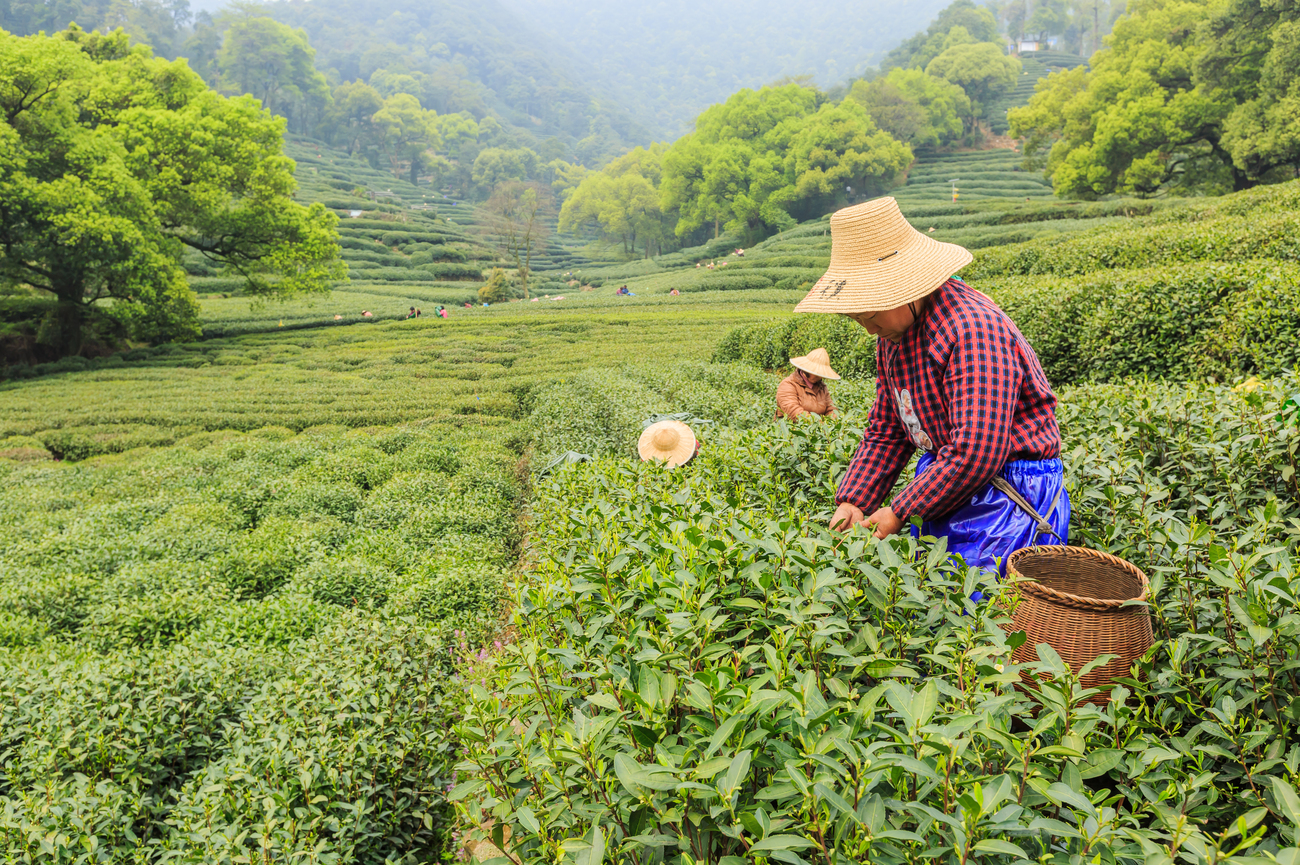
- Anxi Country: Known as the "Tea Capital of China" and the birthplace of the famous Tieguanyin (Iron Goddess) Oolong tea. If you’re curious about tea culture or looking for a more immersive experience, this is the best place to visit. Here, you can explore tea estates like Bama Tea Garden, Huaxiang Garden, or Yunling Tea Manor, where you’ll get a chance to try tea picking, watch how traditional Oolong is made, and enjoy guided tastings. Aside from tea, you can also visit cultural sites like the Anxi Confucian Temple or the Former Residence of Li Guangdi.
UNESCO World Heritage
Site in Xiamen
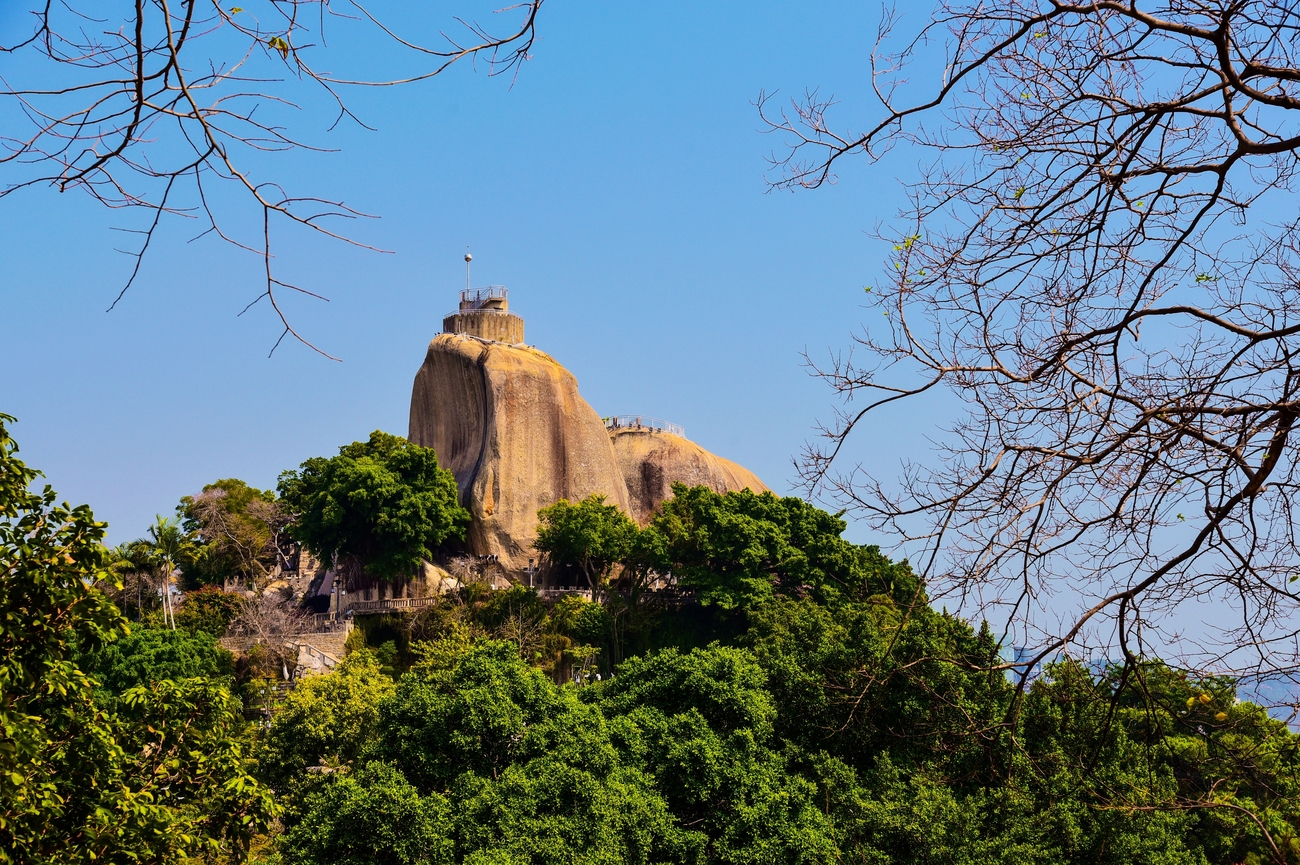
- Gulangyu Island: Recognised as a “Historic International Settlement” that preserves the unique blend of cultures and architecture that emerged when Xiamen became a treaty port in the mid-19th century. Wander its car-free streets to see 931 historic buildings, from former consulates and Gothic churches to landmarks like the Eight Diagrams Mansion. You can also climb Sunlight Rock, the island’s highest point, for stunning views. Since the island is entirely pedestrian, expect a fair bit of walking. If you need a break, you can hop on one of the electric sightseeing carts that run along the coastal route.
- Fujian Tulou: A collection of 46 unique communal earthen buildings, inscribed in 2008. While they are located in the mountainous regions of Nanjing and Yongding, they’re one of the most iconic day trips you can take from Xiamen. Visit the “King of Tulou” (Chengqi Building), see the famous “Four Dishes and One Soup” layout at Tianluokeng Tulou Cluster, marvel at the leaning structure of Yuchang Building, and wander through the scenic Taxia Water Village. Each stop gives you a different perspective on how these remarkable communities were built and lived in.
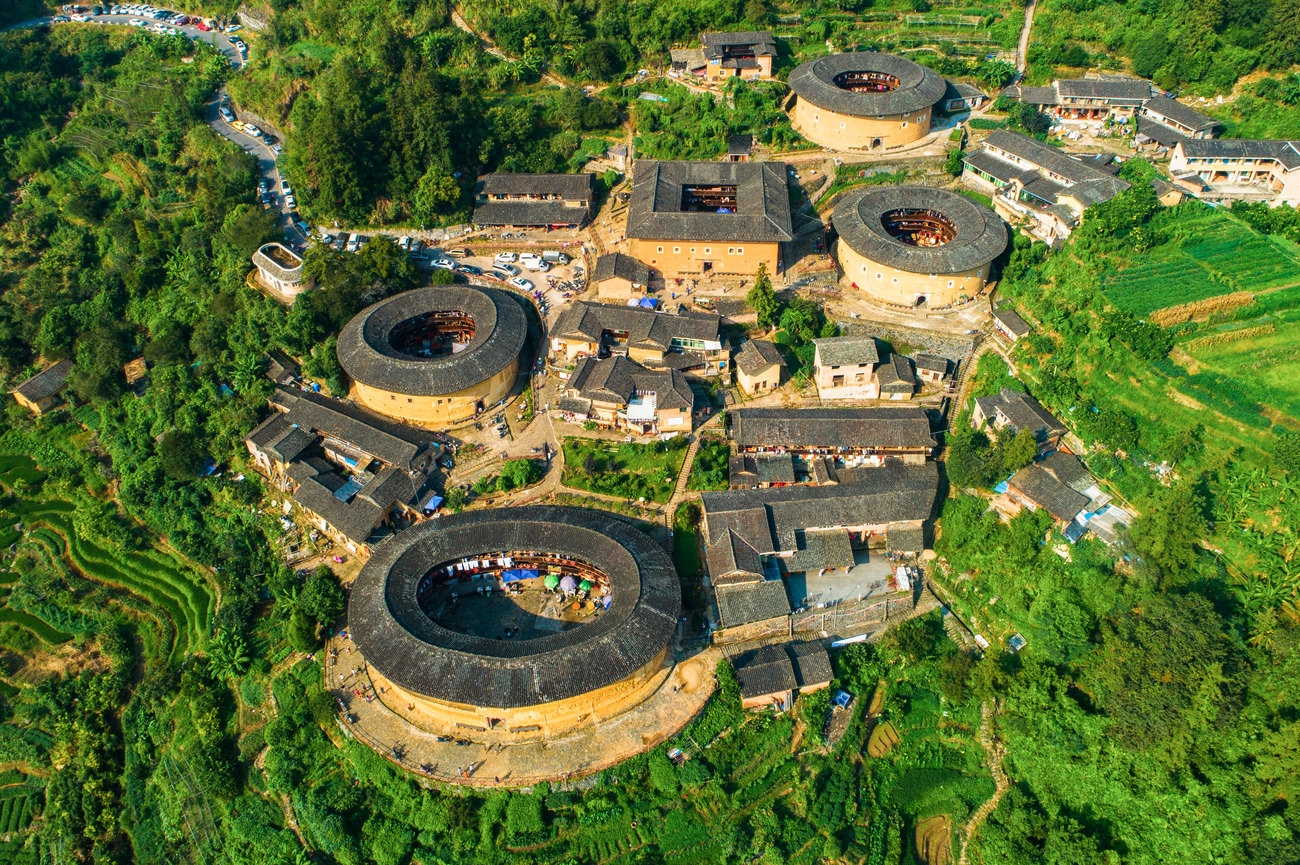
Golf Courses in Xiamen
- Orient Xiamen Golf Country Club: If you’re looking to add a round of golf to your trip, head to Orient Xiamen Golf Country Club, one of Asia’s top championship courses. It has hosted major tournaments like the Omega Golf Championship on the Asian Tour and the Xiamen Open International. Designed by renowned architect Ronald Fream, the course features 27 holes split into three distinct 9 hole loops, usually played as a combined 18 hole round. As you play, you’ll experience a layout that’s both challenging and thoughtfully designed.
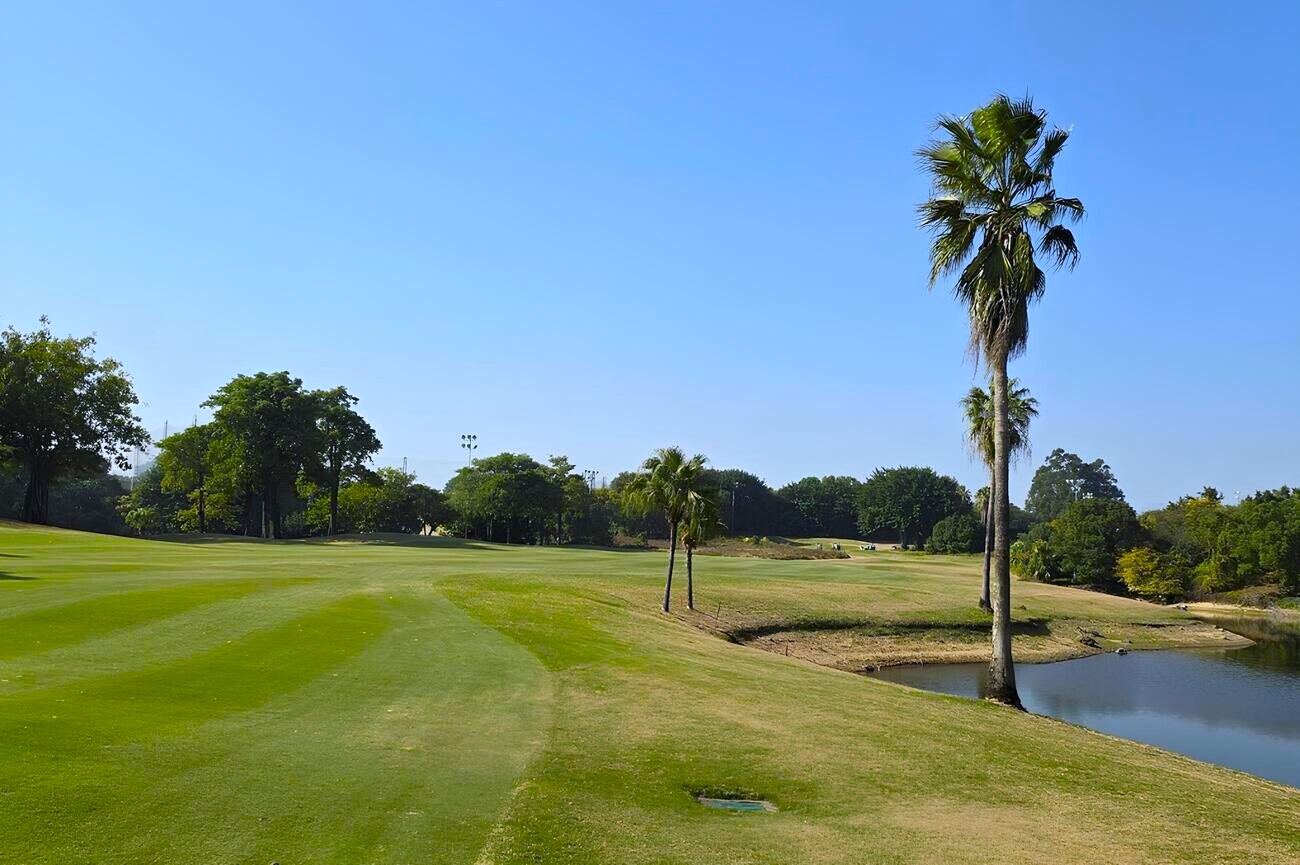
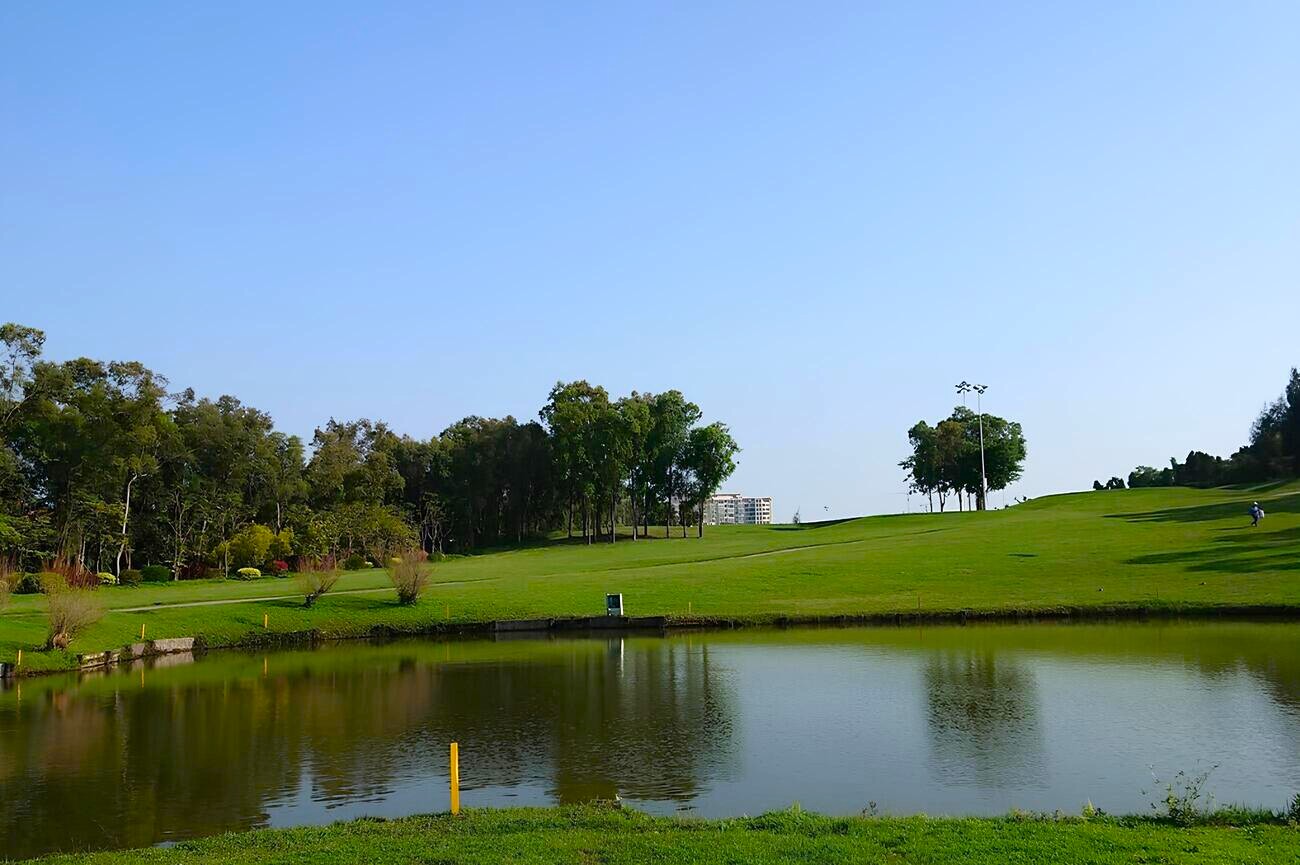
- Kai Kou Xiamen Golf Club: One of the most established courses in Fujian Province. Opened in 1989 and designed by golfing legend Greg Norman, it’s known for its 10 kilometre stone wall surrounding the entire course designed to resemble the Great Wall of China in Beijing. The club features two 18 hole championship courses, giving you options depending on your playing style. The East Course follows the natural coastal and hilly terrain, offering a more classic and challenging layout. The West Course is slightly more forgiving, with wider fairways but still keeps things challenging with water hazards throughout.
Luxury Spa &
Wellness Experiences in Xiamen
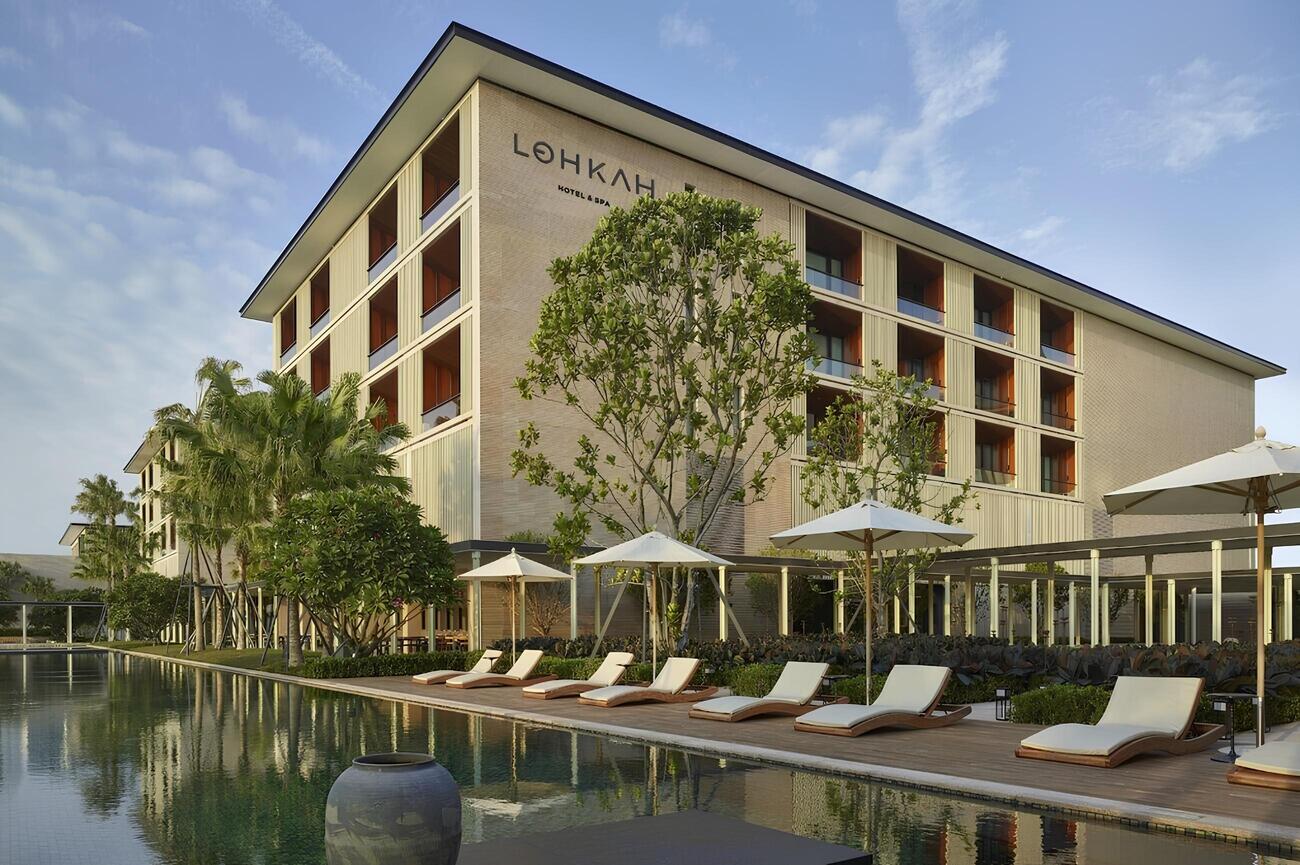
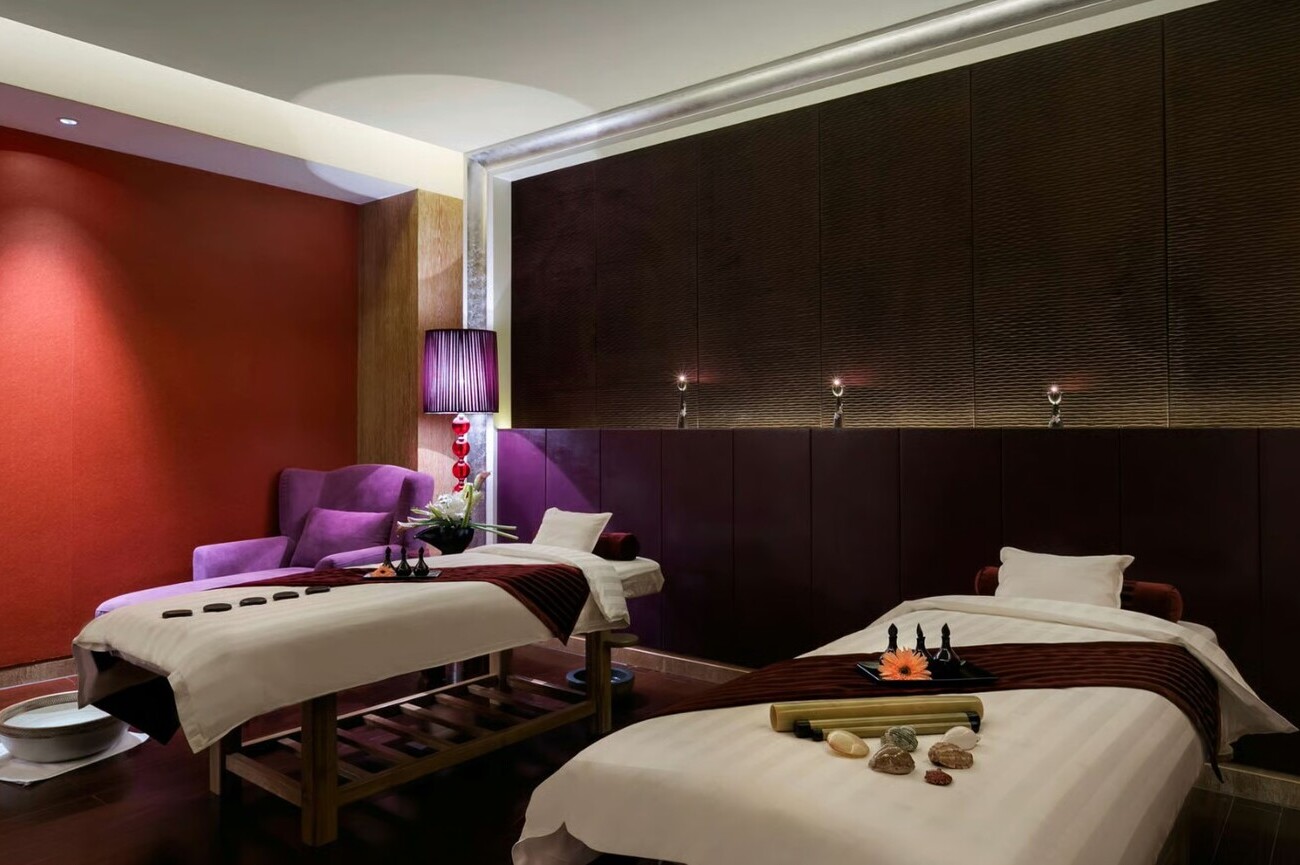
- Pu Spa at Lohkah Hotel & Spa: Offers a calm, refined space that reflects the hotel’s “low key luxury” approach. Here, traditional Minnan healing practices are paired with modern Western hydrotherapy. Start with the Hydrotherapy Circuit, inspired by ancient bathhouse rituals. You’ll move through vitality pools, Himalayan salt saunas, and herbal steam rooms, designed to help you relax, detox, and reset before your treatment. For a tailored full body treatment, try the Lohkah Signature Massage. Using long, flowing strokes and local botanical oils, it’s designed to ease tension and gently restore your body’s natural balance.
- K Spa at Kempinski Hotel Xiamen: If you prefer a more European style wellness experience, K Spa offers a refined, minimalist space centred on “The Art of Living.” It’s a place where you can slow down and focus on both relaxation and well-being. Start by unwinding in the thermal suite, which includes a sauna and herbal steam rooms. From there, you can choose from a range of treatments designed to both restore and revitalise. A popular option is the Classic Balinese Massage, a deep tissue treatment that combines gentle stretches, acupressure, and aromatherapy oils to improve circulation and help rebalance your energy.
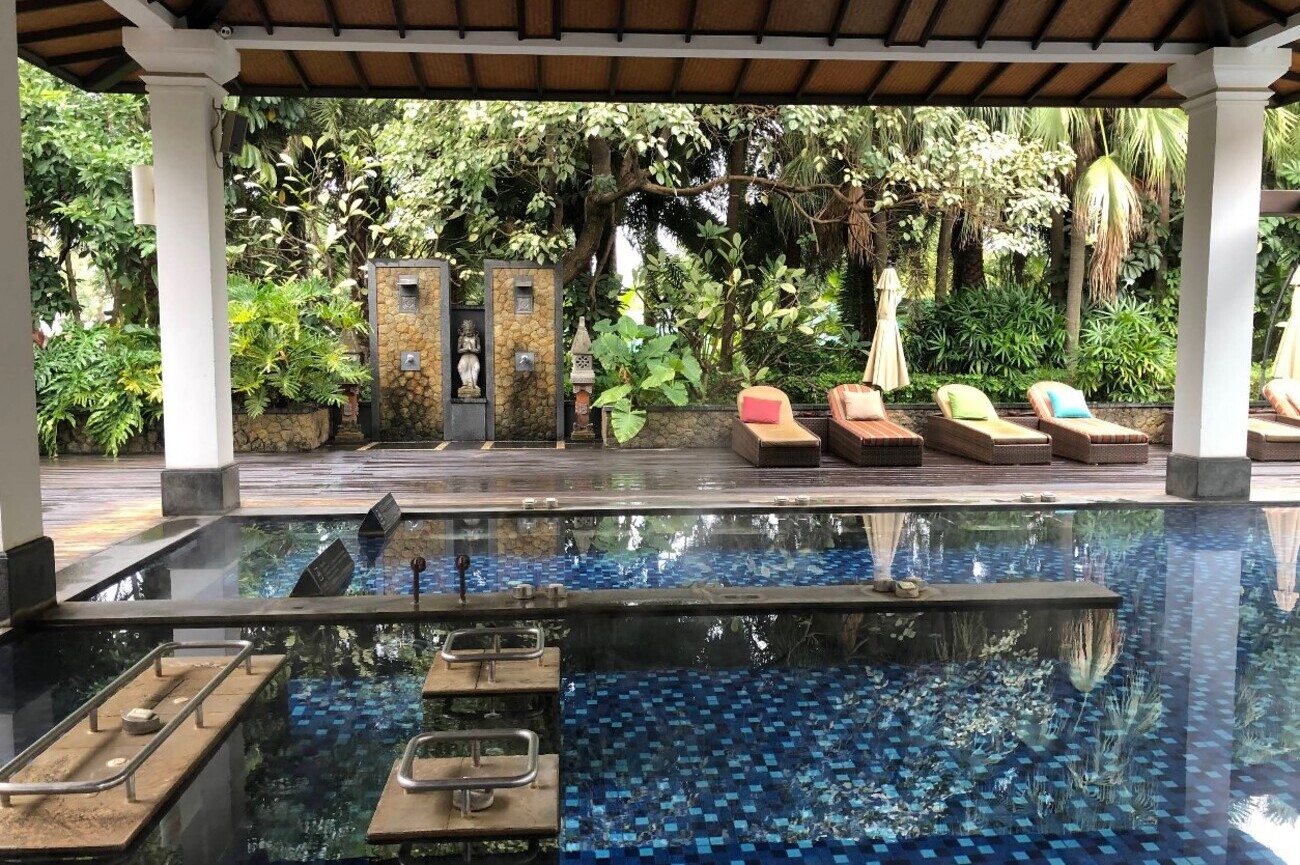
- Hotsprings at Riyegu Hotsprings Resort: A sprawling, Balinese style retreat set within lush tropical gardens. As one of Xiamen’s top hot spring destinations, it features over 100 outdoor pools, giving you plenty of space to explore and unwind at your own pace. The experience centres around its natural, tea-coloured spring water, rich in minerals and known for its soothing, therapeutic properties. You can move between different pools, each offering a slightly different setting and atmosphere. To elevate your experience, there’s also a full spa menu that pairs well with the soaking experience. If you prefer something more private, we can arrange a room with an indoor hot spring for you so you can relax and recharge in complete comfort.
Exclusive Workshops
& Immersive Experiences in Xiamen
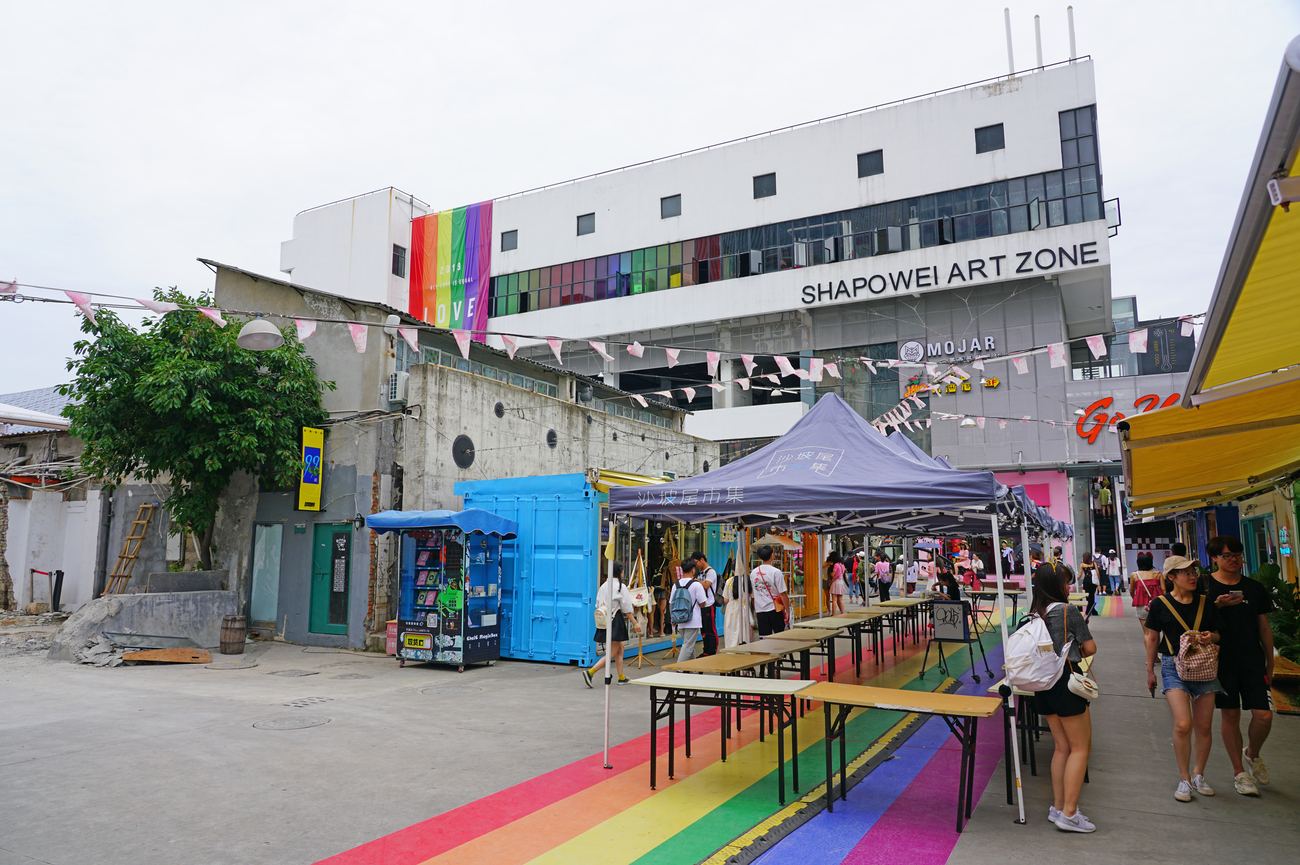
- Explore Independent Galleries at Shapowei Art Zone: If you’re drawn to art and creative spaces, head to Shapowei Art Zone, a former fishing harbour now reimagined into a trendy sanctuary where weathered shipyards and traditional stone houses now host avant-garde studios and boutique galleries. As you walk through, you’ll see galleries and artist studios, many of which live and work in the same space, with some even running their own galleries, so feel free to start a conversation and learn more about their work or the stories behind Minnan inspired pieces. If you want a more hands-on experience, you can join short workshops in pottery, ceramic painting, silversmithing, or leather crafting.
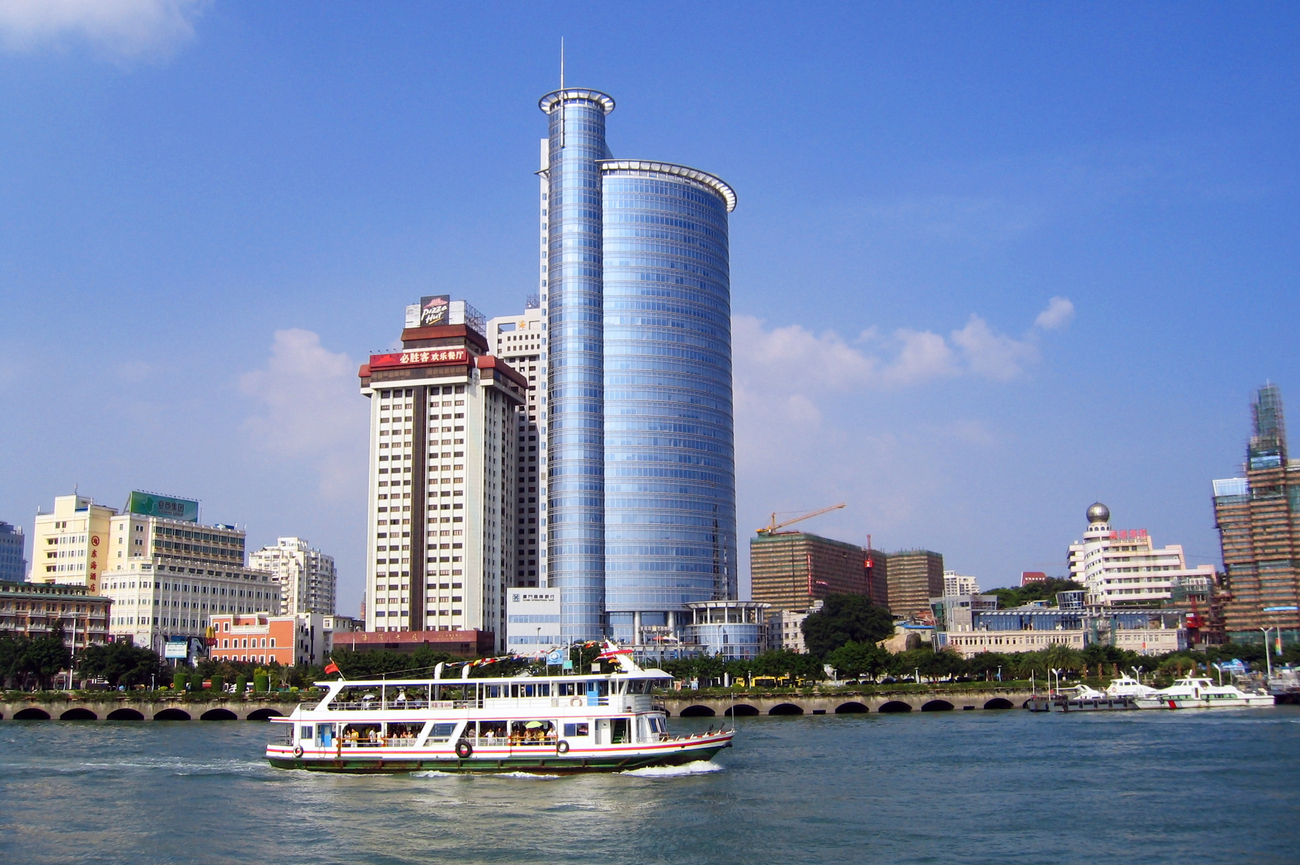
- Night Cruise at Lujiang River: End your day with a night cruise along the Lujiang River, where you’ll have a front-row view of Xiamen’s illuminated skyline. Think of it as a “moving balcony,” with the city’s modern skyscrapers on one side and the colonial vibe of Gulangyu on the other, all lit up in a coordinated LED display. You can choose between sleek, modern catamarans or traditional Chinese-style boats like the Taiji or Egret, complete with red lanterns and wooden interiors. For a more indulgent evening, opt for a cruise with a buffet on board, where you can enjoy a mix of local Xiamen seafood, dim sum, and international dishes as you take in the views.
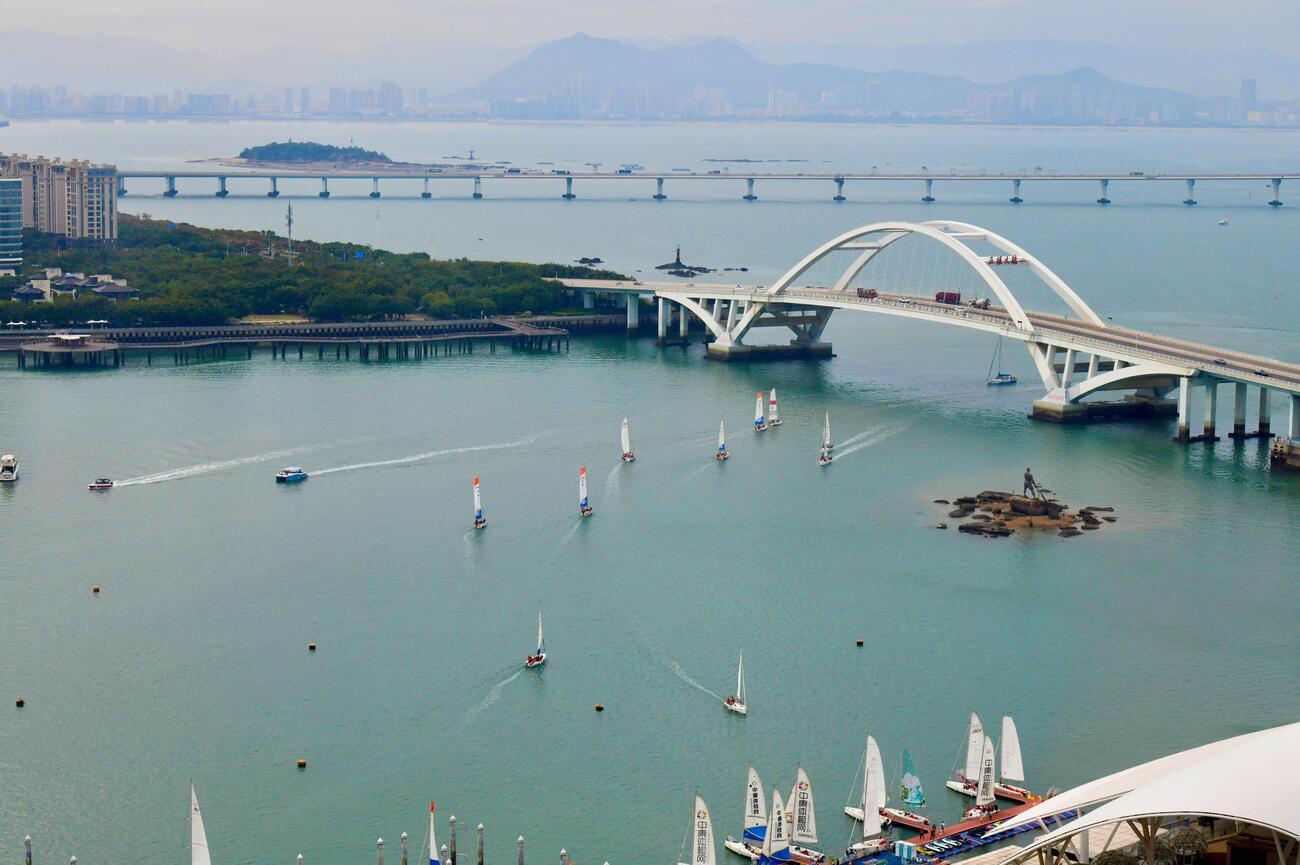
- Xiamen Sailing Experience: Try a sailing experience at Wuyuan Bay Sailing Harbor, right in the heart of what’s known as the “Sailing Capital of China.” Unlike regular ferry rides, this is a hands-on, wind-in-your-hair experience where you’re part of the action. With a professional skipper guiding you, you’ll learn the basics of sailing, from hoisting the sails and tying knots to steering the boat yourself. It feels less like a tour and more like a relaxed “classroom at sea.” If you’re up for a bit of excitement, you can even ask the skipper to tilt the boat into a “heel,” where it leans sharply with the wind, giving you a thrilling sense of speed and (if you’re close enough) a chance to brush the seawater as it rushes by.
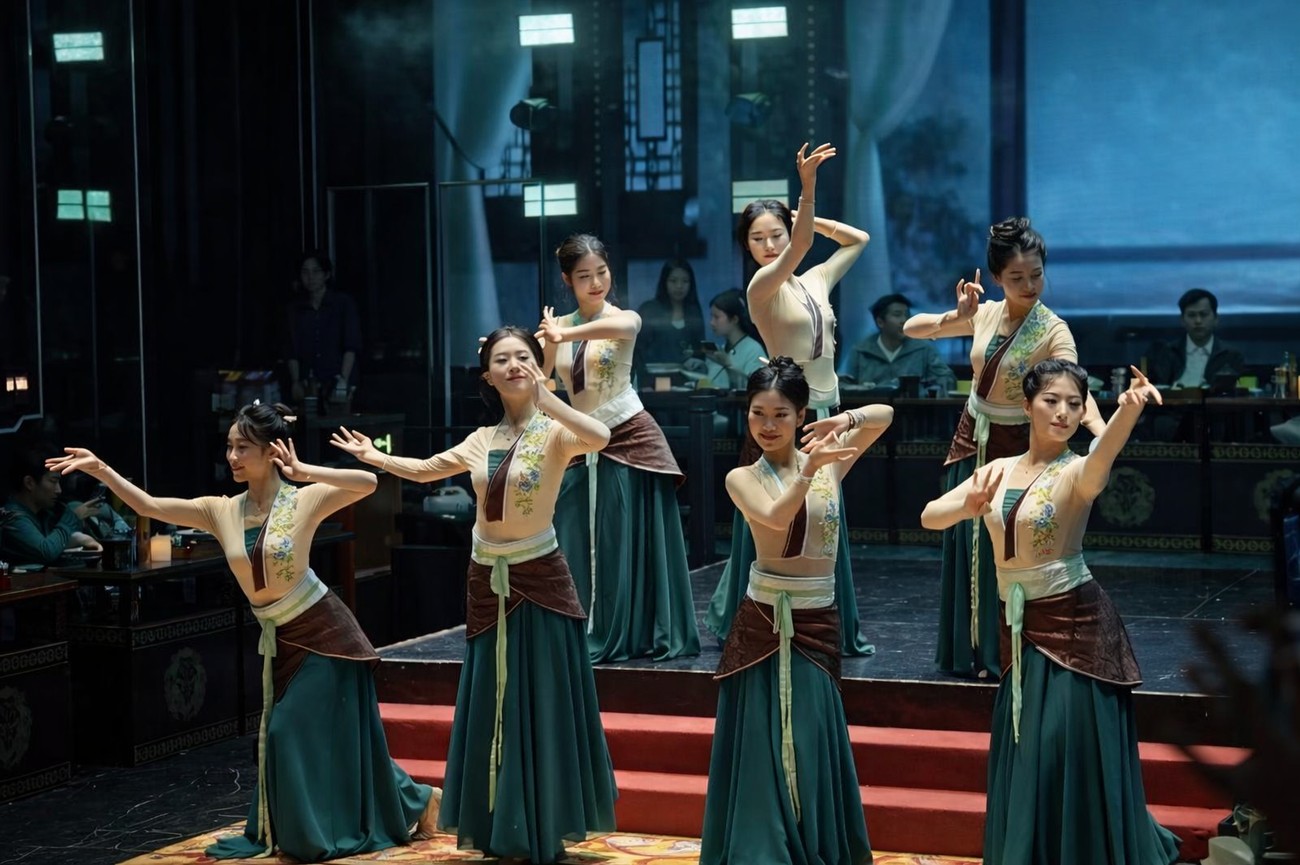
- Xiamen Huangdu Banquet: For a truly immersive dining experience, try the Xiamen Huangdu Banquet, that brings the grandeur of ancient Chinese court feasts to life. From the moment you arrive, you’re welcomed by hosts in traditional attire, and invited to take part in small interactive activities like etiquette lessons, mini-games, and short roleplay style scenes. As you step inside, the setting feels like an imperial palace, with red walls, golden details, and a 360 degree stage that keeps you close to the action no matter where you’re seated. The experience unfolds course by course, with each dish paired with a live performance whether it’s ritual music, traditional opera, or elegant water sleeve dances. As you dine, you’re not just enjoying Fujian cuisine, you’re stepping into a carefully crafted journey that combines food, history, and storytelling into one seamless experience.
- Xiamen Cycling Skyway: The world’s longest elevated cycle path. Designed by Danish architects Dissing+Weitling, it winds above the city, connecting residential areas, business districts, and key transport hubs. Once you’re up there, it’s just you, your bike, and open views. The lane is reserved strictly for cyclists, so you can ride smoothly without traffic interruptions. Simply rent a shared bike like HelloBike or Meituan, and glide above Xiamen’s busy streets. As you ride, you’ll get unique views of skyscrapers, parks, and even BRT buses moving below, angles you wouldn’t normally see from the ground. For the best experience, go in the late afternoon to catch the sunset over the rooftops, or return at night when the entire path lights up, perfect for a relaxed, neon-lit ride through the city.

Other Things to Do in
Xiamen
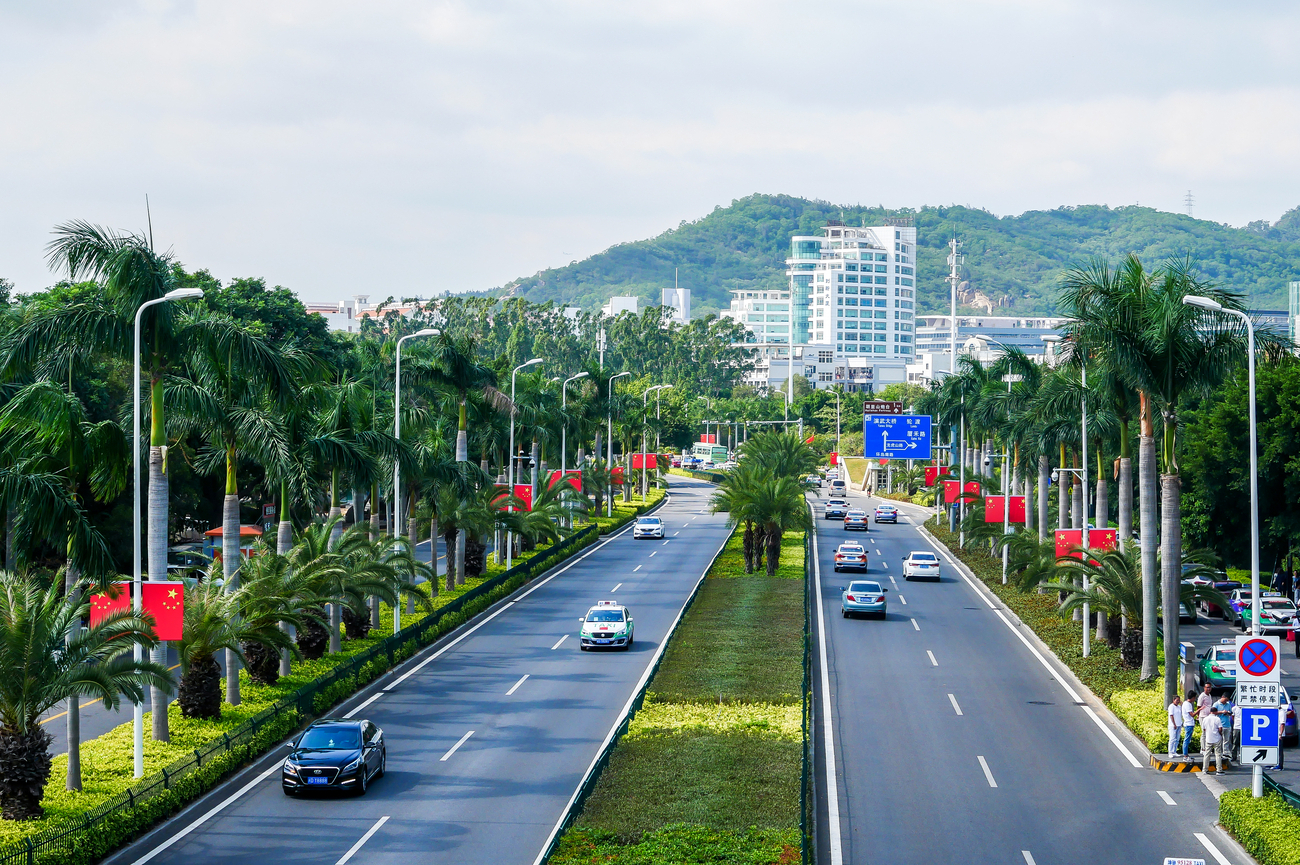
- Huandao Road: Xiamen’s premier coastal boulevard, known as the city’s “Green Necklace.” As you make your way along it, you’ll have the sea on one side and lush gardens on the other. It’s especially ideal for cycling, with wide, dedicated bike lanes, wooden boardwalks, and beautifully landscaped tropical surroundings designed with people in mind. You can ride comfortably while taking in uninterrupted coastal views. Part of the road also serves as the official route for the Xiamen International Marathon, one of the most scenic race courses in the world, so as you cycle or stroll, you’re following the same path used for one of the city’s biggest events.
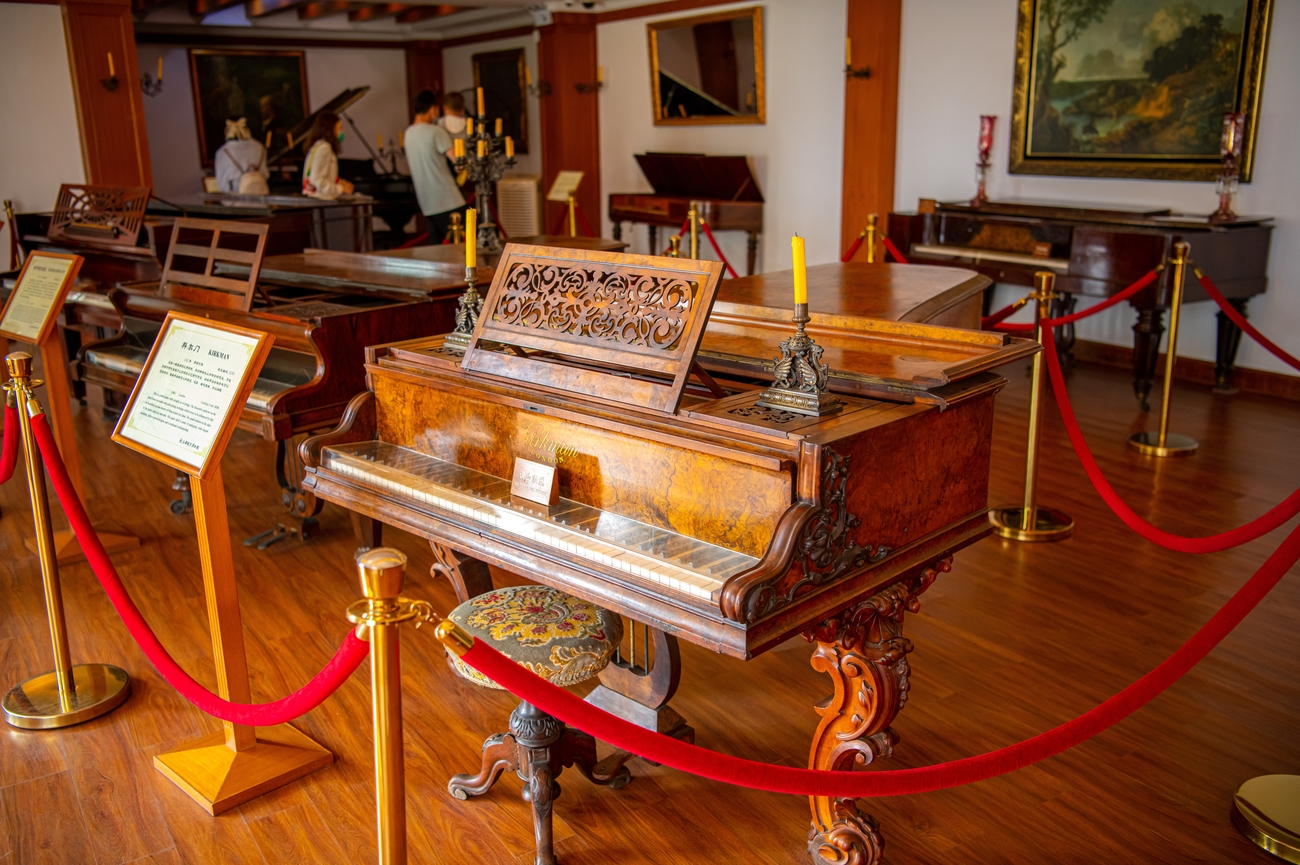
- Gulangyu Piano Museum: Located within the scenic Shuzhuang Garden, it’s the only museum in China dedicated entirely to the history and artistry of the piano. It celebrates the island’s reputation as the "Island of Music," where piano culture is woven into everyday life. The museum is housed in two Mediterranean style buildings housing over 100 rare antique pianos, donated by Gulangyu-born collector Hu Youyi. The collection traces over 200 years of piano history, featuring unique pieces like the world’s oldest upright piano, a Broadwood grand, beautifully gilded and hand-painted instruments, and even early automatic pianos. To make your visit more special, short live recitals are held every 30 minutes using selected antique pianos, so it’s worth timing your visit to catch one and hear these historic instruments come to life.
- Hongshan Park: Also known as Red Hill Park, it’s a scenic hilltop escape right in the heart of Xiamen’s Siming District. At its centre is the historic Hongshan Temple, and if you’re lucky, you might witness the “Hongshan Weiyu” phenomenon, where wind and mist create the illusion of rain, even on a clear day. You can follow the stone pathways that wind through banyan trees and large granite boulders, for a peaceful and relatively easy hike. It takes about 20–30 minutes to reach the top, which is why it’s a popular spot for morning walks. At the peak, you’ll find traditional tea houses where you can sit down, enjoy a pot of local Oolong tea, and take in views of the city skyline.

- Zengcuoan Village: Regarded as "China’s most artistic fishing village." Located along Huandao Road, it has evolved into a lively maze of narrow alleys filled with red brick Minnan houses, creative shops, and some of the city’s best street food. As you wander through, you’ll notice its bohemian vibe, where old ancestral temples and stone homes sit side by side with art studios and neon-lit cafés. It’s the kind of place where you can explore without a plan and keep discovering something new around every corner. Make time for a street food crawl while you’re here. Try local favourites like shacha noodles, oyster omelets, grilled squid, and even the surprisingly popular mango dipped in soy sauce, a mix of flavours you won’t easily forget.
Things to Do with Kids
in Xiamen
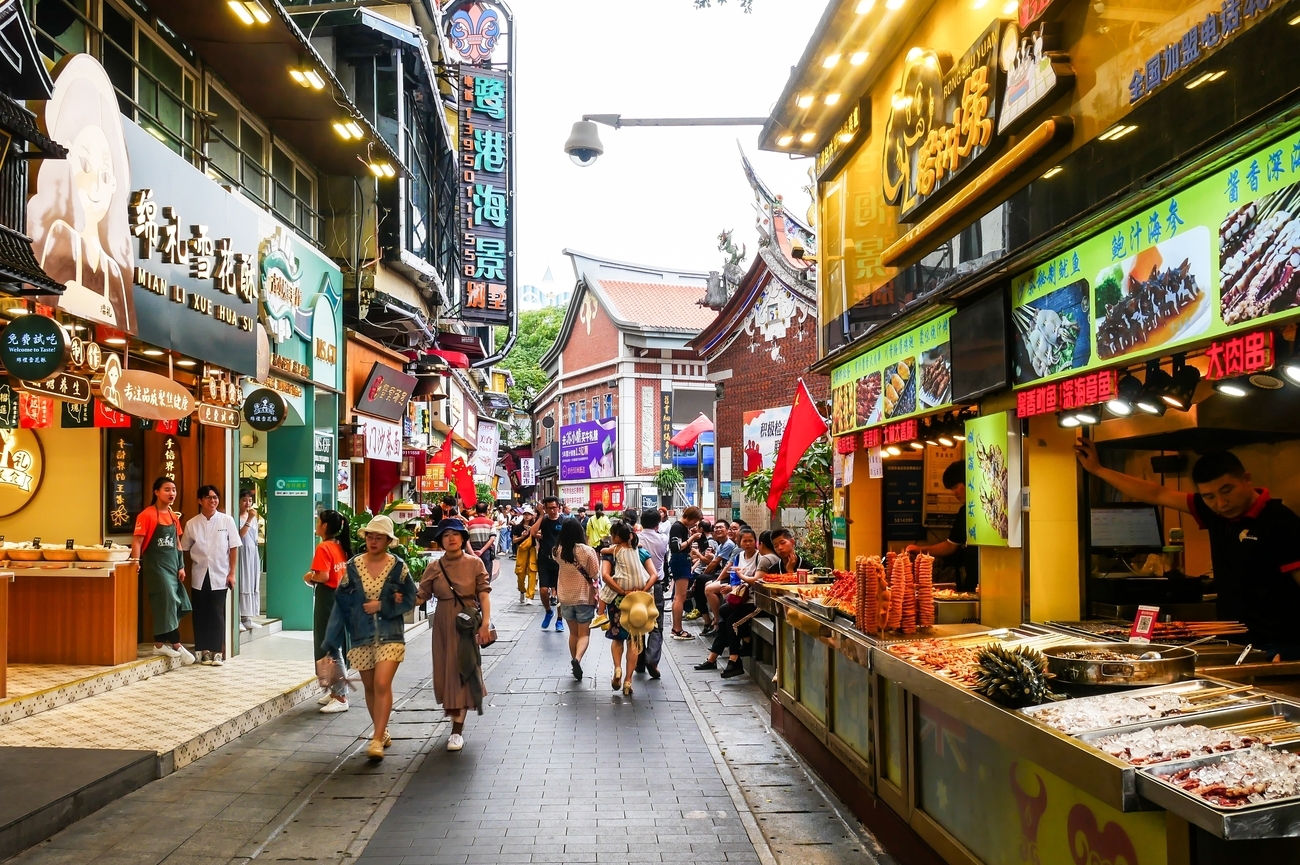
- Ding'aozai Cat Street: A narrow alley filled with colourful street art and playful, cat-themed details, located near Xiamen University. Here, you’ll find cat murals, 3D sculptures, and even everyday objects decorated with feline designs. Kids can pose with giant cat statues, “climb” painted trees alongside cartoon cats, and look out for the “Cat King” sculpture at the entrance. You can also stop by the small cat museum, where there’s a glass enclosed “Cat Train” showcasing different breeds lounging and playing. Simple, illustrated exhibits also share the story of how cats and humans have lived alongside each other over time.
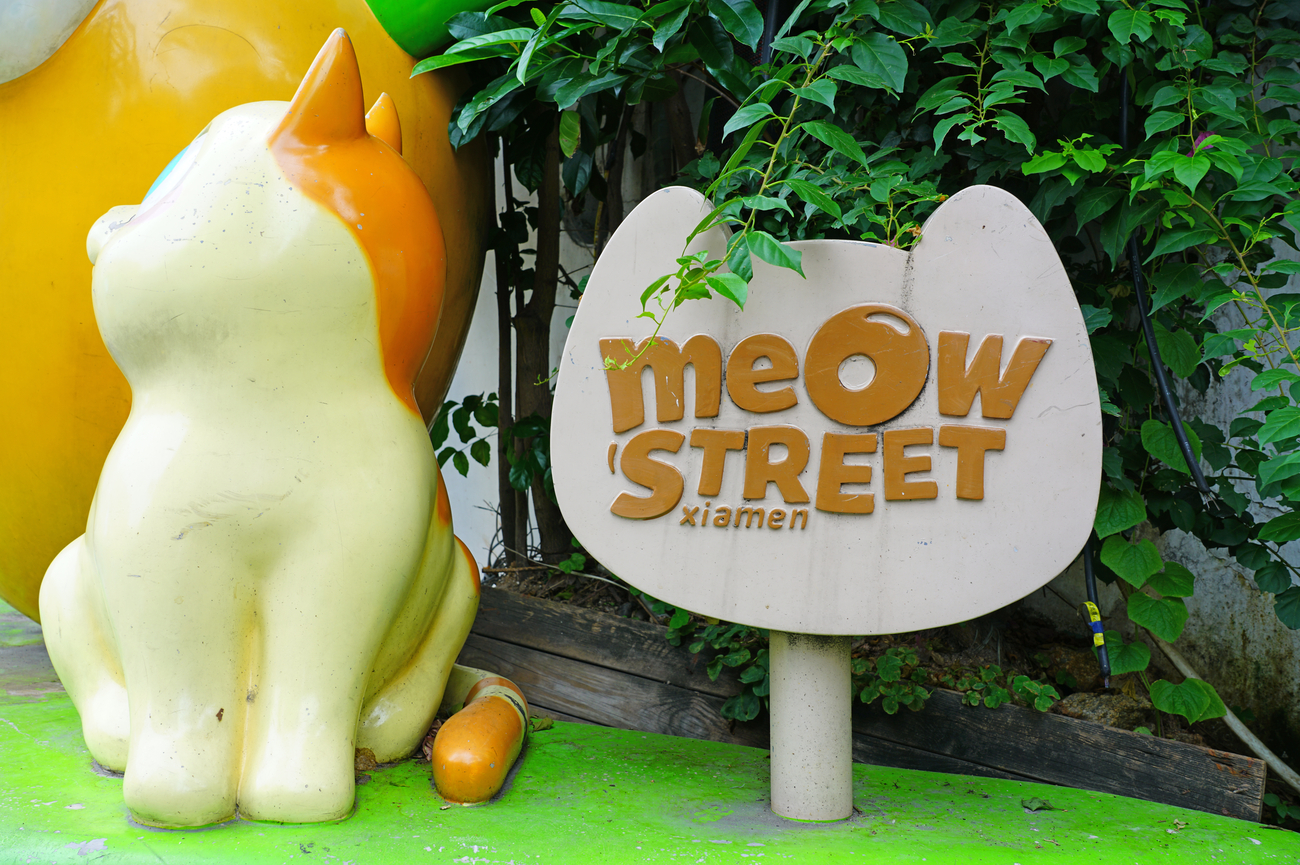
- Xiamen Zhonggu Cableway: This classic family favorite lets you “fly” over the city’s lush, green center. It is one of the best ways to see Xiamen's unique landscape without the strenuous hiking that usually comes with those views. The round trip takes about 20–40 minutes, gliding slowly enough for kids to spot landmarks and wildlife below. From above, you’ll see the Xiamen Botanical Garden, the Twin Towers, and the coastline stretching toward Gulangyu Island. On a clear day, you might even catch a glimpse of the distant Kinmen Islands.
- Xiamen Science and Technology Museum: One of the best indoor spots in the city. Regarded as the “Disney of Science Museums,” it spans over 17,000 square metres and features more than 400 interactive exhibits. The entire space is designed to be hands-on, so you’re encouraged to touch, try, and explore everything. Different themed zones like Harmony Land, the World of Children, and the Exploration of Physics keep things engaging as kids move through the museum. Here, kids can experience what an earthquake feels like in a simulation room, ride through a “Time and Space Tunnel,” play in the Children’s Paradise area, watch a giant Tesla coil in action, or explore the Polar World. It’s the kind of place where learning feels like play.

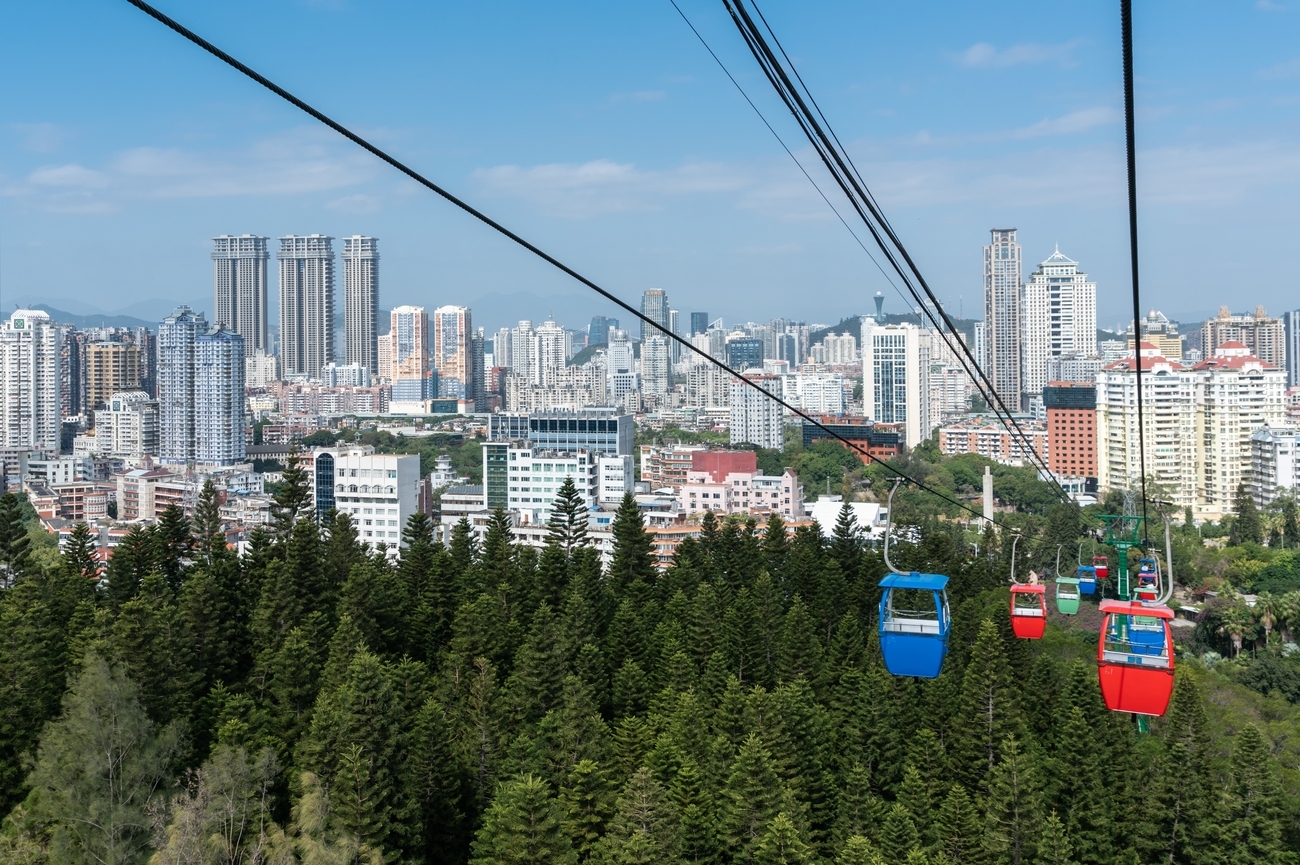
- Xiamen Undersea World: Located on Gulangyu Island, it is easily recognizable from a distance, thanks to the giant octopus sculpture at its entrance, making it a "must-snap" photo spot for kids before even heading inside. The aquarium itself is housed in a wave shaped building and features a 100 metre transparent tunnel. As you walk through, sharks, rays, and colourful fish glide above you, creating the feeling of walking on the ocean floor sensation that fascinates children of all ages. Inside, there’s plenty to explore. Kids can watch sea lion and dolphin shows, step into the “Amazon Jungle” zone, wander through a glowing jellyfish maze, or see a full sperm whale skeleton up close. There are also hands-on areas where kids can gently touch starfish, sea cucumbers, and small horseshoe crabs.
Where to Eat in Xiamen
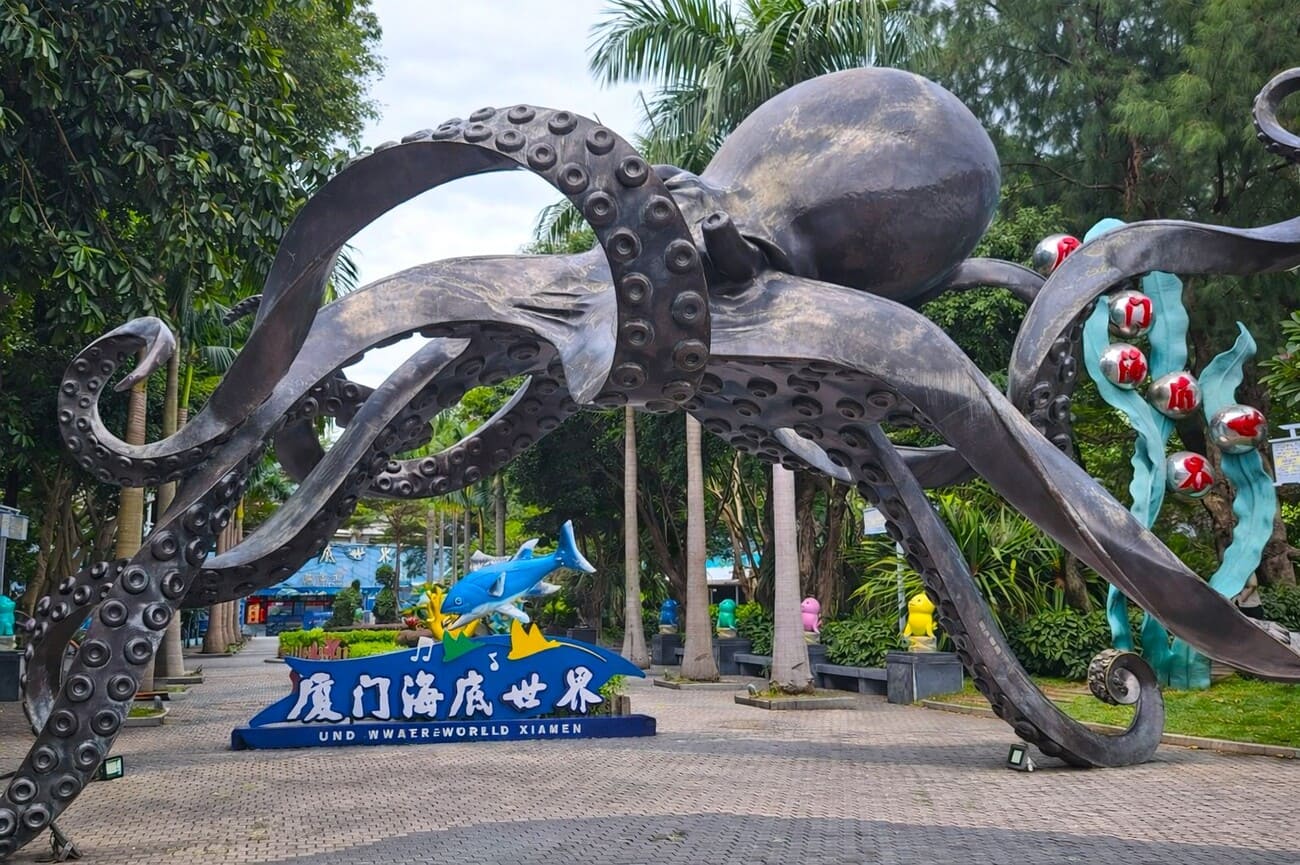
- Yanyu (Jiahe Road): One of the city’s standout dining spots for over 10 years. Recently awarded One Michelin Star in the 2025 Michelin Guide. The restaurant takes familiar, home-style dishes and elevates them into a refined, high-art dining experience while maintaining authentic local flavors. The menu is a seasonal rotation of local ingredients sourced from the Fujian coastline and mountains. As you dine, you’ll notice how each dish feels both comforting and thoughtfully prepared. Some of the signature dishes to look out for include steamed crab with glutinous rice, the rich and iconic Buddha Jumps Over the Wall, crispy fried sea worms, and slow-cooked pork belly with abalone.
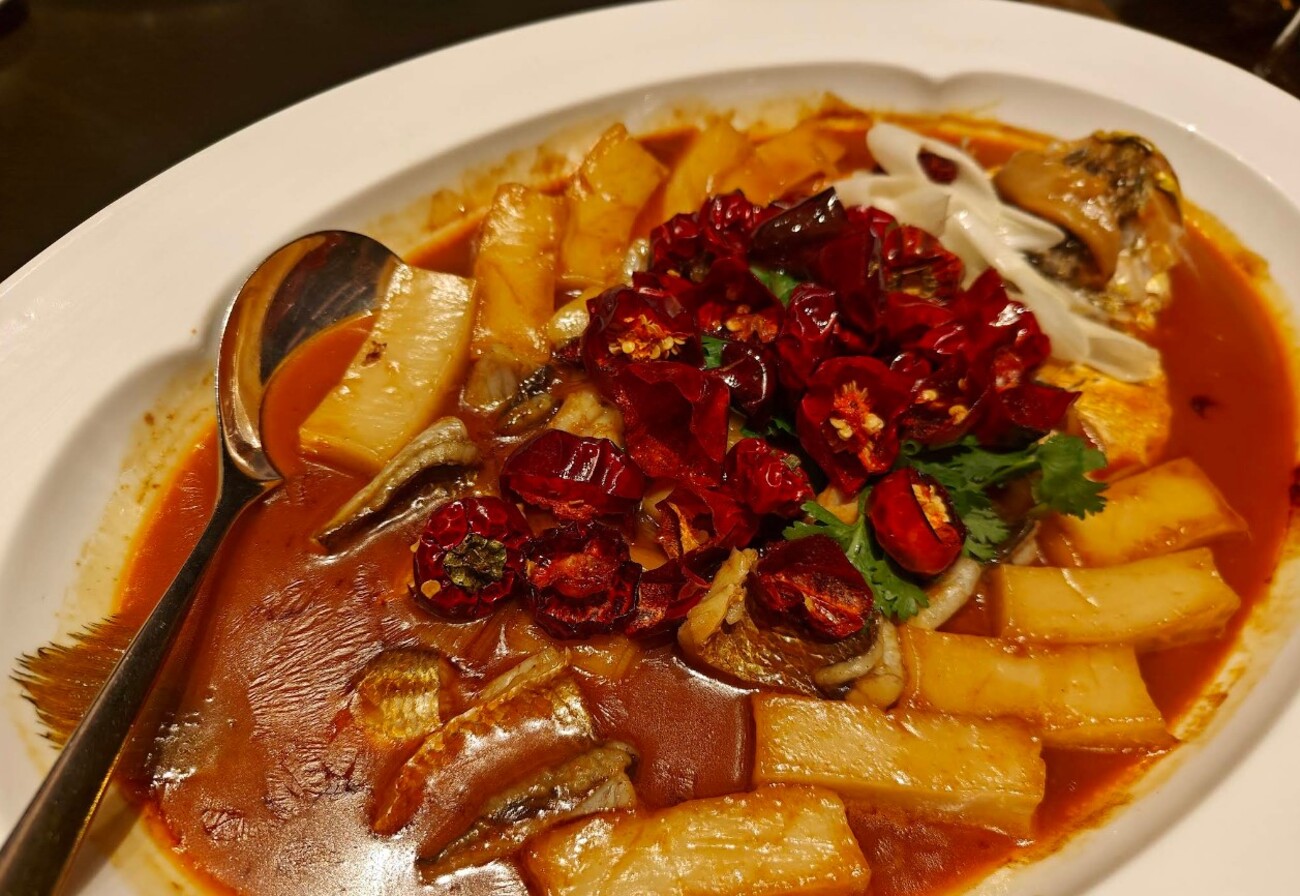
- Hokklo: Located inside the Waldorf Astoria Xiamen, Hokklo is a refined take on Minnan (Southern Fujian) cuisine. Its name pays tribute to the Hoklo people, who are central to the region’s cultural identity. The interior feels like a modern interpretation of a traditional Fujianese home with deep teal tones, warm wood, and intricate lattice details creating a calm, elegant setting. The menu highlights both the “spirit of the sea” and the “warmth of the land,” using high quality local ingredients. You can try standout dishes like mud crab braised in aged wine, a refined version of shacha soup, steamed sea fish with Minnan pickles, and crispy skin suckling pig with foie gras.
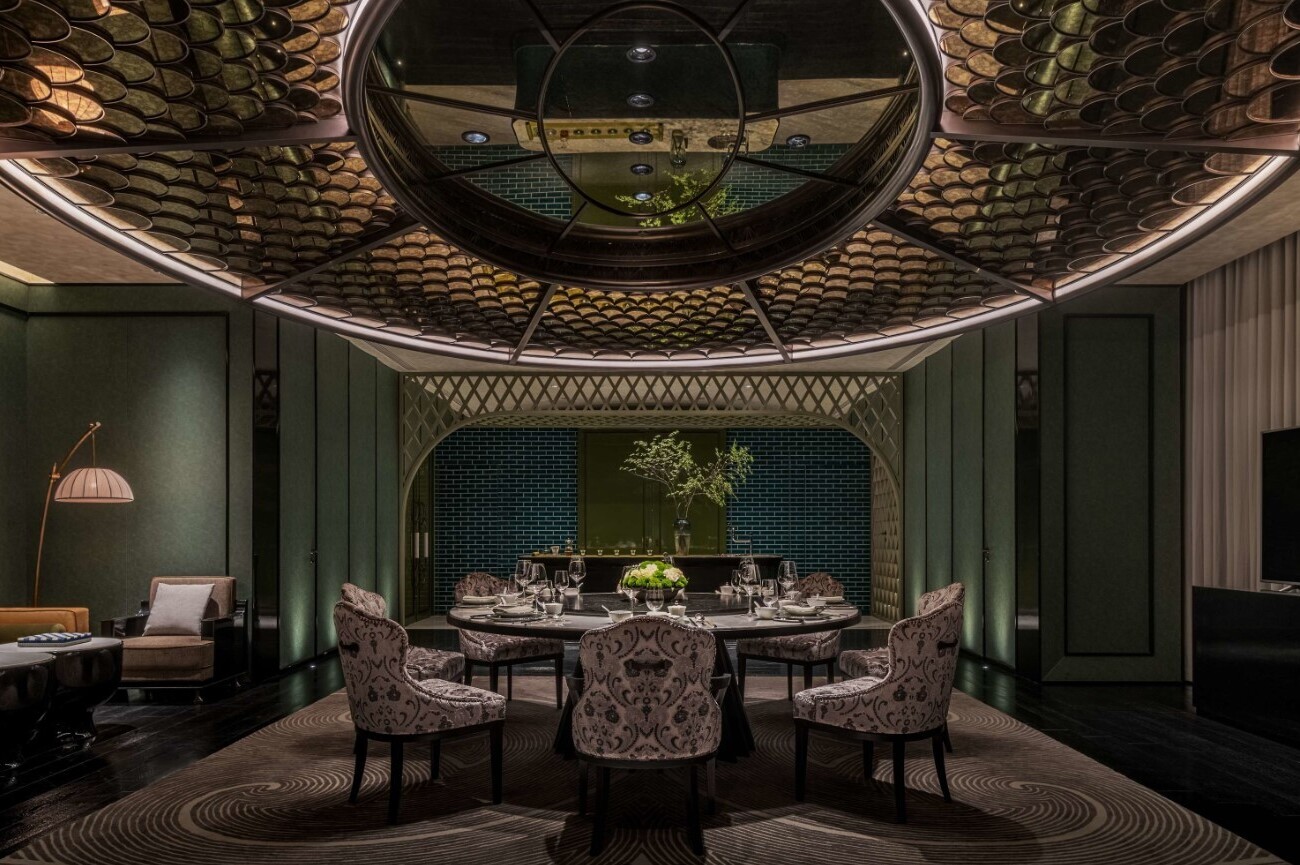
- Fleurs Et Festin: Also known as Huā Jiān Huì, is one of Xiamen’s top fine-dining spots for Chaoshan (Teochew) cuisine. It is celebrated for its dedication to "ingredient-driven" cooking, where the natural, delicate flavors of premium seafood and poultry are the stars of the show. The menu changes with the seasons, but you can expect refined versions of classic Teochew dishes including braised goose feet and wings, Teochew-style cold crab, steamed pompano with sour plum, and crispy fried liver rolls. Each dish is prepared with a light touch, letting you fully appreciate the depth and balance of flavours.
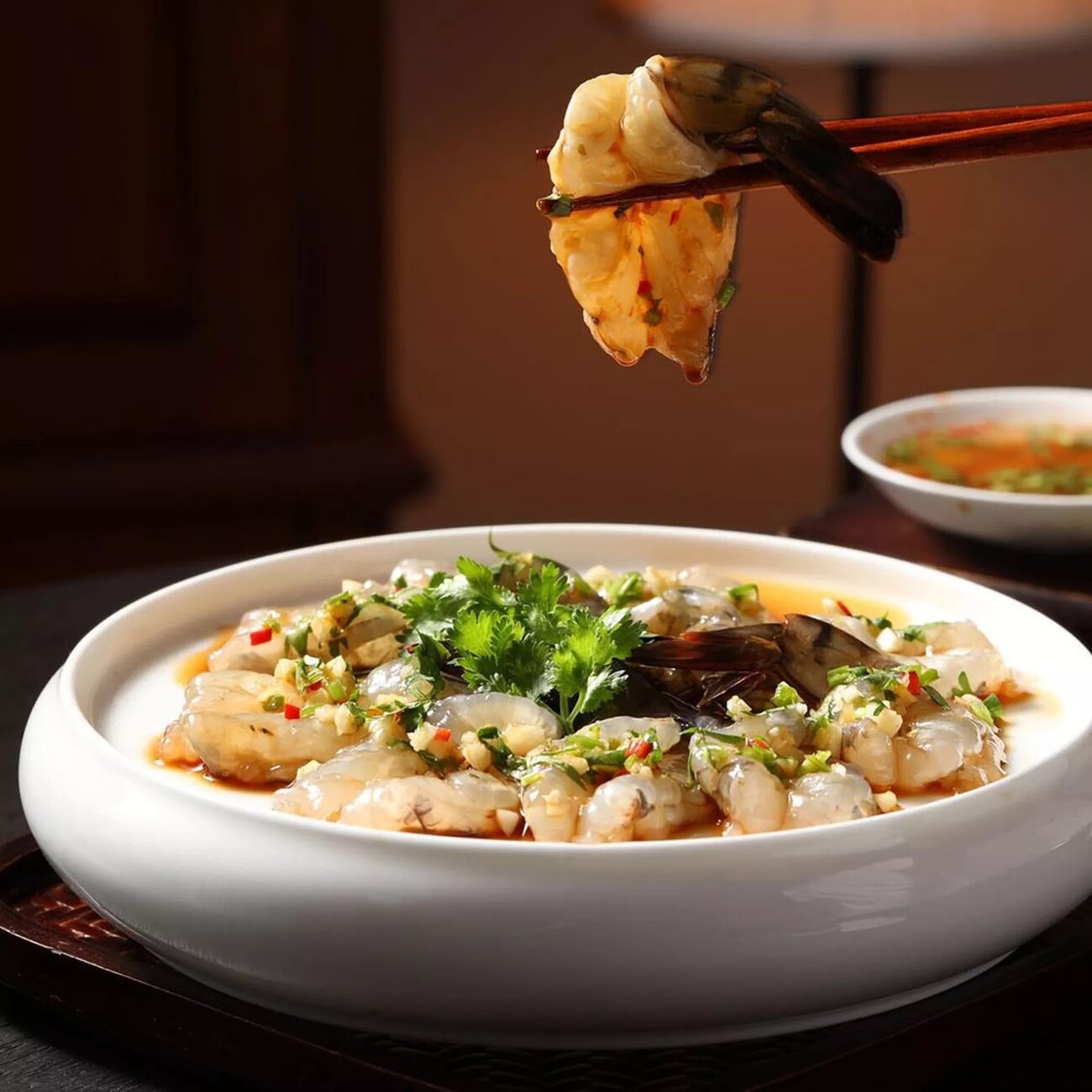
- Chic 1699 Yuanyang Privacy Kitchen: One of Xiamen’s most stylish and highly rated dining spots. It follows a “private kitchen” concept, offering a creative, modern take on Minnan cuisine in an intimate, artful setting. The menu features a balance of rich umami flavours with the lighter textures of seafood. Some standout dishes to try include Buddha Jumps Over the Wall, crab roe stewed rice, Angus beef in mustard sauce, and their signature sea perch thick soup with fish maw.
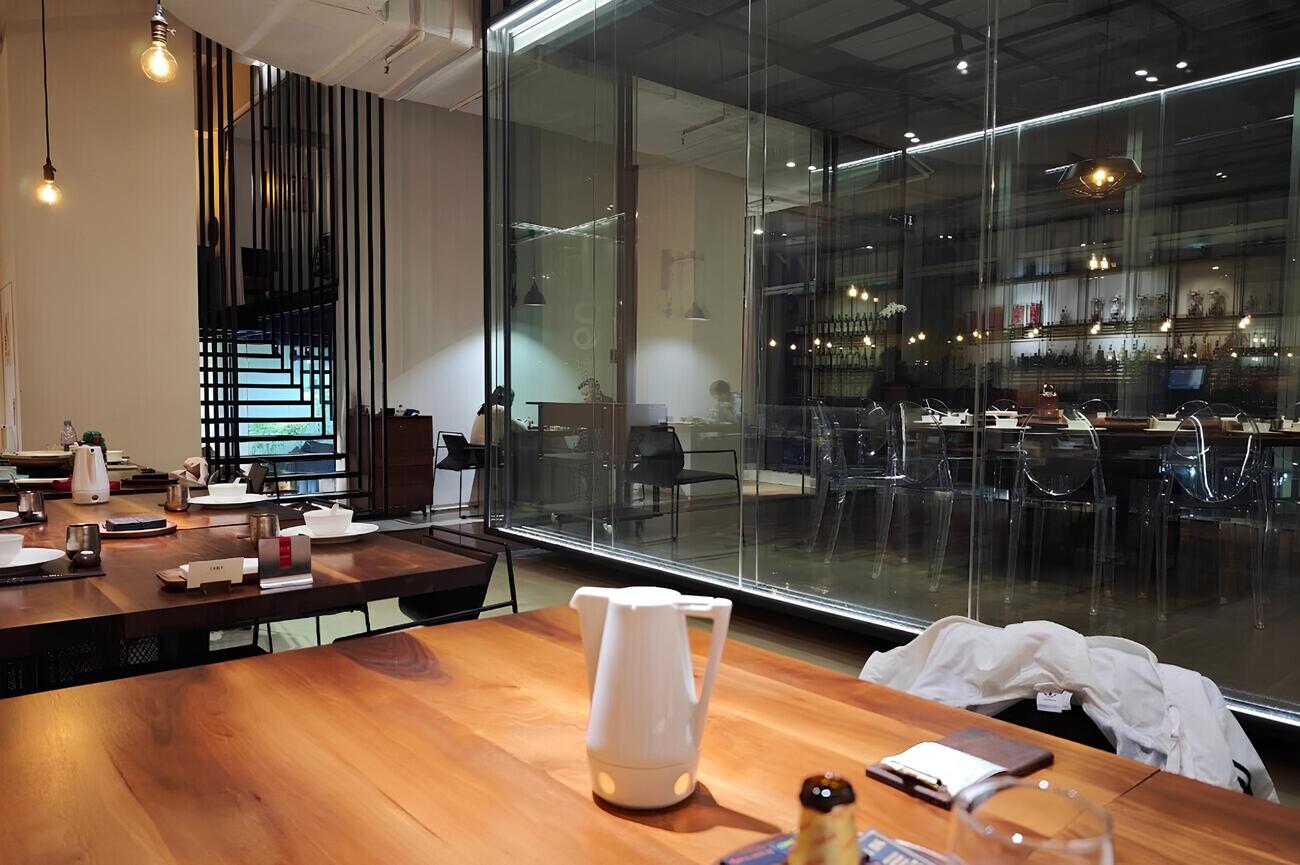
- Xian Xiong Qi: Also known as Shangqing Bengang Seafood, is a go-to spot if you want authentic Minnan-style seafood. It’s been recognised with a Bib Gourmand in the 2026 Michelin Guide and a one-diamond rating in the 2025 Black Pearl Restaurant Guide—so you know you’re in good hands. What sets this place apart is its focus on freshness. The owner sources seafood directly from local fishermen, so what you’re eating reflects the day’s catch. When you visit, look out for signature dishes like braised carpet shark belly and liver, peanut worm salad, baked shrimp with egg yolk, and seaweed fried rice.
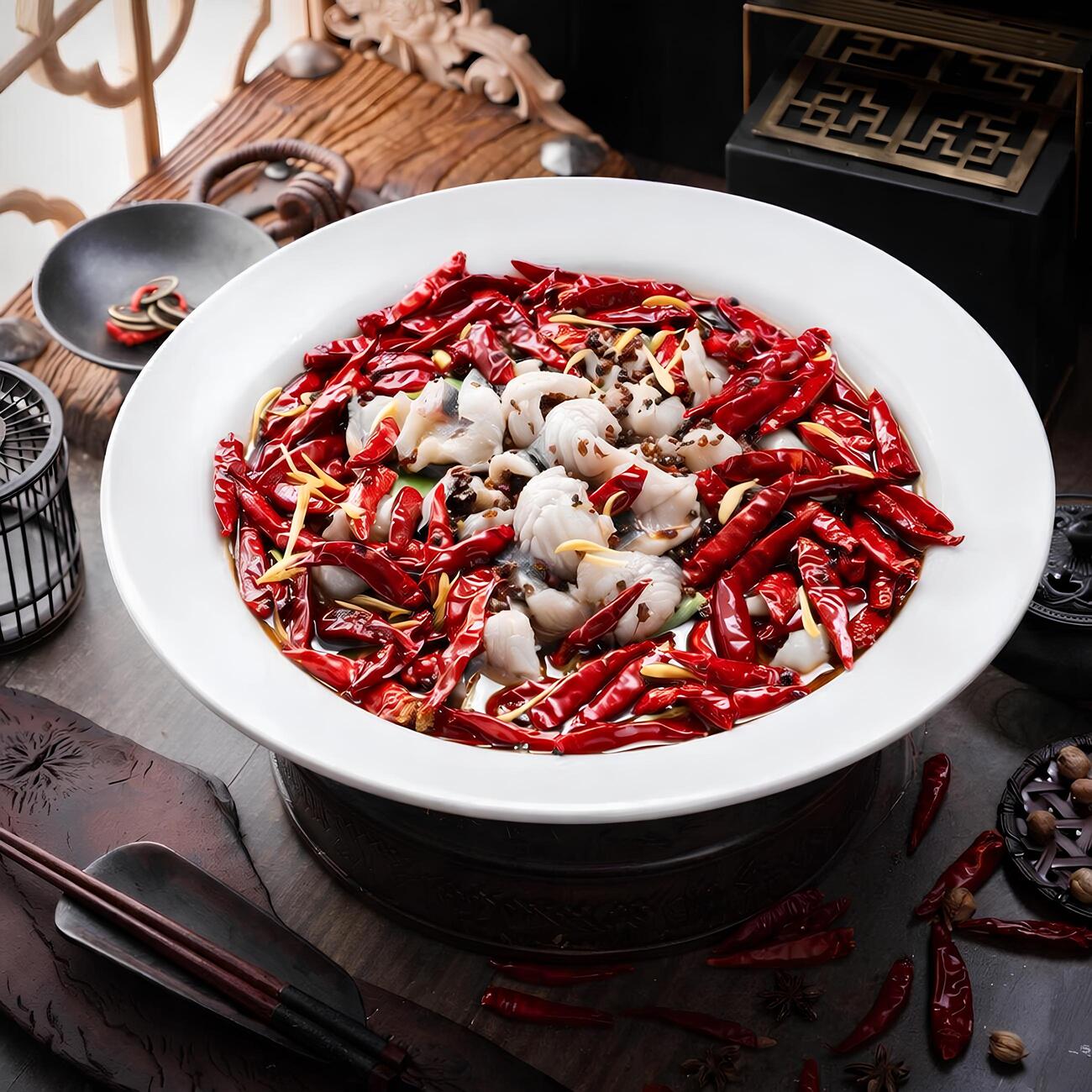
- Wuwei Natural Food: A hidden gem in Xiamen, recognised with a Michelin Bib Gourmand for its focus on natural, original flavours. It’s the kind of place you go to when you want simple, home-style Minnan cooking in a calm, beach side setting. What might surprise you is how satisfying the food is, even though it’s vegetarian. The dishes are thoughtfully prepared, proving that plant-based dishes can be just as rich and flavourful. When you visit, try standout favorites like the black truffle vegetarian roll, hydrangea mushroom, bamboo fungus matsutake soup, crispy handmade bean chop, and Minnan style matsutake seaweed rice.
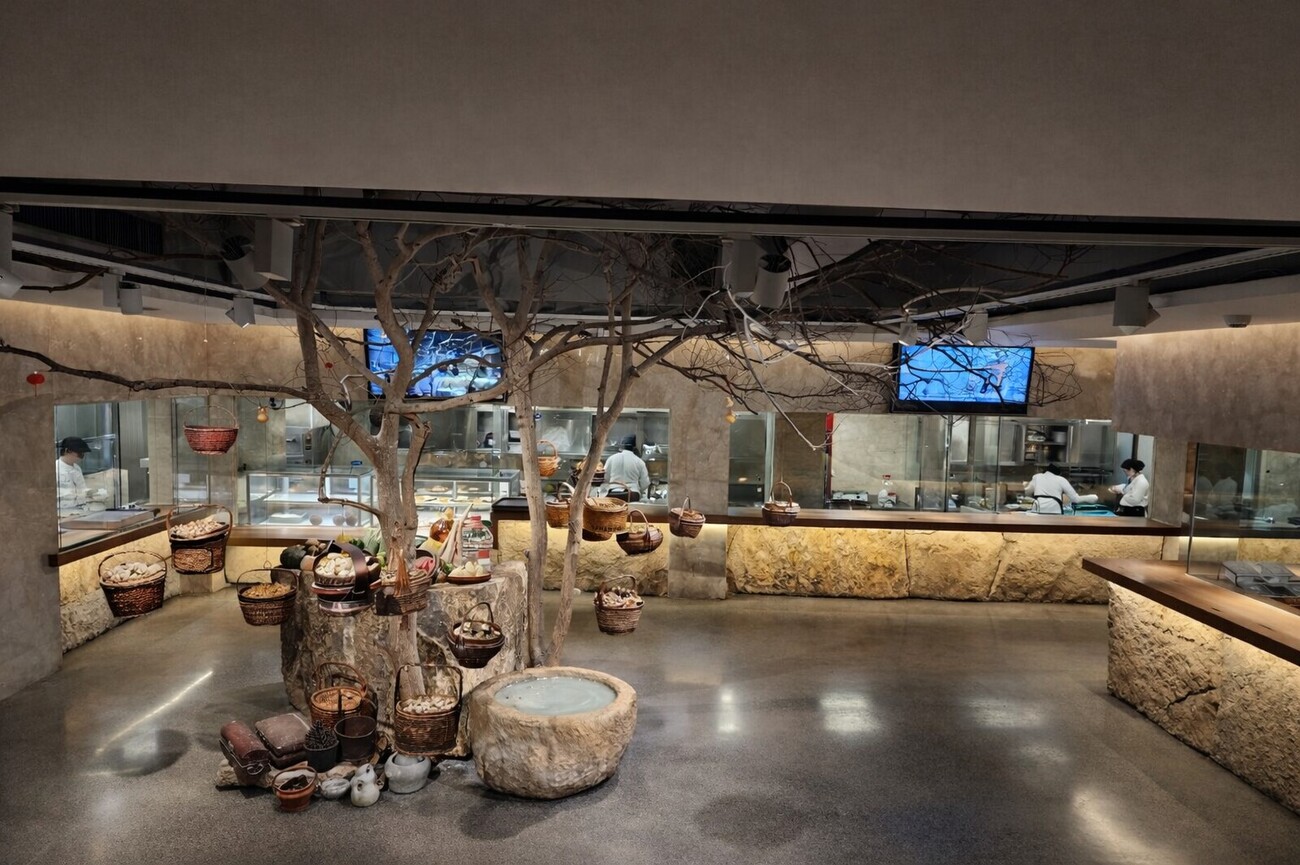
- A Zhong Shi Fang: Offers a simple, straight forward dining experience that reflects the heart of Xiamen’s local food culture. There is no menu here, you choose your meal by browsing the fish in tanks and displayed dishes, giving you a personal and spontaneous experience. As you order, look out for favourites like the a la plancha threadfin with Sichuan pepper sauce, where the rich umami is lifted by fragrant spices. The stir-fried pork liver with pickled bamboo shoots is another standout.
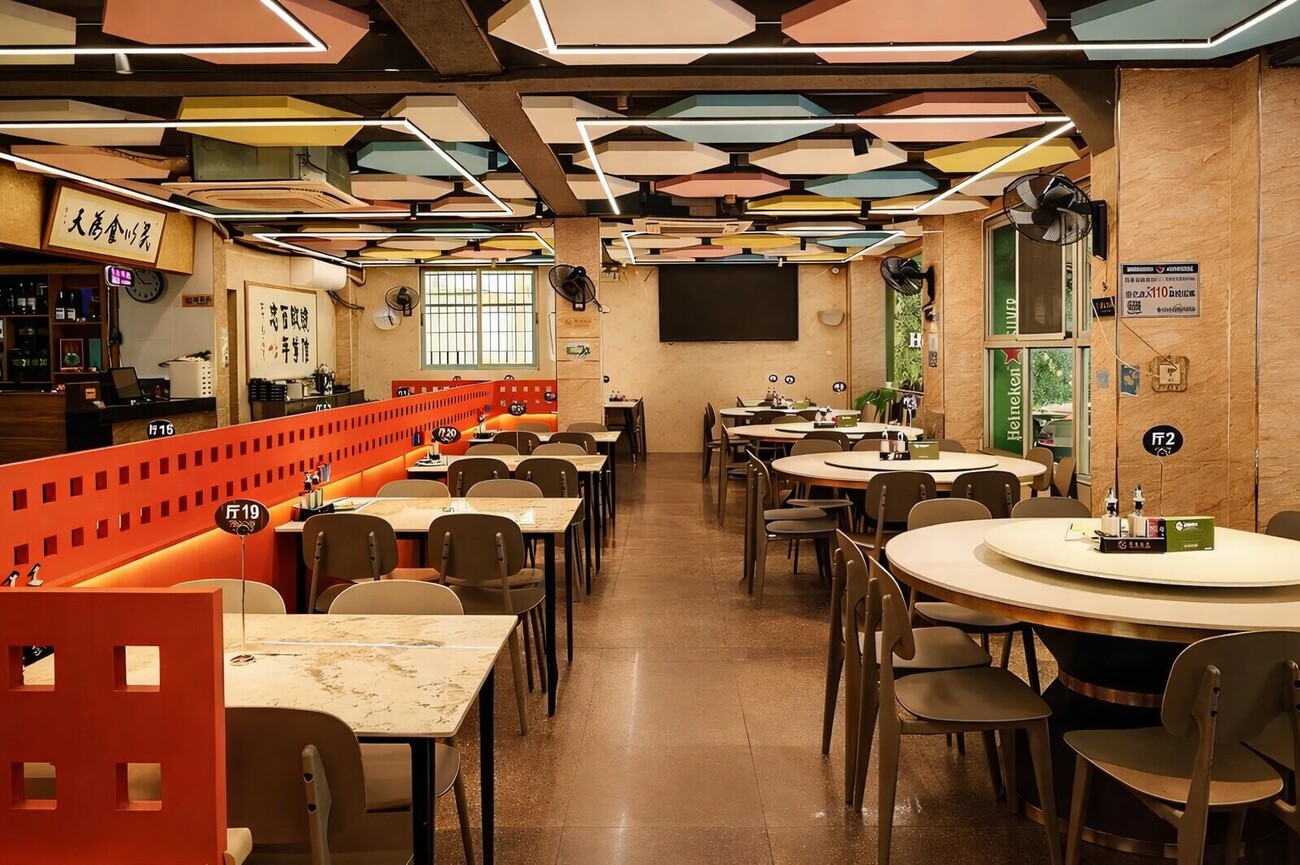
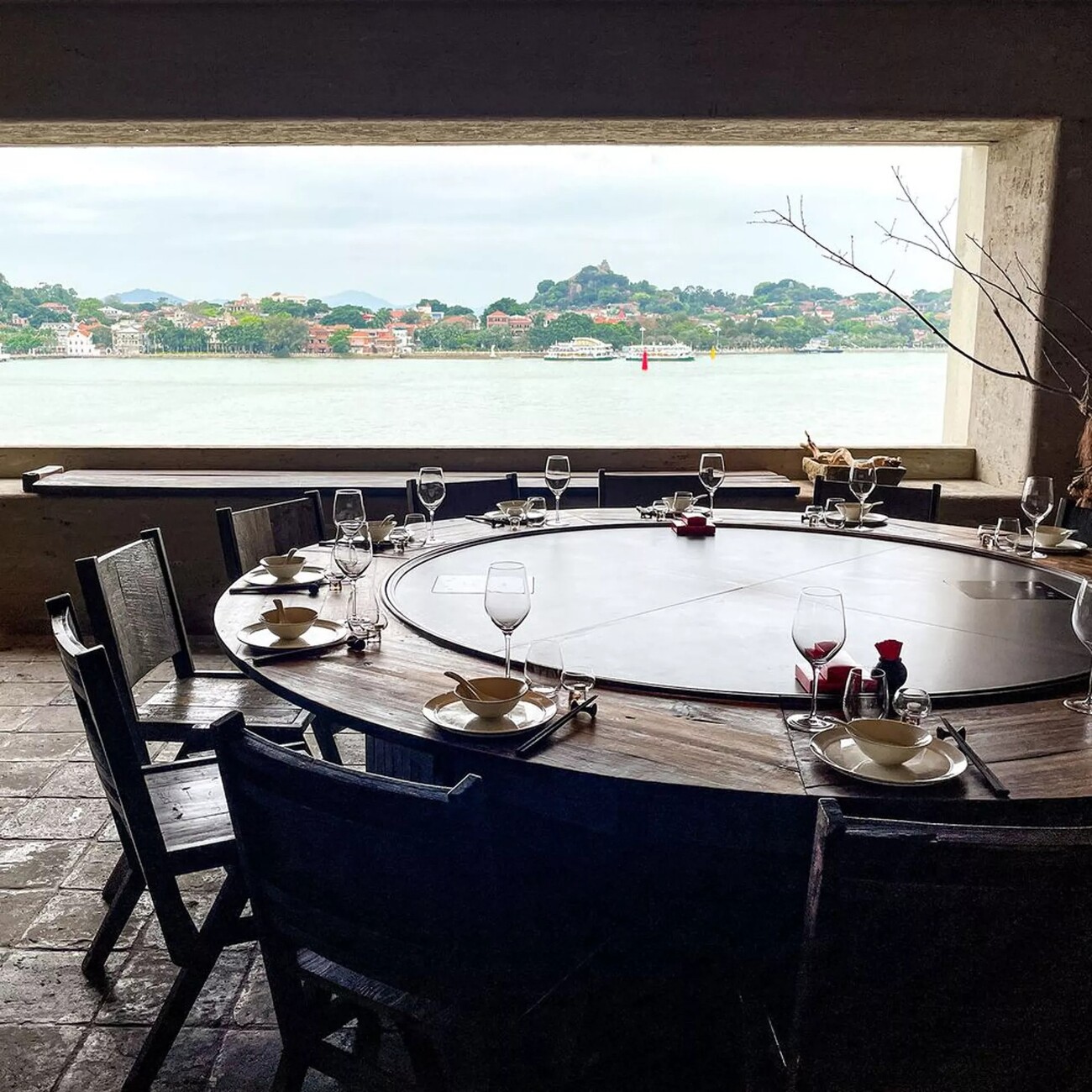
- Xiao Cheng Xi: Perched on a rooftop by the pier, the restaurant gives you stunning views of Gulangyu Island and the sea, making it just as much about the setting as the food. The space is designed to resemble traditional Fujian architecture, with stone arches, greenery, and calming water features. The menu focuses on Minnan flavours, with dishes like deep fried taro dumplings filled with pork and salt-baked Japanese scad, which brings out the fish’s natural richness. It’s a great spot if you want a meal with a view and a sense of place.
Where to Stay in
Xiamen
- Waldorf Astoria Xiamen: Located in the lively Siming District next to the lush Lotus Park, Waldorf Astoria is designed like a grand manor house that combines Xiamen’s Nanyang heritage with modern, high end sophistication. The hotel is a "photographer's dream," featuring a grand spiral staircase, arched colonnades, and a lush outdoor garden that feels like a hidden sanctuary. The rooms and suites here are some of the largest in Xiamen, with floor to ceiling windows that let in plenty of natural light. Inside, you’ll find thoughtful touches like Ferragamo bath amenities and a refined colour palette inspired by either “Garden Mansion” greens or “Coastal Mansion” blues, details that will make your stay feel comfortable and refined.
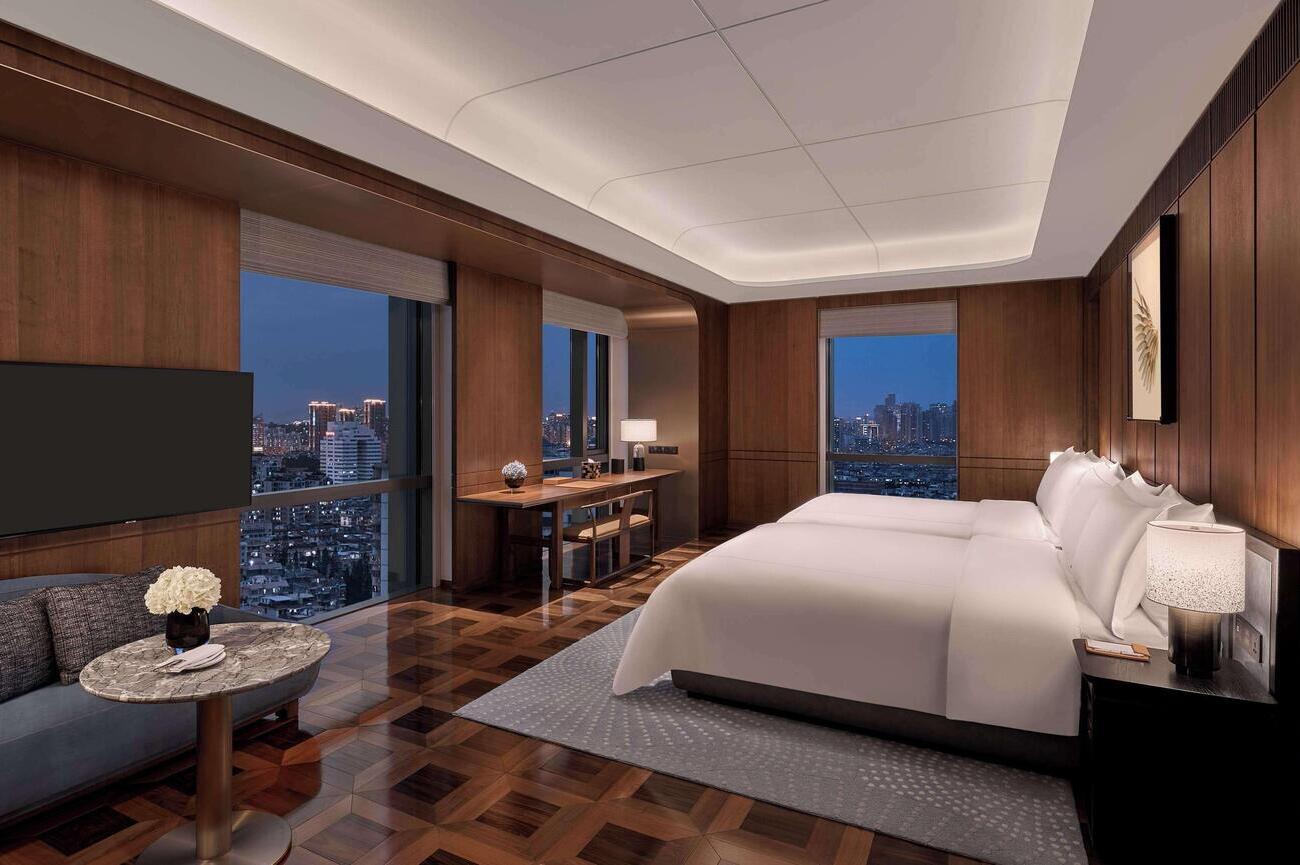
- Lohkah Hotel & Spa: Designed as a minimalist sanctuary where privacy, wellness, and local Minnan culture take centre stage. As part of The Leading Hotels of the World, it is often described as a gem-like escape from the city's bustle. Designed by the renowned firm Layan, the hotel embraces a low-key luxury style featuring grey stone, warm wood, and expansive glass. As soon as you enter the central courtyard, you’ll feel an immediate sense of calm with its water features and ancient banyan trees. The rooms and suites are designed to feel like it's your own private apartment, with floor-to-ceiling windows, custom furniture, and spacious balconies with views of either the internal gardens or the marina.
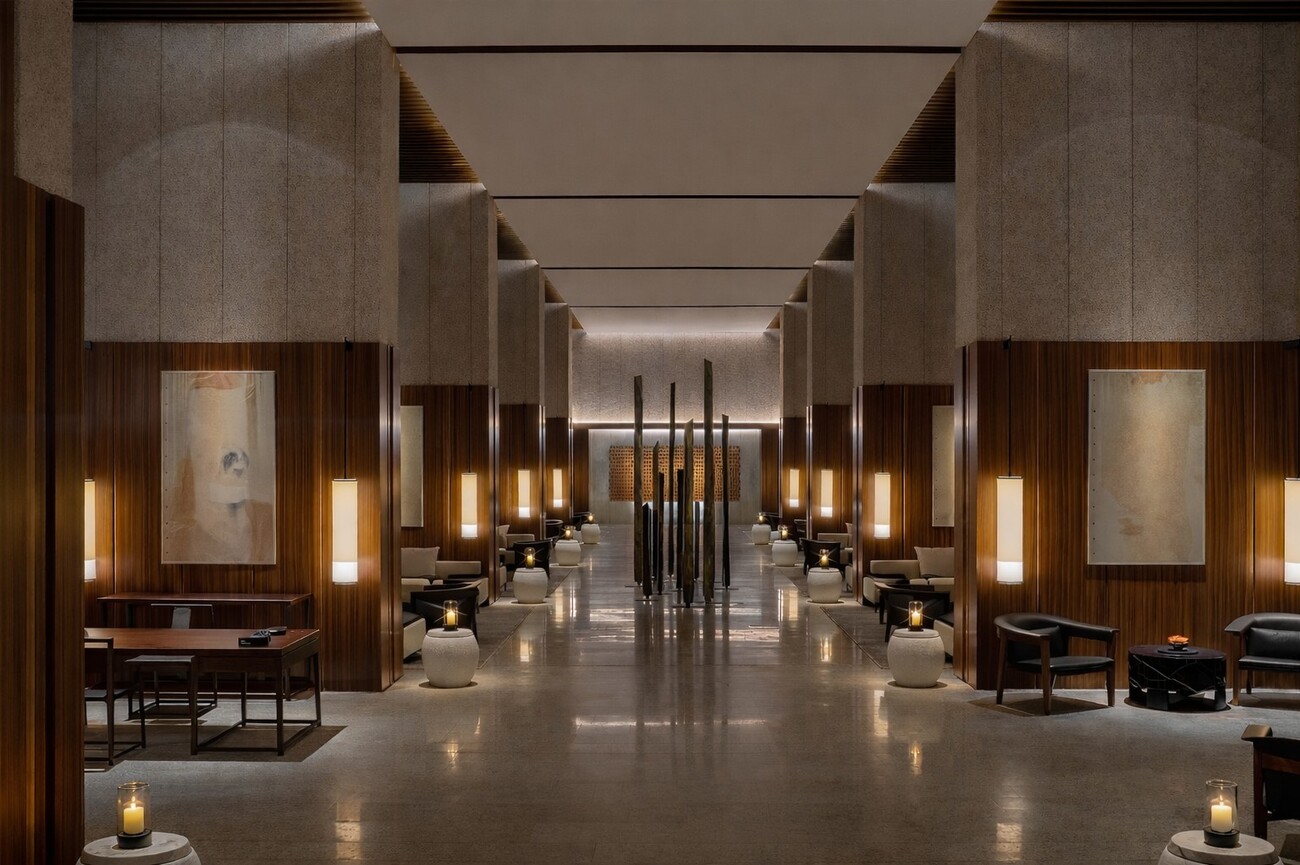
- Conrad Xiamen: One of Xiamen’s most iconic architectural landmarks, occupying the upper floors of the sail-shaped Shimao Emall Twin Towers. It offers some of the highest hotel rooms in the city, giving you that “above the clouds” experience. Every room here features floor to ceiling windows, so you can get a bird's-eye view of Gulangyu Island, the Nanputuo Temple, and the winding Yanwu Bridge over the sea. The hotel is also directly connected to a high end shopping mall and sits within walking distance of key spots like Xiamen University, Nanputuo Temple, and the Shapowei Art Zone, so you’re not just staying somewhere scenic, but also conveniently close to the city’s highlights.
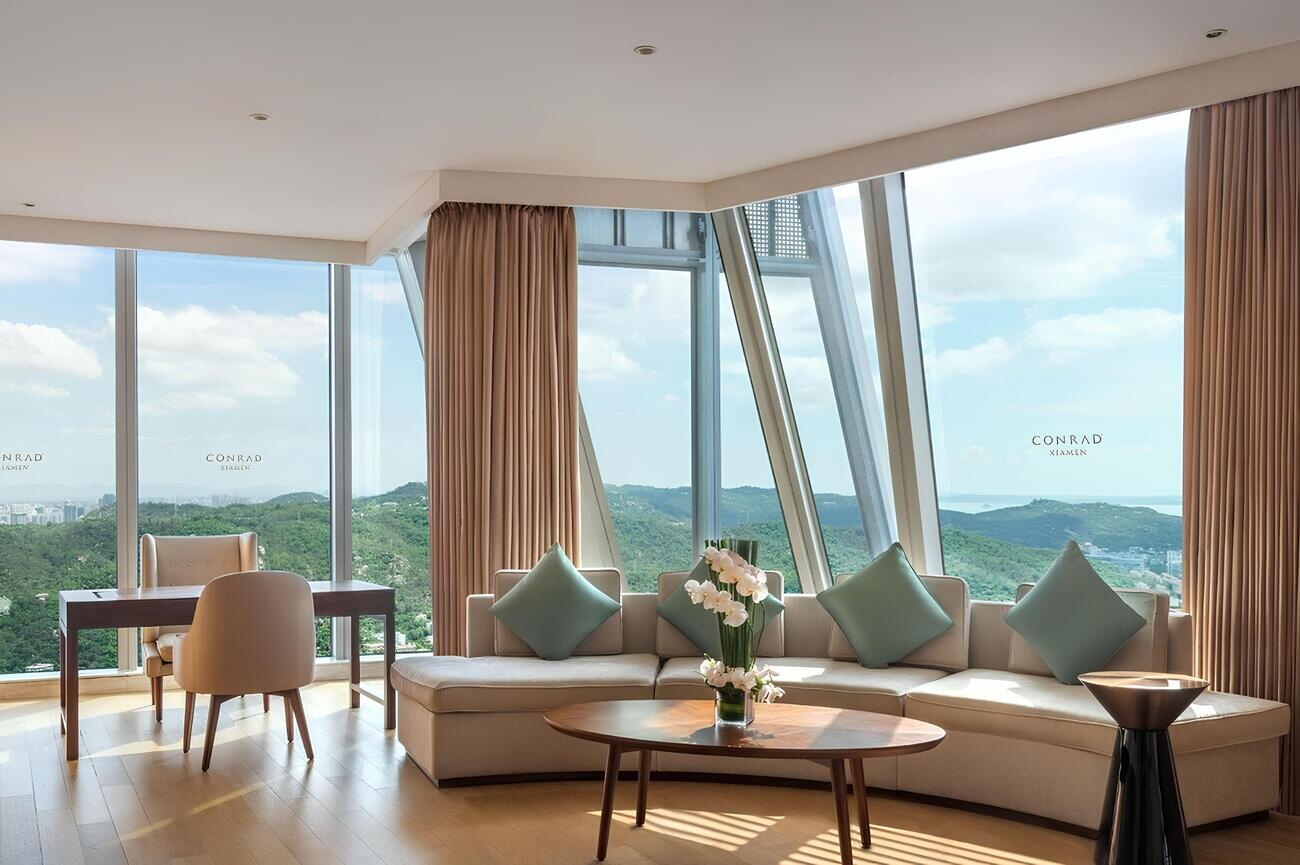
- The Westin Xiamen: A sleek, 45-storey hotel located in the heart of the Wu Yi Square business district. The ideal choice if you want a comfortable, wellness focused stay right in the middle of the city. The rooms here feature the signature Westin Heavenly® Bed, known for its plush pillows and pillow-top mattress, designed to give you some of the most restful sleep during your trip. From the higher floors, you’ll also get wide views of the city skyline and the nearby Yundang Lake area, adding a sense of space and calm to your stay in an otherwise busy urban setting.

- Hyatt Centric Ocean Front Xiamen: If you’re looking to explore the city's coastal charm, this hotel is for you. Most rooms here feature floor to ceiling windows facing the water, so you can wake up to views of the Taiwan Strait (and on clear days, even spot the nearby Kinmen Islands). The interiors reflect Xiamen’s maritime roots, with wooden accents, nautical blues, and local artwork woven throughout. It feels more like a contemporary boutique hotel rather than a traditional corporate tower, giving your stay a bit more personality and character.
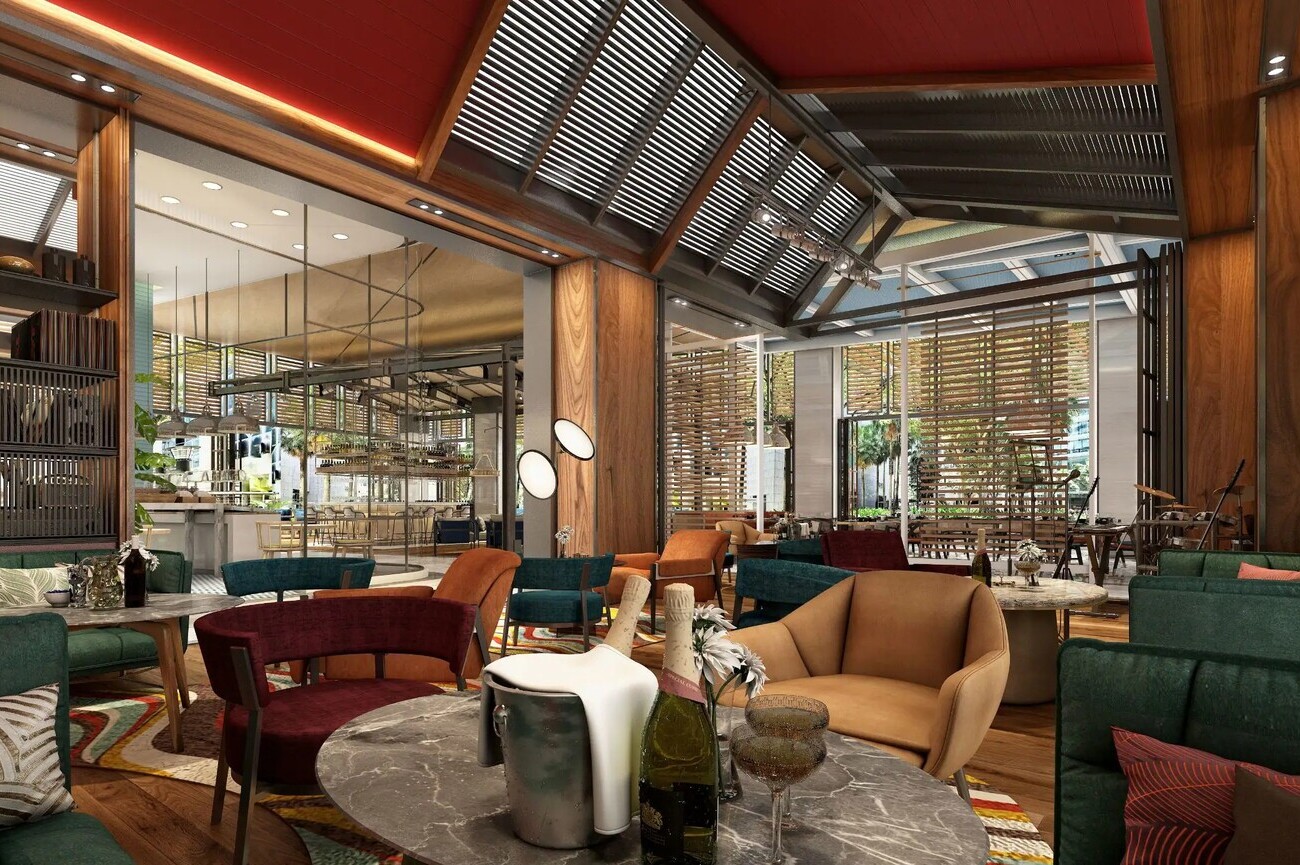
- Kempinski Hotel Xiamen: Located in the heart of Xiamen’s main business and cultural district, it offers a stay that combines classic European elegance with warm Chinese hospitality. The rooms here feature large windows that open up to views of Yundang Lake where you might spot white egrets or the glowing skyline of the Siming District at night. The location also makes getting around easy. From here, you’ll be close to Coffee Street and the Xiamen Foreign Investment Zone, and about 20 minutes from both the airport and the ferry terminal to Gulangyu, giving you a convenient base for exploring the city.
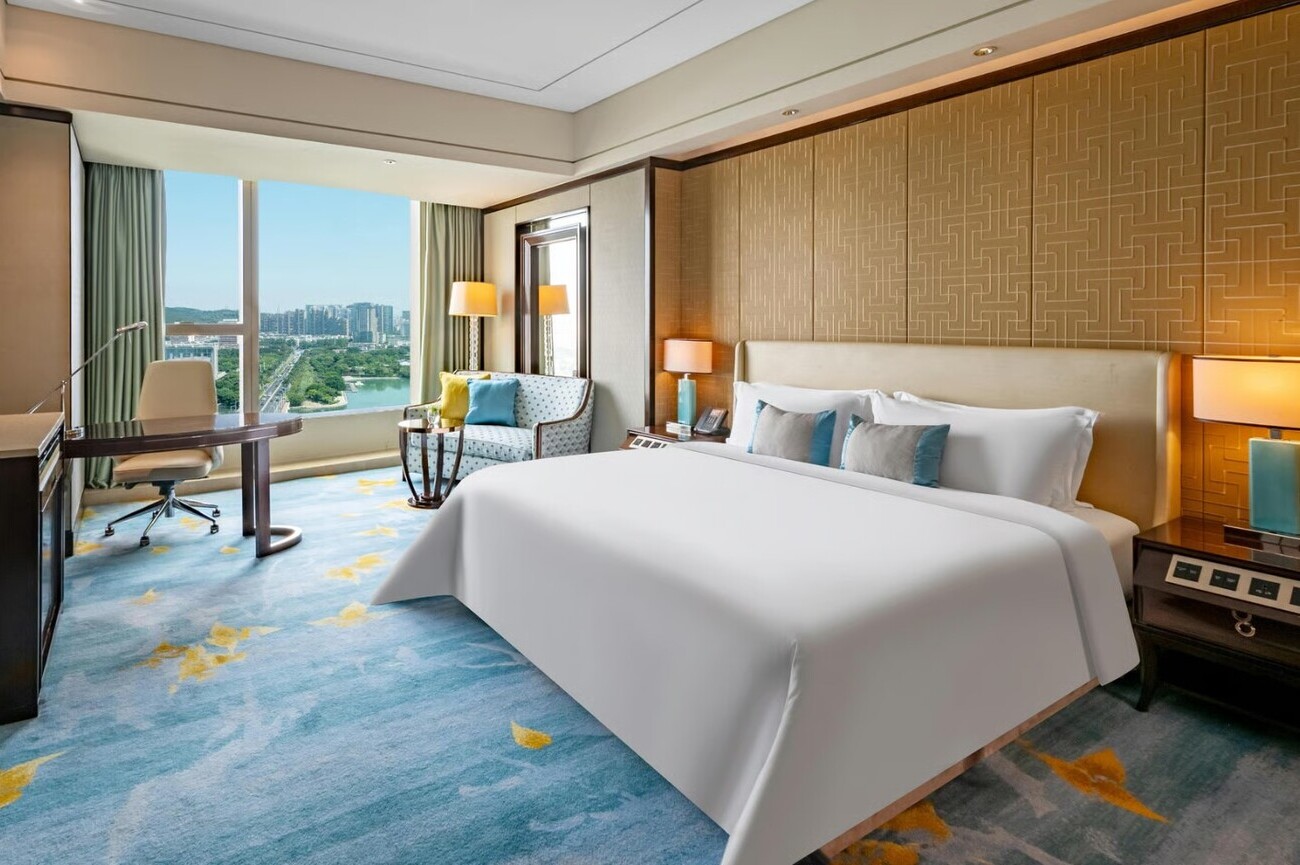
- Swiss Grand Xiamen: Known for its unbeatable location right across from Gulangyu Island, giving you some of the city’s most iconic “postcard views.” Most rooms here feature floor to ceiling windows, so you can wake up to views of Sunlight Rock, red-roofed colonial villas, and ferries moving across the Lujiang Strait, a view that feels especially memorable at sunrise or sunset. From here, you’ll be just steps away from Zhongshan Road Pedestrian Street, along with the Lundu Ferry Terminal for night cruises and Metro Line 1 (Zhenhai Road Station), making it easy for you to explore the rest of the city.
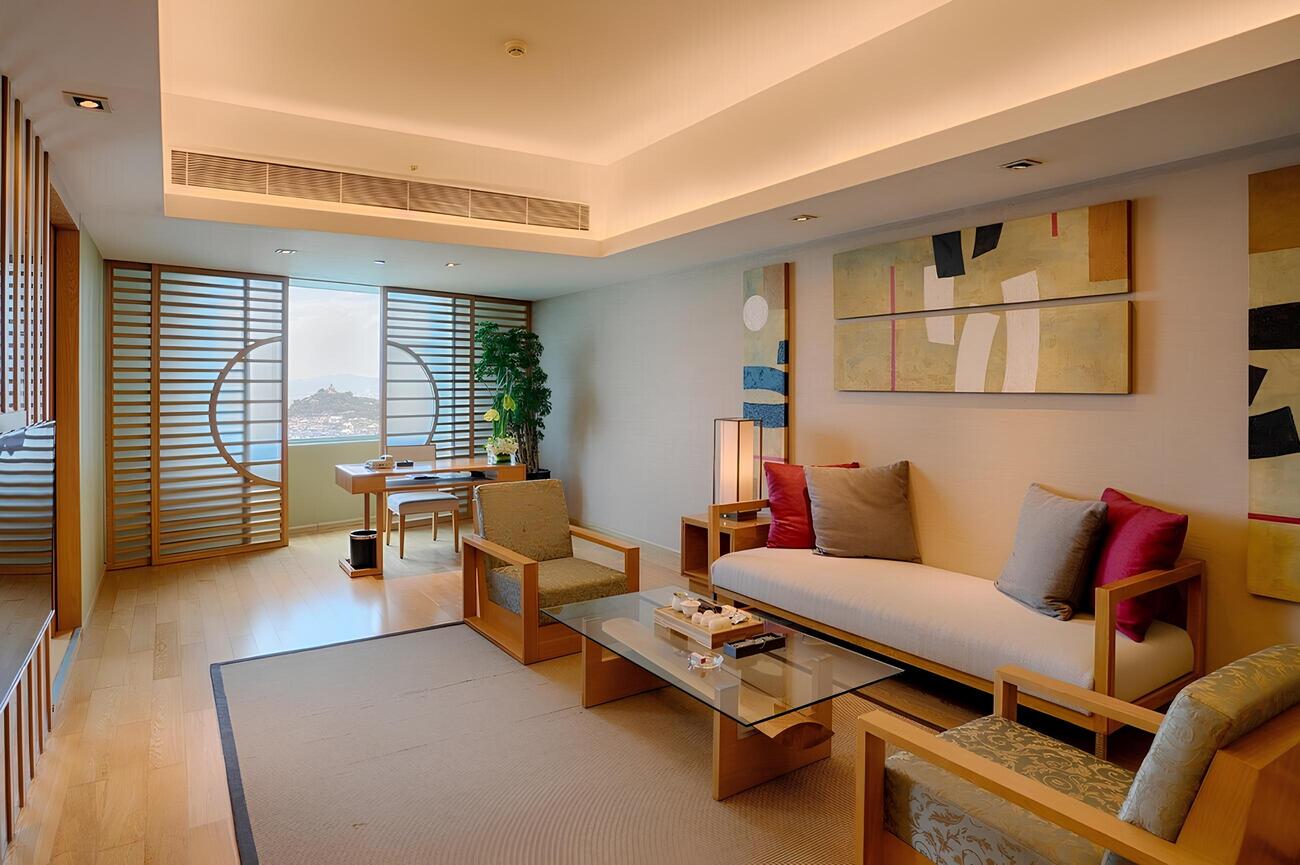
Best Time to Visit
Xiamen
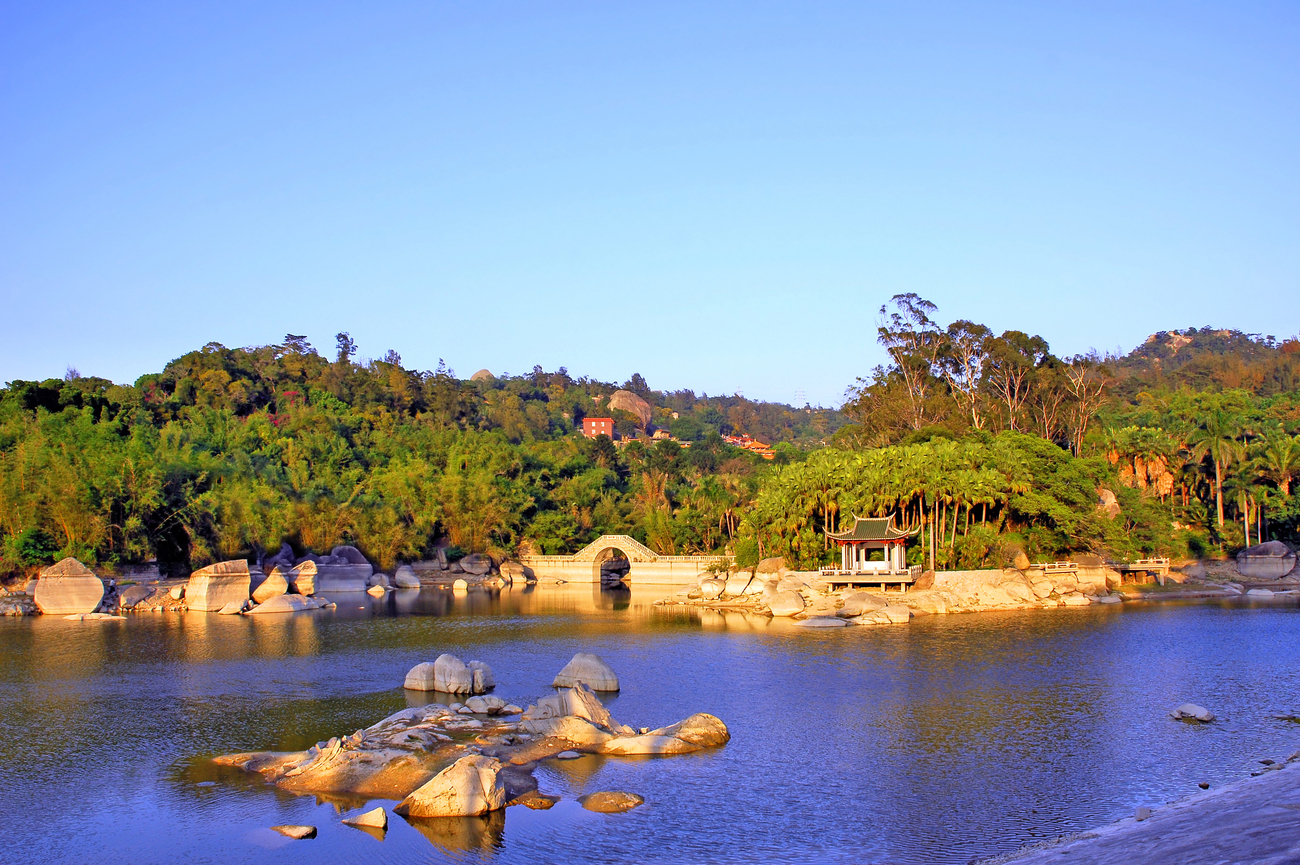
The best time to visit Xiamen is during spring (March to May) and autumn (October to November), when the weather is comfortable and rainfall is lower, ideal for exploring the city and its coastline.
Autumn is especially pleasant, with sunny, dry days and cooler temperatures. It’s a great time for cycling along Huandao Road or walking around Gulangyu Island. If you visit in early October, you may also catch the Mid-Autumn Festival, when mooncakes and lanterns add a festive atmosphere.
Spring is another lovely option, with warmer weather and blooming flowers. While late spring can be a bit foggy or drizzly, it adds a soft, scenic feel, especially in places like the Wanshi Botanical Garden and Xiamen University, where the seasonal blooms are at their best.
Festivals in Xiamen
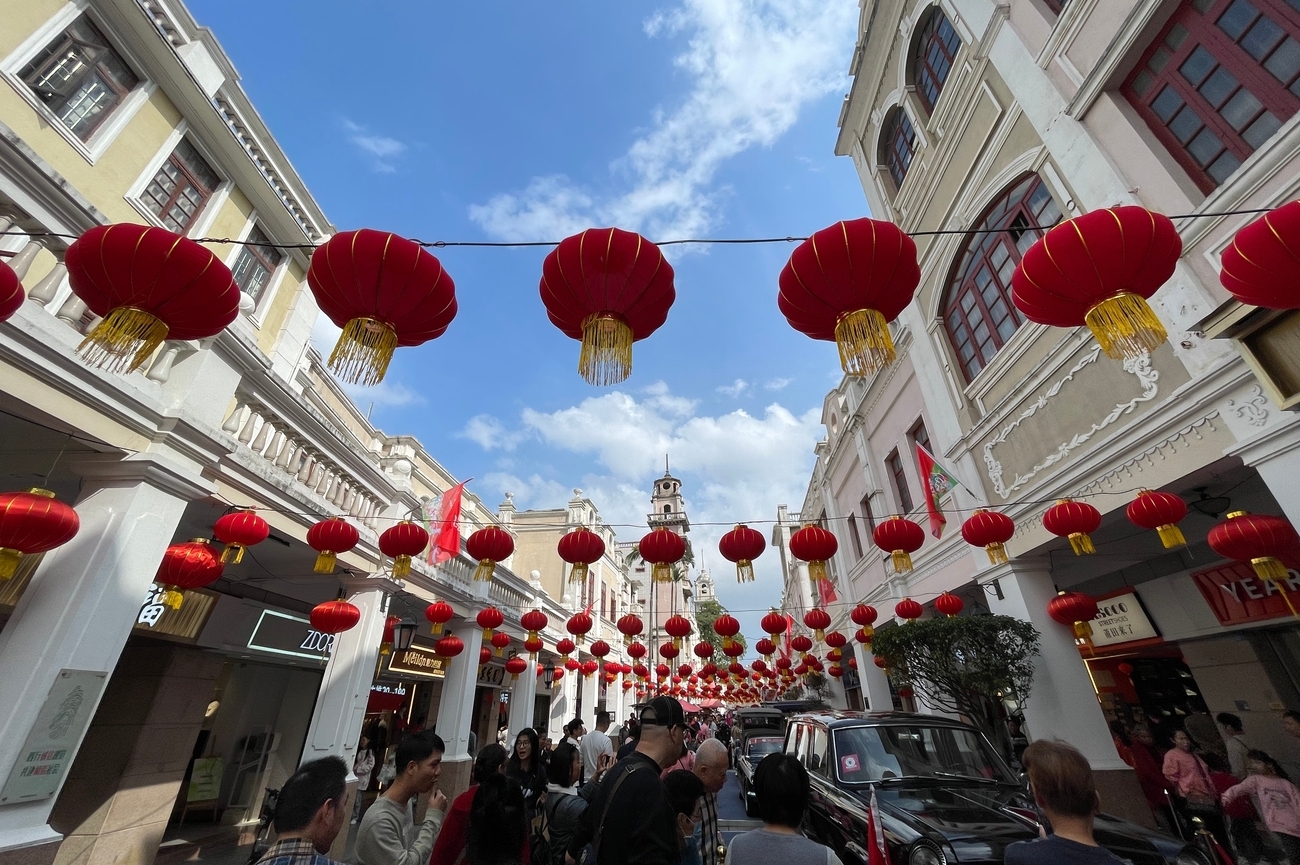
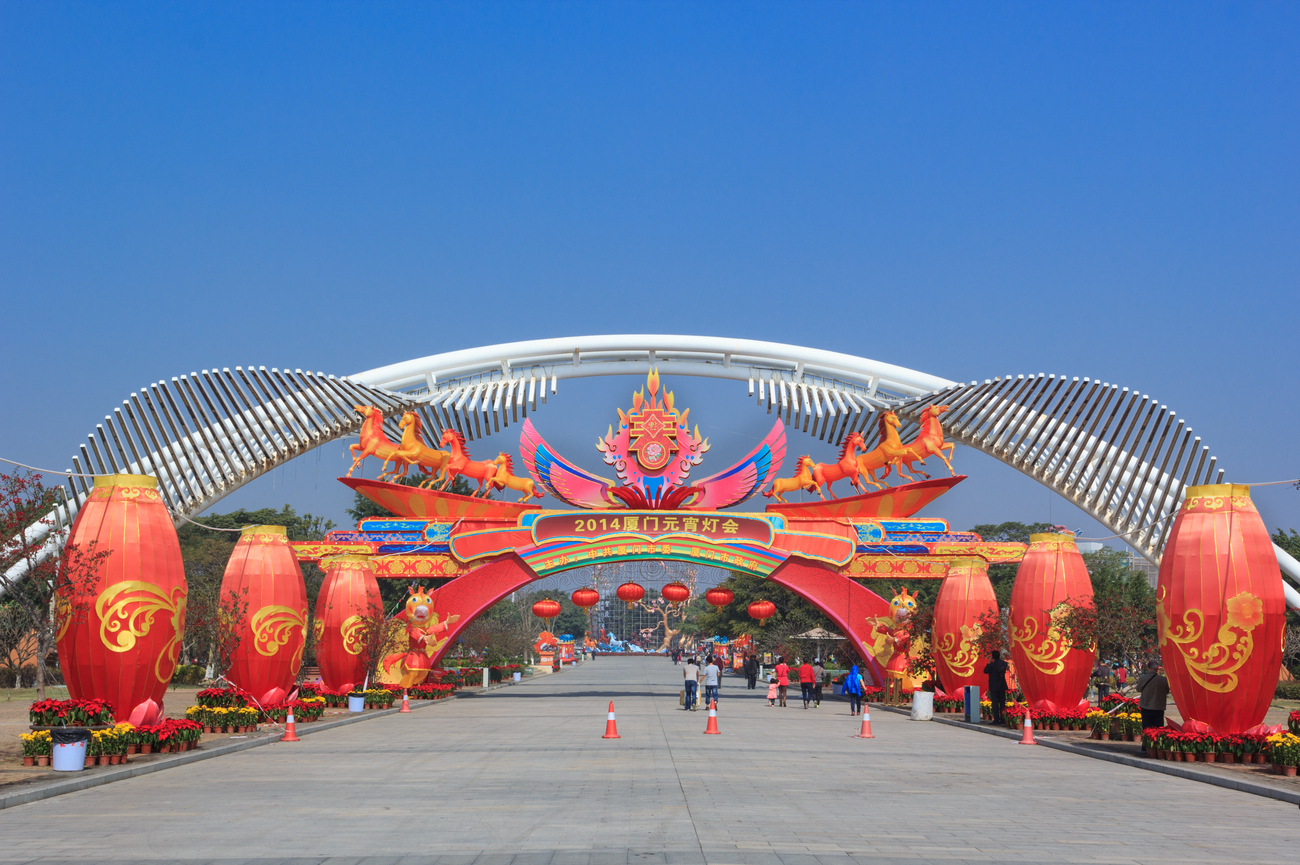
- Chinese New Year: A multi week celebration that blends ancient Southern Fujian (Minnan) folk traditions with modern city wide festivities. Thanks to its mild winter weather, it’s also a popular destination if you prefer a warmer holiday experience. During the festival, the city undergoes a massive transformation. Streets like Zhongshan Road are filled with red lanterns, and places like the Xiamen Garden Expo Park host large lantern fairs with creative displays and zodiac themed installations. For a more cultural experience, visit Nanputuo Temple on New Year’s Eve or the first day of the lunar year, and you’ll see locals offering incense and praying for good fortune, accompanied by lion dances and traditional puppet performances in the courtyards. Food is also a big part of the celebration. Look out for dishes like sea cucumber and abalone, which symbolise wealth and prosperity. Many hotels offer special reunion feast menus.
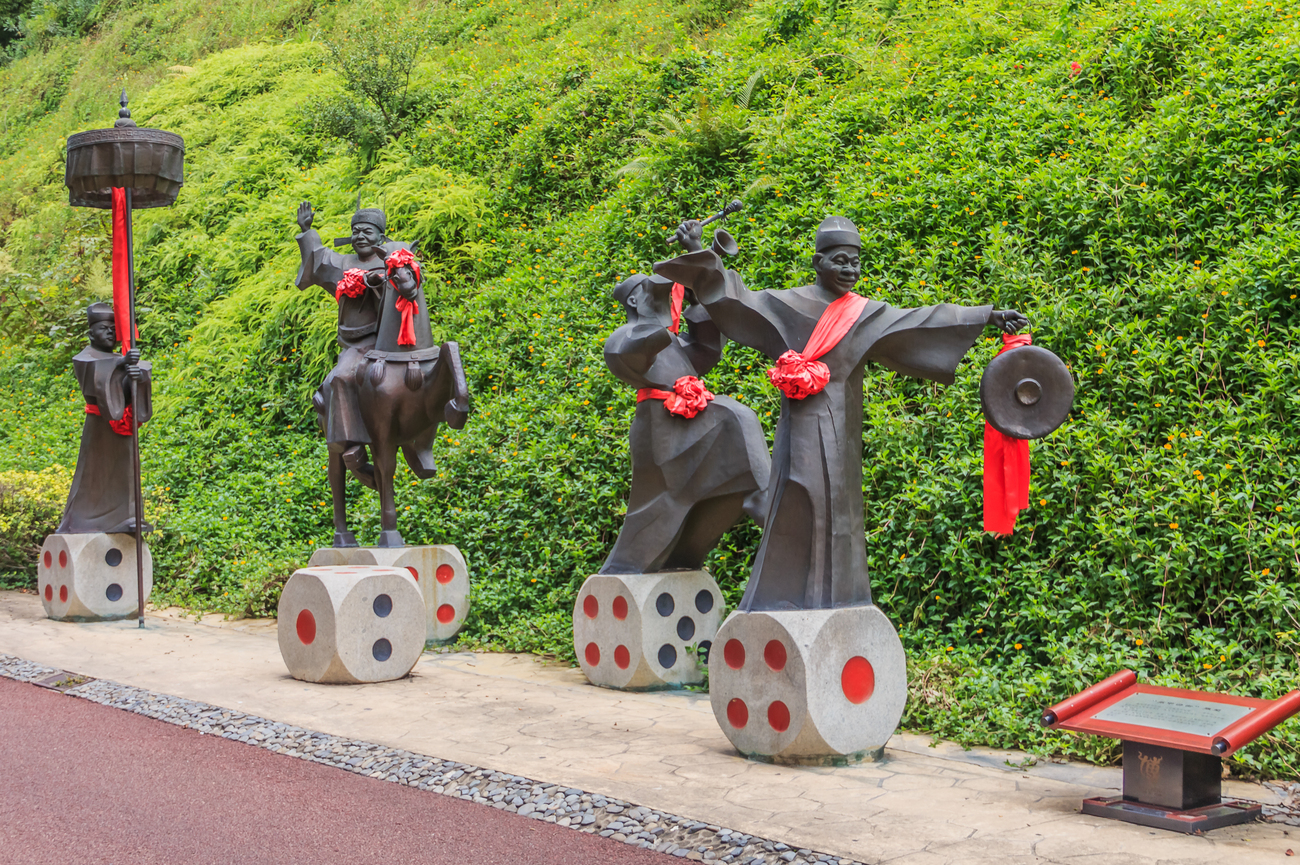
- Mid-Autumn Festival: In Xiamen, the Mid-Autumn Festival is arguably more lively than anywhere else in China, thanks to its unique 300 year old tradition called Mooncake Gambling (Bo Bing). While other parts of China focus on moon gazing and eating mooncakes, Xiamen turns the celebration into a fun, city wide dice game. The tradition is said to have started with General Koxinga’s troops as a way to lift spirits while far from home. Today, you can join in by sitting around a table and taking turns rolling six dice in a bowl. Different combinations (especially those with the number “4”) earn you titles inspired by the ancient imperial exams. Before, the prizes were just simple mooncakes, but today they can range from everyday items to electronics, gold, or even cars in major corporate tournaments. Alongside the game, you’ll still get to enjoy festive treats. In Xiamen, that includes not just mooncakes, but also local favourites like peanut soup and pomelo.
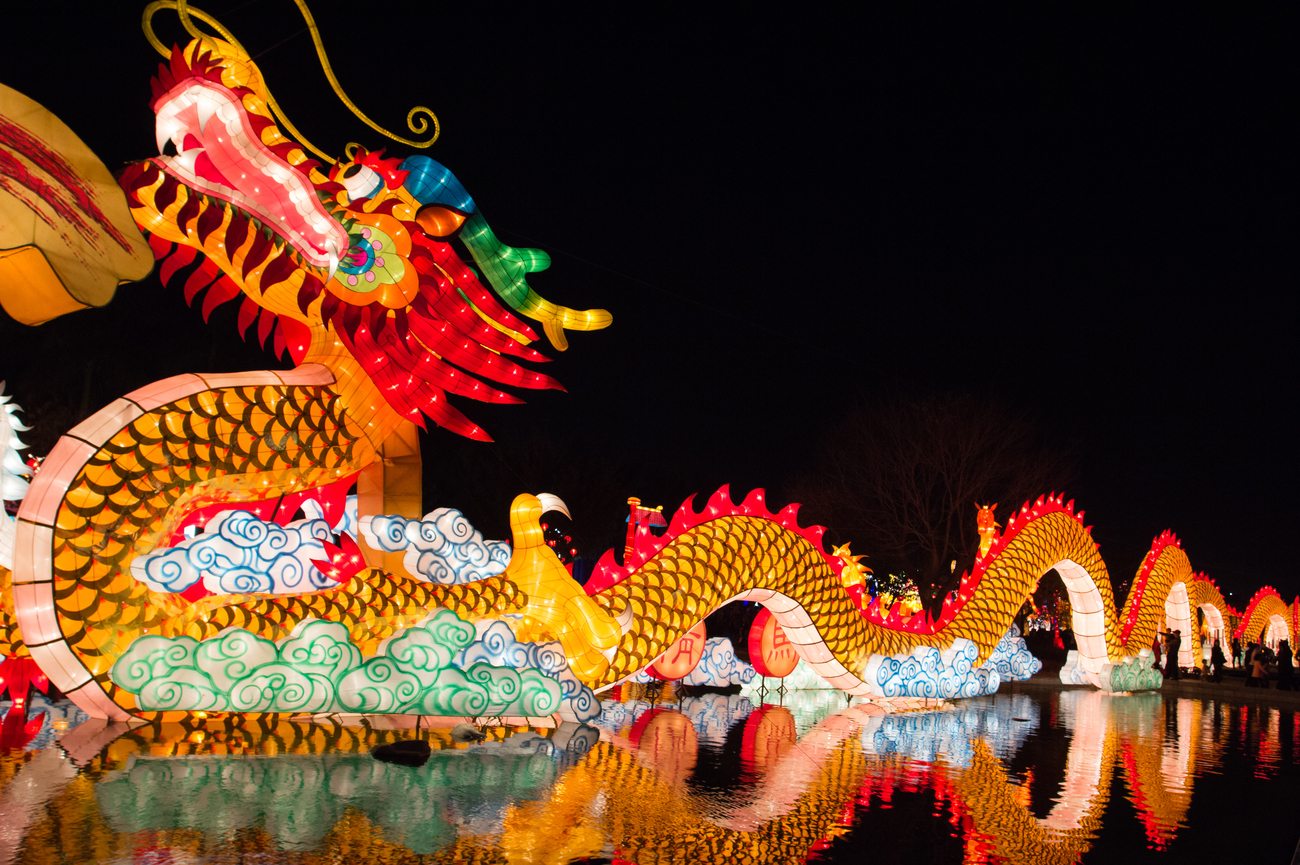
- Lantern Festival: The final day of Chinese New Year. It's a night filled with light, performances, and family reunion. The most spectacular event usually takes place at the Xiamen Garden Expo Park in Jimei, where you’ll see large, themed lantern displays stretching across the city, some even floating on the water. Many combine traditional craftsmanship with modern lighting effects, featuring designs inspired by the Chinese zodiac and Minnan legends. A key part of the celebration is eating tangyuan, sweet, chewy rice balls filled with black sesame, peanut, or red bean. Their round shape symbolises unity and completeness, making them especially meaningful during this time. If you want to try authentic versions, head to The Eighth Market (Bashi) or the shops along Zhongshan Road, where you’ll find some of the best local options.
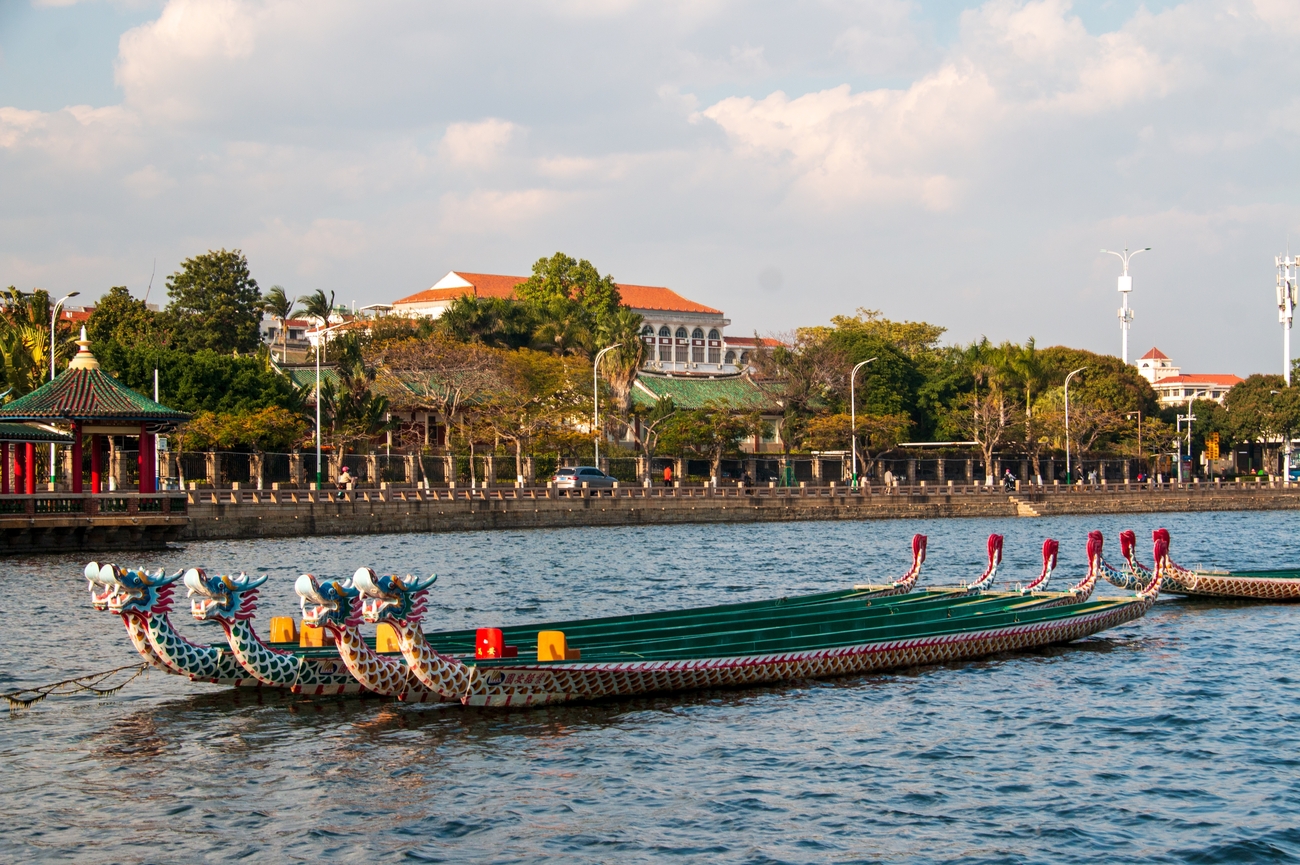
- Dragon Boat Festival: A high energy celebration rooted in Xiamen’s maritime culture. While it’s marked across China with zongzi (sticky rice dumplings), Xiamen stands out for the Jimei International Dragon Boat Race, held at the Dragon Boat Pool, a massive artificial lake surrounded by traditional Jiageng style pavilions. Here, you’ll see teams paddling across a wide lake framed by traditional Jiageng-style pavilions, with over 50 teams from around the world competing in synchronized rowing to the beat of thunderous drums. The atmosphere is electric, with thousands of spectators lining the stone embankments. Locals also take part in a unique tradition around noon, heading to places like Baicheng Beach or Huandao Road to “wash in the dragon water,” believed to bring health and vitality for the year ahead. For food, don’t miss the savoury meat zongzi, filled with braised pork, chestnuts, mushrooms, and dried shrimp, often paired with peanut sauce. You can find some of the best local versions at The Eighth Market (Bashi).
The Hawaii of the East
Xiamen’s appeal isn’t just in its coastal beauty, it’s in how effortlessly it balances refinement with ease. This is a city where car-free islands, waterfront promenades, and thoughtfully designed urban spaces come together to create a sense of calm and unity that feels natural. Over four days, you’ve experienced that balance for yourself, from the quiet charm of Gulangyu to the cultural depth of the Tulou, from elevated cycling paths to streets that still carry everyday life.
At Revigorate, we design journeys with that same approach: well-paced, thoughtfully planned, and tailored entirely to you. Whether you’re drawn to Xiamen’s coastal lifestyle, its heritage, or its modernity, every detail is handled with care. Contact us or give us a call at (+1 800 672 0517 | +351 289 009 580 | +44 808 189 0647), and let’s start planning your dream Xiamen journey.
Ready to explore more of Asia? Travel further with Revigorate and discover our curated itineraries across Beijing, Hangzhou, Shanghai, Guangzhou, and Hong Kong.


Let us know what you love, where you want to go, and we’ll design a one-of-a-kind adventure you’ll never forget.
Get in touch
Miriam
Travel Specialist

Nina
Travel Specialist

Abigail
Travel Specialist
Our offices:



Revigorate, Iberian Escapes and Algarve Lifestyle are the registered brand names of APCS Lda . We are a fully authorised travel agency licensed by Turismo de Portugal RNAVT/6867.
In the event of a dispute, the consumer may refer to: RAL - Centros de Arbitragem
Avª. 5 de Outubro, nº. 55, R/C Dtº. 8000-075 Faro, Portugal | Tel: +351 289 823 135 *
* national landline call
E-mail: info@consumoalgarve.pt| www.consumidoronline.pt | Mon to Fri: 9:00 - 13:00 / 14:00 - 17:00