Things to Do in the Bavarian Alps: 5-Day Itinerary
The Bavarian Alps are one of southern Germany’s most dramatic regions, combining high mountain peaks, clear alpine lakes, traditional villages, royal castles and scenic valleys across the borderlands of Bavaria and Austria.
Zugspitze, Germany’s highest mountain, rises above Garmisch-Partenkirchen and the turquoise waters of Eibsee, while Mittenwald is known for painted façades, mountain views and its historic violin-making tradition. Further east, Königssee sits beneath steep Alpine walls in Berchtesgaden National Park, creating one of the region’s most distinctive landscapes. Neuschwanstein Castle adds another major landmark, overlooking the foothills near Füssen.
What makes the Bavarian Alps particularly rewarding is the variety within a relatively compact area. Cable cars, mountain viewpoints, lakeside walks, historic villages and castles can all form part of the same journey, with each area offering a different character.
This 5-day Bavarian Alps itinerary connects the region’s major natural and cultural highlights in a logical route, including Zugspitze, Eibsee, Mittenwald, Königssee and Neuschwanstein, while leaving enough time to enjoy the scenery without rushing.
Day 1 -
Garmisch-Partenkirchen & Partnach Gorge

Morning: Ludwigstraße
This is where the Bavarian Alps decide to introduce themselves properly, with painted facades, mountain air and a street that knows it’s the opening act.
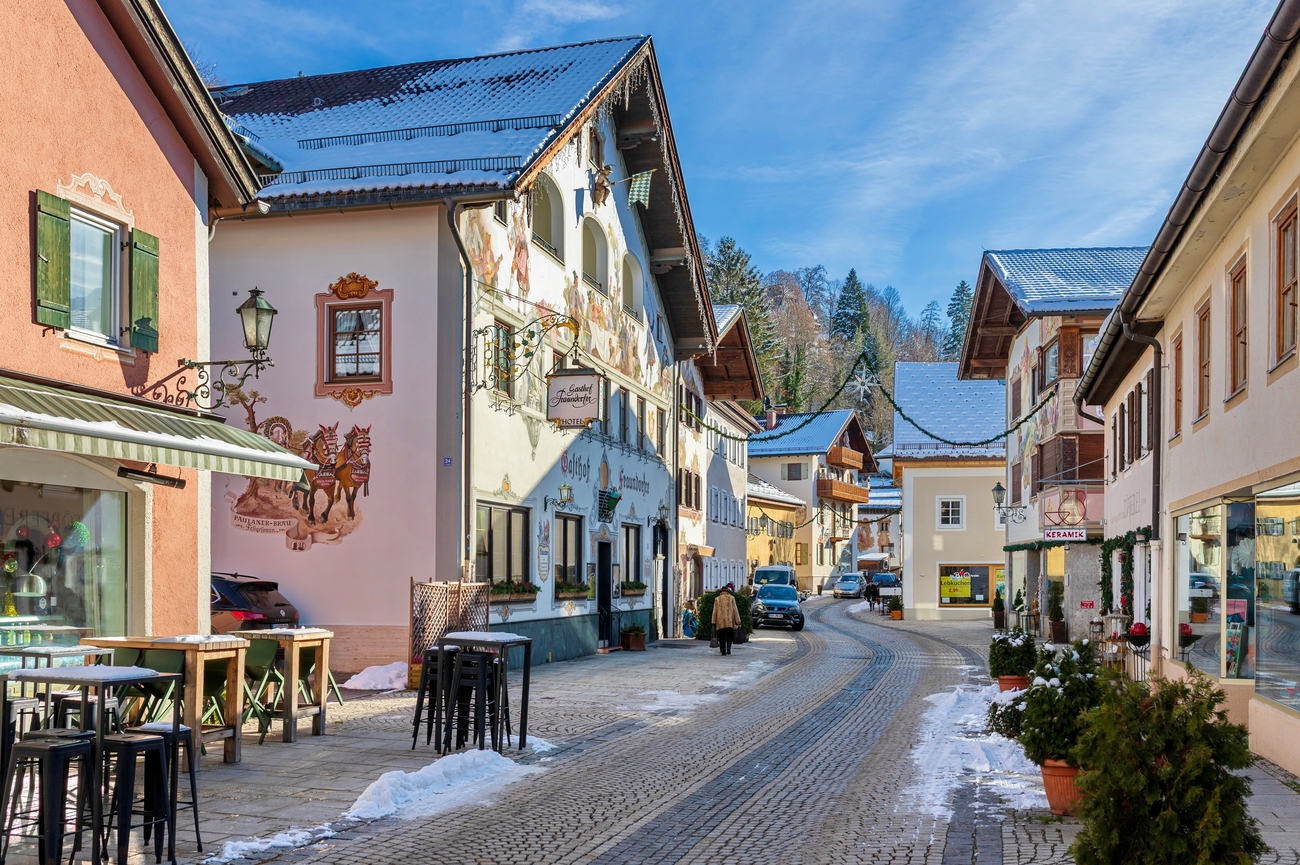
Located in Partenkirchen, the older half of Garmisch-Partenkirchen, Ludwigstraße is one of the most historically intact streets in Upper Bavaria. Once part of the ancient Roman trade route Via Claudia Augusta, it later became a key stop for merchants moving through the Alps. Today, the street is lined with traditional alpine houses decorated with Lüftlmalerei murals. These hand-painted scenes depict religious stories, local folklore and everyday Bavarian life, turning the entire street into an open-air gallery framed by the Wetterstein mountains.
Wallfahrtskirche St. Anton
From Ludwigstraße, it’s a calm reset.
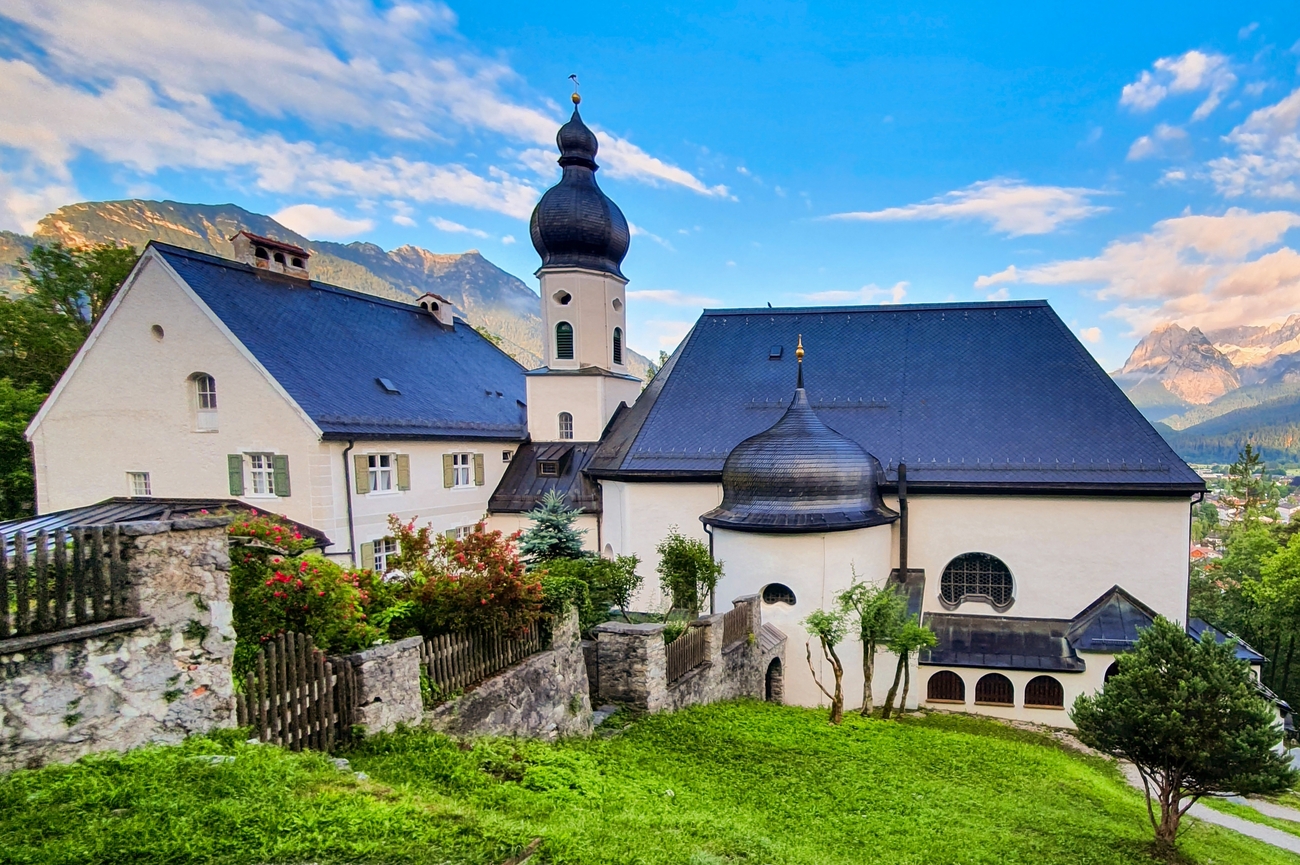
A gentle 10-minute walk south pulls you away from painted facades and into open space, where Wallfahrtskirche St. Anton sits quietly at the edge of Partenkirchen, backed by mountains and framed by sky.
Built in the 18th century, Wallfahrtskirche St. Anton is a pilgrimage church rooted in gratitude. It was commissioned after a devastating plague swept through the region, with locals dedicating the church to St. Anthony of Padua as a vow of thanks for protection and recovery. Architecturally, it keeps things elegant and restrained. A soft Baroque interior, delicate frescoes and light that filters in without drama. The setting matters here. Open fields and mountain backdrops give the church a sense of space that feels intentional rather than ornamental.
If you want context, this is where a guided walking tour pays off. You’re getting the story behind the vows, the pilgrimage traditions and why this spot sits exactly where it does.
Olympic Ski Jump
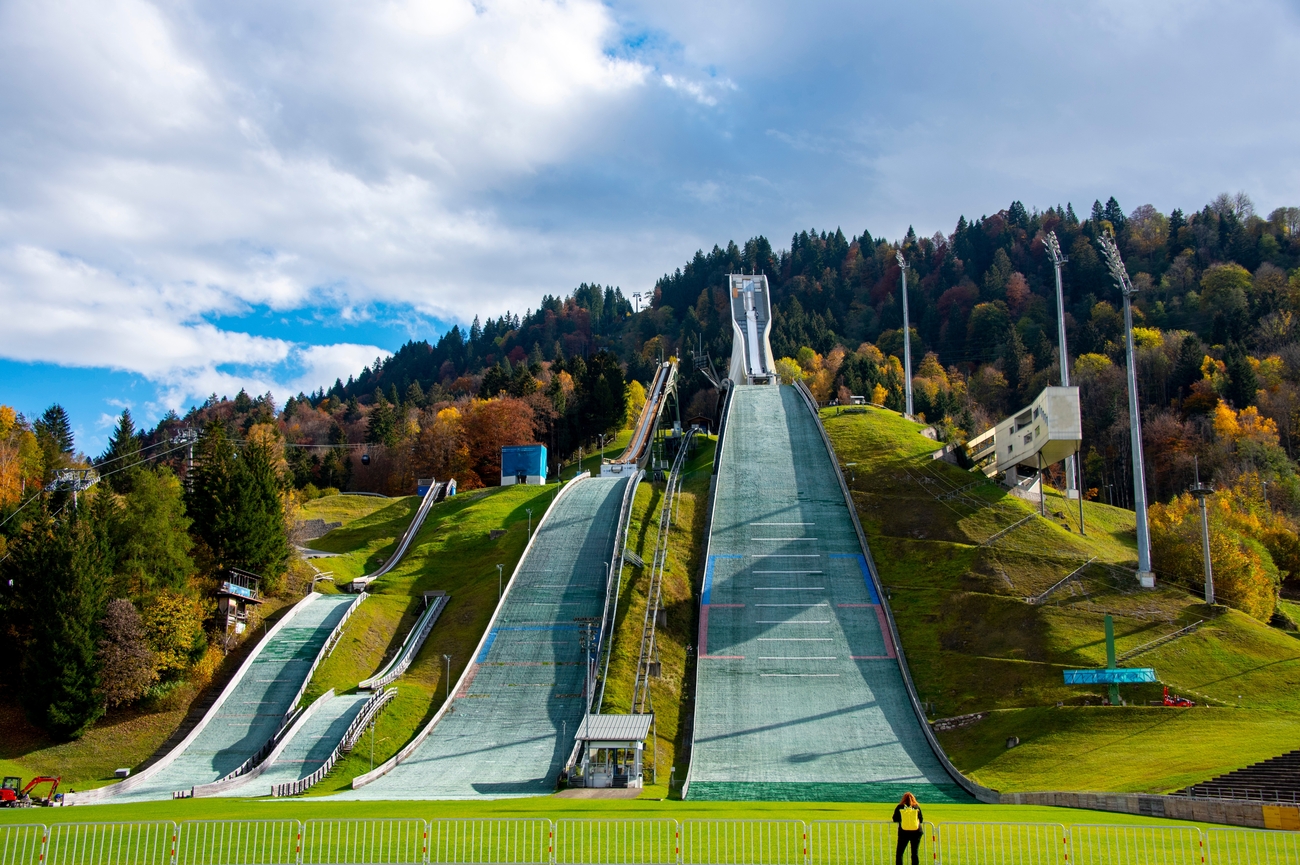
As the road straightens and the valley widens, a silver arc starts cutting through the sky like it has somewhere important to be. That’s the moment the Olympic Ski Jump (Große Olympiaschanze) announces itself.
Originally built for the 1936 Winter Olympics and completely redesigned in 2008, the Olympic Ski Jump is where Garmisch-Partenkirchen swaps folklore for velocity. The current structure is all clean lines and confident curves, a striking blend of steel, glass and concrete that feels more architectural statement than sports venue. Every January, it becomes the beating heart of the Four Hills Tournament, when the world’s best ski jumpers launch themselves into thin air and remind everyone how extreme winter sports can get.
If you want more than a quick look, the guided tour is where things get interesting. You’ll walk through the judges’ tower, athlete areas and viewing platforms while guides explain how ski jumping actually works, from take-off speeds to flight angles and landing technique. Tours run every Saturday at 3 p.m. all year, plus Wednesdays at 6 p.m. from Pentecost to Kirchweih and Wednesdays at 3 p.m. from November to Pentecost. The full experience takes around two hours. This is the moment where watching ski jumping on TV suddenly feels very distant.
Afternoon: Partnach Gorge
The mountains pull apart and let you slip between them.
Leaving the open valley behind, the path narrows, the air cools and the sound
of water starts doing most of the talking. Stone walls rise on both sides,
close enough to feel intentional. Welcome to Partnach Gorge (Partnachklamm),
where the Bavarian Alps decide to get dramatic up close.
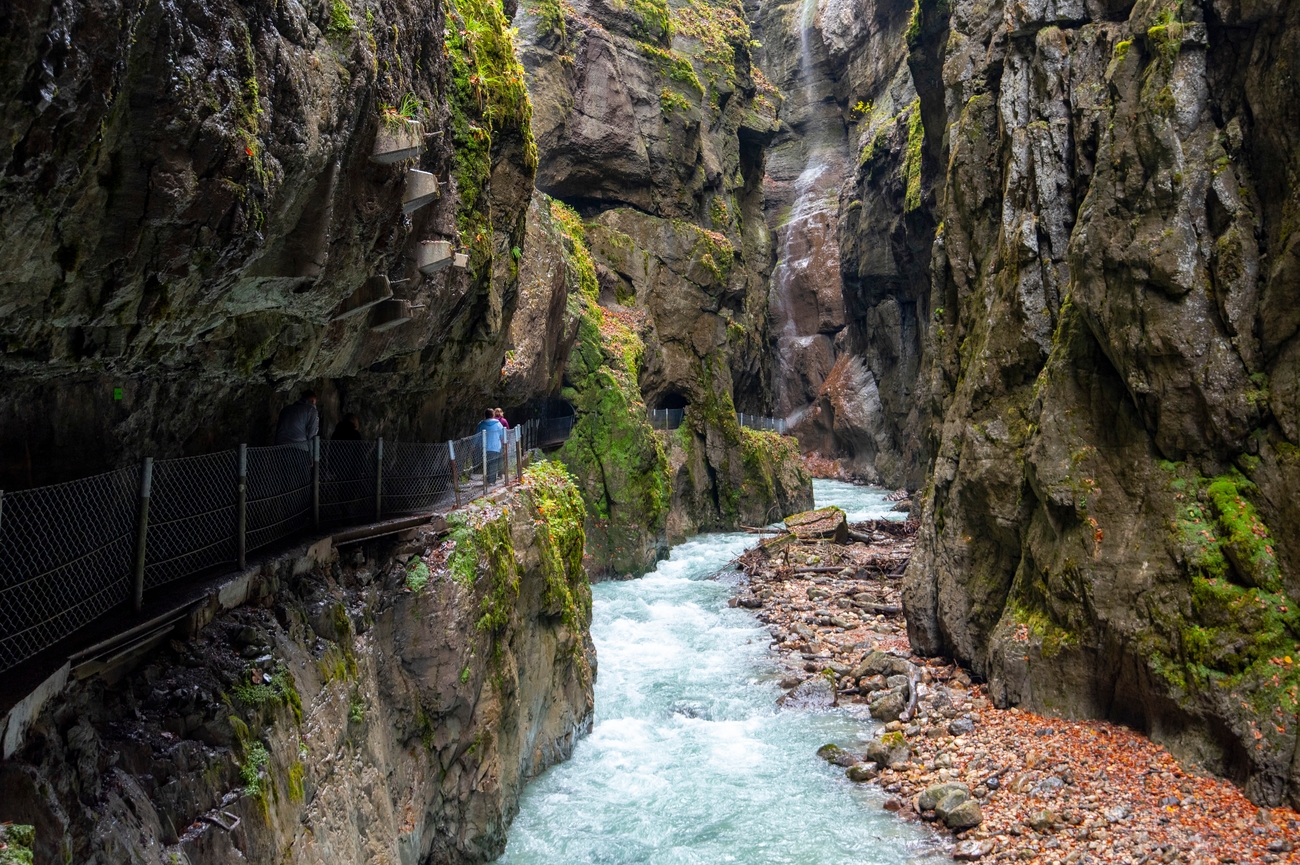
Carved over thousands of years by the Partnach stream, this gorge is one of the most striking natural formations in the region. Vertical limestone walls tower overhead while turquoise water rushes below, cutting, echoing, reshaping everything in its path. The walkway hugs the rock face, weaving through tunnels and over bridges that make the scale feel personal rather than panoramic. It’s raw, loud and unapologetically alpine. This isn’t a viewpoint you glance at. It’s a place you move through.
Winter tours are especially popular when ice formations turn the gorge into a frozen sculpture gallery. You’ll want proper footwear and a guide who knows the terrain. The experience usually runs around one and a half to two hours, depending on conditions and route.
Michael-Ende-Kurpark
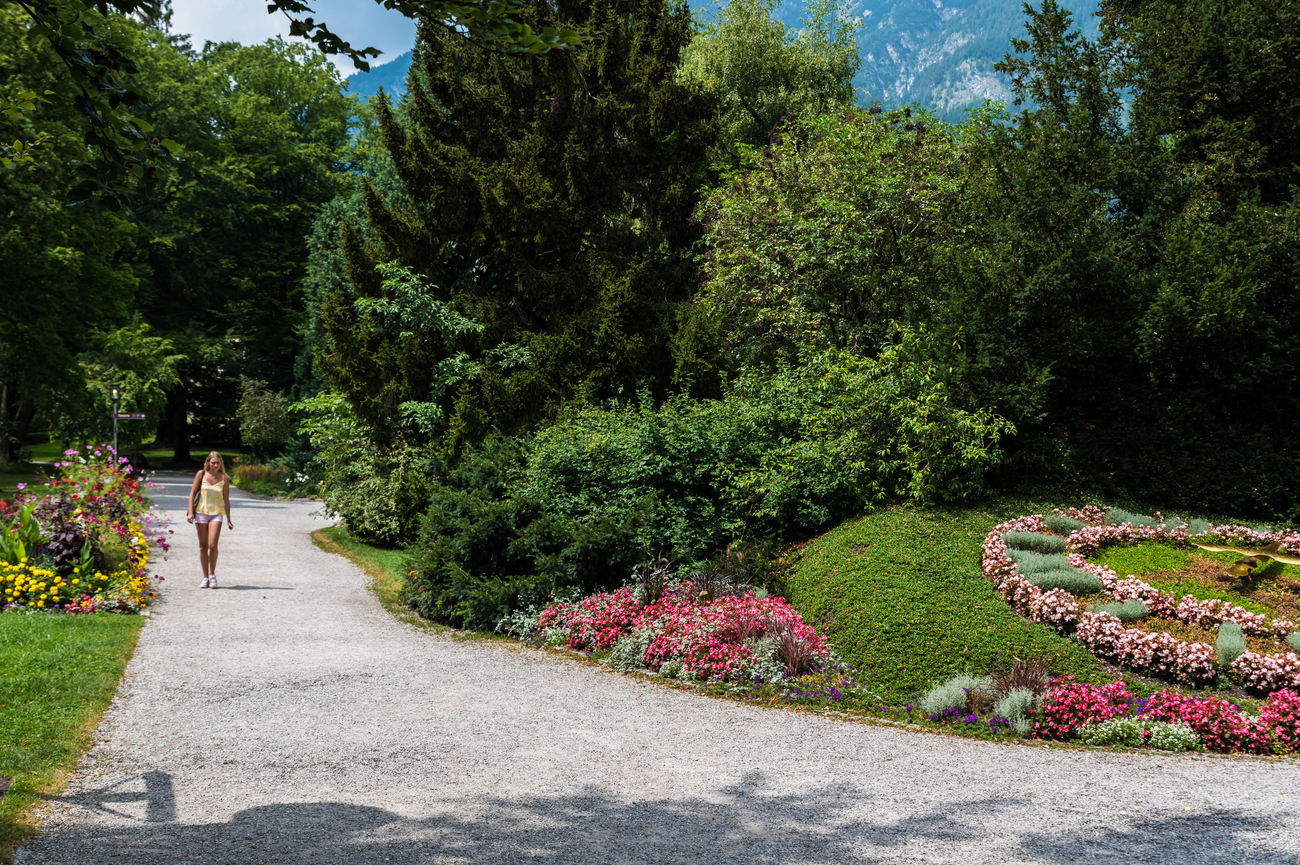
From Partnach Gorge, it’s about a 10-minute drive or a relaxed 20-minute walk that brings you out of the canyon and into open green space. The transition is deliberate. Noise drops, shoulders unclench, and Michael-Ende-Kurpark steps in as the palate cleanser of the day.
Named after Michael Ende, the author of The Neverending Story who spent part of his childhood in Garmisch-Partenkirchen, this park carries quite cultural weight. Historically, Kurparks were designed as restorative spaces tied to alpine spa traditions, places meant for walking, resting and resetting rather than rushing. This one stays true to that idea. Broad lawns, gentle paths and clean sightlines to the surrounding peaks make it feel calm without being sleepy. It’s the Alps, but on inhale instead of exhale.
For a more elevated experience, treat the park as a slow luxury. Arrive independently, give it time, and let the mountains frame the moment. Early afternoon is ideal, when the light hits the peaks cleanly and the park feels quietly cinematic. No spectacle, no pressure. Michael-Ende-Kurpark does its job by giving you room to breathe.
Richard-Strauss-Platz
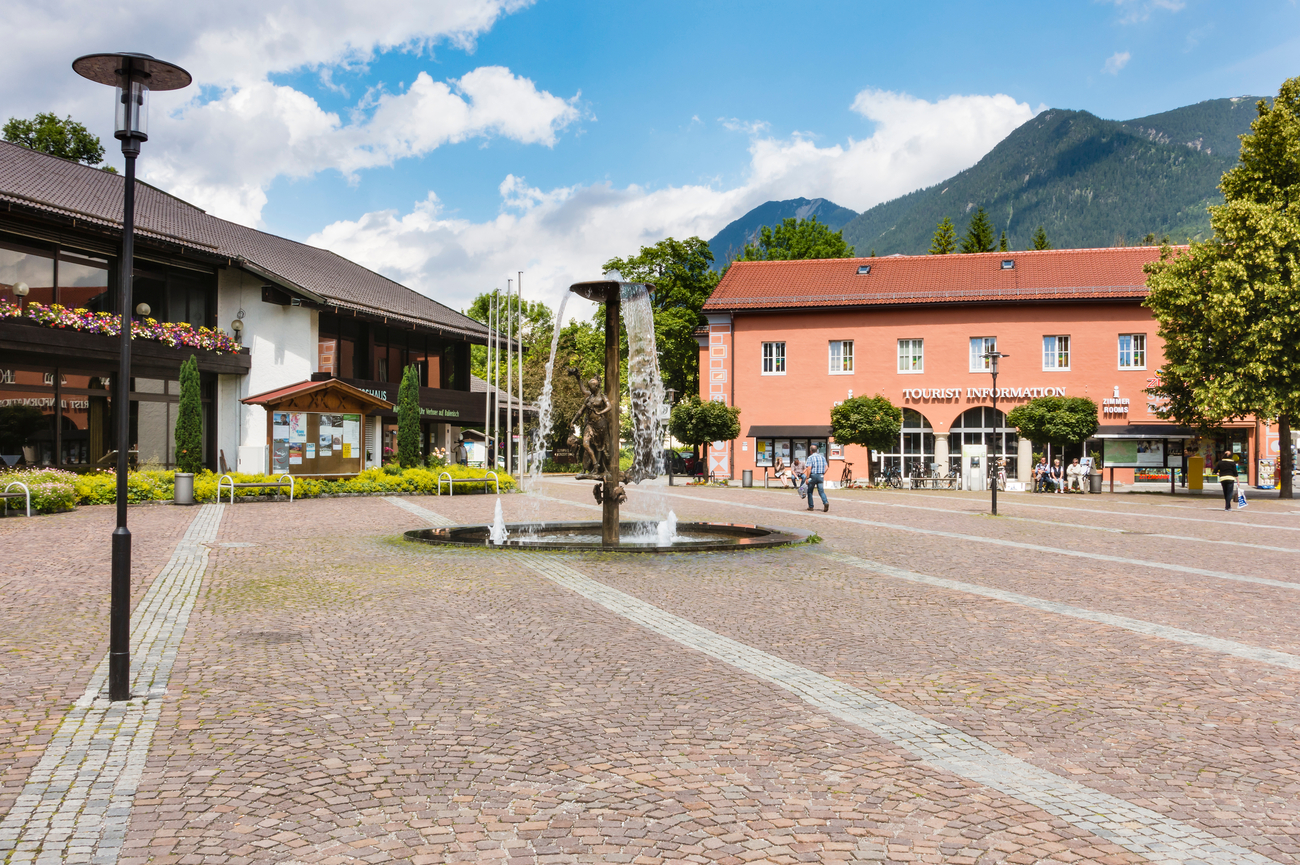
Leaving Michael-Ende-Kurpark, the route tightens and the greenery gives way to streets that feel more lived-in. In about a 5-minute stroll, you arrive at Richard-Strauss-Platz, where the Alps trade open space for cultural gravitas.
Named after Richard Strauss, one of Germany’s most influential composers, this square marks the town where he spent the final decades of his life. Strauss wasn’t here on holiday mode. Garmisch-Partenkirchen was home, and the surrounding mountains quietly shaped his later compositions. The square sits close to his former villa and serves as a low-key cultural anchor, reminding visitors that this alpine town has long attracted creative heavyweights, not just outdoor thrill-seekers.
Evening: Wankbahn
As the day exhales, the route points upward for its final act.
From the town center, the route tilts upward. Streets thin out, the horizon opens and in about a 10-minute drive, you reach the Wankbahn valley station, right as the light starts to soften. Timing matters here. This is an evening play.
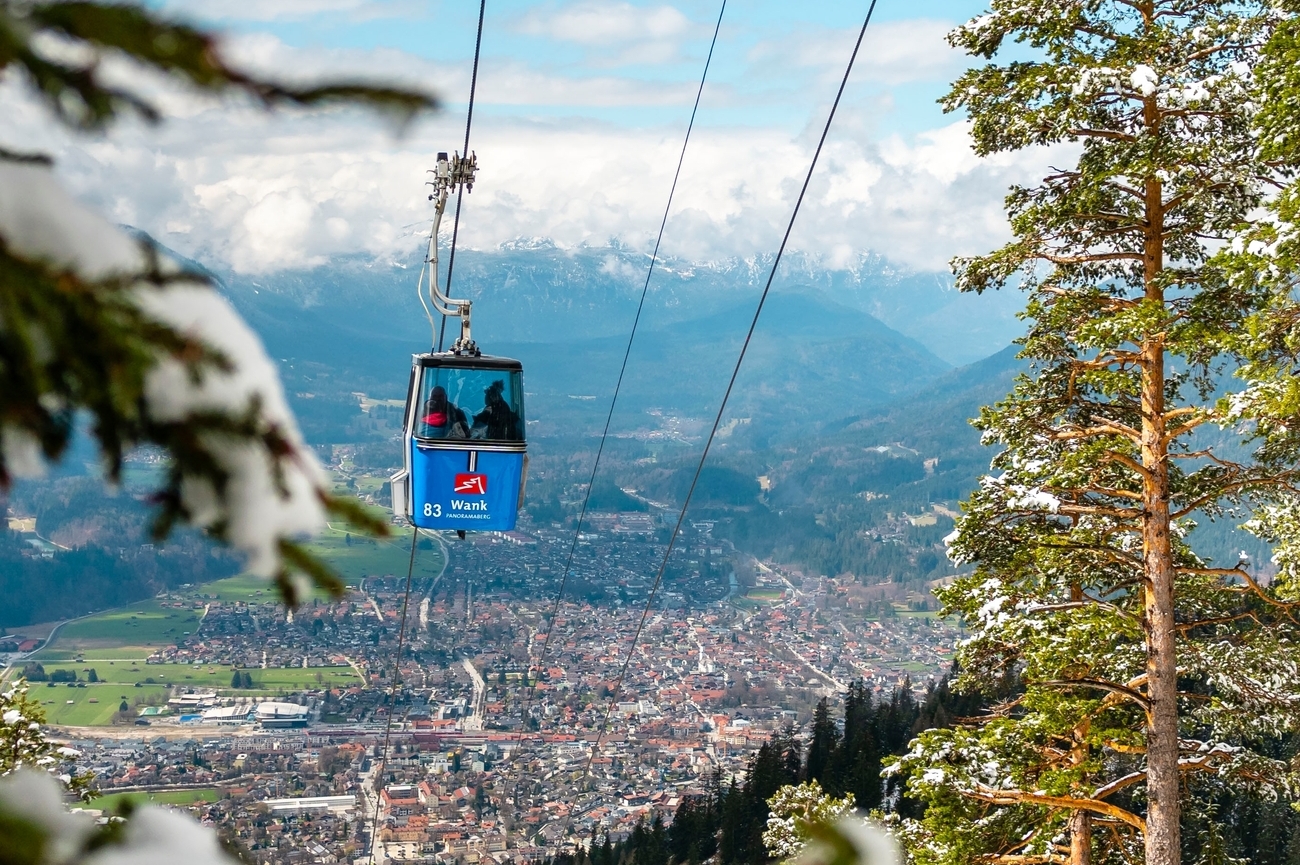
The Wankbahn cable car carries you up Mount Wank, one of the most accessible panoramic peaks in the Bavarian Alps. Unlike its sharper, more intimidating neighbors, Wank is known for wide-open views rather than sheer drama. From the summit, the entire Zugspitze massif, the Loisach Valley and the town of Garmisch-Partenkirchen spread out below in one clean sweep. Historically, Wank has been a favorite for locals seeking big scenery without the technical climb and that reputation still holds.
To get the most out of it, plan around the official cable car operating hours, which typically extend into the early evening during warmer months. You’ll ride up in enclosed gondolas, step out onto viewing terraces and follow marked summit paths that are easy to navigate even late in the day. This is not a quick stop. You’ll stay up here, let the air cool, and watch the Alps settle. As shadows stretch across the valley and the mountains shift into softer tones, Mount Wank delivers a calm, confident finale.
Day 1 -
Garmisch-Partenkirchen & Partnach Gorge Tour Map
Day 2 -
Zugspitze, Eibsee & Grainau
Morning: Seilbahn Zugspitze
Day two starts by going straight to the top.
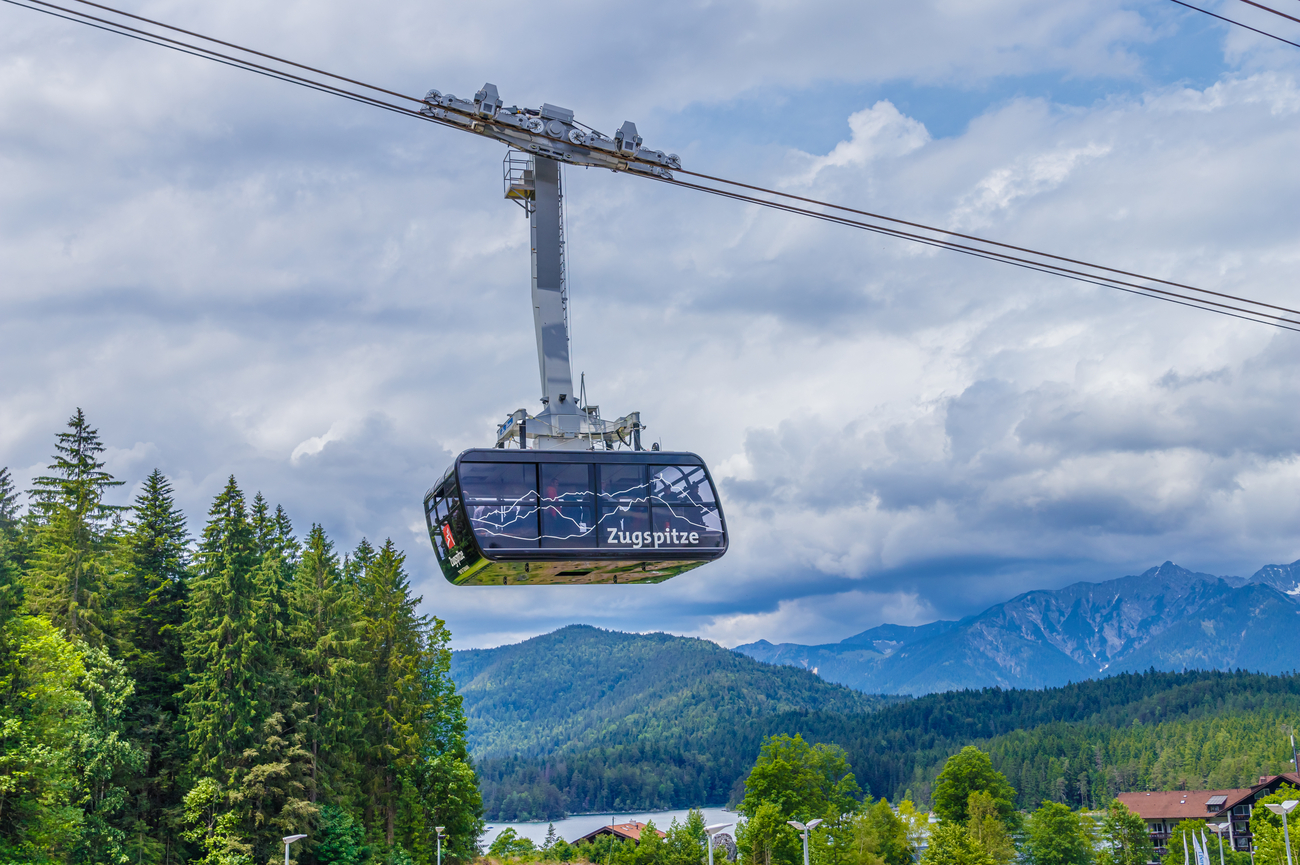
The Seilbahn Zugspitze is Germany’s most advanced cable car system, opened in 2017 and engineered to handle extreme alpine conditions. It spans nearly two kilometers in a single stretch, gliding you from the valley floor to 2,962 meters above sea level in one smooth, uninterrupted ascent. The cabin itself is all glass and steel, designed so the view hits before the altitude does. This is not a slow climb. It’s a clean, confident rise to the highest point in the country.
You’ll want to approach this as more than a quick ride. The cable car operates on a regular daily schedule, weather permitting and once you reach the summit station, you gain access to several clearly marked areas. These include viewing platforms, glacier zones and interpretive displays that explain the geography of the Zugspitze massif.
Zugspitzeck
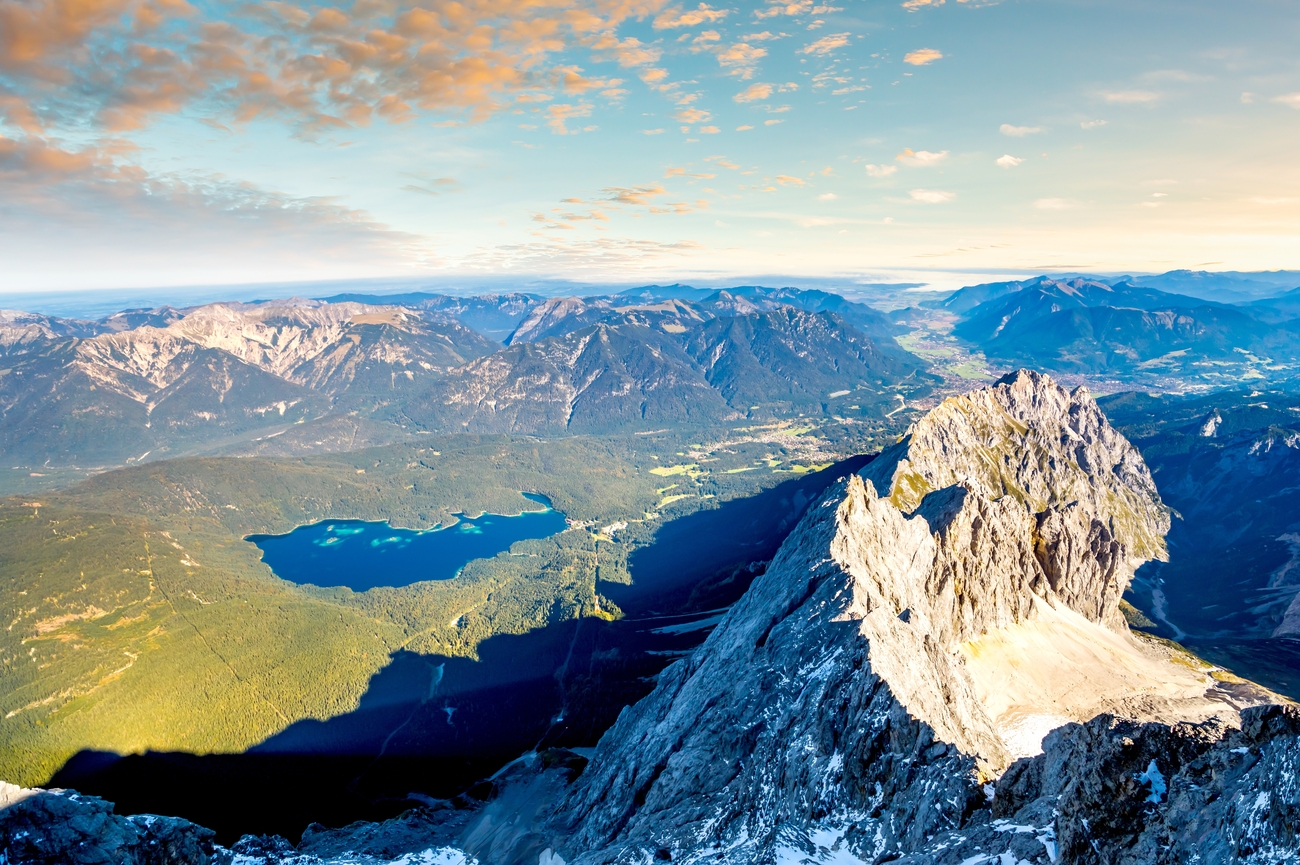
From the top station of the Seilbahn Zugspitze, a 5-minute walk pulls you slightly aside from the main platforms and toward Zugspitzeck, where the energy shifts from wow-factor to quiet altitude. Same height. Fewer voices. Better focus.
Zugspitzeck sits just off the main summit area and is often overlooked, which is exactly why it works. Historically, this section of the mountain has been part of early alpine exploration routes and weather observation zones tied to the Zugspitze massif. It offers a cleaner angle on the surrounding Alps, with less structure in the frame and more raw geography. On clear days, the ridgelines stretch endlessly and the sense of scale hits harder because nothing is competing for attention.
There’s no formal tour here, and that’s the luxury. When you walk over from the summit station, you’re effectively creating your own experience. And if you want an elevated visit, come here early in the morning, right after arriving at the summit or slightly later when tour groups cluster around the main viewing platforms.
Panorama 2962 Viewing Platform
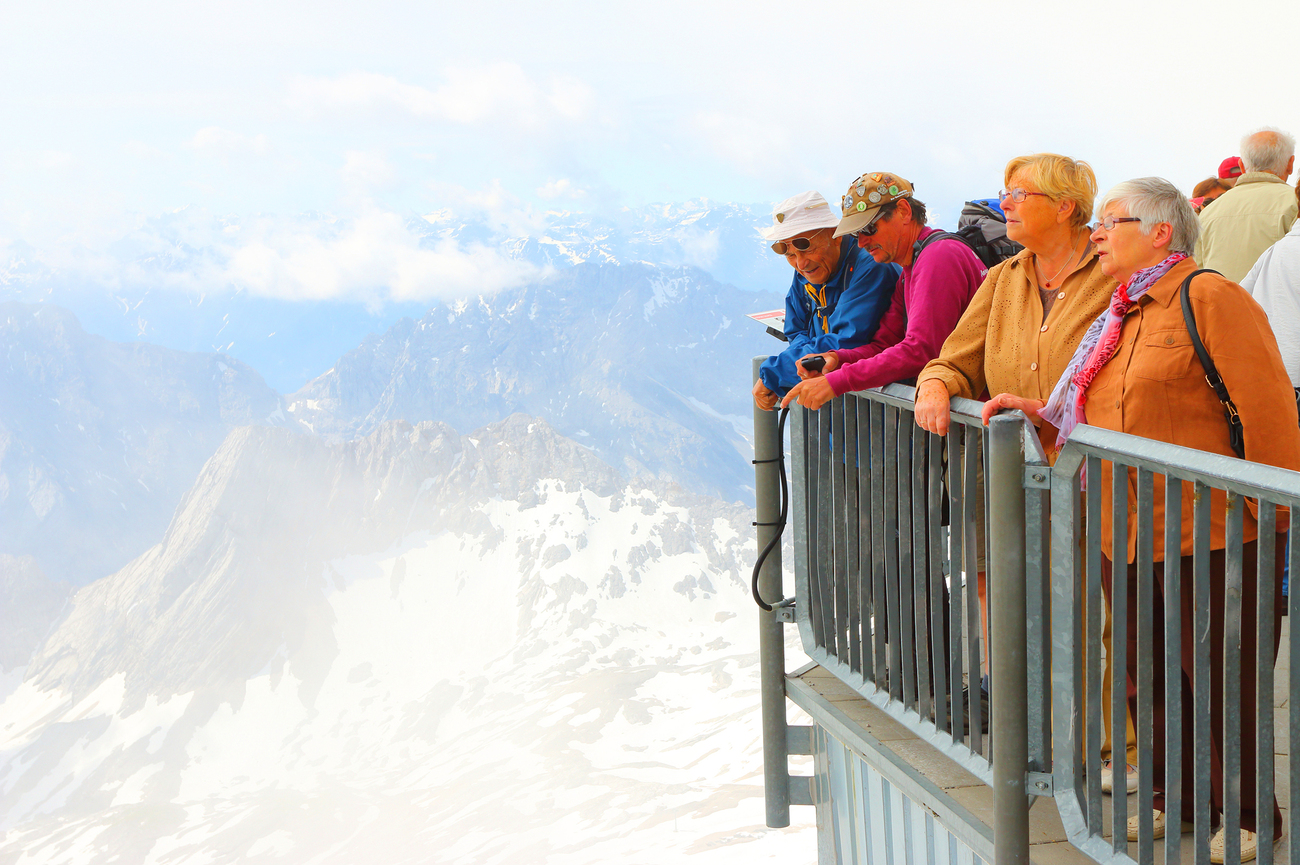
Leaving Zugspitzeck, the route bends back toward open air, with the mountains widening their stance as you go. After a short 3-minute stroll, the platform reveals itself, poised and unapologetic.
Set at 2,962 meters, Panorama 2962 is the Zugspitze’s most iconic viewing platform. Clean lines, glass railings and an outward reach that feels deliberate rather than daring. From this vantage point, the Alps stretch across borders, with Germany below and Austria, Switzerland and Italy appearing on the horizon when the weather cooperates. It’s precision engineering meeting peak performance scenery and the result is a view that doesn’t need commentary.
Afternoon: Zugspitze Glacier Area
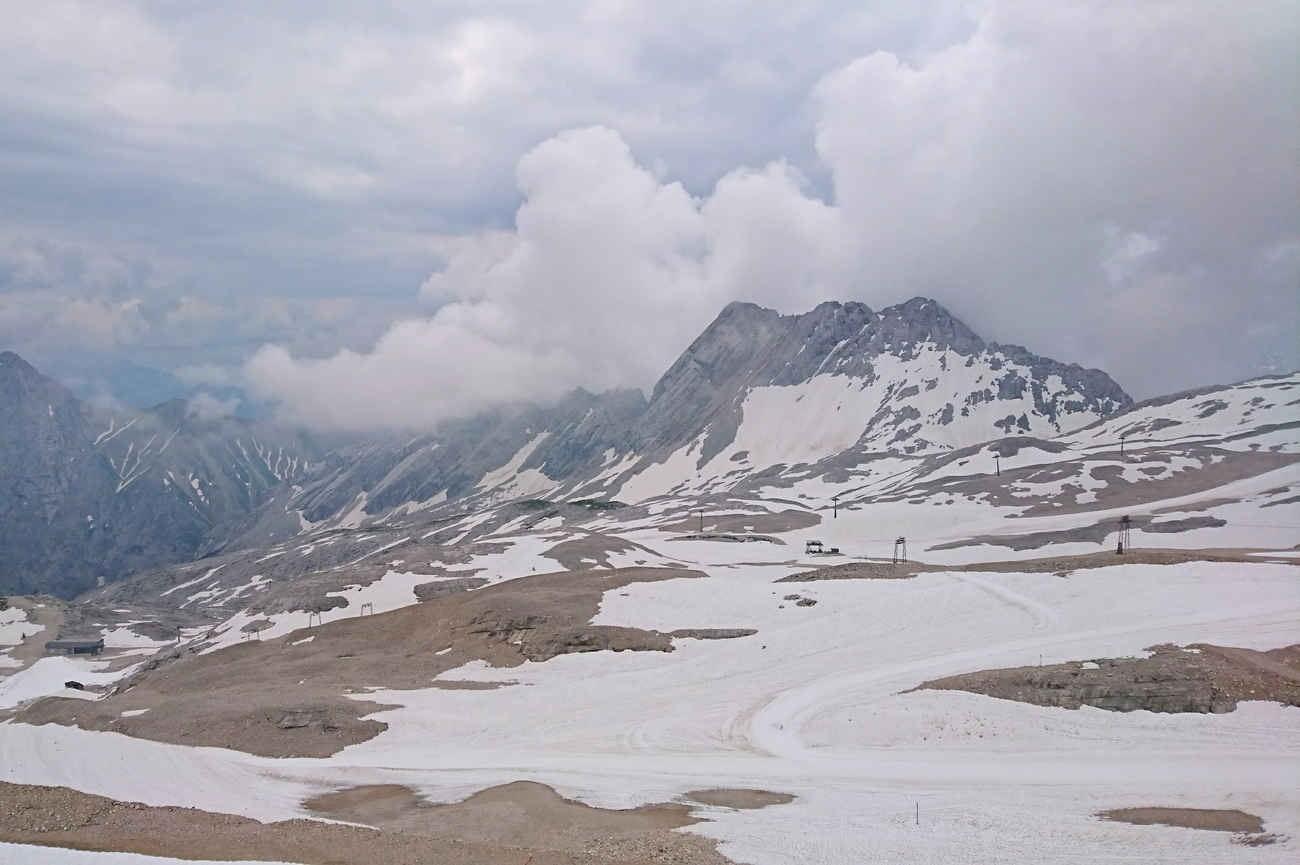
The wide views fall away, the wind sharpens, and the ground underfoot starts telling a colder story. From Panorama 2962, a slow 5-minute wander along clearly marked paths draws you toward the Zugspitze Glacier Area.
This high-alpine glacier zone sits just below the summit and has defined Zugspitze life for generations. Snow and ice linger here far longer than most expect, even outside winter, shaping the mountain’s role as Germany’s only remaining glacier environment. Long before cable cars and viewing platforms, this area supported early alpine exploration, scientific observation and winter sport development. The mood shifts here. Less polished. More elemental.
Eibsee Lake
Trade altitude for reflections.
As the mountain releases you back to the valley, the descent feels like exhaling. From the Zugspitze area down toward Grainau, the road unwinds gently, and in about a 15-minute drive the landscape softens into water and forest. The color hits first. That’s Eibsee Lake.
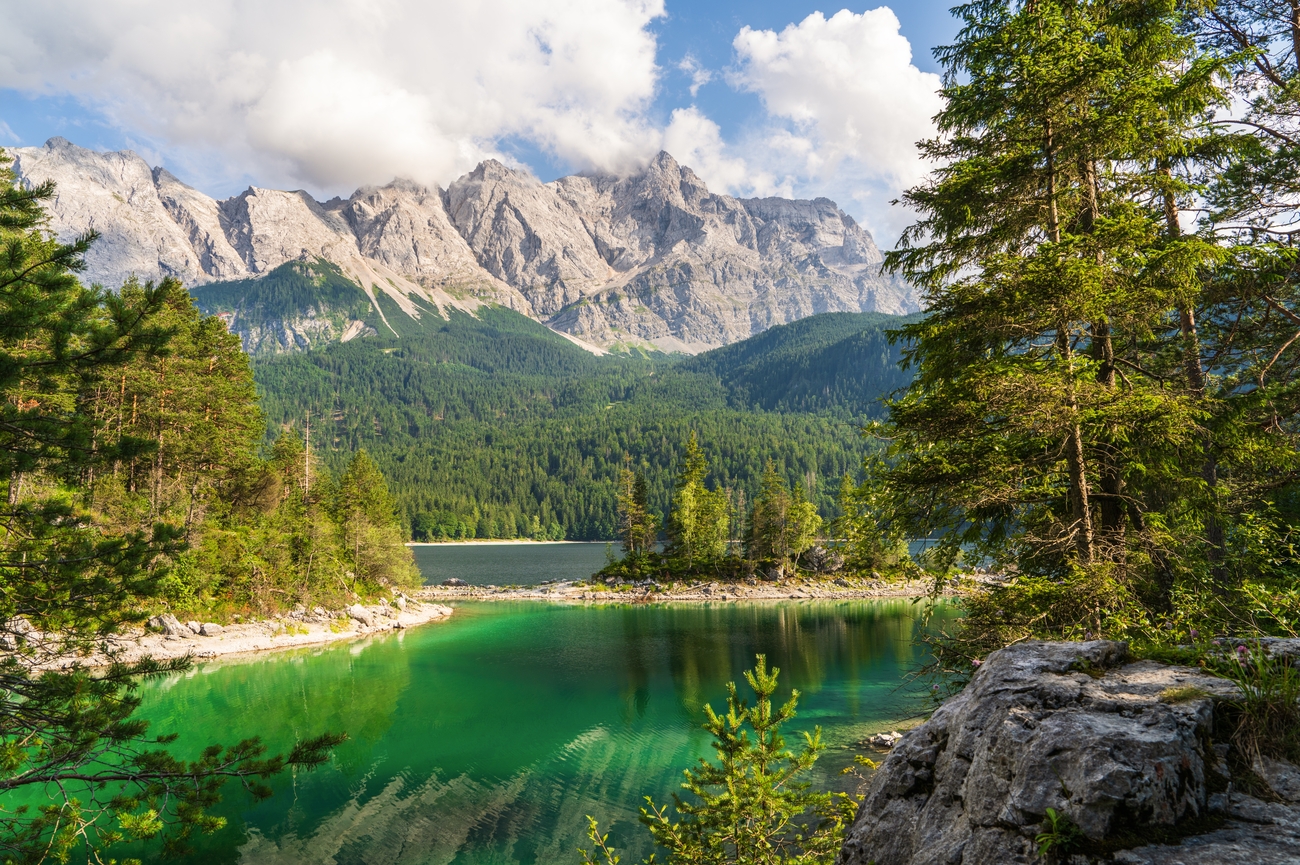
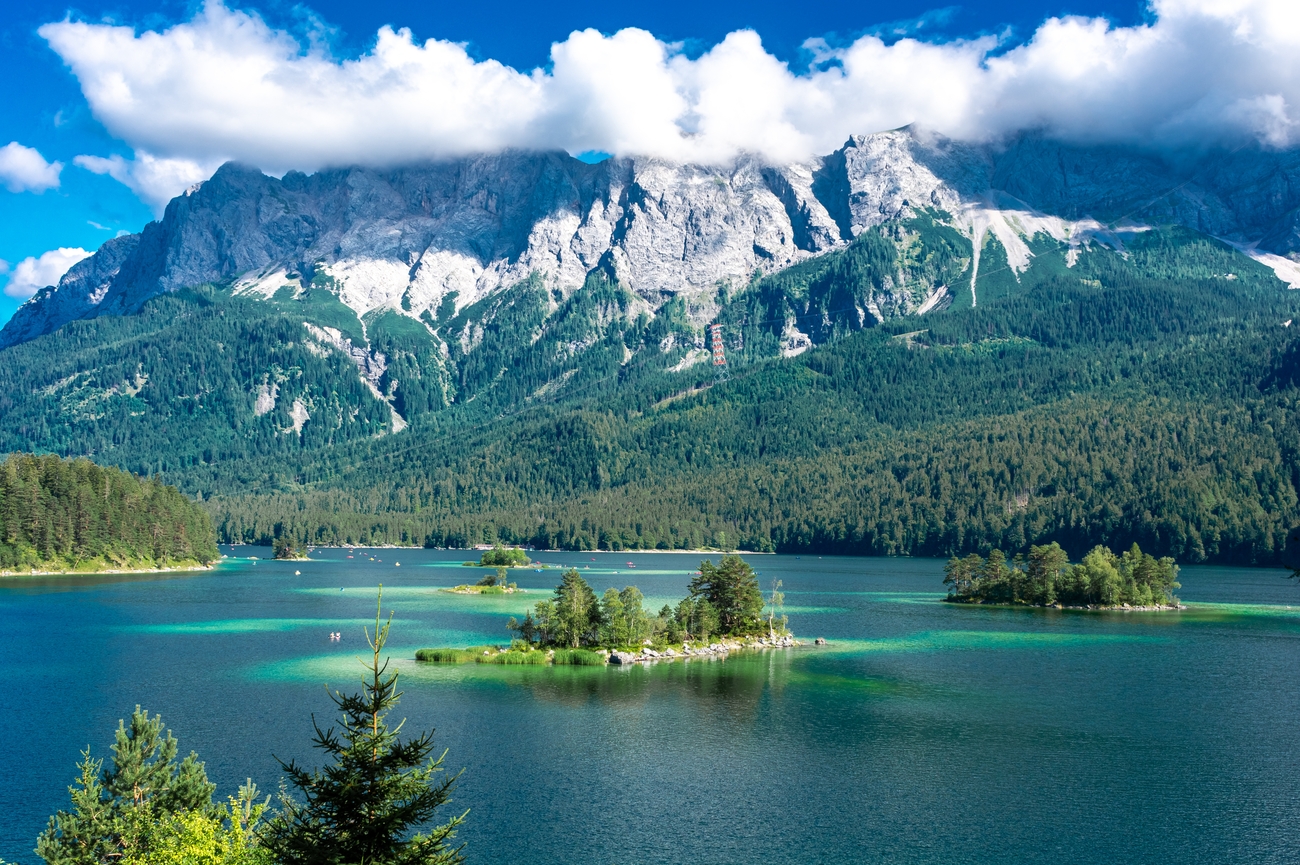
Sitting at the foot of the Zugspitze, Eibsee is one of Bavaria’s most recognizable alpine lakes, known for its unreal turquoise water and small wooded islands scattered across the surface. Formed thousands of years ago by glacial activity, the lake has long been a favorite escape for locals and visiting climbers alike. Surrounded by forest and framed by Germany’s highest peak, it feels perfectly placed, like nature planned the composition and stuck the landing.
You experience Eibsee mostly on your own terms, which is part of the appeal. The Eibsee Circular Trail loops around the lake and can be walked in sections, letting you choose how much time you want to give it. Informational signage along the paths explains the lake’s formation and ecology, while designated access points allow for swimming and seasonal water activities. In warmer months, pedal boat and stand-up paddle rentals are available through official operators near the main access areas, offering a calm way to move across the water without disrupting the mood.
Eibsee Rundweg
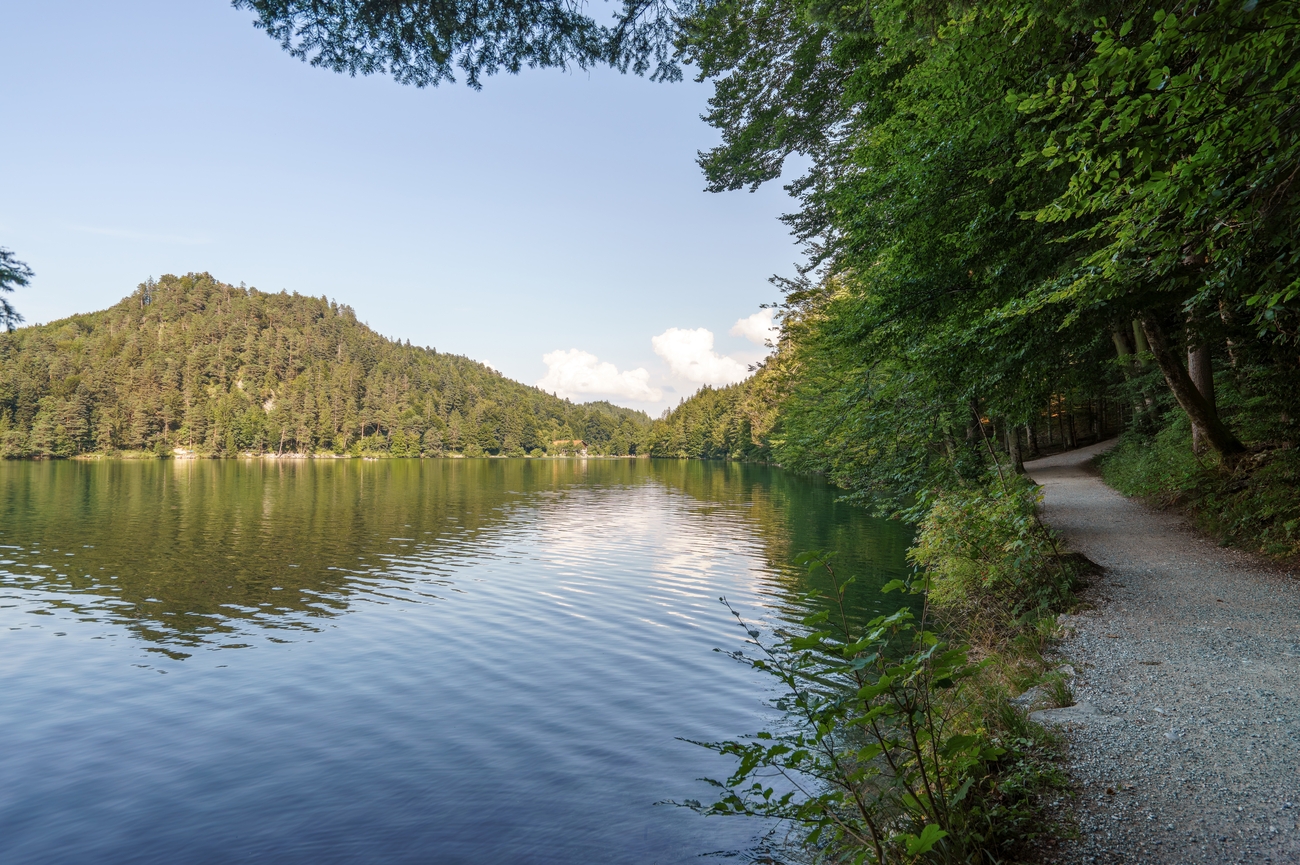
From the main access point at Eibsee, the route doesn’t really begin so much as unfold. In under a minute, the path slips into the trees and hugs the shoreline. You’re now on the Eibsee Rundweg, and the pace adjusts itself.
The Eibsee Rundweg is a well-maintained circular trail that loops around the entire lake, stretching roughly 7.5 kilometers. It was designed to keep the experience intimate rather than panoramic. The path weaves between forest sections, rocky edges, wooden footbridges and open clearings where the Zugspitze reflects sharply off the water. This route has long been used by locals as a leisure walk, a way to enjoy the lake without climbing or committing to a full hike. It’s approachable, scenic and intentionally human-scaled.
Evening: Grainau
Let the day settle where the mountains live at ground level. As the lake path winds down and the water slips out of view, the road gently nudges you inland. In about a 5-minute drive or a calm 20-minute walk from Eibsee, rooftops appear, church bells replace footsteps, and Grainau Village steps in to close the day.
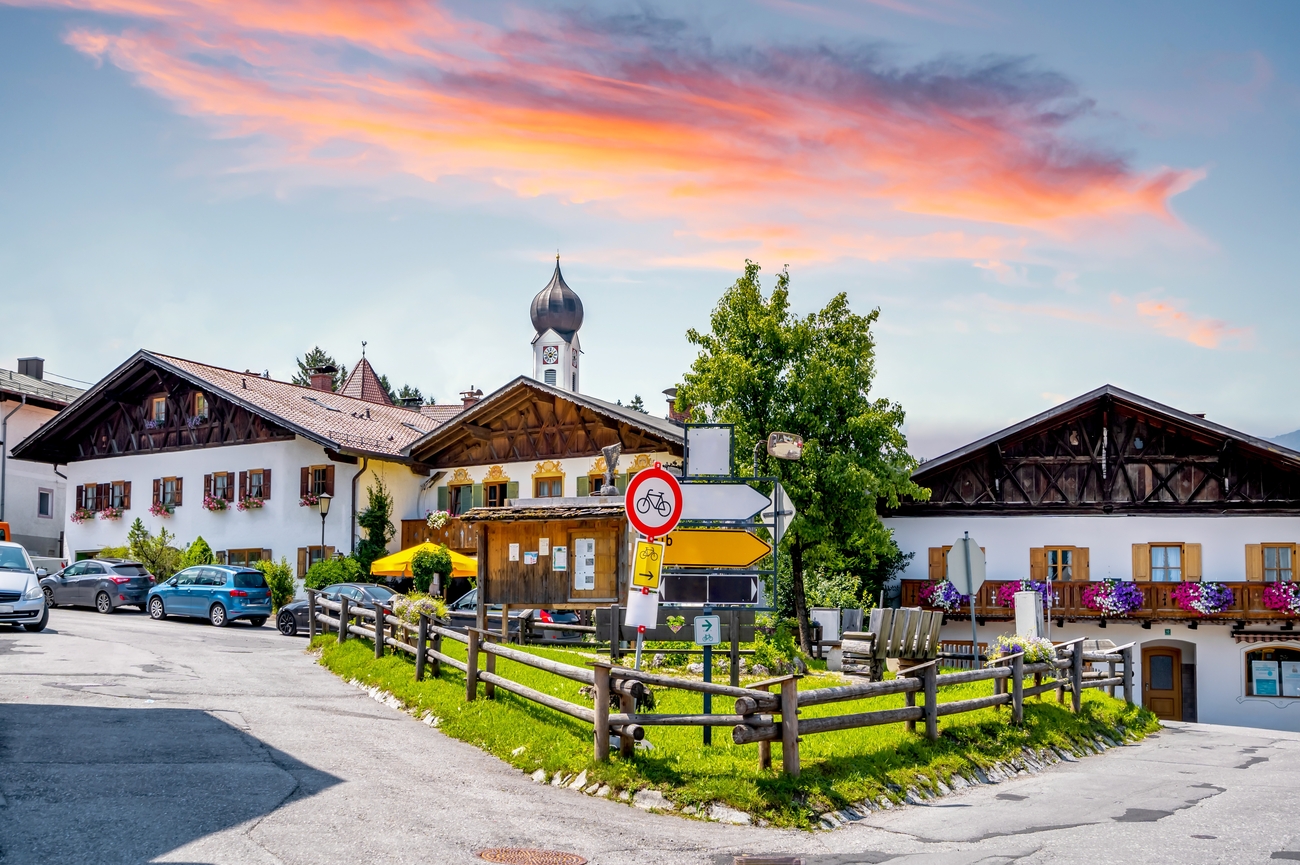
Grainau is a classic Upper Bavarian alpine village, sitting quietly beneath the Zugspitze with deep roots in farming, mountain culture and seasonal rhythms. Historically, it developed as a rural settlement shaped by alpine trade and agriculture rather than tourism spectacle, which explains its grounded feel. Traditional houses, painted facades and mountain-facing streets give the village a lived-in authenticity that hasn’t been over-polished. This is the Alps at eye level.
If you’re curious about the village beyond a stroll, guided village and cultural walks organized through local tourism offices occasionally pass through Grainau, especially in summer.
Waxensteinhütte
In about a 15-minute drive, you arrive at Waxensteinhütte, tucked against the slopes beneath the Waxenstein massif. This is where you’ll end the day, and it feels earned.
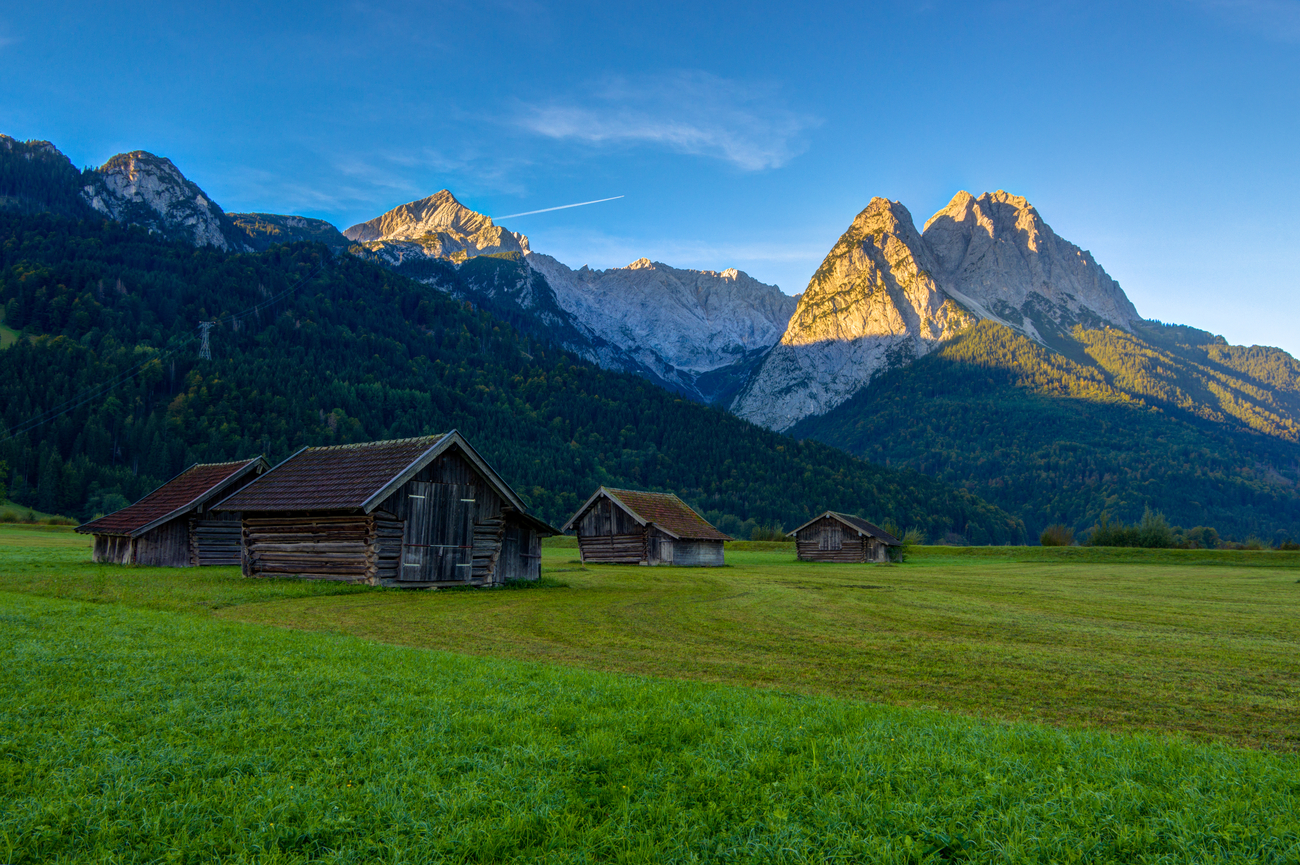
Waxensteinhütte is a traditional alpine hut with a long-standing place in the local mountain culture of the Zugspitze region. Historically, huts like this served hikers, climbers and locals moving through the Alps, offering shelter and a place to pause rather than a destination built for spectacle. Its setting is the real draw. Dense forest, open clearings and a direct line of sight toward the Wetterstein mountains give the place a quietly powerful atmosphere, especially as evening settles in.
Step outside, take in the cooling air, and watch the mountains lose their sharp edges as dusk sets in. You’ll end the day here with altitude still in your lungs and the sense that the Bavarian Alps know exactly when to quiet the room.
Day 2 -
Zugspitze, Eibsee & Grainau Tour Map
Day 3 -
Mittenwald & the Karwendel Alps
Morning: Mittenwald Altstadt
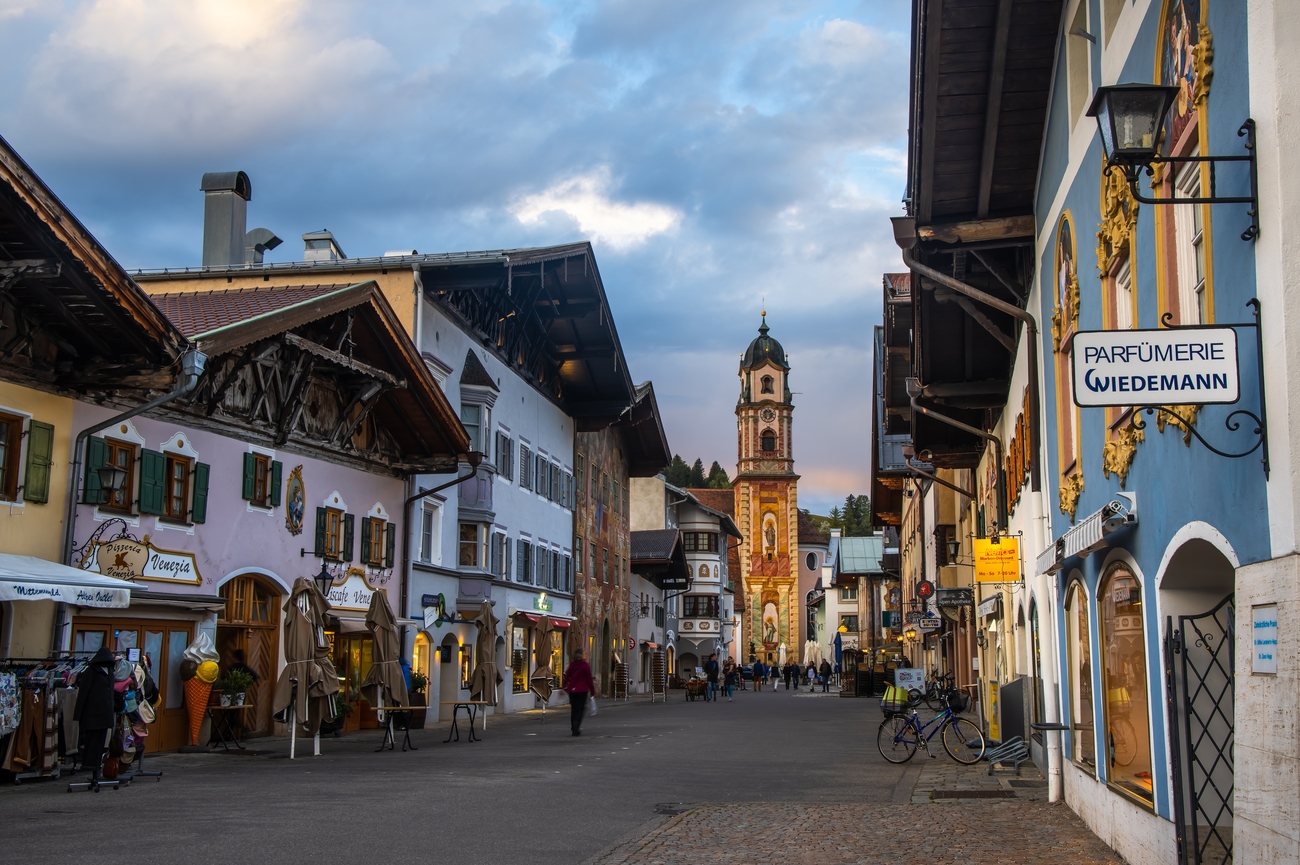
Halfway through the journey, the Alps decide to show their artistic side. Day three opens in Mittenwald Altstadt, where the pace slows, the colors get louder and the mountains step back just enough to let the town speak first.
Mittenwald has been a key trading town since the Middle Ages, positioned along historic routes between Bavaria and Tyrol. What immediately sets it apart is its celebrated Lüftlmalerei. These hand-painted frescoes date back to the 17th and 18th centuries and cover house facades with scenes of saints, legends, trades and daily alpine life. This isn’t surface-level charm.
As you explore Mittenwald Altstadt early in the morning, the streets are quieter and the murals feel freshly revealed. Wander beyond the main square into side lanes, pause where the Karwendel peaks frame the rooftops and let the town’s scale work in your favor.
Kirche St. Peter und Paul
Just off Mittenwald Altstadt, a 2-minute walk pulls you toward twin onion domes that refuse to be subtle. This is Kirche St. Peter und Paul and it anchors the town with confidence.
Completed in 1749, the church is a standout example of Upper Bavarian Baroque, built during a period when Mittenwald prospered as a trading hub between Bavaria and Tyrol. Its exterior already makes a statement, but the interior is where the scale really unfolds. The ceiling frescoes depict scenes from the lives of Saints Peter and Paul, framed by elaborate stucco work and warm pastel tones that soften the grandeur. The high altar, side chapels and carved details were designed not only for worship but also to reflect the town’s confidence and cultural standing at the time. This was Mittenwald announcing itself through architecture.
If you want the stories behind the details, you should take part in the church tours, which are held every Monday at 5:00 pm. These guided visits walk you through the symbolism of the frescoes, the Baroque design language and how the church functioned far beyond worship.
Kurpark Puit
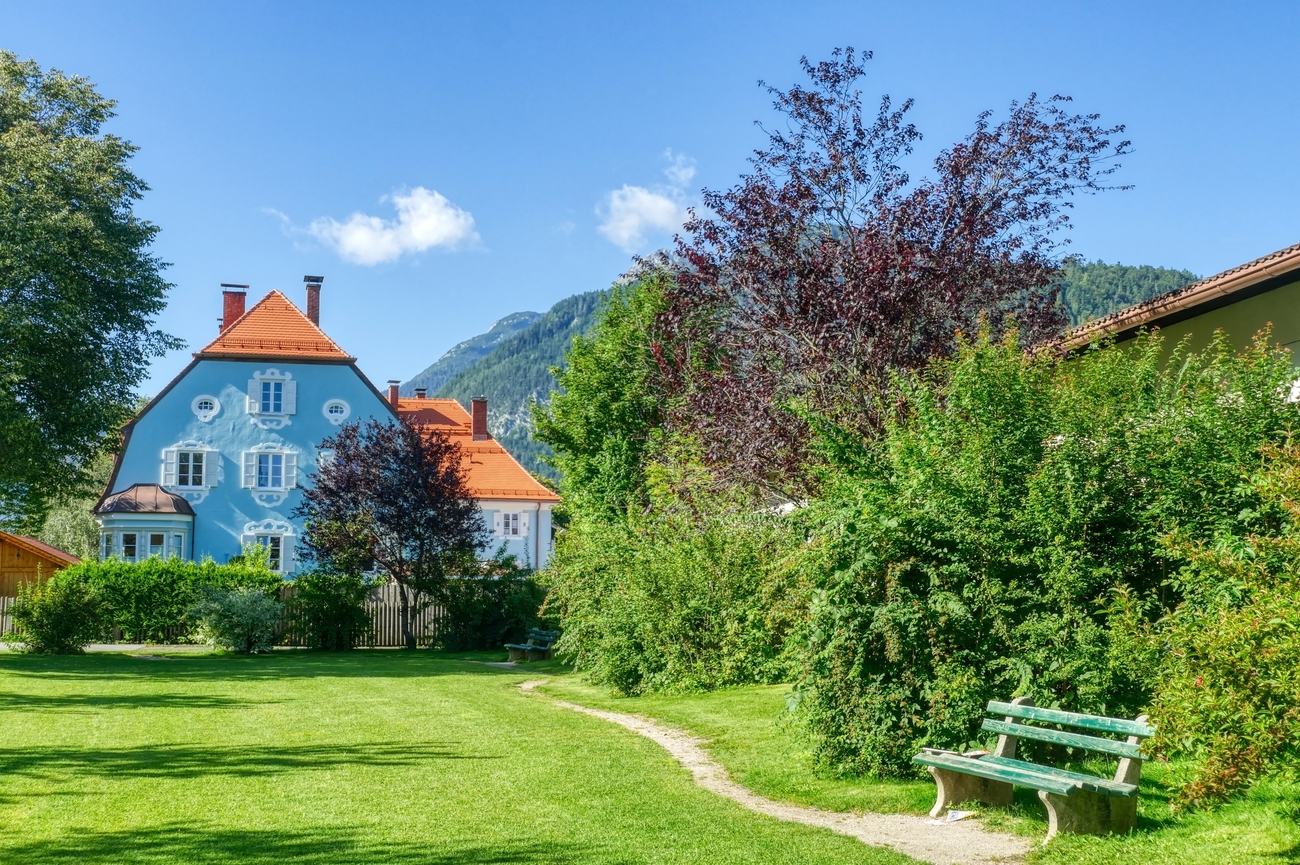
In about a 5-minute walk, painted façades give way to greenery and open views at Kurpark Puit, Mittenwald’s quiet pause button.
Kurpark Puit sits along the Isar River and reflects Mittenwald’s long connection to alpine wellness culture. Like many Kurparks in Bavaria, it was designed as a restorative space rather than a showpiece. Think wide lawns, tree-lined paths, benches placed with intention and constant mountain presence courtesy of the Karwendel Alps. Historically, parks like this were central to health-focused travel in alpine towns, offering fresh air, gentle movement and space to reset between cultural stops.
You can explore the park on your own and let it slow you down properly. Walk along the river paths, pause where the mountains frame the water and give yourself a moment where nothing competes for attention.
Afternoon: Karwendelbahn
Trade painted streets for pure vertical gain.
After the calm of Kurpark Puit, the town thins out and the mountains step forward again. Before heading up, this is a smart moment to grab a proper bite in town, because once you start the ascent, the afternoon belongs fully to the mountains. From there, a 10-minute walk or a quick 3-minute drive brings you to the Karwendelbahn valley station.
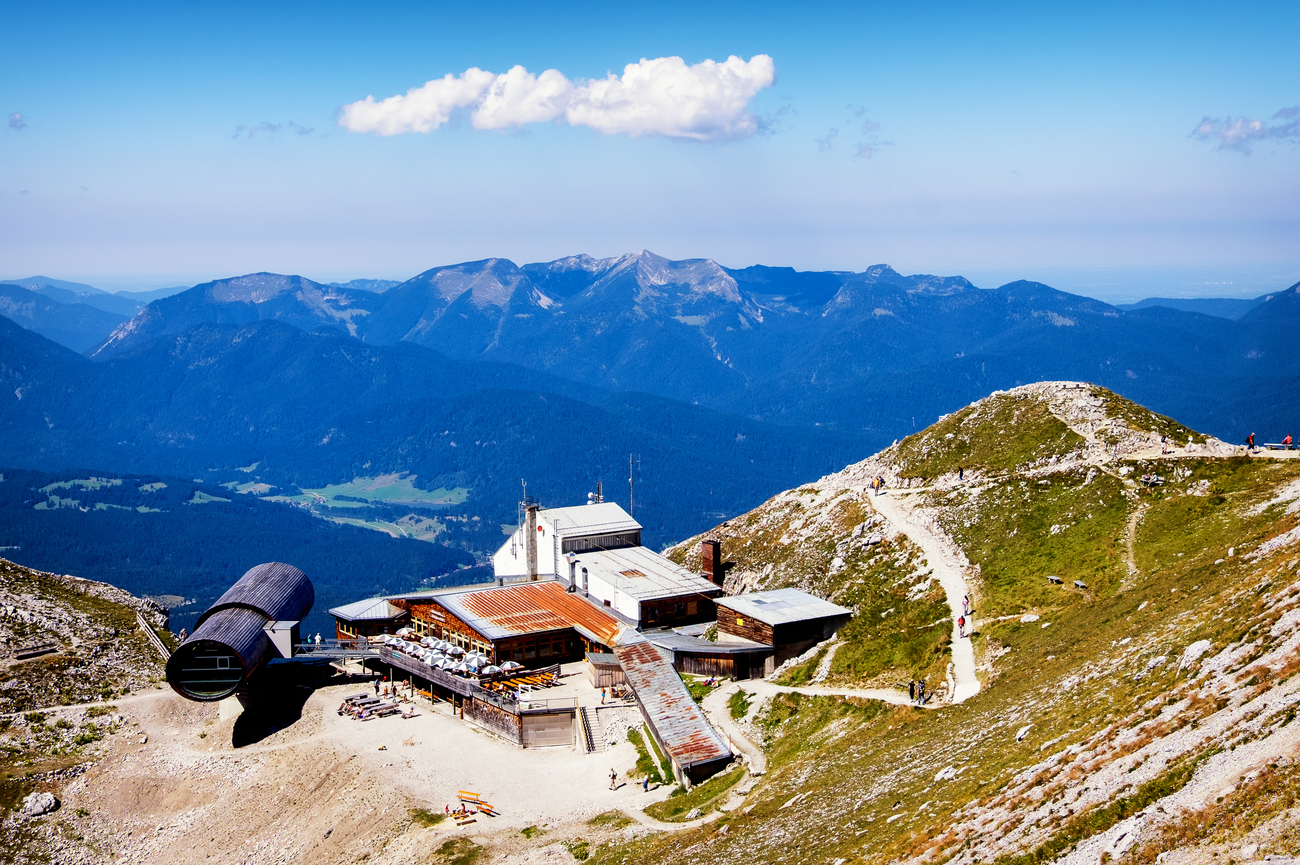
The Karwendelbahn cable car lifts you straight into the Karwendel Alps, one of the most dramatic and untamed mountain ranges in Bavaria. First opened in 1967 and upgraded over the years, the cable car rises from Mittenwald to roughly 2,244 meters, revealing sweeping views over the Isar Valley and deep into jagged limestone terrain. The Karwendel range is known for its sharp contours and raw geology.
At the summit, the experience opens up. Clearly marked panoramic and alpine paths lead you toward viewpoints overlooking Mittenwald and the surrounding peaks. Once you’re up here, you’ll be walking, exploring, and taking in serious altitude, so pacing matters. Karwendelbahn fills the afternoon with adventure and wide-open scenery, making it one of the most rewarding high points of the day, both literally and figuratively.
Passamani Rundweg
As the crowd drifts back toward the cable car platforms, take the opposite cue. The terrain opens, the path flattens, and after about 5 minutes of easy walking from the Karwendelbahn upper station, you find yourself on the Passamani Rundweg, where the afternoon keeps its altitude but loses the noise.
The Passamani Rundweg is a high-alpine circular trail designed for panoramic wandering rather than technical hiking. It loops gently across the upper Karwendel landscape, delivering uninterrupted views over Mittenwald, the Isar Valley and the jagged limestone peaks that define this range. The Karwendel Alps are known for their sharp contours and raw geology and this trail puts that character front and center without demanding serious mountaineering skills.
You’ll typically walk the loop independently, letting the views set the pace. On certain days, guided alpine walks incorporate sections of the Passamani Rundweg, especially during summer. When you join one, guides help you read the mountains properly.
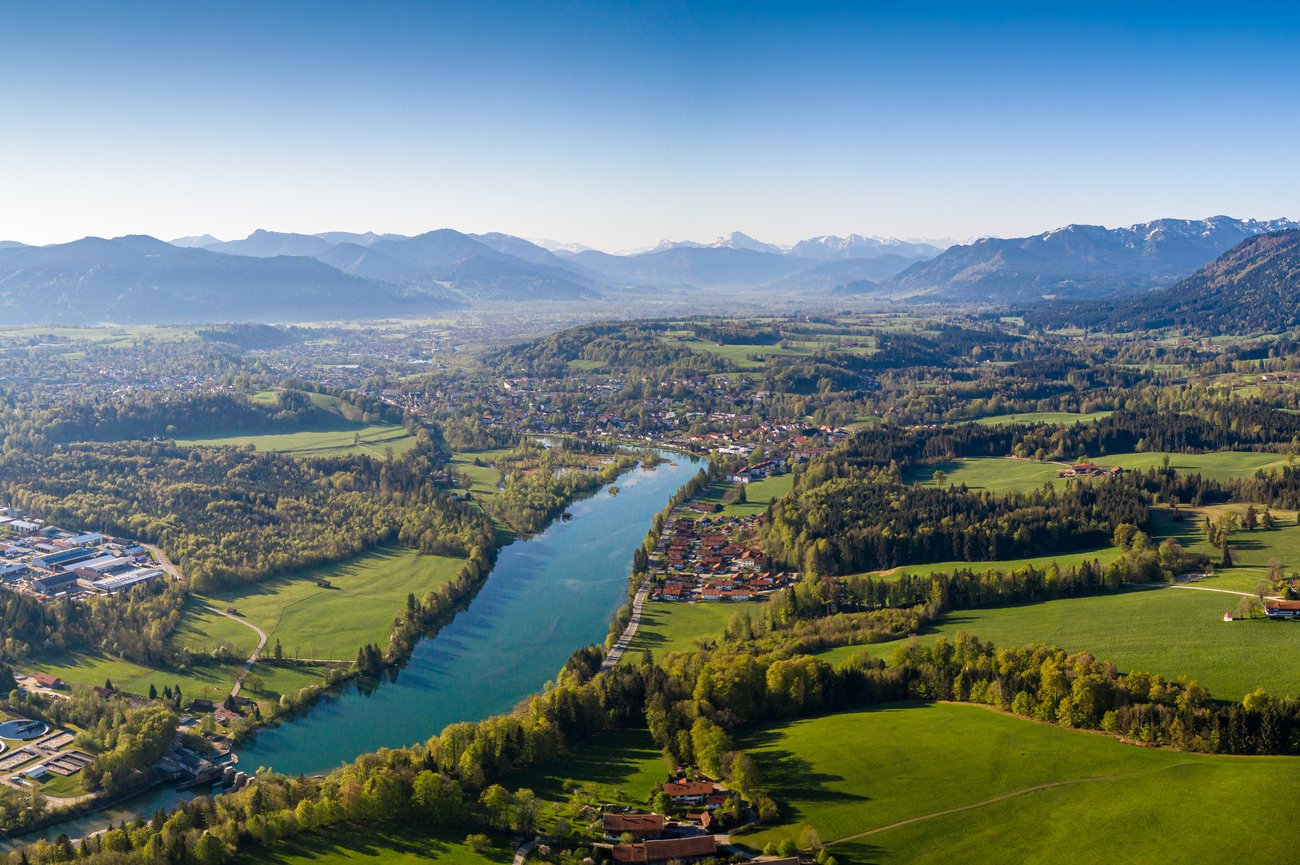
Dammkar
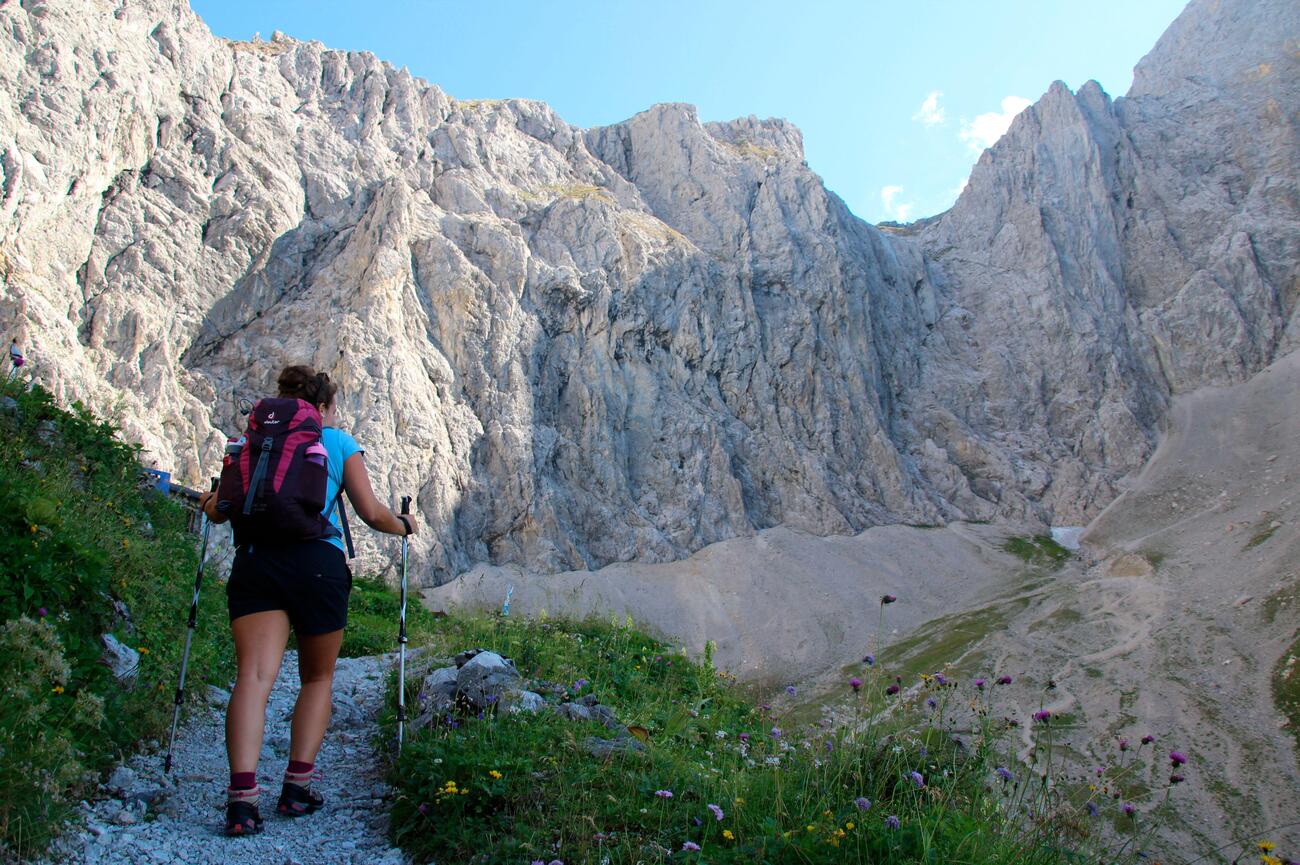
Follow the trail that dips gently away from the wide panoramas and into sharper terrain. Within 10 to 15 minutes of walking from the Karwendelbahn summit area, the landscape tightens and you step into Dammkar, where the Karwendel Alps show their raw side.
Dammkar is one of the most striking geological features in the Karwendel range. It’s a steep cirque carved by ice and erosion, defined by pale limestone walls and loose rock slopes that drop dramatically toward the valley. Historically, this area has been known as a challenging route for experienced mountaineers and, in winter, one of the longest ski descents in Germany. Even without tackling the full route, standing at Dammkar gives you a clear sense of how untamed this mountain range really is. It’s less polished than other alpine zones and proudly so.
You should approach Dammkar as an observation point rather than a challenge. Stop at the upper viewpoints, take in the sheer drop, and notice how quickly the mood shifts compared to the gentler summit paths. The air feels sharper here. The silence feels deeper.
Evening: Leutasch-Klamm Wasserfallsteig
As the day eases out of altitude and back into shadow, the route unwinds through forest and valley, leaving sharp peaks behind for something more intimate. The road bends, the air cools and after about a 10-minute drive from Mittenwald, the sound of rushing water takes over. This is the cue. You’ve reached Leutasch-Klamm Wasserfallsteig and this is where the day ends.
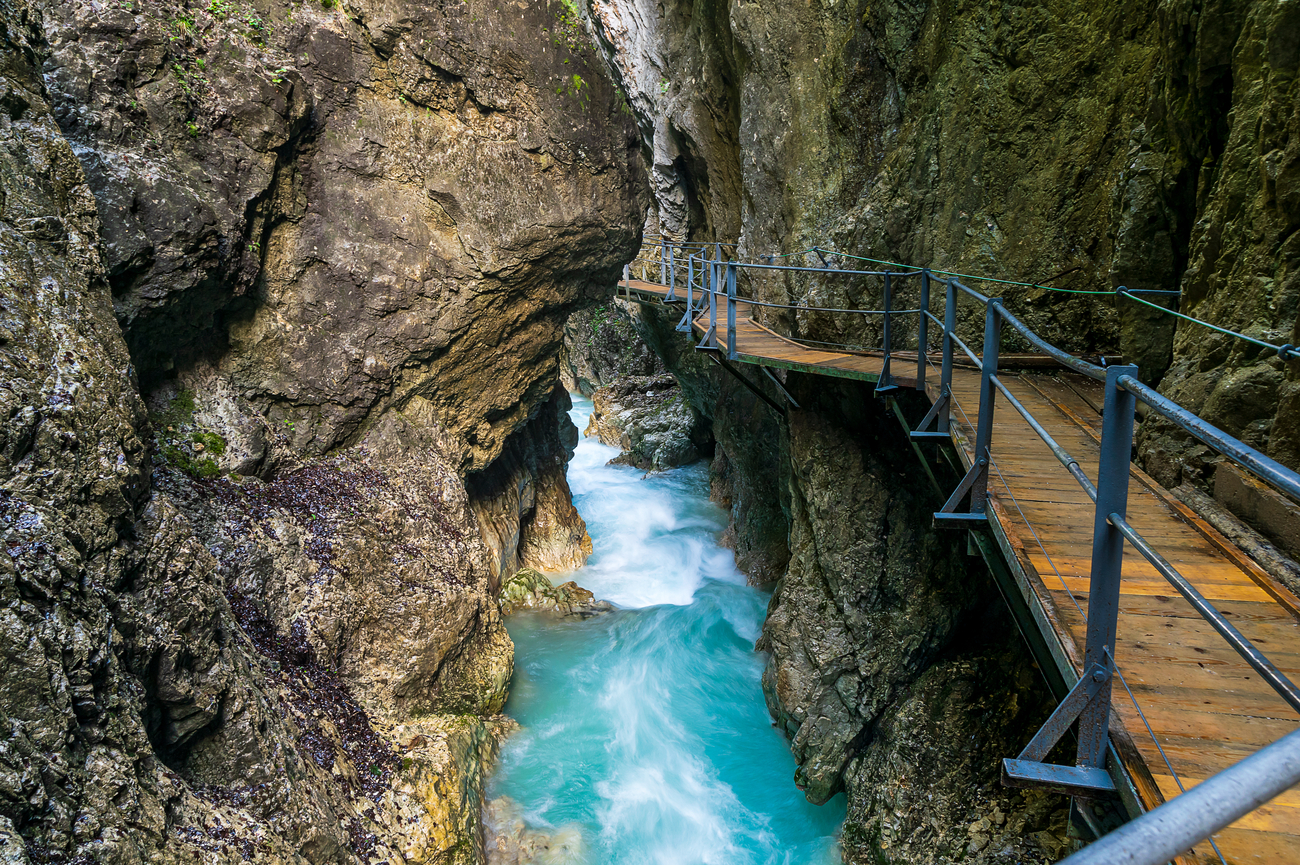
Leutasch-Klamm is a narrow gorge carved by the Leutascher Ache, with the Wasserfallsteig threading directly through its most dramatic sections. Timber walkways cling to vertical rock faces, waterfalls spill in layers and mist hangs low as if the gorge is breathing. Long before it became a walking route, this passage marked a natural corridor between Bavaria and Tyrol. Today, it’s a protected natural monument, designed to be experienced slowly, step by step.
Before stepping in, there are a few things you should know. The Spirit Gorge hike is not suitable for strollers or dogs, as the walkways are narrow and the terrain uneven. The gorge is open from May until approximately mid-November, depending on when winter conditions set in.
Day 3 -
Mittenwald & the Karwendel Alps Tour Map
Day 4 -
Königssee & Berchtesgaden National Park
Morning: Pier St. Bartholomew
Day four opens on water that behaves like glass. By the time you reach Pier St. Bartholomew (Anlegestelle St. Bartholomä), the noise is gone, replaced by sheer rock walls and a lake that looks almost unreal.
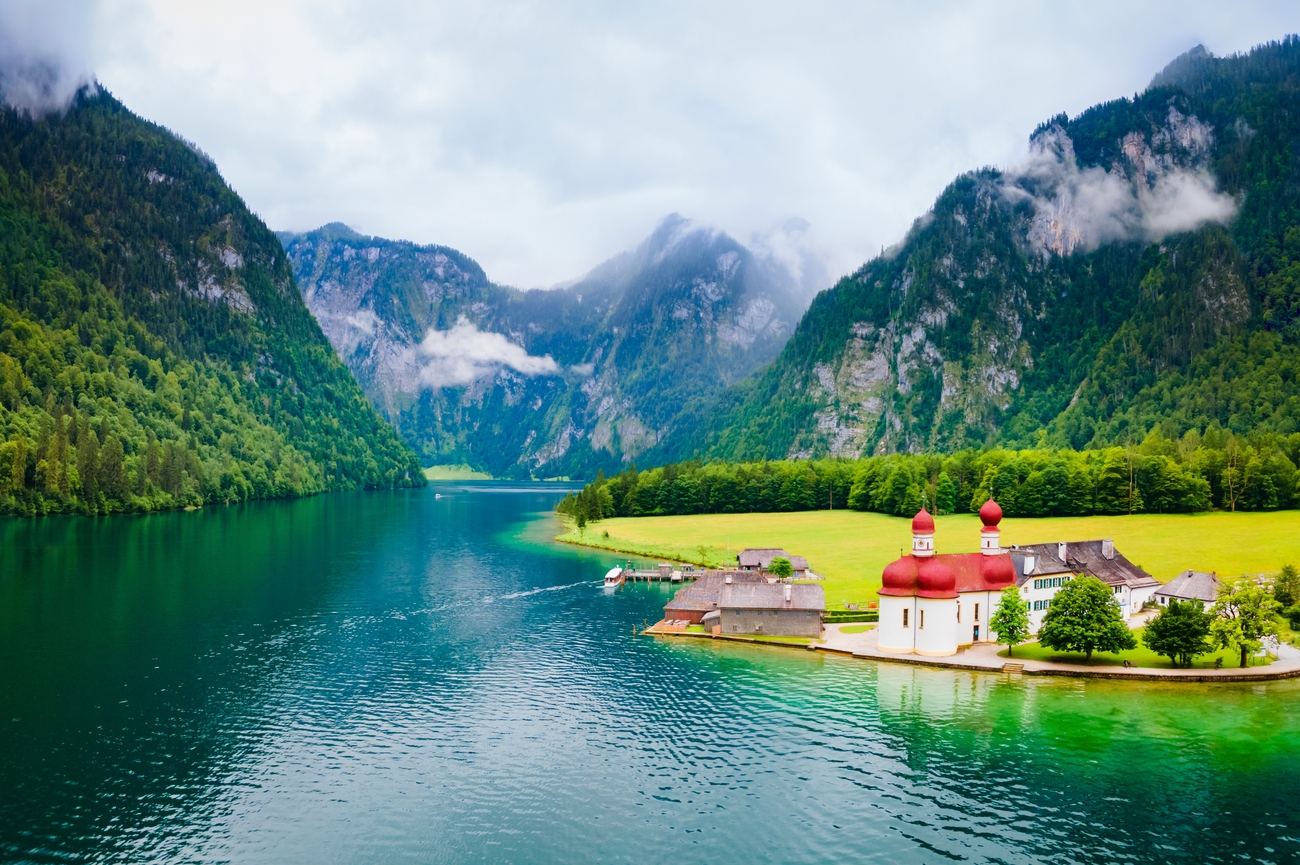
The pier sits on Königssee, one of Germany’s most protected alpine lakes, famous for its emerald clarity and strict environmental controls. St. Bartholomew has been a pilgrimage site since the 12th century, originally founded as a hunting lodge by Bavarian royalty before becoming a place of worship. The iconic red onion domes of St. Bartholomä Church rise just steps from the pier, framed by the towering Watzmann massif. Historically, this was a destination reached only by boat or foot, which explains why it still feels removed from time and trend.
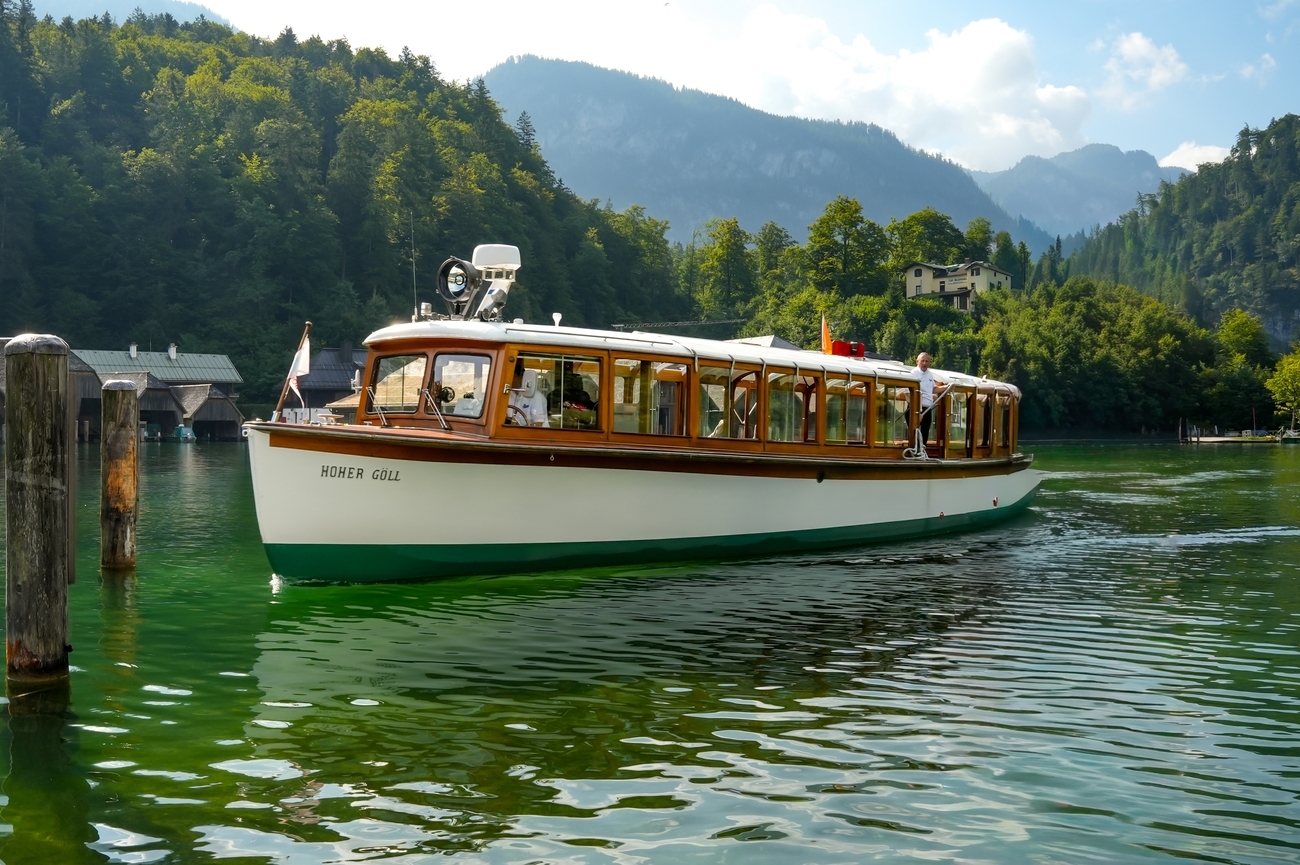
You arrive here via the electric boat crossing from Königssee, a guided journey that is part transport, part experience. During the crossing, boat operators demonstrate the lake’s natural echo by playing a trumpet toward the rock walls, letting sound bounce cleanly back across the water.
Königssee Lake Crossing
From the Königssee lakeshore, you step onto the boat and everything else fades out. The dock slips behind you, the water tightens into a narrow corridor and the Königssee Lake Crossing carries you forward with almost no sound at all.
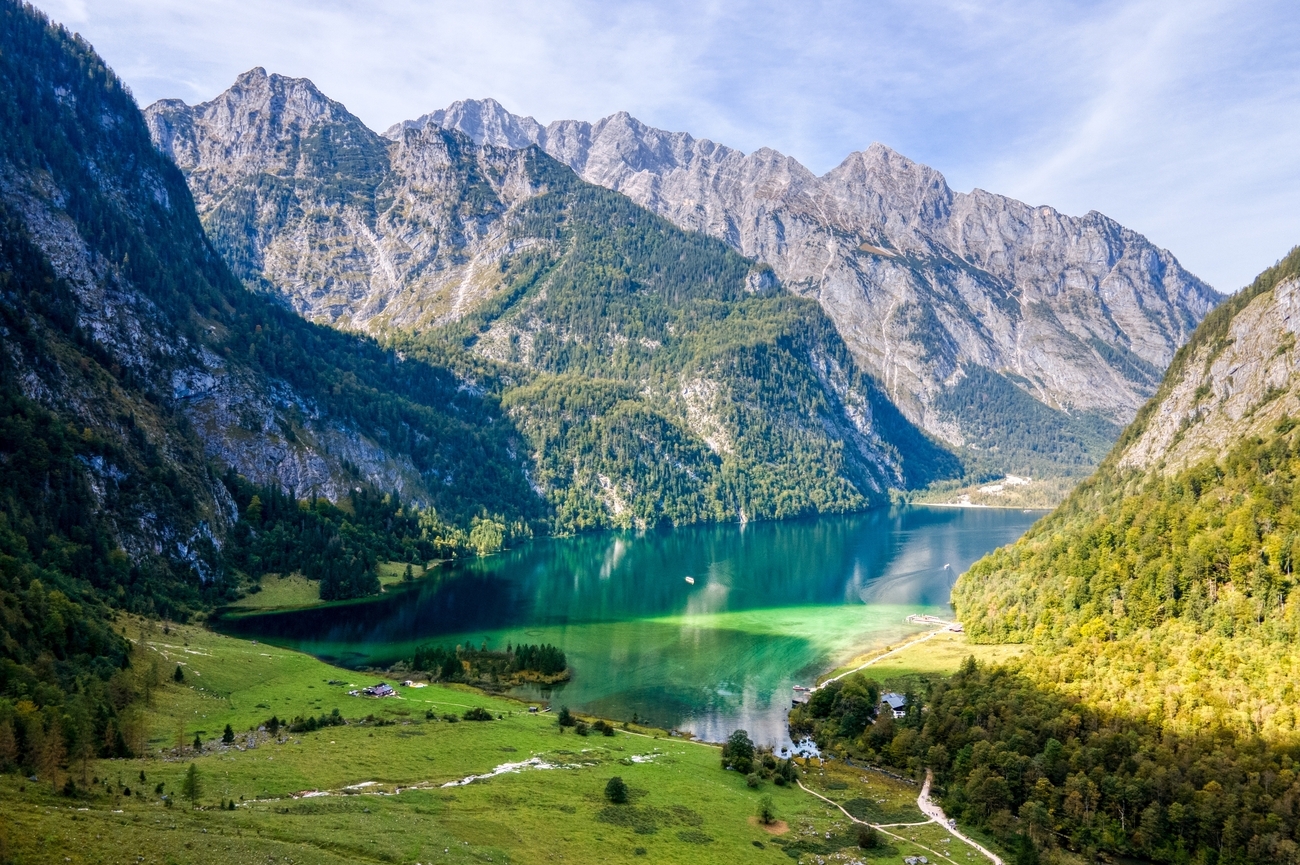
Königssee is one of the cleanest alpine lakes in Europe, protected within Berchtesgaden National Park and governed by strict conservation rules that ban private boats and fuel-powered engines. Only electric boats operated by the park are allowed on the water, which is why the crossing feels unnervingly calm. Steep rock walls rise straight from the lake, the Watzmann massif dominates the horizon and the emerald color of the water stays consistent no matter the light. The lake was used by Bavarian royalty as a hunting and retreat area, and that sense of exclusivity never really left.
The crossing itself is guided by the boat operators and you’ll want to pay attention. Midway through the journey, the boat pauses and the captain demonstrates the lake’s famous natural echo by playing a trumpet toward the cliffs. The sound returns clean and sharp, bouncing across the water in a way that feels staged but very much isn’t. Along the way, you’ll also get commentary on the surrounding peaks, the geology of the fjord-like valley and why Königssee has remained so untouched compared to other alpine lakes.
Pilgrimage Church of St. Bartholomew
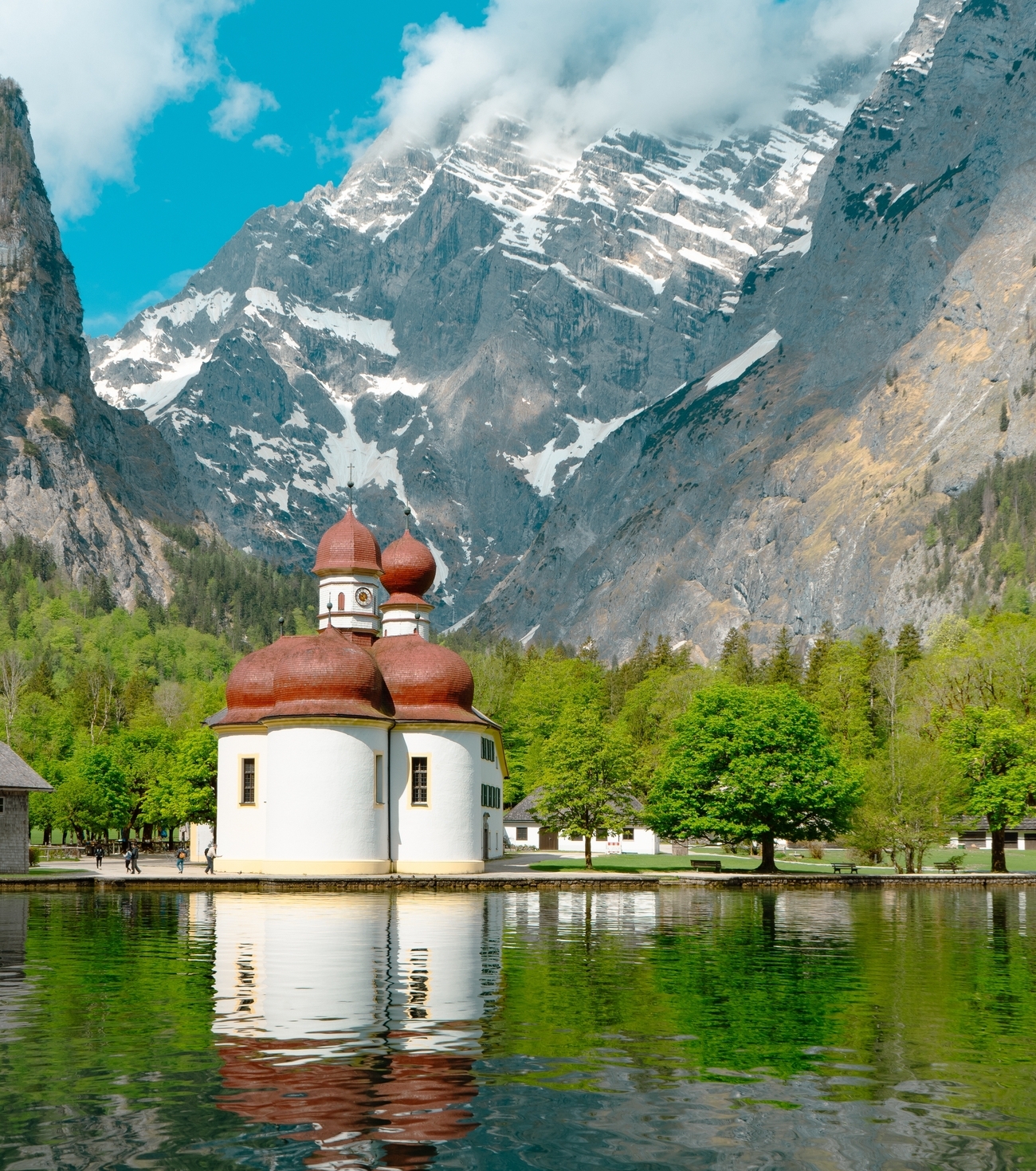
As the water releases you back to land, the scale shifts again. Just a few unhurried steps from the pier, the iconic silhouette of the Pilgrimage Church of St. Bartholomew (Wallfahrtskirche St. Bartholomä) comes into full view, small in size, huge in presence, perfectly placed against sheer rock and open meadow.
The church dates back to the 12th century, originally founded as a hunting lodge chapel for Bavarian royalty before evolving into one of the most recognizable pilgrimage sites in the Alps. Dedicated to St. Bartholomew, the patron saint of alpine farmers and herdsmen, it reflects a deep connection between faith and mountain life. The famous twin red onion domes were added later and have since become inseparable from the Königssee image. Inside, the church keeps things intimate. Simple Baroque details, restrained decoration and a scale that feels personal rather than grand. The surrounding Watzmann massif does the heavy lifting.
Afternoon: Obersee Lake
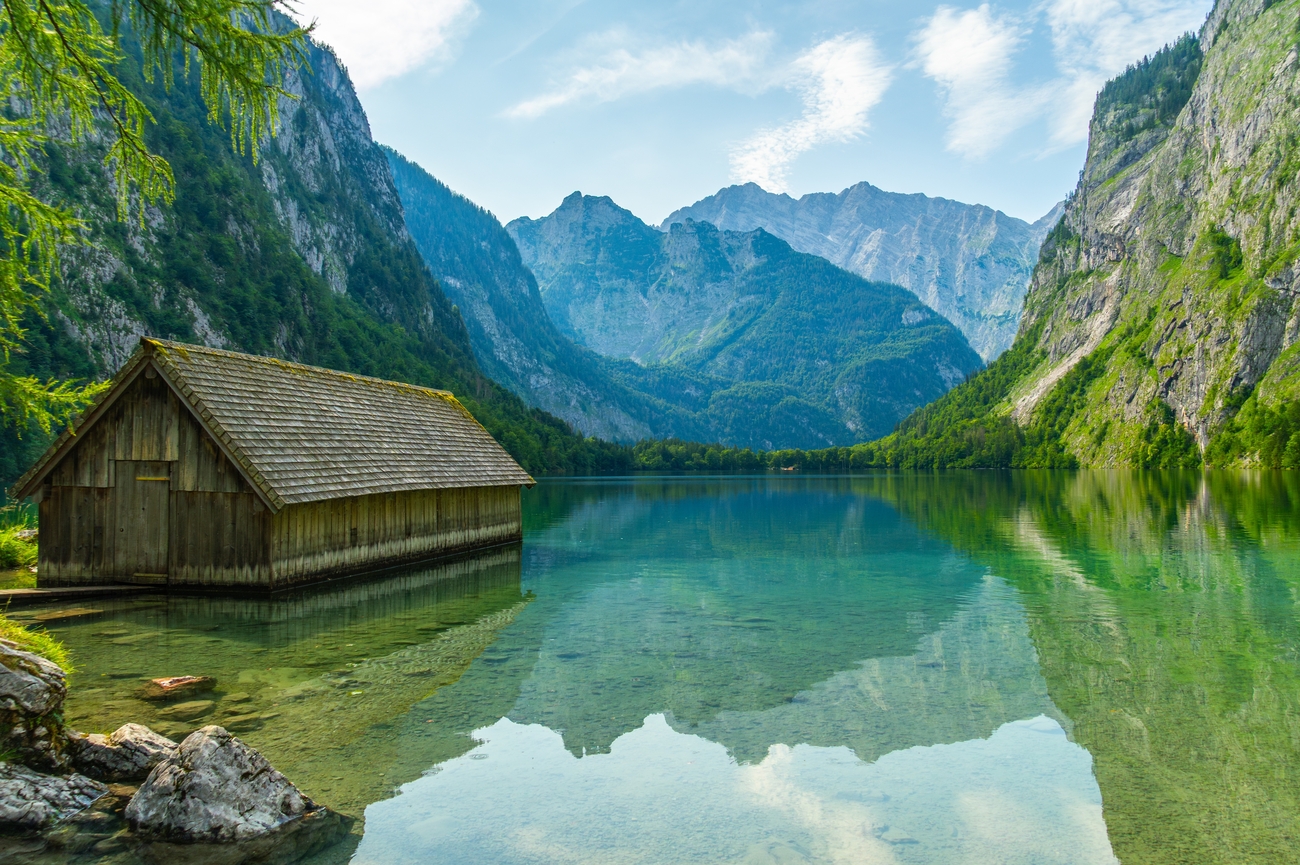
Follow the lakeside trail beyond the church and after about a 20-minute flat walk, the scenery tightens, the water stills even more and Obersee Lake quietly reveals itself.
Obersee sits just beyond Königssee, smaller in size but sharper in impact. Fed by glacial streams and framed by steep rock faces, it’s known for its mirror-like surface and unreal clarity. This is where the Bavarian Alps feel almost staged, except nothing here is. The surrounding cliffs reflect cleanly into the water and the landscape feels stripped of distractions. Obersee remained less visited due to its location beyond the main boat stops, which is exactly why it has kept its calm, untouched atmosphere.
Röthbach Waterfall
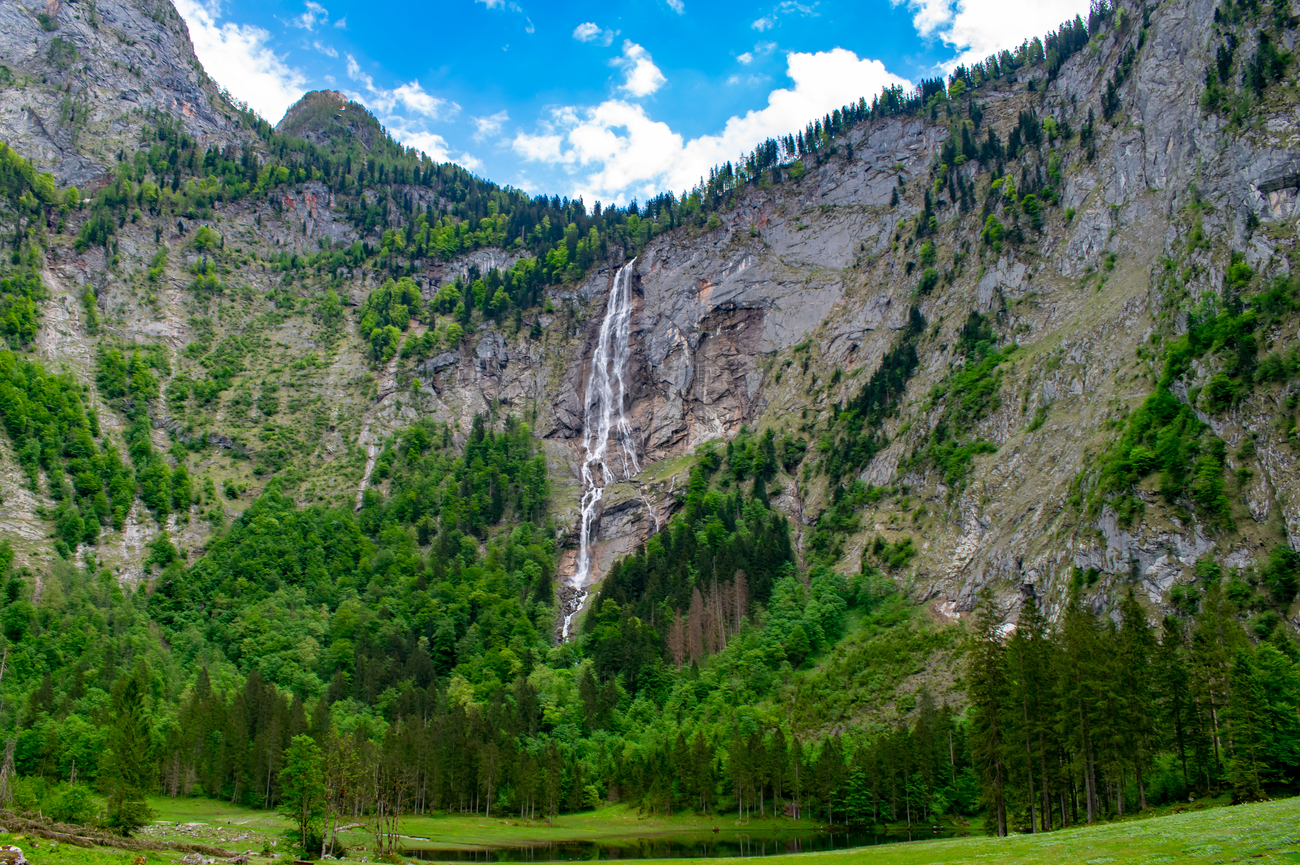
Stay on the well-marked trail and after about a 30-minute walk, the sound changes before the view does.
Rising roughly 470 meters, Röthbach Waterfall is the highest waterfall in Germany, fed by snowmelt and alpine runoff from the surrounding rock faces of the Berchtesgadener Alps. Its height becomes even more striking when seen in context. The waterfall doesn’t cascade gently. It plunges in stages, cutting a clean vertical line down pale limestone walls before dispersing into mist near the valley floor. The falls are at their most powerful in late spring and early summer, when melting snow swells the flow, while late summer brings a softer, more delicate stream that still holds presence.
Nationalpark Berchtesgaden
Leaving the narrow focus of the waterfall behind, the valley opens and the landscape starts connecting itself. As you follow the marked paths and return toward the main routes, you transition seamlessly into Nationalpark Berchtesgaden, where everything you’ve seen so far finally clicks into place.
Established in 1978, Berchtesgaden National Park is Germany’s only alpine national park, covering vast stretches of rugged mountain terrain, deep valleys, high plateaus, and pristine water systems. This is a strictly protected environment, shaped by limestone geology, glacial activity, and centuries of minimal human intervention. Peaks like the Watzmann, Germany’s third-highest mountain, dominate the skyline, while forests, alpine meadows, and lakes form a carefully preserved ecosystem below. And if you want to engage with the park beyond observation, this is where the structure helps. The Nationalpark Berchtesgaden offers a varied hiking program with fixed schedules throughout the year, led by trained rangers and park guides.
Evening: Hintersee Lake
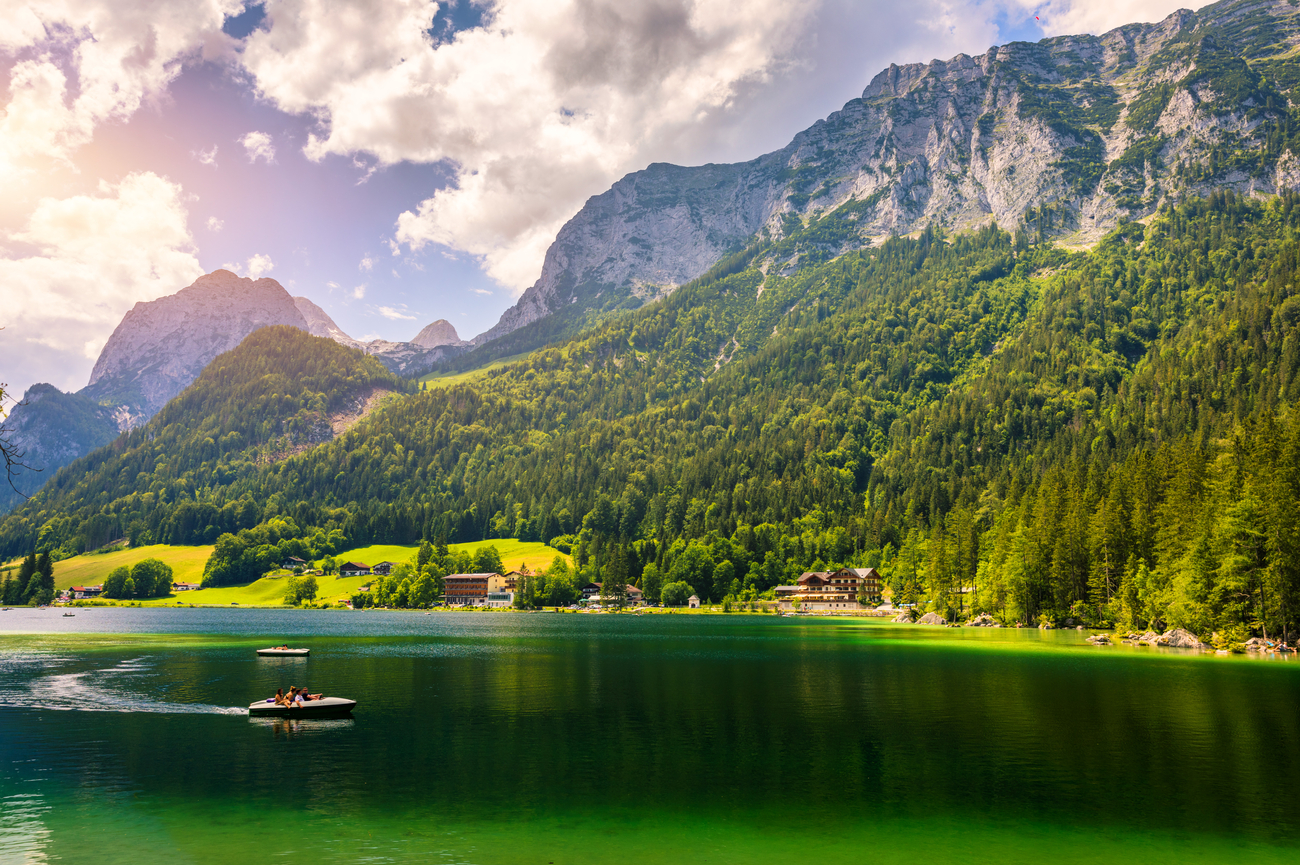
The drive eases through Ramsau’s quieter stretches, and almost without announcement, water appears between the trees. That’s Hintersee Lake, waiting patiently to close the day.
Hintersee lies at the edge of Berchtesgaden National Park, surrounded by forested slopes and the jagged outline of the Hochkalter massif. Compared to the drama of Königssee, this lake chooses understatement. It's clear, shallow water reflects mountains and sky with painterly precision, which is exactly why 19th-century Romantic artists gravitated here. The setting hasn’t changed much since then. The silence still does most of the work.
You experience Hintersee at ground level, moving along the easy lakeside path that traces the shoreline. Walk slowly, stop often and let the reflections stretch as the light fades.
Parish Church of St. Sebastian, Ramsau
When the light softens and the valley goes quiet, follow the church spire.
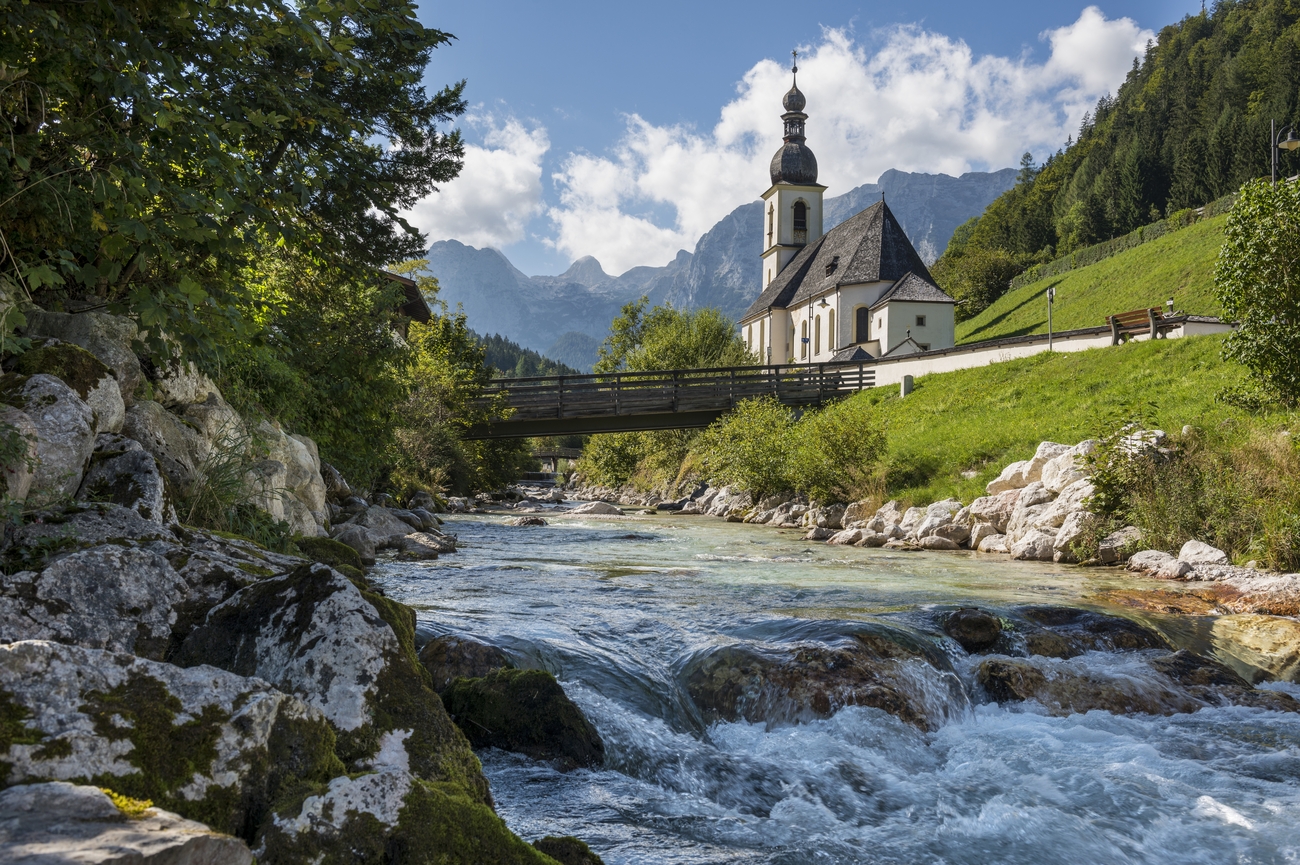
From Hintersee Lake, the road slips gently through forest and open meadow, easing you toward Ramsau without any rush. The drive takes about 10 minutes, just enough time for the day to slow down before its final stop. As the village comes into view, the unmistakable silhouette of the Parish Church of St. Sebastian rises against the mountains
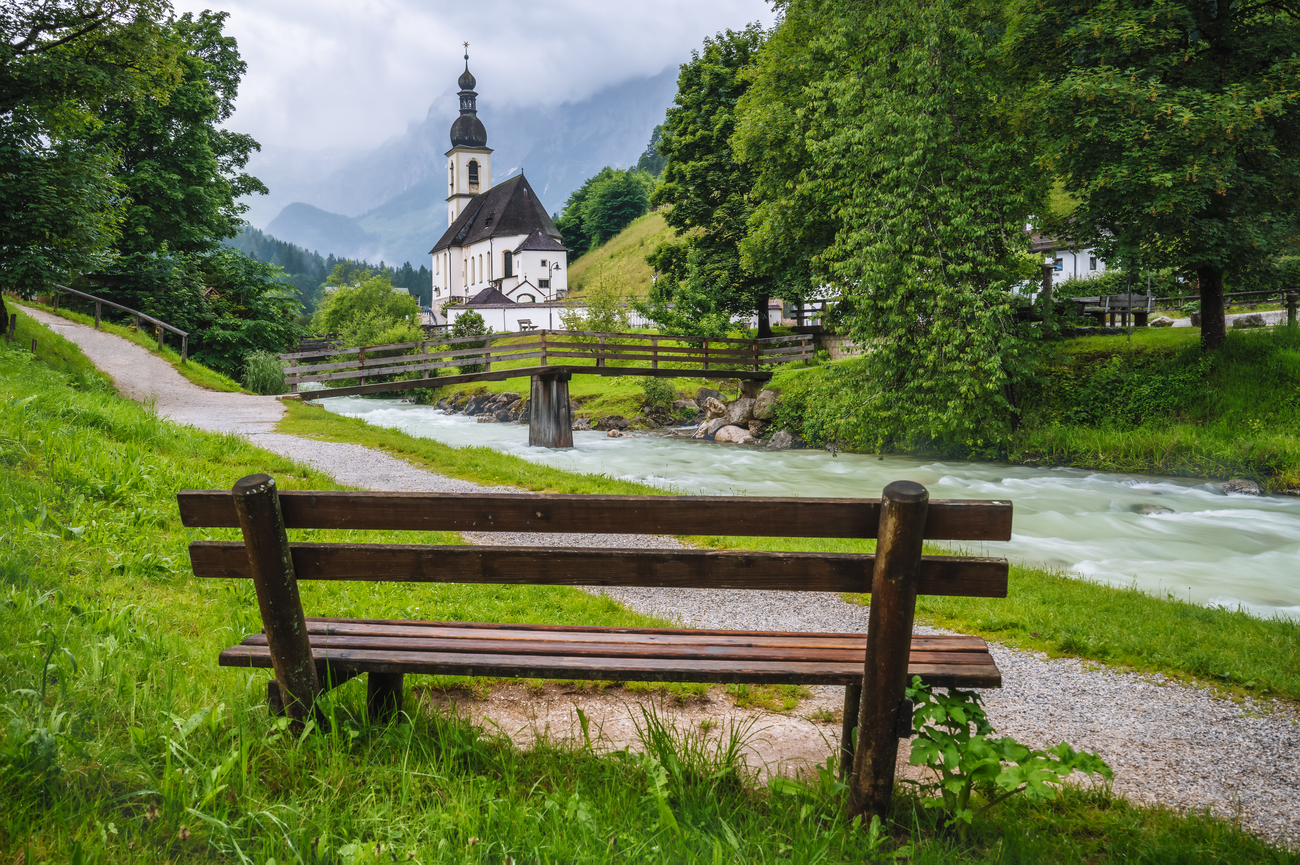
The Parish Church of St. Sebastian is one of the most iconic images of the Bavarian Alps, and it earns that reputation without trying. Built in the early 16th century, the church blends late Gothic and Baroque elements, modest in scale but strong in presence. Set against the dramatic backdrop of the Watzmann massif and surrounded by open alpine fields, it feels perfectly placed. For centuries, it has served as the spiritual and cultural heart of Ramsau, shaping village life in a landscape that feels timeless.
You’ll end the day here unhurried. Walk the church grounds, pause by the fence line and watch the light fade across the Watzmann peaks. Bells, open space, cooling air.
Day 4 -
Königssee & Berchtesgaden National Park Tour Map
Day 5 - Schwangau Castles, Tegelberg & Füssen
Morning: Hohenschwangau Castle
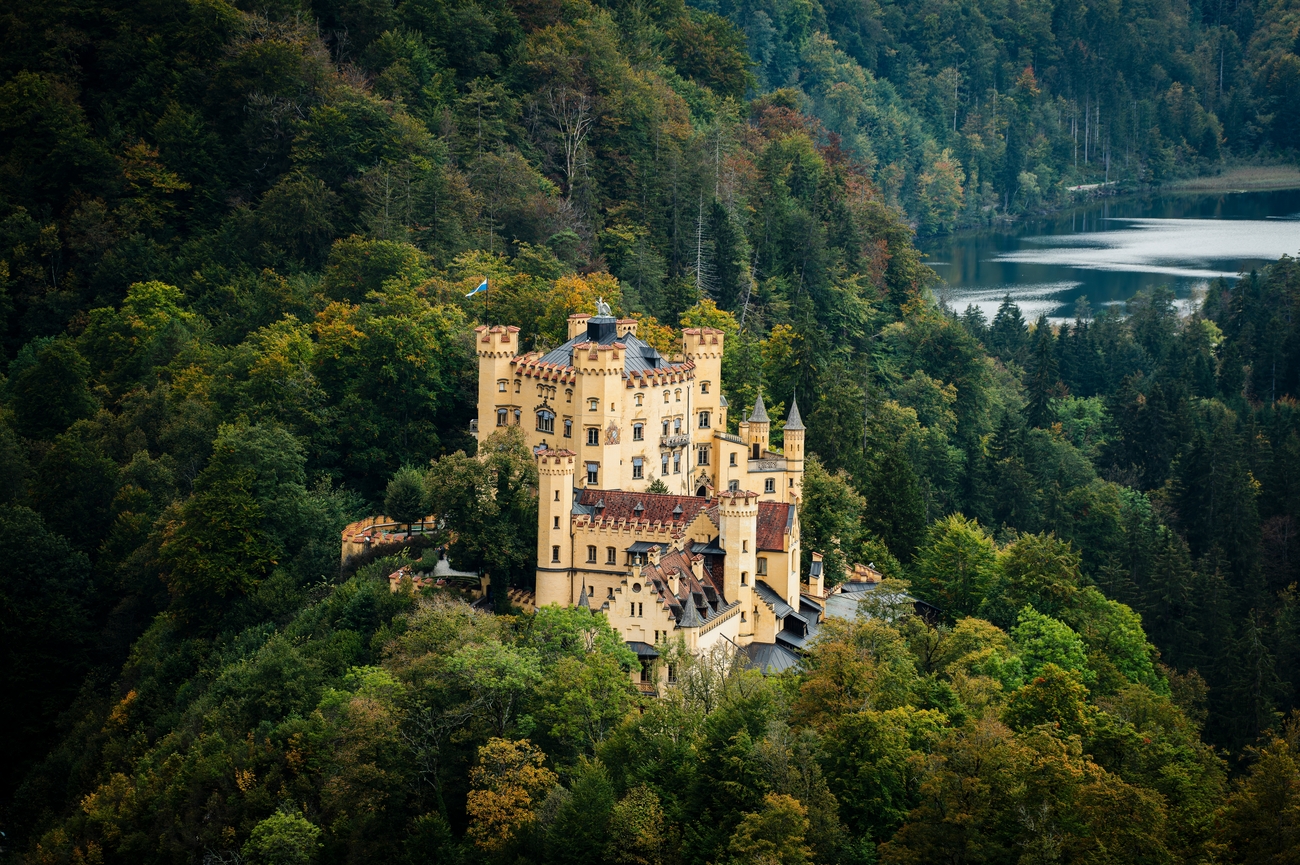
Day five starts with a crown. Hohenschwangau Castle starts the day rooted in legacy, long before fantasy took over the hills above it.
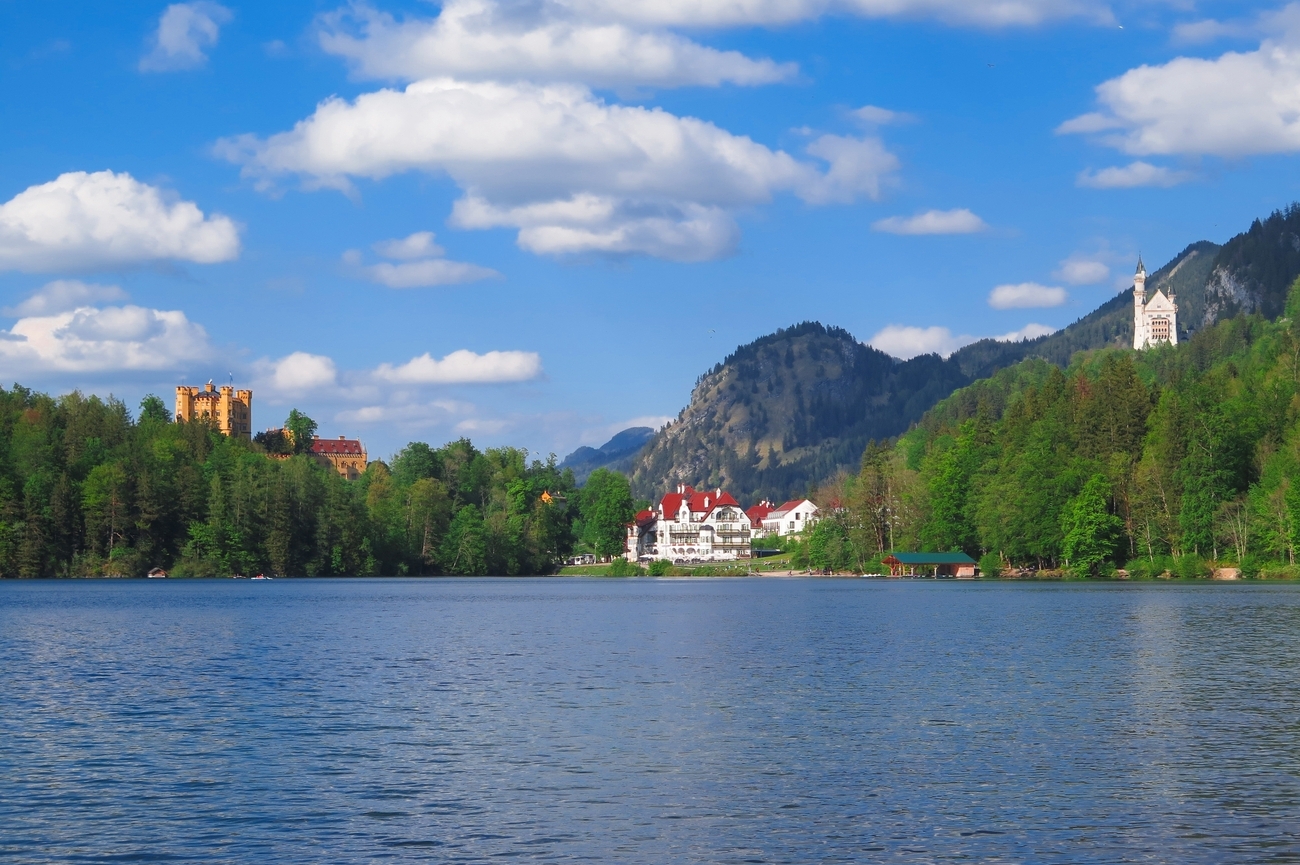
Dating back to the 19th century, Hohenschwangau Castle was rebuilt by King Maximilian II of Bavaria as a summer residence and hunting lodge. It later became the childhood home of King Ludwig II, whose imagination would go on to shape some of Bavaria’s most iconic landmarks. The castle’s warm yellow facade, medieval revival interiors and mural-lined rooms tell stories of German legends, heroic sagas and royal ideals. Perched above Alpsee Lake, the setting reflects a monarchy that valued nature as much as ceremony.
If you’re planning to step inside Hohenschwangau Castle, know this upfront: entry is only possible on a guided tour, and spots are limited. You’ll want to plan ahead. Each tour lasts around 45 minutes, moving at a steady pace that gives you the story without lingering too long in one place. If you arrive prepared, Hohenschwangau Castle delivers a visit that feels curated, efficient and genuinely rewarding.
Alpsee Lake
Drop downhill and follow the curve of the water. From Hohenschwangau Castle, the path leads you gently down toward the trees and in about a 5-minute walk, the landscape opens to reveal Alpsee Lake.
Alpsee is a natural alpine lake with deep ties to Bavarian royalty. King Maximilian II and later King Ludwig II spent time here for rest and reflection, which explains why the lake feels deliberately protected rather than developed. The water stays clear, the shoreline remains largely untouched, and the surrounding hills give the lake a sense of quiet enclosure. It’s not trying to impress. It’s designed to slow you down. You explore Alpsee at your own pace along the lakeside walking paths that trace the shoreline. These routes are flat and easy, making them ideal for a relaxed pause between castle visits.
Afternoon: Neuschwanstein Castle
Keep the momentum going. Today is a castle-hopping kind of day.
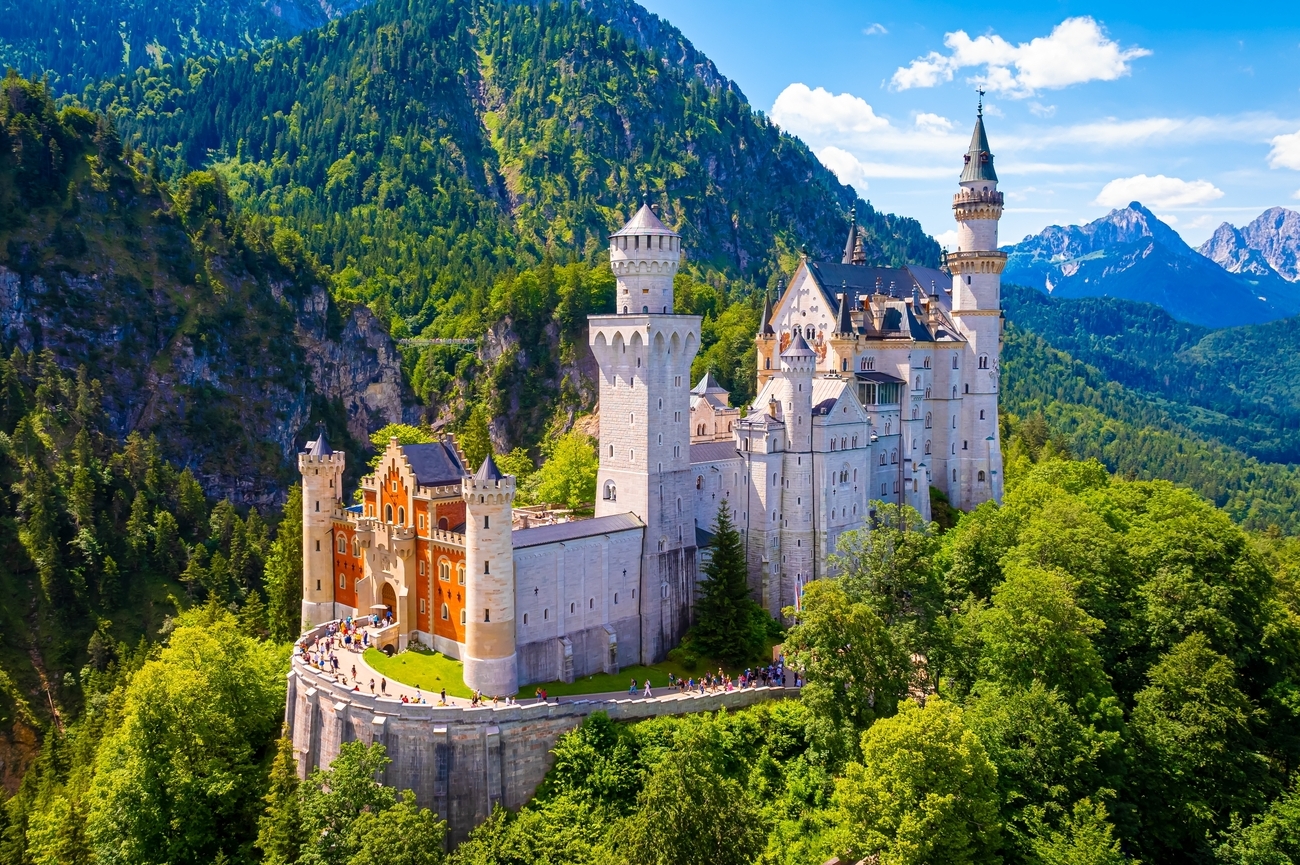
This is where the castle day reaches its peak. After Hohenschwangau’s lived-in elegance and Alpsee’s quiet reset, Neuschwanstein raises the stakes. Towers appear gradually, the valley drops away and the scale keeps expanding until subtlety is no longer part of the plan.
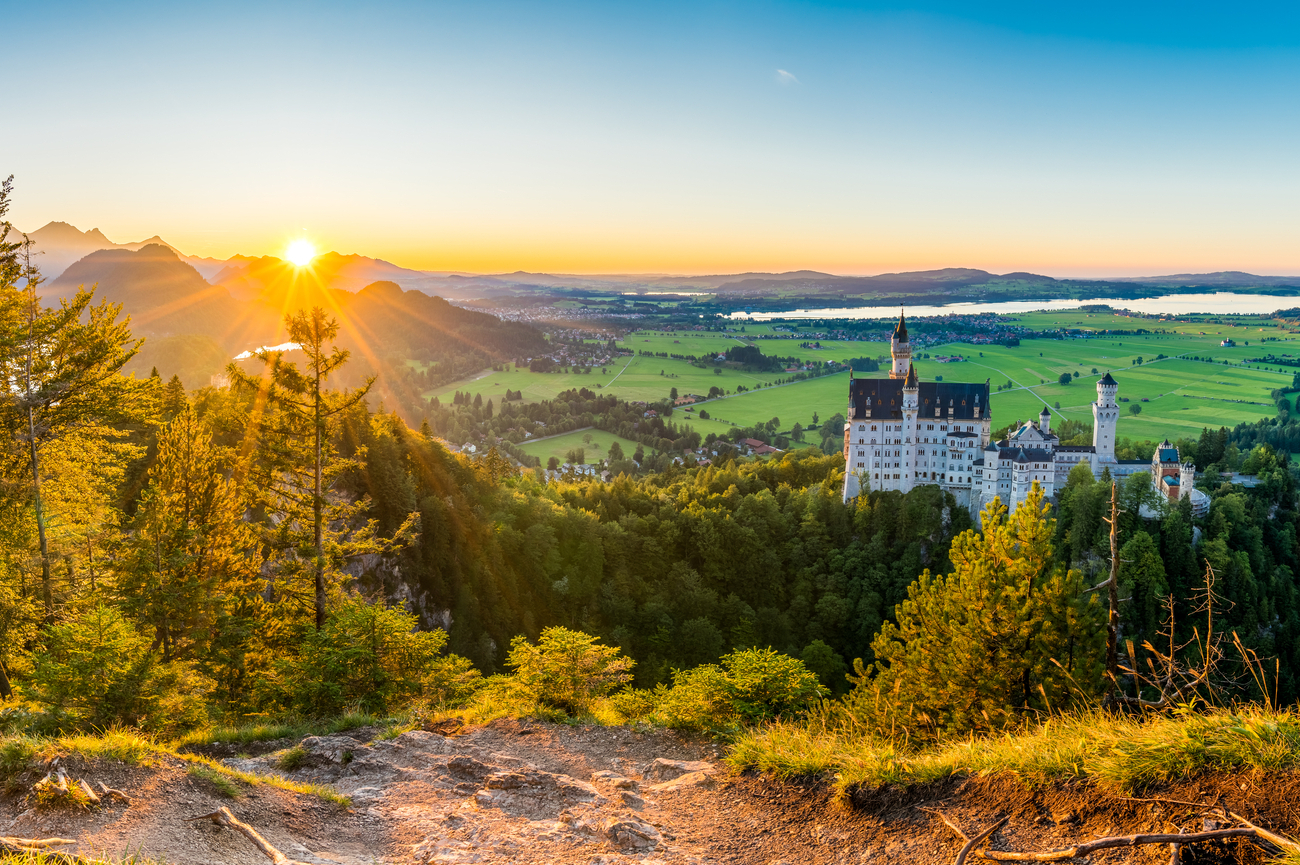
Commissioned by King Ludwig II in the late 19th century, Neuschwanstein was never meant to function like a normal royal residence. It was a deeply personal project, inspired by medieval myths, Wagnerian operas and Ludwig’s desire to escape court life entirely. The castle blends Romanesque revival architecture with theatrical interiors, from throne halls modeled after Byzantine churches to rooms layered with symbolism drawn from German legends. It looks medieval, but it’s unmistakably romantic and modern in intent, built more for imagination than governance.
You can enjoy your visit through a guided tour, with limited capacity and a strict route through the interior. The guided tour lasts about 30 minutes and is led by an official castle guide. Tours are offered in German or English, and audio guide devices are available directly in the castle for additional languages. The pacing is brisk, but intentional. You’re here to understand Ludwig’s vision.
Marienbrücke
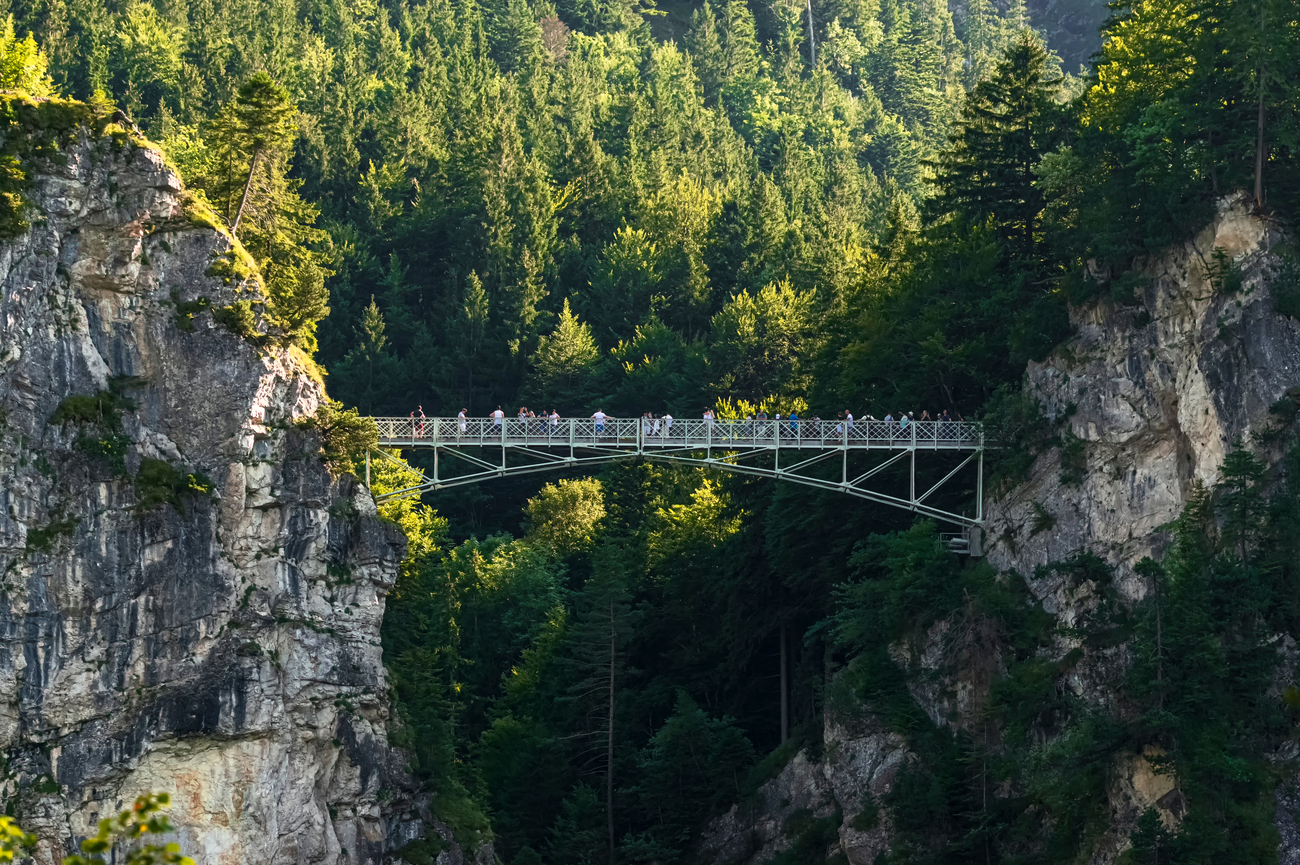
In about a 10 to 15-minute walk from the castle, the trees thin, the gorge opens and Marienbrücke suddenly stretches across the air like it has no interest in subtlety.
Marienbrücke, or Mary’s Bridge, was commissioned by King Maximilian II and named after his wife, Queen Marie. Spanning the Pöllat Gorge, the bridge sits high above rushing water and frames Neuschwanstein from its most iconic angle. This viewpoint wasn’t an accident. The bridge was deliberately placed to showcase the castle as a dramatic focal point, perfectly aligned with the cliffs, forest and sky. From here, Neuschwanstein stops being a building and becomes a composition.
Tegelbergbahn
After stone, bridges and valley drama, the route pivots upward again. From the Hohenschwangau area, a 5-minute drive or a steady 20-minute uphill walk brings you to the Tegelbergbahn valley station, where day five trades fairytale for altitude.
The Tegelbergbahn cable car rises to Mount Tegelberg, one of the most scenic viewpoints in the Allgäu Alps. This mountain mattered to King Ludwig II for a reason. It was here, above the castles, that he found space, solitude and perspective. The ascent lifts you above Neuschwanstein and Hohenschwangau, revealing the full geography of the region. Alpsee below, rolling foothills beyond and on clear days, a wide sweep of Alpine peaks stretching into the distance.
Once at the top, you’re free to explore the marked panoramic paths and viewing terraces that fan out from the upper station. You’ve seen royal ambition carved in stone. Now you’re seeing the terrain that shaped it.
Evening: Panoramablick Tegelberg
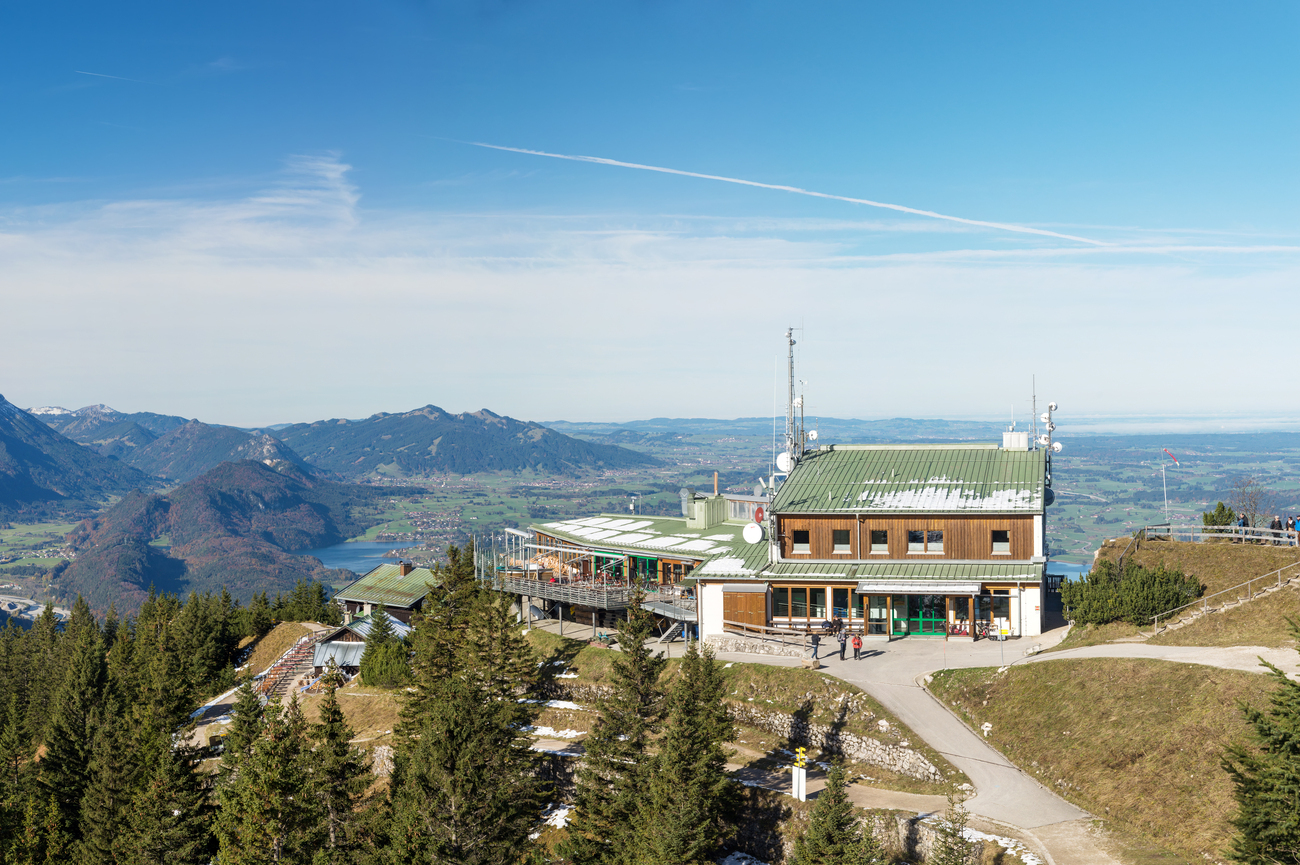
As the main paths begin to empty, the mountain offers one last invitation. Follow the gentle curve of the ridge away from the upper station, and after a five-minute, unhurried walk, the ground opens into Panoramablick Tegelberg.
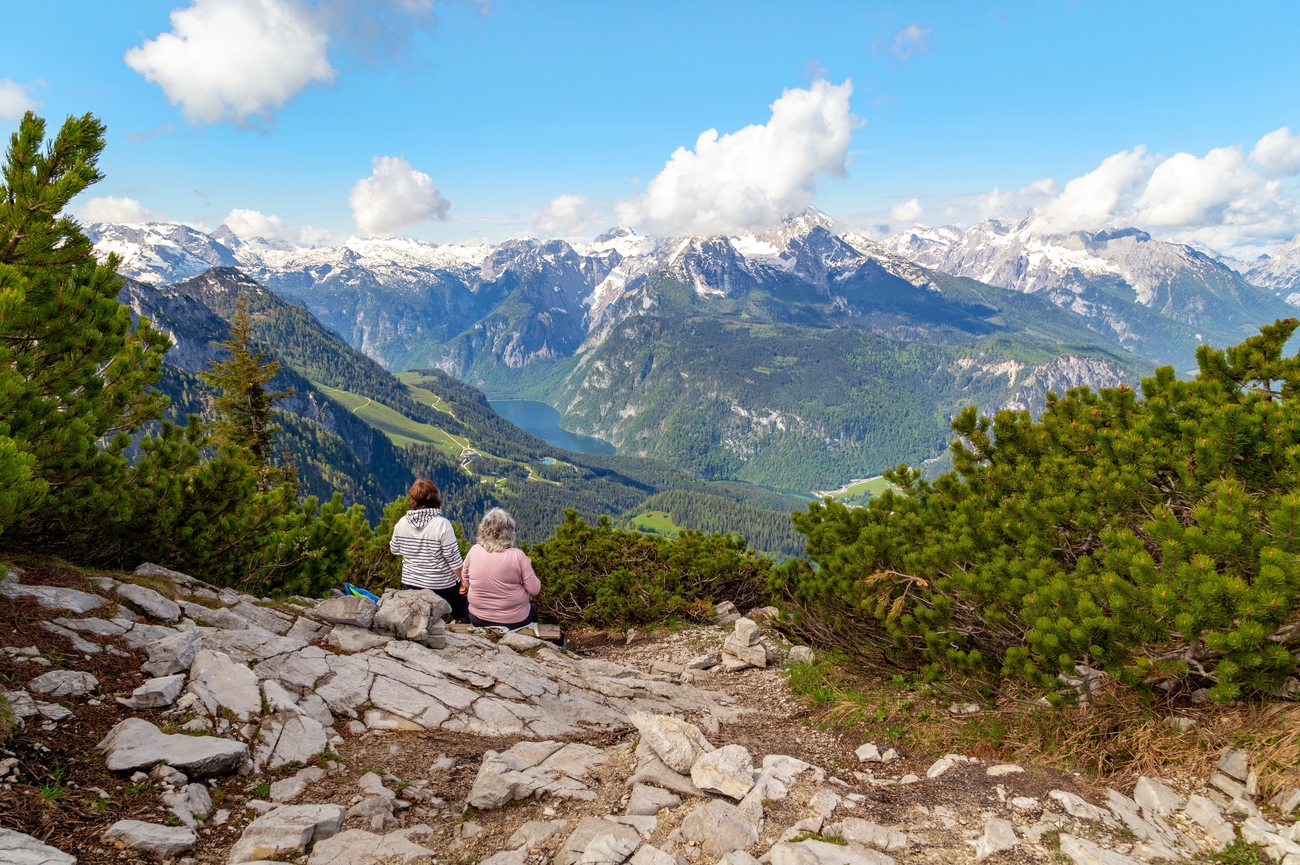
From this viewpoint, the Allgäu Alps stretch out in clean layers, with valleys, lakes and foothills fading into the distance. Below, Neuschwanstein and Hohenschwangau rest quietly in the landscape, no longer towering, just part of the scene. Panoramablick Tegelberg isn’t built to impress with architecture. It works because it’s placed exactly where perspective clicks and everything lines up. There’s no structure to follow here. No guided route. Just space and time.
Füssen Altstadt
Let the mountains step back and hand the story to the town.
The journey settles naturally into Füssen Altstadt, where color replaces cliffs and history shifts from elevation to detail. This is where the Bavarian Alps tour officially comes to an end.
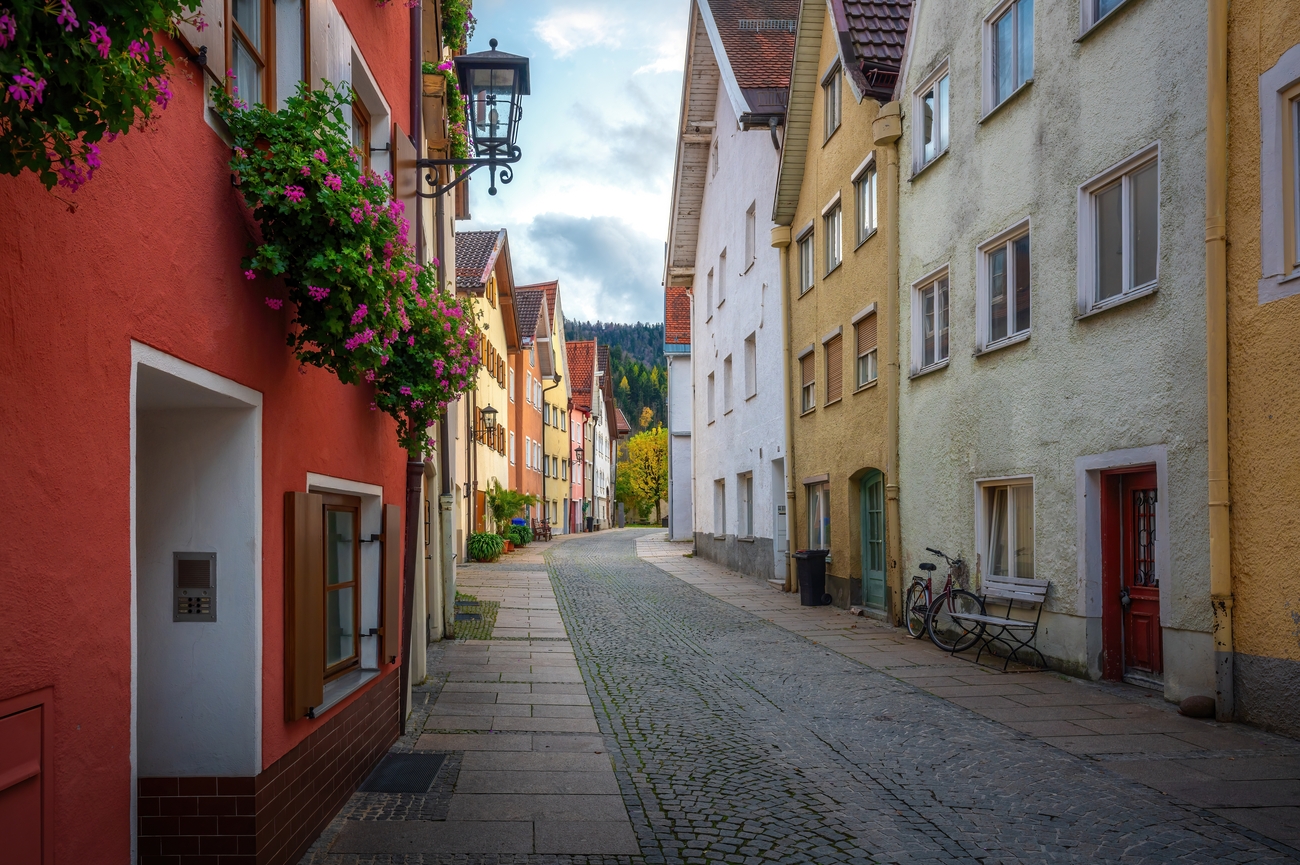
Füssen’s Old Town sits at the northern edge of the Alps, a former Roman settlement that later grew into an important medieval trading hub along the Via Claudia Augusta. Its pastel facades, narrow lanes and Baroque churches reflect centuries of movement through the mountains. Merchants, craftsmen, pilgrims and royalty all passed through here, which explains why the town feels layered rather than frozen in time. It’s alpine, but gentler.
Closing the journey in Füssen makes sense. This is where the mountains release you back into town life, where the drama eases into charm, and where everything you’ve seen over the past five days finally settles. Füssen Altstadt doesn’t try to compete with the Alps. It wraps them up neatly. This marks the end of the Bavarian Alps tour and it ends exactly how it should.
Day 5 -
Schwangau Castles, Tegelberg & Füssen Tour Map
Other Things to Do in the Bavarian Alps
Think you’ve seen it all? The Bavarian Alps still have a few cards up their sleeve. Beyond the headline peaks and castle icons, this region keeps delivering experiences that feel intentional, elevated and quietly impressive. These are places you go when you want more than views. You want access, atmosphere, and moments that land differently when you know where to look.
- Kehlsteinhaus: This is one of those places where the journey is half the statement. You ascend via a steep alpine road engineered straight into the mountain, followed by a brass-lined elevator that shoots vertically through rock before releasing you onto a ridge with nothing but air and peaks in every direction. The Kehlsteinhaus sits high above the Berchtesgadener Alps and the views feel deliberately oversized.
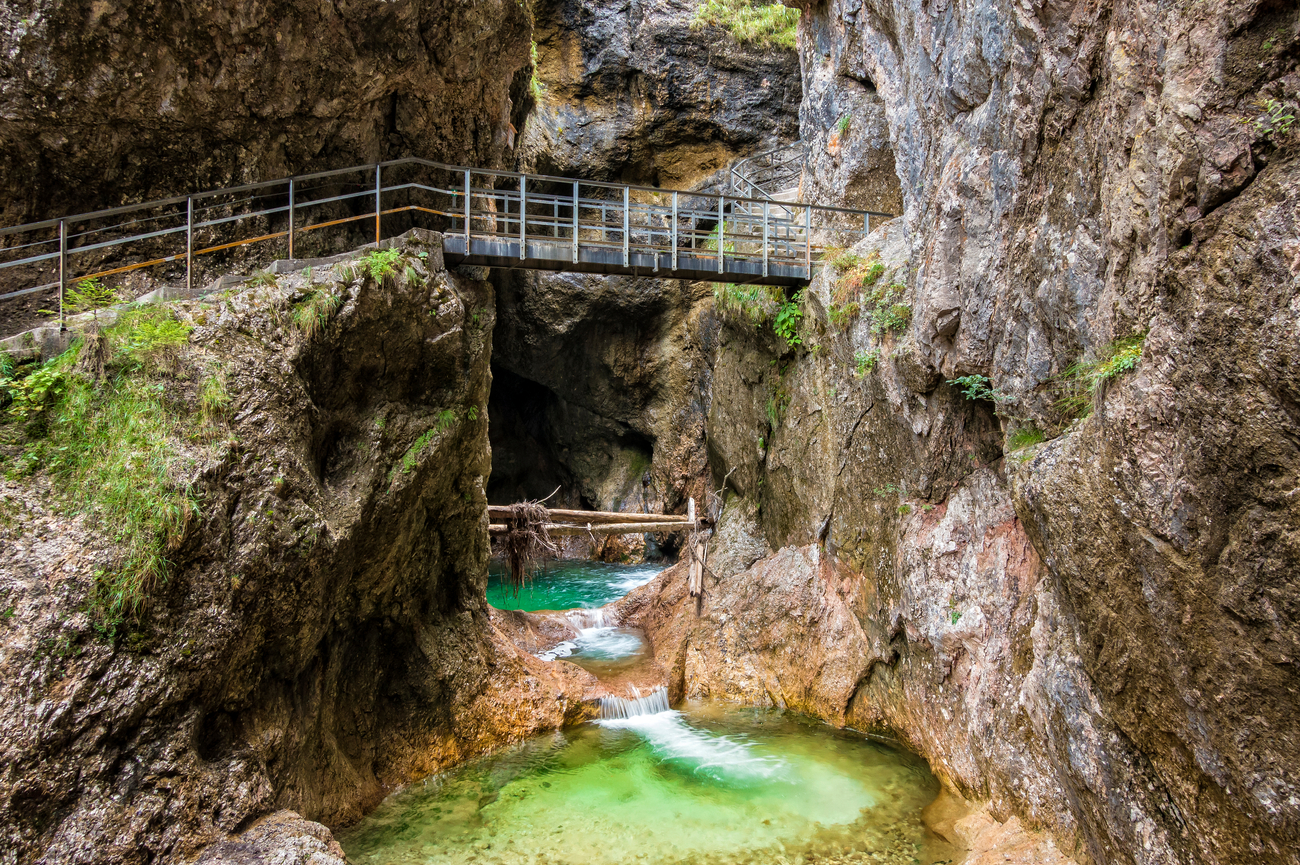
- Almbachklamm: Almbachklamm brings you face to face with the Alps at ground level, but it does so with precision. Wooden walkways snake through a narrow limestone gorge where waterfalls crash, water churns below and rock walls rise close enough to make the air feel cooler. It’s immersive, physical and surprisingly elegant for something this raw. You’re moving through a carefully engineered route that lets the gorge show off without overwhelming you. Visit after rainfall or during the snowmelt season and the energy ramps up.
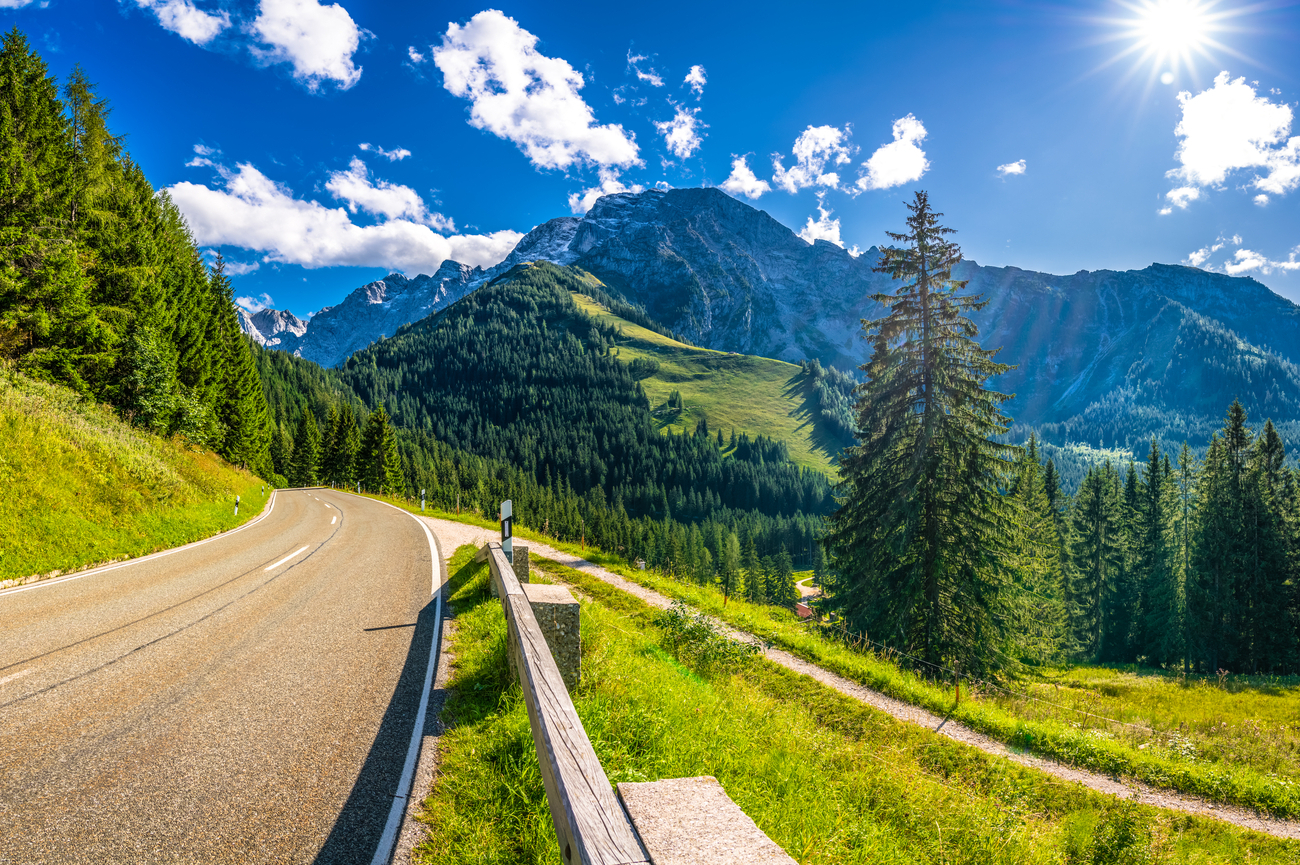
- Rossfeld Panorama Strasse: This is alpine scenery on your terms. Rossfeld Panorama Straße is one of Germany’s highest scenic roads, designed to keep you above the treeline for long, uninterrupted stretches. You don’t just climb and descend. You stay elevated, with the Alps unfolding slowly around every curve. The viewpoints feel intentionally placed, like someone tested where the pause should happen.
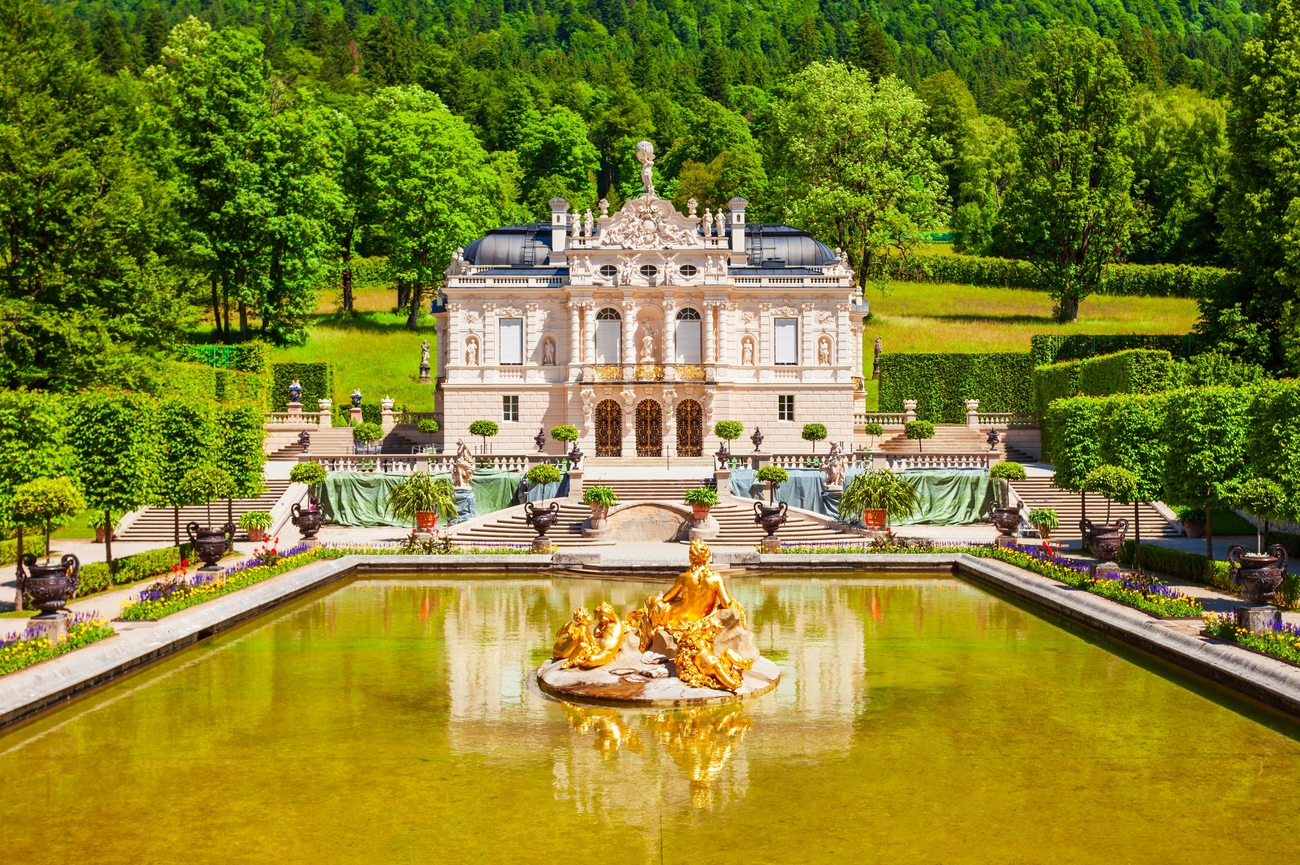
- Linderhof Palace: Linderhof is the most intimate of King Ludwig II’s palaces and the only one he lived to see completed. Set deep in a forested valley near Ettal, the palace feels deliberately tucked away. If you want to visit richly decorated rooms designed to reflect Ludwig’s fascination with absolutism, mythology and theatrical staging then this spot should be in your must-visit list. The interiors are lavish but controlled, with mirrored halls, gilded furniture and carefully choreographed sightlines that emphasize solitude rather than court life.
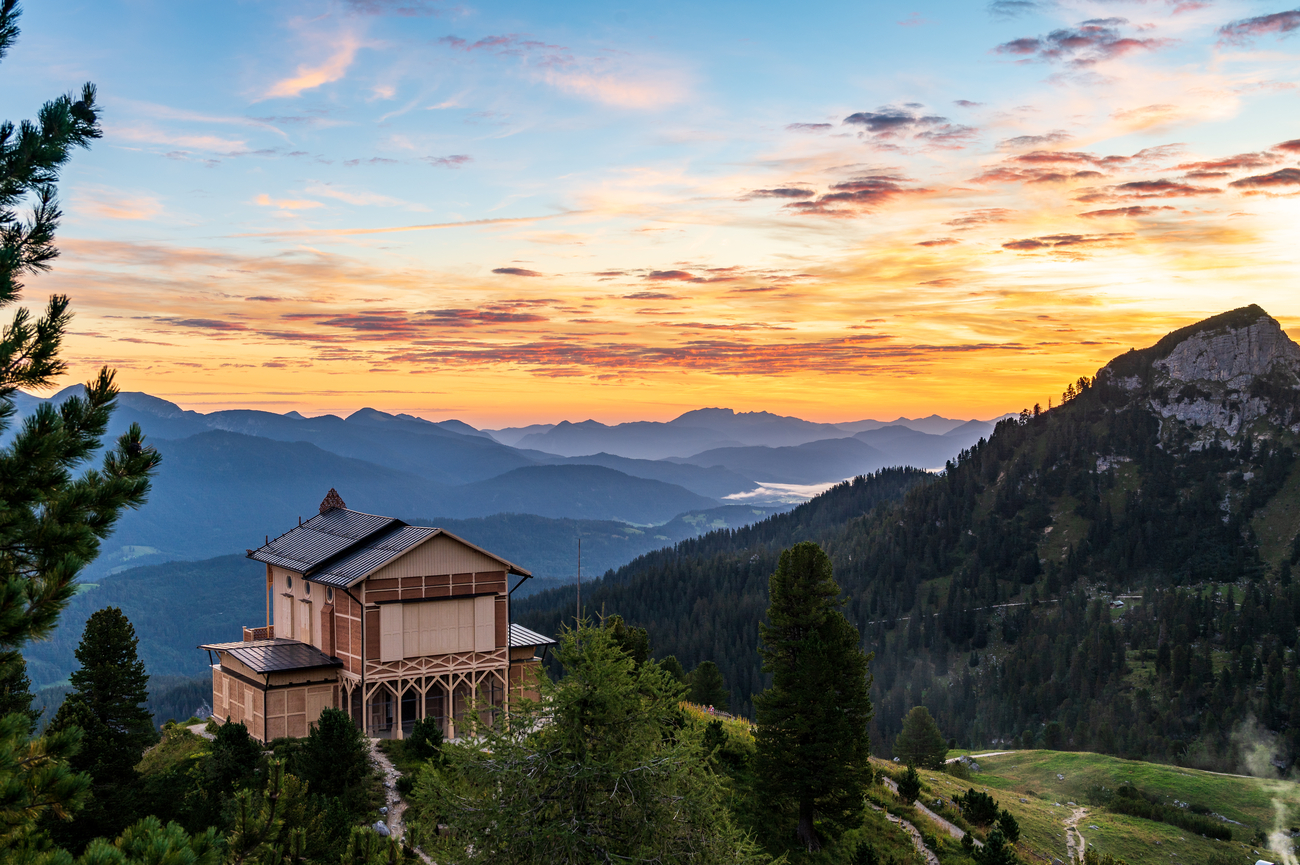
- Könighaus am Schachen: The King’s House at Schachen sits high in the Wetterstein Alps, far from towns, roads and routine movement. Built for King Ludwig II in the 19th century, it functioned as a private mountain retreat rather than a residence meant for display. You can join a guided tour to visit selected interior rooms and learn more about the historical context of the house. And once you step outside, you can spend walking the surrounding alpine plateau.
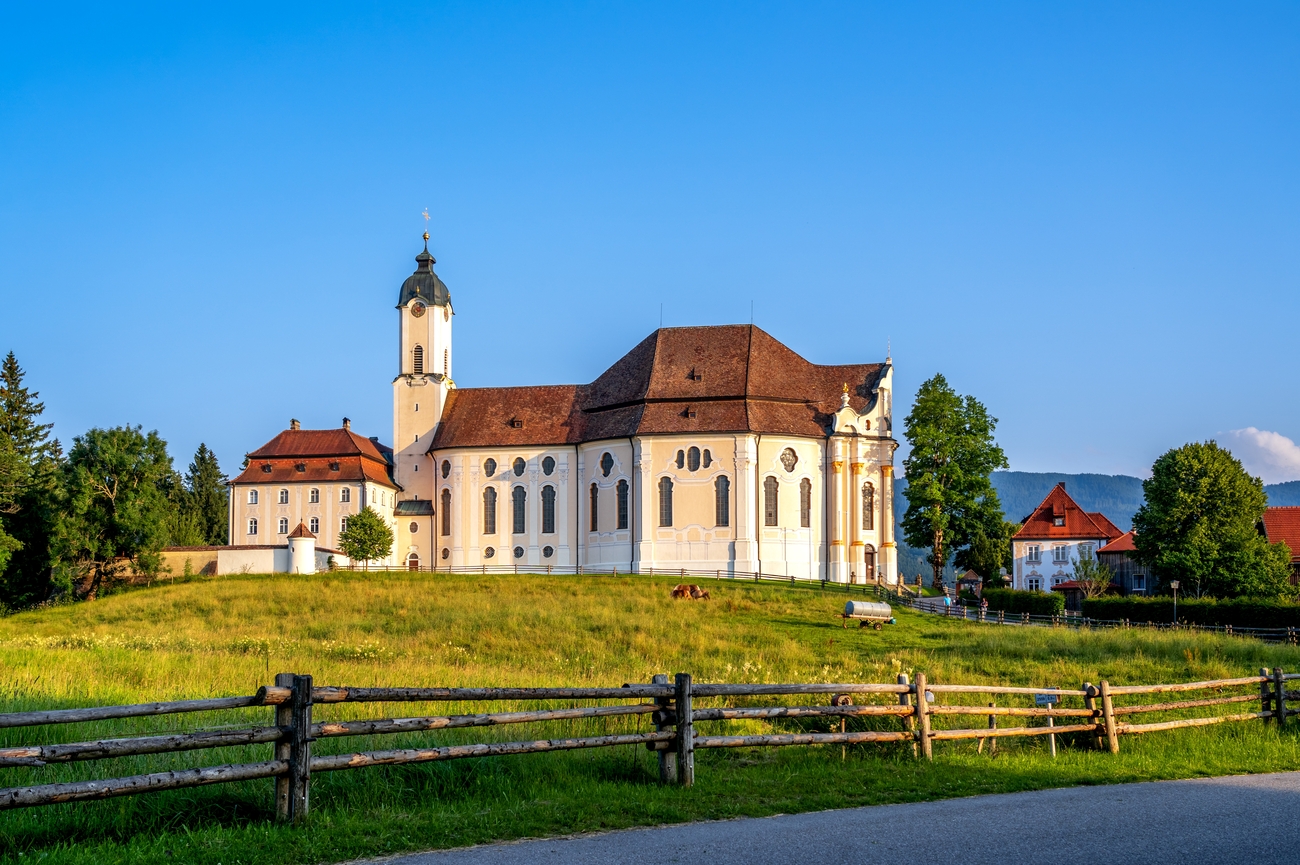
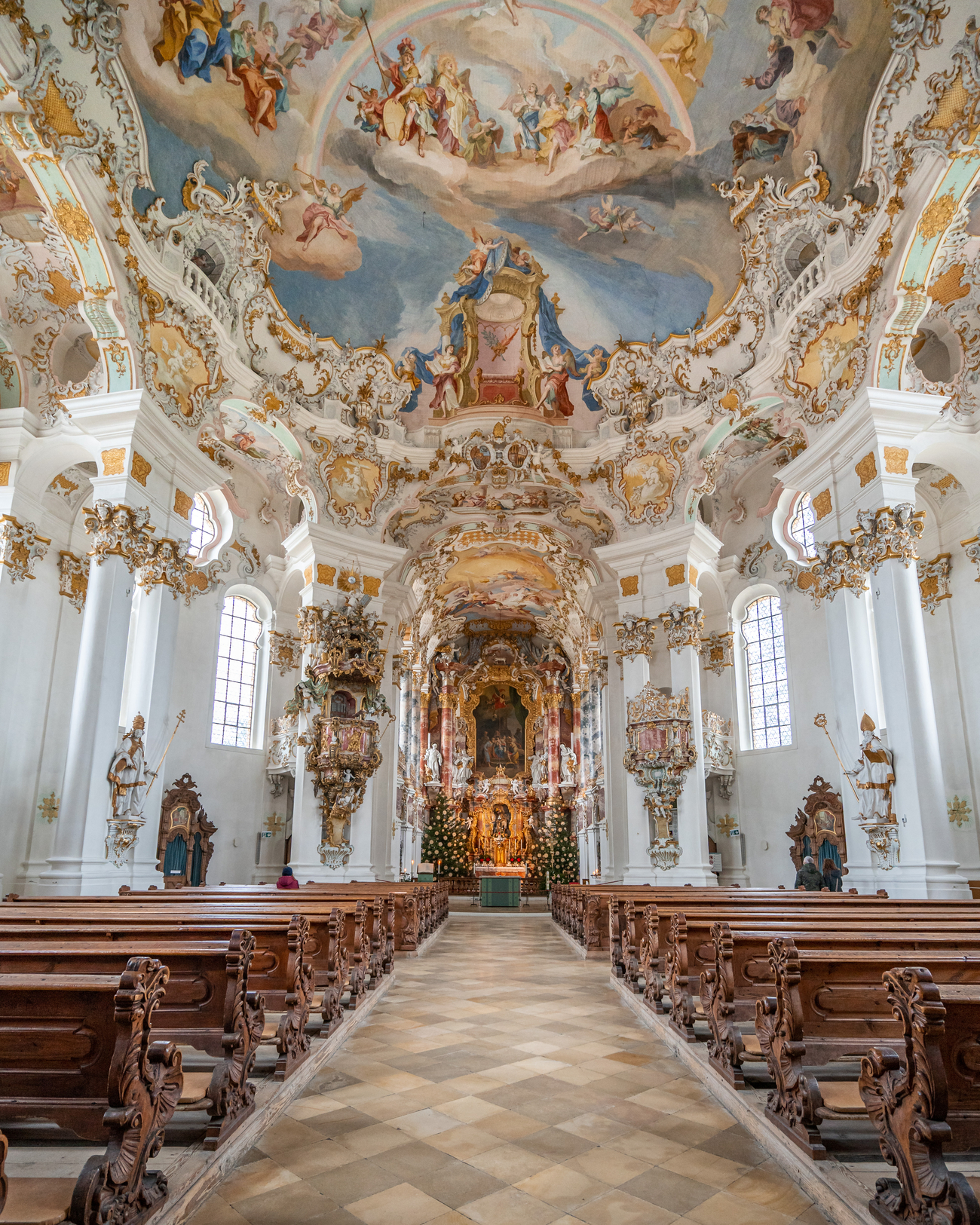
- Pilgrimage Church of Wies: The Pilgrimage Church of Wies sits quietly in alpine meadows near Steingaden, but its significance is anything but subtle. This UNESCO World Heritage Site is considered one of the purest expressions of Bavarian Rococo architecture, built in the 18th century as a destination for pilgrims drawn by a revered statue of the Scourged Savior. From the outside, the church appears restrained and pastoral. But once you step inside, you’ll notice the contrast. Light floods the oval interior, illuminating ornate stucco work, pastel frescoes and gilded details.
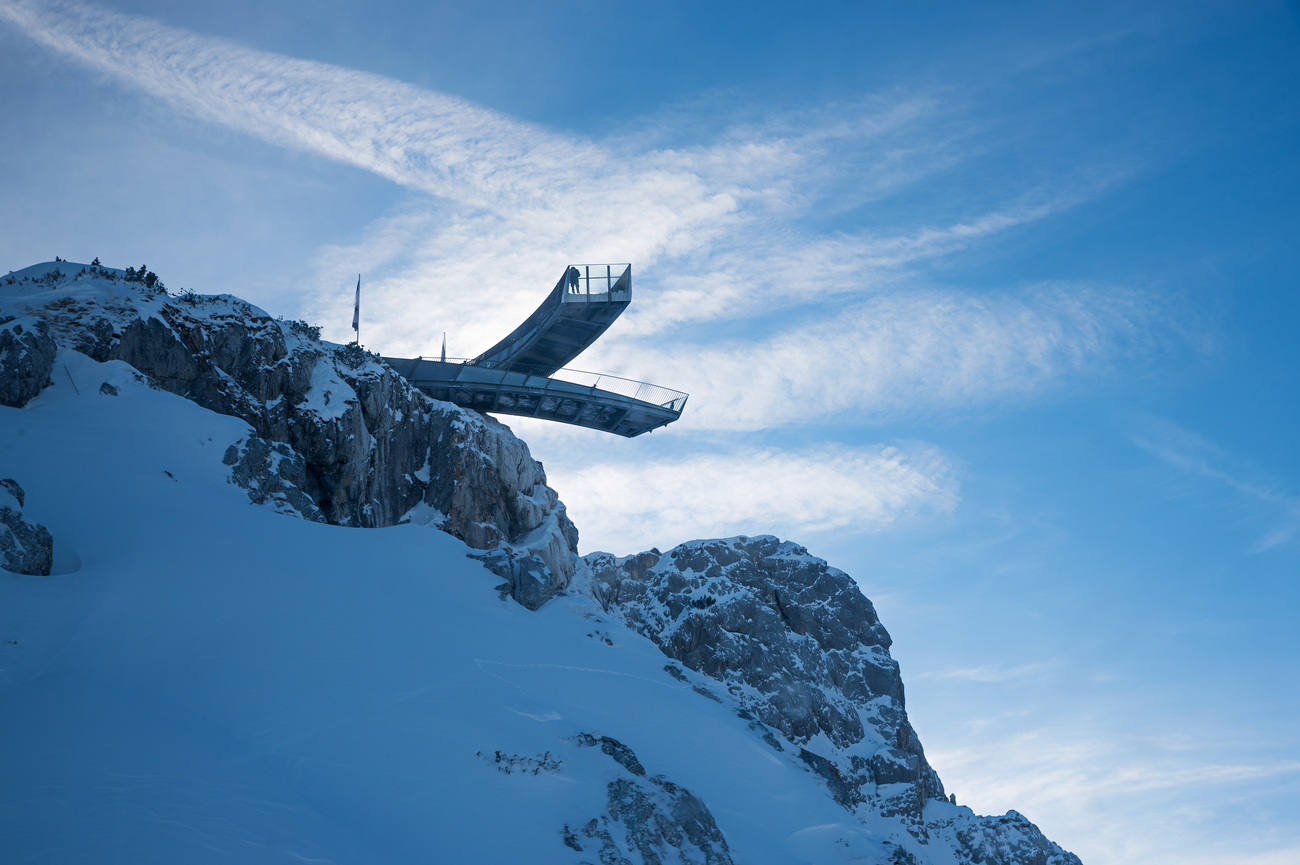
- Alpspix: If modern alpine drama is your thing, this delivers. The AlpspiX platforms extend out from Mount Alpspitze in sharp steel lines, forming an X shape suspended over open space. You step onto glass and metal with nothing but a vertical drop below and the Wetterstein Alps stretching endlessly ahead. You’re completely safe, but your senses don’t need to know that. Clear days turn this into a full panoramic sweep. Clouds add mood. Either way, it’s bold, contemporary and unapologetically designed to make you feel present.
Things to Do with Kids in the Bavarian Alps
Yes, the Bavarian Alps work for kids too and not in a “drag them along” way. This region quietly excels at family-friendly experiences that feel thoughtful, interactive and just adventurous enough. Think hands-on museums, animals with serious views, waterparks framed by mountains and outdoor spaces designed so kids can explore while you still enjoy the scenery. These are places that keep energy high without turning the day chaotic.
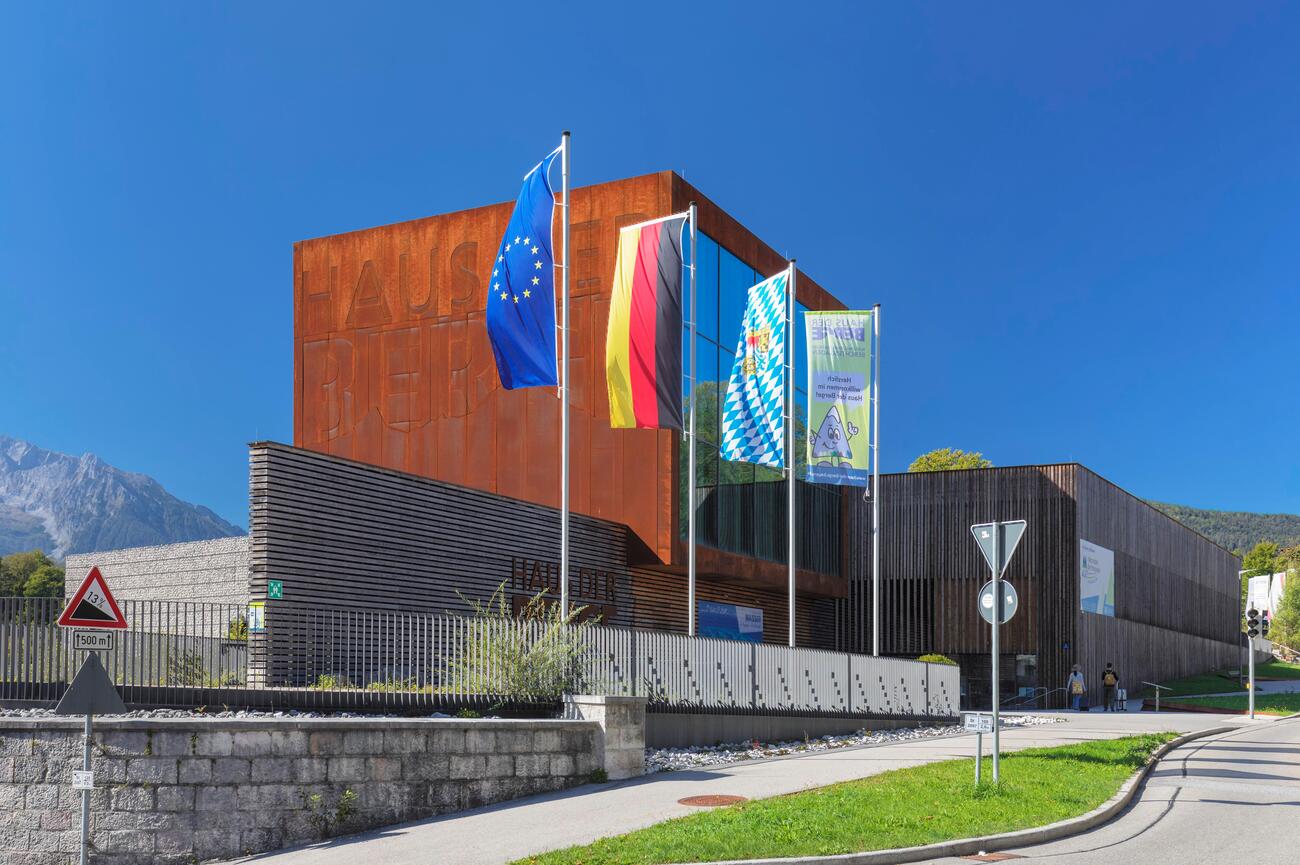
- House of Mountains: This is where the Bavarian Alps become understandable, not overwhelming. House of Mountains is a modern, interactive museum designed to explain alpine life in ways kids actually engage with. Instead of glass cases and long text panels, you’ll find hands-on exhibits, visuals and multimedia displays that break down wildlife, geology, climate and mountain ecosystems at eye level. Kids move through the space naturally, touching, watching and experimenting rather than being told to stand still. For you, it’s a smart reset between outdoor-heavy days. For kids, it turns the mountains they’ve been seeing into something they can finally decode.
- Berchtesgaden: Berchtesgaden works well with kids because it never feels oversized or rushed. The town is compact, walkable and surrounded by nature in a way that feels immediately accessible. You’ll find open spaces, riverside paths, small parks and easy walks that don’t require planning or pressure. Kids can move, explore and stay curious without everything feeling like a scheduled activity.
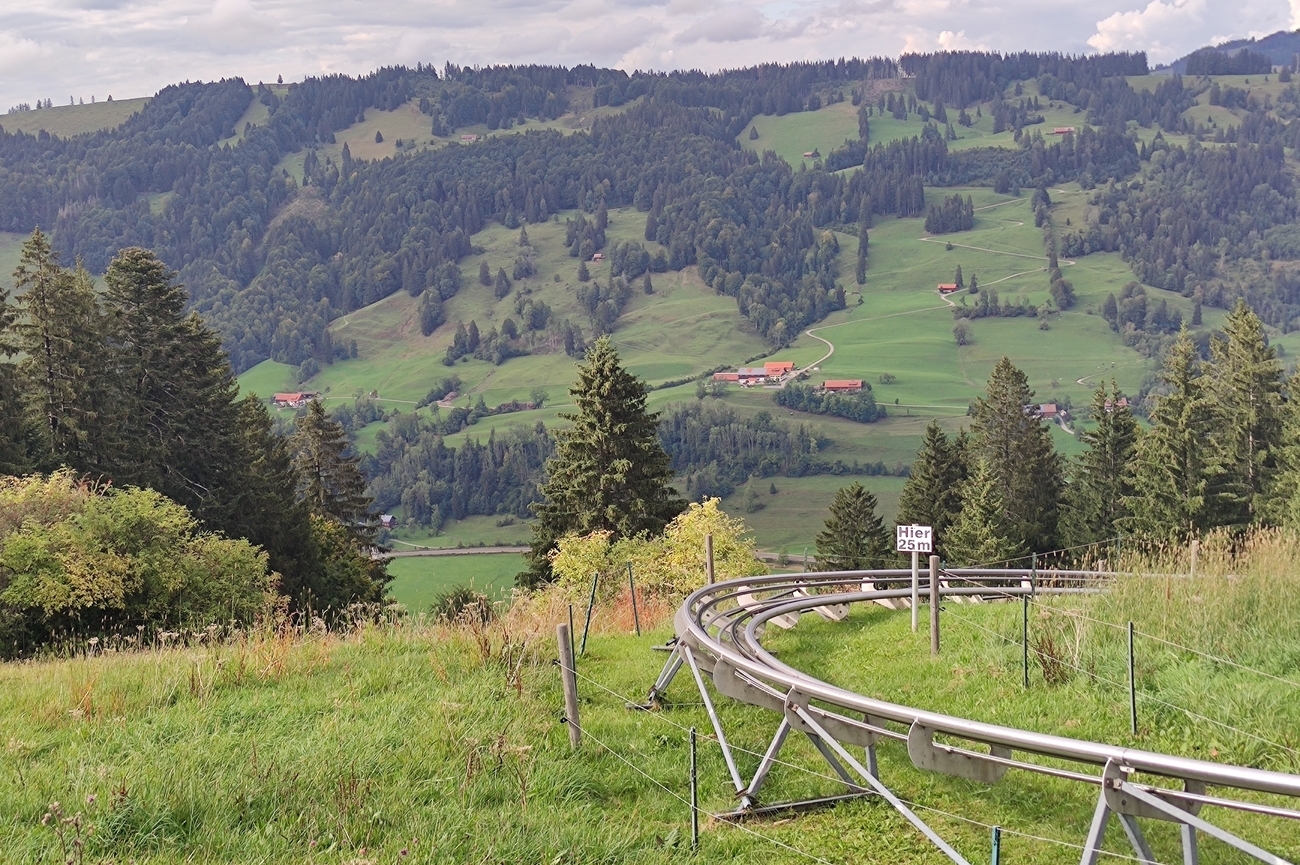
- Sommerrodelbahn Tegelberg: This is controlled chaos in the best way. Sommerrodelbahn Tegelberg delivers pure fun without tipping into unsafe territory. Kids ride in sleds mounted on rails, controlling their own speed as they curve downhill through forested slopes. The track is long enough to feel like a real ride, with just enough twists to keep excitement high without overwhelming younger riders. What makes this especially family-friendly is the built-in control. Kids feel independent, but you never lose structure.
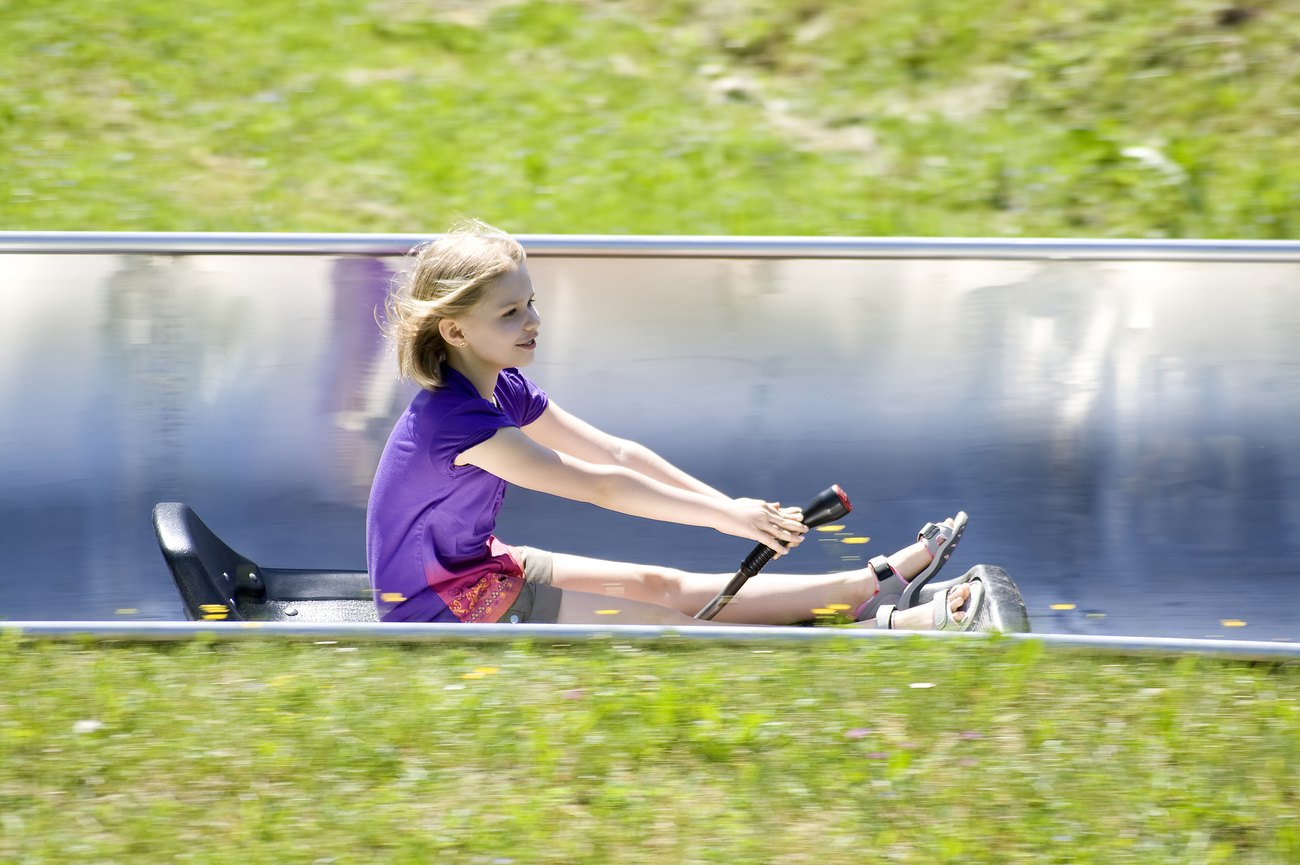
- Alpsee Coaster: If you want a guaranteed win with kids, this is it. Alpsee Coaster combines mountain scenery with just the right amount of adrenaline. Riders control their own speed as the coaster winds downhill, making it exciting without being intimidating. Kids feel brave. You feel relaxed. Everyone wins. Forest views, open stretches and glimpses of the surrounding landscape turn this into more than a ride. It’s fast, yes, but also scenic and surprisingly smooth.
Day Trips from the Bavarian Alps
The Bavarian Alps don’t lock you into the mountains. They quietly set you up for some of the most efficient and rewarding day trips in Central Europe. Within a short drive, the scenery shifts from peaks to palaces, medieval cities, salt mines and UNESCO-listed old towns. These are places you can reach easily, explore deeply and still make it back to the mountains without rushing.
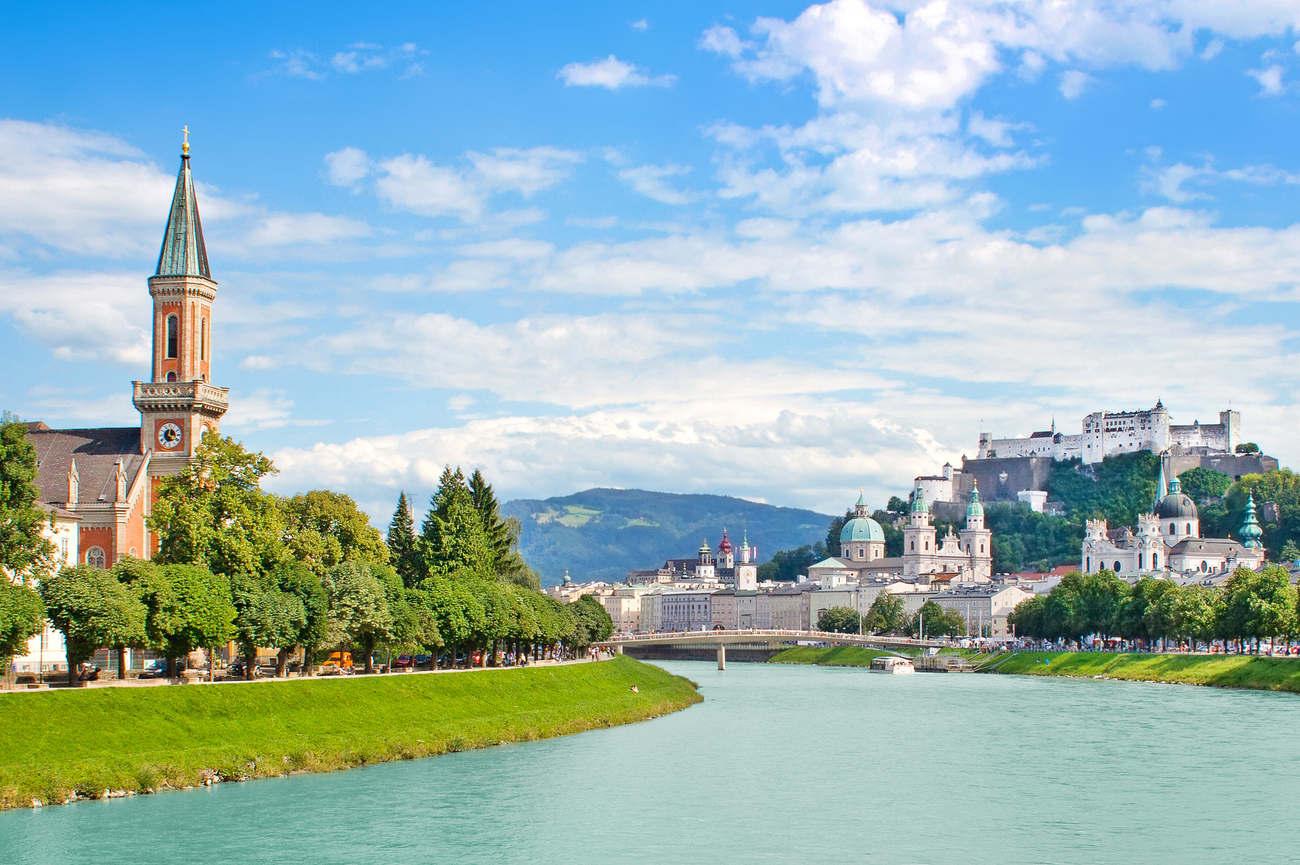
- Salzburg doesn’t ease you in. It announces itself with domes, fortresses and a skyline that feels deliberately composed. From the Berchtesgadener Alps, the drive usually takes 30 to 45 minutes and you feel the shift almost immediately as alpine roads open into baroque symmetry. The Historic Centre of Salzburg, a UNESCO World Heritage Site, is compact enough to explore on foot but dense enough to hold your attention all day. You move naturally between Getreidegasse, Mozart’s Birthplace, Salzburg Cathedral and Residenzplatz, all while the Festung Hohensalzburg looms overhead.
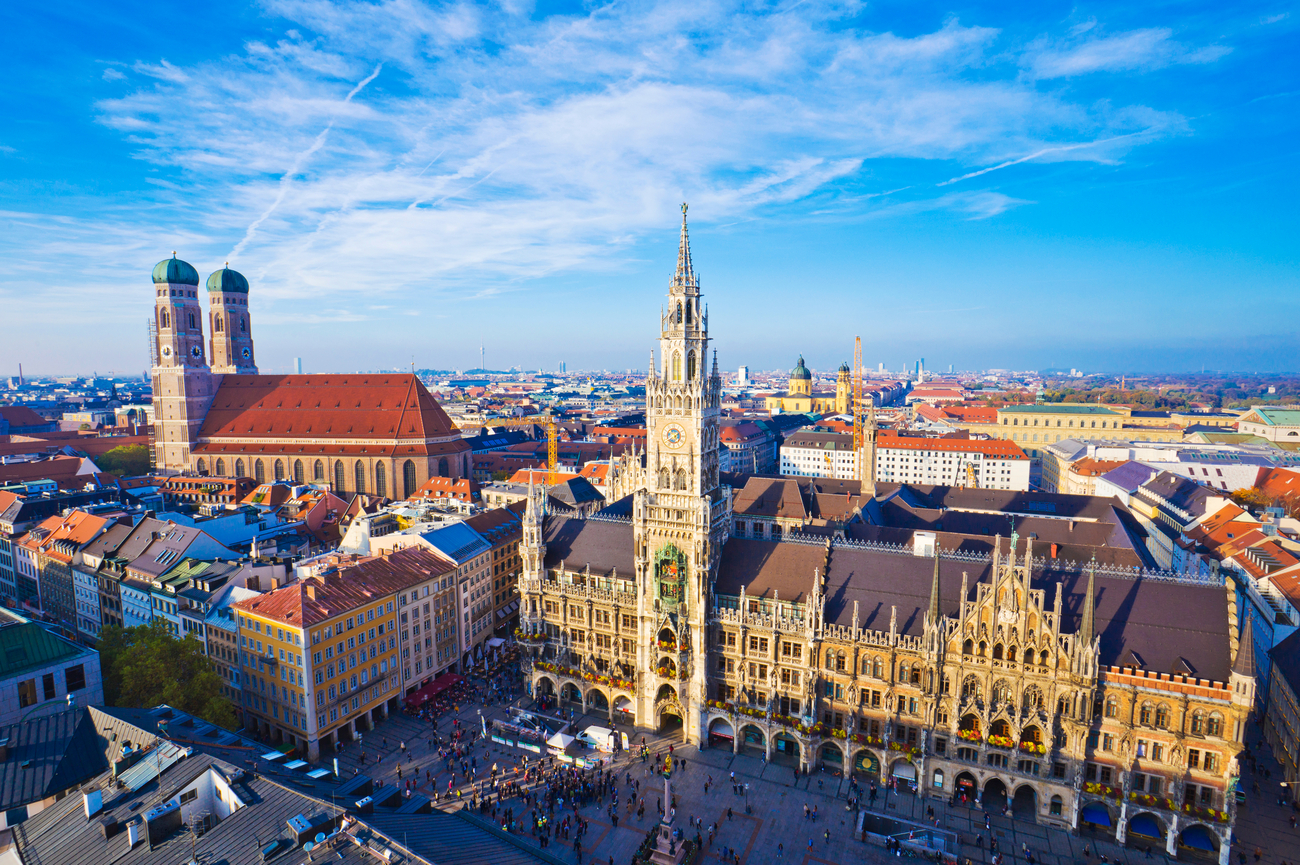
- Munich doesn’t try to compete with the Alps. It complements them. From alpine bases like Garmisch-Partenkirchen or Tegernsee, you’re looking at around one to one and a quarter hours on the road, long enough to reset without feeling detached. The city unfolds in layers rather than landmarks, blending royal power, civic pride and modern polish. You can structure the day around Marienplatz, the Munich Residenz, and the Frauenkirche.
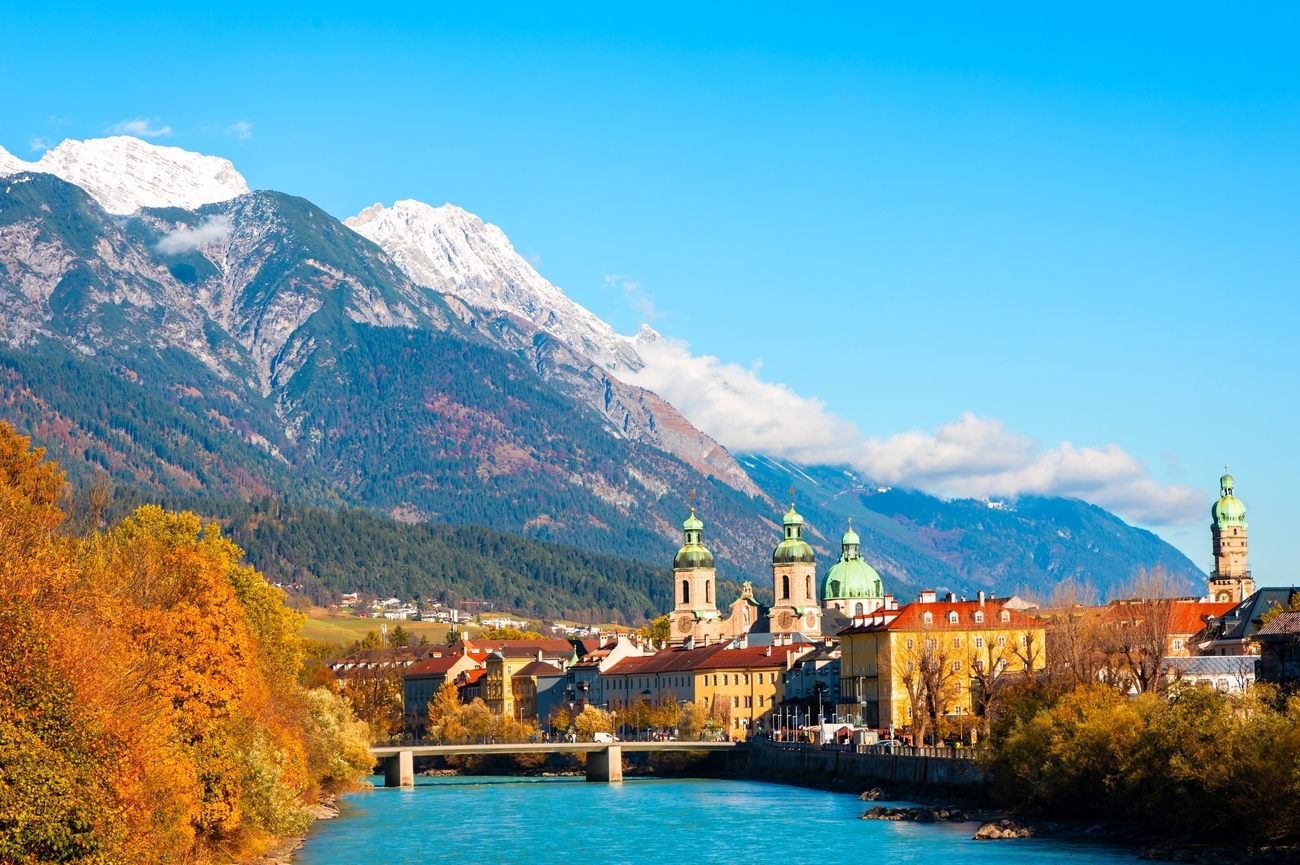
- Innsbruck feels like a city that never chose between mountains and monarchy. From Garmisch-Partenkirchen, the journey takes roughly 60 to 75 minutes and the moment you arrive, peaks rise directly behind pastel façades. The Old Town is compact but visually strong, anchored by the Golden Roof, the Imperial Palace (Hofburg) and the Court Church. What sets Innsbruck apart is vertical access. The Nordkette cable car launches straight from the city into high alpine terrain in minutes, letting you switch from imperial streets to exposed ridgelines without changing cities.
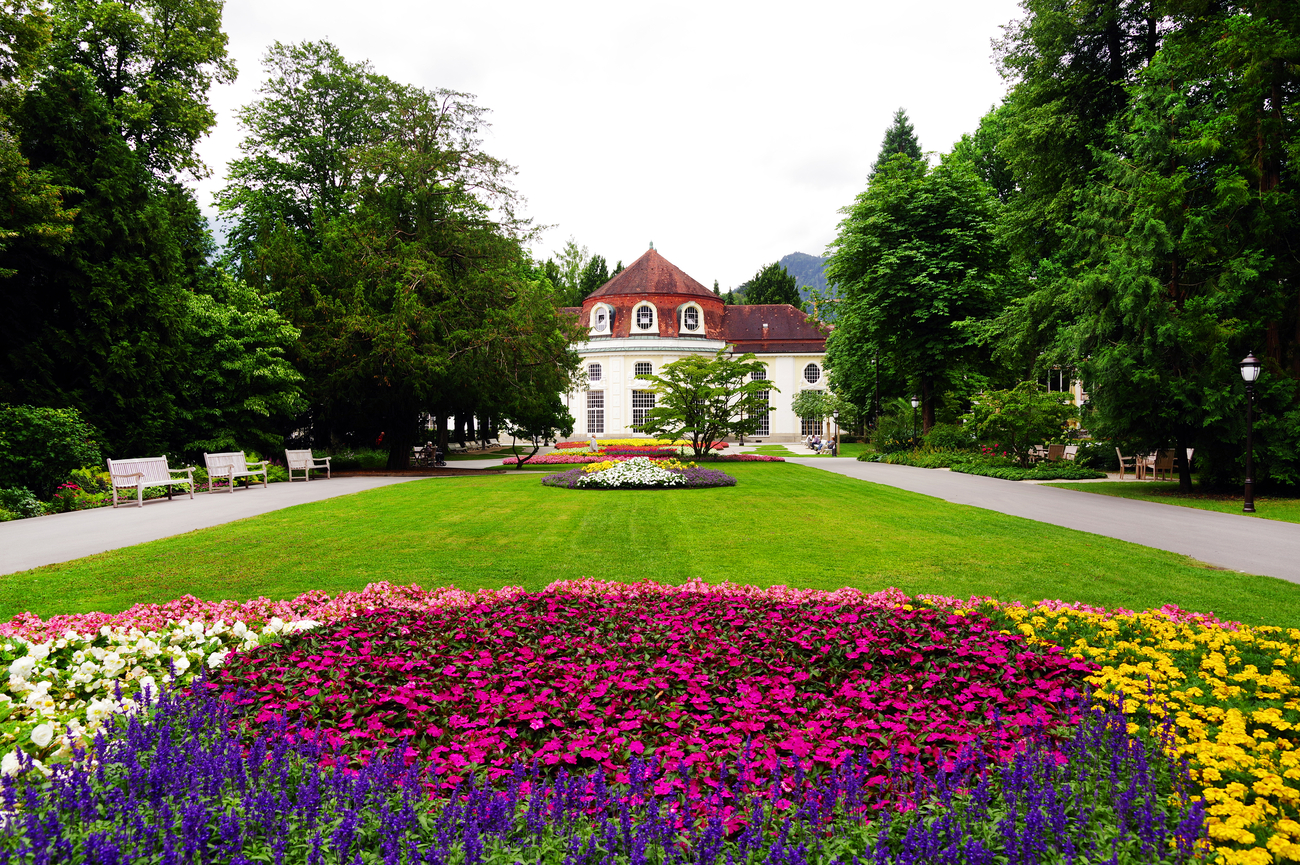
- Bad Reichenhall: Just 20 to 30 minutes from the Berchtesgadener Alps, this spa town feels intentionally composed, with Belle Époque buildings, manicured gardens and mountain views that never overpower the town itself. The Royal Spa Gardens and the historic Old Salt Works tell the story of salt, wellness and why this town mattered long before tourism trends existed. This is a refined, restorative day trip.
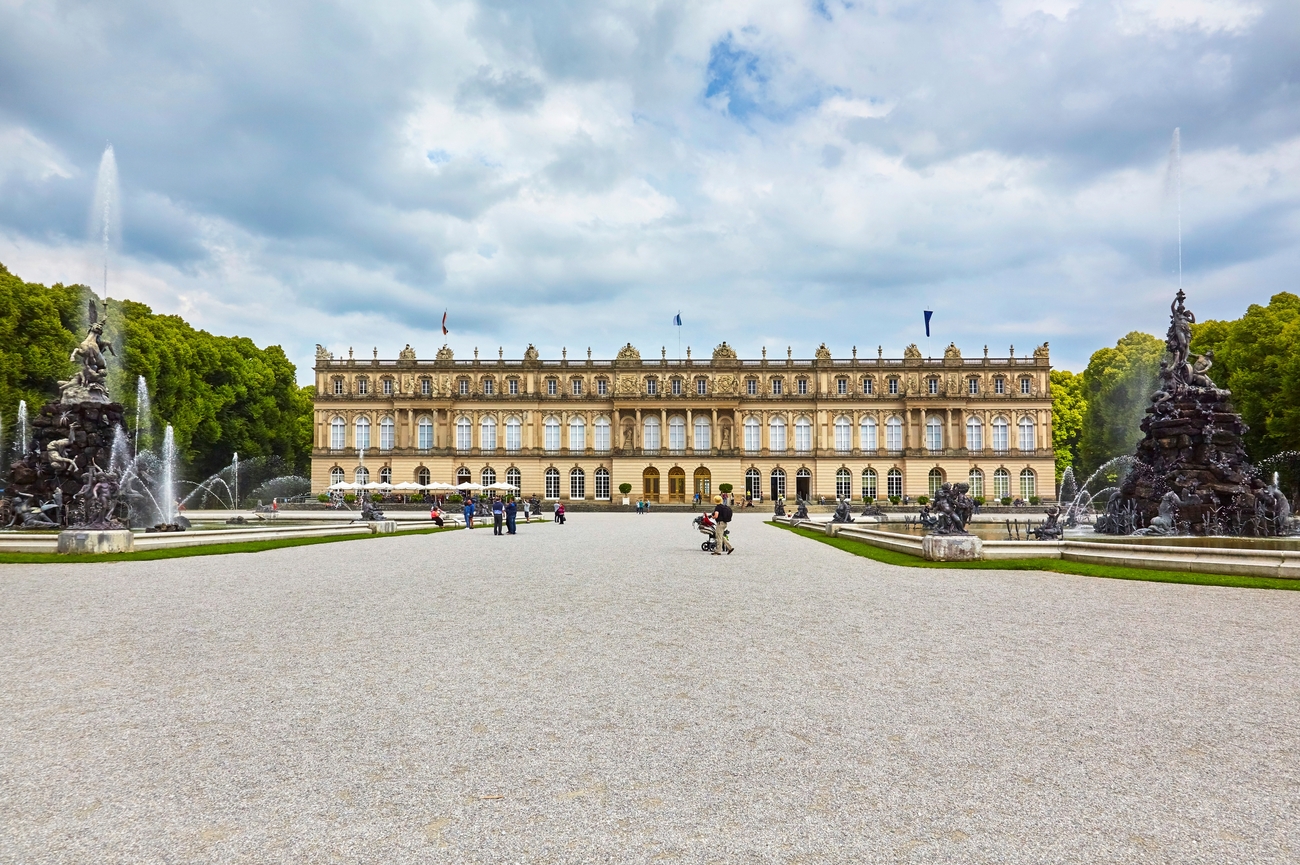
- Herrenchiemsee Palace: Herrenchiemsee is Bavaria at its most unapologetically grand. Reaching it takes about one to one and a quarter hours from the eastern Bavarian Alps, followed by a boat ride across Chiemsee, which already elevates the experience. The palace itself, inspired by Versailles, is King Ludwig II’s most extravagant vision. Inside, the scale is deliberate. Hall of Mirrors, ceremonial staircases and endless symmetry make the point clear. Outside, the island setting and open parkland create breathing room.
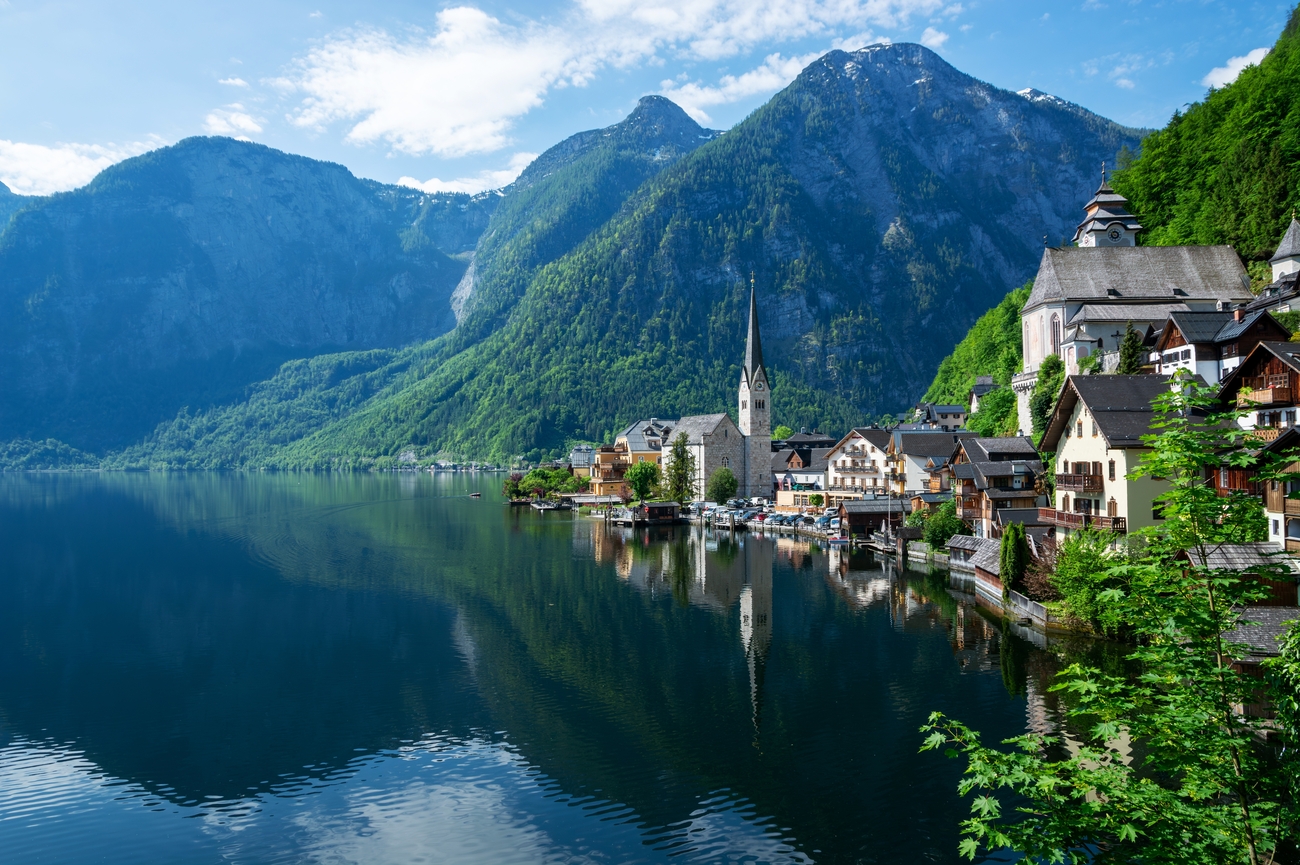
- Hallstatt sits right at the 90-minute mark from parts of the eastern Bavarian Alps and earns its reputation visually. The lakeside village, pastel houses and mountain backdrop are unmistakable. The Historic Centre of Hallstatt is a UNESCO World Heritage Site, rooted in salt mining history that dates back thousands of years. You can walk the lakeside, visit the Salt Mine and take in views from elevated platforms.
Golf Courses in the Bavarian Alps
Between peaks, lakes and long valleys, you’ll find golf courses that feel carved into the landscape rather than dropped onto it. Playing here isn’t about showing off distance. It’s about rhythm, scenery and courses that understand their surroundings. These are places where you play with altitude in the background and finish the round feeling like you’ve actually been somewhere.
- Golf-Club Garmisch-Partenkirchen e.V. Platzanlage Oberau: You’re standing in a valley framed by the Zugspitze, Alpspitze and Waxenstein, but the course in front of you doesn’t try to overwhelm. This 18-hole layout is gently undulating and surprisingly walkable, stretching 6,156 meters from the championship tees. You can focus on your swing without feeling like you’re fighting the terrain. There’s also history under your feet here. Founded in the 1920s, the club is among Germany’s oldest, with roots tracing back to an original design by Bernhard von Limburger. After the disruptions of World War II, the club found its permanent home near Oberau in the early 1970s. The modern course was shaped by Donald Harradine, first as nine holes, then expanded to eighteen by 1990.
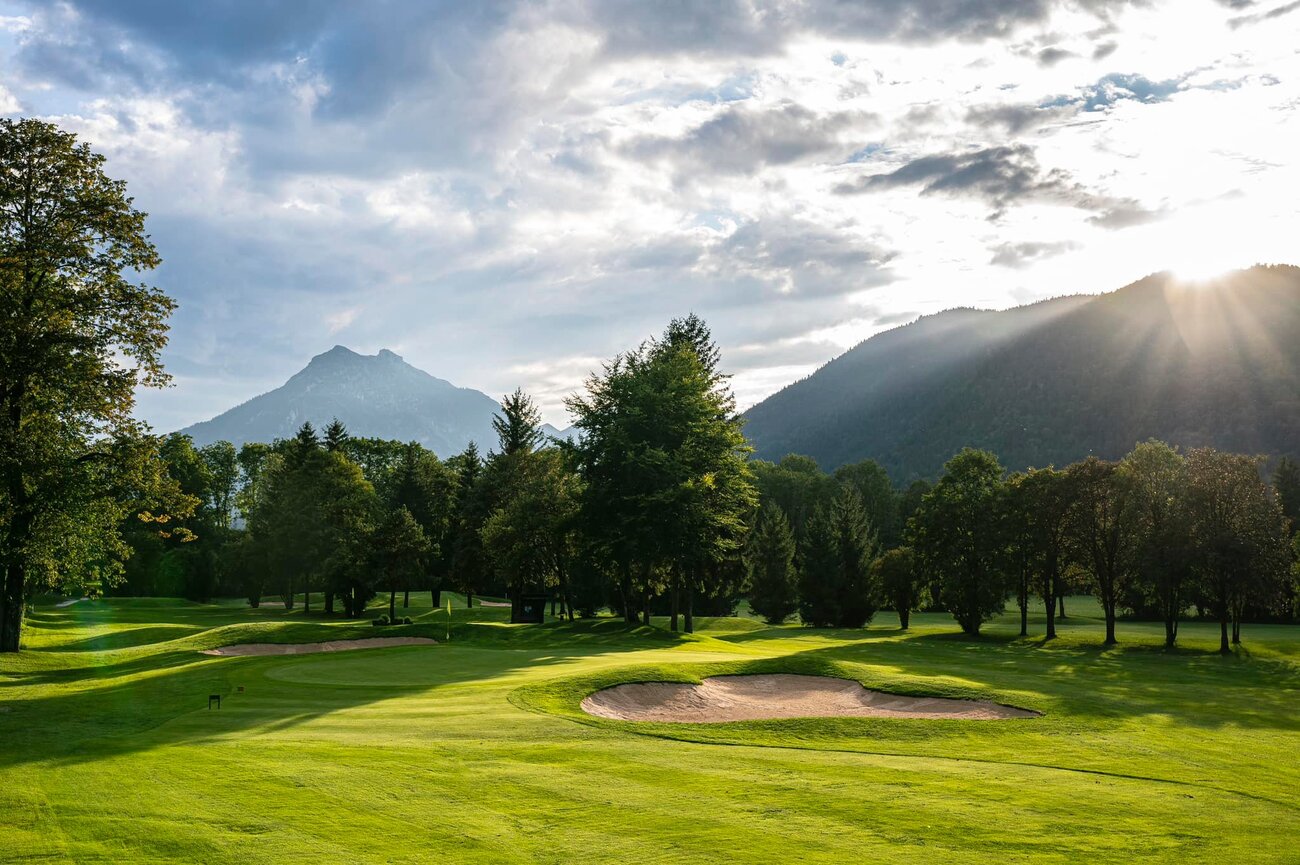
- Golf-Club-Berchtesgaden e.V.: If you’ve ever wondered what it feels like to play golf inside the mountains, this is it. Golfclub Berchtesgaden Königssee sits on the Obersalzberg at nearly 1,000 meters above sea level, surrounded by the Watzmann, the Kehlstein and the wider Berchtesgaden Alps. This 9-hole course is about atmosphere as much as technique. Fairways move through unspoiled alpine nature and every tee shot comes with panoramic views that naturally slow you down.
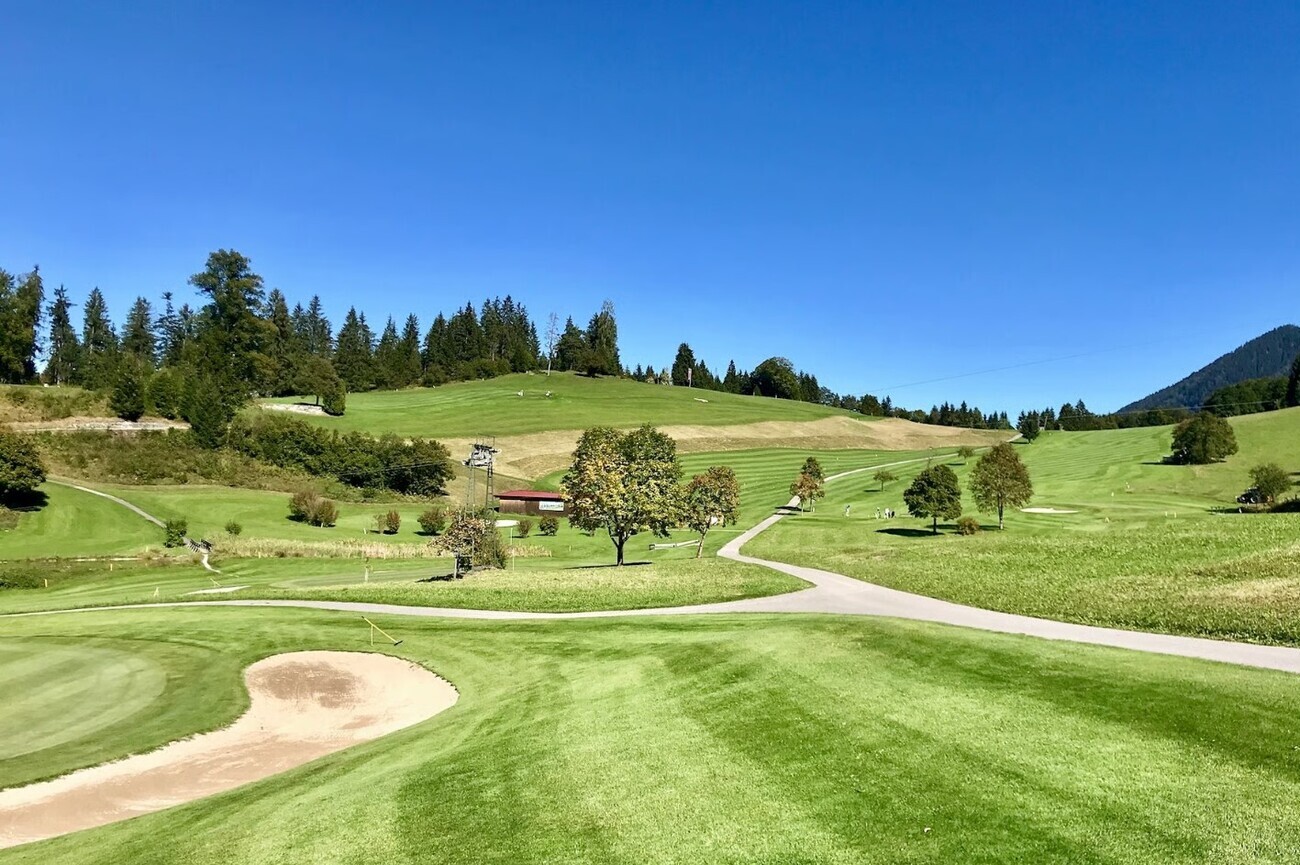
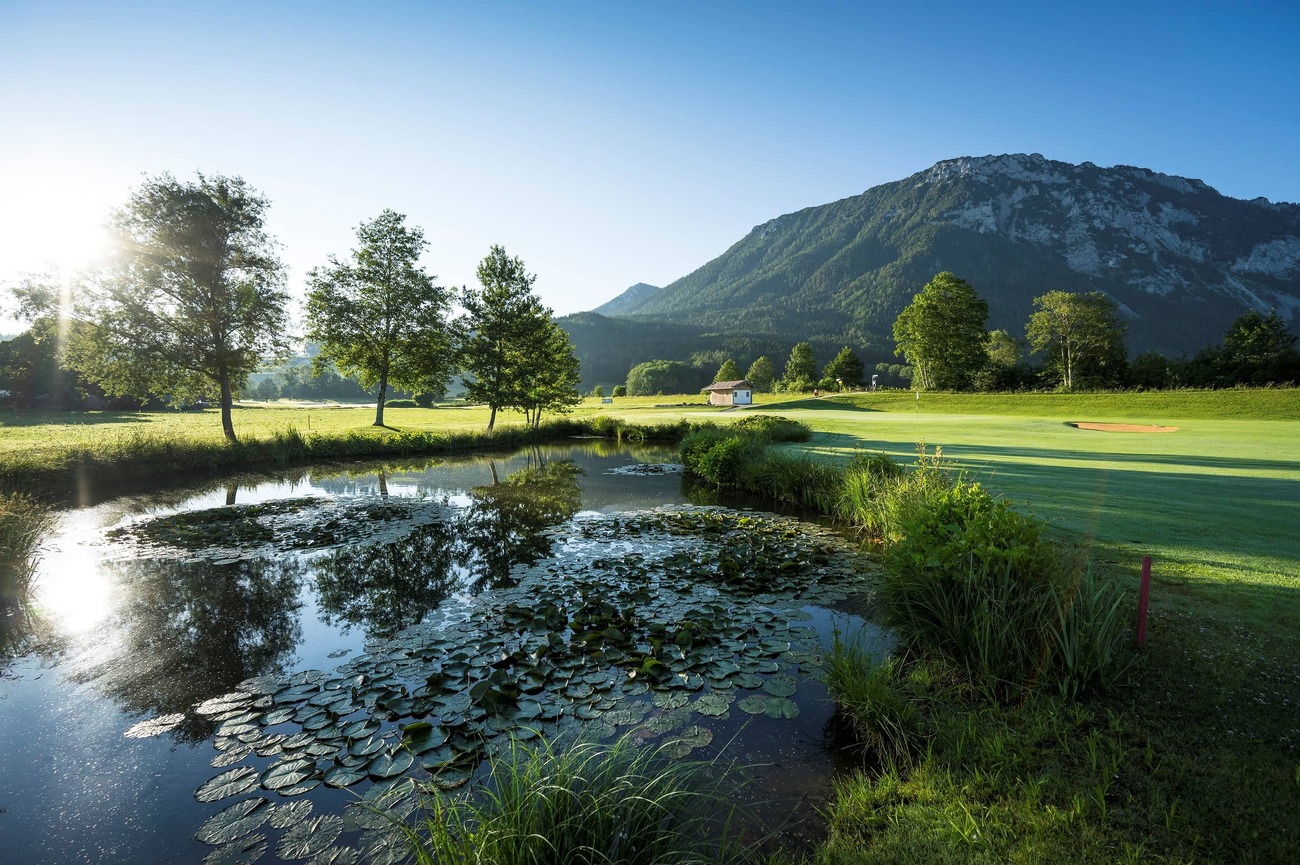
- Golf Club Ruhpolding e.V.: The course sits in the wide basin of Ruhpolding, wrapped in a 360-degree mountain backdrop that never quite fades into the background. You might even catch yourself pausing mid-round just to take it in and honestly, that’s part of the experience. This club carries a unique energy. Ruhpolding is home to elite winter athletes and many Olympic and world champions are members here. Biathletes, alpine skiers and ski jumpers use golf as a way to sharpen focus and recover, and that mindset shapes the course.
Racecourses in the Bavarian Alps
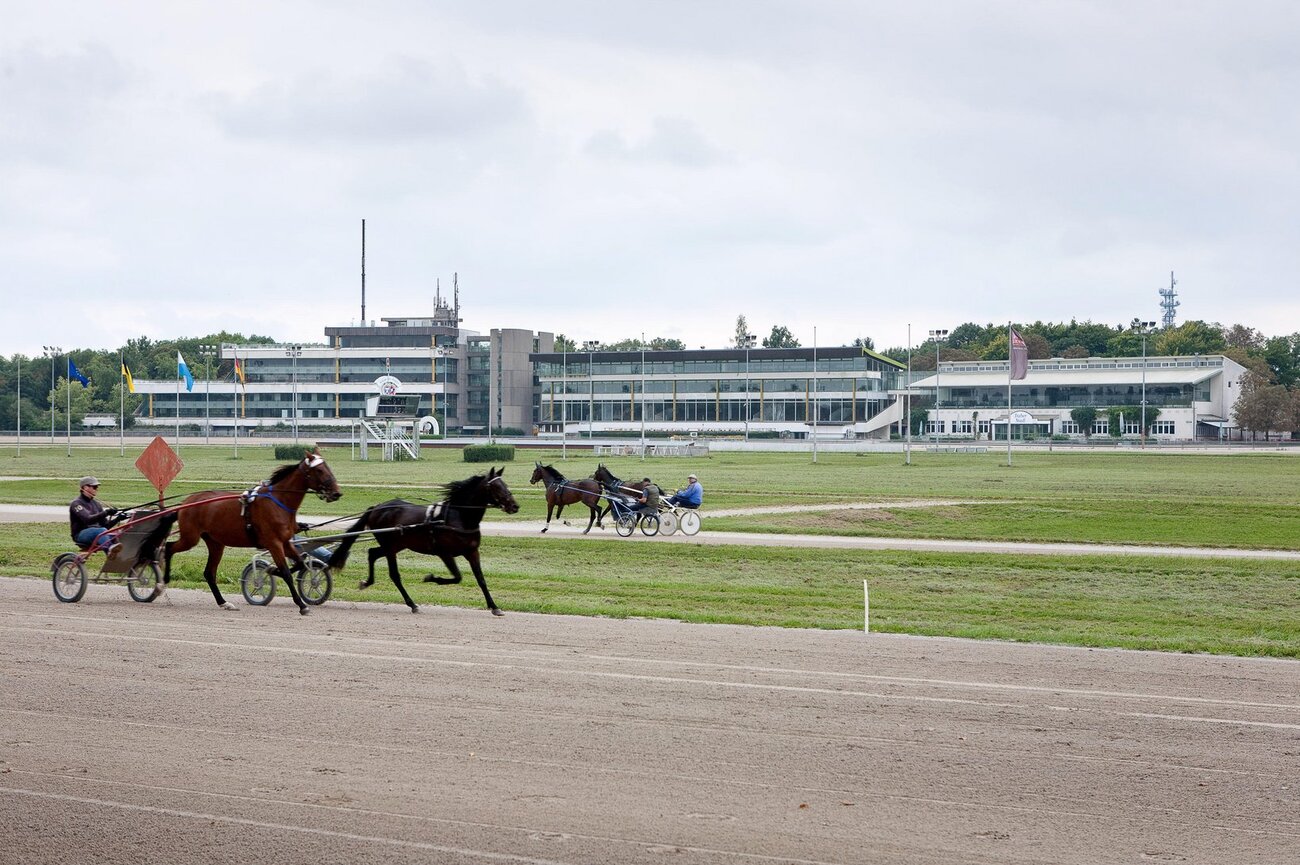
If you’re looking for horse racecourses inside the Bavarian Alps, it’s important to be clear and accurate: there are no professional horse racing tracks located within the Bavarian Alps themselves. The terrain is steep, protected and environmentally sensitive, which makes large flat turf or harness tracks impractical and historically unlikely. That said, horse racing is still very much part of Bavarian sporting culture, just outside the Alpine zone, in the surrounding lowlands and alpine foothills. These venues are close enough to work as easy day trips from the Bavarian Alps.
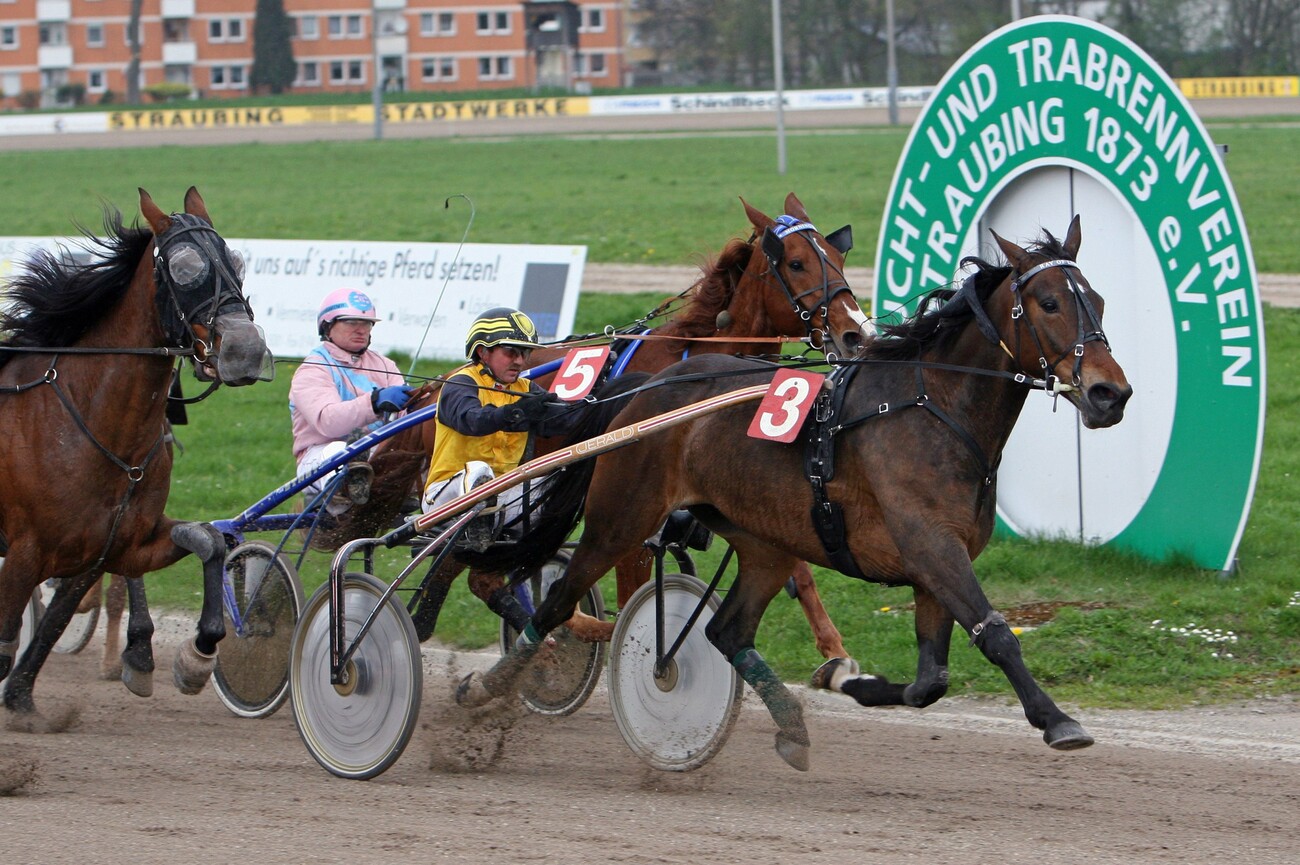
- Trabrennbahn Straubing: From the Bavarian Alps, Straubing is reachable in around 1.5 hours, making it a realistic day trip rather than a logistical stretch. Trabrennbahn Straubing delivers horse racing in its most grounded, tradition-forward form. This is a long-established harness racing venue, where the focus stays firmly on the sport rather than spectacle. Standardbred horses pull sulkies around the oval track at impressive speed, creating a rhythm that becomes more absorbing the longer you watch.
- Trabrennbahn München-Daglfing: Reaching Daglfing from the Bavarian Alps typically takes one to one and a half hours, depending on your base and traffic. Located on the eastern edge of Munich, this is one of southern Germany’s most prominent harness racing tracks, and it carries itself accordingly. Race days are structured, the calendar is consistent and the crowd brings energy without chaos. Daglfing works especially well if you want horse racing that feels social, accessible and well-managed, paired naturally with a Munich city day.
Where to Ski in the Bavarian Alps
Let’s get one thing straight: the Bavarian Alps are a skiing region, not a side quest. This is where winter shows up polished, on time and with a plan. The slopes are real, the infrastructure is dialed in and the vibe sits comfortably between “serious skier” and “I still want a great lunch.” This is skiing with structure. Efficient lifts, scenic pistes and mountain huts that understand the assignment. If you like your winter sports elevated but not exhausting, you’re in the right place.
- Garmisch-Partenkirchen & Zugspitze: This is the headline act and it fully leans into it. Garmisch-Partenkirchen is Bavaria’s most iconic ski town, anchored by the Zugspitze, Germany’s highest peak. Glacier skiing means the season stretches longer, the snow stays reliable and the views feel borderline unreal. You’re skiing above the clouds, with wide, confidence-boosting runs and modern cable cars that move fast and smoothly.
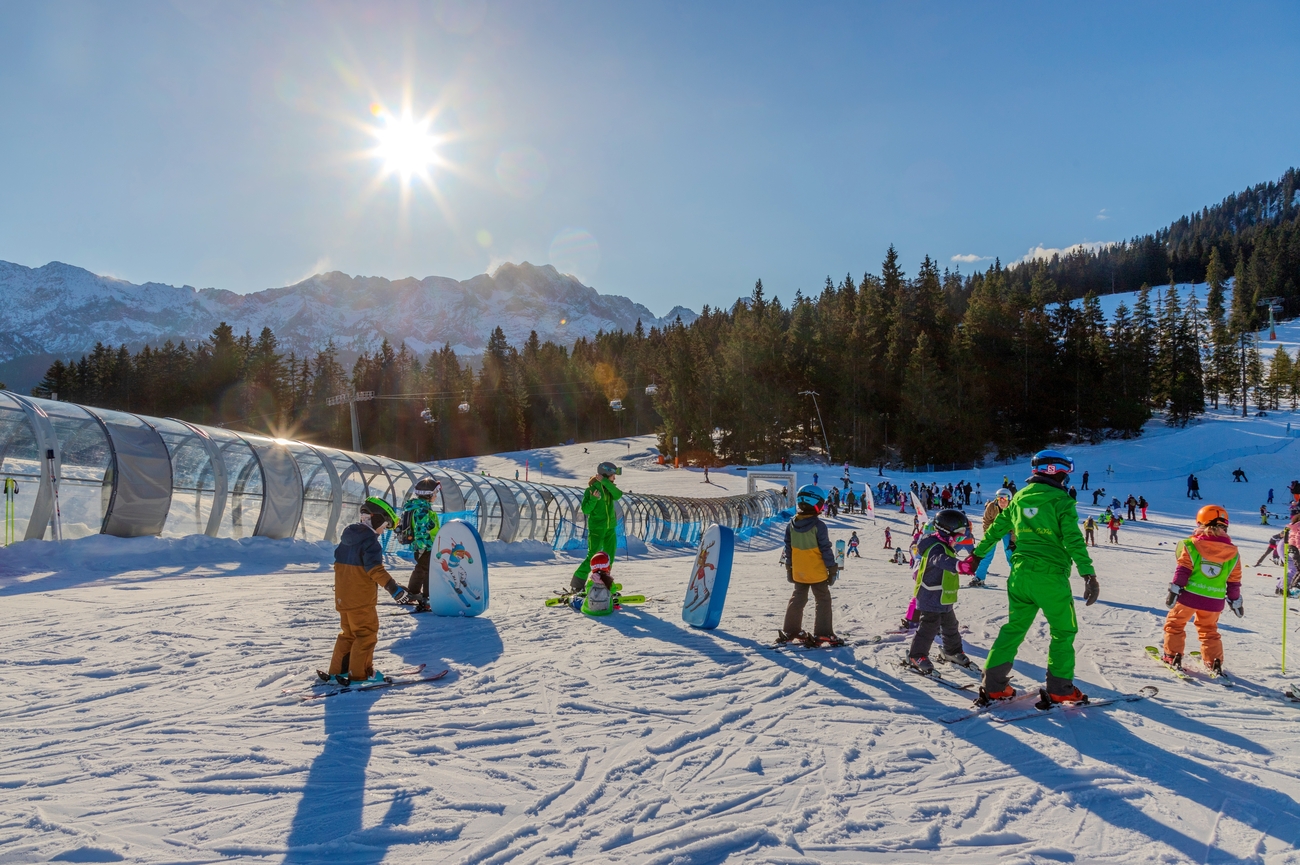
- Brauneck is one of the most versatile ski areas in the Bavarian Alps and a favorite among Munich locals for good reason. Located near Lenggries, the mountain offers a balanced mix of beginner, intermediate and advanced pistes, spread across a wide open terrain that avoids congestion even on busy weekends.
Its north-facing slopes help preserve snow quality, while the higher sections deliver longer descents with consistent gradients.
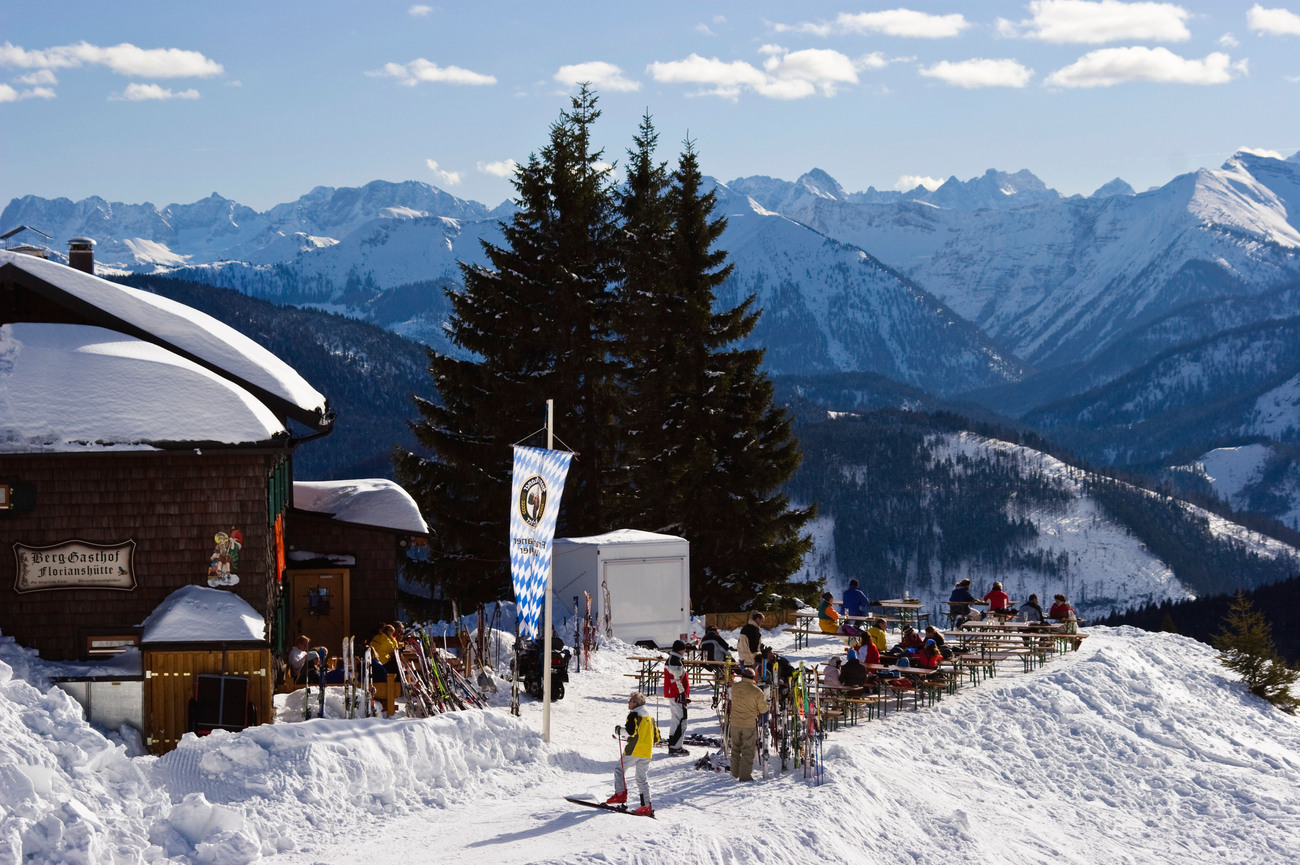
- Berchtesgaden Alps: Skiing in the Berchtesgaden Alps feels deliberately refined. Jenner offers panoramic descents overlooking Königssee, creating one of the most scenic ski settings in Bavaria. The terrain here is best suited for intermediate skiers, with wide pistes that emphasize control and endurance rather than speed. Götschen complements Jenner with a more technical focus. Known for its race-quality slopes, Götschen hosts international competitions. Visit this spot if you want to ski in controlled conditions with fewer distractions.
Michelin-starred Restaurants in the Bavarian Alps
Fine dining in the Bavarian Alps exists for people who value intention. This is not a region built on density or excess. Conditions are demanding, access is deliberate and restaurants that reach Michelin level do so because precision matters here. Short supply chains, strong regional identity, and kitchens that understand restraint shape a dining scene that feels focused rather than performative. Every restaurant listed below is verified within the Bavarian Alps. Some kitchens lean deeply into local traditions. Others bring in global techniques without losing their alpine grounding. What connects them is clarity. The food knows where it is, why it’s there and doesn’t need to overexplain itself.
- ES:SENZ: Three Michelin stars don’t happen by accident and at ES:SENZ, the precision is immediately clear. Set within Das Achental in the Chiemgau Alps, this restaurant is chef Edip Sigl’s controlled playground, where two tasting menus define the experience. “Chiemgau pur” stays fiercely local, while “Chiemgau goes around the world” expands the lens without losing its alpine anchor. Dishes balance refinement and depth rather than excess. Think langoustine layered with artichoke and bisque or the house-signature saffron ice cream paired with fermented rosehip and pumpkin seed oil. The cooking is complex but never heavy.
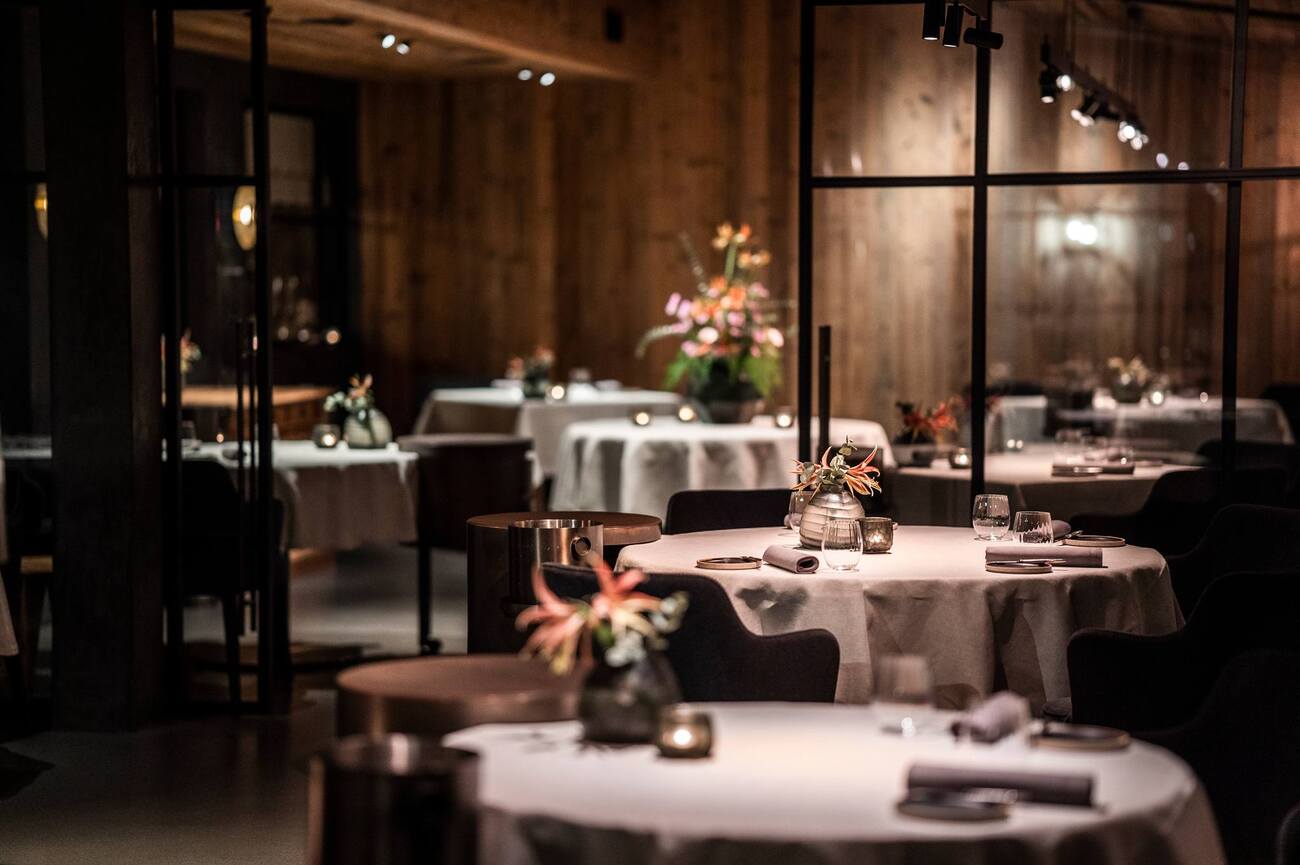
- Das Marktrestaurant: At the foot of the Karwendel Mountains, Das Marktrestaurant proves that alpine fine dining doesn’t need formality to feel serious. Holding one Michelin star, chef Andreas Hillejan takes classic Bavarian pub food and refines it just enough to elevate it without losing its soul. Two tasting menus anchor the experience. “Wirtshaus mal anders” rethinks traditional dishes with finesse, while “Heimat” leans into regional comfort done right. You’ll also find beautifully executed staples like fish soup or Wiener schnitzel on the à la carte menu. The setting is informal, the cooking is precise and the location places you right in the heart of Mittenwald’s painted streets.
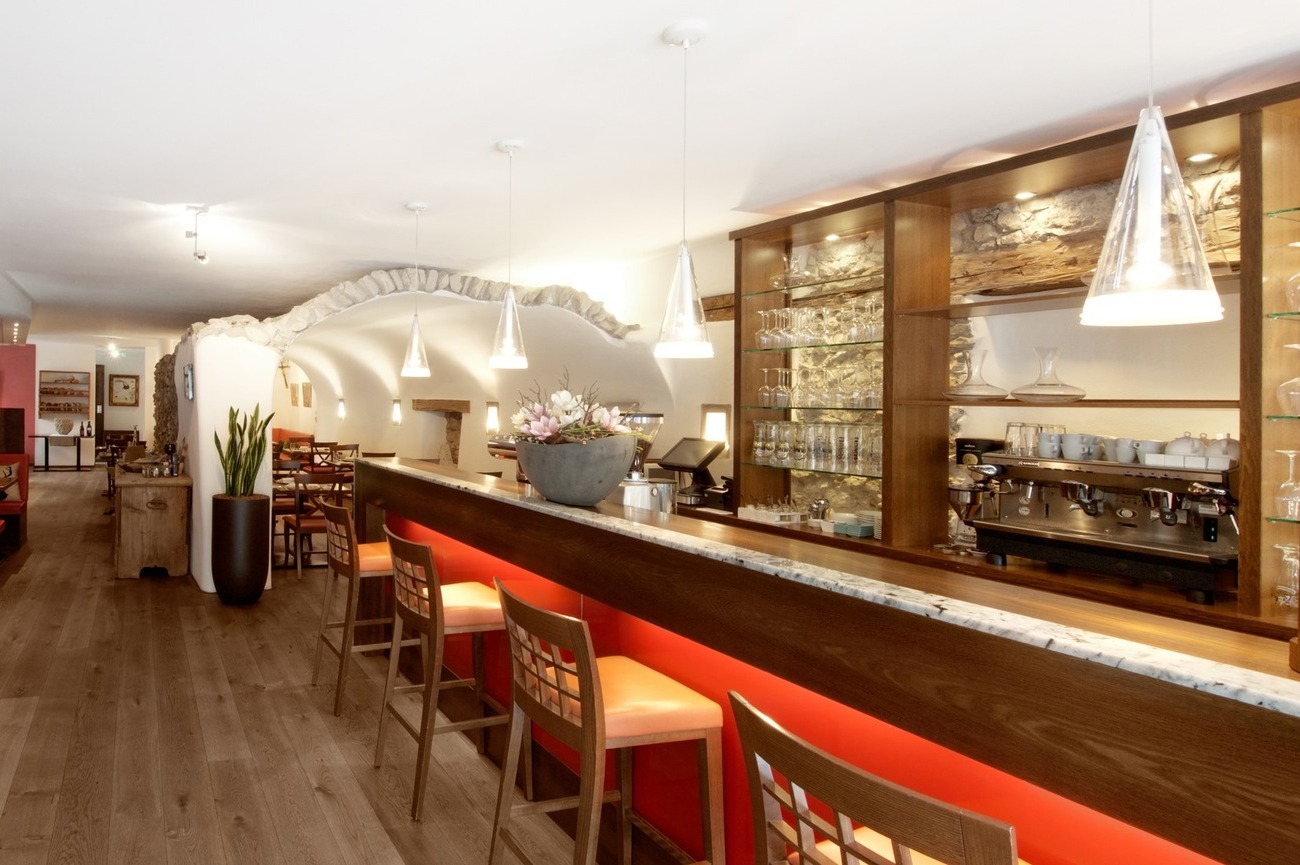
- ESS ATELIER STRAUSS: Modern alpine design sets the tone at ESS ATELIER STRAUSS, a one-star Michelin restaurant where the atmosphere is as intentional as the food. Reclaimed wood, clean lines and edelweiss-inspired lighting create a space that feels contemporary without drifting from its mountain roots. Chef Peter A. Strauss serves a seasonal surprise menu only, no à la carte, which keeps the focus sharp. Dishes lean classical at heart but carry modern touches, like scallop with tomato, carrot, passion fruit, and asparagus or venison saddle paired with Jerusalem artichoke and pickled damson.
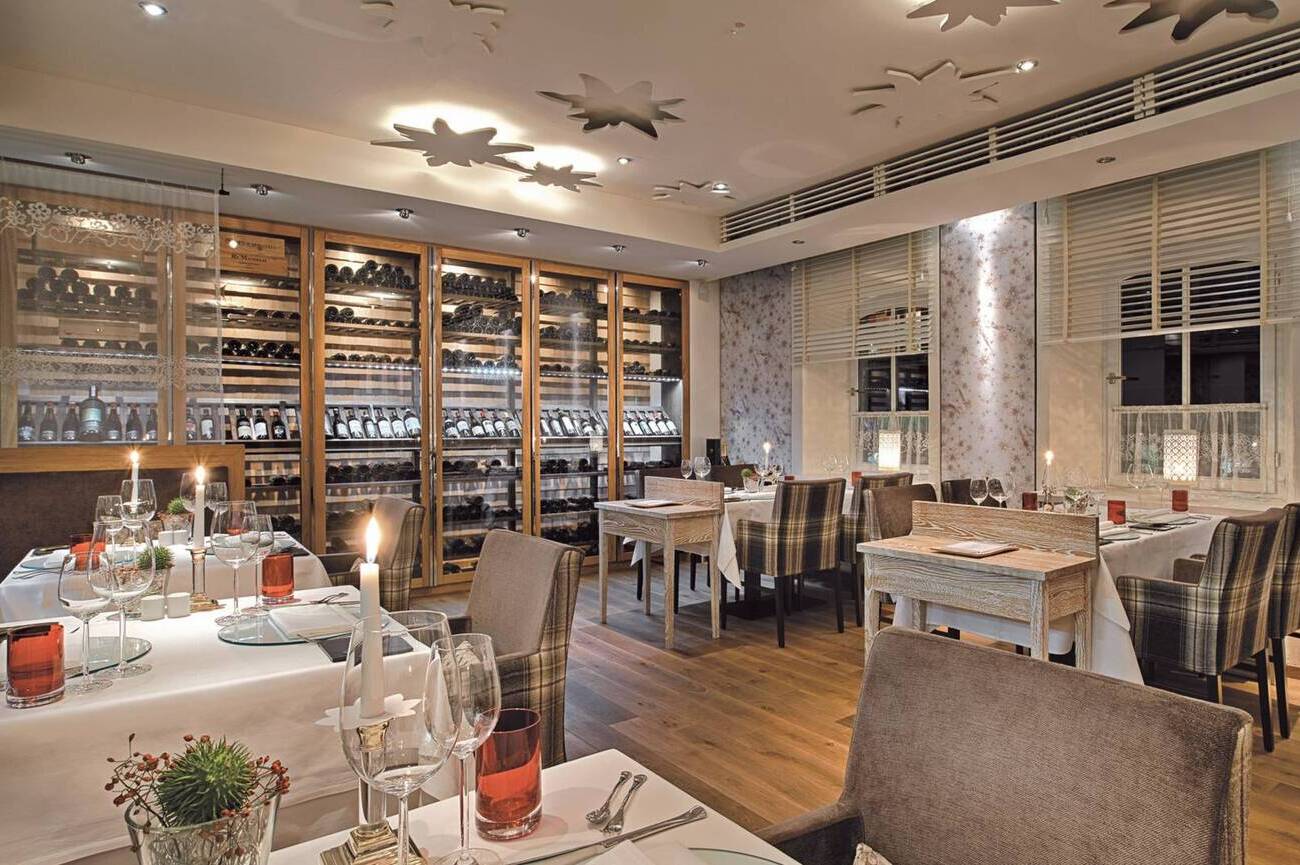
- Epicures is one of the Bavarian Alps’ most established fine-dining institutions, holding one Michelin star and a legacy that helped define classical haute cuisine in the region. Founded by legendary chef Heinz Winkler, the restaurant continues under the stewardship of his son Alexander and a highly disciplined kitchen team. The cuisine stays rooted in classical technique, updated with modern restraint. Five- to eight-course tasting menus form the backbone, though à la carte options remain available.
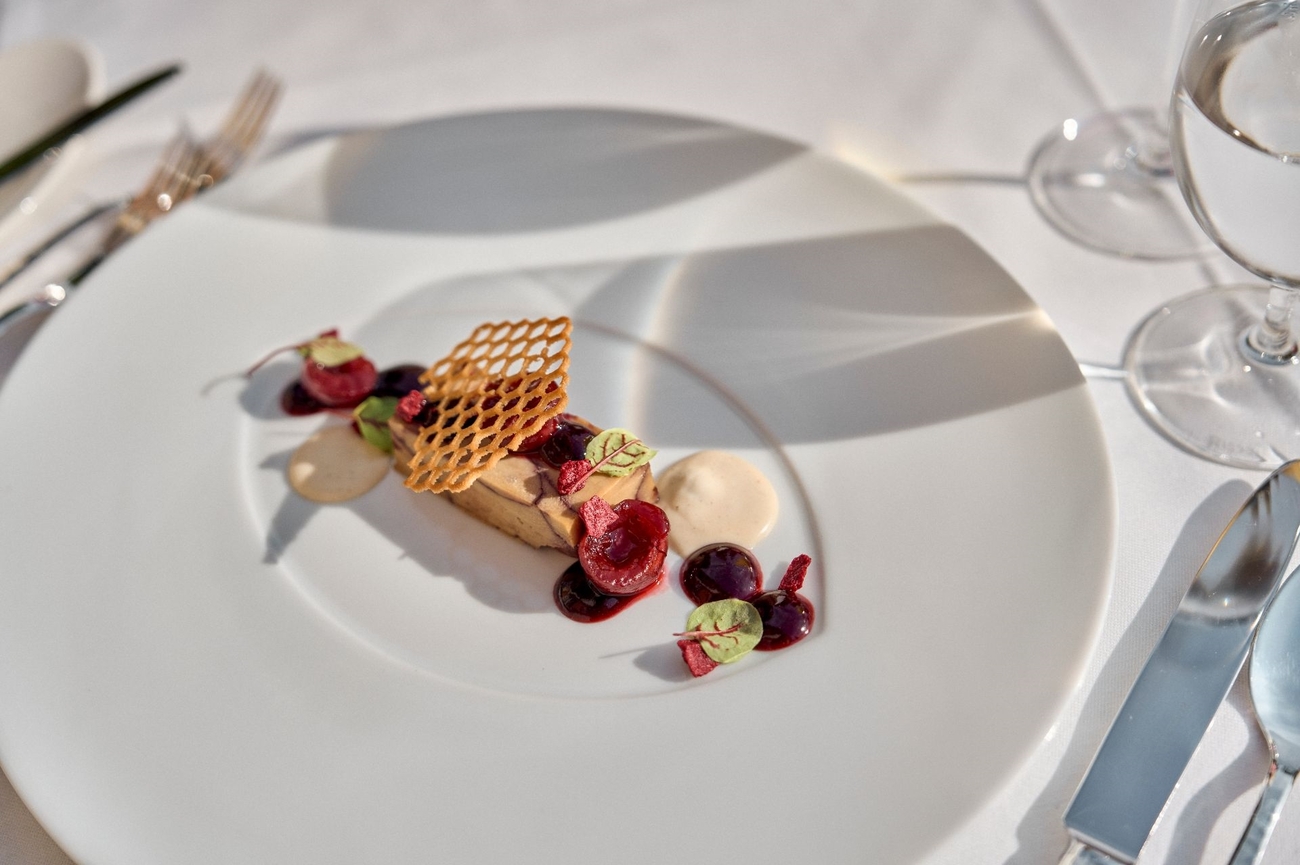
- PUR: Located on the Obersalzberg, PUR combines high-altitude views with two Michelin stars worth of culinary precision. The dining room’s dark, modern palette keeps attention focused where it belongs. On the plate. Chef Ulrich Heimann delivers five- or seven-course tasting menus that emphasize clarity and balance. Dishes are structured, clean and ingredient-driven, with sauces acting as quiet showstoppers. A standout example is the Challans duck breast paired with celery, truffle and quince, elevated by a deeply flavored jus.
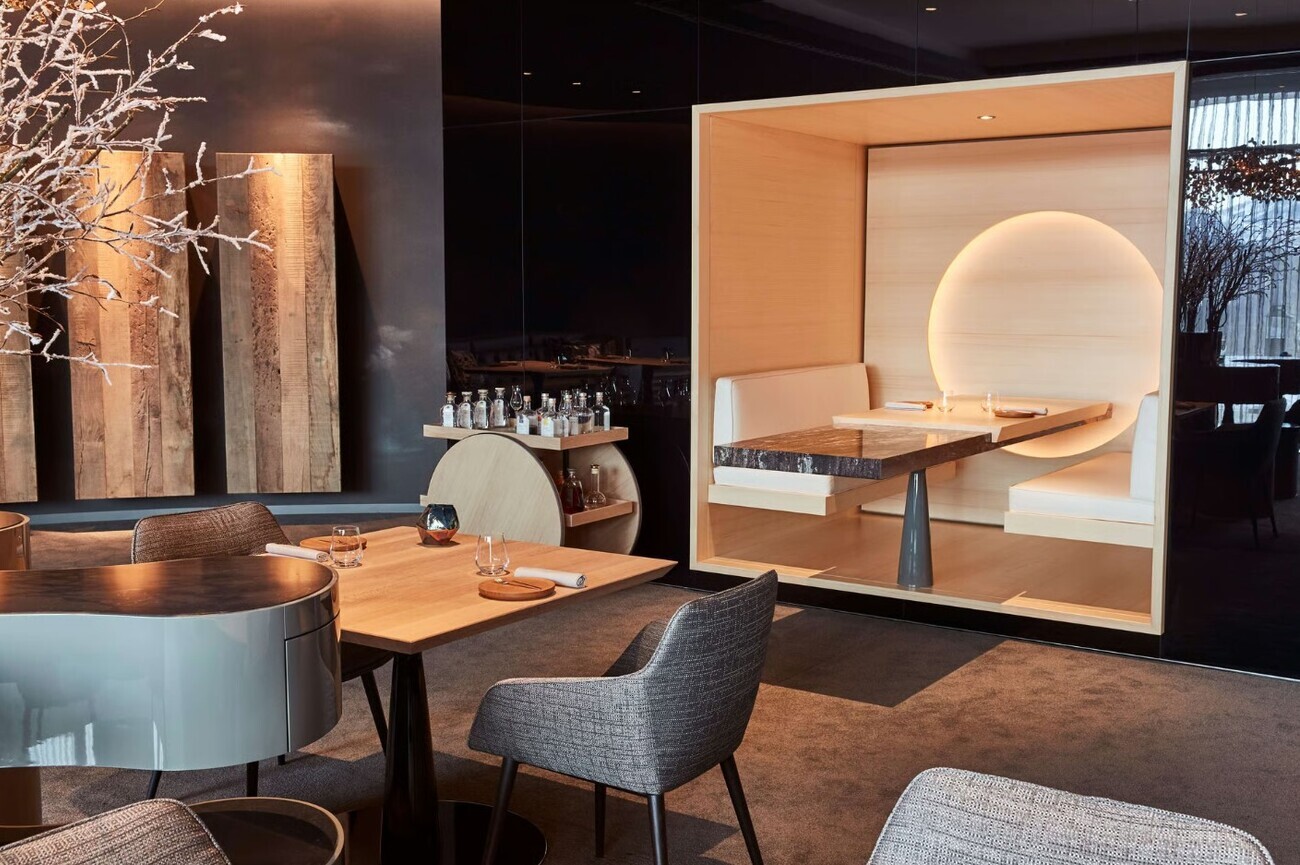
- IKIGAI holds two Michelin stars and leans confidently into Japanese-inspired fine dining. The name itself reflects the restaurant’s philosophy. Purpose, precision and pleasure. Chef Christoph Rainer integrates Asian and Japanese influences into refined, ingredient-focused dishes. Highlights include the Tristan rock lobster prepared over binchotan charcoal, a dish that speaks clearly about sourcing and technique. The interior stays minimal and warm, service feels calm and deeply informed and the sake selection adds another layer of depth.
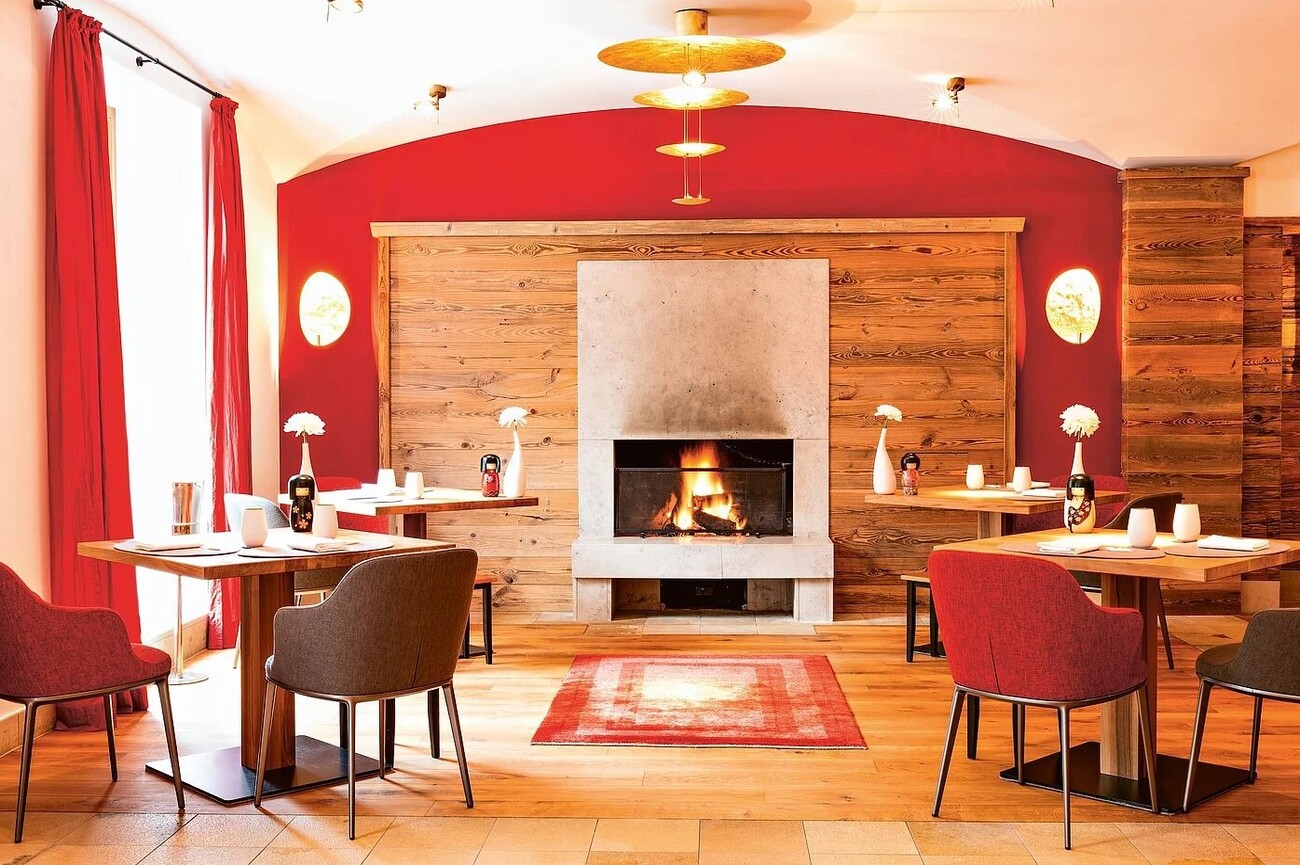
Where to Eat in the
Bavarian Alps
Restaurants in the Bavarian Alps tend to reflect their surroundings without trying to explain them. Towns are small, distances are real and dining rooms are shaped by weather, season and routine rather than trend cycles. You notice it immediately. Meals feel grounded. Spaces feel permanent. Everything listed below sits squarely within the Bavarian Alps, in locations where mountains aren’t scenery but structure. Some rooms are historic, others modest and local, but all make sense in their setting.
- Zum Wildschütz: Zum Wildschütz moves at its own pace, and that’s part of the appeal. The dining room leans traditional, the mood stays relaxed and the menu commits fully to Bavarian classics without apology. Pork knuckle arrives crisp and generous. Stuffed schnitzel follows the same logic. Big flavors, no shortcuts. A tapas-style ordering option makes it easy to try more than planned, especially after a day spent hiking or skiing.
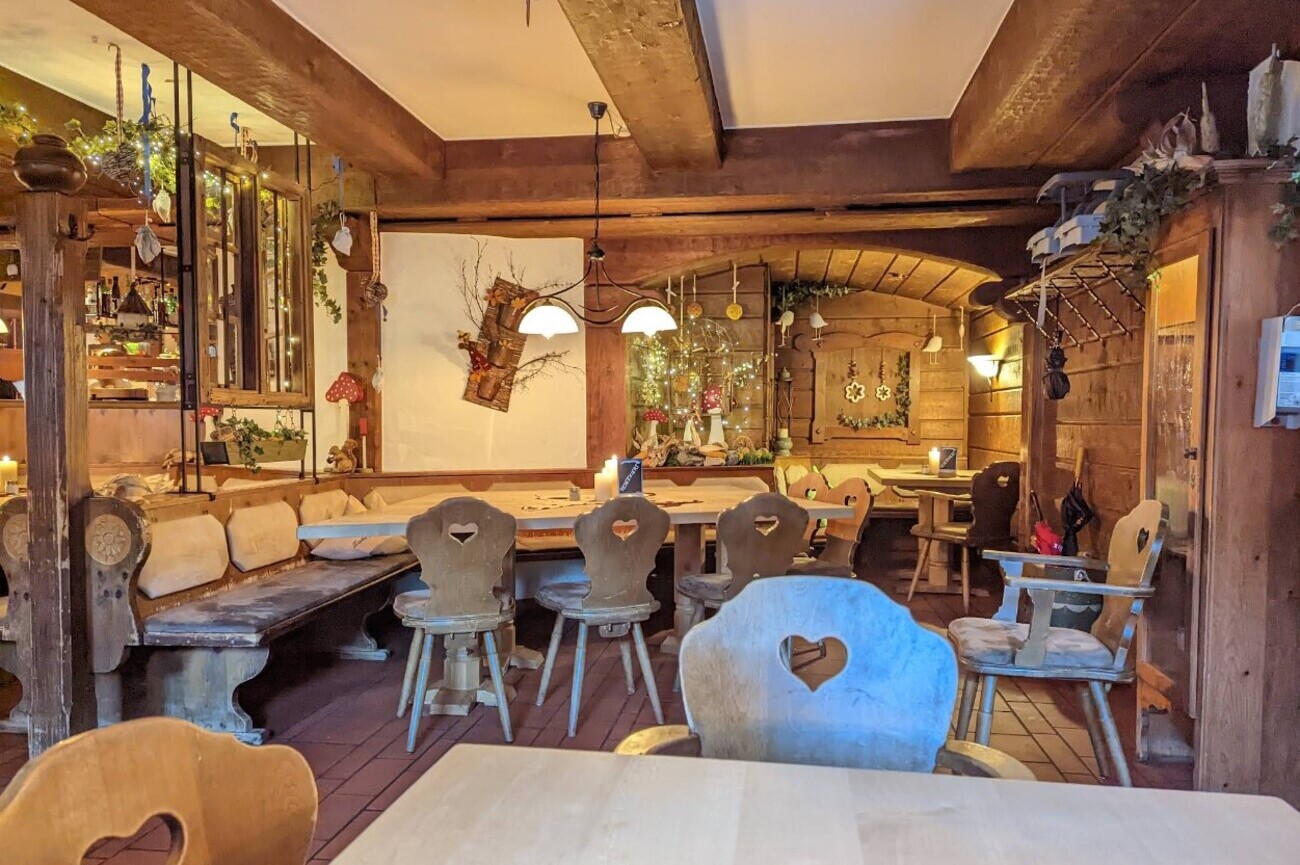
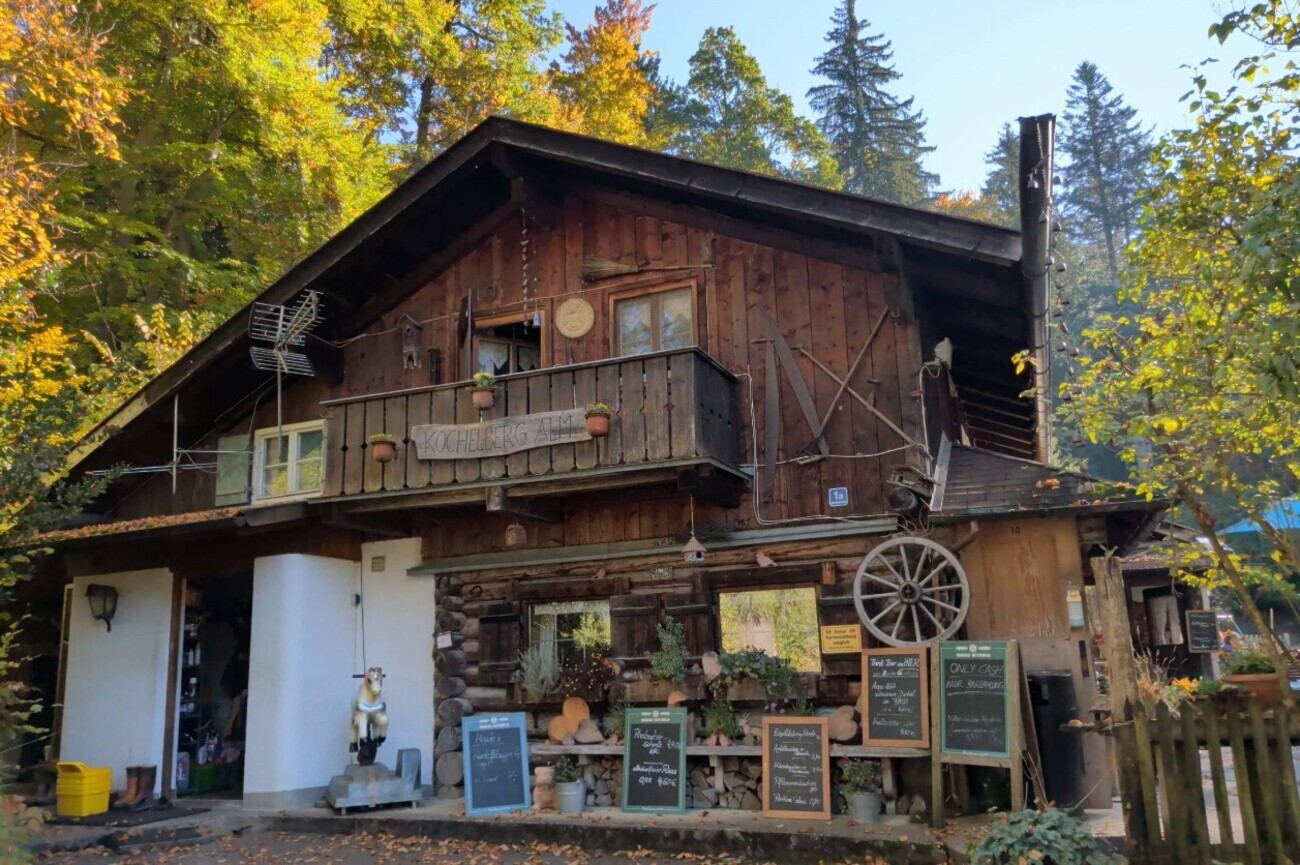
- Kochelberg-Alm: This is where food and landscape align effortlessly. Kochelberg-Alm sits surrounded by open alpine scenery and the experience leans into that simplicity. Menus stay short, comforting and deeply satisfying, with kaiserschmarrn stealing attention for all the right reasons. Service feels genuinely warm, dogs are welcome and the presence of farm animals gives the setting an almost storybook quality. Add a dunkel beer from the local brewery and the result feels less like dining out and more like pausing mid-mountain day exactly where you should.
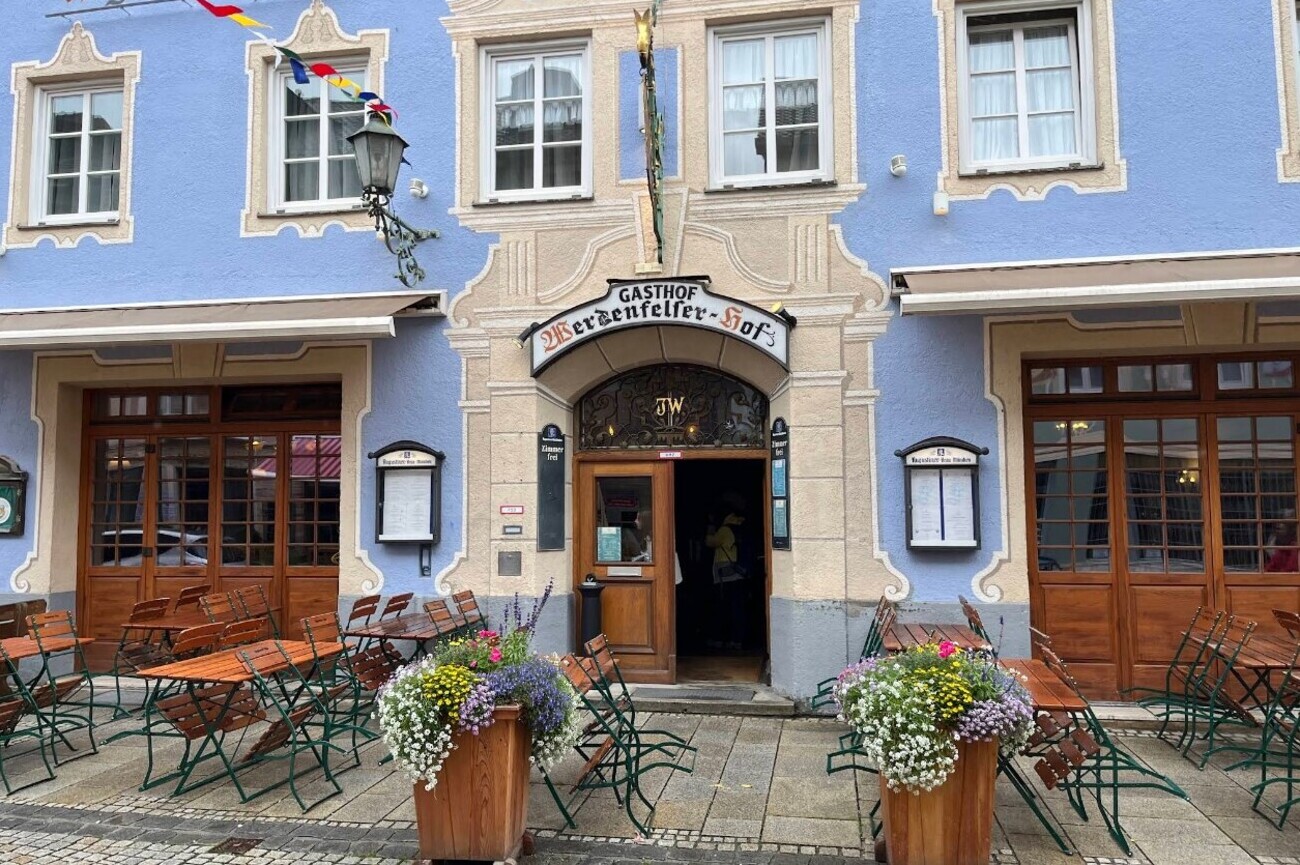
- Werdenfelser Hof: At Werdenfelser Hof, atmosphere does the quiet work. Traditional interiors, old-world details and mountain views set the tone before the first dish arrives. Dining here feels dependable in the best sense. Regional cuisine is served with consistency, service is attentive without being performative and the setting makes it easy to settle in after a full day outdoors.
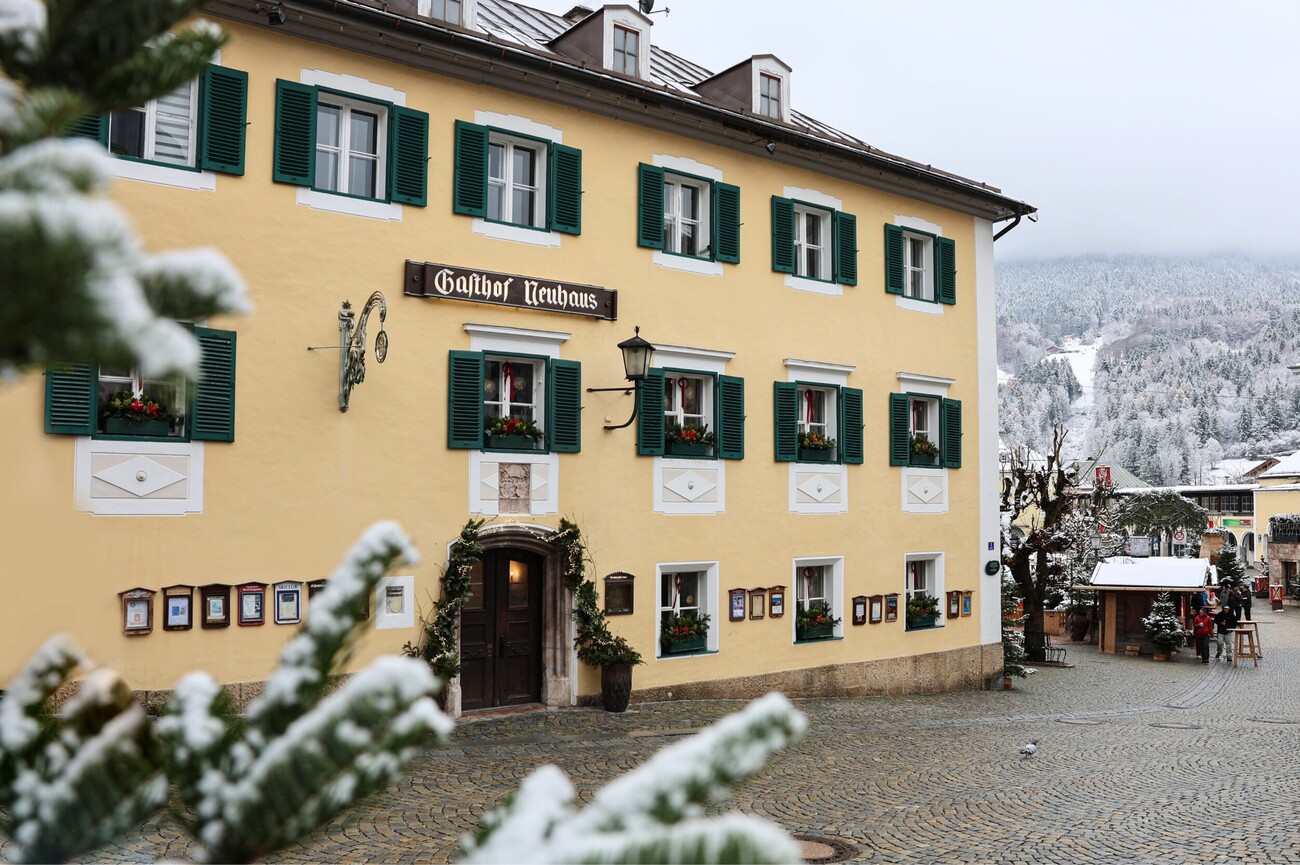
- Gasthof Neuhaus: Few places feel as anchored in their surroundings as Gasthof Neuhaus. Operating from a 16th-century building, this restaurant delivers Bavarian cuisine in a space that carries its history openly. Thick walls, traditional dining rooms and a well-used beer garden set the stage. The menu focuses on staples done properly: pork knuckle, Bavarian duck with orange sauce, red cabbage, potato dumplings. Vegetarian options are present and thoughtfully prepared. Nothing is overcomplicated and nothing needs to be.
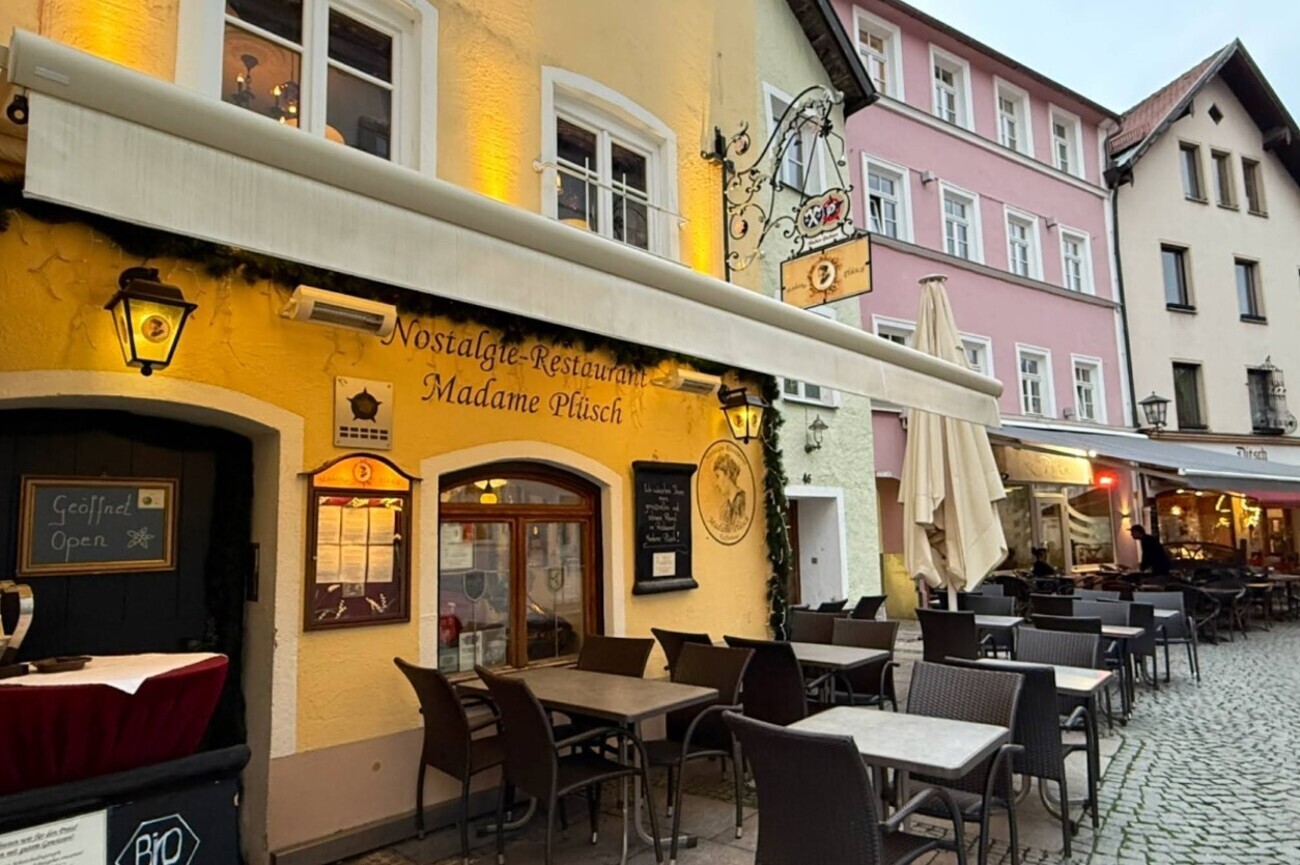
- Restaurant Madame Plüsch: Madame Plüsch trades volume for charm. Housed in a 16th-century building in Füssen’s old town, the restaurant blends historic character with refined Bavarian cooking. The room feels intimate rather than grand, which puts the focus squarely on the plate. Duck dishes and fish spätzle are frequent standouts, known for depth and careful execution. Service remains polished even during busy periods, keeping the experience calm instead of rushed. Prices sit slightly higher but the setting and quality make the reasoning clear by the end of the meal.
Where to Drink in the
Bavarian Alps
Evenings in the Bavarian Alps tend to stay local. Town centers are compact, distances are walkable and most bars sit close to where people actually live and stay. That shapes the nightlife. You’re more likely to end up in a pub that doubles as a meeting point than a venue designed around spectacle.
- The Local Cure Lounge Bar: Set in the heart of Garmisch-Partenkirchen, this Irish pub blends local regulars with travelers who stumbled in once and didn’t feel the need to keep looking. The room stays warm and informal, service is friendly without hovering and the drink list covers the essentials well. Live music nights bring extra energy without overwhelming the space, while food like chicken wings and burgers gives the evening some structure. It’s relaxed, social and easy to settle into.
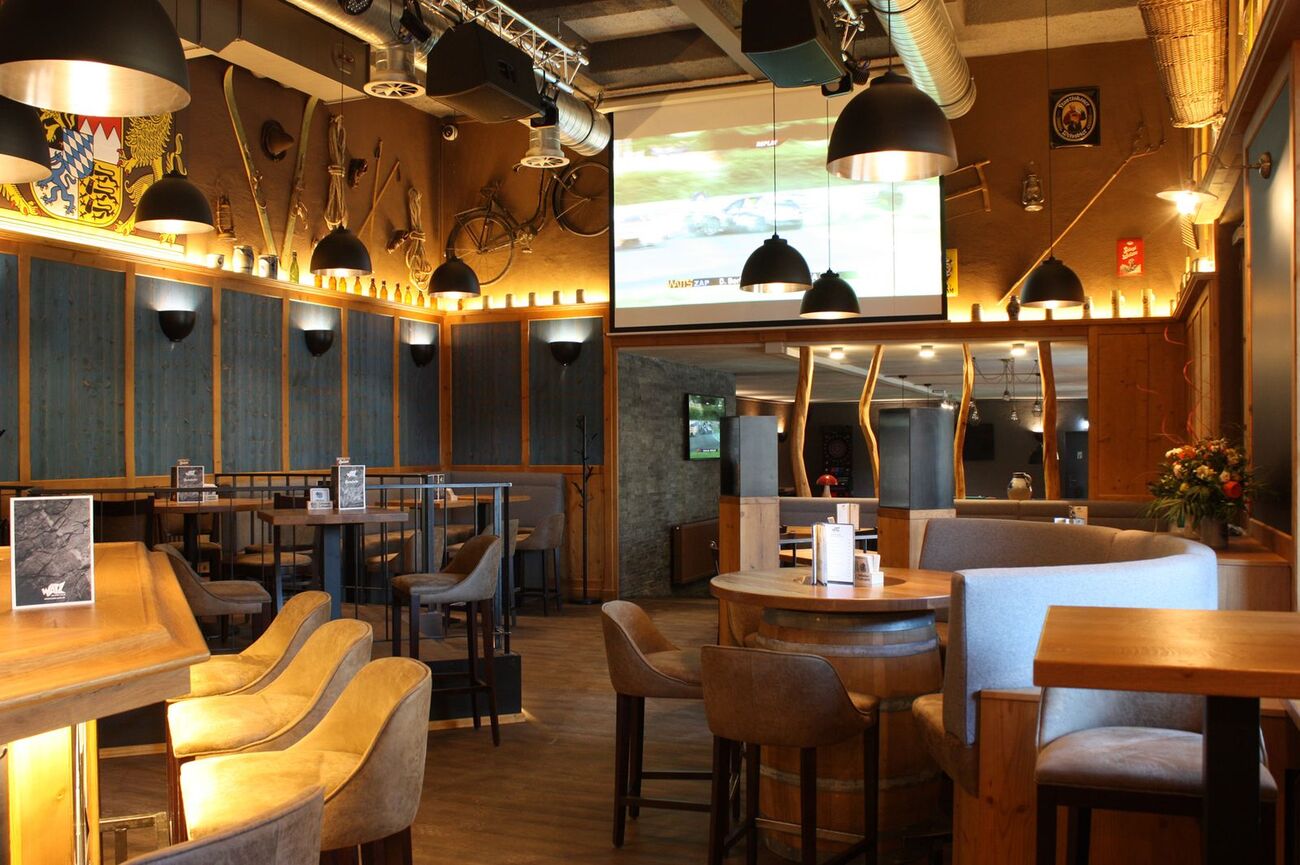
- WATZ works on layers. Downstairs, it operates as a classic Bavarian pub where beer leads the conversation. The selection leans regional, with local and international brews treated with equal respect. Food stays seasonal and uncomplicated, designed to support long evenings rather than rush them. Upstairs, the tone shifts slightly with a modern bowling center that adds movement and noise without turning the place chaotic. It’s a pub, a gathering spot and entirely in tune with Berchtesgaden’s unpretentious social culture.
- Gaststätte Die Kneipe: Die Kneipe feels rooted. The kind of bar where the decor hasn’t changed because it didn’t need to. Inside, traditional Bavarian dishes anchor the experience, supported by a thoughtful selection of local beers and wines. When the weather allows, outdoor seating becomes the highlight, pulling the street into the evening and giving the place a lived-in, neighborhood feel. This is where you go when the day’s plans are done and the night doesn’t need direction.
- Bayrish Pub: Bayrish Pub leans lively without tipping into chaos. Located near Füssen’s busy shopping area, it naturally attracts a mixed crowd of locals and visitors. The beer garden does most of the work in warmer months, especially during major sports events. Inside, music runs louder and the energy stays high. Drinks are straightforward, food is generous and service moves fast even during peak hours.
Cafes in the Bavarian Alps
Cafes in the Bavarian Alps tend to work as anchors rather than pit stops. You notice them between walks, after drives or when villages slow down just enough to invite a pause. Some lean modern, others feel inherited. What they share is placement. These are cafes that make sense exactly where they are, whether that’s a painted market square or a cliffside with a mountain doing most of the talking.
- LOUIS, Café & Tagesbar: LOUIS runs on flexibility. Mornings begin with coffee and breakfast plates that lean clean and contemporary. By midday, the room shifts toward casual lunches and cake. Evenings introduce wine, cocktails and a quieter social hum. The menu covers a wide range without feeling scattered, including organic dishes and vegan options that don’t feel like afterthoughts.
- Café Obermarkt: Café Obermarkt feels like part of the square rather than a business occupying it. Located directly on Mittenwald’s historic Obermarkt, the café draws people in with its cakes before anything else. Marzipan tortes, blueberry slices and rhubarb pastries dominate the display, supported by well-made coffee and a quiet confidence that comes from doing the same things well for a long time. Inside, old photographs and local memorabilia add texture without distraction. This is the kind of place where time loosens its grip without being asked.
- Sophie’s Café: Sophie’s Café leans visually modern while keeping its footing firmly local. Plates arrive with color and intention, blending contemporary comfort dishes with familiar Bavarian staples. Burgers, currie and classic German fare sit comfortably on the same menu. A strong wine selection adds range and the outdoor seating opens up views that elevate even a simple lunch.
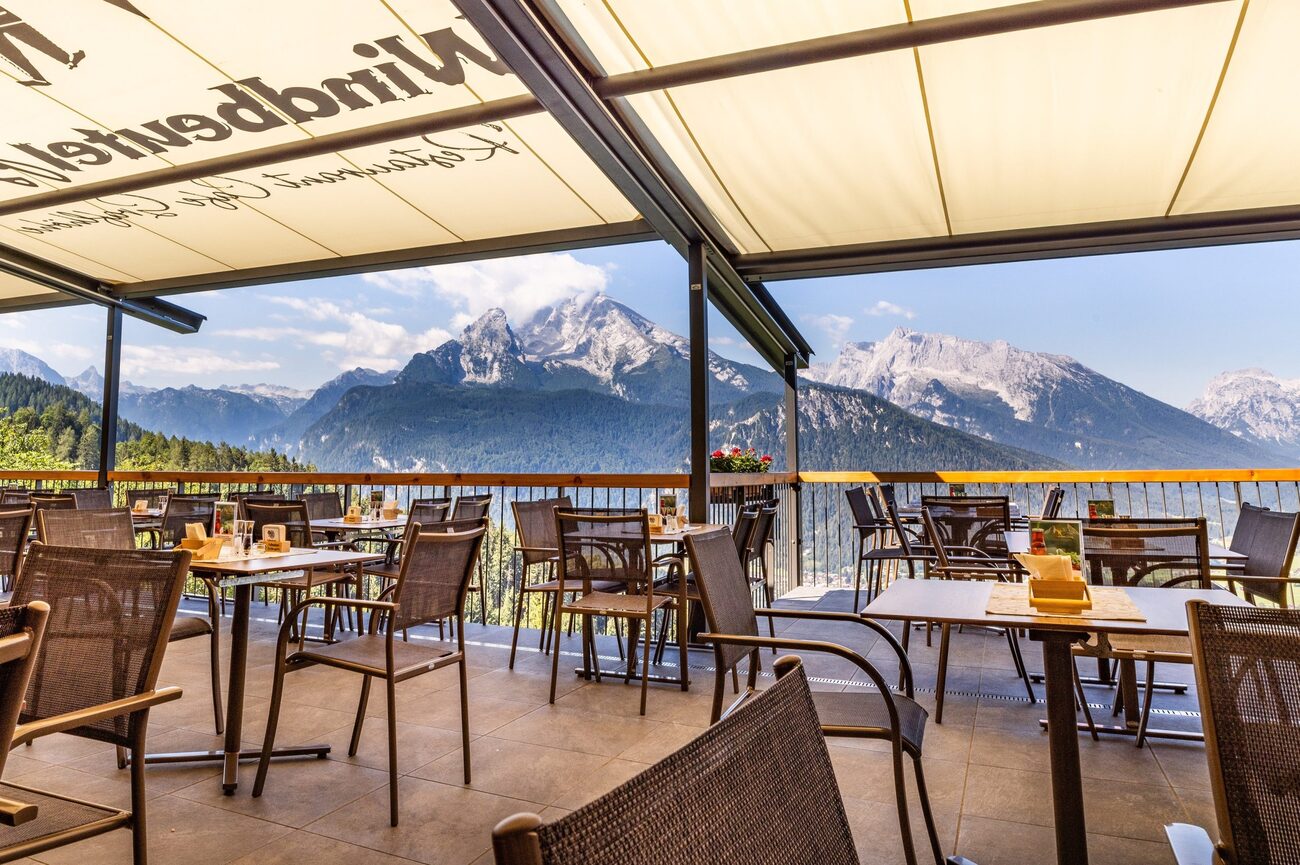
- Restaurant Café Graflhöhe “Windbeutelbaron”: This cafe doesn’t need to convince you. The location does that first. Perched above the valley with wide views toward the Watzmann, Graflhöhe is known for its oversized cream puffs long before you reach the table. Fillings range from classic cream to ice cream and fruit, turning dessert into the main event without apology. Reaching the café involves a short uphill walk from roadside parking, which only sharpens the payoff once you arrive.
- Hoffman’s Bistro & Wafflehouse: Hoffman’s Bistro & Wafflehouse knows exactly what it does well and sticks to it. Right in the center of Garmisch-Partenkirchen, this cafe has built its reputation around waffles that refuse to be an afterthought. Sweet, savory, stacked or dressed up for brunch, the menu leans playful without losing balance. The space stays lively but comfortable, especially when the outdoor garden seating fills up. The central location makes it an easy stop whether you’re starting the day slow or breaking up an afternoon walk through town.
Where to Stay in the Bavarian Alps
- Schloss Elmau (5 Stars): Schloss Elmau is the kind of place you choose when you want to stay still and let the Alps come to you. Spread across alpine meadows in the Wetterstein range, the property feels more like a retreat than a hotel. The spa facilities are extensive, the dining serious and the setting removes any need to leave unless you choose to. It’s known for hosting world leaders and artists, but what stands out most is how calm the experience feels despite its scale.
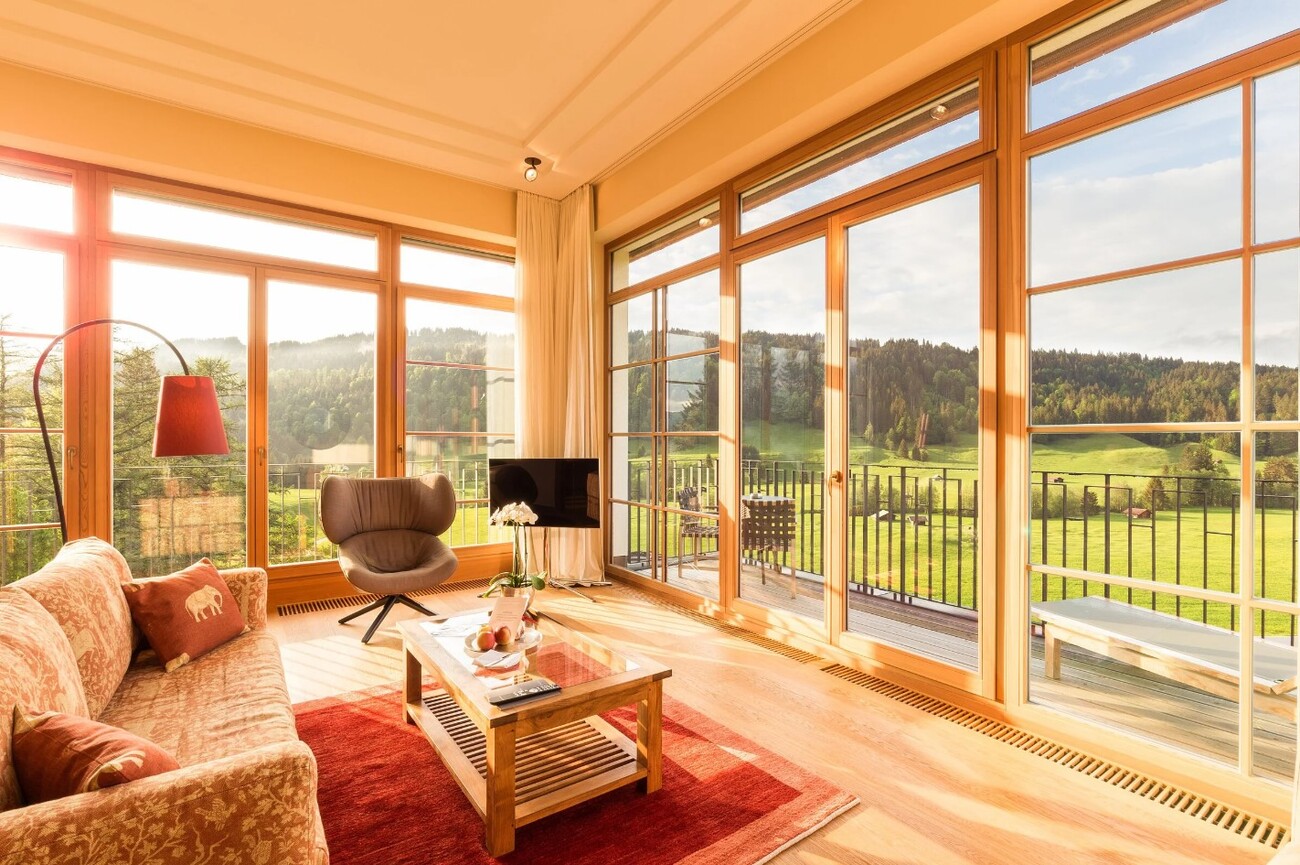
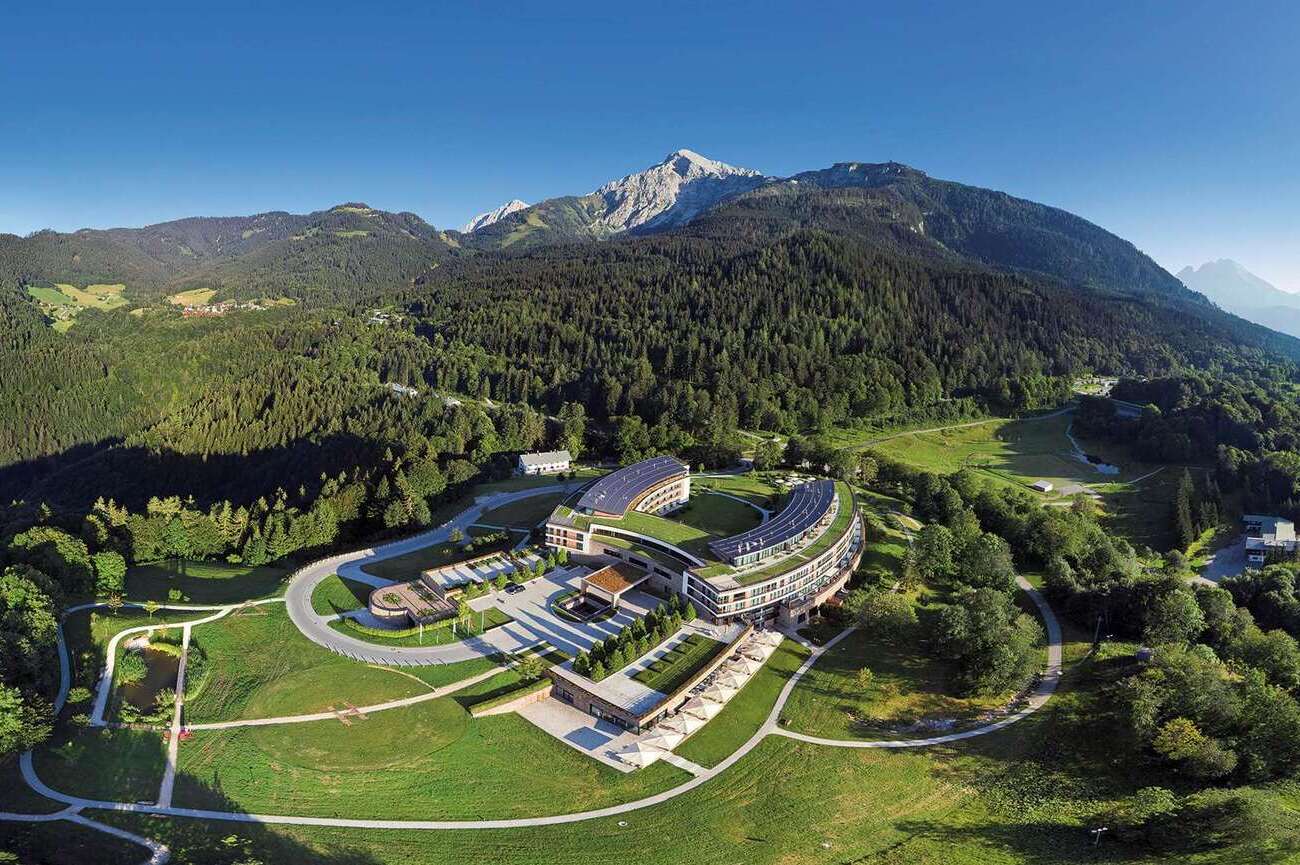
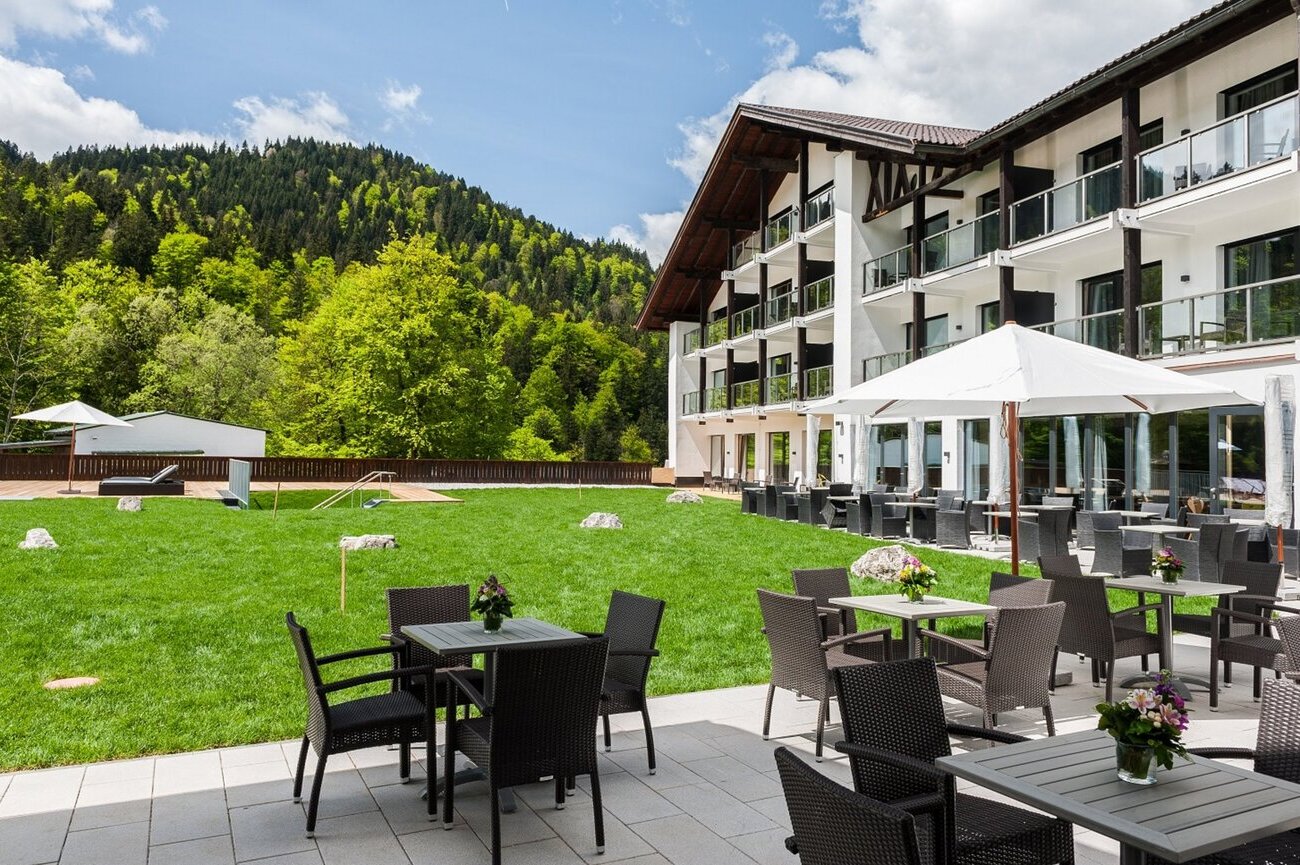
- Kempinski Hotel Berchtesgaden (5 stars): Positioned high on the Obersalzberg, Kempinski Hotel Berchtesgaden delivers elevation in every sense. The architecture is modern and understated, designed to keep attention on the surrounding Berchtesgaden Alps rather than the building itself. Unlike traditional alpine lodges, the building stretches horizontally across the Obersalzberg, following the natural contour of the hillside rather than cutting into it. Floor-to-ceiling windows pull the mountains directly into the room, while the spa and infinity pool lean heavily into the panorama. You come here when you want alpine seclusion paired with precision. Service is polished, dining is refined and everything runs smoothly without drawing attention to itself.
- Obermuehle 4S Alpin SPA Resort (4 stars): Obermühle works well if you want flexibility. You’re close to Garmisch’s center, but once inside the resort, the setting feels quieter thanks to gardens, river views and open sightlines toward the Zugspitze. The spa is a defining feature, designed for long sessions rather than quick dips and the rooms keep a modern alpine look without leaning decorative. This is a strong choice if you want both town life and a proper mountain reset without compromise.
- Das Graseck (4 stars): Getting to Das Graseck already tells you this stay will be different. A private cable car lifts you above the Partnach Gorge, separating you from the town below. Once you arrive, the pace changes. Wellness areas open directly toward mountain views and silence becomes part of the experience. You choose this hotel when you want altitude without isolation and a setting that encourages you to slow down without asking.
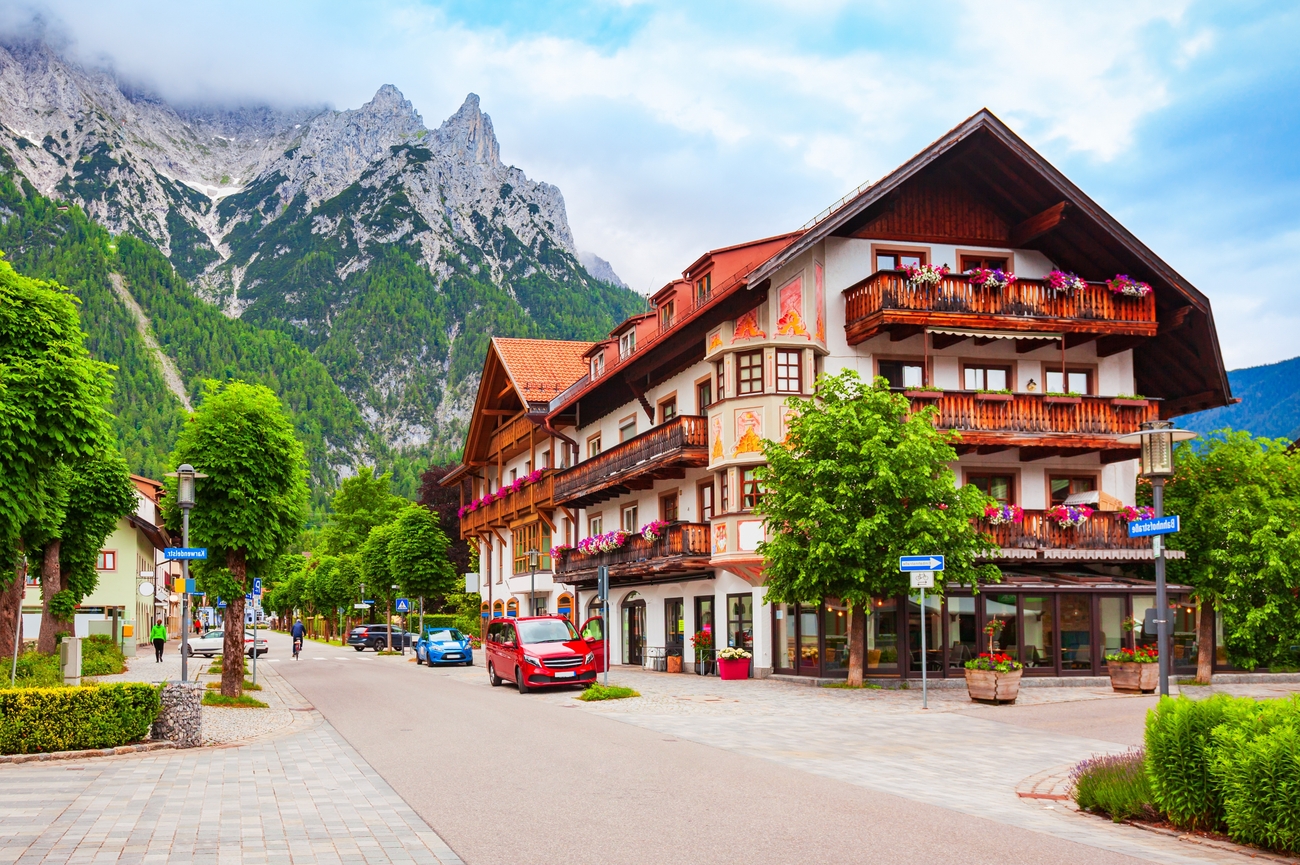
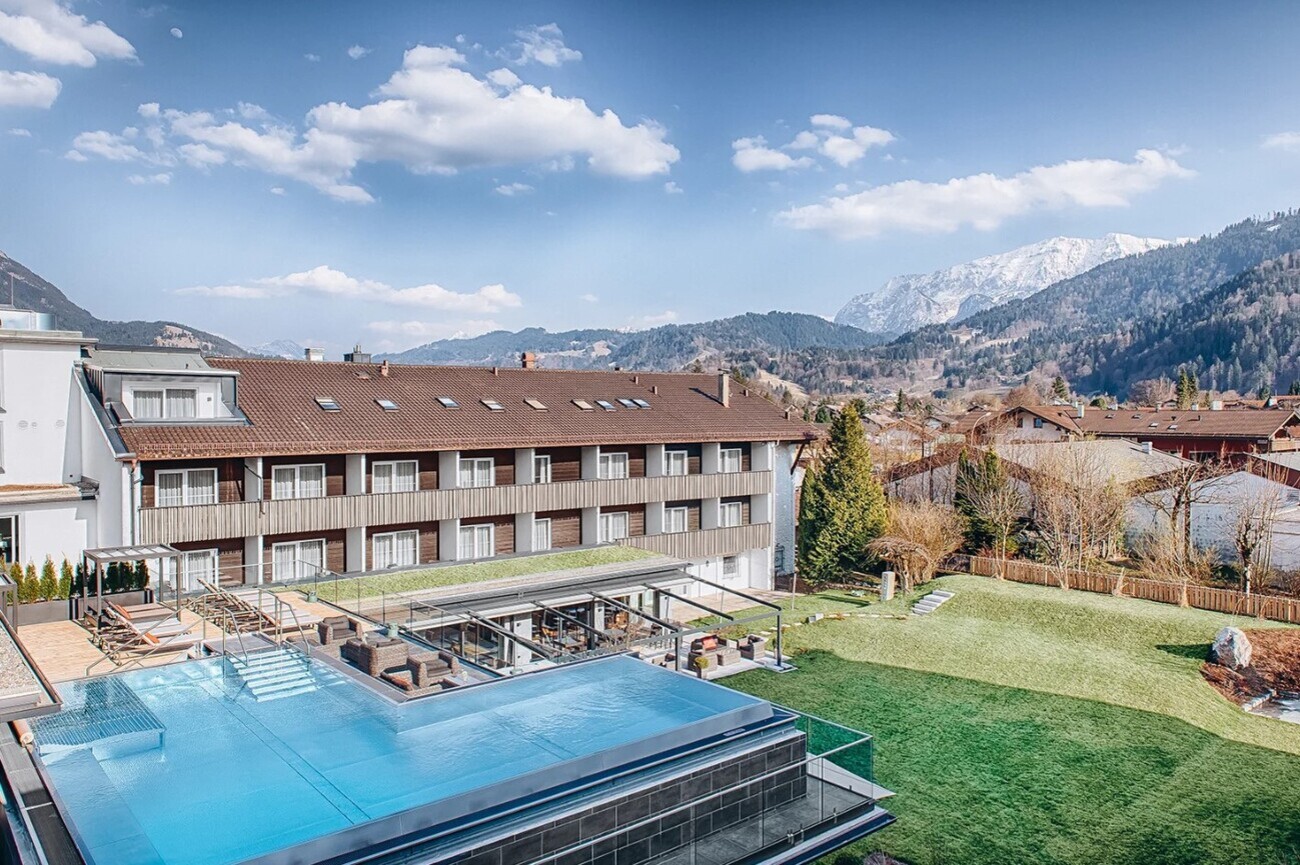
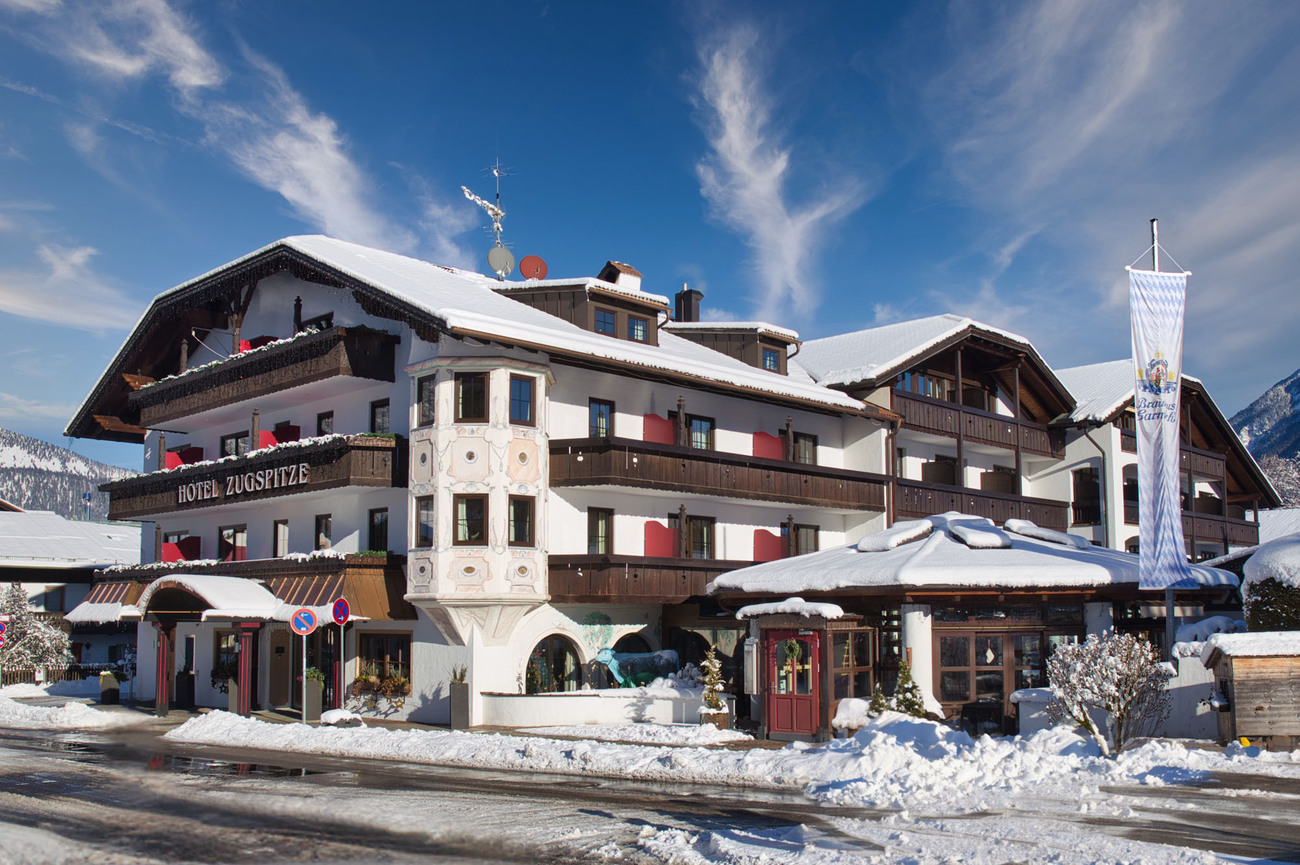
- Hotel Zugspitze (4 stars): Hotel Zugspitze sits right in the heart of Garmisch, making it ideal for travelers who want immediate access to shops, cafes and transport while still staying firmly within the alpine environment. What stands out immediately is how traditionally Bavarian the exterior feels without looking dated. The white facade, dark wood balconies, and rows of red flower boxes give you that unmistakable alpine village look, the kind you expect to see when you step off the train in Garmisch. Rooms are modern and comfortable and the wellness area offers a reliable reset after days outdoors. You stay here when location matters as much as comfort and you want everything within easy reach.
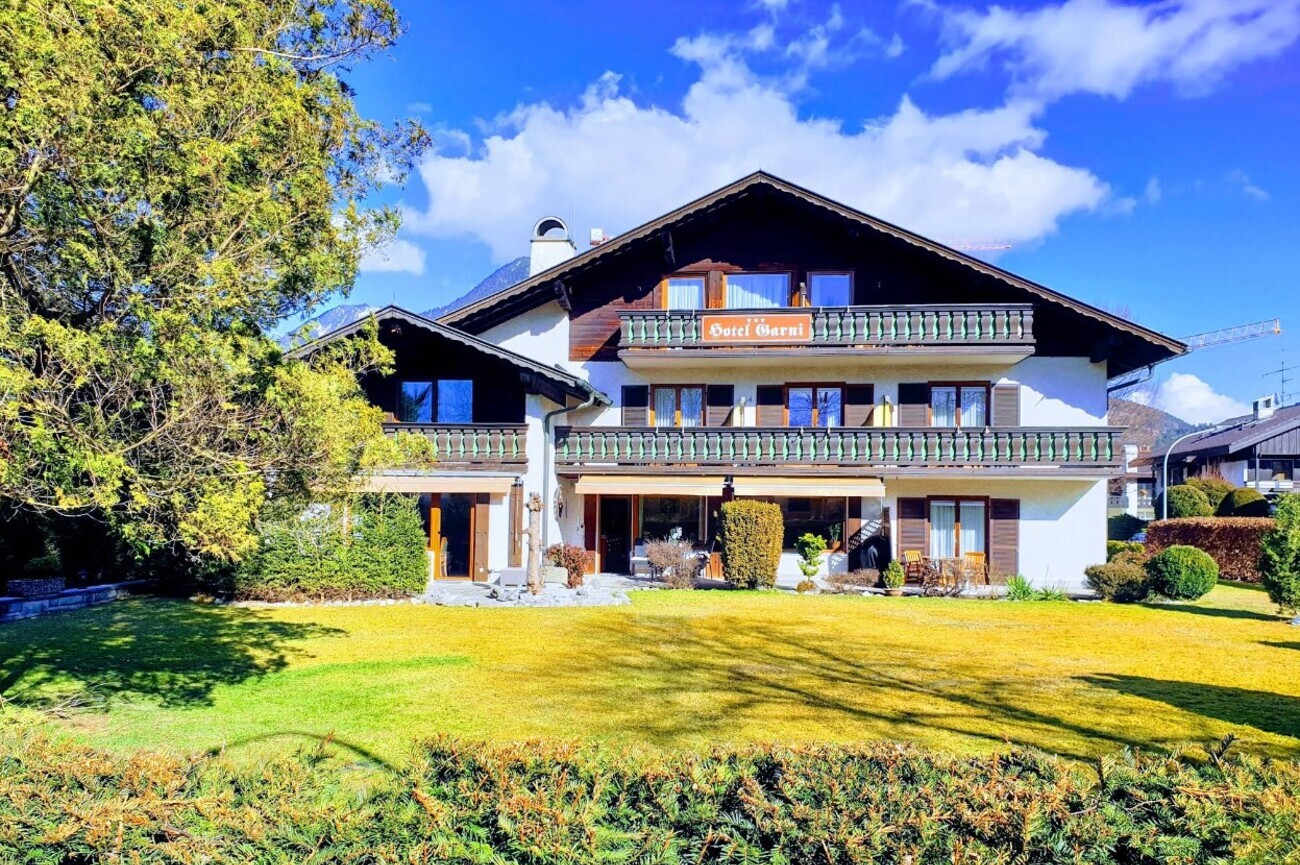
- Hotel Garni Brunnthaler Garmisch Partenkirchen (3 stars): This is the kind of place you book when you want things simple and well done. Family-run and centrally located, Hotel Garni Brunnthaler focuses on comfort, cleanliness and a welcoming atmosphere. You’ll start your day with a generous breakfast, head out knowing everything is close and return to a space that feels familiar rather than formal.
Best Time to Visit the
Bavarian Alps
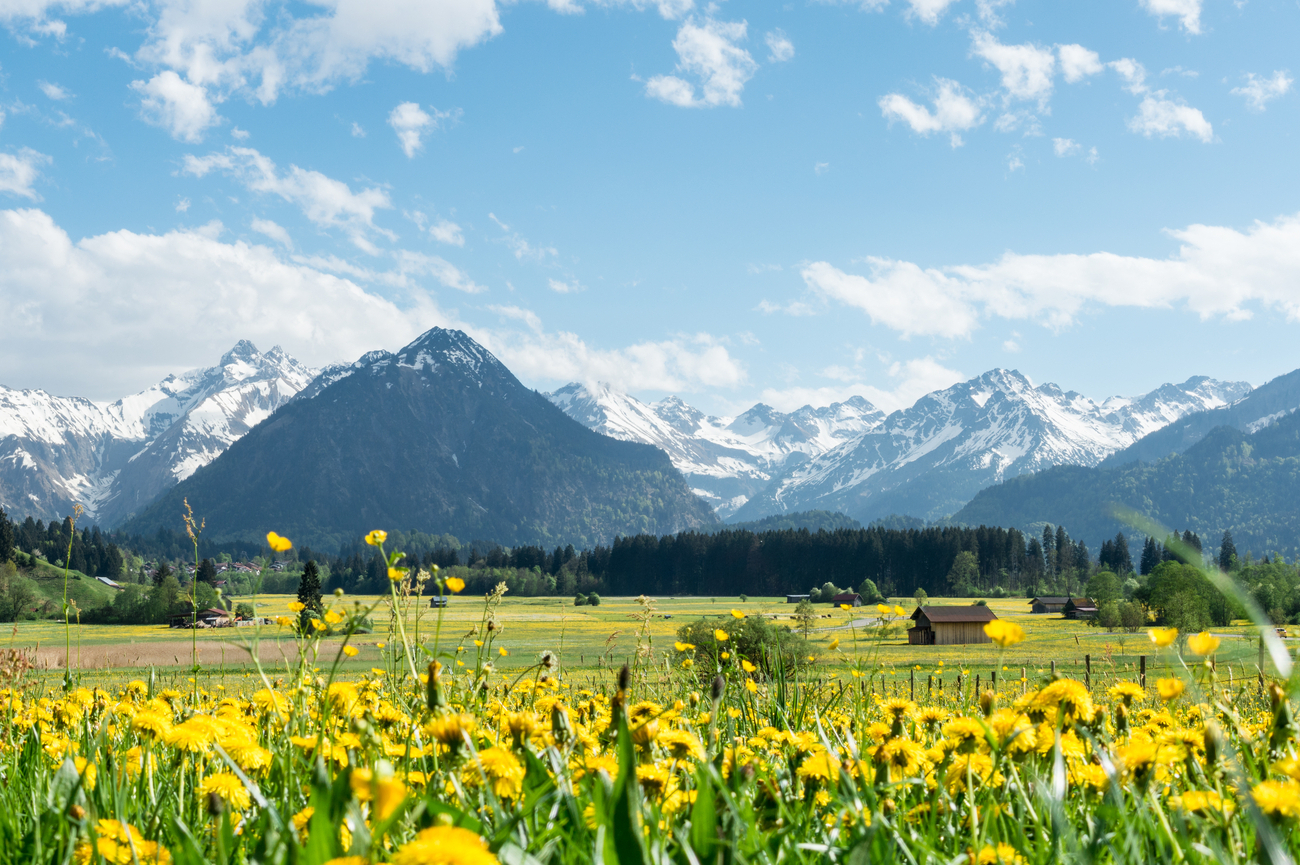
Here’s the call, said plainly: late spring is the Bavarian Alps at their best. This is the moment when winter finally lets go, but summer hasn’t started shouting yet. Valleys turn an almost unreal shade of green, mountain roads clear without drama and towns feel awake without feeling busy. Cable cars restart. Trails reopen. Lakes lose that frozen stillness and start reflecting everything back at you like a perfectly timed shot. It’s the Alps in balance and that balance matters.
Late spring is when everything feels unlocked. Meadows are alive. Rivers are loud from snowmelt. Alpine villages look freshly reset, with flower boxes filled and cafes confidently putting chairs outside.
And yes, this is The Sound of Music moment. While the film is most closely tied to Salzburg, many of its most recognizable mountain-and-lake visuals sit right along the Bavarian Alps border, especially around Berchtesgaden, Königssee and Hintersee. Late spring is when those scenes suddenly click in real life. Hillsides glow that exact fairytale green. Lakes look calm enough to double as mirrors. Forests frame valleys the way movies frame a reveal. You don’t need to burst into “Do-Re-Mi,” but the reference is impossible to ignore. The landscape feels familiar before you even know why.
What really makes late spring unbeatable is range. You’re not boxed into one version of the Alps. One day looks like a relaxed mountain drive with the windows down. The next might be a cable car ride, a lakeside path or a quiet afternoon wandering through town without a plan. Nothing feels overproduced. Nothing feels off-limits. You’re moving through places that feel lived in, not staged for peak season.
Late spring is the Bavarian Alps before they go full main character. Before summer crowds roll in. Before viewpoints come with lines and patience tests. This is when the region feels cinematic and completely comfortable in its own skin.
If you want the Alps glowing, grounded and unmistakably iconic, the version that feels like a movie you’ve already seen but finally get to step into, this is the time.
Not the trailer. Not the encore. This is the scene.
Festivals in the Bavarian Alps
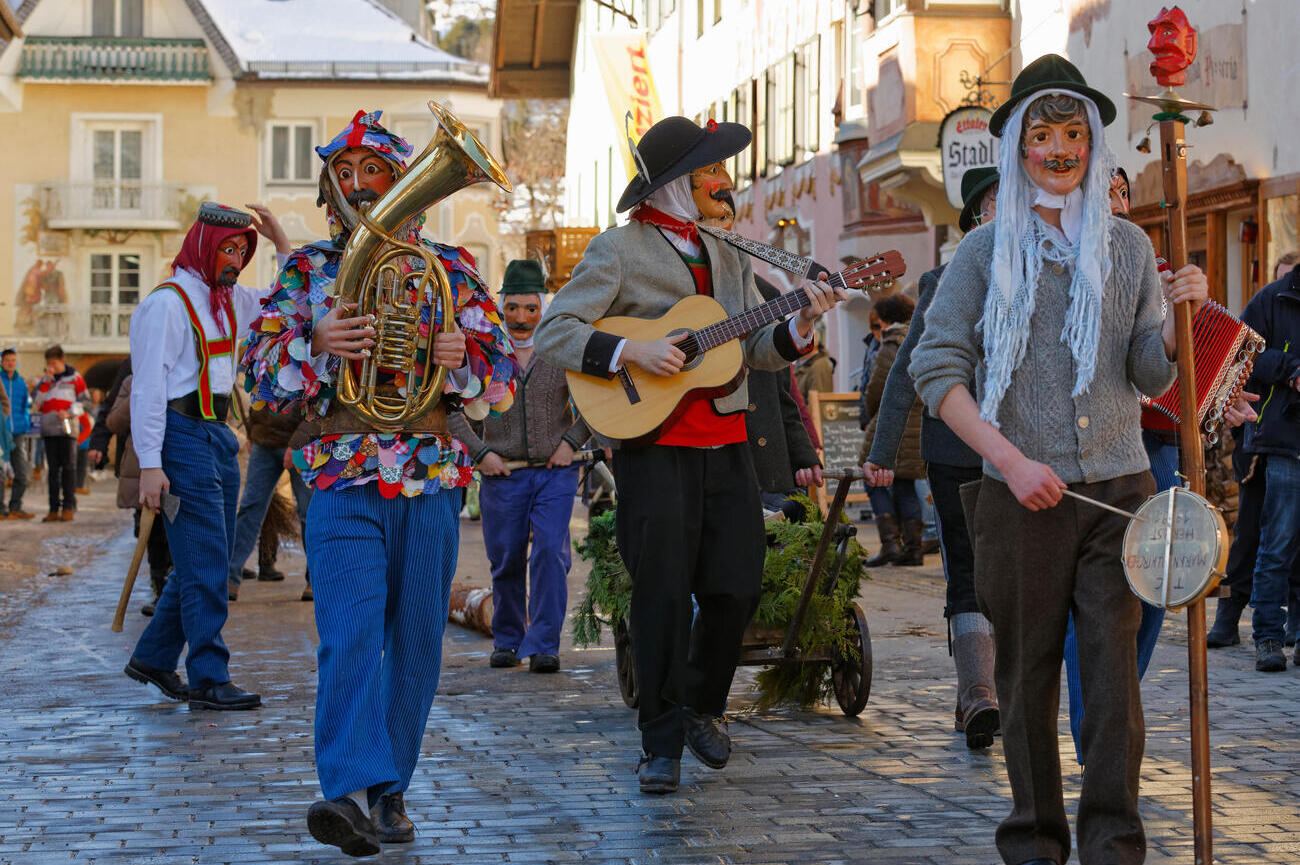
- Fasching: February brings Fasching, peaking in the days leading up to Shrove Tuesday. This is winter shaking things up before it drags on too long. Town centers fill with parades, satire, costumes and music that doesn’t take itself too seriously. You’ll notice that humor leans local, sometimes chaotic, always confident. If you’re visiting in February, expect the unexpected and lean into it.
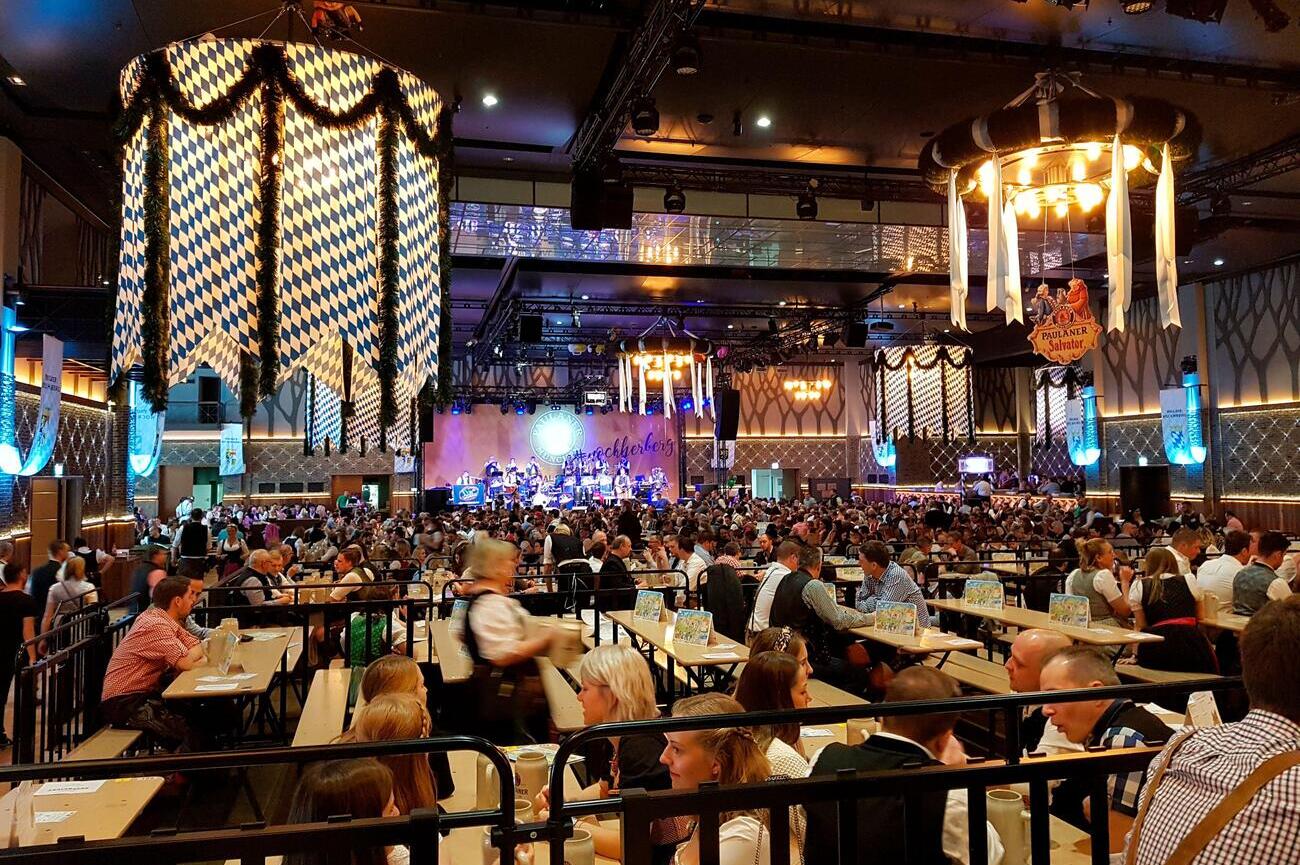
- Starkbierfest: By March, it’s strong beer season. Starkbierfest usually runs from early to mid-March, traditionally tied to Lent. The beer is darker, heavier and taken seriously. Speeches get playful, music stays traditional and the mood settles into something comfortably bold. You don’t rush Starkbierfest. You sit down, pace yourself and let the evening unfold the way it wants to.
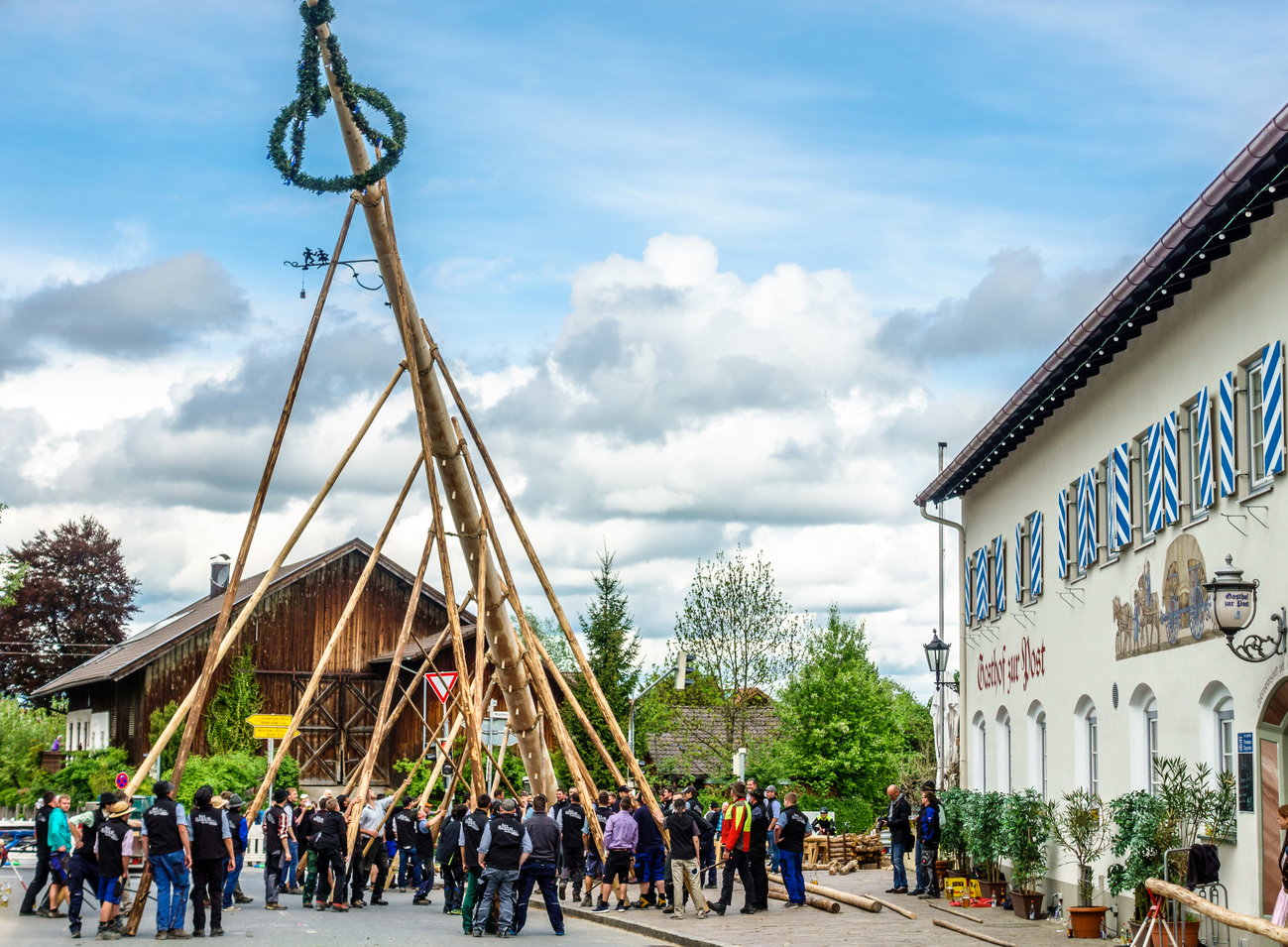
- Maibaumaufstellen: Spring officially shows up with Maibaumaufstellen, celebrated on May 1, with festivities often starting days earlier. Villages gather to raise the Maypole, decorated and defended like it matters. Because it does. Folk music plays, traditional dress appears without irony and suddenly you’re watching a single tree become the center of attention.
- Chiemgau Alm Festival: The Chiemgau Alm Festival takes place in June, right when alpine pastures are fully accessible again. Instead of one central location, the festival spreads across mountain huts. Traditional music, local food and open-air gatherings turn the Alps themselves into the venue. You don’t attend this festival in one spot. You move through it, usually with a view.
- Garmischer Festwoche: Running from late July into early August, Garmischer Festwoche lasts about ten days and brings together beer tents, live music, parades and traditional performances. Despite its size, it stays grounded. Locals still treat it like their festival. If you’re around at this time, evenings stretch late and the mountains stay part of the scene long after sunset.
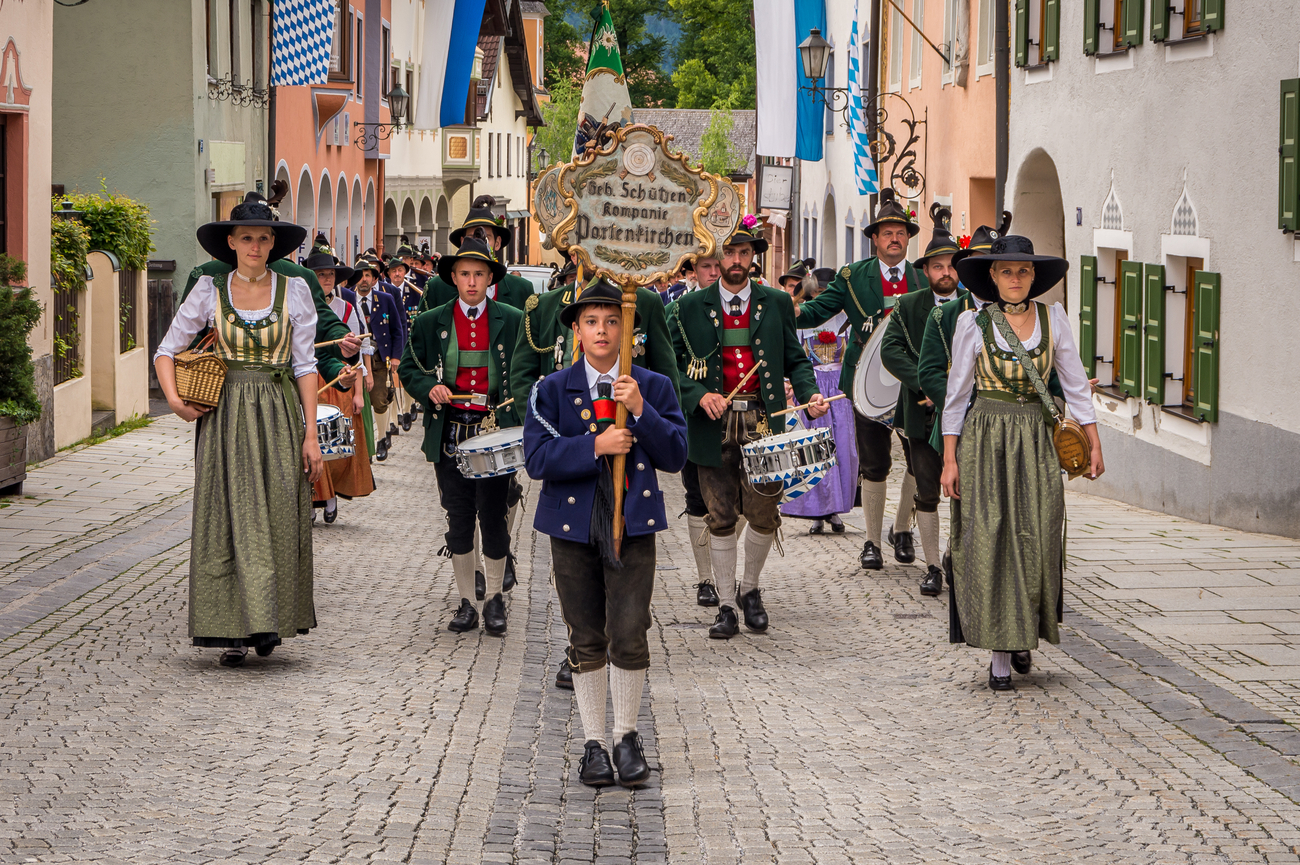
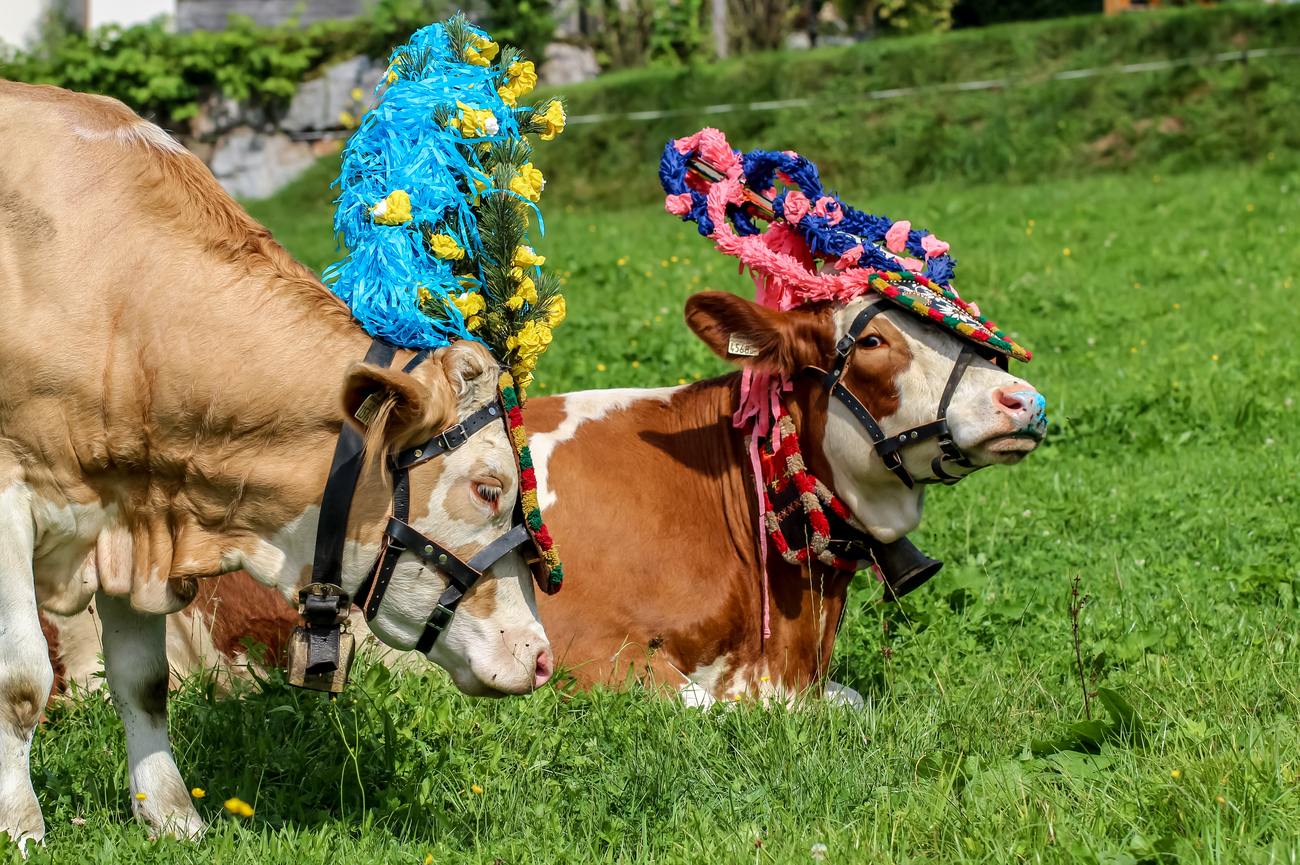
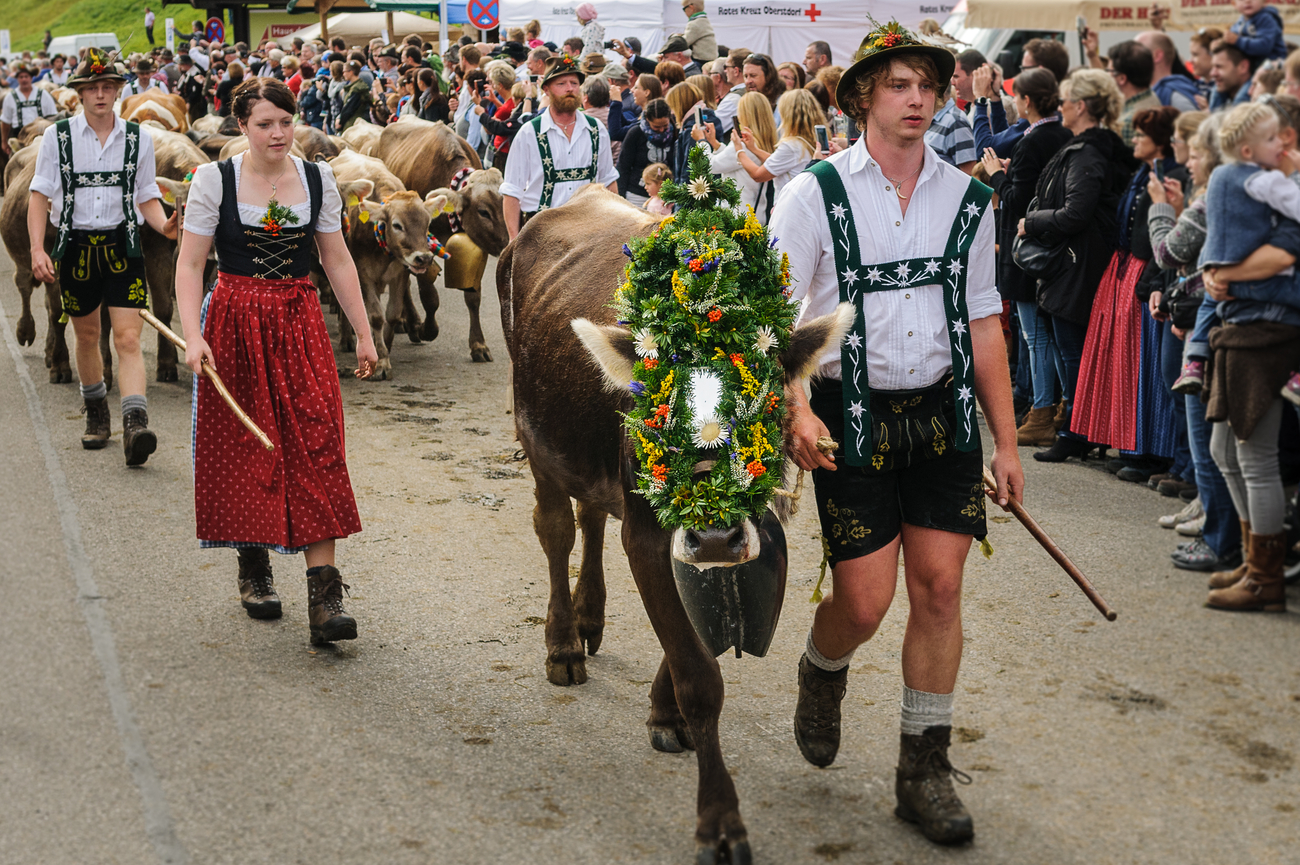
- Almabtrieb: By September, it’s time for Almabtrieb, the ceremonial descent of cattle from alpine pastures back into the valleys. The exact dates vary by region and weather, but September is the window. Cows are decorated with flowers and bells, villages gather early and there’s a quiet sense of relief mixed with celebration.
- Weidener Frühlingsfest: Held in May and usually running for one to two weeks, the Weidener Frühlingsfest marks the transition into full outdoor season. Beer tents, rides, music and long evenings take over. It feels social rather than ceremonial.


Let us know what you love, where you want to go, and we’ll design a one-of-a-kind adventure you’ll never forget.
Get in touch
Miriam
Travel Specialist

Romina
Travel Specialist

Laura
Travel Specialist
Our offices:



Revigorate, Iberian Escapes and Algarve Lifestyle are the registered brand names of APCS Lda . We are a fully authorised travel agency licensed by Turismo de Portugal RNAVT/6867.
In the event of a dispute, the consumer may refer to: RAL - Centros de Arbitragem
Avª. 5 de Outubro, nº. 55, R/C Dtº. 8000-075 Faro, Portugal | Tel: +351 289 823 135 *
* national landline call
E-mail: info@consumoalgarve.pt| www.consumidoronline.pt | Mon to Fri: 9:00 - 13:00 / 14:00 - 17:00