Things to Do in Huangshan: 3-Day Itinerary
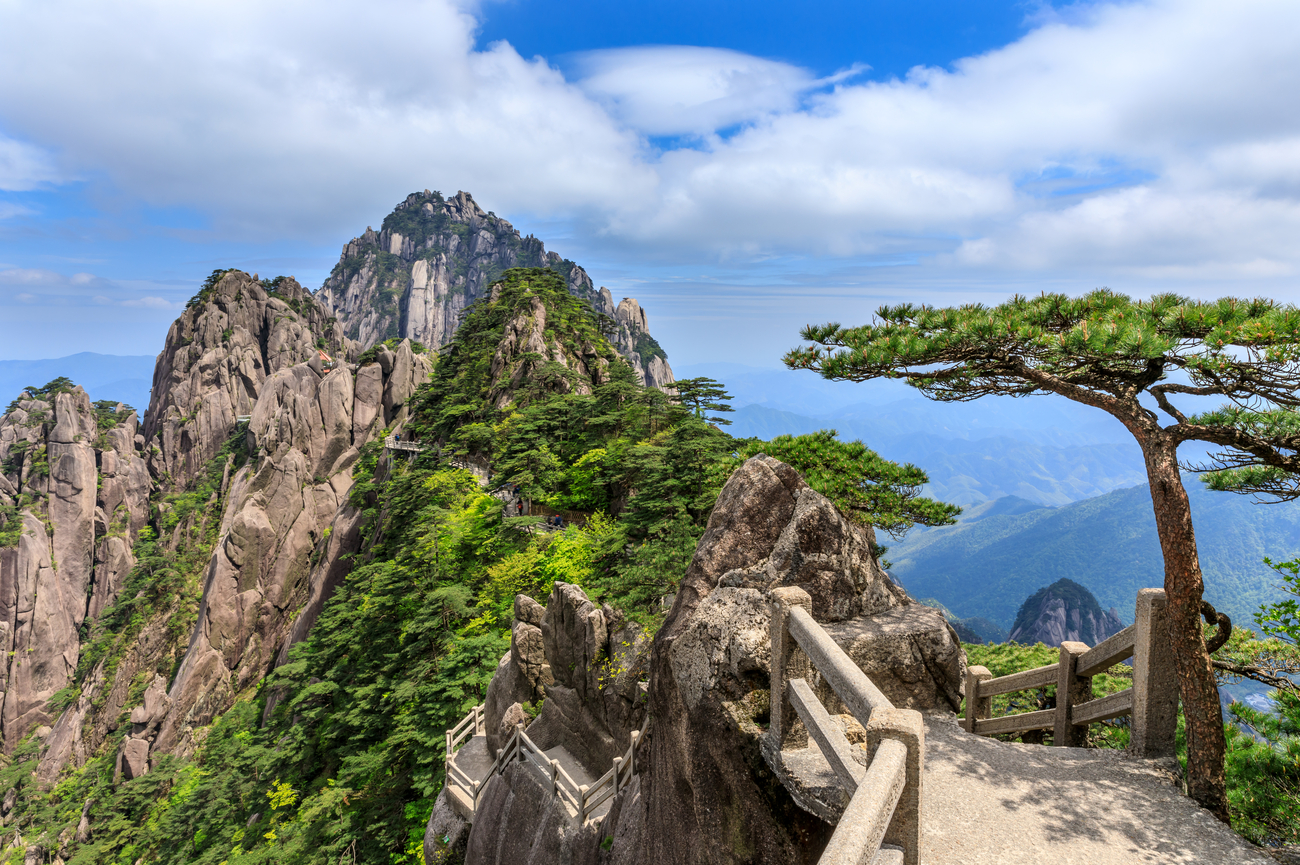
Few places in China feel as mystical as Huangshan. Jagged granite peaks rise above seas of cloud, and ancient pine trees cling impossibly to sheer cliffs. For centuries, this remarkable landscape has inspired Chinese painters, poets and philosophers. Its scenery shaped the visual language of traditional shanshui, or mountain-and-water, painting, where mist, rock and quiet beauty create scenes that feel both powerful and peaceful. Yet Huangshan is more than a mountain. The surrounding region is also the heartland of Huizhou culture, where historic merchant towns, carved ancestral halls and white-walled villages reveal stories of a prosperous past shaped by trade, scholarship and craftsmanship.
In this 3-day itinerary, you will experience both sides of Huangshan: its breathtaking mountain scenery and the rich culture, history and legends that make this one of China’s most extraordinary destinations.
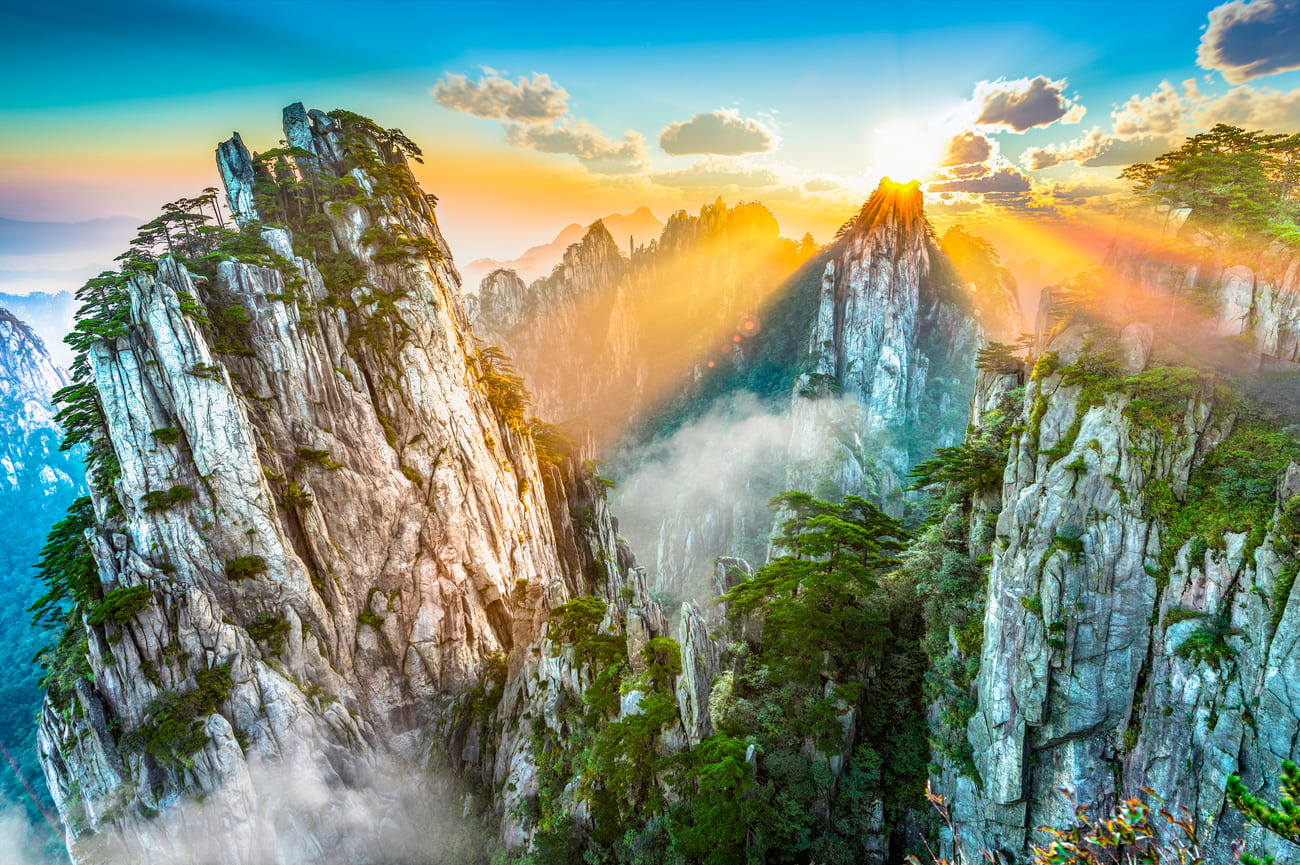
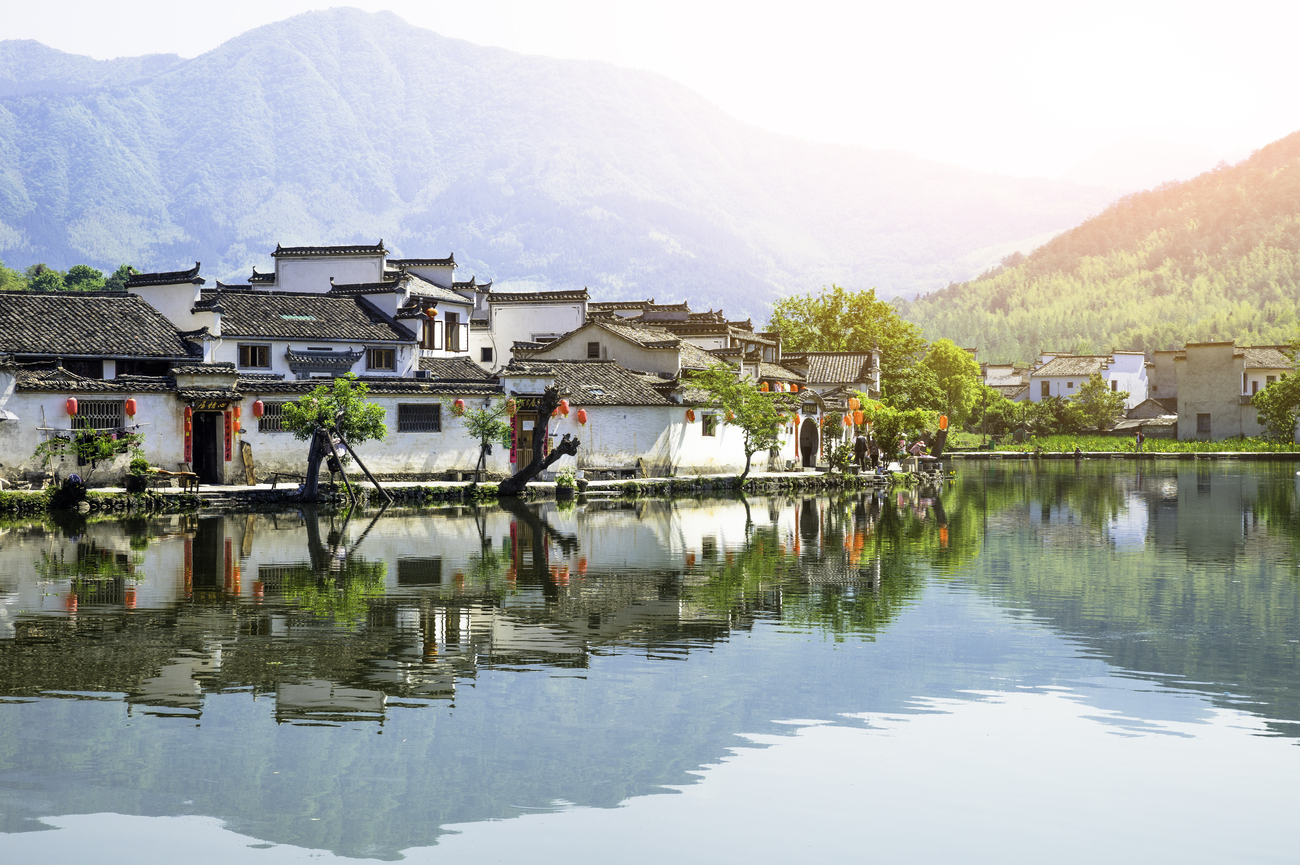
Day 1

Morning: Tunxi Ancient Street
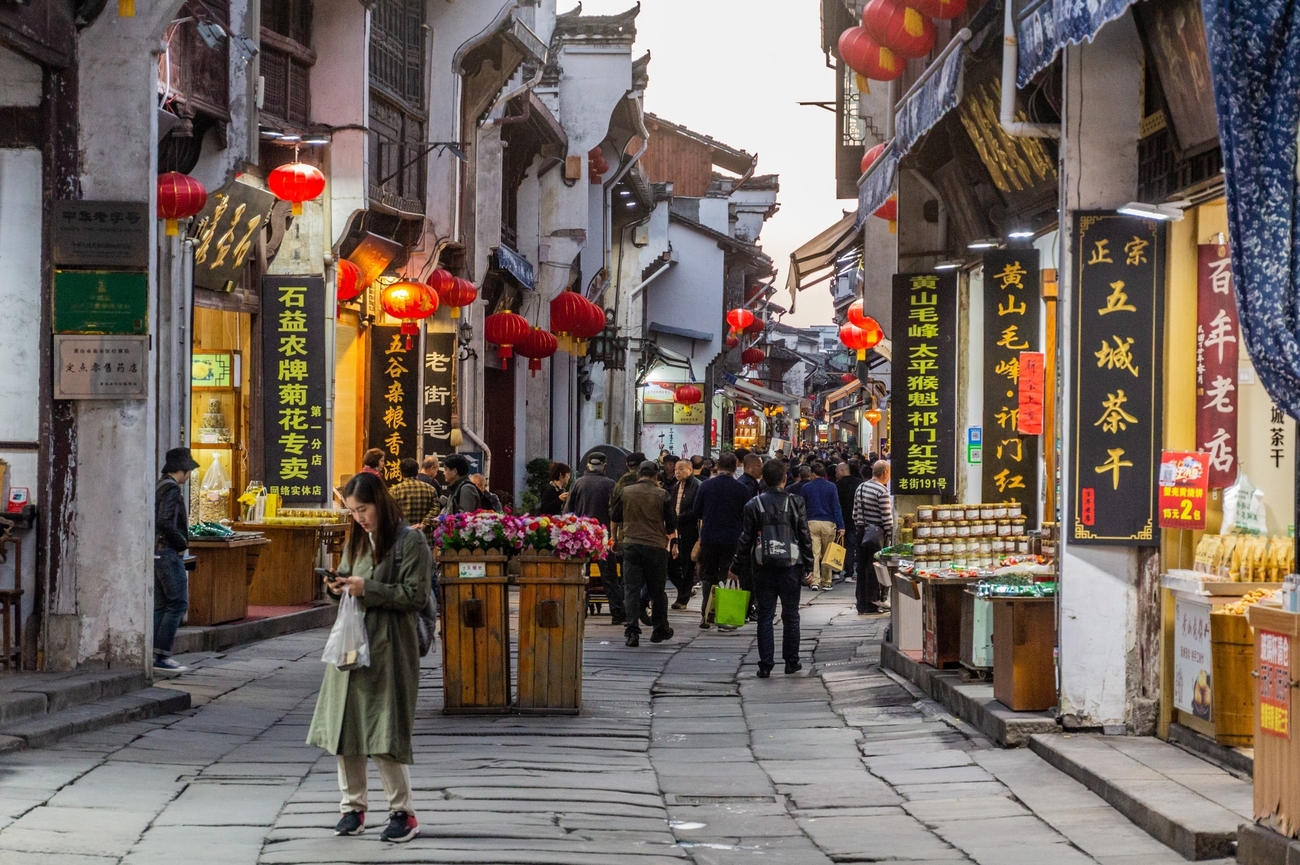
Before we head to the famous Yellow Mountain, let’s begin in Huangshan downtown area at Tunxi Ancient Street, one of the best preserved historic streets in China. The area is home to over 300 traditional Hui style buildings dating back to the Southern Song, Ming, and Qing dynasties. As you walk along the main street and its 18 narrow alleys, look closely at the details around you. Many buildings feature the famous “Three Carvings of Huizhou,” beautiful wood, stone, and brick carvings decorating windows, door frames, and rooftops.
Tunxi is also known as one of the best places in the world to buy Chinese calligraphy supplies. While you’re here, visit the Hu Kaiwen Ink Factory, where you can see how traditional Huizhou ink has been crafted for more than 250 years. If you’re interested, you can even work with a master artisan and try making your own piece of ink as a memorable keepsake.
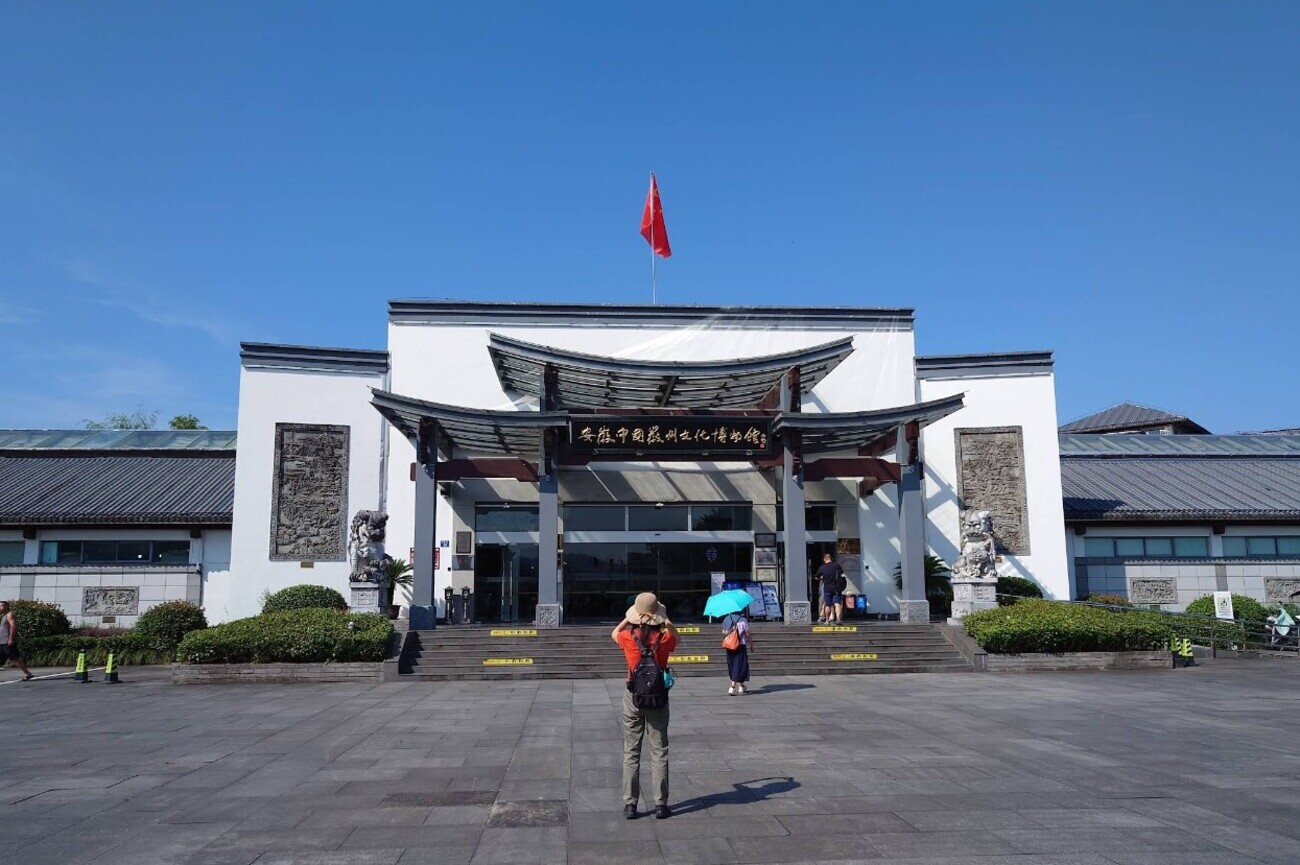
China Huizhou Culture Museum
Next, visit the China Huizhou Culture Museum to learn more about the traditions and history of the Huizhou region. It is the second largest comprehensive museum in Anhui Province and the only museum dedicated entirely to Huizhou culture. The museum is often described as a “living encyclopedia” of the region, the museum’s design reflects the surrounding landscape and the distinctive Huizhou architectural style. Inside, you’ll find more than 100,000 cultural relics, including ancient books, porcelain, paintings, and bronze artifacts. The exhibits are organized into themed halls that explain the rise of Huizhou merchants, the region’s unique architectural traditions, and its important artistic contributions to Chinese culture.
Huizhou Ancient City
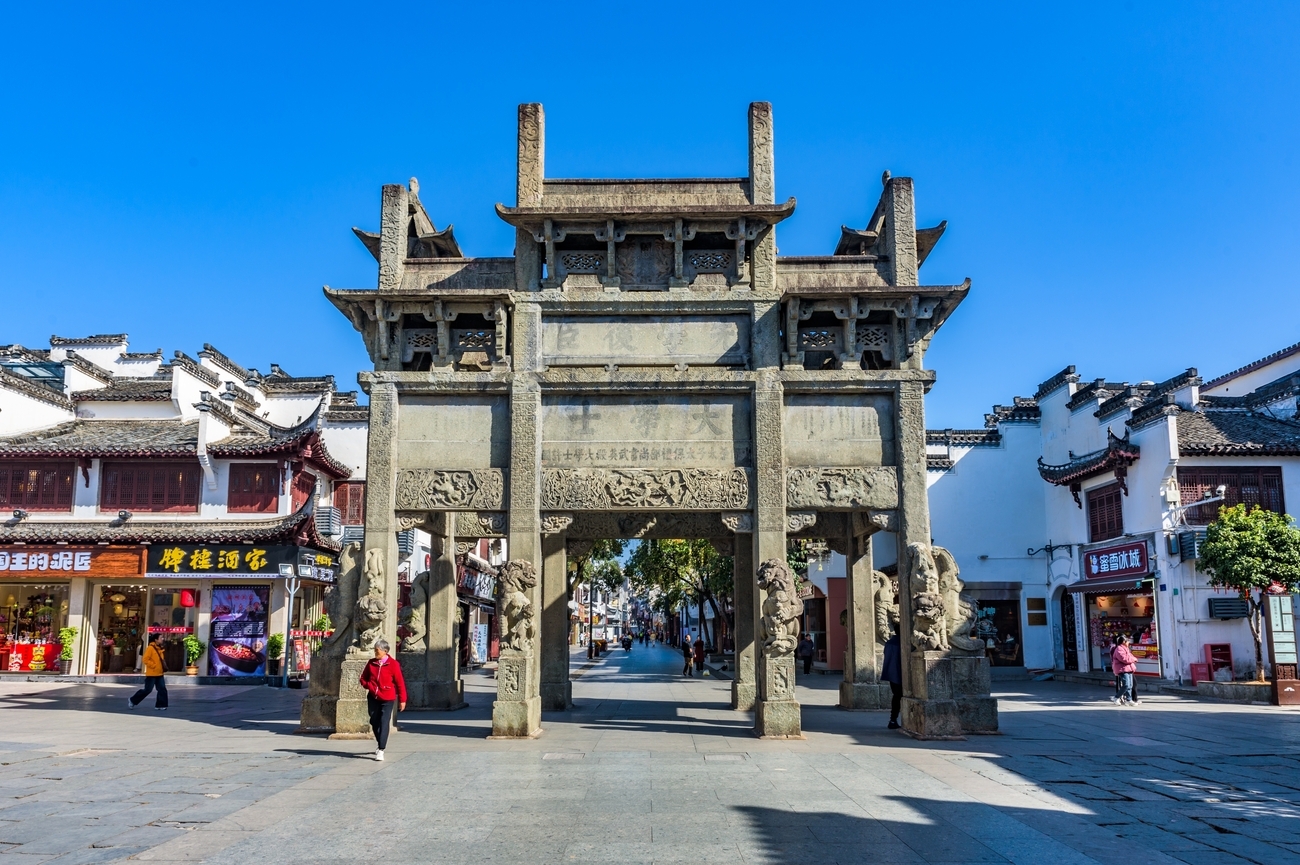
Continue your journey with a 40-minute drive northeast from Huangshan City to Huizhou Ancient City, the former administrative centre of the Huizhou region and one of the four best preserved ancient cities in China. The city has a fascinating “city within a city” layout, where grand government buildings stand alongside residential streets that date back to the Ming and Qing dynasties. One of the most remarkable sights here is the Oriental Arc de Triomphe, China’s only surviving eight sided decorative archway. Built in 1584, it features twelve carved lions along with detailed stone carvings of dragons and phoenixes, making it one of the most unique architectural highlights in the city.
Day 1 - Huangshan Tour Map
Day 2
Morning: Yuping Cableway
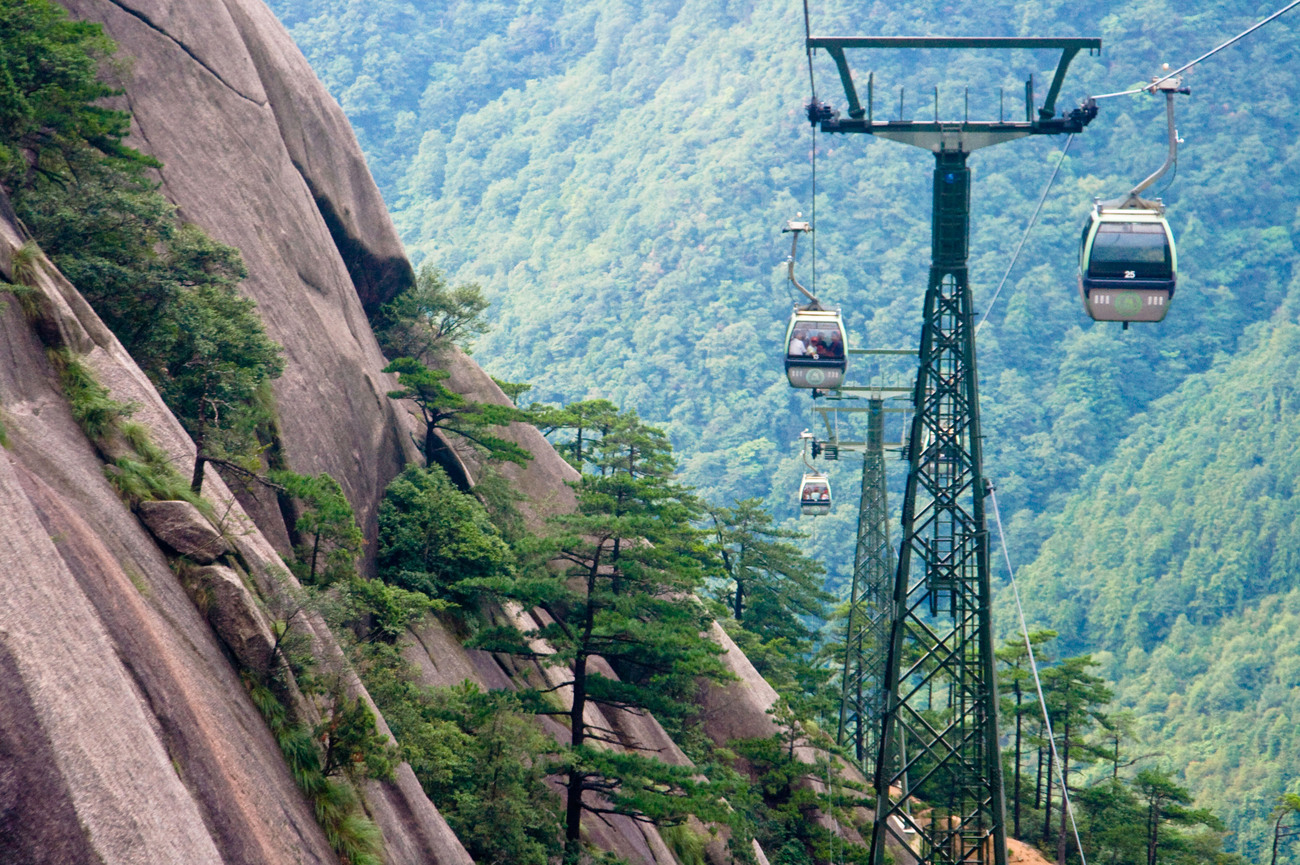
Start your day with a scenic ride on the Yuping Cableway, one of the easiest ways to reach the upper section of Huangshan Mountain. Instead of climbing thousands of steep steps on a three hour hike, the cable car takes you to the summit in about 8–10 minutes, saving your energy for exploring the mountain’s best viewpoints.
For this itinerary, Day 2 focuses on the front side of the mountain, while Day 3 explores the back side. Because of this, it’s highly recommended that you stay overnight at one of the hotels on Huangshan Mountain. This allows you to enjoy sunrise, sunset, and the changing mountain scenery without rushing. You’ll find the suggested accommodations in the “Where to Stay in Huangshan” section of this guide, including options both on the mountain and in Huangshan downtown area.
Once you arrive at the upper cableway station, you’ll be just a short 500 metre walk from several iconic landmarks, including the famous Guest-Greeting Pine, nearby summit peaks, and some of Huangshan’s most iconic mountain trails.
Guest-Greeting Pine
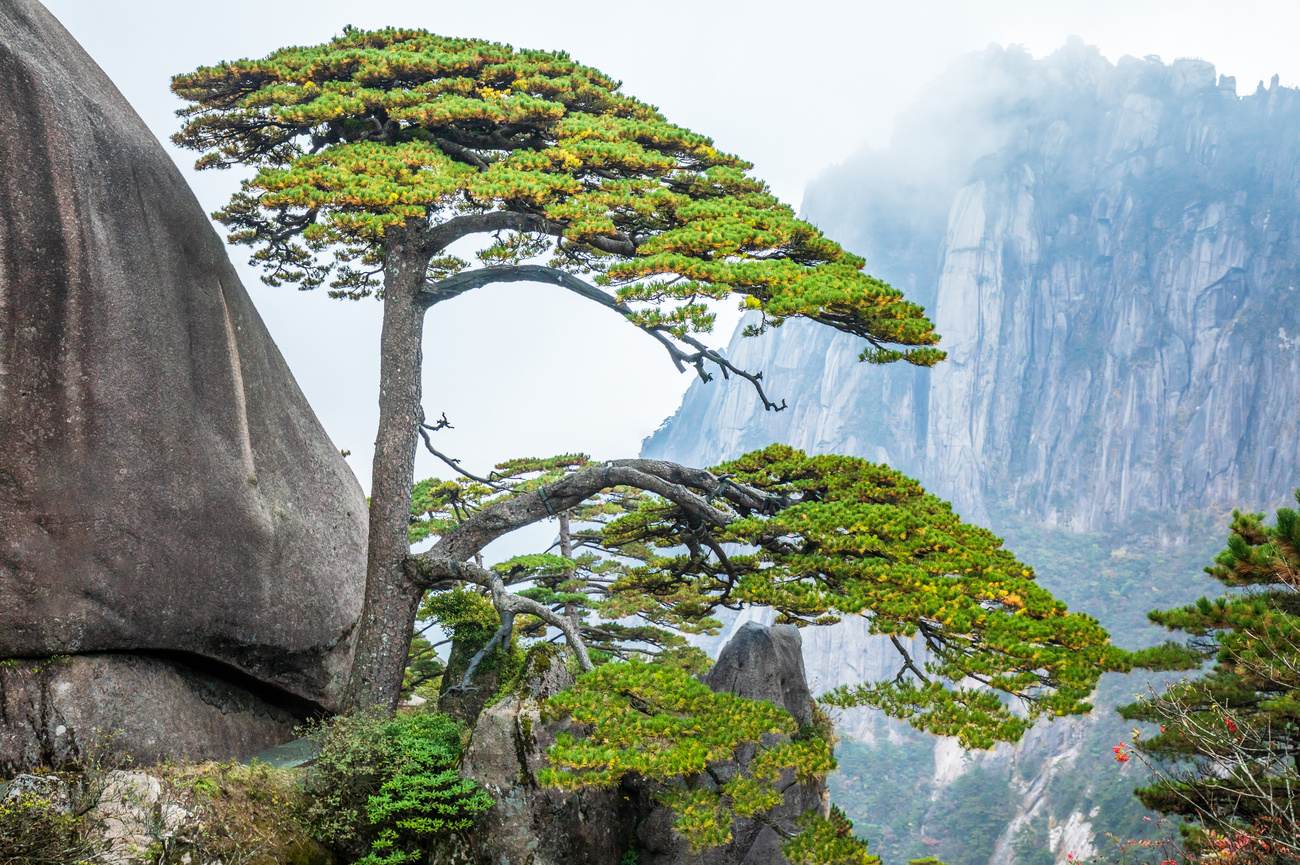
From the Yuping Cableway, take a short 10–15 minute walk to see the Guest-Greeting Pine, the most famous tree in China and the unofficial symbol of Huangshan Mountain. This remarkable pine tree is over 1,000 years old and stands about 10 metres tall. What makes it so special is its form, one long branch stretches outward like an arm, giving the impression that the tree is welcoming visitors to the mountain.
The tree has become a national icon, and its image appears throughout China from artwork and souvenirs to displays in places like the Great Hall of the People in Beijing. Because of its cultural importance, the tree is carefully protected. It even has a full-time tree warden who lives nearby to monitor its health and ensure it is protected from weather and damage around the clock.
One-Line Sky
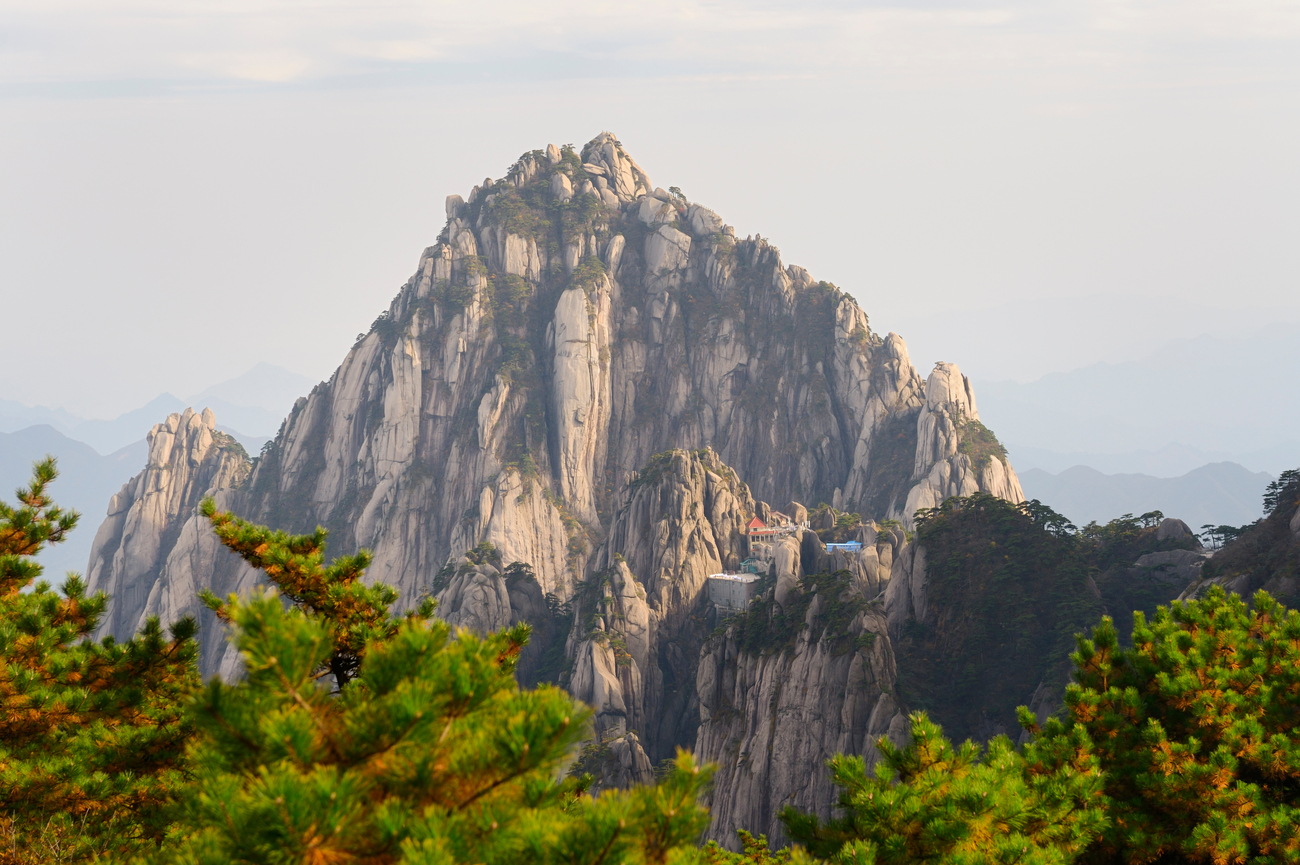
After visiting the Guest-Greeting Pine, continue along the trail to One-Line Sky, one of Huangshan’s most famous narrow mountain passages. Here, you’ll walk through a deep crack between two massive granite cliffs. The gap is so tight that when you look up, you’ll only see a thin strip of sky, which is how the place got its name. At its narrowest point, the path is barely wide enough for one person to pass through at a time. The climb includes 84 steep stone steps carved directly into the rock, and you’ll need to use the iron railings to help pull yourself upward. When you finally emerge from the dark, narrow staircase, you’re rewarded with wide panoramic views of Huangshan’s peaks. It’s one of the most memorable moments on the mountain, and a small test of courage, especially if you’re not fond of tight spaces or heights.
Day 2, Morning - Huangshan Tour Map
Afternoon: Bright Top Peak
Continue your hike to Bright Top Peak, the second highest peak in Huangshan and the central hub of the mountain range. Unlike many of Huangshan’s narrow, jagged peaks, Bright Top has a wide and relatively flat summit. This makes it a key junction where the Front Mountain and Back Mountain trails meet. Because of its open terrain, you’ll enjoy clear 360 degree views of the surrounding landscape.
From the summit, you can spot several of Huangshan’s most famous landmarks, including Lotus Peak, Celestial Capital Peak, and Flying-over Rock. You’ll also notice a large white dome at the top. This is the Huangshan Meteorological Station, a landmark that can be seen from miles away. The peak also marks the natural divide between the steeper Front Mountain and the greener, forested Back Mountain.
Since this area is a central stopping point, you’ll find helpful amenities here, including the Bright Summit Hotel, outdoor plazas, benches, and places to buy snacks or refill water. It’s a great place to rest and recharge before continuing to your final stop of the day: the Flying-over Rock for sunset views.
Flying-Over Rock
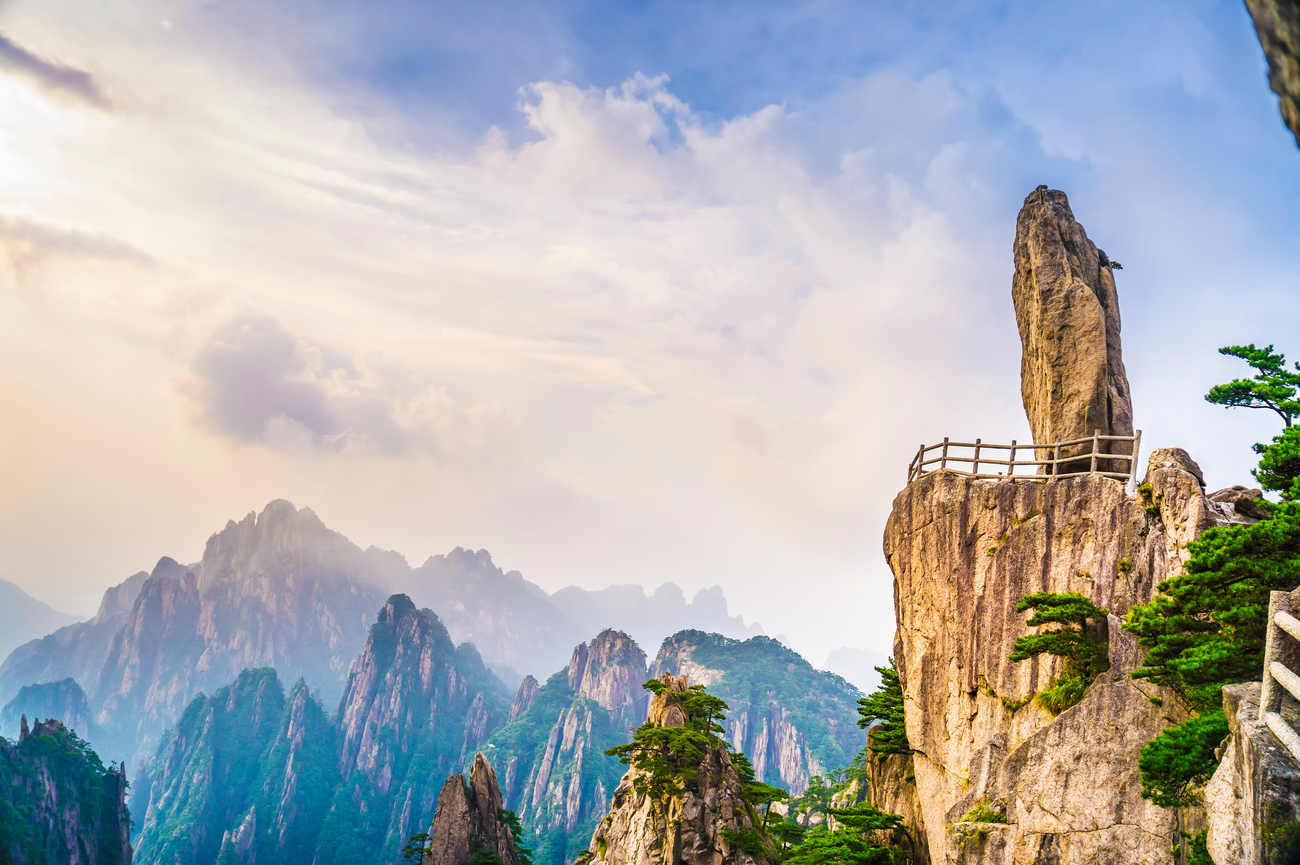
End your day at Flying-Over Rock, one of Huangshan’s most unusual natural landmarks and one of the best sunset viewpoints on the mountain. This giant 12 metre high rectangular boulder stands upright on a narrow rock ledge, looking as if it simply fell from the sky and landed perfectly balanced. Its improbable position makes it one of Huangshan’s most photographed sights.
Arrive around golden hour, when the sun sets, turning the surrounding granite peaks into deep shades of orange and gold. Because the rock sits on a high ridge between Bright Top Peak and the West Sea Grand Canyon, you’ll enjoy wide, unobstructed views of the sun sinking into the famous “Sea of Clouds.” Unlike the flatter viewpoint at Bright Top Peak, Flying-over Rock adds a dramatic foreground that makes your sunset photos feel more epic and mountainous.
Before leaving, you can join a small local tradition. According to legend, touching the rock brings good fortune: once for luck, twice for wealth, and three times for a long life. Most visitors climb the short staircase to the base of the boulder to give it a quick pat before heading back.
Day 2, Afternoon - Huangshan Tour Map
Day 3
Morning: Refreshing Terrace
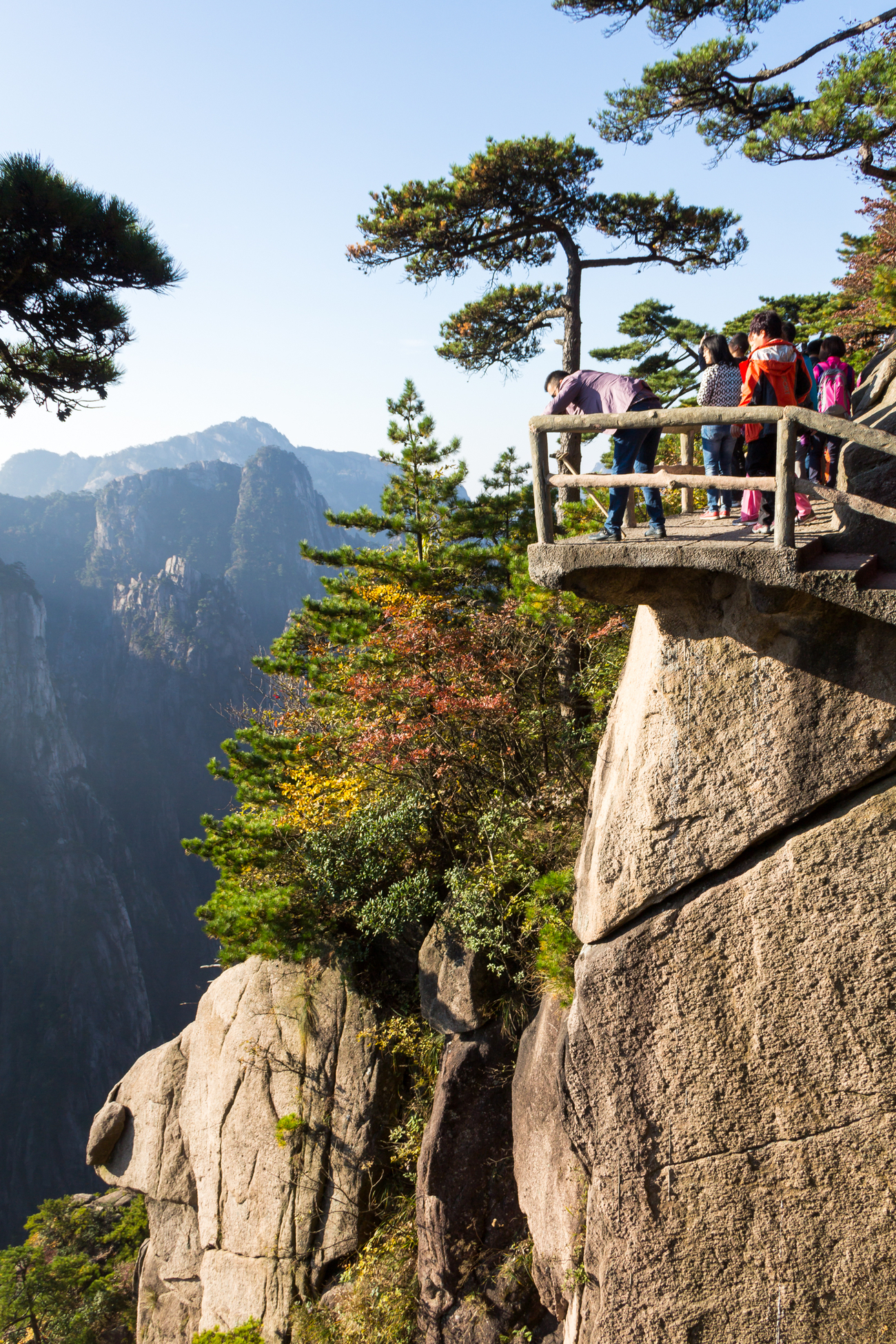
Start your morning at Refreshing Terrace, one of the best sunrise viewpoints on Mount Huangshan. Located on the edge of Lion Peak (Shixin Peak) in the Back Mountain area, this terrace sits on a cliffside platform that faces east, making it the perfect place to watch the sun rise over the mountain peaks.
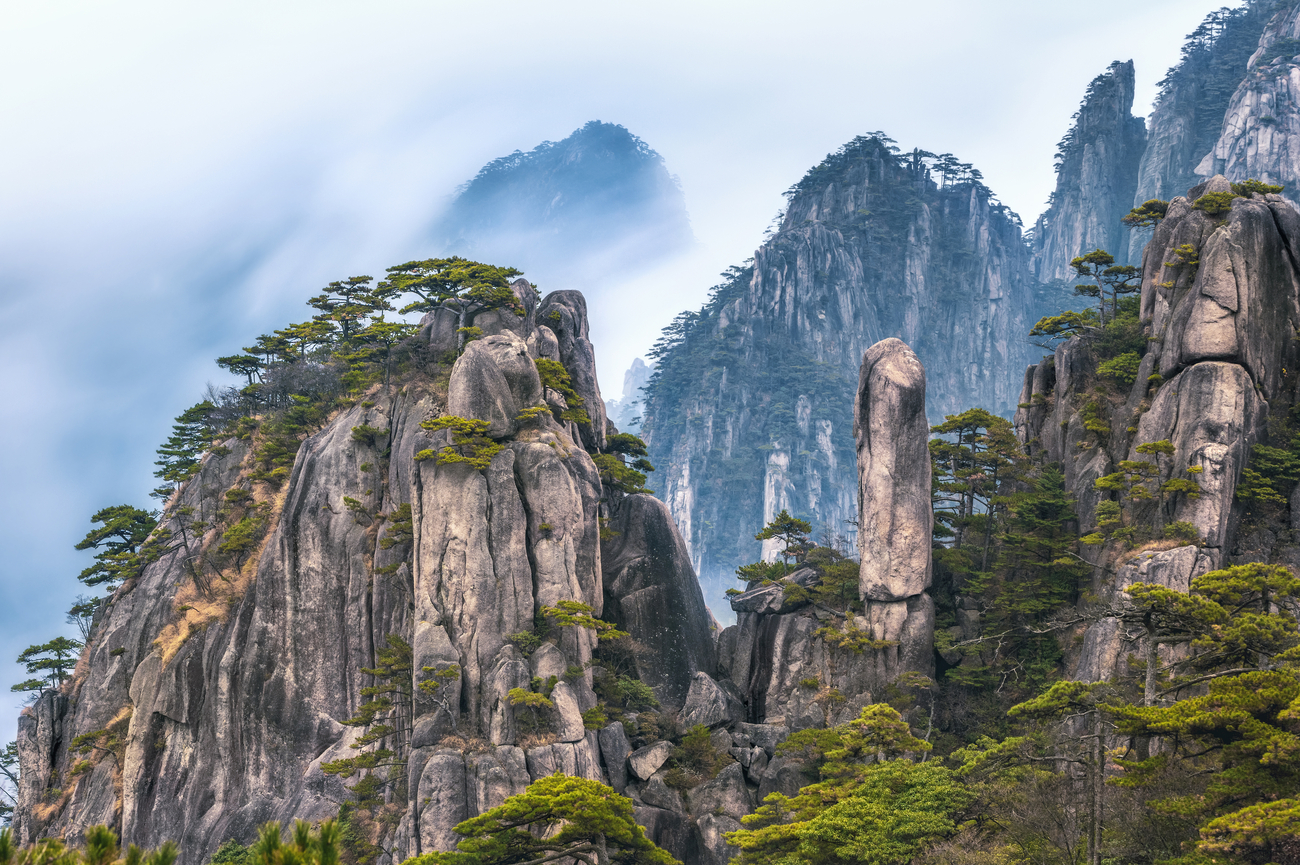
As the first light appears, you’ll see the landscape slowly brighten while mist drifts through the ancient, twisted pine trees clinging to the cliffs nearby, especially the famous Black Tiger Pines and Harp Pines. It’s a peaceful and unforgettable way to begin your day in Huangshan, with incredible views that make the early wake up so well worth it.
A Monkey Gaping at the Sea
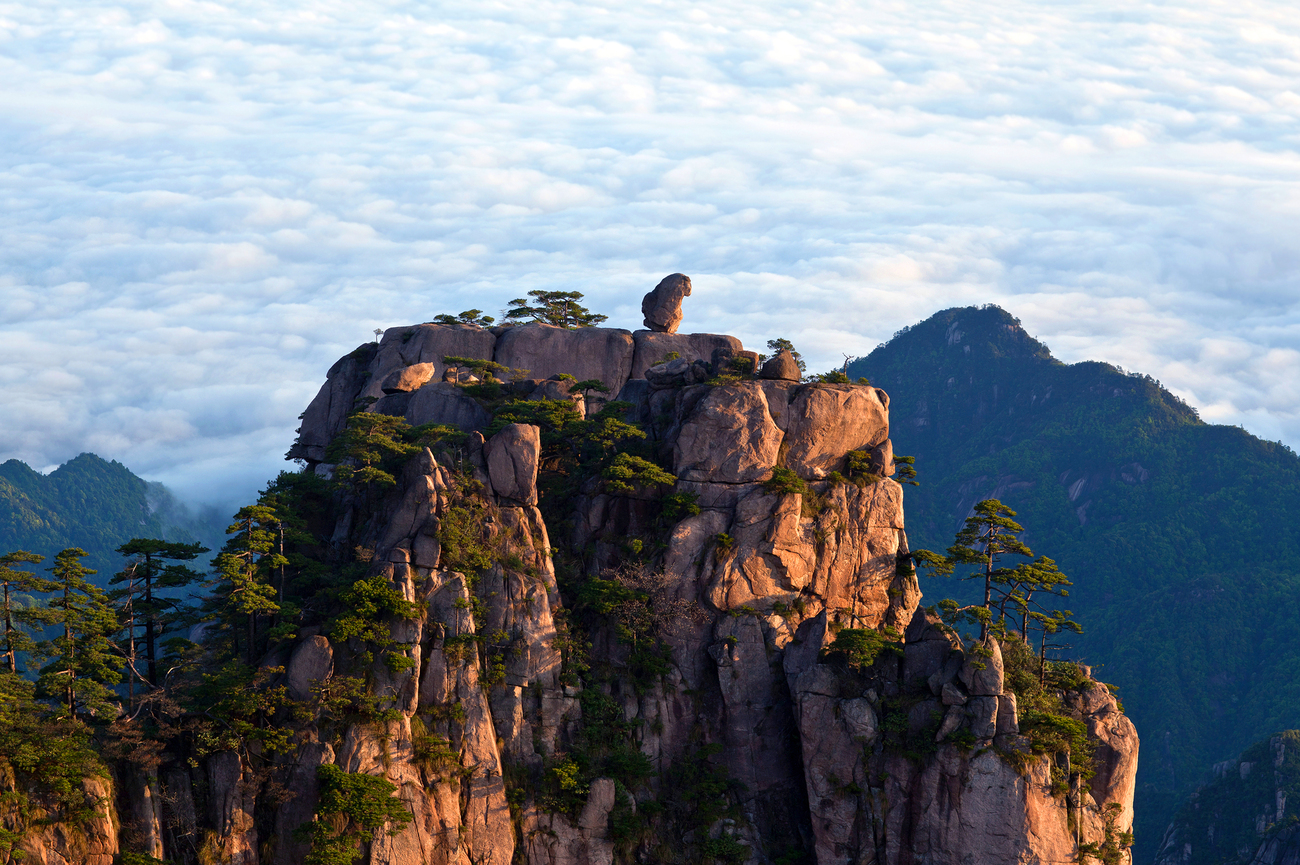
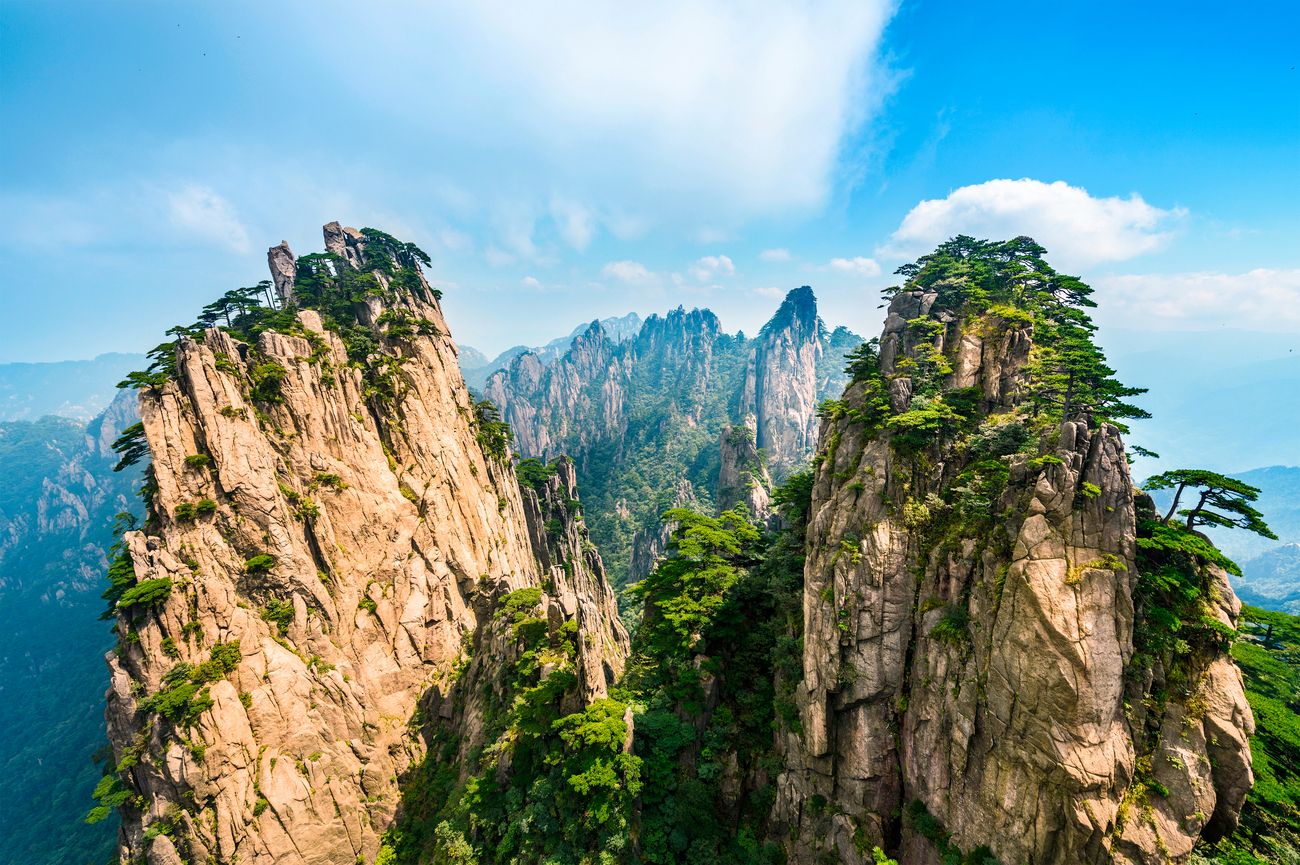
Next, visit one of Huangshan’s most famous rock formations: A Monkey Gaping at the Sea. This single granite boulder sits on the edge of a cliff and looks strikingly like a crouching monkey gazing into a deep valley below. The name comes from the magical moment when the valley fills with thick white mist. From a distance, it appears as if the monkey is quietly watching a vast “sea of clouds.”
Local folklore says the monkey was once a celestial being who fell in love with a village girl. Forbidden from being with her, he turned into stone so he could watch over her home forever.
This is one of the best photography spots on the mountain, especially around sunrise. Most people capture the view from Refreshing Terrace or Lion Peak, where the silhouette of the “monkey” stands out beautifully against the glowing morning sky.
Dawn Pavilion
Next, stop by Dawn Pavilion, a traditional Chinese style gazebo in the North Sea (Beihai) scenic area. It’s one of the most accessible and picturesque places to watch the early morning light on Huangshan. The pavilion’s classic design, with its upturned eaves and wooden pillars naturally frames the view, creating a beautiful foreground for the surrounding peaks and the rising sun. As its name suggests, this is one of the first spots on the mountain to catch the sunrise. From here, you can look directly over the North Sea valley, which is often filled with Huangshan’s famous “Sea of Clouds.” Another advantage is how easy it is to reach. Dawn Pavilion is just a five-minute walk from the summit hotels, a great alternative if you find the more popular Refreshing Terrace as too crowded.
Day 3, Morning - Huangshan Tour Map
Afternoon: Begin-to-Believe Peak
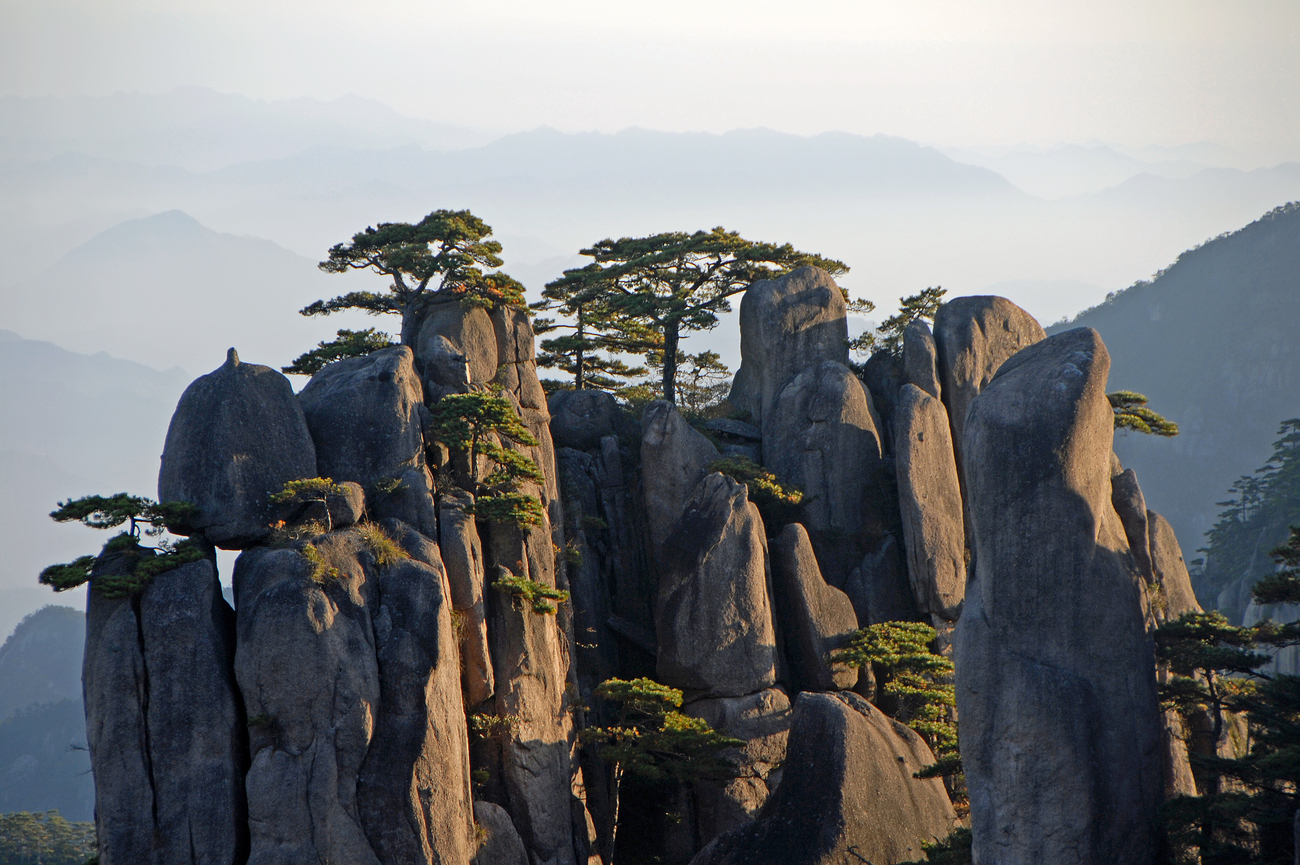
Continue your day at Begin-to-Believe Peak, one of Huangshan’s most memorable viewpoints. The unusual name comes from a story about a Qing Dynasty scholar who doubted the mountain’s beauty. But when he reached this summit and saw the scenery for himself, he finally exclaimed, "I begin to believe!” Today, the peak is famous for having the highest concentration of Huangshan’s uniquely shaped pine trees, including the Black Tiger Pine, Harp Pine, and Twin Dragon Pine. From here, you’ll see some of Huangshan’s most amazing landscapes: sharp granite spires rising from deep, mist-filled valleys. The view looks almost exactly like a traditional Chinese “shanshui” (or mountain and water) painting, making it a perfect place to pause and take in the scenery before you continue your hike to Yungu Cableway to exit.
Yungu Cableway
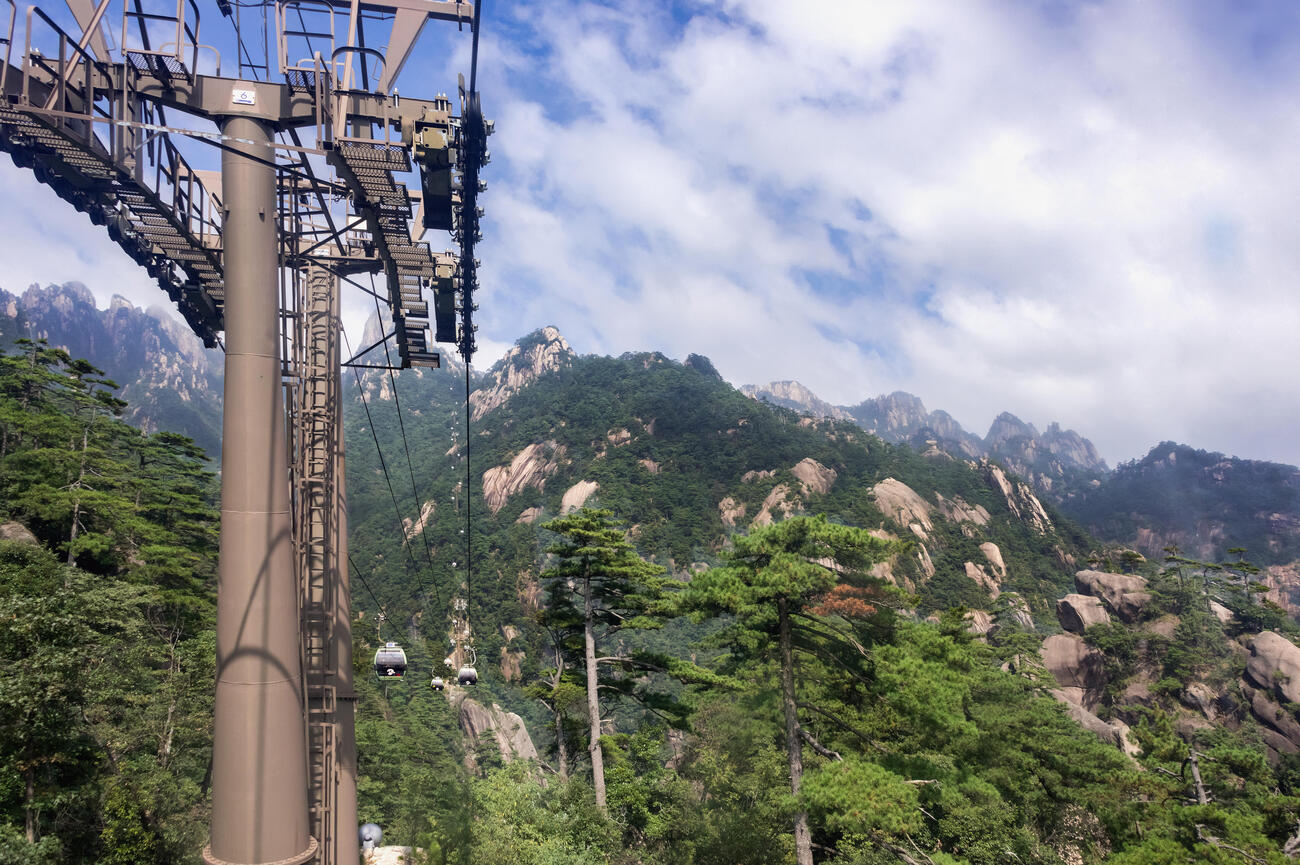
End your Huangshan journey with a scenic ride on the Yungu Cableway. This 8-minute descent saves your knees from the steep three-hour hike down the Back Mountain, which involves thousands of stone steps.
As the cable car glides down the mountain, you’ll get one last panoramic view of the North Sea scenic area and the jagged granite peaks you’ve just explored. Before boarding, take a few minutes at the viewing platforms near the upper station. From here, you can look back toward Begin-to-Believe Peak and Lion Peak for a final photo of Huangshan’s iconic spires.
When you reach the bottom, consider stopping at Yungu Temple. While the original temple no longer fully stands, the area is now a quiet forested valley with ancient ginkgo trees and a small museum explaining the mountain’s geology. Nearby shops at the lower station are also a great place to pick up local souvenirs, such as Huangshan Maofeng tea, ginger candies, and traditional wood-carved crafts.
Day 3, Afternoon - Huangshan Tour Map
Day Trips from
Huangshan
- Shanghai: While many travelers visit Huangshan from Shanghai, the fast high-speed rail makes it possible to do the trip in reverse as a day visit. In just 2.5 to 3 hours each way, you can travel by bullet train to Shanghai, giving you time to explore some of the city’s most famous sights. Walk along The Bund, Shanghai’s iconic waterfront with views of the futuristic skyline across the river. Visit the classical Yu Garden, wander through the leafy streets of the French Concession, or head up Shanghai Tower for sweeping views of the city. If you enjoy shopping, stop by Nanjing Road Pedestrian Street, one of the busiest and most famous shopping streets in the world, packed with malls, boutiques, and bright city energy.

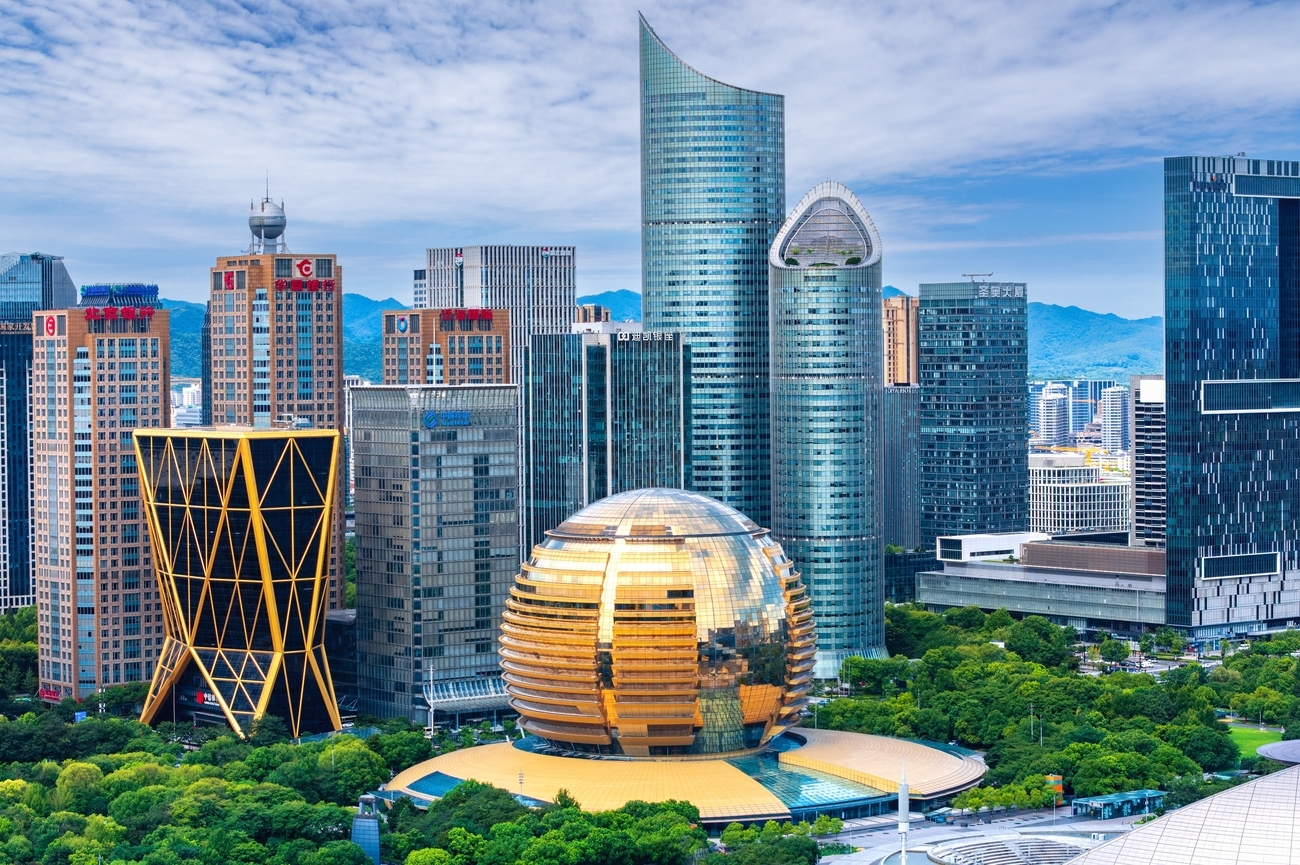
- Hangzhou: If you’re ready for a change of scenery after visiting Huangshan’s rugged peaks, Hangzhou offers a calmer, more classical side of China. You can reach Hangzhou in about 1 hour and 13 minutes to 2 hours by high-speed train, making it an easy trip from Huangshan. Once there, spend time at the UNESCO-listed West Lake, the city’s most famous landmark. Walk or cycle along the scenic Su Causeway or Bai Causeway, where you’ll find beautiful views of the water and the famous Broken Bridge. You can also visit Lingyin Temple and Feilai Feng, one of China's largest and most famous Buddhist temple complexes, known for its ancient cave carvings and tranquil forest setting.
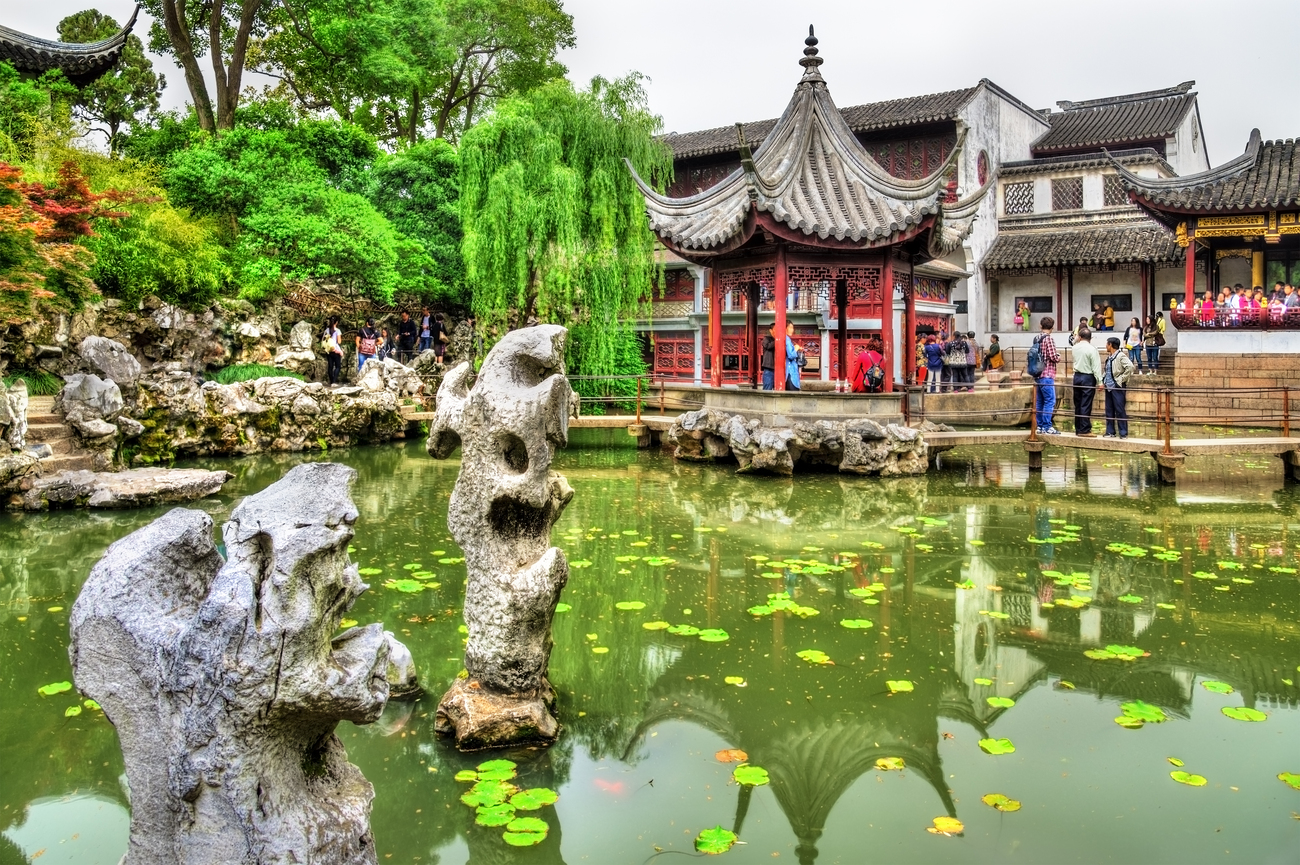
- Suzhou: Known as the “Venice of the East,” Suzhou offers a peaceful contrast to Huangshan’s rugged mountains. The city is famous for its 2,500 years of history, elegant canals, and world renowned classical gardens, many of which are listed as UNESCO World Heritage Sites. You can reach Suzhou in about 3 hours by high-speed train, with several daily departures. Early morning trains (starting around 6:26 AM) make it possible to enjoy a full day exploring the city. Once you arrive, you can wander through the beautiful classical gardens, stroll along historic streets lined with canals, and visit nearby water towns that showcase Suzhou’s traditional charm.
UNESCO World Heritage
Sites in Huangshan
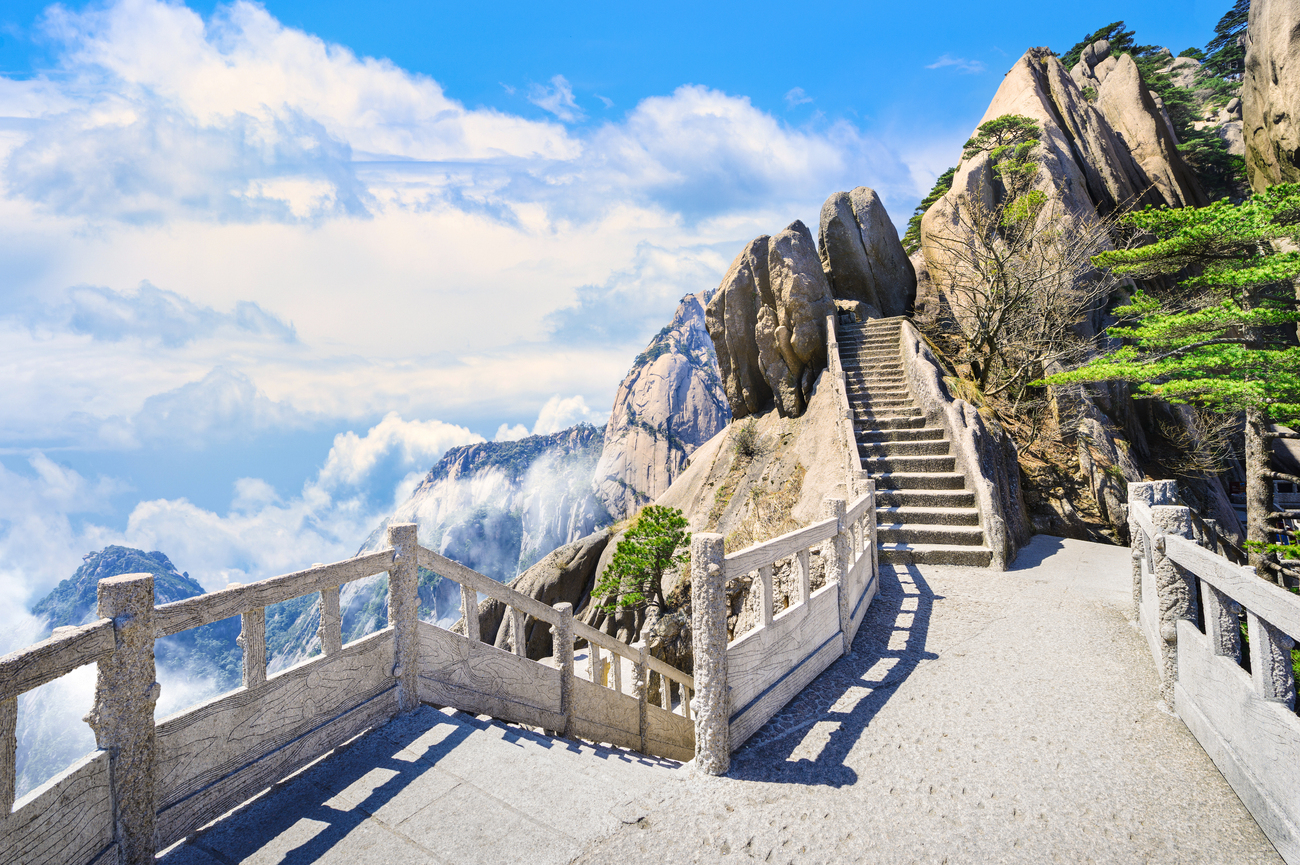
- Mount Huangshan: Recognized as a UNESCO World Heritage Site since 1990 for its extraordinary natural beauty and its deep influence on Chinese art and culture. It is also protected as a UNESCO Global Geopark and a World Biosphere Reserve. The mountain is famous for its “Four Wonders”: ancient twisted pine trees, dramatic rock formations, the mystical “Sea of Clouds,” and natural hot springs known for their relaxing properties. Huangshan is also rich in biodiversity, with over 1,650 plant species and wildlife that includes rare animals such as the clouded leopard. When you visit, you can experience the mountain in many different ways like hiking scenic trails, enjoying panoramic viewpoints, relaxing in hot springs, or exploring the cultural stories and legends that have inspired Chinese painters and poets for centuries.
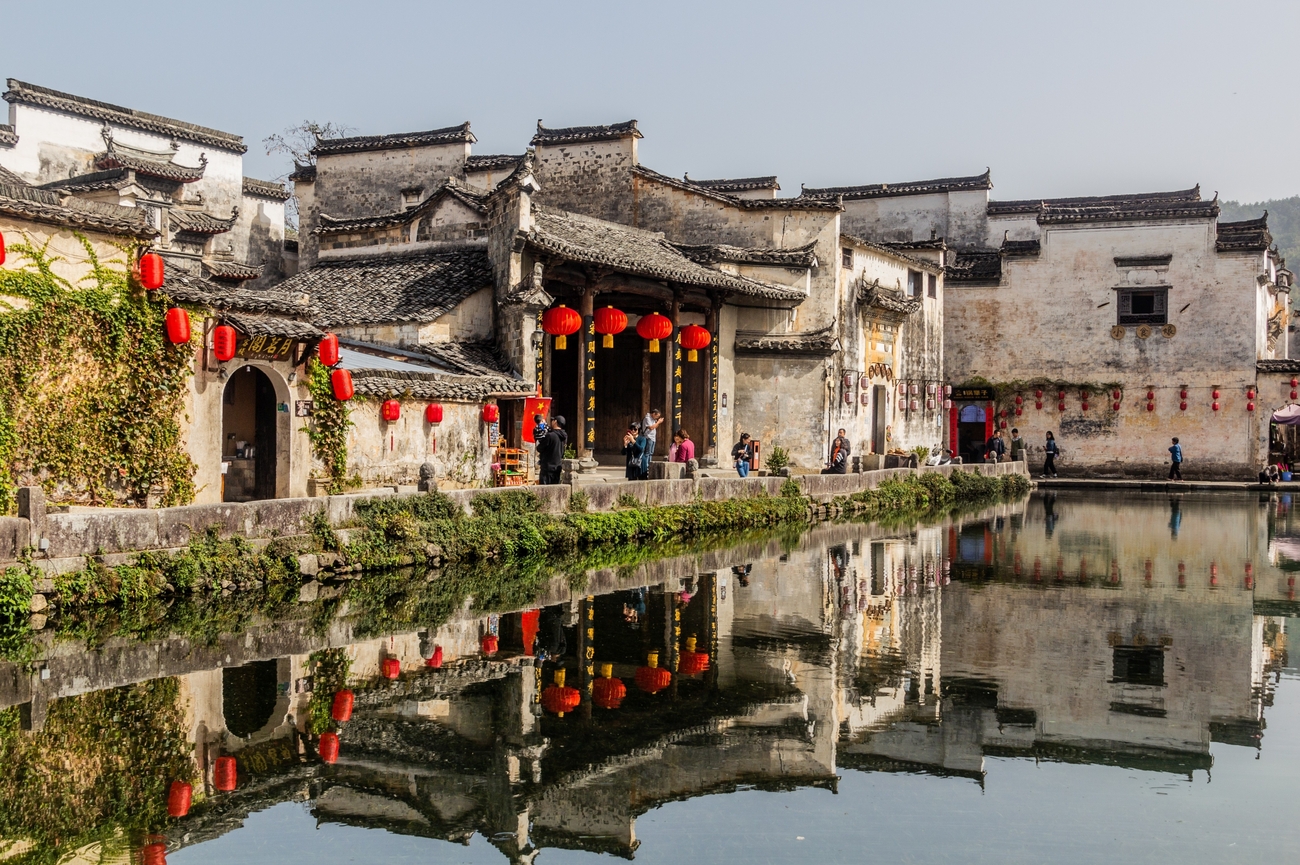
- Ancient Villages in Southern Anhui - Xidi and Hongcun: Xidi and Hongcun are two beautifully preserved villages in southern Anhui that were listed in 2000. They are considered some of the best examples of traditional Chinese rural settlements, showcasing the distinctive Huizhou architectural style that flourished during the Ming and Qing dynasties (14th–20th centuries). Unlike typical heritage sites, these are living villages where families have continued to live for generations. When you walk through them, you’ll see how daily life and historic architecture blend naturally together. The villages were designed according to traditional Feng Shui principles, carefully integrating homes, waterways, and surrounding landscapes into a harmonious layout. You’ll quickly notice their famous architectural “three wonders”: white washed walls, grey slate roof tiles, and distinctive horse-head gables, the stepped walls built to help prevent the spread of fire.
Luxury Rail Tours in
Huangshan
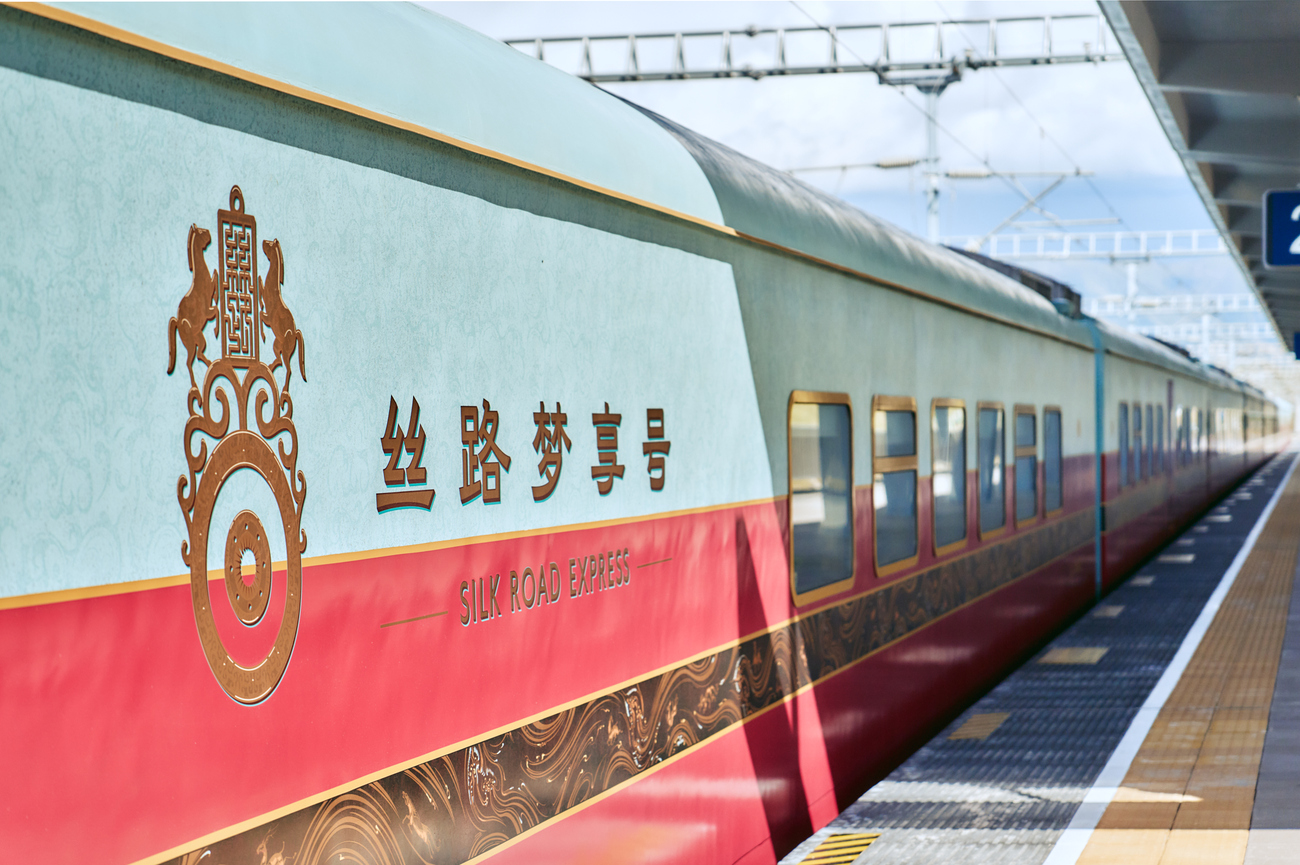
- Silk Road Express: A premier luxury “train cruise” from the Train of Glamour brand. Designed like a luxury hotel on rails, it combines high end hospitality with immersive cultural experiences across China. The train includes a stop in Huangshan on the Double Cultural Heritage journey, giving you the chance to explore this UNESCO World Heritage mountain in depth. During the stop, you’ll join expert guided excursions to Mount Huangshan as well as nearby historic villages like Hongcun and Xidi. This is an all-inclusive luxury rail experience, with features that go far beyond standard train travel. Here, you’ll stay in spacious private suites, dine in two elegant restaurant cars offering Chinese and Western cuisine, and relax in the Star Palace Lounge Car. Onboard amenities include a KTV room, tea room, automatic mahjong room, and even a cigar bar, creating a social and relaxing atmosphere as you travel.
Golf Courses in
Huangshan
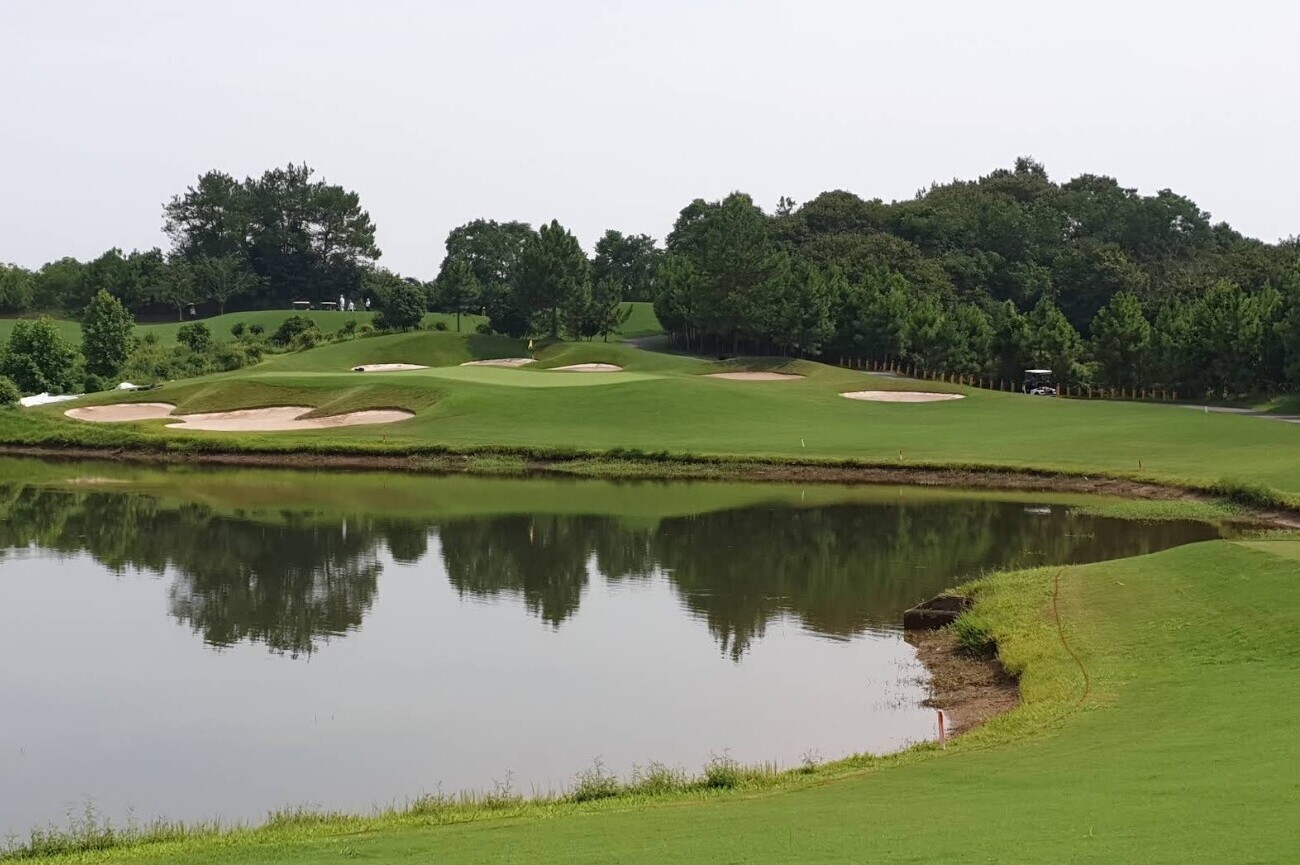
- Pine Golf & Country Club Huangshan: A premier 36-hole championship golf destination designed by renowned American architect Ronald Fream. The course winds through rolling hills and a vast forest of over 600,000 pine trees, creating a scenic and peaceful setting for a round of golf. The club features two international standard 18-hole courses, offering a different style of play. The course follows a “risk and reward” design philosophy. Your success on each hole often depends on the accuracy of your tee shot, which determines how difficult your next approach will be.
Luxury Spa &
Wellness Experiences in Huangshan
- Banyan Tree Spa Huangshan: An award winning wellness retreat designed as a true sanctuary for the senses located at the foot of the Mount Huangshan range. The spa follows a “high touch, low tech” philosophy, focusing on skilled therapists and natural local ingredients rather than machines. Inside, you’ll find 10 spacious treatment rooms, each inspired by Anhui’s rich tea culture. One of the most popular treatments here is the Royal Banyan, a 150-minute treatment that combines Eastern and Western massage techniques to improve circulation and ease muscle tension, perfect after a long day exploring the mountains. For something unique to this destination, try the Sense of Place – Huangshan Heritage treatment. Inspired by the region’s famous Maofeng tea, it includes a fragrant Maofeng Carya body scrub and tea bath to relax the body and senses, followed by a traditional Oriental massage to release deep muscle tension.
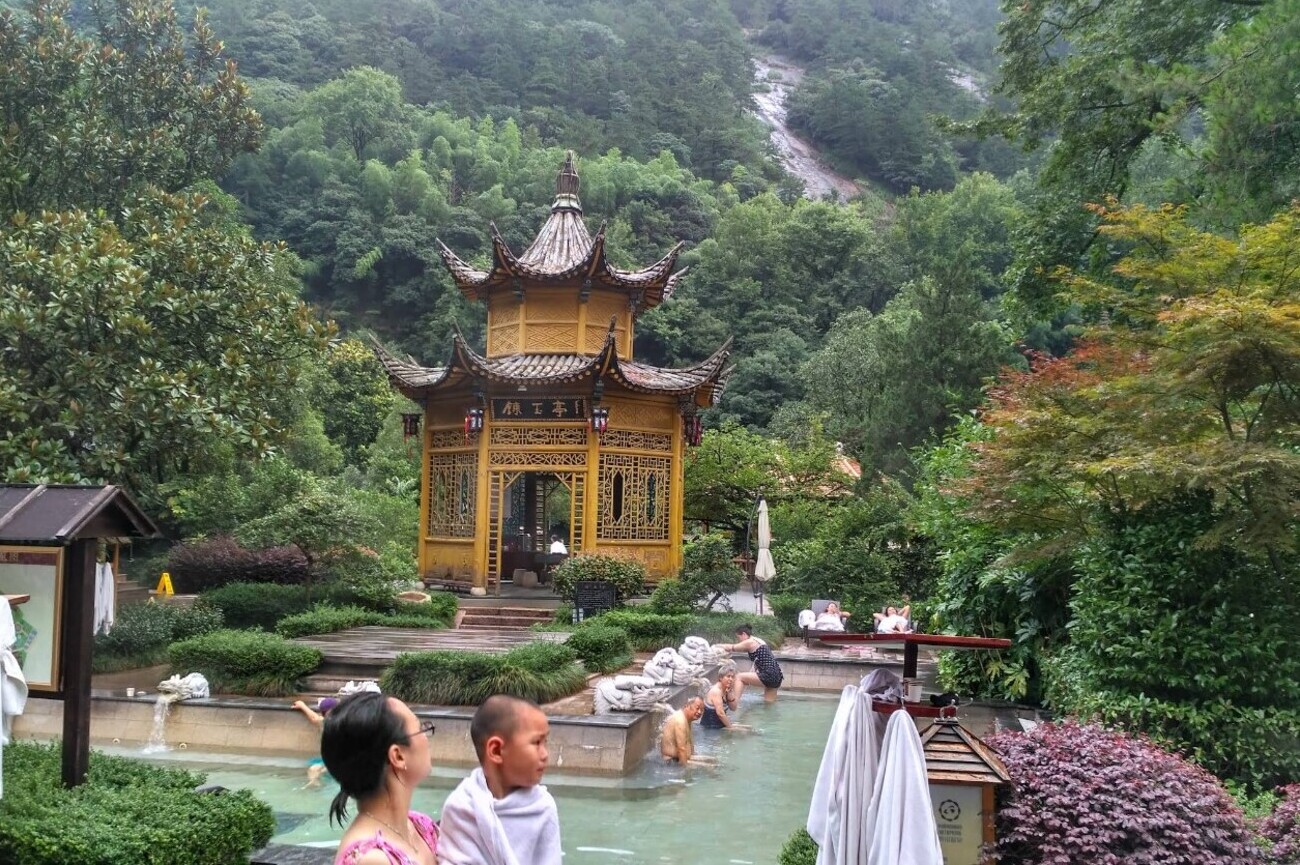
- Huangshan Hot Spring: Also known as the Cinnabar Spring or Piaoxue "Drifting Snow" Hot Springs, it’s one of the "Four Wonders" of Mount Huangshan. Located at the foot of the mountain between Purple Cloud Peak and Peach Blossom Peak, it’s the perfect place to relax and recover after a long day of hiking. The hot spring complex is set in a scenic garden and features around 30 outdoor pools with different temperatures, usually ranging from 36°C to 42°C. Many of the pools include special infusions such as red wine, green tea, ginseng, rose petals, coconut milk, or coffee, each designed to create a unique soaking experience. There’s also a pebble pool filled with smooth red stones, where you can enjoy a gentle foot reflexology massage as you walk across the stones. The natural spring water is rich in minerals like sodium carbonate and meta silicic acid, which are believed to support metabolism and help soothe tired muscles and joints.
Exclusive Workshops
& Immersive Experiences in Huangshan
- Hui Inkstick Making: In the world of Chinese calligraphy, Huangshan (historically known as Huizhou) is considered a “holy land” because it produces two of the Four Treasures of the Study: Hui Ink and She Inkstones. Hui Ink is especially prized for its quality. It is often described as “as hard as jade and as black as lacquer.” The ink is made using a 1,000 year old formula that blends pine or oil soot with animal glue and traditional ingredients such as musk and even gold leaf. This process gives the ink its deep color, subtle fragrance, and long lasting quality. When you visit Hu Kaiwen Ink Factory in Tunxi, you can watch the traditional production process in action. You’ll see artisans collecting soot and rhythmically hammering the ink mixture into shape. In this workshop you get to try the process yourself, including hammering the ink dough to remove air bubbles, an important step that affects the ink’s durability. Afterwards, you can learn gold inlaying, where you carefully brush real gold leaf into the delicate patterns carved on a finished ink stick under a master artisan’s guidance.

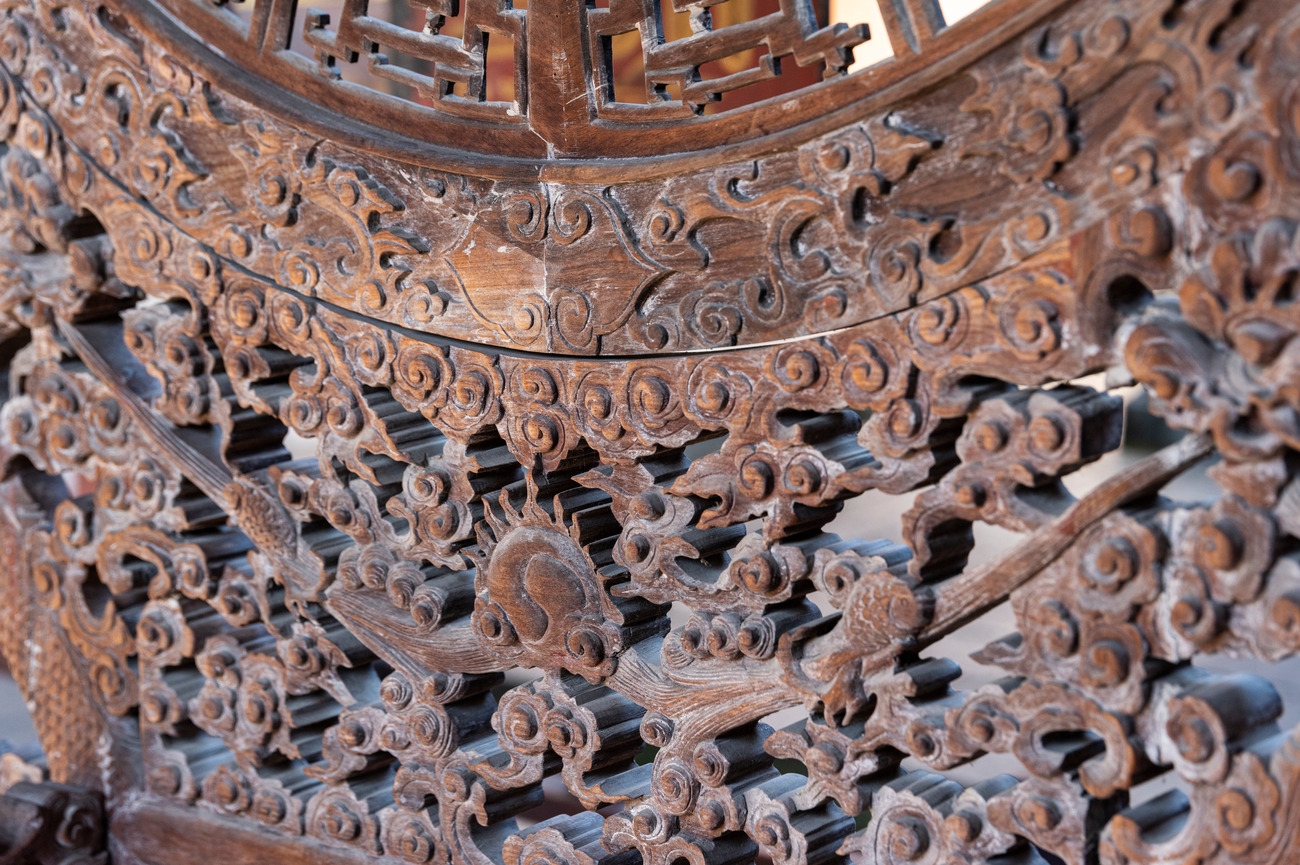
- Huizhou Wood Carving: A UNESCO recognized intangible cultural heritage and one of the most celebrated traditional crafts in the Huangshan region. Historically, this intricate carving style was used to decorate the beams, windows, and screens of wealthy merchants’ mansions. It’s famous for its multi layered “hollow out” technique, where a single piece of wood can have up to seven layers of depth, creating a striking 3D effect. In this hands-on workshop, you’ll learn how to use the specialized tools of a Huizhou wood carver, which can include more than 50 different chisels and gouges, each designed for a specific shape or detail. With guidance from a master artisan, you can try carving a flat relief design on local woods such as camphor or ginkgo. Beginners usually start with simple, meaningful symbols like lucky clouds, plum blossoms, or bamboo leaves. To finish your piece, you’ll learn the traditional polishing method, using natural wax to highlight the wood’s golden grain without using chemical lacquers.
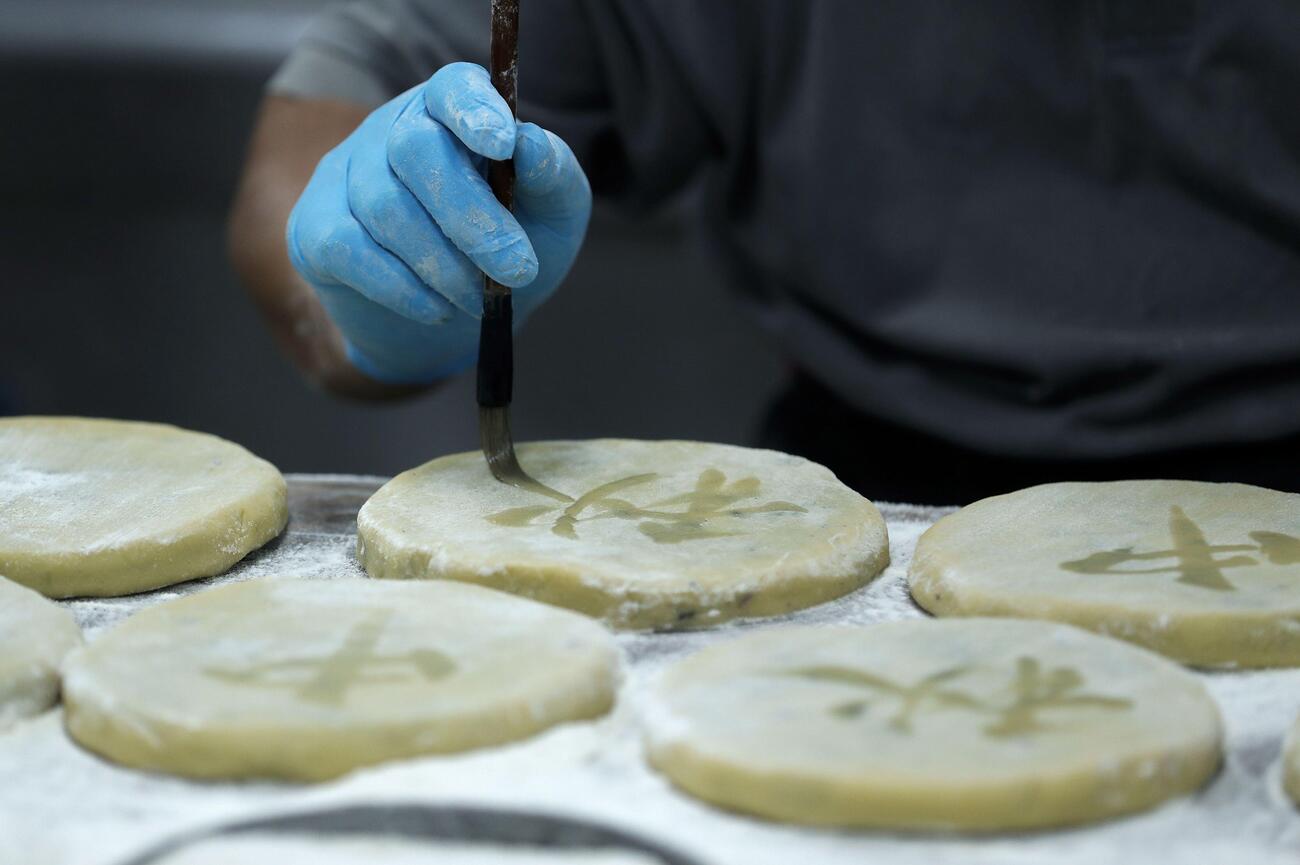
- Huizhou Pastry Making: In the Huangshan region, pastry making is more than cooking, it’s a centuries old tradition connected to the famous Hui merchants, who once traveled across China and needed snacks that were portable and long lasting. In this hands-on class, you’ll learn how to make Huangshan Shaobing, a local specialty. These small, flaky biscuits are filled with dried vegetables (Meigan Cai) and fatty pork. When baked, they turn a beautiful orange red color, said to resemble the shell of a cooked crab. Many of these workshops take place in restored Ming Dynasty ancestral halls or boutique heritage hotels in villages like Hongcun or Tunxi, making the experience feel just as historic as the recipe itself.
Other Things to Do in
Huangshan
- West Sea Grand Canyon: Also known as the "Magic Scenic Area," is one of the most dramatic landscapes on Mount Huangshan. The canyon is a huge V-shaped valley filled with towering granite cliffs, deep chasms, and strange rock pillars that seem to rise out of the mist. For adventurous travelers, hiking here is considered the ultimate Huangshan experience. The classic route runs from Cloud-Dispelling Pavilion down to the canyon floor and back up to Haixin Pavilion, a journey that usually takes 4 to 5 hours. If you’d like to enjoy the scenery without climbing thousands of steps, you can take the West Sea Monorail. This glass walled “tram in the clouds” carries you from the canyon floor back up to the peak area in just a few minutes, while giving you incredible views of the cliffs and valleys along the way. The hiking paths here are carved directly into the mountainsides. In many places, the stone walkways cling to vertical cliffs, offering thrilling views straight down into the canyon. Because of the canyon’s depth and orientation, it’s also one of the best places to see Huangshan’s famous “Sea of Clouds” drifting through the peaks. That said, the hike is physically demanding. The route includes thousands of steep stone steps, constant elevation changes, and very little flat ground. Some stair sections are extremely steep, so you’ll need good fitness and strong knees for the long descent and climb back up. Before setting out, make sure you’re well prepared with proper shoes, water, and enough time. Also note that the West Sea Grand Canyon usually closes from December to March because ice can make the cliff paths dangerous. Always check if the area has reopened for the season before planning your visit.
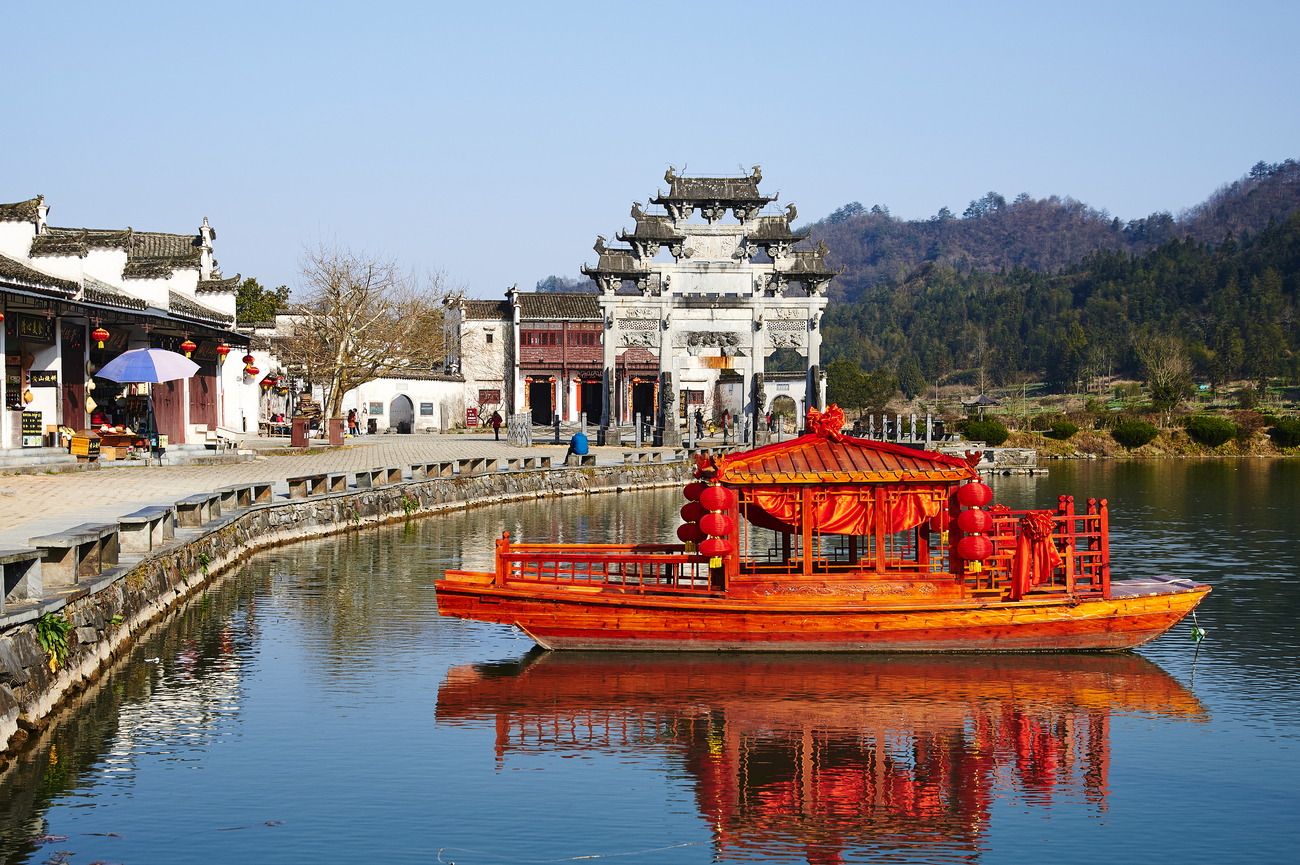
- Xidi Ancient Village: A UNESCO World Heritage site, often called the “Land of Peach Blossoms.” Founded during the Northern Song Dynasty, the village flourished under the wealthy Hu clan, whose influence shaped much of its architecture. Unlike nearby Hongcun, which is known for its waterways, Xidi is famous for its grand Confucian-style buildings and impressive stone gateways, reflecting the prosperity and social status of its merchant families. When you visit, one of the first sights you’ll notice is the Hu Wenguang Memorial Archway at the village entrance. Built in 1578 by imperial decree, this 12 metre tall stone arch is one of the few surviving ceremonial gateways in China and is covered in remarkably detailed carvings. As you explore the village, wander through 99 narrow winding alleys where you can see the famous “Three Carvings of Huizhou, ” intricate decorations carved into wood, brick, and stone on windows, doors, and walls.
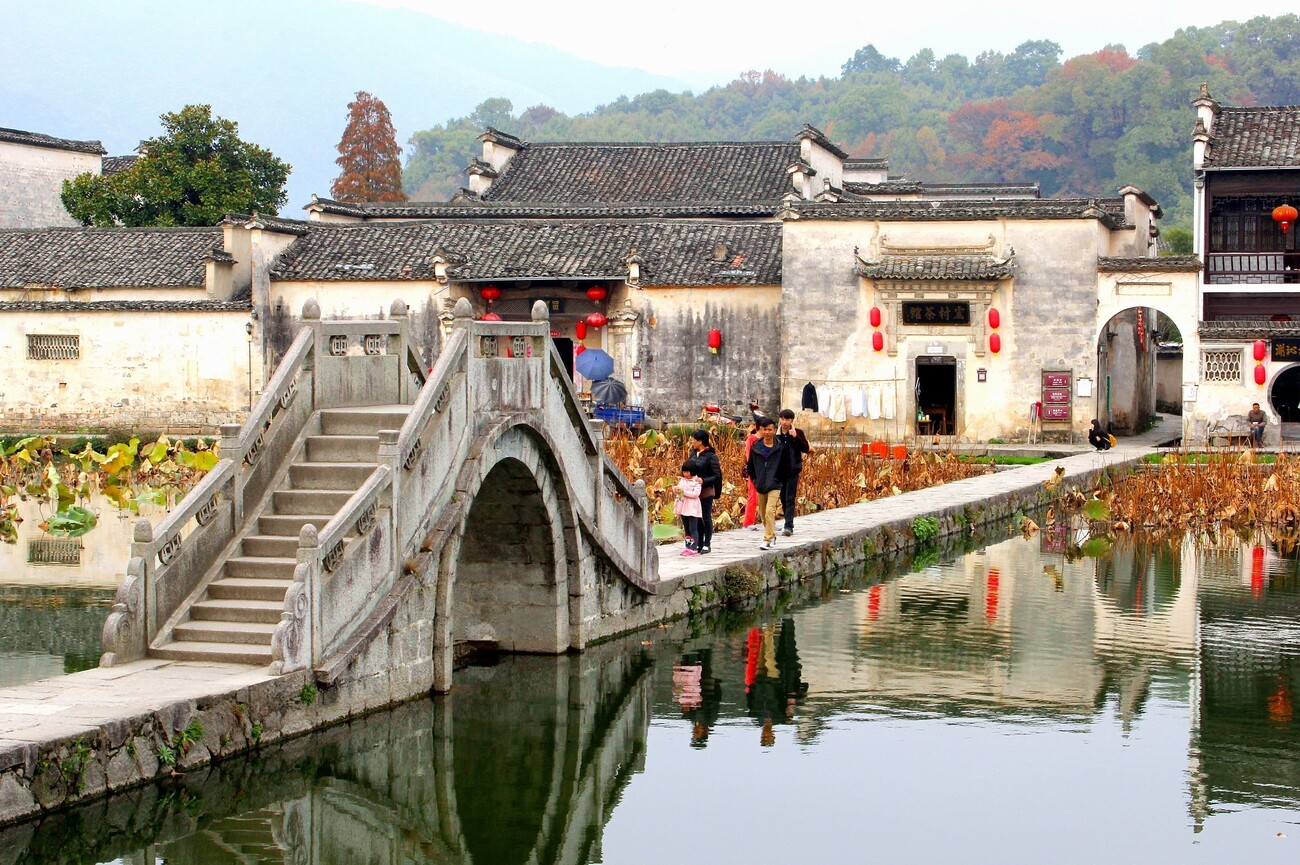
- Hongcun Ancient Village: Often described as a “village inside a Chinese painting,” Hongcun is a UNESCO World Heritage Site famous for its unique ox-shaped layout and clever ancient water system. This 800 year old village is filled with classic Huizhou architecture, where white walled, grey tiled houses reflect beautifully in the village’s quiet ponds. Some of the most iconic spots you’ll see here are the Moon Pond (Yue Zhao), South Lake (Nan Hu), and the Chenzhi Hall. As you explore, you’ll notice narrow stone canals running past nearly every home. According to local legend, if you ever get lost, simply walk against the flow of the water, and it will lead you back to the main pond. Take your time wandering through the quiet, winding alleys, where you’ll find hidden tea houses and small shops selling Hui ink, calligraphy tools, and local crafts. For a truly memorable experience, you can even stay overnight in a heritage guesthouse. Many 400 year old mansions have been carefully converted into boutique accommodations, allowing you to sleep beneath hand carved wooden beams and inside peaceful courtyard homes.
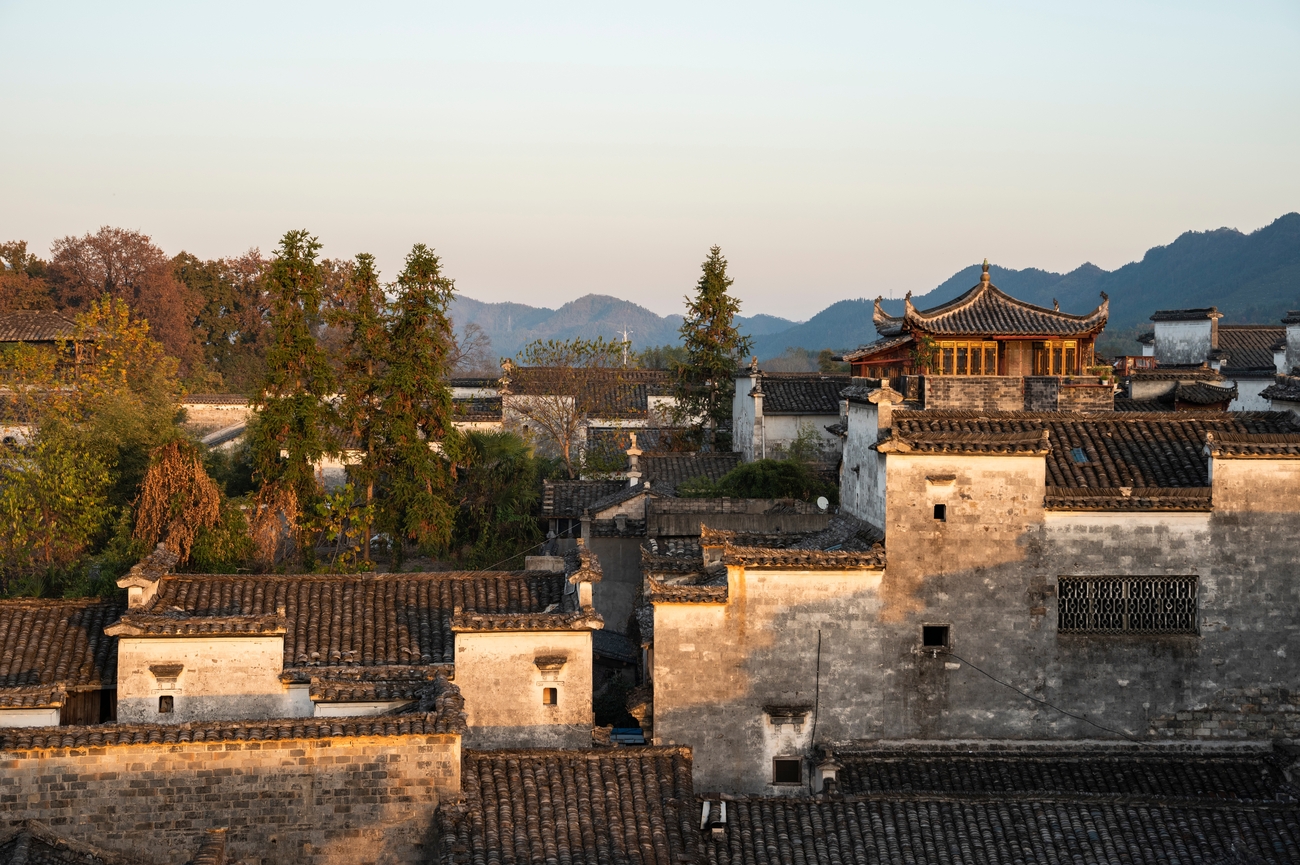
- Nanping Village: Famously known as the "Museum of Chinese Ancient Ancestral Halls." With more than 1,100 years of history, the village preserves nearly 300 buildings from the Ming and Qing dynasties. Its grey and white architecture and maze-like alleys have also made it popular with filmmakers. Scenes from Ang Lee’s Crouching Tiger, Hidden Dragon and Zhang Yimou’s Ju Dou were filmed here. One of the highlights of visiting Nanping is exploring its ancestral halls. Unlike other villages, Nanping has eight ancestral halls arranged along a single 200 meter axis, giving you a rare look at how clan life once centered around these ceremonial spaces. As you walk through the village, you’ll also notice its labyrinth of 72 narrow alleys. The high walls and winding paths were originally designed for defense, and even today, visitors often find themselves happily getting a little lost while exploring the historic streets.
Things to Do with Kids
in Huangshan
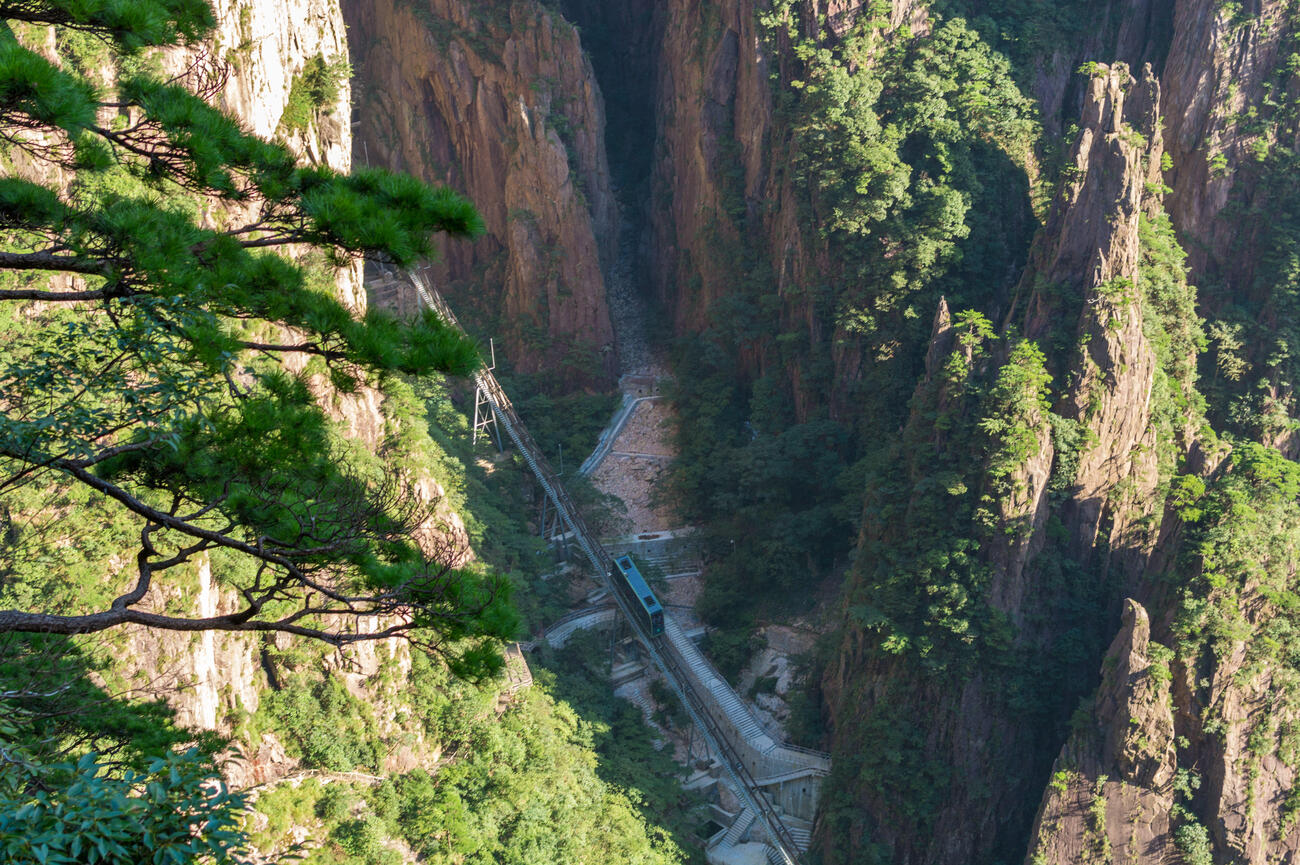
- The West Sea Grand Canyon Monorail: Considered the top must-do attraction for families visiting Huangshan. Instead of climbing thousands of steep steps, you can ride this high tech monorail through one of the mountain’s landscapes. The track runs along the side of a sheer granite cliff, making the ride feel a bit like a slow motion roller coaster through the clouds. The cabins are surrounded by glass, including the front, giving you a clear “pilot’s view” of the canyon, jagged stone peaks, and the deep valley below. If you’re lucky, you might even spot Tibetan macaques (monkeys) or rare birds in the forest along the cliffs as the monorail glides past.
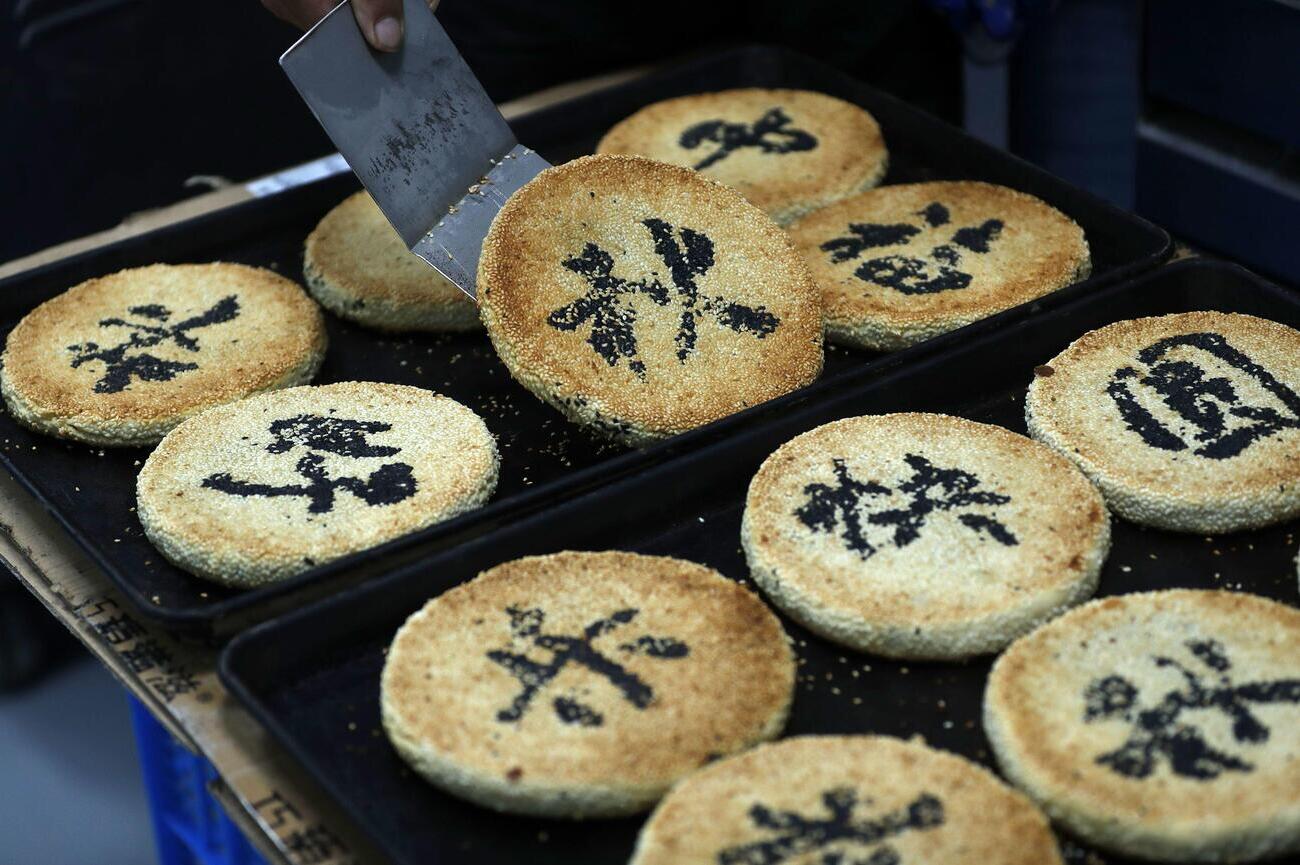
- Huizhou Cake Museum: A fun and interactive stop, especially if you’re traveling with family. It turns local food history into a tasty and engaging experience, making it one of the most kid friendly cultural attractions in the area. Inside the museum, you’ll see large, beautifully detailed models of traditional Huizhou cakes and pastries that are often made for weddings, birthdays, and important festivals. Many of them are so colorful and intricate that they look more like works of art than food. Unlike typical museums where everything is behind glass, this one is designed to be fully sensory. You can see, smell, and most importantly taste many of the traditional treats.
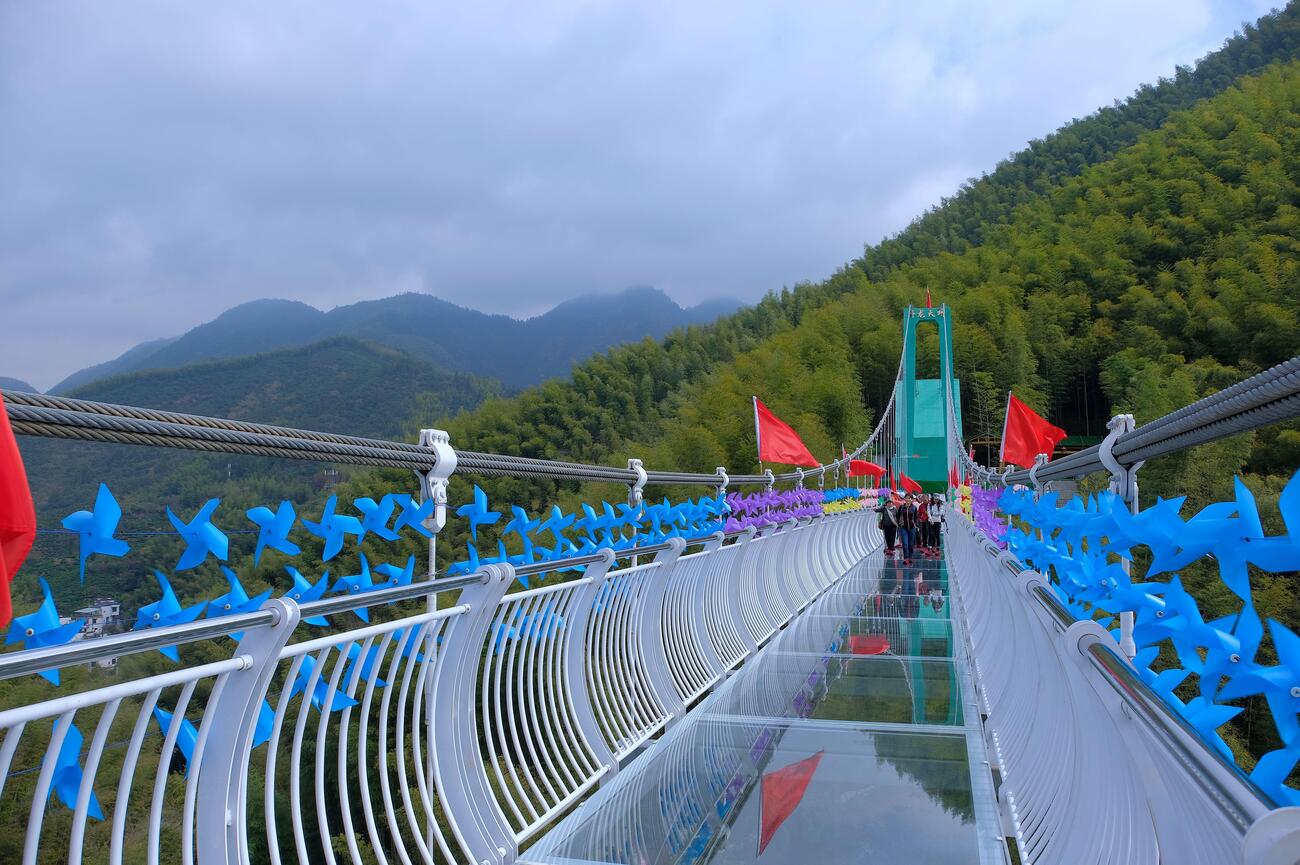
- Mukeng Bamboo Forest: Known as the "Emerald Sea,” this wonderful nature playground is filled with millions of tall bamboo stalks that sway gently in the wind. The forest also became famous as a filming location for the gravity defying fight scenes in Crouching Tiger, Hidden Dragon. Walking through the same bamboo paths seen in the movie makes the experience even more magical. For kids, it’s easy to let the imagination run wild here. They can pretend to be young martial arts heroes, running through the towering bamboo like scenes from a film. The dense forest creates a “secret hideout” feeling, making it a fun and memorable place to explore together.
Where to Eat in
Huangshan
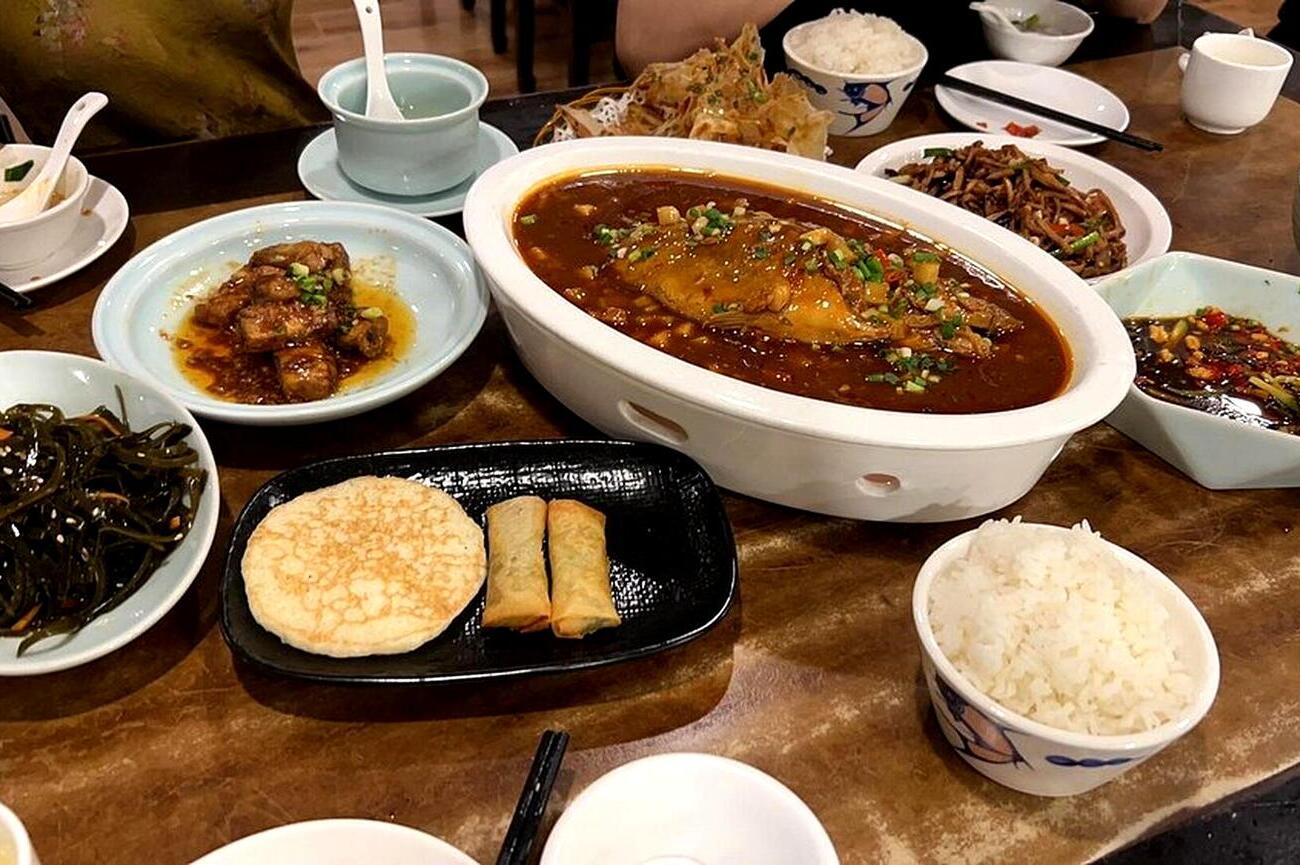
- Old Street Diyilou (Laojie Diyi Lou): Also known as the "#1 Restaurant on Old Street," is one of the most famous places to eat along Tunxi Ancient Street in Huangshan. Set inside a grand traditional building with classic Hui style architecture, the restaurant is a popular stop for travelers who want to try authentic Huizhou cuisine. Because it’s located near the eastern end of the street and well known among locals and visitors, it can get quite busy during lunch and dinner hours. Try their two specialty stand out dishes: Stinky Mandarin Fish (Chou Guiyu), the most famous dish in Huangshan. The fish is salted and lightly fermented, which gives it a strong smell but a rich, tender, and savory flavor once braised in soy sauce. Hairy Tofu (Mao Doufu), a local fermented tofu covered with a thin layer of white mold. It’s usually pan-fried and served with spicy sauce, and its complex flavor is often compared to aged European cheeses like Parmigiano Reggiano. Trying these dishes is one of the best ways to experience the bold flavors of traditional Huizhou cooking.
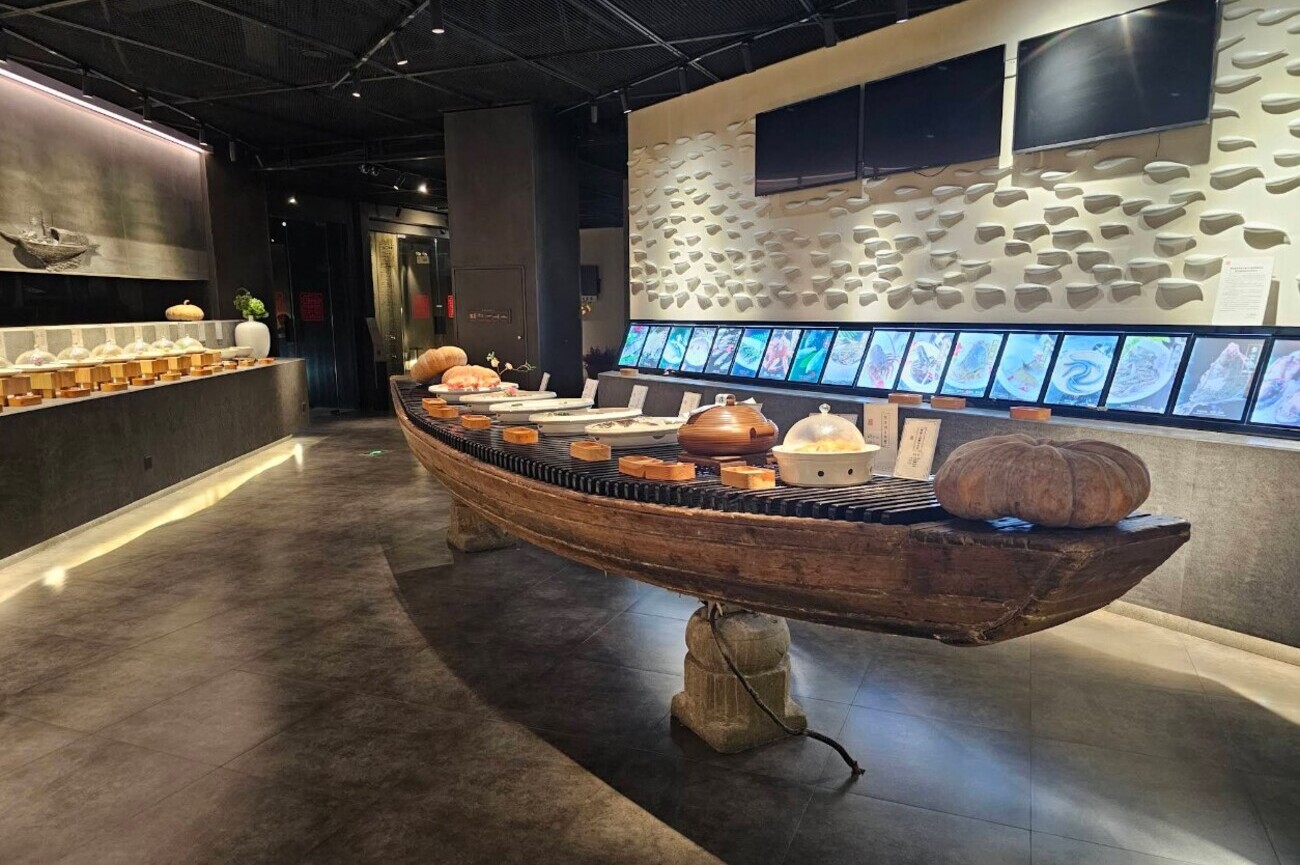
- Mei Shi Ren Jia (Food Home): A legendary restaurant in Huangshan that feels like dining inside a 300-year-old Huizhou mansion. With its dark wooden beams, traditional lanterns, and open kitchens, the setting alone makes the meal memorable. One of the restaurant’s most unique features is its “point-and-order” system. Instead of reading a menu, you walk through a large display area where real versions of every dish are laid out on long counters. Each dish has a bamboo stick or card beside it, simply pick the ones you want and hand them to the waiter. It’s especially convenient if you don’t speak Chinese, since you can see exactly what you’re ordering. The food here follows the traditional Huizhou cooking style, known for rich colors, bold flavors, and generous use of oil. Try their signature Hairy Tofu (Mao Doufu), the restaurant’s most famous dish. The tofu is naturally fermented until it develops a thin white “fur,” then pan fried until golden. It has a creamy texture similar to blue cheese and is served with a savory chili soy sauce. Shexian Clay Oven Rolls (Shaobing), small, crispy pastries filled with preserved vegetables and pork fat. They’re salty, slightly sweet, and incredibly addictive, especially when served fresh from the oven.
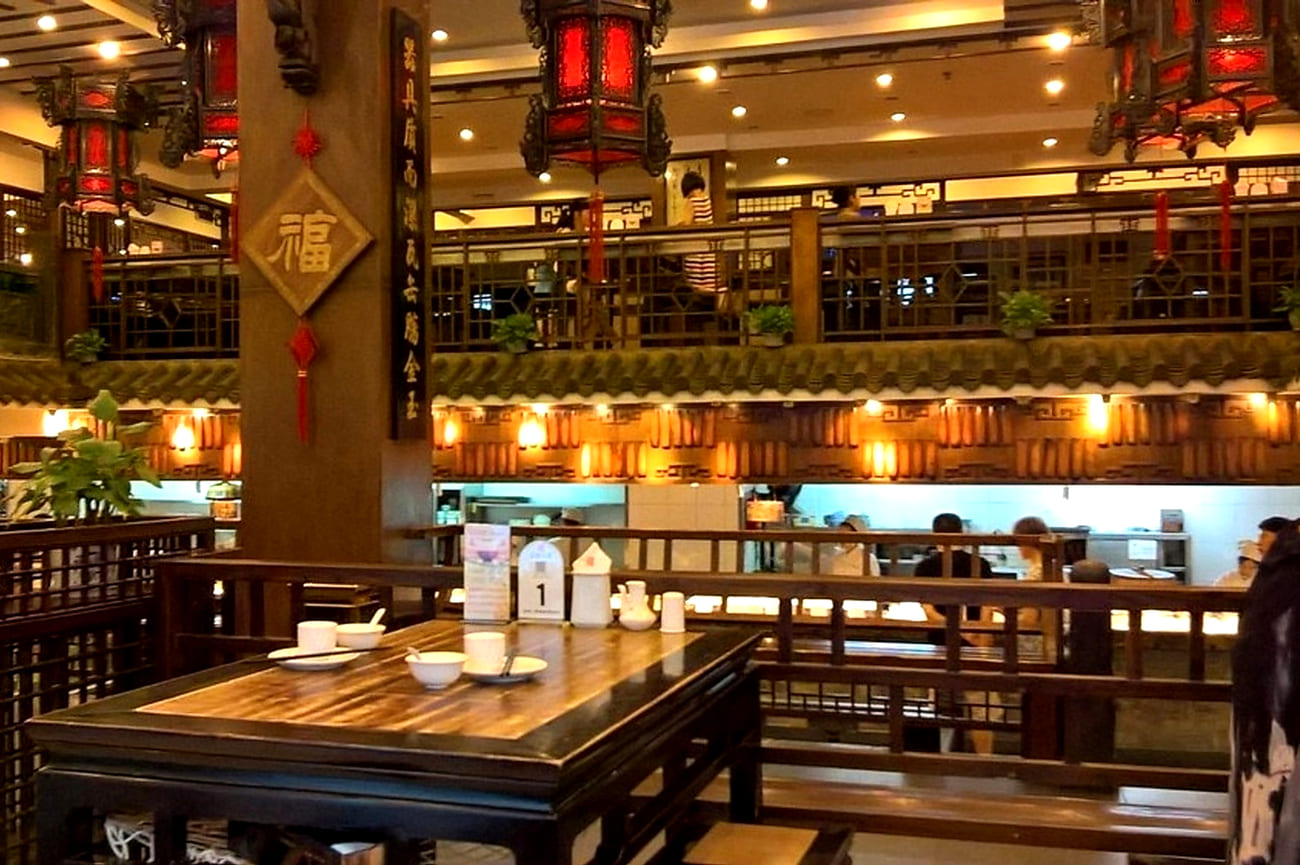
- Linjiang Yilou: This highly rated restaurant known for its elegant atmosphere and efficient service is a great place if you want to enjoy authentic Huizhou (Anhui) cuisine in a comfortable and stylish setting. Like some restaurants in Huangshan, it uses a “visual ordering” system, where you can see fresh ingredients and sample dishes before choosing what to eat. This makes ordering easy, you can simply pick the dishes that look most appealing to you. The restaurant is popular for both casual meals and more formal dinners, and the menu highlights classic regional flavors. Along with well-known local dishes like Stinky Mandarin Fish and Hairy Tofu, you might also want to try: Large Savory Pancakes (loved for their thin, crispy texture), Star Anise Sweet Pork (a rich, braised pork dish with warm, aromatic spices), Huangmi Cake (a traditional yellow rice cake dessert that offers a lightly sweet finish to your meal).
Where to Stay in
Huangshan
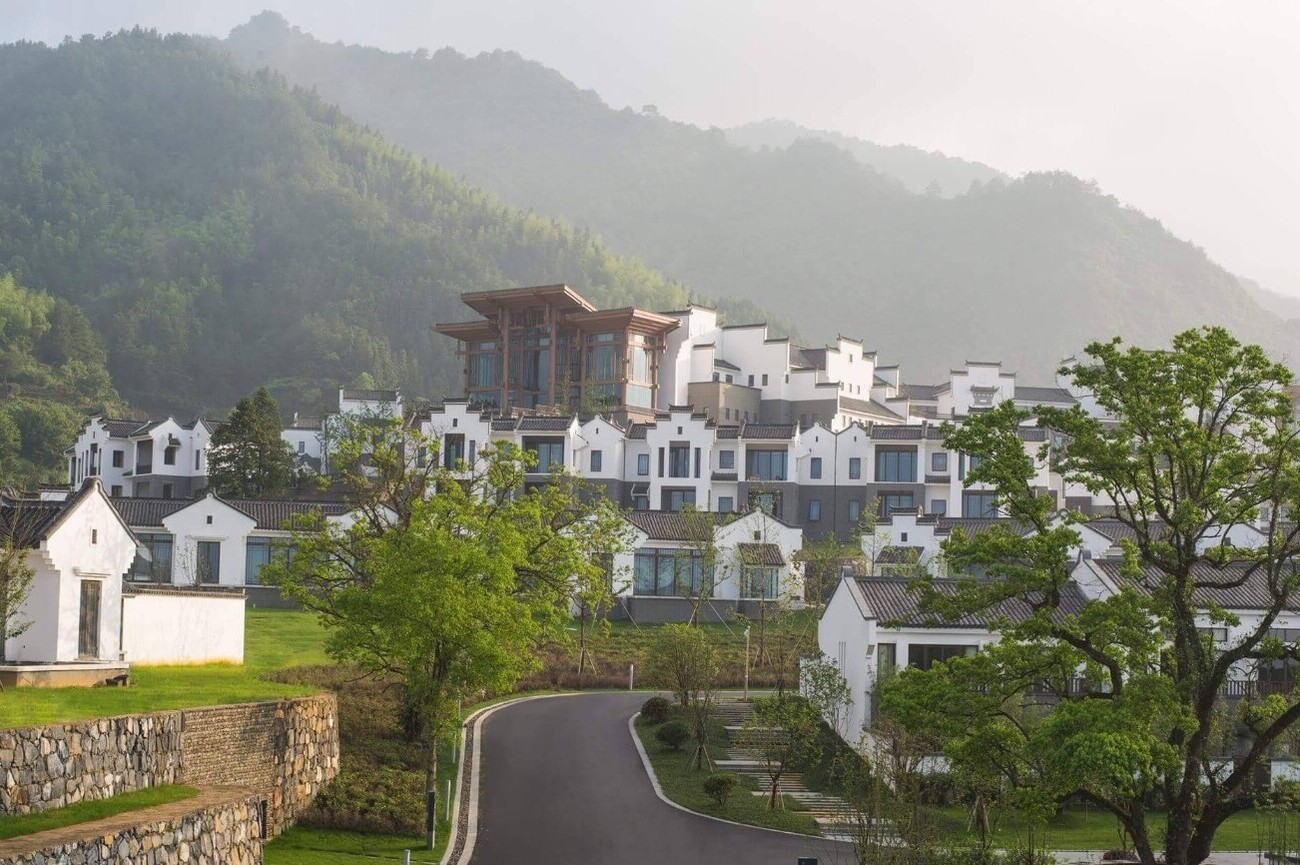
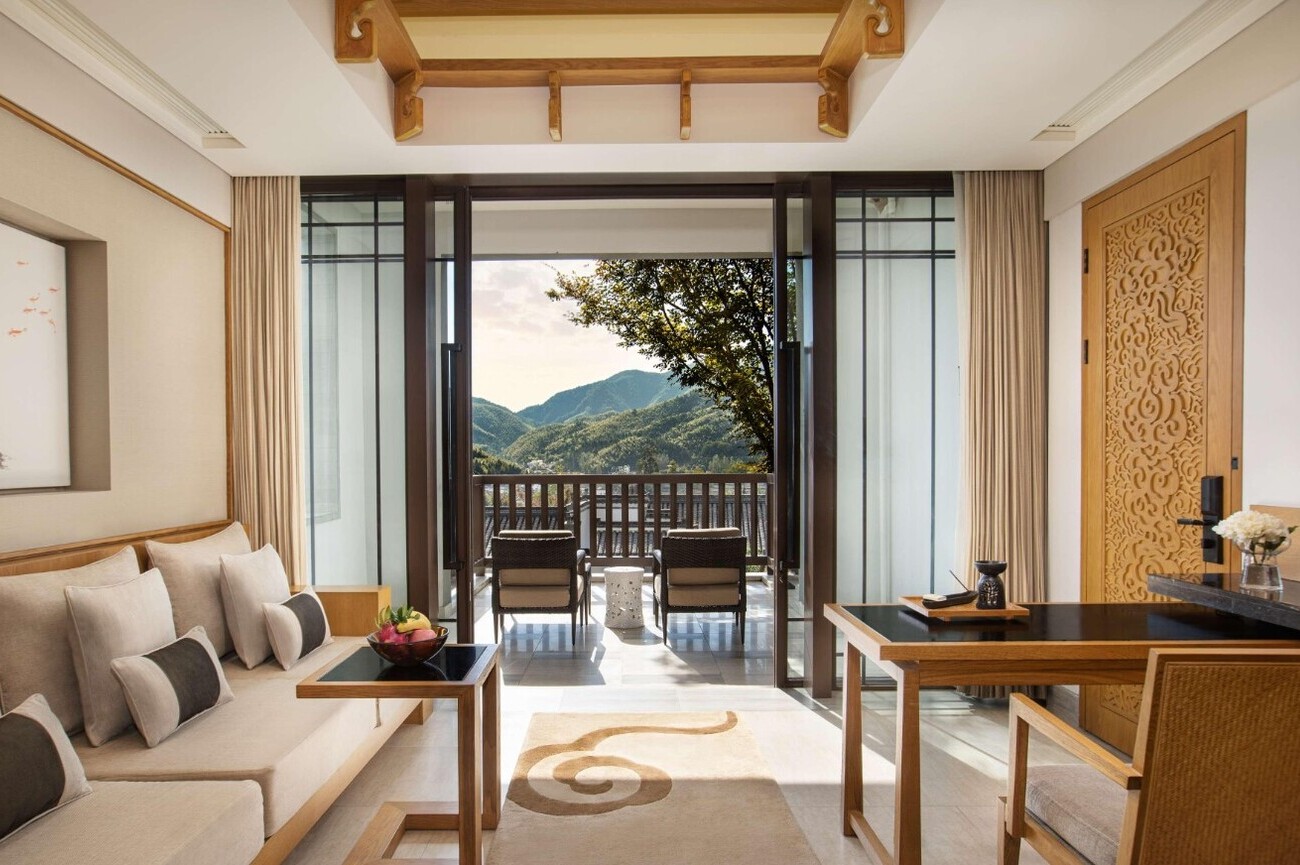
- Banyan Tree Huangshan: Located in the peaceful foothills of Mount Huangshan near Hongcun Village, Banyan Tree Huangshan is widely regarded as one of the most luxurious retreats in the region. The resort is designed to resemble a traditional Huizhou village, with white washed walls, grey slate roofs, and distinctive horse head gables that blend beautifully with the surrounding misty mountains. All accommodations here are spacious suites and villas, starting at around 66 square meters. Many include private courtyards and floor-to-ceiling windows, giving you spectacular views of the nearby bamboo forests and Huangshan peaks. During your stay, you can also enjoy exclusive destination experiences, such as tea picking tours at local plantations, guided cycling trips to nearby ancient villages, and hands-on Huizhou pastry making classes. The atmosphere throughout the resort is quiet, serene, and romantic, ideal for couples, honeymooners, or wellness seekers.
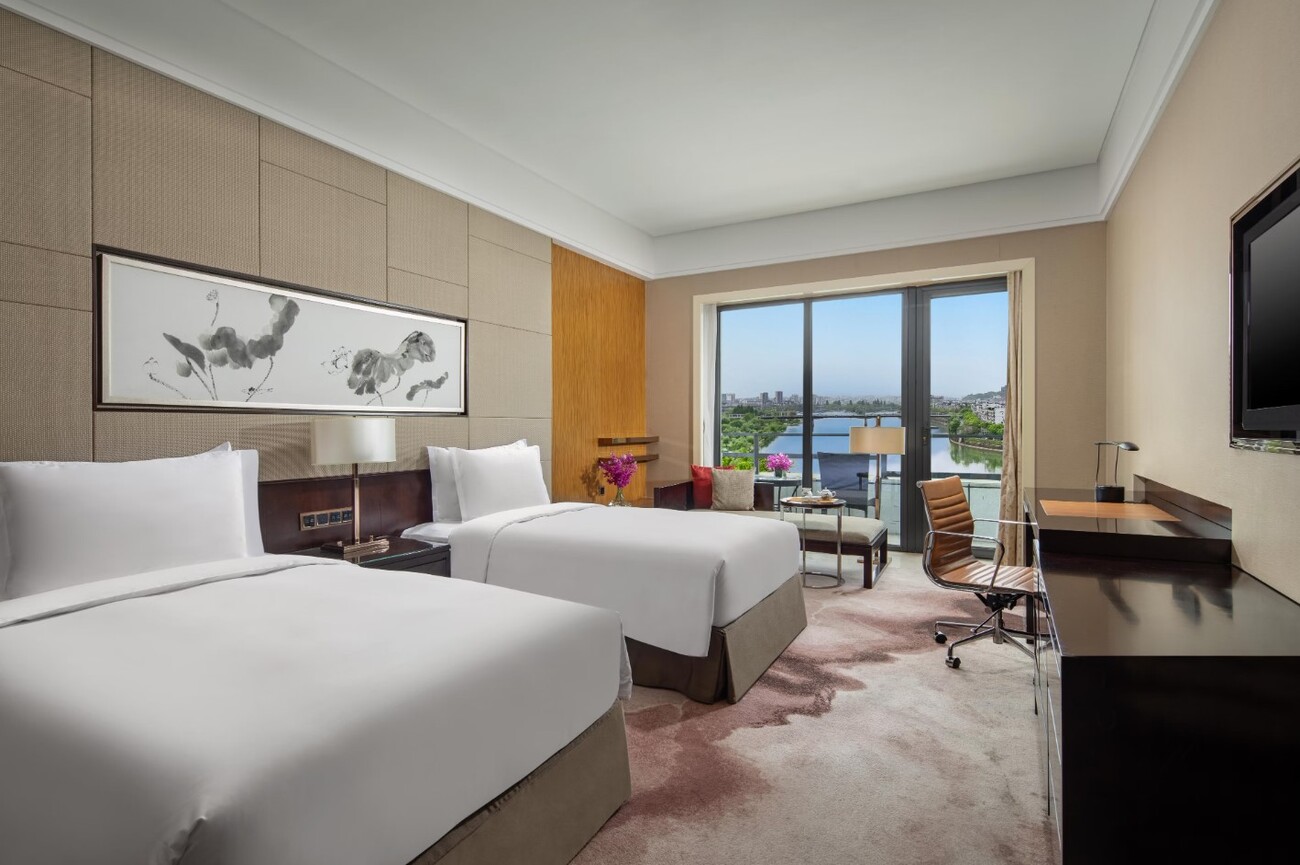
- Crowne Plaza Huangshan Yucheng: If you prefer modern luxury while exploring the greater Huangshan region, Crowne Plaza Huangshan is an excellent choice. Located in the center of Huangshan City, the hotel offers a comfortable and stylish base, especially if you’d rather stay in the city instead of a mountain top guesthouse. From here, you’re only about 10 minutes by car from Tunxi Ancient Street and Liyang Water Street, and around 50-60 minutes from the entrance to the Huangshan Scenic Area as well as the historic villages of Xidi and Hongcun. Many rooms feature private balconies with views of the city or the Xin’an River. For the best experience, consider requesting a high floor river view room, which offers wider panoramic views and helps reduce street noise.
- Huangshan Golf Hotel: A 5-star ecological resort located in Tunxi District, the hotel sits inside a huge 3,000-acre forest park, surrounded by over 600,000 pine trees. Even though it feels like a peaceful retreat in nature, it’s still only about a 10–15 minute drive from Tunxi Ancient Street and the Xin’an River. The resort is also known for its “Stay & Play” golf experience. If you enjoy golf, you’ll have easy access to the nearby Rainbow Valley and Jade Valley championship courses, both set among rolling hills and pine forests. Many rooms feature private balconies overlooking the fairways or forest, giving you relaxing views right from your room. If you’re traveling with family, the hotel also offers a children’s playground and spacious Executive Suites, which are larger than typical city hotel rooms.
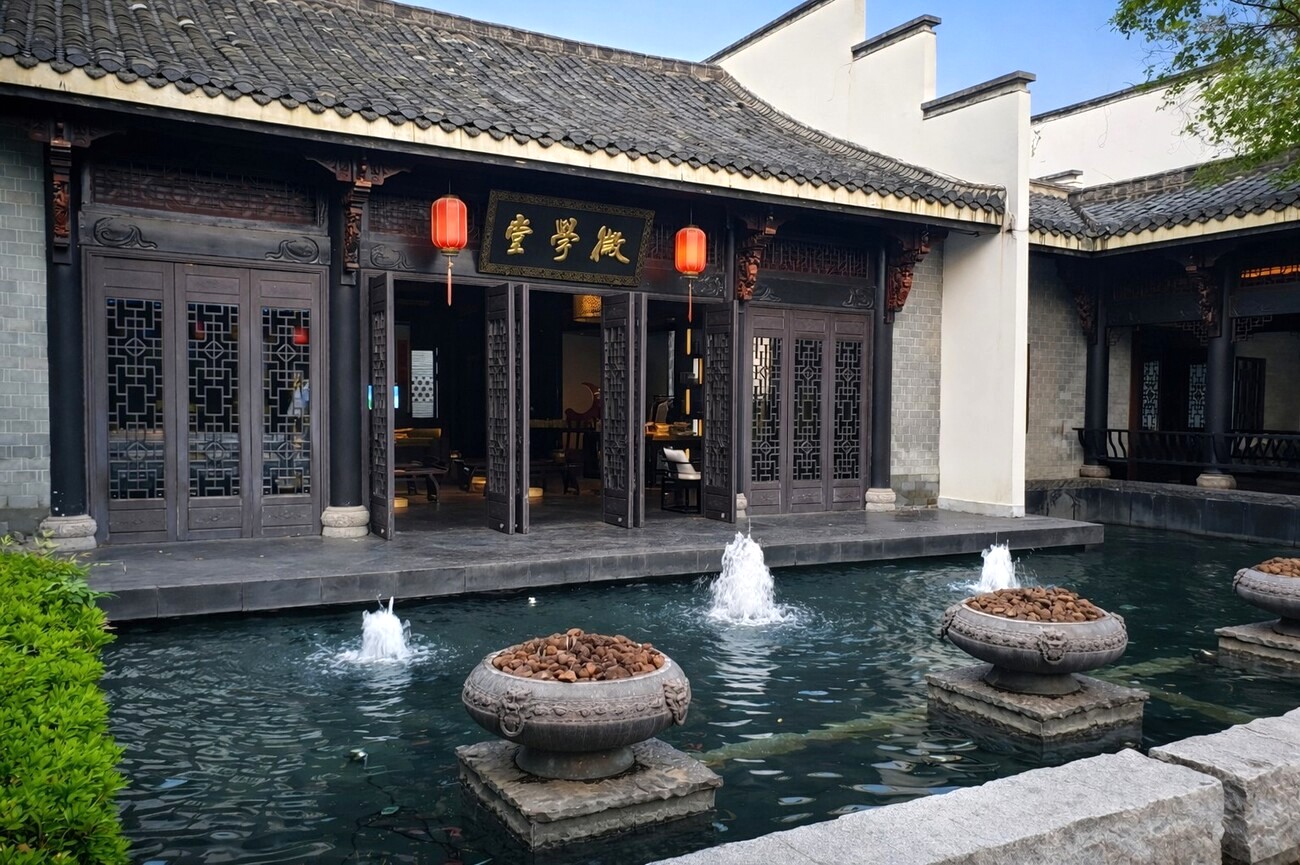
- UPCLOUD Shilin Villa: Perched high on Huangshan, UPCLOUD Shilin Villa is a sought-after 5-star retreat for photographers and nature lovers thanks to its spectacular mountain setting. Its location makes it an excellent base for experiencing the changing light over the peaks, while its smaller scale creates a more intimate and welcoming atmosphere than the larger summit hotels. With warm wooden finishes and a cosy design, the villa feels both comfortable and in keeping with its dramatic surroundings.Many rooms are designed to make the most of the scenery, with expansive views across granite peaks and the ancient pine trees of the North Sea area. The hotel’s thoughtful service adds to the experience, with practical guidance for guests hoping to make the most of Huangshan’s ever-changing weather and viewpoints. After a day on the trails, the on-site restaurant provides a satisfying end to the day, serving regional dishes prepared with local mountain ingredients.
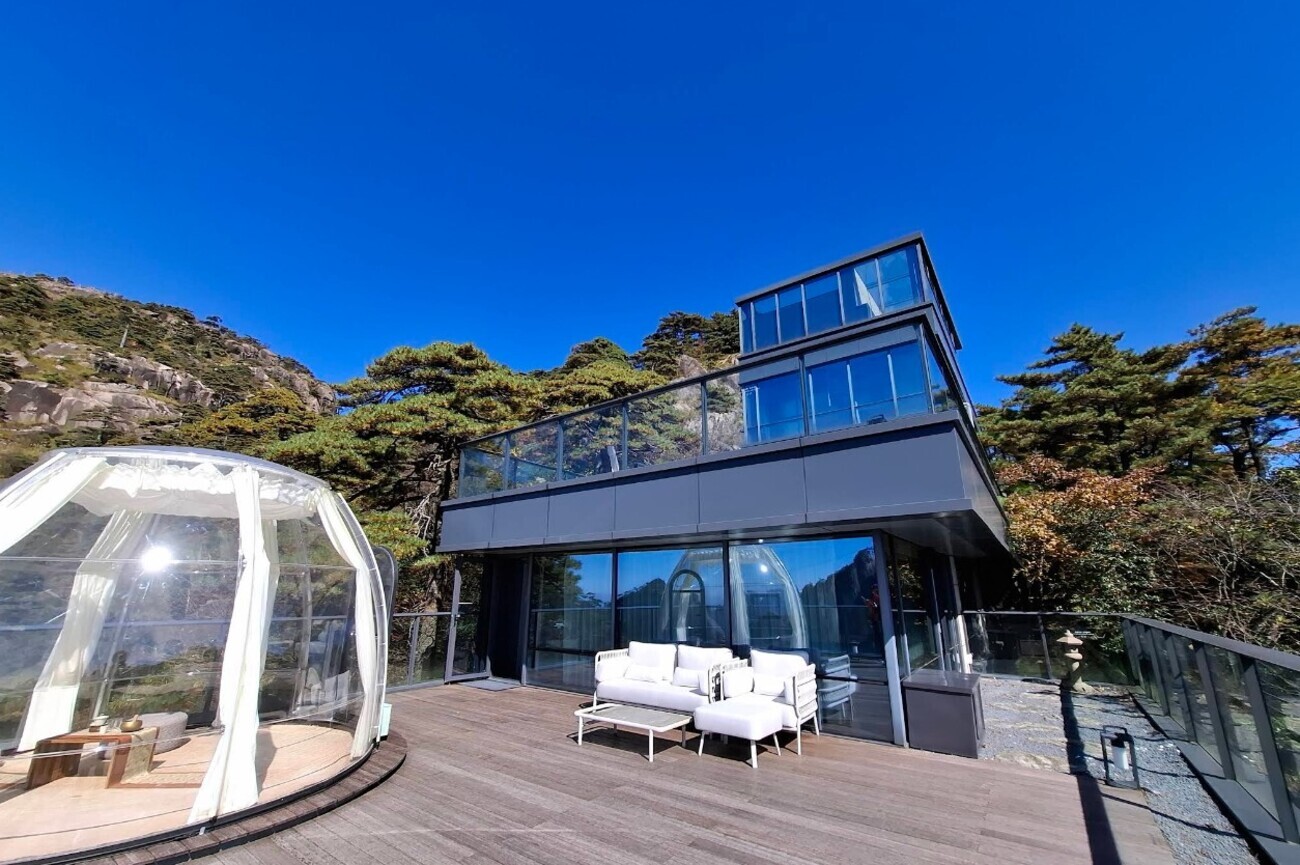
- UPCLOUD SHUGUANGLI VILLA: An exclusive boutique retreat on Huangshan, UPCLOUD SHUGUANGLI VILLA is known for its stylish design and intimate atmosphere, offering a refreshing alternative to the mountain’s larger, more traditional hotels. Its setting is especially appealing for travellers hoping to enjoy sunrise in a calmer and more peaceful part of the scenic area. Unlike older summit accommodation, the villa has a more contemporary feel, blending minimalist design with a serene mountain aesthetic.Rooms are designed to make the most of the surrounding scenery, creating a stay that feels both restful and memorable. With only a limited number of rooms, the experience is more personal, while the attentive service adds to the sense of exclusivity. The staff help guests make the most of their time on the mountain with practical local guidance and a warm welcome on arrival. The on-site restaurant also adds to the experience, serving regional flavours inspired by Huizhou cuisine and local mountain ingredients, all in a setting that makes Huangshan’s scenery part of the meal itself.
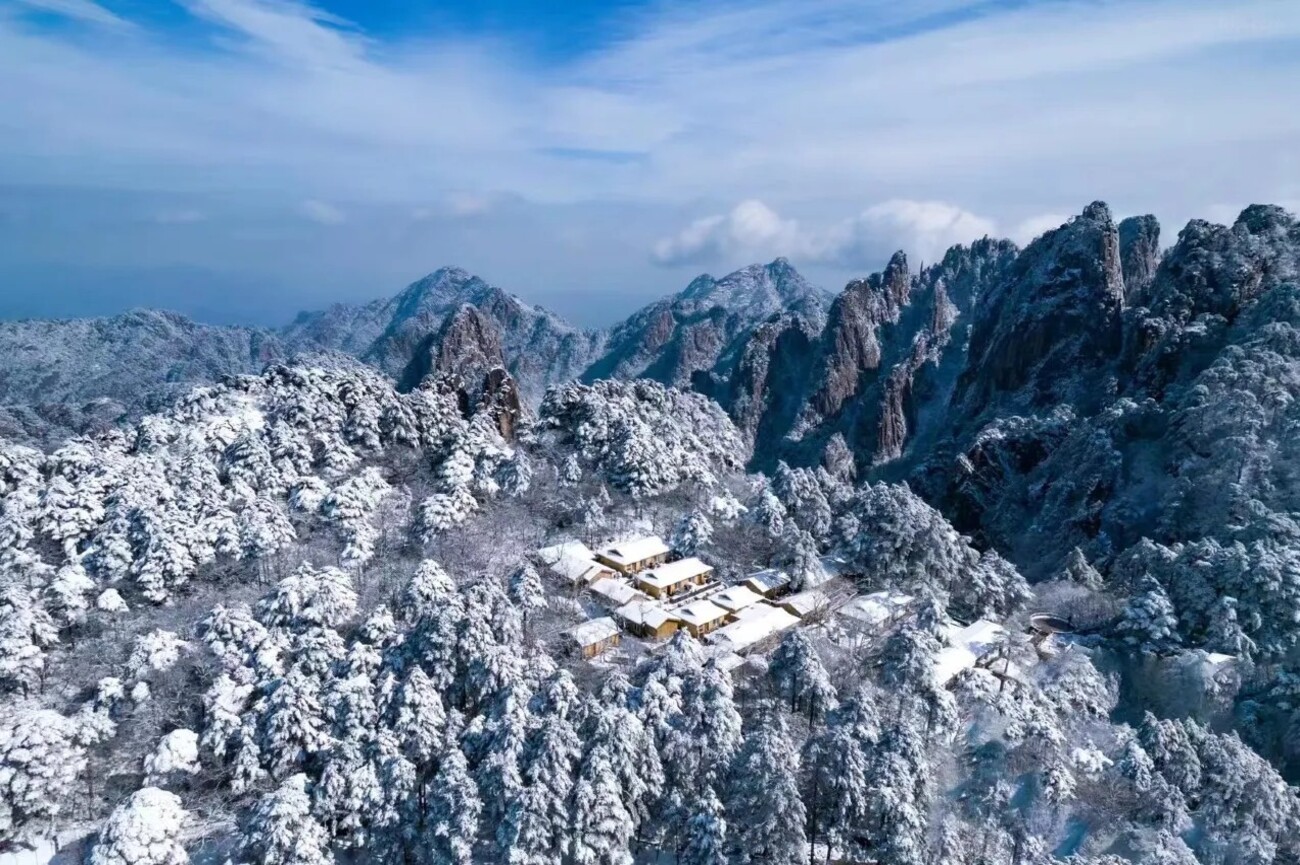
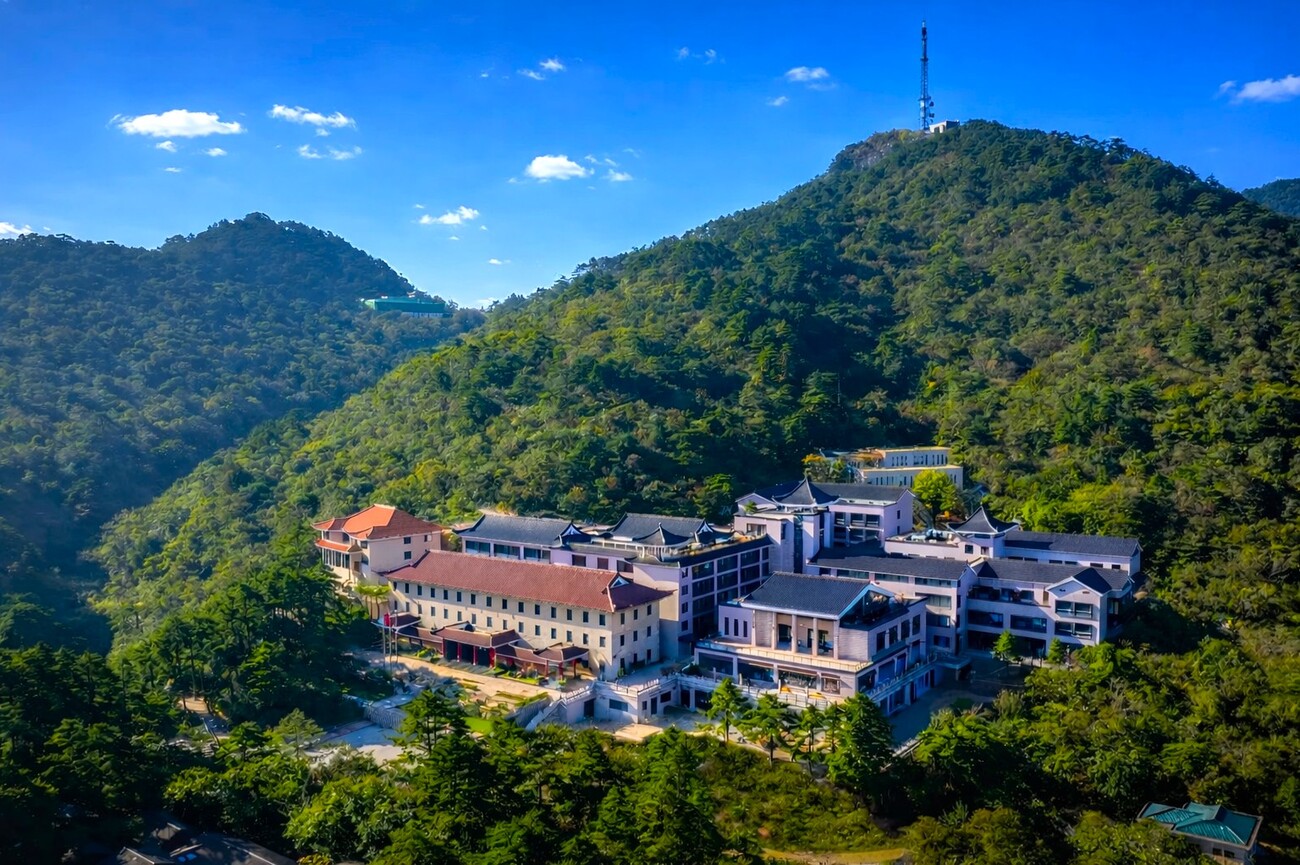
- Beihai Hotel: One of the most famous and historic summit hotels described as a traditional “state-guest” style hotel, it has hosted travelers for decades and remains one of the mountain’s most recognizable places to stay. The location is perfect if you want to catch the sunrise without a long hike. From the hotel, it’s only about a 10-minute walk to Refreshing Terrace and Lion Peak, two of the best spots to watch the sunrise over the famous “Monkey Gaping at the Sea.” Because the hotel sits in a natural basin surrounded by peaks, you may also witness Huangshan’s magical “Sea of Clouds” rolling right into the hotel courtyard on misty mornings. The atmosphere here feels grand and traditional. Although the hotel has been renovated over the years to modernize its facilities, it still retains a classic, formal character compared to the newer boutique mountain lodges. To make sunrise viewing more comfortable, each room includes thick down jackets (usually red or green) that guests can borrow when heading out to the viewpoints in the chilly morning air. Beihai Hotel also offers a wide range of accommodations, from standard twin rooms and luxury suites to more basic dormitory style rooms that are popular with hikers.
Best Time to Visit
Huangshan
The best time to visit Huangshan (Yellow Mountain) depends on what you want to experience, but spring (late March to May) and autumn (September to November) are generally the most ideal seasons. During these months, the weather is comfortable and the scenery is at its most spectacular. Each season offers something different:
Spring is known as the flower season, when azaleas and rapeseed flowers bloom across the mountains. It’s also one of the best times to see Huangshan’s famous “Sea of Clouds,” especially after light rain.
Autumn brings clear skies and colorful fall foliage, making it one of the most comfortable seasons for hiking. From October to mid-November, photographers flock to the mountain to capture the vibrant landscapes and crisp sunrise views.
Summer can also be appealing if you want to escape the heat of lower elevations, since the mountain air is cooler. However, it is also the rainiest season, and July to August tends to be the busiest time due to school holidays, which can mean longer queues at popular viewpoints and cableways.
Festivals in Huangshan
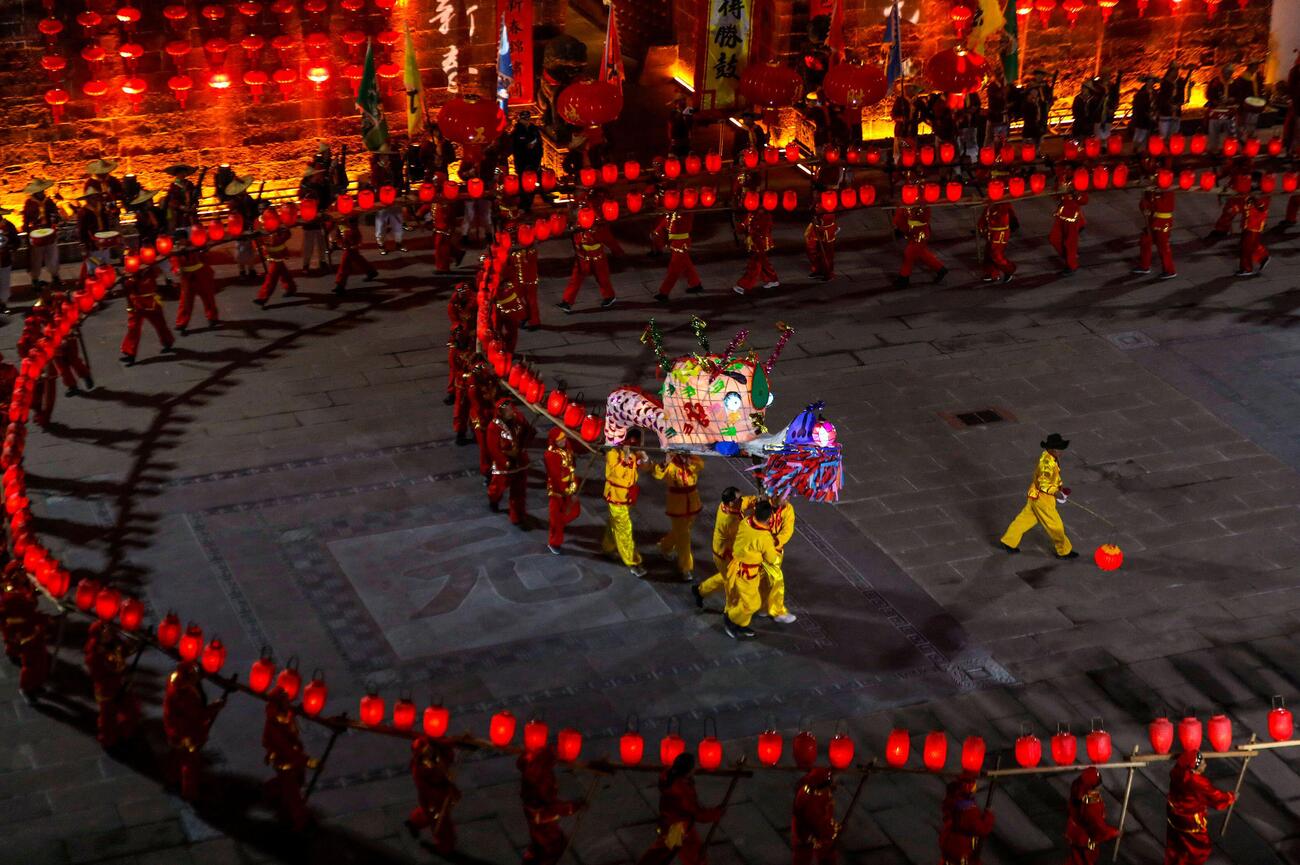
- Spring Festival: Chinese New Year is one of the most exciting and atmospheric times to visit Huangshan. During this period, you’ll experience a unique mix of snowy mountain scenery and lively Huizhou cultural traditions. Much of the festival’s energy happens in the ancient villages at the foot of the mountain. Here, you may see colorful celebrations such as the Fish Lantern Dance, Bench Dragon parades, and traditional intangible heritage fairs filled with local crafts and performances. Winter also adds what many visitors call Huangshan’s “fifth wonder.” While the mountain is famous for its four wonders, winter brings snow covered peaks and frost covered pines, creating a magical landscape that looks like a traditional Chinese ink painting. This season also has one of the highest chances (about 95%) of seeing the famous “Sea of Clouds.” During the festival, many mountain hotels such as Beihai or Xihai decorate their halls with red lanterns and festive couplets. Some even host special Reunion Dinners (Nianye Fan) where you can try traditional Anhui dishes like Yipin Guo, a rich layered clay pot stew shared to celebrate the New Year.
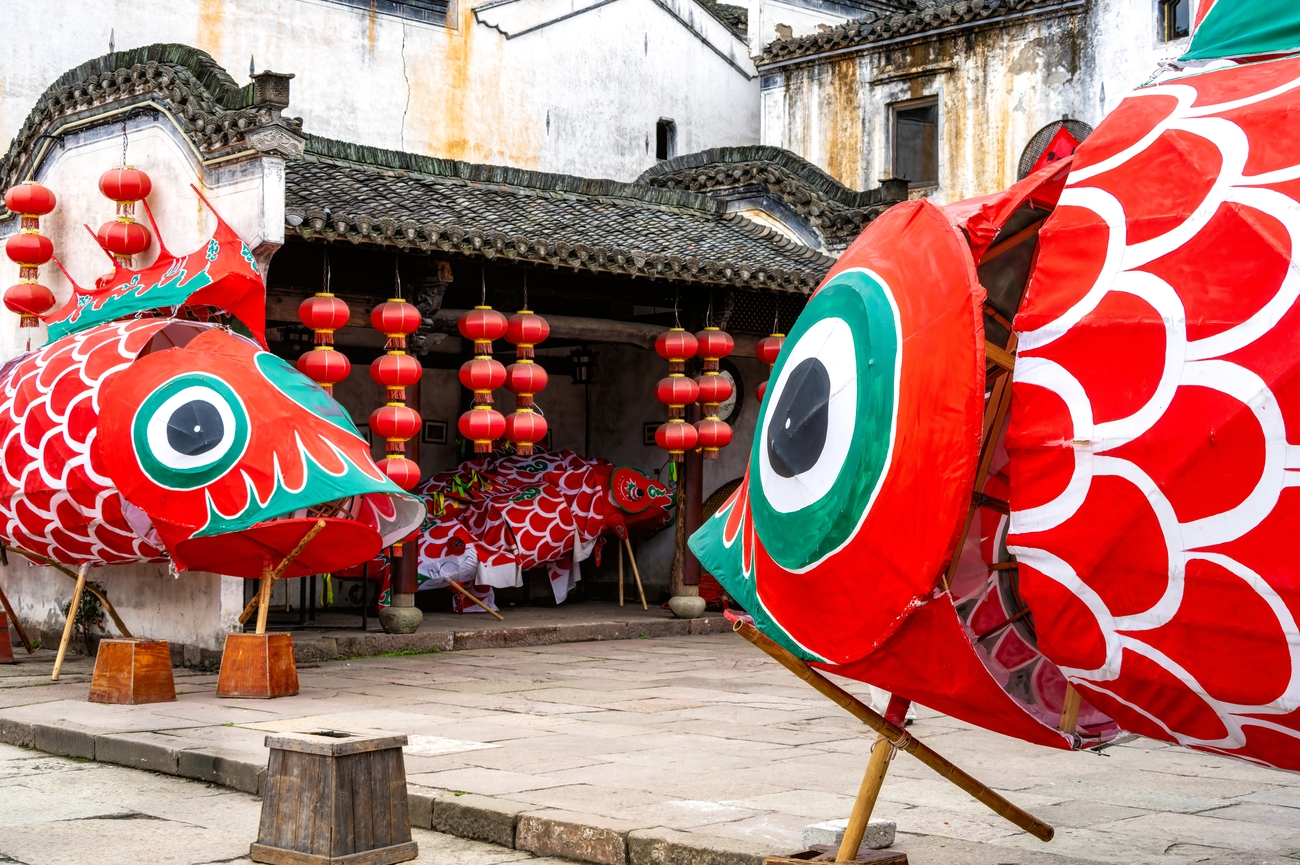
- Lantern Festival: Marks the grand finale of the Spring Festival celebrations and is one of the most magical times to experience Huangshan’s local traditions. Some of the most memorable events take place in the ancient villages of Wangmantian and Hongcun. Here, you’ll see the famous Fish Lantern Parade, a tradition where lanterns shaped like carp are carried through the village. In Chinese culture, fish symbolize abundance and good fortune, so the parade is meant to bring prosperity and protect the village from fire. During the parade, hundreds of villagers carry glowing bamboo-and-paper fish lanterns, some reaching up to seven meters long. As they move through the misty stone alleys, the lanterns appear to “swim” through the air. In nearby Xiuning County, another highlight is the Bench Dragon dance, where long “dragons” are formed by linking wooden benches together. These colorful dragons wind through the streets accompanied by loud gongs, drums, and traditional Huizhou opera performances. Meanwhile, in Tunxi Ancient Street, the city center turns into a lively festival. You can solve lantern riddles, watch the dazzling “Iron Flower” fire performance, and enjoy festive treats like Tangyuan, sweet glutinous rice balls traditionally eaten during the Lantern Festival. Many heritage sites also offer hands-on cultural activities, where you can try making your own fish lantern or traditional Chinese paper cut art.
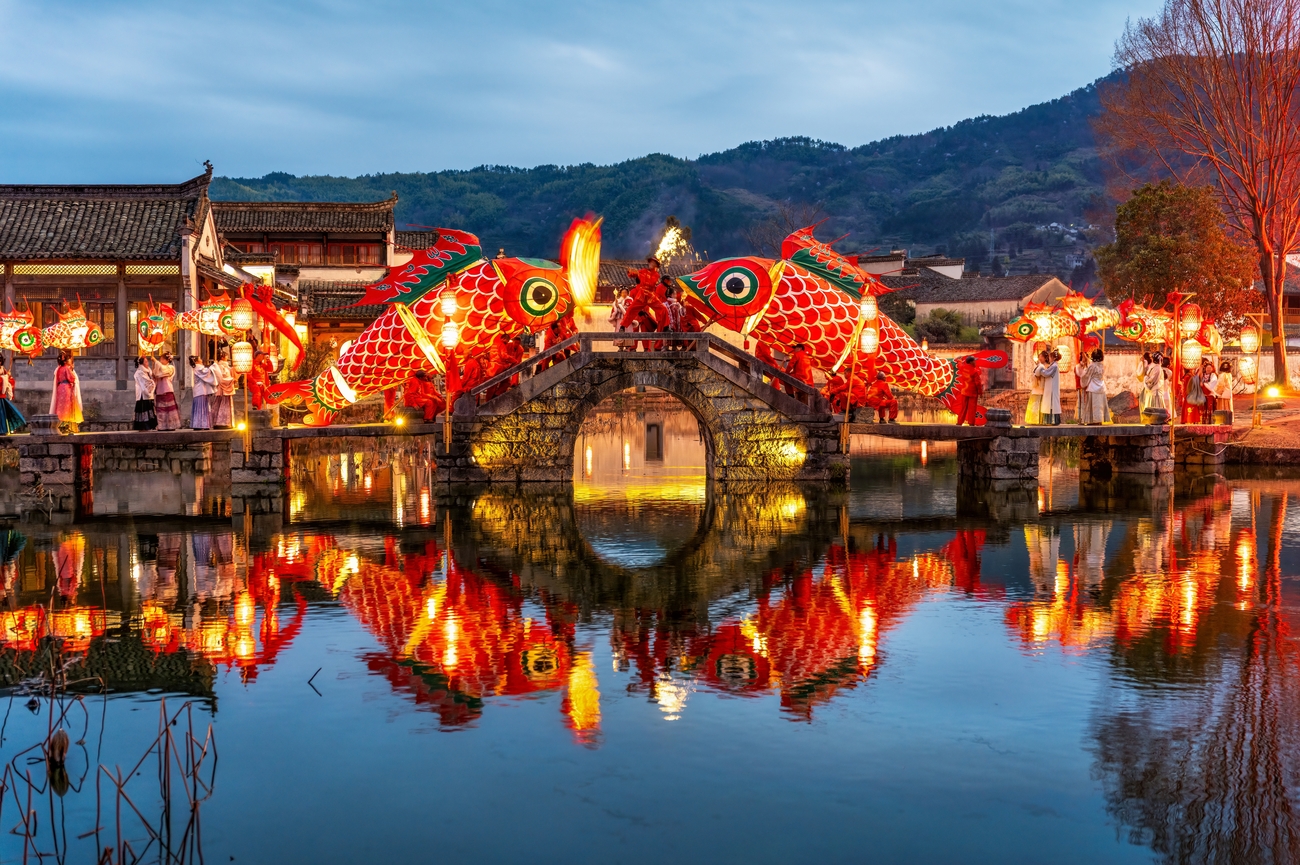
- Fish Lantern Festival: Huangshan’s most visually stunning and ancient folk tradition, deeply rooted in the villages of the Huizhou region. The celebration began as a ritual to protect villages from fire and pray for abundance. In Chinese, the word for fish (yu) sounds like the word for prosperity, which is why the lanterns are shaped like giant carp. In villages like Wangmantian and Zhanqi, you’ll see enormous "Great Fish" lanterns (some over 7 meters long) made from bamboo and paper. Skilled villagers maneuver them so they appear to "swim" through the air, creating a surreal, cinematic atmosphere. Children often join the parade carrying smaller fish lanterns. Children often join the parade carrying smaller fish lanterns. In some villages, visitors are even invited to walk at the end of the parade or help carry smaller lanterns. In places like Hongcun, some heritage hotels also offer workshops where you can make your own mini fish lantern.
Conquer the Peaks of
the Yellow Mountain
Huangshan is more than just a mountain to climb or a challenge of steps and summits, it’s an experience that stays with you. After three days on Huangshan, you’ll understand why it has fascinated travelers for centuries. From the peaceful terraces of Lion Peak to the dramatic ridges near Flying-over Rock, every step across the Yellow Mountain feels like walking through a living Chinese landscape painting.
If you’d like to experience Huangshan without worrying about logistics like timing the cableways, securing mountain-top accommodations, or finding the best viewpoints for sunrise and sunset, Revigorate can turn this itinerary into a smooth and stress-free journey. Contact us or give us a call at (+1 800 672 0517 | +351 289 009 580 | +44 808 189 0647), and let’s begin planning your adventure on the Yellow Mountain.
Ready to explore more of Asia? Travel further with Revigorate and discover our curated itineraries across Zhangjiajie, Guilin, Suzhou, Hangzhou, Shanghai, Beijing, Tokyo, Kyoto, Singapore, Osaka, and Manila.


Let us know what you love, where you want to go, and we’ll design a one-of-a-kind adventure you’ll never forget.
Get in touch
Miriam
Travel Specialist

Romina
Travel Specialist

Laura
Travel Specialist
Our offices:



Revigorate, Iberian Escapes and Algarve Lifestyle are the registered brand names of APCS Lda . We are a fully authorised travel agency licensed by Turismo de Portugal RNAVT/6867.
In the event of a dispute, the consumer may refer to: RAL - Centros de Arbitragem
Avª. 5 de Outubro, nº. 55, R/C Dtº. 8000-075 Faro, Portugal | Tel: +351 289 823 135 *
* national landline call
E-mail: info@consumoalgarve.pt| www.consumidoronline.pt | Mon to Fri: 9:00 - 13:00 / 14:00 - 17:00