Things to Do in Guilin: 3-Day Itinerary
There’s a reason people say “Guilin’s scenery is the best under heaven” (Guilin shanshui jia tianxia). Here, the landscape feels naturally poetic, with limestone peaks rising like brushstrokes, rivers reflecting the sky like mirrors, and quiet corners that often resemble scenes from a traditional Chinese painting.
In this three-day itinerary, you’ll experience Guilin at a comfortable pace. Rather than rushing from one stop to the next, you’ll have time to appreciate both the scenery and the atmosphere. The journey begins with Guilin’s iconic landmarks and famous caves, then continues with a scenic cruise along the Li River to Yangshuo, one of the most beautiful river journeys in China. It is an itinerary that moves from landmarks to landscapes, revealing why Guilin’s beauty has inspired travellers, artists and poets for centuries.

Day 1

Morning: Elephant Trunk Hill
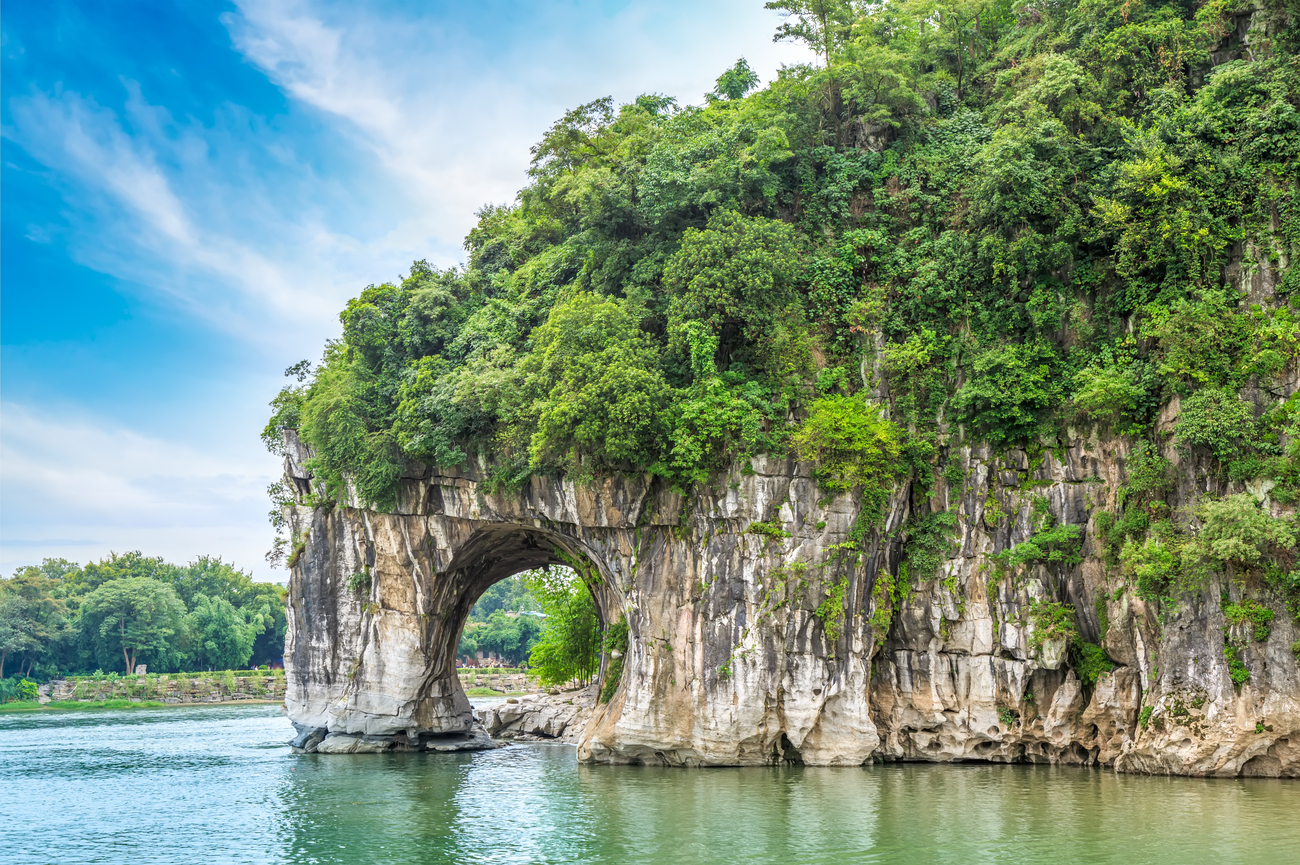
Begin your journey in Guilin at its most iconic landmark, Elephant Trunk Hill, the city’s official symbol. This 55-metre limestone formation looks like a giant elephant drinking from the river, which is how it earned its name.
If you visit at night, you’ll see its reflection form a perfect “moon” on the water, a poetic view that has inspired poets for centuries. You can hike to the summit in about 15–20 minutes. The climb is a bit steep, but once you reach the top, you’ll be rewarded with stunning views of Guilin’s skyline and the winding Li River. At the peak stands Puxian Pagoda, a Ming Dynasty brick pagoda shaped like a sword handle. According to legend, the Emperor of Heaven turned the elephant to stone by plunging a sword into it after it refused to return to the heavens. For the best experience (and the softest light for photos), time your visit before 8:00 AM, before the crowds build.
Reed Flute Cave
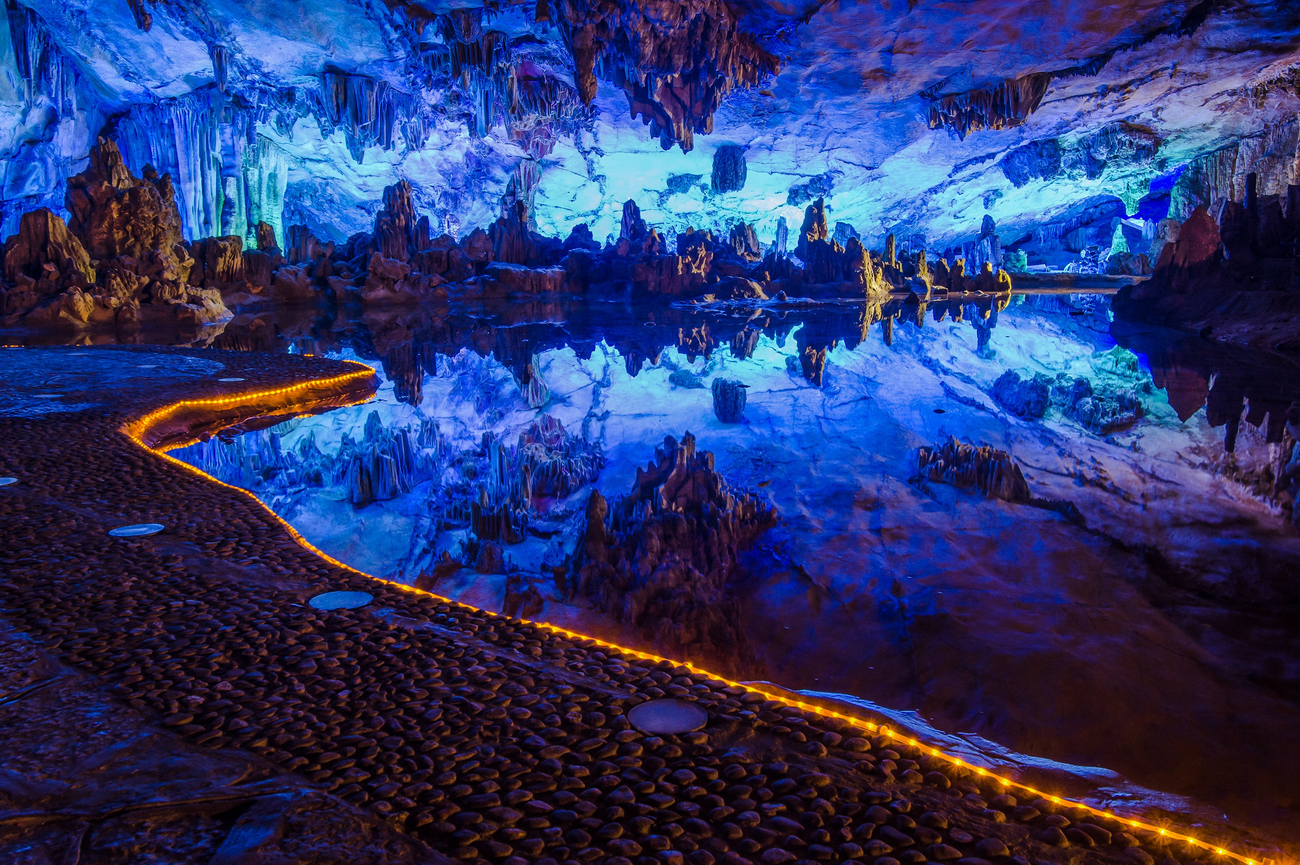
Next, take a 20-minute drive to Reed Flute Cave, a 180 million year old limestone cavern often called the “Palace of Natural Arts.” Inside, you’ll find an incredible display of stalactites, stalagmites, and stone pillars shaped by water over thousands of years.
A 500 metre U shaped walkway guides you through a series of large chambers, each named after the rock formations they resemble. The most impressive and widest chamber inside the cave is the Crystal Palace of the Dragon King, a vast hall with a flat floor and soaring 18 metre arches. During World War II, it served as an air raid shelter for up to 1,000 people. As you walk through the cave, look closely at the walls where you’ll spot more than 70 ink inscriptions, some dating back to 792 AD during the Tang Dynasty, proof that travellers have been exploring this cave for over a thousand years.
Day 1, Morning - Guilin Tour Map
Afternoon: Two Rivers & Four Lakes
Continue your day at the Two Rivers & Four Lakes, a scenic water network that wraps around downtown Guilin. It connects the Li River and Taohua (Peach Blossom) River with four lakes: Shan, Rong, Gui, and Mulong, creating a peaceful “city within scenery” experience. The best way to enjoy it is on a 60–90 minute boat cruise after sunset. At night, the entire area lights up, and many cruises include live cultural performances such as cormorant fishing demonstrations, Yao ethnic dances, and traditional Guilin Opera.
Daxu Ancient Town
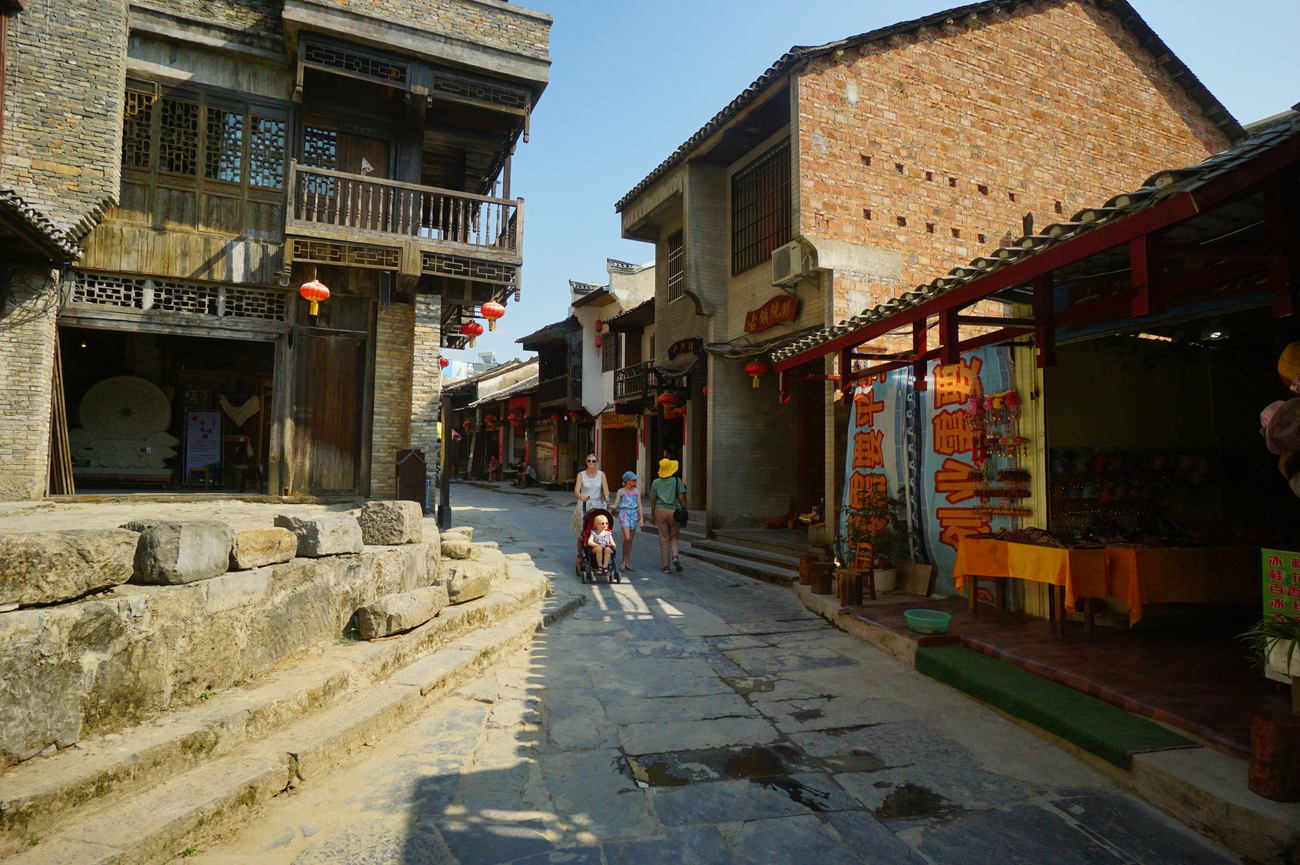
Wrap up your day at Daxu Ancient Town, a peaceful riverside town with more than 2,000 years of history dating back to the Qin Dynasty. It was once a major commercial hub and the largest of the "four great market towns" in Guangxi Province. Today, you can wander its quiet stone paved alleys and experience a slower pace of life. You might see elderly locals practicing traditional crafts, chatting outside their homes, or playing cards in the shade. You can also explore traditional workshops and learn from artisans who make bamboo baskets, straw sandals, and traditional herbal remedies. As you explore, try local favourites like fried Li River small fish, silky tofu pudding, or a comforting bowl of authentic Guilin rice noodles from a street stall.
Day 1, Afternoon - Guilin Tour Map
Day 2
Morning: Li River Cruise to Yangshuo
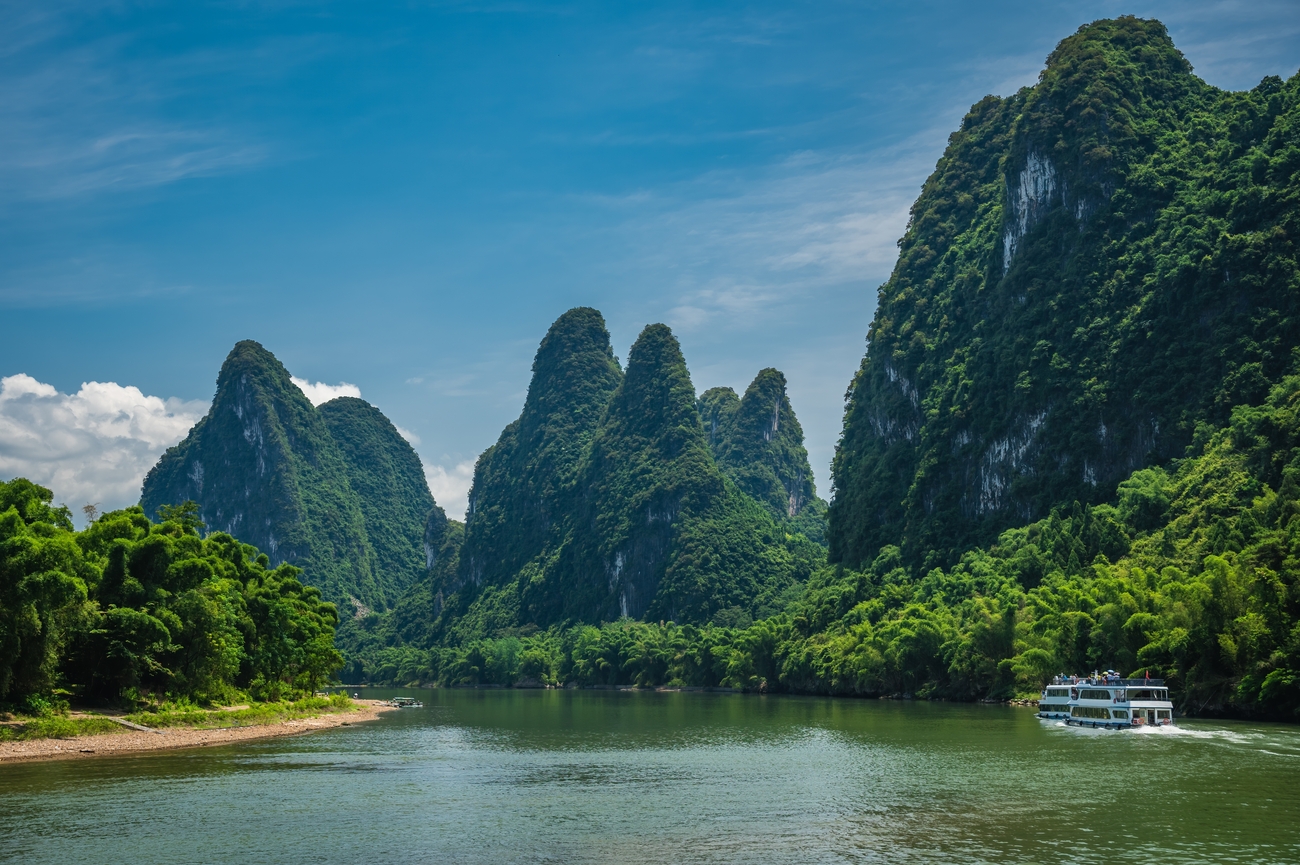
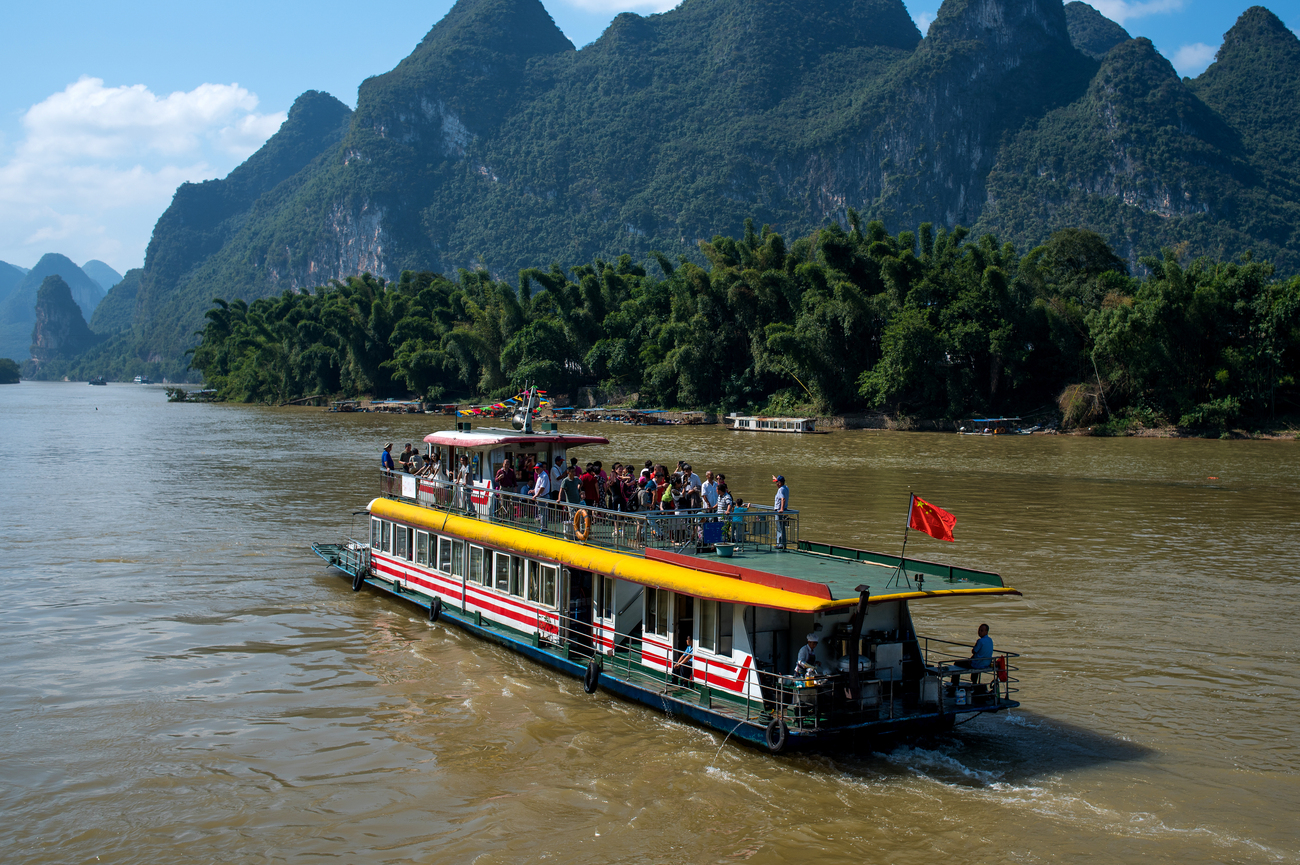
On Day 2, you’ll leave Guilin’s city center behind and travel to Yangshuo in the most scenic way possible, by Li River cruise. This 83 kilometre journey takes about 4 to 5 hours, drifting through landscapes that look like a traditional Chinese ink painting: dramatic limestone peaks, bamboo lined riverbanks, and quiet fishing villages.
Boats usually depart around 9:00 AM and arrive in Yangshuo at approximately 2:00 PM, giving you a relaxed, unhurried transfer between the two destinations. As you sail, keep your camera ready, the stretch between Yangdi and Xingping is especially famous as this is where you’ll see the exact view printed on the back of China’s 20-yuan banknote at Yellow Cloth Shoal. There’s also a Chinese lunch (buffet or set meal, depending on the boat) served onboard, so you can dine while the scenery slowly unfolds around you.
Xingping Ancient Town
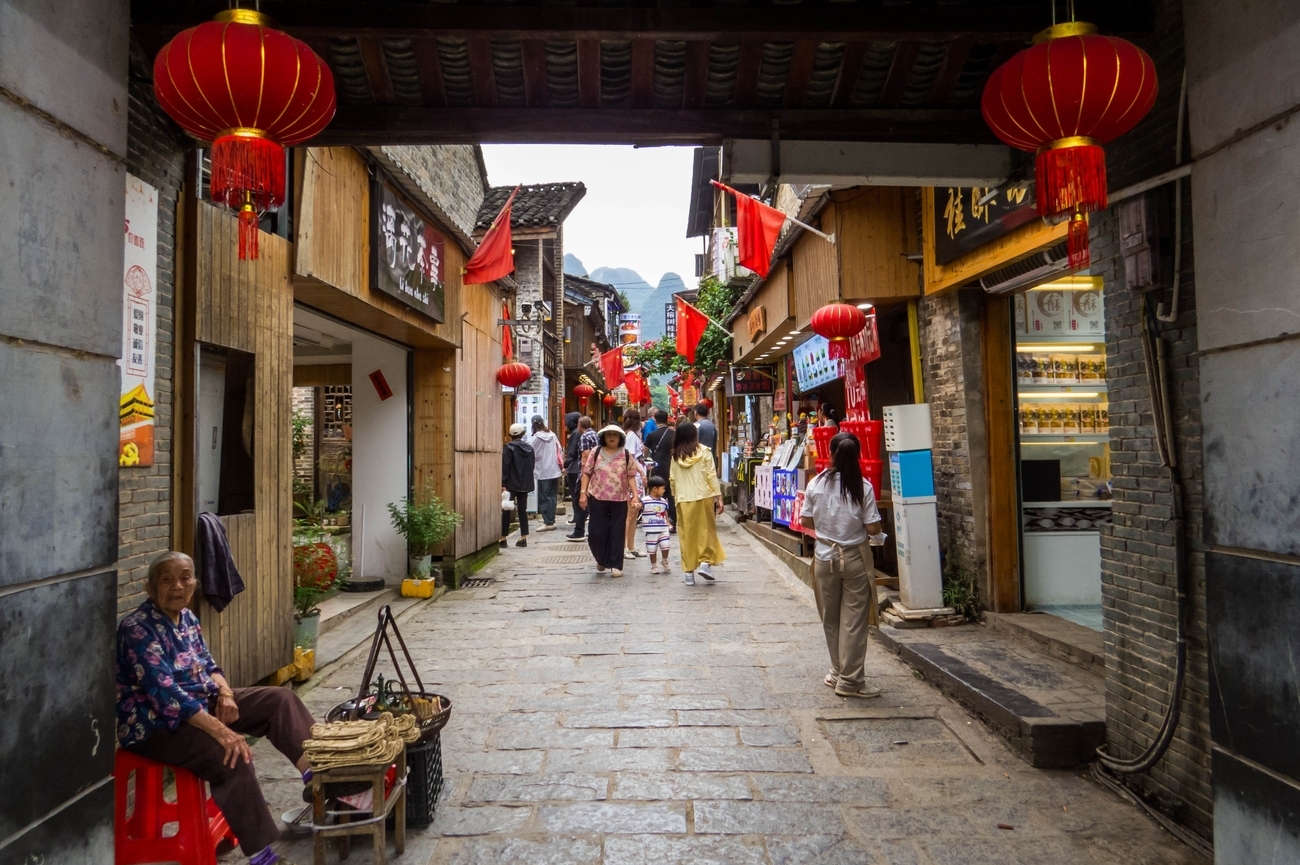
If your cruise schedule allows, you can stop at Xingping Ancient Town before continuing on to Yangshuo. This riverside town has more than 1,700 years of history and is famous for one special reason: it's home to the exact landscape printed on the back of China’s 20 RMB banknote. To see the iconic 20 RMB viewpoint for yourself, take a 15–20 minute walk from town to the Yellow Cloth Shoal observation deck. From here, you can line up the karst peaks with your banknote for the perfect comparison photo.
The town still preserves many Ming and Qing dynasty buildings, including a historic opera stage from 1739 and the Guandi Temple. Stroll along the 1,000 metre cobblestone main street, lined with traditional timber shops. If you prefer something quieter, step into the narrow side alleys where you’ll find small family-run workshops and a more local atmosphere.
Afternoon: Impression Liu Sanjie
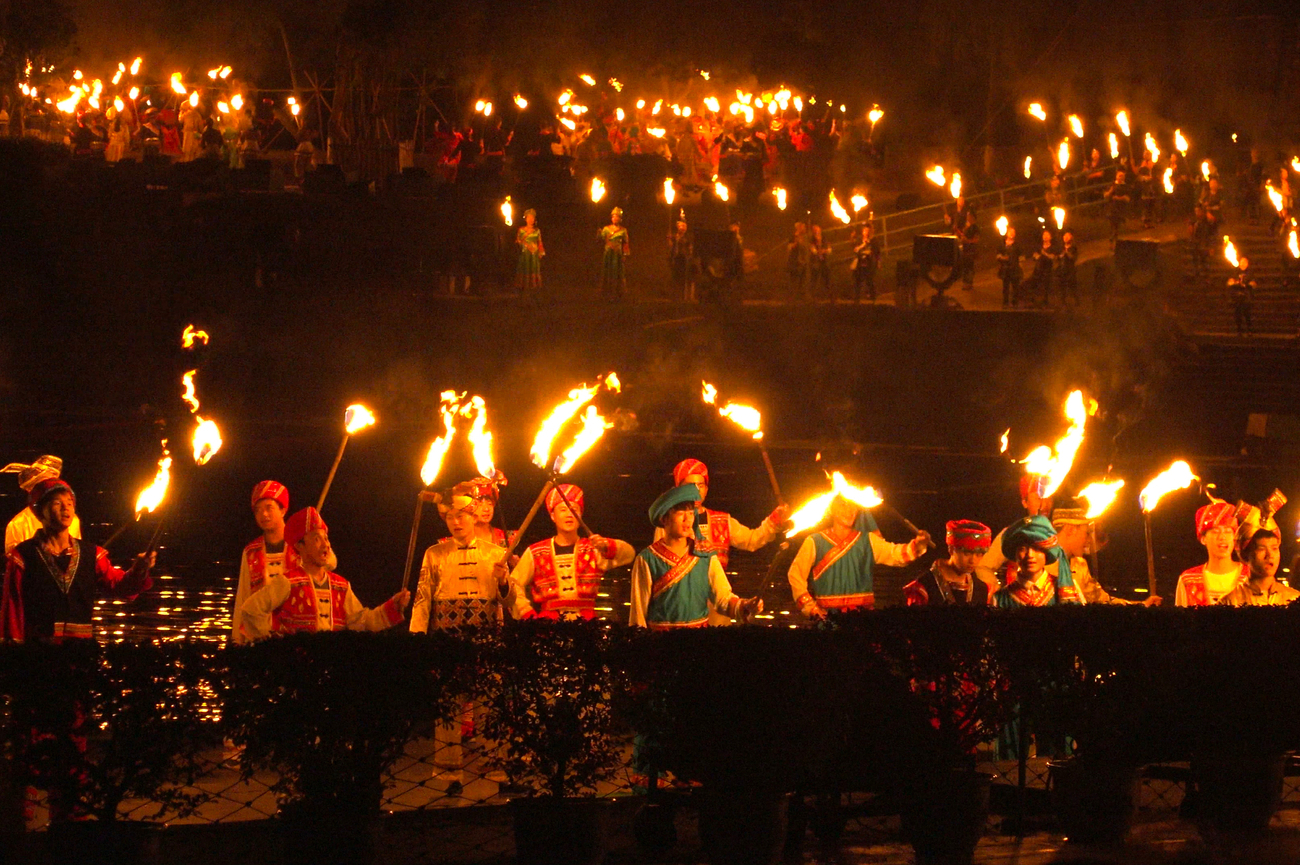
After arriving in Yangshuo, head to your hotel to check in, freshen up, and rest a little before your evening show highlight: Impression Liu Sanjie. Directed by renowned filmmaker Zhang Yimou (the creative mind behind the iconic 2008 Beijing Olympics opening ceremony), this show is staged in what’s often called the world’s largest natural theatre. Instead of a traditional indoor stage, the performance takes place on a 2-kilometre stretch of the Li River, with twelve illuminated karst mountains forming the dramatic natural backdrop.
The story is inspired by the legend of Liu Sanjie, a folk heroine of the Zhuang minority known for her beautiful singing voice and fearless spirit. It features a cast of over 600 local actors, many of them are actual farmers and fishermen from nearby villages, performing on bamboo rafts with glowing lights and flowing red silks across the water. The show lasts about 70 minutes and usually runs between 7:30 PM and 8:00 PM, with one to three shows per night depending on the season.
Day 2 - Guilin Tour Map
Day 3
Morning: Yulong River Bamboo Rafting
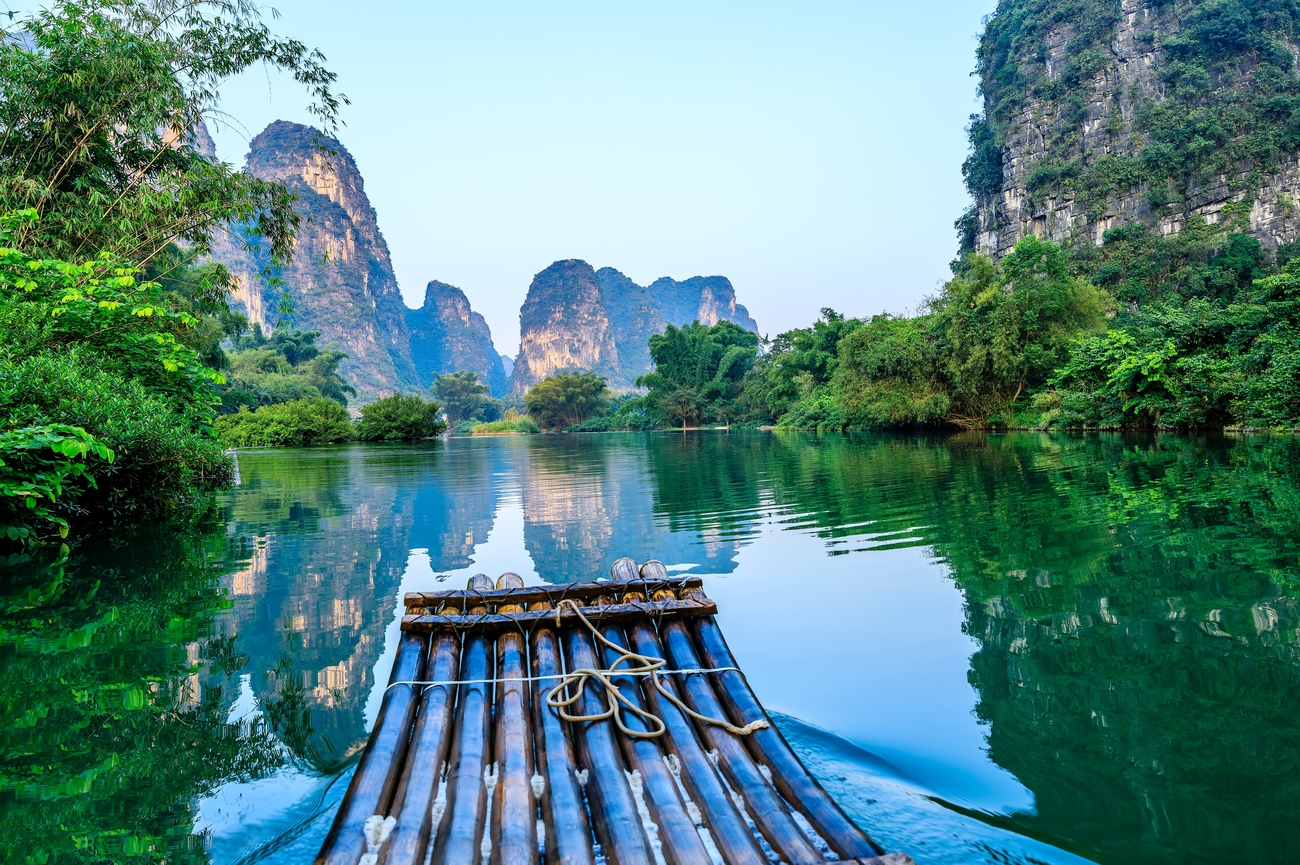
Start your morning on the Yulong River, often called the “Little Li River.” It’s the quieter, more intimate sister to the main Li River. Unlike the Li River, no motorized boats are allowed here. You’ll ride on a small bamboo raft, guided by a local gondolier who propels it gently with a long bamboo pole. The raft seats two passengers, giving you a personal, unhurried feel. As you drift through the Yangshuo countryside, you’ll pass beneath ancient stone bridges (including the 400 year old Yulong Bridge) and see farmers working in the fields, sometimes alongside water buffalo. Towering karst peaks rise silently around you. Along the way, the raft will slide over small stone dams, creating fun 1–2 metre splashes. You might get your feet a little wet, so be sure to wear sandals.
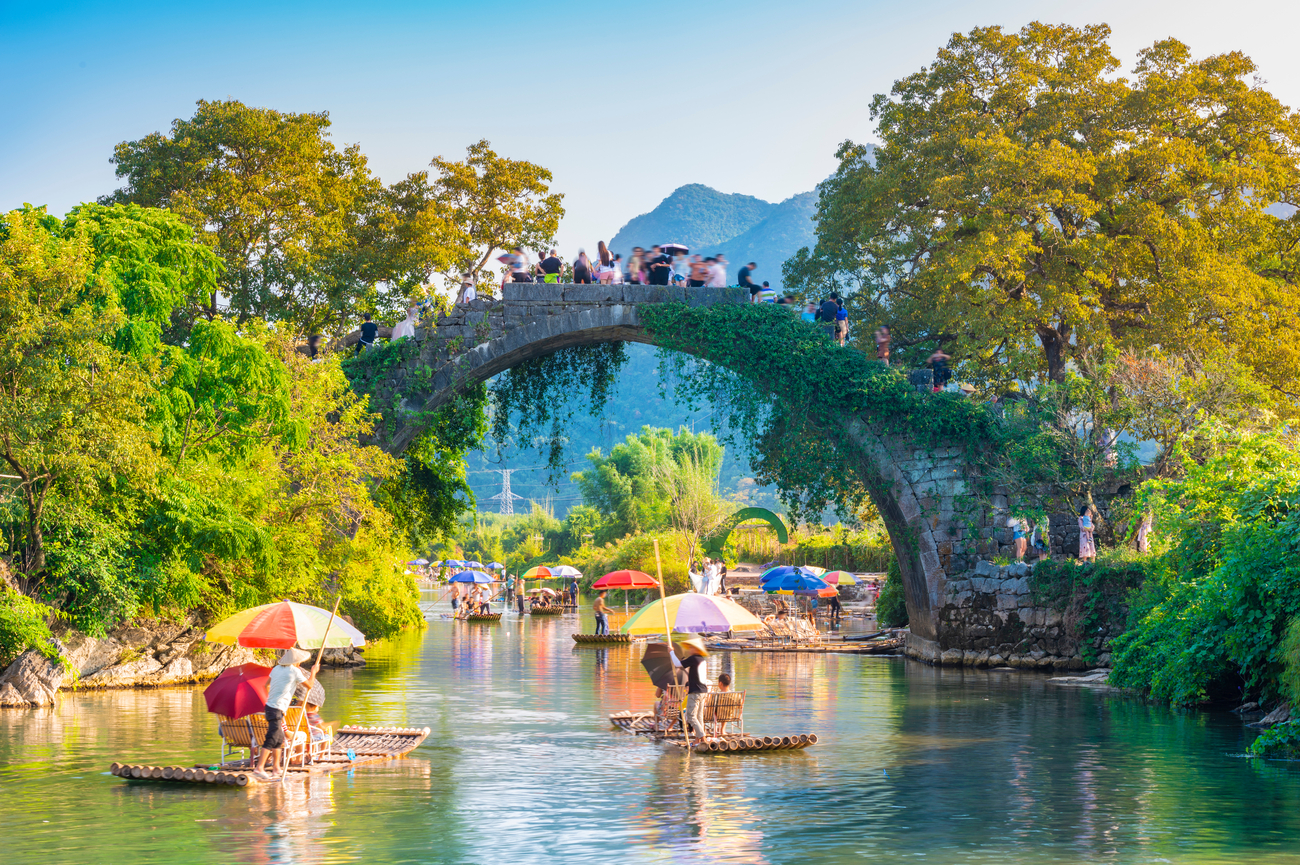
Day 3, Morning - Guilin Tour Map
Afternoon: Ten-Mile Gallery
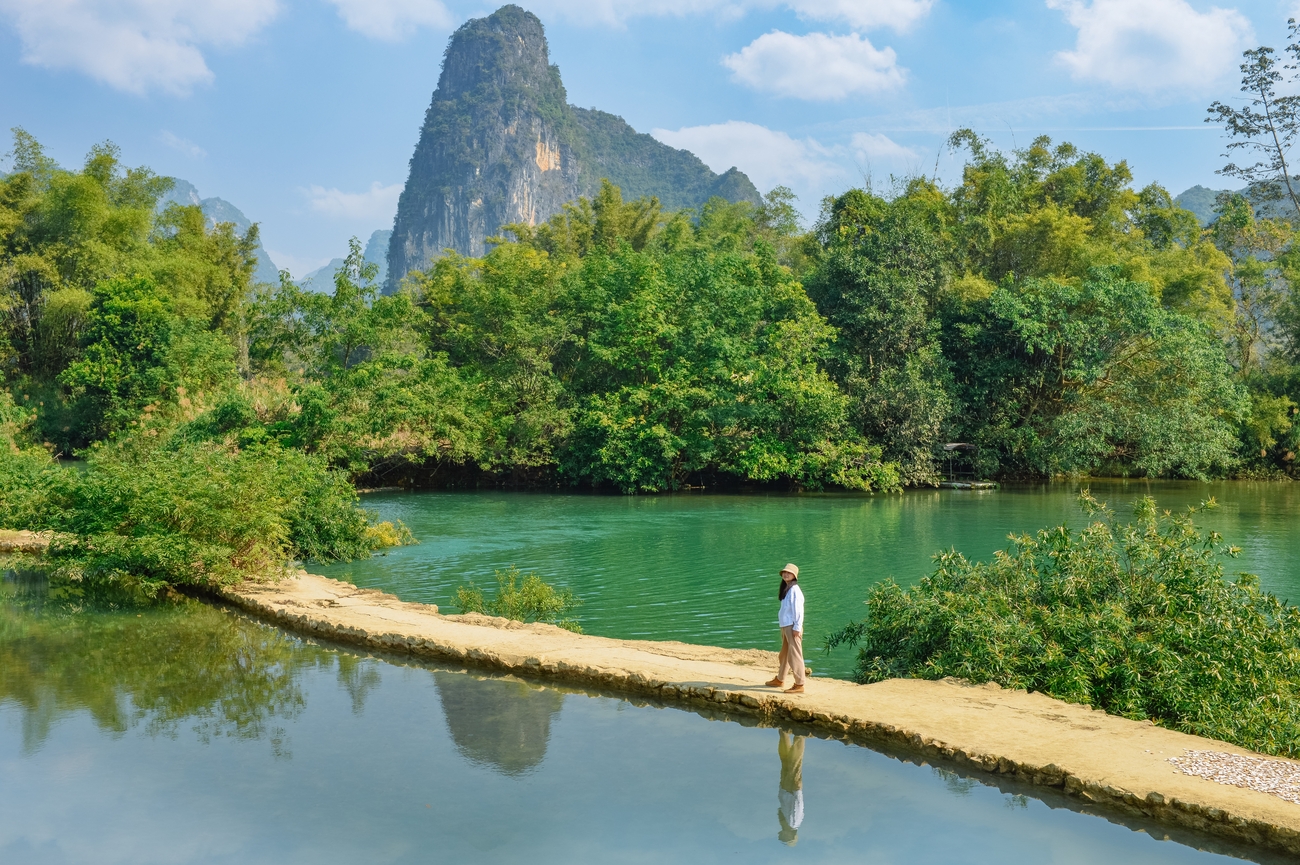
Also known as Shili Hualang, this picturesque 16-kilometer (or 10-mile) stretch of road south of Yangshuo is famous for its dense karst peaks, emerald rice paddies, and idyllic rural scenery. It serves as an open-air "gallery" where every turn offers a new view of the landscape, similar to a traditional Chinese ink painting. The best way to explore Ten-Mile Gallery is by bicycle or scooter. The road is smooth and easy to navigate, and rentals are widely available in Yangshuo. Riding at your own pace lets you stop whenever a view catches your eye. As you travel along the route, you’ll pass well known stops such as Moon Hill, the Big Banyan Tree, Gongnong Bridge, Butterfly Spring Park, and Assembling Dragon Cave (Julongtan).
West Street
End your Guilin journey with a lively finale at West Street. After days spent among quiet rivers and misty mountains, this 1,400 year old limestone paved street offers a completely different energy. As evening falls, West Street lights up with neon signs and buzzing crowds. You’ll catch the scent of osmanthus wine in the air, hear live folk music drifting from open air bars, and see traditional tiled rooftops set against the dark outline of karst peaks.
Spend your time souvenir hunting, café hopping, or simply people watching. If you still have energy, explore the smaller side alleys filled with bars ranging from relaxed acoustic lounges to lively clubs. It’s the perfect place to unwind, reflect on your trip, and perhaps swap stories with travellers from around the world.

Day 3, Afternoon - Guilin Tour Map
Day Trips from Guilin
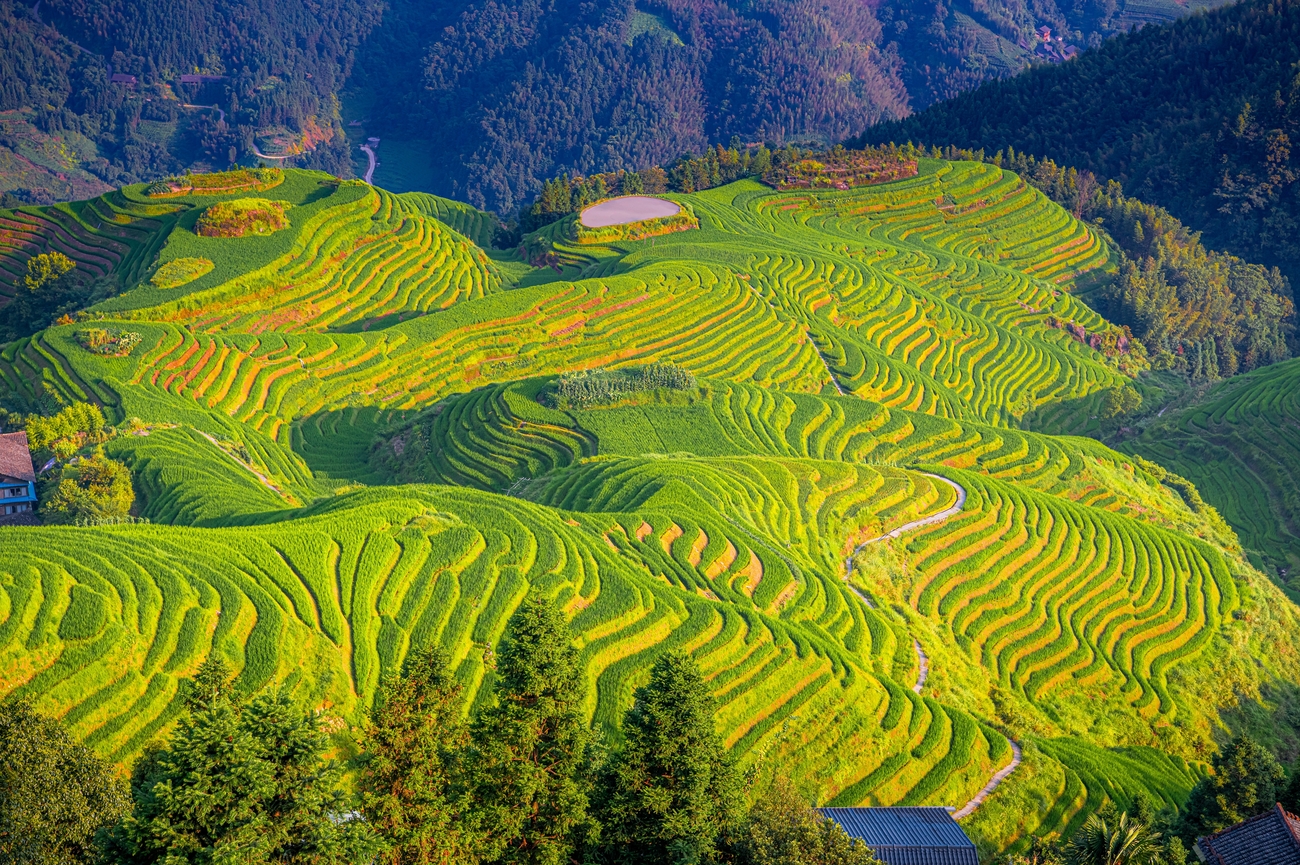
- Longji Rice Terraces: Swap Guilin’s limestone karst towers for sweeping mountain ridges at the Longji Rice Terraces, also known as the Dragon’s Backbone. Here, the landscape rises into layered fields carved into the mountains more than 700 years ago by the Zhuang and Red Yao ethnic minorities. From a distance, the terraces look like dragon scales wrapping around the slopes of Longsheng County. The best way to experience Longji is on foot. Hike between scenic viewpoints and watch the landscape shift in colour (bright green in summer or golden during harvest season). At the foot of the mountain, stop by Huangluo Yao Village to meet the famous “Long Hair” women of the Red Yao community. Their hair can grow up to two metres long and is traditionally cut only once in their lifetime. You can watch a traditional hair-combing performance and learn more about their culture.
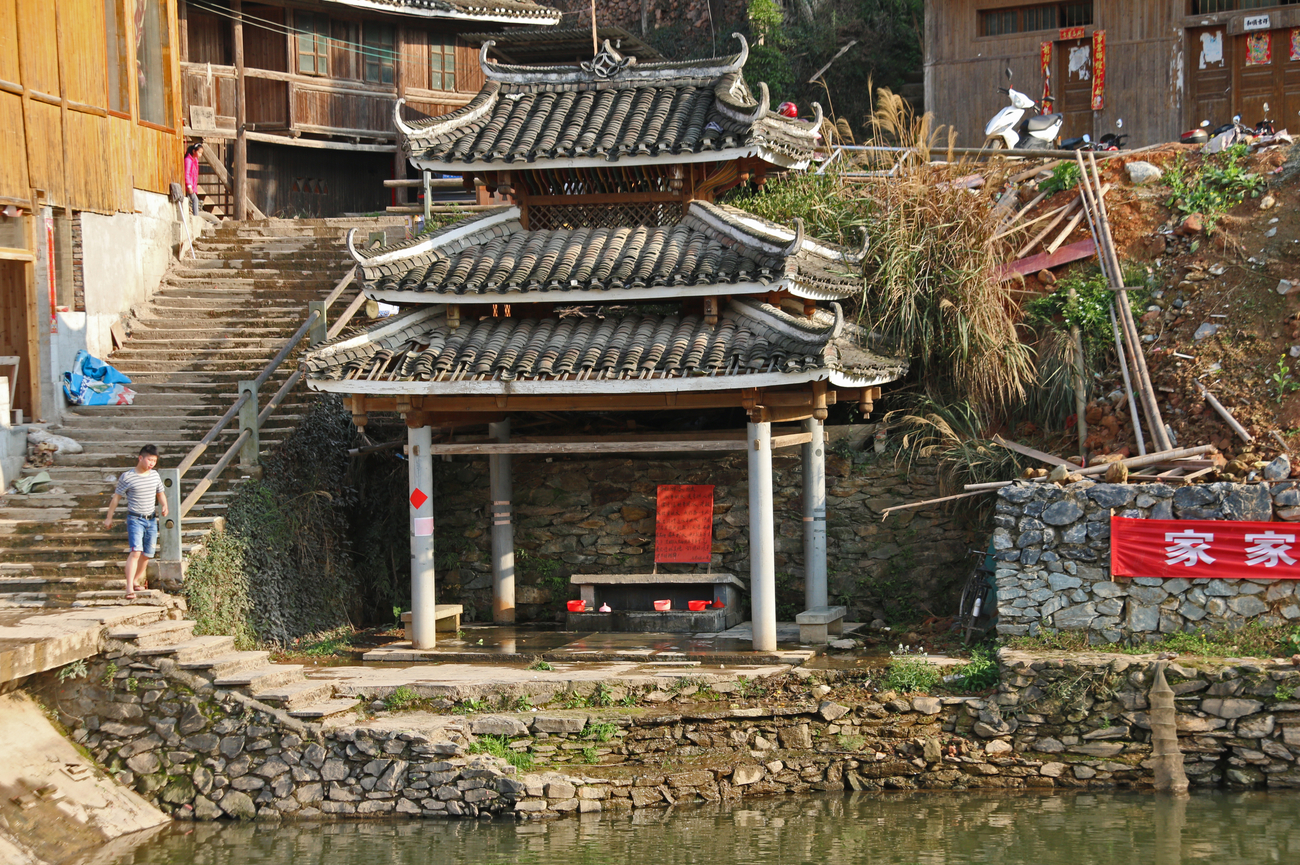
- Sanjiang Dong Minority Village: Travel about two hours northwest of Guilin by high speed train or private car, and you’ll arrive in Sanjiang, the heart of China’s traditional wooden architecture. The scenery here feels completely different from Yangshuo’s karst rivers. Sanjiang is home to the Dong ethnic minority, known for building stunning wooden structures without using a single nail. The Chengyang Wind and Rain Bridge is the most famous landmark here, with its five elegant pavilions, it has served for over a century as both a shelter and a gathering place for villagers. Walking across it gives you a close look at the craftsmanship that defines Dong culture.
UNESCO World Heritage
Site in Guilin
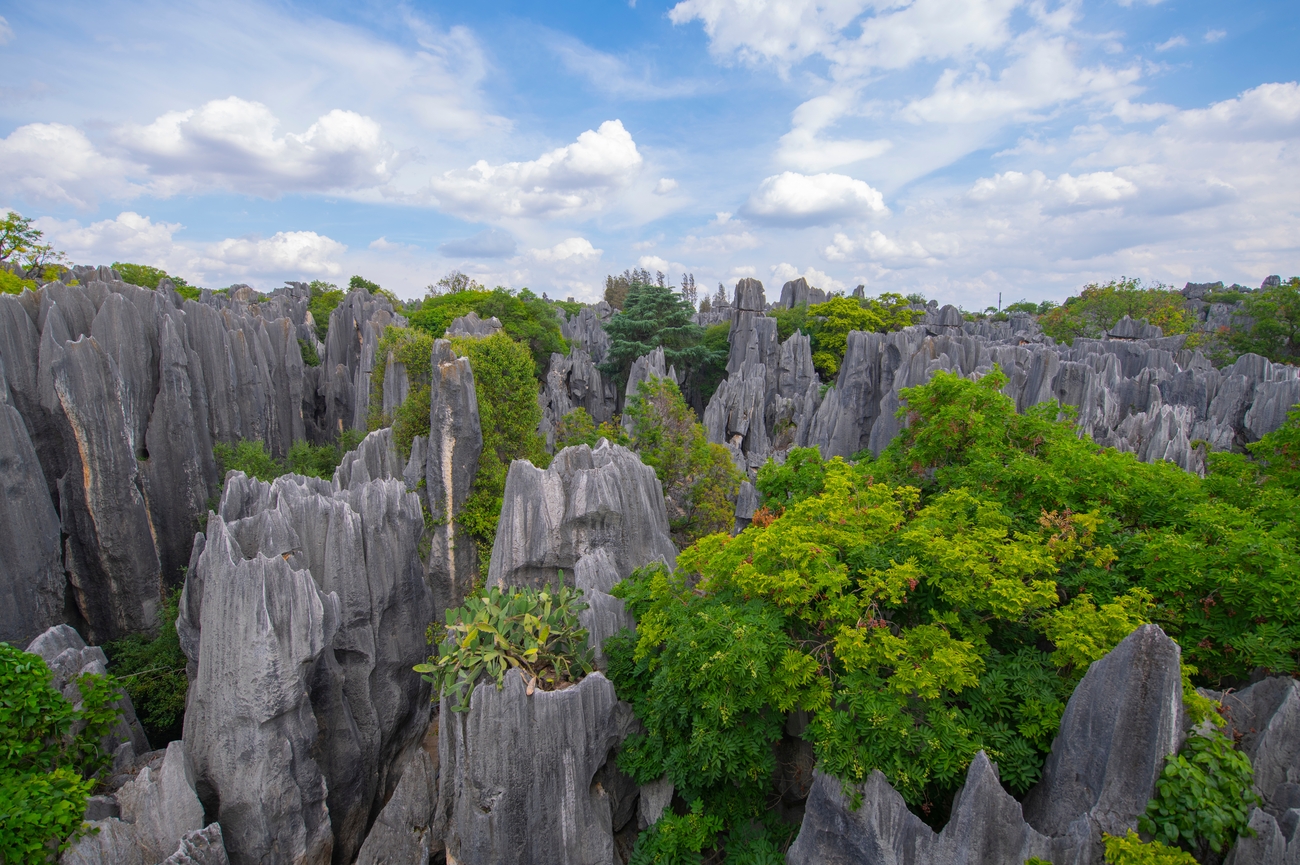
- South China Karst: A vast UNESCO World Heritage site that stretches across several provinces, but many consider Guilin’s section to be the most beautiful example of “tower karst” landscapes in the world. What makes this area special are its dramatic limestone formations. You’ll see Fenglin, where isolated peaks rise from flat plains, and Fengcong, where clusters of peaks grow together from the same base. In Guilin, the protected areas mainly include Putao Karst in Yangshuo and Lijiang Karst along the Li River. This is a living landscape meant to be experienced, not just viewed from afar. You can cruise along the Li River from Guilin to Yangshuo, like in the Day 2 itinerary, or climb Xianggong Hill for stunning views of the surrounding peak clusters. From the top, you’ll truly see how the karst mountains shape the entire landscape.
Luxury Rail Tours in
Guilin
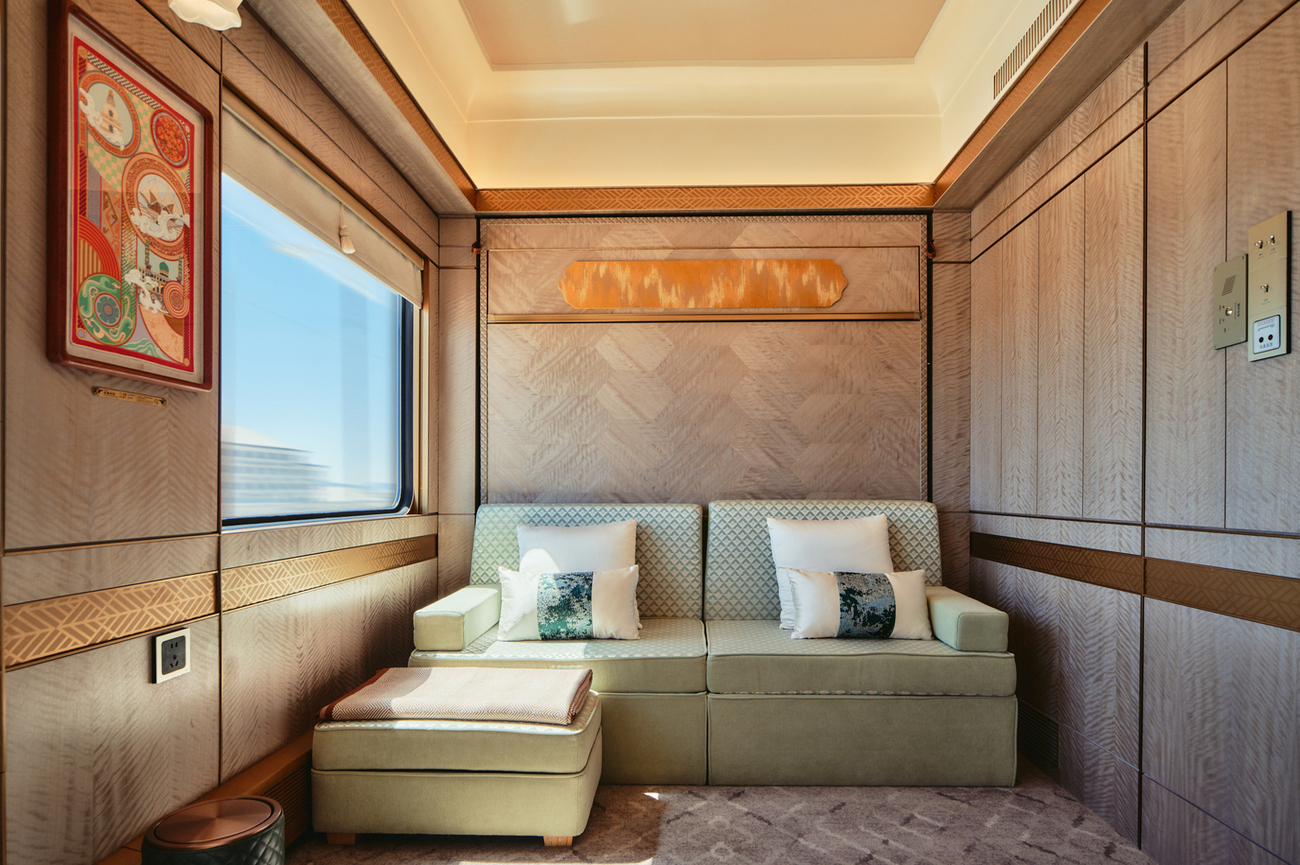
- Golden Eagle Silk Road Express: An all-inclusive,
multi-week private luxury train experience that includes Guilin as a highlight
stop on its Imperial China or China Explorer journeys along with Beijing, Shanghai, Chengdu, and Xi'an. It’s
often described as a “hotel on wheels” travelling across China. When the
journey reaches Guilin, the experience often shifts from rail travel to a
luxury land retreat. You may arrive in the train’s private carriages before
continuing with a privately chartered Li River cruise to Yangshuo, complete
with fine dining and champagne while you enjoy the scenery.
Instead of staying on the train, the Guilin portion usually includes 1–2 nights at top tier resorts like Banyan Tree Yangshuo or Shangri-La Guilin, giving you time to relax and explore the region in comfort. Onboard, the train offers three levels of cabins that are far more spacious than typical rail travel, along with elegant restaurant cars and a bar lounge. Your ticket also includes private chauffeurs, luggage transfers, all meals and drinks (including premium spirits), and curated excursions throughout Guilin.
Golf Courses in Guilin
- Guilin Merryland Golf Club: One of China’s most prestigious golf destinations and is officially recognised as a National 5A-level Scenic Spot. Located about 40 minutes north of Guilin, it combines championship golf with beautiful natural scenery. The club features a 36-hole American-style hilly course built to USGA standards, and the layout is set along the curves of Linghu Lake and is divided into four distinct 9-hole courses: A, B, C, and D, each offering spectacular mountain views. As you play, you’ll find fairways lined with flowers and trees, along with carefully placed water hazards that add challenge and strategy to each round. Some sections of the course also incorporate flowing streams, waterfalls, and small bridges, blending the course naturally into the surrounding hills.
- Li River Golf & Country Club: This 18-hole, par 72 championship course designed by Lee Chang is situated at the foot of Mopan Hill near the banks of the Li River, it offers an international standard golfing experience surrounded by Guilin’s iconic karst scenery. The course is known for its “water heavy” design, where natural streams, ponds, and limestone peaks are integrated directly into play. You’ll notice the lush, carpet-like fairways and the mountain backdrop reflected in the on-course lakes. The front nine holes are relatively flat and open, giving you a smoother start. The back nine becomes more challenging, winding through trees and crossing multiple water hazards, requiring more precision and careful shot planning.
Ski Resort in Guilin
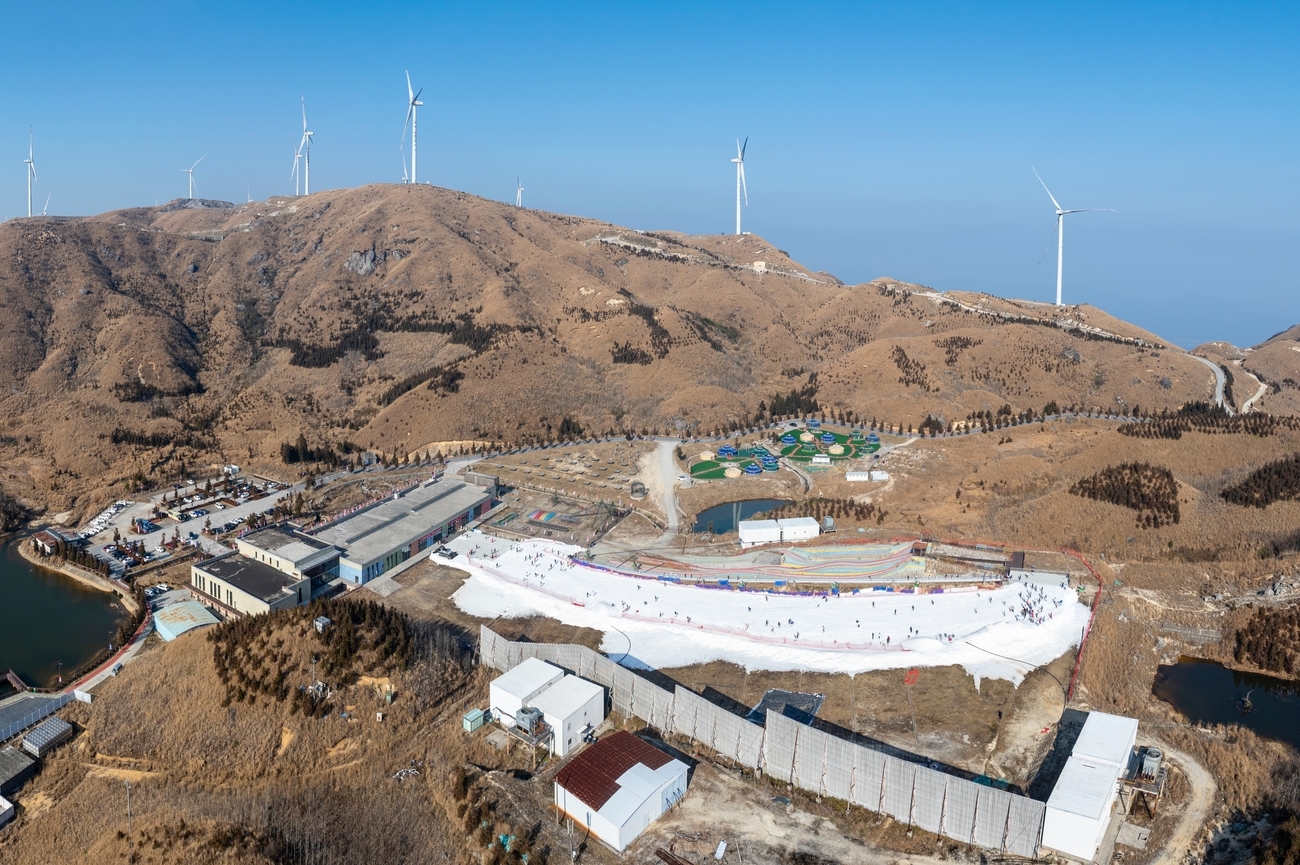
- Tianhu Ski Resort: Also known as Tianhu Ice and Snow World, Tianhu Ski Resort sits high in the mountains at about 1,600 meters above sea level, on what is considered the second-highest peak in South China. It was the first outdoor alpine ski resort in the Guangxi region. The ski slopes here are mainly designed for beginners and intermediate skiers, making it a great place to try skiing even in a region where heavy snow is rare on the plains. Snow making machines help maintain about half a meter of snow throughout the ski season. If skiing isn’t your thing, you can still enjoy the winter atmosphere. There’s a snow tubing trail for sliding down on inflatable rings, as well as a Snow Play Area where you can build snowmen, sled, or simply enjoy the snowy mountain scenery.
Luxury Spa &
Wellness Experiences in Guilin
- Spa at Banyan Tree Yangshuo: One of the most luxurious wellness experiences in the Guilin region. Designed to resemble a traditional southern Chinese village, the spa features grey tiled roofs and tranquil water courtyards that create a deeply relaxing atmosphere. The spa follows a “high touch, low tech” philosophy, focusing on skilled therapists and natural ingredients rather than machines. Many of the treatments are inspired by traditional Asian healing techniques passed down through generations. When you arrive, you’ll be welcomed with a soothing foot bath and herbal tea before being guided to your private villa style treatment suite. For a signature experience, try the Royal Banyan Treatment, which blends Eastern and Western massage techniques to improve circulation and ease muscle tension. Another popular option is the Sense of Place – Banyan Refresh, a treatment created specifically for Yangshuo. It uses locally sourced ingredients and heated bamboo to loosen tight muscles, combined with warm body oil infused with black pepper to improve blood flow and promote deep relaxation.
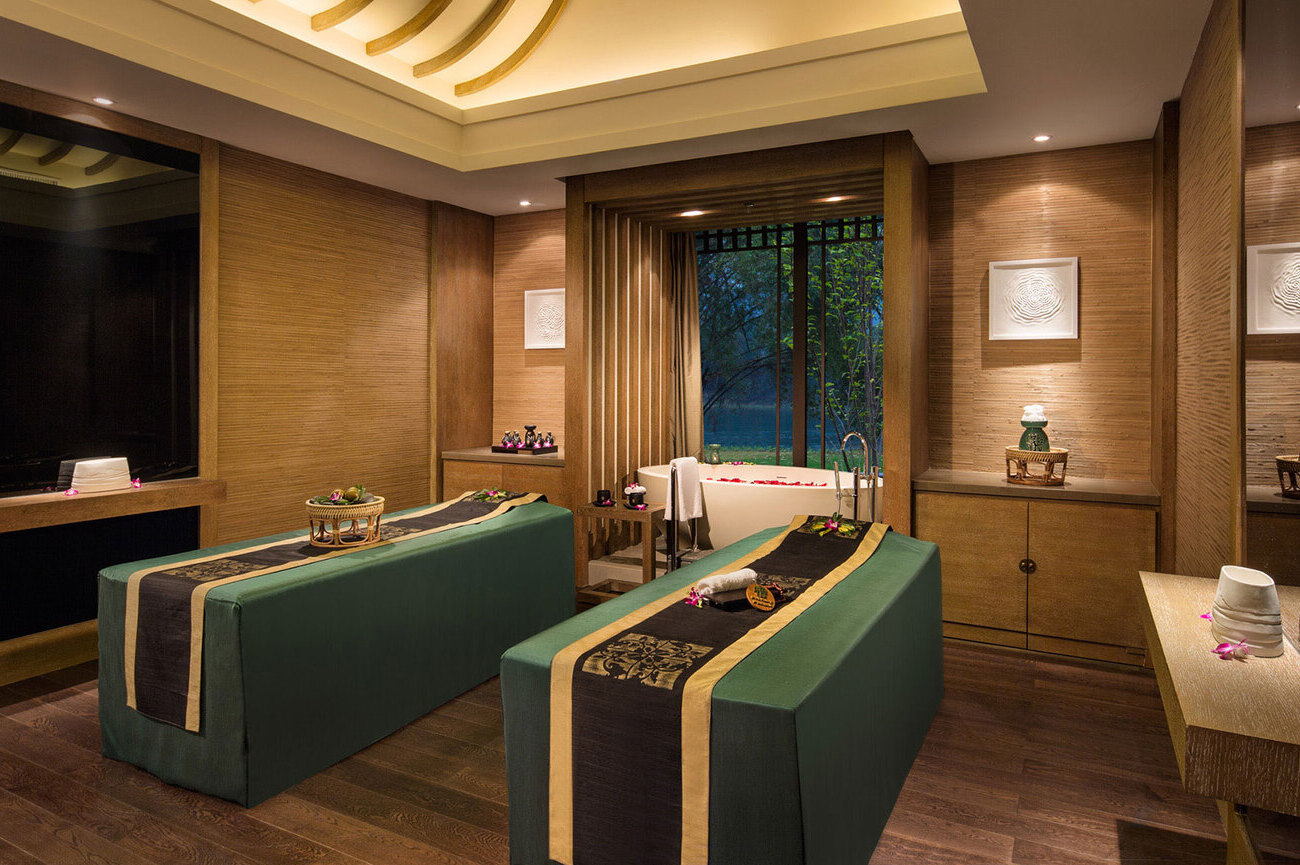 Photo courtesy of Spa at Banyan Tree
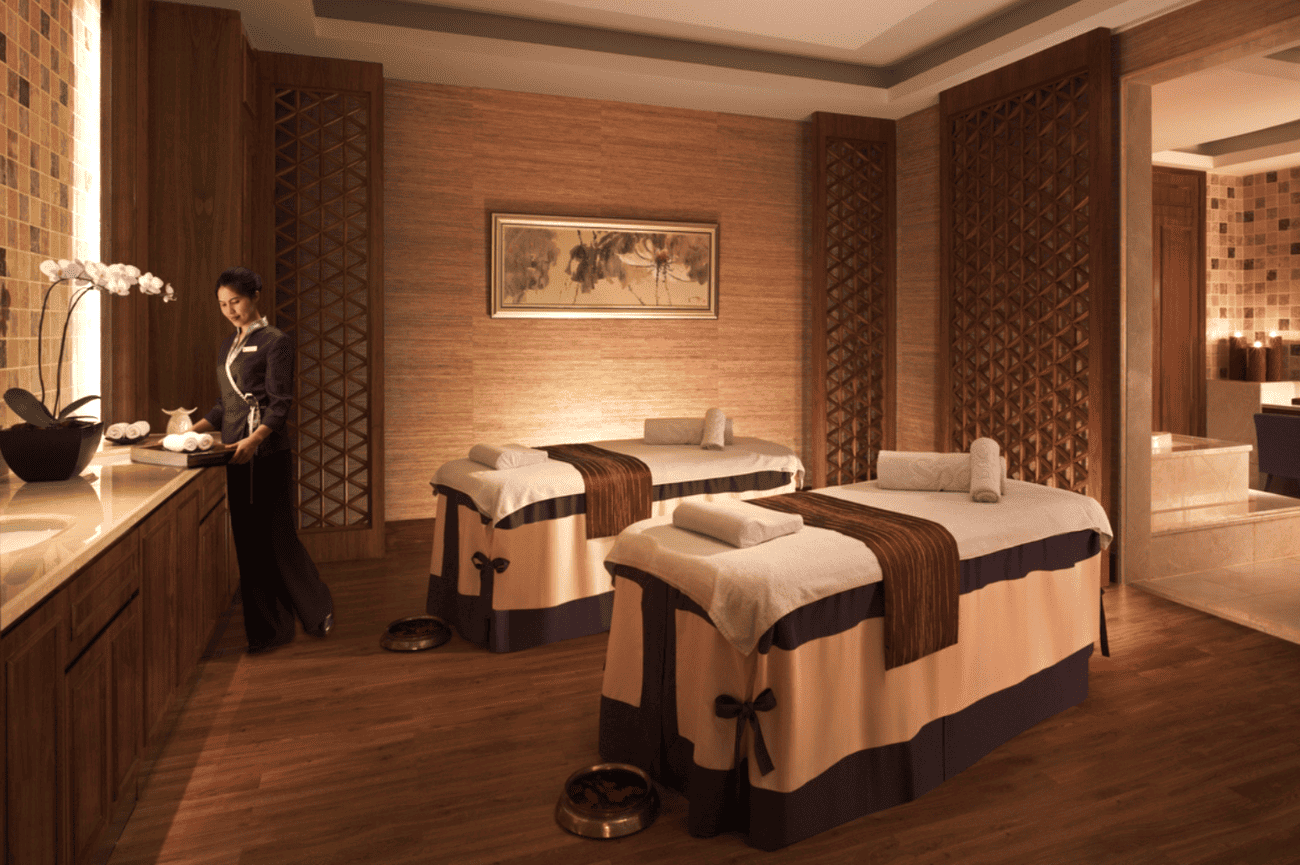
- The Spa at Shangri-La Guilin: Offers a peaceful escape from the busy city. Here, traditional Chinese healing practices are combined with luxury to create a calming wellness experience. The spa’s design follows a Zen inspired style, with natural stone, warm wood, and soft lighting that help you relax the moment you walk in. You can choose from several half-day spa journeys, including pampering, purifying, revitalizing, and detoxifying treatments. There’s even a family spa option, where one adult and one child can enjoy a spa session together. The spa also works with luxury skincare brands to provide personalized treatments, including deep-cleansing facials and anti-aging therapies tailored to your skin type.
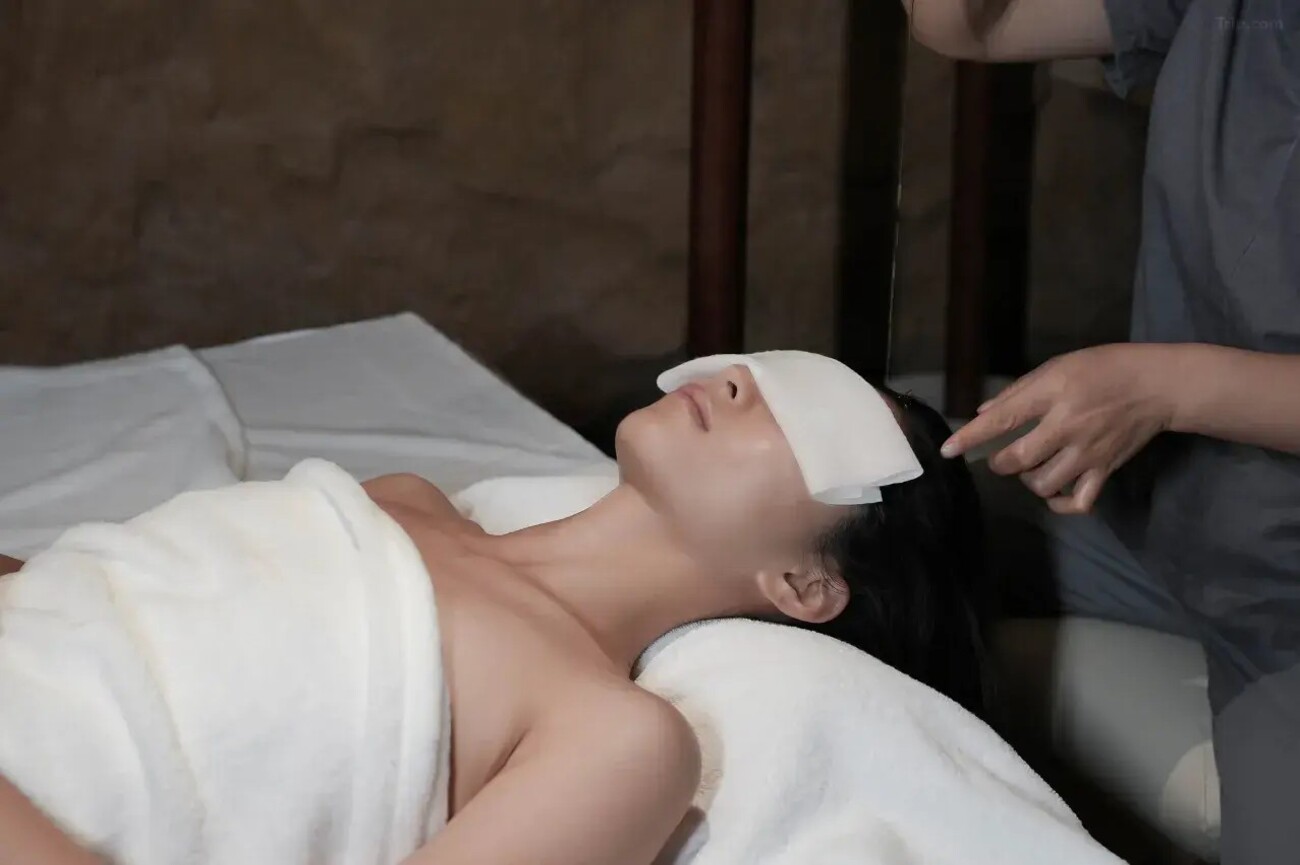
- Spa at Yangshuo Sugarhouse: A stunning architectural marvel that blends modern minimalist design with the preserved structure of a 1960s sugar mill, creating a setting that feels both historic and contemporary. The spa is located in the former pressing and storage rooms of the mill. Inside, walls made from local volcanic rock and smooth concrete create a cool, peaceful atmosphere, a welcome escape from Yangshuo’s humid heat. The treatments focus on authentic Balinese massage techniques, known for their long, flowing strokes and gentle skin rolling movements. These methods are designed to deeply relax the body and calm the nervous system, making it an ideal way to unwind after a day of exploring the countryside.
Exclusive Workshops
& Immersive Experiences in Guilin
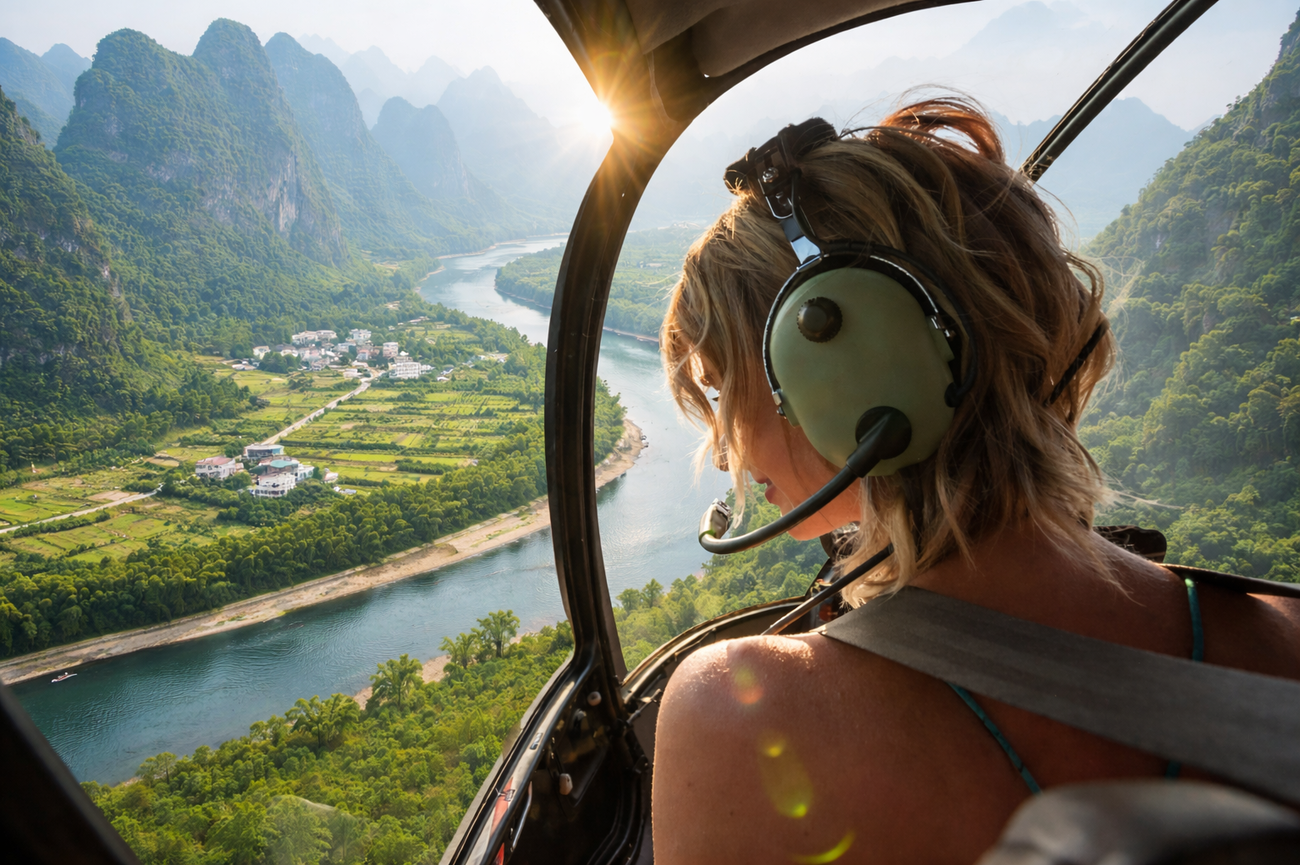
- Helicopter Tour in Yangshuo: If you want to see the South China Karst from a completely different perspective, a helicopter tour is the way to do it. Instead of viewing the landscape from the river or hiking trails, you’ll fly above the limestone peaks and see the vast “stone forest” of this UNESCO World Heritage landscape from the air. Flights usually use panoramic window helicopters so everyone gets a clear “window seat” view. The route typically follows the Li River and Yulong River, giving you a spectacular look at the winding river bends, tiny bamboo rafts drifting below, and the patchwork of rice terraces across the countryside. You can choose between 10–15 minute or 25–30 minute flights. Some premium packages even include private Mercedes-Benz transfers to the airbase, a glass of champagne after landing, and a commemorative flight certificate, which we can arrange for you.
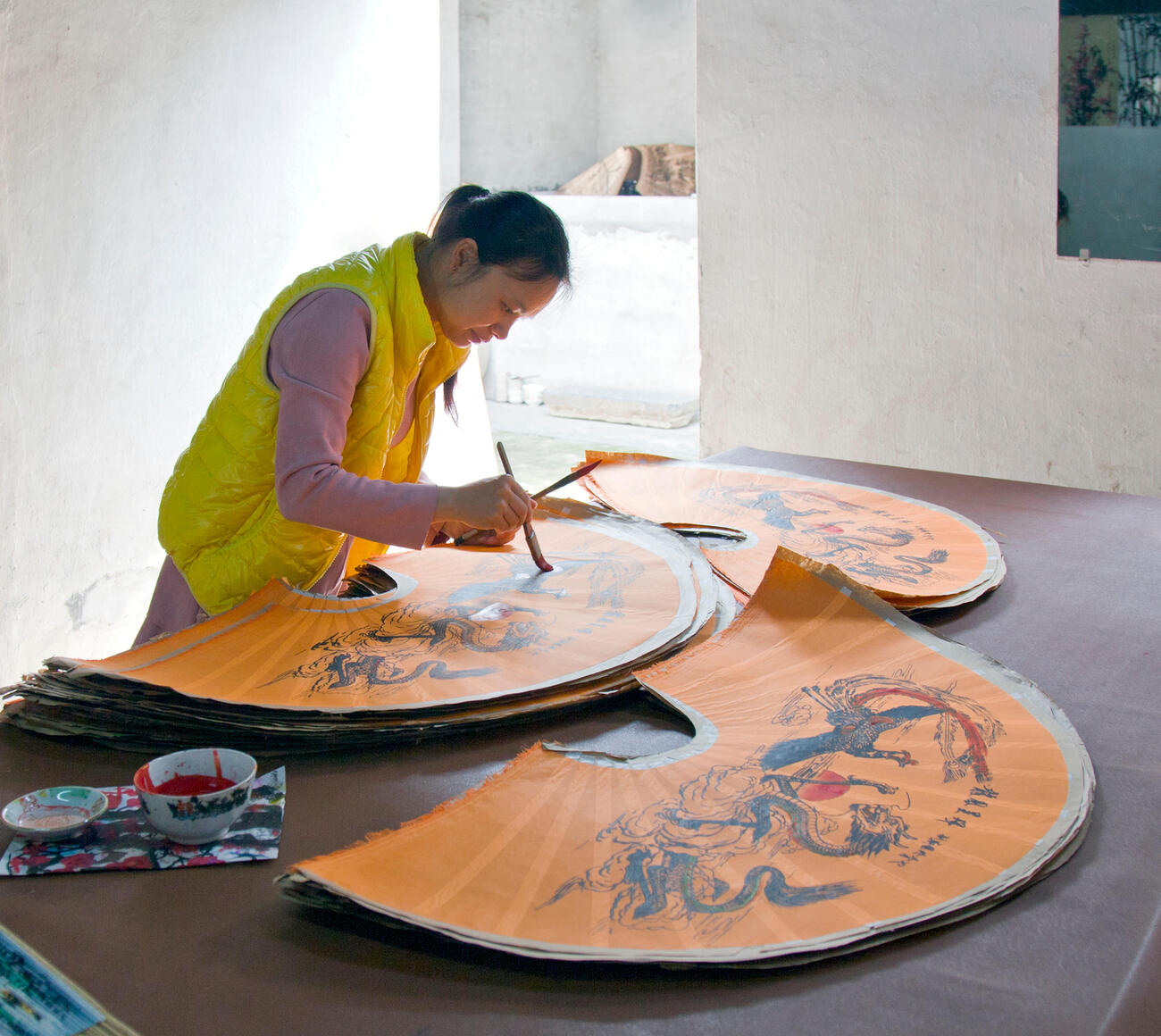
- Chinese Fan Painting in Fuli Ancient Town: Famously known as the "Hometown of Chinese Painted Fans." This 800 year old riverside town has long been the main production centre for the large, hand-painted fans found across China. Instead of simply buying a souvenir, you can join a workshop in a traditional courtyard or riverside studio where a master artisan (from a family that has practiced the craft for generations) guides you through the process. During the session, you’ll work with Xuan paper (or rice paper) and local bamboo while learning the basics of Guohua, or traditional Chinese painting. You’ll also learn how to carefully fold the paper and mount it onto bamboo ribs to create a real folding fan. It’s a delicate process that requires patience and steady hands, resulting in a meaningful keepsake from your time in Fuli.
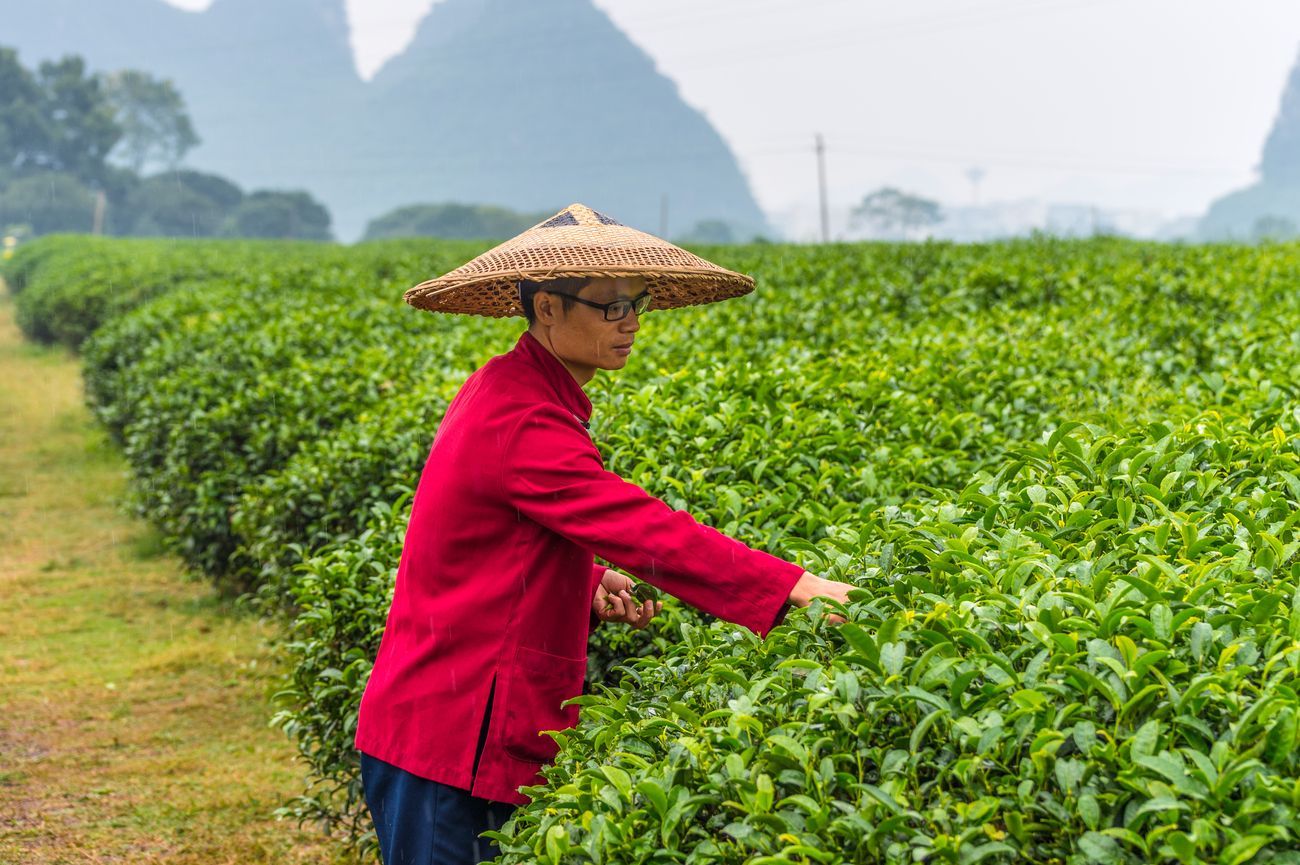
- Tea Picking & Processing (At Qixian Peak Scenic Area): Located about 45–60 minutes from Guilin, in the mountains of Lingchuan County, you’ll find the Qixian Peak (Seven Fairies Peak) Tea Plantation, the highest altitude organic tea farm in the region. Here, you can experience tea making from farm to cup, stepping into the daily life of a traditional tea farmer surrounded by green terraces. During the visit, you’ll follow the classic six steps of Chinese tea making. It begins with tea picking, where you harvest fresh leaves from the plantation. Next comes Shaqing, where you stir the leaves in a large heated iron wok to stop fermentation. You’ll then move on to rolling and drying, gently hand-rolling the softened leaves to release their natural oils and shape the tea. After the hands-on experience, you can relax in a traditional wooden pavilion for a Gongfu tea tasting. A tea master will guide you through brewing the plantation’s “Seven Fairies” organic tea, explaining the aroma, colour, and subtle flavours that make each cup unique.
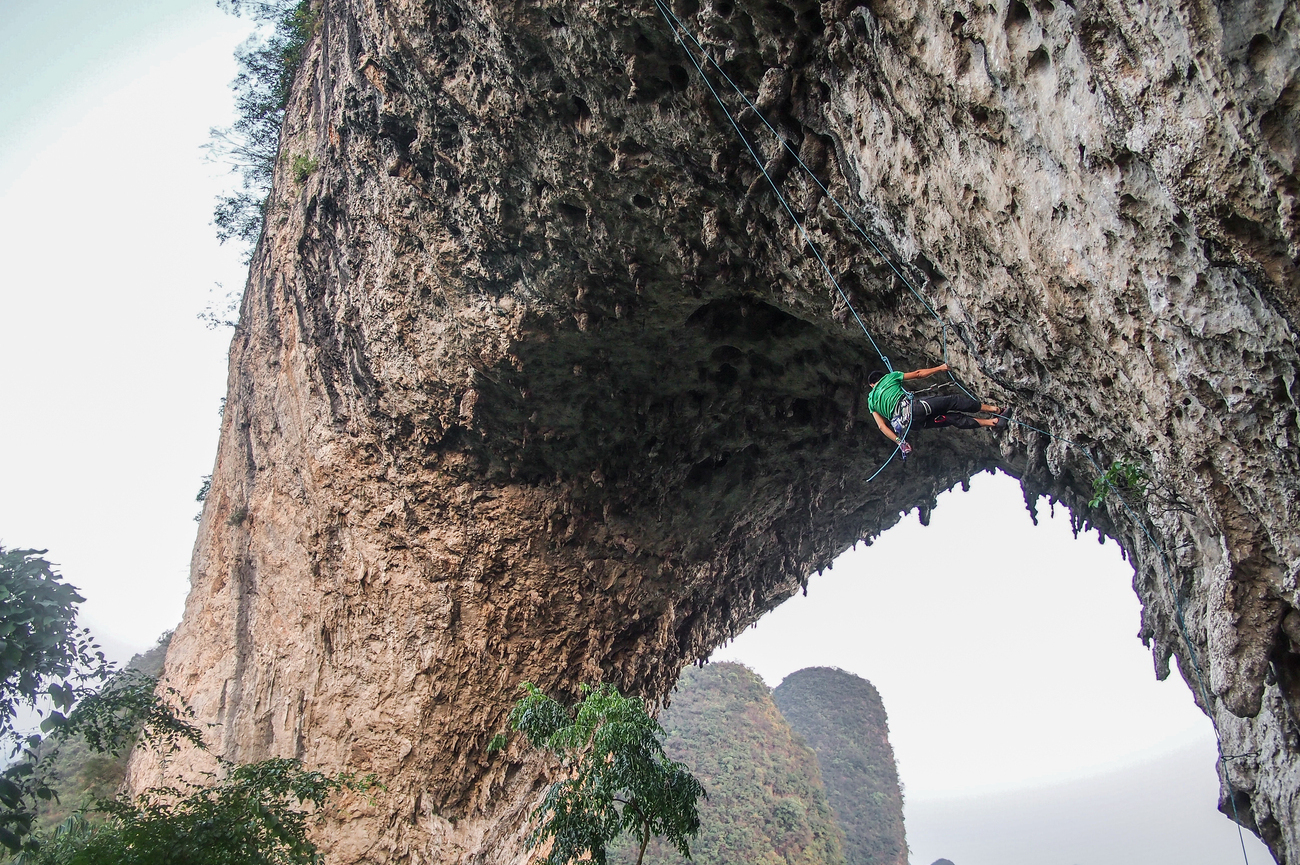
- Yangshuo Adventures: Rock Climbing, Via Ferrata, & River Tracing: In Yangshuo, the vertical karst cliffs aren’t just beautiful to look at, they’re also a world class outdoor playground. If you’re feeling adventurous, there are several ways to experience the landscape up close. You can try rock climbing, one of Yangshuo’s most popular activities. Even if you’ve never climbed before, local climbing schools offer half-day “Try-Climb” workshops where professional guides teach you the basics on beginner friendly routes. If you want the thrill of climbing without the technical challenge, the Via Ferrata at Ruyi Peak or Jiuxian is a great option. Here, you’ll be clipped into a secure steel cable system while walking along narrow ledges and climbing iron rungs fixed into the cliff face. For a different kind of adventure, try river tracing. This activity follows a mountain stream upstream, where you’ll wade through clear pools, scramble over rocks, and climb small waterfalls using safety chains. It’s usually done in cool, shaded valleys away from the busy river cruise routes, for an undisturbed, fun adventure.
Other Things to Do in
Guilin
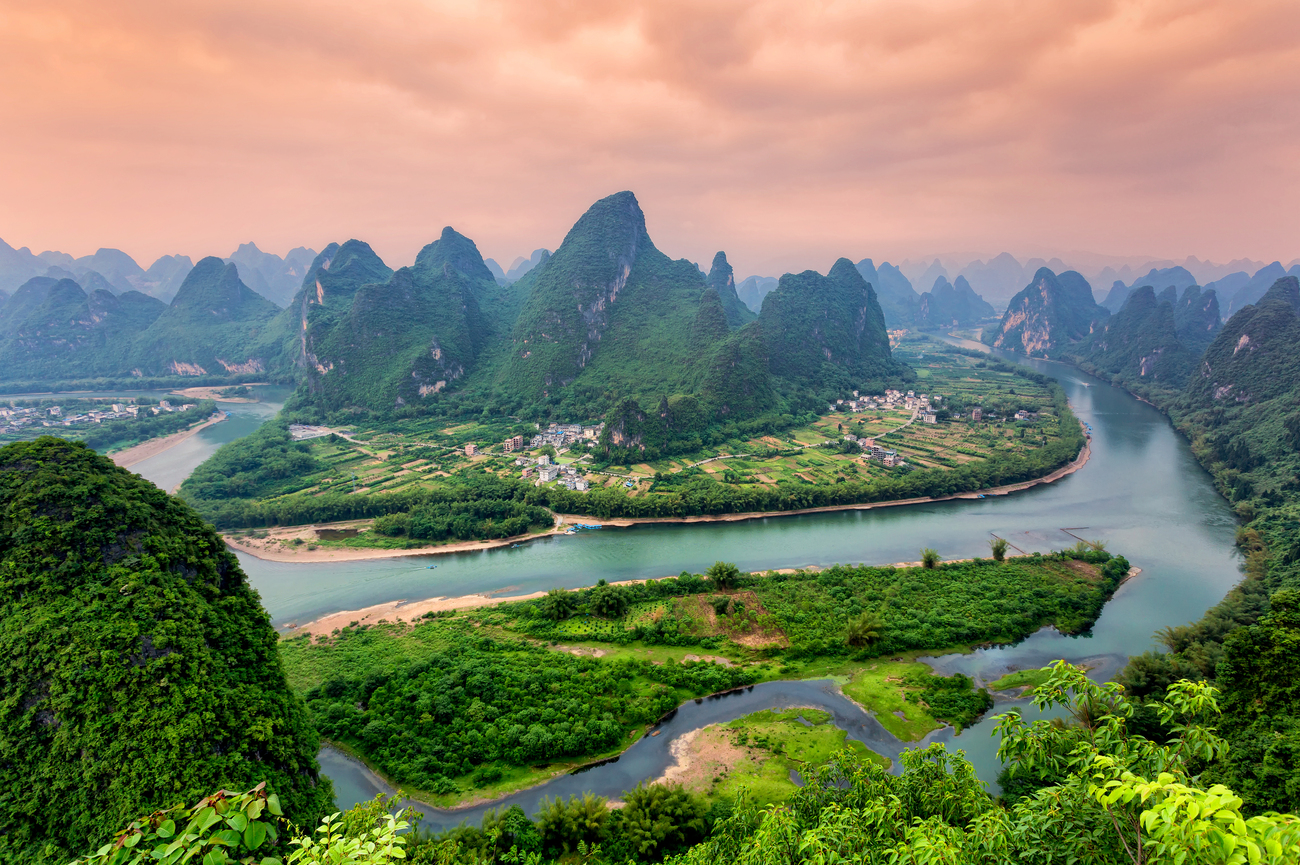
- Xianggong Mountain: One of the best photography spots in the Guilin region, located on the west bank of the Li River. Once a local hidden gem, it’s now famous for its breathtaking bird’s eye view of the First Bend of the Li River and the spectacular clusters of karst peaks known as Fengcong. Unlike many rugged viewpoints in the area, Xianggong Mountain is easy to reach. A well maintained stone staircase leads to the summit, and the climb only takes about 15–20 minutes. At the top, you’ll be rewarded with amazing 360 degree views of the Li River winding through thousands of limestone towers. The best time to visit is sunrise, it is considered as the mountain's "Golden Hour,” as many gather before dawn to capture the golden light rising over the misty peaks and the river’s horseshoe shaped bend. If you visit after light rain or during the humid spring months, you might even see the “Sea of Clouds,” when thick mist fills the valleys and the karst peaks appear like islands floating above the clouds, kinda like the Hallelujah Mountains in Zhangjiajie.
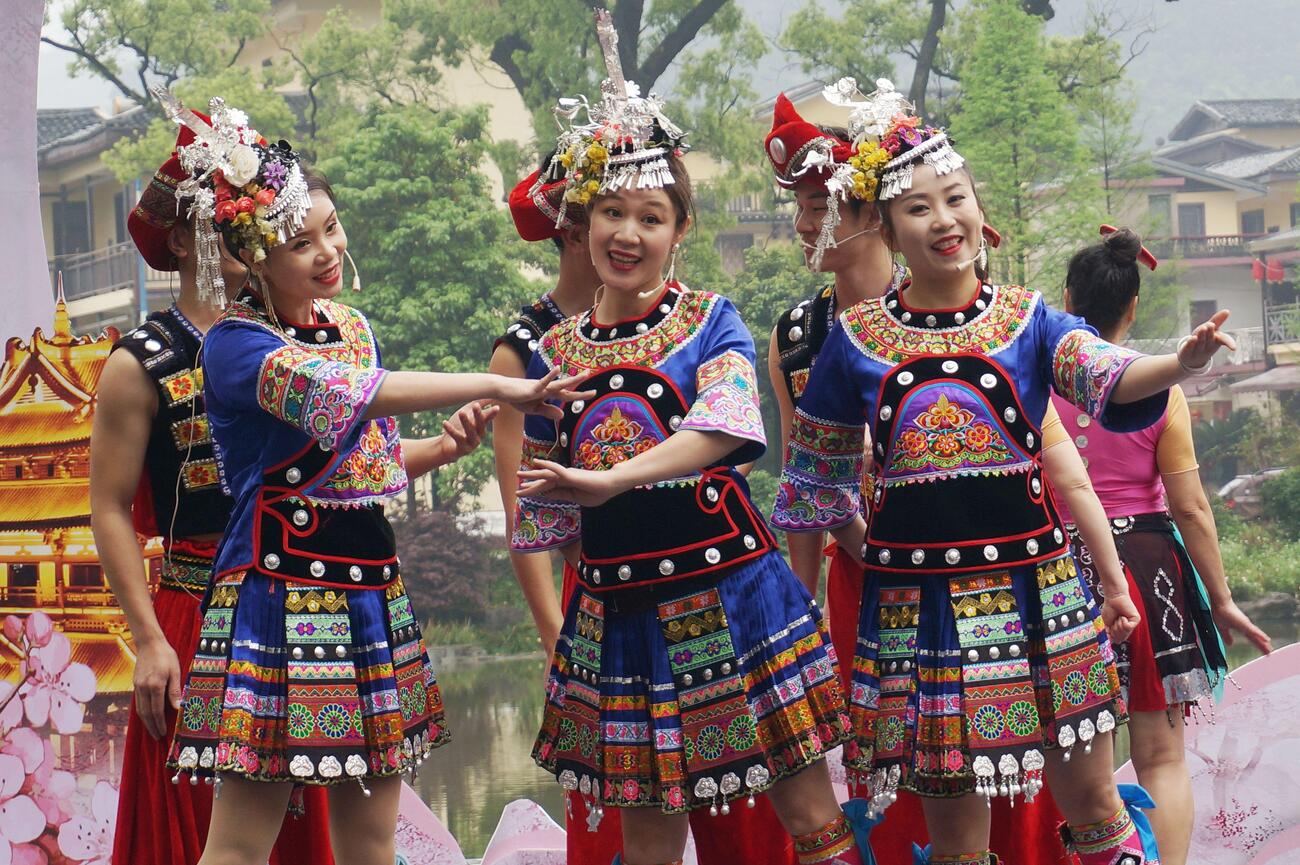
- Liusan Jiegewei: A cultural attraction that celebrates the legendary "Song Fairy," Liu Sanjie. While the famous Impression Liu Sanjie show is an outdoor spectacle in Yangshuo, this site in Guilin city focuses on the folk traditions, music, and interactive singing culture of the Zhuang ethnic minority. The performances here also pay tribute to the 1961 film Liu Sanjie, which helped make Guilin’s landscapes and folk songs famous across China. One of the highlights is the “Gexianhui” or Song Fair, a traditional gathering where singers compete in antiphonal singing, a call-and-response style often used for playful love songs. Here, you can even join a song match with performers dressed in colourful Zhuang costumes. Even if you don’t understand the language, the lively rhythms and high, melodic singing make it easy to follow and enjoy.
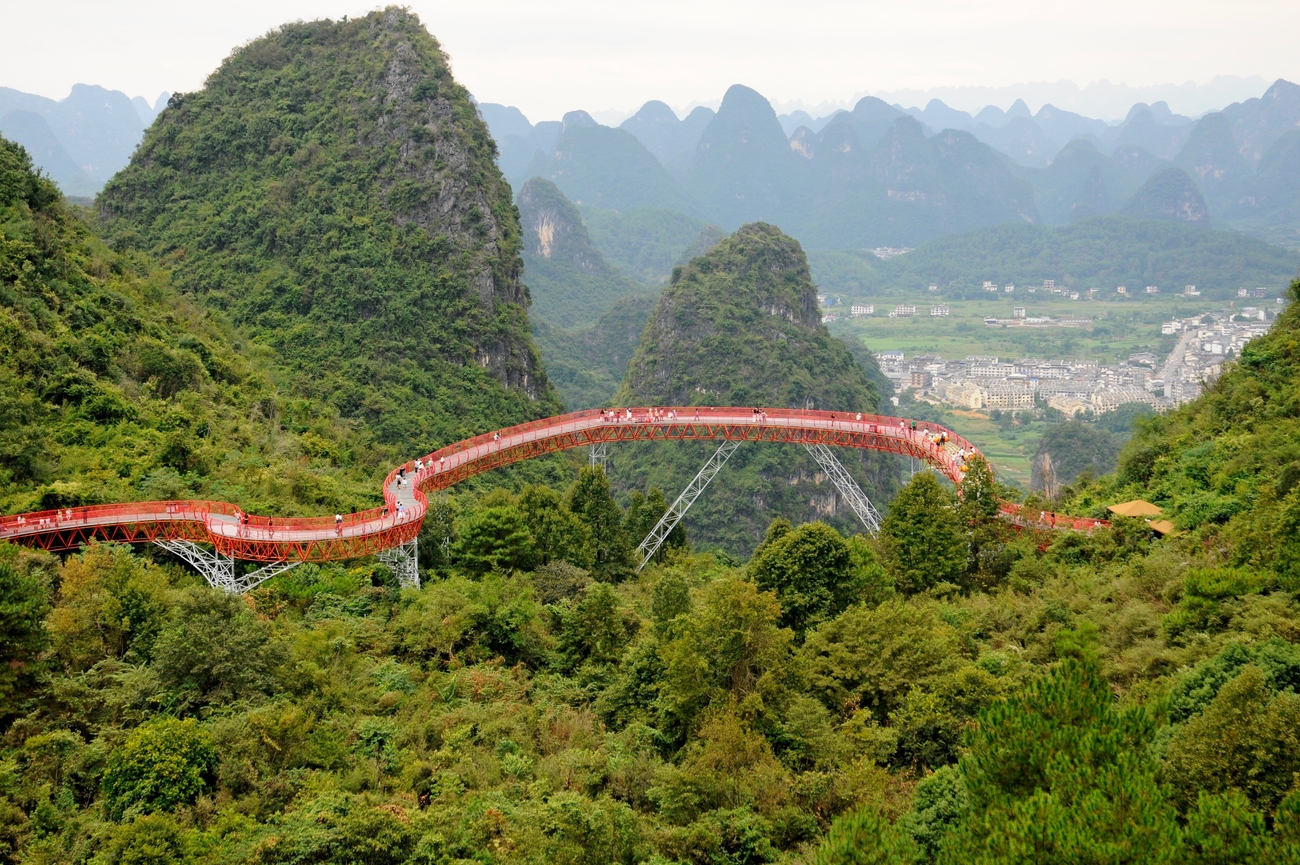
- Ruyi Peak Cableway: Referred to as the "Sky Garden" or "Avatar Mountain" of Guilin, the Ruyi Peak Cableway offers one of the most incredible viewpoints in the region. Your journey begins with a 10–15 minute cable car ride in an eight passenger panoramic cabin. As you ascend about 240 metres above the valley, you’ll enjoy stunning 360-degree views of the karst “stone forest” stretching across the landscape. Once you reach the summit area, there are several viewpoints and short walks to explore. You can cross the Ruyi Suspension Bridge, climb up to Ruyi Cloud Top for panoramic views, or challenge yourself on the Glass Skywalk if you’re feeling brave. For something more relaxed, take a stroll along the Forest Walkway, a grid-style path that winds through the treetops between the peaks. Some sections include glass panels, giving you the sensation of floating above the jungle canopy.
Things to Do with Kids
in Guilin
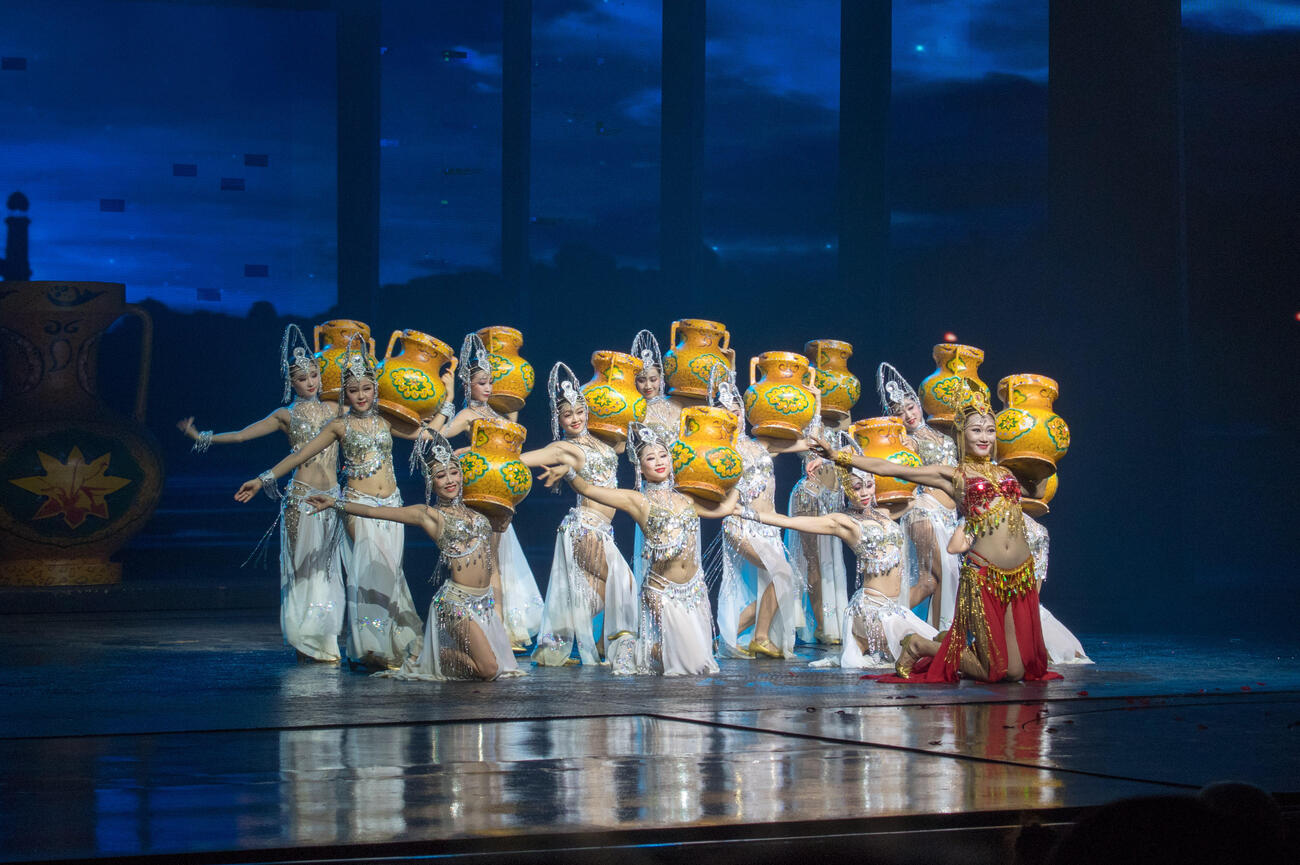
- Guilin Qianguqing: Also known as the Romantic Show of Guilin, is a large immersive theme park and performance venue designed to bring the region’s history and legends to life. It is part of China’s famous “Romantic Show” series, known for combining high-tech theatre with lively street performances. The highlight of your visit is the Romantic Show of Guilin, a spectacular 60 minute indoor performance. Using 360 degree holographic projections, a moving stage, and even massive falling water effects, the show tells the story of Guilin’s landscapes and culture. Expect unbelievable moments like singers “flying” above the audience, a giant indoor waterfall representing the Li River, and hundreds of performers in colourful ethnic costumes. It’s a visual experience that both adults and kids will enjoy. The park itself is designed like an ancient city, so you can explore before or after the show. Walk along Yangshuo Ancient Street and Handicraft Street, where Song Dynasty style buildings house traditional craft workshops such as silver making, paper cutting, and bamboo weaving. Throughout the day, you’ll also come across lively street performances in the public squares like Zhuang singing contests, fire breathing acts, and acrobatic lion dances that are sure to capture everyone’s attention, especially the kids.
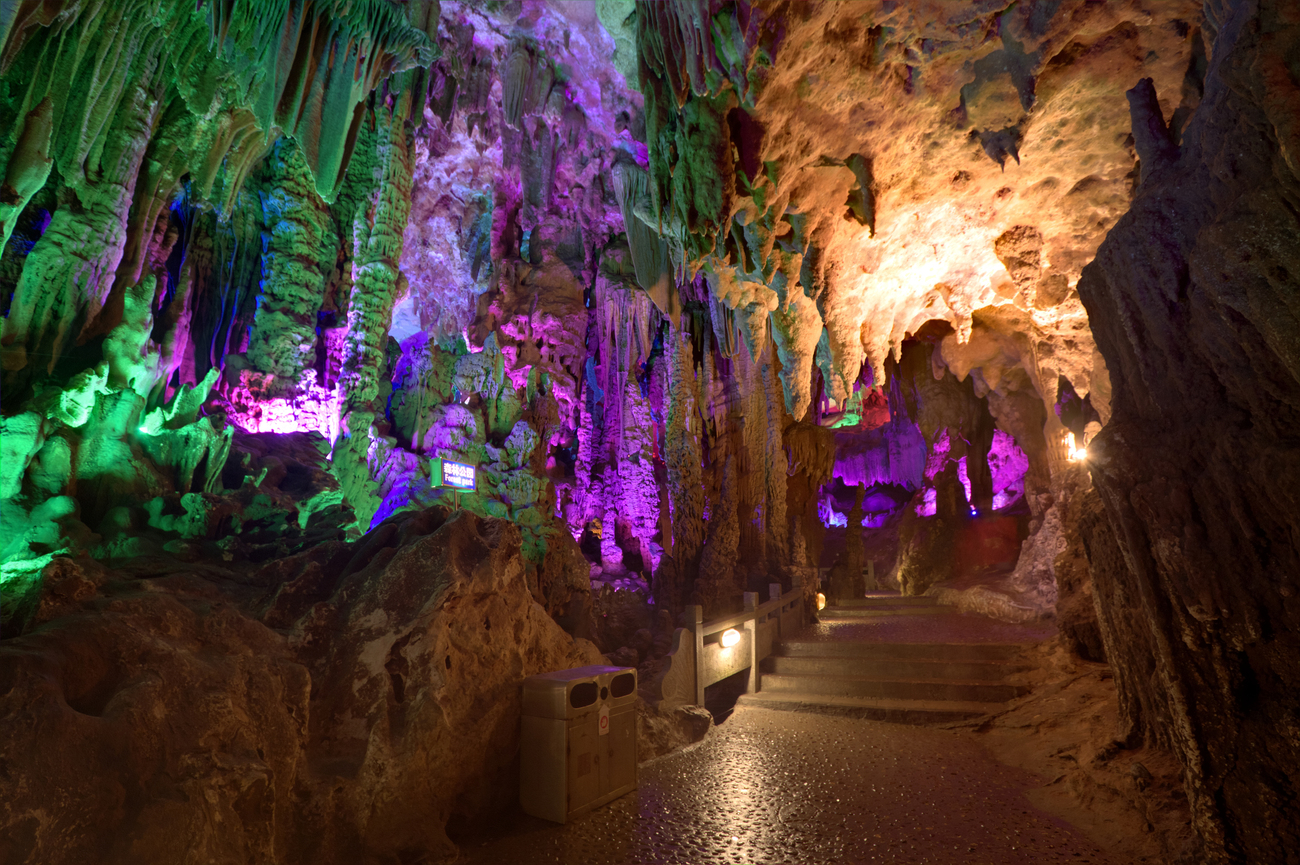
- Silver Cave Yangshuo: The largest karst cave in the Guilin region and is often called a “natural art palace.” The cave stretches beneath twelve limestone peaks and is famous for its crystal-like stalactites that sparkle under colourful lighting, giving the impression of silver and diamonds. Inside, the cave is divided into three main sections: the lower cave, the grand hall, and the upper cave. As you walk through the chambers, you’ll encounter several remarkable formations like the Snow Mountain Waterfall, a towering 20 metre cluster of stalactites that looks like a frozen cascade of silver. Another is the Music Stone Screen, a curtain like formation where the stone layers can produce different tones when gently tapped. The visit usually takes about 1–2 hours, following a paved 2 kilometre walkway that guides you through the cave’s illuminated chambers. The kids will surely enjoy the cave illumination.
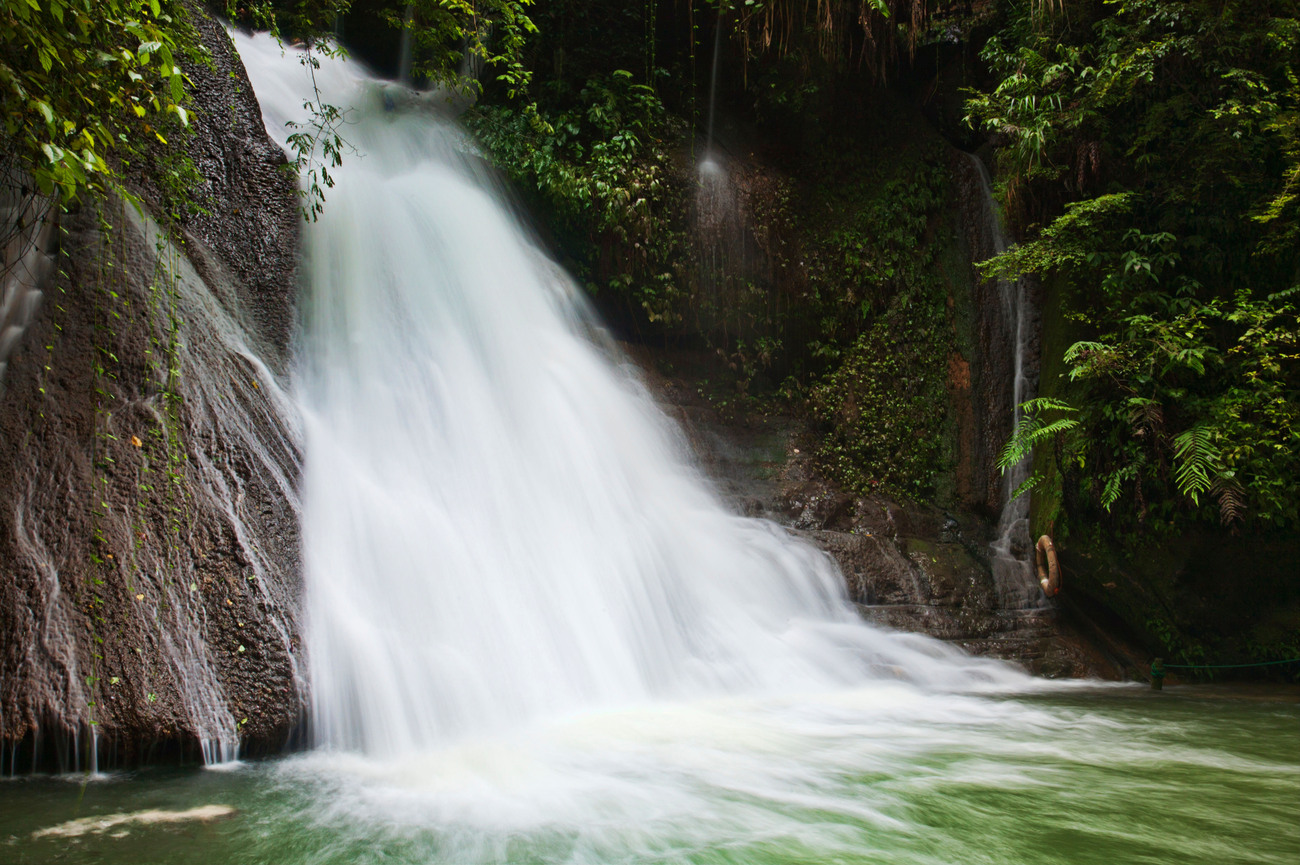
- Gudong Waterfall: A unique 13-tier cascade and one of the few waterfalls in China that you can actually climb. It’s often called the country’s only “touchable” waterfall for its “walkable” and “climbable” features. Before starting, you’ll gear up with anti-slip straw sandals and helmets. Iron chains and carved footholds along the rock help you climb safely against the current. Reaching the top usually takes about 30 minutes, making it a fun and refreshing adventure. The climb may be challenging for younger children, but the pool at the base of the waterfall is a great place for them to splash and cool off. You can also cross a hanging bridge nearby for beautiful views of the surrounding forest and canyon.
Where to Eat in Guilin
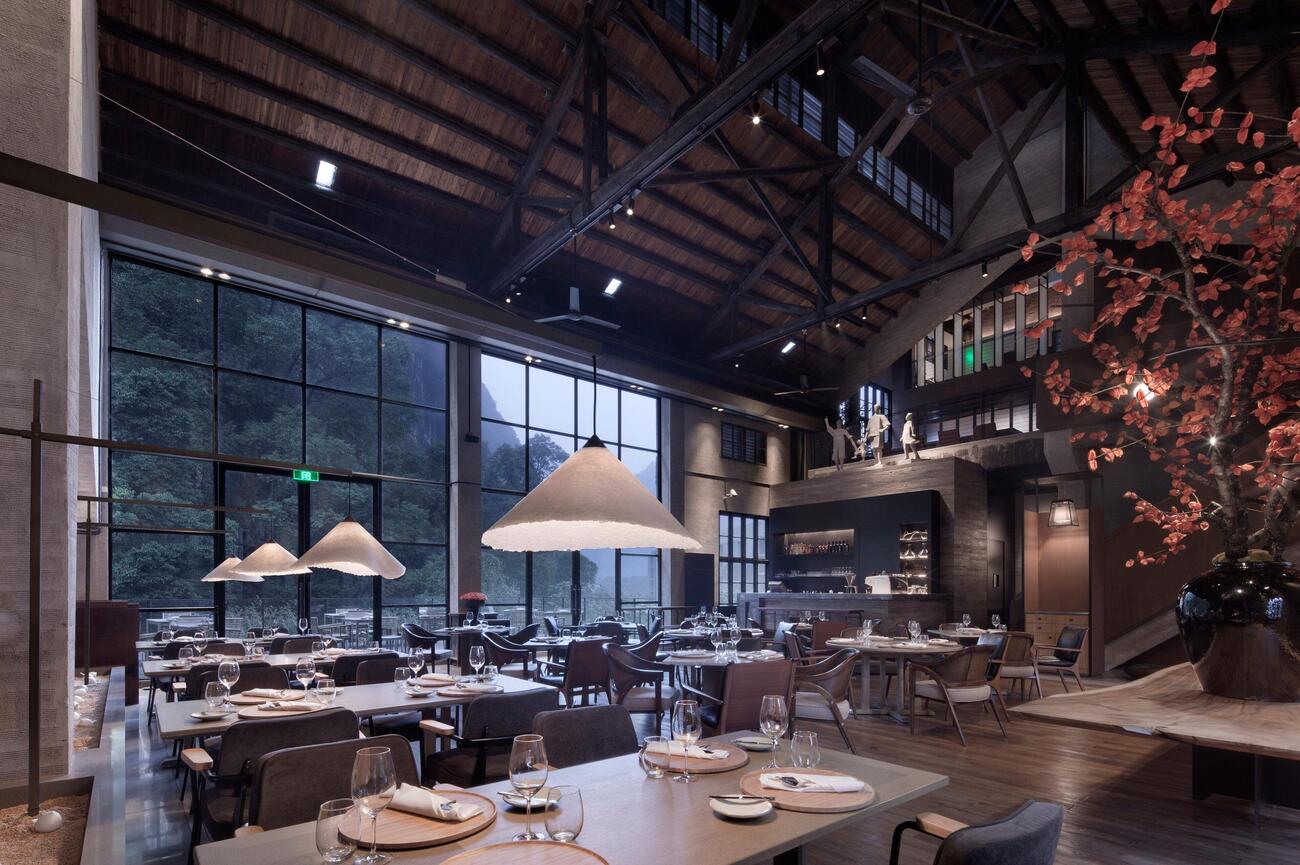
- Sugar House Restaurant Yangshuo: One of the most architecturally stunning dining spots in Yangshuo. It is set inside a beautifully restored 1960s sugar mill, where industrial style concrete and steel blend with spectacular views of the surrounding karst mountains through large floor-to-ceiling windows. Dining here feels almost cinematic. The restaurant preserves the mill’s high ceilings and original brickwork, while modern minimalist furniture adds a refined, contemporary touch. It’s an excellent choice if you’re looking for a special splurge meal or a romantic final dinner in Yangshuo. Sunset is particularly magical, when the outdoor reflecting pond and the mountain peaks begin to glow in the evening light. The menu combines local Guangxi flavours with refined Cantonese and Western influences. One dish to try is their Gourmet Beer Fish, an elevated version of Yangshuo’s famous specialty. It features premium Li River fish, gently braised with craft beer, tomatoes, and chilli for a balanced, flavourful finish.
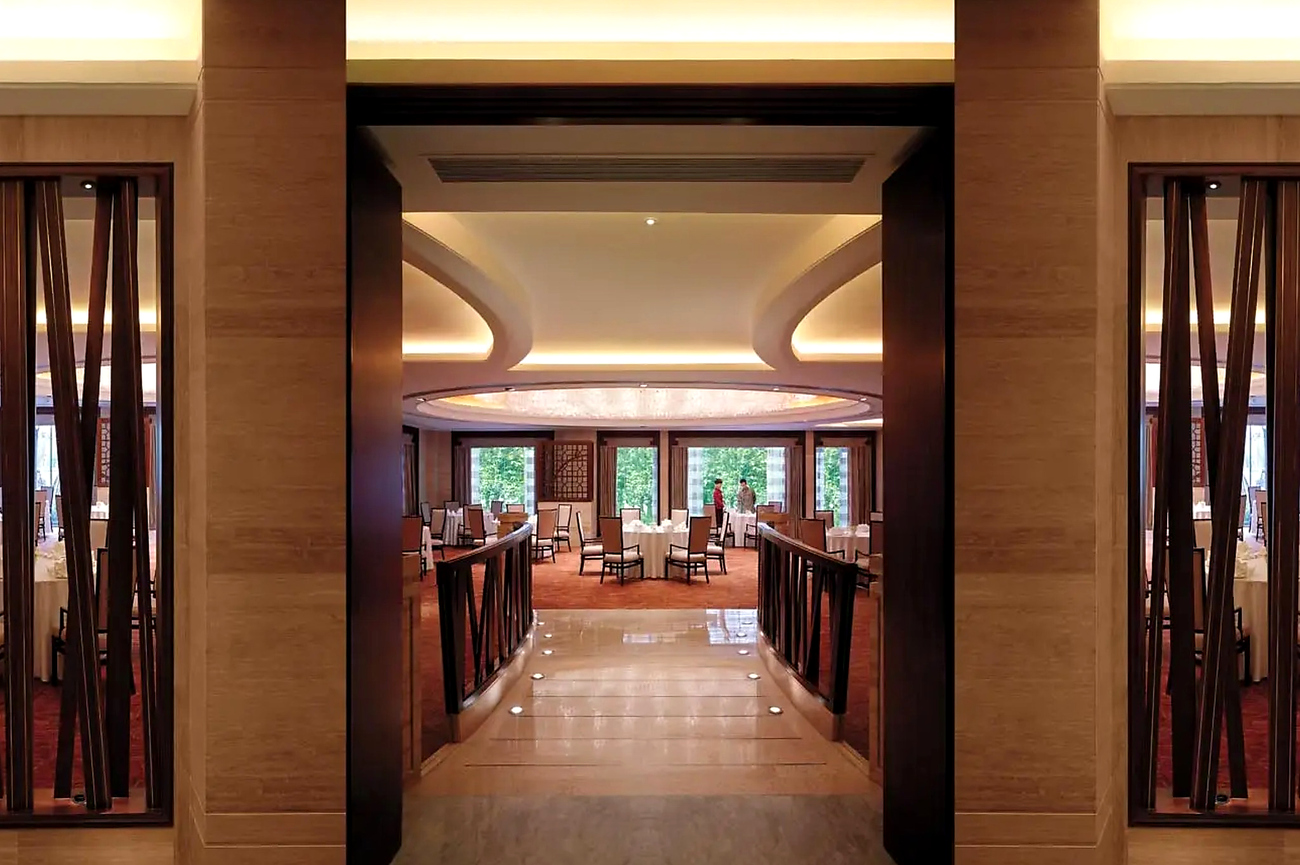
- Shang Palace Guilin: Located inside the Shangri-La Guilin, Shang Palace is the perfect place if you’re looking for a refined, white linen dining experience that combines high end Cantonese cuisine with Guilin’s local specialties. The restaurant features a grand traditional Chinese interior, with carved wood details and rich red accents that create an elegant atmosphere, and large windows overlooking the hotel’s lush 11,000 square metre gardens, and the nearby Li River. Try the restaurant’s signature Roast Duck, often praised as one of the best in the city. It’s prepared in the traditional Cantonese style, with crispy skin and tender, flavorful meat. You should also try the Upscale Guilin Rice Noodles, a refined take on the region’s famous dish. While the street version is served in simple bowls, here it’s beautifully presented with premium marinated beef and traditional fermented toppings.
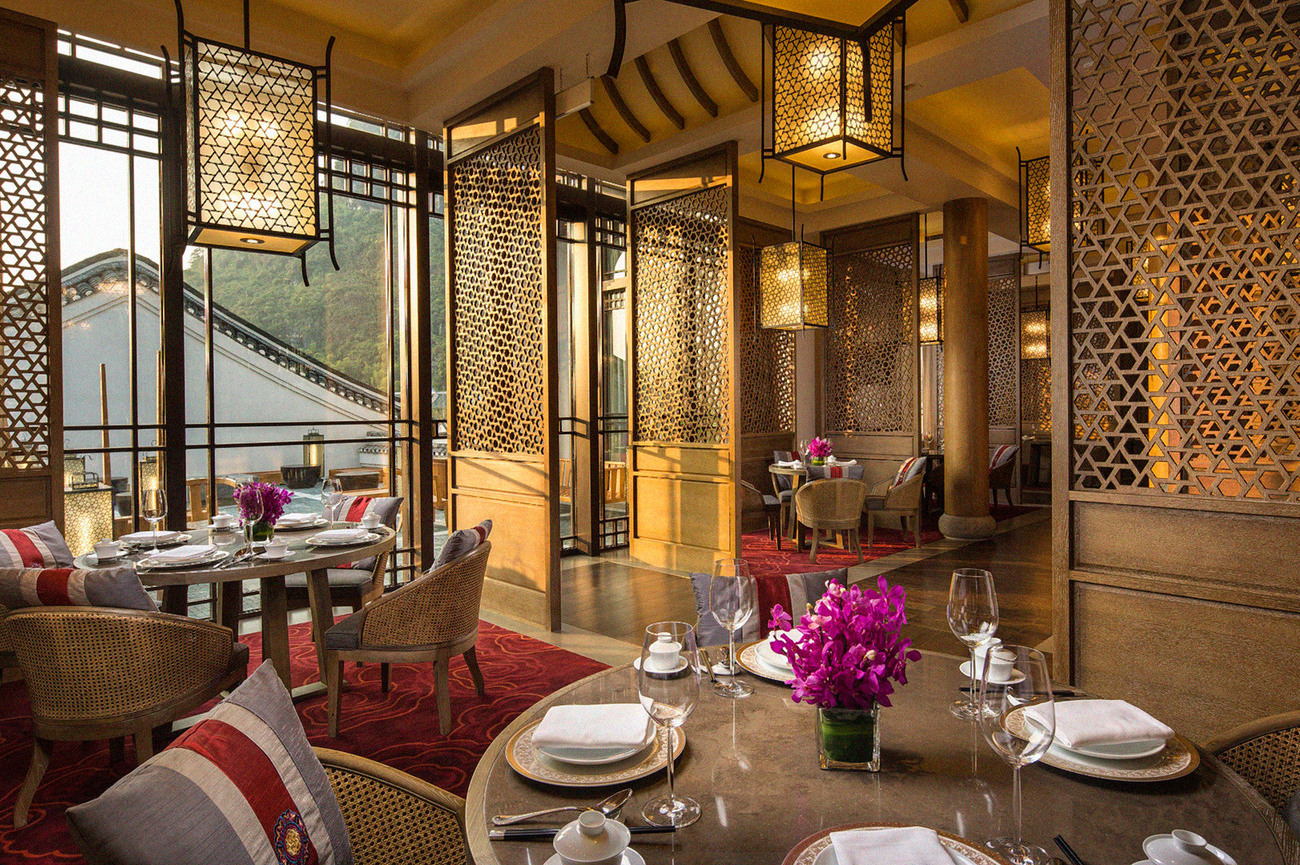
- Bai Yun Restaurant Yangshuo: The signature Chinese restaurant inside the Banyan Tree Yangshuo resort. The dining room reflects a classic Chinese aesthetic, with black-and-white tiles inspired by the region’s ink-painting landscapes. From your table, you can enjoy beautiful views of the surrounding karst mountains and the resort’s peaceful gardens, creating a calm and elegant atmosphere for your meal. The menu combines farm to table local ingredients with classic Cantonese cooking. The restaurant’s must-try dish is Yangshuo Beer Fish, made with fresh fish from the Li River and praised by many diners. Another local specialty worth trying is Bamboo Tube Rice, where rice and ingredients are steamed inside fresh bamboo, giving the dish a rich, fragrant flavour.
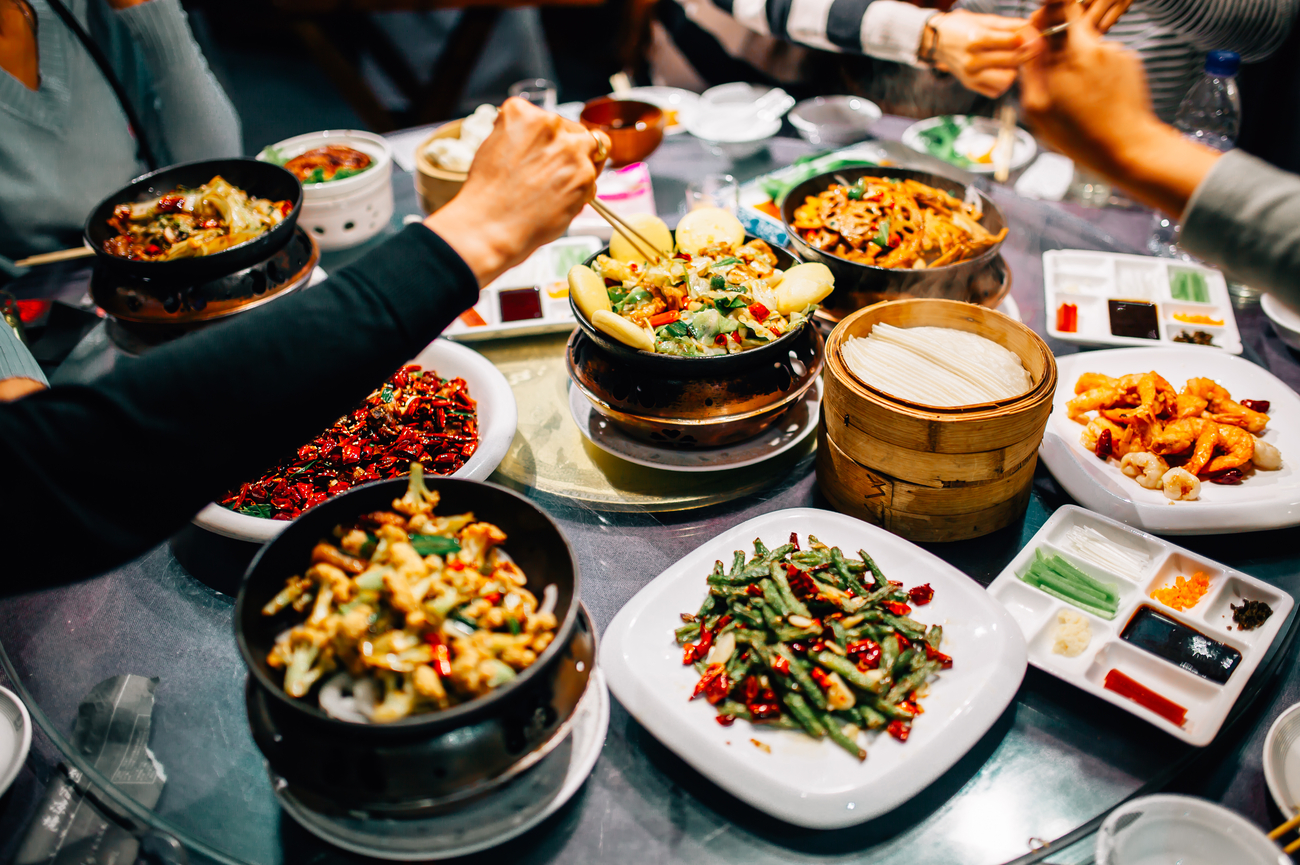
- Chunji Roast Goose: A legendary culinary institution and dining spot in Guilin, known for its lively atmosphere and consistently good food, it’s a favourite among locals. This isn’t a quiet, candlelit restaurant. Chunji is busy, bright, and energetic, capturing the real spirit of a classic Chinese eatery. Expect large round tables, fast-moving servers, and a buzzing dining room. It’s a great place for a group dinner or a satisfying meal after a full day of sightseeing. While the menu is extensive, a few dishes are must-tries. The Signature Roast Goose is the highlight, with beautifully crispy skin and tender, juicy meat served with a rich plum dipping sauce. If you’re feeling adventurous, try the Goose Web and Wing, a local delicacy braised in a savoury soy-based sauce.
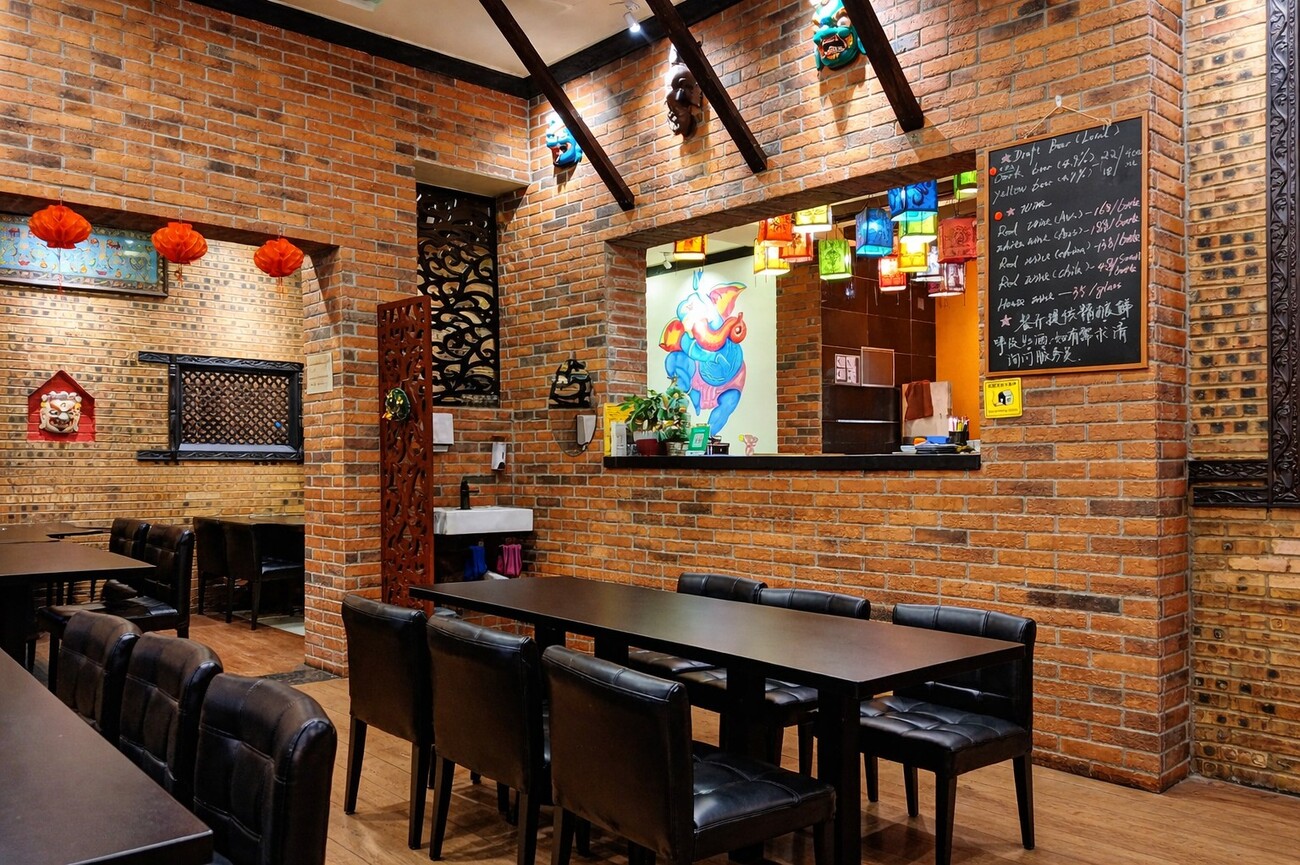
- Kali Mirch (Black Pepper) Indian Cuisine is a well known Indian restaurant in Guilin offering a warm and inviting setting where visitors can enjoy authentic flavours from across India. The restaurant specialises in traditional dishes prepared with aromatic spices, including classic curries, freshly baked naan, fragrant rice dishes, and a variety of vegetarian options. With its cosy brick interior, colourful décor, and friendly service, Kali Mirch provides a comfortable place for travellers and locals alike to experience genuine Indian cuisine while exploring the scenic city of Guilin.
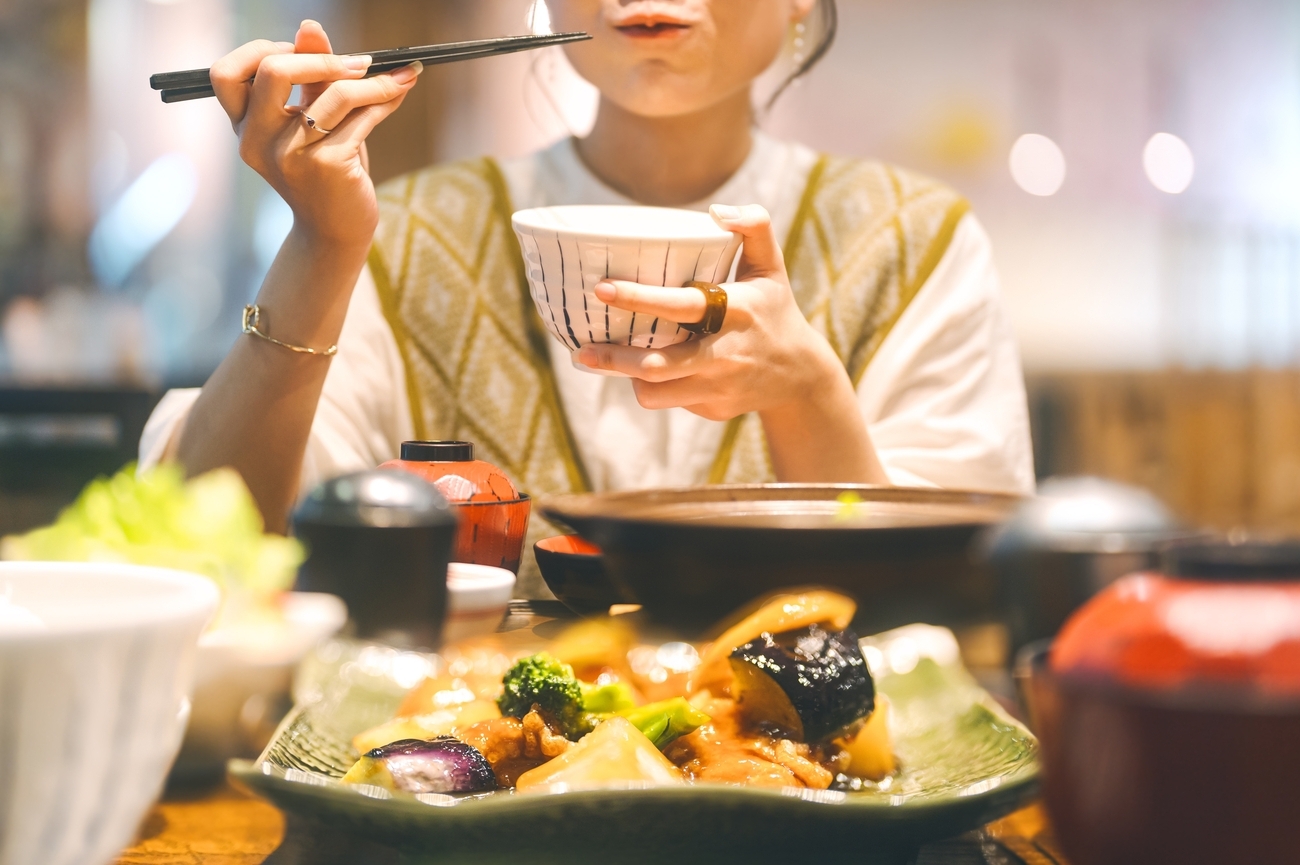
- NengRen Shan SuShi Restaurant is a peaceful vegetarian restaurant in Guilin known for its traditional Chinese plant based cuisine and serene atmosphere. The restaurant specialises in Buddhist style vegetarian dishes prepared with fresh vegetables, tofu, mushrooms and delicate seasonings that highlight natural flavours. With its simple wooden furnishings, soft lighting and traditional Chinese artwork, NengRen Shan SuShi offers a calm dining environment where guests can enjoy healthy and thoughtfully prepared meals while experiencing an authentic side of Guilin’s local food culture.
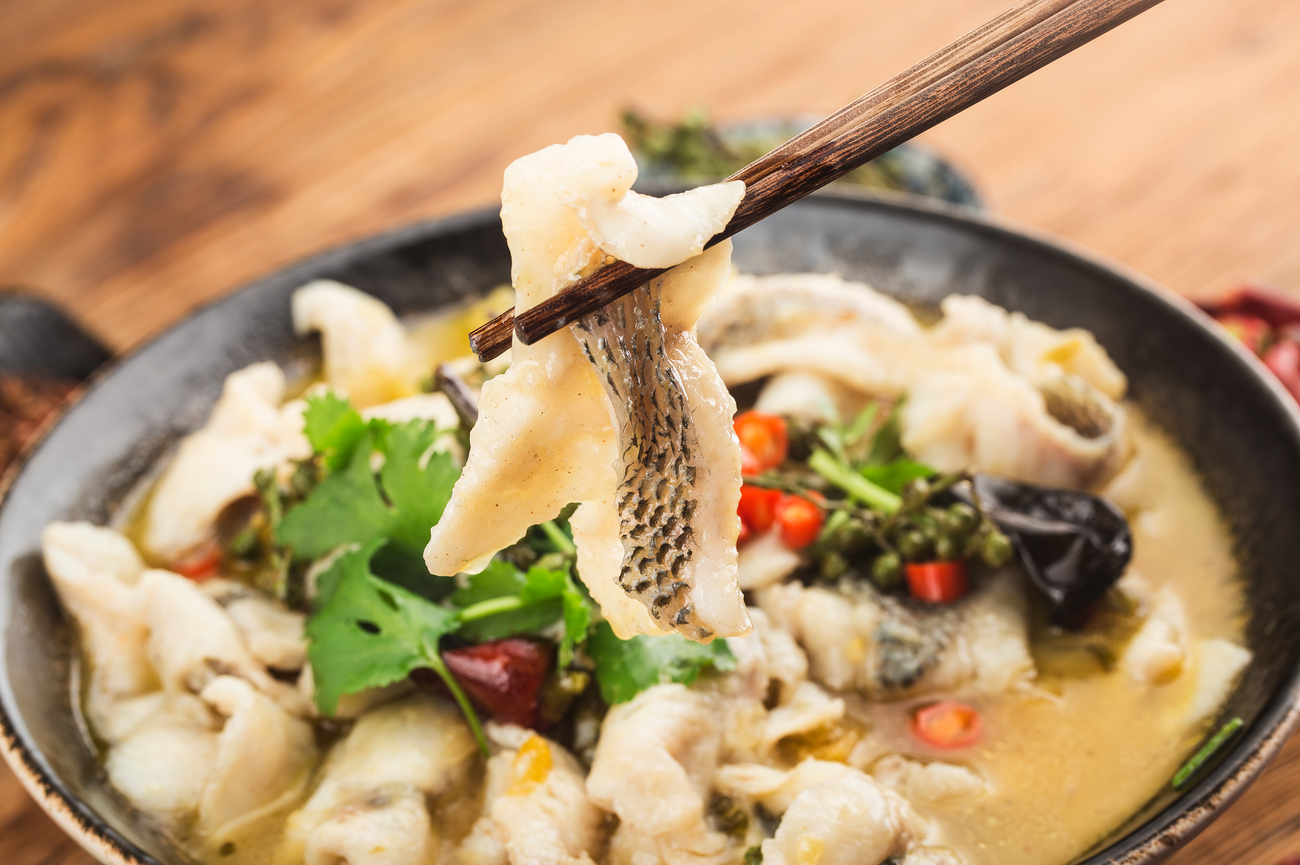
- Home Cooking Place (Guiji Lijiang Fish Home Cooking Restaurant): Widely considered as one of the most authentic dining spots in Yangshuo. Located just a short walk from West Street, it’s popular with international travellers not only for the food but also for the warm hospitality. The owners are known for their friendly welcome and English-speaking service, and they’re happy to explain the local ingredients and dishes to visitors. Dining here feels more like being invited into a local kitchen than eating at a typical restaurant. The menu focuses on Li River “slow food” and traditional farmhouse recipes. The highlight is the Signature Beer Fish (Pijiu Yu), made with fresh catfish or carp from the Li River. The fish is braised with local Liquan beer, tomatoes, peppers, and ginger, creating a savoury, slightly spicy dish without the muddy taste found in cheaper versions. Another dish worth trying is Stir fried Egg with Osmanthus, a light and fragrant specialty made with Guilin’s famous flower. It’s fluffy, delicate, and a refreshing contrast to the richer dishes on the menu.
Where to Stay in
Guilin
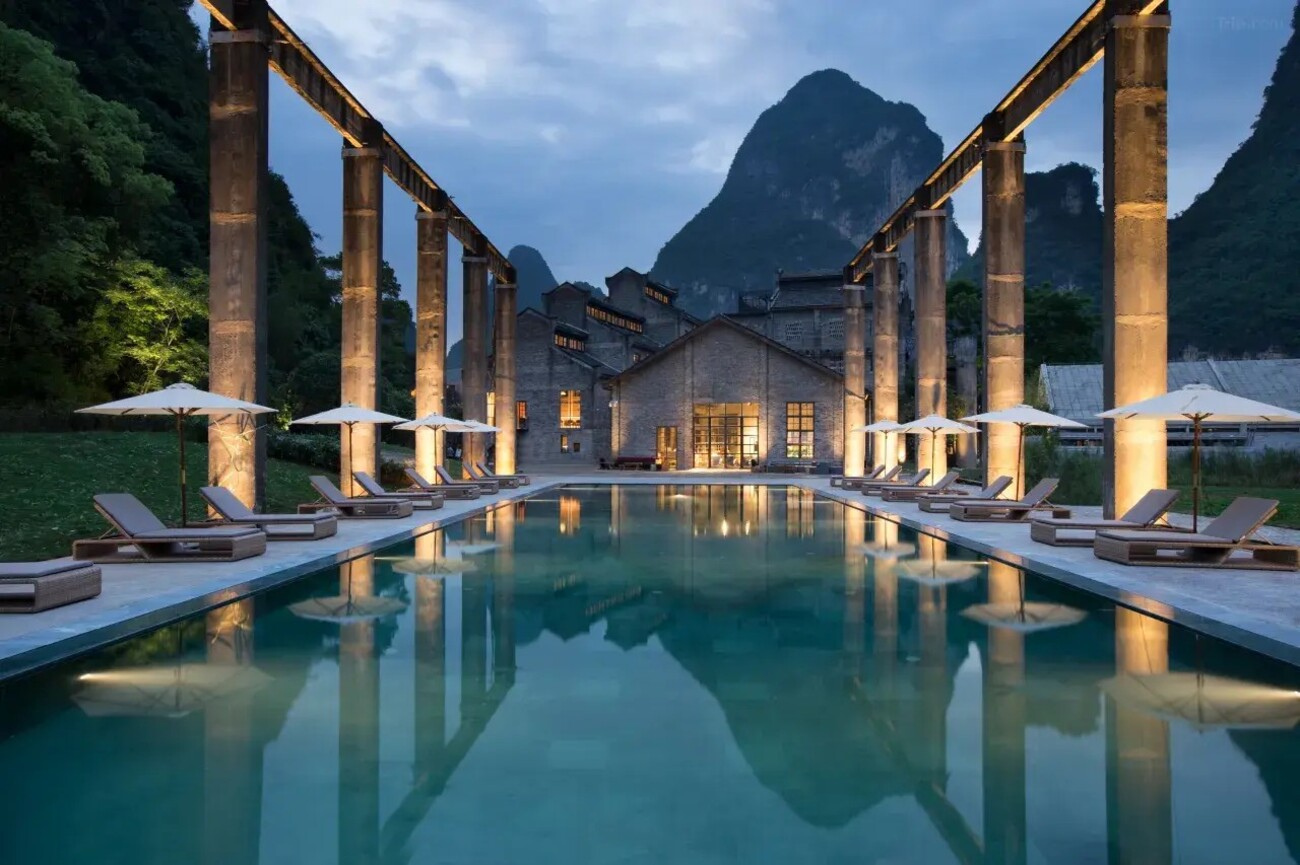
- Yangshuo Sugar House (5 stars): One of the most architecturally stunning hotels in the world. Located on the banks of the Li River, it is a masterclass in "industrial chic," built within a repurposed 1960s sugar mill, blending industrial history with modern design. Walking through the hotel feels more like visiting a living museum or art gallery than a traditional resort. Many original features of the old refinery remain, including rusted steel trusses and the sugar pressing room. One of the hotel’s highlights is the iconic swimming pool, built in the mill’s former loading dock and framed by two towering industrial pillars. Swimming here at sunset, with the karst peaks reflected in the water, is a truly memorable experience. You can also stop by the 1969 Bar, set inside the old boiler room, where vintage inspired cocktails and a collection of aged rums create a moody, atmospheric setting. The rooms here are designed with a "minimalist chic" aesthetic that contrasts the raw, industrial bones of the old sugar mill with soft, natural materials like local limestone, wood, and bamboo. The guest rooms are located in modern wings designed to mimic the layered texture of the surrounding karst cliffs.
- Banyan Tree Yangshuo (5 stars): The crown jewel of luxury stays in the Guilin region. Located in Fuli Town, about 15 minutes from Yangshuo’s center, the resort is designed to resemble a traditional northern Guangxi village, with grey tiled roofs, white walls, and stone bridges set against a backdrop of karst mountains. The rooms here are exceptionally spacious, starting at around 66 square metres. Many villas feature private courtyards or balconies with views of the Li River or the surrounding limestone peaks. One of the resort’s highlights is its private pier, where you can take a champagne sunset cruise on a traditional bamboo raft directly from the hotel, away from the crowds at public docks. To help you connect with the local culture, the resort also offers curated “Destination Experiences.” These may include sunset cormorant fishing demonstrations, Tai Chi sessions by the river, and guided cycling tours through nearby rice paddies. With its peaceful setting and thoughtful experiences, Banyan Tree Yangshuo is an ideal choice for a honeymoon, anniversary, or a relaxing luxury retreat.
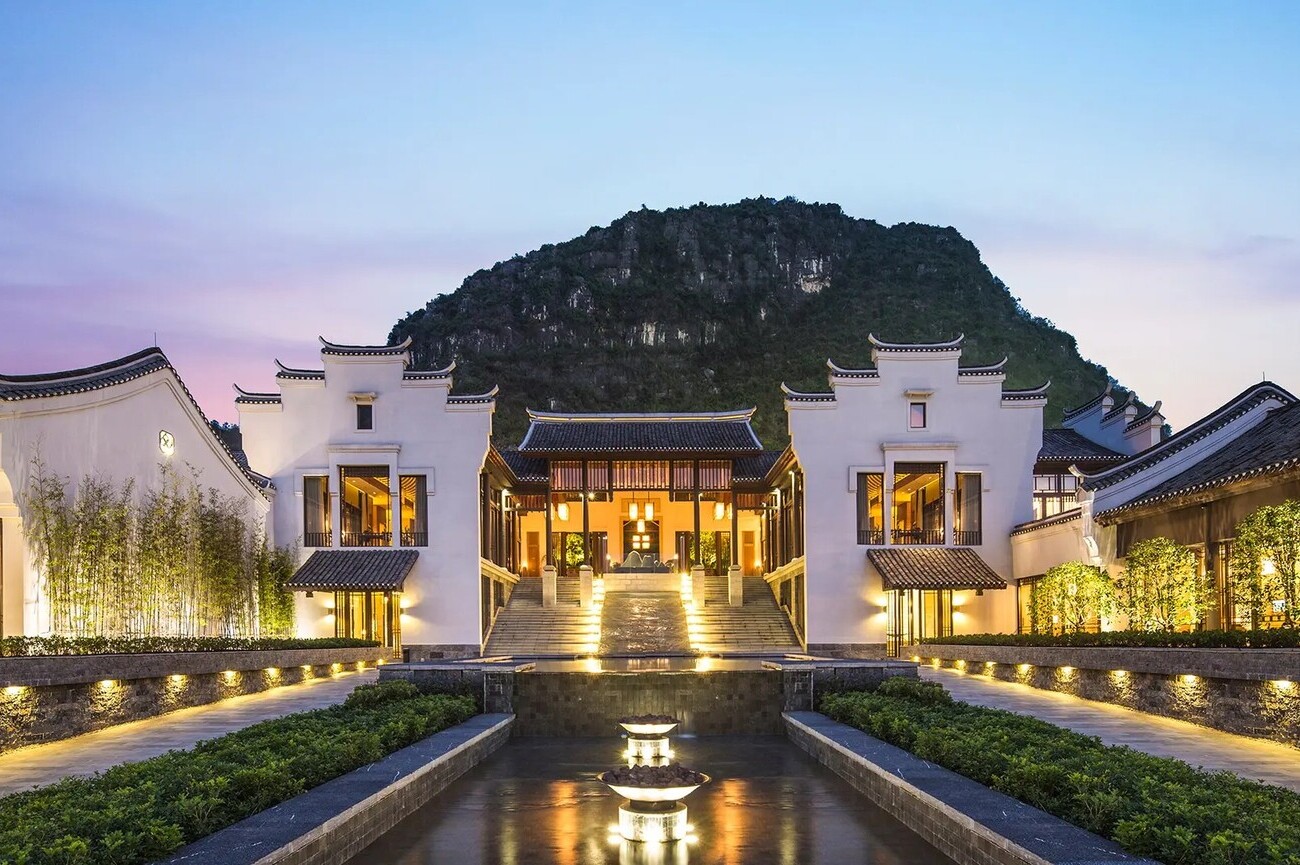
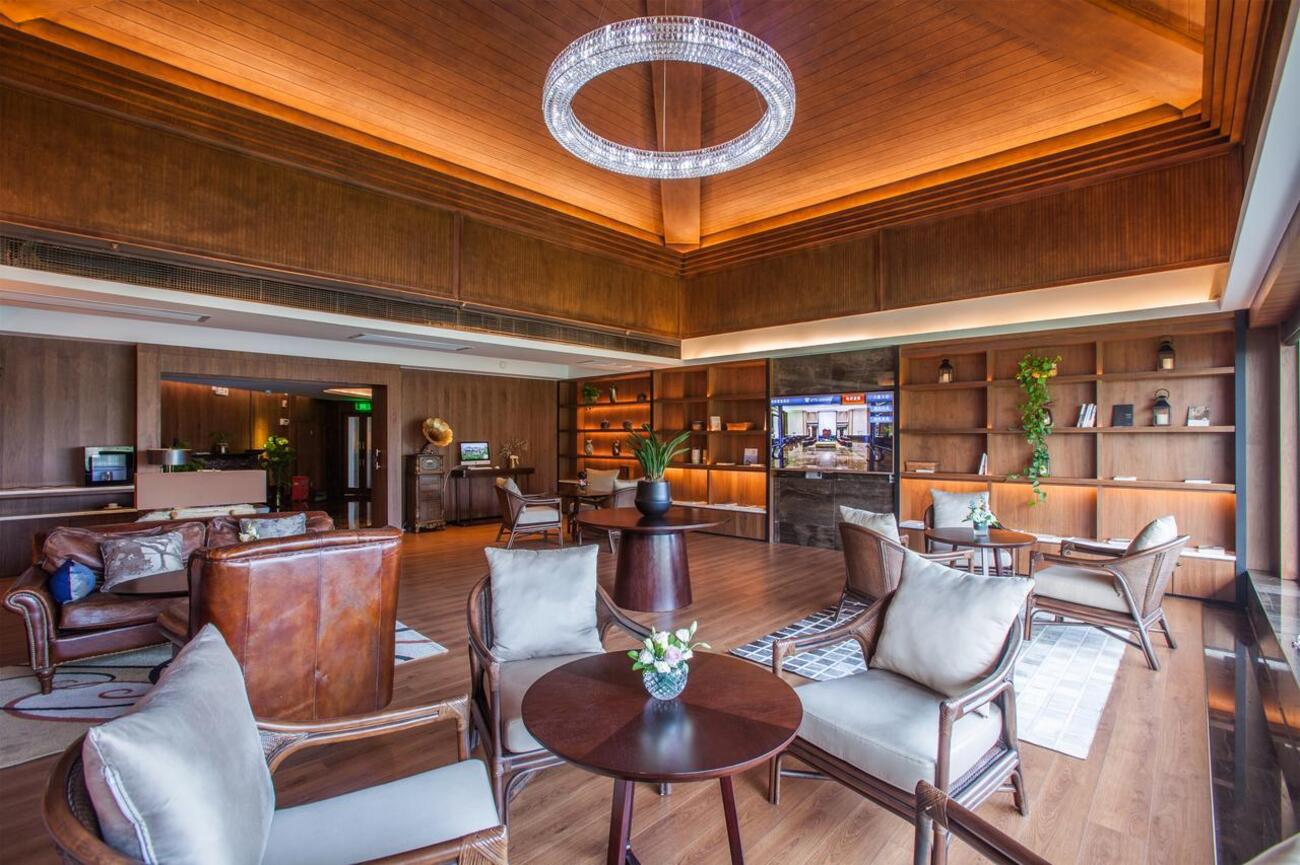
- Shangri-La Guilin (5 stars): Located on the quiet east bank of the Li River, it is widely considered one of the best all around luxury hotels in the city. Designed in a grand traditional Chinese style, with sweeping roofs and an impressive lobby. Unlike many compact city hotels, Shangri-La sits on 11,000 square metres of landscaped gardens, creating a peaceful resort like atmosphere. Many rooms feature floor-to-ceiling windows with views of the Li River and the surrounding karst mountains. If you choose a Horizon Club room, you’ll enjoy extra perks such as private check in and evening cocktails. Shangri-La is also considered one of the most family friendly hotels in Guilin. The grounds include a small animal area with peacocks, rabbits, and ducks, along with a large outdoor playground and an organic vegetable garden. You can also join cultural activities organised by the hotel, such as fan painting, calligraphy, or traditional tea ceremonies in the garden pavilions.
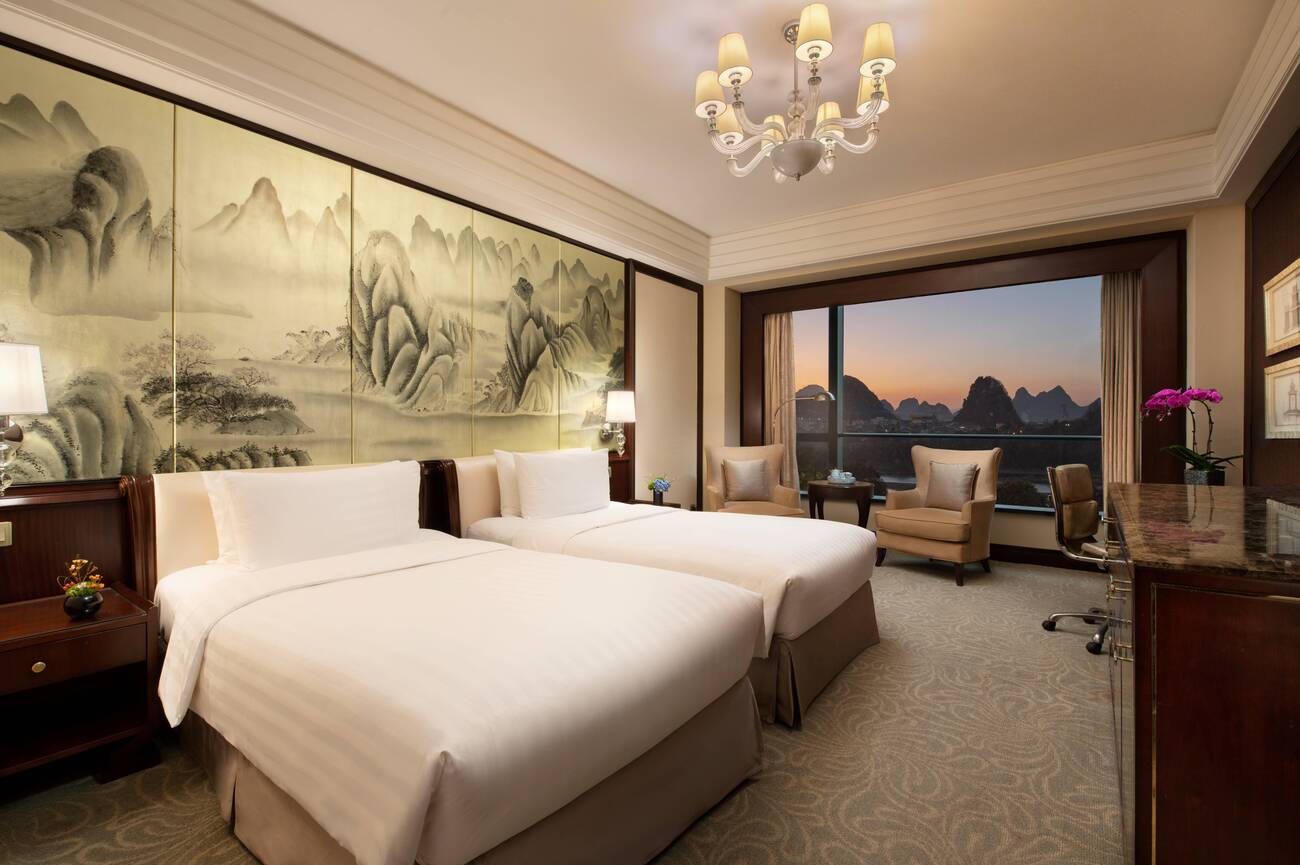
- Yangshuo Misty Wonderland (5 stars): A premium, mountain top sanctuary located in the Xingping area of Yangshuo. The hotel is famous for its “above the clouds” setting, offering breathtaking panoramic views of the Li River and the surrounding karst peaks. The rooms are spacious and soundproof, averaging around 92–94 square metres, and include modern comforts designed for a relaxing stay. Many rooms feature private terraces or large windows, allowing you to watch the sunrise and the mist drifting over the mountains right from your bed. The property also features beautiful Zen-inspired gardens and courtyards, creating a peaceful atmosphere that feels worlds away from the busy streets of Yangshuo. To make your stay even more comfortable, each guest is assigned a personal butler who can assist with everything from check-in and luggage to arranging complimentary shuttle rides to nearby ferries and scenic spots.
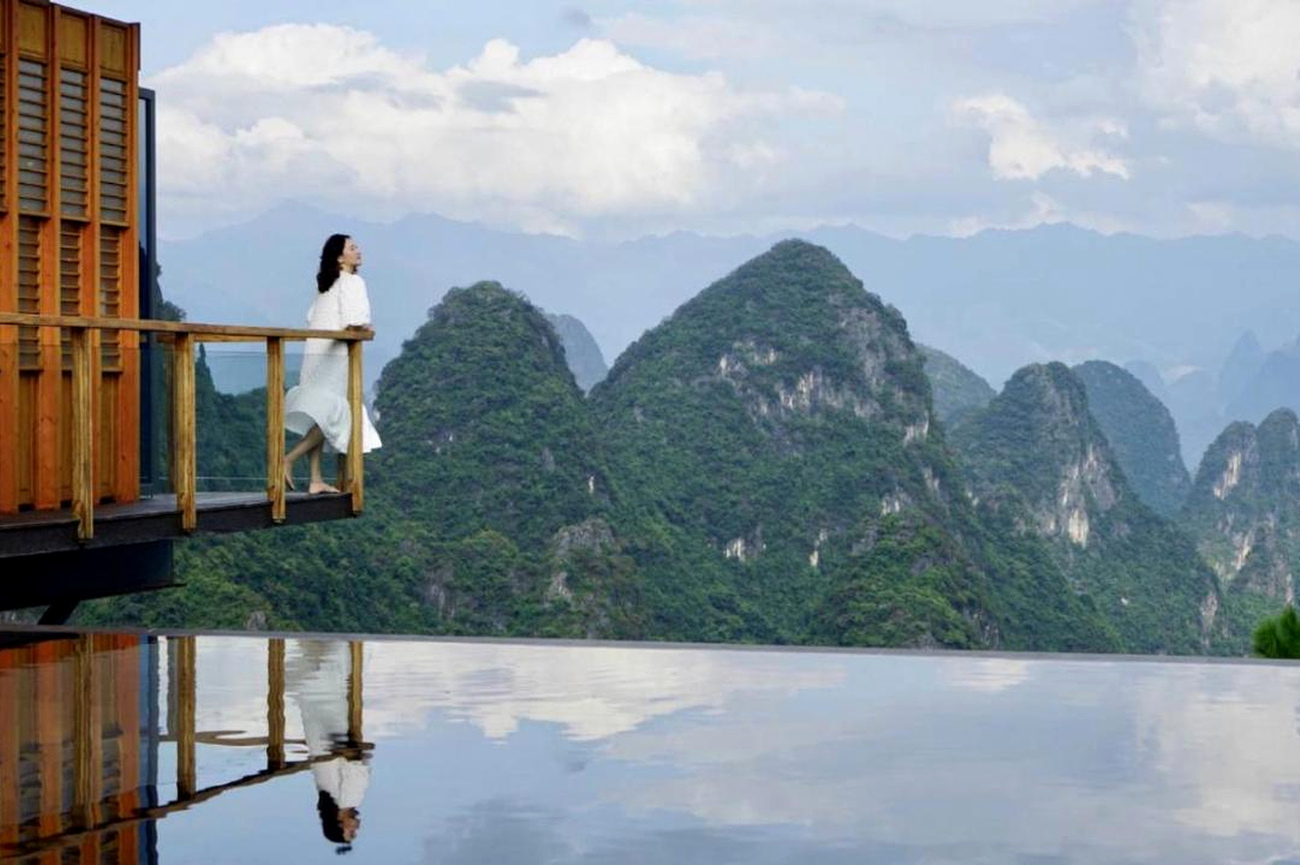
- Guilin Lijiang Waterfall Hotel (5 stars): Famous for its record-breaking artificial waterfall, which flows down the entire northern façade of the building every evening. Watching the waterfall cascade down the hotel’s exterior at 8:00 PM is one of Guilin’s most unique nighttime sights. The hotel is an older but well-maintained property, with a classic 1990s-style gold-and-marble luxury design rather than a modern minimalist look. It’s a large, traditional luxury hotel that focuses on comfort and convenience. What truly sets this hotel apart is its excellent central location. Staying here places you within walking distance of Guilin’s best night markets and lakeside attractions. You’ll be just steps away from Zhengyang Pedestrian Street for shopping and dining, as well as the Sun and Moon Pagodas at Fir Lake. The rooms offer different views depending on their location. North-facing rooms overlook the Li River and Elephant Trunk Hill, while south-facing rooms look out over the lively central square. It’s a particularly convenient base for exploring the city on your first day in Guilin.
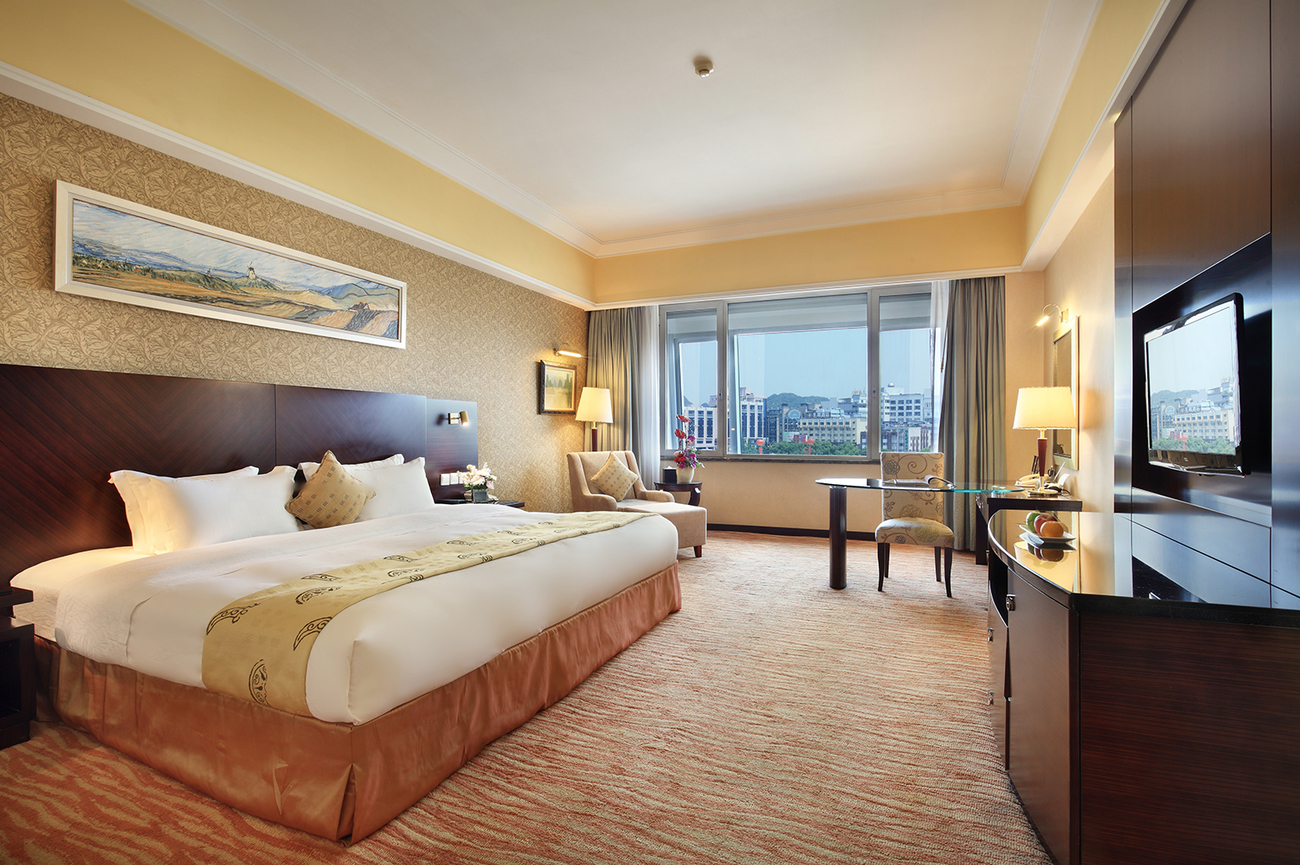
- Jolie Vue Boutique Hotel Guilin (5 stars): This 5-star boutique hotel is known for offering one of the best views of the famous Elephant Trunk Hill. It’s a great choice if you’re looking for a modern and stylish hotel right in the centre of Guilin. One of the hotel’s highlights is its 7th floor terrace and restaurant, which provides a stunning view of the Li River and Elephant Trunk Hill, a perfect spot for photos or a relaxing drink with a view. The rooms here are spacious and designed in a clean, contemporary style. If possible, choose a higher floor room to enjoy views of the Li River or the iconic “elephant” formation. The location is also very convenient. From the hotel, it’s just a 3 minute walk to Riyue Shuangta Cultural Park (Sun and Moon Twin Pagodas) and about 10 minutes on foot to Zhengyang Pedestrian Street for shopping and dining.
Best Time to Visit
Guilin
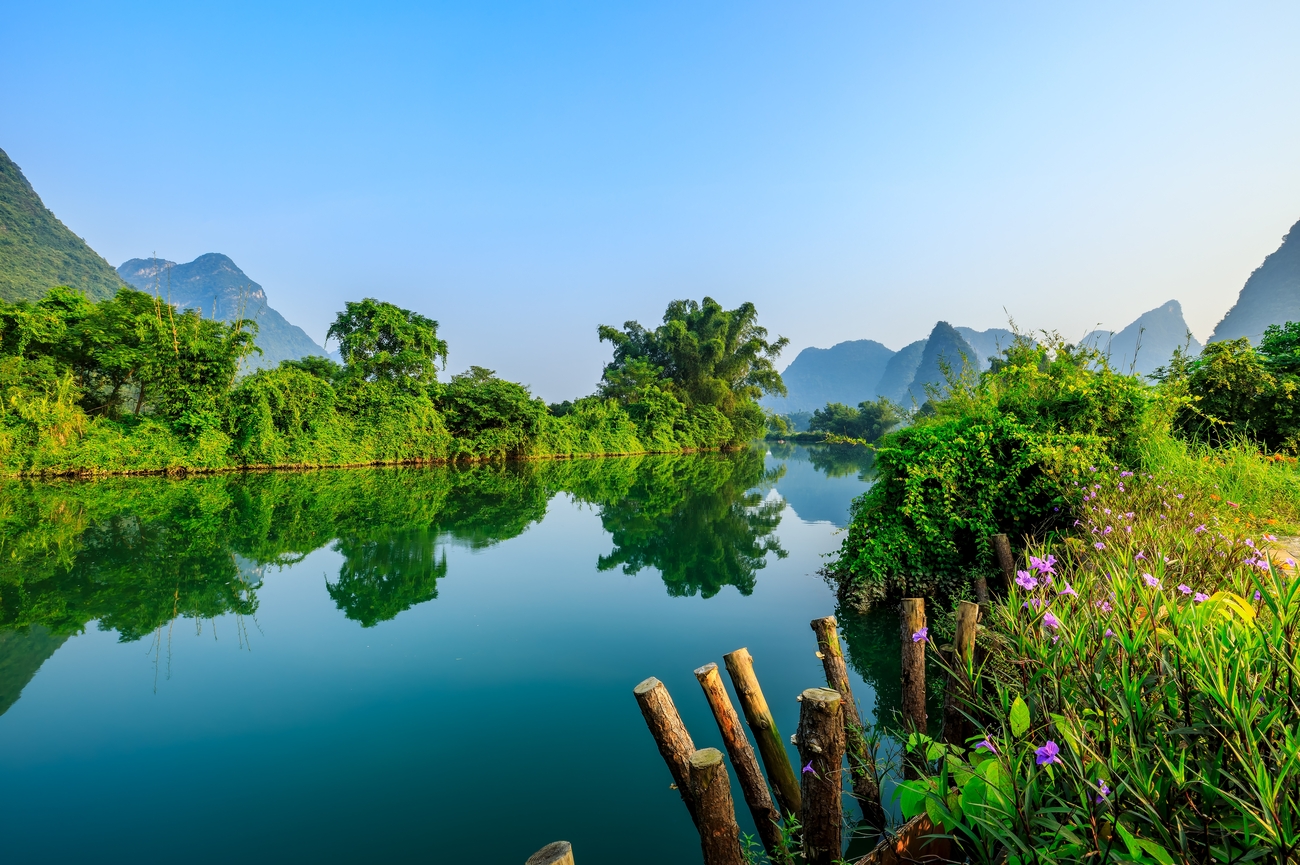
The best time to visit Guilin is during spring (April to May) and autumn (September to November). Both seasons offer comfortable weather and beautiful scenery, though each creates a different atmosphere.
In spring, Guilin is famous for its misty Li River views, where the karst mountains appear through soft fog like a traditional Chinese ink painting. This is also when the rice terraces in Longji begin to fill with water (usually mid-May to June), creating a stunning mirror-like reflection across the fields. At the same time, the countryside bursts with colour as rapeseed flowers, azaleas, and cherry blossoms bloom.
Autumn is often considered the best overall season to visit. The skies are clearer, the air is crisp, and the temperatures are mild, perfect for sightseeing and photography. If you plan to visit the Longji Rice Terraces, late September to mid October is especially beautiful, when the rice fields turn golden just before the harvest.
Festivals in Guilin
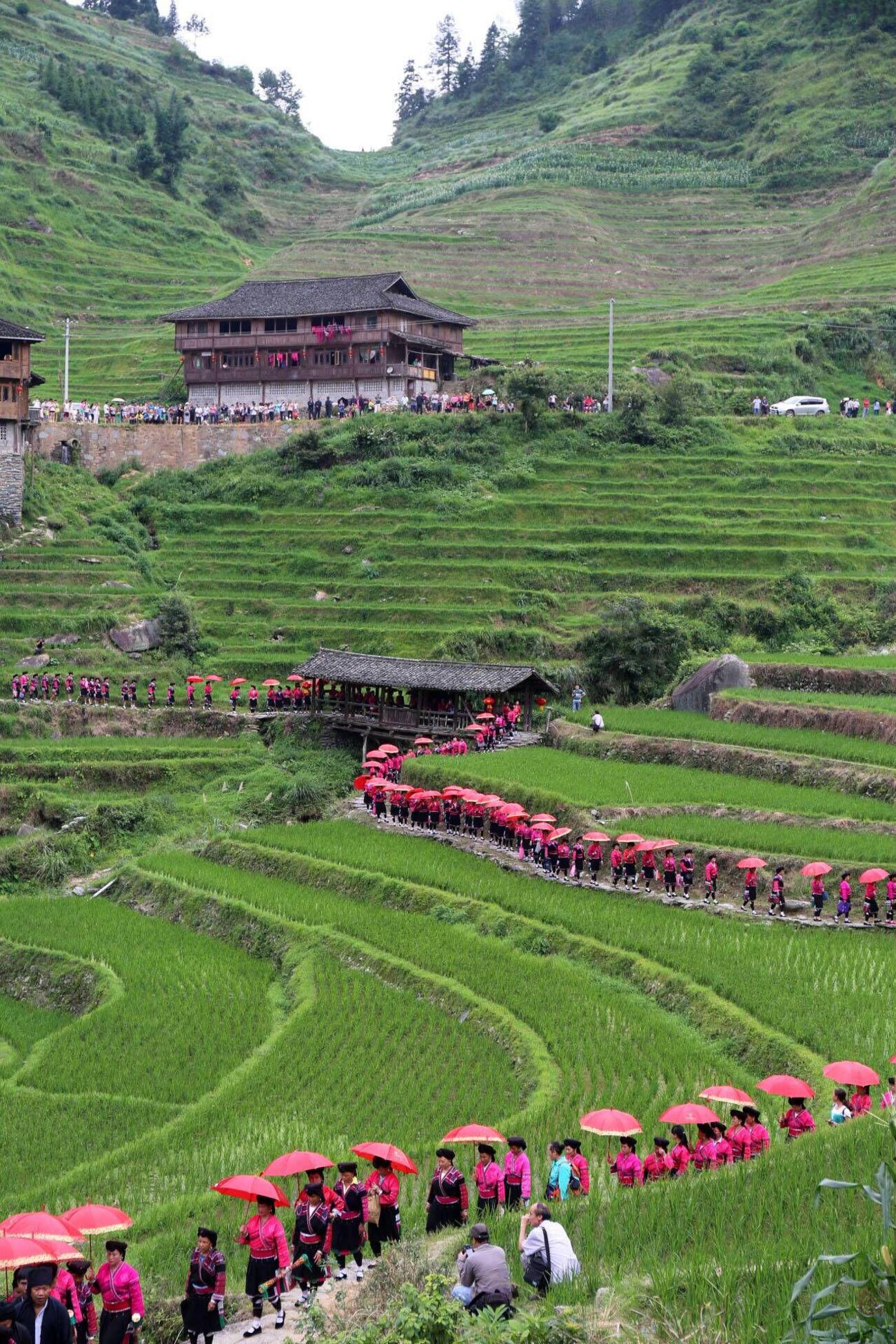
- Longsheng "Red Clothes" Festival: Also known as the Clothes Drying Festival or (Shai Yi Jie), is an important cultural celebration of the Red Yao people in the Longji Rice Terraces. It is considered their second most important holiday after the Spring Festival. Traditionally, families would hang their beautifully embroidered red garments under the sun to dry and protect them from moisture and insects. Over time, the event has grown into a vibrant festival that celebrates the Red Yao community and their traditions. The festival is usually held on the 6th day of the 6th lunar month, and the best places to experience it are Dazhai Village and Huangluo Yao Village in the Longji Scenic Area. During the celebration, you’ll see rows of bright red traditional clothing hanging from wooden balconies and walkways, creating a striking display across the village. One of the most memorable sights is the gathering of Red Yao women by the river, where they untie, wash, and comb their famously long hair (with some reaching over two metres in length.) The festival also features grand collective weddings, where many couples dressed in traditional attire participate in a mass wedding parade across the lush green rice terraces.
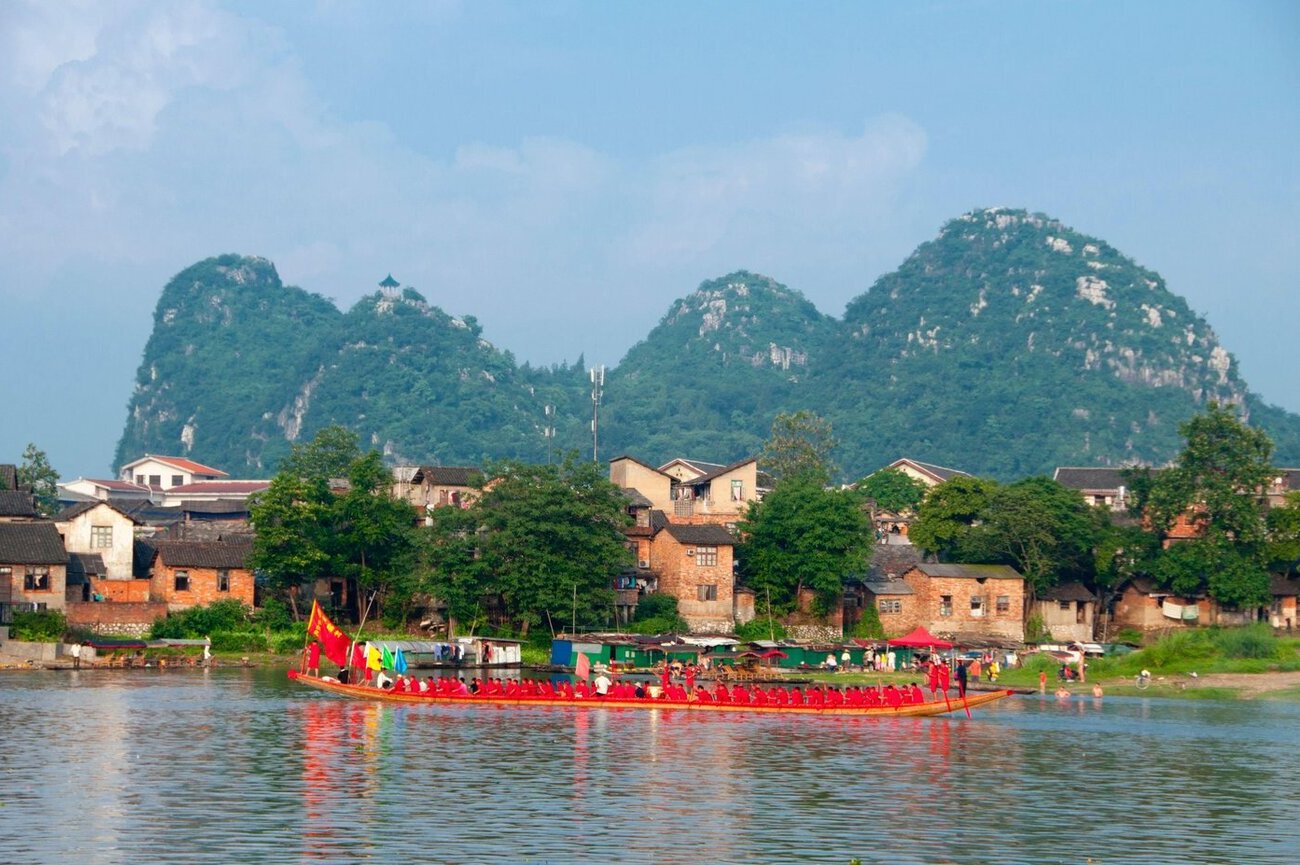
- Li River Dragon Boat Festival: The Dragon Boat Festival (Duanwu Jie) is one of the most exciting celebrations in Guilin, rooted in the region's abundant water culture. During the festival, the Li River and its nearby waterways become lively stages for traditional rituals and energetic boat races. One of the most spectacular sights in the area is the Golden Dragon Parade on the Yulong River. At night, dozens of bamboo rafts connect to form a glowing dragon that can stretch 700 to 1,000 metres long. Decorated with LED lights, the dragon moves slowly through the karst mountains, creating a magical scene. The parade is often accompanied by fireworks, traditional singing, and floating lanterns drifting across the river. The heart of the festival, however, is the dragon boat race. These races honour the patriotic poet Qu Yuan and are an important community tradition. Teams of 30 to 60 paddlers row long wooden boats to the powerful rhythm of a drum. The goal is to reach the end of the course and grab a flag first, a victory believed to bring good luck for the year ahead.


The Most Beautiful
Place Under the Heavens
After three days in Guilin and Yangshuo, you’ll begin to understand why people say this is “the most beautiful place under the heavens.” Along the way, you’ve seen an “elephant” drinking from the river at Elephant Trunk Hill, explored a cave shaped by nature over millions of years, and cruised along the Li River past the very landscape printed on China’s currency. You’ve drifted quietly along the Yulong River, and experienced the lively atmosphere of West Street where glowing lanterns, live music, and late-night snacks remind you that even timeless landscapes have their own vibrant energy.
If you want to experience Guilin with ease: with the best cruise schedules, viewpoints at the right time of day, and a relaxed pace that lets you truly enjoy the scenery, Revigorate can tailor this itinerary into a seamless journey. Contact us or give us a call at (+1 800 672 0517 | +351 289 009 580 | +44 808 189 0647), and let’s start planning your Guilin escape.
Ready to explore more of Asia? Travel further with Revigorate and discover our curated itineraries across Hangzhou, Suzhou, Hong Kong, Zhangjiajie, Singapore, Osaka, and Kyoto.


Let us know what you love, where you want to go, and we’ll design a one-of-a-kind adventure you’ll never forget.
Get in touch
Miriam
Travel Specialist

Romina
Travel Specialist

Laura
Travel Specialist
Our offices:



Revigorate, Iberian Escapes and Algarve Lifestyle are the registered brand names of APCS Lda . We are a fully authorised travel agency licensed by Turismo de Portugal RNAVT/6867.
In the event of a dispute, the consumer may refer to: RAL - Centros de Arbitragem
Avª. 5 de Outubro, nº. 55, R/C Dtº. 8000-075 Faro, Portugal | Tel: +351 289 823 135 *
* national landline call
E-mail: info@consumoalgarve.pt| www.consumidoronline.pt | Mon to Fri: 9:00 - 13:00 / 14:00 - 17:00