Things to Do in Suzhou, China: 3-Day Itinerary
In Suzhou, classical gardens are more than beautiful landscapes, they are carefully composed philosophies. Each path, pond, and stone is placed with purpose: a view framed like a painting, water used to hold the sky, a single rock shaped to suggest an entire mountain range. These spaces were designed not only for aesthetics, but to teach a way of seeing.
In this three-day itinerary, we follow that same philosophy. Like the gardens themselves, it does not rush to show you everything, it simply teaches you how to look.
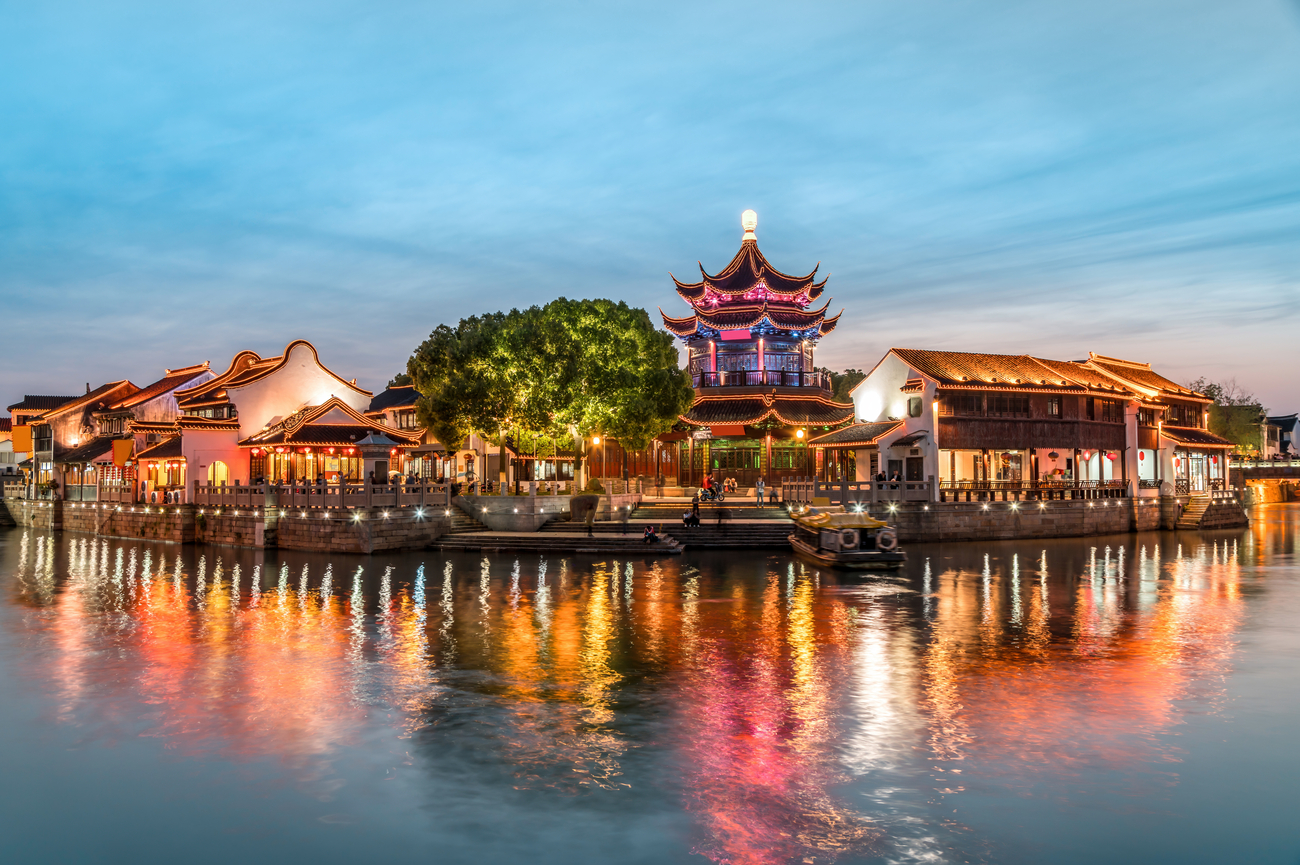
Day 1

Morning: Humble Administrator’s Garden
If you’ve heard of Suzhou for its poetic classical gardens, then there’s no better place to begin your journey than the Humble Administrator’s Garden, the city’s largest and most famous garden. Built in 1509 during the Ming Dynasty, this UNESCO World Heritage Site is often called the “Mother of all Chinese Gardens” for the way it seamlessly blends water, rock, architecture, and greenery into one living composition.
The garden layout is divided into three distinct sections: the central, western, and eastern garden, with each centered around a network of interconnected pools and streams. There’s also the residential area which houses the Suzhou Garden Museum, the only museum in China dedicated specifically to the art of garden design.
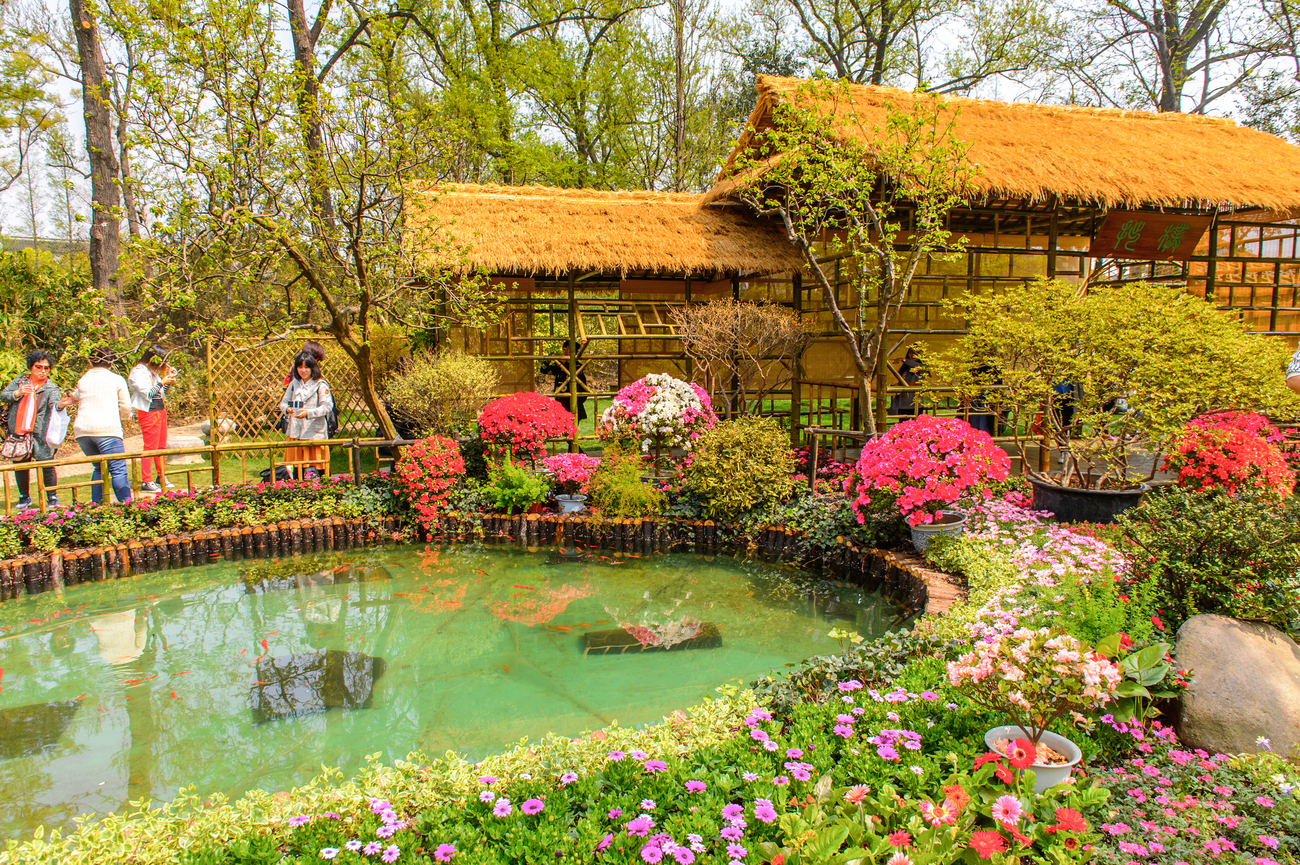
Time your visit during the seasonal floral festival to see the garden bloom in hundreds of rare azalea varieties or lotus flowers.
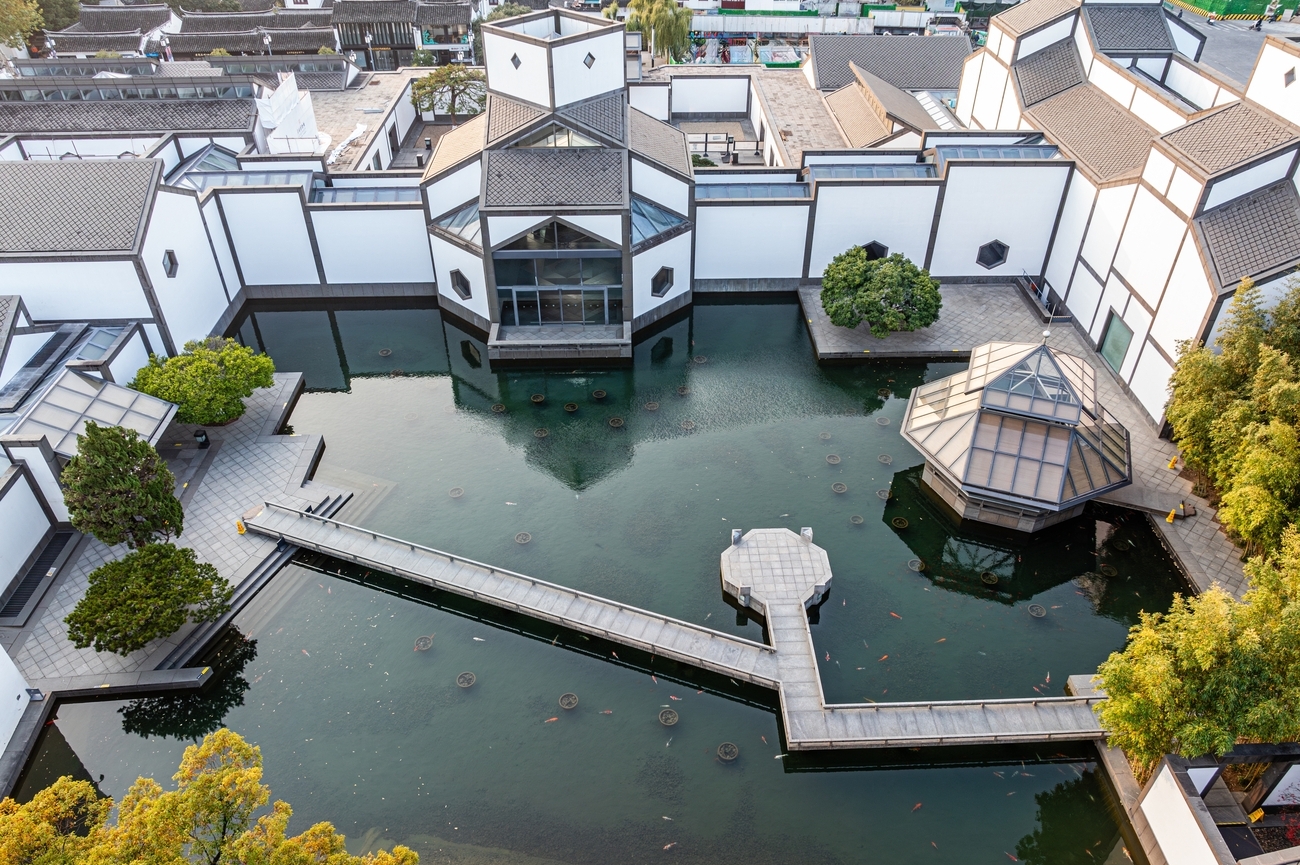
Suzhou Museum
Just a 5-minute walk from the Humble Administrator's Garden, Suzhou Museum offers a beautifully curated pause between your garden visit and city exploration. It’s one of the most graceful museum experiences in China. The museum is divided into two distinct sections; the Eastern Old Museum, housed inside Prince Zhong’s Mansion, and the Western New Museum, designed by Pritzker Prize–winning architect I. M. Pei, the visionary behind the Louvre Pyramid in Paris and one of the most influential architects of the twentieth century. The museum houses a collection of over 15,000 cultural relics, including refined ceramics, calligraphy, and paintings from the Song, Ming, and Qing dynasties.
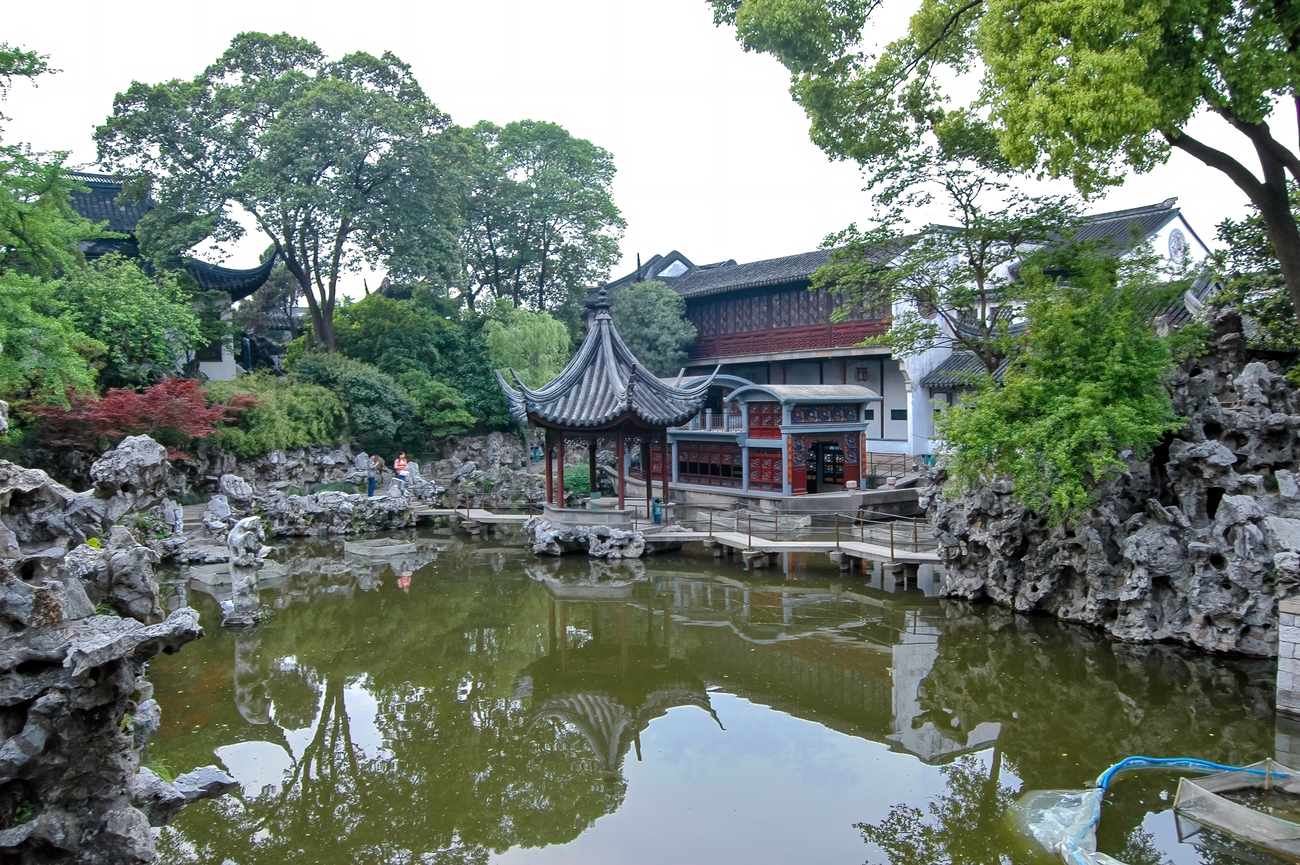
Lion Grove Garden
Next, head to the Lion Grove Garden, a UNESCO World Heritage Site and one of Suzhou’s "Four Famous Gardens". Built in 1342 during the Yuan Dynasty as a Zen Buddhist retreat, this garden feels more like an adventure than a scenic garden stroll. Known around the world as the “Kingdom of Rockeries,” the garden is famous for its towering Taihu stone formations that twist into caves, tunnels, and maze-like paths. As you wander through them, you’ll start to see why they’re said to resemble lions in different poses. Turn your visit into a game of “spot the lions” as there are estimated 500 stone lions hidden within the rock formations, making it fun to compete with a buddy and see how many you can find.
Day 1, Morning - Suzhou Tour Map
Afternoon: Couple’s
Retreat Garden
Continue your day at the Couple’s Retreat Garden, a UNESCO World Heritage Site with a story that’s intimate. Built in the late 19th century as the private residence of official Shen Bingcheng and his wife, Yan Yonghua, this garden stands out for its romantic design. Unlike most Suzhou gardens, the residence sits at the centre, with an Eastern Garden on one side and a Western Garden on the other, almost as if the home is held in balance. As you wander through, you might notice how the architecture reflects the couple’s love and relationship. The Pavilion of Love, for instance, was where Lady Yan played the guqin, and the nearby Pavilion of Melody was where her husband would sit and listen, a beautiful memory of companionship and shared moments.
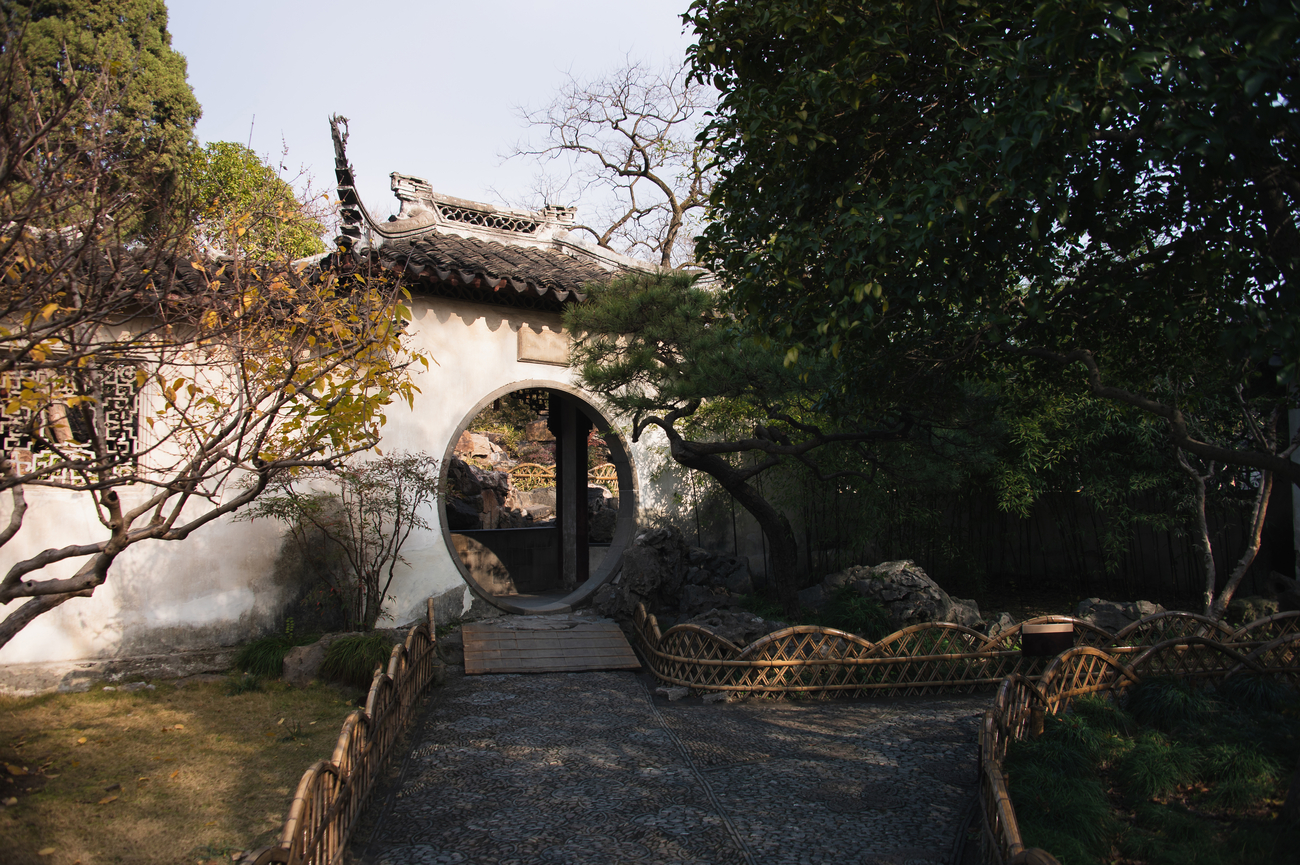
Ligongdi Peninsula
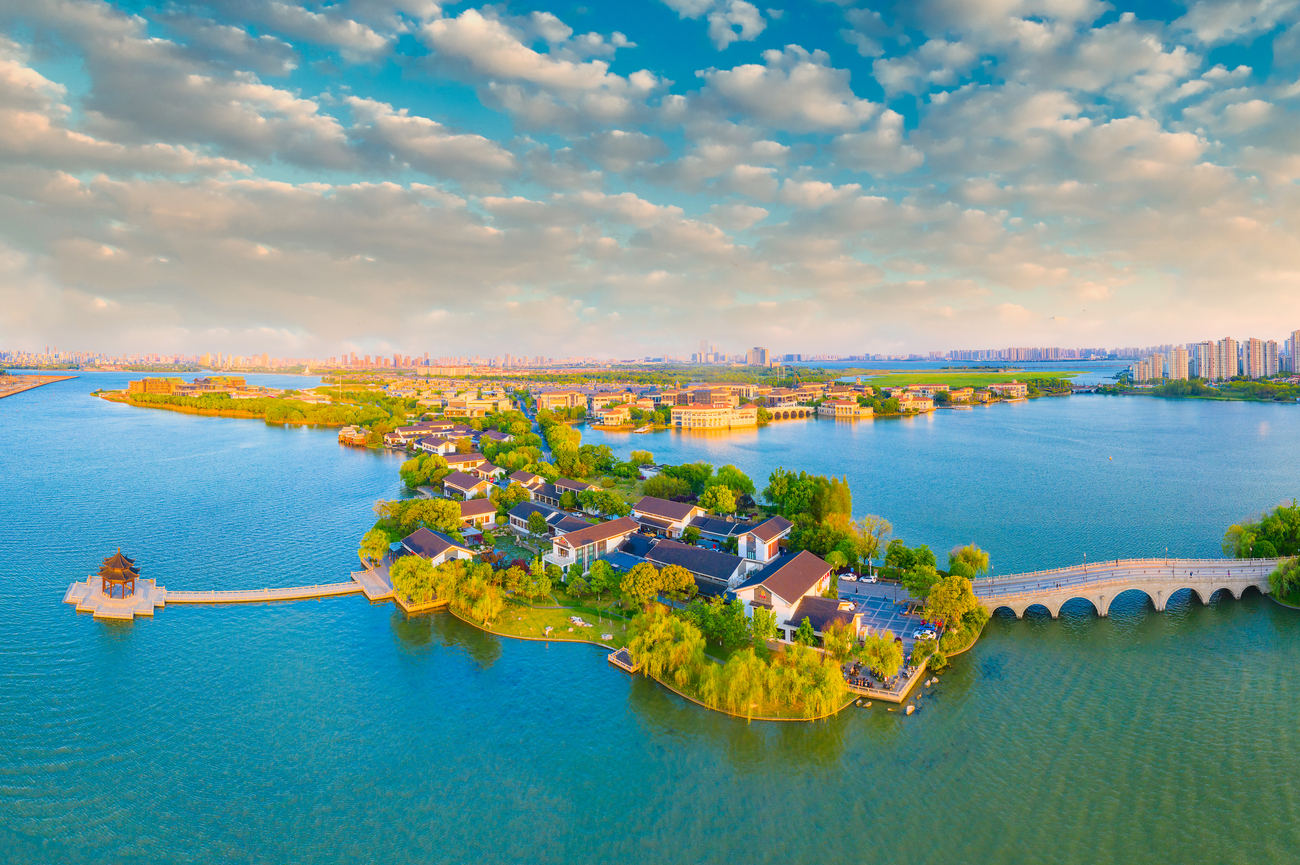
End your first day in Suzhou with a relaxing stroll at Ligongdi Peninsula, the only causeway on Jinji Lake. Enjoy the gentle breeze and spectacular views of the Gate of the Orient (or the "Pants" building) from the waterfront promenade, or walk toward the pagoda for some of the most photographed evening scenes in Suzhou. If you’re ready for dinner, you’re in the right place as Ligongdi is home to well known dining spots like Deyuelou, known for classic Suzhou flavours, and Su Cheng Jia Yan, a Michelin-listed restaurant that brings a modern twist to traditional Jiangzhe cuisine.
Day 1, Afternoon - Suzhou Tour Map
Day 2
Morning: Tiger Hill
Begin your day at Tiger Hill, often called the “No. 1 Scenic Spot in Suzhou.” This is where history, legend, and landscape come together. The hill is believed to be the burial site of King Helu, the founding ruler of Suzhou, and it has long been one of the city’s most symbolic landmarks.
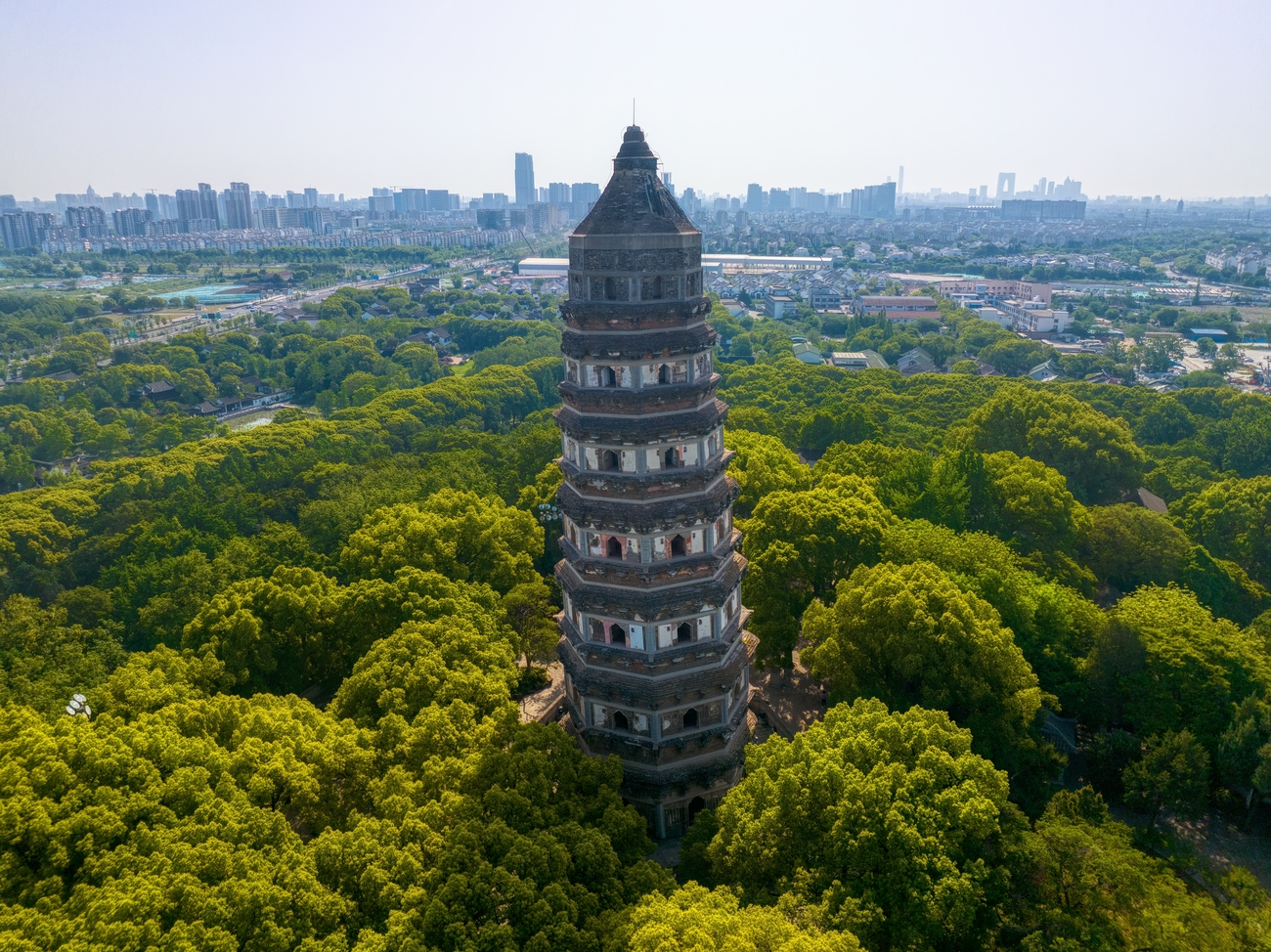
At the summit, stands the Leaning Tower of China, a 1,000 year old octagonal pagoda that tilts noticeably to the northwest. Fun fact: its lean actually predates that of the Leaning Tower of Pisa. Below, take time at Sword Pool, a narrow stretch of water said to mark the entrance to King Helu’s tomb. Legend says that 3,000 swords were buried with him here. Be sure to wear comfortable walking shoes, as the paths are uneven and paved with stone.
Lingering Garden
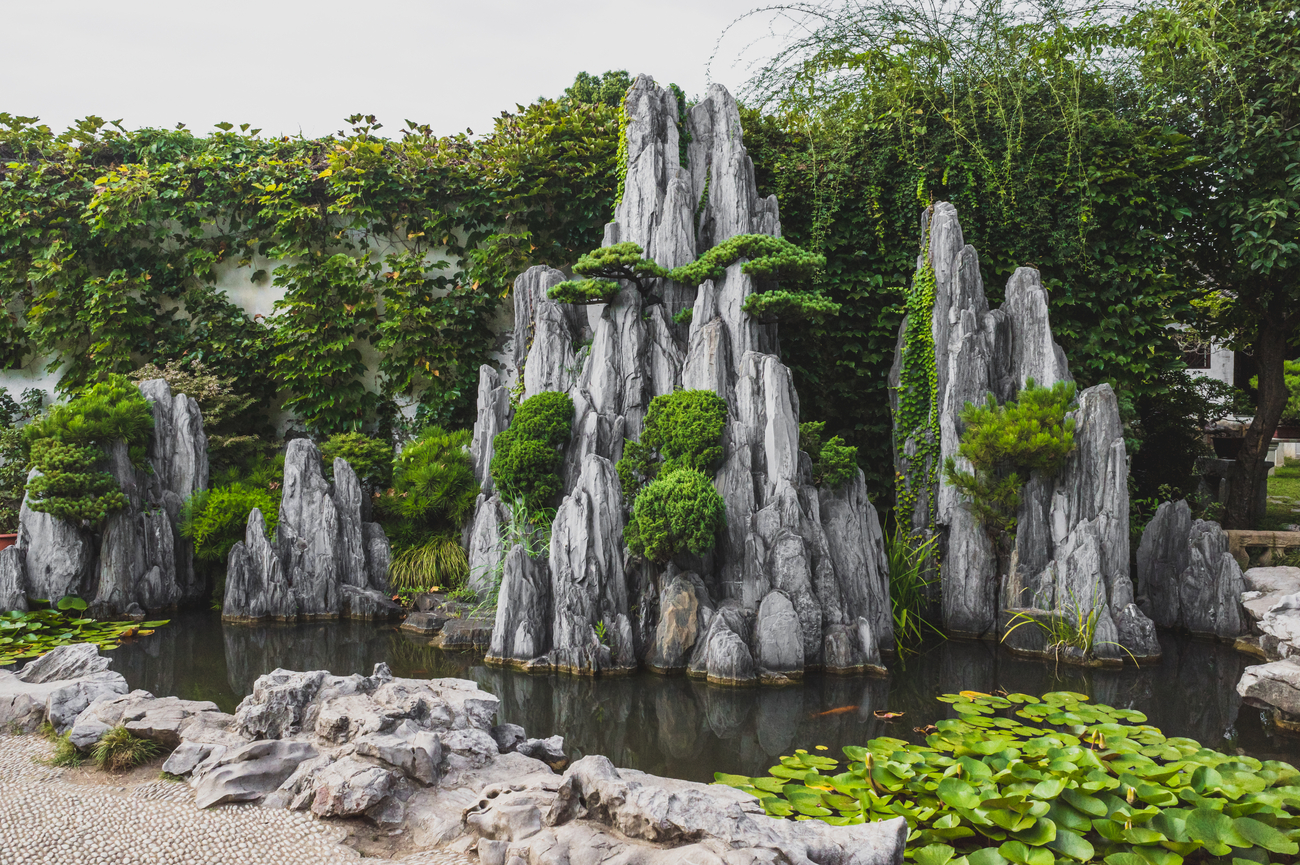
Next, step into one of China’s four most famous classical gardens and a UNESCO World Heritage Site, the Lingering Garden. Built in 1593 during the Ming Dynasty, the garden is famous for its masterful use of space and its world class collection of Taihu rocks. See the Cloud-Capped Peak (the most famous rock in Suzhou). Standing 6.5 metres tall, it represents the pinnacle of “stone appreciation” in Chinese culture.
Explore the garden’s unique covered walkway, which features more than 200 latticed windows, each with a different geometric design. The garden also regularly hosts Intangible Cultural Heritage performances. You may hear the ethereal sounds of Kunqu Opera or Suzhou Pingtan (traditional storytelling), performed by artists in classical pavilions overlooking the water.
Day 2, Morning - Suzhou Tour Map
Afternoon: Suzhou Grand Canal
Hop aboard for a relaxed cruise along Suzhou’s section of the Grand Canal. Most cruises begin at Xinshiqiao Dock, looping past historic areas like Panmen, Xumen, and Bai Juyi Dock before returning to the starting point. Along the way, you’ll pass several old bridges, and see the busy streets. The cruise usually lasts around 45 minutes for a standard sightseeing loop, or longer if you opt for a more in depth route. As you sit back and watch daily life unfold along the water, you’ll be treated to live storytelling and ballad singing in the Suzhou dialect. Performers, dressed in traditional cheongsam, play the pipa and sing a few short pieces.
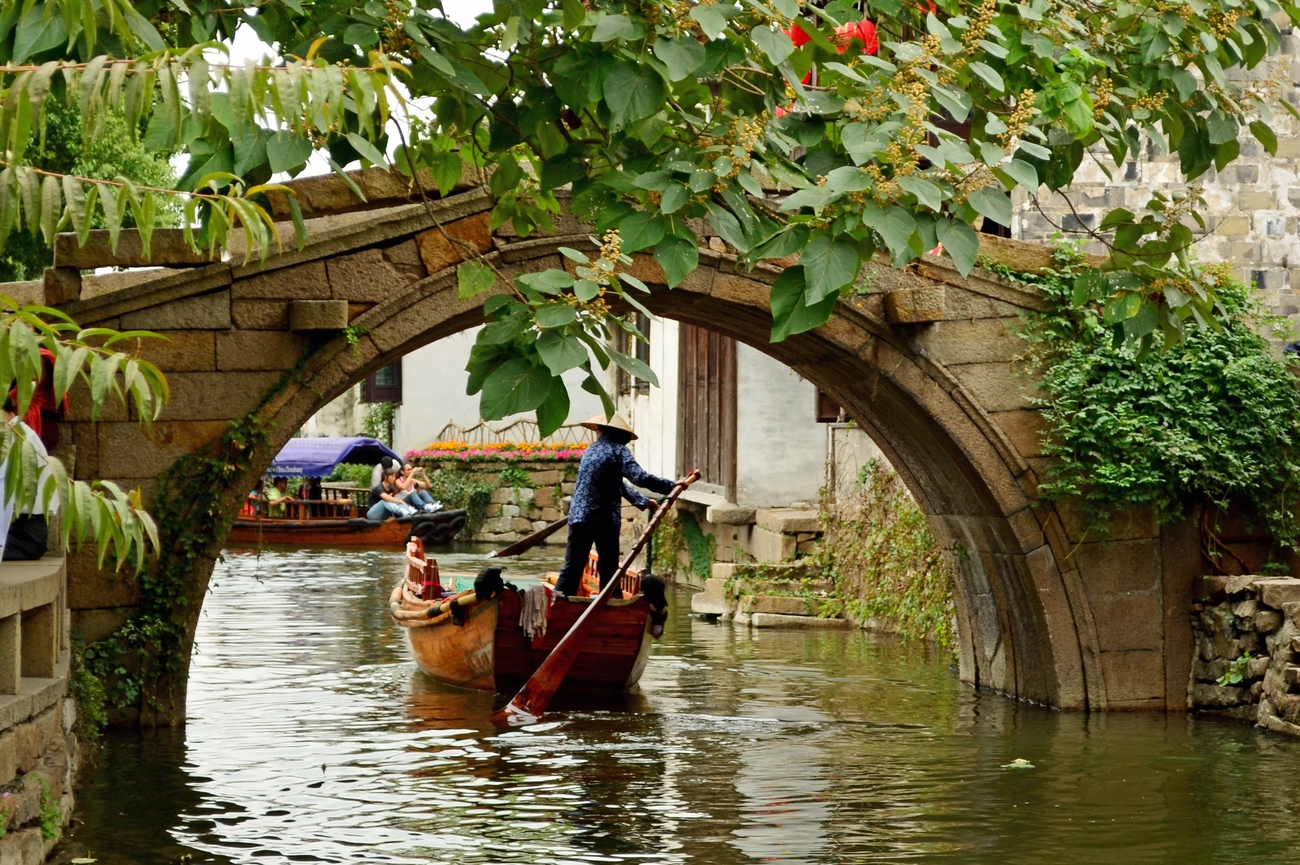
Shantang Street
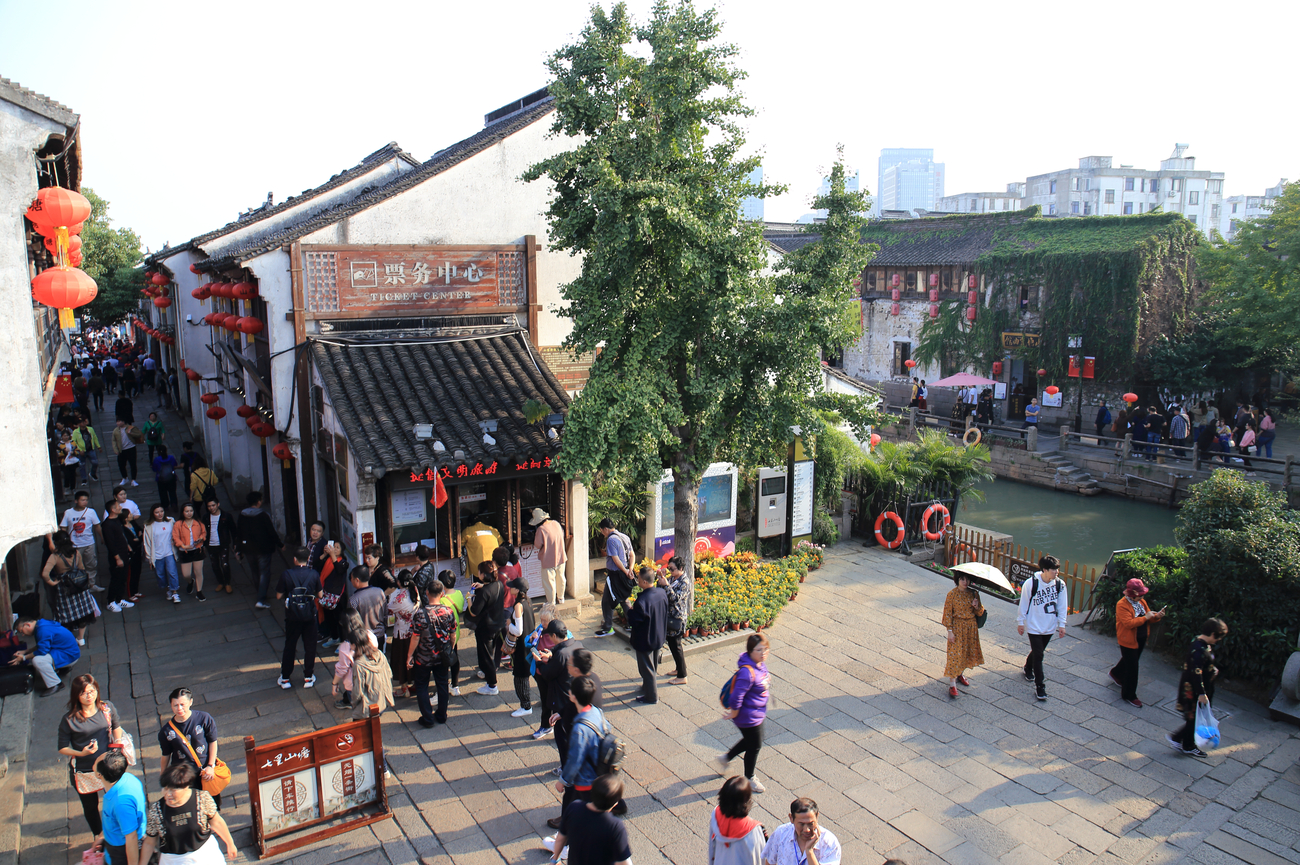
After your canal cruise, follow your appetite to Shantang Street and sample some of Suzhou’s local favourites: pan-fried buns (shengjian mantou), stinky tofu, and fragrant osmanthus treats. Shantang was built in 825 AD by the poet Bai Juyi, this 3.6-kilometre stretch captures the classic “Venice of the East” atmosphere Suzhou is known for.
The eastern side of the street is lively and full of shops, while the western end is quieter and more residential. Stay until dusk if you can and enjoy evening photography as Shantang is most beautiful at dusk when the red lanterns are lit, reflecting perfectly in the still canal water.
Day 2, Afternoon - Suzhou Tour Map
Day 3
Morning: Tongli Ancient Town
Start your day outside the city centre at Tongli Ancient Town, a 1,000 year old water town in Suzhou’s Wujiang District. Often described as an “Oriental Venice” or a living ink painting. Unlike other water towns in China, Tongli is unique in its layout, with seven small islands divided by fifteen rivers, it’s all linked by nearly 50 historic stone bridges, making it easy and accessible to explore on foot. As you wander around, don’t miss the must-see attractions in the town proper like the Gengle Hall, a Ming Dynasty residence known for its rare wood and root carvings. The Luoxing Islet, a peaceful spot on the lake where Buddhist, Taoist, and Confucian shrines sit side by side. The Three Bridges: Taiping, Jili, and Changqing which locals say bring peace, good luck, and happiness when crossed in sequence. Within the town, you’ll also find Tuisi Garden, a UNESCO World Heritage Site admired for its “floating” pavilions and water-centered design.
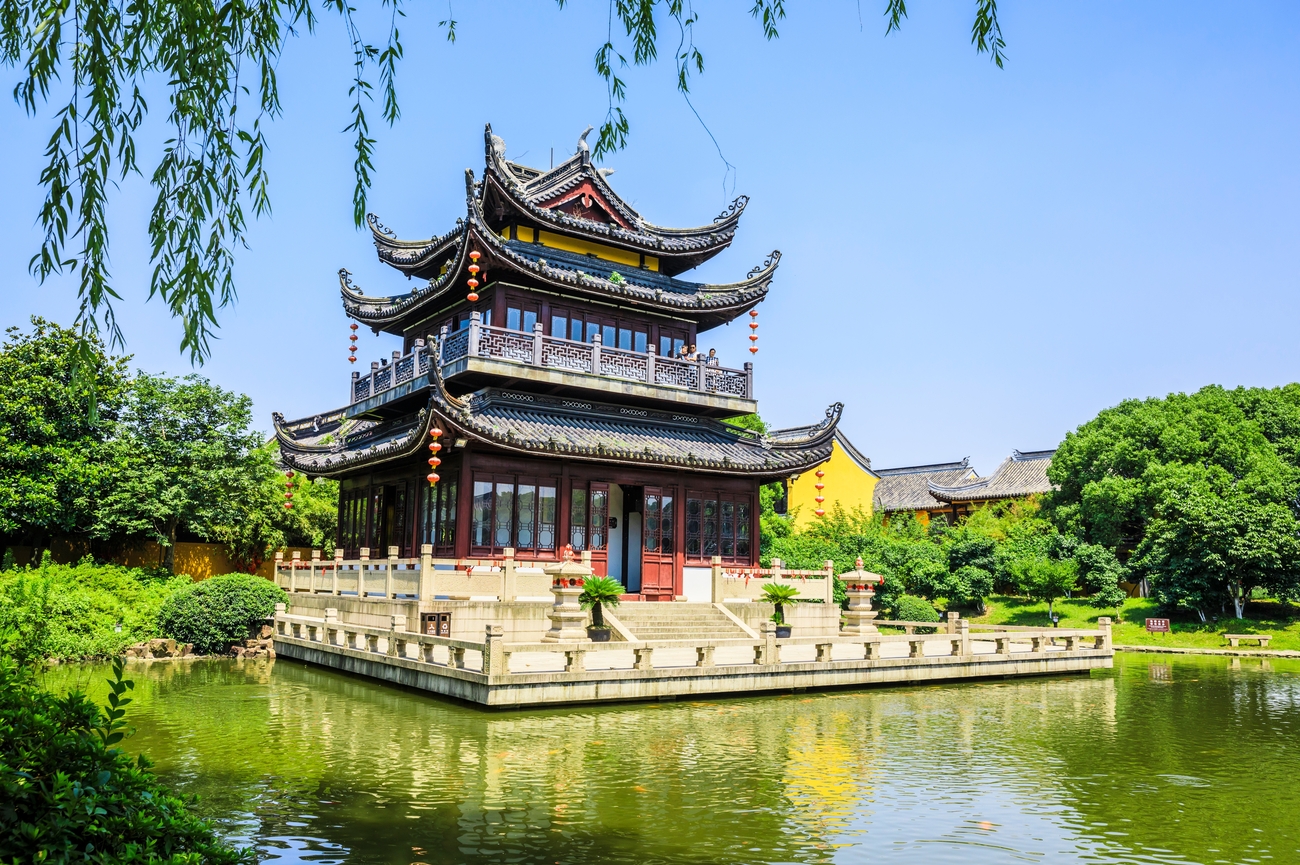
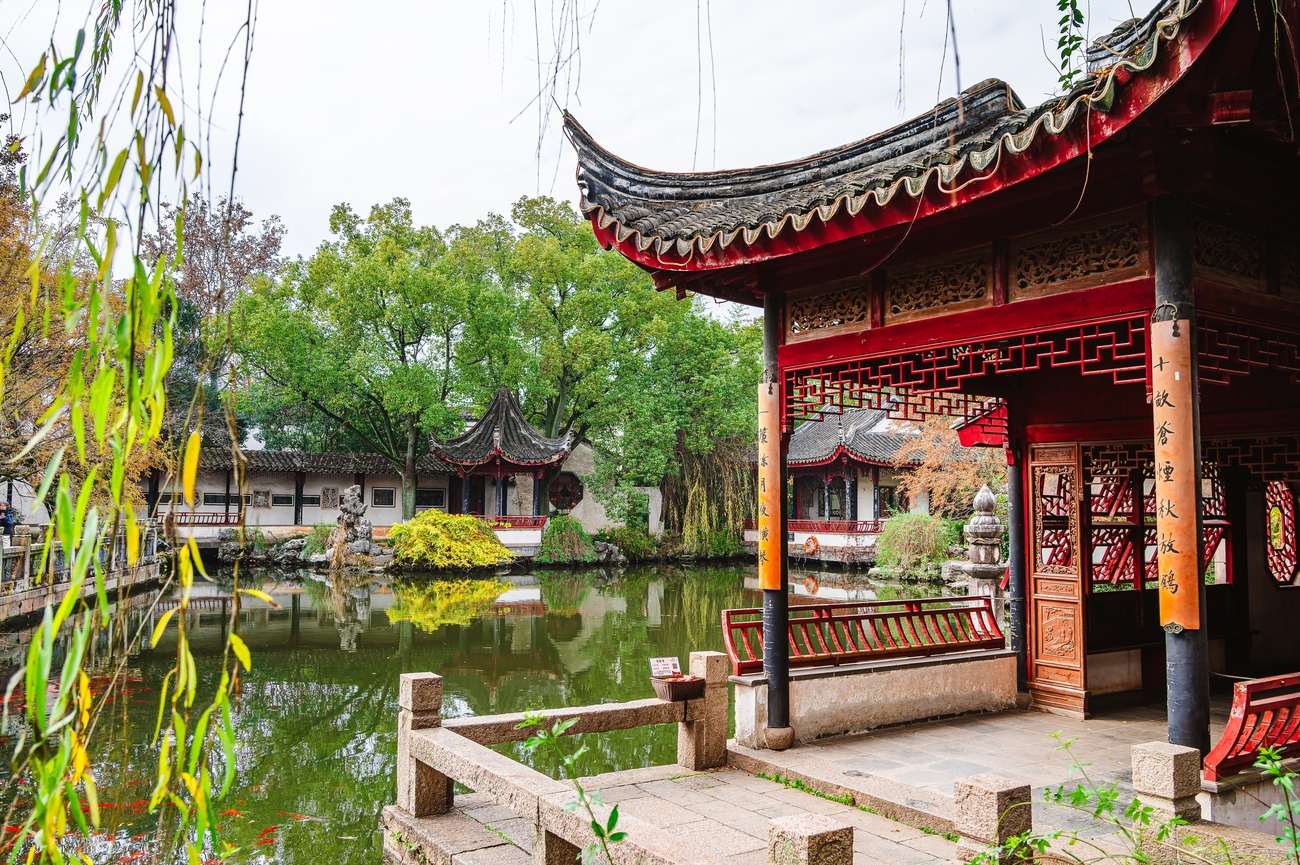
Tuisi Garden
Also known as the Retreat and Reflection Garden, Tuisi Garden is a UNESCO World Heritage Site located in the heart of Tongli Water Town. Built between 1885 and 1887 by a retired official named Ren Lansheng, its name comes from a Chinese classic that speaks to duty and self reflection, a suitable theme that best describes the garden. Unlike the grand gardens in central Suzhou, Tuisi is small and thoughtfully designed, covering just 660 square metres. Instead of rising upward, the garden stretches from west to east. You’ll move from the former living quarters, through a quiet courtyard, and into the landscape garden beyond. The eastern section is centred around a large pond, and the pavilions, bridges, and verandas sit so close to the water that the whole space seems to float.
Day 3, Morning - Suzhou Tour Map
Afternoon: Suzhou Yu Kiln Jinzhuan Museum
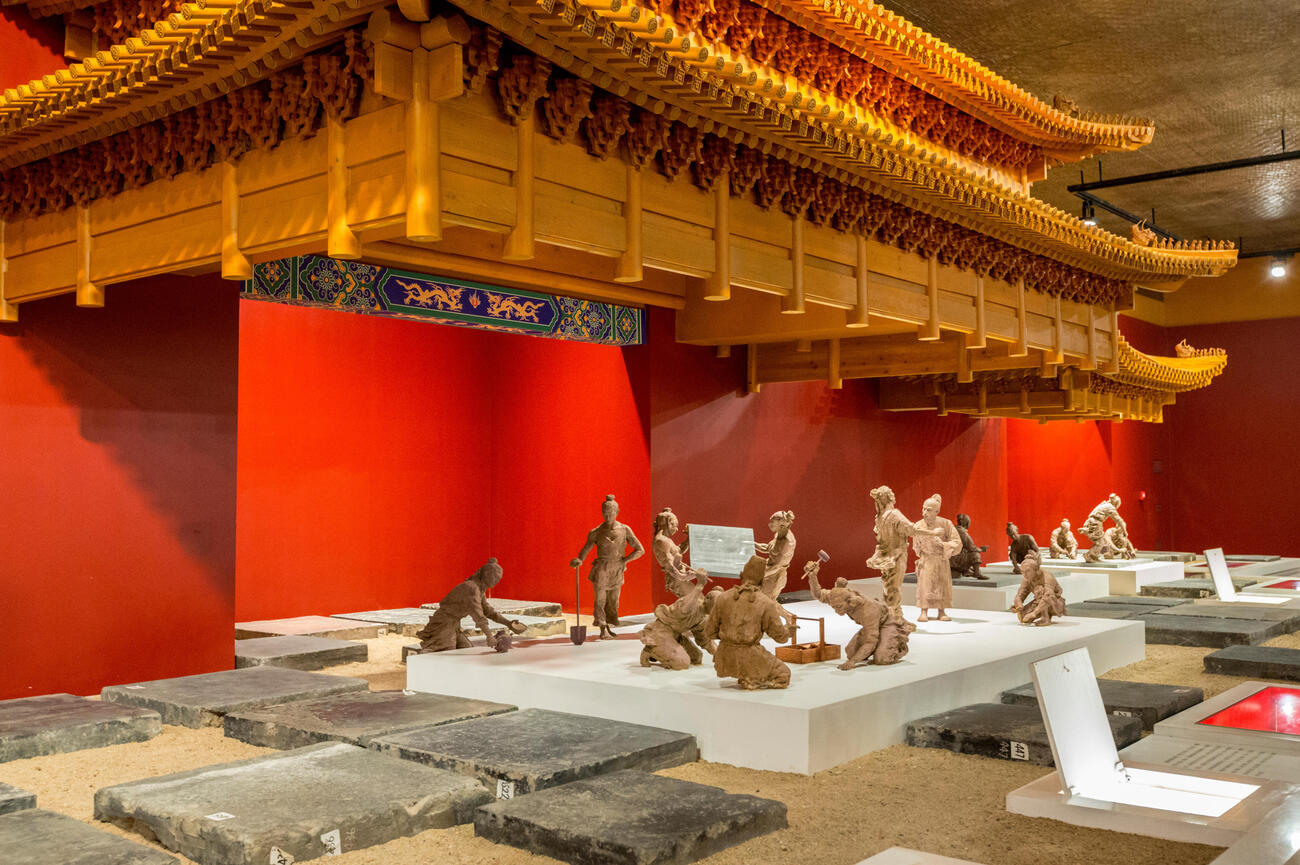
Head to the northern part of the city centre to visit the Suzhou Yu Kiln Jinzhuan Museum, also known as the Suzhou Imperial Kiln Brick Museum. It’s the first museum in China dedicated entirely to the “Golden Bricks” (jinzhuan) that paved the grand halls of the Forbidden City in Beijing. As you move through the museum, you’ll learn just how grueling the two year process of transforming local yellow clay into the high density, “gold-sounding” bricks reserved for imperial use. The three floor main hall guides you through the full story: from how the bricks were made, to how they were transported via the Grand Canal, and then how they were used in imperial architecture. One highlight is the chance to step inside a full scale kiln, where you can see the structure up close and better appreciate the skill and labour behind something most visitors to Beijing never think twice about.
Master of the Nets Garden
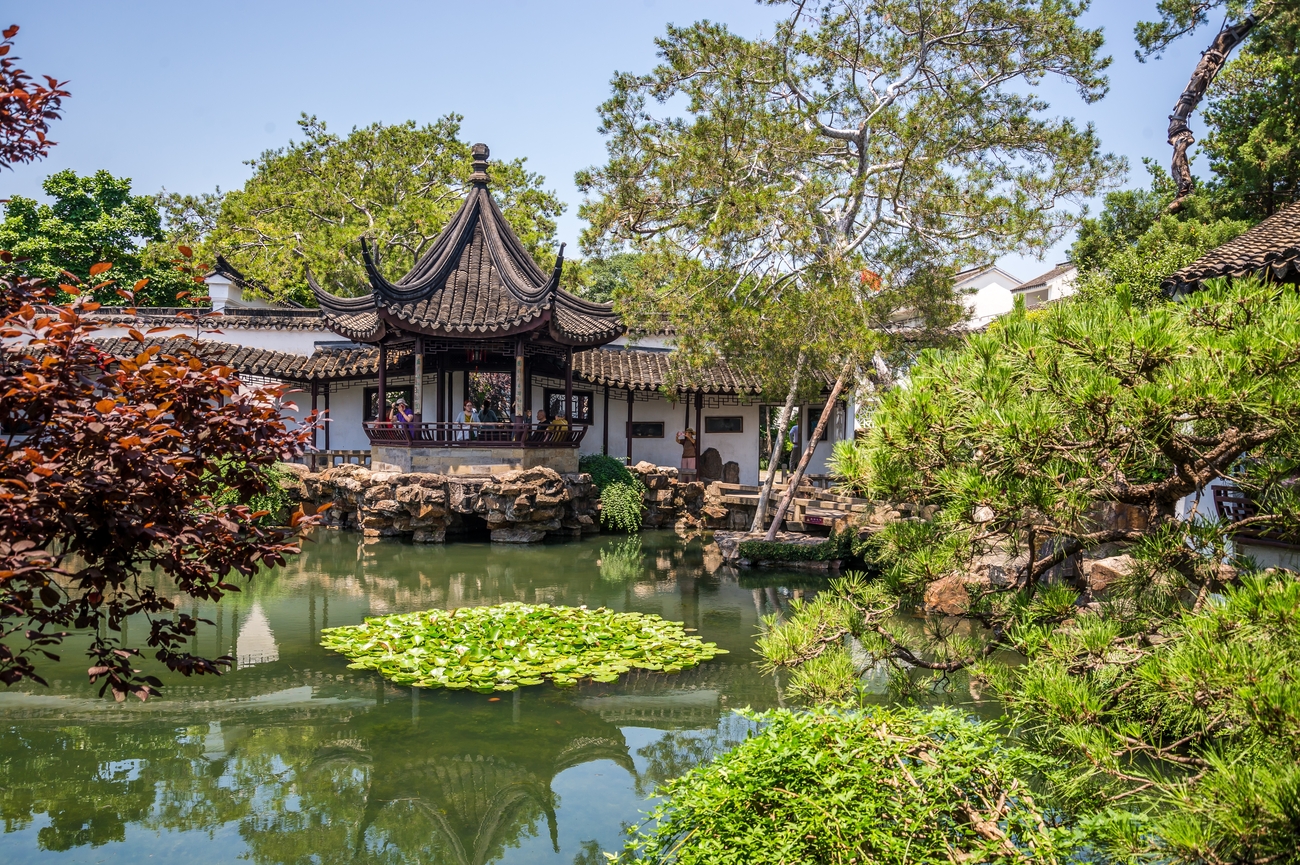
End your day at the Master of the Nets Garden, the only major Suzhou garden with a dedicated evening performance programme. It’s the smallest and often considered the most refined of the UNESCO listed gardens, and its compact layout means you can explore it comfortably in about 45 to 60 minutes tops. Evening performances are from mid-March to mid-November. During the performance you’ll be guided through its halls and courtyards, moving from one pavilion to the next as short performances unfold around you. Each stop offers something different: Kunqu opera, Suzhou pingtan storytelling, folk dance, or soft flute music. It’s an intimate, beautifully paced experience that lets you see Suzhou’s living culture in a setting that feels personal and magical.
Day 3, Afternoon - Suzhou Tour Map
Day Trips from Suzhou
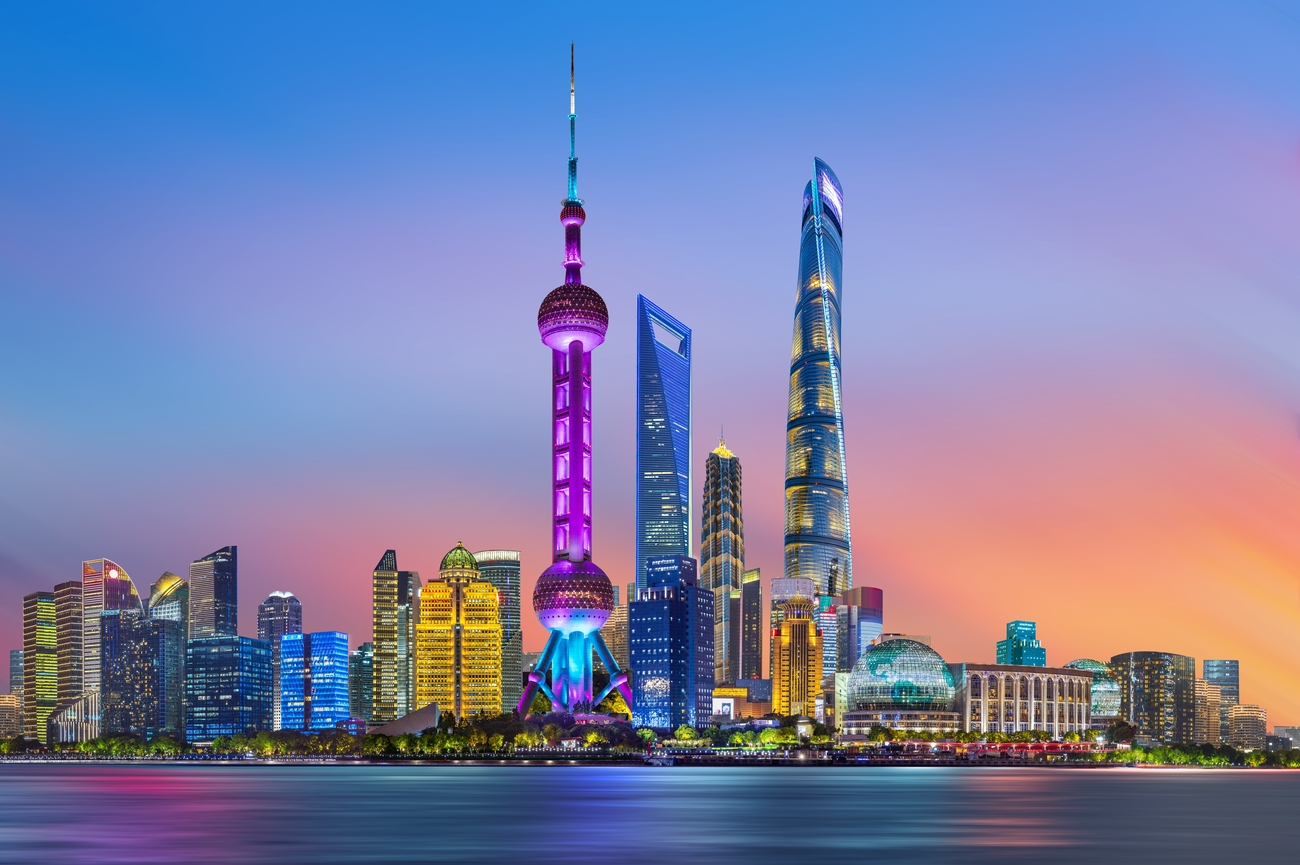
- Shanghai: Just 25 to 45 minutes away by high speed rail, you can reach Shanghai, China’s most populous and modern city. Start with a stroll along The Bund, where grand 19th century colonial buildings line one side of the river while the futuristic skyline of Lujiazui rises on the other like opposing chess pieces. And then step into Yu Garden, a beautifully preserved Ming Dynasty garden, and wander the surrounding bazaar to sample local snacks and browse crafts. If you’re in the mood for energy and neon lights, head to Nanjing Road, often called China’s “Number One Shopping Street,” where a long pedestrian stretch is packed with global brands and constant movement.
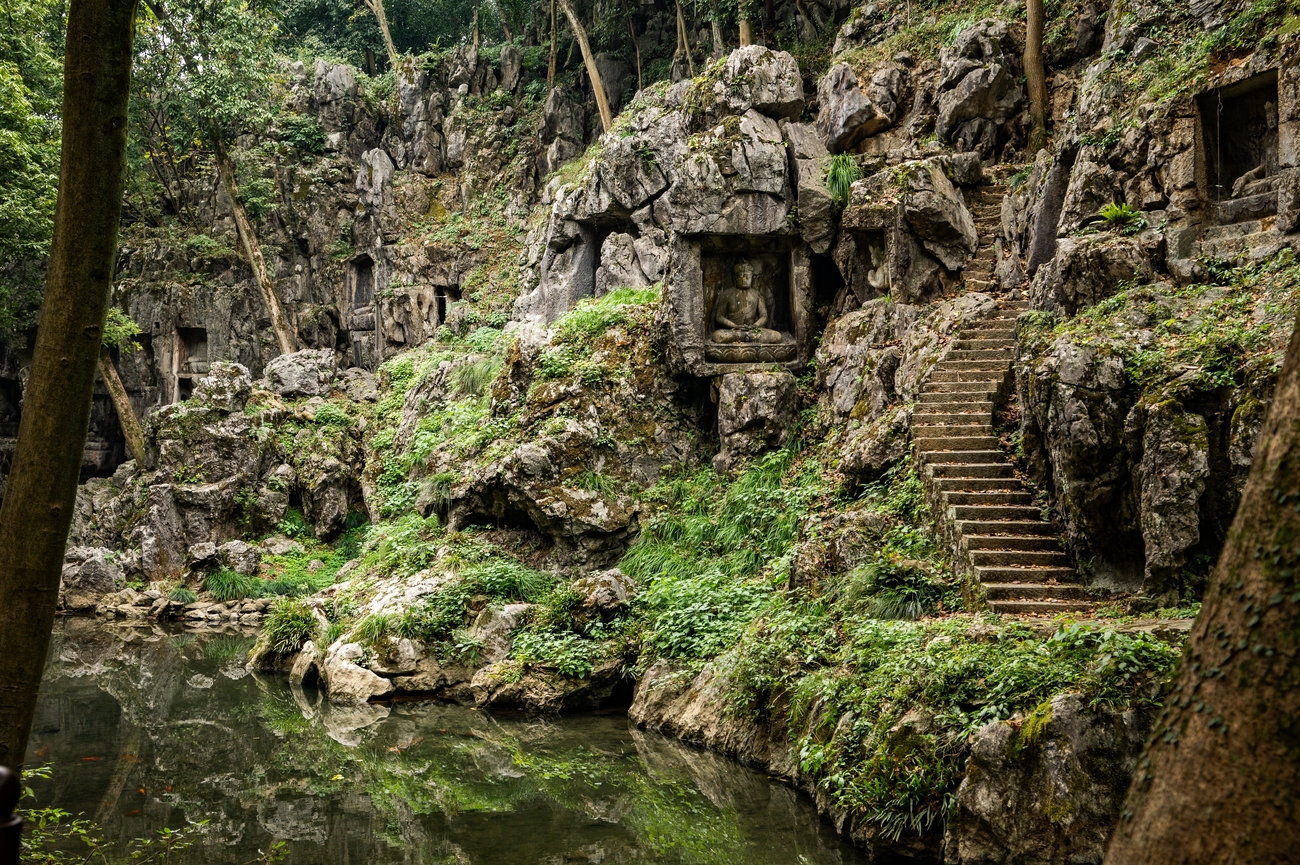
- Hangzhou: If Suzhou is known as the “garden city,” then Hangzhou is its natural counterpart known as the “lake city.” There’s an old Chinese saying that captures it perfectly: “In heaven there is paradise; on earth there are Suzhou and Hangzhou.” From Suzhou, you can reach Hangzhou in about 1.5 to 2 hours by high speed rail. Once there, walk along the willow lined Su Causeway, admire the elegant Leifeng Pagoda, or glide across the lake on a wooden boat to the Three Pools Mirroring the Moon. You can also visit Lingyin Temple, one of China’s most important Buddhist temples. Nearby, the Feilai Feng features hundreds of ancient Buddhist carvings etched directly into the rock face.
- Nanjing: If you’re interested in China’s imperial and revolutionary history, Nanjing is a memorable day trip from Suzhou. Known as the country’s “southern capital,” Nanjing is grand and monumental, characterized by wide boulevards, massive city walls, and a deep sense of historical gravity. The high-speed train ride from Suzhou takes just 1 to 1.5 hours. Here, you can explore the sections of the Nanjing City Wall, the longest surviving ancient city wall in the world, where you can truly grasp the scale of China’s imperial defences. You can also visit the Presidential Palace, once the headquarters of the Nationalist government. Beyond its political significance, the site surprises with elegant Xuyuan-style gardens, offering a quieter, reflective contrast to the city’s imposing monuments.
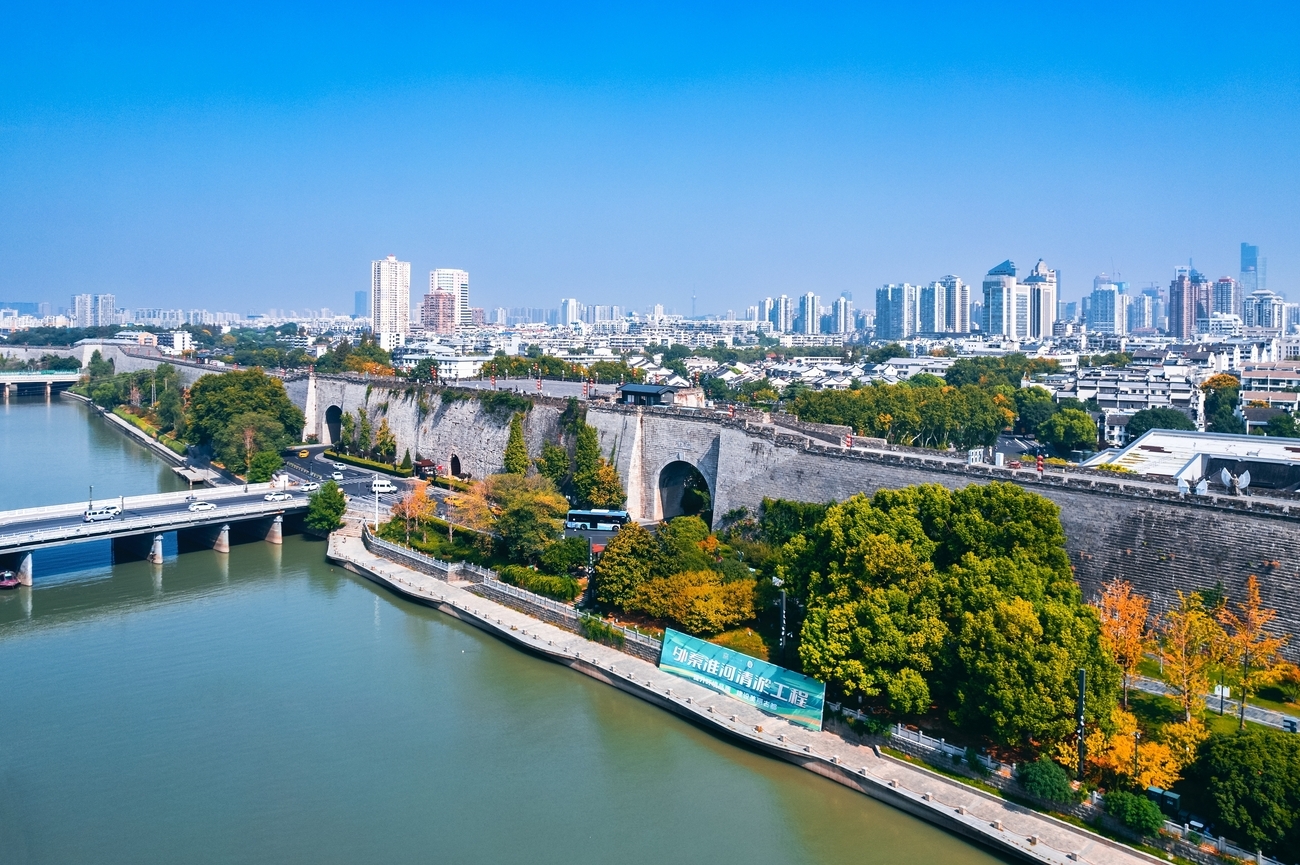
UNESCO World Heritage
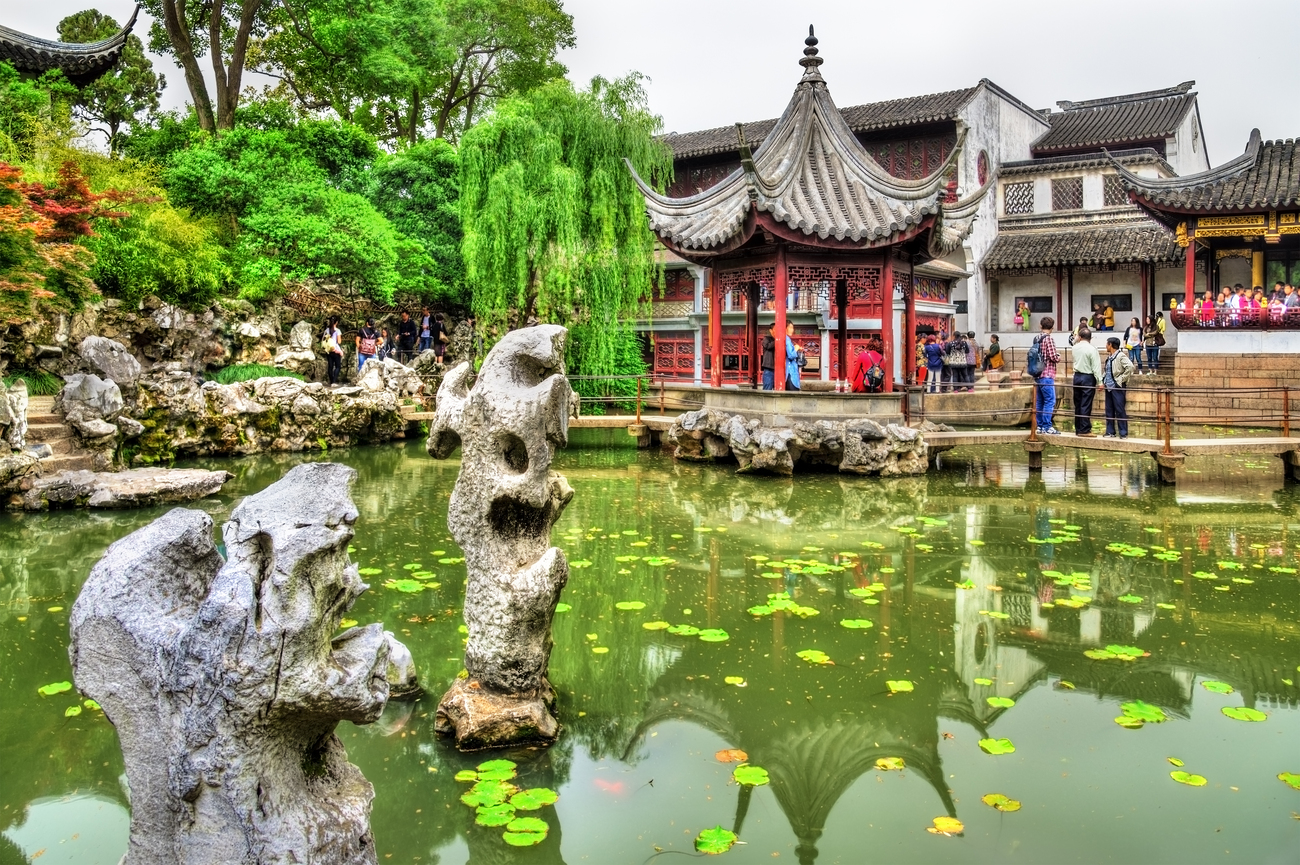
Sites in Suzhou
- Classical Gardens of Suzhou: Are a group of nine gardens recognised as UNESCO World Heritage Sites, for its Chinese landscape design. Built between the 11th and 19th centuries, these gardens were created by scholars and officials as private retreats or places to recreate nature in miniature within the city. When you visit, you’re not just walking through gardens, but stepping into carefully composed worlds meant for reflection, balance, and pleasure. The nine UNESCO-listed gardens are: Humble Administrator’s Garden, Lingering Garden, Master of the Nets Garden, Lion Grove Garden, Canglang Pavilion, Mountain Villa with Embracing Beauty, Couple’s Retreat Garden, Garden of Cultivation, and Tuisi Garden in Tongli Water Town. As you explore, it helps to know what to look for. Each garden is built around four essential elements: water (the blood), rocks (the skeleton), plants (the clothing), and architecture (the soul). Keeping these in mind will deepen your experience, helping you see how every pond, stone, pavilion, and pathway works together to create harmony.
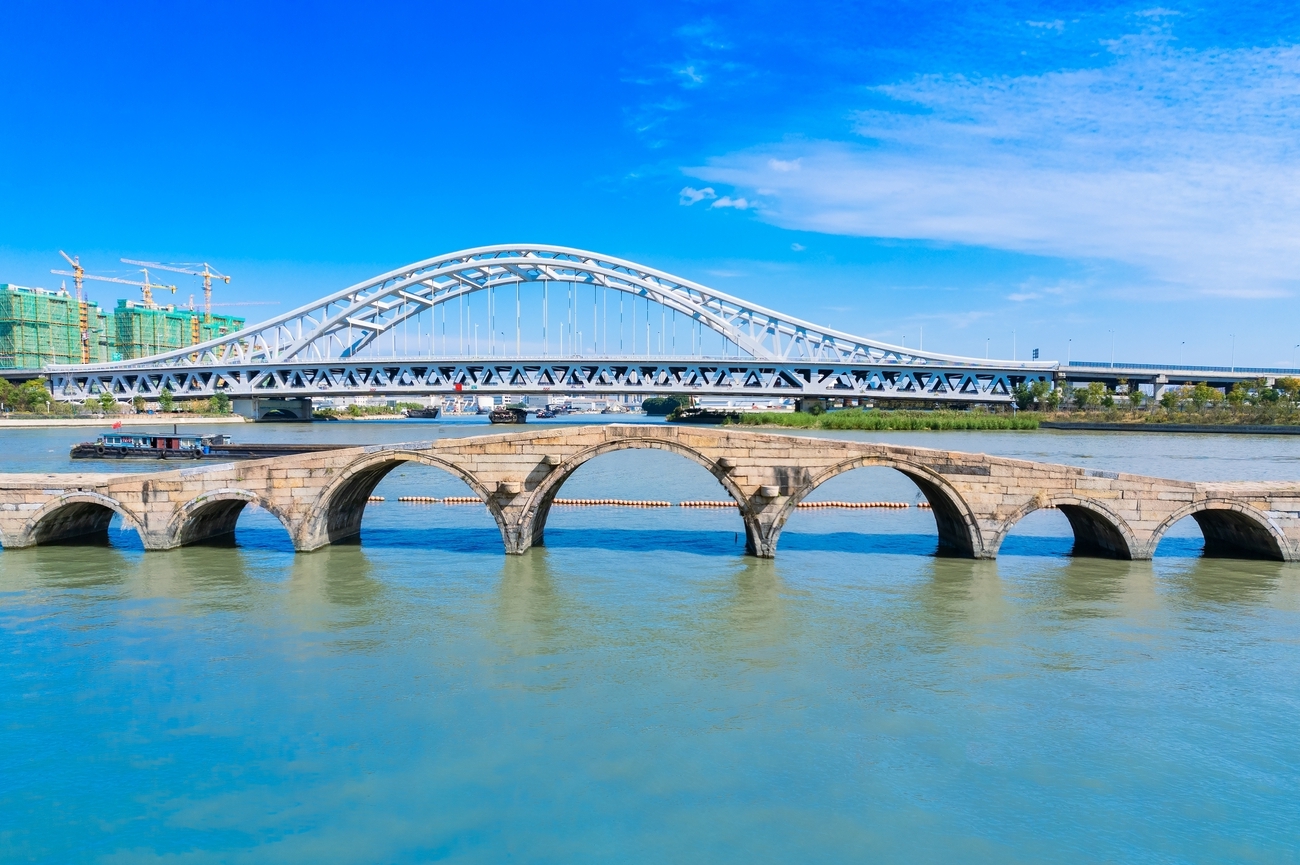
- The Grand Canal (Suzhou Section): The Suzhou section of the Grand Canal is one of the most atmospheric parts of this UNESCO World Heritage system. While the Grand Canal stretches more than 1,000 miles across China, this 82 kilometre stretch is often considered its most poetic. It’s the only place where the canal still fully wraps around an ancient city, preserving Suzhou’s original Ming and Qing Dynasty layout. What’s protected here goes beyond the water itself. You’ll see the Ancient City Moat, which has encircled and defended Suzhou’s Old Town for over 2,500 years, the Shantang Canal, and the elegant Precious Belt Bridge (Baodai Bridge), a Tang Dynasty stone bridge with 53 arches, designed so canal boats could be towed smoothly beneath it.
One of the most memorable ways to experience Suzhou’s part of the Grand Canal is at night. River cruises departing from Shantang Street or Panmen Gate glide past illuminated city walls, arched stone bridges, and rows of whitewashed houses. It’s a scenic, immersive way to see how the canal still shapes daily life in Suzhou, just as it has for centuries.
Golf Courses in Suzhou
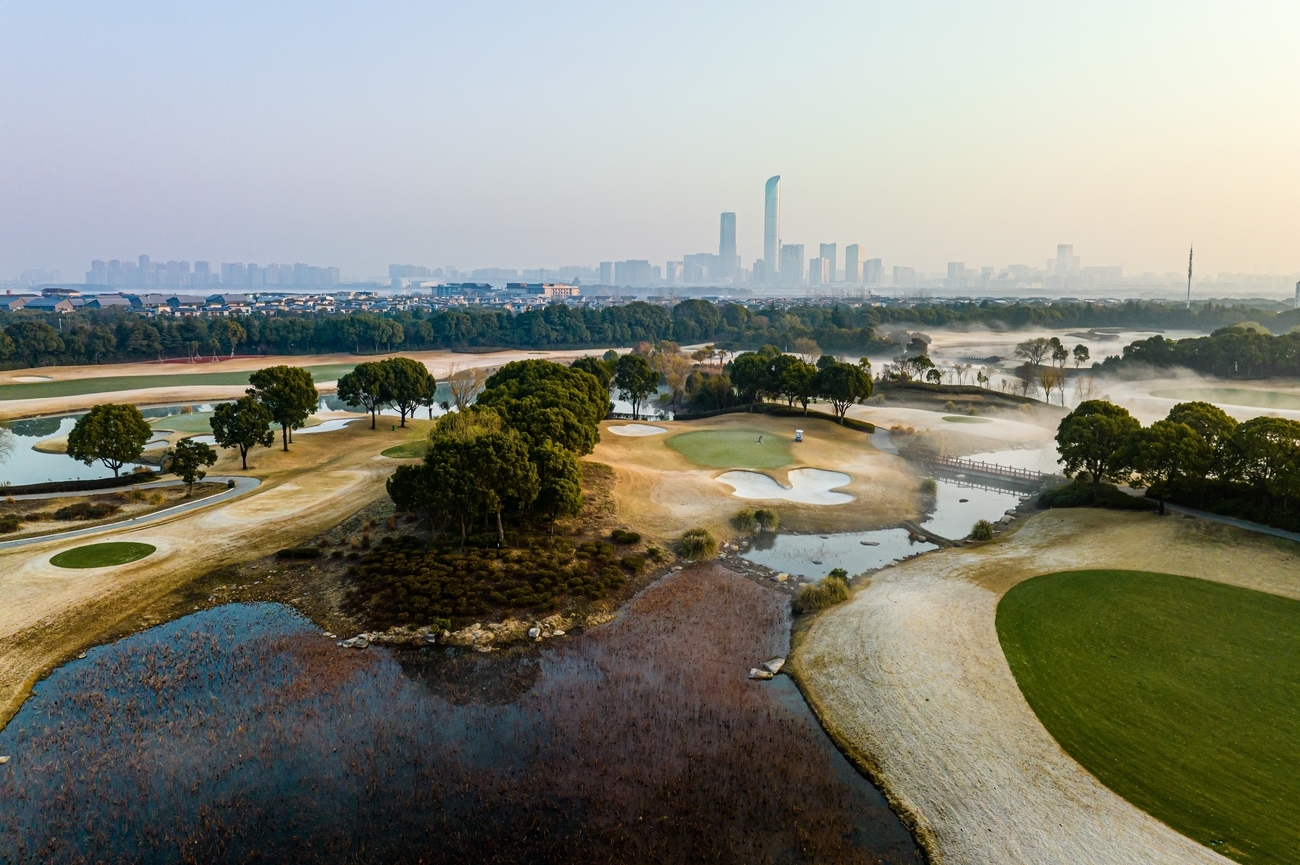
- Suzhou Taihu International Golf Club: This 18-hole championship course, situated on the shores of Taihu Lake is known for its lake view layout, where fairways are woven through elements inspired by Wu culture and classical Suzhou gardens. The course has hosted major international tournaments, including the Eurasian Women’s Open, where Annika Sörenstam claimed her final professional title in 2008. It has been consistently ranked among China’s top ten golf courses for more than eight consecutive years, and also serves as a training base for the Chinese national team.
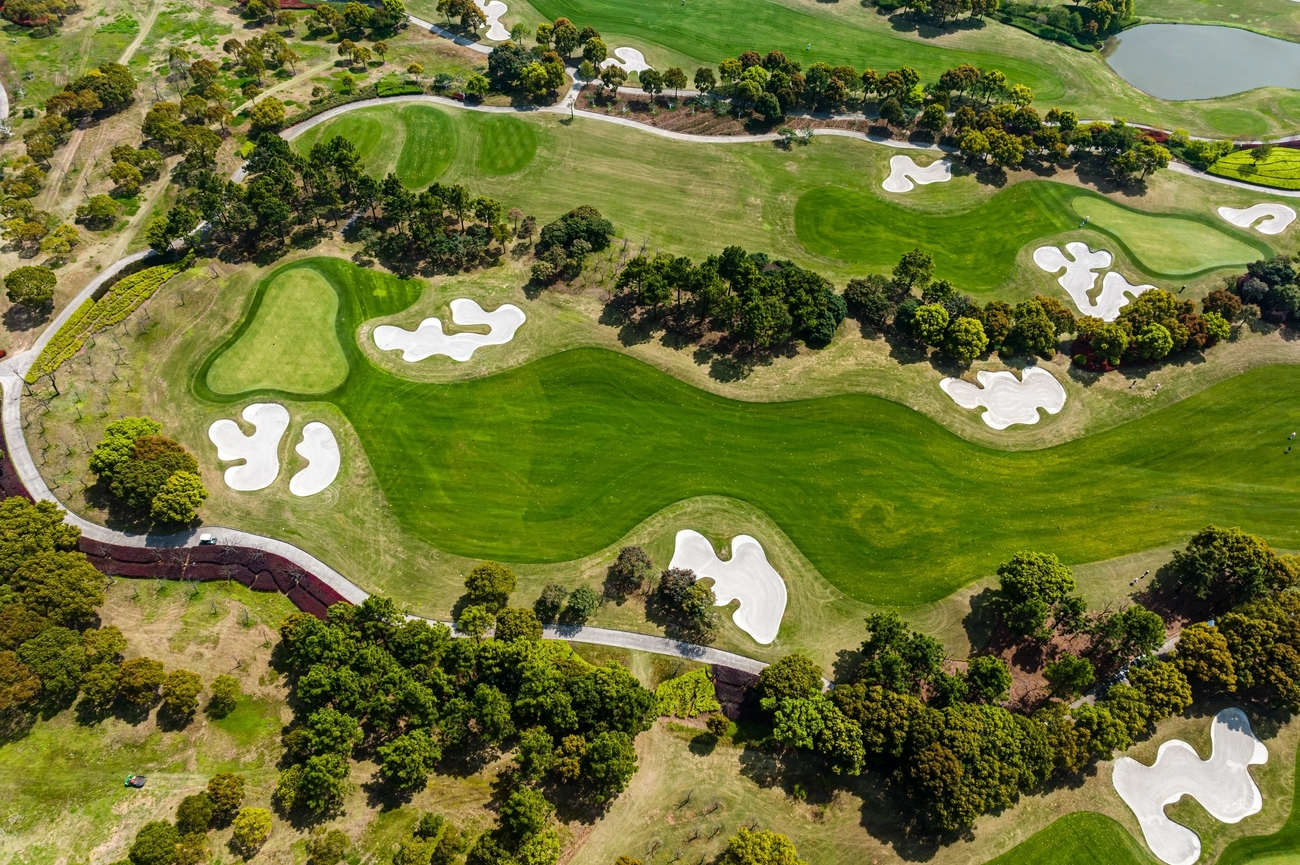
- Jinji Lake Golf Club: Located in the Suzhou Industrial Park, Jinji Lake Golf Club is one of China’s most prestigious and technically diverse courses. Designed by golf legend Gary Player, it stands out for offering the only true Links-style course in the Yangtze River Delta, giving you a firmer playing experience from most courses in the region. The club is made up of three distinct 9-hole layouts: the Links Course, the Wetlands Course, and the Forest Course, each offering its own course difficulty. It has hosted major international tournaments, including the Volvo China Open, adding to its reputation as a world class venue.
Luxury Spa &
Wellness Experiences in Suzhou
- SANGHA Retreat by OCTAVE Institute: A world class wellness sanctuary designed for deep, lasting mind and body reset. Its approach combines ancient Eastern practices with modern Western medical science, helping you make meaningful lifestyle changes rather than offering a quick escape. Here, you can stay for three to six nights, following a personalised healing journey shaped by advanced diagnostics such as a 9D scan or MaxPulse test. Your days may include yoga, Pilates, tai chi, qigong, or sound healing, all paced gently through a daily “Living Habits” schedule. Meals are just as intentional: at Thought for Food, Michelin trained chefs and nutritionists prepare organic, anti-inflammatory dishes tailored to your wellness goals. You’re also encouraged to unplug, stepping away from screens to clear your mind, reconnect with nature, and fully absorb the retreat’s restorative experience.
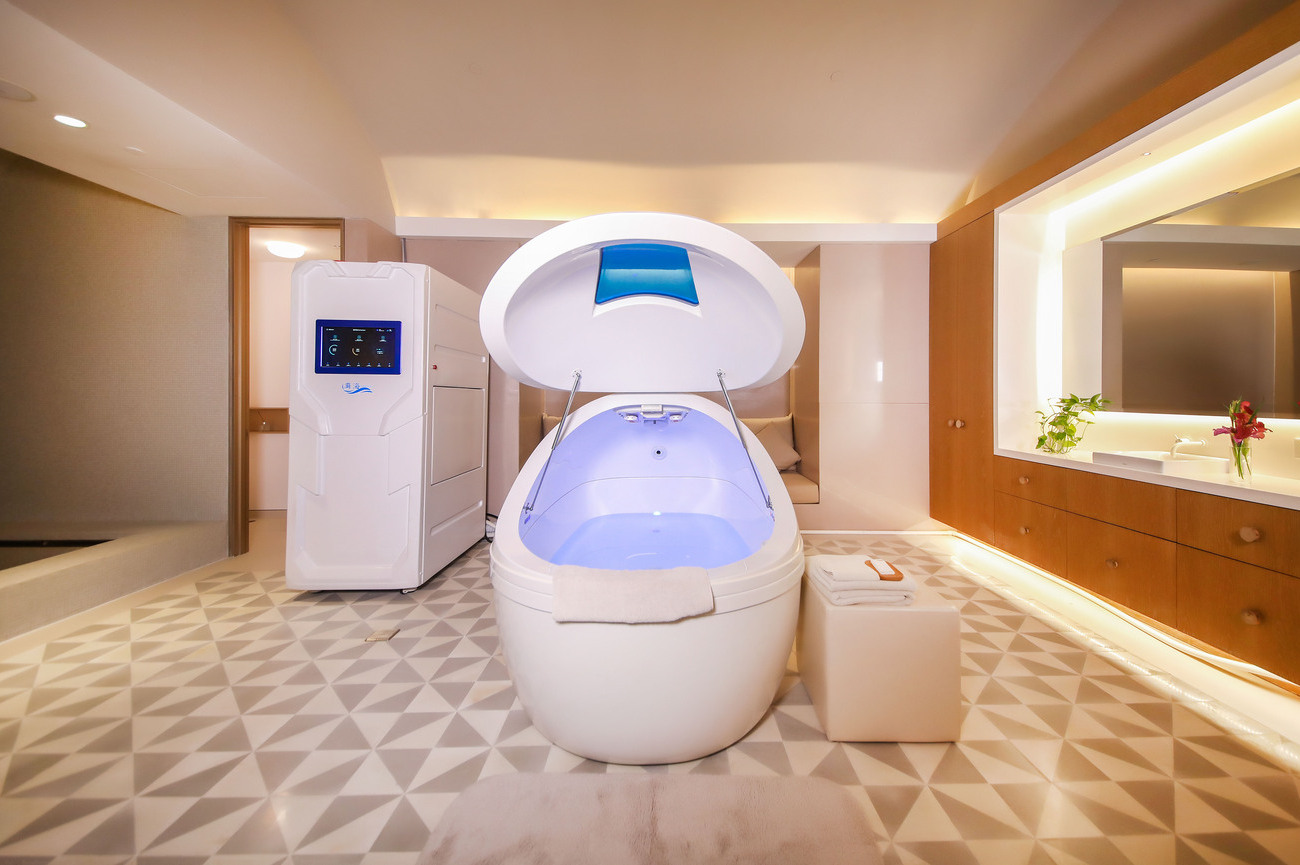
- Banyan Tree Spa by Banyan Tree Suzhou: Designed around the brand’s “8 Pillars of Wellbeing,” combining its tropical heritage with the elegance of a Suzhou classical garden. The spa is best known for its “high touch, low tech” philosophy, focusing on human touch and natural ingredients rather than machines. Try their signature treatment, Suzhou Serenity treatment which includes local elements like Biluochun green tea or osmanthus oils. For deeper relaxation, try the spa’s flotation therapy, where you experience a sense of weightlessness in specially designed pools, enhanced by gentle sound healing. It’s an ideal choice if you’re looking to experience a deep state of calm.
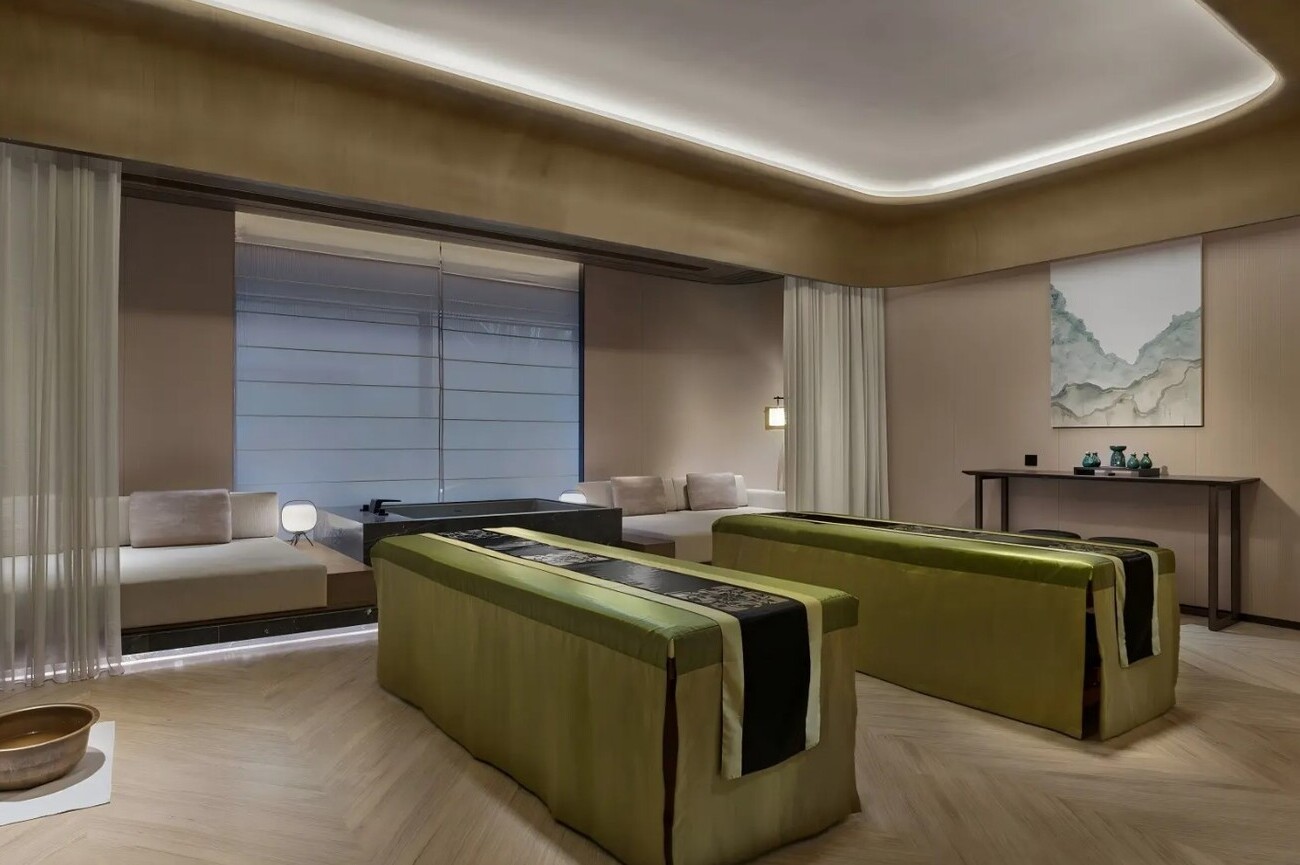
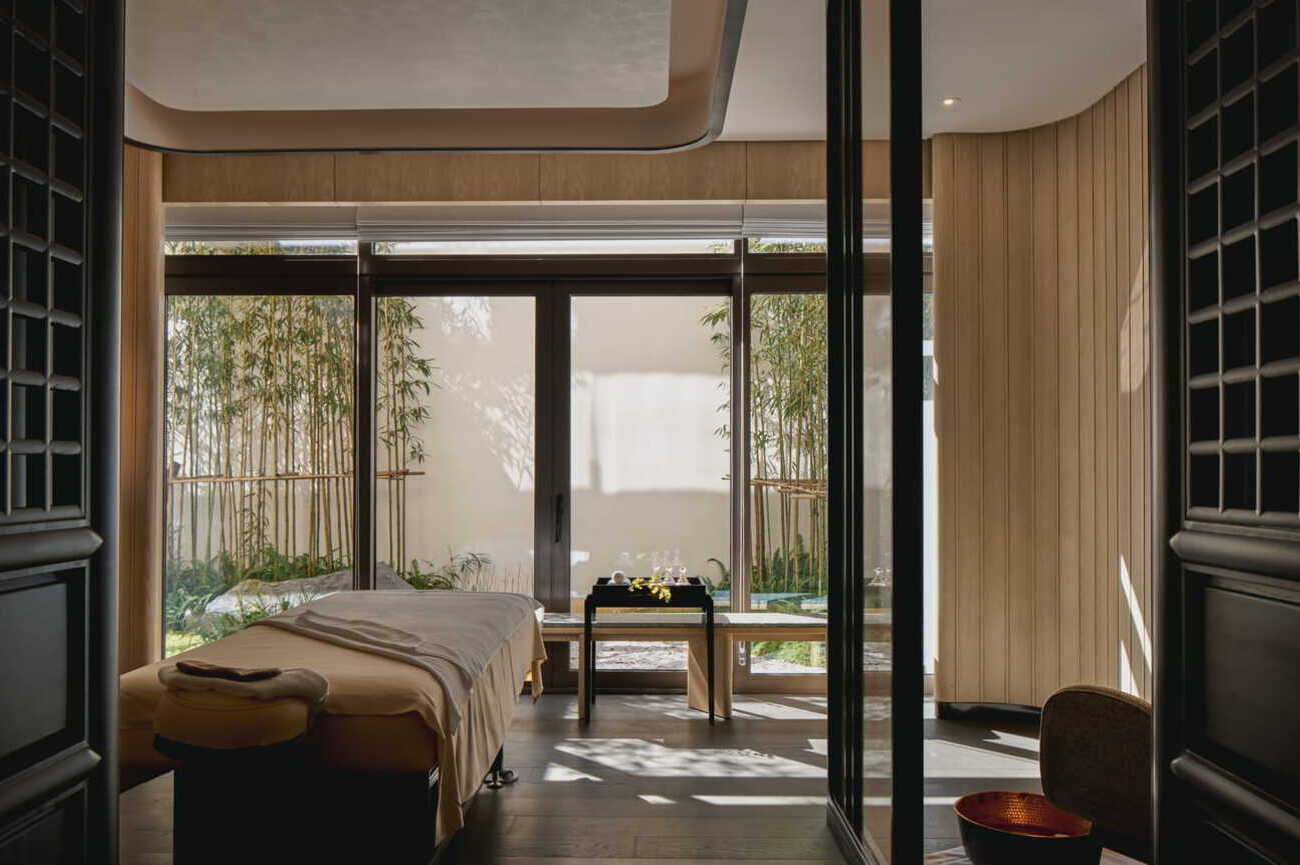
- The Spa at Four Seasons Suzhou: The spa stands out for its partnership with Biologique Recherche, the French luxury skincare brand. The facility features seven treatment suites, each with its own private garden view, giving you a serene, intimate experience as you relax. Beyond physical treatments, the spa offers treatments that focus on sensory healing, using sound, scent, and temperature to help you fully switch off. Try their signature Oriental Eaglewood Therapy, a 90 minute ritual that begins with a 432-Hz singing bowl to gently align your energy, followed by deep massage using rare eaglewood (oud) and patchouli oils. If skincare is your priority, the customised Biologique Recherche facials are a must-try. Using the brand’s highly personalised approach, therapists tailor each treatment to your skin’s exact needs, delivering visible lifting and skin refining treatments.
Exclusive Workshops
& Immersive Experiences in Suzhou
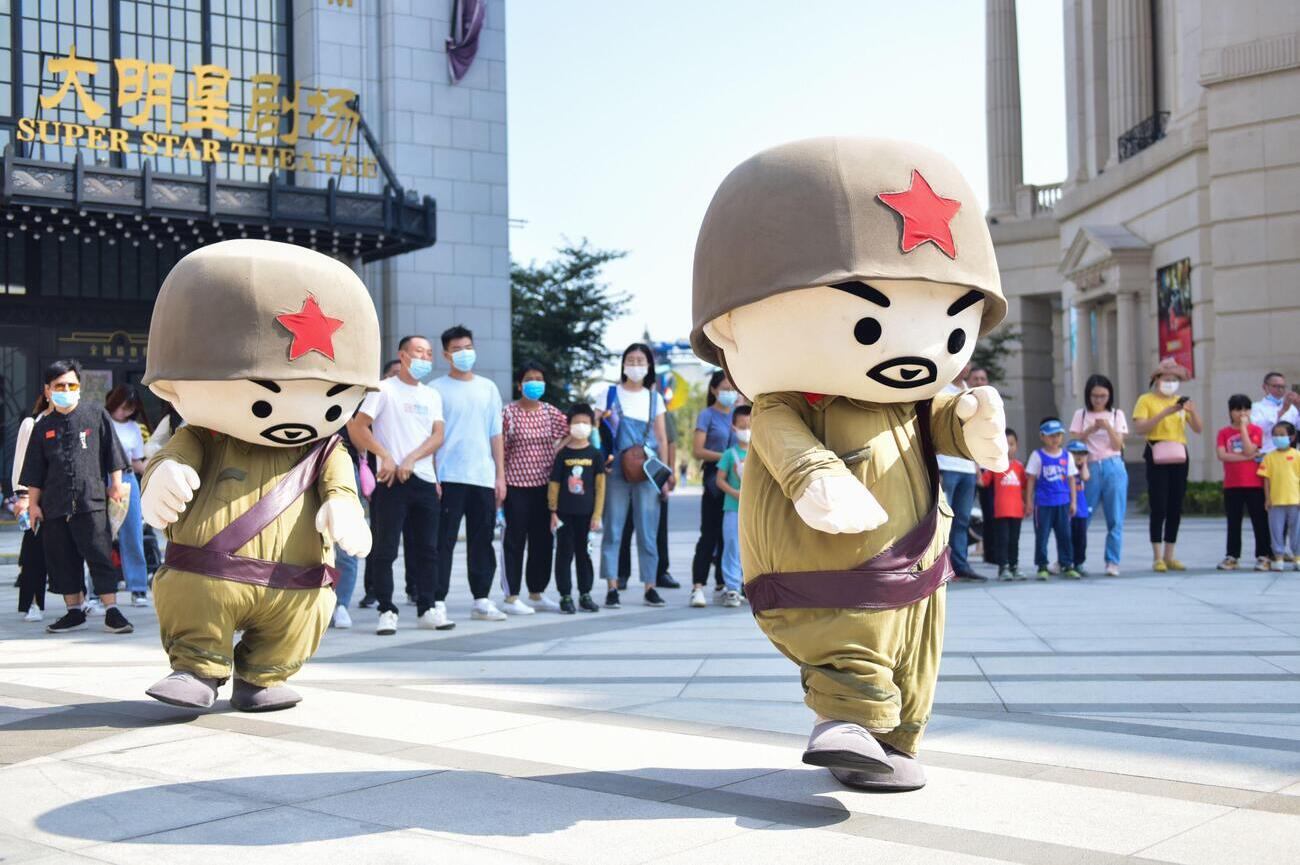
- Huayi Brother Film World: A movie-themed park that lets you step straight into the world of cinema. It’s China’s first park built around live film IPs, designed to make you feel less like a visitor and more like an actor walking through iconic movie scenes. The park is divided into several themed zones inspired by popular Huayi Brothers films, each with its own unique theme and design. If you’re after thrilling rides, you can test your nerves with a 50 metre bungee jump in the If You Are the One zone or ride the “Heaven’s Wing” wing coaster. If you prefer spectacle over adrenaline, catch live shows like Freak Legion’s Challenge, featuring full scale moving props, or high flying kung fu performances inspired by Detective Dee. You can also step behind the scenes at the Film Workshop to learn how major movie productions come together.
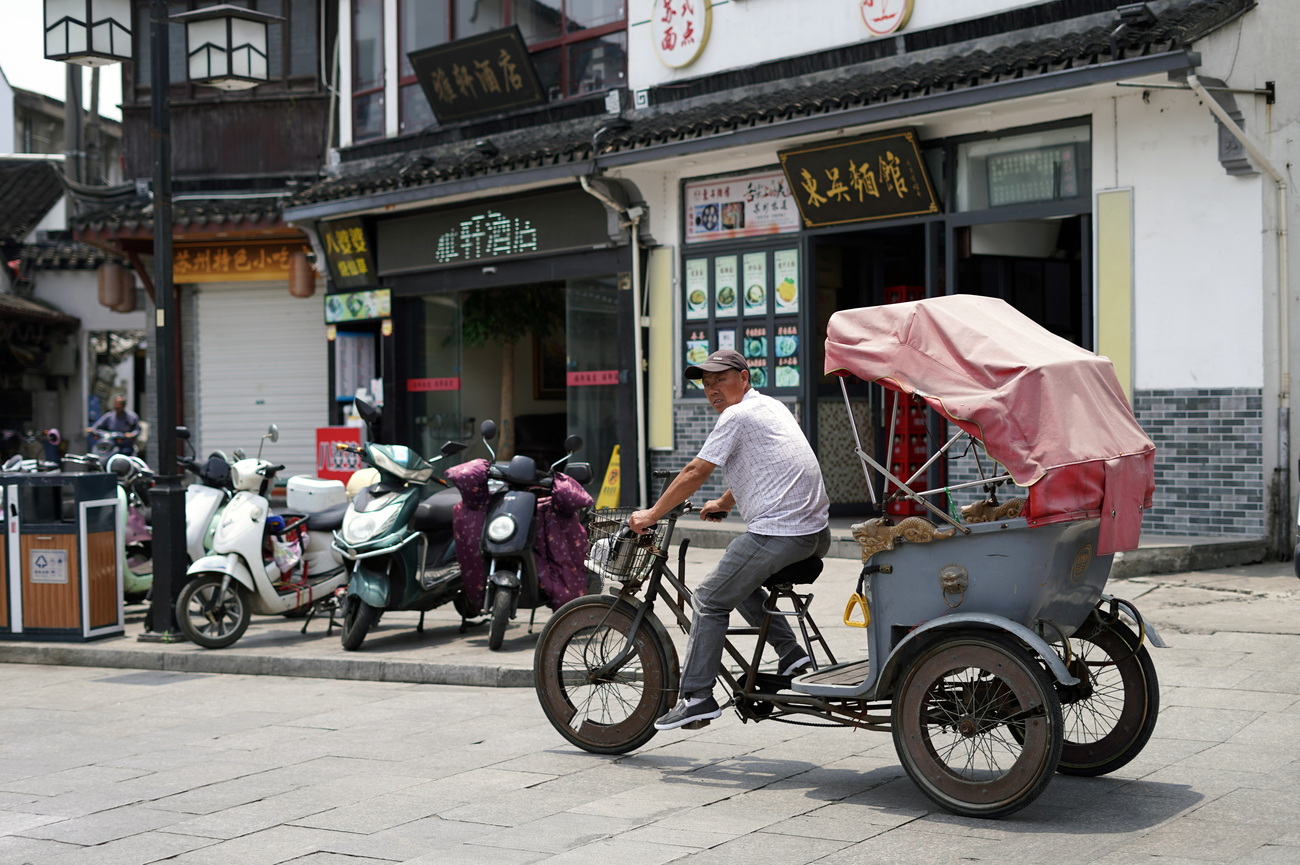
- Rickshaw Ride Tours at Shantang Street: A wonderful and nostalgic way to explore the "First Street of Suzhou." While most visitors go for the canal boat rides, the rickshaw takes you off the water and into the narrow lanes and stone-paved alleys. Rides usually begin near Shantang Metro Station, at the eastern end, and head west toward Tiger Hill. Many of the pullers are local residents, and as you roll along, they’ll often point out small details you might otherwise miss as a non-local, like old stone carvings, hidden corners, or favourite neighbourhood snack stalls. Along the way, your driver can stop at scenic spots like Tonggui Bridge, giving you time to step off, take photos of the canal and passing boats, then continue on at an easy, relaxed pace. The rickshaw is also the easiest way to reach the “Seven-Mile Shantang” stretch without a long walk.
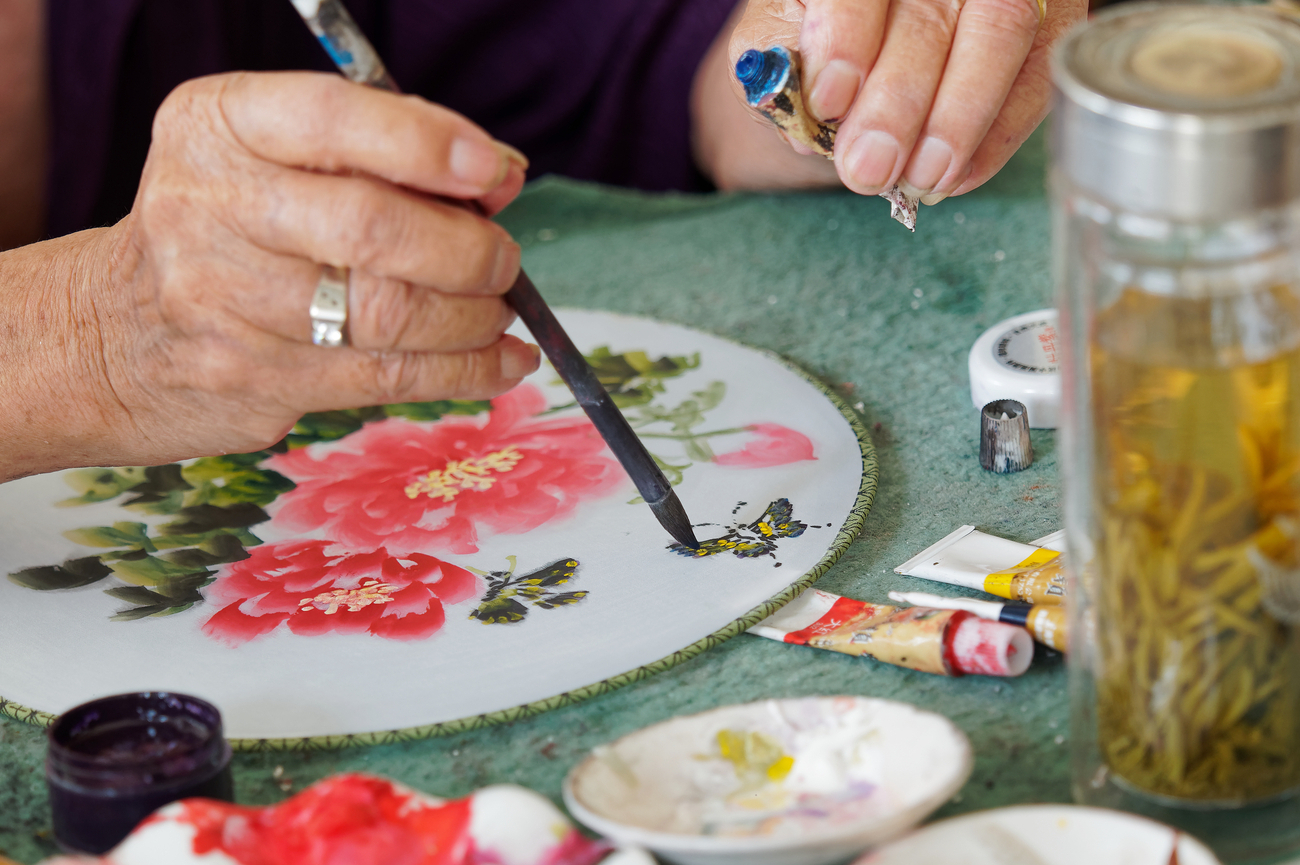
- Silk Fan Making Class: Once essential accessories for scholars and royalty, these fans are deeply tied to Suzhou’s cultural life. In this workshop, you’ll learn how to create a traditional round fan (or tuanshan), a craft recognised as a national intangible cultural heritage. Classes are usually held in courtyard studios along Pingjiang Road. Guided by skilled artisans, you’ll be led through each step of the fan making process, from assembling the frame and stretching the silk, to painting or decorating the surface, then finishing with details like tassels or jade ornaments. By the end, you’ll leave with your own handcrafted fan, a memorable souvenir you can take home.
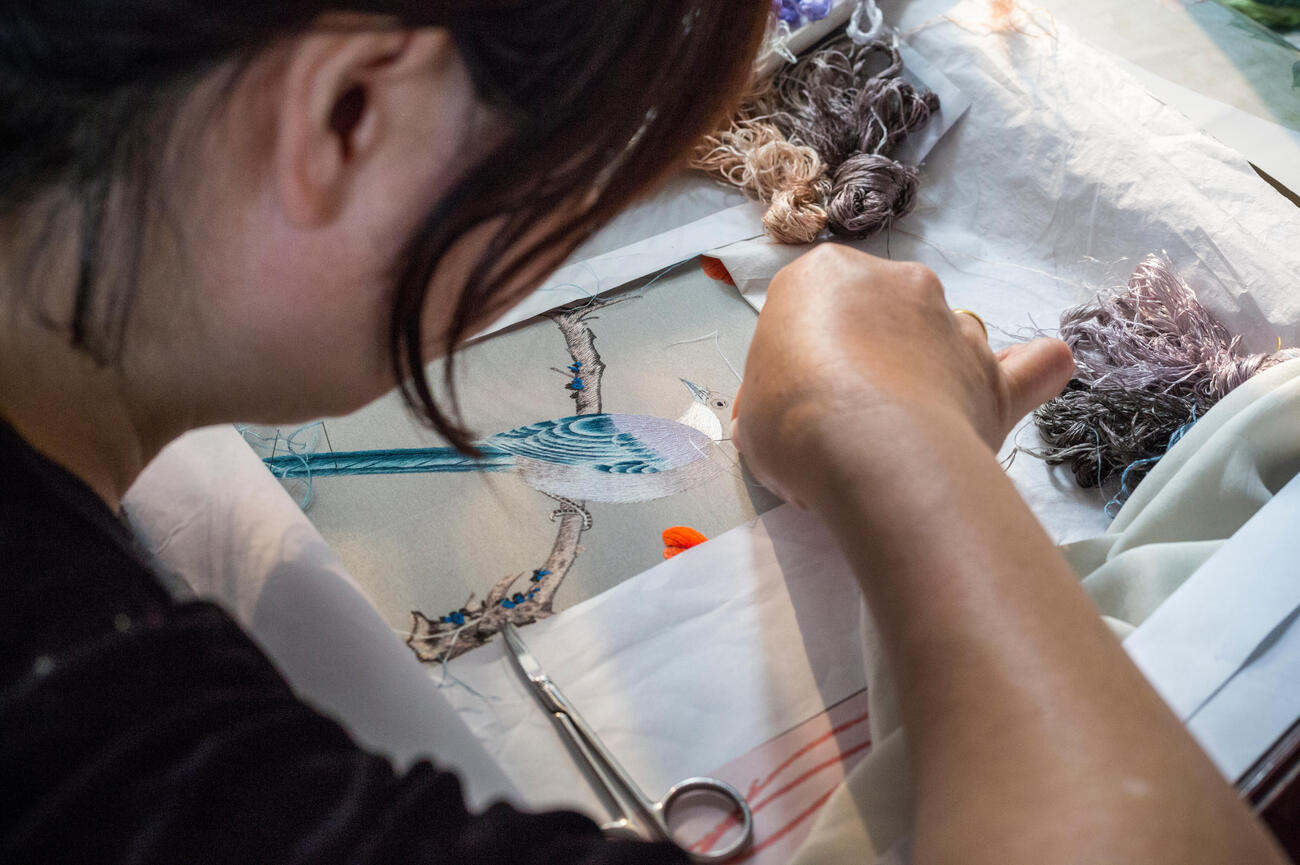
- Suzhou Embroidery (Su Xiu) Workshop: This workshop offers a hands-on introduction to one of China’s four great embroidery traditions. Workshops are led by artisans in small studios or research centres in Gusu District or along Zhenhu Embroidery Street. Here, you’ll start with the fundamentals, learning how a single silk thread is split into two, four, or even dozens of ultra fine strands to achieve delicate detail. From there, you’ll practise basic stitching, work on a pre-drawn design, and gain an appreciation for the materials themselves, handling high quality mulberry silk and needles finer than standard sewing tools. By the end of the session, you’ll take home a small framed piece or an embroidered handkerchief, a memorable reminder of your journey in Suzhou.
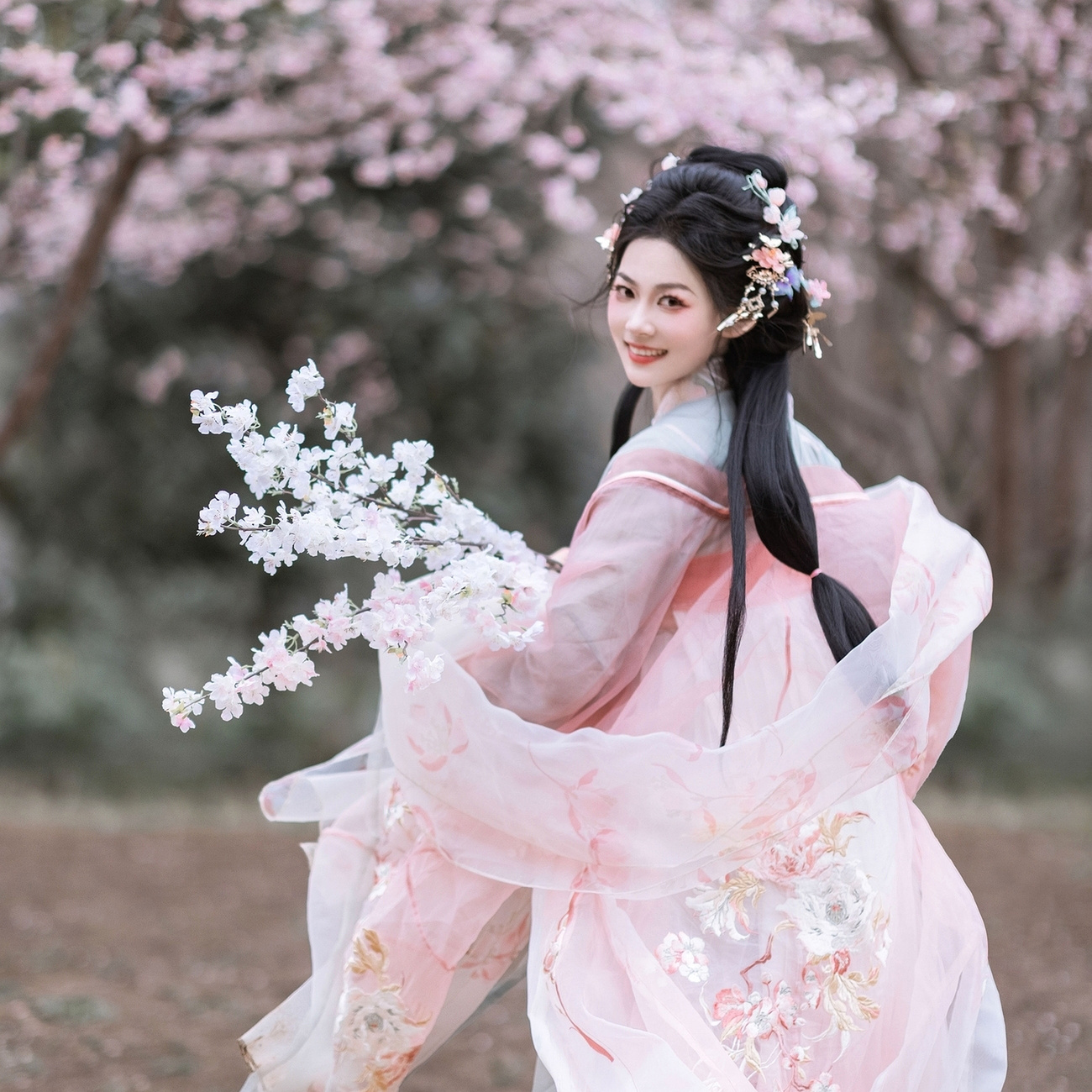
- Hanfu Dress Up & Photoshoot at the Humble Administrator's Garden: Dress in traditional silk hanfu and experience the Humble Administrator’s Garden not just as a visitor, but as part of its Ming Dynasty atmosphere. Just outside the garden entrance on Dongbei Street, is where you can find specialised hanfu studios offering a complete styling and photoshoot experience. Once you’re dressed, a professional photographer guides you through the garden to carefully chosen spots where the light is your best friend and frames you beautifully against the moon gates and covered walkways.
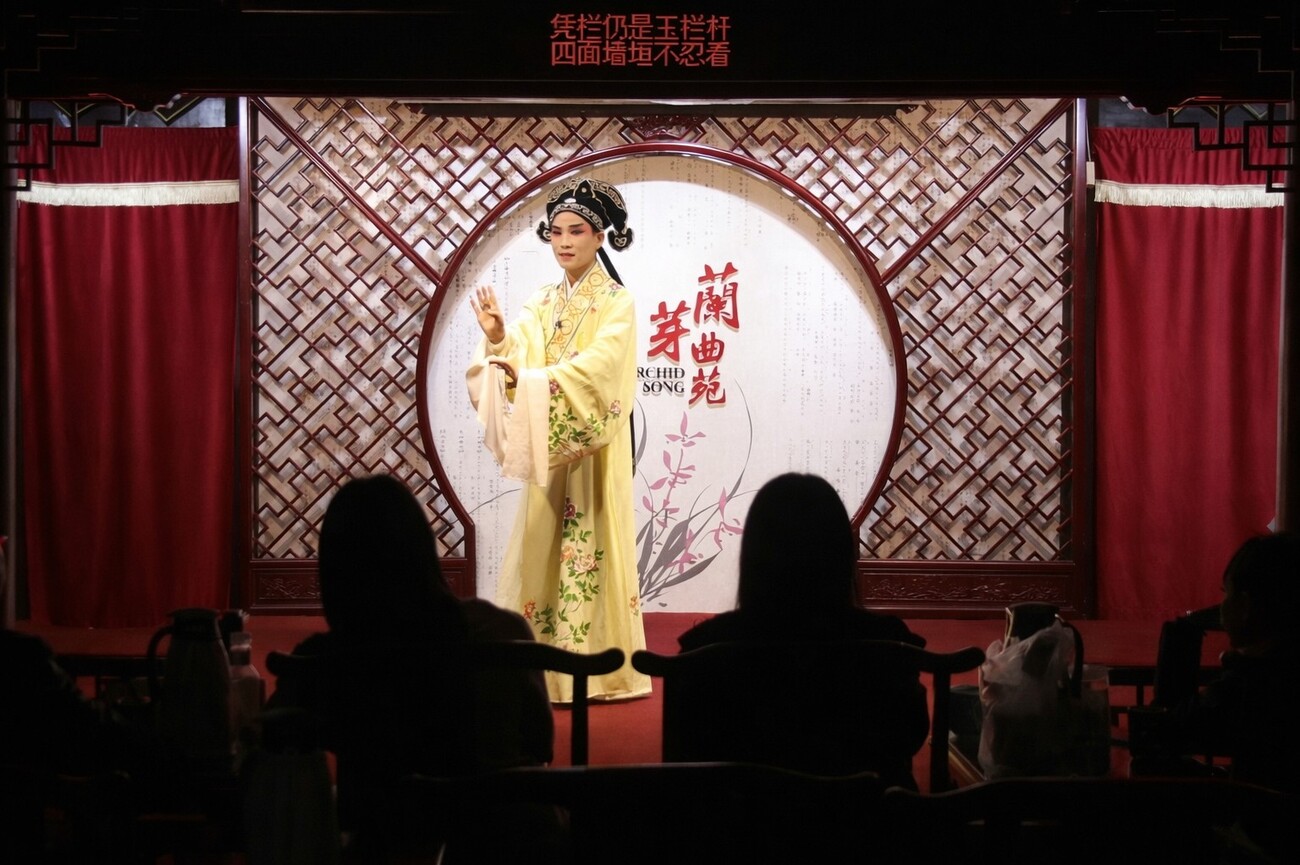
- Watch Kunqu Opera: Experience the "ancestor" of all Chinese operas. With a history of over 600 years, Kunqu is recognised as a UNESCO Intangible Cultural Heritage, known for its flowing “watermill” singing style, poetic language, and slow, graceful movements. Even if you don’t understand every word, the rhythm and elegance are easy to follow. One of the most magical places to see Kunqu is during the Night Garden programme at Master of the Nets Garden (held from March to November). Short scenes are performed in different pavilions, with rocks, ponds, and lantern lit courtyards becoming part of the stage. If you prefer a full theatrical production, head to the Suzhou Kunqu Opera Theatre, where you can watch professionally staged performances, including the celebrated youth version of The Peony Pavilion.
Other Things to Do in
Suzhou
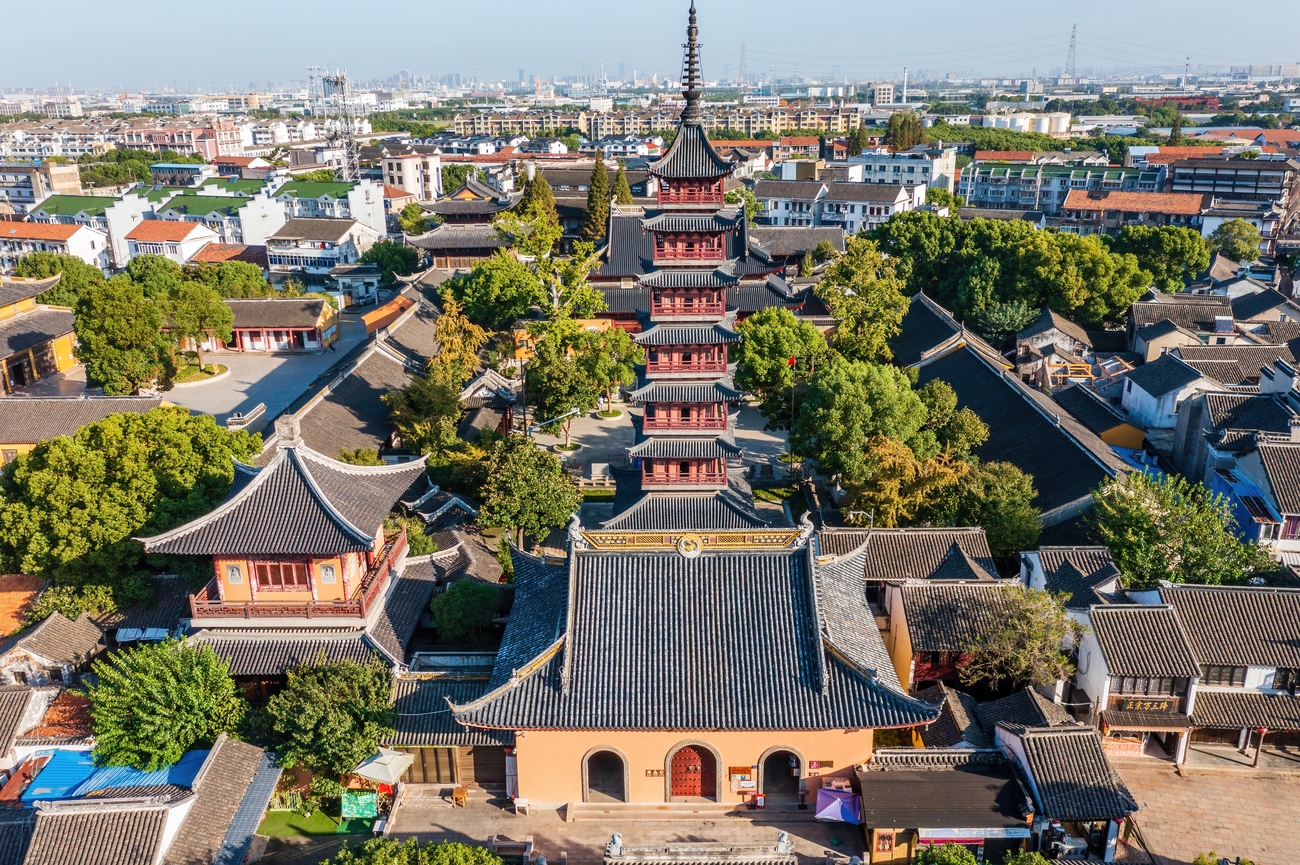
- Qin Feng Tower: Also known as the Qinfeng Pagoda, Qin Feng Tower dates back to 503 AD and has long been the spiritual and visual heart of Qiandeng. As you climb the tower, you’re rewarded with nostalgic views over black tiled rooftops, narrow stone streets, and waterways that crisscross this 2,500 year old town. After descending, take your time strolling along the stone slate street below (one of the best preserved Ming and Qing Dynasty streets in the region). It’s ideal for photography, with its quiet corners and a pleasant place to browse for local crafts.
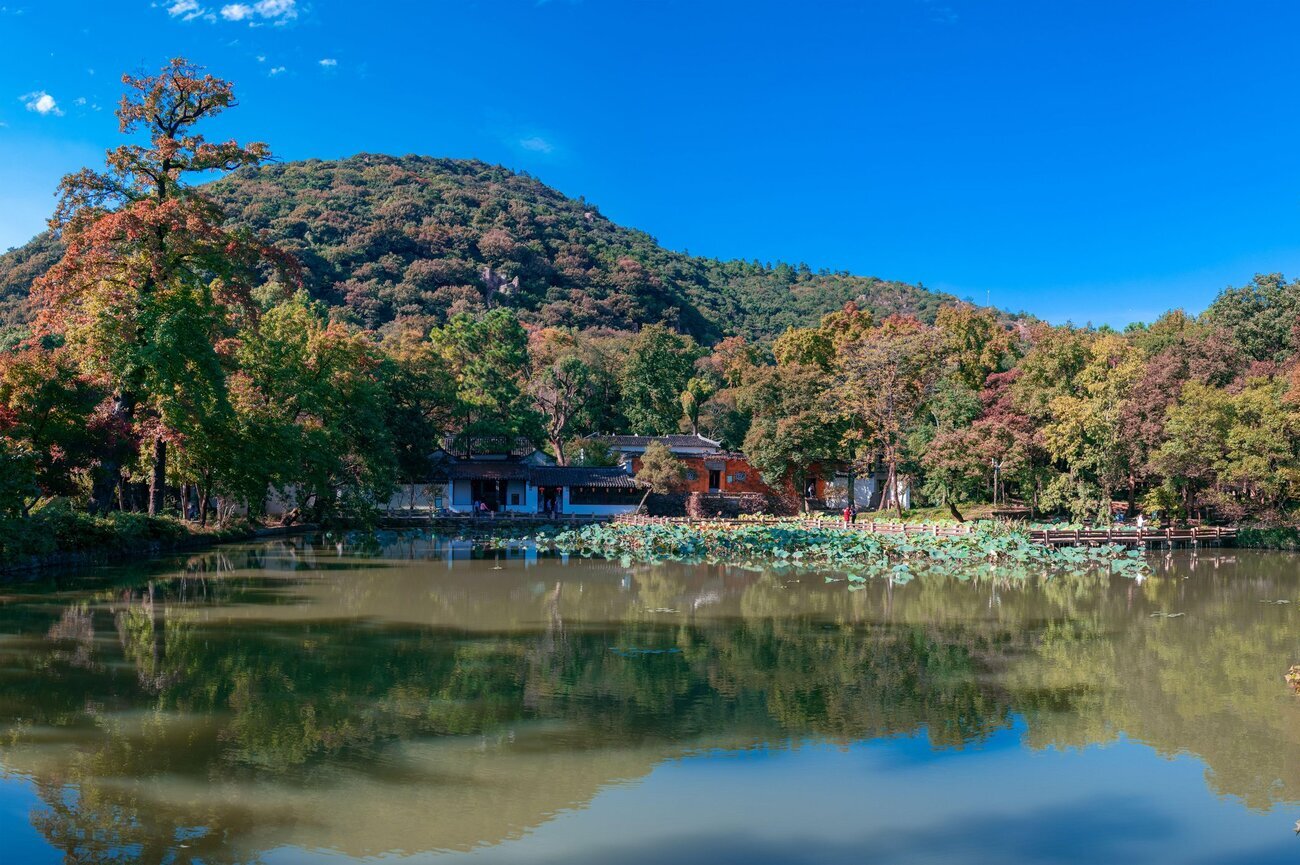
- Tianping Mountain: Known as the “First Mountain of Wuzhong,” Tianping Mountain is loved for its famous “Three Wonders”: fiery red maples, striking rock formations, and clear, flowing springs. It also carries deep historical meaning as the ancestral burial site of Fan Zhongyan. The mountain isn’t especially high, but its rocky paths make the hike feel engaging, with some steeper sections along the way. If you’re up for it, the climb to the summit takes about 1.5 hours and rewards you with wide, 360 degree views over Suzhou and Taihu Lake. If you’re travelling with family or prefer something relaxed (or anything but hiking), the base of the mountain is flat with playgrounds and open leisure areas like White Horse Dragon Pond, where you can barbecue and row boats.
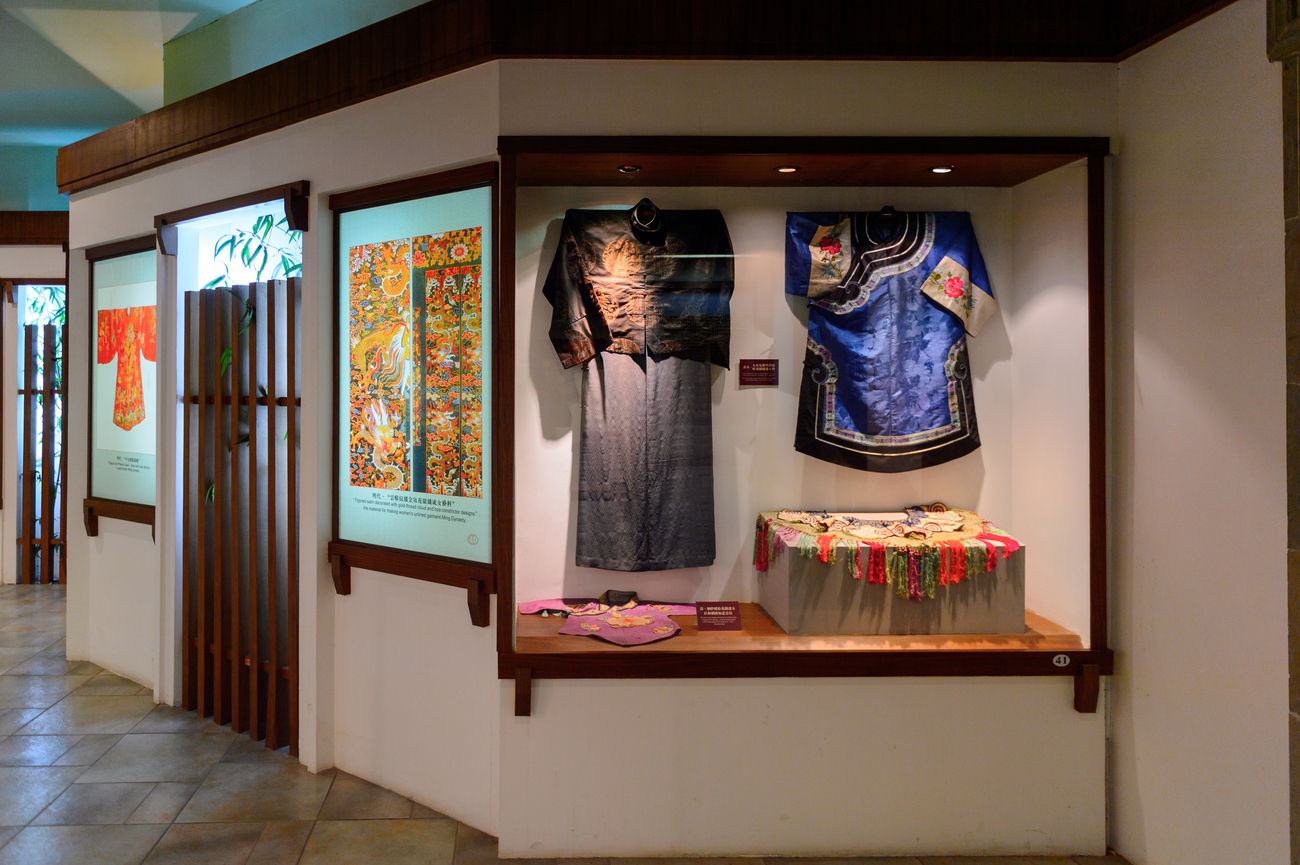
- Suzhou Silk Museum: The first museum in China dedicated entirely to silk, telling the story of Suzhou’s 4,000 year role as a global hub for silk production. Located near North Temple Pagoda, it feels less like a traditional museum and more like a living workshop, guiding you through the journey of silk from a tiny worm to an imperial robe. Here, you can watch live demonstrations of artisans as they perform silk reeling (extracting thread from cocoons) and traditional weaving. Many exhibits are designed for families where children can touch raw silk cocoons and learn about the "Silk Road" trade routes that connected Suzhou to the Mediterranean. Before you leave, spend some time in the museum shop, which is known for its quality and authenticity. It’s a reliable place to buy elegant silk scarves, traditional hanfu or cheongsam, and even skincare products made from silk protein.
Things to Do with Kids
in Suzhou
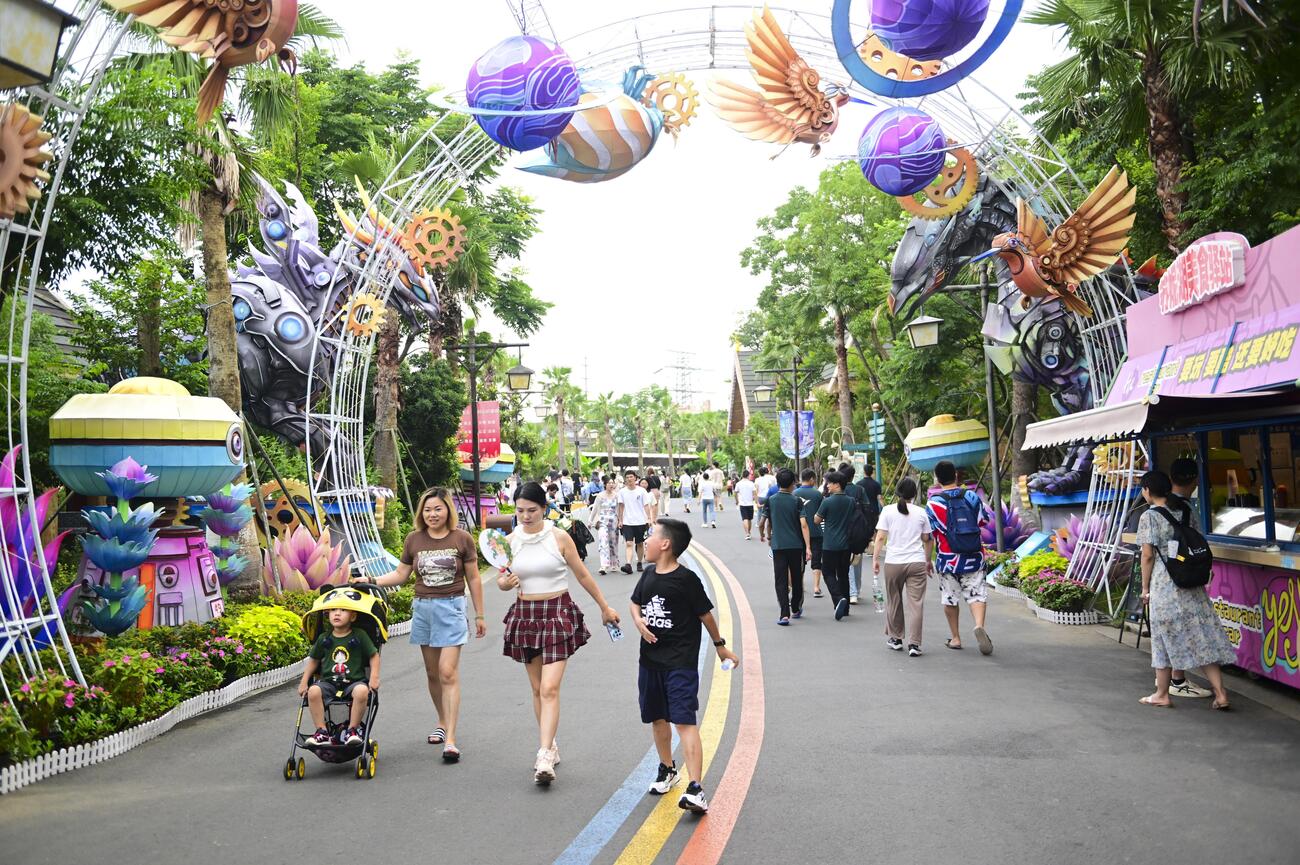
- Suzhou Amusement Land is a forest-themed leisure complex located in Dayangshan National Forest Park. Rebuilt from the original Suzhou Amusement Land, it blends high-energy attractions into a natural setting rather than a concrete-heavy theme park. The destination includes Forest World, the main amusement park with six themed zones and a mix of thrill rides, family attractions, live shows, and VR and 4D experiences, alongside Forest Waterworld, a seasonal water park, and Candy World (Candy Paradise), an indoor play area designed for younger children. Surrounding botanical and nature park areas provide green spaces and scenic trails, offering a quieter break between attractions and rounding out a well-balanced day out for families and visitors of all ages.
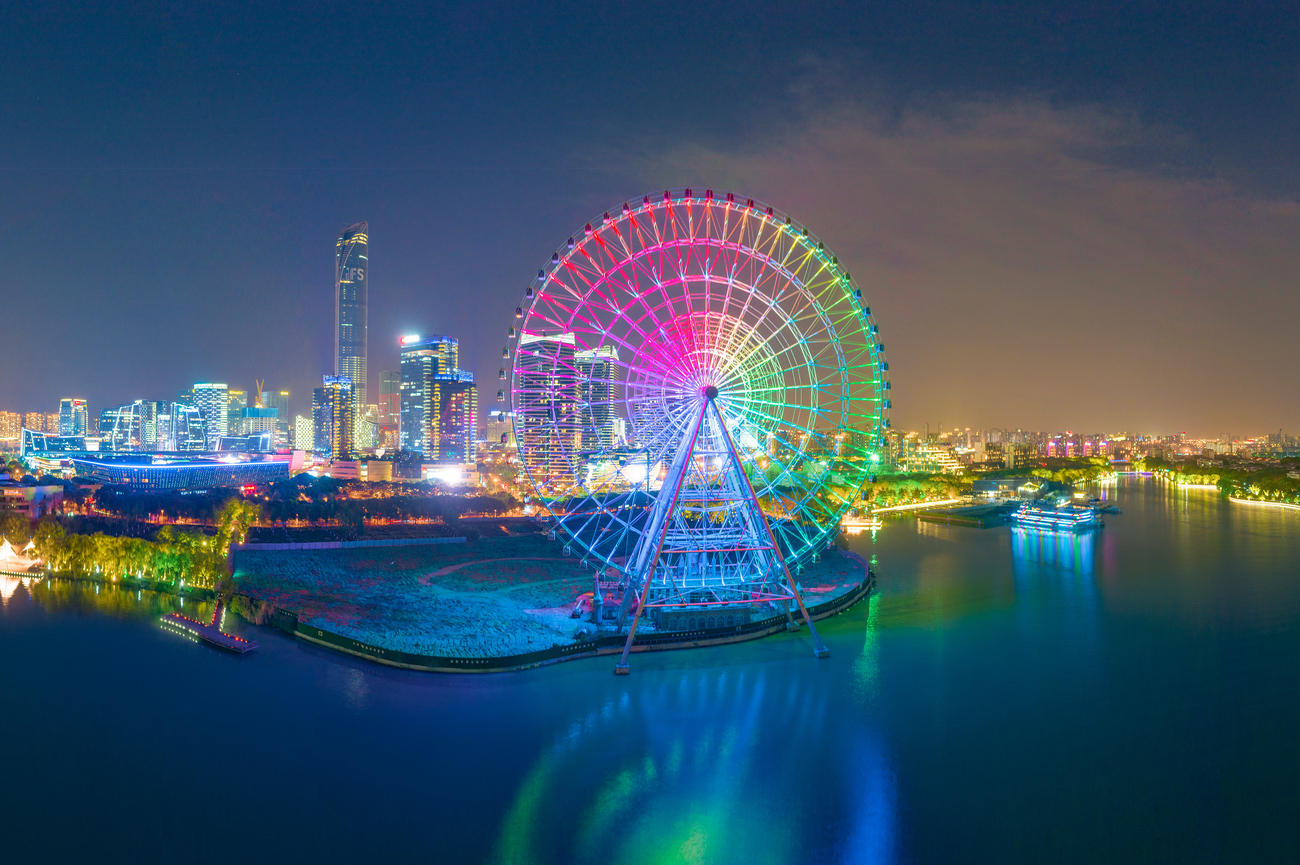
- Suzhou Ferris Wheel: Also known as the "Suzhou Eye," the Suzhou Ferris Wheel rises 128 metres above the east bank of Jinji Lake, earning its title as the largest over-water Ferris wheel in Asia. Each rotation takes approximately 30 minutes, giving you uninterrupted 360 degree views. From above, you can see Suzhou’s contrasts clearly: the black and white rooftops of Gusu District on one side, and the glassy skyline of Suzhou Industrial Park on the other. It’s one of only a handful of observation wheels worldwide to use motorised rotating cabins, each spacious enough to fit up to 25 people. If you visit at night, the experience becomes even more magical. The wheel’s light display syncs with the Jinji Lake Music Fountain and the illuminated Gate of the Orient, creating a synchronized light show reflected across the water.
Where to Eat in Suzhou
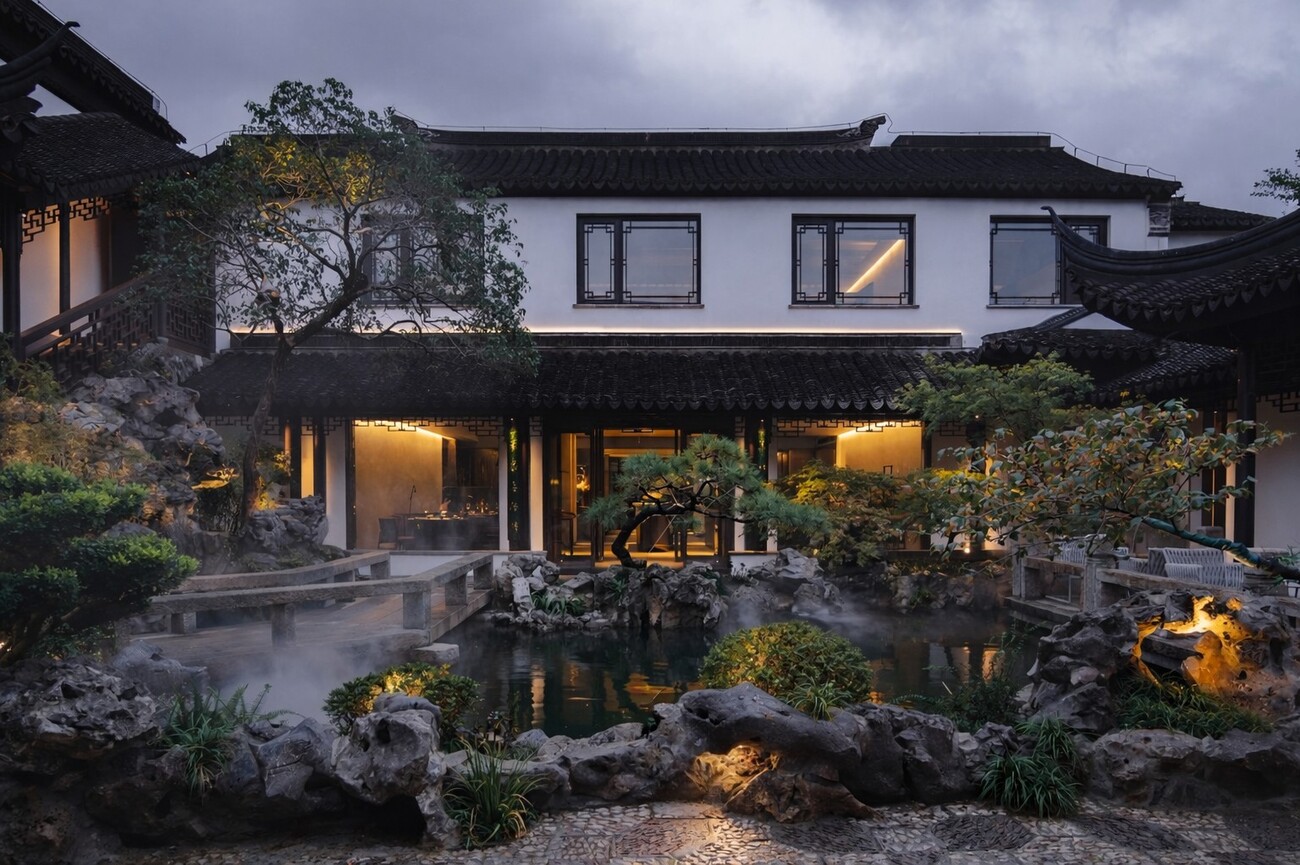
- Pingjiangsong: One of the few restaurants in Suzhou to hold a Michelin star, known for its refined take on “new Suzhou” cuisine. Housed in a beautifully restored ancient mansion once owned by the Ding family, dining here feels like being welcomed into a private garden residence instead of a formal restaurant. The restaurant offers a menu that changes with the seasons, building on classic Suzhou flavours while using modern techniques and premium ingredients. If you’re curious about their signature dishes, try the Drunken Mantis Shrimp, delicately seasoned with zaolu (aged distilled grains) and finished with a generous topping of caviar. Another must try is the Duck Soup with Fox Nuts, a savoury, comforting dish made with ham and local Euryale ferox, an aquatic ingredient long associated with the region.
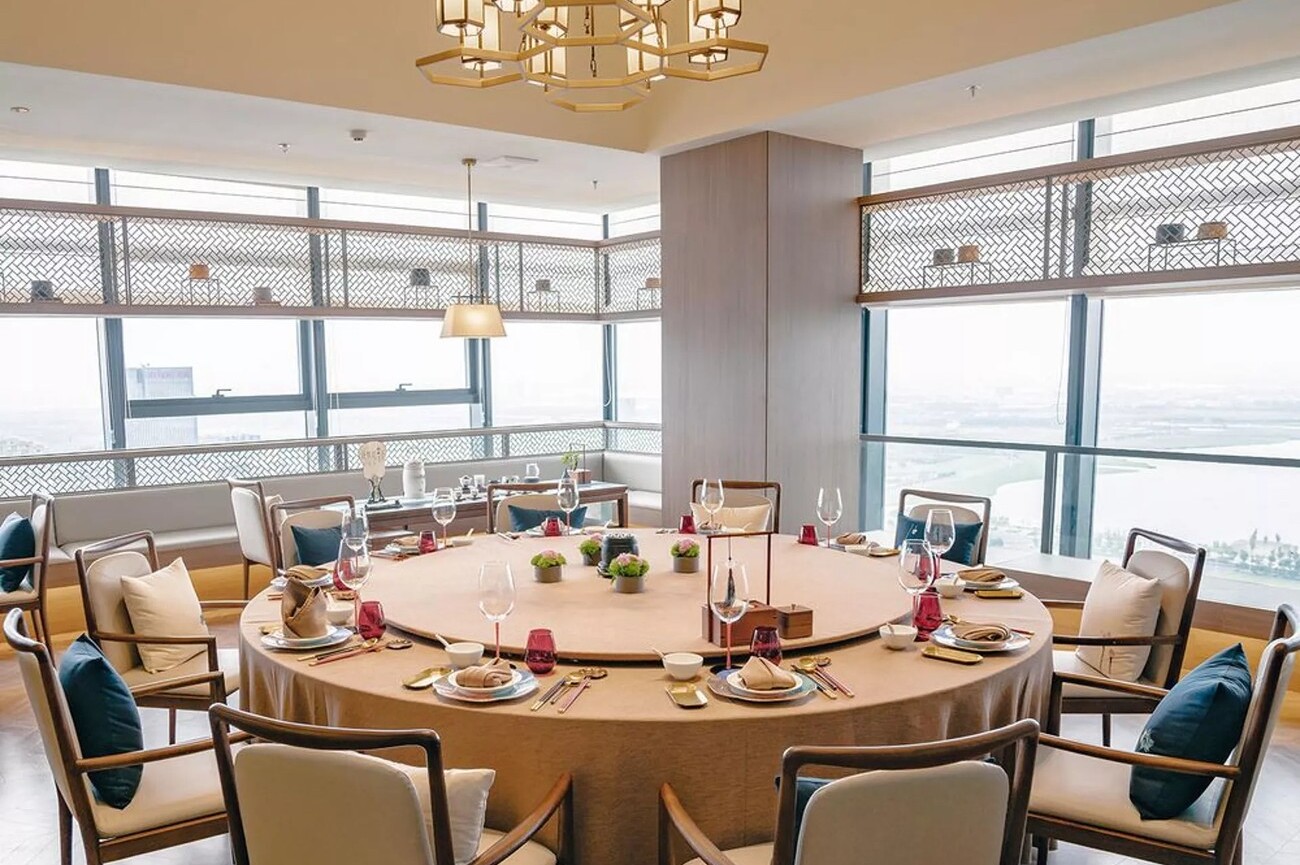
- Dingshan.Jiangyan: One of Suzhou’s premier dining destinations, awarded one Michelin star in the 2025 guide. Set on the 33rd floor of an office tower, the restaurant offers stunning 270 degree views over Yangcheng Lake and the city skyline. The menu focuses on high quality, seasonal local ingredients, so what you eat reflects the time of year. Their comforting house specialty is the Suzhou claypot rice, topped with braised pork and green garlic, with young bamboo shoots in spring or chestnuts in autumn. For something more traditional and distinctive, try the Tangjia green salted turtle, slow cooked with pig’s trotters until tender and rich.
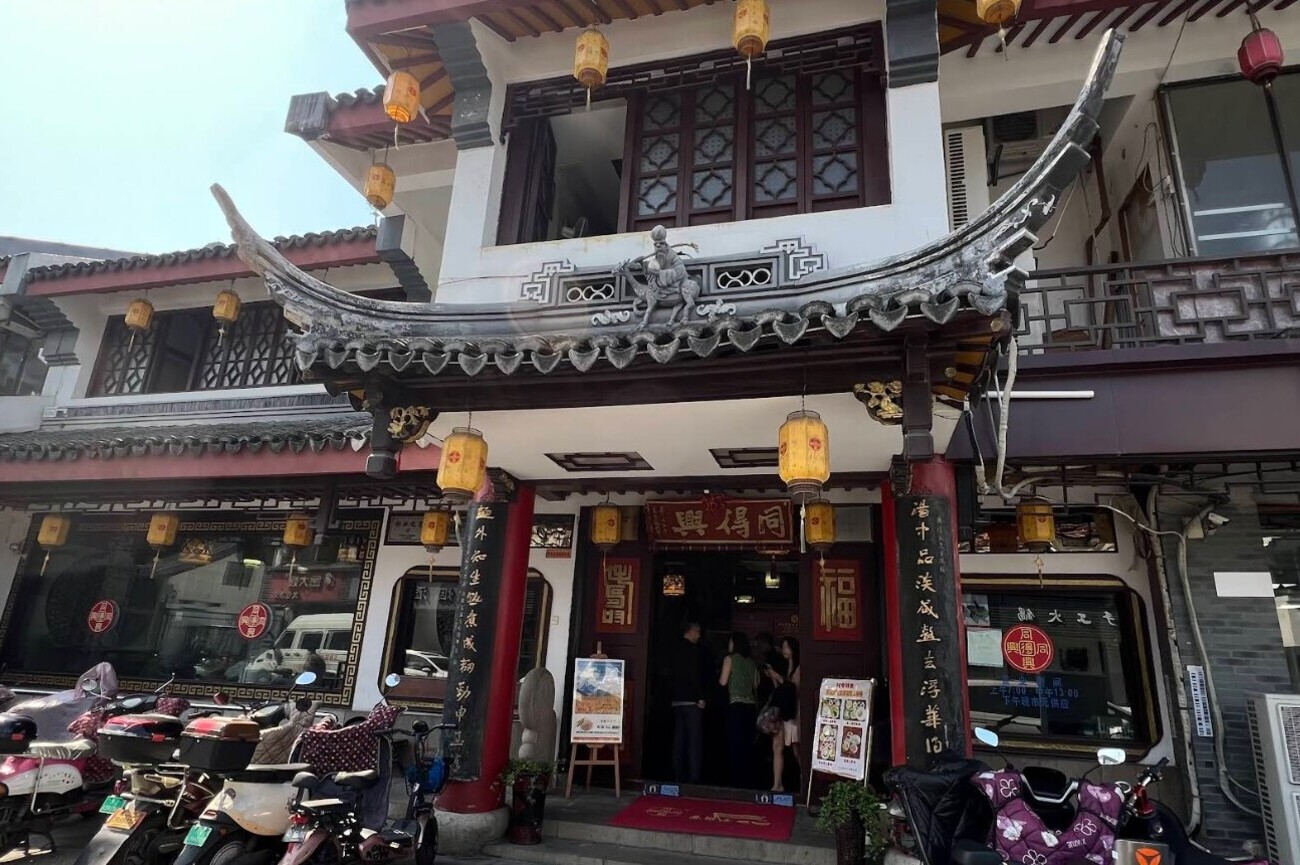
- Tong De Xing: Regarded as the most legendary noodle house in Suzhou and gained national fame after being featured in the documentary A Bite of China. As a long-established brand, it perfectly captures the city’s love for Suzhou style noodles: thin yet firm noodles served in carefully layered, deeply flavoured broths. When you order here, you’ll notice the local tradition right away. The noodles and soup arrive as a simple “base,” while the toppings, known as mian ma, are served in small side dishes for you to mix in as you like. A must try topping is the Feng Zhen pork: a generous slab of pork belly braised in white wine and fermented rice until it becomes incredibly tender. Rich but balanced, with a subtle floral aroma, it’s the kind of bowl that explains why locals are so particular about their noodles, and why this place has earned its legendary status.
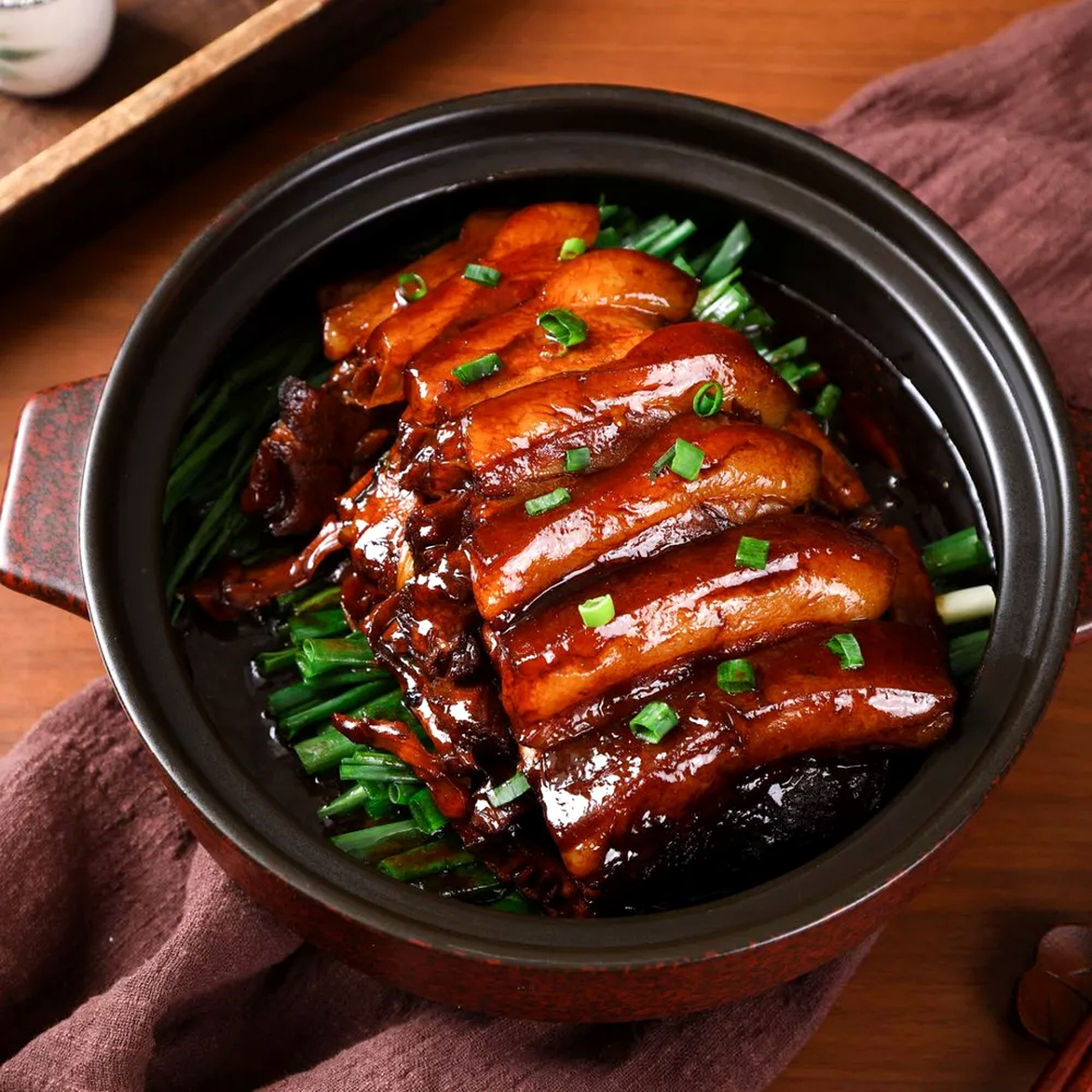
- Ge Jia Wu Farmer’s House: Recognised by the Michelin Guide as a Bib Gourmand restaurant in 2025, Ge Jia Wu Farmer’s House is worth the trip if you want to taste Suzhou as locals do. Located in a quiet village surrounded by countryside, it feels far removed from the city (which is exactly the appeal). Many Suzhou residents come here as part of a nature outing, drawn by the relaxed setting and honest, home style cooking. The menu focuses on classic Jiangsu (Su-style) dishes made with fresh, local ingredients. Their most famous dish is the braised goose, slowly steeped again and again in an aged marinade made with 16 spices, resulting in deep, well-rounded flavour. For something lighter, try the clams with baby burr clovers, a regional favourite known for its clean, slightly grassy fragrance.
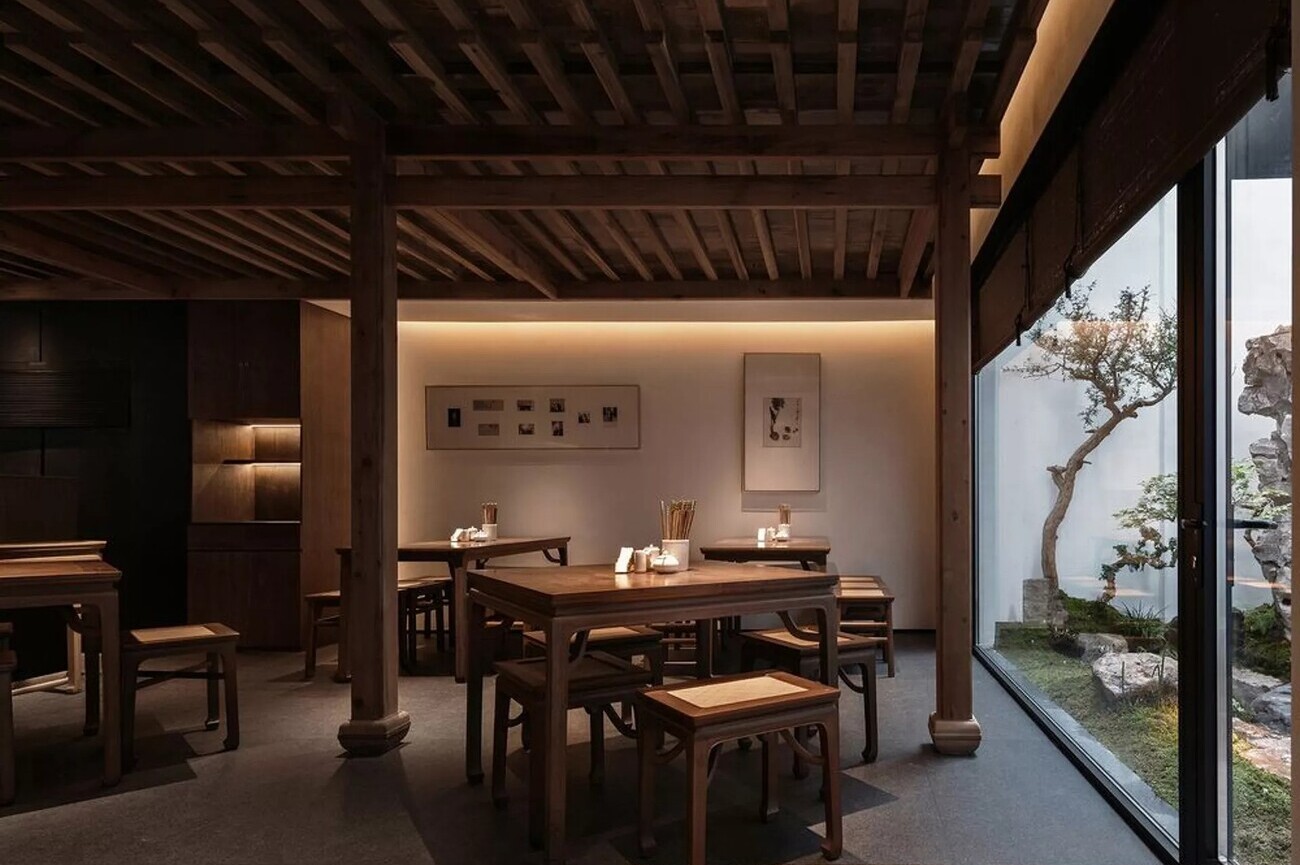
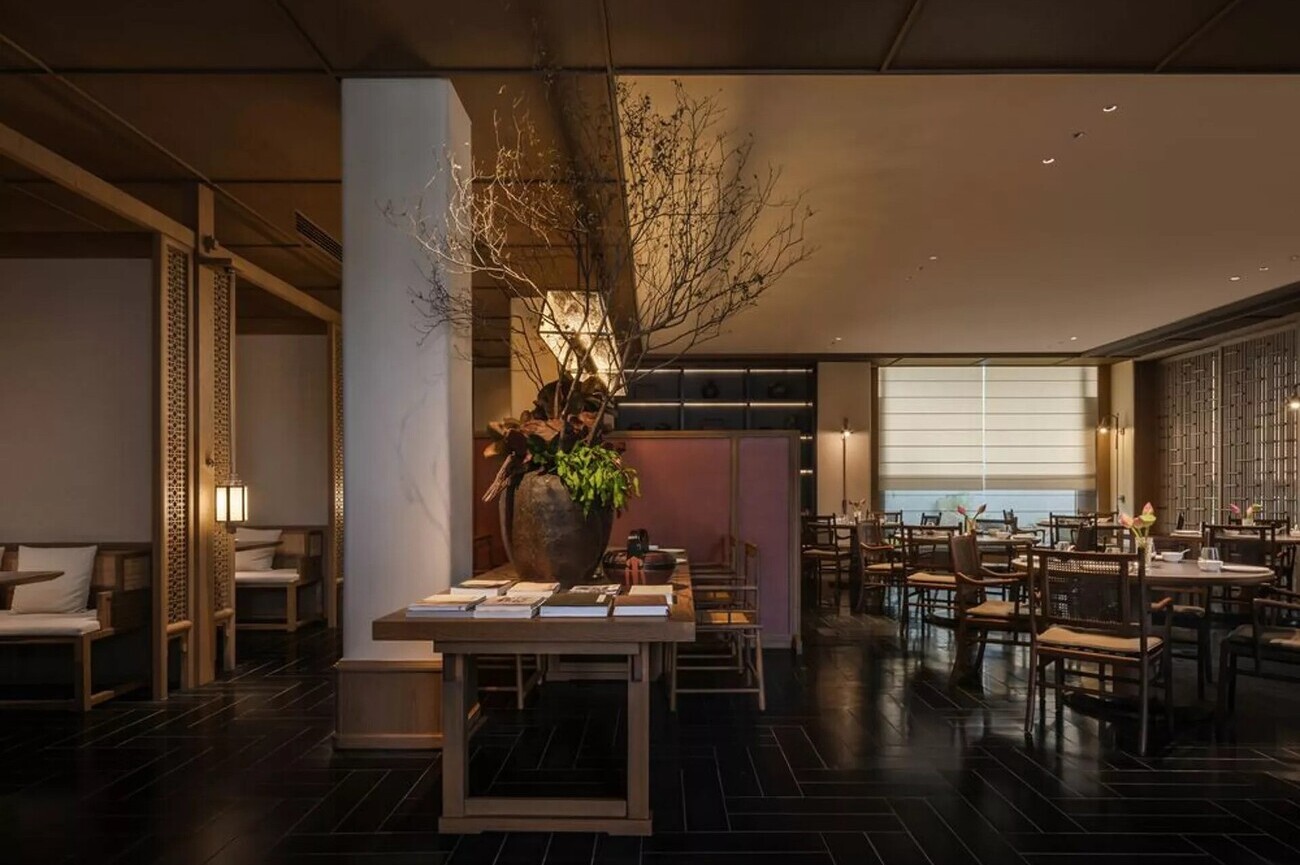
- Gu Su Qiao is a refined Suzhou restaurant known for its traditional Jiangnan cuisine served in an elegant, culturally inspired setting. The restaurant blends classic Suzhou flavours with carefully presented dishes, often highlighting seasonal ingredients and delicate cooking techniques typical of the region. With its warm wooden interiors and traditional architectural touches, Gu Su Qiao offers an intimate dining atmosphere that reflects the charm of old Suzhou, making it a popular choice for those seeking authentic local cuisine in a graceful environment. The menu features Suzhou-style noodles with an extensive choice of toppings, including the much-loved crab roe speciality in autumn and winter. A selection of dim sum and starter platters complements the experience, offering well-executed local favourites.
- SuCheng JiaYan: A highly regarded Suzhou restaurant, recognized in the 2025 Michelin Guide as a Bib Gourmand establishment. The menu offers a modern take on classic Jiangsu (Suzhou) dishes, balancing tradition with subtle innovation. A must-try is the signature Lion’s Head Meatball Soup, made with premium Berkshire pork, longsnout catfish, and water chestnuts, giving it a satisfyingly bouncy texture with a nice crunch. Another Suzhou showstopper is the Squirrel Shaped Mandarin Fish, carefully fried into a flower-like form that’s crisp on the outside and tender inside.
Where to Stay in
Suzhou
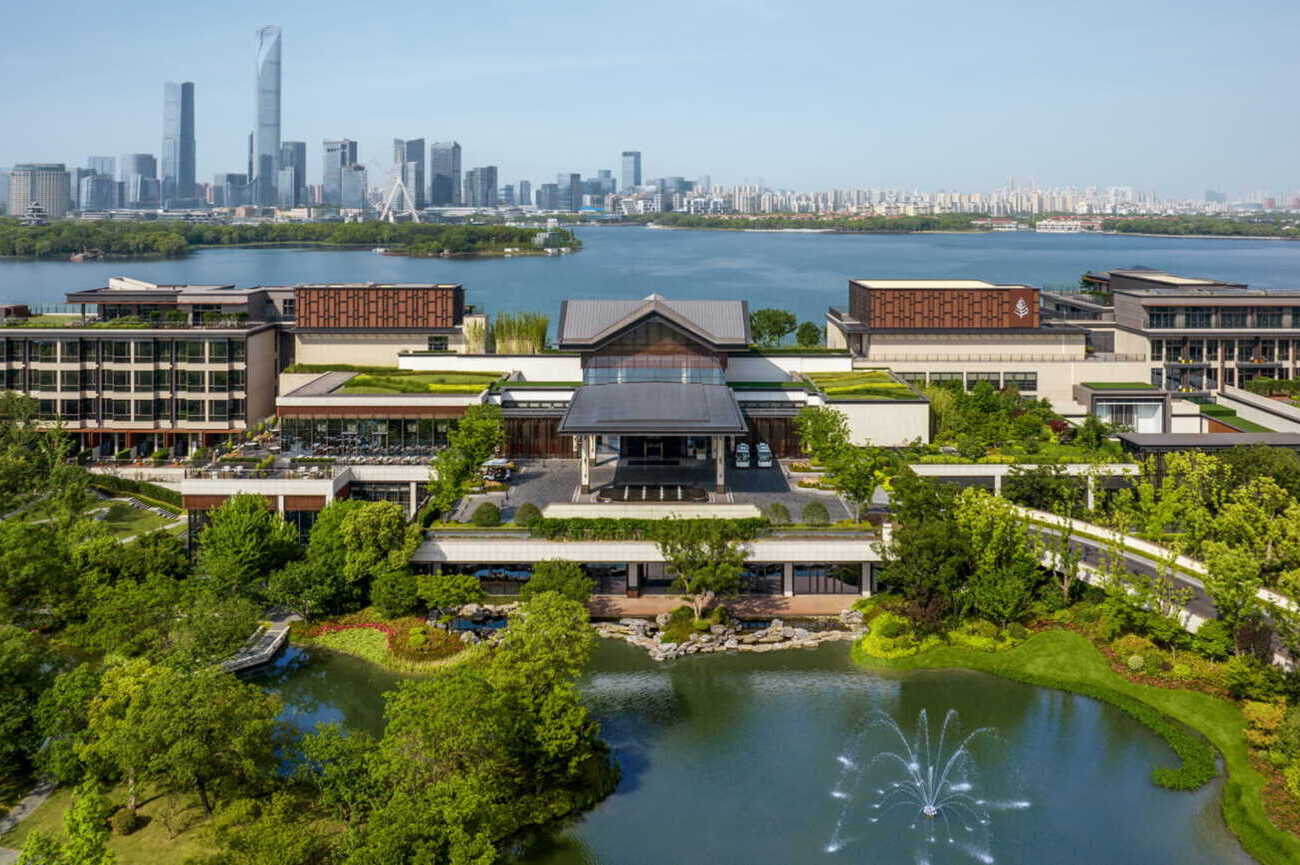
- Four Seasons Suzhou: Located on a private 9-hectare island in Jinji Lake, Four Seasons Suzhou is designed with the elegance of a Suzhou classical garden and the comfort of a modern luxury resort, it offers an “urban resort” experience just minutes from Suzhou’s city centre. Accommodation is designed to suit different travel styles. Deluxe Lake View Rooms feature floor-to-ceiling windows that open up to peaceful water views, while Garden Terrace Rooms give you your own outdoor space to unwind. For something more expansive, the Penthouse Suites offer 270 degree views of the lake and skyline. If privacy is your priority, the stand alone villas (reachable by private buggy) are the most exclusive option. The Two-Bedroom Grand Villa stands out as the only one with its own private outdoor pool, ideal if you’re travelling with family or simply want complete seclusion without leaving the city.
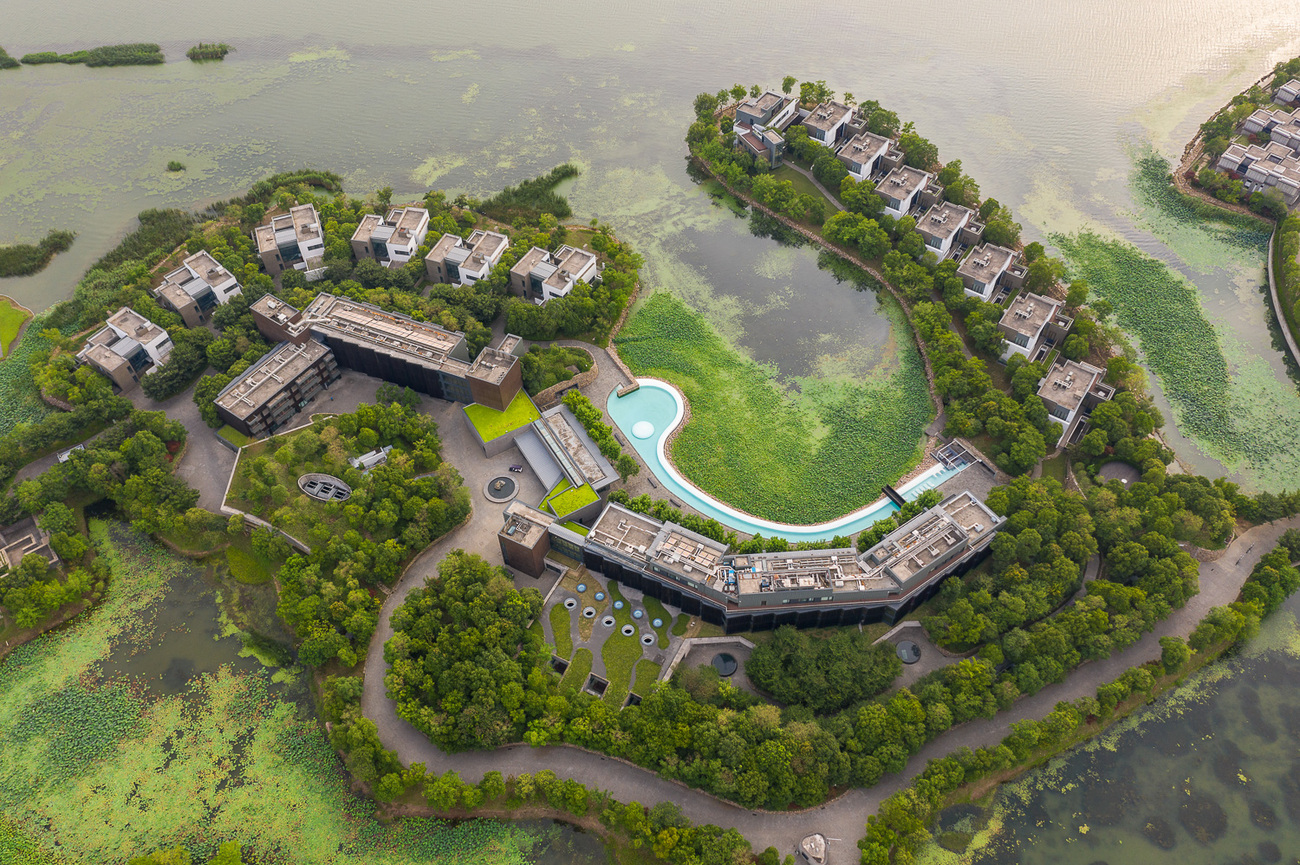
- SANGHA Retreat by OCTAVE Institute: A world class health sanctuary located on the banks of Yangcheng Lake. Unlike a traditional hotel, it is a transformational wellness destination designed to integrate Western medical science with ancient Eastern wisdom (Traditional Chinese Medicine). The result feels organic rather than indulgent, focused on long-term wellbeing, not quick fixes. The architecture is minimalist and intentionally calm, helping you slow down and clear your head the moment you arrive. Most stays are built around personalised wellness programmes lasting three to seven days or longer, giving you time to settle into new routines and habits. If you’re short on time, shorter discovery stays are also available, offering an introduction without the full commitment. It’s an ideal choice if you’re looking to step away from daily noise and focus fully on your health, clarity, and balance.
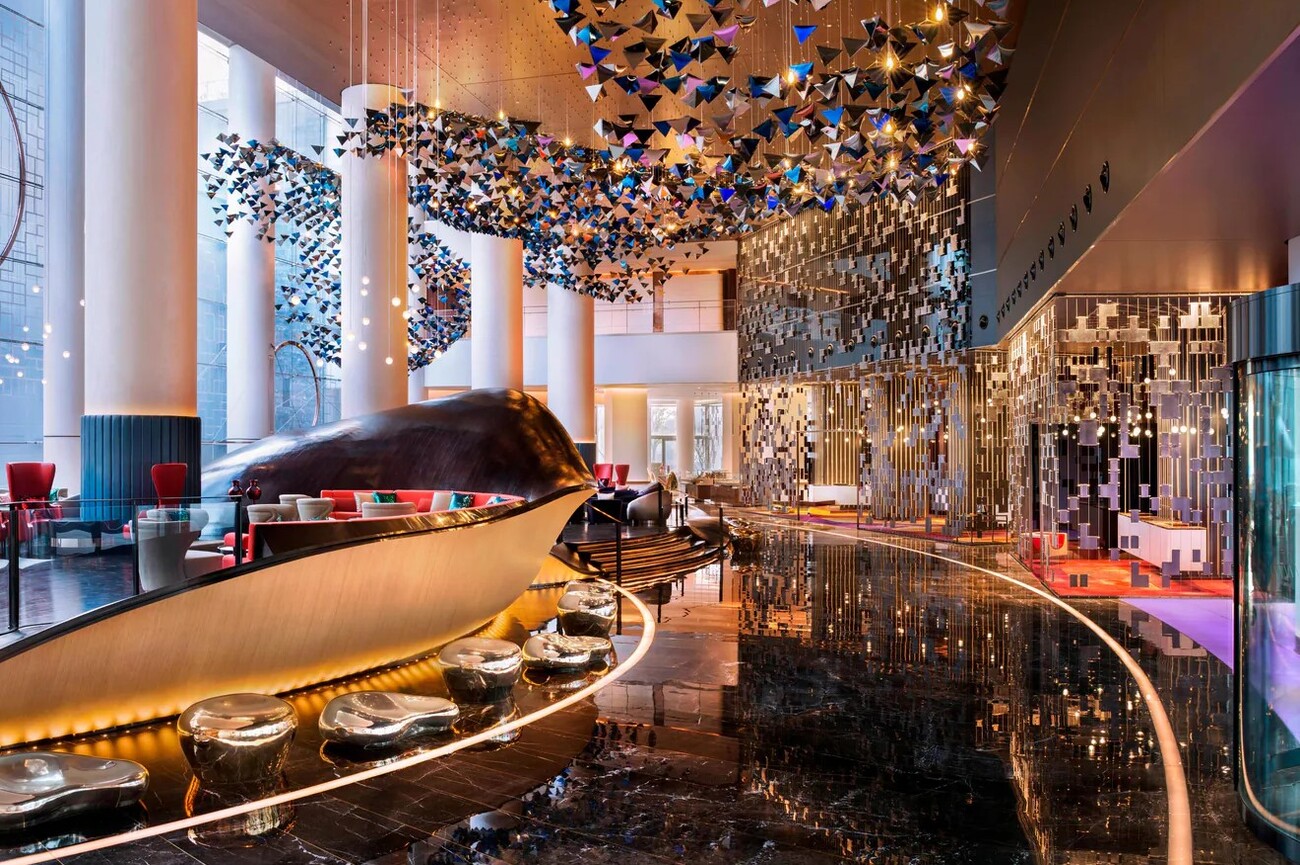
- W Suzhou: Located inside the Suzhou Center complex, right in the middle of the city’s live energy. A stay here gives you direct access to Suzhou’s largest shopping mall. The rooms are sleek and contemporary, with floor-to-ceiling windows that open up to wide views of Jinji Lake or the iconic Gate of the Orient (“The Big Pants” building). Inside, you’ll find W’s signature beds, smart toilets, and polished modern amenities designed for comfort and style.
- Kimpton Bamboo Grove Suzhou: Kimpton's first property in mainland China, thoughtfully reimagined from a well known 1990s cooperative hotel. Its design features modern elegance with the calm beauty of Suzhou’s gardens and canals, creating a space that feels both contemporary and local. The rooms here have an open concept layout and often include private balconies or patios overlooking inner courtyards or the river. The hotel is conveniently located just nine minutes walk from Shiquan Street and close to the UNESCO-listed site, Master of the Nets Garden.
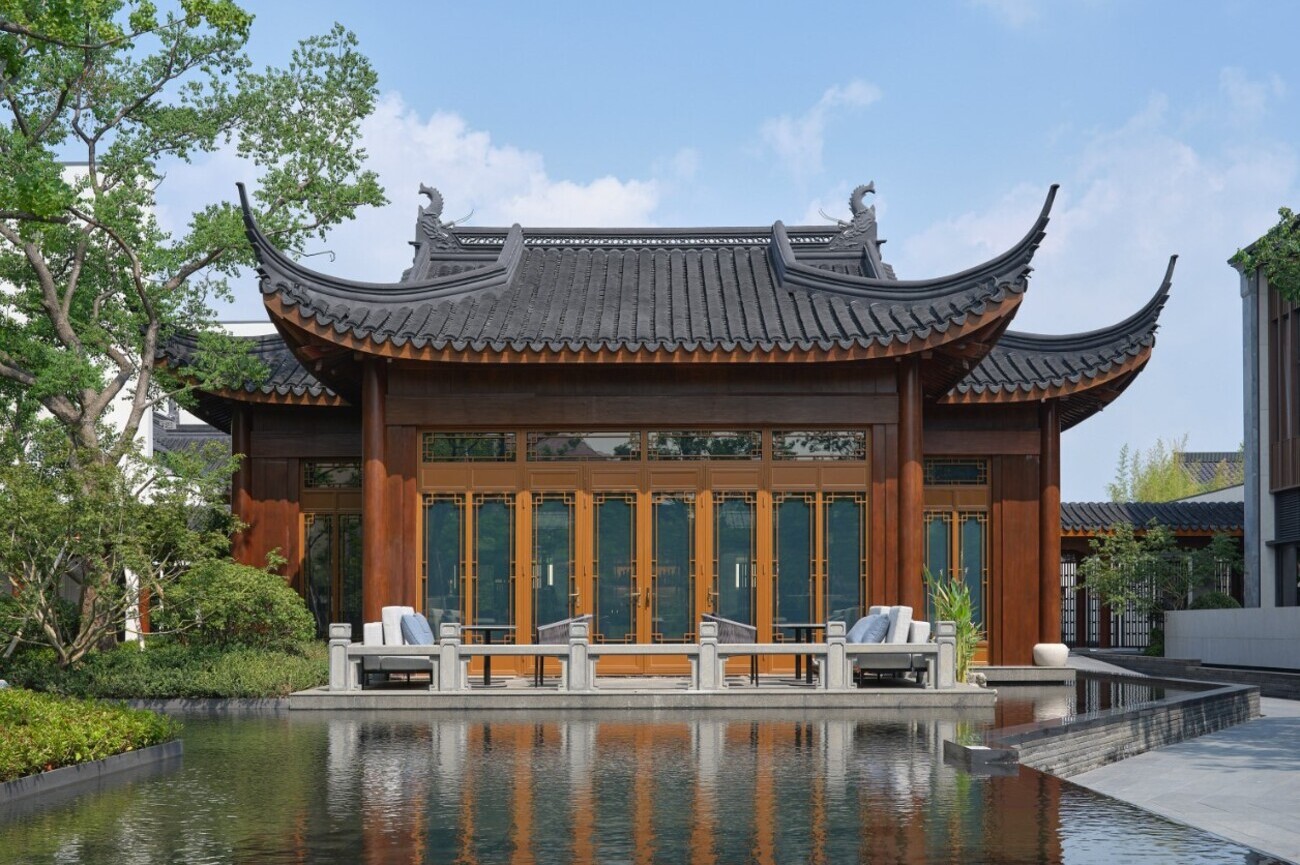
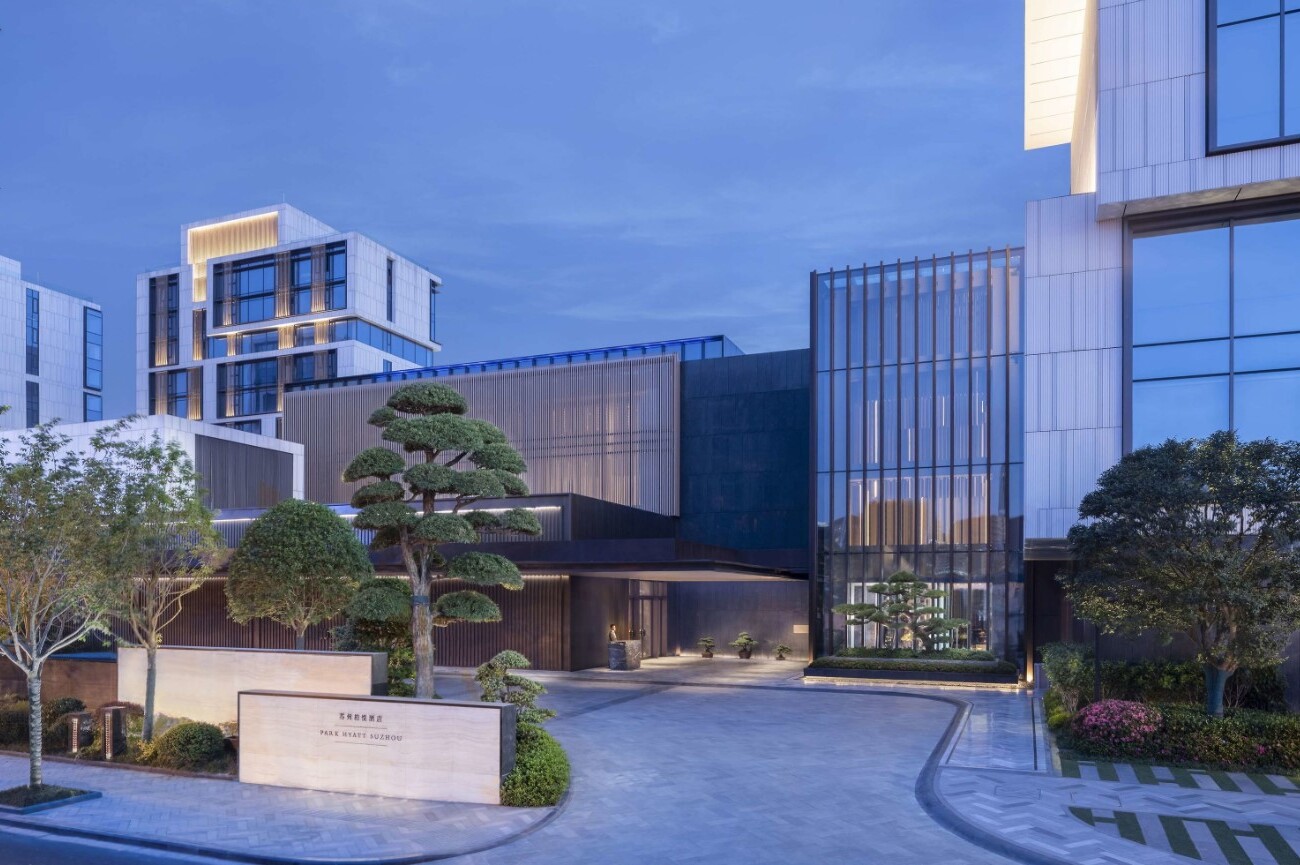
- Park Hyatt Suzhou: Designed as a modern interpretation of a traditional Suzhou mansion, blending the city’s 2,500 year architectural heritage with clean, contemporary lines. The rooms here are spacious, ranging from 50 to 173 square metres, and feature Asian inspired touches such as brush ink style screens and crabapple shaped mirrors. When choosing your room, you can choose from overlooking the inner gardens and koi ponds, or facing the city skyline. Some rooms also look out toward the Suzhou Ferris Wheel and Jinji Lake, offering a front-row view of Suzhou’s modern side.
Best Time to Visit
Suzhou
The best time to visit Suzhou is during spring (March to May) and autumn (September to November). During these seasons, the weather is mild and pleasant, ideal for wandering through classical gardens, walking canal side streets, and exploring nearby water towns without occasional rain showers or extreme summer heat.
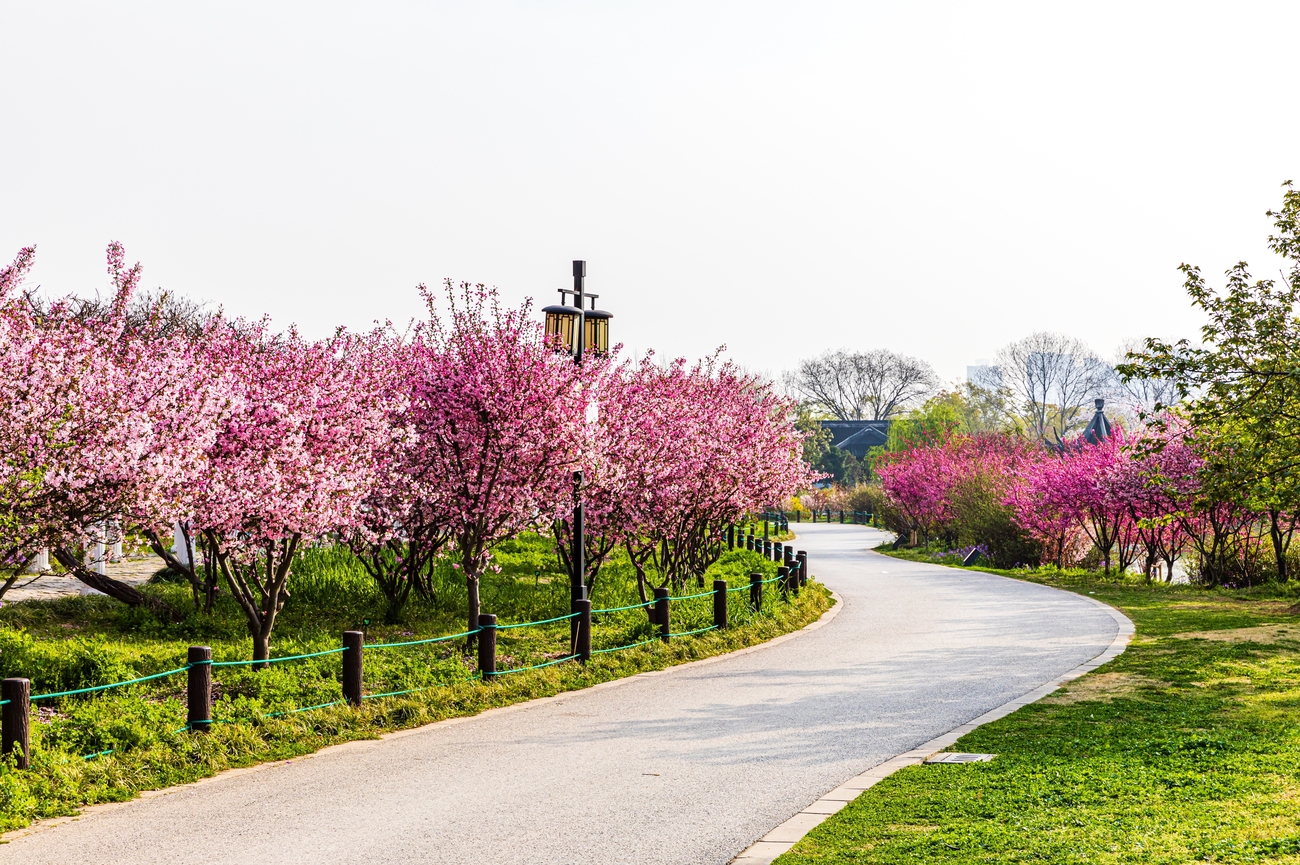
In spring, the city comes alive with blooming peonies, azaleas, and wisteria, adding colour and fragrance to garden visits. Cherry blossoms usually peak around this season, particularly in late March. Autumn, on the other hand, brings a different kind of beauty: red maples and golden ginkgo trees, with foliage at its best from late November to early December. It’s also peak season for hairy crab (October to November), a must try if you enjoy seasonal local cuisine.
To make the most of your time, try to avoid major Chinese public holidays, when crowds can be intense and popular sights feel far less serene. Visiting just outside these dates lets you experience Suzhou at its most relaxed.
Festivals in Suzhou
- Chinese New Year: Also known as the Spring Festival, a season that transforms Suzhou into a city of red lanterns, festive decorations, and seasonal flower markets. If you’re visiting at this time, you might notice the atmosphere feels warmer and more ceremonial, with traditions unfolding across the city. One of the most meaningful rituals is the bell ringing ceremony at Hanshan Temple, where the giant bell is struck 108 times to symbolically dispel worries and welcome a fresh start for the year ahead. Around the city, public squares and major hotels host lively lion dances. In the culinary scene, food plays a central role during this season as families and restaurants serve special reunion set menus or meals, featuring symbolic dishes like fish for abundance and dumplings for good fortune. As you explore historic districts, look out for festive local snacks like the plum blossom cake, rice cakes, and sweet red bean porridge.
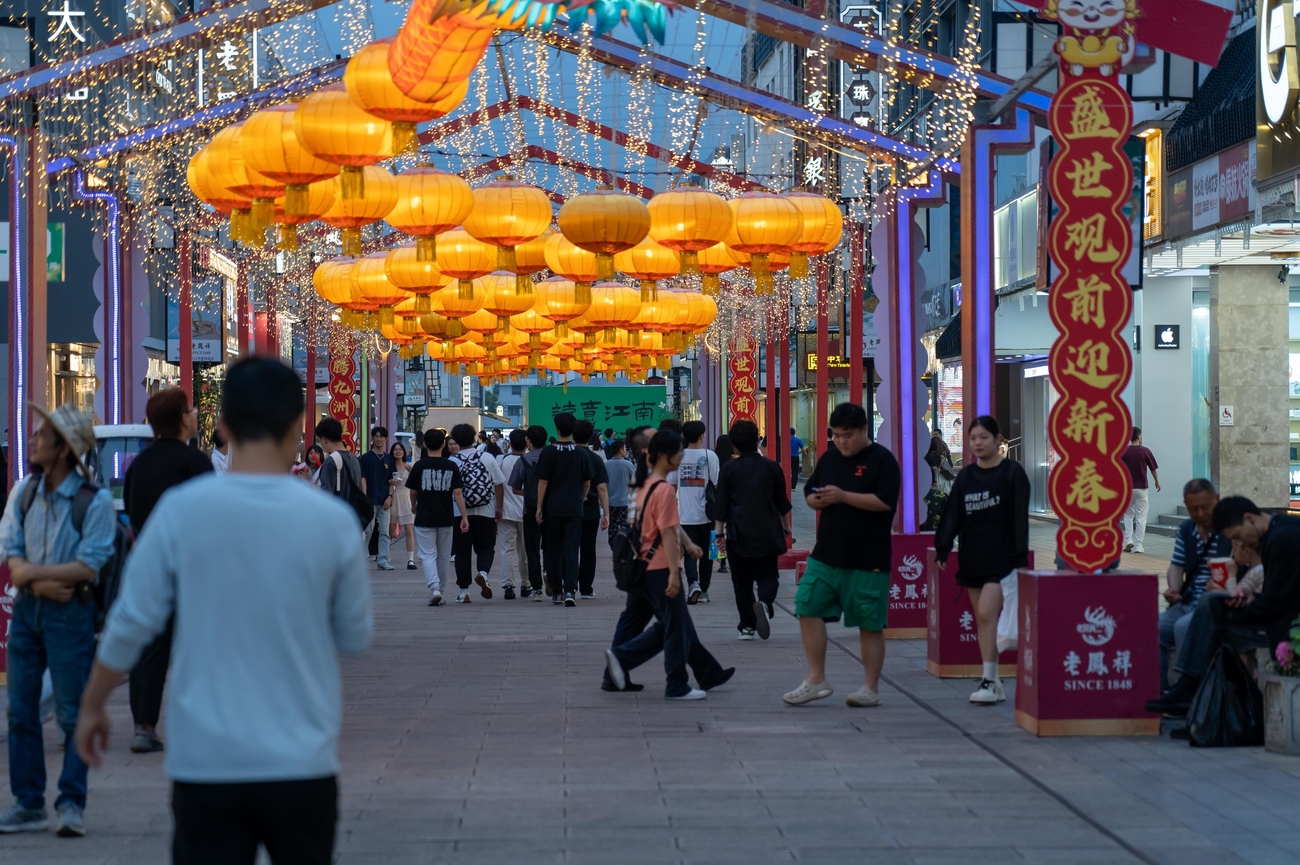
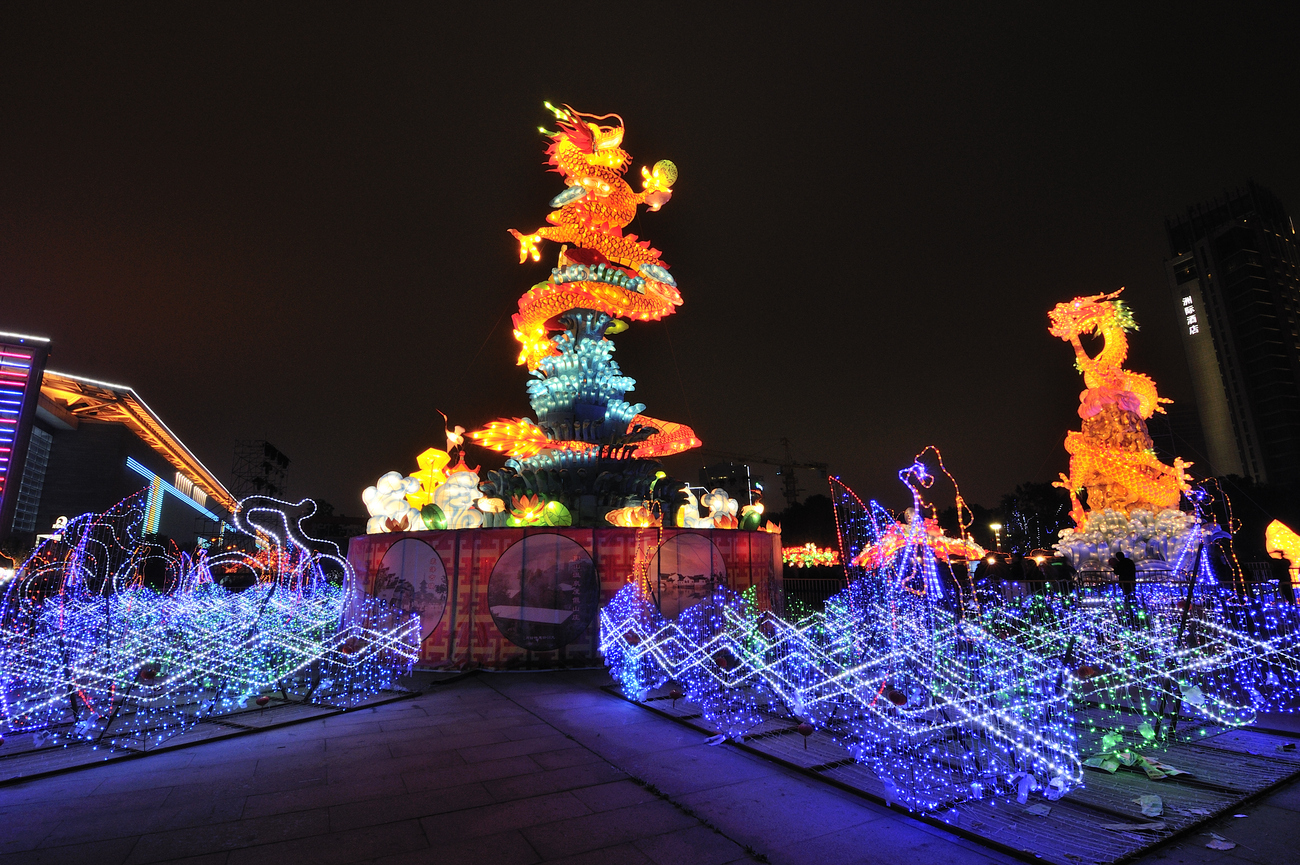
- Lantern Festival: In Suzhou, the Lantern Festival (Yuanxiao Jie) is a visually stunning finale to the Lunar New Year, and it’s one of the city’s most visually enchanting moments. Expect streets glowing with thousands of lanterns, lively folk performances, and a festive atmosphere often compared to a “Chinese Valentine’s Day.” If you enjoy evenings that feel celebratory yet romantic, this is a wonderful time to be here. One of the main highlights during the festival takes place at Tiger Hill, where a multi week light and shadow display turns the area into a flowing, dreamlike landscape. You’ll see illuminated installations, interactive activities, and performers dressed in ancient style costumes that bring history to life. Meanwhile, Shantang Street and Pingjiang Road become especially atmospheric and busy as red lanterns light up canal side homes and bridges. For a more romantic, intimate experience, consider a night boat cruise. Gliding along the canals as lanterns reflect on the water, accompanied by soft Suzhou Pingtan music, is one of the most memorable ways to experience the festival.
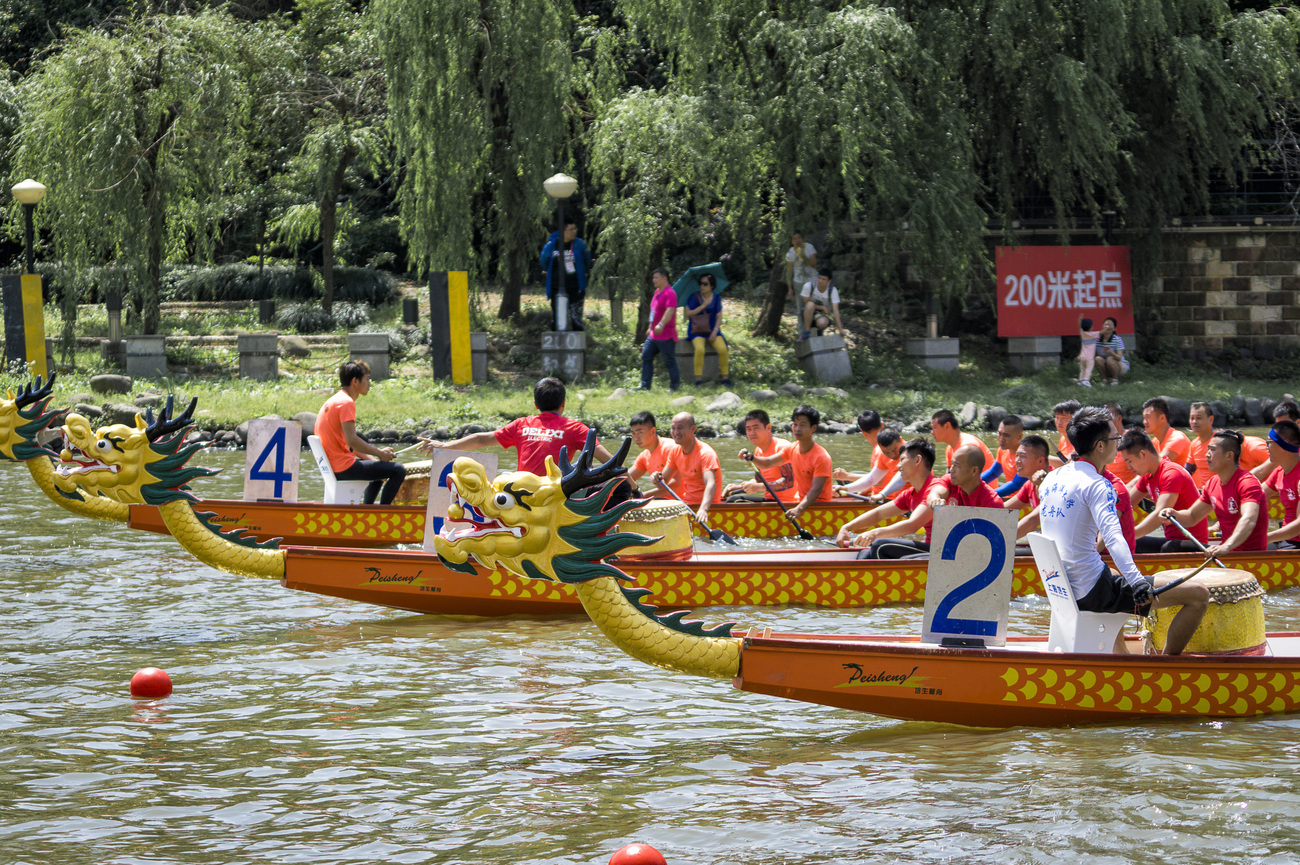
- Dragon Boat Festival: One of Suzhou’s most energetic celebrations. If you’re visiting at this time, you’ll experience it with all your senses, rapid drumbeats echoing across the lake, the herbal scent of mugwort, and the unmistakable aroma of freshly wrapped rice dumplings. The biggest spectacle takes place at Jinji Lake, where the Jinji Lake Grand Prix draws elite teams from across China and overseas. Races unfold against the Gate of the Orient rising behind the boats and crowds lining the shore. If you prefer something more traditional and close to daily life, head to Panmen Gate or the canals of Gusu District, where local community teams race through waterways. Food is an essential part of the festival. Suzhou is especially known for its savoury zongzi: sticky rice dumplings filled with marinated pork belly, salted egg yolk, or chestnuts, all wrapped in fragrant bamboo leaves.
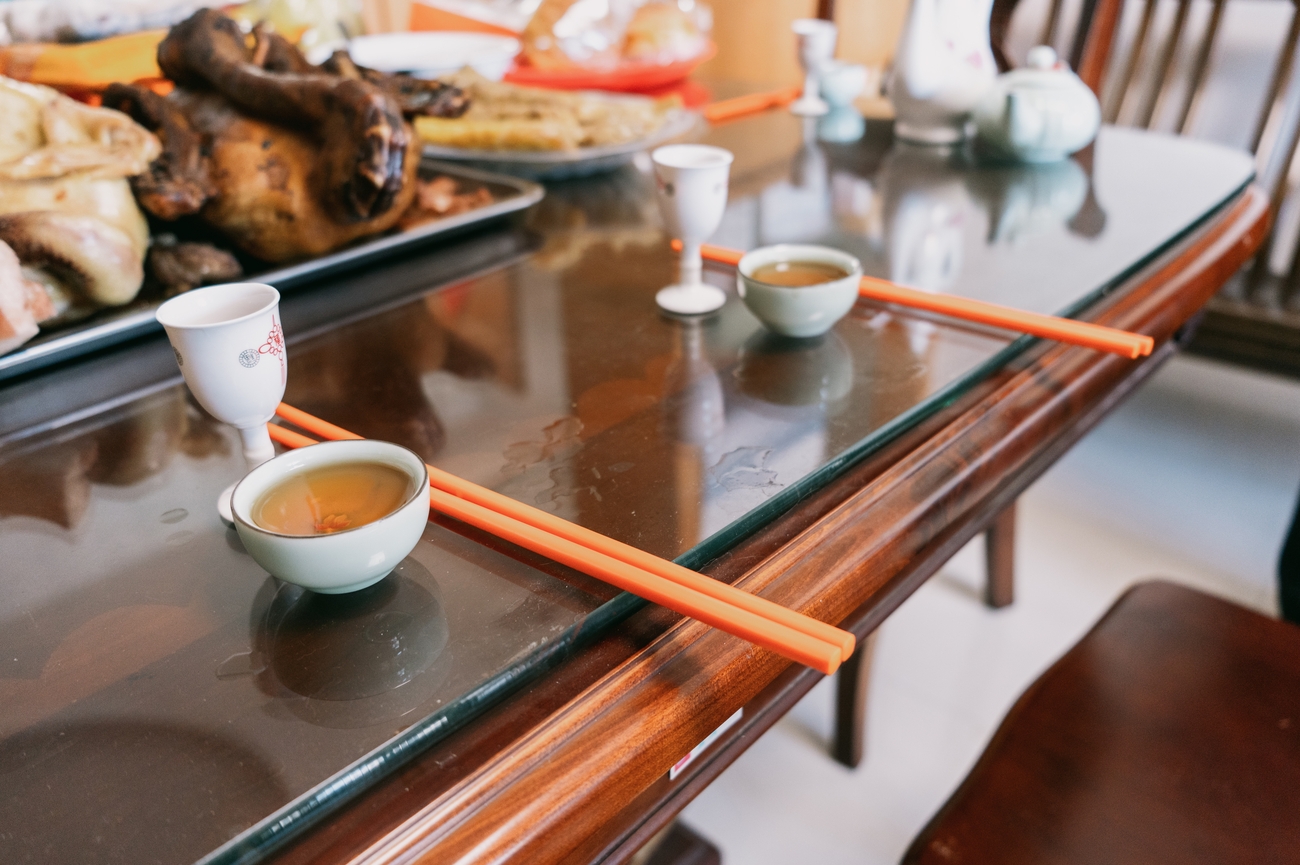
- Mid-Autumn Festival: A cherished time of the year, centered on reunion, moon watching, and indulgent food. Some of the most atmospheric places to enjoy the night sky include Master of the Nets Garden, Shihu Lake, and Jinji Lake, where reflections on water makes the atmosphere poetic. Food is just as important as the view. Be sure to try Suzhou-style mooncakes, unlike the dense, chewy Cantonese versions, these have a light, flaky pastry crust. The most iconic filling is the fresh meat mooncake, made with pork and lard, balancing savoury richness with subtle sweetness. The festival also marks the start of Yangcheng Lake hairy crab season. Hairy crabs are a highlight of reunion dinners, typically steamed and enjoyed simply with ginger and vinegar.

- Winter Solstice Festival: Celebrated with such reverence that locals often say, "Winter Solstice is as important as the New Year." While northern China marks the day with dumplings, Suzhou follows its own traditions, centred on family reunion and seasonal food. One of the most distinctive customs is drinking dongniang wine, a lightly fermented rice wine infused with osmanthus flowers. With an alcohol level of just 2–4%, it’s gentle, slightly sparkling, and naturally sweet (more like a floral soda than a strong spirit). It’s only sold for a short period before the solstice, and if you’re in town, you’ll likely see locals lining up with empty containers at long established shops like Yuanhetang to get the freshest batch. The night before the solstice is reserved for an important family meal that rivals the Lunar New Year dinner in significance. There’s even a local saying: “Eat wontons during the solstice to become smarter.” Families gather to prepare large bowls of pork-filled wontons served in clear, rich broth.
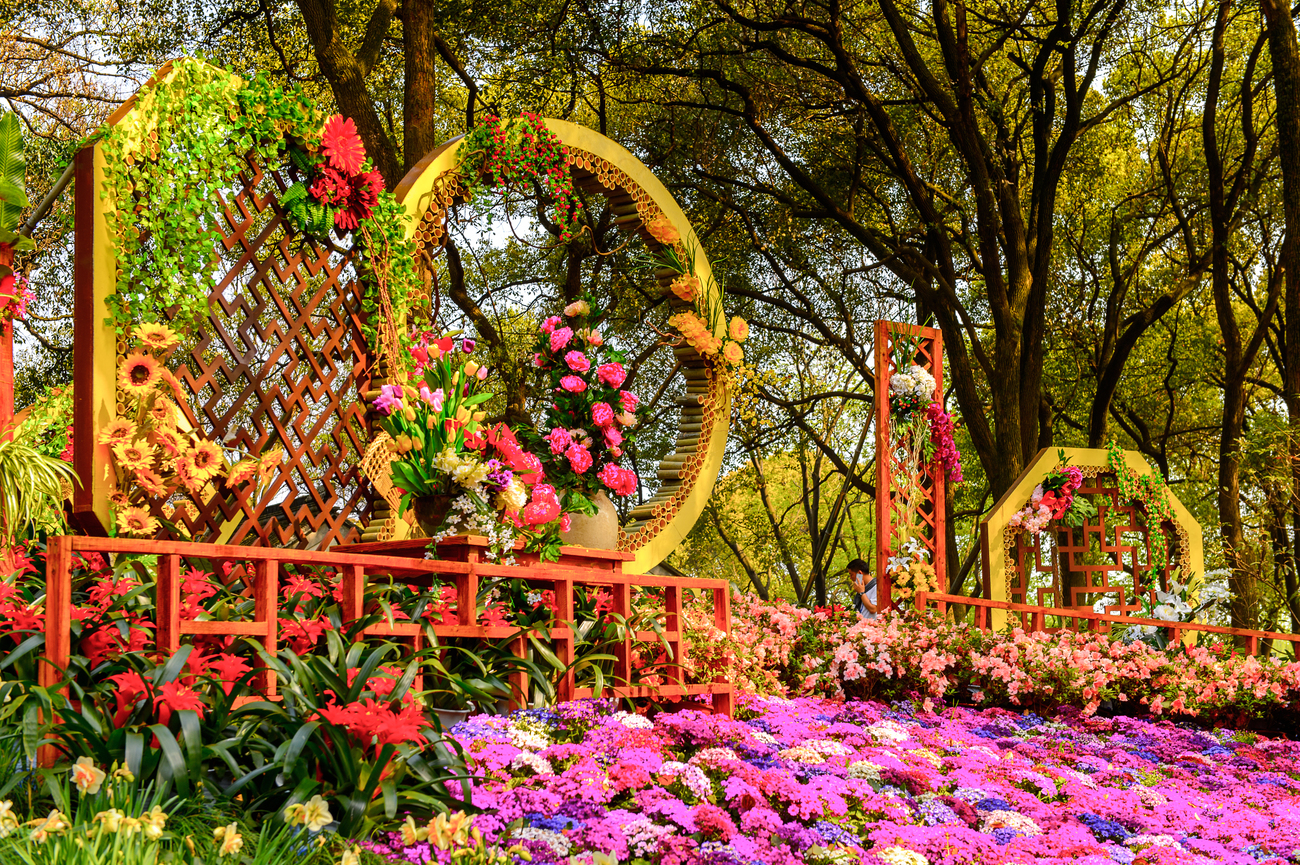
- Tiger Hill Flower Festival: Also known as the Huazhao Festival or Artistic Flower Show, the Tiger Hill Flower Festival is a spring celebration held at Tiger Hill Scenic Area. With a history dating back over 1,600 years, it marks the traditional “birthday of flowers,” turning the hill into a blanket of blossoms, colour, and cultural performances. As you wander the grounds, you’ll see thousands of plants in bloom: peonies, tulips, camellias, cherry blossoms, and azaleas, carefully arranged across the landscape. One of the festival’s highlights is the Flower Deity Parade, where performers dressed as the 12 flower deities. Throughout the festival, you can watch Kunqu Opera, folk dances, music performances, and traditional tea making ceremonies. In some areas, costumed performers dressed as historical figures interact with visitors, adding a playful, immersive touch to the festival.
The Venice of the East
Suzhou has earned that nickname, but if you’re here, you’ll realise it’s also slightly beside the point. Venice is dramatic, Suzhou is deliberate. Its waterways don’t perform: they sustain. They slip past kitchens and courtyards, under old bridges worn smooth by footsteps, through streets where lantern light lands softly on the surface of the canal and stays there, unbroken.
With Revigorate, your Suzhou journey is shaped around those subtleties. We design experiences that look beyond the famous gardens and waterways, giving you space for the moments that make the city feel personal. To begin planning your Suzhou itinerary, contact us or give us a call at (+1 800 672 0517 | +351 289 009 580 | +44 808 189 0647).
Ready to explore more of Asia? Travel further with Revigorate and discover our curated itineraries across Chengdu, Hong Kong, Kyoto, Singapore, Osaka, and Manila.


Let us know what you love, where you want to go, and we’ll design a one-of-a-kind adventure you’ll never forget.
Get in touch
Miriam
Travel Specialist

Romina
Travel Specialist

Laura
Travel Specialist
Our offices:



Revigorate, Iberian Escapes and Algarve Lifestyle are the registered brand names of APCS Lda . We are a fully authorised travel agency licensed by Turismo de Portugal RNAVT/6867.
In the event of a dispute, the consumer may refer to: RAL - Centros de Arbitragem
Avª. 5 de Outubro, nº. 55, R/C Dtº. 8000-075 Faro, Portugal | Tel: +351 289 823 135 *
* national landline call
E-mail: info@consumoalgarve.pt| www.consumidoronline.pt | Mon to Fri: 9:00 - 13:00 / 14:00 - 17:00