Things to Do in the Mosel Valley: 4-Day Itinerary
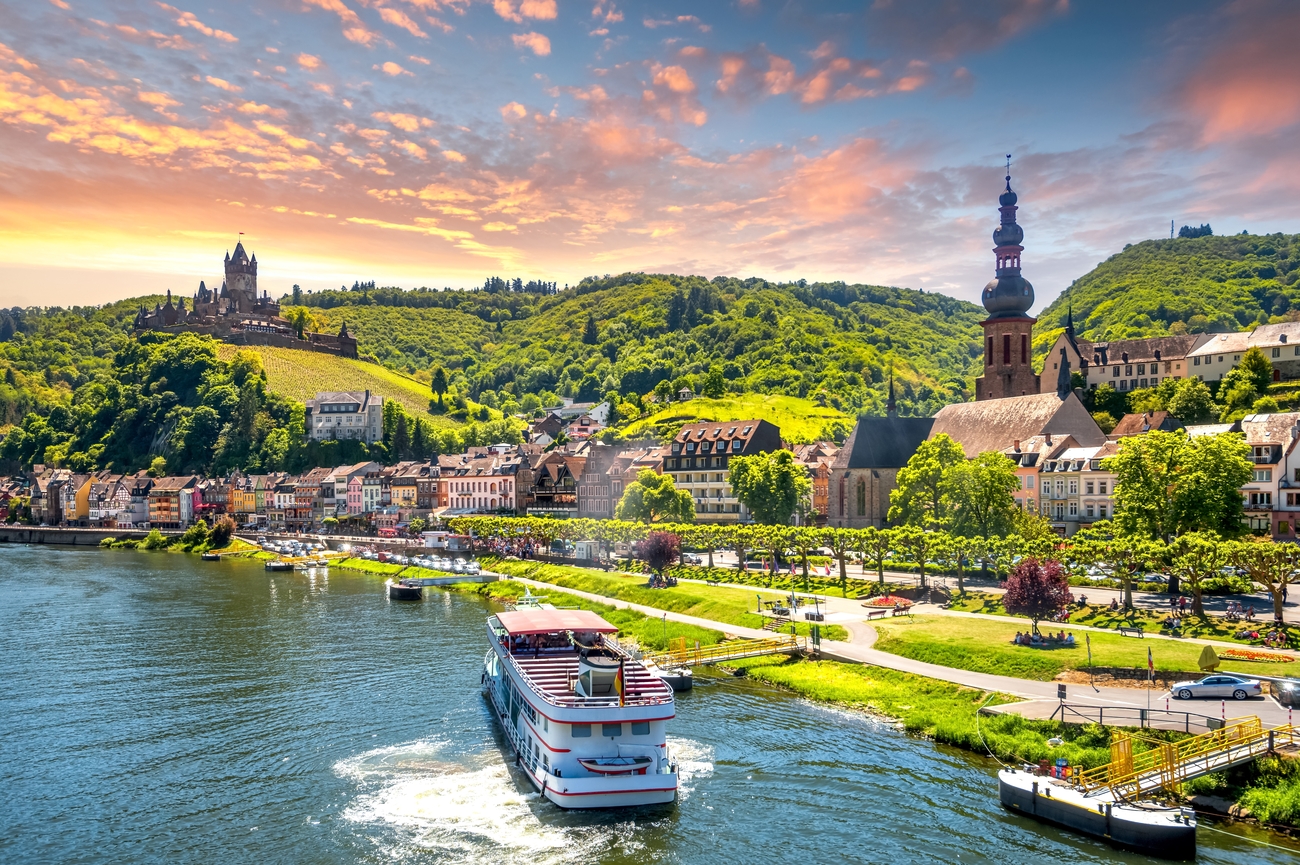
The Mosel Valley is one of Germany’s most distinctive wine regions, combining steep vineyard slopes, historic river towns, medieval castles, Roman heritage and some of the country’s most celebrated Riesling producers along the Mosel River.
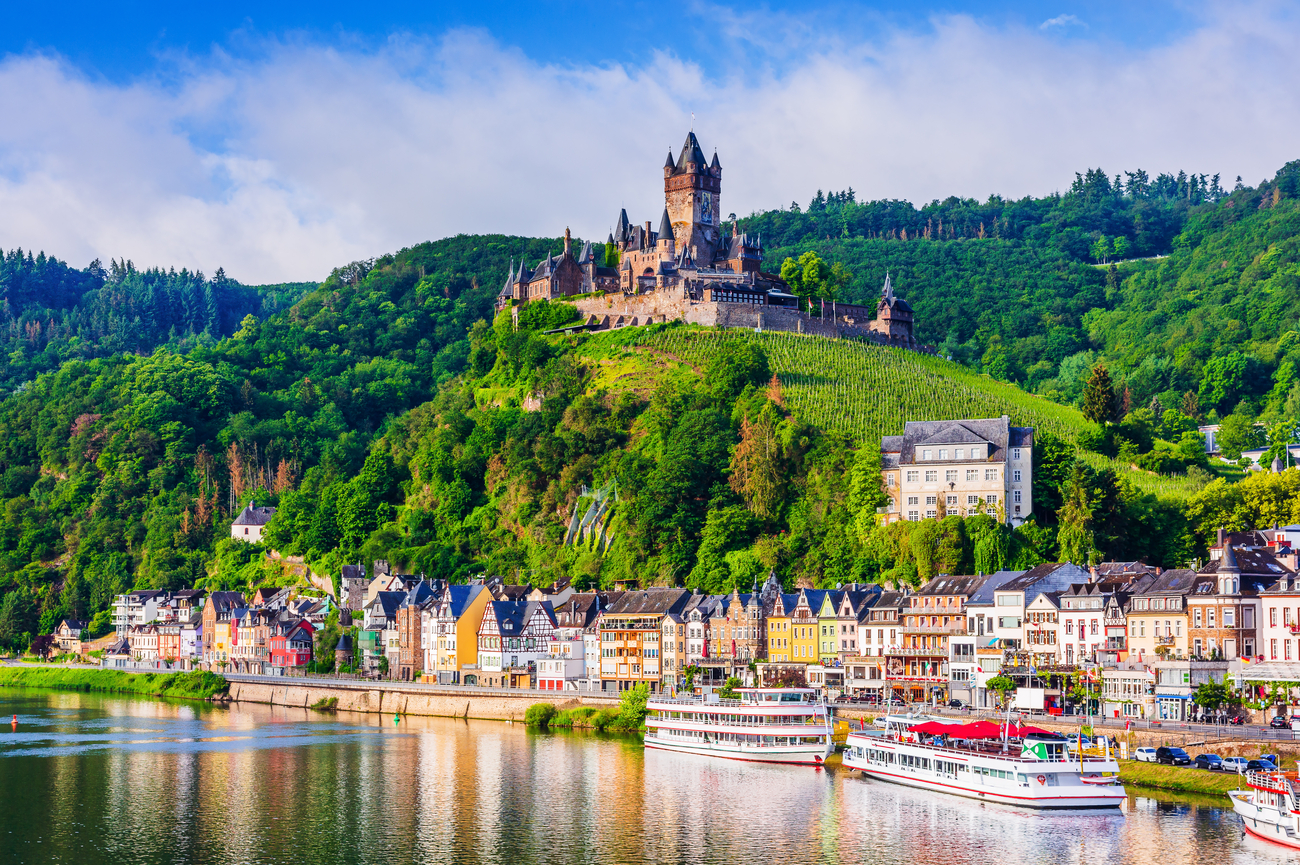
Trier anchors the western end of the route with Roman landmarks such as Porta Nigra, while towns including Bernkastel-Kues and Cochem bring half-timbered streets, riverside settings and strong wine traditions. Above the valley, castles such as Reichsburg Cochem and Burg Eltz add another layer of history, while vineyard viewpoints reveal the dramatic geography that defines the region.
What makes the Mosel Valley particularly rewarding is the relationship between landscape and culture. Vineyards rise sharply from the river, historic towns sit within tight bends and wine estates remain closely connected to the villages around them. The result is a journey where scenery, architecture, food and wine constantly overlap.
This 4-day Mosel Valley itinerary follows the river through its main cultural and wine destinations, combining castles, vineyards, historic towns, Riesling and scenic viewpoints in a route designed to feel varied and well paced.
Day
1

Morning: Porta Nigra
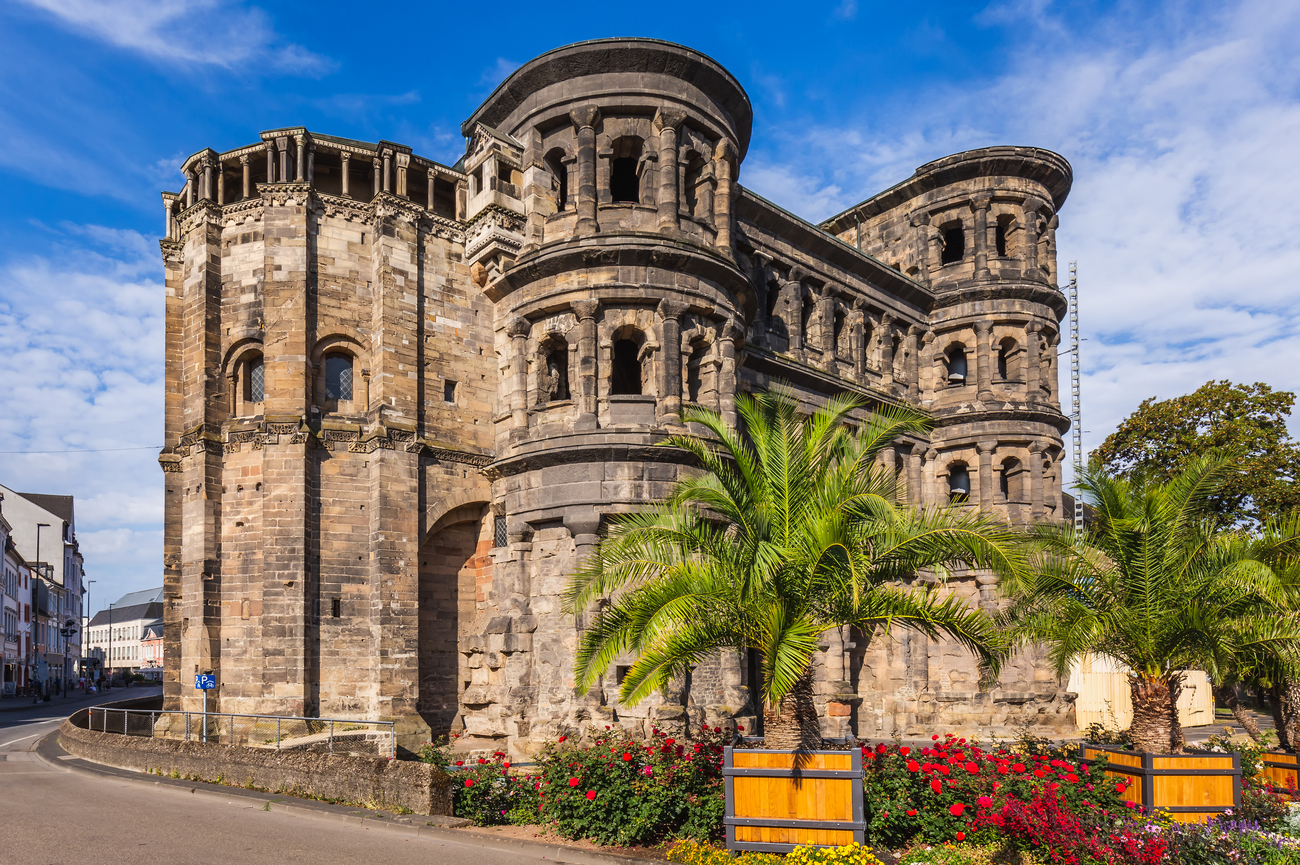
Porta Nigra doesn’t warm up the Mosel Valley, it drops the curtain straight into Act One. Heavy stone, darkened by time and standing like it knows it’s been outlasting empires since forever.
Erected around 170 AD, this is the largest surviving Roman city gate north of the Alps and it’s built with the kind of confidence only Roman engineers could pull off. The name means Black Gate, a nod to the sandstone that darkened over centuries of weather, smoke and medieval reuse. Step inside and the experience turns layered: Roman military architecture morphs into medieval Christian space, complete with interior chambers, staircases and upper levels that once functioned as a church.
To really unlock the gate, the official guided tour is worth your hour. Tours run every Saturday at 13:00, with added schedules on Tuesdays and Sundays at 13:00 from April to October, an extra Saturday slot at 15:00 from July to September and Thursdays at 13:00 during Rhineland-Palatinate school holidays. In 60 minutes, guides break down how this structure defended Roman Trier, why it survived when others didn’t, and how it quietly reinvented itself through the centuries.
Simeonstiftplatz
From Porta Nigra, it’s a one-minute walk. You barely have time to check your map before you’re already there. Simeonstiftplatz opens up immediately after the gate, shifting the mood from imperial drama to quiet refinement without breaking the flow.
The square grew around the former Simeonstift monastery, built in the Middle Ages directly against Porta Nigra. It is a move that unintentionally saved the Roman gate from being dismantled for stone. Today, Simeonstiftplatz layers Roman foundations, medieval masonry and elegant town facades into a space that feels composed and lived-in. You’ll notice how the scale softens here.
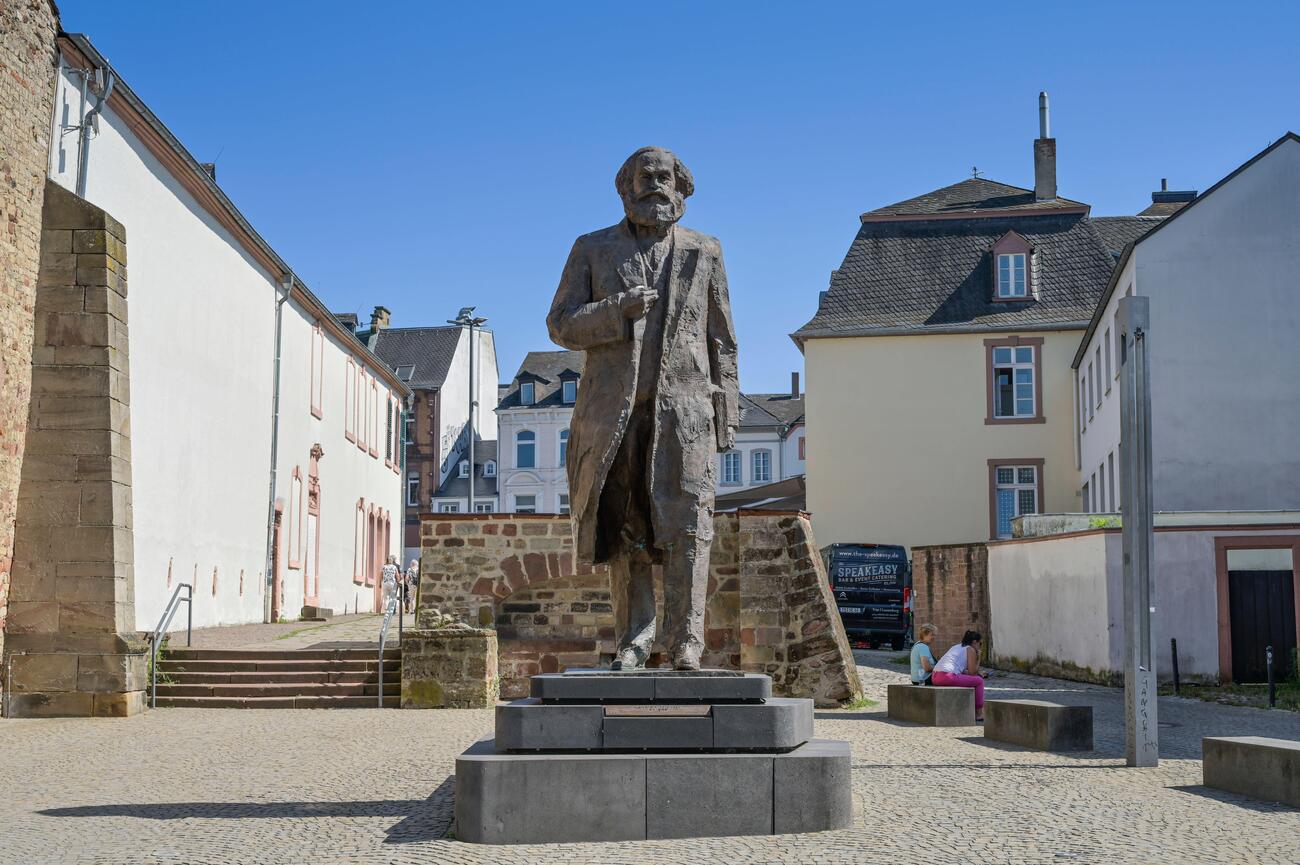
Just a few steps away, you’ll also find the Karl Marx statue, a modern landmark that adds a contemporary note to the square’s centuries of history.
Trier Cathedral
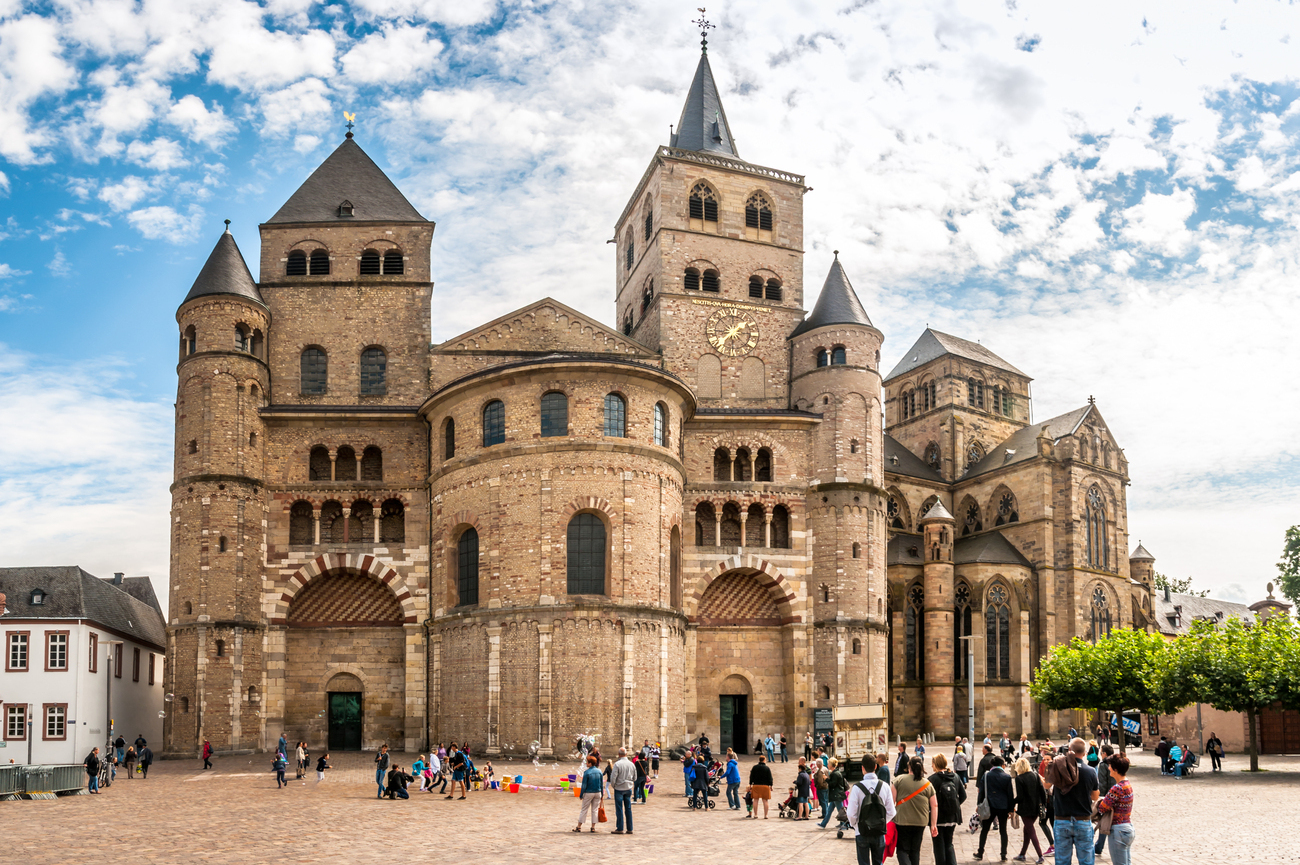
Step away from Simeonstiftplatz and Trier subtly reshapes itself. The path narrows, the architecture thickens, and within eight minutes, the walk trades charm for gravity, exactly where a cathedral should take over.
As Germany’s oldest cathedral, this is a structure built in layers rather than chapters. Roman foundations anchor the space, early Christian walls rise from them, and medieval expansions sit comfortably on top. No era erased, no shortcuts taken. Inside, the mood is grounded and solemn. Thick columns, muted light and stone that has carried centuries of ritual give the interior a gravity that doesn’t ask for attention but holds it anyway. You’re standing in a place where history wasn’t preserved, it was lived.
The general cathedral tour lasts 60 minutes and it’s designed to connect rather than stand alone. You can fold it seamlessly into a broader Trier city tour or layer it with deeper explorations, such as the archaeological excavations beneath the Cathedral Information Office, where Roman and early Christian remains sit directly below today’s streets.
Church
of Our Lady
From Trier Cathedral, you barely need directions; you simply cross the square. A few slow steps, a breath in between and the morning stays hushed on purpose. This part of the route is intentional: today is for church hopping and the city seems to respect that rhythm.
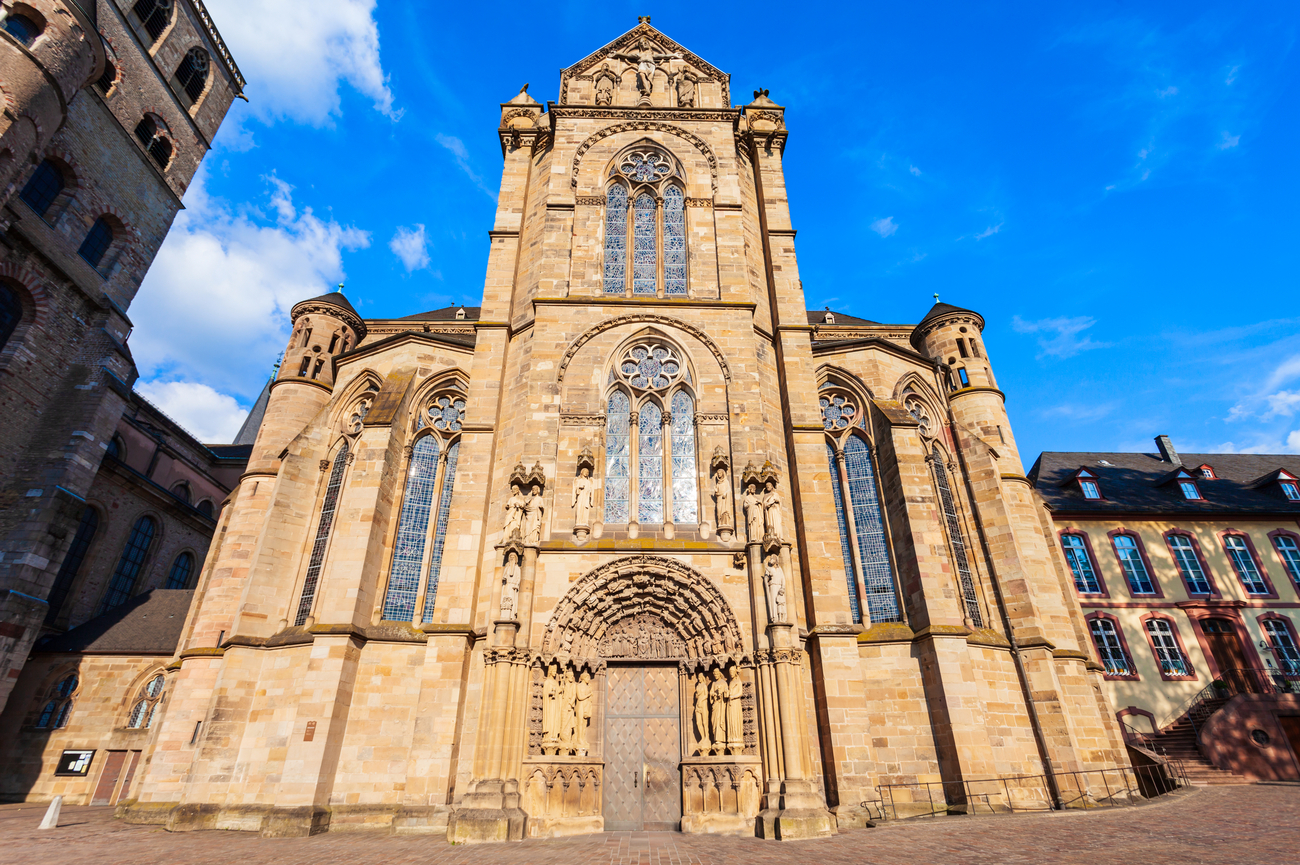
Church of Our Lady feels lighter the moment you enter it. Where the cathedral grounds you, this one lifts you. The space opens upward, brighter, more fluid, with a quiet elegance that changes how you move through it. You’ll notice your steps soften here. Voices drop naturally.
Built in the 13th century, the Church of Our Lady (Liebfrauenkirche) is one of the earliest Gothic churches in Germany and a UNESCO-listed counterpart to Trier Cathedral. Its almost circular floor plan is unusual, designed to draw focus inward rather than forward. Slender columns rise toward ribbed vaults, stained glass filters light gently across pale stone and the geometry feels balanced rather than imposing.
You can join guided visits to the church which are often combined with Trier Cathedral tours, making this stop a natural continuation rather than a standalone lecture. Many official city and cathedral tours step inside briefly to explain the Gothic structure, symbolism and how the church was conceived as a Marian counterbalance to the cathedral’s authority.
Afternoon: Hauptmarkt Trier
Leave the Church of Our Lady and you can feel the spell lift softly and politely, like the city knows it’s time. The quiet thins out, footsteps multiply and after a short wander that barely counts as a walk, Trier leads you straight into its most animated chapter.
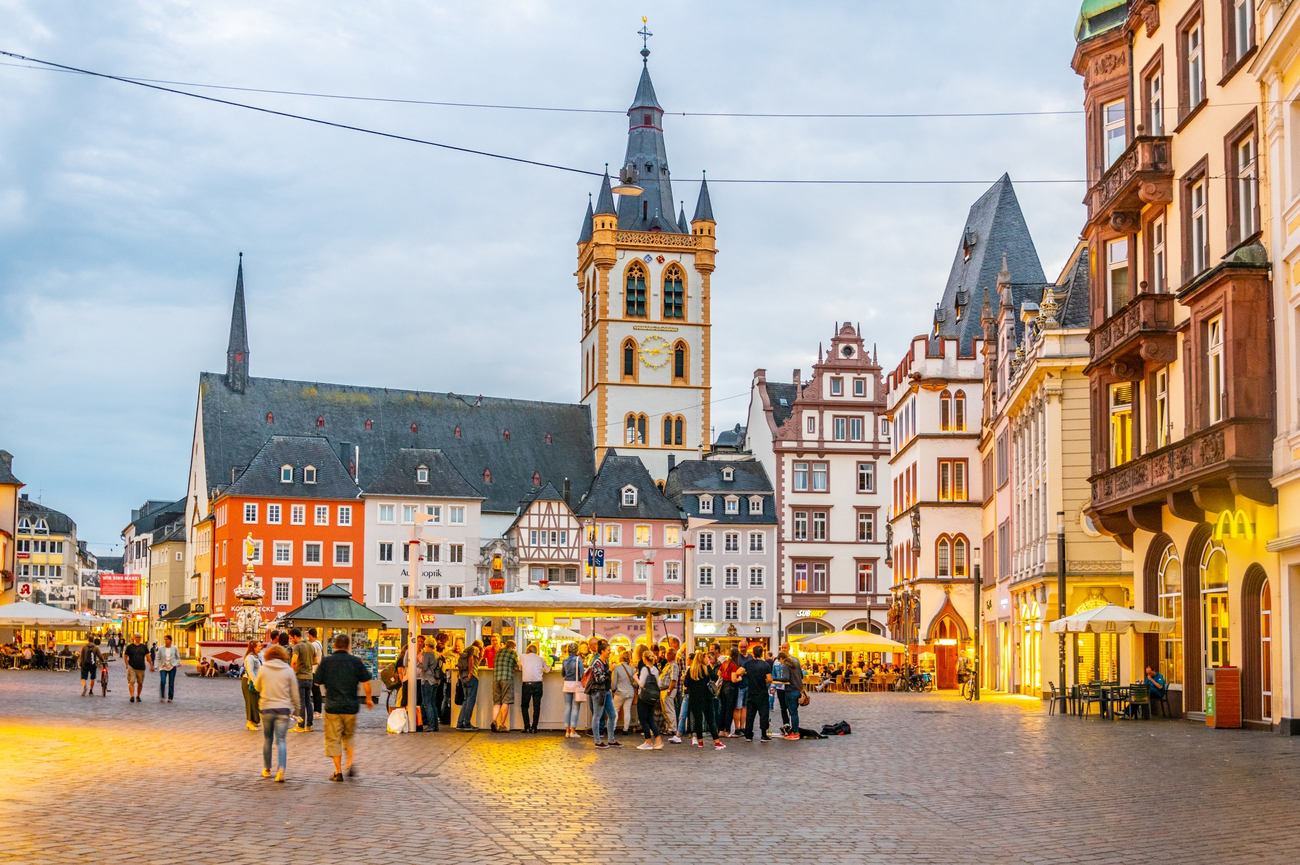
Hauptmarkt Trier feels like a town square pulled from a storybook, except people actually live here. Baroque facades glow in cheerful colors, the Market Fountain (Marktbrunnen) holds court at the center and the air hums with conversation and clinking cutlery. This has been Trier’s main market since the Middle Ages and it still plays the role perfectly. It is welcoming, lively and a little bit theatrical without trying.
After a solemn morning of churches, this is where you’re meant to eat. Hauptmarkt is lined with cafés and bakeries that make lunch feel less like a stop and more like a reward. You can sit, refuel and watch the square perform its daily routine with locals passing through, conversations overlapping and the city fully awake and unapologetically social.
Karl Marx House
Big ideas don’t need big rooms.
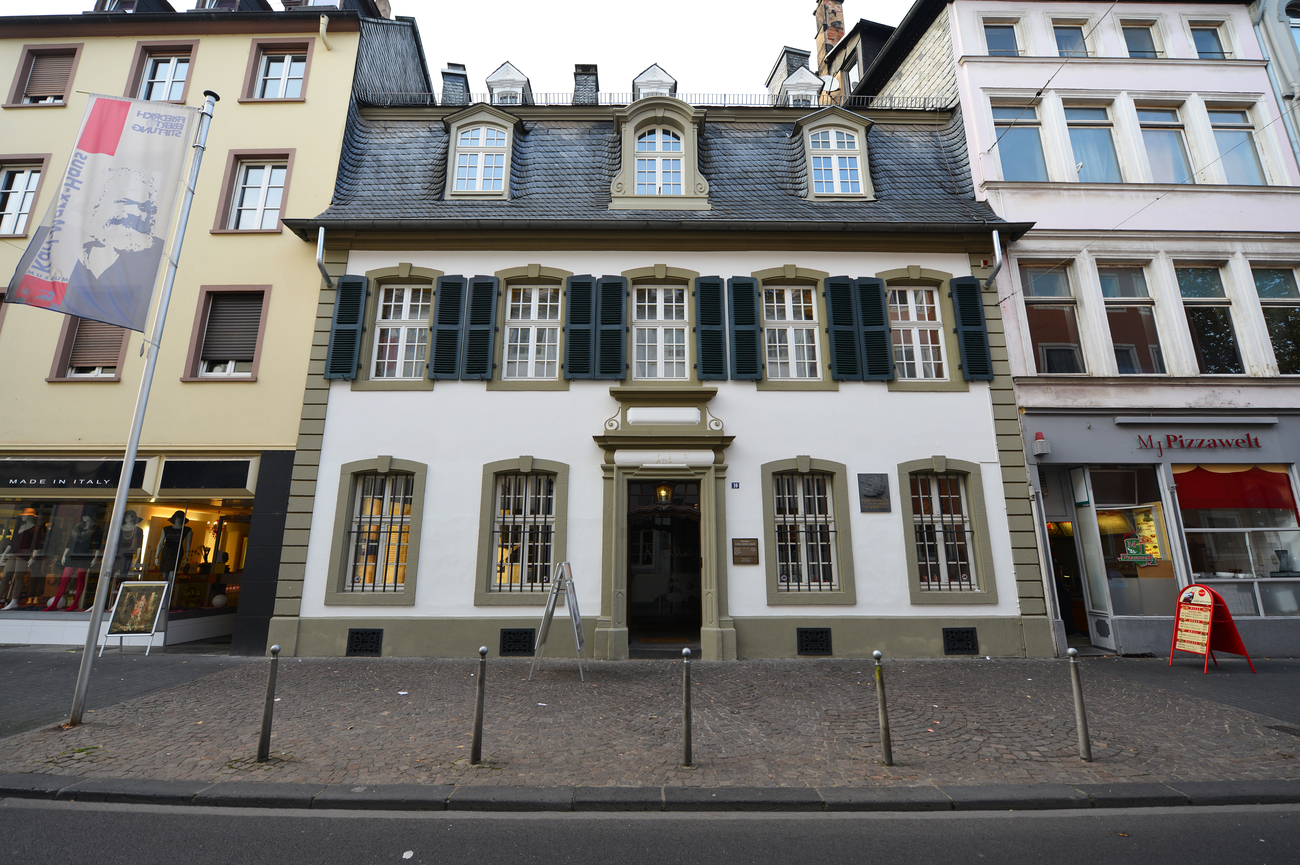
Karl Marx House sits quietly off Trier’s busier streets, about a five-minute walk from Hauptmarkt. You step away from the square’s color and noise and into a townhouse that looks almost ordinary until you realize how far its influence traveled.
This 18th-century house is the birthplace of Karl Marx and today it functions as a focused, well-curated museum rather than a shrine. The interiors guide you through Marx’s life, intellectual development and global impact using documents, multimedia displays and contextual exhibitions that explain not only what he wrote, but why it mattered and why it’s still debated. The scale stays human, which makes the ideas hit harder. You move room by room, thought by thought, without distraction.
Guided tours are offered in German and in foreign languages, each lasting one hour, and they add structure for visitors who want clarity without oversimplification. The museum also offers a “Quiet Hour” on the first Tuesday of every month from 4:00 PM, designed for visitors with sensory sensitivities, when lighting is softened and noise levels are reduced. It’s a rare, thoughtful detail that changes how the space feels.
Electoral Palace
As you move on from the Karl Marx House, Trier opens up, physically and symbolically. The walk takes around ten minutes, but the shift happens faster. Streets stretch wider, symmetry appears and suddenly the city feels staged rather than studied.
Electoral Palace was built in the 1600s as the residence of the Prince-Archbishops and it knows exactly what it represents. Baroque in style but restrained in tone, the palace feels deliberate rather than flashy. Its symmetry, scale and placement next to Roman and medieval remains underline a simple truth: authority here was layered, inherited and carefully staged. While much of the palace complex today is used for administrative and cultural purposes, parts of it, including the inner courtyard and select interiors during special openings, are accessible to visitors. The real visual payoff continues outside, where the palace opens directly into the Palastgarten. You’ll notice how seamlessly the palace and garden interact. This was designed for arrival, procession, and lingering, not speed.
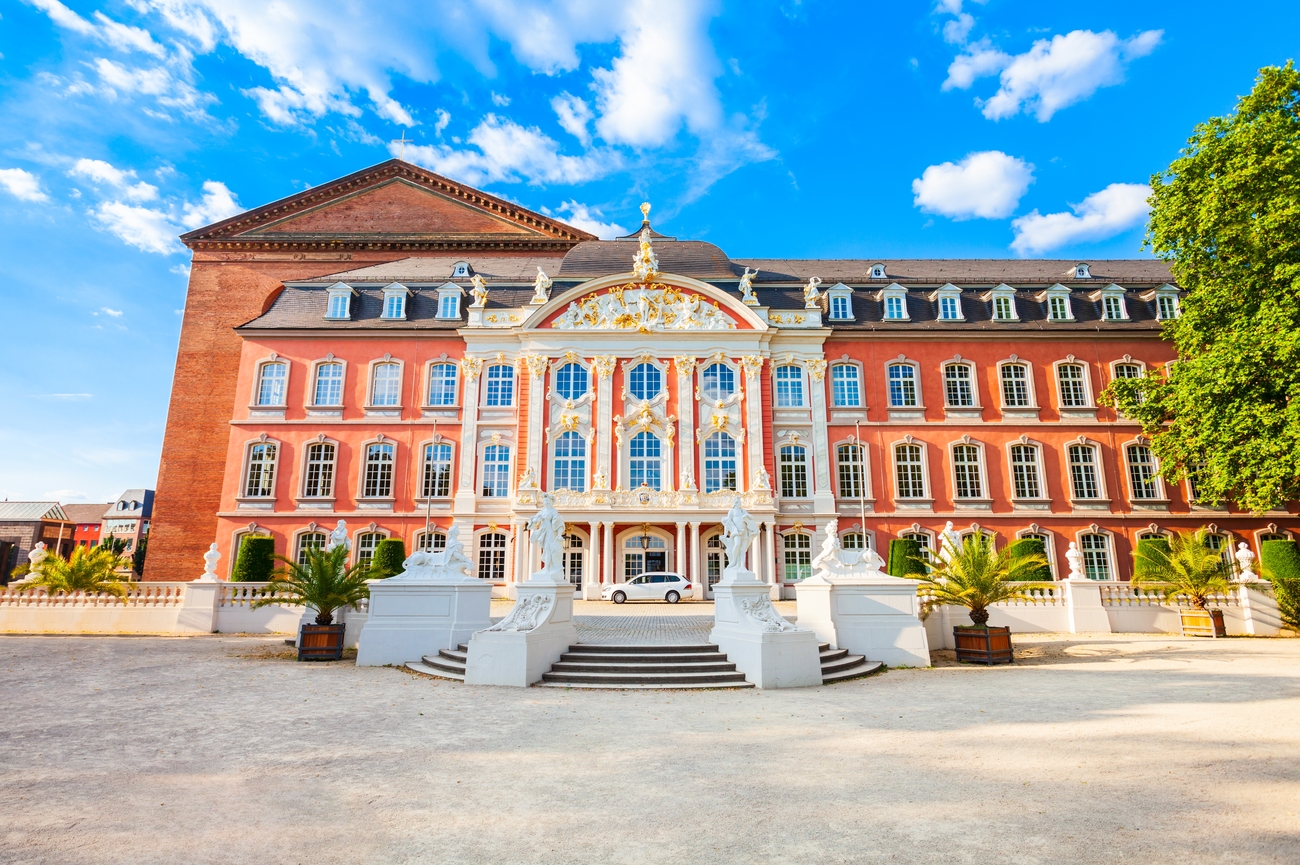
Evening: Palastgarten
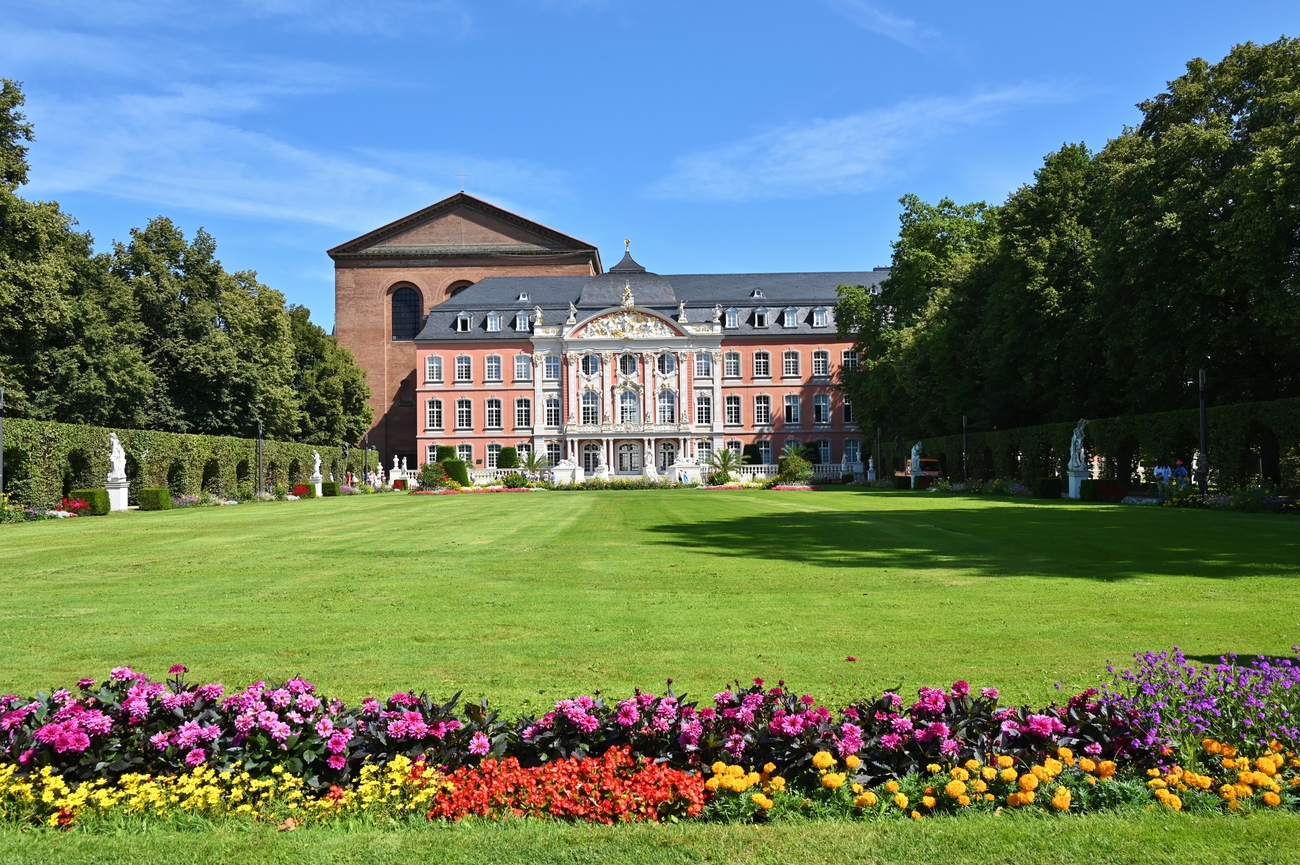
As evening drapes its glow over the city, Trier changes its voice. Leaving the Electoral Palace behind, you step onto a path that feels written into the story. It’s broad and graceful, unfolding as if it knows exactly where you’re meant to go. For a moment, it’s just you, the evening breeze, and the quiet feeling of awe in the Palastgarten.
Palastgarten is the formal garden of the Electoral Palace, designed as part of the residence complex for the Prince-Archbishops of Trier. The Baroque layout, precise paths, clipped hedges, and long axes loosen under the evening light, taking on a fairytale calm that daylight never quite captures. Fountains whisper, shadows stretch, and the palace fades into the background, leaving the garden to carry the mood. This was created to mirror order, authority, and control. But time has softened its edges. Roman ruins sit quietly at the perimeter, greenery blurs the geometry, and what once signalled power now reads as serenity. You’re walking through a space that learned how to be gentle without losing its structure.
Trier Galerie
Stone and silence had their moment, now Trier gets glossy.
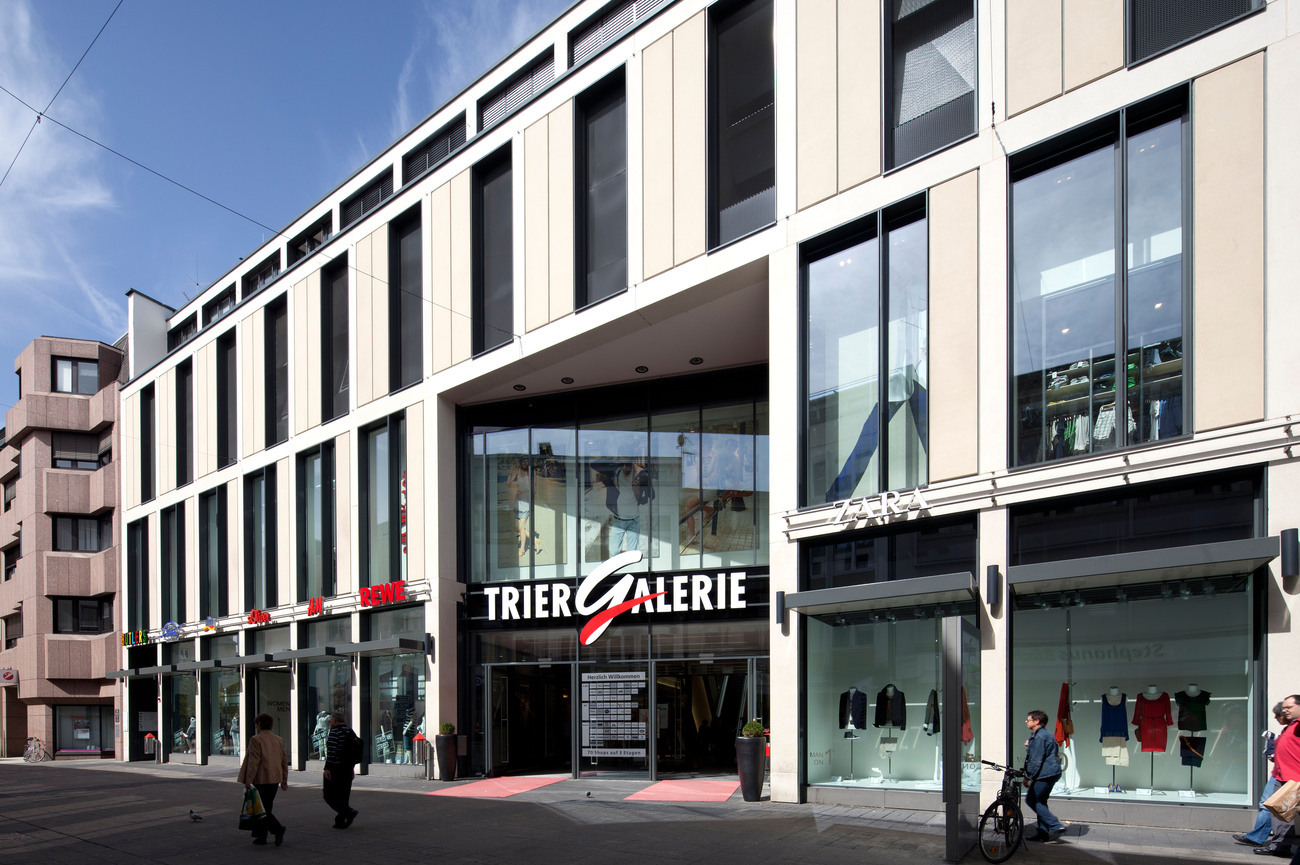
Leaving the gardens behind, the city gently pulls you back into motion. The path shifts from gravel to pavement in about 10 minutes on foot. Reflections replace shadows and before the day can fully exhale, you’re stepping into a space that feels unmistakably modern. Trier Galerie arrives like the closing number of a well-paced show.
Trier Galerie marks the finale of Day 1, and it plays the role well. Located right at the edge of the old town, the mall feels intentionally placed as it is close enough to history to stay connected, modern enough to feel like a reset. Inside, Trier Galerie offers a curated mix of international fashion brands, German retailers, beauty stores and lifestyle shops. The atmosphere is lively without being overwhelming, making it ideal for slow browsing rather than rushed shopping. You can window-shop, pick up something indulgent or simply enjoy the energy of locals winding down their own day alongside you.
Day 1 finishes here on a clean note. No monuments, no timelines, just movement, glow and the feeling that the city has eased you in gently before asking for more tomorrow.
Day 1 - Mosel Valley Tour Map
Day 2
Morning:
Market Place
Day 2 begins softly like the Mosel pressing snooze on purpose.
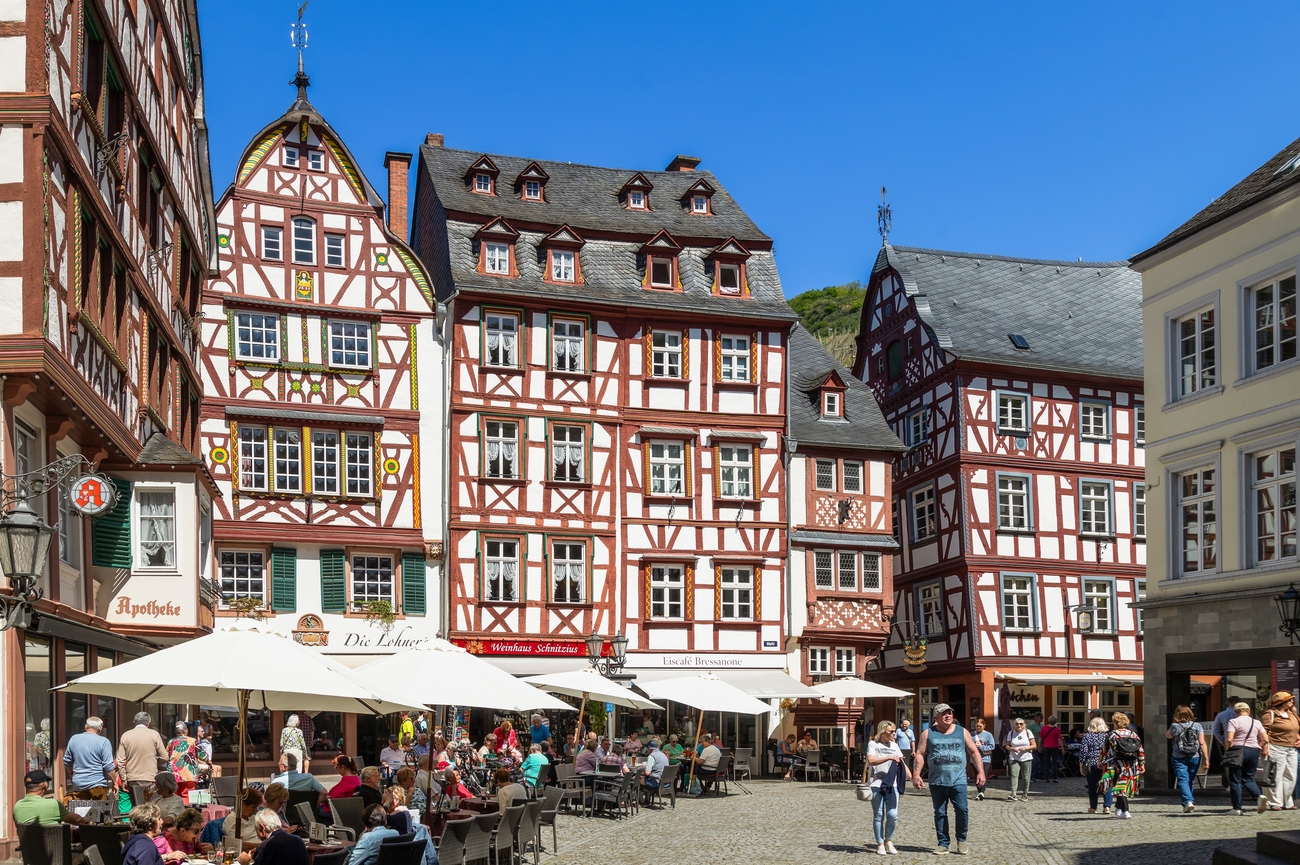
After arriving in Bernkastel-Kues, a short walk through the old town brings you straight to Marktplatz Bernkastel-Kues, where the town eases itself awake. Half-timbered houses lean in at playful angles, their crooked beams and pastel facades feeling intentional rather than imperfect. You slow down without being told to.
Marktplatz has been Bernkastel’s civic and commercial center since the Middle Ages, shaped largely by the wine trade along the Mosel River. You’re standing where merchants once negotiated barrels, prices and passage along the river routes that made the town prosperous. At the center rises St. Michael’s Fountain. Many of the surrounding buildings date back to the 15th and 16th centuries, with visible timber framing, slate roofs and narrow proportions that reflect medieval town planning. Look closely and you’ll notice inscriptions, carved beams and asymmetrical lines with details that reward attention and make every angle feel personal.
Mornings here feel especially intimate. Shop shutters lift, cafe tables appear and the square transitions from sleepy to quietly social.
Spitzhäuschen
A few steps across the square and you’re already there like you barely need directions. It feels intentional, like Bernkastel placed this stop right in your path, knowing you’d pause anyway.
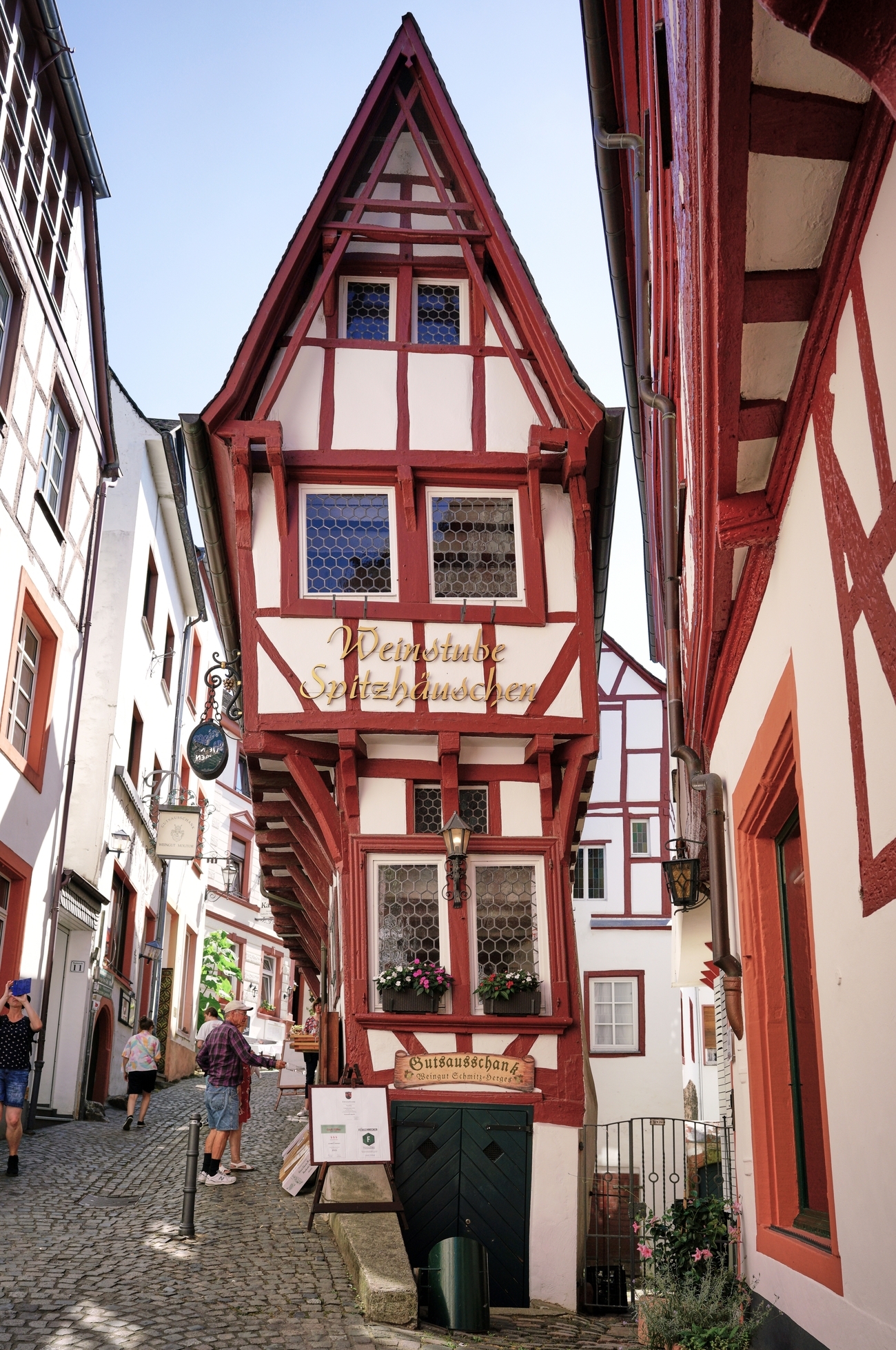
Spitzhäuschen is small, crooked and completely aware of its own charm. The name translates to “Little Pointed House,” and once you see the steep roof and dramatically narrow footprint, it makes perfect sense. It leans. It tilts. It looks like it was sketched with a wink. You don’t rush past this one. You circle it, angle by angle, because every side tells a slightly different story.
Built in 1416, Spitzhäuschen is one of the oldest half-timbered houses in Bernkastel and its unusual shape comes from medieval tax rules that favored narrow street frontage. The timber framing, slanted upper floors and compressed proportions are textbook Mosel architecture turned up to eleven. You’ll notice how the house seems to defy balance while still standing firm, an accidental metaphor for the town itself. It’s compact, historic and full of character. And no, you can’t step inside. Spitzhäuschen is best experienced as a visual landmark, often highlighted during guided town walking tours that pass through Marktplatz.
Michaelsbrunnen
From Spitzhäuschen, the route stays deliberately unhurried. You don’t change streets or check directions, you just take a few small, lingering steps across the square, letting Bernkastel reveal itself inch by inch. This part of the morning is about proximity.
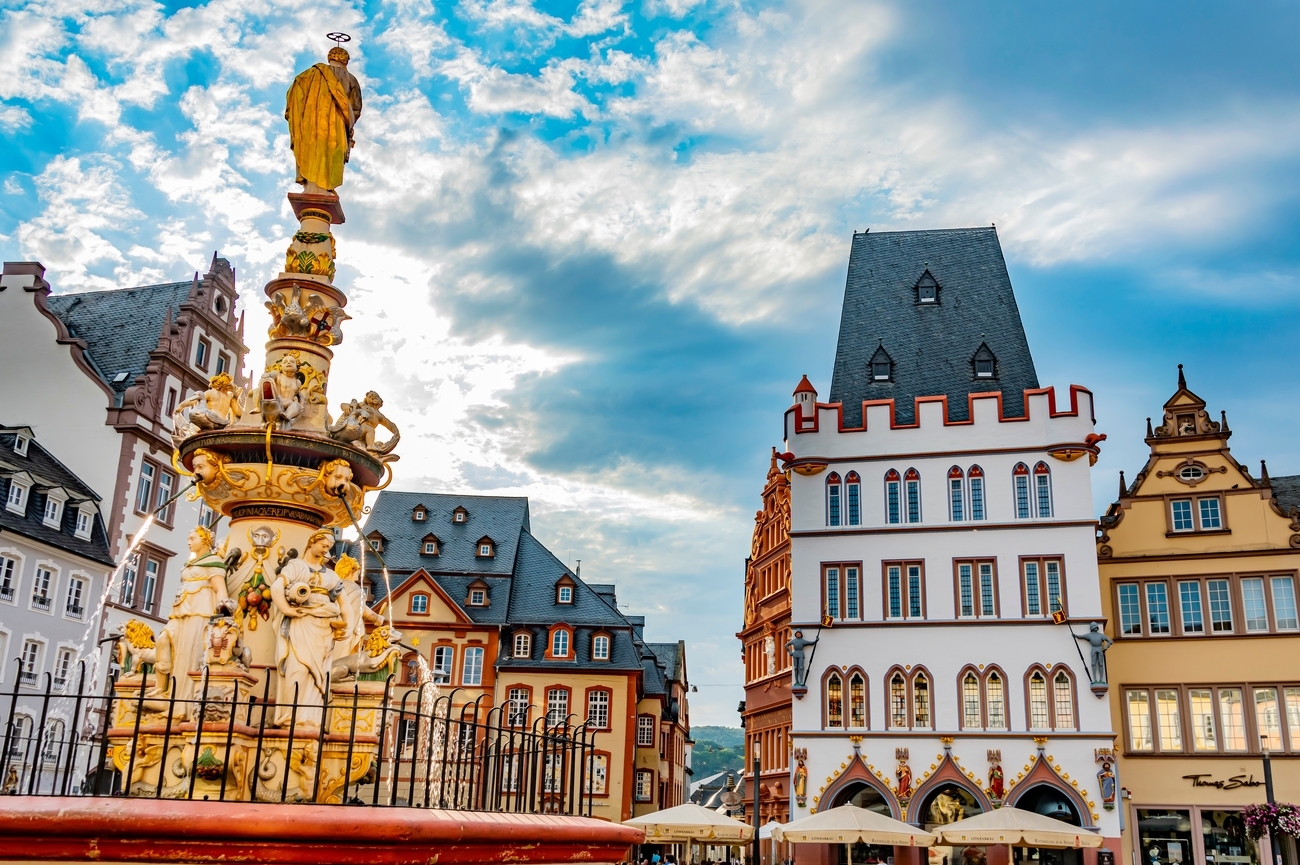
St. Michael’s Fountain comes into view almost immediately, positioned right at the heart of Marktplatz like a quiet anchor. The closer you get, the more it feels like everything else has been subtly circling this spot all along.
Dating to the Renaissance era, St. Michael’s Fountain (Michaelsbrunnen) has long been both practical and symbolic. Crowned by the Archangel Michael, sword raised, scales implied, it reflects the values of a medieval wine-trading town where fairness, protection, and order mattered. The basin below is sturdy and restrained, built for daily use rather than ornament. As you stand here, you’re at the literal and symbolic center of Bernkastel’s civic life, past and present.
Afternoon:
Burg Landshut
By early afternoon, the route finally pulls you upward. From Marktplatz, the flat fairytale streets give way to a steady uphill walk of about 20–25 minutes or a short drive of roughly 5 minutes if you’re conserving energy. Either way, the climb is part of the story. With every step, Mosel starts to show off.
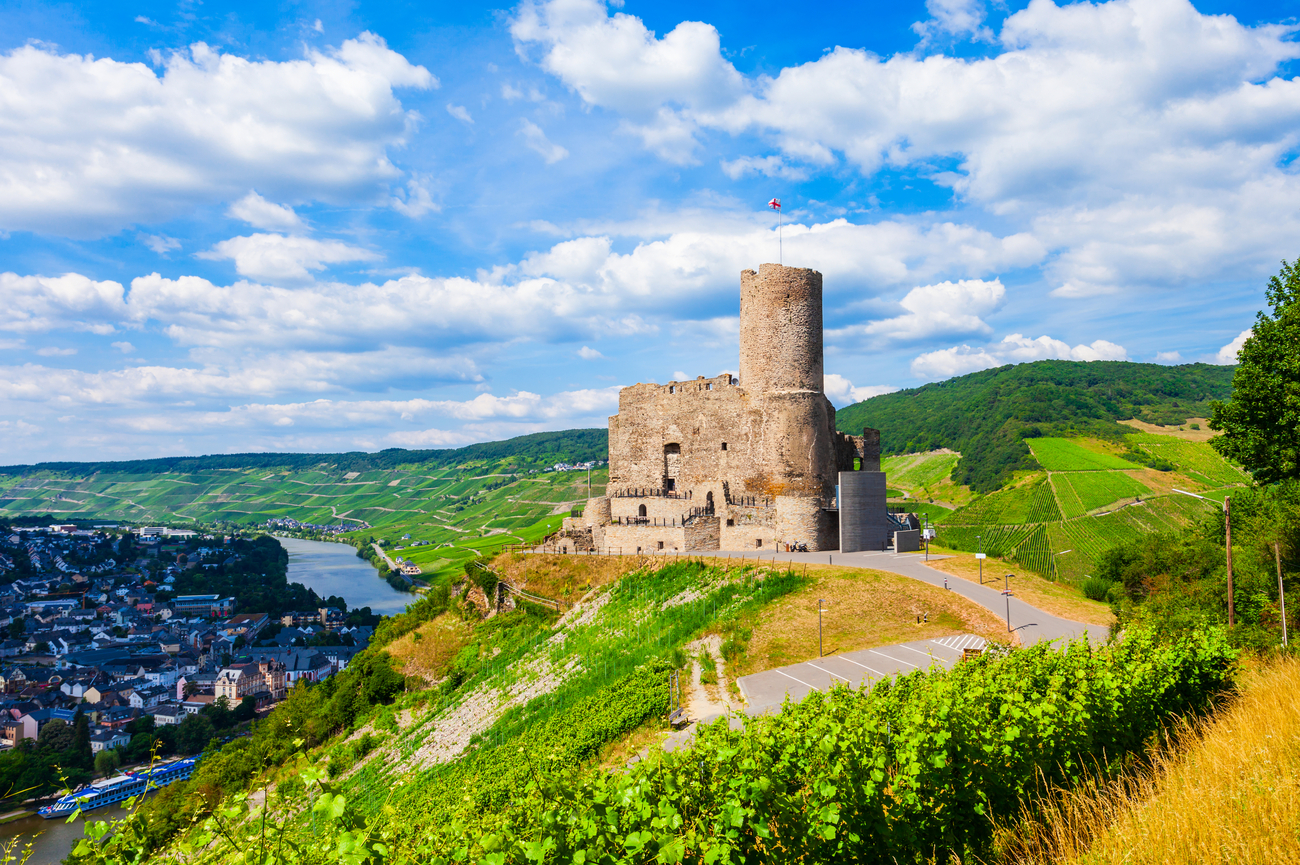
Burg Landshut sits high above the town like it’s been watching all morning, which, historically, it has. Originally built in the 13th century as a fortress for the Archbishops of Trier, the castle once controlled trade along the Mosel and protected the town below. Though now in ruins after centuries of destruction and rebuilding, its remaining walls, towers and foundations still clearly outline a place designed for power and visibility.
What Burg Landshut lacks in intact interiors, it makes up for in perspective. From the grounds, you get sweeping views over Bernkastel-Kues, the Mosel River and the surrounding vineyards with angles you simply don’t get from town level. The ruins are open and walkable, letting you explore freely at your own pace. You can trace the outline of former halls, climb to viewpoints and understand exactly why this hill mattered strategically.
Bernkasteler Doctor Vineyard
After the town and castle, the afternoon narrows its focus. From Burg Landshut, it’s a short drive downhill, about 5–10 minutes, and the perspective flips. You’re no longer looking at Bernkastel from above. You’re tracing the curve of the Mosel, inching closer to the slope that made the town famous in the first place.
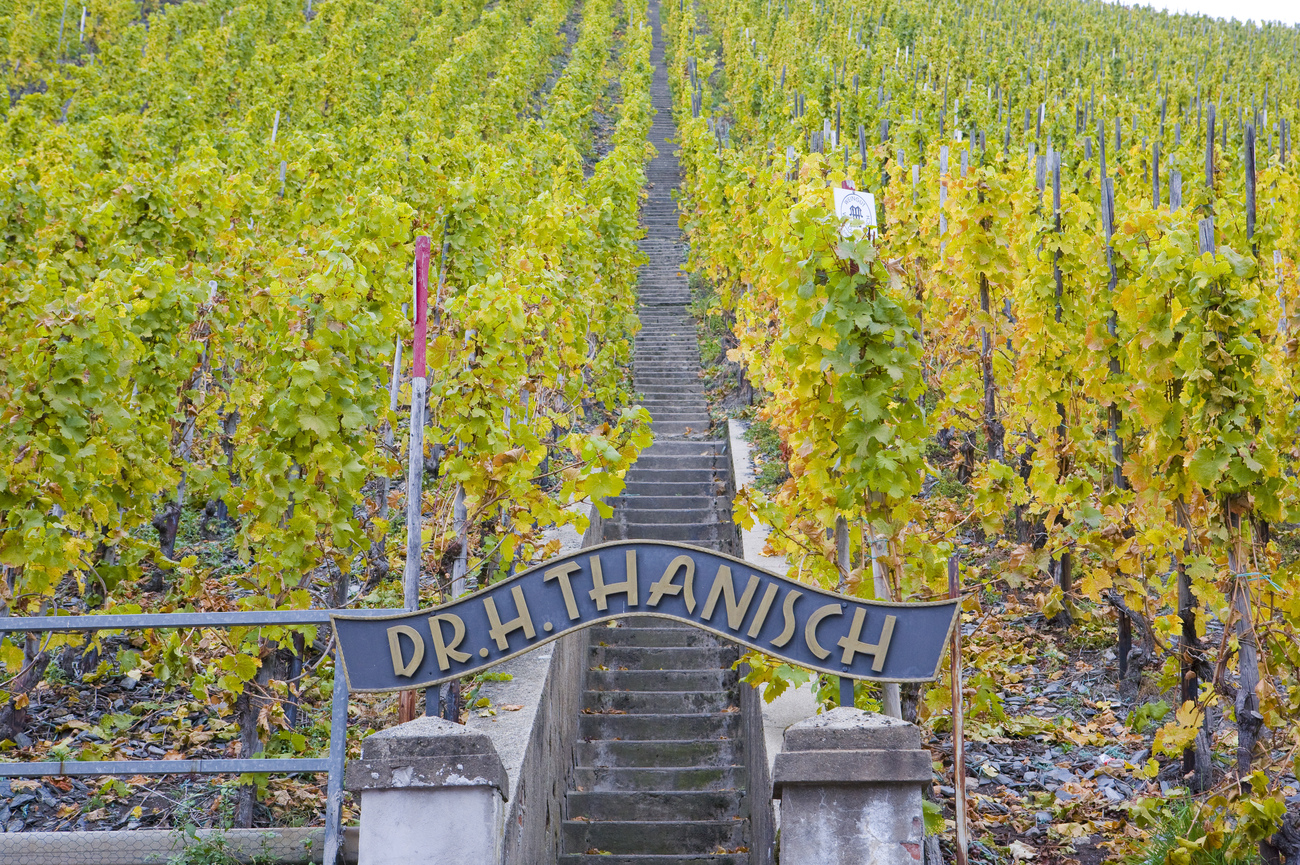
Bernkasteler Doctor Vineyard doesn’t need signage to announce itself, you feel it in the angle of the hill. Steep, slate-heavy and unapologetically dramatic, this is one of the most renowned Riesling vineyards in the Mosel Valley. The name “Doctor” comes from a medieval legend of a prince-archbishop cured by the wine grown here, and whether or not you buy the story, the reputation stuck for a reason. Wines from this slope are known for precision, longevity and a kind of quiet authority that doesn’t chase trends.
The vineyard faces the Mosel River at a near-vertical pitch, maximizing sun exposure while the blue and grey slate soils retain heat and reflect it back to the vines. This combination creates Rieslings that balance ripeness with razor-sharp acidity. They have wines that age for decades and still feel composed. And there isn’t a formal “tour” of the vineyard itself, but guided wine walks and private Mosel wine tours often include Bernkasteler Doctor as a key stop.
Wehlener Sonnenuhr
From Bernkasteler Doctor, the afternoon simply keeps flowing. You stay with the river, let the road trace its curves, and after around 10–15 minutes, the landscape subtly reintroduces itself. Just the same valley with a different personality.
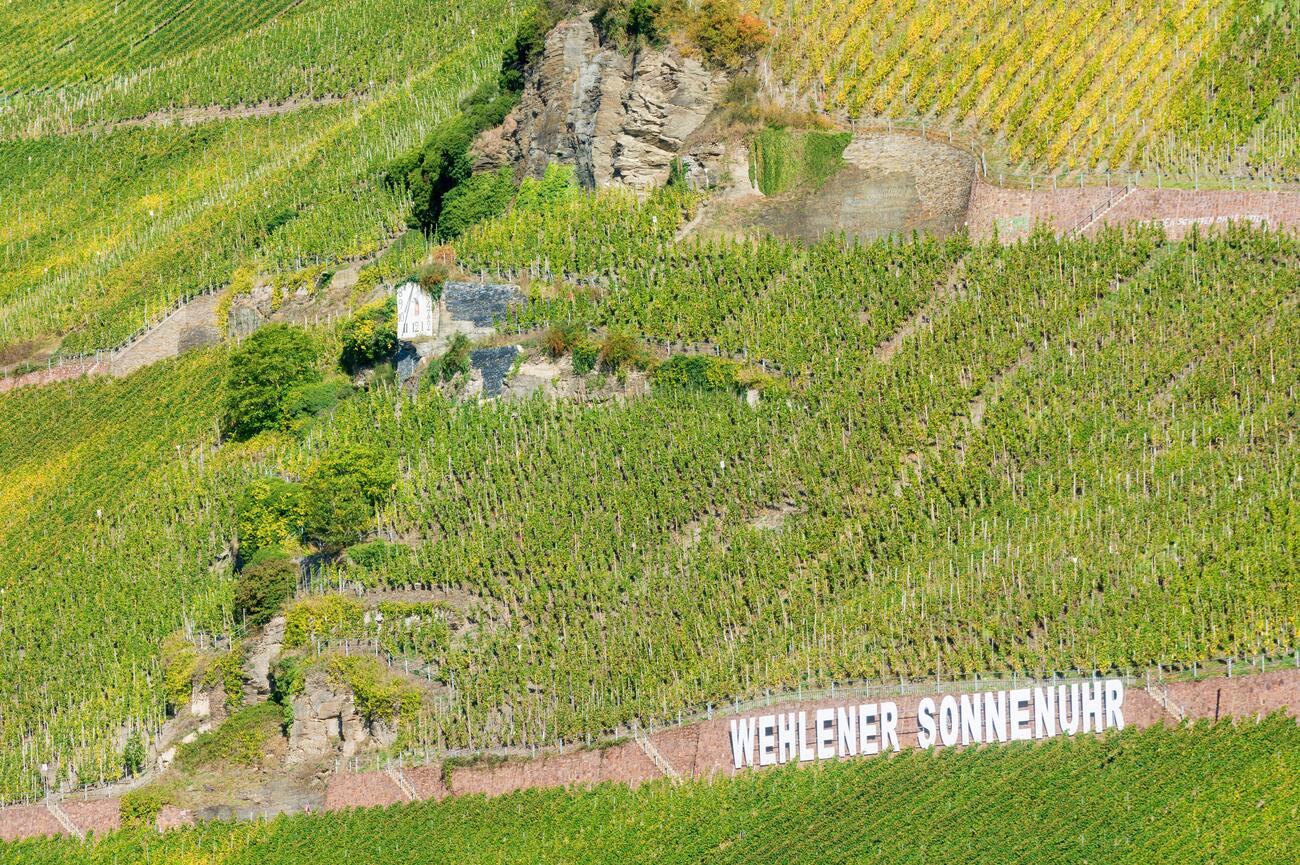
Wehlener Sonnenuhr appears above Wehlen like a well-kept secret that never needed to be loud. Named after the historic sundial that once guided vineyard work here, this slope has always been about timing, restraint and precision. The vineyard rises steeply from the Mosel, its rows aligned with almost quiet discipline, catching light exactly when they’re meant to.
This is one of the Mosel’s most historically important Riesling vineyards, gaining international recognition in the 19th century and maintaining it ever since. The blue-grey Devonian slate soil is unmistakable, fractured, sharp and heat-retentive. It has been shaping wines known for clarity, minerality and longevity. As you stand here, you can see how everything works together: river reflection, slope angle, soil and exposure.
Evening: Piesporter Goldtröpfchen
From Wehlener Sonnenuhr, you stay loyal to the river. Just a 15–20 minute glide along the Mosel, where the valley opens up and the light starts doing most of the talking.
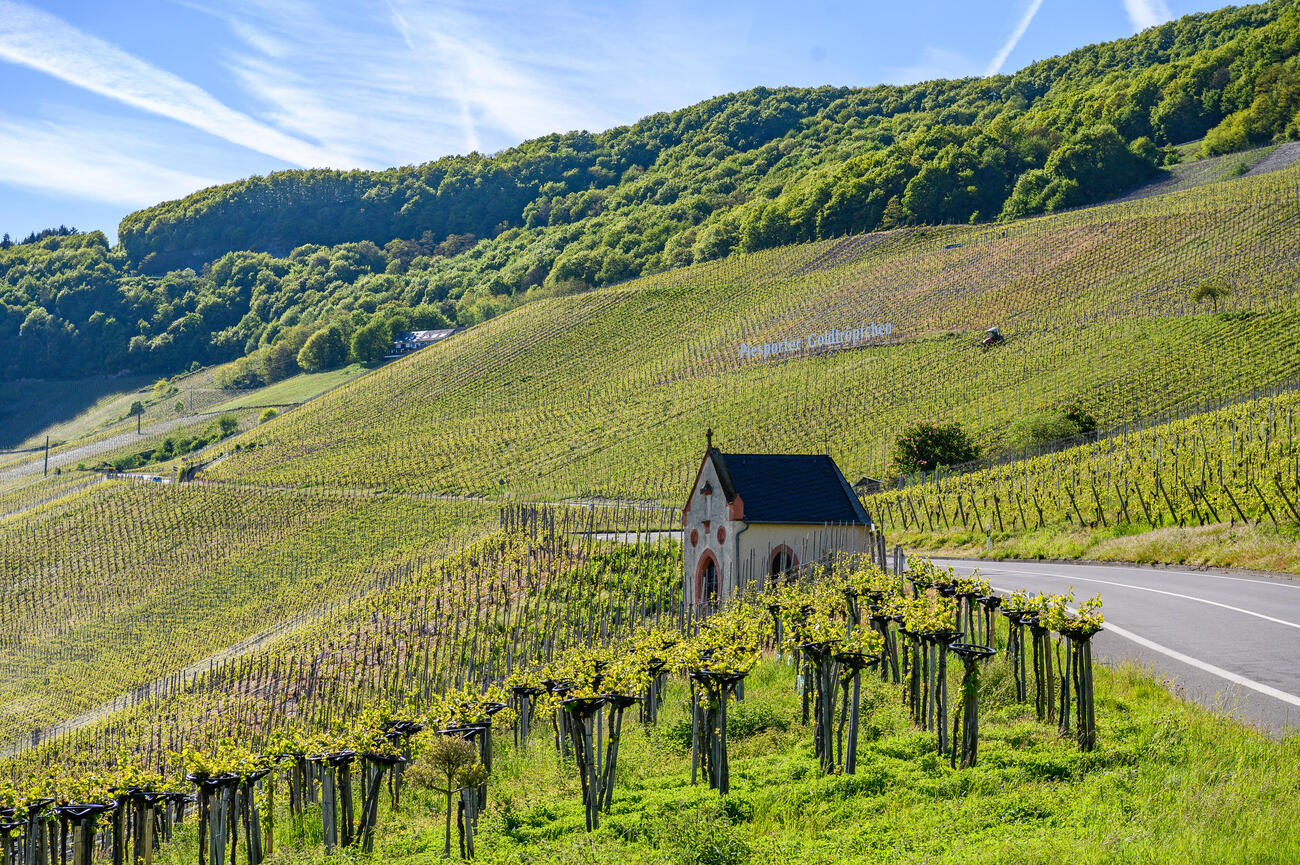
Piesporter Goldtröpfchen is where Day 2 eases into its evening mood. The name translates to “little drops of gold,” and the timing earns it. This slope catches the late light beautifully. Broad, sun-facing and stretching confidently above the village of Piesport, the vineyard feels warmer and more expansive than the sharper sites earlier in the day. You’re still in the Mosel, but the tone has softened.
This is one of the valley’s most historically celebrated vineyards, rising to international fame in the 19th century. Its Devonian slate soils hold heat well into the evening, shaping Rieslings known for generous fruit, balance and approachability without losing finesse. Standing here, you feel the difference immediately. The slope is less severe, the atmosphere more open and the river below reflects the last light back onto the vines.
And down by the river, the mood turns personal. Along the Mosel riverside in Piesport, you come across Riverside.Mosel – Goldtröpfchen Motorhome Pitch, a quietly beloved stop that’s been welcoming travelers since 2007. You can feel why people stay longer than planned here. Spacious pitches sit between vineyards and the water, everything is thoughtfully set up with power, water and space to breathe.
Kloster Machern
By the time you’re ready to leave the vineyards behind, the Mosel has already changed its mind about how the day should end.
The road from Piesporter Goldtröpfchen stays close to the river, about a 10–15 minute drive that feels more like a glide than a transfer. Vineyards loosen their grip on the slopes, village life edges back in, and the valley quietly signals that it’s done asking you to concentrate.
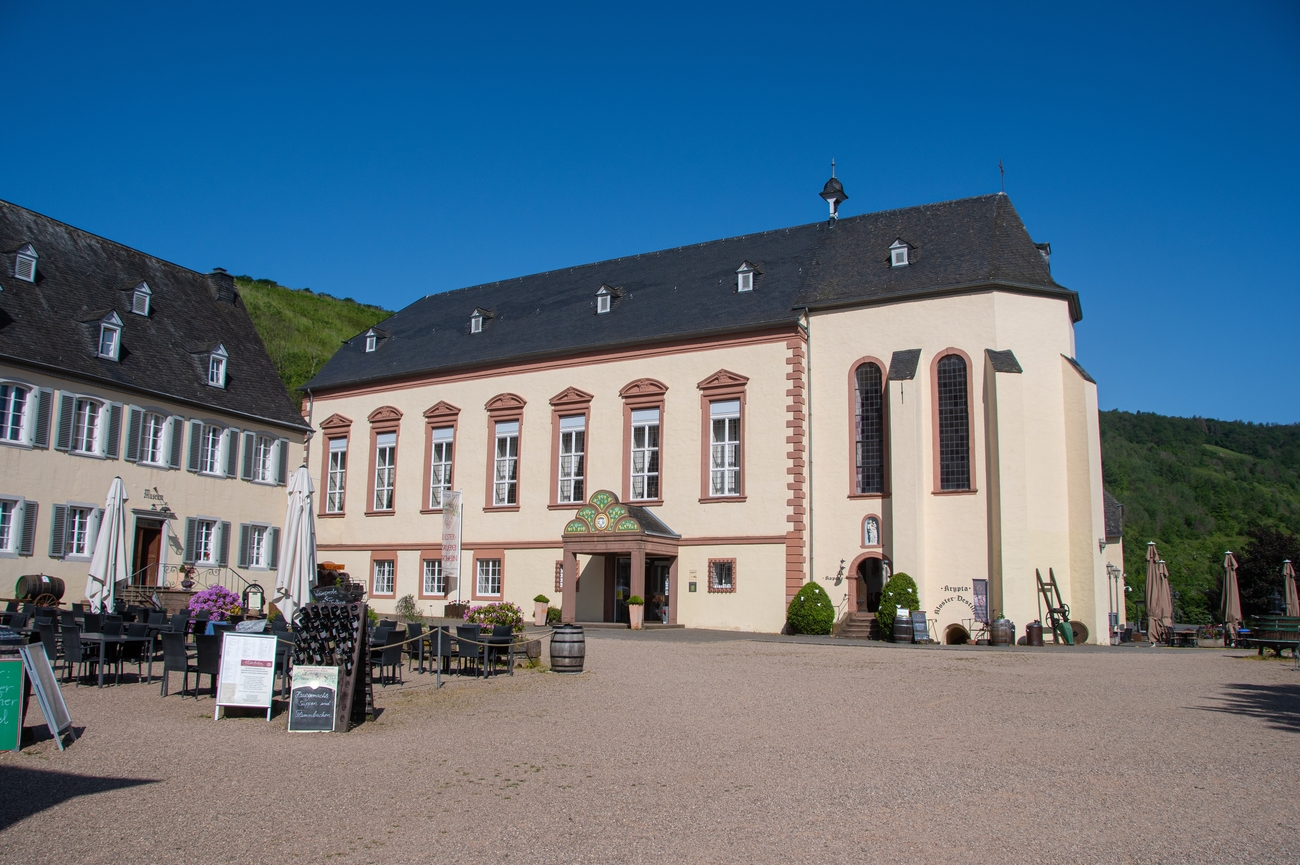
Kloster Machern makes the pivot feel natural. Once a monastic complex founded in the 12th century, it has been carefully reimagined as a brewery and gathering place, where historic stone walls now frame long tables, open courtyards and the easy hum of evening life. The architecture still carries its monastic calm, but the atmosphere is relaxed, welcoming and unmistakably present. You’re not stepping into the continuity of a museum.
What was once a place of silence now closes the day as a working brewery, where stone cloisters echo with conversation and the Mosel’s traditions shift from wine to beer without missing a beat. Day 2 ends here, glass in hand, history still present but no longer demanding attention.
Day 2 - Mosel Valley Tour Map
Day 3
Morning:
Hochmoselbrücke
Day 3 opens above the valley, where the Mosel briefly lets you walk among the clouds.
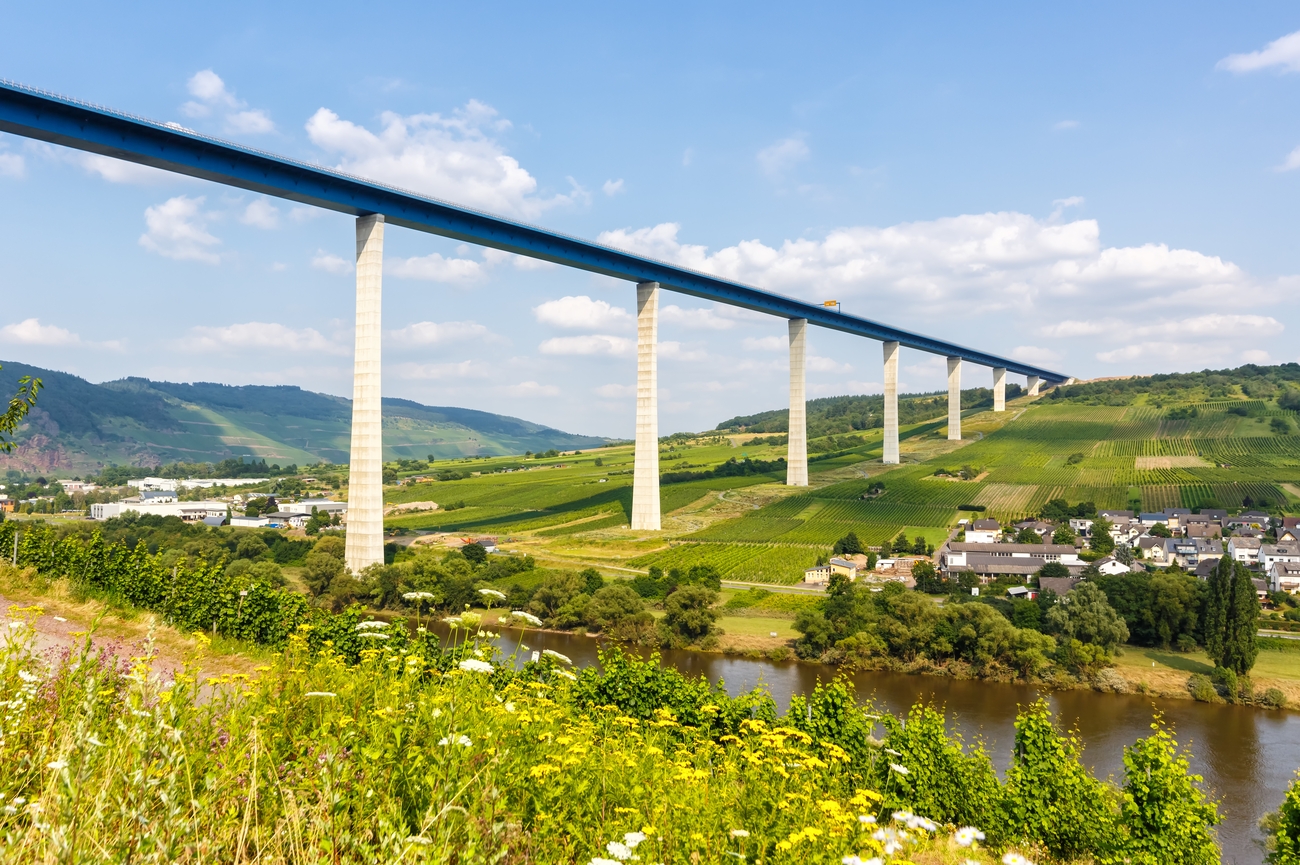
Hochmoselbrücke stretches across the valley like a statement piece. Opened in 2019, this is one of the highest bridges in Germany, soaring roughly 158 meters above the Mosel Valley. It’s sleek, minimal, and engineered with quiet confidence. You feel small here, but in a good way. This is the Mosel reminding you it still builds boldly. Below you: steep slopes, river bends, centuries-old wine villages. Above: open sky and a structure designed for speed and efficiency. There are designated viewpoints and parking areas near the bridge where you can stop, step out and take it all in safely. You don’t walk across it like a monument; you experience it from angles, distances and pauses, letting the scale sink in.
Burgruine Grevenburg
Leaving Hochmoselbrücke, the landscape slowly folds back in on itself. The wide sky narrows, trees close ranks, and the road begins to curl upward again. After about 25 minutes, openness is traded for elevation.
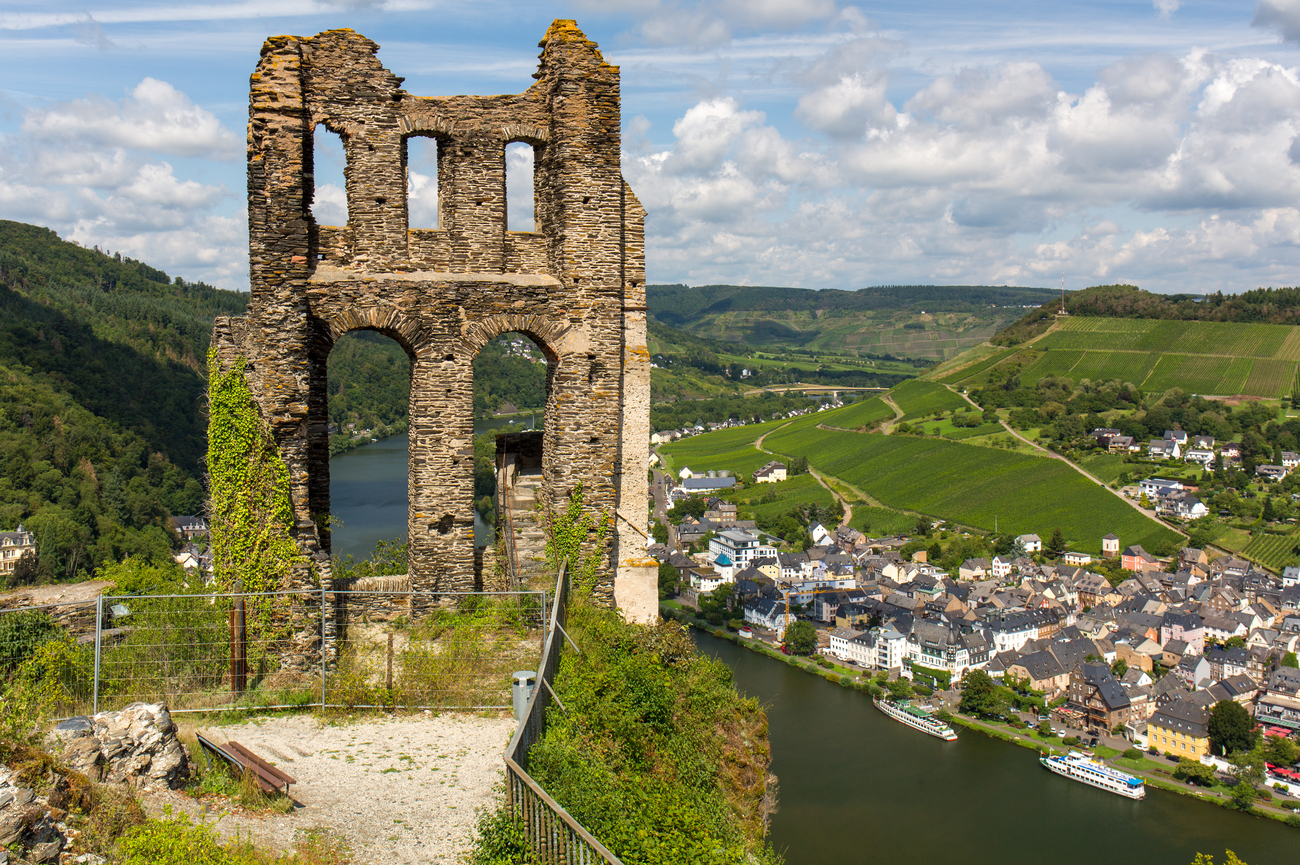
Burgruine Grevenburg rises above Traben-Trarbach, perched high on the Trarbach side of the Mosel like a lookout that never quite surrendered its role. Built around the mid 14th century by the Counts of Sponheim, it was positioned to command the river corridor below, keeping a watchful eye on trade, movement, and anyone approaching the town. The fortress did not survive intact. It was destroyed in later conflicts, but the remains still speak clearly in stone.
As you climb, the walls thicken, the town drops away, and the views sharpen. Sections of defensive masonry, fragments of towers, and open courtyards frame the sky, while viewpoints open directly onto the Mosel’s sweeping bends, vineyard slopes, and rooftops clustered near the waterline. It is a ruin with presence, exposed to wind and light, and built for one purpose above all else, to observe and to control.
Buddha Museum
From Burgruine Starkenburg, the descent feels intentional. You leave the hilltop behind, follow the road as it coils gently downward and within about 10–15 minutes, the Mosel pulls you back to river level.
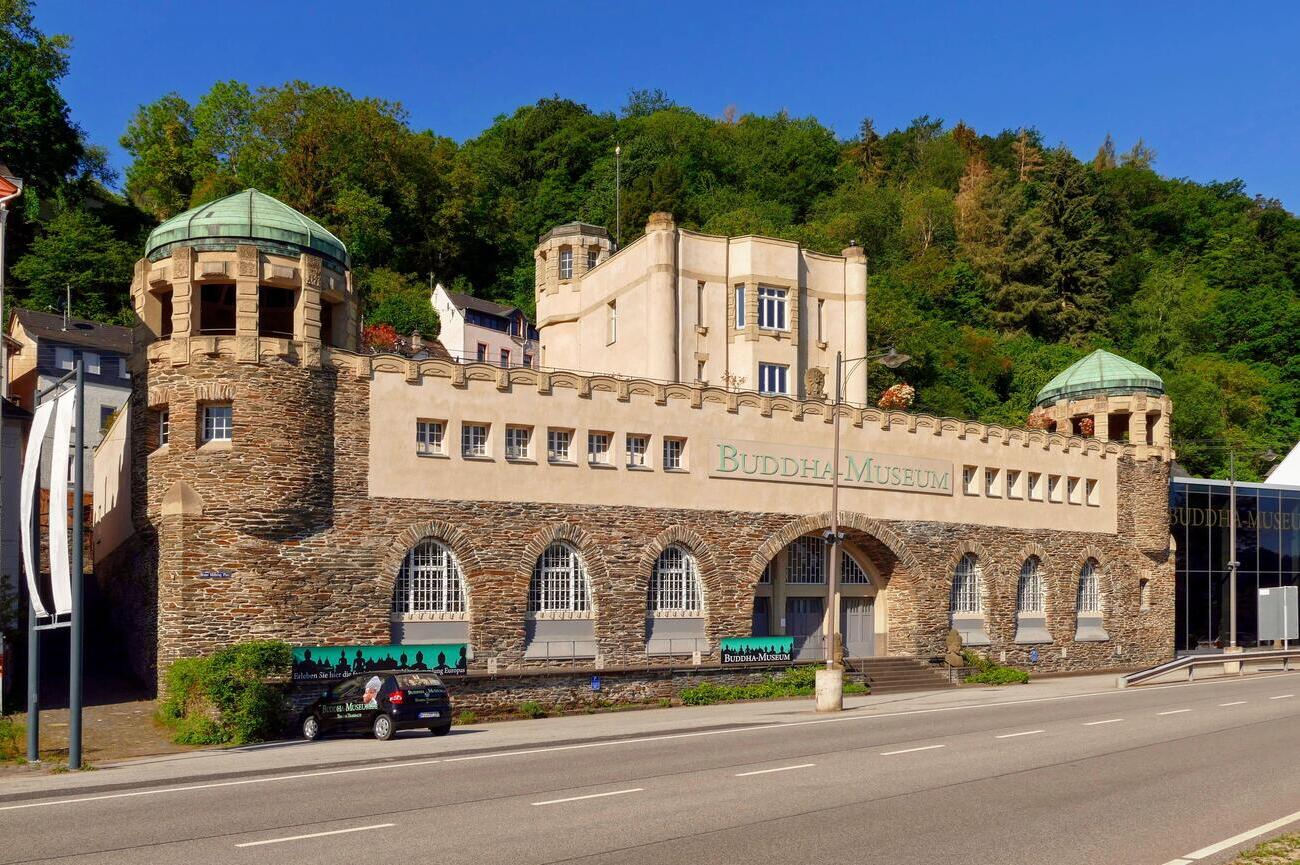
Buddha Museum is one of Traben-Trarbach’s most unexpected stops and that’s exactly why it works. Housed inside a former wine cellar complex, the museum feels grounded and calm from the moment you enter. You move from castles and fortifications into a space dedicated to stillness, reflection and continuity. The contrast isn’t jarring, it’s restorative. And inside, the museum holds one of Europe’s largest private collections of Buddhist art, spanning over 2,000 years of history. Sculptures from India, China, Tibet, Southeast Asia and Japan fill the rooms. There are stone, bronze, wood and gilded figures arranged in a way that encourages slow movement rather than spectacle. You’ll notice how the lighting stays subdued, how the rooms feel almost meditative and how the experience invites quiet attention. You’re not rushed and you’re not overwhelmed. You’re guided gently from culture to culture, era to era.
Afternoon: Unterwelt Traben-Trarbach
Everything interesting will be happening beneath your feet. A short 5-minute walk through Traben-Trarbach brings you to an unassuming entrance that gives nothing away. Unterwelt Traben-Trarbach is where the town reveals its hidden architecture.
Unterwelt Traben-Trarbach is where the town reveals its hidden architecture. This underground network of historic wine cellars dates back to the late 19th and early 20th centuries, when Traben-Trarbach was one of the world’s most important wine trading hubs, second only to Bordeaux at its peak. What you’re entering isn’t a tunnel or a single cellar, it’s an entire subterranean system built to store, trade, and protect wine on a global scale.
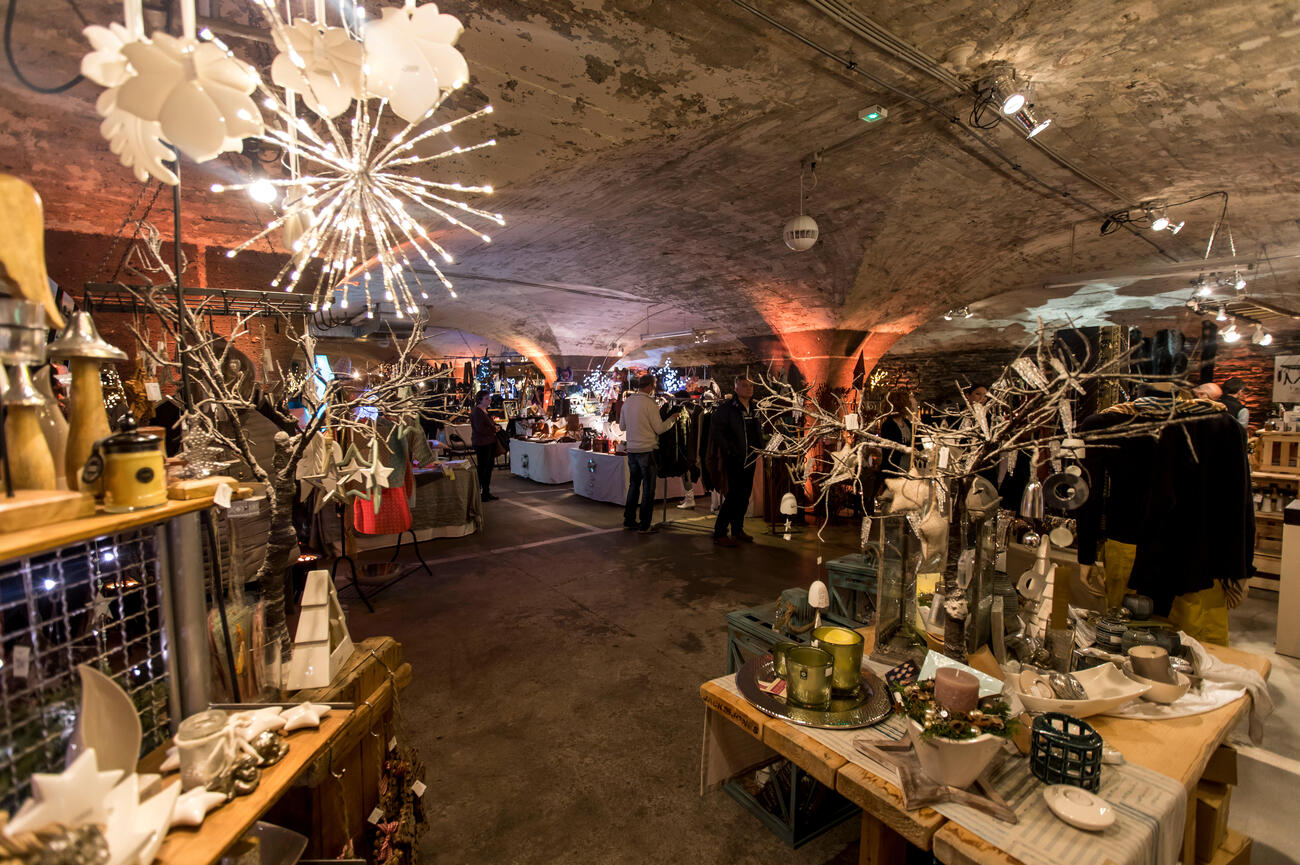
Descending into the Unterwelt feels deliberate and slightly cinematic. Vaulted brick chambers open one after another, cool and echoing, designed to maintain ideal storage conditions long before modern technology stepped in. You’ll walk through former wine vaults, transport passages and storage halls that once held millions of liters of Mosel wine destined for export.
Today’s tours walk you through these subterranean chambers while unpacking the history of Mosel viticulture, wine logistics and traditional cellar techniques. You learn how wine was stored, moved and traded on an industrial scale, all underground. It also transforms throughout the year. Special events, most notably the annual Moselle Wine and Christmas Market, take place inside the cellars, turning the underground space into something unexpectedly festive.
Brückentor
Follow the line of the river, let the streets open up, and within a few easy minutes, the architecture ahead starts to stand a little taller. Brückentor comes into view at the end of the bridge, unmistakable and deliberately placed.
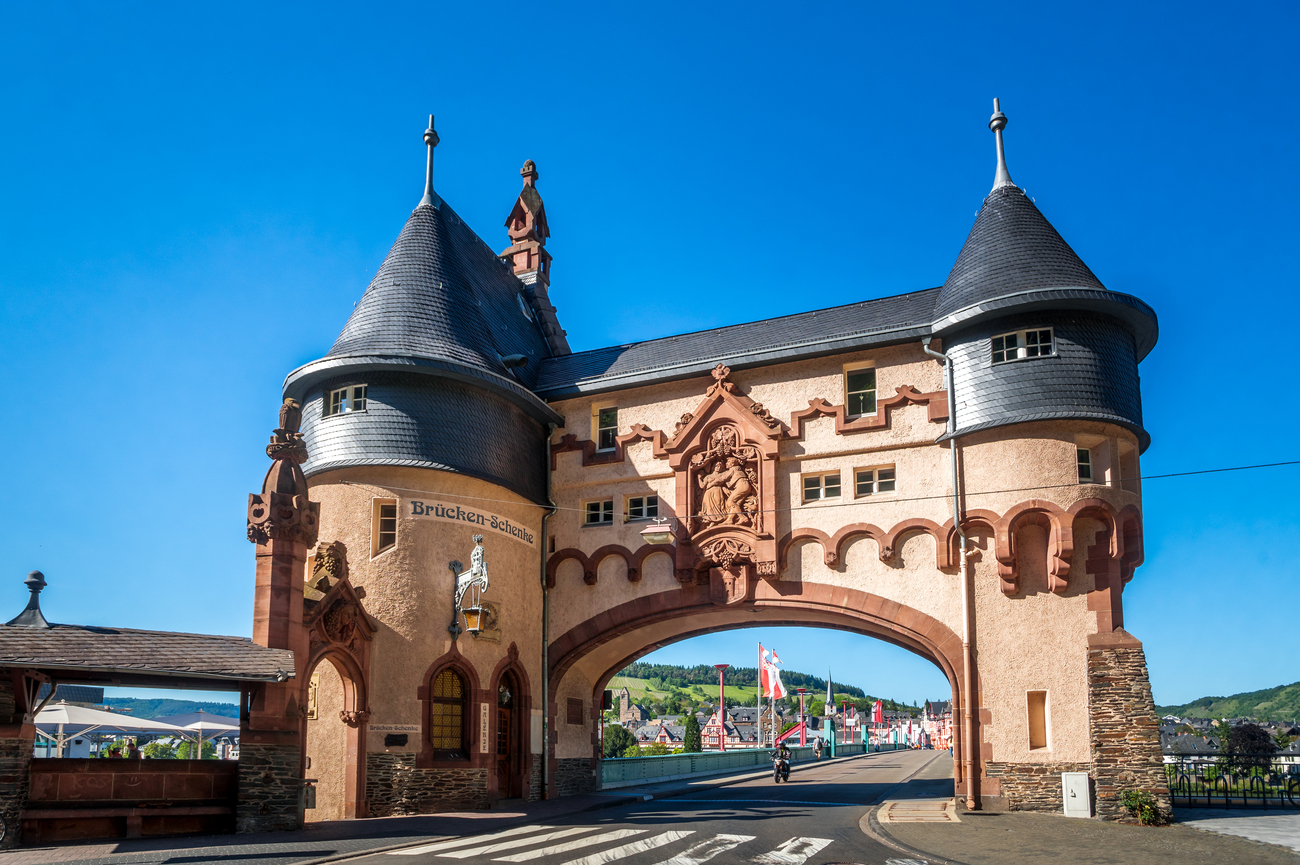
Brückentor stands at the end of the old bridge like a formal handshake between Traben and Trarbach. Built in 1899, this monumental gate was designed not just as infrastructure, but as branding. At the height of the town’s wine-trading power, Brückentor told visitors exactly where they were: a wealthy, confident Mosel hub that took commerce and presentation, seriously.
The gate blends Neo-Renaissance and Jugendstil influences, with arched passages, sculptural details and inscriptions celebrating the wine trade and prosperity. You’ll notice how it frames the bridge and river perfectly, turning everyday movement into something ceremonial. This wasn’t accidental. Wine merchants, buyers and visitors once passed through here knowing they were entering one of Europe’s most important wine towns.
Burgruine Starkenburg (Optional Detour)
After Brückentor, leave the river level behind and take the short detour into the hills. The road begins to climb with intention, tightening as trees close in and the town falls away below you. In around 10 to 15 minutes by car, you reach the ridge above Traben-Trarbach, where the Mosel suddenly feels far more expansive.
Burgruine Starkenburg sits above the valley with a quieter, more exposed presence than the ruins closer to town. Founded in the 11th century by the Prince-Archbishops of Trier, it was built to watch, to control, and to signal authority over the river corridor below. Much has been lost to time and conflict, but what remains still reads as defensive architecture, thick stonework, high positions, and fragments that hold their ground against wind and weather.
What makes Starkenburg worth the detour is the perspective. The viewpoints open wide across the Mosel’s bends and vineyard slopes, with Traben-Trarbach reduced to rooftops and river light far below. It feels less like a monument you visit and more like a lookout you occupy for a moment, letting the landscape do the talking.
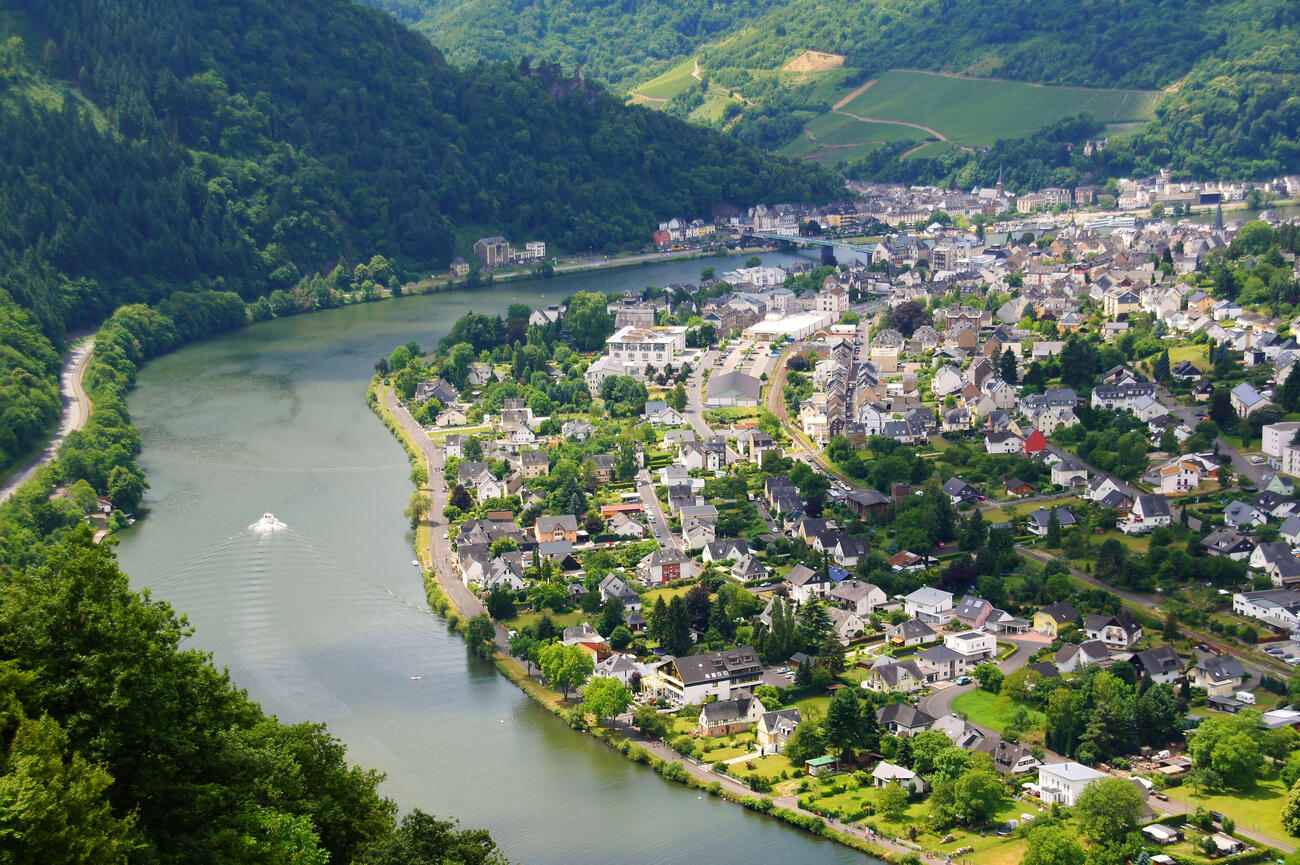
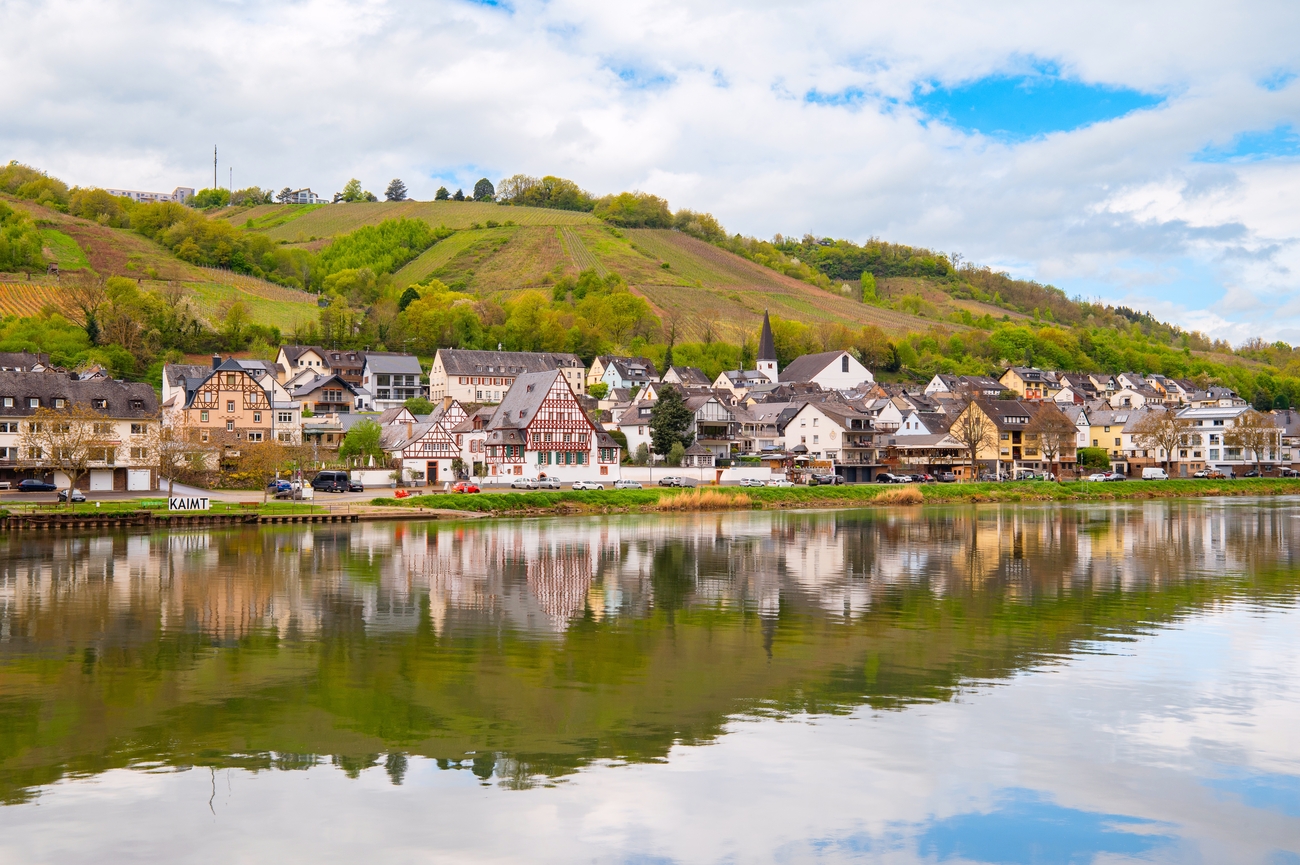
Evening: Zell
And now you’re back on the ground. Let the road unwind and follow the Mosel as it gently carries you north. The drive takes about 25–30 minutes, calm and scenic, with vineyards slipping into shadow and village lights beginning to flicker on.
Zell is where Day 3 softens its edges. The Altstadt feels compact, welcoming, and quietly lively. You’ll spot half-timbered houses lining narrow lanes and the river is just close enough to feel present. Zell meets you at eye level. Everything is close, connected, and unpretentious. The old town reflects that rhythm: modest facades, intimate squares and a layout meant for walking, lingering, and conversation.
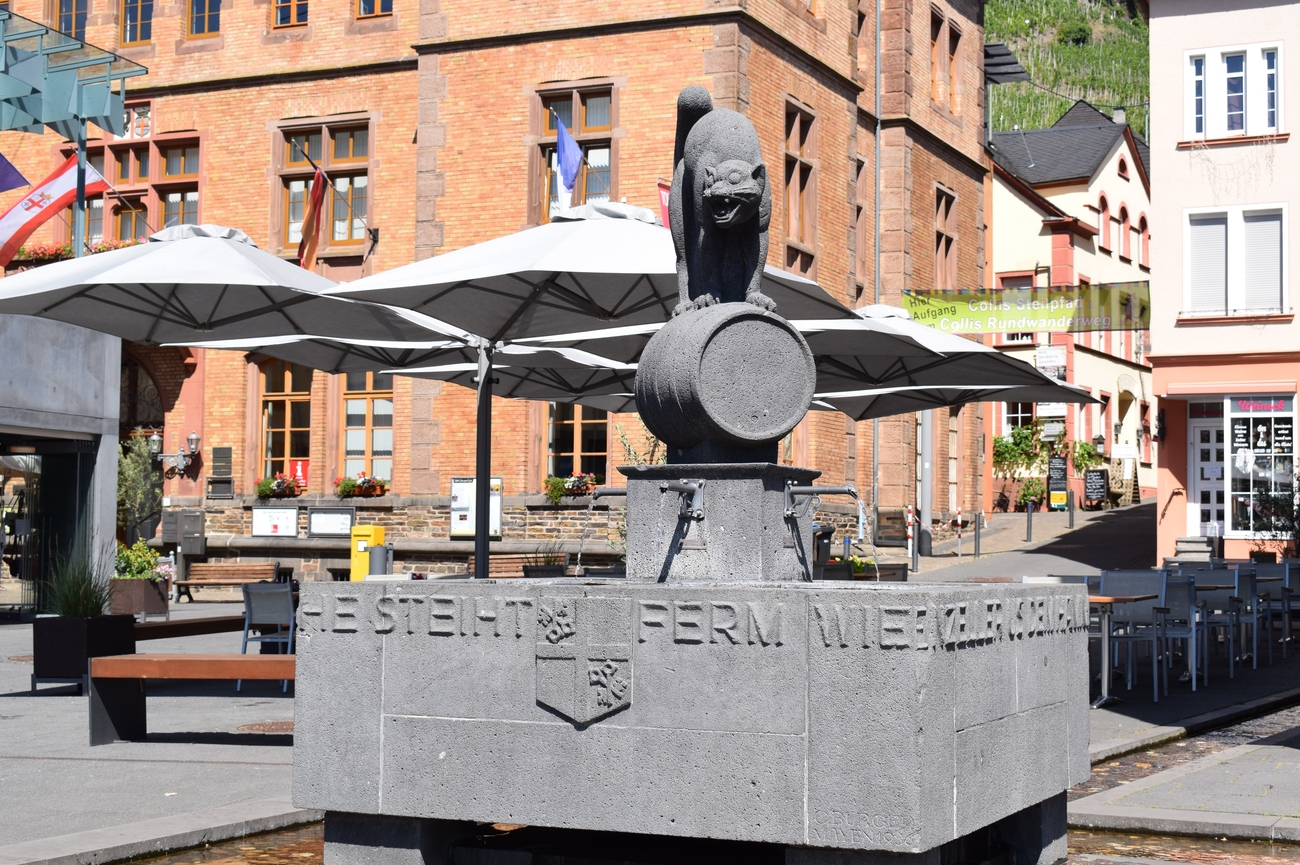
Zeller Schwarze-Katz-Brunnen
A few relaxed steps through the Altstadt, following the low hum of evening life and you arrive at a spot the town treats with equal parts pride and playfulness.
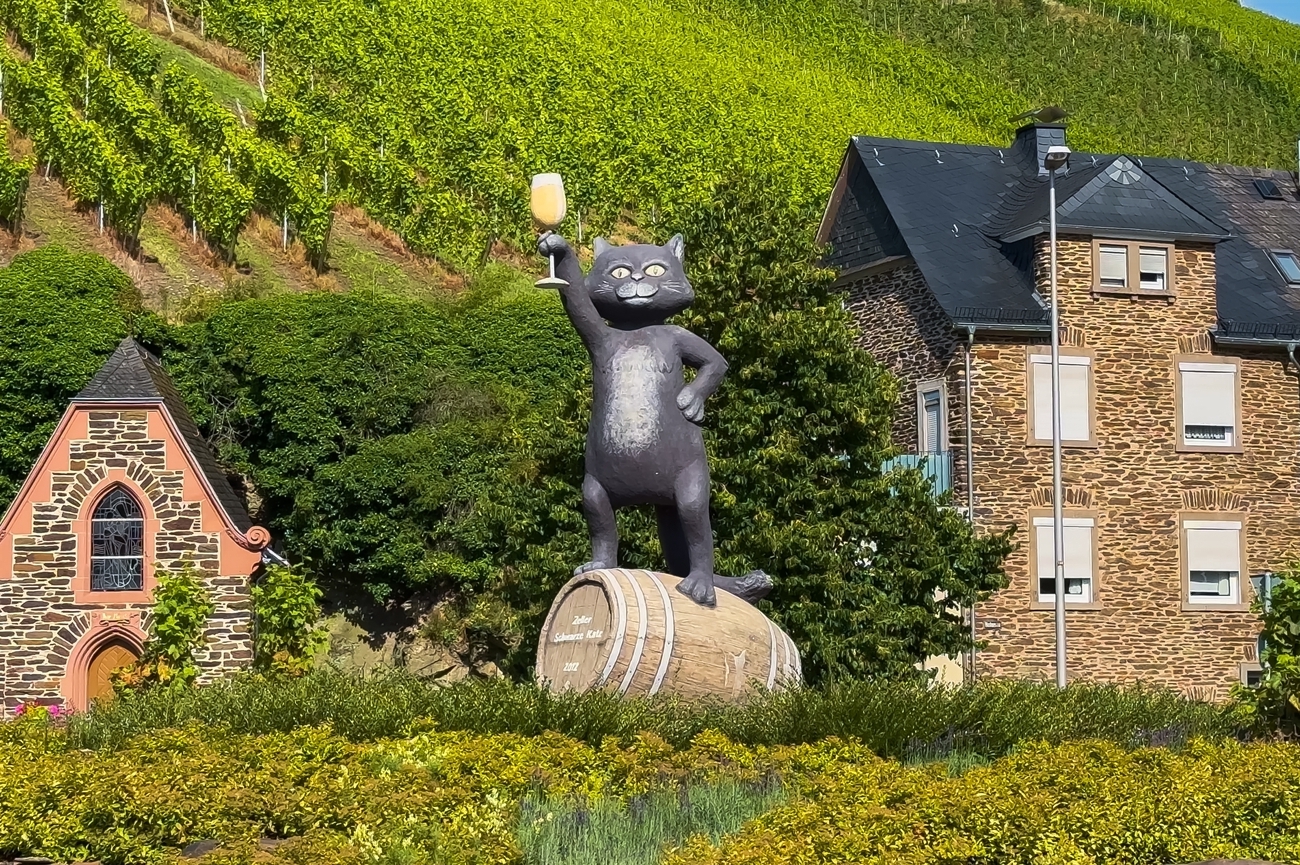
Zeller Schwarze Katz Fountain is Zell’s most famous wink. The fountain celebrates the legend of the “Black Cat of Zell,” a story that turned into one of the Mosel’s best-known wine names. According to local lore, a black cat once guarded a barrel of especially good wine so fiercely that merchants knew it had to be the best of the lot. The name stuck and so did the reputation.
The fountain itself is compact and charming rather than grand. A sculpted black cat perches confidently atop the structure, often with grapes or wine imagery worked into the design. You’ll see visitors pause, smile, take photos and move on.
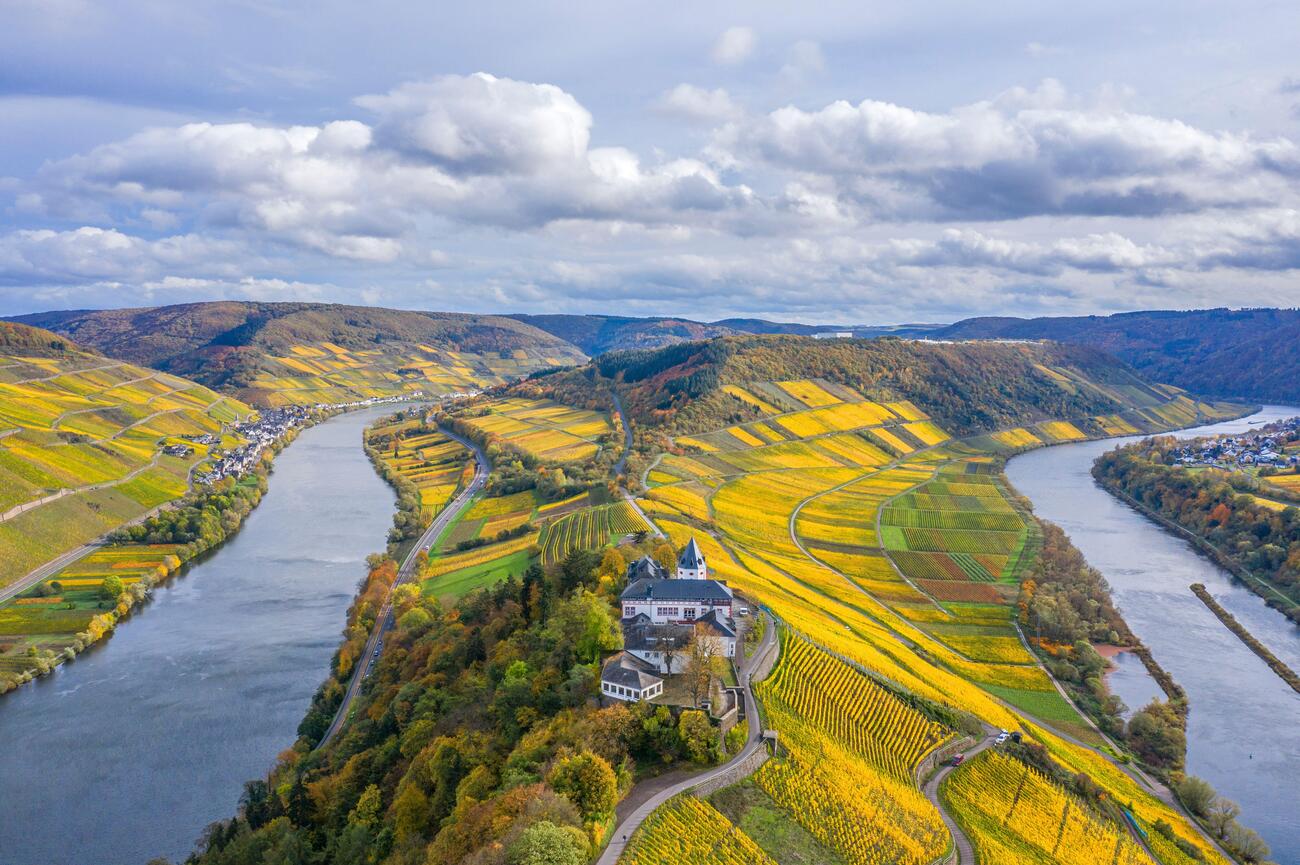
Marienburg
As night settles in, the Mosel asks you to look up one last time. After a 15-minute car ride, the town lights fall away below you. Day 3 ends in one quiet, elevated pause.
Marienburg Abbey rises above the Mosel like a closing spell. Once an Augustinian monastery founded in the 12th century, Marienburg sits high on a hill overlooking one of the river’s most dramatic bends. Even in partial ruin, the site feels composed with stone walls catching the last light and open grounds framing vast views.
This monastery was chosen as much for its seclusion as its vantage point. The setting explains itself. This was a place built for reflection and it still does that work effortlessly. There’s no noise, no activities but there is perspective here. You’ve moved from sky-high bridges to underground vaults, from river towns to castle ruins. It’s time to close it quietly and with stillness.
Day 3 - Mosel Valley Tour Map
Day 4
Morning: Cochem Castle
The day starts with a castle watching over the Mosel, as if it’s been waiting for you to arrive.
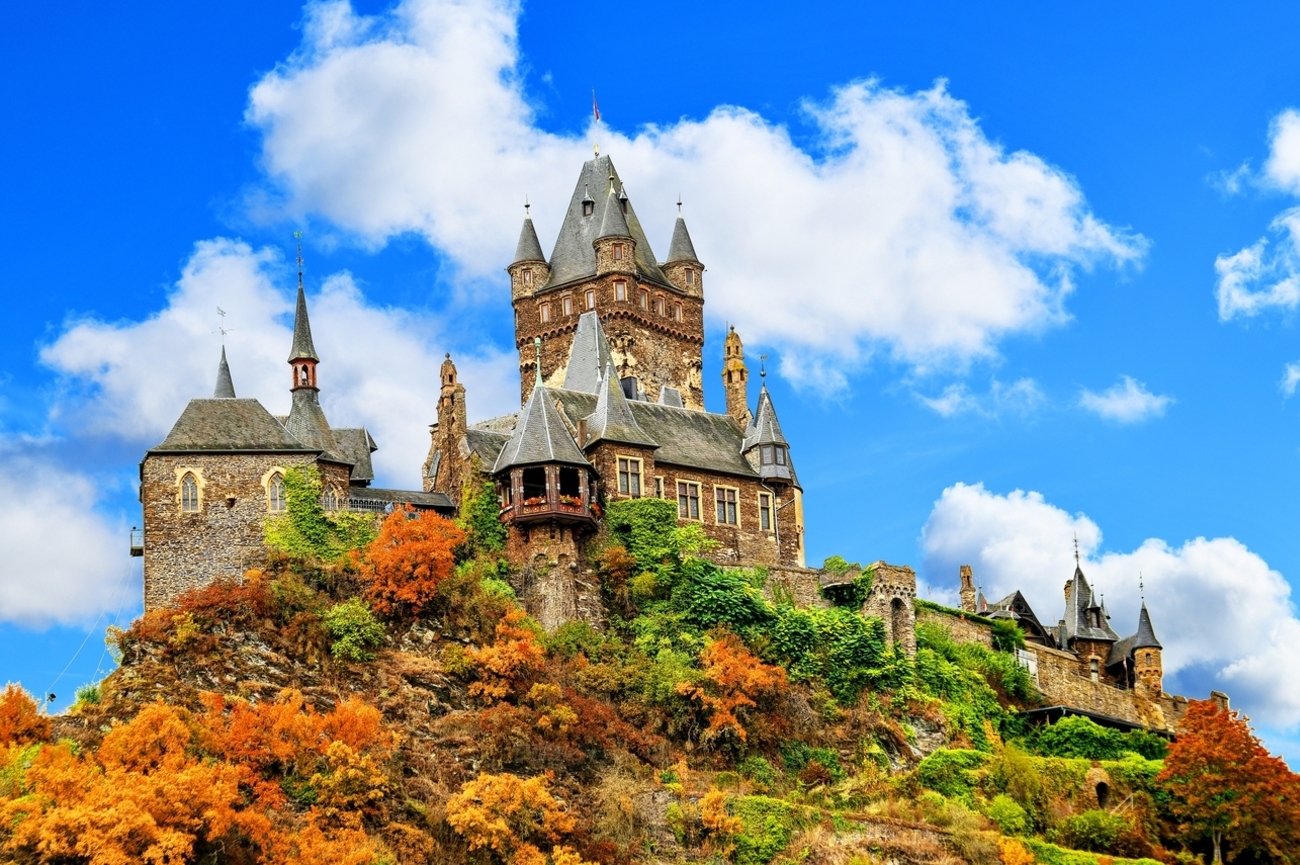
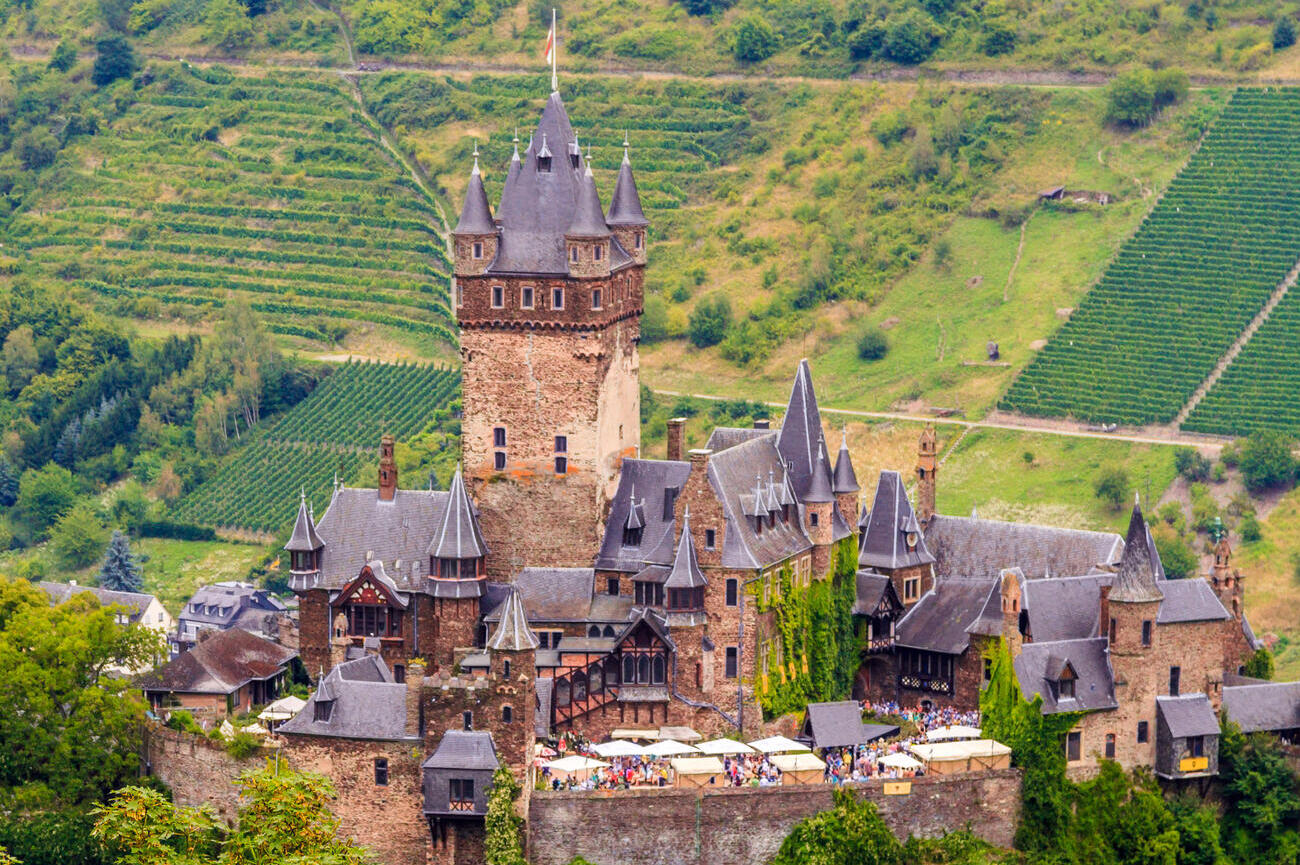
Reichsburg Cochem is pure storybook authority. Originally built in the 11th century, destroyed in the 17th and later rebuilt in the 19th century in Neo-Gothic style, the castle feels theatrical in the best way, with towers, turrets and crenellations rising sharply from the hilltop. Inside, the rooms lean into that theatricality, with ornate halls, carved wood, tapestries, armour displays and sweeping staircases designed to impress guests long before modern tourism existed.
All interior visits are by guided tour, and when you join one, you’re guided through the castle’s most impressive rooms by qualified experts who know how to keep the story moving. Tours are usually conducted in German, but you’re not left guessing, as free written translation summaries are available in 12 languages, so you can follow along comfortably as you move from hall to hall.
Cochem Market Square
From the castle, the morning gently descends back into everyday life. You leave the hilltop behind, follow the road as it curves downward, and within 10–15 minutes on foot (or a short drive), the drama of towers gives way to something more lived-in.
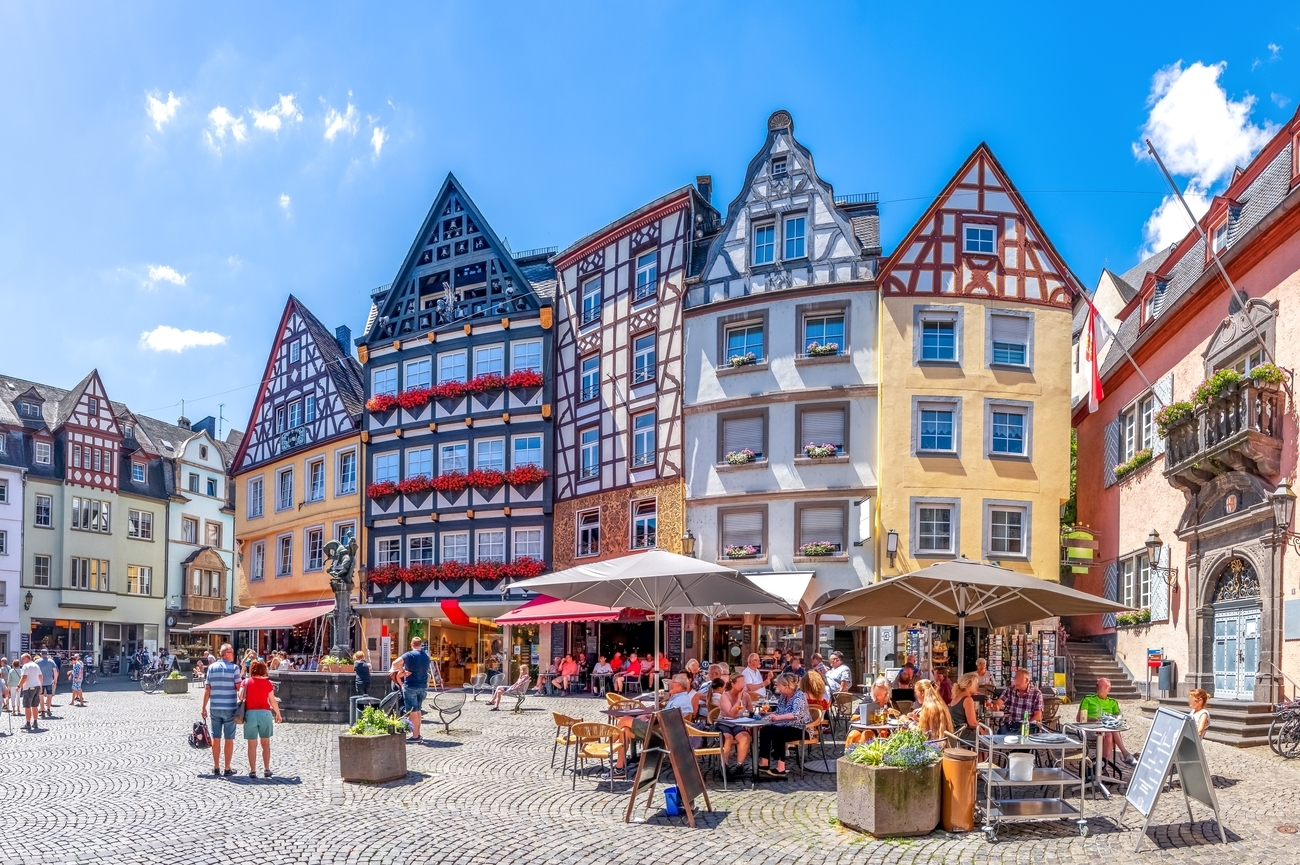
Cochem Market Square is where Cochem softens. Framed by half-timbered houses, pastel facades and narrow streets that seem to lead everywhere at once, the square feels intimate rather than grand. Historically, this has long been Cochem’s civic heart, a place for trade, announcements and daily encounters shaped by river life and wine commerce. The surrounding buildings reflect late medieval and early modern styles, scaled for people rather than spectacle. You’ll notice how close everything feels: cafes tucked into corners, shopfronts opening directly onto the square and conversations overlapping naturally.
Stadtmauer
You don’t really exit Cochem Market Square. The facades space out and after just a few minutes on foot, you realize you’ve crossed an invisible line. You’re no longer in the heart of town. You’re standing at its edge.
Stadtmauer Cochem reveals itself gradually, not as a headline attraction but as a presence. Built mainly in the 13th and 14th centuries, the wall once wrapped Cochem in a protective ring of stone, linking gates, towers and lookout points designed to guard both river traffic and daily life. It’s understated, but intentional. And what stands out here is clarity. Thick stonework, narrow openings and elevated sightlines make the priorities obvious. As you follow the remaining sections, you start to read the town differently. The castle above, the Mosel below, the wall beside you, everything worked together.
Afternoon: Pinnerkreuz
By afternoon, the route tilts upward again, but this time, it’s personal.
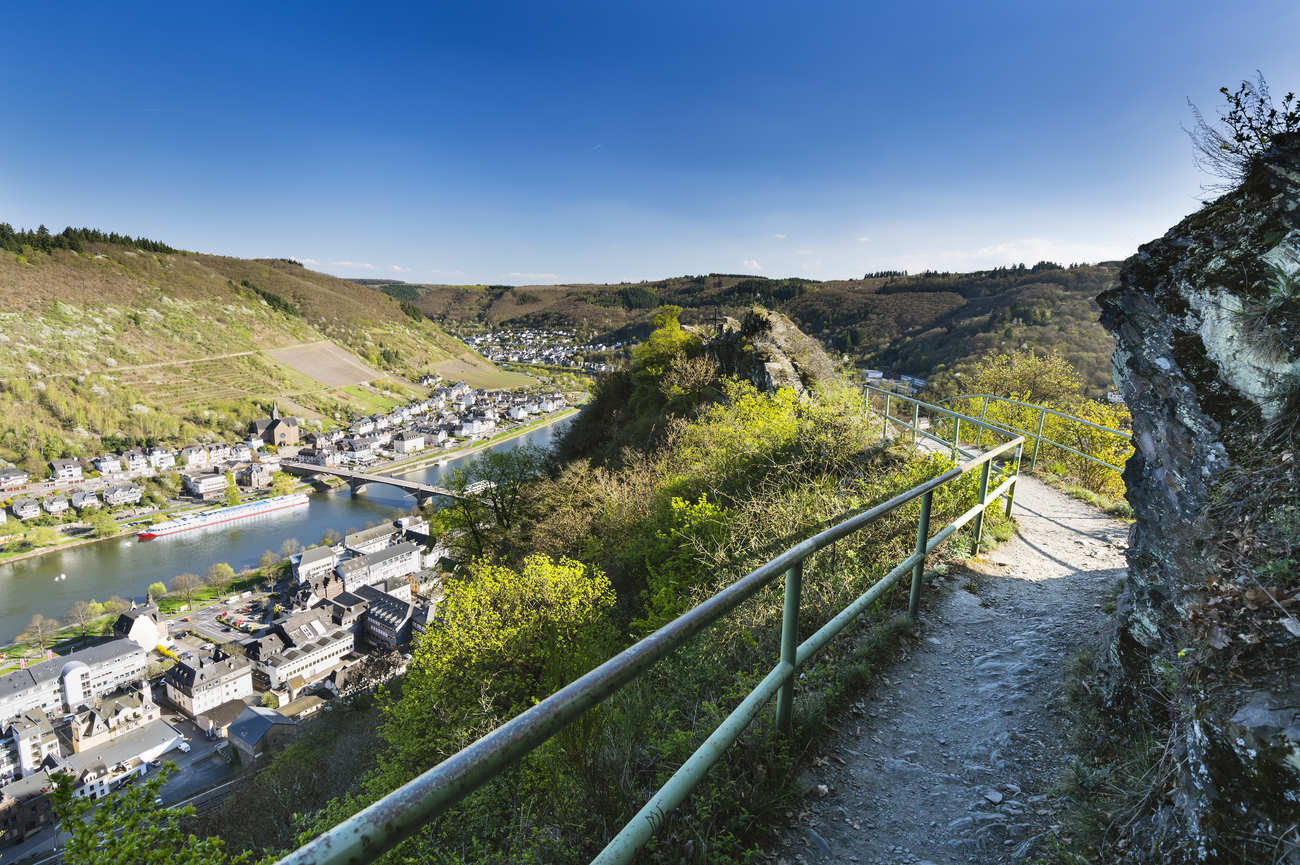
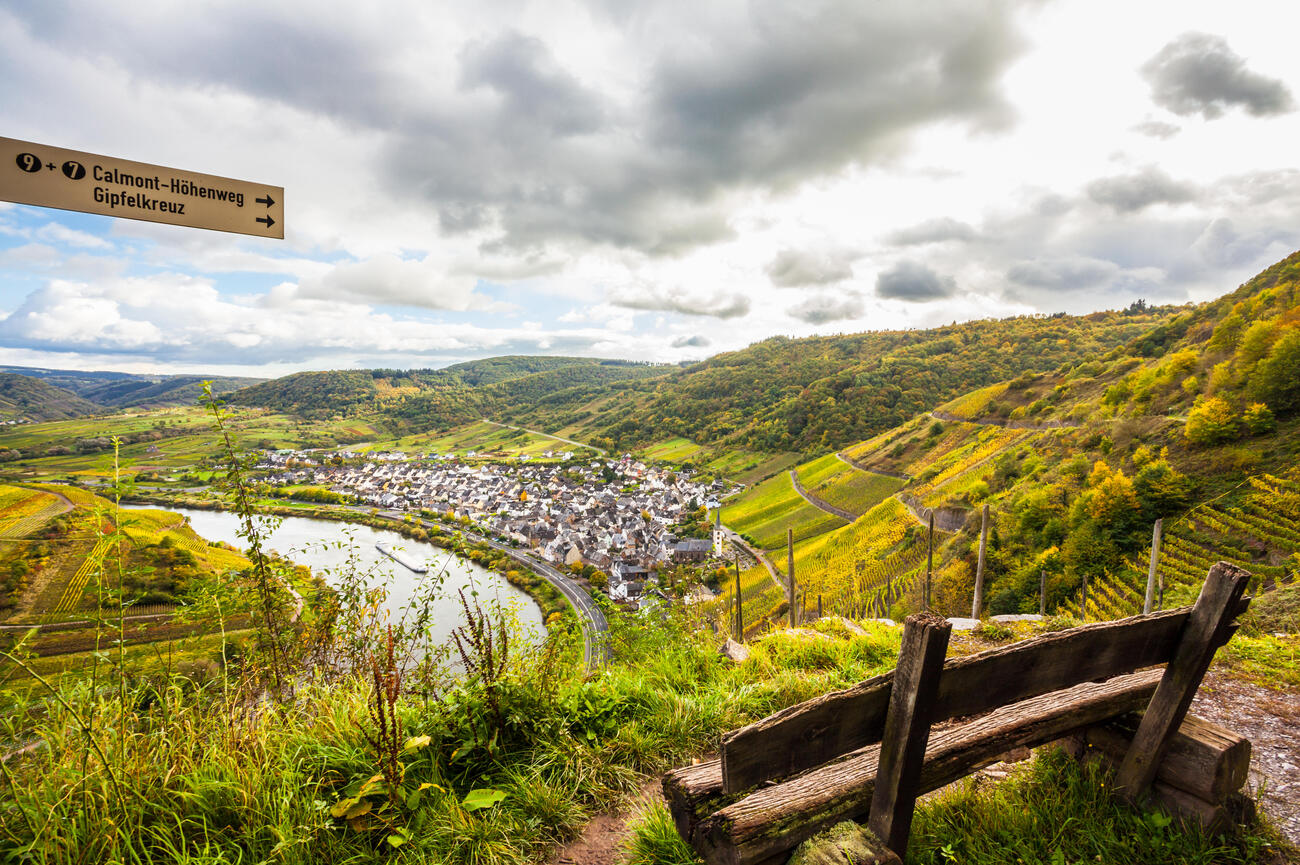
Leaving the town behind, you follow a path that trades cobblestones for forest ground. The climb toward Pinnerkreuz takes about 20–30 minutes on foot from the old town, rising steadily above Cochem until the noise drops away completely. The higher you go, the more the Mosel rearranges itself below you.
Pinnerkreuz is a simple wooden cross on paper and a serious viewpoint in reality. Sitting high above the valley, it offers one of the clearest, most rewarding panoramas over Cochem, the Mosel River and Reichsburg Castle perched opposite. You’re no longer looking up at the castle; you’re eye-level with it, watching it anchor the town below.
The cross used to mark a traditional pilgrimage and lookout point, but today it functions more as a local favorite than a formal attraction. There’s no ticket booth, no fence, no performance. Just open space, fresh air and views.
Bremmer Calmont
Leaving Cochem behind, you stay loyal to the Mosel, letting the river guide you through sharper bends and narrower stretches. The scenery grows steeper, darker, more intense and after about 25–30 minutes, the landscape signals that you’ve arrived somewhere different. Bremmer Calmont rises abruptly from the river, impossible to ignore.
This is the steepest vineyard in Europe, with gradients that reach nearly 70 degrees. You don’t just notice the incline, you feel it immediately. Vines cling to slate like they’re defying gravity on purpose. Calmont has been cultivated since Roman times, a fact that feels almost unbelievable once you’re standing there. The slope is pure Devonian slate, dark and heat-retentive, forcing growers to work almost entirely by hand. This isn’t romantic viticulture, it’s physical, disciplined and demanding. Wines from Calmont are known for intensity, minerality and structure, shaped as much by effort as by terroir. You can read that story straight off the hillside.
Calmont Klettersteig
At Bremmer Calmont, looking is no longer enough. The slope you’ve been studying suddenly asks for participation. One step forward, and the vineyard stops being scenery; it becomes the route.
Calmont Klettersteig takes you straight into the steepest vineyard in Europe, no buffer in between. The ground pitches sharply upward, slate replaces soil and steel cables begin to appear just where you need them.
The Klettersteig follows paths once used by vineyard workers who had no choice but to climb where vines clung to near-vertical slopes. Today, ladders, iron steps and safety cables make the ascent secure, but the effort remains real. You feel the heat trapped in the slate, the exposure as the Mosel drops away below and the precision required with every step.
Moselschleife Bremm Aussichtspunkt
By late afternoon, the climb finally pays off. You follow the ridge line, let your footing relax and within a short, steady walk from the upper Calmont paths, the valley opens all at once.
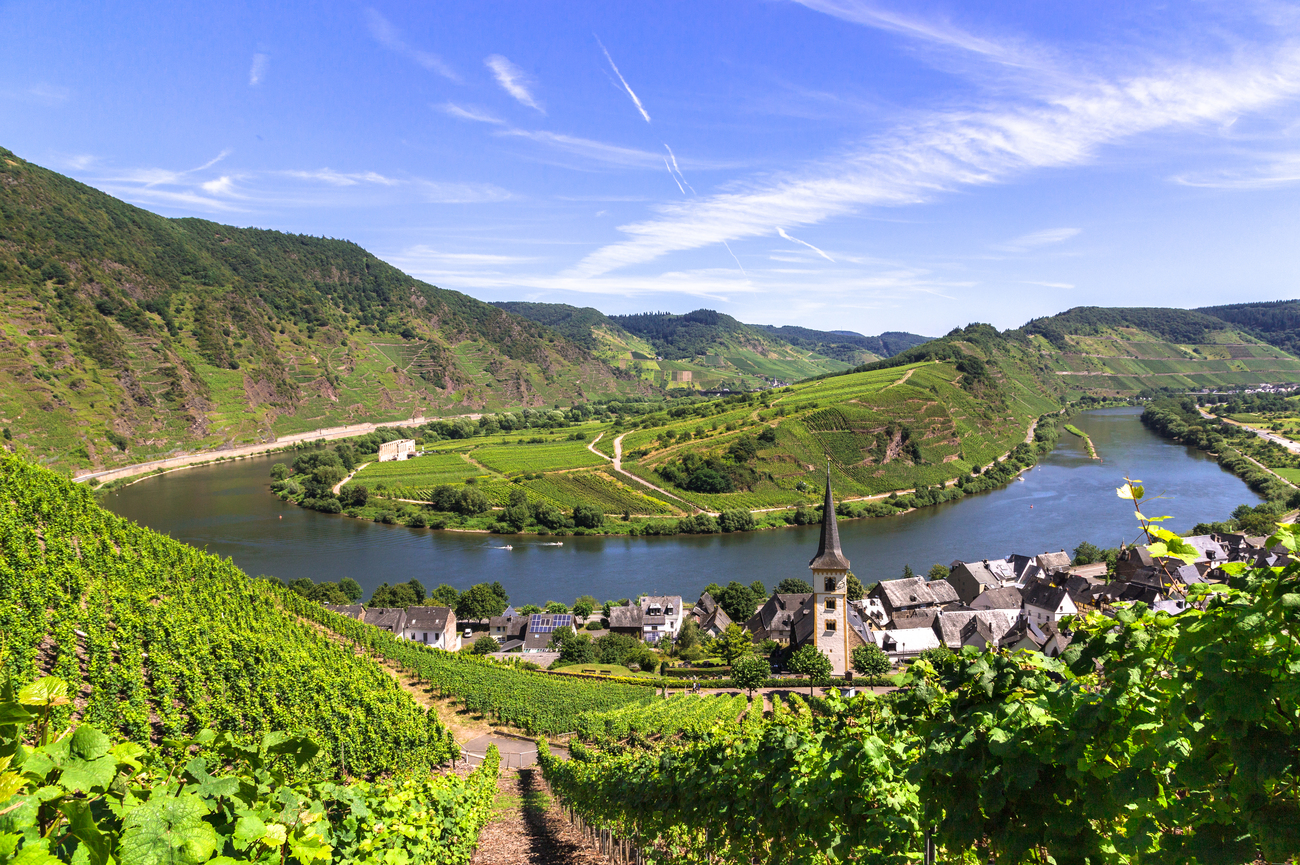
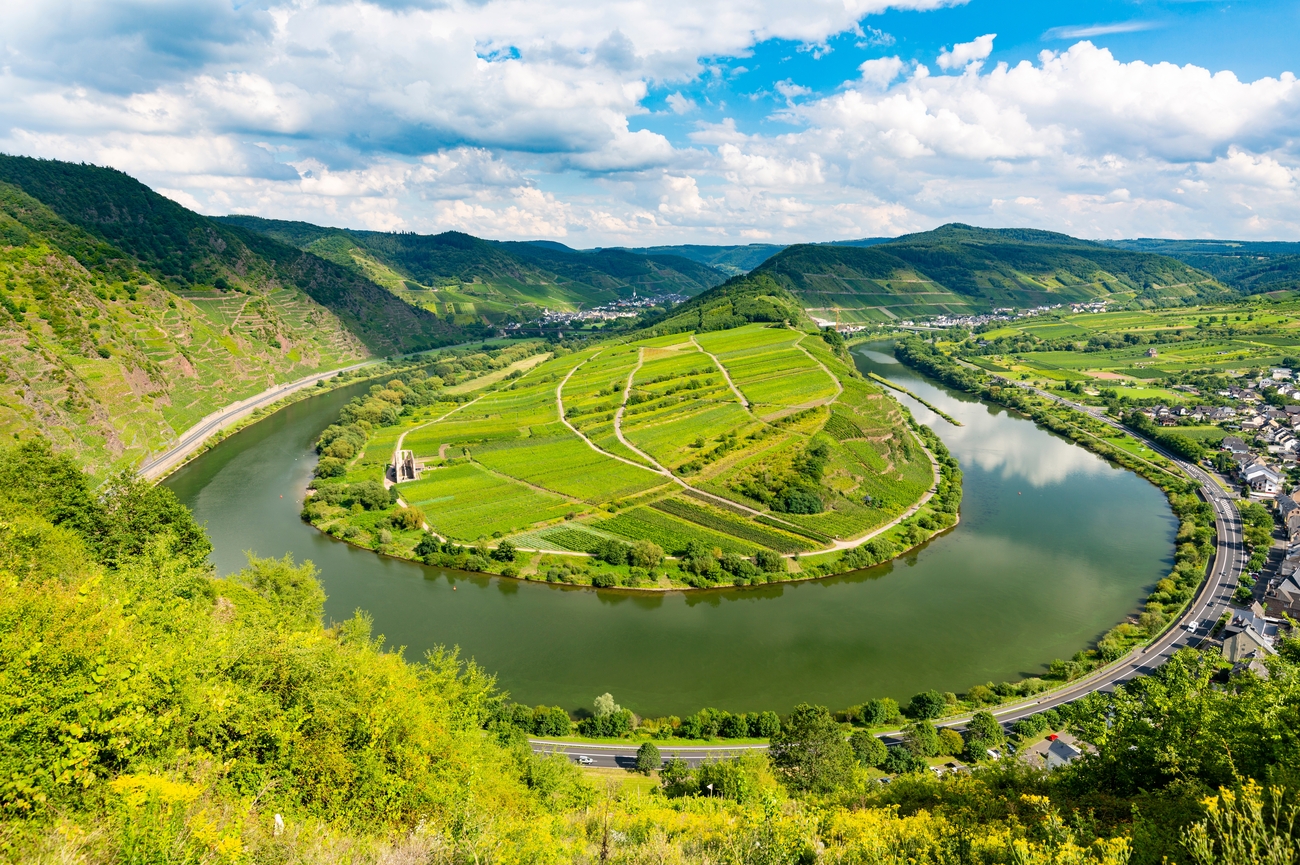
Moselschleife Bremm Aussichtspunkt delivers one of the Mosel’s most iconic perspectives. From here, the river completes a near-perfect loop around the village of Bremm, wrapping the steep Calmont slopes in a sweeping curve that feels almost deliberate. You’re high enough to see the full geometry: the vineyard’s sharp incline, the river’s patience and the way the village sits calmly at the center of it all.
This viewpoint exists because of the landscape, not in spite of it. The Mosel’s tight bend here is the result of centuries of erosion carving through slate, creating one of the valley’s most dramatic natural forms.
This is where Day 4 begins to taper. After castles, walls, climbs and effort, the Mosel gives you one last wide-angle moment.
Evening: Beilstein
The road drops from the slopes, reconnects with the river and settles into a gentle rhythm. You follow it without thinking too much about time, and after about 20–25 minutes, the valley turns into something quieter. Beilstein comes into view like a held breath.
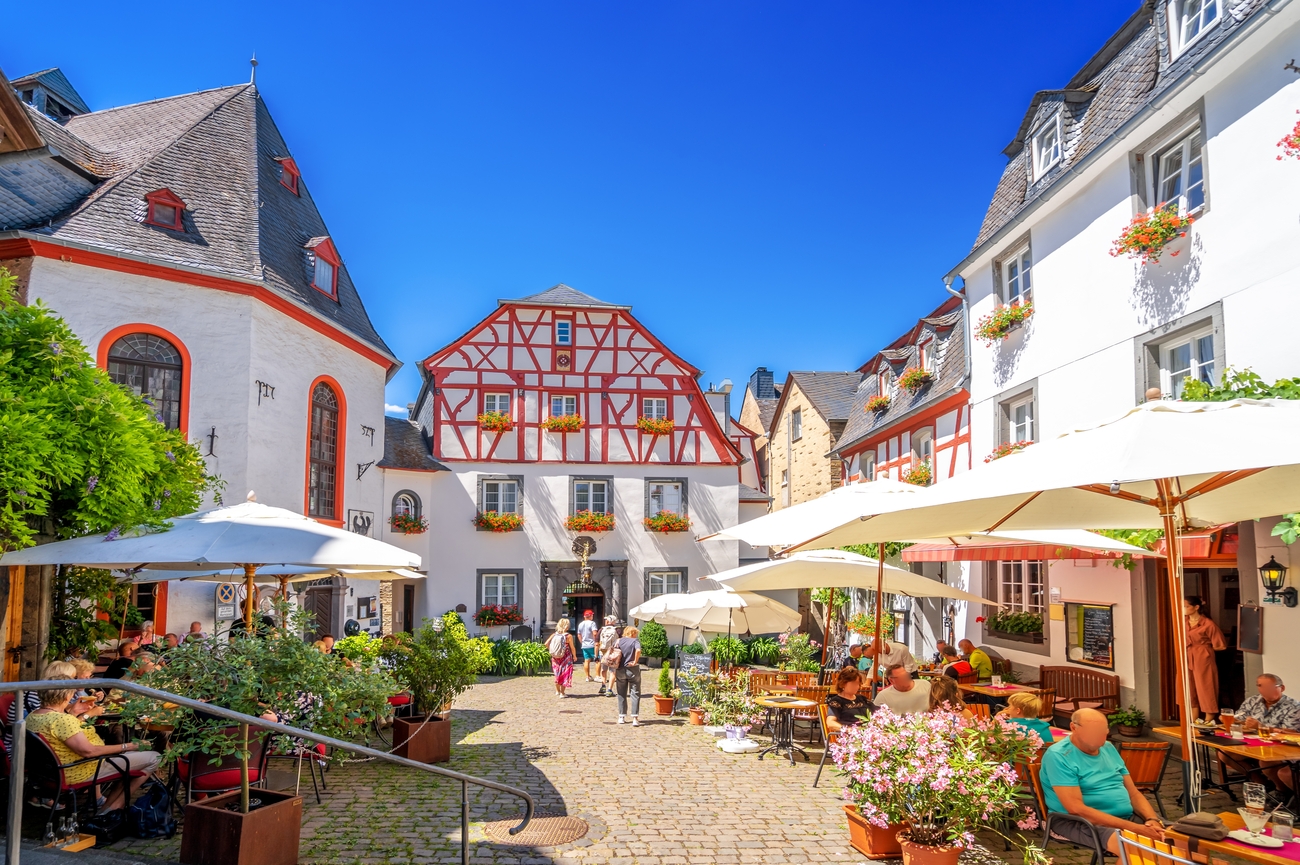
Often called the “Sleeping Beauty of the Mosel,” this tiny village is wrapped in half-timbered houses, narrow lanes and a stillness that feels intentional. You don’t arrive here for spectacle, you arrive to wander slowly, to let the scale shrink back down to human size after a day spent looking from above.
Beilstein’s history stretches back to the Middle Ages, shaped by wine trade, river traffic and its compact riverside position. Much of the village remains remarkably preserved, with traditional façades, stone stairways and tight alleyways that haven’t been redesigned for speed or crowds. Overhead, the ruins of Metternich Castle quietly watch from the hillside, reinforcing the sense that this place has always preferred observation over attention.
Metternich Castle
The Mosel saves its signature for last.
From the quiet lanes of Beilstein, the path tilts upward one final time upward. It’s a short but steady climb to the Metternich Castle.
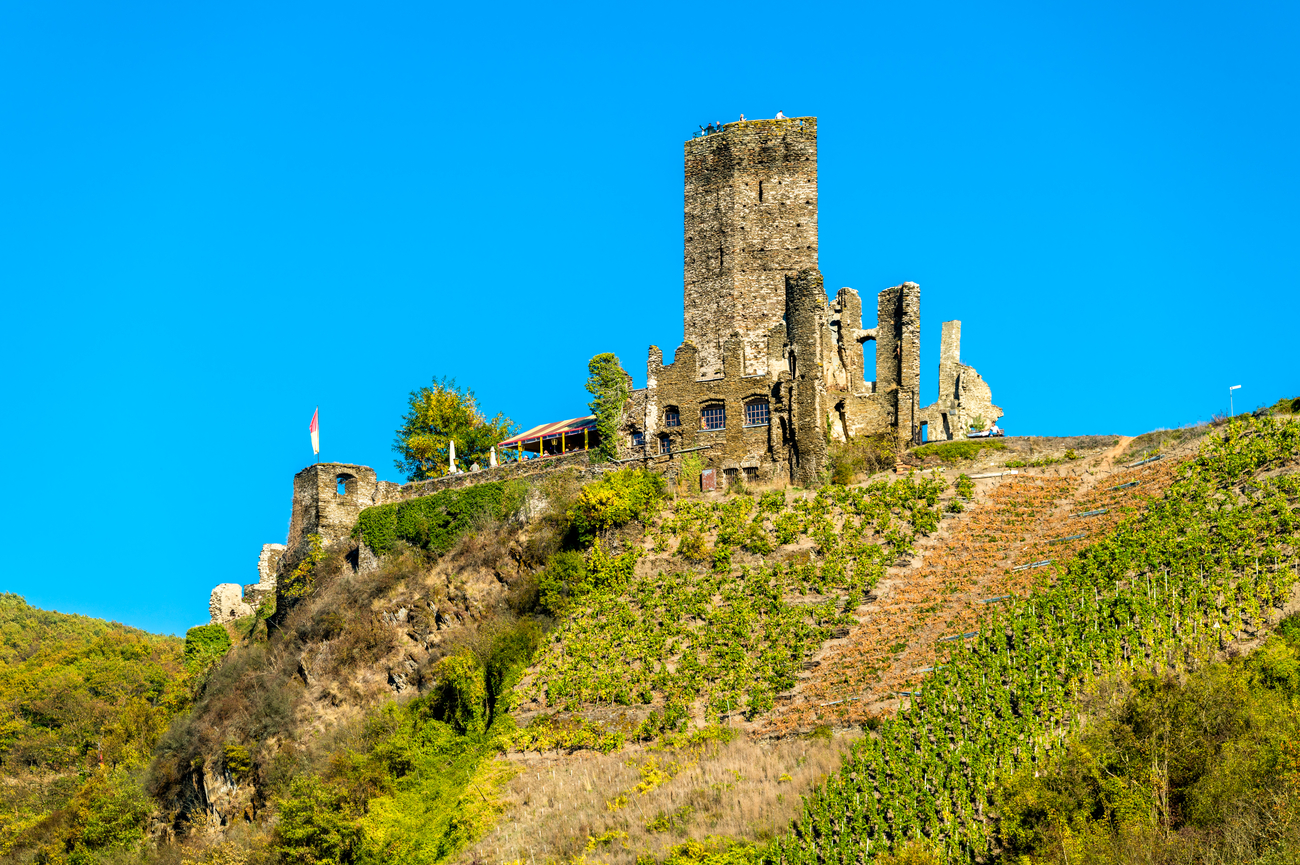
This castle crowns the hill above Beilstein, exactly where it should be. The ruins date back to the 12th century, once part of the defensive network that controlled movement along the Mosel. Though partially destroyed in the 17th century, what remains still carries weight: stone walls, open towers and viewpoints that look straight down onto the river and village below. You’re not enclosed here. You’re exposed to sky, to wind, to the full sweep of the valley.
Standing at Metternich Castle feels different from earlier ruins. This isn’t about dominance or strategy anymore; it’s about the views. From here, you see everything the Mosel has shown you over the past days. The river bends, vineyard slopes, compact towns and the quiet logic that ties them together.
Castles have appeared again and again on this journey, watching, guarding, defining the landscape. Ending here feels intentional. This is what the Mosel is known for, distilled into one final view.
Day 4 - Mosel Valley Tour Map
Other Things to Do in the Mosel Valley
The Mosel doesn’t reveal its depth all at once. It waits until you’ve slowed down enough to notice the difference between pretty and meaningful. These places don’t compete for attention. Each one adds clarity to how the valley actually works: wine as discipline, villages as lived-in systems, faith as structure, engineering as confidence and history as something you walk through, not around.
- Zeltingen-Rachtig: Zeltingen-Rachtig is where Mosel wine culture feels focused rather than romanticized. The village sits directly beneath some of the region’s most respected vineyard slopes. Vineyards don’t decorate the town, they define it. If you want to understand why Mosel Riesling is precise rather than flashy, this is where the lesson clicks.
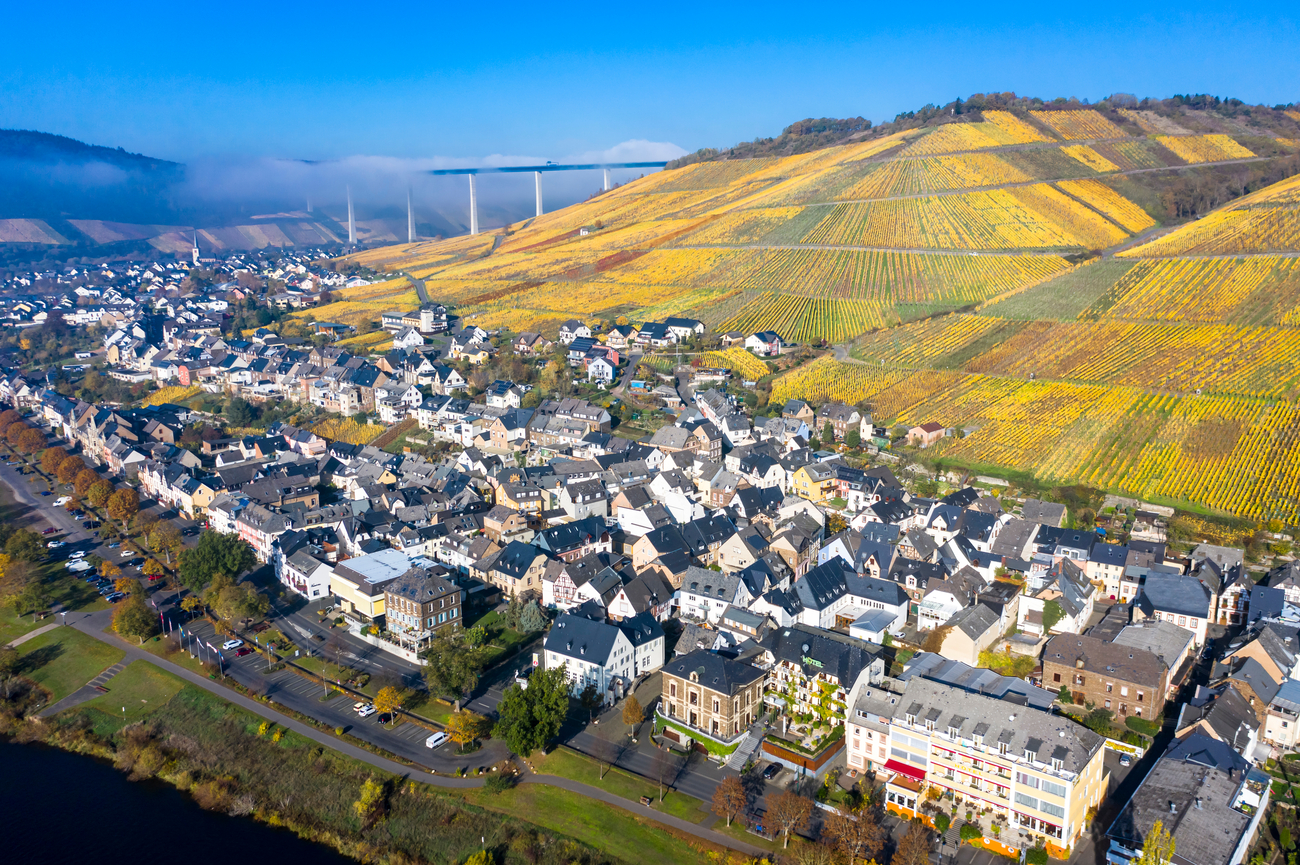
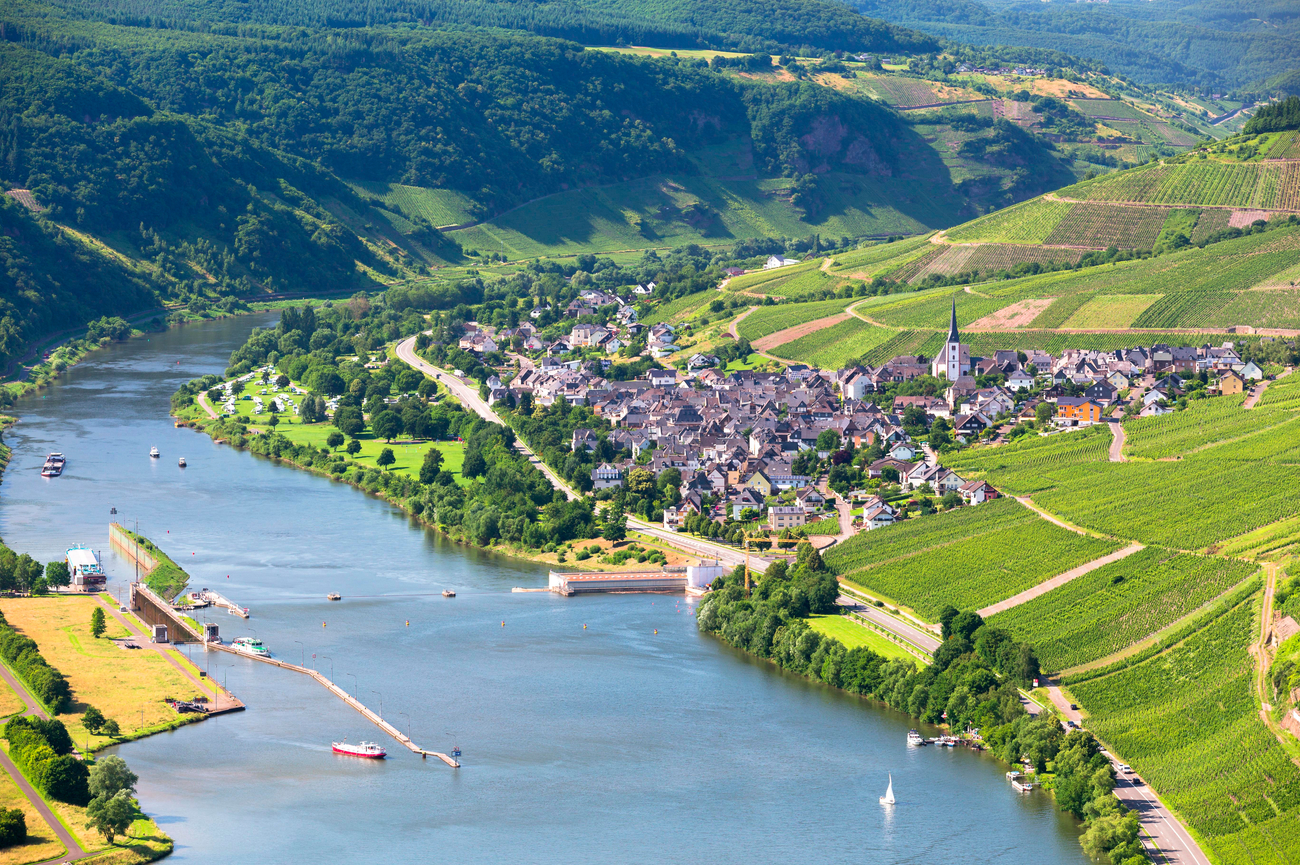
- Enkirch: Enkirch feels like the Mosel before it learned how to curate itself. Dense half-timbered houses crowd narrow streets, facades lean slightly and nothing has been softened for speed or convenience. The village rewards wandering without direction, where every turn feels unplanned but intentional. A guided village walk adds architectural and historical depth, but even without one, you’ll feel how intact this place is.
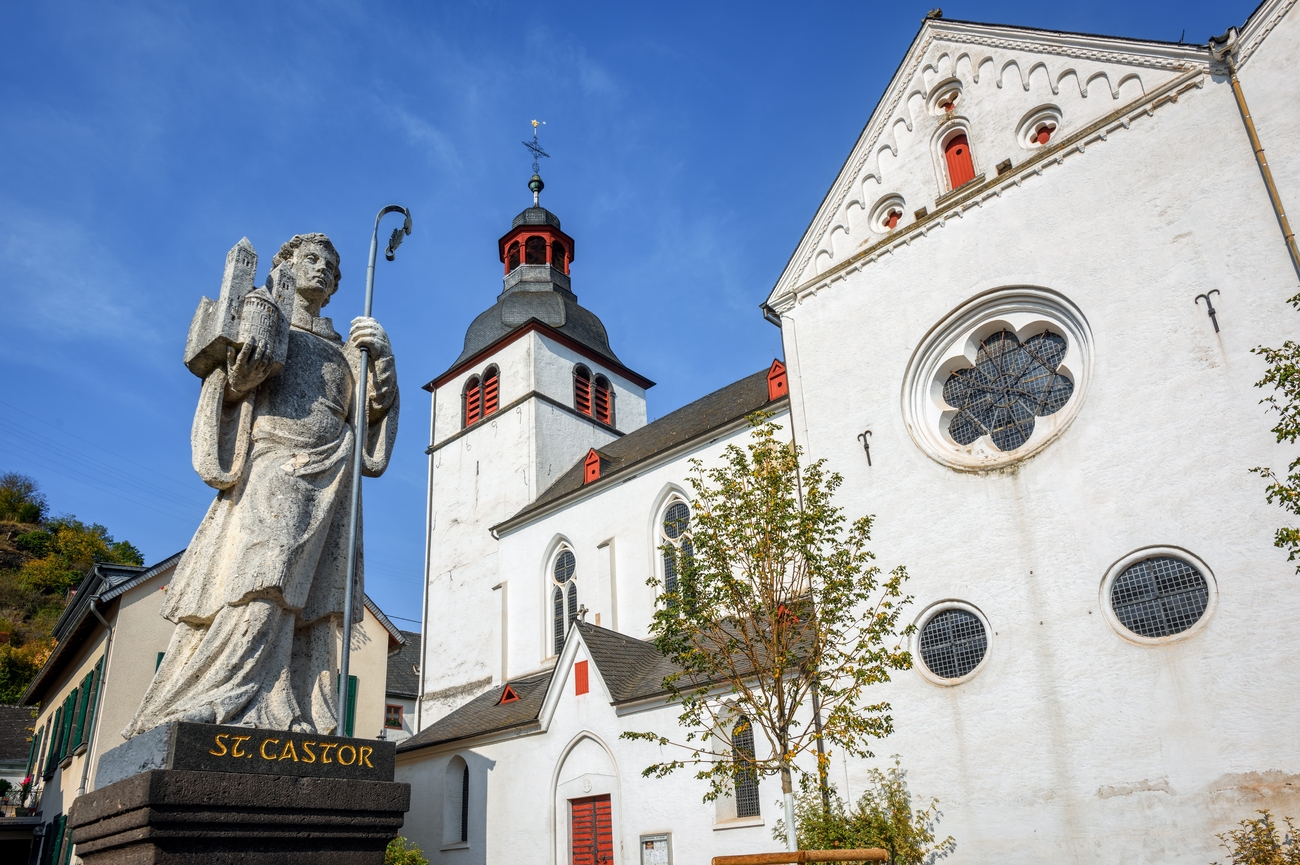
- Stiftskirche St. Castor: In Treis-Karden, Stiftskirche St. Castor shifts the Mosel from movement to stillness. Built in the 11th century, this Romanesque basilica is heavy, grounded and quietly powerful. Thick stone walls, restrained decoration and clear architectural lines create a space that feels stable rather than ornate. You step inside and the valley slows with you. It’s a reminder that faith, not just wine and trade, shaped the Mosel’s long memory.
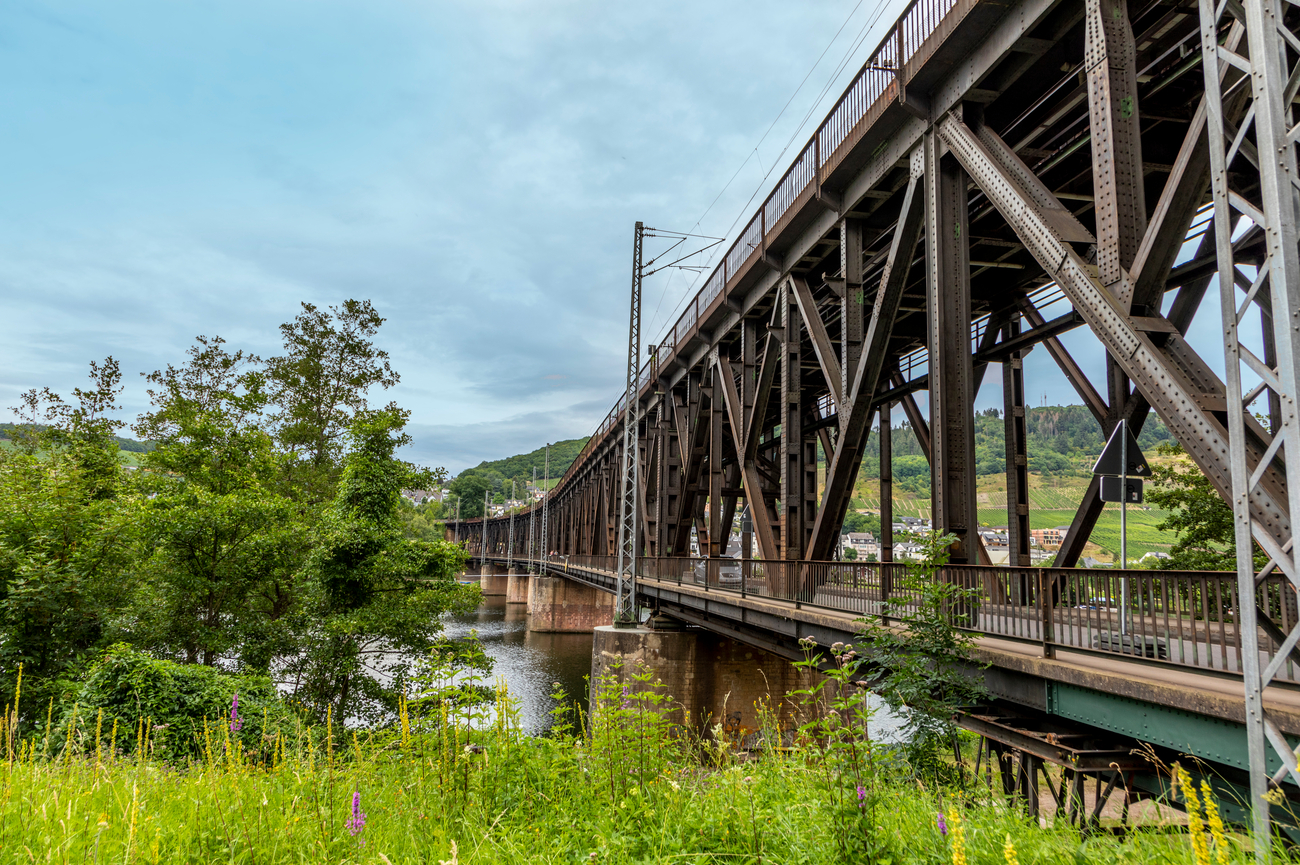
- Doppelstockbrücke Bullay: The Doppelstockbrücke in Bullay is the Mosel flexing its modern intelligence. Carrying both rail and road traffic, this double-decker bridge cuts confidently across the river, proving that the valley didn’t stop building when castles fell out of fashion. Watching trains and cars pass through the same structure gives you a real-time sense of how movement still defines this region.
- Ehrenbreitstein Fortress: Rising above Koblenz, where the Mosel meets the Rhine, this is one of Europe’s largest preserved fortresses and it feels strategically overwhelming in the best way. Vast courtyards, thick ramparts and uninterrupted river views explain immediately why this position mattered. Go and ride the cable car to turn this into a high-end experience.
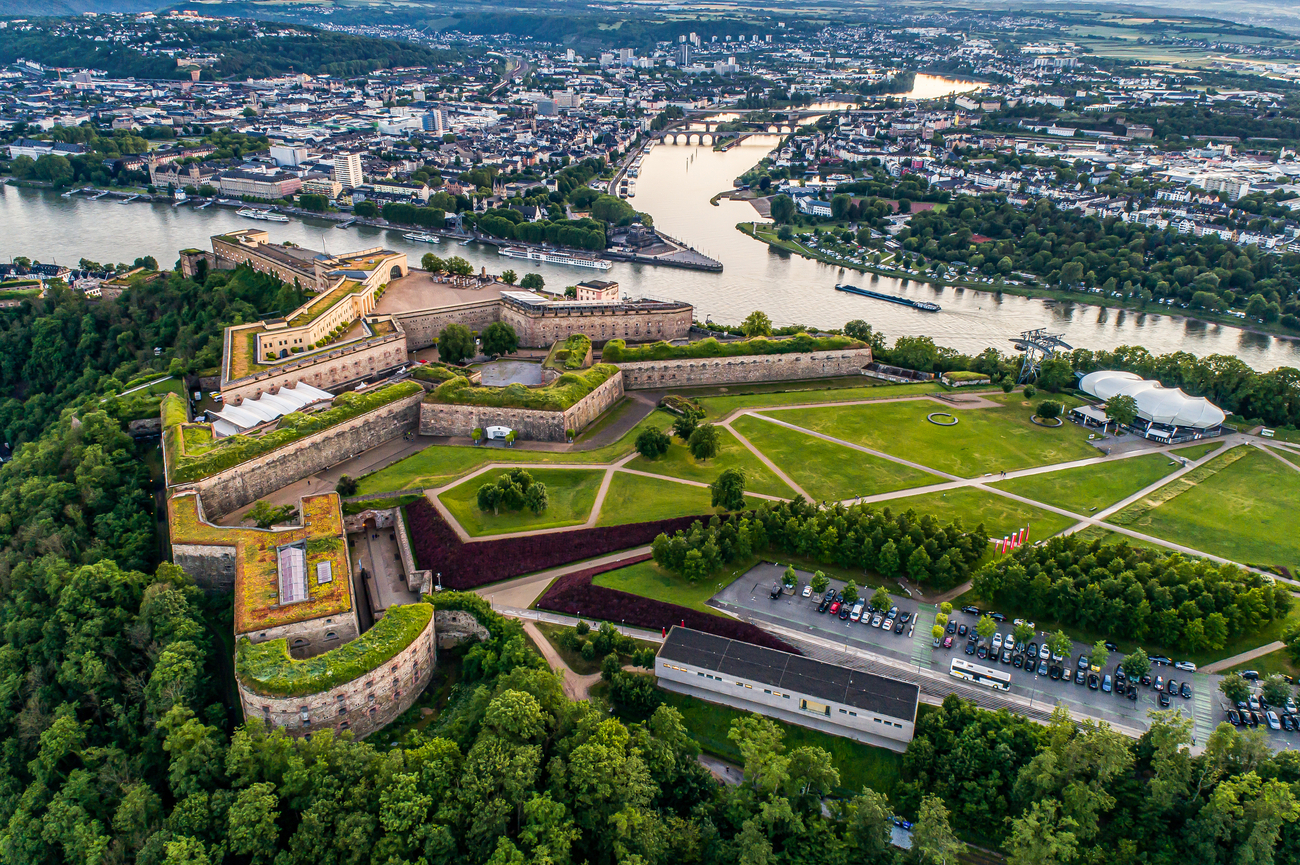
Things to Do with Kids in the Mosel Valley
Traveling the Mosel with kids doesn’t mean switching to “kid mode.” It just means choosing places that keep curiosity moving. These spots are all within the Mosel Valley, easy to pace and genuinely engaging with hands-on museums, open-air spaces, animals, water and just enough fun to keep everyone interested without turning the trip chaotic.
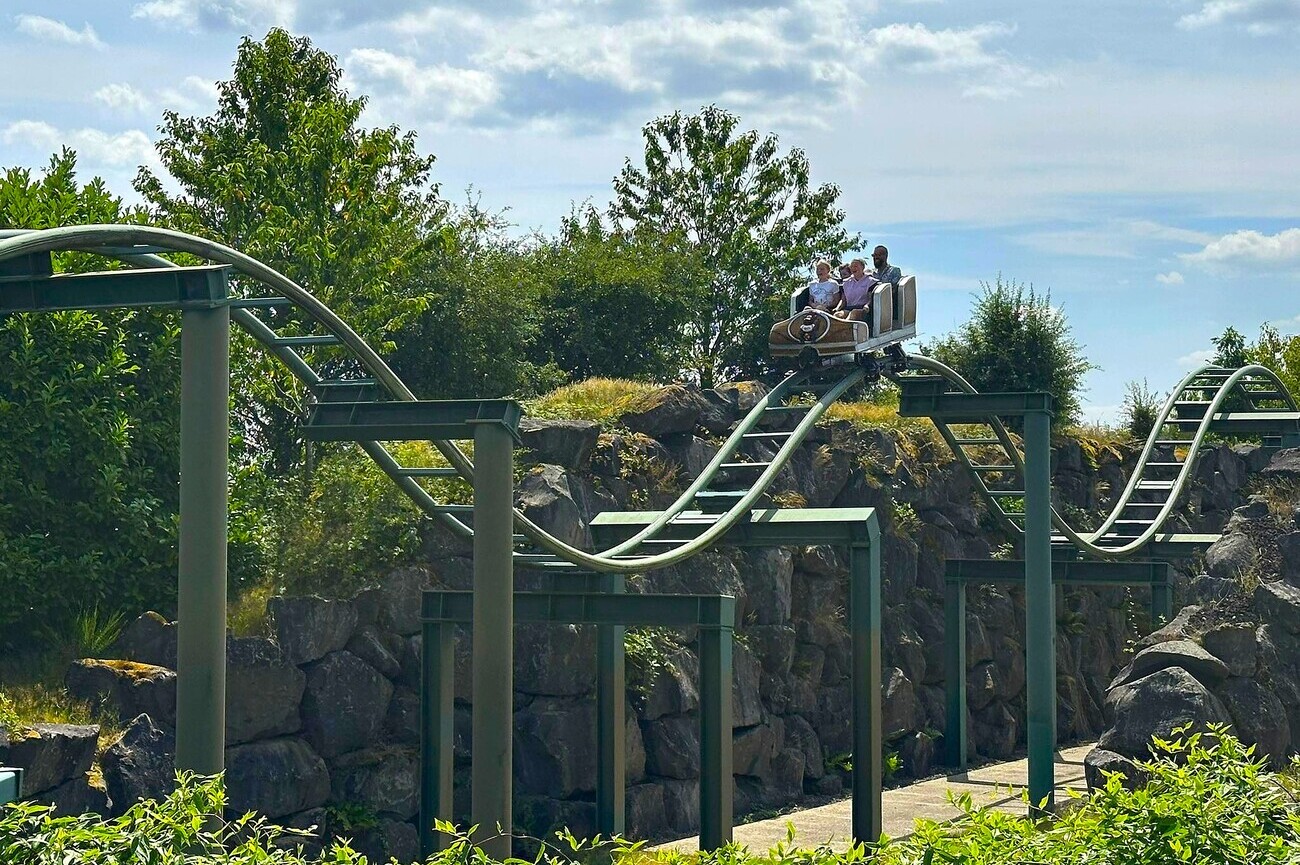
- Wild- und Freizeitpark Klotten: This is the Mosel’s easiest yes with kids. Set on a hillside near Cochem, Wild- und Freizeitpark Klotten blends a zoo-style wildlife park with rides, alpine coasters and playgrounds, all in one walkable space. You move seamlessly from watching wolves, deer and birds of prey to riding roller coasters or letting kids loose on play areas.
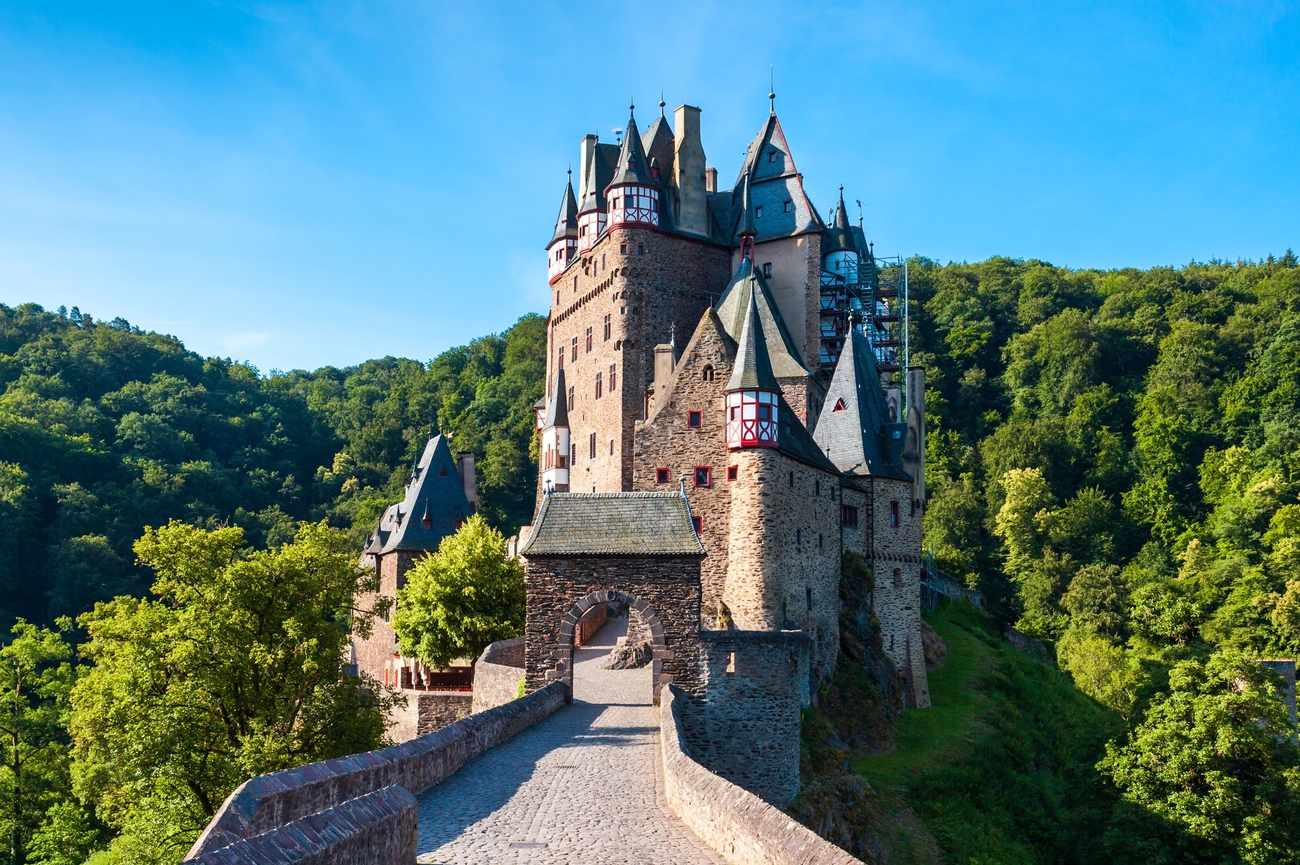
- Eltz Castle: Eltz Castle feels like it was designed for kids’ imaginations and for parents who want things to run smoothly. Reached by a short forest walk, the castle rises straight out of the trees, setting the tone before you even step inside. Guided tours start regularly from 09:30 in the upper courtyard and run throughout the day, with each visit lasting around 35–40 minutes, which is ideal for keeping attention spans engaged without dragging. You arrive, join a tour, and leave with a clear story, no wandering aimlessly, no overload.
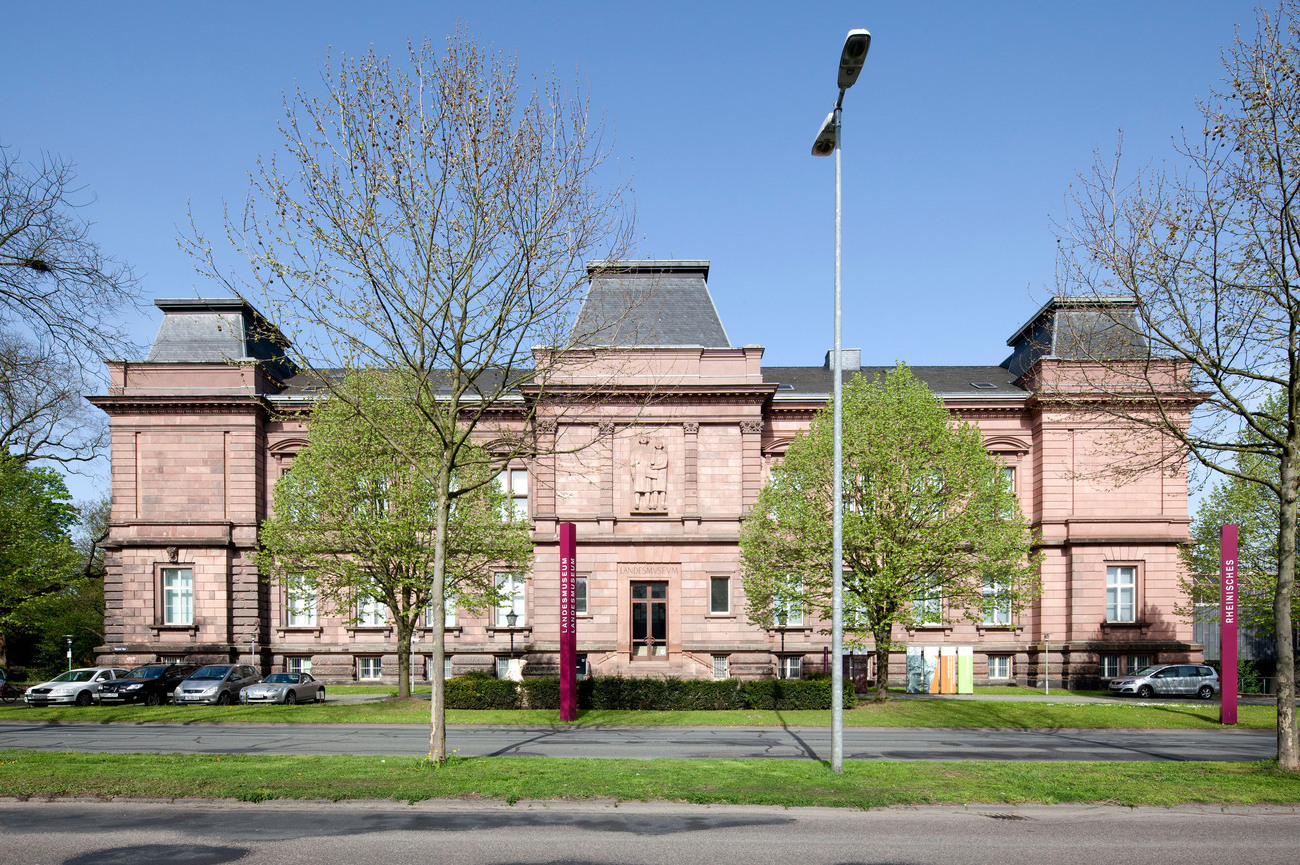
- Rhineland State Museum Trier: This museum understands how kids learn. Instead of static displays, the Rhineland State Museum Trier uses models, reconstructions and large-scale Roman artifacts to explain daily life, engineering and games from ancient times. You walk through Roman houses, see tools up close and get a clear sense of how people actually lived. It’s educational without feeling like school.
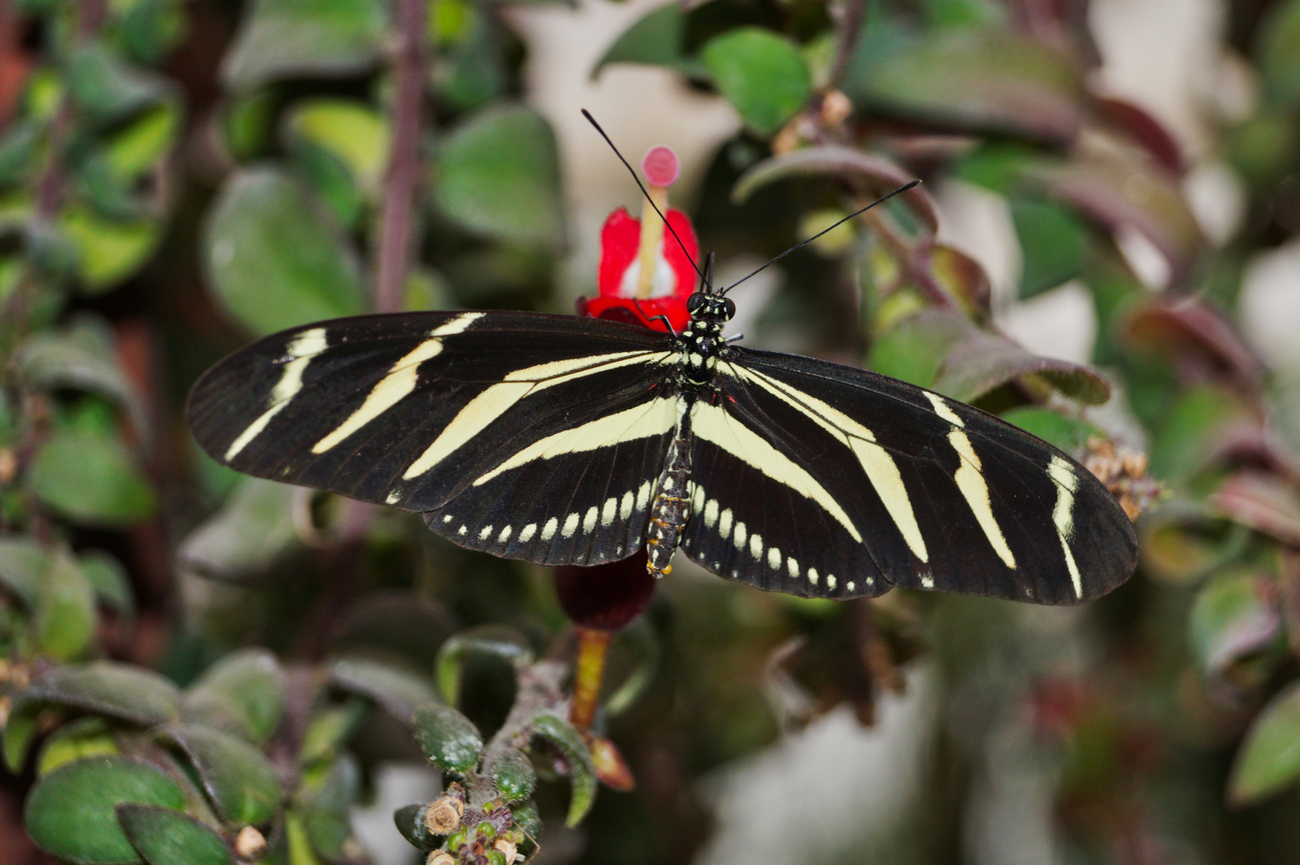
- Butterfly Garden, Grevenmacher: The Butterfly Garden in Grevenmacher feels like stepping into a living storybook. Warm, tropical halls are filled with free-flying butterflies, plants, insects and small reptiles, all moving around you. Kids love the color and motion, while you’ll appreciate how calm and contained the experience feels. It’s interactive without being loud and it naturally slows everyone down in the best way.
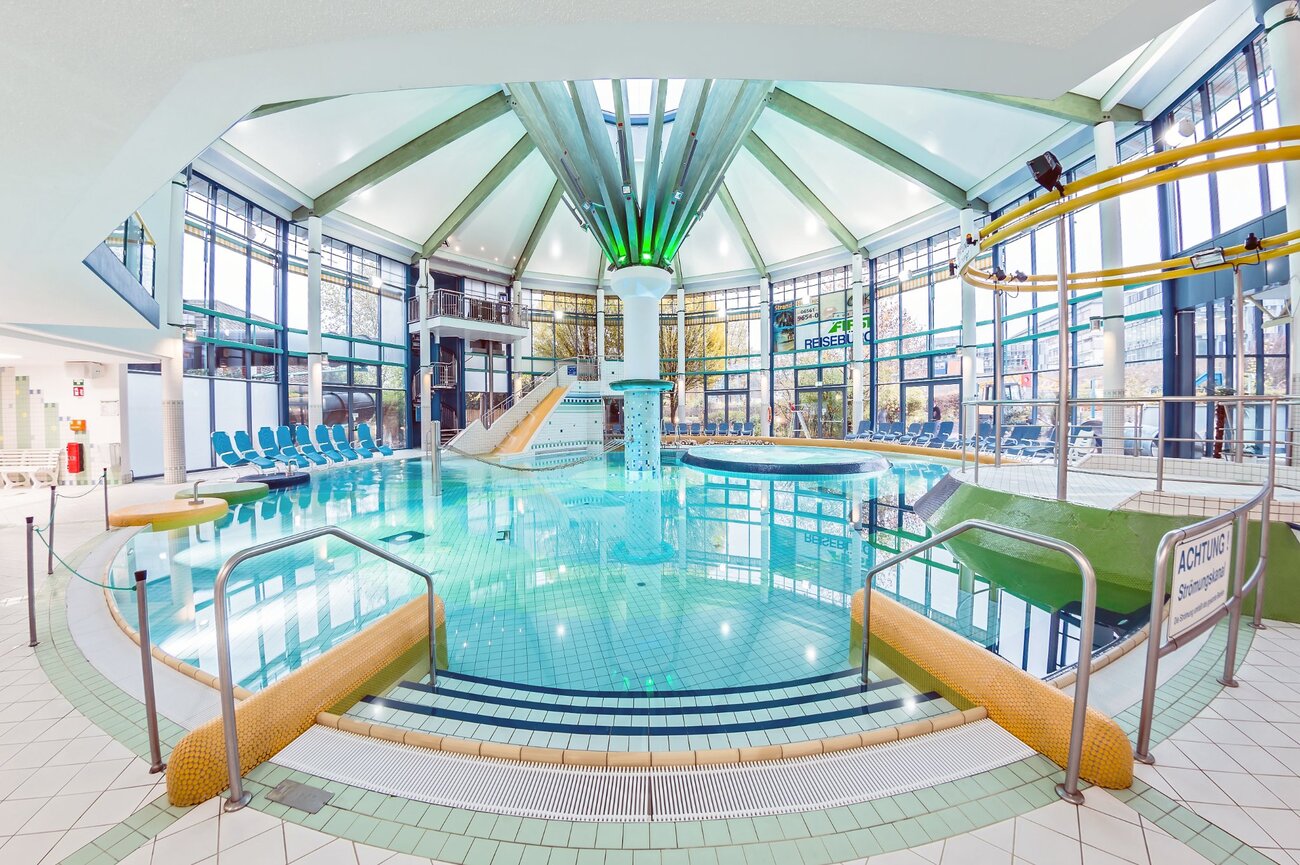
- CASCADE adventure pool with sauna: When kids need to burn energy, CASCADE delivers. This modern adventure pool offers slides, wave pools, family areas and indoor-outdoor sections, making it perfect in any weather. While kids splash and race from one pool to another, adults can relax knowing the space is well-organized and designed for families. It’s a smart reset in the middle of a sightseeing-heavy trip and one kids will remember just as clearly as castles.
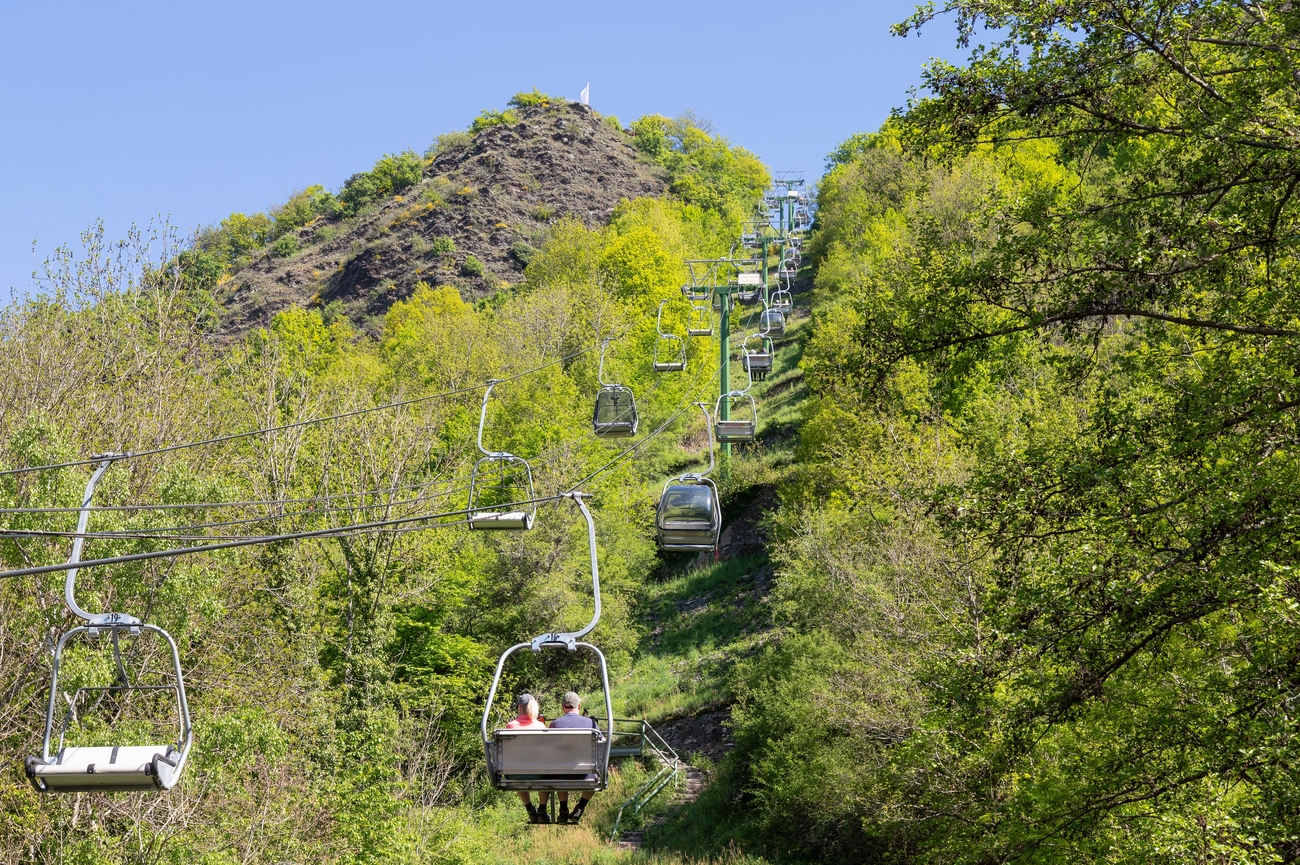
- Cochemer Sesselbahn Talstation: A chairlift ride instantly turns the day into an adventure. From the Cochemer Sesselbahn Talstation, you glide above the Mosel, vineyards and rooftops without any hiking required. Kids love the sensation of floating and the views at the top give everyone a moment to pause and take it all in. It’s short, exciting and low-effort.
Day Trips from the Mosel Valley
The Mosel has range and it shows once you’re willing to leave the river for a day. These are the kind of side trips that don’t feel like cheating on your itinerary. You’re still back by dinner, still very much in the Mosel mindset, just with better stories. These places don’t pull you away from the Mosel; they remix it. You go out curious, come back sharper and suddenly the river makes even more sense.
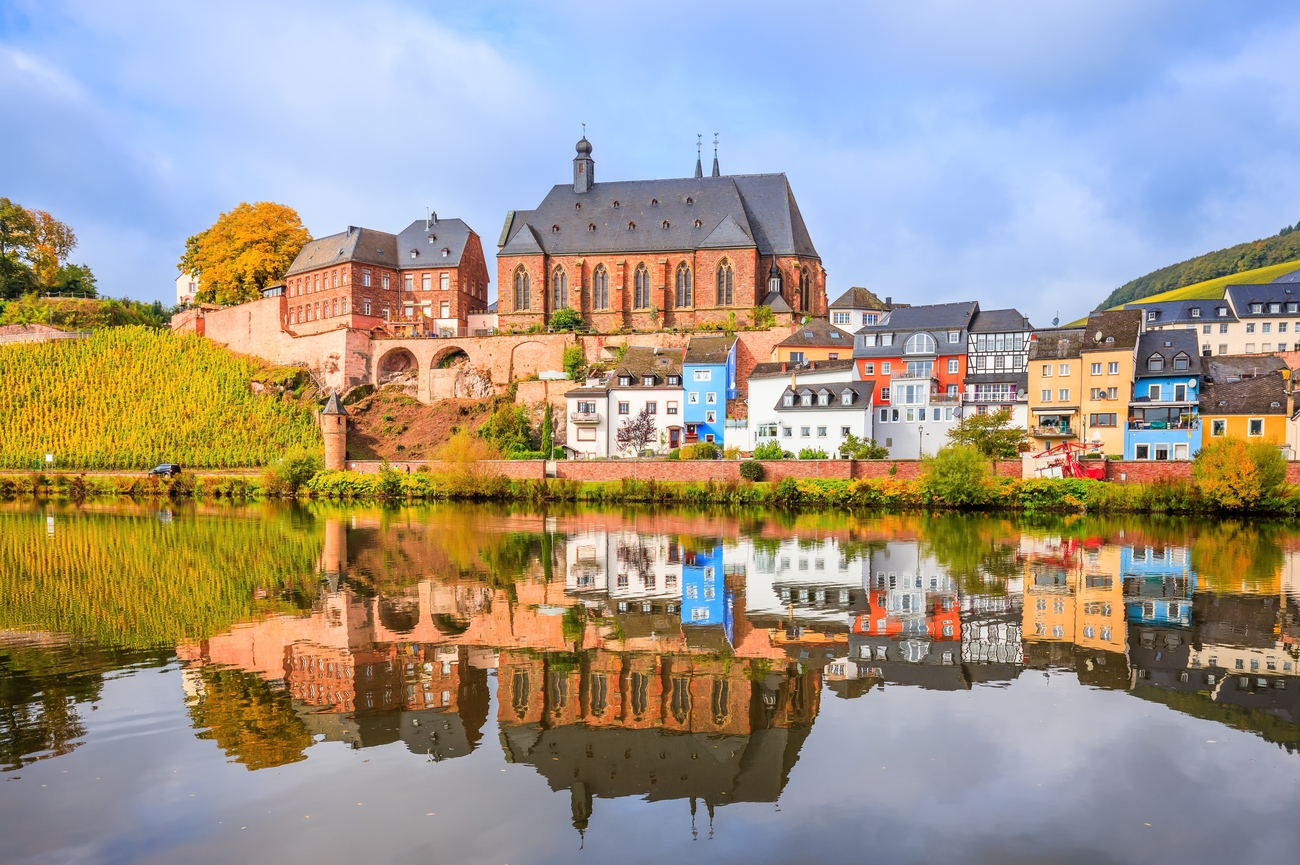
- Saarburg: In about an hour, Saarburg will change the pace of your tour. The town is built around the Leuk River, which drops as a waterfall straight through the old center before slipping past former mills and pastel houses. You wander along canals, cross small bridges and slowly climb toward Saarburg Castle ruins, where elevated views explain how tightly the town hugs its terrain. If you want a smoother ascent, the chairlift delivers perspective without effort. Saarburg is playful on the surface, but grounded in trade, water power and wine history once you start paying attention.
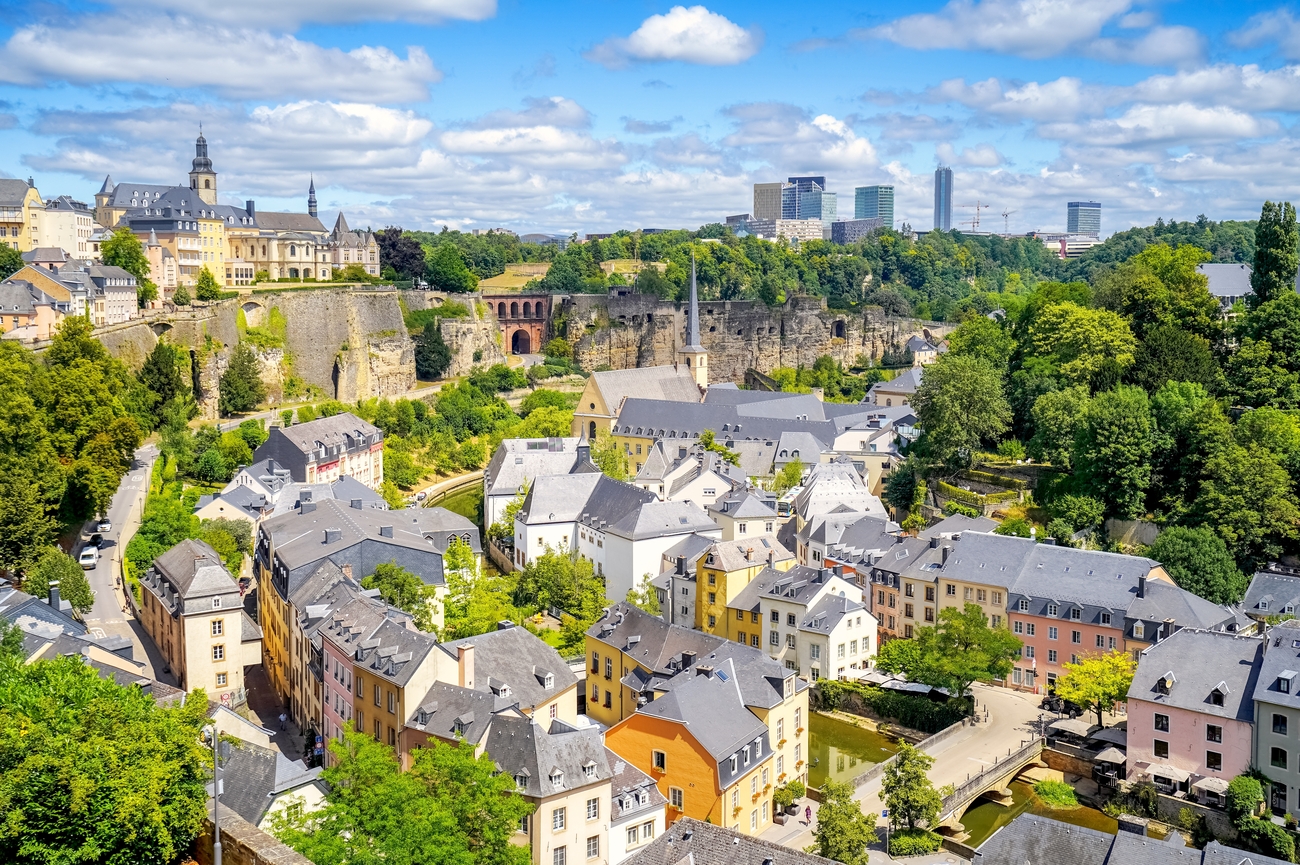
- Luxembourg: Luxembourg City feels engineered rather than arranged. You move vertically, upper promenades, cliffside paths, underground passages, without ever feeling lost. The UNESCO-listed Old Town and fortifications hold everything together, especially the Bock Casemates, which tunnel straight into the city’s defensive logic. Walking the Chemin de la Corniche gives you perspective; dropping into the Grund district gives you calm. Even though it sits just over an hour from the Mosel, the shift feels substantial.
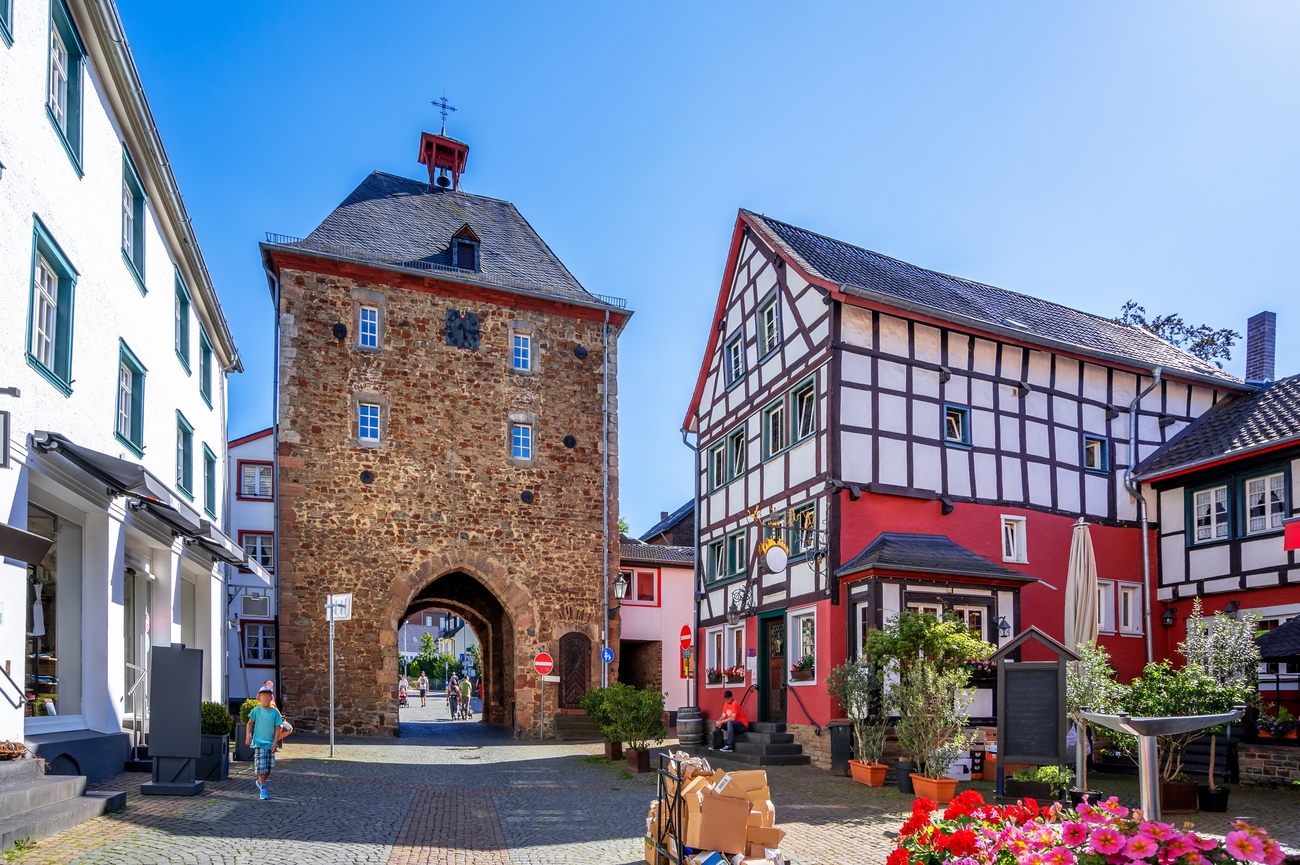
- Bad Münstereifel: Bad Münstereifel doesn’t expand; it contains. Walls, gates and towers still decide how you enter and how you move, and once inside, the town unfolds in a tight loop of half-timbered houses and narrow lanes. You trace sections of the medieval walls, pass through preserved gates and realize how much medieval planning depended on enclosure. The drive, about an hour and a half from the Mosel, sets the tone for slowing down. This is a place that rewards unhurried wandering, especially with a historical walk that explains why these fortifications mattered long after they stopped being used.
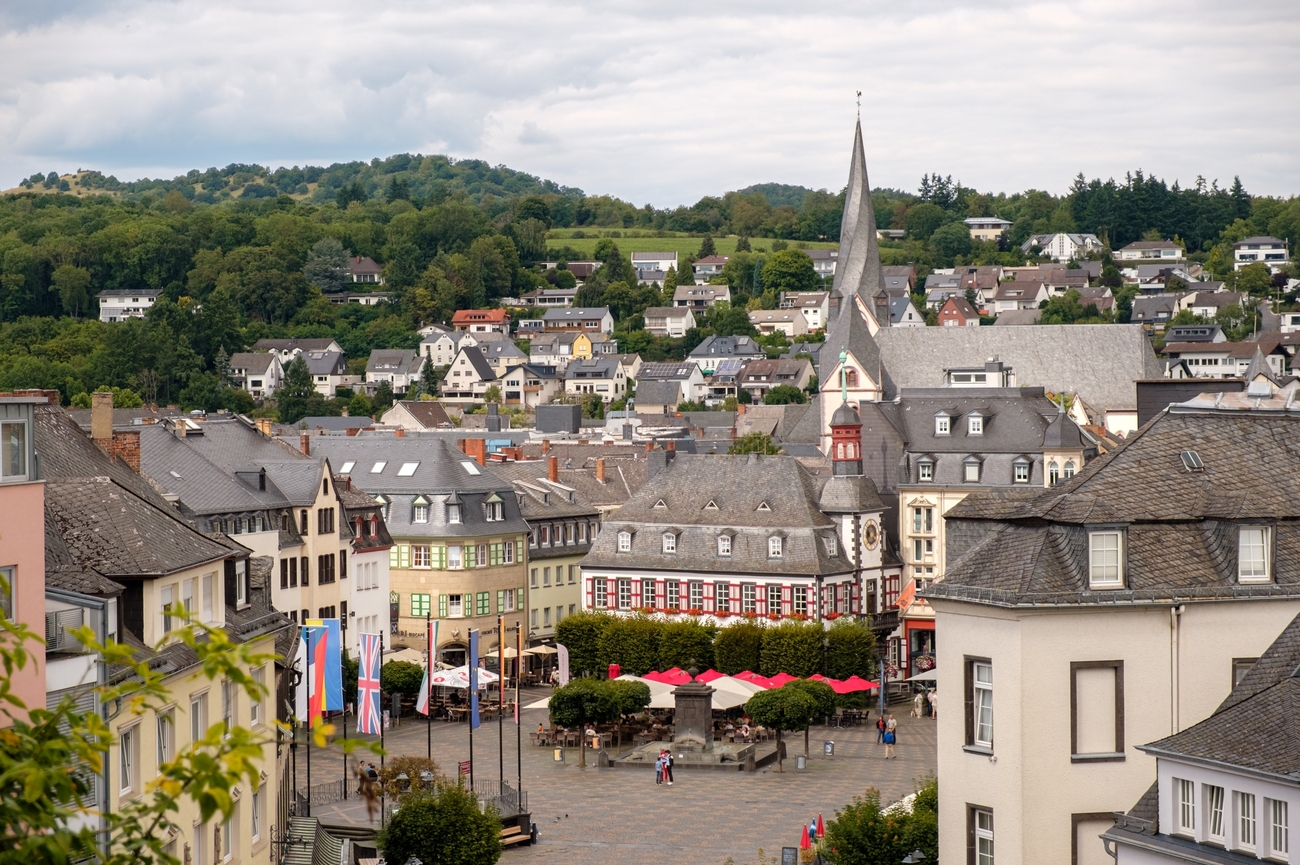
- Mayen: The Mosel’s slate elegance gives way to volcanic weight as you approach Mayen. Genovevaburg Castle rises above the town, housing the Eifel Museum, where geology explains almost everything you’re seeing. Below ground, historic lava cellars show how stone extraction shaped daily life, not just buildings. Reaching Mayen takes just over an hour from the Mosel and the contrast is the point. You can join guided visits that turn the castle and cellars into a coherent story about labor, land and resilience.
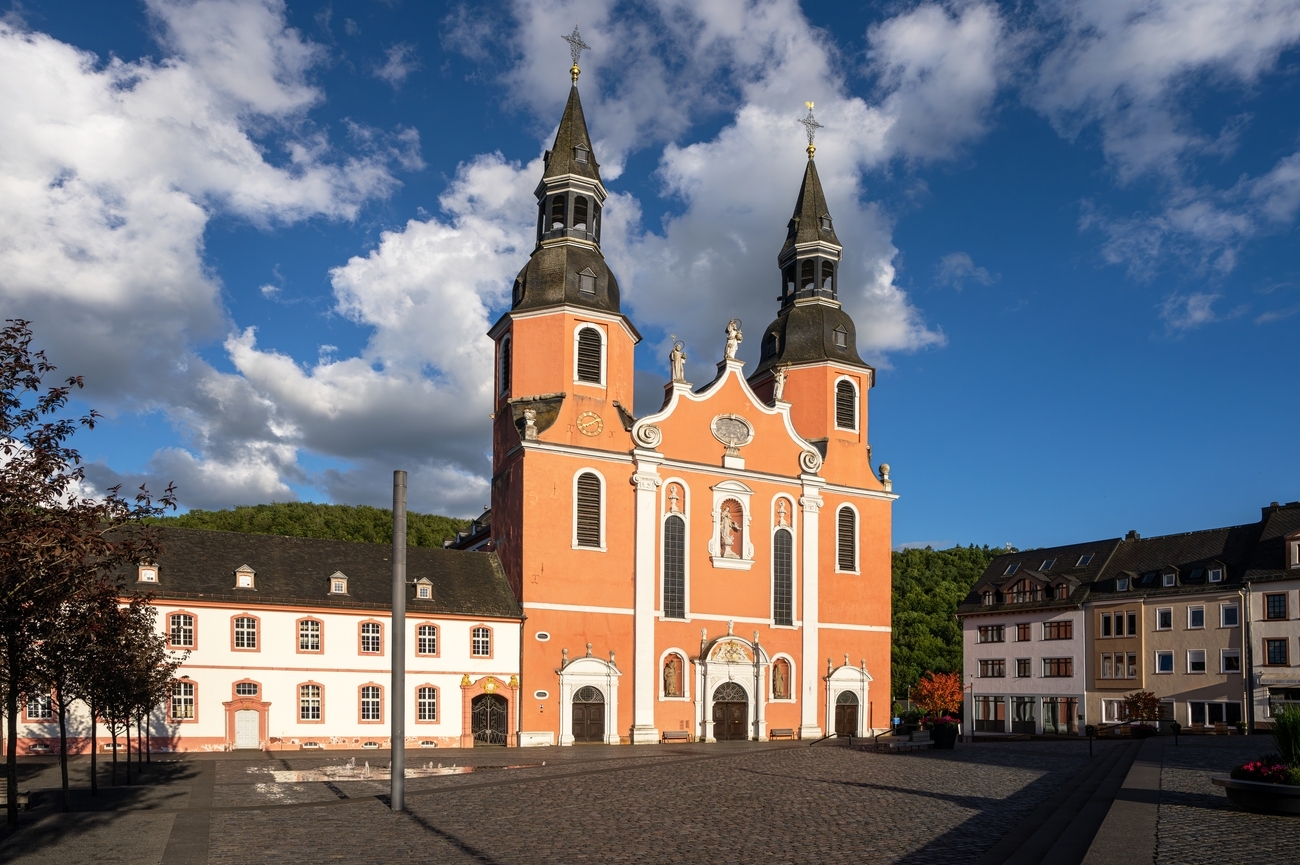
- Prüm: The town orbits around the Abbey of Prüm, once a center of enormous spiritual influence and you feel that authority in the basilica’s restrained presence. Walking the abbey grounds slows you naturally and the surrounding streets follow suit. No spectacle, no pressure to move on quickly. The journey from the Mosel takes around an hour and a quarter, long enough to mark a transition into something quieter.
Golf Courses in the Mosel Valley
The Mosel knows how to multitask. One moment you’re tracing vineyard slopes and castle walls. Next thing you know, you’re lining up a drive with hills, forests and river air doing half the calming for you. If you’re squeezing in a round between wine towns and river bends, these two courses get it exactly right.
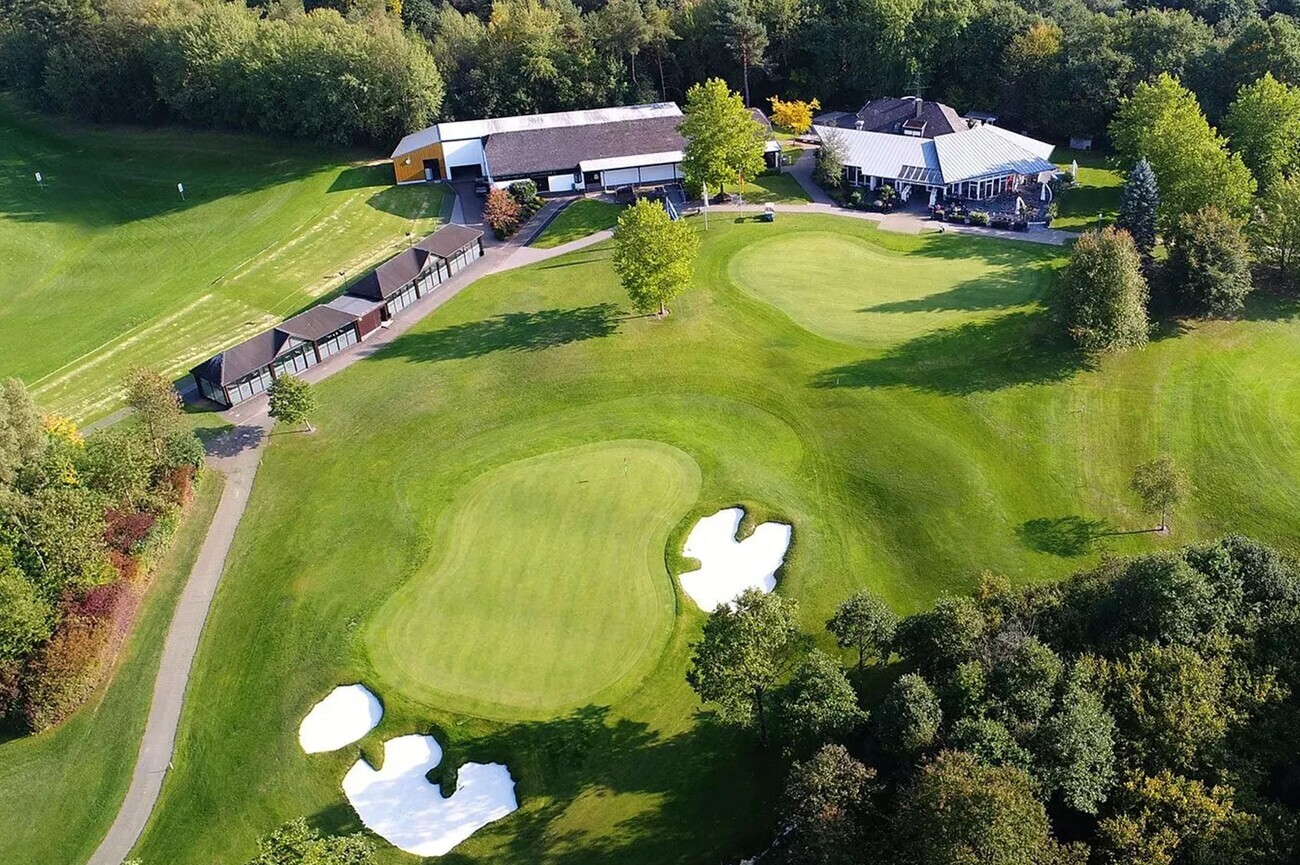
- Golf Club Trier e.V.: This is where Mosel golf leans classic. Located just outside Trier, the course unfolds as a traditional 18-hole parkland layout, with wide fairways, mature trees and gentle elevation changes that keep the game interesting without feeling punishing. You’ll notice how calm it feels, strategic rather than flashy, the kind of course where placement matters more than power. It pairs perfectly with a cultural day in Trier or a slower Mosel itinerary, especially if you want a polished round that doesn’t dominate your schedule.
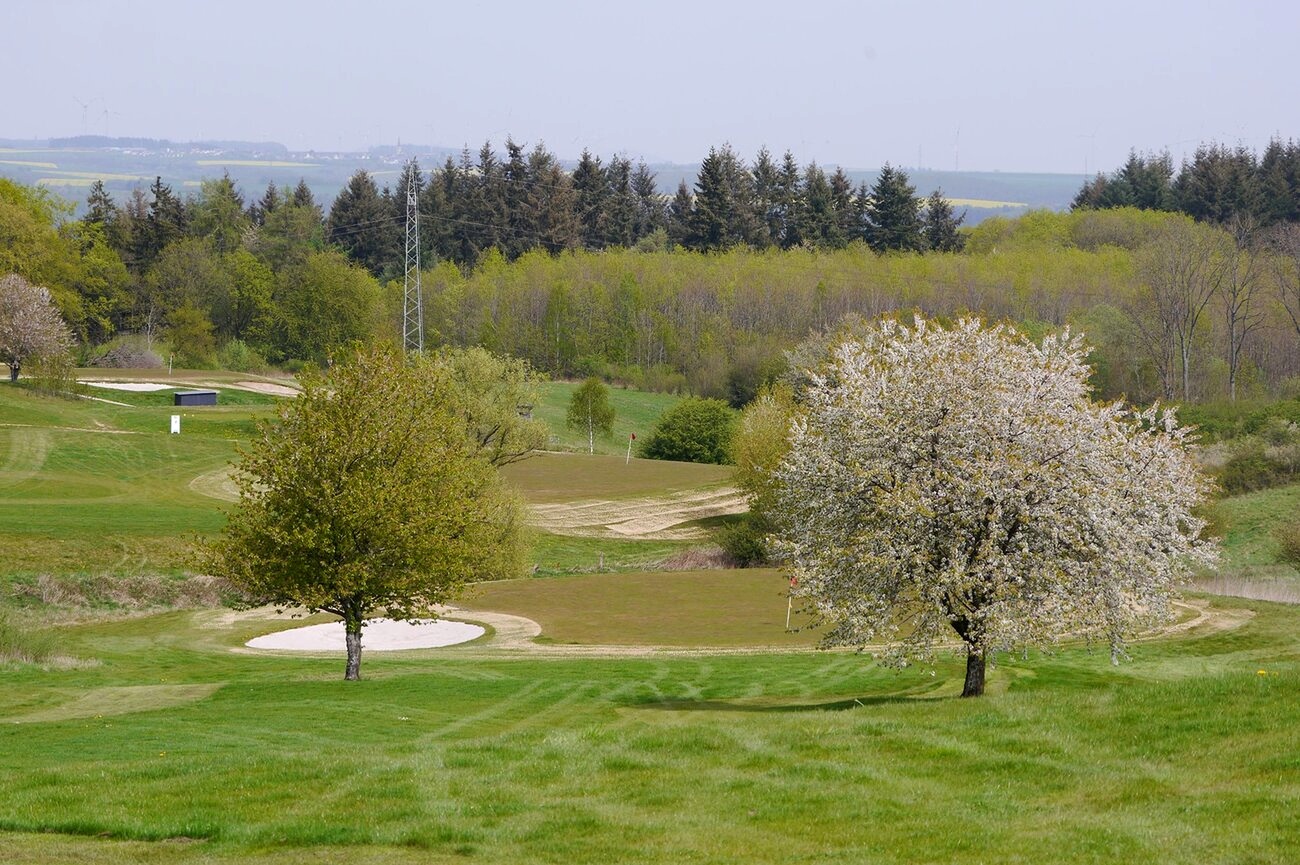
- Golf-Club Cochem/Mosel e.V.: If you want your round to feel unmistakably Mosel, this is the one. Set above the river near Cochem, this course brings rolling terrain, open views and a stronger connection to the landscape into play. You’ll deal with natural slopes, longer sightlines and holes that make you think twice before committing to a shot. It’s engaging without being intimidating, and the setting alone makes it memorable. This course fits perfectly into a Mosel day where castles, chairlifts, and vineyard views are already on the agenda.
Racecourses in the Mosel Valley
A quick note before you saddle up. The Mosel Valley is many things. It’s vineyard-lined, river-shaped, castle-heavy but it is not a horse-racing region. There are no permanent horse racecourses in the Mosel Valley and that’s by design. The terrain is steep, cultivated and protected, which makes racetracks impractical here. What the Mosel does offer instead is something slower, closer and far more in tune with the landscape: an equestrian experience.
- Reit- und Fahrstall Schmitz Inhaberin Hiltrud Schmitz: Located in Kröv, right in the heart of the Mosel Valley, this is one of the region’s best-known riding stables for visitors. This is not a racetrack and it doesn’t try to be. What you get instead are guided trail rides through vineyards, riverside paths and gentle countryside, designed for beginners, families and relaxed riders. You can book short introductory rides, longer guided outings or pony rides for kids, all run with a strong focus on safety and calm pacing.
Michelin-Starred Restaurant in the Mosel Valley
The Mosel isn’t the kind of place that tries to impress you with a long list of Michelin stars. It doesn’t need to. This is a region where excellence grows slowly on steep vineyards, in slate soil and in kitchens that care more about craft than spotlight. Fine dining here feels intentional, almost personal. Instead of a crowded scene, you’ll find a small number of standout restaurants and the experience feels connected to the landscape around you.
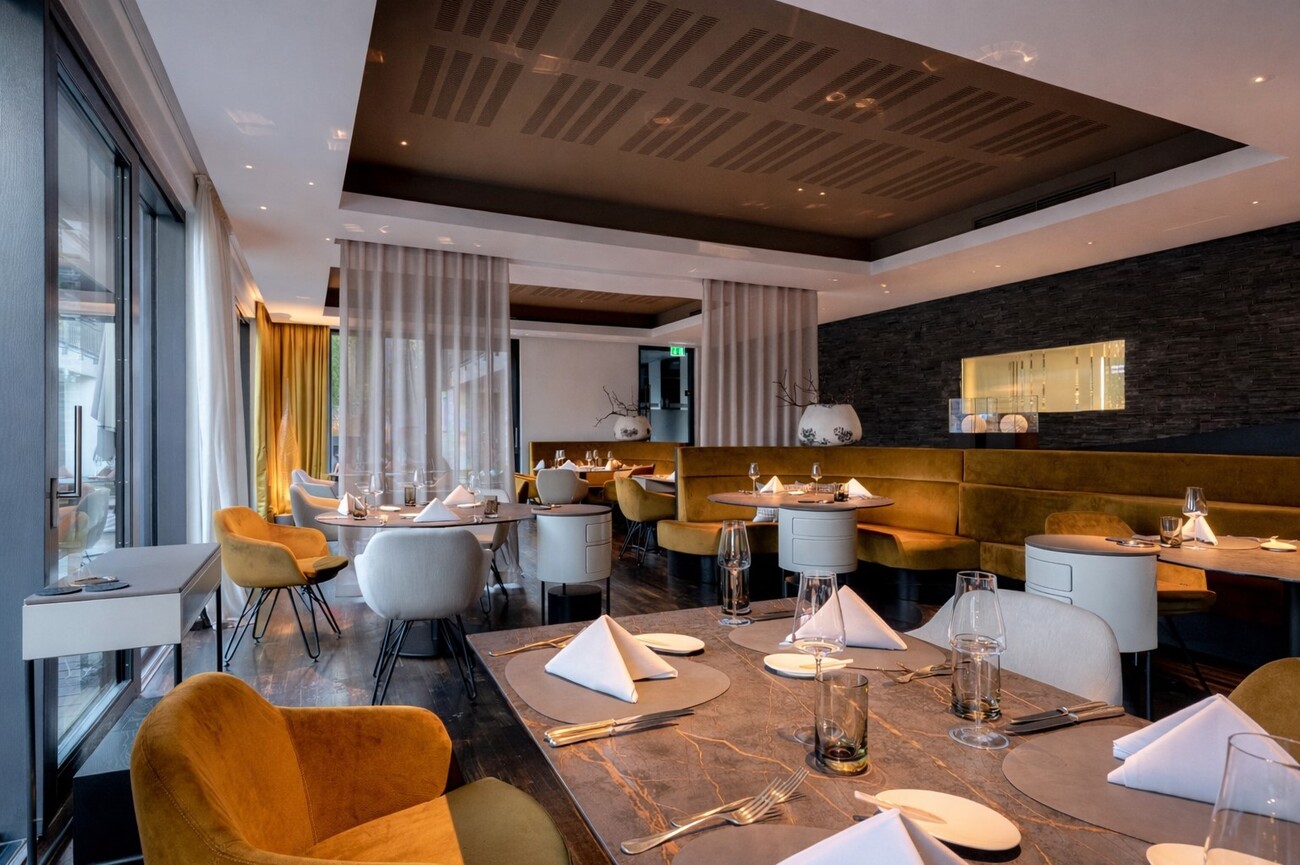
- schanz. restaurant. (3 Michelin Stars): schanz. restaurant. is the Mosel’s culinary apex, holding an exceptional three Michelin stars, the highest distinction possible. Set in the wine village of Piesport, it has quietly turned the valley into a destination for serious food travelers. Chef-patron Thomas Schanz cooks with extreme precision but zero stiffness. His seasonally adapted pot-au-feu is a defining signature, rebuilt throughout the year with immaculate detail. A dish with rabbit saddle, carefully treated offal, young root vegetables and herbs like lovage. The experience stays firmly grounded in the Mosel, from a wine list led by top local producers (with France and Italy thoughtfully folded in) to a dining room that mirrors the cooking.
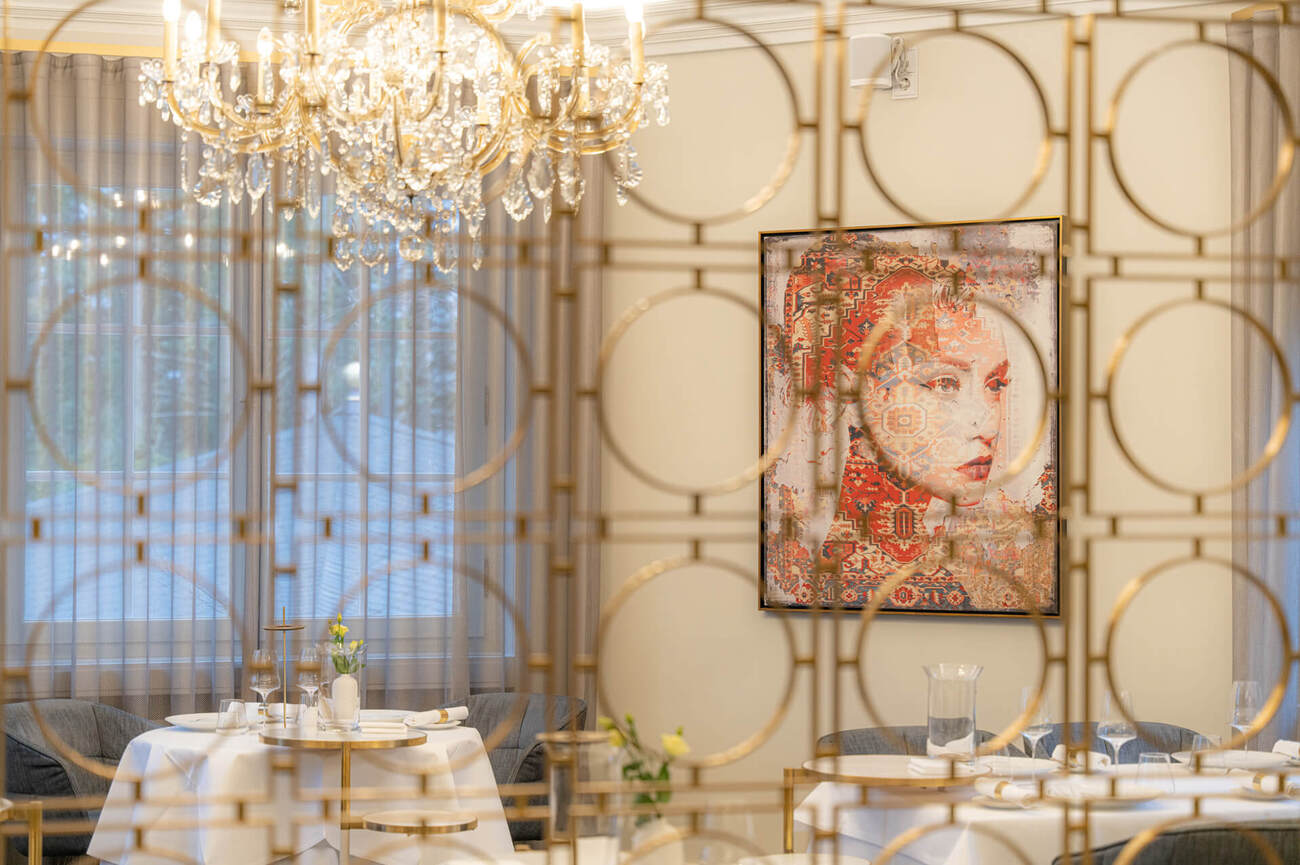
- Waldhotel Sonnora (3 Michelin Stars) in Dreis is one of Germany’s great destination restaurants, awarded Three Michelin Stars and located just outside of the Mosel Valley in the quiet foothills of the Eifel forest. Ideal for a true special occasion near the Mosel, it is set within a discreet hotel surrounded by woodland, giving it a calm and private atmosphere—the kind of place where the evening unfolds at a measured, confident pace.The cuisine leans towards classical French foundations, delivered with remarkable precision and elegance. Expect beautifully structured courses, impeccable sauces, and flavors that are refined rather than showy. Service is polished and attentive without being intrusive, and the wine list is deeply considered, with strong options from the region alongside international classics. This is the sort of dinner you plan a journey around, and one you will remember long after the last course.
- GOTTHARDT’S by Yannick Noack (2 Michelin Stars) is the kind of restaurant you choose when you want the evening to feel curated from the first moment. It sits within FÄHRHAUS Koblenz, right on the Moselle, and the setting is sleek, intimate and deliberately focused, so the food stays centre stage. The experience is tasting-menu led, with modern, high-precision cooking that leans on French technique but keeps a clean, contemporary edge. Expect beautifully structured courses, confident flavours, and a calm sense of control throughout the meal rather than unnecessary drama. Service is polished and attentive, and the room carries an understated, quietly luxurious atmosphere that makes it feel like a true destination dinner.
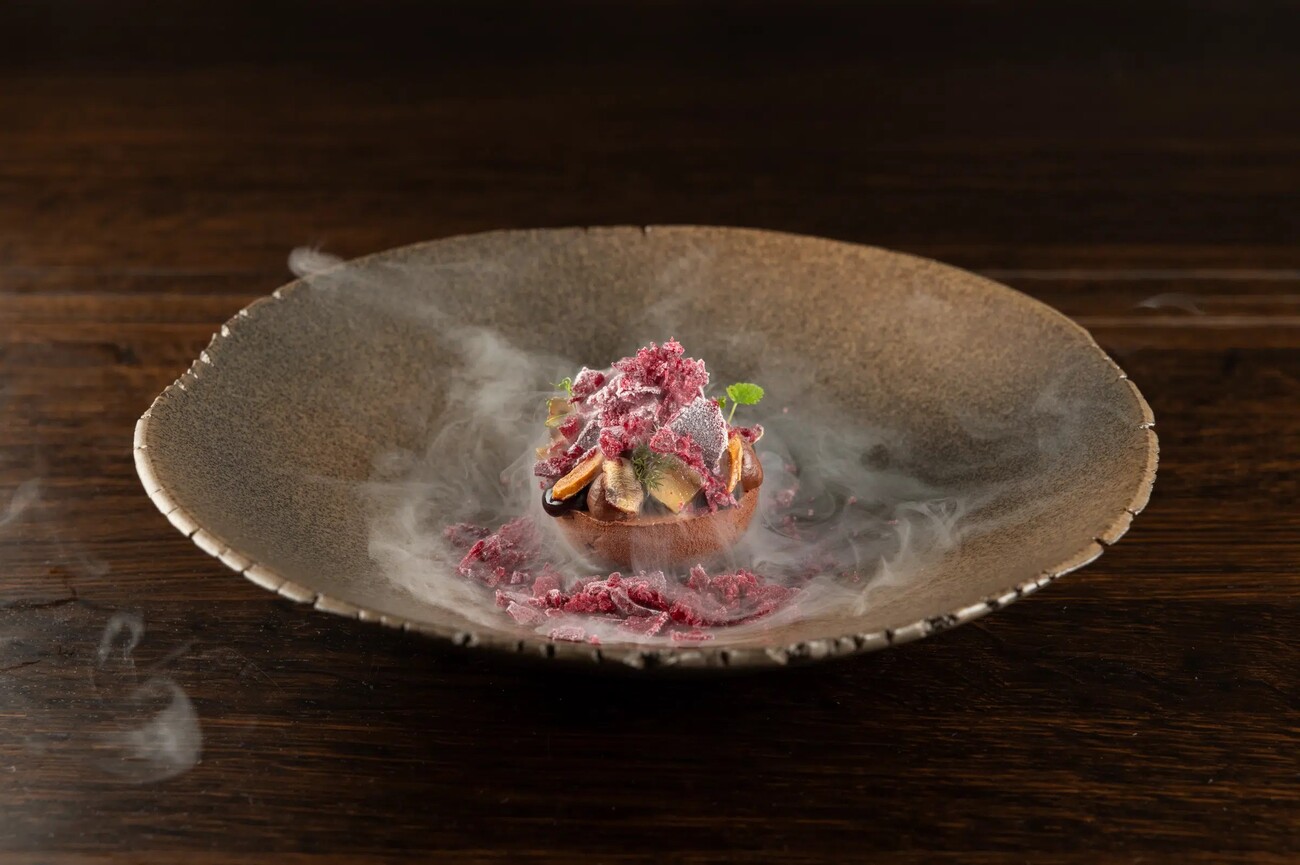
- Bagatelle (1 Michelin Star): Located directly in the heart of the Mosel Valley, just steps from the river in historic Trier, Bagatelle offers a different kind of fine dining. Under Chef Gerald Schöberl, the kitchen brings fresh energy to a long-standing address. The cuisine blends regional produce with premium ingredients like lobster, moving between classic French technique and subtle Japanese accents.The setting matches the experience: a smart, contemporary interior and a sheltered terrace overlooking the river just a stone’s throw away. And then there’s the finale. Desserts here understand the assignment, especially the crème brûlée—a textbook version with silky vanilla custard beneath a perfectly caramelized sugar crust that cracks cleanly with every spoonful. This one Michelin-star restaurant wins you over quietly, course by course, view by view.
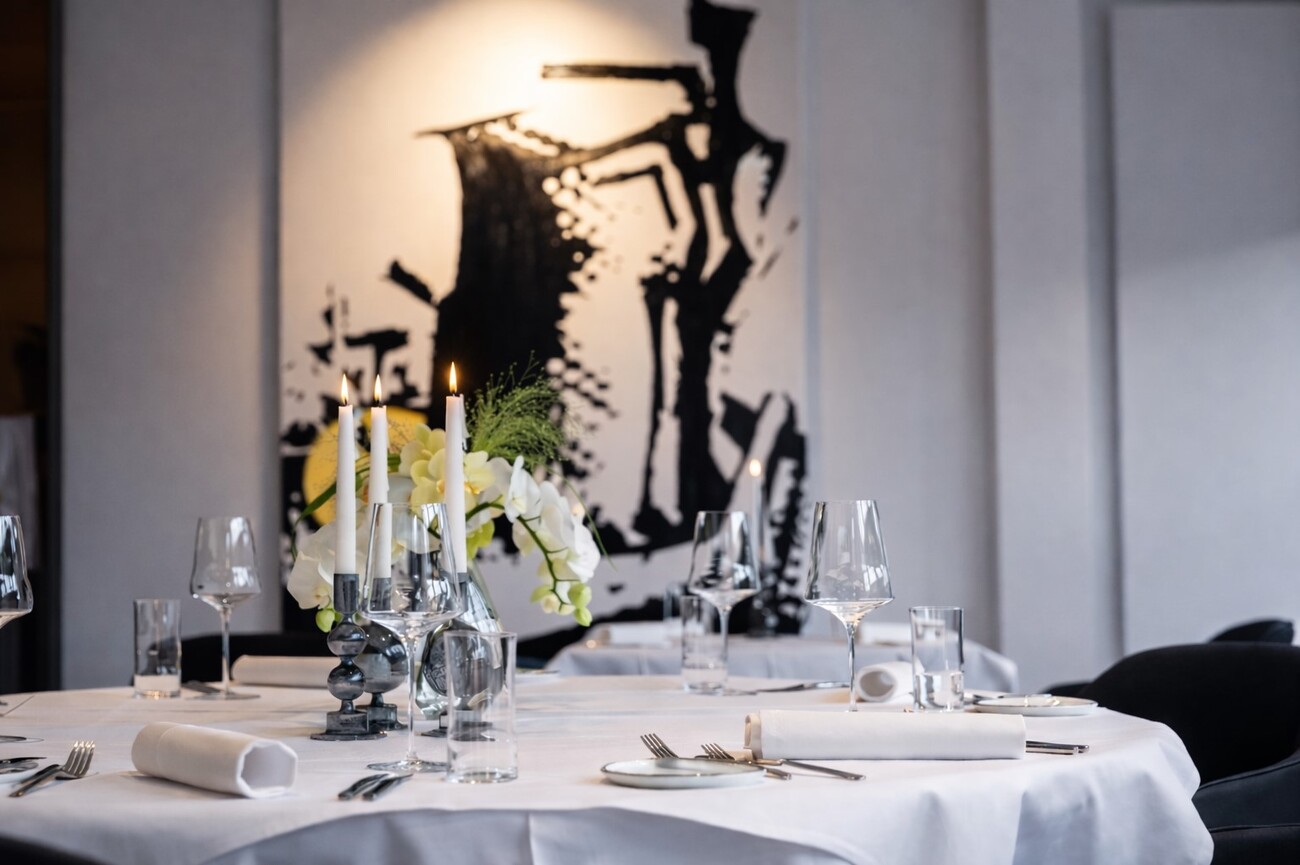
- Schiller’s Manufaktur (1 Michelin Star) in Koblenz is an elegant restaurant that suits a proper evening out. The dining rooms feel calm and well cared for, and in good weather you can take your meal outside, which adds a more relaxed, summery feel. The menu is fine dining in style, with carefully planned courses and a strong focus on quality ingredients and clean flavours. Dishes are presented neatly, portions are paced for a longer meal, and the service is attentive without being overbearing. It’s a good choice if you want something polished and memorable in Koblenz, especially for a celebration or a special dinner.
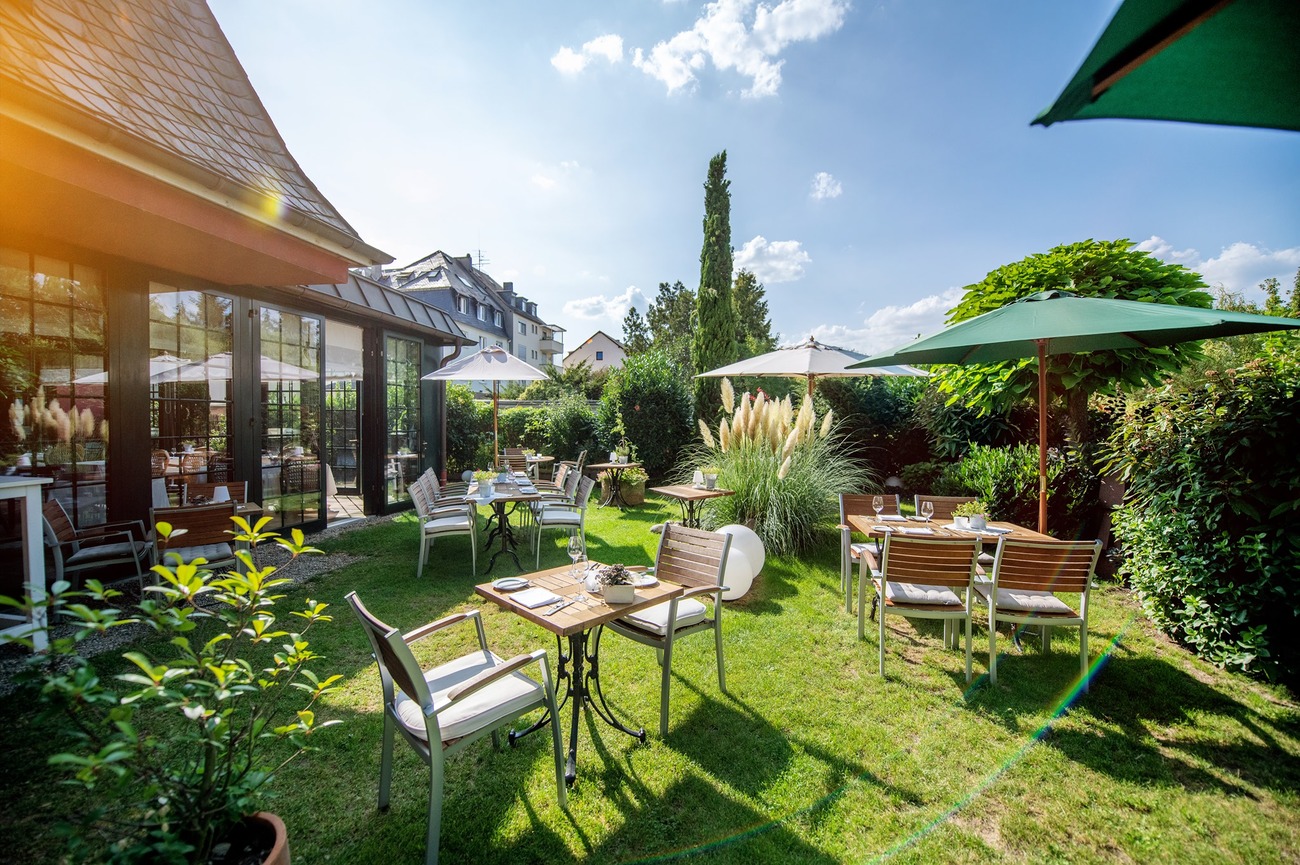
Where To Eat in the Mosel Valley
The Mosel may be famous for wine, but it eats well quietly, confidently and without trying to steal the spotlight. This is a region where meals feel earned after long walks, river views and slow afternoons. The restaurants below aren’t chasing trends; they’re feeding locals, travelers and repeat guests who know what they want.
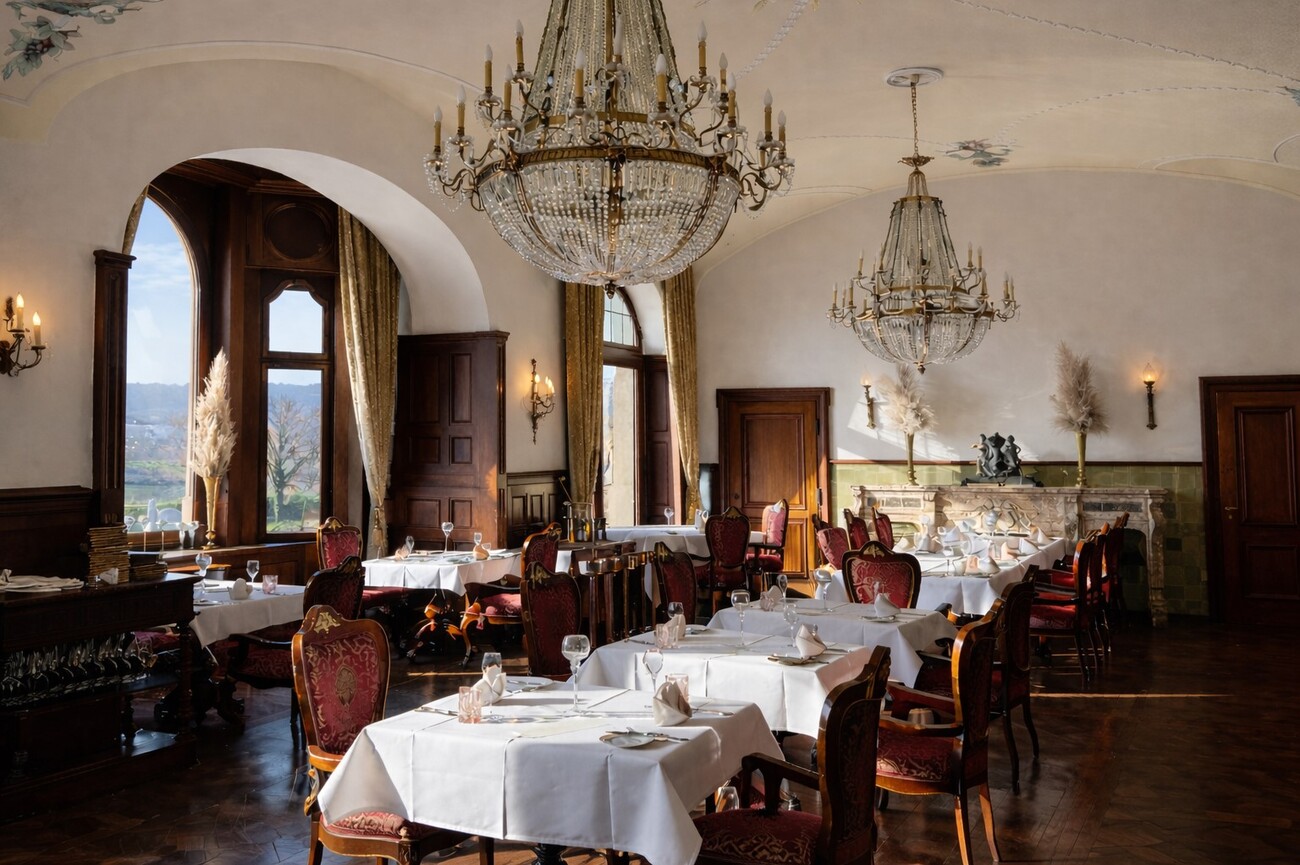
- Puricelli Restaurant at Schloss Lieser delivers a refined, special-occasion dining experience within a beautifully restored castle on the Moselle. The dining room is classically elegant, with soaring proportions, glittering chandeliers and a calm, intimate atmosphere made for a long, relaxed evening. Service is polished yet welcoming, and the cuisine focuses on modern European fine dining, presented in well-paced courses using seasonal ingredients and thoughtfully matched wine pairings, often showcasing Mosel labels. A superb choice for an atmospheric dinner, whether you are staying at Schloss Lieser or visiting purely for the experience.
- Hotel-Restaurant Burg Arras in Alf is a characterful dining address set high above the Moselle, where a medieval castle backdrop meets a warm, welcoming restaurant experience. Inside, the atmosphere leans into its heritage, think timbered details, candlelight, historic décor and traditional table settings that make even a simple meal feel like an occasion. The menu focuses on classic regional cooking with hearty German favourites and seasonal specialities, often paired beautifully with Moselle wines. In warmer months, the terrace is a highlight, offering sweeping views over the valley and vineyards, perfect for a leisurely lunch or an early evening dinner. Ideal for travellers seeking an authentic, scenic restaurant with genuine local charm and a memorable setting.
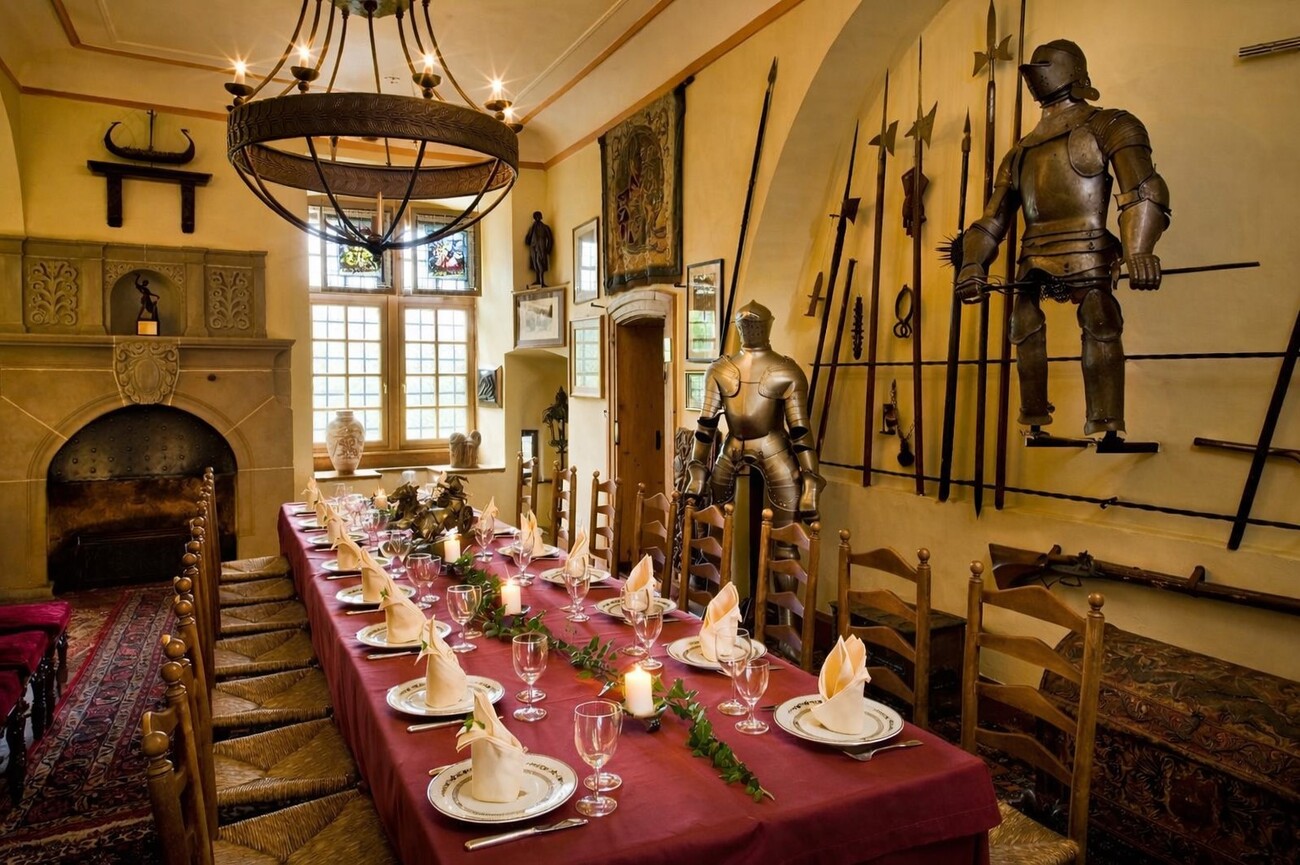
- Roussel’s Restaurant La Bonne Adresse in Bernkastel-Kues (Andel) is a small, well-regarded fine-dining restaurant known for carefully crafted multi-course dinners and a strong wine focus. The setting feels intimate and classic, with an emphasis on a quiet, well-paced evening rather than a busy, high-energy atmosphere. The cooking has a French influence, with seasonal ingredients, precise technique, and flavours that build course by course. Wine pairing is a big part of why people come, with excellent Mosel options and confident guidance from the team. It is a great choice if you want a refined dinner in the Mosel Valley that feels personal, serious about food, and equally serious about wine.
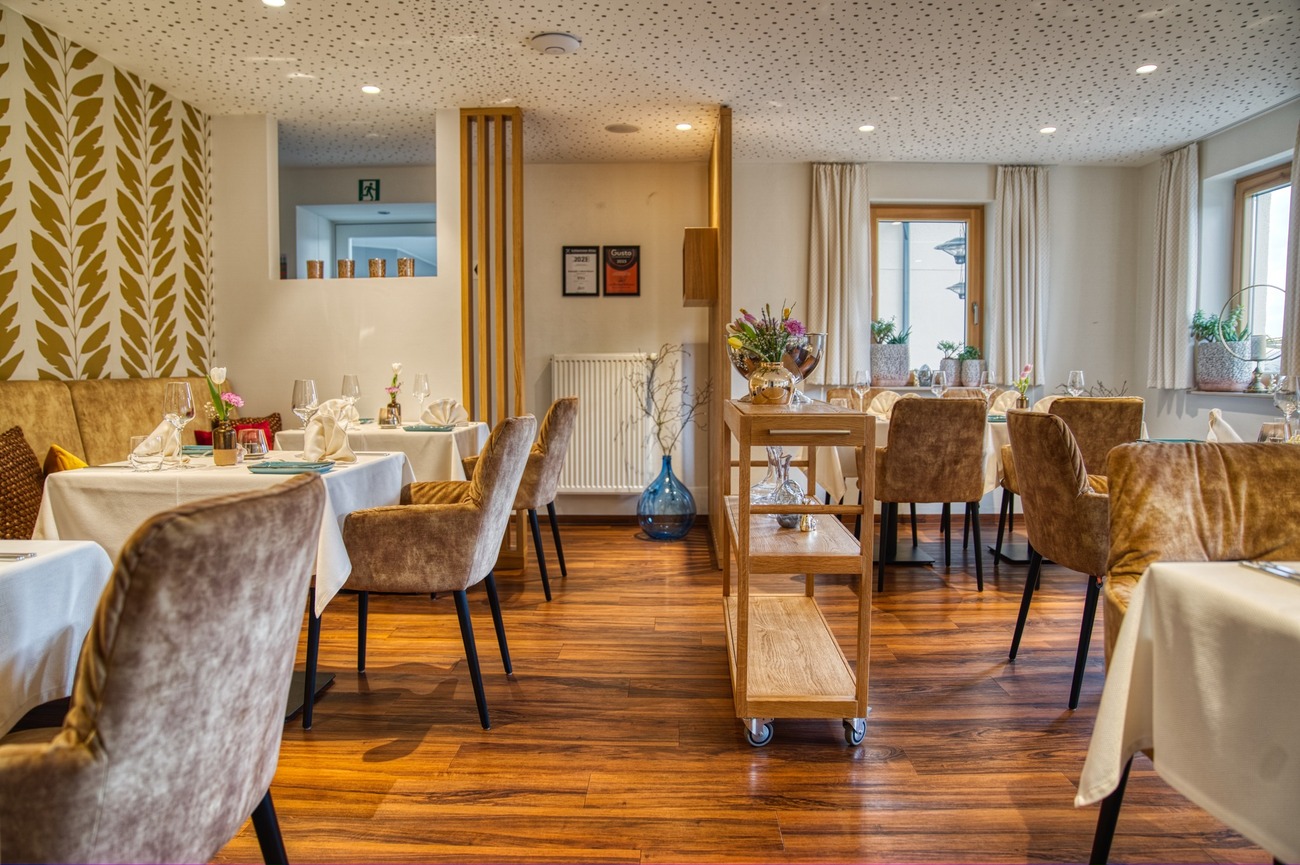
- Restaurant Graacher Tor: Graacher Tor feels composed from the inside out. Set in Bernkastel-Kues, it blends regional cooking with quieter creativity. The kitchen balances regional specialties, strong vegetarian options and refined meat dishes. Standouts like truffle-forward pasta, well-seasoned steaks and carefully plated desserts give the menu range. The atmosphere is warm and confident, the kind of place where you let the staff guide you and trust the process.
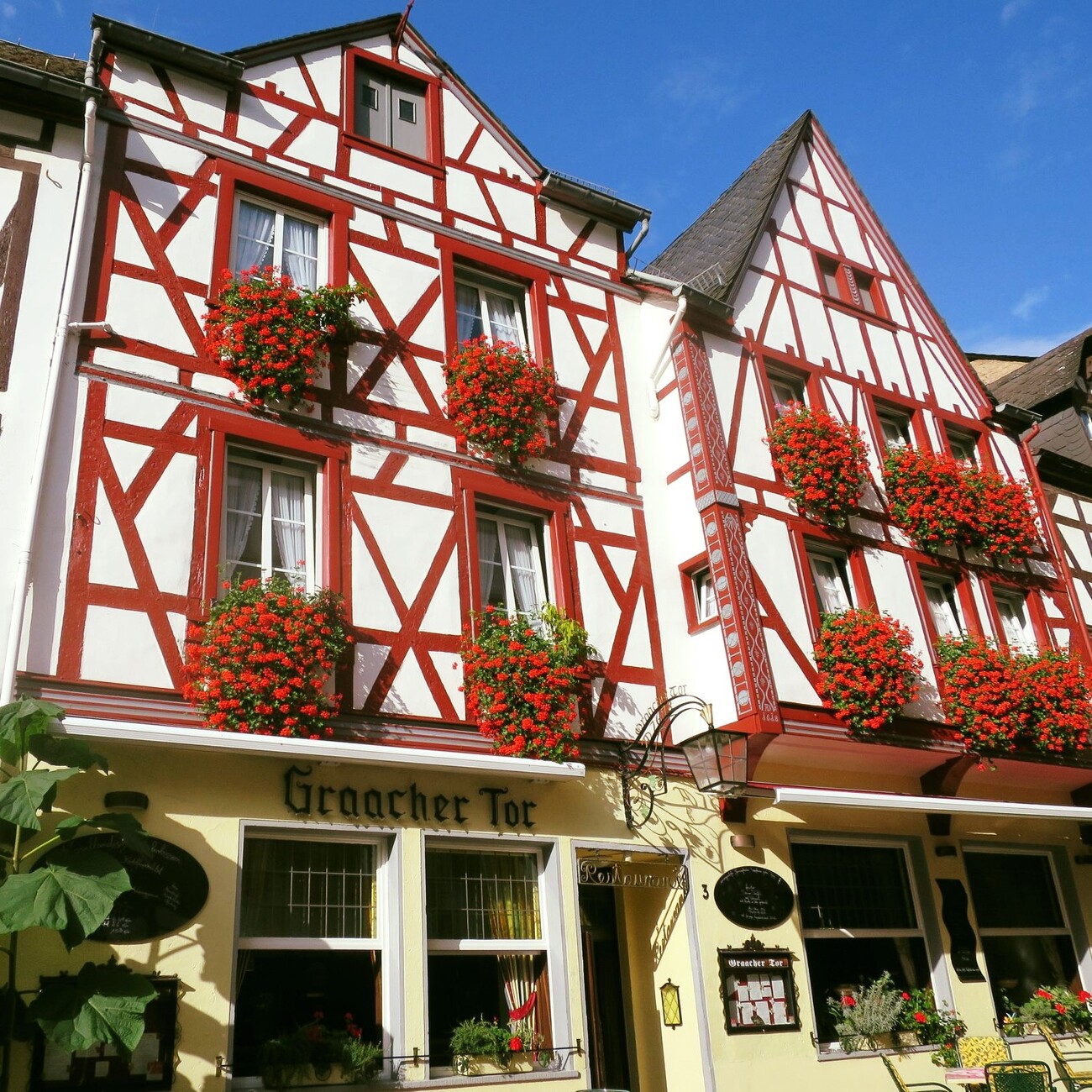
- Alte Zunftscheune: Alte Zunftscheune feels like a place that knows its regulars and still welcomes newcomers easily. Housed in a rustic space filled with antiques, it serves seasonal Mosel-Frankish home cooking with confidence. Expect schnitzels done right, juicy grilled steaks, fresh salads, vegetarian dishes and specialties that change with the calendar. The Hausmacher Wurst is still made in-house, which says everything about priorities here.
Cafes in the Mosel Valley
Coffee in the Mosel isn’t a side quest, it’s part of the plot. These are the pauses that accidentally become highlights: the cake stop that turns into a second slice, the “quick coffee” that stretches past an hour, the breakfast that quietly rearranges your plans for the day. Some cafes here lean nostalgic, others go full specialty-coffee mode and a few land right in between.
- Cafe K: Cafe K feels like a reward after wandering Bernkastel-Kues. Cakes are baked daily and displayed proudly, making the choice feel like the hardest decision of the day. You’ll notice the care immediately with rich, well-extracted coffee, fresh fruit bowls that actually feel fresh and breakfasts that work especially well when taken outside in the garden.
- Cochemer Kaffeerösterei: This is where Cochem’s coffee crowd gathers. Located right by a fountain in the town square, Cochemer Kaffeerösterei takes its espresso seriously, where latte whites and rich espresso drinks are the main event.
- Kaffeehaus Alte Ratsschänke: Stepping into Alte Ratsschänke feels like slipping into another decade. Antique-filled interiors, warm hosts and homemade cakes, especially the much-loved cheesecake, set a slower rhythm immediately. Coffee here isn’t rushed, soups are comforting rather than trendy, and portions lean generous. You come for the nostalgia, but you stay because everything tastes deliberate.
- Café Konditorei Razen: Breakfast is the headline at Razen and it’s done beautifully. Fresh croissants, brioche and artisan bread rolls arrive carefully arranged alongside cheeses, spreads and savory sides that make the table look like a still life. Add freshly pressed orange juice or champagne, and the whole experience shifts into occasion territory.
- Café Zoe: Café Zoe feels personal in the best way. Just imagine granny’s homemade cakes, bagels and thoughtfully prepared coffee from a portafilter machine. There’s a solid vegan specialty coffee selection and nothing here feels rushed or mass-produced. It’s casual, cozy and easy to like.
- Liebling Trier: Liebling Trier brings modern café energy into the mix. Known for its vegan pizzas, brunch plates and bowls, this spot leans contemporary and social. The location in central Trier keeps it busy and the crowd is a mix of locals and travelers who know what they’re looking for.
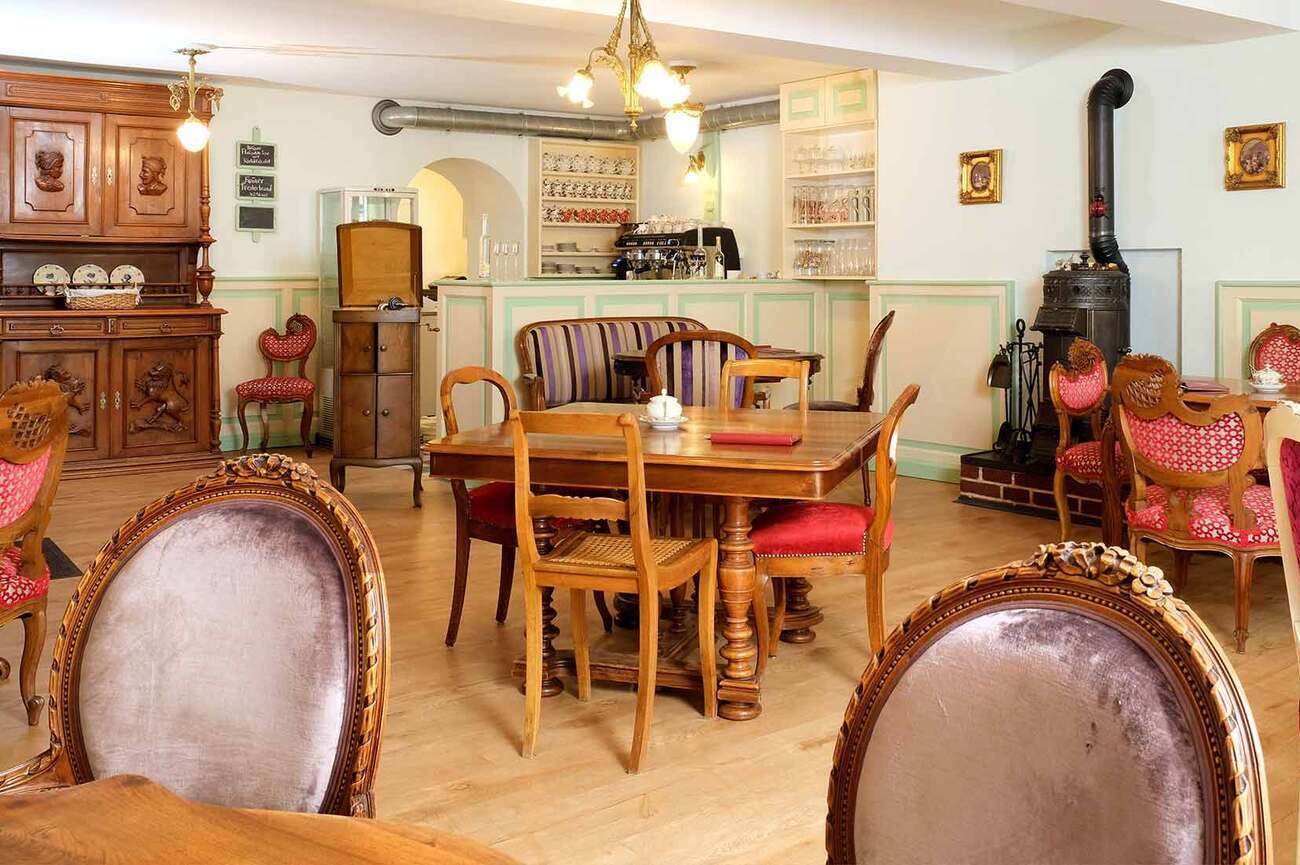
Wineries and Vineyards in the Mosel Valley
The Mosel doesn’t believe in a single wine personality and that’s exactly its strength. These wineries sit along the same river but speak in completely different tones, shaped by slope, soil and philosophy rather than fashion. Tasting through them feels less like ticking boxes and more like decoding the valley, one glass at a time.
- Weingut Immich-Batterieberg: Immich-Batterieberg is where Mosel Riesling gets stripped down to its bones. Based in Enkirch, the estate farms exceptionally old, ungrafted vines on dramatic slate slopes that leave no room for softness. The wines come across taut, mineral-driven and deliberately uncompromising, built more around structure and longevity than instant charm. You taste the hillside first, the fruit second.
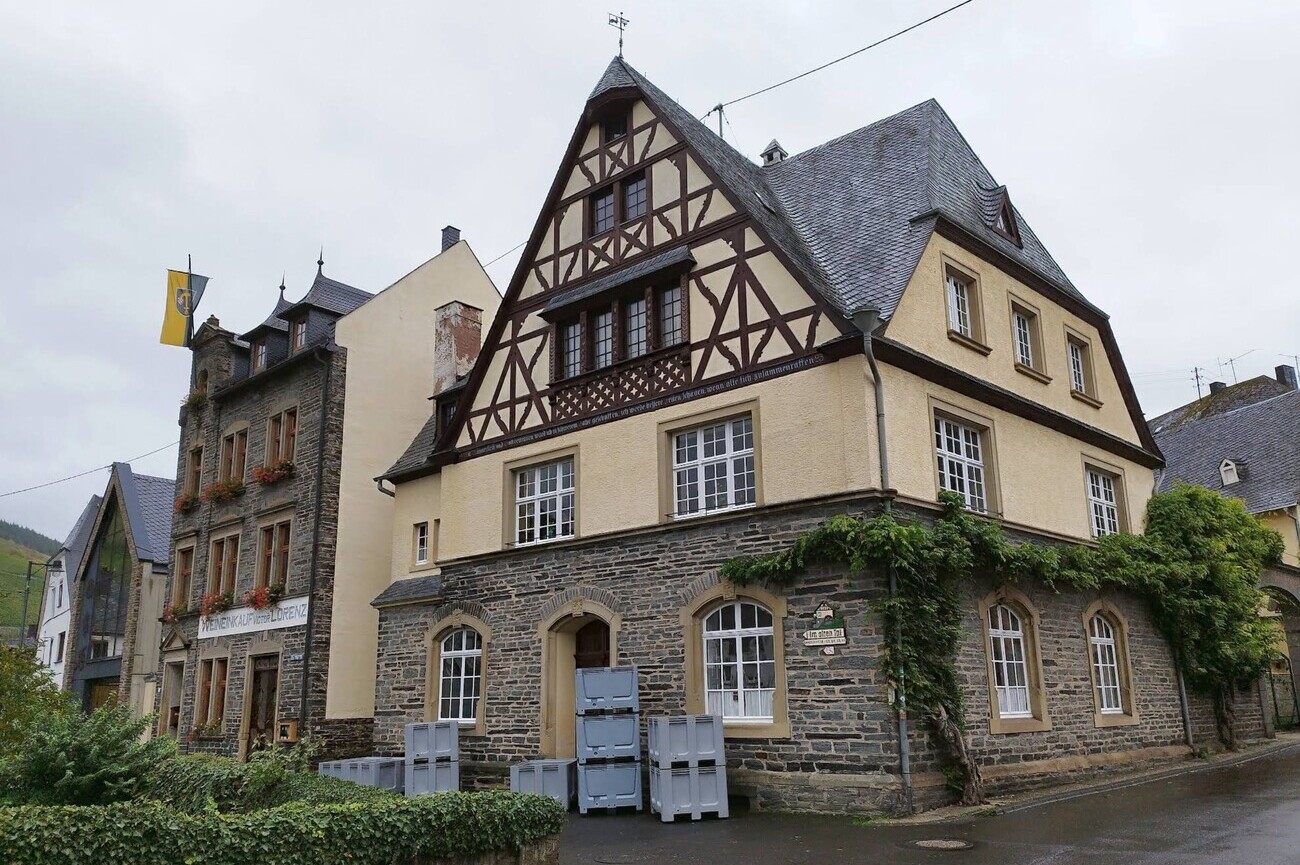
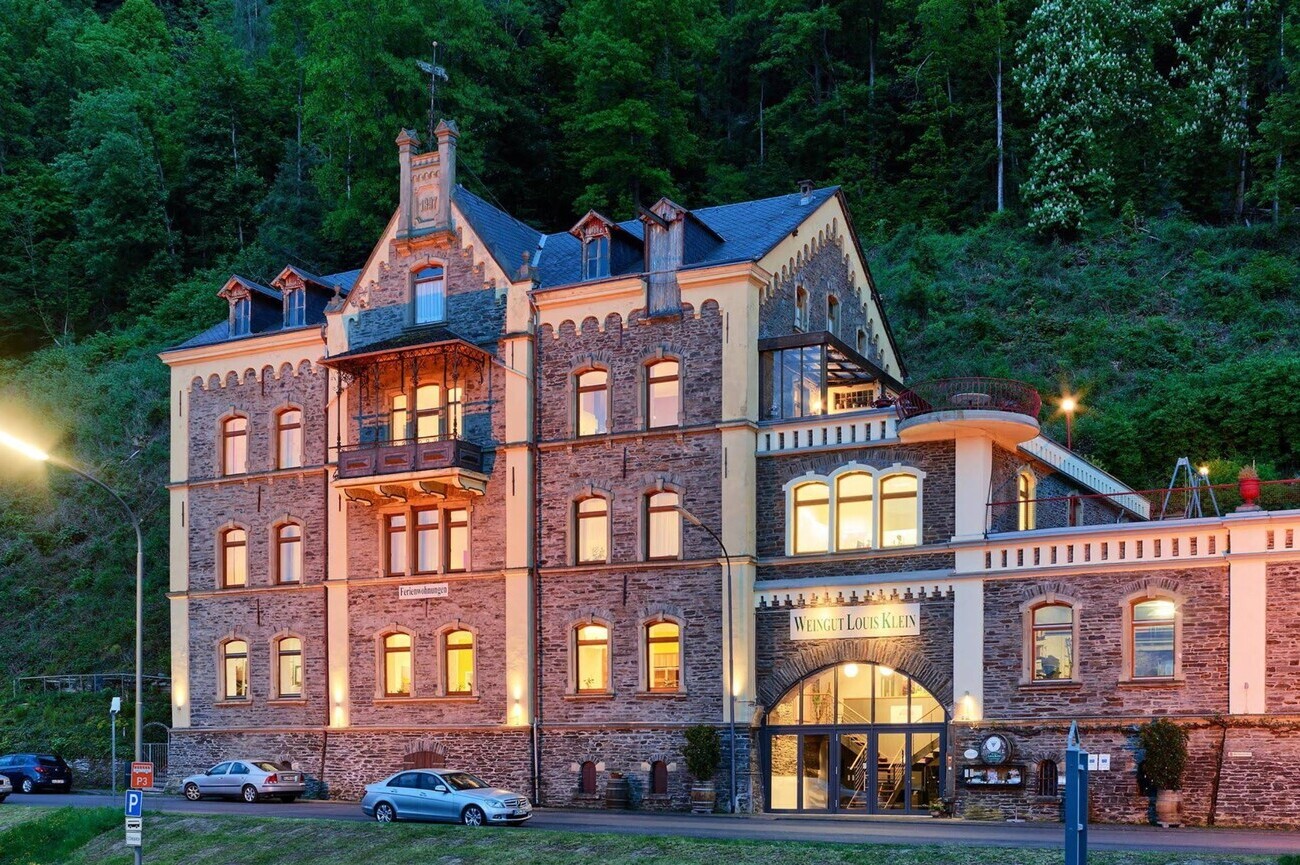
- Weingut Louis Klein GbR: Louis Klein offers a quieter, more intimate reading of the Mosel. This family-run winery in Traben-Trarbach keeps production personal and hands-on, focusing on balance and vineyard expression rather than spectacle. Tastings feel relaxed, and the wines mirror that energy.
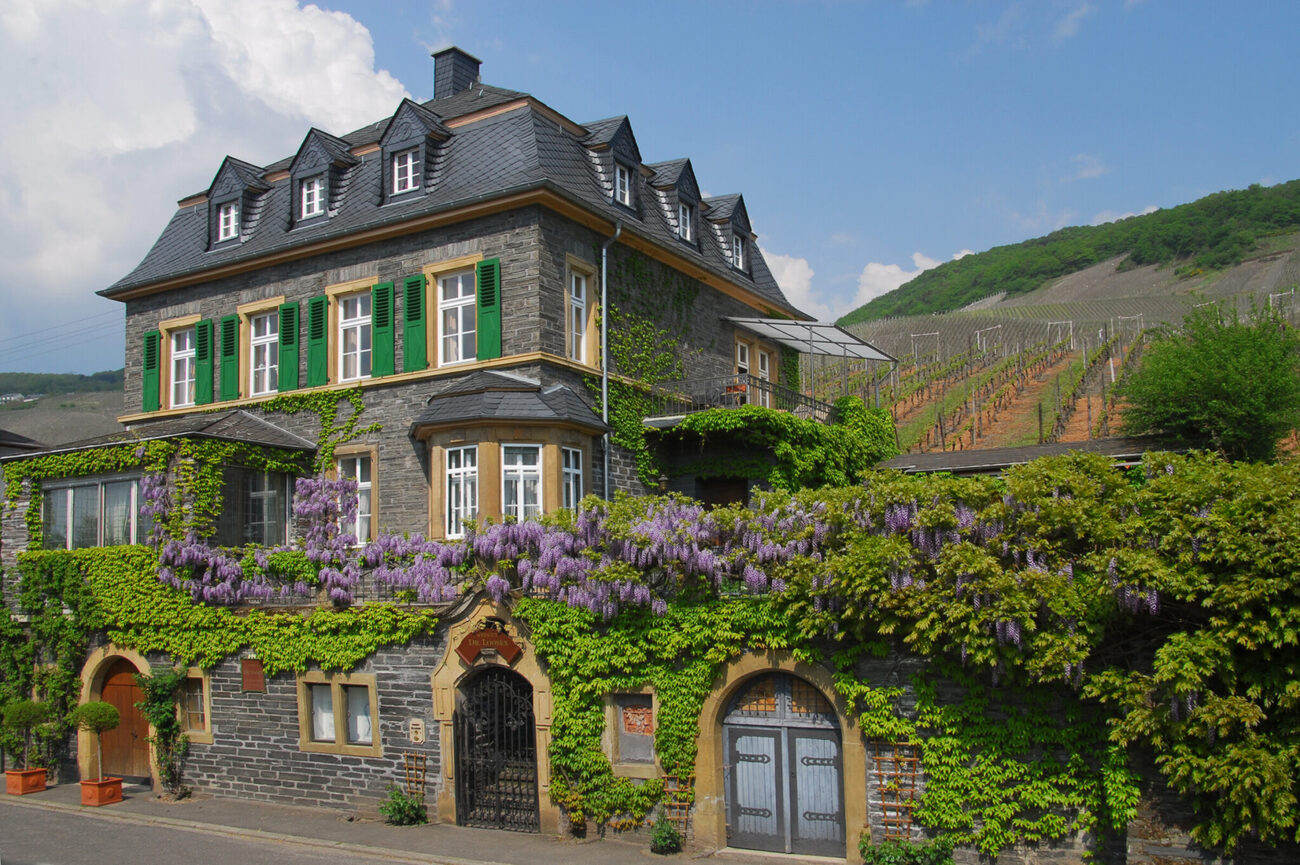
- Weingut Dr. Loosen: Dr. Loosen acts as a reference point for the entire region. Based in Bernkastel-Kues, the estate built its reputation by leaning into historic vineyard sites, old vines and meticulous balance, bringing Mosel Riesling back into global focus without flattening its character. The range spans from everyday bottles to serious cellar wines, all polished yet unmistakably Mosel.
Where to Stay in the Mosel Valley
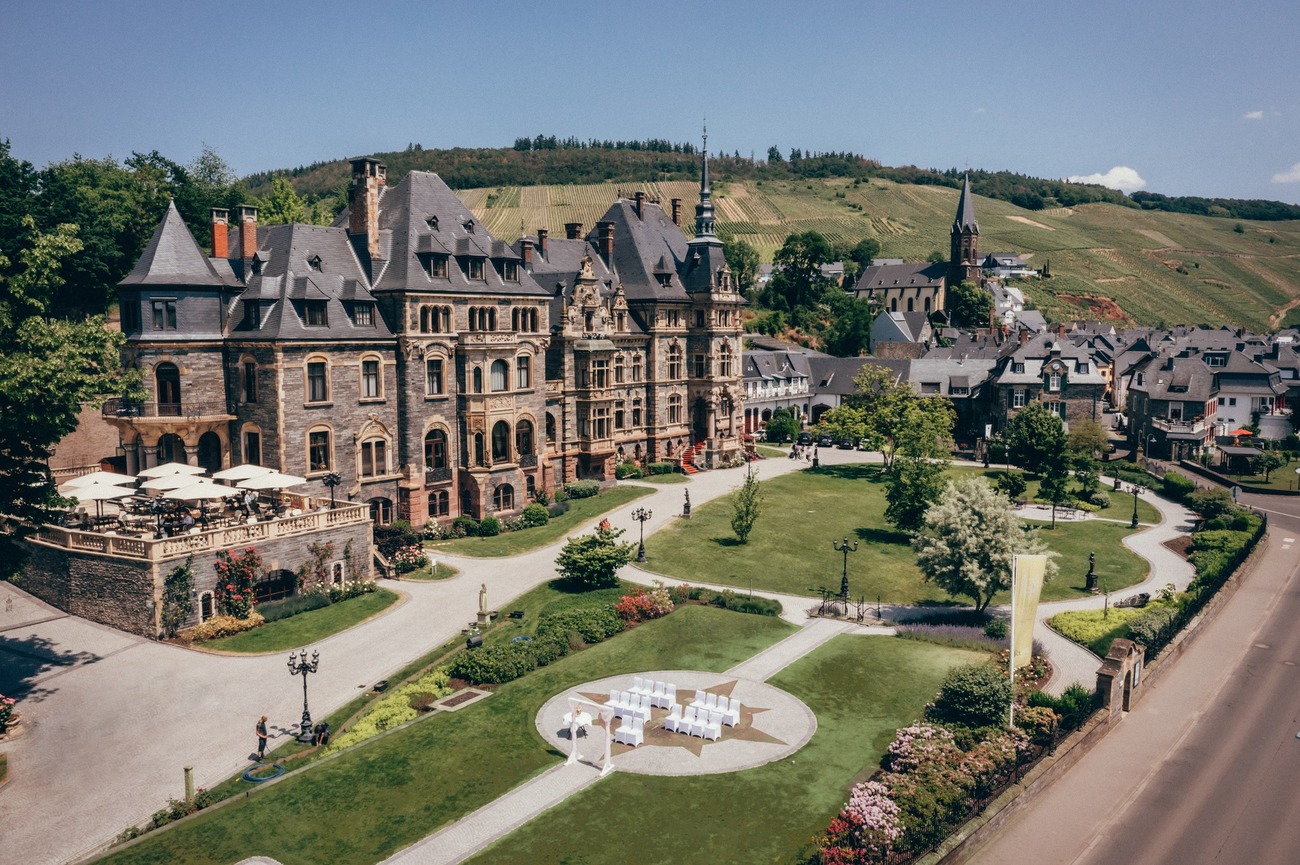
- Schloss Lieser (5 stars): A magnificent castle hotel on the Moselle, combining historic elegance with modern luxury. Set above the river within landscaped grounds, it offers beautifully restored interiors, spacious rooms and suites, and a peaceful atmosphere that suits a relaxed, high-end stay. On-site dining and Mosel wine culture are part of the experience, and the wellness facilities are ideal after days exploring vineyards and nearby towns. It’s a strong choice if you want a luxury base in the Mosel Valley with real heritage and standout surroundings.
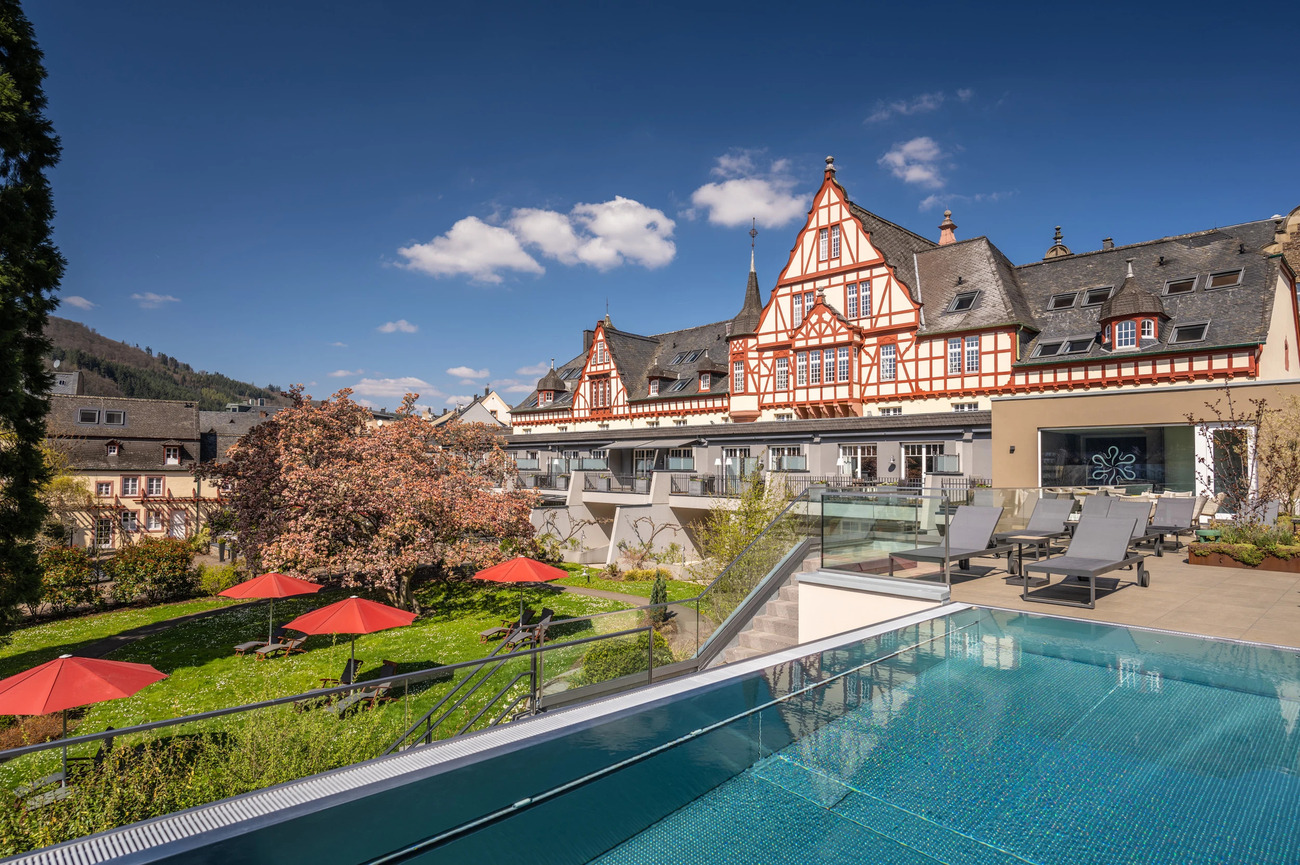
- Moselschlösschen Spa & Resort (5 stars): This adults-only five-star resort in Traben-Trarbach is pure Mosel indulgence. The 2,500 m² spa, with saunas, snow room, ice fountain, Kneipp pool and panoramic infinity pool, anchors the experience, while vineyard views soften every moment. Rooms and suites are individually designed and the on-site dining leans into regional cuisine paired with top Mosel wines.
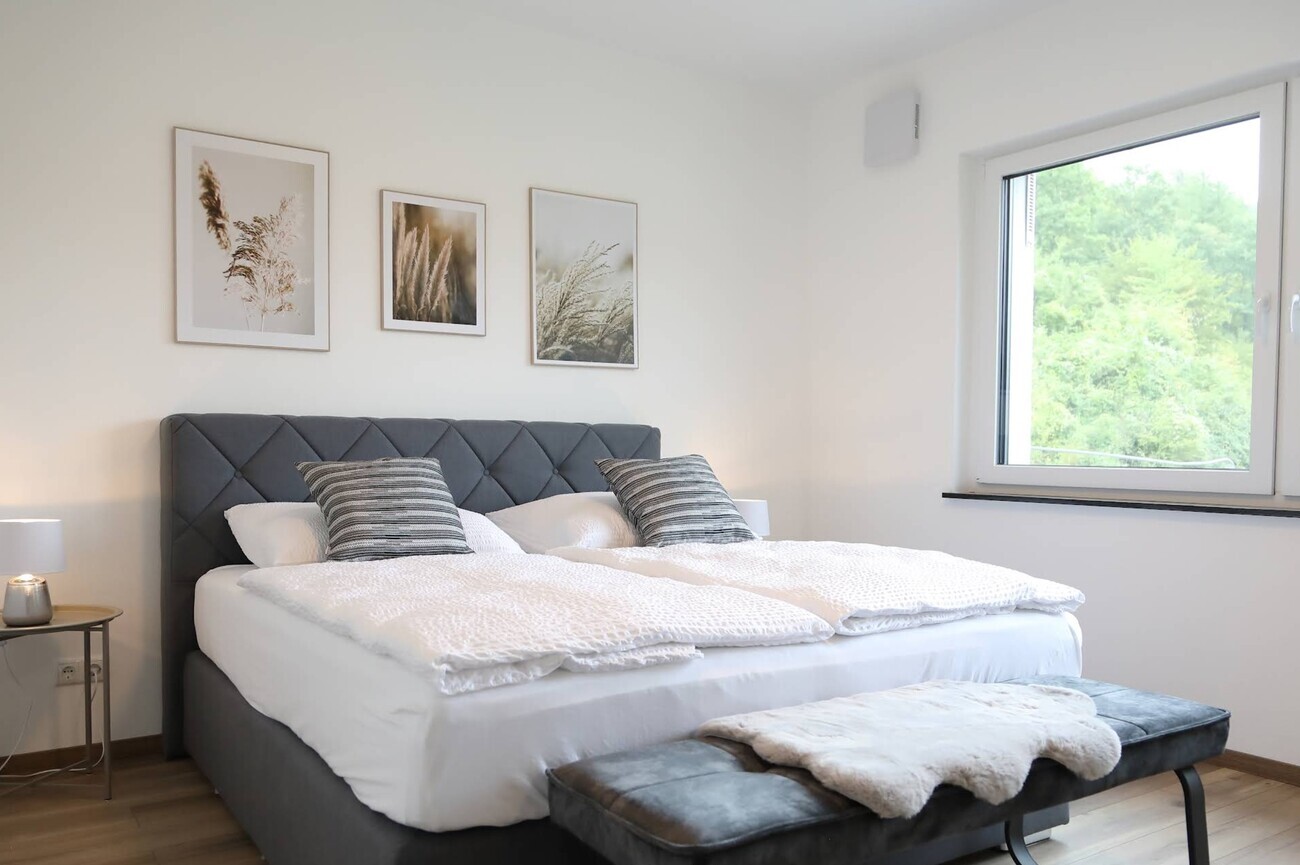
- MV Römervilla – Lofts & Penthouses (5 stars): MV Römervilla feels like modern luxury tuned to the Mosel’s pace. Set in Treis-Karden, these five-star lofts and penthouses are all about space, light and views with wide terraces, balconies, gardens and uninterrupted panoramas of the river. The private sauna in each unit seals the deal, turning evenings into slow, restorative rituals. It’s particularly loved by couples, not because it’s flashy, but because everything feels intentional: privacy, calm and scenery doing most of the talking.
- Hotel Villa Hügel Trier (4 stars): Hotel Villa Hügel offers a refined city stay in Trier, balancing comfort with proximity to history. Just minutes from landmarks like the Karl Marx House and Electoral Palace, this four-star hotel sits slightly elevated, giving it a quieter feel while keeping the old town within easy reach. Inside, rooms are spacious and well-appointed, complemented by a spa area, sauna, treatment rooms and an infinity pool that feels surprisingly serene for a city property. It’s a strong choice if your Mosel itinerary leans cultural.
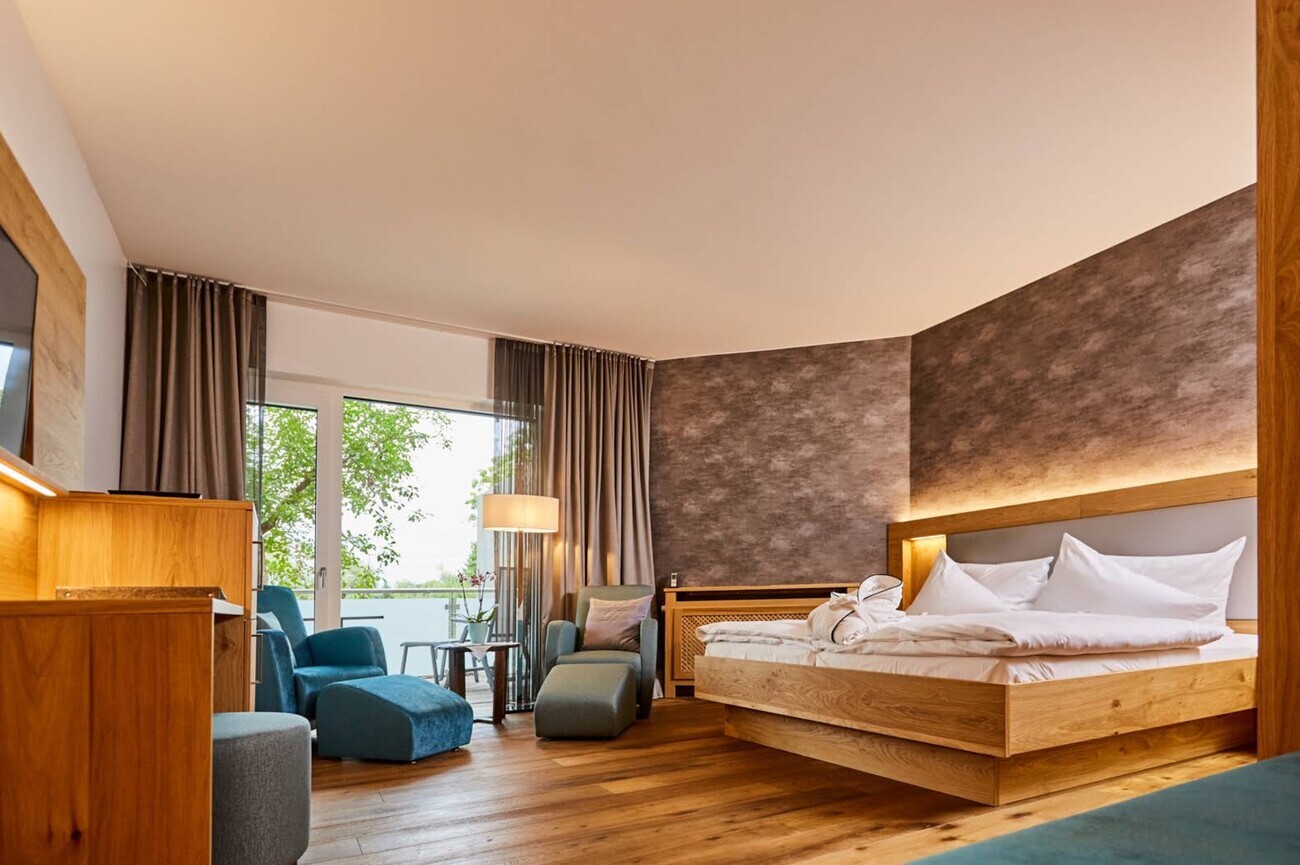
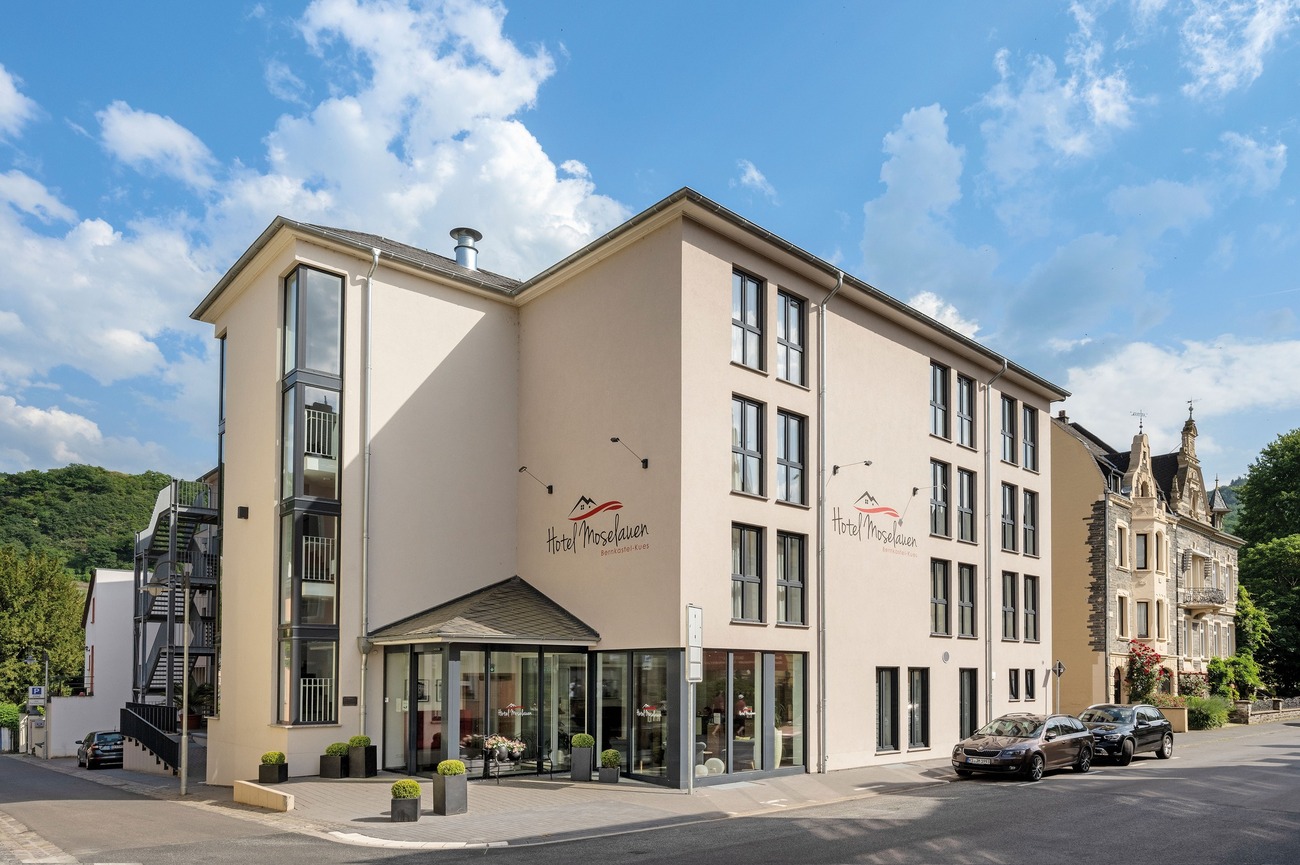
- Hotel Moselauen (4 stars): Hotel Moselauen is modern Mosel hospitality done right. Opened in 2018 and located in the heart of Bernkastel-Kues, it’s perfectly placed for exploring the old town, river walks and surrounding vineyards on foot. The rooms are contemporary, clean-lined and comfortable, with air conditioning and generous seating areas that make downtime easy. A large breakfast buffet anchors the stay, while the sun terrace adds a relaxed social element during warmer months.
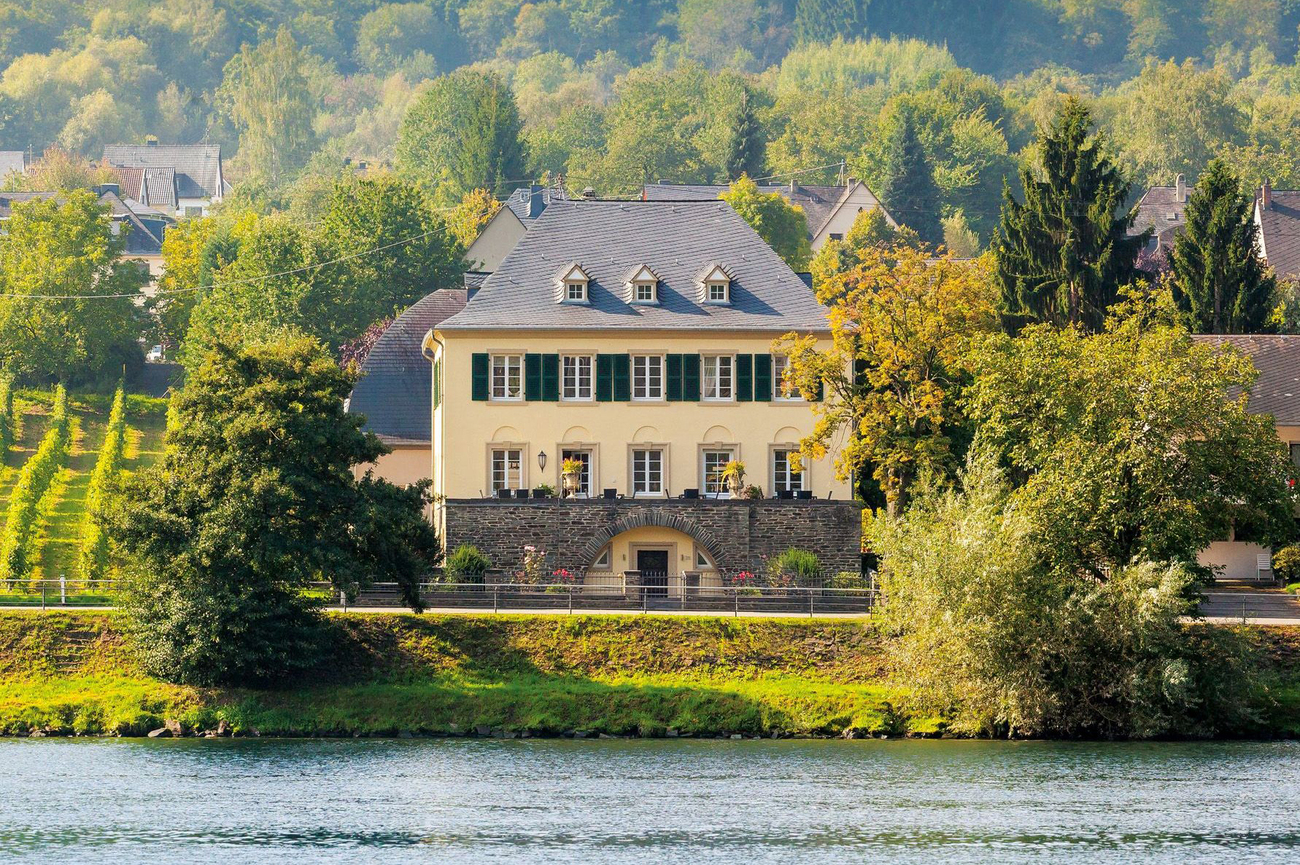
- Wein- und Landhaus S A Prüm (3 stars): Wein- und Landhaus S A Prüm leans into the Mosel’s strengths: wine culture, warmth and walkable surroundings. Located in Bernkastel-Kues, this three-star hotel offers a comfortable, unfussy stay with a personal feel. Rooms are practical and well-kept, while amenities like on-site breakfast and laundry services make longer stays easier. The riverside proximity keeps everything close, whether you’re heading out for vineyard visits or evening strolls through town.
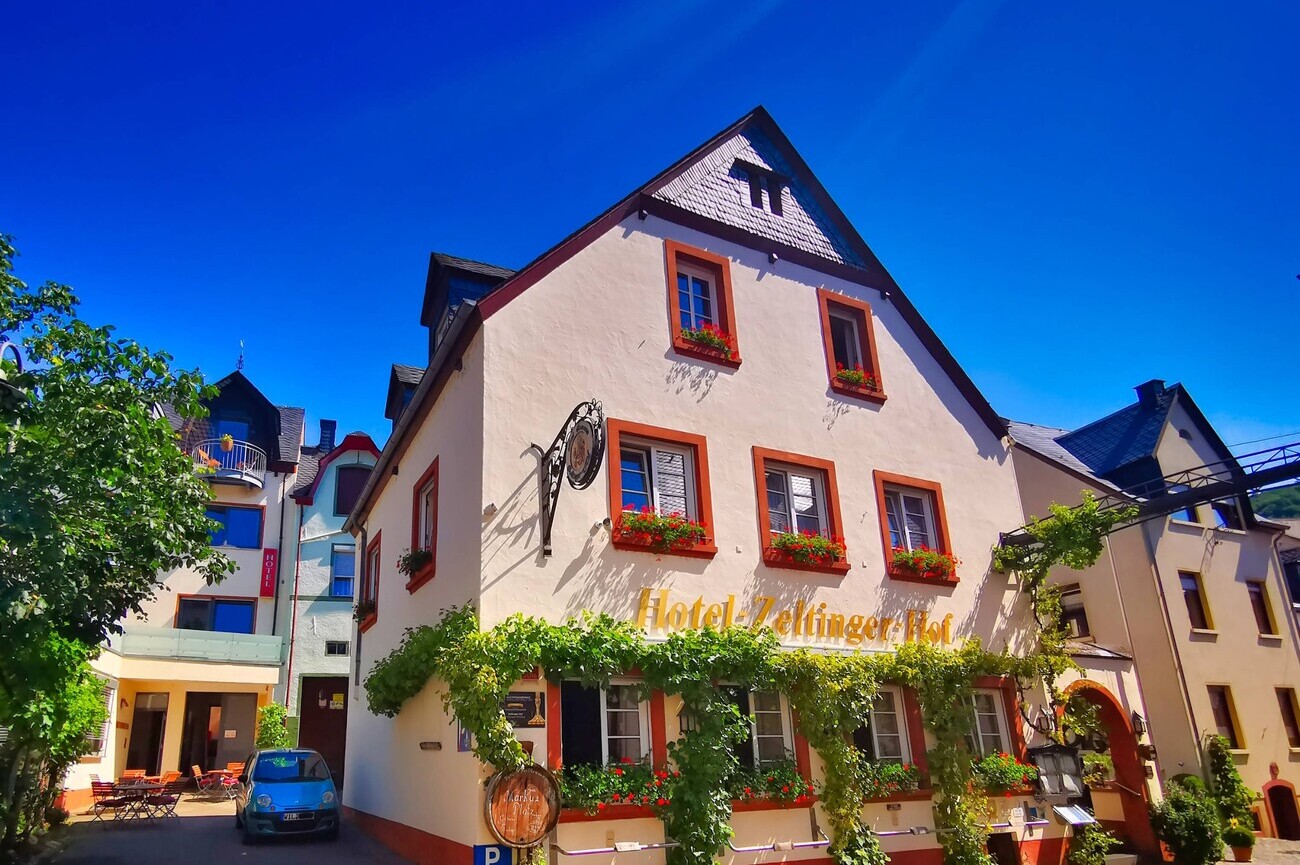
- Zeltinger Hof (3 stars): Zeltinger Hof feels inseparable from its surroundings. Set just steps from the Mosel in Zeltingen-Rachtig, this three-star hotel combines accommodation with regional identity. The on-site restaurant serves Mosel-Frankish cuisine, best enjoyed on the outdoor terrace during summer, while bike rentals encourage guests to explore the valley at their own pace. Rooms range from classic hotel setups to self-catering options, making it flexible for different travel styles. This stay is perfect if you want your hotel to reflect everyday Mosel life, with wine, river air and slow mornings built in.
Best Time to Visit the Mosel Valley
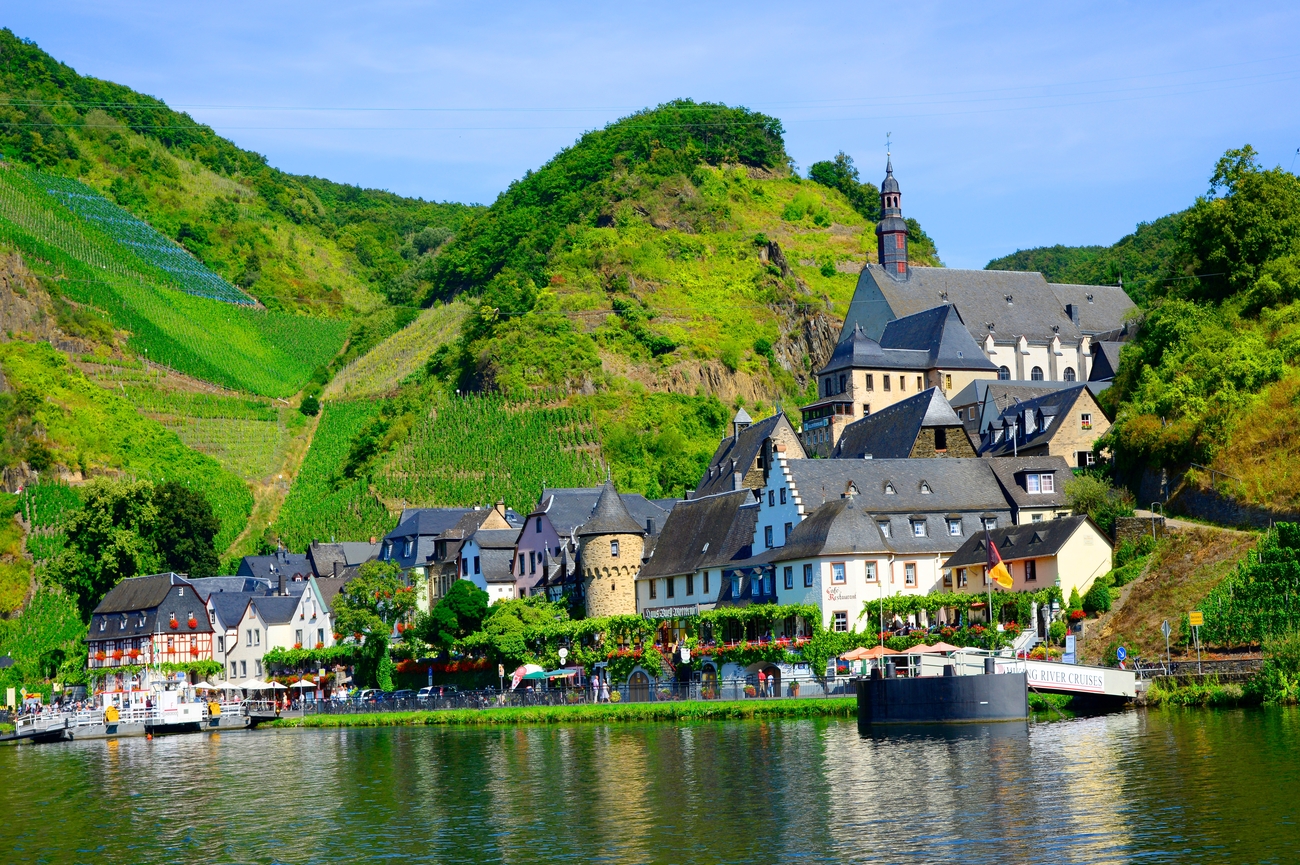
Late September to October is when everything aligns. The river moves slower, the hills start to glow and suddenly the Mosel feels like it knows it’s being watched.
This is the Mosel during its soft-launch-to-viral era. The kind of weeks where your camera roll fills up before noon, your stories start looking suspiciously curated, and every vineyard curve feels like it was designed for a scroll pause. Late September to October is when the valley flips from “beautiful” to “why does this look unreal,” with golden hillsides, castles peeking through morning mist and a river that somehow knows how to catch the light every time you look up.
Harvest season is doing most of the heavy lifting. Grapes are coming off steep, dramatic slopes, wineries are busy in a way that feels authentic and tastings hit harder because you’re catching wine mid-moment, not after the fact. Riesling suddenly makes sense here. Not as a label, but as something that belongs exactly where you’re standing. Villages feel lively without being crowded, harvest festivals pop up naturally and there’s a quiet sense that you arrived at the right time.
Castles also understand the assignment in autumn. Cooler air clears the views, fog rolls in just enough for atmosphere, and stone walls glow during golden hour like they’ve been waiting all year for this light. Walks feel doable, viewpoints feel earned and every hilltop ruin starts looking like a potential wallpaper.
What ties it all together is the pace. Days unfold slowly, evenings stretch comfortably, and plans stay flexible because the valley keeps throwing better options at you. A vineyard path here, a castle turnoff there, a wine stop you didn’t plan but won’t forget. It’s the kind of travel where your camera roll fills up naturally and your schedule loosens without guilt.
If you want the Mosel at peak form, with the harvest happening, castles glowing and content basically creating itself, late September to October is it. Not chaotic, not sleepy. Just the valley showing up, knowing it looks good, and letting you catch it in real time
Festivals in the Mosel Valley
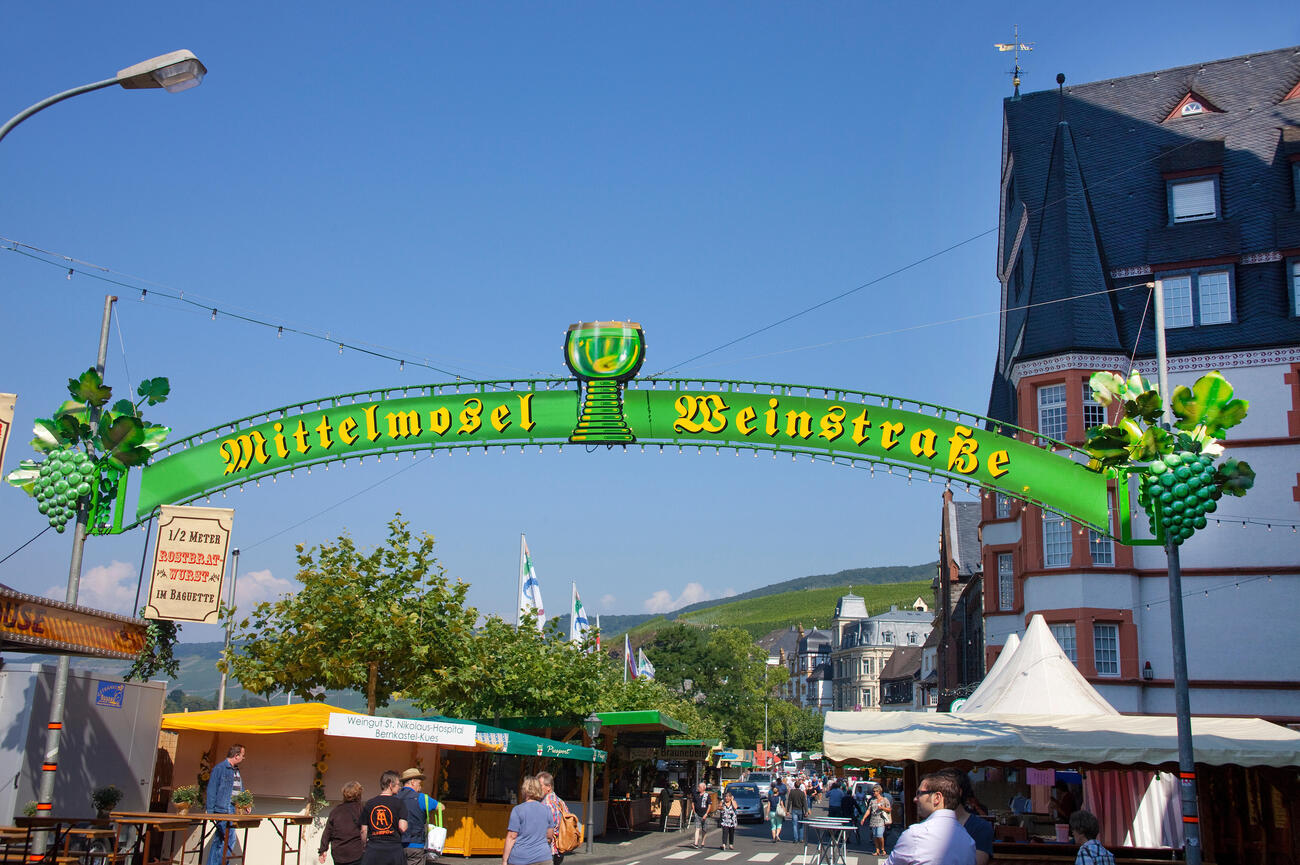
- Bernkastel-Kues Middle Moselle Wine Festival: In September, Bernkastel-Kues goes all in. For several days, the riverfront fills with wine stalls, live music stages and crowds that actually know what they’re drinking. You can start in the afternoon with casual tastings and still find the town buzzing well into the evening, especially when fireworks light up the Mosel.
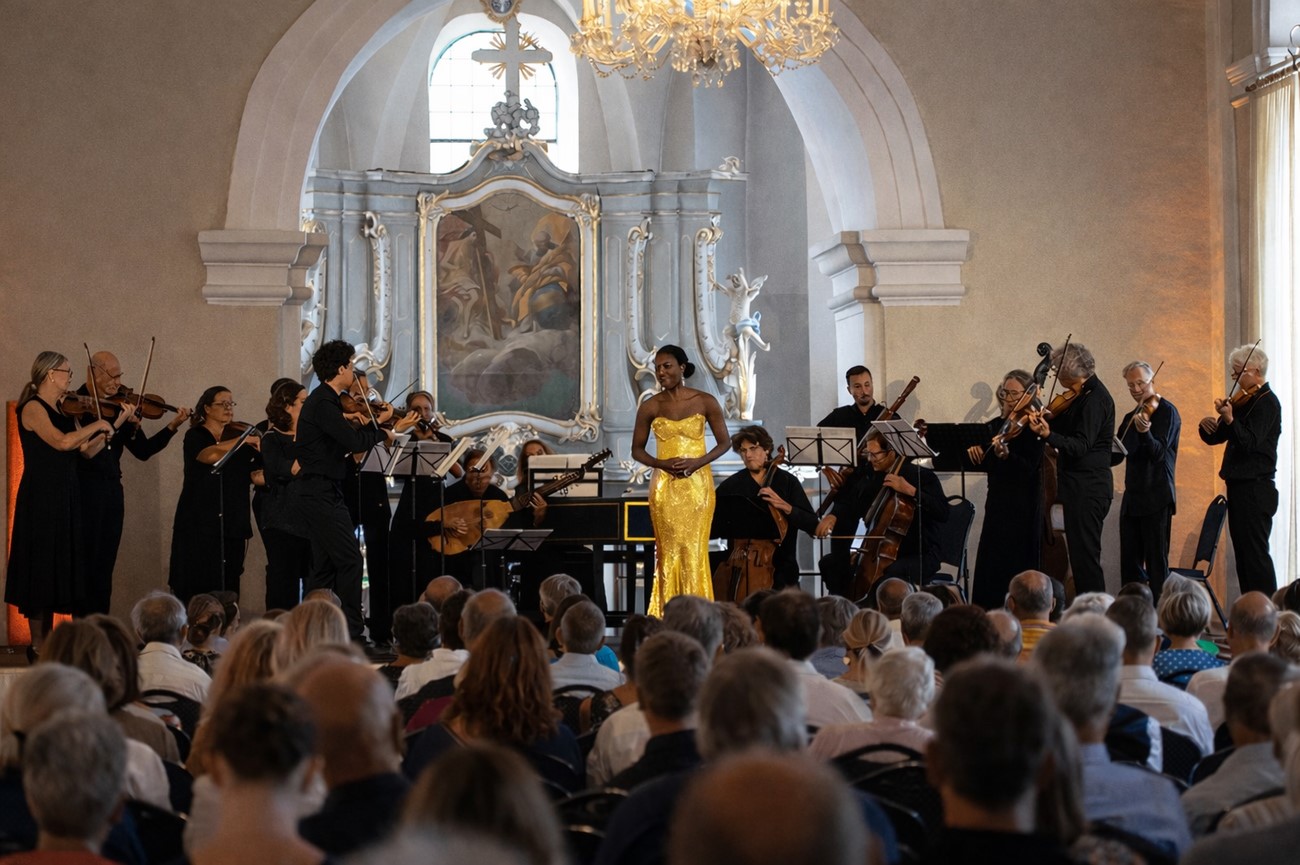
- Mosel Musikfestival: Running across June, July and August, the Mosel Musikfestival stretches through multiple towns and historic venues along the valley. You might find yourself listening to a string quartet inside a centuries-old church one night, then attending a concert at a castle or estate the next. You don’t need to be a classical music expert to enjoy this.
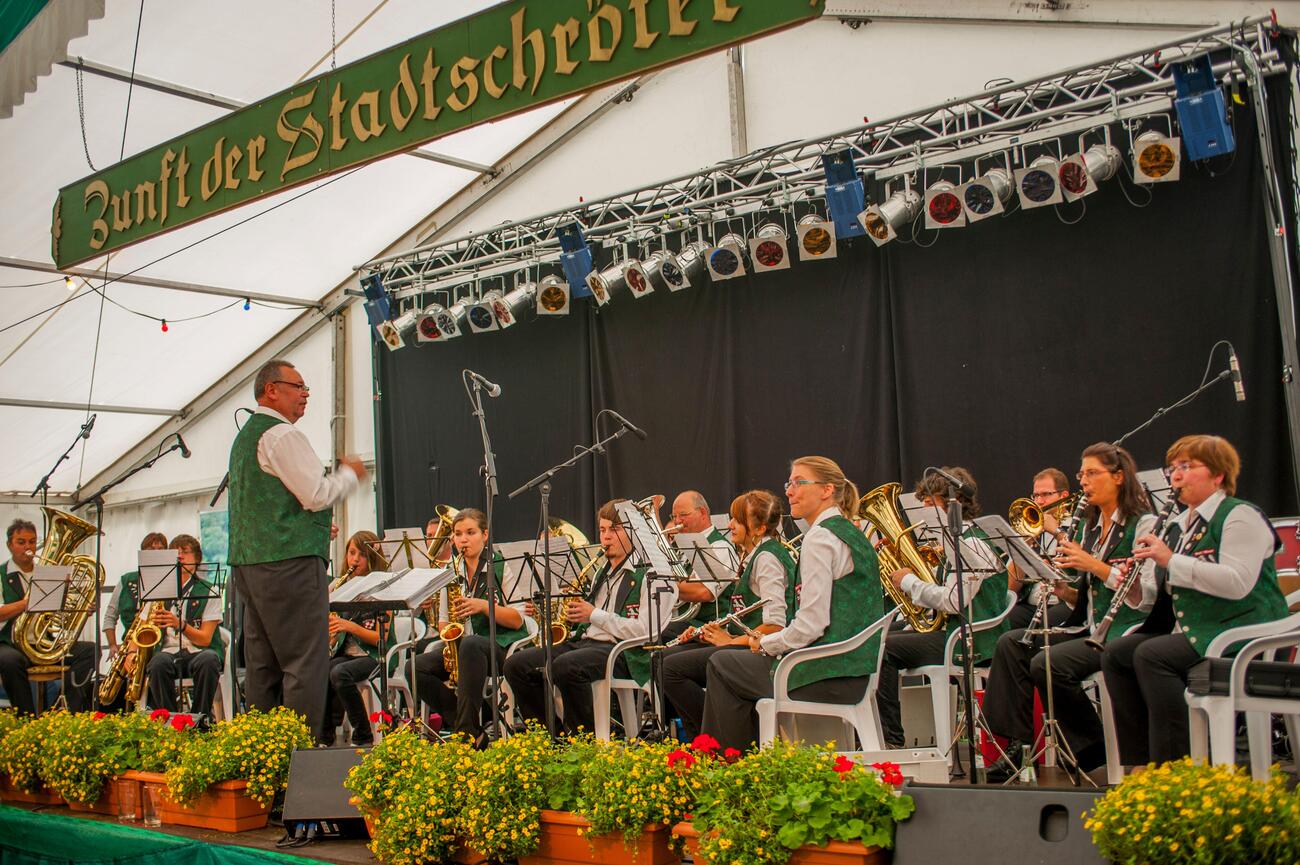
- Mosel Wine Festival in Traben-Trarbach: Traben-Trarbach starts to glow, literally and socially in July. Wine stalls line the river, bands play into the evening and the town’s Art Nouveau backdrop gives everything a slightly elevated feel. You can wander freely here, glass in hand, drifting between music, conversations and river views. It’s lively without being overwhelming and if you’re traveling with friends, this is one of those nights that stretches longer than planned.
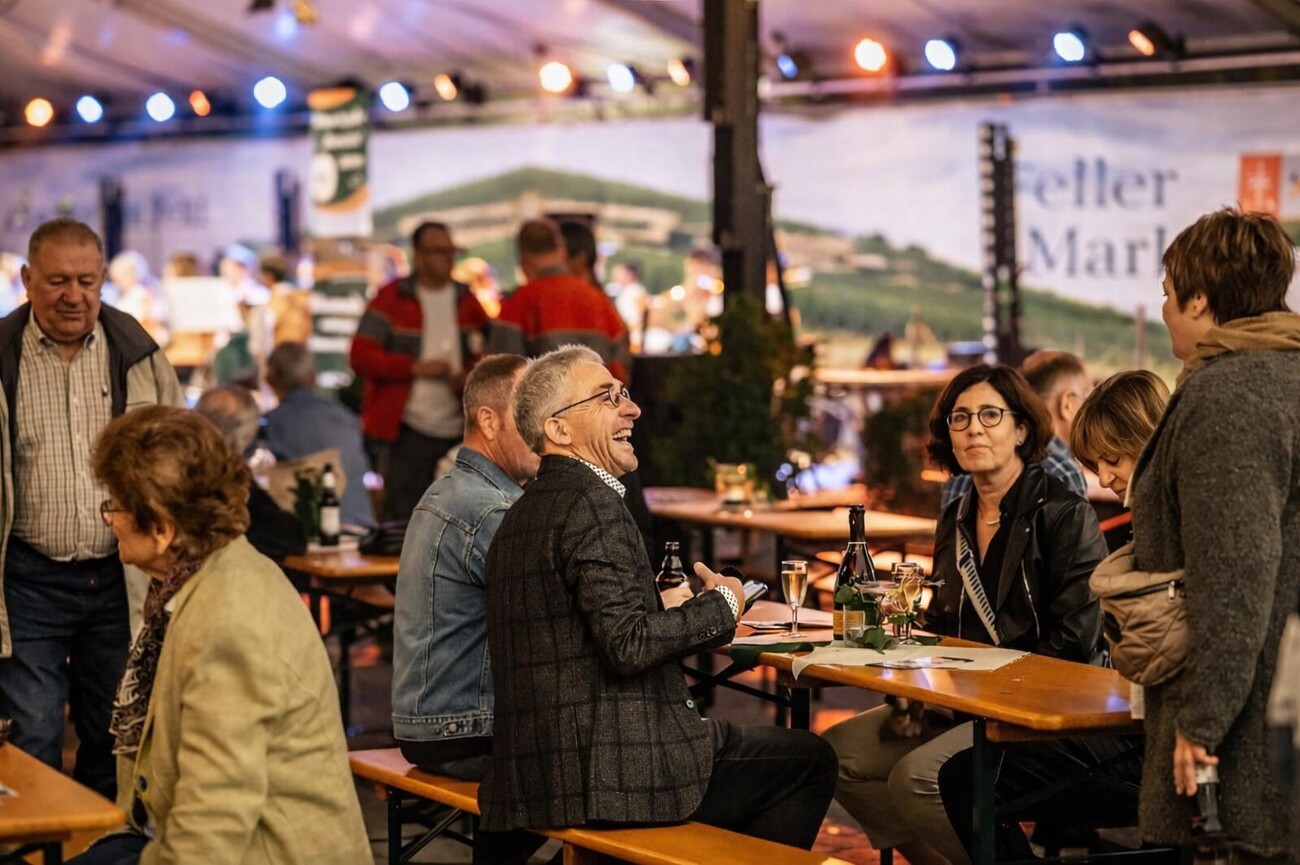
- Feller Market and Wine-Fest: This festival in Fell feels more like a village gathering than a headline event and that’s exactly why it works. In August, you’ll find wine, local food, market stalls and music all woven together without fanfare. If you want to see how the Mosel celebrates for itself rather than for show, this is where you go.
- Zell “Schwarze Katz” Festival: Zell takes pride in its most famous wine and in July, the town celebrates it properly. Schwarze Katz is one of the Mosel’s most recognizable wine legends and it comes straight from the river village of Zell. The story goes that a black cat once jumped onto a barrel to stop a wine merchant from buying any other wine in the cellar, guarding what it clearly knew was the best.
- Castle Festival: Usually held in August, Reichsburg Cochem hosts a medieval-style castle festival that turns the hilltop fortress into a full-on time jump. You’ll see costumed performers, market stalls, period music, knightly demonstrations and torch-lit moments that feel intentionally theatrical. Walking through the castle during the festival hits differently; you’re not just touring rooms, you’re moving through a scene. This is when you’ll get to experience the castles.
Our offices:



Revigorate, Iberian Escapes and Algarve Lifestyle are the registered brand names of APCS Lda . We are a fully authorised travel agency licensed by Turismo de Portugal RNAVT/6867.
In the event of a dispute, the consumer may refer to: RAL - Centros de Arbitragem
Avª. 5 de Outubro, nº. 55, R/C Dtº. 8000-075 Faro, Portugal | Tel: +351 289 823 135 *
* national landline call
E-mail: info@consumoalgarve.pt| www.consumidoronline.pt | Mon to Fri: 9:00 - 13:00 / 14:00 - 17:00