Things to do in Bamberg: 3-Day Itinerary
Bamberg is a historic city in northern Bavaria, known for its UNESCO-listed old town, medieval street plan, Baroque architecture and distinctive setting across seven hills. The Regnitz River divides the city into distinct districts, from the civic heart on the island to the ecclesiastical buildings above, giving Bamberg a strong sense of character and order from the moment you arrive.
Its old town is a UNESCO World Heritage Site, and that status is reflected in the remarkable consistency of its architecture and urban form. Timber-framed houses line the riverbanks, Baroque facades frame the main squares, and major landmarks such as the cathedral and the New Residence remain closely grouped rather than scattered across the city. Bamberg’s UNESCO designation also reflects the exceptional preservation of its historic urban fabric across the hill town, island district and gardeners’ district, which together show how the city developed over centuries. Getting around is straightforward, with short walks, bridges and compact distances making it easy to move between different parts of the city.
What makes Bamberg especially rewarding is the variety it offers within such a manageable setting. Cultural landmarks, elevated viewpoints, formal gardens and quieter residential streets all sit within easy reach of one another. There is a natural structure to the city that makes it simple to plan, while still leaving room for depth and discovery. You can move through several districts in a single day without feeling rushed, and that balance is one of Bamberg’s greatest strengths.
There is also a strong sense of continuity here. Bamberg has not been overwhelmed by modern development, so daily life still unfolds through streets, squares and buildings that have existed for centuries. Markets continue to animate historic spaces, walking routes follow long-established paths, and many of the city’s most important buildings remain part of everyday life rather than standing apart as static monuments.
This 3-day itinerary brings together Bamberg’s main landmarks, viewpoints and cultural sites in a clear and manageable way, covering the old town, cathedral hill and surrounding areas while preserving a strong sense of how the city fits together. For travellers looking for a well-paced short stay with history, atmosphere and variety, it offers an excellent introduction to one of Bavaria’s most distinctive cities.
Day 1

Morning: Bamberg Historic Old Town
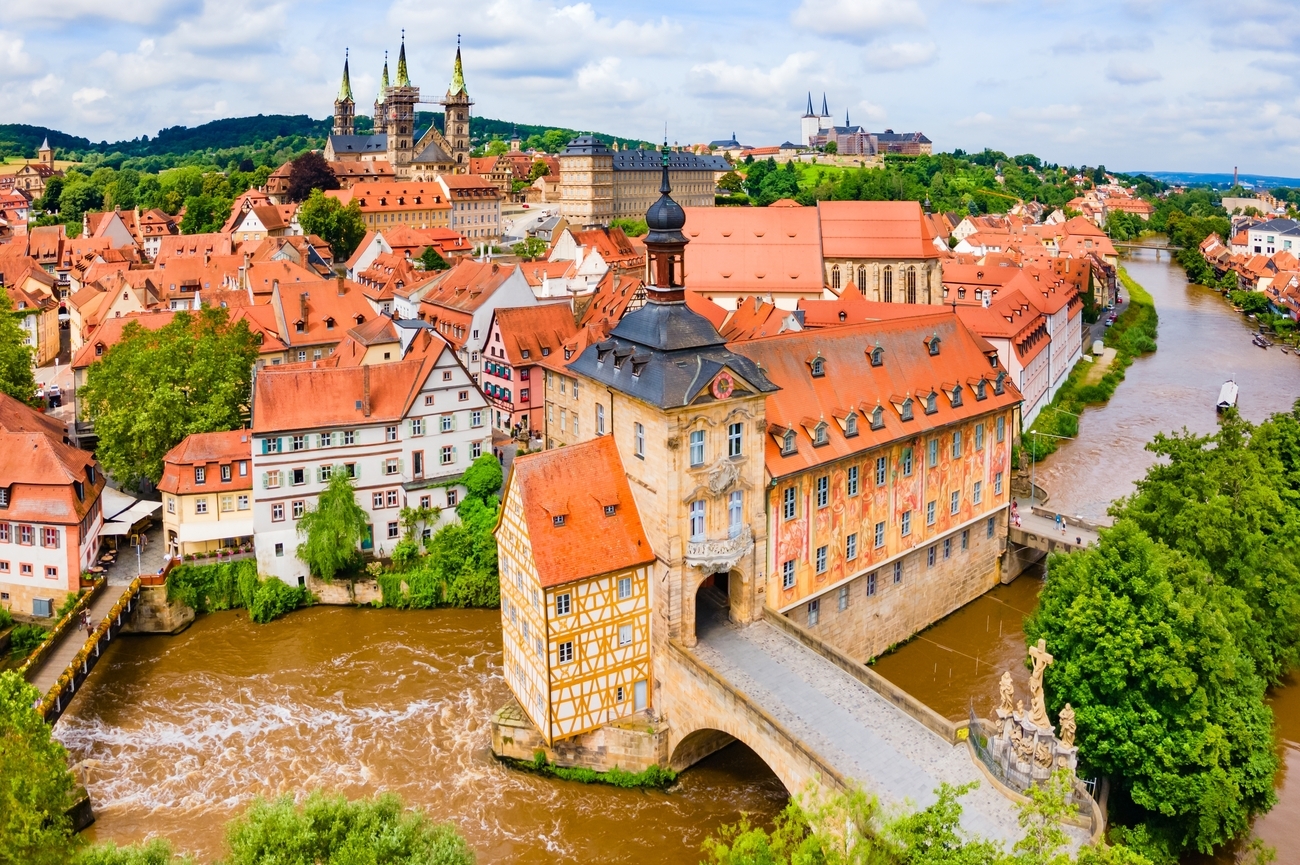
Bamberg’s Historic Old Town stretches along the Regnitz River and rises across several levels. Rather than forming one single centre, it is made up of connected districts that flow naturally into one another. Within a short walk, you can move from narrow medieval streets to broader Baroque squares, with most of the main sights easily reached on foot.
The Old Town is a UNESCO World Heritage Site, largely because of how exceptionally intact it remains. Unlike many German cities, Bamberg avoided major wartime destruction, so what stands today is largely original. You’ll see timber-framed houses along the Regnitz, the Altes Rathaus sitting dramatically on a bridge and a mix of Romanesque and Baroque architecture layered across different elevations. The layout still reflects its medieval planning, with the river dividing the civic and ecclesiastical zones. It is compact, but rich in detail, with almost every corner carrying a sense of historical context.
Altes Rathaus
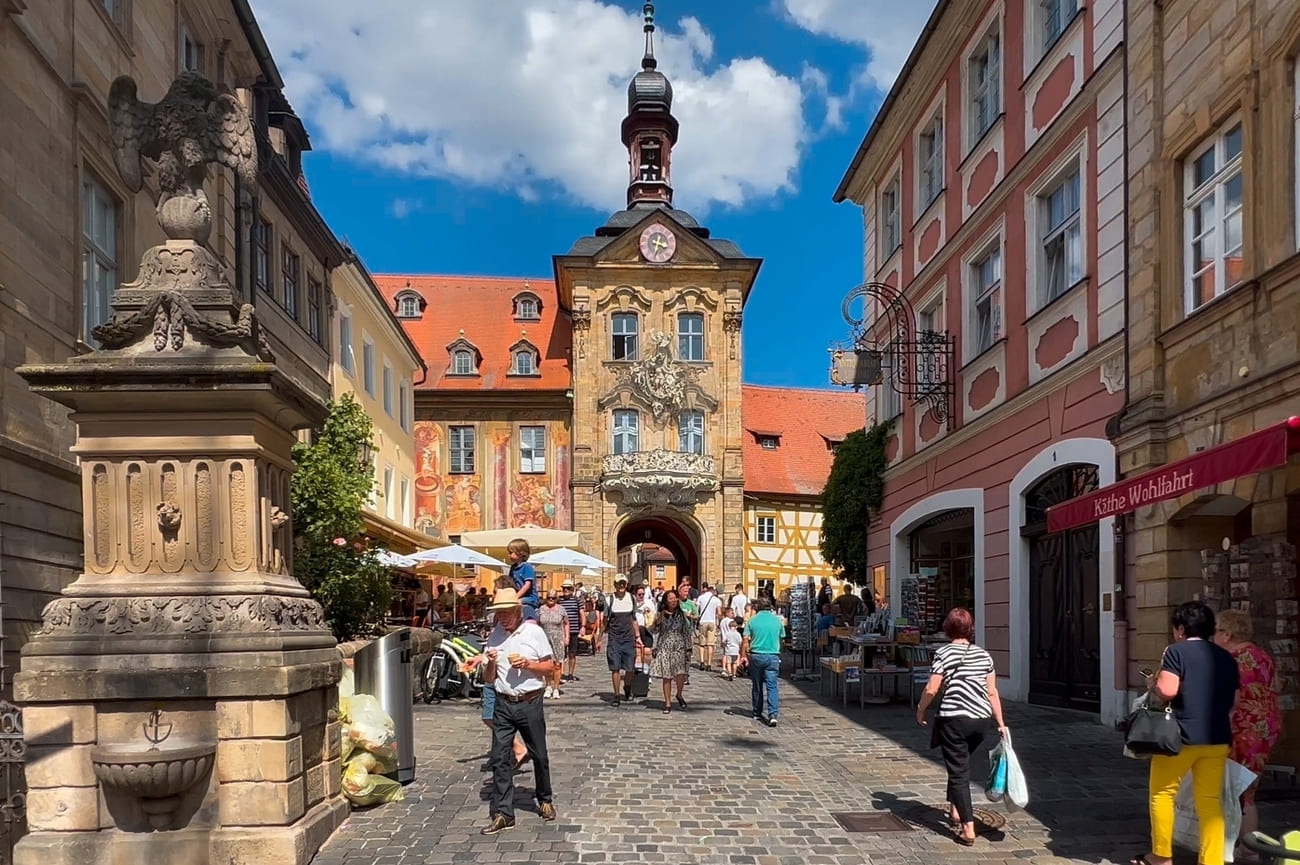
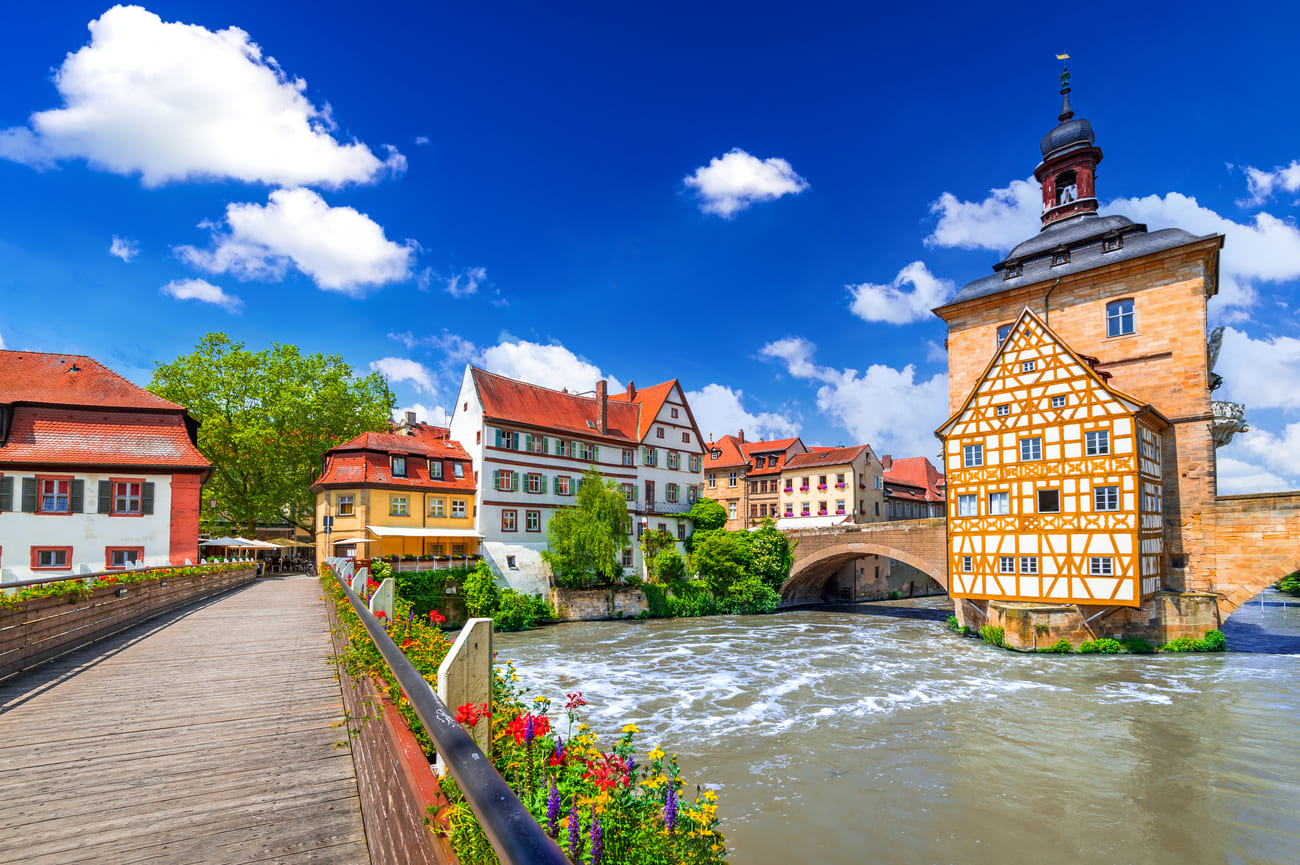
From Bamberg’s Historic Old Town, Altes Rathaus is usually just a 3–5 minute walk, depending on where you start. It sits right in the middle of the Regnitz River, so you’ll naturally reach it as you move between the island district and the rest of the old town.
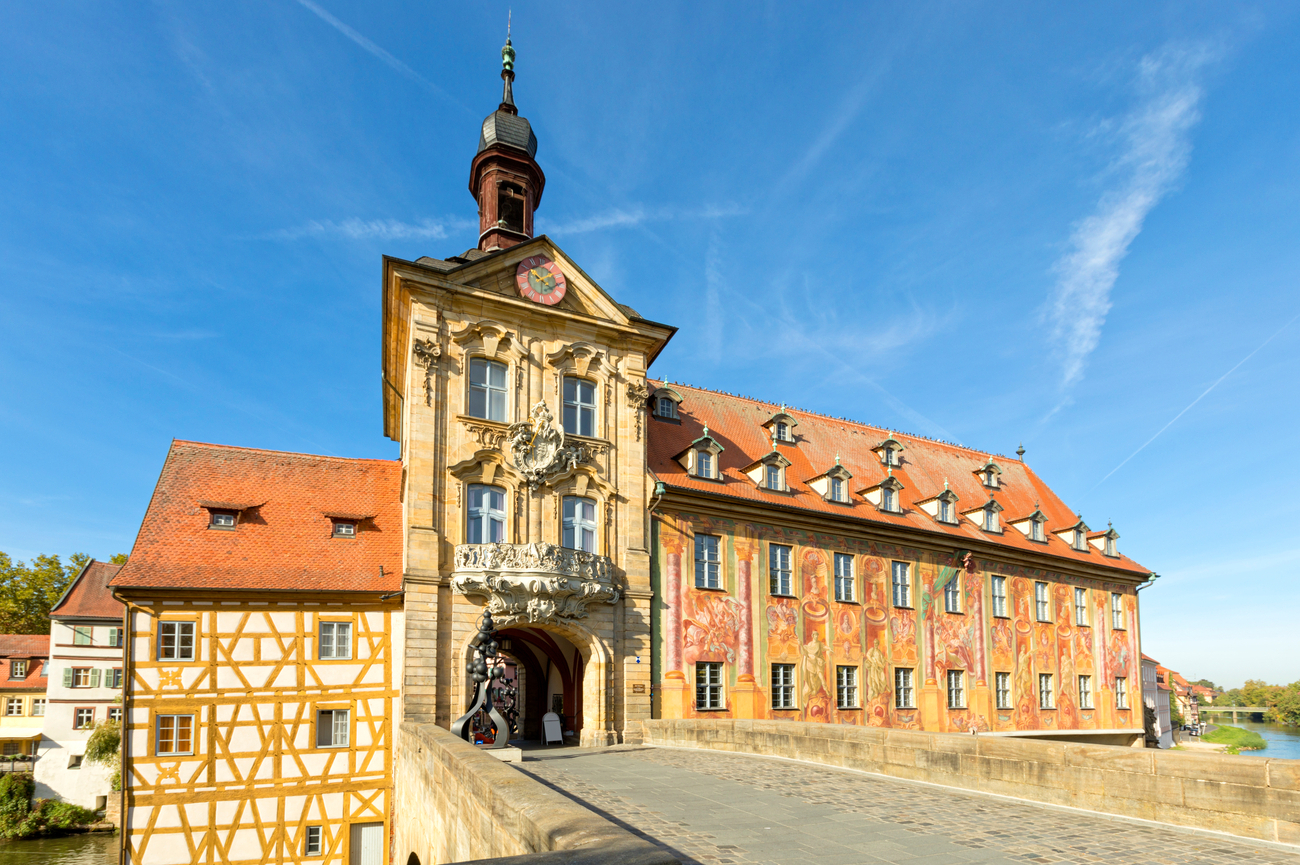
Altes Rathaus stands on what used to be the boundary between the bishop’s territory and the citizens’ town, which explains its unusual placement on an artificial island. The first town hall here was recorded in 1386, but the current structure dates to 1461 after a fire destroyed the original. Its core is Gothic, but later renovations between 1744 and 1756 introduced Baroque and Rococo elements, which are especially visible in the painted facades and decorative details. The half-timbered section on the southern side, known as the Rottmeisterhäuschen, is one of the oldest preserved parts. The tower, with its Baroque dome and ornate balconies, adds another layer of contrast, along with the coat of arms featuring St. George.
You can access the interior through the Ludwig Collection museum, which typically operates from Tuesday to Sunday with set opening hours and an entrance fee. The collection focuses on 18th-century table culture, including Meissen porcelain and Strasbourg faience, giving context to elite European dining traditions.
Obere Brücke
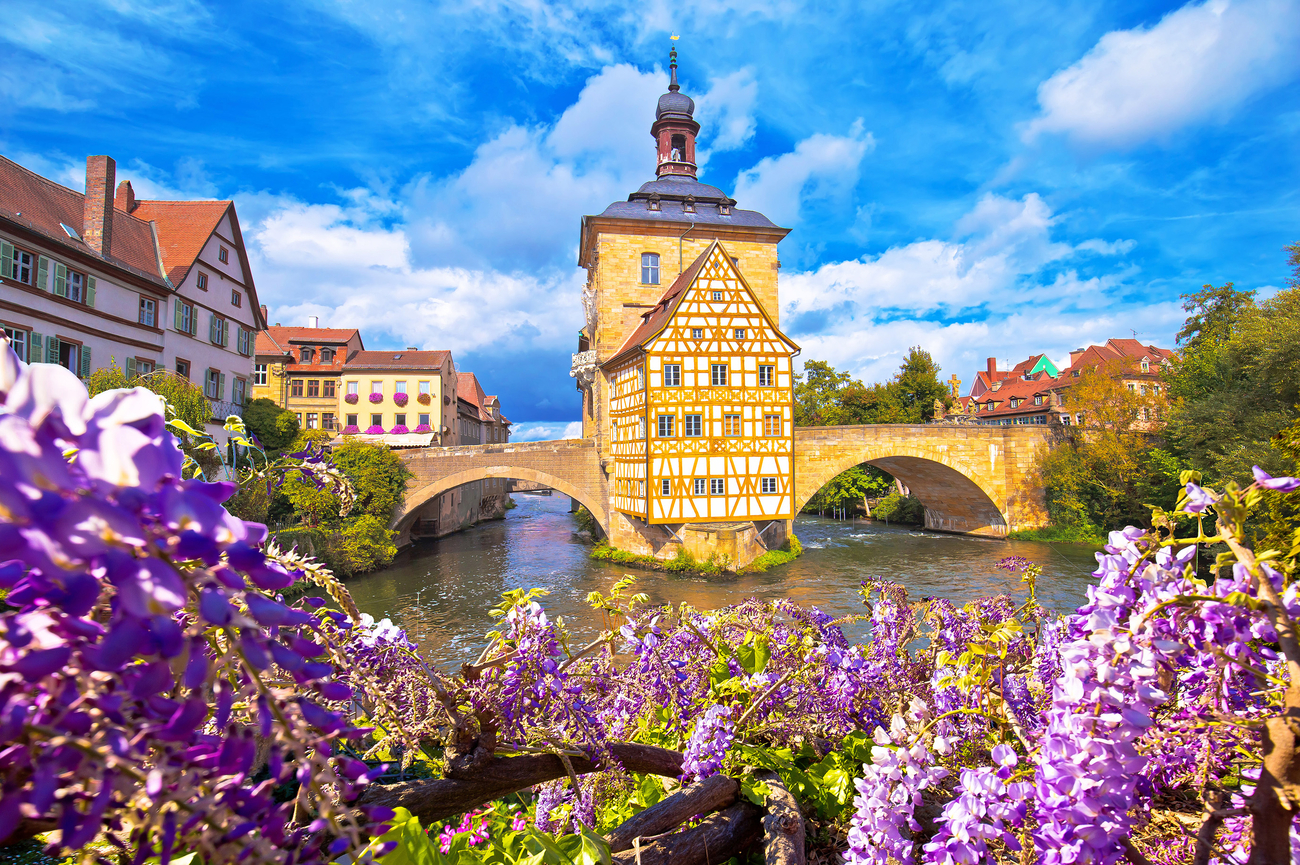
You are already on Obere Brücke. It connects directly to the building, so there’s no extra walking needed. This bridge is one of the main crossings over the Regnitz and naturally links different parts of the Old Town.
Obere Brücke is more than just a crossing point. It’s one of the best viewpoints in Bamberg, with clear sightlines toward Altes Rathaus on one side and the rows of historic houses along the river on the other. The bridge has existed in some form since the medieval period, though what you see today has been rebuilt and adapted over time. Its wide layout allows space to stop without blocking movement, which is why it often becomes a natural pause point while exploring.
Afternoon: Historical Museum Bamberg
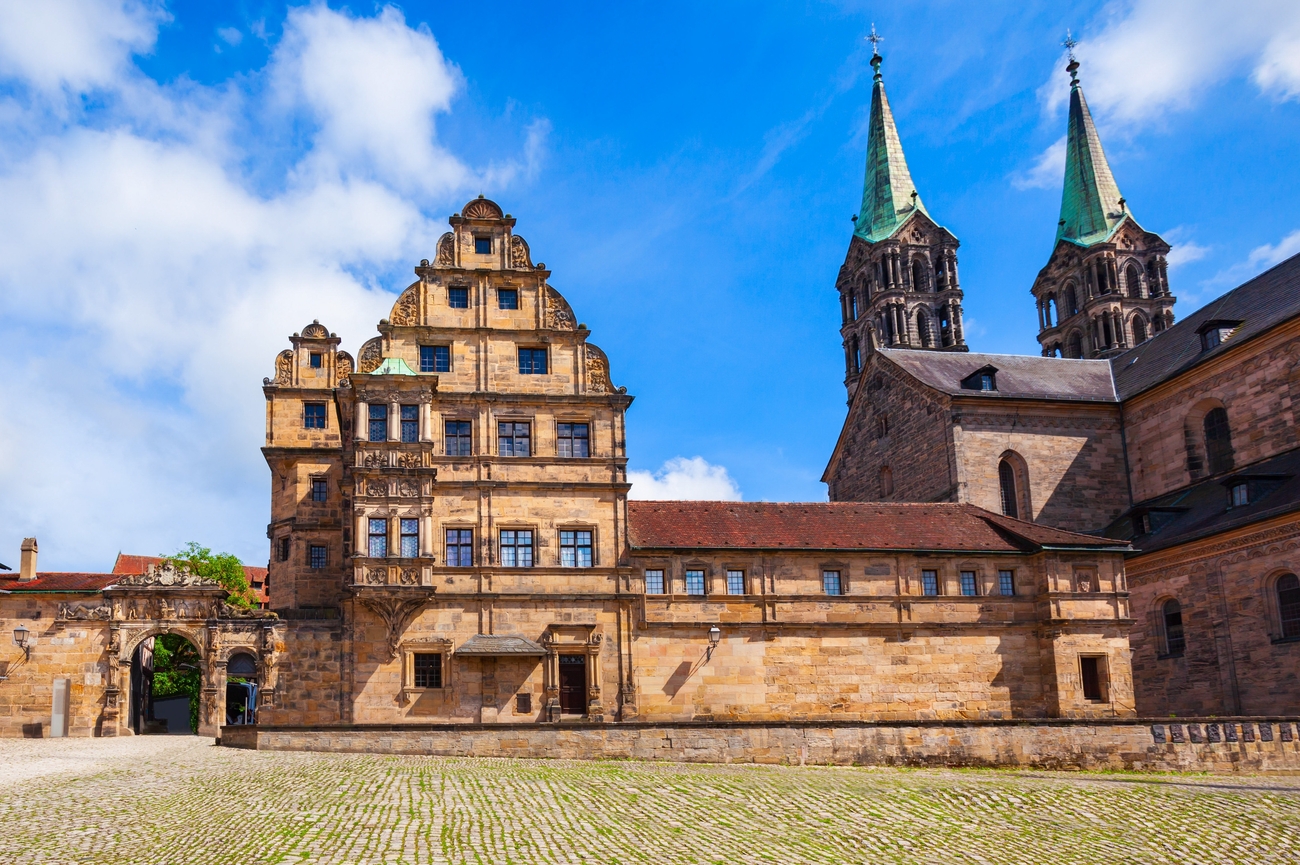
Head toward the cathedral district and continue up to Domplatz. The Historical Museum Bamberg is located within the Alte Hofhaltung complex, about a 10-minute walk from Obere Brücke.
The Historical Museum Bamberg (Historisches Museum Bamberg) is housed in the Alte Hofhaltung, a former residence complex closely connected to the cathedral. The setting itself reflects the city’s past, with enclosed courtyards, timber-framed sections and stone buildings that date back to the medieval and Renaissance periods. Inside, the museum presents Bamberg’s history through a mix of artifacts, artworks and cultural objects, alongside rotating exhibitions that change throughout the year.
You can explore the museum independently during its regular opening hours with a standard admission ticket. Guided tours are available and can be arranged in English upon request. Temporary exhibitions are also hosted throughout the year, so there’s often additional content beyond the permanent displays.
Grüner Markt
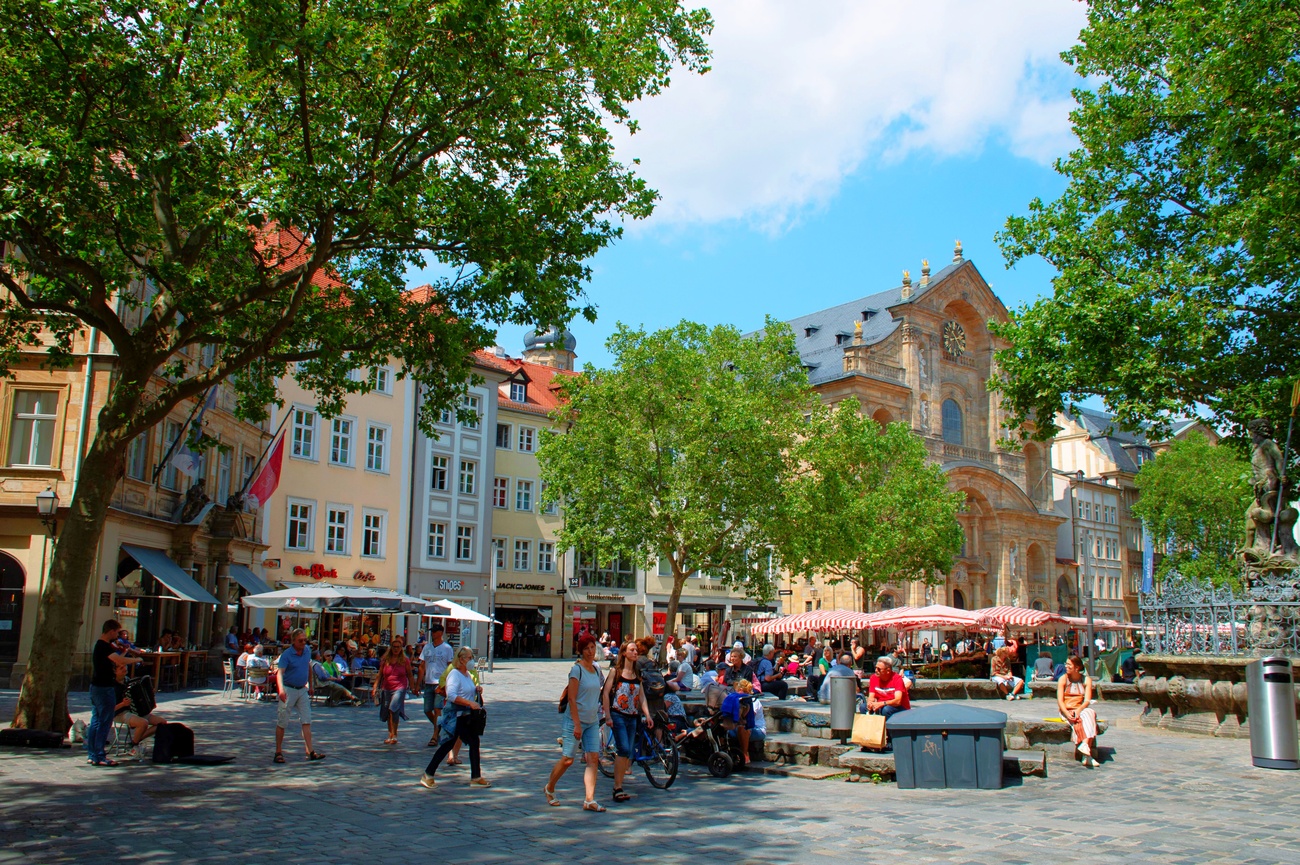
Make your way back down toward the island district and into the city center. Grüner Markt sits about a 7–10 minute walk from the cathedral area, near Bamberg’s main shopping streets.
Grüner Markt is Bamberg’s central market square and one of the most active parts of the Old Town. It’s less about major landmarks and more about everyday life with local vendors, small shops and open-air stalls depending on the day. The square is framed by historic buildings, including Baroque facades and the former St. Martin’s Church nearby, which anchors the space architecturally. It’s a functional area, but still carries the same historic character as the rest of the city.
The market operates regularly, with fresh produce, flowers and regional goods sold throughout the week, though the scale varies by day. It is also often included as a stop in guided walking tours to show the commercial side of Bamberg.
Klein Venedig Viewpoint
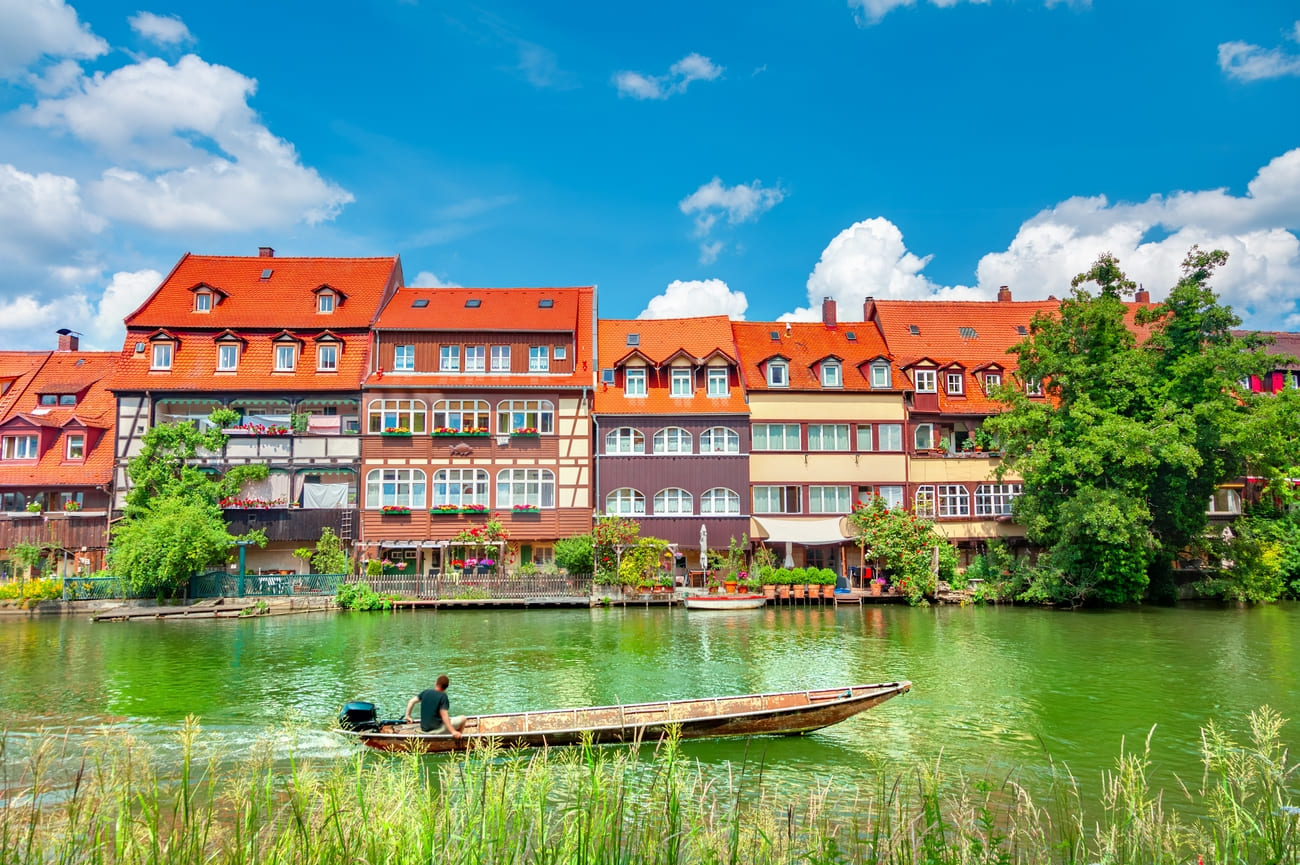
Klein Venedig is about a 5–7 minute walk from Grüner Markt, set along a quiet stretch of the riverbank.
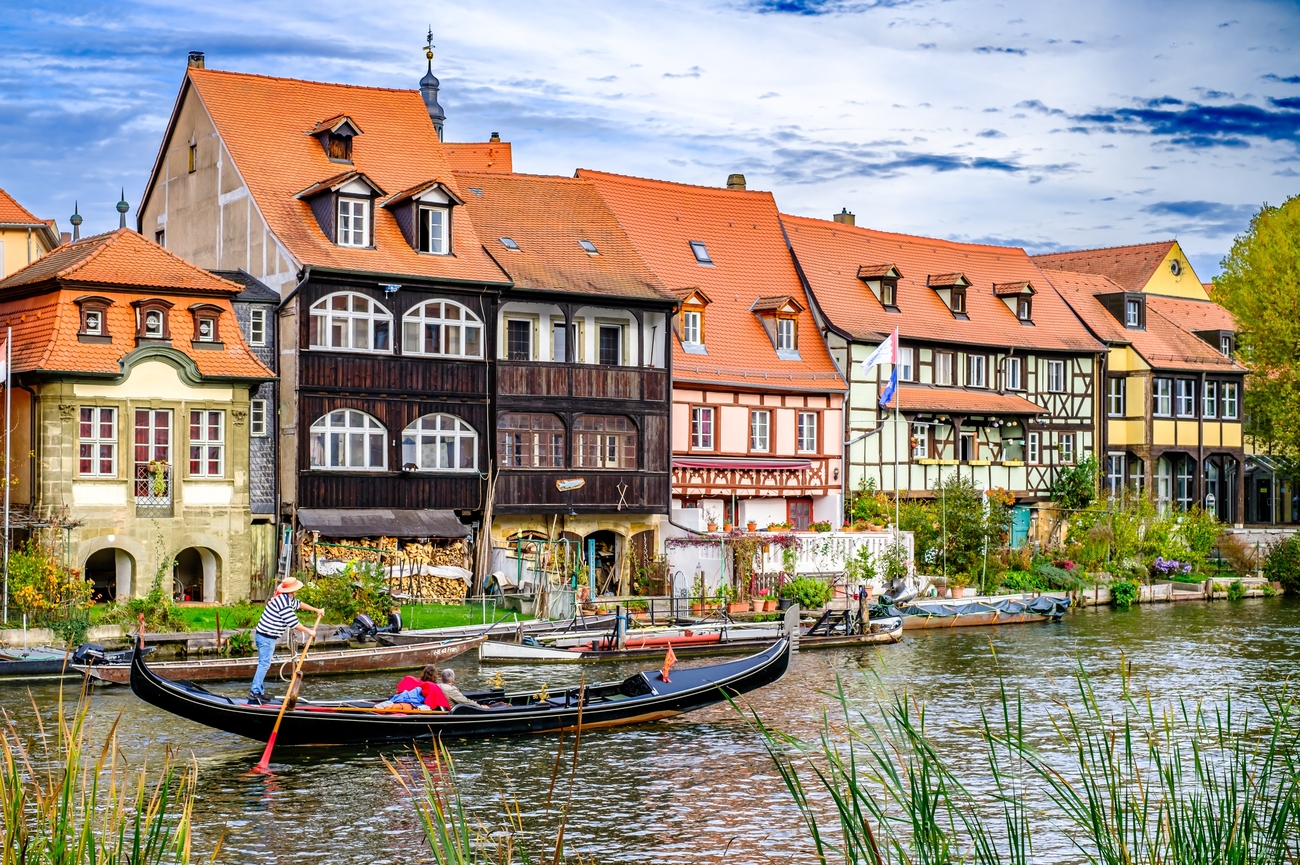
Klein Venedig, or “Little Venice,” is one of Bamberg’s most recognizable areas. It’s a row of former fishermen’s houses built directly along the water, with timber-framed facades, small balconies and boathouses that extend right to the river’s edge. The best views come from the opposite bank or nearby bridges, where you can see the full line of houses without obstruction. It’s a simple scene, but very distinct to Bamberg and noticeably different from the more formal architecture in the rest of the Old Town.
Boat tours along the Regnitz also pass through here, offering a lower, closer perspective of the houses. Some tours combine walking and short river cruises, which gives you a more complete view without needing to organize separate bookings.
Evening: Lebensader Regnitz
Continue along the riverbank from Klein Venedig. The Regnitz waterfront extends naturally from this area, so you can stay on the same path without needing to navigate away.
The Regnitz River is central to Bamberg’s layout and identity. It splits into two arms as it passes through the city, creating the island district where much of the Old Town sits. Historically, it supported trade, transport and fishing, shaping how Bamberg developed over time. Today, it still defines how the city moves and feels, with a network of bridges linking different districts and creating multiple viewpoints across the water.
Along this stretch, the river becomes more open and less crowded compared to the main landmarks. You’ll see a mix of historic facades, small docks, tree-lined paths and occasional rowing boats or local traffic on the water. It’s not heavily commercialized, which keeps the atmosphere more relaxed. The paths are well-maintained and easy to follow, making it one of the simplest ways to move through the city while still taking in its architecture and layout from a different angle.
Residenzschloss Geyerswörth
From the Regnitz waterfront, make your way back toward the inner Old Town. A 5-minute walk will take you to Residenzschloss Geyerswörth.
Residenzschloss Geyerswörth served as the residence of Bamberg’s prince-bishops before power shifted to the New Residence on the cathedral hill. Built in the 16th century, the complex reflects late Gothic and Renaissance influences with a more restrained appearance compared to the grander buildings above. The tower is the most noticeable feature, rising above the surrounding structures, while the courtyard adds a more enclosed and quieter atmosphere.
The building is now used for administrative purposes, so interior access is limited. However, the courtyard and exterior are open and often included in guided tours. It’s not as heavily visited as other landmarks which makes it easier to take your time and observe the details without distraction.
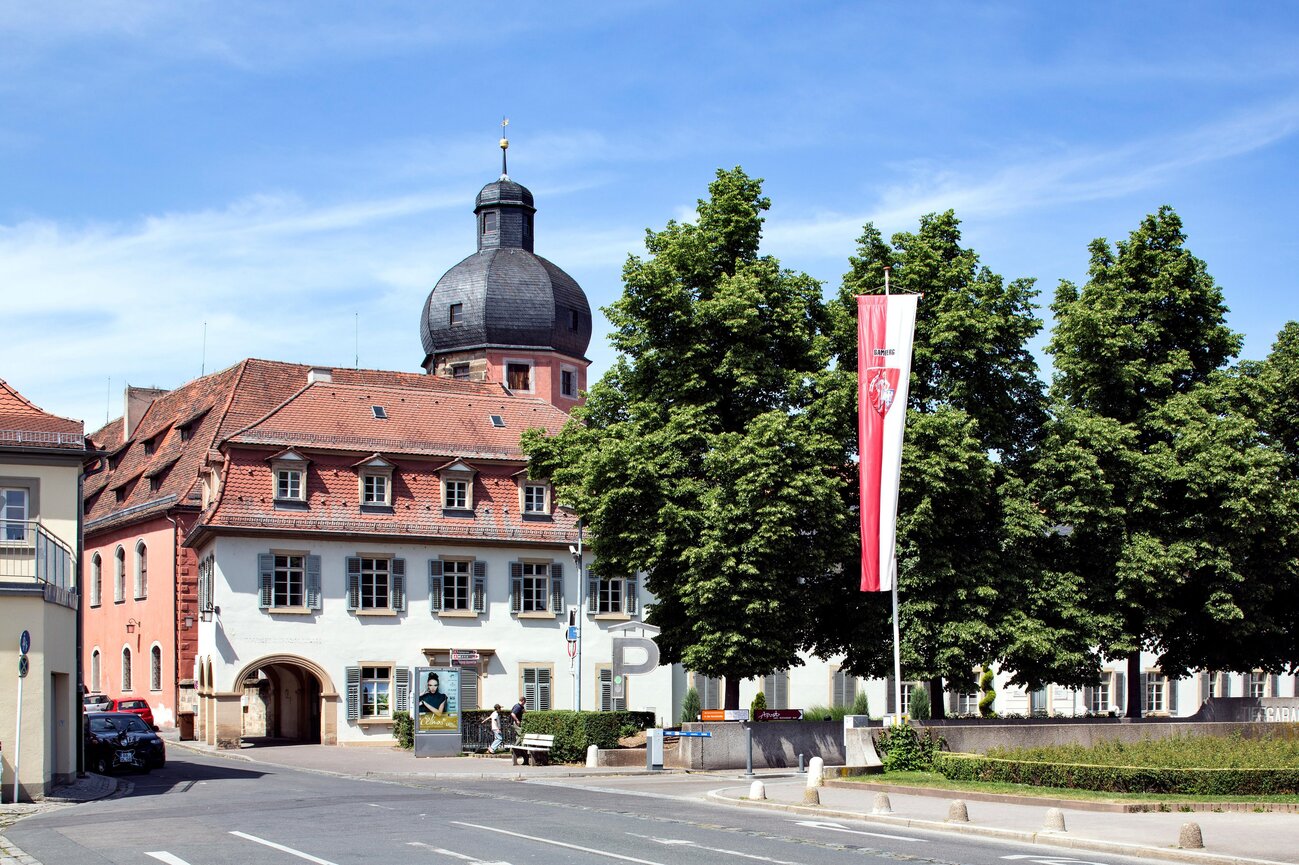
Day 1 - Bamberg
Tour Map
Day 2
Morning: Bamberg Cathedral
Bamberg Cathedral anchors the city, both physically and historically, at its highest point.
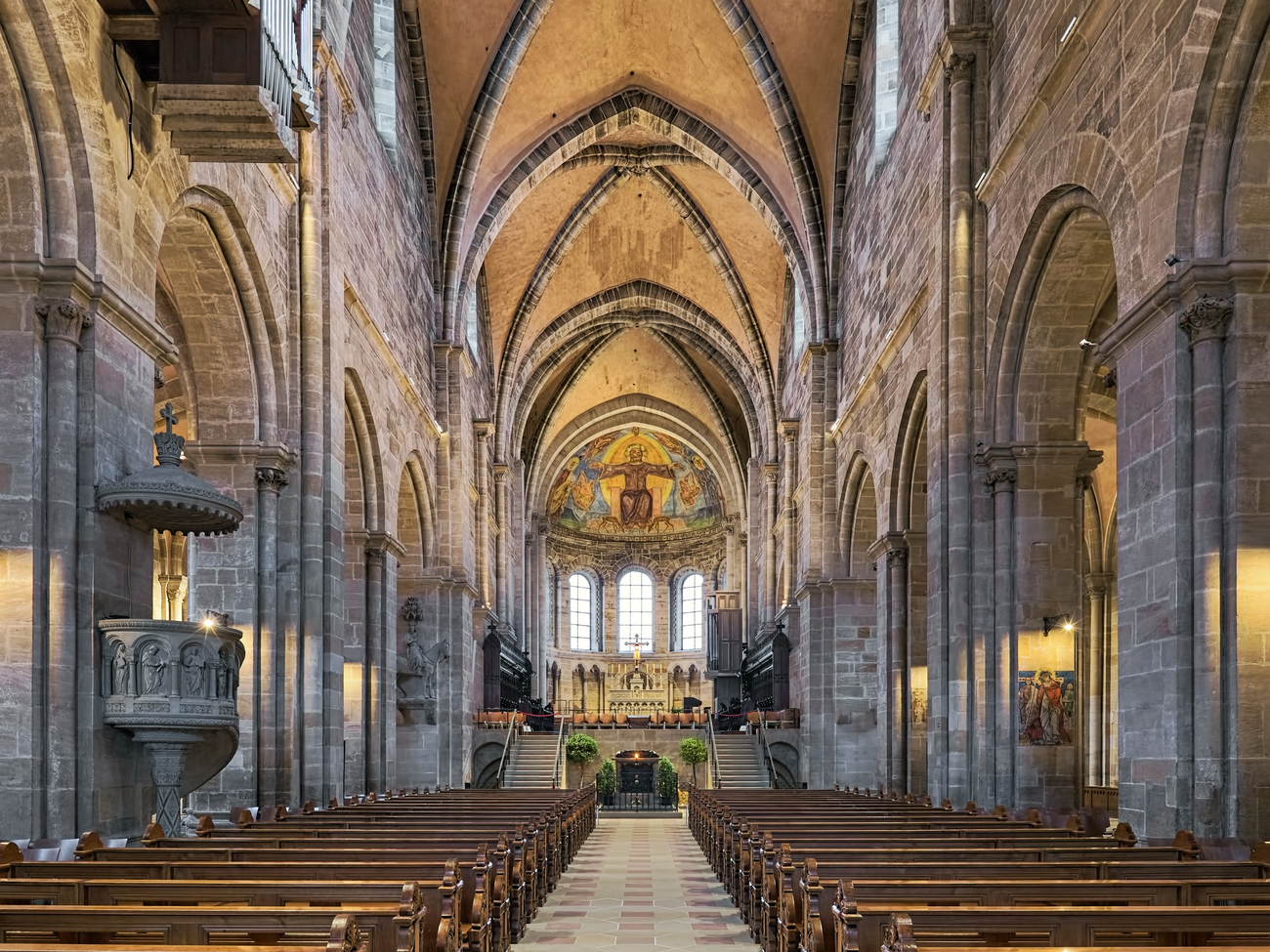
Bamberg Cathedral (Bamberger Dom) was consecrated in 1237 and is one of the most important examples of late Romanesque architecture in Germany, with early Gothic elements visible in its structure. Its four towers create a balanced, fortress-like silhouette and its position on Domplatz places it at the highest and most prominent point of the city. The exterior feels solid and structured, while the interior is more restrained, defined by stone columns, vaulted ceilings and a layout that reflects its medieval origins rather than later decorative styles.
Inside, several key features stand out. The tomb of Emperor Henry II and Empress Kunigunde is one of the most significant, marking the cathedral’s connection to the Holy Roman Empire. The Bamberg Horseman, a medieval equestrian statue, is another highlight, known for its unclear identity and historical importance. Beyond these, the cathedral includes multiple altars, crypts and chapels, each representing different phases of religious and artistic development over time.
Entry to the cathedral is free, but you’ll need to follow set visiting hours and access can be limited during services. You can also book tours in advance if you prefer something more structured or in English.
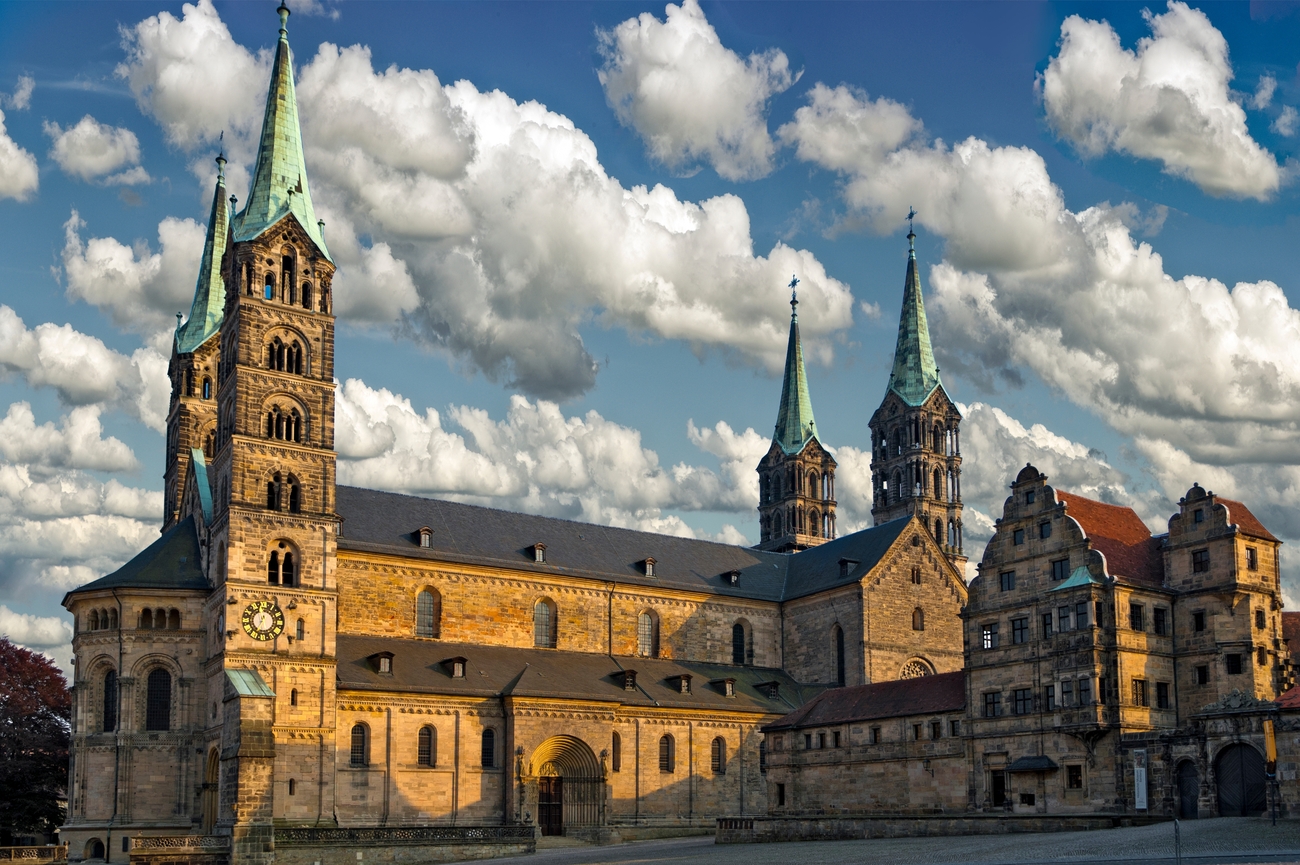
Domplatz
From Bamberg Cathedral, step directly into Domplatz. The square sits immediately outside, so you’re already there as you exit the cathedral.
Domplatz is the central square of Bamberg’s cathedral district. It’s framed by major landmarks including the cathedral, Alte Hofhaltung and Neue Residenz, creating a compact cluster of Romanesque, Gothic and Baroque architecture. The open layout makes it easy to take in everything at once, with clear sightlines that show how these buildings relate to each other.
This square functioned as the political and religious center of Bamberg, tied closely to its role as a bishopric. Its elevated position separates it from the lower Old Town, giving it a more formal and structured feel. The stone-paved ground and wide spacing between buildings keep the area visually clean, making it one of the easiest places to understand the city’s layout and hierarchy.
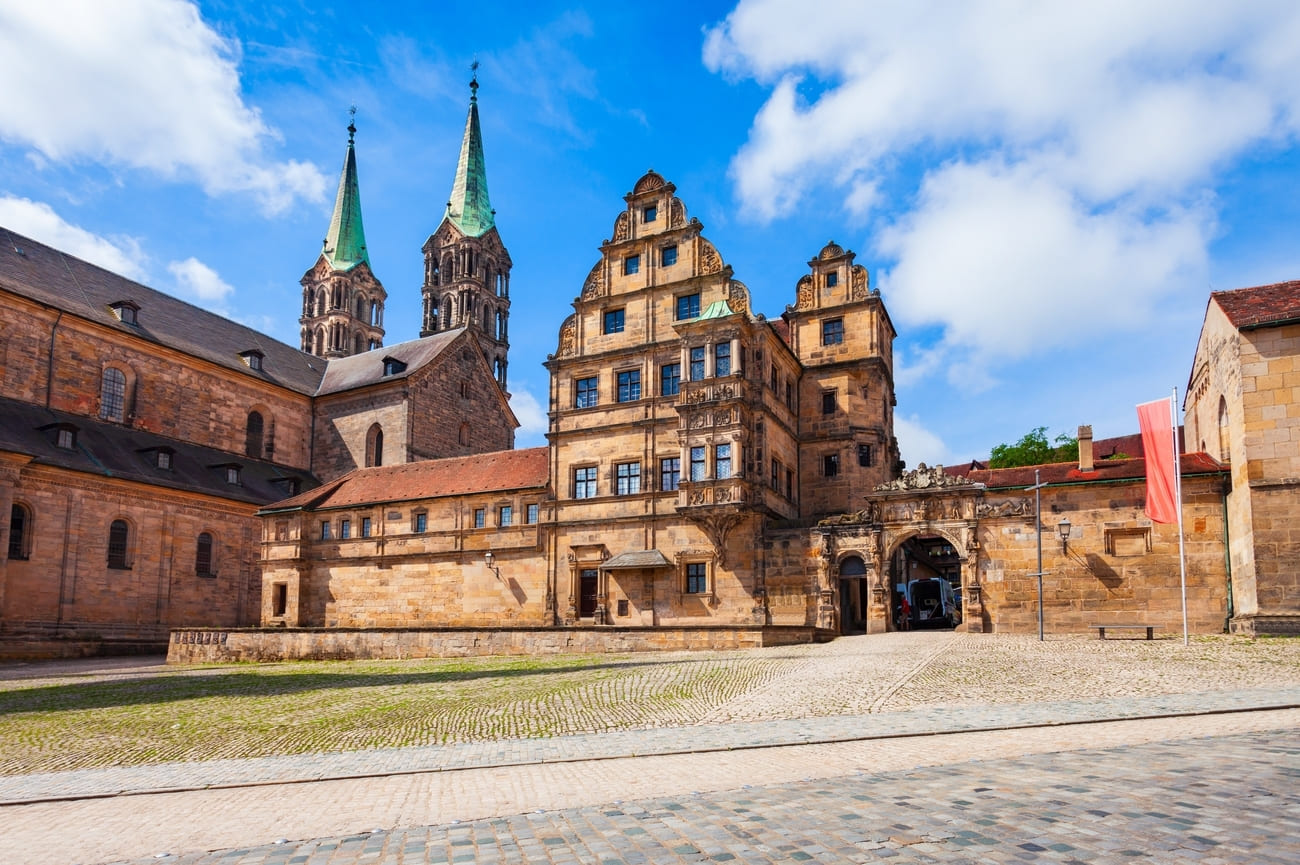
Old Court
Cross Domplatz toward the cluster of historic buildings opposite the cathedral. Alte Hofhaltung (Old Court) sits directly along the square, just a 1–2 minute walk.
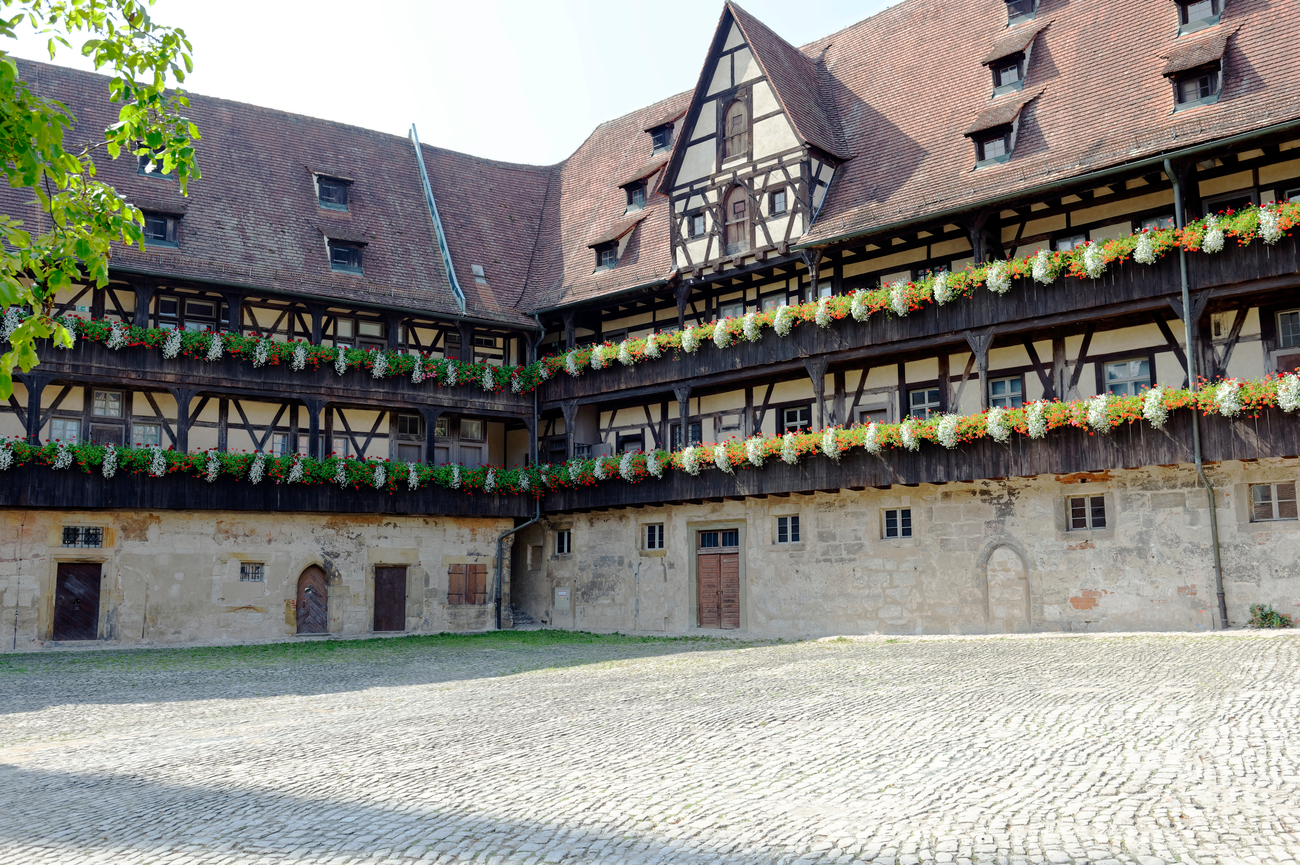
Alte Hofhaltung is a former residence complex that once housed Bamberg’s bishops before the New Residence was built. The structure dates back to the medieval period, with later additions in the Renaissance, which you’ll notice in the mix of architectural styles. The courtyard is the main highlight. It is enclosed, structured and framed by timber-framed galleries and decorated facades that reflect its role as both a residence and administrative center.
The site is closely tied to the cathedral and was historically used for ceremonial and official functions. The inner courtyard is open to visitors and gives a clear view of the building’s layout, including the ornate entrance known as the “Schöne Pforte” (Beautiful Gate), which features detailed Renaissance carvings. Parts of the complex are connected to the Historical Museum, so the two stops naturally overlap in terms of experience.
Guided tours often pass through this area to explain its role within the cathedral district. If you’re visiting with a guide, this is where you’ll get more context on how the bishops lived and governed from this location before moving to the New Residence.
Afternoon: Neue Residenz Bamberg
Walk across Domplatz toward the large palace building facing the square. Neue Residenz is clearly visible from the cathedral and sits directly along the edge of the plaza.
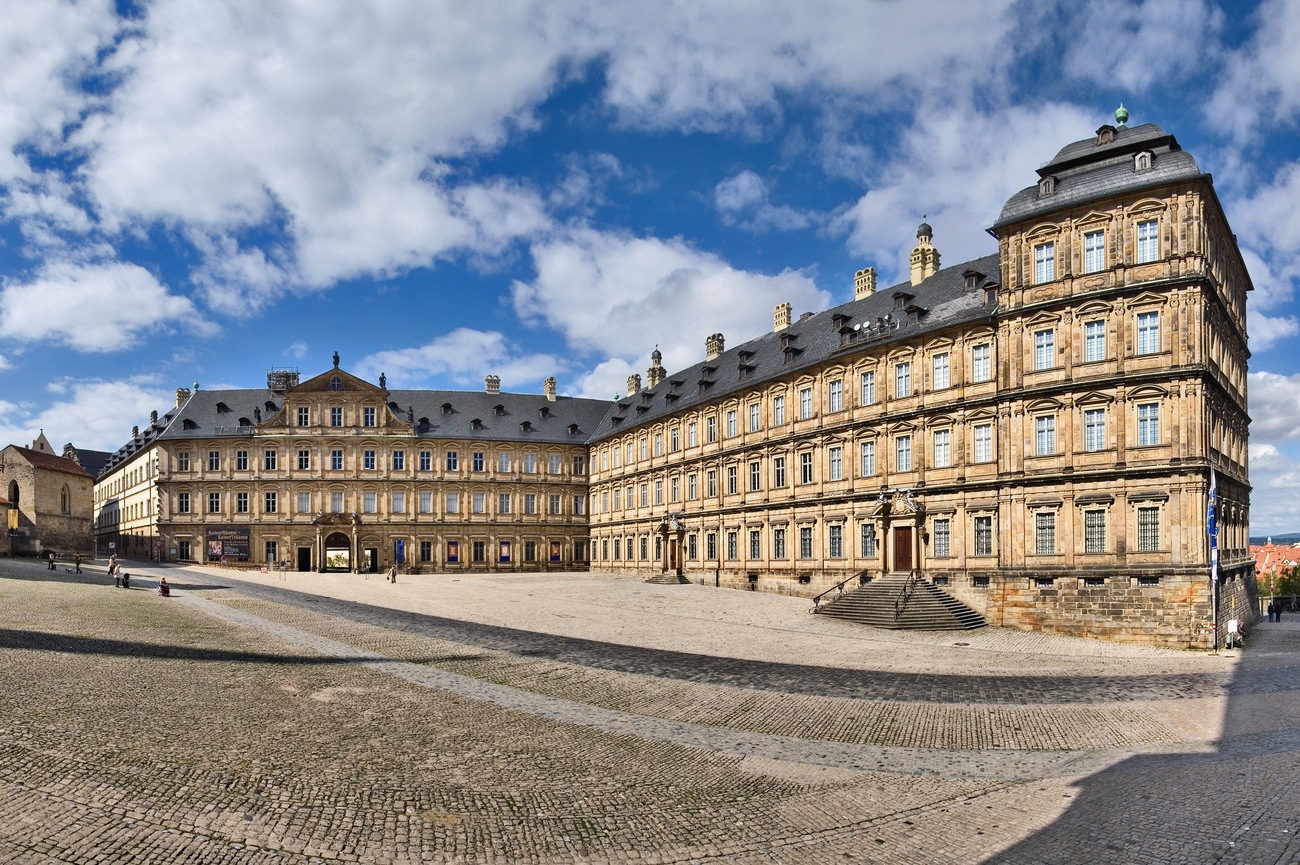
Neue Residenz Bamberg became the residence of the prince-bishops in the 17th century, replacing the older medieval complex next door. The architecture shifts here to a more formal Baroque style, with symmetrical facades, structured layouts and more elaborate interiors. Inside, the state rooms are detailed but controlled, with decorated ceilings, wood paneling and period furnishings that reflect authority rather than excess. The Imperial Hall stands out for its scale and ceiling frescoes, along with a sequence of rooms that show how residence and governance were combined.
You can visit the interiors with a standard admission ticket. Some areas are open for self-guided visits, but access to the Prince-Bishop’s Apartments requires joining a guided tour, which runs regularly throughout the day. And after exploring inside, stepping into the Rose Garden at the back of the residence gives you a quieter setting and one of the best elevated views over Bamberg.
Rose Garden
Step directly into the garden from the Neue Residenz.
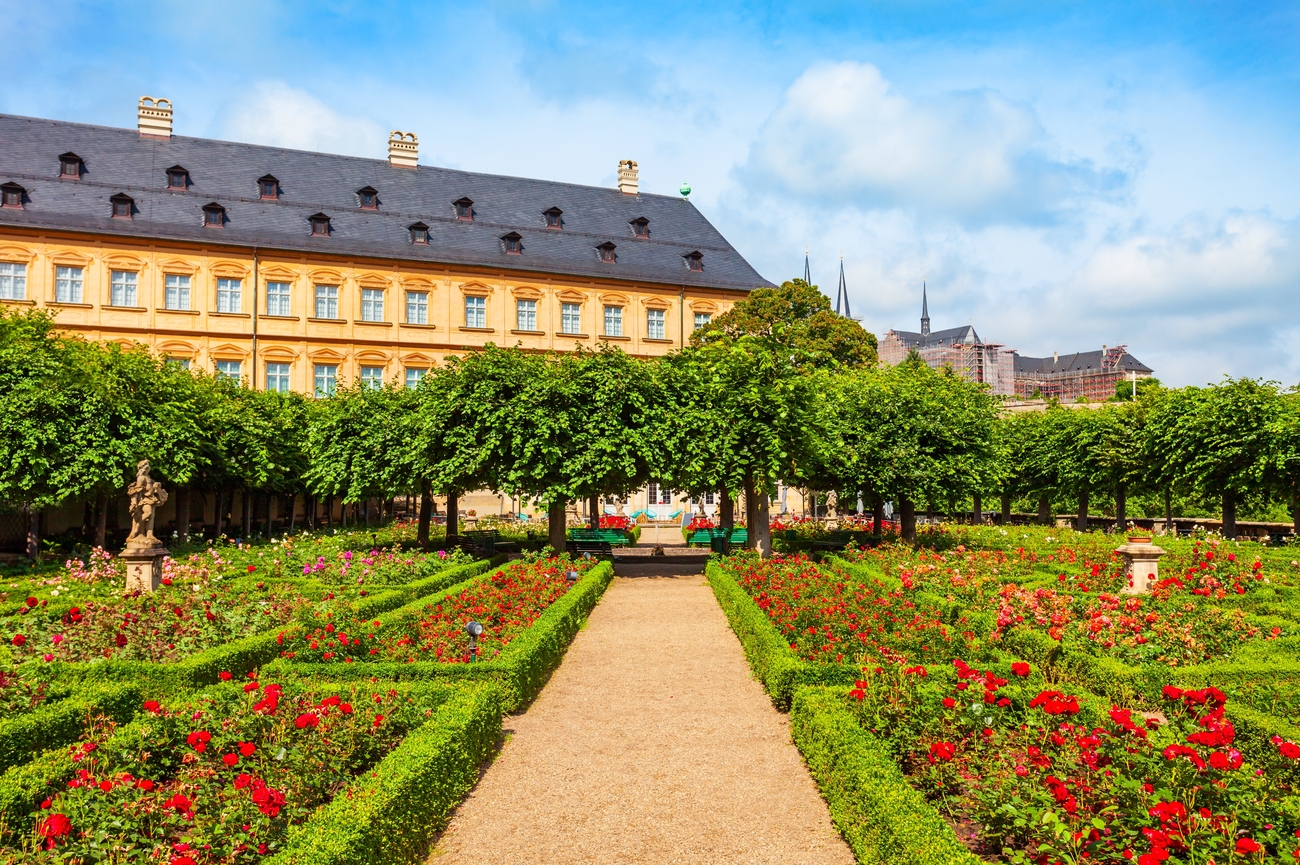
The Rose Garden (Rosengarten) sits on a terrace behind the Neue Residenz and is one of the most accessible viewpoints in Bamberg. The layout is formal and symmetrical, with rows of rose beds, trimmed hedges and pathways that frame the space cleanly. From here, you get a clear view over the Old Town’s rooftops, church towers and the Regnitz River, all from an elevated position that makes the city’s layout easier to understand.
The garden dates back to the Baroque period and was originally designed as a private court garden for the prince-bishops. Today, it’s open to the public and free to enter. The space includes multiple sections, with seating areas, statues and around 4,000 rose plants that bloom seasonally, typically from late spring through summer. Even outside peak bloom, the structure of the garden and the views still make it worth visiting.
There are no formal tours required to access the garden, but it’s often included as part of guided visits to the Neue Residenz. You can also explore it independently at your own pace without any restrictions.
Bamberg Diocesan Museum
From the Rose Garden, a short 2-minute walk brings you to the Bamberg Diocesan Museum within the cathedral complex.
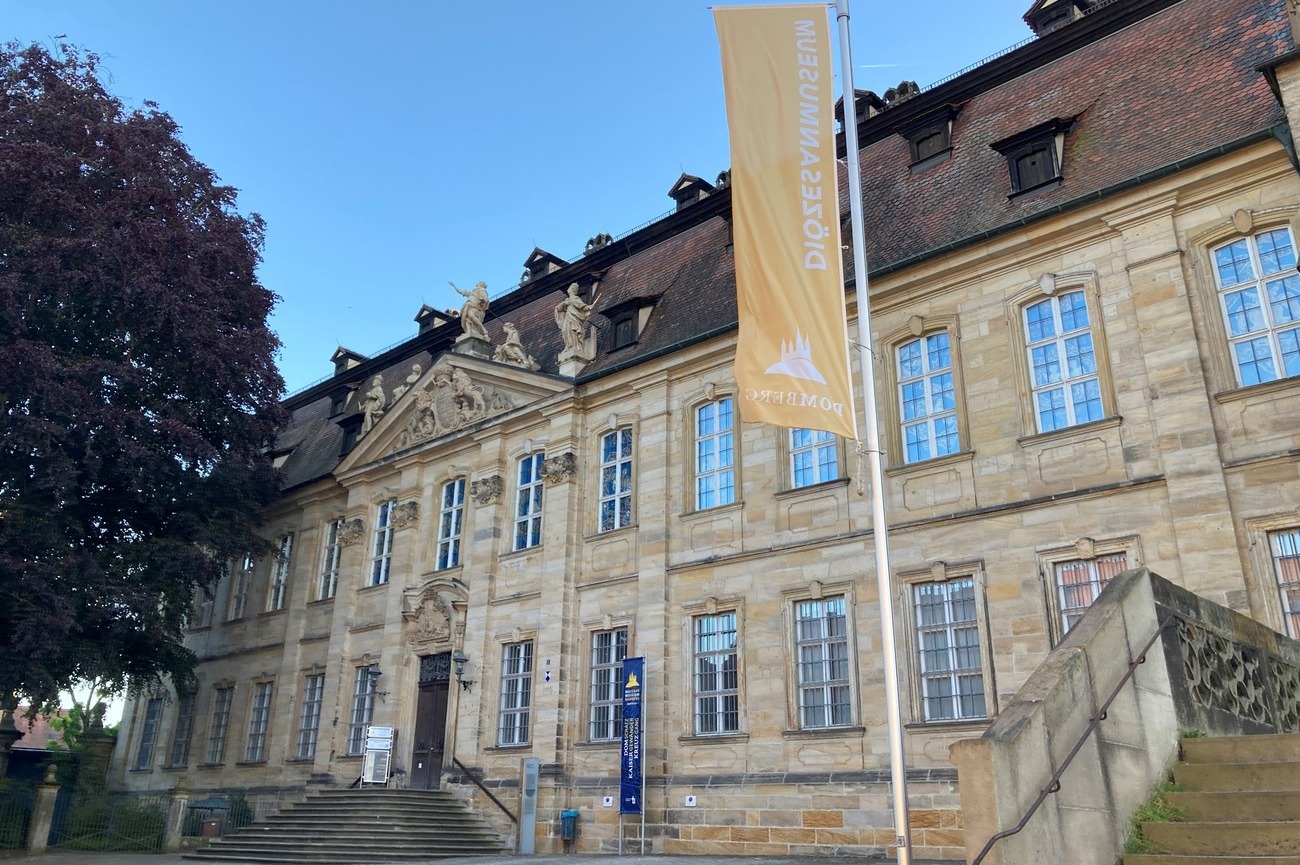
The Bamberg Diocesan Museum (Diözesanmuseum Bamberg) focuses on the religious and artistic history tied directly to the cathedral and the bishopric. The collection includes sacred objects, liturgical garments, manuscripts and artworks that date back to the medieval period. One of its most significant highlights is the collection of imperial vestments linked to Emperor Henry II and Empress Kunigunde, offering a closer look at the cathedral’s connection to the Holy Roman Empire. The setting itself is relatively simple, allowing the artifacts to stand out without distraction.
You can visit the museum with a standard admission ticket during its opening hours. Audio guides are available and provide structured explanations as you move through the exhibits. Guided tours can also be arranged, offering more detailed insights into the objects and their historical context.
Evening: Michelsberg Monastery
Make your way up toward Michelsberg Hill. The monastery sits above the Old Town and is about a 15–20 minute walk from Domplatz, with a steady uphill route.
Michelsberg Monastery (Kloster St. Michael) is a former Benedictine abbey that overlooks Bamberg from one of its highest points. The complex dates back to the 11th century, though much of what you see today reflects later Baroque reconstruction.
The church interior is one of its most distinctive features, especially the painted ceiling known as the “Heavenly Garden,” which depicts hundreds of plants in detailed fresco form. The overall structure is large and more spread out compared to the compact buildings in the Old Town below.
This stop works best in the evening. The higher elevation gives you wide views over Bamberg and the area is noticeably quieter than the city center.
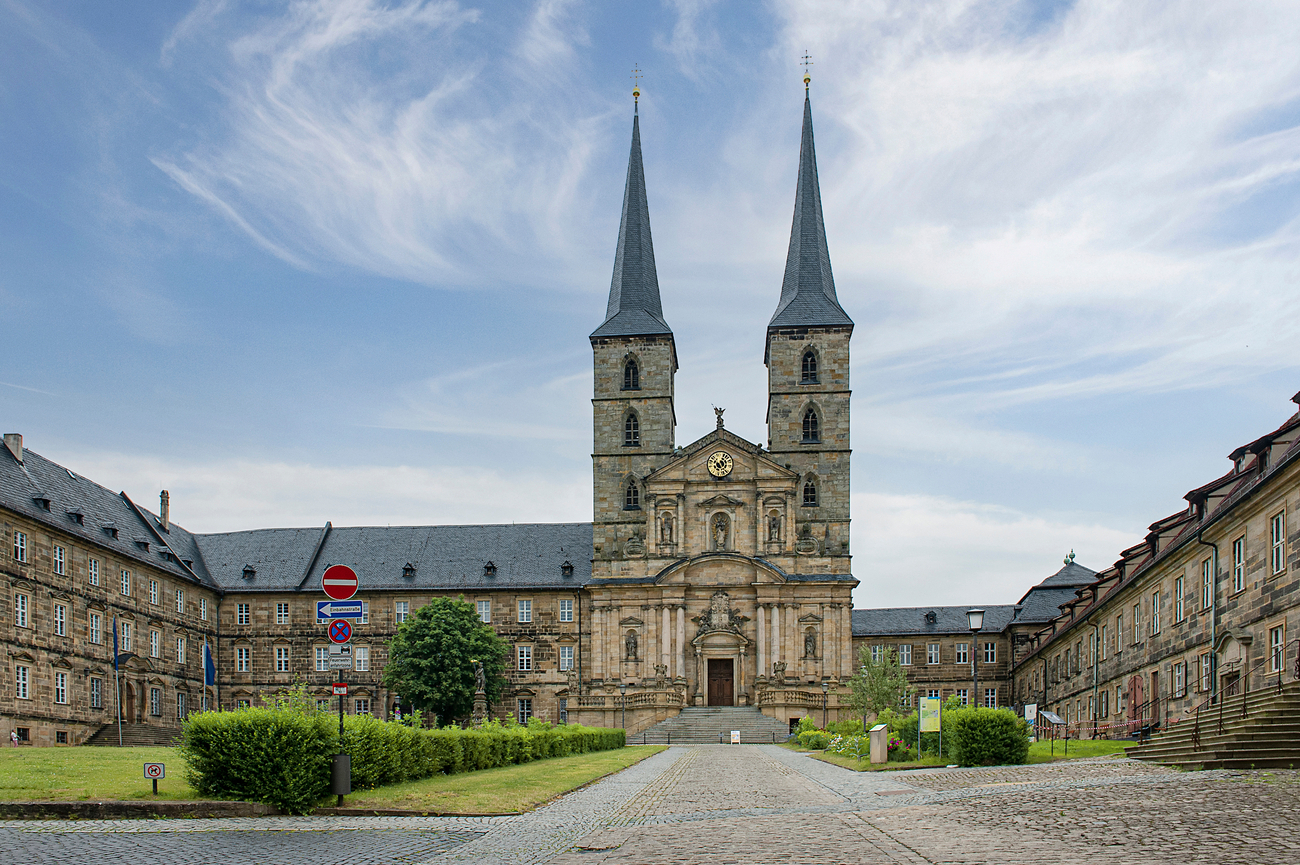
Michaelsberg Fountain on the Garden Terrace
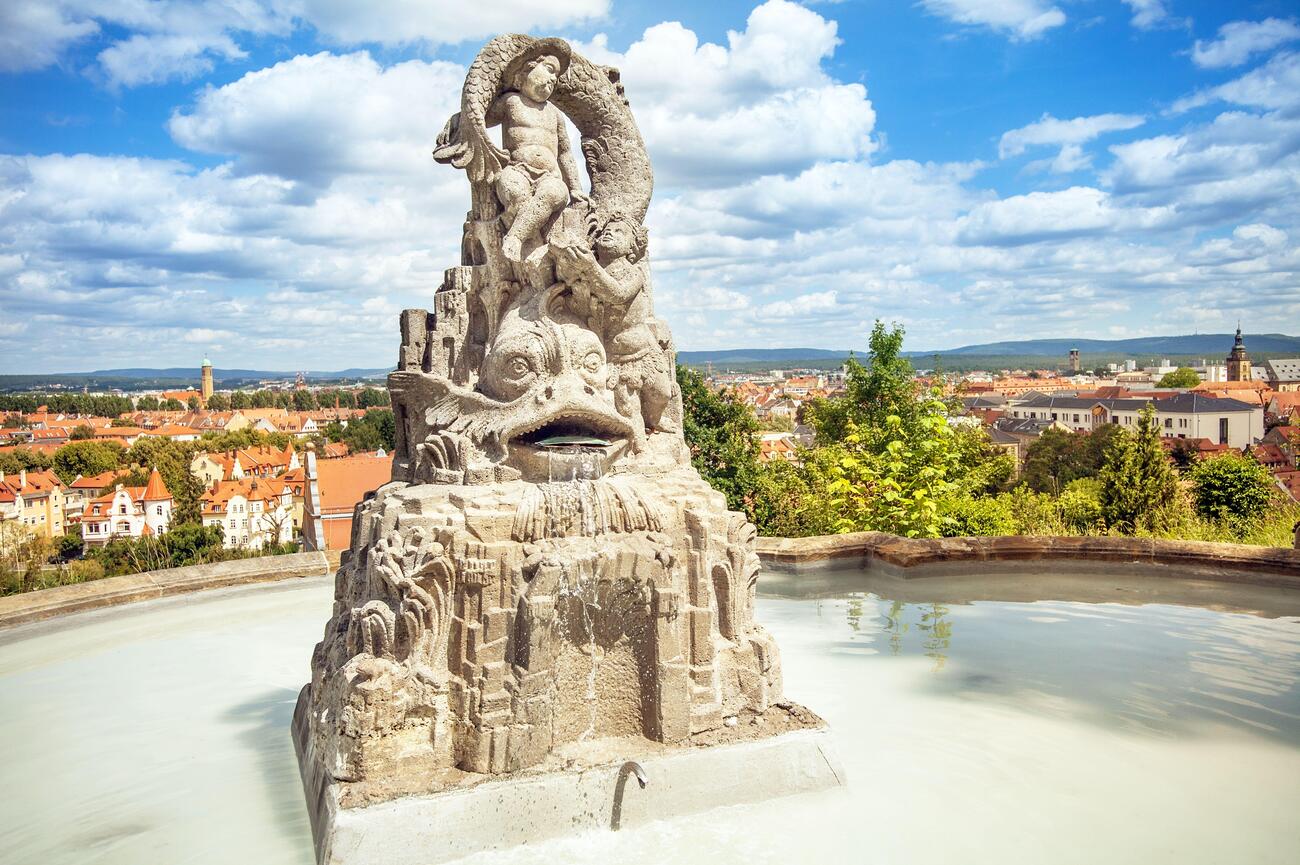
Continue through the terrace gardens behind Michelsberg Monastery and follow the pathways within the landscaped grounds until you reach the Michaelsberg Fountain on the garden terrace.
This area is part of the monastery’s historic terrace gardens, laid out during the Baroque period. The space is structured with paths, greenery and smaller design features, including fountains and garden elements. Compared to the open viewpoints along the edge of Michelsberg, this section feels more enclosed and quieter, with a focus on the garden setting rather than wide city views.
This is the final stop in the evening. The terrace is usually calm, with fewer people compared to the main viewpoints. It’s a quieter way to end the day.
Day 2 - Bamberg
Tour Map
Day 3
Morning: Altenburg
Altenburg Castle marks the outer edge of Bamberg, where the city transitions into forest and higher ground.
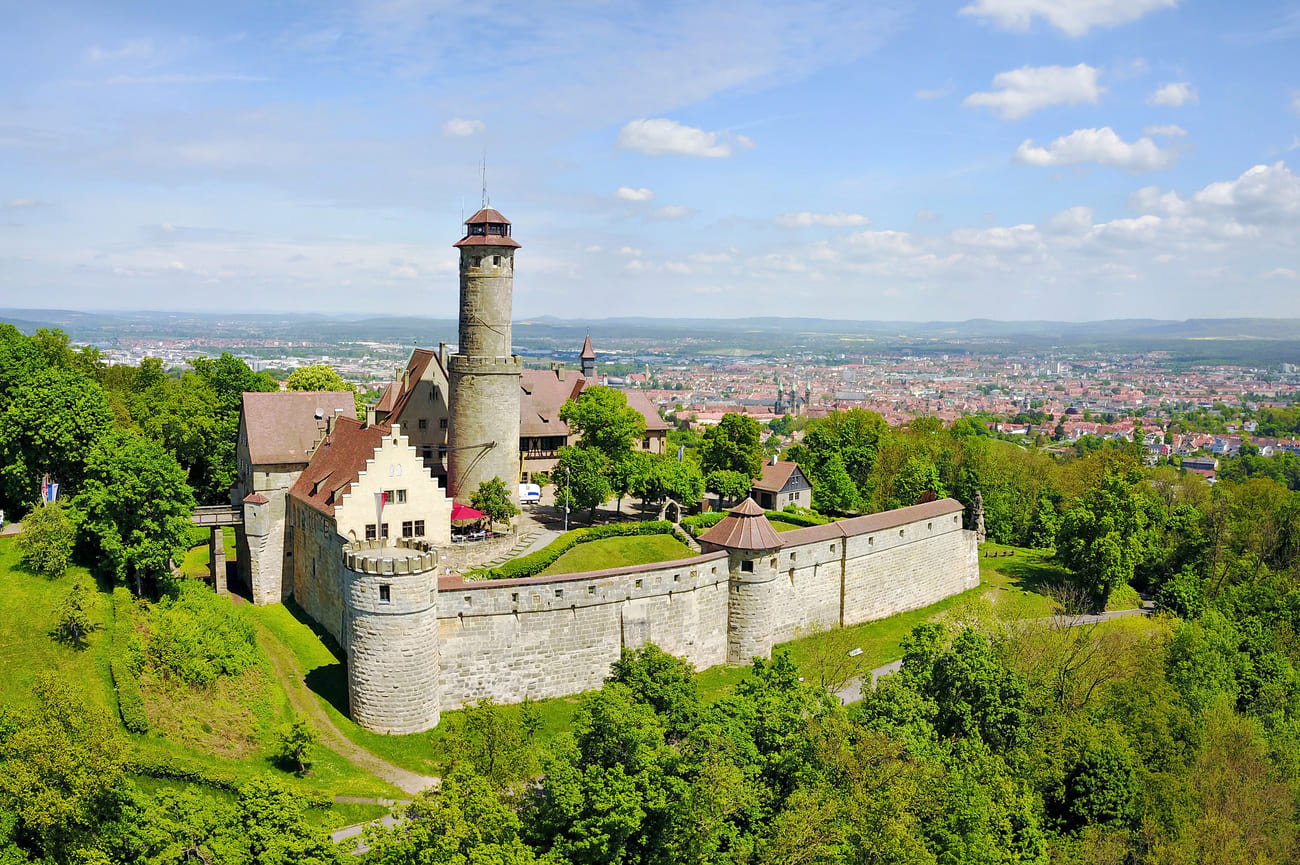
Altenburg (Schloss Altenburg) dates back to the 12th century and was originally built as a defensive stronghold for Bamberg’s bishops, especially during periods of unrest. Unlike the more polished Baroque buildings in the city center, the castle keeps a more rugged, medieval character, with thick stone walls, a central tower and a compact layout shaped by its defensive purpose. Over time, it was restored and partially adapted but it still feels more like a fortress than a residence. Access is limited to select rooms and exhibits, but the structure itself and its setting carry most of the experience.
The castle sits at Bamberg’s highest point, surrounded by forested paths and open grounds. You get a wider perspective not just of the Old Town, but of the surrounding Franconian landscape. The area includes walking trails, small open spaces and viewing platforms that give you multiple angles over the city. Entry to the grounds is free, while certain interior areas may require a ticket depending on what’s open at the time.
Guided tours are available and can be arranged in advance, usually focusing on the castle’s role as a refuge and its later restoration. Some private tours include transport up to the castle, which can be useful if you want to avoid the uphill route and keep the visit more streamlined.
Erbainsel
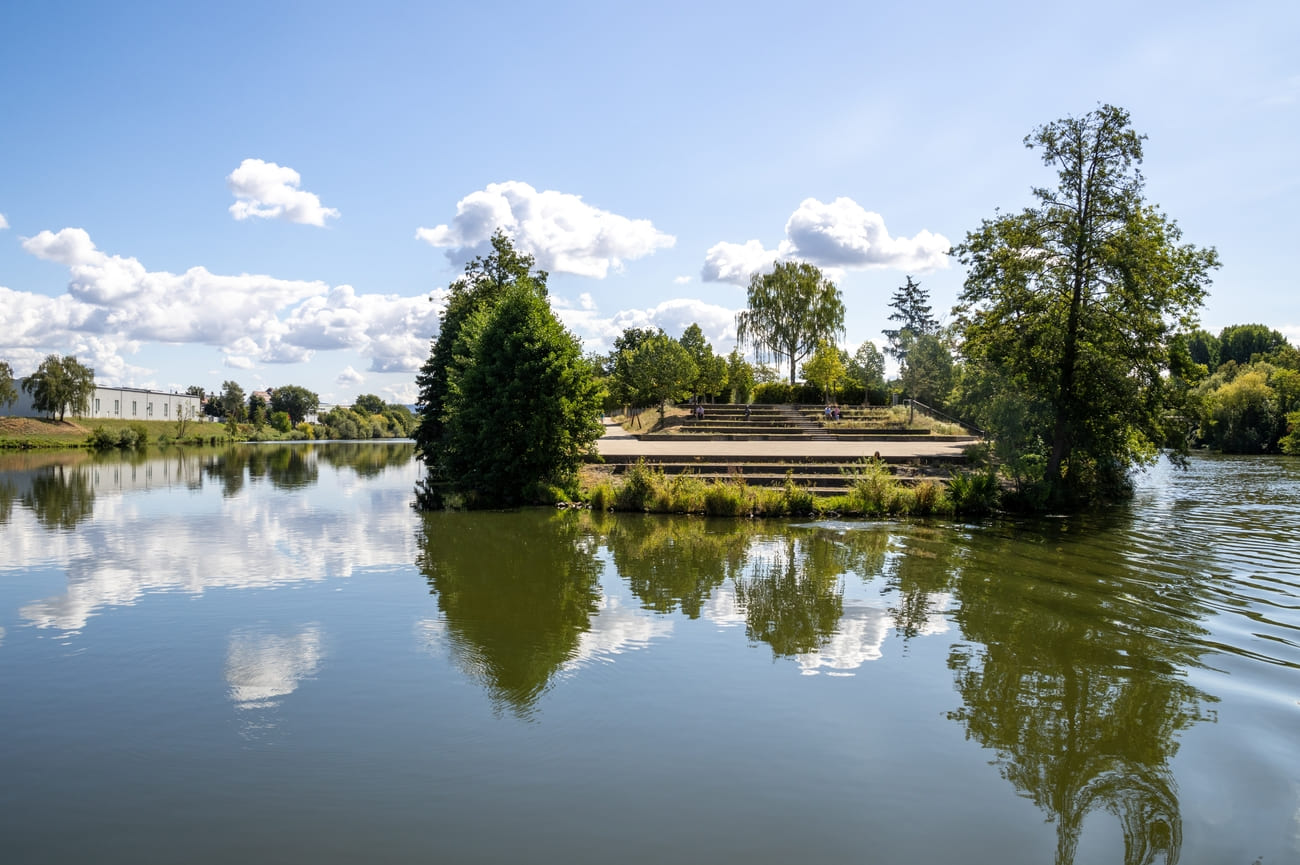
Make your way down from Altenburg towards the northern side of Bamberg and continue to Erbainsel, a riverside green space set along the Regnitz.
Erbainsel is a large landscaped park created on a former industrial site that was transformed during the 2012 State Garden Show (Landesgartenschau). The layout is open and contemporary, with broad lawns, walking paths, water features and designated areas for recreation and events. In contrast to the denser historic fabric of the Old Town, this part of Bamberg feels more spacious and modern.
The park is divided into several sections, including riverside paths, gardens and open areas used by both locals and visitors. Footbridges link different parts of the site, making it easy to explore at your own pace. Because it is used more as a local leisure space than as a major tourist attraction, the atmosphere tends to feel calmer and more residential.
There is no entrance fee and the park is open throughout the year. It is an easy place to explore without planning, whether you want a gentle walk, a quieter break by the river or simply a change of pace after the more historic parts of the city.
Afternoon: International Artists Villa Concordia
Villa Concordia is located near the river, about 10 minutes from Erbainsel by car or a longer walk following the waterfront.
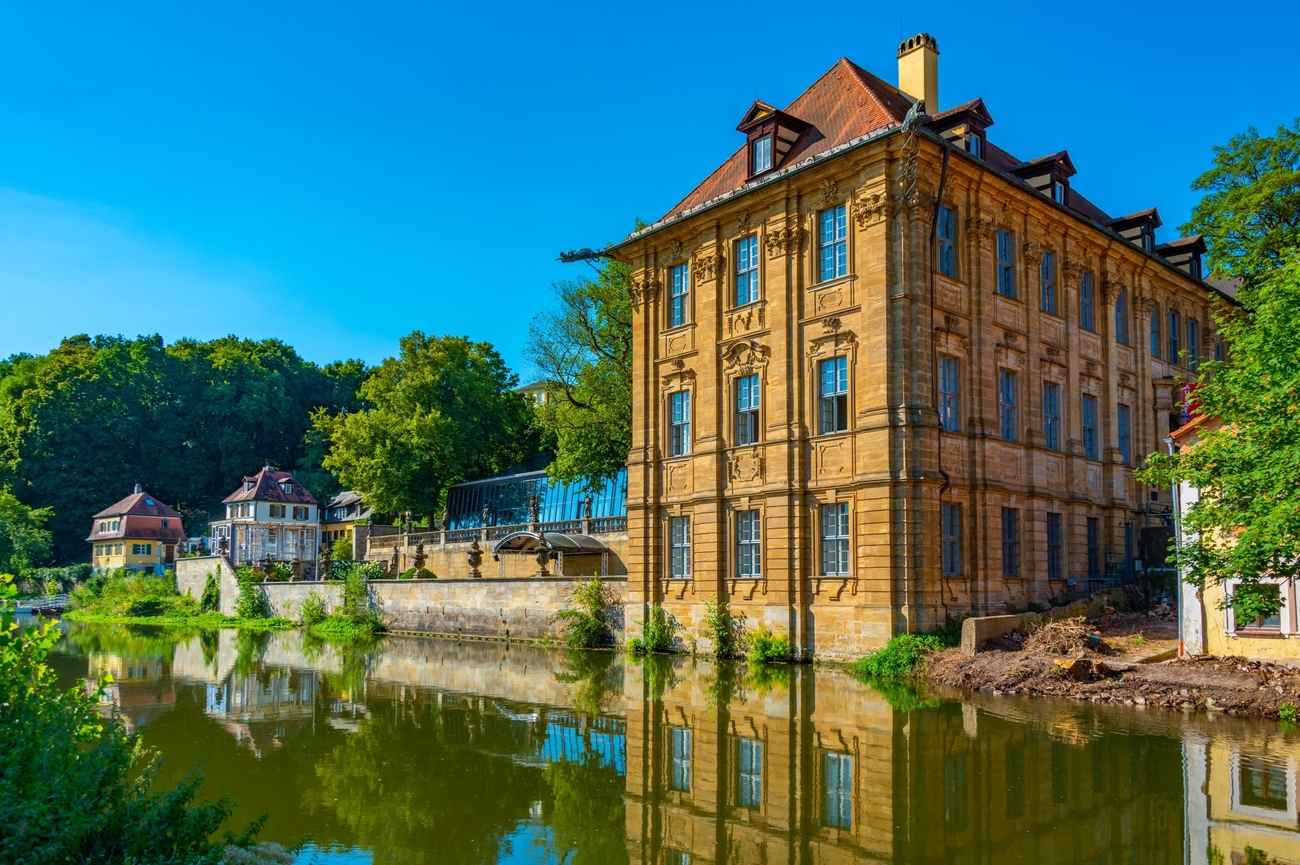
Villa Concordia is an international artists’ residence set within a historic Baroque villa. The building itself dates back to the early 18th century and was originally designed as a private residence before being repurposed as a cultural institution.
Now, it hosts selected artists from around the world, offering them time and space to work in Bamberg. The exterior reflects its Baroque origins, with a symmetrical layout and a more refined, residential scale compared to the larger civic buildings in the city.
The villa is not a traditional museum, so access to the interior is limited. However, it regularly hosts exhibitions, readings and cultural events that are open to the public. These events change throughout the year, depending on the artists in residence, so what you experience can vary. Timing your visit around a live event or exhibition gives you access to the space in a more meaningful way. The setting is naturally quieter than major landmarks, so you can take your time without crowds.
Hainpark
A 10-minute walk, following the same riverside path, will take you toward the greener, more open stretch of the river. This is Hainpark.
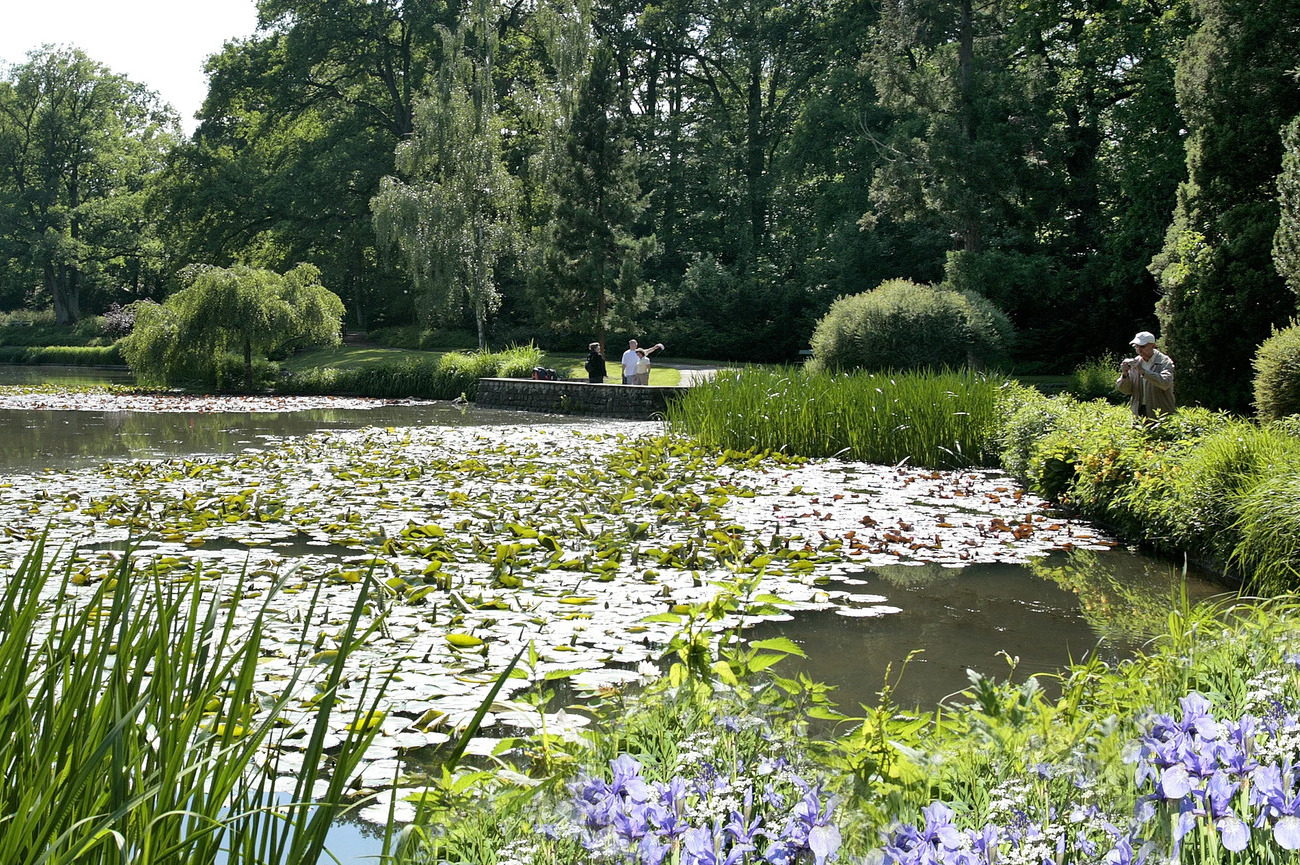
Hainpark (Hain) is one of Bamberg’s main green spaces, set along the river with a more natural and less structured layout compared to formal gardens like the Rose Garden. The park dates back to the 19th century and was designed as an English-style landscape garden, which explains the wide lawns, scattered trees and open walking paths.
The area includes river paths, small clearings and shaded sections that are commonly used by locals for walking, cycling and relaxing. You’ll also find features like the Hainbad area and open-access green zones that give the park a more everyday, lived-in feel rather than a formal attraction.
Evening: Karolinenstraße
Head back into the Old Town and make your way toward one of Bamberg’s main streets.
Karolinenstraße is one of the city’s primary shopping streets. It connects key parts of the Old Town while maintaining its historic setting. The street is lined with a mix of traditional buildings and updated storefronts, so while it functions as a retail area, it still reflects Bamberg’s architectural character. You’ll find a range of shops here, from local boutiques to well-known brands, all set within a walkable, compact layout.
Unlike larger city shopping districts, Karolinenstraße keeps a more scaled-down and integrated feel. It doesn’t overwhelm the historic environment but works within it, which makes the experience more balanced. The street also connects easily to nearby areas like Grüner Markt and Maximiliansplatz, so it naturally becomes part of your movement through the city rather than a separate stop.
Dominikanerstraße
Keep moving through the central shopping district and continue onto Dominikanerstraße, which runs just parallel to Karolinenstraße. It is only a 2–3 minute walk away.
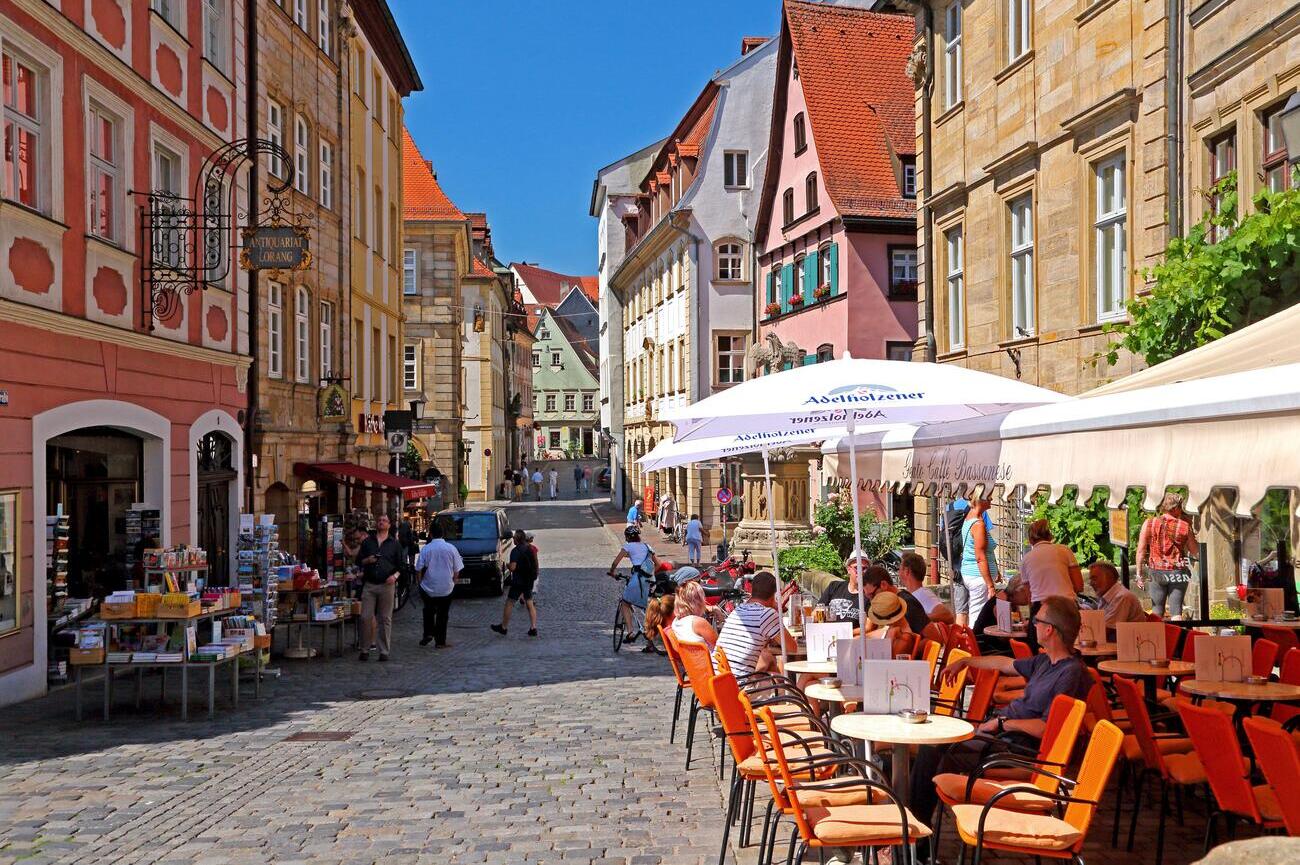
Dominikanerstraße is another retail street but it leans slightly more local and varied compared to Karolinenstraße. The buildings are still historic, with narrow facades and upper floors that reflect the city’s older structure, but at street level you’ll find a mix of independent shops, specialty stores and smaller retail spaces.
This street is part of Bamberg’s compact shopping network, so you’re essentially moving through connected retail zones rather than separate areas. You’ll come across clothing boutiques, local goods, bookstores and smaller concept-style shops that aren’t as visible on the main streets. It’s less about big-name brands and more about variety within a smaller footprint.
Maximiliansplatz
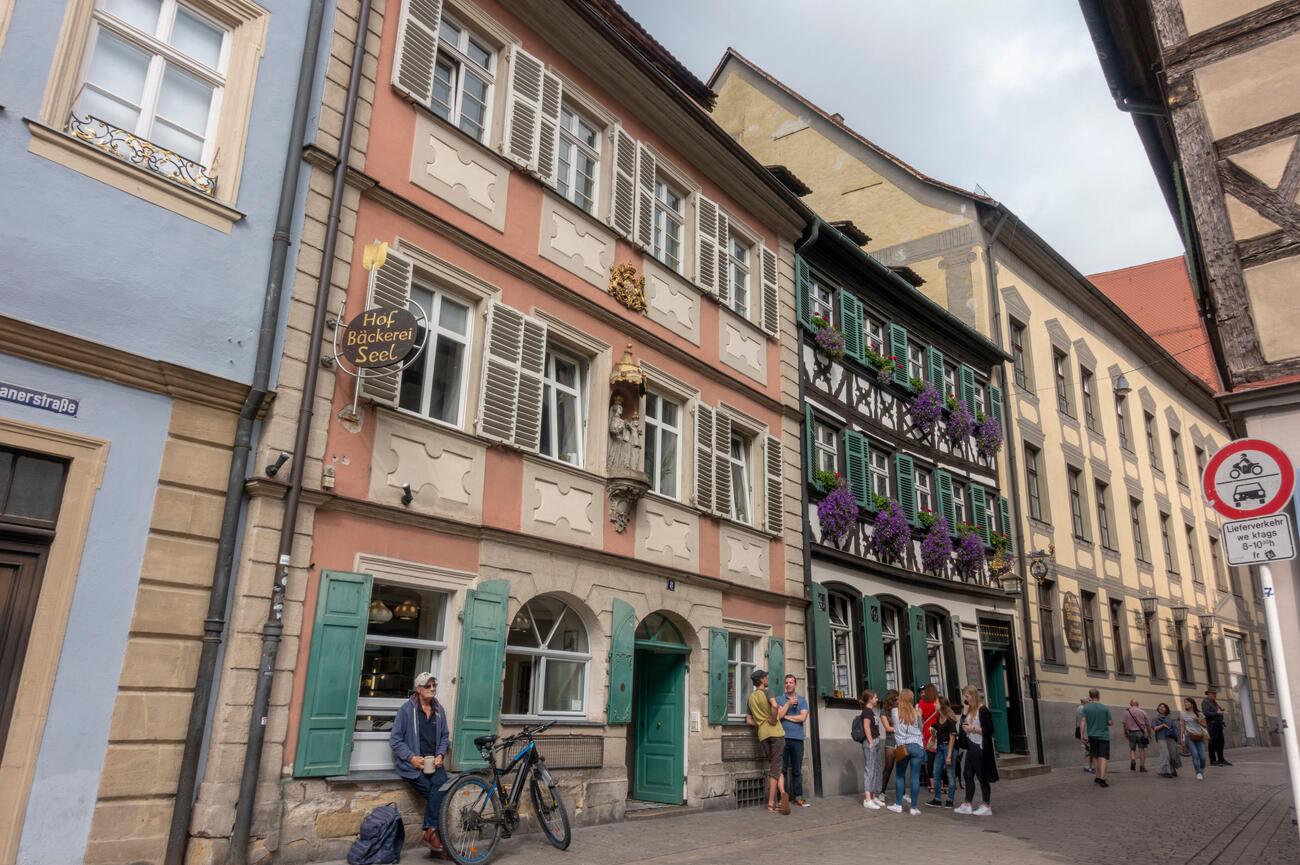
Maximiliansplatz is where everything in Bamberg comes together. This is one of Bamberg’s main squares and a natural endpoint within the city center. The space opens up compared to the narrower shopping streets, with wider sightlines and a mix of historic facades surrounding the square. It functions as both a commercial and social hub, with shops, local businesses, and daily activity centered around it. The architecture remains consistent with the Old Town, but the layout feels more open and less confined.
The square has served as a marketplace and gathering space, and it still holds that role today. You’ll notice how different routes converge here, which is why it often feels more active than the surrounding areas.
In the evening, the square stays active but not overcrowded and the open layout gives you space to slow down after a full day. Ending the tour here keeps everything central, connected and easy to transition from.
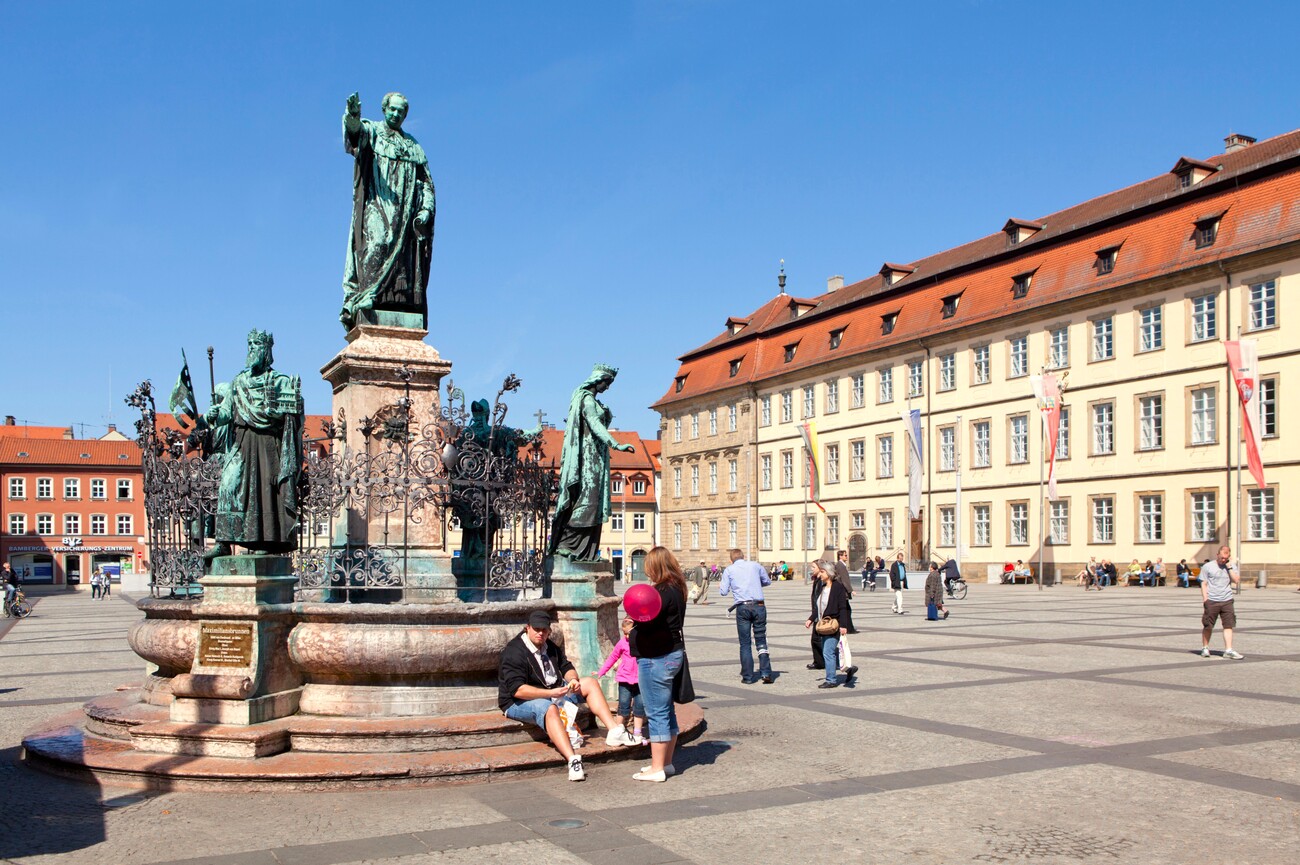
Day 3 - Bamberg
Tour Map
Other Things to Do in Bamberg
Alongside Bamberg’s headline sights, there are several additional places that add depth to a stay in the city. These range from museums and churches to cultural venues and lesser-known historic buildings, and they work particularly well if you want a broader and more rounded view of Bamberg.
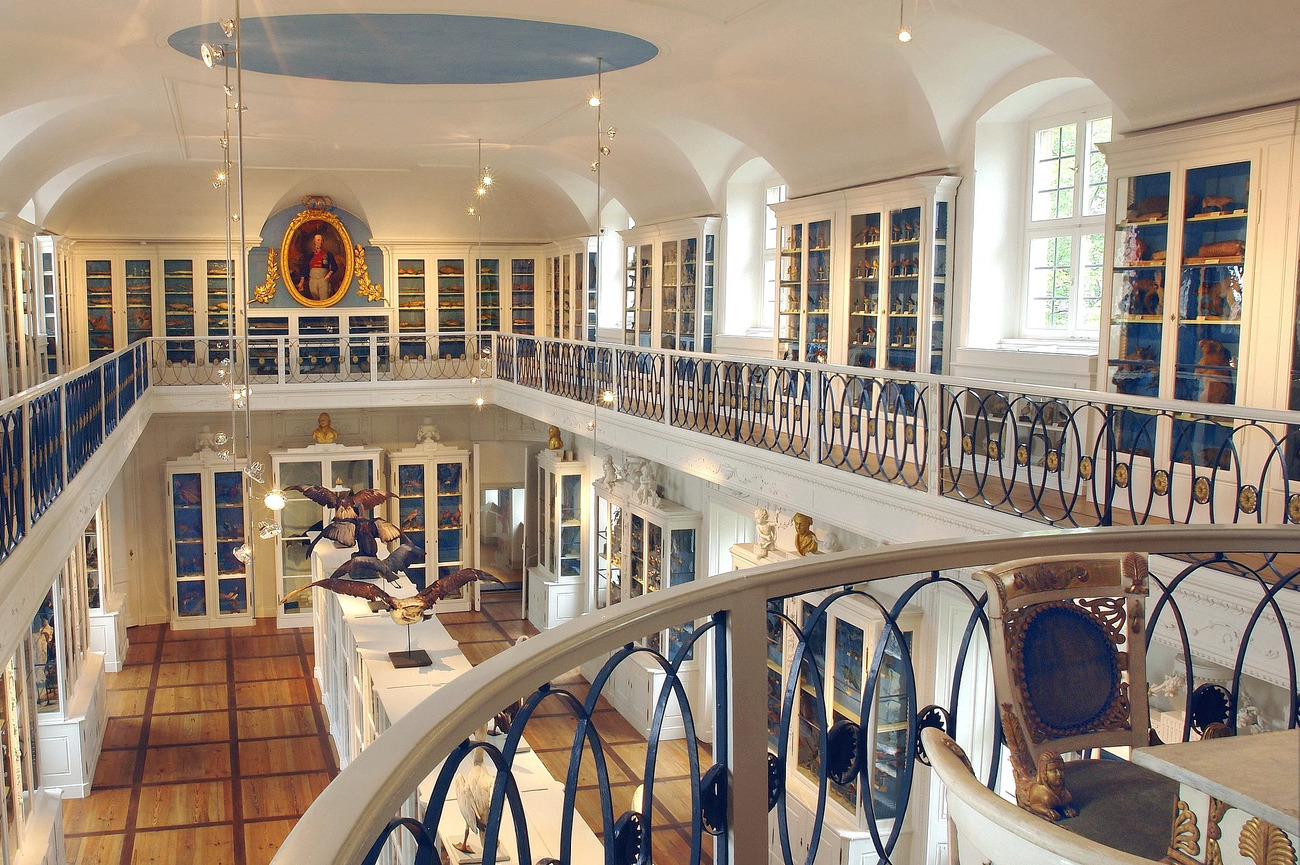
- Naturkundemuseum Bamberg: Naturkundemuseum Bamberg sits right in the Old Town but feels completely different from the rest of the city. The highlight is the historic “bird hall,” a preserved 19th-century gallery lined with glass display cases filled with taxidermy. Beyond that, the museum covers regional geology, fossils and natural history, but the main hall carries the experience visually.
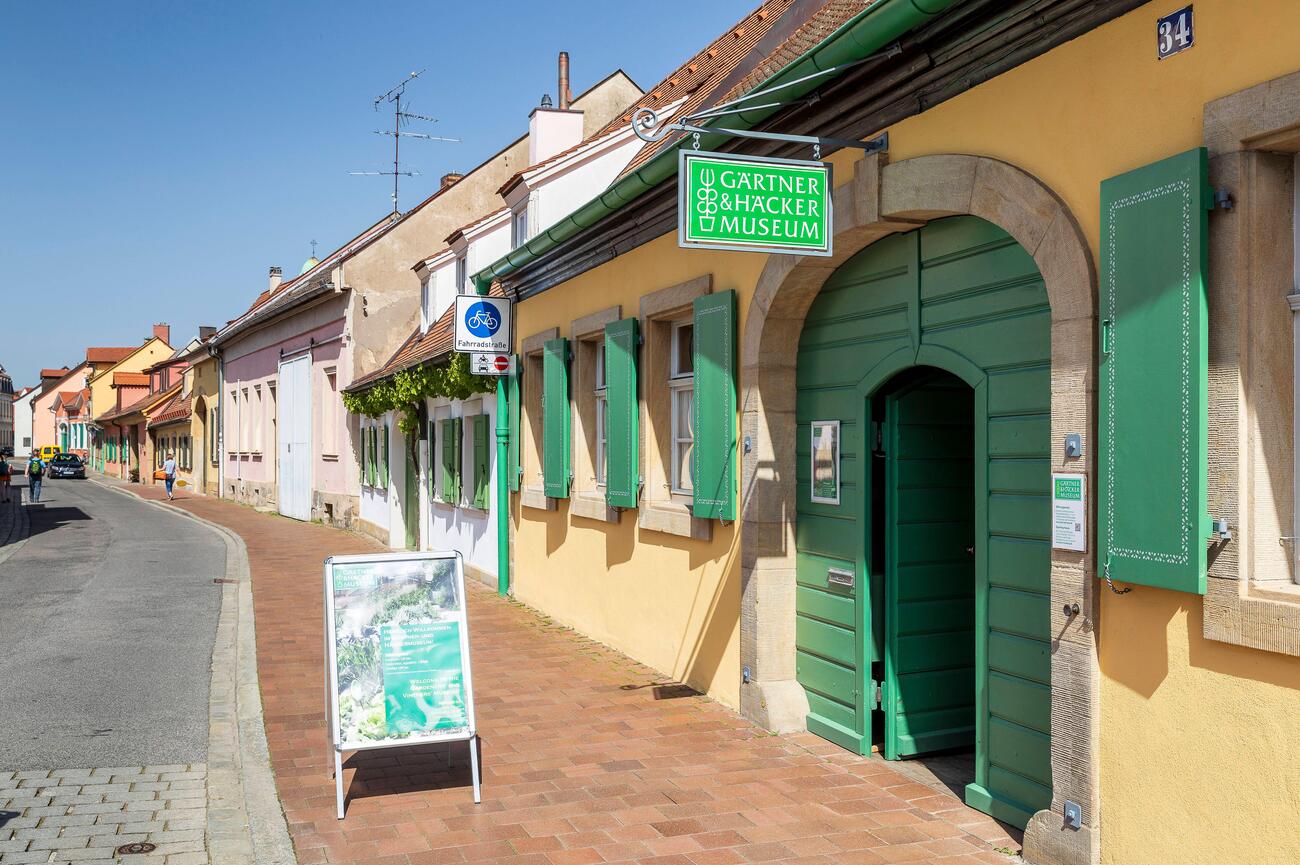
- Gärtner- und Häckermuseum: If you want to understand Bamberg beyond its best-known landmarks, this museum is worth adding to your itinerary. It focuses on the city’s historic gardening and wine-growing traditions, which form part of Bamberg’s UNESCO heritage character and help explain how the city developed beyond its cathedral and civic core.
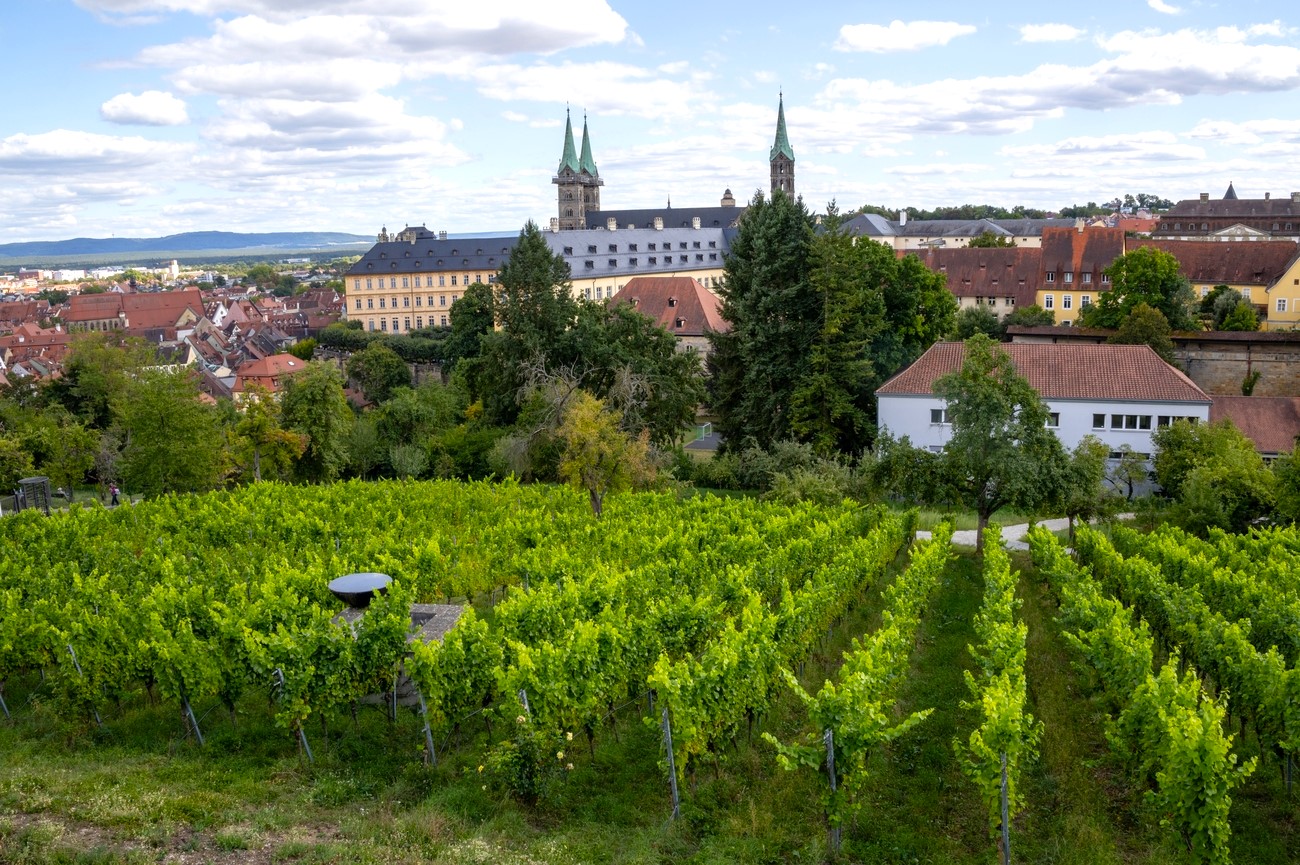
- Michaelsberg Vineyard: The vineyard on Michaelsberg adds another layer to Bamberg’s heritage and is worth noting if you want a fuller picture of the city beyond its better-known beer culture. Wine was cultivated here centuries ago, and the vineyard on the southern slope of the former St Michael’s monastery complex was recultivated for the 2012 State Garden Show, helping to revive part of Bamberg’s historic wine-growing tradition. Set beside the monastery gardens, orchards and terraces, it also adds another attractive element to the wider Michaelsberg area and reinforces the city’s connection to both gardening and viticulture.
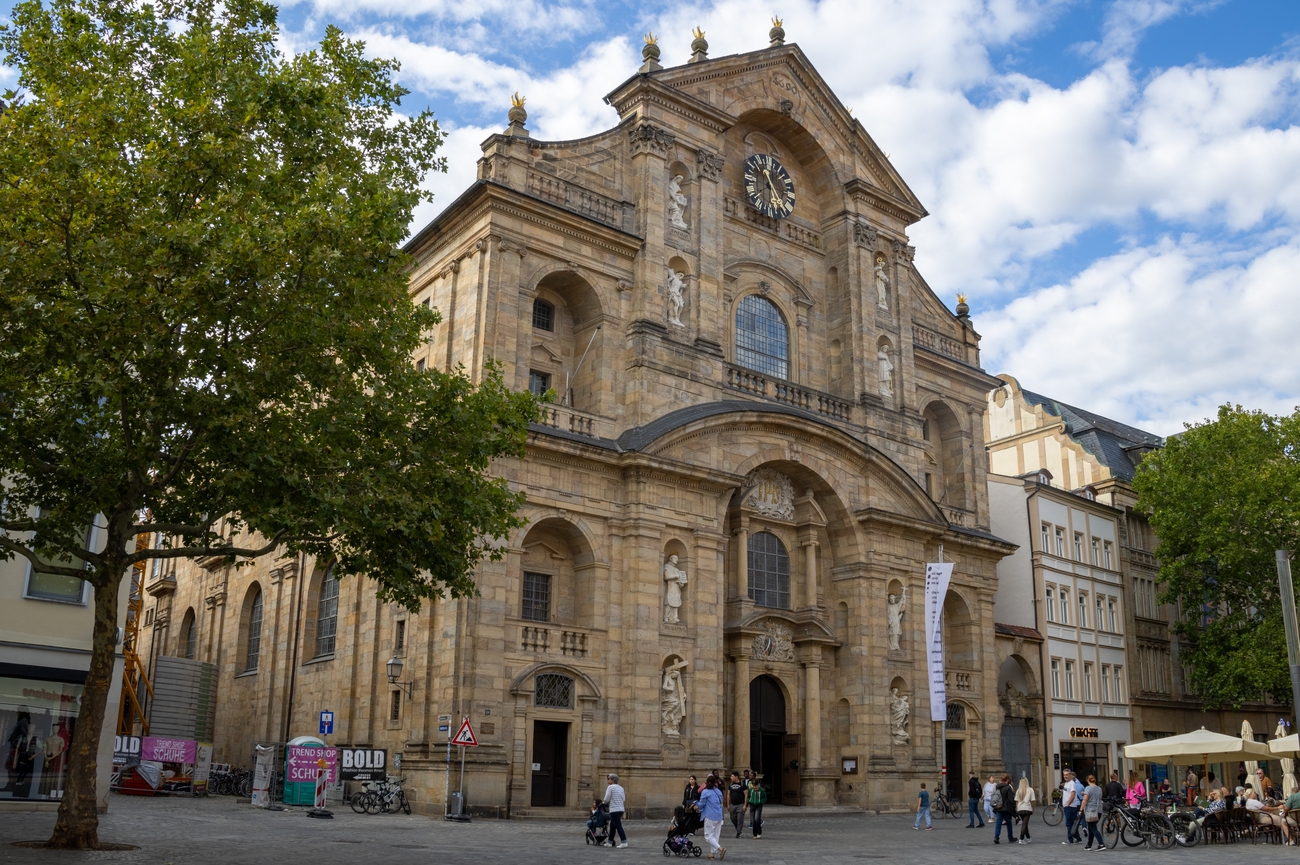
- Kath. Kirche St. Martin: Right beside Grüner Markt, St. Martin’s Church is easy to pass without realizing how detailed it is inside. Built by the Jesuits in the 17th century, the design leans fully Baroque. It has white interiors, gold detailing and a clean, symmetrical layout. This is smaller than Bamberg Cathedral which makes it a little less overwhelming.
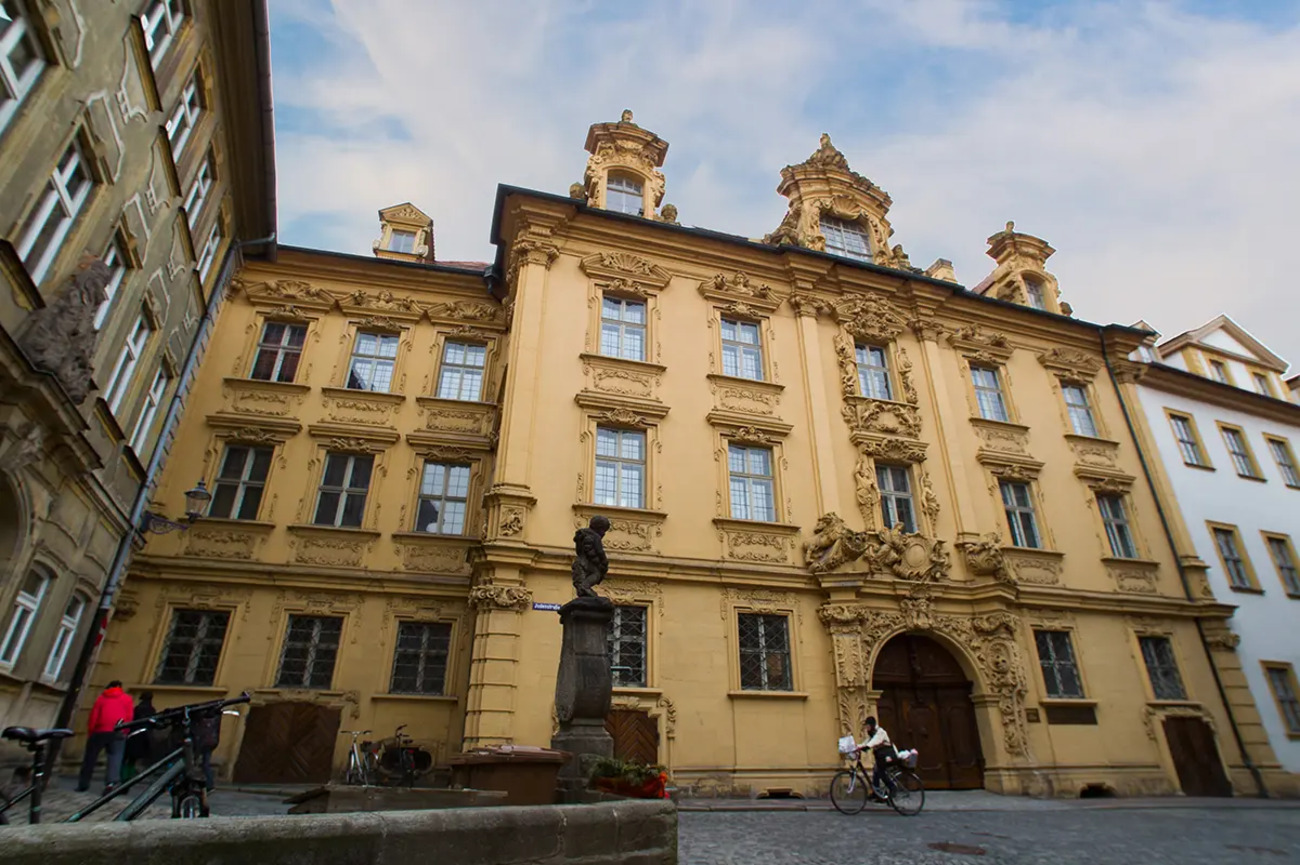
- Böttingerhaus: Böttingerhaus is one of Bamberg’s least obvious but most impressive buildings. From the outside, it blends into the Old Town. Inside, it’s full Rococo with ornate staircases, stucco detailing and layered decorative work from the 18th century. It’s privately owned, so access is limited and not always guaranteed. You can get a guided interior visit to turn this into one of the most exclusive experiences in the city.
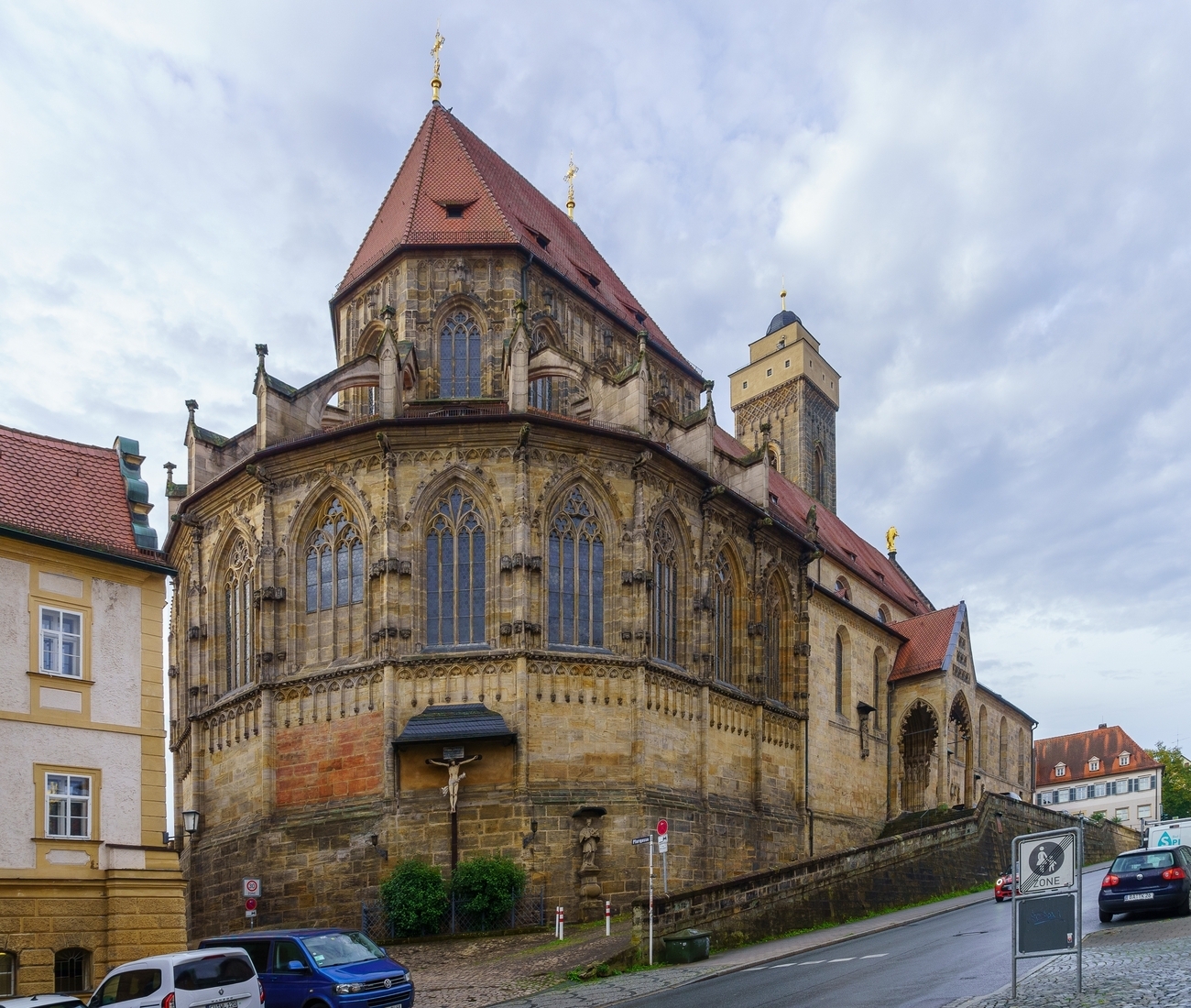
- Our Lady's Parish Church: Located on the slope near the cathedral district, Obere Pfarre is often overlooked because of its proximity to bigger landmarks. This church is primarily Gothic, but the interior includes later additions, which give it more variation in color and detail. It has painted ceilings and detailed altars. This church is often part of private walking tours through the upper town.
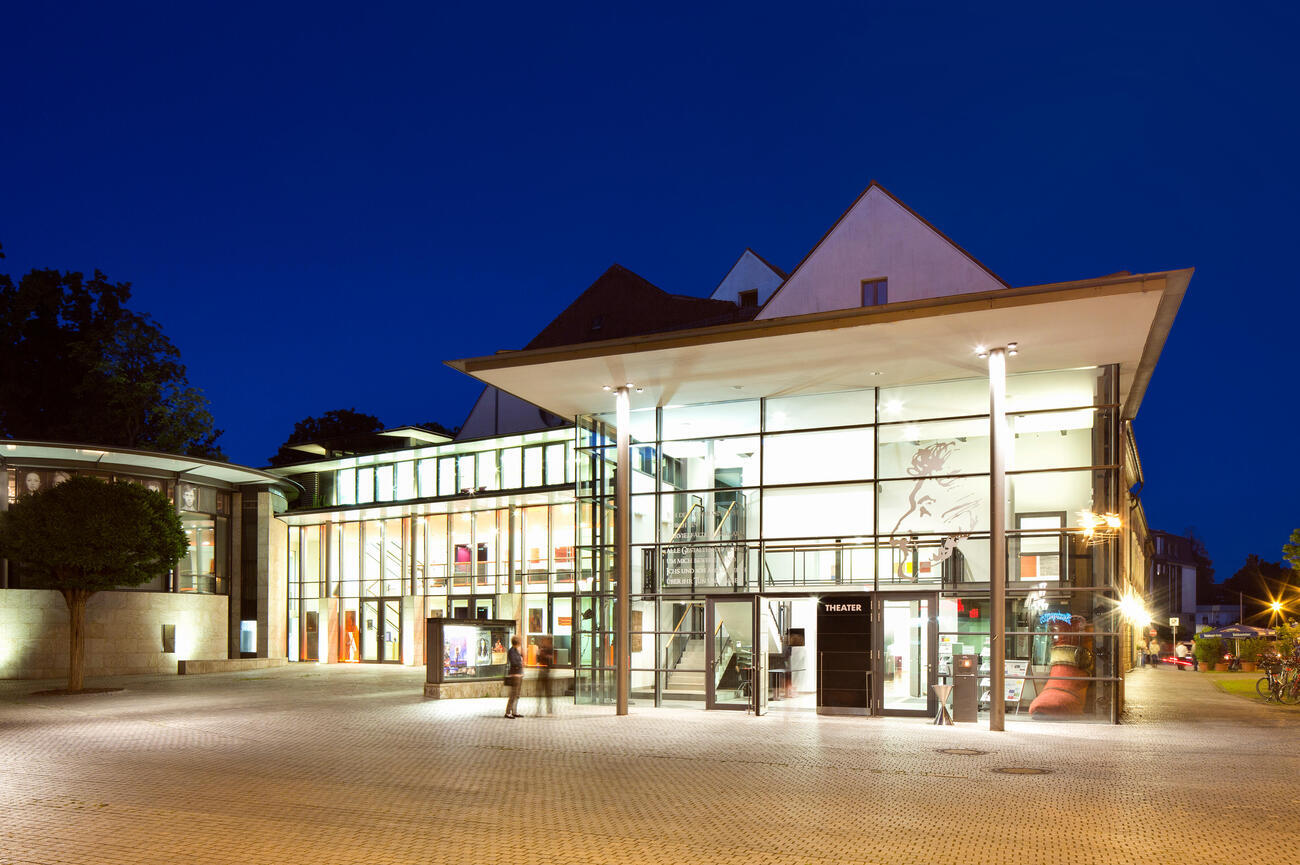
- E.T.A.-Hoffmann-Theater Bamberg: E.T.A.-Hoffmann-Theater brings in a different side of Bamberg. It highlights live performance instead of static landmarks. The building dates back to the early 19th century and sits along the river, integrated into the Old Town without feeling overly formal. The program includes opera, drama and smaller productions. Most performances are in German, but the setting and production quality still make it accessible as an experience.
Things to Do with Kids in Bamberg
Bamberg works surprisingly well with kids if you know where to go. It’s compact, walkable and not overwhelming. The real win is mixing structured stops with open spaces. Museums here aren’t overly long, parks are actually usable and there are enough hands-on spots to keep things moving without forcing it. Here’s where you take them when you want a smoother, more enjoyable day for them and for you.
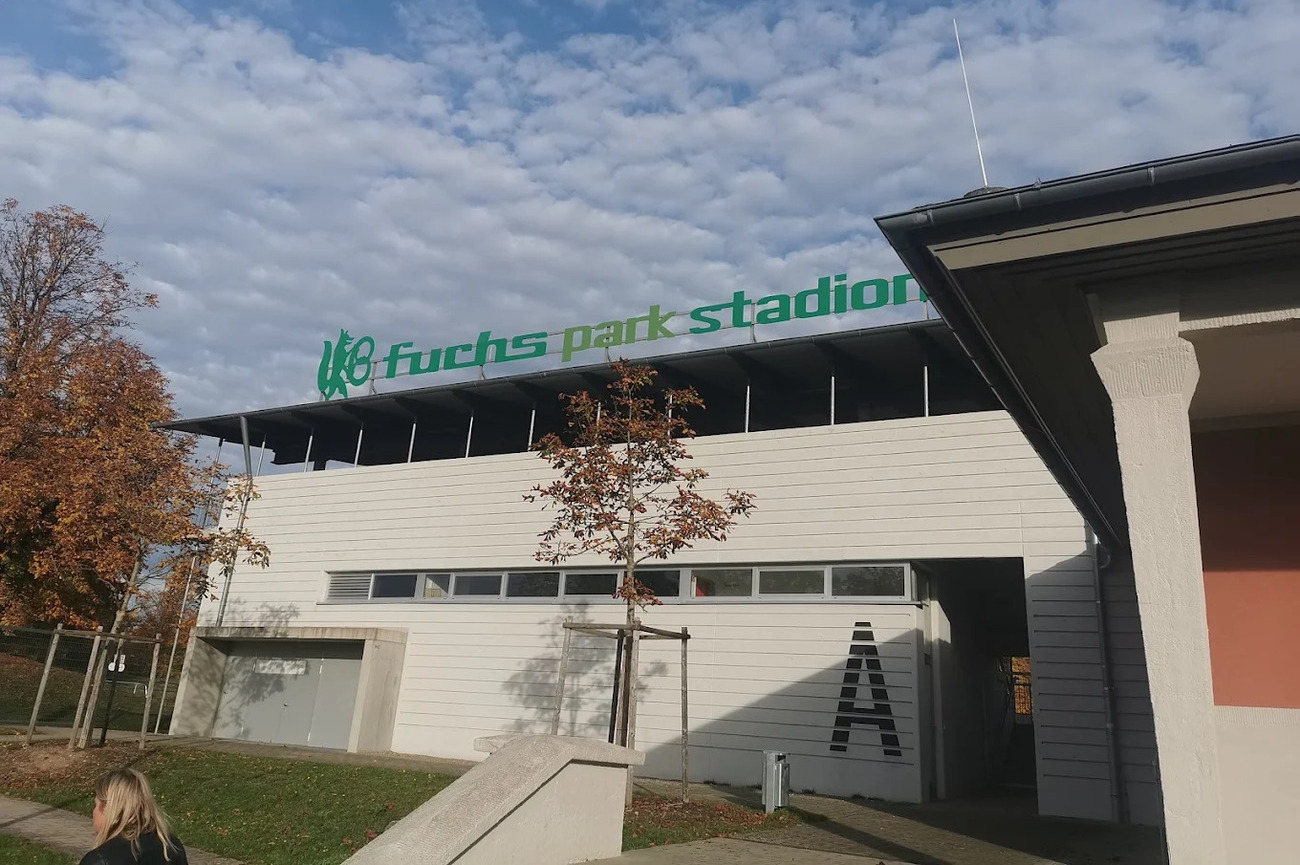
- Fuchs-Park Stadion: Fuchs-Park Stadion sits slightly outside the historic core, which is exactly why it works well with kids. After spending time in Bamberg’s tighter, more structured Old Town, this area opens up completely. The stadium itself is used for football and events, but the surrounding grounds are what matter here. It’s functional rather than designed, which keeps it easy to navigate and less crowded than dedicated parks.
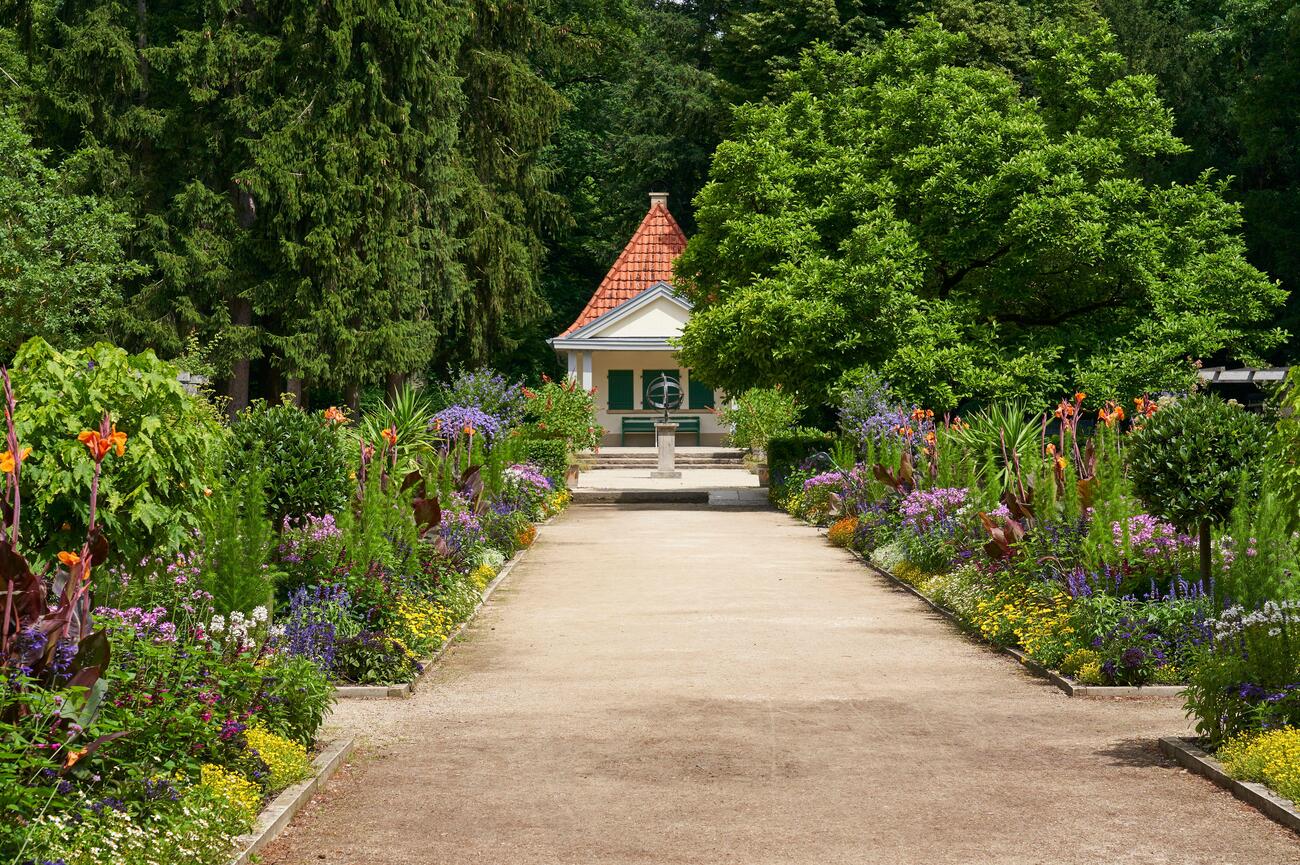
- Botanical Garden: The Botanical Garden is part of the University of Bamberg, so the layout is structured but not overwhelming. You’ll find a mix of greenhouses and outdoor sections, each focusing on different plant types and ecosystems. It’s not a large-scale attraction, so you can move through it without committing a full afternoon. The greenhouses add variety with tropical plants, desert species and seasonal displays.
- Bambados: Bambados is the most structured and activity-driven option on this list. It’s Bamberg’s main public bath complex, designed with both families and regular swimmers in mind. The facility includes indoor and outdoor pools, slides, shallow play areas for younger kids and larger swimming zones for older ones. The design is modern and efficient, which keeps the experience manageable even when it’s busy. There’s also a wellness zone with saunas and quieter pools, giving you the option to step back while still staying within the same complex.

Day Trips from Bamberg
Bamberg is perfectly located for quick, rewarding day trips. Within 90 minutes, you can reach bigger cities, historic towns and cultural highlights without spending hours on the road. These trips let you see different sides of Franconia like UNESCO sites, castles, baroque architecture and even spa escapes, while keeping your schedule manageable. You can leave in the morning, explore a new destination and be back in Bamberg by evening. These are some of the cities worth exploring.
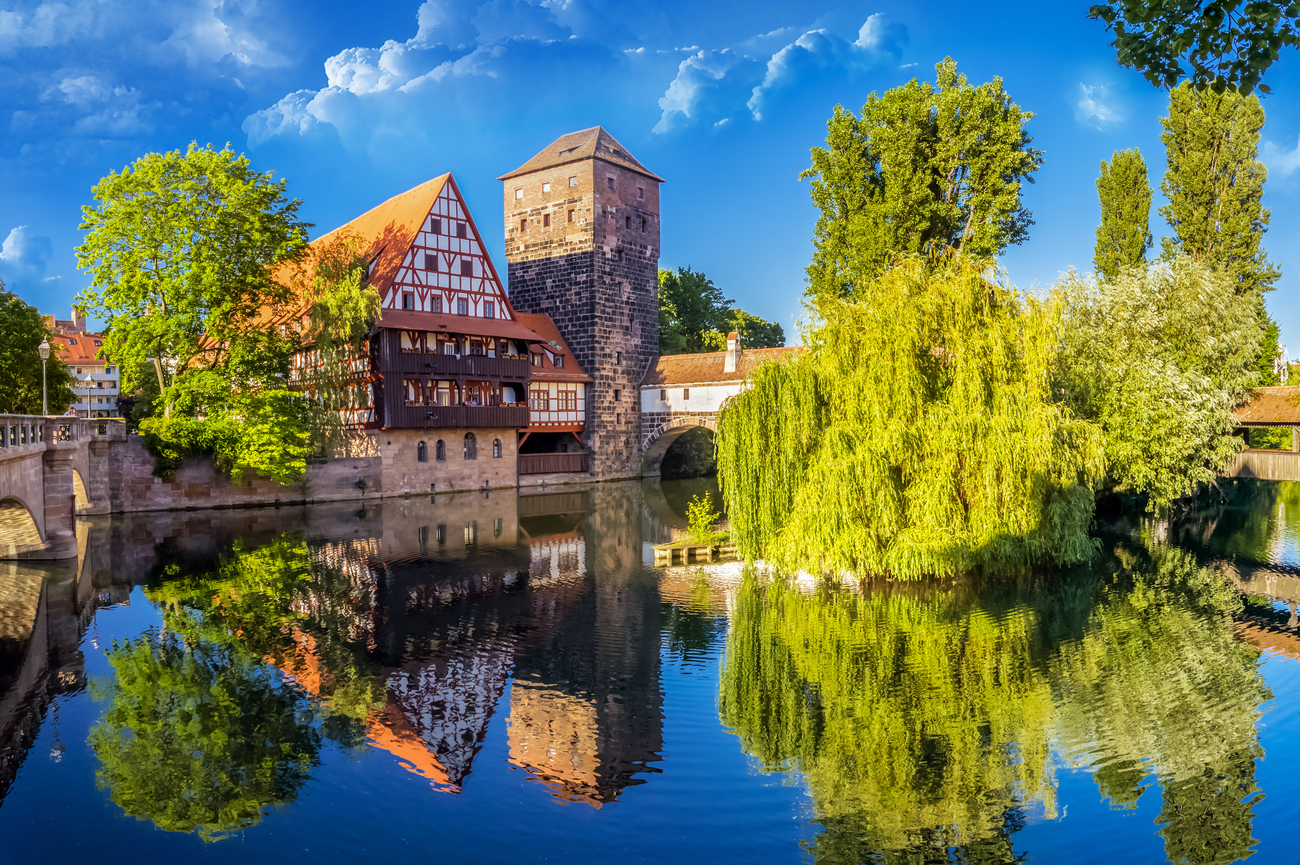
- Nuremberg, Germany: Nuremberg is about a 40–45 minute train ride from Bamberg and it’s a mix of medieval architecture and modern city life. The Imperial Castle dominates the skyline, giving you great views of the Old Town below. Stroll the cobbled streets to discover half-timbered houses, historic squares and boutique shops. The Hauptmarkt is lively, especially during the Christmas season with the Christkindlesmarkt. You can book a private guided tour of the castle or the Nazi Party Rally Grounds Documentation Center to better explore this city.
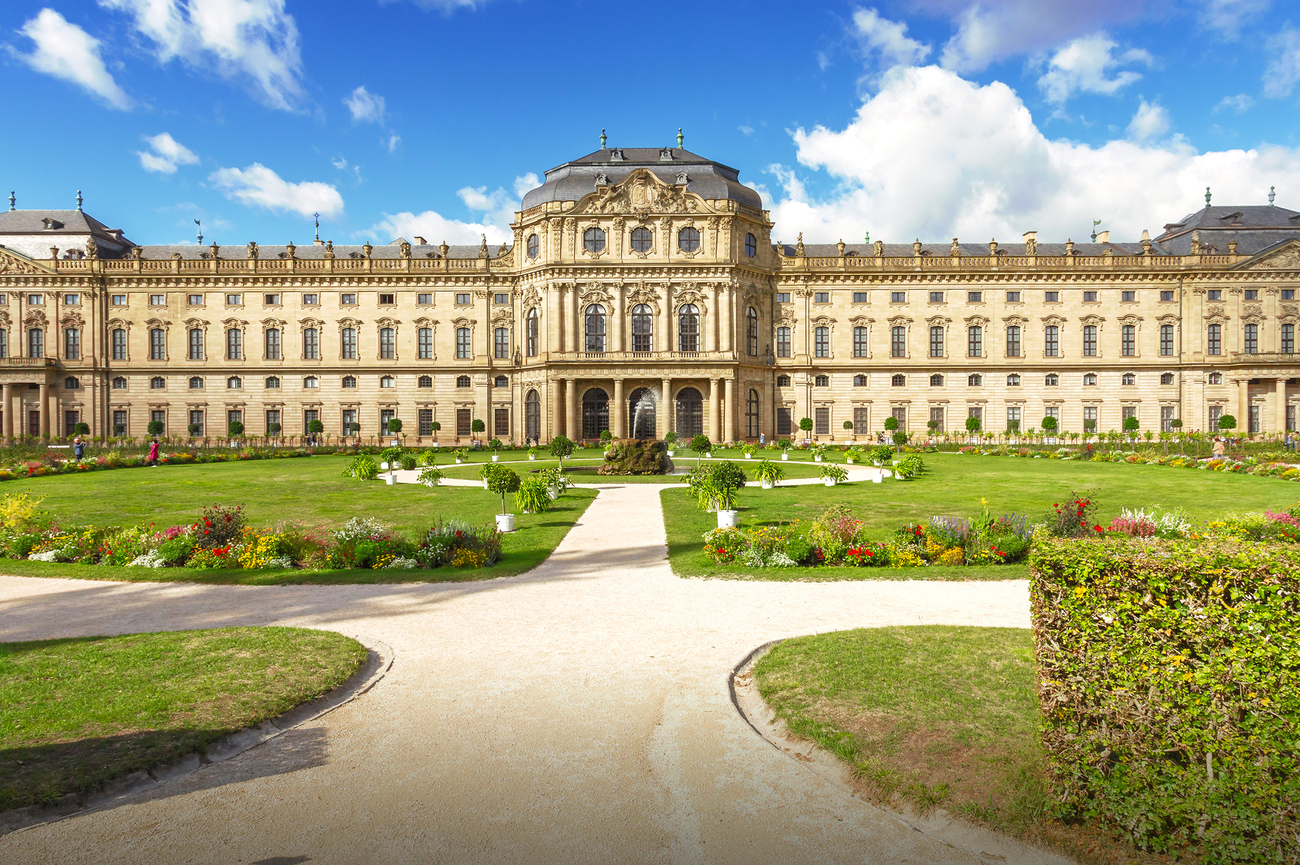
- Würzburg, Germany: Würzburg sits just under an hour from Bamberg. The Würzburg Residence, a UNESCO World Heritage Site, is the main highlight with grand staircases, detailed frescoes and rooms that feel designed to impress. After the Residence, the city flows naturally toward the river. The Alte Mainbrücke is one of the easiest places to slow down, with views of vineyards lining the hills and the fortress in the distance. From there, heading up to Marienberg Fortress gives you a wider perspective of the city and its layout. To get the best experience of this city, you can book a guided tour of the Residence, then pair it with a curated Franconian wine tasting.
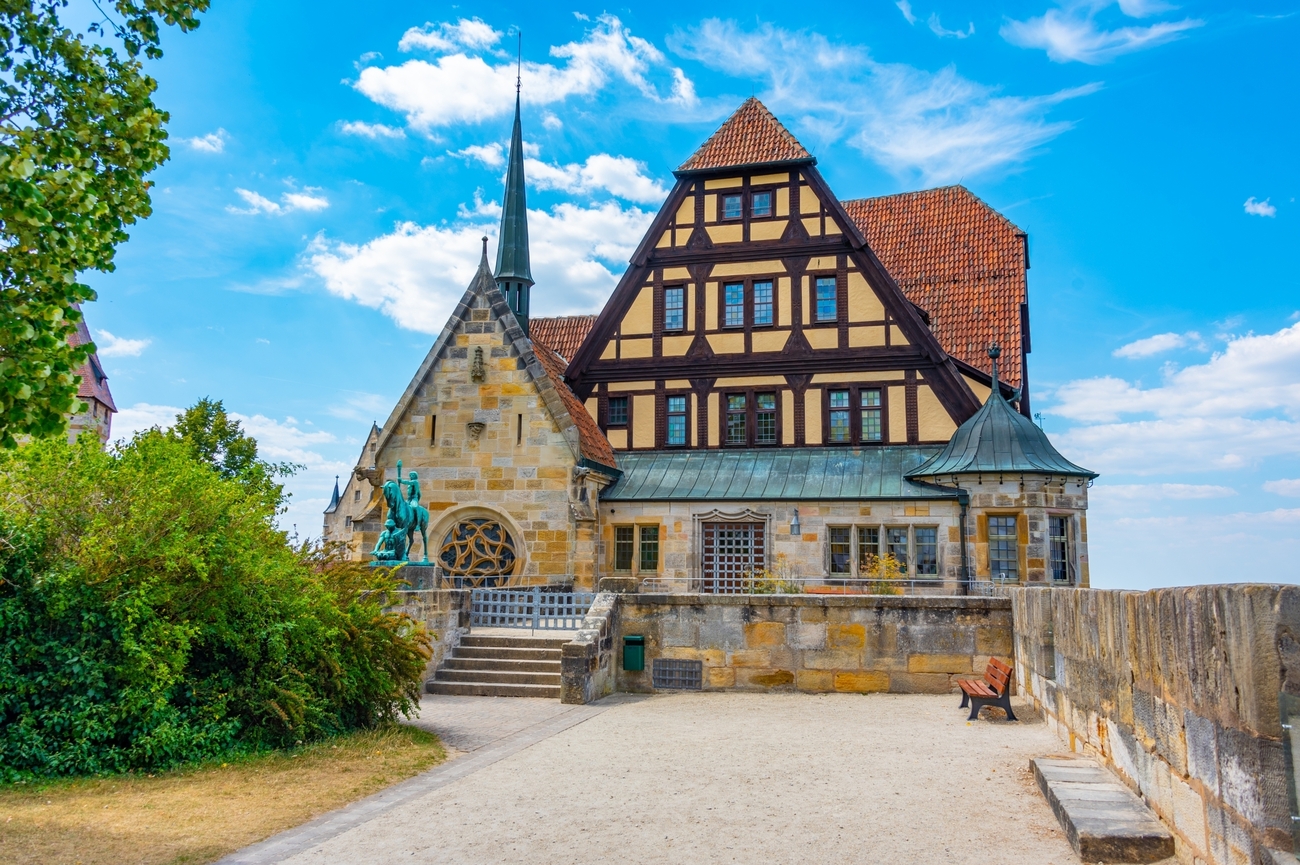
- Coburg, Germany: Coburg sits about an hour from Bamberg and offers a slower, more measured experience than some of the bigger cities nearby. The main draw is the Veste Coburg, a fortress that feels more like a complex than a single monument. It is large, well preserved and home to art collections and historical exhibits, so you can easily spend several hours here without the visit feeling repetitive. Ehrenburg Palace adds a different dimension with its Baroque interiors, creating a pleasing contrast with the fortress above. Round off your visit with a proper sit-down meal in the Old Town.
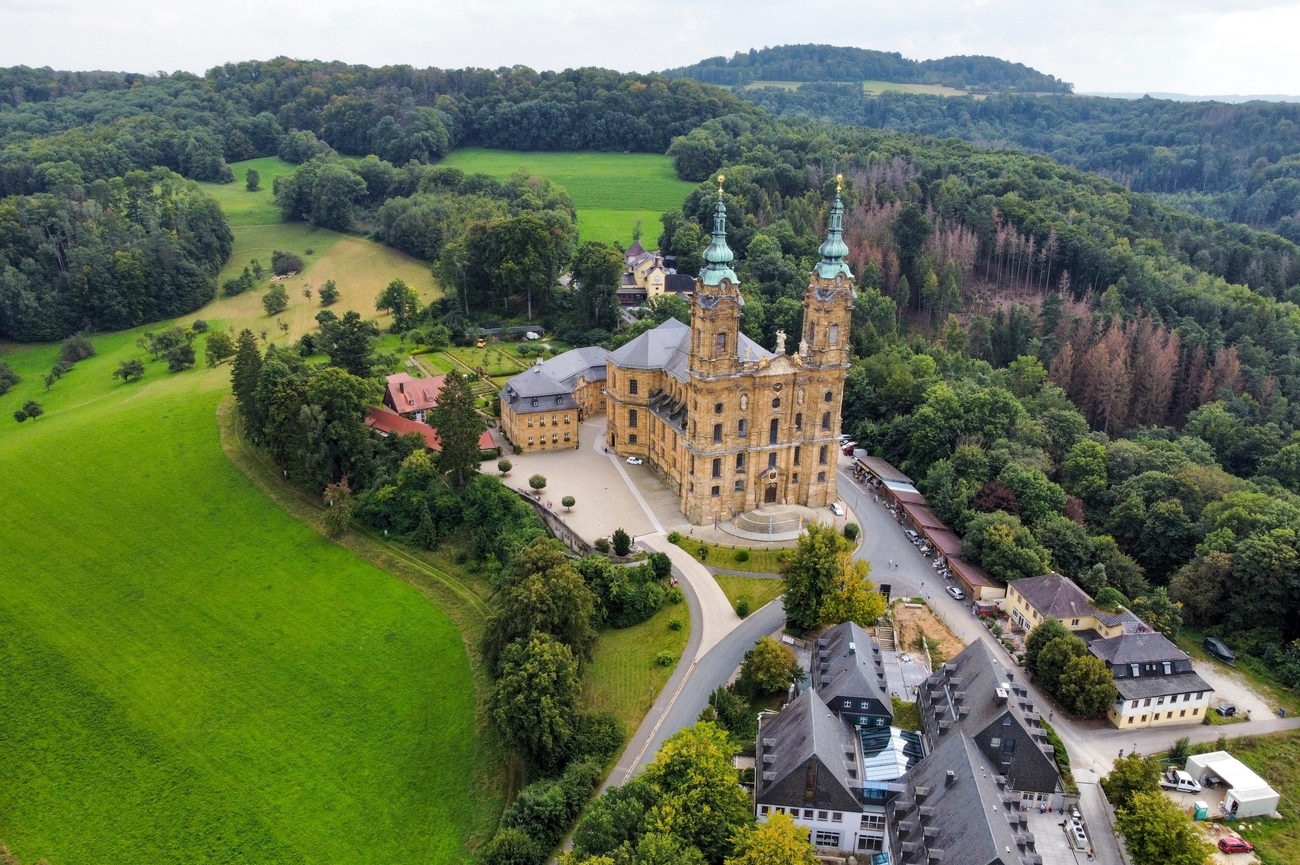
- Bad Staffelstein, Germany: Bad Staffelstein is about 30 to 40 minutes from Bamberg and makes a rewarding outing if you want something quieter without losing depth. The main highlight is the Basilica of Vierzehnheiligen, whose bright and highly decorative interior is impressive even if you do not usually focus on church architecture. Nearby, Banz Abbey occupies a hilltop setting and adds a more peaceful stop, with broad views over the surrounding countryside. If you want a more relaxing finish to the day, Obermain Therme is one of the best thermal spas in the region, with mineral-rich pools, saunas and outdoor areas overlooking the landscape.
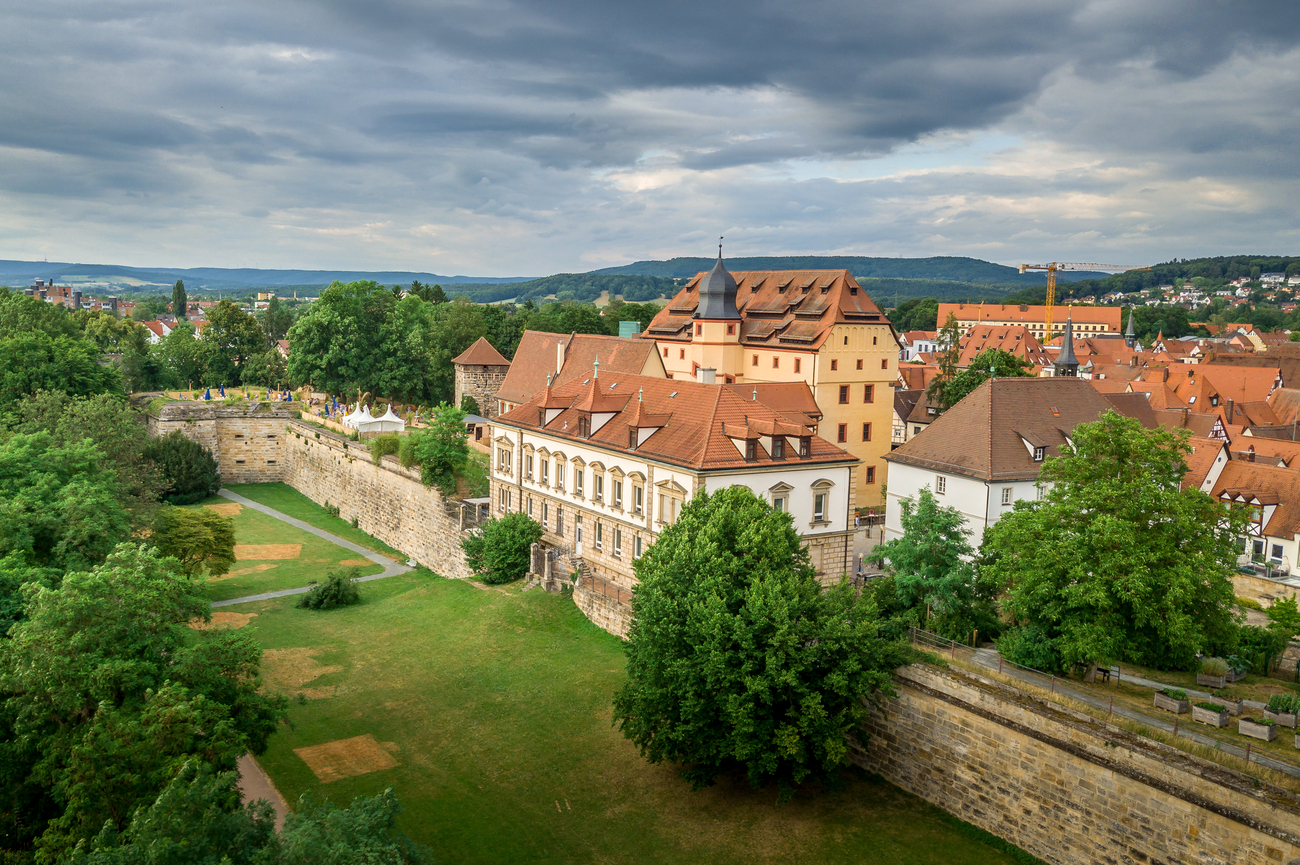
- Forchheim, Germany: Forchheim is the shortest trip on the list, at around 25 to 30 minutes from Bamberg, which makes it easy to fit into a lighter day. It is a smaller and quieter town, with a Marktplatz lined by timber-framed houses and streets that are easy to explore without much planning. You can also visit Forchheim Fortress, which adds historical context through exhibitions and elevated views. Beyond that, the town is known for its beer culture, with traditional cellars and breweries that feel more authentic than polished. You can also book a guided cellar tour or a curated tasting focused on Franconian brewing traditions.
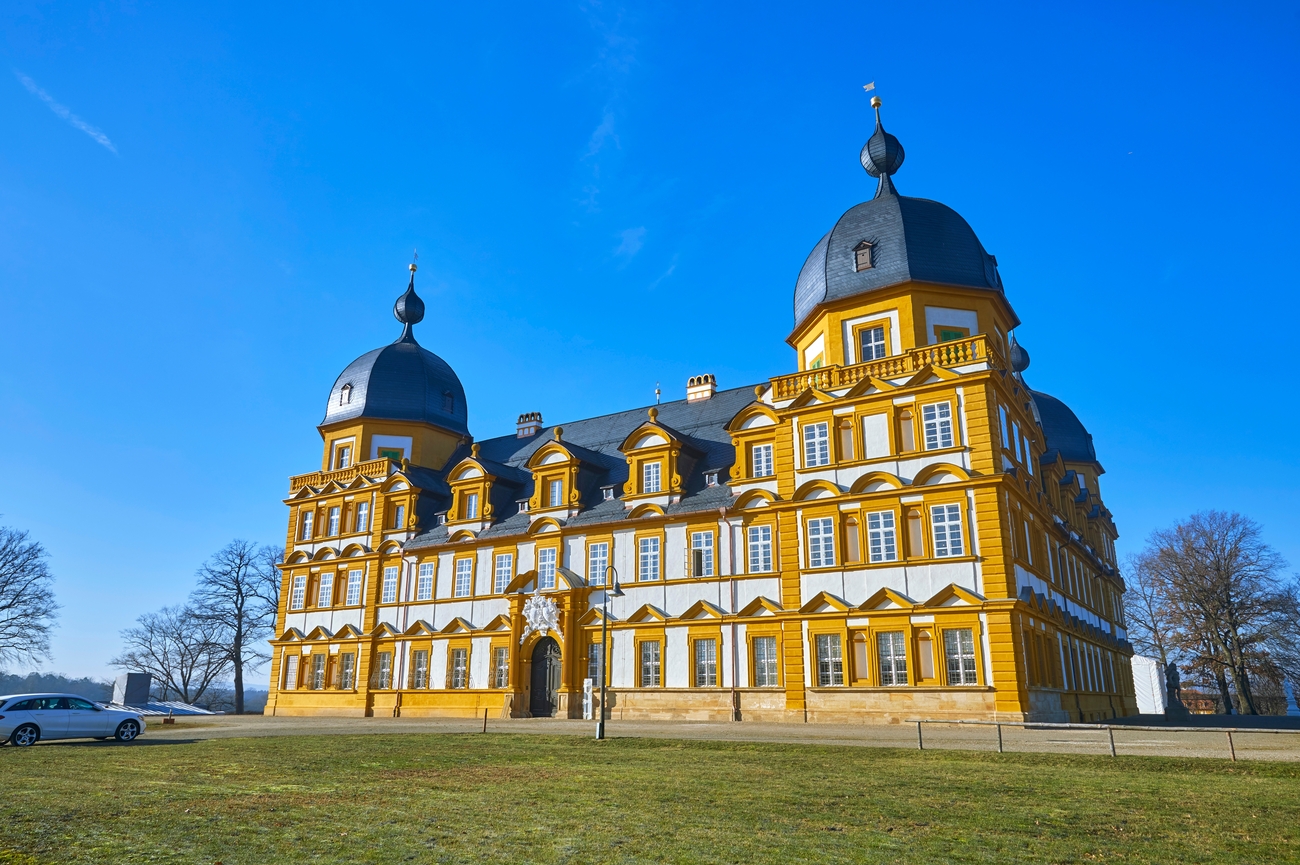
- Schloss Seehof, Memmelsdorf, Germany: Around 15 minutes from Bamberg, Schloss Seehof is one of the easiest and most worthwhile additions to a stay in the city. This former summer residence of the prince-bishops of Bamberg is known for its Baroque interiors, landscaped grounds and formal gardens. It works particularly well as a half-day excursion if you want something elegant and historical without committing to a longer day trip.
- Bayreuth, Germany: Bayreuth is about 40 minutes from Bamberg by car and makes one of the strongest cultural day trips in the region. Its main highlight is the Margravial Opera House, a UNESCO World Heritage Site and one of the finest surviving Baroque theatres in Europe. Built in the mid-18th century, it stands out for its richly decorated interior and its importance in the history of court opera. Bayreuth also offers elegant streets, museums and a more refined cultural atmosphere than some of the other nearby destinations, making it a worthwhile addition if you want another heritage-rich stop beyond Bamberg itself.
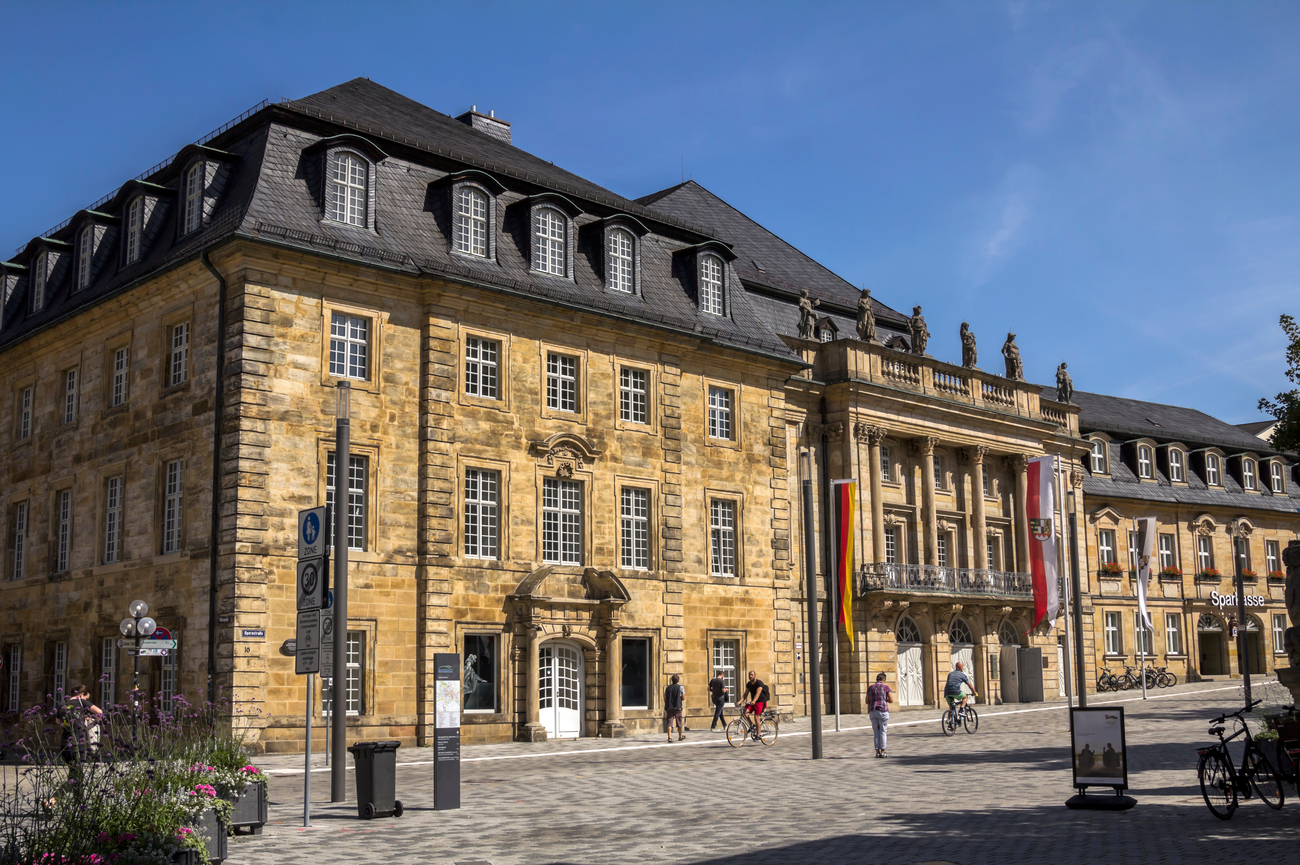
Nearby Experiences around Bamberg
Bamberg itself is best known for history, architecture and culture, but the surrounding region adds a different kind of variety. Within about an hour, you can move from historic streets and riverside walks to golf courses, outdoor activities and family-friendly attractions, all without committing to long travel days.
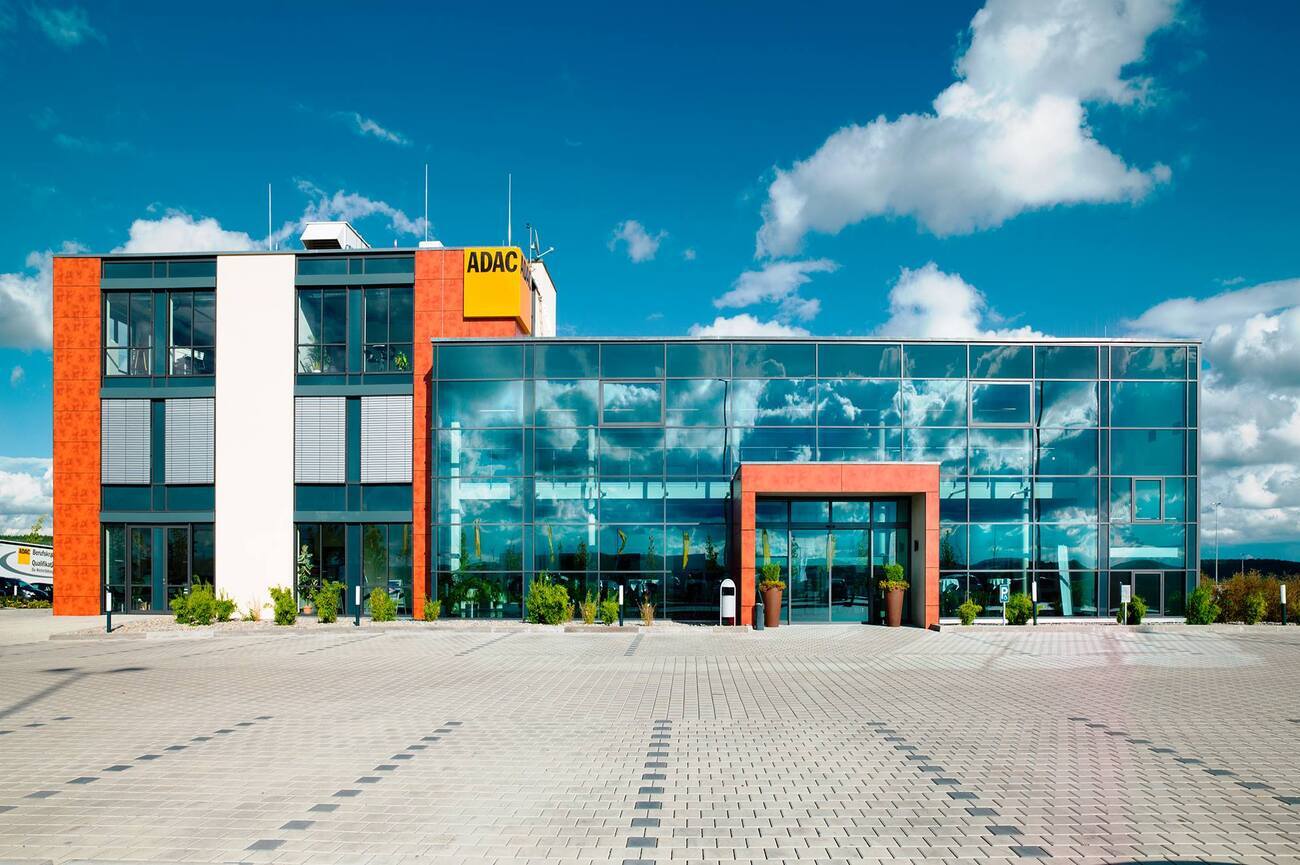
- ADAC Fahrsicherheitszentrum Schlüsselfeld: Around 30 minutes away, this is where driving becomes more technical than fun. ADAC Fahrsicherheitszentrum Schlüsselfeld is built for controlled scenarios: wet skid pads, emergency braking lanes, obstacle avoidance setups. It’s structured, instructor-led, and very precise. No racing here, just understanding how a car actually reacts when things get unpredictable. This is surprisingly engaging, especially if you are interested in performance driving or just being more confident behind the wheel.
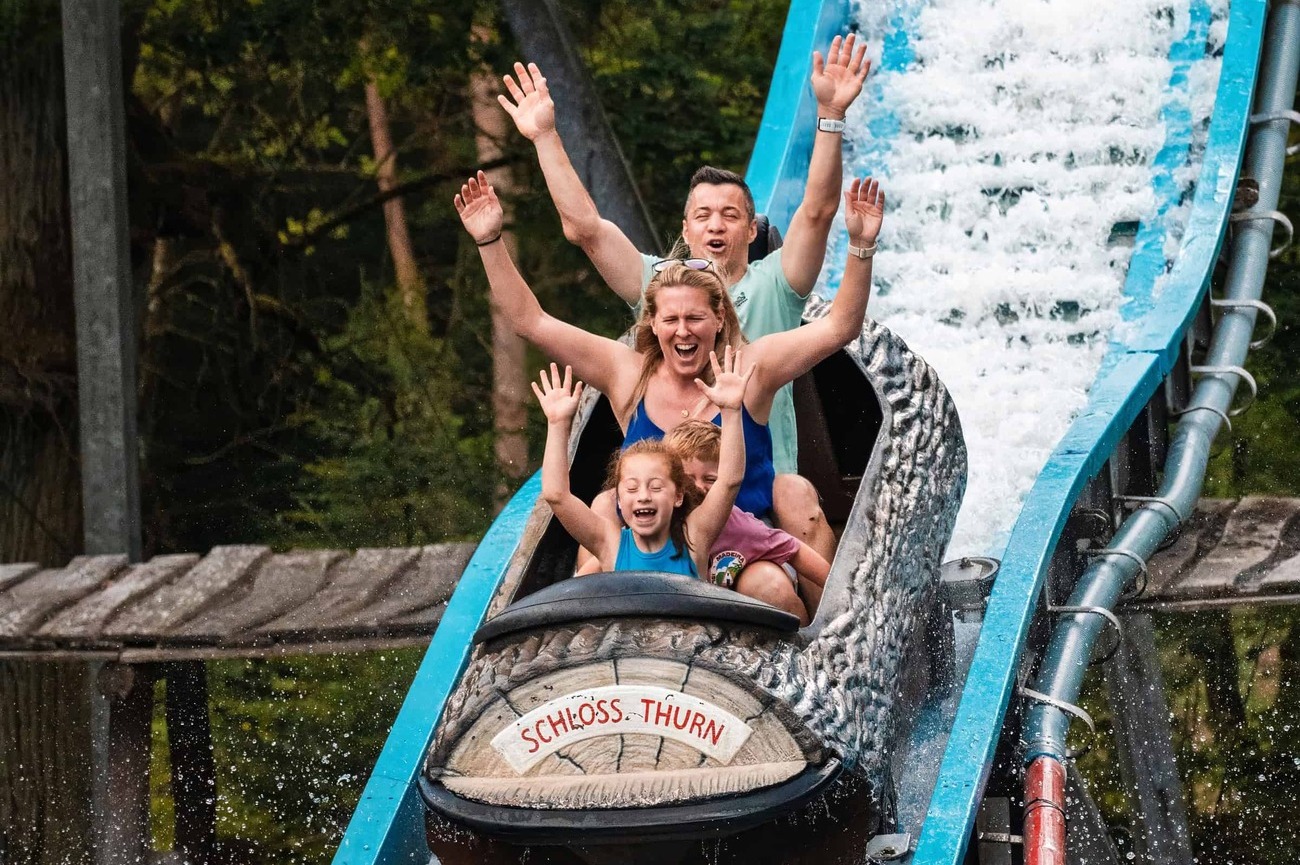
- Erlebnispark Schloss Thurn: A 35-minute drive from Bamberg takes you to Erlebnispark Schloss Thurn. This park has classic rides, interactive attractions and some light-action options like karting. It’s easier, less crowded and doesn’t demand a full-day commitment. You can move quickly between rides, try a few things, and leave without feeling drained. This spot works well as a low-pressure stop.
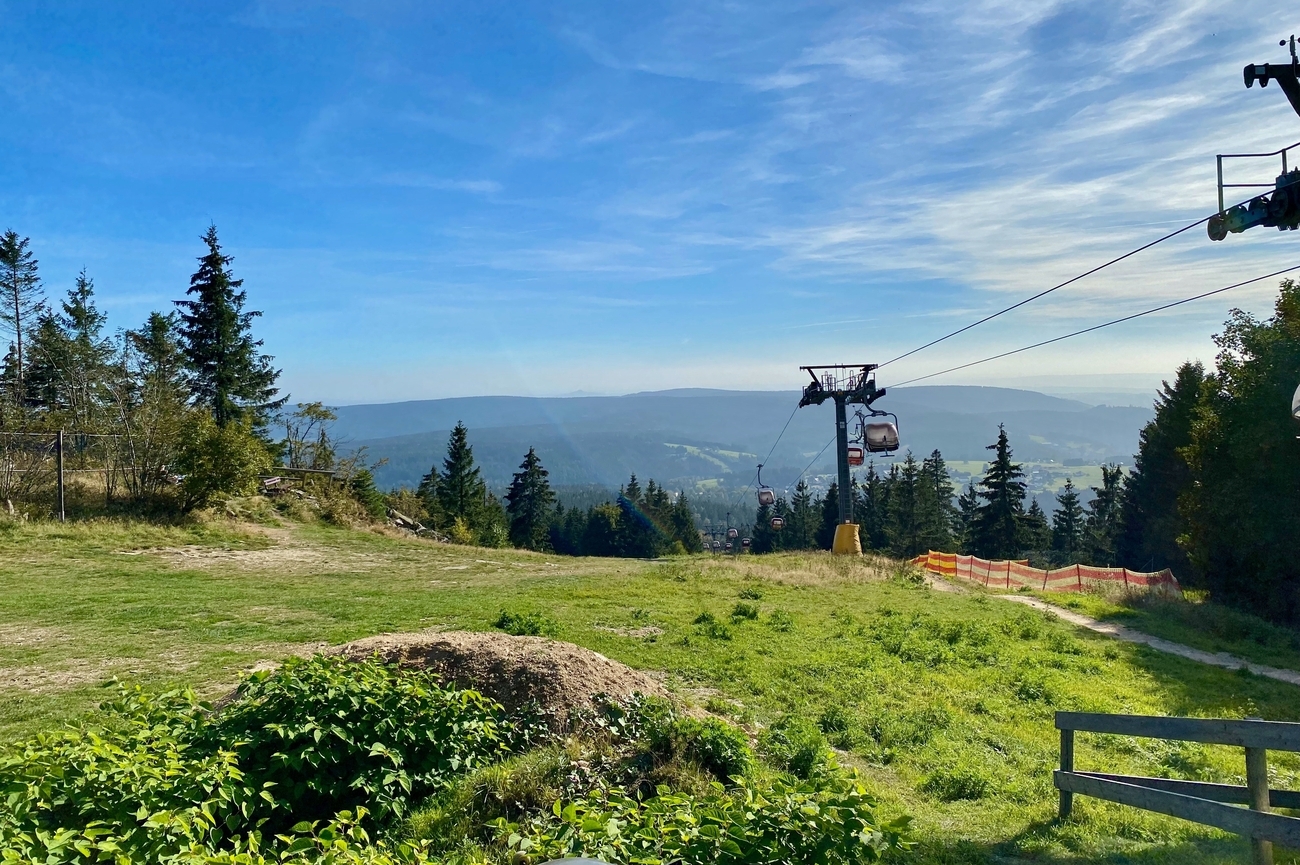
- Ochsenkopf: About 1 hour 15 minutes out, the terrain shifts into something more vertical. Ochsenkopf is one of the main ski spots in northern Bavaria, but it keeps a lower-key profile compared to Alpine resorts. Slopes run through forested sections rather than wide-open bowls, which gives it a more contained, less chaotic feel. In winter, it’s solid for skiing or snowboarding without long lift lines. Outside of winter, the cable car and hiking routes make it just as relevant.
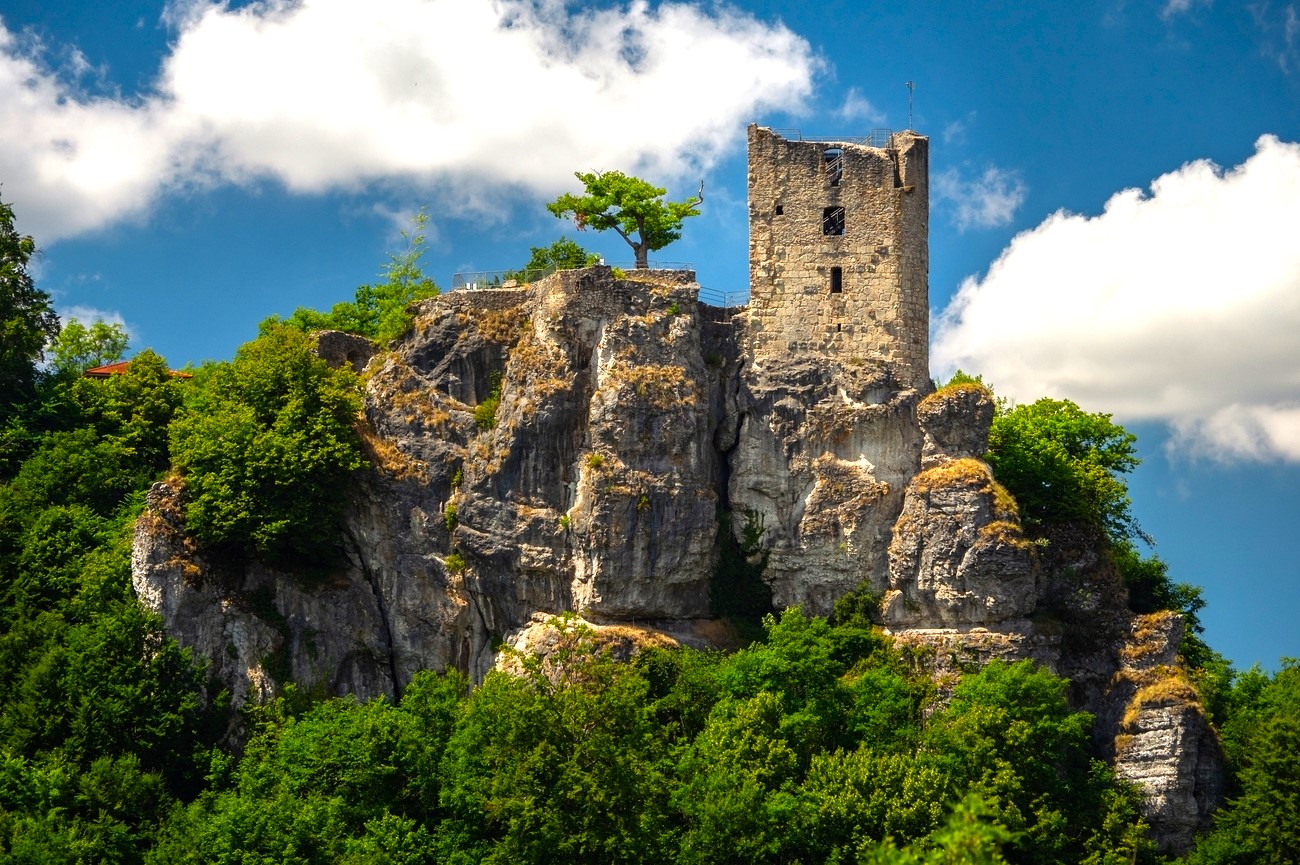
- Fränkische Schweiz: Fränkische Schweiz is known for limestone cliffs, caves and a dense network of trails that don’t feel overly managed. This spot is also only 30-40 minutes away from Bamberg. Climbing is a big deal here with hundreds of routes across different difficulty levels, but hiking and kayaking along the Wiesent River are just as accessible. It’s flexible: you can go all-in on something physical or keep it light with short walks and viewpoints. Either way, it breaks the “flat countryside” expectation pretty quickly.
- Skilift Lahm: You can experience skiing with zero extra noise about 40 minutes away. Skilift Lahm is a smaller local slope with basic lift, short runs and minimal infrastructure. It’s not built for destination trips, but that’s exactly why it works. You show up, get a few clean runs in and leave without overthinking it. Good for beginners, quick sessions or anyone who just wants snow time without committing to a full resort day. On good snow days, it’s simple and actually pretty satisfying.
Golf Courses near Bamberg
You are not coming to Bamberg specifically for destination golf, but there are several worthwhile options nearby, depending on whether you prefer woodland, open countryside or a more polished club setting. Here are the main golf options in and around Bamberg.
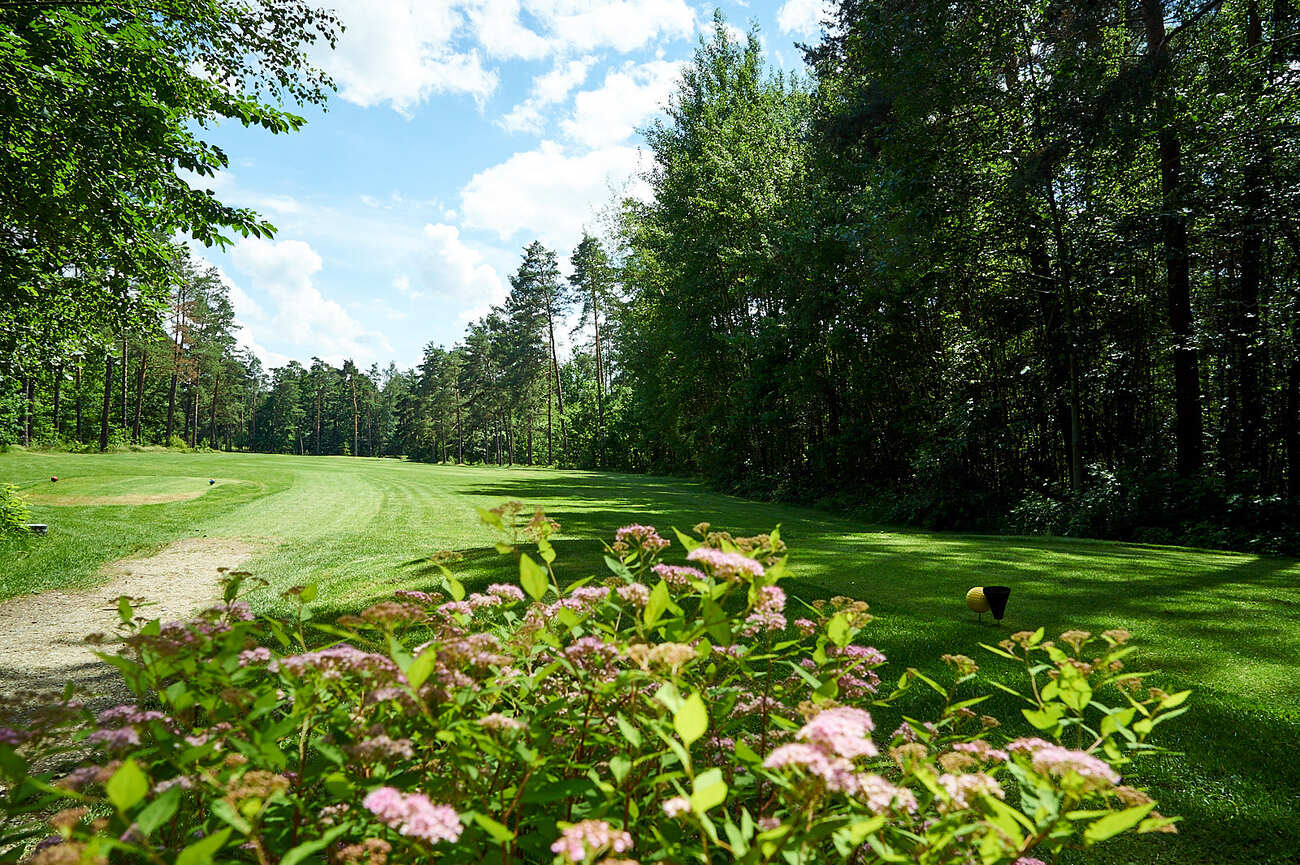
- Golfclub Hauptsmoorwald Bamberg e.V.: This is the most local and immediate option. Golfclub Hauptsmoorwald Bamberg sits inside a wooded area just outside the city, with a 9-hole layout that leans heavily on control. Fairways are tighter and sightlines are shorter. It’s a solid spot if you’re trying to stay sharp without committing to a full-day round. You can finish a loop in a couple of hours, repeat it, or pair it with a quick lesson. The club offers structured training programs and beginner-friendly access, so it works even if you’re still figuring things out.
- Golflounge Bamberg GbR: This is the outlier, but it works. Golflounge Bamberg is a modern indoor setup just outside the city, built around high-end simulators and data tracking. You’re working on precision with swing metrics, ball speed and angles. It’s especially useful when the weather cuts into outdoor plans or when you want to train without variables. Sessions are bookable by the hour, so you control the pace completely. You can treat it seriously (focused practice, coaching, analysis) or keep it casual and run through virtual courses with friends.

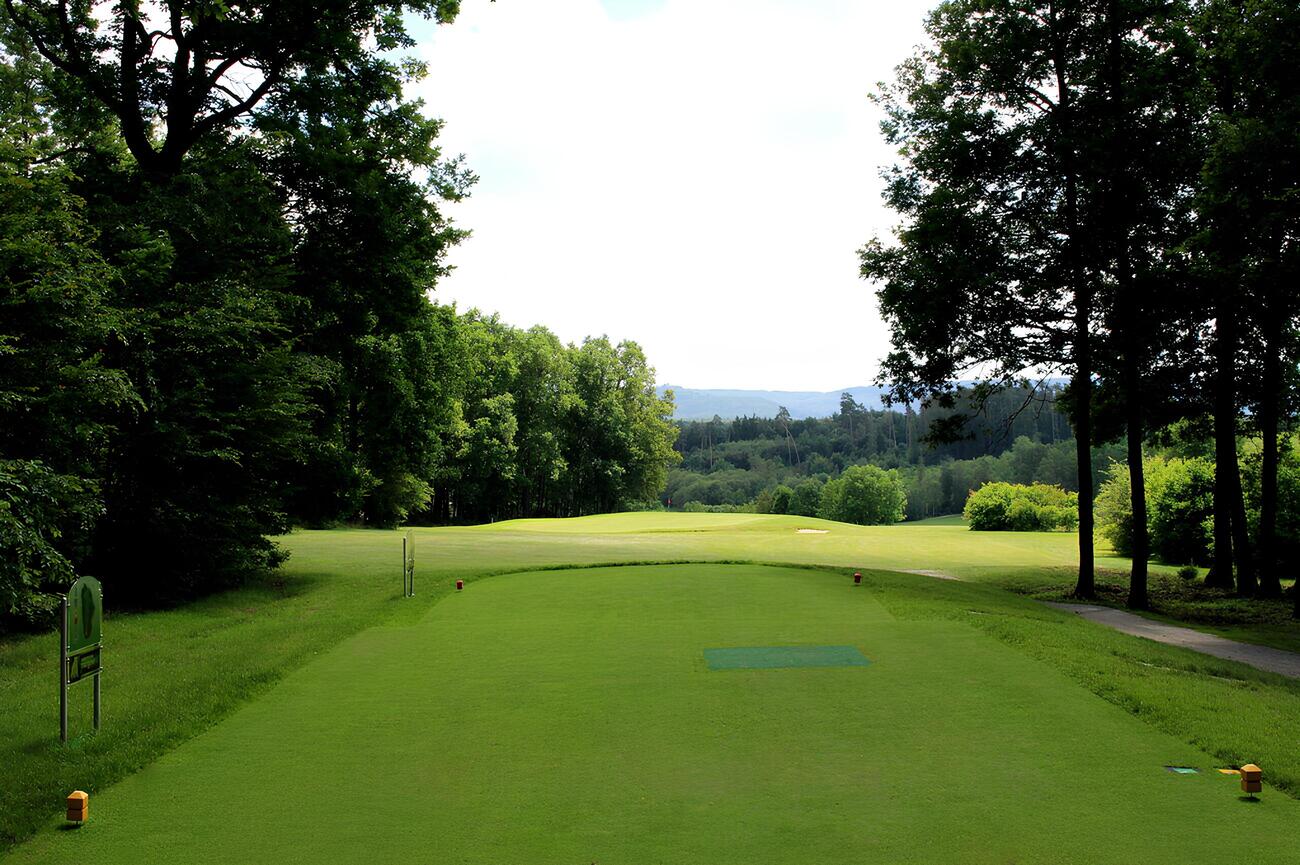
- Golf Leimershof GmbH & Co.KG: About 15 minutes from Bamberg, this is where things step up. Golf Leimershof is a full 18-hole course set on a historic estate, and it feels more composed from the moment you arrive. The layout opens up compared to Hauptsmoorwald. If you’re leaning into a more premium experience, this is where it lands: arrive mid-morning, play a full round without rushing and stay afterwards for lunch or drinks at the clubhouse.
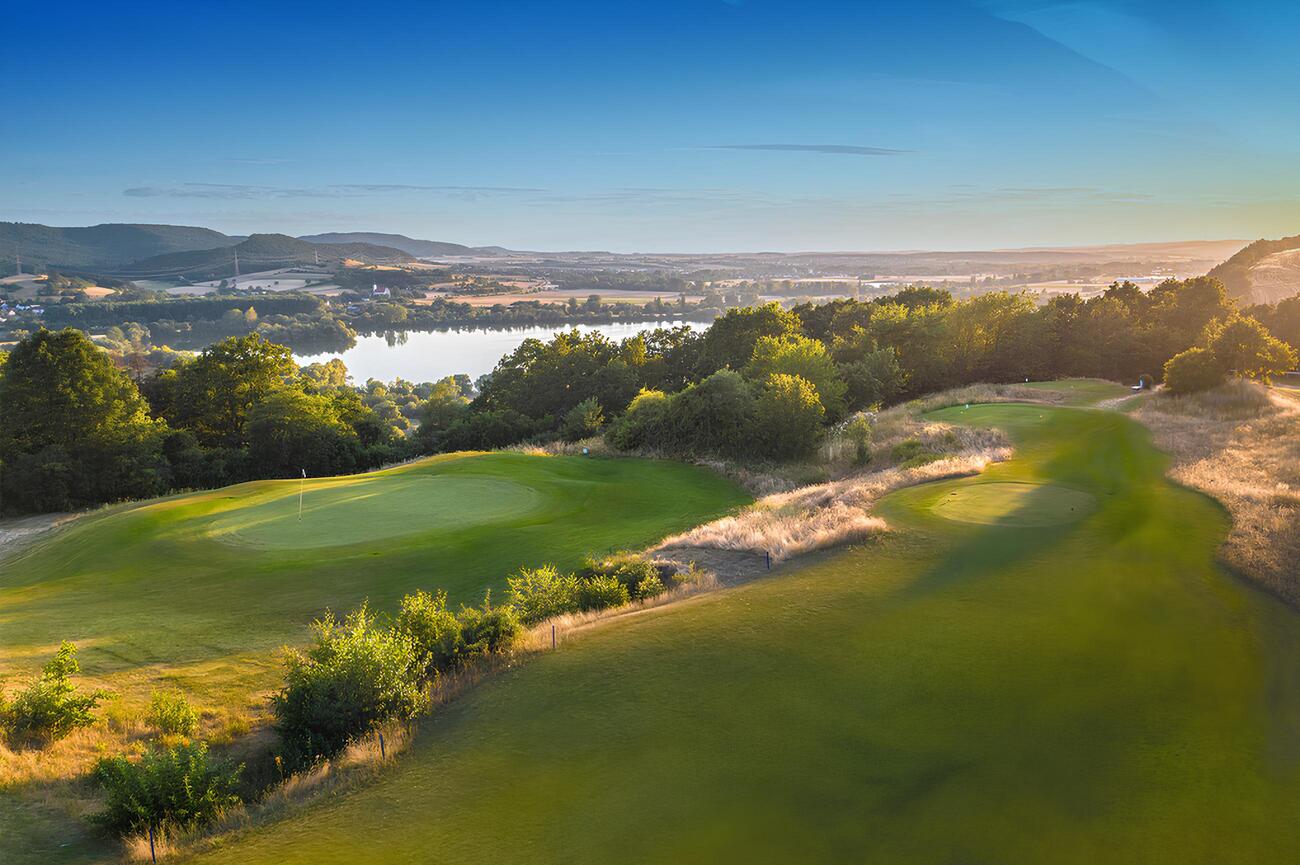
- Golfclub Haßberge: About 25 minutes outside Bamberg, this course leans into the landscape instead of reshaping it. Golfclub Haßberge runs across open countryside with noticeable elevation shifts, so every hole feels slightly different in pacing and approach. It’s not overly technical, but it keeps things interesting. It has long fairways, some tighter tree-lined sections and just enough slope to make club choice matter. You should visit if you want a full round without distractions.
Where to Eat in Bamberg
The food scene in Bamberg is closely tied to the city itself, with smoked beer, riverside settings and historic buildings giving many restaurants a strong sense of place. You do not need a long list, just a reliable one. Here are some of the best options across the city.
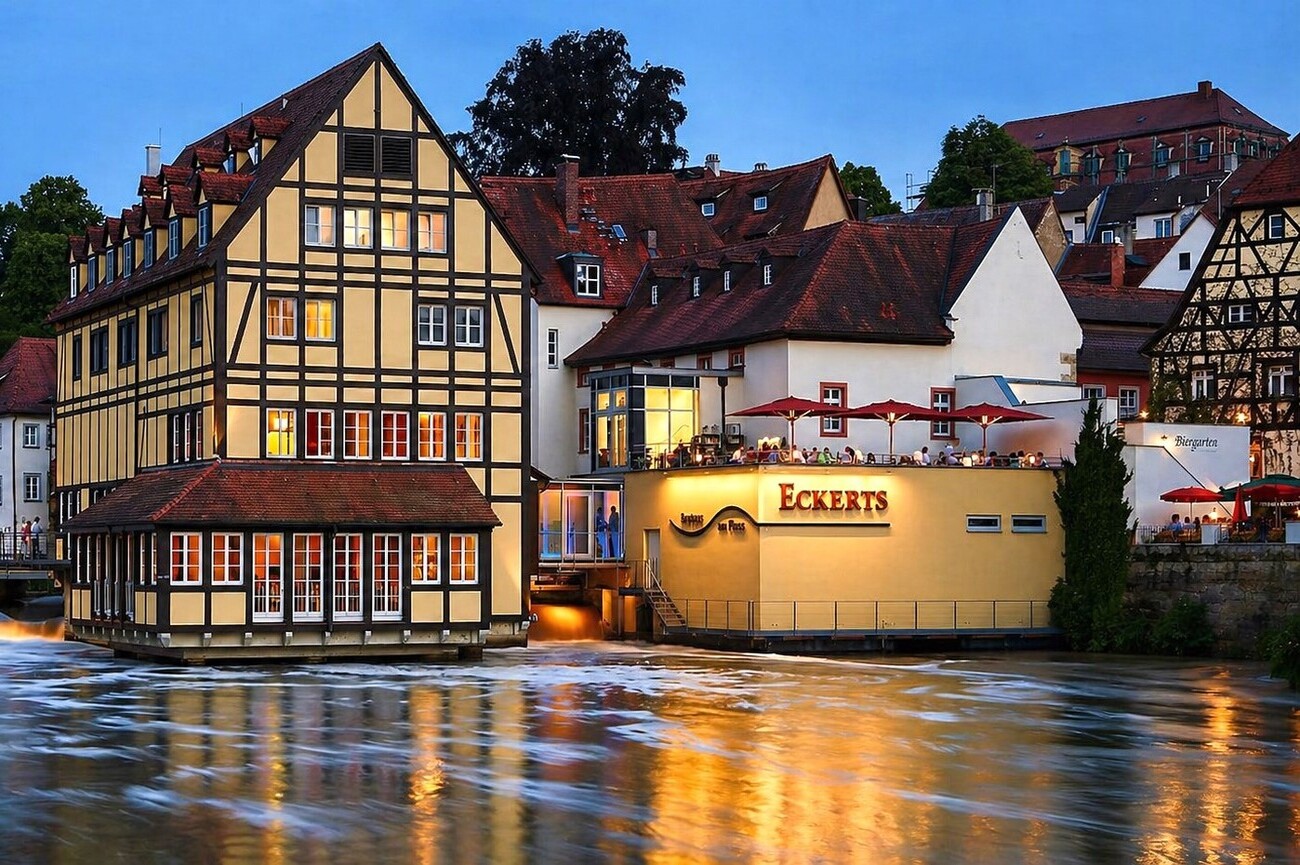
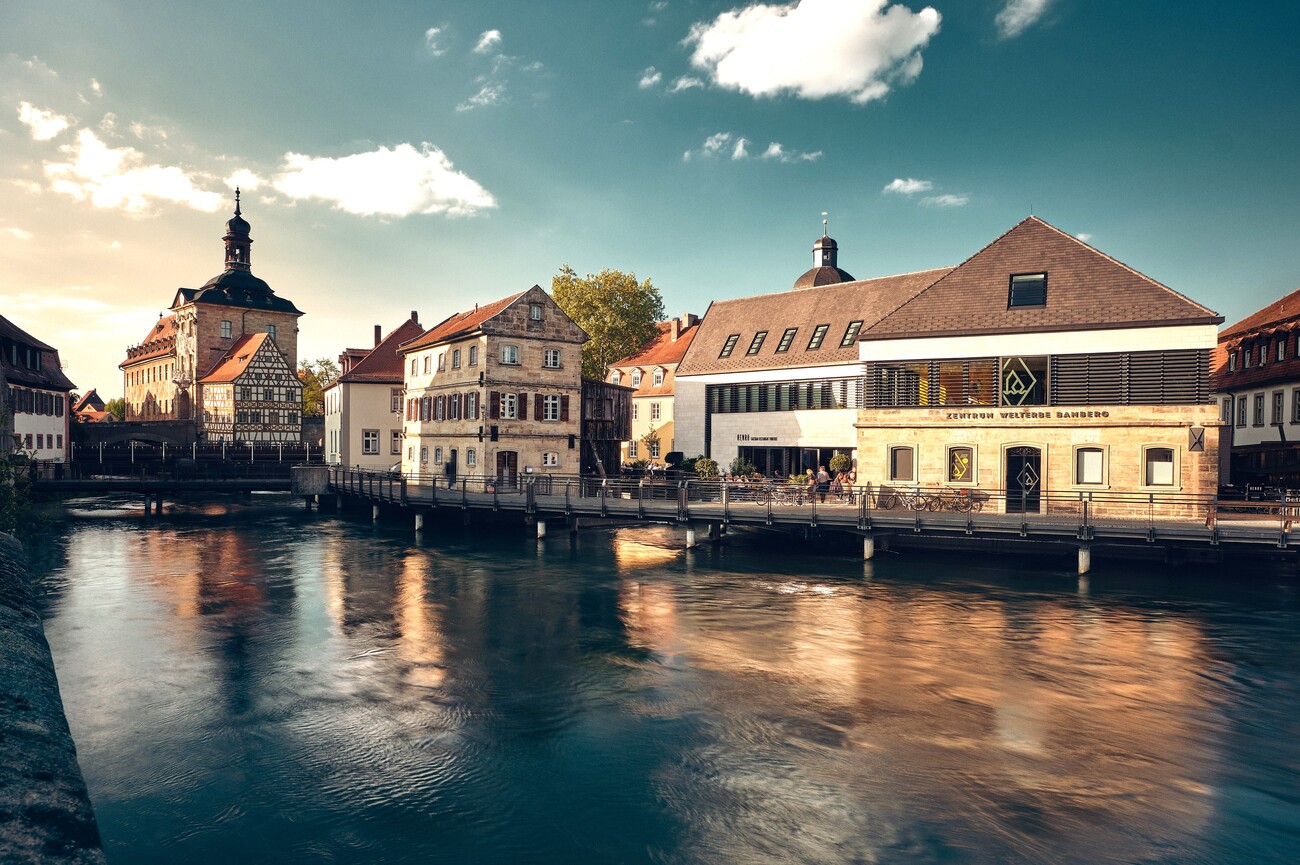
- Eckerts Wirtshaus: Right by the river, this one wins on location first. You’re sitting along the Regnitz with a clear view of the old town. Eckerts Wirtshaus is modern and closer to a canteen vibe than a traditional Franconian space. The kitchen leans creative but stays rooted in regional ingredients. Fish, meats and vegetarian options are all covered, with roast dishes that people keep coming back for. What stands out more is how they play with Bamberg’s smoked beer, especially the vegetable beer soup, which sounds niche but actually lands.
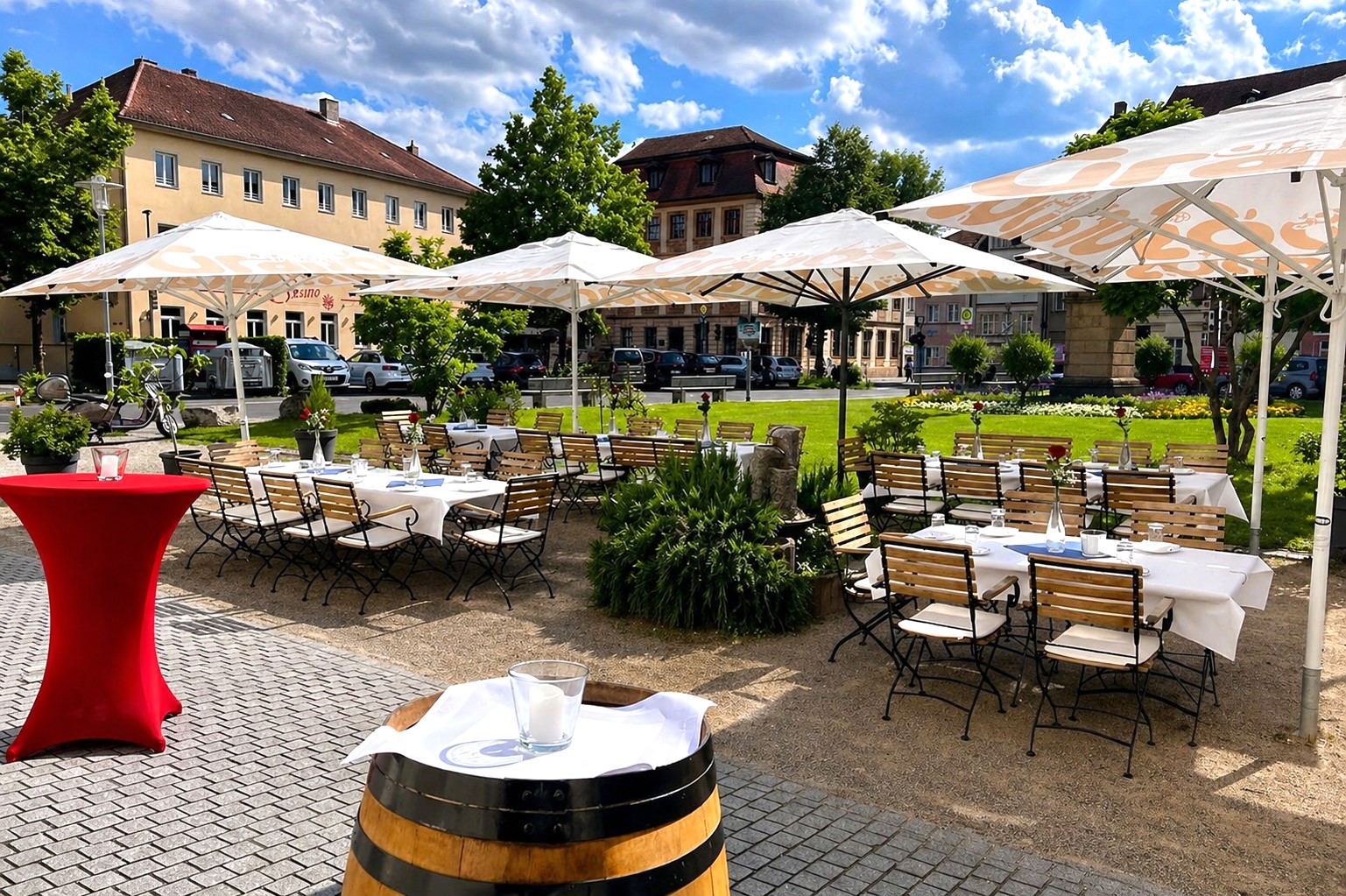
- Hoffmanns Steak & Fisch: If the plan is simple, good meat, good seafood, no experiments, this is where it lands. Located at Schillerplatz, Hoffmanns Steak & Fisch keeps things focused and executes well. Ribeye, octopus, and other staples are consistently solid, plated clean, no unnecessary extras. There’s an open kitchen setup, so you see the process, which adds energy but also means it’s not the most private dining environment.
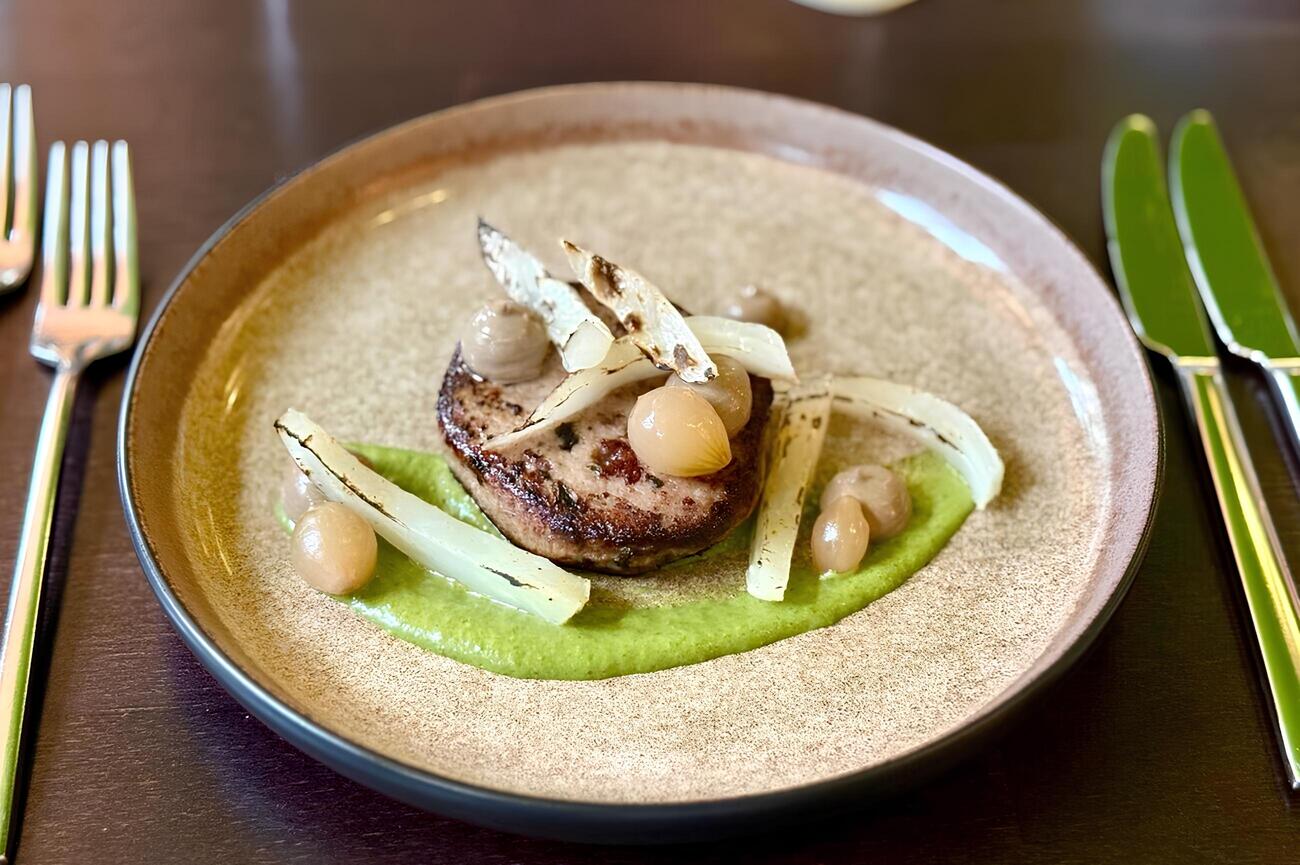
- Restaurant Kuro Neko: Kuro Neko runs on a fusion concept with Franconian ingredients, Japanese technique and it’s executed with a level of detail that feels closer to a larger city dining scene. You’re not ordering casually here. The tasting menus are structured, themed and built to move course by course. Service plays a bigger role, with staff walking you through each dish and concept.
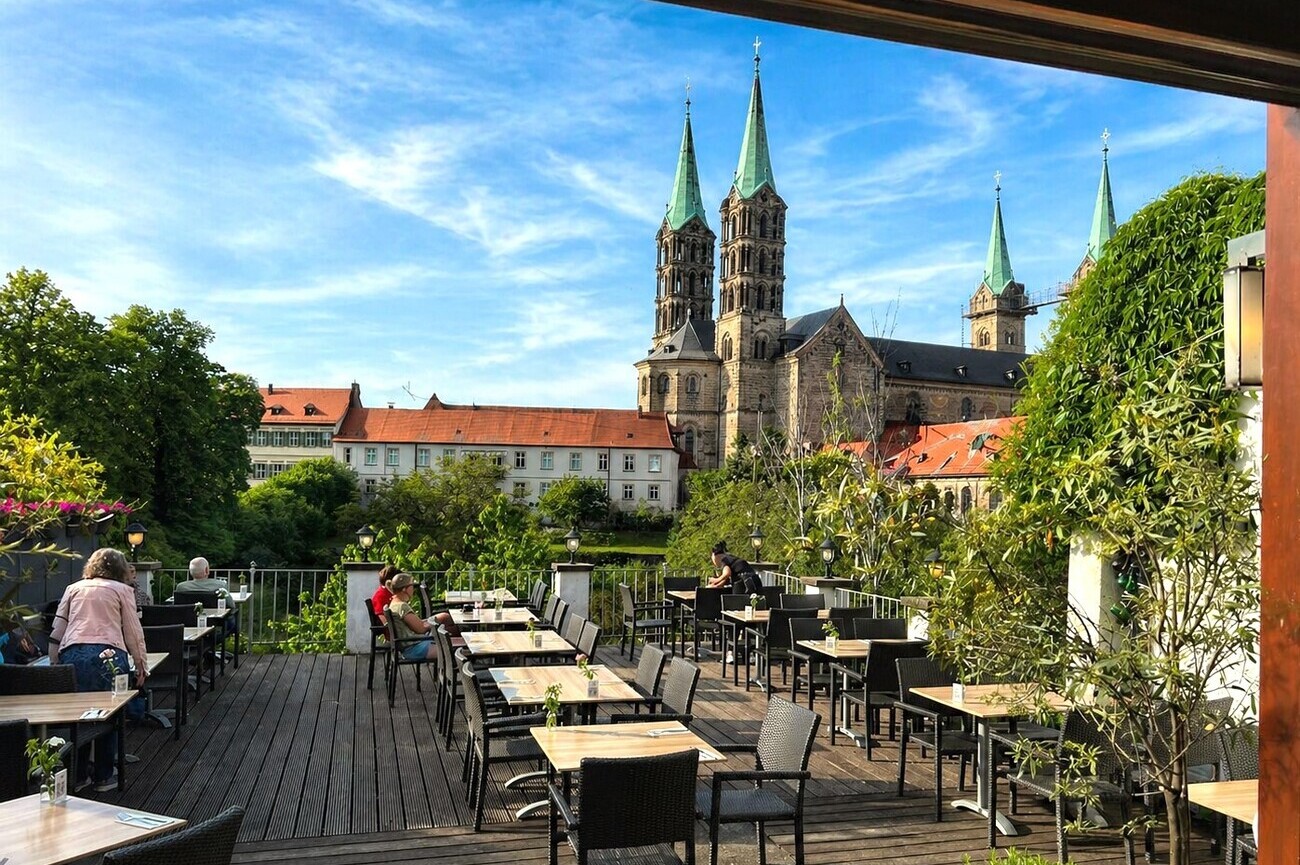
- Domterrassen: Set above the city near the cathedral, Domterrassen is all about positioning. You’re elevated, slightly removed from the busier streets, with a view that stretches across Bamberg’s rooftops. The food sits in the modern European range. You’re looking at a lineup that starts with cold and warm mezze like tzatziki, grilled eggplant with garlic and olive oil and taramosalata, then moves into seafood starters like octopus salad and grilled calamari that are clean and well-executed. This is where you go when you want a slower, more put-together dinner with a view, but with flavors that break away from the usual Franconian lineup.
- HENRII - casual dining: HENRII sits comfortably between relaxed and refined. The space feels open and current, with a terrace that looks out toward the river. The menu is built for range. You can keep it simple or go heavier without switching restaurants. Starters like truffle-based dishes and surf-and-turf options set the tone early. Drinks are also part of the appeal here. The bar covers cocktails, wines and craft beers in a way that actually complements the food instead of feeling separate.
Where to Drink in Bamberg
Bamberg’s nightlife is compact and easy to navigate. You’re not dealing with massive clubs or long travel between spots. Everything is close, and each place has a clear role. Cocktail bars that focus on precision, pubs that run on music and crowd energy and late-night spaces that keep things going without overcomplicating it. You move through the night instead of committing to one venue and that’s where the city works best.
- Bergwerk – Fässla Pub Bamberg: This is where things get loud in a good way. Bergwerk runs on energy with Fässla beer on tap, long drinks that don’t overcomplicate things and a schedule that rotates between karaoke, DJs, and live music. You’re not here for craft cocktails or quiet conversations. You’re here because something’s happening. This place is known for lively parties.
- EastEnd Bamberg: EastEnd is where you slow things down and actually pay attention to what’s in the glass. Cocktails are handcrafted and precise, with a menu that leans into quality over volume. They also run guided tastings where you get context, not just pours. It’s structured but not stiff and it works if you want your night to feel a bit more curated.
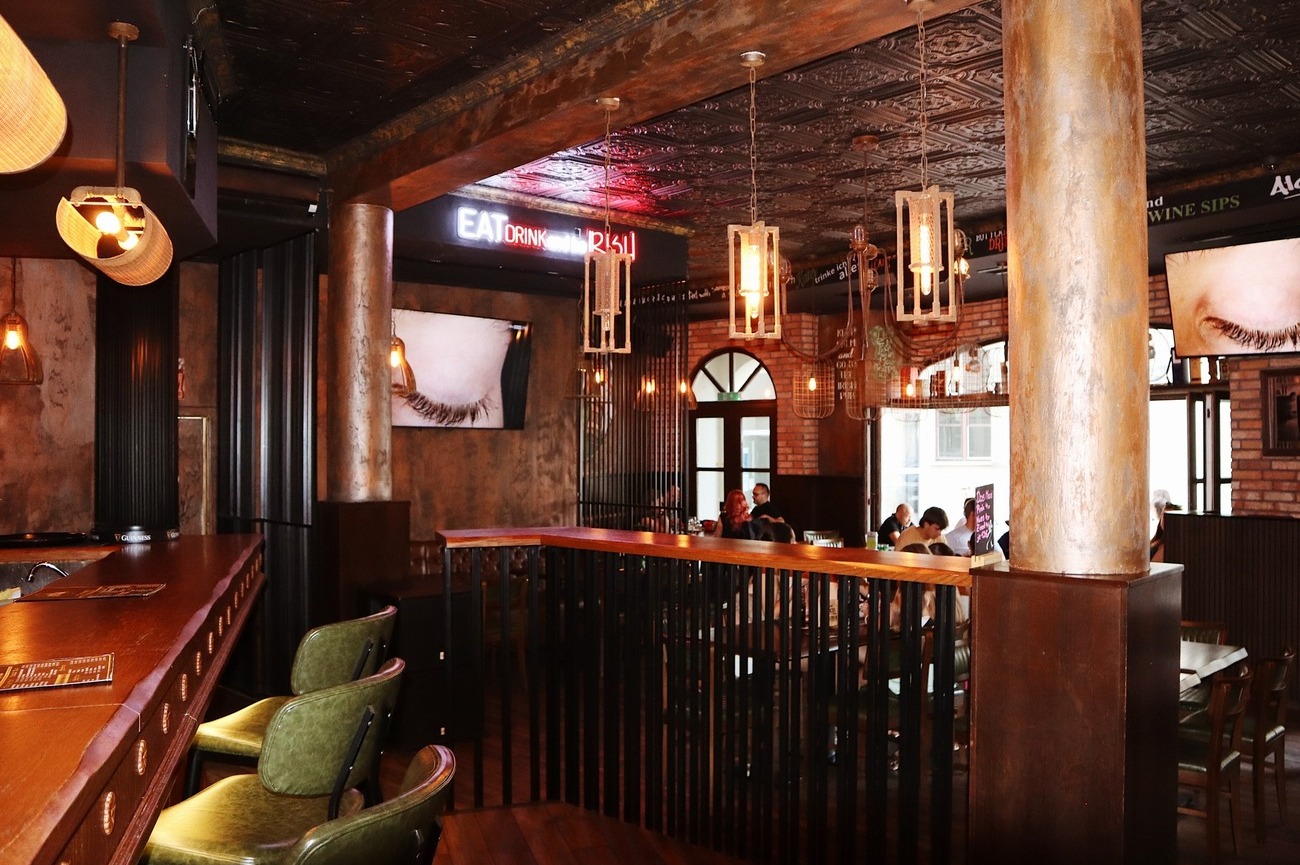
- KILIAN’s Irish Pub Bamberg: This one runs on music. KILIAN’s keeps a steady lineup with solo acts early in the week and bigger bands as it gets closer to the weekend. Genres jump around: Irish folk, pop, rock, even R&B. Burgers come out fast and affordable, portions are generous and staples like Fish & Chips are consistently solid. It’s one of the few spots in Bamberg where you can actually settle in for a full meal and not just drinks. Behind the bar, the mix leans Irish-American with Guinness, IPAs, cocktails and details like Irish coffee that round things out.
- Catwheezle’s Castle: A bit removed from the center, but that’s part of the appeal. Catwheezle’s is split into smaller rooms with low lighting, which gives it a more intimate, almost underground feel. Beer selection also sticks to what works (more classic, less experimental).
- Das Schwarze Schaf: Small space, strong identity. Das Schwarze Schaf is owner-run and feels more like a living room than a bar, but the drinks say otherwise. Award-winning cocktails, carefully built, no shortcuts. You’re dealing with a tighter setup with limited seating, more personal interaction and bartenders who actually talk you through what you’re drinking if you want that. Beer is available, but cocktails are the reason to be here.
Cafes in Bamberg
- Rösterei M.A.G.: This is where coffee gets technical. Rösterei M.A.G. focuses on the process like sourcing, roasting and bringing out flavor without shortcuts. Over 30 varieties are roasted in-house, with attention on purity and quality of the beans rather than branding or trends. You’re not just ordering a drink here; you’re getting something that’s been handled start to finish on-site. When you visit here, keep it simple. Espresso or a classic filter lets the roast speak without distractions.
- Café Marle: Located on Obere Sandstraße, it’s casual, accessible and built for different types of stops. Quick coffee, full brunch or a slower afternoon break. The menu leans heavily into vegan, vegetarian and gluten-free options, but it doesn’t feel restrictive. Cakes, waffles, savory snacks and fresh juices are all made in-house, so everything feels consistent rather than pieced together.
- Café Zuckerstück: Zuckerstück mixes Portuguese café culture with a softer, living-room-style setup with vintage furniture, relaxed seating, and a slower pace overall. Coffee leans Portuguese, so ordering a Galão (milk-heavy, smooth, easy to drink) is the move. Pair it with homemade cake and you’re set.
- BASECOFFEE Bamberg: BASECOFFEE is the most modern option in the mix. It has a clean style, serves all-day brunch and covers both sweet and savoury dishes without overcomplicating the menu. Expect options such as eggs Benedict, French toast and açai bowls, along with pancakes that can also be made vegan. The coffee is strong too, with cappuccinos among the stand-out choices. Fresh juices and smoothies round out the offer, making it easy to stay longer than planned.
- Kaffeehaus Krumm & Schief: This one balances quality and comfort. Kaffeehaus Krumm & Schief is known for the quality of its coffee, including espresso drinks, iced variations and detailed latte art. Cinnamon buns are the main draw: fresh, consistent and worth building your order around. Seating inside and out makes it adaptable and the overall feel stays relaxed without dropping standards.

Where to Stay in Bamberg
- Hotel Villa Geyerswörth (4 stars): Set across interconnected buildings on a small island in the old town, Villa Geyerswörth gives you space and quiet while remaining fully central. You are minutes from the cathedral, Old Town Hall and breweries, but without feeling stuck in the middle of the busiest foot traffic. Rooms lean upscale without being overly formal. On-site dining (Brasserie La Villa) pushes things further, with French-inspired dishes and a more refined atmosphere. This is the move if you want a stay that feels complete on its own, not just a place to sleep.
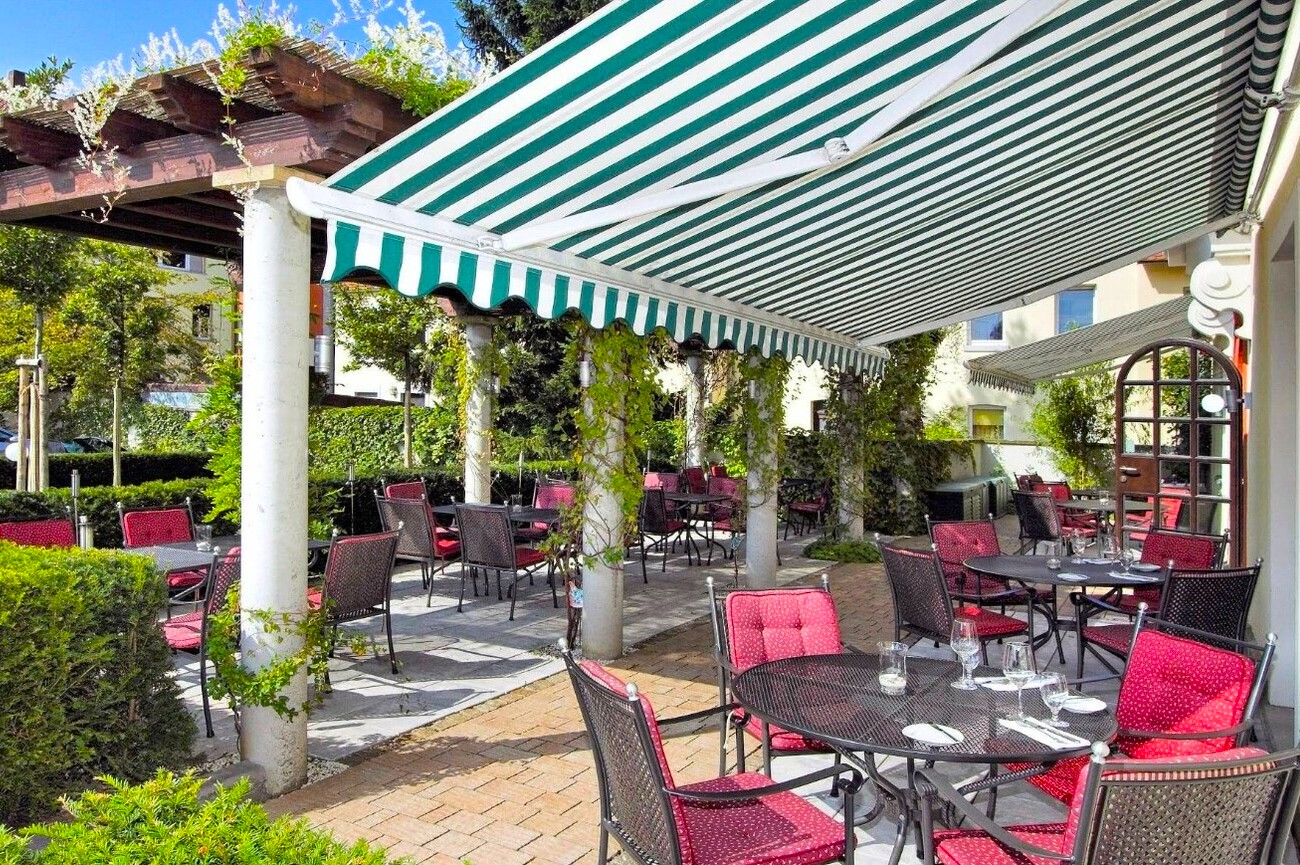
- Hotel Weinhaus Messerschmitt (4 stars): Messerschmitt sits near Schönleinsplatz, right by the pedestrian zone, so everything, shops, restaurants and main sights, is within walking distance. The building itself dates back to 1832, which adds a bit of character, but the rooms are fully modernized. It doesn’t lean into heavy design or luxury styling; instead, it focuses on comfort and function. Rooms are quiet, air-conditioned and practical, which matters more than design here. Breakfast is the highlight: regional, fresh and consistent.
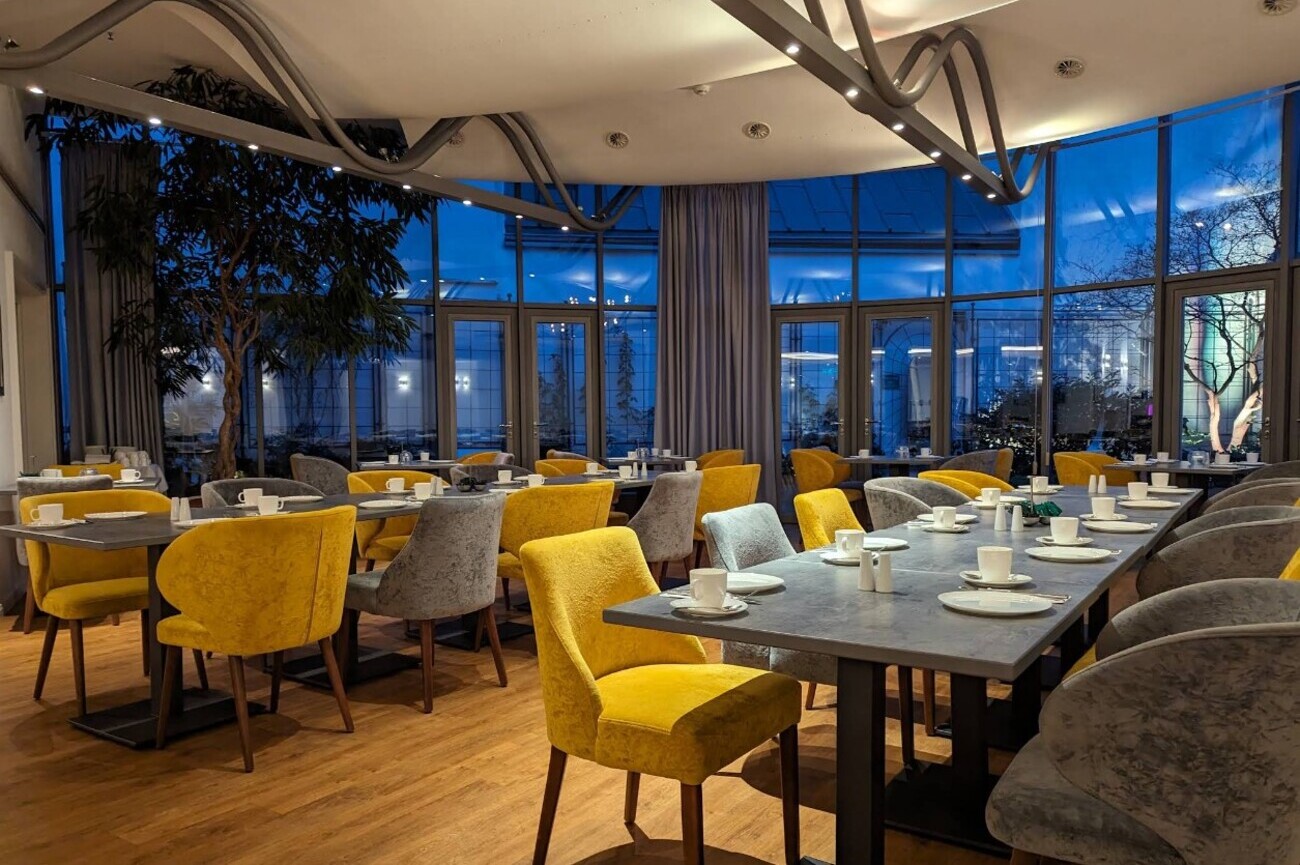
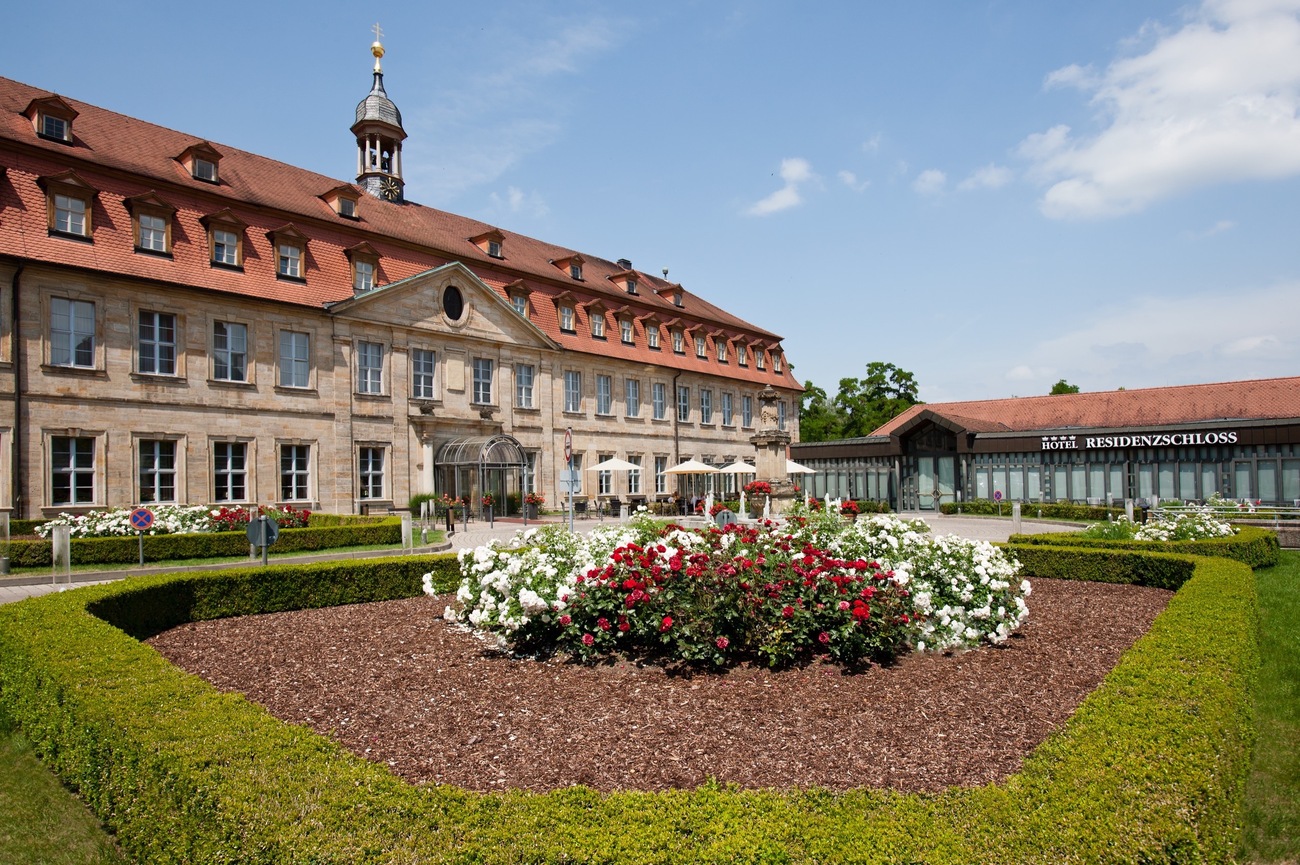
- Welcome Hotel Residenzschloss Bamberg (4 stars): Originally built in 1787 as a hospital, Welcome Hotel Residenzschloss Bamberg carries a strong historical presence, which has been adapted into a full-service hotel. High ceilings, wide corridors and a more formal structure give it a different feel compared to smaller boutique stays. Location-wise, it sits along the Regnitz River, just outside the densest part of the old town. And with over 180 rooms and suites, it’s built for range: business travelers, longer stays or anyone who wants more amenities.
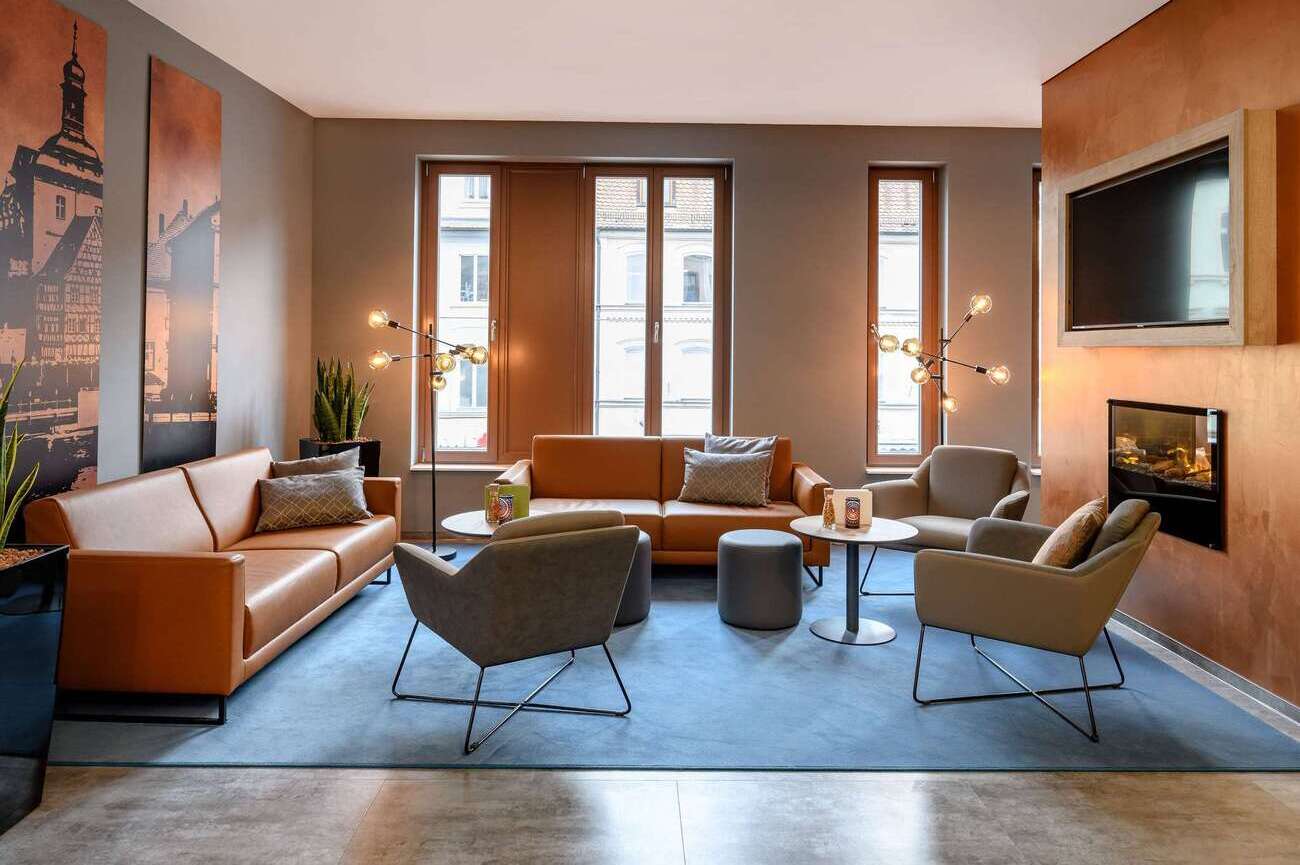
- ibis Styles Bamberg (3 stars): ibis Styles keeps things straightforward. You get a central location, functional rooms and a setup that works well for short stays or lighter travel plans. Rooms are modern and simple, with a slightly more playful design than many traditional hotels. Everything you need is here, including comfortable beds, clean bathrooms and efficient layouts. The 24-hour reception and multilingual staff make late arrivals and flexible schedules easy to manage. Cafés, markets and landmarks such as the Old Town Hall are all within walking distance.
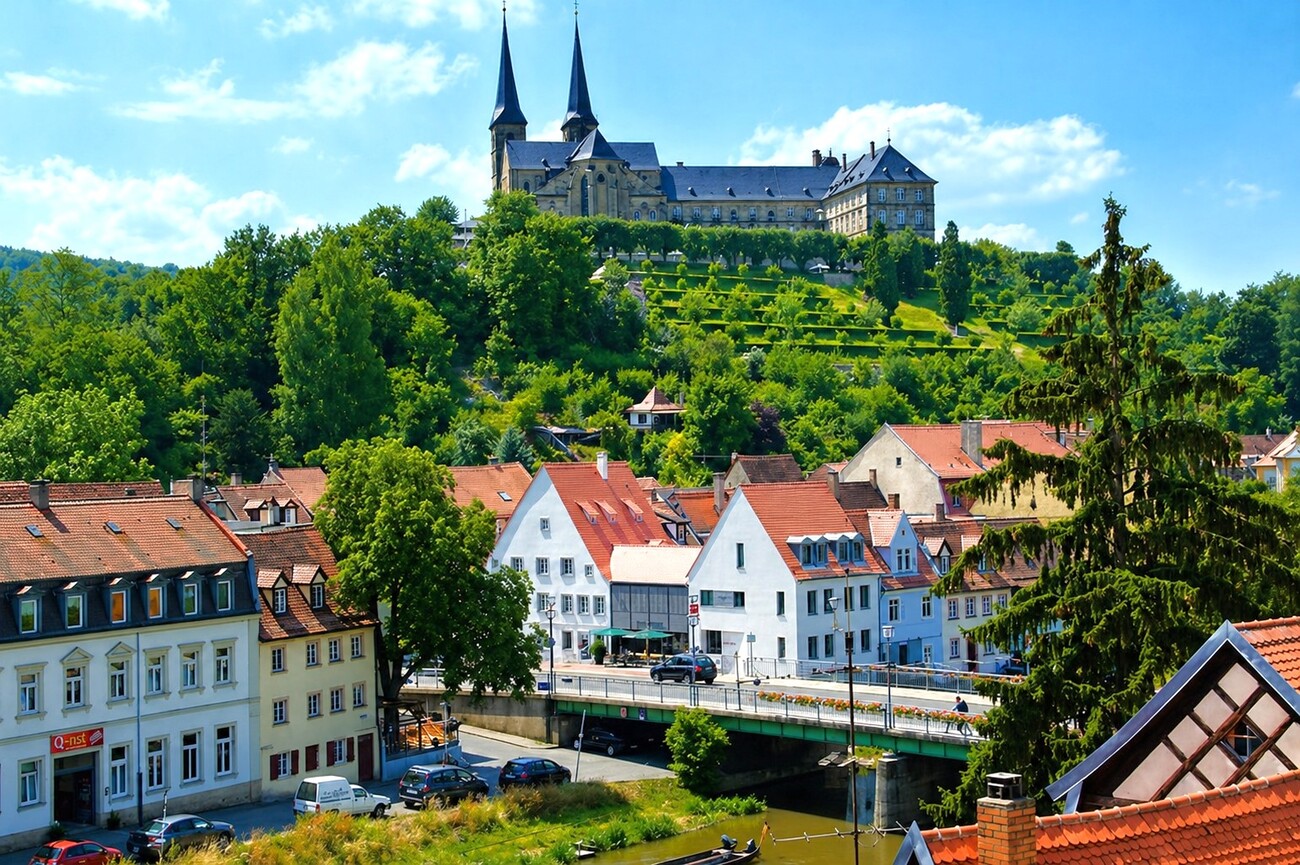
- Tandem Hotel Bamberg (3 stars): Tandem Hotel leans more personal. It’s family-run, smaller in scale and positioned directly along the river with views toward Klein Venedig. You wake up facing one of Bamberg’s most recognizable spots without needing to step outside. Rooms are straightforward but comfortable, with modern touches where needed. There’s also a small café/bistro on-site, known for homemade cakes and light options, which makes it easy to start or end the day without leaving immediately.
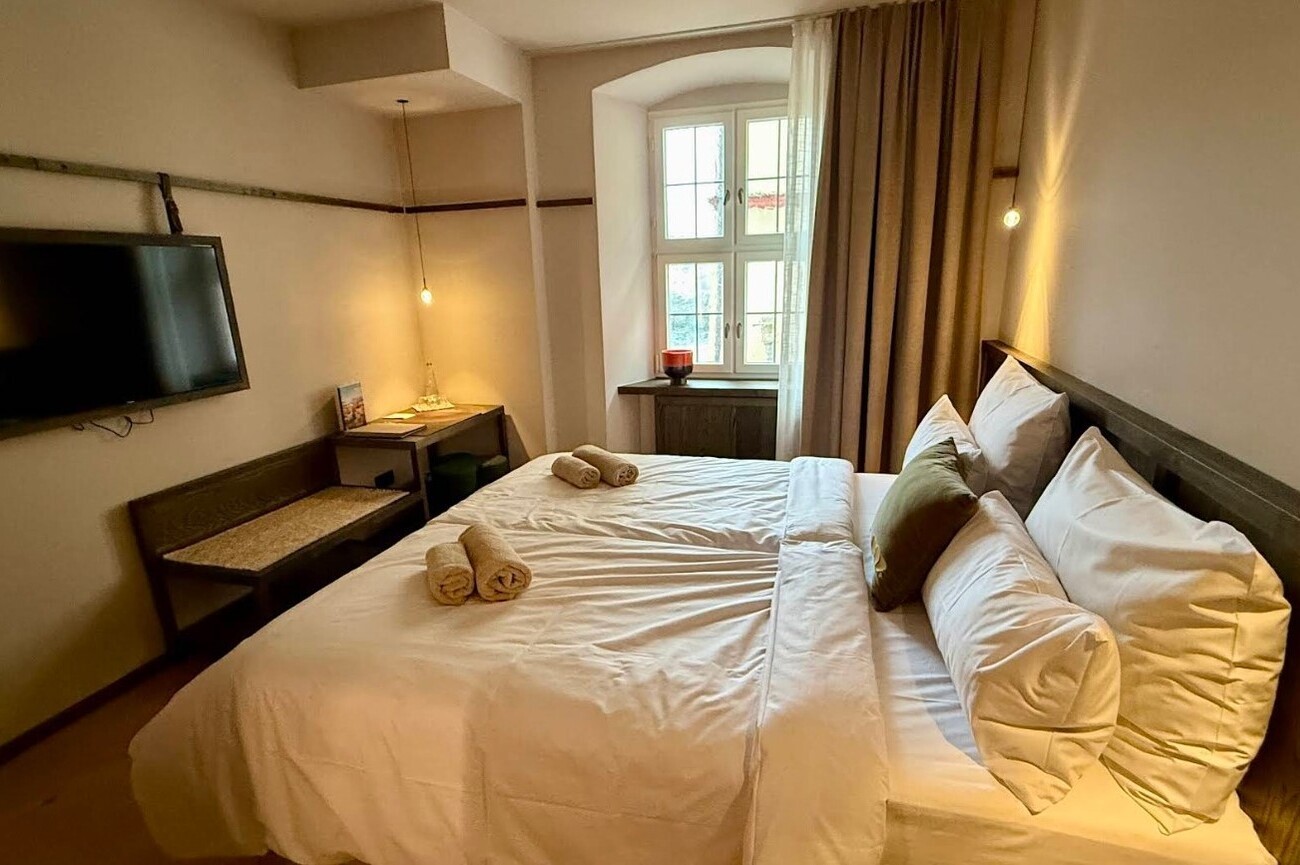
- HOY Bamberg Boutique Hotel: HOY is the most curated option in Bamberg. With only 19 rooms, everything is intentional with solid wood flooring, custom-built furniture and a clean design language that stays minimal without feeling cold. And the experience extends beyond the room. On the ground floor, Wirtshaus GRASER adds a built-in tavern with house-style beer and food that leans traditional but is well-executed.
Best Time to Visit Bamberg
Late spring is one of the best times to visit Bamberg, with mild weather, long daylight hours and a city that feels lively without becoming overcrowded. It is an especially good season for walking through the old town, visiting the cathedral district, enjoying riverside dining and exploring the city at an unhurried pace.
This is also a very good time for brewery visits, private walking tours and relaxed day trips into the surrounding Franconian countryside. Beer gardens and outdoor terraces are in full swing, the gardens are looking their best, and the longer days make it easy to fit more into your itinerary without rushing.
If you want to combine Bamberg with nearby countryside, late spring also works well for scenic drives, private excursions into Fränkische Schweiz and more tailored regional experiences. Overall, it offers the best balance of atmosphere, comfort and flexibility.
Festivals in Bamberg
- Bamberg Literature Festival: This runs in January through February, usually across several weeks rather than one fixed block. It’s spread out across venues like libraries, theaters and smaller cultural spaces so you don’t get one central crowd, you get multiple quieter events. The focus is on readings, discussions, and author appearances, often with a mix of German and international writers.

- Starkbierzeit: Starkbierzeit lands between March and early April, depending on the year and the brewing calendar. This is Bamberg’s version of a beer season rather than a single event, centered around stronger, higher-alcohol brews. Local breweries release their seasonal beers and you’ll see more activity inside taverns than out in the streets. It’s social but not chaotic. People come for the beer, stay for longer sessions and move between spots slowly.
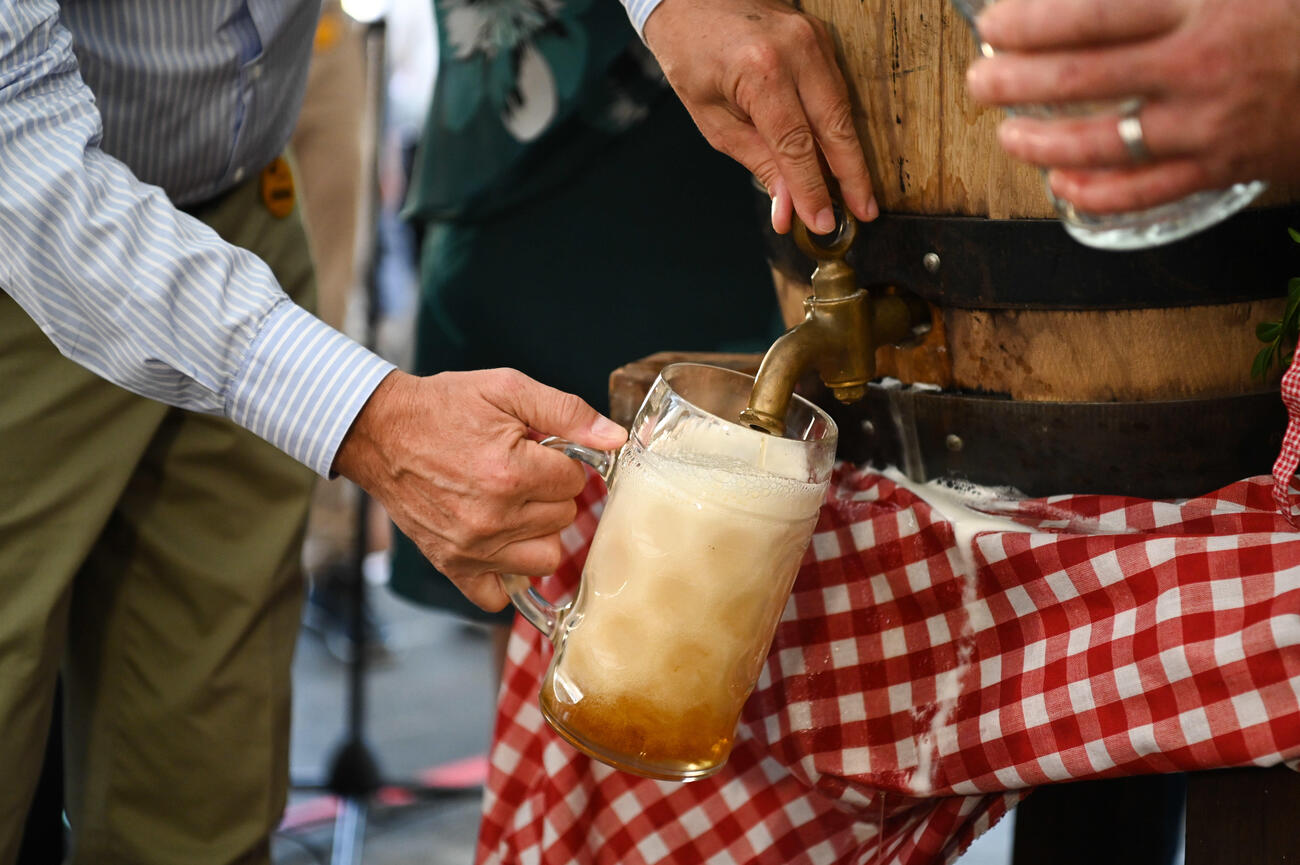
- Kerwa Festivals: Kerwa (short for Kirchweih) runs from late spring through early autumn (May to September), but each neighborhood or nearby village has its own dates. There’s no single schedule; you check what’s happening where. Expect small-scale setups: beer tents, local food, music and a mix of residents and visitors. It’s informal and varies depending on the area.
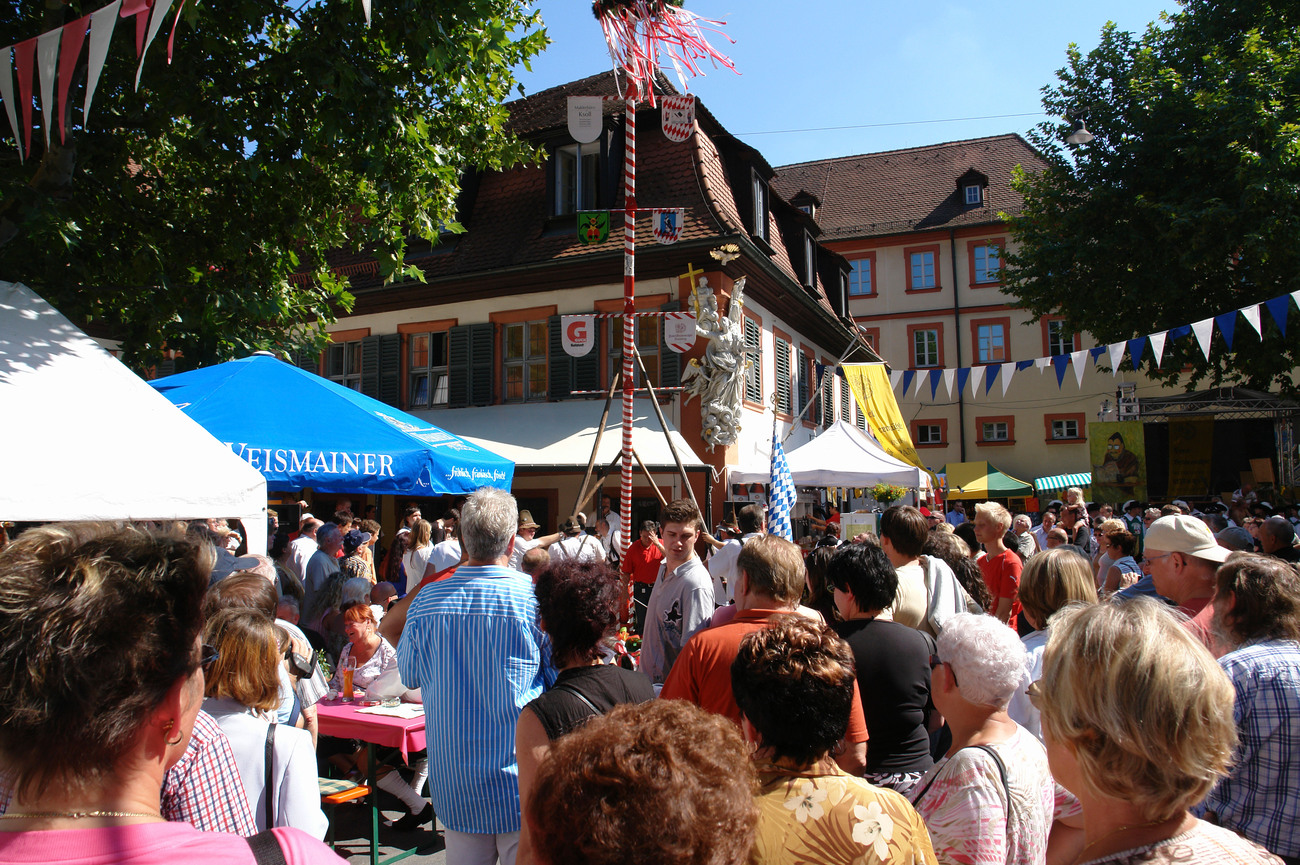
- Sandkerwa: Sandkerwa takes over the city in late August, usually across five days, and it’s the one event that shifts everything. Centered in the Sandstraße district, it pulls in large crowds and fills the old town with continuous activity. The layout is dense with beer stands, food stalls, live music stages and the streets are narrow, so movement slows down. If you’re planning to attend, timing matters. Early afternoons are easier to navigate, while nights are where the energy peaks. This is the version of Bamberg that feels most intense.
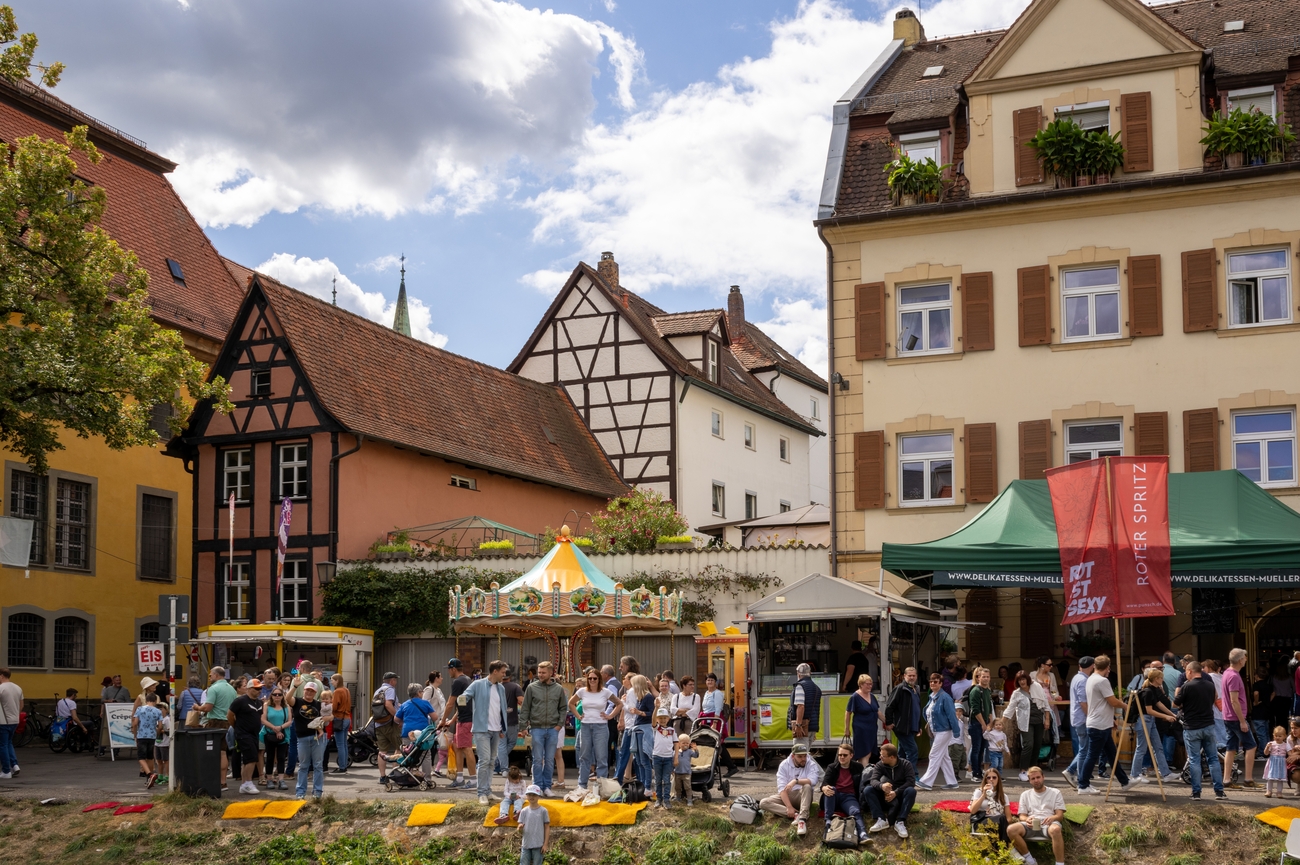
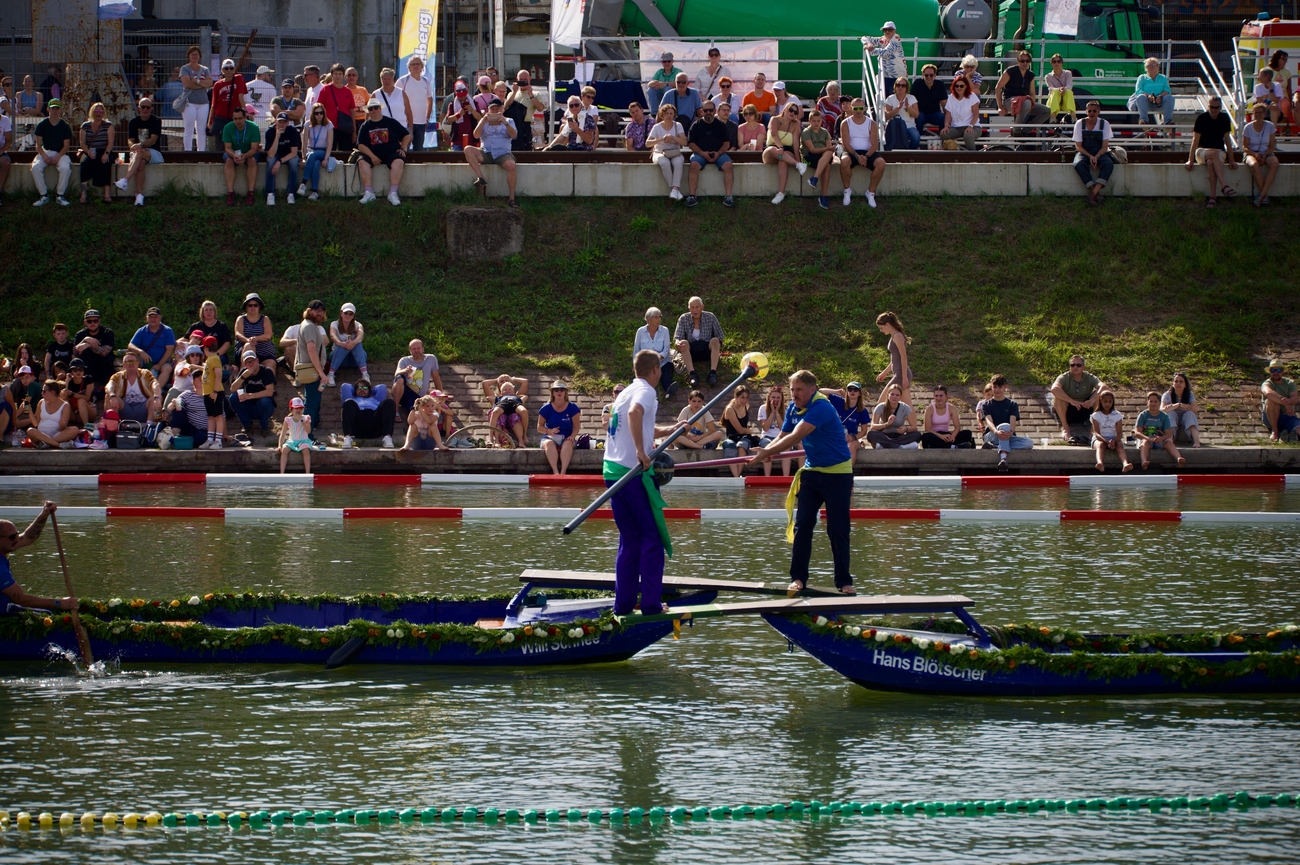
- Fischerstechen: Fischerstechen happens during Sandkerwa in August, usually scheduled on one of the main festival days along the Regnitz River. It’s a traditional water jousting event where participants stand on boats and try to knock each other into the water using long poles. You don’t build your entire day around it, but it’s one of the more distinct moments during Sandkerwa. It adds something visual and specific to the festival, and it breaks up the usual cycle of food, drink and music.
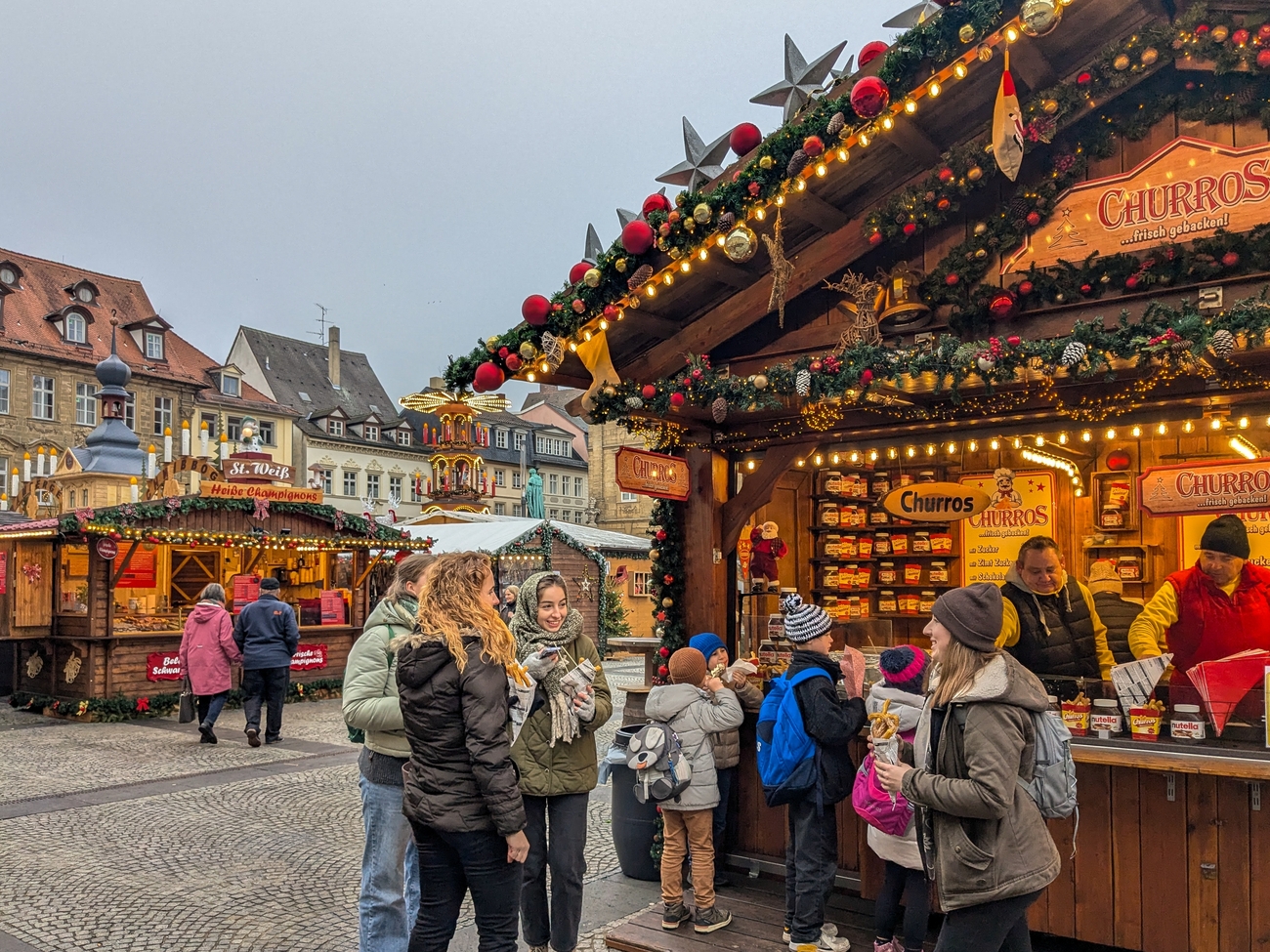
- Bamberg Christmas Market: During Advent, Bamberg also has a strong seasonal appeal, with its Christmas market bringing festive stalls, local treats and a traditional winter atmosphere to the historic centre. Combined with the city’s nativity scenes and decorated old town, it adds another reason to visit Bamberg in late November and December.
If you want to experience Bamberg properly without spending hours planning it yourself, Revigorate can arrange a custom-made trip built around your pace and interests. We can combine the city’s main landmarks with private guides, restaurant reservations, hand-picked hotels, chauffeured day trips and wider Franconian experiences, creating a stay that feels seamless from start to finish. This is an ideal option for travellers who want the city’s highlights and surrounding region brought together in a well-planned and personalised way.


Let us know what you love, where you want to go, and we’ll design a one-of-a-kind adventure you’ll never forget.
Get in touch
Miriam
Travel Specialist

Romina
Travel Specialist

Laura
Travel Specialist
Our offices:



Revigorate, Iberian Escapes and Algarve Lifestyle are the registered brand names of APCS Lda . We are a fully authorised travel agency licensed by Turismo de Portugal RNAVT/6867.
In the event of a dispute, the consumer may refer to: RAL - Centros de Arbitragem
Avª. 5 de Outubro, nº. 55, R/C Dtº. 8000-075 Faro, Portugal | Tel: +351 289 823 135 *
* national landline call
E-mail: info@consumoalgarve.pt| www.consumidoronline.pt | Mon to Fri: 9:00 - 13:00 / 14:00 - 17:00