Things to Do in Cologne: 3-Day Itinerary
Cologne is one of Germany’s oldest major cities, set on the Rhine and known for Cologne Cathedral, Roman heritage, major museums and neighbourhoods that reflect more than 2,000 years of history.
At the heart of the city, the UNESCO-listed Cologne Cathedral dominates the skyline, while the surrounding historic centre brings together Roman remains, medieval churches, museums and riverside promenades. Along the Rhine, areas such as Rheinauhafen introduce contemporary architecture, while the Belgian Quarter adds independent boutiques, cafés and a more creative neighbourhood atmosphere.
What makes Cologne particularly rewarding is the amount of variety within a relatively compact area. Historic landmarks, museums, shopping streets, contemporary architecture, river walks and distinctive neighbourhoods can all be combined without spending much time travelling between them.
This 3-day Cologne itinerary brings together the cathedral, major museums, Rhine views, shopping, dining, neighbourhoods and nearby excursions in a route designed to be varied, practical and well paced.
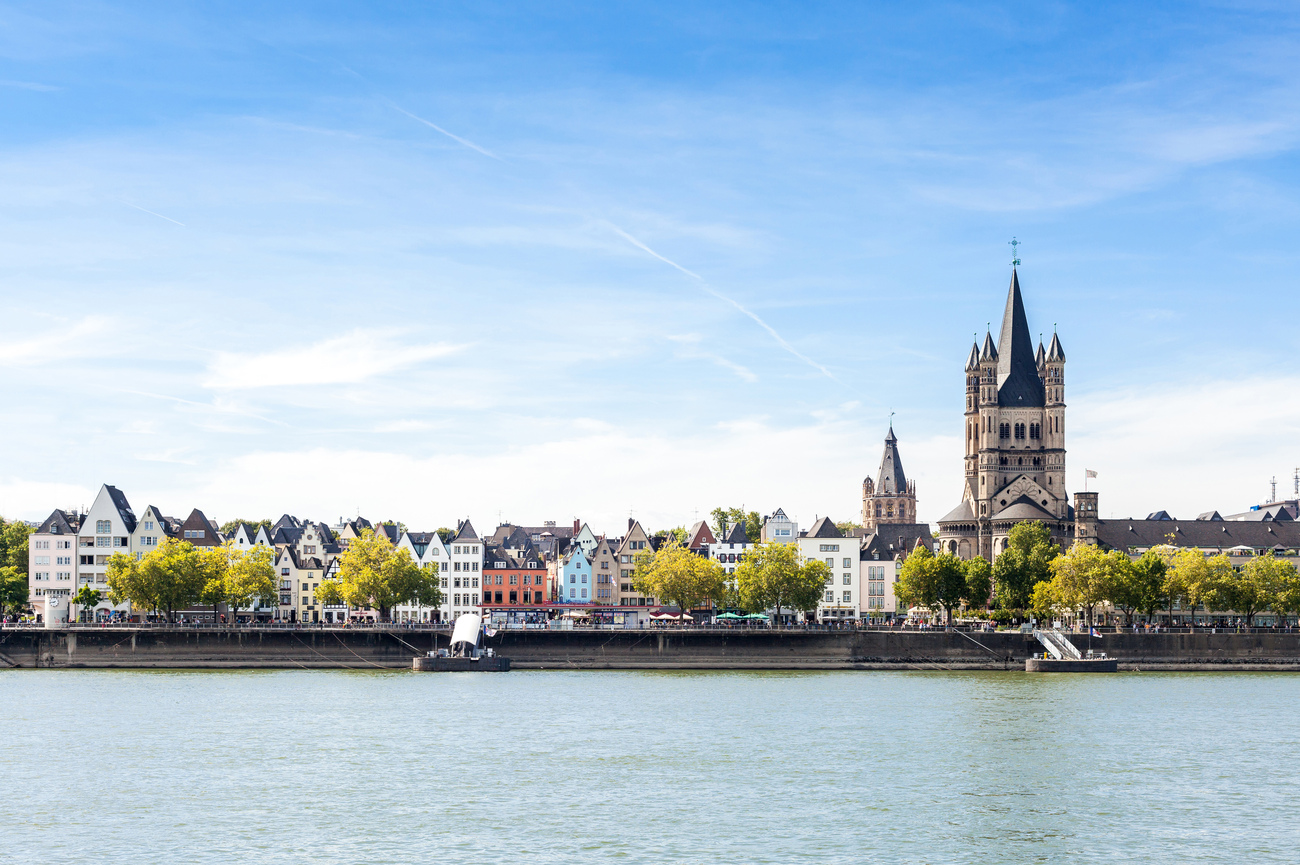
Day
1

Morning:
Cologne Cathedral
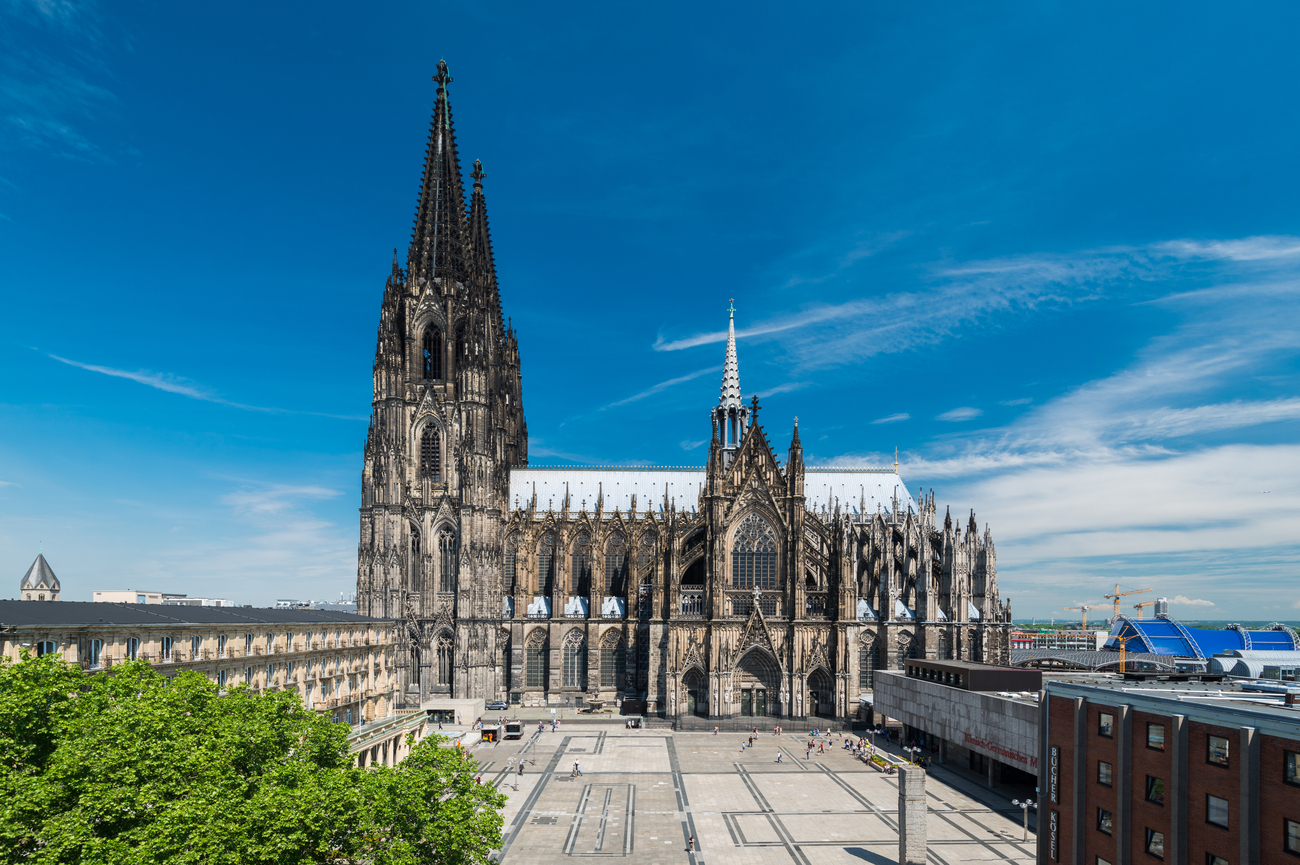
Cologne Cathedral is the natural place to begin exploring the city. Standing at the heart of Cologne beside the Rhine and the city's main transport hub, it has shaped the skyline for centuries and remains the landmark most closely associated with the city.
Construction of the cathedral began in 1248 to house the relics of the Three Kings, which had been brought to Cologne several decades earlier. Building continued for centuries before finally being completed in 1880 according to the original medieval plans. The cathedral stands approximately 157 meters tall and remains one of the tallest Gothic churches in the world. The exterior is characterized by its dark stone facade, intricate sculptures, pointed arches and twin spires that dominate the skyline.
The cathedral was designated a UNESCO World Heritage Site in 1996 and continues to function as an active place of worship while welcoming millions of visitors each year. And beyond the main altar, there are numerous works of religious art, historic tombs and centuries-old carvings throughout the building. One of the highlights is the modern stained-glass window designed by German artist Gerhard Richter, which adds a contemporary element to a structure rooted in medieval architecture. The contrast between the Gothic stonework and modern artistic additions reflects how the cathedral has continued to evolve while preserving its historical character.
Dom
Treasury
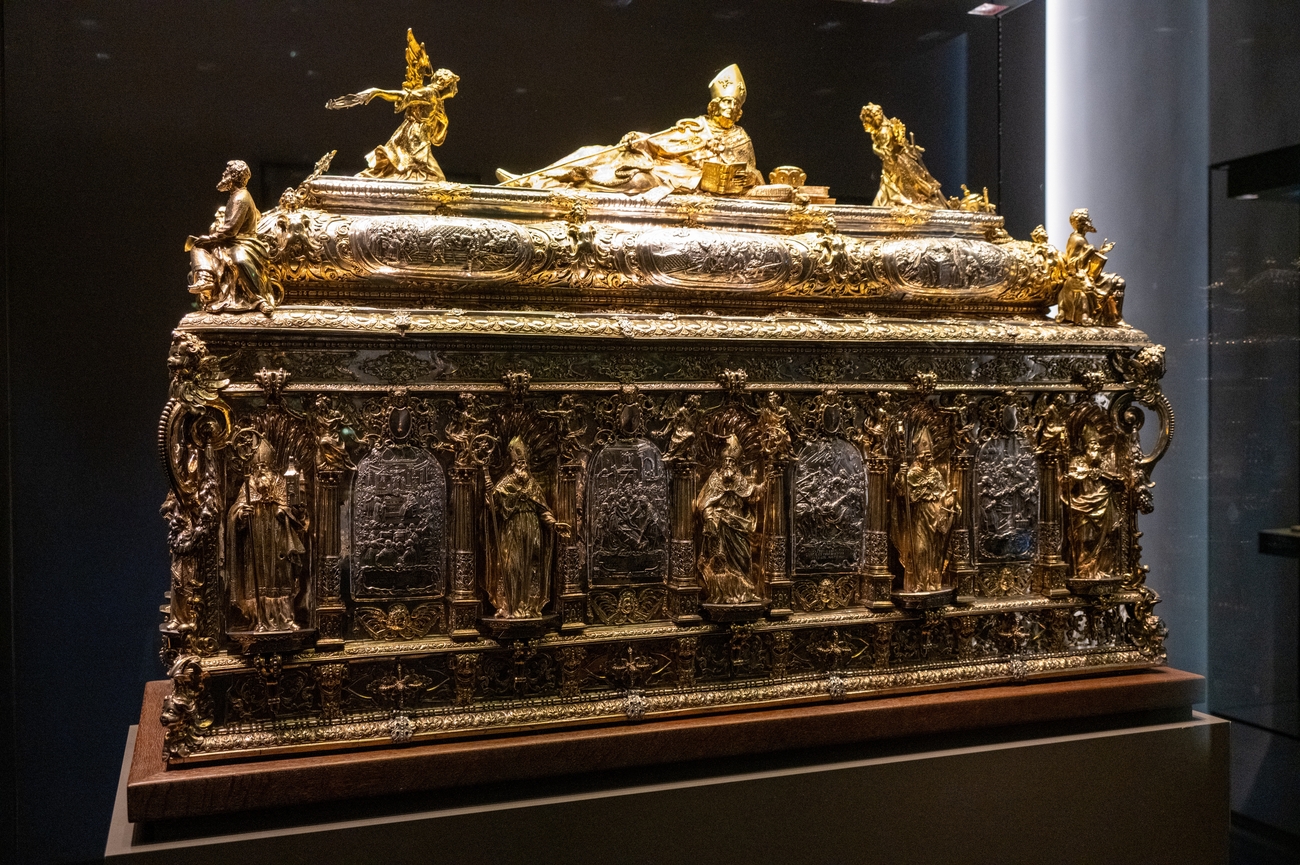
From Cologne Cathedral, the Dom Treasury is only a 1 to 2-minute walk away, located within the cathedral complex on the northern side of the building. After taking in the scale and architecture of the cathedral itself, the treasury provides a closer look at the objects, artwork and religious treasures.
The Dom Treasury houses one of the most important collections of church art in Germany. Spread across six exhibition rooms within restored 13th-century underground vaults, the collection spans more than a thousand years of history. Inside, you'll find reliquaries, liturgical objects, medieval sculptures, ceremonial vestments, manuscripts and the insignia of Cologne's archbishops dating from the 4th to the 20th century.
Rather than a traditional museum gallery, the exhibits are displayed within atmospheric stone vaults beneath the cathedral. The layout is compact and easy to navigate, allowing you to focus on the craftsmanship and historical significance of the objects on display. Several sections explore the cult of the Three Kings, whose relics transformed Cologne into one of medieval Europe's most important religious destinations.
You can join guided tours to better explore the museum. Audio guides are available and provide detailed explanations of the collection, making them worthwhile even for visitors with limited knowledge of religious art.
Museum
Ludwig
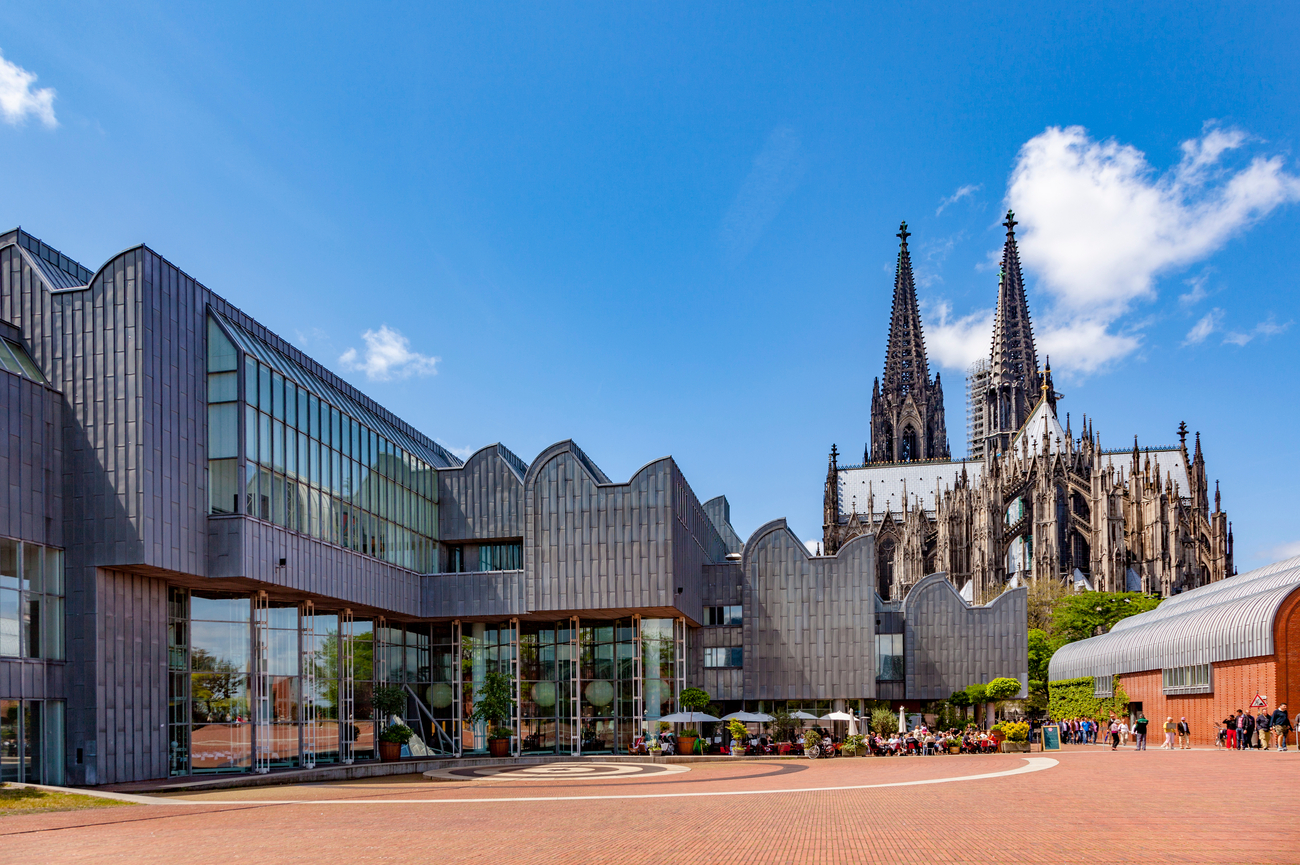
A short 5-minute walk from the Dom Treasury brings you to Museum Ludwig, located beside Cologne Cathedral and overlooking the Rhine River. After exploring centuries of religious history, the focus shifts to modern creativity, contemporary ideas and some of the most influential artists of the last hundred years.
Established in 1976 following a major donation from collectors Peter and Irene Ludwig, it is best known for its extensive collection of Pop Art and one of the largest Picasso collections in Europe. The museum also houses significant works from Russian avant-garde artists, German Expressionists and leading contemporary photographers. Inside, the galleries are bright, spacious and designed to showcase large-scale artworks.
The collection includes works by Pablo Picasso, Andy Warhol, Roy Lichtenstein, Gerhard Richter and many other influential artists whose work helped shape modern and contemporary art. And to help you understand it better, Museum Ludwig offers public guided tours of both its permanent galleries and temporary exhibitions. Public tours of the permanent collection are included with admission, while tours of special exhibitions require a small additional fee.
Afternoon:
Hohenzollern Bridge
Leaving Museum Ludwig, continue toward the Rhine and within a few minutes you'll arrive at Hohenzollern Bridge. The route is straightforward and follows the riverfront area beside Cologne Cathedral.
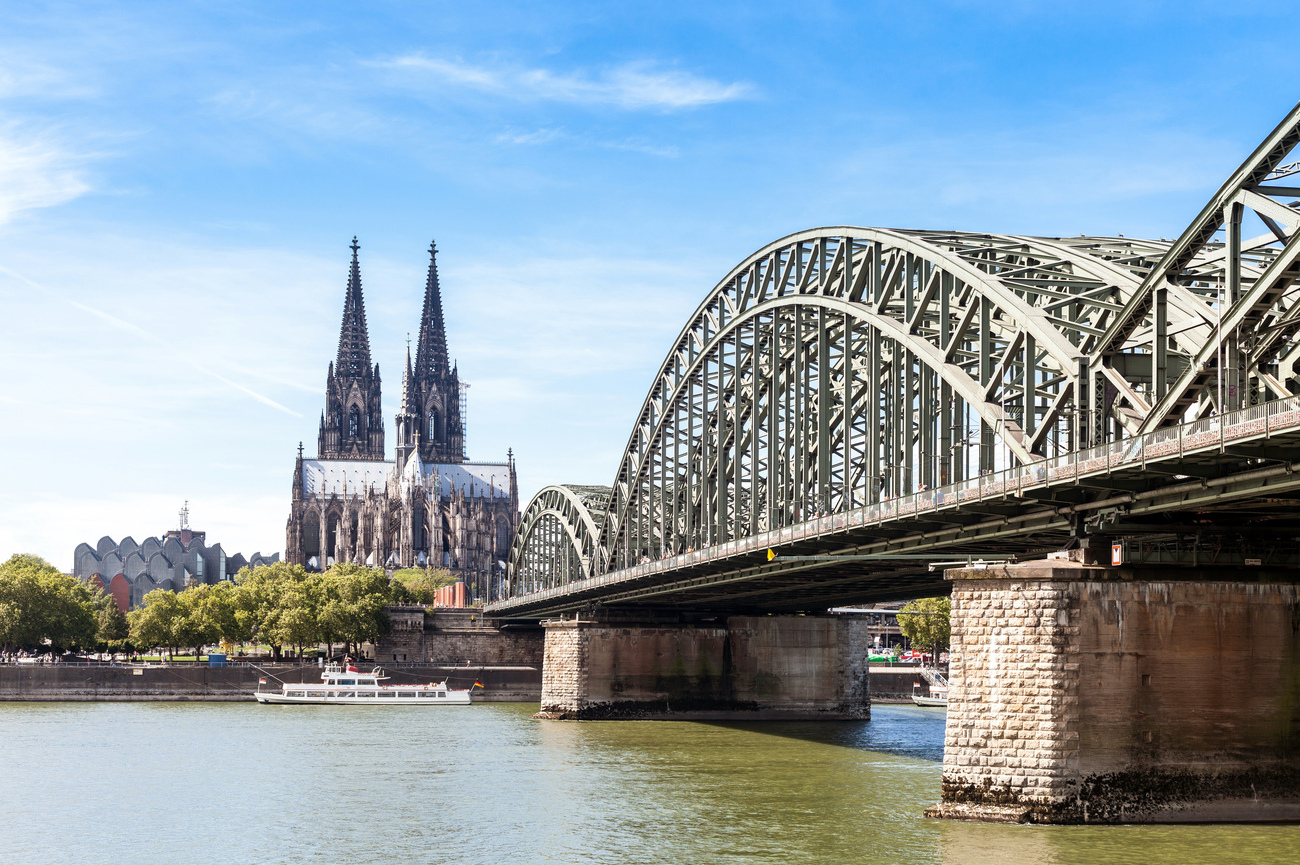
Completed in 1911, the bridge was named after the House of Hohenzollern, the former ruling dynasty of Prussia and the German Empire. Although parts of the structure were destroyed during the Second World War, it was later rebuilt and remains an important piece of Cologne's infrastructure. The steel arch bridge spans more than 400 meters across the Rhine and is reserved for trains, cyclists and pedestrians. The most striking feature for many visitors is the thousands of love locks attached to its railings.
The bridge also offers some of the best views in the city. Looking west, you'll have a clear perspective of Cologne Cathedral rising above the historic center, while the Rhine River creates a dramatic foreground for photographs.
Schildergasse
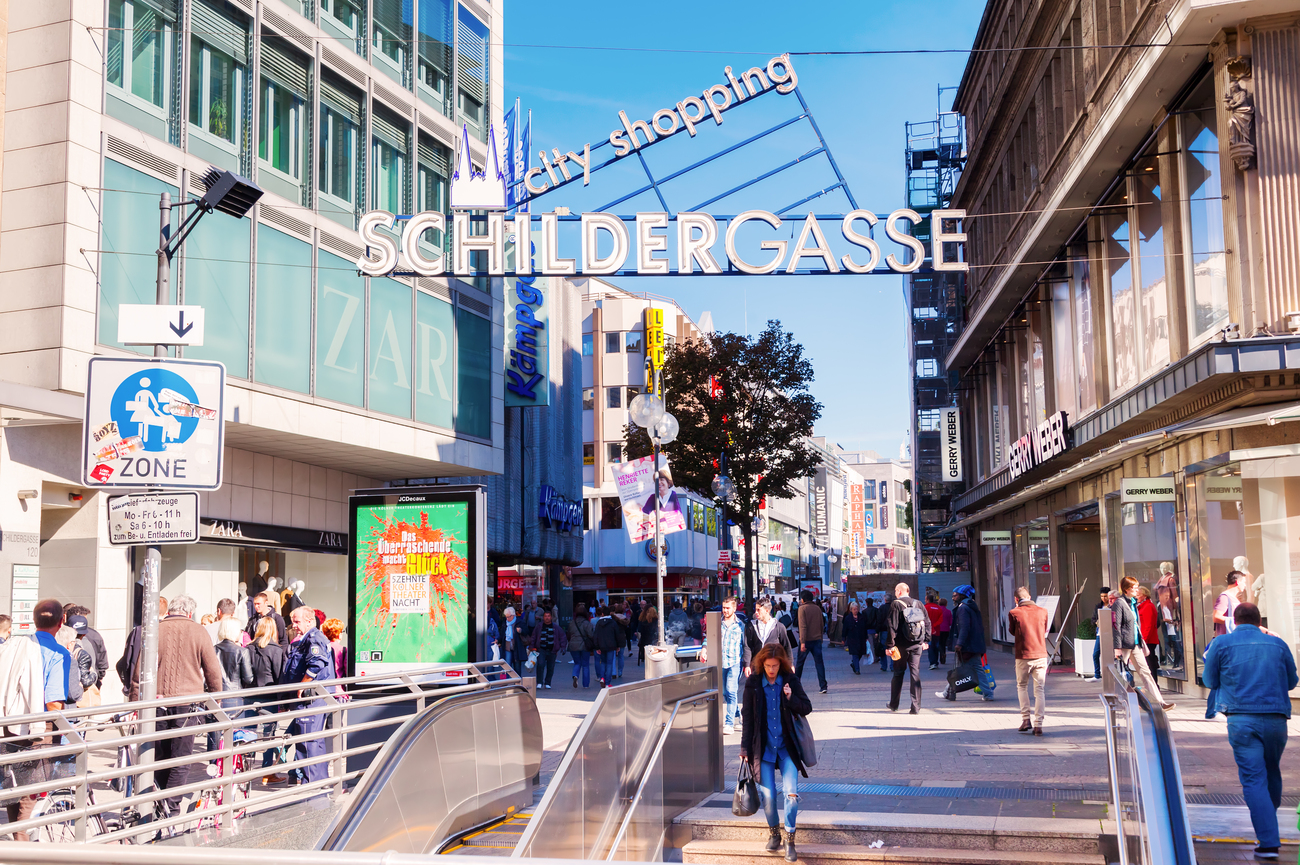
After spending time along the Rhine at Hohenzollern Bridge, head back toward Cologne's city center and continue southwest for about 10 minutes to reach Schildergasse. The route passes through some of the busiest parts of the historic core before opening into Germany's most visited shopping street.
Schildergasse is one of the oldest streets in Cologne and has served as an important commercial route since Roman times. Today, it is recognized as one of Germany's busiest shopping streets, attracting millions of visitors each year. The pedestrianized avenue stretches through the city center and is lined with international fashion brands, department stores, beauty retailers and major European flagship locations.
Weltstadthaus
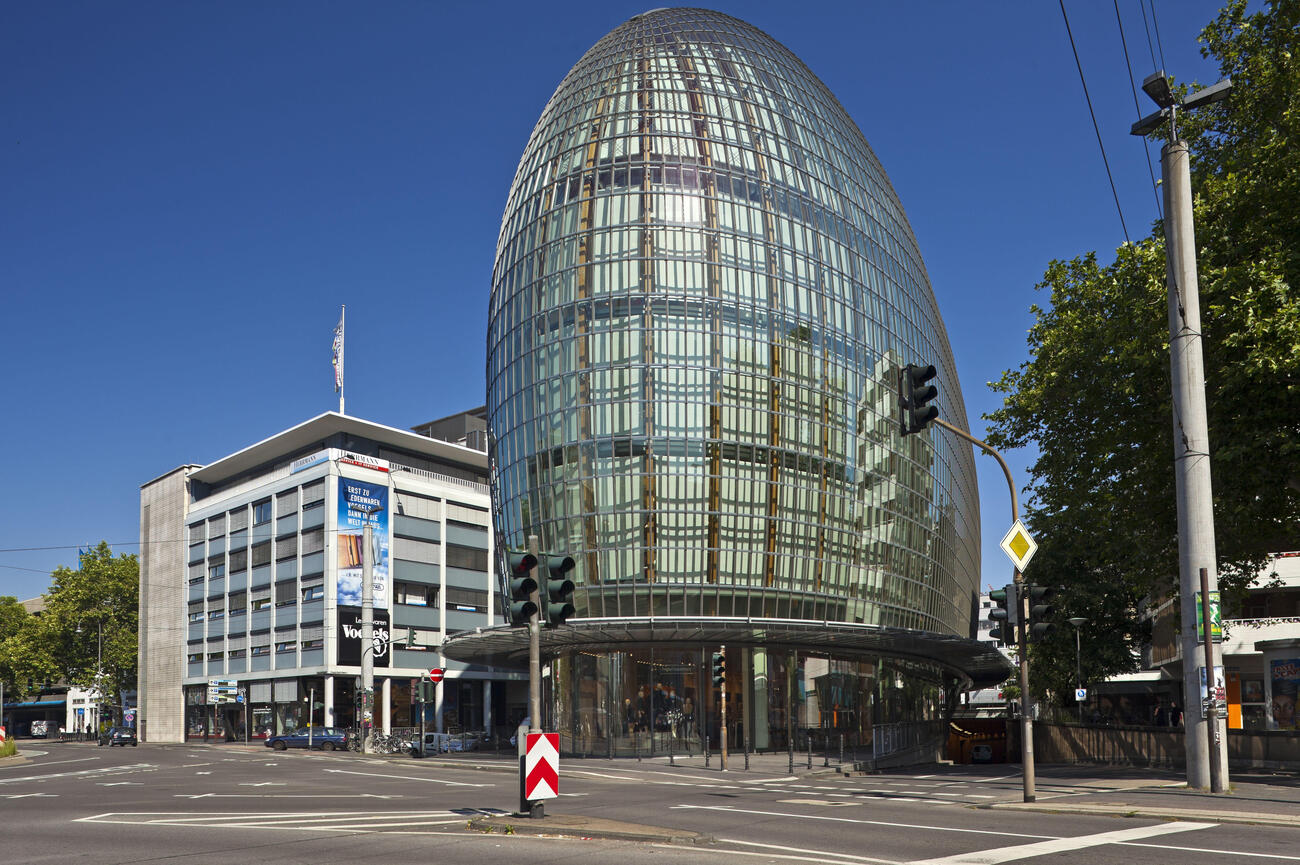
From Schildergasse, it takes less than a minute to reach Weltstadthaus, as the building is located directly along the shopping street itself. Its distinctive glass facade immediately stands out from the surrounding retail buildings.
Completed in 2005 and designed by renowned Italian architect Renzo Piano, Weltstadthaus serves as the flagship department store of GALERIA in Cologne. The building is best known for its curved glass-and-wood exterior, which resembles the hull of a ship suspended above the street. The design brought a contemporary architectural statement to one of Germany's busiest shopping corridors while still fitting into the existing urban landscape.
Inside, the building spans multiple floors dedicated to fashion, beauty, accessories, home goods and lifestyle products. International brands are featured throughout the store, making it one of the most comprehensive shopping destinations in the city center.
NEUMARKT Galerie Köln
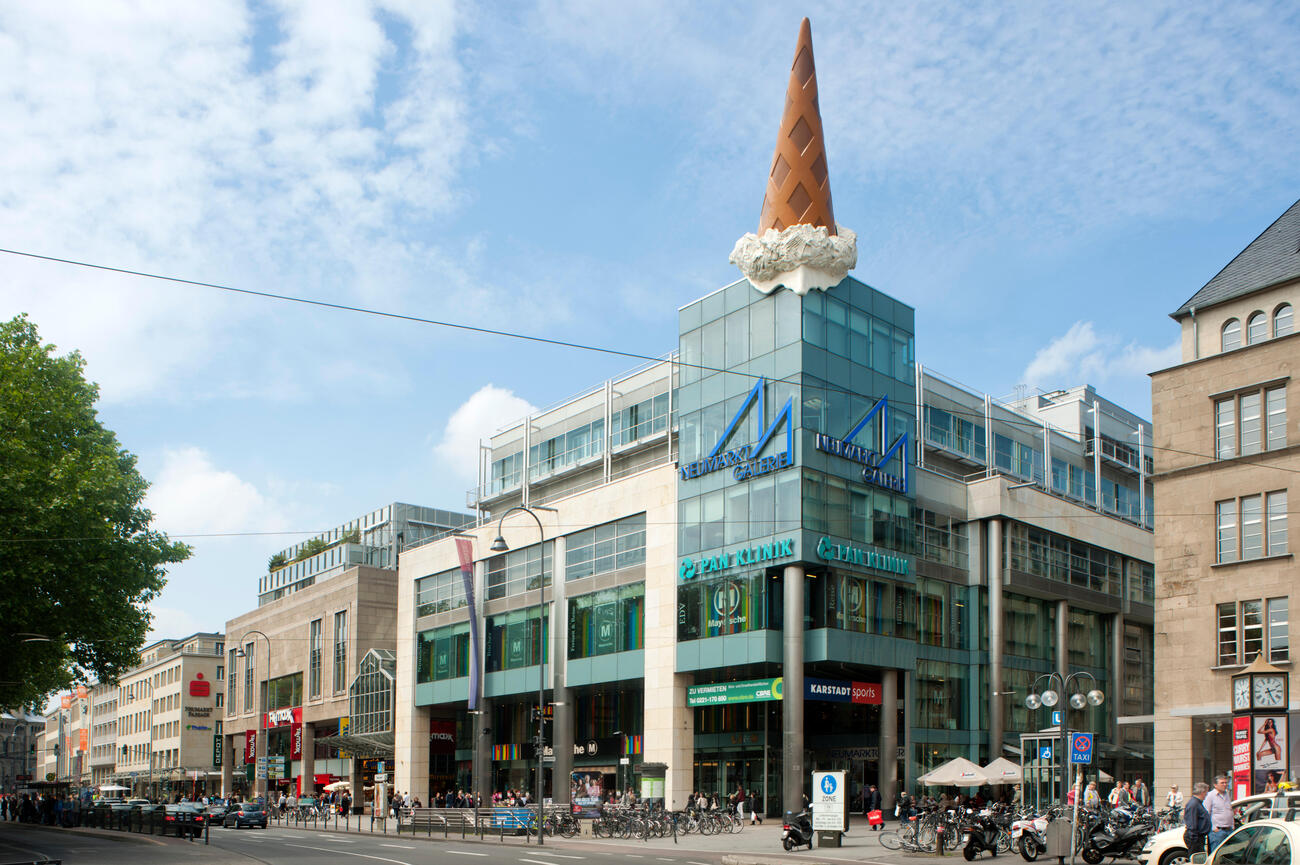
Continuing southwest through Cologne's retail core, Neumarkt Galerie Köln appears just beyond the busiest sections of Schildergasse. The walk takes around 8 to 10 minutes and passes through one of the most commercially active parts of the city. Yes, you will be doing more shopping again.
Located on Neumarkt, one of Cologne's most important public squares, Neumarkt Galerie has long been a fixture of the city's shopping scene. The center brings together fashion retailers, beauty brands, lifestyle stores and specialty shops within a convenient central location. The tenant mix includes international fashion brands, cosmetics retailers, accessory stores and lifestyle outlets, making it a practical stop for anyone interested in shopping beyond the major high-street brands found elsewhere in the city.
Evening:
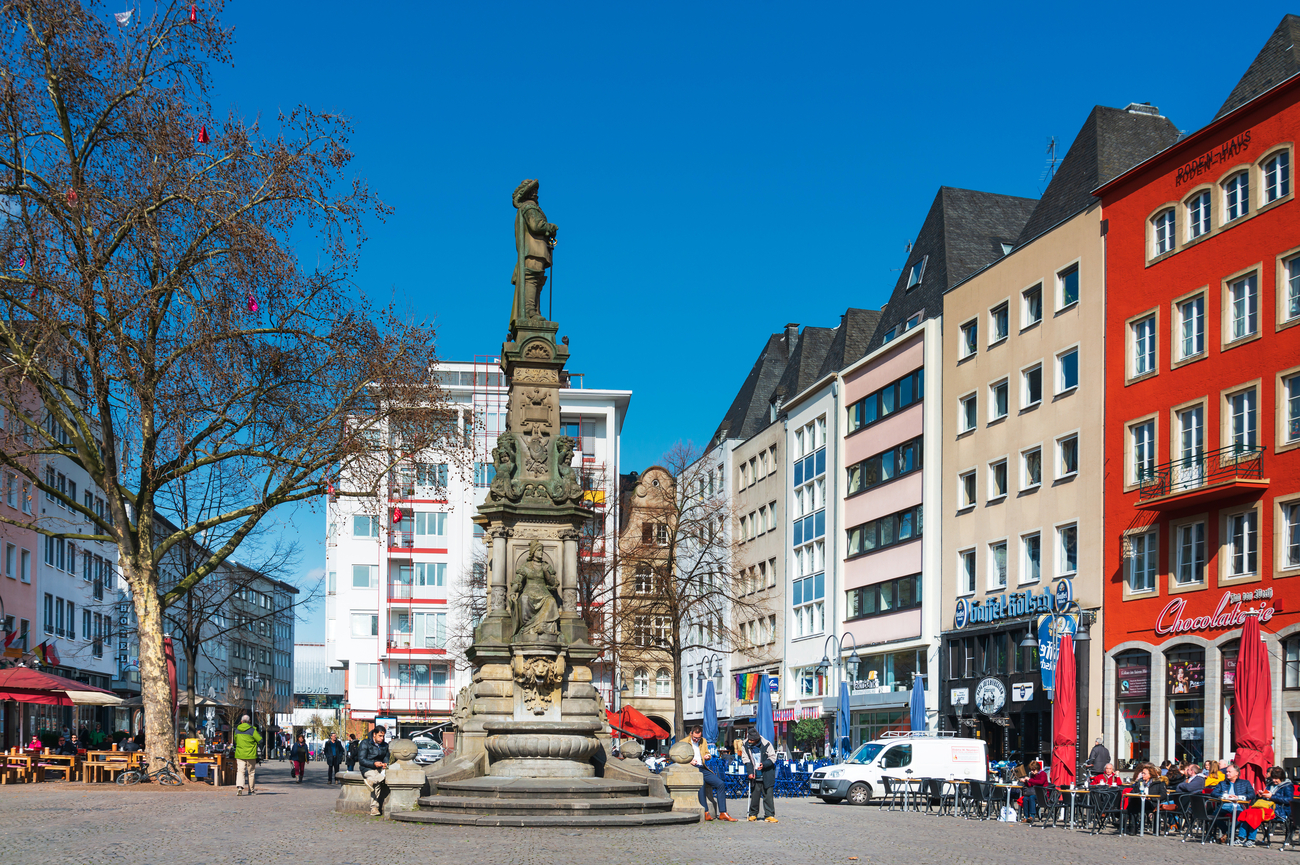
Old Market
A short walk from Neumarkt brings you to Alter Markt. Located in the heart of the Old Town, this square has served as a gathering place for residents, merchants and travelers for centuries.
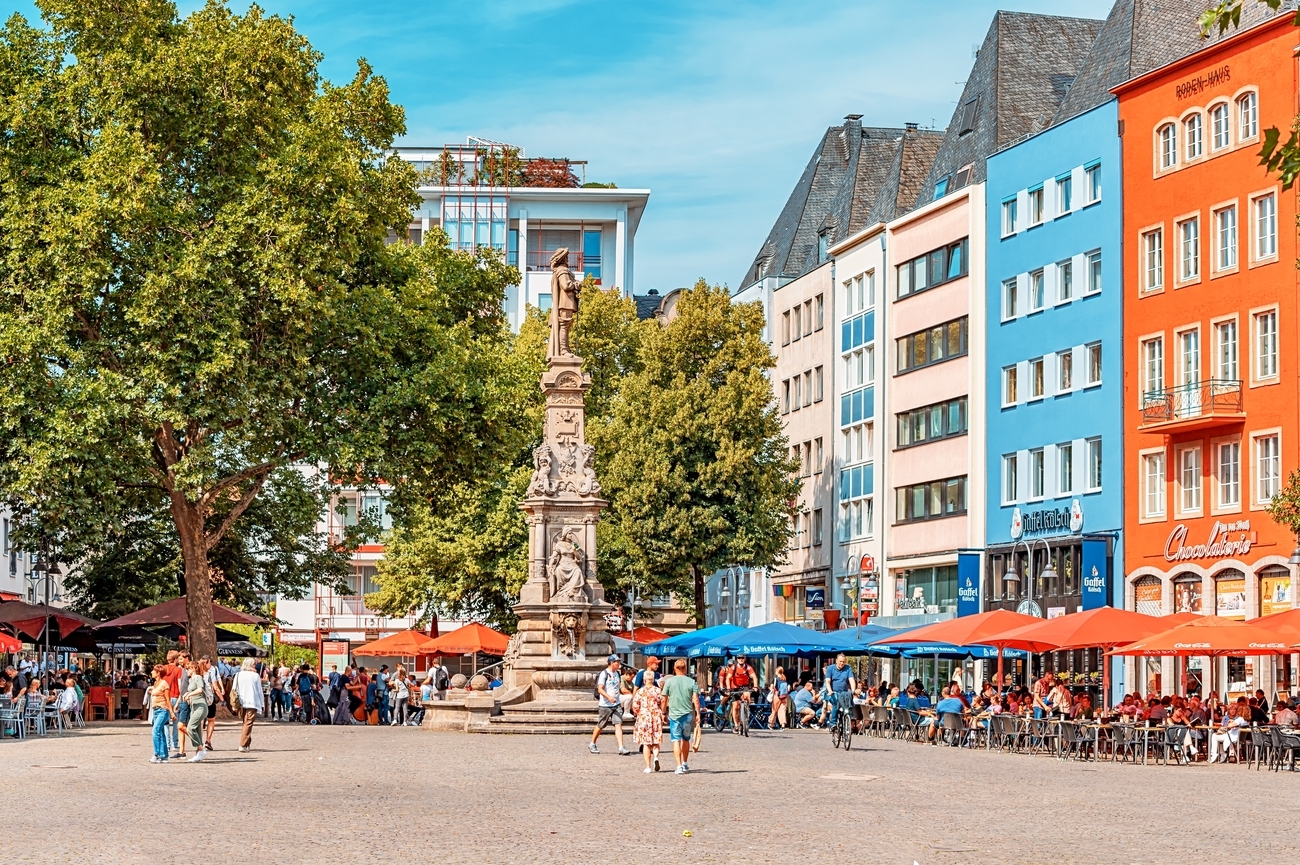
Alter Markt was the center of Cologne's commercial life during the Middle Ages. The square is surrounded by traditional townhouses, many of which were reconstructed after the Second World War to preserve the historic character of the area. At its center stands the Jan von Werth Fountain, one of the square's most recognizable landmarks and a tribute to a well-known figure in Cologne's local history. Several narrow streets branch out from the square, connecting visitors to other parts of the Old Town and offering a glimpse into the city's medieval street layout.
After a day that has moved from Gothic architecture and medieval treasures to modern art and luxury shopping, Alter Markt serves as a reminder that history remains at the heart of Cologne. It is a simple but fitting way to end the day before continuing to explore the city in the days ahead.
Day 1 - Cologne Tour Map
Day 2
Morning: Rheinpark
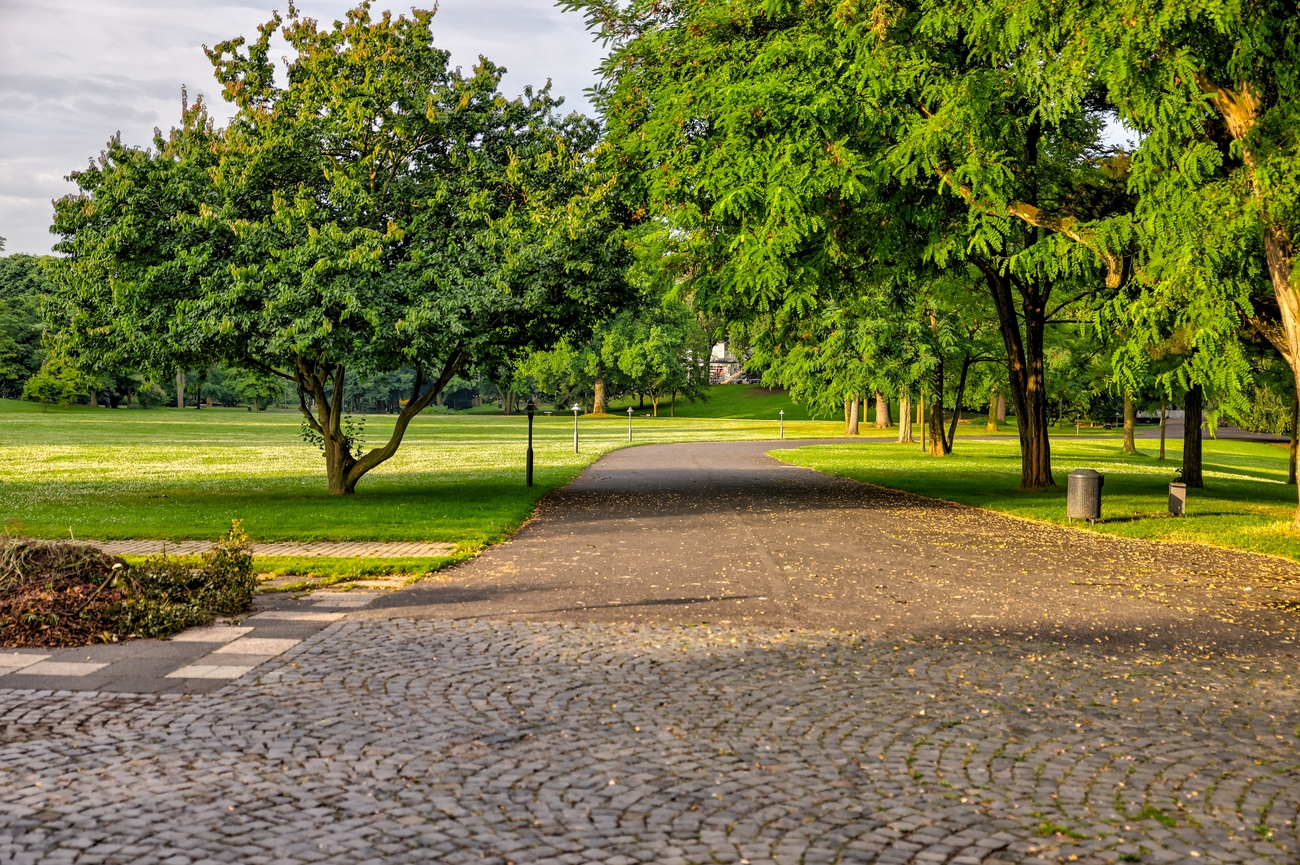
Day two begins at Rheinpark, one of Cologne's largest and most popular green spaces. Located on the eastern bank of the Rhine in the Deutz district, the park offers a different perspective of the city from the historic center explored on the previous day.
Originally developed in the 1950s as part of Germany's Federal Garden Show, Rheinpark covers more than 40 hectares and is widely regarded as one of the country's finest urban parks. The grounds feature manicured flower beds, fountains, sculptures, tree-lined pathways and open green spaces overlooking the Rhine. The contrast between the park's greenery and the cathedral's Gothic silhouette creates one of the most photographed views in Cologne.
Cologne Triangle
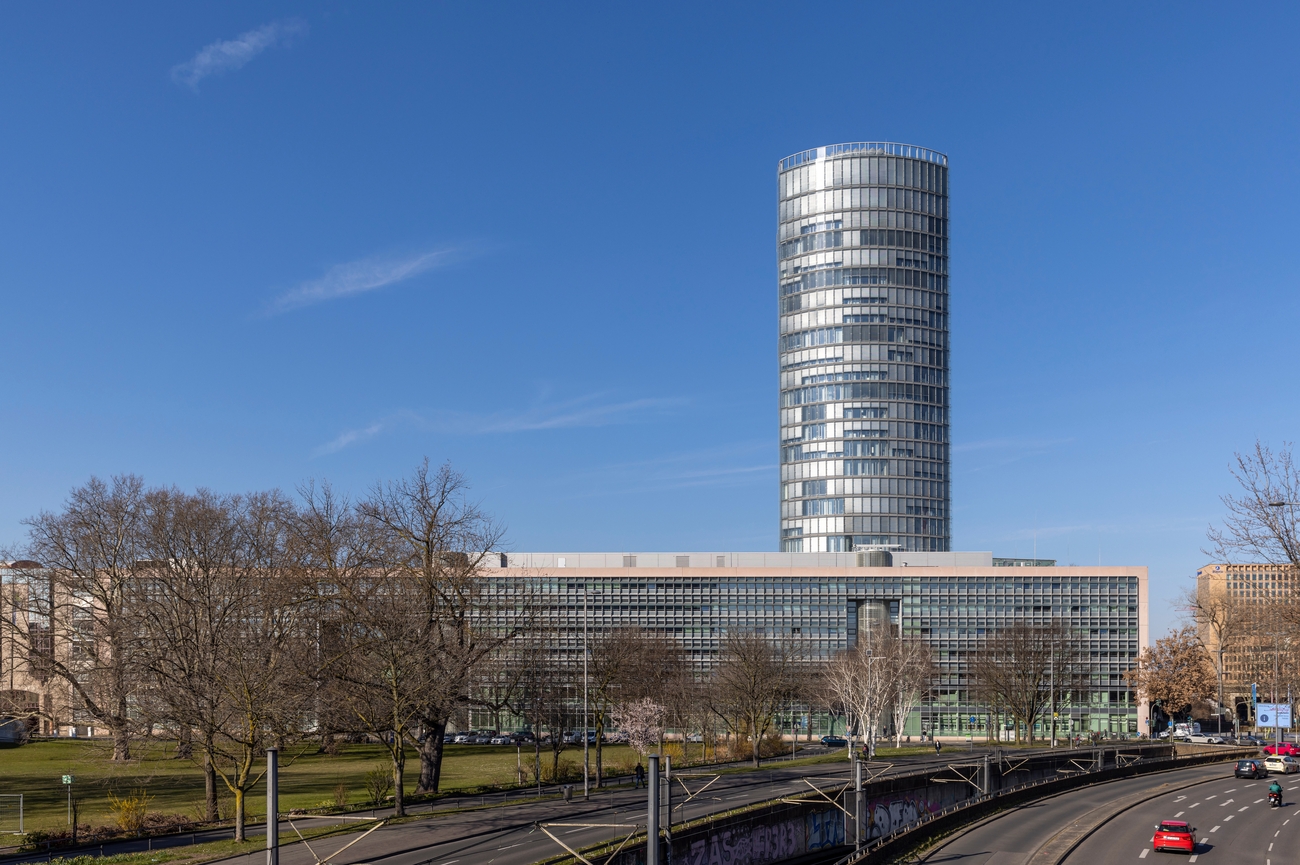
A walk of approximately 15 minutes south along the Rhine brings you from Rheinpark to Cologne Triangle, one of the best observation points in the city. The route follows the river through the Deutz district before arriving at a modern high-rise that stands in clear contrast to the historic landmarks across the water. While Cologne is often associated with medieval architecture and centuries-old churches, Cologne Triangle showcases the city's contemporary side.
Completed in 2006, Cologne Triangle is a 103-meter office tower located directly opposite Cologne Cathedral on the eastern bank of the Rhine. The building itself is an important part of Cologne's modern business district, but most visitors come for its observation deck, which sits approximately 100 meters above ground level. Unlike many observation platforms enclosed behind glass, the viewing area here is largely open-air and protected by a steel mesh system, allowing for unobstructed views in every direction.
The observation deck offers a full 360-degree view of Cologne and beyond. Looking west, you'll have a clear view of Cologne Cathedral, the Old Town, Hohenzollern Bridge and the Rhine River winding through the city. On clear days, visibility can extend far beyond the urban area into the surrounding Rhineland region. Because the tower stands across the river rather than within the historic center, it provides one thing that many viewpoints cannot: a complete view of the cathedral within the skyline itself.
Cologne Fair
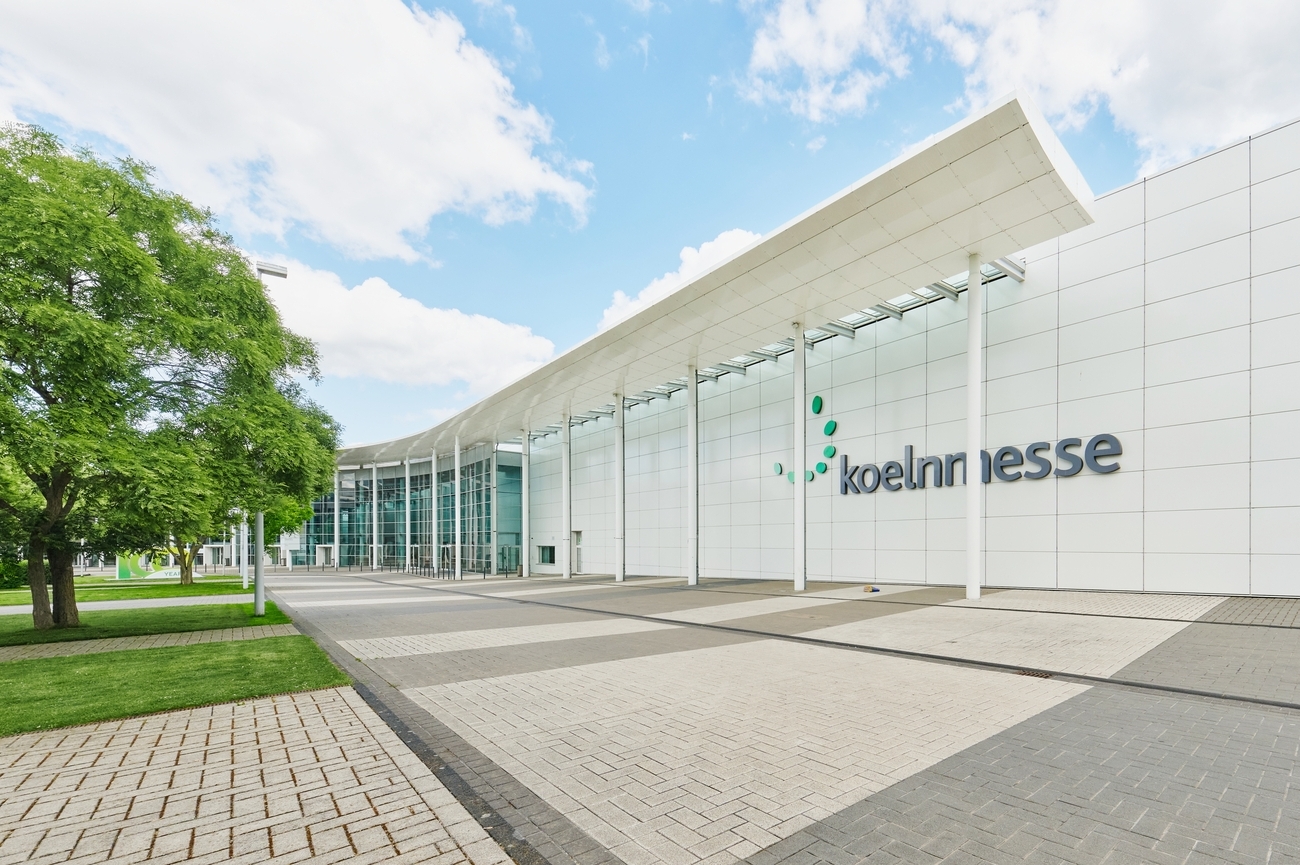
Just a few minutes south of Cologne Triangle lies Koelnmesse, more commonly known as Cologne Fair. Cologne Fair highlights another side of the city: its role as one of Europe's leading destinations for international trade fairs, business events and global exhibitions.
Koelnmesse is one of the largest exhibition centers in the world, covering more than 280,000 square meters of exhibition space across multiple halls. Established in 1922, the venue hosts some of the most important trade fairs in Europe, attracting exhibitors and visitors from across the globe. Major events held here include Gamescom, one of the world's largest gaming conventions, as well as internationally recognized fairs focused on furniture, food, technology, photography and design. Throughout the year, the complex becomes a meeting point for industry leaders, entrepreneurs, innovators and professionals representing a wide range of sectors.
Public access to Koelnmesse depends on the event calendar, with most exhibitions requiring advance registration or admission tickets. You can check the official event schedule before arrival, as exhibitions vary significantly throughout the year. During major events, guided industry tours, networking programs and specialized visitor experiences are also often available.
Schokoladenmuseum Köln
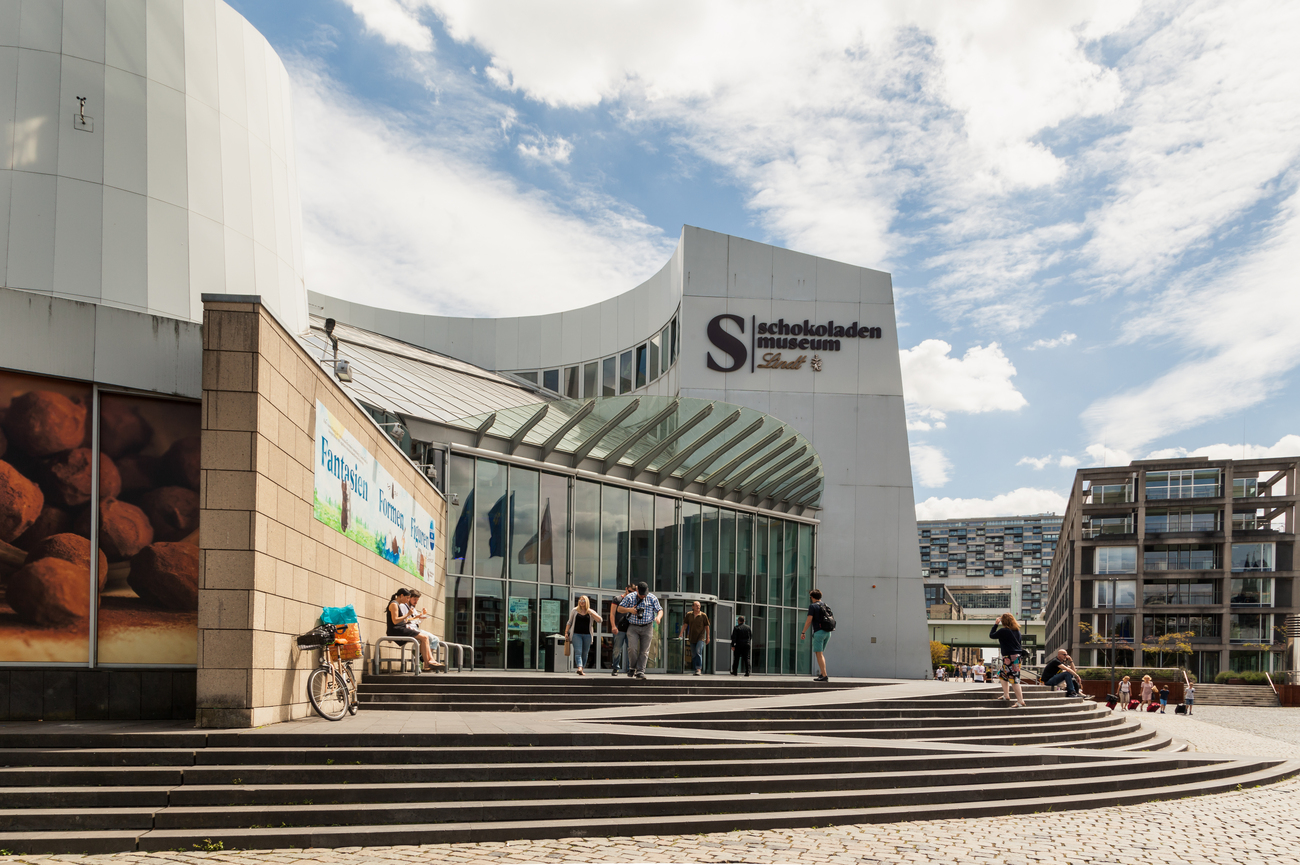
A 10-minute tram ride brings you to Schokoladenmuseum Köln, located on the Rheinauhafen peninsula along the Rhine River.
Opened in 1993, the museum is dedicated entirely to the history, culture and production of chocolate. Unlike traditional museums that focus primarily on displays behind glass, this museum takes a more interactive approach. The exhibits follow the journey of cocoa from tropical plantations to finished chocolate products, covering everything from cultivation and harvesting to industrial production and global trade. You can also learn how chocolate evolved from a ceremonial drink enjoyed by the Maya and Aztecs into a luxury product consumed by European aristocracy before eventually becoming accessible to the wider public.
One of the museum's highlights is its glass-walled chocolate factory, where you can observe modern chocolate production in real time. Production lines demonstrate how cocoa is transformed into finished chocolate bars, while exhibits throughout the museum showcase historical packaging, advertising, manufacturing equipment and cultural artifacts related to chocolate consumption.
Several guided experiences are available for visitors seeking a deeper understanding of chocolate. You can book the museum's popular "100% Chocolate" tour, which explores the complete journey of cocoa, from cultivation and harvest to finished products, while also covering the cultural history of chocolate across different civilisations. You can also consider booking the Fine Tasting session conducted by the museum's chocolate sommeliers. During this tasting, you'll sample different stages of chocolate production, from raw cocoa to finished chocolate bars, while learning how flavor profiles develop throughout the process.
German
Sport & Olympic Museum
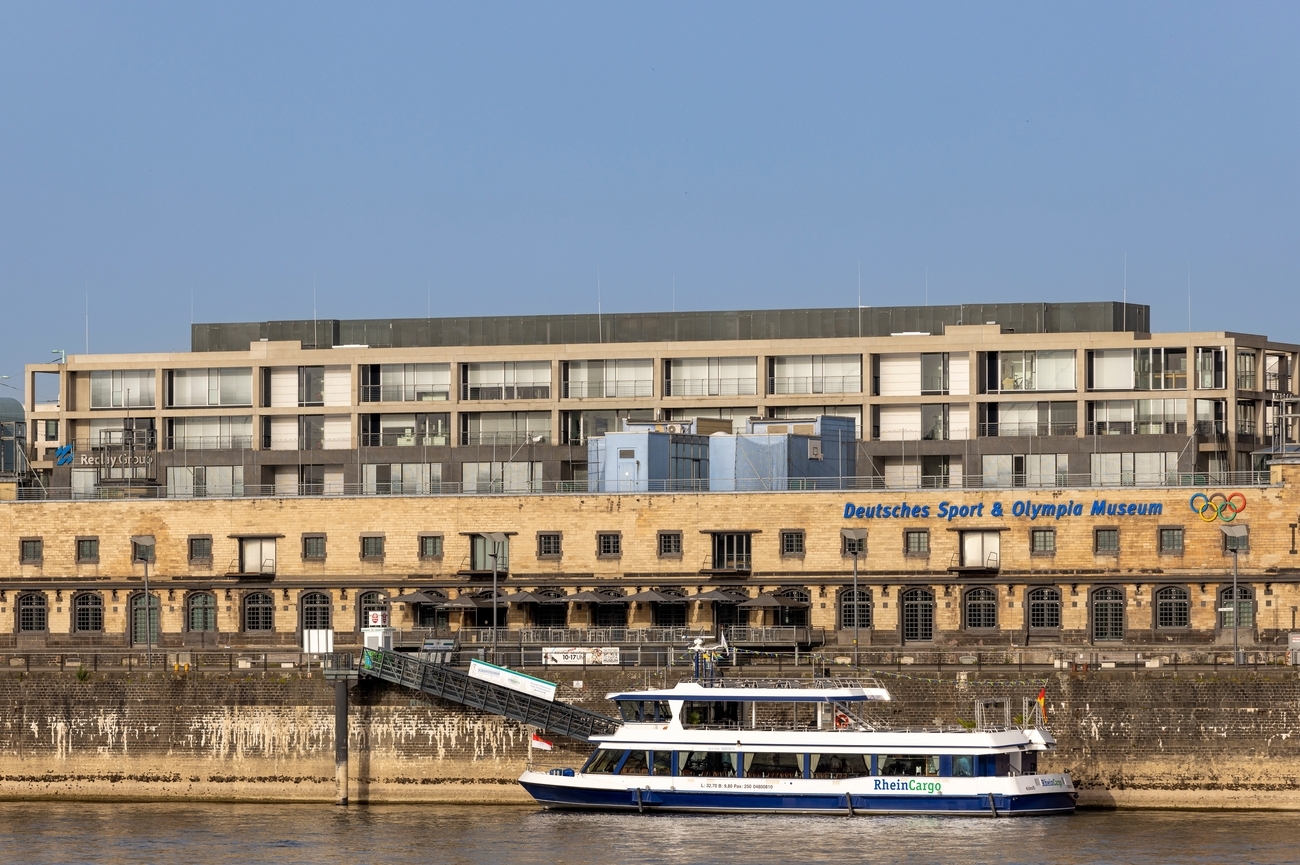
Just a 3 to 5-minute walk west along the Rheinauhafen waterfront brings you to the German Sport & Olympic Museum. The two attractions are practically neighbors.
Located in a former customs building dating to 1896, the German Sport & Olympic Museum opened in 1999 and is the largest institution of its kind in Germany. The museum traces more than 2,500 years of sporting history, from the athletic competitions of Ancient Greece to modern professional sports and the Olympic Games.
Rather than simply displaying artifacts, many exhibits encourage participation. You can test your own abilities through activity stations, compare athletic performances and engage with hands-on displays throughout the galleries. The rooftop sports area is particularly popular, offering recreational facilities and excellent views over the Rhine and Cologne's skyline.
The museum offers a variety of guided tours tailored to different interests. Its classic tour, "Ready, Set, Go!", provides a broad overview of sports history and remains the most popular option for first-time visitors. Themed tours are also available, including "Fascination Olympics," which explores the history and significance of the Olympic Games, "Powerplay," which examines the relationship between sport and politics, and "Fit as a Fiddle," which focuses on sport's role in health and well-being.
Rheinauhafen
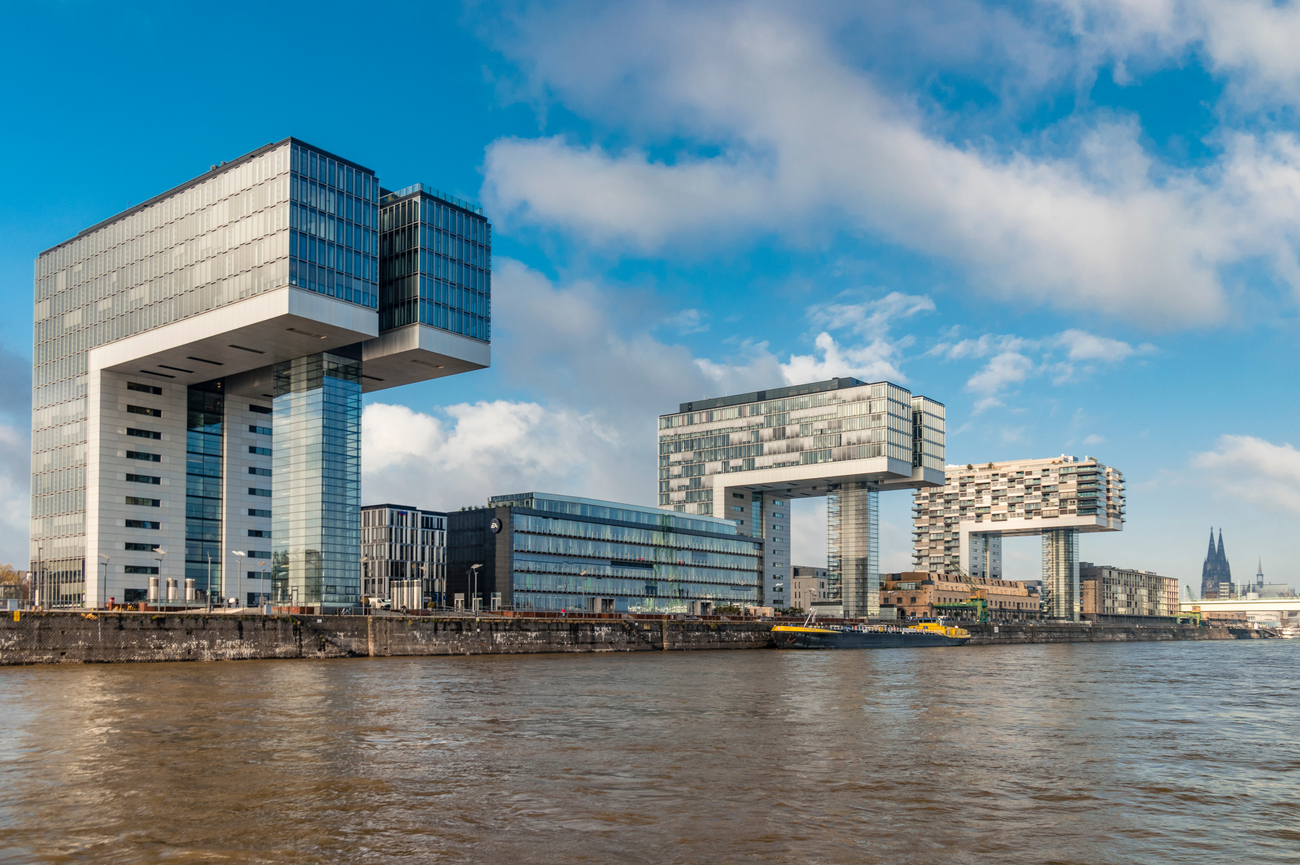
A leisurely 5-minute walk south from the German Sport & Olympic Museum brings you deeper into Rheinauhafen, one of Cologne's most ambitious urban redevelopment projects. Stretching for nearly two kilometers along the Rhine River, this waterfront district has transformed a former harbor area into one of the city's most modern and prestigious neighborhoods.
Beginning in the early 2000s, the area underwent a major redevelopment that converted former warehouses and industrial spaces into offices, cultural venues, residential buildings and public spaces. Today, it is best known for its striking architecture, particularly the Kranhäuser, three crane-shaped buildings that have become symbols of modern Cologne.
The district is designed to be explored on foot. Wide riverside promenades run alongside the Rhine, connecting public plazas, art installations, historic harbor structures and modern developments. Throughout the area, you'll find restored warehouse buildings standing beside glass-fronted offices and luxury residential complexes.
Evening:
Severinstorburg
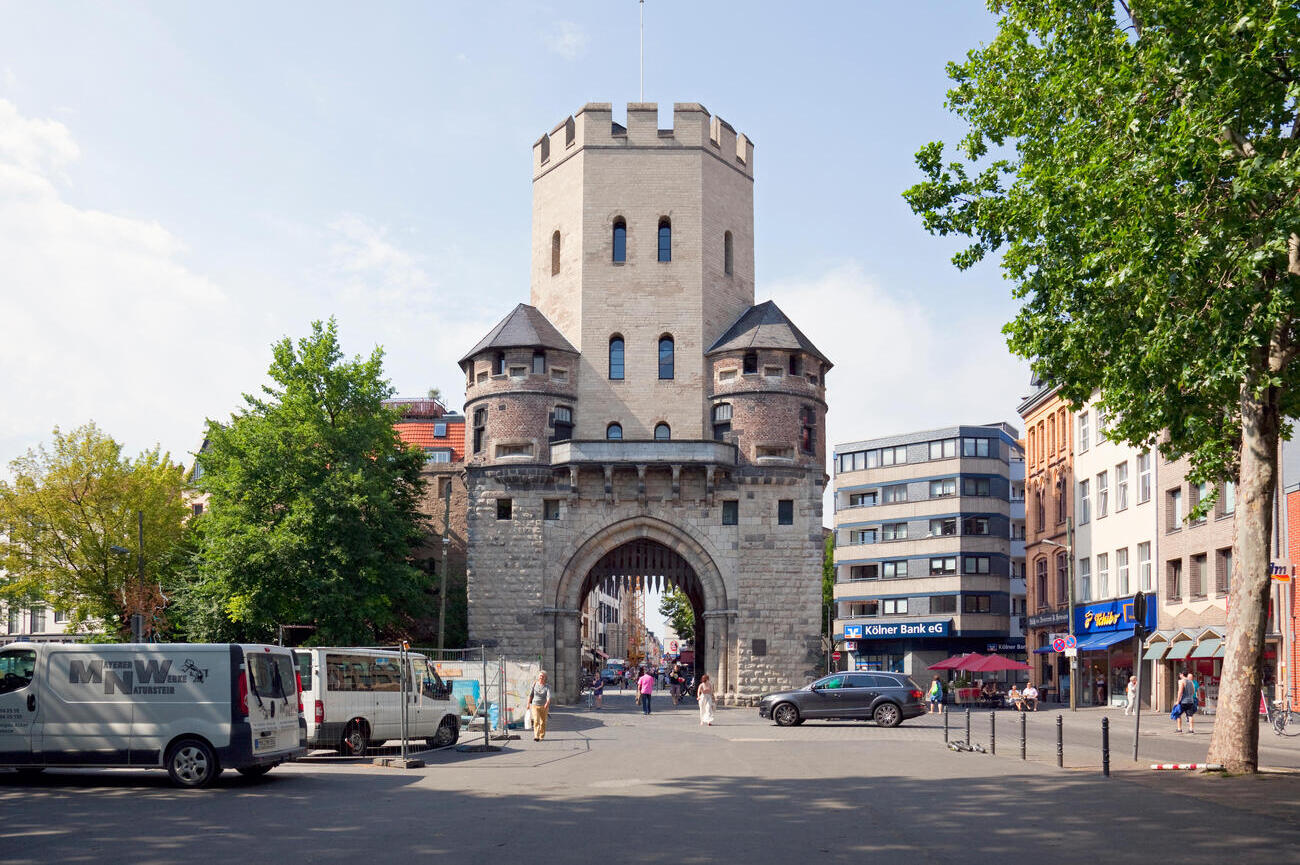
The route gradually leaves the modern waterfront of Rheinauhafen and heads back toward Cologne's historic districts. After about 15 minutes on foot, the skyline of glass offices and contemporary developments gives way to one of the city's best-preserved medieval landmarks: Severinstorburg.
Built in the 13th century, Severinstorburg was one of the principal gates of Cologne's medieval city walls and served as the southern entrance to the city for centuries. The gate formed part of an extensive fortification system that once protected Cologne and controlled access to important trade routes. Its distinctive central tower, flanked by smaller side towers and topped with pointed roofs, remains one of the best-preserved examples of medieval military architecture in the city. Although much of Cologne's defensive wall system has disappeared over time, Severinstorburg survives as a reminder of the city's importance during the Middle Ages.
While the gate itself is typically viewed from the outside, it is occasionally opened for exhibitions, cultural programs and special events.
Basilica
of St. Severin
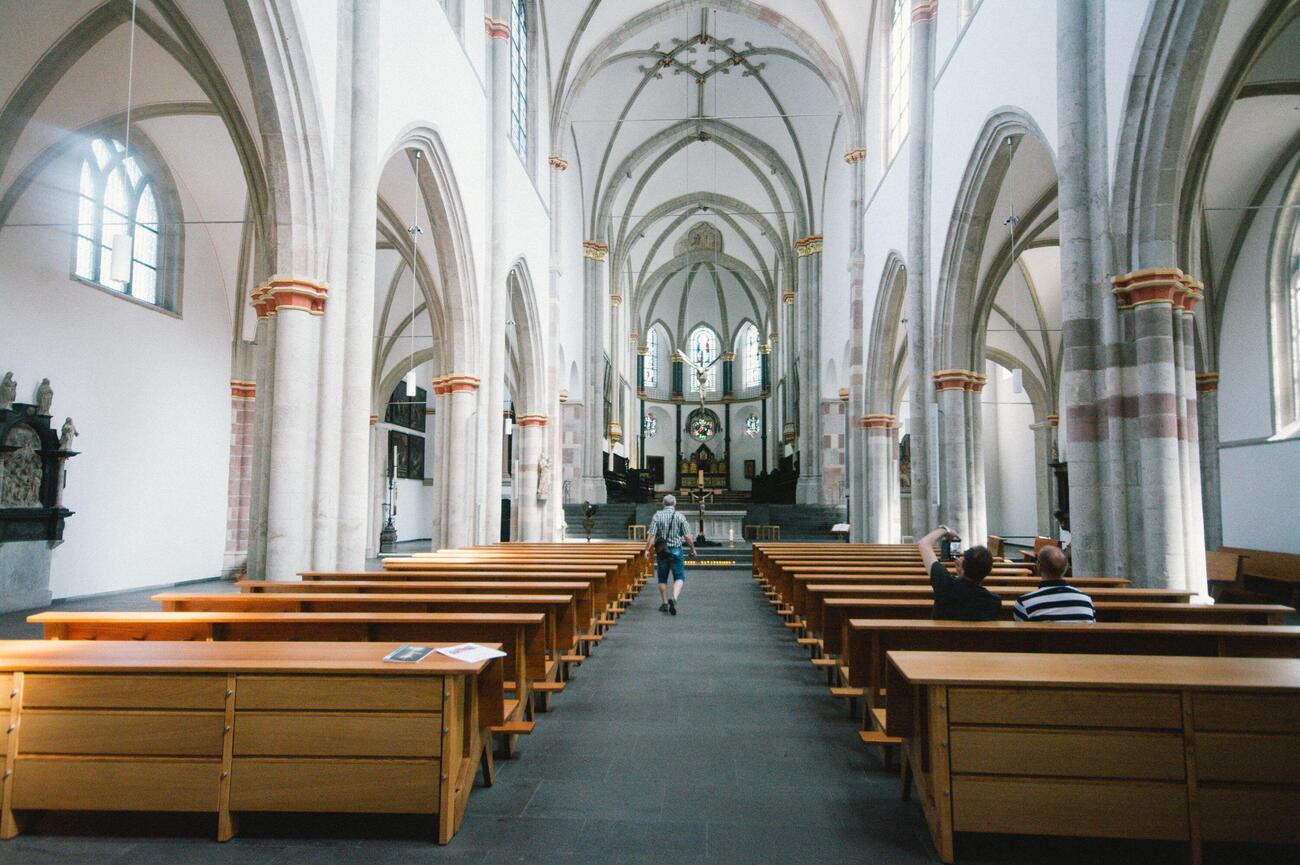
Just beyond Severinstorburg, a short 3-minute walk through the heart of the Severinsviertel district brings you to the Basilica of St. Severin. As the final stop of the day, it offers a quieter and more reflective atmosphere than many of the city's larger attractions.
The Basilica of St. Severin is one of Cologne's twelve Romanesque churches and ranks among the oldest religious sites in the city. Its origins date back to the 4th century, when a cemetery and early Christian burial site occupied the area. The present church was largely constructed between the 10th and 13th centuries and developed around the tomb of Saint Severin, a bishop of Cologne who remains one of the city's most important religious figures. The exterior combines Romanesque and Gothic elements, while the church's tower has long served as a landmark for travelers approaching Cologne from the south.
Inside, the basilica reveals centuries of architectural and artistic development. One of the most significant features is the shrine of Saint Severin, which has attracted pilgrims for generations.
Day 2 - Cologne Tour Map
Day 3
Morning: Maastrichter Straße
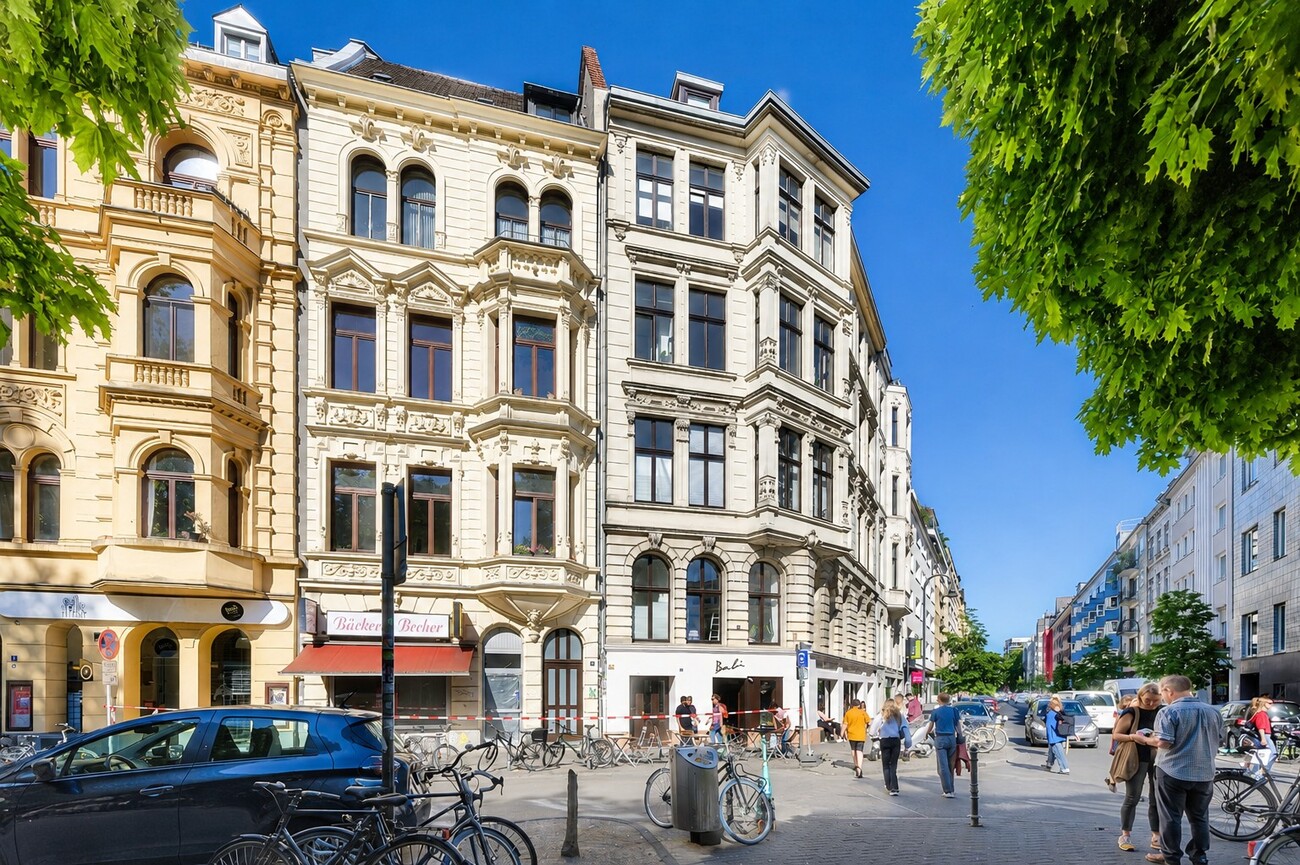
Maastrichter Straße is one of Cologne's most stylish and creative streets. Located in the Belgian Quarter, a neighborhood known for its independent boutiques, design studios and contemporary culture, the area offers a different perspective from the historic landmarks and waterfront districts explored over the previous two days. Instead of medieval churches or major museums, the focus here is on local creativity, fashion and lifestyle.
Maastrichter Straße serves as one of the main arteries of the Belgian Quarter and has developed into a hub for independent businesses, concept stores and contemporary design. The street is lined with carefully curated boutiques, home décor shops, galleries and specialty retailers that cater to a more design-conscious crowd. Many of the buildings date from the late 19th and early 20th centuries, giving the area an elegant architectural backdrop while maintaining a distinctly modern atmosphere.
Brüsseler Platz
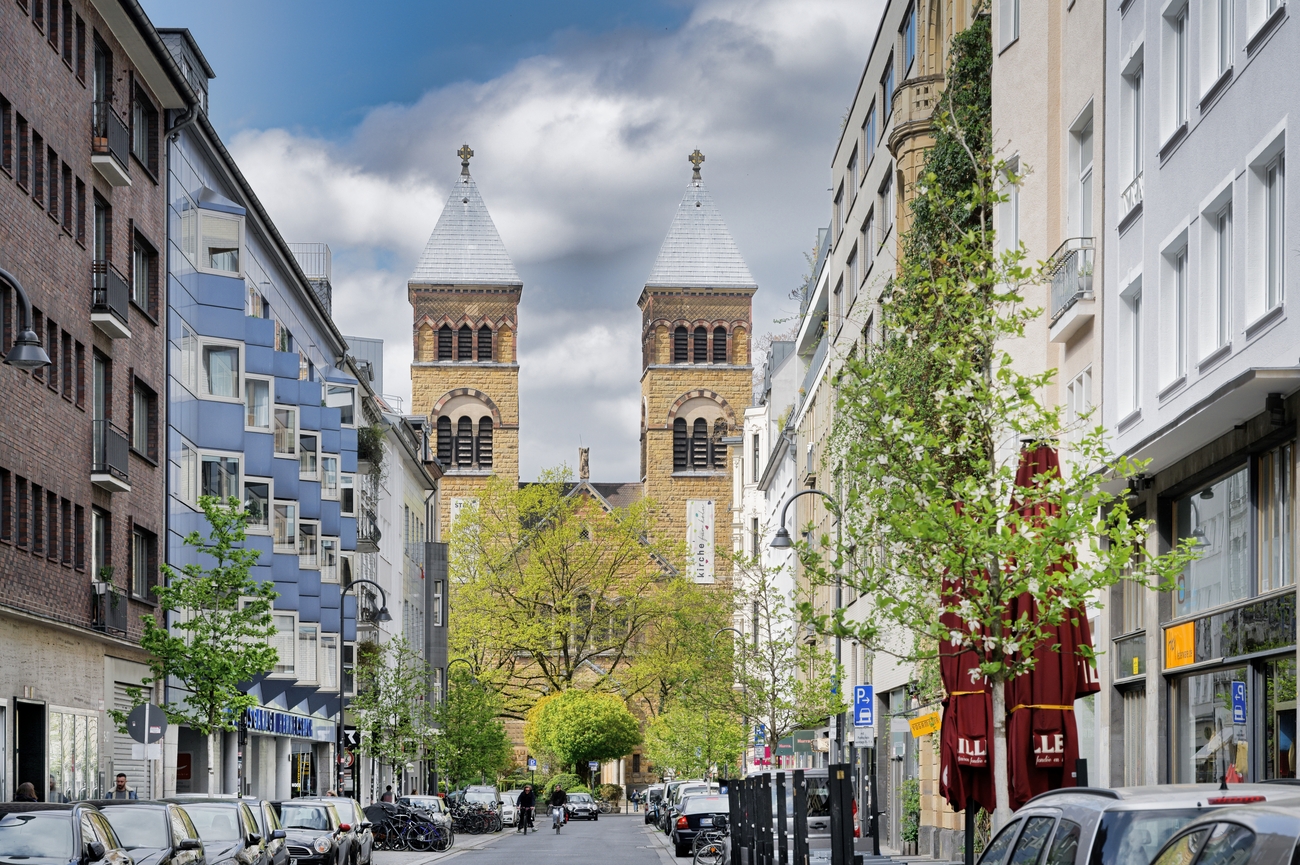
A few minutes of walking through the Belgian Quarter brings you to Brüsseler Platz, one of Cologne's most beloved public squares and a natural continuation of the morning's exploration. While Maastrichter Straße showcases the neighborhood's boutiques and creative businesses, Brüsseler Platz serves as its social center.
Unlike the cathedral district or Old Town, the appeal here comes from the character of the neighborhood rather than a single landmark. The surrounding streets are filled with independent businesses, creative studios and well-preserved historic buildings, making the area particularly popular among young professionals, artists and entrepreneurs.
Ehrenstraße
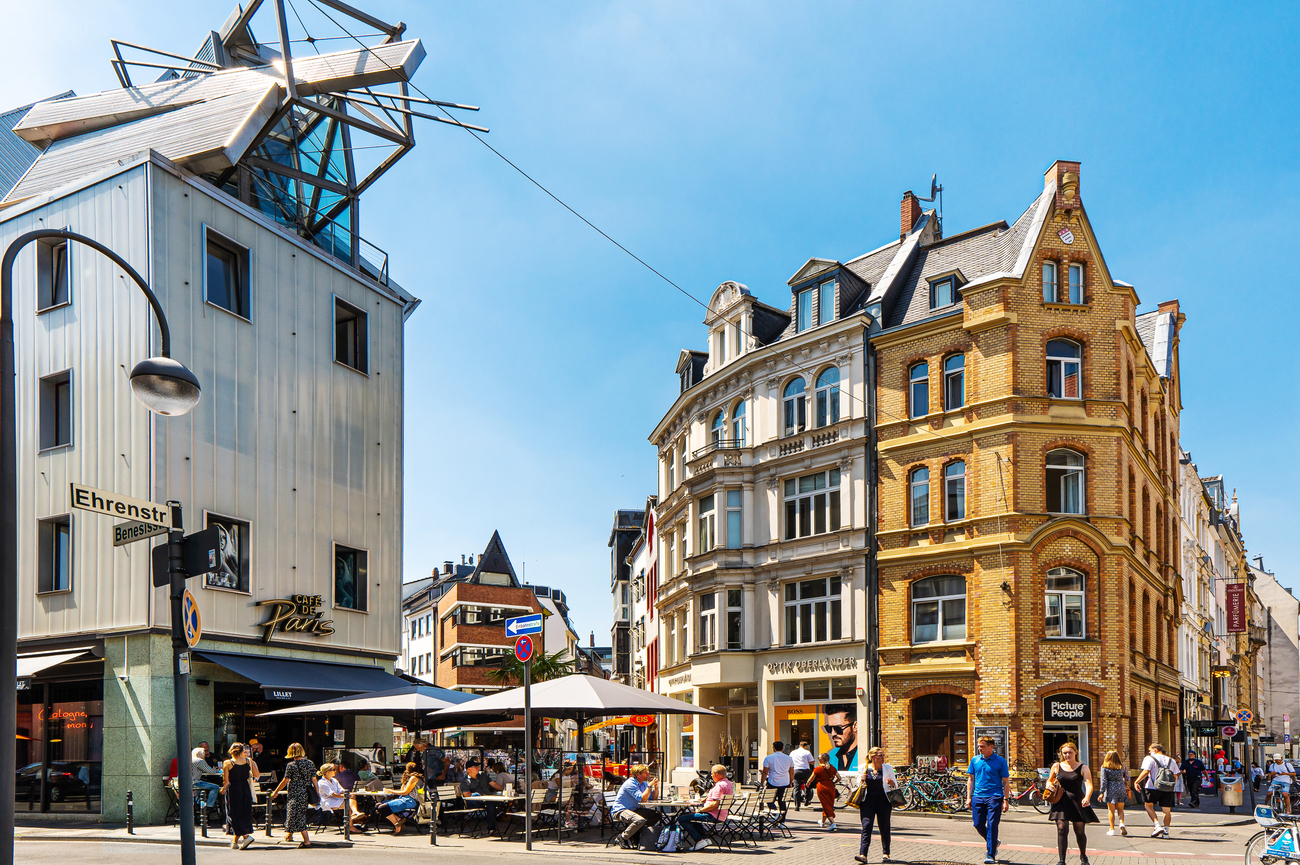
From Brüsseler Platz, Ehrenstraße is about an 8-minute walk east toward Cologne's city center. The route passes through some of the most vibrant parts of the Belgian Quarter before arriving at one of the city's best-known shopping streets.
Unlike Schildergasse, which focuses heavily on major international chains and large department stores, Ehrenstraße offers a more curated shopping experience. The street is lined with fashion boutiques, footwear stores, beauty retailers, lifestyle brands and specialty shops that attract a style-conscious crowd. Many of the buildings retain their historic facades, creating an attractive urban setting that balances traditional architecture with modern commerce.
Well-known international labels share space with local businesses and emerging brands, allowing visitors to discover products that feel more distinctive than those found in typical shopping districts. The street is particularly known for fashion and design-oriented retailers, making it a favorite among Cologne residents looking for current trends and unique finds. Throughout the day, the area remains lively but generally feels less hectic than the city's larger commercial streets.
Afternoon:
Pfeilstraße
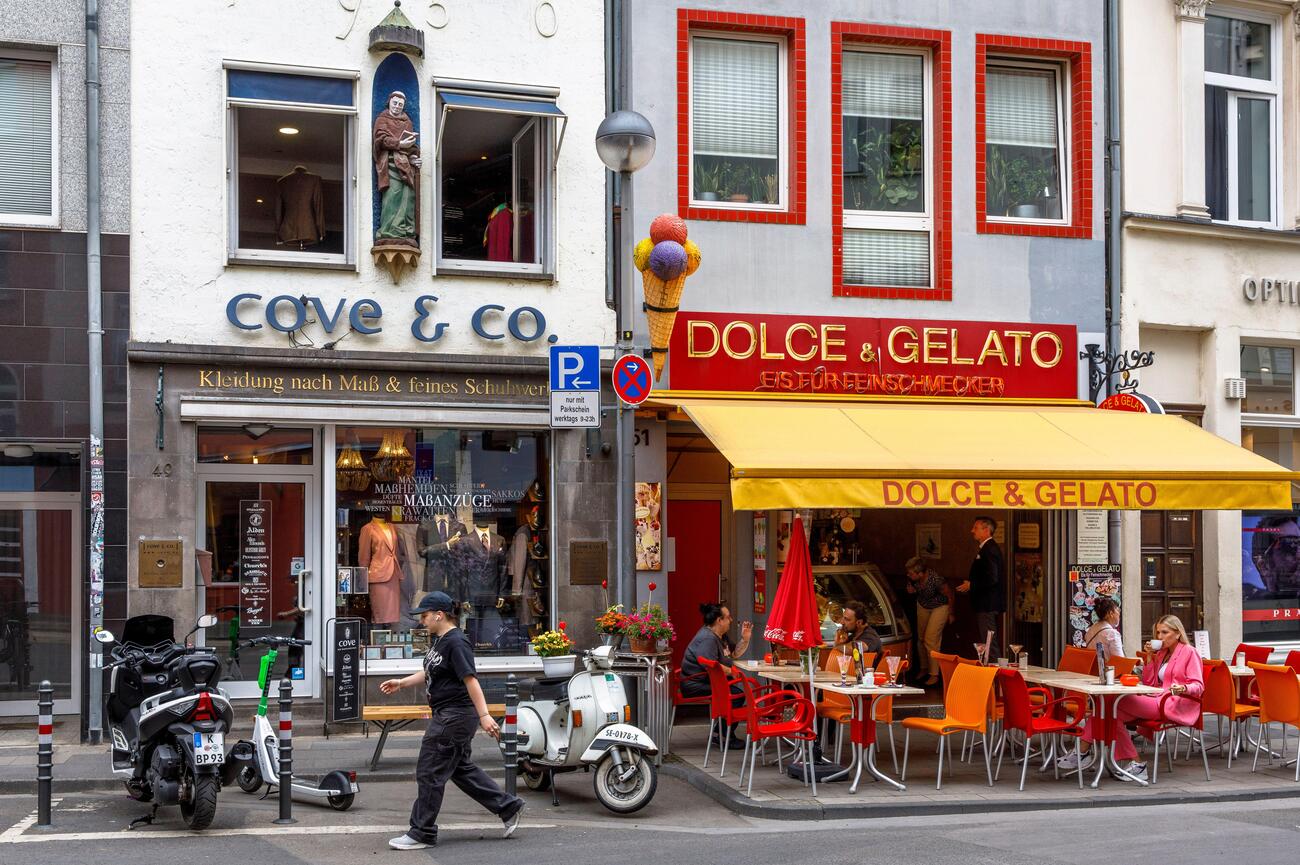
The shopping experience continues naturally into Pfeilstraße, one of Cologne's most refined retail addresses. Located just a few minutes from Ehrenstraße, the street sits at the intersection of the city's fashion and luxury districts, making it an easy addition to the afternoon. The atmosphere becomes noticeably more exclusive, with designer storefronts and premium boutiques.
Pfeilstraße has long been associated with upscale shopping in Cologne and is home to a collection of luxury fashion houses, jewelry boutiques, beauty brands and designer retailers. And the architecture contributes to the area's character. Historic facades stand alongside contemporary storefronts, creating a setting that feels polished without losing its connection to the city's past. Many of the retailers emphasize quality, craftsmanship and personalized service, making the experience feel more curated than that of a traditional shopping district.
Käthe
Kollwitz Museum
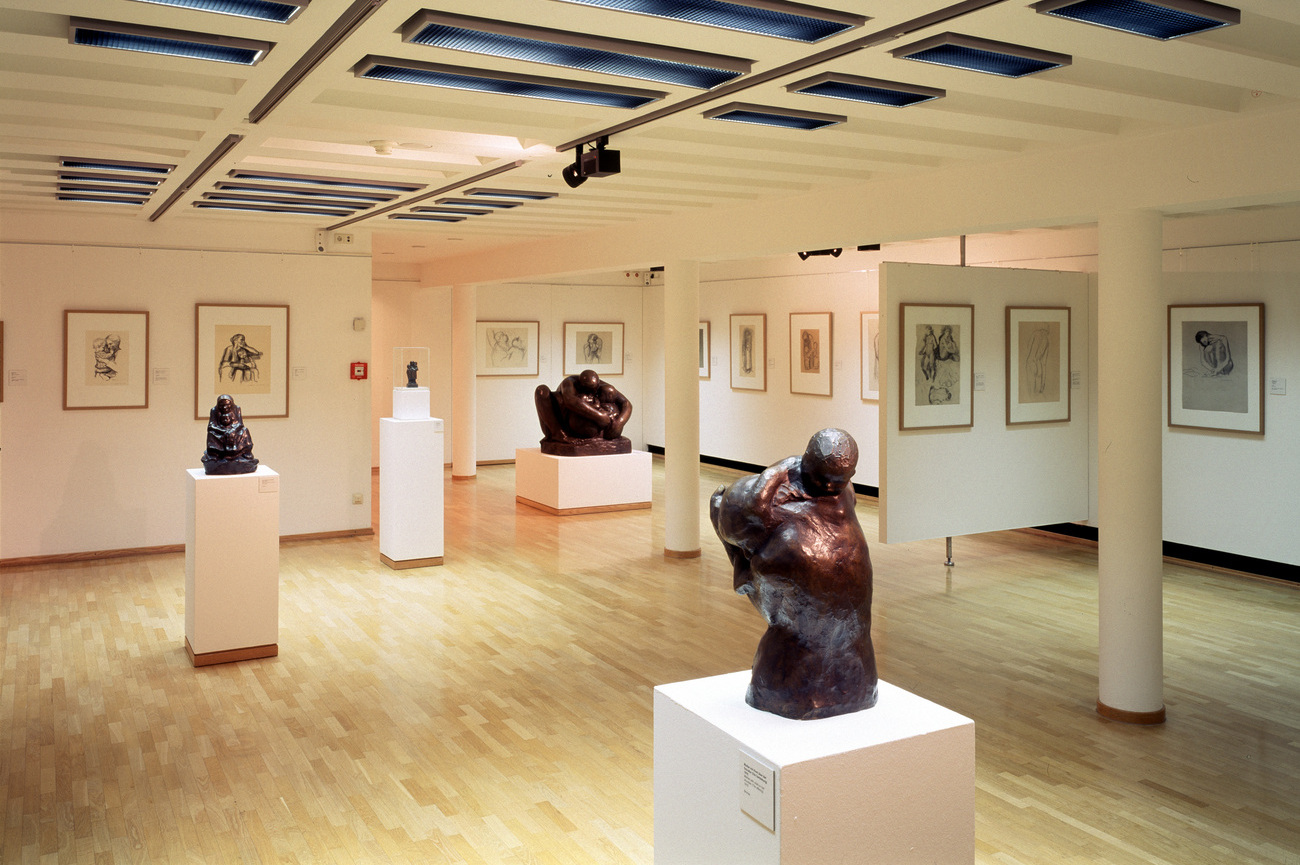
Just a short 5-minute walk from Pfeilstraße, Käthe Kollwitz Museum offers a quieter and more reflective stop in the heart of Cologne. The route stays within the city center, making it easy to move from the luxury shopping district into a museum dedicated to one of Germany's most influential artists.
The museum houses the world's largest collection of works by Käthe Kollwitz, a German artist whose drawings, prints and sculptures explored themes of poverty, war, grief, family and social justice. Born in 1867, Kollwitz became one of the most respected artistic voices of the 20th century, using her work to highlight the struggles of ordinary people during periods of immense political and social change. The collection includes original lithographs, woodcuts, etchings, sculptures and personal documents that trace her artistic development over several decades.
The galleries are thoughtfully arranged and allow visitors to follow Kollwitz's life and career in a chronological way. Her works are often emotionally powerful, but the museum presents them in an accessible format that helps visitors understand both the historical context and the artist's intentions. Alongside permanent displays, temporary exhibitions regularly explore related themes, artistic movements and contemporary interpretations of her work.
You can join the museum's public guided tours, held on designated "Kollwitz Sundays." These tours typically last around an hour and provide a deeper understanding of the artist's techniques, influences and historical significance. Special programs are also offered throughout the year, including curator-led tours, exhibition talks and public lithography demonstrations that showcase the printmaking methods Kollwitz frequently used.
Stadtgarten Köln
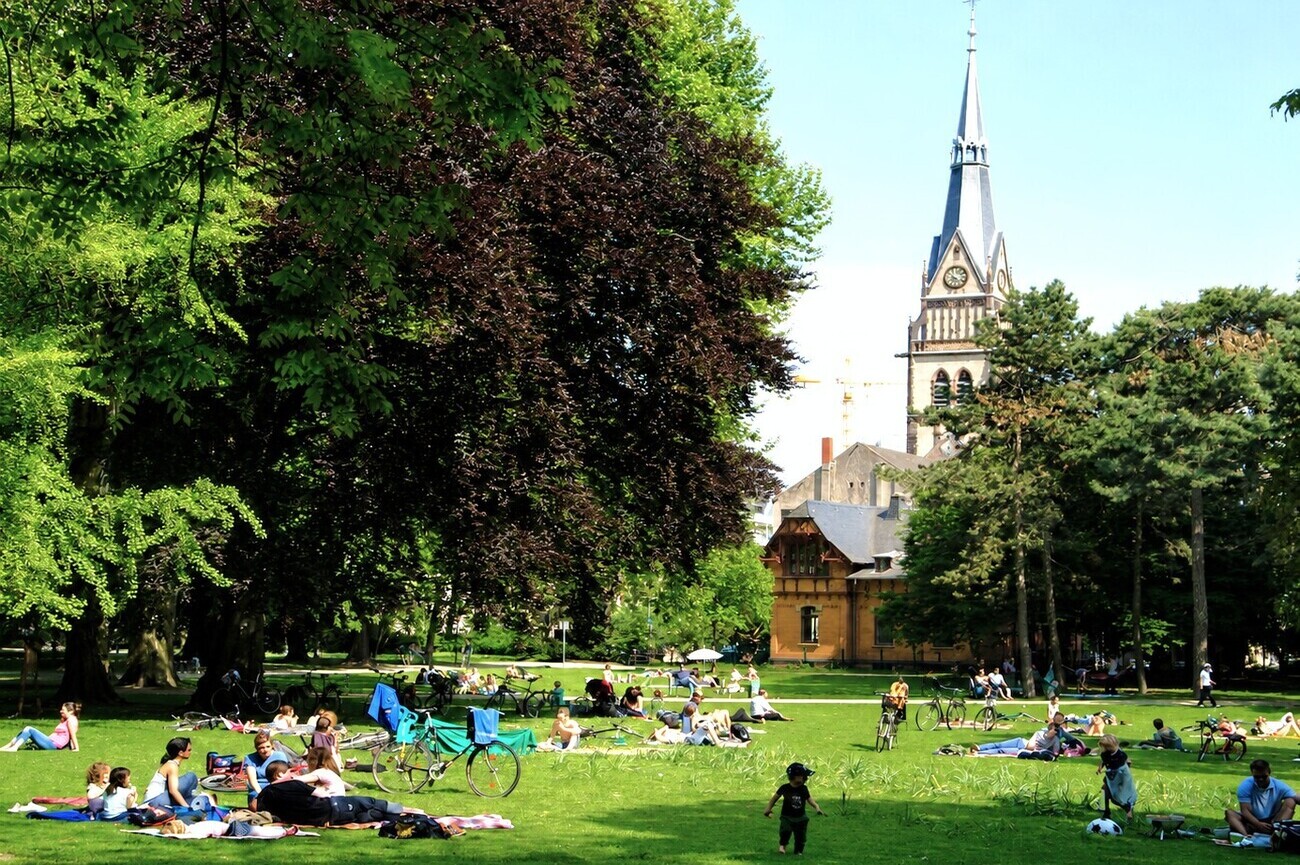
Leaving the museum district behind, the route heads back toward the Belgian Quarter, where Stadtgarten Köln can be reached in approximately 10 to 15 minutes on foot. Surrounded by elegant residential buildings and tree-lined avenues, the area offers a more relaxed atmosphere while remaining close to the city's creative and cultural core.
Stadtgarten is the oldest public park in Cologne and has been an important part of city life since the late 19th century. Covering several hectares, the park was designed in the style of an English landscape garden, with winding pathways, open lawns, mature trees and small landscaped areas that encourage leisurely walks.
The park is also closely connected to Cologne's cultural scene. Adjacent to the green space is one of Germany's most respected venues for jazz, contemporary music and live performances, helping establish the area as a gathering place for artists, musicians and creative professionals. Throughout the year, the park hosts informal cultural activities, community events and seasonal gatherings that contribute to its vibrant but relaxed character.
Evening: Flora und Botanischer Garten Köln
Reaching the Flora und Botanischer Garten Köln from Stadtgarten takes approximately 15 minutes by taxi or around 20 to 25 minutes via public transport.
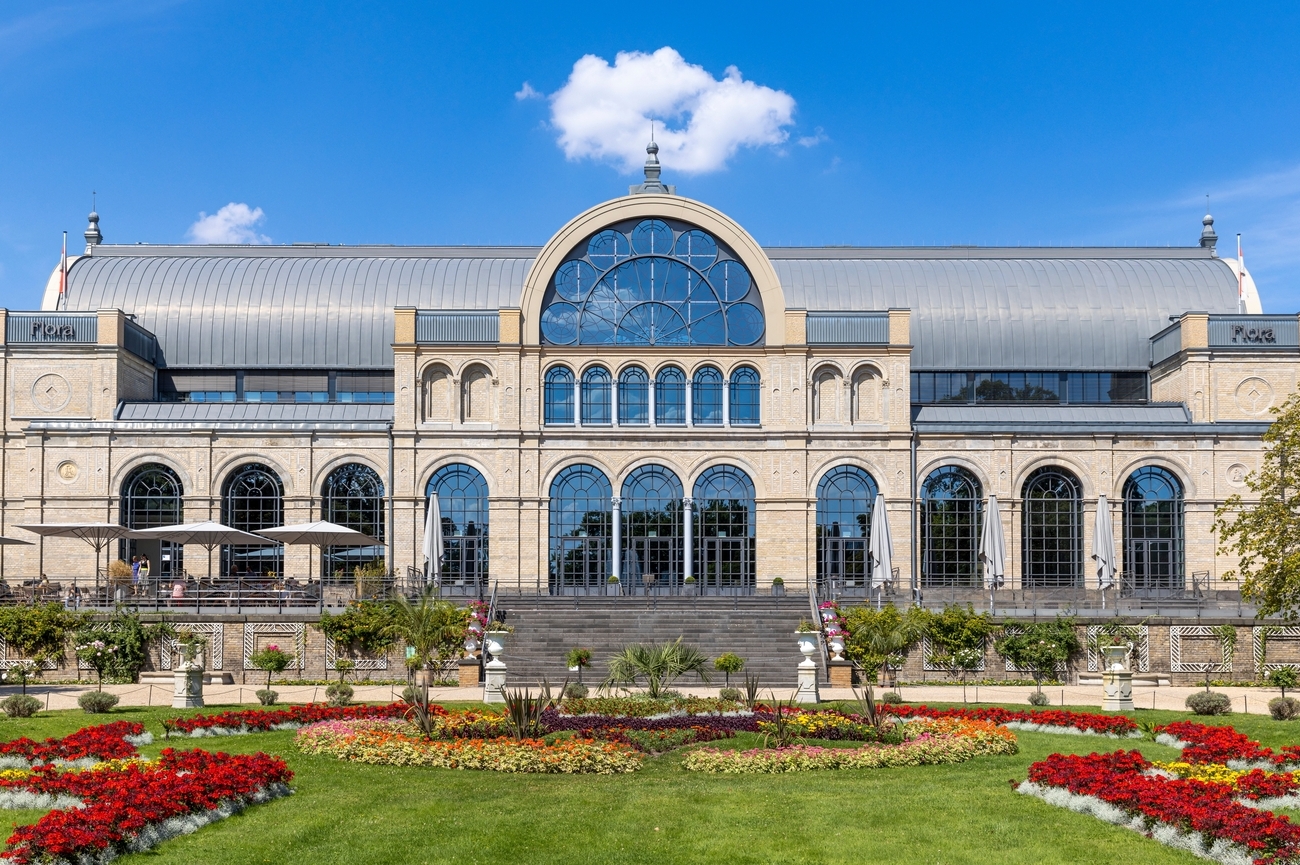
Established in the 19th century, Flora und Botanischer Garten is Cologne's premier botanical garden and one of the most important horticultural attractions in Germany. The site combines the historic Flora garden complex, originally opened in 1864, with extensive botanical collections spread across more than 11 hectares. You can explore themed gardens, ornamental flower displays, greenhouses and carefully maintained landscapes featuring thousands of plant species from around the world. The centerpiece is the Flora building itself, a magnificent glass-and-iron structure inspired by the grand garden pavilions of the 19th century.
The gardens are designed to showcase a remarkable variety of plant life throughout the year. Depending on the season, you may encounter vibrant rose gardens, tropical collections, Mediterranean plants, alpine species and rare botanical specimens.
Zoobrücke
The final stretch of the itinerary follows the Rhine northward, with Zoobrücke located about 10 to 15 minutes from Flora und Botanischer Garten Köln. As the route approaches the river, the gardens and landscaped grounds gradually give way to open views of Cologne's skyline.
Completed in 1966, Zoobrücke is the widest bridge in Cologne and one of the most important crossings over the Rhine River. The bridge connects the districts on both sides of the city while carrying thousands of vehicles each day. Although primarily designed as a transportation link, it has become well known for the panoramic views it offers across the river. From here, you can appreciate the scale of Cologne in a way that is difficult to experience from street level, with the skyline stretching across both banks of the Rhine.
As evening settles over the river, Zoobrücke provides a memorable conclusion to the journey. Over the course of three days, the itinerary has moved from Gothic architecture and medieval treasures to luxury shopping streets, world-class museums, modern waterfront developments and green urban spaces. Ending beside the Rhine brings those experiences together in a single view.
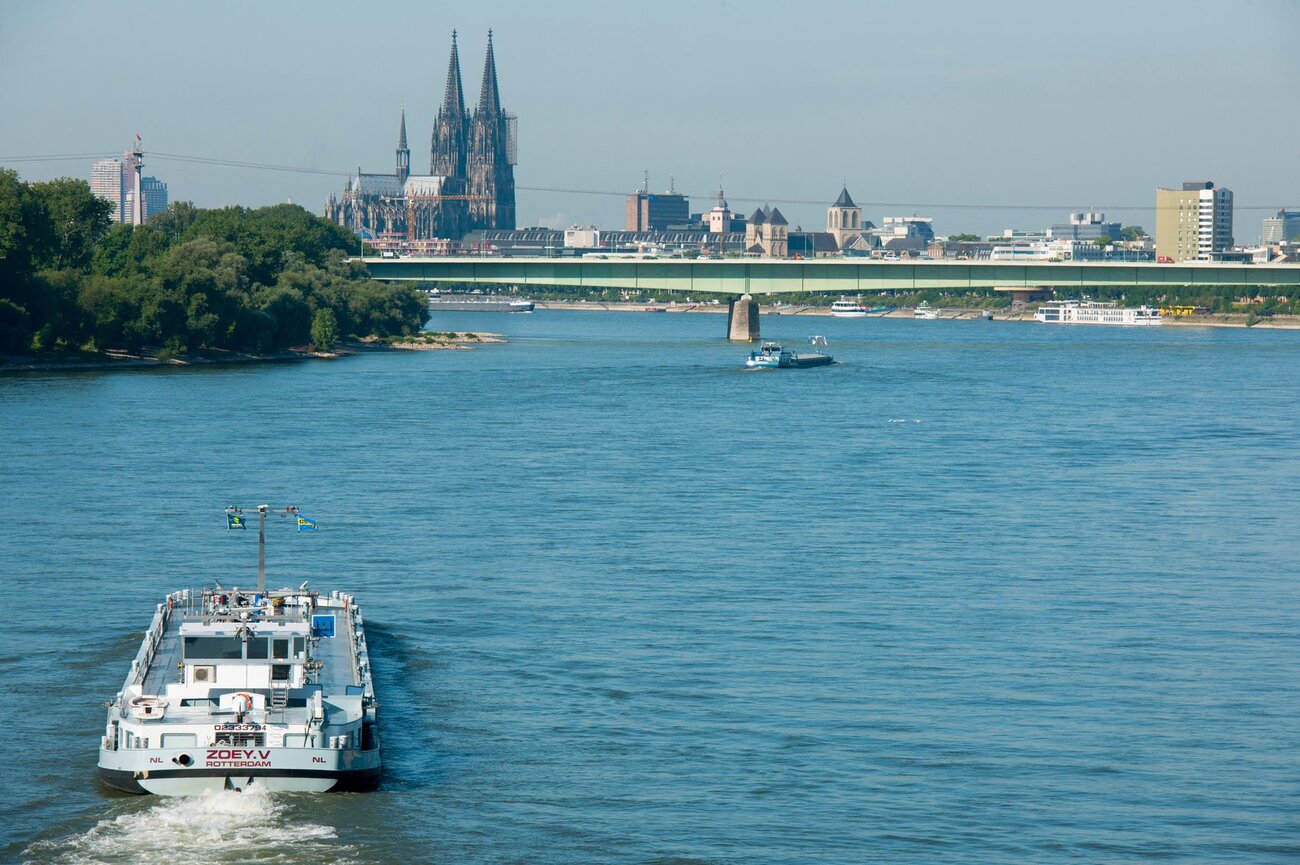
Day 3 - Cologne Tour Map
Other Things to Do in Cologne
Three days are enough to cover many of Cologne's major highlights, but the city has far more to offer beyond the classic landmarks. It has a more understated luxury scene than cities such as Munich or Berlin. Instead of relying on flashy displays, many of its premium experiences are tied to culture, architecture, private tours and carefully curated shopping districts. If you have additional time in the city, these places offer excellent opportunities to see another side of Cologne while enjoying a more elevated experience.
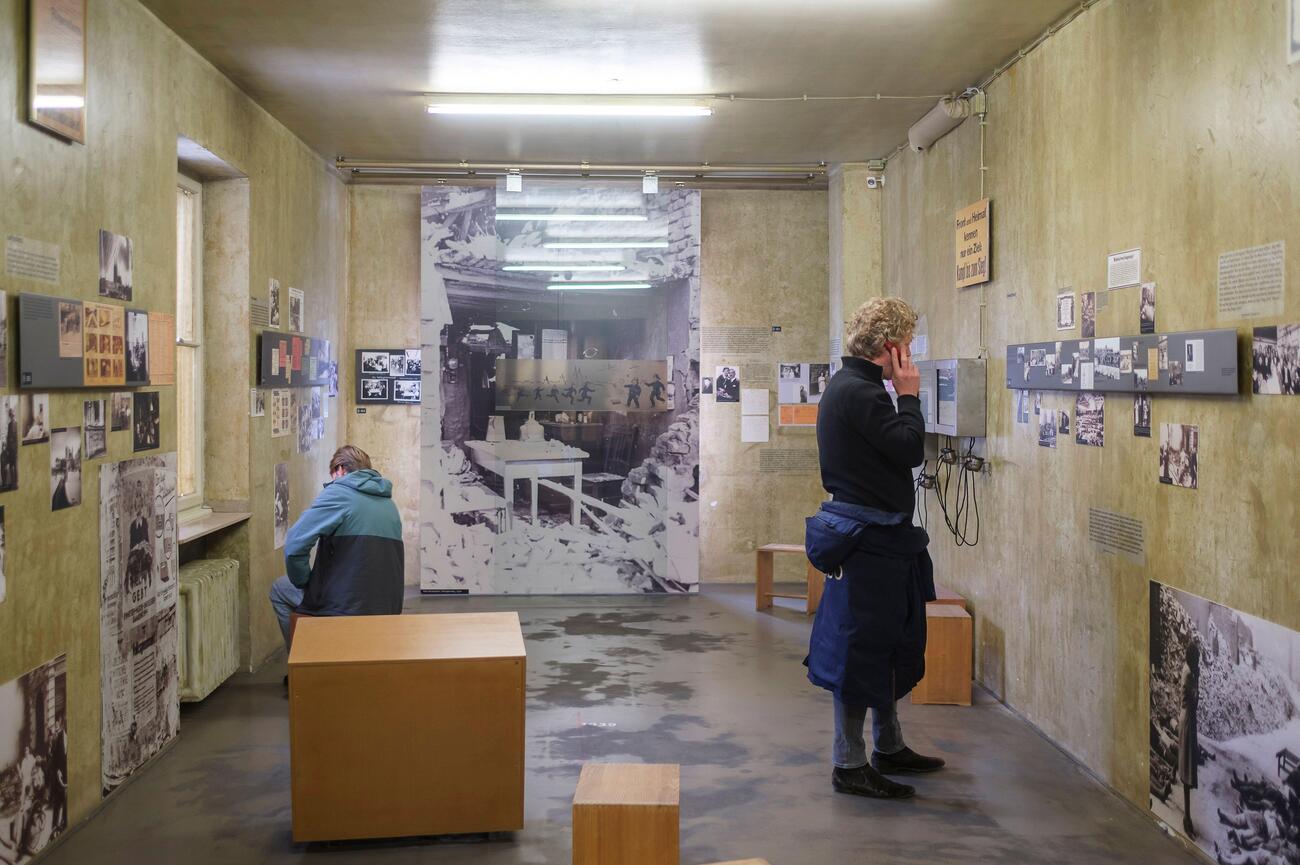
- NS-Dokumentationszentrum: The NS-Dokumentationszentrum, commonly known as the EL-DE Haus, is one of Germany's most important memorial and research centers dedicated to the history of National Socialism. Located in the former headquarters of the Cologne Gestapo, the museum presents a detailed and often sobering account of life under Nazi rule. You can join specialized tours that often focus on themes such as political resistance, Jewish life in Cologne and the city's wartime experiences.
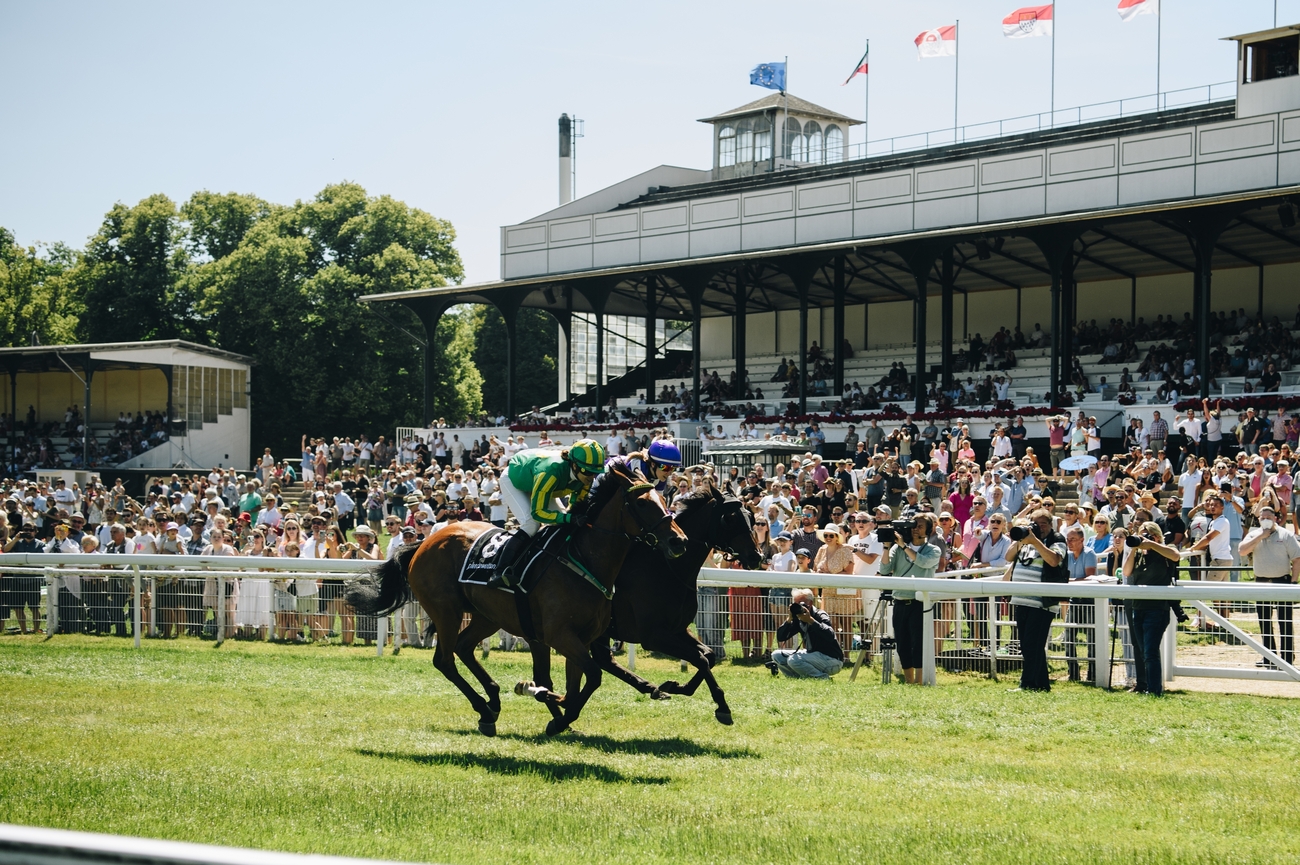
- Cologne Racecourse (Galopprennbahn Köln-Weidenpesch): Established in 1898, Cologne Racecourse is Germany's oldest horse racing venue and remains one of the country's most important centres for thoroughbred racing. Located north of the city centre, the racecourse hosts several prestigious events throughout the year, including major fixtures that attract owners, trainers and racing enthusiasts from across Germany. The tree-lined setting creates a relaxed atmosphere, while hospitality areas and premium viewing facilities make it an enjoyable experience even for visitors with little prior interest in the sport. Race days offer a different perspective on Cologne and provide an opportunity to experience one of the city's long-standing traditions.
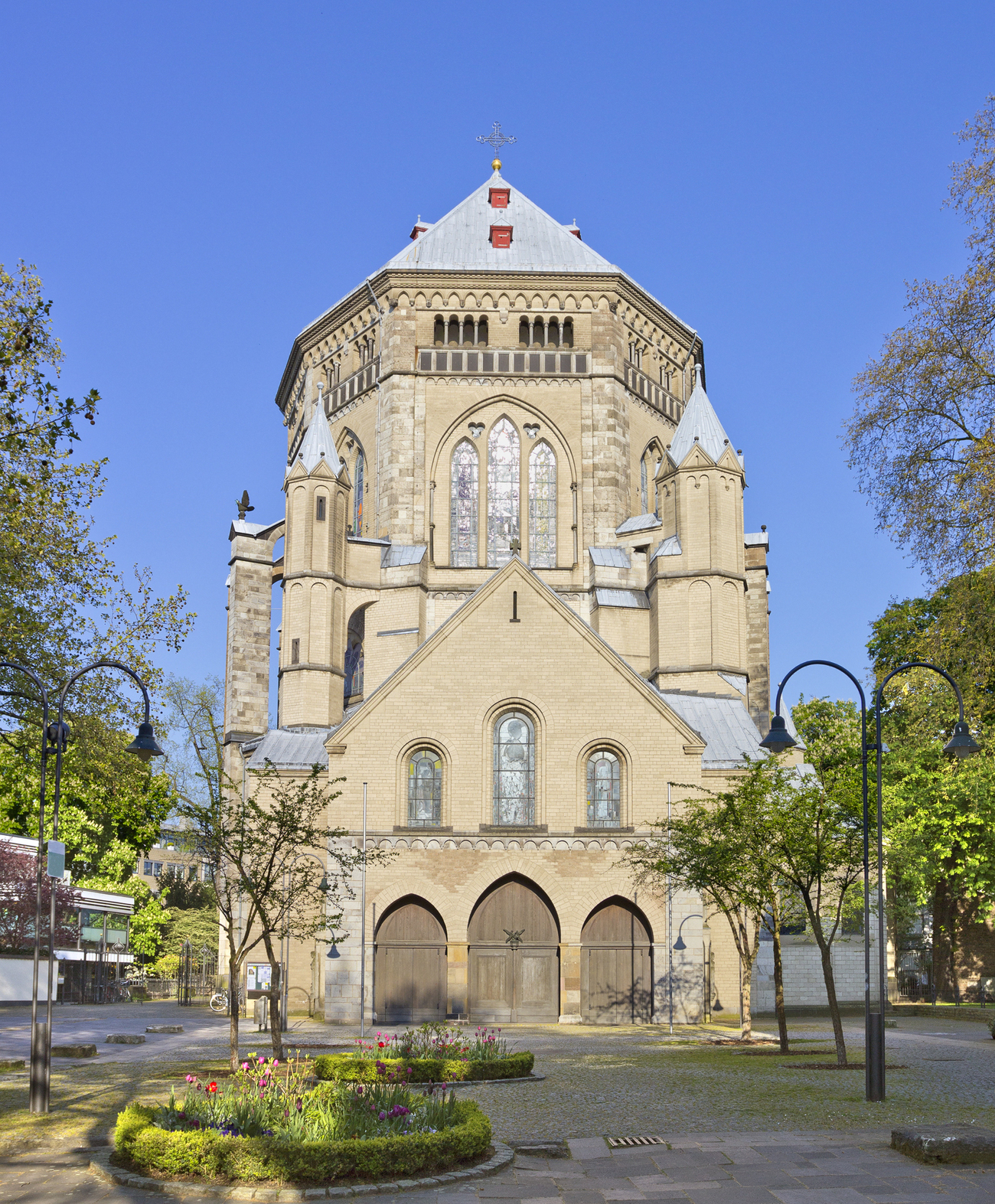
- St. Gereon: St. Gereon is one of Cologne's twelve Romanesque churches and ranks among the most architecturally remarkable religious buildings in Germany. The church is best known for its massive decagonal dome, an architectural achievement that remains one of the largest Romanesque domes in Europe. Built on the foundations of a Roman structure, the basilica combines elements from different periods, reflecting centuries of expansion and renovation.
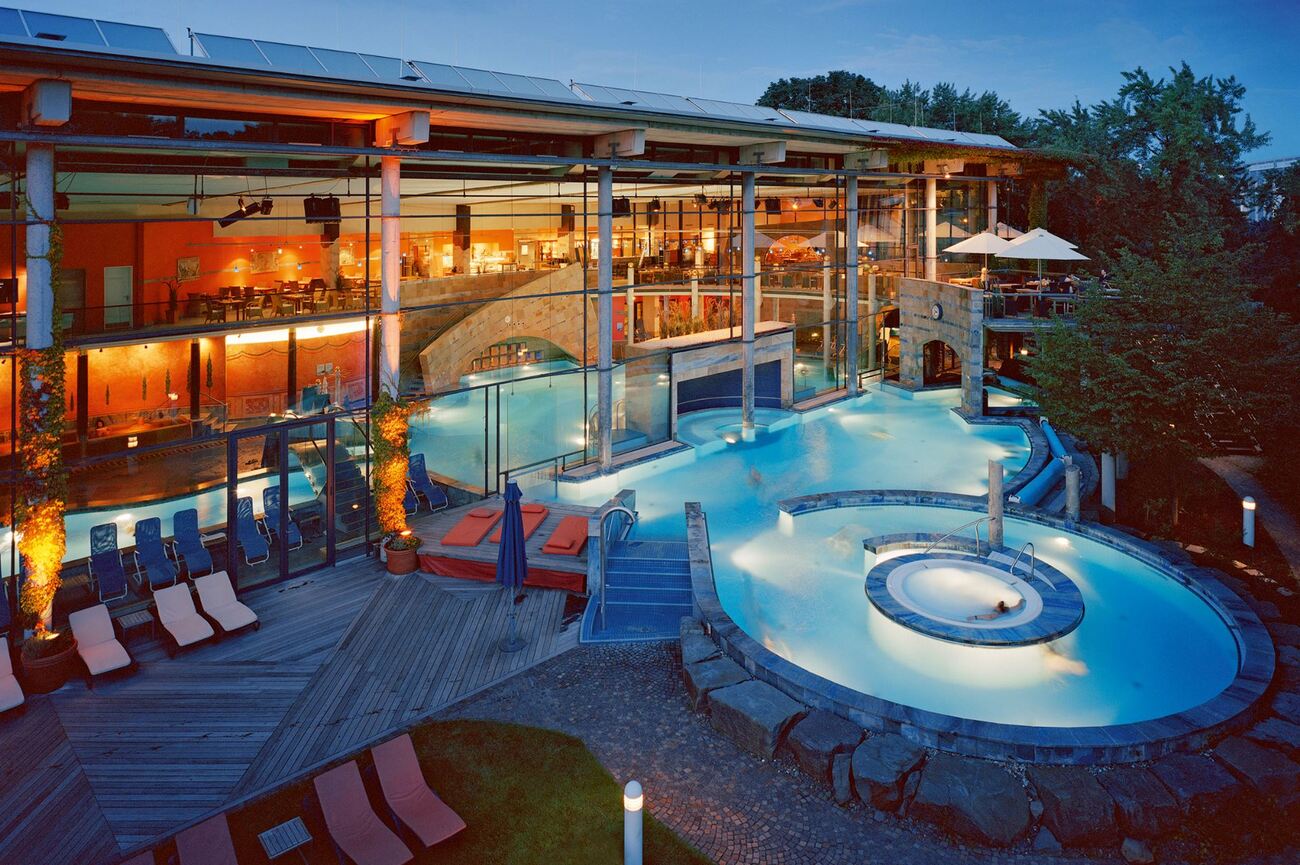
- Claudius Therme: Claudius Therme offers a completely different side of Cologne and is widely regarded as one of Germany's premier wellness destinations. Situated beside Rheinpark and close to the Rhine River, the spa combines thermal bathing traditions with modern wellness facilities in a peaceful setting that feels far removed from the busy city center. The complex is fed by natural thermal mineral water and features a variety of indoor and outdoor pools, saunas, steam baths and relaxation areas. One of the highlights is the outdoor thermal pool, where visitors can unwind while enjoying views of Cologne's skyline. You can also enjoy premium wellness packages that include massages, beauty treatments and extended access to exclusive relaxation areas.
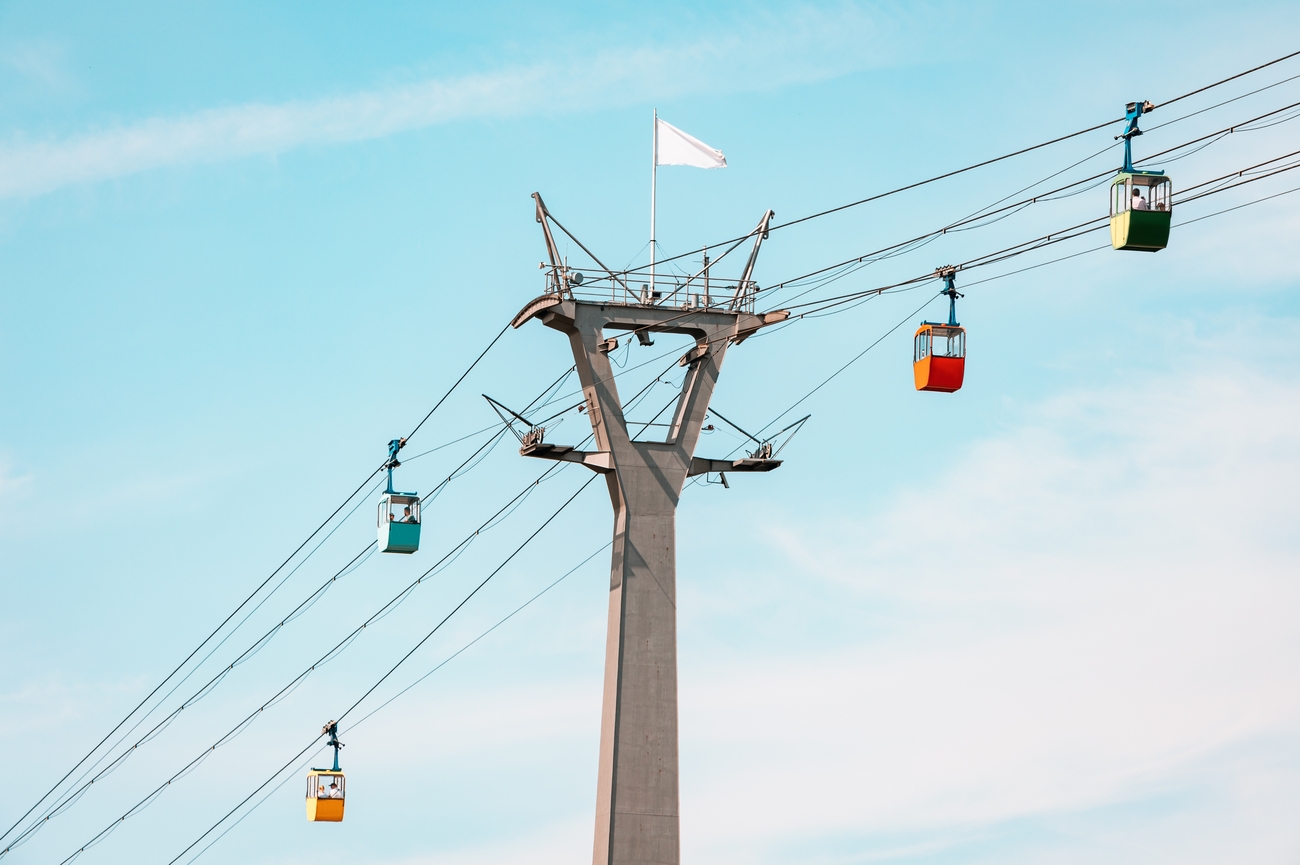
- Rhein-Seilbahn: The Rhein-Seilbahn or Cologne Cable Car provides one of the most unique perspectives of the city. Operating across the Rhine River between Rheinpark and the area near Cologne Zoo, it offers sweeping views of the skyline, riverfront and many of Cologne's most recognizable landmarks. Although the journey itself lasts only a few minutes, the scenery makes it one of the city's most memorable experiences. The attraction is suitable for all ages and can easily be combined with nearby sites such as Rheinpark, Cologne Zoo and Flora und Botanischer Garten.
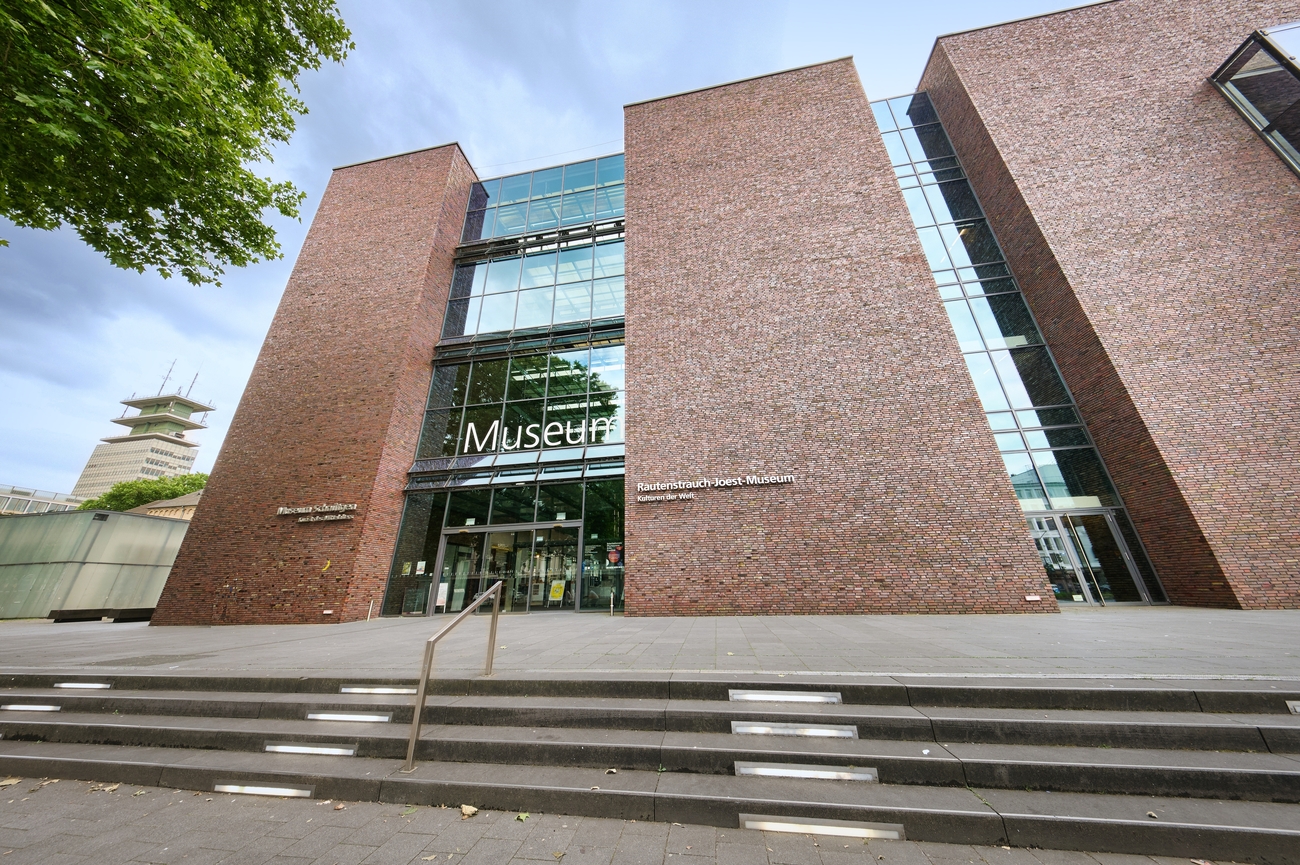
- Schnütgen Museum: Museum Schnütgen is one of Germany's finest museums dedicated to medieval religious art and remains one of Cologne's most underrated cultural attractions. Housed within the Romanesque Church of St. Cecilia, the museum benefits from a setting that feels just as impressive as the collection itself. The collection spans roughly a thousand years of European art history and includes sculptures, reliquaries, illuminated manuscripts, altarpieces and liturgical objects. Many of the works were originally created for churches and monasteries. You can join temporary exhibitions and educational programs that explore specific artistic themes and historical periods hosted by the museum.
Things to Do with Kids in Cologne
Cologne is surprisingly good at keeping both kids and adults entertained. The city has the big-ticket attractions you'd expect from a major German destination, but it also does a great job mixing education, outdoor spaces and hands-on experiences. One minute you're watching animals from around the world, the next you're riding above the Rhine in a cable car or exploring a museum where touching, experimenting and playing are part of the experience. If you're traveling with younger children, teenagers or a mix of both, these are some of the best places to add to your Cologne itinerary.
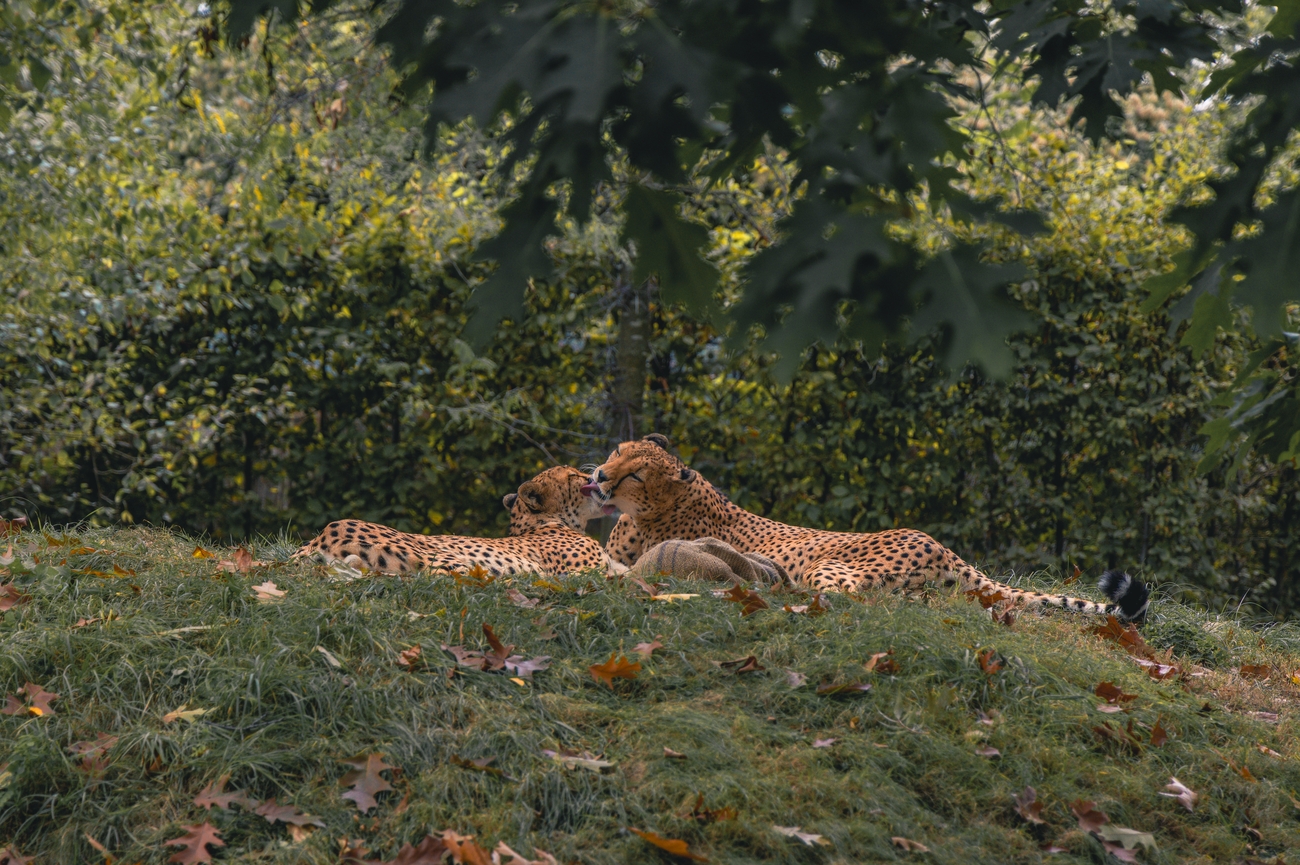
- Cologne Zoo: Cologne Zoo is one of the oldest and most respected zoos in Europe, yet it feels thoroughly modern. Home to more than 10,000 animals representing hundreds of species, the zoo combines conservation, education and entertainment exceptionally well. Elephants, giraffes, big cats, penguins and primates are among the highlights. The elephant park is another major attraction and is considered one of the best elephant facilities in Europe. Younger visitors will also enjoy the petting zoo and interactive exhibits scattered throughout the grounds.
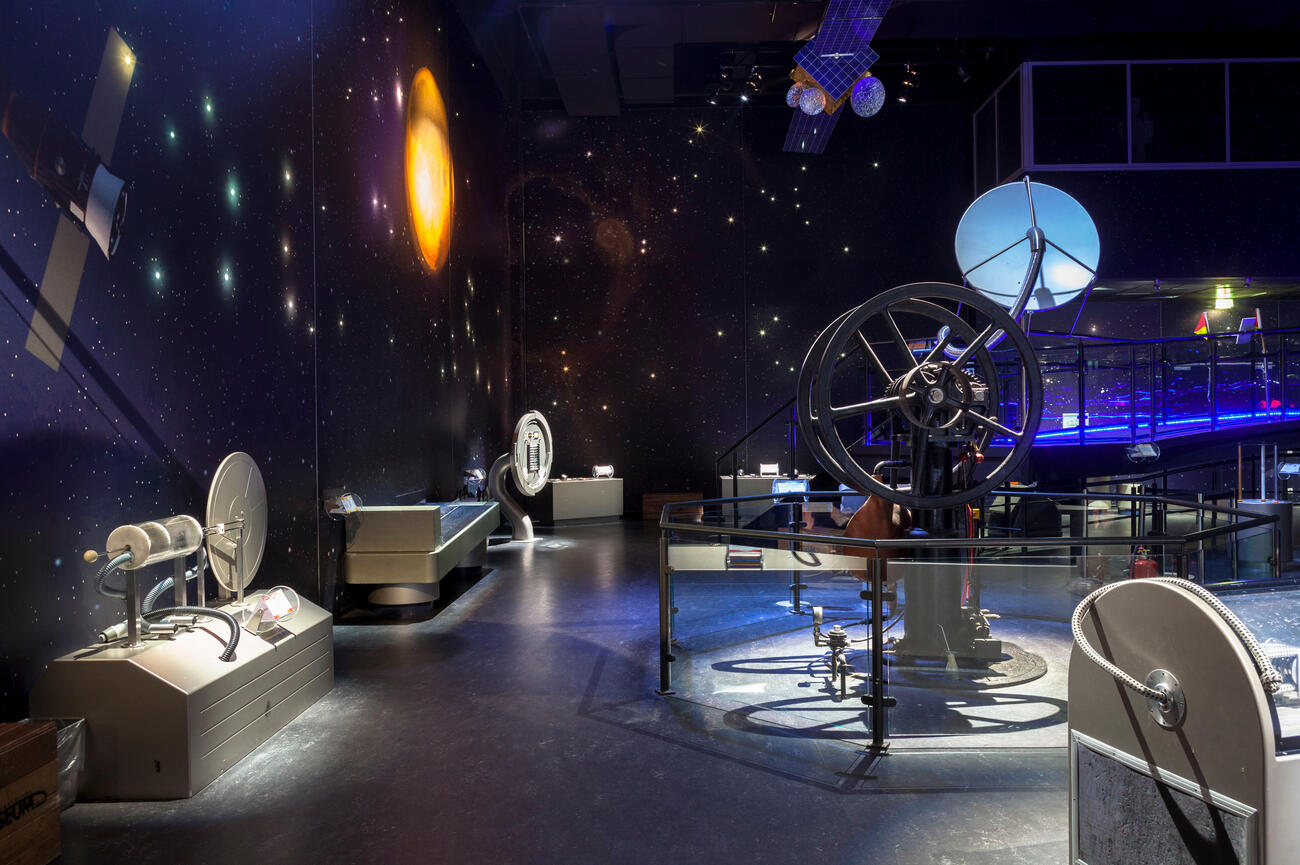
- Odysseum: If there is one museum in Cologne built almost entirely around curiosity, it is Odysseum. This interactive science and adventure museum encourages kids to touch, experiment, climb, test and explore. The museum covers topics such as science, technology, space exploration and the human body through hands-on exhibits designed to make learning feel like play. Your kids can conduct experiments, solve challenges and interact with displays that reward curiosity rather than passive observation.
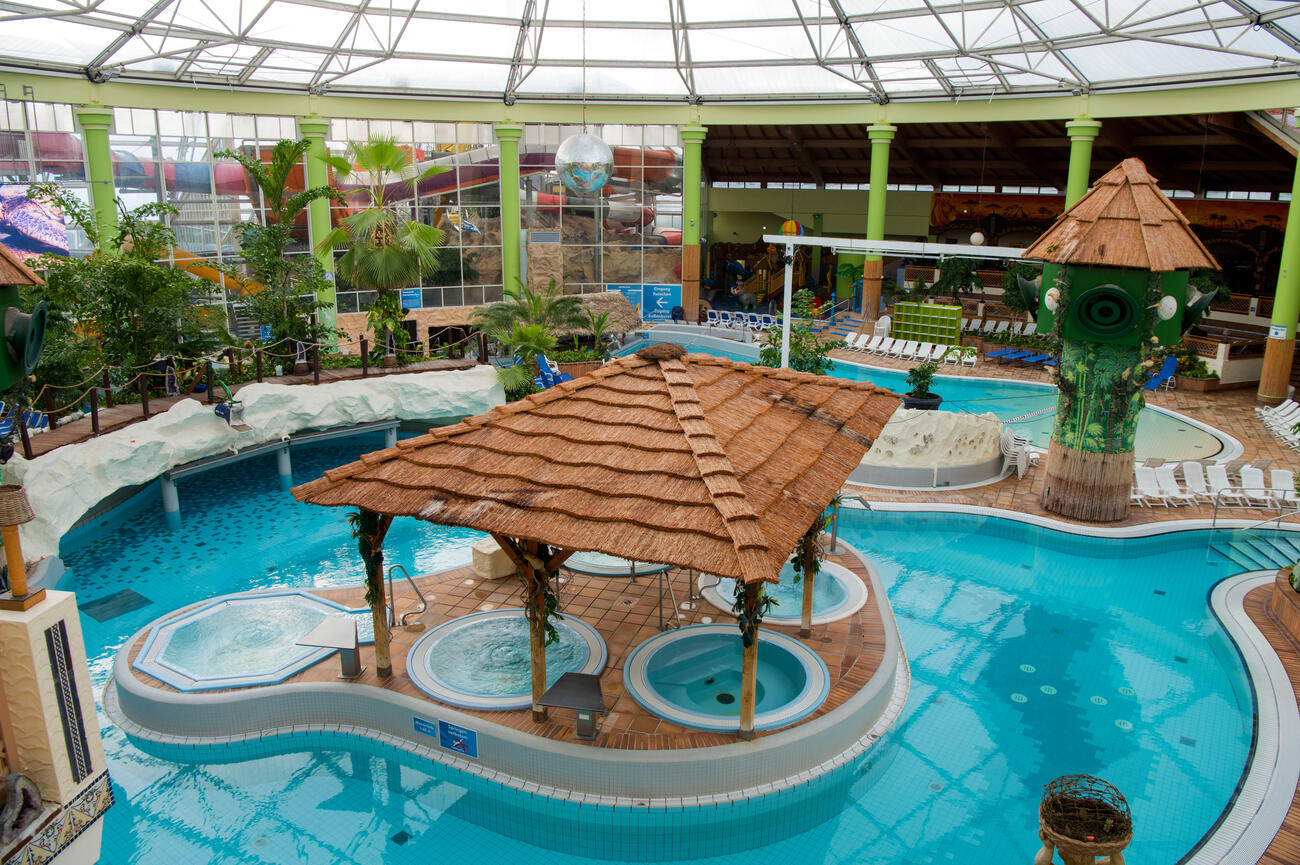
- AQUALAND Freizeitbad: Every family trip benefits from at least one day where nobody is looking at maps, reading museum panels or keeping track of historical dates. AQUALAND Freizeitbad delivers exactly that. Located in northern Cologne, this large waterpark combines waterslides, wave pools, lazy rivers and wellness facilities under one roof. Your younger kids can enjoy shallow splash zones, while older children and teenagers usually head straight for the larger slides and adventure attractions. And you won’t be left out either. The facility includes extensive spa and sauna areas, allowing adults to relax while children enjoy the water attractions.
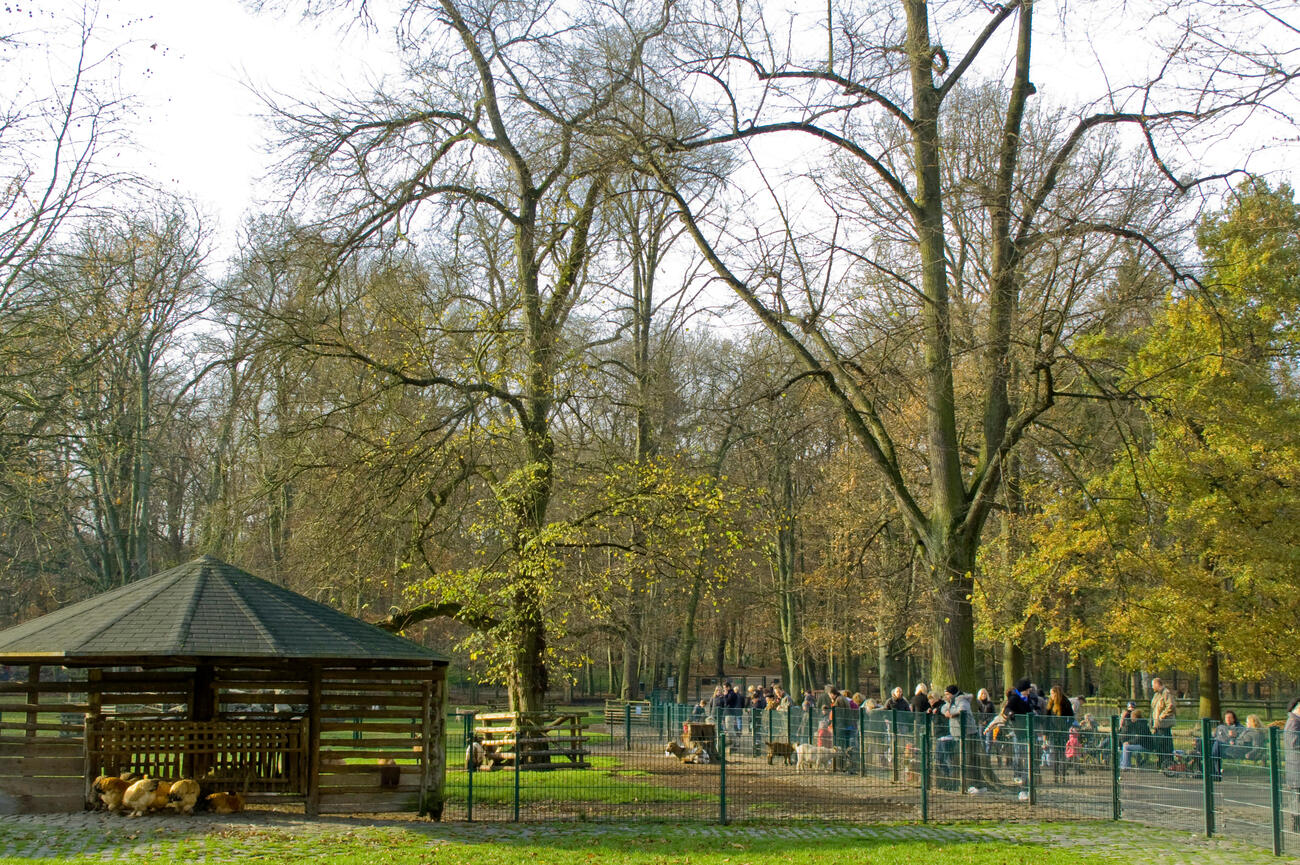
- Lindenthaler Tierpark: Lindenthaler Tierpark is a free animal park located within a forested area on the western side of Cologne and offers a relaxed alternative to the larger zoo. The park is home to deer, goats, sheep and other animals that children can observe at close range. The surrounding green space creates a peaceful atmosphere that feels far removed from the city center despite being easily accessible. Because admission is free and the environment is informal, it works particularly well for younger children who enjoy animals but may not be ready for a full day at a major zoo.
Day Trips from Cologne
One of the biggest advantages of using Cologne as a base is how much of western Germany becomes accessible within a relatively short journey. You can find yourself exploring UNESCO World Heritage Sites, medieval towns, fairytale castles, vineyard-covered valleys and some of the country's most important cultural destinations. The train network is excellent, the roads are efficient and many of these places are close enough that you can spend a full day exploring without feeling rushed. If you have an extra day or two in Cologne, these destinations are among the most rewarding additions to your itinerary.
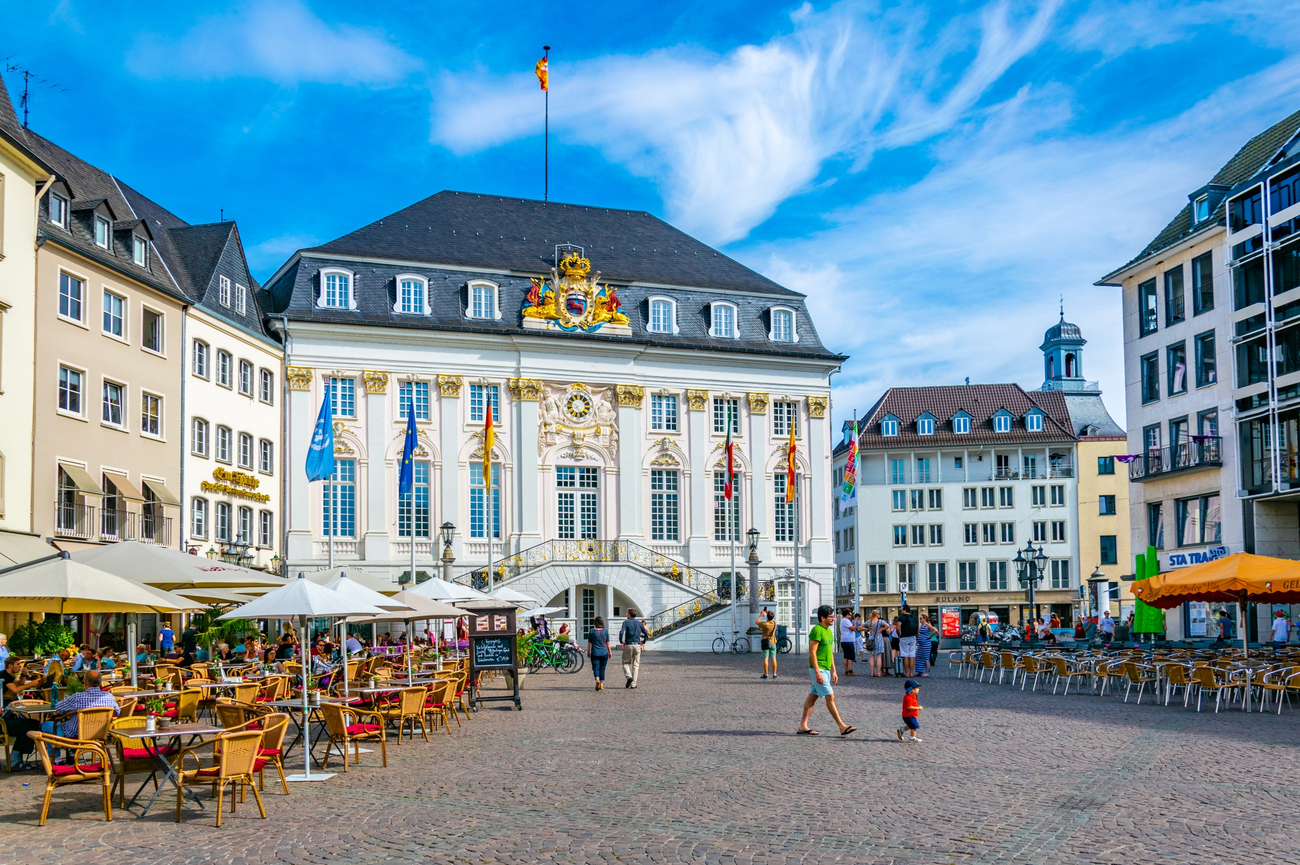
- Bonn: Cologne's former capital-city neighbor sits only about 20 to 30 minutes south by train, making it one of the easiest and most worthwhile day trips in the region. Bonn often flies under the radar, but it offers a fascinating combination of political history, culture and elegant riverside scenery. It is also the birthplace of Ludwig van Beethoven, whose legacy can still be felt throughout the city. The city's highlights include the Beethoven House, the impressive Poppelsdorf Palace and the Museum Mile, home to several nationally important museums. You can just join private Beethoven-themed tours and chauffeur-driven Rhine Valley excursions when you decide to visit this city.
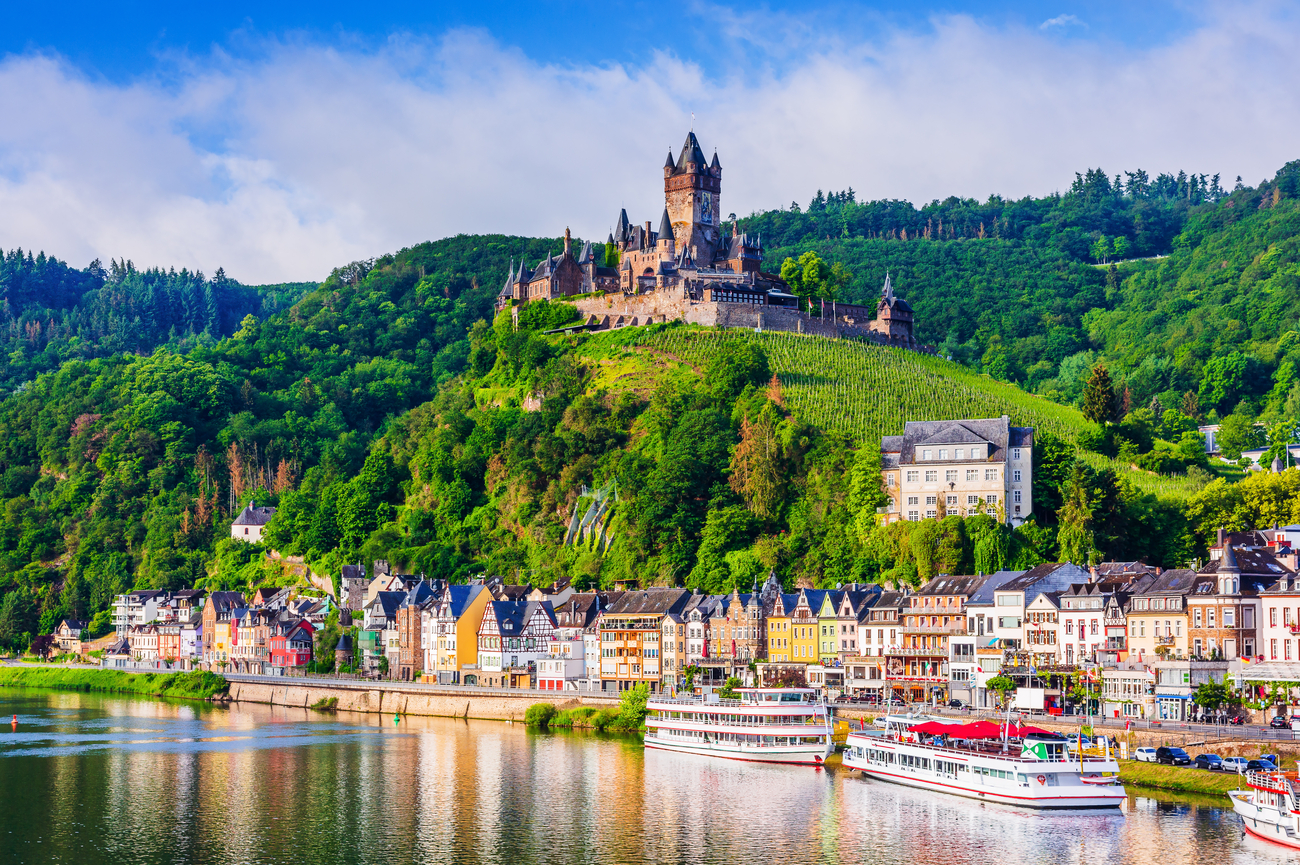
- Cochem: Nestled in the heart of the Moselle Valley, the town is surrounded by vineyard-covered hills, winding river scenery and colorful historic buildings that seem designed for photographs.The undisputed centerpiece is Reichsburg Cochem, a dramatic hilltop castle that dominates the valley from above. Although the castle's medieval origins date back centuries, much of what visitors see today comes from a remarkable 19th-century reconstruction. The journey from Cologne typically takes around 1 hour and 20 to 1 hour and 30 minutes, making Cochem one of the furthest destinations on this list but easily worth the effort. You can enjoy private wine tasting here or join exclusive excursions that are focused on the region's renowned Riesling production.
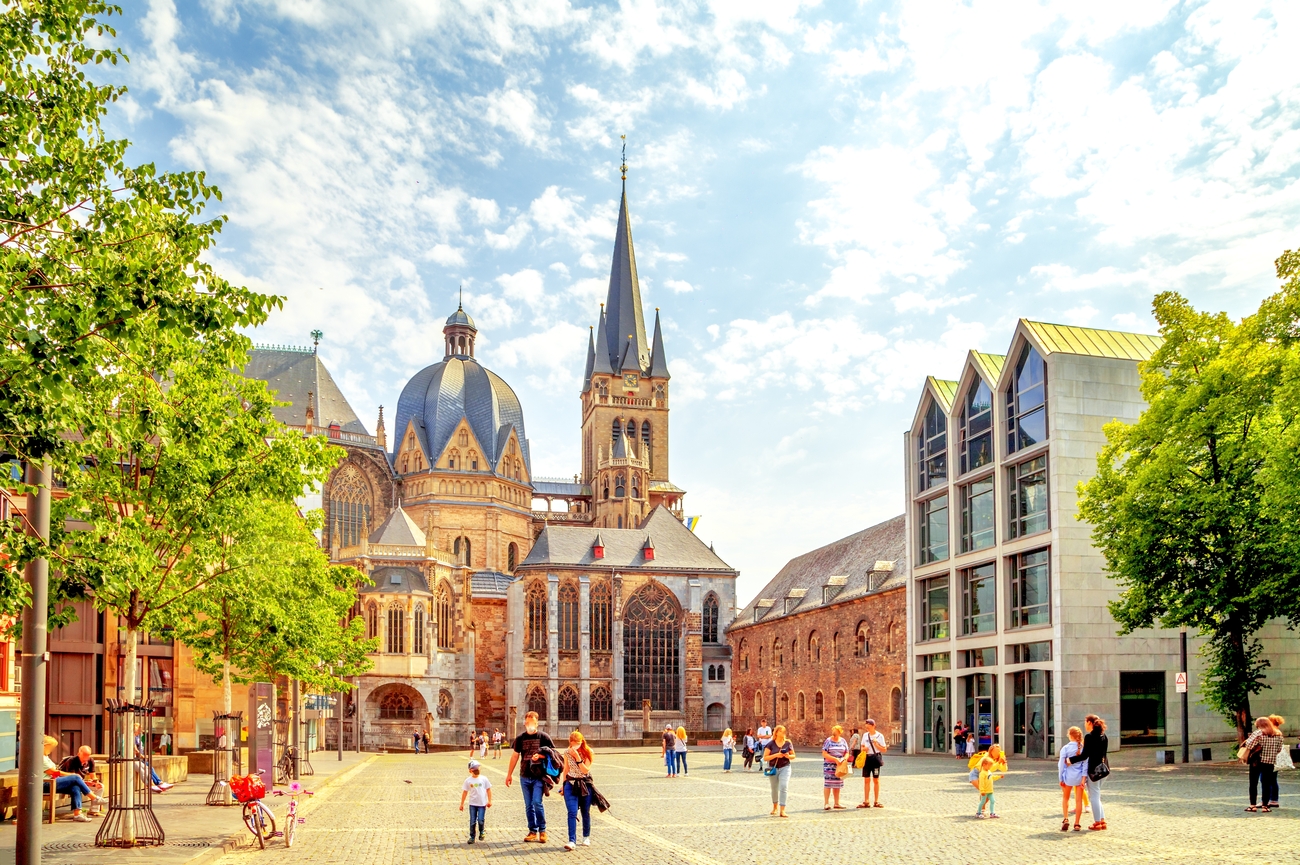
- Aachen: Located roughly one hour away from Cologne, Aachen is one of Germany's most historically significant cities and home to a UNESCO World Heritage Site. At the center of everything stands the magnificent Aachen Cathedral, one of the oldest cathedrals in Europe and the first German site ever added to UNESCO's World Heritage List. The cathedral served as the coronation church for numerous Holy Roman Emperors and contains the famous Palatine Chapel commissioned by Charlemagne. Beyond the cathedral, the Old Town offers elegant squares, historic buildings and the ornate Aachen Town Hall. You can also enjoy premium wellness experiences here at Aachen's modern spa facilities, allowing you to combine centuries of history with contemporary relaxation.
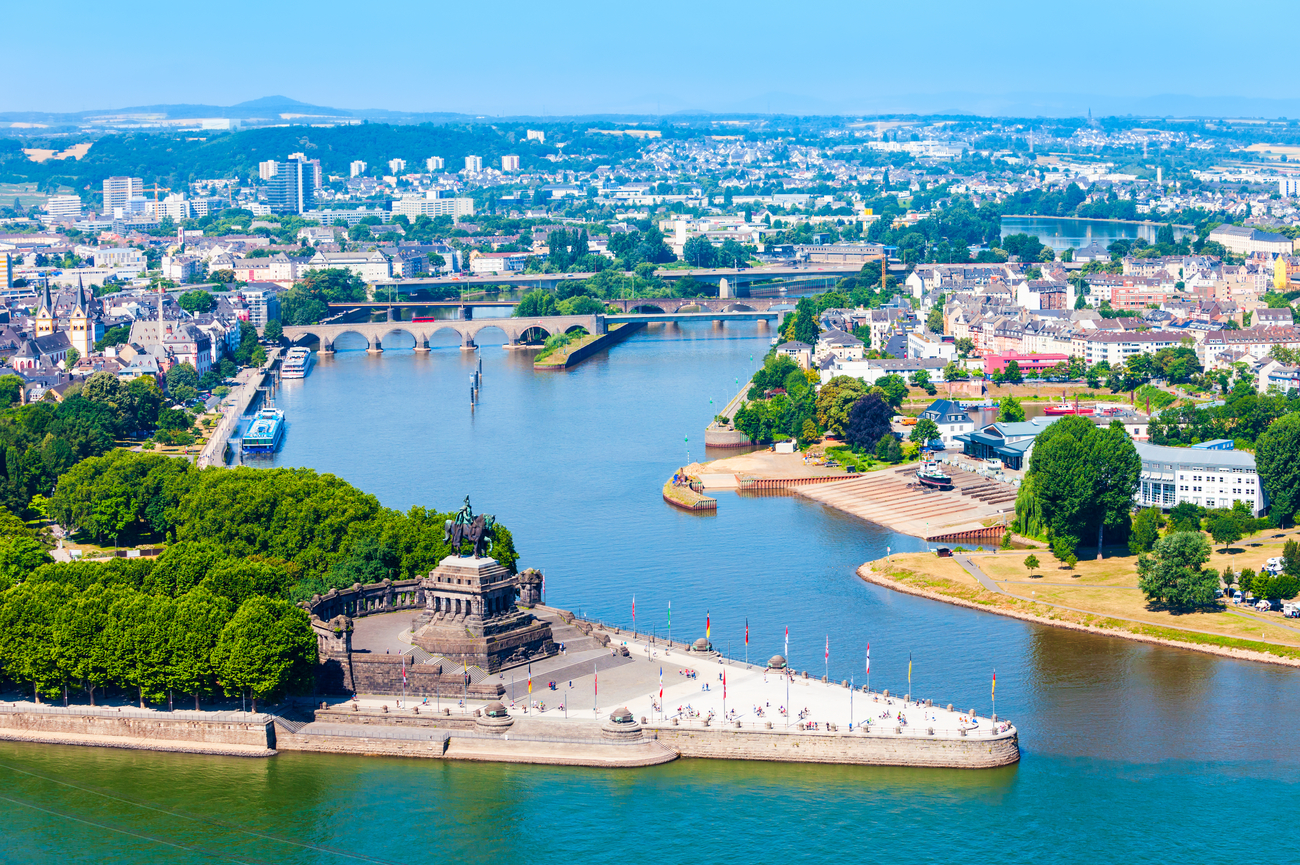
- Koblenz: The journey to Koblenz takes approximately 1 hour and 15 minutes and follows one of the most scenic rail routes in Germany. Located where the Rhine and Moselle rivers meet, at the northern end of the Rhine Gorge, the city serves as a gateway to the UNESCO-listed Upper Middle Rhine Valley, one of Europe’s most celebrated cultural landscapes. The city's most famous landmark is Deutsches Eck, where the two rivers converge beneath a monumental equestrian statue. You can join private river cruises, wine-focused excursions and guided castle tours.
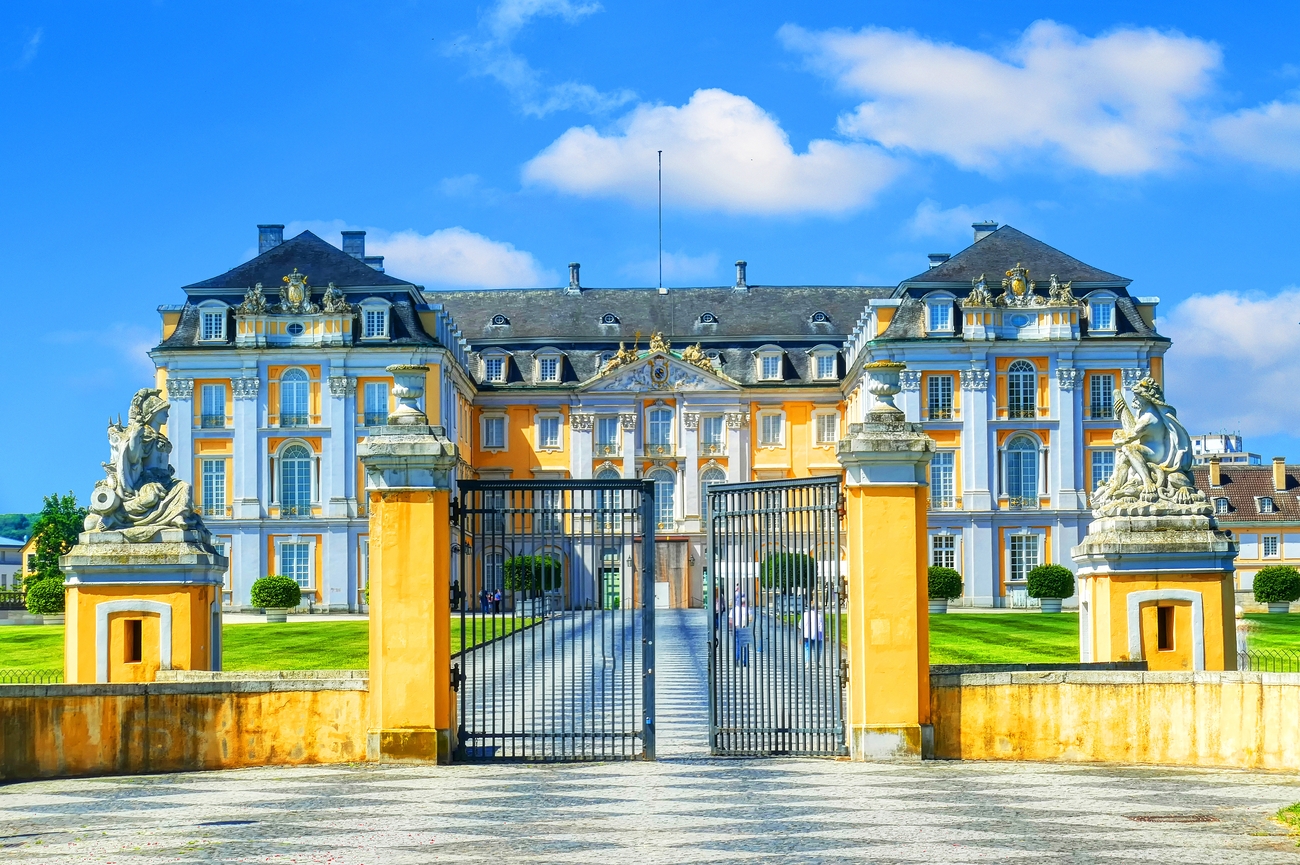
- Brühl: Brühl may be one of the easiest day trips from Cologne, but it is also home to one of Germany's most extraordinary UNESCO World Heritage Sites. The city is best known for Augustusburg Palace and Falkenlust Palace, two magnificent residences that showcase some of the finest examples of Rococo architecture in Europe. Because Brühl is located only about 20 minutes from Cologne by train, it is easy to explore both palaces at a relaxed pace without dedicating an entire day to travel.
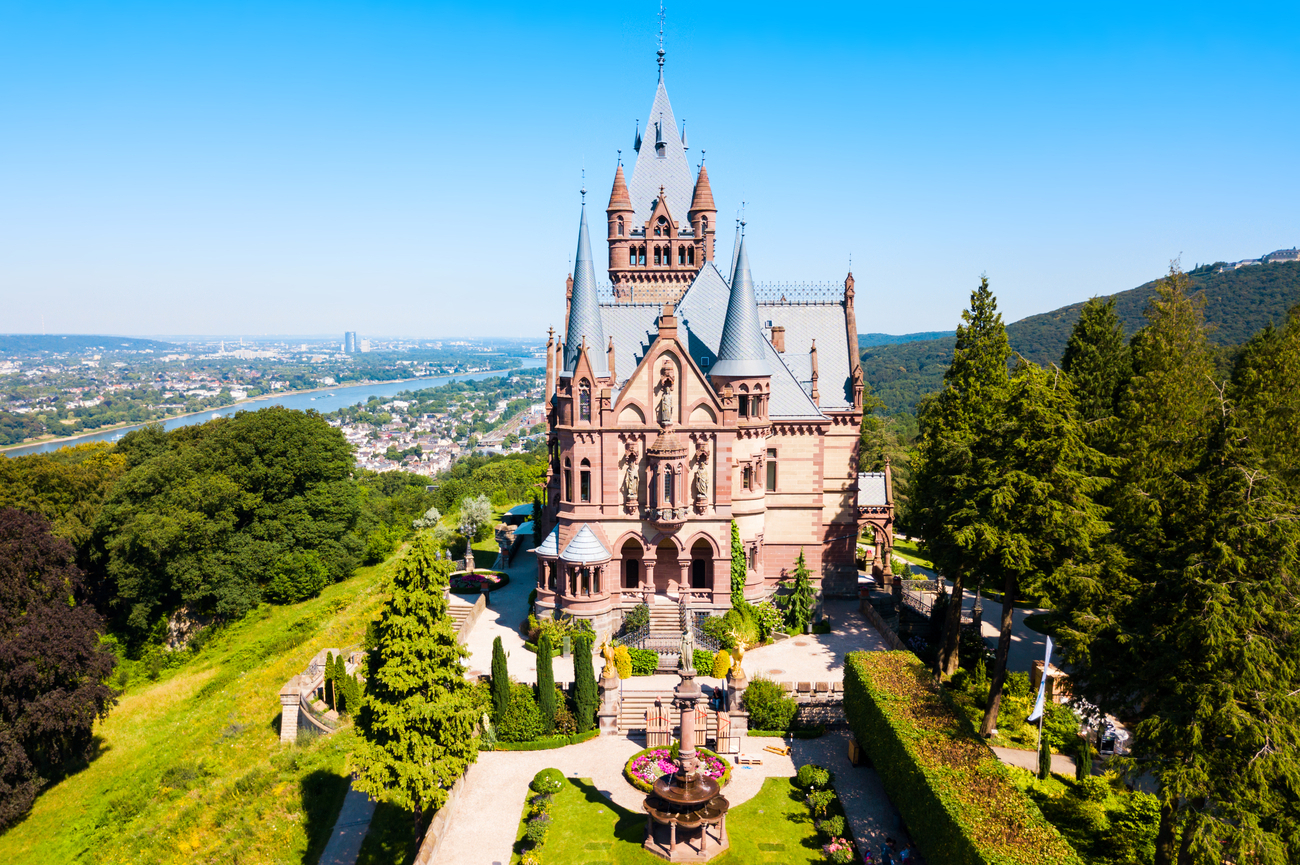
- Drachenfels and Schloss Drachenburg: Around 35 to 45 minutes from Cologne, Drachenfels is one of the most scenic excursions along the Rhine. Rising above Königswinter, the hill offers sweeping views across the river, wooded slopes and surrounding villages. Visitors can reach the summit by historic rack railway or on foot, with Schloss Drachenburg providing the main cultural highlight along the way. Built in the late 19th century, the castle combines fairytale architecture, ornate interiors and landscaped terraces overlooking the Rhine Valley. It works particularly well as a private half-day excursion with a driver-guide, especially for travellers who want Rhine scenery without committing to a full-day journey.
Nearby Experiences from Cologne
Not every excursion from Cologne needs to be a full-day commitment. Some of the region's most interesting experiences are built around a specific activity rather than an entire city. These experiences work particularly well if you've already explored Cologne itself and want something different without spending the whole day on a train.
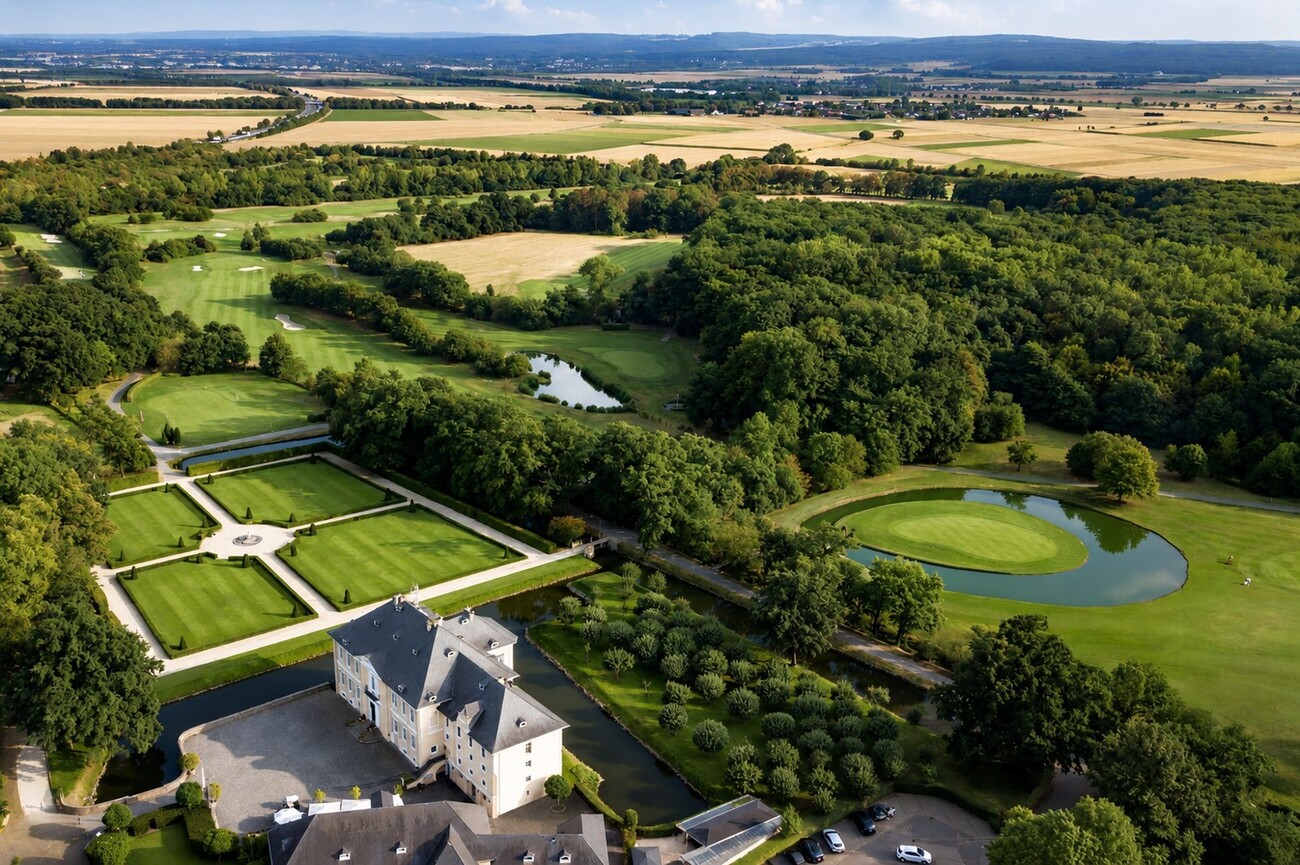
- Golf Club Schloss Miel: Located approximately 30 minutes from Cologne, Golf Club Schloss Miel is an easy addition to a luxury-focused itinerary. The club is widely regarded as one of the finest golf courses in the Cologne region as it is set within the grounds of a historic castle estate. The course combines immaculate fairways, mature woodland, water hazards and carefully maintained greens. You will also enjoy having the historic Schloss Miel estate in the background.
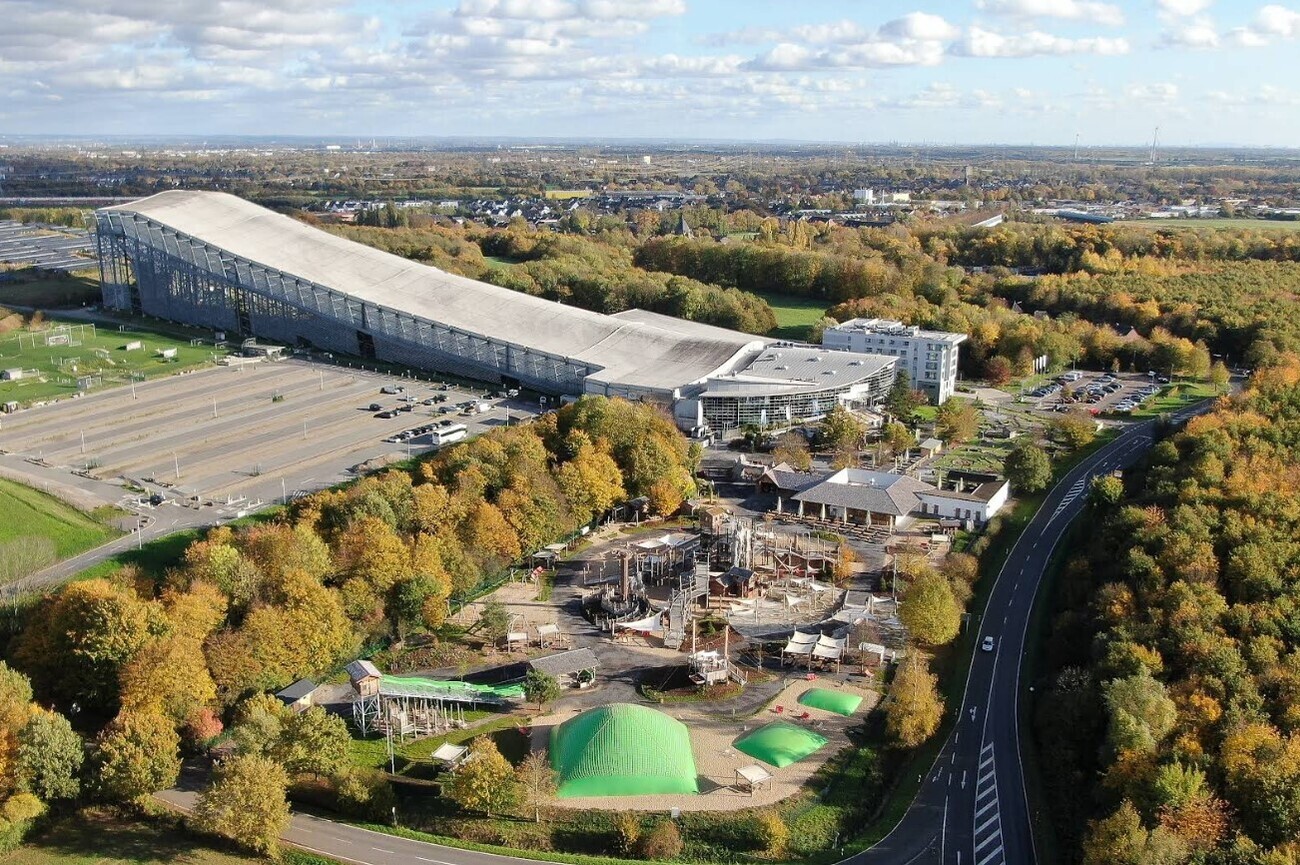
- SNOWWORLD NEUSS | Freizeitpark: Skiing may not be the first thing associated with Cologne, which is exactly why SNOWWORLD NEUSS surprises so many visitors. Formerly known as Alpenpark Neuss, the complex features one of Germany's best indoor ski facilities, allowing guests to enjoy real snow throughout the year regardless of the weather outside. It is one of the most unique recreational attractions in North Rhine-Westphalia and appeals to both beginners and experienced skiers. The facility includes multiple ski slopes, snowboarding areas and training zones suitable for different skill levels. Your journey from Cologne takes approximately 35 to 40 minutes by car.
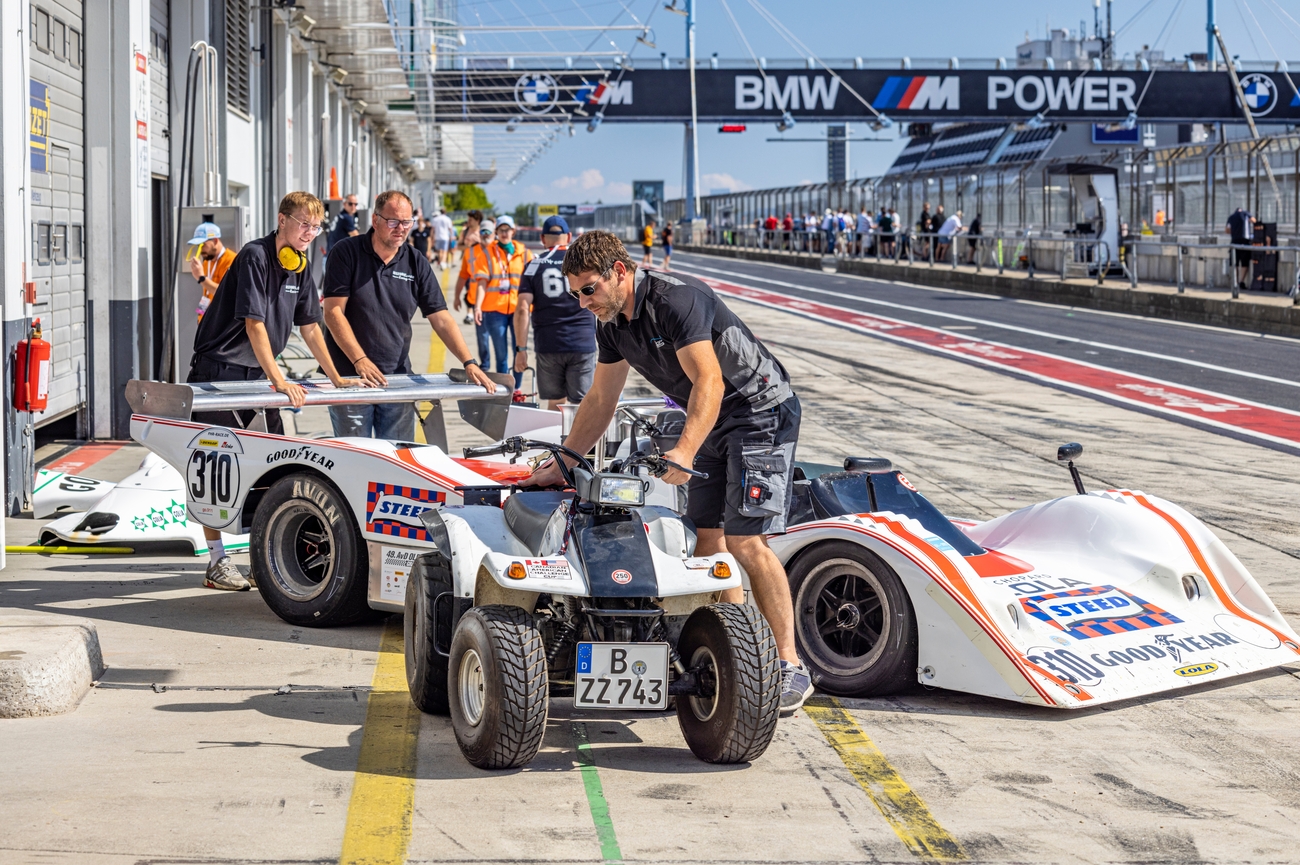
- Nürburgring: Few motorsport venues carry the reputation of Nürburgring. Located in the Eifel region, this legendary circuit has become a pilgrimage site for racing enthusiasts from around the world. The famous Nordschleife, often referred to as the "Green Hell," is considered one of the most demanding and iconic race tracks ever built and has tested generations of drivers since the 1920s.
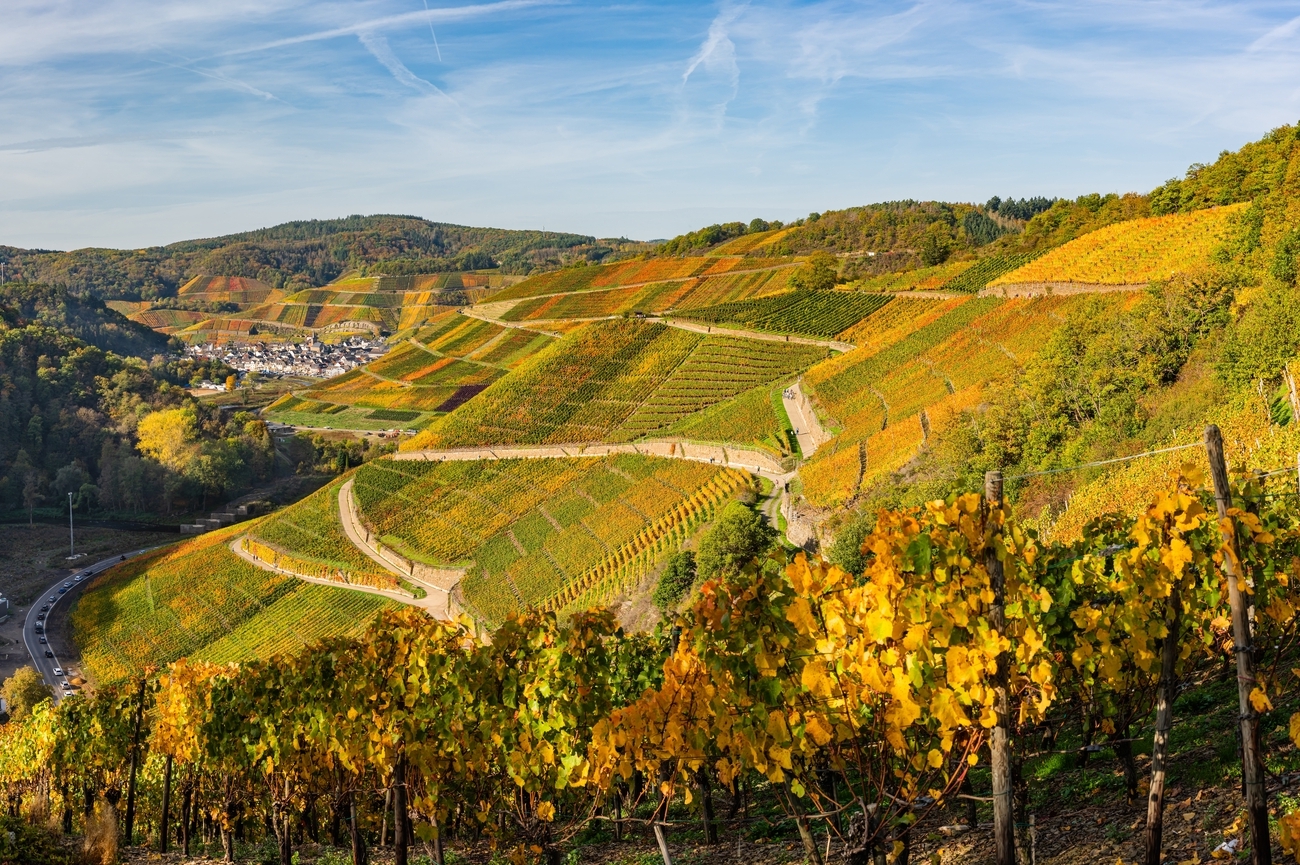
- Ahr Valley Vineyards: Around 45 minutes to one hour from Cologne, the Ahr Valley is one of Germany’s most distinctive wine regions and is especially known for Pinot Noir. Its steep vineyard slopes, riverside villages and historic wine estates make it a strong choice for travellers who want a refined wine-focused excursion without travelling as far as the Moselle. A private day trip can include cellar visits, tastings, lunch at a vineyard restaurant and scenic stops in towns such as Bad Neuenahr-Ahrweiler or Dernau.
Golfcourses
in Cologne
Cologne is better known for its cathedral, museums and Rhine views than its golf scene, which is exactly why many visitors overlook it. Yet the city is surrounded by several excellent courses, including some of Germany's most respected golf clubs. Many of the region's courses are set within forests, parkland landscapes or historic properties, creating a quieter and more relaxed atmosphere than some of Europe's larger golf destinations. From prestigious member clubs to accessible public courses, the region provides options for golfers of different skill levels while maintaining a consistently high standard of play.
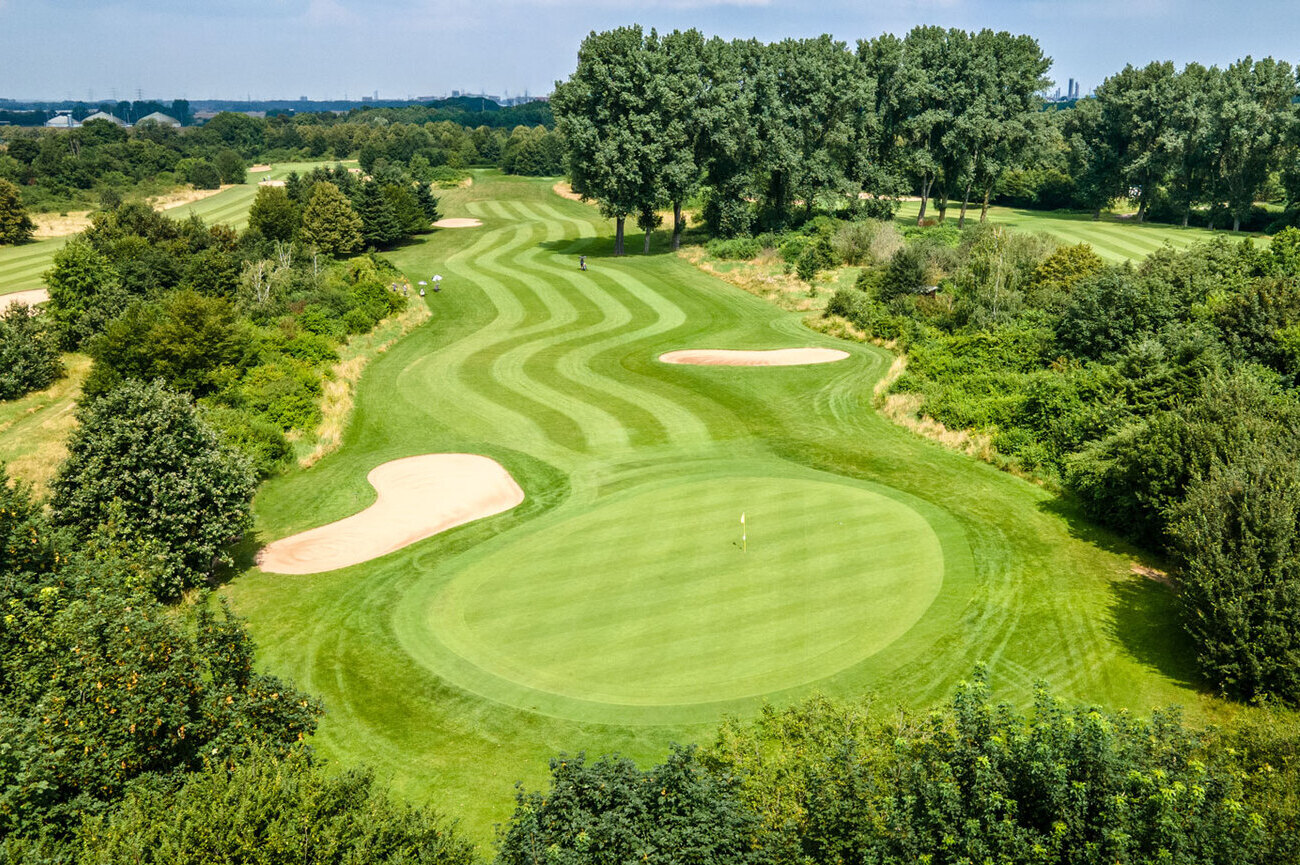
- Cologne Golfsportanlage Cologne Golf: KölnGolf is one of the city's most accessible and modern golfing facilities. Located within Cologne, the club combines a well-designed championship course with extensive training areas, making it popular among both experienced players and newcomers to the sport. This golf course had wide fairways, placed bunkers and water hazards which create an enjoyable challenge while remaining approachable for a variety of skill levels.
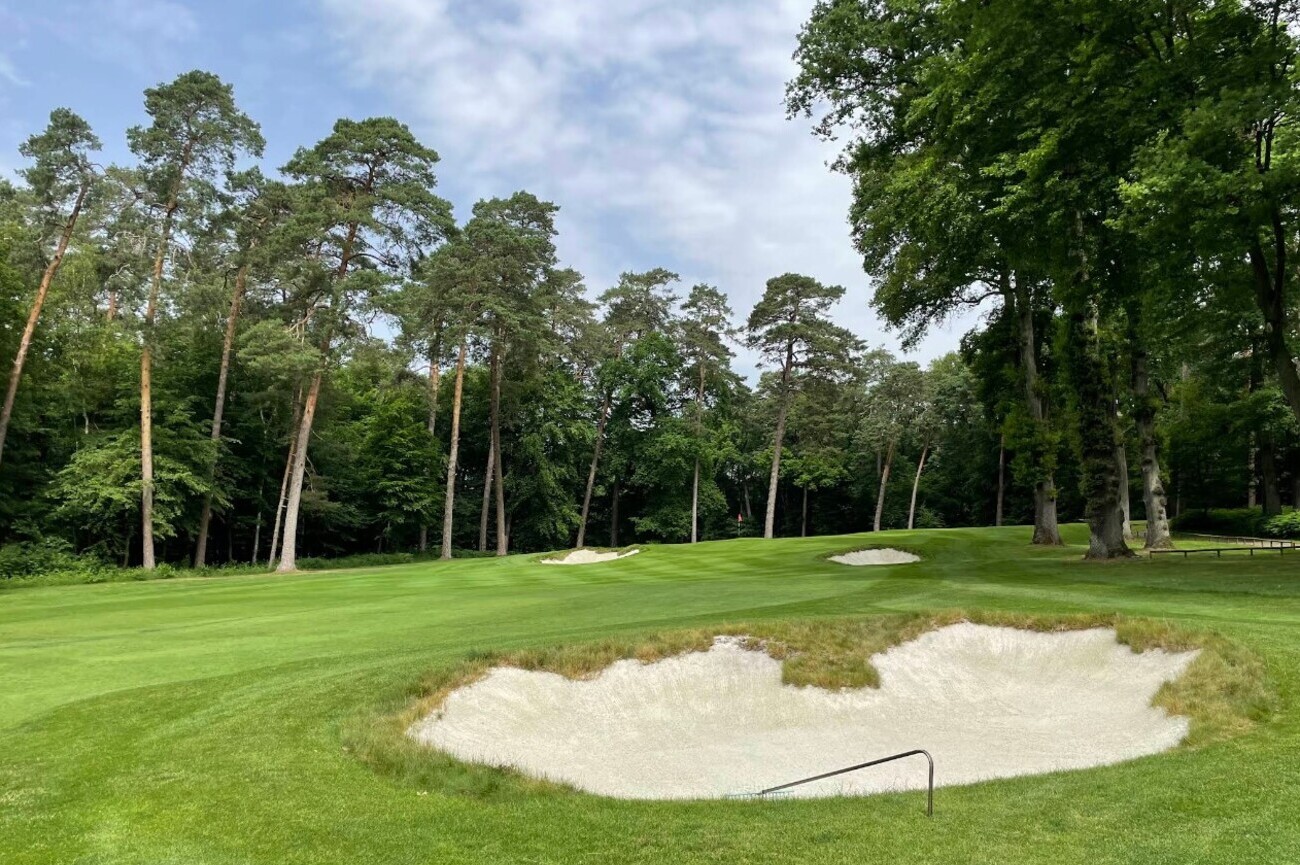
- Golf und Land Club Köln: Founded in 1906, Golf- und Land-Club Köln is one of Germany's oldest and most prestigious golf clubs. The course is known for its mature trees, carefully maintained fairways and traditional parkland design. Over the years, it has hosted numerous high-level tournaments and remains one of the country's most respected golfing venues. You can also enjoy excellent practice facilities, professional coaching and its clubhouse.
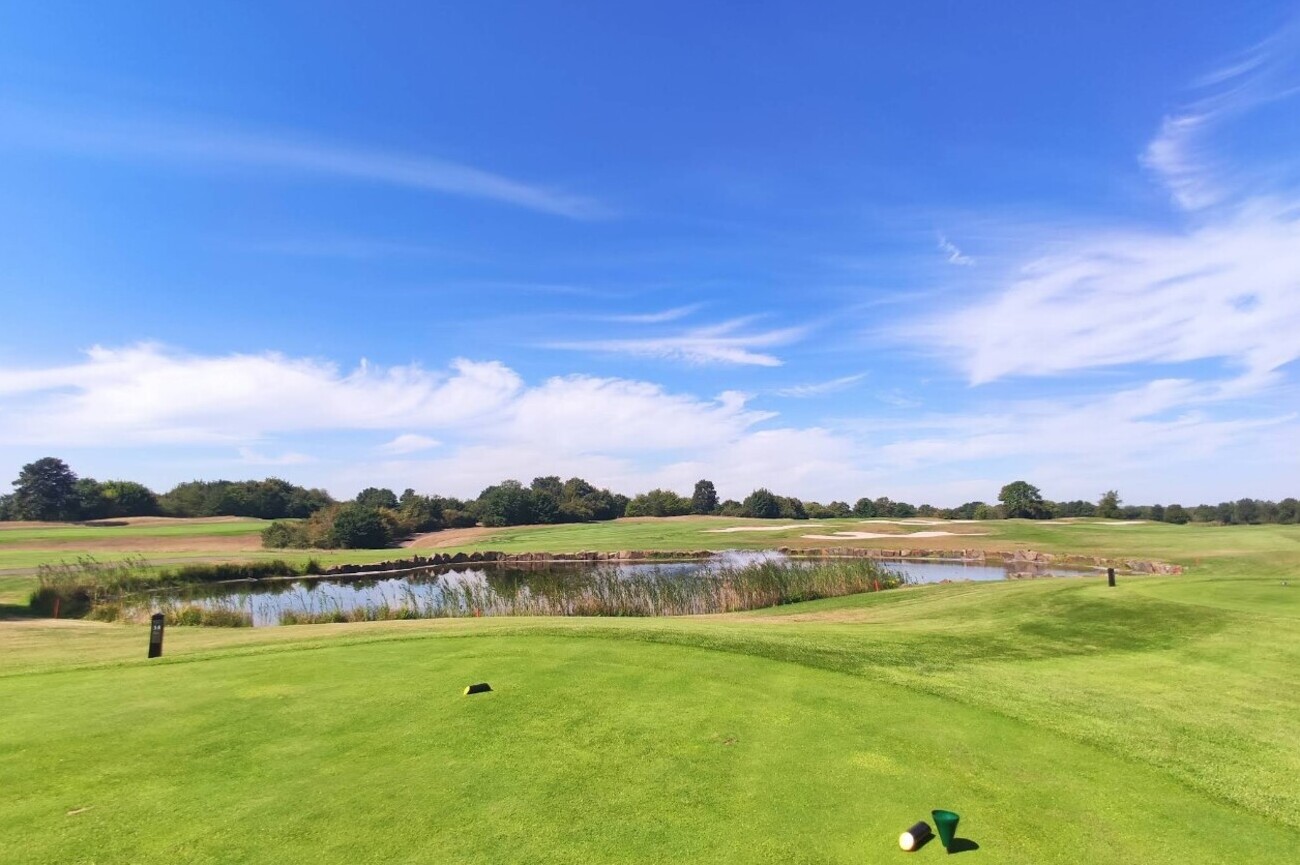
- Golf Club Gut Lärchenhof: Located around 30 minutes from Cologne, Golf Club Gut Lärchenhof is one of the most prestigious golf courses in Germany. Designed by Jack Nicklaus, the course has hosted major professional tournaments and is known for its immaculate fairways, strategic water features and high-end facilities. For serious golfers, it is one of the strongest golf experiences near Cologne.
Michelin-Starred Restaurants in Cologne
Cologne's dining scene reflects the city itself: confident, diverse and comfortable in its own identity. While the cathedral and Rhine waterfront often take center stage, the city's Michelin-starred restaurants have quietly built a reputation for delivering some of the most exciting fine dining experiences in western Germany. There is a range of experiences available for food lovers. Whether you're celebrating a special occasion or simply looking to experience the city's culinary best, these Michelin-starred restaurants offer some of Cologne's most memorable dining experiences.
- Ox & Klee: Holding two Michelin stars, Ox & Klee is widely considered one of Cologne's flagship fine-dining destinations and one of the most ambitious restaurants in the city. Located inside the striking Kranhaus complex at Rheinauhafen, the restaurant combines contemporary design, harbor views and a tasting experience that feels distinctly modern. Chef Daniel Gottschlich's "The Art of Taste" concept revolves around the six fundamental taste profiles: sweet, salty, sour, bitter, fatty and umami. The experience begins with a series of amuse-bouches presented as a "black box" introduction before progressing through a carefully structured tasting menu. Signature creations often reinterpret regional specialties in unexpected ways. A standout example is the mackerel course inspired by Caesar salad, featuring yellowtail mackerel, sturgeon caviar, Reypenaer cheese cream, calamansi gel and anchovy bread crisps. You can book the "Kitchen Experience," which includes behind-the-scenes access and additional interaction with the culinary team.
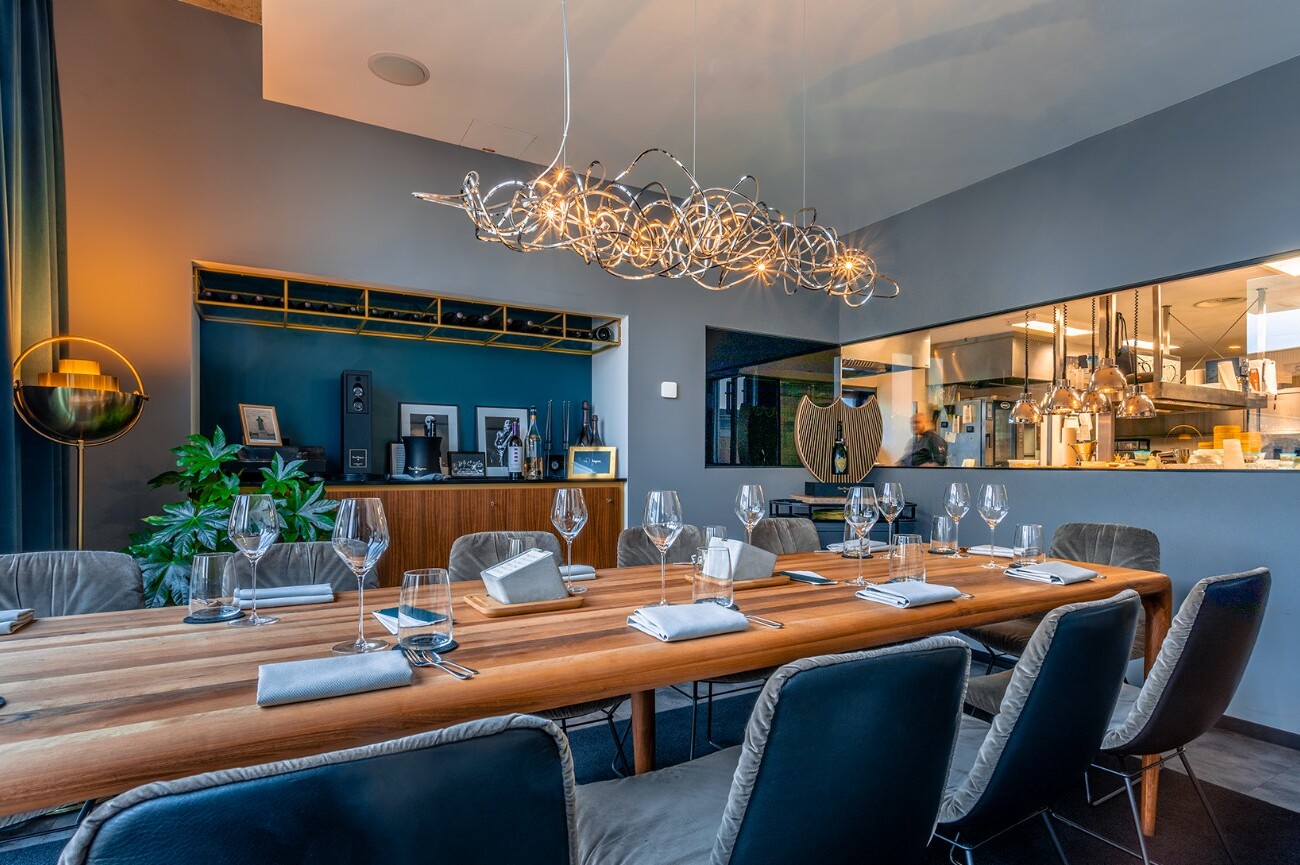
- La Cuisine Rademacher: La Cuisine Rademacher holds one Michelin star and has become one of Cologne's most respected destinations for contemporary fine dining. Located in the Dellbrück district, away from the city's main tourist areas, the restaurant attracts diners who are willing to travel for exceptional food. Guests can choose between the standard tasting menu and the more elaborate "Menu du Prestige," both of which showcase seasonal products and sophisticated flavor combinations.
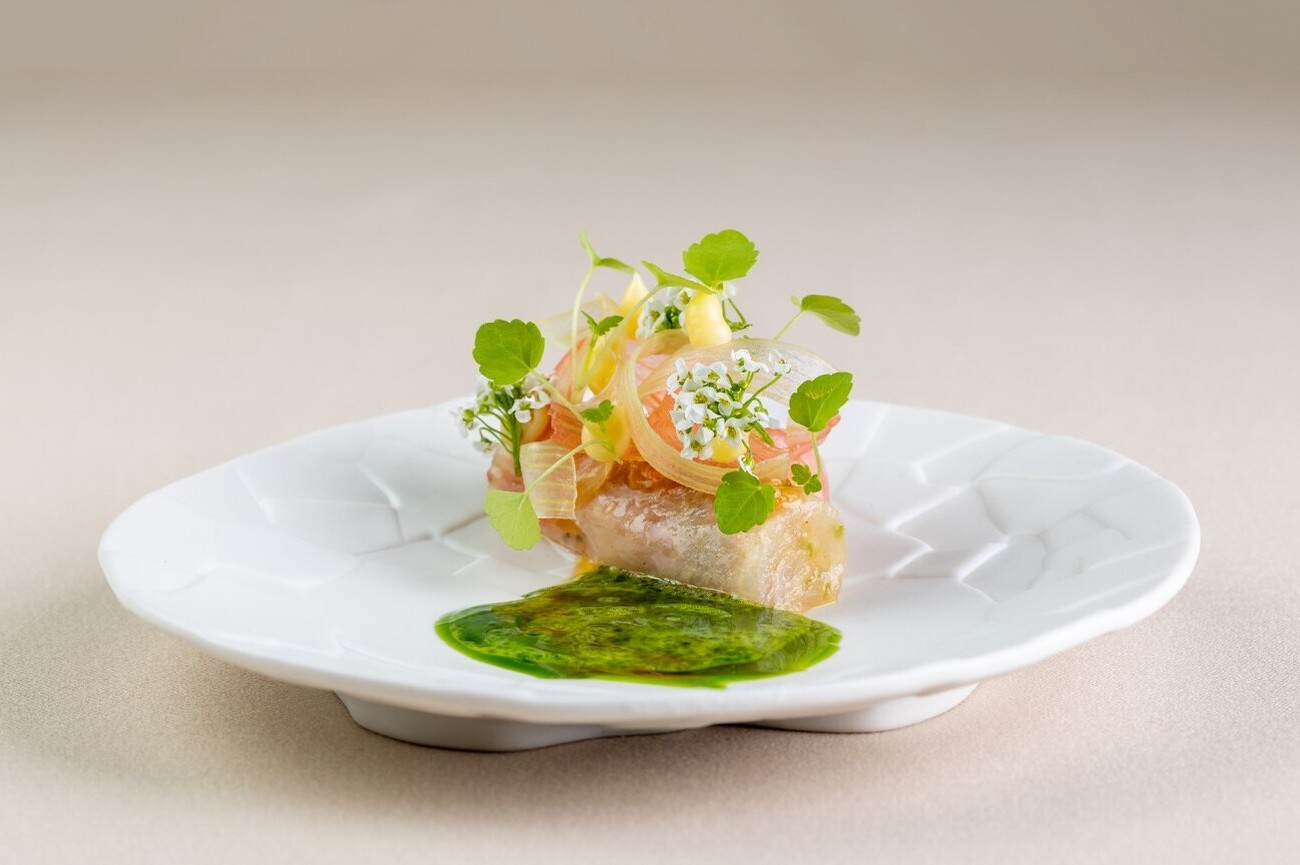
- Restaurant La Société Köln: Situated in Cologne's lively Kwartier Latäng district, Restaurant La Société manages to feel both sophisticated and approachable, a balance that is not always easy to achieve in fine dining. Their menus typically range from five to seven courses and often feature bold flavor combinations that still feel balanced and purposeful. One of the restaurant's strengths is its treatment of vegetables, with dishes that are just as memorable as the meat and seafood courses.
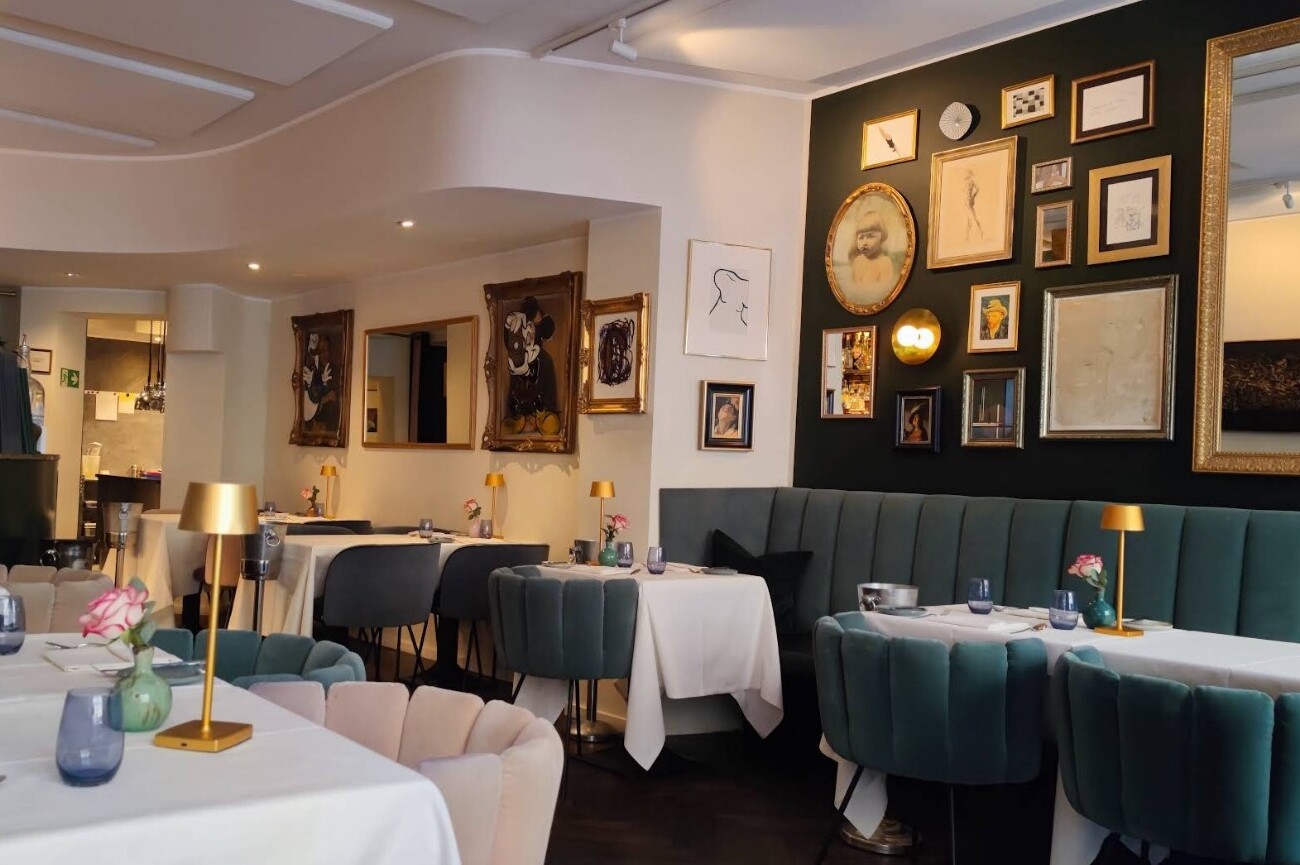
- Pottkind: Pottkind holds one Michelin star and has quickly become one of Cologne's most exciting restaurants for diners who enjoy creative cuisine without unnecessary formality. The restaurant is led by Enrico Sablotny and Lukas Winkelmann, whose approach centers on premium ingredients and imaginative flavor combinations. The carte blanche menu changes regularly and encourages diners to place their trust in the kitchen. You can book the best seats in the house which are at the counter overlooking the open kitchen.
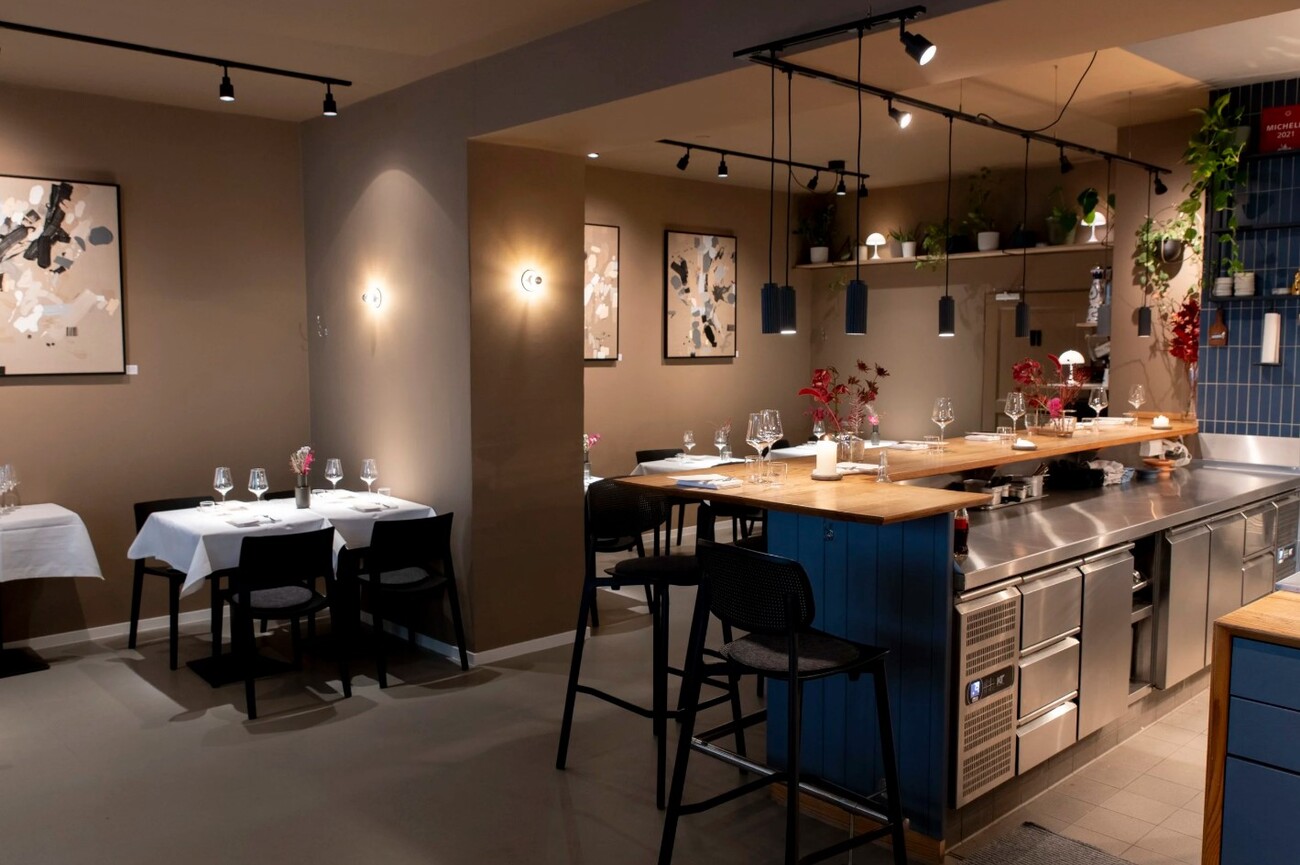
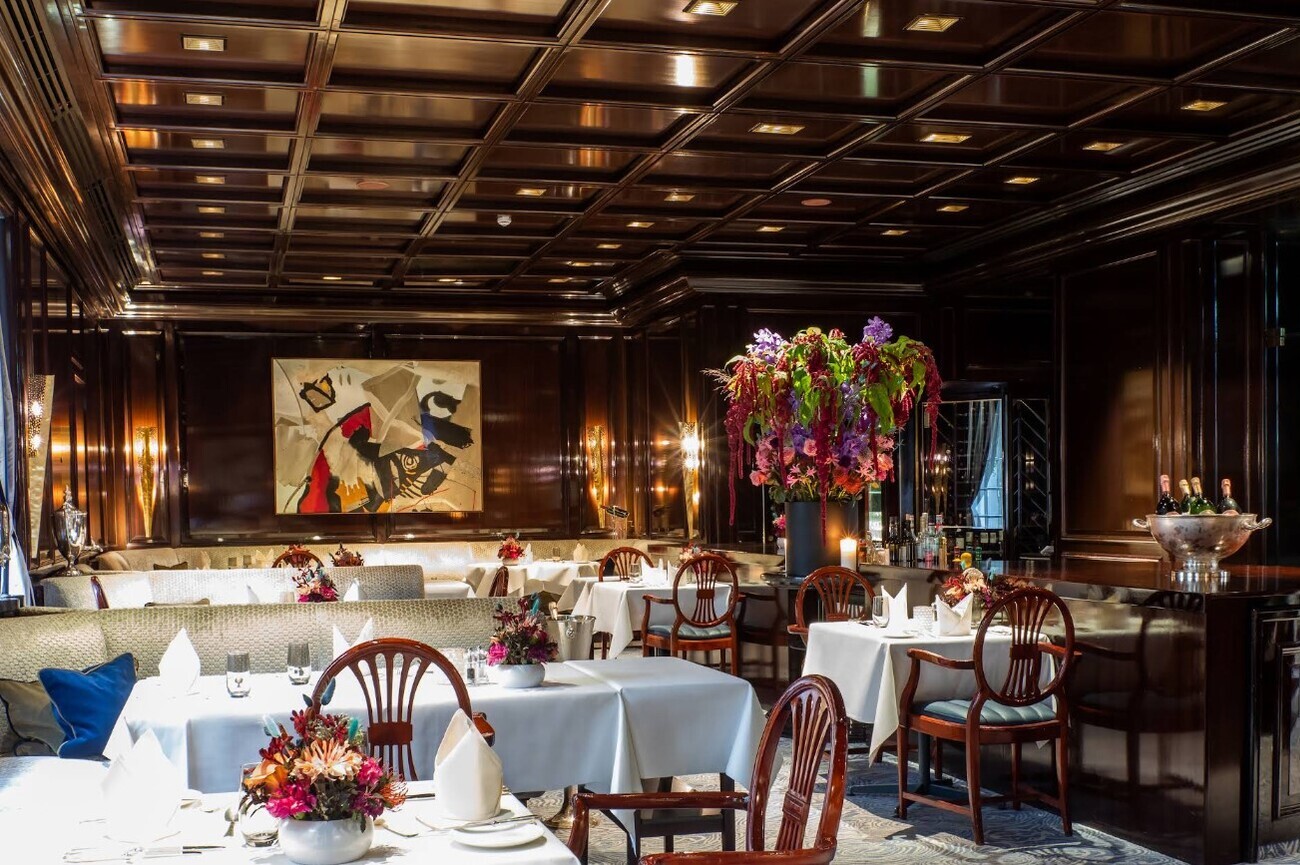
- Hanse Stube: Located inside the historic Excelsior Hotel Ernst directly opposite Cologne Cathedral, Hanse Stube represents a more classic style of luxury dining. The restaurant holds one Michelin star and remains a favorite among both locals and visitors looking for refined cuisine. Dark wood paneling, polished service and a timeless atmosphere give the dining room a distinctly traditional character. The cuisine focuses on classic French foundations enhanced by modern techniques and contemporary presentation. You can choose from four- to six-course tasting menus or order à la carte.
Where to Eat in Cologne
Cologne is one of those cities where it is surprisingly easy to eat well. The restaurant scene is diverse, international and constantly evolving, with talented chefs opening ambitious concepts alongside long-established local favorites. Whether you're looking for a multi-course tasting menu, authentic Japanese cuisine or a stylish spot for dinner and cocktails, there is plenty of variety packed into the city's neighborhoods.
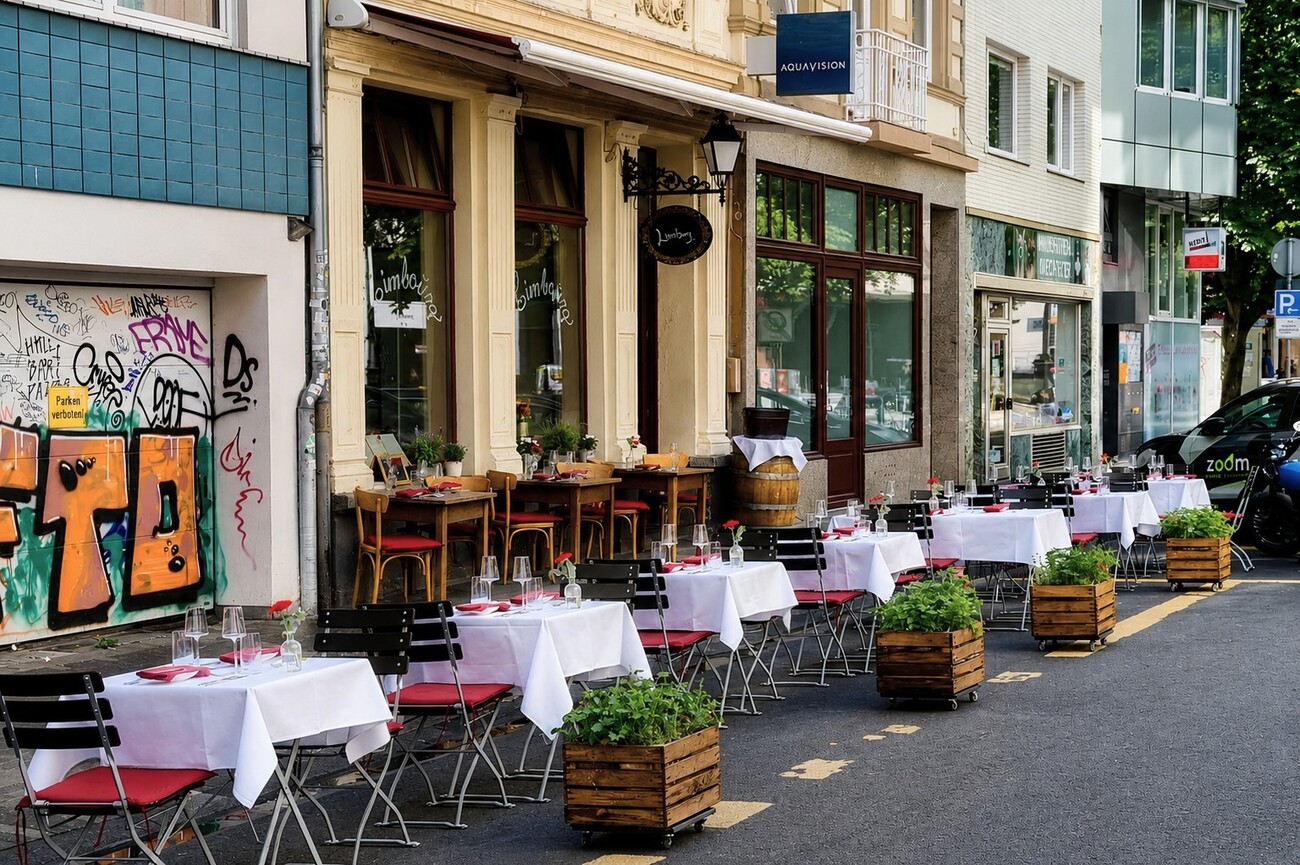
- Limbourg: Located in the heart of Cologne's trendy Belgian Quarter, Limbourg strikes a balance between fine dining and comfort. The interior is stylish and understated, while the sheltered courtyard terrace becomes one of the area's most desirable dining spots during the warmer months. Chef Alen Radic focuses on contemporary cuisine influenced by French techniques and international flavors. Ingredients are treated with care and presented through either a five-course or nine-course tasting menu, available in both classic and vegetarian versions. The menus also change regularly to reflect seasonal products. And during weekdays, a shorter five-course lunch menu provides an accessible introduction to the restaurant's approach.
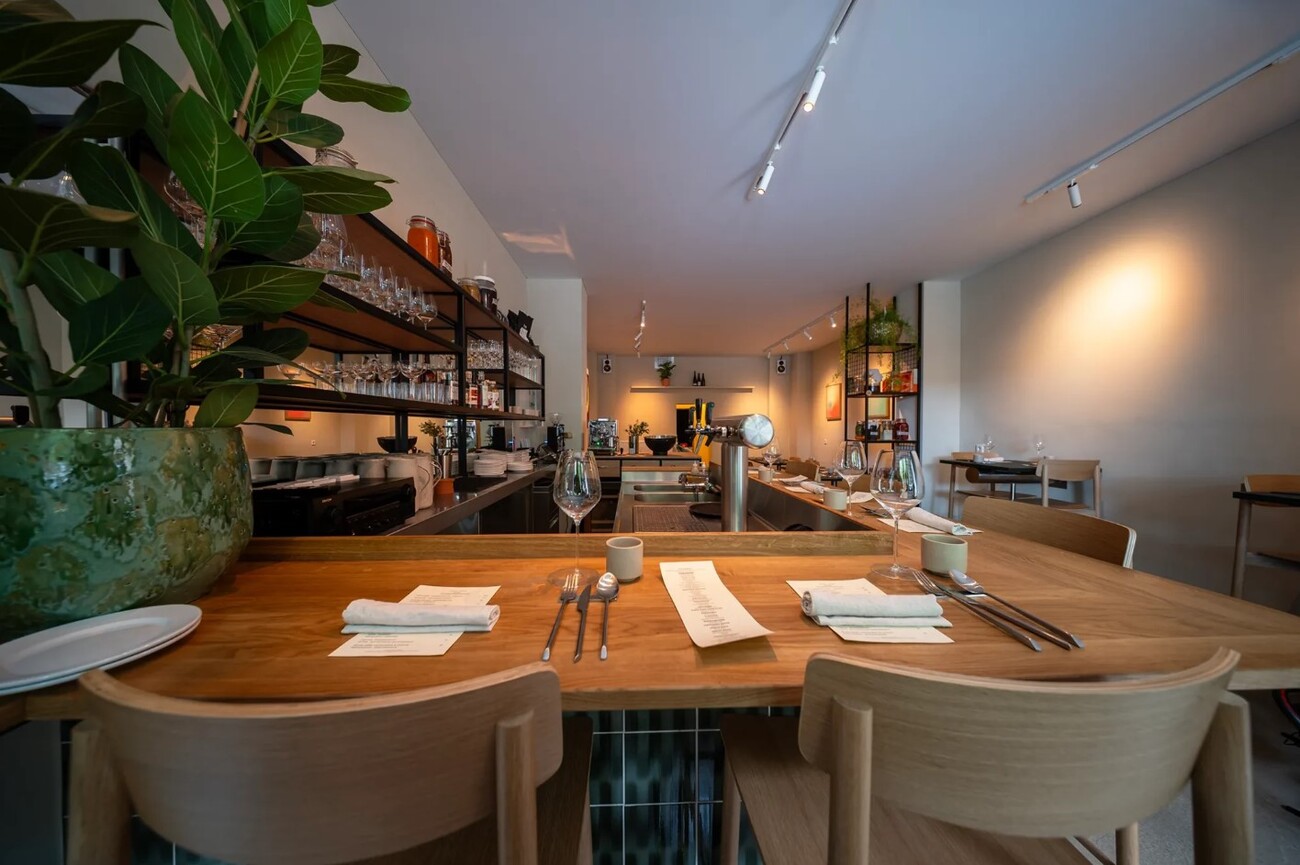
- Kluth: Opened by chefs Hannes Radeck and Kevin Rademacker, both of whom previously worked at Michelin-starred Ox & Klee, Kluth brings a modern and highly personal approach to dining. The atmosphere feels contemporary and relaxed, with Nordic-inspired interiors and an open, welcoming energy. Fermentation, pickling and preservation techniques play a major role in many dishes, adding layers of complexity without overwhelming the main ingredients. Menu highlights have included combinations such as potato brioche with Comté cheese, celery and grapes, as well as Bresse chicken paired with hazelnut and leek. You can order à la carte or place their trust in the six-course surprise menu, "Et kütt wie et kütt," available in both vegetarian and meat-focused versions.
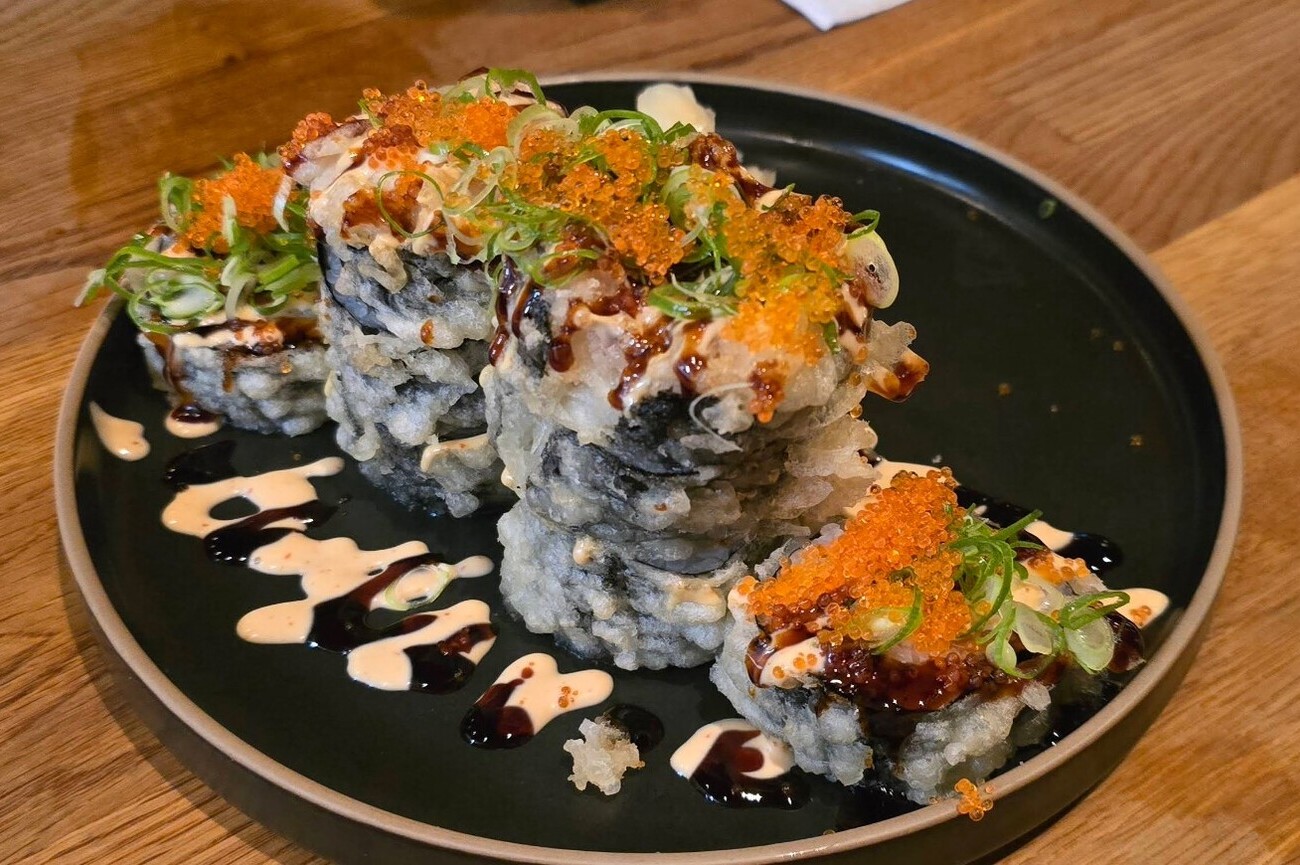
- ZEN Japanese Restaurant: ZEN has earned a loyal following among Cologne's Japanese food enthusiasts by focusing on authenticity, consistency and quality. Located in a quieter residential area away from the busiest tourist districts, the restaurant delivers a dining experience that feels genuinely connected to Japanese culinary tradition. The menu covers a wide range of classic dishes including gyoza, tempura, udon, grilled specialties, sushi and sashimi. You can get the omakase menu which allows the chefs to showcase seasonal ingredients and demonstrate their craftsmanship across multiple courses.
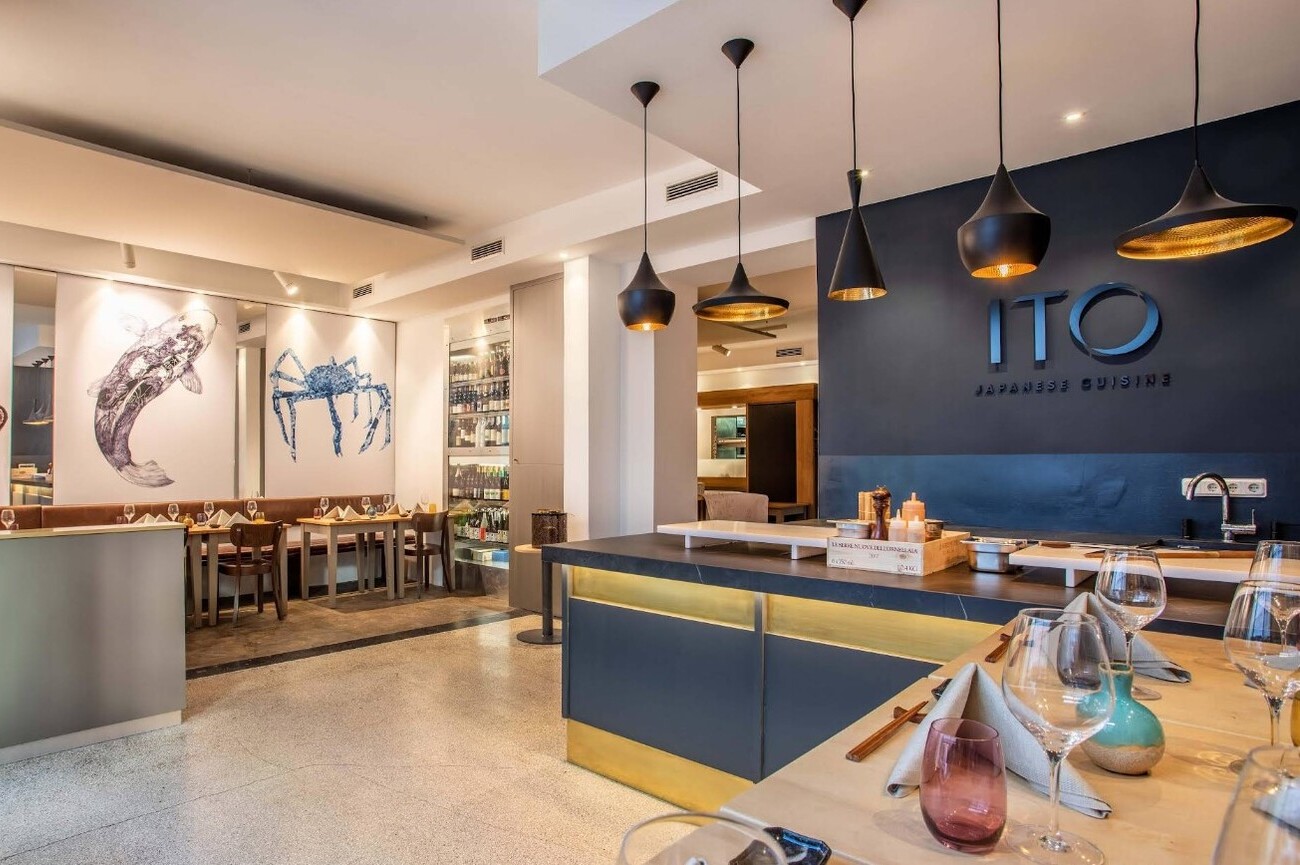
- ITO: Situated in the Belgian Quarter, ITO represents a more contemporary interpretation of Japanese dining. Chef Kengo Nishimi combines traditional Japanese techniques with subtle European influences. Their evening menu centers on Japanese classics such as sushi, sashimi and tempura, while at lunchtime, a more accessible set menu makes it easy to experience the restaurant without committing to a full evening tasting.
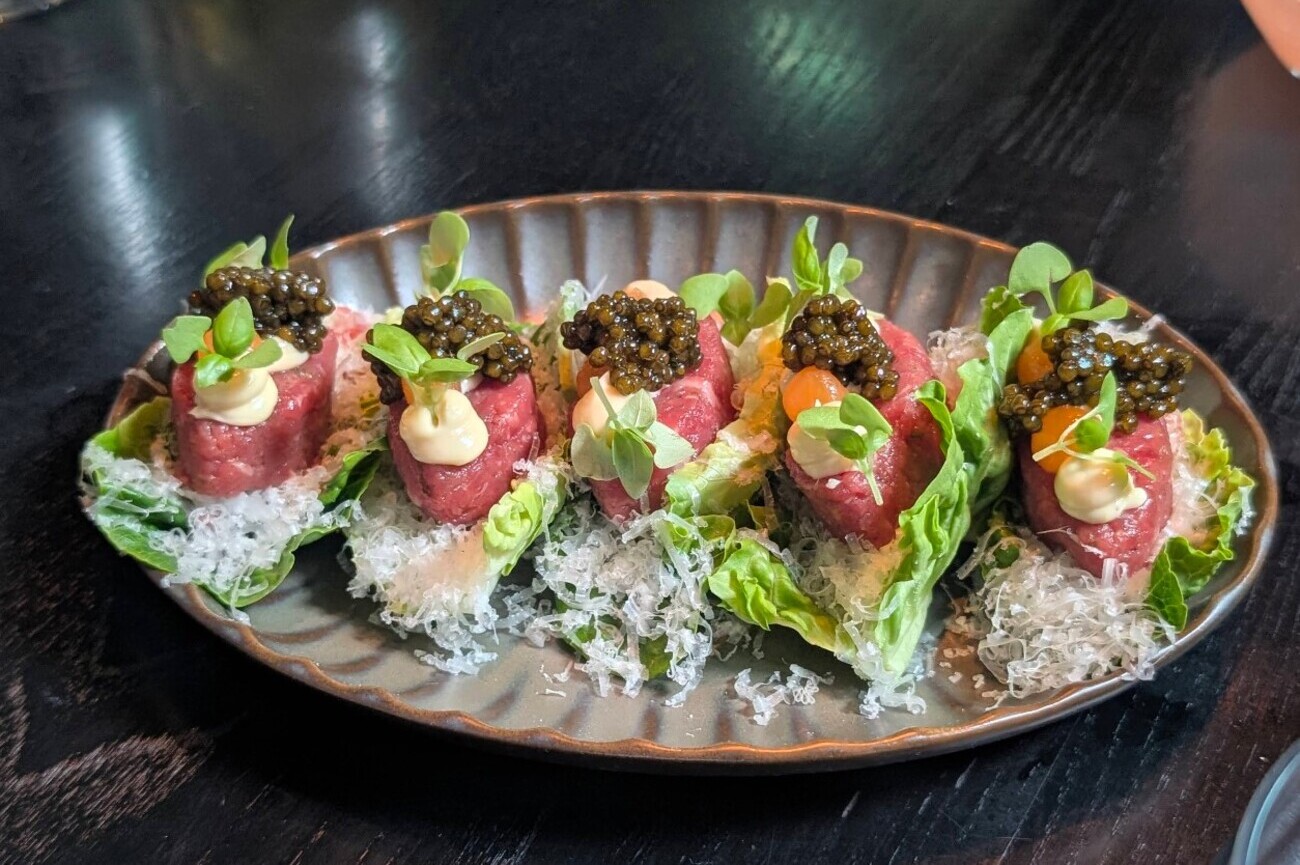
- PULS: Located within the stylish Legend Hotel in Cologne's Old Town, PULS brings a fresh and energetic approach to dining. Created by Daniel Gottschlich, the chef behind Michelin-starred Ox & Klee, the restaurant offers a more casual concept while maintaining the same attention to quality and creativity. The menu focuses on modern dishes designed for sharing, although individual portions are also available. You can choose a selection of creative small plates, bar snacks and larger dishes that encourage a more flexible dining style.
Where to Drink in Cologne
Cologne knows how to have a good night out. The city has a long-standing social culture, and that shows in the variety of places where people gather after dark. Neighborhoods such as the Belgian Quarter, Ehrenfeld and Kwartier Latäng each bring a different energy, whether you're looking for an intimate cocktail bar, a stylish lounge or a club where the party continues well into the morning. You can easily shape the evening around your mood instead of following a fixed nightlife circuit.
- Little Link: Little Link has become one of Cologne's most respected cocktail bars thanks to its creative approach and attention to detail. Located in the Belgian Quarter, the bar blends classic cocktail craftsmanship with modern techniques. Many ingredients are made in-house, from specialty shrubs to infused spirits and unique garnishes. The cocktail program regularly pushes boundaries with combinations such as porcini-infused whiskey, rosehip shrub and blackberry caviar.
- Toddy Tapper Köln: Toddy Tapper brings a unique concept to Cologne's cocktail scene by drawing inspiration from Sri Lankan culture and flavors. Named after the traditional palm wine harvesters of Sri Lanka, the bar introduces many guests to ingredients and spirits they may not encounter elsewhere. Signature drinks include the bright Kalamansi Smash, the tropical Pandan Express and the Ceylon Mule, which combines arrack, citrus and ginger into a refreshing cocktail with a clear Sri Lankan identity.
- Masquerade Club: Masquerade Club is one of Cologne's best-known nightlife venues for those looking to trade conversation for a dance floor. Music ranges from commercial hits to dance and club favorites depending on the event, creating a broad appeal among locals and visitors alike. The venue regularly hosts themed nights and special events that help keep the experience fresh rather than repetitive.
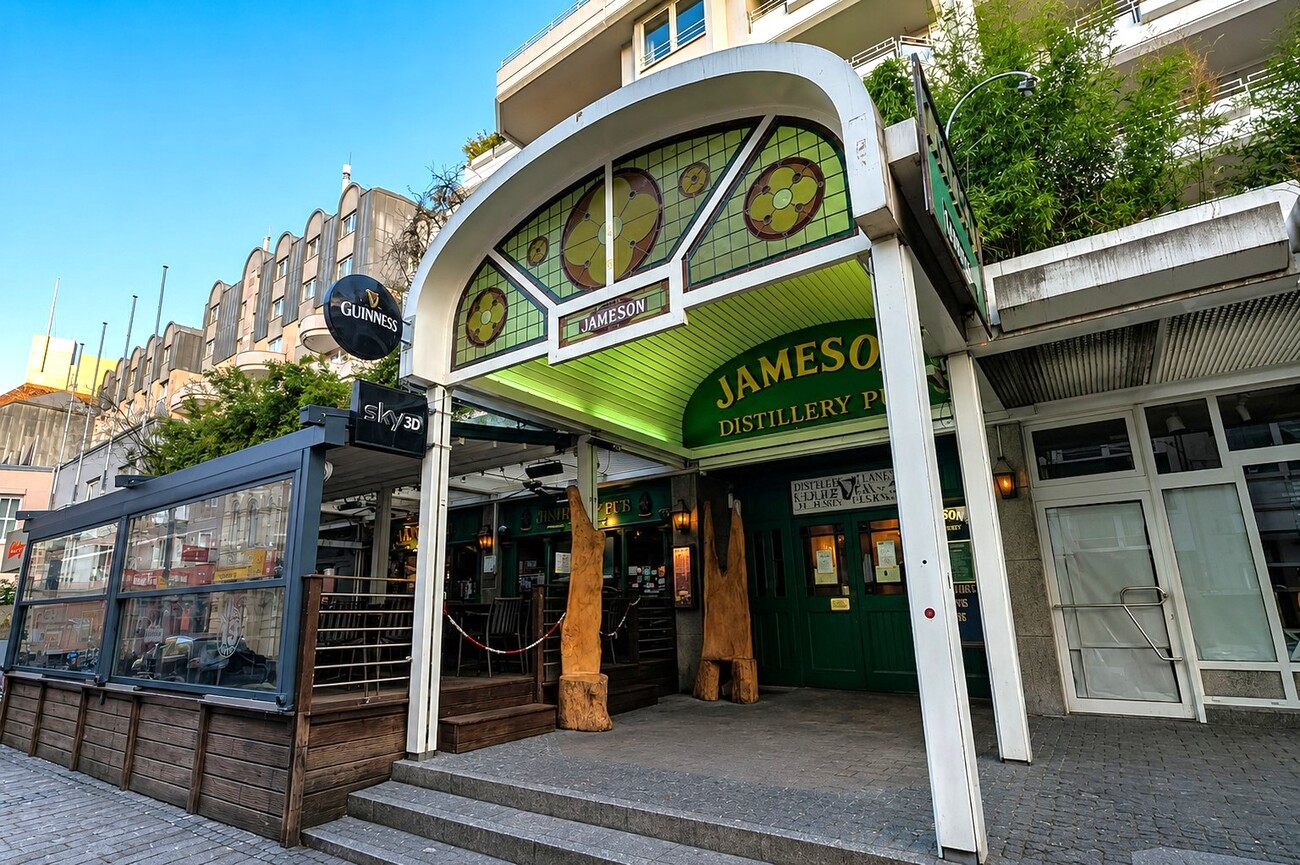
- Jameson Irish Pub Cologne: Jameson Irish Pub brings a classic Irish pub atmosphere to the heart of Cologne. It is one of those places where the energy comes as much from the people as it does from the drinks. The pub is particularly known for its regular entertainment schedule. Live music nights, pub quizzes and the popular Karaoke Weekend events ensure that there is usually something happening beyond simply ordering a drink. And naturally, Guinness is a major attraction.
- Grace & Grape Bar: Grace & Grape offers a different perspective on Cologne nightlife, focusing on wine, wine-based cocktails and what the team describes as "casual glamour.” The drink menu places particular emphasis on grape-based ingredients, incorporating everything from champagne and vermouth to pisco and sparkling wines into creative cocktails. A strong wine selection is available by the glass, allowing you to sample different varieties without committing to a full bottle. Meanwhile, the food menu centers around its popular Kölsche Pizza, alongside Mediterranean-inspired dishes, salads and sharing plates.
Cafes in Cologne
Coffee has become a serious business in Cologne over the last decade. Across the city, independent roasters, specialty cafés and neighborhood coffee bars have raised the standard well beyond the traditional German café experience. Today, it's easy to find expertly prepared espresso drinks, carefully sourced beans and baristas who know exactly how to get the most out of every roast. Whether you're looking for a quick flat white before a day of sightseeing or a relaxed place to slow down for an hour, these cafés represent some of the best coffee stops in Cologne.
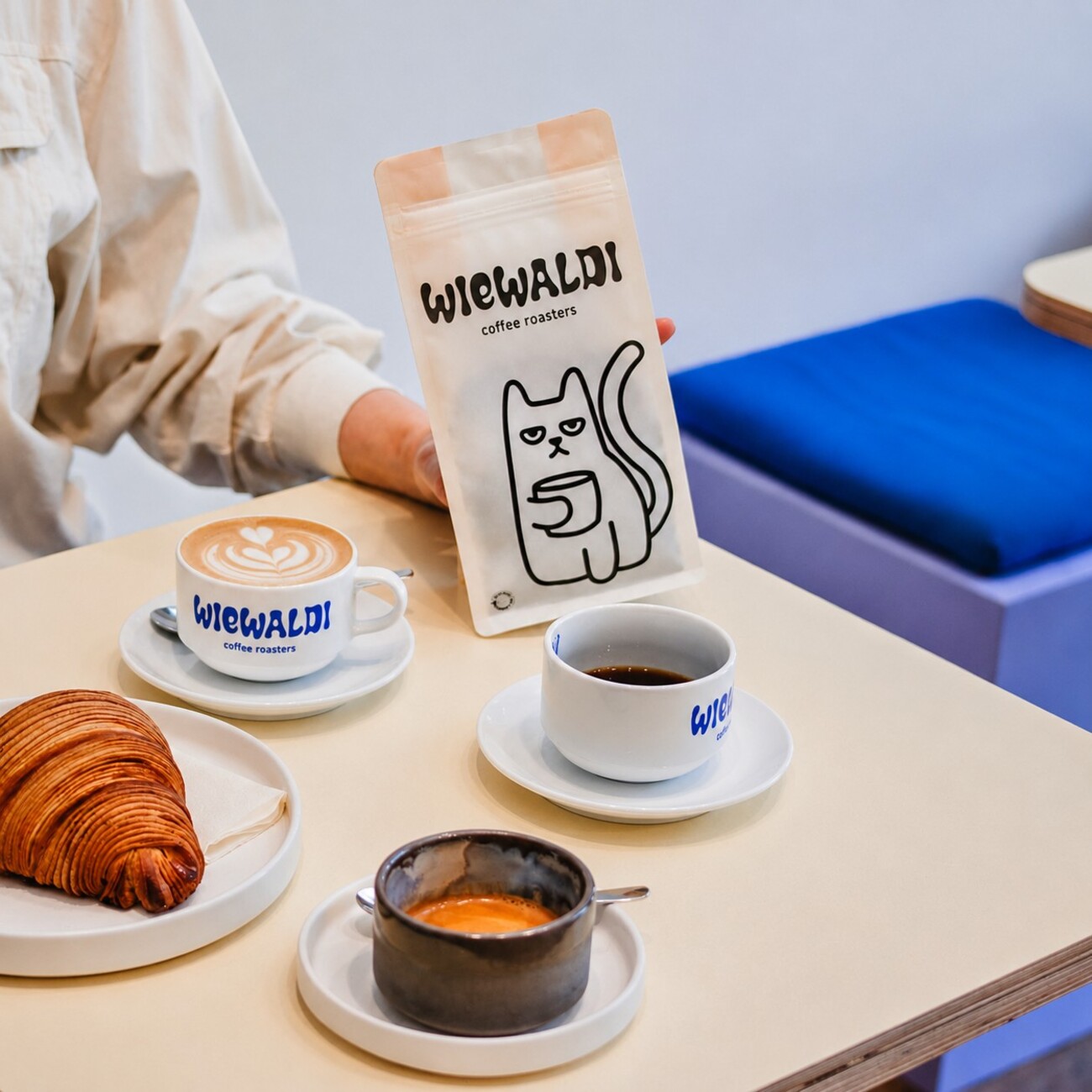
- WIEWALDI Coffee Roasters: WIEWALDI Coffee Roasters is one of those cafés that coffee enthusiasts actively seek out. Tucked away on a quieter street, the café has developed a loyal following thanks to its carefully roasted beans. One of the café's more charming details is its connection to the owner's cat, with feline photos scattered throughout the interior like a small treasure hunt. The coffee, however, remains the main attraction. The flat white is particularly popular, offering bright, fruity notes that stand apart from the darker roasts commonly found elsewhere.
- THE COFFEE GANG: Located in the heart of Cologne, THE COFFEE GANG has large windows that allow plenty of natural light into the space, while wooden benches, fresh flowers and a thoughtfully designed interior. The cafe's personality is shaped as much by its owners as its menu. Micki and Sina have become well-known among regulars for their friendly hospitality and easygoing approach.
- RHEIN STREET COFFEE: RHEIN STREET COFFEE embraces a minimalist design philosophy. The menu focuses on high-quality espresso-based drinks alongside a selection of pastries and baked goods. You can start with the cappuccino, which highlights the quality of the coffee without overwhelming it with additional flavors. For something different, the matcha latte and chai latte have also become popular choices. There are also fresh pastries like pain au chocolat and banana bread that will pair perfectly with your drinks.
- NOORHAUS Coffee – Frühstück, Brunch & Café am Dom Köln: Just a short walk from Cologne Cathedral, NOORHAUS offers a more intimate and personal café experience. This family-run spot has earned a loyal following through its combination of specialty coffee and homemade desserts. House-made cakes are among the highlights here. The carrot cake and double chocolate cake are particularly popular, while the breakfast menu regularly features creative seasonal offerings.
Where to Stay in Cologne
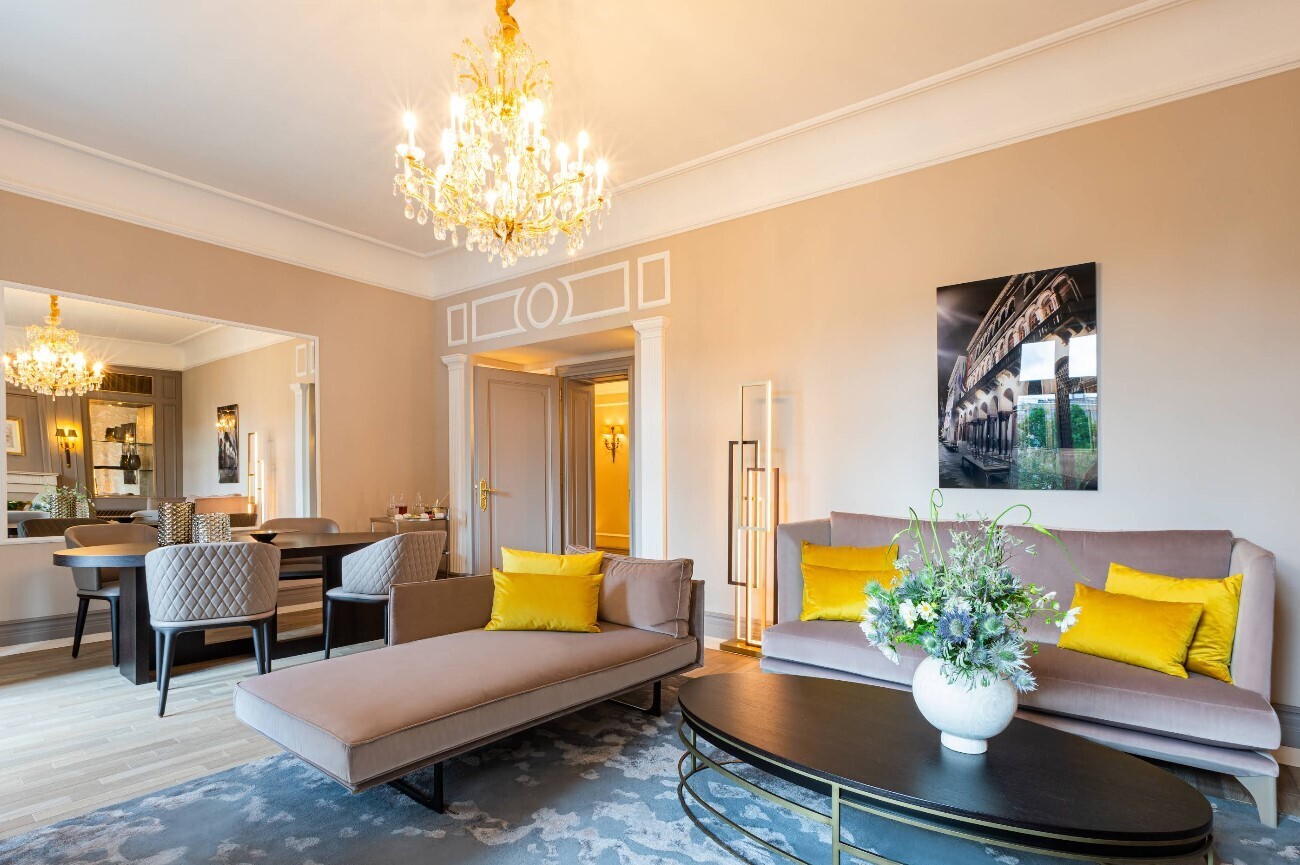
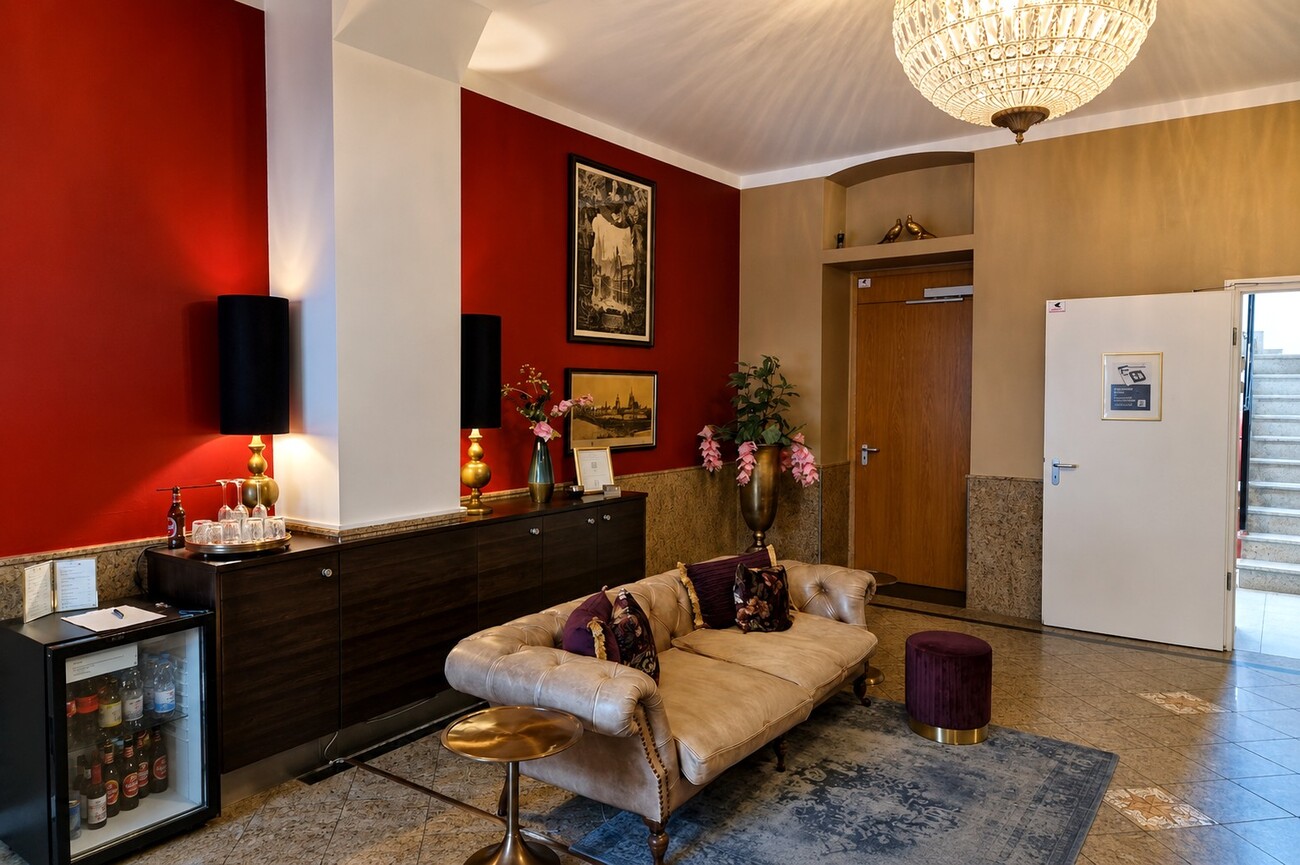
- Excelsior Hotel Ernst (5 stars): Few hotels in Cologne carry the same level of prestige as Excelsior Hotel Ernst. Open since 1863 and located directly opposite Cologne Cathedral, this grand hotel has spent more than 160 years hosting royalty, politicians, celebrities and discerning travelers. The rooms and suites combine traditional elegance with modern comfort.Many rooms offer exceptional views across Cathedral Square. Dining options include Hanse Stube, known for its refined French-inspired cuisine, and taku, which specializes in contemporary East Asian flavors. You can also visit the Charles Bar for an evening drink.
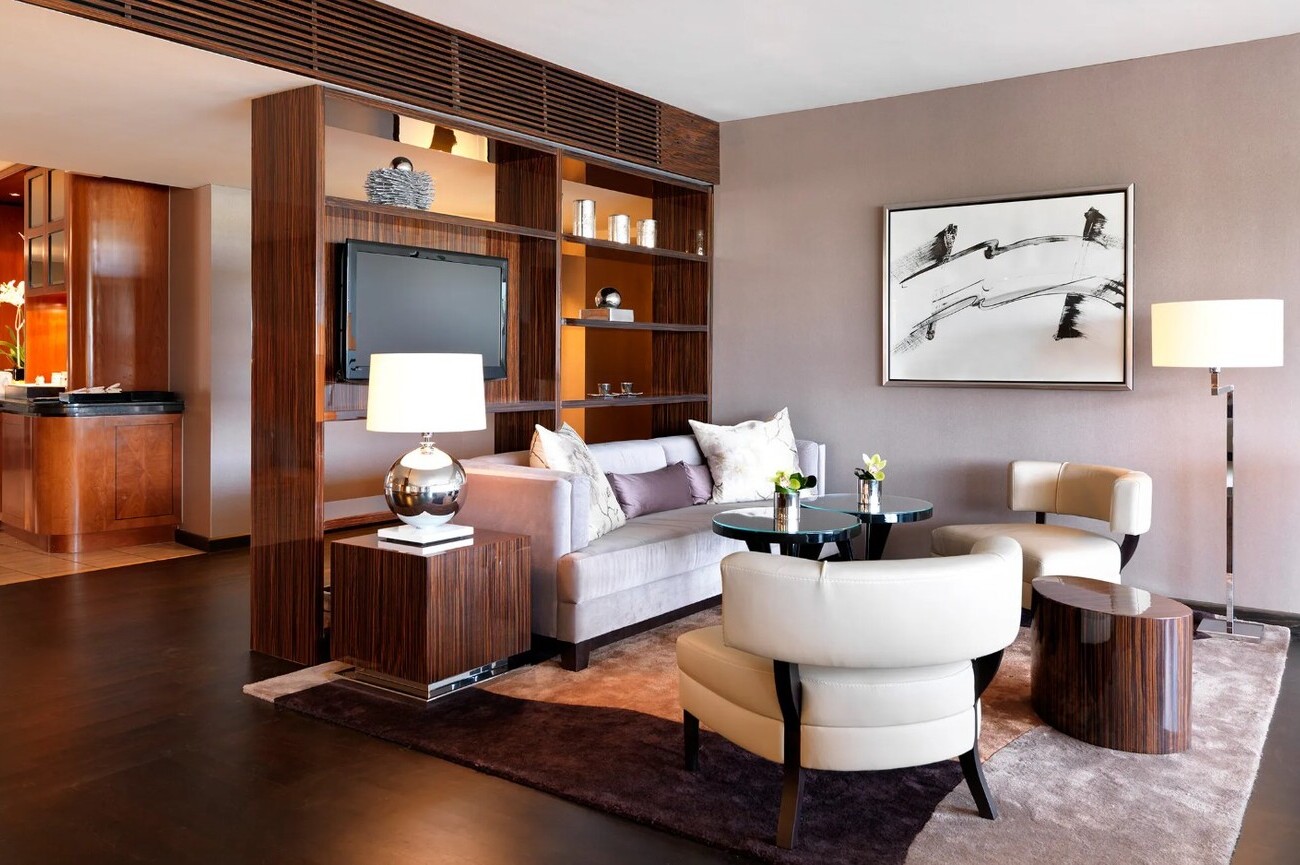
- Hyatt Regency Köln (5 stars): Positioned directly on the Rhine River, the Hyatt Regency Köln is known for offering some of the most impressive views in the city. Many rooms overlook both the river and Cologne Cathedral, creating a skyline panorama. Rooms are spacious and equipped with all the amenities expected from an international five-star property, while upgraded rooms and suites provide access to the Regency Club Lounge. You can also enjoy the wellness facilities, which include an indoor swimming pool, sauna, steam room and a comprehensive spa offering massages and treatments.
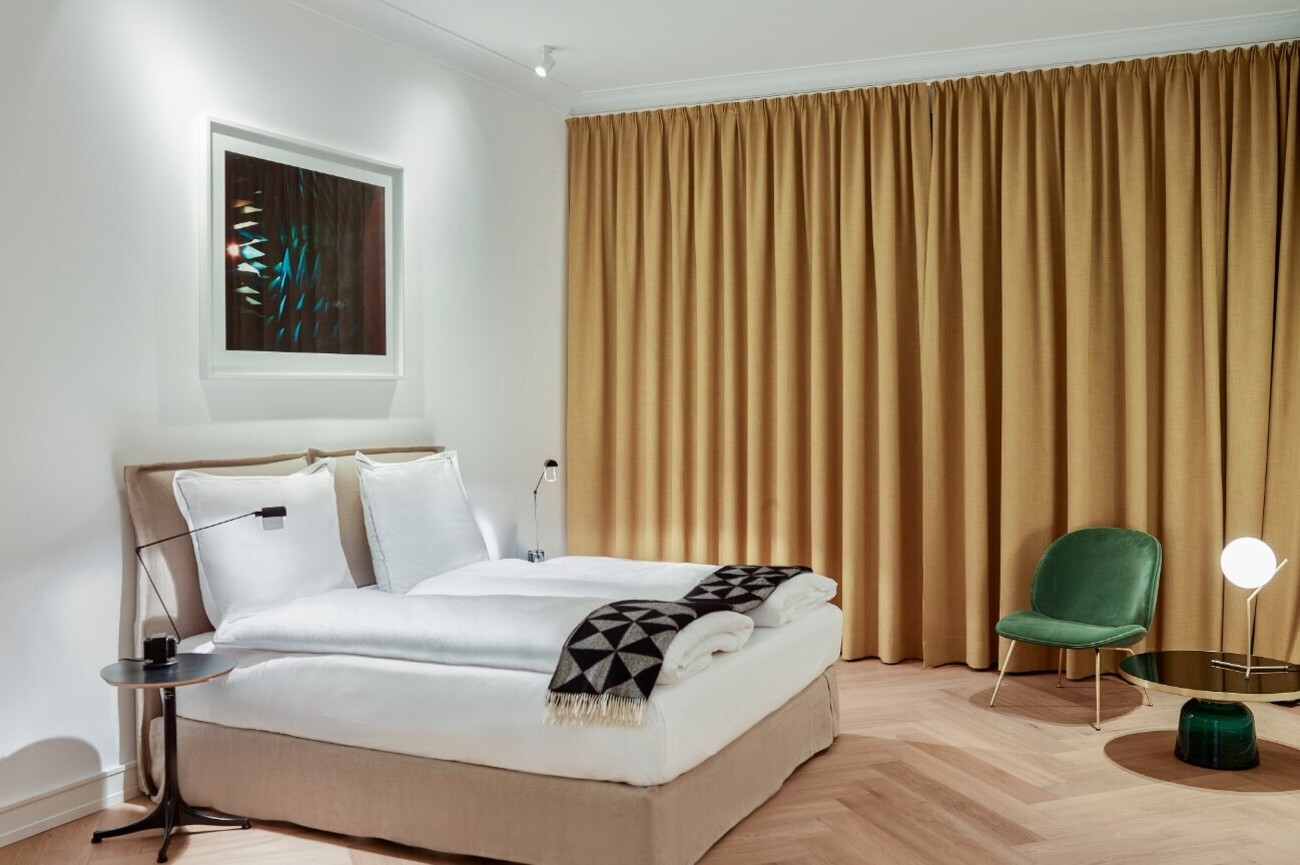
- The Qvest (4 stars): The Qvest is one of Cologne's most distinctive boutique hotels and easily one of the most architecturally fascinating places to stay in the city. Housed inside a former neo-Gothic archive building dating back to 1897, it occupies one of the few historic structures in Cologne that survived World War II largely intact. Original Gothic architecture sits alongside iconic furniture from designers such as Le Corbusier, Ludwig Mies van der Rohe and Charles Eames. Every room features carefully selected artwork, design books and unique layouts.
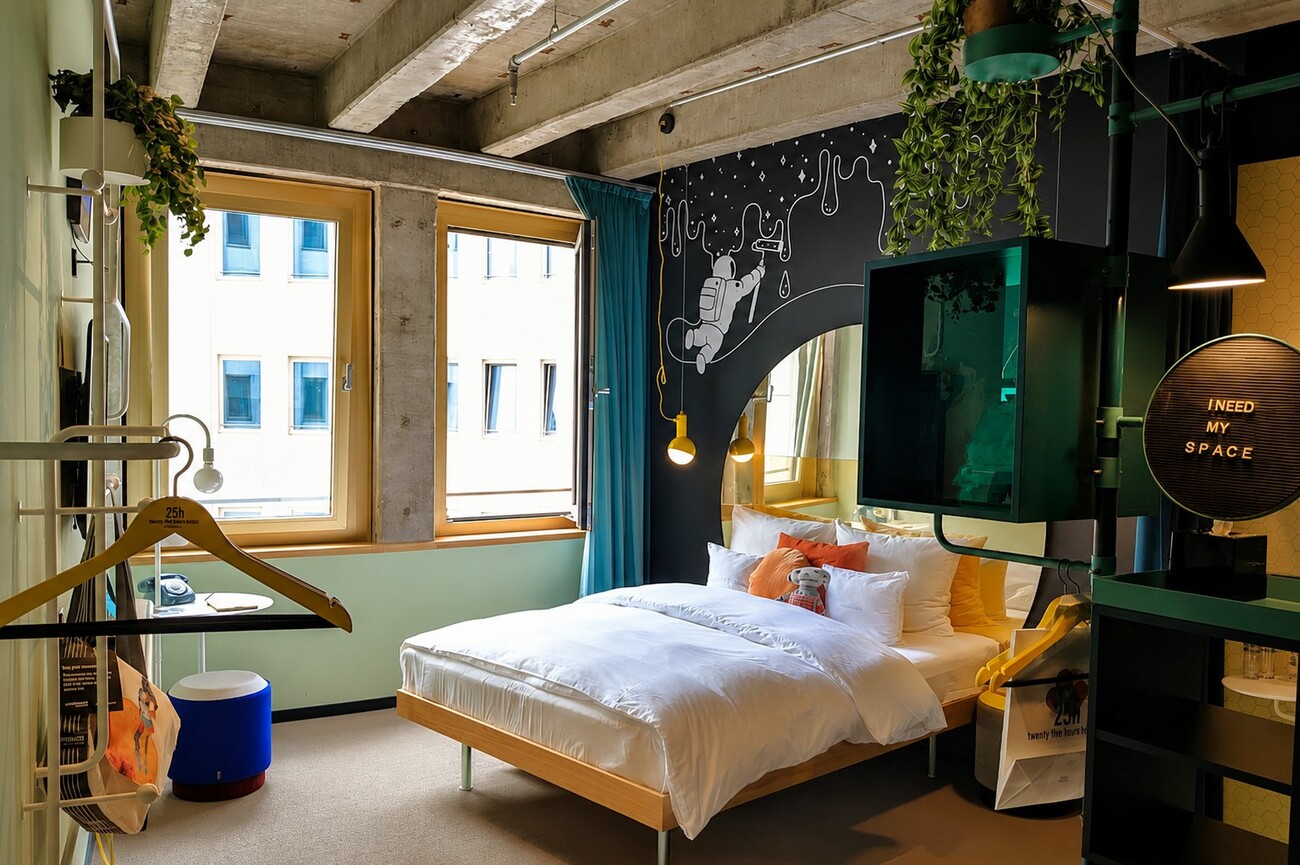
- 25hours Hotel The Circle (4 stars): Set inside a landmark circular building, the property embraces a playful retro-futuristic design inspired by optimistic visions of the future from the late twentieth century. Rounded forms, pastel colors and creative interiors give the hotel a personality. Social spaces are a major part of the concept, particularly the rooftop Monkey Bar and NENI restaurant, both of which offer impressive views across the city skyline. You can also explore beyond the property with complimentary bicycle rentals and local running routes.
- Hotel Domstern (3 stars): Located just a short walk from Cologne Central Station, the cathedral and the Old Town, this family-run property has earned a loyal following through its personal service and welcoming atmosphere. The hotel occupies a historic building and offers just sixteen non-smoking rooms, giving it a much more intimate feel than larger chain properties. This is the hotel for you if you want a combination of location, service and affordability.
Best
Time to Visit Cologne
For the best mix of weather, atmosphere and sightseeing conditions, visit Cologne in late spring.
Between May and early June, the city settles into a rhythm that works exceptionally well for travelers. Days are comfortably mild, outdoor spaces are fully active and the longer daylight hours make it easy to fit more into your itinerary. Whether you're spending time in museums, shopping districts, public squares or along the Rhine, the city feels open and easy to explore.
This period also showcases Cologne at one of its most attractive moments of the year. Trees and gardens are in full bloom, outdoor dining returns in full force and many of the city's public spaces feel noticeably more vibrant. There is a steady flow of activity throughout the day, but it rarely feels overwhelming.
Late spring is particularly well suited to a multi-day visit. Attractions operate at full capacity, guided tours are widely available and comfortable temperatures make walking between sights far more enjoyable. It is the kind of season that allows you to spend more time exploring and less time adjusting your plans around the weather.
If there is a season that captures Cologne at its most complete, this is it. The city feels confident, lively and effortless, with everything operating at full speed and the atmosphere matching the energy of the streets. For first-time visitors and returning travelers alike, late spring offers the strongest version of Cologne and the most rewarding time to experience the city.
Festivals
in Cologne
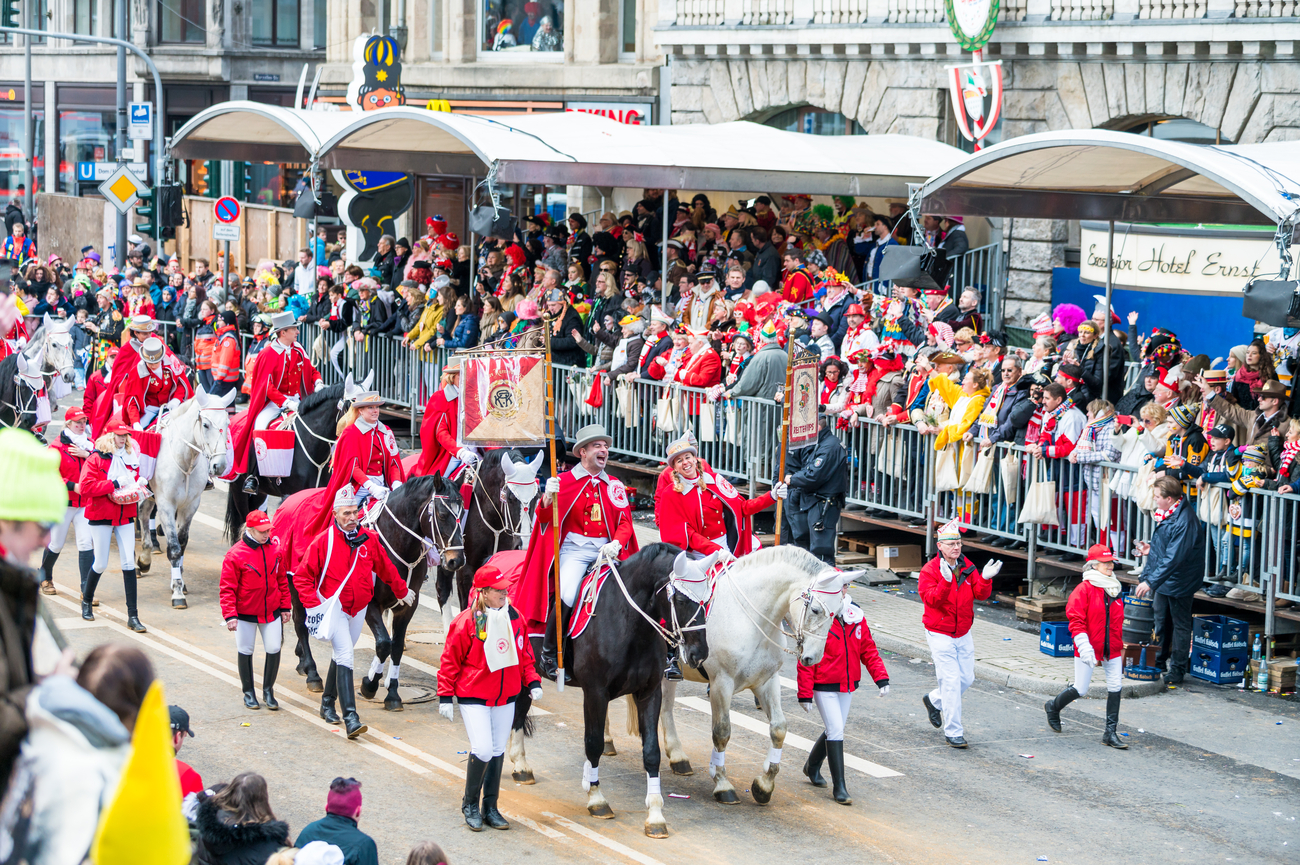
- Cologne Carnival: Cologne Carnival is the city’s most famous annual event and one of the largest carnival celebrations in Europe. The season officially begins on 11 November, but the main celebrations take place in February or March, depending on the date of Easter. During the final week before Lent, the city comes alive with parades, costumes, music, parties and traditional performances. The highlight is Rose Monday, when large floats, marching bands and costumed groups fill the streets. For visitors who want to experience Cologne at its most energetic and traditional, Carnival is one of the most memorable times to visit.
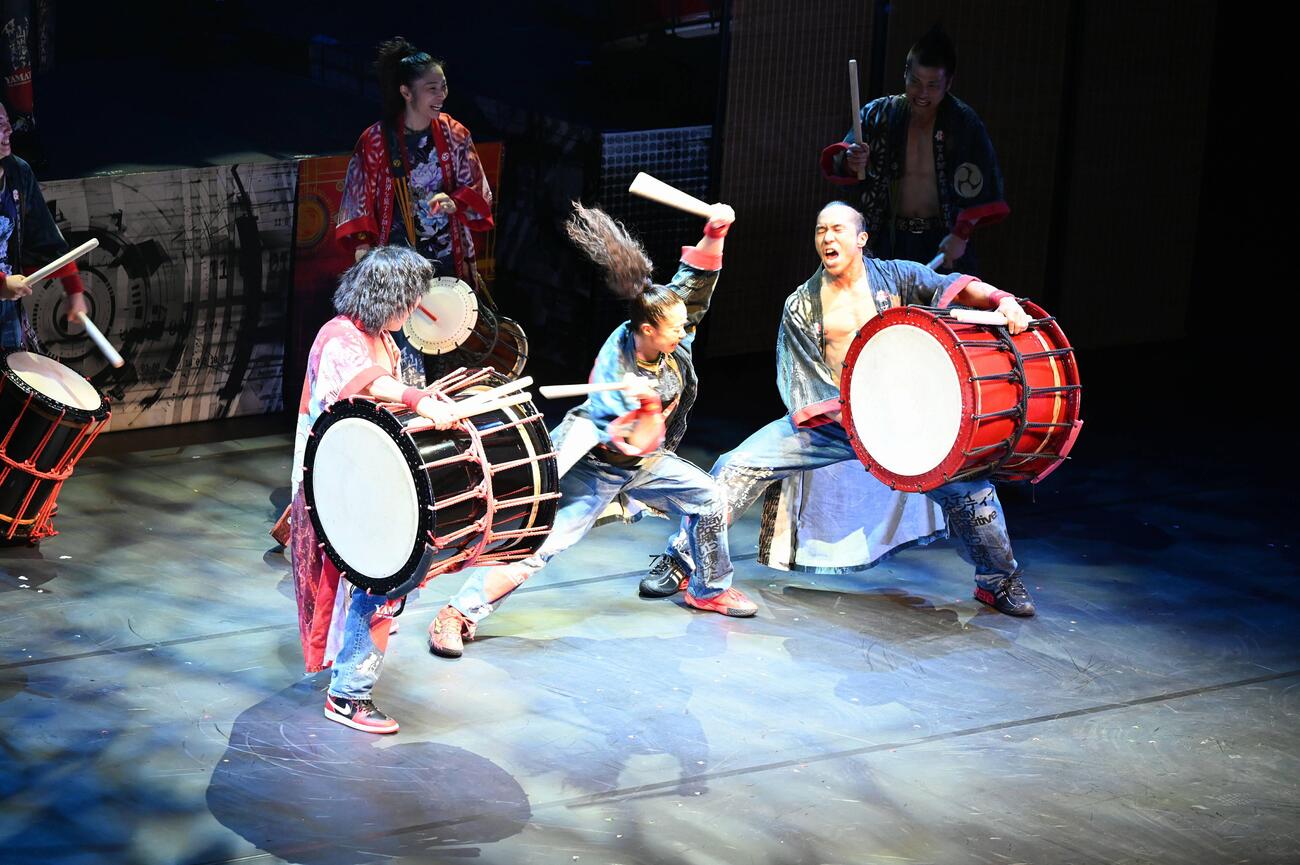
- Kölner Sommerfestival: Held annually in July and August at the Kölner Philharmonie, the Kölner Sommerfestival is one of Cologne’s major summer cultural events. Its programme focuses on international stage productions, including musicals, dance, show performances and contemporary theatrical works. The festival brings high-quality productions to one of the city’s most prestigious venues and offers visitors a lively way to experience Cologne’s cultural scene.
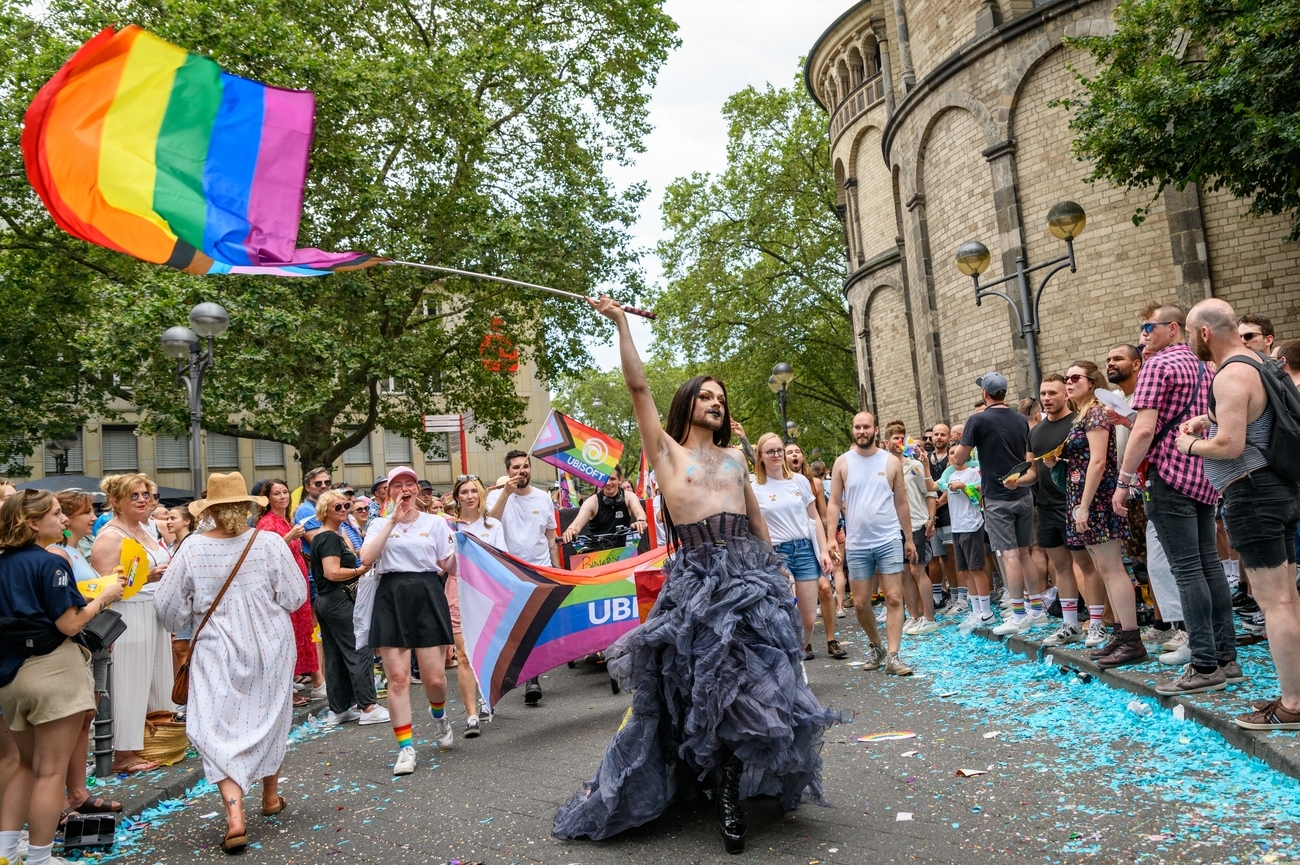
- Cologne Pride: Cologne has long been known as one of Germany's most open and inclusive cities, and nowhere is that more visible than during Cologne Pride. Held annually in late June and early July, the celebration transforms large parts of the city into a vibrant mix of concerts, cultural events, community gatherings and public festivities. The highlight is the Christopher Street Day parade, one of the largest Pride parades in Europe, which attracts hundreds of thousands of participants and spectators.
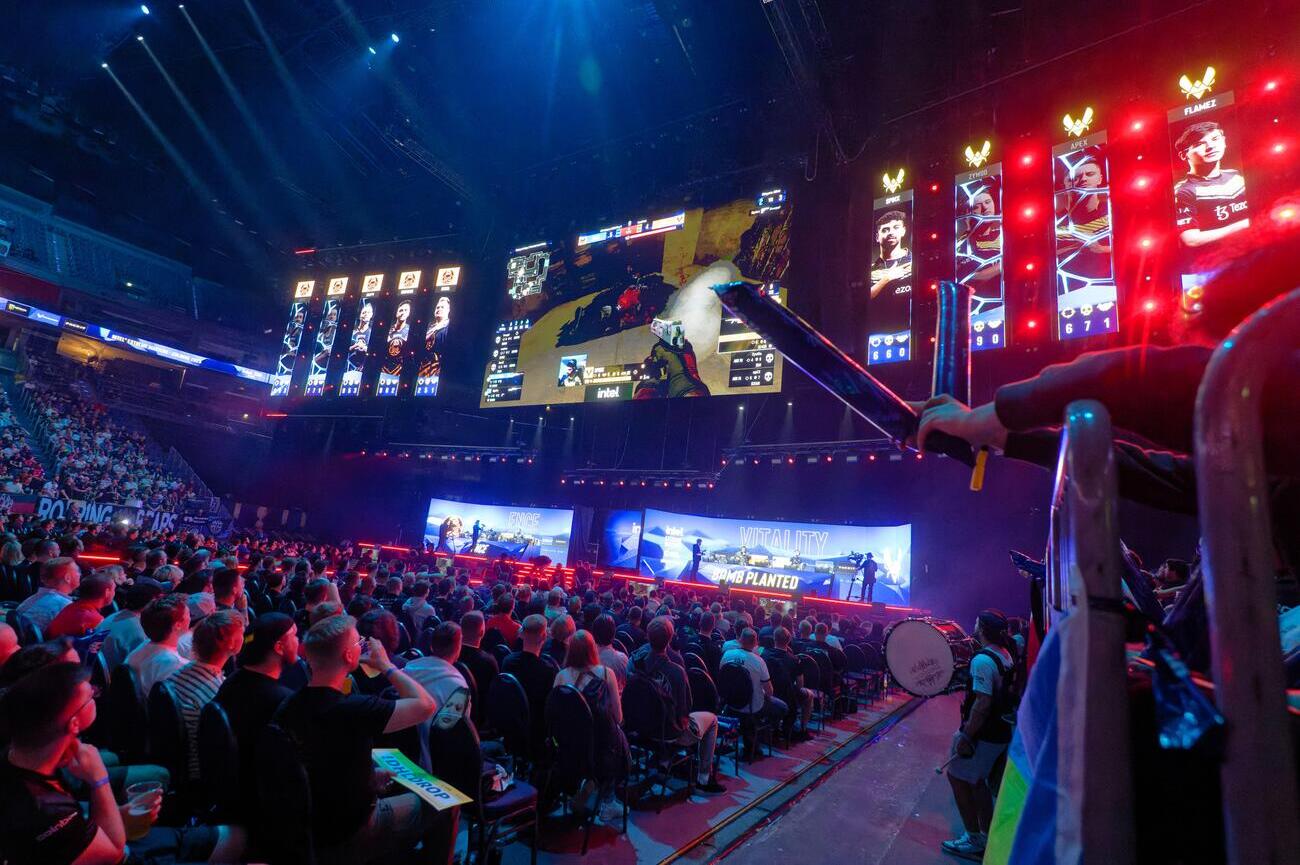
- IEM Cologne: Every summer, usually in July or August, Cologne becomes one of the most important cities in the global esports calendar. IEM Cologne brings together elite teams, passionate fans and millions of online viewers for a tournament that is often described as one of competitive gaming's most prestigious events. This event is hosted at the Lanxess Arena and it generates an atmosphere comparable to a major sporting championship. If you are a gaming enthusiast, you should not miss out on this.
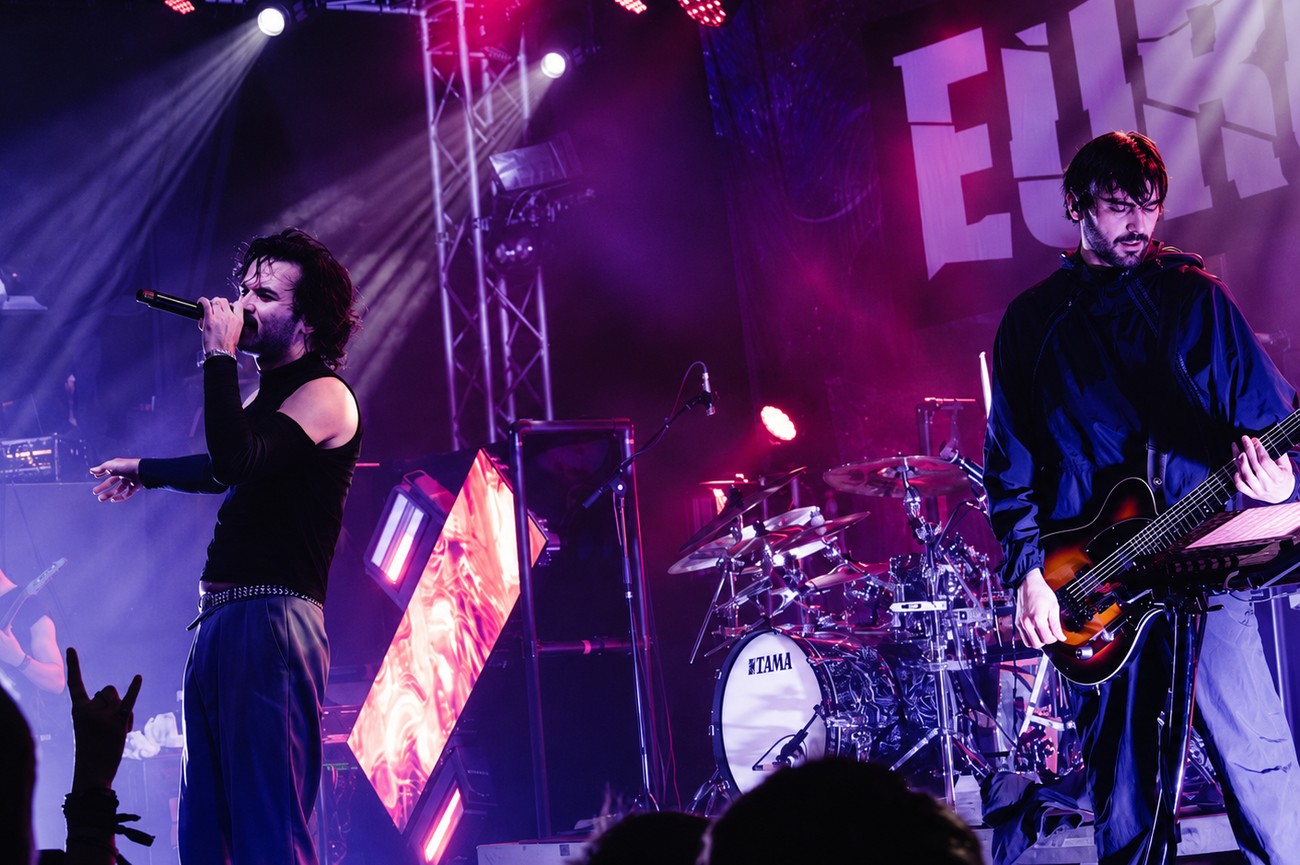
- Euroblast Festival: Fans of progressive metal know exactly what September means in Cologne. That is when Euroblast Festival typically takes place, drawing musicians and audiences from across Europe for several days of technically ambitious and genre-defying performances. When you attend this event, you can be a part of a strong community atmosphere where artists and fans interact far more closely than at many larger festivals.
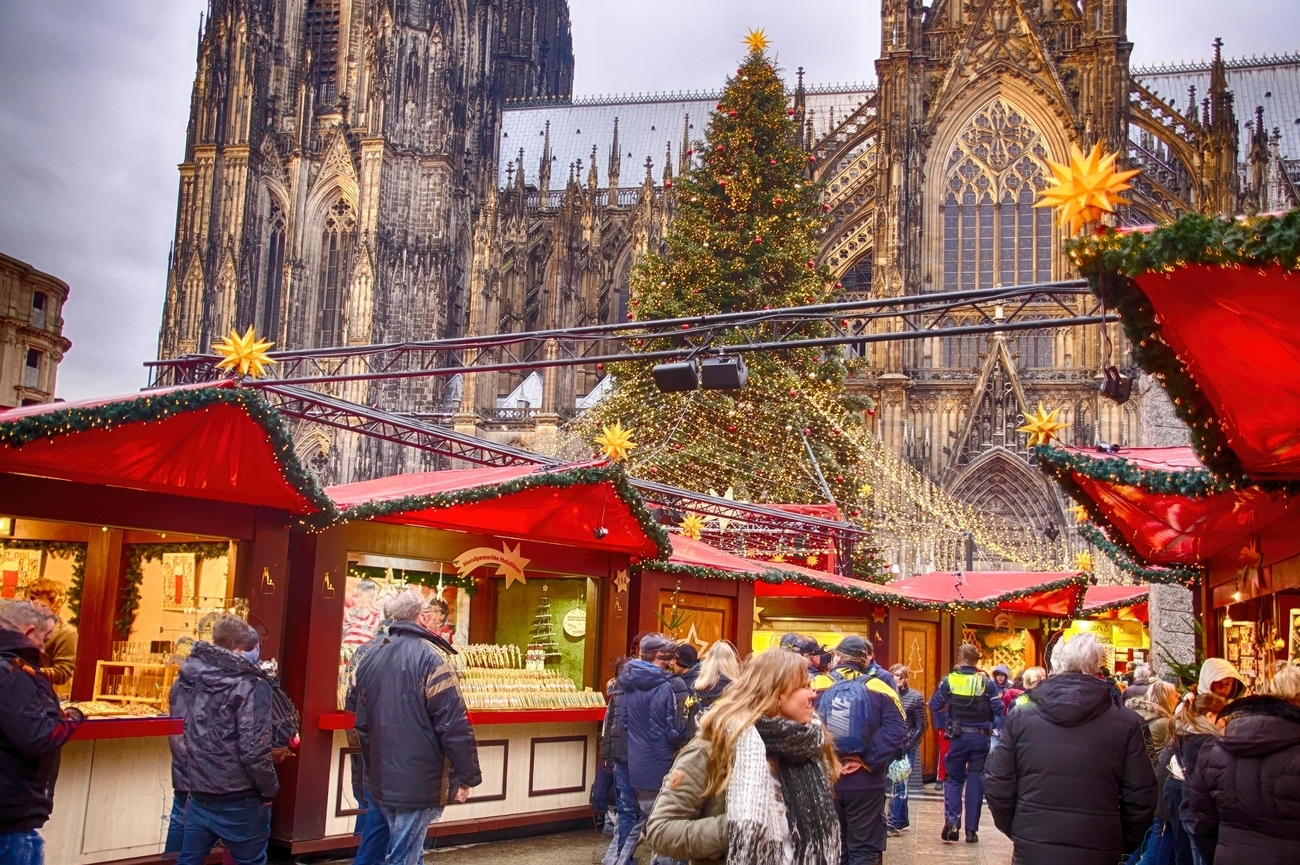
- Weihnachtsmärkte: As November gives way to December, Cologne begins its annual transformation into one of Germany's most popular Christmas destinations. Christmas markets appear throughout the city, each offering its own character, seasonal food, festive decorations and handcrafted gifts. Twinkling lights, live entertainment and traditional holiday treats create an atmosphere that feels festive. You will definitely enjoy the single most magical time of year to visit Cologne.

Let us know what you love, where you want to go, and we’ll design a one-of-a-kind adventure you’ll never forget.
Get in touch
Miriam
Travel Specialist

Romina
Travel Specialist

Laura
Travel Specialist
Our offices:



Revigorate, Iberian Escapes and Algarve Lifestyle are the registered brand names of APCS Lda . We are a fully authorised travel agency licensed by Turismo de Portugal RNAVT/6867.
In the event of a dispute, the consumer may refer to: RAL - Centros de Arbitragem
Avª. 5 de Outubro, nº. 55, R/C Dtº. 8000-075 Faro, Portugal | Tel: +351 289 823 135 *
* national landline call
E-mail: info@consumoalgarve.pt| www.consumidoronline.pt | Mon to Fri: 9:00 - 13:00 / 14:00 - 17:00