Things to Do in Leipzig: 3-Day Itinerary
Leipzig is one of Saxony’s most culturally significant cities, combining music history, historic churches, museums, trading heritage and a strong contemporary creative scene within a compact and walkable centre.
Many of the city’s key landmarks sit close together, including Markt, the Old Town Hall, Nikolaikirche, Thomaskirche, Mädler Passage and Augustusplatz. Leipzig is also closely associated with Johann Sebastian Bach, Felix Mendelssohn and Robert Schumann, giving music an unusually strong presence throughout the city.
Beyond the historic centre, Leipzig changes character quickly. Plagwitz brings canals, studios and repurposed industrial buildings, while other districts reveal major cultural landmarks such as the Monument to the Battle of the Nations, Panometer Leipzig and the German National Library.
This 3-day Leipzig itinerary brings these different sides of the city together, with time for historic landmarks, music, museums, creative districts, dining and nearby excursions without making the route feel rushed.
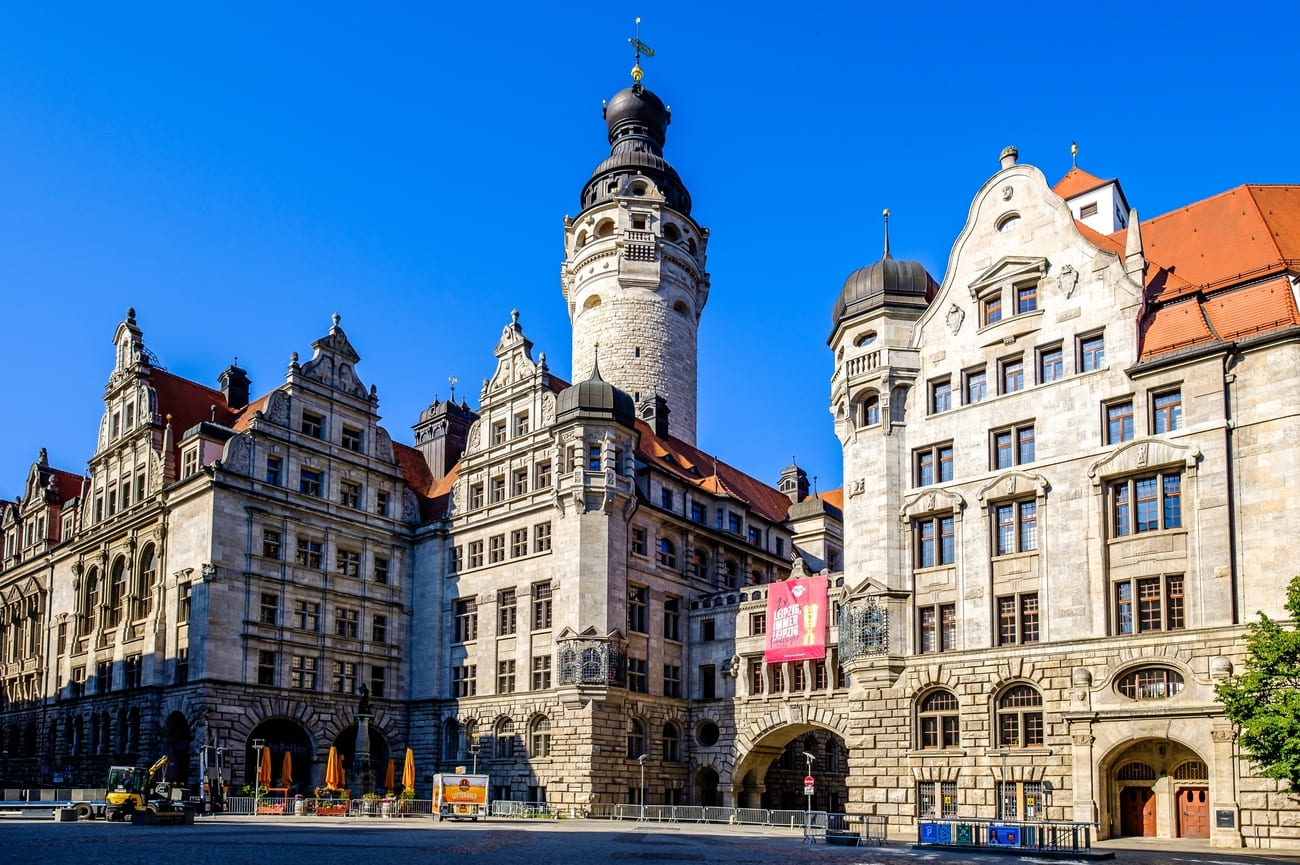
Day 1

Morning: Promenaden Hauptbahnhof Leipzig
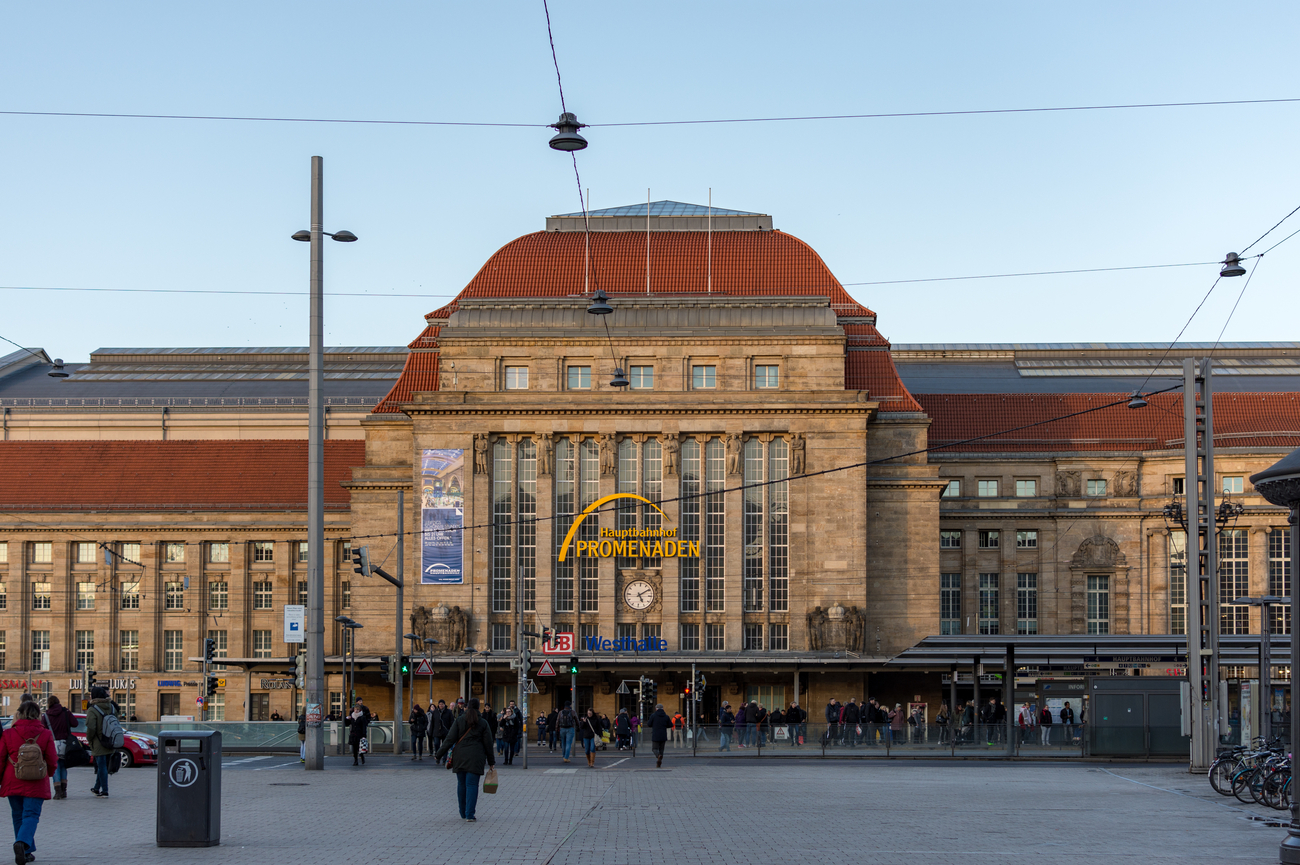
Promenaden Hauptbahnhof Leipzig is a practical starting point for the tour because it combines arrival, shopping and architecture in one place. Located inside Leipzig Central Station, it gives you an immediate sense of the city’s scale without needing a long transfer first.
The station itself is one of Leipzig’s major landmarks. It is known as Europe’s largest terminal station, and the shopping promenades sit across three levels beneath the station’s grand halls and glass-roofed interiors. The space feels bright, structured and active, with wide walkways, historic stone details, modern shopfronts and constant movement from both commuters and visitors.
The shopping side is also stronger than a normal train station setup. Promenaden Hauptbahnhof Leipzig has more than 140 shops and services, including fashion, beauty, electronics, lifestyle stores and everyday travel essentials. You can use this stop to browse, reset after arrival or ease into the day before walking toward the historic center.
Höfe am Brühl Mall
From Promenaden Hauptbahnhof Leipzig, Höfe am Brühl is an easy next move. You leave the station area and walk less than 300 meters toward Brühl, which takes around 4-5 minutes at a normal pace.
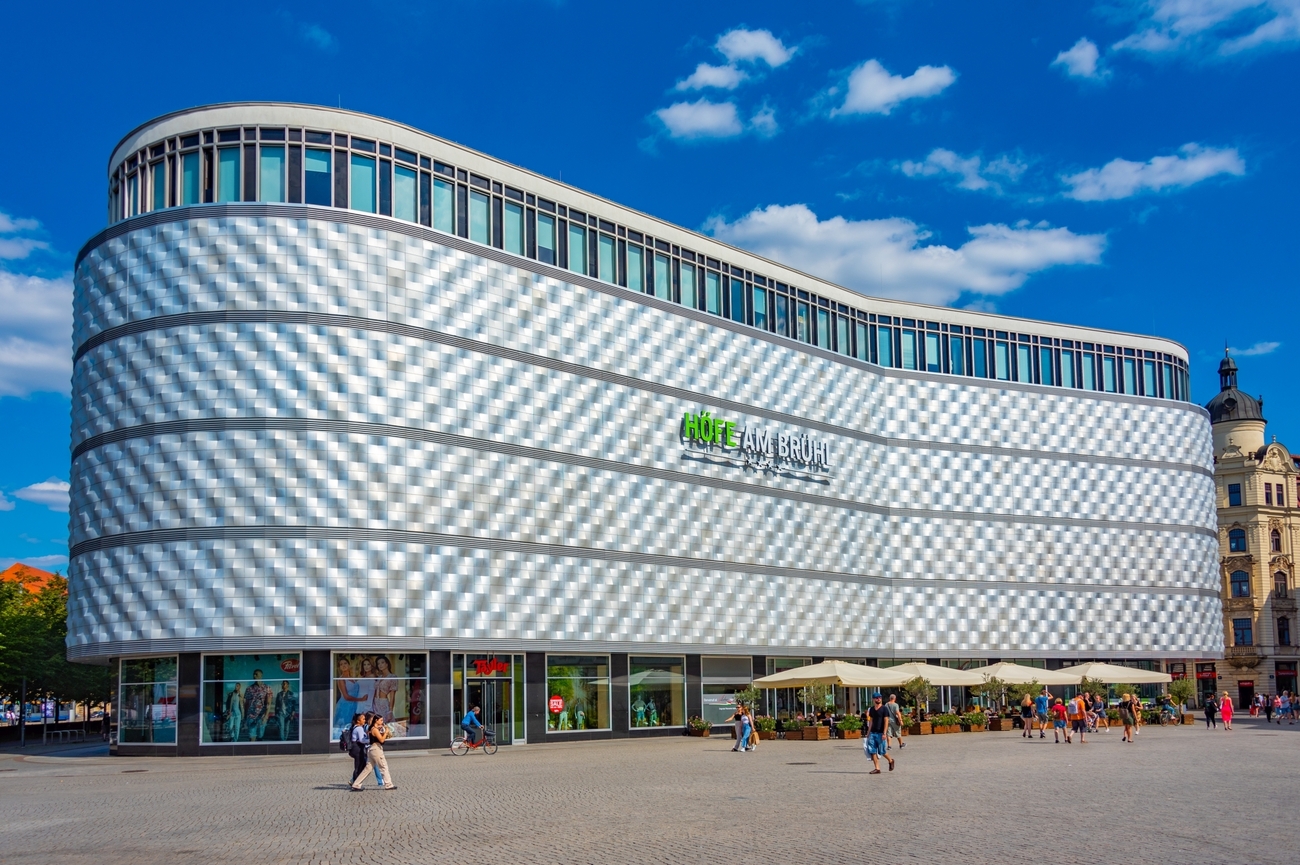
Höfe am Brühl is one of Leipzig’s main city-center shopping malls, with more than 100 stores spread across three levels. It opened in 2012 and works as a quick lifestyle stop before moving deeper into the old town. The atmosphere is modern and bright, with glass-covered walkways, sleek interiors, escalators, open retail floors and a steady flow of locals, shoppers and visitors.
The site also has a longer backstory. Before the current mall, this area was home to the former Konsum department store, originally opened in 1908 and later known for its “Blechbüchse” or “tin can” aluminum façade. Parts of that architectural identity were preserved, including the distinctive metal façade and a remnant of the older sandstone façade. So even though the place functions as a modern shopping center, it still carries a piece of Leipzig’s retail history.
Leipzig Museum of Fine Arts
After Höfe am Brühl, the Leipzig Museum of Fine Arts is a short walk deeper into the city center. It sits on Katharinenstraße, close to Markt and the old town streets, making it easy to move from shopping into culture without changing the pace of the day too much.
The Museum der bildenden Künste Leipzig, often called MdbK, is one of the city’s major art institutions. You can do a quick highlights-style walkthrough, spend more time with the permanent collection or use the museum as a more peaceful reset between busier commercial stops.
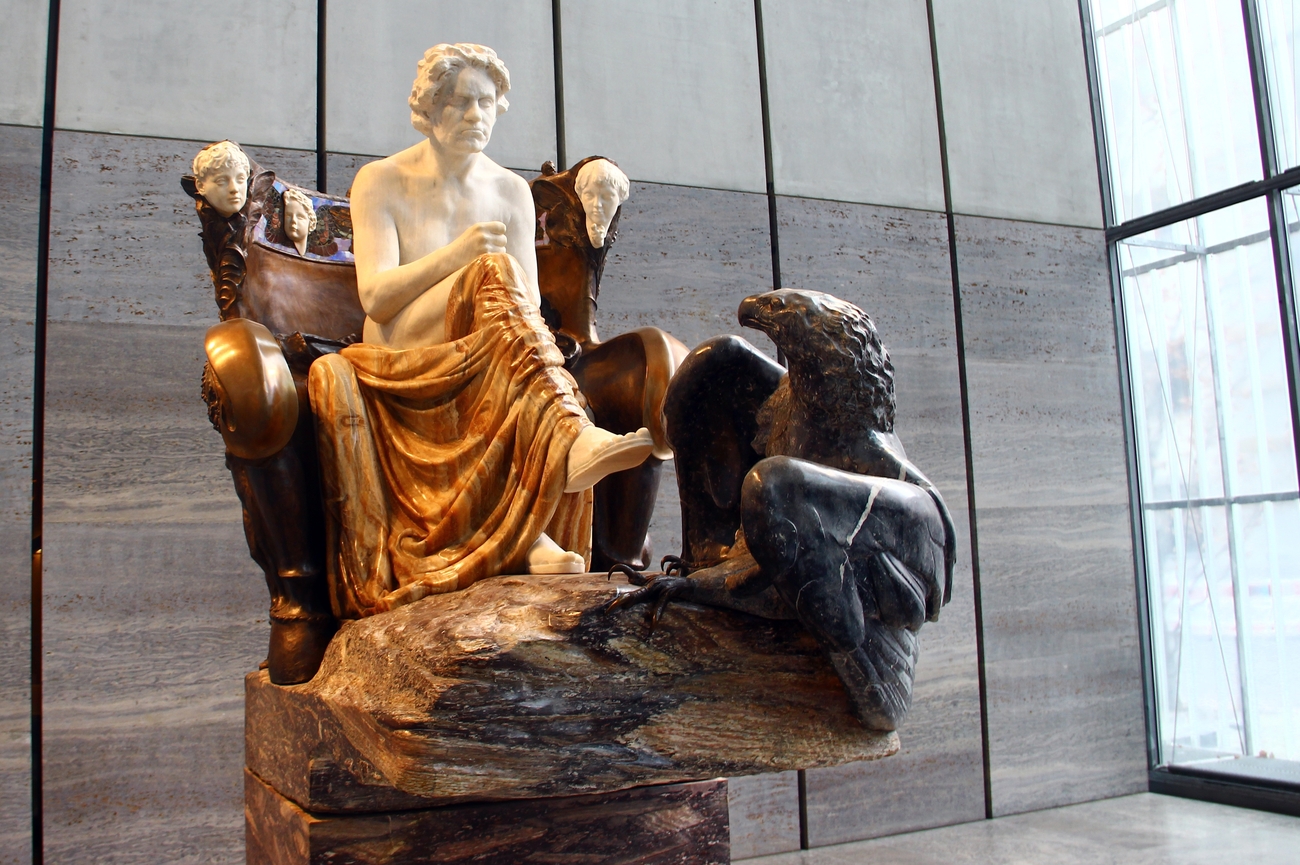
The current museum opened in 2004 and was designed as a 36-meter-high glass cube surrounded by courtyards and terraces. But the museum’s history goes much further back than the modern building. Its roots are tied to Leipzig’s 19th-century collecting culture, with the city museum established in 1848 and a major museum building later opened on Augustusplatz in 1858. After the old building was destroyed during the Second World War, the collection moved through temporary spaces before the new MdbK opened in its current location.
You can borrow the MdbK Pocket Tour at the ticket office, which gives you simple tools and creative prompts to explore the artworks in a more interactive way. It’s designed for kids, but it works just as well if you want a more engaging visit. You can even take the cards home as a small keepsake. And if you’re there on a Thursday, you can also drop into the Open Studio from 3:30 PM to 6:00 PM on the second floor. You can draw, design or just relax and connect with others, making the museum feel less formal and more hands-on.
Stadtgeschichtliches Museum Leipzig
From the Leipzig Museum of Fine Arts, head toward Markt and the Stadtgeschichtliches Museum Leipzig at the Old Town Hall. It is a quick central walk, so the route stays compact and efficient.
The Stadtgeschichtliches Museum Leipzig is the city’s history museum. The building itself already makes the stop worthwhile: a Renaissance landmark facing the market square, with historic rooms, wood-paneled interiors, exhibition halls and city-history displays that feel directly tied to the streets outside. It is not just a museum placed inside an old building; the building is part of the story.
The permanent exhibitions cover Leipzig from the medieval period to the Battle of Leipzig, then continue into modern times from the 19th century to the present. You get trade history, civic life, political shifts, cultural development and the city’s major turning points in one place. And you can join themed guided tours built around Leipzig’s collections, hidden details, expert commentary and more personal stories from the city’s history.

Day 1 - Leipzig Morning Tour Map
Afternoon: Naschmarkt
Step out from the Old Town Hall side and you are practically there, tucked just behind Markt. Naschmarkt is a small historic square in Leipzig’s old center, positioned between the Old Town Hall and the Old Stock Exchange.
Naschmarkt was laid out in the 16th century and still carries that old-city atmosphere through its cobblestones, surrounding façades and quieter layout. The square is also connected to Leipzig’s literary history through the Goethe Monument, which shows Johann Wolfgang von Goethe as a young student. Goethe studied in Leipzig from 1765 to 1768 and the monument gives the square a more cultural angle without making the stop feel too formal.
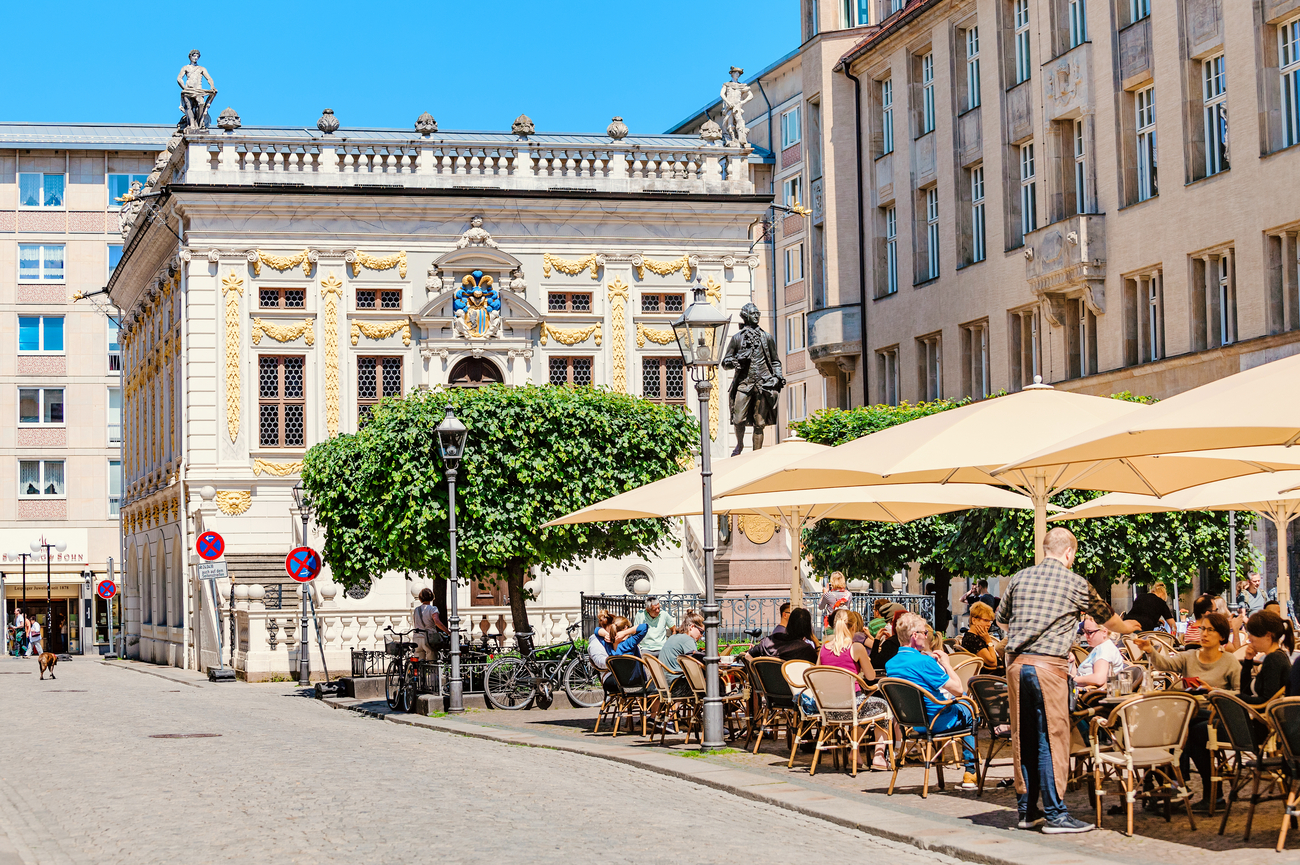
Alte Börse
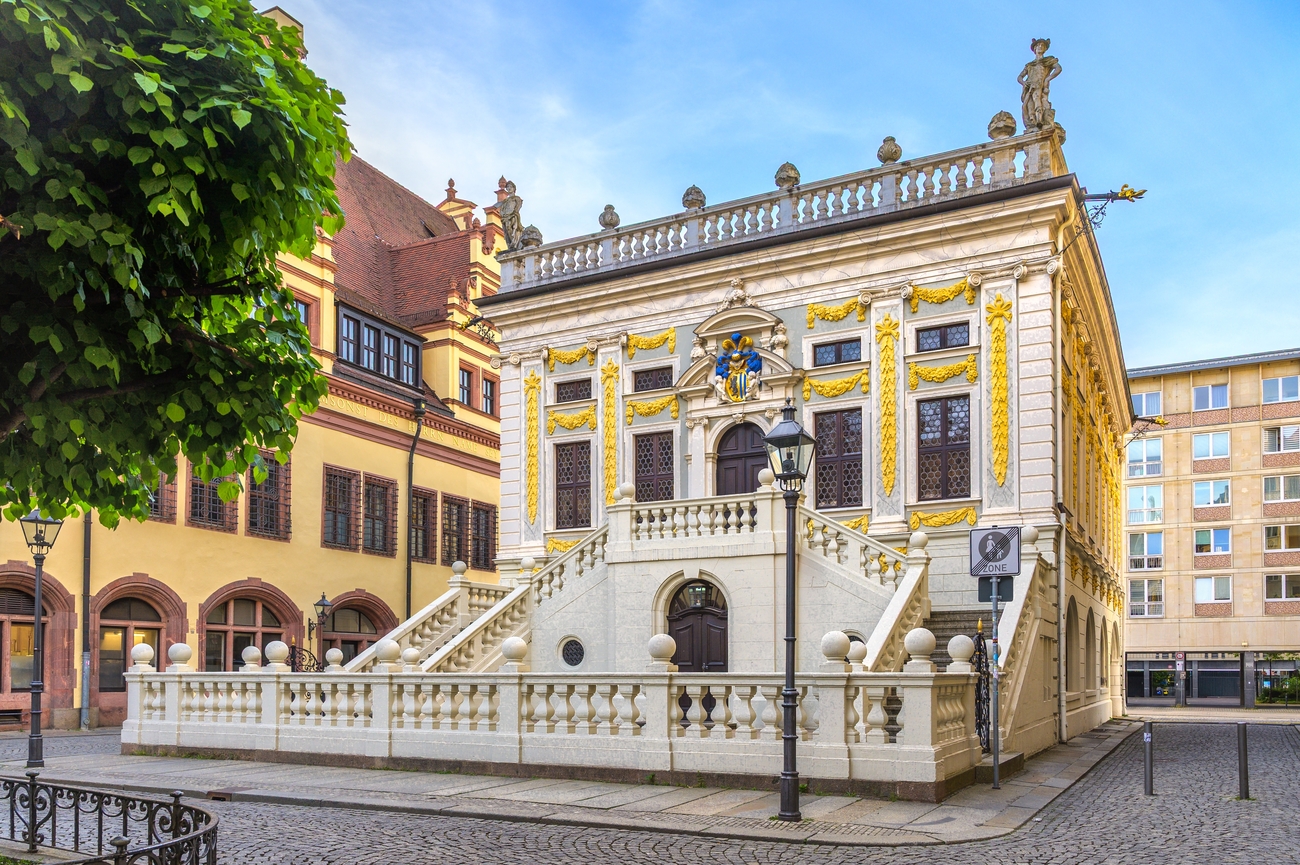
Standing on Naschmarkt, you will already see the Alte Börse directly on the square. Simply walk across the plaza toward the white Baroque building with the double staircase. It is only a short, direct walk.
Alte Börse, also known as the Old Stock Exchange, is Leipzig’s oldest Baroque building and one of the clearest reminders of the city’s merchant past. It was built in 1678 by Leipzig merchants and served for around 200 years as a formal place for business meetings, auctions and financial transactions. The exterior is marked by white Baroque facade, gold ornamental details, tall windows, rooftop sculptures and a double staircase that gives the building a very formal presence despite its modest size. The interior is centered on a simple but elegant hall, now used for cultural events and private functions.
And if you want to experience Alte Börse, you can treat it as a private cultural stop instead of only viewing it from outside. The hall is used for concerts, lectures, conferences and private events, and it can accommodate up to 199 people.
St. Nicholas Church
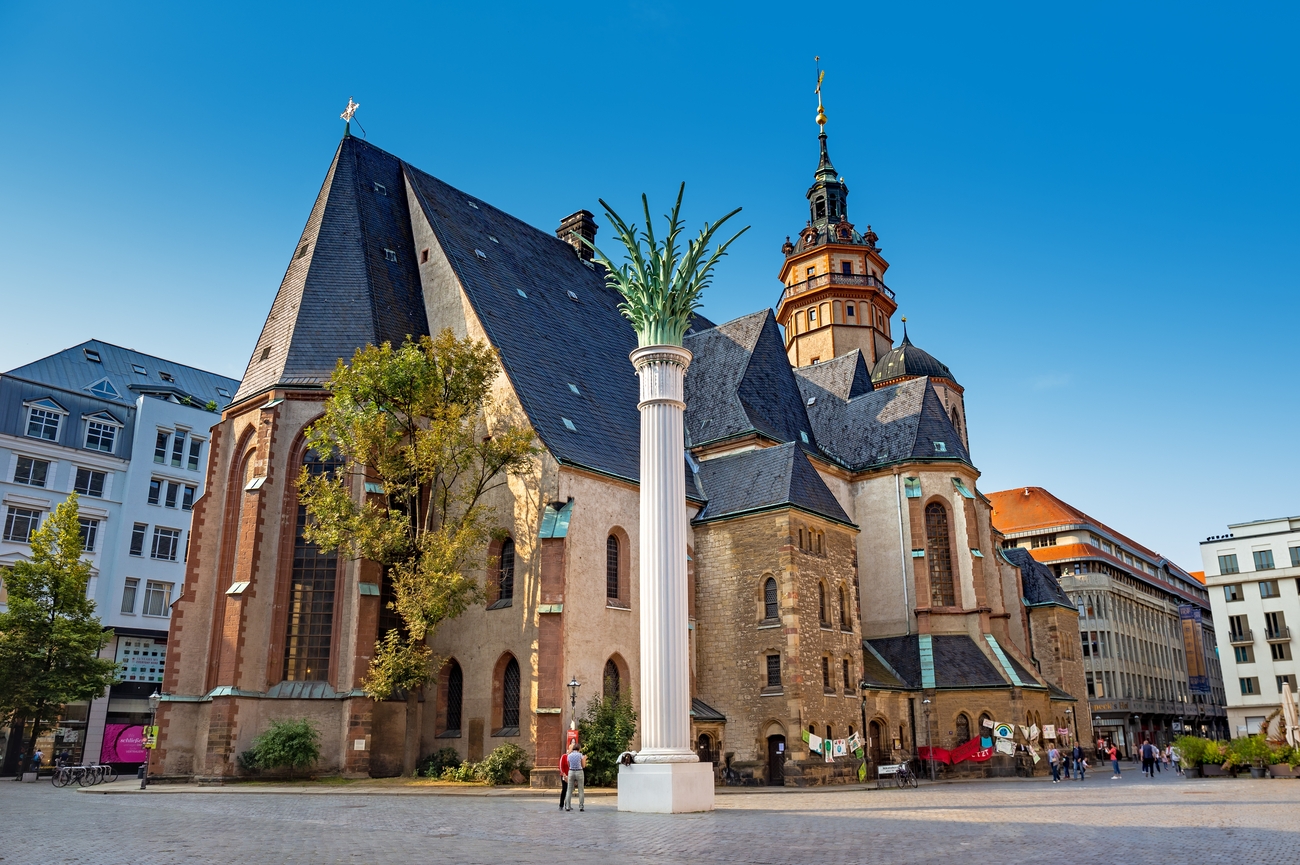
From Alte Börse, continue east through the old center toward St. Nicholas Church. The walk is short and straightforward, passing through one of Leipzig’s most central areas, so this next stop keeps the afternoon route easy.
St. Nicholas Church or Nikolaikirche is the oldest and largest church in Leipzig. It has been part of the city since the 12th century and still plays a major role in how Leipzig presents its history today. The church is strongly linked to Johann Sebastian Bach, who was responsible for music at both St. Nicholas Church and St. Thomas Church during his Leipzig years. It is also known as a central starting point of the Peaceful Revolution in 1989, which gives the stop a deeper civic meaning beyond architecture.
The exterior has a strong historic presence, with Gothic elements, a tall tower and a calm square around it. Meanwhile, the church interior was redesigned in a classicist style around 1790, with pale colors, elegant columns and palm-like capitals that make the space feel lighter than expected. It is open and visually distinct, especially compared to the heavier church interiors found in many older European cities.
Speck’s Hof
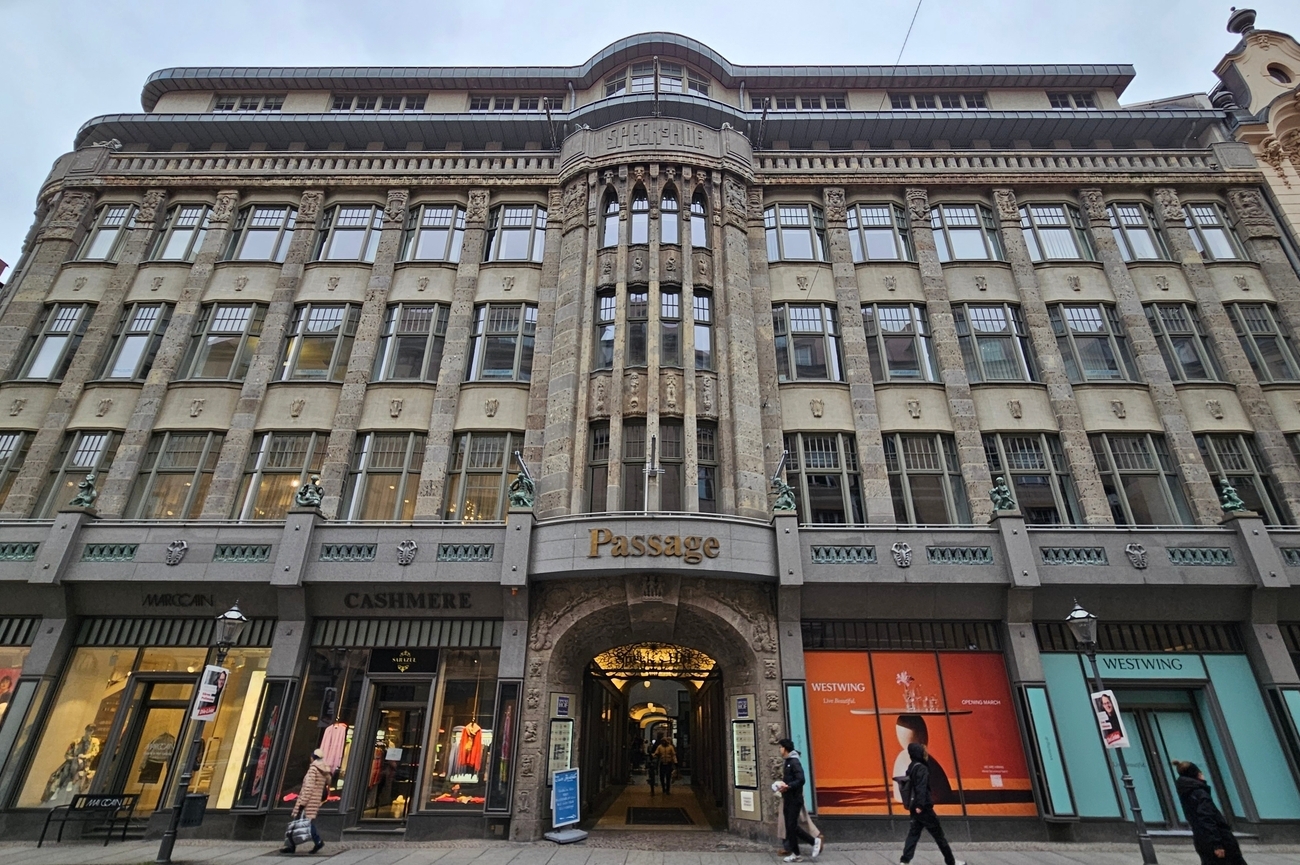
Starting at St. Nicholas Church, head toward Reichsstraße and continue into the historic center until you reach Speck’s Hof. This stop fits naturally into the itinerary, guiding you back into the city’s commercial area.
The building was developed between 1908 and 1929, on a site previously linked to a department store owned by Baron von Speck. Until 1989, Speck’s Hof was used as an exhibition space for leather and jewelry goods, which fits Leipzig’s long trade and fair history. Today, it mixes modern retail spaces with restored historic details, so the visit feels more curated than casual.
The passage has three atriums with glass roofs, decorative wall friezes, paintings and ceramic medallions created during the 1990s renovation. The interiors feel polished, with bright courtyards, tiled floors, shopfronts, old structural details and enough visual texture to make the walkthrough feel worth it.
Evening: Mädler-Passage
From Speck’s Hof, make your way toward Grimmaische Straße and continue into Mädler-Passage for the evening stop. The walk stays within Leipzig’s central shopping core.
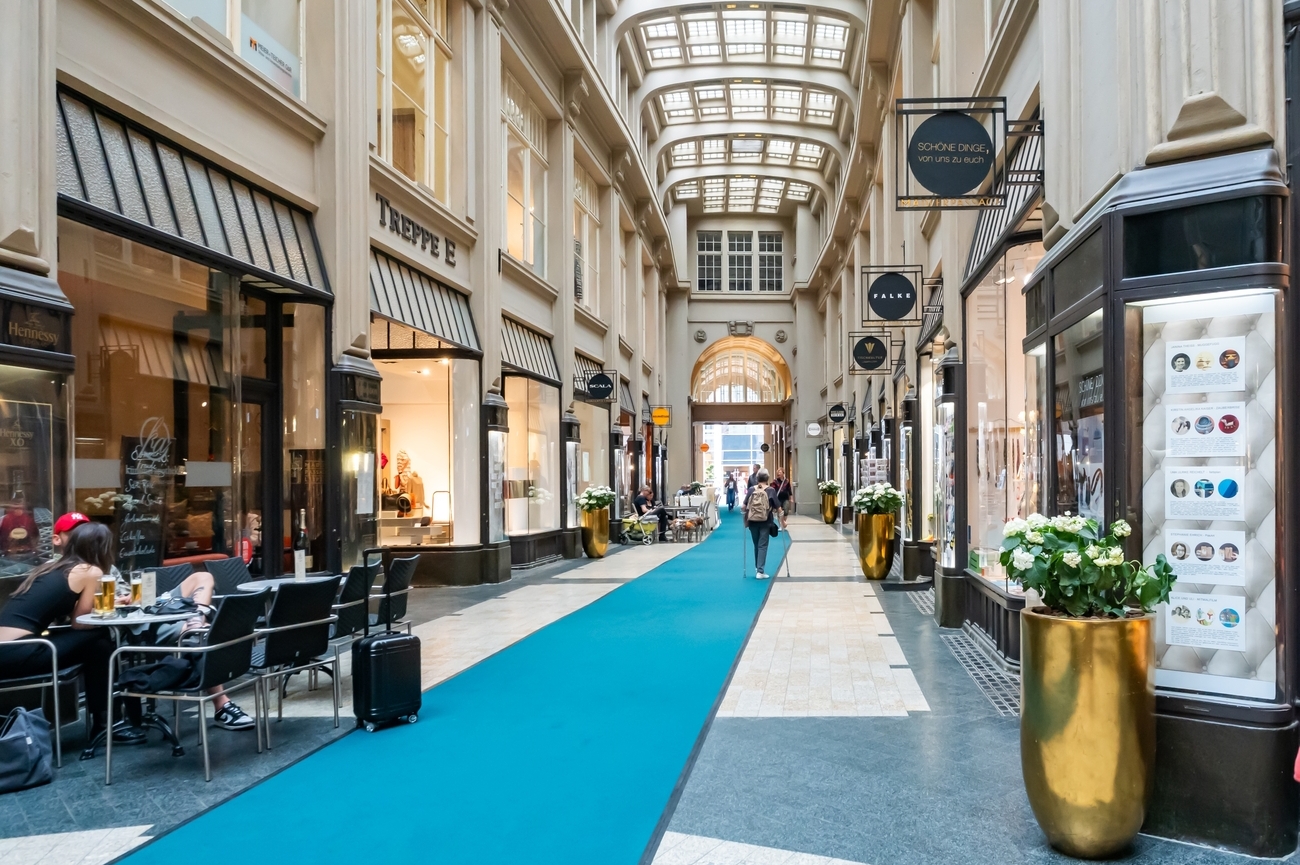
Mädler-Passage is one of Leipzig’s most famous shopping arcades and one of the city’s most elegant interiors. It was constructed between 1912 and 1914 under Anton Mädler, on the historic site of Auerbach’s Hof. The passage was designed as both an inner-city exhibition hall and a shopping arcade. The passage runs for about 140 meters and is covered by glass roofing, with a central rotunda, historic facades, decorative details and classic storefronts that feel especially good in the evening light. It has that old Leipzig trade-city energy, but with a more curated, upscale feel.
Aussichtsplattform Panorama Tower
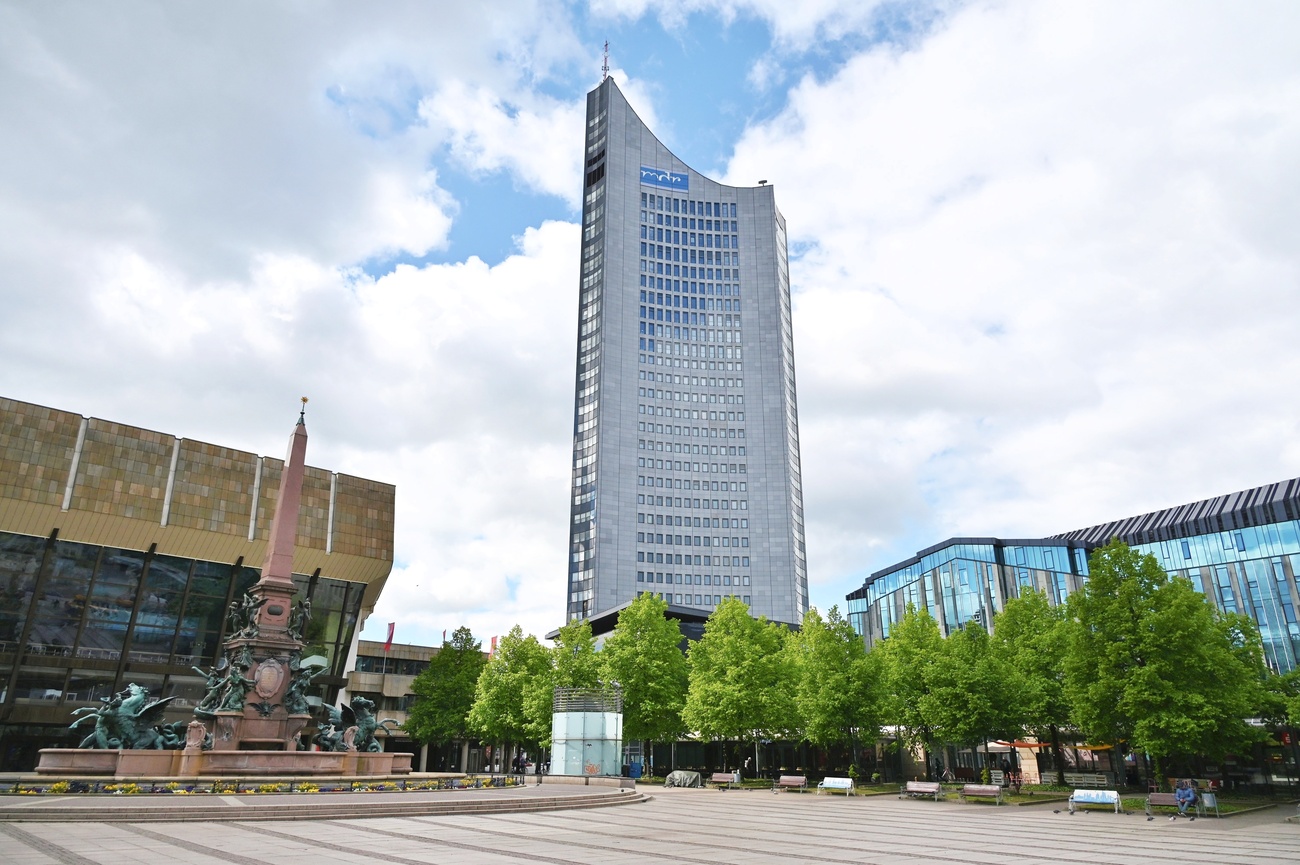
Mädler-Passage to Aussichtsplattform Panorama Tower is around 8 minutes on foot. The route leads to Augustusplatz 9, keeping the final stop within Leipzig’s city center and close to major landmarks around Augustusplatz.
Aussichtsplattform Panorama Tower is one of the best places to end the first day. The tower stands 142.5 meters high and is one of Leipzig’s most recognizable modern landmarks. After a full day of museums, churches, historic squares and shopping passages, this stop gives you a clear overview of the city from above. The viewing platform is located on the 31st floor. From there, you can see Leipzig’s old center, Augustusplatz, the surrounding rooftops, green areas and wider city layout.
Time your stop close to sunset or early evening so you can see the city as the light changes. You can also consider the venue for private celebrations, receptions or business events, as the viewing platform is available for arranged functions.
Day 1 - Leipzig Afternoon-Evening Tour Map
Day 2
Morning: Gohlis Palace
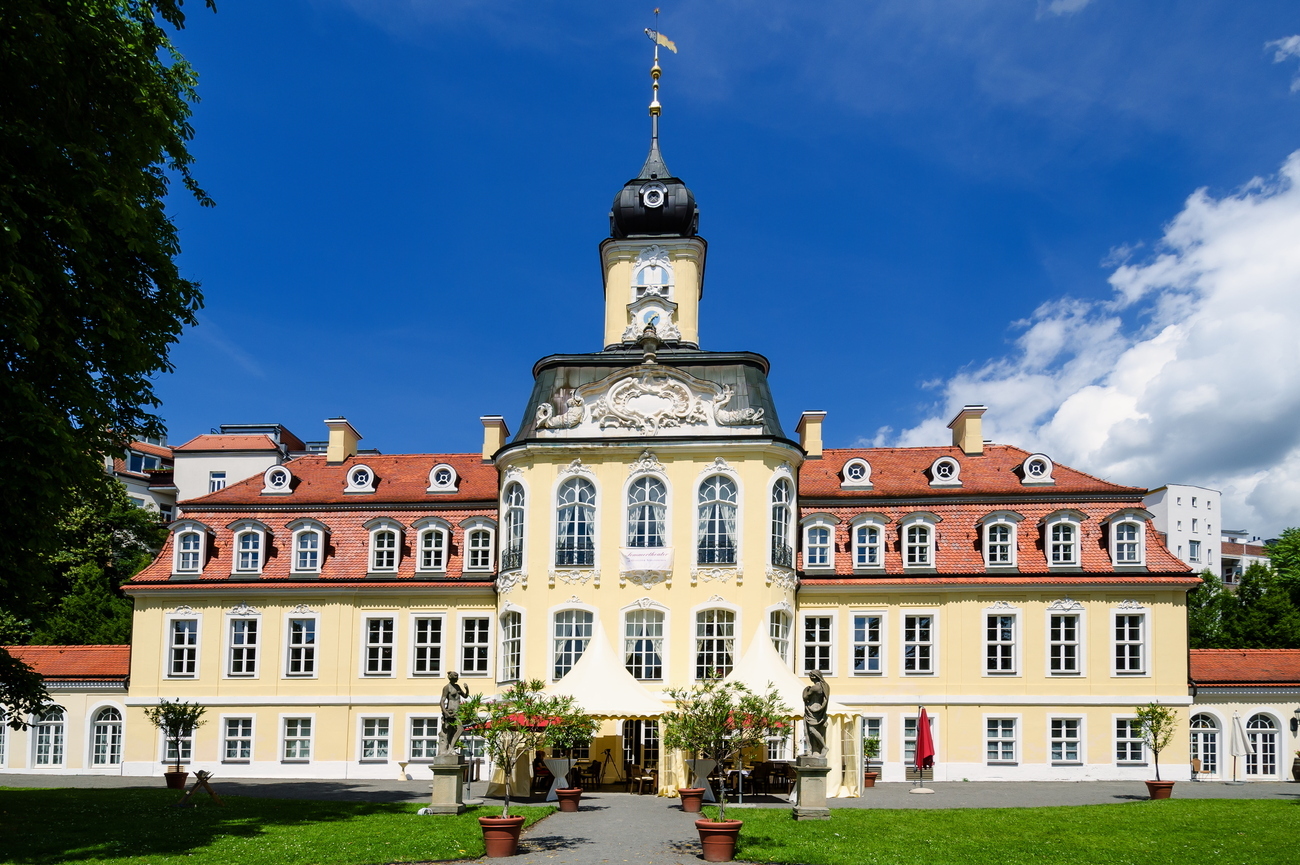
Gohlis Palace is one of Leipzig’s most important Rococo landmarks and a strong morning stop because it gives the day a calmer start outside the busiest part of the center. It was built in 1756 by Leipzig merchant Johann Caspar Richter and reflects the city’s 18th-century bourgeois garden culture. The palace is not oversized, but it feels elegant and well-balanced.
The building has a pale yellow facade, red-tiled roof, central tower, arched windows and ornamental details. The garden adds to the setting, with a fountain, statues and a layout that connects the palace to the old idea of Gohlis as a leisure and cultural retreat. Inside, the visit focuses on restored rooms, salon spaces and the ballroom, known for its ceiling painting.
For touring, you can join a guided tour that lasts about an hour and walks you through the palace’s history, rooms and ballroom. And if you want something more special, try the 90-minute musical tour. You’ll explore the palace while hearing live pieces on instruments like a harpsichord and grand piano.
Rosental
Gohlis Palace to Rosental is a short and easy trip. It’s about a 15-20 minute walk, or just a few minutes by car. If you prefer public transport, you can take the tram to the Leipzig Zoo stop and walk a few minutes from there into the park.
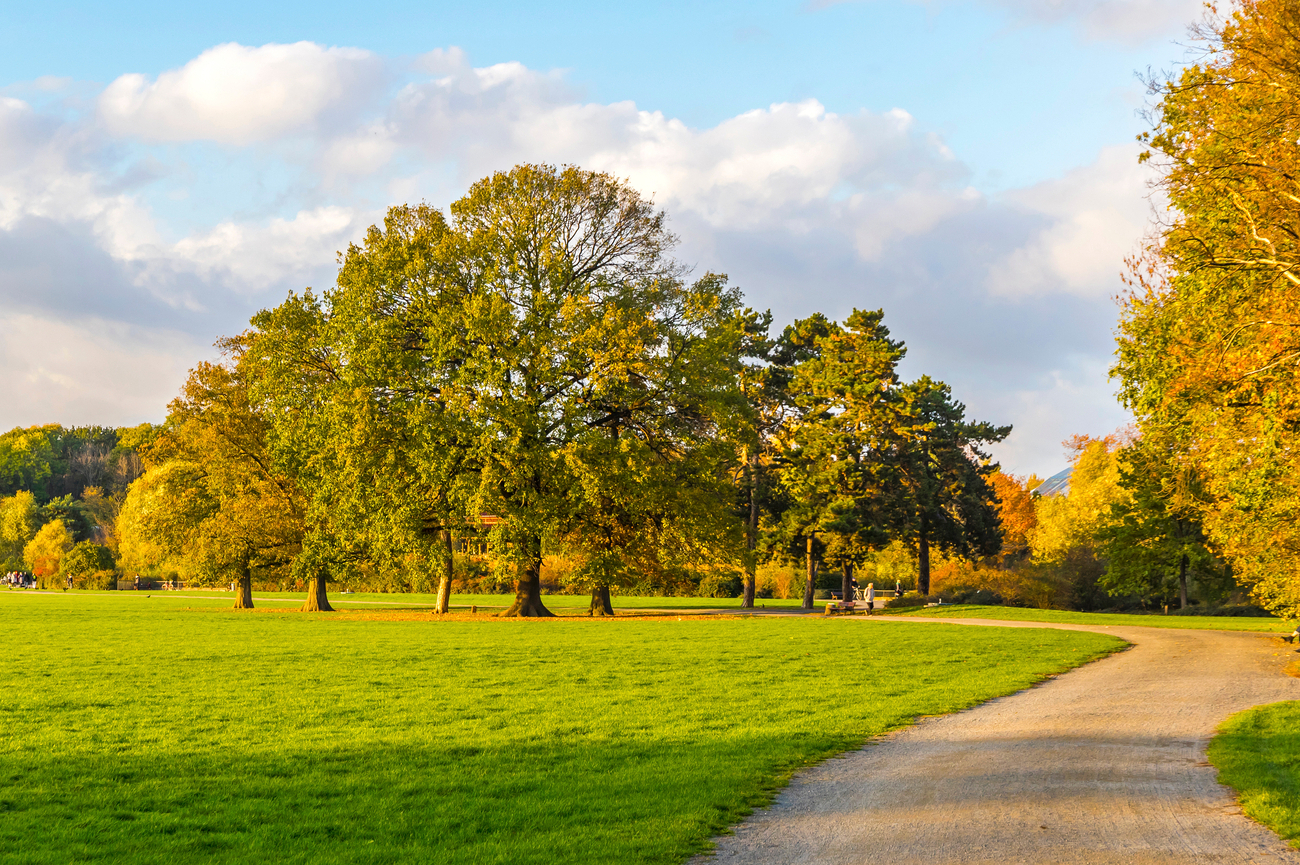
Rosental is one of Leipzig’s best green breaks and fits well after Gohlis Palace because it keeps the morning calm without moving too far from the city center. It sits within the Leipzig Auwald, the city’s floodplain forest area, and gives the itinerary a cleaner outdoor pause before moving into busier attractions later in the day.
The park is known for having the largest lawn in Leipzig, along with walking paths, open grass areas and shaded sections. The main highlights are the Wackelturm, a 20-meter observation tower, and the zoo window, where you can look toward part of Zoo Leipzig’s African savannah from selected points.
Stadthafen Leipzig
Stadthafen Leipzig is close enough to keep the morning moving smoothly after Rosental. This 7-10 minute car ride will take you from green space to Leipzig’s quieter waterfront side.
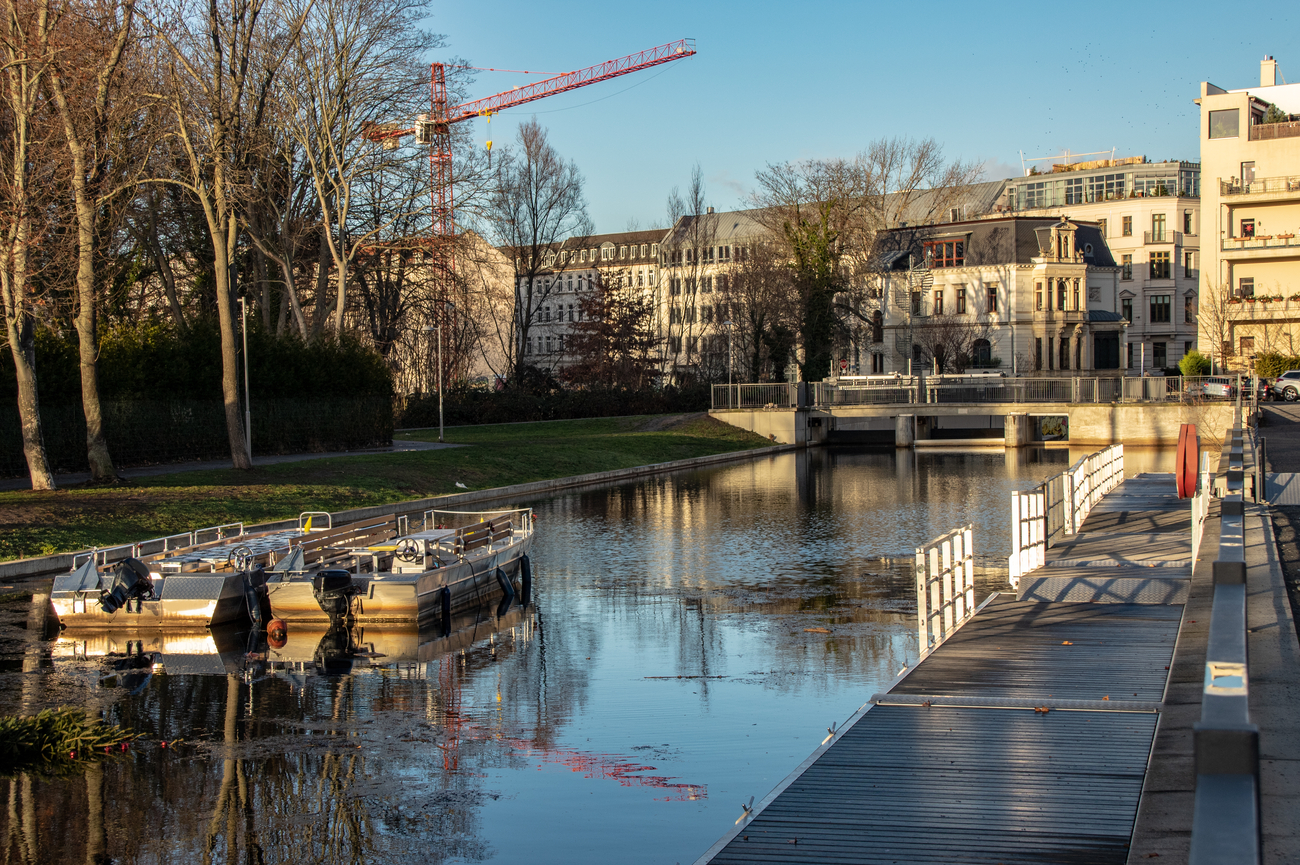
Stadthafen Leipzig is the city’s main urban harbor and one of the best places to experience Leipzig from the water. The harbor has a clean, modern setup with docks, boat rental areas, water access points and open views along the canal. It is not a massive marina, but it feels organized and easy to use. You get water, greenery, cyclists, boats and a quieter view of the city without leaving Leipzig.
You can book public motorboat tours that run on Leipzig’s waterways, with routes such as the 70-minute Klein-Venedig Tour, the 2-hour Kleine Auwald Tour, the 3-hour Große Auwald Tour, the 2.5-hour Lindenauer Hafen Tour and the Johann Sebastian Bach Tour.
Palmengarten
From Stadthafen Leipzig, Palmengarten is around 15-20 minutes on foot or about 5-8 minutes by car. It keeps the route on the greener, quieter side of Leipzig.
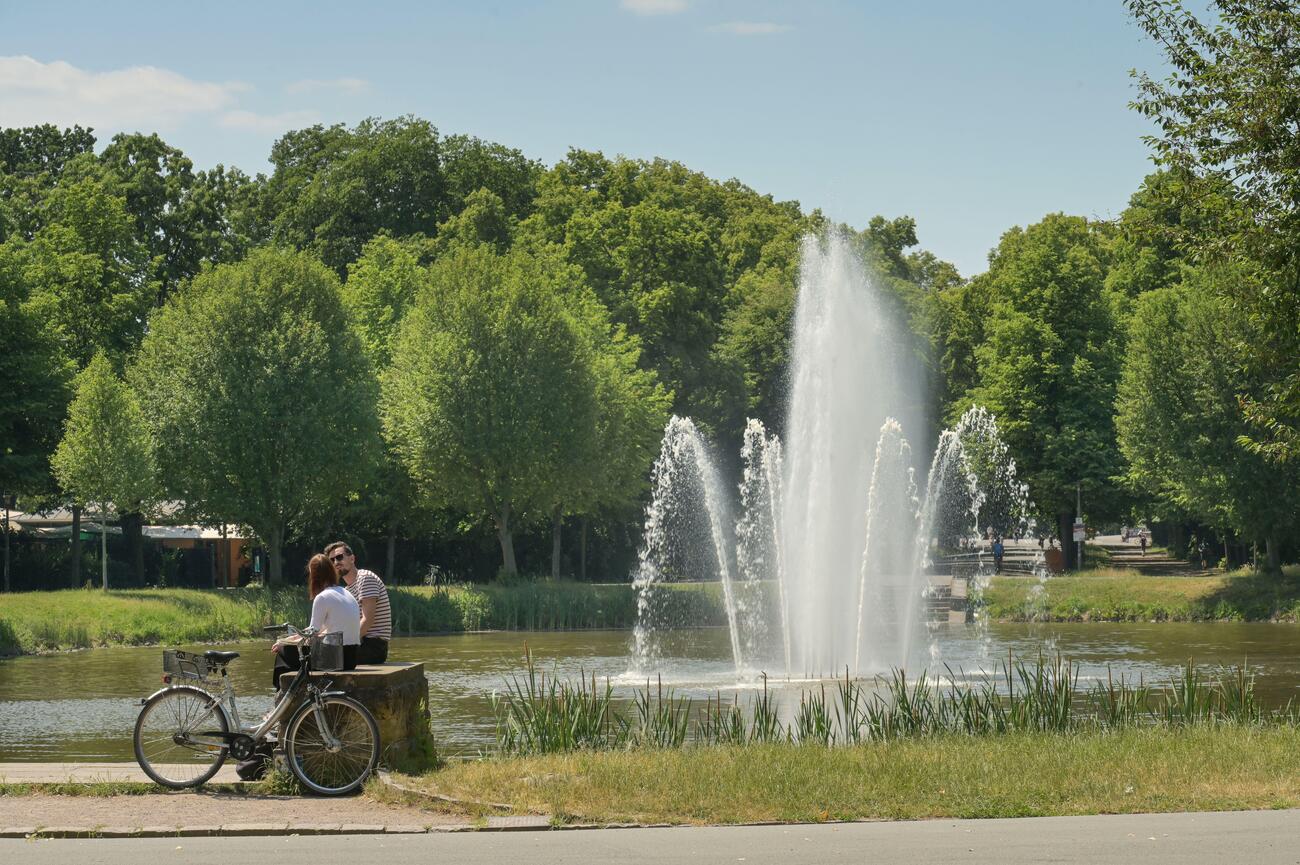
Palmengarten is one of the historic park sections connected to Clara Zetkin Park, Leipzig’s largest park area. It sits around two kilometers west of the city center and gives you a calmer break from museums, shopping streets and structured attractions. Here, you’ll experience open space, water views and a place to reset without needing a complicated visit.
The park is known for its pond, fountain, mature trees and quieter green areas. Compared with the busier parts of Clara Zetkin Park, Palmengarten feels more tucked away and less crowded. It is good for a short walk, a few photos and a slower pause before continuing with the afternoon. Oh, and there are no formal tours here. You can choose to keep your visit focused on walking around the pond, taking in the shaded paths and using the stop as a soft break between more active parts of the day.
Museum für Druckkunst
After Palmengarten, continue toward Plagwitz for the Museum für Druckkunst. This is another 5-10 minute car ride. You will be moving into Leipzig’s creative-industrial side.
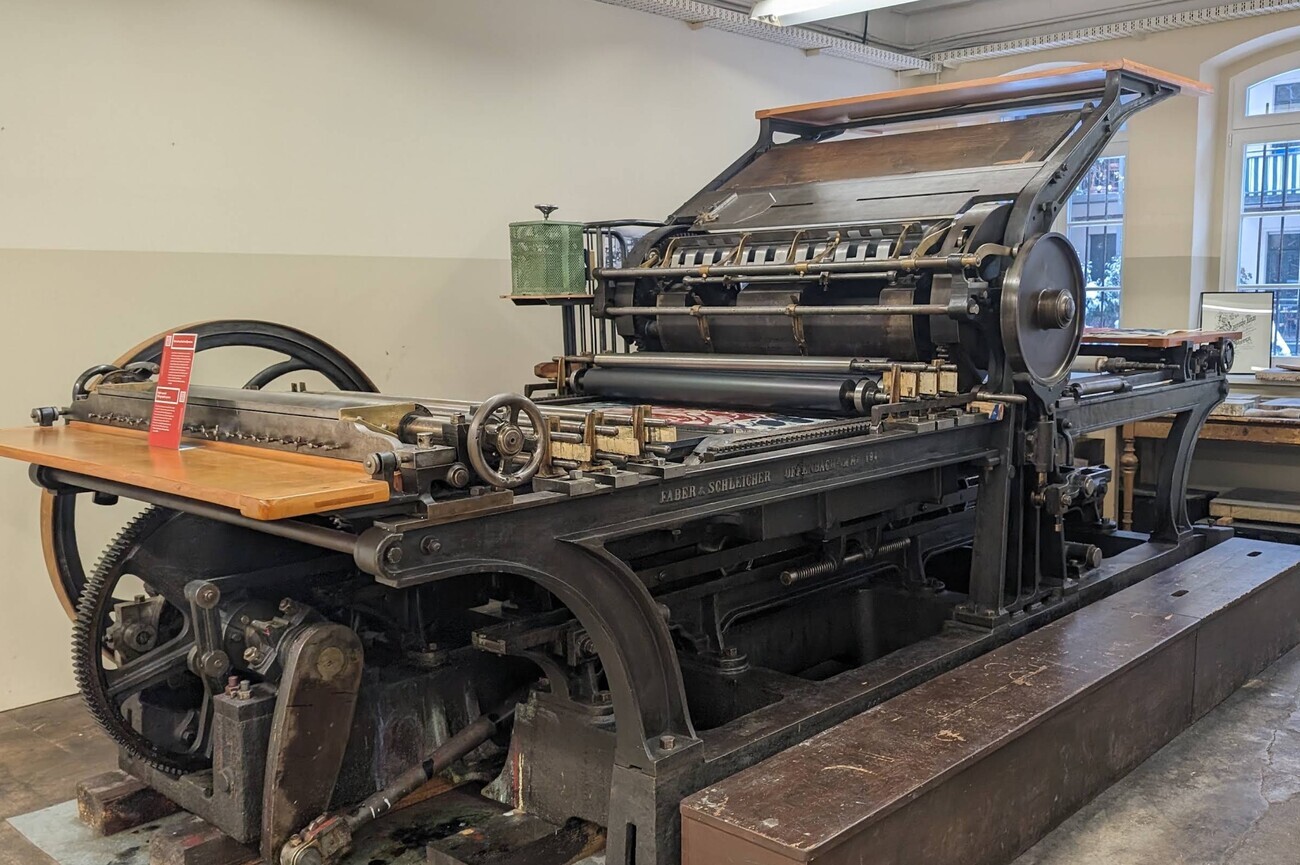
Museum für Druckkunst Leipzig is a working museum dedicated to printing, typography and graphic arts. It is a good stop for travelers who like places with substance, not just display rooms. The museum shows how printed materials were made across different periods, from traditional hand techniques to industrial printing processes.
This museum is located in a former printing workshop in Plagwitz, an area known for its industrial character and creative reuse of old buildings. Inside, you’ll find historic printing presses, type cabinets, worktables, machines and workshop spaces. It has a raw but curated atmosphere, which works well after the softer park stops earlier in the day.
If you’re visiting with a group of more than five people, you can book a guided tour by appointment, usually Monday to Friday. You’ll have the option to explore either the permanent exhibition or any special exhibitions and English-language tours are available for an additional group fee.
Evening: Leipziger Baumwollspinnerei
Leipziger Baumwollspinnerei is about a 5-minute car ride from Museum für Druckkunst. The route stays within Plagwitz and Neulindenau, so the evening continues through Leipzig’s creative-industrial side.
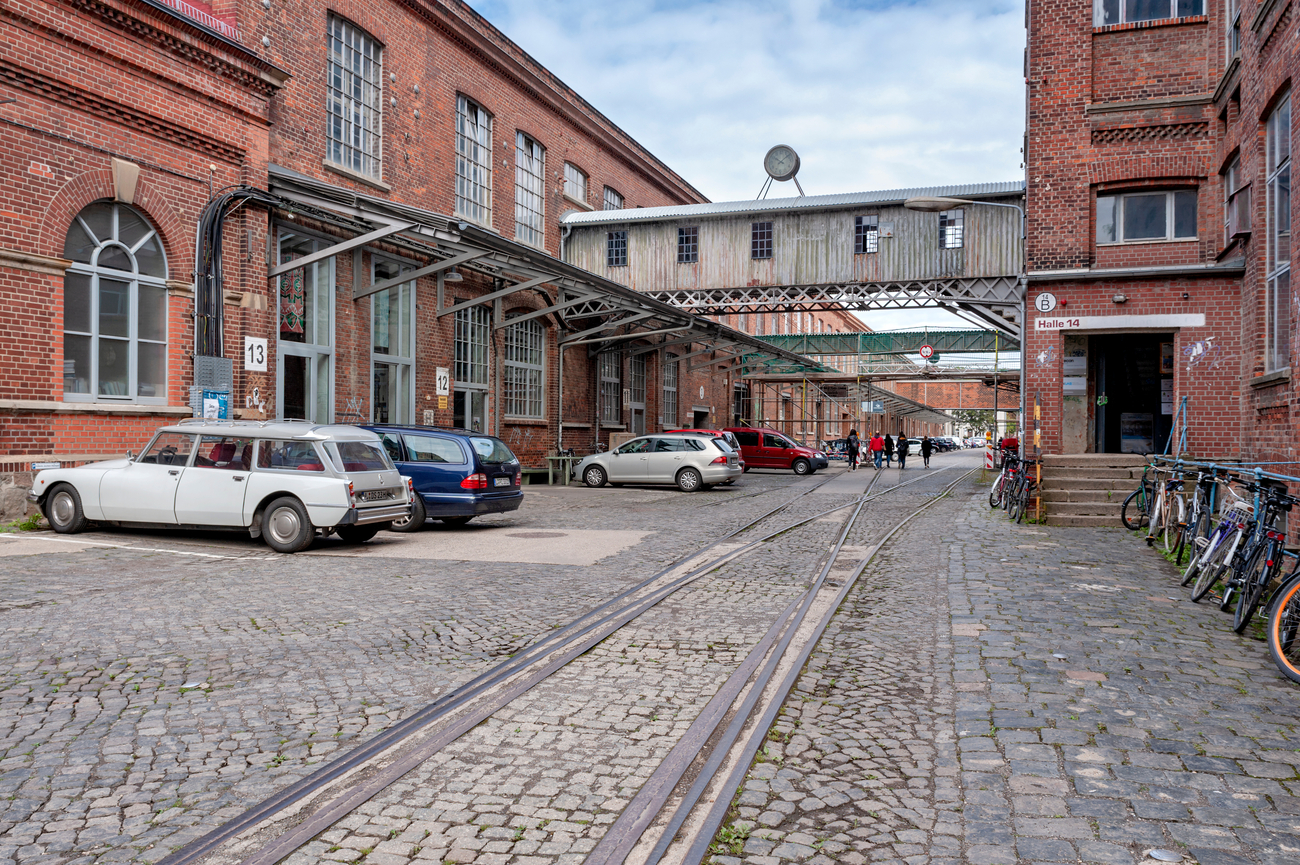
Leipziger Baumwollspinnerei is a former cotton spinning mill turned contemporary art and culture complex. It is one of the strongest evening stops on this route because it feels different from the city center: larger, rawer and more focused on galleries, studios and creative production. This site was once one of the largest cotton spinning mills in continental Europe. After cotton yarn production ended in 1992, the complex gradually shifted into an art district. Today, it houses around 100 artist studios, eleven galleries and exhibition spaces, workshops, design spaces, cultural venues and project rooms. The setting still carries its industrial structure, with brick buildings, large halls, open courtyards and former factory spaces now used for exhibitions and creative work.
You can visit the Spinnerei and its galleries without a guided tour and entry to the area is free. But you can also join guided tours available on selected Fridays and Saturdays and usually last about one hour.
Karl-Heine-Kanal
From Leipziger Baumwollspinnerei, the Karl-Heine-Kanal is a good place to close the day because it is still within Leipzig’s west-side creative district. The nearest sections of the canal are around a 10-15 minute walk.
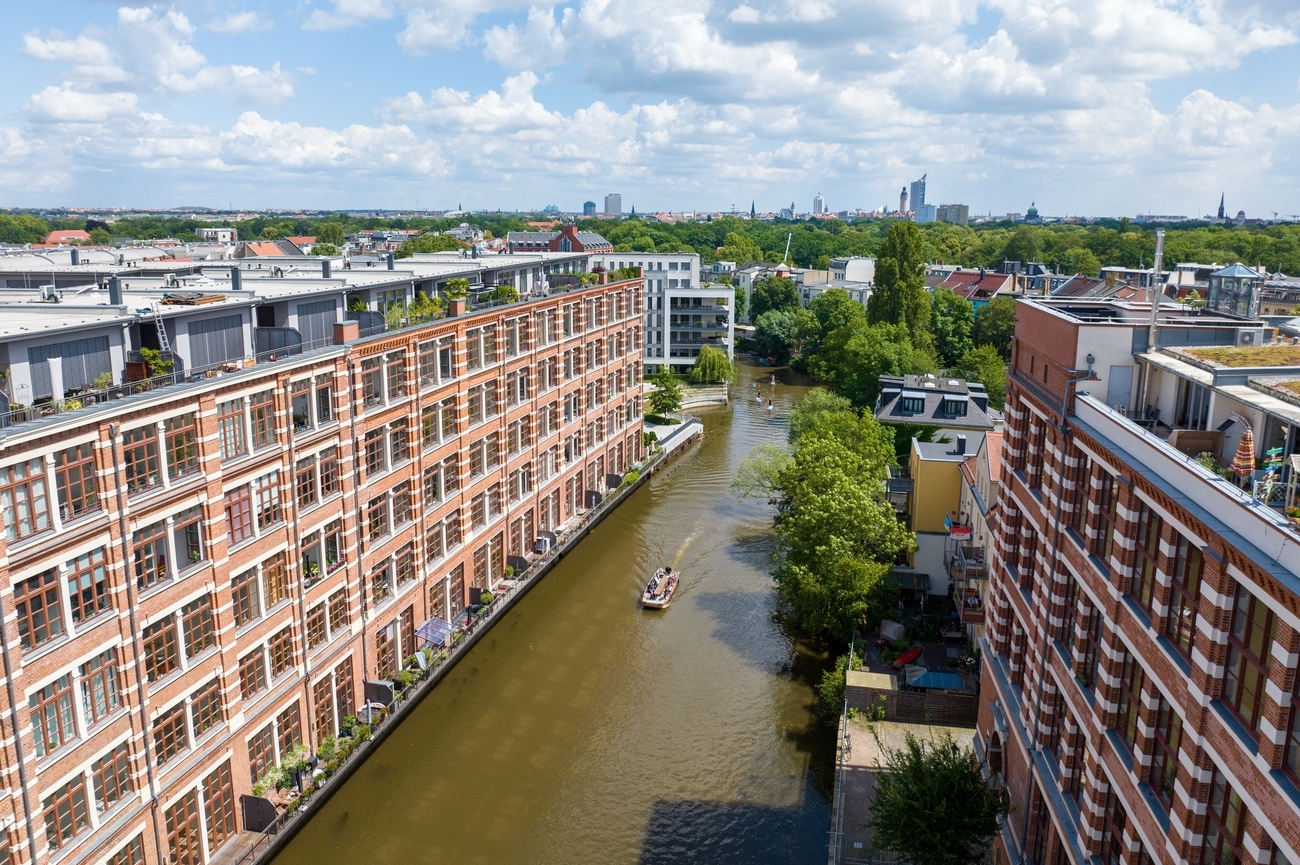
Karl-Heine-Kanal is a 3.3-kilometer artificial waterway that runs through the west of Leipzig, connecting Lindenau Harbor with the White Elster. It is one of the best places to see Plagwitz and Lindenau from a slower angle, especially after a day spent around parks, studios and industrial spaces. The area feels casual but still interesting, with water, bridges, old factory buildings, lofts and quiet walking paths all in one stretch.
The canal is crossed by 15 bridges. You can keep the visit simple by walking along the banks, passing former industrial buildings and looking for sections near Karl-Heine-Straße or Philippuskirche.
Day 2 - Leipzig Tour Map
Day 3
Morning: Südfriedhof
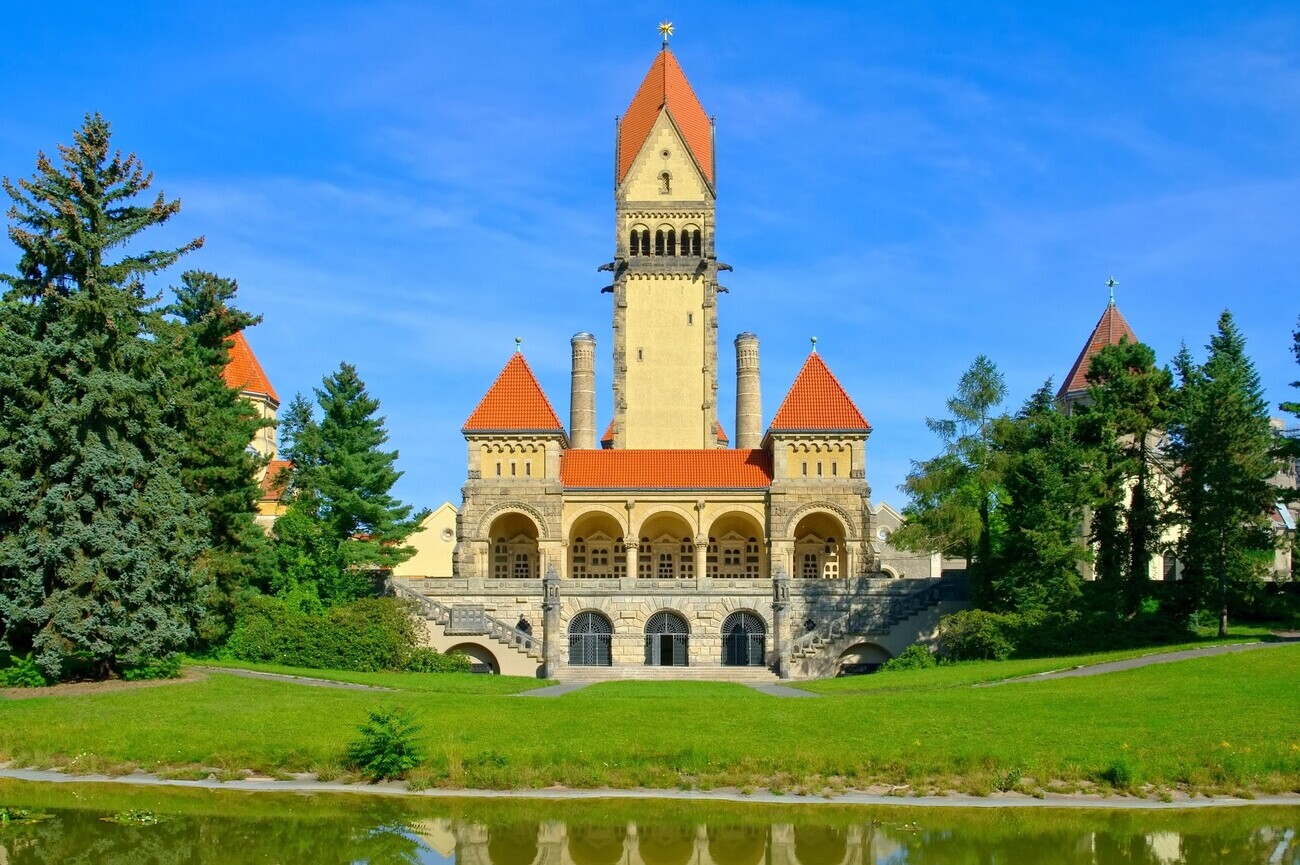
Südfriedhof is Leipzig’s largest cemetery and one of the strongest ways to start Day 3 if you want the morning to feel calm but still meaningful. It sits in the southern part of the city, close to the Monument to the Battle of the Nations, so it fits well before continuing to the major landmarks in this area.
The cemetery covers 78 hectares, which makes it feel more like a landscaped park than a standard cemetery. Its main visual feature is the large funeral hall complex with two smaller chapels, a main hall, crematorium, columbarium and a 63-meter bell tower. The site also holds many artistic graves and memorials connected to important Leipzig figures, including the Leipzig dialect poet Lene Voigt and the Baedeker publishing family. This is not a quick photo stop; it is a place that shows the city’s history through people, architecture and landscape.
Völkerschlachtdenkmal
The next stop is Völkerschlachtdenkmal, located close to Südfriedhof in Leipzig’s southeastern landmark area. Travel time is short: around 5 minutes by car, depending on which cemetery exit you use.
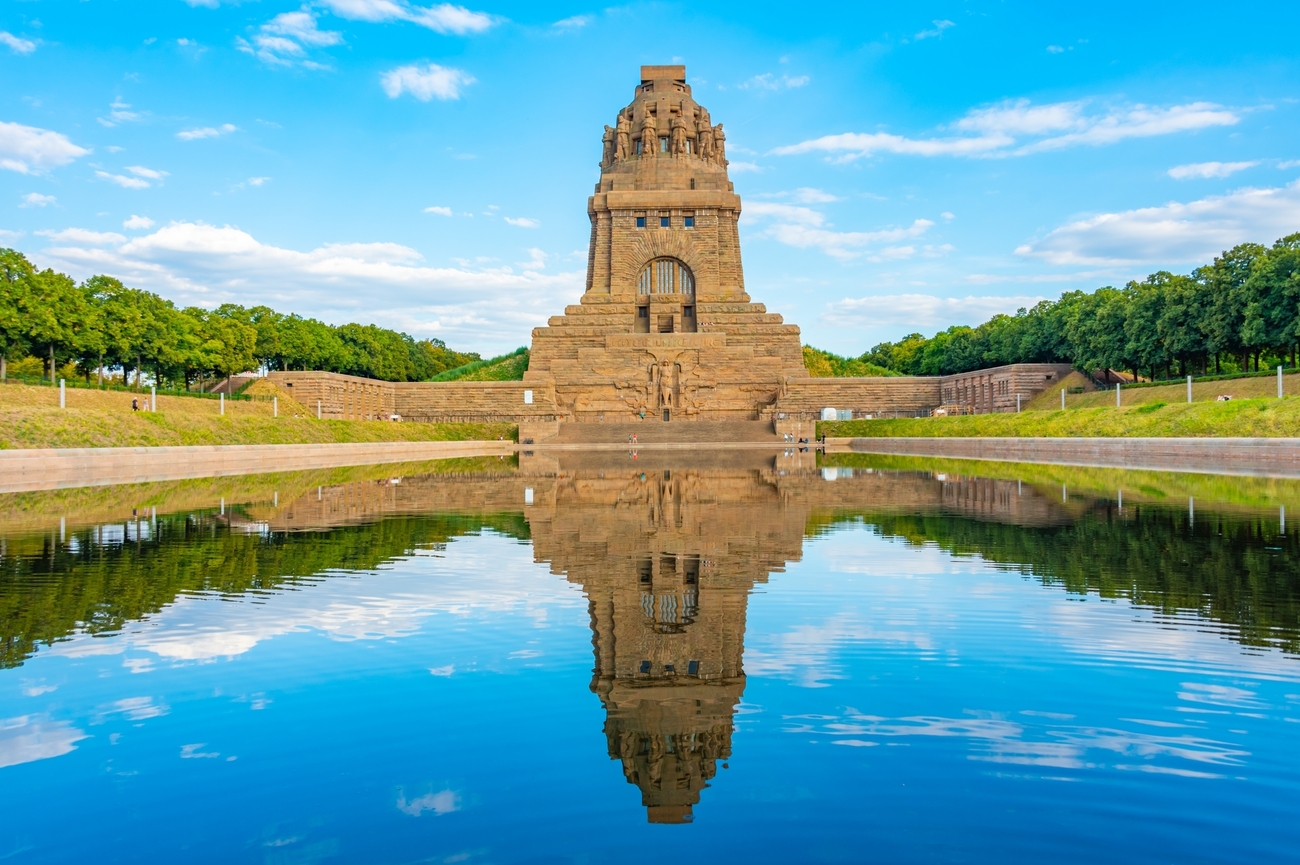
Völkerschlachtdenkmal, or the Monument to the Battle of the Nations, is one of Leipzig’s most important landmarks. It commemorates the 1813 Battle of Leipzig, also known as the Battle of the Nations, where coalition forces defeated Napoleon’s army. The monument was inaugurated in 1913 and still feels massive today, both in size and historical weight. The structure stands 91 meters high and is built from concrete and granite porphyry. Its exterior is heavy, symmetrical and monumental, with broad steps, large sculptural figures, a reflecting pool and a strong vertical shape that dominates the surrounding area.
The site also includes FORUM 1813, a museum located at the base of the monument. It gives more context on the battle through weapons, uniforms, equipment and personal objects connected to the war.
Russische Gedächtniskirche
From Völkerschlachtdenkmal, the Russische Gedächtniskirche is a short and practical next stop. The drive takes around 5 minutes, while walking usually takes about 15 minutes.
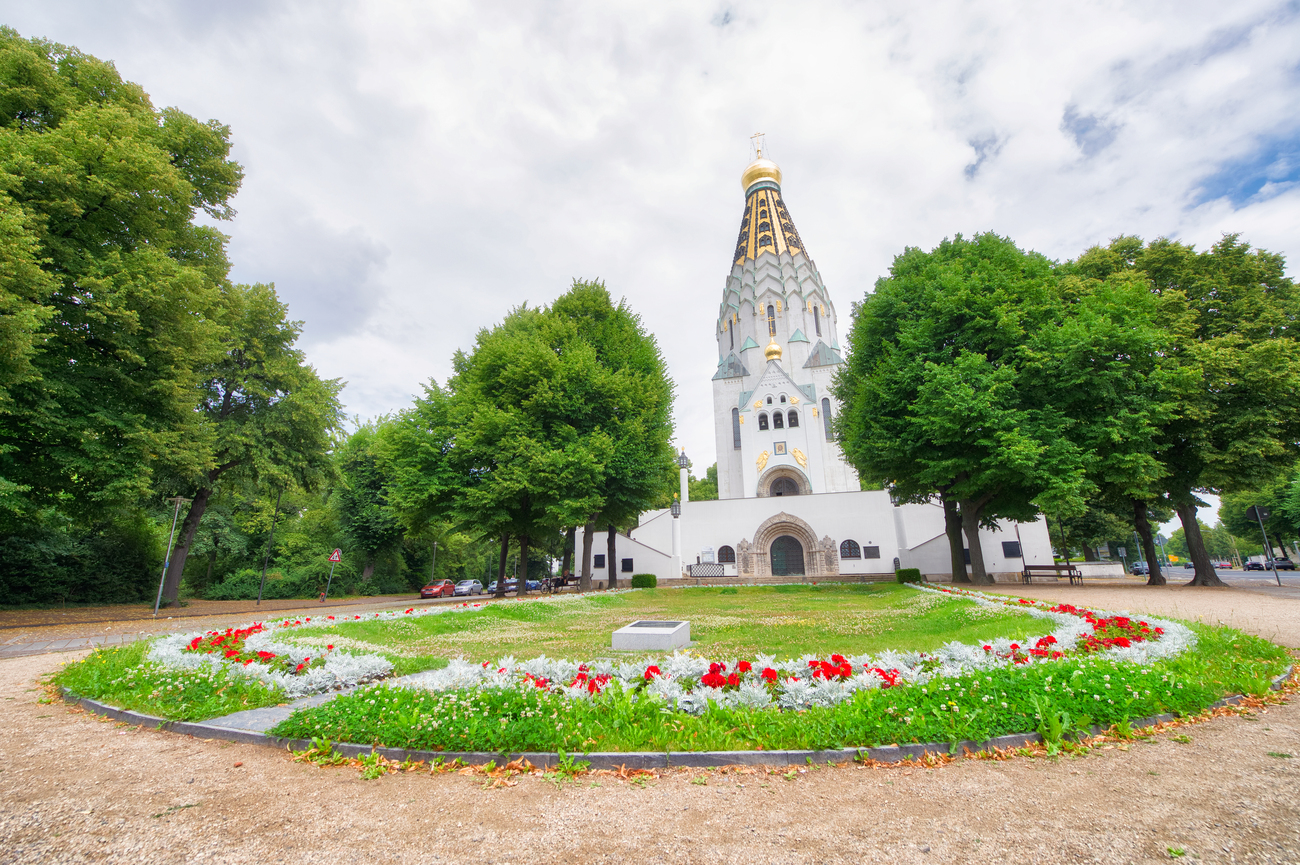
Russische Gedächtniskirche is a Russian Orthodox memorial church on Philipp-Rosenthal-Straße. It was consecrated in 1913 and was built to honor the Russian soldiers who died during the Battle of the Nations near Leipzig. After visiting Völkerschlachtdenkmal, this stop adds a more specific and personal layer to the same historical period.
The church has a very distinct look compared with most Leipzig landmarks. Its white facade, tall tower, patterned roof, gilded onion dome and gold details make it stand out immediately. The design was prepared by Russian sacral architect Pokrowski and completed by Leipzig architects Weidenbach and Tschammer. Inside, the church remains an active place of worship, with icons, memorial elements and an atmosphere that feels quieter and more solemn than a regular sightseeing site.
Afternoon: Panometer Leipzig
Panometer Leipzig is still within the same southeastern route. Take a 5-minute drive from Russische Gedächtniskirche and you’ll arrive at an immersive panorama museum.
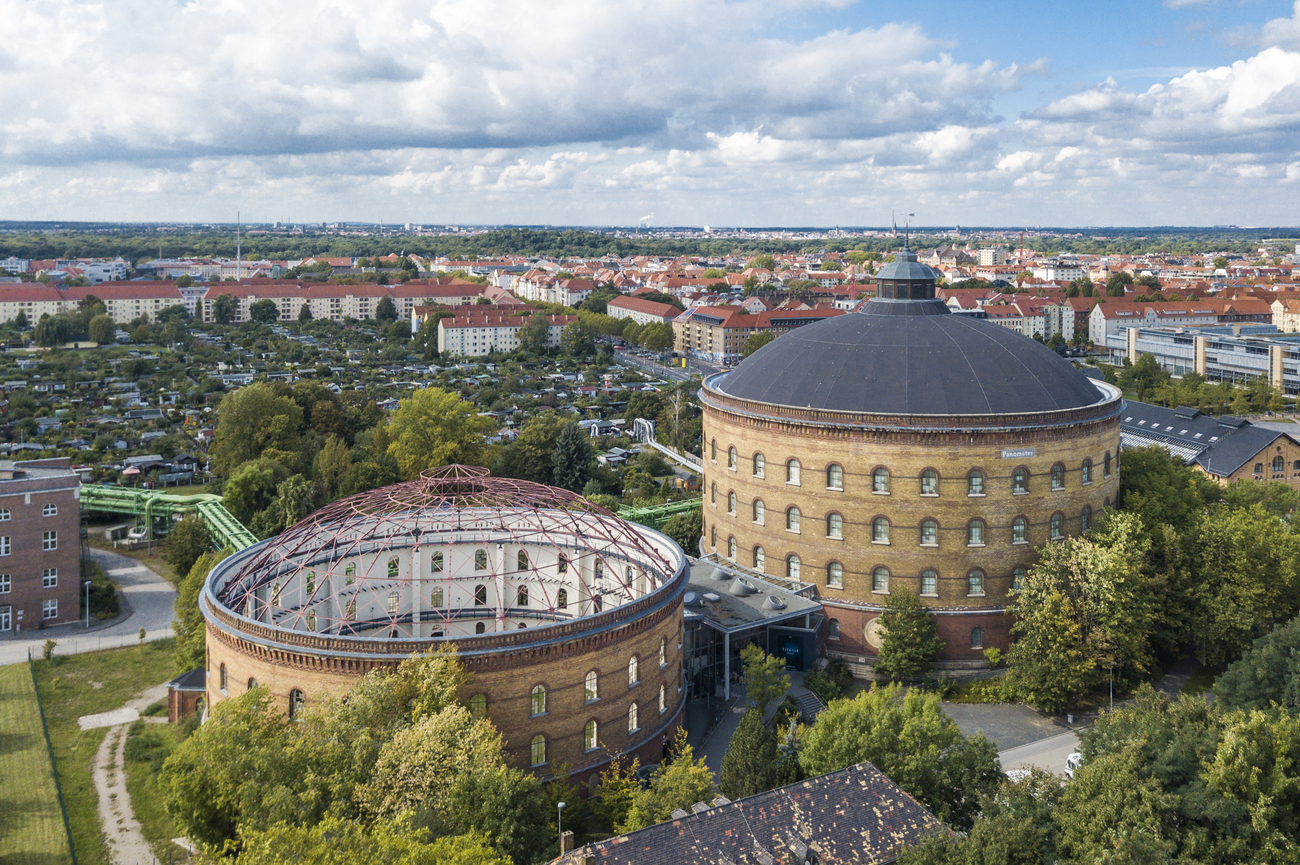
Panometer Leipzig is set inside a former gas storage tank. It is a strong stop for travelers who want something visual, structured and different from a traditional museum. Instead of moving through several rooms, you will center on one large circular space built around a massive 360-degree artwork. Panometer Leipzig gets its name from “panorama” and “gasometer,” and the industrial structure gives the artwork its scale. It has hosted several major panorama exhibitions over the years, making it one of Leipzig’s more recognizable cultural venues.
You can visit this museum independently or join a public guided tour. There are multiple tours throughout the day lasting around 45 minutes.
German National Library
A quick 5-minute drive carries you from the immersive world of the Panometer to the stately grounds of the German National Library.
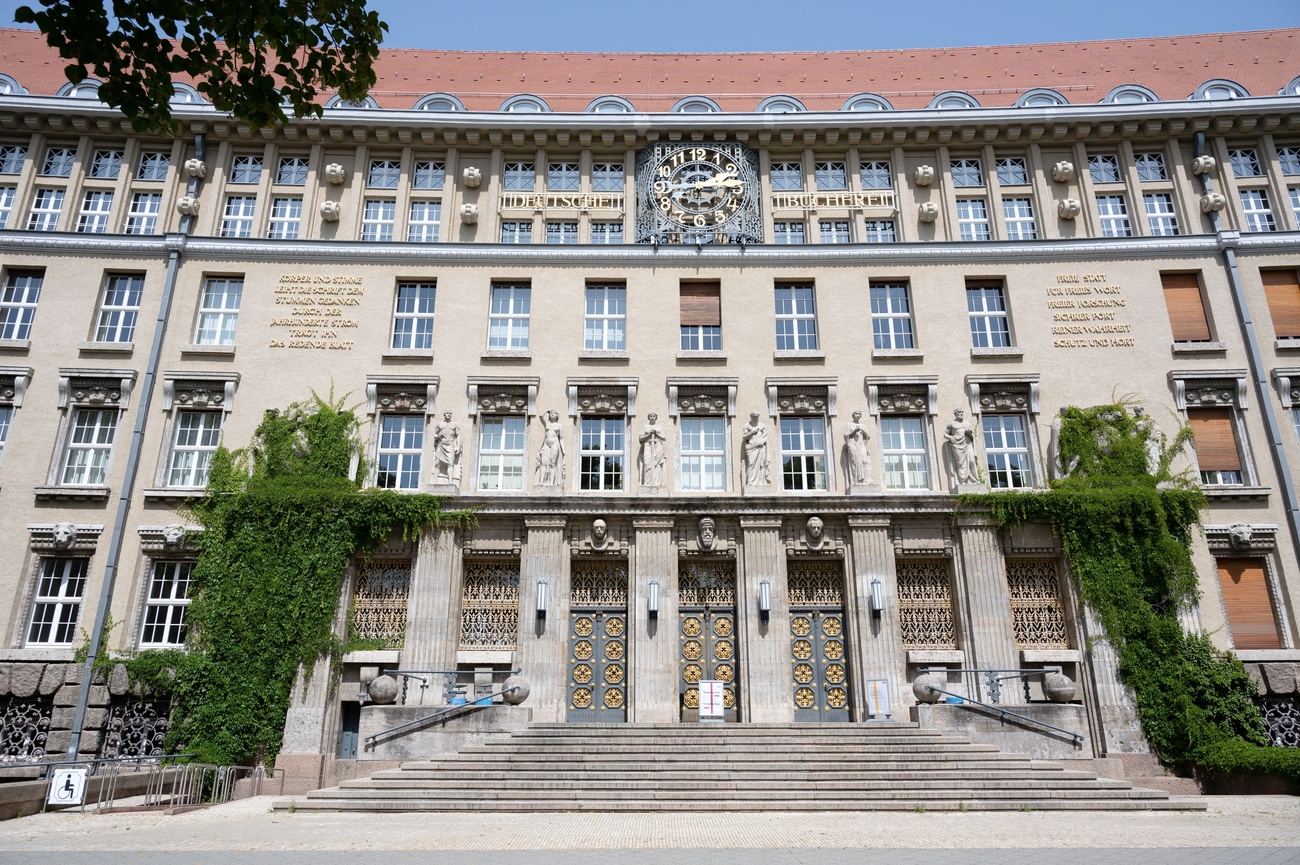
The German National Library, or Deutsche Nationalbibliothek, is Germany’s central archival library, with its Leipzig location being the place where the institution began. It fits naturally in this itinerary because it adds a more intellectual and polished stop after the larger visual impact of Panometer Leipzig. The building combines a listed historic library structure with modern extensions, so the visit is also strong architecturally. You get the older sandstone presence, formal reading-room atmosphere and newer glass-and-contemporary sections in one site.
A key part of the visit is the German Museum of Books and Writing inside the library complex. Its permanent exhibition, “Signs – Books – Networks: from Cuneiform Script to Binary Code,” covers around 5,000 years of media history. The exhibition moves through writing systems, book printing, reading culture, censorship, book art and digital networks, which makes it more engaging than a standard library walkthrough.
Grassi Museum of Applied Arts
After the German National Library, continue to the Grassi Museum of Applied Arts. The trip takes around 7-10 minutes by car, or about 25 to 30 minutes on foot. It keeps the route practical as it brings you back closer to Leipzig’s central cultural area while staying practical for the afternoon.
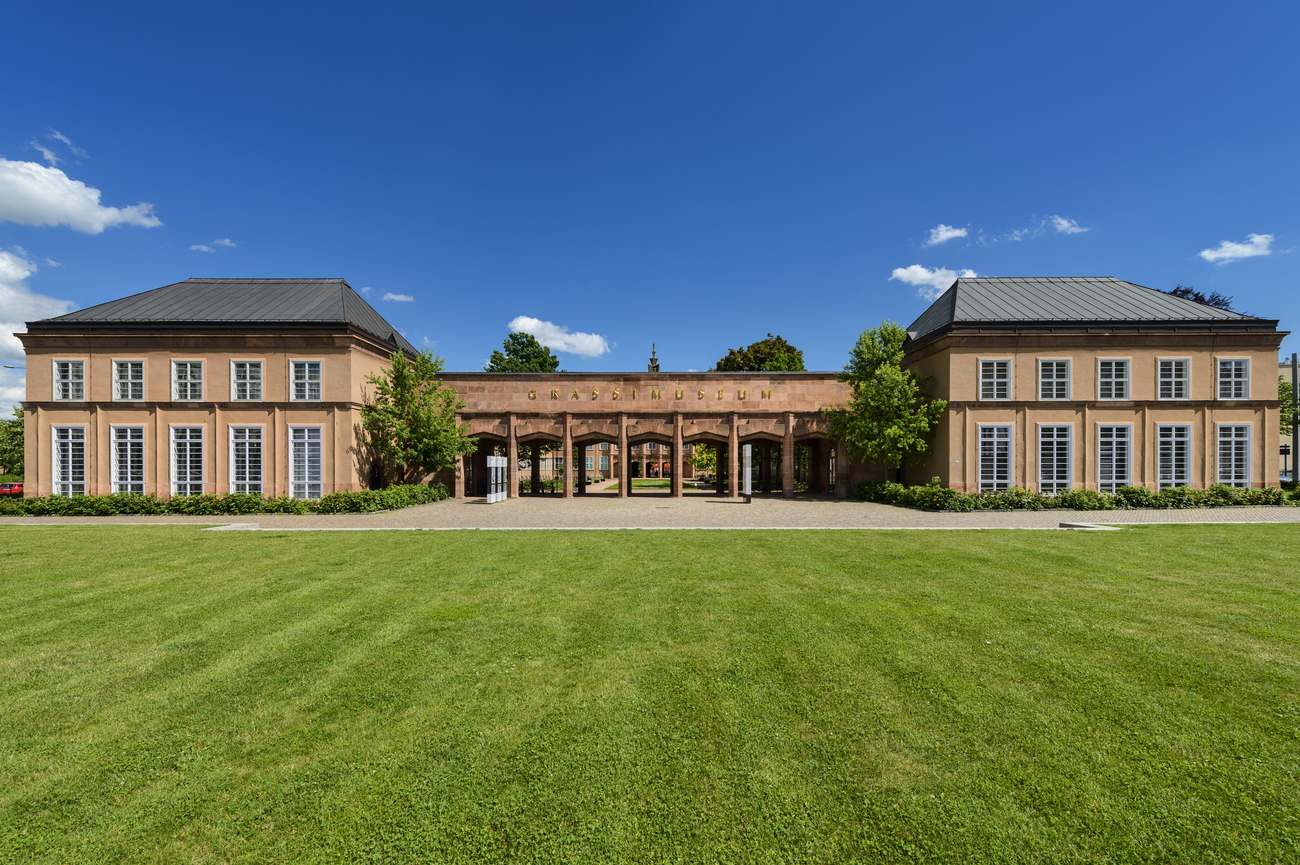
Grassi Museum of Applied Arts is one of Leipzig’s major design and decorative arts museums. It is part of the wider Grassi Museum complex, which also houses museums for ethnology and musical instruments. The museum traces applied arts across around 3,000 years of art and cultural history. Its collection includes ceramics, glass, textiles, fashion, metalwork, furniture, interior design, book art, photography and modern design objects. The building itself adds to the visit, with Art Deco details, formal halls, courtyards and spacious exhibition rooms.
The permanent exhibition is divided into major sections, including From Ancient World to Historism, Asian Art: Impulses for Europe, and Art Nouveau to the Present. This makes the visit easier to manage because you can focus on the areas that match your interest instead of trying to absorb everything. If you are into interiors, product design, craftsmanship or luxury materials, this stop has plenty to work with.
Evening: Mendelssohn-Haus
Mendelssohn-Haus is a great early evening stop. From the Grassi Museum of Applied Arts, Mendelssohn-Haus is about 10-12 minutes away on foot.
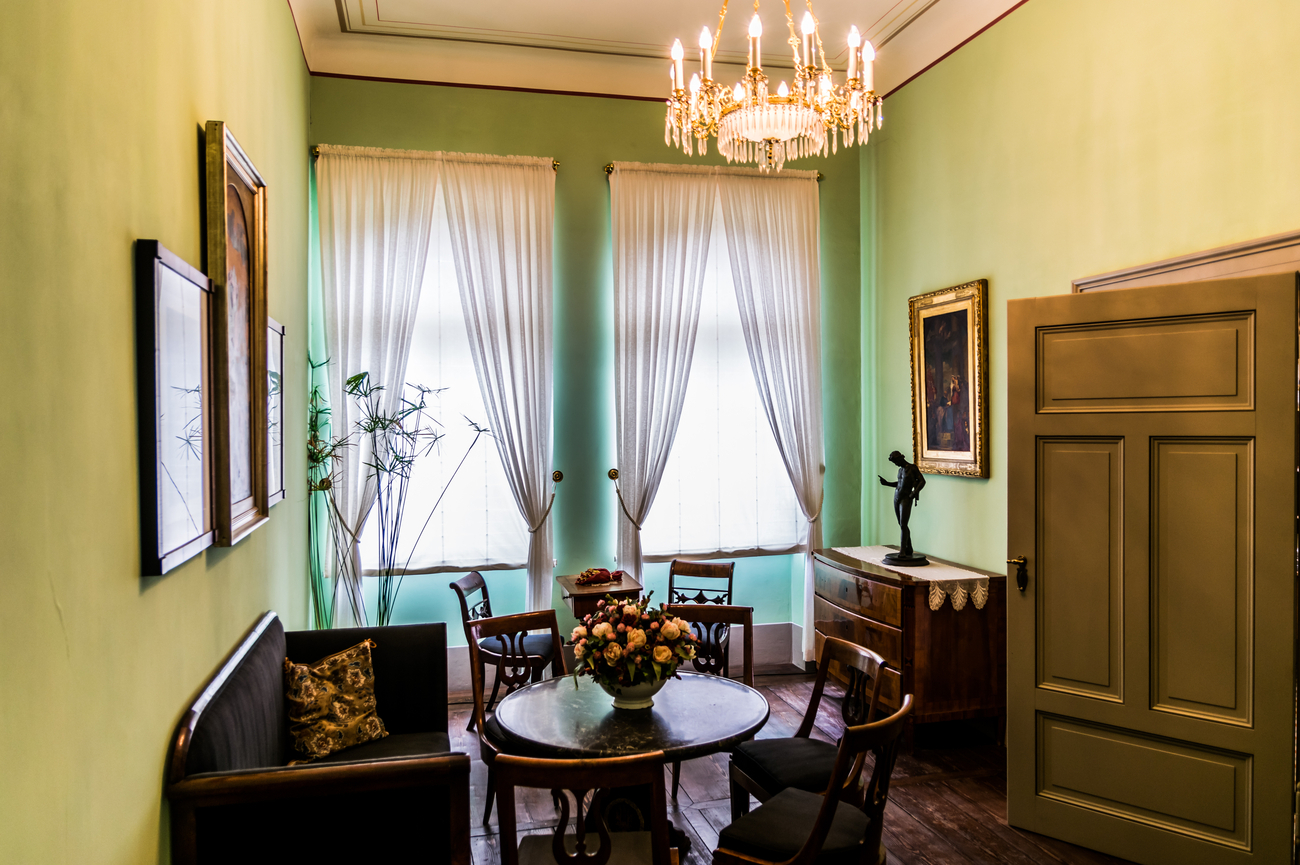
Mendelssohn-Haus is the former home of composer Felix Mendelssohn Bartholdy and the only surviving residence where he lived and worked. It is one of Leipzig’s key music-history stops, especially for travelers who want the city’s cultural side without spending the evening in a large museum. It is set inside a 19th-century building with restored rooms, period furniture, letters, music manuscripts, artworks and family objects. The main highlight is Mendelssohn’s former apartment on the first floor, including the historic music salon where chamber music is still performed. The museum also includes exhibitions on Fanny Hensel and Kurt Masur, giving the visit more depth than a simple composer-house walkthrough.
Schumann-Haus Leipzig
Mendelssohn-Haus and Schumann-Haus Leipzig sit close enough to pair naturally in the evening. The walk takes around 12-15 minutes. As it will be the final stop for the tour, you might want to take the scenic route instead of rushing it.
Schumann-Haus Leipzig is the former home of Clara and Robert Schumann, where they spent their first four years of marriage. It is one of the city’s most important composer-house museums and fits naturally after Mendelssohn-Haus because it continues the evening’s music theme without feeling repetitive. The focus here is more intimate: two artists, one home and the creative life they built in Leipzig.
The house was built in 1838 in a classicist style and still carries a quiet residential feel. Inside, the museum presents Clara and Robert through restored rooms, personal stories, music, letters and exhibition spaces connected to their life together. And you can explore this individually or join public guided tours. Standard group tours last around 45 to 60 minutes, while the “musical time travel” option lasts about 90 minutes and uses piano and singing in the historic hall to tell the story of Clara and Robert.
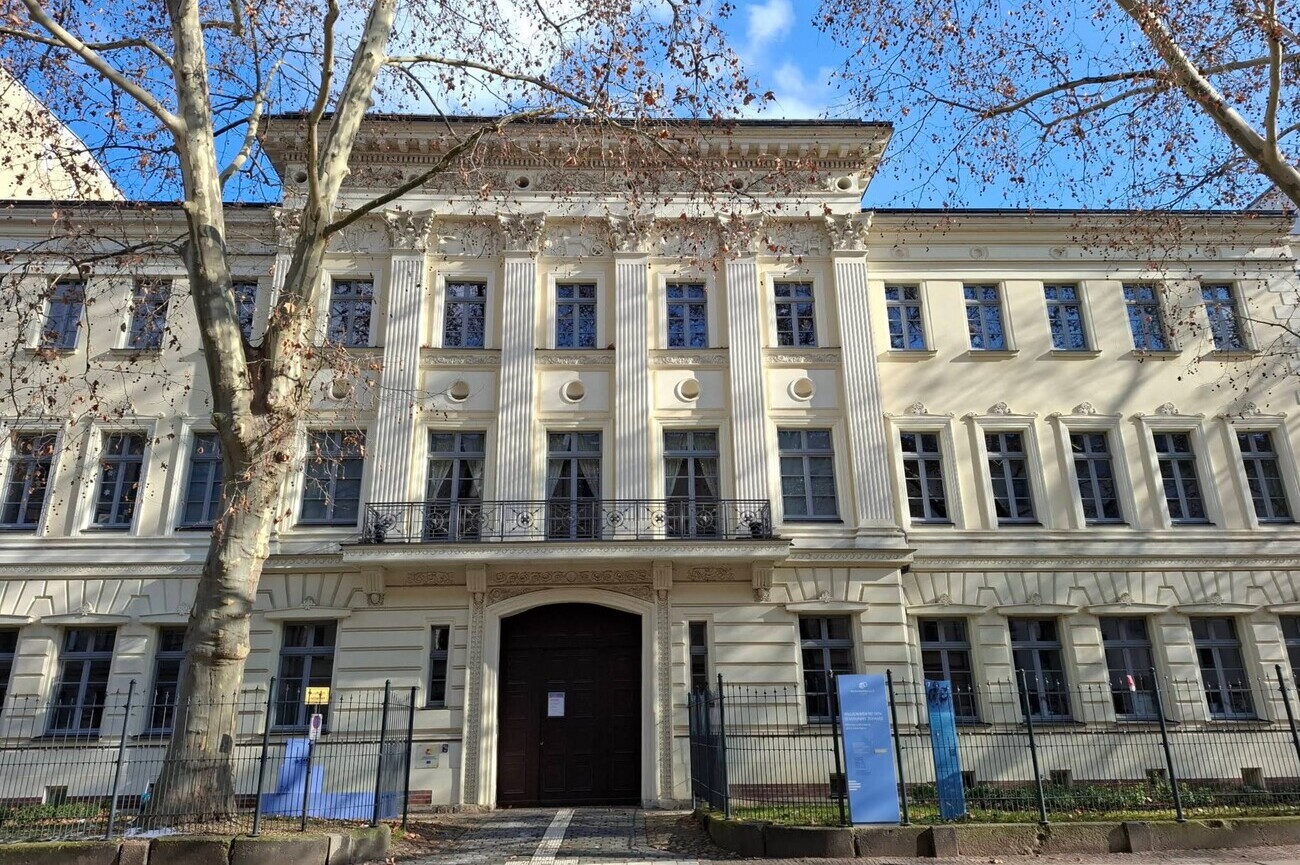
Day 3 - Leipzig Tour Map
Other Things to Do in Leipzig
Leipzig has enough strong places outside the main itinerary to fill another day without making the trip feel random. These stops are best for travelers who want culture, music, design, political history and experiences that still feel connected to the city. They are also easy to fit into a tight schedule because most of them are central or well-connected.
- Bach-Museum Leipzig: Bach-Museum Leipzig is one of the strongest music-history stops in the city. It is directly across from St. Thomas Church, where Johann Sebastian Bach worked for many years. The museum focuses on Bach’s life, family, compositions and Leipzig years, making it a good place to understand why the city is still strongly connected to classical music. The museum is housed in the Bosehaus, a restored Baroque merchant’s house. You get manuscripts, instruments, listening stations, interactive displays and rooms that connect Bach’s personal life with his professional work.
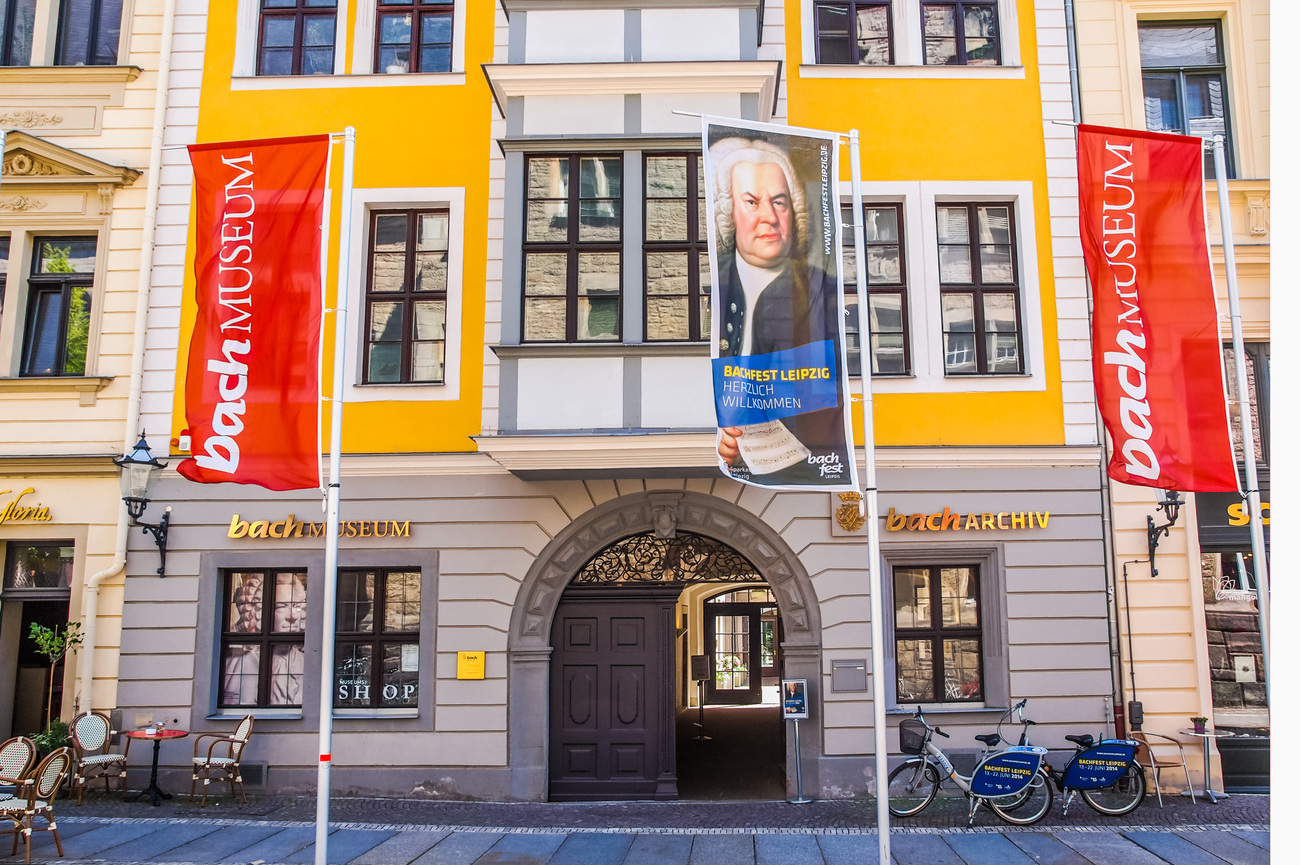
- Gewandhaus: Gewandhaus is one of Leipzig’s most important cultural venues and a strong option if you want a high-end music experience. It stands on Augustusplatz and serves as the home of the Gewandhaus Orchestra, one of the city’s major cultural institutions. The Great Hall is known for its strong acoustics, large organ and serious performance atmosphere. You can book tickets to an evening concert.
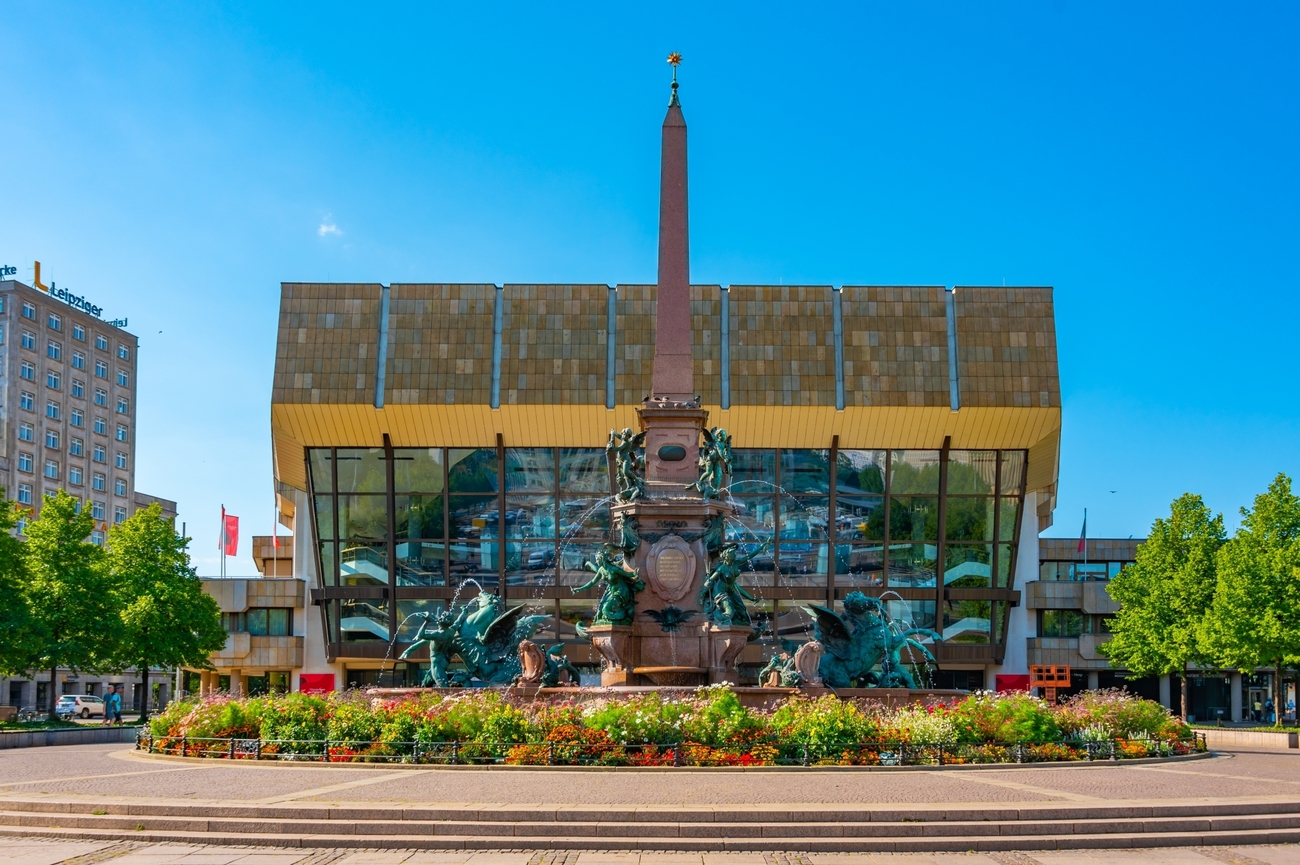
- Oper Leipzig: Oper Leipzig is another strong cultural stop on Augustusplatz. It is best for travelers who want a more formal evening option or a behind-the-scenes look at one of Leipzig’s major performance houses. The venue presents opera, ballet and musical theatre. It has a traditional 1950s-style auditorium and a more classic performance-house atmosphere than many modern venues. If Gewandhaus is the city’s concert-hall experience, Oper Leipzig gives you the stage, production and performance side of the same cultural district.
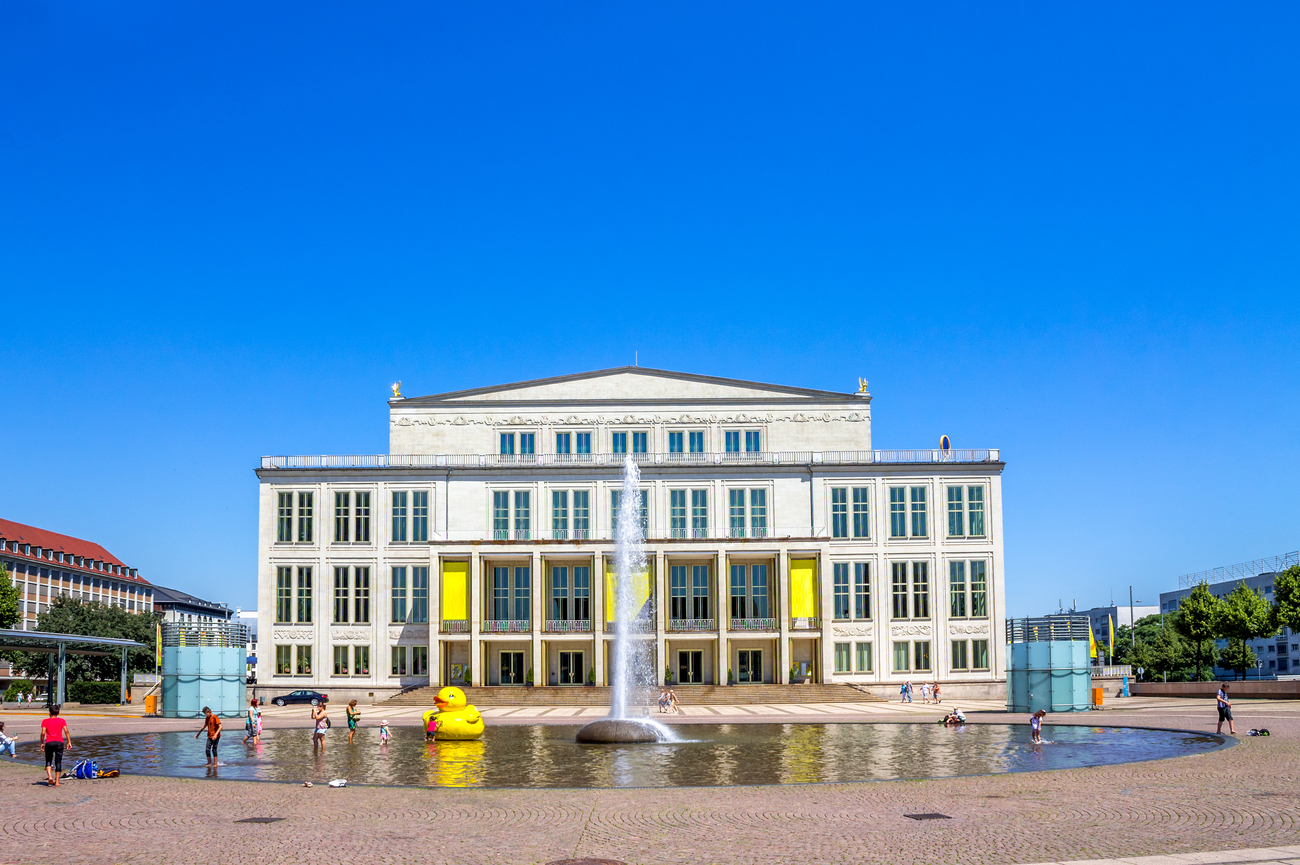
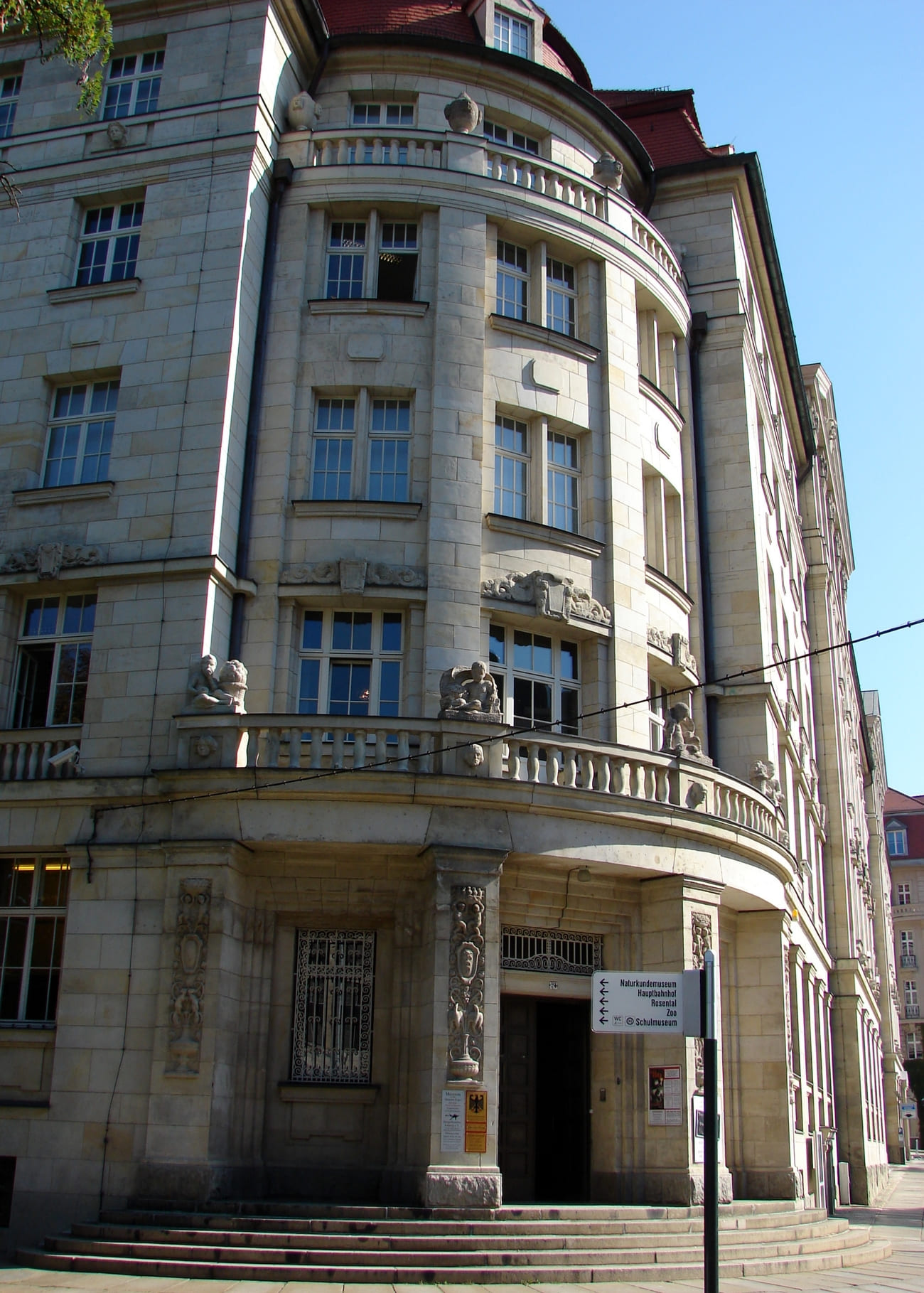
- Memorial Museum in the "Round Corner": The Memorial Museum in the “Round Corner” is one of Leipzig’s most important political-history sites. It is located in the former district headquarters of the Stasi, the East German secret police. This is where you understand Leipzig’s role in the Peaceful Revolution and the final years of the GDR. The rooms still carry the atmosphere of the former administrative site, which makes the visit feel direct and grounded. You can use an audio guide for the permanent exhibition during your visit, which will give you around one hour of information about the history, structure, methods and equipment of the Stasi.
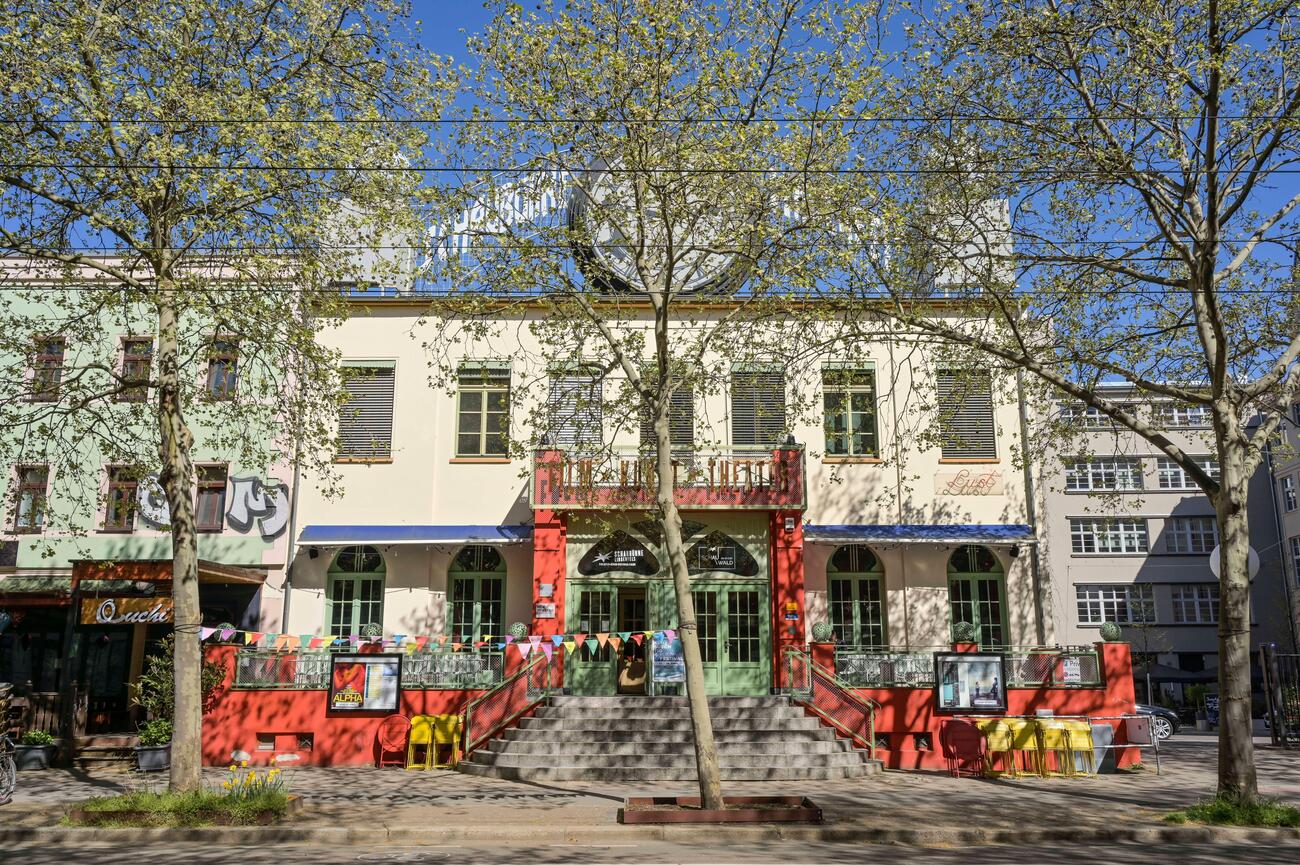
- Schaubühne Lindenfels: Schaubühne Lindenfels is located on Karl-Heine-Straße in the west of the city, an area known for galleries, canals, independent venues and a more local cultural atmosphere. The venue is an interdisciplinary production and performance space. Its program includes theater, dance, performance, film, music, literature, new media, visual arts, discussions, exhibitions and festivals. And if you want the best experience, check the schedule in advance and book tickets online for a theater performance, film screening, concert, reading or themed event.
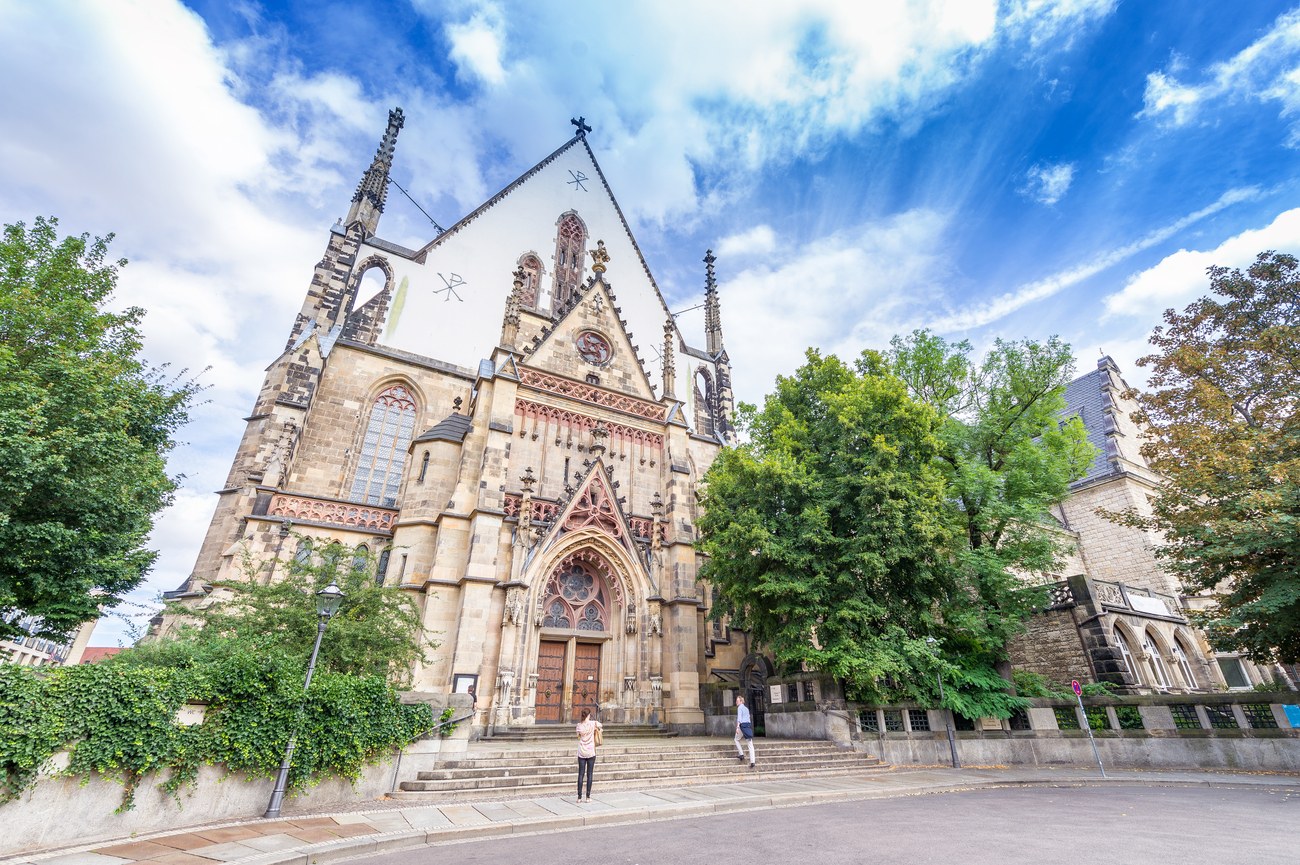
- St. Thomas Church: St. Thomas Church, or Thomaskirche, is one of Leipzig’s most important landmarks and a key stop for anyone interested in Johann Sebastian Bach. Bach served here as Thomaskantor from 1723 until his death in 1750, and his grave is located inside the church. The building combines Gothic architecture, a calm interior and a musical legacy that feels inseparable from Leipzig. It is also home to the St. Thomas Boys Choir, one of Europe’s most historic choral institutions. If the timing works, attending a motet or concert here adds far more to the visit than simply stepping inside for a quick look.
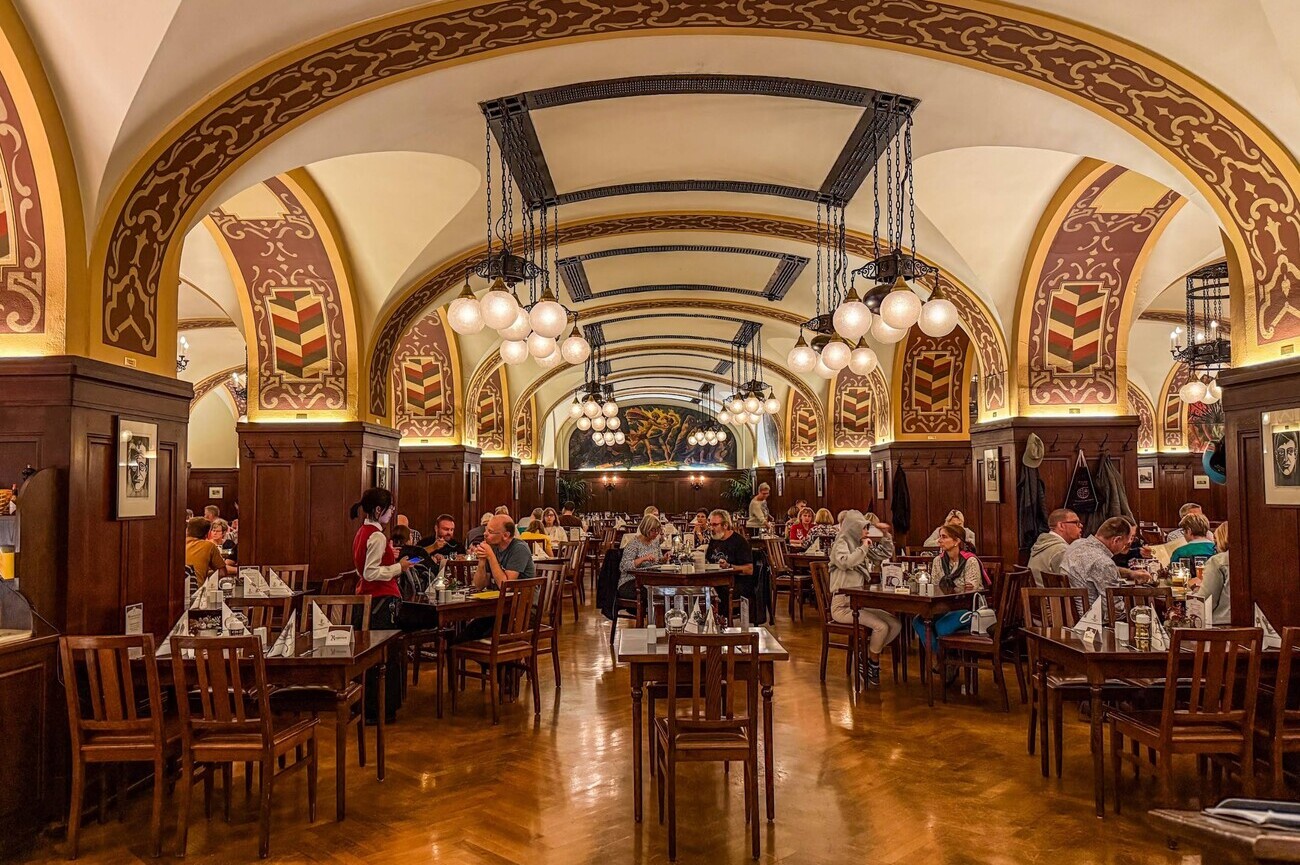
- Auerbachs Keller: Auerbachs Keller is one of Leipzig’s most famous historic restaurants and literary landmarks. Located beneath Mädler-Passage, it has been serving guests for centuries and is closely associated with Goethe’s Faust, where the cellar appears as one of the play’s best-known scenes. Today, it works as both a traditional Saxon dining stop and a piece of Leipzig’s cultural history. Even if you do not stay for a full meal, it is worth knowing why this cellar is one of the city’s most recognisable addresses.
Things to Do with Kids in Leipzig
Leipzig is surprisingly easy with kids because the city does not make families choose between “educational” and “actually fun.” You can do animals, science, parks, water play, museums and amusement rides without turning the whole trip into a logistical workout. The best part is that many of these places are structured enough for parents but still exciting enough for kids who have exactly zero interest in pretending to admire architecture for two hours.
- Zoo Leipzig: Zoo Leipzig is one of the best family stops in the city, especially if you want a full-day activity that keeps kids moving without it being like a forced educational trip. The zoo is known for themed worlds, wide paths, animal encounters and immersive areas that feel more like small ecosystems than standard cages. The biggest highlight is Gondwanaland, a huge tropical hall with rainforest plants, elevated paths and a jungle river boat ride. Kids get animals, water, heat, plants and a little “explorer mode” energy all in one place. Pongoland is another major area, focused on great apes and the zoo also has playgrounds, stroller and cart rentals, baby changing facilities and family-friendly visitor services. You can book Explorer Tours that cover theme worlds such as Asia, Africa, Pongoland or Gondwanaland, and they are guided by zoo staff who know how to make the visit more than just “look, animal, next.”

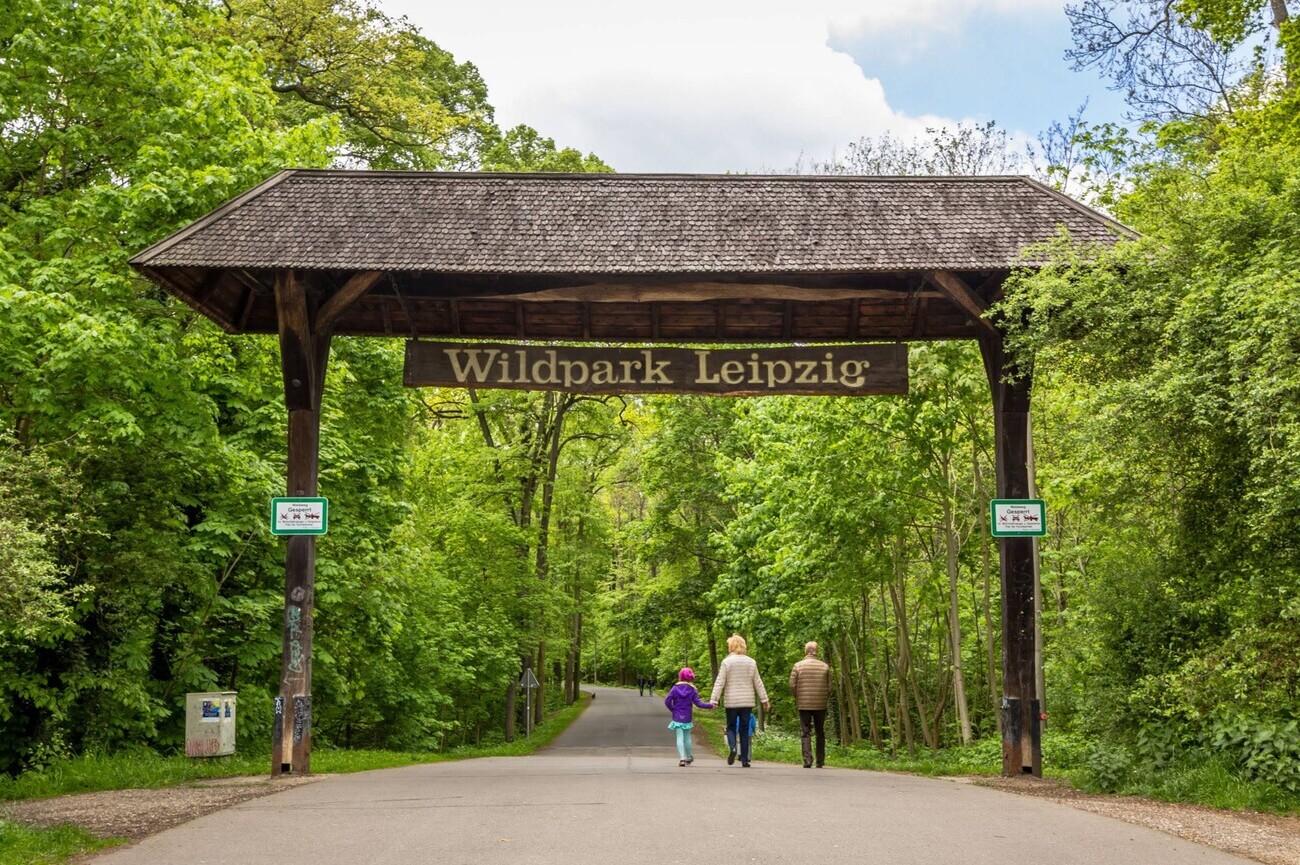
- Wildpark Leipzig: Wildpark Leipzig is a more relaxed animal experience compared with the main zoo. It is located in Connewitz, inside the southern floodplain forest, and covers around 42 hectares. The focus here is Central European wildlife, so expect animals like deer, wild boar and other native species rather than tropical showstoppers. It has forest paths, spacious enclosures, cycling and walking routes, plus a large playground that gives younger kids a proper place to burn energy. This is a good choice if you want something outdoorsy but not too intense.
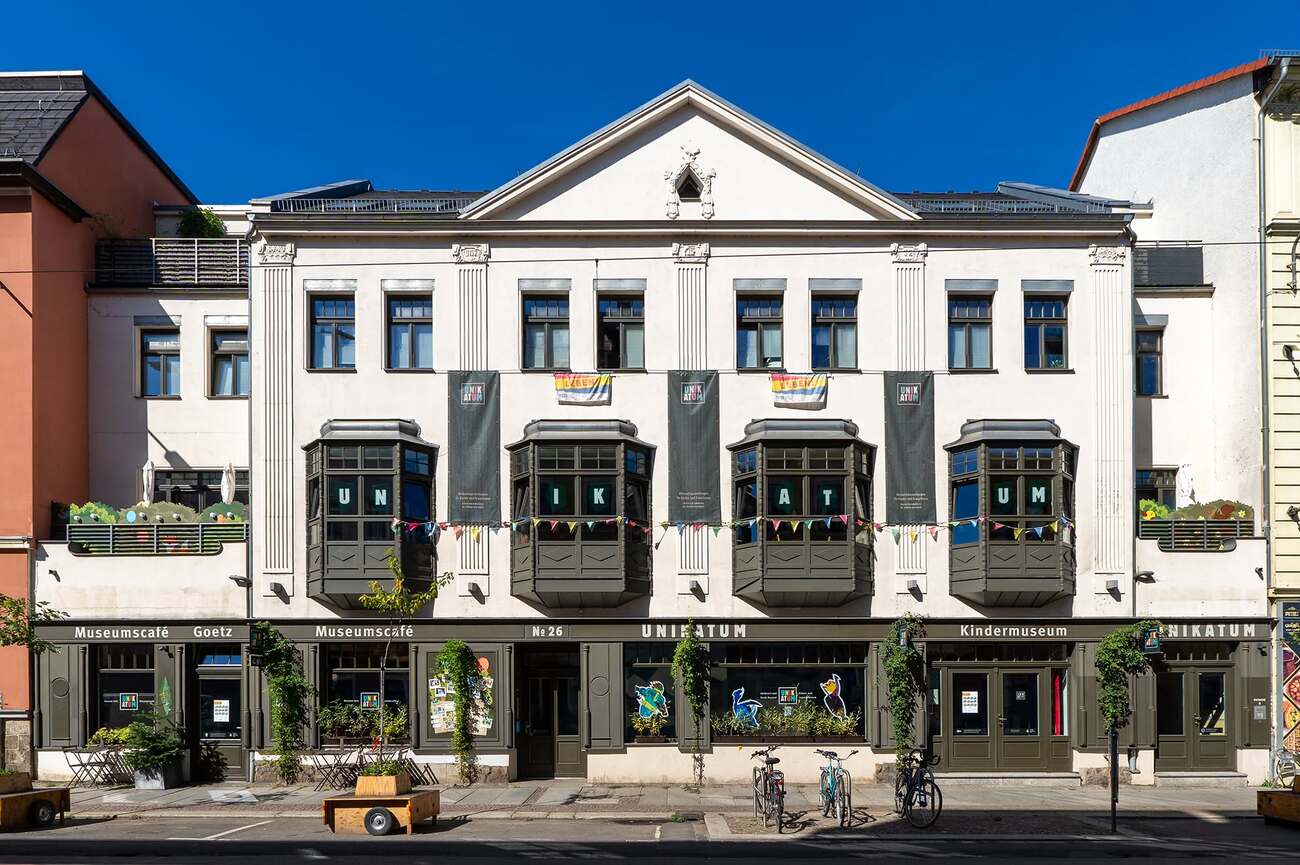
- UNIKATUM Children's Museum Leipzig: UNIKATUM Children’s Museum is a strong pick when you want a museum that actually understands children are not tiny adults with museum voices. It is built around hands-on exhibitions, interactive stations, games, crafts and experiments, so kids are encouraged to touch, try and figure things out. It also has a garden with outdoor stations and a cafe, which makes it easier to manage the visit without rushing. Its exhibitions are bilingual in German and English, which is helpful for international families. Children’s birthday parties are also offered in the museum café, which is useful if you are planning a more special family occasion in Leipzig.
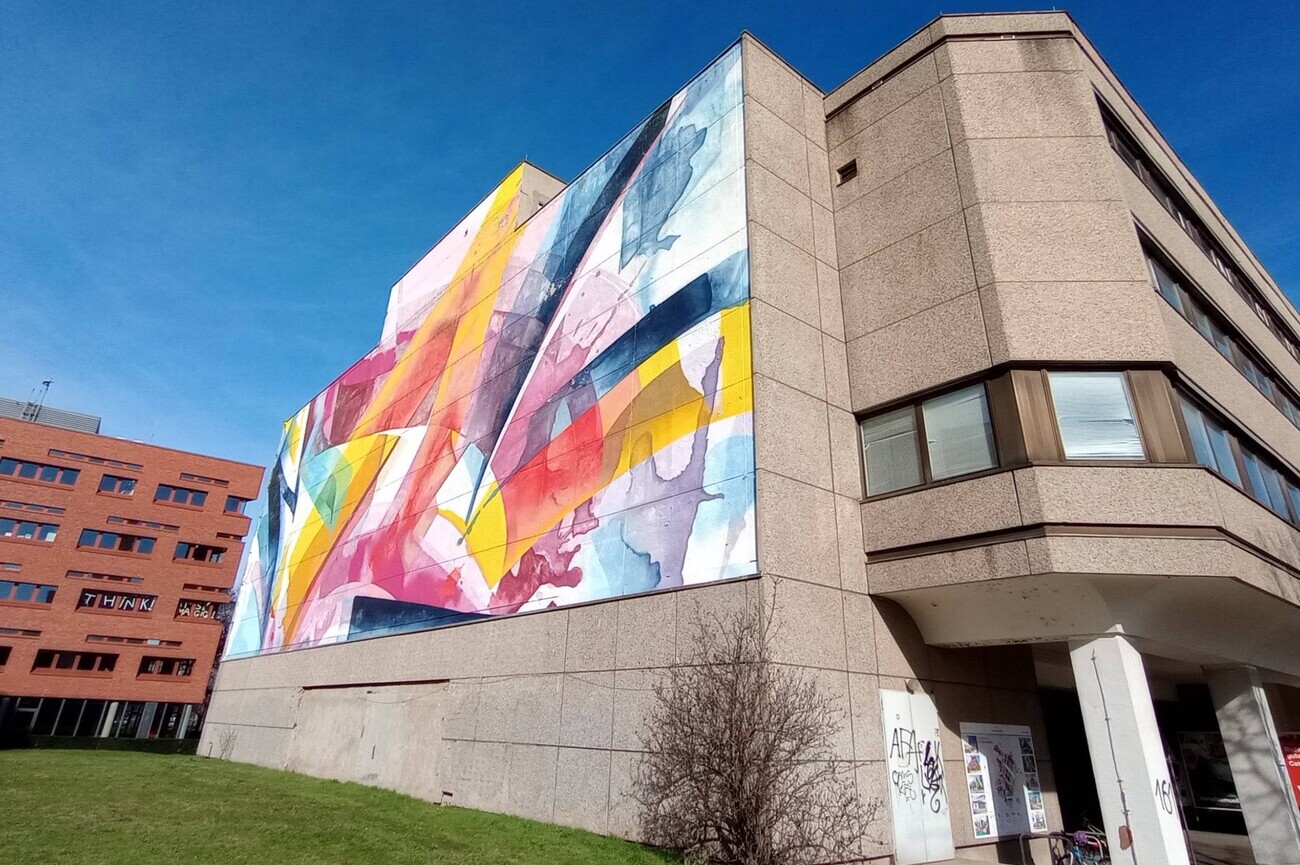
- INSPIRATA: INSPIRATA is Leipzig’s hands-on math and science center, and it is best for kids who like touching buttons, testing things and asking “but why?” every five minutes. The center focuses on mathematics and natural sciences through interactive formats, so it turns learning into something kids can actually do instead of just reading about. It offers programs for private visitors, families, preschool groups, schools and organizations.
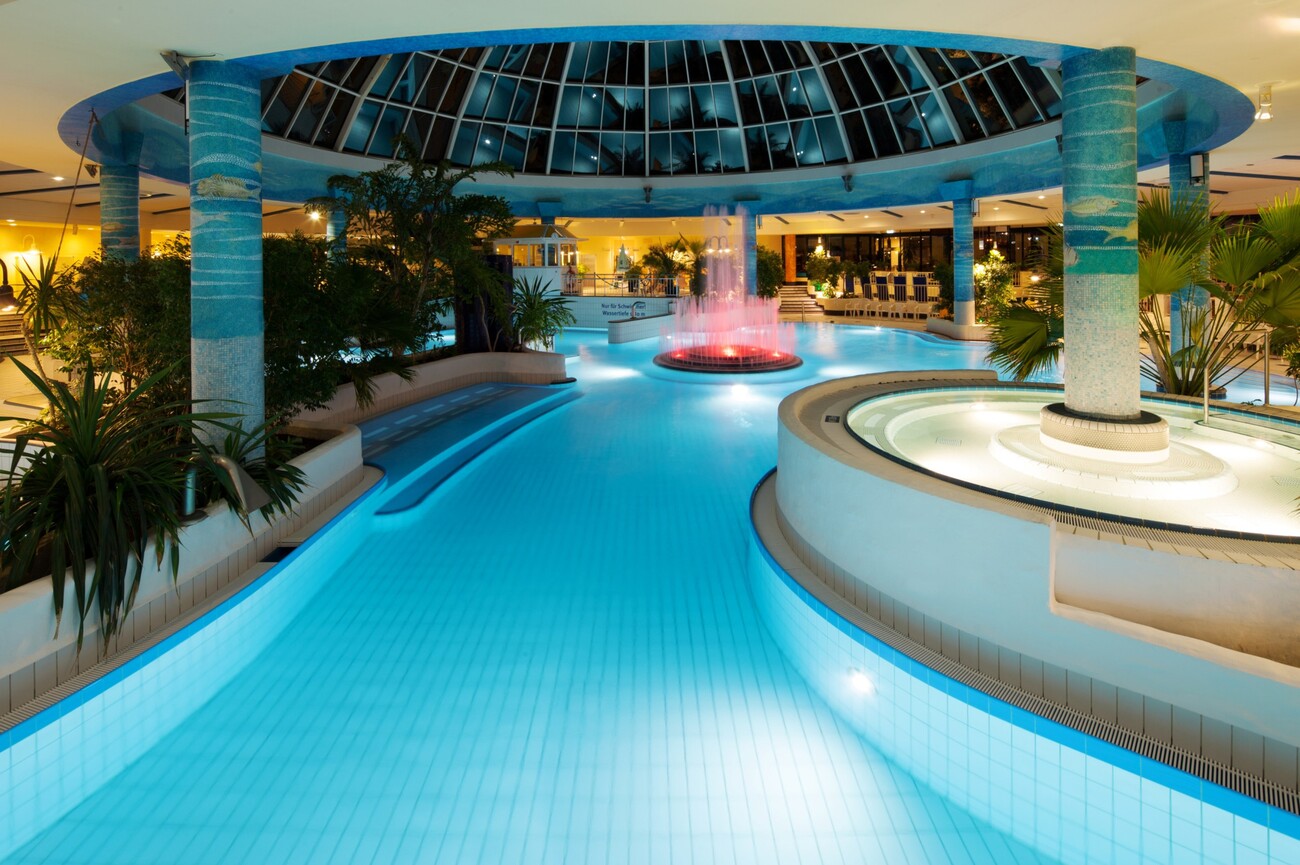
- Sachsen-Therme: Sachsen-Therme is the waterpark choice for Leipzig families who need a break from museums and walking. It is an indoor leisure pool and wellness complex with water slides, a wave pool, fountains, water cannon, current circle, waterfall, toddler water play area, diving boards, a 25-meter sports pool, whirlpools and a large outdoor pool area. Younger kids get the toddler area, older kids get the slides and adults get a chance to pretend the trip is relaxing.
Day Trips from Leipzig
Leipzig also stands out for its strong rail connections, making it easy to plan efficient day trips without relying on a car. Within about 90 minutes, the options range from UNESCO-listed old towns and Baroque capitals to design-focused sites and medieval centers that feel distinct rather than repetitive. The goal here is not to stack similar stops, but to choose places that offer a clear contrast in atmosphere, history and visual identity without stretching the day into something exhausting.
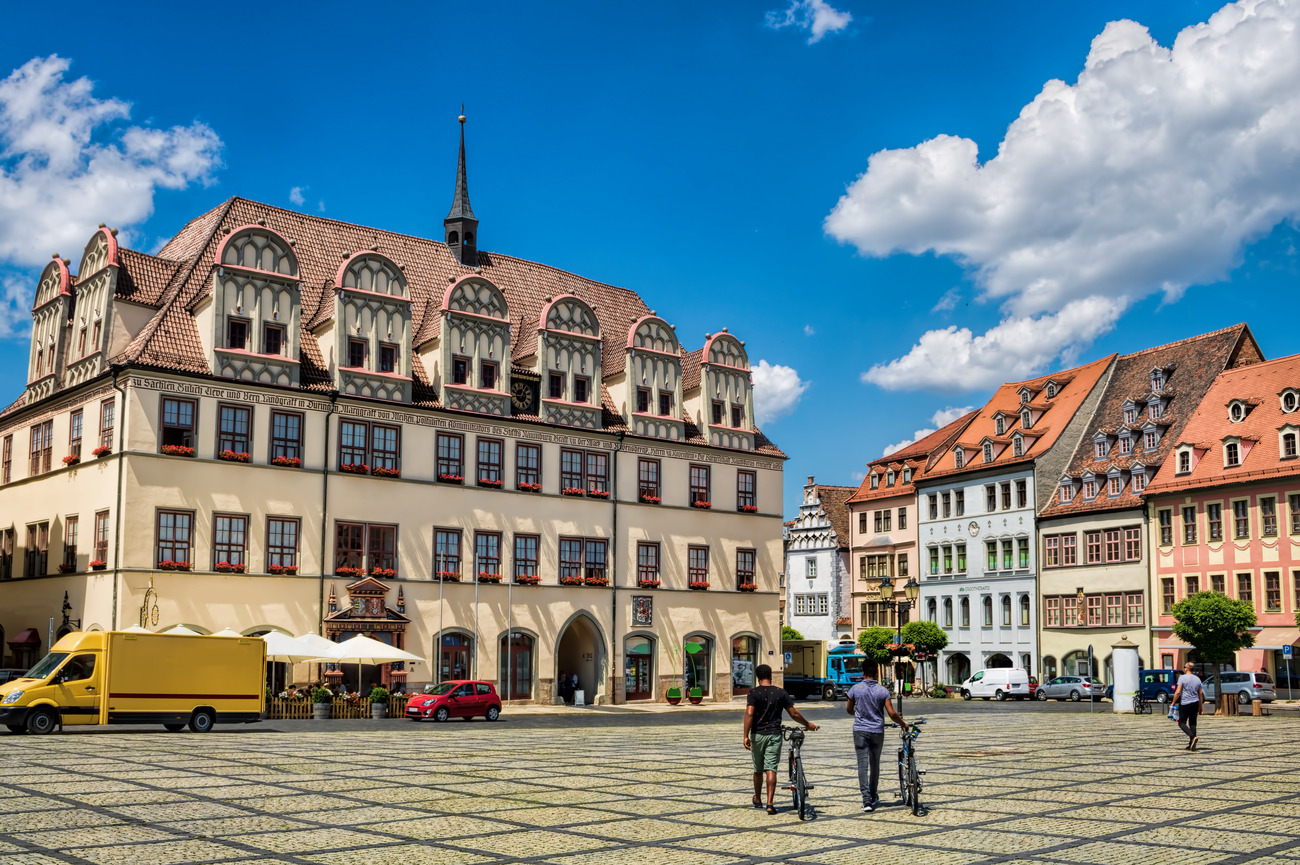
- Naumburg: Naumburg is about one hour by car from Leipzig, while train options can range closer to 1 hour 30 minutes depending on the connection. It is worth the effort because Naumburg Cathedral is a UNESCO World Heritage Site and one of the most important medieval landmarks in central Germany. The main stop is Naumburg Cathedral, officially the Cathedral of St. Peter and St. Paul. Its Romanesque and Gothic architecture, west choir and famous donor figures make it the reason most visitors come. After the cathedral, you can walk through Naumburg’s old town, Markt, narrow streets and historic houses. You can also pair Naumburg with a private driver through the Saale-Unstrut region if you want a smoother day.
- Berlin: Berlin is one of the strongest day trips from Leipzig if you want a bigger-city shift without committing to an overnight stay. Direct fast trains can get you from Leipzig to Berlin in around 1 hour and 15 minutes. Start with Museum Island, a UNESCO World Heritage Site in the historic center that brings together major museum buildings and collections in one compact area, including the Altes Museum, Neues Museum, Alte Nationalgalerie and Bode Museum complex. From there, continue to the Brandenburg Gate, Unter den Linden, the Reichstag area, the Berlin Wall Memorial or the Memorial to the Murdered Jews of Europe. We’ve prepared a Berlin itinerary, so this day trip can easily be expanded into a longer city stay if you want more than the highlights.

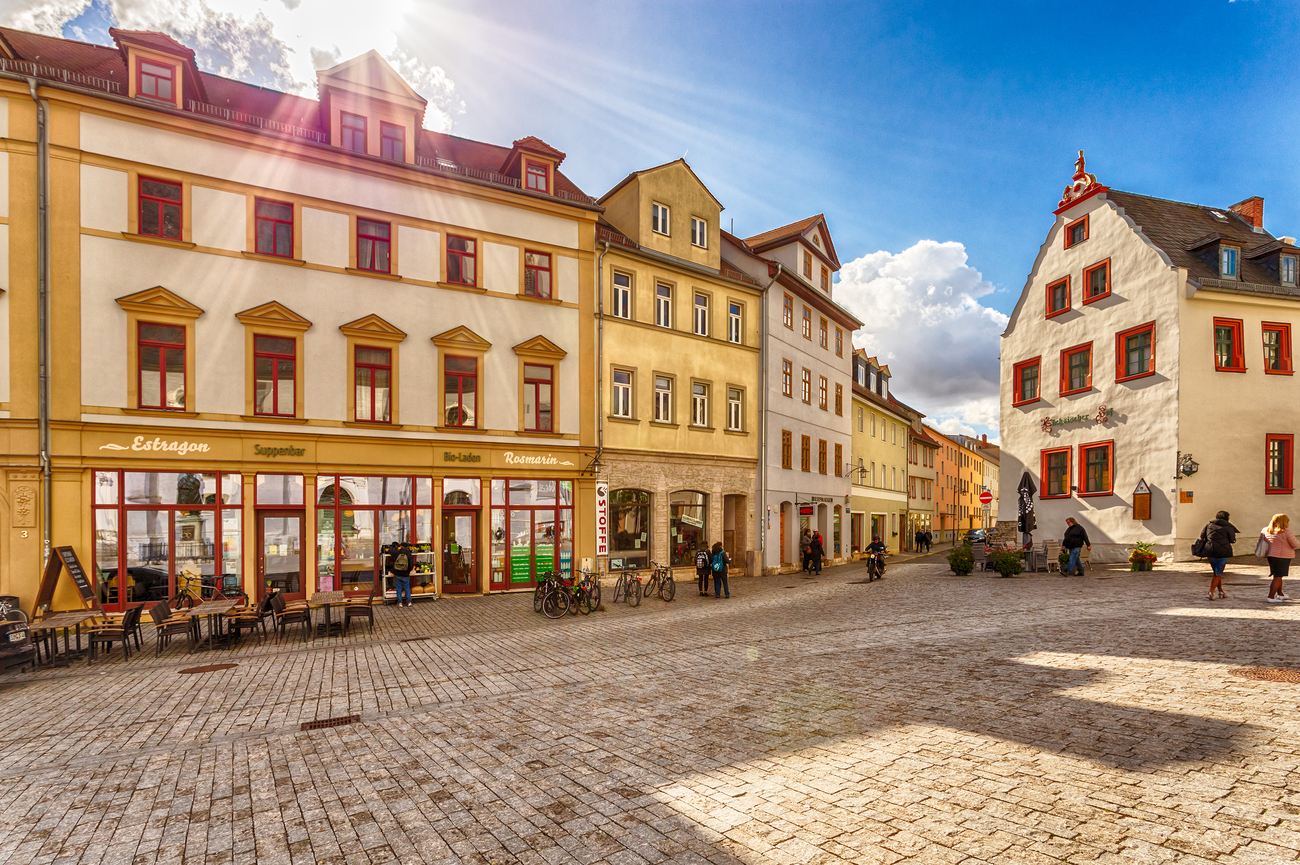
- Weimar: Weimar is around 1 hour to 1 hour 10 minutes from Leipzig by train. It is known for Goethe, Schiller, German classicism and Bauhaus history. Focus on Goethe House and the Goethe National Museum, Schiller House, Duchess Anna Amalia Library, Park an der Ilm, Goethe’s Garden House and the Goethe-Schiller Monument at Theaterplatz. If you want the modernist side, add Bauhaus Museum Weimar, which connects nicely with Dessau if you are building a broader design route. You can arrange a private tour and pre-book key museum entries, especially for places with limited access.
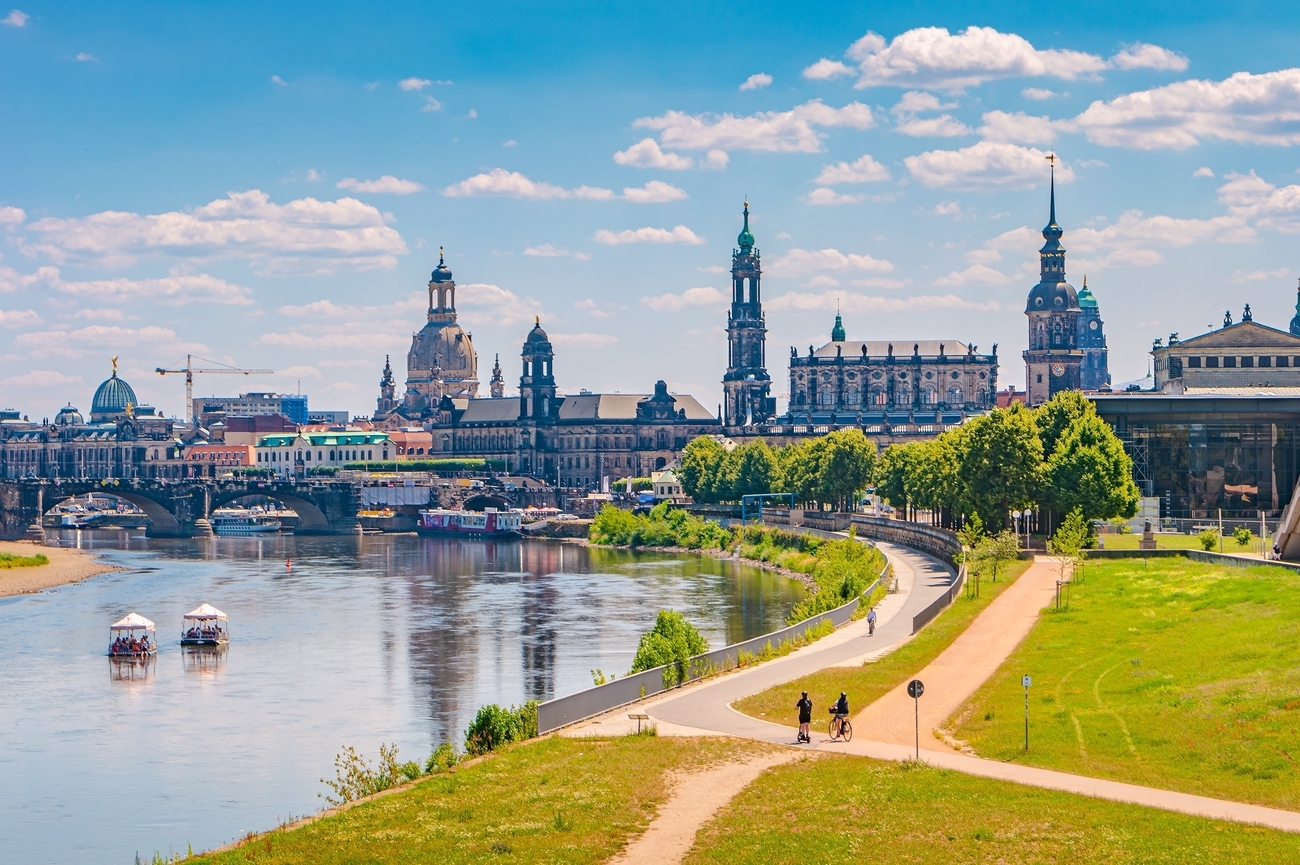
- Dresden: Dresden is already one of the best day trips from Leipzig. The city gives you a different visual language right away: Baroque landmarks, royal collections, riverfront views and a more formal old-town atmosphere. And you can experience this by hopping on a fast train that can reach the city in around 1 hour. There are a few key spots you must add to your must-visit list, including Zwinger, Dresden Royal Palace, Green Vault, Frauenkirche, Semperoper and Brühl’s Terrace. The old town is compact enough to walk, but the museum options are heavy. We’ve prepared a Dresden itinerary too, so this stop can easily become a more complete city break if you want to expand beyond the day trip version.
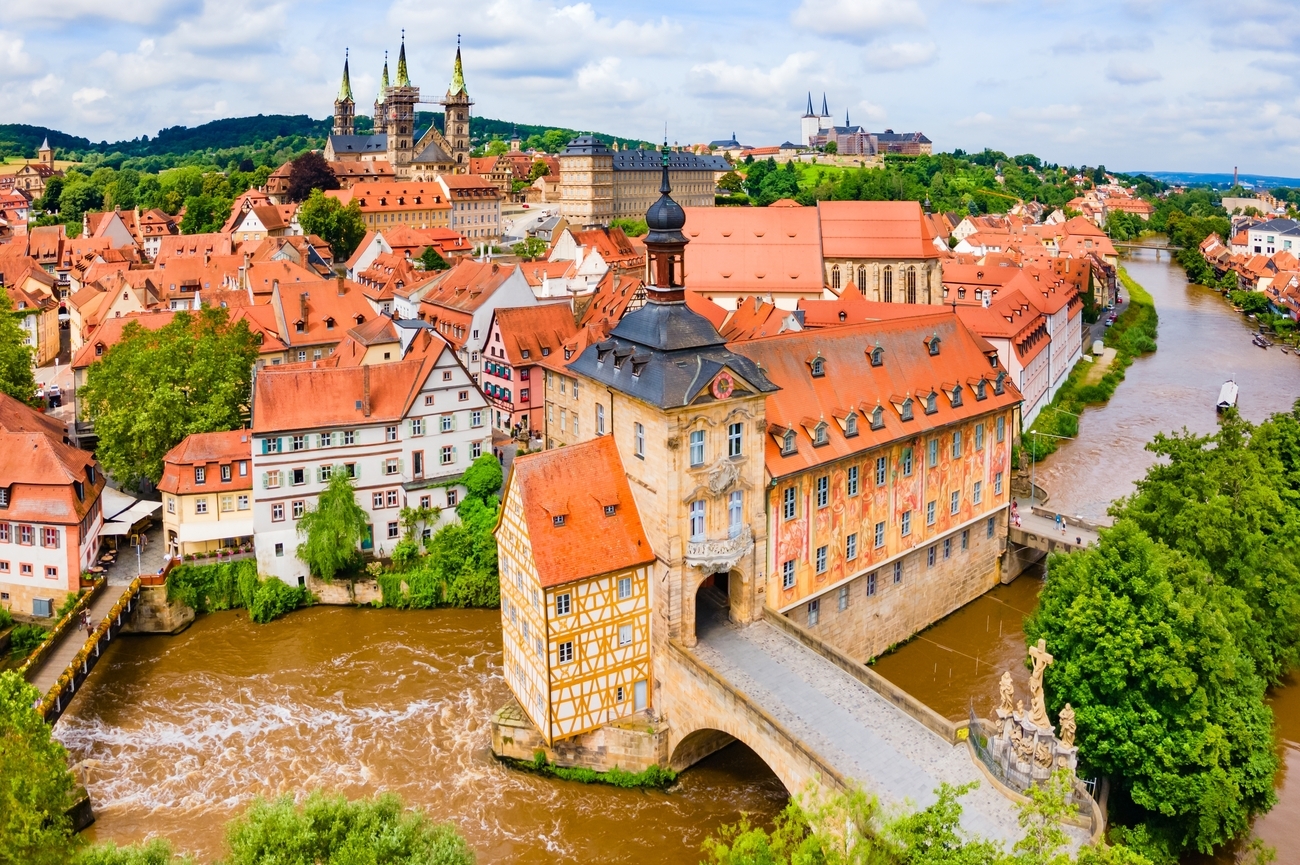
- Bamberg is a slightly ambitious but still doable day trip from Leipzig if you choose a fast direct train. The quickest services can take around 1 hour and 20 minutes. It works best for travelers who want a UNESCO old town, medieval streets and a more compact historic city that feels very different from Leipzig. Key stops include Bamberg Cathedral, the Old Town Hall on the river, Neue Residenz, the Rose Garden, Little Venice and the World Heritage Visitor Center. The Old Town Hall is the visual standout, built on an island in the Regnitz River. And there’s no better way to explore this than booking a private UNESCO-focused guide and keeping the day centered on the old town rather than trying to add too many extras. We’ve prepared a Bamberg itinerary as well, so this can work either as a focused day trip or as a longer cultural stop if you want more time in Franconia.
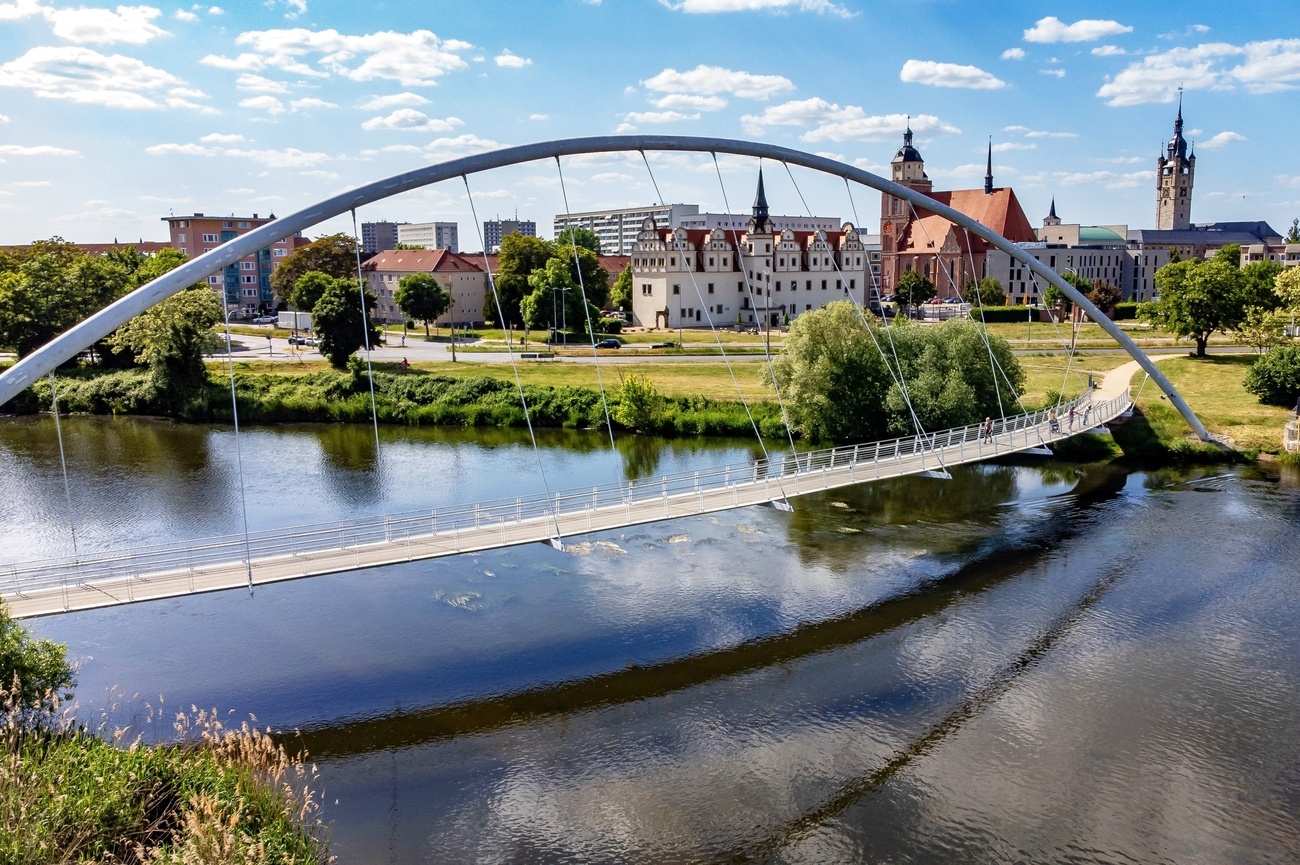
- Dessau: Dessau is a worthwhile day trip from Leipzig for travellers interested in architecture, design and the Bauhaus movement. It can usually be reached in around 1 hour to 1 hour 30 minutes by train, depending on the connection, and works best as a focused cultural day. The main reason to go is the Bauhaus Building, one of the most important modernist landmarks in Europe, along with the Masters’ Houses, where key Bauhaus figures lived and worked. Together, they give the day a very different feel from Leipzig’s music, trade and publishing history, while still fitting naturally into a broader cultural itinerary.
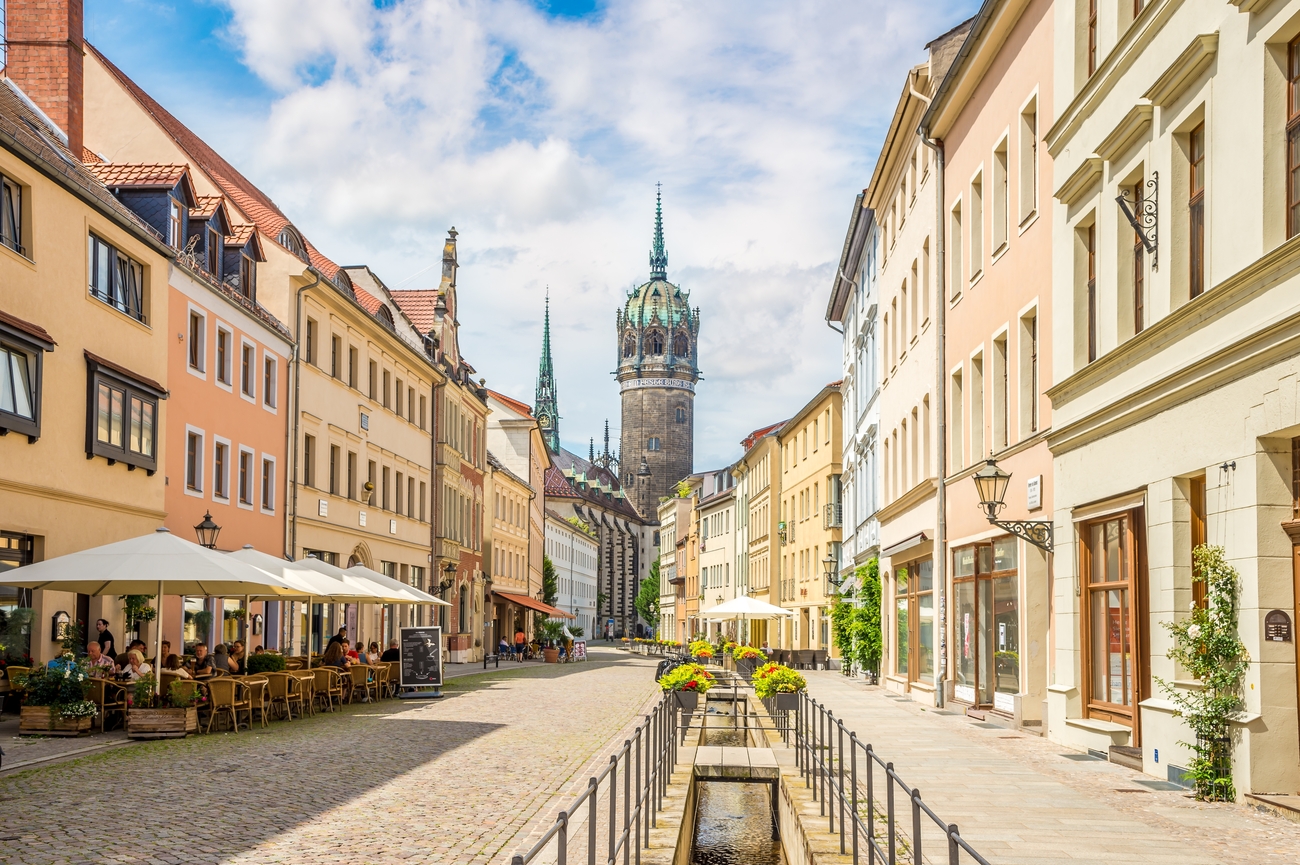
- Wittenberg: Wittenberg makes sense as a day trip from Leipzig if you want Reformation history, UNESCO-listed landmarks and a compact old-town setting without travelling too far. It can usually be reached in around 1 hour to 1 hour 30 minutes by train, depending on the connection. The main focus is the Lutherstadt Wittenberg UNESCO sites, including the Castle Church, Luther House, Melanchthon House and St. Mary’s Town Church. The old town is easy to explore on foot, with historic streets, churches, museums and market squares that give the visit a clear sense of place without overfilling the day.
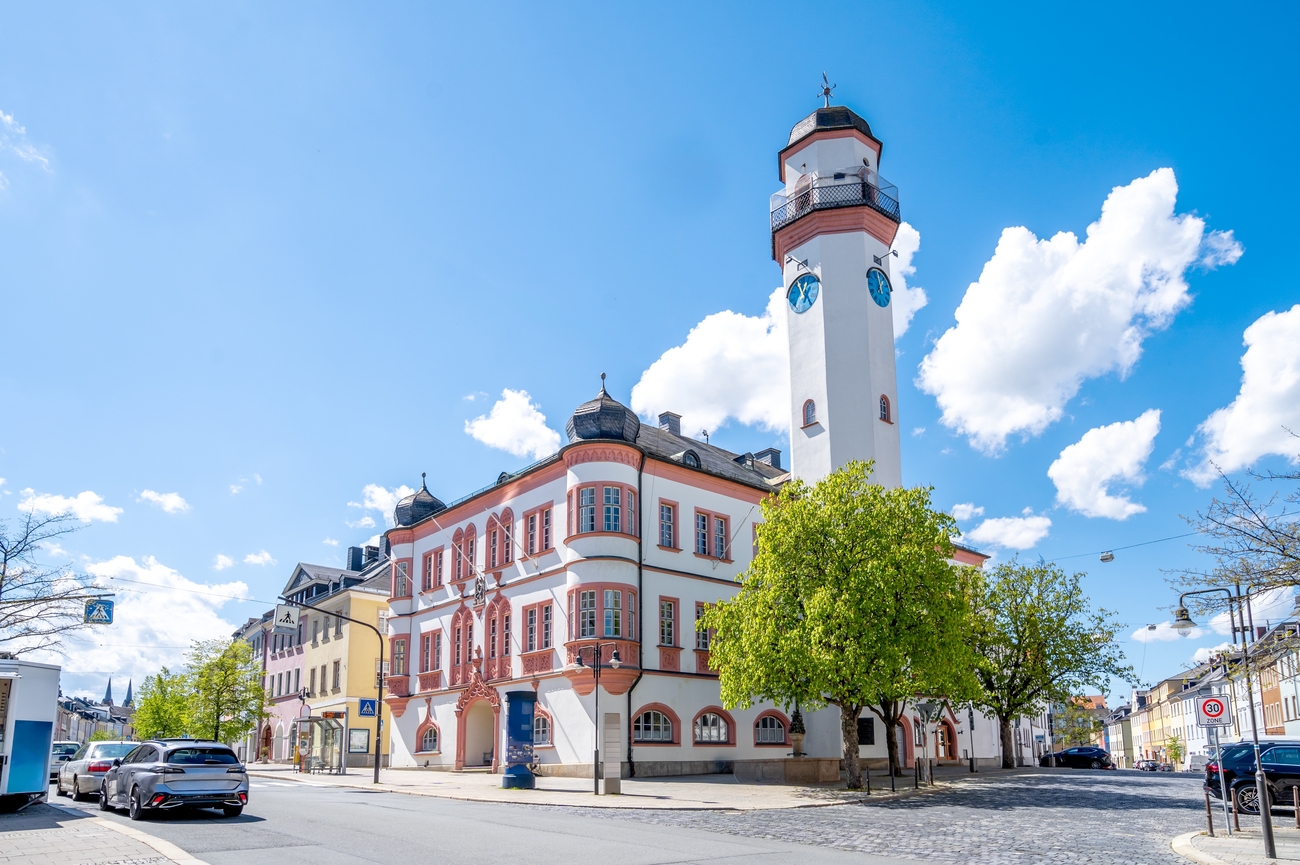
- Halle (Saale): Halle is one of the easiest day trips from Leipzig, usually reached in around 25 to 40 minutes by train. The city is closely associated with George Frideric Handel, making it a natural pairing with Leipzig’s own music history. Visitors can explore the Handel House, the historic market square, Marktkirche, the Red Tower, Moritzburg Art Museum and the Francke Foundations. It is a compact, culture-rich option for travellers who want to see another historic city without committing to a long day on the road.
Nearby Experiences from Leipzig
Leipzig is not a mountain resort or a golf capital, but it is well-positioned for quick, high-value escapes. Some experiences are close and easy, while the ski spots need a bit more planning because the proper winter terrain sits deeper in the Erzgebirge. Still, if you want variety, Leipzig gives you options.
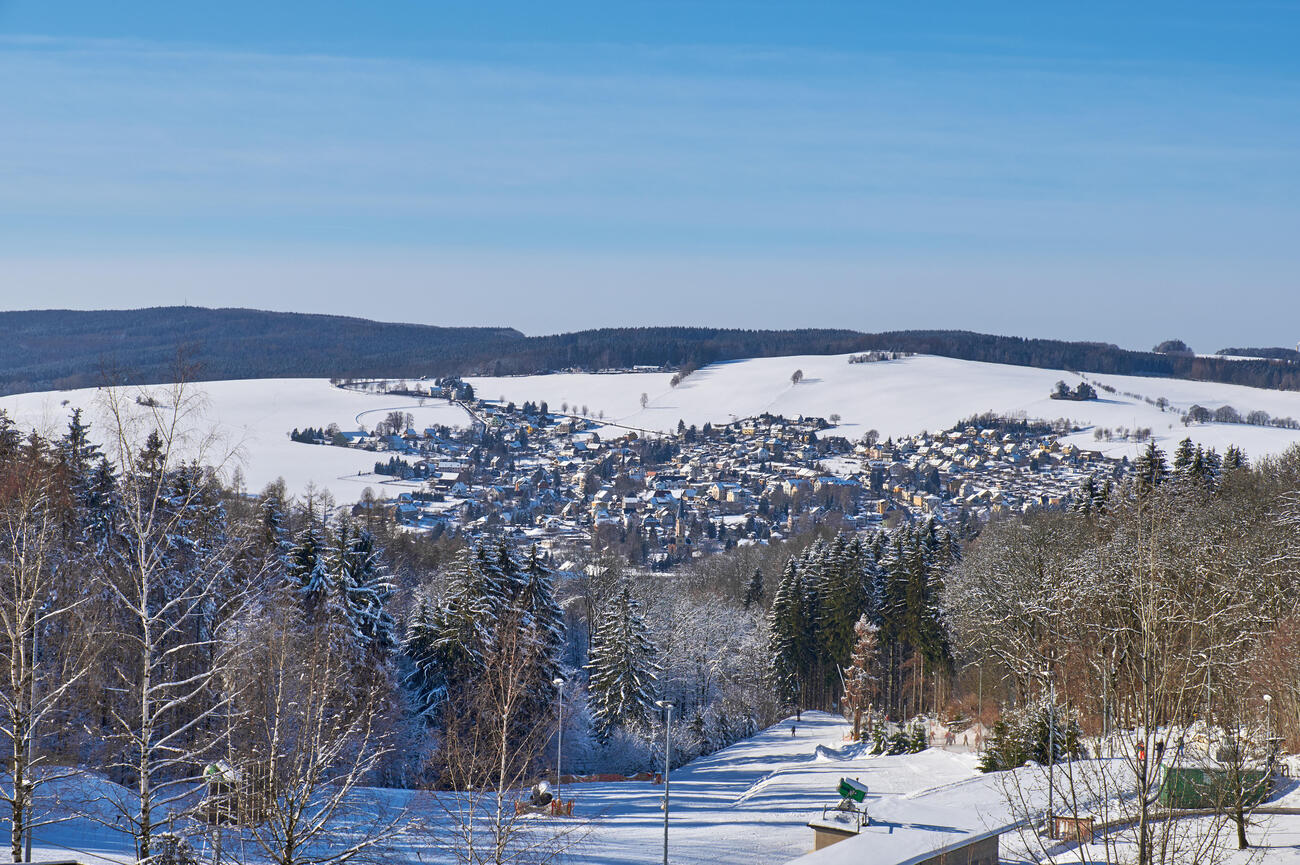
- Rost’s Wiesen in Augustusburg is one of the more practical winter-sport options from Leipzig, taking around 1 hour 15 minutes to 1 hour 30 minutes by car. The site has three drag lifts, around 400-meter descents, light to medium slopes, snowmaking, floodlights, ski and snowboard rental, a ski school and a sledding area nearby. You can also time the visit for floodlit skiing if operations allow, which gives the experience a more fun evening angle.
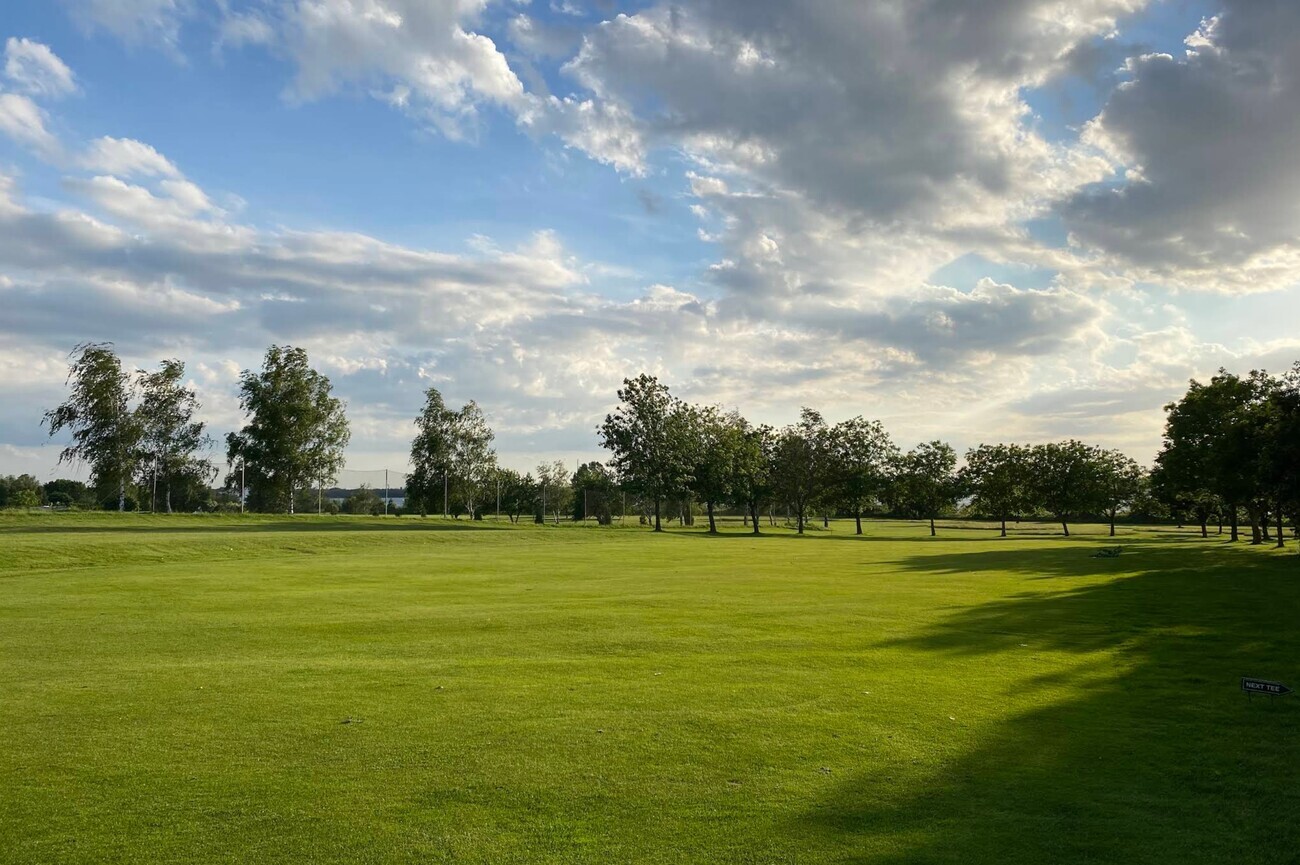
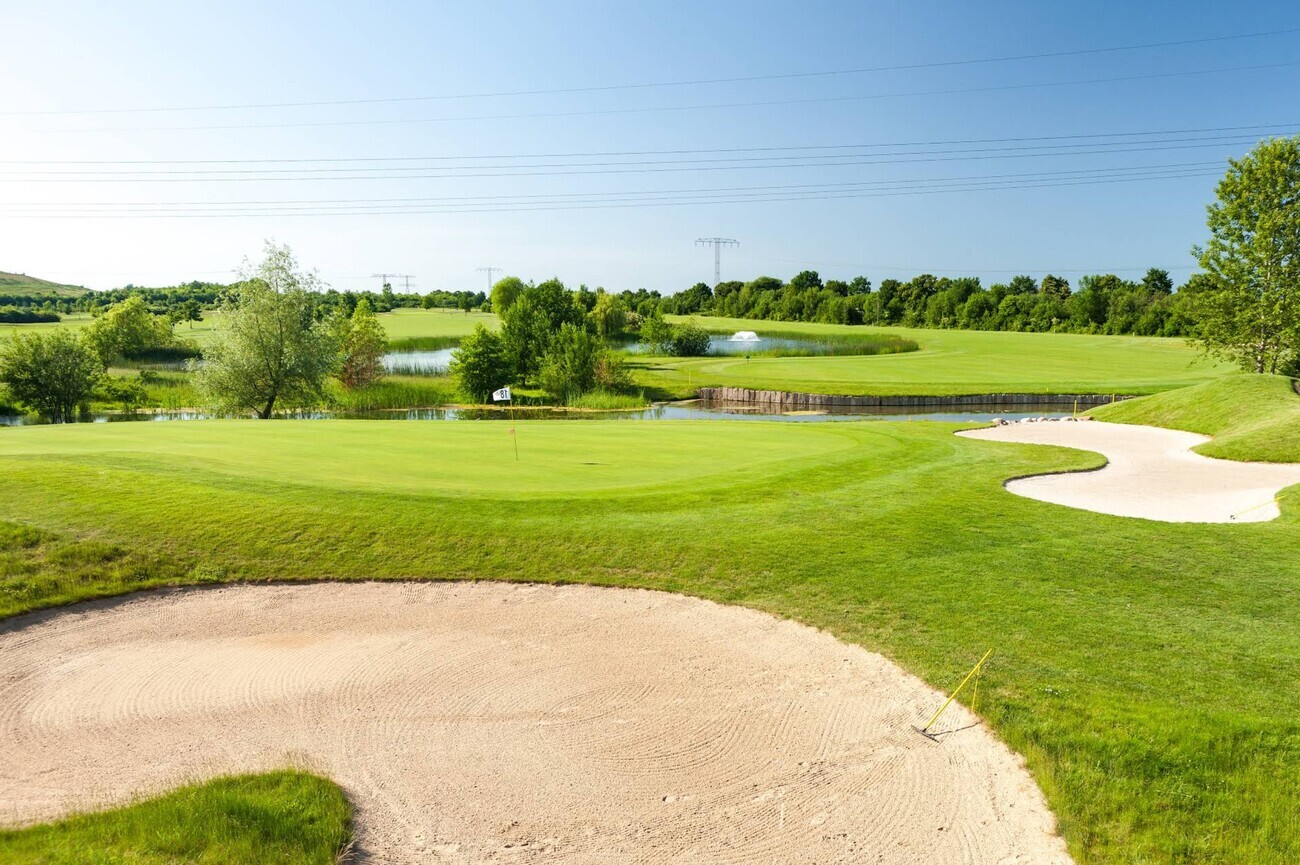
- Golfclub Markkleeberg am See: Golfclub Markkleeberg am See is a good choice if you want golf with a lake setting. The course is a certified 9-hole layout with 2x9 play, par 68, narrow fairways and a strategic course style. It also has a driving range, putting green, pitching green and practice bunker. The lake setting gives the place a cleaner leisure feel, so it works for golfers who want sport without making the day too heavy. You get golf, water and a softer Leipzig-region setting in one stop in just a 20-25 minute car ride.
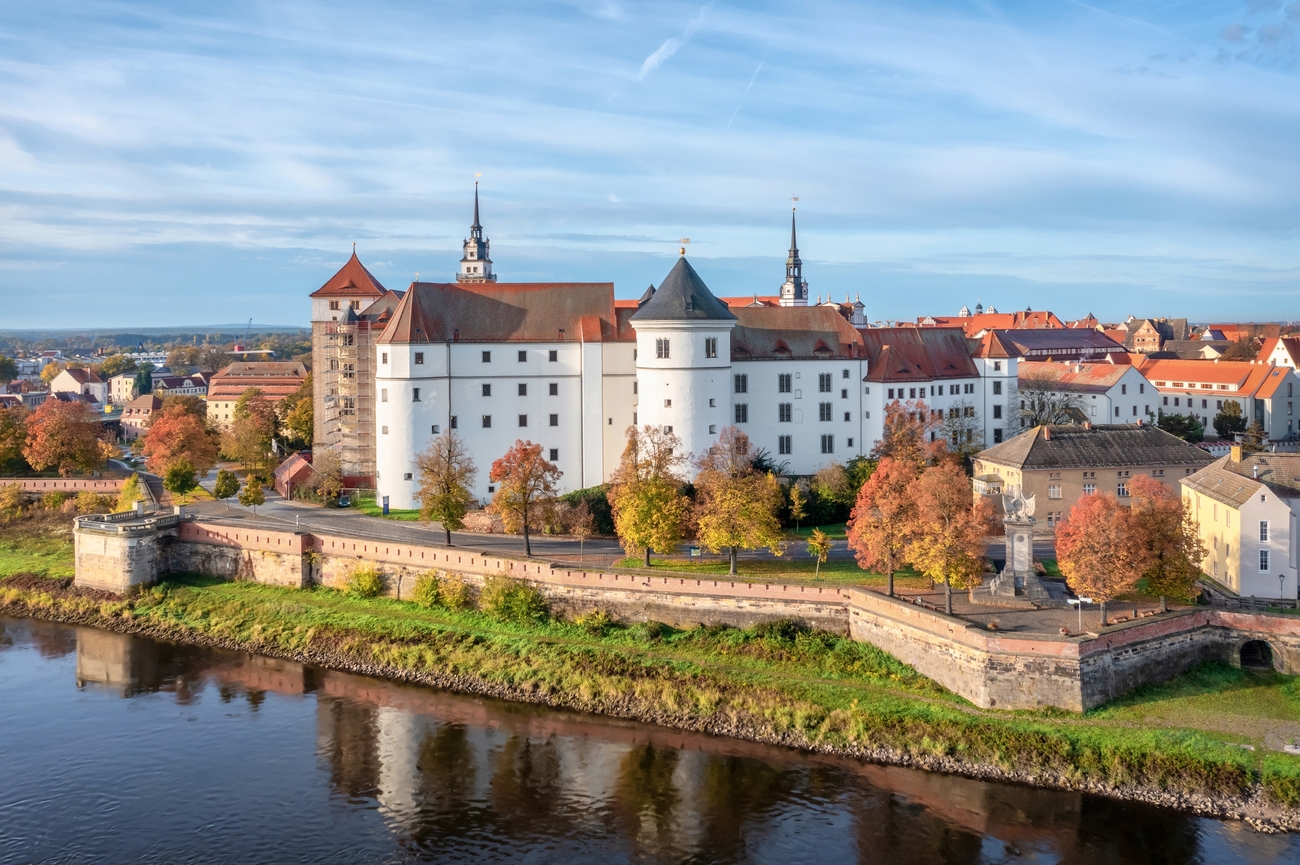
- Castle Hartenfels: Hartenfels Castle in Torgau is a strong nearby historical spot. The castle is one of the most important Renaissance complexes in Saxony and is especially known for its Grand Wendelstein, a self-supporting spiral staircase that still feels impressive today. The site includes the castle courtyard, castle chapel, Hausmann Tower, exhibitions, gardens and historical areas connected to Saxon court life. And you can get here in around an hour by car.
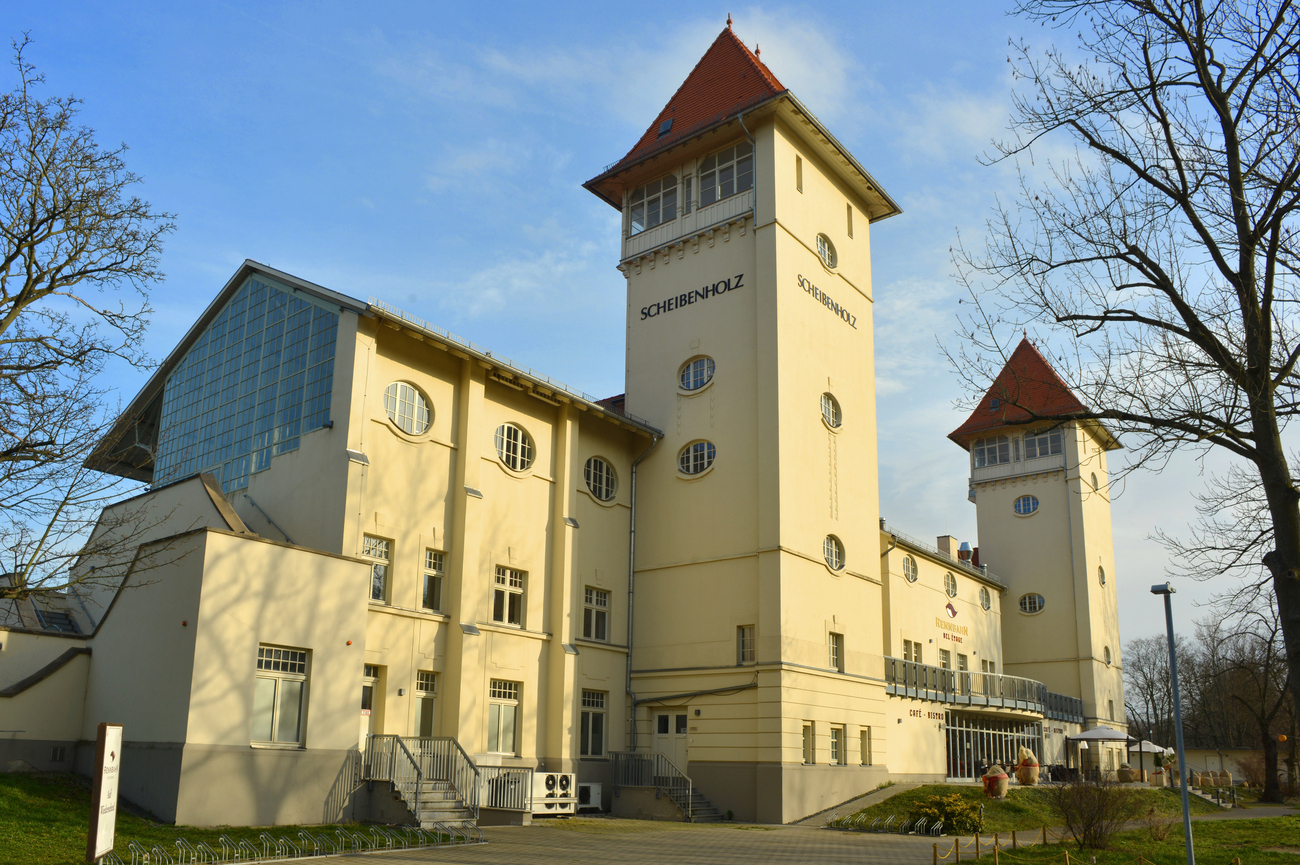
- Scheibenholz Racecourse: Scheibenholz Racecourse is one of Leipzig’s more unusual historic venues and a good addition if you want something beyond churches, museums and music history. Located close to the city centre, beside Clara-Zetkin-Park, it has been part of Leipzig life since the 19th century and still hosts race days, events and seasonal gatherings. It works best as an extra experience rather than a core sightseeing stop, but it is worth including for travellers interested in horse racing, local traditions or a different side of the city.
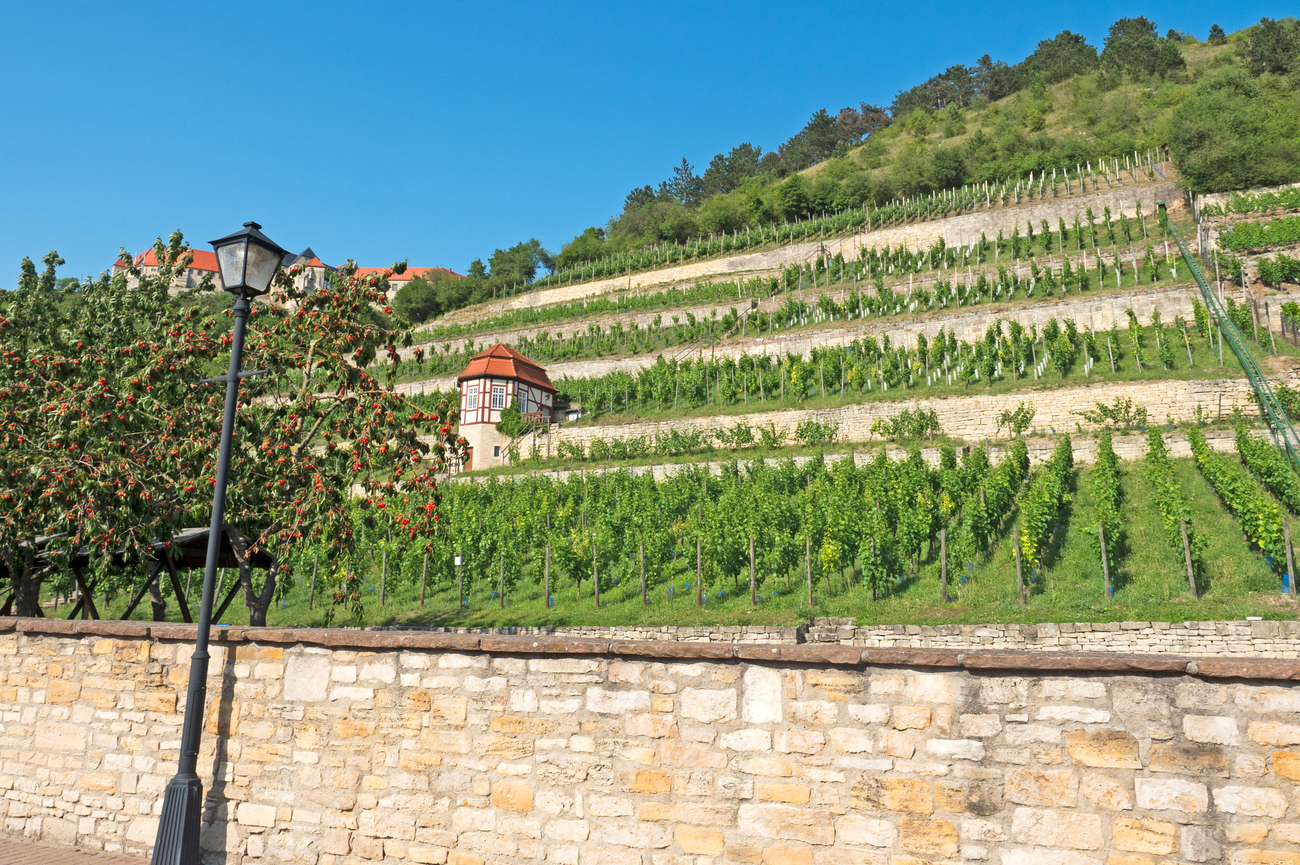
- Saale-Unstrut Wine Region: For travellers interested in wine, the Saale-Unstrut region around Naumburg and Freyburg offers vineyards, small wine estates and countryside scenery within reach of Leipzig. It works best as a slower add-on to a Naumburg day trip rather than a separate full-day excursion.
Golf Courses in Leipzig
Leipzig has a limited golf scene within the city itself, so the main course to focus on is GolfPark Leipzig. It is the most relevant option if you want a proper golf experience without leaving Leipzig.
- GolfPark Leipzig GmbH: GolfPark Leipzig-Seehausen is the main golf course located within Leipzig. It sits at Bergweg 10 in the Seehausen area, around 15 minutes from the city center by car. The facility includes an 18-hole championship course, a public driving range and a public 6-hole short course. The championship course is the better option for a full round, while the 6-hole short course works well if you want something quicker or more casual. If you want to have the best experience, book a tee time in advance and choose the 18-hole course if you have enough time. The course also offers 9-hole and sundowner options.
Michelin-Starred Restaurants in Leipzig
Leipzig’s fine dining scene is small, but that actually works in its favor. Instead of a long list of restaurants trying to outshine each other, the city has three Michelin-starred spots that each do something different: one leans relaxed and ingredient-led, one is more classic and elegant and one brings a younger bistro-style energy. If you want a high-end dinner in Leipzig, these are the places that prove the city is not only about museums.
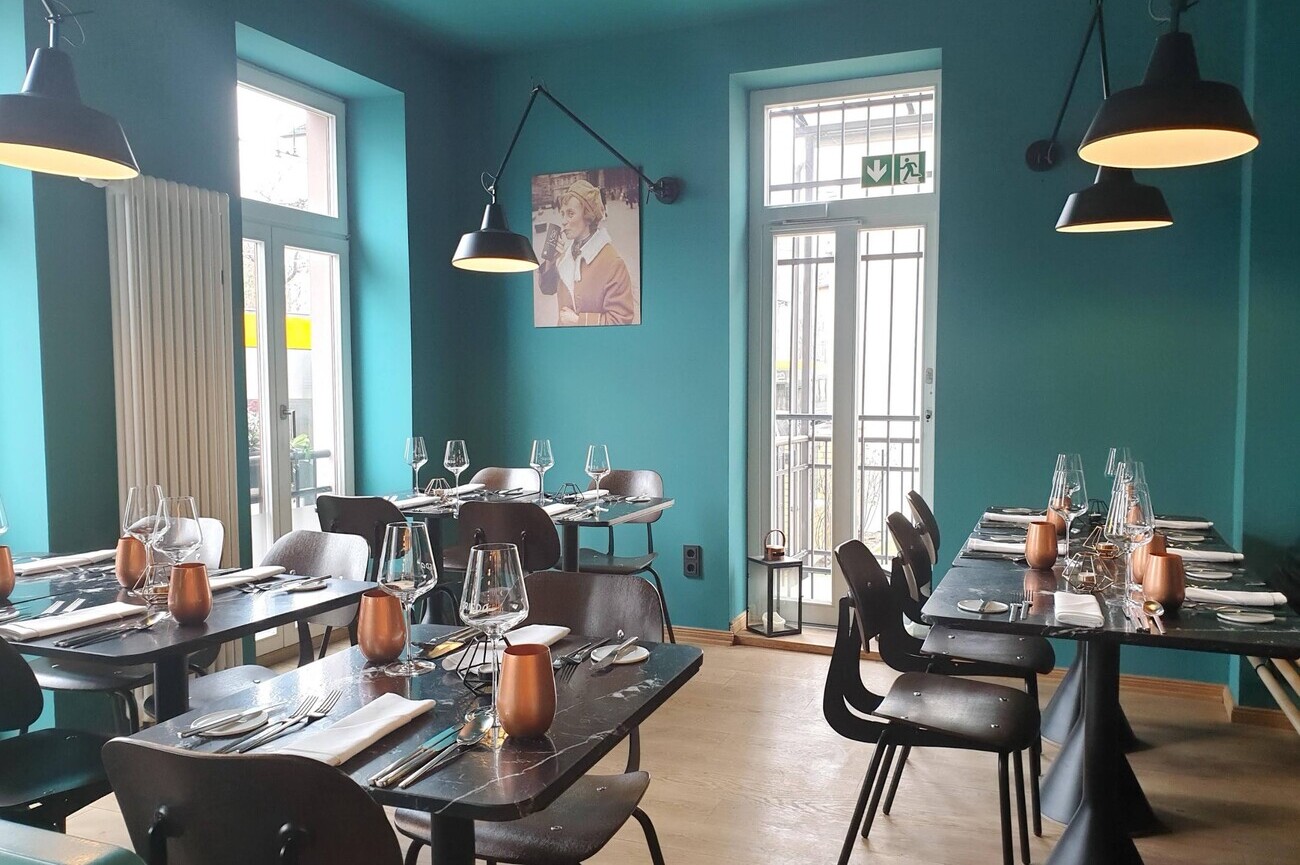
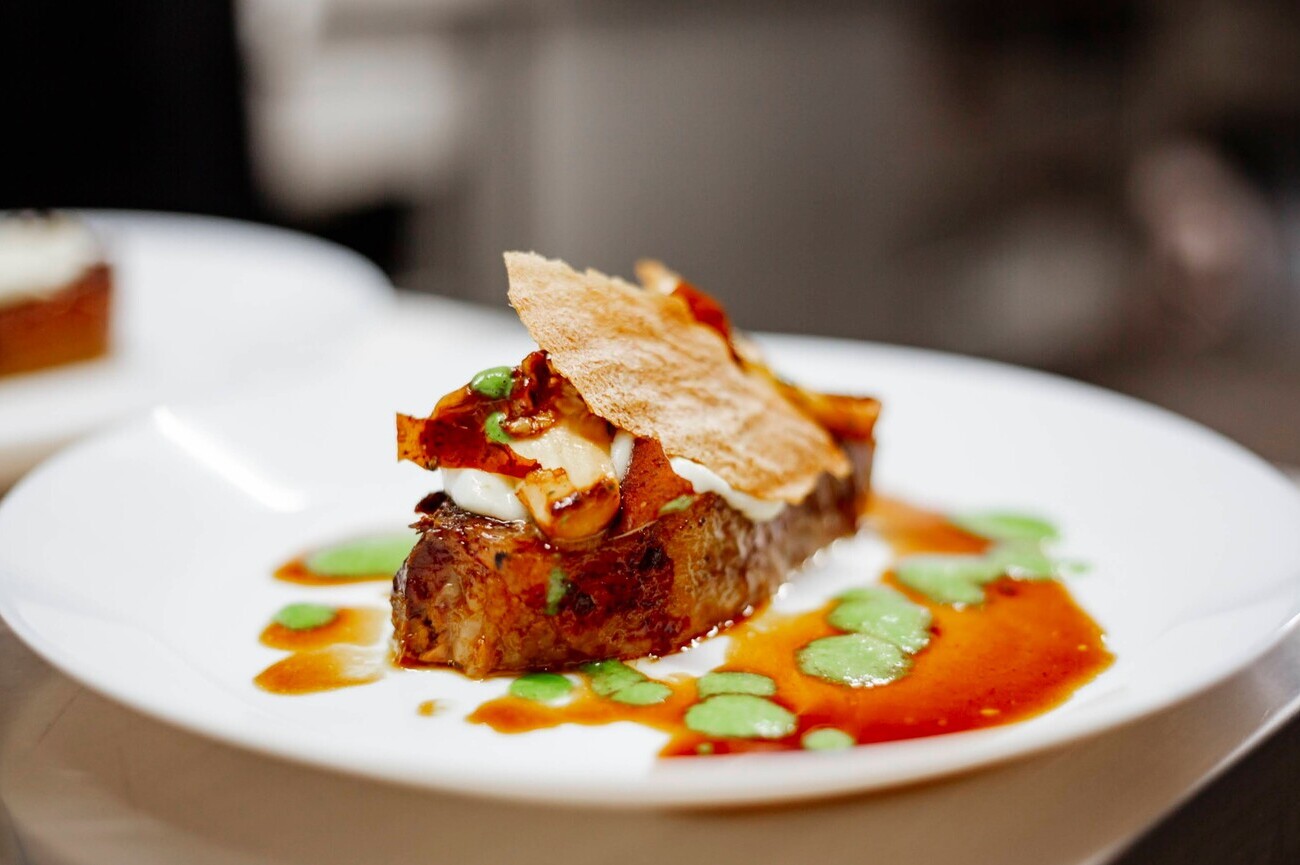
- Frieda: Frieda is a one-Michelin-star restaurant in Leipzig’s Gohlis area. The kitchen is led by Lisa Angermann and Andreas Reinke, with a regularly changing menu called “Frieda En Vogue.” The cooking is modern, ingredient-led and precise, with dishes that can include combinations like cod with ox tongue vinaigrette, watercress and gherkin, or saddle of venison with salted celeriac, artichoke cream, pistachio and lardo. The restaurant also offers the vegetarian version “Frieda Naturell.” And to make the evening feel more complete, you can also add wine pairings.
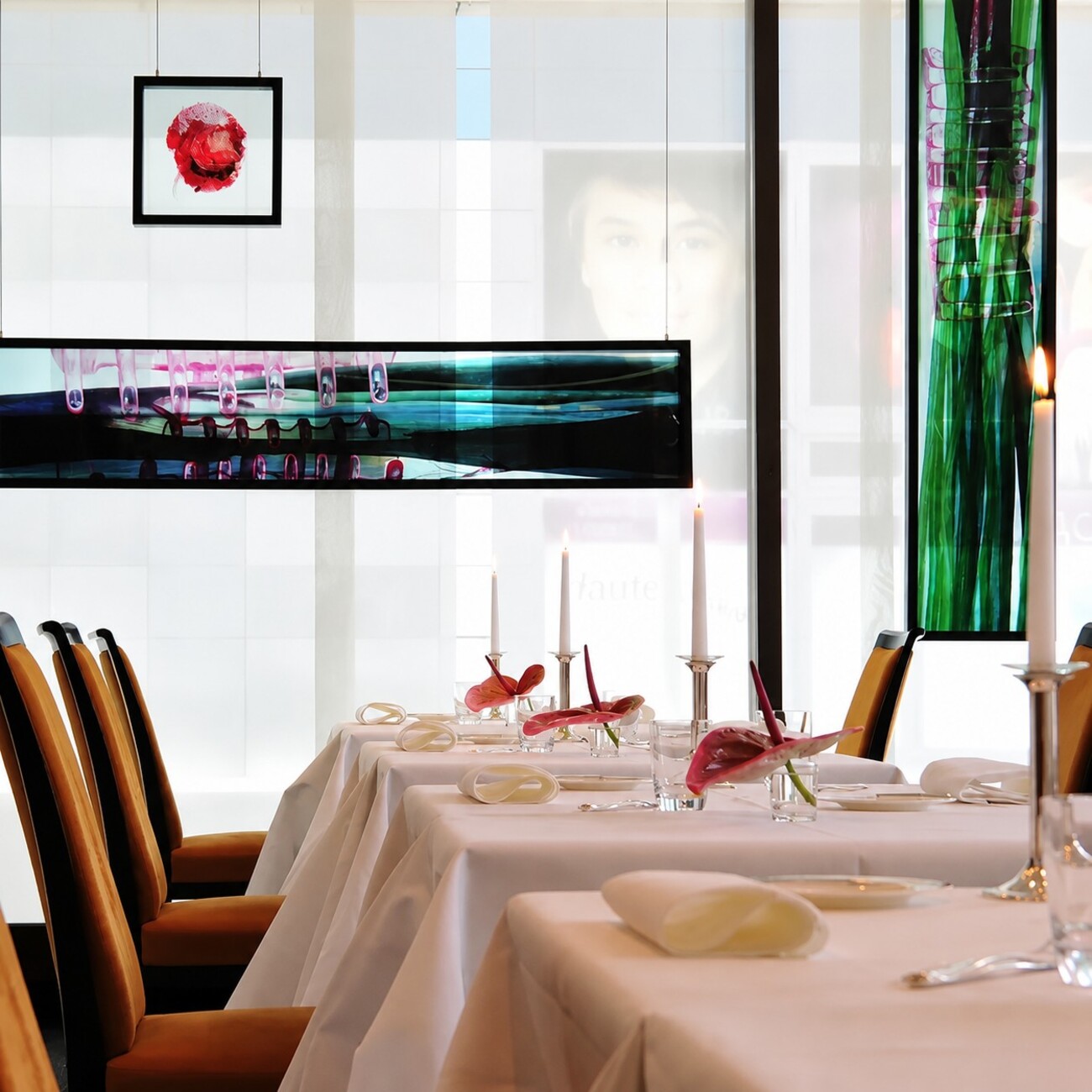
- Stadtpfeiffer: Located inside the Neue Gewandhaus on Augustusplatz, Stadtpfeiffer is a one-Michelin-star restaurant and it is a classic fine dining choice in the city. Detlef and Petra Schlegel have been part of Leipzig’s restaurant scene since 2001, and the kitchen focuses on a contemporary take on classic French cuisine. The restaurant serves set menus, including a vegetarian option, with dishes that are clear, seasonal and carefully built. Michelin highlights plates such as “Hirsch, Senf, Traube” or venison, mustard and grape, which gives a good sense of the style: refined, readable and not overloaded with unnecessary tricks. You can book dinner around a concert evening and turn it into a full cultural night instead of just a meal.
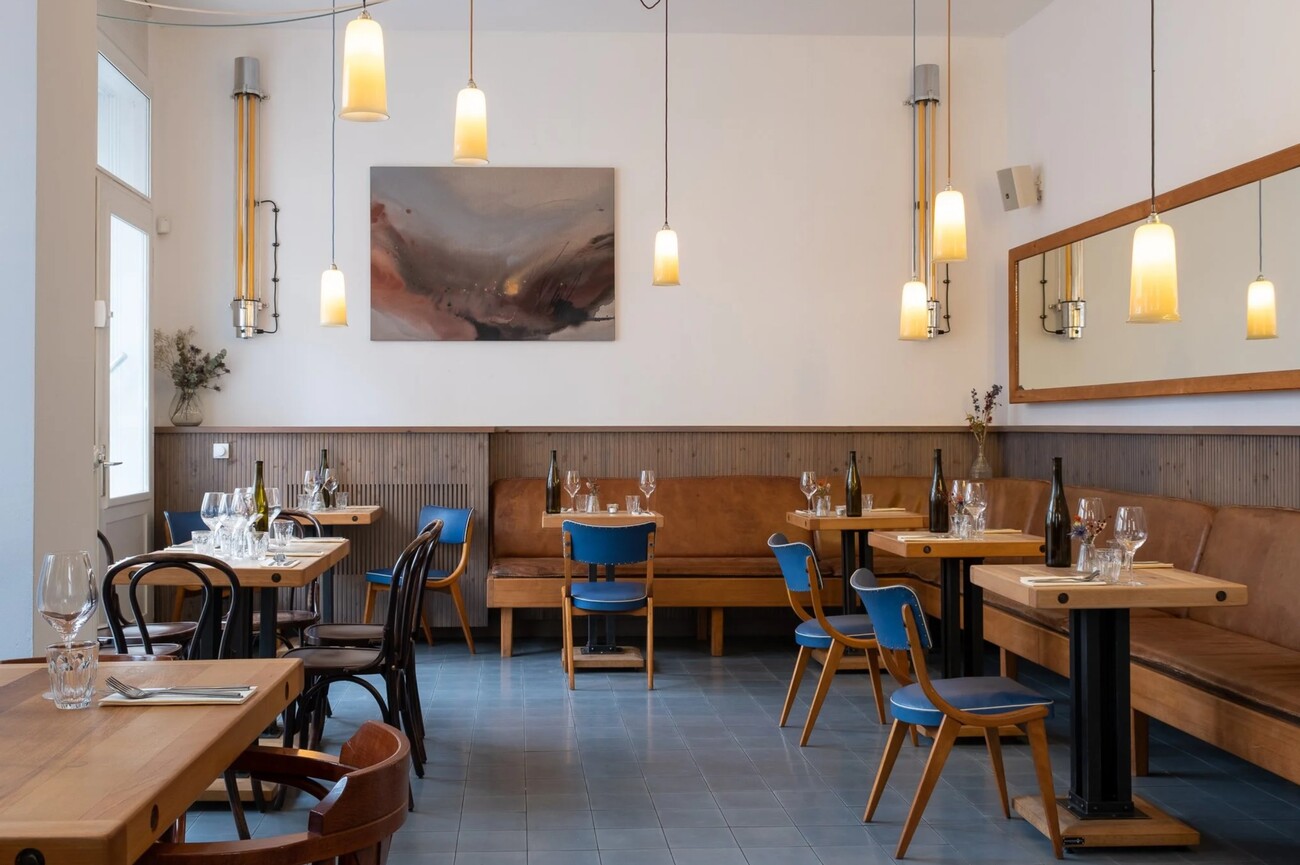
- Kuultivo: Kuultivo is a one-Michelin-star restaurant in Plagwitz. The interior has a trendy rustic-bistro feel, with warm details, striking lamps and an open kitchen that makes the room feel more alive. It serves carefully developed multi-course menus, usually built around modern and creative cooking. The food focuses on strong produce and detailed combinations, with examples such as regional venison paired with artichokes and blueberries or monkfish with tomatoes and lovage. The official menu setup includes multi-course options and wine pairings, so you can keep the evening compact or lean into the full tasting experience.
Where to Eat in Leipzig
Leipzig’s restaurant scene has grown steadily over the past years, developing its own identity that feels more grounded and less rushed than in larger German cities. Instead of chasing trends, the city leans into a mix of tradition and quiet innovation, where long-standing Saxon recipes sit comfortably alongside modern bistro cooking, casual fine dining, French-inspired set menus and creative industrial dining spaces.
- Schaarschmidt’s: Schaarschmidt’s is a solid choice if you want Saxon cuisine without turning dinner into a touristy costume drama. Located in a leafy corner building in Leipzig, it has the kind of warm, lived-in atmosphere that makes people return instead of just visiting once. The restaurant is known for regional cooking, with beef roulade often highlighted as a house favorite. You can treat this as the “classic Leipzig” dinner in the trip: regional, relaxed and not trying too hard.
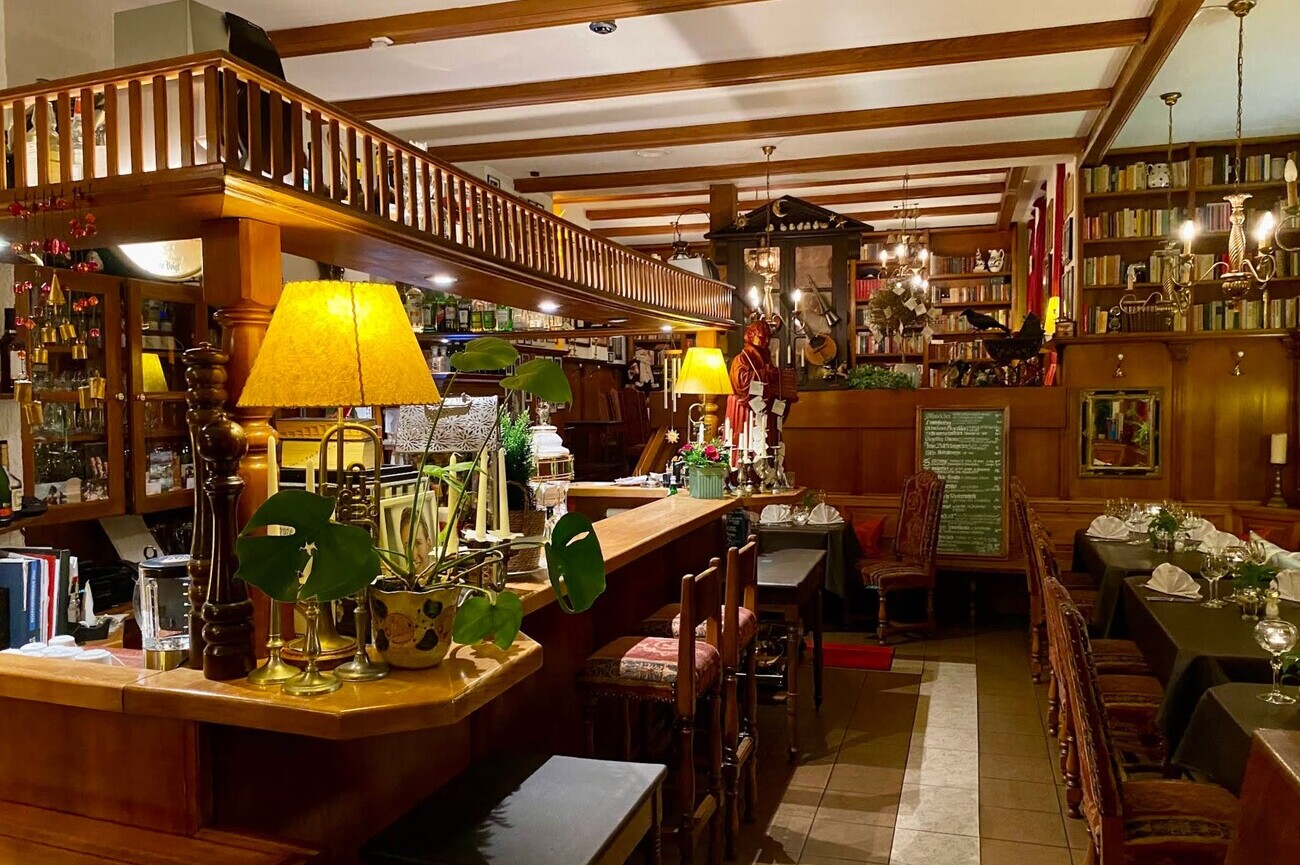
- Münsters: Münsters is one of Leipzig’s most popular bistro-style restaurants. It is a good option if you want seasonal cooking in a place that feels warm instead of overly formal. It is located in Gohlis and has a rustic, wine-focused atmosphere with wooden floorboards, partly exposed brick and a cosy dining room that feels easy to settle into. Its menu is short and seasonal, which is usually a good sign because the kitchen is not trying to do everything at once. Expect fresh, flavorful cooking, friendly service and wine recommendations that feel personal rather than robotic.
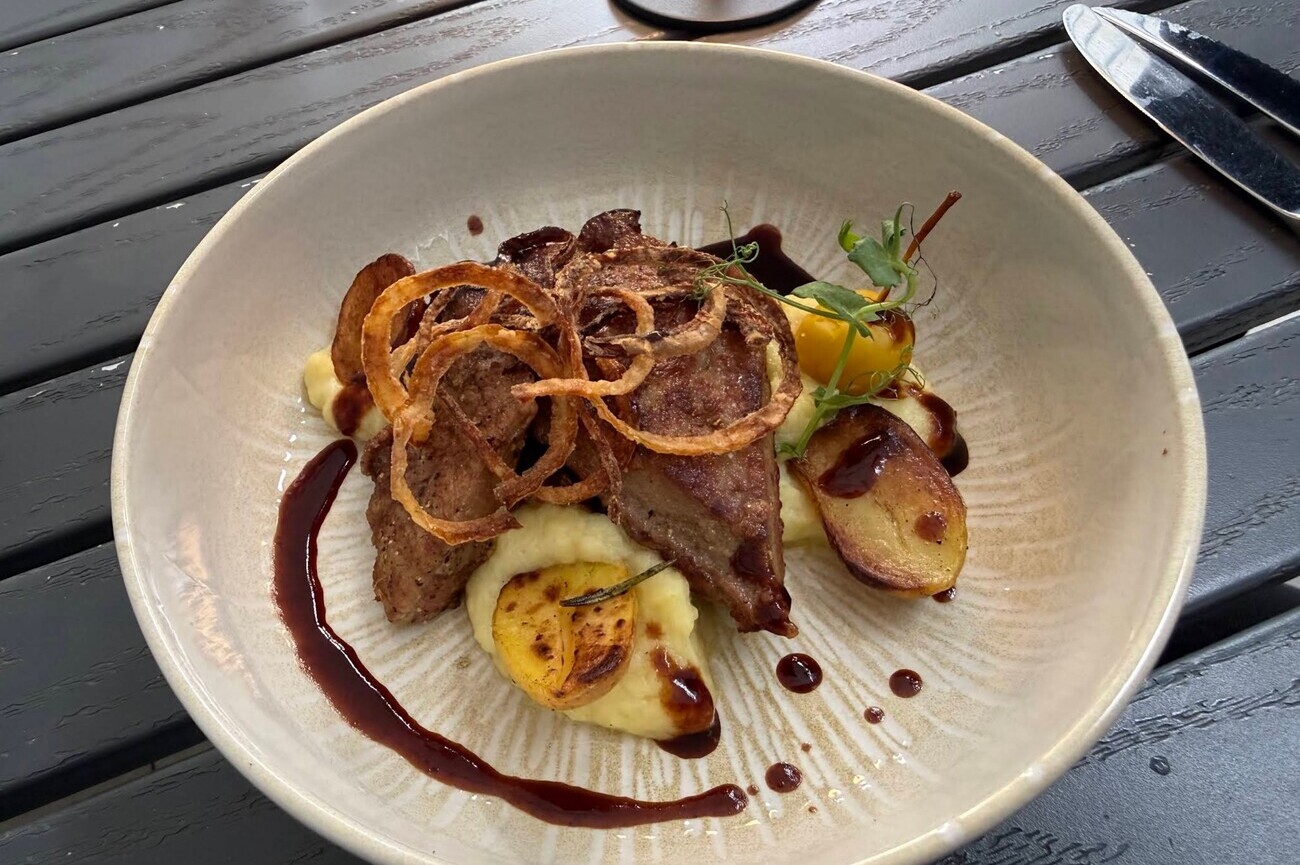
- Planerts: Planerts brings casual fine dining into the center of Leipzig, close to Nikolaikirche and Oper Leipzig. It is a good choice if you want a dinner that feels current, urban and a little sharper than a standard restaurant stop. The room has high ceilings, exposed ventilation, an open kitchen and an industrial-style design. The cooking has Asian influences and can be ordered à la carte or arranged into a set menu. If you are visiting from Thursday to Saturday, lunch can also be a smart move because the restaurant offers a dish of the day or a three-course set menu.
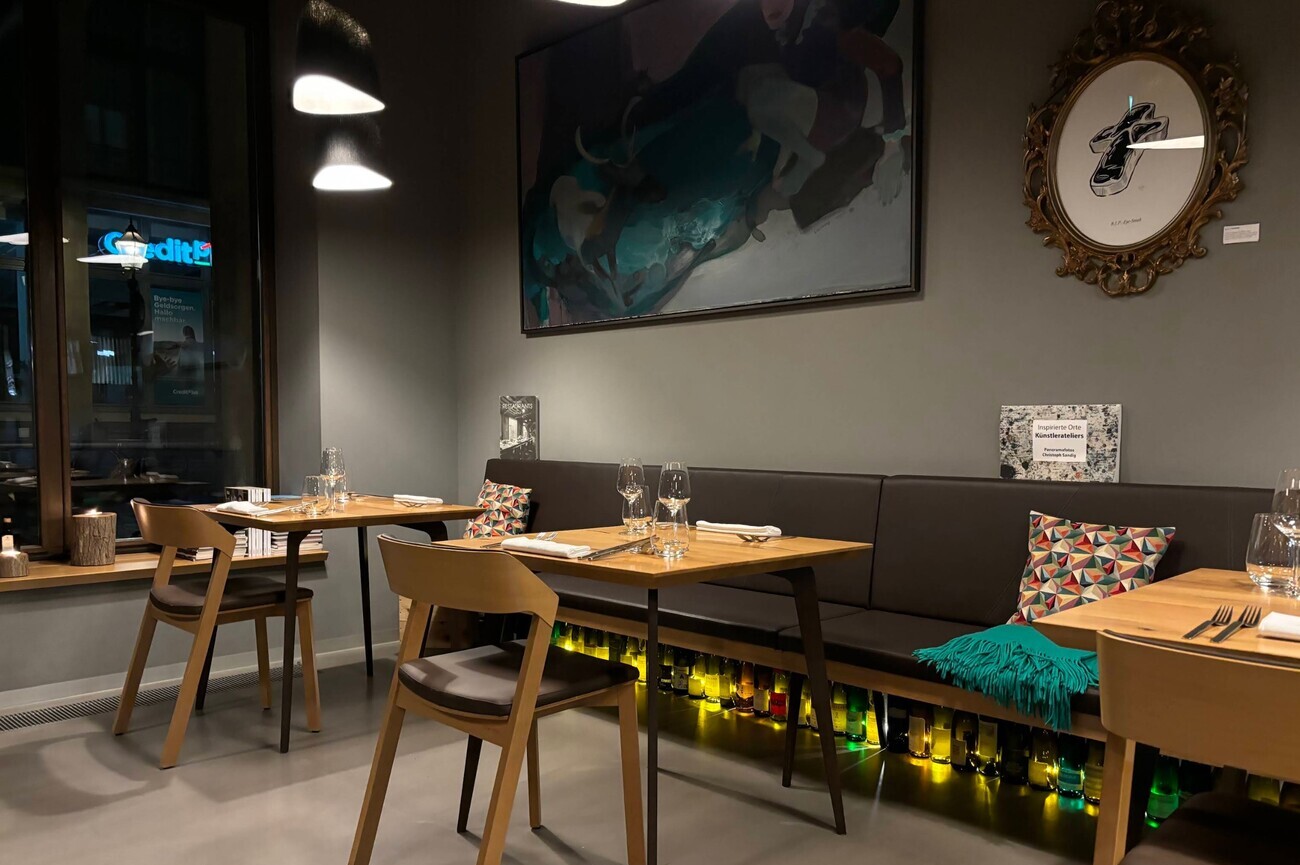
- C’est la vie: C’est la vie is the French-leaning choice in Leipzig. The restaurant is located on Zentralstraße and focuses on modern French cuisine served through two set menus: one vegetarian and one with meat. The room is stylish and modern, with floor-to-ceiling windows and an open kitchen that gives the dining room a more active feel. Dishes can include sea bass with root vegetables and potato croissant or Bresse chicken with morels, shimeji mushrooms and vin jaune. The wine program is fully French and the team presents the wines at the table with a map.
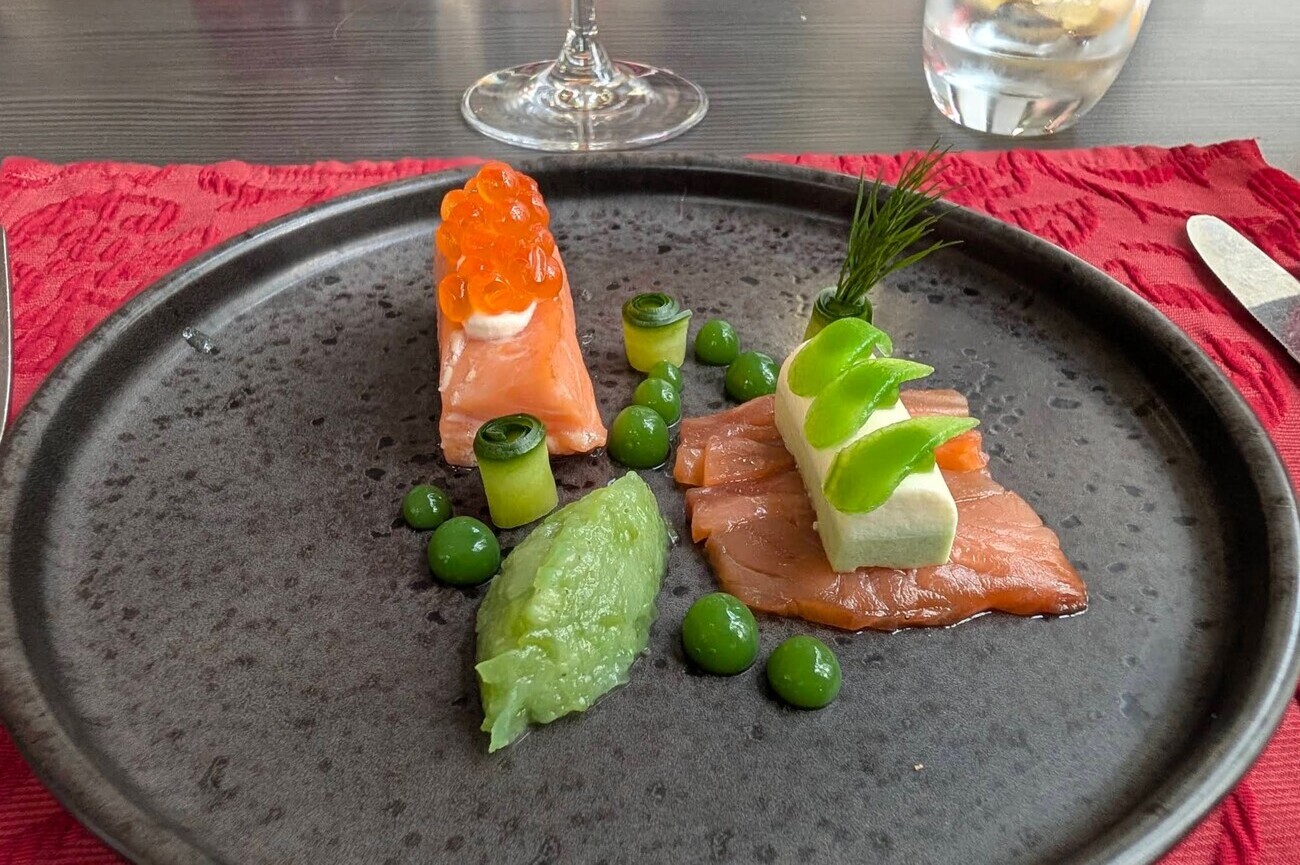
- WUEST: WUEST is one of the more distinctive dining and event spaces in Leipzig because it sits inside Pittlerwerke, a historic industrial complex. It occupies a former forge and bluing shop, so the setting already gives the visit more character before the food even arrives. The interior keeps the industrial past visible while adding modern design and contemporary touches. And for food, WUEST offers dinner from Thursday to Saturday, with a three-course menu on Thursdays and an exclusive five-course dining experience on Fridays and Saturdays. The kitchen focuses on modern cuisine with local and seasonal ingredients, paired with handpicked wines and non-alcoholic options.
Where to Drink in Leipzig
Leipzig’s nightlife is not just loud rooms and random drinks. The city has a good mix of polished cocktail bars, lounge-style spots and piano bar that still feel connected to the city’s culture. You can keep it classy, go more social, or choose somewhere with a bit of edge without making the night feel chaotic.
- IMPERII: IMPERII is one of Leipzig’s strongest cocktail bars if you want something refined but not stiff. Located in Brühl, it mixes bar culture, seasonal food and a modern lounge atmosphere in the city center. It is known for its experimental cocktails, classic-modern drinks and selected spirits from around the world. Its tenth anniversary in 2025 brought new signature drinks to the menu, including creations like the dry, tart Jägermeister-based “One Shot” and the more exotic “Silver Fig” with Kota Pandan liqueur, Imperii gin and fig. The menu also includes house drinks such as Donkey Koi, The Sage Stage, Beat the Root and Sky High, so there is enough range if you want something beyond the usual old fashioned or gin tonic.
- Zeki Bar & Lounge: Zeki Bar & Lounge is a newer nightlife spot in Leipzig, opened in April 2025, and it brings together bar, lounge and club energy in one place. It is better for nights when you want the evening to move from relaxed drinks into something more social. It is known for the combination of cocktails, shisha and lounge seating. You can pair signature cocktails with shisha, add mocktails for non-drinkers and keep the evening comfortable without losing the social vibe.
- Papillon/ Piano Bar und Restaurant: Papillon Piano Bar und Restaurant is a good option if you want a warmer, softer nightlife stop rather than a full club setting. It is located at Burgplatz 2, close to Leipzig’s central area. Its menu leans broad, with breakfast, brunch, salads, bowls and main dishes listed alongside the bar setting. That makes it flexible: you can treat it as a casual meal stop, a drinks spot or a quieter evening place. It is not trying to be ultra-exclusive, but the appeal is in the comfortable atmosphere and easy central location.
- Mephisto Bar: Mephisto Bar is one of the most interesting bar stops in Leipzig because it is tied directly to Auerbachs Keller and sits above ground inside Mädler-Passage. It opened in 1989 and has a strong location advantage: you are in one of Leipzig’s most elegant shopping arcades. During the day, Mephisto Bar serves coffee specialties, pastries and the famous Mephisto cake. In the evening, the tone shifts toward cocktails, spirits and cigars. You can choose from the bar list of 47 international cocktails and 214 spirits from around the world and regional selections.

Cafes in Leipzig
Leipzig’s café scene is surprisingly varied for a city its size. Within a few neighborhoods, you can move from Vietnamese coffee to Asian-inspired brunch. It makes it easy to switch between a relaxed morning stop and a quick, high-quality coffee break without repeating the same kind of place twice.
- Kemo Café - Bowls & Brunch is a modern brunch spot close to Leipzig’s museum and cultural area. The café is inspired by Asian flavors and focuses on bowls, brunch plates, drinks and balanced meals that feel clean without being boring. The menu leans into fresh ingredients and nutrient-conscious combinations. You can choose one of the bowls, add a coffee or fresh drink and take your time if your schedule allows.
- Café Hackel: Café Hackel is a small neighborhood cafe known for homemade cakes and specialty coffee, with beans sourced from Populus in Berlin. Menu highlights can include quince tart, rhubarb meringue, blackcurrant cheesecake, chocolate espresso tart, vegan scones, peanut butter cookies and savory options like grilled cheese with tahini mustard and pickled carrots. You should go for the best cake available that day and pair it with a flat white, cappuccino or Americano.
- Kaffeerösterei BRÜHBAR: Kaffeerösterei BRÜHBAR is one of the strongest coffee-focused stops in Leipzig, especially if you care about beans, roasting and brewing methods. It is both a roastery and a cafe that focuses on specialty Arabica coffees and gentle roasting, using a Scandinavian-style light roast profile to bring out more delicate flavors. The coffee can be prepared in different ways, including hand filter, siphon, AeroPress, and French press. If you want something to bring home, buy a bag of their roasted beans directly from the roastery.
- Café Hin & Veg: Café Hin & Veg is a vegan cafe popular for breakfast, lunch, homemade cakes and all-day breakfast. The menu focuses on vegan and plant-based dishes, including breakfast plates, creative salads, burgers, cakes and coffee specialties. The “breakfast for two” is a good move if you want variety, especially with several spreads that mix sweet and savory flavors.

Where to Stay in Leipzig
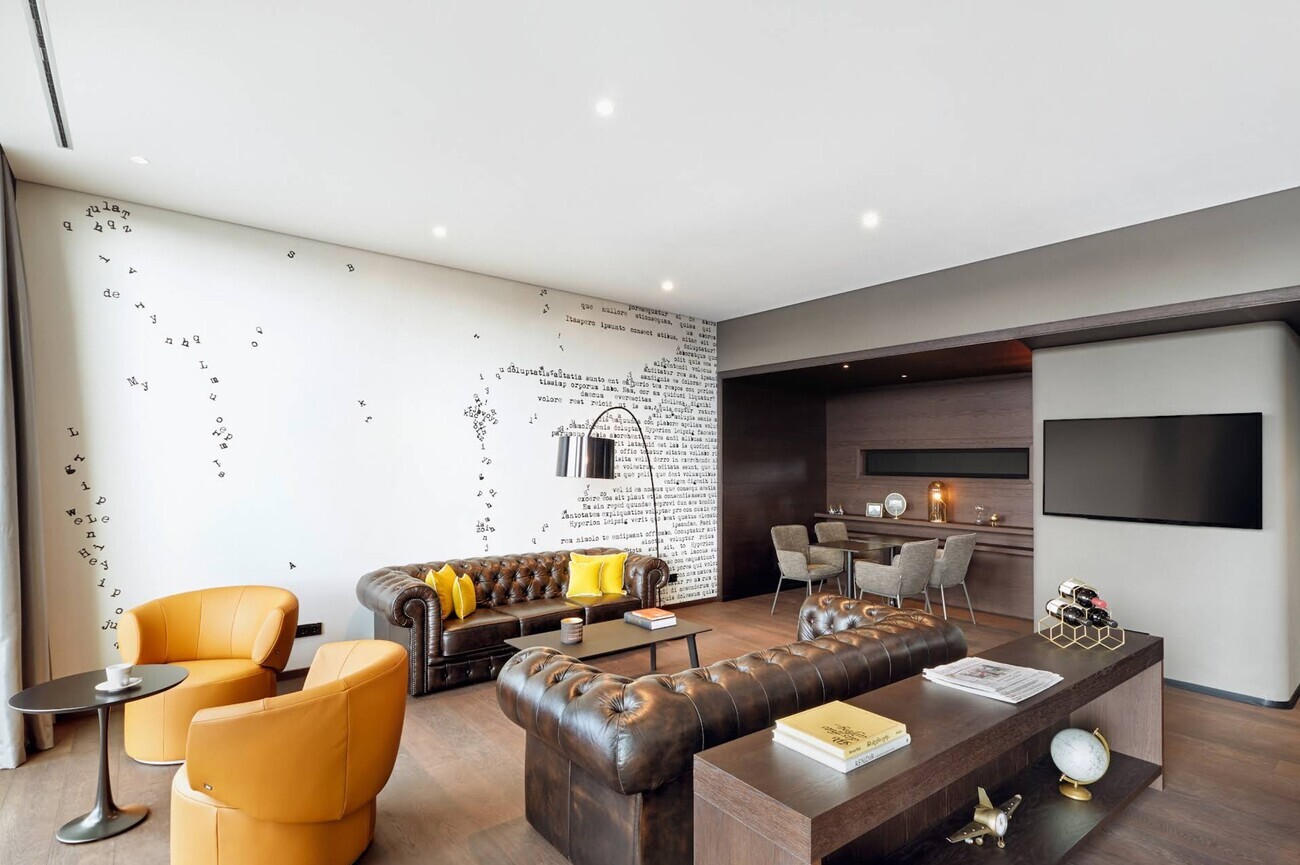
- HYPERION Hotel Leipzig (5 Stars): HYPERION Hotel Leipzig is a 5-star hotel that works best if you want a modern stay close to transport and the city center. It has 189 rooms and suites with a crisp, contemporary look. Expect clean lines, full modern comforts, work-friendly spaces and a business-luxury feel rather than historic charm. The rooms include categories such as comfort, business and suites. The hotel also has a conference center with 10 meeting rooms and around 610 square meters of event space. If convenience and modern comfort matter most, this is one of the easiest 5-star picks in Leipzig.
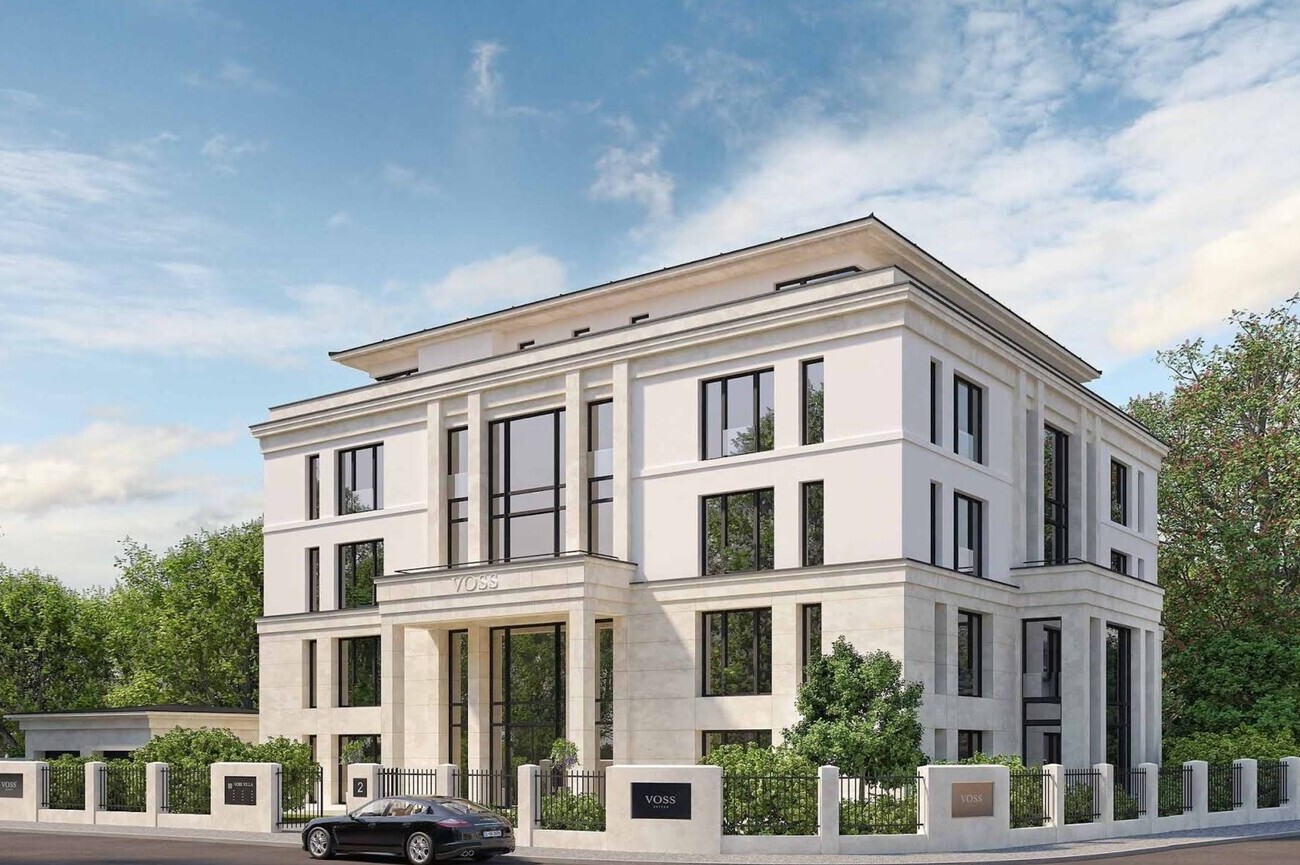
- Voss Villa (5 Stars): Voss Villa is a 5-star hotel in Leipzig’s Zentrum-Süd area. It has only around 16 rooms, so the experience feels more intimate. Rooms are known for modern comforts such as air conditioning, flat-screen TVs, sitting areas, coffee and tea facilities, minibars and well-equipped bathrooms. Some units also offer balconies, patios or garden views. You can use the hotel as a quieter base for private walking tours, gallery visits or a more relaxed cultural itinerary.
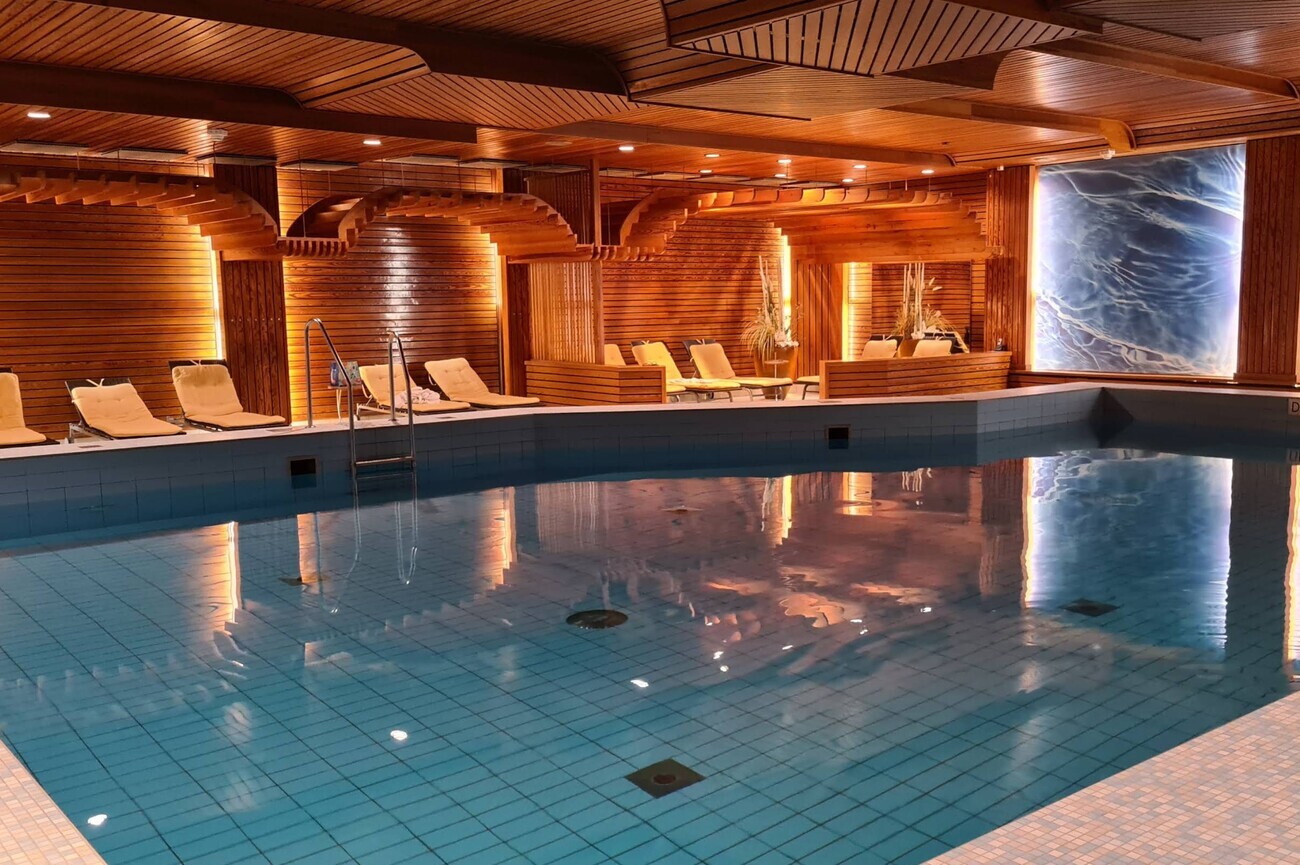
- The Westin Leipzig (4 Stars): The Westin Leipzig is a 4-star hotel with one of the city’s strongest business-hotel profiles. It is known for its 27-floor skyline presence and large-scale hotel setup. The rooms and suites are spread across higher floors, with many offering city views. The design is modern and clean, with the classic Westin focus on comfort, especially through its signature beds and wellness-oriented amenities. The hotel also has restaurants, bars, meeting spaces, a spa, a fitness center and Leipzig’s largest hotel pool. Here, you can plan a wellness block with the spa, reserve a table or drink at one of the hotel’s higher-end dining spaces.
- Townhouse Leipzig A Vagabond Club is a 4-star boutique-style stay directly beside St. Thomas Church and the Bach Monument. This is partly set inside a Renaissance building described as one of the oldest still-inhabitable buildings in Leipzig. It has 52 studios, including Renaissance Suites, lofts and garden or city studios. There is also a fitness area, sauna and a library in the Renaissance House, giving the hotel a more cultured, slow-stay feel. It gives you the strongest sense of the historic building while still keeping modern comfort.
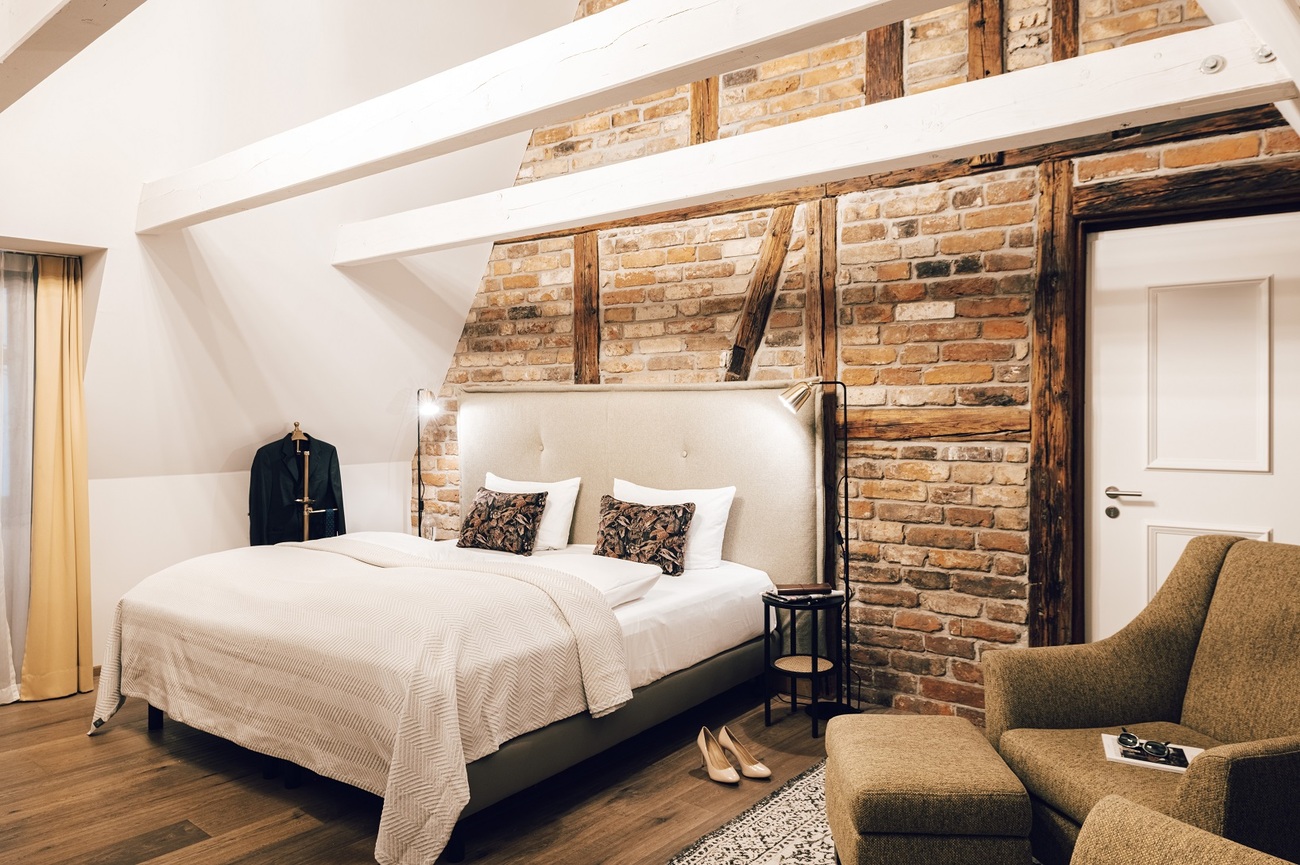
- PHILIPPUS Inklusionshotel Leipzig (3 Stars): PHILIPPUS Inklusionshotel Leipzig is a 3-star hotel in the Alt-West area, close to Plagwitz and the Karl-Heine-Kanal. It is Leipzig’s first inclusion hotel with 29 rooms and a calm, friendly atmosphere. The location works especially well if you want to explore Leipzig’s west side, including Plagwitz, the canal area, creative spaces and industrial-turned-cultural neighborhoods. The hotel also has a 360-degree online tour, which lets you preview the space before arrival. This hotel is the perfect stay if you want a hotel that feels meaningful and local.
Best Time to Visit Leipzig
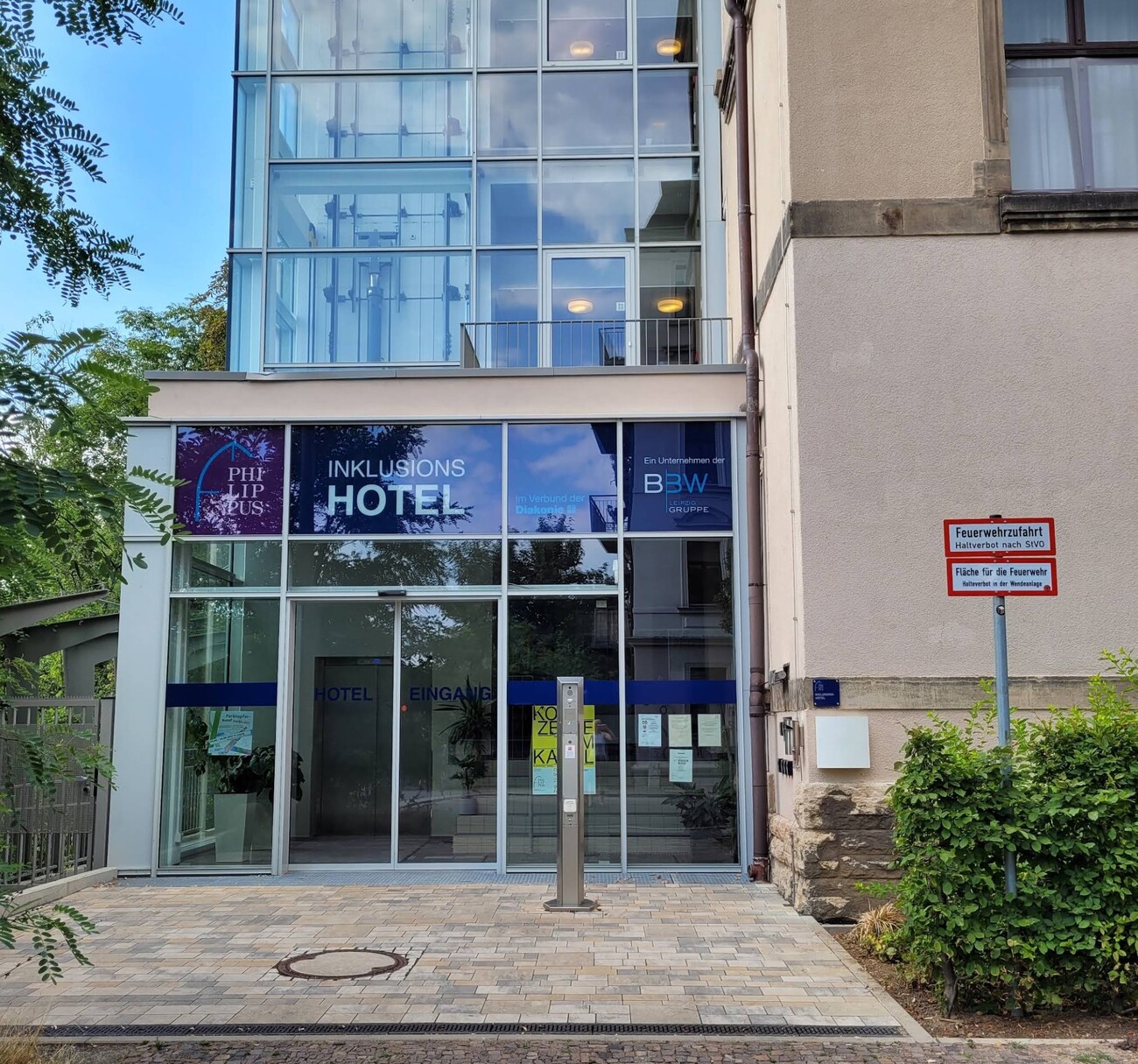
May to June is Leipzig at its best: bright, walkable, and fully awake. This is the sweet spot for travelers who want to see the city with ease, not just pass through it.
Late spring gives Leipzig conditions that are especially well suited for guided tours and independent exploration. The days are noticeably longer, which allows for a more flexible schedule without feeling rushed. Temperatures are generally mild and comfortable, making it easier to spend extended periods outdoors without fatigue. The city is active during this time. You can move easily between key areas such as the Old Town and Augustusplatz, taking time to explore architectural details, museums and public spaces along the way. There are many opportunities to pause in smaller streets for coffee or a light meal, particularly in neighborhoods that are less busy but still central. And the extended daylight also makes it possible to include additional activities without being constrained by time.
It is also an obvious choice if you want to experience culture with structure. Leipzig’s music scene, public spaces, cafes, galleries, and historic districts feel more alive during this period, which gives the trip more texture. For a city built on music, books, trade, and creative energy, May to June hits the right note.
If you are looking to balance sightseeing with a relaxed pace, this period offers a reliable and rewarding experience. It allows enough time to explore the city’s highlights while still leaving space for spontaneous discoveries like visiting a local market or simply enjoying the atmosphere of Leipzig’s streets.
Festivals in Leipzig
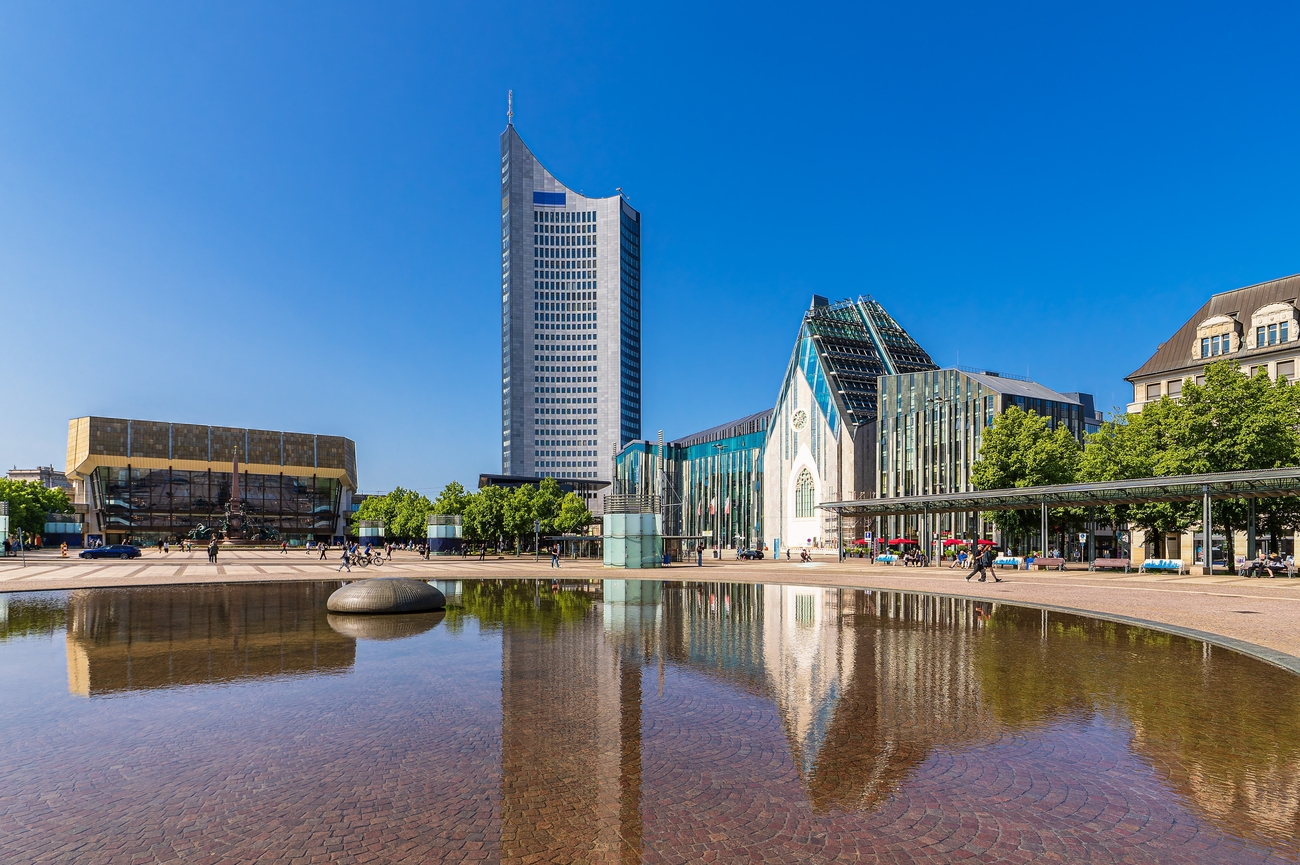
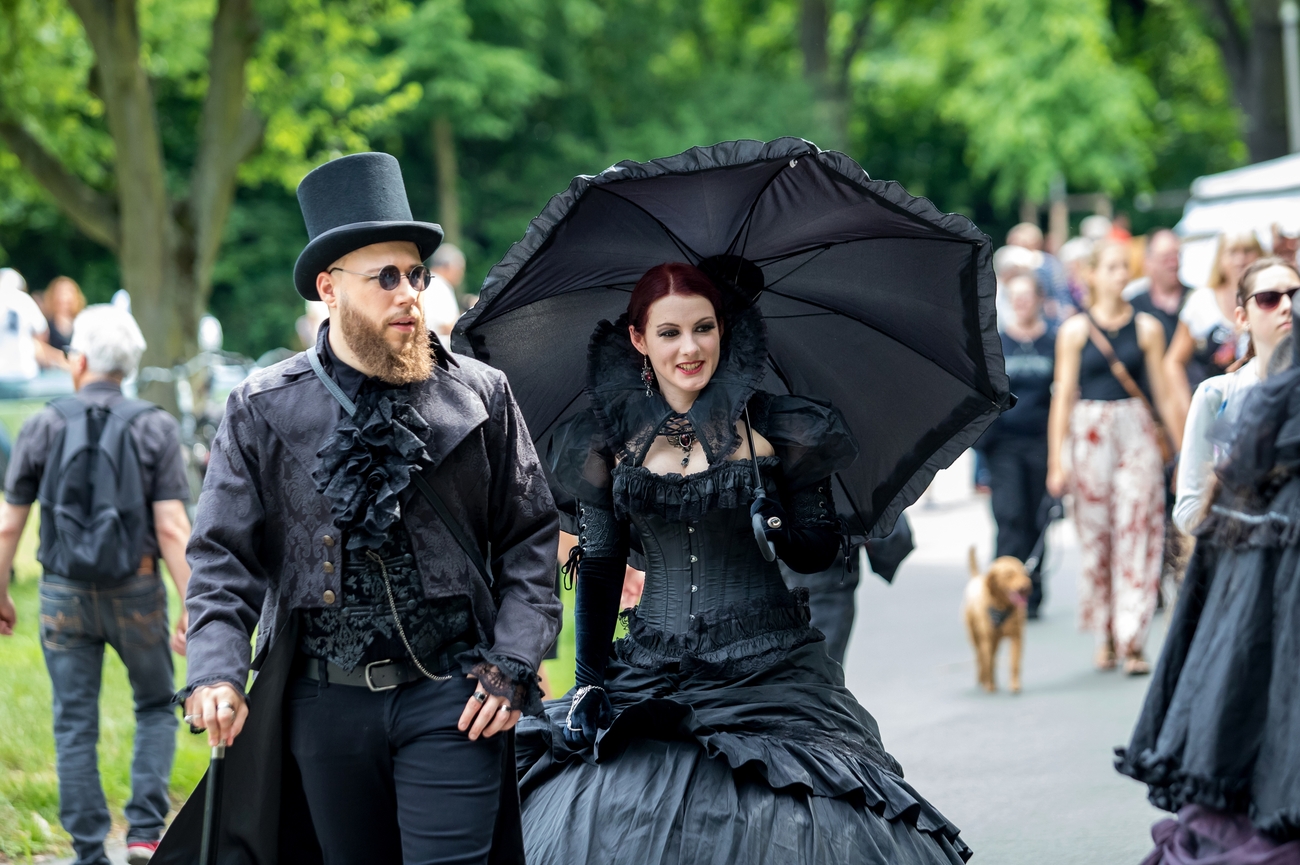
- Wave-Gotik-Treffen: Every May, usually around the Pentecost weekend, Leipzig becomes the world capital of gothic and dark alternative culture. Wave-Gotik-Treffen is not limited to one venue; it spreads across the city through concerts, club nights, medieval markets, exhibitions, readings and the famous Victorian Picnic. The event usually runs for four days. You see people in Victorian dresses, leather, lace, platform boots and full gothic looks walking through everyday city streets like it is the most normal thing in the world. It is dramatic, yes, but it also feels organized, cultural and very Leipzig.
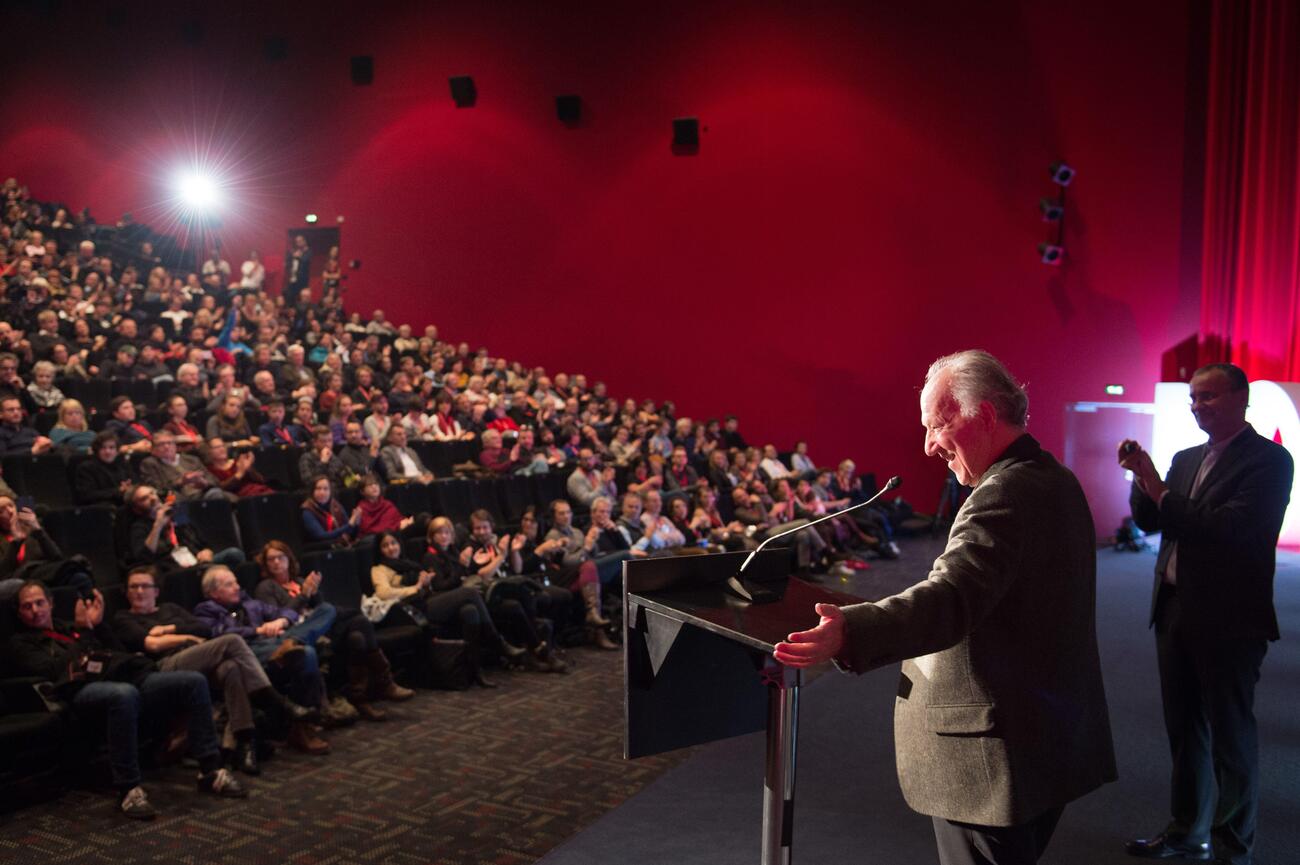
- DOK Leipzig: DOK Leipzig usually takes place in October. It is one of the city’s strongest cultural festivals, focused on documentary and animated film. The festival brings screenings, competitions, filmmaker talks and industry events into cinemas across Leipzig. You go here for stories that actually say something, whether they are political, personal, experimental or quietly emotional.
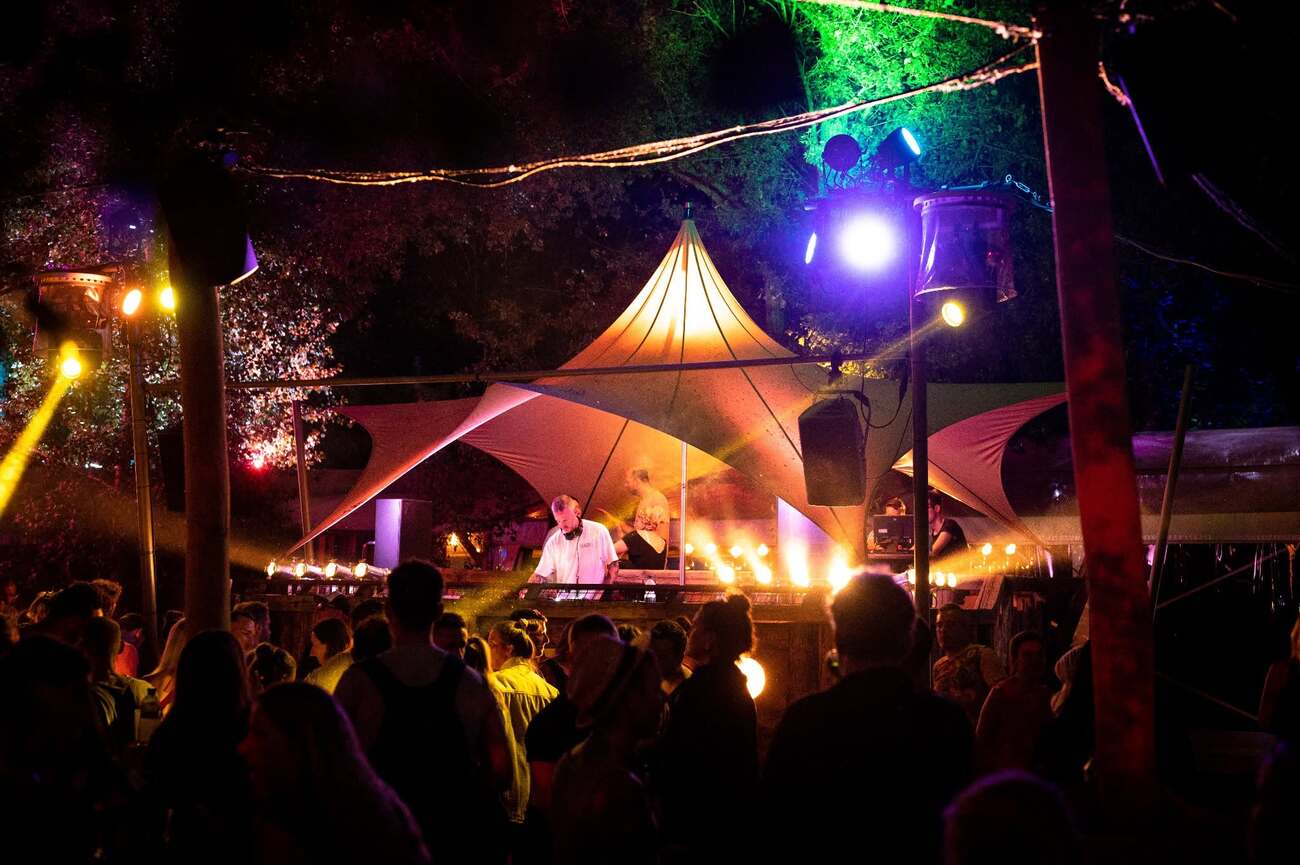
- Westhafen Festival: Westhafen Festival brings Leipzig’s electronic side into focus every June. Held at Westhafen Leipzig, it mixes techno and house across indoor and outdoor spaces, giving the event a strong industrial-summer feel. The setting is part of the appeal: sand, open-air floors, raw venue edges and a crowd that clearly came to move.
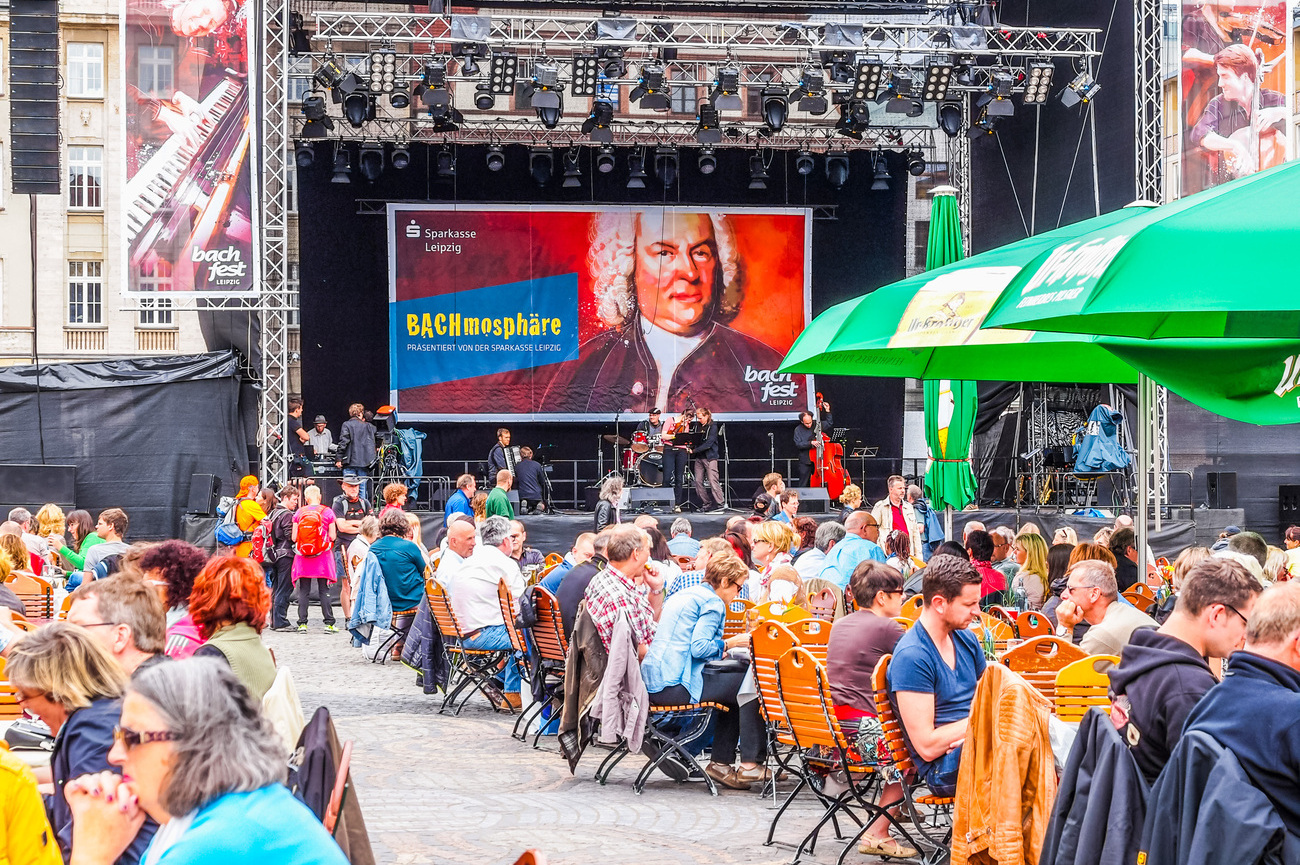
- Bachfest Leipzig: Bachfest Leipzig is one of the city’s most important cultural events, held every June in honor of Johann Sebastian Bach. The 2027 edition is scheduled from June 10 to 20, and the setting makes a lot of sense because Bach worked in Leipzig for many years. Concerts take place in historic churches, concert halls, public spaces and locations connected to the composer’s legacy. If you want to experience classical music in a full city-stage moment, this is the festival for you.
- Leipzig Book Fair: Leipzig Book Fair is one of Germany’s major literary events and a good fit for a city with such strong publishing and cultural roots. Usually held in spring, it brings together authors, publishers, readers and cultural events across the city. For travellers interested in books, ideas and Leipzig’s long connection with publishing, it is one of the most relevant annual events to plan around.

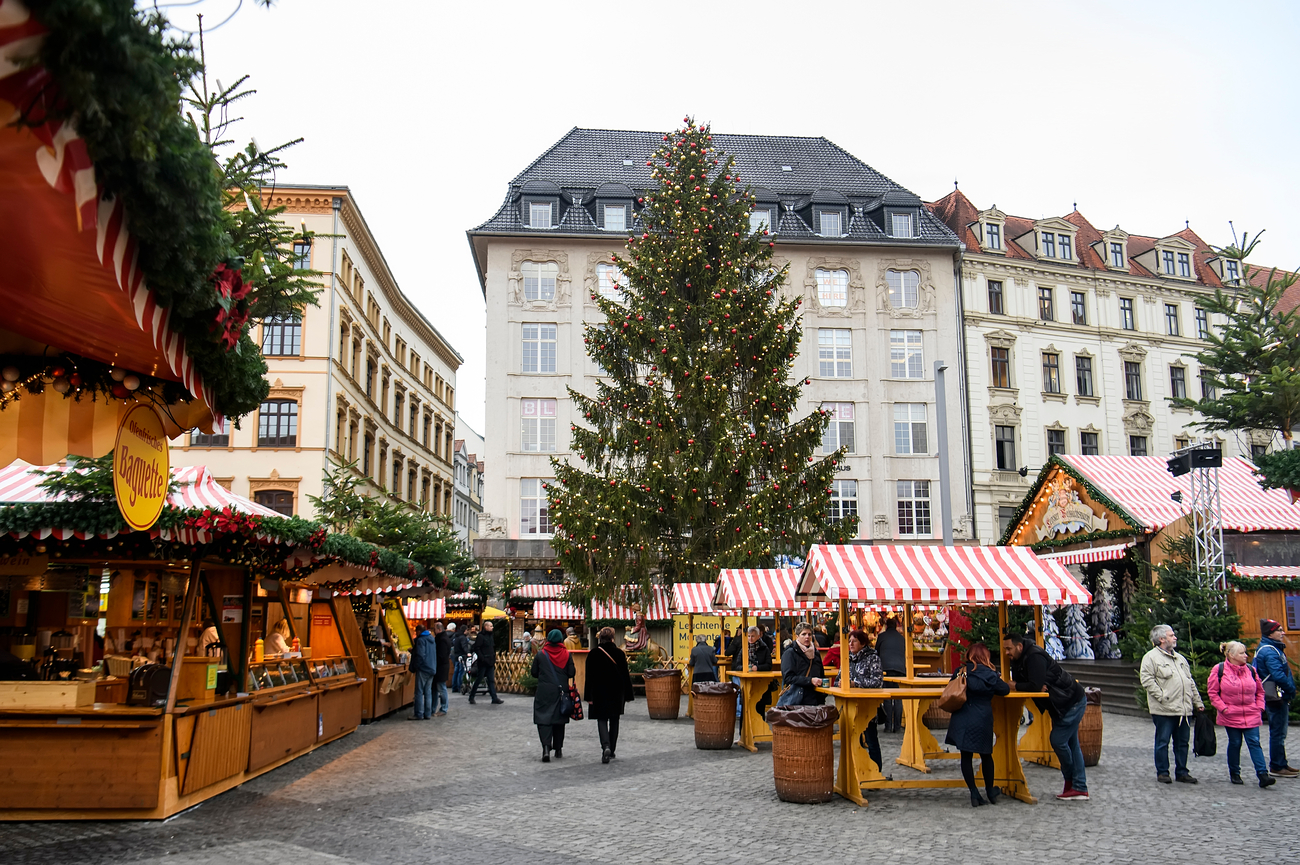
- Leipzig Christmas Market: Leipzig Christmas Market is one of the city’s most atmospheric seasonal events, usually taking place from late November until just before Christmas. Centred around the historic market square and surrounding old-town streets, it brings together festive stalls, traditional food, crafts, lights and music in a setting that feels especially suited to Leipzig’s historic centre. For travellers visiting in winter, it is one of the best reasons to plan an evening in the old town rather than treating Leipzig as only a daytime sightseeing stop.
Plan Your Leipzig Trip with Revigorate
Leipzig is easy to explore, but the best trips are built around the right balance of music, history, design, food and day trips. Revigorate can create a tailor-made Leipzig itinerary with private guides, carefully planned routes, concert tickets, restaurant reservations, hotel recommendations and day trips to places like Naumburg, Dessau, Wittenberg or Halle.
Whether you want a cultural city break, a longer Germany itinerary or a more specialist trip focused on music, architecture, wine or history, we can plan the details around your pace and interests.
Speak to Revigorate about a custom-made vacation in Leipzig and Germany.


Let us know what you love, where you want to go, and we’ll design a one-of-a-kind adventure you’ll never forget.
Get in touch
Miriam
Travel Specialist

Romina
Travel Specialist

Laura
Travel Specialist
Our offices:



Revigorate, Iberian Escapes and Algarve Lifestyle are the registered brand names of APCS Lda . We are a fully authorised travel agency licensed by Turismo de Portugal RNAVT/6867.
In the event of a dispute, the consumer may refer to: RAL - Centros de Arbitragem
Avª. 5 de Outubro, nº. 55, R/C Dtº. 8000-075 Faro, Portugal | Tel: +351 289 823 135 *
* national landline call
E-mail: info@consumoalgarve.pt| www.consumidoronline.pt | Mon to Fri: 9:00 - 13:00 / 14:00 - 17:00