Things to Do in Heidelberg: 3-Day Itinerary
Heidelberg is one of Germany’s most distinctive historic cities, set along the Neckar River and known for Heidelberg Castle, its Baroque Old Town and a university tradition that dates back to the 14th century.
Heidelberg University, one of Europe’s oldest universities, has shaped the city’s identity for centuries and still gives it a lively academic character. Below the castle, the Altstadt brings together narrow streets, historic squares, churches and traditional façades, while the Old Bridge connects the centre with walking routes and viewpoints on the opposite side of the Neckar.
What makes Heidelberg especially easy to explore is its compact layout. The castle, Old Town, university quarter, riverfront and surrounding viewpoints are all closely connected, making it possible to combine history, architecture, walking and dining without spending much time in transit.
This 3-day Heidelberg itinerary brings together the city’s main historic and cultural landmarks, river walks, viewpoints, dining and nearby excursions at a relaxed and practical pace.
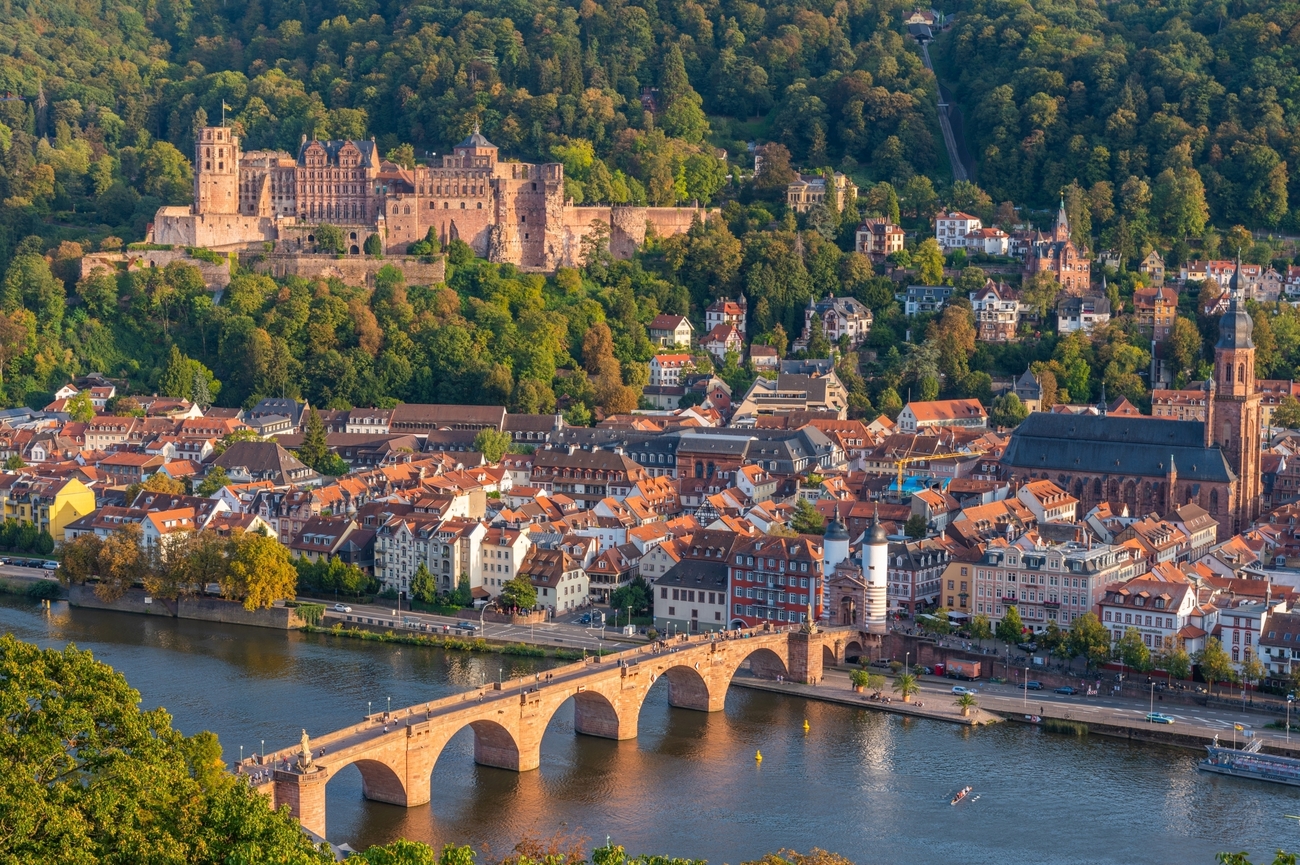
Day 1

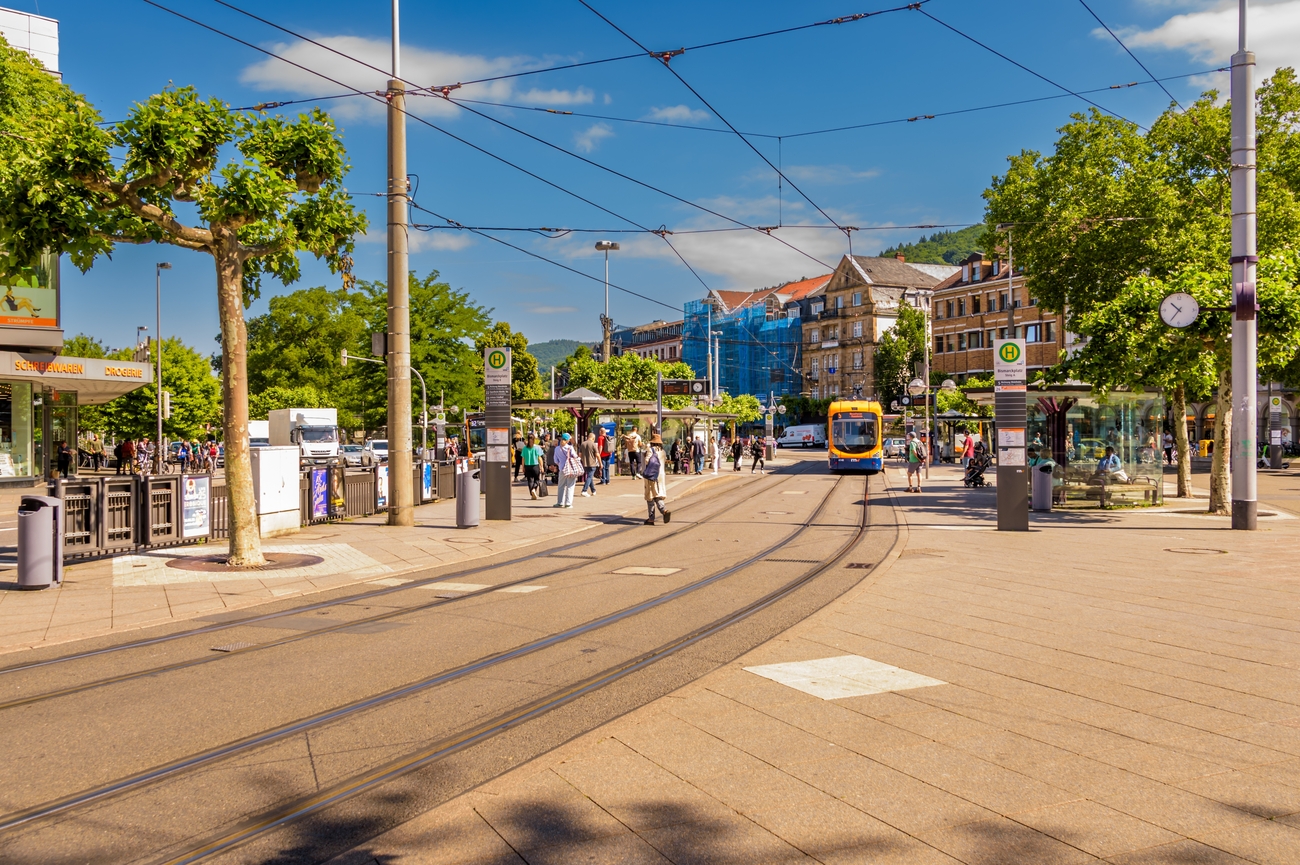
Morning: Bismarckplatz
This is where Heidelberg makes its first impression and doesn’t miss. Bismarckplatz is Heidelberg’s main transport hub and one of its busiest squares, located at the western edge of the Altstadt. Most tram and bus lines pass through here, making it a common starting point for exploring the city. From the square, it takes only a few minutes on foot to reach the river or enter the historic centre.
Named after Otto von Bismarck, the area has developed into a modern gateway to Heidelberg. Contemporary buildings sit alongside older structures, reflecting the city’s mix of historic character and everyday functionality. The transition into the old town is immediate, with Hauptstrasse beginning here and extending east as one of the longest pedestrian shopping streets in Europe.
Chauffeured transfers frequently drop guests directly at Bismarckplatz before transitioning into a walking experience, allowing you to step straight from comfort into the city’s rhythm. It’s efficient, polished and sets the tone early.
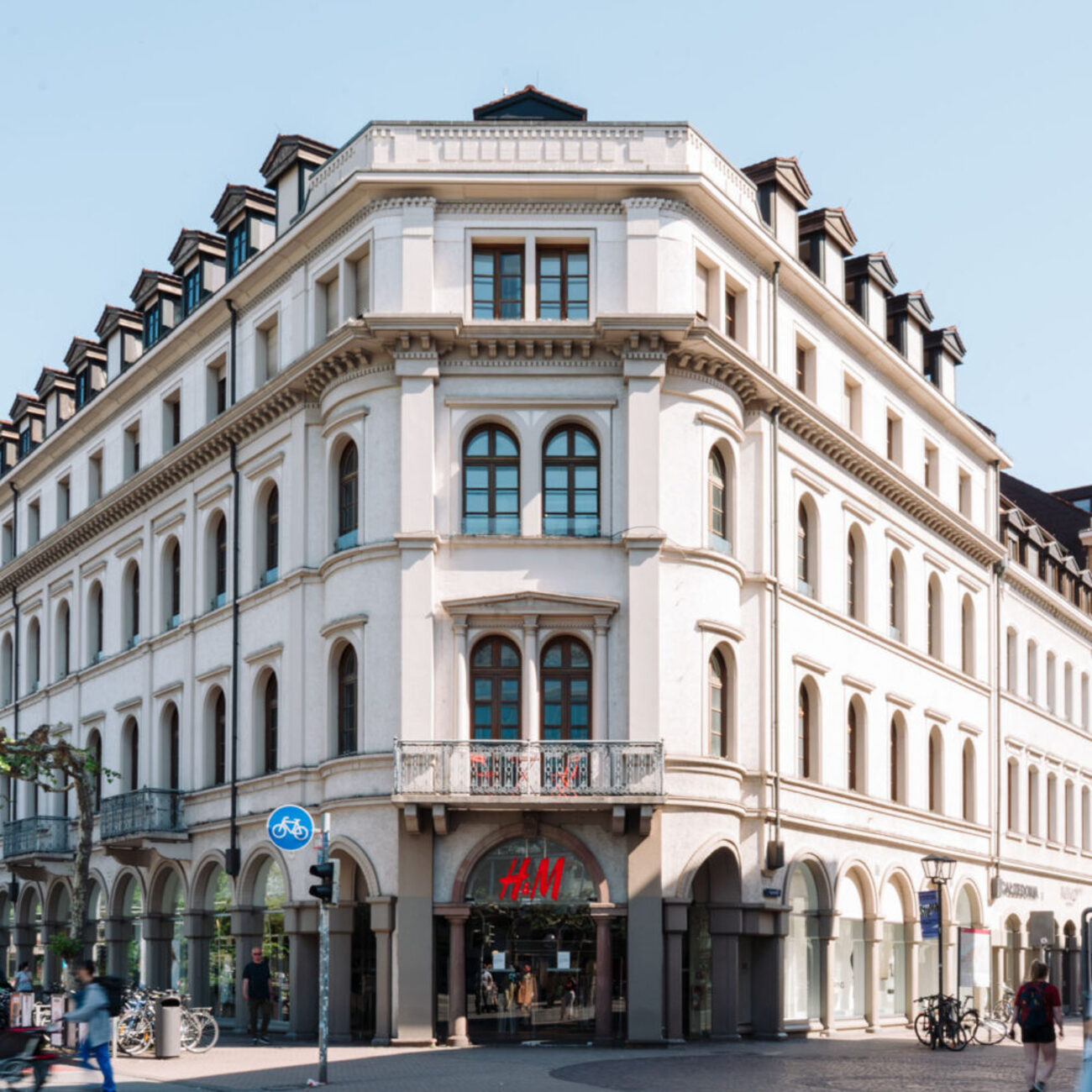
Darmstädter Hof Centrum
From Bismarckplatz, it’s barely a 2–3 minute walk before Darmstädter Hof Centrum comes into view, like the city casually switching outfits.
Darmstädter Hof Centrum is Heidelberg’s primary shopping complex, located at the entrance of Hauptstrasse. The architecture leans modern, with wide glass facades and open interior spaces that let in natural light, giving everything a bright, airy feel. Inside, it’s a curated mix of fashion retailers, lifestyle stores and everyday essentials. The layout is compact and easy to navigate, offering a practical stop without the scale of larger metropolitan malls.
The centre houses around 25 shops, including well-known retailers such as H&M, Saturn and dm Drogerie Markt. You’ll find familiar names like H&M for quick wardrobe upgrades, Saturn for electronics, and dm Drogerie Markt for skincare and essentials. Smaller boutiques and lifestyle spots fill in the gaps, from leather goods at RKL Lederwaren to tea at Ronnefeldt, plus cafes and bakeries tucked in between. While this isn’t a “tour” stop in the traditional sense, it often becomes part of guided city walks that transition from modern Heidelberg into the historic Altstadt.
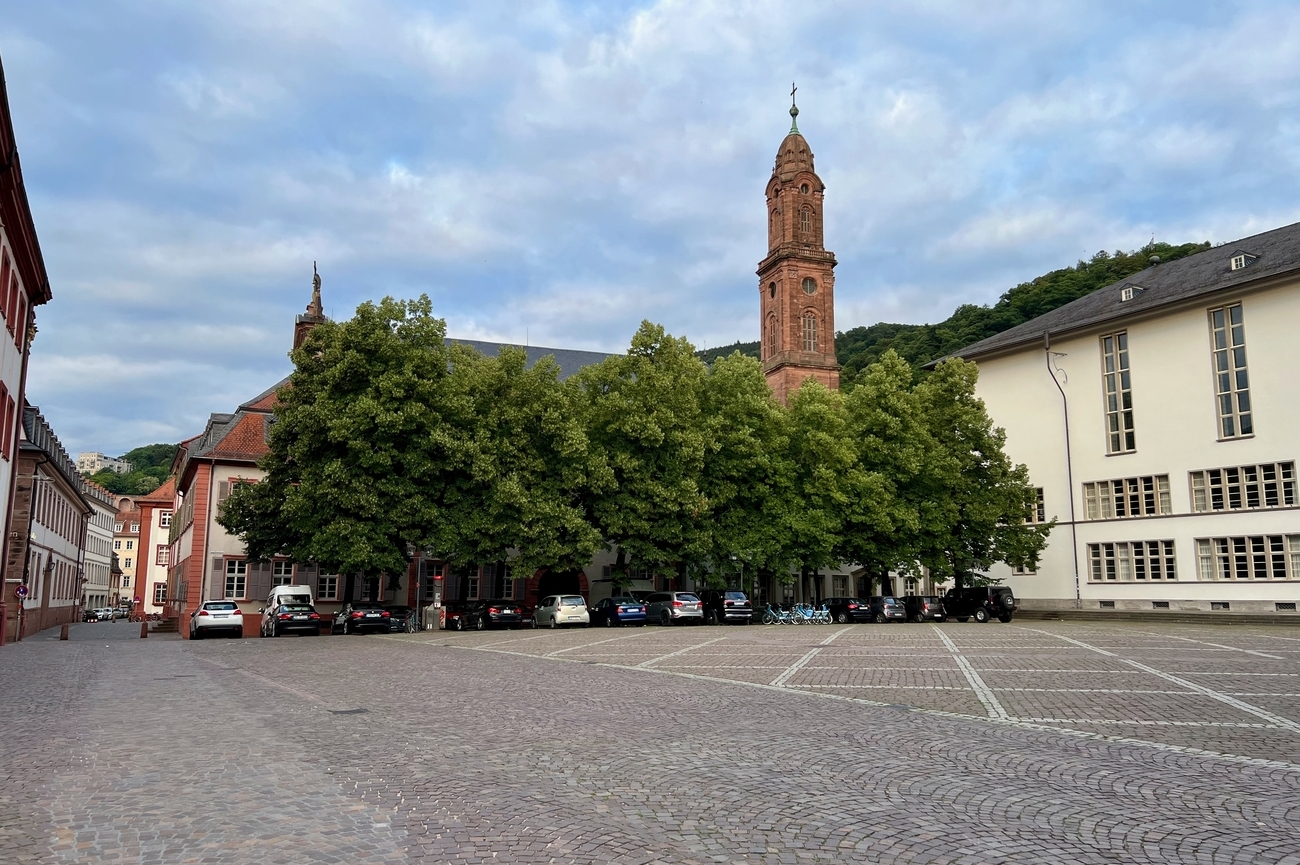
Universitätsplatz
Continue along Hauptstrasse and within a few minutes, the space opens up into Universitätsplatz. This is the less crowded and more composed square.
Universitätsplatz sits at the heart of Heidelberg’s academic life, anchored by Heidelberg University. The square is framed by elegant Baroque and neoclassical buildings, with the university library and lecture halls nearby, giving it that unmistakable “ideas live here” atmosphere.
This area lends itself well to private, academically focused walking tours led by historians or specialized guides. You can join them for a more personal experience. It’s a setting where you’re not just passing through, you’re understanding what made Heidelberg matter and why it still does.
Afternoon:
Heidelberg University
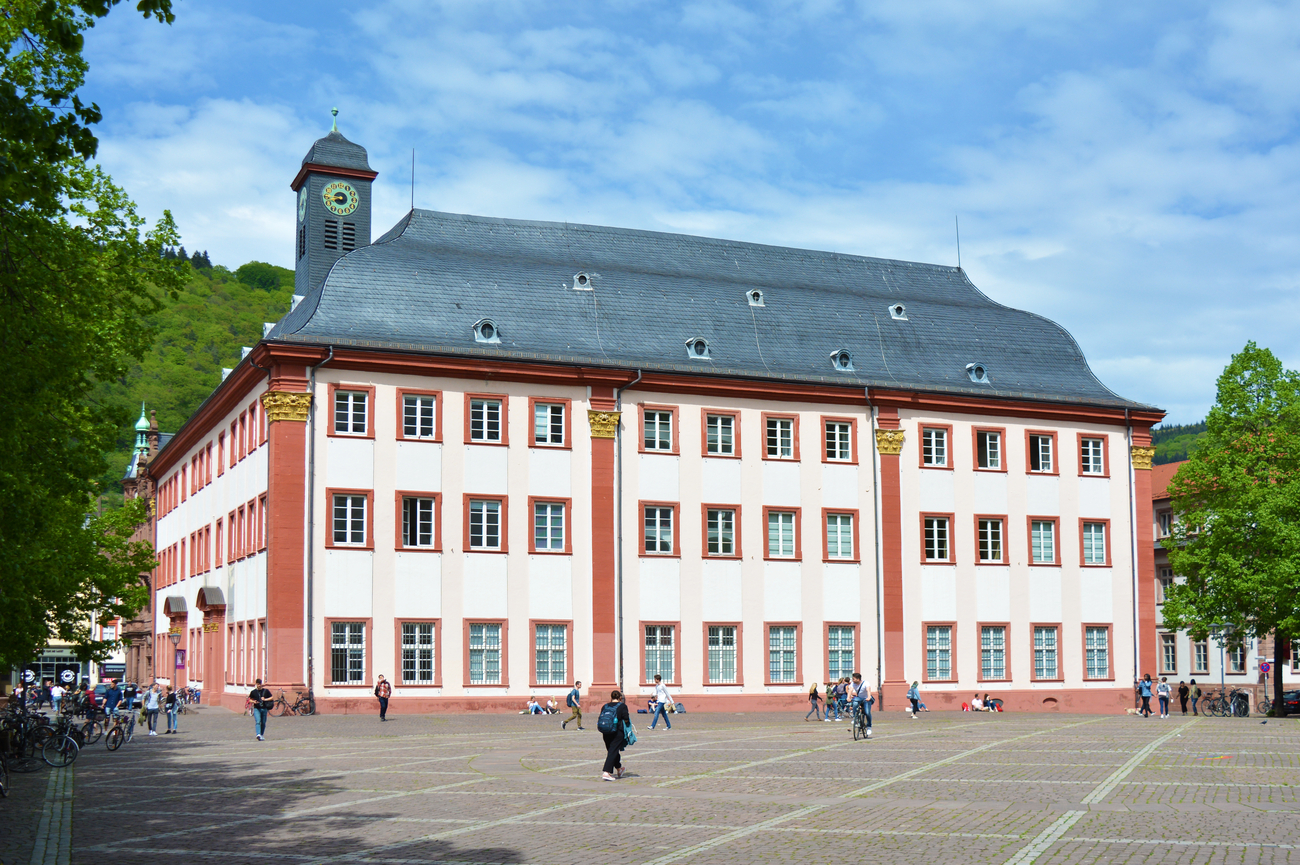
A few steps from Universitätsplatz, the Old University reveals itself more fully, as if the square was only an introduction. The transition from the square is immediate, with the surrounding buildings reinforcing the area’s academic focus and historical importance.
Heidelberg University (Ruprecht-Karls-Universität), founded in 1386, is the oldest university in Germany and one of the most influential in Europe. This is the historic centerpiece, built in the early 18th century in Baroque style, with a facade that feels restrained but dignified. Step inside and the Great Hall (Aula) sets the tone with ornate ceilings, academic insignia and portraits that quietly remind you how many thinkers have passed through here. Just nearby, the Neue Universität (New University) contrasts with a more modern, early 20th-century design, showing how the institution evolved without losing its identity.
A short walk away, the Heidelberg University Library (Universitätsbibliothek) stands out immediately with red sandstone, neo-Renaissance design and one of the most visually striking buildings in the city. It houses millions of volumes, including rare manuscripts and remains a working library, blending prestige with everyday academic life. You can visit these stops by joining guided academic and historical tours, many of which include entry into the Student Prison and detailed walkthroughs of the Old University.
Palais Morass
A few minutes along the same stretch of Hauptstrasse, tucked slightly away from the flow, Palais Morass appears.
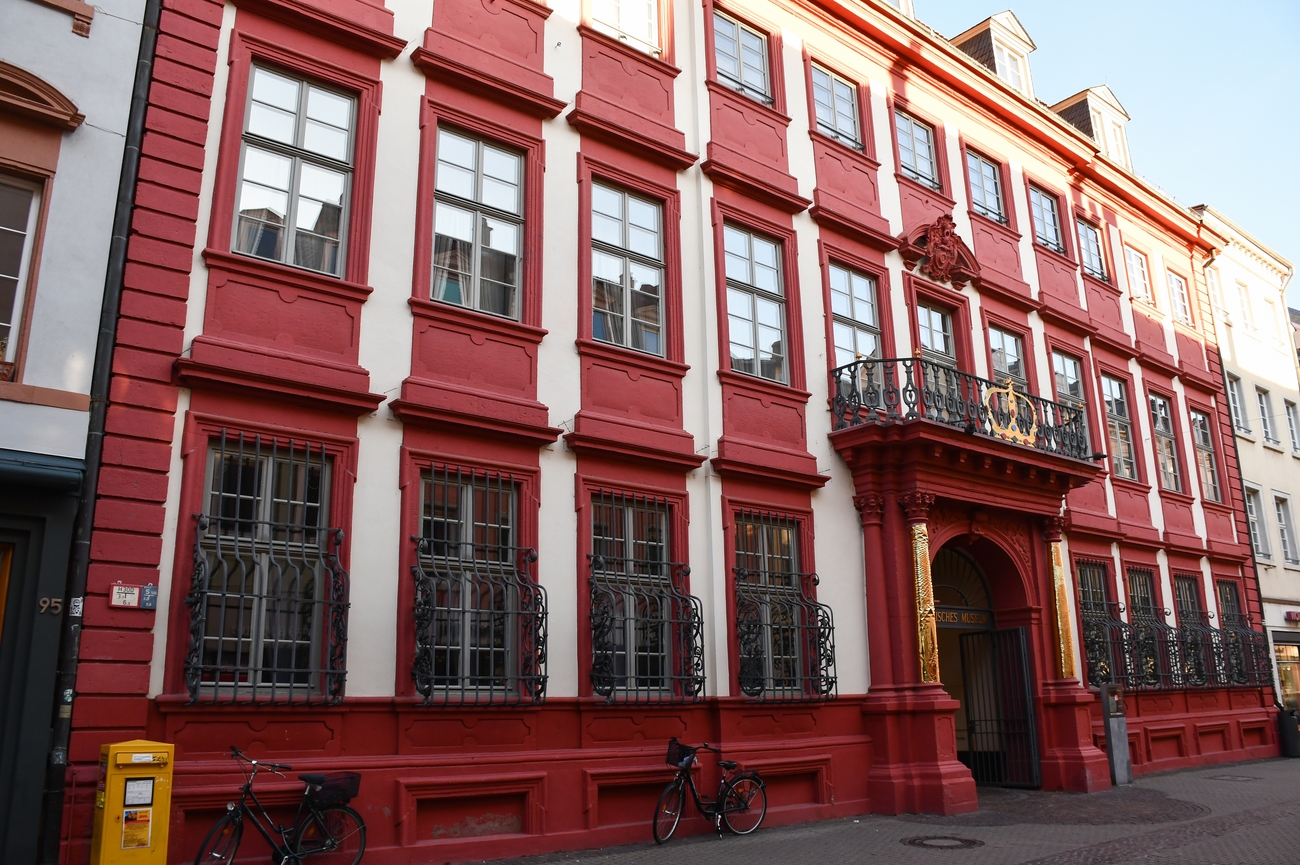
Palais Morass dates back to the early 18th century and is one of Heidelberg’s finest examples of a Baroque city palace. Built for a high-ranking official, its design leans into symmetry and restraint. The pale facade, tall windows and inner courtyard give it that understated grandeur that feels more European aristocracy than royal spectacle.
It houses the Kurpfälzisches Museum, which holds an impressive collection of regional art, archaeology and historical artifacts. Inside, you’ll find everything from Roman relics and medieval sculptures to paintings by masters like Lucas Cranach the Elder. You’ll feel as though you’re walking through a well-curated private collection rather than a massive institution.
You can enjoy guided tours of the museum, with audio guides offered in German, English and Russian. This allows you to explore the collections at your own pace while still gaining deeper insight into the artworks and historical pieces.
Providenzkirche Heidelberg
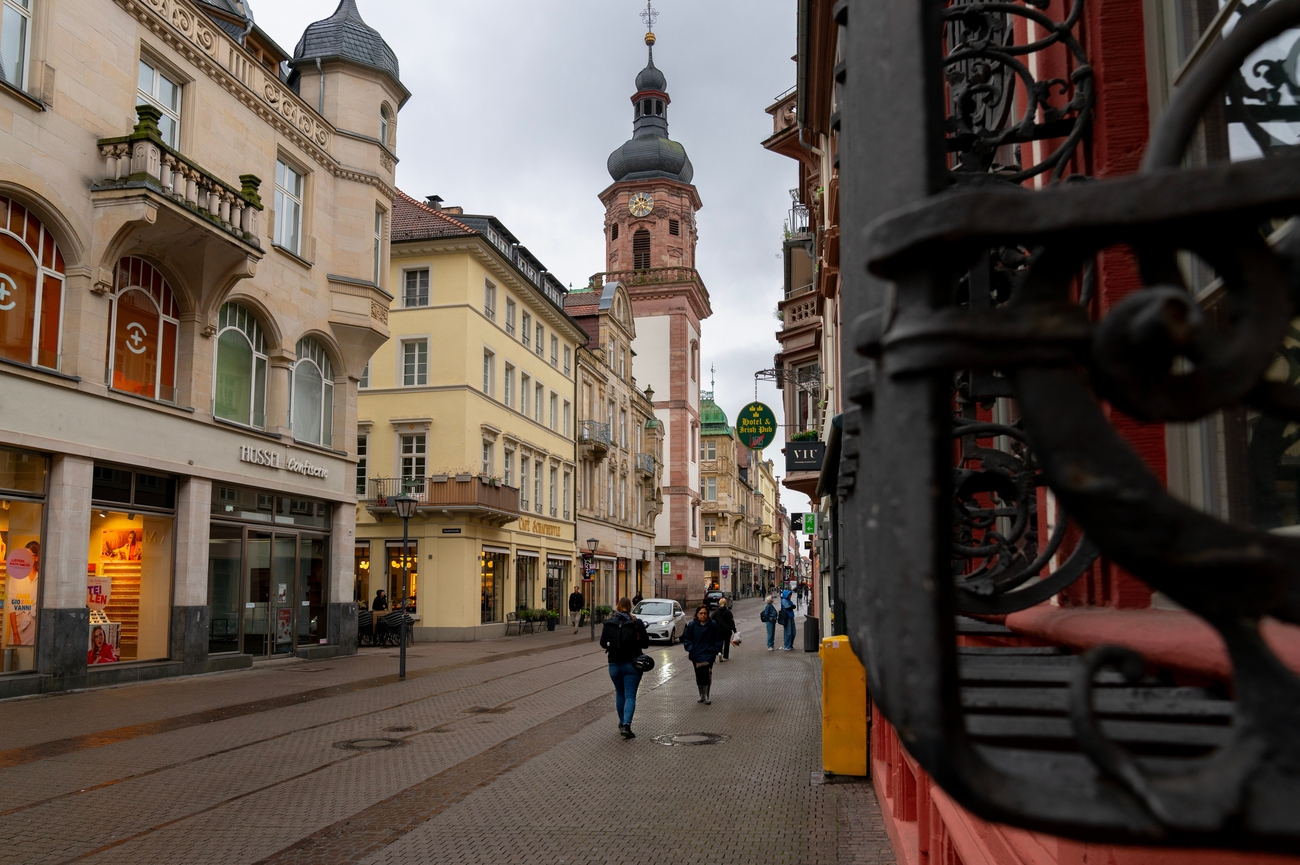
Within a few minutes, the Providenzkirche comes into view, almost modest at first glance. It doesn’t dominate the skyline like the larger churches. But this church has a lot to offer.
Providenzkirche, or the Church of Providence, was built in the early 18th century and reflects a more restrained Baroque style. Originally built for the Reformed congregation, its design leans toward simplicity. Once you step inside, you’ll notice how the pace feels calm, almost contemplative. The wooden galleries, soft lighting and elegant organ create an atmosphere that’s less about grandeur and more about balance.
You should visit during the quiet hour or better yet, during a live organ performance. This adds a layer that isn’t advertised but feels distinctly premium. This stop will definitely add the kind of contrast that makes Heidelberg so compelling.
Evening: Heiliggeistkirche
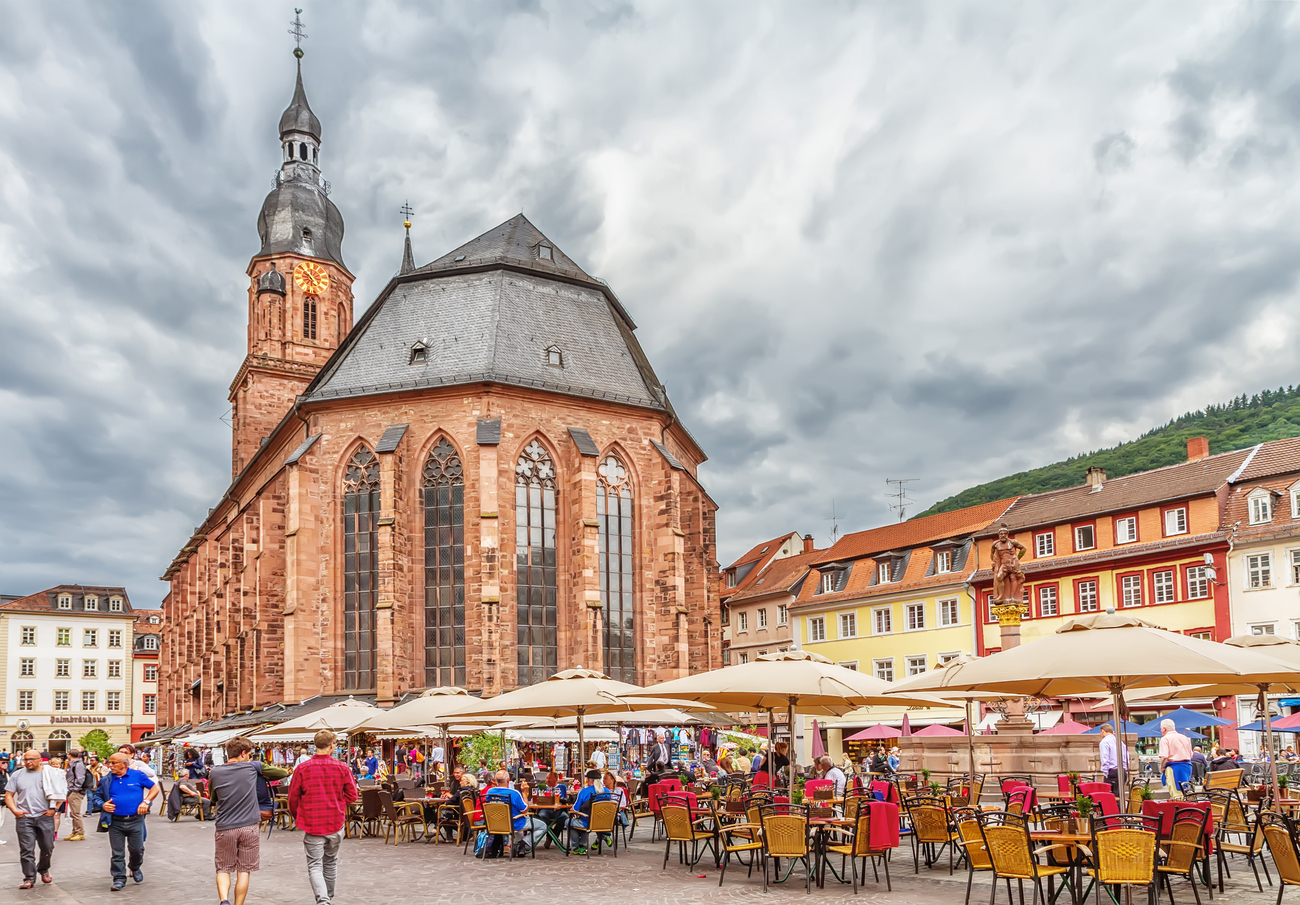
This is the second church stop of the day. Continuing the church hop from Providenzkirche, the route leads you deeper into the Altstadt until the space opens into Marktplatz and there it stands. Heiliggeistkirche (Church of the Holy Spirit) anchors the square with authority, as if everything around it naturally fell into place.
Heiliggeistkirche is Heidelberg’s most significant church, located in the centre of the Altstadt near the main market square. Built between the 14th and 15th centuries, it is a prominent example of Gothic architecture, defined by its tall spire, pointed arches and strong vertical structure. Inside, the nave is spacious and relatively simple, with light filtering through high windows and emphasizing the building’s height and symmetry. The design reflects both function and form.
One of the church’s most notable historical features is that it was once divided by a wall, allowing Protestant and Catholic congregations to use the building at the same time. Although the partition has been removed, this shared history remains an important part of the church’s identity.
Heiliggeistkirche is a key stop in most Old Town guided tours, often paired with Marktplatz and surrounding historic landmarks. You can also climb the church tower, offering sweeping views over Heidelberg’s rooftops and toward the castle. Entry to the church is typically free, while tower access requires a small fee.
Kornmarkt
Moving past Heiliggeistkirche and easing away from the busier edge of Marktplatz, the space gradually opens into Kornmarkt.
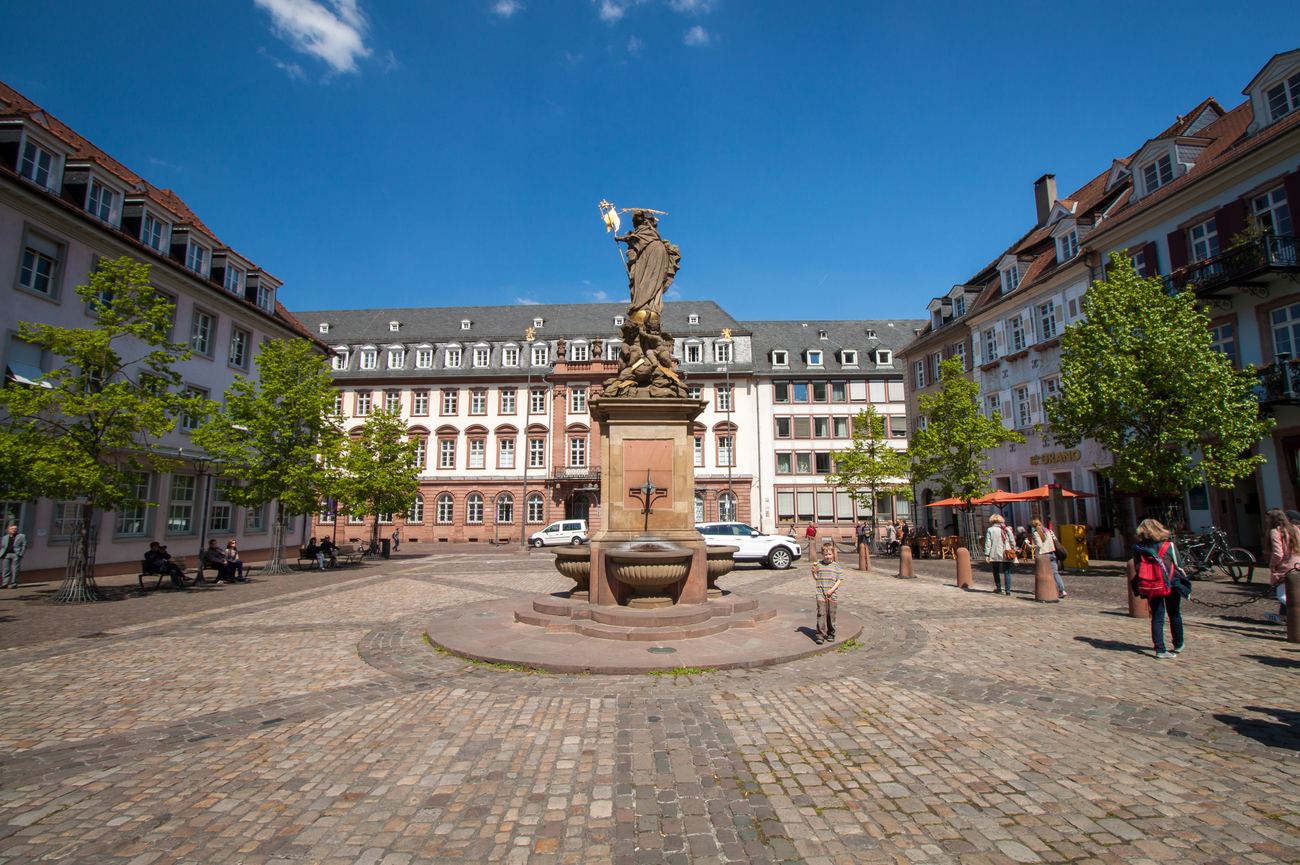
Kornmarkt is one of Heidelberg’s smaller historic squares, located between the Old Town and the path leading up to Heidelberg Castle. It is framed by traditional buildings and centred around the Madonna fountain, which dates back to the early 18th century. This spot is also best known for its direct view of Heidelberg Castle, which rises above it on the hillside. This alignment makes it one of the more popular vantage points in the Altstadt, offering a clear perspective of the castle without obstruction.
This square was once used as a grain market, and now Kornmarkt functions as a transitional space within the city. You can drop by this spot independently or join Old Town walking tours, particularly those that continue toward the nearby Heidelberger Bergbahn.
Day 1 - Heidelberger Tour Map
Day 2
Morning: Heidelberger Bergbahnen
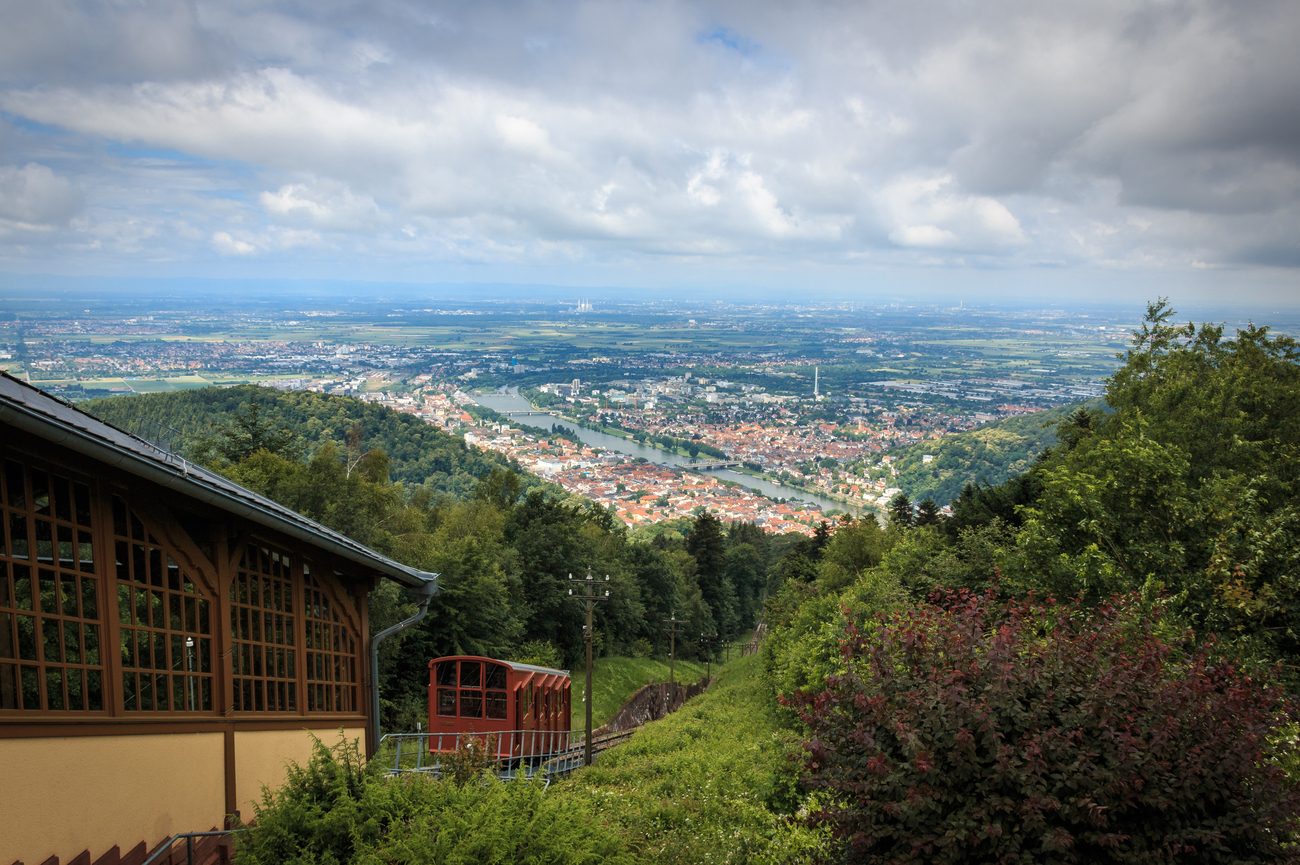
Day two starts with a lift. Hop on the Heidelberger Bergbahn. The lower section connects Kornmarkt to Heidelberg Castle, while the upper section, featuring beautifully preserved wooden carriages, continues all the way to Königstuhl. As you rise, rooftops compress into patterns, the river curves into view and the scale of the city becomes clearer with every meter gained.
You can join tours that cover part of the castle and panoramic tours. There are tickets offering combined access to the funicular ride and Heidelberg Castle entry, making the transition from city to landmark seamless.
Heidelberg Castle
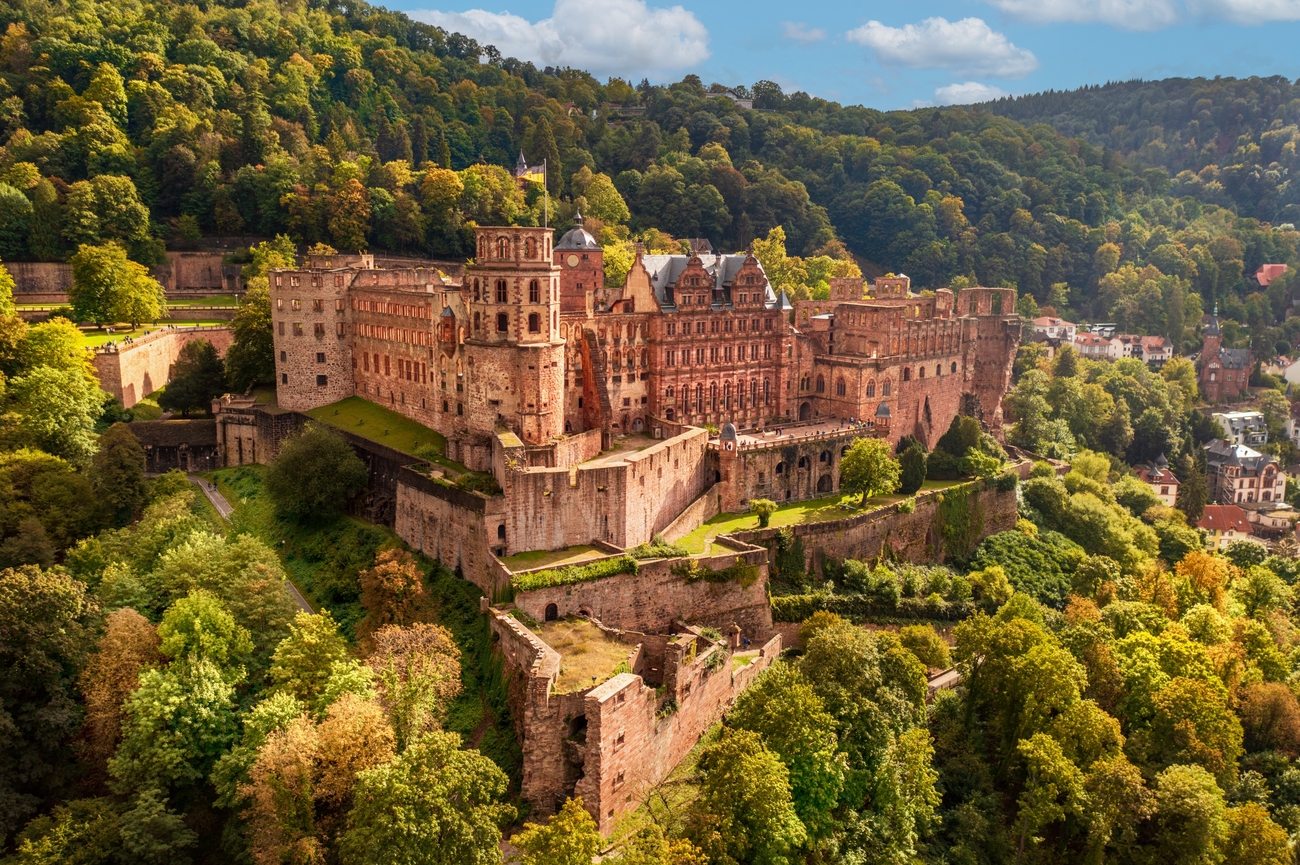
And just when the view feels complete, the castle steps in and raises the stakes. The ascent continues, and as the Bergbahn eases to a stop, Heidelberg Castle (Schloss Heidelberg) comes into full view. Just closer now, larger than expected.
This red sandstone castle dates back to the 13th century and is one of Germany’s most important Renaissance landmarks. It stretches across the hillside and combines restored sections with preserved ruins, giving you a clear sense of its history and scale.
And inside the complex, you’ll find key structures like the Ottheinrich Building, known for its detailed Renaissance facade and the main courtyard, which opens up to panoramic views over the Neckar River and the Old Town. Rather than a single building, the castle is made up of multiple sections built over different periods. You will walk through it and move from medieval foundations to Renaissance additions.
This is where guided experiences truly come into play. Regular guided tours are available daily and cater to both solo travelers and families. And for a more tailored experience, you can book exclusive family tours, designed to be more interactive and paced comfortably.
Barrel
Building
A short 2–3 minute walk within Heidelberg Castle brings you to one of its most unexpected highlights.
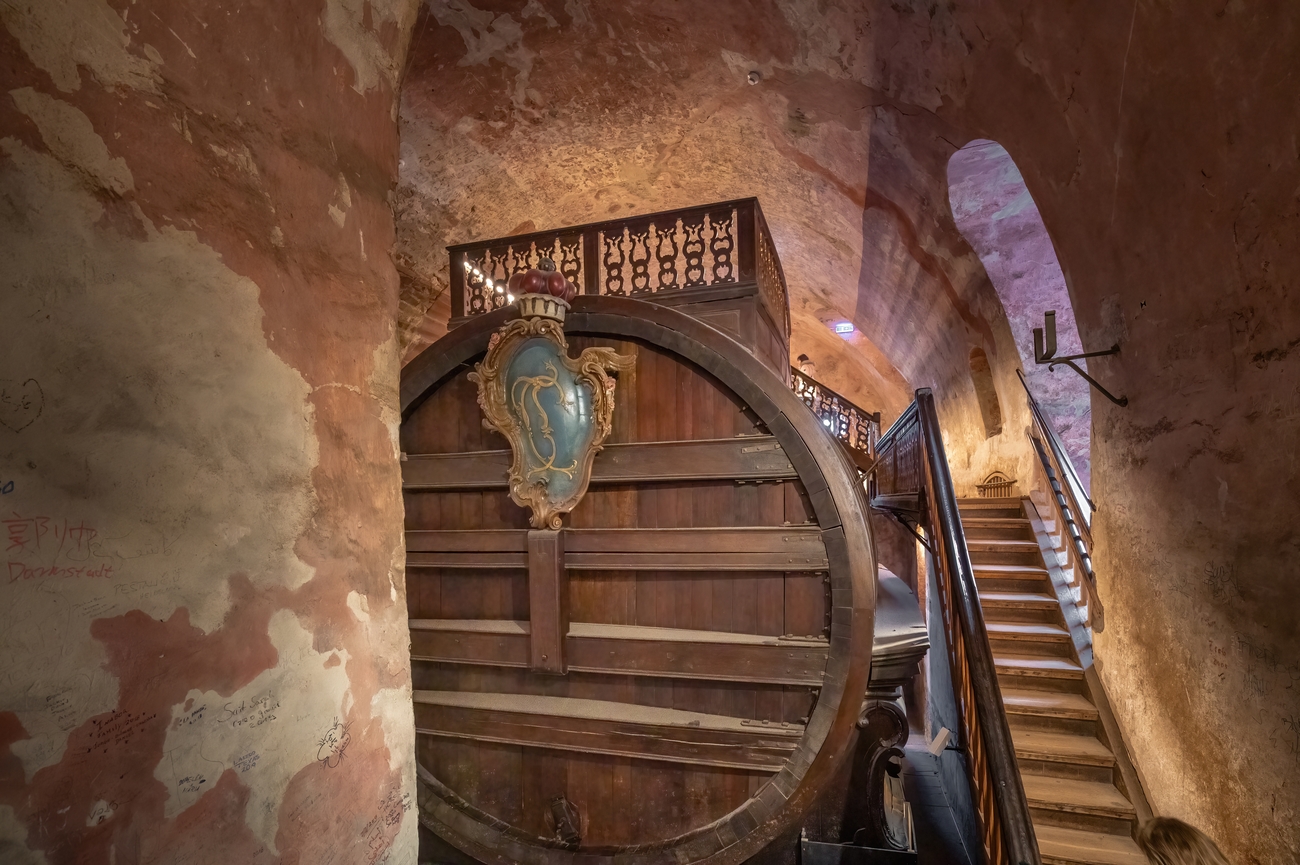
Located inside the castle complex, the Barrel Building (Fassbau) houses the famous Great Heidelberg Tun (Großes Fass). This is one of the largest wine barrels in the world. Built in the 18th century, it has a capacity of over 200,000 liters, though it was rarely filled completely. The structure is massive, reinforced with heavy wooden beams and iron bands and even features a platform above it where visitors can stand to better appreciate its scale.
The Barrel Building reflects the region’s long-standing wine culture and the castle’s historical function in storing large quantities of wine. It’s also closely associated with Perkeo, the court jester who was said to guard the barrel and became a local legend. This space is preserved as part of the castle museum.
Afternoon:
German Pharmacy Museum
Located just within the castle complex, about a 1–2 minute walk from the Barrel Building. This next stop shifts the focus from architecture to detail.
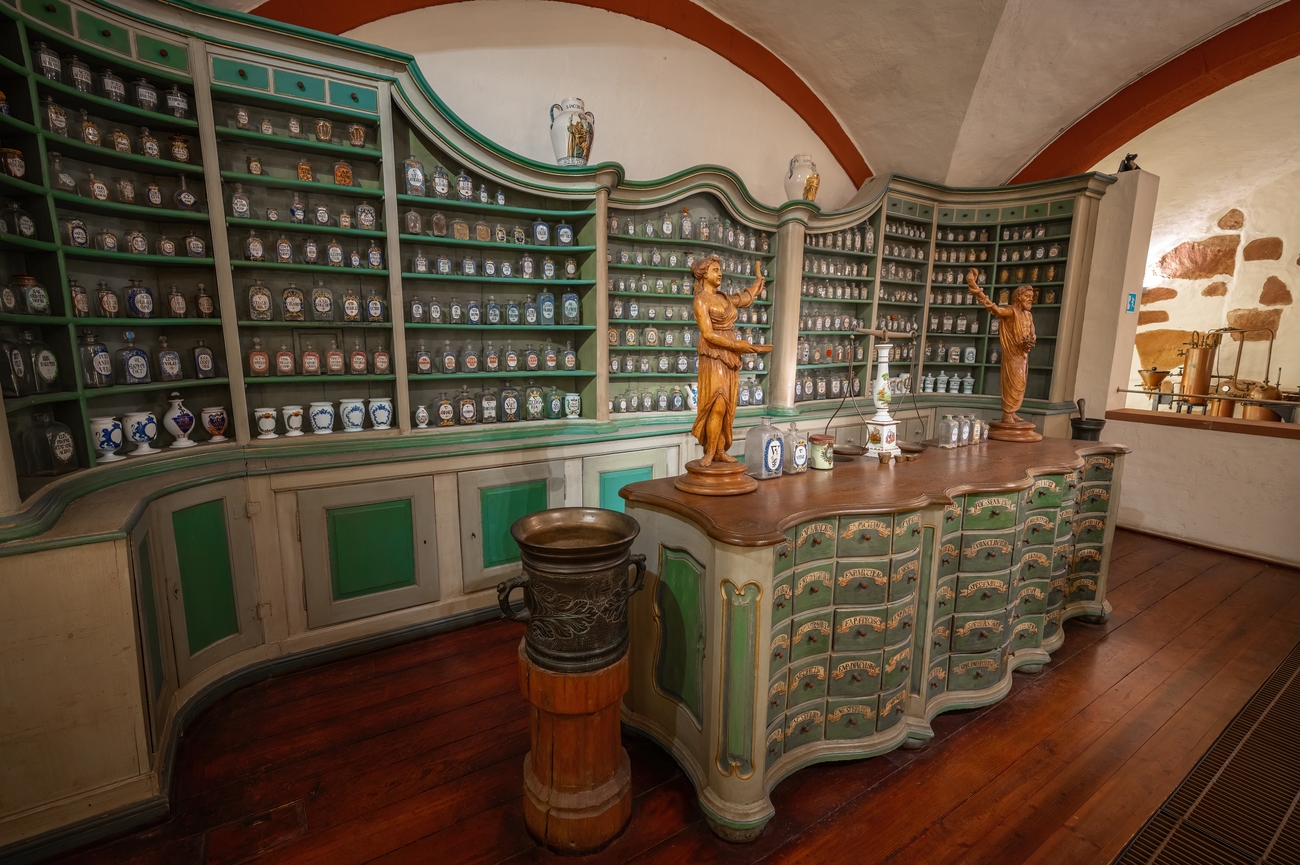
The German Pharmacy Museum (Deutsches Apotheken-Museum) explores over 2,000 years of pharmaceutical history, presented through reconstructed apothecary interiors, antique medicine jars and early scientific instruments. Compared to the scale of the castle grounds, the space is more compact and focused with exhibits that trace the development of medicine from herbal remedies to early chemical practices.
To get the most out of this stop, you’ll want to consider joining a guided experience. The Highlight Tour, which runs for up to 60 minutes, walks you through the development of pharmacy in a way that’s structured but still engaging almost like following a timeline that actually makes sense. If you’re looking for something more specific, the “Spiced up Medicine” tour focuses on herbs and spices, showing how ingredients like saffron, cinnamon and pepper were once some of the most valuable substances for both healing and cooking.
You can also access the Apothecary Garden, but only if you book the right tour. It’s located in a restricted part of the castle and isn’t open for general entry, which makes it feel a bit more exclusive. There is also the Gourmet Evening in the Museum, where your visit is paired with a curated dining experience inspired by historical herbs and spices. It’s a more indulgent way to experience the space.
Garden of the Palatinate
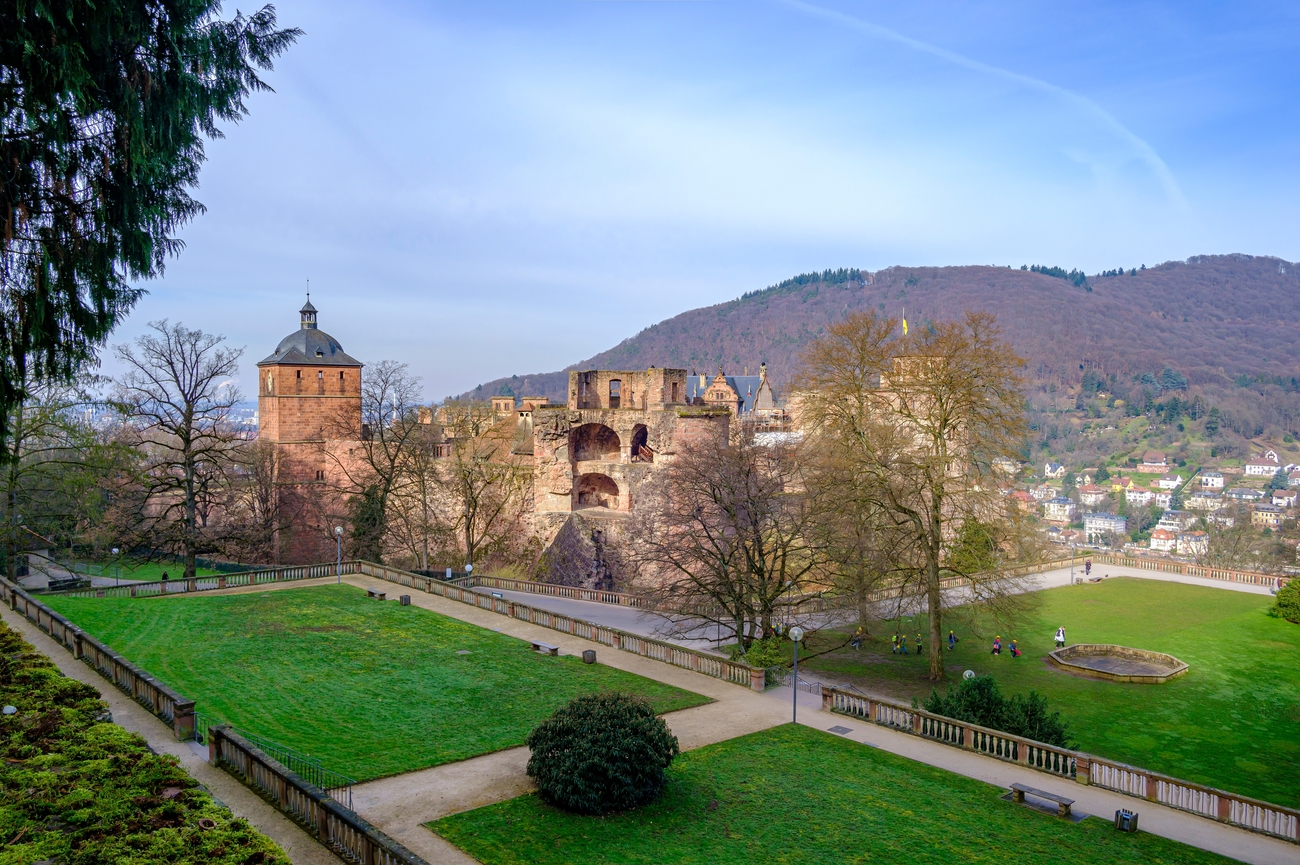
Step out toward the terraces and you’ll arrive at the Garden of the Palatinate (Hortus Palatinus). Originally designed in the early 17th century, this was once considered the “Eighth Wonder of the World.” It was planned as an elaborate Renaissance garden, complete with terraces, fountains and geometric layouts that reflected power and precision. Although the full design was never completed and parts have changed over time, the remaining structure still reflects its original scale and intent. Terraced levels, stone pathways and viewing points are still visible today.
The gardens are typically included in castle visits and are often part of guided tours, especially those that move between interior areas and outdoor viewpoints. While you can walk through the gardens independently, guided tours provide context on the original vision of the garden and how it was meant to function as both a display of wealth and a place of leisure.
Königstuhl
From the gardens, the ascent continues via the upper section of the Bergbahn, which takes about 8–10 minutes from the castle level to reach Königstuhl.
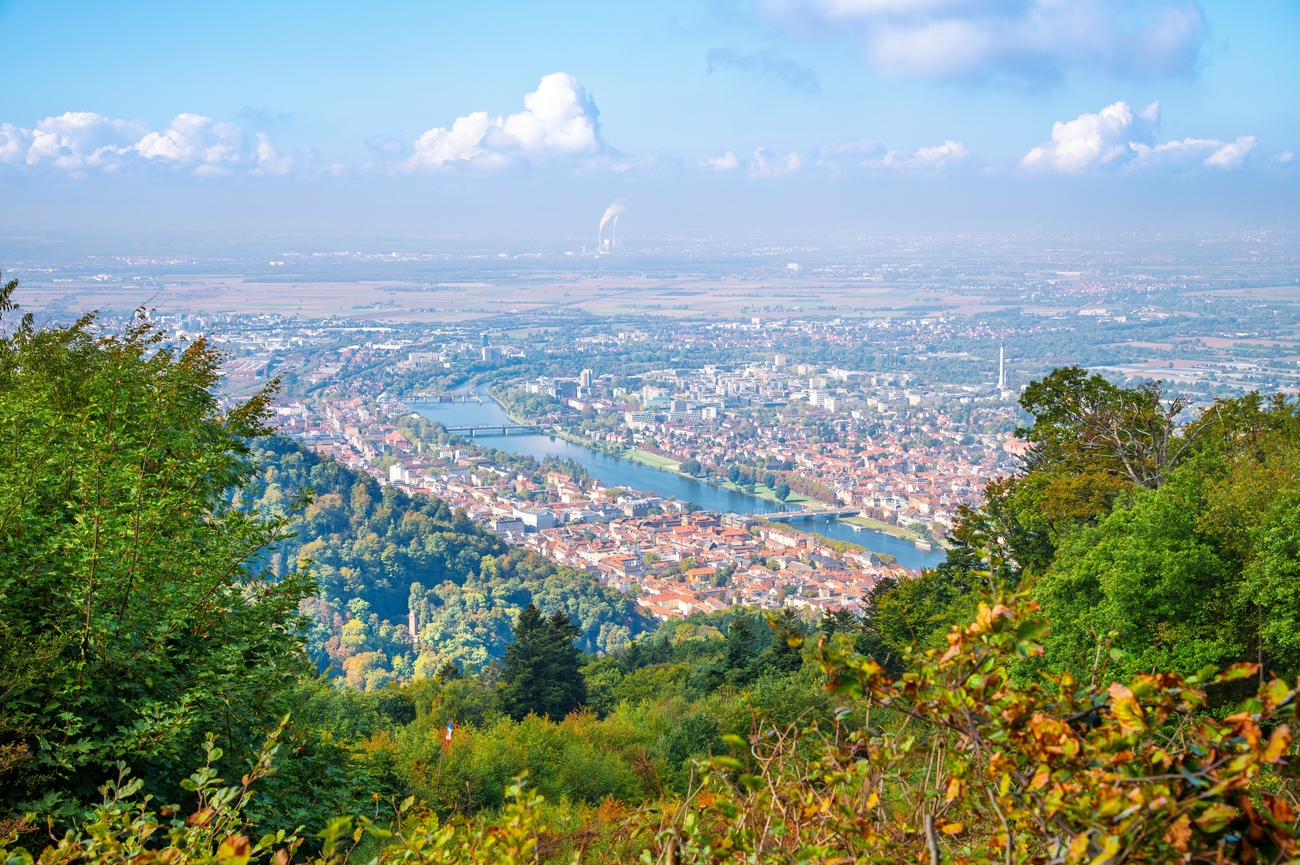
Königstuhl, meaning “King’s Seat,” sits about 567 meters above sea level and offers one of the most complete panoramic views in the region. From here, you can see the Neckar River winding through Heidelberg, the Altstadt laid out below and the surrounding Odenwald forest extending into the distance.
You can visit this stop by joining panoramic and castle combination tours, especially those using the Bergbahn for a continuous route from Old Town to the summit. Guided tours often position Königstuhl as the final viewpoint, giving you a full visual overview of Heidelberg. The Königstuhl Skywalk is also located here.
Evening:
Old Bridge Heidelberg
From Königstuhl, it will take roughly 15–20 minutes via the Bergbahn back to the lower station, followed by a 5–7 minute walk through the Altstadt toward the river. Then you will reach the Old Bridge (Karl-Theodor-Brücke).
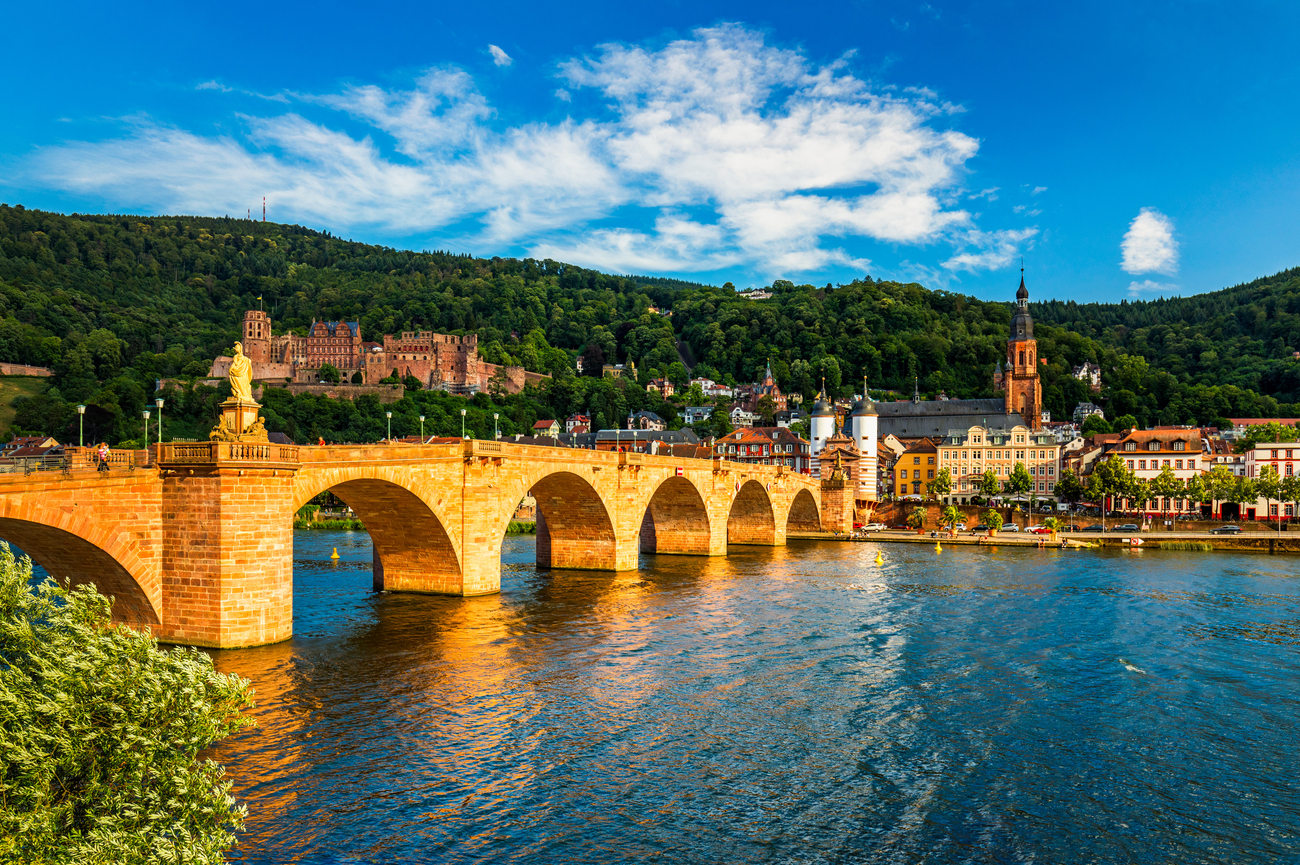
The Old Bridge dates back to 1788 and is one of Heidelberg’s most recognizable landmarks, stretching across the Neckar River with its elegant sandstone arches. On one end, the Bridge Gate (Brückentor) frames the entrance like something straight out of a storybook, while on the other, the famous Bridge Monkey (Brückenaffe) adds a more playful detail.
Brückenaffe
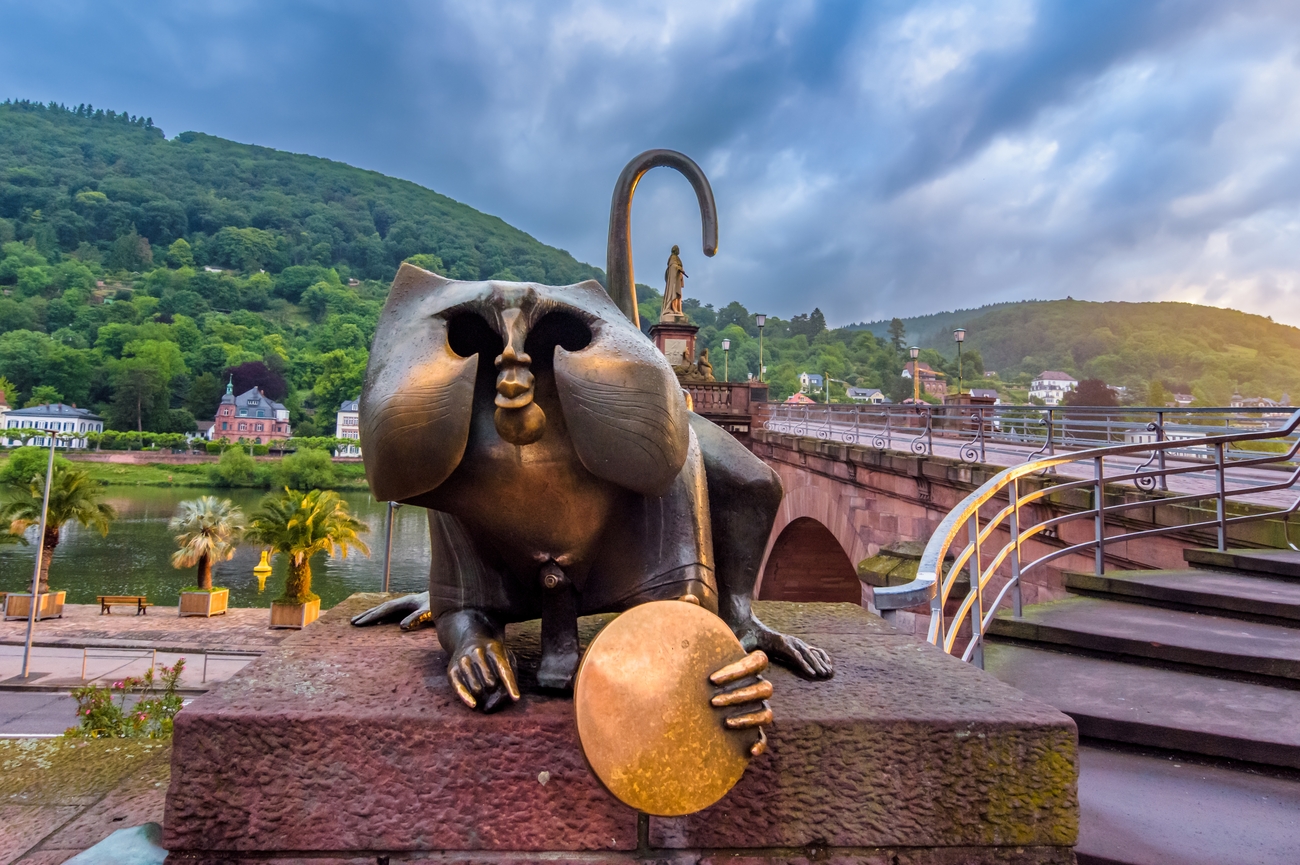
Located right at the entrance of the Old Bridge on the Altstadt side, the Brückenaffe (Bridge Monkey) is only a 1-minute walk from where you step onto the bridge. It’s easy to spot. It’s slightly off to the side, bronze and always surrounded by a small crowd doing the same ritual.
The current statue is a modern recreation installed in 1979, but its origins date back to the 15th century, when a monkey figure stood here as a symbol of mockery and reflection. The idea was simple: anyone crossing the bridge should remember not to think too highly of themselves because someone on the other side might be just like them. Today’s version holds a mirror, reinforcing that same message, while the bronze mice beneath it add another layer of local superstition. Touching them is said to bring luck.
Neckar Riverbank Park
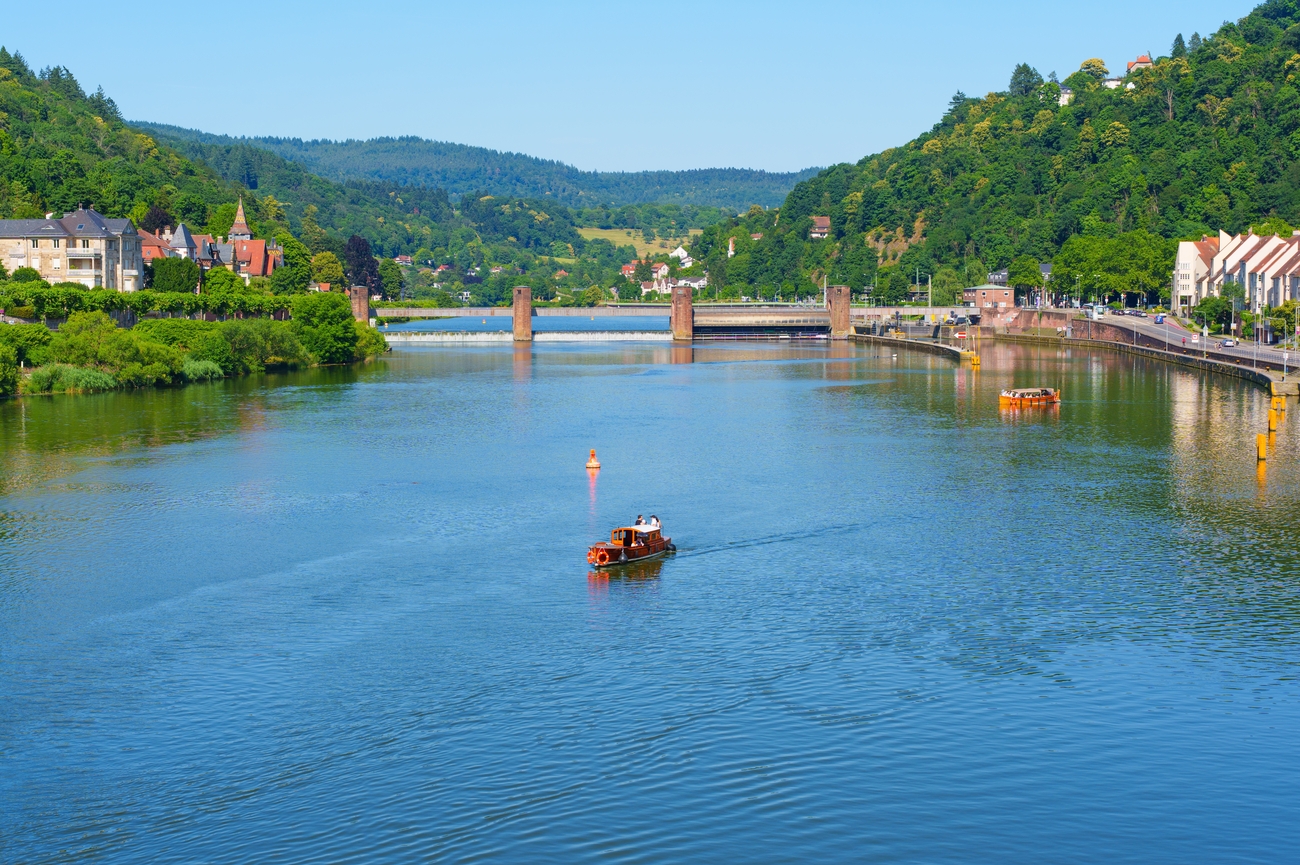
From the Brückenaffe, continue along the river and within a 3–5 minute walk, you’ll reach the Neckar River.
Lined with trees and open walkways, it offers uninterrupted views of the Old Bridge, the Altstadt, and the castle above. This is simple but effective: benches, pathways and just enough space to slow down. As evening sets in, the reflections on the water sharpen and the city lights begin to appear one by one.
Day 2 - Heidelberg Tour Map
Day 3
Morning: Philosophenweg
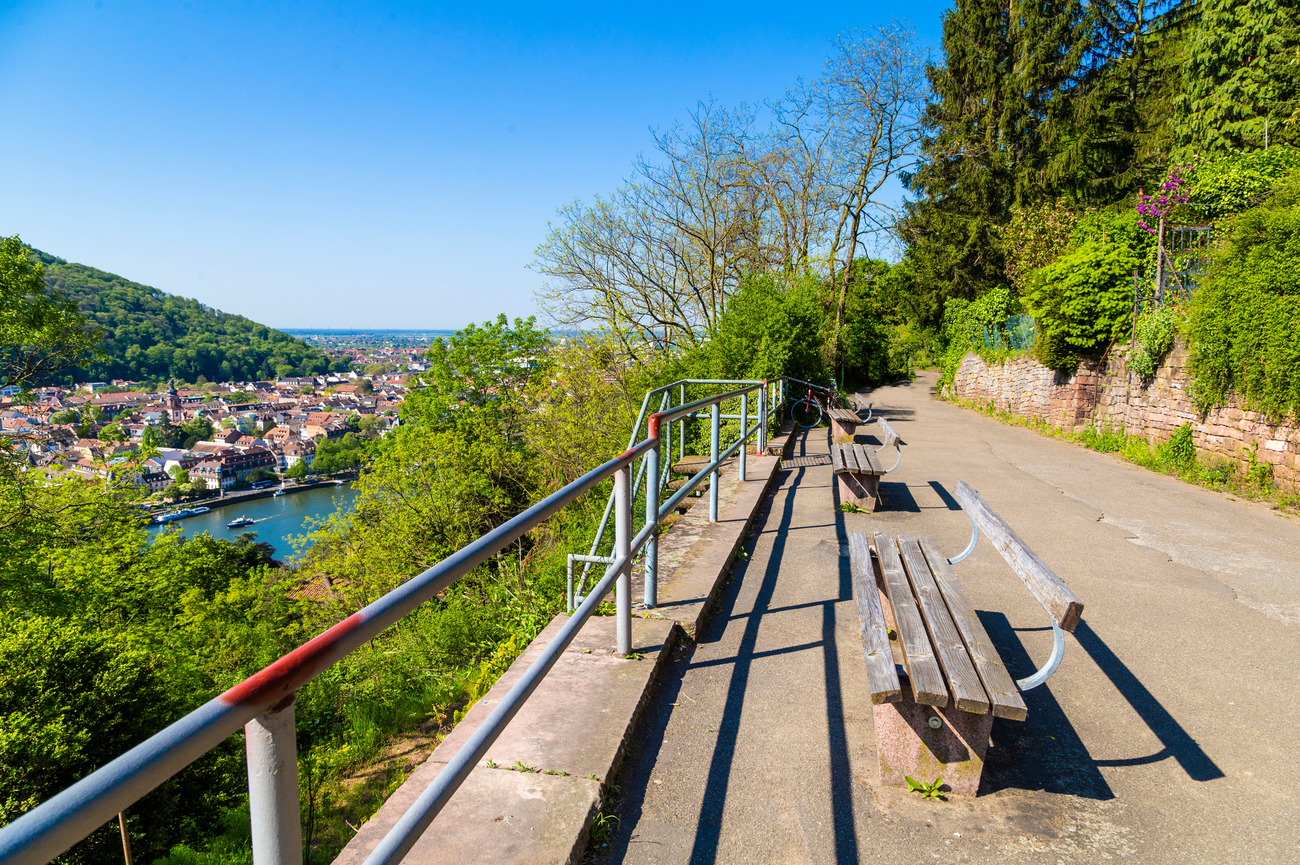
Philosophenweg (Philosopher’s Walk) is one of Heidelberg’s most scenic walking paths, set along the northern hillside overlooking the Old Town. It was a favorite route for university professors and philosophers, who would walk here for both inspiration and distance from the busy streets below.
The path is lined with greenery, terraces and occasional viewpoints that open up to panoramic views of the Neckar River, the Old Bridge and Heidelberg Castle. Some guided tours incorporate Philosophenweg as a morning stop, when the light is softer and the atmosphere more peaceful. You can also explore it independently, as the path is well-marked and easy to follow once you reach the top.
Schlangenweg
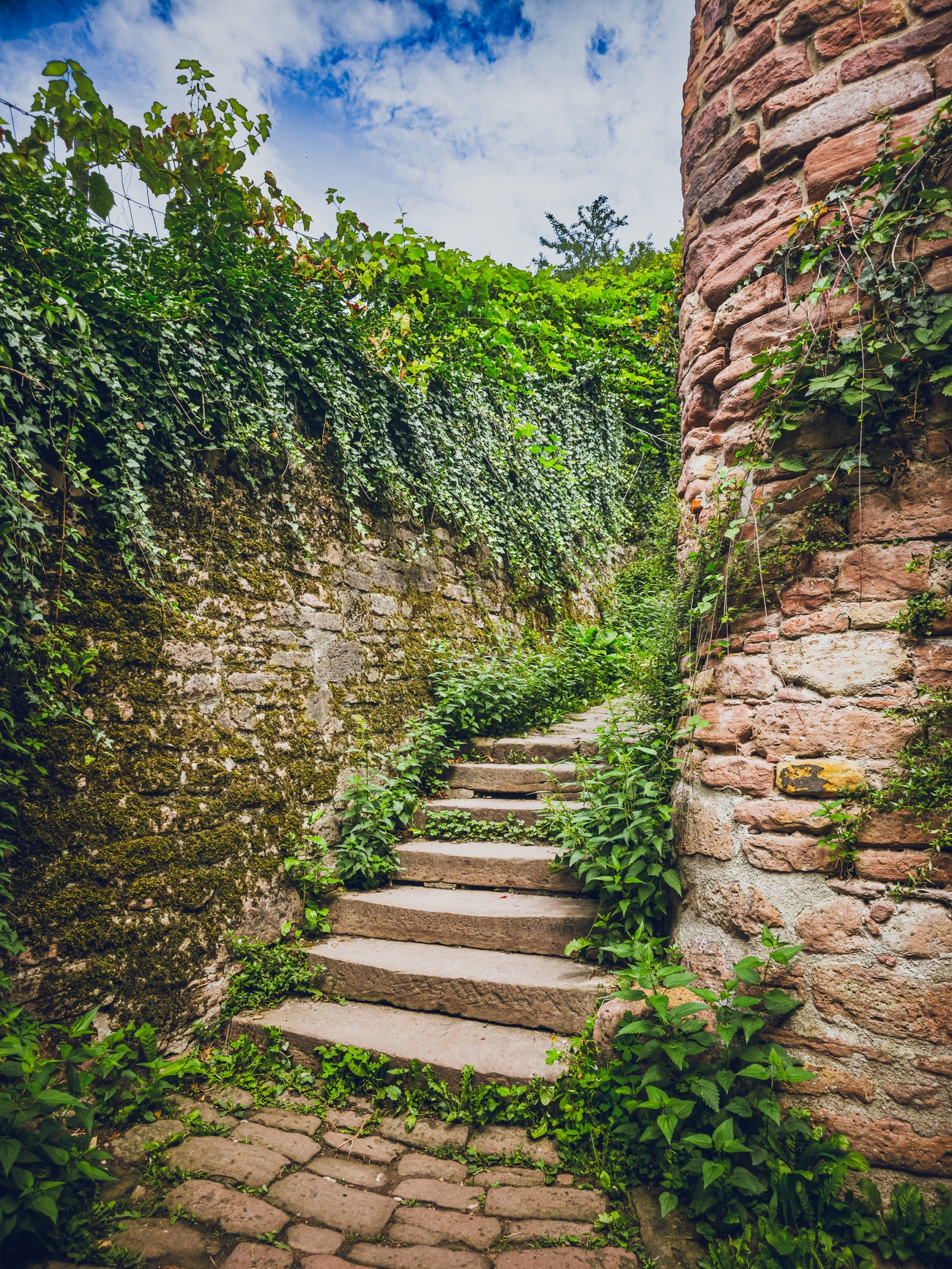
Just off Philosophenweg, the Schlangenweg (Serpentine Path) begins and within a 1–2 minute walk, you’ll find its entrance. It’s less of a main route and more of a tucked-away connector, winding its way down toward the river in a series of tight curves.
Schlangenweg is exactly what its name suggests. It’s a winding, snake-like path that cuts through the hillside, linking Philosophenweg to the Old Bridge below. The route is steeper than it looks, with stone steps and shaded sections that feel more enclosed compared to the open views above.
Just take your time with the descent. The path can be uneven in parts, so moving at a steady pace makes the walk more comfortable and gives you space to notice the details.
Heiligenberg
Continuing from Schlangenweg, it takes 10-20 minutes to reach Heiligenberg. This hill rises above the northern bank of the Neckar.
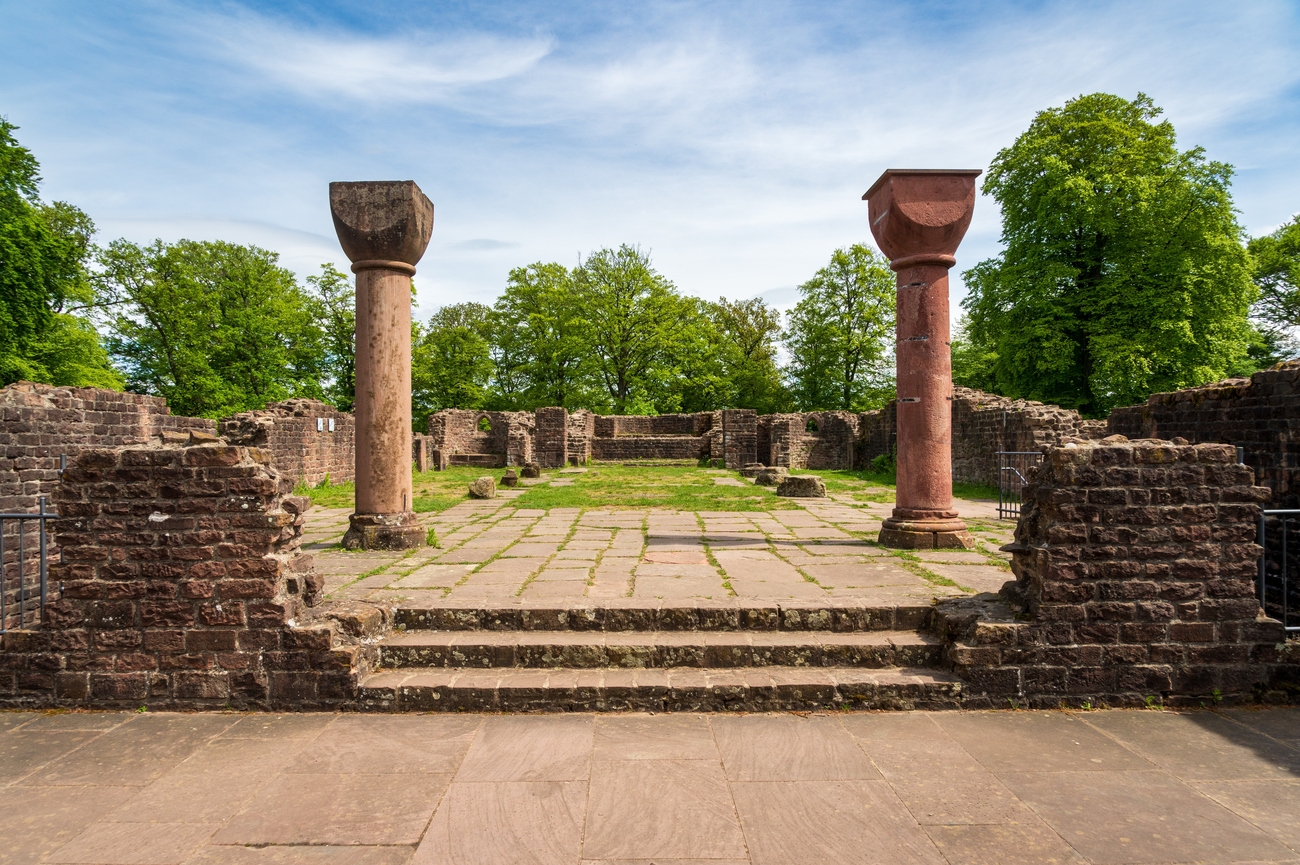
Heiligenberg is one of the most historically dense areas in Heidelberg, with layers dating back over 2,000 years. At the top, you’ll find the remains of Celtic ring walls, built around the 4th–5th centuries BC, which once enclosed a large hilltop settlement. Later, the Romans used the site, leaving behind temple foundations, followed by medieval structures like the Monastery of St. Michael (Michaelskloster) and the Monastery of St. Stephen (Stephanskloster) which are now both ruins.
Heiligenberg is typically included in extended walking tours and historical hikes, especially those focusing on early settlements and lesser-known landmarks. You can join some specialized tours which cover the Celtic, Roman and medieval history in more detail.
Afternoon:
Thingstätte Heidelberg
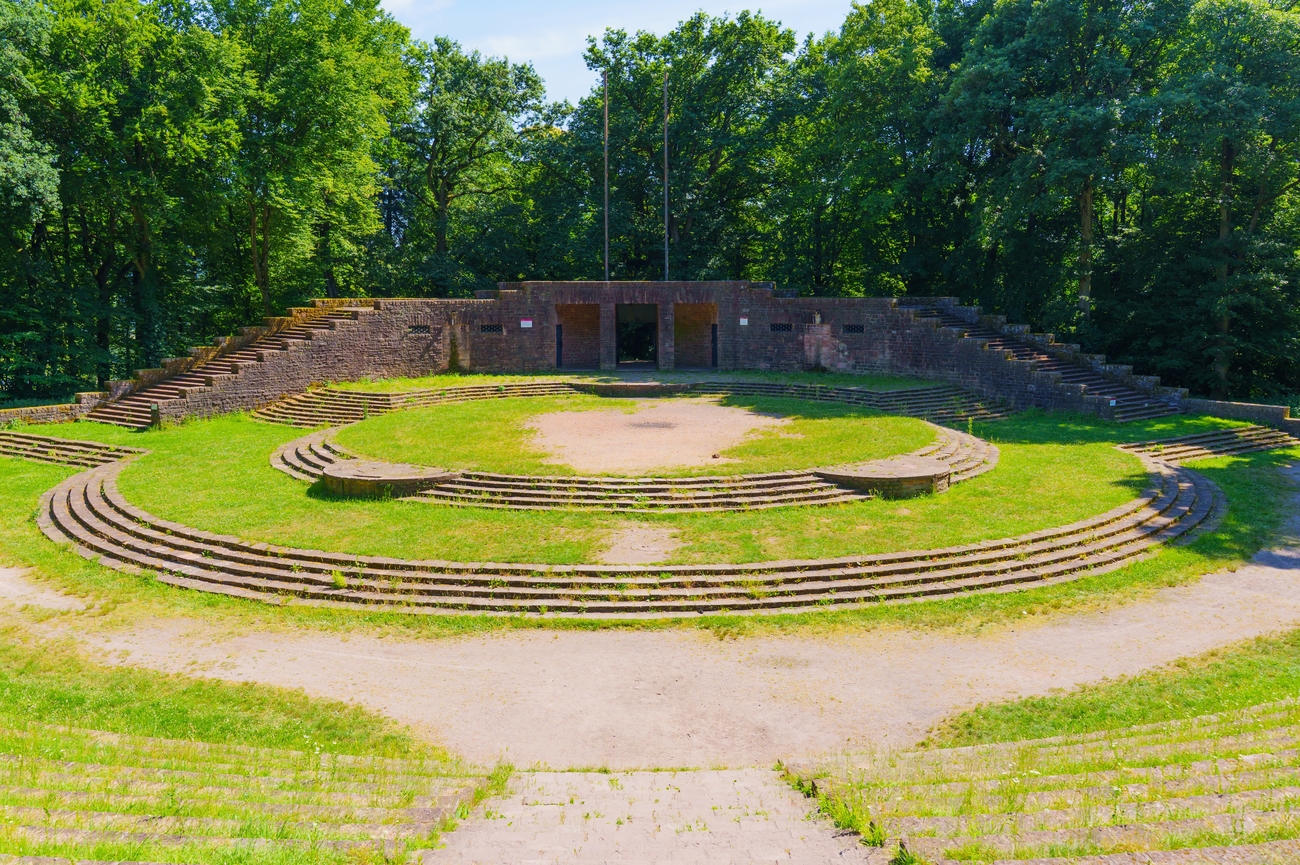
Further into Heiligenberg, the forest suddenly opens. Hidden within the hillside, the Thingstätte Heidelberg unfolds. Surrounded by trees, the amphitheater feels both hidden and exposed at the same time.
Constructed in 1935, the Thingstätte was part of a series of open-air theaters built during the Nazi period for mass gatherings and performances tied to ideology and propaganda. It could accommodate up to 20,000 spectators, with wide stone seating arranged in an oval around a central stage. The design was intentionally grand and symbolic, meant to evoke ancient Germanic assemblies.
The structure remains largely intact, but its purpose has completely shifted. It’s no longer used in the way it was intended and instead stands as a historical site. It’s occasionally used for informal events, small performances or seasonal gatherings, but most of the time it remains quiet, open to visitors who walk through or sit along the stone tiers.
Marktplatz Neuenheim
From Thingstätte, allow around 15–20 minutes walking downhill through Heiligenberg’s trails toward Neuenheim Marktplatz. This gentle descent brings you to the rhythm of the city.
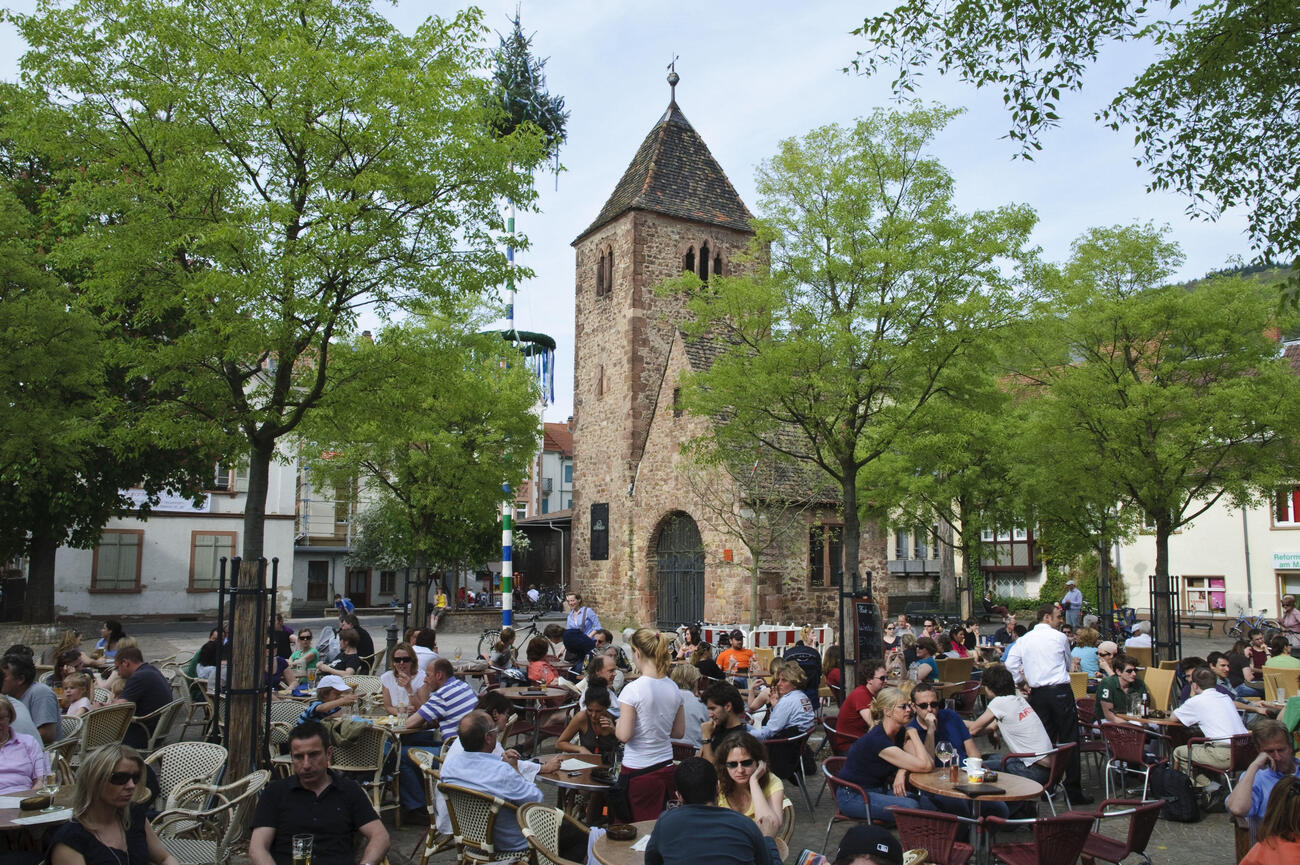
Marktplatz Neuenheim is smaller and more understated than its Altstadt counterpart, but that’s exactly where its charm lies. Surrounded by elegant residential buildings and low-key storefronts, the square feels lived-in rather than curated. At its center, you’ll often find a weekly market (on select days), where fresh produce, flowers and regional goods are laid out in neat rows. This adds color and movement without overwhelming the space.
And if you arrive during market hours, the square feels livelier, while quieter periods offer a more relaxed pace. Nearby streets feature boutique shops and cafés, that cater more to locals than visitors.
Neckarwiese
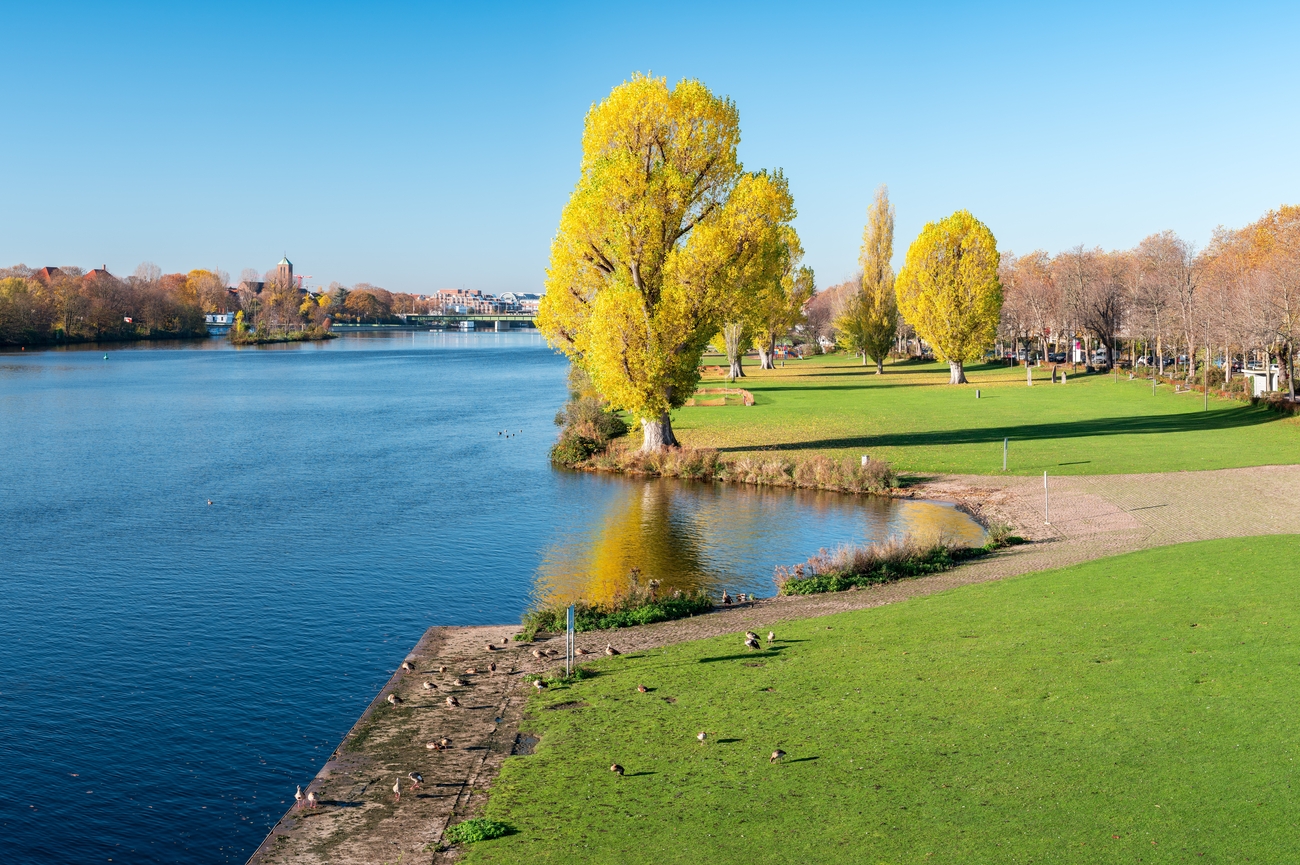
Just a short 3–5 minute walk from Neuenheim Marktplatz, the space will open. The path leads you straight to Neckarwiese, a wide riverside park that feels completely different from everything before it. After structured squares and historic sites, this is where Heidelberg loosens up.
Neckarwiese stretches along the northern bank of the Neckar River, offering one of the best uninterrupted views of the Altstadt, Old Bridge and Heidelberg Castle across the water. It’s a large green space, popular with both locals and visitors, where the layout is simple. It has open lawns, tree-lined edges and direct access to the river. Unlike the formal promenades, this area feels casual by design.
Evening:
Heidelberg Botanical Garden
Leaving Neckarwiese behind, the walk gradually leads you into Heidelberg’s university district. Within about 10–12 minutes, the surroundings transition from open riverside space to curated greenery and the Heidelberg Botanical Garden comes into view.
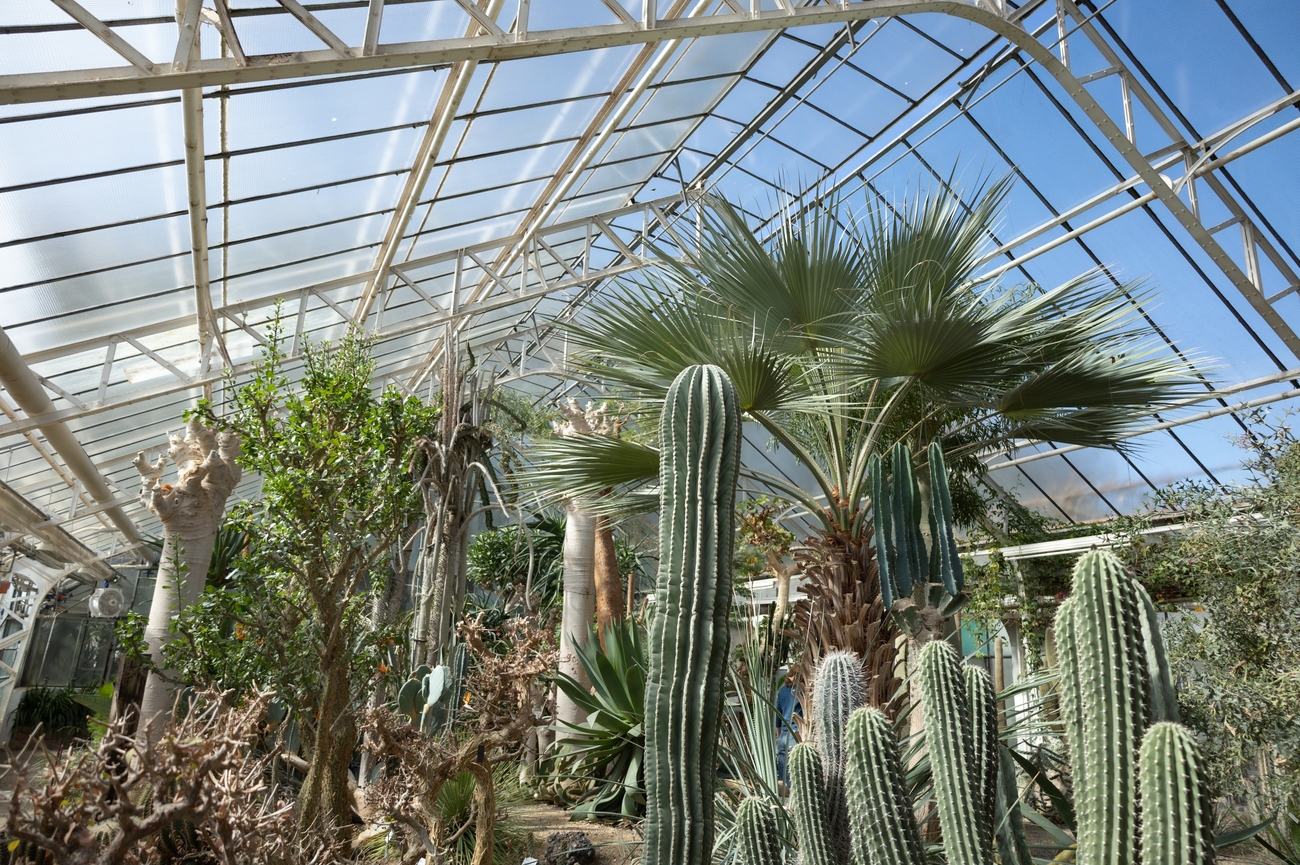
Founded in 1593, the Heidelberg Botanical Garden is one of the oldest in Germany, originally established for medicinal plant research tied to the university. It spans several hectares and features a wide range of plant collections from tropical greenhouses and alpine species to systematically arranged outdoor gardens. The layout is precise but not rigid, with clearly marked sections that guide you through different climates and plant families.
Anatomiegarten
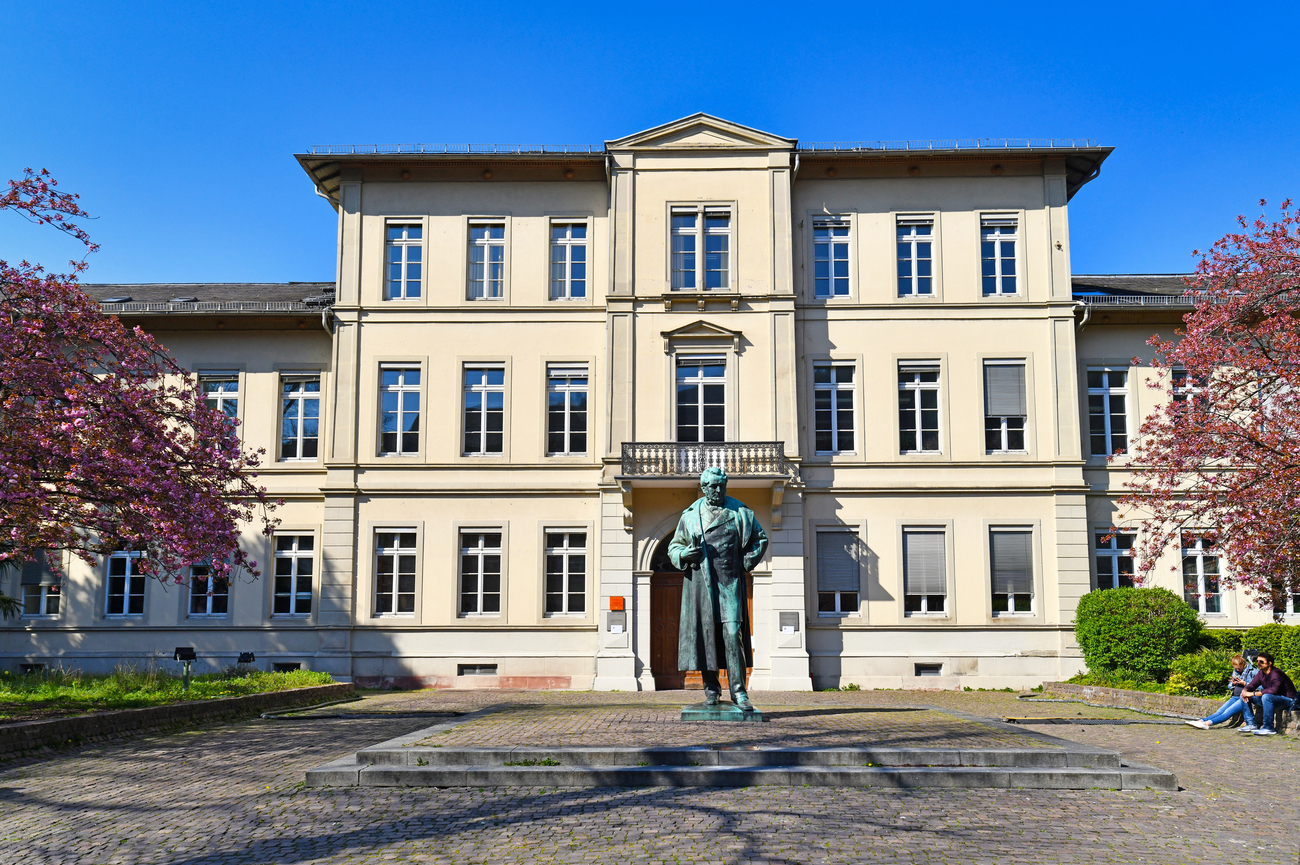
As you leave the garden, the route folds back into the city. A short 5–7 minute walk from the Botanical Garden brings you to Anatomiegarten, tucked within Heidelberg’s university district.
Anatomiegarten is a small historic garden tied to Heidelberg University’s medical faculty. It dates back to the 18th century, when it was used for anatomical studies and teaching. It functions more as a preserved green space, with pathways, sculptures and surrounding academic buildings that hint at its past.
Specialized academic or university tours may pass through or mention it, particularly those focused on Heidelberg’s contributions to medicine and science. The space invites a different kind of ending, less about highlights, more about stillness.
Day 3 - Heidelberg Tour Map
Other Things to Do in Heidelberg
There’s always more to Heidelberg. Once the landmarks are done, what’s left isn’t “extra.” It’s everything that actually defines the city. This is where small decisions start to matter. Yes, where you walk, when you go, what you skip. And if you’re doing it right, this is the part that feels less like sightseeing and more like understanding the place.
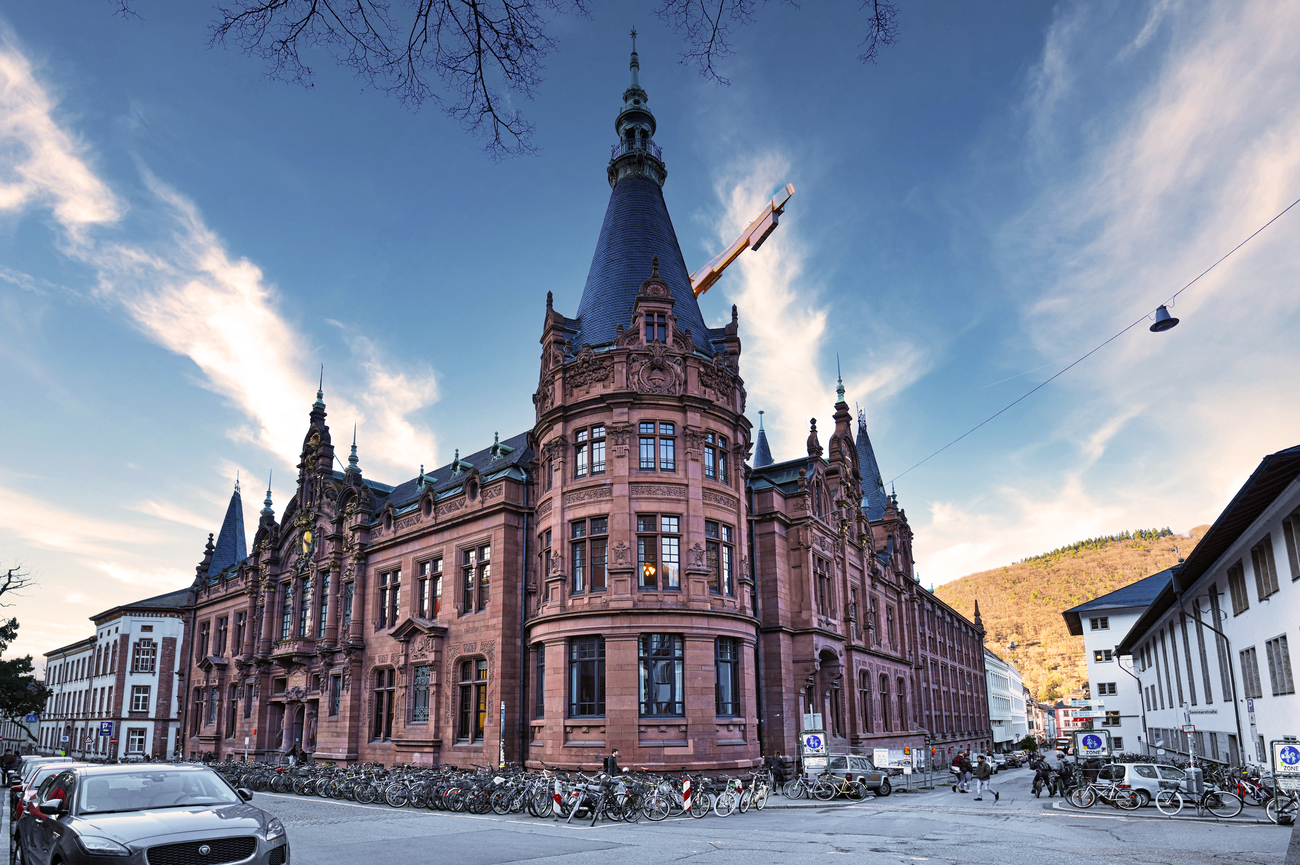
- Heidelberg University Library: This is one of the most striking buildings in Heidelberg. The red sandstone facade, built in Neo-Renaissance style, stands out immediately. Inside, the library is fully operational, holding millions of volumes, including rare manuscripts tied to the university’s long academic history.
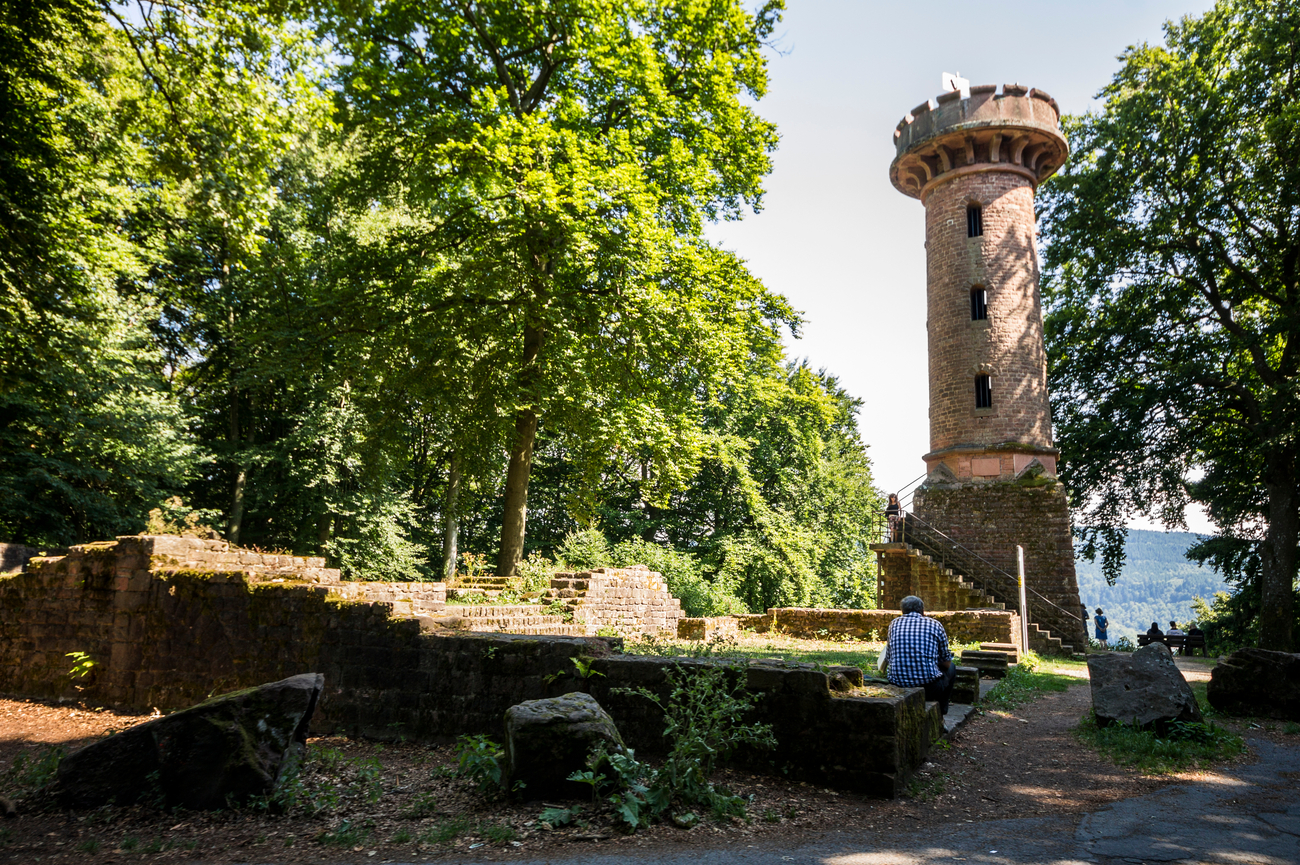
- Aussichtsturm auf dem Heiligenberg: The Aussichtsturm offers a different kind of viewpoint. The climb to the top is short but enough to separate you from the usual paths and once you’re up there, the view opens in all directions. Unlike the castle or Königstuhl, this view feels less designed for visitors and more like something you’ve found on your own.
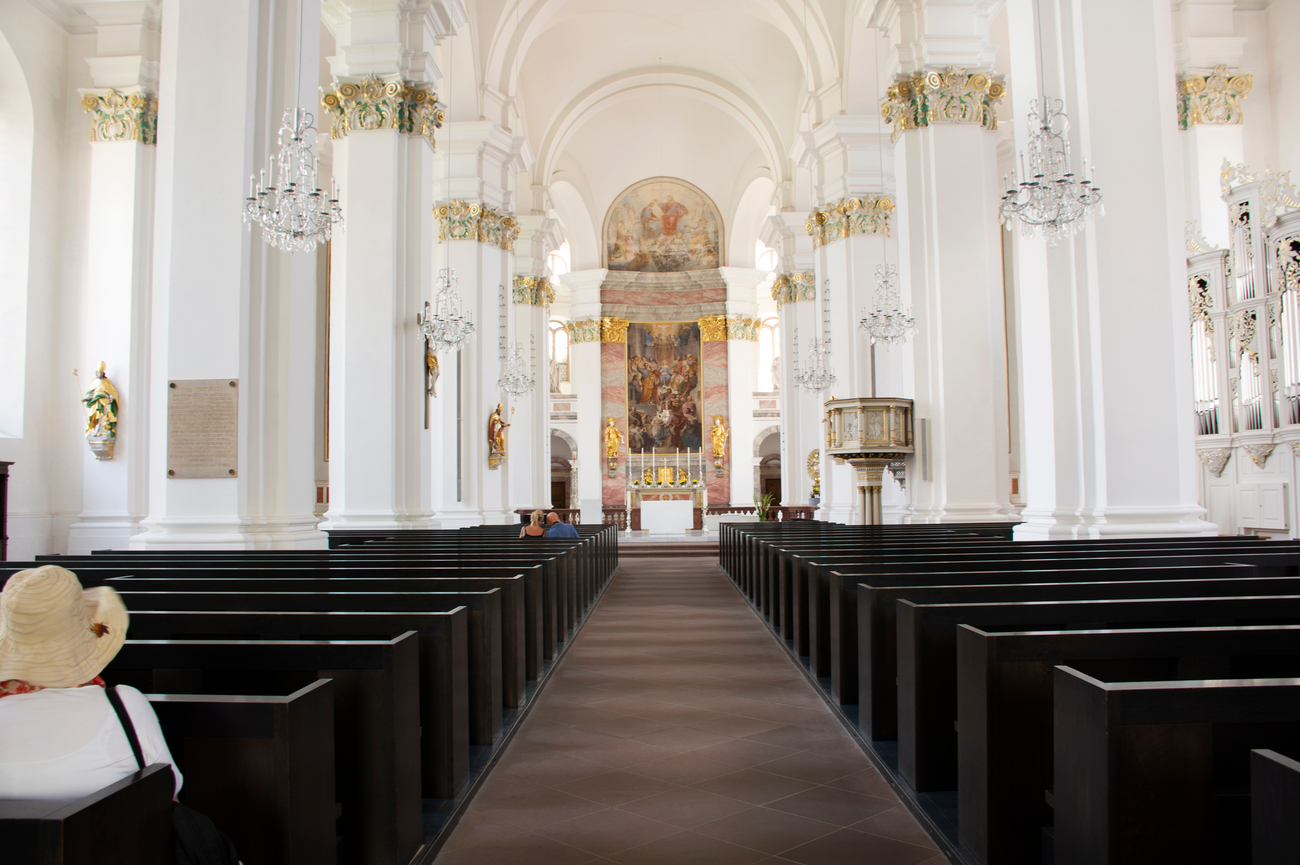
- Jesuitenkirche: Tucked into the Altstadt, the Jesuitenkirche brings a completely different architectural tone into the mix. Built in the 18th century, it reflects Baroque design and more structured compared to the Gothic presence of Heiliggeistkirche. Inside, the space opens wide with white walls, gold accents and a high altar that draws your focus forward. This church is often included in architecture-focused tours, but it works best when experienced quietly. Fewer people, less movement, more space to notice the details.
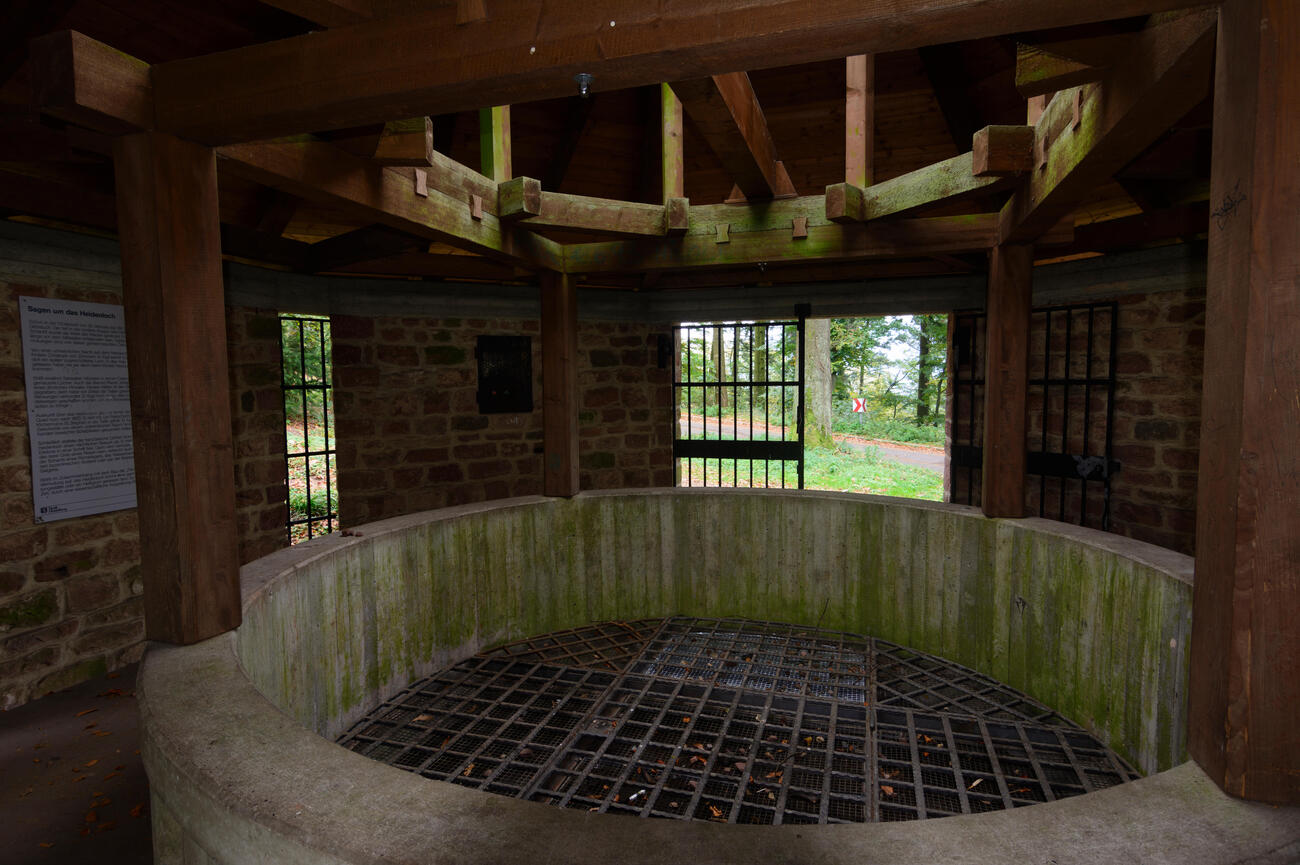
- Heidenloch: Hidden within the forested slopes of Heiligenberg, the Heidenloch feels more like something discovered than something visited. It’s a deep, circular shaft carved into the ground, believed to date back to Roman times, possibly used as a well or storage system. There are no dramatic markers, no heavy infrastructure around it. You come across it almost unexpectedly, surrounded by trees, with only minimal indication of its historical significance.
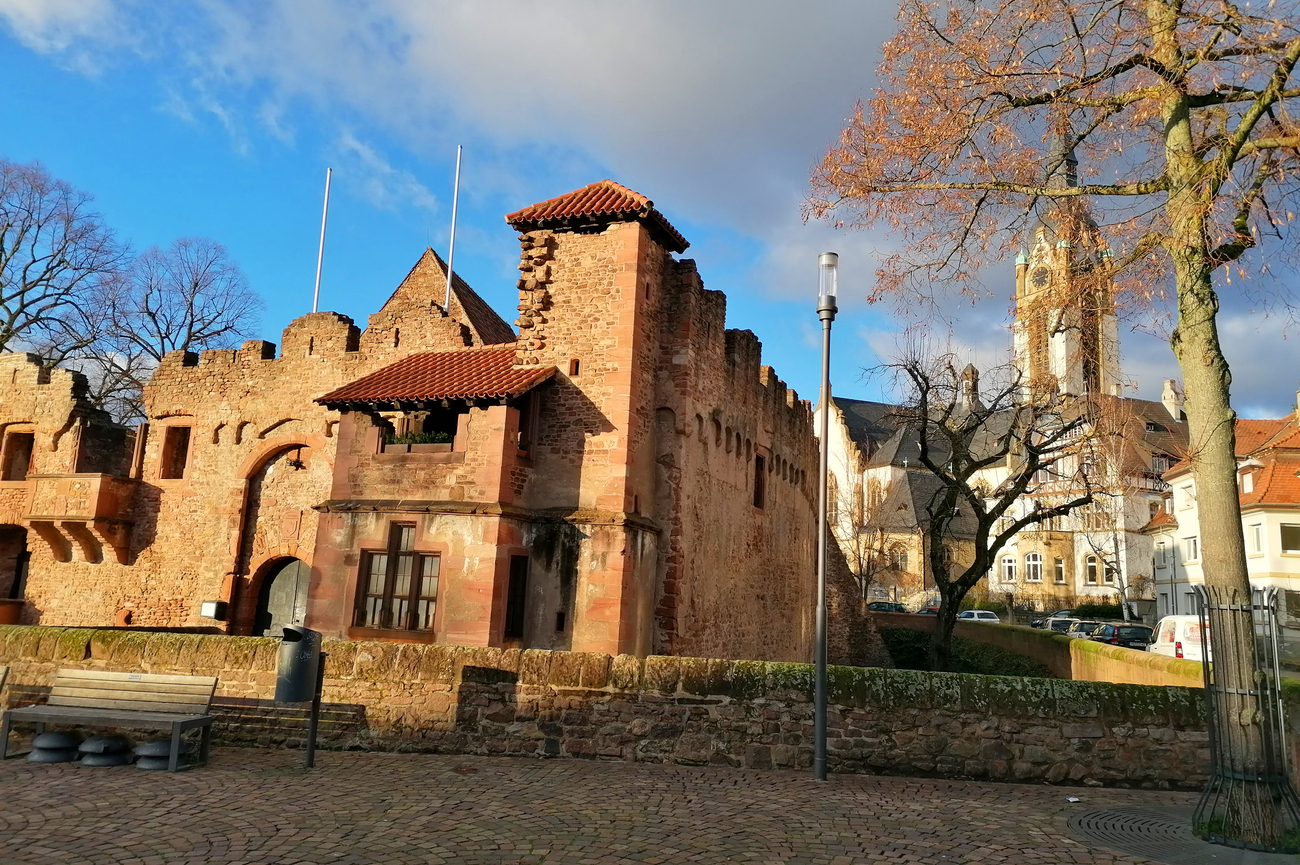
- Handschuhsheim, Tiefburg: Handschuhsheim feels more residential, less visited and far more local. At its center sits the Tiefburg, originally built in the 12th century. The Tiefburg is surrounded by a shallow moat and framed by modest, well-maintained grounds. The structure itself isn’t large, but it carries a certain presence. Stone walls, simple towers and open space around it give it a grounded, almost understated character.
Things to Do with Kids in Heidelberg
Traveling with kids in Heidelberg doesn’t mean slowing down; it just means choosing better playgrounds. It’s not about adding more stops. It’s about choosing the right ones. The ones that give kids space, keep them engaged and still make the day feel well spent. Get that right and everything else falls into place. Here are the spots that actually deliver.
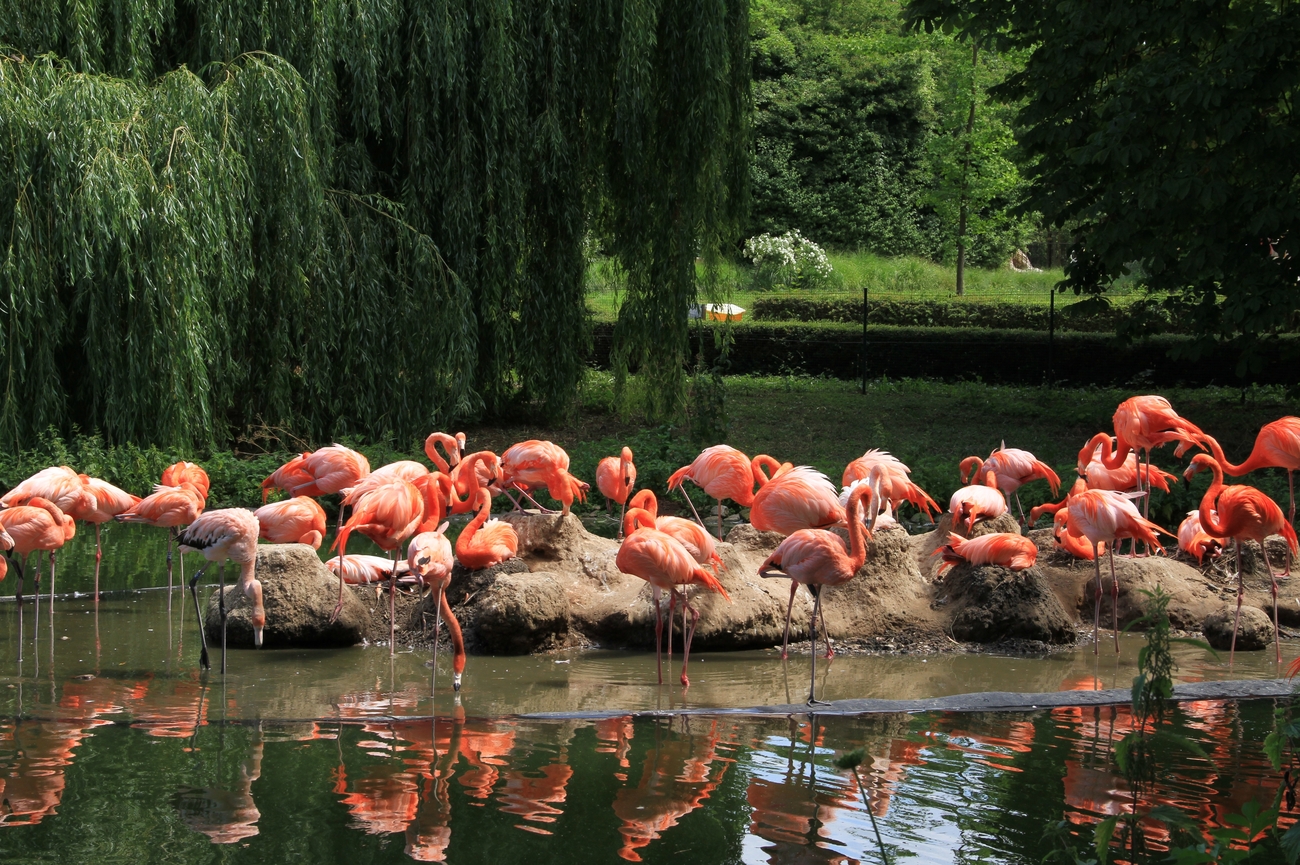
- Zoo Heidelberg is home to over 1,000 animals, but what stands out is how the experience is laid out. You’re not rushing from one enclosure to another. Instead, the route flows with elephants in one section, primates in another, then smaller, more interactive zones where kids can get closer to the environment. There are also playgrounds within the zoo, which means the energy doesn’t drop halfway through the visit. You can book special encounters or guided sessions, where kids get a closer look at specific animals or feeding routines.
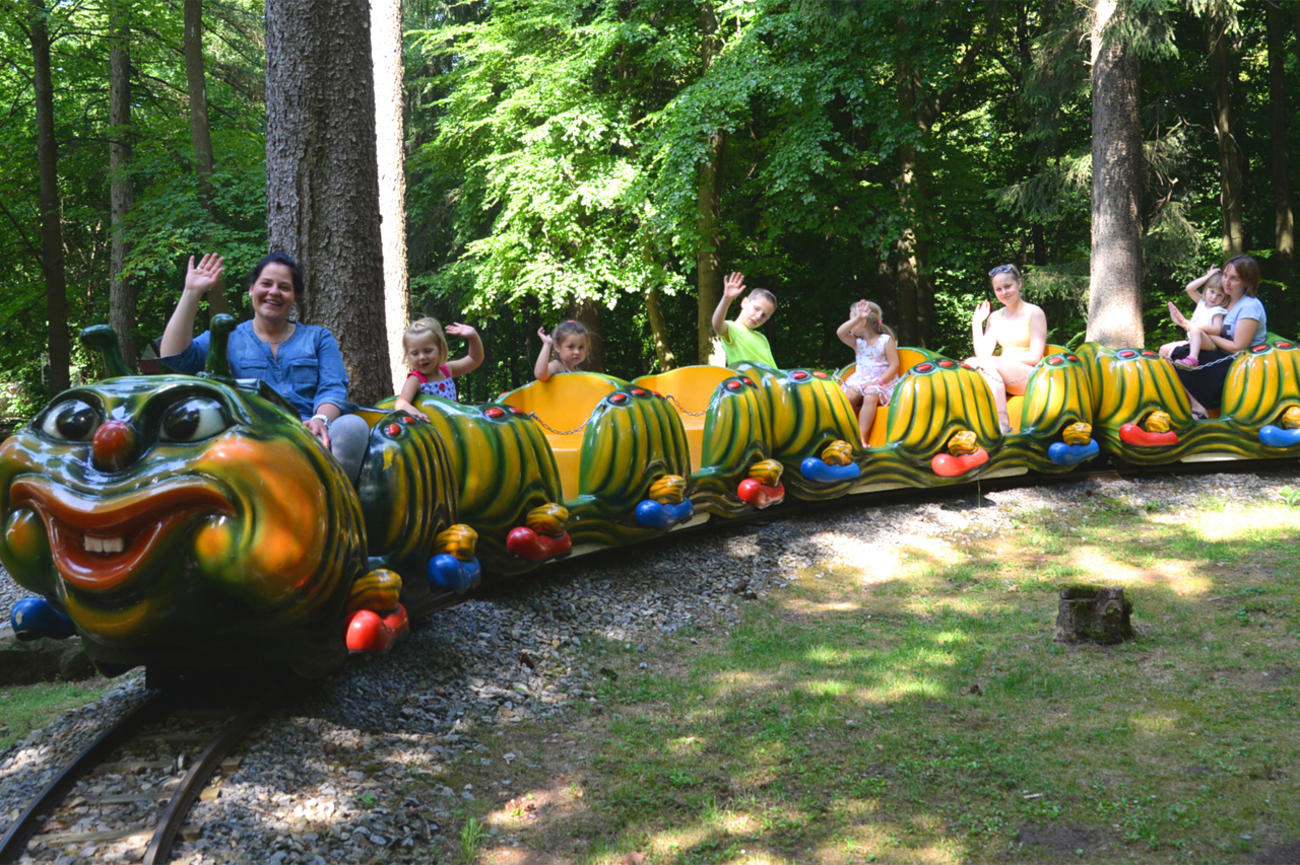
- Märchenparadies Heidelberg GmbH & Co.: This is where Heidelberg leans into its fairytale side. Märchenparadies is a smaller, storybook-themed park designed for younger kids, with interactive displays based on classic tales, simple rides and open play areas. You’re already on Königstuhl, already surrounded by forest views; this just adds a playful layer without requiring extra effort.
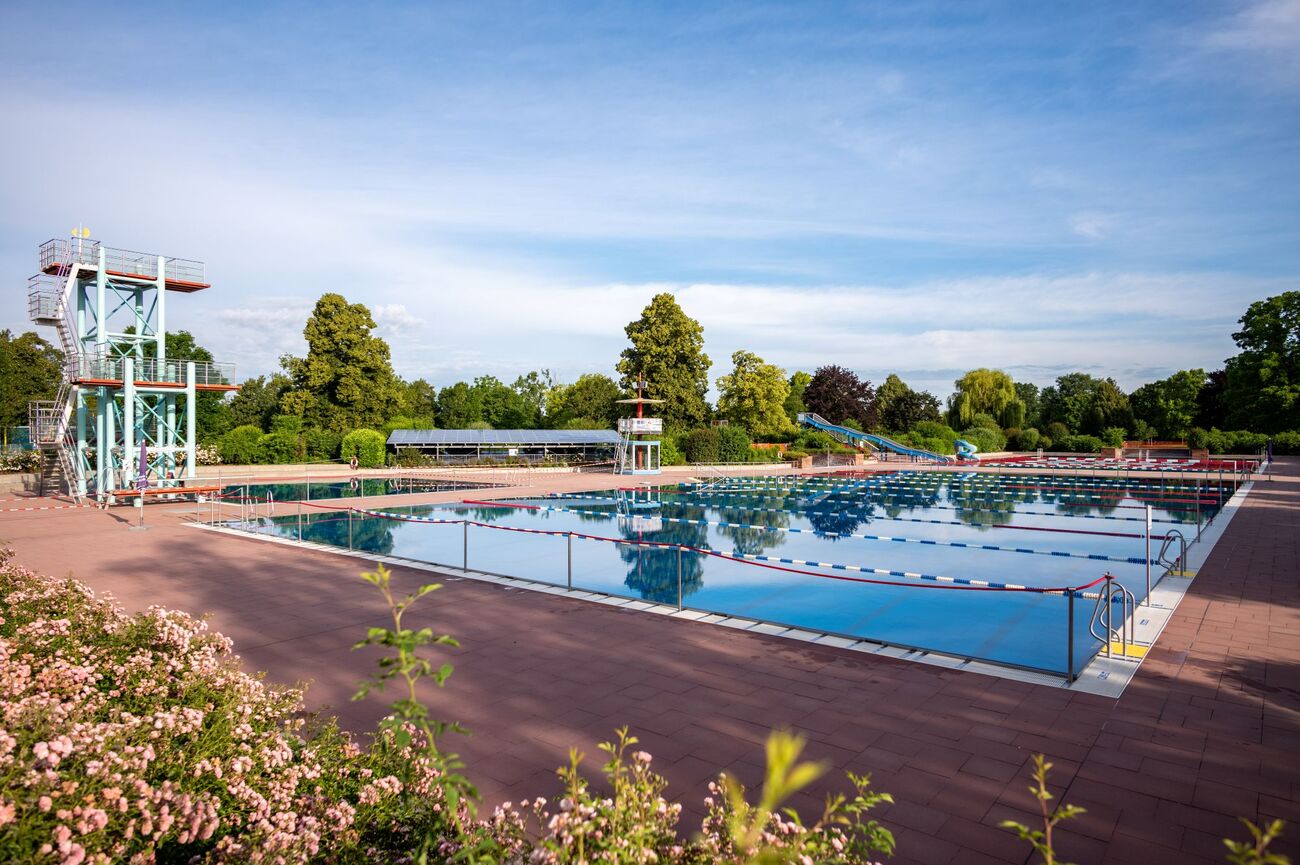
- Thermalbad Heidelberg: Thermalbad Heidelberg offers a mix of indoor and outdoor pools, creating a setting that feels more composed than a typical waterpark. The water is naturally heated and the layout is designed for longer stays rather than quick visits. You’ll find pools at different temperatures, quiet lounging areas and enough space to move without feeling crowded. While parts of the facility are more relaxed and adult-focused, there are areas where kids can enjoy the water comfortably.
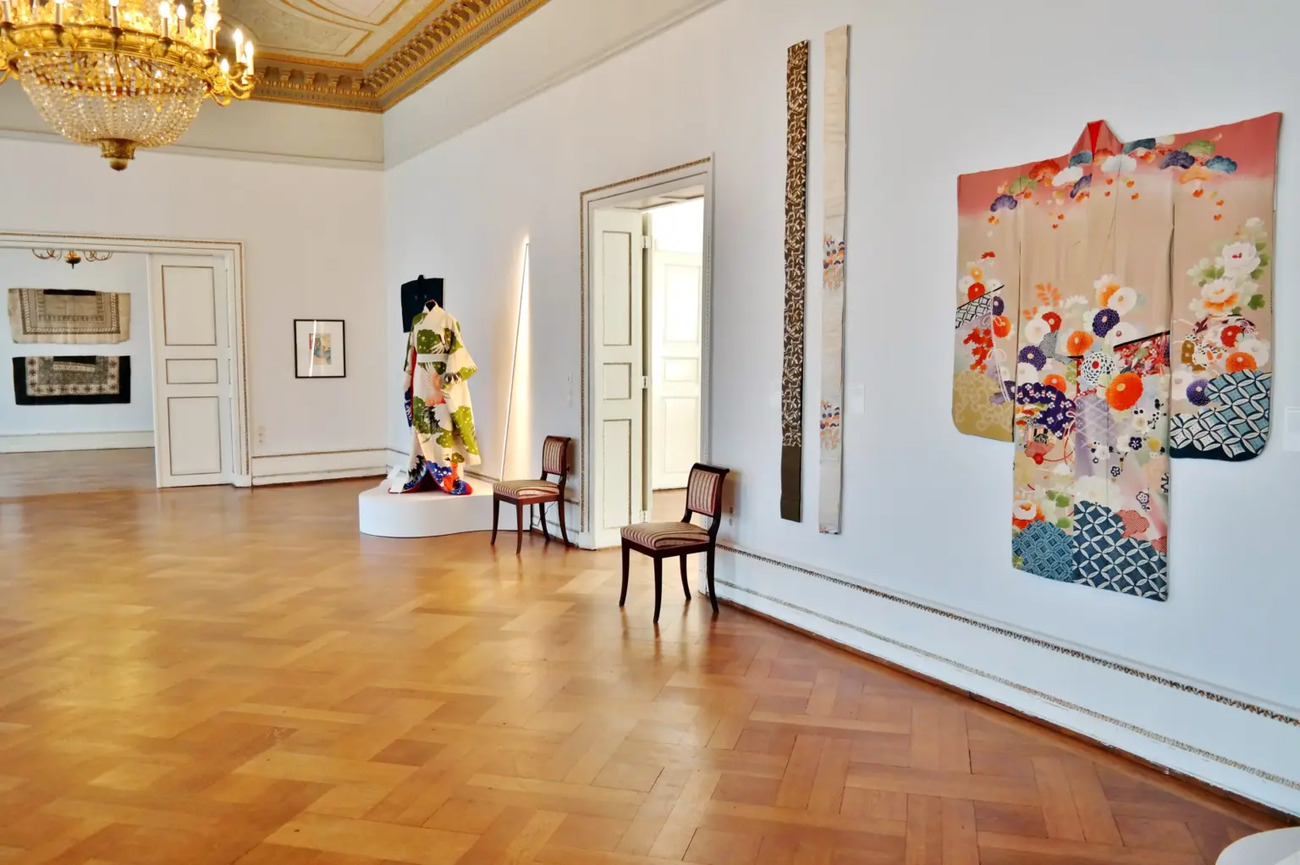
- Völkerkundemuseum der J. & E. von Portheim-Stiftung Heidelberg: The Völkerkundemuseum focuses on ethnology, with collections from Asia, Africa and the Americas displayed in a way that’s visual and approachable. The size works in your favor. It’s not overwhelming, which means kids can move through it without losing interest. Masks, textiles, tools and everyday objects from different cultures are presented in a way that invites attention without requiring too much explanation.
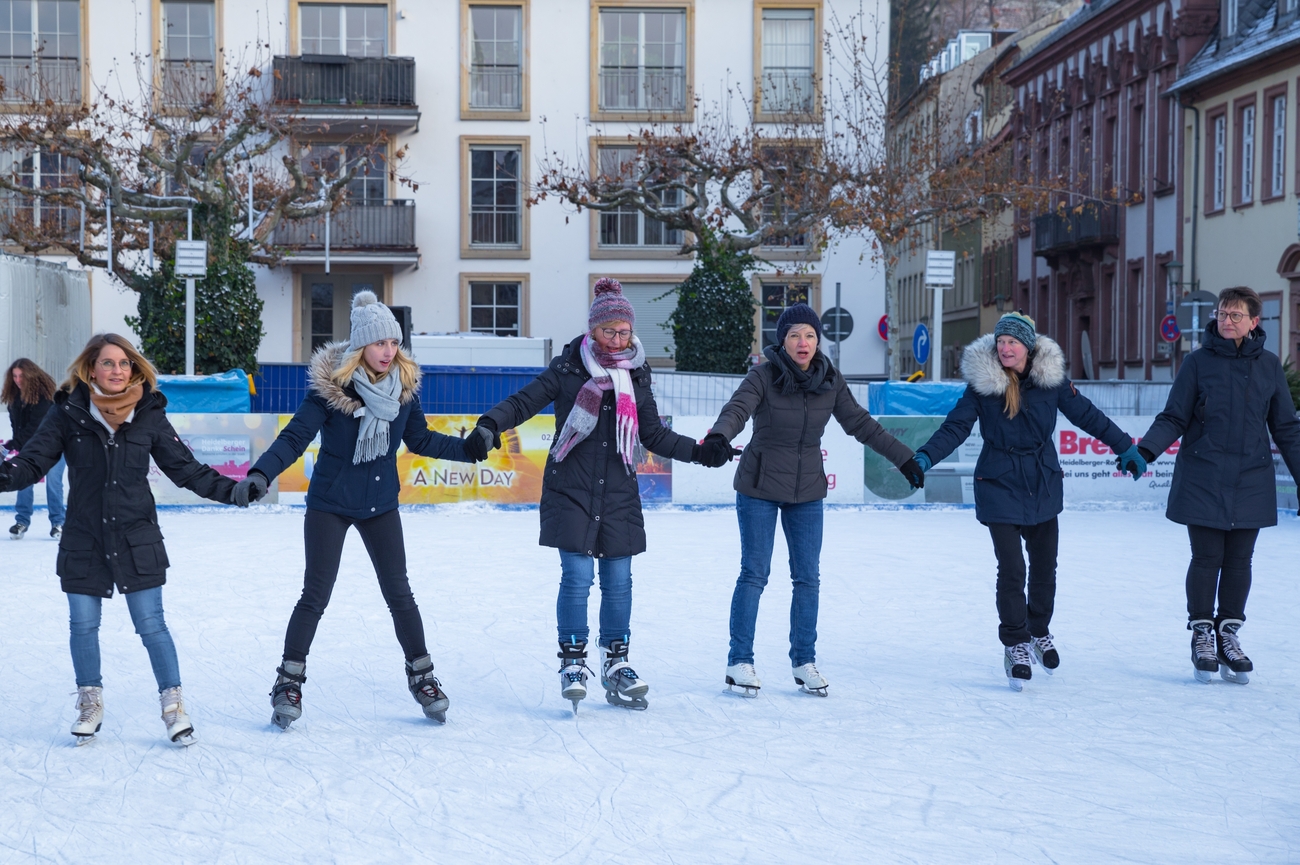
- Heidelberger Eisbahn: For something completely different, the Heidelberger Eisbahn brings in a shift of pace that works especially well with kids. The rink offers public skating sessions, with equipment rentals available on-site, so you can step in without preparation. The environment is controlled and family-friendly, making it accessible even if skating isn’t something you do often. After days of outdoor walking and historic sites, stepping onto the ice changes the rhythm entirely.
Day
Trips from Heidelberg
Heidelberg is the kind of place that makes you curious about what’s just beyond it. Not because it lacks anything, but because everything around it feels like a natural extension. The same rivers, the same history, the same quiet confidence, just expressed differently. Step out for a day and you start to see the region not as separate cities, but as variations of the same story.
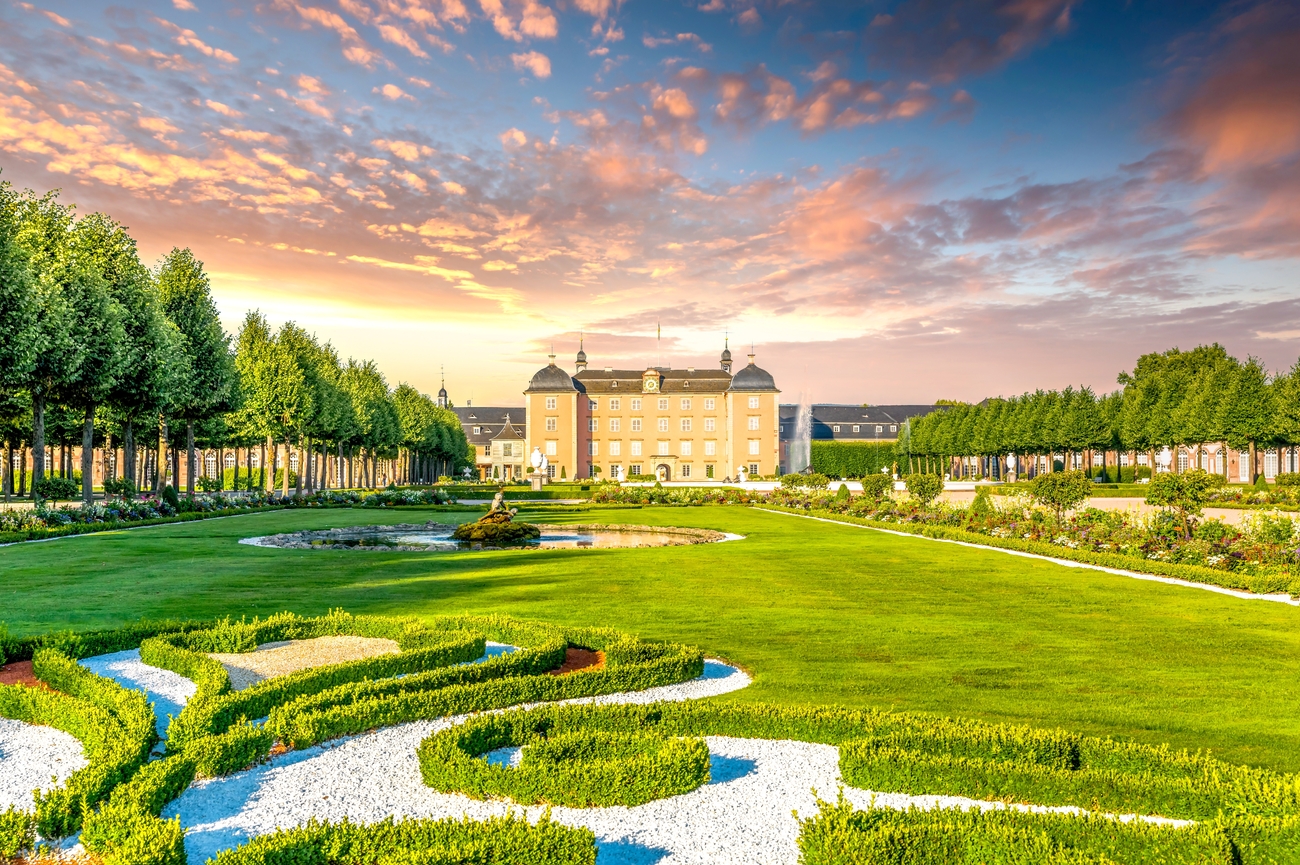
- Schwetzingen, Germany: Schwetzingen is close enough that it almost feels like an extension of Heidelberg. Just 15 minutes by train or about 20 minutes by car, and the atmosphere shifts into something more composed. The Schwetzingen Palace and Gardens are the main draw, and they don’t hold back. The gardens are designed in layers, starting with precise, symmetrical French layouts before easing into more relaxed English landscaping. You move through tree-lined paths, hidden pavilions and even a mosque-inspired structure.
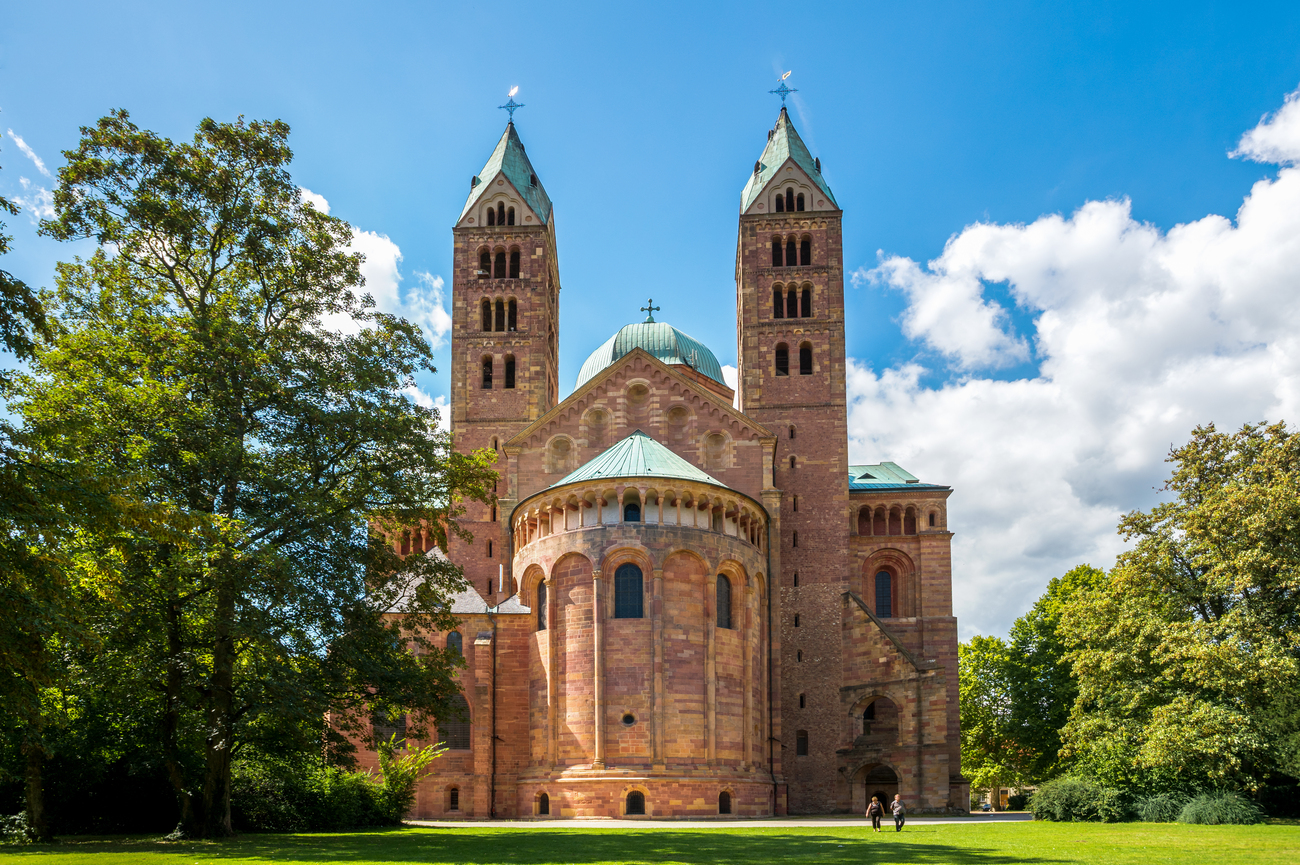
- Speyer, Germany: About 30 minutes from Heidelberg by car, Speyer makes its point immediately and it doesn’t need a long introduction. The Speyer Cathedral dominates everything around it, both visually and historically. Step inside and the scale becomes even clearer. Beneath it, the imperial crypt holds centuries of history, grounding the experience beyond architecture. Once outside, the city flows into Maximilianstraße, a long, structured street that naturally guides your movement through the center.
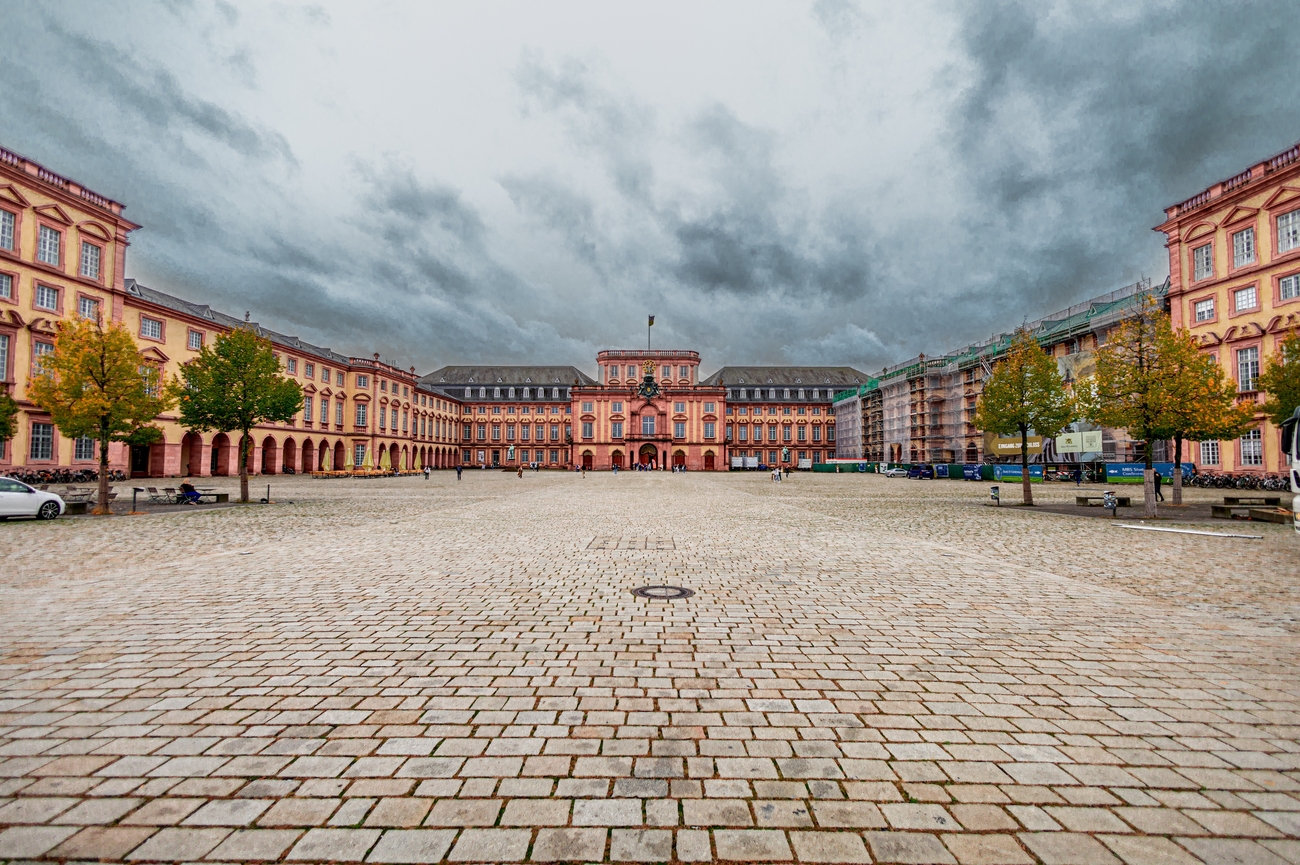
- Mannheim, Germany: Just 15 minutes by train and you’re in a city built on a grid system, where everything is structured and easy to navigate. The Mannheim Palace is the centerpiece. It is massive, symmetrical and far more intact than Heidelberg’s castle. The rooms lean into grandeur: high ceilings, detailed interiors and a sense of scale that feels intentional rather than dramatic. Afterward, you can shift the pace at Luisenpark. This is where landscaped gardens and open spaces balance out the city’s more urban edge.
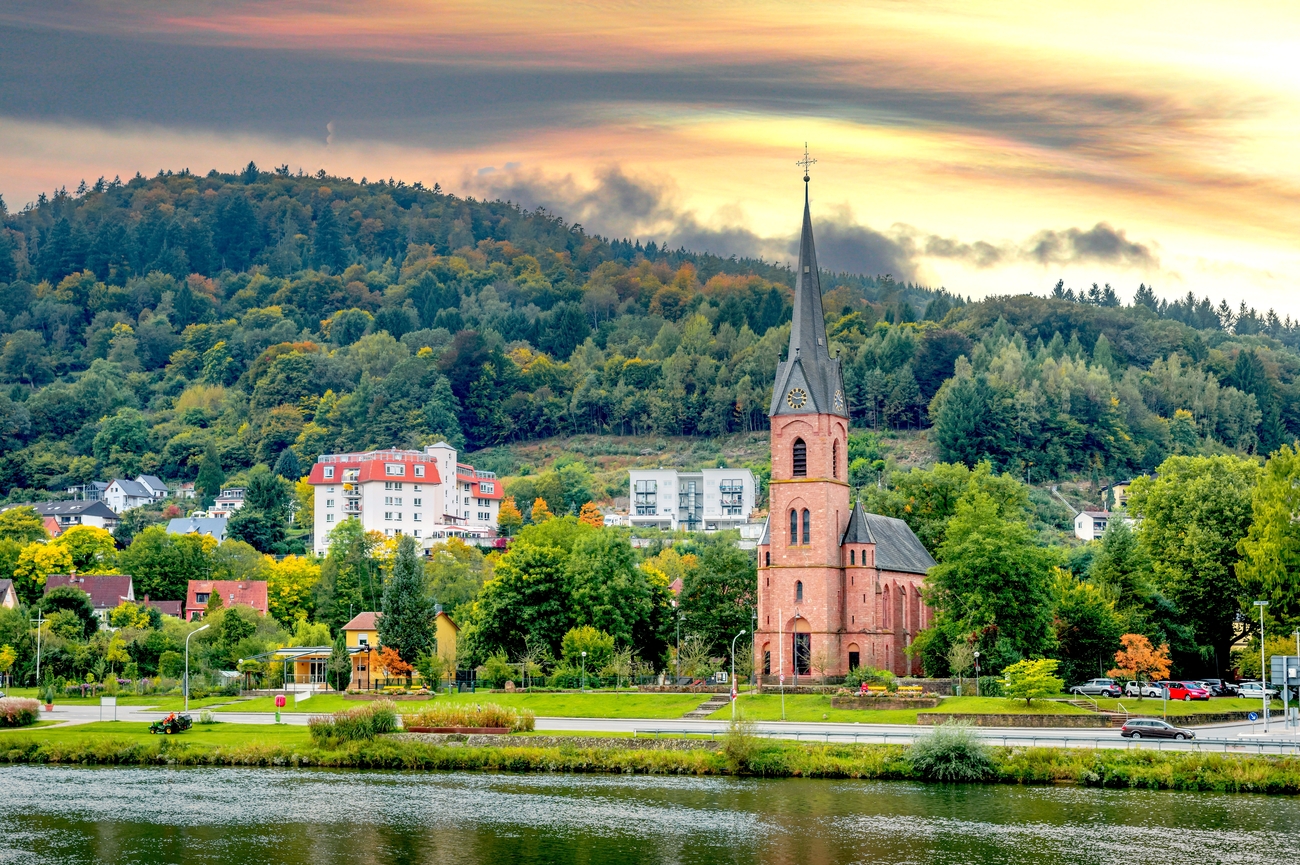
- Hirschhorn, Germany: Around 35 minutes from Heidelberg by car, Hirschhorn feels like a quieter echo of the region. It sits directly along the Neckar, with a castle above and a small medieval town below. Everything here is close. There are stone streets, compact squares and river views that shift as you walk. It’s not designed for crowds, which makes the experience feel more personal. This works best as part of a private Neckar Valley route, where you can move between towns at your own pace rather than treating it as a standalone stop.
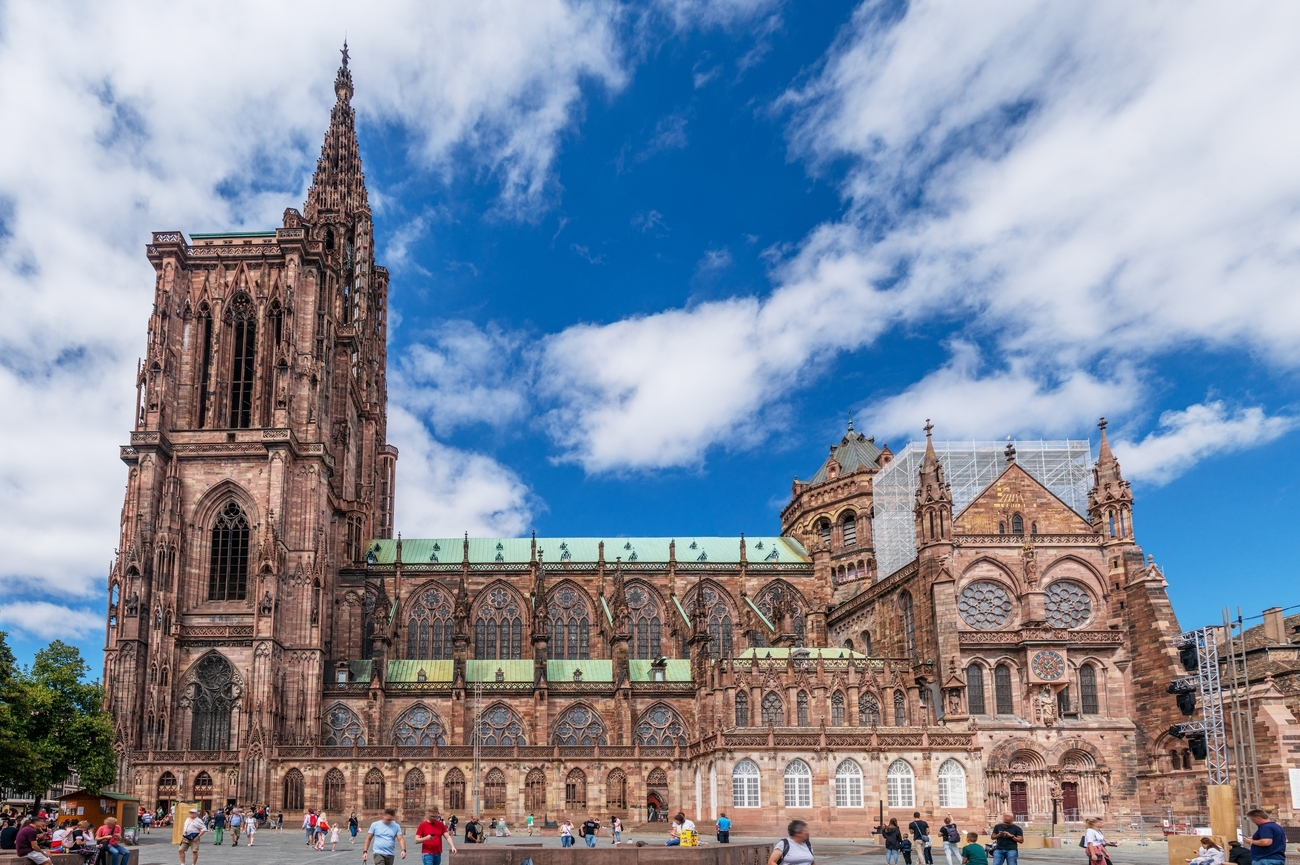
- Strasbourg, France: Right at the edge of your range, about 1 hour and 30 minutes by car, Strasbourg adds a different layer without breaking the overall flow. Crossing into France, the architecture softens, the canals widen and the city feels slightly more polished. The Grande Île, a UNESCO-listed historic center, is anchored by the Strasbourg Cathedral, known for its intricate facade and astronomical clock. From there, the city opens into La Petite France, where canals and half-timbered houses create a completely different rhythm. You can join canal cruises which allow you to move through the city without rushing.
Nearby
Experiences from Heidelberg
Some of the best experiences sit just outside the obvious. Along a river bend, hidden in the forest or built into the landscape in a way that feels intentional rather than advertised. These are the in-between places. The ones that don’t try to stand out, but do anyway.
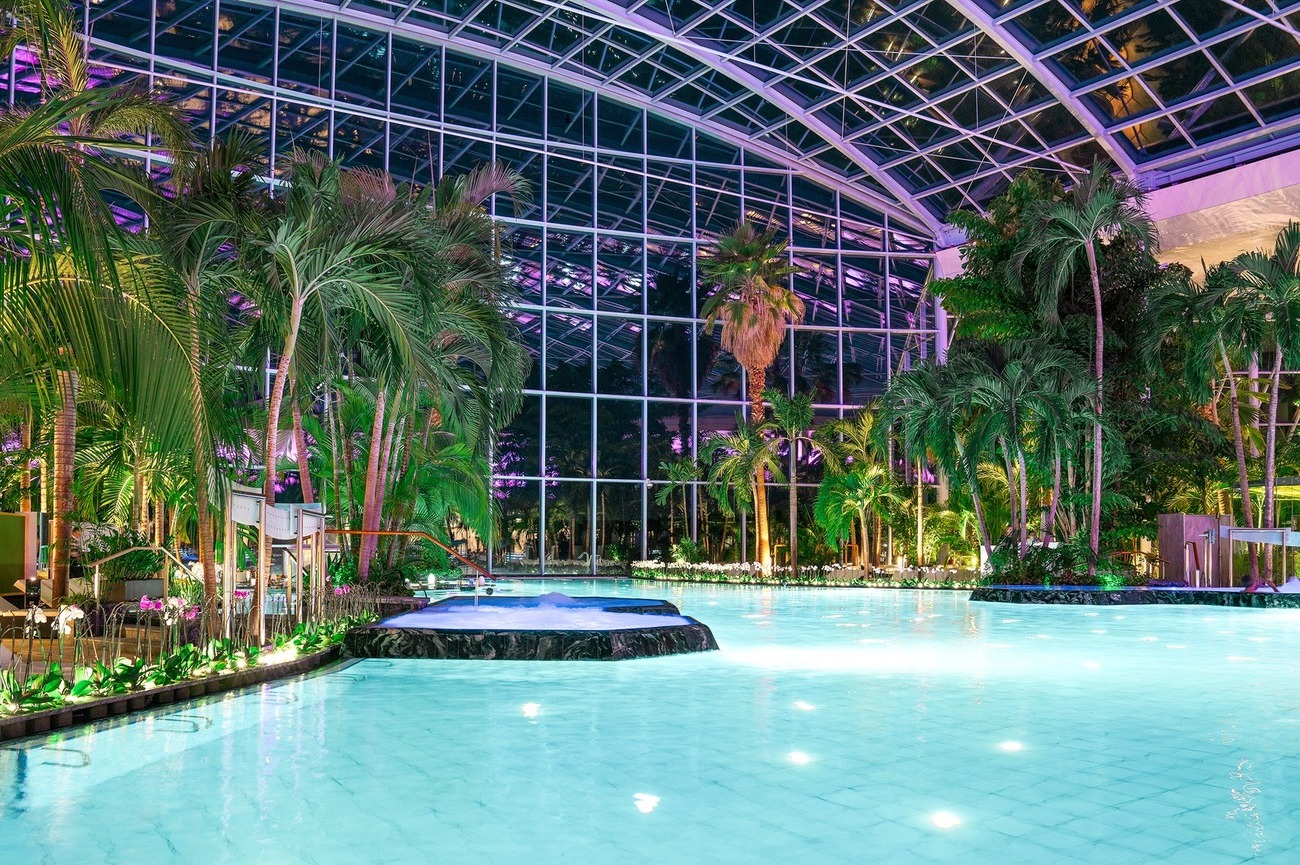
- Thermen & Badewelt Sinsheim: About an hour’s drive from Heidelberg, this is where the itinerary pauses and stays paused. Thermen & Badewelt Sinsheim is built for time to stretch. Under a large glass dome, you’ll find thermal pools surrounded by real palm trees, warm water and controlled lighting that makes the entire space feel more curated than casual. Move between indoor and outdoor pools, different temperature zones and quiet lounging areas without needing to think about what’s next.
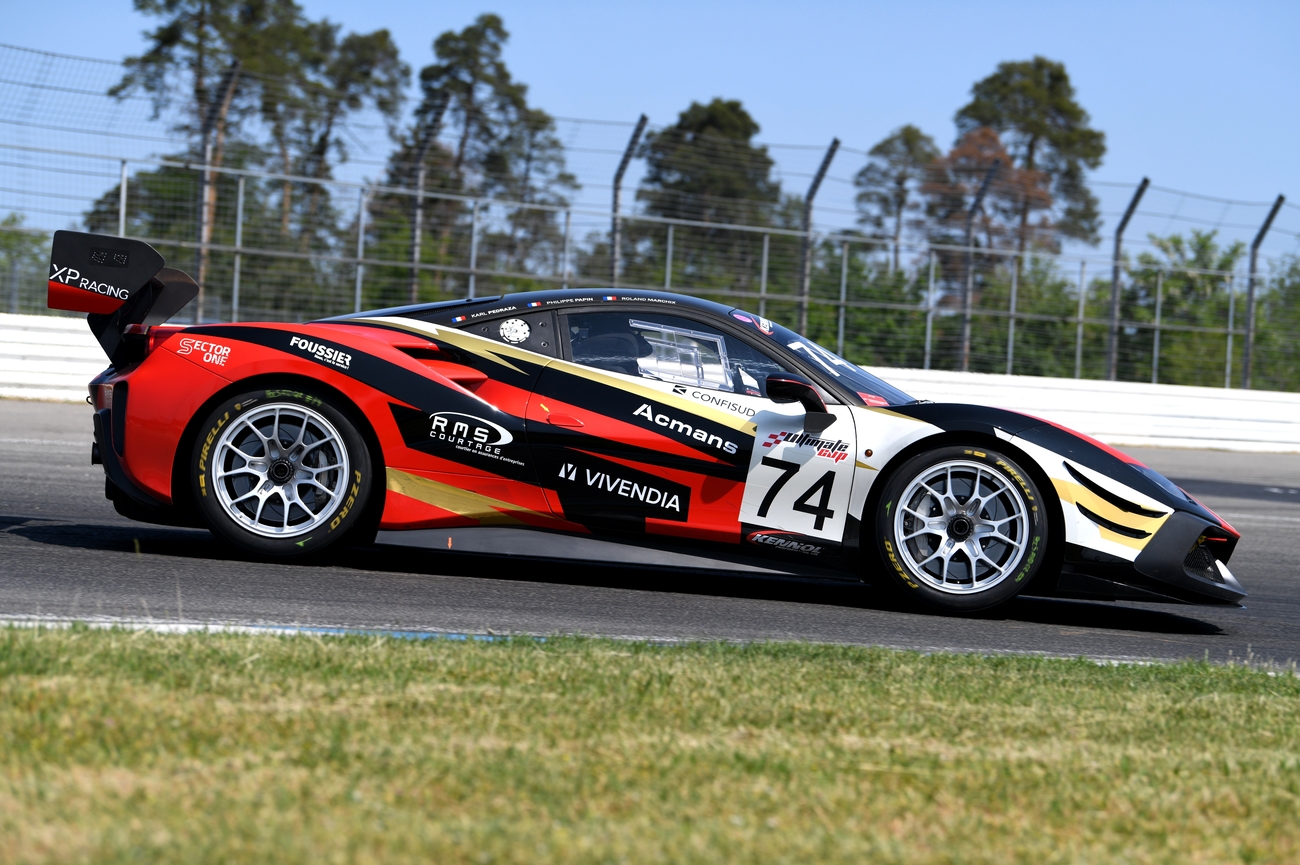
- Hockenheimring Baden-Württemberg: In 25-30 minutes, everything becomes intense. The Hockenheimring is one of Germany’s most iconic racetracks, known for hosting Formula 1 and major motorsport events. Even without a race, the space holds presence. Wide tracks, grandstands and precision-built structures create an environment that feels engineered rather than organic. You can explore through guided track tours, but the real upgrade comes with driving experiences.
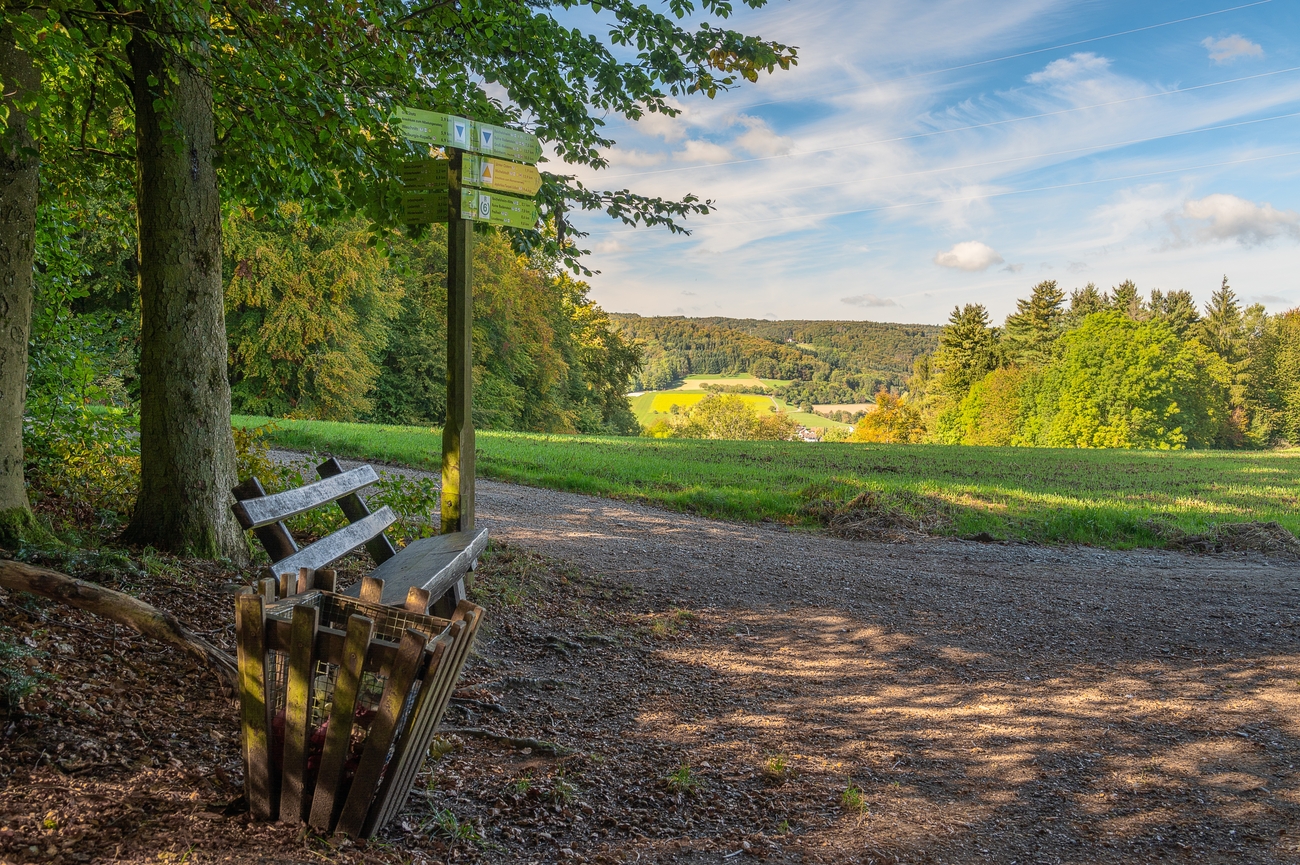
- Odenwald: Within 20–30 minutes from Heidelberg, the Odenwald begins and the city disappears almost instantly. The Odenwald isn’t about one landmark. It’s about space. You’ll find walking paths, hiking routes, small clearings and occasional viewpoints that open just enough to remind you where you are.
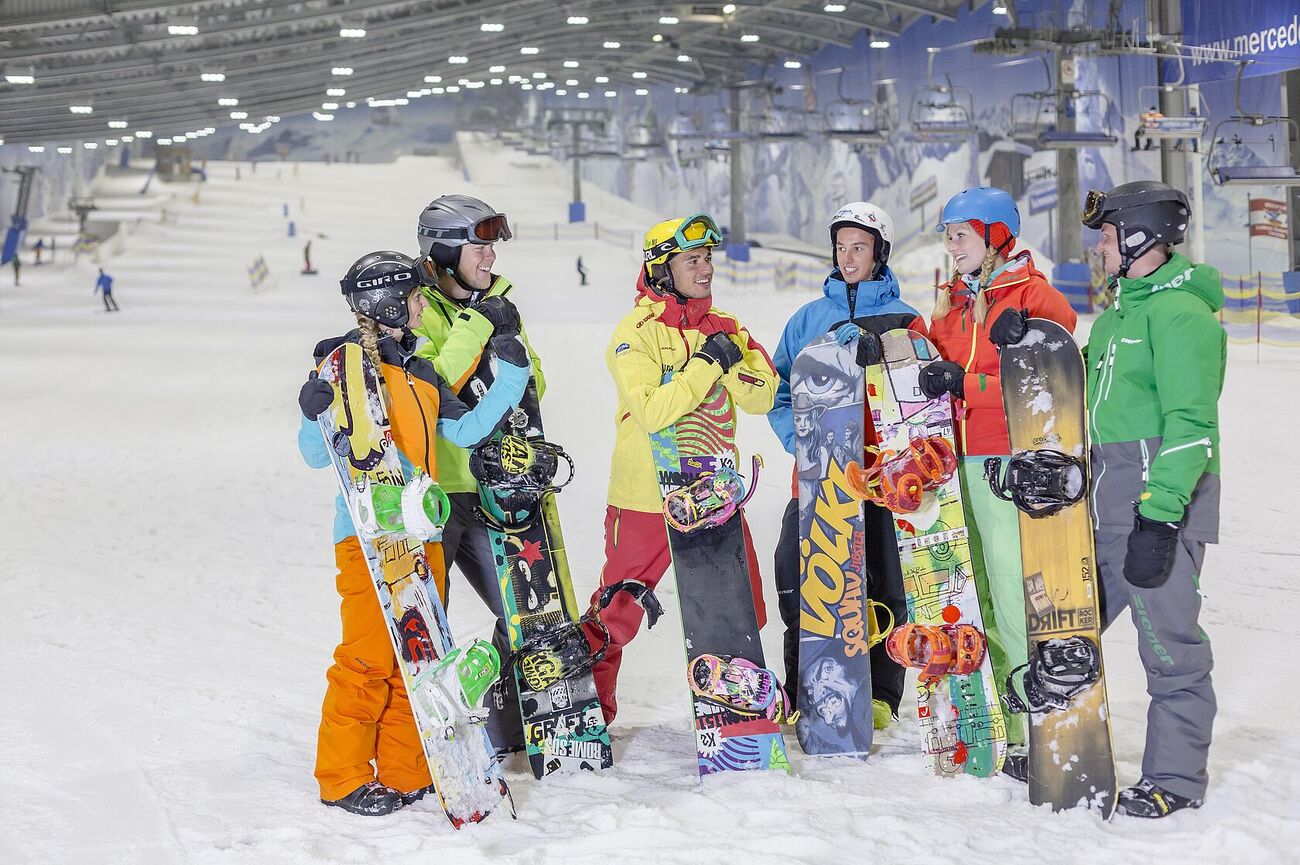
- Jever Fun Skihalle: For something completely unexpected, the Jever Fun Skihalle offers a ski experience within reach. This spot is located about 1 hour and 30 minutes from Heidelberg. It’s an indoor ski slope, which means consistent snow, controlled conditions and no dependence on season. The setup includes beginner-friendly slopes, equipment rentals and instruction options which makes it accessible even if skiing isn’t something you do regularly. And you can also book private lessons for a smoother experience on the slopes.
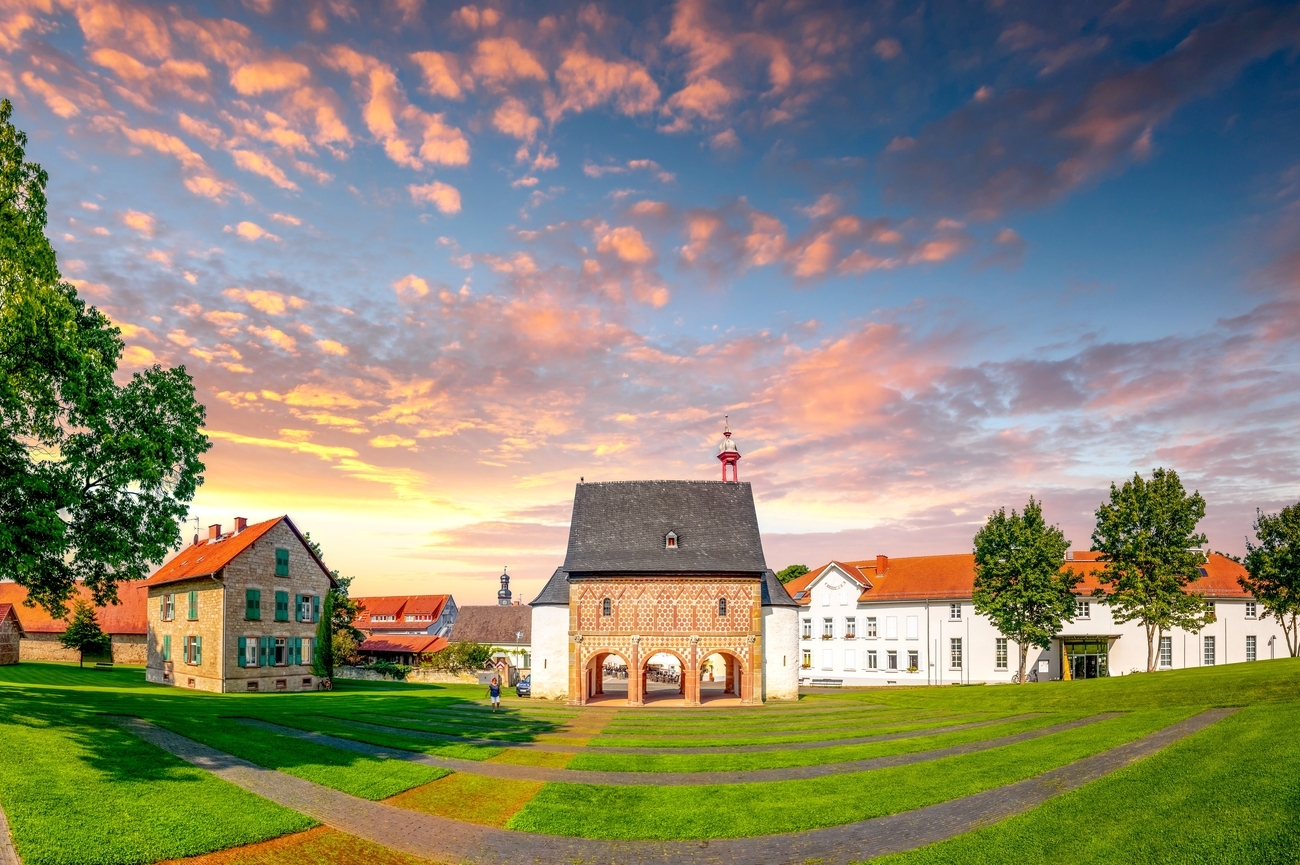
- Lorsch Abbey: About an hour from Heidelberg, Lorsch Abbey sits quietly. Lorsch Abbey dates back to the 8th century and was once one of the most important monasteries of the Carolingian Empire, tied closely to the reign of Charlemagne. The remains of this UNESCO World Heritage Site highlight stillness, especially the Torhalle, a preserved gatehouse that stands with striking symmetry and detail. You can walk through the grounds and the space feels open but grounded.
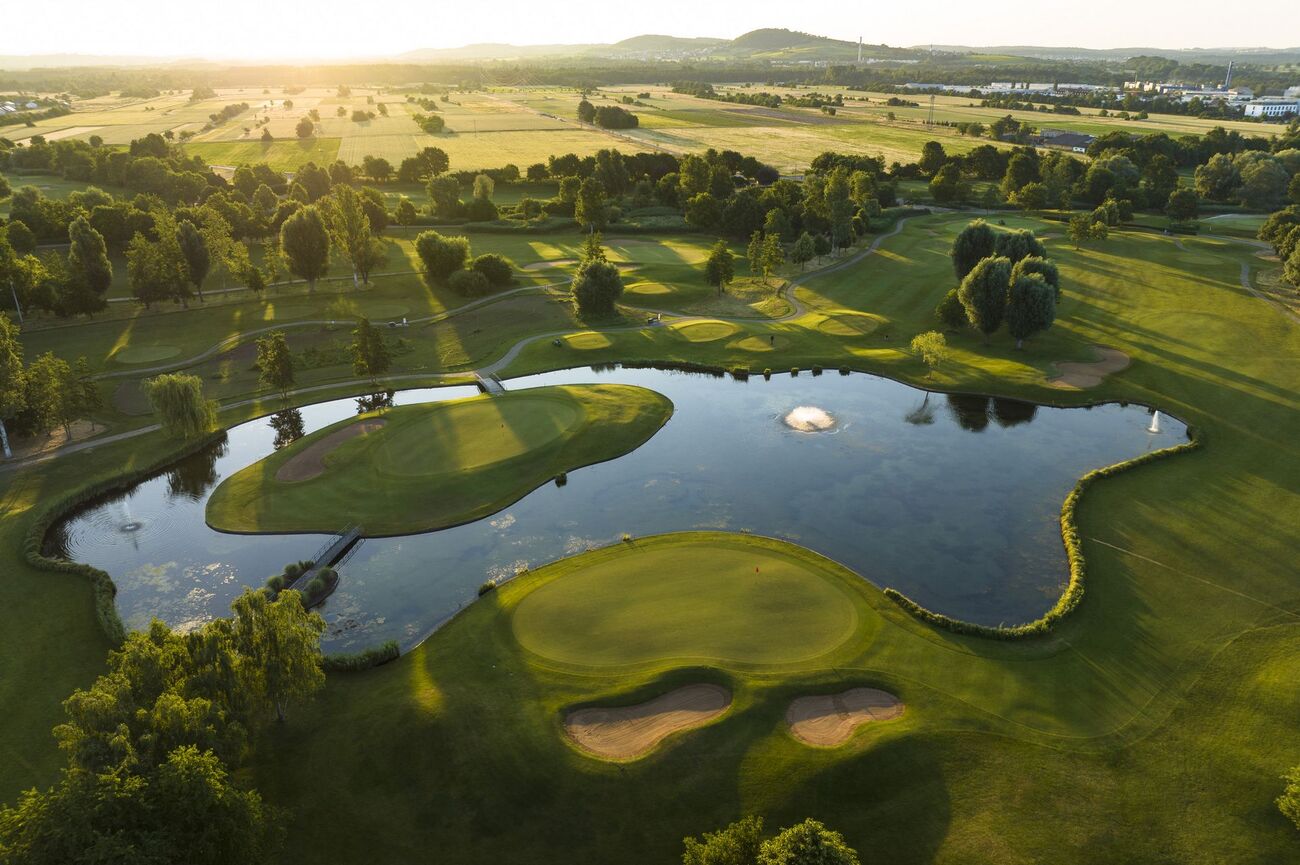
- Golf Club St. Leon-Rot: Around 25 minutes from Heidelberg, Golf Club St. Leon-Rot is one of Germany’s leading golf facilities. It features two championship 18-hole courses, the Rot Course and the St. Leon Course. These are both designed to professional standards and used for international tournaments. The club is also a training base for elite players, including national teams. You can also enjoy the club’s facilities including extensive practice areas, a golf academy, clubhouse amenities and dining options.
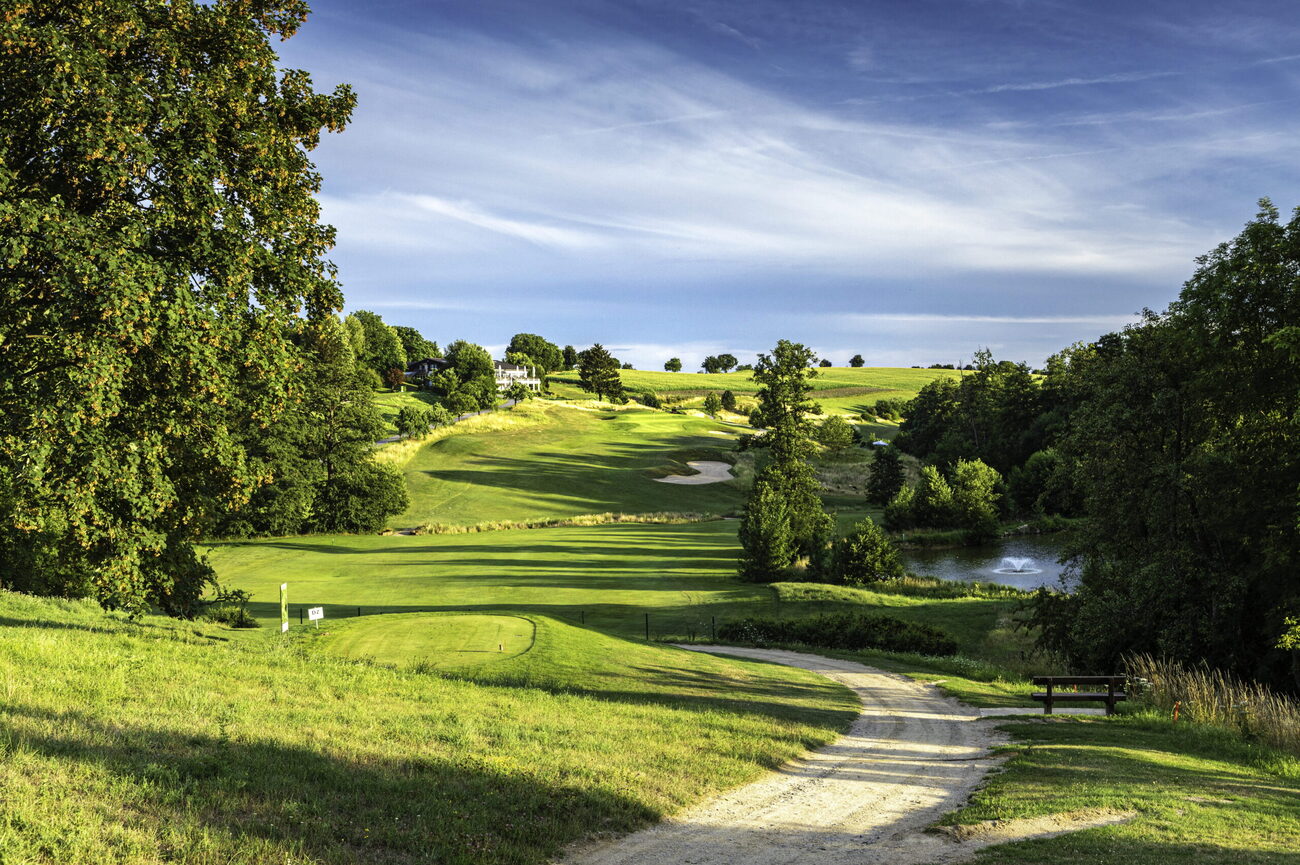
- Golfclub Heidelberg-Lobenfeld e.V.: Approximately 20 minutes from Heidelberg, this golf club is located in the village of Lobenfeld and offers an 18-hole course set within a wooded, gently undulating landscape. The course design follows the natural terrain. It incorporates elevation changes and narrow fairways. Facilities include a driving range, practice greens and a clubhouse.
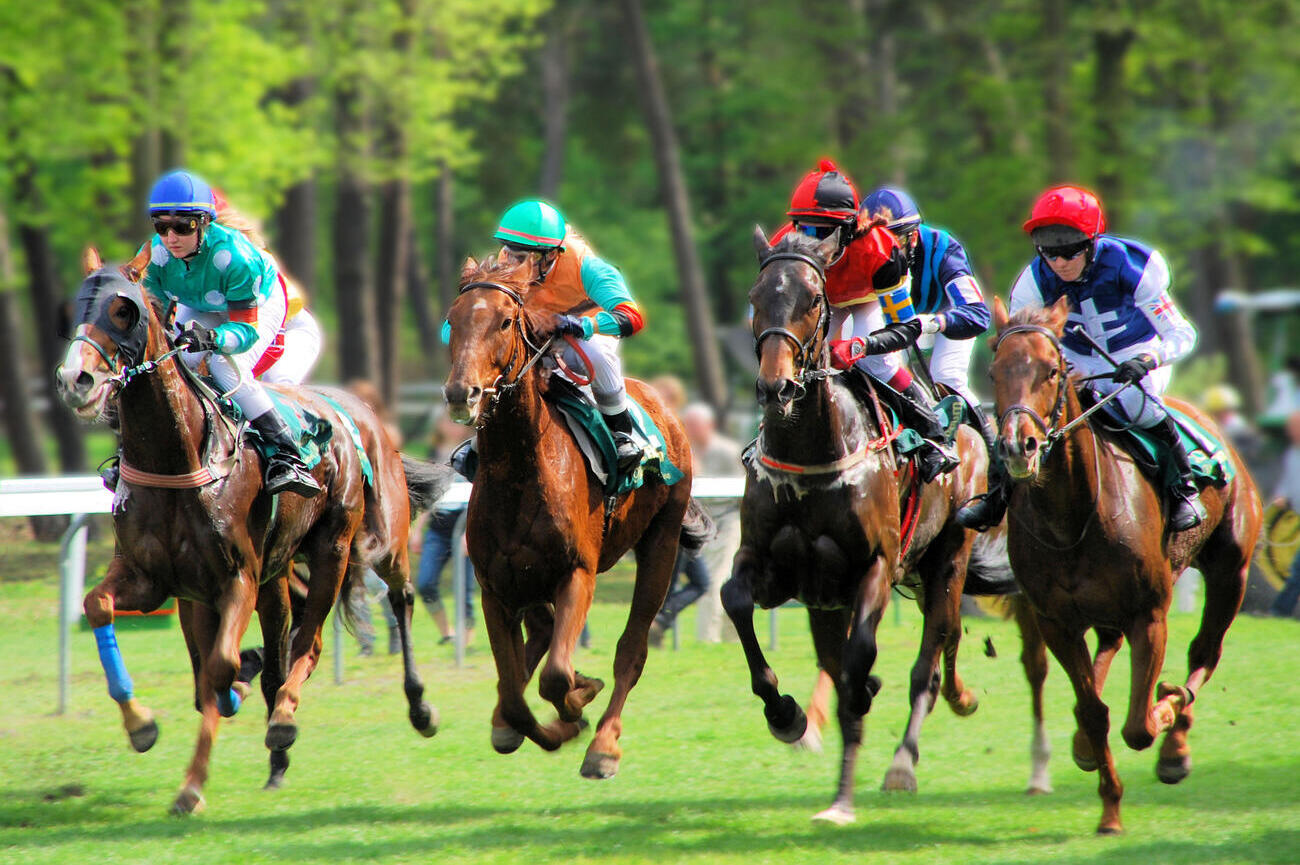
- Galopprennbahn Mannheim-Seckenheim racecourse: For travellers interested in horse racing, the Galopprennbahn Mannheim-Seckenheim is the closest racecourse to Heidelberg, located around 20 to 25 minutes away by car. Set on the eastern side of Mannheim, it makes an easy addition to a Heidelberg stay and offers something different from the city’s historic and cultural attractions. It is best included as a nearby experience rather than a core Heidelberg highlight, but for guests with an interest in racing, it adds a useful sporting option within the wider Rhine-Neckar region.
Michelin-Starred Restaurants in Heidelberg
There’s only one. No competition, no noise, no need to compare. Just a single restaurant that carries the standard for the entire city and does it quietly, without trying to prove anything.
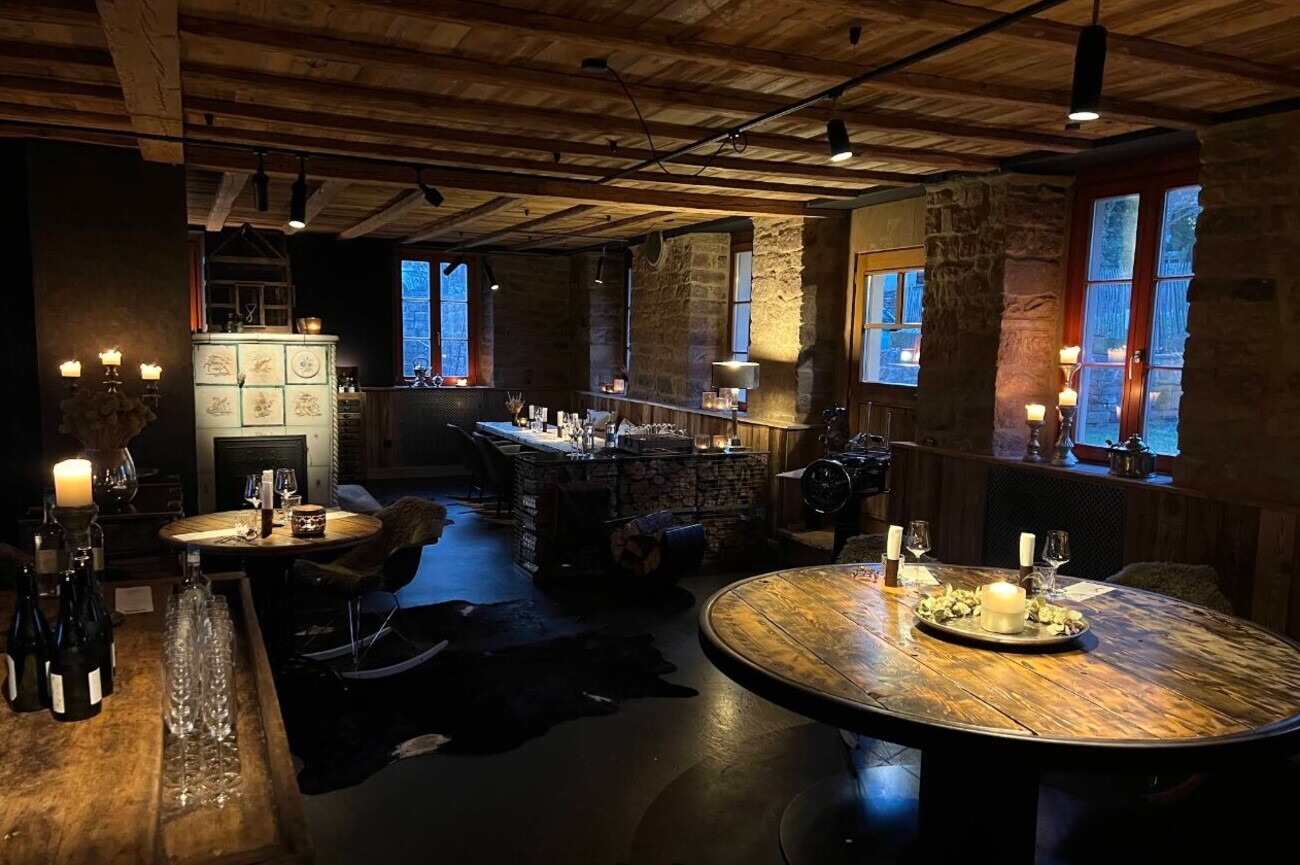
- Oben: Set above the city in the Kohlhof hamlet, Oben feels removed from everything. It holds 1 Michelin star and it leans into precision without losing personality. The experience is built around a modern 13-course tasting menu, where dishes are compact, deliberate, and often unexpected. You’ll come across combinations like charred cabbage with eel and smoke or mushroom and potato with egg yolk and spinach. Yes, simple ingredients that are seasonal and locally sourced. Even the wine list stays within Germany. The kitchen is open. The chefs don’t stay hidden. They serve, explain and occasionally bring you into the process.
Where
To Eat in Heidelberg
There’s no overload of options, no pressure to chase the “best.” Instead, the city leans into places that feel established and intentional. Restaurants here don’t reinvent dining; they refine it. You choose based on mood, setting and what kind of evening you want to have. These are the spots you should try out.
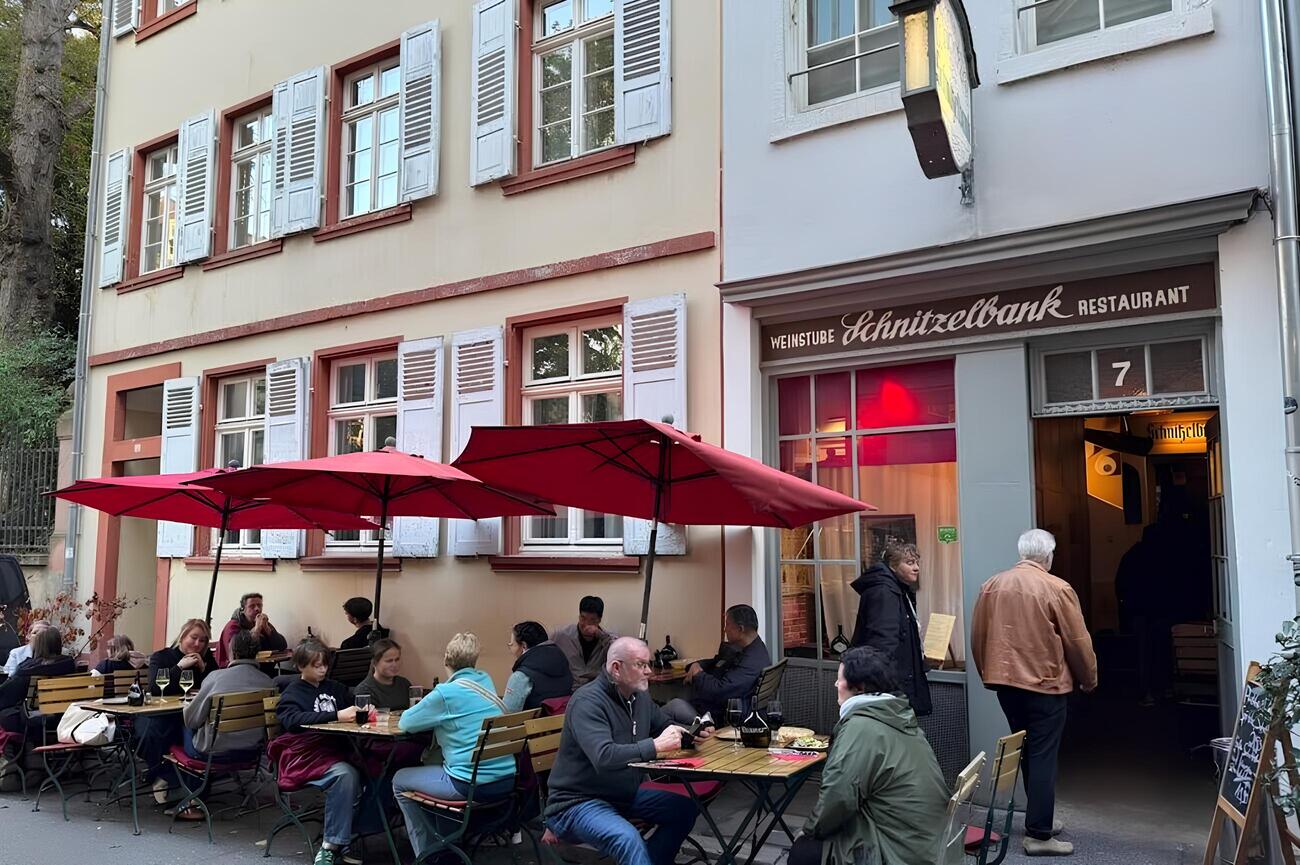
- Weinstube Schnitzelbank: Tucked into the Altstadt, Weinstube Schnitzelbank feels like stepping into a space that has already lived a few lives. It was once a cooper’s workshop, and that past still shows with wooden interiors and low lighting. The menu leans heavily into regional Baden and Palatinate cuisine and it doesn’t try to modernize it. You’ll find dishes like schäufele (pork shoulder), leberknödel (liver dumplings) and saumagen.
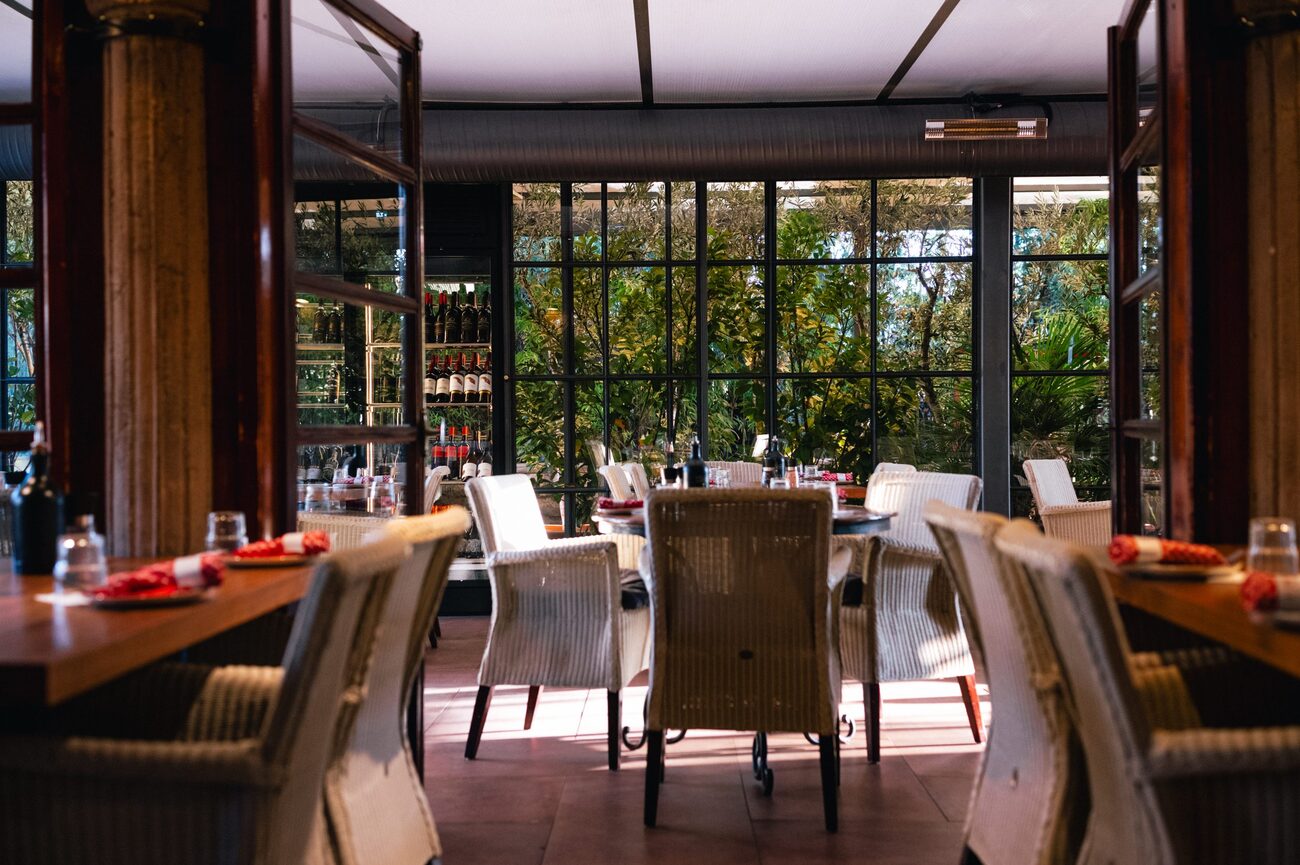
- Heid’s Grill & Restaurant: If the focus shifts to precision and quality, Heid’s Grill & Restaurant delivers that with clarity. This is where you go for steak done properly. Cuts like ribeye and spare ribs are consistently highlighted, along with well-prepared seafood options like salmon. The space itself is warm and polished without being formal, making it suitable for evenings that feel a bit more intentional.
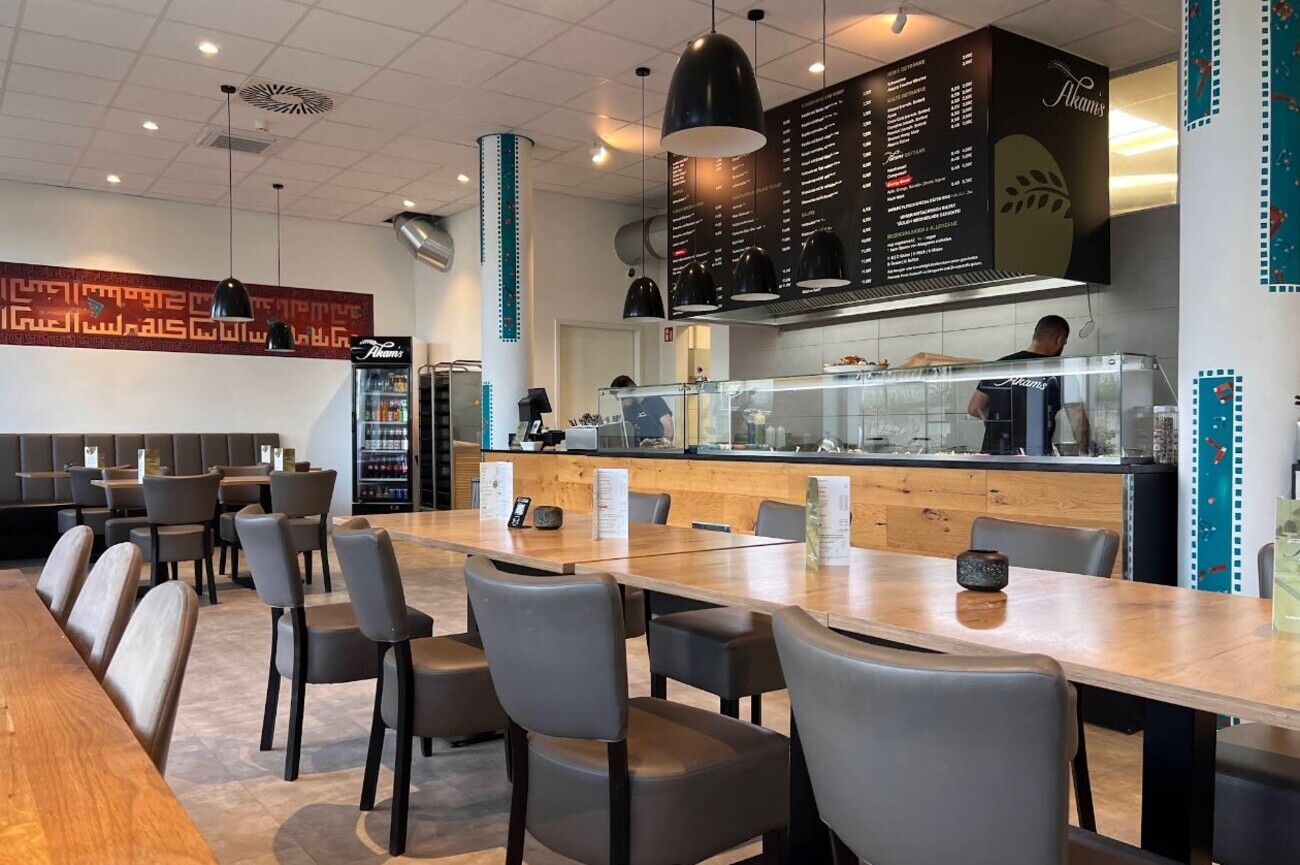
- Akam’s Heidelberg: Located on Rudolf-Diesel-Straße, it’s not in the tourist center, which gives it a more local feel. The menu centers around Middle Eastern-inspired street food, with dishes that are bold, flavorful and generously portioned. The shawarma box stands out with well-seasoned chicken, balanced spices and a structure that actually holds together. Wraps like the Ejeh are equally strong, packed with fresh ingredients and layered flavors.
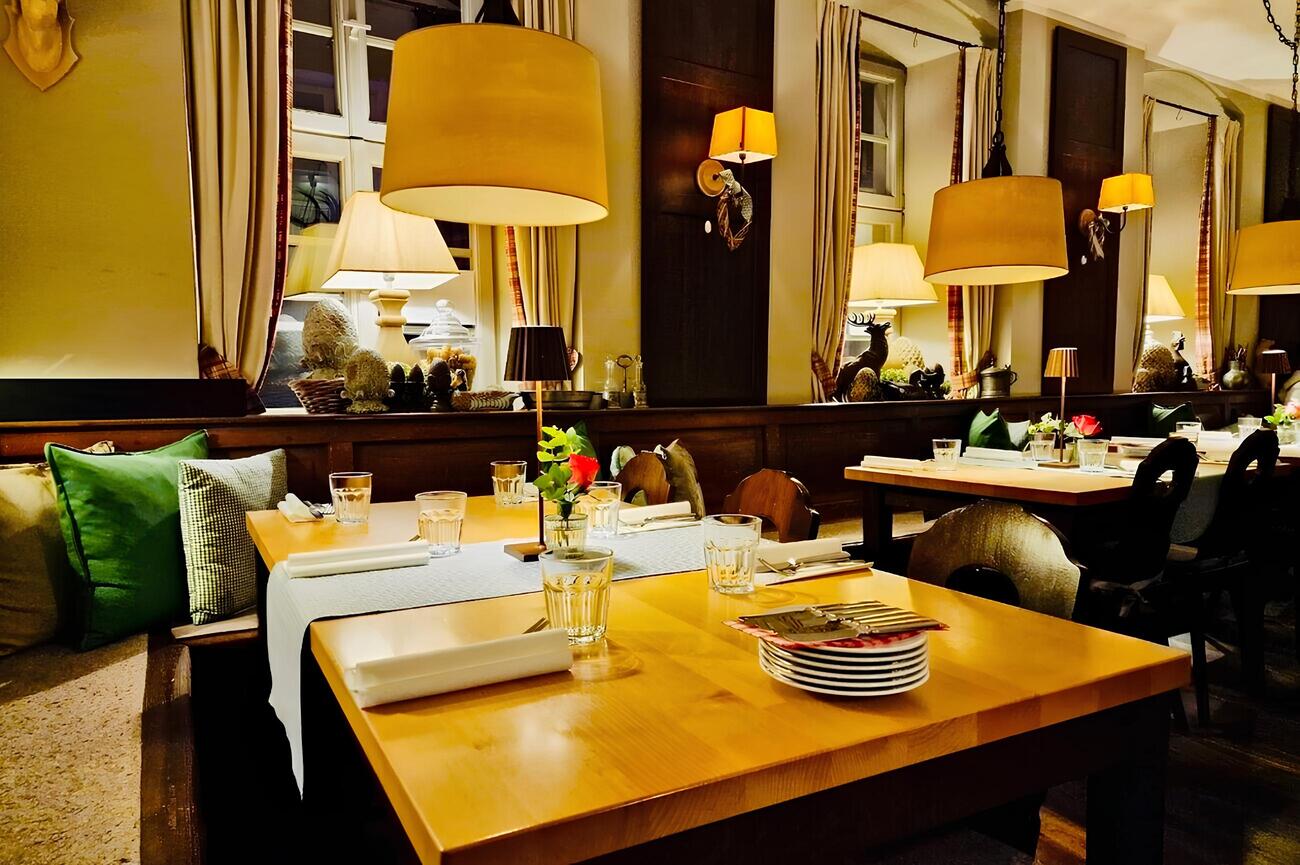
- Wirtshaus zum Nepomuk: Positioned right by the Old Bridge, Wirtshaus zum Nepomuk benefits from one of the best locations in Heidelberg. The space balances traditional design with a slightly more modern finish. And the menu focuses on well-executed German dishes, with options like rolled beef and fresh salmon standing out. The selection isn’t overly large.
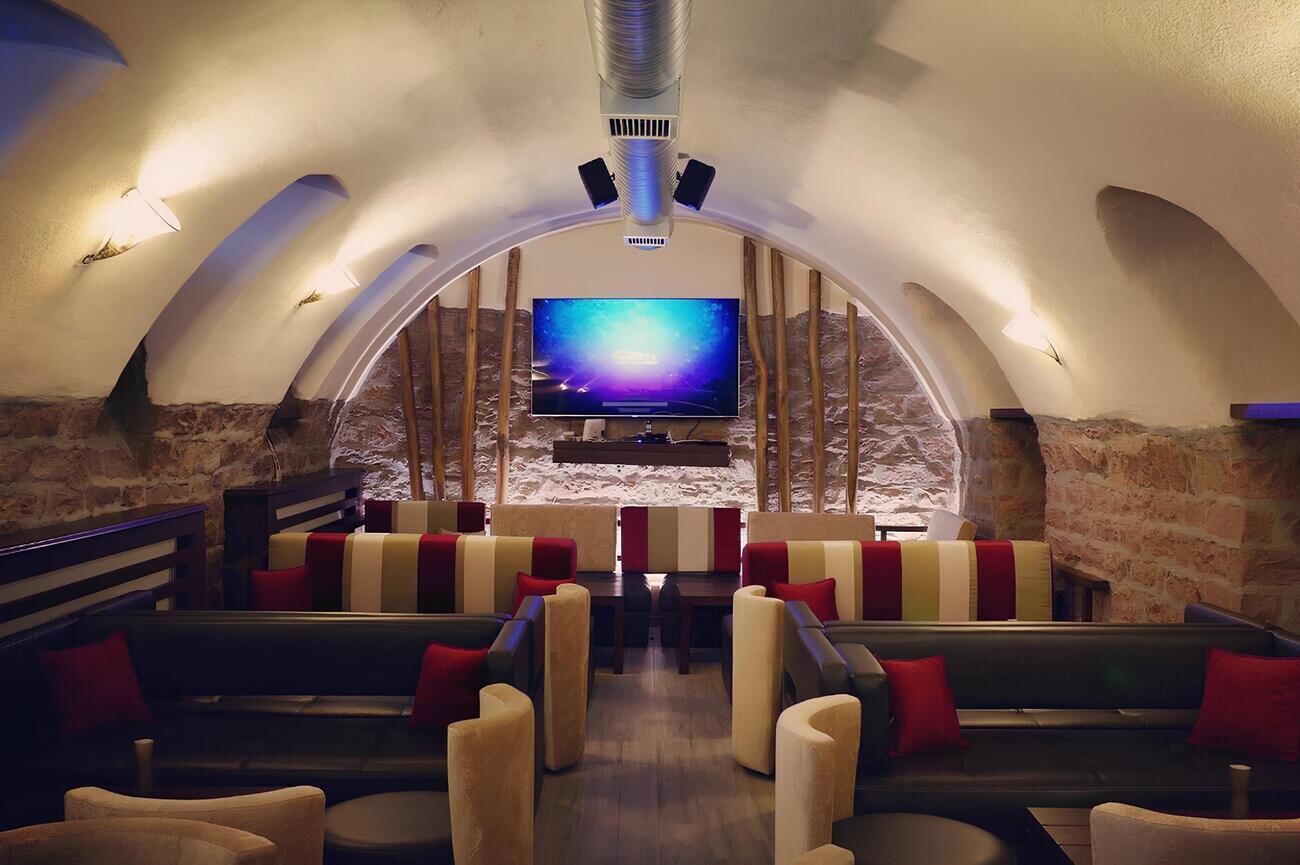
- PALMYRA Orientalisches Restaurant & Bar: Just steps from Heidelberg’s center, Palmyra shifts the experience entirely with warmer tones, deeper flavors and a menu built around Syrian and Lebanese cuisine. Dishes like the mixed grill, hummus, kibbeh and tabouleh are prepared with attention to both flavor and presentation. Portions are generous, but not excessive. The staff adds to the experience, suggesting pairings, including Lebanese wines and beers that aren’t always easy to find elsewhere.
Where to Drink in Heidelberg
Heidelberg meets you where you are. You can feel it as the city winds down. The energy doesn’t spike; it settles. Streets grow quieter, conversations get easier and the night starts to feel less like something you chase and more like something you step into. Good drinks, the right level of noise and just enough movement to keep things interesting without overwhelming the space.
- LINO’s Bar: LINO’s Bar feels like a reset from everything outside. The atmosphere is warm, slightly dim and carefully put together. This is a cocktail bar that takes its drinks seriously. The menu leans into well-crafted, balanced cocktails, with a strong focus on gin-based creations and custom mixes that don’t feel generic. You come here when you want the night to slow down a bit. Sit longer, talk more and actually taste what you’re drinking.
- Zum Brückenaffen: Set in the Altstadt near the Old Bridge, Zum Brückenaffen blends two things that don’t always go together, a stylish bar and a casual billiards spot, and somehow makes it work. You’ve got long drinks, solid beer selections and cocktails that are easy to enjoy without overthinking. Add in billiard tables and the whole place shifts from just drinking to actually doing something.
- Zur Neckarpfalz: If you want something more local, more unfiltered, Zur Neckarpfalz delivers that immediately. The space is cozy, slightly eclectic and filled with a mix of students, regulars and anyone who knows where to go. There’s no single focus here. It’s pool tables, darts, strong drinks and a steady atmosphere that leans into conversation and movement. The cocktail menu mixes classics with a few creative options, but the real appeal is the energy.
- WINE’s Bar, Bistro & more: For a more refined shift, WINE’s Bar changes the tone completely. Smaller, more intimate and centered around a curated wine selection, it’s the kind of place that feels intentional from the moment you walk in. The focus is clear. Good wine, well chosen. You’ll find a mix of local and international options, along with simple but well-executed pairings like freshly made Flammkuchen. You sit, you choose carefully and you let the evening settle into something quieter. It’s more about ending the day well.
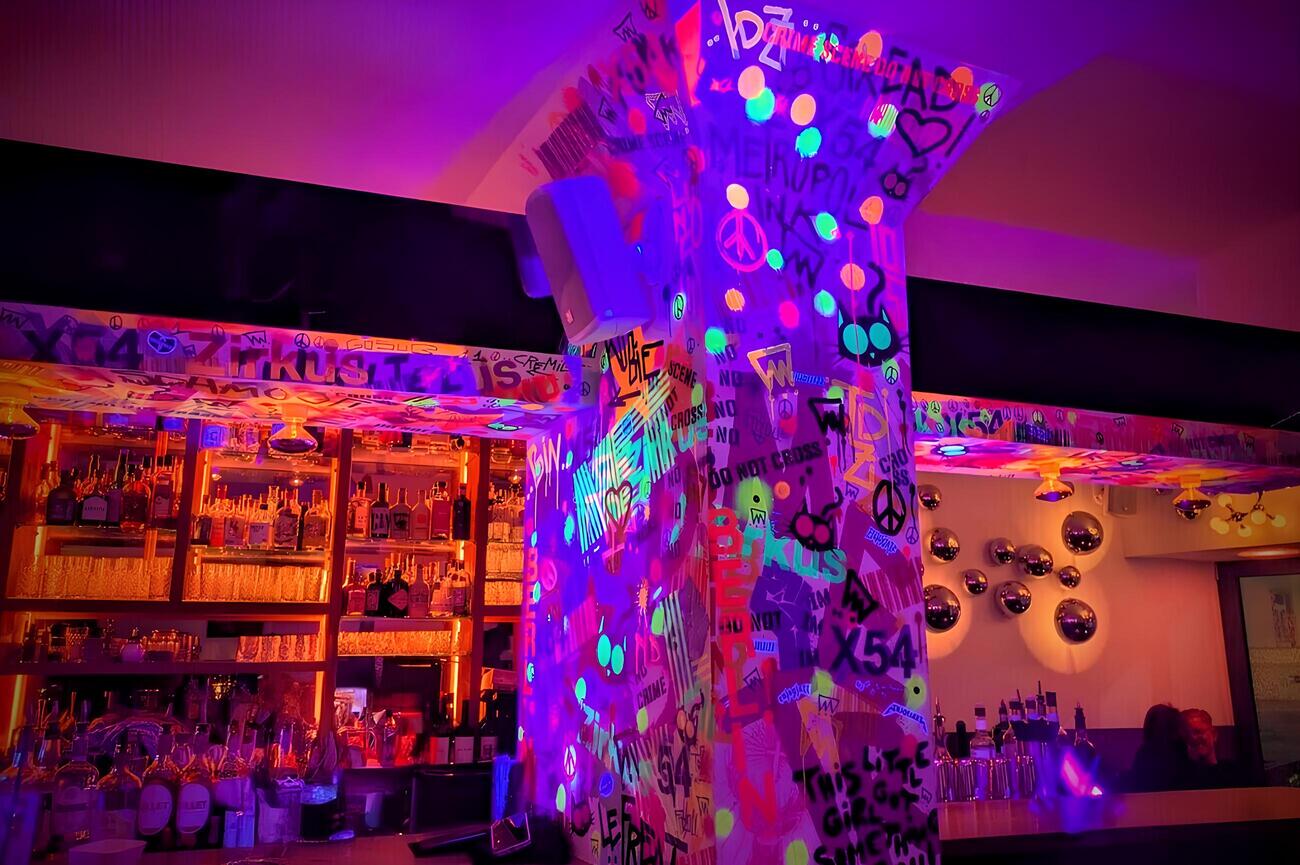
- Bent Bar Heidelberg: Hidden slightly off the main flow, Bent Bar feels like something you’re glad you found. Drinks here stand out for their creativity and presentation, but they don’t feel overcomplicated. The bartenders are approachable, happy to recommend and focused on making sure you actually enjoy what you’re drinking.
Cafes in Heidelberg
The doors are smaller, the spaces more intimate, the atmosphere already set before you walk in. No rush to order, no pressure to leave. Just good coffee, thoughtful details and enough room to sit with your thoughts. Some places take their coffee seriously. Others lean into desserts, design or just getting the mood right. The best ones do a bit of everything, without making a point of it.
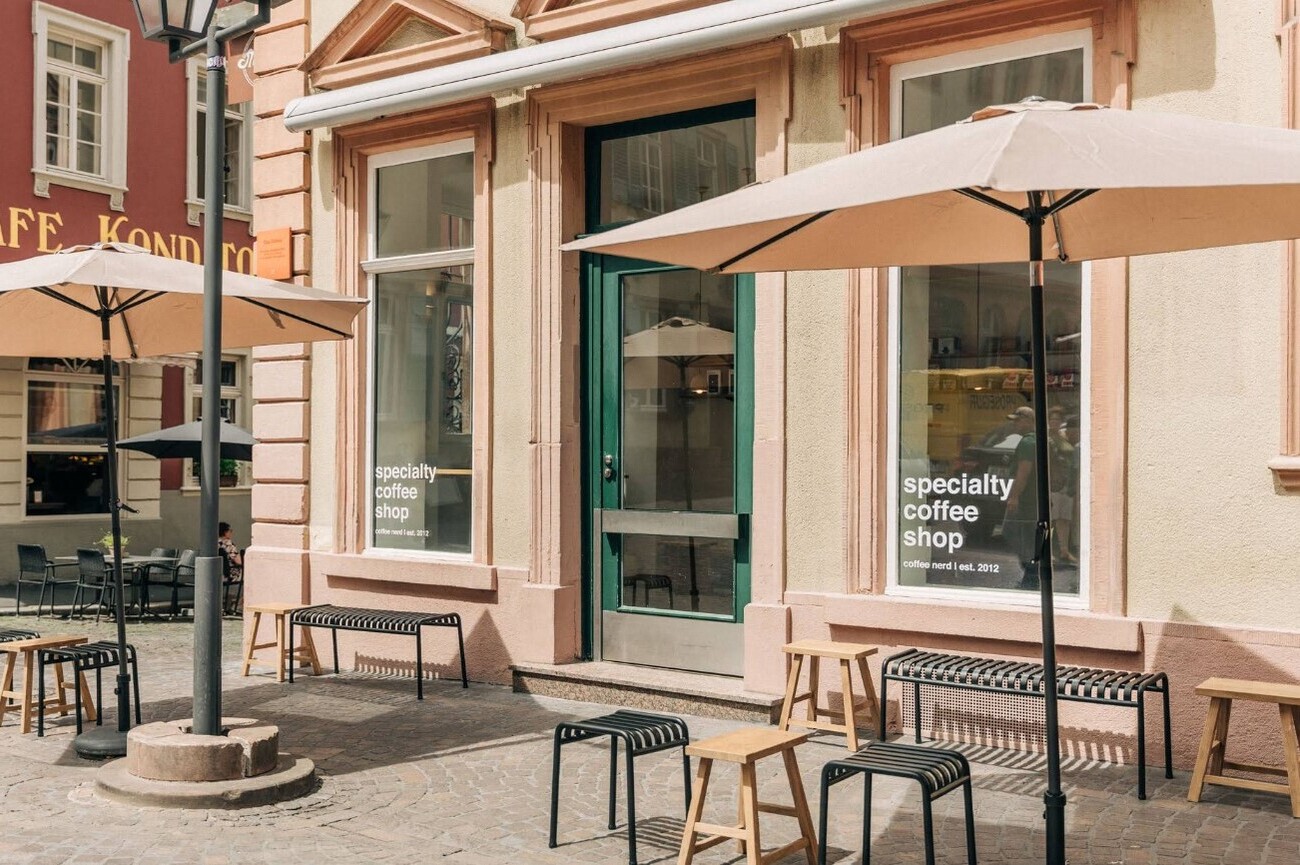
- Coffee Nerd – Specialty Coffee: Right in the heart of Heidelberg, Coffee Nerd is built for people who actually care about coffee. The space is clean, minimal and slightly clinical in the best way. The focus here is on specialty coffee and rotating beans from European roasters, which means what you’re drinking changes regularly. Different brewing methods are available and the team takes the process seriously without making it feel inaccessible. You come here when you want your coffee done properly.
- yilliy – Chocolaterie, Café und Galerie: Yilliy feels like a small escape from the main flow of the Altstadt. It is part cafe, part gallery, with just enough personality to make it feel distinct. The highlight here is the dessert selection. Think apple strudel, rich chocolate cakes (including gluten-free options) and handcrafted chocolates that don’t feel mass-produced. The menu also caters to different dietary preferences, which adds to its accessibility.
- Casa del Caffè: Located near the Old Bridge, Casa del Caffè has the kind of location that could easily rely on views alone, but it doesn’t. The menu is straightforward but reliable, with coffee, pastries and light breakfast options that do exactly what they need to. The signature coffee stands out for its balance and while the selection isn’t extensive, it’s consistent. This is a cafe that works at any time of day. Morning, mid-afternoon or just a pause between walking stops.
- La Fée Bar Café: In the middle of the Old Town, La Fée Bar Café shifts the tone slightly. It is more playful, more varied, but still grounded. The space opens up with outdoor seating and a relaxed layout that works well for longer stays. What sets it apart is the menu. Beyond coffee, you’ll find creative non-alcoholic drinks, Mediterranean-inspired dishes and vegetarian options that feel well thought out rather than added on. Drinks like grapefruit or berry tonics bring something different to the table.
- Kaffeezimmer: Kaffeezimmer is perfect if you want something more grounded and local. It’s a coffee roaster cafe and you can feel that focus the moment you walk in. Coffee here is taken seriously with freshly roasted beans, well-prepared drinks and a menu that prioritizes quality over variety. Pair it with something simple like a cinnamon roll or cheesecake and you’ve got exactly what you need.
Vineyards
and Wineries Around Heidelberg
Let your Heidelberg experience unfold slowly through a glass or across a vineyard row. In Heidelberg, you move through wine. These are the spots to visit when you want a glass or maybe two.
- Badische Bergstraße: Stretching just north of Heidelberg, this is where the landscape begins to define the wine. The Badische Bergstraße is one of Germany’s smallest wine regions, but it is not limited. The climate along this region allows varietals like Riesling, Grauburgunder and Spätburgunder to develop with clarity. This is not a single destination. You will be visiting small towns, terraced vines and family-run estates that invite you to stop without needing a fixed plan.
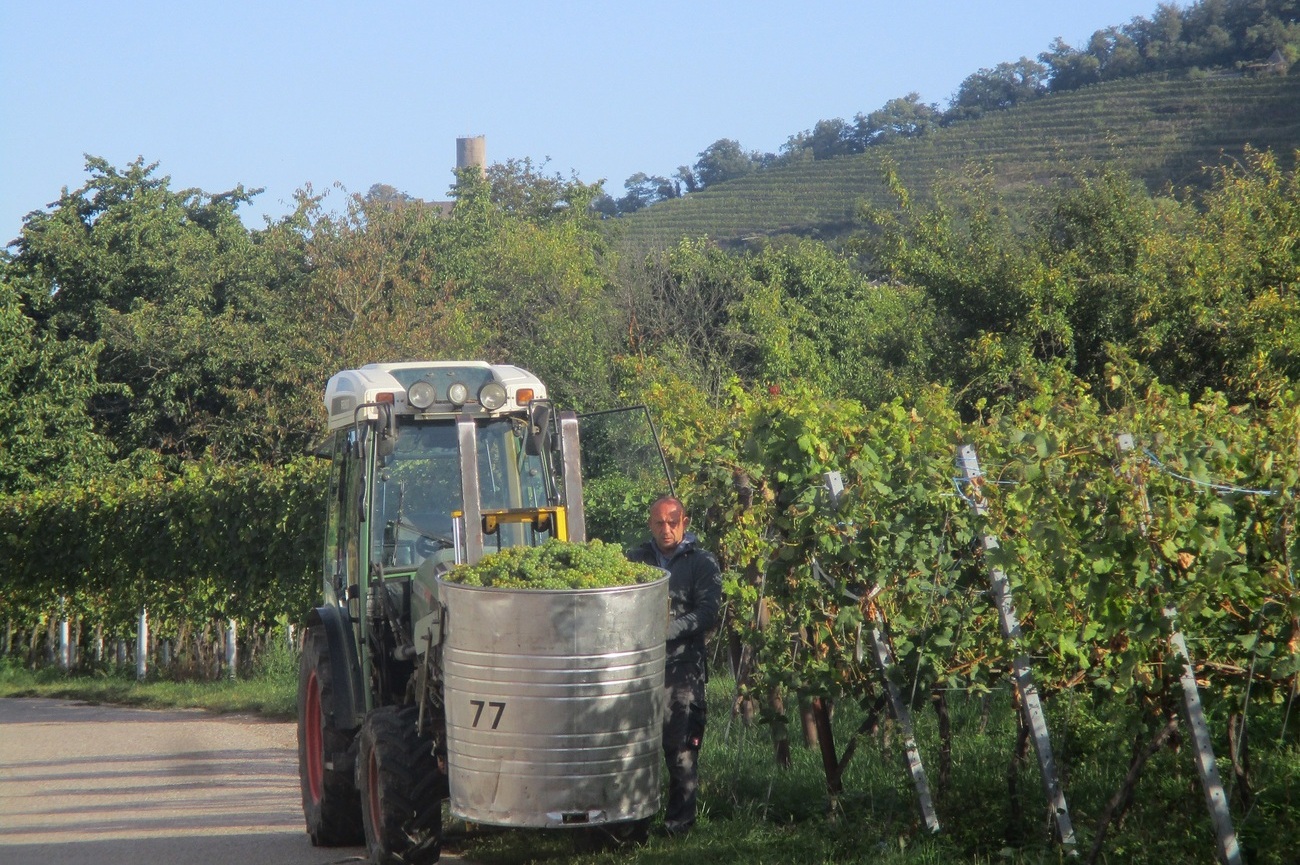
- Weingut Clauer - Jörg Clauer: Located in the nearby wine village of Schriesheim, about 20 minutes from Heidelberg, this family-run winery is rooted in tradition but doesn’t feel fixed in it. This winery is focused on small-batch production with a strong emphasis on regional varietals like Riesling and Pinot Noir. You can also join tastings often led by the winemaker himself.
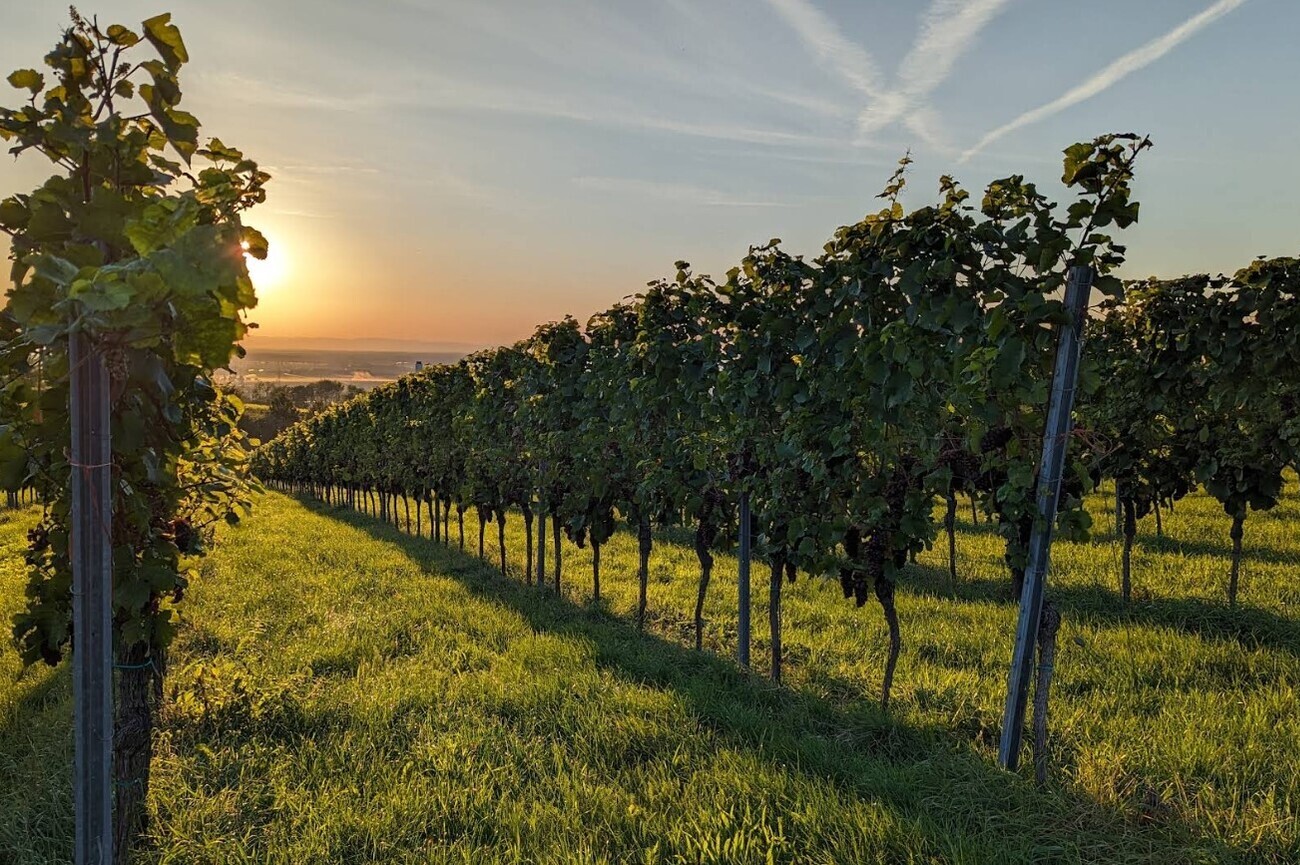
- Adam Müller GmbH & Co. KG: Found in Leimen, just 10–15 minutes from Heidelberg, this winery leans into accessibility without losing its sense of craft. Adam Müller offers a wide selection of wines, from everyday bottles to more structured, age-worthy options. If you want to understand local wine styles without the pressure of formality then you should try out a tasting experience here.
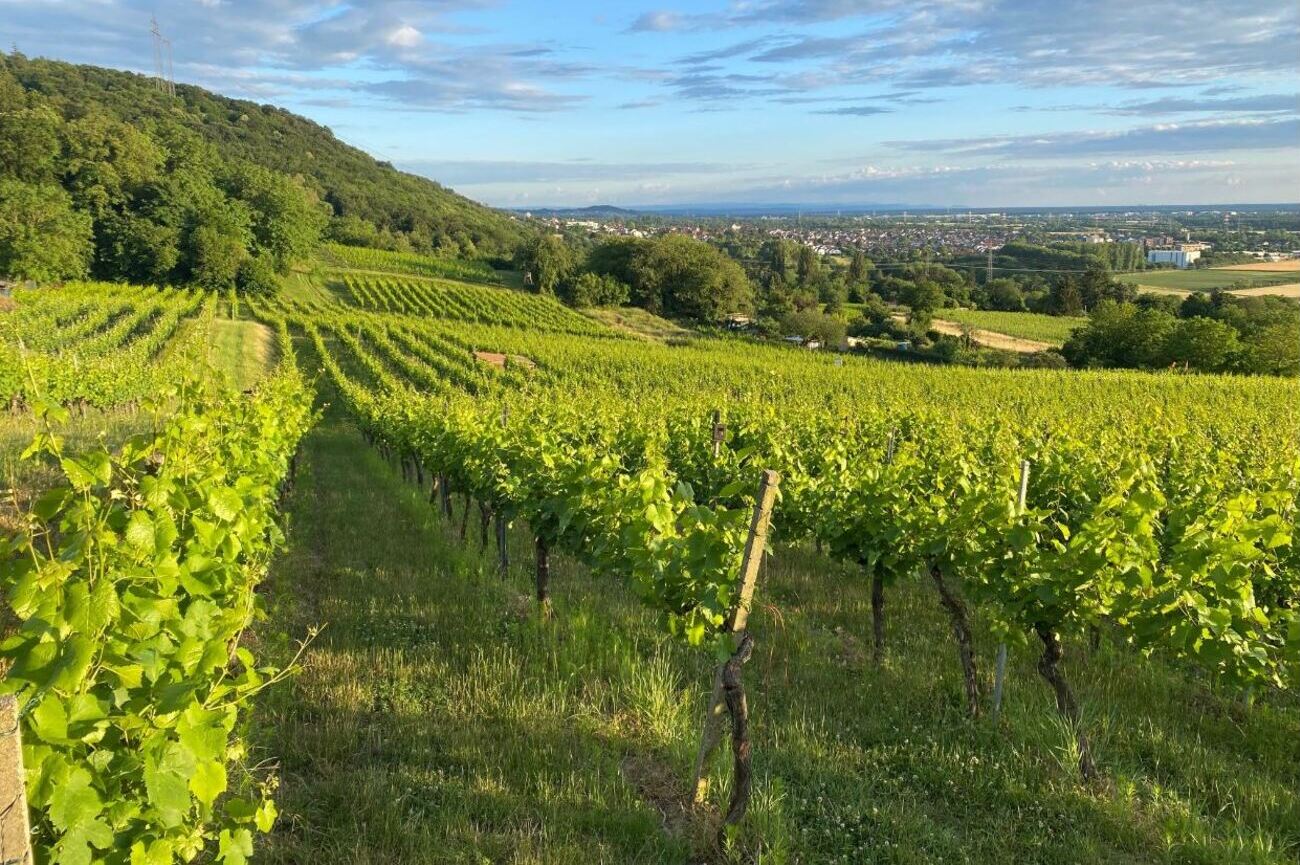
- Wein Atrium: Around 20 minutes from Heidelberg, Wein Atrium functions as both a wine space and a curated experience. Rather than focusing on a single vineyard, it brings together a selection of regional wines, allowing you to explore different producers in one setting. You can join guided sessions that highlight flavor profiles, pairings and production methods here.
Where to Stay in Heidelberg
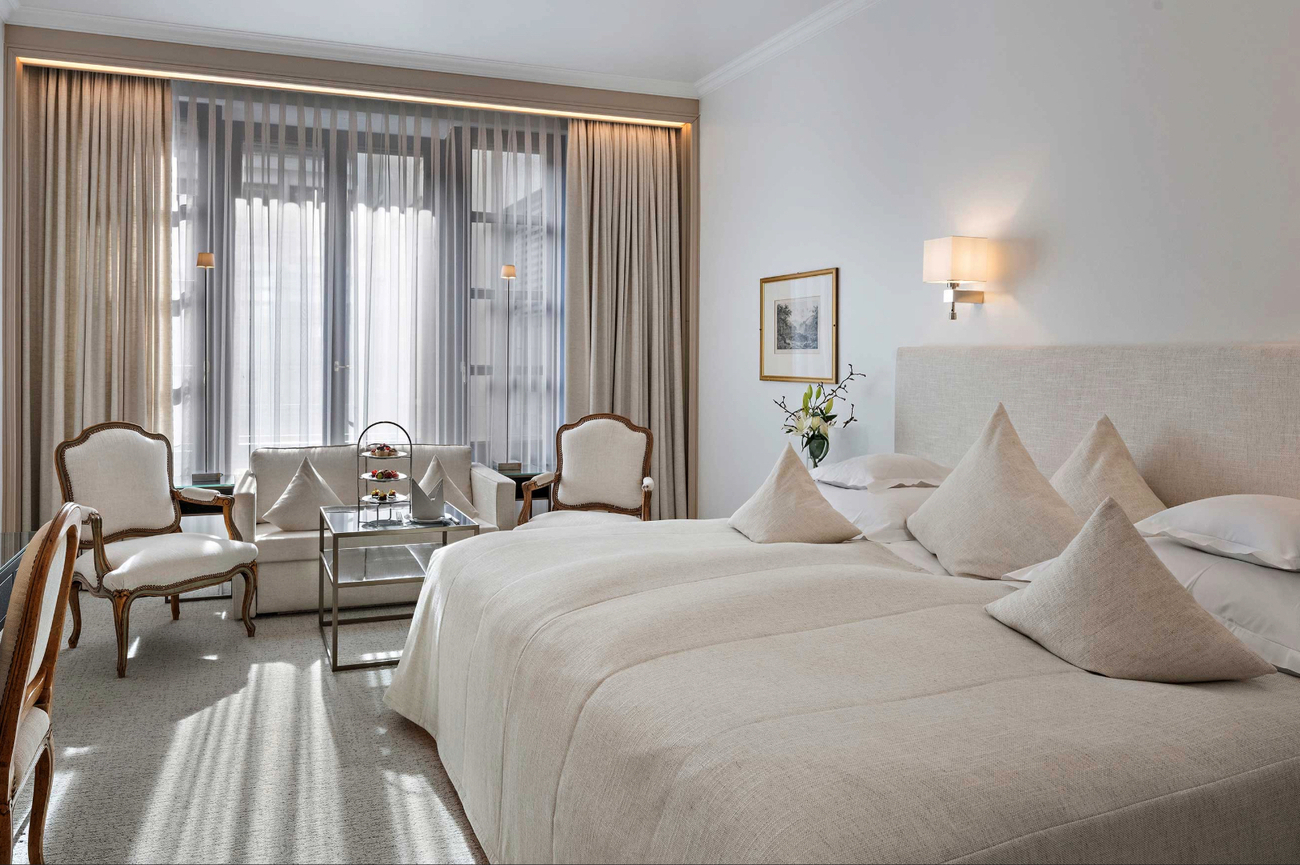
- Hotel Europäischer Hof Heidelberg (5 stars): This is Heidelberg at its most classic. Hotel Europäischer Hof Heidelberg is a grand hotel dating back to 1865, originally built to host aristocratic guests visiting the castle. The interiors lean heavily into tradition with crystal chandeliers, rich woodwork, coffered ceilings and layered fabrics. There’s also an indoor pool, rooftop sun deck and a retro-style cocktail bar that actually feels like a destination, not just an amenity. This is where you stay when you want Heidelberg to feel elevated from the moment you check in.
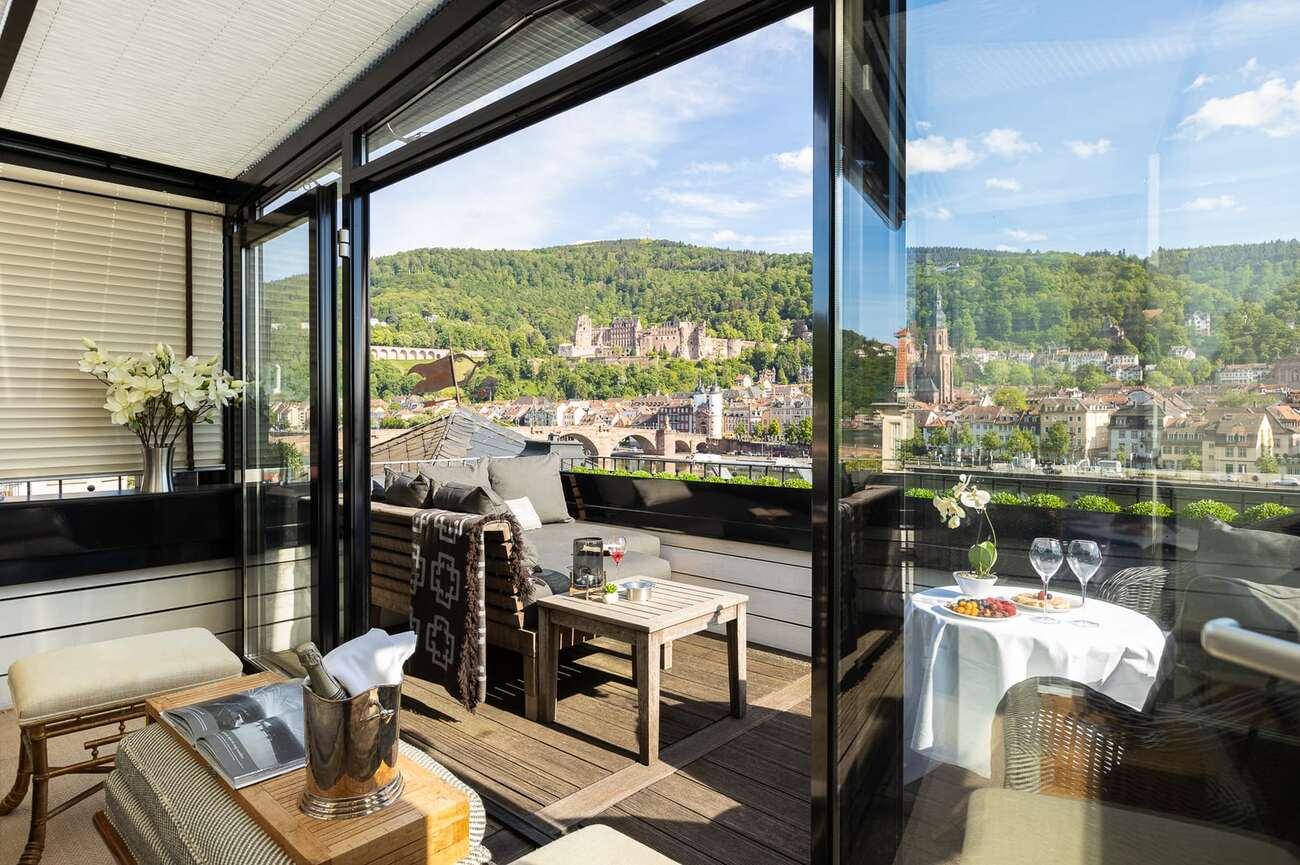
- House of Hütter | Heidelberg Suites (5 stars): Smaller, more intimate and far more design-forward, Heidelberg Suites feels like a boutique interpretation of luxury. Located just steps from the Old Bridge, you’re right at the edge of the Altstadt. Italian-inspired interiors, curated furnishings and rooms feel more like private apartments than hotel units. With only a limited number of suites, everything feels controlled and personal. You’re positioned between the river and the city with views that shift depending on where you are in the building. Add in spa facilities, a sun deck and tailored service. Here, you’re retreating into your own space within the city.
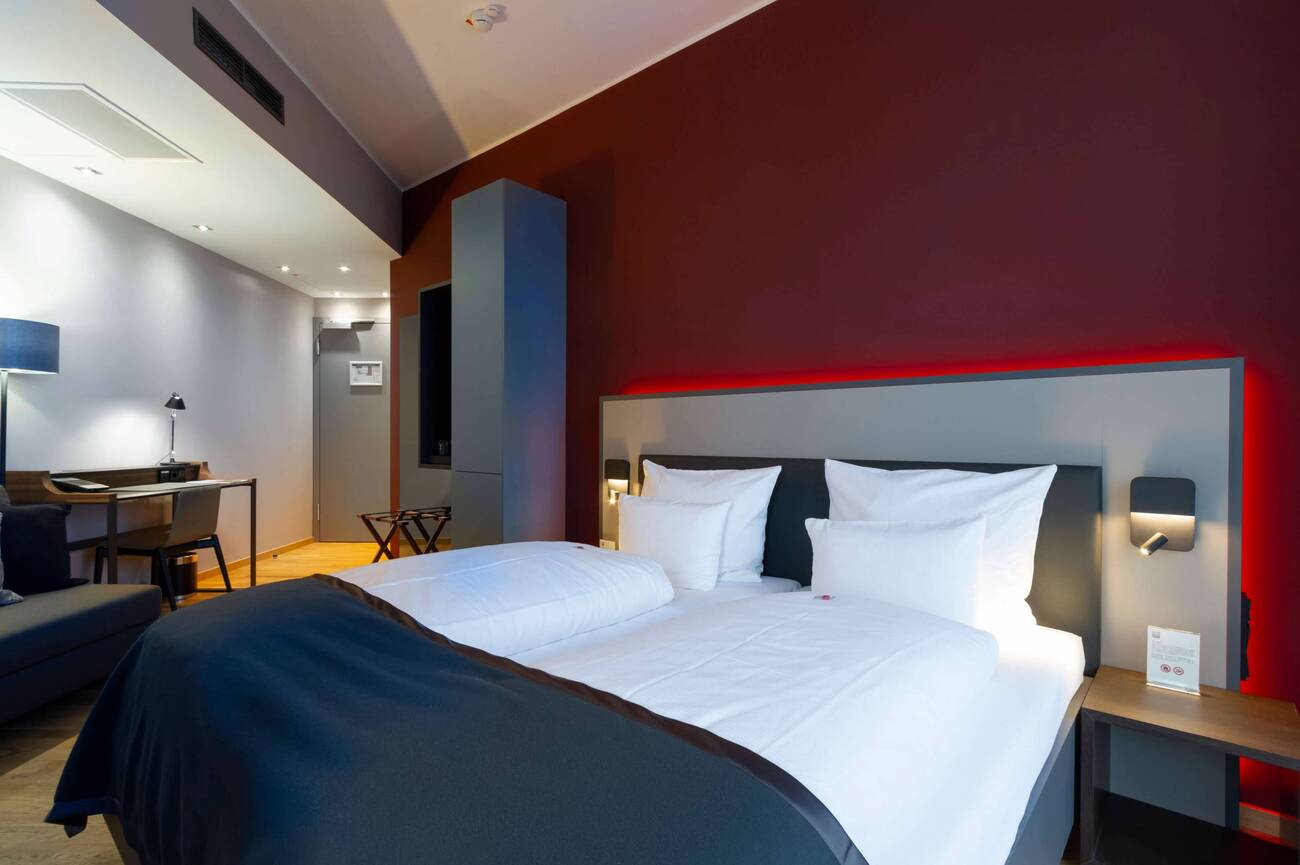
- Qube Hotel Bahnstadt (4 stars): Qube Hotel shifts the tone into something more modern and efficient. Located in Bahnstadt, about 10–15 minutes from the Old Town, it’s built around clean design, sustainability, and practicality. Rooms are bright, functional and well thought out. This hotel has workspaces, modern bathrooms and an understated design that doesn’t distract. It also leans into a more conscious approach, with eco-friendly elements integrated into the experience. What makes it stand out is the balance. You get a rooftop terrace, a solid in-house restaurant and a quieter environment, all while staying connected to the main attractions.
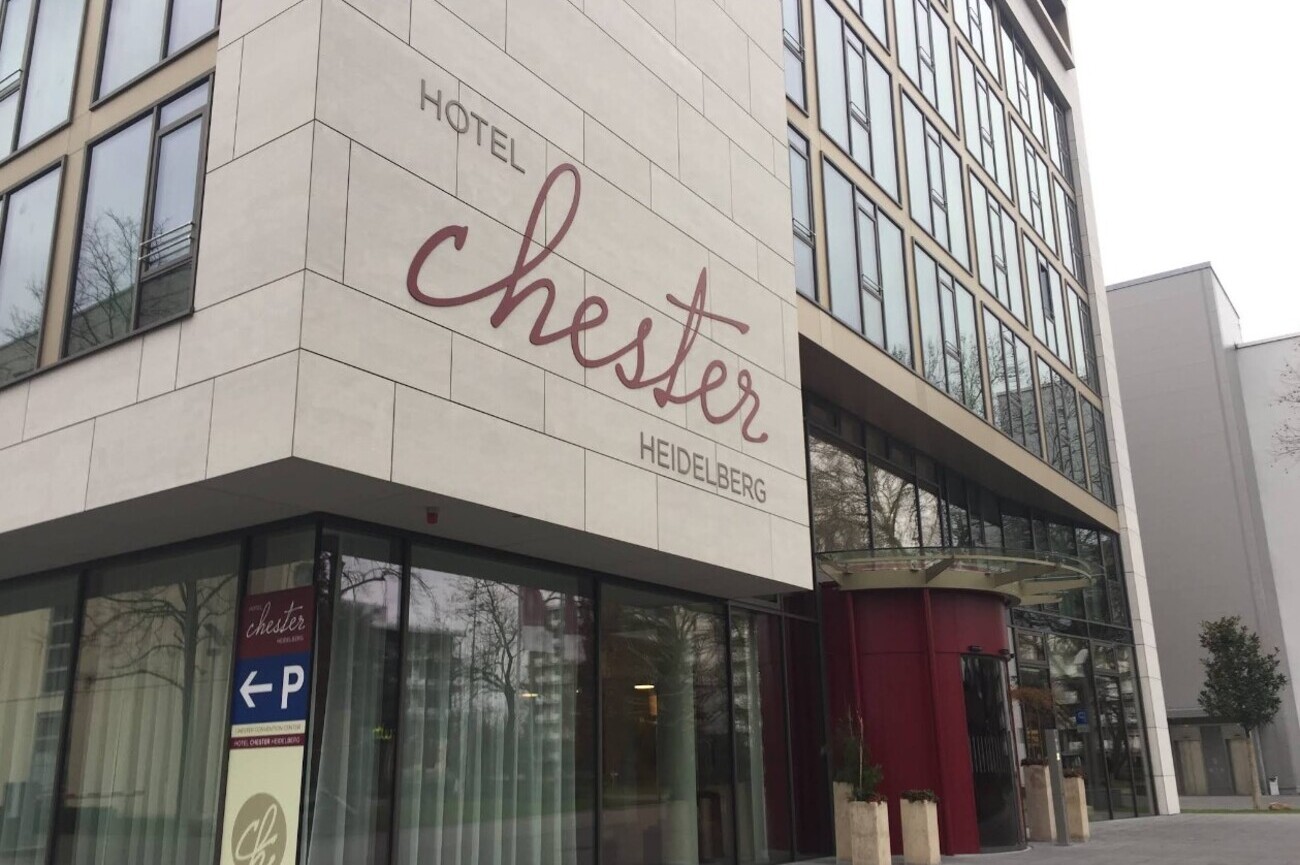
- Hotel Chester Heidelberg (4 stars): Hotel Chester sits slightly outside the center, but that distance works in its favor. It feels more composed, more design-driven and noticeably calmer than central properties. The architecture is modern, with floor-to-ceiling windows, warm lighting and a rooftop lounge that opens up to views across Heidelberg. It’s also known for striking a “work-life balance” atmosphere, making it suitable for both business and leisure stays. The wellness area and terrace spaces add to that.
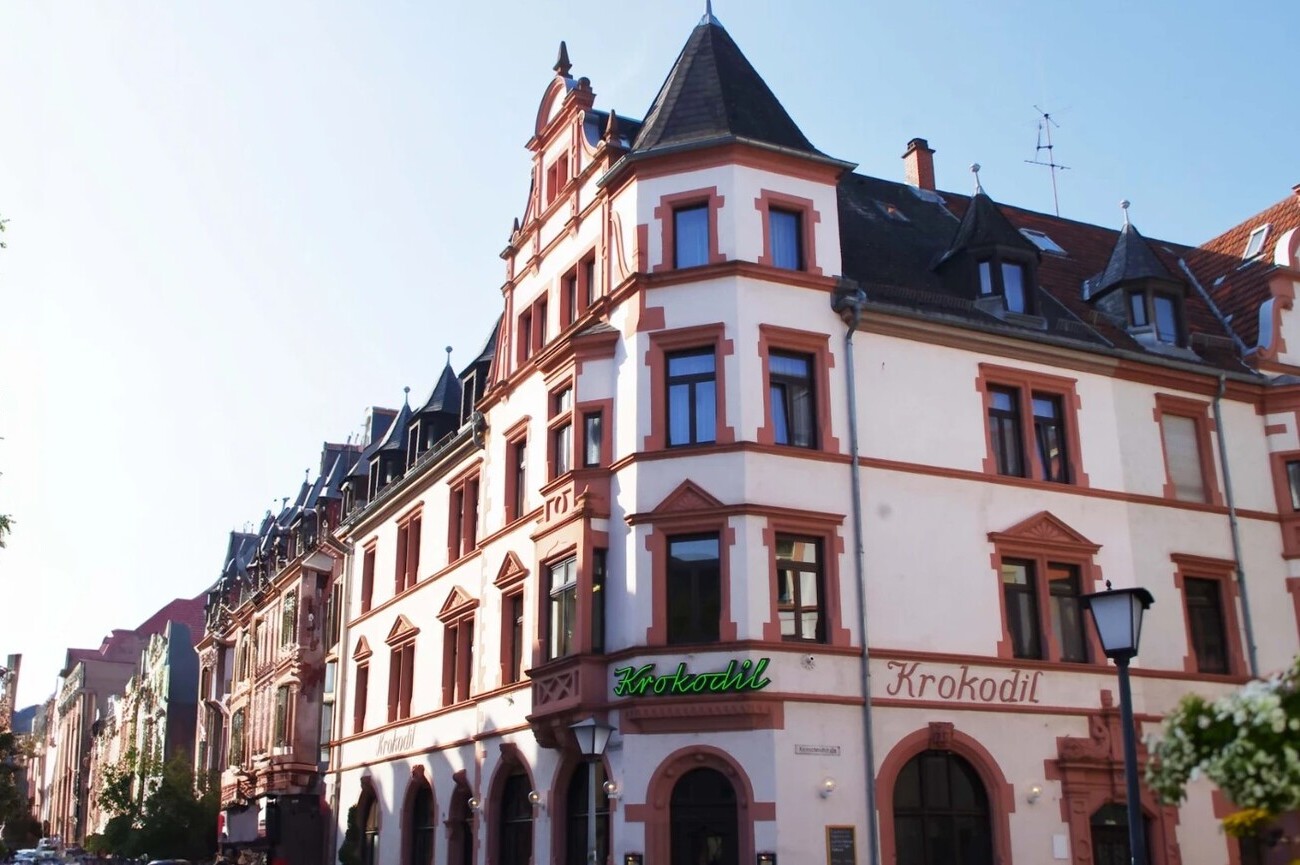
- Hotel Krokodil (3 stars): Hotel Krokodil feels personal from the start. Smaller in scale and slightly removed from the Old Town, it offers a quieter, more grounded stay just a few minutes from the main attractions. The rooms are simple but comfortable and the overall atmosphere leans toward family-run hospitality rather than polished design. The hotel also has an attached restaurant, which serves regional and international dishes.
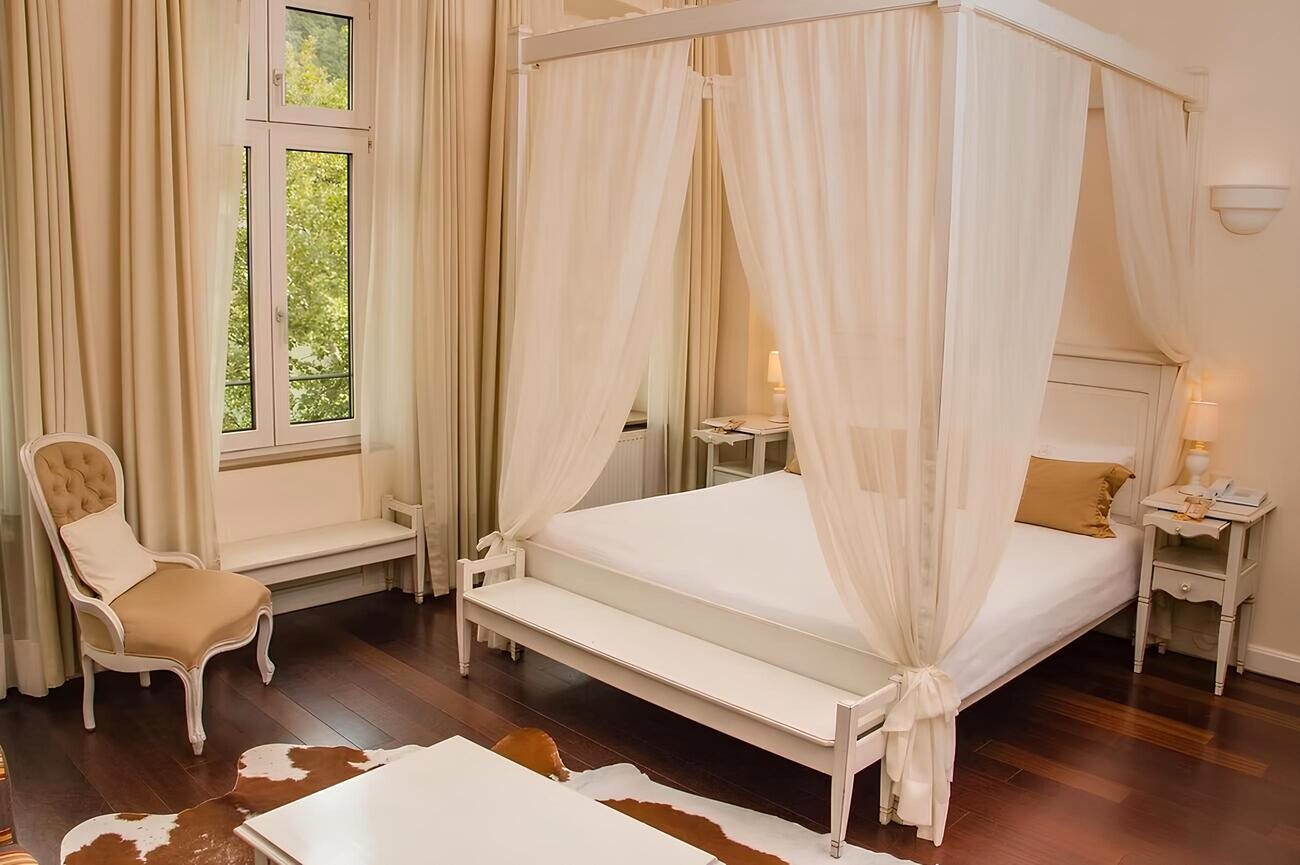
- Hotel Villa Marstall (3 stars): Set in a 19th-century villa directly along the Neckar River, Villa Marstall delivers one thing exceptionally well, location. You’re right in the historic center, with views that immediately connect you to the city. The interiors are classic with solid wood furniture, cherry wood floors and a clean, understated design that doesn’t try to compete with what’s outside. And step outside and you’re already in the Altstadt. It’s about being exactly where you need to be.
Best Time to Visit Heidelberg
If Heidelberg were a film, autumn is the scene where everything finally makes sense.
Not louder. Not brighter. Just right.
Particularly from September to October, Heidelberg’s weather is mild, the crowds are lighter than in summer and the city settles into a more comfortable rhythm.
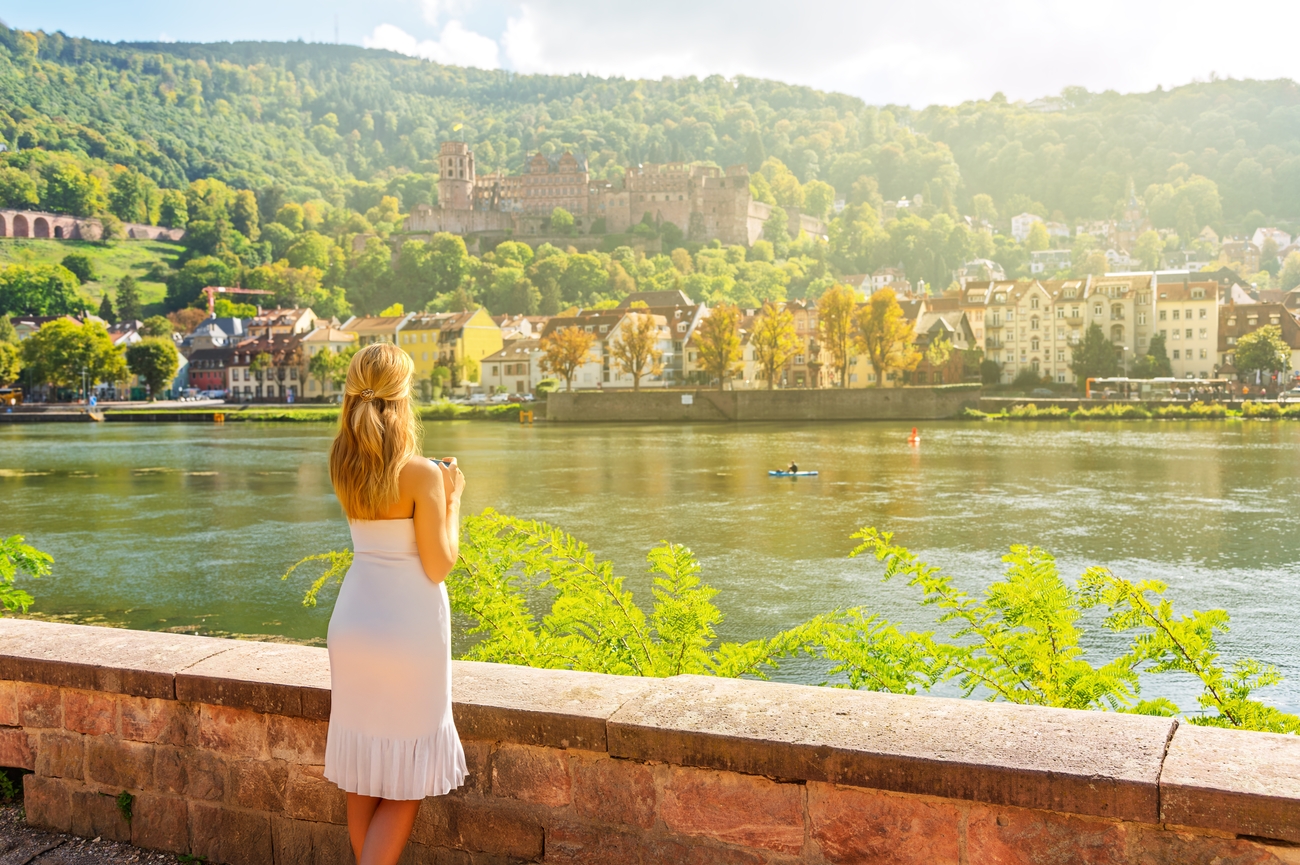
Seasonal changes are visible across the landscape, with trees along the Neckar River and surrounding hills turning shades of gold and red. The softer light also brings out more detail in the castle, rooftops and older buildings, making walks through the Altstadt feel more considered rather than hurried. This period also coincides with the wine harvest across the region, which naturally carries into the city. Local wines, especially Riesling, become more prominent in restaurants and wine lists. It’s less about formal tastings and more about how easily wine becomes part of a meal or a pause in the day.
Heidelberg’s main landmarks remain the same, but the experience changes slightly. The castle is still a focal point, though it feels less like a checklist stop and more like a constant presence in the background. The same goes for the river and surrounding hills. They’re always there, but in autumn, you tend to notice them more.
With fewer crowds and a steadier pace, it becomes easier to explore without overplanning. You can move through the city more naturally, stopping where it makes sense and spending more time in places that hold your attention.
Autumn in Heidelberg isn’t defined by a single highlight. It’s more about how everything fits together, the weather, setting and pace all make the overall experience feel balanced and easy to settle into.
Christmas Markets in Heidelberg
- Anatomiegarten Christmas Market: As you move deeper into the city, Anatomiegarten feels like a quiet adjustment. This market leans simpler in design, but that works in its favor. Stalls feel less crowded together and there’s more room to actually move without constantly navigating through people.
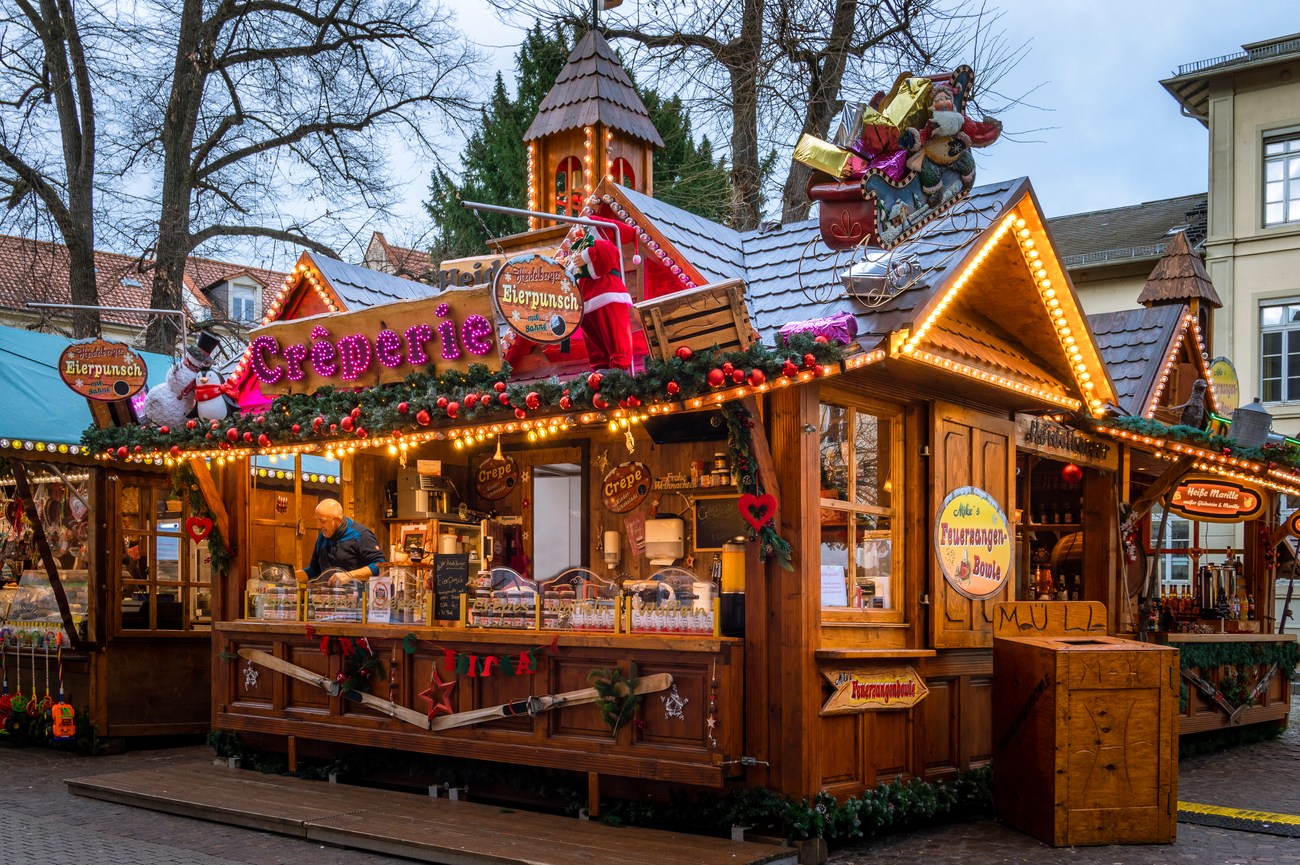
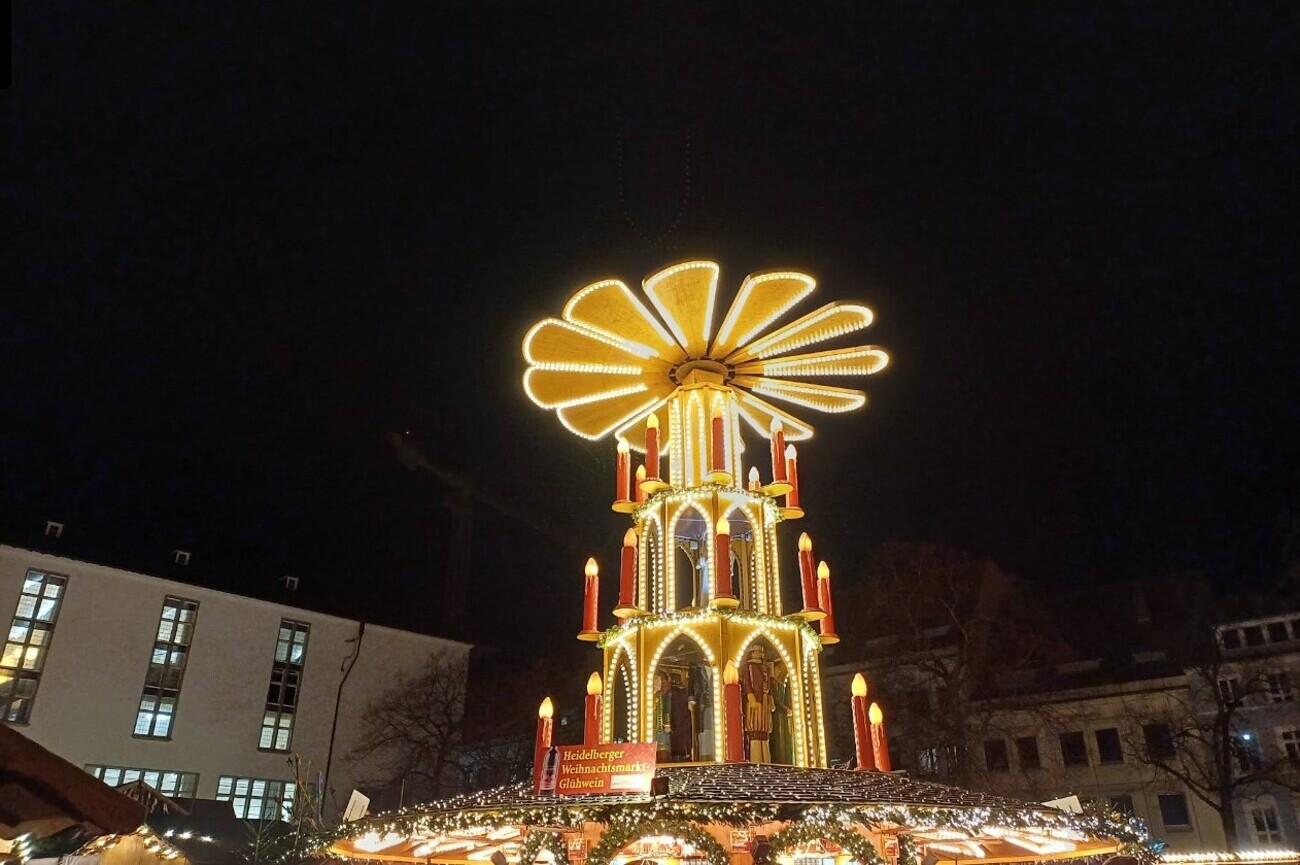
- Universitätsplatz Christmas Market: By the time you reach Universitätsplatz, the market expands fully. This is one of the largest and most active areas. You’ll find a wider variety of handcrafted gifts, seasonal decorations and food stands, along with a classic Christmas carousel that adds motion to the square. The layout is open enough to handle the crowd, so even when it’s busy, it doesn’t feel chaotic.
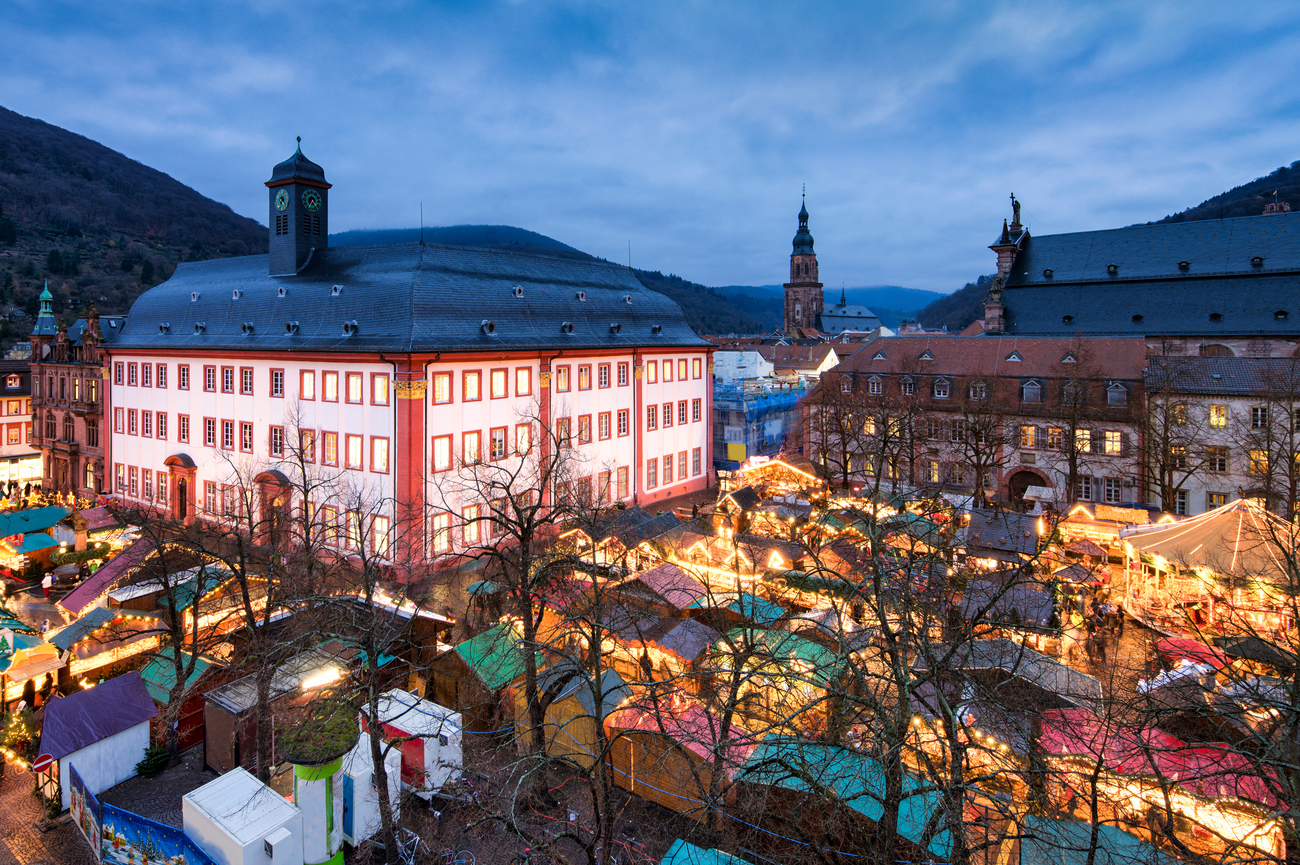
- Bismarckplatz Christmas Market: This is the entry point into Heidelberg’s Christmas flow. Located at the edge of the Old Town, Bismarckplatz gives you your first look at the season. The market here is smaller and more straightforward. You’ll find classic stalls with glühwein, roasted nuts, simple festive treats and a crowd that leans more local than visitor-heavy. It doesn’t try to compete with what comes next. Instead, it eases you into the experience.
Festivals in Heidelberg
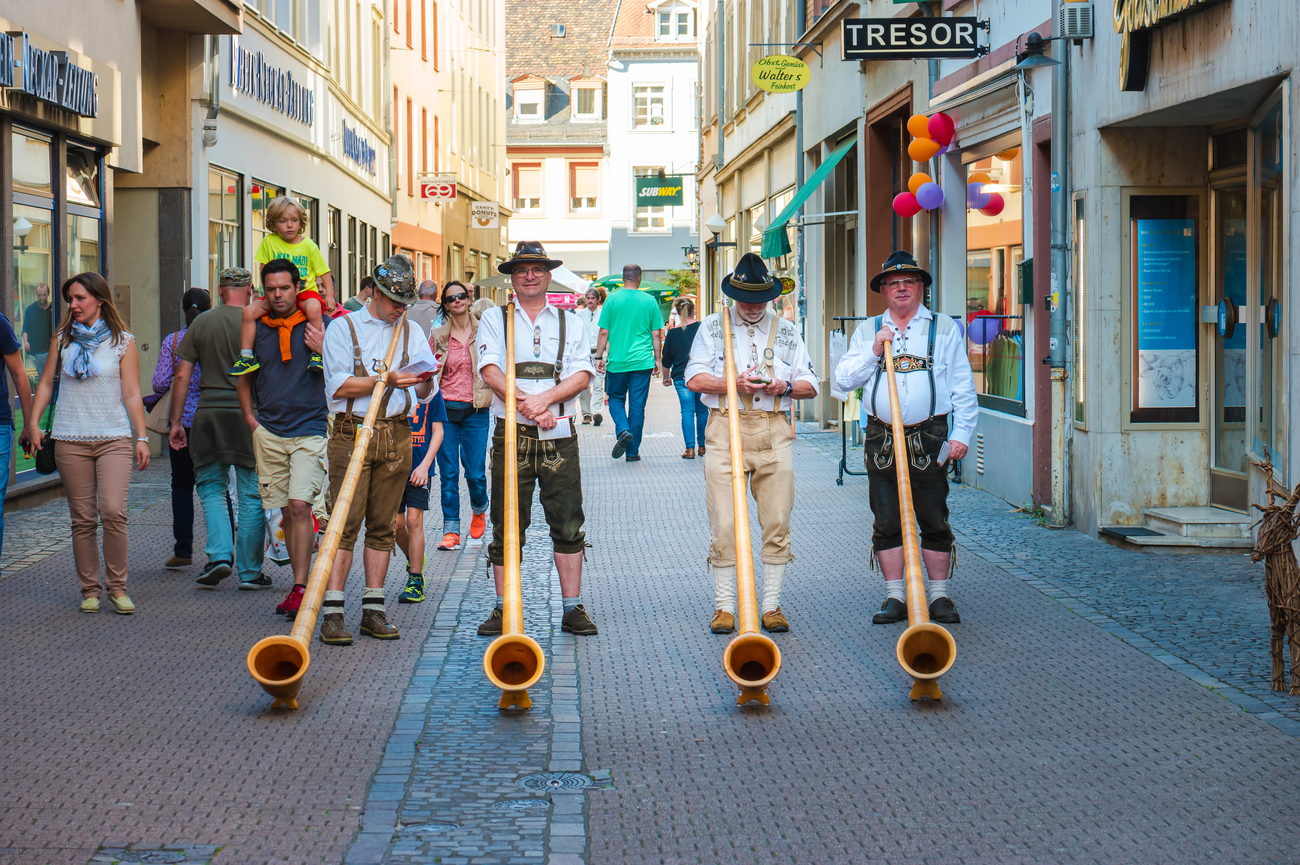
- Heidelberg Autumn Festival: This is one of the city’s biggest events. The entire Altstadt transforms into a large, open festival space, where streets close, crowds gather and the usual rhythm of the city shifts into something more energetic. You’ll find live music stages, food stalls, wine stands and local vendors spread across multiple squares. It’s Heidelberg, just with the volume turned up slightly.
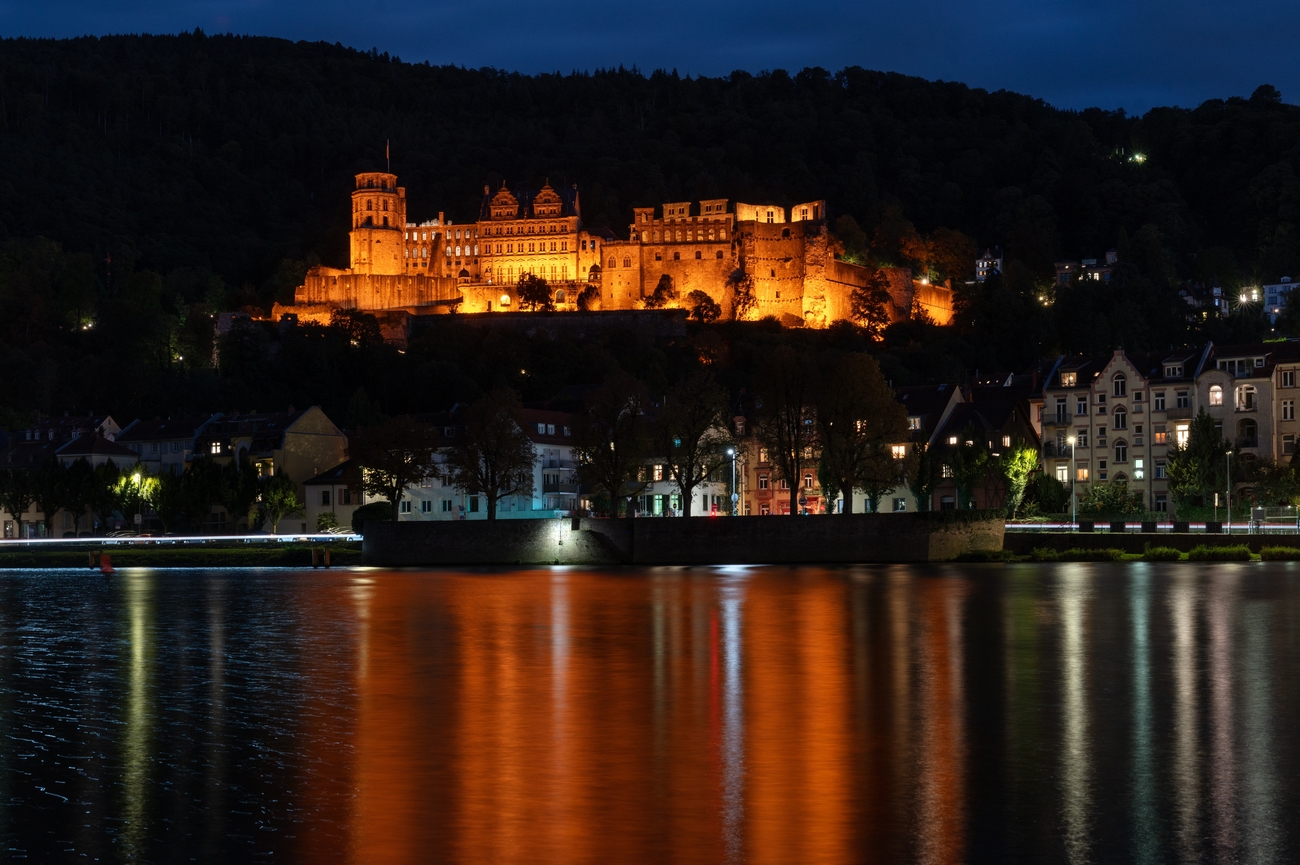
- Heidelberg Castle Illuminations: This is one of those events that feels almost too cinematic to be real, and yet it happens multiple times a year. The Heidelberg Castle is lit up in deep red tones, recreating the effect of historical fires, followed by fireworks launched over the Neckar River. The reflections on the water, the silhouette of the castle and the crowd gathered along the riverbanks all add to the atmosphere.
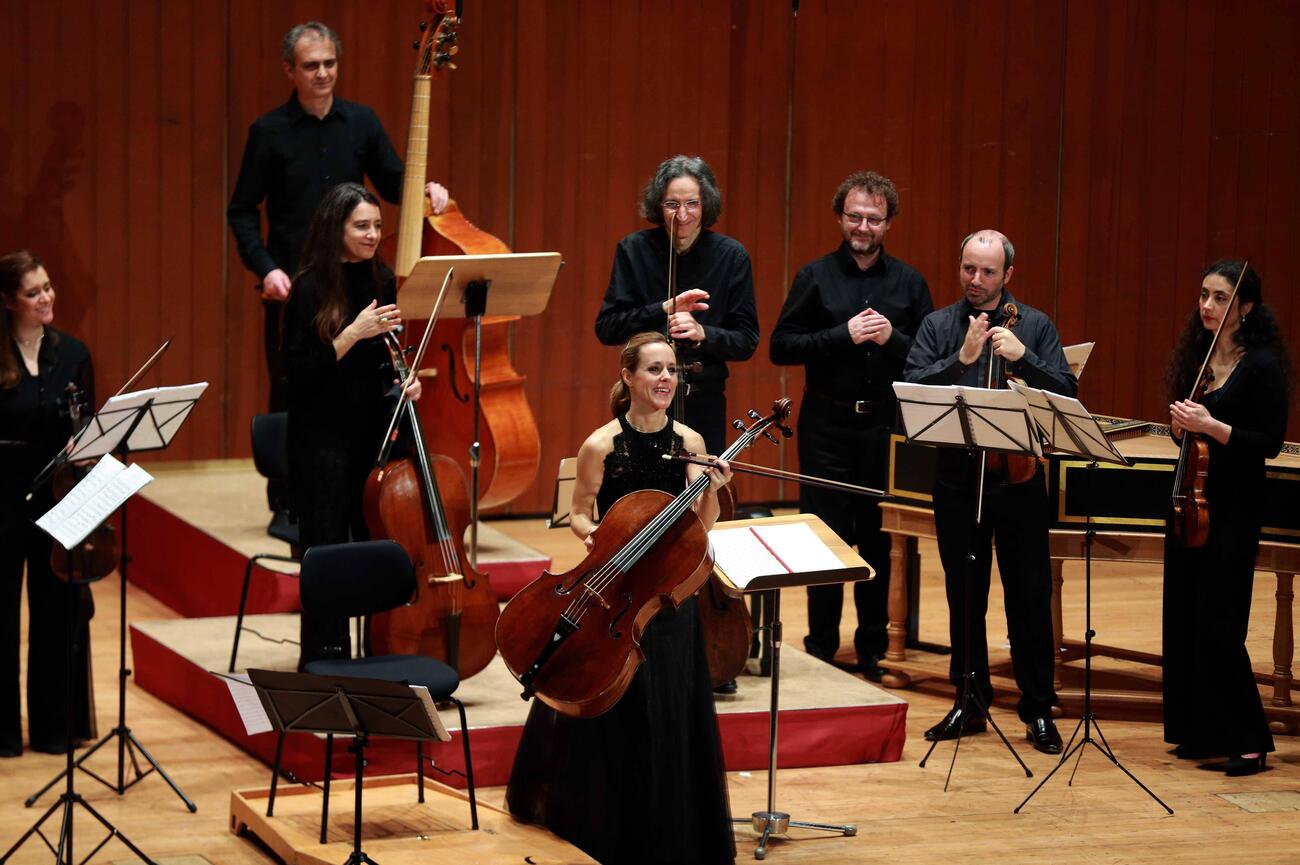
- Heidelberg Spring International Music Festival: This is where the city leans into refinement. The Heidelberger Frühling (Spring Music Festival) brings together classical music, chamber performances and international artists across venues like theaters, churches and concert halls. Music fills spaces that already carry history and the experience becomes as much about where you are as what you’re hearing.
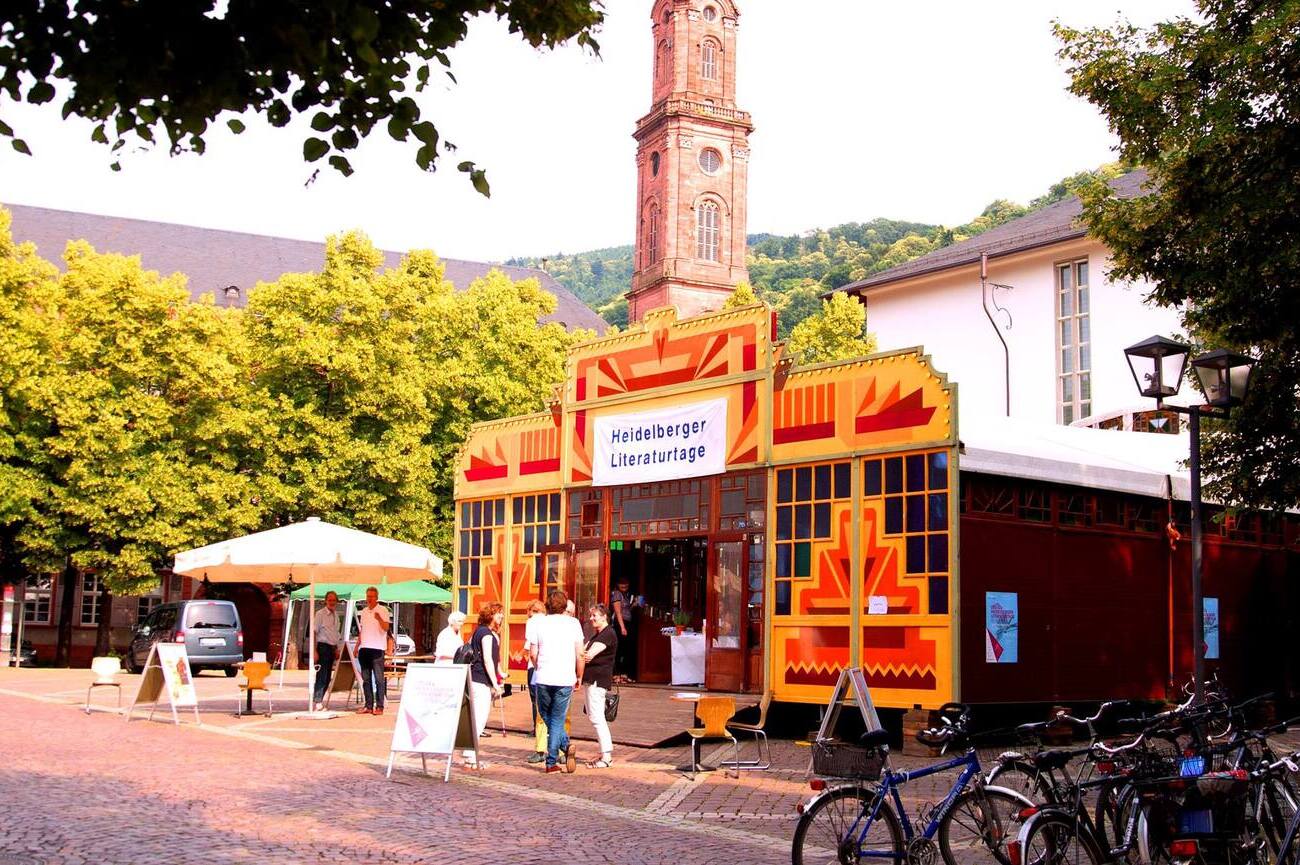
- Heidelberg International Literature Festival: For a different kind of engagement, the International Literature Festival brings writers, thinkers and readers into the same space. Events range from readings and discussions to workshops and talks, often held in intimate venues across the city. The pace here is slower, more focused. Choose a session, stay present and let the experience unfold without distraction.
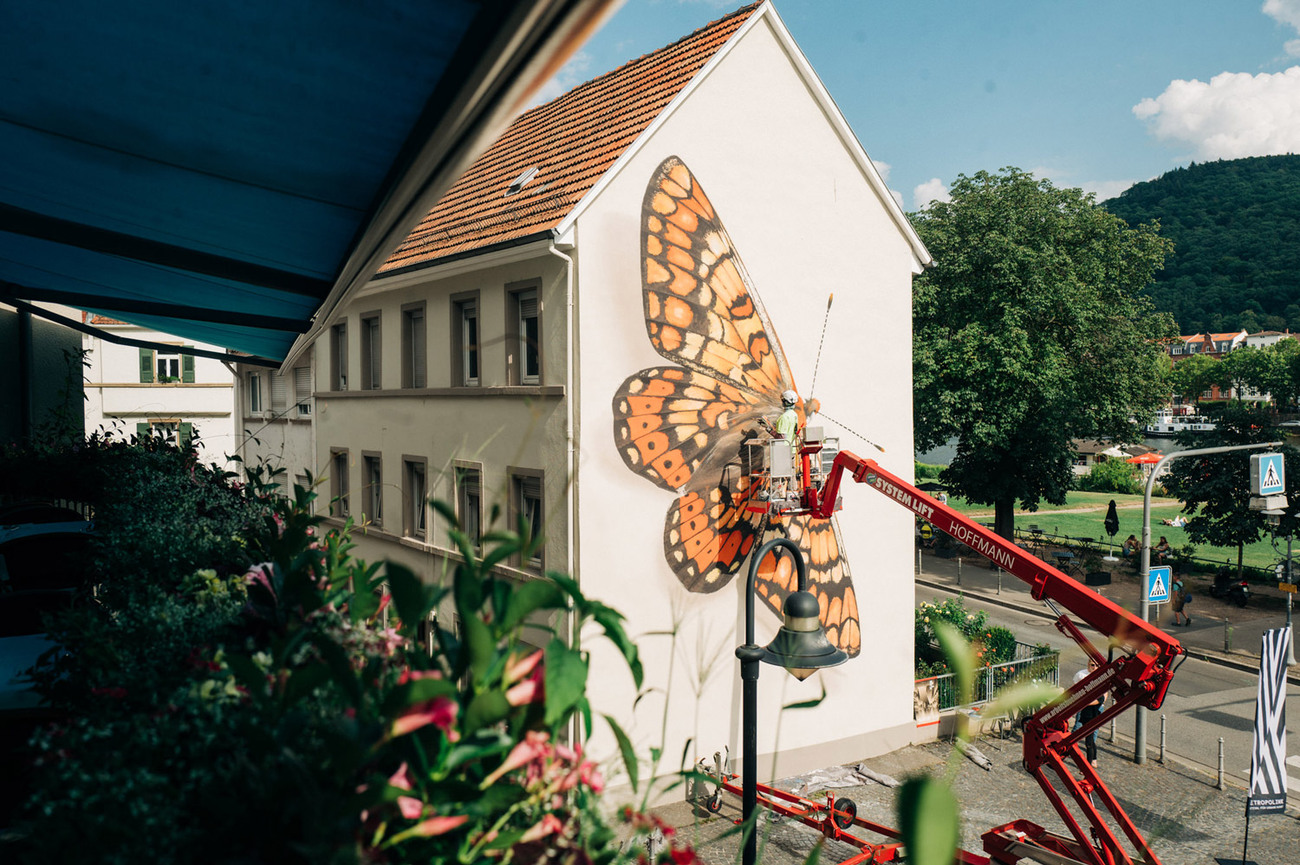
- Metropolink Festival: If you want to see Heidelberg change visually, this is where it happens. The Metropolink Festival focuses on urban art and street art, bringing artists from around the world to transform walls, facades and public spaces. Murals appear across the city. They are large-scale, detailed and often unexpected.
- Geist Heidelberg: Geist is less about spectacle and more about atmosphere. It leans into art, creativity and experimental expression, often blending installations, performances and curated events across the city. You might find something in a gallery, a public space or even an unexpected corner of the Altstadt. You explore and occasionally, you stumble into something you didn’t plan for.
Ready to experience Heidelberg your way? Contact us and we will create a tailor-made journey shaped around your interests, pace and style of travel.


Let us know what you love, where you want to go, and we’ll design a one-of-a-kind adventure you’ll never forget.
Get in touch
Miriam
Travel Specialist

Romina
Travel Specialist

Laura
Travel Specialist
Our offices:



Revigorate, Iberian Escapes and Algarve Lifestyle are the registered brand names of APCS Lda . We are a fully authorised travel agency licensed by Turismo de Portugal RNAVT/6867.
In the event of a dispute, the consumer may refer to: RAL - Centros de Arbitragem
Avª. 5 de Outubro, nº. 55, R/C Dtº. 8000-075 Faro, Portugal | Tel: +351 289 823 135 *
* national landline call
E-mail: info@consumoalgarve.pt| www.consumidoronline.pt | Mon to Fri: 9:00 - 13:00 / 14:00 - 17:00