Things to Do in Freiburg im Breisgau: 3-Day Itinerary
Freiburg im Breisgau is a historic university city in southwest Germany, set at the edge of the Black Forest and known for its medieval Old Town, Freiburg Minster, cobbled streets and distinctive Bächle waterways.
The compact centre brings together landmarks such as Münsterplatz, the Schwabentor and Martinstor gates, university buildings and lively public squares within an easy walking distance. Above the city, Schlossberg offers views across Freiburg towards the surrounding hills, while vineyards begin almost immediately beyond the urban centre.
What makes Freiburg particularly rewarding is the way history, university life and access to nature overlap. You can move from Gothic architecture and market squares to vineyard scenery, forest walks and regional dining without travelling far, giving the city a varied but coherent character.
This 3-day Freiburg im Breisgau itinerary brings together the Old Town, major historic landmarks, Black Forest viewpoints, vineyards, restaurants and nearby excursions in a route designed to be relaxed, practical and easy to follow.

Day 1

Morning: Freiburg Cathedral
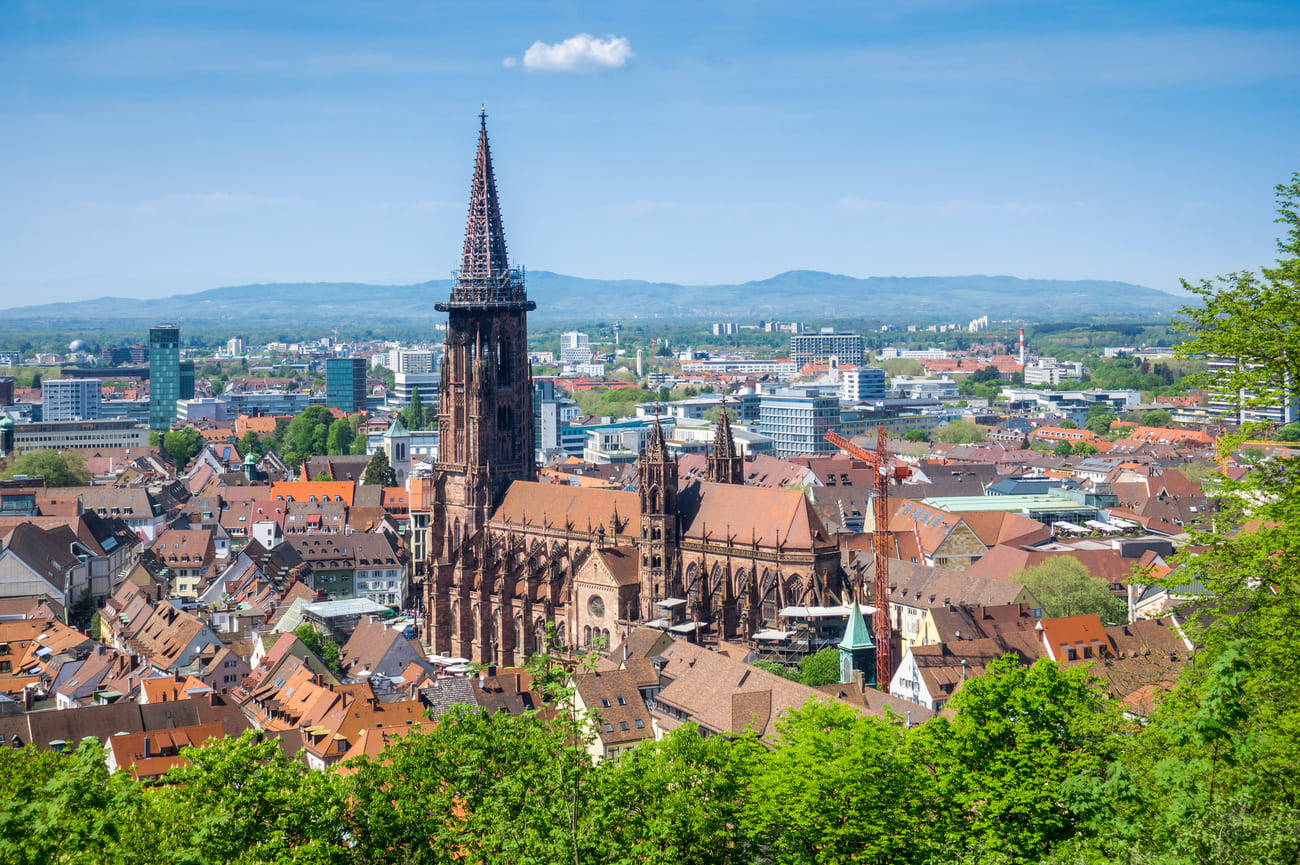
The Freiburg Minster anchors the entire city. It rises directly from Münsterplatz, so there’s no dramatic buildup. You step into the square and it’s just there, detailed and imposing without trying too hard. The surrounding streets, the market stalls and the flow of people all circle back to this one point, making it the natural first stop before anything else.
Construction of the cathedral began around 1200 and continued for over three centuries, which explains the mix of Romanesque and Gothic elements. The standout feature is the 116-meter tower, often considered one of the most refined Gothic towers in Europe, with openwork stone that looks almost too delicate to be structural. Inside, the cathedral maintains a consistent layout with high vaulted ceilings, stained glass windows from different periods and a central nave that directs movement forward. And if you want to experience it beyond a quick walk-through, you can access the tower climb during opening hours for a full view over Freiburg and the Black Forest.
Münsterplatz
From the Freiburg Minster, you’re already in Münsterplatz. Just step outside and the space opens up immediately. No walking, no transition.
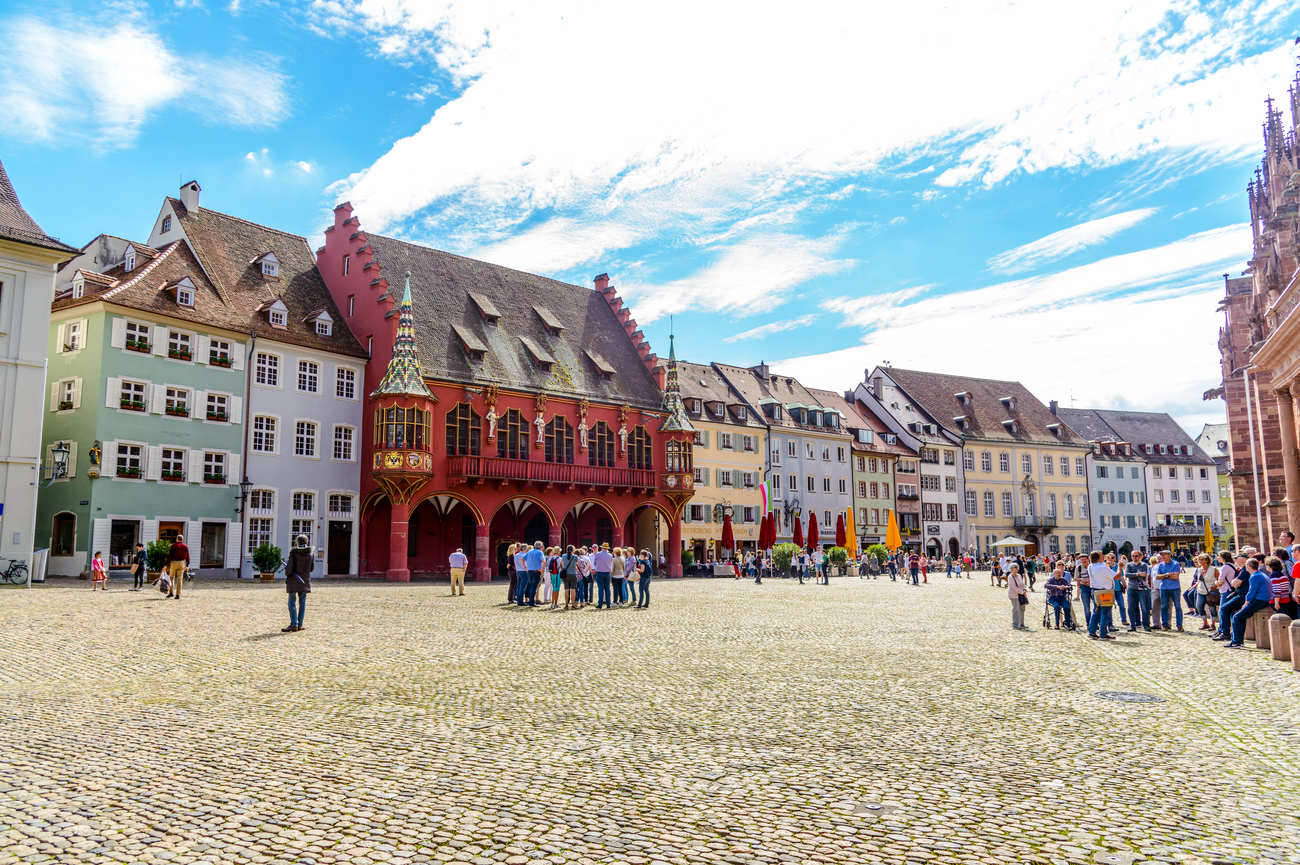
Münsterplatz has been the main public square of Freiburg for centuries and still functions that way today. It’s known for its daily market, where vendors sell regional produce, flowers and local goods. The square is wide and open, framed by historic buildings like the Historisches Kaufhaus and grounded by cobblestone surfaces that stay consistent across the area. The mix of commerce and public space keeps it relevant rather than purely decorative.
You can join guided walking tours that regularly pass through Münsterplatz, focusing on its role in trade, civic life and urban planning. And if you want a more refined experience, private guides offer curated tours that move at a slower pace and include detailed stops around the square and nearby landmarks.

Historical Merchants' Hall
The Historical Merchants’ Hall (Historisches Kaufhaus) sits right along the edge of the Münsterplatz, just a few steps away.
The building dates back to the 16th century and was originally used as a customs and trading house, where goods entering the city were taxed and managed. Its exterior is what draws most attention: a rich red color, decorative balconies and sculpted figures of Habsburg rulers across the front. The design reflects Freiburg’s historical ties to the Habsburg dynasty, and it’s one of the more visually detailed structures in the square without feeling excessive. Inside, the building now functions mainly as an event venue, so access is limited unless there’s a scheduled function.
Haus zum Walfisch
From Historisches Kaufhaus, head northeast across Münsterplatz toward Franziskanerstraße. The walk to Haus zum Walfisch takes about 2-3 minutes and stays within the same compact Old Town area.
Haus zum Walfisch dates back to the early 16th century and was originally built as a residence for Jakob Villinger von Schönenberg, a wealthy merchant and financier of the Habsburg court. The building reflects late Gothic architecture with Renaissance elements, visible in its stone façade, bay windows and detailed carvings. One of its most notable associations is with Desiderius Erasmus, who stayed here between 1529 and 1531. Although the structure was heavily damaged during World War II, it was later reconstructed with careful attention to its original design, preserving its historical character.
Today, the building is privately used, so interior access is not generally available. Most visits focus on its exterior and historical significance which are often included in guided walking tours.

Afternoon: Kaiser-Joseph-Straße
A short walk south from Haus zum Walfisch leads directly into Kaiser-Joseph-Straße, the city’s main commercial corridor. This street links major squares and acts as the main route for both pedestrians and trams.
Kaiser-Joseph-Straße developed as Freiburg expanded beyond its medieval core and now functions as the city’s primary retail and transit street. While much of the architecture reflects post-war reconstruction, the scale remains consistent with the Old Town, so it doesn’t feel disconnected. The street runs through key points like Bertoldsbrunnen and maintains a steady flow throughout the day, making it one of the most active parts of Freiburg.
In terms of retail, this is where you’ll find a concentration of international and premium brands alongside local stores. Shops like Hugo Boss, Zara, Massimo Dutti and Breuninger anchor the higher-end segment, while bookstores, specialty shops and curated boutiques fill in the rest. The mix leans toward accessible luxury rather than ultra-high-end. This is a stop you explore independently. It is easy to move through, easy to dip in and out of and easy to lose track of time without trying too hard.

Einkaufszentrum Schwarzwald City Freiburg
Continue along Kaiser-Joseph-Straße heading east, then follow the street as it transitions toward Schiffstraße. Within about 5-7 minutes on foot, you’ll reach Schwarzwald City Freiburg, one of the city’s main indoor retail complexes. At this point, you’re mall hopping.
Schwarzwald City Freiburg is a multi-level shopping center operating since the 1970s. It serves as a central retail and service hub within the city, with a layout designed for quick navigation. The structure is modern and functional, offering an indoor alternative to the open shopping streets nearby. It also includes a cinema, which adds a leisure component beyond retail.
The tenant mix includes fashion, electronics, pharmacies and everyday retail. Key stores include dm-drogerie markt and MediaMarkt, alongside smaller regional shops and service providers. The range is practical rather than luxury-focused, making it a straightforward stop for essentials and quick browsing.
Augustinerplatz
Leave Schwarzwald City Freiburg and head back toward the Old Town via Schiffstraße, then continue west. Then you will reach one of the city’s main social spaces, the Augustinerplatz.
Augustinerplatz is built around the former Augustinian monastery and now serves as a central gathering point. The square is defined by wide stone steps, open seating areas and the presence of the Augustinermuseum, which occupies the historic monastery building. The layout is simple and functional, making it easy to move through or pause without needing to navigate around obstacles. It’s less formal than Münsterplatz and tends to feel more relaxed throughout the day.

Augustiner Museum
The Augustinermuseum is directly on Augustinerplatz, so there’s no additional walking required. Just move from the open square into the former monastery building that now houses the museum.
The Augustinermuseum is one of Freiburg’s main cultural institutions, located in a converted Augustinian monastery. It focuses on art from the Middle Ages through the Baroque period, with a strong emphasis on sculptures, altarpieces and stained glass from the Upper Rhine region. The building itself is part of the experience with its high ceilings, restored stonework and open gallery spaces creating a clear, structured layout that makes the collection easy to follow. The exhibits are arranged chronologically, so movement through the museum is straightforward without needing a guide.
And to enhance your visit, you can use the official Augustinermuseum app, which is free and available on-site. It offers background information, short films, audio guides and interactive content that explain the artworks in a direct and accessible way. There are different tour options depending on how much time you have and dedicated audio tours for children make the experience more flexible.

Evening: Martinstor
From the Augustinermuseum, walk west through the Old Town for about 3-4 minutes. The route is direct and leads you onto Kaiser-Joseph-Straße, where Martinstor stands along the main pedestrian and tram line.
Martinstor dates back to around 1202 and is one of only two remaining gates from Freiburg’s original medieval fortifications. It was part of the city wall system that controlled access in and out of Freiburg. In the early 1900s, the gate was significantly altered with its height increased and its appearance updated, which is why it looks taller and more pronounced compared to its original medieval proportions.
The structure includes a central passageway used today by pedestrians and trams, a clock face added in later periods and painted elements that have been restored over time. It also carries historical markings, including a plaque referencing executions that took place near the gate, reflecting its role beyond simple defense.
The area around Martinstor functions as a key transit and commercial point, with tram lines crossing directly through it and retail spaces built into the surrounding blocks. It connects different sections of the Old Town, making it a natural passage rather than a stop that requires extended time. And the best way to experience it is simply to walk through it and observe how a medieval structure continues to function within a modern city route.

Schwabentor
Just go and follow the tram line until you reach Schwabentor at the edge of the historic center.
Schwabentor dates back to the mid-13th century and served as one of the main eastern entry points into Freiburg. Compared to Martinstor, it retains more of its original medieval proportions, with a lower and more compact structure. The gate features a central archway, a clock tower and a painted facade that includes the well-known “Schwabentor legend,” depicting a merchant who tried to buy the city but was tricked into carrying worthless materials. Over time, the structure has been preserved with fewer major alterations, giving it a more traditional appearance.
Schwabentor marks the transition between the Old Town and the areas leading toward the Black Forest. The surrounding streets are quieter, with less commercial density compared to the central core. Inside the tower, there is a small museum space focused on local history and tin figurines, though access may vary depending on opening hours. The area is still active with pedestrian and tram movement, but at a slower pace.

Day 1 - Freiburg im Breisgau Tour Map
Day 2
Morning:
Schlossberg
Schlossberg is Freiburg’s main viewpoint, rising directly above the Old Town and setting the tone for a more open, elevated start to the day.
The hill was once the site of a fortress, though no visible structures remain today. What you get instead is a network of walking paths, lookout points and forested sections that frame the city from above. The elevation is manageable, and the layout is easy to follow, whether you’re walking or using the Schlossbergbahn funicular, which runs regularly and cuts down the climb significantly.

Aussichtsturm Schlossberg
A short uphill walk from the main paths of Schlossberg leads to the Schlossbergturm, positioned at one of the highest accessible points on the hill.
The Schlossbergturm stands at approximately 35 meters and was completed in 2002 as a dedicated observation tower. Its design combines steel framing with wooden steps and railings, giving it a lightweight, open structure that doesn’t block the surrounding landscape. The staircase wraps upward in a spiral, leading to a top platform that offers a full 360-degree view. From here, you can clearly see Freiburg’s Old Town grid, the Rhine Valley to the west and the dense tree lines of the Black Forest to the east.
Access is free and open year-round, although conditions depend on the weather, especially during winter or wet days when the steps can be slippery. There are no elevators, so reaching the top requires climbing several flights of stairs.

Kanonenplatz
From Schlossbergturm, follow the marked forest paths slightly downhill for about 5-10 minutes to reach Kanonenplatz. The route is straightforward and stays within the Schlossberg trail network.
Kanonenplatz is one of the most accessible viewpoints on Schlossberg and sits at a lower elevation than the tower. The name comes from the cannons that were once positioned here as part of the city’s defensive system. Today, the area is an open viewing platform with a direct line of sight over Freiburg’s Old Town, including the cathedral tower, red rooftops and the grid of streets below.
The layout is simple, with open space, railings for safety and a few seating areas. It’s commonly used as a resting point for walkers and cyclists and it tends to have a steady flow of visitors throughout the day.

Afternoon: Colombischlössle
Drive down from Kanonenplatz toward the city center via Schlossbergring, then continue in the direction of Rotteckring. The route takes around 5-8 minutes and brings you directly to Colombischlössle.
Colombischlössle is a 19th-century Neo-Gothic villa built as a private residence and now used as Freiburg’s Archaeological Museum. The structure stands out for its castle-like design, with pointed arches, detailed stonework and a compact tower that gives it a distinct profile compared to surrounding buildings. It sits slightly elevated within a landscaped park, creating a quieter setting despite being close to main roads and commercial areas.
The museum focuses on the archaeology of the Upper Rhine region, with exhibits covering prehistory, Roman settlements and early urban development. The layout is organized chronologically, with clearly defined sections and modern display formats that make the collection easy to follow. The scale is manageable, so you can move through the space efficiently without needing a long visit.

Stadtgarten Freiburg
From Colombischlössle, walk north for about 2-3 minutes toward the base of Schlossberg. The route is short and direct, leading straight into Stadtgarten Freiburg.
Stadtgarten Freiburg is one of the city’s central parks, located at the base of Schlossberg. It serves as a main recreational area with landscaped lawns, walking paths and shaded sections that are easy to navigate. The park includes a small lake, open seating areas and access points that connect back to the Schlossberg trails. Its layout is straightforward, making it a practical stop for a short break rather than a long detour.
The park also hosts the Musikpavillon, an open-air stage used for concerts and local events, especially during warmer months. You’ll notice a mix of locals and visitors using the area for walking, resting or moving between nearby attractions.

Evening: Platz der Alten Synagoge
Evening in Platz der Alten Synagoge, one of Freiburg’s main open spaces near the city center. The area is within walking distance of the Old Town and connects easily to major streets like Kaiser-Joseph-Straße, making it a convenient stop to end the day.
Platz der Alten Synagoge is a modern public square built on the site of the former synagogue destroyed in 1938. It is defined by a large reflective water feature that traces the outline of the original building. The design is minimal and structured, with open space, seating areas and clear sightlines. It functions as both a memorial and a public gathering area, with steady foot traffic throughout the day.
The square is surrounded by key buildings, including the University Library Freiburg. This contrast between historical significance and modern architecture is one of the defining features of the area. The space is often used for events, informal gatherings and as a transit point between different parts of the city.

University Library Freiburg
From Platz der Alten Synagoge, cross the square toward the large reflective building on the western side. The walk to the University Library Freiburg takes about 1-2 minutes and stays within the same open area.
The University Library Freiburg is one of the city’s most recognizable modern structures. Completed in 2015, it features a dark, glass facade with sharp angles that reflect the surrounding buildings and sky. The design is functional, built to accommodate large study spaces, reading areas, and digital research facilities. Inside, the layout is structured across multiple levels, with clear zones for quiet study, group work and general use. It operates as a central academic hub but remains accessible to visitors.
You can enter during operating hours to view the interior or simply observe the building from the outside, where the reflective surface changes depending on the time of day. Ending the day here keeps you in a central, well-connected location, closing the route with a clear shift from historic spaces to modern architecture.

Day 2 - Freiburg im Breisgau Tour Map
Day 3
Morning:
Seepark Freiburg
Seepark Freiburg is a landscaped park in the western part of the city, built around a central lake and designed for open, easy movement. It’s more spacious than the Old Town areas with wider paths and a quieter setting that works well for a slower start to the day.
The park was developed for the 1986 State Garden Show and has since become one of Freiburg’s main recreational areas. At its center is Flückigersee, a large artificial lake. The layout includes paved paths, open lawns, gardens, and designated seating areas. Key features within the park include the Japanese Garden, the Seepark Tower and various sculptures placed throughout the grounds. The terrain is flat, making it easy to cover multiple sections without much effort.

Flückigersee
A short walk along the main paths of Seepark Freiburg leads you to Flückigersee, the central feature of the park.
Flückigersee is a man-made lake created during the development of Seepark for the 1986 State Garden Show. It is the largest feature in the park and functions as the main focal point for movement and activity. The lake is surrounded by walking and cycling paths, open lawns and designated seating areas. Its size allows for clear, unobstructed views across the water, with surrounding greenery and low-rise structures framing the space.
The lake is used for a range of activities depending on the season, including paddle boating, casual swimming in designated areas and general recreation along the shore. Facilities such as benches, small docks and access points are distributed evenly around the perimeter, keeping the space functional throughout.

Afternoon: Vauban
A 10-15 minute drive from Flückigersee takes you south into Vauban. The route is direct via Besançonallee. This is where Freiburg moves from parkland into a structured residential district with a clear focus on modern urban design.
Vauban was developed in the late 1990s on a former French military base and is now known as one of Europe’s leading eco-districts. The layout prioritizes pedestrians and cyclists, with limited car access and designated parking zones at the edges. Buildings follow strict energy-efficient standards, including passive houses and solar-powered structures. The architecture is consistent with clean lines, functional design and integrated green spaces between residential blocks.

Günterstal
From Vauban, drive south for about 12 minutes toward the foothills of the Black Forest to reach Günterstal. The route gradually moves away from the city grid into a quieter, less dense area with more open space and greenery.
Günterstal is one of Freiburg’s oldest districts and serves as a transition point between the city and the Black Forest. Its main landmark is the Kloster Günterstal, founded in the 13th century and still active today. The district is defined by traditional buildings, wider spacing between structures and direct access to forested areas. The monastery complex includes a church and surrounding grounds, with architecture that reflects its long history and continued use.
The area is accessible by both car and tram, with Freiburg’s tram line extending into Günterstal. You can walk through the monastery grounds, explore nearby paths or continue into the forest trails that begin within the district.

Gerberau
Head back toward Freiburg’s Old Town from Günterstal. It’s about a 10-12 minute drive north. The route brings you straight into the historic center, where Gerberau sits along one of the city’s smaller water channels.
Gerberau is one of the older streets in Freiburg and was historically tied to the tanning trade. The location along the water channels wasn’t accidental. These were used to support leather processing, which required a steady water supply. The street keeps that structure, with narrow walkways, closely set buildings and the Bächle running alongside. The architecture remains consistent with the Old Town, with no major modern interruptions. Compared to the main commercial streets, Gerberau is quieter and more residential in feel.

Evening: Freiburger Bächle
From Gerberau, continue walking through the Old Town for a few minutes. The Freiburger Bächle run alongside most streets here, so you’ll encounter them naturally without needing to change direction.
The Freiburger Bächle are a network of small water channels that run through the Old Town, originally developed in the Middle Ages to supply water for households, firefighting and local trades. They are fed by the Dreisam River and follow a controlled system that keeps water flowing consistently throughout the city. Now, they are a defining feature of Freiburg’s layout, running along sidewalks and streets with a uniform width and shallow depth.
The Bächle are maintained as part of the city’s infrastructure and are cleaned regularly, which is why the water remains clear. You’ll see them integrated into nearly every street in the historic center, often lined with stone edging. While they no longer serve their original function, they continue to shape how people move through the city, acting as both a visual guide and a physical boundary along walkways.

Konviktstraße
This is where the tour ends. Walk a few minutes southeast through the Old Town, keeping to the smaller streets that follow the Freiburger Bächle. The route stays direct and leads into Konviktstraße.
Konviktstraße is one of the most well-preserved streets in Freiburg, known for its narrow layout and consistent historic facades. The street is lined with traditional townhouses, small courtyards and detailed architectural elements that reflect the city’s older residential character. Unlike the main commercial streets, there are fewer large storefronts here, which keeps the overall look more uniform and less interrupted.
The scale of the street is smaller, with limited space for vehicles and a stronger emphasis on pedestrian movement. Flower boxes, shutters and maintained facades give the area a more refined and settled appearance. It’s often considered one of the more visually cohesive streets in Freiburg, with minimal modern alterations. It’s a calm, well-contained finish. No rush, no noise, just a clean final stretch that lets the city settle in before you leave.

Day 3 - Freiburg im Breisgau Tour Map
Other Things to Do in Freiburg im Breisgau
Freiburg im Breisgau works best when you go beyond the obvious stops. The Old Town is efficient, the views are easy to access, but the city also has a second layer with places that are quieter, more design-focused, or simply better experienced with a bit more intention. These are the spots that round out the visit, especially if you’re aiming for something more refined without overcomplicating the plan.
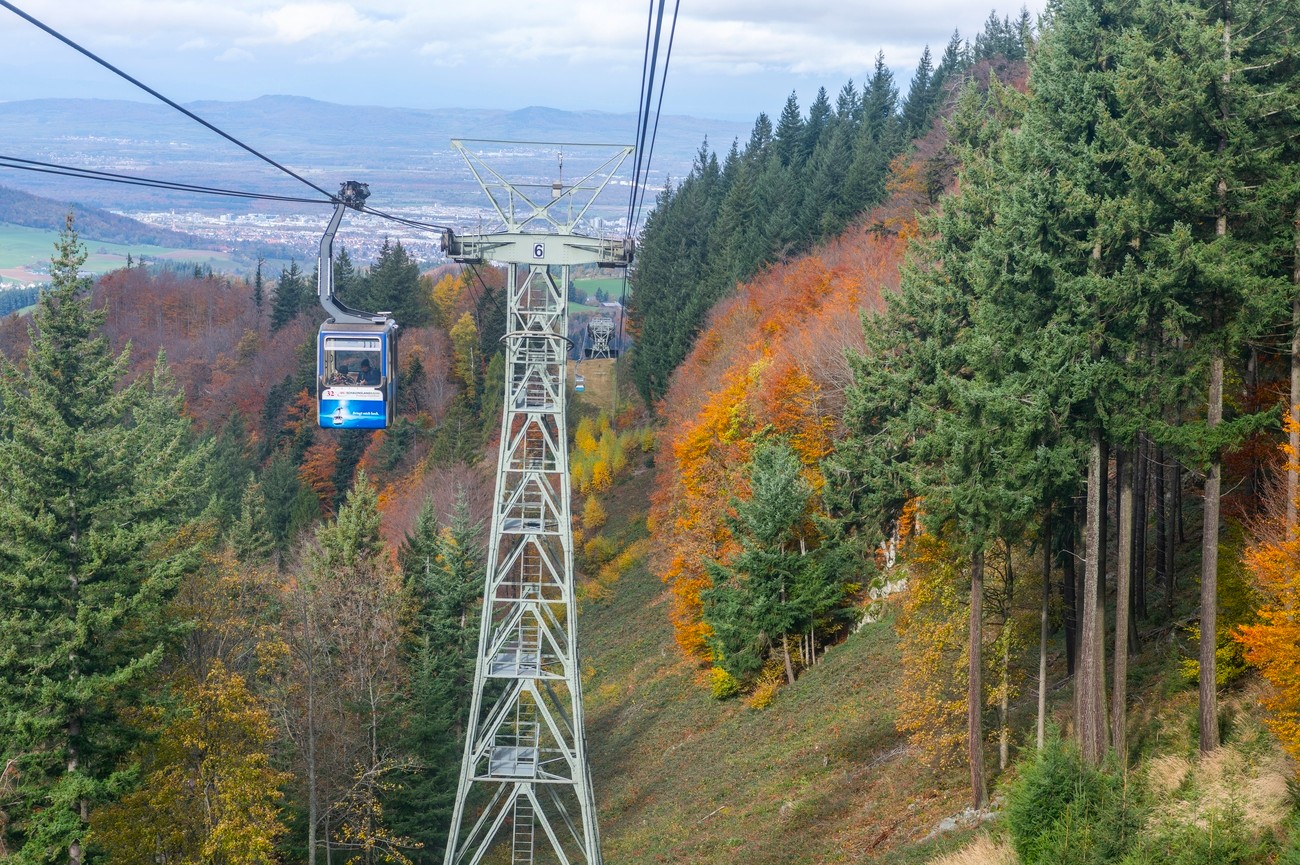
- Schauinslandbahn: This is one of the most efficient ways to move from city level into the Black Forest. The cable car runs for about 20 minutes, covering over 3.6 km and gives you a steady climb with clear views across Freiburg and the Rhine Valley. The cabins are enclosed and run frequently, so access is straightforward without long waits. At the top, you’ll find marked walking trails, an open viewpoint and enough space to explore without needing a full hike. You can book private Black Forest tours that include round-trip transport, cable car access and guided walks tailored to your pace.
- Museum für Neue Kunst: Located near the Old Town, this museum focuses on modern and contemporary art, mainly from the 20th and 21st centuries. The space is compact and structured, with rotating exhibitions that keep the collection current. You can move through it in about an hour without feeling rushed, making it an easy addition to a half-day plan. You can join private art tours available if you want a more curated walkthrough. Audio guides are also offered for independent visits.

- Japanischer Garten: Set within Seepark, this is a smaller, controlled landscape built around traditional Japanese design elements. Expect stone paths, small bridges, water features and curated greenery arranged in a clean, structured layout. It’s not large, but it’s precise, which makes it easy to cover in a short visit. It works best as a quieter stop, especially if you want a break from more active areas without leaving the city.

- Markthalle: Markthalle is a central indoor market with a mix of food stalls offering both regional and international options. The layout is simple with a shared seating area surrounded by vendors so you can move through it without planning. It’s practical if you want flexibility, whether for a quick stop or a longer break. Some tours combine Markthalle with other food stops in the city. You can also keep it casual and sample different stalls at your own pace.

- Wiehre is a residential district just south of the Old Town, known for its Gründerzeit architecture and wider, tree-lined streets. Buildings here are consistent in style, with detailed facades, balconies and a layout that feels more open compared to the historic center. It’s quieter, with fewer large retail spaces and more local activity. You can explore it independently by walking through key streets or join guided tours.

Things to Do with Kids in Freiburg im Breisgau
Freiburg is one of those cities where planning for kids doesn’t feel like extra work. The setup already leans in your favor with short distances, open spaces and a mix of activities that don’t require constant adjusting. You can move between parks, museums and bigger attractions without overthinking logistics. The options are varied enough to keep things interesting but simple enough to keep the day running smoothly.
- Mundenhof Tier-Natur-Erlebnispark: This is Freiburg’s largest animal park and one of the easiest wins for families. It’s open-air, spacious and divided into themed zones with animals from different regions, including farm animals and more exotic species. The layout is spread out, so it never feels cramped, even on weekends. Kids can move around freely and there’s enough variety to keep them interested for a few hours. You can rent bikes or bring a stroller to cover more ground comfortably.

- Museum Natur und Mensch: This is a straightforward, interactive museum focused on nature, science and regional ecosystems. Exhibits cover wildlife, geology and environmental topics, with enough visual and hands-on elements to keep kids engaged. The space is compact and well-organized, so you can go through it without feeling stuck inside for too long. It’s located near the Old Town, making it easy to combine with other stops. Family-friendly tours and workshops are also sometimes available, especially on weekends.

- Dreisam: The Dreisam is one of the simplest ways to let kids just move. The path runs along the river, wide and flat, making it ideal for walking, biking or even just letting them run without worrying about traffic. It’s not overly designed, but that’s what makes it work; you don’t need to plan anything. You can rent bikes nearby or join private cycling tours that follow the river and connect different parts of the city.

- Planetarium Freiburg: The planetarium offers scheduled shows focused on space, astronomy and basic science concepts, with programs tailored for different age groups. Sessions usually run between 30 to 60 minutes. Some programs are more interactive and simplified, making them easier for kids to follow. Shows are categorized by audience level, including simplified versions designed specifically for younger children. And for older kids, there are more detailed programs covering topics like the solar system, space exploration and basic astrophysics. You go in, follow a set program and step out without needing to plan the next move.

Day Trips from Freiburg im Breisgau
Freiburg puts you in a position where day trips aren’t a stretch. They’re part of the setup. Within roughly an hour, you can move across borders, switch landscapes and hit cities or regions that feel completely different without turning it into a long travel day. The key is staying tight on distance while picking places that actually add contrast. These are the ones that make sense.
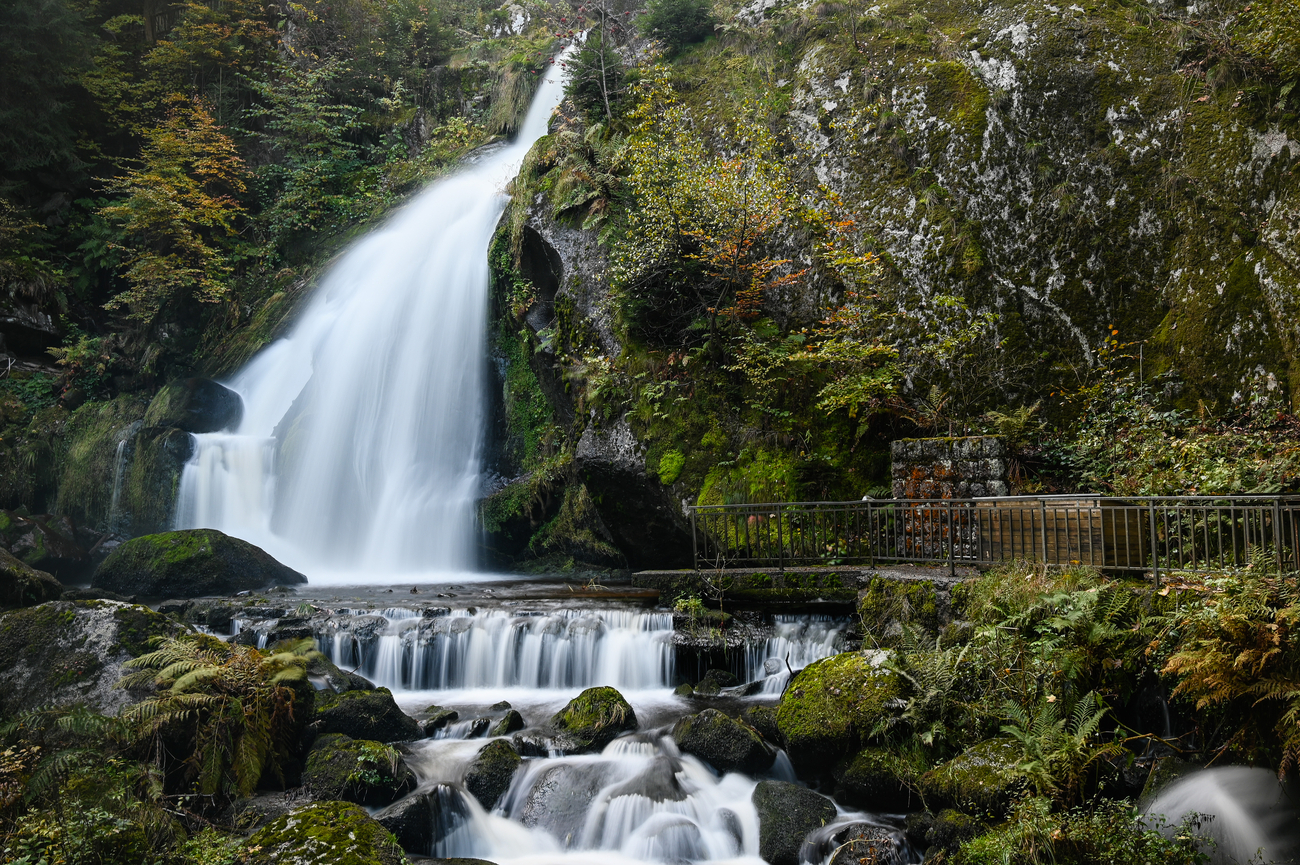
- Black Forest: The Black Forest isn’t a single stop; it’s a region you dip into depending on how much time you want to use. From Freiburg, you’re already at the edge and within 30-60 minutes, you can reach deeper areas like Triberg, Titisee or Hinterzarten. Triberg Waterfalls is one of the main highlights, with a structured path system that lets you move through multiple viewing levels without overexertion. Titisee shifts things into a lake setting, with a promenade, open water views and easy walking routes around the shore. This is one of the regions where a structured itinerary actually adds value and yes, there’s already a prepared itinerary you can follow.
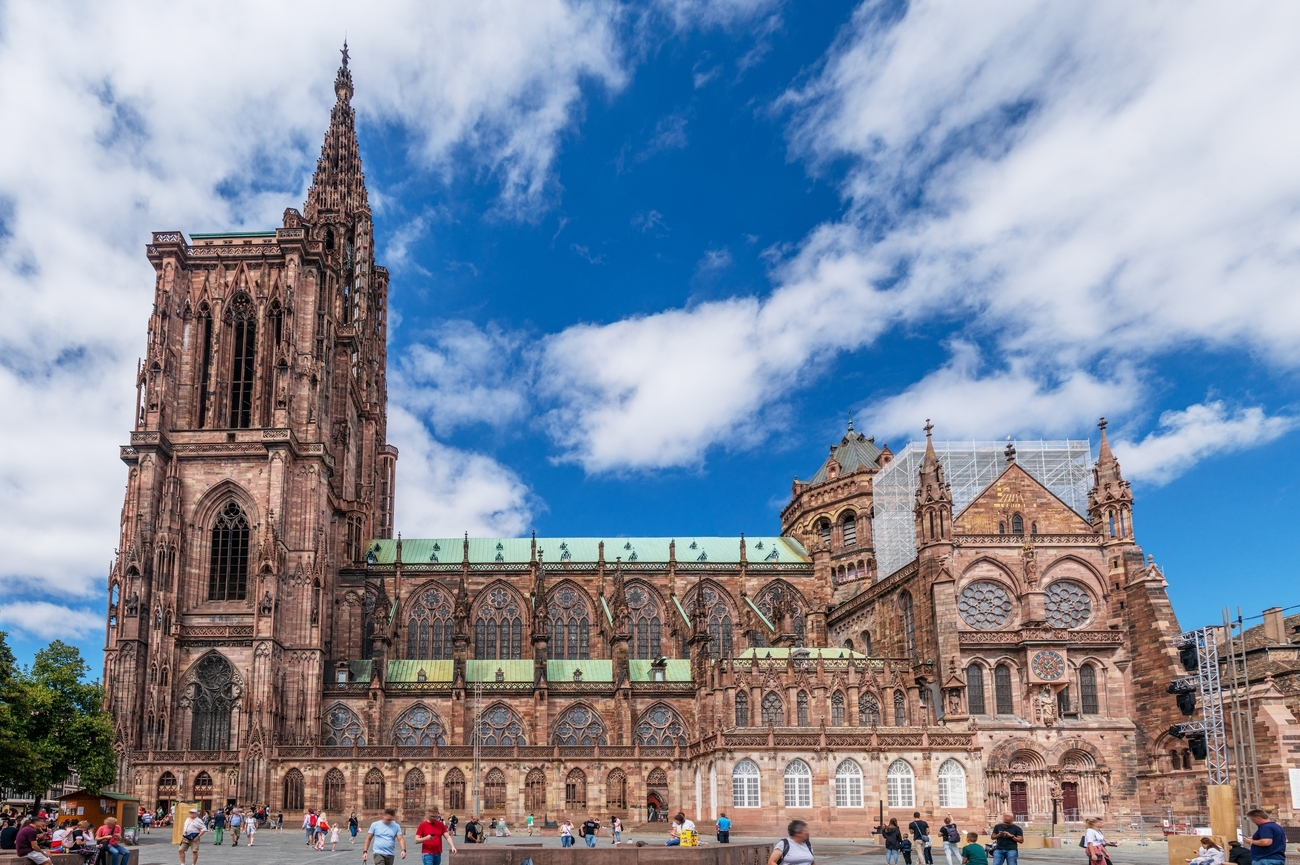
- Strasbourg, France: Strasbourg sits at about 1 hour 20 minutes from Freiburg, making it one of the furthest but still practical day trips. The highlight is Grande Île, the city’s UNESCO-listed historic centre, surrounded by canals and anchored by Strasbourg Cathedral. Petite France and the covered bridges add a more layered walking route, making Strasbourg one of the most complete cultural day trips in the region.
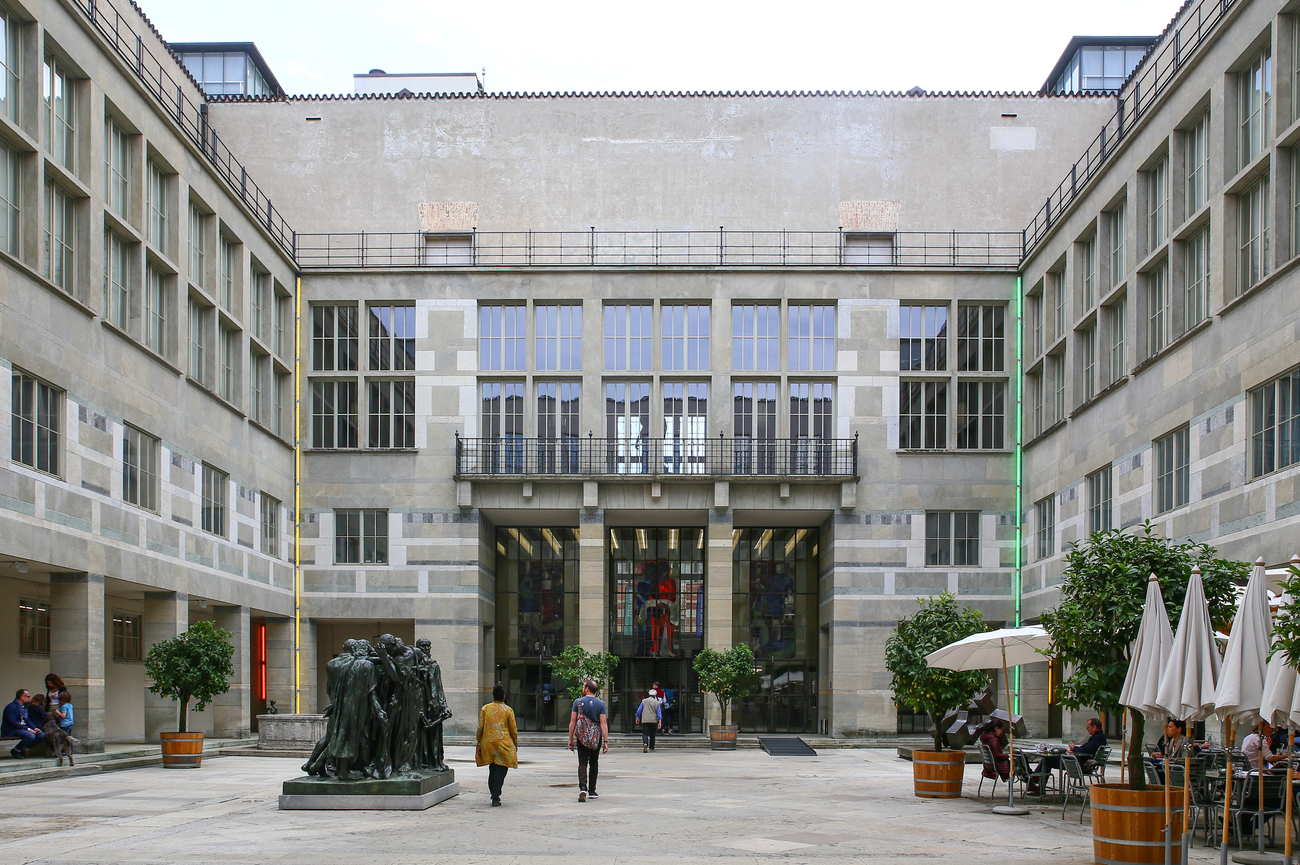
- Basel, Switzerland: You reach Basel in about 70 minutes and the shift into Switzerland is immediate with cleaner lines, more modern architecture and a stronger museum culture. The Old Town still holds its own, with Basel Minster, Rathaus and the Rhine riverbanks forming a compact loop. The real draw is the museum scene with Fondation Beyeler and Kunstmuseum Basel are two of the most recognized in the region. Private museum tours and curated art walks are widely available, especially if you want to focus on specific collections. Basel works best when you combine historic walking with one or two focused stops and there’s a prepared itinerary available to guide that flow.
- Lake Constance sits about 1 hour 20–30 minutes away, depending on your entry point. It’s a larger-scale setting compared to Freiburg with open water, multiple towns and more space to move. Konstanz is the main hub, with a walkable center and direct lake access, while Meersburg offers a more elevated, historic layout with a castle overlooking the water. Go and book a private lake cruise and a chauffeur-driven tour. The area is large enough to structure a full day around and yes, an itinerary is already prepared if you want to keep it streamlined.

- Vitra Campus: Located about 50-60 minutes from Freiburg, near the Swiss border, Vitra Campus shifts the focus completely to design and architecture. The site includes buildings by Frank Gehry, Zaha Hadid and Tadao Ando, all arranged in a way that’s easy to navigate. The Vitra Design Museum anchors the experience, with rotating exhibitions and a clean, structured layout. It’s a focused stop, but one that stands out if you want something different from historic towns.

- Baden-Baden and Iffezheim Racecourse: Around 1 hour from Freiburg, Baden-Baden works well as a luxury spa and racing day. The town is known for its elegant thermal baths, refined hotels and casino, while nearby Iffezheim Racecourse hosts some of Germany’s most prestigious horse racing events. This is best included seasonally, when race meetings are scheduled.

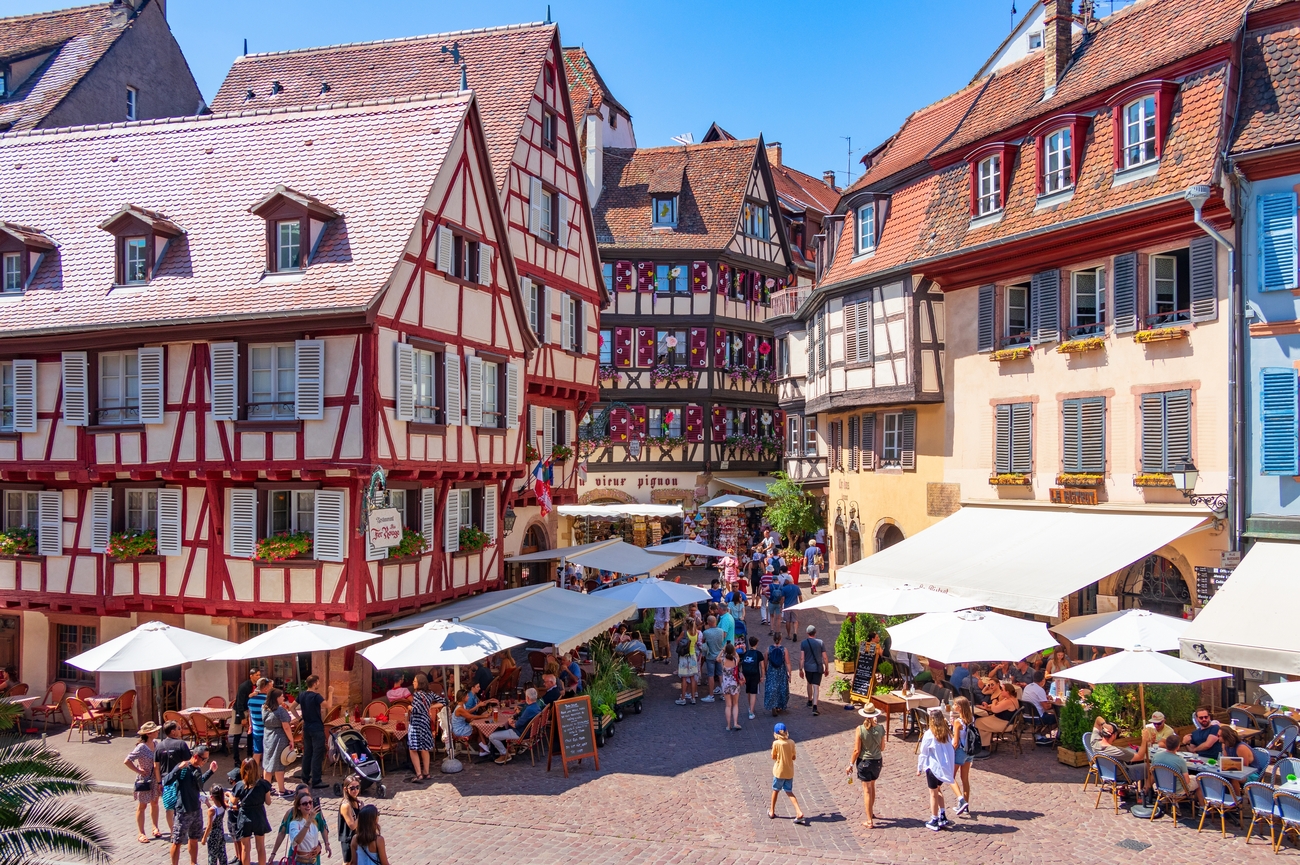
- Colmar, France: Around 50 minutes from Freiburg, across the border in France, Colmar is one of the most rewarding day trips into Alsace. Its half-timbered houses, canals, cobbled lanes and compact historic centre make it easy to explore without rushing. A private driver-guide can combine Colmar with nearby wine villages, turning it into a polished full-day experience rather than a simple city stop.
Nearby
Experiences From Freiburg im Breisgau
Freiburg is surrounded by experiences you can plug into your day without stretching time or logistics. Within an hour or less, you can switch from city streets to ski slopes, golf courses, wine regions, theme parks and scenic river towns. The range is tight, the routes are efficient and most places are built to be visited without overplanning.
- Feldberg: Feldberg is the highest peak in the Black Forest and the region’s main winter sports hub, located about 45-60 minutes from Freiburg. The ski area includes multiple interconnected slopes, chairlifts and beginner zones, making it suitable for a range of skill levels. The terrain is spread out, so it avoids congestion even during peak periods and the infrastructure is well-maintained, with clear signage and organized access points. During winter, you’ll find downhill skiing, snowboarding and designated sledding areas. In warmer months, the same area transitions into a hiking and cycling zone, with panoramic viewpoints and marked trails.

- Europa-Park Arena: About 30-40 minutes from Freiburg, the Europa-Park Arena sits within the wider Europa-Park complex in Rust. While the theme park itself is the main draw, the arena adds another layer with large-scale events, shows and entertainment programming depending on the season. You can combine the arena with a full Europa-Park visit, which includes themed zones representing different European countries, major roller coasters and family-friendly rides.

- Triberg Waterfalls: Located roughly 1 hour from Freiburg, Triberg Waterfalls is one of the most visited natural sites in the Black Forest. The waterfalls cascade over several levels and the entire area is set up with maintained walking paths and multiple viewing platforms. You can choose shorter routes or extend the walk depending on how much time you want to spend. The surrounding town of Triberg adds more context to the visit, with traditional shops, small museums and access to additional forest trails.

- Breisach am Rhein: Around 30 minutes from Freiburg, Breisach sits on the Rhine near the French border and works well as a short wine and river-view excursion. The town is known for its elevated Münsterberg, views across the Rhine plain and access to nearby Kaiserstuhl wine villages, making it an easy half-day addition to a Freiburg stay.

- Golfclub Tuniberg: 20 minutes from Freiburg, Golfclub Tuniberg offers a more open and relaxed course layout set among vineyards and gently rolling terrain. The fairways are wider compared to more forested courses, which makes it easier to maintain pace while still offering a structured round. The setting is quieter with less foot traffic and a more controlled environment. Facilities include a driving range, practice greens and equipment rental. You can also book tee times in advance or arrange private coaching sessions.

- Golfclub Freiburg: Around 10 minutes from the city centre, Golfclub Freiburg is the closest and most established course, set at the edge of the Black Forest. The layout is more technical than open, with tree-lined fairways and elevation changes that require precision. It’s a convenient option if you want to include a quick round without committing to a full-day excursion.

- Kaiserstuhl Vineyards: Around 25–35 minutes from Freiburg, Kaiserstuhl is one of the most important wine areas near the city and a strong addition if you want a more refined countryside experience. The volcanic hills, vineyard terraces and small wine villages make it ideal for private tastings, scenic drives and relaxed lunch stops. For a custom-made itinerary, this is one of the easiest ways to turn Freiburg into a wine-focused luxury stay.

- Tuniberg Vineyards: Just 15–25 minutes from Freiburg, Tuniberg is a compact wine area known for gentle vineyard slopes, open views and easy access from the city. It works well for a short private tasting, a scenic lunch stop or a relaxed late-afternoon wine route without turning the day into a long excursion.
Michelin-Starred Restaurants in Freiburg im Breisgau
Freiburg’s Michelin-starred restaurants are defined by clarity and execution. Each one takes a distinct direction like classic, regional, modern or sustainability-driven and commits to it fully. You’re stepping into kitchens that know exactly what they’re doing, with menus that are structured, precise and built around strong ingredients. If you’re planning your dining around quality, these are the places to focus on.
- Colombi Restaurant Zirbelstube: This is a 1 Michelin-star restaurant and one of the most established fine dining spots in Freiburg, located inside the Colombi Hotel. The kitchen leans into French classics. You’ll find composed dishes built around high-quality ingredients, with menus that move from three to six courses or can be ordered à la carte if you want flexibility. The setting also adds to the experience with wood-panelled interiors, controlled lighting and service that stays polished without feeling rigid. The wine list is extensive and carefully selected, making pairings a strong part of the visit.

- Eichhalde: 1 Michelin star and focuses on modern, ingredient-driven cuisine with a strong Italian influence. The menu is structured into two formats: a longer tasting menu with up to nine courses and a shorter, more traditional option. The dishes are clean and direct, often built around contrast like octopus prepared with layered textures or a cheese course exploring multiple stages of aged Parmesan. The restaurant sits in a quieter residential area, with a minimalist interior that keeps attention on the food. And the wine list is predominantly Italian, aligning closely with the menu’s direction.

- Jacobi: Jacobi is a 1 Michelin-star restaurant that builds its menu around regional sourcing and technique rather than luxury ingredients. The focus is on fermentation, in-house preparation and seasonal produce. The main offering is a seven-course tasting menu (with the option to extend), featuring combinations like pike with cauliflower and hazelnut or venison with beetroot and chervil root. The atmosphere is more relaxed, set within Hotel Schwarzwälder Hof, and the chefs present the dishes themselves, explaining sourcing and preparation. This adds context without interrupting the flow of the meal. You can choose the full tasting menu with wine pairing or opt for the shorter midweek version if you want something more efficient.

- Hawara: Hawara also holds 1 Michelin star, with a strong focus on sustainability and seasonal sourcing. Ingredients come from the restaurant’s own garden and local organic producers and the menu changes regularly depending on availability. Expect combinations like smoked catfish with organic vegetables or desserts built from less conventional elements like roasted potato peel ice cream. The space is modern and less formal, with a smaller dining area and an outdoor terrace. A vegetarian tasting menu is available and treated with the same level of detail as the main offering.

- Zur Wolfshöhle holds 1 Michelin star and sits right in Freiburg’s Old Town, inside a well-preserved historic building. The kitchen, led by Martin Fauster, stays close to classical cuisine but executes it with precision and depth, especially when it comes to sauces and game dishes. The menu reflects strong French foundations, with Austrian influences coming through in dishes like Backhendl (fried chicken) and Topfenknödel. This restaurant has a terrace, making it a strong option during warmer months. You can book a full tasting experience or go à la carte, depending on how you want to structure the meal.

Where to Eat in Freiburg im Breisgau
Freiburg’s restaurant scene goes beyond fine dining. It’s where regional traditions, global influences and modern kitchens all sit comfortably in the same city. You can move from classic Baden cooking to Japanese counters or contemporary European menus without needing to reset your expectations. The range is tight but well-curated, and each place brings a clear identity to the table.
- Gasthaus Hirschen: Set within Hotel Hirschen in Freiburg’s quieter Lehen district, Gasthaus Hirschen is a long-standing institution that blends regional Baden cuisine with classic French technique. The kitchen leans into refined, ingredient-driven dishes such as lamb’s lettuce paired with roasted goose liver and black truffle, or skrei prepared with champagne-braised cabbage and layered textures that stay balanced throughout. The wine list is also a strong part of the experience, with a focus on Baden and French labels, including high-end selections such as Romanée-Conti.

- Kuro Mori takes a different direction. The “Black Forest meets Asia” is the concept and it holds up. The open kitchen sets the tone, with modern dishes built around clean flavors and high-quality ingredients. You’ll see combinations like sea bass kinilaw with calamansi and coconut or veal served alongside gyoza and structured vegetable elements. The menu plays with contrast but keeps things controlled. The space is urban and relaxed with exposed brick, cobblestone flooring and higher ceilings toward the back. It’s less formal but still deliberate in how it presents itself. You can also enjoy the terrace seating in the Old Town.

- Löwengrube: This restaurant is in a restored historic building in the Old Town, combining its original structure with modern design updates. Löwengrube is focused on regional ingredients with international influence, presented in a way that feels current but not overworked. Dishes like Black Forest salmon trout with fruit and spice elements or veal loin with aubergine and polenta show a clear balance between local sourcing and broader technique. You can go à la carte or opt for the five-course menu, depending on how structured you want the meal to be. The terrace is also a strong option, especially in the evening and the wine list focuses on Baden producers with a solid range.

- Drexlers: Drexlers is near Colombipark and has built a steady reputation since opening in 2007. The space is modern and bright with a layout that keeps things comfortable without feeling too casual. The menu is seasonal, drawing from regional produce while incorporating French and Italian influences. You’ll typically find a structured four- to six-course set menu with both classic and vegetarian options available. The restaurant also offers à la carte service on select days, which gives you flexibility if you don’t want a full tasting format.

- Basho-An focuses on authentic Japanese cuisine, positioned near Freiburg’s pedestrian zone. The interior is minimal and direct, with a few seats at the sushi counter for a more interactive setup. The menu covers a wide range, from sushi and sashimi to hot dishes. You can opt to get lunch sets which are more compact, while dinner expands into a broader selection. Vegetarian options are available and the drink list includes sake alongside regional wines.

Where to Drink in Freiburg im Breisgau
Freiburg’s nightlife leans more curated than chaotic. You’re not dealing with oversized club districts. Instead, it’s a tight mix of cocktail bars, speakeasies and social spots that actually know what they’re doing. The focus is on drinks, atmosphere and people who care about both. If you’re going out here, it’s less about hopping endlessly and more about picking the right places and staying.
- Juri’s Cocktail & Wine Bar: Juri’s is one of the most reliable cocktail spots in Freiburg, known for its balance between technical skill and an easygoing atmosphere. The bartenders know their menu inside out, and it shows as their classic cocktails are clean, consistent, and properly executed, while the gin selection is one of the strongest in the city. You’ll see a wide range of gin and tonic combinations, each with distinct garnishes that actually change the drink, not just decorate it. Go deeper into their specialty gins or try their more experimental combinations like the Estonian gin or coconut-based mixes.
- Mirabeau Bar: Mirabeau Bar is a full shift in tone. It’s a speakeasy-style bar hidden behind heavy velvet curtains, built around a 1920s-inspired concept. Once inside, the setting changes completely: low lighting, structured seating and a menu that focuses on historical cocktails like Champs-Élysées, Pompadour and Adlon Spezial. Everything is built around classic recipes, but with modern precision and high-quality spirits. Drinks sit in the higher range, but the quality holds. The focus here is on “fine drinking,” so you’re expected to slow down and treat it more like a curated experience than a quick stop.
- FREDERICS Cocktail Club: Frederics leans into a themed, immersive cocktail concept, combining drinks with a more narrative-driven atmosphere. The menu plays into travel and exploration, with cocktails built around global influences and layered flavor profiles. It’s more stylized than most bars in the city, but still grounded enough to keep the experience accessible. On weekends, there’s also a street food menu, which makes it easier to stay longer without needing to move elsewhere.
- Henry’s Bar Freiburg: Henry’s Bar sits somewhere between a cocktail bar and a social hub. The drink menu covers both classics and custom builds, and the bartenders are known for adjusting cocktails based on your preferences. What sets it apart are the experiences. You can book cocktail workshops, whiskey tastings or join themed events that add more structure to the night. It’s also one of the more inclusive spots, with a strong non-alcoholic selection that’s treated with the same attention as the rest of the menu.
- Cohibar Freiburg: Cohibar is more relaxed but still polished, located near the city center and train station. The drink selection covers cocktails, beer, and wine, with enough variety to keep things flexible. Happy hour around 8 PM is the best time to go if you want a quieter, more social setting before it picks up later in the evening. There are also live sports streams and occasional events here.

Cafes in Freiburg im Breisgau
Freiburg’s cafe scene is straightforward with good coffee, well-executed menus and spaces that are actually worth sitting in. You’ll find a mix of specialty spots and casual cafes, but most places focus on doing a few things properly rather than overextending. If you’re planning stops between sightseeing, these are the ones that you should try out.
- Origin Coffee Stories: Stories is one of the strongest specialty coffee spots in Freiburg, built around quality sourcing and precise brewing. The beans are carefully selected and roasted fresh, which shows in the cup whether you go for a flat white, espresso macchiato or filter coffee. Flavor profiles are more layered here, with notes ranging from bittersweet chocolate to lighter, fruit-forward tones depending on the origin. The space itself is compact and relaxed, with a more personal feel. Pair your coffee with something simple like lemon cake or homemade snacks. They’re fresh, balanced, and designed to complement the drinks.
- Café August: Café August offers a broader menu while keeping the quality consistent across drinks. Alongside standard espresso-based options, you’ll find combinations like matcha with an added espresso shot or iced lattes made with caramel oat milk. These drinks are balanced and not overly sweet. Food options such as carrot cake and croissants are reliable, making it a practical stop for a short break without needing to commit to a full meal.
- Elli’s Café: Elli’s Café keeps its approach simple, focusing on well-prepared coffee and light food options. The menu includes matcha lattes, iced drinks, and classic espresso-based choices, all made with consistency. Food is limited but effective, with options like avocado toast and banana cake that work well alongside the drinks. The cafe itself is cozy and visually styled without being excessive. It has a relaxed atmosphere that encourages longer stays, whether you are meeting friends or taking a break on your own.
- Strasscafe: Strasscafe is a smaller, more personal cafe that leans into a neighborhood feel. The coffee is strong and consistent and the dessert selection, particularly the cheesecakes, is a highlight. The menu stays straightforward, which makes it easy to choose without overthinking. It’s a reliable option if you want something simple but well-executed.
- Sedan Café: Sedan Café is built around comfort and variety, offering a wider range of drinks and light meals. The coffee menu includes standard espresso drinks as well as chai lattes and fresh juices, giving you more flexibility depending on your preference. The quality remains consistent across options. The interior uses mixed seating with sofas, chairs and communal tables. Food options such as chocolate cake and light dishes are well-prepared and complement the drinks.
- Manna die Spezerei: Set near Augustinerplatz in Freiburg im Breisgau’s old town, Manna die Spezerei is a relaxed café and bistro built around fresh, simple food and a warm neighbourhood feel. The menu centres on stone-oven bread, house-made spreads, cakes, coffee, soups and salads, so it works well for breakfast, a light lunch or an easy afternoon stop. The food is unfussy but carefully prepared, with enough variety to make it feel more substantial than a standard coffee break without becoming a full restaurant experience.

Where to Stay in Freiburg im Breisgau
- Colombi Hotel (5 stars): The Colombi Hotel is Freiburg’s benchmark for 5-star luxury and it plays that role cleanly. Set right across Colombi Park, it gives you Old Town access while staying slightly removed from the busiest streets. Rooms lean into classic European style with parquet floors, antique details and views that often include the cathedral spire. What stands out is the full setup: indoor pool, spa, gym and multiple dining options including the Michelin-starred Zirbelstube. It’s structured luxury without feeling detached from the city.

- Hotel am Rathaus (4 stars): Positioned directly beside Freiburg’s town hall, this 4-star-level boutique stay works because of its location. You’re right at the edge of the Old Town, with everything like a cathedral, shopping streets and cafes within a short walk. The design is modern, clean and efficient, with a focus on comfort rather than excess. The hotel includes direct underground parking access and a small lobby bar that works as a low-key reset after a full day. If you want convenience without sacrificing quality, this is a strong pick.

- Park Hotel Post (4 stars): Park Hotel Post stands out for its concept. It’s a 4-star literature hotel, where each room is themed around a writer. It’s located right at the edge of the Old Town, close to the train station, which makes it one of the most practical bases in the city. You can step out for a short walk to the cathedral or use it as a launch point for trips into the Black Forest or even Europa-Park.

- Stadt Freiburg Hotel (4 stars): This is a 4-star superior hotel that leans more modern and functional. Located near the university hospital and trade fair area, it’s slightly outside the Old Town but still within easy reach by tram or short drive. Rooms are spacious, fully equipped and built for comfort. It’s a strong option if you want a quieter base or are planning to move in and out of the city frequently. The hotel also supports conferences and larger stays, so everything is set up to handle different types of visits.

- V7 Boutique Appartements Ferienwohnungen: V7 Boutique Appartements is a design-led apartment-style stay located in Vauban, one of Freiburg’s most modern districts. Each unit includes a full kitchen, dining space and living area, which makes it ideal if you want more flexibility than a standard hotel room. The building itself is award-winning in design and the setup is clean and functional. You’re about 10–15 minutes from the city center by tram, with a stop right outside. For a more elevated experience, you can treat this as a longer-stay base and combine it with self-planned routes.

Best Time To Visit Freiburg im Breisgau
Freiburg is easiest to understand when everything is in use. Late spring to early summer is when the city runs at full capacity. Nothing feels closed off and you’re not adjusting your plans around weather or timing.
During this period, the pace of the city is steady and predictable. Streets in the Old Town stay active from morning through evening without becoming overcrowded and key areas like Münsterplatz maintain a consistent rhythm with markets, cafes and foot traffic that feels balanced rather than rushed. The Bächle are flowing, outdoor seating is fully set up and even longer walking routes, like moving between districts or heading toward Schlossberg, stay comfortable without needing to slow down or plan around conditions.
This is also when you have the most control over how you structure your visit. Private guides, curated city walks and regional day trips operate on regular schedules, which makes it easier to build a precise itinerary. You can book architecture tours, arrange transfers into nearby regions or include stops like Vitra Campus without dealing with limited availability. If you’re planning to combine Freiburg with the surrounding areas, this timing keeps everything running on schedule.
Dining and hotel experiences are also more complete. Restaurants run their full menus, terrace seating is consistently available, and service tends to be more fluid when everything is operating normally. Whether you’re planning a structured evening or a more flexible day, the city supports both without needing adjustments.
If you want Freiburg to feel organized, accessible and fully operational, this is when it works best.

Festivals in Freiburg im Breisgau
- Freiburg Fasnet: Freiburg Fasnet takes place in February, with peak events running in the days leading up to Ash Wednesday. This is the city’s version of carnival but it stays more local and structured compared to larger German cities. You’ll see parades moving through the Old Town, traditional costumes and masked guilds performing in set routes rather than chaotic crowds. The main activity happens over a long weekend, with processions scheduled at specific times, so you can plan around them without losing your day.

- MUNDOLOGIA Festival: Held in late January to early February, MUNDOLOGIA runs across several days as a structured program of talks, exhibitions and visual storytelling events. It focuses on travel, photography and global exploration, with speakers presenting large-scale multimedia shows. Events are scheduled throughout the week, usually in the evenings and weekends, which makes it easy to attend alongside regular sightseeing.

- Ladies Only Festival: This takes place in spring (typically March or April) and runs as a multi-day event focused on wellness, fitness, and lifestyle experiences. Activities are scheduled in blocks, like workshops, classes and talks, rather than one continuous event. You’ll find sessions spread across venues in the city, often requiring advance booking. It’s more structured than most festivals, with a clear schedule that lets you pick specific activities instead of committing to the whole program.

- Zelt-Musik-Festival: Zelt-Musik-Festival (ZMF) runs in July, usually over two to three weeks and is one of Freiburg’s biggest events. It’s held in a dedicated open-air area with multiple tent stages, hosting concerts that range from international acts to smaller local performances. The setup is organized. You buy tickets for specific shows and the rest of the area functions like a controlled festival space with food stalls and seating zones.

- Freiburg Wine Festival: The Freiburg Wine Festival takes place in early July, typically lasting around one week in Münsterplatz. Local wineries from the Baden region set up stands, offering tastings directly in the city center. You move between stalls at your own pace, sampling wines and pairing them with regional food. It’s straightforward with no fixed schedule and no complicated setup. Just show up, choose what you want and keep moving. Evenings tend to be more active, but it never loses structure.

- Freiburg Christmas Market: Held from late November to December, Freiburg Christmas Market fills the Old Town with wooden stalls, seasonal food, handmade gifts and festive lighting around the historic centre. It is one of the best times to visit if you want Freiburg to feel atmospheric, walkable and strongly rooted in local tradition.



Let us know what you love, where you want to go, and we’ll design a one-of-a-kind adventure you’ll never forget.
Get in touch
Miriam
Travel Specialist

Romina
Travel Specialist

Laura
Travel Specialist
Our offices:


Revigorate, Iberian Escapes and Algarve Lifestyle are the registered brand names of APCS Lda . We are a fully authorised travel agency licensed by Turismo de Portugal RNAVT/6867.
In the event of a dispute, the consumer may refer to: RAL - Centros de Arbitragem
Avª. 5 de Outubro, nº. 55, R/C Dtº. 8000-075 Faro, Portugal | Tel: +351 289 823 135 *
* national landline call
E-mail: info@consumoalgarve.pt| www.consumidoronline.pt | Mon to Fri: 9:00 - 13:00 / 14:00 - 17:00