Tapas and Wine in Valencia: Ruzafa, Vermut and the Esmorzaret
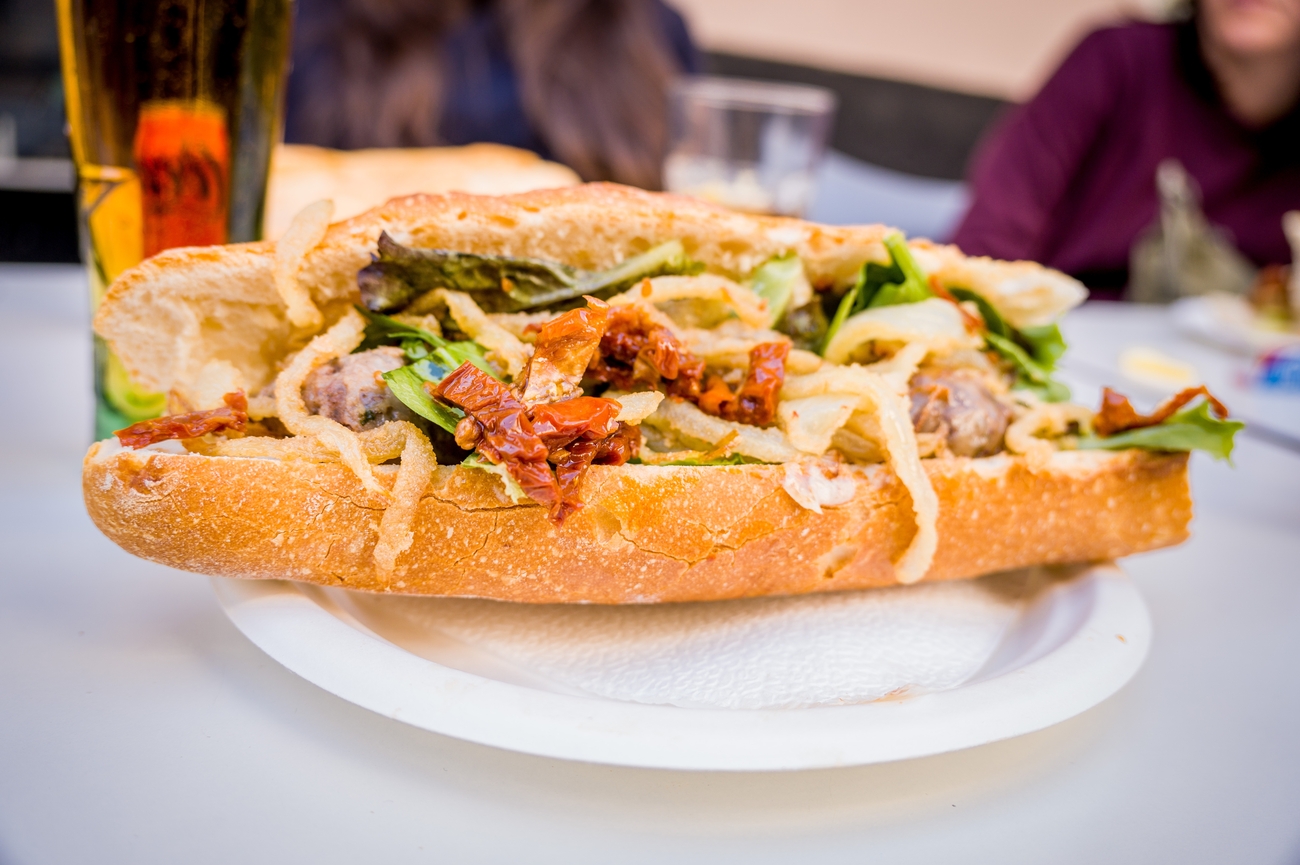
A bar on Carrer de Cuba, half past ten on a Wednesday. Eleven men at the counter, most of them in work clothes. Plates of peanuts and salted lupins. Baguettes the length of a forearm, split and stuffed with grilled veal and slow-cooked onion. Small beers going down quickly. In forty minutes many of them will be back at work, and the bar will be quiet again.
There is barely a visitor in the room.
This is the esmorzaret, Valencia's traditional mid-morning meal and one of the most distinctive parts of the city's food culture. Eaten roughly between 9.30 and 11.30, it usually combines a picaeta of peanuts, olives or lupins, a substantial filled sandwich, a beer or vermut, and often a cremaet coffee to finish.
The ritual still plays out across neighbourhood bars throughout Valencia, yet many visitors never encounter it. At that hour they are often still at breakfast or already sightseeing, following a timetable that does not match the way the city itself eats.
That difference in timing is central to understanding tapas and wine in Valencia. The esmorzaret belongs to the morning, vermut comes before lunch, rice dominates the middle of the day, and tapas bars begin filling properly later in the evening. Ruzafa, El Cabanyal and the historic centre each express that culture differently.
Learning to follow those local rhythms is also part of our Foodie Side of Valencia journey, which is built around the markets, bars, rice traditions and regional wines that define how Valencia eats.
What
Is the Esmorzaret in Valencia?
The esmorzaret is Valencia's traditional mid-morning meal, usually eaten between 9.30 and 11.30. It developed as a substantial break for people who had begun work early and remains an important part of everyday Valencian food culture.
It is much more than a quick sandwich. A traditional esmorzaret usually follows four stages: the picaeta, the entrepà, a drink and a cremaet coffee to finish.
The Picaeta
The meal begins with the picaeta, a small selection of snacks placed on the table while the sandwich is being prepared.
Typical accompaniments include cacau del collaret, the local peanut traditionally roasted in its shell, along with brined olives, salted lupins and crisps.
The Entrepà
The centrepiece is the entrepà, a large filled sandwich that can easily be substantial enough to replace lunch.
Traditionally it may be served in a pataqueta, a distinctive Valencian bread roll, although many bars now use a half-baguette. The fillings often draw directly from local dishes and ingredients.
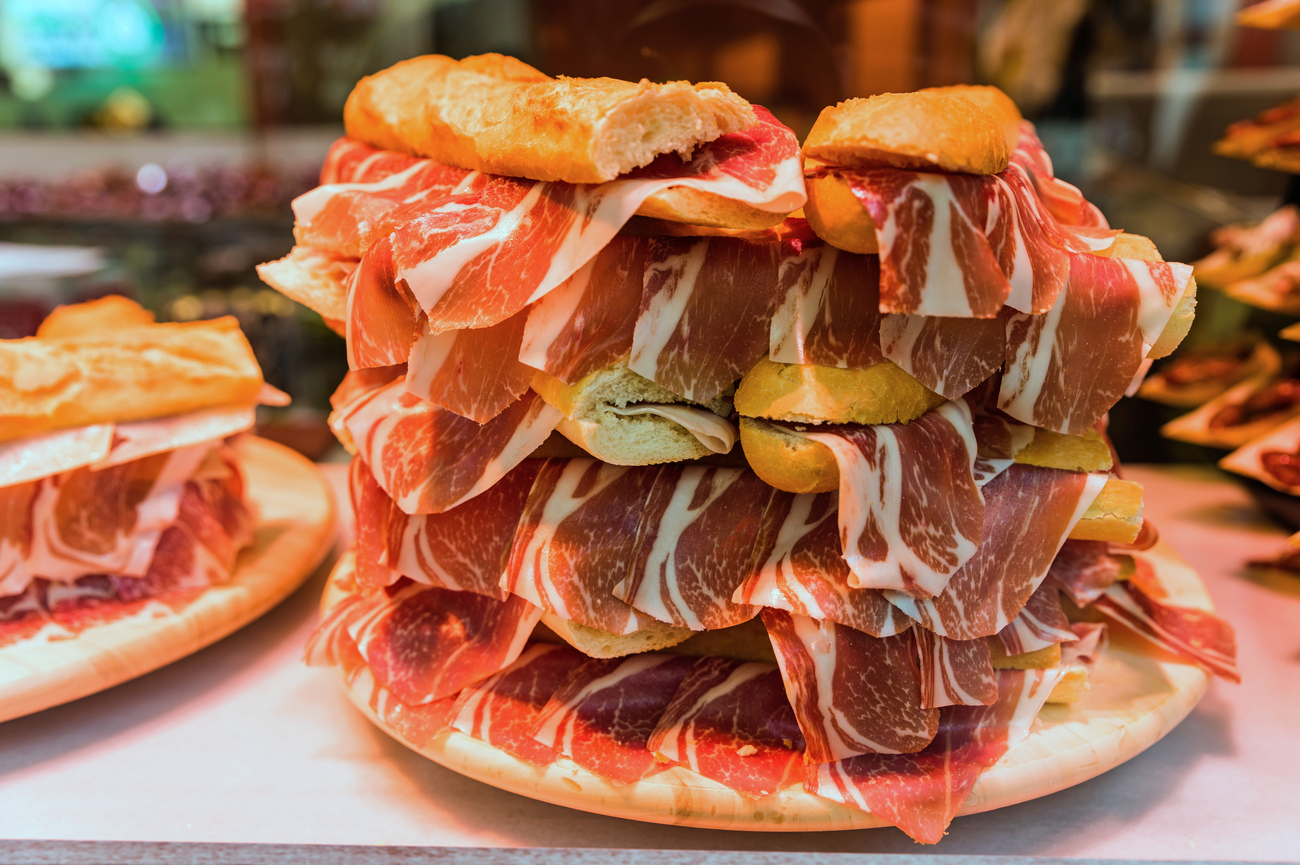
Brascada combines grilled veal, Serrano ham and slow-cooked onion.
Blanc i negre pairs white longaniza sausage with morcilla, often with broad beans.
Almussafes combines sobrassada, melted cheese and caramelised onion.
Titaina comes from Valencia's Cabanyal fishing quarter and is made with tuna belly, red pepper, tomato and pine nuts.
These are not simply sandwich fillings. They are compact versions of dishes and flavour combinations rooted in Valencian cooking.
Beer or Vermut
The sandwich is commonly accompanied by a caña, a small draught beer, or house vermut.
Drinking either in the late morning may feel unusual to visitors, but within the esmorzaret it forms part of a long-established social meal rather than a conventional breakfast.
Cremaet to Finish
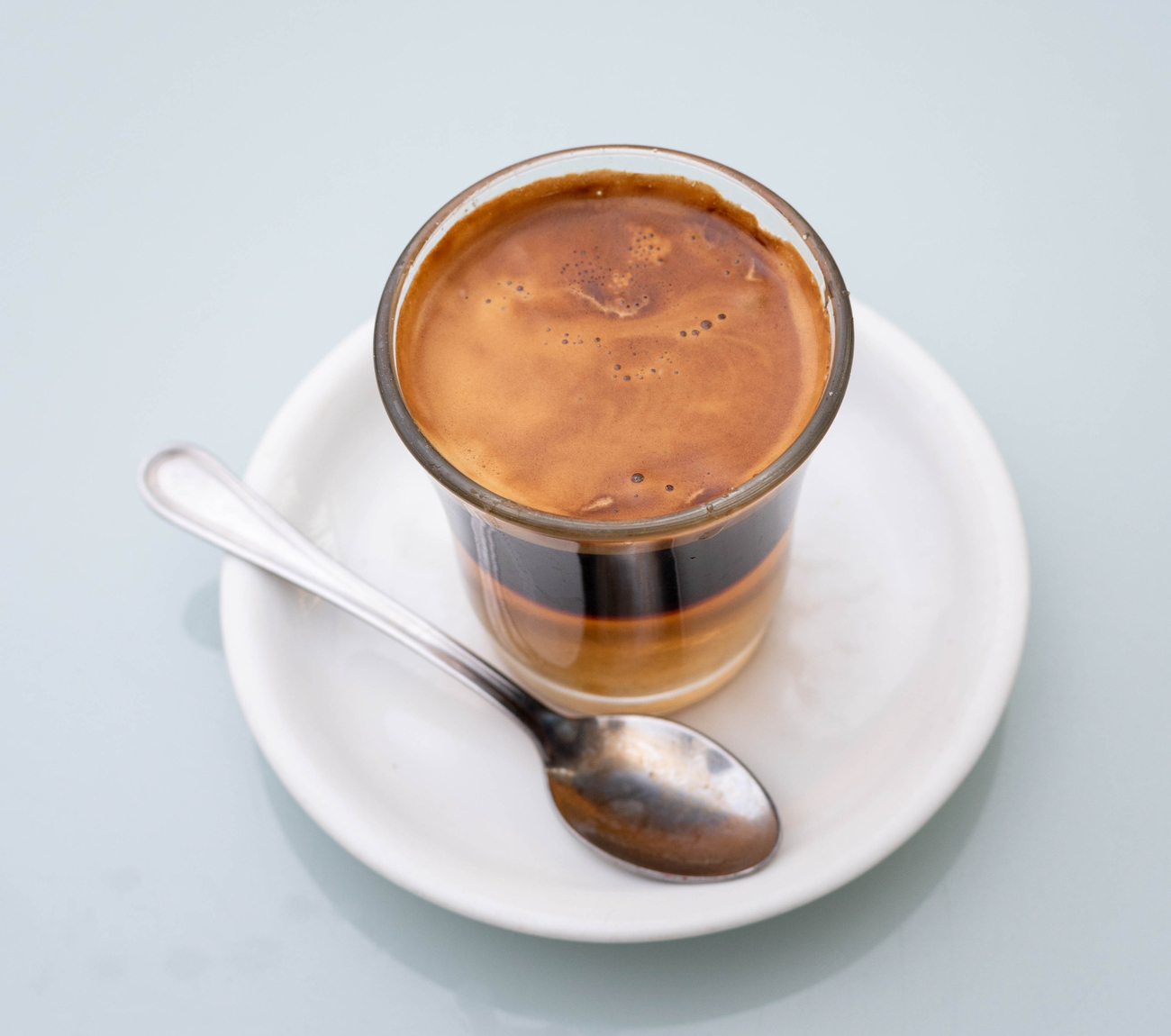
The traditional finish is cremaet, coffee combined with rum, sugar, lemon peel and cinnamon. The alcohol is typically flamed before the espresso is added, producing one of Valencia's most distinctive coffee rituals.
For many locals, the cremaet is as much a part of the esmorzaret as the sandwich itself.
Where to Find a Traditional Esmorzaret in Valencia
The best clue is often the bar rather than the menu. Look for busy neighbourhood places serving local workers and regulars during the mid-morning period rather than cafés built around brunch.
Traditional bars can be found around Mercado Central, in Benimaclet and along the less polished streets of Ruzafa, where the esmorzaret remains part of the weekday routine.
One thing to remember is its size. A full esmorzaret can comfortably replace lunch, while Valencia's main meal of the day normally begins around two. Our guide to what to eat in Valencia explains how the esmorzaret fits into the wider daily rhythm of Valencian eating.
Vermut
in Valencia: The Hour Before Sunday Lunch
If the esmorzaret is practical, the vermut hour is social. In Valencia, vermut is traditionally associated with the period before lunch, especially at weekends, when friends and families meet for a drink and something small to eat before sitting down for the main meal.
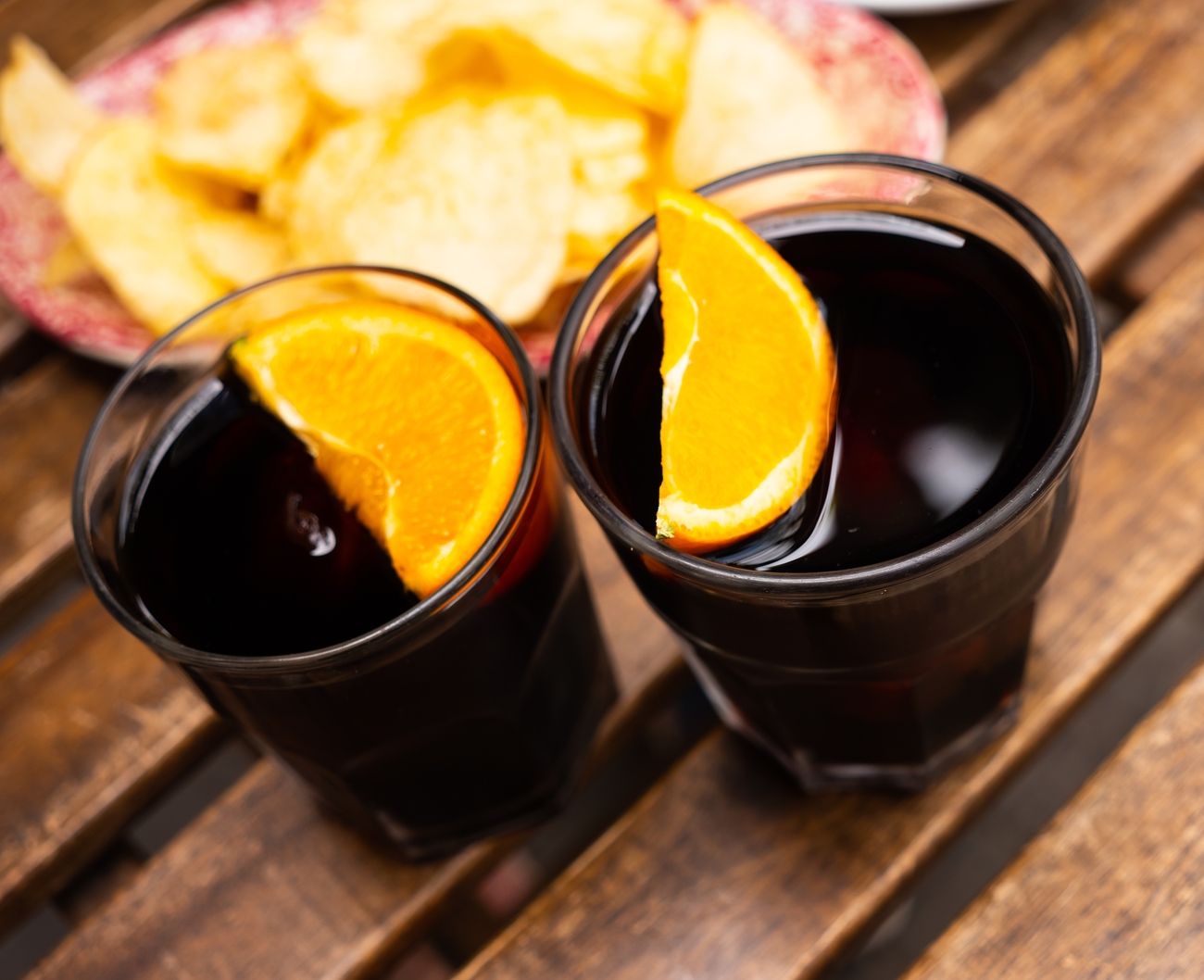
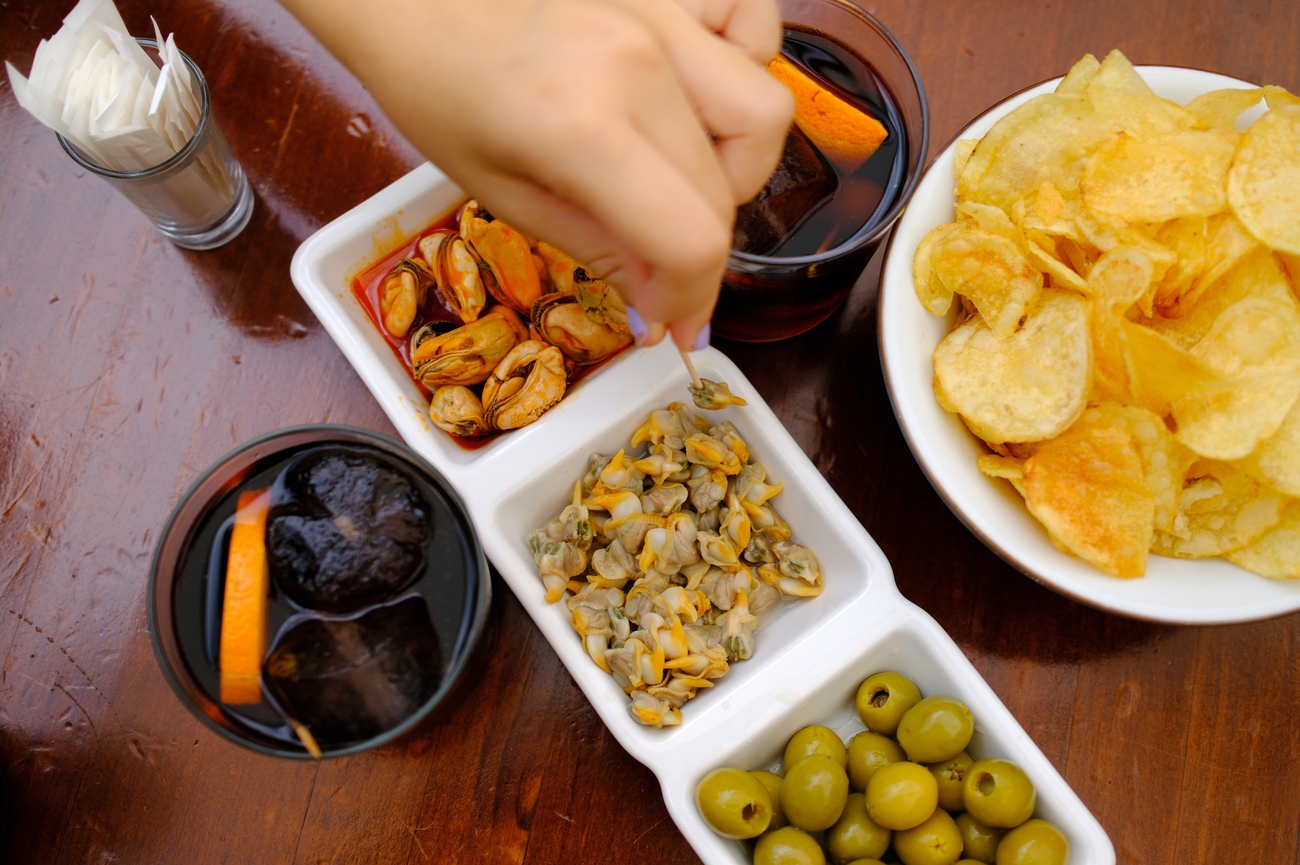
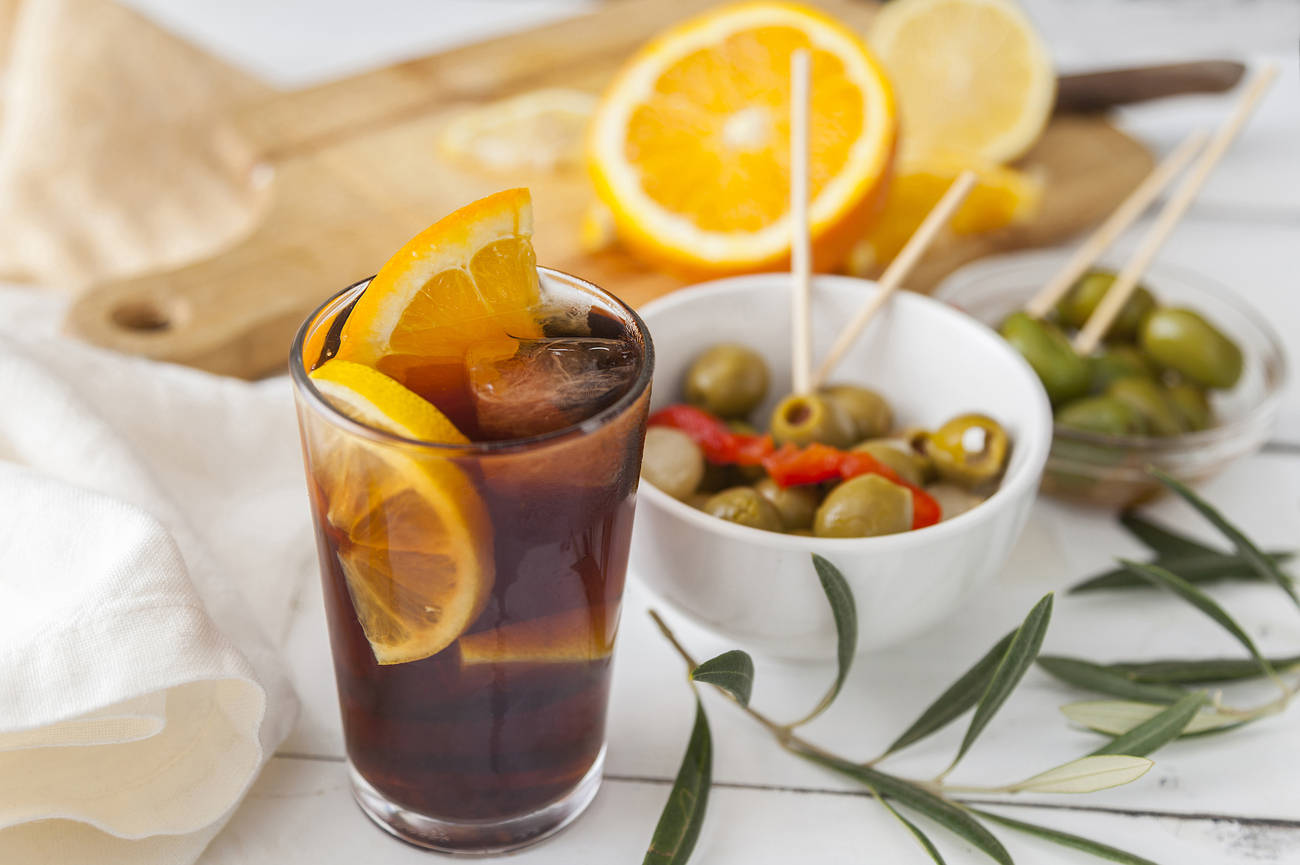
Vermut de grifo is red vermouth served on tap, usually over ice with an olive and a slice of orange. Sweet, herbal and gently bitter, it is typically enjoyed between about one and two in the afternoon, just before lunch begins.
Where to Drink Vermut in Valencia
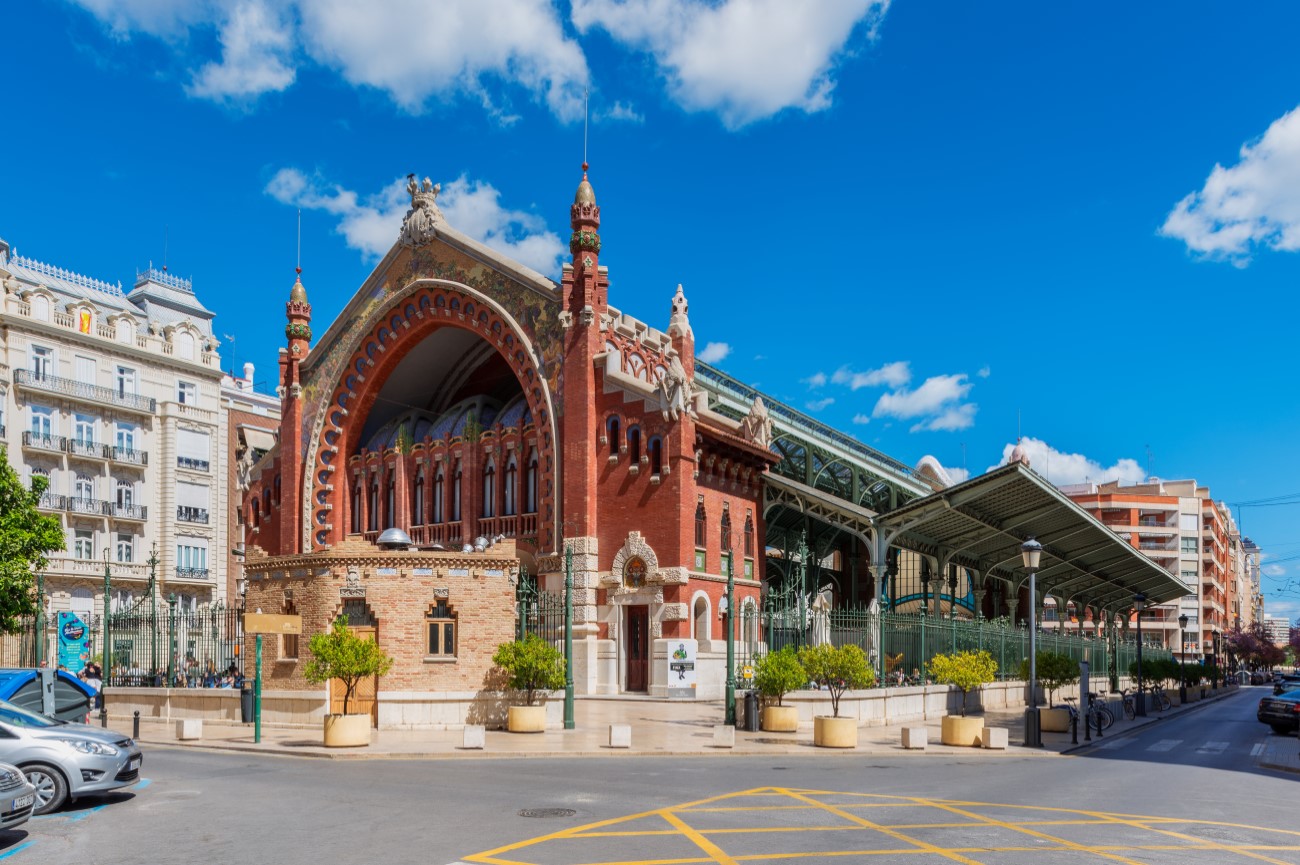
Mercado de Colón is one of the easiest places for visitors to experience the vermut hour. The 1916 modernista building, with its iron structure, colourful ceramics and open interior, no longer functions primarily as a traditional food market and has become one of Valencia's most attractive places for drinks and casual eating.
Sunday is the classic time to go, although Saturday offers much the same atmosphere and can be easier to navigate.
For a more neighbourhood experience, look in El Carmen or El Cabanyal, where traditional bars may serve vermut from the barrel or offer their own house version.
Ask for vermut de la casa if you want to know what the bar itself recommends. It is also a useful way to move beyond the standard drinks list and discover something made or selected locally.
What to Eat With Vermut
Vermut is usually accompanied by small salty dishes rather than a full meal.
Typical choices include anchovies, Marcona almonds and preserved tuna belly. During the warmer months, you may also find clotxines, Valencia's small local mussels, usually steamed simply with lemon, herbs or bay leaf.
Clotxines are particularly associated with the Valencian coast and are traditionally eaten in season, making them one of the most characteristic things to order alongside a pre-lunch drink.
The point of the vermut hour is not to fill up before lunch. It is a pause between the morning and the main meal, and one of the simplest ways to experience the social rhythm around food and wine in Valencia.
How
to Eat Tapas in Valencia Like a Local
A tapas evening in Valencia is usually more social and flexible than a conventional sit-down dinner. The idea is to move between bars, order selectively and let the evening develop one stop at a time.
Move Between Bars
Rather than spending the whole evening at one table, plan to visit several bars.
Order the house speciality and a drink, then move on. Different bars are known for different dishes, so changing venue lets you sample more of the city's tapas culture in a single evening.
Stand at the Bar
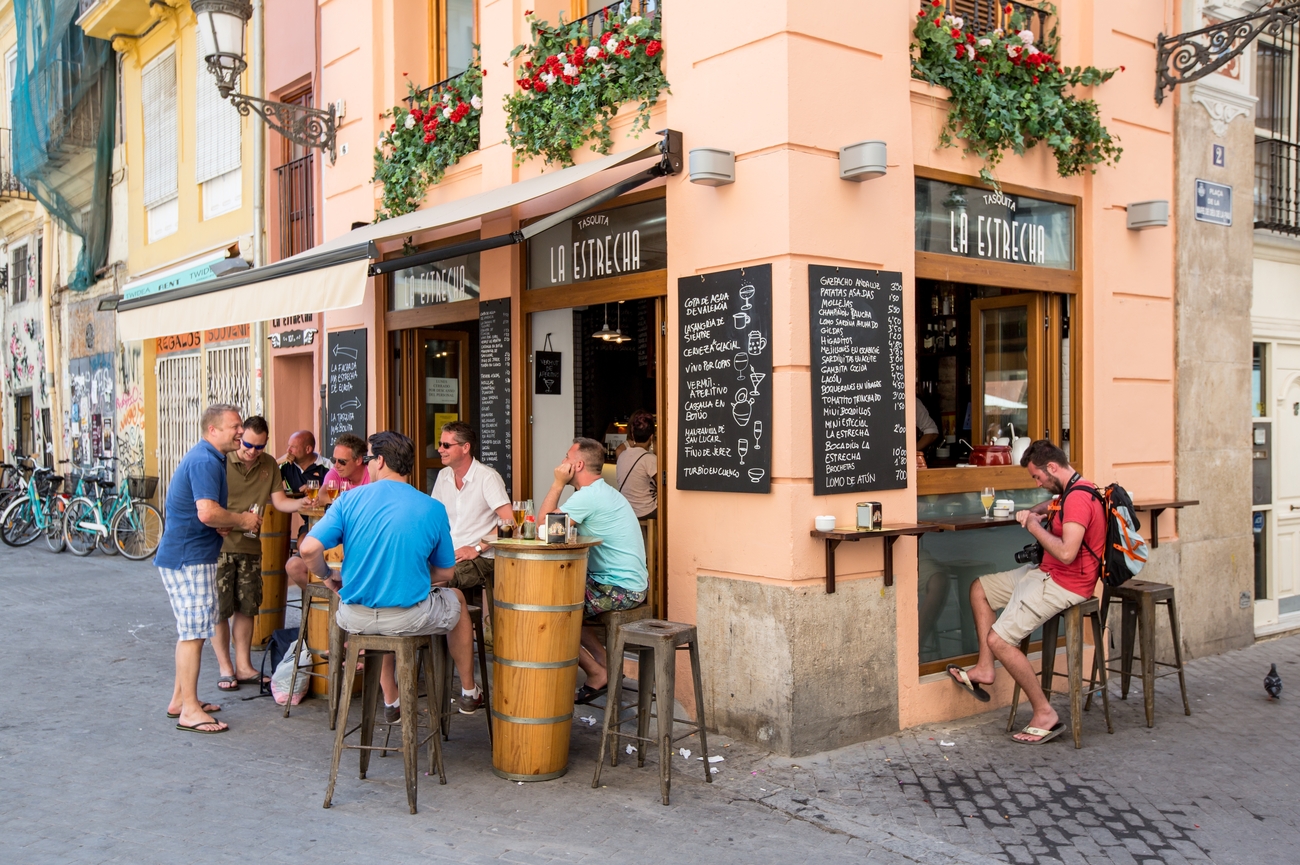
Standing at the counter is part of the experience in many traditional tapas bars.
Service is often quicker at the counter, where you can see what is coming out of the kitchen and get a better sense of what regulars are ordering. Save a table for the stop where you plan to eat more substantially.
Order in Stages
Start with one or two dishes rather than ordering everything at once.
Tapas are designed for grazing, so order a small amount, see how everyone feels, then add more or move to the next bar. This also makes it easier to try several places without filling up too early.
Share Everything
Tapas are normally ordered for the table rather than as individual dishes.
Ask for dishes para picar, or choose raciones and medias raciones depending on the size of your group. Sharing makes it easier to taste more dishes and reflects the social way tapas are usually eaten in Valencia.
Go Out Late
Dinner in Valencia starts later than many visitors expect.
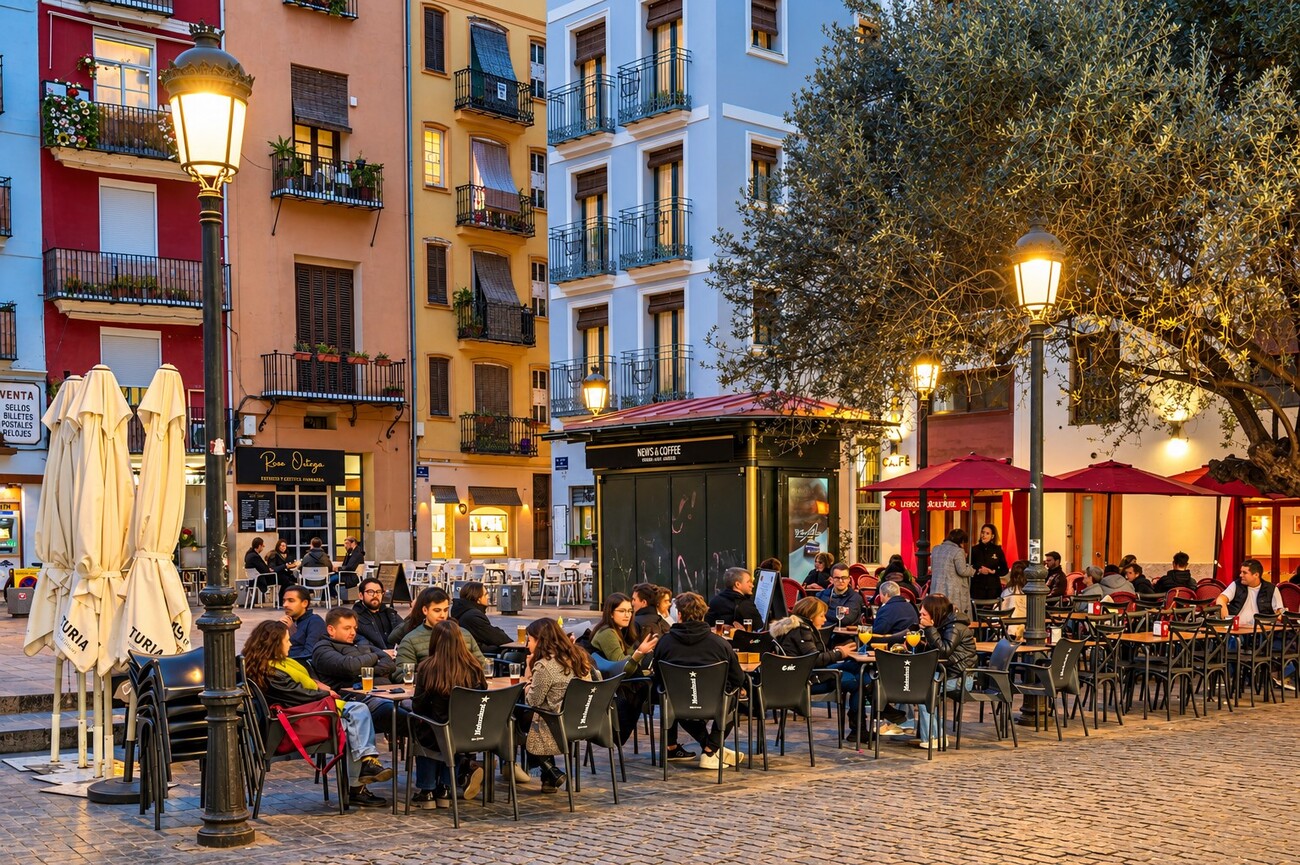
Bars are often quiet in the early evening and begin filling properly from around 9.00 or 9.30, with the busiest period often closer to 10.00 or 11.00. If you want to experience a lively tapas atmosphere, it is worth adjusting to the local timetable.
Watch What Other People Are Ordering
One of the easiest ways to discover a good dish is to look at what is arriving for people around you.
Menus may not list every special or seasonal plate, and some dishes are easier to identify on the counter than on the page. If something looks good, you can simply ask for lo mismo que él, meaning "the same as him".
Following these habits turns tapas in Valencia from a single meal into an evening of neighbourhoods, bars, local dishes and conversation.
Traditional
Tapas to Try in Valencia
Valencia has its own repertoire of tapas and small dishes shaped by the huerta, the Mediterranean coast and the Albufera. Knowing a few of their names makes it much easier to order beyond the standard Spanish tapas found across the country.
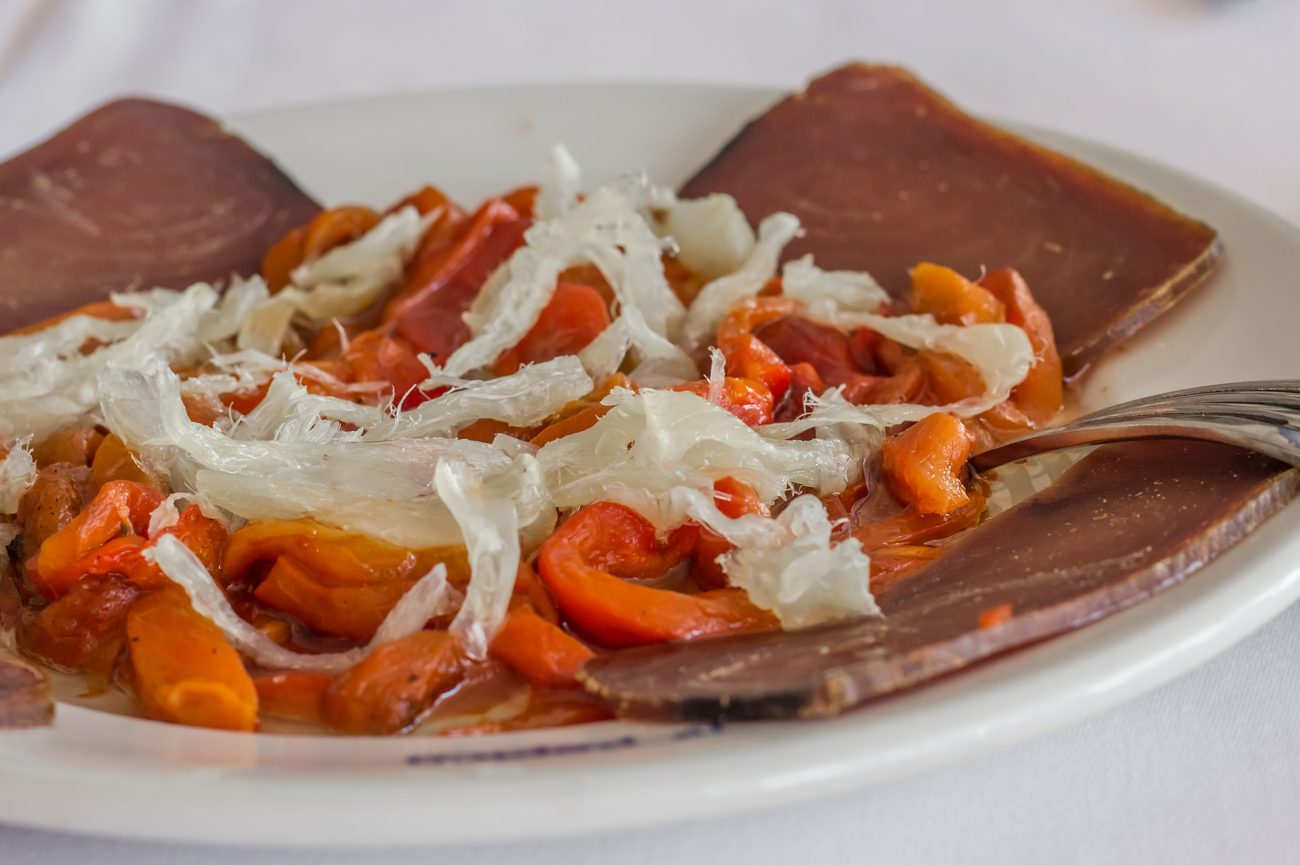
Esgarraet
Esgarraet is one of Valencia's most characteristic cold dishes. Salt cod is torn into strips and combined with roasted red pepper, garlic and generous amounts of olive oil.
Its name comes from the Valencian word for tearing, referring to the way the cod and pepper are pulled apart by hand. It is a simple dish, but one that appears regularly in traditional bars and bodegas across the city.
Titaina
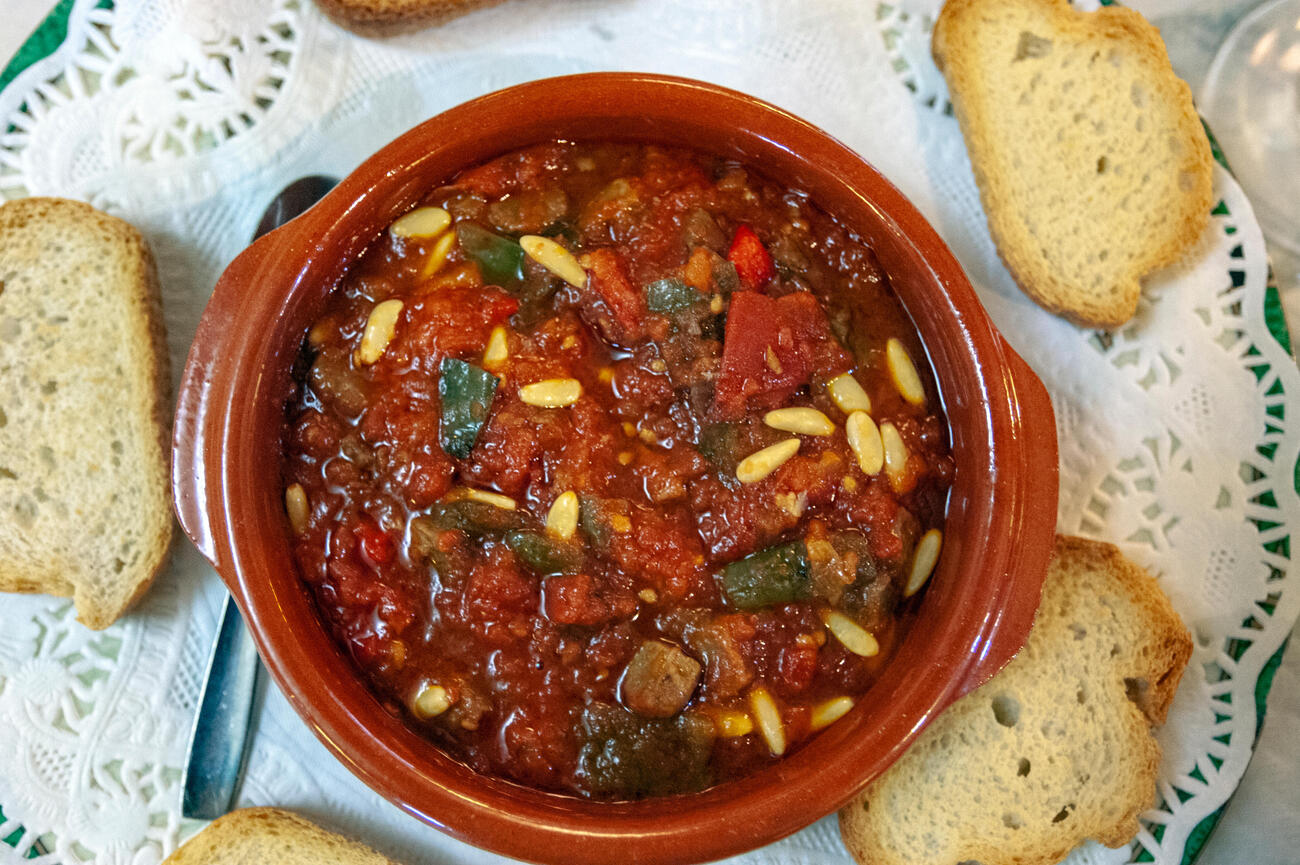
Titaina comes from El Cabanyal, Valencia's historic fishing neighbourhood.
It combines tomato, roasted red pepper, pine nuts and tonyina de sorra, salted tuna belly traditionally associated with the city's maritime districts. It can be eaten on its own, spooned onto bread or used as a filling for an entrepà.
Tellinas
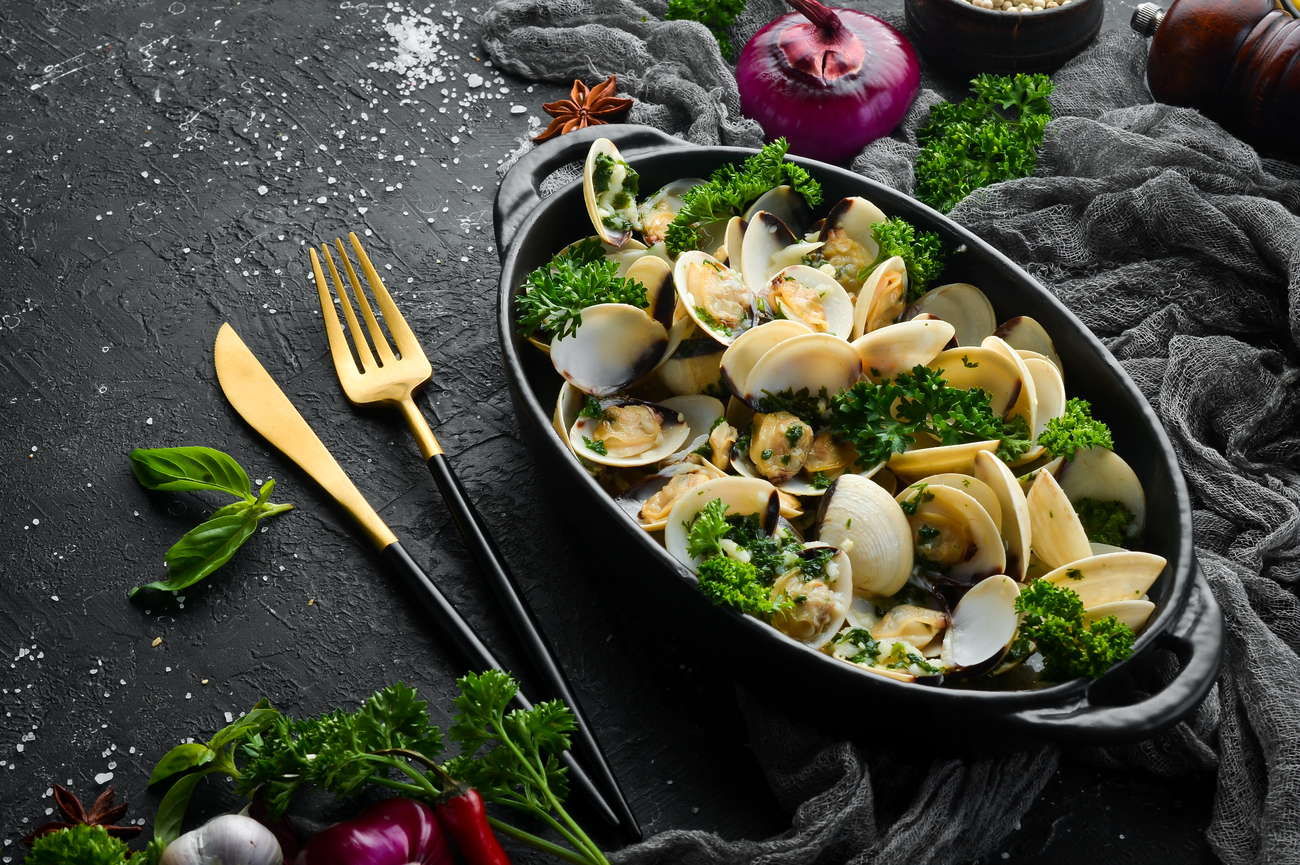
Tellinas are small shellfish from the Valencian coast, usually cooked quickly on a hot plate with garlic and parsley.
They are particularly good as a simple seafood tapa, served in the shell and eaten with a cold beer or glass of local wine.
Boquerones and Cuttlefish
Boquerones, white anchovies marinated in vinegar, garlic and olive oil, are common across Spain and remain a reliable tapas-bar staple in Valencia.
Closer to the coast, grilled cuttlefish and sepionet, a smaller local cuttlefish, are more distinctly Valencian choices. They are usually cooked simply on the grill so the seafood itself remains the focus.
Clotxines
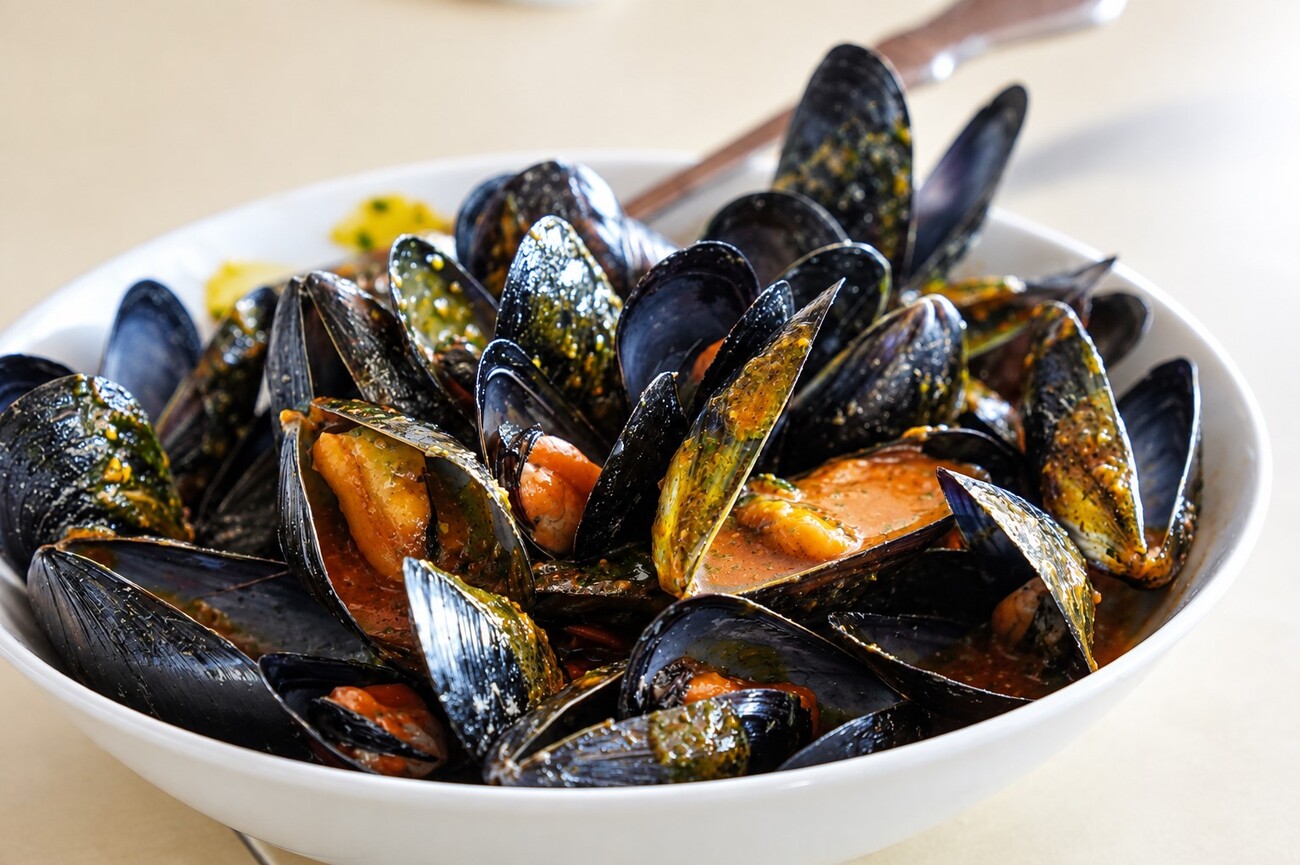
Clotxines are Valencia's small local mussels, particularly associated with the warmer months.
Traditionally eaten in season, they are usually steamed simply with ingredients such as lemon, herbs or a little paprika. Their smaller size and more concentrated flavour distinguish them from the larger mussels served elsewhere in Spain.
All i Pebre
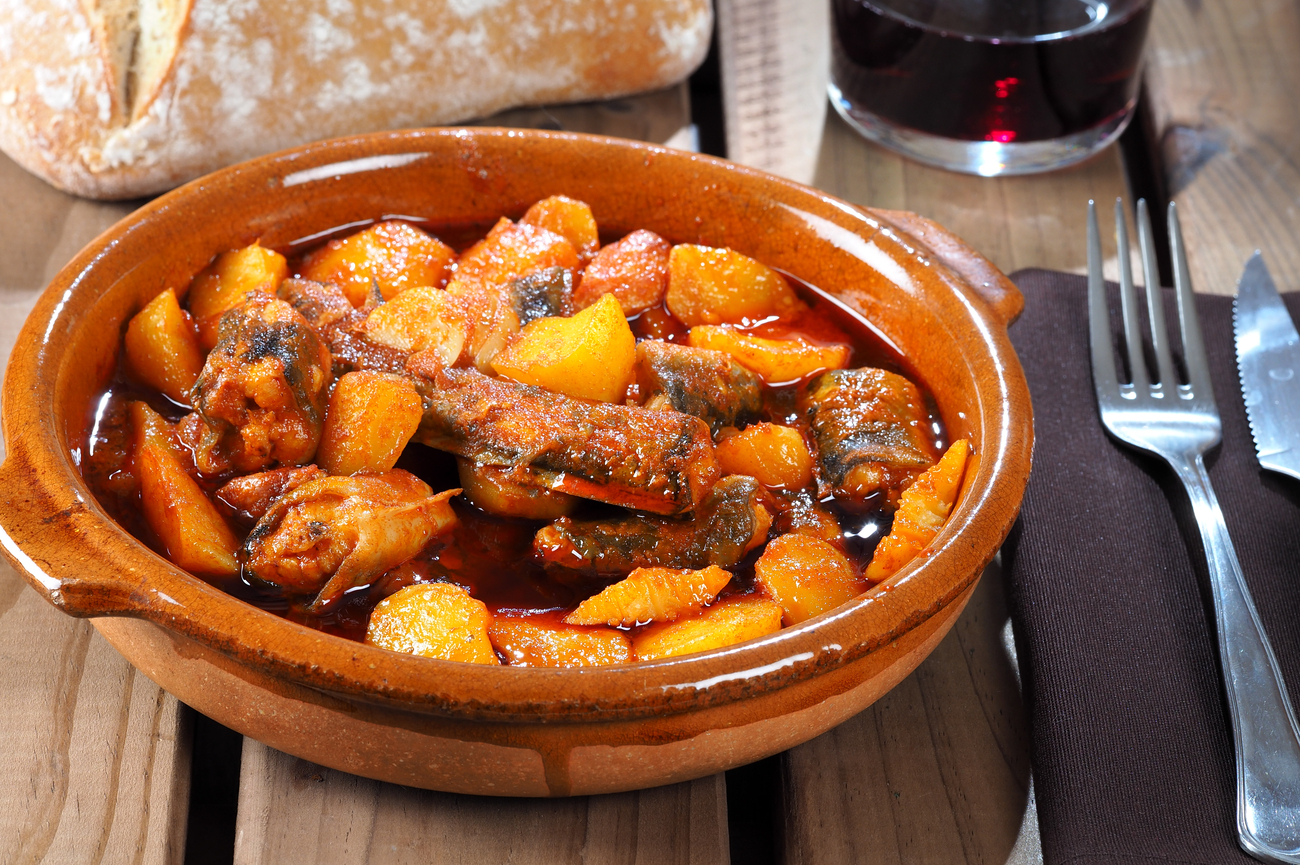
All i pebre is one of the most distinctive dishes in the Valencian repertoire. Eel from the Albufera is stewed with potato, garlic and paprika to produce a rich dish traditionally associated with the fishing communities around the lagoon.
You will find all i pebre on menus in Valencia itself, but its strongest connection is with El Palmar and the villages of the Albufera, where eel fishing and rice cultivation have shaped the local kitchen for centuries.
Our guide to the Albufera and Valencia's rice fields explains where the dish comes from and how to explore the lagoon, rice country and villages south of the city.
Ruzafa:
Where to Go for Tapas and Wine in Valencia
If you have only one evening for tapas and wine in Valencia, Ruzafa is one of the easiest neighbourhoods in which to spend it.
Located just south of Estació del Nord, Ruzafa is known for its lively mix of traditional bars, contemporary restaurants, vermouth bars and natural wine venues. Many sit within a few streets of one another, making the neighbourhood particularly well suited to a tapas crawl without needing transport between stops.
The Best Streets for Tapas in Ruzafa
Carrer de Cadis, Carrer de Sueca and Carrer del Literat Azorín are good streets around which to build an evening.
Part of Ruzafa's appeal is the contrast. A traditional tiled bar serving vermut and familiar Valencian dishes can sit only a few doors from a modern wine bar pouring small-production or natural wines. Moving between the two gives you a good sense of how Valencia's food and drinking culture is changing without losing its older traditions.
The neighbourhood becomes livelier later in the evening, particularly towards the end of the week. Arriving around nine gives you time to begin with a drink and a few plates before the bars become busier later at night.
Ruzafa is also one of Valencia's best areas for street art, with murals appearing throughout the same streets. A late-afternoon walk followed by tapas and local wine therefore works particularly well, allowing you to explore the neighbourhood before settling into its evening rhythm.
For travellers interested in experiencing Valencia through its bars rather than simply booking one restaurant, Ruzafa is one of the strongest places to start.
Other
Neighbourhoods for Tapas and Wine in Valencia
Ruzafa is the easiest neighbourhood for a concentrated tapas crawl, but Valencia's other districts offer very different food and wine experiences. El Cabanyal is strongest for seafood, El Carmen for traditional bars and wine tastings, and Benimaclet for a more residential atmosphere.
El Cabanyal for Seafood
El Cabanyal is Valencia's historic fishing district, east of the city centre and close to the Mediterranean.
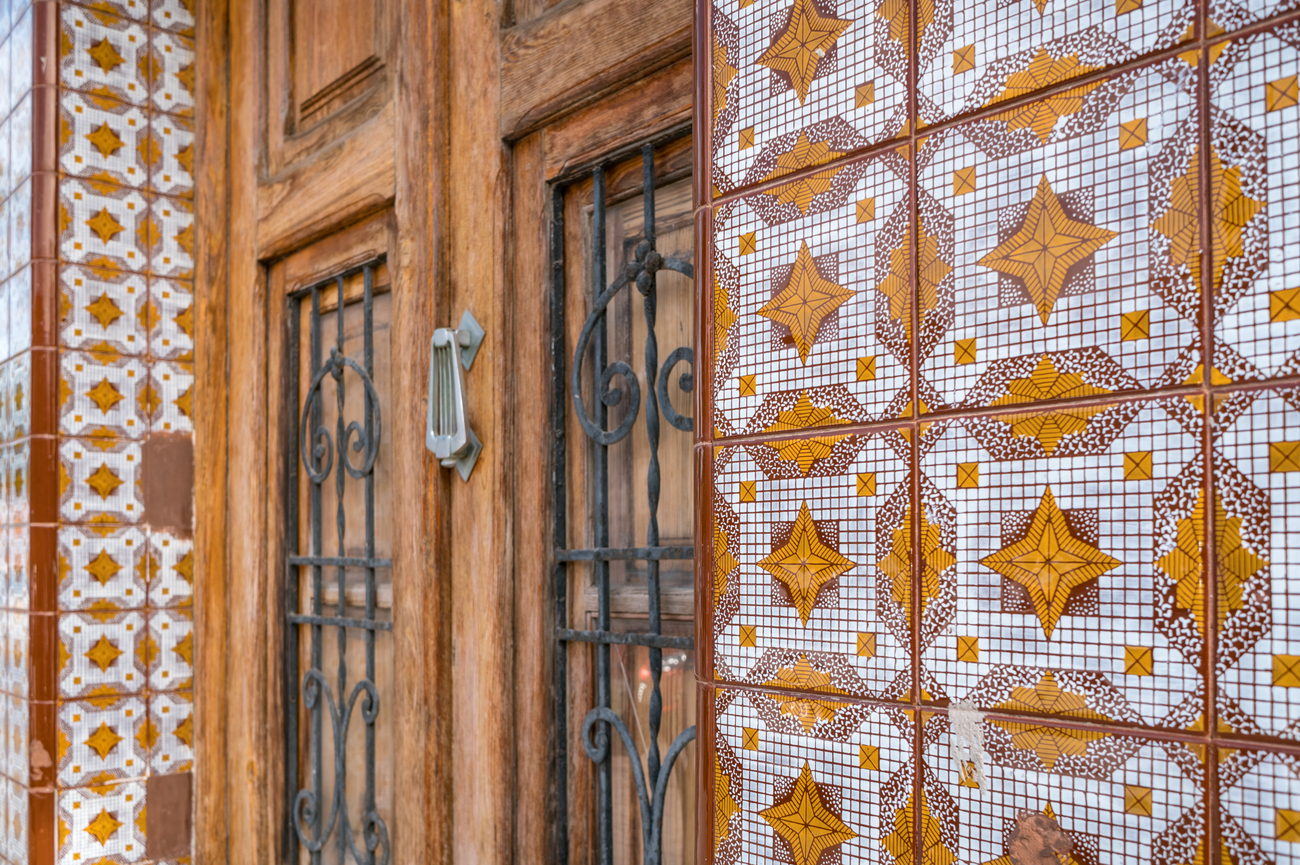
Its tiled facades, narrow streets and former fishermen's houses give the neighbourhood a character quite different from central Valencia. Food here naturally leans towards the sea, with grilled sardines, sepia a la plancha, shellfish and other simply prepared seafood appearing regularly on local menus.
For visitors looking for seafood tapas in Valencia, El Cabanyal is one of the most natural neighbourhoods to explore.
El Carmen and Valencia's Old City
The historic centre, particularly the streets around the cathedral and El Carmen, is a good place to look for Valencia's more traditional bars.
Expect tiled interiors, wooden counters, vermut, cured fish and familiar tapas served in surroundings that feel very different from the newer bars of Ruzafa.
This part of the city is also useful for travellers interested in Valencian wine. Small wine bars and tasting spaces make it possible to explore regional varieties without travelling out to the vineyards.
A guided tasting with a knowledgeable sommelier can introduce wines from areas such as Utiel-Requena and D.O. Valencia in considerably more depth than simply ordering a glass with dinner. That experience forms part of our Foodie Side of Valencia journey.
Benimaclet for a More Residential Valencia
Benimaclet lies north of the historic centre and was once a separate village before Valencia expanded around it.
The older streets and central square still retain some of that neighbourhood character. Bars tend to be less polished than those in the most visited parts of the city, with a mixture of traditional establishments, student haunts and newer independent venues.
It is a better choice for travellers with several nights in Valencia than for someone trying to see the city's food scene in a single evening.
Mercado Central for Market Counter Dining
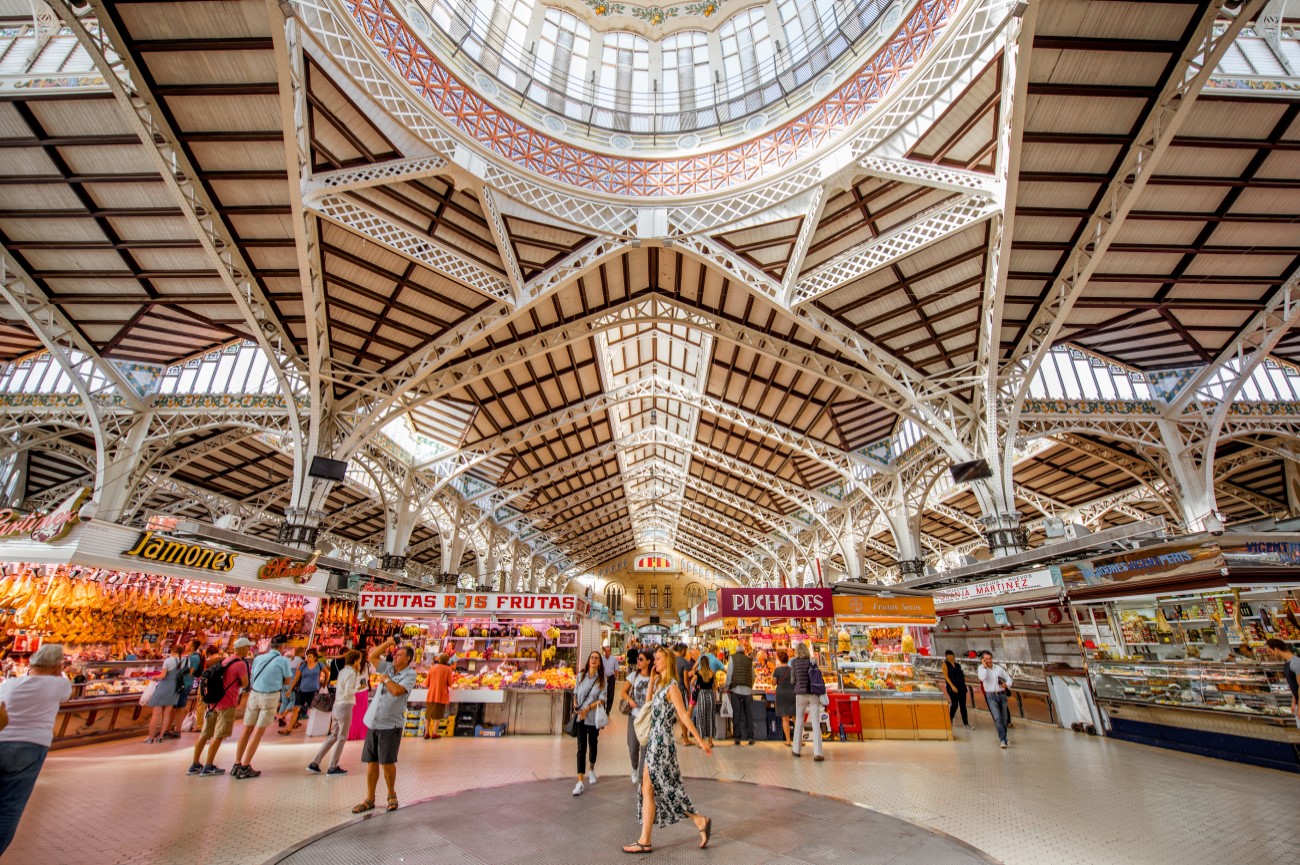
Mercado Central offers another way to experience casual eating in Valencia.
The market's bars and counters allow you to eat surrounded by the produce, seafood, meat and other ingredients being sold only metres away. Visiting in the morning or around midday also gives you a very different perspective from an evening tapas crawl.
Seeing those ingredients before they are cooked is one reason the market fits so naturally with Valencia's food culture. Our [paella cooking class guide](Link to SP 2) explains how a market visit becomes part of learning to make traditional paella.
A Note on Traditional Bar Etiquette
Traditional tapas bars can be informal and busy, particularly later in the evening. Counters may be crowded with plates, glasses, napkins and shells as service gathers pace.
Rather than assuming every bar follows the same customs, watch what regulars are doing. Older neighbourhood bars and newer wine venues can have very different styles of service, and adapting to the room is usually more useful than following a fixed rule.
Valencia Wine: Bobal, Utiel-Requena and D.O. Valencia
Valencia is surrounded by wine country, with Utiel-Requena inland and D.O. Valencia covering several distinct growing areas around the province. Together they produce some of the region's most characteristic red, white, sparkling and sweet wines.
For visitors eating their way through Valencia, knowing a few local grapes and wine styles makes ordering considerably more interesting.
Bobal and Utiel-Requena
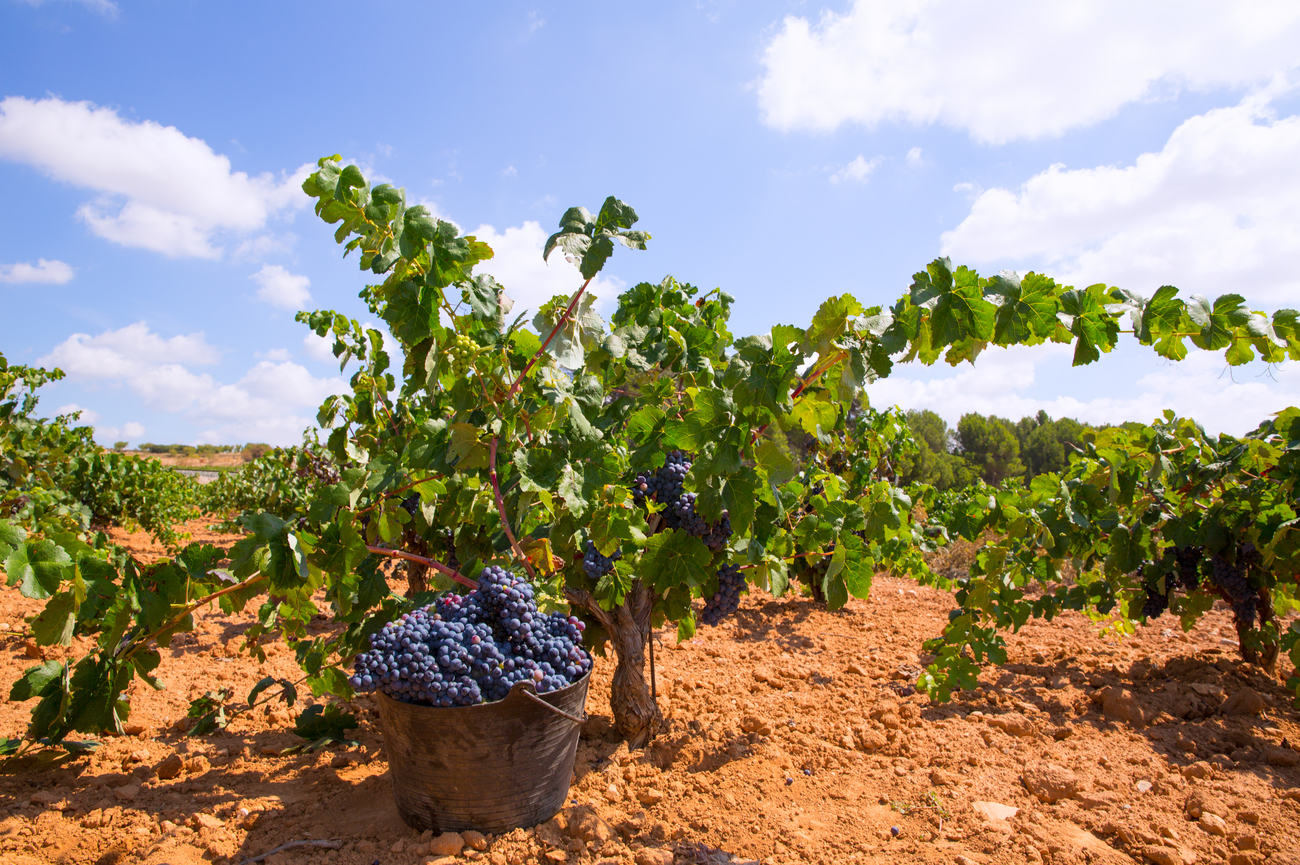
Utiel-Requena lies inland from Valencia on a high plateau and is best known for Bobal, the region's signature red grape.
For much of the twentieth century, Bobal was widely used for bulk wine and blending. Today, particularly from older vines, it produces structured reds with dark fruit, good acidity and enough weight to work particularly well with richer Valencian dishes.
Bobal is a natural match for morcilla, cured meats and substantial rice dishes such as arròs al forn.
The Requena area is also an important centre for Cava production, something that often surprises visitors who associate Spanish sparkling wine almost exclusively with Catalonia.
Merseguera, Moscatel and D.O. Valencia
D.O. Valencia covers a broader range of landscapes and wine styles.
Merseguera is one of the local white grapes worth looking for. It produces fresh, relatively light wines that pair well with seafood, salted fish and dishes such as esgarraet.
Moscatel is another important Valencian variety, used for both dry and sweet wines. Its sweeter expressions are closely connected with the region's tradition of mistela, commonly served towards the end of a long meal.
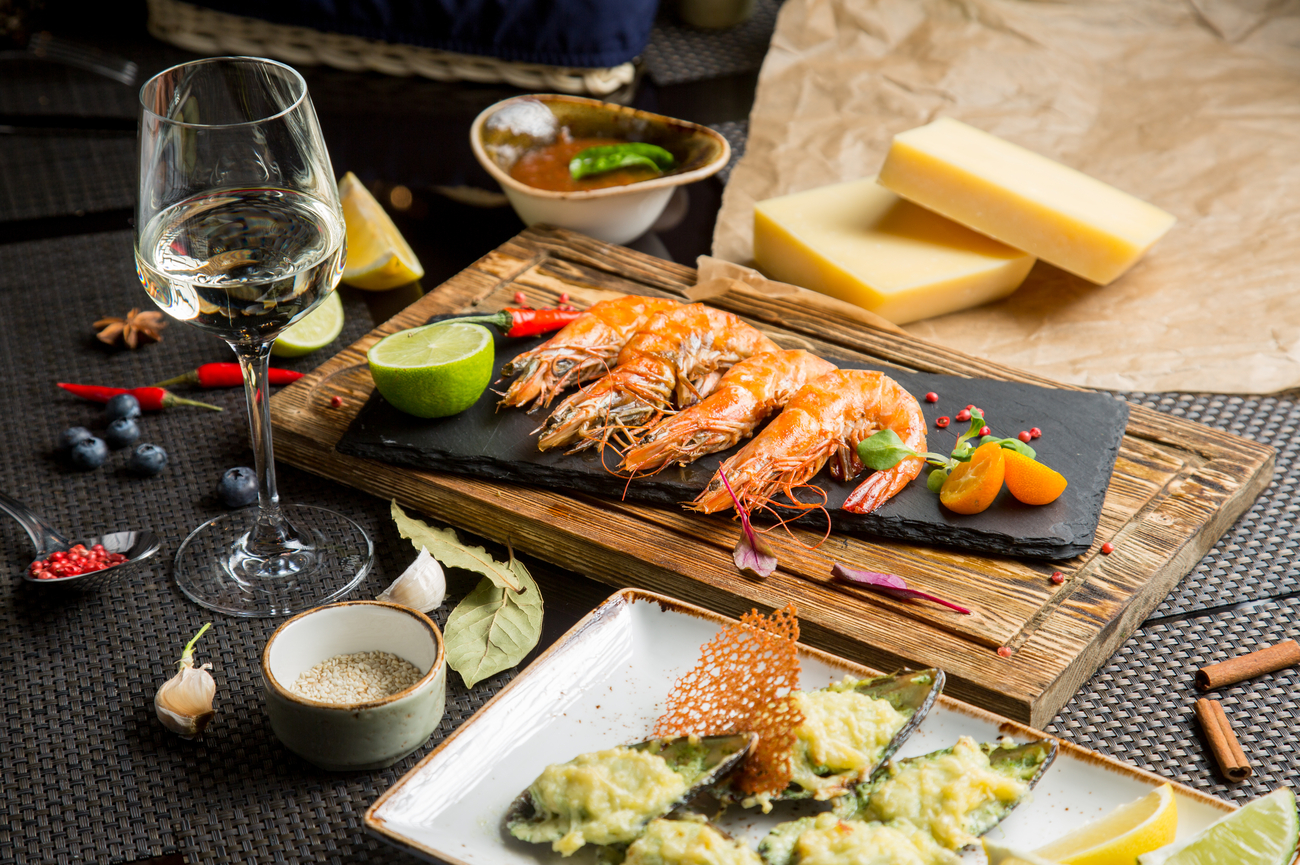
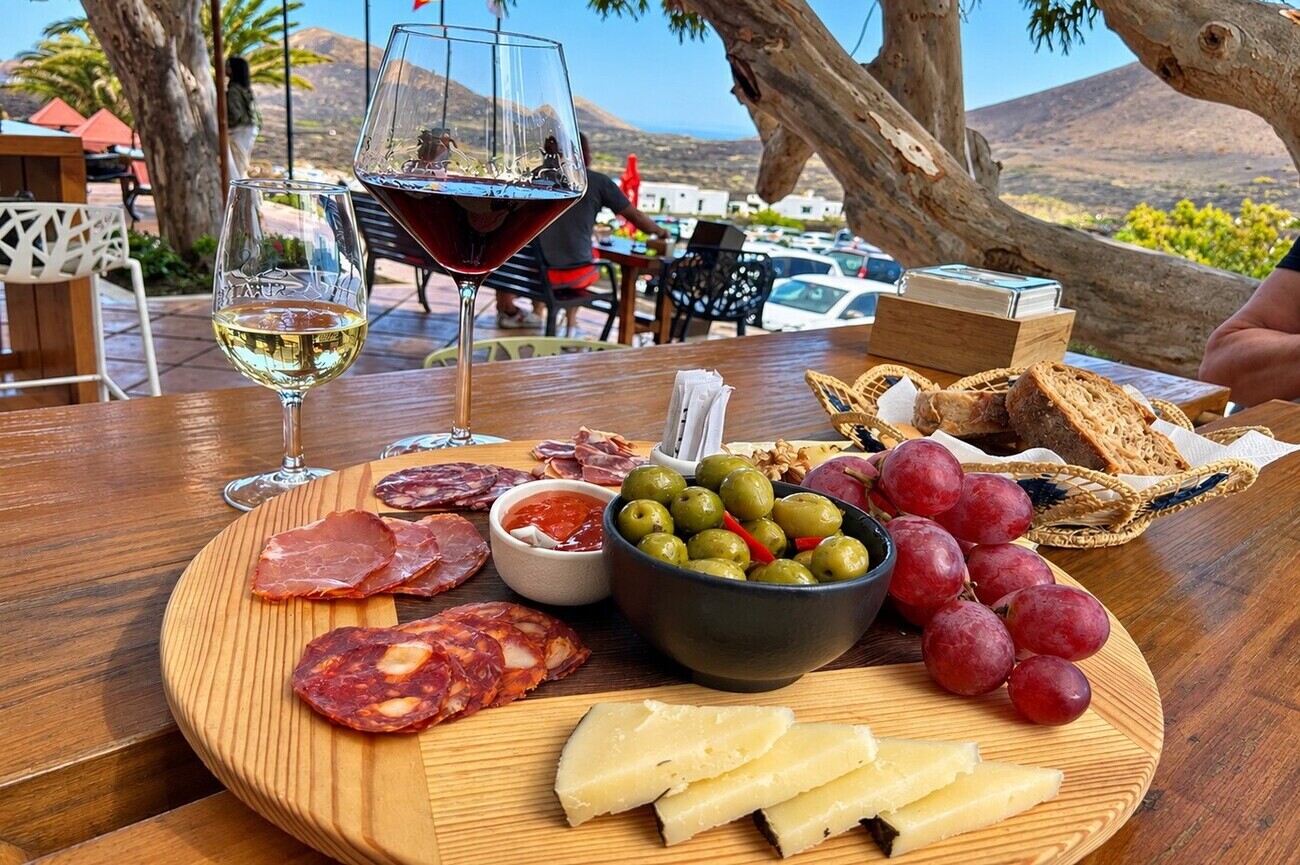
What Wine Should You Order With Tapas in Valencia?
Regional wines are an obvious place to start when eating tapas in Valencia.
Try Bobal with morcilla, cured meats or richer dishes. A fresh Valencian white works well with anchovies, esgarraet, cuttlefish and other seafood, while a glass of mistela can finish the evening.
Rather than defaulting to familiar Spanish regions, ask what the bar or restaurant pours from Valencia or Utiel-Requena. It is one of the easiest ways to make the food and wine feel connected to the place you are visiting.
What Do People Drink Besides Wine?
Sangria is widely available, particularly in areas popular with visitors, but it is far from the only choice on a Valencian evening. Tinto de verano, red wine served over ice with a lemon-flavoured soft drink, is a lighter option commonly associated with hot weather.
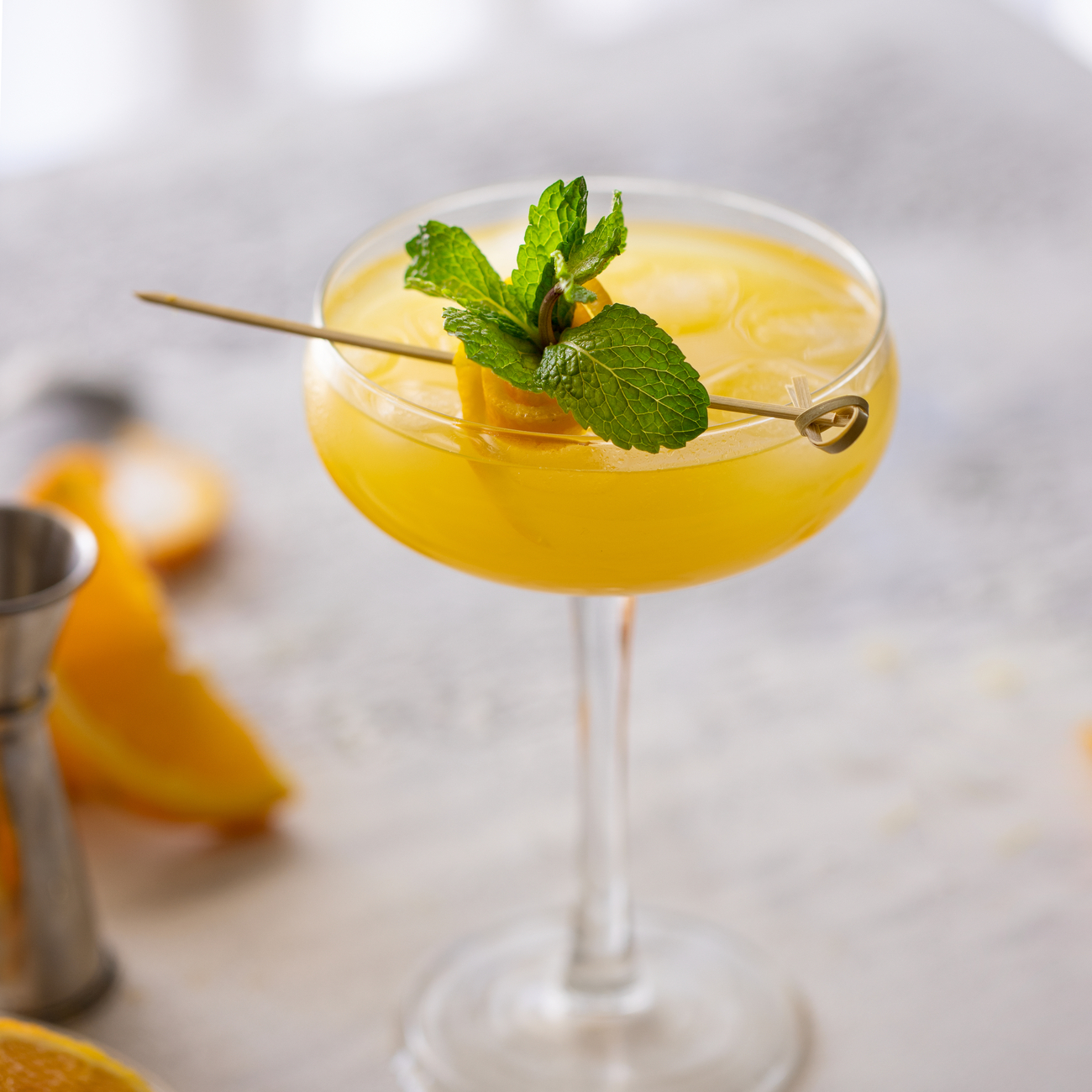
Then there is agua de Valencia, one of the city's best-known cocktails. It combines fresh orange juice and Cava with gin and vodka, producing a drink that tastes considerably lighter than its ingredients suggest.
It is best treated as an aperitif to share rather than something to drink like fruit juice. Valencia's oranges may dominate the flavour, but the spirits are very much still there.
How
to Order Tapas and Drinks in Valencia
Knowing a few common Spanish and Valencian phrases makes ordering tapas in Valencia much easier, particularly in traditional bars where menus may be short and daily specials are not always written down.
Una Caña
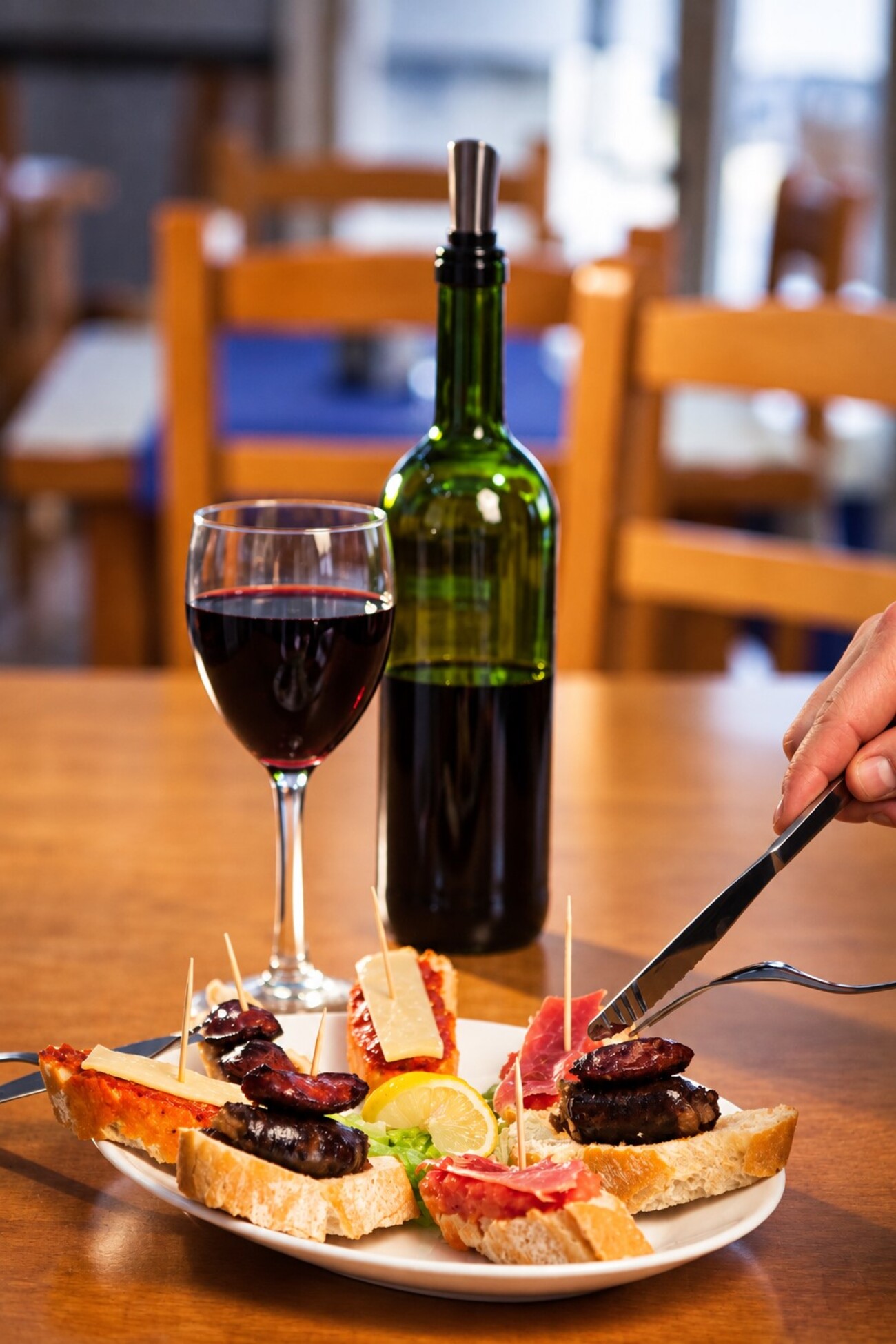
Una caña is a small draught beer. The smaller serving suits tapas well because it stays cold and allows you to have one drink at each stop without committing to a full pint.
Media Ración
A media ración is a half portion of a sharing dish and is useful for two people who want to try several things over the course of an evening.
Larger raciones are better for groups, while medias raciones make it easier to keep moving between bars.
Para Picar
Para picar means something to share or graze on rather than a formal meal.
Using the phrase signals that you are looking for a few dishes for the middle of the table rather than individual courses.
¿Qué Tenéis Fuera de Carta?
¿Qué tenéis fuera de carta? means "What do you have that is not on the menu?"
It is a useful question in tapas bars, particularly for seasonal seafood, daily specials and dishes based on whatever is freshest that day.
Vermut de la Casa
Vermut de la casa means house vermouth.
If a bar makes or selects its own vermut, asking for the house version is an easy way to try something more local than a familiar commercial label.
Asking for the Bill
La cuenta, cuando puedas means "The bill, when you can."
In Spain, the bill is usually brought when you ask for it rather than automatically at the end of the meal. Staff generally do not want to make guests feel rushed, so waiting silently for the bill can leave you sitting considerably longer than expected.
Vegetarian Tapas in Valencia
Vegetarians can eat well in Valencia, particularly if they order specific dishes rather than relying on a separate vegetarian menu.
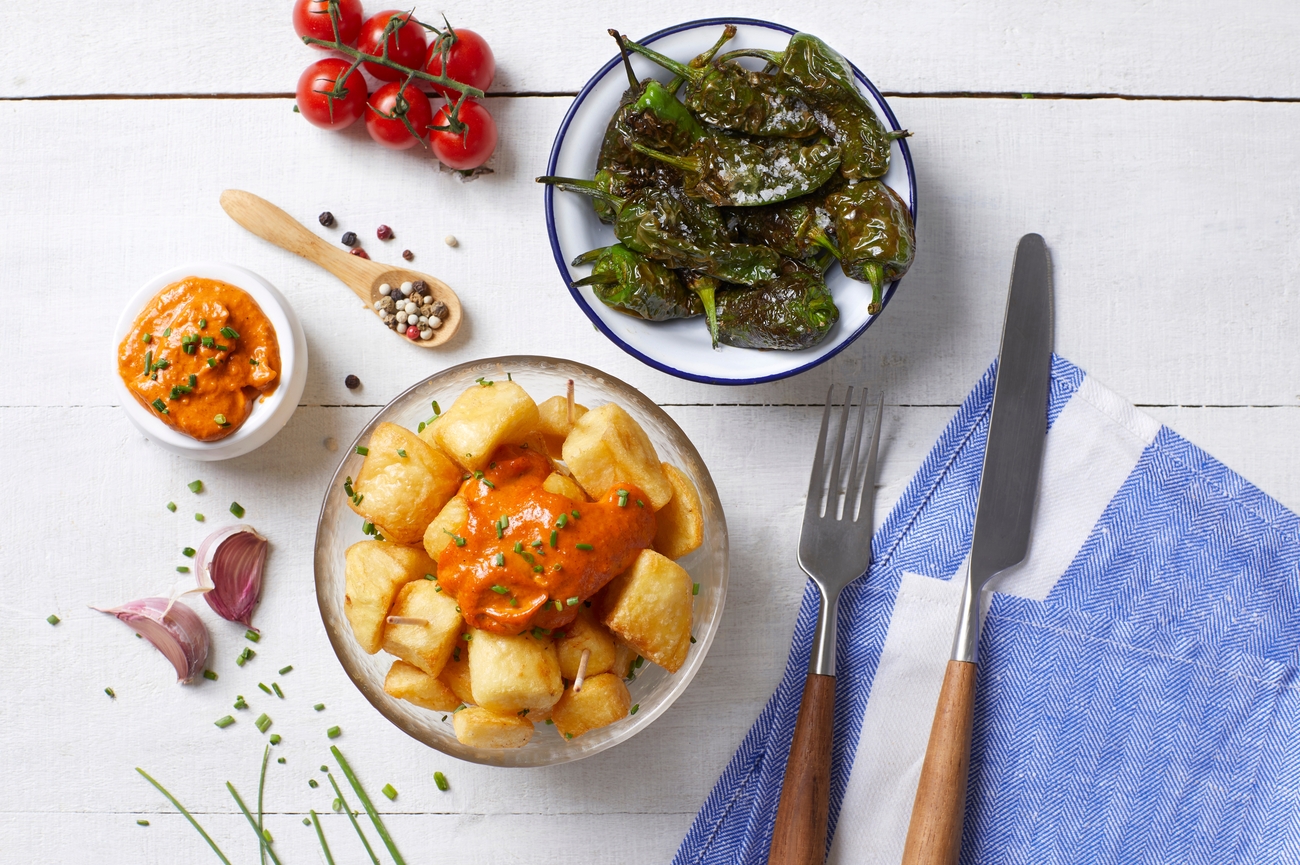
Pimientos de Padrón, patatas bravas, Spanish tortilla, escalivada, grilled artichokes in season, sautéed mushrooms and local cheeses can easily form the basis of a tapas evening.
Esgarraet is traditionally made with salt cod, but some bars may be able to prepare roasted pepper without the fish if asked. It is better to check rather than assume that the dish itself is vegetarian.
Valencia's huerta, the market-garden belt surrounding the city, gives vegetables an unusually prominent place in the local kitchen. Artichokes, peppers, tomatoes, beans and other seasonal produce appear throughout traditional and contemporary menus.
Vegans may find traditional tapas bars more limited, particularly where egg, cheese or seafood are common ingredients. Ruzafa generally offers more dedicated vegetarian and vegan options, making it one of the easier neighbourhoods for plant-based dining in Valencia.
What
Is the Best Night for Tapas in Valencia?
Thursday, Friday and Saturday are generally the liveliest nights for tapas in Valencia, while Tuesday and Wednesday suit travellers who prefer quieter bars. Sunday is traditionally built around vermut and a long lunch, and some restaurants and bars close on Sunday evening or Monday.
Sunday
Sunday revolves around the pre-lunch vermut hour and a long lunch from around two.
The evening is usually quieter, and some independent bars and restaurants close after lunch, so check opening hours before planning a Sunday night tapas crawl.
Monday
Monday is one of the least reliable nights for eating out because a number of independent restaurants and traditional bars use it as a weekly closing day.
There are still plenty of places open, but this is the night when checking individual opening hours matters most.
Tuesday and Wednesday
Tuesday and Wednesday are good choices if you want a quieter tapas experience.
Bars are generally easier to navigate, tables are easier to find and the atmosphere is more relaxed. These are also good mornings for trying an esmorzaret without the heavier weekend crowds.
Thursday
Thursday is an excellent night for a tapas crawl in Valencia, particularly in neighbourhoods such as Ruzafa.
The city is lively without necessarily reaching the weekend crowds, making it a good balance between atmosphere and spontaneity.
Friday and Saturday
Friday and Saturday are the busiest nights of the week.
Popular tapas bars and wine venues fill later in the evening, particularly after ten. Moving between bars without reservations is still possible, but book any restaurant or sit-down stop that you particularly want to include.
Tapas During Las Fallas
March changes Valencia's normal eating rhythm because of Las Fallas.
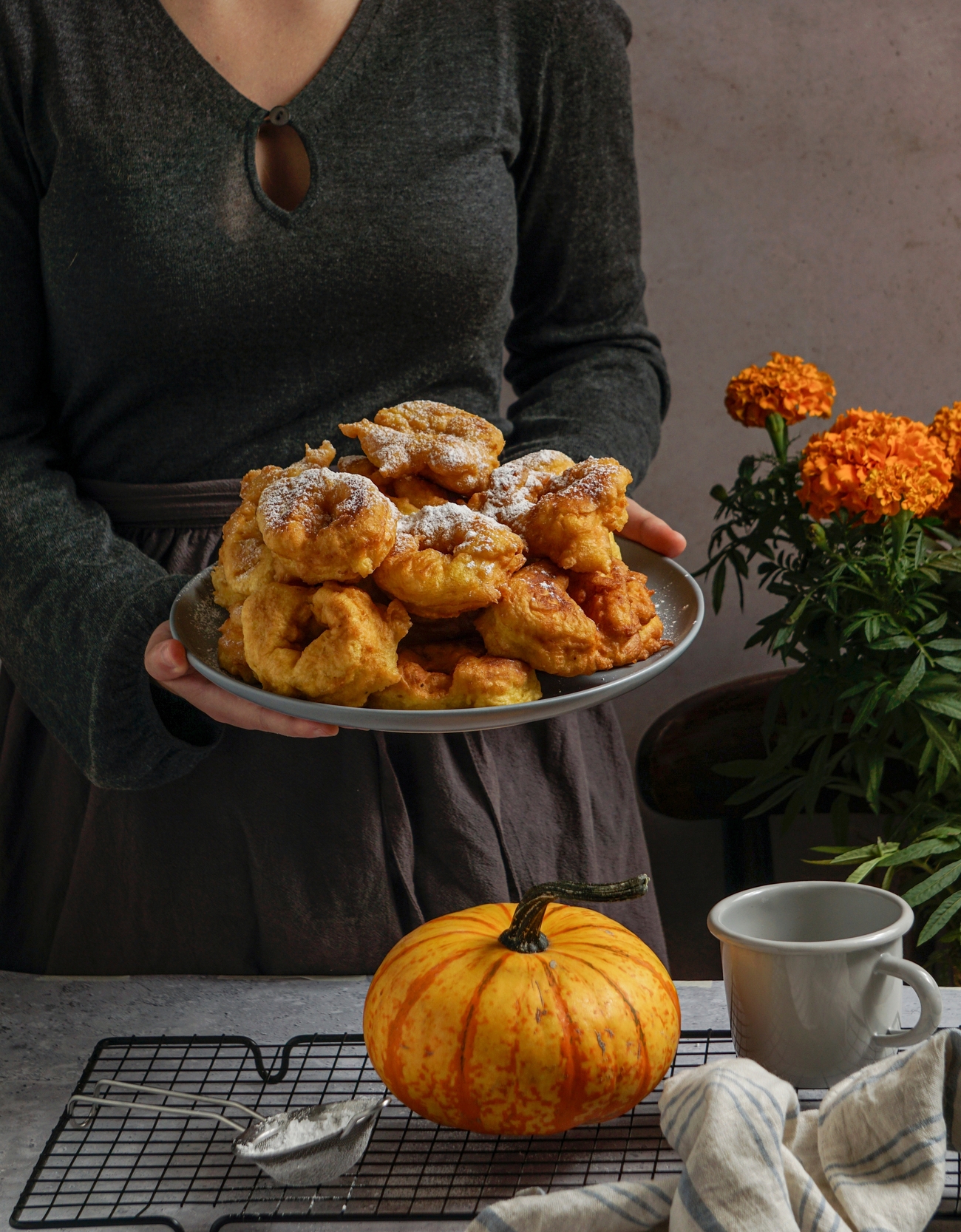
During the festival, the centre becomes considerably busier, streets fill with celebrations and food stalls, and buñuelos de calabaza with hot chocolate appear throughout the city. Bars and restaurants can be crowded well beyond their usual peak hours.
It is an extraordinary time to experience Valencia, but not necessarily the easiest moment for a first introduction to the city's normal tapas routine.
Eating Out in Valencia in August
August can also alter the usual pattern. Some independently run restaurants and bars close for annual holidays, while others continue operating throughout the month.
Check opening hours before building an evening around a particular venue, especially if it is a small family-run restaurant.
Do You Need to Book Tapas Bars in Valencia?
You generally do not need to reserve every stop on a tapas crawl. Much of the appeal comes from walking into a bar, ordering a few plates and moving on.
If you want one longer sit-down meal, reserve that restaurant and keep the rest of the evening flexible. Wine tastings and small organised tastings are more likely to require advance booking because places are limited and sessions run at fixed times.
A
Thursday Night Tapas Crawl in Valencia
Nine o'clock, first bar, standing at the counter. Two house vermouths, a plate of almonds, and whatever looks good among the dishes being ordered around you. Twenty minutes, pay at the till, out.
Twenty to ten, second bar, two streets over. This is the sit-down stop. A bottle of old-vine Bobal and three plates for the table: esgarraet, grilled sepionet and something seasonal. An hour, maybe more.
Eleven, third bar, standing again, and the room is at full volume now. One plate of titaina on bread and a cold caña, and by this point you are moving through the neighbourhood rather than watching it happen.
Midnight, fourth and last, somewhere small with a short list and no kitchen. A glass of mistela, or a cremaet if you want to stay up. Then the walk home through streets busier than they were three hours ago.
Every part of that is ordinary to the people around you, and almost none of it happens by accident on a first visit. Four days spent running on this clock rather than against it, with someone beside you who knows when to move on, what to order and which counter to lean on, is exactly what our Foodie Side of Valencia journey is designed for.


Let us know what you love, where you want to go, and we’ll design a one-of-a-kind adventure you’ll never forget.
Get in touch
Miriam
Travel Specialist

Romina
Travel Specialist

Laura
Travel Specialist
Our offices:



Revigorate, Iberian Escapes and Algarve Lifestyle are the registered brand names of APCS Lda . We are a fully authorised travel agency licensed by Turismo de Portugal RNAVT/6867.
In the event of a dispute, the consumer may refer to: RAL - Centros de Arbitragem
Avª. 5 de Outubro, nº. 55, R/C Dtº. 8000-075 Faro, Portugal | Tel: +351 289 823 135 *
* national landline call
E-mail: info@consumoalgarve.pt| www.consumidoronline.pt | Mon to Fri: 9:00 - 13:00 / 14:00 - 17:00