Valencia Street Art Guide: Best Murals in El Carmen, Ruzafa and Beyond
A wall on Carrer Alta was repainted last spring. Plain render, the colour of weak coffee, perfectly neat. For about four years before that, it carried a piece people crossed the city to photograph. Now there is a downpipe, a satellite dish and nothing else.
Nobody was consulted. Paint goes up without permission and comes down without notice, and Valencia's walls behave less like a gallery than a conversation: the argument moves on and last year's contribution gets talked over.
That makes writing a guide to Valencia street art slightly more complicated than listing famous murals. Large commissioned works tend to last. The artists recur. El Carmen, Ruzafa, El Cabanyal and Benimaclet each keep their own character. Individual pieces in the alleys are far less predictable.
This guide focuses on the neighbourhoods and artists that give Valencia its street art identity, while making clear when a specific mural may change or disappear. Some of the city’s street art also features in our Valencia: The Voyage into the City of Arts & Sciences itinerary. For a broader introduction to the trip and how the itinerary fits together, see our guide to the seven-day Valencia itinerary.
Why
El Carmen Became the Centre of Valencia Street Art
El Carmen spent much of the twentieth century emptying out.
The old quarter north of Valencia Cathedral was poor, overcrowded and structurally neglected. As families moved to newer housing in the outer districts, buildings were left shuttered, abandoned or partly demolished. By the 1980s, parts of El Carmen were effectively derelict, leaving a medieval street plan full of blank walls only minutes from the centre of the city.
How Street Art Developed in El Carmen
Those empty surfaces helped create the conditions for Valencia's street art scene.
Graffiti and other unsanctioned work began appearing during the 1980s and 1990s. With many buildings neglected and relatively little pressure to remove it, the work accumulated across walls, shutters and abandoned frontages.
Over time, the relationship between the neighbourhood and its street art changed. Municipal and private commissions began appearing alongside independent work, festivals brought artists from elsewhere, and El Carmen's growing reputation attracted visitors specifically to see its walls.
That mixture still defines the neighbourhood today. A commissioned mural covering several storeys can sit around the corner from a small piece painted overnight, with both contributing to the same constantly changing street art scene.
Valencia street art was not planned from the outset. It developed first on neglected walls, with tolerance, commissions and wider recognition arriving later.
El
Carmen Street Art: Best Streets and Murals
El Carmen has the highest concentration of street art in Valencia and is the best neighbourhood to start exploring the city's murals.
Best Streets for Street Art in El Carmen
Begin around Plaça del Tossal and work north and west.
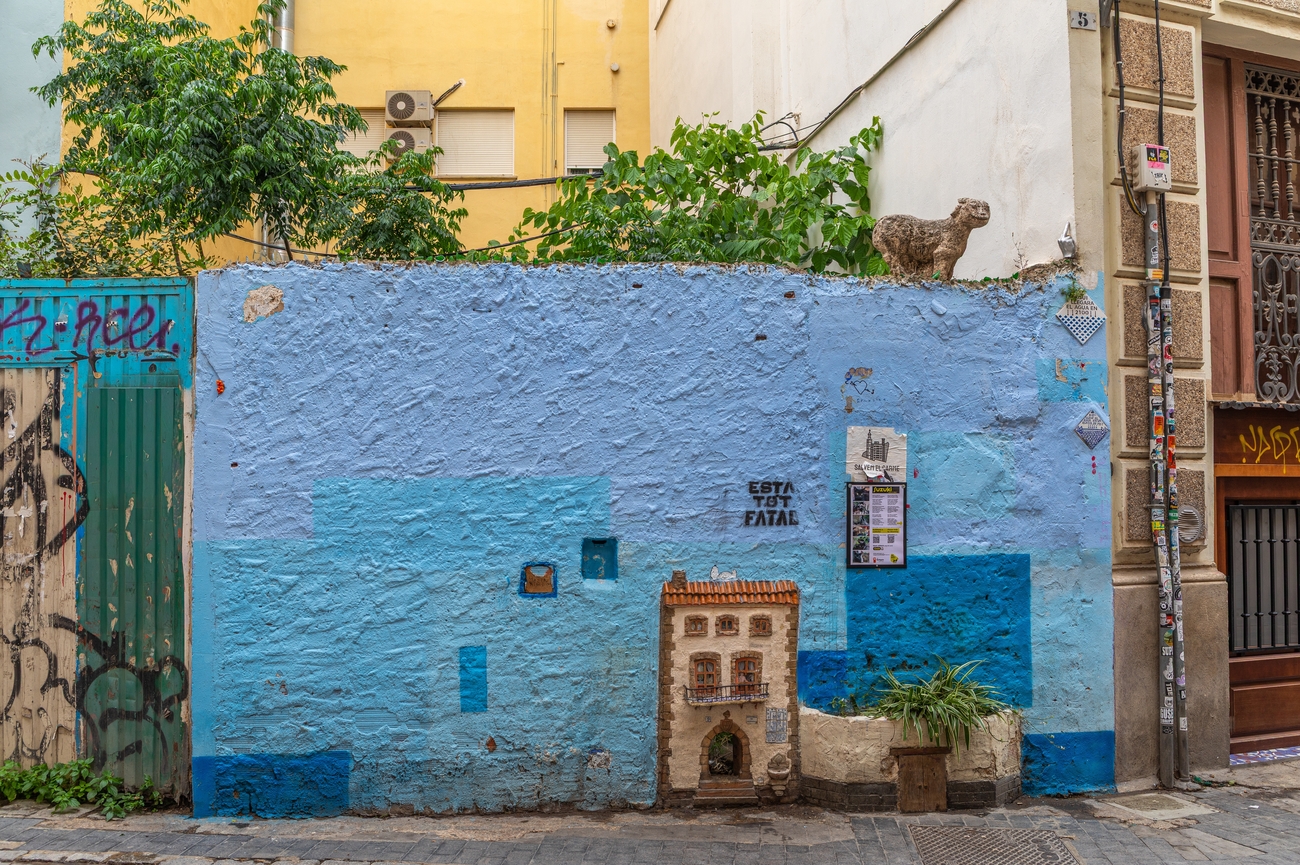
Carrer Alta and Carrer Baixa run roughly parallel and contain a particularly dense mixture of murals and smaller pieces. Carrer de Moret, often called the street of colours, is another of the best places to look. Carrer dels Cavallers tends to feature larger commissioned works, while several substantial murals can also be found around the Torres de Quart.
How to Explore El Carmen's Street Art
The method matters more than following a fixed route.
El Carmen's medieval street pattern is irregular, and murals tend to reveal themselves as you turn corners rather than appearing along a predictable path. Pick a general direction, take the smaller streets and expect to double back.
Look up as well as ahead. Some of the larger works sit above ground-floor level and are easy to miss.
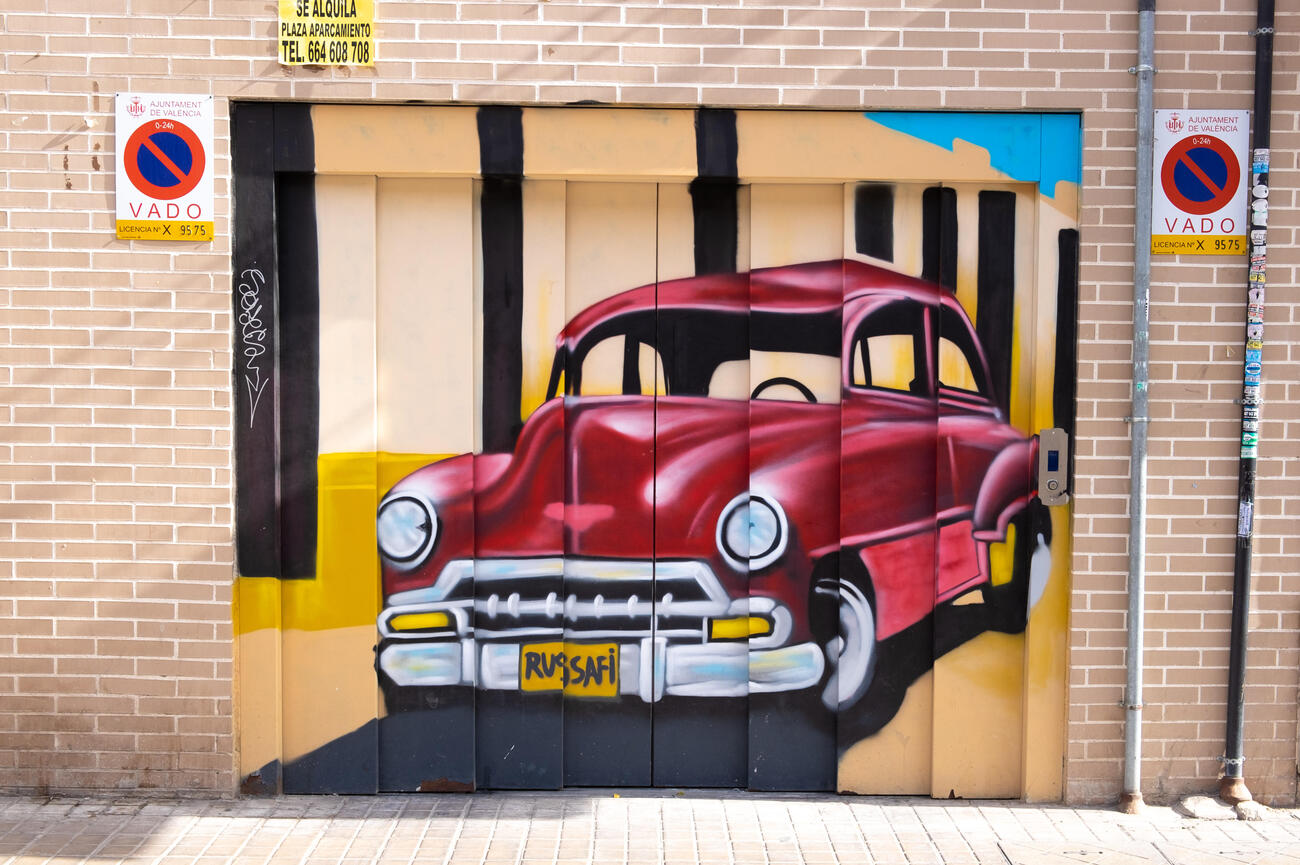
Also check shop shutters, which become painted surfaces once businesses close, and look closely around doorways for stickers, paste-ups and stencils. These smaller pieces often change faster than the large commissioned murals.
Best Time to See Street Art in El Carmen
Morning generally gives the best light for photographing many of the streets.
El Carmen becomes livelier after 21:00, when bars and restaurants fill and painted shutters are more likely to be visible, although there is less natural light for photography.
Find the PichiAvo Mural at Plaça del Doctor Landete
Specific street art recommendations can date quickly, but larger commissioned murals generally survive longer.
One of the most recognisable works to look for is the PichiAvo mural at Plaça del Doctor Landete. The Valencian duo combine monumental classical figures resembling marble sculpture with dense layers of graffiti lettering, creating a style that is immediately recognisable once you know it.
Ruzafa
Street Art: Best Streets and Murals
South of Valencia's main railway station, Ruzafa offers a very different street art experience from El Carmen.
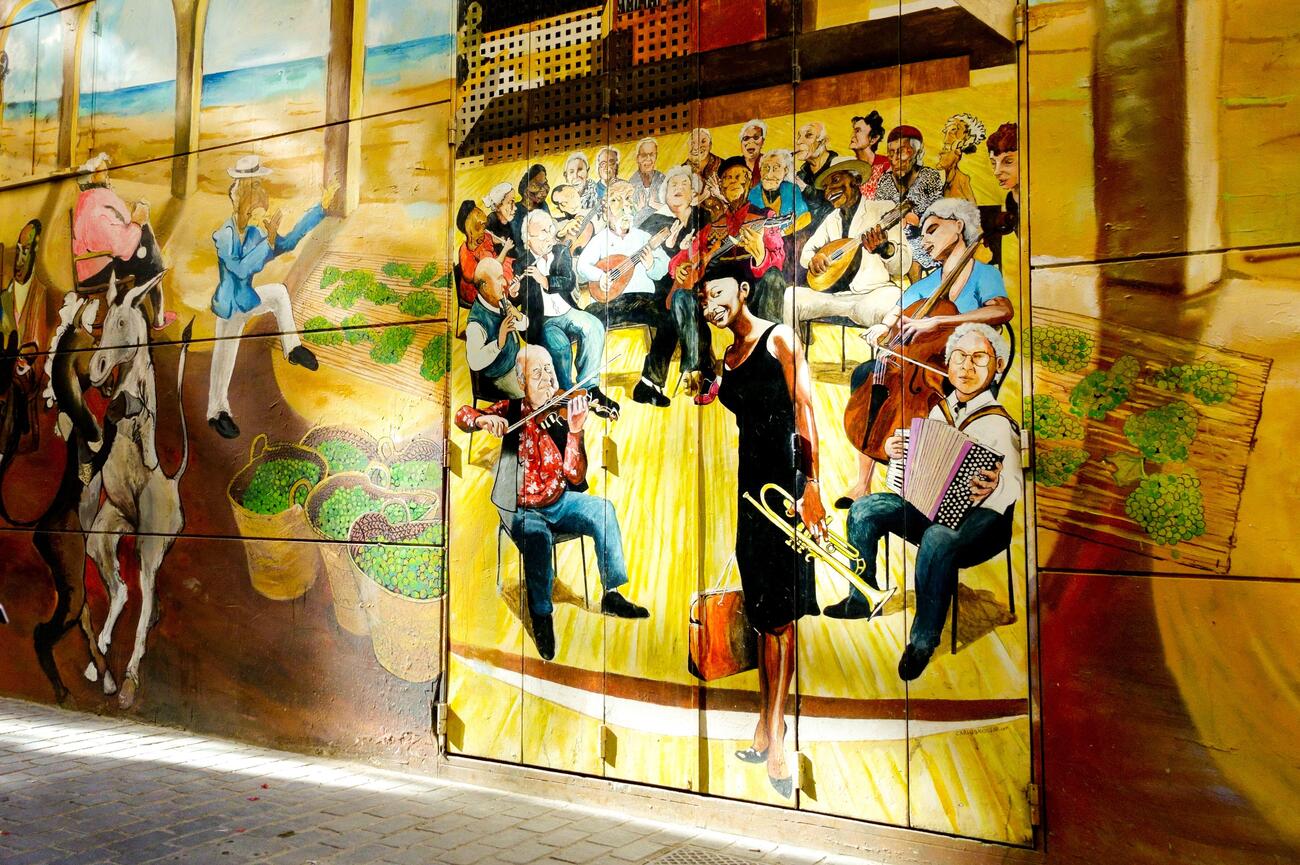
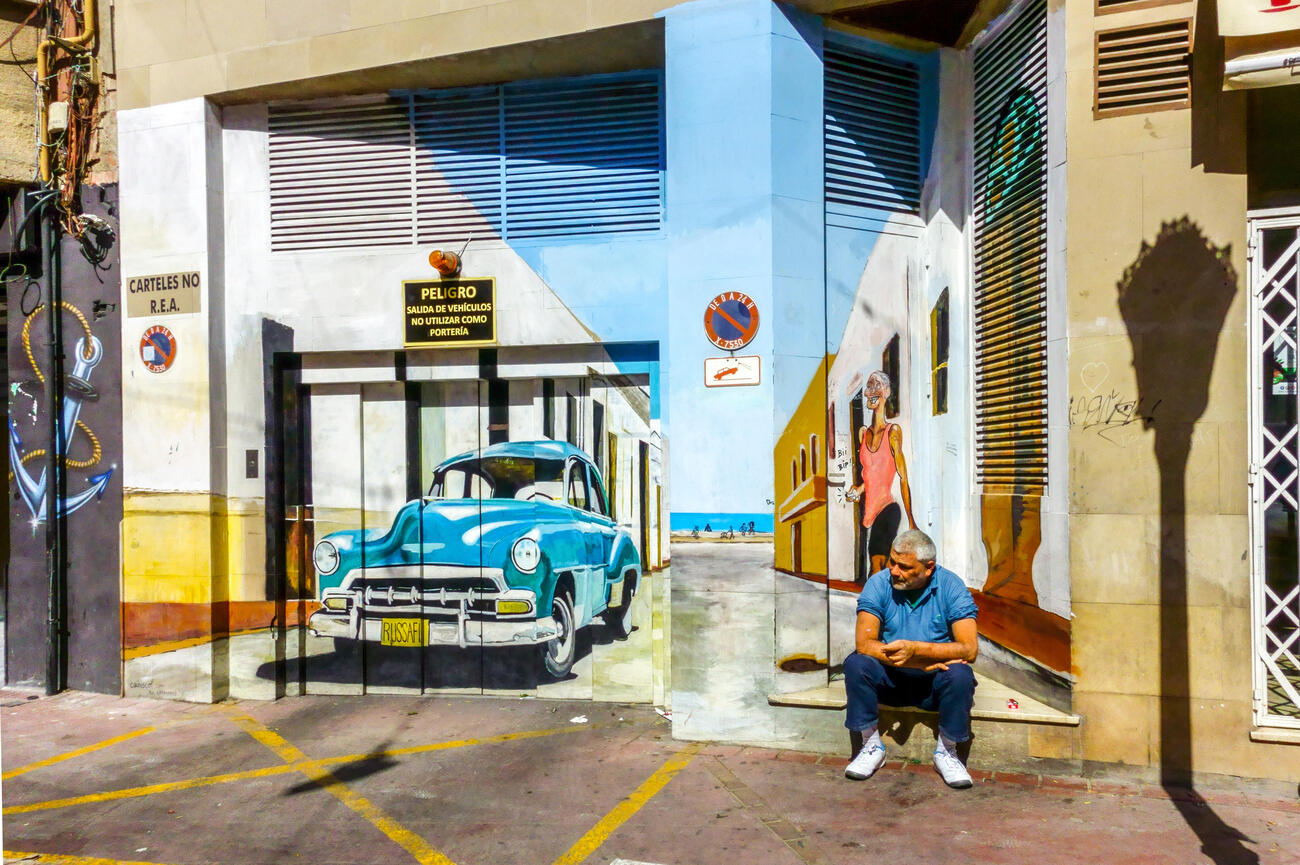
Much of the work here is commissioned, carefully maintained and more design-led. Shop fronts and shutters carry many of the murals, often painted for the businesses themselves, with a stronger emphasis on illustration and graphic art.
Best Streets for Street Art in Ruzafa
Start with Carrer de Cadis, Carrer de Sueca and Carrer del Literat Azorín.
Unlike the irregular medieval streets of El Carmen, Ruzafa follows a much more legible grid, making it easy to plan a walking route. Choose two or three streets and explore them end to end, allowing around 90 minutes for the neighbourhood.
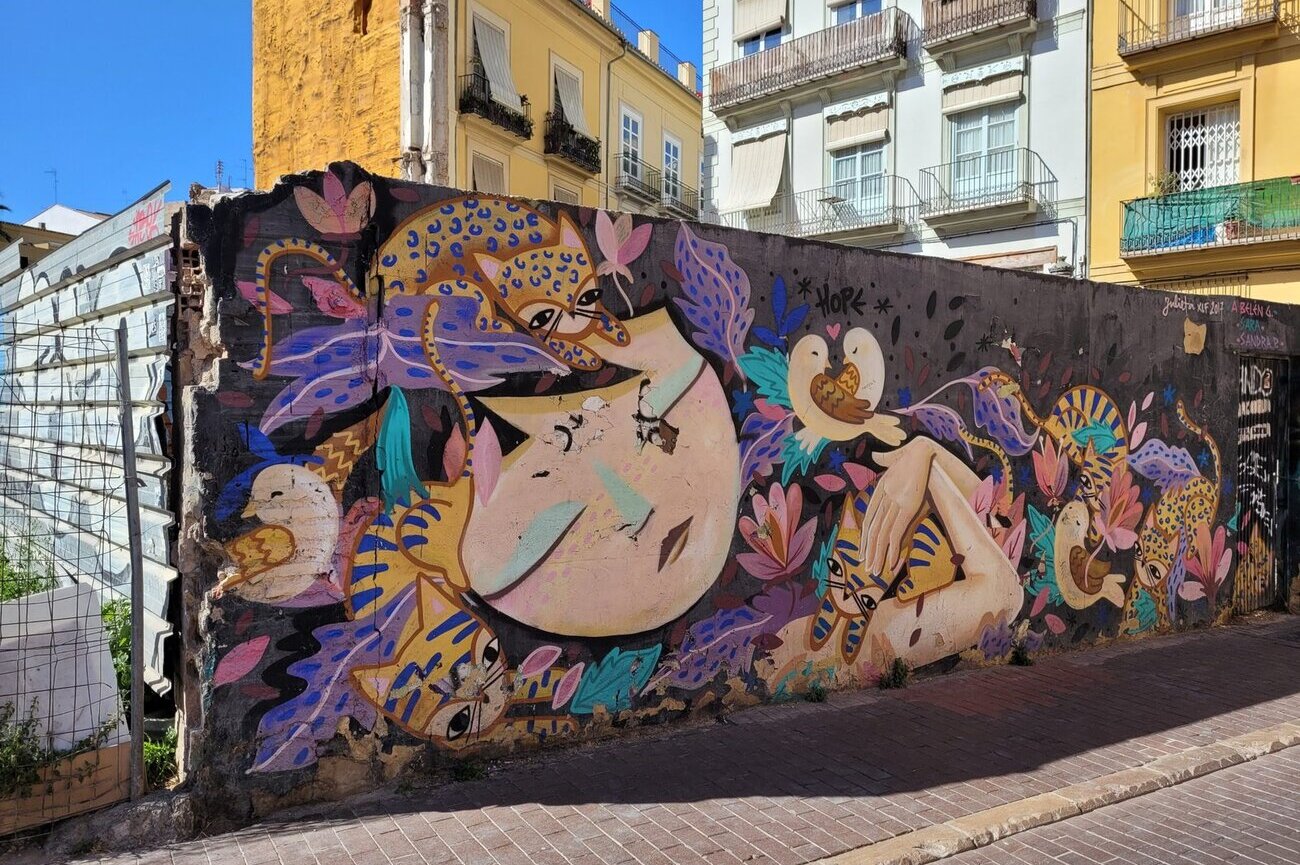
Look for Julieta XLF
Julieta XLF is one of the artists most closely associated with Ruzafa. Her dreamlike figures, children and animals rendered in saturated colour are among the easiest signatures to recognise once you know what to look for.
Best Time to Explore Ruzafa Street Art
Visit in the late afternoon, then stay into the evening.
The softer light works well for photographing the murals, while Ruzafa becomes increasingly lively later on as its restaurants and bars fill. It is a good neighbourhood to combine street art with dinner and an evening out.
El
Cabanyal Street Art: Murals, History and the Seafront
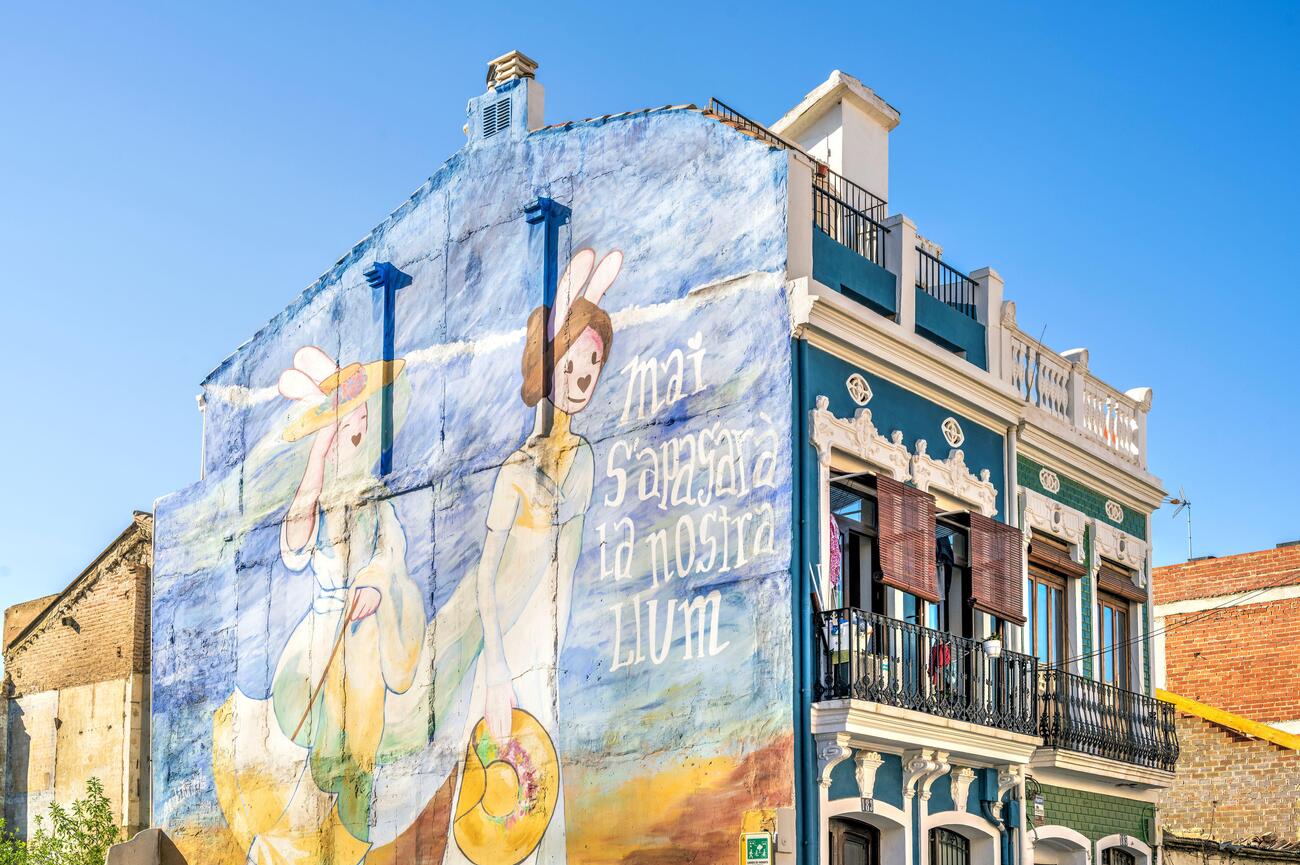
El Cabanyal, Valencia's historic fishing quarter beside the sea, has some of the city's most politically and socially rooted street art.
The neighbourhood is a low grid of houses behind the beach, many faced in colourful ceramic tiles. For decades, part of El Cabanyal was threatened with demolition as plans sought to extend a boulevard towards the seafront. Residents fought the proposals street by street, and the scheme was eventually abandoned.
That history is still visible on the walls. Many murals refer directly to the neighbourhood, its residents and the campaign to preserve it, including works painted on buildings that were once threatened with demolition.
Where to Find Street Art in El Cabanyal
Start along Carrer de la Reina and explore the smaller streets running towards the sea.
Look particularly at older façades, shutters and boarded frontages, where some of the neighbourhood's most distinctive work appears.
Combine El Cabanyal Street Art With the Beach
El Cabanyal is easy to combine with Valencia's beaches and the restaurants along the seafront.
Allow a few hours to explore the streets before continuing towards Playa de las Arenas or the Mediterranean promenade. The neighbourhood is around 20 minutes from central Valencia by tram.
Benimaclet
Street Art: Experimental Murals and Graffiti
North of Valencia city centre, Benimaclet is a student neighbourhood with one of the fastest-changing street art scenes in the city.
New work appears quickly and often disappears just as fast. Compared with El Carmen, Ruzafa and El Cabanyal, the street art here is generally more experimental, less polished and less concerned with permanence.
Where to Find Street Art in Benimaclet
Start around the old village centre and explore the surrounding streets on foot.
Benimaclet still retains traces of the separate village it once was before Valencia expanded around it, giving the neighbourhood a different atmosphere from the city's more central street art districts.
Allow around an hour if you have already explored the main street art areas and want to see a more informal, constantly changing side of Valencia's scene.
Commissioned
vs Independent Street Art in Valencia
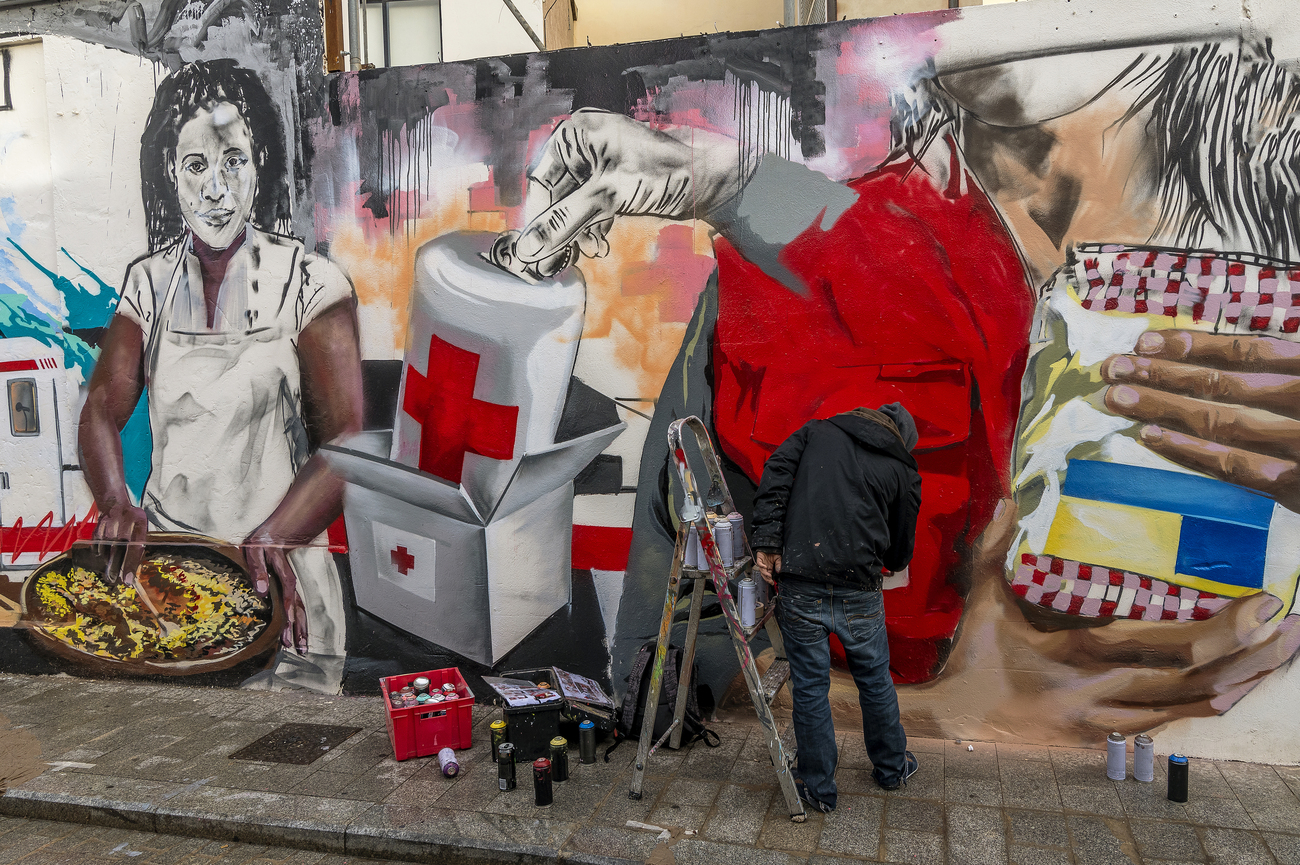
Valencia's street art comes from two very different sources: commissioned murals and independent work.
Commissioned Murals
Commissioned work is usually created through the city, local businesses or festivals.
These pieces tend to be larger, planned in advance and produced with proper access equipment. Once completed, they are generally left in place for much longer, which is why they are the murals most likely to appear in guidebooks and still be there when you arrive.
Independent Street Art
Independent work appears on a much shorter cycle.
It can arrive overnight on shutters, walls, doorways and smaller surfaces, and some pieces disappear within days or weeks. Others become well known locally and survive for years.
This part of Valencia's street art scene is much harder to document because there is no single organised record of what goes up or when it disappears.
Where the Two Meet
The most interesting walls often contain both.
A large commissioned mural may gradually collect smaller pieces around its edges, while unwritten rules shape what artists are willing to paint over and what they leave alone.
That informal etiquette is not enforced officially. It works largely through reputation within the street art community.
Valencia
Street Artists to Know
Learning a handful of names changes the way you see Valencia's murals. The same artists recur across El Carmen, Ruzafa, El Cabanyal and Benimaclet, and once you recognise their styles the walls stop feeling anonymous.
David de Limón
David de Limón is best known for a small masked figure with a black body and coloured heart, somewhere between a ninja and a cartoon character.
Once you recognise it, you begin spotting the figure on shutters, corners, bollards and doorways across the city.
Escif
Escif is one of Valencia's best-known conceptual street artists.
His work is usually sparse, often monochrome or close to it, and built around a single idea rather than visual spectacle. The pieces tend to be quieter than the large commissioned murals around them, but often reward a second look.
PichiAvo
PichiAvo is a Valencian duo known for combining classical gods and marble-like figures with dense graffiti lettering.
Their large-scale murals are among the most immediately recognisable in Valencia. Look particularly around Plaça del Doctor Landete and other large commissioned walls.
Hyuro
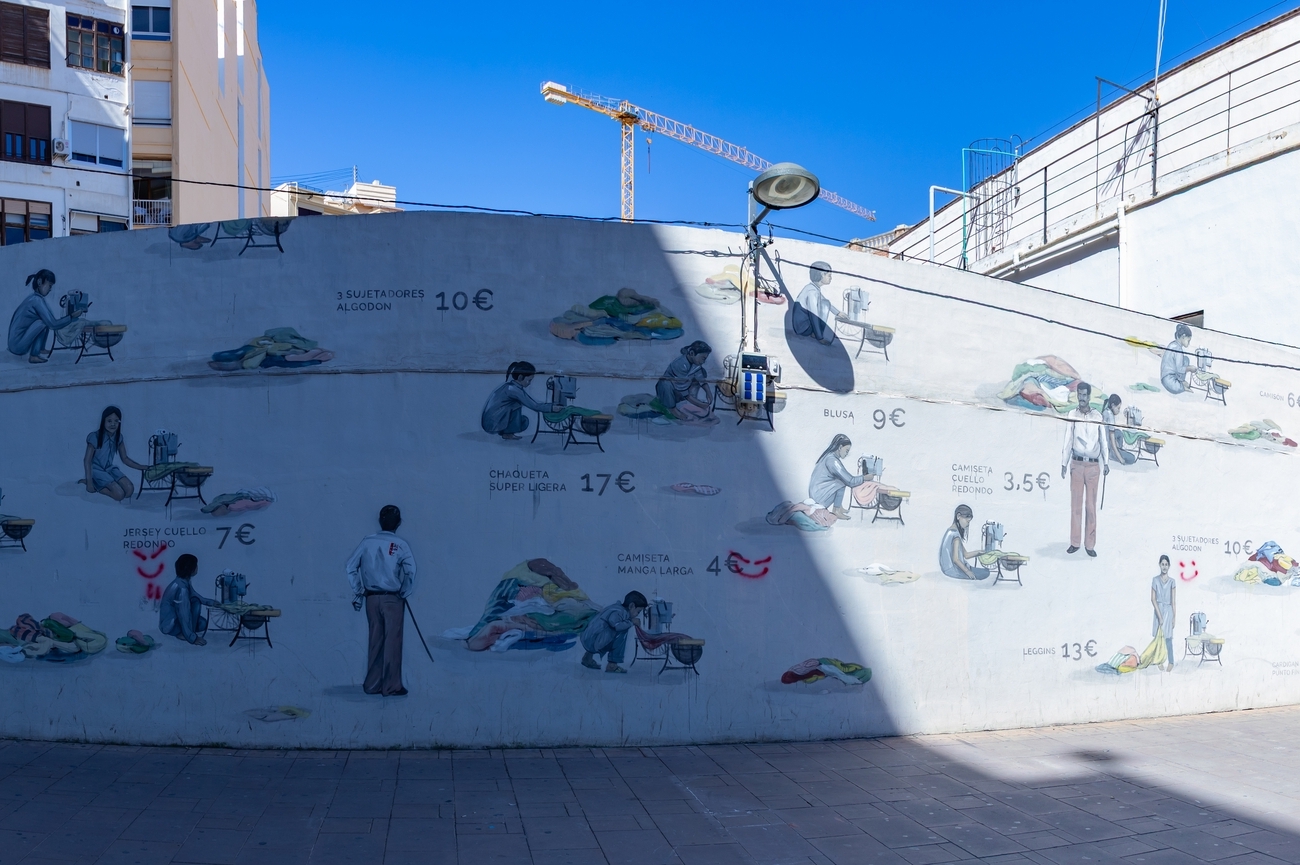
Hyuro was born in Argentina and lived in Valencia from 2005 until her death in 2020.
Her work is figurative and often muted in colour, with recurring themes around women's bodies, labour and social roles. Her surviving murals remain an important part of Valencia's street art landscape.
Julieta XLF
Julieta XLF is known for dreamlike figures, children and animals painted in saturated colour.
Her work is particularly associated with Ruzafa and becomes easy to recognise once you have seen a few examples.
Deih
Deih's murals draw heavily on science-fiction imagery, with figures breaking apart into geometry, circuitry and futuristic forms.
His work is often large-scale and frequently uses deep blues and violets.
Recognising these six artists gives you a much better sense of what you are seeing as you move between Valencia's street art neighbourhoods.
The difficulty is that the work itself changes constantly. A route based on murals photographed a few years ago can easily lead to a wall that has since been repainted. Our Valencia journey includes a guided walk through the street art quarters, where the value comes from knowing what is still there now.
How
to Explore Valencia Street Art
A Valencia street art tour works best when you slow down and treat each neighbourhood differently.
Explore on Foot
Walk within each neighbourhood rather than trying to see the murals from a vehicle.
El Carmen in particular needs to be explored on foot, where smaller streets, shutters and doorways reveal work you would otherwise miss. Use the metro or tram when travelling between neighbourhoods such as El Carmen, Ruzafa, El Cabanyal and Benimaclet.
Limit Yourself to Two Neighbourhoods a Day
Two street art areas in a day is usually enough.
El Carmen in the morning and Ruzafa in the late afternoon or evening is a natural combination. Give El Cabanyal its own half day and combine it with the beach and seafront.
Choose the Best Light for Photography
Morning light works well for many north-facing walls, while wider streets and squares are often better in the late afternoon.
Overcast conditions can be particularly good for photographing murals because the colours remain even and there is less harsh contrast across the walls.
Respect People and the Artwork
Do not photograph people standing in front of murals without asking permission.
The basic rule is simple: look, photograph and discuss, but do not touch the work or add anything to it. Valencia's tolerance of street art does not mean every wall is open for anyone to use.
Support the Businesses Behind the Murals
Many of the murals in Ruzafa and El Cabanyal appear on businesses that commissioned the work.
If a café, shop or restaurant has contributed to the street art you came to see, spending something there is a simple way to support the neighbourhood that helped create it.
What
to See Near Valencia's Street Art Neighbourhoods
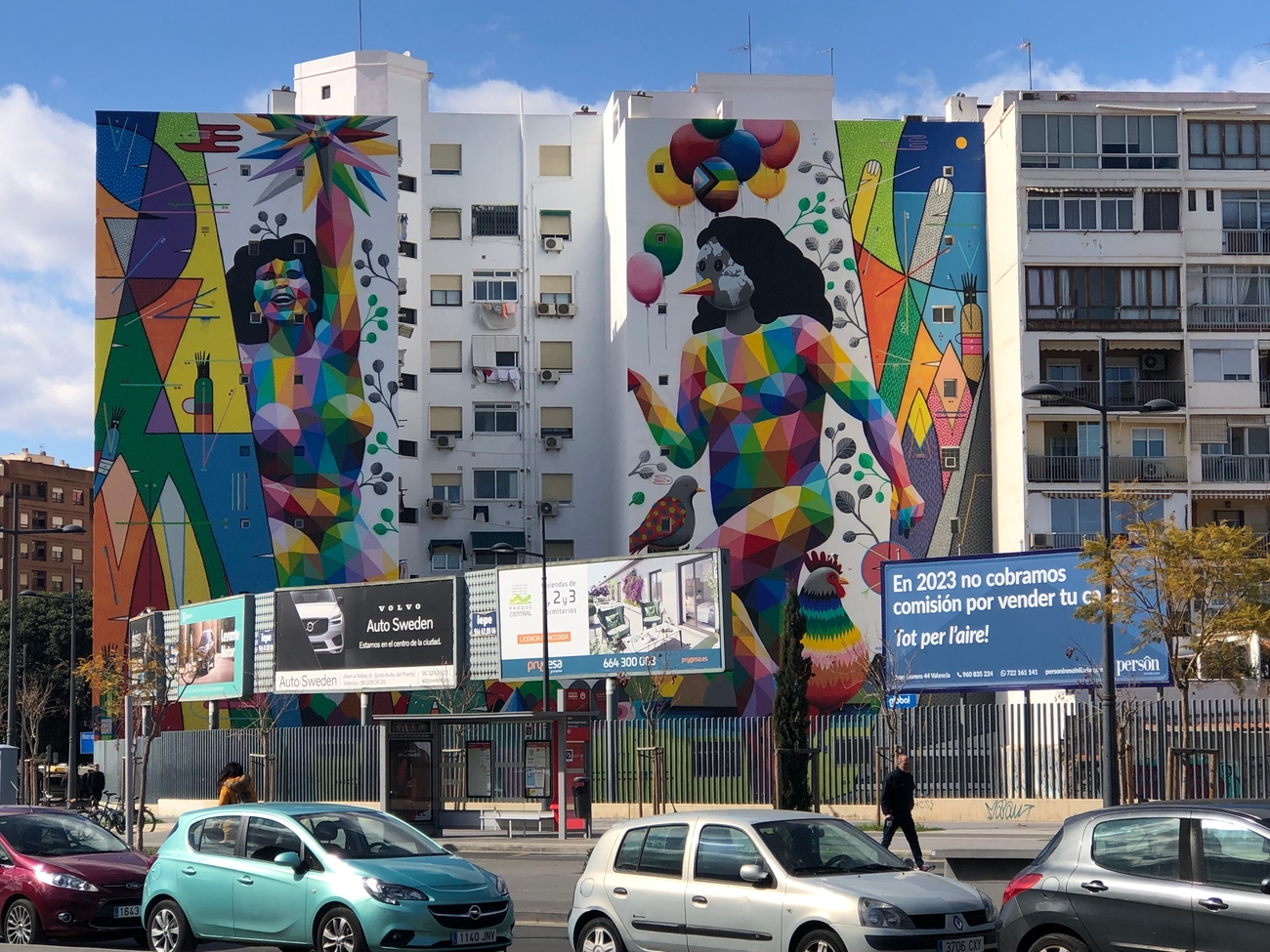
Valencia's street art neighbourhoods sit close to several of the city's major sights, so they are easy to combine with other parts of your itinerary.
Combine El Carmen With Valencia Old Town
Walk south from Carrer Alta and within a few minutes the painted walls of El Carmen give way to the Gothic and medieval landmarks of Valencia Old Town.
Valencia Cathedral, La Lonja de la Seda and Mercado Central all sit nearby, making it easy to combine street art with the historic centre in the same day.
For the complete route through Ciutat Vella, see our walking guide to Valencia Old Town.
Walk Through the Turia Gardens to the City of Arts and Sciences
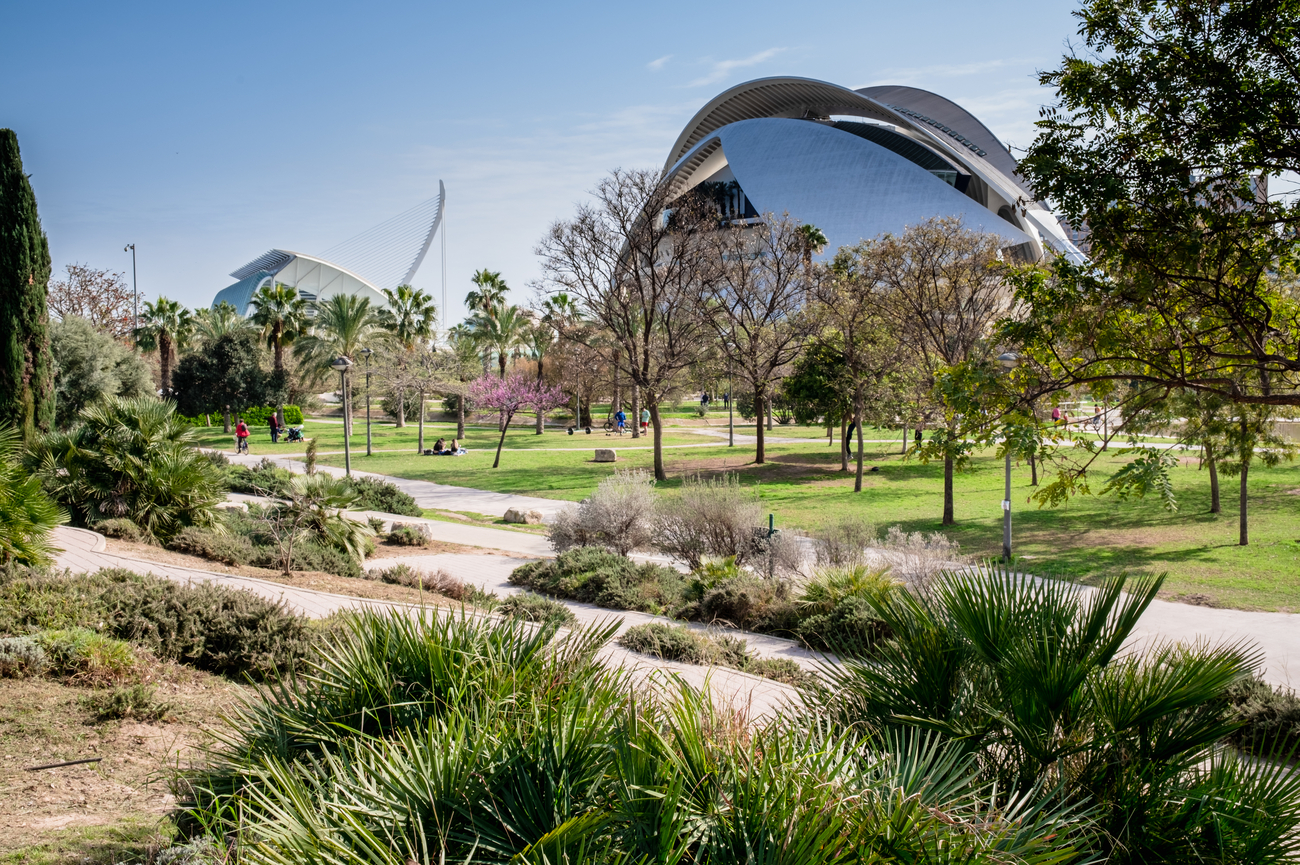
From below El Carmen, follow the Turia Gardens east through the former riverbed towards the City of Arts and Sciences.
The route runs for around three kilometres and creates one of Valencia's strongest contrasts: painted walls and medieval streets at one end, Santiago Calatrava's white modern architecture at the other.
For what to see when you arrive and how long to allow, read our first-timer's guide to the City of Arts and Sciences.
How
to Photograph Valencia Street Art
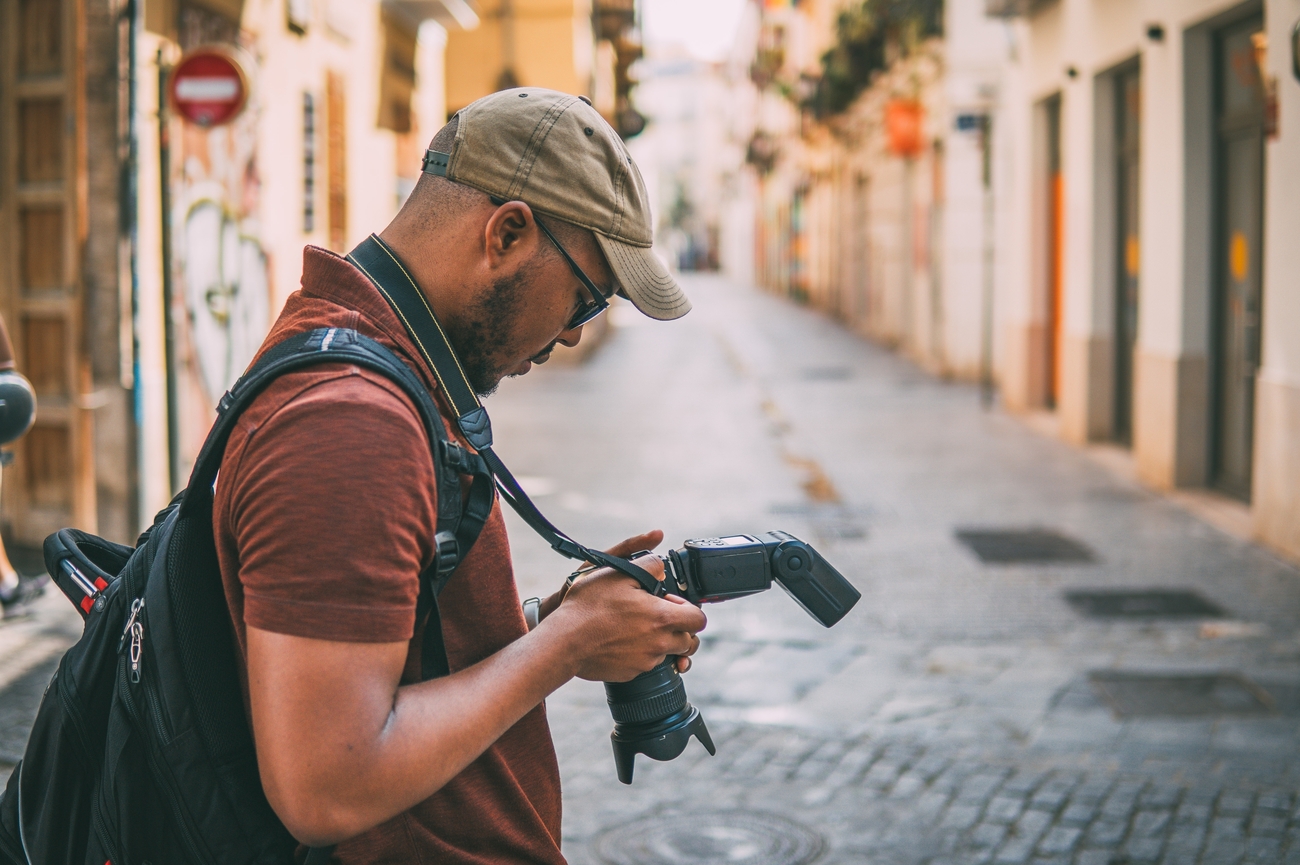
Valencia's street art changes quickly, and it is surprisingly easy to leave with hundreds of photographs and no idea where some of them were taken.
Photograph the Street Name
When you enter a new street, take a quick photograph of the street sign before photographing the murals.
It gives your camera roll a natural index and makes it much easier to work out later whether a piece was on Carrer Alta, Carrer de Moret, Carrer de Sueca or somewhere else entirely.
Take Both Close-Up and Wide Photographs
When you recognise a piece by an artist such as Escif, PichiAvo or Julieta XLF, take a close photograph of the artwork and a wider image showing the surrounding building and street.
The architecture, shutters and neighbouring walls are often part of what makes Valencia street art interesting, particularly in El Carmen and El Cabanyal.
Follow Valencia Street Artists Online
Several Valencia street artists maintain their own websites and social media accounts.
Following a few of them can help you spot new work, understand when murals have changed and turn a future walk through the city into something closer to a treasure hunt.
Practical
Notes
Cost. Exploring Valencia's street art is free. The only expense is transport between neighbourhoods if you use the metro or tram.
Safety. El Carmen, Ruzafa, El Cabanyal and Benimaclet are normal city neighbourhoods. Use standard precautions and watch your belongings in busier parts of El Carmen, particularly at night.
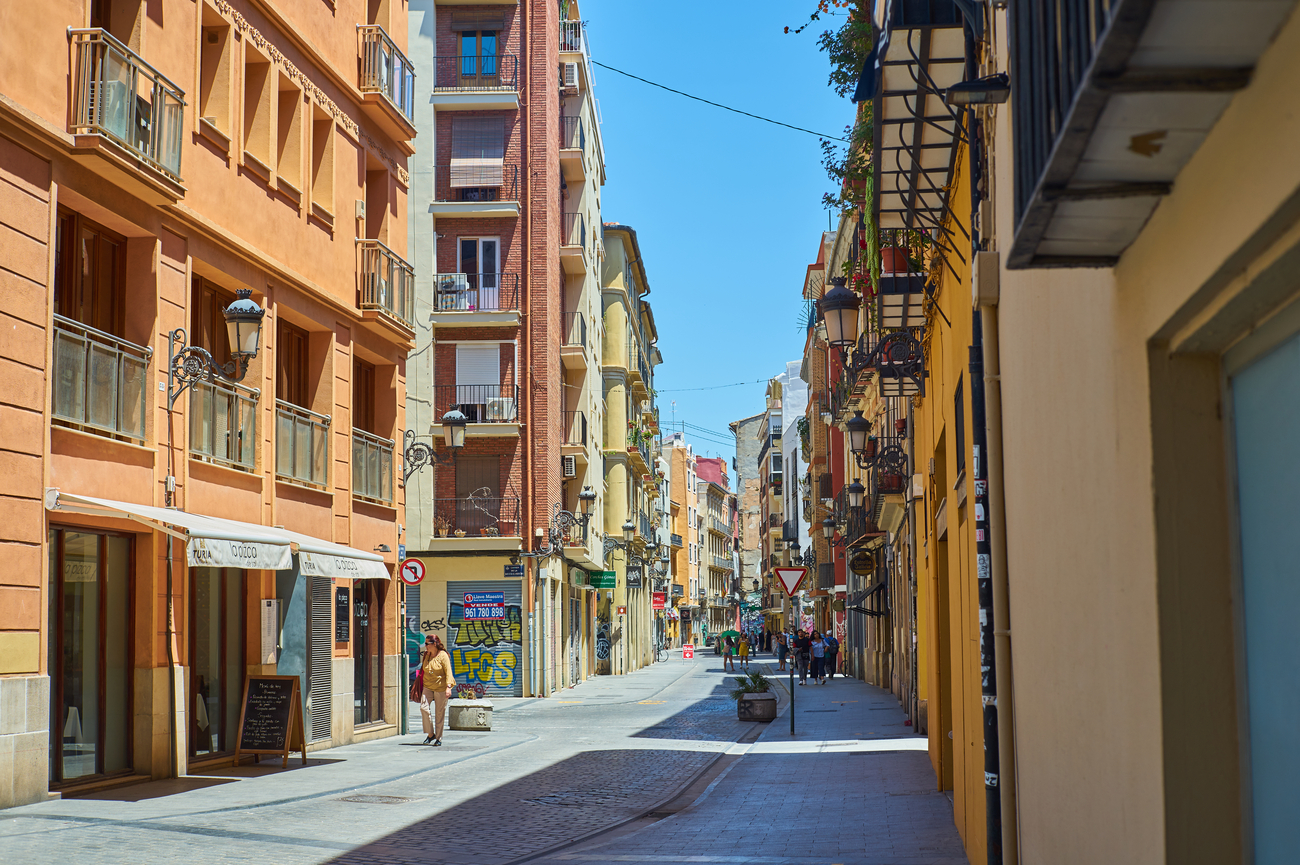
Access. El Carmen has narrow, cobbled and uneven streets in places. Ruzafa and El Cabanyal are flatter and generally easier to navigate.
Best Season. Valencia's street art can be explored year-round. Winter brings softer light and quieter streets, while spring and autumn offer comfortable walking temperatures. During Las Fallas in March, El Carmen becomes extremely busy and walking routes take longer.
Language. Street names are commonly shown in Valencian, which is why this guide uses Carrer rather than Calle. Both forms are widely understood.
Go
Back and Check
Spend a few days exploring Valencia's street art and you may start doing the same thing twice: walking back down a street you have already seen to check whether anything has changed.
Often, nothing has. But sometimes a shutter has been repainted overnight, a new paste-up has appeared on a doorway, or a wall you photographed a few days earlier has been returned to bare render.
That constant turnover is part of what makes Valencia's street art worth following. The subject is not only the individual mural, but the way the neighbourhood keeps changing around it.
It is also one of the advantages of staying longer. Our Valencia week itinerary leaves enough time to return to places rather than simply tick them off once.


Let us know what you love, where you want to go, and we’ll design a one-of-a-kind adventure you’ll never forget.
Get in touch
Miriam
Travel Specialist

Romina
Travel Specialist

Laura
Travel Specialist
Our offices:


Revigorate, Iberian Escapes and Algarve Lifestyle are the registered brand names of APCS Lda . We are a fully authorised travel agency licensed by Turismo de Portugal RNAVT/6867.
In the event of a dispute, the consumer may refer to: RAL - Centros de Arbitragem
Avª. 5 de Outubro, nº. 55, R/C Dtº. 8000-075 Faro, Portugal | Tel: +351 289 823 135 *
* national landline call
E-mail: info@consumoalgarve.pt| www.consumidoronline.pt | Mon to Fri: 9:00 - 13:00 / 14:00 - 17:00