Albufera and the Rice Fields: Valencia's Countryside Table
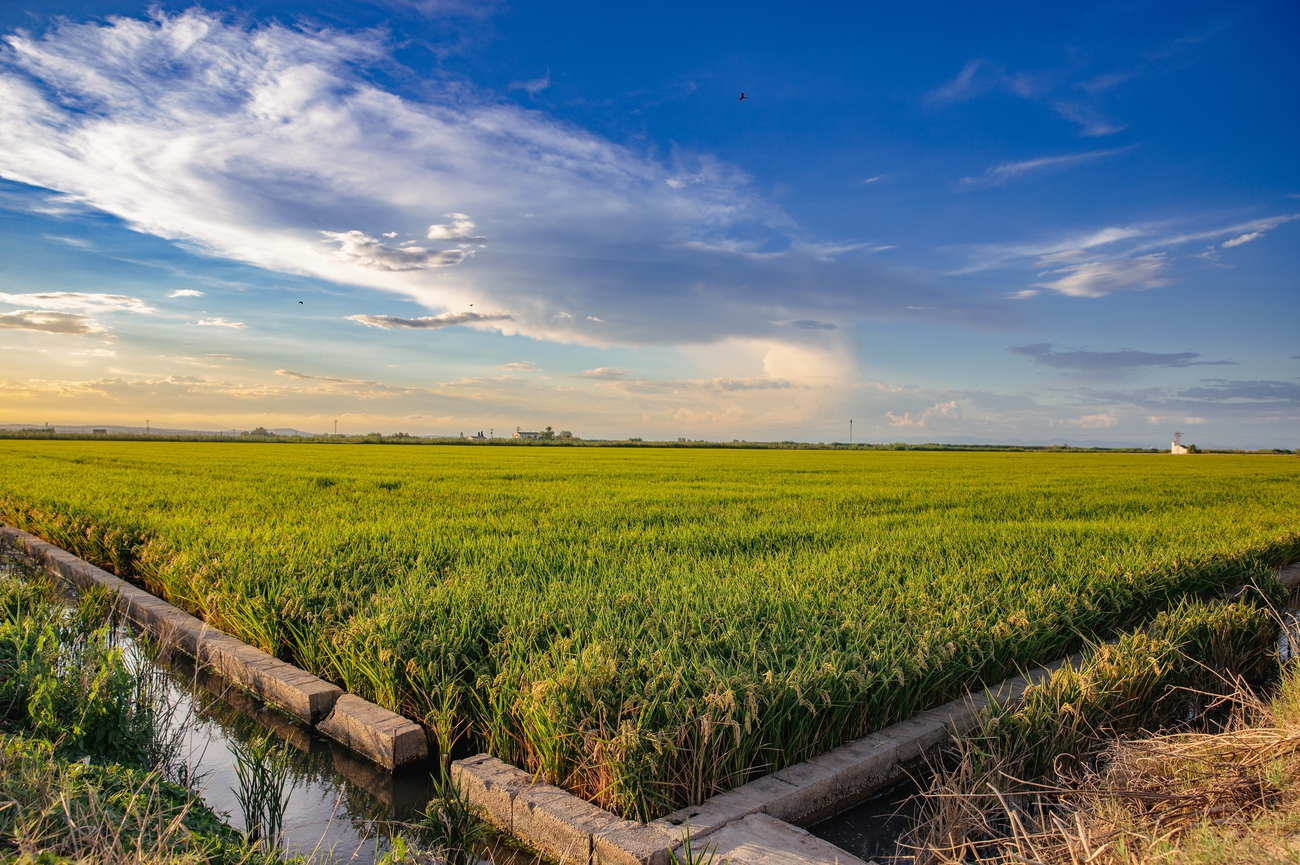
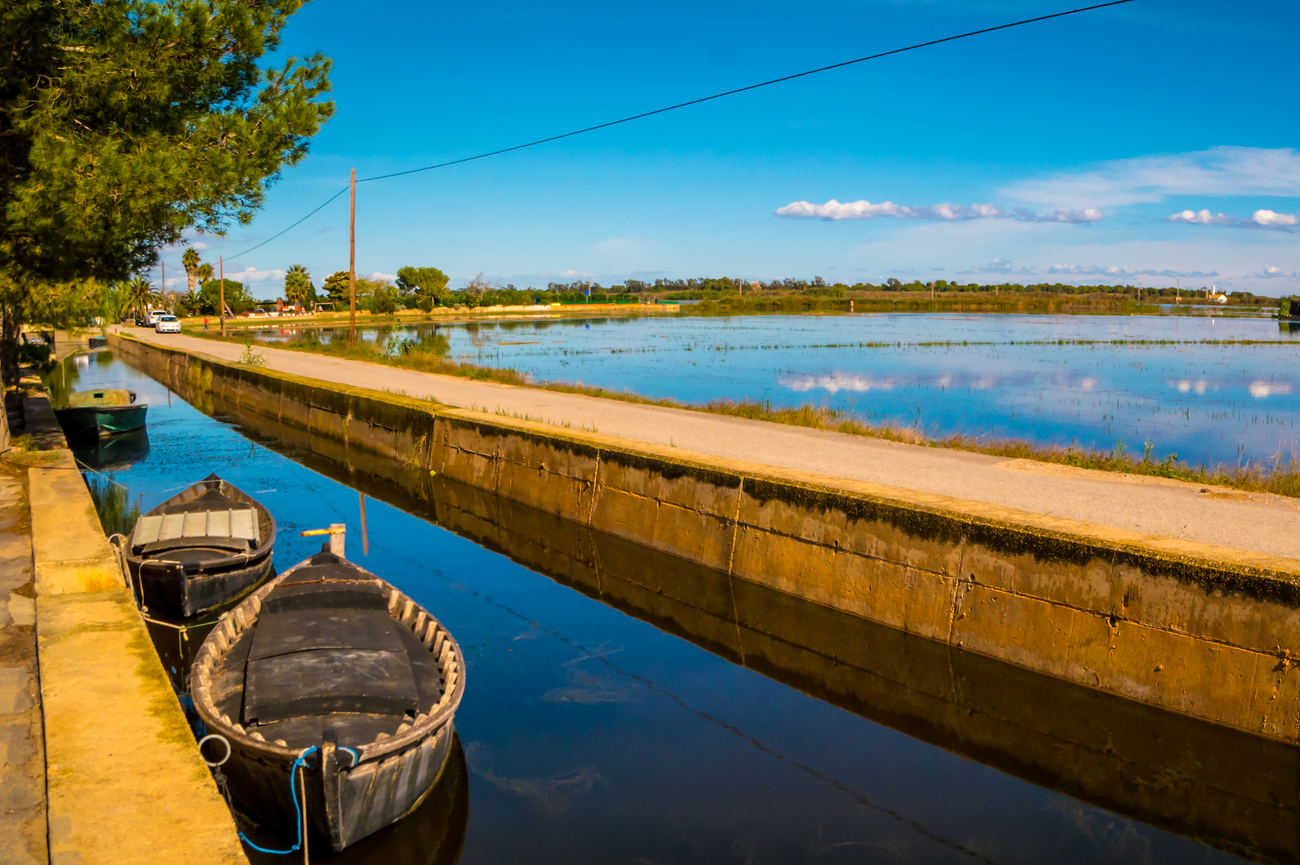
In the flooded months, the rice fields south of Valencia stop looking like fields and become a mirror.
Water lies a few centimetres deep across thousands of hectares, perfectly flat and holding the sky above it. Wooden posts break the surface where eel traps are set. Herons stand motionless between the paddies, while the sound of a tractor can travel across the shallow water from kilometres away.
This is the Albufera, the freshwater lagoon and rice-growing landscape south of Valencia that gave rise to some of the region's most important food traditions, including paella valenciana.
Albufera Natural Park lies close enough to Valencia that you can leave the historic centre and be among rice fields, reed beds and lagoon villages within the same morning. Yet many visitors eat Valencian rice without ever seeing the landscape where much of its history began.
The lagoon itself covers around 21 square kilometres, while a much larger agricultural landscape of rice paddies surrounds it. Villages such as El Palmar remain closely connected with rice cultivation, eel fishing and the dishes that developed from both.
That relationship between landscape and food is what makes the Albufera more than a day trip from Valencia. The rice fields, lagoon, fishing traditions and countryside kitchens explain why the city's cuisine developed as it did.
It is also a landscape we explore through our Foodie Side of Valencia journey, connecting the food served in the city with the countryside that produced it.
What
Is the Albufera Natural Park?

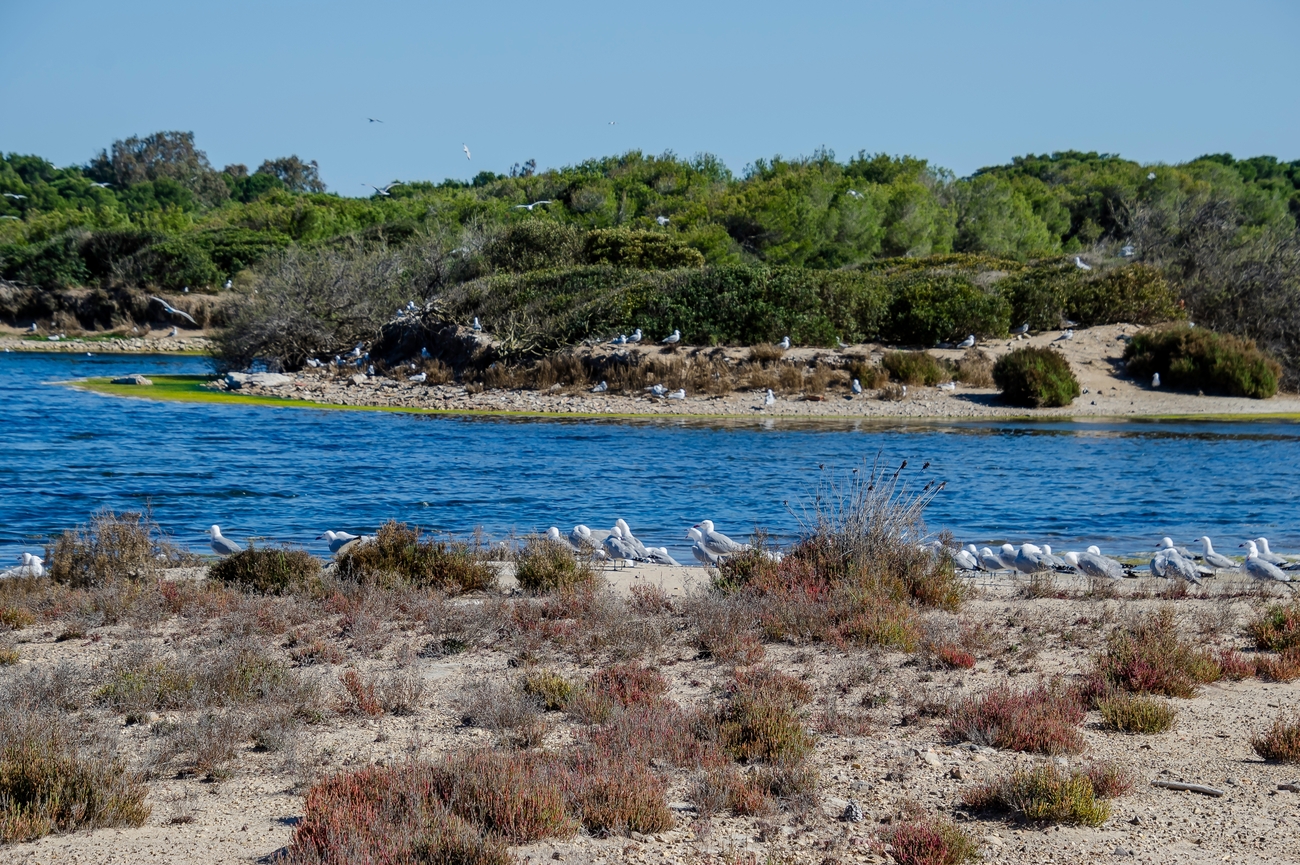
The Albufera is a shallow freshwater lagoon covering around 21 square kilometres south of Valencia. It is separated from the Mediterranean by the Devesa, a long strip of dunes and pine forest, and has formed part of the Albufera Natural Park since 1986.
The landscape visitors see today is the remnant of a much larger coastal lagoon. Over centuries, sedimentation and the expansion of rice cultivation gradually reduced the open water and created the distinctive combination of lagoon, reed beds and rice paddies that surrounds it today.
Rice Farming and the Albufera Wetland
Agriculture and wetland ecology are closely connected here.
The rice fields depend on water from the Albufera system, while maintaining the health of the lagoon requires careful management of water levels and agricultural runoff. Water quality remains an important environmental issue within the natural park.
This relationship between wetland and farmland is one reason the Albufera is so closely tied to Valencian food culture. Rice cultivation has shaped both the landscape and many of the dishes for which Valencia is now famous.
Wildlife in the Albufera
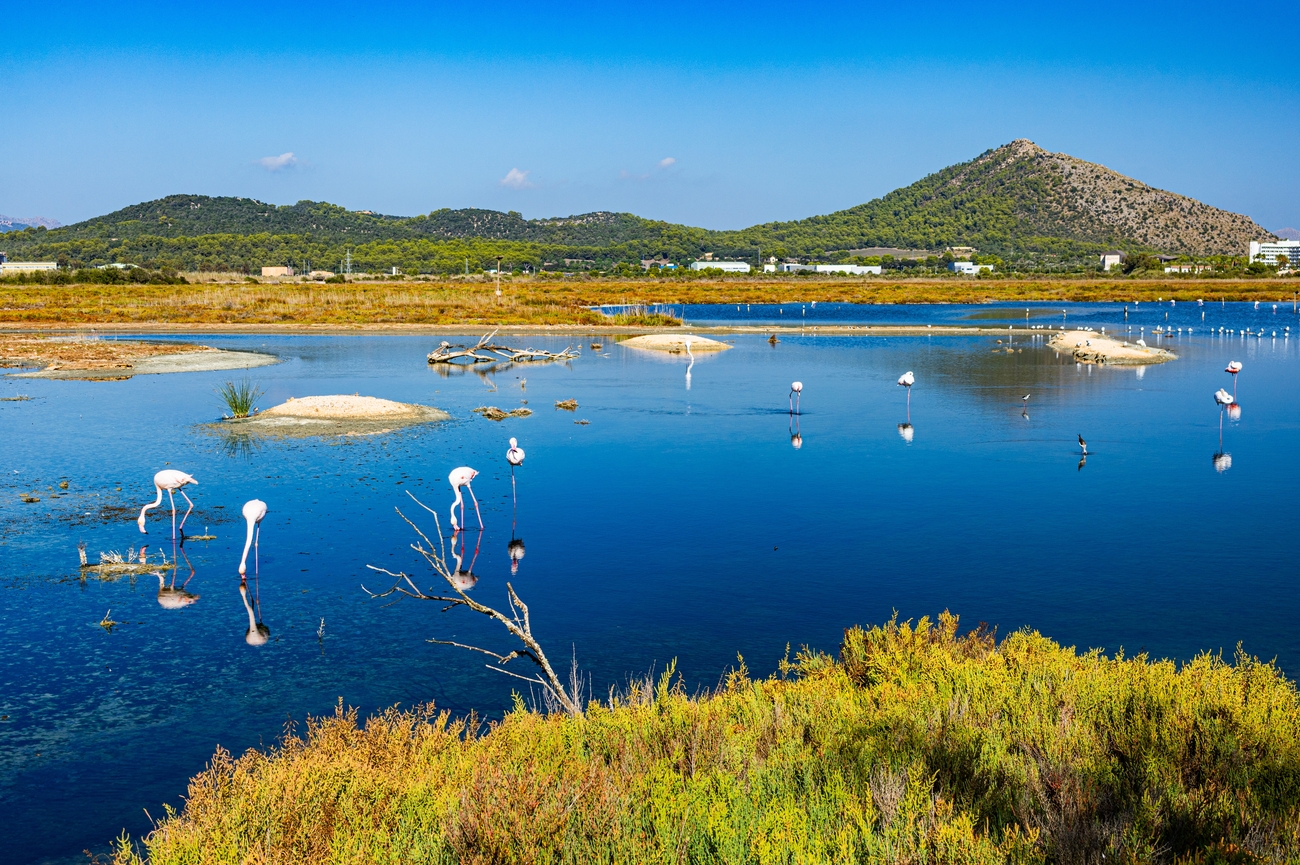
The Albufera is one of the most important wetland habitats on the western Mediterranean migration route.
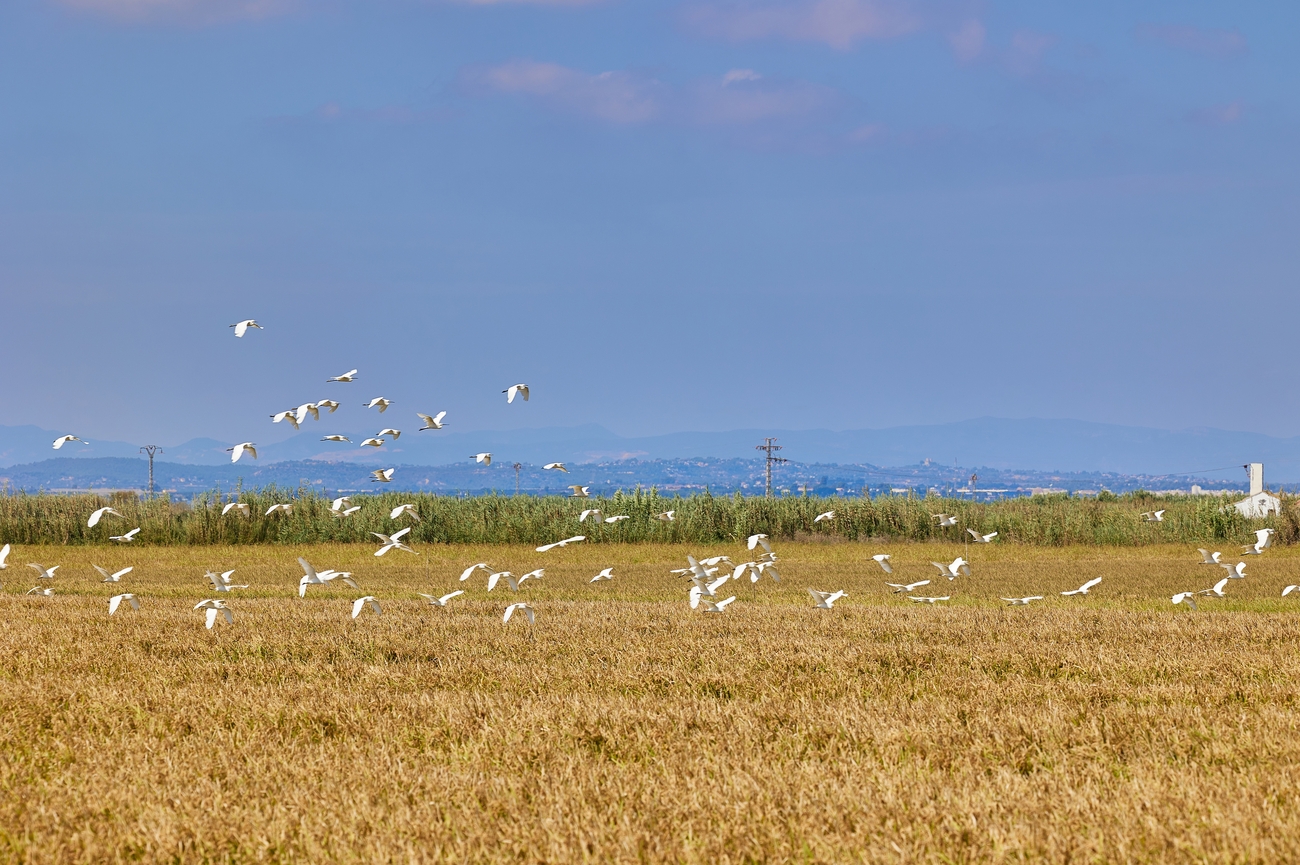
Herons, egrets and marsh harriers can be seen around the lagoon and reed beds throughout much of the year. Flamingos also appear, particularly during migration, while winter brings large populations of ducks and other waterbirds.
For visitors, this means the Albufera is not only Valencia's rice-growing landscape but also one of the region's most significant areas for birdlife.
The Traditional Barraca
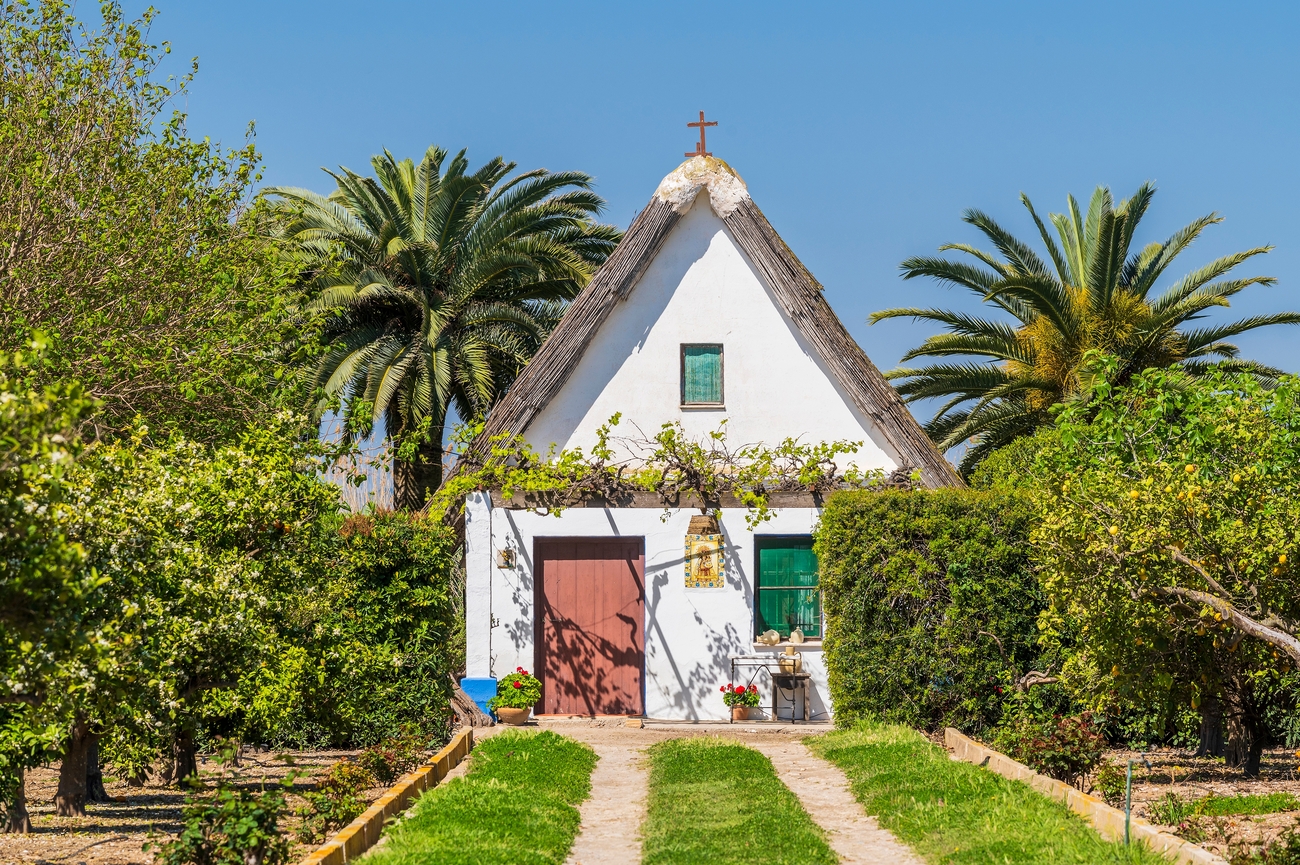
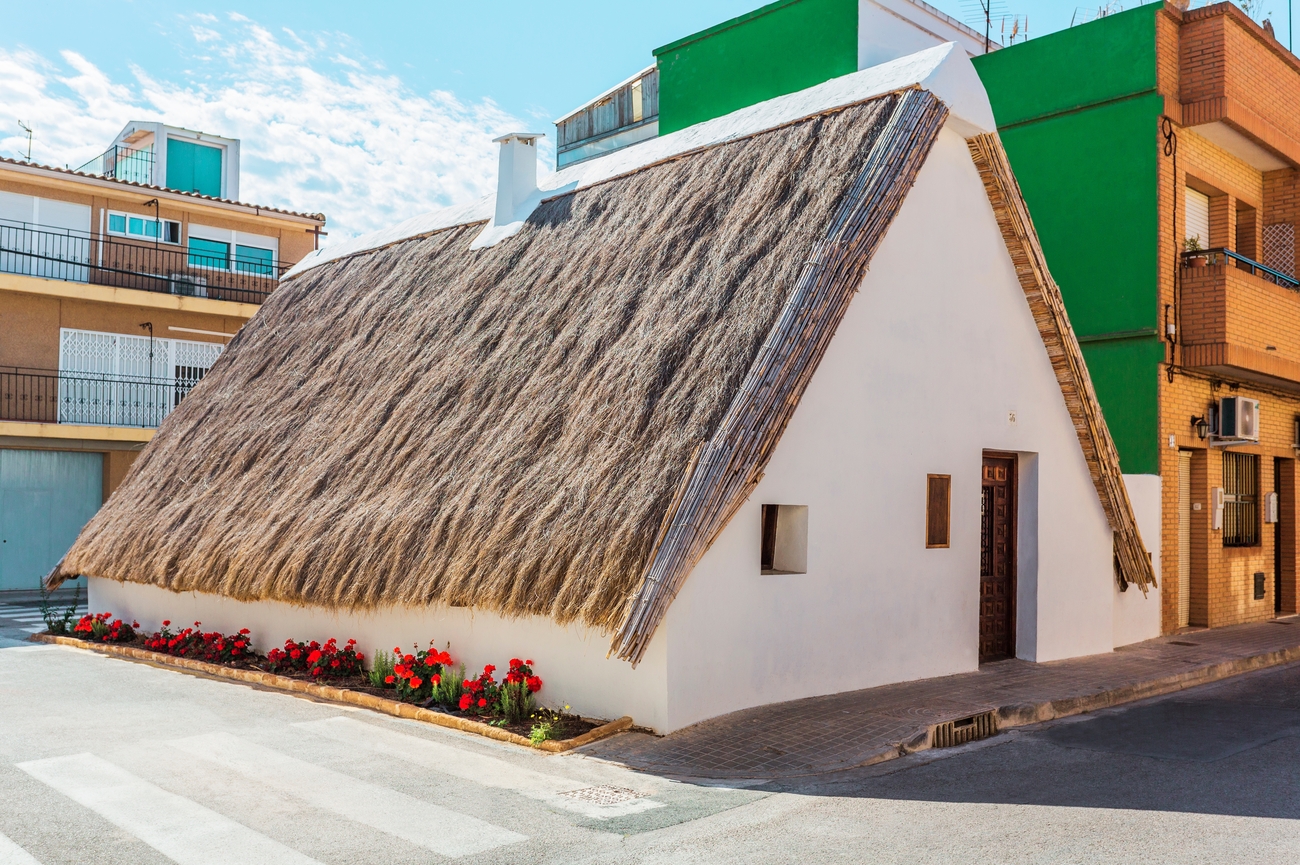
The barraca is one of the most distinctive traditional buildings associated with the Albufera and Valencia's surrounding huerta.
Built using locally available materials, barracas typically have whitewashed walls, a wooden structure and steeply pitched roofs traditionally thatched with reeds from the surrounding wetlands. For generations, they housed farming and fishing families whose lives depended on the rice fields, irrigation channels and lagoon around them.
Barracas required constant maintenance, particularly their reed roofs, which deteriorated over time and were vulnerable to fire. From the mid-twentieth century onwards, concrete, brick and tile gradually replaced many of these traditional structures.
Only a limited number survive today, particularly around El Palmar and elsewhere in the Albufera landscape. Some have been restored as restaurants, cultural spaces or private homes. Seeing one surrounded by the reeds and rice fields from which its materials originally came helps explain how closely everyday life here was once connected to the wetland.
Rice Growing in the Albufera
Rice has been cultivated around the Albufera for more than a thousand years, introduced to the Valencian landscape through the agricultural systems developed during Muslim rule.
Today, the rice fields surrounding the lagoon remain fundamental to both the landscape and Valencia's food culture. Much of the rice used in the region's traditional dishes is protected under D.O.P. Arroz de Valencia.
Bomba, Senia and Albufera Rice
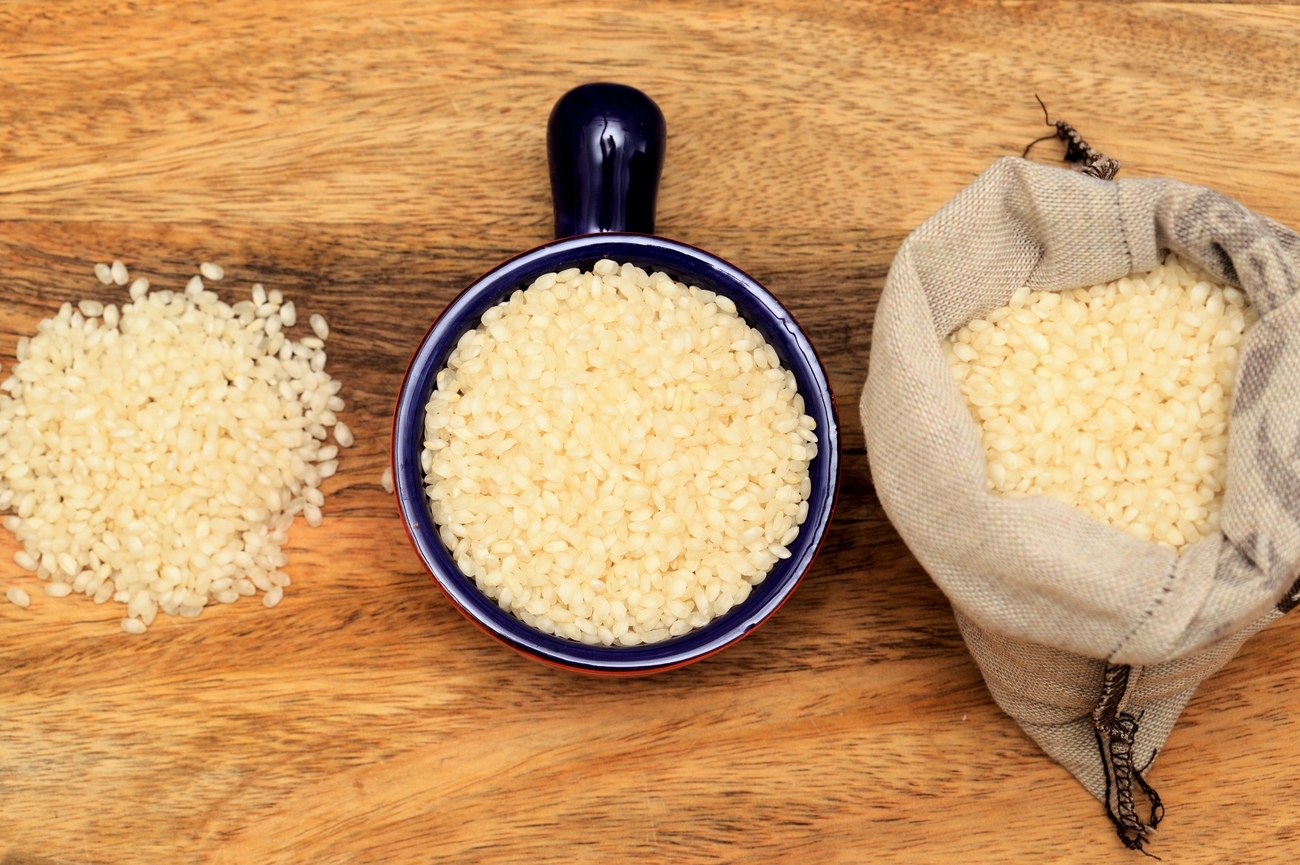
Several rice varieties are grown under the D.O.P. Arroz de Valencia designation, but three are particularly useful for visitors interested in Valencian cooking: Bomba, Senia and Albufera.
Bomba is a short, round grain known for absorbing a large amount of liquid while retaining its structure. This makes it relatively forgiving when cooking paella and one of the varieties most familiar to visitors.
Senia absorbs flavour particularly well and produces a softer texture, but it requires more precise timing because it can overcook more quickly.
Albufera is a more recent variety developed to combine some of the flavour absorption associated with Senia with greater resistance to overcooking. It has become increasingly important in Valencian rice cooking.
Understanding the differences between these varieties helps explain why choosing the rice is part of the technique rather than simply buying whatever short-grain rice happens to be available.
When Are the Albufera Rice Fields Flooded?
The appearance of the Albufera rice fields changes dramatically through the agricultural year, making the landscape look completely different from one season to another.
Winter and Early Spring
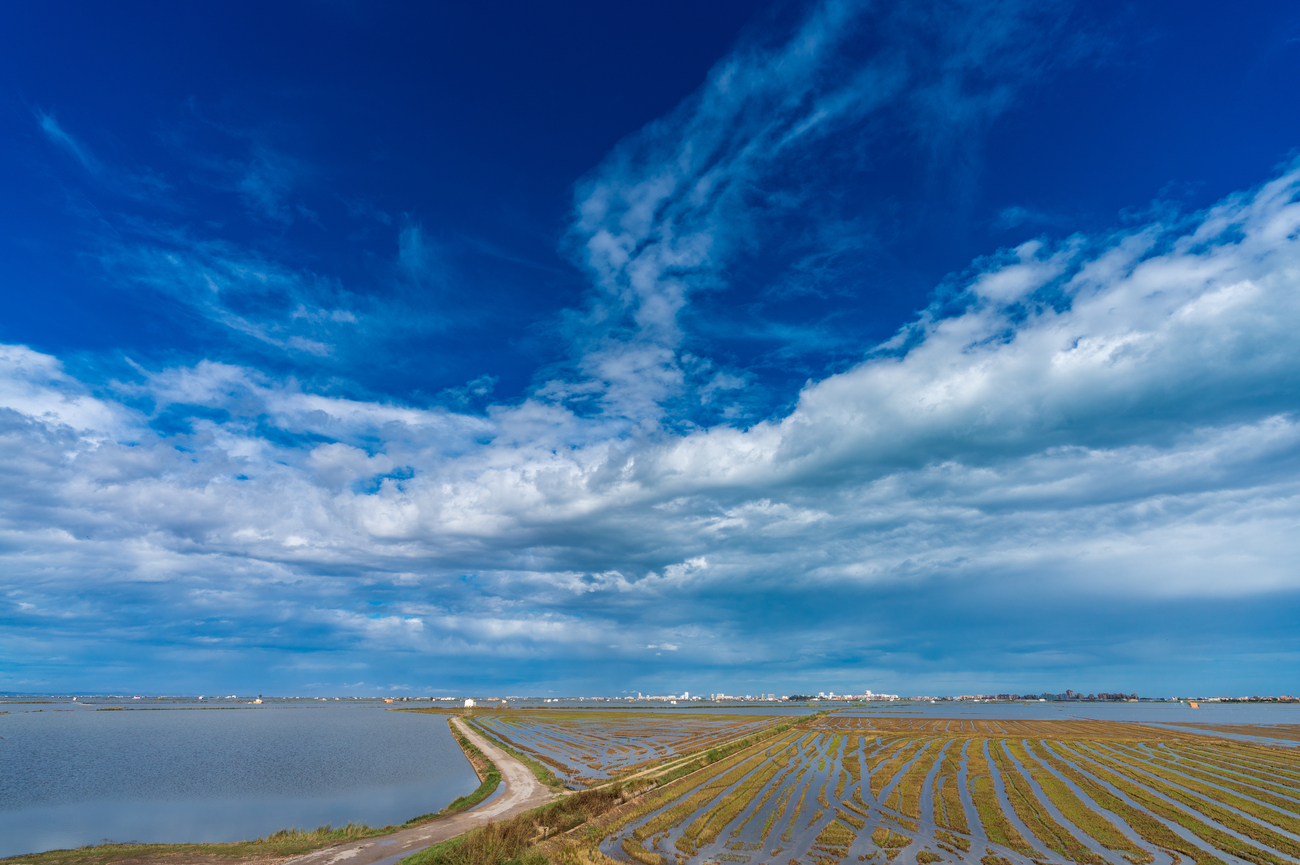
During the flooded period, large areas of the rice plain become covered in shallow water.
The fields reflect the sky and surrounding landscape, creating the mirror-like views for which the Albufera is particularly well known in winter.
Late Spring
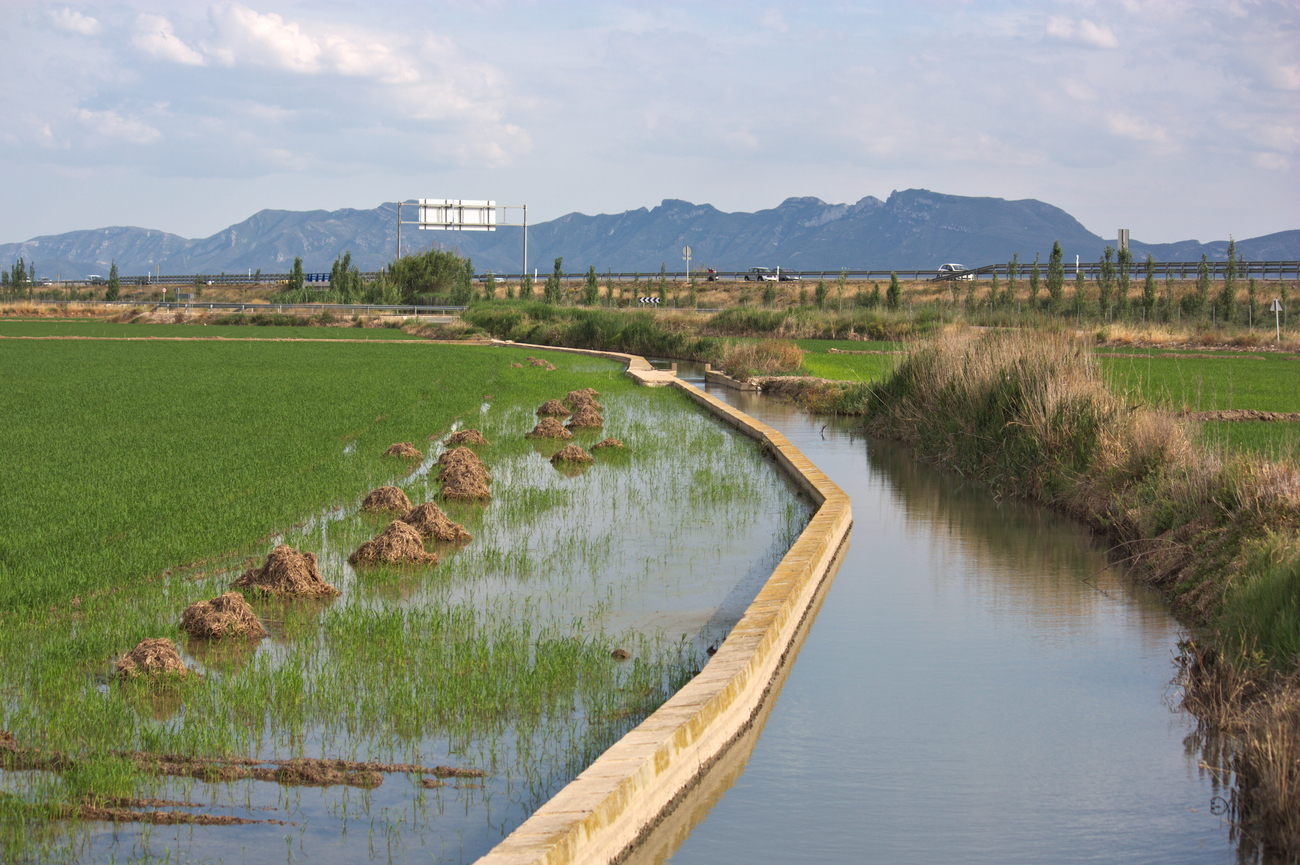
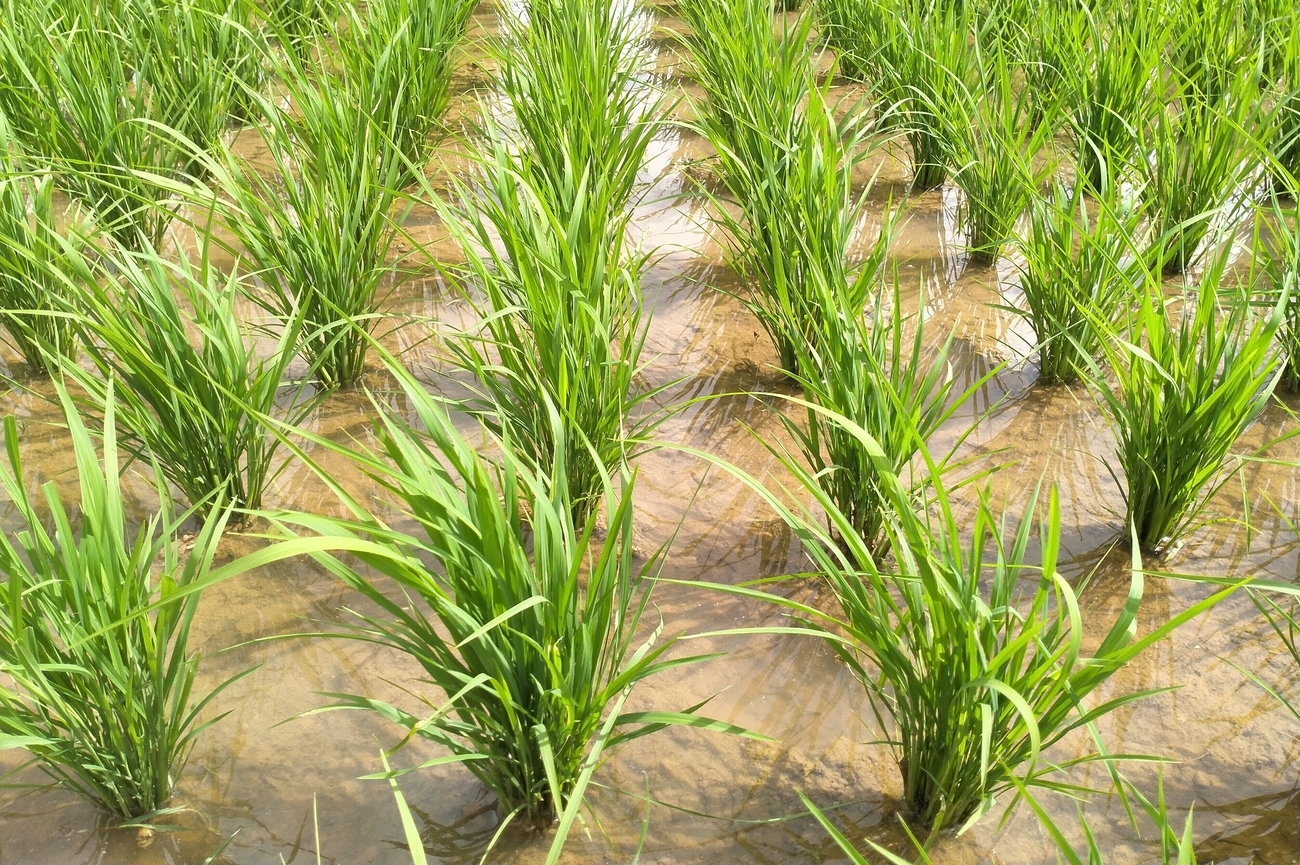
Planting begins and the flooded fields gradually fill with rows of young rice plants.
The landscape is still dominated by water, but the first pale-green shoots begin to break up the reflections.
Summer
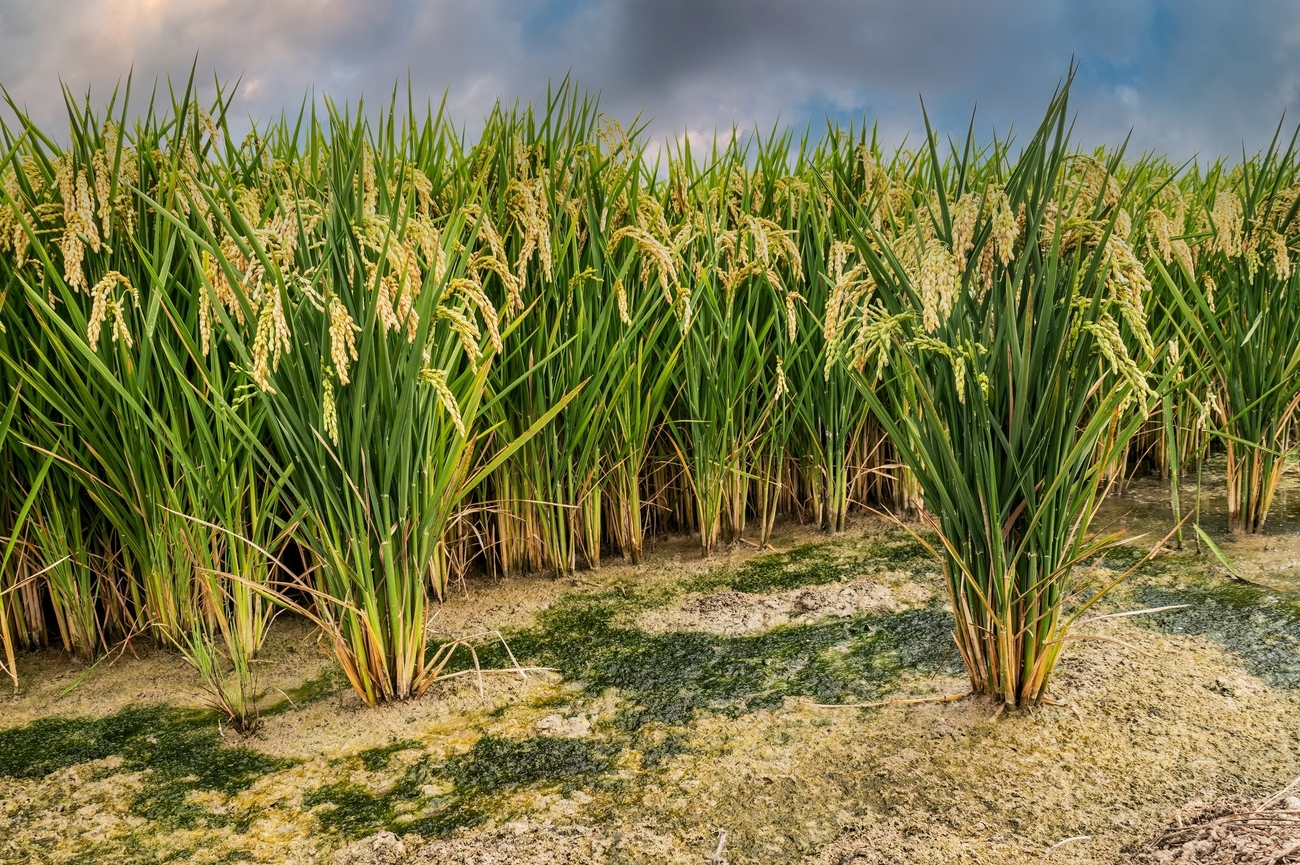
By summer, the rice has grown high enough to transform the plain into an almost continuous expanse of green.
This is one of the most visually distinctive stages of the growing cycle, particularly when viewed from the roads and paths crossing the rice country.
Late Summer and September
Harvest traditionally takes place towards the end of summer and into September.
Combines move through the paddies, rice is transported from the fields and the landscape gradually changes again as the agricultural cycle comes to an end and preparations begin for the following season.
The importance of this rice becomes clearer once you see how many different dishes Valencia makes with it. Our guide to what to eat in Valencia explores paella valenciana, arròs a banda, arròs negre, arròs al forn and the wider rice culture that developed around the Albufera.
El
Palmar: Rice and Traditional Food in the Albufera
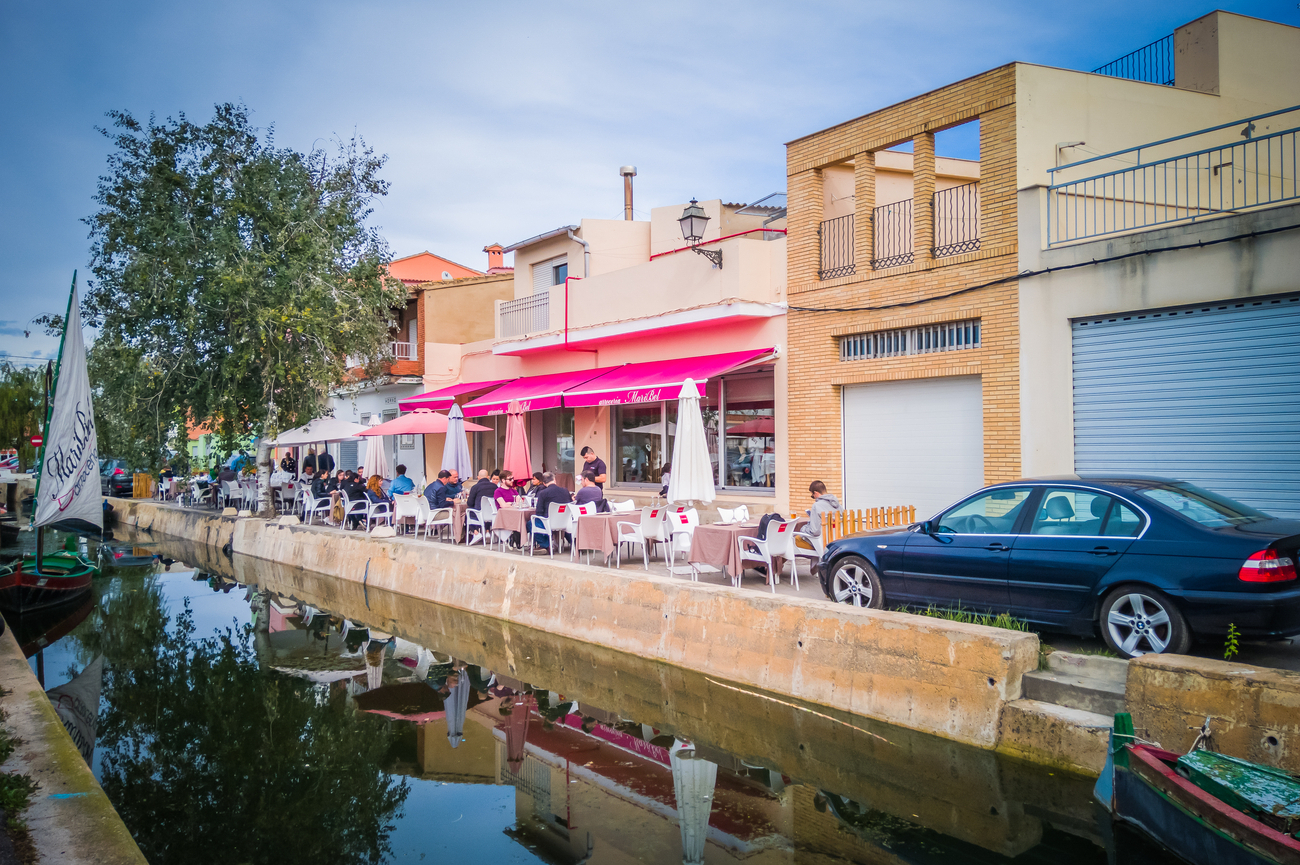
El Palmar is one of the best-known villages of the Albufera and one of the most important places to experience the area's traditional rice and fishing culture.
The village developed on what was once an island within the lagoon and is now connected by road through the surrounding wetlands. Its restaurants are particularly busy on Sundays at lunchtime, when Valencian families come to the Albufera for long meals built around rice and local dishes.
Weekdays are generally quieter, making them easier for visitors who want to explore the village and eat without the busiest weekend crowds.
All i Pebre
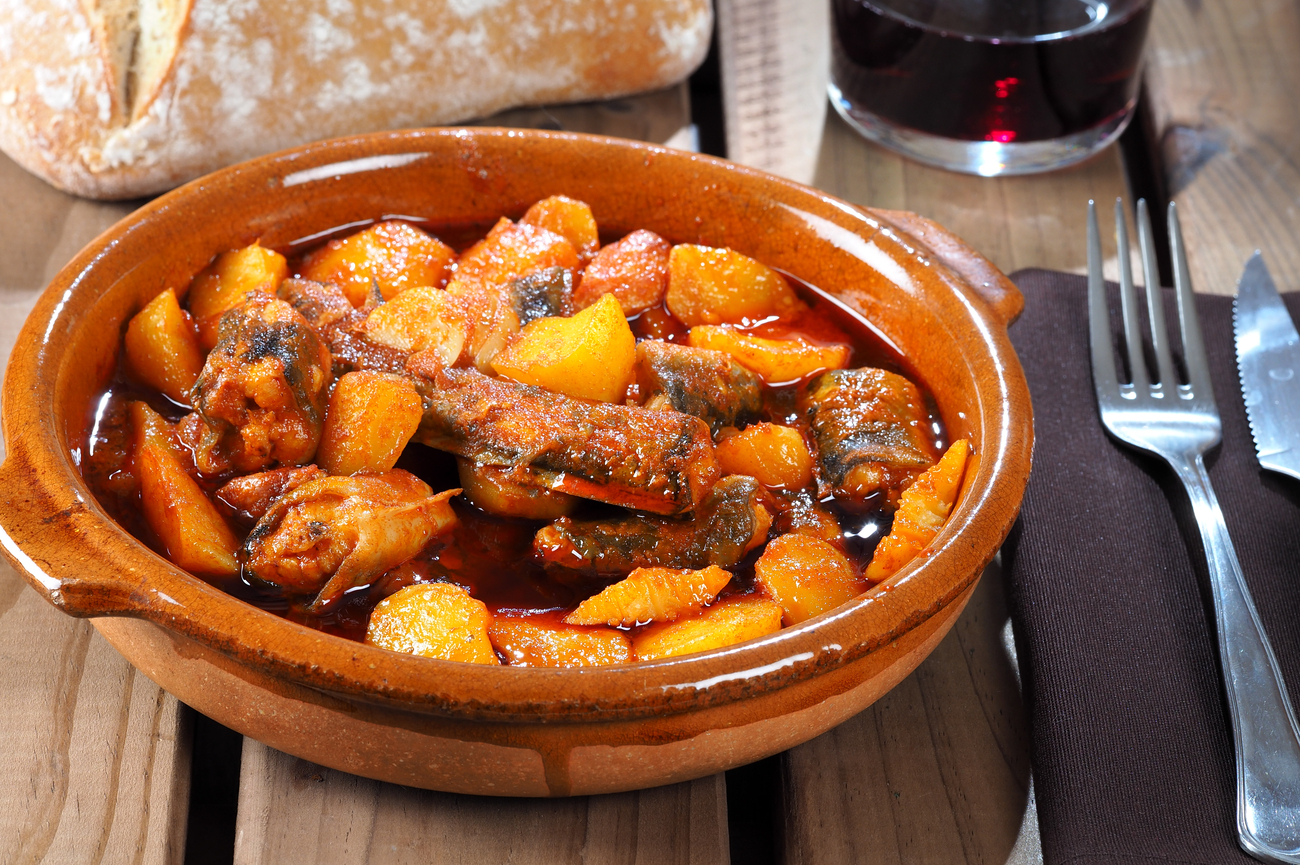
All i pebre is one of the dishes most closely associated with El Palmar and the fishing communities of the Albufera.
Eel is cut into pieces and stewed with potato, garlic and paprika, producing a rich, intensely savoury dish rooted in the lagoon's fishing tradition. Recipes vary between kitchens, with some versions including chilli, almonds or other small variations.
For travellers interested in traditional Valencian food, El Palmar is one of the most appropriate places to try it because the dish developed from the eel fishery of the Albufera itself.
Arròs Amb Fesols i Naps
Arròs amb fesols i naps is a traditional Valencian rice dish made with beans and turnip and cooked to a much wetter consistency than paella.
It is particularly associated with cooler weather and represents another side of Valencian rice cooking, far removed from the dry, shallow rice most visitors associate with paella.
Rice Restaurants in El Palmar
Rice remains the main reason many people come to El Palmar for lunch.
Alongside paella valenciana, restaurants may serve a range of traditional dry, creamy and brothy rice dishes, often drawing on ingredients grown or caught within the wider Albufera landscape.
Eating rice here gives the meal a geographical context that is difficult to reproduce in central Valencia. The paddies, irrigation channels and lagoon are all immediately around you.
The Eel Fishing Tradition
Fishing predates much of El Palmar's modern restaurant culture.
Eels were traditionally caught using mornells, funnel-shaped traps placed in the lagoon and its channels. Fishing rights around the Albufera have historically been managed through local systems involving registered fishermen, reflecting the importance of the lagoon as both a food source and a working landscape.
Although far fewer people now depend entirely on eel fishing, the tradition survives most visibly through dishes such as all i pebre.
Where to See the Best Views of the Albufera
There is no single viewpoint that explains the whole Albufera. The lagoon, rice fields, reed beds, dunes and pine forest are spread across a large landscape, so seeing several different areas gives a much better sense of the natural park.
Mirador del Pujol
Mirador del Pujol, between El Saler and El Palmar, is one of the best-known viewpoints over the open lagoon.
Its west-facing position makes it particularly popular around sunset, when the light falls directly across the water.
The Albufera Rice Fields
The roads and public paths through the rice-growing landscape offer a completely different perspective.
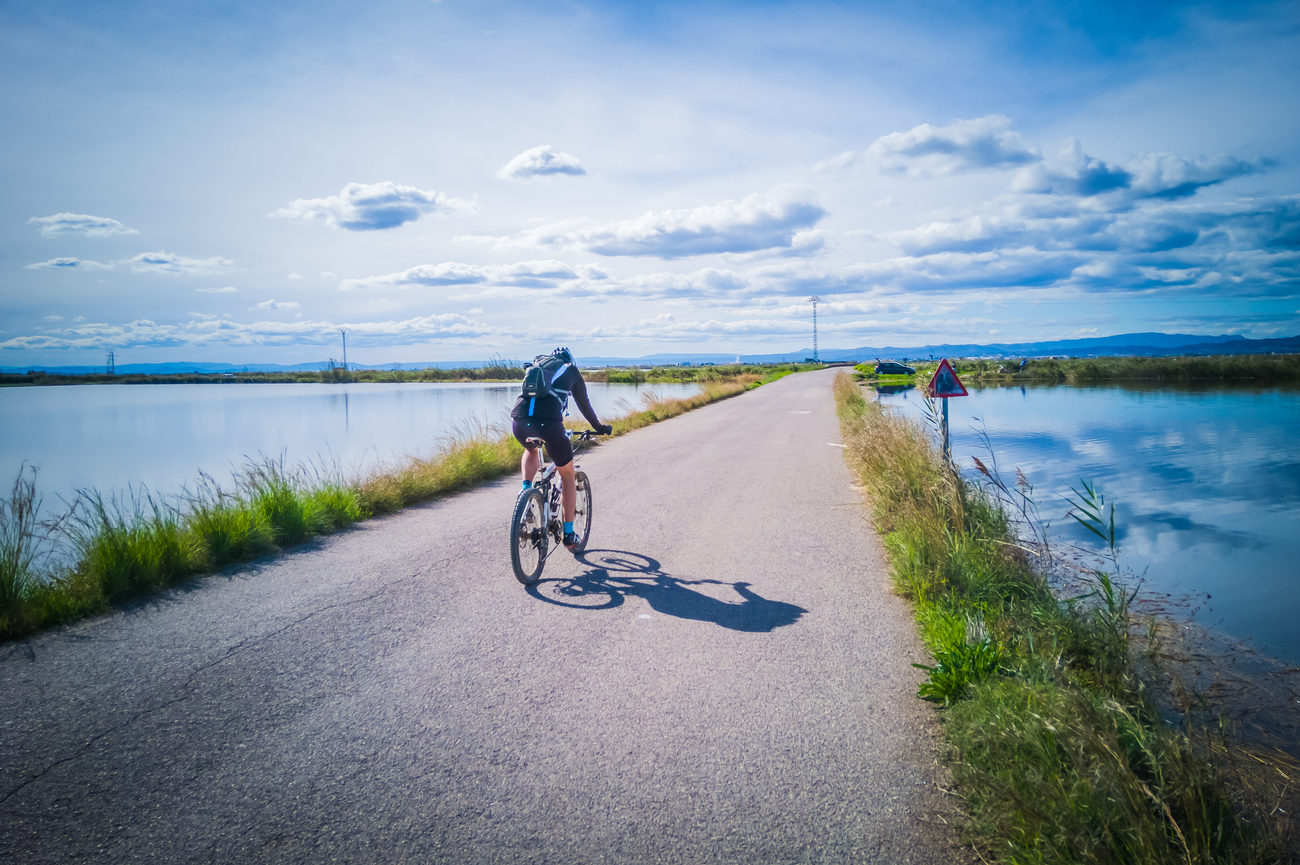
Long, straight routes run between the paddies, and in the flooded months the water can stretch away on either side, making the scale of the rice country much easier to appreciate than from a single viewpoint.
Where walking routes cross working agricultural land, use recognised public paths and respect signs and access restrictions.
The Devesa
The Devesa forms the narrow coastal strip separating the Albufera from the Mediterranean.
Here the landscape changes from rice fields and reeds to pine forest, dunes and beach. Marked walking routes pass through the area, allowing visitors to experience the lagoon on one side and the Mediterranean coast on the other.
Combining El Palmar, the rice fields and the Devesa in the same visit gives a much clearer picture of how water, agriculture, fishing and the coast have shaped the Albufera.
Albufera
Boat Trips: When to Go and What to Expect
A boat trip across the Albufera is one of the best ways to experience the lagoon itself rather than simply viewing it from the shore.
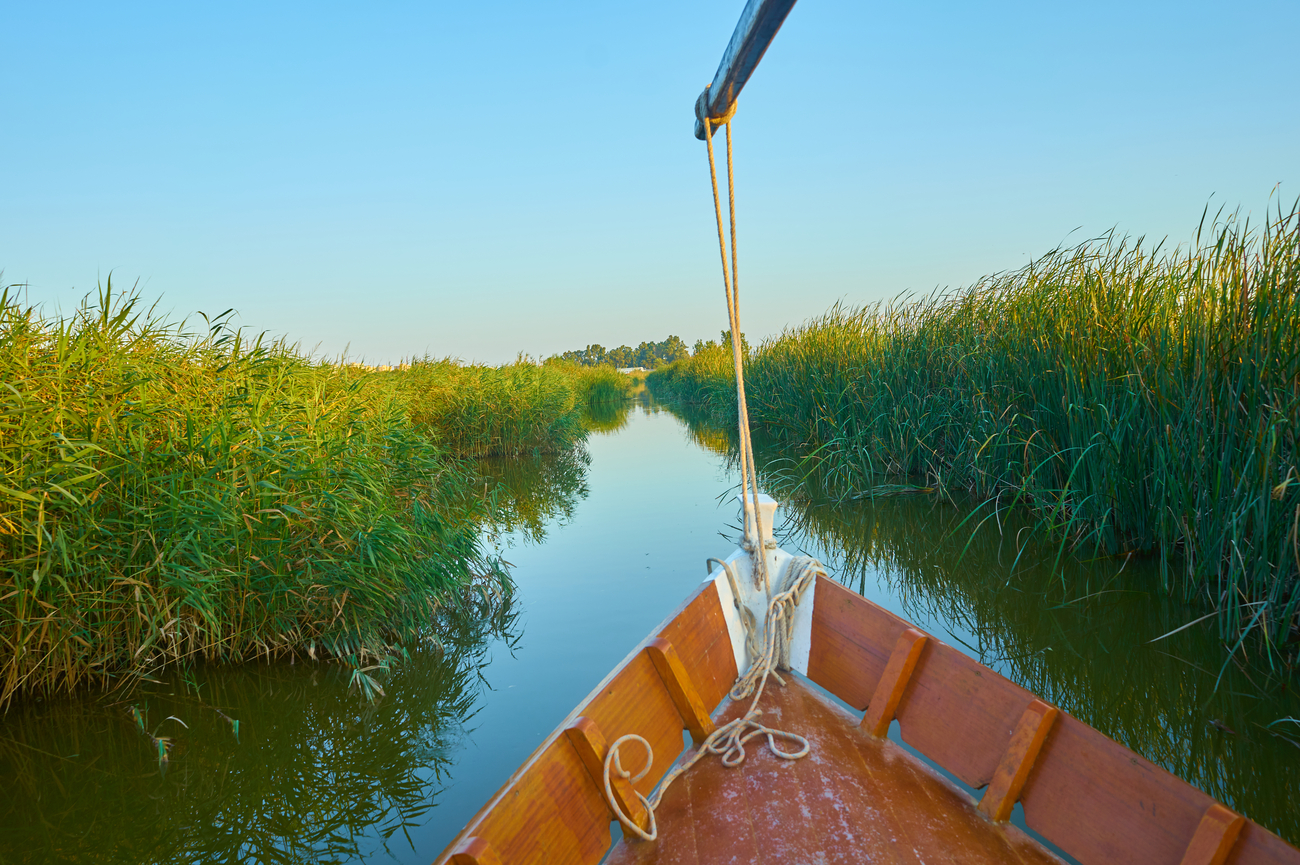
Traditional Albufera boats, known as albuferencs, are flat-bottomed vessels designed for the lagoon's shallow water. Once propelled by sail, most are now motorised and move slowly through channels in the reed beds before reaching the open water.
Along the way, you may pass fishing posts, eel traps and stretches of reed that hide the shoreline almost completely.
The Best Time for an Albufera Boat Trip
Sunset is the most atmospheric time to take a boat trip on the Albufera.
The lagoon opens towards the west, giving clear views across the water as the sun drops towards the horizon. During the flooded season, reflections from the surrounding rice fields can make the effect even more dramatic.
If sunset is your priority, check the day's sunset time before arranging lunch or booking the boat so the two fit comfortably together.
Where Do Albufera Boat Trips Leave From?
Boat trips operate from several points around the lagoon, including El Palmar and Catarroja.
El Palmar is particularly convenient if you want to combine the boat trip with a traditional rice lunch, while Catarroja provides another access point to the northern side of the lagoon.
Trips commonly last around 40 minutes to an hour, although routes and timings vary between operators.
During busy summer weekends and holiday periods, booking ahead is sensible. At quieter times of year, availability is usually easier, but it is still worth checking locally before travelling.
What to Bring
The Albufera is a wetland, so insect repellent is useful during the warmer months, particularly around dusk.
In winter, bring an extra layer. Even when Valencia itself feels mild, wind across the open lagoon can make a boat trip feel considerably cooler.
Eating Rice in El Palmar
If you are combining an Albufera boat trip with lunch in El Palmar, allow plenty of time for the meal.
Traditional rice dishes are generally cooked to order rather than prepared in advance, so the wait is part of the process. On busy Sundays and during holiday periods, service can take longer as restaurants prepare individual pans for full dining rooms.
A good way to structure the meal is to begin with something local, such as all i pebre, while the rice is cooking.
Weekend reservations are sensible for popular restaurants, particularly at Sunday lunchtime. On quieter weekdays, eating spontaneously is usually much easier.
The slower pace is part of the experience. An Albufera lunch works best when the boat trip and the rest of the day are planned around the meal rather than squeezed tightly against it.
How
to Get to the Albufera from Valencia
The Albufera Natural Park begins just south of Valencia, making it one of the easiest countryside trips from the city. Depending on where you are heading within the park, you can reach the lagoon by bus, bicycle or car.
By Bus from Valencia to the Albufera
EMT bus line 25 connects central Valencia with El Saler, El Palmar and El Perellonet, with stops serving the Albufera lagoon, beaches and surrounding villages.
For visitors planning a boat trip and lunch in El Palmar, the bus makes it possible to visit the Albufera without hiring a car. Journey times vary according to your destination and traffic, so check the current EMT timetable before setting out.
By Bicycle
Cycling is one of the most enjoyable ways to reach the Albufera from Valencia.
A cycle route runs south from the city towards El Saler and through the Devesa, the narrow coastal landscape separating the lagoon from the Mediterranean. Much of the route is flat, passing pine forest, dunes, beaches and eventually the wetlands and rice fields.
Allow enough time for stops along the way. The attraction of cycling to the Albufera is as much the changing landscape as the destination itself.
By Car
Driving gives you the greatest flexibility, particularly if you want to combine El Palmar with the rice fields, Devesa, viewpoints and smaller villages around the natural park.
It also makes it easier to time a long lunch and sunset boat trip without having to build the day around public transport schedules.
Getting Around the Albufera
Once inside the natural park, some of the best areas are explored on foot.
Mirador del Pujol provides an easily accessible view across the lagoon, while marked paths through the Devesa lead between pine forest, dunes and wetlands.
Public roads and recognised walking routes through the rice country offer another perspective. During the flooded months, walking beside the paddies gives you a much stronger sense of the scale of Valencia's rice-growing landscape than any single viewpoint.
The Albufera is spread across a large area, so trying to see every part of it in one visit is unnecessary. El Palmar, a stretch of rice fields, the lagoon and a sunset boat trip are enough to understand why this landscape matters.
Villages
and Towns Around the Albufera
El Palmar is the best-known base for visitors to the Albufera, but the lagoon and surrounding rice plain extend through several other towns and villages. Catarroja, El Saler, Sueca, Silla, Sollana and Cullera each reveal a different part of the landscape, from fishing ports and rice fields to beaches and historic towns.
Catarroja
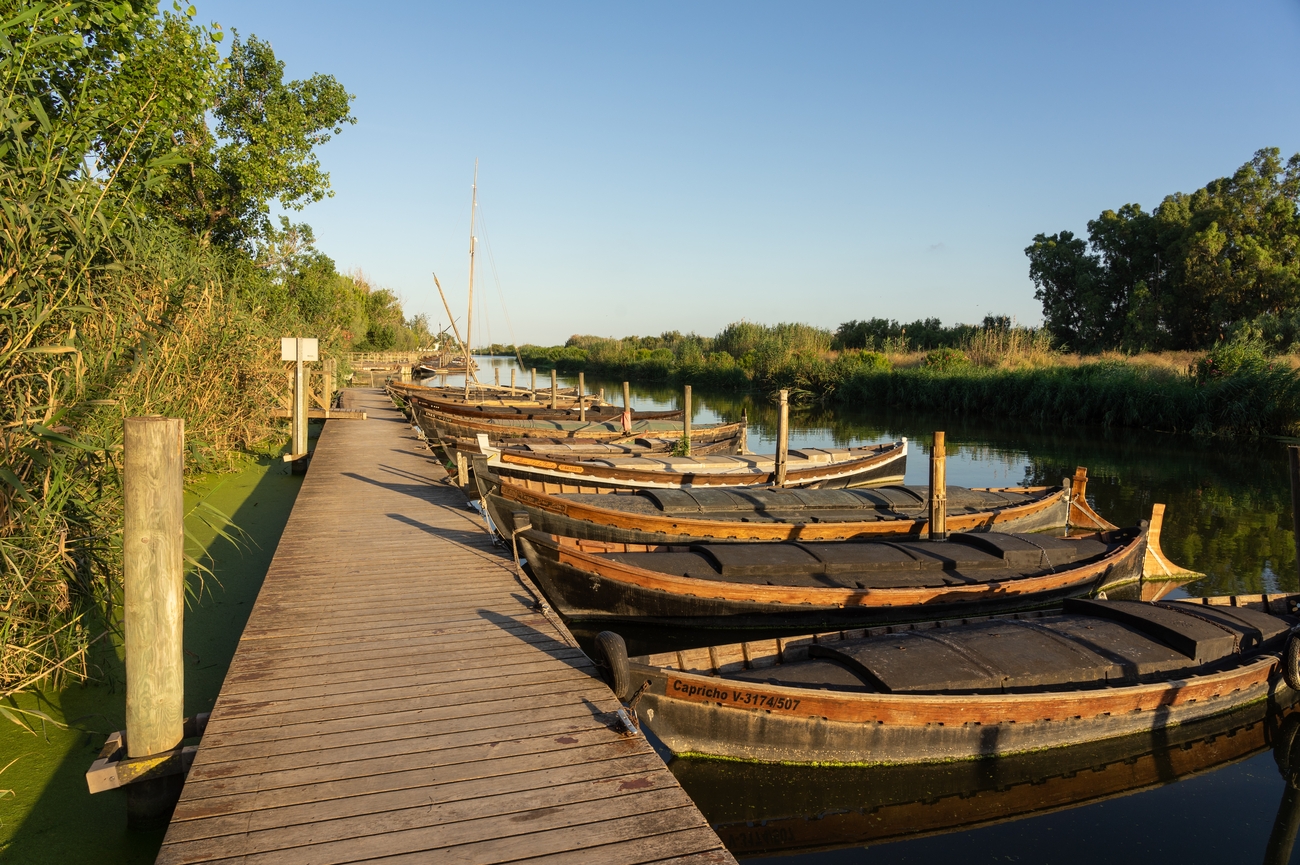
Catarroja lies on the northern side of the Albufera and has a traditional port connected to the lagoon by canal.
Boat trips also depart from the Port of Catarroja, making it an alternative to El Palmar for visitors who want to experience the lagoon from the water. The port retains a stronger connection with the working and fishing side of the Albufera than many of the better-known visitor areas.
El Saler
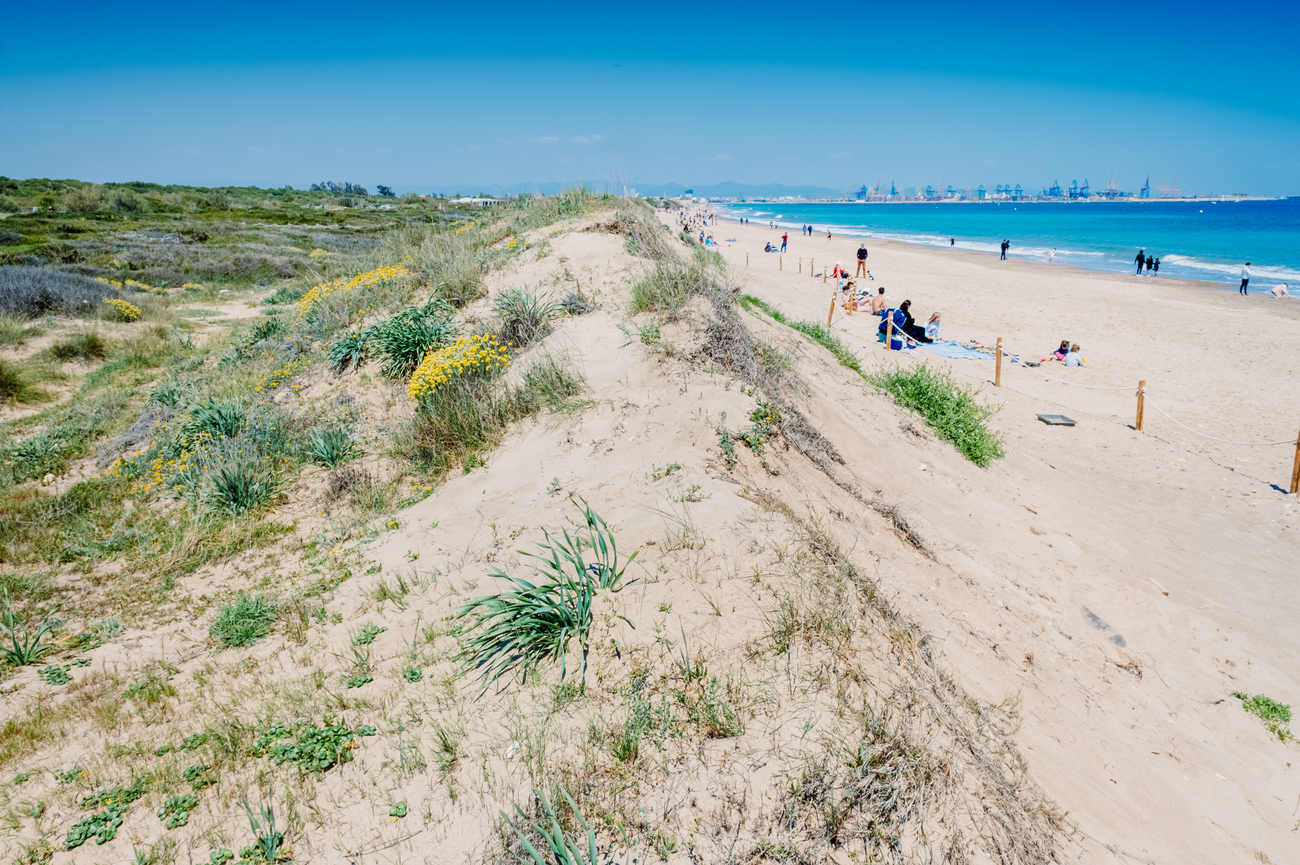
El Saler sits between the Albufera and the Mediterranean on the Devesa.
Its position makes it particularly useful for combining the natural park with the coast. Pine forest and dunes separate the lagoon from long sandy beaches, so within a short distance the landscape changes completely from wetland and rice country to Mediterranean shoreline.
Sueca and the Rice Country
Sueca lies south of the lagoon in the heart of Valencia's rice-growing plain and has one of the strongest connections with paella and rice culture in the region.
The town hosts the Concurso Internacional de Paella Valenciana de Sueca, an international competition dedicated to traditional paella valenciana and one of the best-known events associated with the dish.
For travellers interested in where Valencian rice culture extends beyond El Palmar, Sueca provides a direct connection with the agricultural landscape that continues south of the lagoon.
Silla and Sollana
Silla and Sollana are working towns within the wider Albufera and rice-growing landscape.
They receive fewer visitors than El Palmar, but their surroundings are closely tied to agriculture, irrigation and the seasonal cycle of the paddies. Both also provide access to parts of the lagoon, with traditional landing points and boat routes within the natural park.
Cullera
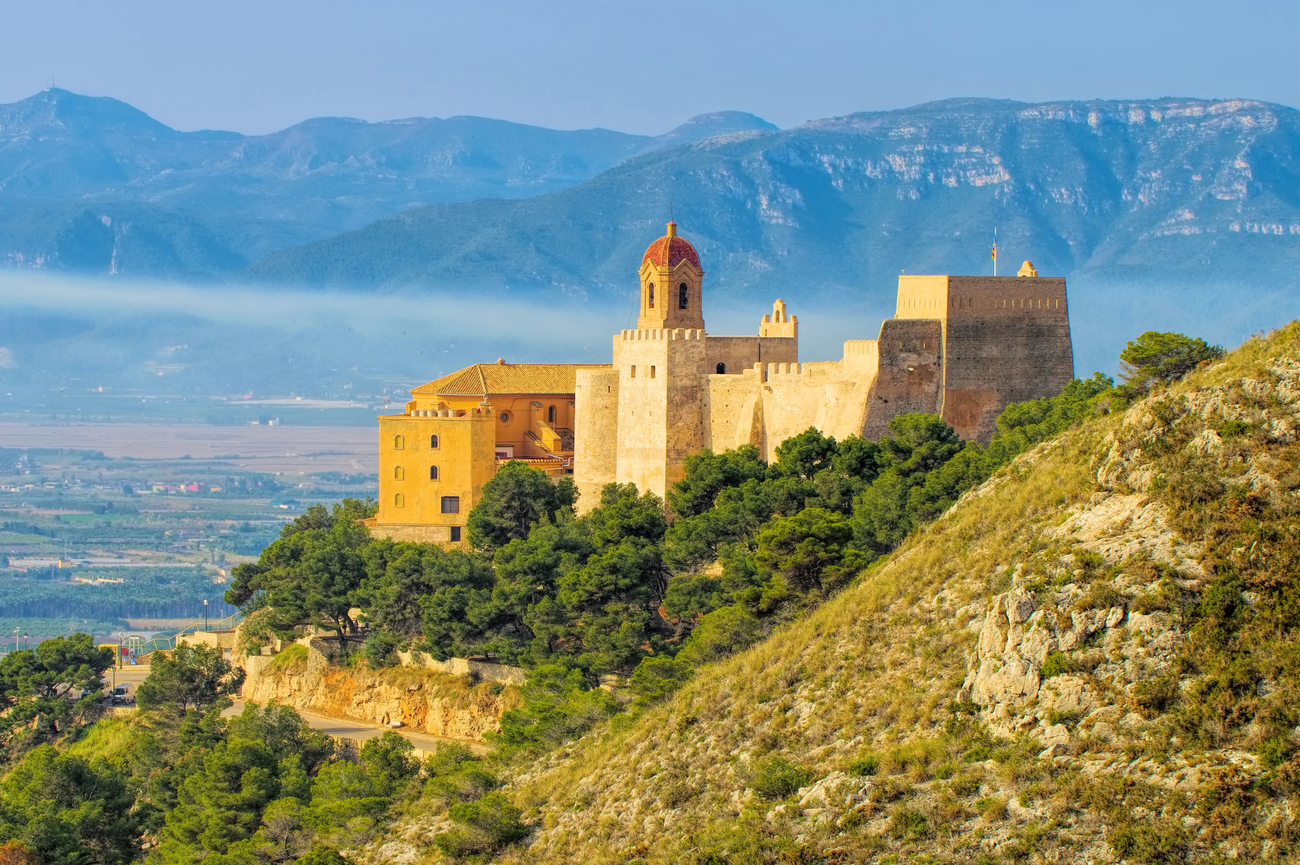
Cullera lies farther south, close to where the River Xúquer reaches the Mediterranean.
The town combines a long coastline with a historic castle overlooking the surrounding plain, making it a useful extension for travellers exploring the Albufera by car. It works particularly well if you want to combine the rice country with a beach or a second viewpoint over the wider Valencian landscape.
These communities help explain how paella developed from a local agricultural dish into the food most closely associated with Valencia. Our [history of paella](Link to SP 1) follows that story from the rice fields and farm kitchens of the region to its eventual spread across Spain and the rest of the world.
How
to Plan a Day Trip to the Albufera from Valencia
A good Albufera day trip combines the rice fields, a long Valencian lunch and a boat trip across the lagoon. The key is to work backwards from sunset rather than trying to fit the area into a conventional sightseeing schedule.
Start With the Rice Fields
Arrive around midday or early afternoon and spend some time in the rice-growing landscape before lunch.
Walk or cycle along a recognised public route beside the paddies for half an hour or more. Seeing the irrigation channels, fields and changing landscape before you eat gives the rice on the table a geographical context that is easy to miss if you travel directly from Valencia to a restaurant.
Have Lunch in El Palmar
Plan lunch for around two, either in El Palmar or another village around the Albufera.
Start with a local dish such as all i pebre, then order one of the traditional Valencian rice dishes. Rice is usually cooked to order, and lunch here is intended to be unhurried, so allow at least a couple of hours rather than building another fixed activity immediately afterwards.
Take an Albufera Boat Trip at Sunset
Finish the afternoon with a boat trip across the lagoon close to sunset.
Sunset times vary considerably through the year, so check the time for the date of your visit before reserving lunch or arranging the boat. This is the part of the day worth planning carefully, since the west-facing lagoon is at its most atmospheric as the light drops across the water.
Keep the Evening Simple
After a long rice lunch and sunset on the lagoon, there is little need to plan another substantial meal.
A drink in El Palmar or a relaxed return to Valencia is usually enough. The point of the day is to give the landscape, lunch and lagoon time rather than treating the Albufera as a sequence of attractions to complete.
For a more immersive version, our Foodie Side of Valencia journey takes the experience beyond a restaurant visit, with the countryside portion centred on a working farmhouse and a traditional paella demonstration.
The difference is important. You are not simply eating rice near the Albufera. You are seeing the agricultural landscape, cooking traditions and ingredients that explain why Valencia became the home of paella.
Best
Time to Visit the Albufera
The best time to visit the Albufera depends on what you want to see. The rice fields change dramatically through the year, from flooded winter landscapes to vivid green summer paddies and the harvest season in September.
January and February
Winter is one of the most distinctive times to see the Albufera rice fields.
Large areas of the plain are flooded, creating the mirror-like reflections associated with the landscape at this time of year. The light is softer, temperatures are cooler and visitor numbers are generally lower than during spring and summer.
April and May
Spring brings planting and the first fresh growth across the paddies.
The combination of shallow water, young rice plants and comfortable temperatures makes April and May particularly good for walking, cycling and exploring the rice-growing landscape.
June to August
Summer transforms the fields into broad expanses of green and brings the longest evenings of the year.
Late afternoon and evening are the most comfortable times to explore, particularly if you are planning a sunset boat trip. The middle of the day can be very hot, and insect repellent is useful around the wetland.
September
September is harvest time in the rice country.
Combines work through the fields, the agricultural landscape becomes visibly active and Sueca hosts its international paella competition. For travellers interested in the connection between rice farming and Valencian food culture, this is one of the most interesting times to visit.
October to December
Autumn and early winter are particularly rewarding for birdwatching as migratory and wintering waterbirds arrive in greater numbers.
The changing light, cooler temperatures and return of water to parts of the rice landscape also begin to transform the appearance of the plain again.
Winter Fog in the Albufera
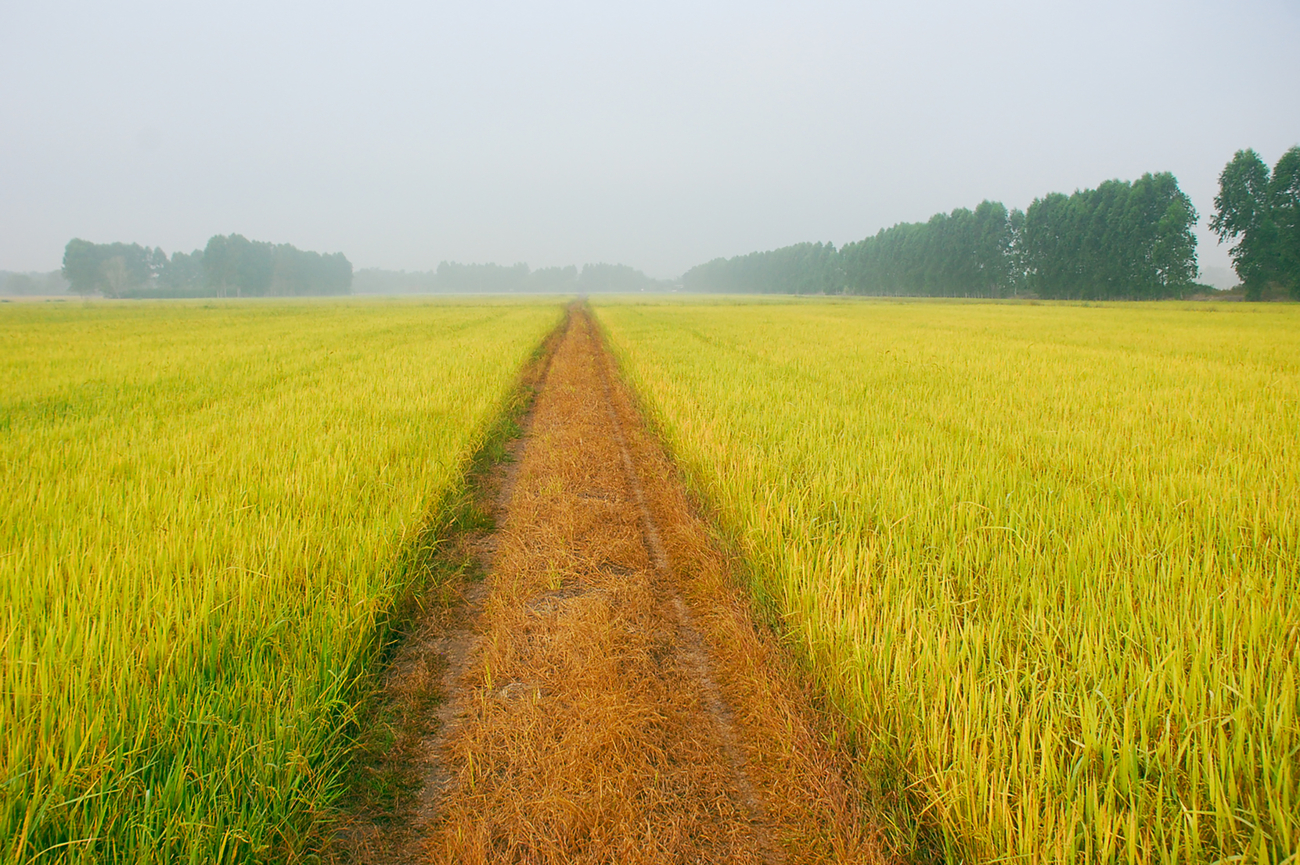
Fog can form across the rice fields and lagoon during the colder months, particularly on calm winter mornings.
It may reduce visibility considerably early in the day before lifting later in the morning. That can be inconvenient if you arrive expecting an immediate panoramic view, but it can also produce one of the most atmospheric conditions in the Albufera.
As the fog begins to clear, reeds, barracas and distant trees gradually reappear across the flat landscape, giving the rice country a completely different character from the bright sunset views most visitors associate with the lagoon.
Combining the Albufera With the Beach
The Devesa separates the Albufera lagoon from the Mediterranean, placing beaches only a short distance from the wetlands and rice fields.
El Saler is one of the easiest beaches to combine with a visit to the natural park. It is backed by dunes and pine forest rather than the dense development found along many urban stretches of Mediterranean coast.
La Garrofera and El Recatí lie farther south and provide additional stretches of beach along the same coastal landscape.
During the hottest months, a practical sequence is to spend the middle of the day near the coast, have lunch around two, then explore the rice fields and take a boat trip later in the afternoon.
That combination of Mediterranean beach, rice country and lagoon is one of the things that makes the Albufera unusual. Within the same day, you can move from dunes and pine forest to working paddies and finish on the water at sunset.
Back
in the City, the Rice Reads Differently
The drive back to Valencia takes you north across the flat rice-growing plain, with the city appearing suddenly beyond the fields.
A day or two later, you may be sitting at a table in the centre when a pan of rice arrives and realise that you now understand the landscape behind it. You have stood beside the paddies where the grain is grown, seen the water that floods them, passed the eel traps in the lagoon and eaten in the villages where rice remains part of everyday life.
The rice itself may taste the same, but it means something different once you know where it comes from.
That is the real reason to visit the Albufera. It is not simply a lagoon or a convenient day trip from Valencia. It is the landscape that explains much of the city's food culture, from paella valenciana and all i pebre to the importance of rice itself.
Our Foodie Side of Valencia journey is designed around that connection, bringing together the city, its markets, its cooking traditions and the countryside that made them possible.


Let us know what you love, where you want to go, and we’ll design a one-of-a-kind adventure you’ll never forget.
Get in touch
Miriam
Travel Specialist

Romina
Travel Specialist

Laura
Travel Specialist
Our offices:



Revigorate, Iberian Escapes and Algarve Lifestyle are the registered brand names of APCS Lda . We are a fully authorised travel agency licensed by Turismo de Portugal RNAVT/6867.
In the event of a dispute, the consumer may refer to: RAL - Centros de Arbitragem
Avª. 5 de Outubro, nº. 55, R/C Dtº. 8000-075 Faro, Portugal | Tel: +351 289 823 135 *
* national landline call
E-mail: info@consumoalgarve.pt| www.consumidoronline.pt | Mon to Fri: 9:00 - 13:00 / 14:00 - 17:00