The Best Wineries in Rías Baixas: An Albariño Tour From Cambados

The best wineries in Rías Baixas are concentrated around Cambados and the Val do Salnés, the historic heartland of Albariño in Galicia. This Atlantic wine region is known for crisp, aromatic white wines shaped by cool coastal conditions, granite soils and vineyards trained on distinctive pergola systems, with many of its most important estates located within easy reach of Cambados.
Somewhere in the last twenty years, without a campaign or a committee, Albariño conquered the world’s wine lists. Ask for a white by the glass in a serious restaurant in New York, London or Tokyo and there it is, crisp and saline and unmistakably itself. What many of the people drinking it could not tell you is where it lives: a small green valley on the Atlantic coast of Galicia, where the vines grow on granite posts within sight of mussel rafts, historic pazos still make wine, and some of the most memorable cellar visits depend on advance arrangements.
The valley is the Val do Salnés, the town at its heart is Cambados, and finding the best wineries in Rías Baixas means going to the source. Here, Albariño is shaped by salt air, cool nights, granite soils and generations of local winemaking.
Albariño is what you will be drinking throughout our Galician gastronomy journey, poured alongside shellfish at tables in Santiago, A Coruña and Vigo. This valley is where it comes from, and understanding the landscape changes what happens in the glass.
Why
Albariño Tastes of the Atlantic
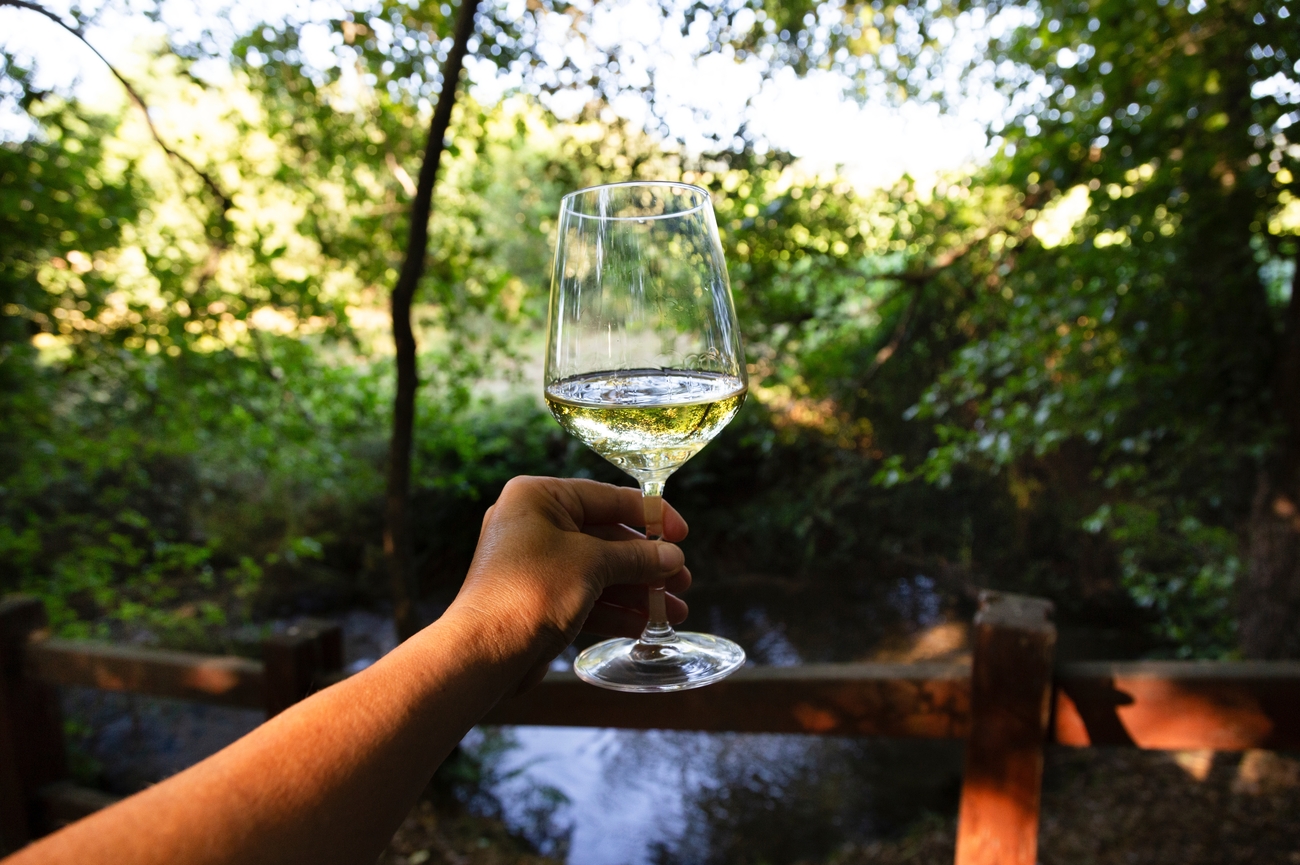
Albariño from Rías Baixas is shaped by a cool Atlantic climate, granite soils and vineyards planted close to the coast. These conditions help give the wine its characteristic citrus and stone-fruit aromas, high natural acidity and fresh, saline finish.
Every glass of good Albariño contains a weather report. The Rías Baixas denomination stretches across the drowned river valleys of southwest Galicia, divided into five subzones and influenced throughout by the Atlantic. The climate is cool, damp and green, while granite soils dominate many of the vineyards. Together, ocean, granite and temperature define the style of the wine, keeping the fruit fresh and the acidity bright.
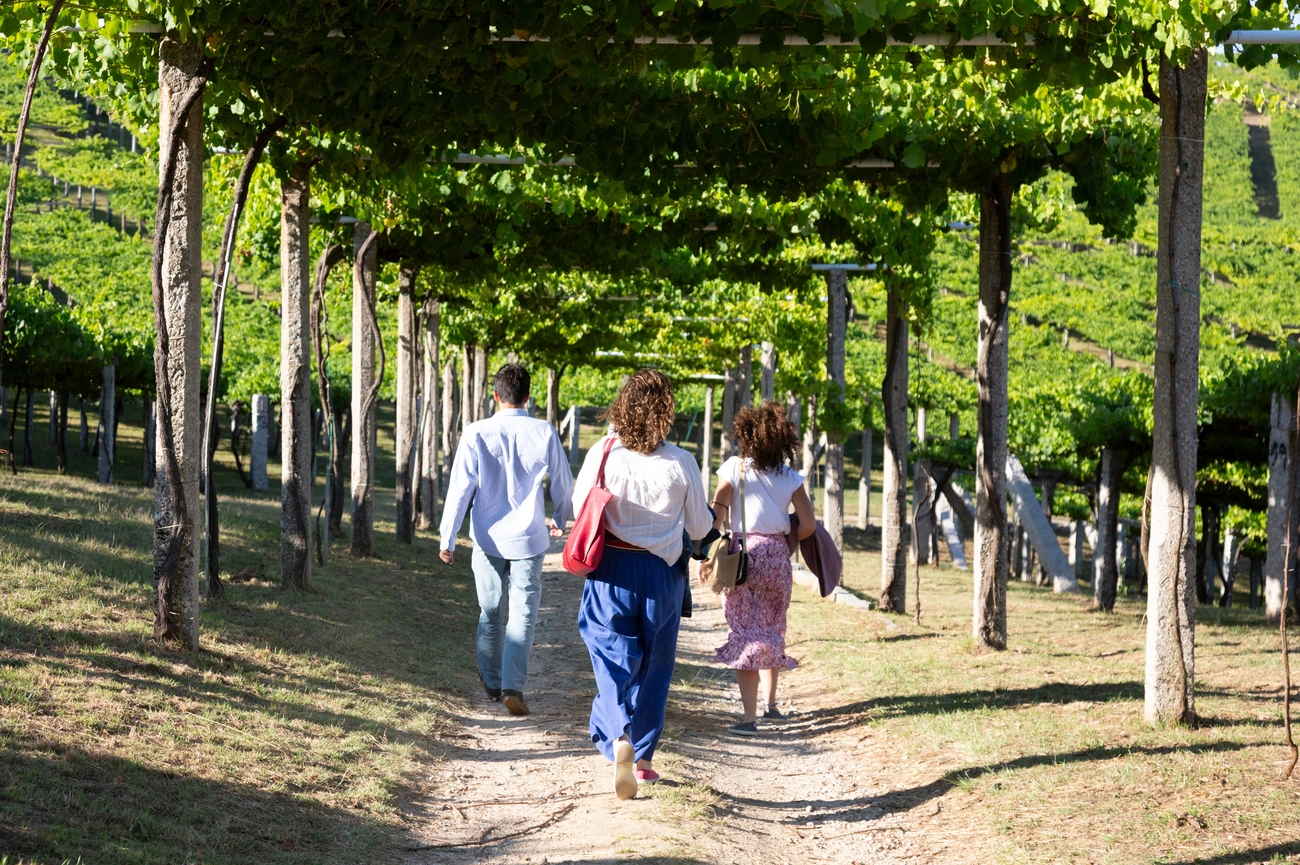
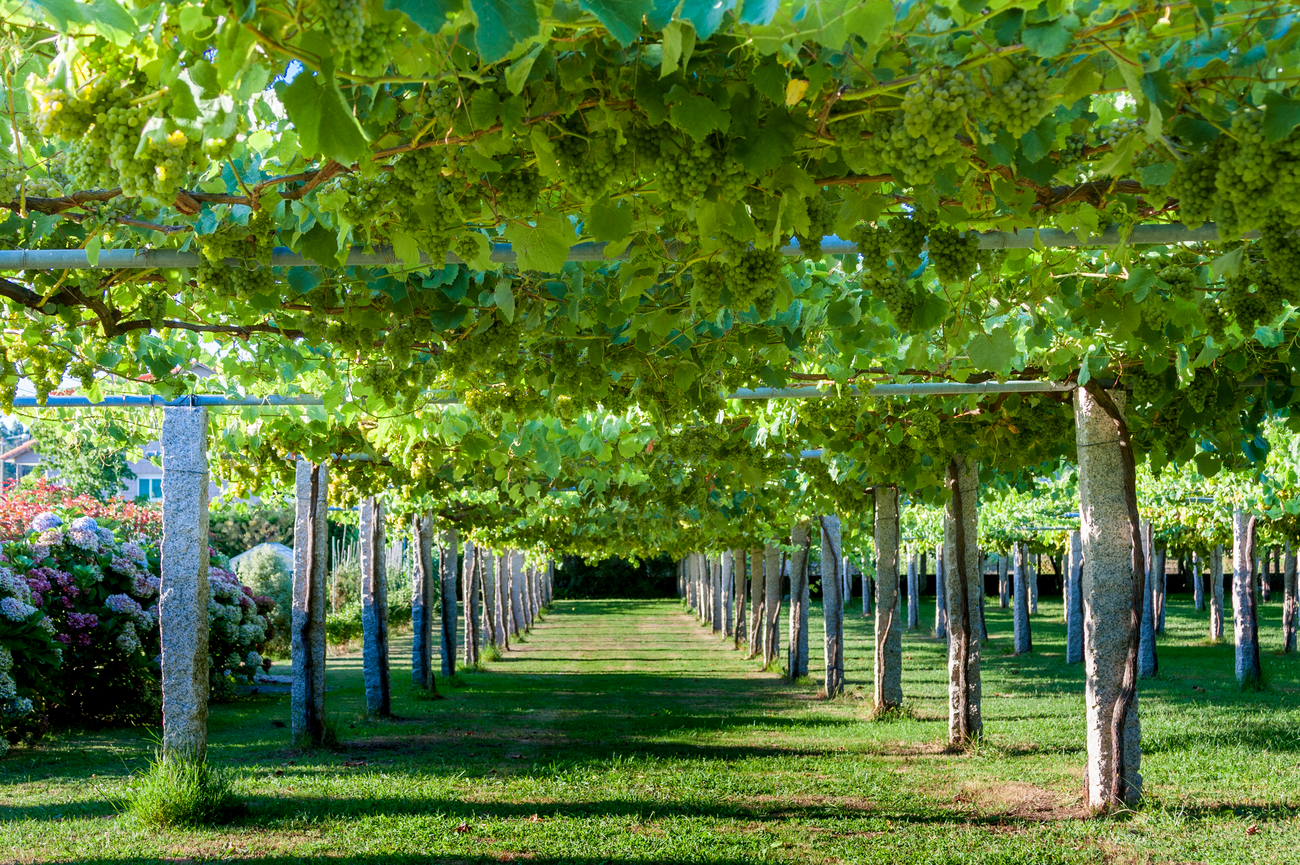
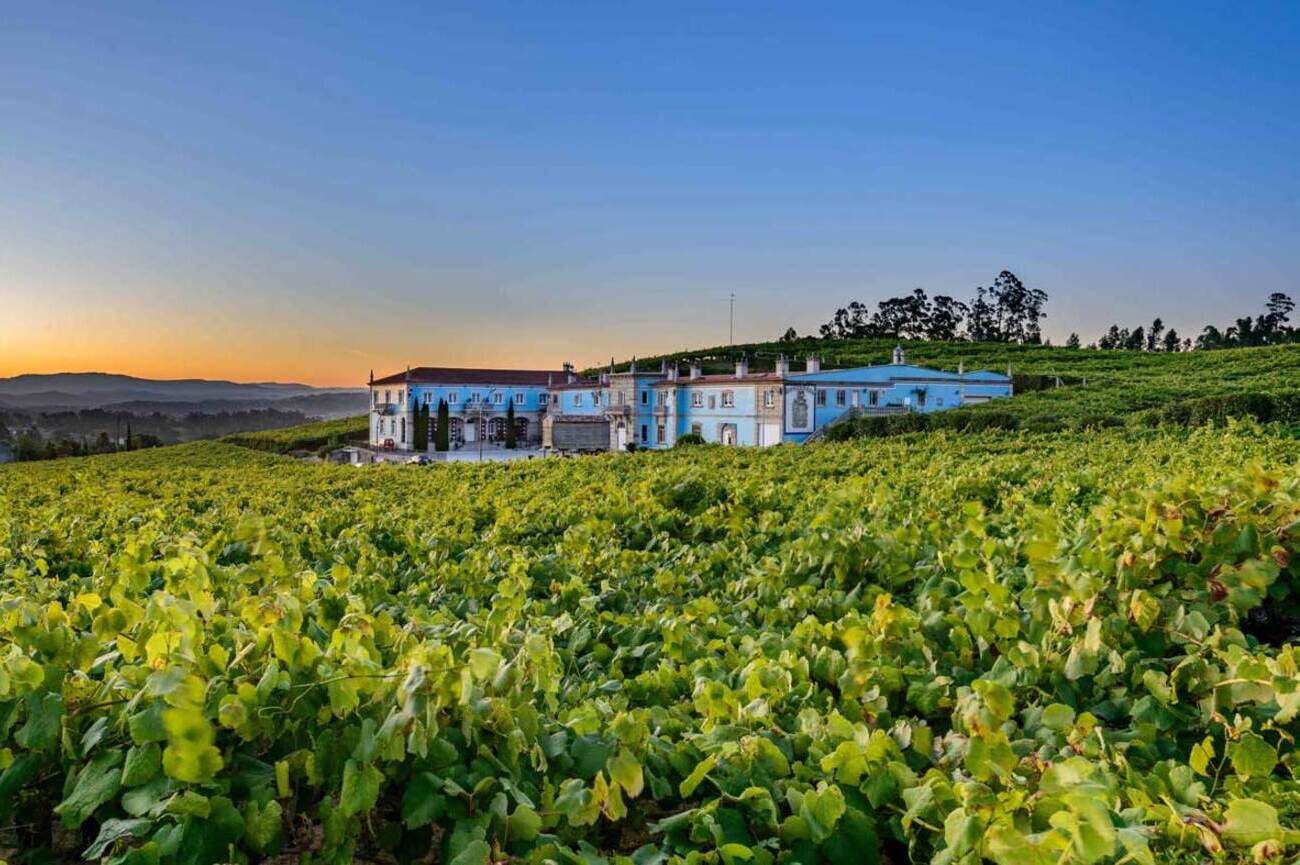
The vines themselves are one of the region’s most distinctive sights. In many vineyards, particularly in the Val do Salnés, Albariño is trained high on granite posts beneath wide pergolas. The system lifts the grapes away from the damp ground and allows air to circulate beneath the canopy, helping protect them in Galicia’s humid climate. It also gives the landscape its characteristic layers of stone, vine and water.
Albariño is also far more varied than the young, chilled style that first became popular internationally. Many leading producers in the Val do Salnés age wines on their lees for additional texture, experiment with oak fermentation and release older vintages to demonstrate the grape’s ageing potential. Tasting a fresh, stainless-steel Albariño alongside a mature lees-aged version reveals how much range the grape can offer within one small Atlantic corner of Spain.
The
Five Subzones of Rías Baixas
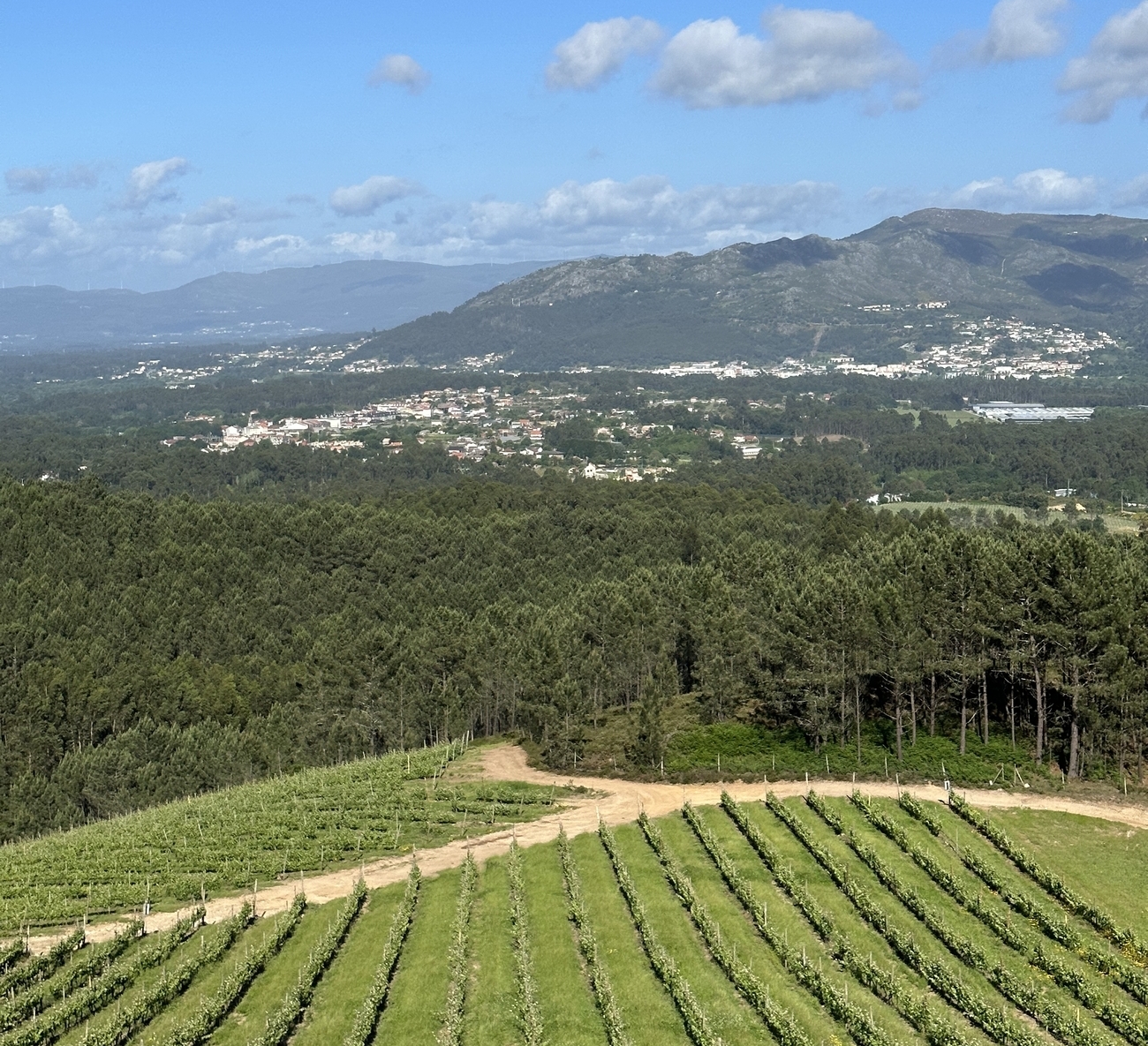
Rías Baixas is divided into five official subzones, each with its own climate, landscape and expression of Albariño. The Val do Salnés is the historic heartland and the most maritime, with the highest concentration of wineries around Cambados and the style that defines much of the region’s international reputation.
Further south lies O Rosal, where vineyards descend towards the River Miño with Portugal on the opposite bank and Albariño is often blended with other local grape varieties. Inland, the Condado do Tea is warmer and less directly influenced by the Atlantic, producing fuller styles of wine.
Soutomaior and Ribeira do Ulla complete the denomination. For a first visit to Rías Baixas, the Val do Salnés remains the natural base, combining historic wineries, traditional pazos, the Albariño festival and easy access to many of the region’s best-known estates around Cambados.
Cambados:
The Birthplace of Albariño
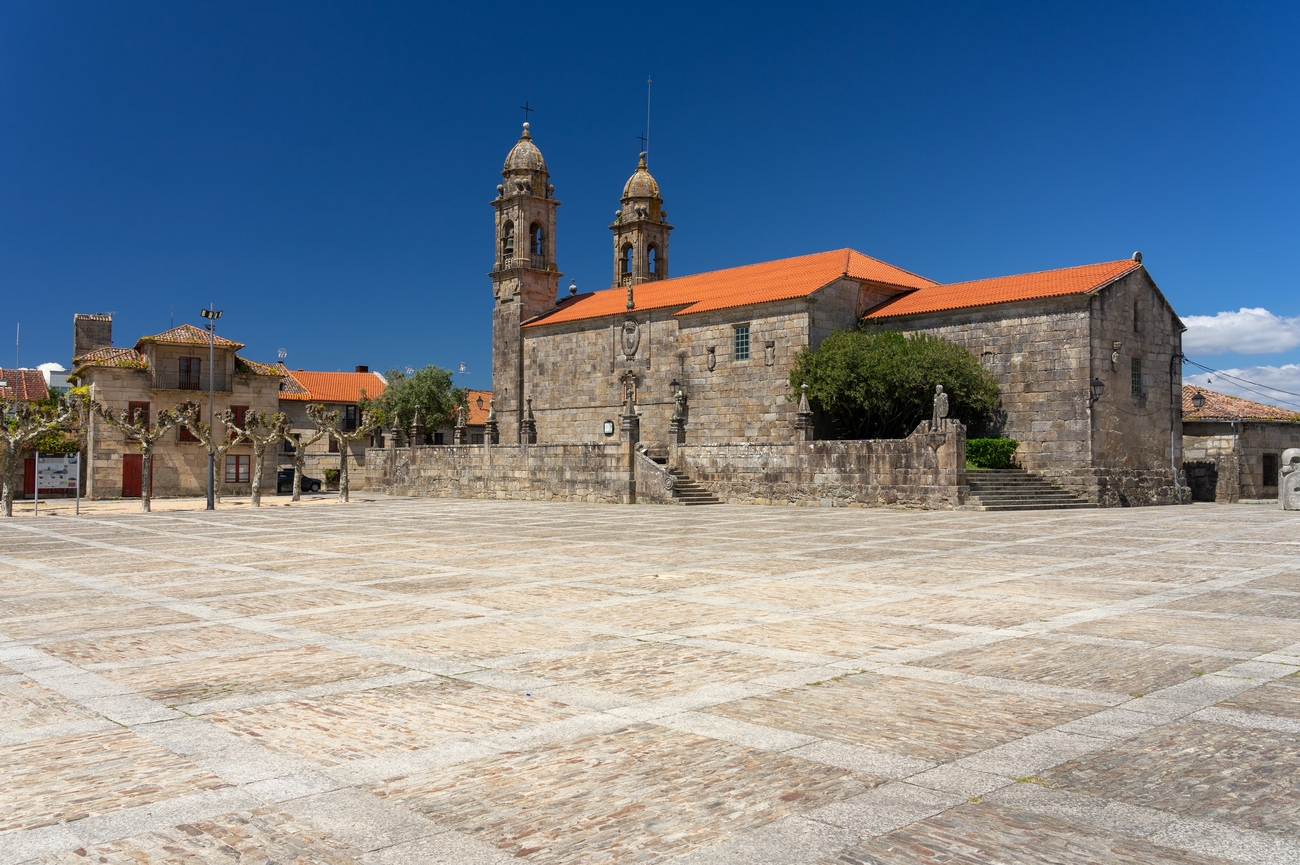
Cambados is widely regarded as the birthplace of Albariño and sits at the heart of the Val do Salnés wine region. This small seaside town on the Ría de Arousa combines historic wineries, traditional pazos and a strong connection between the vineyards and the Atlantic waters that shape the local wine.
The great square is dominated by the Pazo de Fefiñáns, a seventeenth-century palace whose arcades, tower and carved balconies form one of the town’s defining landmarks. Within its walls is one of Cambados’ historic wineries, with cellars that bottled their first labelled vintage in 1928. Tasting Albariño in this setting gives a clear sense of how deeply wine is woven into the town’s identity.
Cambados also rewards the hours between tastings. On the hill above stands the ruined sixteenth-century church of Santa Mariña Dozo, roofless, with Gothic arches open to the sky above an old cemetery. In the last light of the day, the stone warms in colour while the vineyards of the Salnés spread out below.
The Wine Museum explores the history of local viticulture, while the seafront promenade looks across the Ría de Arousa towards the bateas, the mussel rafts that connect the region’s wine and seafood cultures within the same landscape. Each summer, Cambados celebrates that identity during the Festa do Albariño, when the town becomes the centre of the region’s wine culture and local producers gather to pour their wines.
Time a journey to it and no further argument for Cambados is required.
The
Best Wineries to Visit in Rías Baixas
The best wineries to visit in Rías Baixas are concentrated around Cambados and the Val do Salnés, where historic pazos, family estates and larger producers each offer a different expression of Albariño. Ordered roughly as a wine day could unfold, these are some of the names that define the region.
- Pazo de Fefiñáns, Cambados. The palace first, for history's sake: the town's oldest bodega, working inside the seventeenth-century pazo on the main square, its 1928 first label a founding document of Albariño as the world now knows it. The tasting comes with four hundred years of stone attached.
- Pazo de Señoráns, the Salnés. The sixteenth-century manor that changed the argument. Señoráns proved, vintage after patient vintage, that Albariño could age, and its long-held releases are the wines that converted the sceptics. The estate receives its guests the old way, and a lunch at its long table, spider crab from the ría beside a decade-old Albariño, is one of the great set pieces of Galician wine travel.
- Pazo Baión. An estate that feels like a small world of its own, avenues and vines and a grand house, where the visit reads as much as a walk through the Galician landscape as a tasting. The wines carry the Salnés signature: tension, salt, restraint.
- Granbazán. Among the valley's defining names, its vineyards are a textbook example of the granite-post pergola system, while its range shows Albariño in several styles, from bright and immediate to more layered, lees-aged wines.
- Martín Códax. The modern chapter: a cooperative founded in 1986 by local growers who pooled their small holdings and helped carry Albariño to an international audience. Named after the medieval Galician troubadour whose songs to the sea of Vigo survive from the Middle Ages, the winery tells the story of how local growers turned one regional grape into one of Galicia's best-known wines.
Several of the best wineries in Rías Baixas receive visitors by appointment, particularly when the experience goes beyond a standard tasting room visit. Historic cellars, private pazo spaces and more personalised tastings often depend on advance arrangements, which is worth knowing before planning a wine day independently.
The wine itself travels easily. Albariño comes north to Santiago every day, and on our Galician journey it appears where it belongs, beside the shellfish of the same Atlantic coast.
Albariño and Galician Seafood: The Pairing the
Valley Was Built For
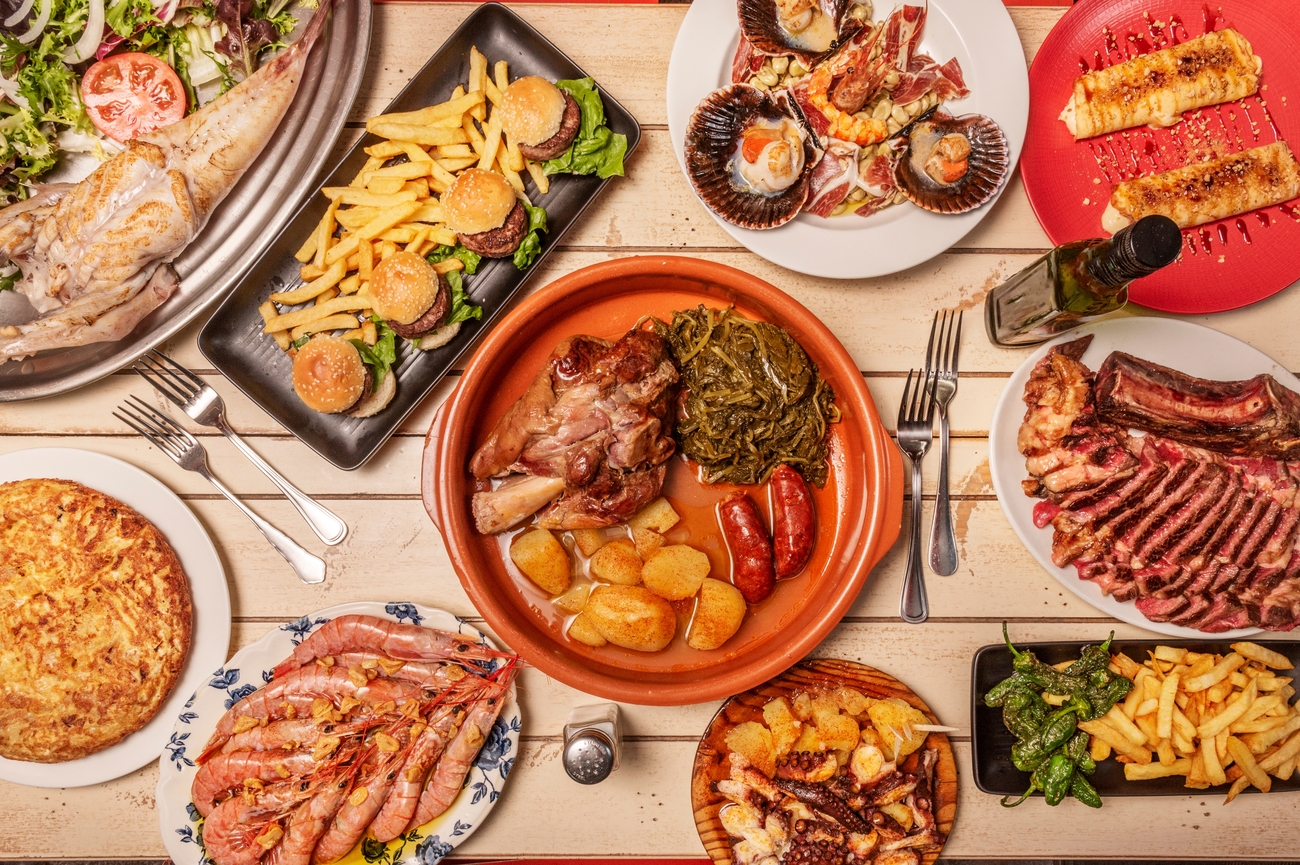
Albariño and Galician seafood are natural partners, shaped by the same Atlantic landscape. The Ría de Arousa that influences the vineyards also produces oysters, clams, scallops, spider crab and the great mariscada platters of the Galician coast. The wine's fresh acidity and saline character work particularly well with shellfish, an eating tradition with rules and treasures of its own that we explore in our guide to Galician seafood.
The valley offers that pairing at every level. At the top are long lunches in historic pazos, with local shellfish and mature Albariño served beneath old stone beams. Along the coast, the marisquerías of Cambados serve tiered seafood platters with bottles from nearby vineyards. Then come the furanchos, informal seasonal establishments in the Salnés where families traditionally serve their own wine alongside simple food such as tortilla, empanada and cured meats. Finding the right one open at the right time often depends on local knowledge, which is part of the value of having a journey carefully arranged.
The wineries also offer plenty to take home. Small-production bottlings, mature releases and wines rarely found outside Galicia can be paired with the region's celebrated tinned shellfish, bringing together two of the defining flavours of the rías long after the journey has ended.
From Cambados, Santiago de Compostela and its market tables lie around an hour to the north, where the eating continues on its own terms. We explore the city's markets, traditional dishes and restaurants in our Santiago de Compostela food guide.
For travellers interested in exploring Spain's wine regions more widely, Galicia also connects naturally with the country's great red-wine traditions. The cellars of Rioja Alavesa form the Basque counterpart in our northern Spain content, explored in our guide to the wineries of Rioja Alavesa. Together, Rías Baixas and Rioja Alavesa offer two very different expressions of northern Spanish wine: Atlantic Albariño in Galicia and celebrated reds from the vineyards of the Basque Country.
A Perfect Rías Baixas Wine Day From Cambados
A well-planned wine day in Rías Baixas can combine historic cellars, vineyard landscapes, local seafood and time in Cambados. The town makes a natural starting point, with the Pazo de Fefiñáns on the main square and several important wineries within easy reach.
The morning can begin in Cambados with coffee on the square before a first tasting in one of the historic cellars. Late morning belongs to the landscape, with time among the pergola-trained vineyards or, for a different perspective, a boat trip among the mussel rafts of the ría to see how closely the region's wine and seafood cultures are connected.
Lunch is the day's centrepiece, ideally long and unhurried, with Galician shellfish paired with Albariño from the surrounding vineyards. A pazo setting adds another layer to the experience, bringing together wine, architecture and local food in one place.
The afternoon can continue with a second winery chosen for contrast, followed by time to explore Cambados itself, perhaps the ruined church of Santa Mariña Dozo or a seasonal furancho if one is open. The day ends back in town at a marisquería, with another bottle of Albariño and a seafood platter from the same Atlantic landscape that shaped the wine.
Where to Stay in Rías Baixas Wine Country
Staying in the Val do Salnés allows travellers to experience Rías Baixas as more than a day trip. Cambados makes the most convenient base, with historic accommodation such as the Parador de Cambados in the sixteenth-century Pazo de Bazán, a short walk from the town's main wine sights. In the surrounding countryside, properties such as Quinta de San Amaro offer a quieter setting among the vineyards, with dining rooms and terraces overlooking the pergola-trained vines.
Sleeping in the wine country changes the rhythm of the visit. Mornings begin before the day visitors arrive, the streets of Cambados are quieter, and the first winery appointments can be reached without travelling in from another city. Evenings also belong more fully to the town, with time for local restaurants, wine bars and a slower walk through the historic centre.
The best time to stay in Rías Baixas depends on the experience you want. September brings the harvest, when the vineyards and cellars are at their busiest and most atmospheric. Late July and early August coincide with the Festa do Albariño in Cambados, while spring brings lush green vineyards and milder temperatures. Winter is quieter, with fewer visitors, more relaxed cellar visits and some of Galicia's best cold-water shellfish in season.
There is no single perfect month. Each season shows a different side of the Salnés, and the combination of vineyard, ría and wine remains at the centre of the experience throughout the year.
Albariño From Rías Baixas: The Sea Is in the
Glass
Albariño now appears on wine lists around the world, but understanding the wine properly means understanding the place it comes from: the green vineyards of the Val do Salnés, the granite soils, the Atlantic air and the mussel rafts anchored across the rías.
The wine travels magnificently. The landscape does not.
At the source, Albariño is experienced differently: tasted in historic cellars, poured beside local shellfish and understood within the landscape that shaped it. A mature bottle at a pazo table, a fresh vintage beside oysters from the ría or a tasting overlooking the pergola-trained vineyards all reveal something that the label alone cannot.
Short of standing in the Salnés yourself, the closest thing to understanding is drinking the wine where it was always meant to end up: at a table on the Galician coast, beside shellfish from the same Atlantic waters. Our Galician Gastronomy Express Tour brings that connection to the table throughout the journey, with Albariño accompanying the food of Santiago, A Coruña and Vigo.
The valley is pouring either way. The only question is whether your glass is there.


Let us know what you love, where you want to go, and we’ll design a one-of-a-kind adventure you’ll never forget.
Get in touch
Miriam
Travel Specialist

Romina
Travel Specialist

Laura
Travel Specialist
Our offices:



Revigorate, Iberian Escapes and Algarve Lifestyle are the registered brand names of APCS Lda . We are a fully authorised travel agency licensed by Turismo de Portugal RNAVT/6867.
In the event of a dispute, the consumer may refer to: RAL - Centros de Arbitragem
Avª. 5 de Outubro, nº. 55, R/C Dtº. 8000-075 Faro, Portugal | Tel: +351 289 823 135 *
* national landline call
E-mail: info@consumoalgarve.pt| www.consumidoronline.pt | Mon to Fri: 9:00 - 13:00 / 14:00 - 17:00