Rioja Alavesa Wine Tour: The Best Wineries and Cellars to Visit

A Rioja Alavesa wine tour combines medieval wine towns, underground cellars, vineyard landscapes and some of northern Spain’s most distinctive wineries in one of the three official wine-producing zones of Rioja.
Set within the Basque Country, Rioja Alavesa lies between the Sierra de Cantabria and the River Ebro, where elevated vineyards and limestone-rich clay soils help shape the character of the region’s wines. Laguardia is one of its historic centres, with a network of traditional underground cellars, known locally as calados, beneath its medieval streets.
The region also brings together very different approaches to winemaking. Historic family-run cellars sit alongside internationally recognised wineries and striking contemporary architecture, while vineyard visits are easily combined with Basque cuisine and the villages of the surrounding landscape.
This guide explores the best wineries and cellars to visit in Rioja Alavesa, along with Laguardia, vineyard experiences, local food and the cultural context that makes the region far more than simply a wine-tasting destination.
Why
Rioja Alavesa Wines Taste Different
First, the geography, because it does real work here.
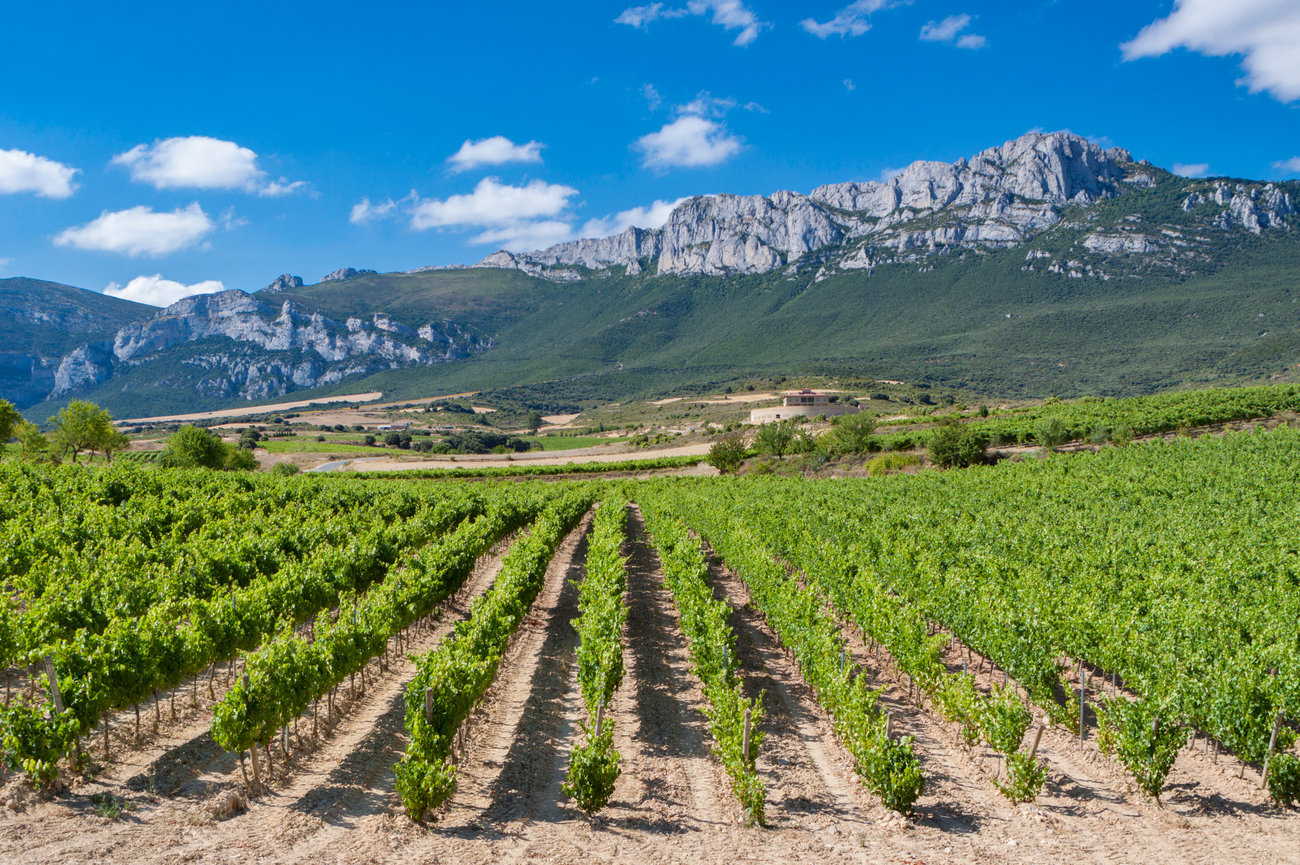
Cross the Sierra de Cantabria from the north and you descend from the wet, green Basque hills into a different landscape. The mountain wall shelters the vineyards from the strongest Atlantic weather, while the Ebro marks much of the southern boundary with the neighbouring region of La Rioja.
Between them, 15 municipalities in the province of Álava grow vines across terraces and slopes of predominantly clay-limestone soil. Tempranillo dominates, planted in small parcels that rise from the Ebro towards the foot of the mountains.
Altitude is part of the argument. Cooler nights at the higher sites slow ripening and help preserve acidity, while the soils, limited rainfall and mixture of Atlantic and Mediterranean influences contribute structure and freshness. Rioja Alavesa wines are often described as more compact and lifted than those from warmer vineyards farther east, although producer, site and winemaking matter as much as the name of the zone.
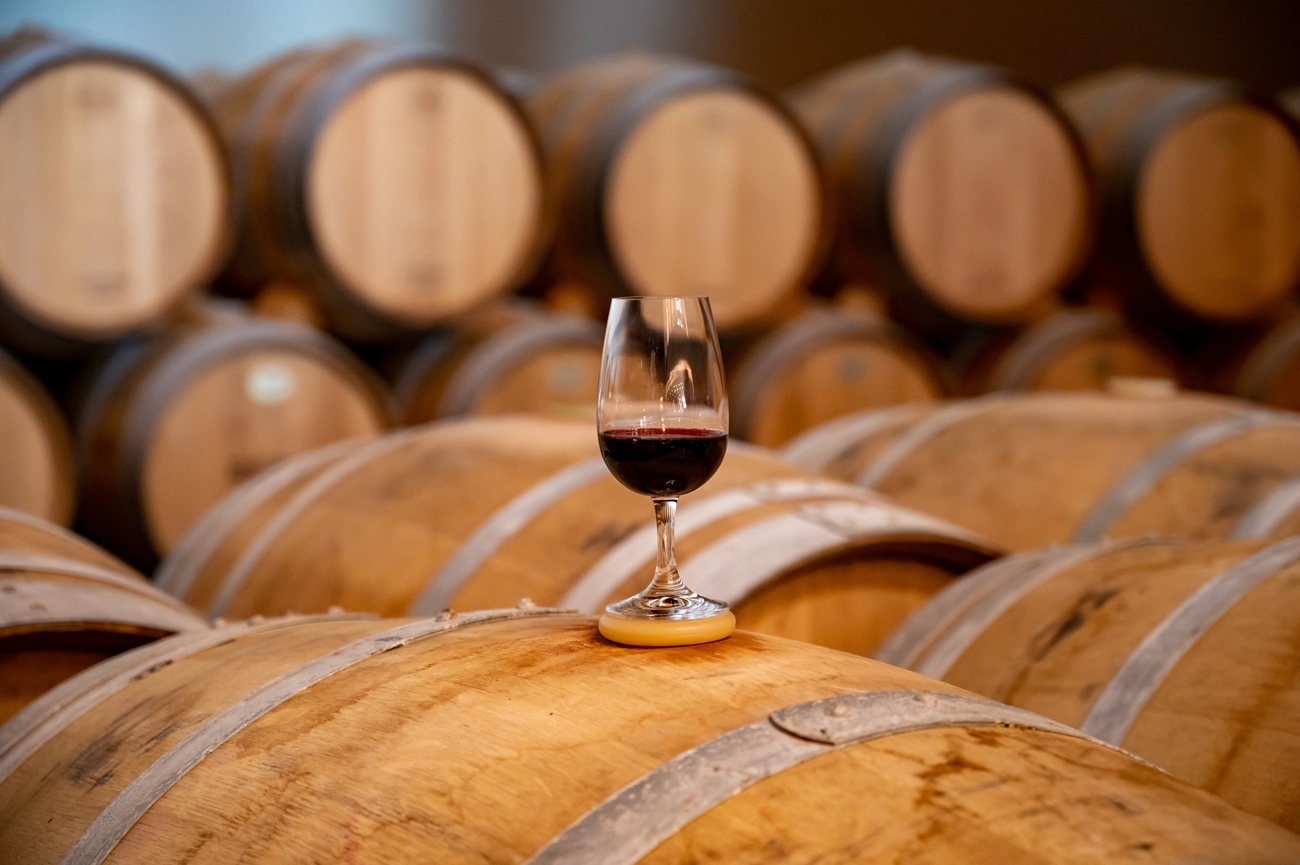
The region also retains a strong tradition of carbonic maceration, in which whole, uncrushed bunches begin fermenting in a sealed vessel. The method produces vivid, fruit-driven young wines known locally as vinos de cosechero: bright with red and violet fruit, low in tannin and intended to be enjoyed early. The comparison with Beaujolais is useful, although the grapes, soils and character are distinctly Rioja.
A proper tasting should run in both directions: from a young carbonic-maceration wine to a traditionally aged Reserva, ideally in that order and ideally underground.
The Basque identity is not decorative either. Some Álava producers have campaigned for a separate appellation, convinced that their vineyards deserve an identity distinct from the wider Rioja denomination. Others remain firmly within DOCa Rioja, but the debate itself reveals how strongly questions of soil, altitude and identity are intertwined here.
On the coast to the north, the Basques make txakoli, a crisp white shaped by Atlantic air; here they produce some of Spain’s most structured reds. That one small culture makes both is one of its better jokes.
We explore the language, food traditions and sense of identity behind them in our guide to Basque culture, food and identity.
Laguardia:
A Medieval Wine Town Built Over Cellars
Every Rioja Alavesa wine tour orbits one town.
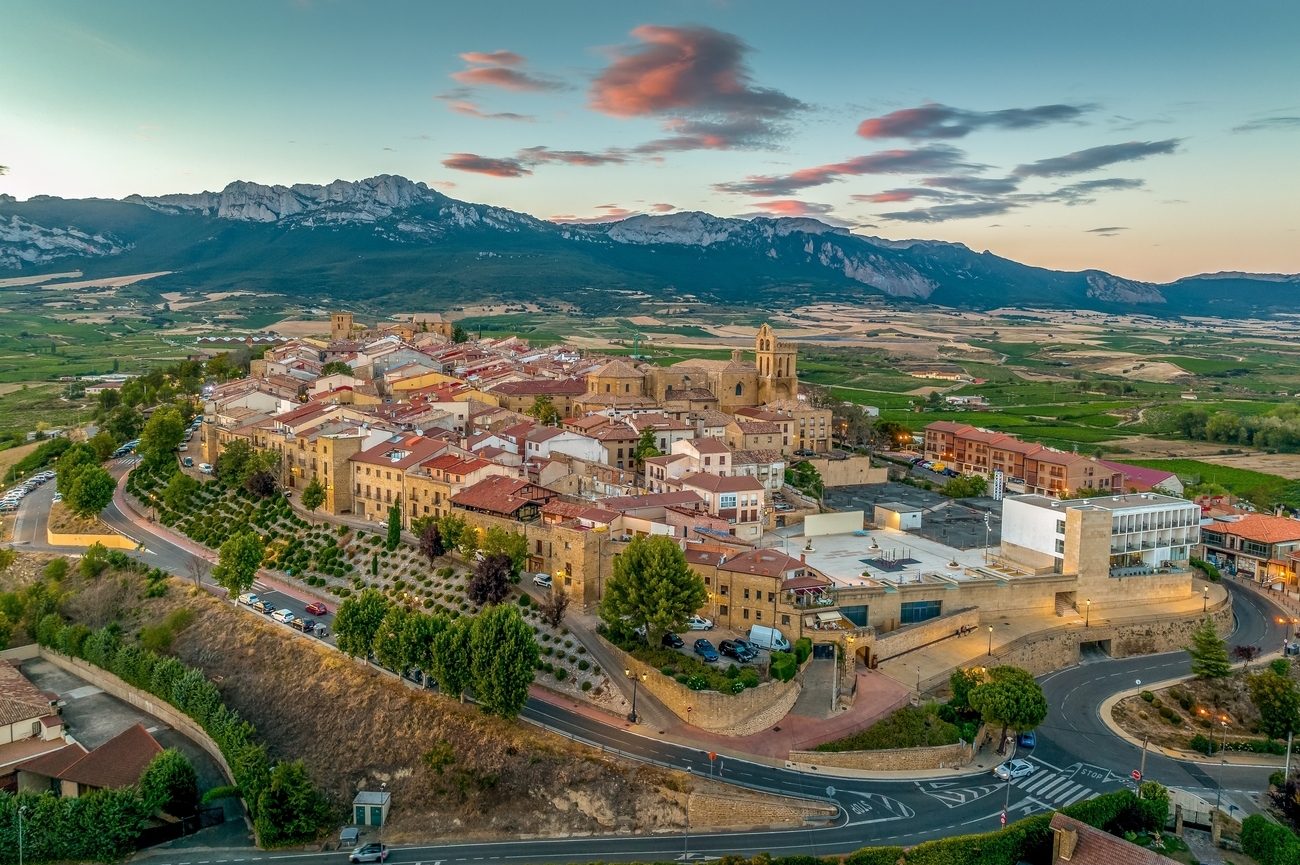
Laguardia began as a defensive outpost of the Kingdom of Navarre. Tradition credits King Sancho Abarca with establishing a castle here in the early tenth century, while Sancho VI granted the settlement its charter in 1164. Its original name, La Guarda de Navarra, described precisely what it was built to do: watch over the kingdom’s southern frontier.
Centuries later, it still looks the part. Laguardia is a walled medieval town set on a hill, with the Sierra de Cantabria rising behind it like a held breath and vineyards falling away towards the Ebro.
Cars are largely kept out of the historic centre. Partly this is charm. Mostly it is engineering: the hill beneath the streets is so thoroughly tunnelled with calados that heavy traffic would be unwise. Laguardia chose the wine over the cars, which is the most Rioja Alavesa decision imaginable.
Walk it slowly.
The church of Santa María de los Reyes hides, behind an unassuming entrance, one of the great sights of northern Spain: a Gothic portico carved at the end of the fourteenth century and covered in remarkably preserved seventeenth-century colour. Saints, prophets and scenes from the lives of Christ and the Virgin emerge in reds, blues and golds, protected for centuries because the portico was enclosed and kept out of the weather.
The El Collado promenade along the northern edge of town opens onto the vineyards and the mountains in one long sweep. In Plaza Mayor, the town hall clock performs one of Spain's smallest spectacles. At set times, its doors open and mechanical figures dance while a traditional melody plays, watched by whoever happens to be standing in the square.
Nobody hurries in Laguardia. There is nowhere to hurry to, and everywhere to drink.
Stay past sunset if you can. When the day visitors leave, the town exhales, the swifts take over the sky above the walls, and the lit doorways of the wine bars turn the whole hill into what it has quietly been all along: one long, ancient, softly glowing cellar with a village on top.
Underground is where Laguardia becomes singular.
Casa Primicia occupies what is considered the oldest civil building in the town, an eleventh-century house in which the Church later collected tithes and first fruits from the surrounding vineyards. Archaeological work has found evidence overwhelmingly connected with grapes and wine rather than the cereals usually associated with medieval taxation. Wine was being made here by the early fifteenth century, in stone vats whose remains can still be seen in the building.
The Madrid family revived winemaking in the house during the 1970s, returning wine to a place that had already been associated with it for more than five centuries.
Bodega El Fabulista lies seven metres beneath a seventeenth-century palace belonging to the family of Félix María de Samaniego, the eighteenth-century writer whose fables remain familiar throughout Spain. Four underground chambers now hold a working winery where wines are still made using traditional carbonic maceration.
The name is not marketing. The fabulist really did live upstairs.
The
Architectural Wineries of Rioja Alavesa
Then, scattered among the medieval villages, comes the twenty-first century, and it arrives with more confidence than almost anywhere else in the wine world.
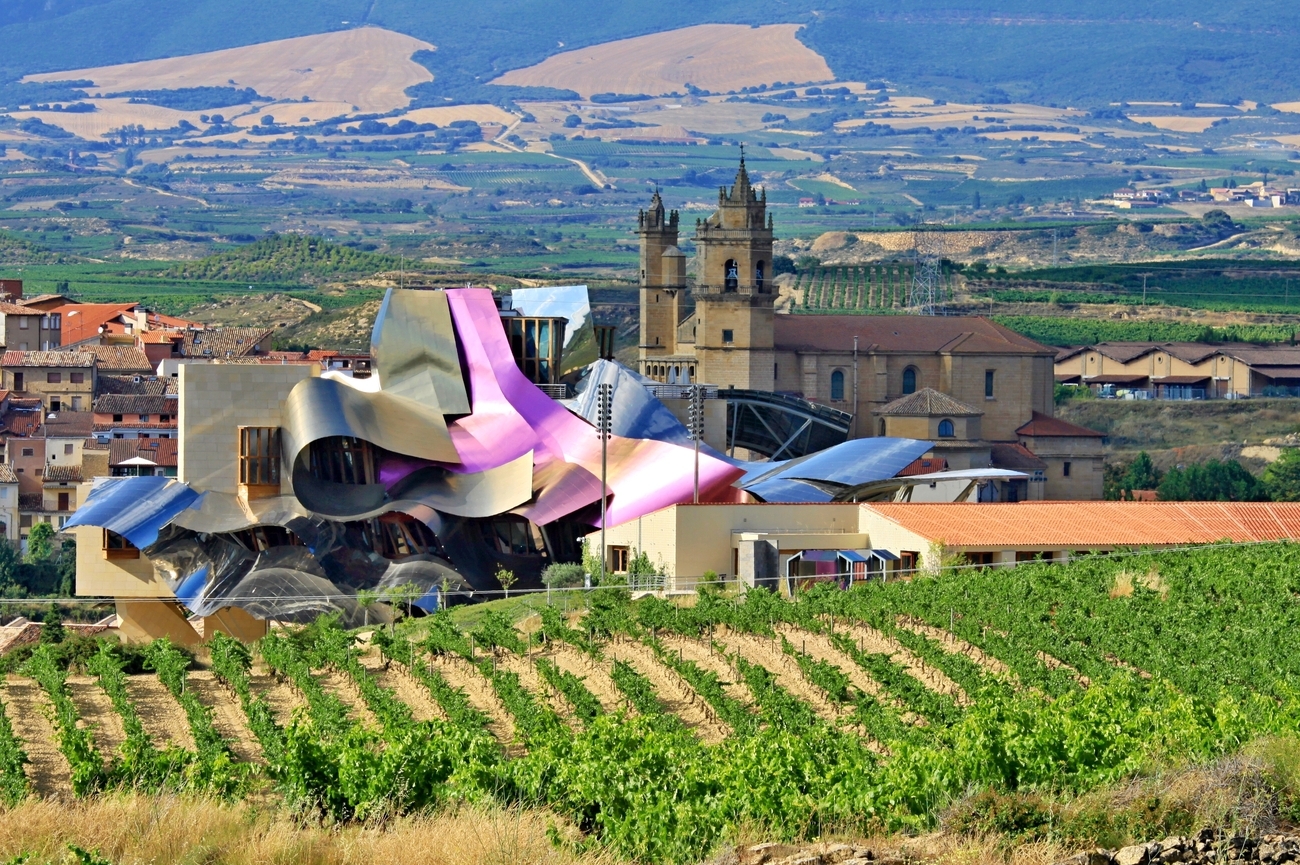
At Elciego, around ten minutes from Laguardia, stands the most photographed building in Spanish wine. Marqués de Riscal was founded in 1858 and became one of the houses that helped introduce Bordeaux winemaking methods to Rioja. In 2024, it was named the World’s Best Vineyard.
Since 2006, its historic stone cellars have shared the estate with an eruption of pink, gold and silver titanium ribbons designed by Frank Gehry, the same architect responsible for the Guggenheim Museum in Bilbao. The connection can be traced in a single journey: the museum that helped remake Bilbao lies around ninety minutes to the north and has a full guide of its own.
The Gehry building contains a luxury hotel, a spa specialising in vinotherapy and a Michelin-starred restaurant overseen by Riojan chef Francis Paniego. Its colours refer to the wine itself: pink for the red wine, gold for the wire mesh wrapped around a Marqués de Riscal bottle and silver for its capsule.
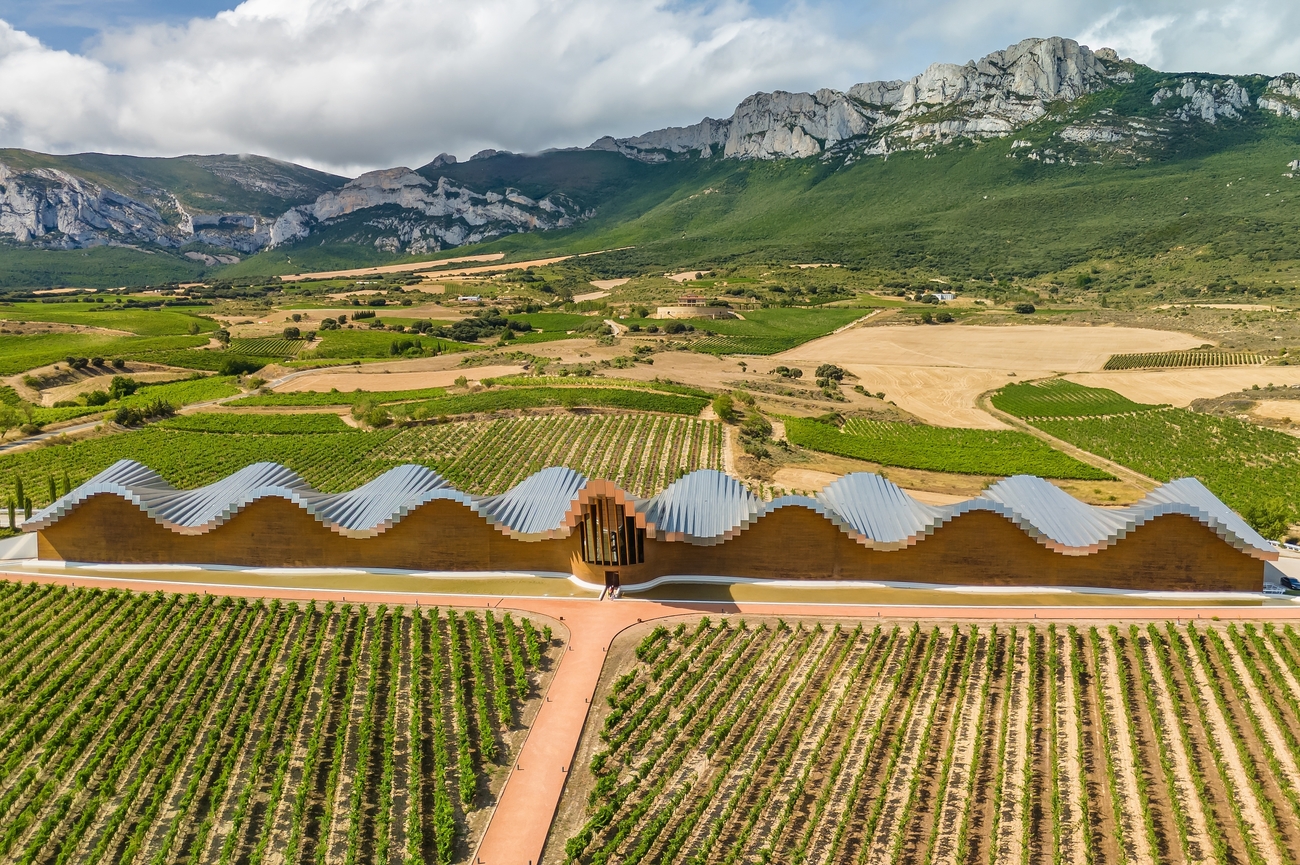
North of Laguardia, Bodegas Ysios answers in a different register. Santiago Calatrava gave it a roof of rippling cedar and aluminium that stretches along the foot of the Sierra de Cantabria, echoing the movement of the mountains behind it.
Inaugurated in 2001, Ysios was conceived as a working winery and an architectural landmark in equal measure. Its focus now includes limited-production and single-vineyard wines made from old parcels across Rioja Alavesa. In 2026, it was ranked third in the World’s Best Vineyards list, an extraordinary position for a winery standing just outside a medieval town.
At Samaniego, Bodegas Baigorri plays the quietest trick of the three.
From the road, it appears to be little more than a transparent glass box standing among the vines. Almost the entire winery lies below it: seven levels descending into the hillside, designed so that gravity guides the grapes and wine through much of the production process.
You descend through it level by level, following the direction taken by the wine, before reaching the restaurant at the bottom of the building. As a piece of theatre, it is understated and total.
Between
the Wineries: The Landscape of Rioja Alavesa
The temptation on any wine route is to drive from cellar to cellar and let the country between them blur. Resist it here, because the land itself is part of the tasting.
The vineyards of Rioja Alavesa are dotted with guardaviñas, small domed shelters built from dry stone, where vineyard workers once escaped sudden storms and the fierce summer sun. Constructed without mortar, many have stood among the vines for generations.
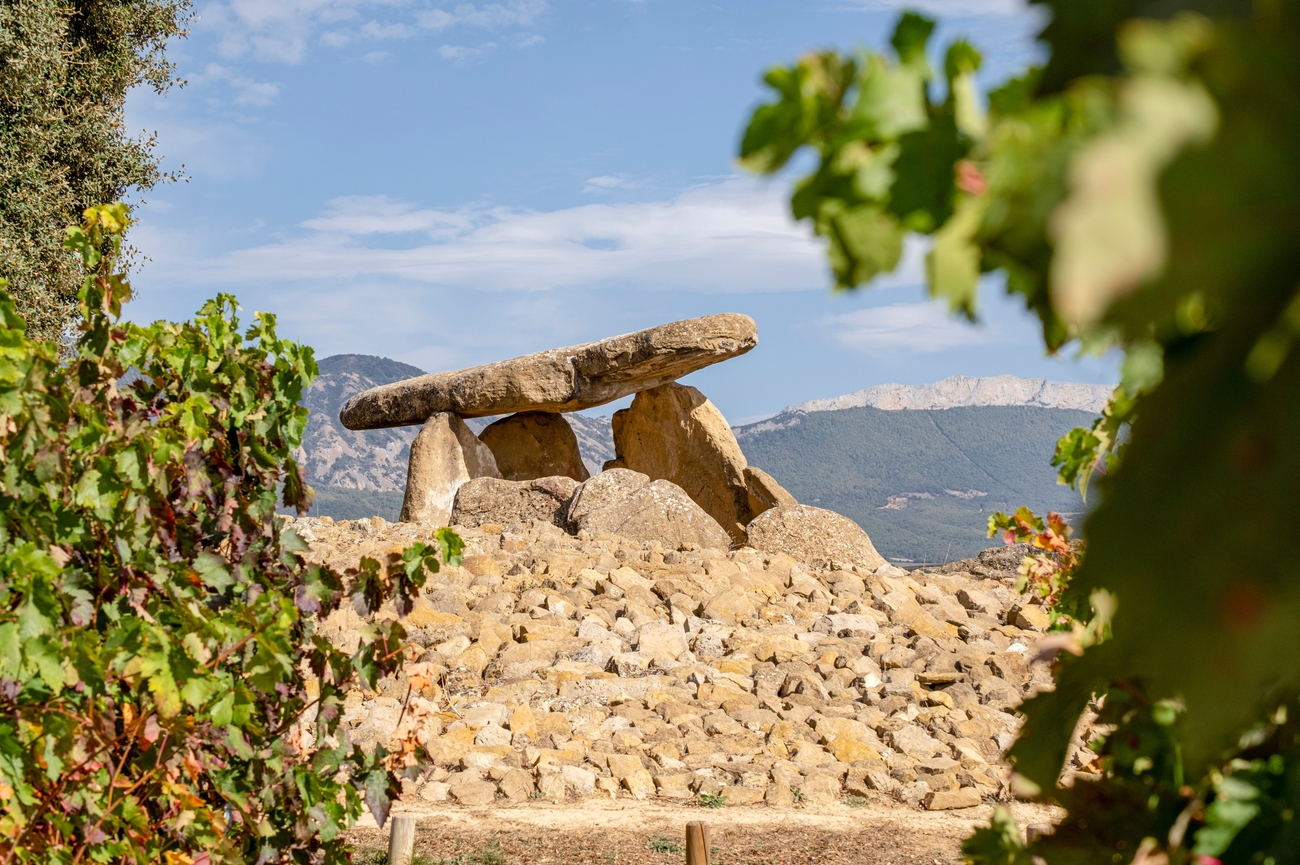
Near Elvillar, around ten minutes east of Laguardia, the dolmen known as La Chabola de la Hechicera—the Sorceress’s Hut—has occupied this landscape for roughly five thousand years. Its stone burial chamber rises from the vineyards, with Tempranillo growing almost to its edges.
Beside Laguardia itself, the excavated settlement of La Hoya preserves the remains of a community first established during the Bronze Age. It developed into a substantial town during the Iron Age, with streets, squares and blocks of houses, before being abandoned around the third century BC.
People, in other words, have been living on this slope and working its soil for thousands of years. Wine is one of the longest chapters in that story, but it is not the first.
September and October, when the harvest moves through the vineyards and some villages hold their seasonal celebrations, are when that continuity stops being an idea and becomes something you can stand in the middle of: tractors carrying grapes along lanes beneath the medieval walls, following routes that have connected these fields and towns for centuries.
The
Wine Villages of Rioja Alavesa
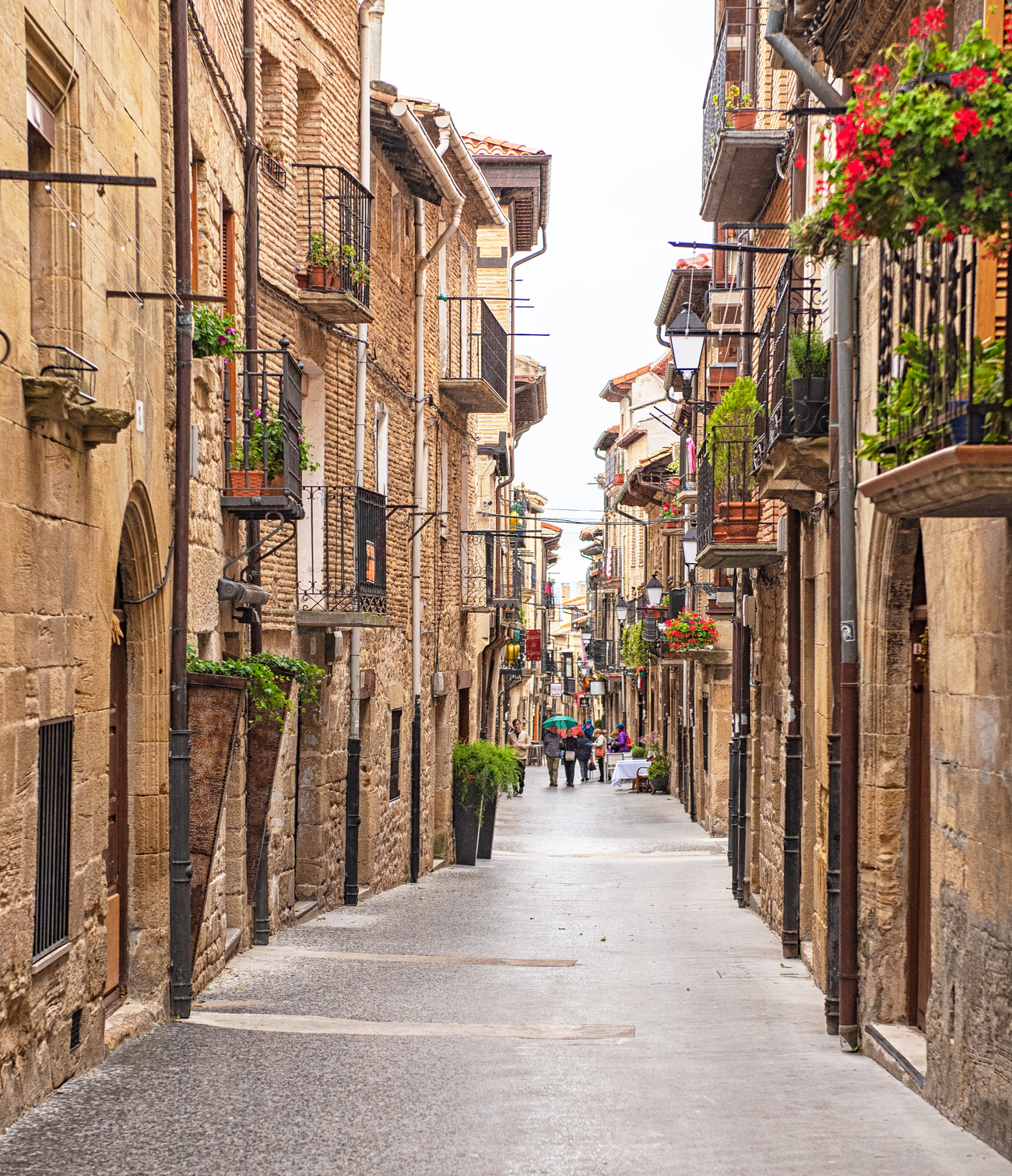
Laguardia is the natural centre of most Rioja Alavesa wine tours, but the region is really a necklace of wine villages, each worth a slow hour.
Elciego gathers around its twin-towered church, with Frank Gehry’s titanium ribbons rising surreally behind the rooftops: the sixteenth century and the twenty-first sharing one skyline.
Samaniego and Villabuena de Álava are small, wine-shaped villages where cellars seem to occupy every other doorway. Villabuena is said to have more wineries than streets, which sounds like a boast until you walk through it and start counting.
At the western end of Rioja Alavesa, Labastida climbs its own hill with dignity, its historic quarter looking across vineyards planted on the slopes below the Sierra de Toloño. Páganos, only a few minutes from Laguardia, is another small village with a concentration of respected wineries and restaurants disproportionate to its size.
None of these places was arranged for visitors. They were arranged around wine, centuries before anyone thought of wine tourism, and the difference shows in the best way.
How
to Read a Rioja Wine Label
A word, too, on what you will be tasting, because Rioja labels reward five minutes of literacy.
The familiar terms Crianza, Reserva and Gran Reserva indicate minimum periods of ageing rather than a simple ladder of quality.
For red wine:
- Crianza must age for at least two years, including a minimum of one year in oak barrels.
- Reserva must age for at least three years, including at least one year in oak and six months in bottle.
- Gran Reserva must age for at least five years, including at least two years in oak and two years in bottle.
Wines outside these categories may appear under the generic Rioja classification. Some are young, fruit-led wines intended for early drinking; others may have spent time in oak without following the precise requirements of Crianza, Reserva or Gran Reserva.
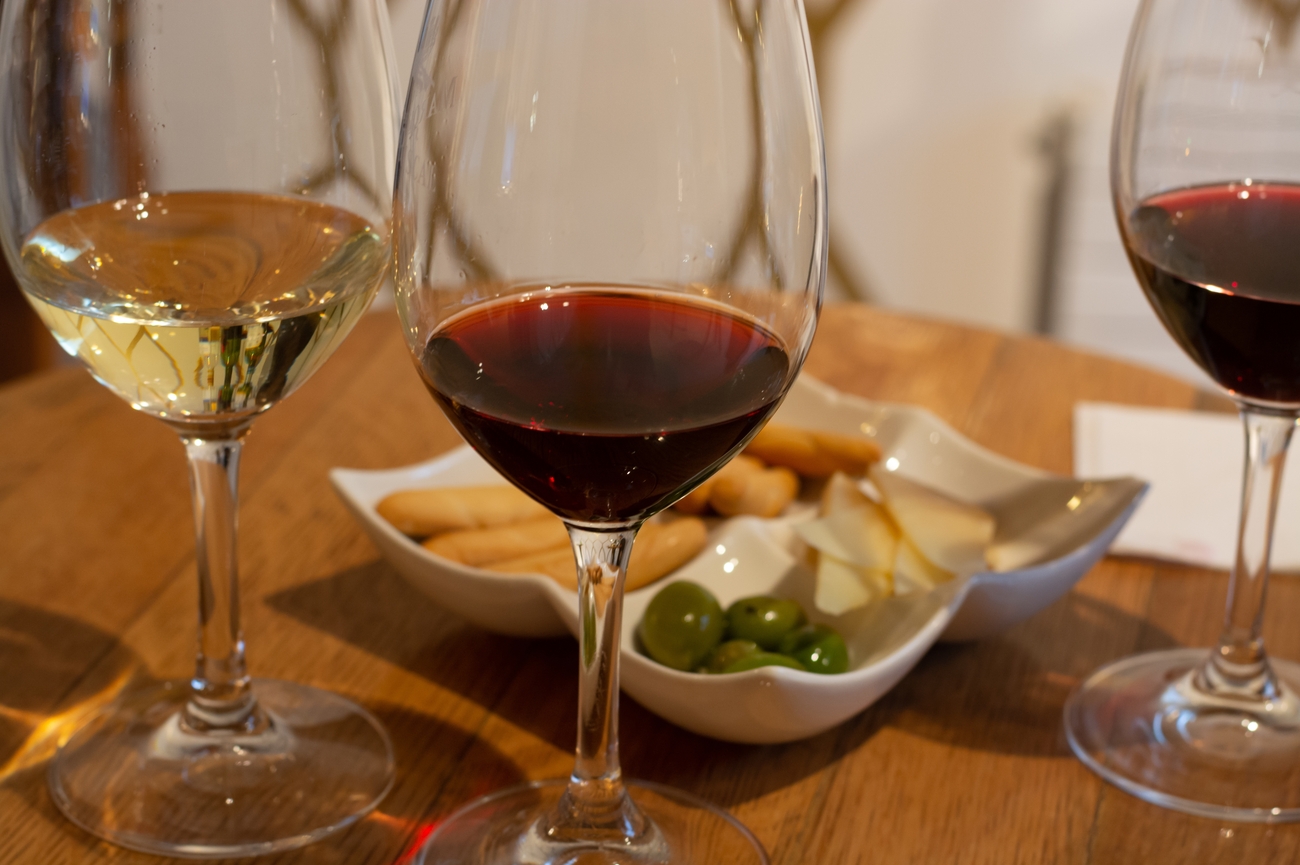
Rioja Alavesa also retains a strong tradition of young wines made by carbonic maceration. Often called vinos de cosechero, they are vivid, fragrant and exuberant, offering an instructive contrast with the region’s longer-aged wines.
A well-constructed tasting can run from one to the other: the bright young wine first, the long silk of a Gran Reserva last. By the second cellar, the label should begin to tell you what is waiting in the glass.
What
to Eat in Rioja Alavesa
The food here answers the wine so directly it can feel scripted.
The signature dish is chuletillas al sarmiento: small lamb chops grilled quickly over burning vine shoots, the smoke of last year’s prunings seasoning this year’s lunch. They are eaten with the fingers, often among the barrels, with no apology expected.
Patatas a la riojana—potatoes stewed with chorizo and choricero pepper—are the humble masterpiece every household cook claims to make best.
There are white asparagus, roasted peppers, beans and seasonal mushrooms from the surrounding valleys and mountains. At the other end of the scale is Francis Paniego’s Michelin-starred restaurant inside the Gehry-designed hotel at Marqués de Riscal, where the flavours of traditional Riojan cooking are reconstructed with extraordinary precision and emerge, somehow, still tasting entirely of themselves.
Between those two poles—the vine-smoked lamb and the starred tasting menu—lies the whole culinary register of the wine country. A well-planned two days here should touch both ends.

How
to Arrange a Rioja Alavesa Wine Tour
Here is the honest truth about visiting Rioja Alavesa wineries: this is the part of the journey that rewards advance arrangement more than any other.
The region operates on two levels.
The famous estates run polished public visits, and they are genuinely worth taking. The Gehry building alone justifies the detour, while a tasting at Ysios, with the Sierra de Cantabria filling the windows behind the glass, is one of the great set pieces of Spanish wine.
But some of the experiences people remember longest happen one layer down, in small family bodegas and historic calados where visits are limited, personal and often available only by prior appointment.
A cellar beneath a family house, with the wine poured by someone whose family has worked the vineyards for generations. A long lunch near the barrels, with lamb chops grilled over vine shoots and older vintages opened alongside them. During the harvest, when circumstances allow, a chance to see the work taking place among the vines rather than only hearing about it in the tasting room.
These experiences depend on relationships, timing and trust.
On our Exploring the Basque Country journey, the winery appointments, introductions, village lunches and private transport are arranged in advance. The route itself is part of the day, including the road across the Sierra de Cantabria, where the vineyards of Rioja Alavesa spread below in one green-and-ochre sweep.
In a region built over cellars, the difference between a good visit and a memorable one often comes down to which doors open—and what is waiting on the other side.
How
Rioja Alavesa Fits into a Basque Country Itinerary
The journey begins on the Atlantic, in Bilbao and along the coast at Gaztelugatxe, among grey light, green cliffs and salt air. It then crosses the Sierra de Cantabria and descends into another landscape entirely: vineyards, limestone soils and harder southern light.
The contrast is the point.
You arrive in the wine country with the Basque story already in your ears—the language, the food and the stubborn sense of identity—and the wine reads differently because of it: one more thing this small culture chose to do exceptionally well, in its own way.
Two nights works particularly well. It allows time for the architectural wineries and the underground calados, a mountain viewpoint or, during the harvest season, time among the working vineyards. One evening might centre on the Michelin-starred restaurant at Elciego; the other on a village dining room where the menu still follows the seasons.
The wine country runs on a slower clock than the coast. The correct response is to surrender to it.
The
Wine Waiting Beneath Rioja Alavesa
Above ground, Rioja Alavesa gives you its show: the titanium ribbons at Elciego, the wave of Ysios and the walled town of Laguardia watching the mountains as it has for centuries.
But much of the region’s soul lies below street level, in hundreds of hand-dug cellars where the temperature remains cool and steady and the wine is given time to outwait everyone.
Getting down those stairs, into the calados where families have made and stored wine for generations, is not always simply a matter of turning up. The most personal visits depend on advance arrangements and on being expected.
On our Exploring the Basque Country journey, you are expected. Winery appointments, introductions, village tables and private transport are arranged in advance, leaving you free to experience the region at the slower pace it deserves.
Come and taste the Basque side of Spain’s most celebrated wine region from the right side of the cellar door, and bring home the one souvenir that never fits in a suitcase: the memory of a wine you could only have understood where it was born.


Let us know what you love, where you want to go, and we’ll design a one-of-a-kind adventure you’ll never forget.
Get in touch
Miriam
Travel Specialist

Romina
Travel Specialist

Laura
Travel Specialist
Our offices:



Revigorate, Iberian Escapes and Algarve Lifestyle are the registered brand names of APCS Lda . We are a fully authorised travel agency licensed by Turismo de Portugal RNAVT/6867.
In the event of a dispute, the consumer may refer to: RAL - Centros de Arbitragem
Avª. 5 de Outubro, nº. 55, R/C Dtº. 8000-075 Faro, Portugal | Tel: +351 289 823 135 *
* national landline call
E-mail: info@consumoalgarve.pt| www.consumidoronline.pt | Mon to Fri: 9:00 - 13:00 / 14:00 - 17:00