Tapas in Madrid: How to Plan a Tapas Crawl and What to Order
A tapas crawl in Madrid typically moves between several bars within the same neighbourhood, with a small drink and one or two shared dishes at each stop. The best routes keep walking distances short, allow each bar to contribute something different and leave enough appetite to continue through the evening.
Eleven minutes after walking into the first bar, you have eaten one plate, finished one glass, paid at the counter and stepped back into the street while the room is still filling. Leaving at that point can feel abrupt if your instinct is to settle into a table for the evening. In Madrid, it can be exactly right.
One bar might supply the tortilla, another the croquetas, and a later stop the jamón, anchovies or seafood. Staying through several rounds turns the first bar into dinner and removes the reason to walk. The rhythm comes from giving each room a limited assignment, then allowing the street to connect them.
Order less than you think you need and keep the first drink small. Leave while you could still order another plate, because every payment opens the next part of the evening.
For travellers who would rather not make those decisions bar by bar, our Essential Culinary Experience in Madrid includes a guided tapas-and-wine route, with the stops and pairings chosen in advance while preserving the informal rhythm that makes a Madrid tapas evening work.
How
Tapas Work in Madrid

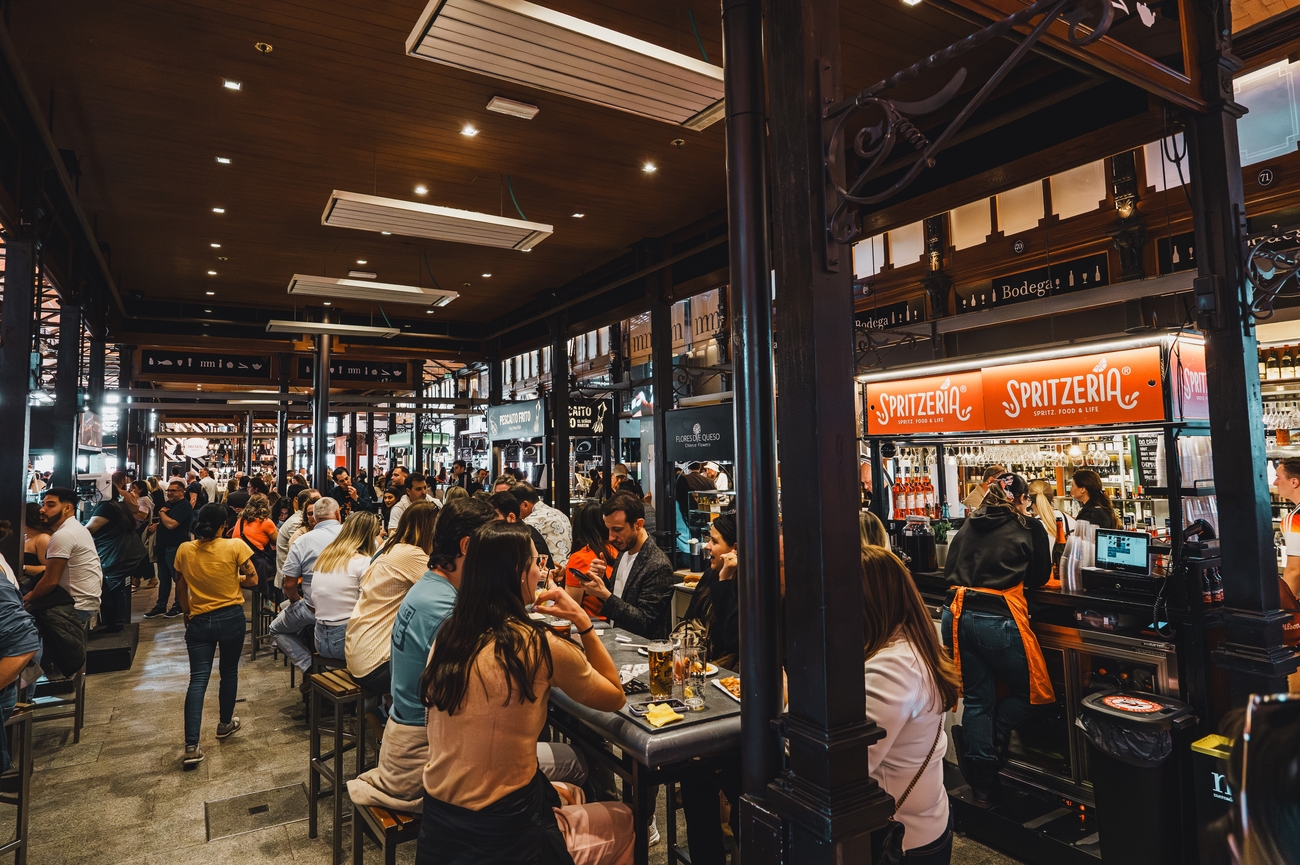
Tapas in Madrid are not a single portion size or style of service. Depending on the bar, you may receive a small complimentary bite with a drink, order an individual tapa or pincho, share a media ración, or commit to a larger ración. Understanding those distinctions is one of the easiest ways to avoid ordering too much at the first stop of a tapas crawl.
Are Tapas Free in Madrid?
Tapas are sometimes served free with a drink in Madrid, but there is no citywide rule that every beer, glass of wine or vermut comes with a substantial plate of food.
Some bars still offer a small complimentary bite, and occasionally it can be generous. Others provide little more than olives, crisps or another simple snack, while many expect food to be ordered separately. Treat whatever arrives with the drink as part of that particular bar's style rather than something you are automatically entitled to expect.
That matters if you have eaten tapas elsewhere in Spain. In cities such as Granada or León, the relationship between the drink and the complimentary tapa can be much more central to the experience. Madrid's bar culture is broader. A bar may be worth entering because it fries croquetas particularly well, slices jamón to order, pours an excellent caña or specialises in a short list of raciones.
The simplest approach is to watch the counter for a few minutes. If every drink is followed by a small plate, you will see the pattern quickly. If regulars are ordering from the board, that tells you something different. In Madrid, observing how the room works is usually more useful than arriving with a rule learned somewhere else.
Tapa, Ración, Media Ración and Pincho: What Is the
Difference?
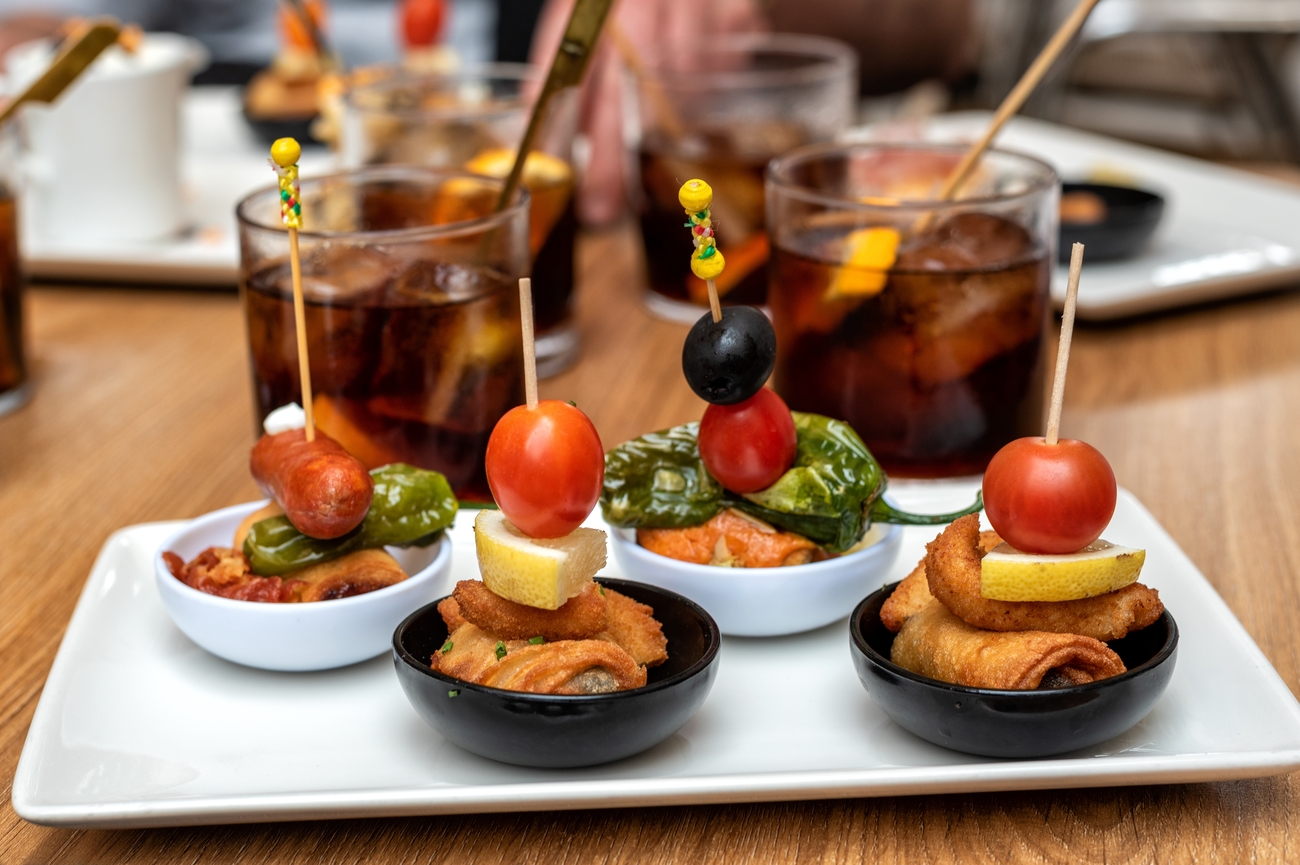
A tapa is a small serving, although its exact size varies considerably from one bar to another. A ración is a larger plate intended for sharing, while a media ración is roughly a half portion and can be especially useful for two people moving between several bars. A pincho or pintxo is usually an individual serving, sometimes presented on bread or secured with a skewer, although terminology varies between establishments.
This vocabulary matters because portion size determines the rhythm of a tapas crawl. A full ración at four consecutive bars can end the evening long before the route does.
Our guide to where to eat in Madrid explains the city's broader dining rhythm, neighbourhoods and restaurant formats. On a tapas crawl, the more immediate question is simply how much food is about to arrive.
If media raciones are available, they are often ideal for two people. If the menu offers only full raciones, share one dish and keep moving. Larger groups can order more widely because each plate divides between more people, but the principle remains the same: do not spend the whole evening's appetite at the first bar.
Barra or Table: Where Should You Eat Tapas in Madrid?
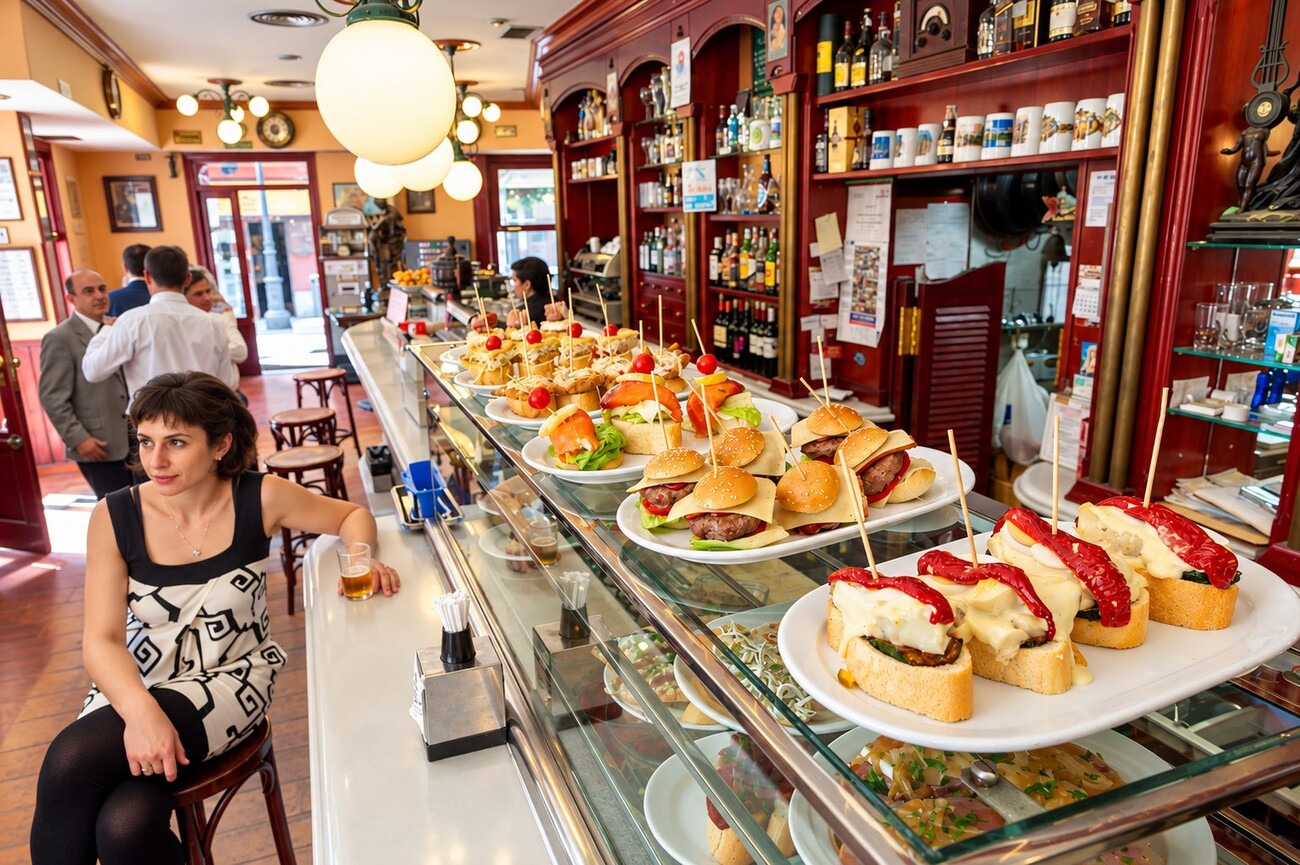
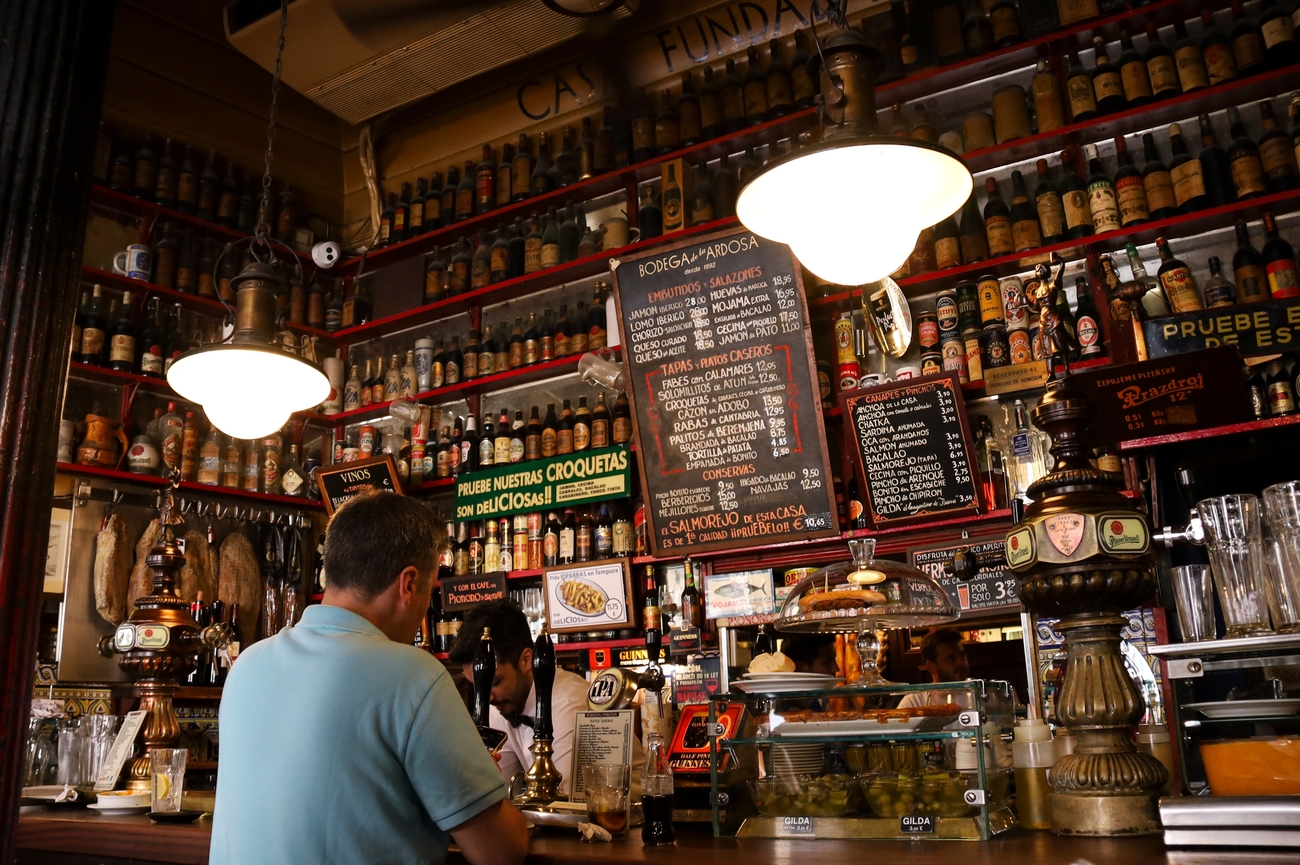
For a tapas crawl, the barra, or bar counter, is often the most useful place to stand. From there, you can see what other customers are ordering, which dishes leave the kitchen repeatedly and how quickly food is turning over.
Counter service also suits the rhythm of a short stop. You can order a caña and a plate, eat, pay and leave without the sense that you have abandoned a table halfway through dinner.
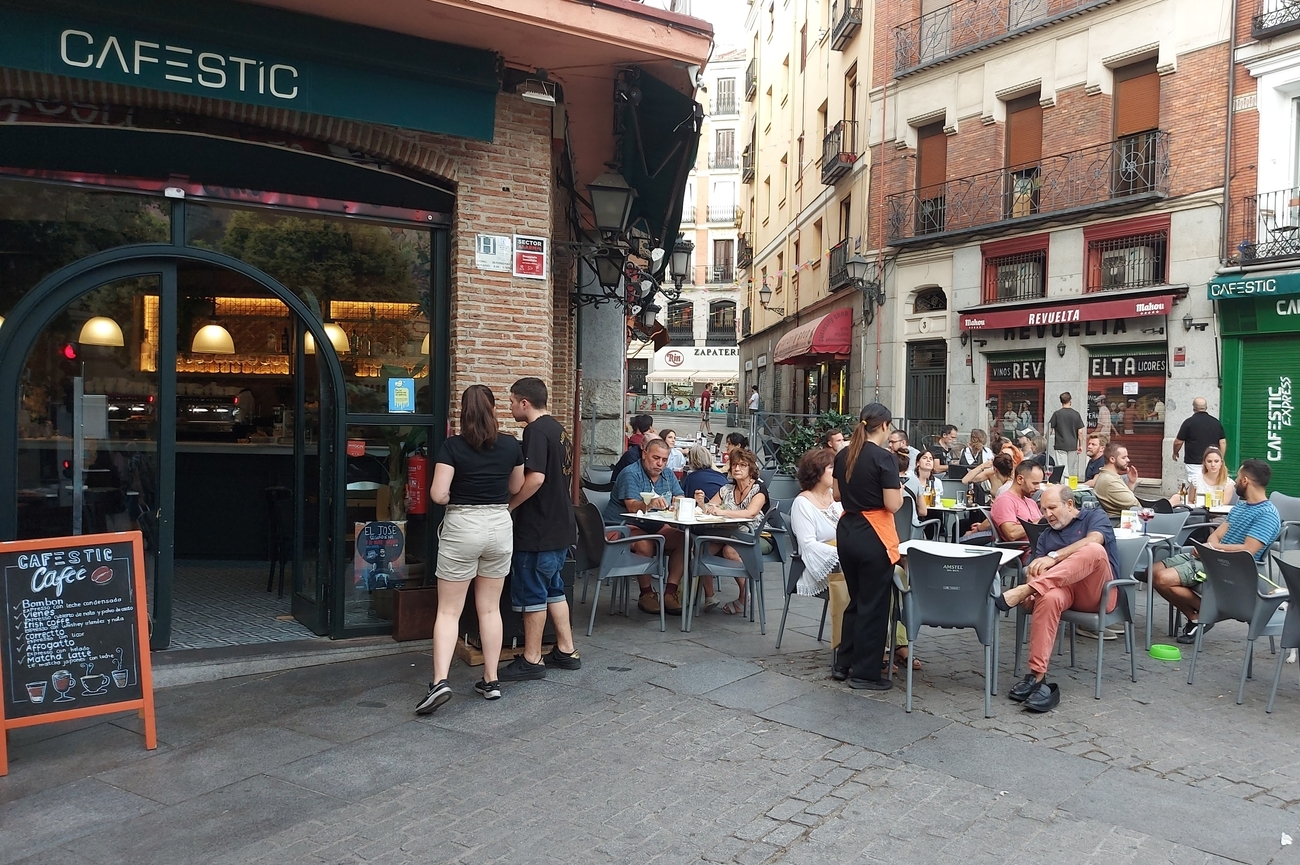
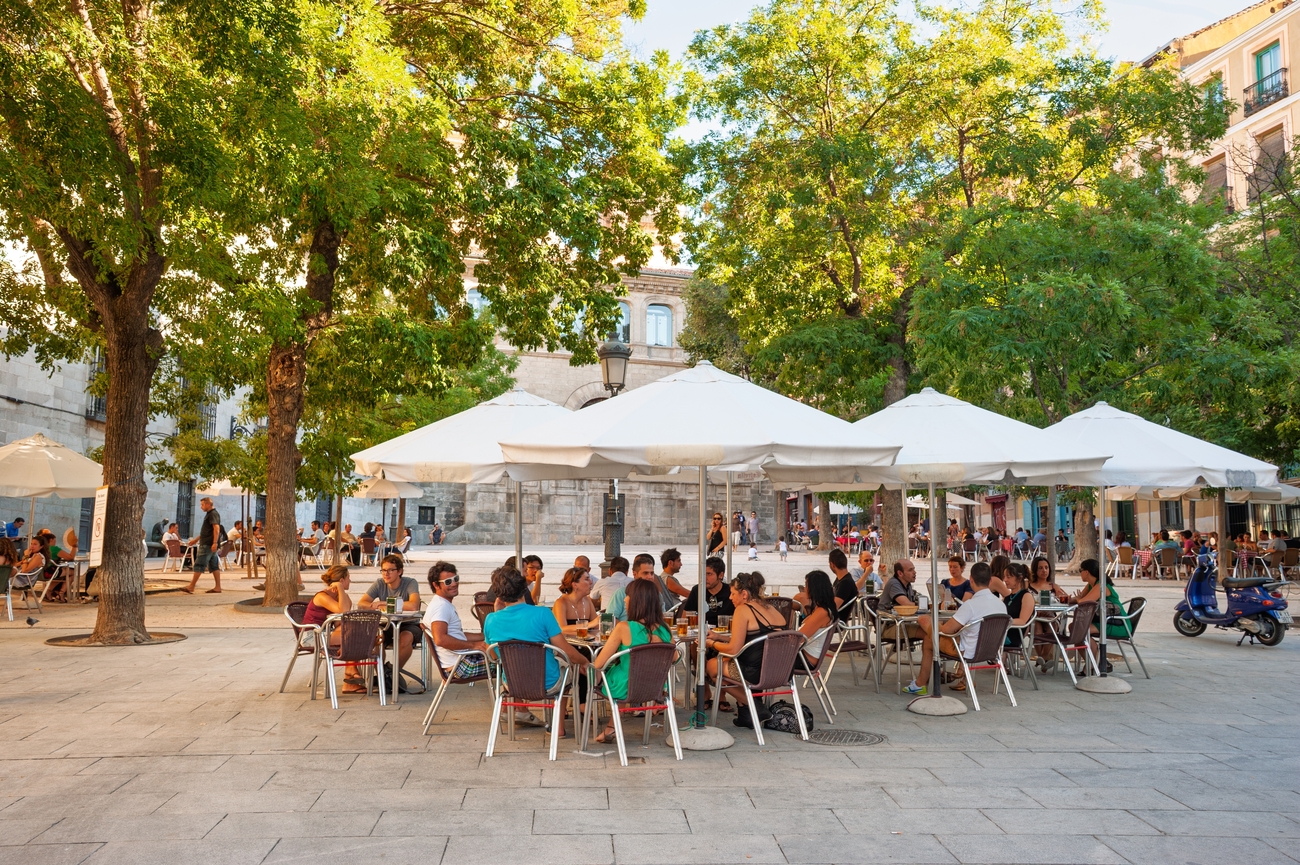
A table makes more sense when you are ordering several hot raciones, sharing a bottle of wine or planning to stay longer. A terrace can be particularly appealing in good weather, although some establishments charge different prices for bar, table and terrace service when those differences are clearly displayed.
For a crawl, however, the counter usually keeps the evening moving. Standing makes twenty minutes feel like a complete visit rather than the beginning of a longer meal, and in a crowded bar it also allows you to occupy less of the room while seeing more of how it works.
How
a Madrid Tapas Crawl Works
A Madrid tapas crawl usually works best across three to five bars within the same neighbourhood. At each stop, order one or two dishes to share, keep drinks modest and move on before the bar becomes the entire evening. The aim is not to visit as many places as possible, but to give each stop a clear purpose.
How Many Bars Should You Visit on a Tapas Crawl?
Three to five bars is a sensible range for a full evening. The exact number depends on group size, appetite and how much you order at each stop, but four well-chosen bars can provide plenty of variety without turning the night into an endurance exercise.
For two people, sharing one plate at most stops usually works well. A larger group can order more widely because each dish divides between more people.
The reason to move is specialisation. One bar might have tortilla leaving the kitchen constantly, another may be strongest when the fryer is busy, and a third might be the place for anchovies, shellfish or jamón sliced to order.
A successful tapas crawl lets each bar do one job well. Four excellent bars spread across different parts of Madrid make a poor route. Four good bars within a few minutes' walk of one another can create a much better evening because the transition between them becomes part of the experience.
Order in Rounds, Not All at Once
Order in stages rather than trying to design the entire meal when you first arrive.
Begin with a drink and one plate. Watch what appears on neighbouring tables and see how the kitchen is moving before deciding whether to order something else. If the first dish is excellent and the bar has an obvious speciality, stay for one more. If the room is pleasant but unremarkable, settle the bill and keep the rest of the evening available.
Sharing is central to the format. Put dishes in the middle and let everyone take from them. A crawl quickly loses its rhythm if each person orders a separate, main-course-sized plate at every stop.
Over-ordering at the first bar is one of the easiest mistakes to make. Hunger can make the menu look deceptively manageable, particularly after an afternoon of sightseeing. The first stop should take the sharp edge off your appetite without removing the curiosity that makes you want to find the second.
What Time Should a Madrid Tapas Crawl Start?
Around 9pm is a useful starting point for an evening tapas crawl in Madrid, with many bars becoming noticeably livelier from about 9:30pm. Madrid eats later than many northern European and North American cities, so a bar that feels unusually quiet at 7:30pm may simply be between the afternoon and the real evening service.
Starting earlier has advantages. Tables are easier to find, service may be slower and there is more space at the counter. What you may miss is the moment when the room reaches its natural rhythm and regular customers begin to fill it.
Later in the evening, the choices change again. As midnight approaches, some kitchens begin reducing what they serve and the final stop becomes less about browsing a broad menu and more about choosing something dependable.
The strongest route therefore follows the city's clock rather than fighting it. Begin while there is still room to make choices, then let the bars become busier around you.
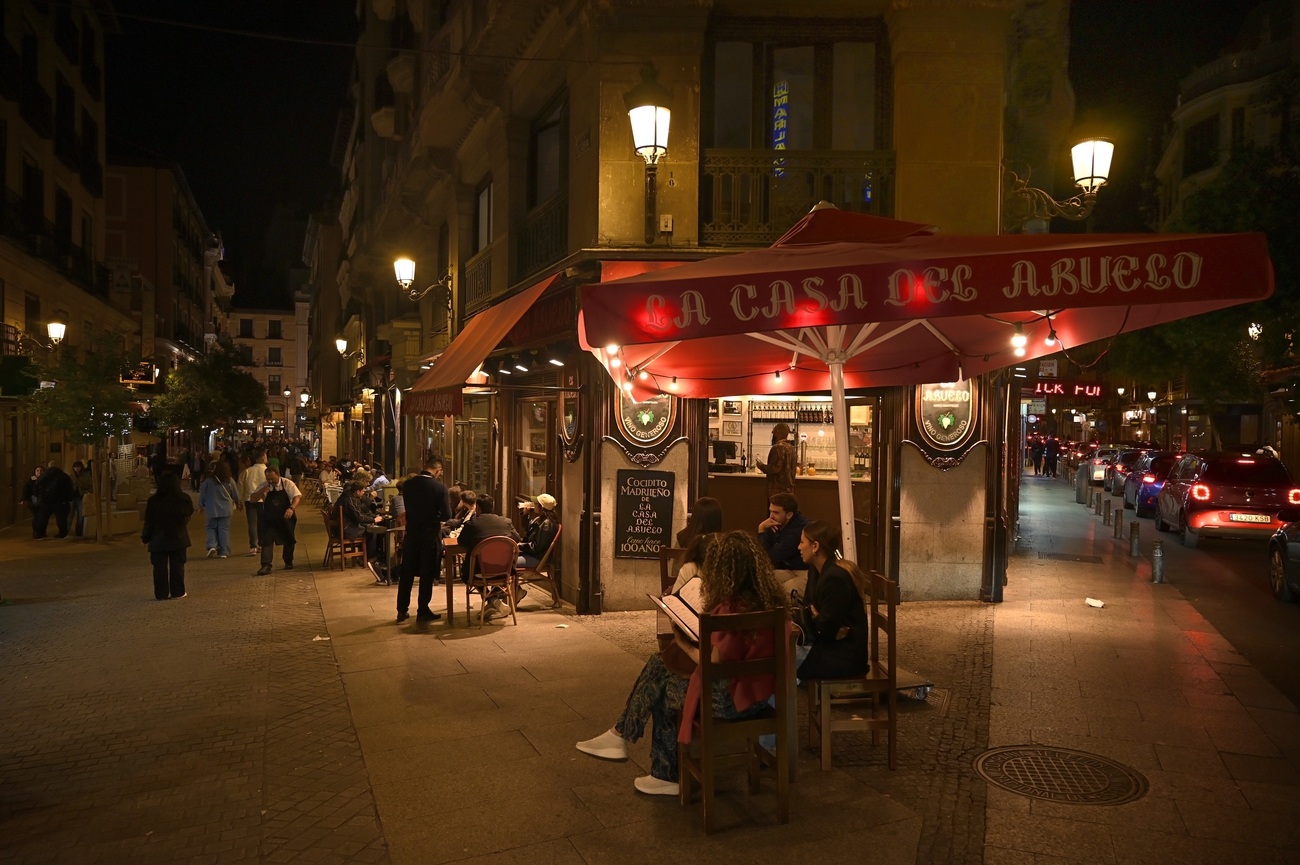
How to Pay at a Madrid Tapas Bar
At traditional bars, the bill may remain open while you order successive drinks and plates, then be settled when you are ready to leave. The system can look informal because staff often keep track without interrupting the flow of service after every order.
When you are ready to move on, ask for la cuenta and settle the bill clearly before leaving. If you have moved along the counter during your visit, make eye contact with the person who has been serving you so there is no confusion about what you ordered.
Card payment is widely accepted, although carrying some cash can still be useful for small bills or older establishments. If the payment method matters to you, check before ordering rather than discovering it when you are trying to leave.
This sequence of short stops, small orders and compact walking distances is also where local curation becomes valuable. The difference between a collection of good bars and a genuinely good tapas route often lies in the order in which you visit them.
Best
Areas for a Tapas Crawl in Madrid
The best area for a tapas crawl in Madrid depends on the kind of evening you want. La Latina offers the classic bar-to-bar experience, Barrio de las Letras combines historic taverns with a central location, Chamberí feels more residential, Lavapiés brings a broader international food culture, and the neighbourhoods east of Retiro offer a quieter setting for a more carefully sequenced route.
Whatever the district, keep the evening compact. A good tapas crawl should unfold largely on foot, with each stop close enough that the walk between bars feels like part of the meal rather than a transfer.
La Latina and Cava Baja
La Latina is the classic starting point for a Madrid tapas crawl, particularly around Cava Baja, where a high concentration of bars makes it easy to move between stops without planning every address in advance.
Sunday changes the neighbourhood. El Rastro brings large numbers of people into the surrounding streets, and the rhythm can move naturally from vermut before lunch into a long afternoon of eating and drinking. The atmosphere is energetic, social and unmistakably central Madrid.
Cava Baja works particularly well because the density of bars gives you options. If the first room feels too crowded or the menu does not appeal, another choice is usually only a short walk away. That flexibility is more useful on a crawl than committing rigidly to a list before you arrive.
Sunday is also when La Latina can be at its busiest. If you want more space at the counter, choose another evening or arrive before the peak. If you want the district at full social intensity, expect more standing, quicker decisions and less certainty about where the next table will appear.
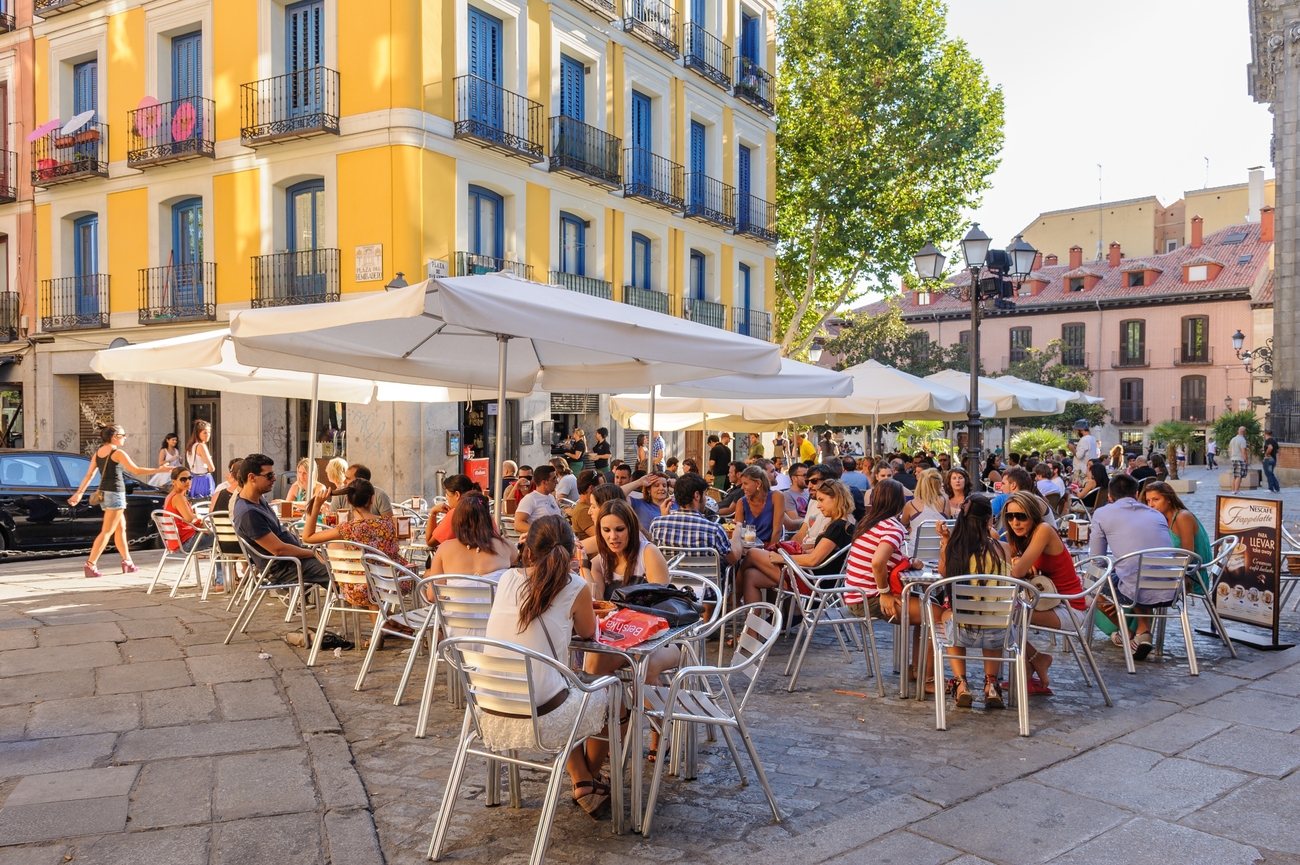
Barrio de las Letras and Huertas
Barrio de las Letras and the streets around Huertas offer a more traditional tavern atmosphere while remaining closely connected to Madrid's historic centre.
Vermut fits naturally here, as do small bars where the counter carries more of the room's character than the dining area. The neighbourhood works particularly well when you want tapas to form part of a wider evening in central Madrid rather than become a destination completely separate from sightseeing.
The route is less about one famous street than a cluster of nearby bars. Keep the walking within a few blocks and allow the character of each room to determine how long you stay.
For travellers staying near the Prado, Plaza de Santa Ana or the lower end of Gran Vía, the logistics are especially easy. The evening can begin on foot and continue without needing transport between stops.
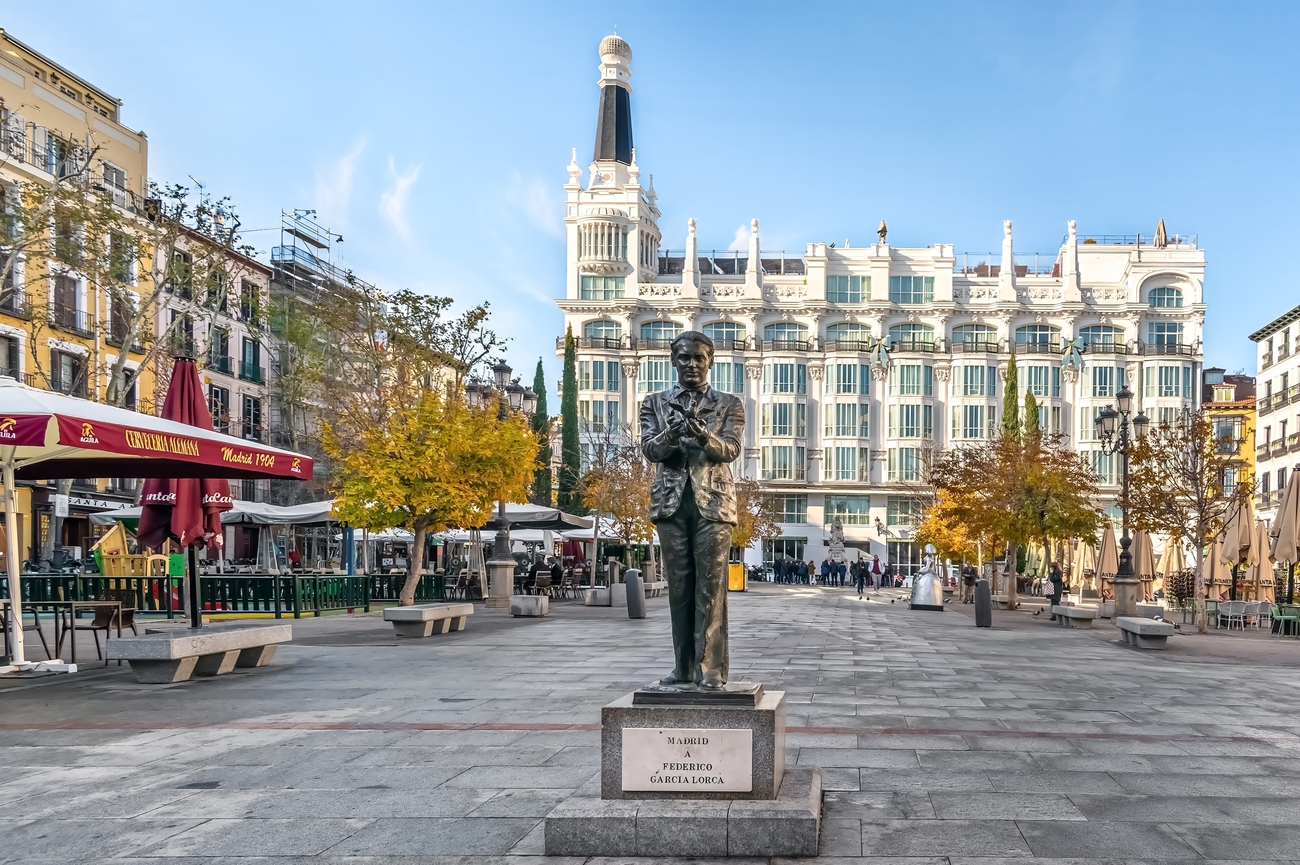
Lavapiés
Lavapiés offers the broadest departure from the classic Madrid tapas repertoire. Spanish taverns sit alongside South Asian, North African and other international restaurants shaped by the communities that have made the neighbourhood home.
A tapas crawl here can therefore move beyond tortilla, croquetas and jamón without abandoning the basic logic of the evening. One stop might be a traditional Spanish bar, while the next may belong to a completely different culinary tradition.
Look for places with a clear identity rather than menus attempting to represent the entire neighbourhood. A busy small room specialising in a narrow range of dishes can be more interesting than a larger restaurant designed to satisfy every passing appetite.
In Lavapiés, the connection between stops comes from the walking, the sharing and the scale of the orders rather than from every plate conforming to a textbook definition of tapas.
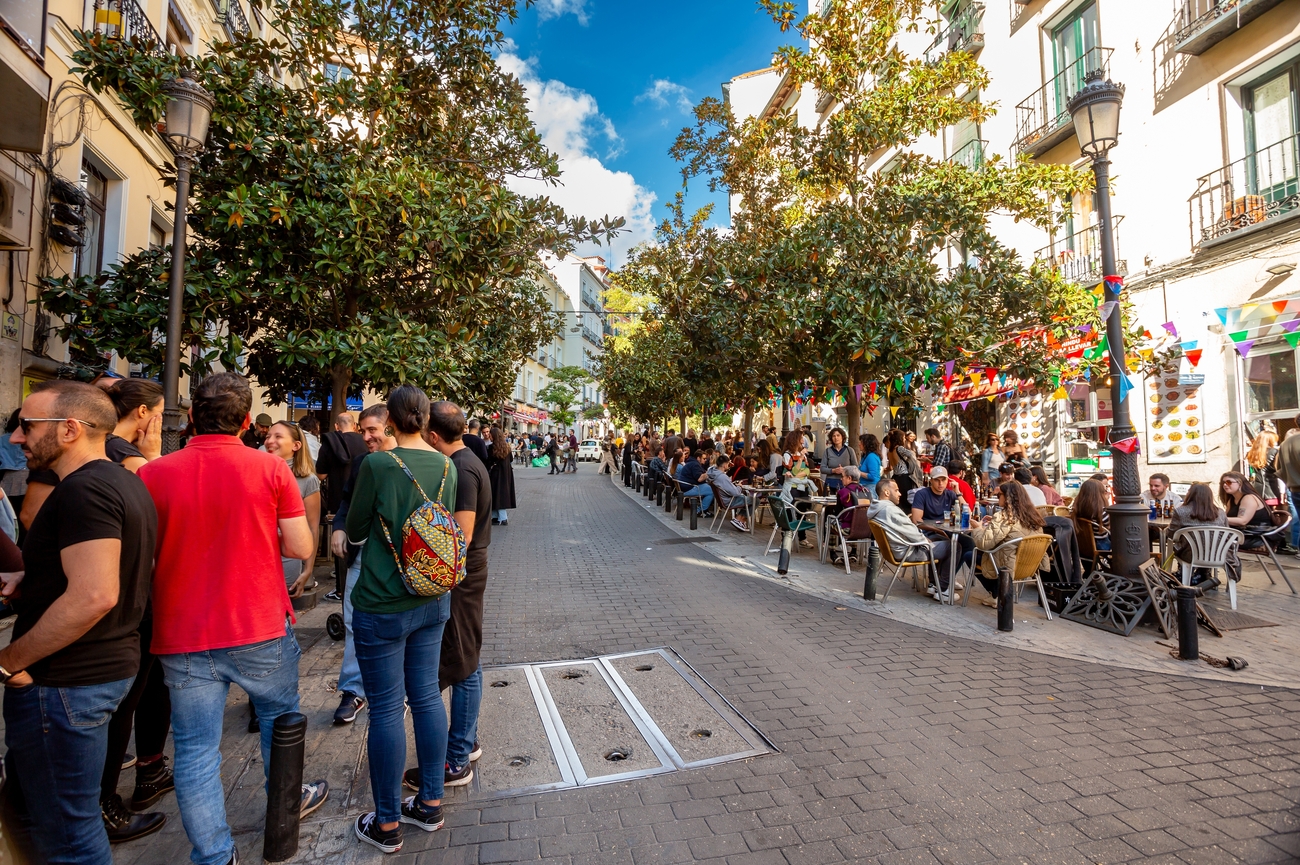
Chamberí
Chamberí offers a more residential setting for a Madrid tapas crawl, with strong local demand and a bar culture that does not depend primarily on visitors to the historic centre.
It works particularly well on a weeknight. The atmosphere can feel more contained than La Latina, while still offering enough bars and restaurants within short walking distances to build a varied evening.
Rather than searching for one canonical street, choose a strong first stop and identify several alternatives nearby. Residential neighbourhoods are useful because repeat customers matter. Bars have to give people who live nearby a reason to return.
The range is also part of the appeal. A caña and tortilla at one stop can sit comfortably in the same evening as a more serious glass of wine and a carefully sourced ración somewhere else.
East of Retiro
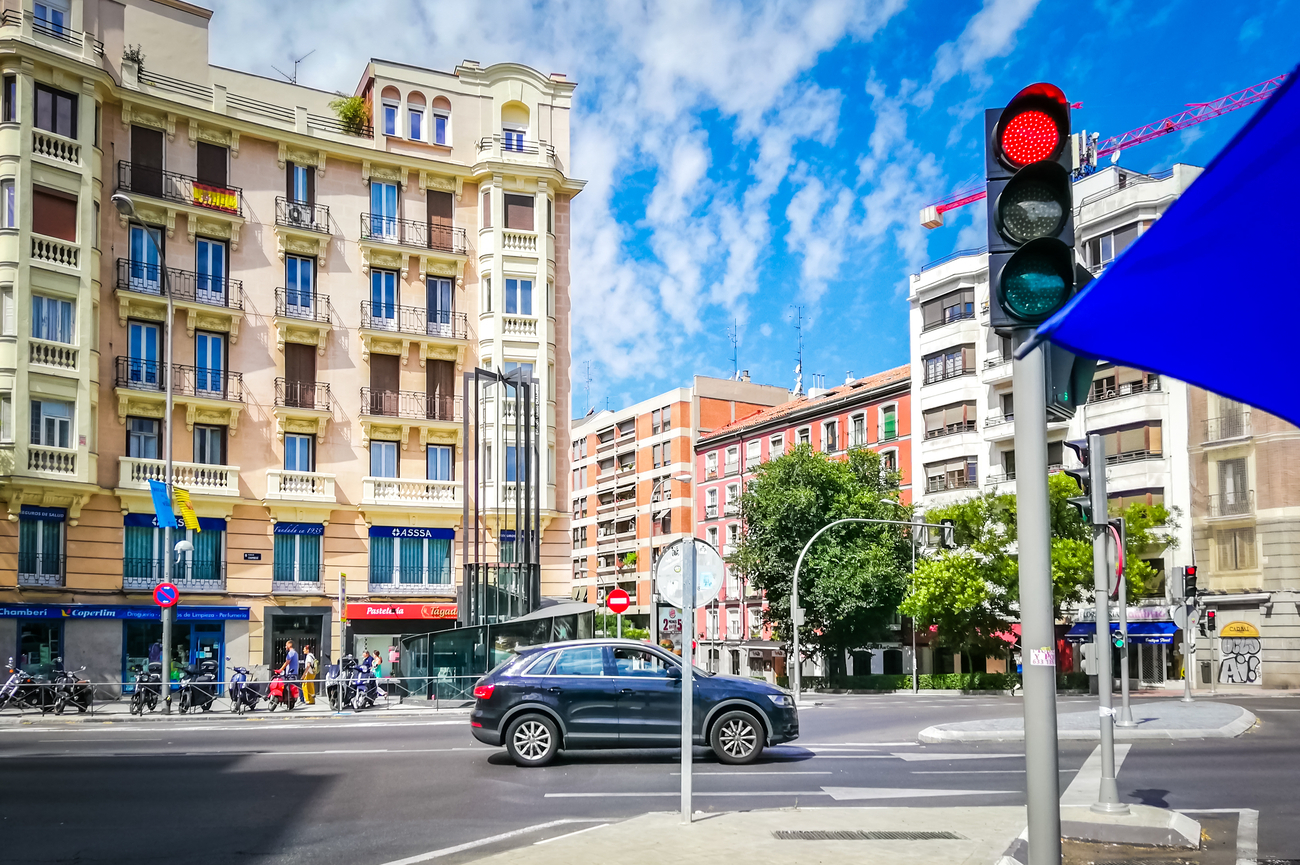
The residential neighbourhoods east of Retiro Park offer a quieter alternative to Madrid's historic centre, with contemporary bars, taverns and local-scale streets that suit a compact tapas route.
The attraction is partly practical. Stops can be arranged within a small radius, allowing the evening to progress without long walks, taxis or unnecessary backtracking. That makes it easier for each bar to contribute something distinct while the route itself remains relaxed.
This is also where local knowledge becomes particularly useful. The strongest sequence is not simply a collection of good bars, but a progression in which the food, drinks and walking distances make sense together.
Our Essential Culinary Experience in Madrid includes a guided tapas-and-wine route east of Retiro, with the stops and pairings selected to create that progression while keeping the evening informal.
If you are planning your own tapas crawl in Madrid, draw the route as a compact line rather than a collection of saved venues across the city. Five minutes on foot between bars protects the rhythm. Repeated journeys across Madrid break it.
What
to Order on a Madrid Tapas Crawl
What you order on a Madrid tapas crawl should change from bar to bar. Rather than asking every stop to provide a complete selection, look for the dish that appears to belong to the room: tortilla being cut repeatedly, croquetas leaving the fryer, jamón sliced to order or seafood moving quickly across the counter.
The better the crawl, the narrower the decision becomes. Each bar only needs to contribute one memorable plate.
Classic Tapas to Order in Madrid
Some dishes are particularly well suited to sharing across a tapas crawl.
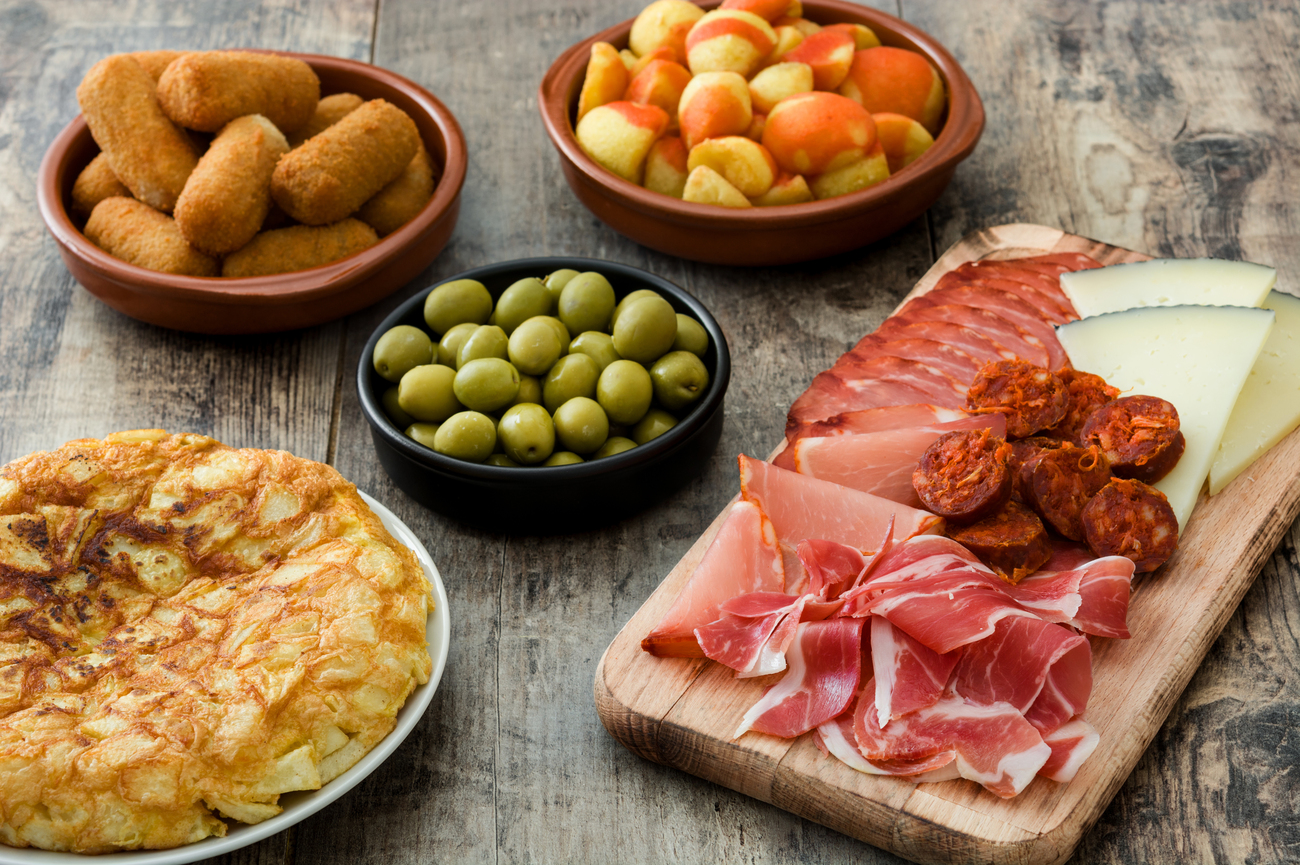
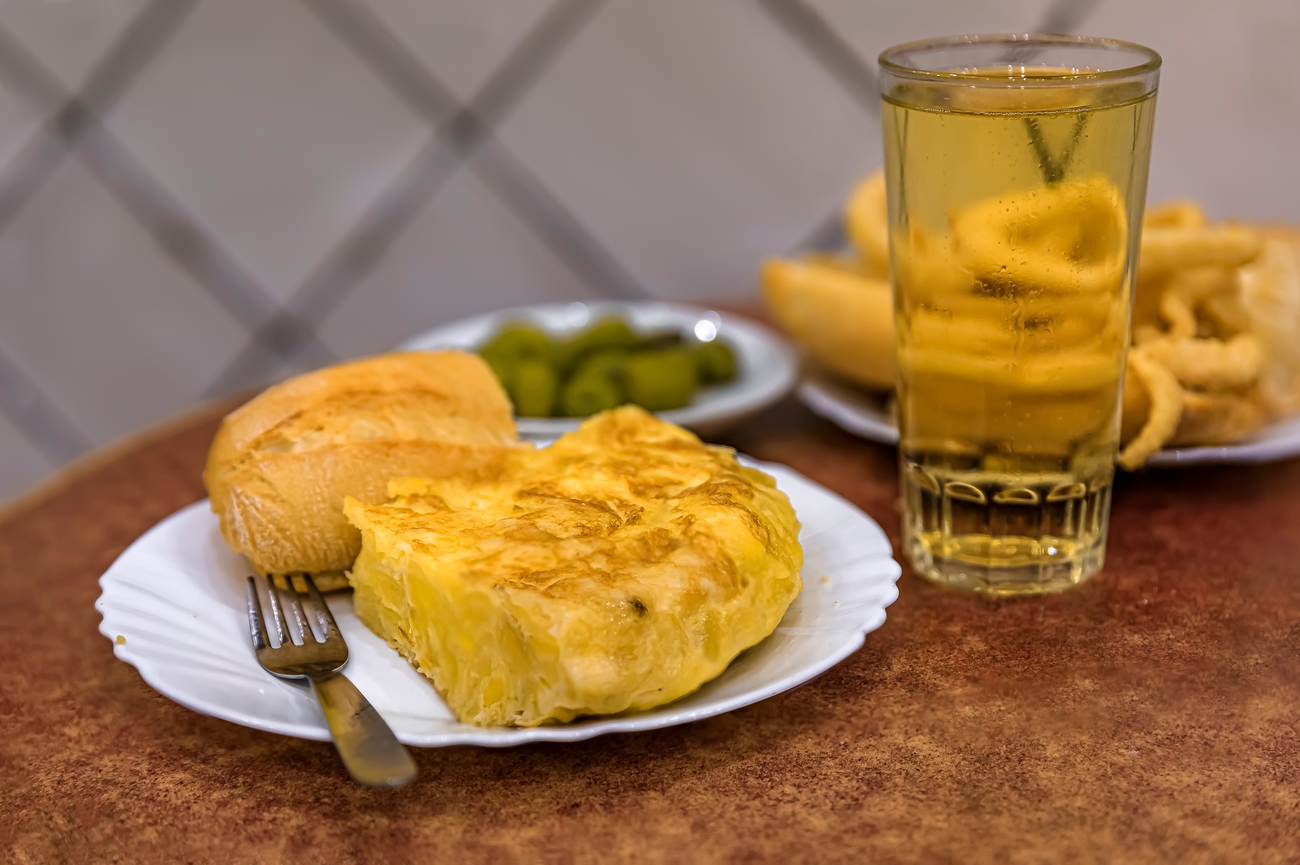
Patatas bravas work well near the beginning because they divide easily and take the edge off hunger without necessarily ending the evening. Croquetas reveal a great deal about a kitchen's control of frying and texture. Tortilla can anchor a stop when it is being cut regularly and served at the temperature and consistency the house intends.
Gambas al ajillo, boquerones, jamón, huevos rotos and oreja each suit a different kind of bar and appetite. The point is not to collect them all, but to order each one where it appears to have a reason to be.
Madrid's own traditional repertoire also needs some separation from the general idea of tapas. Cocido madrileño is a substantial lunch rather than a token plate on a four-bar crawl. Callos can work as a shared portion in colder weather, particularly in a bar where the pot is in regular demand. Churros belong to another hour entirely.
Our guide to traditional food in Madrid explores cocido, callos, churros, the bocadillo de calamares and the other dishes Madrid claims most strongly as its own.
A good tapas evening leaves some of those dishes for another meal. Trying to compress Madrid's entire repertoire into one night usually makes the experience less interesting rather than more complete.
How to Choose What to Order in a Tapas Bar
Look first for repetition.
A tortilla being cut every few minutes is stronger evidence than a menu advertising six different versions. A plate of anchovies that repeatedly leaves the counter suggests turnover. Jamón being sliced to order tells you that the product itself matters to the bar.
Croquetas offer another clue. If they are leaving the fryer in steady batches rather than sitting under heat, you are seeing the kitchen work around demand rather than display.
The same small judgements become easier to recognise once you understand how the dishes are made. The set of a tortilla, the texture inside a croqueta and the point at which hot oil has done its work are all explored more deeply in our guide to Spanish cooking classes in Madrid.
Menu length can also be revealing. A short board gives a bar permission to specialise. On a crawl, that is an advantage because the next room can provide whatever this one does not.
If six dishes are listed and one appears on almost every table, start there.
Where the Bocadillo de Calamares Fits
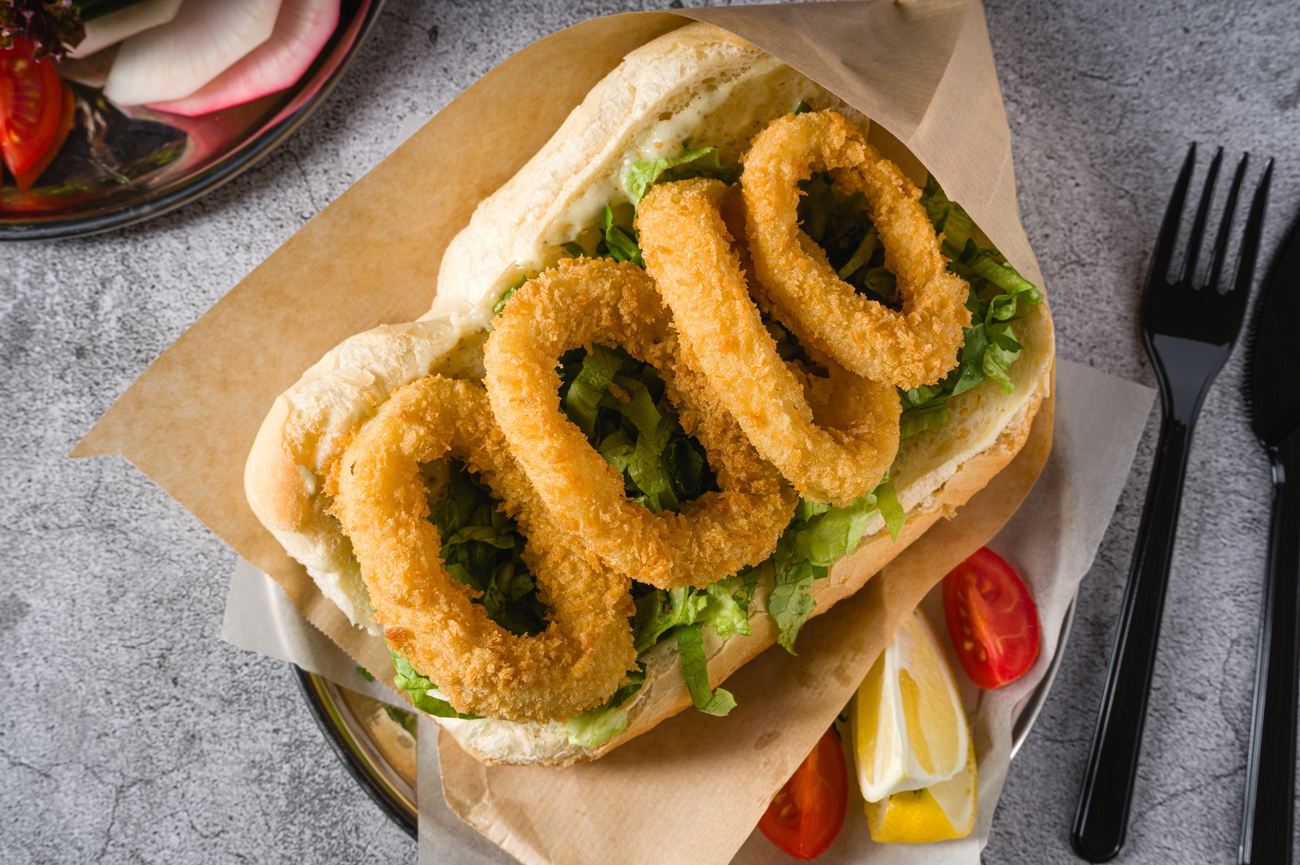
The bocadillo de calamares is more substantial than most tapas orders, so it works best as a deliberate stop rather than something added casually between several other plates.
Madrid's famous squid sandwich combines fried squid with a simple bread roll, leaving very little room for weak frying or poor timing. The squid should arrive hot, the coating should still have texture and the bread should absorb some of the oil and steam without collapsing.
Its association with a landlocked capital becomes less surprising once you understand Madrid's food supply. Seafood arrives in the city rapidly from Spain's Atlantic and Mediterranean coasts through a wholesale and retail network centred on Mercamadrid.
That wider supply story is easier to understand through Madrid's working food halls. Our guide to Madrid's food markets explains which markets still function primarily as places to buy fish, meat and produce, and which are now designed more around eating and grazing.
On a tapas crawl, treat the squid sandwich as a substantial stop. Share one if several bars still lie ahead, or keep it for later in the evening when hunger has returned and you want something more decisive than another small plate.
What
to Drink with Tapas in Madrid
The best drinks for a Madrid tapas crawl are usually small enough to finish with the food. A caña, vermut or glass of wine allows each stop to remain a stop, while larger drinks and bottles can slow the route before the evening has properly developed.
The choice should also follow the food and the hour. Vermut belongs naturally before lunch, a caña suits a quick bar stop, and wine by the glass gives an evening crawl enough flexibility to change with each plate.
Caña
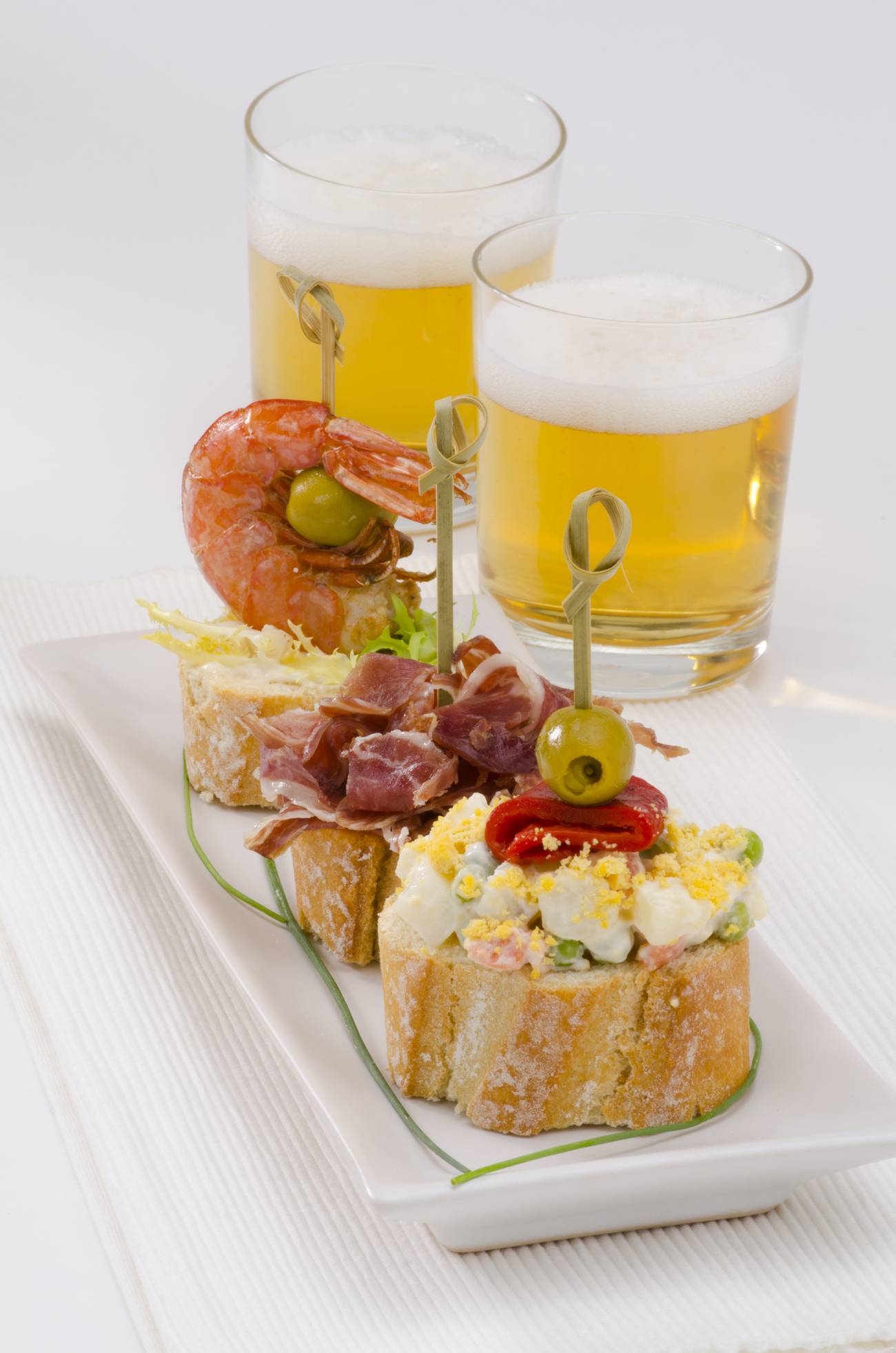
A caña is a small draft beer and one of the most practical drinks for a tapas crawl in Madrid.
Its size is part of the point. A large beer can outlast the dish and leave you sitting after the bar has already given you what you came for. A caña can finish with the food, making it easier to pay and move naturally to the next stop.
Keeping drinks small also matters across several bars. Four generous beers create a very different evening from four cañas accompanied by water along the route. A tapas crawl is built around range rather than volume.
Vermut
Vermut belongs most naturally to the hours before lunch, particularly on Sundays when Madrid's aperitif culture is at its most visible.
Served on tap in many traditional bars, it works particularly well with olives, anchovies and other salty foods. Its combination of bitterness, sweetness and aromatics gives a simple pre-lunch stop enough character without turning it into a formal drinking occasion.
Vermut can also appear later in the day, but the hour gives it much of its cultural context. If you are beginning a Sunday crawl before lunch, a vermut can make more sense than immediately ordering beer or wine.
Later in the evening, cañas and wine by the glass usually give the route more flexibility.

Wine by the Glass
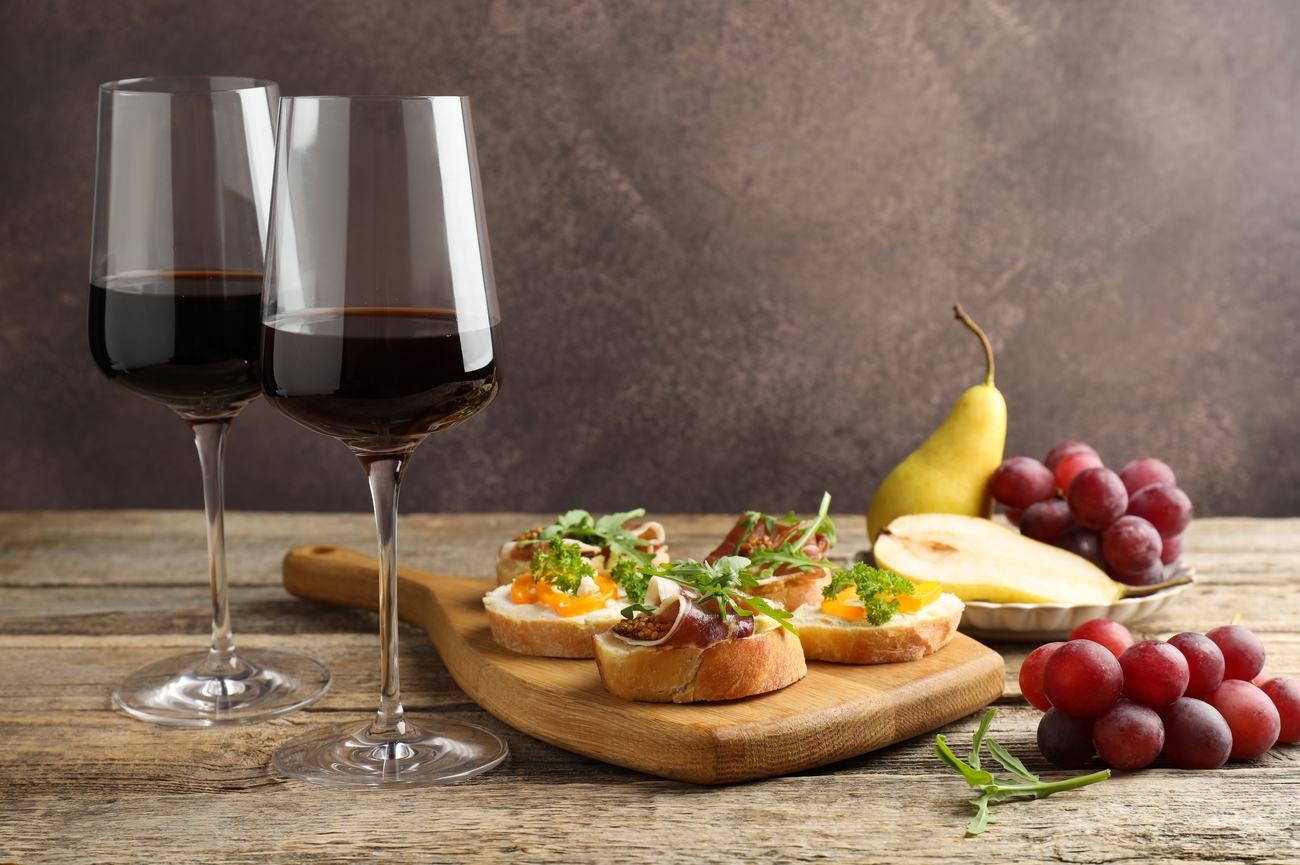
Wine by the glass is particularly useful on a tapas crawl because the choice can change from one bar to the next.
Rioja and Ribera del Duero remain familiar fixtures on Madrid wine lists, while some bars also pour wines from the Madrid region. Rather than automatically choosing the most expensive glass, ask what is open and moving quickly.
Let the food guide the choice. Conservas, anchovies and lighter fried dishes may point towards a white wine, while jamón, richer meat dishes or a substantial ración can make a red more natural.
A crawl gives you the freedom to change direction at every stop. One glass does not need to dictate what you drink for the rest of the evening.
Tinto de Verano
Tinto de verano combines red wine with lemon soda and is a familiar warm-weather drink in Madrid.
It is particularly useful when the evening is hot and you want something cold, simple and less demanding than a heavier red wine. It also has a more everyday place in Spanish drinking culture than the elaborate versions of sangria often associated with visitor-heavy areas.
Order it when the weather and pace of the evening suit it, rather than because it belongs on a list of Spanish drinks to try.
The same principle applies across a tapas crawl. The drink should support the next plate and the next bar rather than become the reason the group stays where it is.

Practical Tips for a Madrid Tapas Crawl
A Madrid tapas crawl is informal, but a few practical details make the evening considerably easier. Understanding how to order at a busy counter, what to budget and which nights work best helps you move between bars without interrupting the rhythm of the experience.
Tapas Bar Etiquette in Madrid
Traditional Madrid bars can feel chaotic at first, particularly when the counter is busy, but the service usually has its own order.
Watch for a moment before trying to attract attention. If customers are being served in sequence, make eye contact and wait to be acknowledged rather than waving money or calling repeatedly across the bar.
If you want to know what the bar does particularly well, ask, “¿Qué es lo típico de la casa?” The question simply means, “What is typical of the house?” and can be more useful than trying to choose from every dish on the menu.
Keep bags, coats and phones away from the service edge, particularly when you are standing at the barra. Tapas bars are social spaces, but the counter is also where staff are working continuously.
Older bars sometimes retain habits that can look unusual to visitors, including paper napkins collecting around the counter. Do not imitate a custom simply because you have read about it. Watch how the room operates and follow the house.
How Much Does a Tapas Crawl in Madrid Cost?
For a self-guided Madrid tapas crawl, a useful 2026 planning budget is around €30 to €50 per person for three to five bars when two people share food and order one modest drink at most stops.
The cost rises quickly if the route includes premium jamón, seafood, larger raciones or more wine. An evening built around those choices can exceed €60 per person without being particularly extravagant.
Smaller pinchos and simple portions can cost only a few euros, while full raciones commonly move into the teens. Premium cured ham and seafood can cost considerably more.
Where you sit can also affect the bill. Some establishments charge different prices for service at the bar, at a table or on the terrace when those differences are displayed clearly.
If comfort matters more than pace, a terrace may be worth the additional cost. If you are moving through several bars, the counter often gives you both the better view of the room and the easier exit.
What Are the Best Nights for Tapas in Madrid?
Thursday is one of the most useful nights for a Madrid tapas crawl. The city has genuine weeknight energy, particularly in residential neighbourhoods, without quite the pressure of Friday and Saturday.
Friday and Saturday bring the greatest concentration of people and the widest sense of nightlife, but they also mean more competition for space at popular bars.
Sunday has a different rhythm. In La Latina, El Rastro draws people into the neighbourhood from late morning, and vermut can lead naturally into lunch and an afternoon of bar hopping. It should be treated differently from a late Friday evening crawl.
Monday can require more planning because some independent bars close or operate reduced hours. August creates a similar issue. Madrid remains active, but smaller family-run establishments may close for annual holidays.
Opening days matter more on a crawl than they do for a single restaurant reservation. One closed bar is easy to replace when several alternatives sit nearby. A route built around distant individual addresses is much more fragile.
This is one reason compact neighbourhood routes work so well. They leave enough flexibility for the evening to change without forcing you to start planning again from another part of the city.
How
to End a Madrid Tapas Crawl
A good Madrid tapas crawl should finish before the evening starts repeating itself. After three or four well-chosen stops, you should have moved through different dishes, different rooms and different parts of the neighbourhood without allowing any one bar to become dinner.
Leave the first bar while the counter is still filling. One caña and one plate have done their job, and a second order can turn curiosity into inertia. Pay, step outside and use the walk to decide whether the next stop needs fried food, something cold or something more substantial.
Leave the second bar after the dish it does best. If the tortilla is the reason you entered, do not ask the same room to become a seafood bar afterwards. Madrid has another address for that. Finish the glass, settle the bill and move before anyone proposes a bottle.
The third stop can carry more weight. This is where jamón, gambas al ajillo, huevos rotos or another substantial ración can slow the group for a while. Once the plate is finished, add water, settle the bill and leave enough appetite for the final stop.
By the fourth bar, the route should feel complete. If hunger remains, a bocadillo de calamares can provide a decisive finish without turning the night into another long meal.
The best tapas crawls are remembered as sequences rather than collections of bars. One stop makes sense because of what came before it, and the next one earns its place by offering something different.
That sequencing is already built into the tapas-and-wine route included in our Essential Culinary Experience in Madrid, where the stops, walking distances and pairings are chosen to work together while the evening still feels spontaneous.


Let us know what you love, where you want to go, and we’ll design a one-of-a-kind adventure you’ll never forget.
Get in touch
Miriam
Travel Specialist

Romina
Travel Specialist

Laura
Travel Specialist
Our offices:



Revigorate, Iberian Escapes and Algarve Lifestyle are the registered brand names of APCS Lda . We are a fully authorised travel agency licensed by Turismo de Portugal RNAVT/6867.
In the event of a dispute, the consumer may refer to: RAL - Centros de Arbitragem
Avª. 5 de Outubro, nº. 55, R/C Dtº. 8000-075 Faro, Portugal | Tel: +351 289 823 135 *
* national landline call
E-mail: info@consumoalgarve.pt| www.consumidoronline.pt | Mon to Fri: 9:00 - 13:00 / 14:00 - 17:00