Spanish Cooking Classes in Madrid: Markets, Techniques and What to Expect
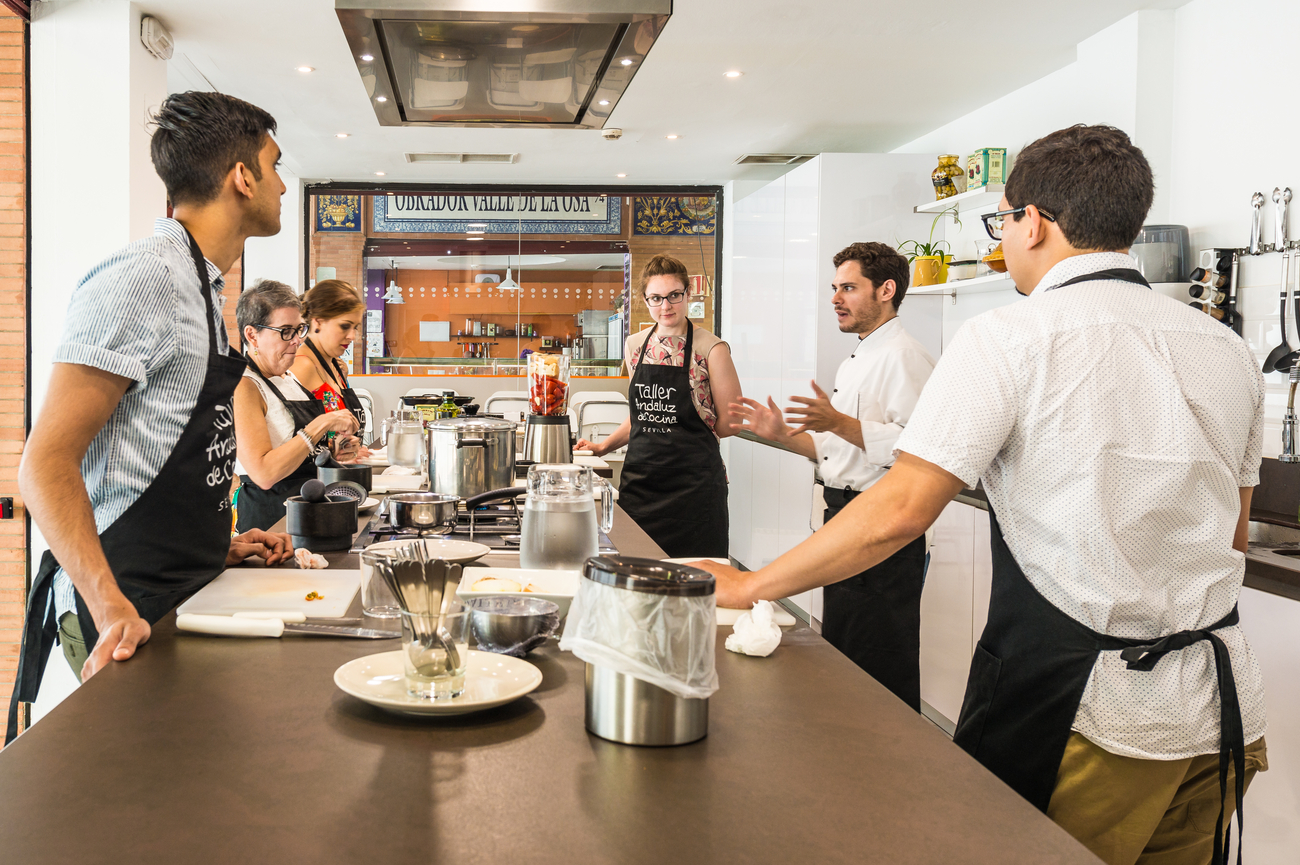
The best Spanish cooking classes in Madrid combine hands-on cooking with ingredient selection, professional instruction and a meal at the end. A market visit can add real value when the ingredients bought that morning influence what happens in the kitchen, while the strongest classes focus on transferable techniques rather than simply working through a list of recipes.
Four dishes. In a three-hour kitchen session, that number sounds generous until you consider the editing it demands. Four dishes must show enough range to justify a visitor's morning while leaving enough time for technique rather than spectacle. They also have to become a coherent meal at the end.
The exclusions are revealing. A chef with four dishes to prepare cannot teach the whole of Spain, so the selection exposes what they believe a cook should understand first. Why does one preparation begin before another? Why is one ingredient bought while another is rejected? Why does a seemingly simple sofrito deserve more attention than a more photogenic plate?
That is a useful way to judge a cooking class in Madrid. The value lies not only in reproducing a recipe, but in seeing the decisions that normally disappear between the market counter and the finished dish.
For travellers who want that experience built into a wider food-focused stay, our Essential Culinary Experience in Madrid includes a market-led cooking masterclass where ingredient selection, technique and the meal itself form part of the same morning.
Why
the Best Madrid Cooking Classes Start at a Market
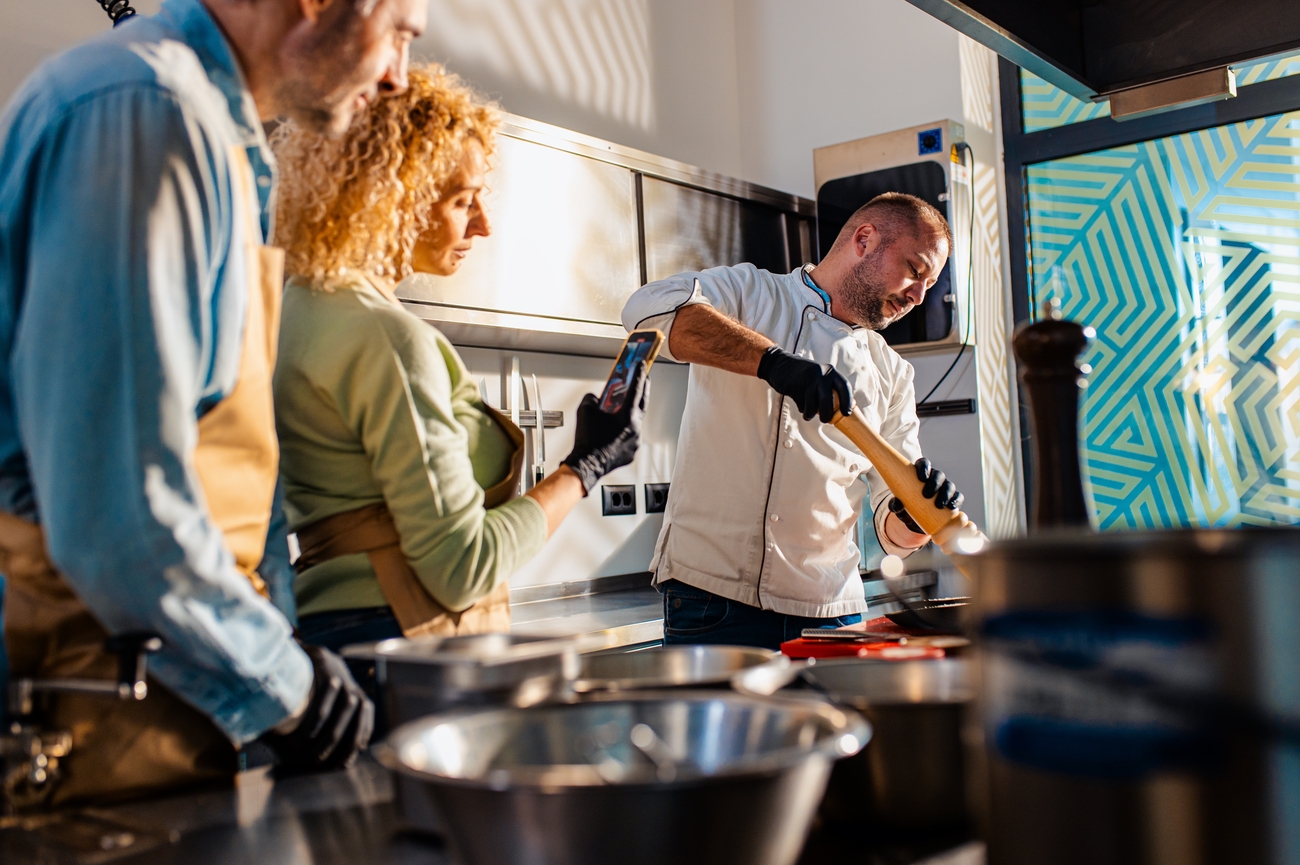
A market visit can make a Spanish cooking class in Madrid considerably more useful when the shopping influences what happens later in the kitchen. The value is not simply walking through a market hall. It comes from watching a chef choose, reject and substitute ingredients, then seeing how those decisions affect the dishes you cook.
Why Ingredient Selection Matters
The first serious cooking decision can happen before a knife touches a board.
A bowl of peeled garlic, weighed rice and chopped onion may make a class run smoothly, but it removes the point at which judgement begins. When everything has been portioned before guests arrive, you are largely learning a sequence of instructions. When the morning begins in front of fish, meat, vegetables, olive oil and cured ham, the chef has to explain why one product is worth buying and another is left behind.
That distinction matters particularly in Madrid. The capital draws ingredients and regional cooking traditions from across Spain, creating enormous choice but also requiring selection.
Our guide to where to eat in Madrid explains that broader food culture, from Galician seafood and Valencian rice to Madrid's own traditional dishes. A cooking class has a different task. It cannot teach the whole country in one morning, so the menu should have a clear point of view.
A good market-led class also leaves room for uncertainty. The tomatoes may be excellent while the artichokes are not. A fishmonger may have something better than the species originally planned. The lesson becomes more useful when the chef can alter the menu rather than pretending ingredients behave identically every day.
For a premium experience, the advantage is not spending forty minutes comparing every tomato. It is standing close enough to someone with established buying standards to hear why one is chosen.
What You Can Learn at a Madrid Food Market
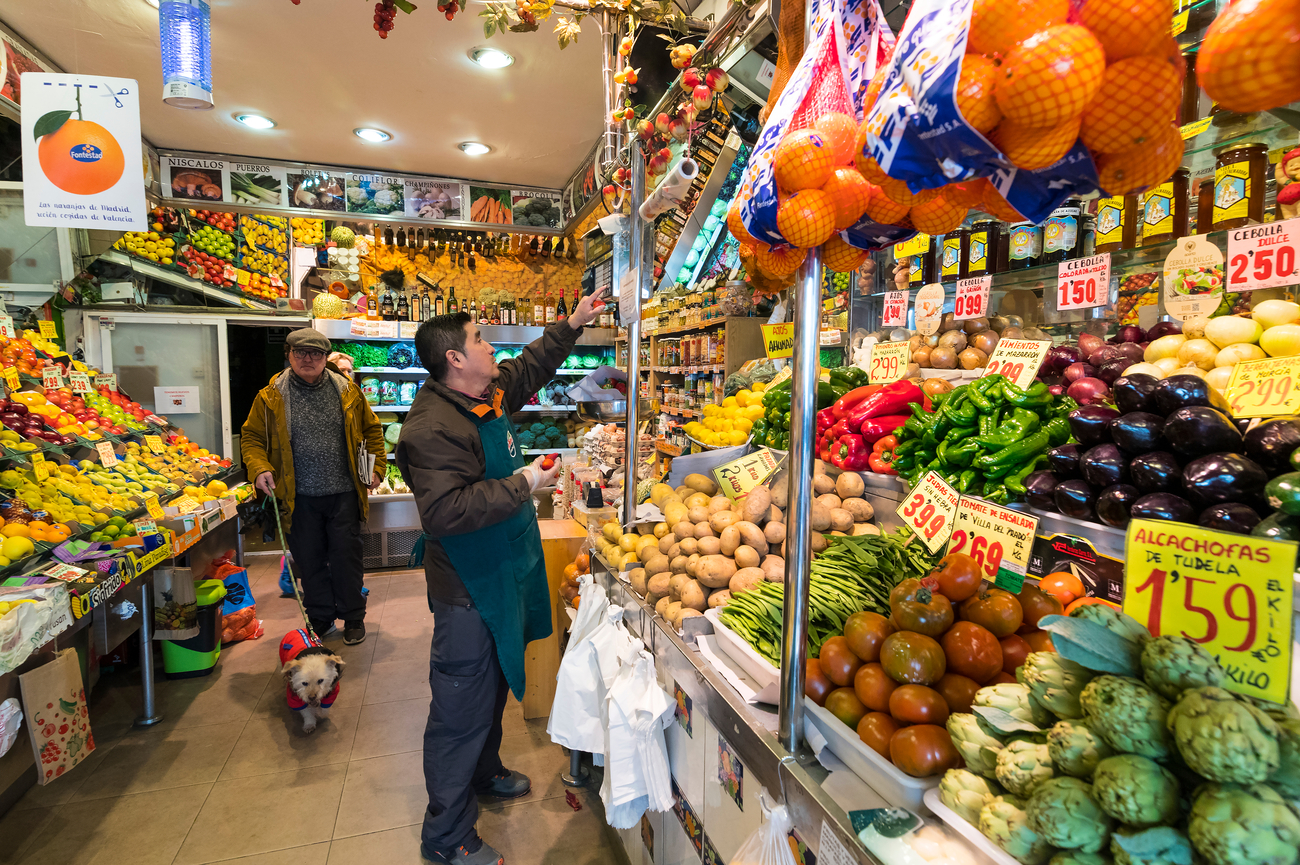
A useful market visit should make you more confident about choosing ingredients, not simply more impressed by the displays.
At a fish counter, listen to the questions the chef asks. What arrived that morning? Which fish are in the best condition? Should a particular species remain whole for the intended technique? Does filleting change the value of the purchase?
At a butcher, the conversation moves from species to cut. A chef can explain why meat rich in connective tissue benefits from time and moisture while a tender cut may need very little cooking. Learning to describe what you want a piece of meat to do can be more transferable than memorising the Spanish name of a particular cut.
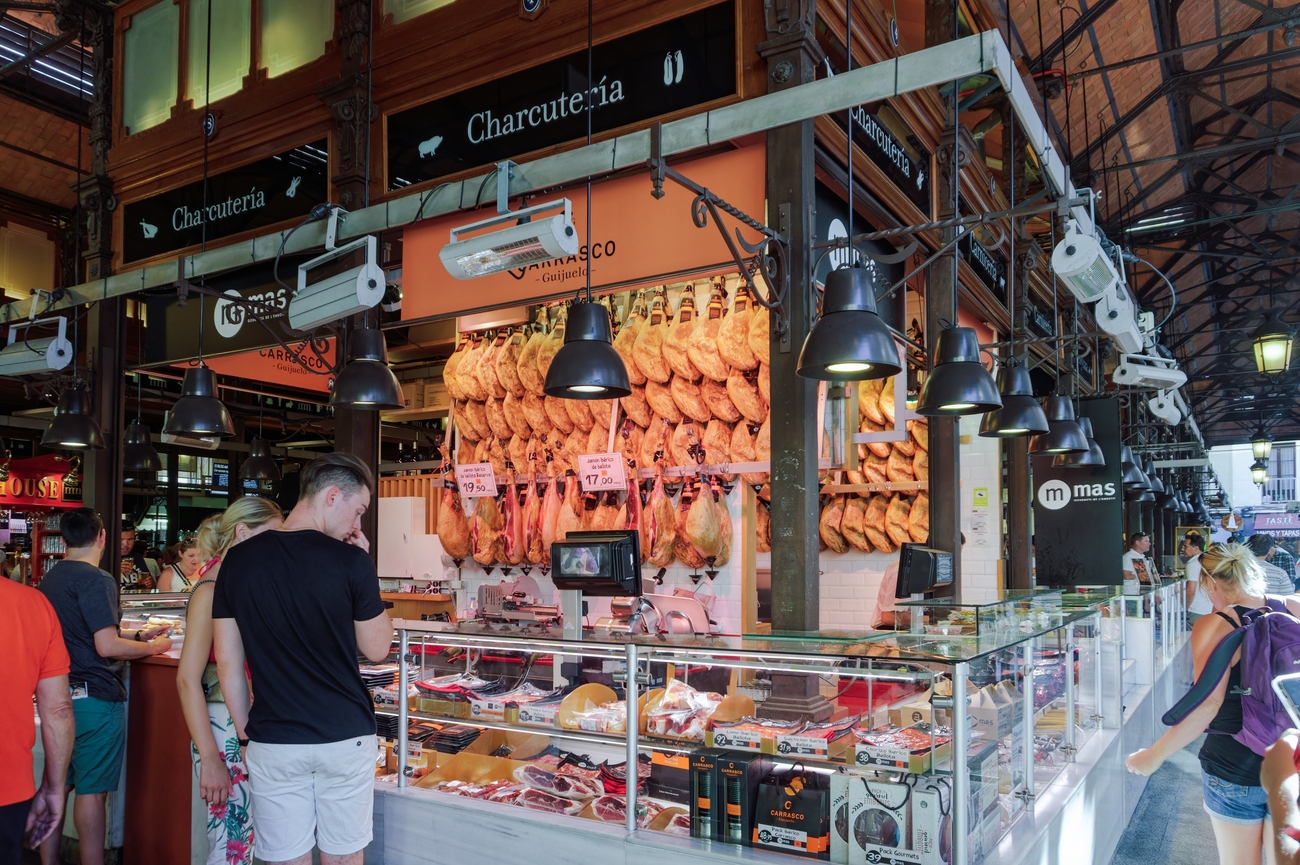
Jamón introduces another kind of ingredient literacy. Spain's ibérico labelling system distinguishes products by breed percentage and production category. The coloured seals provide useful information about how the ham was produced, making them more meaningful than vague descriptions such as "premium."
Olive oil deserves the same attention. In a Spanish kitchen it can be a cooking medium, a structural ingredient and a finishing flavour. A market visit can teach you to notice bitterness, fruitiness and peppery pungency, then think about whether a particular oil should be used for frying, building a sofrito or finishing a dish.
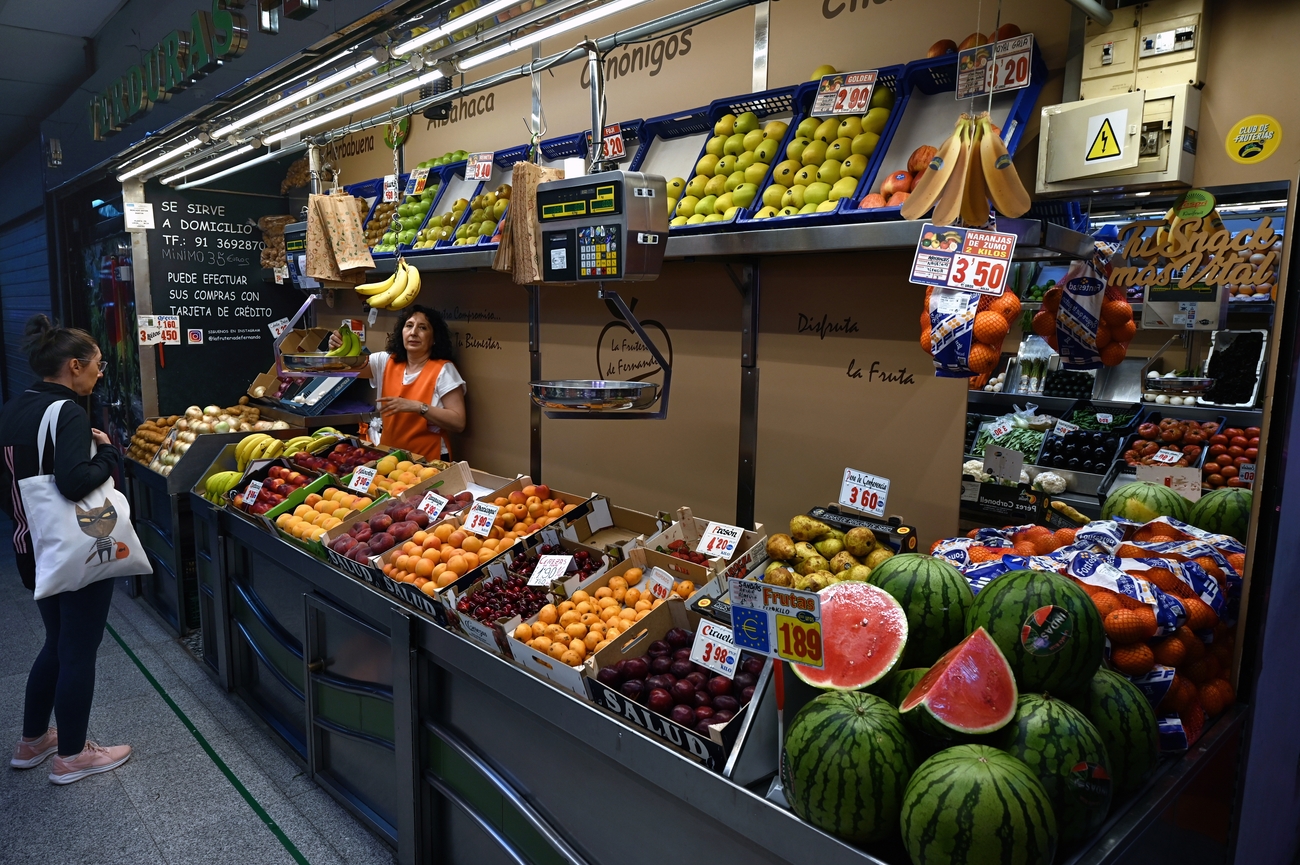
Seasonality connects all of those decisions. A market stall shows what is abundant and in good condition before a recipe tells you what you expected to buy.
That is why the market element can remain useful long after individual recipes have been forgotten. It teaches you to replace expectation with observation.
Which Madrid Markets Are Best for a Cooking Class?
For a cooking class built around ingredient sourcing, a working food market is generally more useful than a market designed primarily for prepared food and grazing.
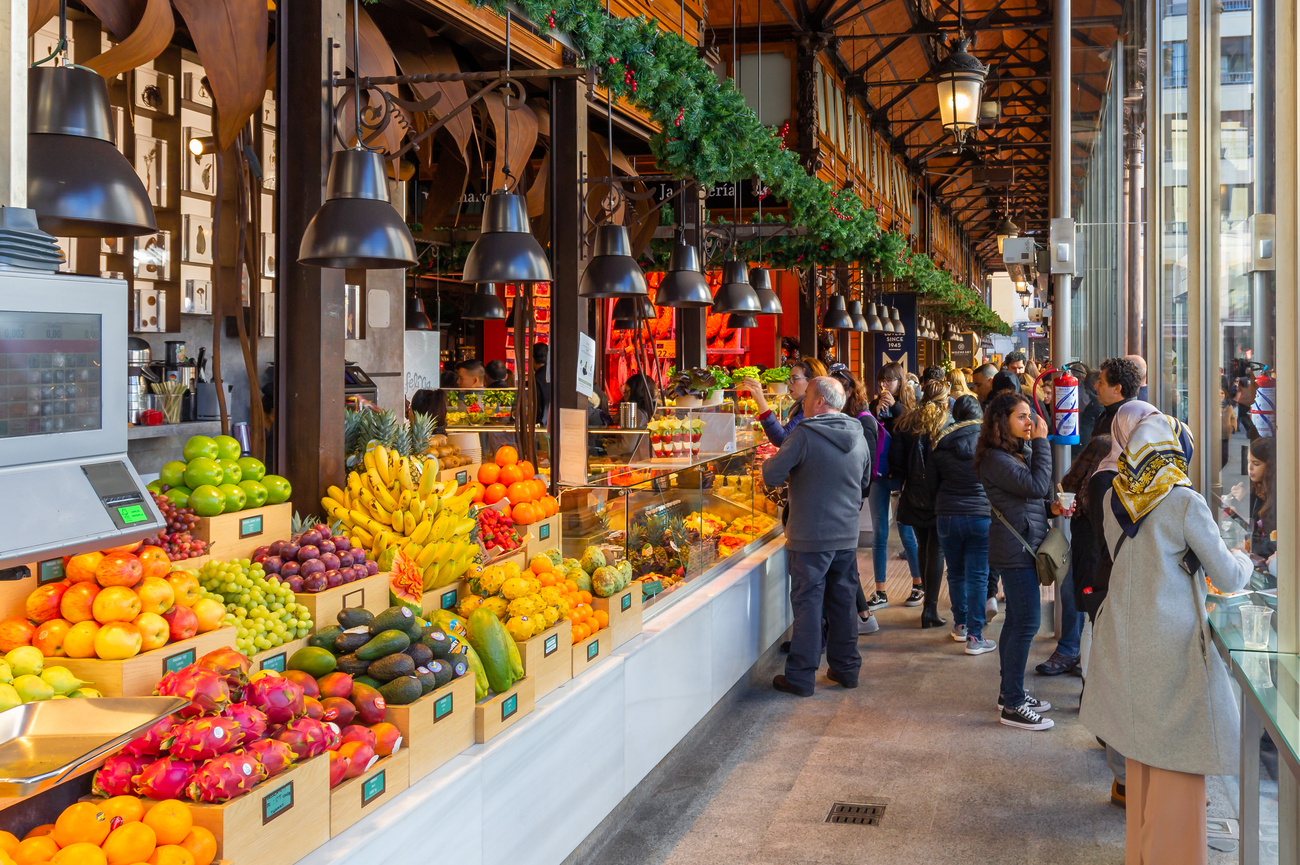
Mercado de San Miguel, beside Plaza Mayor, is now principally a gastronomic market where prepared dishes and drinks dominate the visitor experience. Mercado de Antón Martín and Mercado de la Paz retain substantial fresh-food retail, with produce, meat and fish sold for cooking.
Neither type of market is inherently better. They simply perform different jobs.
A gastronomic market can show how Spanish products are presented and eaten. A working market exposes the decisions that happen before those ingredients reach a kitchen.
Our guide to Madrid's food markets explores those differences in more detail, including which halls work best for eating and which still function primarily as places to shop.
For a cooking class, the principle is simpler. If the market visit is supposed to teach sourcing, there must still be something meaningful to source.
The strongest classes also leave enough time between the market and the stove for the first part of the morning to affect the second. A short walk through a market has limited educational value if every ingredient is already waiting in the kitchen.
When the chef can buy, reject, substitute or adjust ingredients in front of you, the shopping becomes part of the cooking rather than an excursion added before it.
Techniques
Worth Learning in a Madrid Cooking Class
The most useful Spanish cooking classes in Madrid teach techniques that remain valuable after the recipes have been forgotten. Heat control, ingredient judgement, frying, reduction and timing all transfer to other dishes and other kitchens, which makes them more valuable than simply memorising a sequence of steps.
Recipes give the class its visible structure. Technique is what you take home.
Sofrito
Sofrito is one of the clearest lessons in patience.
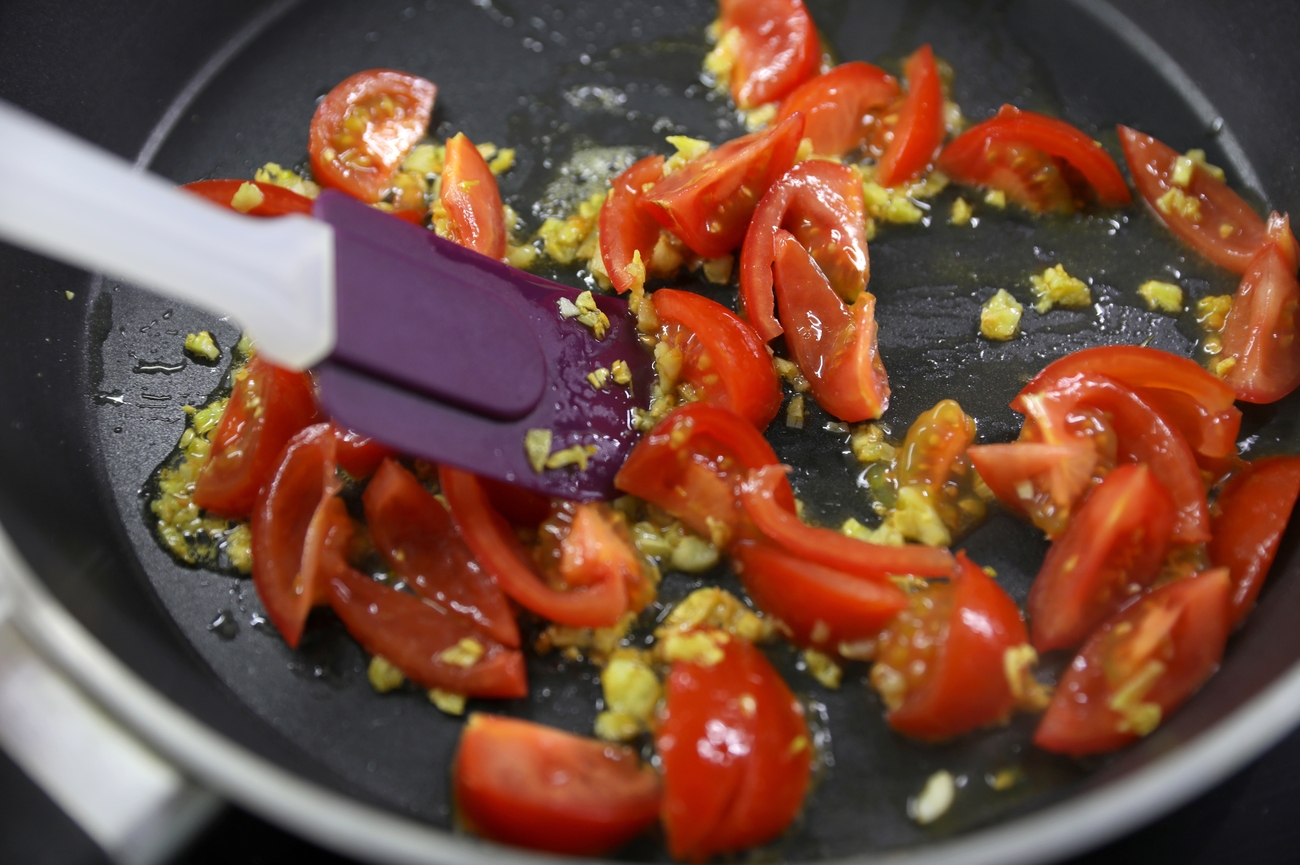
Onion and garlic begin slowly in olive oil, developing sweetness and depth rather than rapid colour. Tomato follows and is cooked until much of its water has evaporated and the mixture becomes concentrated. As that happens, the oil begins to reappear around the reduced base.
The useful lesson is sensory rather than numerical.
A recipe can tell you how many minutes one cook needed in one pan over one burner. It cannot tell you how much water your tomatoes contain, whether the heat is too aggressive or whether the onion has softened enough before the next ingredient goes in.
A good instructor teaches you to watch the texture, listen to the pan and recognise when moisture has left sufficiently for the flavour to concentrate.
This stage matters because a weak sofrito is difficult to repair later. If the base remains watery or undercooked, adding rice, stock or other ingredients simply carries that unfinished flavour into the rest of the dish.
The class should therefore spend time on the point where flavour is being built, even when very little seems to be happening visually.
Olive Oil as a Cooking Ingredient
Olive oil in Spanish cooking does far more than finish a plate.
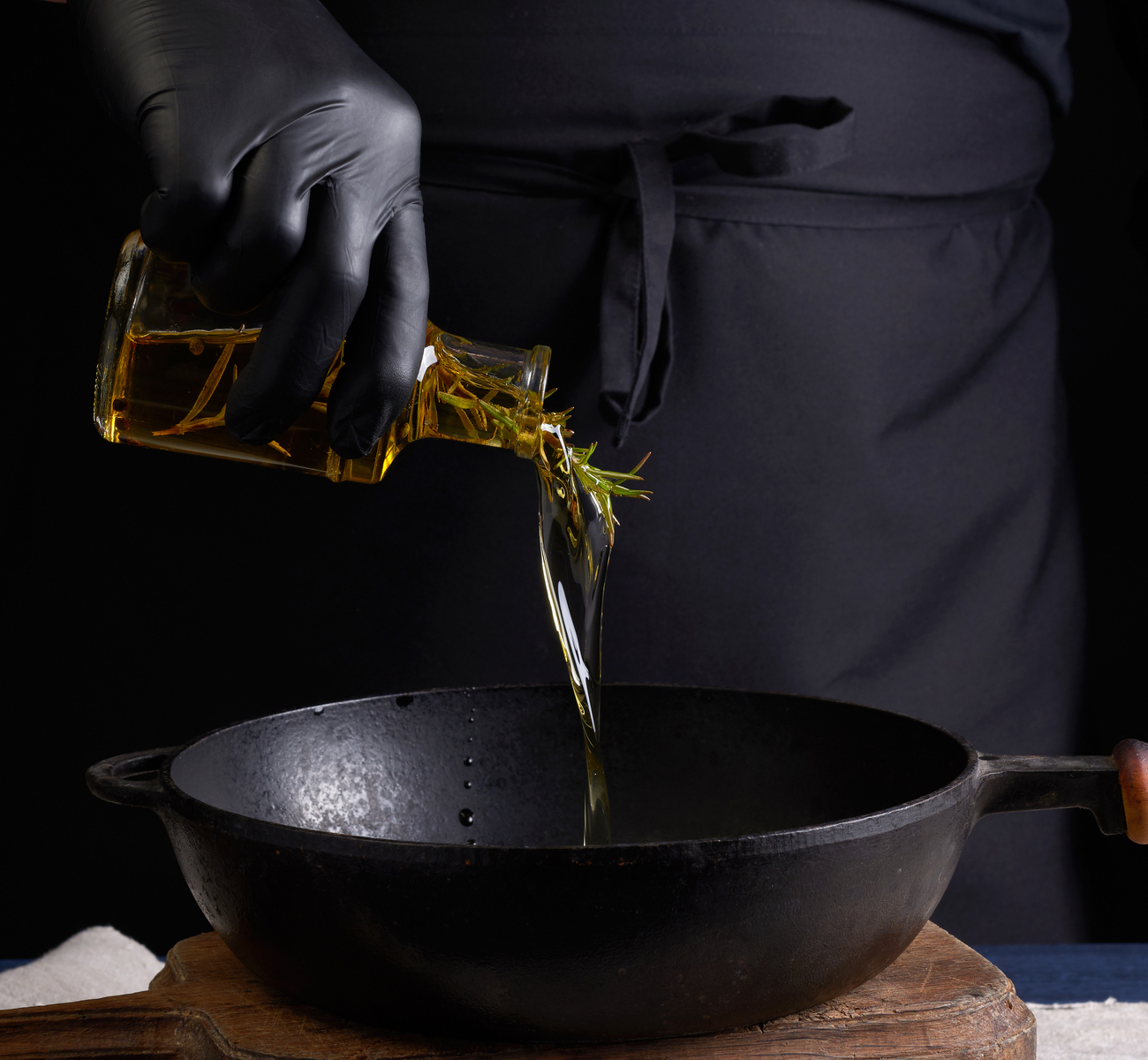
It can create the cooking environment for potatoes, carry the flavour of garlic and form the structural fat in a sofrito. The amount used can surprise cooks accustomed to treating good olive oil as something measured by the teaspoon.
The important distinction is between whether an oil is good and whether it is right for the job.
A strongly bitter or peppery extra virgin olive oil may be excellent when used raw and too dominant for a delicate preparation. A milder oil can make more sense when other ingredients need to remain prominent.
A useful class lets you taste those differences and connect them to technique.
Temperature matters just as much as flavour. Oil that is too cool can leave fried food heavy and greasy. Push it too hard and control becomes more difficult.
This is one of the advantages of learning in a professional kitchen. A chef can show you what the correct temperature looks, sounds and smells like, then let you adjust it yourself.
Tortilla Española
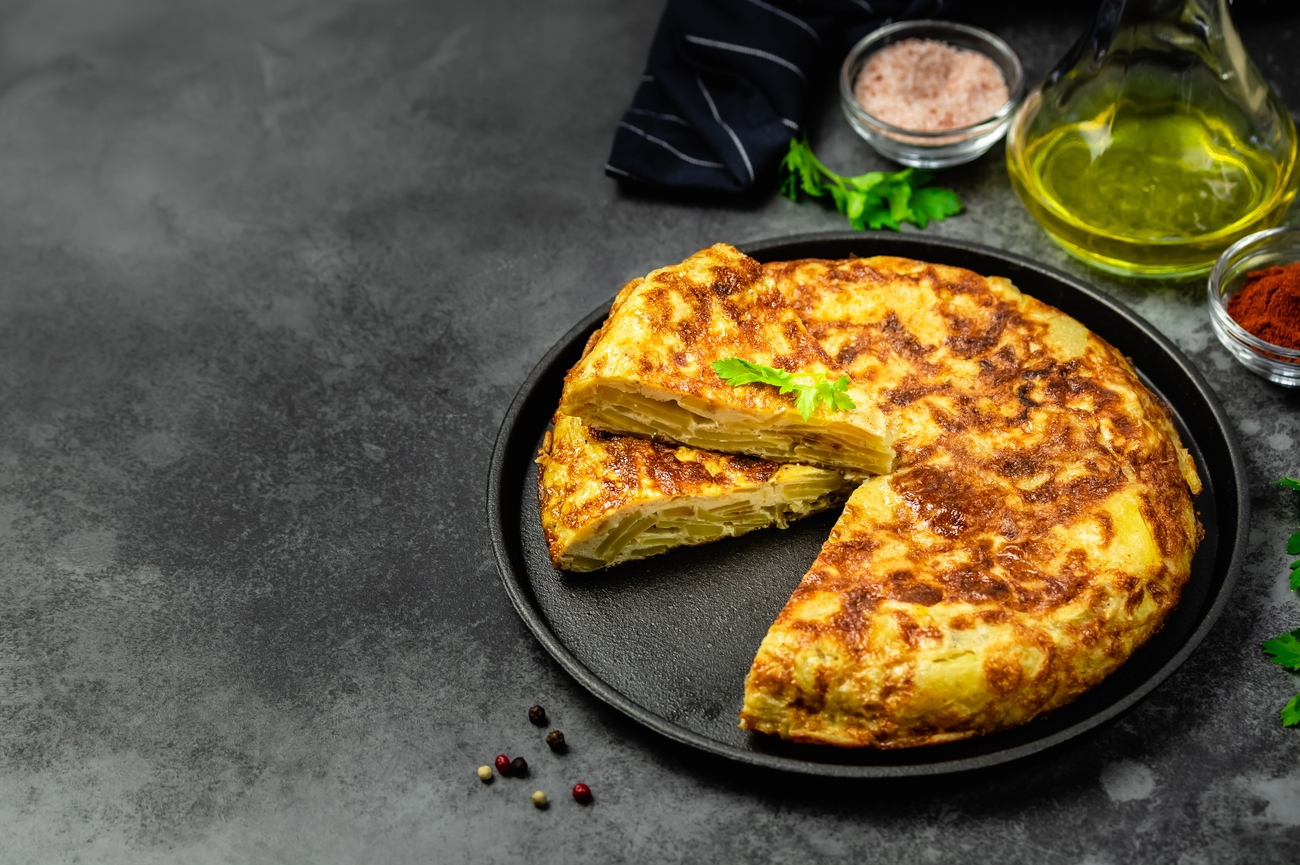
Tortilla española looks simple because the ingredient list is short. That makes technique more visible, not less important.
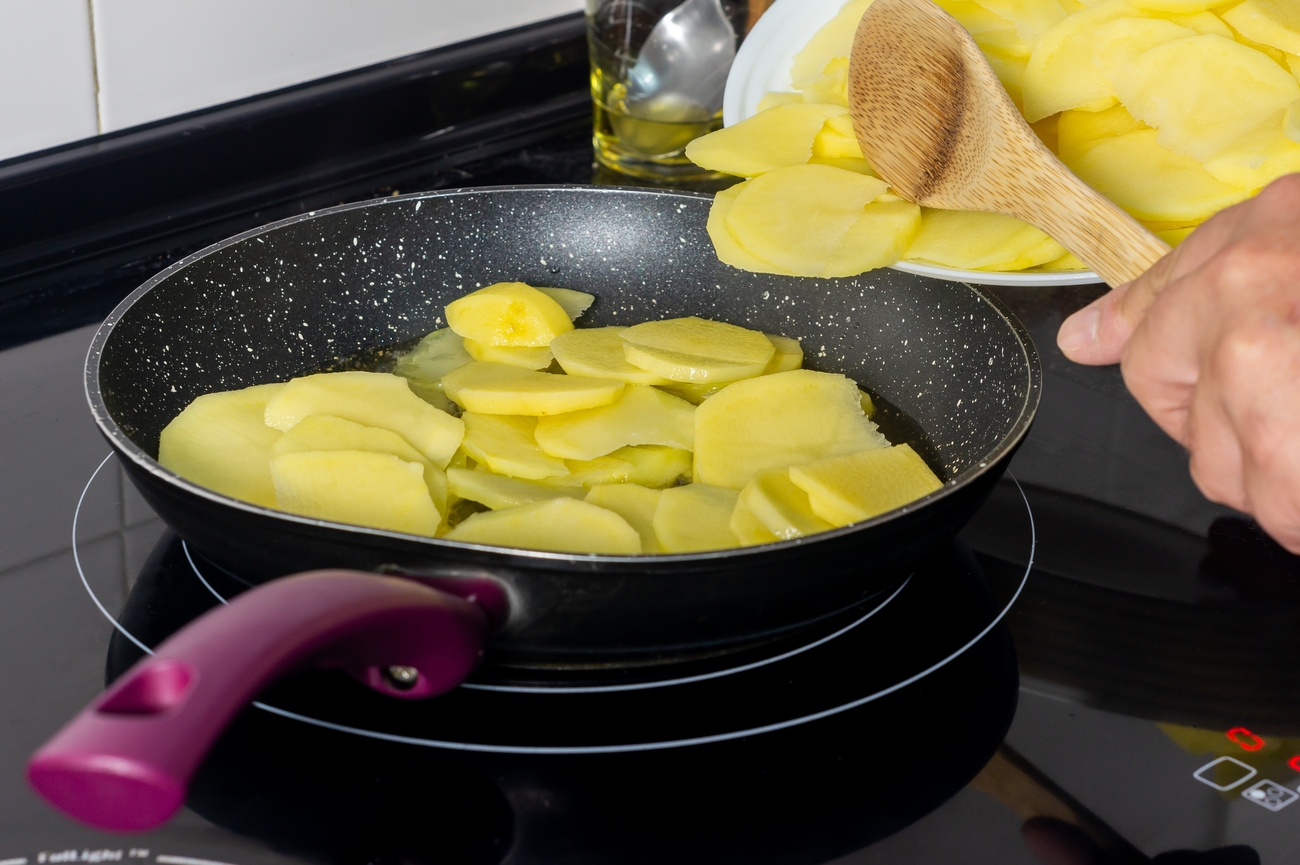
Potatoes are cooked slowly in oil until tender rather than crisp. They are then combined with egg and given time to rest together before the mixture returns to the pan.
The dramatic moment is the turn, but much of the real work happens earlier.
The potatoes need to soften without falling apart. The heat must remain low enough for them to cook through before the edges become brittle. Resting them with the egg allows the mixture to integrate before the final cooking begins.
The centre introduces a genuine point of disagreement. Some Spanish cooks prefer tortilla soft and barely set inside, while others want a firmer texture.
A good teacher should explain how technique produces each result rather than pretending there is one universally correct version.
For someone who cooks regularly at home, tortilla is an unusually useful lesson. The ingredients are inexpensive, the method is repeatable and the quality of the result depends heavily on heat, timing and judgement.
Croquetas
Croquetas teach preparation as much as frying.
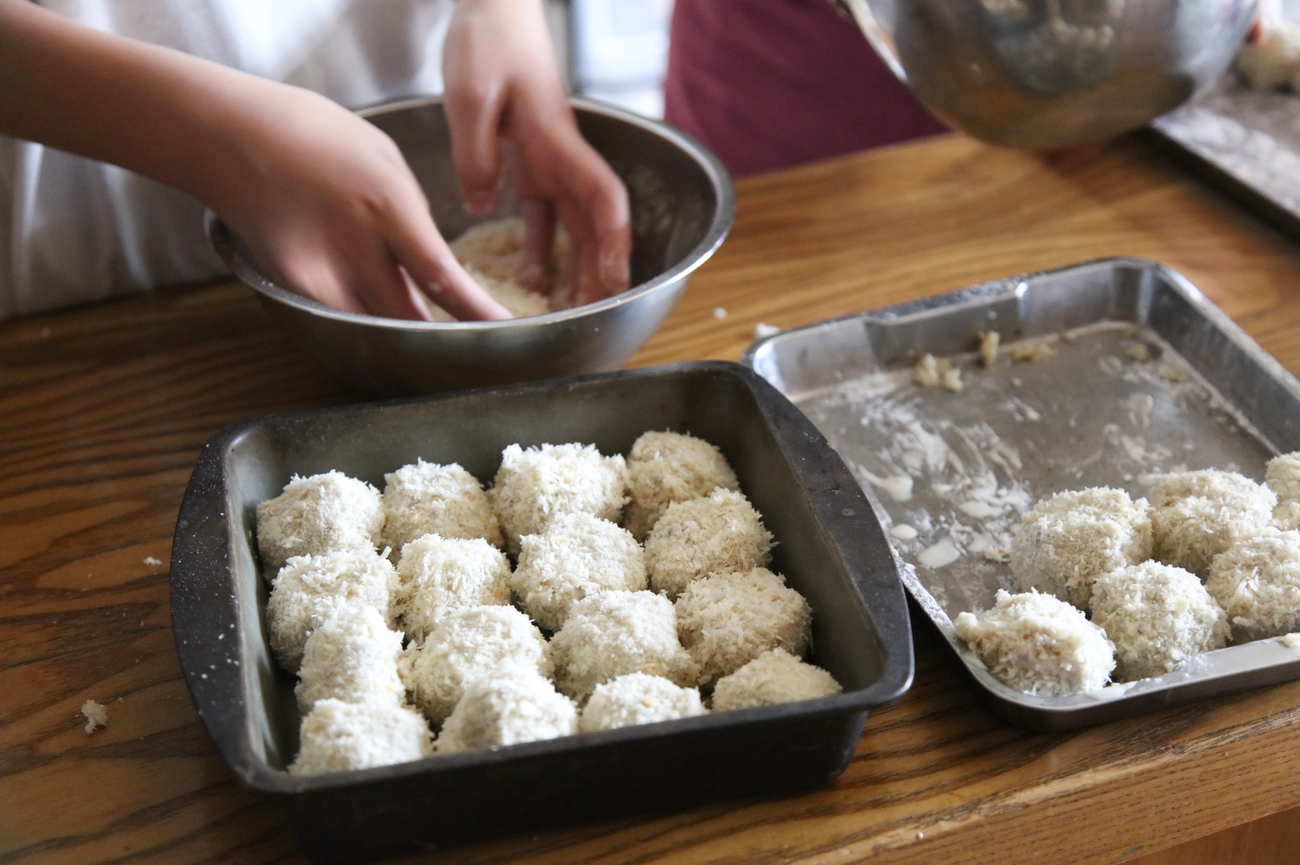
The bechamel base must cook long enough to lose the raw taste of flour while remaining capable of carrying the flavour of ham, fish, cheese or another filling. It then needs enough time to cool and set before it can be shaped, coated and fried.
That process often extends beyond the length of a single cooking class.
If a three-hour session claims that every stage of croquetas is completed entirely from scratch during the class, ask how the cooling and resting stages are handled. A serious instructor may demonstrate the freshly made mixture while using a batch prepared earlier for shaping and frying.
That is not a shortcut when it is explained honestly. It is how the technique works.
The final frying stage becomes a lesson in control. The crust needs to set before the filling overheats and escapes. Oil temperature, coating and the temperature of the filling all interact.
When a croqueta breaks open in the fryer, there is usually a technical reason. A useful class should help you understand what that reason was.
Paella and Spanish Rice Dishes
Paella is frequently taught in Madrid cooking classes, but its regional identity should be made clear.
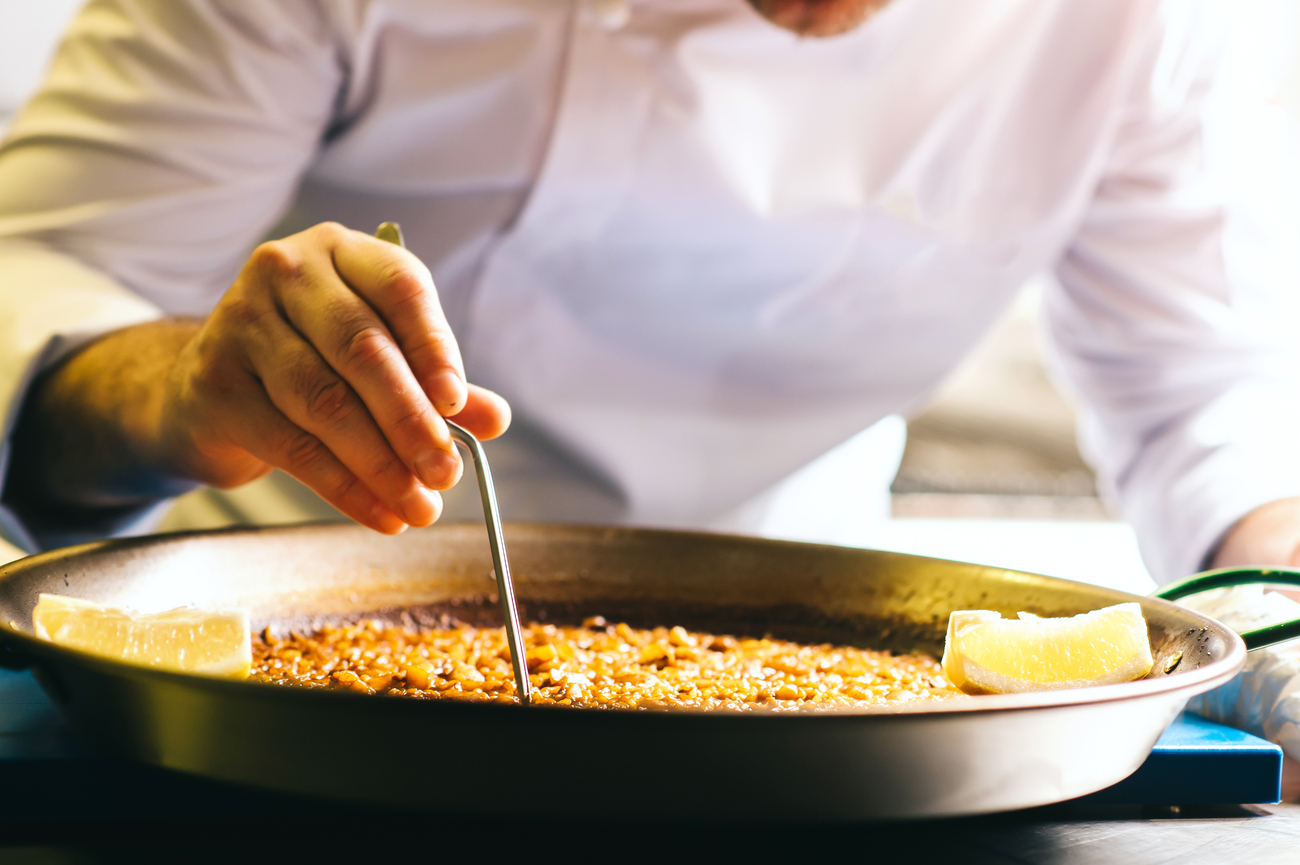
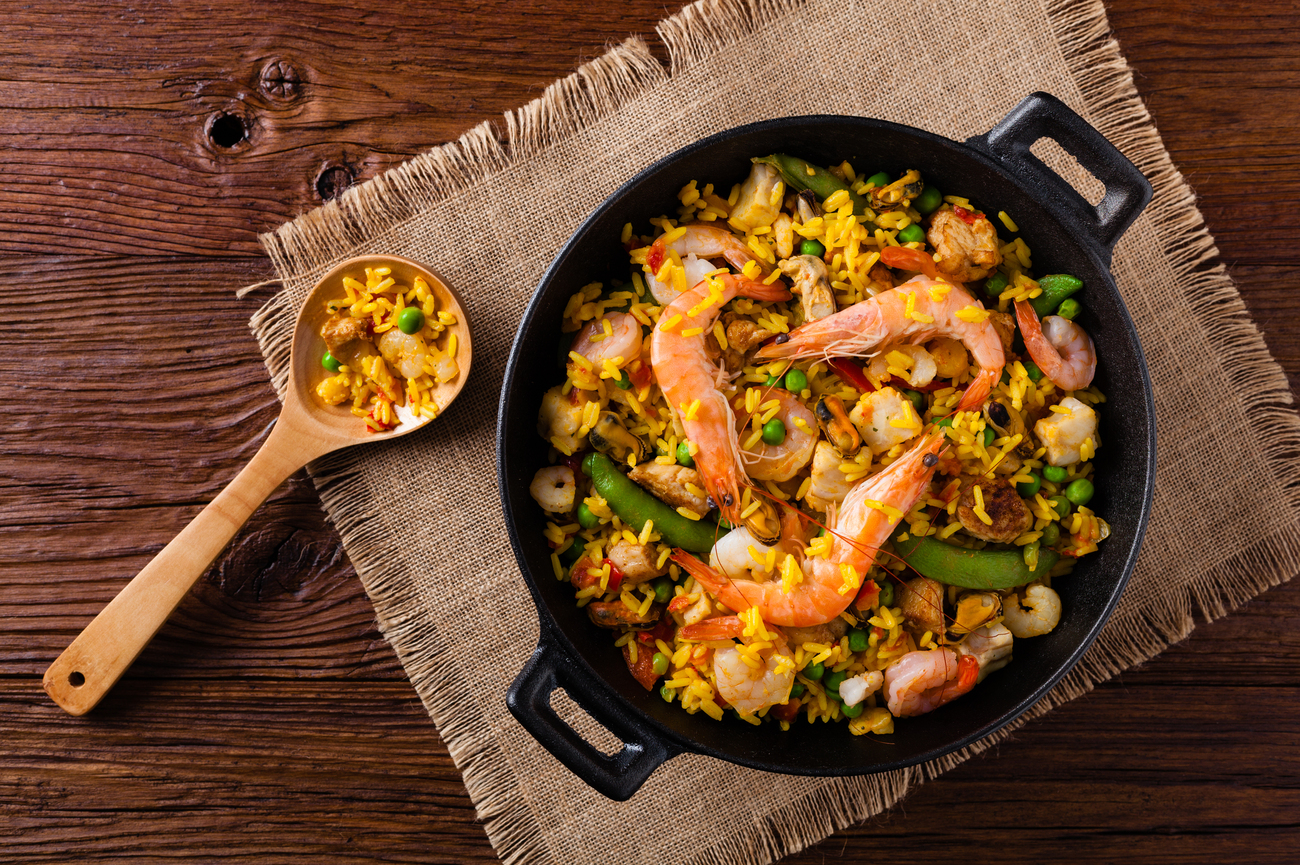
Paella is Valencian, not Madrileño. Traditional paella valenciana is associated with ingredients such as chicken, rabbit, flat green beans and garrofó, cooked in a wide, shallow pan with the rice left largely undisturbed once it has settled.
Madrid is still a perfectly reasonable place to learn the technique. The capital cooks food from across Spain and gives visitors access to a wide range of regional traditions.
The distinction matters because a good cooking class should preserve those regional identities rather than presenting every familiar Spanish dish as part of Madrid's own cuisine.
Our guide to traditional food in Madrid explores the dishes the capital claims more directly, including cocido madrileño, callos and the bocadillo de calamares.
Rice also exposes a different kind of technical judgement. Pan geometry, liquid quantity and heat intensity all affect the final result. An instruction such as "cook for eighteen minutes" becomes useful only when the other variables are understood.
A good teacher repeatedly brings your attention back to the pan. Once the rice and liquid are established, constant stirring or unnecessary adjustment can work against the texture you are trying to achieve.
That is the broader lesson worth taking from a cooking class. The recipe may belong to one morning in Madrid. The judgement behind it can be used for years.
What
You Really Learn in a Madrid Cooking Class
The real value of a Spanish cooking class in Madrid is not the number of recipes completed. It is access to the small decisions an experienced cook makes repeatedly: how much heat a pan can take, when a reduction is ready, whether an ingredient needs more seasoning and how texture changes before something is visibly finished.
Those decisions are difficult to capture on a recipe card because they depend on ingredients, equipment and judgement rather than fixed instructions.
Judgement Rather Than Instructions
Heat management is one of the most transferable skills a cooking class can teach.
Recipes commonly describe heat as low, medium or high, but those settings change with burner strength, pan material and the amount of food being cooked. A chef can instead teach you to read what the pan is doing.
Is the garlic colouring before it has flavoured the oil? Is the onion releasing water faster than it can evaporate? Is the crust forming before the centre has warmed?
Those observations allow you to adjust the heat for the food in front of you rather than for the words printed on a page.
Seasoning works in much the same way. Cured ham, salted stock, anchovies and cheese can all alter the starting level of salt in a dish. A useful class teaches you to season and taste throughout the cooking process rather than adding a prescribed amount at the end.
Doneness also relies heavily on sensory information. Smell may change before colour does. Oil sounds different as moisture leaves a pan. A sofrito gradually stops behaving like a wet sauce and begins to resemble a concentrated base.
Those changes are small, but recognising them is the difference between following a recipe and knowing how to cook.
Ingredient Knowledge You Can Use at Home
Ingredient knowledge becomes more useful every time you cook.
Understanding how a chef chooses olive oil according to purpose makes the next bottle easier to assess. Learning the ibérico categories makes a ham counter more legible. Watching a cook select a cut for braising can change the questions you ask your butcher at home.
This is also why the market visit and kitchen session should feel connected.
If a tomato is chosen because it is particularly ripe, the chef should explain how its water content affects the cooking. If one fish is substituted for another, you should learn whether the timing or technique needs to change.
The ingredient is not simply something bought in the morning and forgotten once the class reaches the stove. The reason it was selected should continue to matter.
For travellers who already cook regularly, this access to professional judgement can be one of the most valuable parts of the experience. You are learning another cook's thresholds: how ripe is ripe enough, when a reduction has gone far enough, when the pan is overcrowded and when further intervention will make the dish worse rather than better.
Why the Meal at the End Matters
A good Madrid cooking class should end with the dishes being served and eaten together.
The meal is not simply a reward for completing the class. It is the final part of the lesson.
Once the food reaches the table, you can judge whether the tortilla was removed from the heat at the right moment, whether the sofrito has given enough depth to the rice and whether a croqueta that seemed strongly seasoned before frying now tastes balanced.
Eating also reveals whether the dishes chosen for the class actually work together as a meal.
That matters because Spanish cooking is organised around the table as much as the stove. A collection of technically interesting dishes can still feel incoherent if they were chosen only because each one photographs well or fits conveniently into a class schedule.
The strongest sessions cook towards lunch rather than towards the end of a timeslot. The table gives the morning a natural conclusion and allows questions to continue once the finished dishes have provided something new to discuss.
Cooking completes the technique. Eating completes the feedback.
How
to Choose a Spanish Cooking Class in Madrid
The best Spanish cooking classes in Madrid combine genuine hands-on participation, professional instruction, enough equipment for the group and time to eat what you have prepared. A market visit can add value, but only when it involves real buying decisions rather than a short walk before returning to ingredients that were already prepared.
The easiest way to judge a class before booking is to look beyond the menu and ask how the session actually works.
What to Look for Before Booking
A polished description can make very different classes sound almost identical. The useful questions are practical ones.
Does the market visit involve real ingredient selection, or is it mainly a guided walk before pre-portioned ingredients appear in the kitchen?
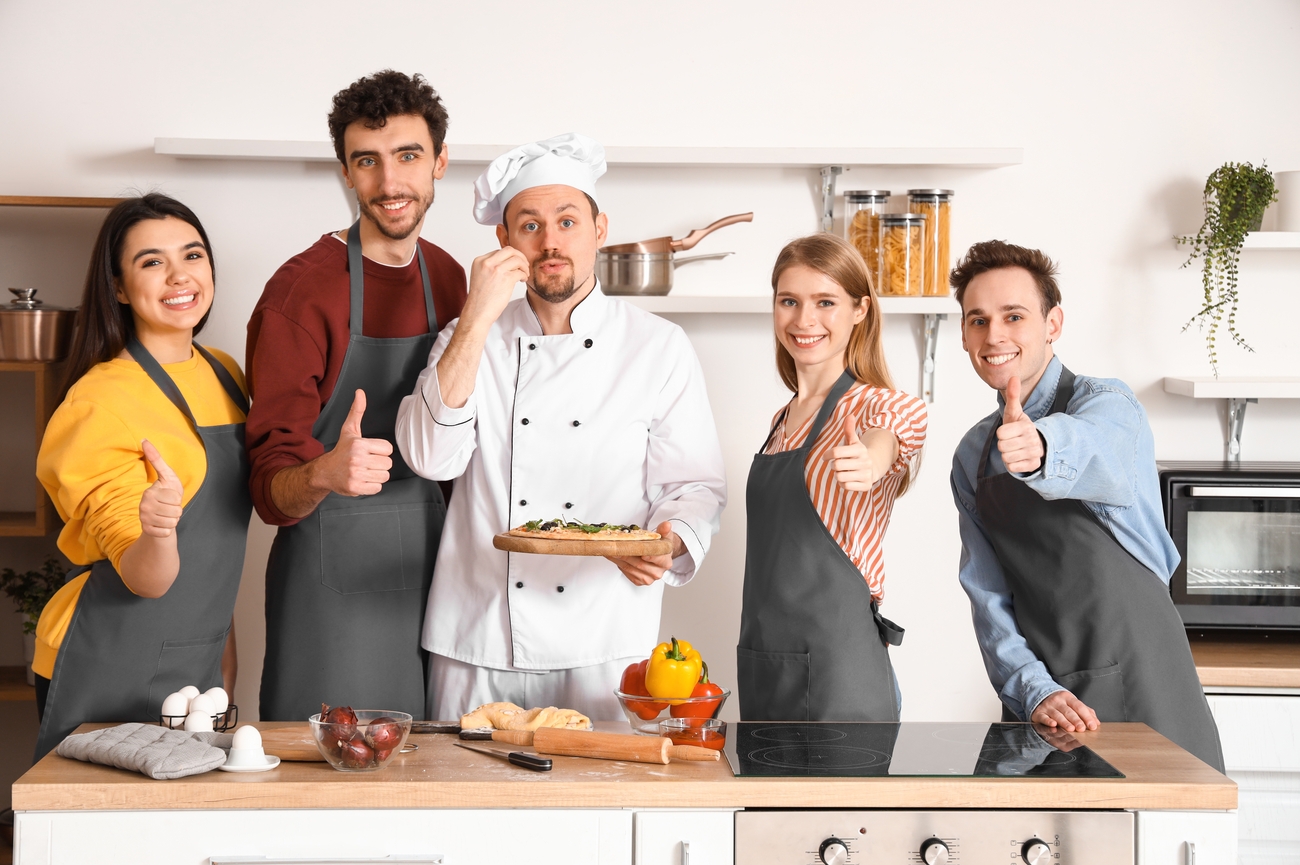
Will you cook yourself, and which parts of the dishes will you personally prepare rather than watch the chef demonstrate?
How many people share each workstation?
Is the instructor a professional chef who can explain technique clearly in a language you understand well enough to ask questions?
Does the kitchen have enough burners, refrigeration and preparation space for the group?
Does the class finish with a proper seated meal so you can taste the dishes together rather than sampling them beside the stove?
These questions reveal whether the class has been designed around learning or throughput.
A beautiful kitchen can still produce a largely observational experience. A more modest room can provide excellent instruction if everyone has room to work and the chef can see what is happening in each pan.
How Long Should a Madrid Cooking Class Last?
Three to four hours is a useful length for a serious cooking class in Madrid, particularly when the session includes a market visit and a seated meal.
That does not mean every minute needs to be spent actively chopping or stirring. Some techniques require resting, cooling or longer cooking times, and part of good teaching is explaining what happens during those periods rather than pretending they do not exist.
A shorter class can work well when the menu is tightly focused. A longer session only adds value when the extra time allows more participation, deeper instruction or a meaningful market component.
The number of dishes matters less than whether there is enough time to understand them.
What Group Size Is Best?
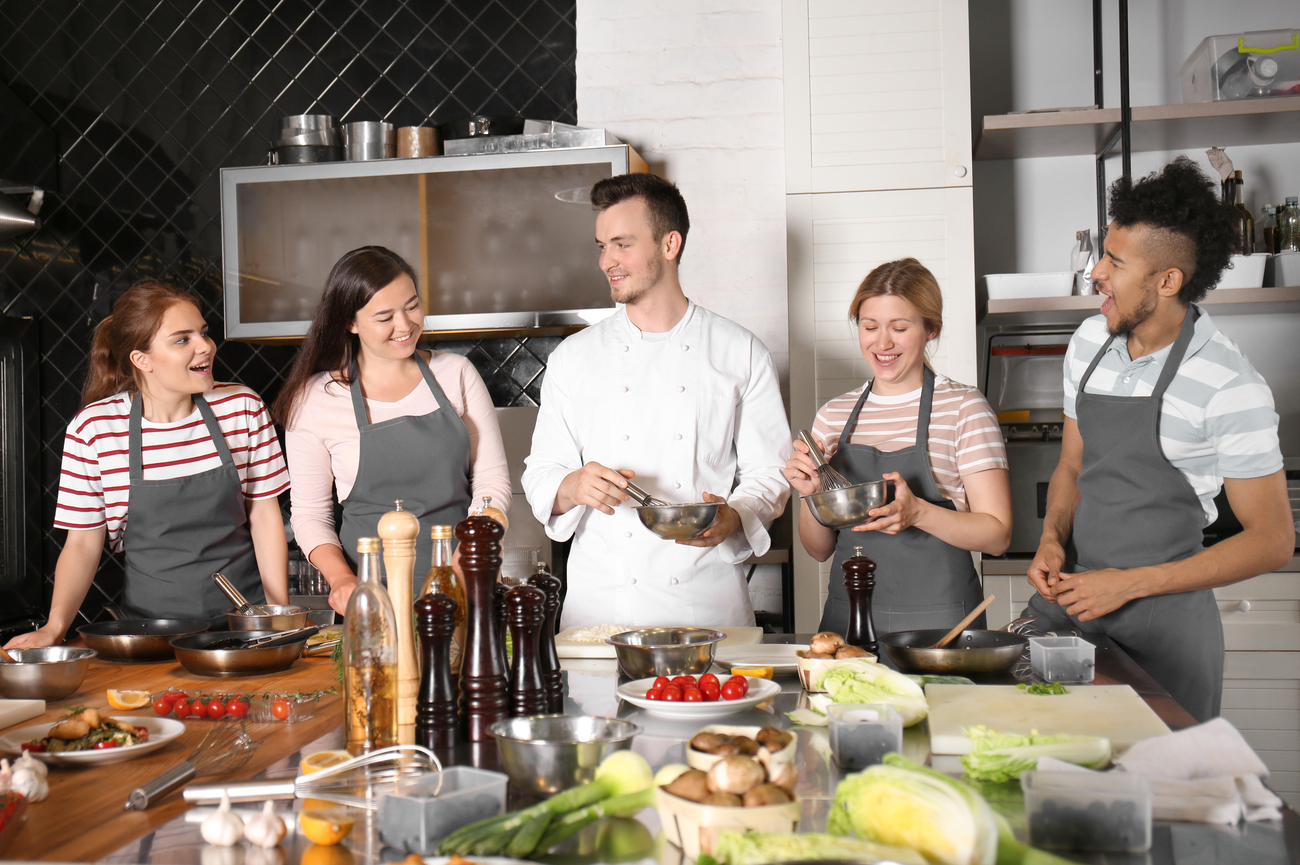
Small-group cooking classes in Madrid commonly operate with around ten to twelve guests, but the headline number does not tell you how much cooking you will actually do.
Twelve people working in pairs across six functioning stations can have more hands-on time than eight guests standing around one pan while the chef performs the important stages.
Ask how the group is divided and how many people share each workstation.
For a premium experience, equipment matters almost as much as group size. Multiple burners, sufficient preparation space and enough room for the chef to move between stations reduce the amount of time guests spend waiting for their turn.
The useful ratio is not simply guests to instructor. It is hands to equipment.
How Much Does a Cooking Class in Madrid Cost?
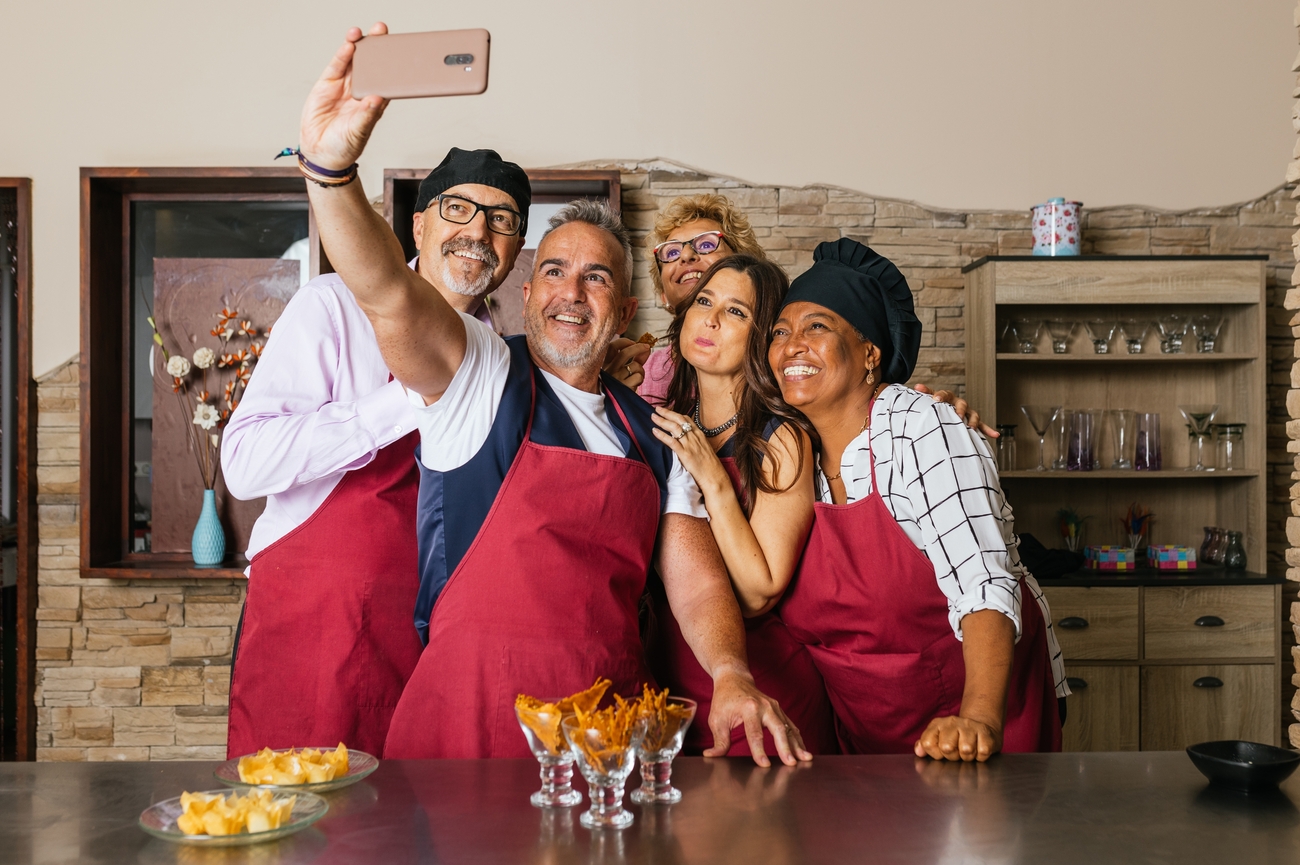
As a 2026 planning guide, mainstream small-group cooking classes in Madrid commonly cost around €80 to €120 per person. Shorter or more social formats can fall below that range, while private cooking classes are often priced for the whole group and can cost several hundred euros.
Price alone does not reveal the quality of the class.
Two experiences at a similar price can be very different. One may include a genuine market visit, substantial hands-on cooking, professional instruction and a full meal. Another may be shorter, more demonstration-led and designed primarily as a social activity.
Compare what you will physically do, how much access you will have to the chef, how many people share each station and whether the meal is included.
At the premium end, spend first on the things that remove friction. Fewer guests, better-equipped workstations and fluent technical instruction are usually more valuable than decorative extras.
Can Madrid Cooking Classes Accommodate Dietary
Requirements?
Many cooking classes in Madrid can accommodate dietary requirements, but advance notice is important because restrictions may affect the shopping as well as the cooking.
A vegetarian menu may require different stock or croqueta fillings. Gluten-free cooking can change breading, thickening and cross-contact procedures. Halal or kosher requirements may affect where ingredients are purchased as well as how they are prepared.
Tell the operator before the day and ask exactly what will change.
The important question is whether the substitution preserves the lesson. A well-designed alternative should still allow you to practise the central technique rather than leaving you watching while the rest of the group cooks.
For a market-led class, early notice matters even more because ingredients may be purchased specifically for the people attending that morning.
Cooking
Spanish Food at Home After the Class
A good Spanish cooking class in Madrid should leave you more confident in your own kitchen, not dependent on ingredients or equipment that only make sense in Spain. The most useful lessons are the ones that survive changes in tomatoes, potatoes, pans and markets.
Technique usually travels better than ingredients.
Which Spanish Cooking Techniques Transfer Best?
Sofrito still teaches patience when your tomatoes are less ripe or contain more water. Tortilla still teaches heat control if your potatoes behave differently. Croquetas still depend on a properly cooked bechamel and enough chilling time, even when the filling changes.
That is why technique matters more than reproducing a Madrid recipe exactly.
A recipe written in Spain may assume ingredients that behave differently from those available at home. Tomatoes may contain more water, olive oil may be more assertive and the sausages available from your butcher may not match the ones used in Madrid.
The answer is not to force the original timings.
Cook wetter tomatoes for longer. Reduce other liquids when necessary. Adjust the heat to the pan you own. Taste as the dish develops rather than treating the written recipe as a fixed set of instructions.
The class has done its job when you understand why those changes are necessary.
What Spanish Ingredients Are Worth Taking Home?
The most practical ingredients to bring home from Madrid are compact, stable and genuinely useful once you return.
Pimentón can transform a stew, sauce or braise using very little. Saffron takes up almost no space and is difficult to replace convincingly. High-quality conservas can also travel well where customs rules allow, giving you access to fish and seafood preserved at a level that may be difficult to find at home.
Olive oil can be worth carrying when you understand why you chose the bottle and can transport it safely.
Jamón is more complicated.
Its quality depends on the animal, curing, storage and cutting, and some countries restrict or prohibit the import of meat products even when they are commercially packaged or vacuum sealed. Check the official customs rules for your destination before buying cured meat to take home.
The more valuable lesson may be learning how to recognise good jamón rather than trying to reproduce a Madrid ham counter in your suitcase.
Our guide to Madrid's food markets looks more closely at jamón, conservas, saffron, pimentón and the other products worth understanding while you are shopping in the city.
Do You Need Special Equipment for Spanish Cooking?
Most Spanish cooking does not require specialist equipment.
A cazuela can be useful for certain slow-cooked dishes and traditional presentation, but a good heavy pan will cover a large part of the repertoire. For tortilla, the most important qualities are a surface that releases cleanly and a pan light enough to control during the turn.
Rice benefits more clearly from specialist geometry. A wide, shallow pan creates more surface area for evaporation and helps keep the rice layer thin.
If you intend to cook paella regularly, buying the proper pan can make sense. If you expect to make it only occasionally, understanding why the pan is shaped that way is more important than buying equipment immediately.
Knives, boards and ordinary saucepans do not need to come from Spain.
A strong cooking class should leave you with fewer equipment excuses, not more. If a technique only works with exactly the same hardware used in the teaching kitchen, the underlying principle has not been taught well enough.
Where
to Fit a Cooking Class into a Madrid Itinerary
A cooking class in Madrid works best early enough in the trip to influence the meals that follow. Day two or three is usually ideal, giving you time to experience the city first, then use what you learn in the kitchen to notice more during later lunches, market visits and tapas evenings.
The class should also have enough space around it. A market visit, several hours of cooking and a seated meal deserve more than a narrow gap between sightseeing appointments.
Book the Class for Day Two or Three
Eat at least one restaurant meal before taking the class.
That first experience gives you useful reference points. You may already have noticed the texture of a tortilla, the quality of fried food or the pace of a long Spanish lunch. When you then enter the kitchen, you arrive with questions rather than encountering every technique for the first time.
After the class, those same dishes begin to look different.
Once you have watched a sofrito reduce properly, you can recognise the depth it contributes to another dish. Once you understand why potatoes rest with egg before a tortilla returns to the pan, the texture of the next tortilla you order becomes easier to read.
Putting the class at the very end of the trip wastes some of that value. The lesson becomes more useful when there are still enough meals ahead to apply what you have learned.
Morning Cooking Classes Fit Madrid's Dining Rhythm
A morning cooking class fits particularly well with Madrid's daily food rhythm.
Working markets are active during the morning, so ingredient selection happens while fishmongers, butchers and produce stalls are still doing their main business. Cooking then occupies the late morning before the class naturally develops into lunch.
That timing places the experience within the same rhythm the city already follows, with lunch carrying much of the day's culinary weight.
Evening cooking classes can still work well, particularly when daytime sightseeing is a priority, but the morning format gives a market-led class a more natural progression.
You shop while the market is active, cook while appetite is building and sit down to eat when Madrid itself is moving towards lunch.
What Should You Do After a Madrid Cooking Class?
Very little.
A cooking class that ends with four dishes and wine does not need another organised food experience immediately afterwards. Leave the afternoon open for a walk, a museum without a strict deadline, time at the hotel or whatever part of Madrid requires no further appetite.
That space matters.
A food-focused trip can easily become a sequence of reservations in which one meal begins before the previous one has properly finished. A serious culinary itinerary needs room for hunger to return and for some decisions to remain spontaneous.
If appetite returns later, the evening can develop naturally rather than becoming another fixed meal.
Our guide to tapas in Madrid explains how to move through several bars without allowing the first stop to become dinner, making a tapas crawl a natural contrast to the more structured cooking morning.
The class gives one part of the day its centre. The rest of Madrid does not need to be scheduled around another plate.
You
Will Rush the Sofrito. Do Not
At home, your first mistake will probably be turning up the heat because the onion and tomato seem to be taking too long.
Do not.
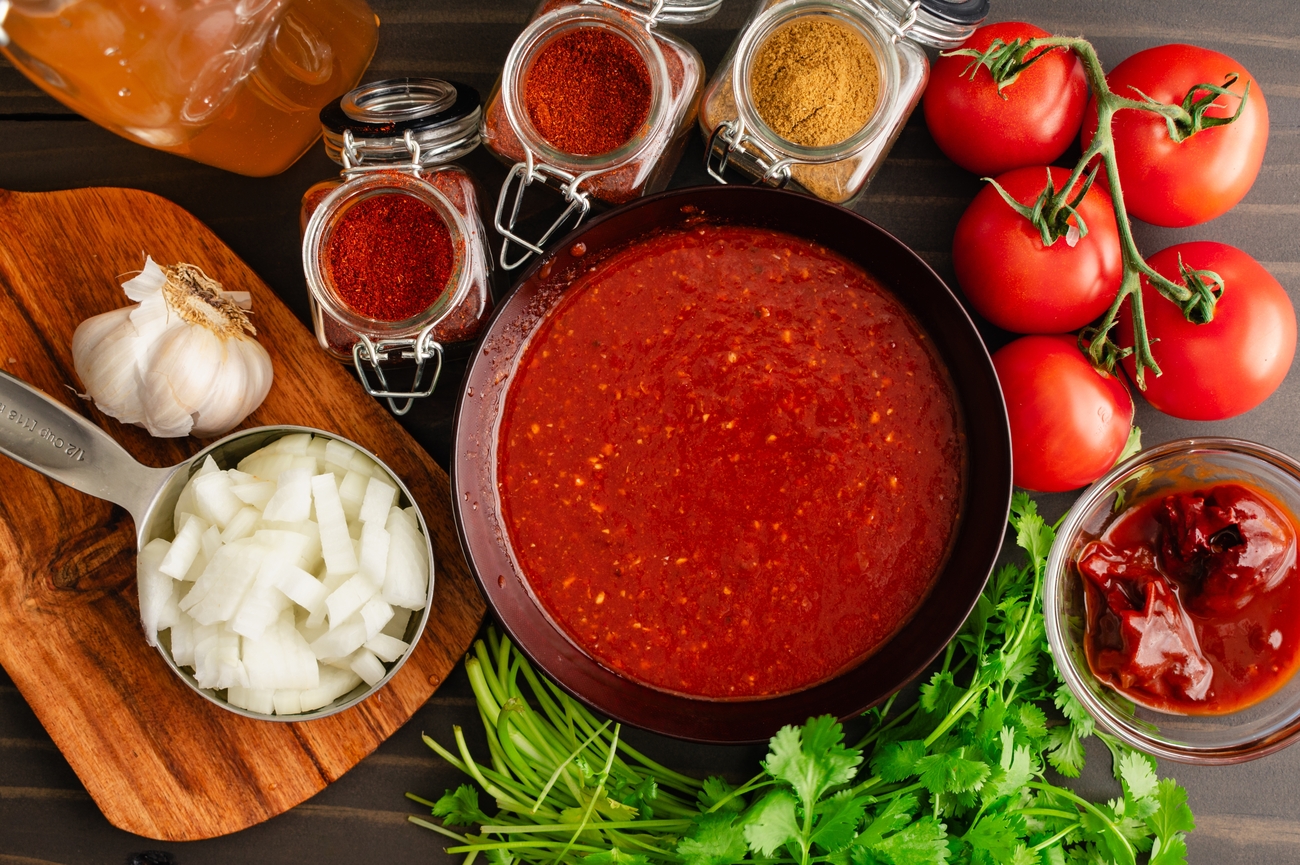
Keep the pan moderate and let the water leave before asking the base to carry anything else. The change is gradual. The mixture darkens, the texture tightens and eventually the olive oil begins to reappear around a concentrated sofrito.
That is the moment worth remembering.
Recipes can give you quantities and timings, but a good cooking class gives you a visual and sensory reference for what "ready" actually looks like. Once you have seen it happen in the pan, waiting becomes easier the next time you cook at home.
Four dishes are enough when someone has already decided which four belong in the same market basket and can survive the discipline of a three-hour kitchen. When the pans are cleared, the table and wine are already part of the design.
That version of the morning is included in our Essential Culinary Experience in Madrid.


Let us know what you love, where you want to go, and we’ll design a one-of-a-kind adventure you’ll never forget.
Get in touch
Miriam
Travel Specialist

Romina
Travel Specialist

Laura
Travel Specialist
Our offices:



Revigorate, Iberian Escapes and Algarve Lifestyle are the registered brand names of APCS Lda . We are a fully authorised travel agency licensed by Turismo de Portugal RNAVT/6867.
In the event of a dispute, the consumer may refer to: RAL - Centros de Arbitragem
Avª. 5 de Outubro, nº. 55, R/C Dtº. 8000-075 Faro, Portugal | Tel: +351 289 823 135 *
* national landline call
E-mail: info@consumoalgarve.pt| www.consumidoronline.pt | Mon to Fri: 9:00 - 13:00 / 14:00 - 17:00