Royal Palace of Madrid & Habsburg Quarter: A Walk Through the Capital’s Royal Past
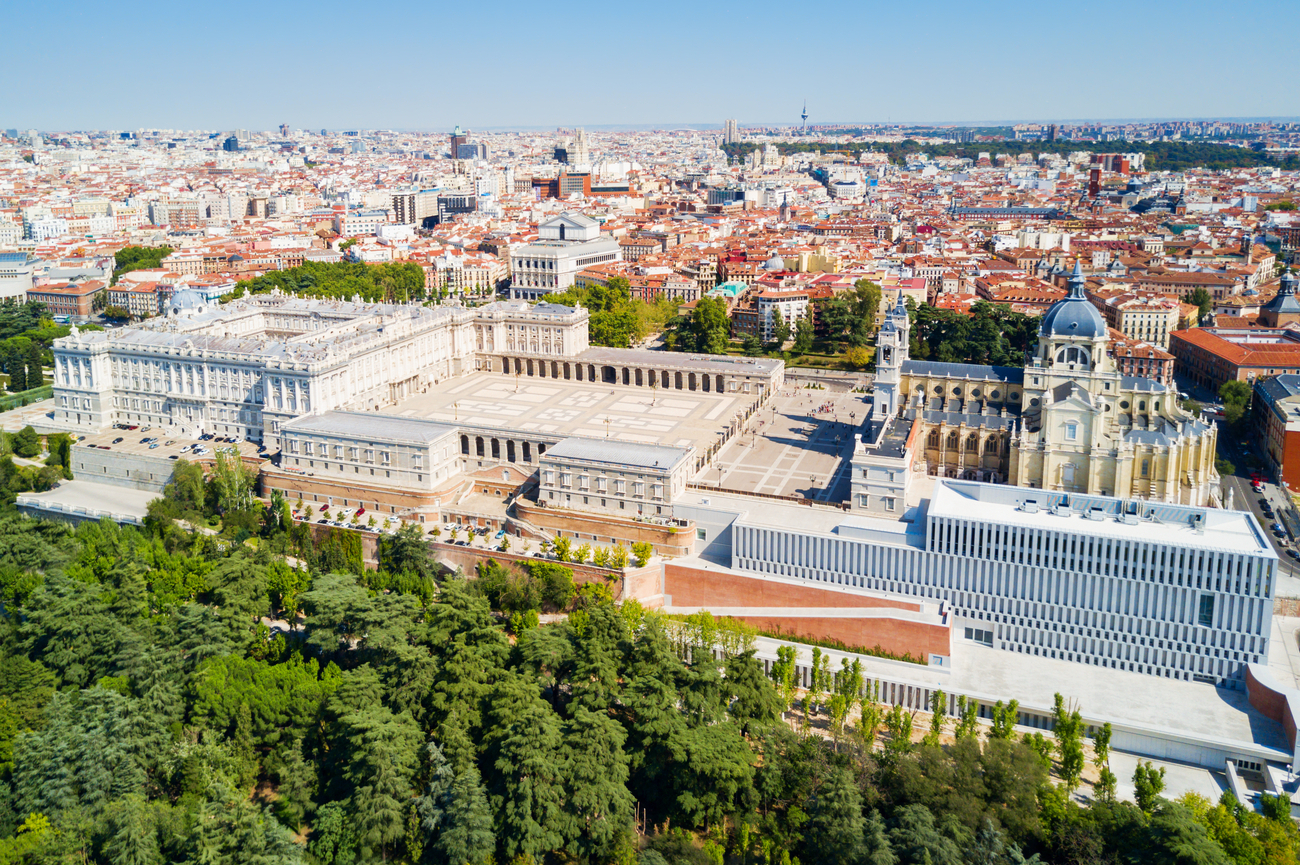
The Royal Palace of Madrid is vast. With more than 3,000 rooms spread across approximately 135,000 square metres, it is one of Europe's grandest royal residences. Yet a public visit reveals only a fraction of what lies behind its monumental façades.
Inside, the experience unfolds through a sequence of ceremonial rooms, state apartments and richly decorated interiors. The scale is impressive, but so is the sense that most of the building remains beyond the visitor route.
Outside, Madrid changes quickly. The palace stands beside the compact streets of Madrid de los Austrias, where Plaza de la Villa, Plaza Mayor and the surrounding lanes preserve a very different scale from the grand Bourbon architecture of the palace itself.
That contrast is what makes this part of Madrid especially rewarding on foot. Within a relatively short walk, you move from the ceremonial grandeur of the Royal Palace to the older Habsburg city, Almudena Cathedral and some of the most historic streets in the capital.
Our Discover the Spanish Capital - City of Madrid journey includes a private introduction to this part of the city, placing the Royal Palace, Almudena Cathedral and surrounding streets into context before you decide whether to explore the palace interior separately.
Inside
the Royal Palace of Madrid

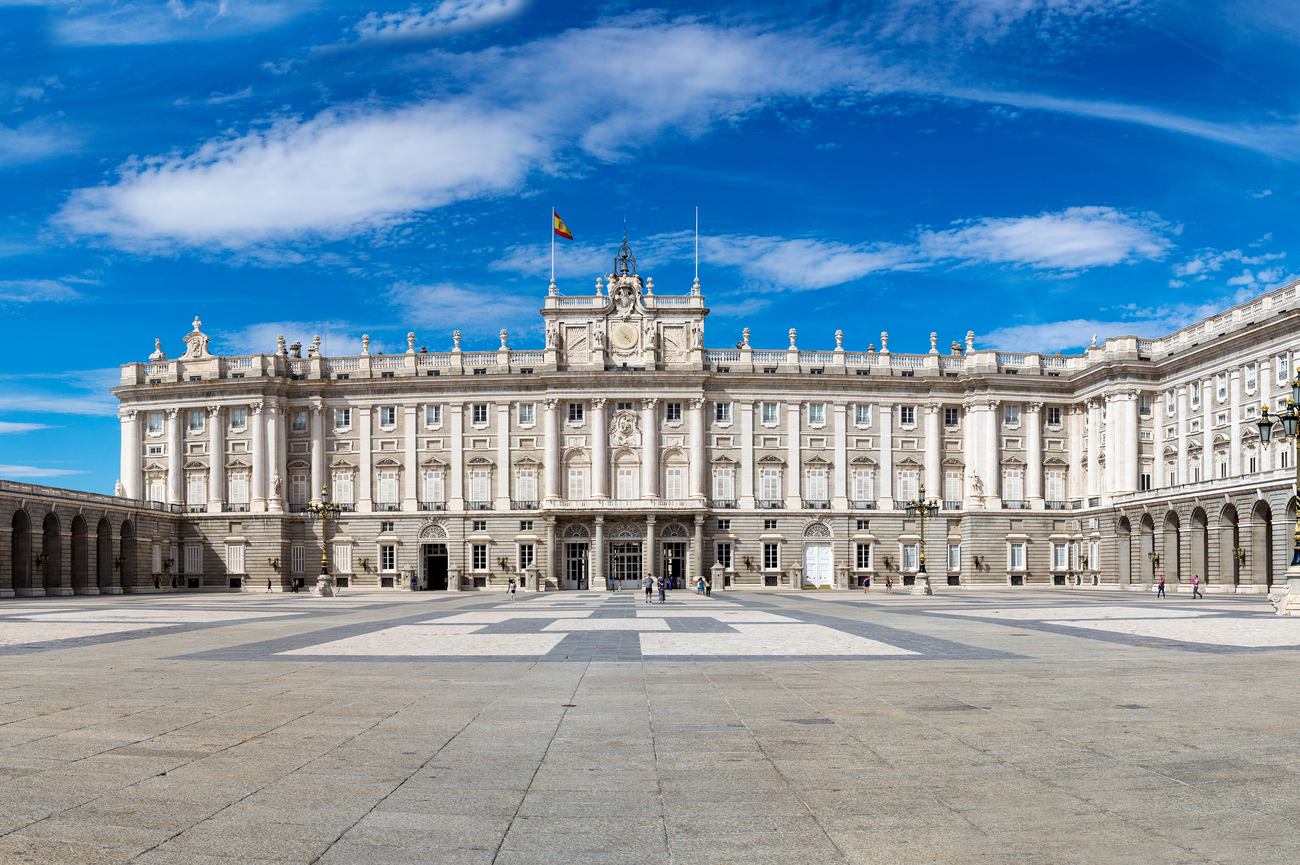
The Royal Palace visitors see today was built after the old Alcázar burned on Christmas Eve in 1734. Philip V commissioned its replacement in an Italian Baroque style, creating a palace very different from the restrained brick-and-stone architecture that survives elsewhere in Madrid de los Austrias.
From Plaza de Oriente, the long pale-stone façade gives little sense of how richly decorated the interior becomes. The public route passes through only part of the palace, but several rooms explain how the building functioned as a royal court and why the interior deserves more than a quick visit.
What to See Inside the Royal Palace
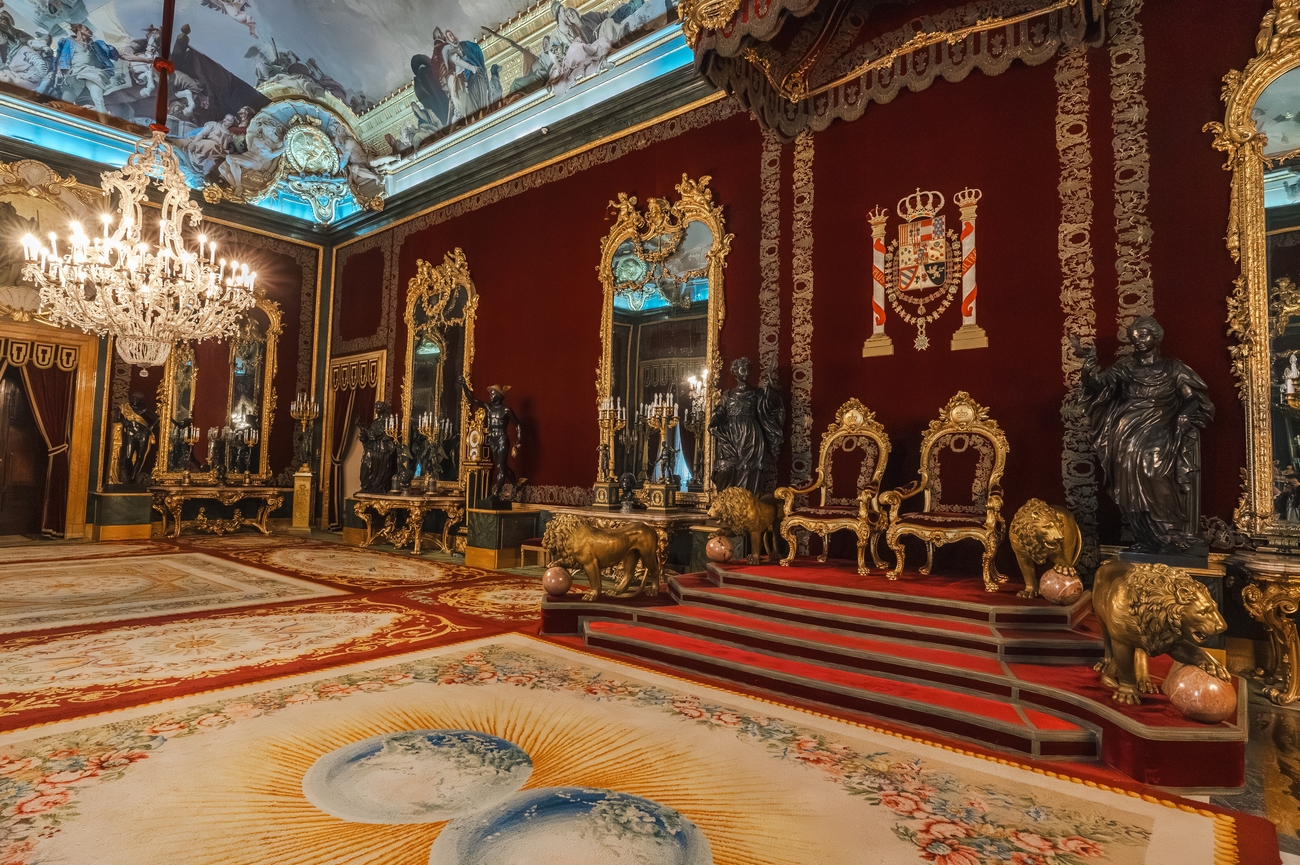
The Throne Room is one of the clearest expressions of royal ceremony. Tiepolo’s ceiling fresco rises above red velvet, gilded decoration and the pair of thrones, creating a room designed to make monarchy visible through architecture and spectacle.
The Gasparini Room is smaller but considerably more intricate. Its Rococo decoration was conceived as a complete interior, with textiles, stucco, furniture and flooring working together. Where the Throne Room is monumental, the Gasparini Room shows the extraordinary detail involved in creating courtly interiors.
The Royal Chapel introduces another part of palace life, while the Royal Collections include the group of Stradivarius instruments associated with music at the Spanish court.
The Banquet Hall, or Comedor de Gala, was created later by combining several earlier rooms and is still used for formal occasions. Its continuing ceremonial role is a reminder that the Royal Palace is not simply a historic monument.
The exact visitor route can change, so individual rooms should never be treated as guaranteed. Official ceremonies, conservation work and restoration can affect which parts of the palace are open on a particular day.
Royal Palace Tickets and Changing of the Guard
If you want to visit the palace interior, advance booking is the sensible option once your date is fixed. Entry arrangements, opening hours and ticket categories can change, and official events can also affect public access.
The private Madrid introduction included in our wider itinerary visits the Royal Palace and Almudena Cathedral as landmarks, but it does not include admission to the palace interior. If you want to go inside, arrange a separate palace ticket.
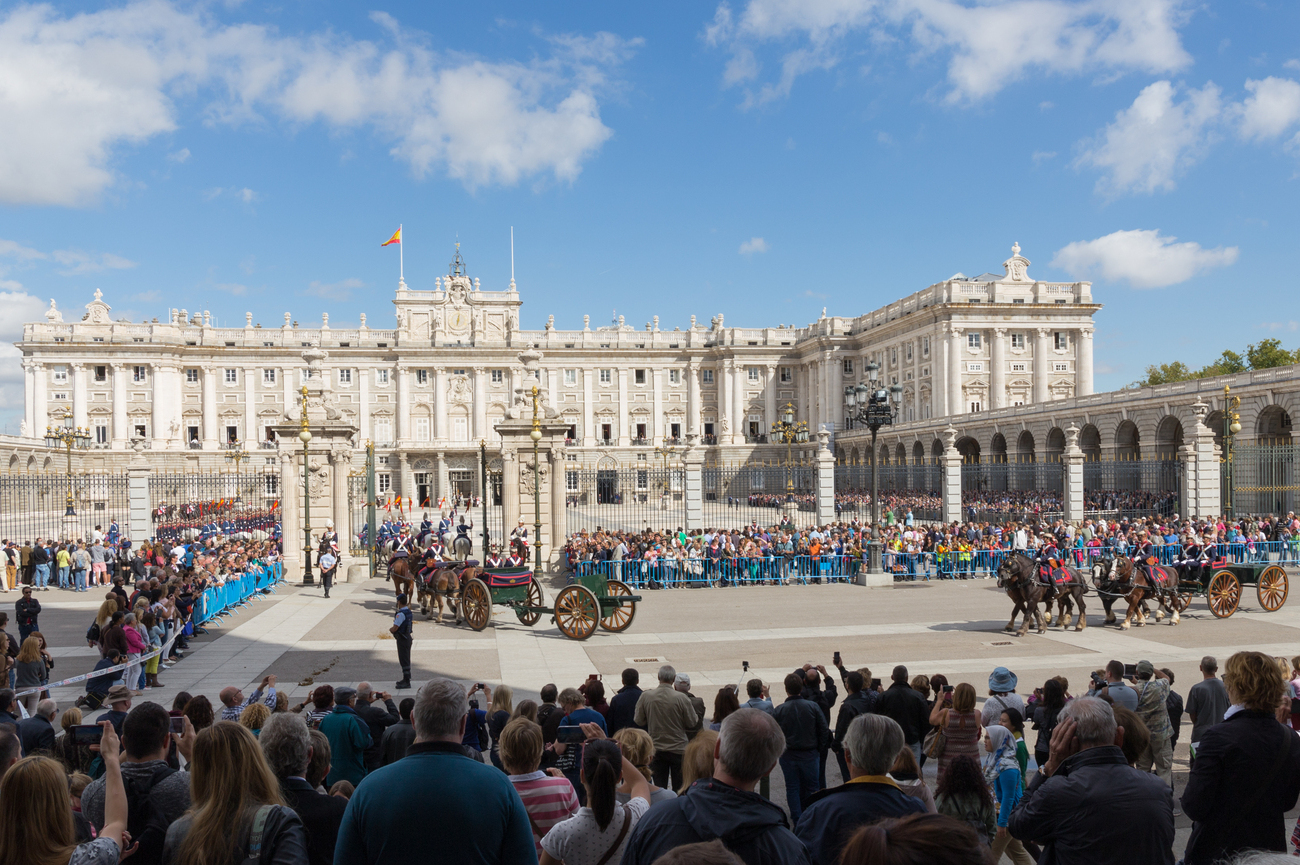
The Changing of the Guard also follows published schedules rather than taking place continuously. The larger Solemn Changing of the Guard is normally held on selected dates, while smaller ceremonies take place more regularly, but both can be affected by official duties or weather.
If seeing the ceremony matters to you, check the current Guardia Real schedule shortly before your visit rather than planning around an older timetable.
What to See Around the Royal Palace and Madrid de los
Austrias
The streets around the Royal Palace contain some of the most important layers of Madrid’s history. Within a relatively small area, Bourbon royal architecture gives way to Habsburg squares, medieval streets and remains from the city’s Islamic past.
Plaza de Oriente and Teatro Real
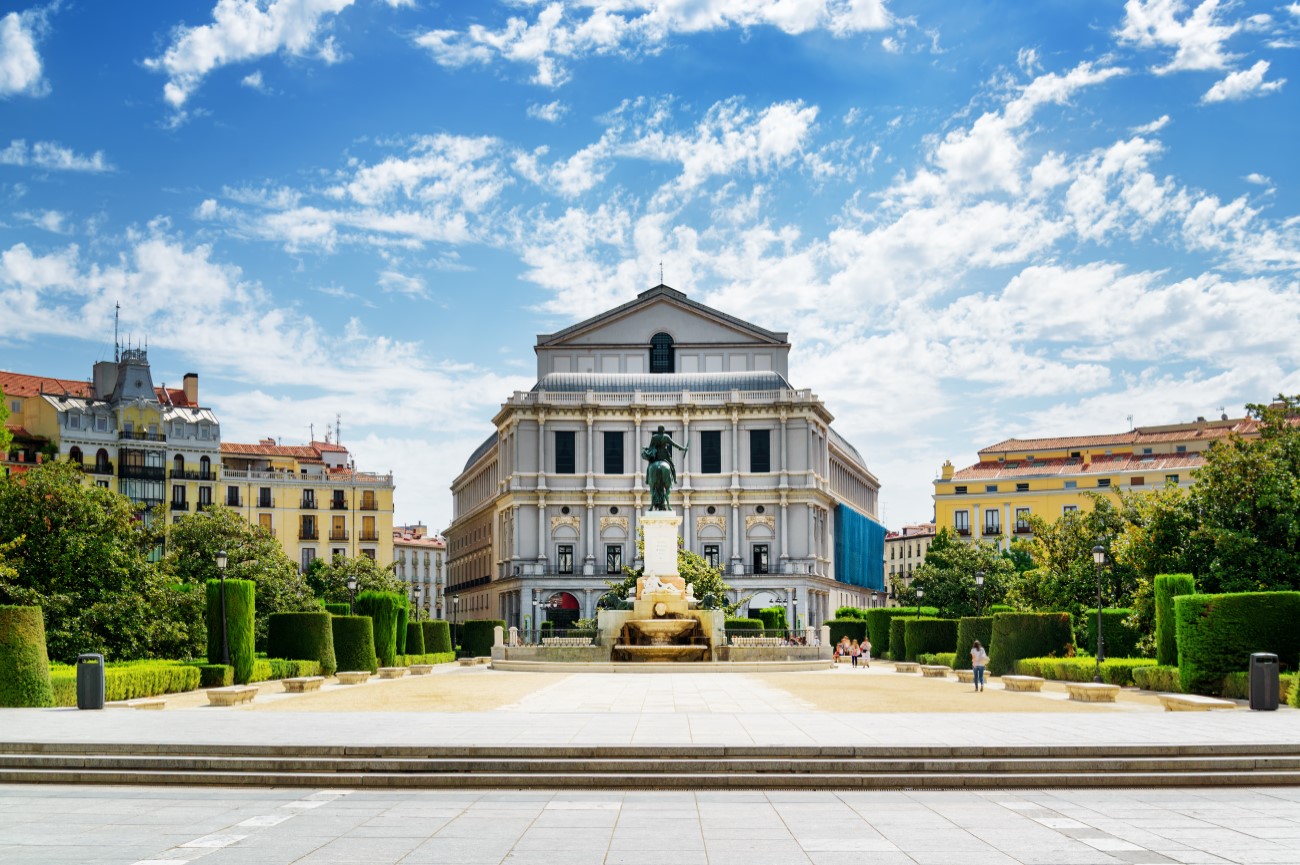
Plaza de Oriente gives the Royal Palace the space that the narrower streets behind it do not. From here, the palace’s eastern façade faces Teatro Real across gardens and open space, creating one of the most formal compositions in central Madrid.
It is also a useful place to understand the city’s geography. From the palace, the historic centre stretches east towards Sol and eventually the museum district. Our first-visit Madrid itinerary explains how this western royal quarter fits into the wider centre.
Almudena Cathedral
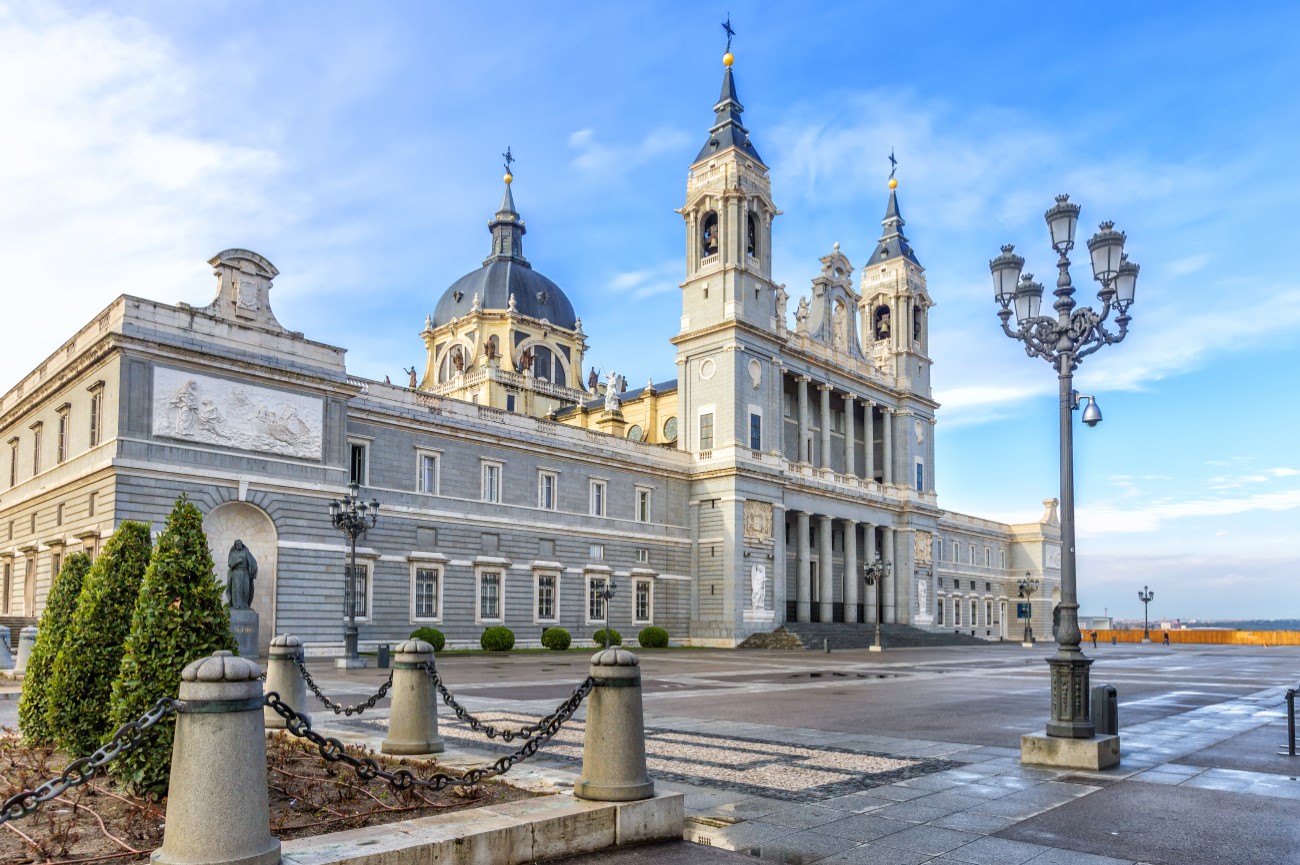
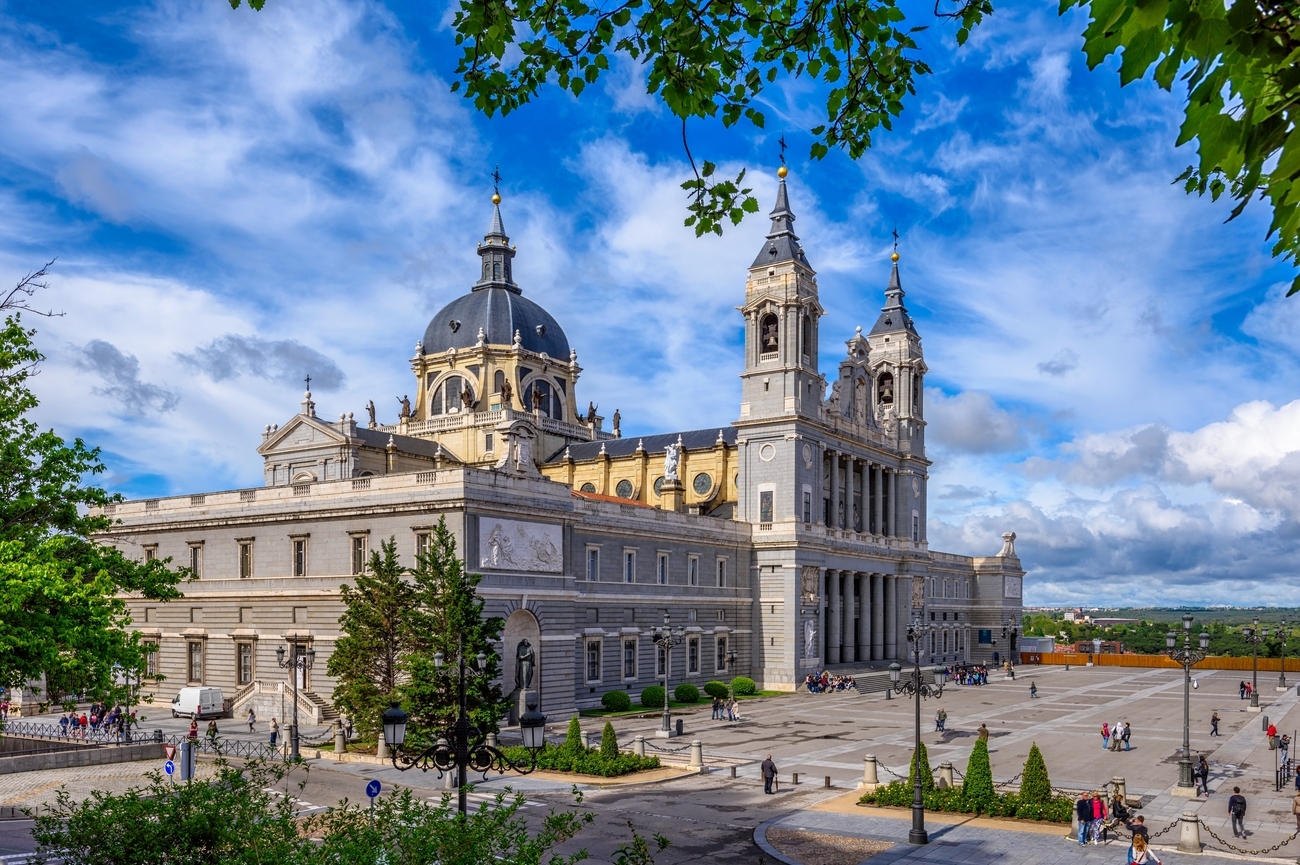
Almudena Cathedral stands directly opposite the palace across the Plaza de la Armería, but the two buildings are separated by centuries of history. Construction of the cathedral continued for more than a hundred years before it was finally consecrated in 1993.
That long building period explains its mixture of architectural styles and the deliberate attempt to make the exterior harmonise with the palace opposite.
The cathedral can be visited independently of the palace, subject to services and current visitor arrangements. Even if you do not spend long inside, continue around the building towards Cuesta de la Vega, where the city’s much older history becomes visible.
Plaza Mayor
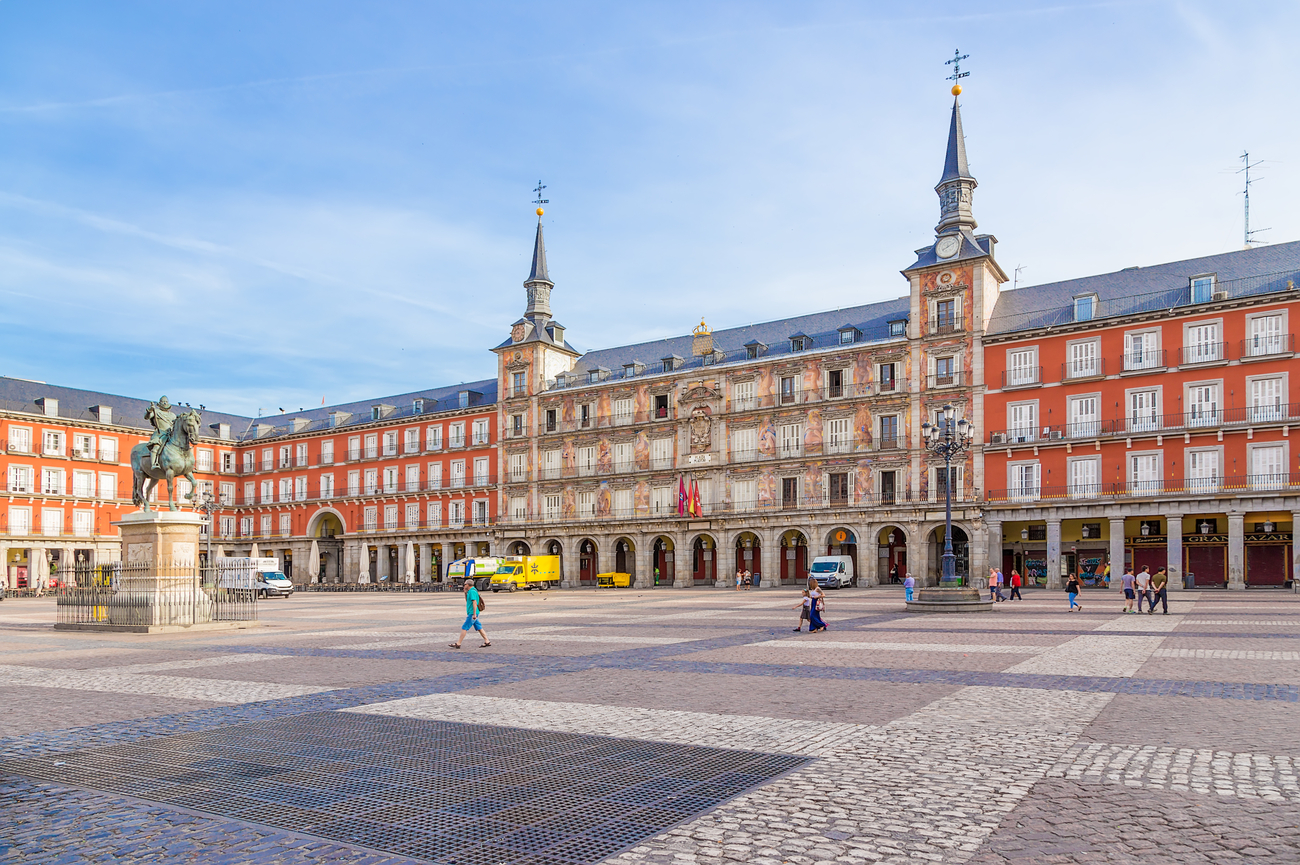
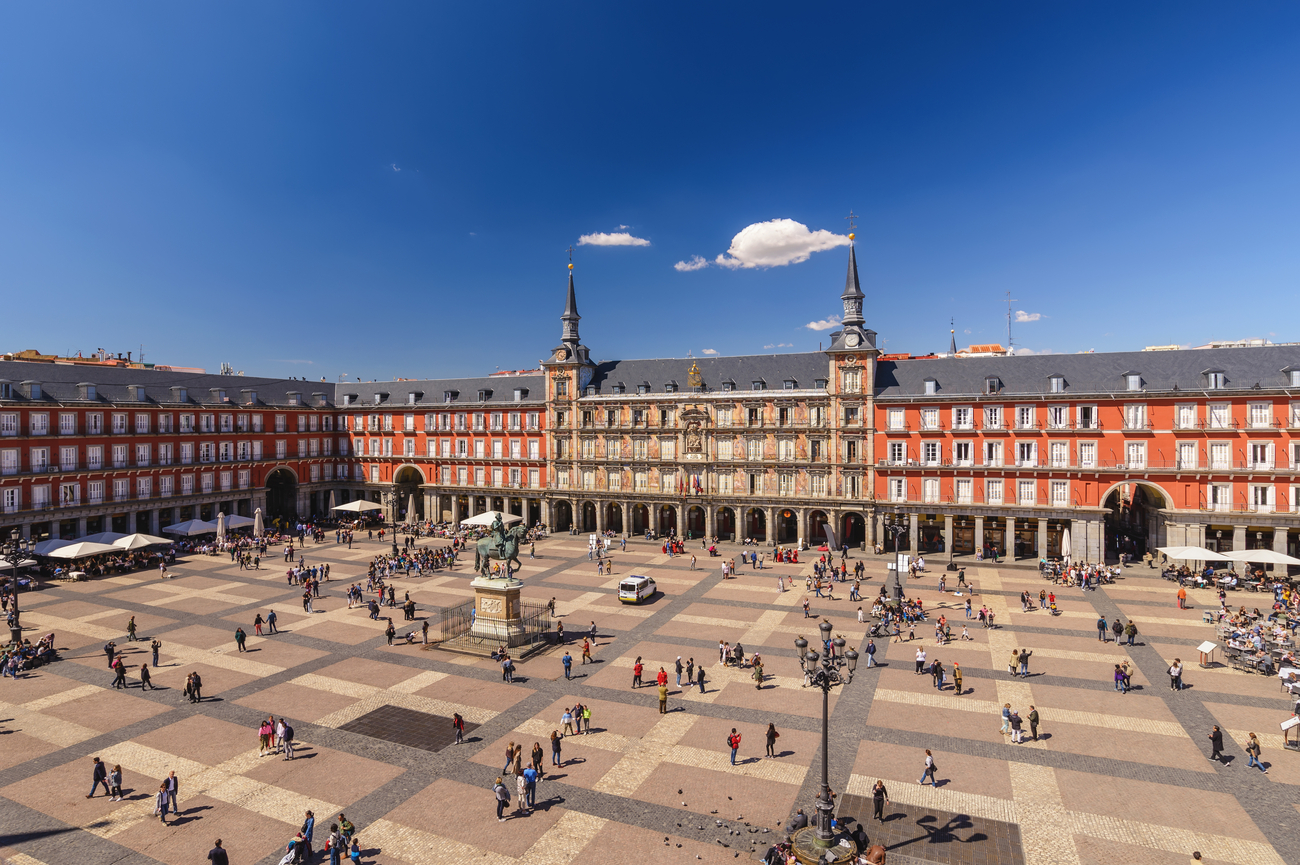
Plaza Mayor was enclosed in the early seventeenth century during the reign of Philip III and became one of the principal civic spaces of Habsburg Madrid.
Its history is far more varied than its elegant arcades suggest. The square has hosted markets, royal proclamations, public celebrations, bullfights and autos-da-fé. Today it is one of Madrid’s busiest landmarks, but understanding those earlier uses gives the space more depth than its present appearance alone.
The square also works as an important connection point. Calle Mayor leads back towards the Royal Palace, smaller streets descend towards La Latina, and the Arco de Cuchilleros provides one of the most dramatic exits from the square.
Plaza de la Villa
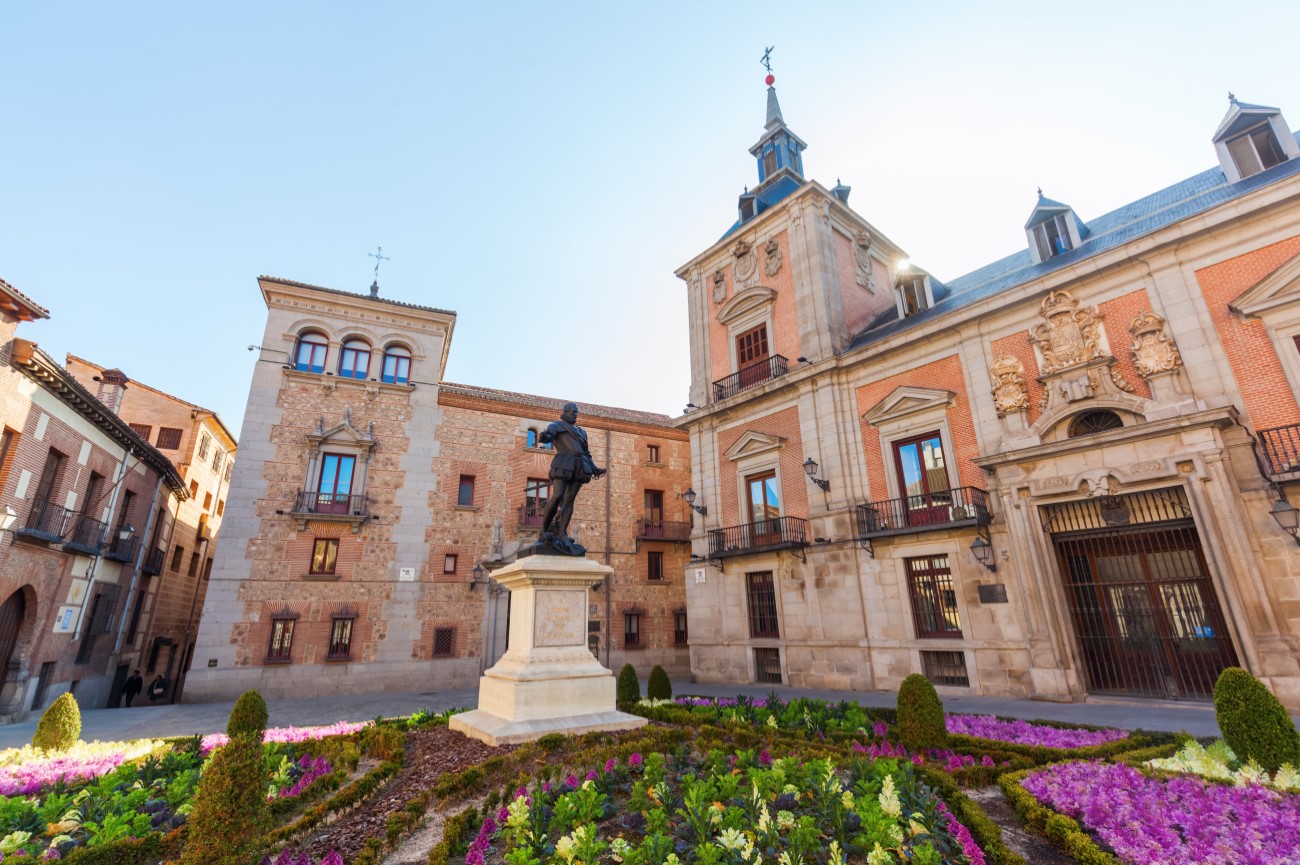
Plaza de la Villa is much smaller than Plaza Mayor and preserves a more intimate view of historic Madrid.
The Casa de la Villa, Torre de los Lujanes and Casa de Cisneros surround the square, creating a compact group of buildings connected with Madrid’s civic and aristocratic history.
Its scale is part of the appeal. The Royal Palace is only a short walk away, yet the enormous geometry and ceremonial character of the palace have almost disappeared. The surrounding streets retain the irregular pattern of the older city.
San Nicolás and Madrid’s Muslim Wall
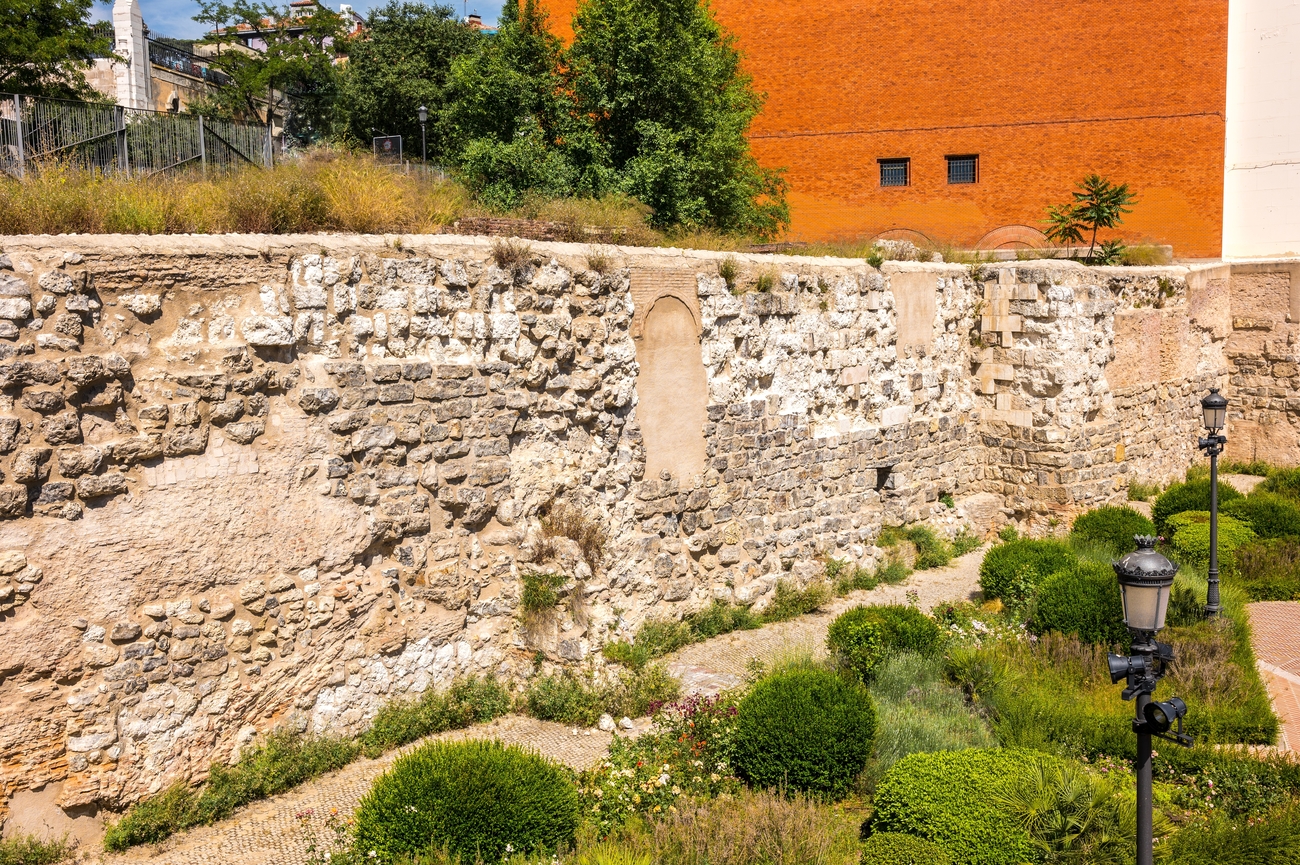
The Church of San Nicolás de los Servitas contains one of the oldest surviving church towers in Madrid, but the history of this area extends even further back.
Near Cuesta de la Vega, fragments of Madrid’s ninth-century Muslim wall survive in the Parque del Emir Mohamed I. These remains belonged to the fortified settlement established long before Madrid became the capital of Spain.
Seeing them close to the palace and cathedral makes the layers of the city unusually clear. Bourbon royal architecture, Habsburg streets, Christian churches and the remains of Islamic Madrid all occupy the same small part of the capital.
This is what makes the area more interesting than a collection of separate monuments. The history changes within a few streets.
Royal Palace and Habsburg Quarter Walking Route
A morning is enough to connect the Royal Palace with Almudena Cathedral, Cuesta de la Vega, Plaza de la Villa and Plaza Mayor without rushing. Allow around three and a half to four hours if you plan to visit the palace interior as well as walk through the surrounding quarter.
At Opening: Royal Palace
Begin with the first practical admission slot at the Royal Palace rather than trying to fit the interior into the middle of the route. Opening hours can change seasonally and official use can affect access, so confirm the schedule for your chosen date.
Allow around 75 to 90 minutes for a first visit. That gives you enough time to see the principal state rooms without turning the palace into a race.
Around 11:30: Almudena Cathedral and Cuesta de la Vega
Cross the Plaza de la Armería to Almudena Cathedral. Around 20 to 30 minutes is enough for a selective visit unless you also want to explore the crypt or museum.
Continue around the cathedral towards Cuesta de la Vega and the remains of Madrid’s Muslim wall. The surviving fragments take only a short time to see, but they add an important earlier layer to the history of the royal quarter.
Around Noon: Las Vistillas
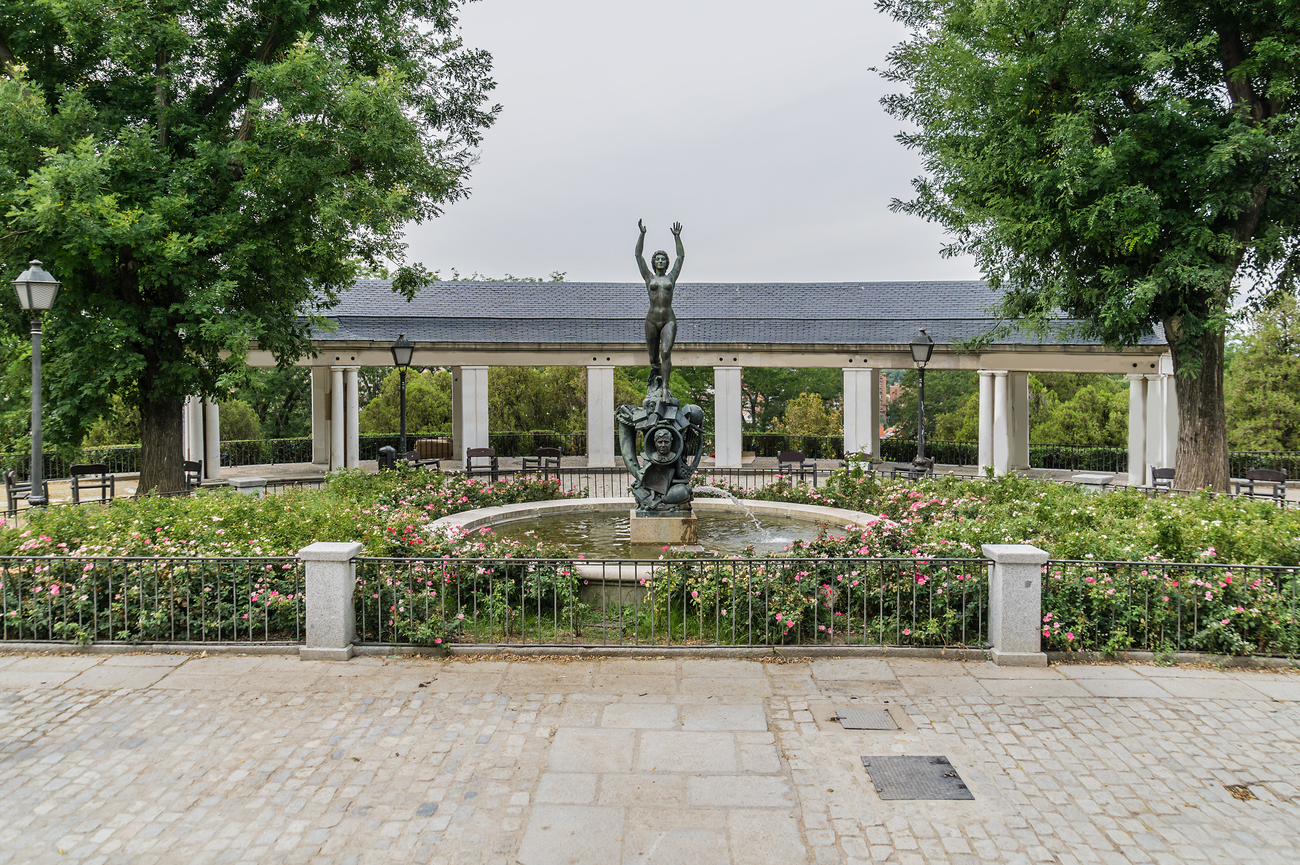
From Cuesta de la Vega, continue towards Las Vistillas. The open views towards the Manzanares provide a useful change after the enclosed palace interiors and dense streets around Bailén.
Ten or fifteen minutes is enough unless the weather encourages a longer pause.
Around 12:40: Plaza de la Villa
Return towards Calle Mayor through the smaller streets and stop at Plaza de la Villa.
Around 15 minutes is enough to appreciate the architecture and the change in scale from the Royal Palace. The lanes around the square preserve the irregular character of older Madrid and make the short walk towards Plaza Mayor more interesting than simply following the most direct route.
Around 13:10: Plaza Mayor and Arco de Cuchilleros
Finish the walk at Plaza Mayor. Allow around 20 minutes to cross the square slowly, take in the surrounding façades and understand how it functioned as one of the principal civic spaces of Habsburg Madrid.
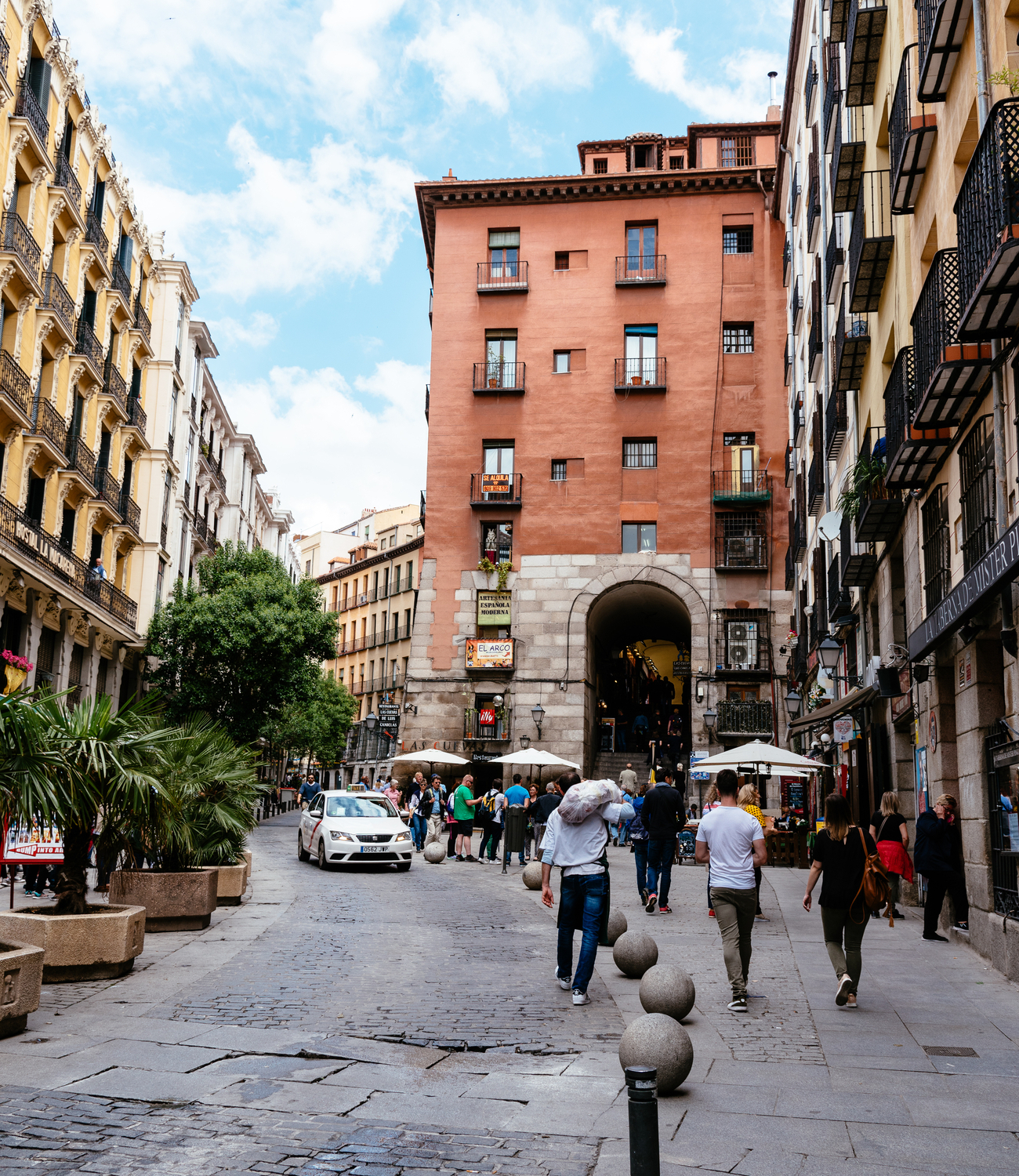
Leave through the Arco de Cuchilleros, where the street drops steeply away from the southern side of the square. From here, La Latina is close and lunch can take over without adding another major sight.
The complete route takes roughly three and a half to four hours with a measured palace visit. Allow longer only if you want a more substantial visit to Almudena Cathedral, the Royal Collections Gallery or another ticketed interior.
What to Do After the Royal Palace Walking Route
La Latina is the most natural continuation after leaving Plaza Mayor through the Arco de Cuchilleros. The streets become less formal almost immediately, with restaurants, bars and small squares replacing the ceremonial spaces around the palace.
On Sundays, El Rastro changes the atmosphere considerably. The flea market spreads through La Latina and brings much heavier foot traffic, so give it its own block of time if browsing the market is important rather than treating it as a quick addition to the palace walk.
Staying close to Madrid de los Austrias gives you excellent access to this western side of the centre, but location comes with trade-offs. Streets around Sol, Plaza Mayor and La Latina can remain lively late into the evening, while other neighbourhoods offer quieter surroundings in exchange for a little more walking or transport. Our guide to where to stay in Madrid compares those differences in more detail.
If you continue east after the royal quarter, Sol and Barrio de las Letras gradually lead towards the Prado and the museum district. The distance is manageable on foot, but there is little reason to combine the Royal Palace interior and a major museum simply because they are close enough to do so.
Our Prado Museum guide covers tickets, timing and how to structure a visit around the works that matter most to you. After a morning inside the palace, it is often better to leave the Prado for another day rather than arrive already tired.
A lighter continuation works better. Walk through Barrio de las Letras, continue along the Paseo del Prado or stop for lunch before deciding whether the day needs another major attraction.
If the museum district becomes the focus on a separate day, our guide to Madrid’s Golden Triangle of Art compares the Prado, Thyssen-Bornemisza and Reina Sofía and helps you decide which collections belong in your itinerary.
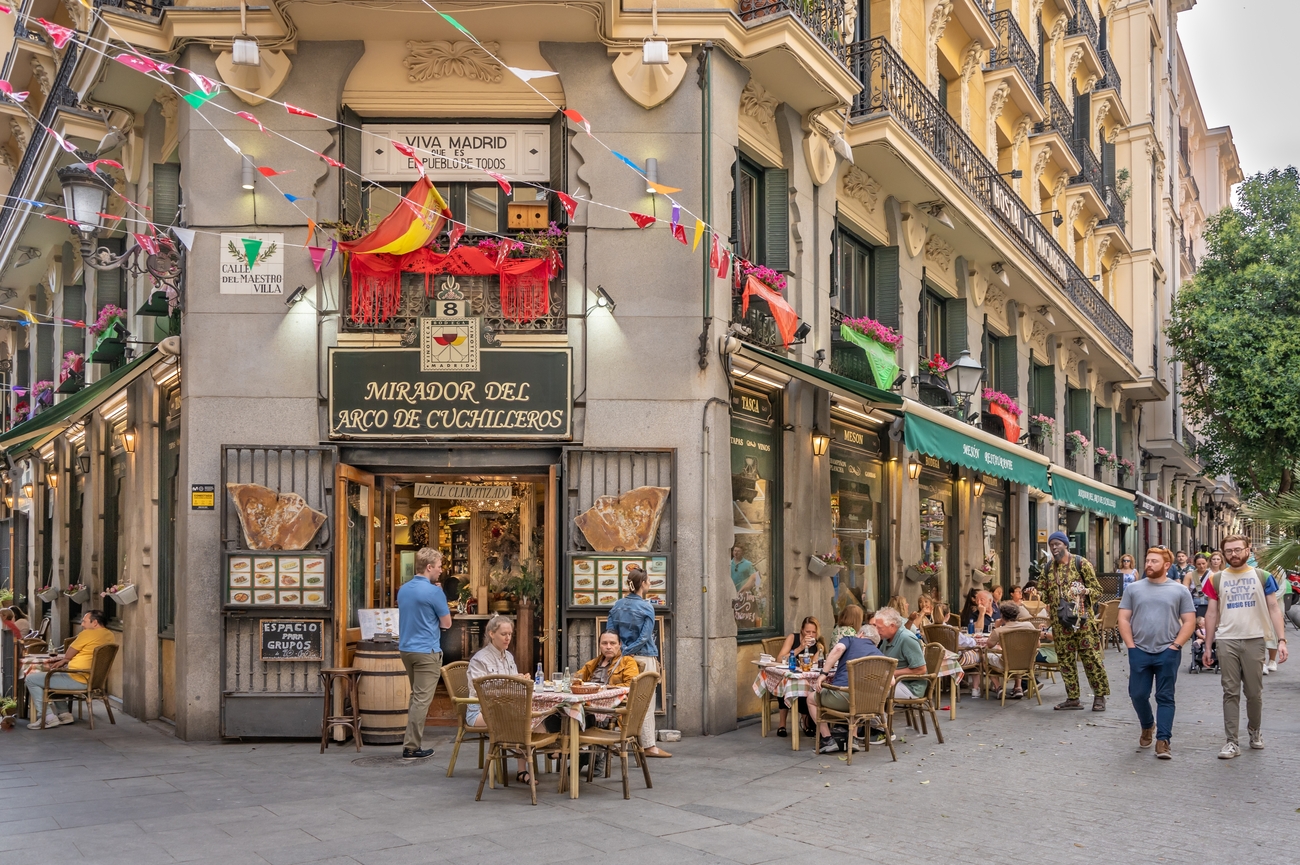
Nine
O’Clock at the Palace
At nine in the morning, the Royal Palace still has enough space around it to be read as architecture rather than backdrop. Cross Plaza de Oriente while Teatro Real is quiet, continue past Almudena Cathedral and let the route gradually tighten around Plaza de la Villa.
Within a few blocks, the scale changes completely. Bourbon grandeur gives way to the smaller proportions of Habsburg Madrid, then to the older ground around Cuesta de la Vega.
Walk that first hour slowly. By the time Plaza Mayor begins to fill, the royal quarter has already shown its quieter side.


Let us know what you love, where you want to go, and we’ll design a one-of-a-kind adventure you’ll never forget.
Get in touch
Miriam
Travel Specialist

Romina
Travel Specialist

Laura
Travel Specialist
Our offices:



Revigorate, Iberian Escapes and Algarve Lifestyle are the registered brand names of APCS Lda . We are a fully authorised travel agency licensed by Turismo de Portugal RNAVT/6867.
In the event of a dispute, the consumer may refer to: RAL - Centros de Arbitragem
Avª. 5 de Outubro, nº. 55, R/C Dtº. 8000-075 Faro, Portugal | Tel: +351 289 823 135 *
* national landline call
E-mail: info@consumoalgarve.pt| www.consumidoronline.pt | Mon to Fri: 9:00 - 13:00 / 14:00 - 17:00