Prado Museum Guide: Tickets, Timing and What to See First
The Prado’s collection contains more than 35,000 works, but only a fraction are displayed at any one time. That selectivity is part of what gives the museum its character.
The Prado was not assembled as an encyclopedic collection designed to represent every period or school equally. Much of its strength comes from centuries of Spanish royal collecting. Philip II admired Bosch. Velázquez painted for Philip IV. Goya spent decades close to the court before his work became darker, stranger and more personal.
Those histories remain visible in the galleries today. You can move from one room to another and find the same artists returning across different periods, commissions and royal collections. For a first visit, that depth is more useful than trying to see everything.
A private guide can help narrow the experience to the artists and works that matter most to you, but independent visitors can do the same with a little preparation. Decide how long you want to spend inside, choose a handful of priorities and leave enough room for one painting or gallery to change the plan.
This guide covers Prado Museum tickets, the best time to visit, how long to allow and what to see first, with suggested routes for both a focused two-hour visit and a longer half-day experience.
Planning Your Prado Museum Visit

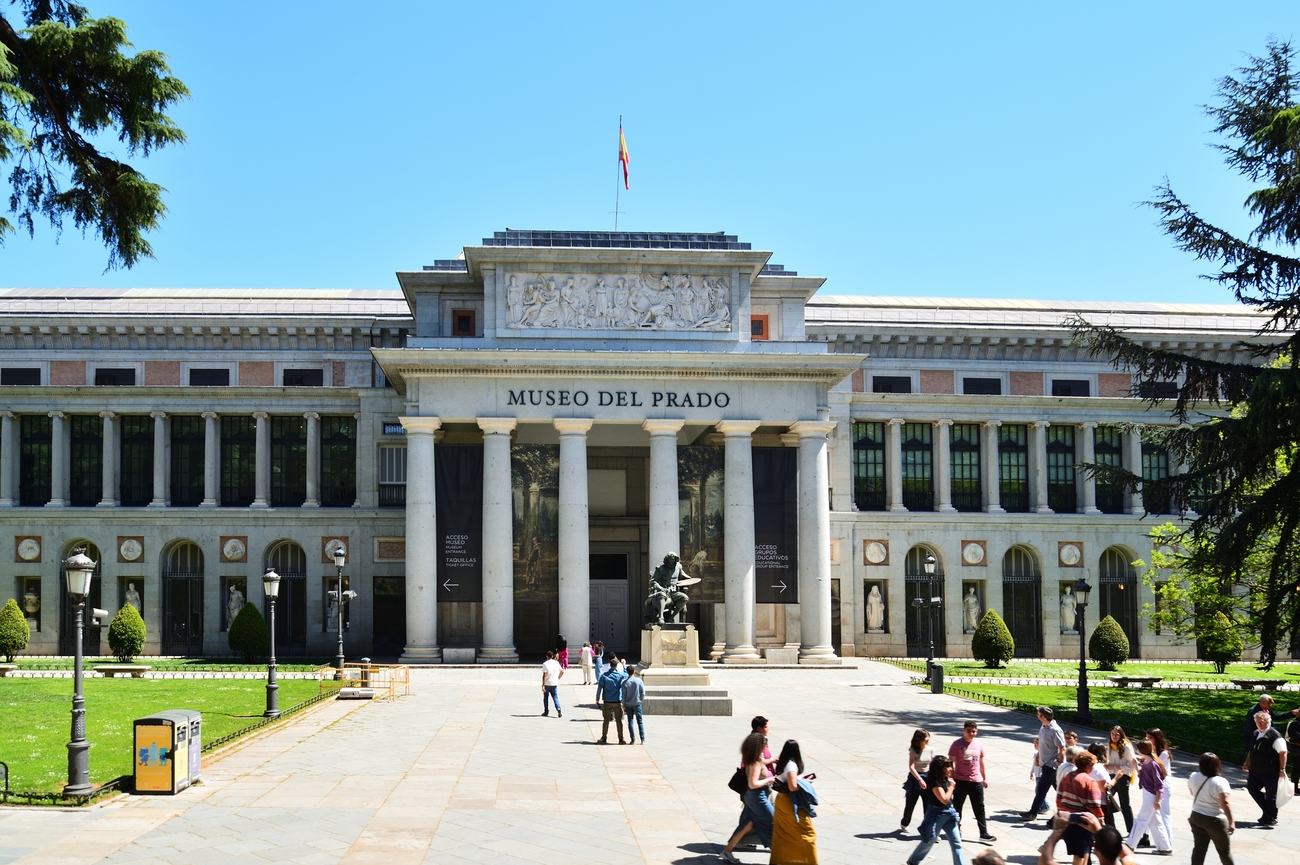
A little preparation makes a significant difference at the Prado. The museum uses timed admission, and buying tickets in advance is the sensible option once your date is fixed. Opening hours, admission categories and prices can change, so check the museum’s current information shortly before visiting rather than relying on older travel guides.
Prado Museum Tickets and Timed Entry
A timed entry slot is required to enter the museum. Booking online removes the need to decide between ticket options when you arrive and gives you greater control over the rest of the day, particularly during busy periods or major temporary exhibitions.
Arrive shortly before your allocated time rather than exactly at it. Security checks still apply even when admission has been purchased in advance, and there is little benefit in beginning a Prado visit feeling rushed.
Free Entry to the Prado
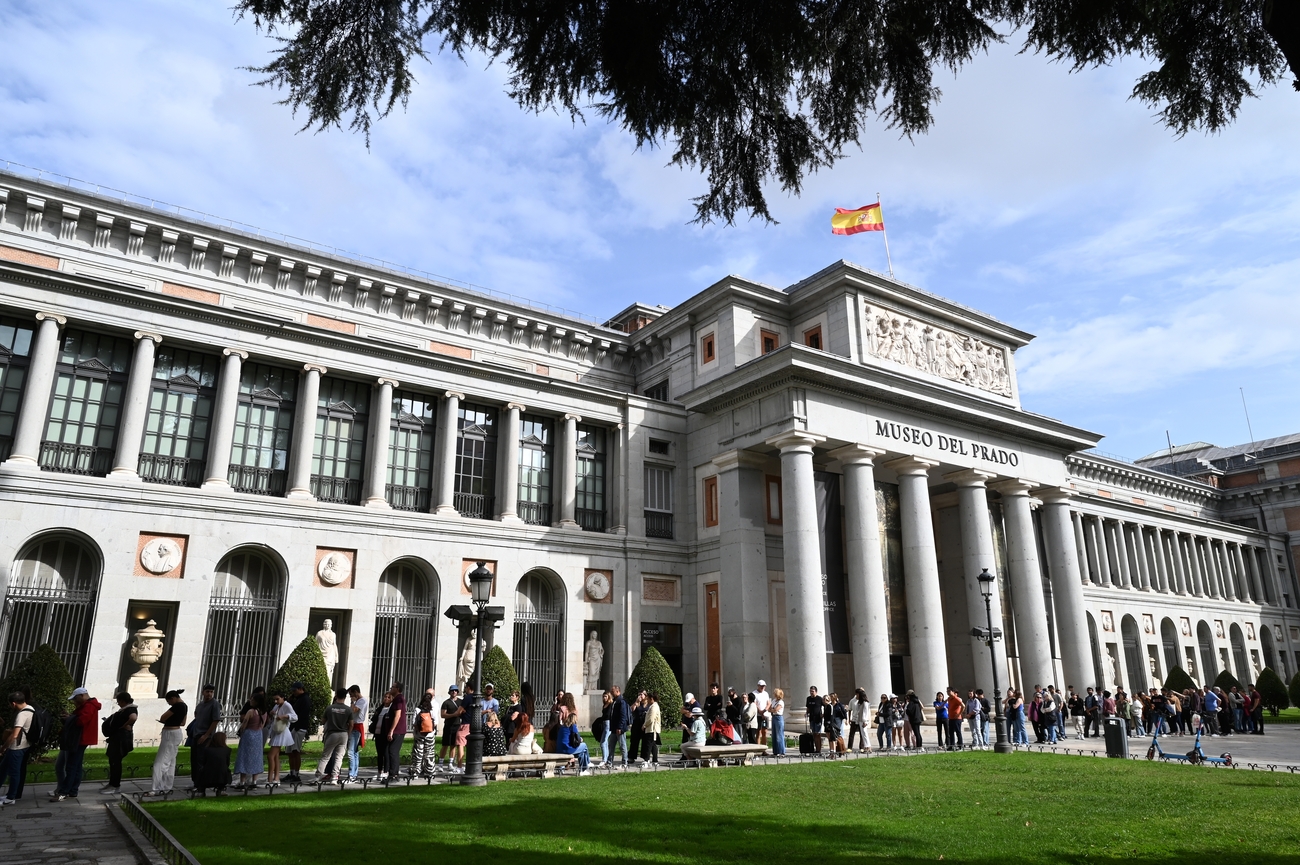
The Prado currently offers free admission to its permanent collection during the final two hours before closing. This can work particularly well if you have already visited the museum and want to return to one artist or a small number of rooms.
For a first visit, the trade-off is less attractive. The free period is popular, queues can reduce the time available inside, and two hours leaves little flexibility in a collection of this scale. If the Prado is one of the main reasons for visiting Madrid, a regular timed ticket usually provides a more relaxed experience.
Free-entry hours and conditions can change, so confirm the current arrangements before relying on them.
Which Prado Museum Entrance Should
You Use?
The Prado has several entrances, and knowing which one you need can save unnecessary walking around a very large building.
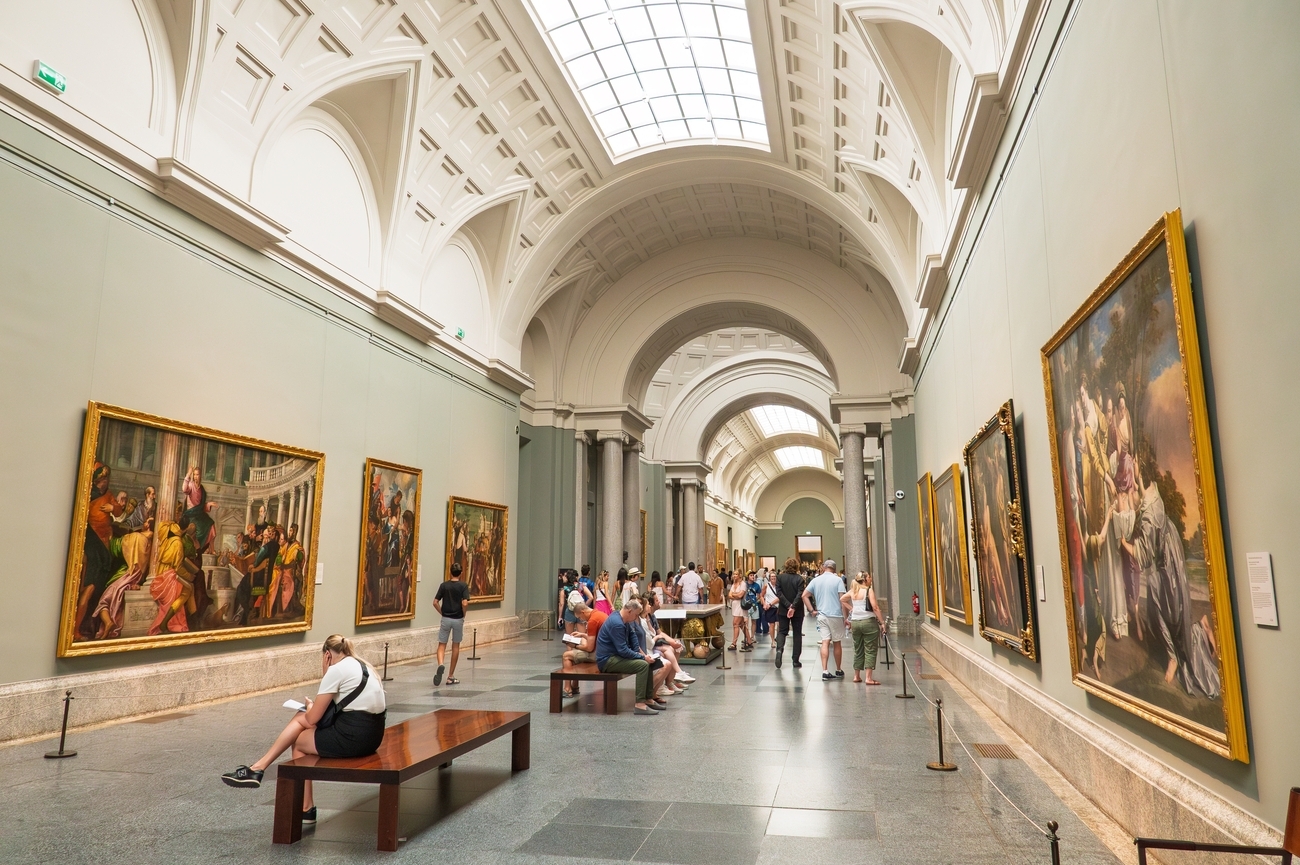
The Goya entrance is associated with the ticket offices and access to the permanent collection, while the Jerónimos entrance provides access to both the collection and temporary exhibitions. Your current ticket and the museum’s instructions should always take precedence, as access arrangements can change according to exhibitions and visitor flow.
Whichever entrance you use, allow a little time for security before entering the galleries.
Is a Private Prado Guide Worth It?
The Prado contains enough major works to make trying to see everything counterproductive. A good private guide is valuable not because they provide commentary on every painting, but because they can edit the collection around your interests.
Someone particularly interested in Goya can spend more time following the changes in his work. Another visitor may want to concentrate on Velázquez and the Spanish court, Flemish painting or the international collecting tastes of the Spanish monarchy. A private visit can change direction rather than following the same fixed route for everyone.
Our Discover the Spanish Capital - City of Madrid journey includes Prado admission, a private guide and skip-the-line entry arrangements, although normal museum security procedures still apply. Admission to the Thyssen-Bornemisza and Reina Sofía is not included and should be arranged separately if you want to visit either museum.
Independent visitors can achieve some of the same focus by deciding on several priority artists before arriving. The important thing is not to see as many rooms as possible. It is to leave enough time for the works that justify being there.
How
Long Do You Need at the Prado?
Two hours works for a focused first visit. Three hours gives you more room to follow several artists without rushing. Four hours begins to reveal why the Prado rewards repeat visits.
The right amount of time depends on whether you want an introduction or a deeper exploration. In two hours, you can concentrate on Velázquez, Goya, El Greco and Bosch without turning the visit into a race. Three hours allows more time for individual works and unexpected detours, while four hours makes it possible to explore beyond the best-known paintings and take a proper break.
For most first-time visitors, around three hours is a good balance. Choose several artists or works before you arrive, but do not plan every room. The Prado is much more rewarding when there is enough flexibility to spend longer somewhere that catches your attention.
Within a wider Madrid stay, the museum deserves its own block of time rather than being squeezed between other major sights. The geography in our first-visit Madrid itinerary makes this easier, as the Prado sits within a walkable part of central Madrid where the day can continue naturally through the Paseo del Prado, Retiro or Barrio de las Letras.
Museum fatigue is easy to underestimate. Once every gallery starts receiving the same amount of attention, the quality of the visit drops quickly. Leave before that point. A shorter visit with real concentration is more rewarding than another hour spent trying to complete the building.
What to See at the Prado in Two Hours
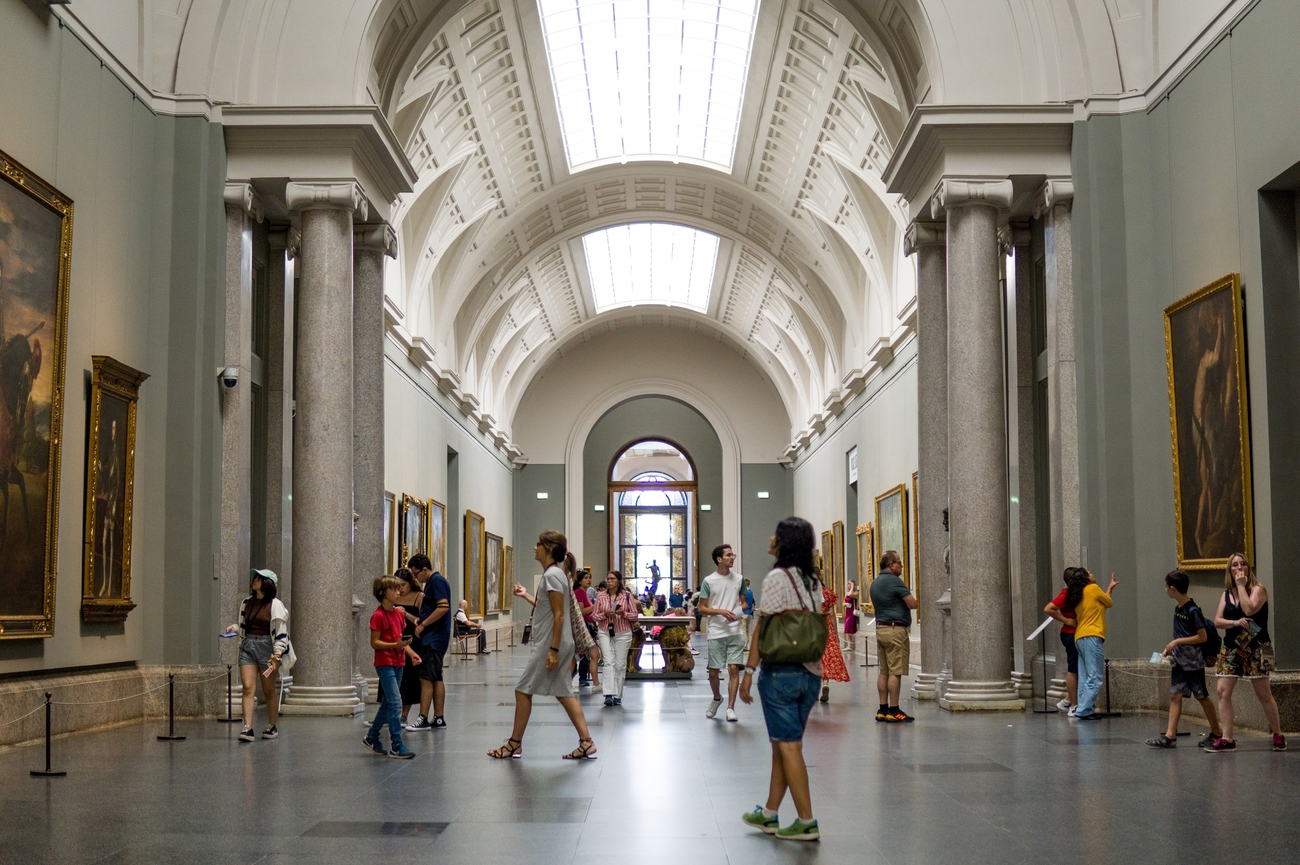
A two-hour Prado visit needs priorities. Rather than trying to move quickly through dozens of galleries, concentrate on a small number of artists who reveal different sides of the museum and the history of the Spanish royal collection.
Velázquez and Las Meninas
See some Velázquez before going directly to Las Meninas. His other portraits help you understand how carefully he handled space, fabric, light and the restrained expressions of people accustomed to being observed at court.
Then spend proper time with Las Meninas.
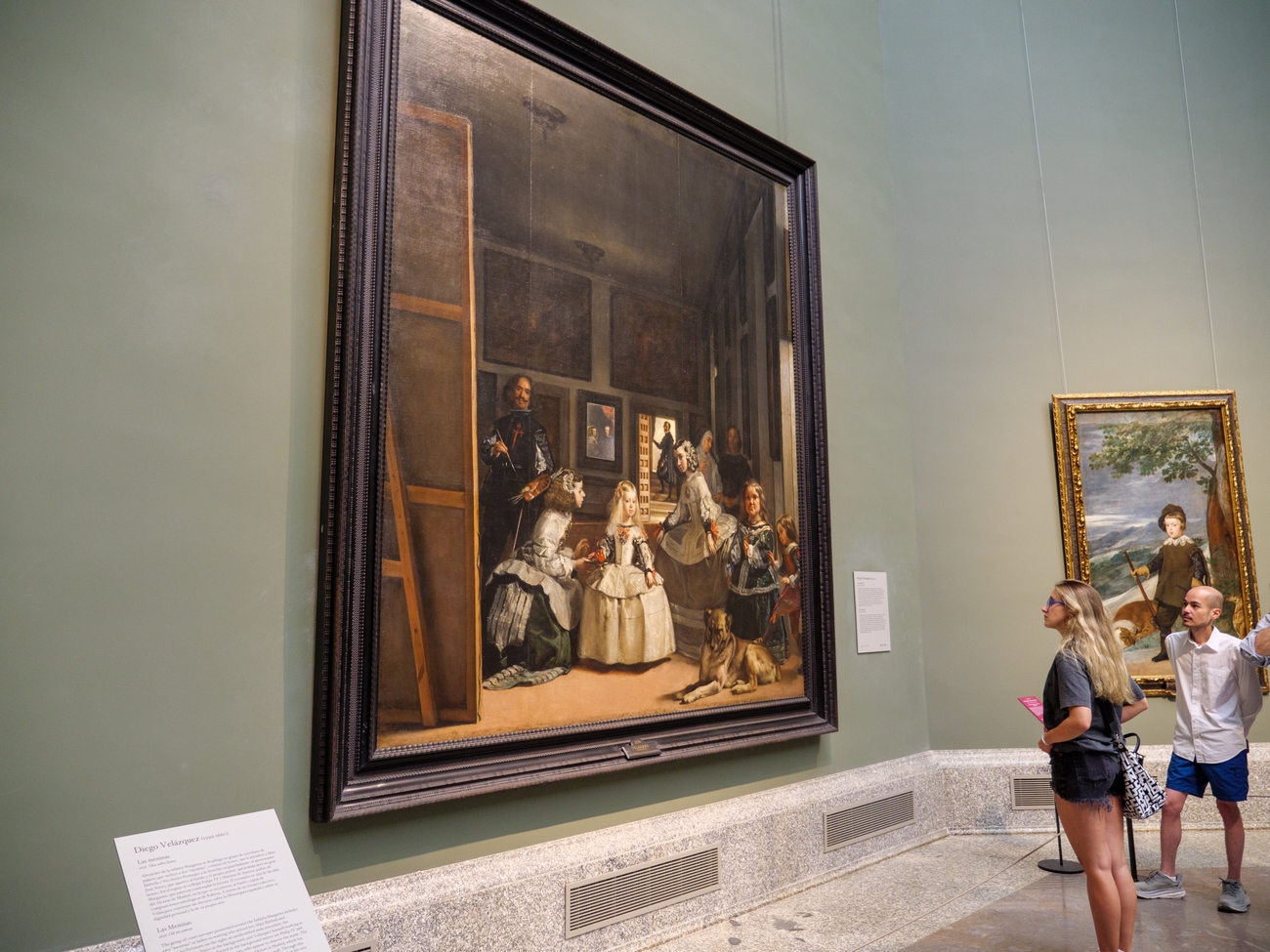
Velázquez painted the work in 1656 during the reign of Philip IV. The Infanta Margarita stands in the foreground surrounded by attendants, while Velázquez himself appears to the left beside a large canvas. At the back of the room, a figure pauses in an illuminated doorway, and a small mirror reflects Philip IV and Queen Mariana.
The mirror is one of the details that makes the painting so difficult to resolve. The king and queen appear to occupy the space towards which several figures are looking, placing them somewhere close to the position of the viewer. Velázquez has also included himself in the act of painting, while keeping the subject of his canvas hidden.
The exact optical arrangement has been debated for centuries, but you do not need to solve it to appreciate the painting. Stand back first and let the room take shape before moving closer to see how surprisingly loose some of the brushwork becomes.
Las Meninas may be the Prado’s most famous painting, but there is no need to make it the first work you see. Encountering other Velázquez portraits beforehand gives it more context.
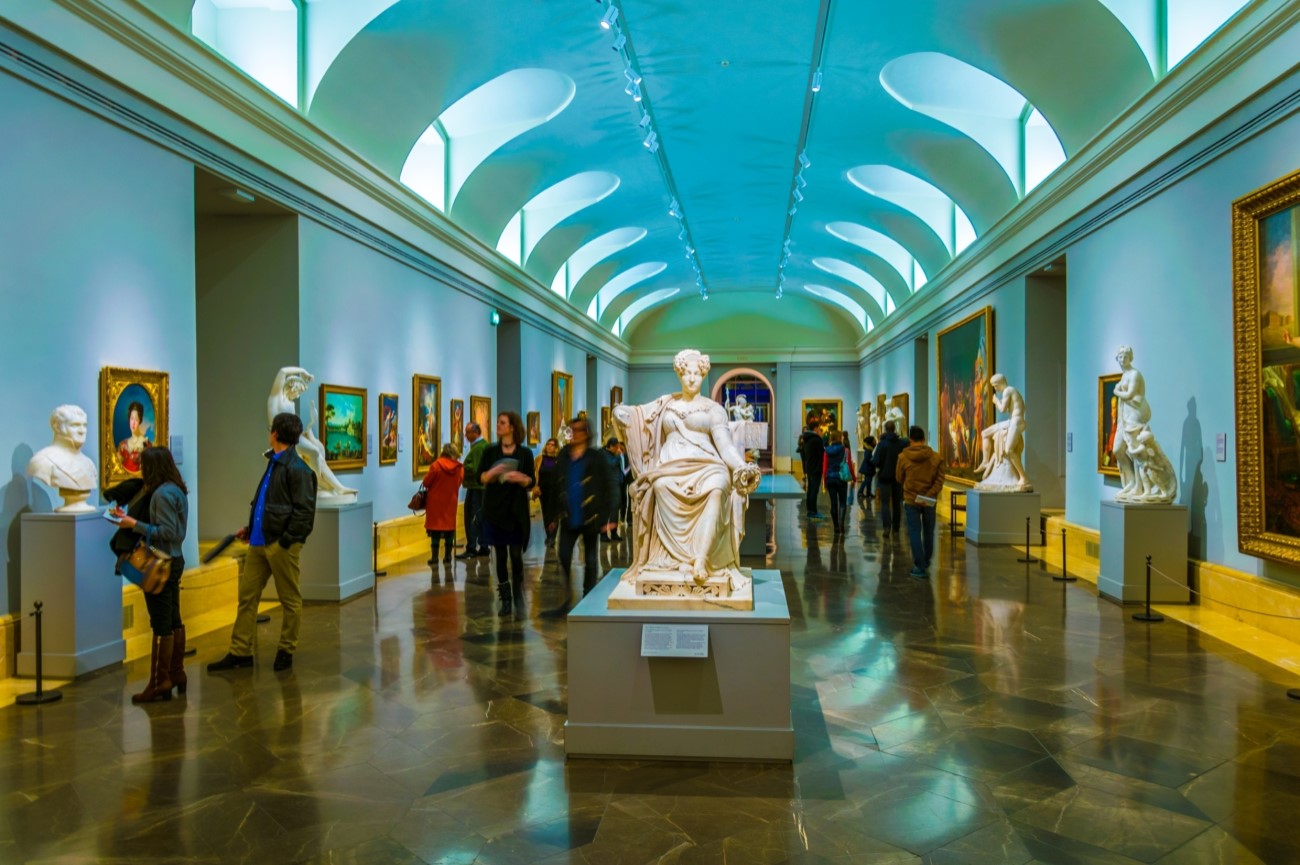
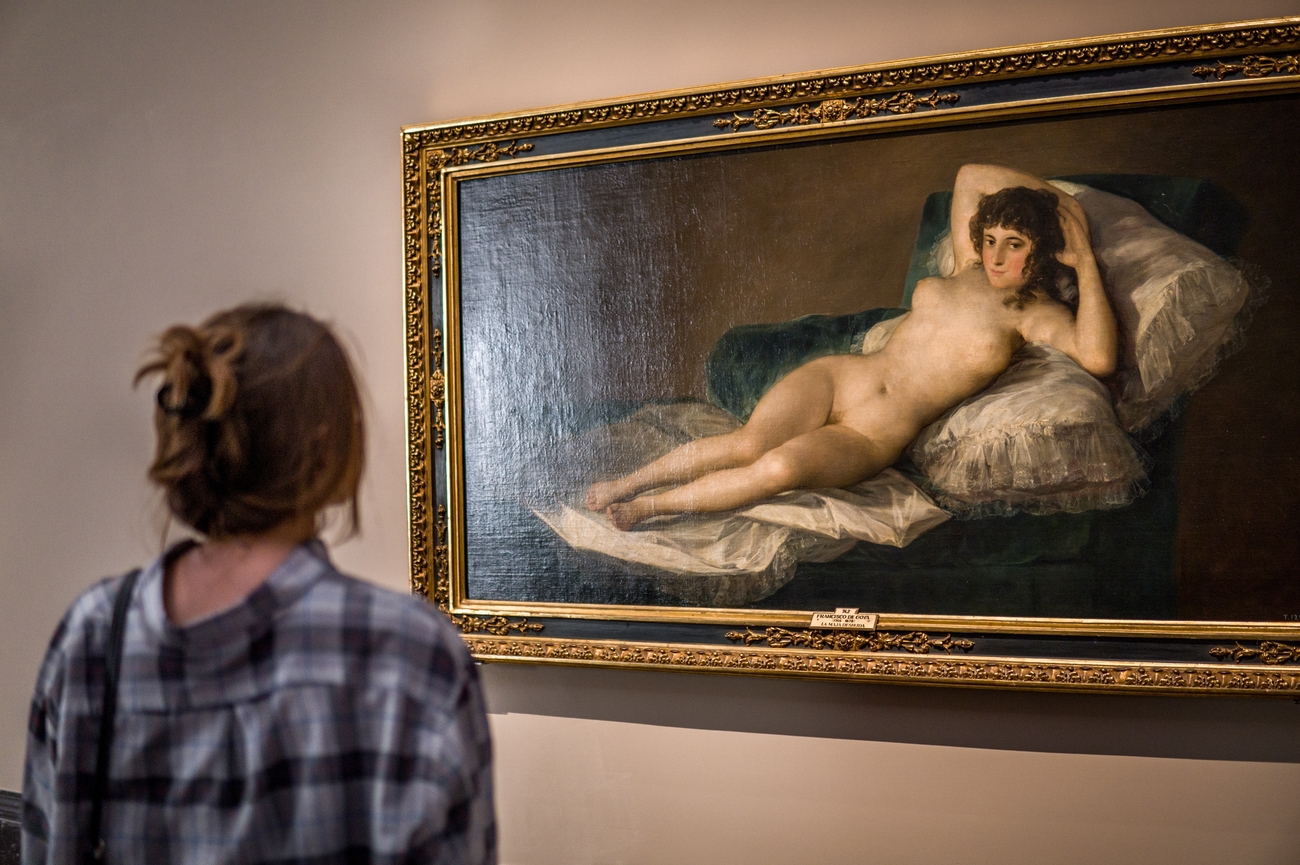
Goya: From the Court to the Black Paintings
Goya deserves more than one room because the contrast between different periods of his career is part of what makes his work so compelling.
Begin with his court portraits. The Family of Charles IV shows Goya working within the traditions of royal portraiture while still giving the individuals an unusually immediate physical presence.
The Third of May 1808 belongs to a completely different world. A man in a white shirt faces a French firing squad, his arms raised as anonymous soldiers prepare to shoot. The contrast between the illuminated victims and the dark, mechanical line of rifles gives the painting much of its force.
Then move to the Black Paintings.
Goya originally painted these works directly onto the walls of his house outside Madrid, the Quinta del Sordo. They were later transferred from plaster to canvas before entering the museum, so the works you see today have already undergone a significant physical transformation.
Saturn Devouring His Son attracts much of the attention, but look beyond the most famous image. The group becomes stranger when you remember that these paintings were created for domestic rooms rather than for public exhibition. They had a private existence before becoming some of the best-known works in the Prado.
For some visitors, following Goya from court painter to the Black Paintings could easily occupy most of a Prado visit.
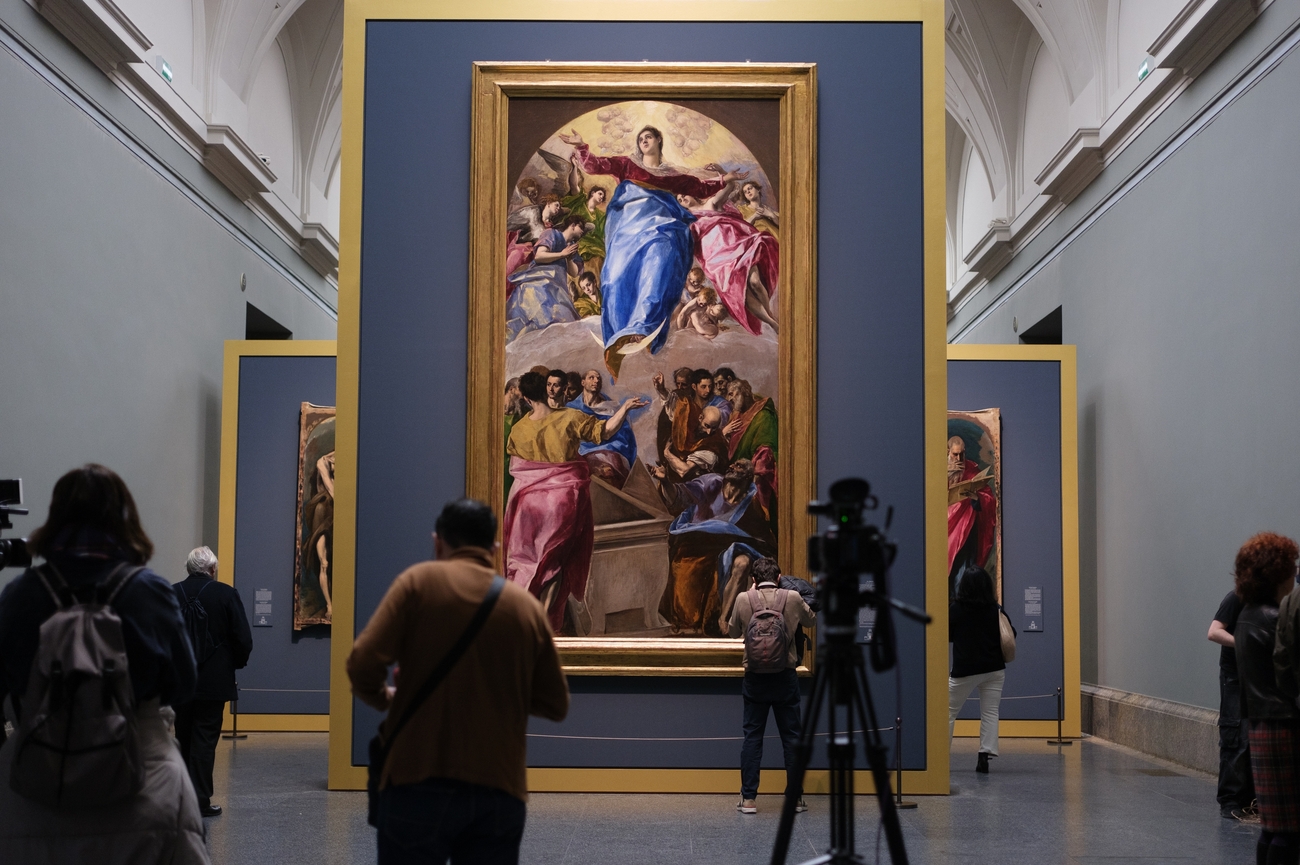
El Greco
El Greco introduces another change of atmosphere.
The Nobleman with His Hand on His Chest is a good place to begin. The identity of the sitter remains uncertain, and the portrait is remarkably restrained. Black clothing dominates the canvas, leaving the white ruff, the sword and the elongated hand resting against the chest to carry much of the visual weight.
Look at the hand before concentrating on the face. Its gesture gives the portrait an emotional quality that is difficult to define but immediately noticeable.
If another El Greco work is displayed nearby, take the time to see it. His religious paintings often use elongated figures, unusual colour and dramatic skies in ways that make familiar subjects feel less stable.
That is one of the advantages of the Prado’s depth. Seeing one famous El Greco gives you an important painting. Seeing several begins to reveal the artist.
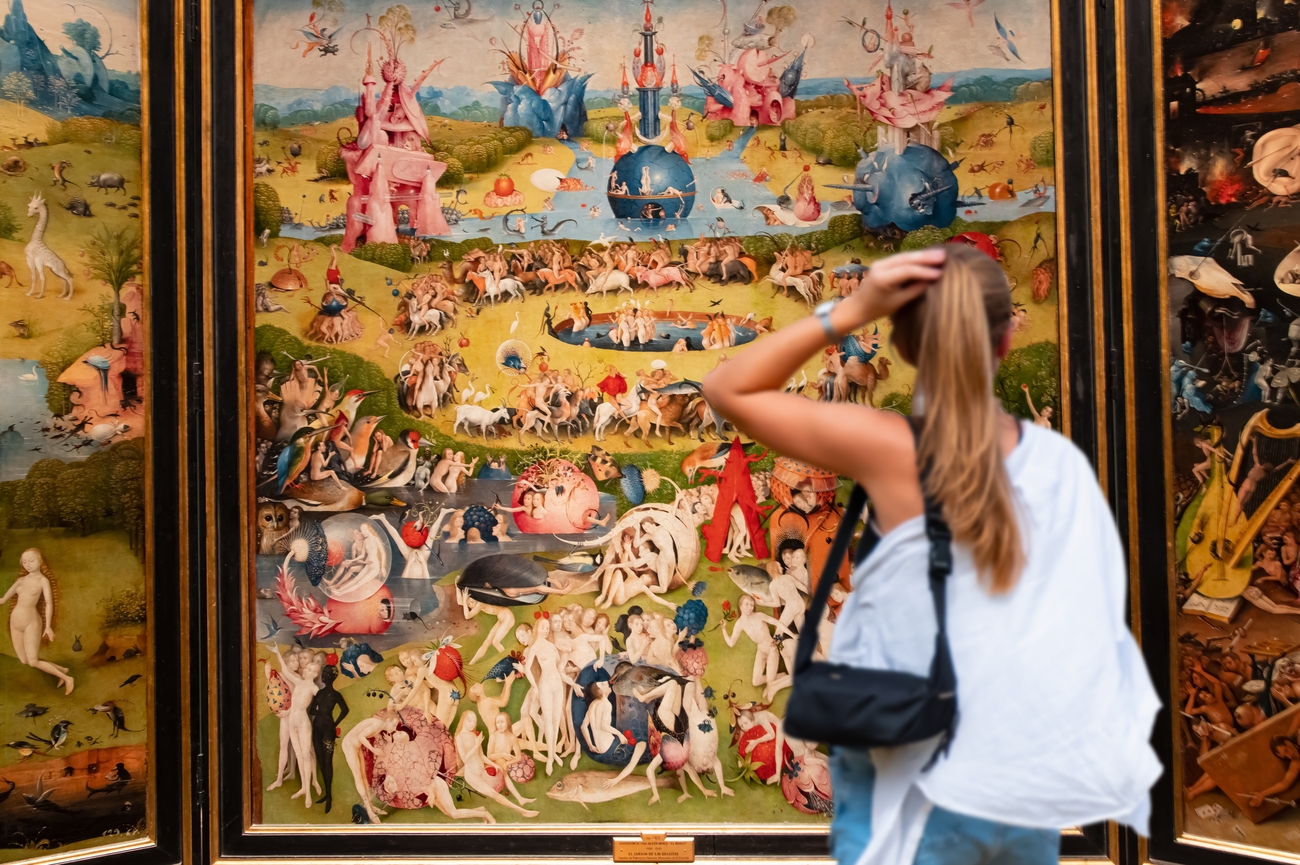
Bosch and The Garden of Earthly Delights
The Garden of Earthly Delights can feel as though it belongs to a completely different collection.
Bosch painted the triptych in the Low Countries around the turn of the sixteenth century. It later entered the collection of Philip II, whose enthusiasm for Bosch helps explain why such an important group of the artist’s works eventually became part of Spain’s royal collections.
Stand far enough away to see the three open panels together before concentrating on individual details. Paradise occupies the left panel, the extraordinary central garden fills the middle, and the right panel moves into punishment and darkness.
Only then move closer.
The painting rewards proximity with an almost overwhelming amount of detail: oversized fruit, strange architecture, human figures, animals and hybrid creatures appear throughout the surface. Interpretations of the work remain numerous, and trying to assign a fixed meaning to every image can distract from the experience of looking.
Bosch makes a strong ending to a focused two-hour route because the atmosphere is so different from Velázquez, Goya and El Greco.
If time remains, return to Las Meninas before leaving rather than adding another major artist simply to extend the list.
What
to See at the Prado in Four Hours
Four hours gives you enough time to move beyond the Prado’s most famous works without turning the visit into an endurance test. Keep the core route through Velázquez, Goya, El Greco and Bosch, but allow more time for the collections that explain how the museum was formed.
Titian and Rubens
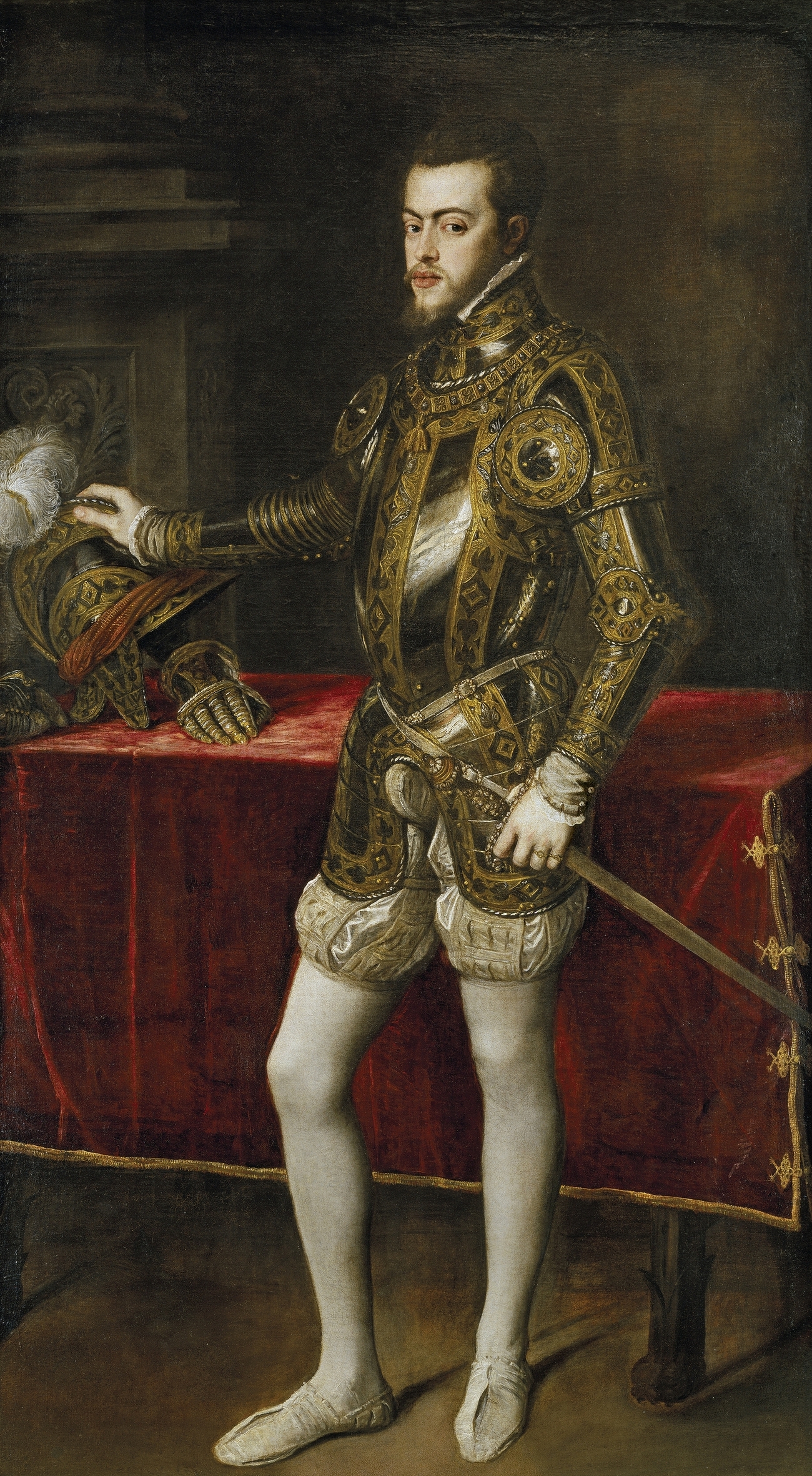
Titian and Rubens are essential to understanding the tastes of the Spanish monarchy. Their works were collected repeatedly by the Habsburg court, which is one reason the Prado can show them in depth rather than as isolated masterpieces.
Titian’s paintings reveal the importance of Venetian art to the Spanish royal collection, while Rubens brings a very different energy and scale. Seeing several works by each artist makes the relationship between court patronage and collecting much clearer than a single painting can.
Flemish Painting
A longer visit also allows more time for the Prado’s Flemish collection.
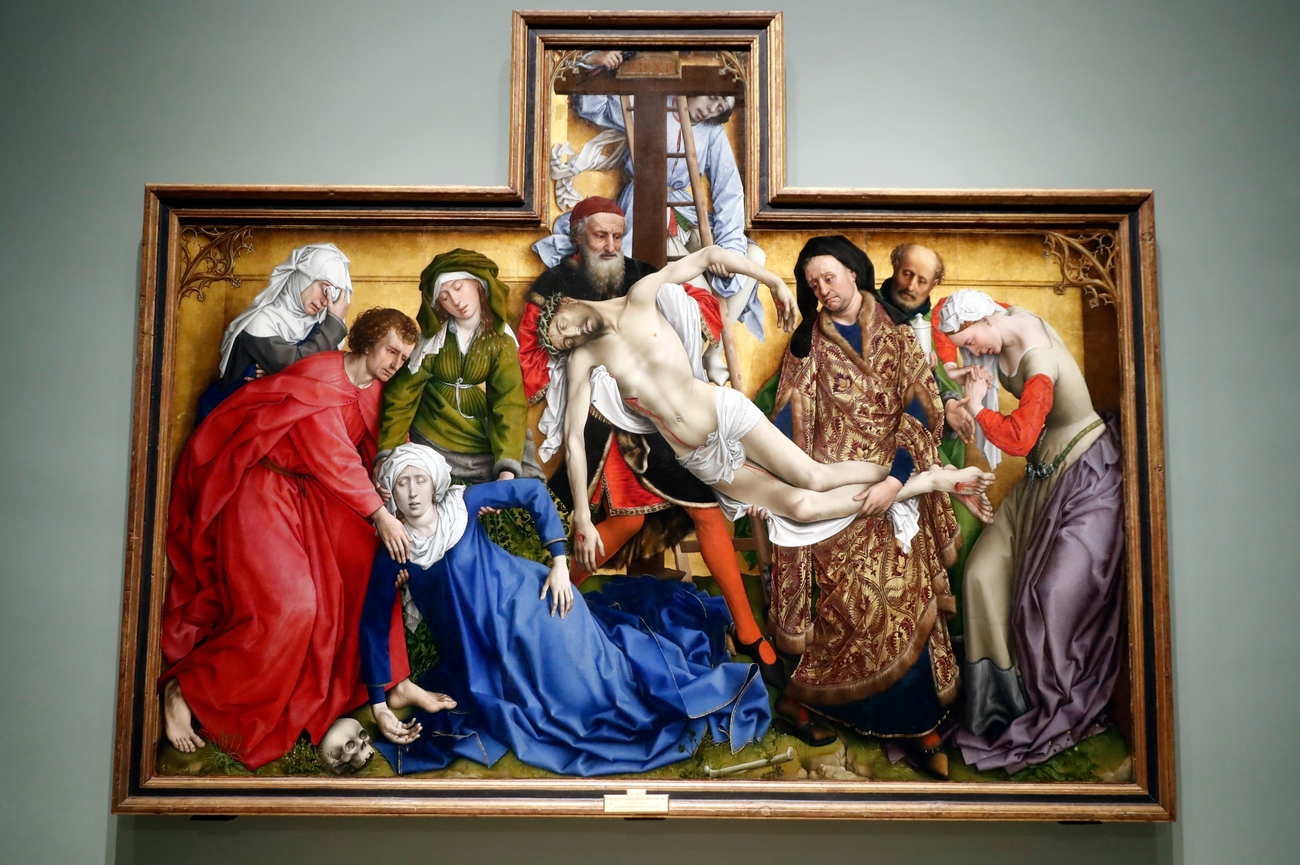
Rogier van der Weyden’s Descent from the Cross is one of the strongest works to include. The composition is tightly controlled, with the bodies arranged almost like a sequence of echoes inside a shallow space. The emotional intensity is considerable, but the painting never loses its formal precision.
The Prado’s Flemish holdings also help explain why Bosch belongs so naturally within the museum. These works are not exceptions sitting outside the Spanish story; they are part of the international collecting habits of the monarchy.
Leave Time for an Unplanned Room
The main advantage of a four-hour visit is not simply that you can add more famous names. It is that you no longer need to treat every corridor between major works as transit.
Allow yourself to enter a quieter room because something catches your attention from the doorway. Follow an unfamiliar Spanish painter, spend longer with a work you did not recognise or return to an artist you expected to leave behind.
That unplanned part of the visit is often what makes the Prado feel personal rather than simply important.
Take a break before you are tired. Sit down, have water where permitted and start again with a clearer eye. Four hours at the Prado should feel spacious, not dutiful.
Practical
Tips for Visiting the Prado
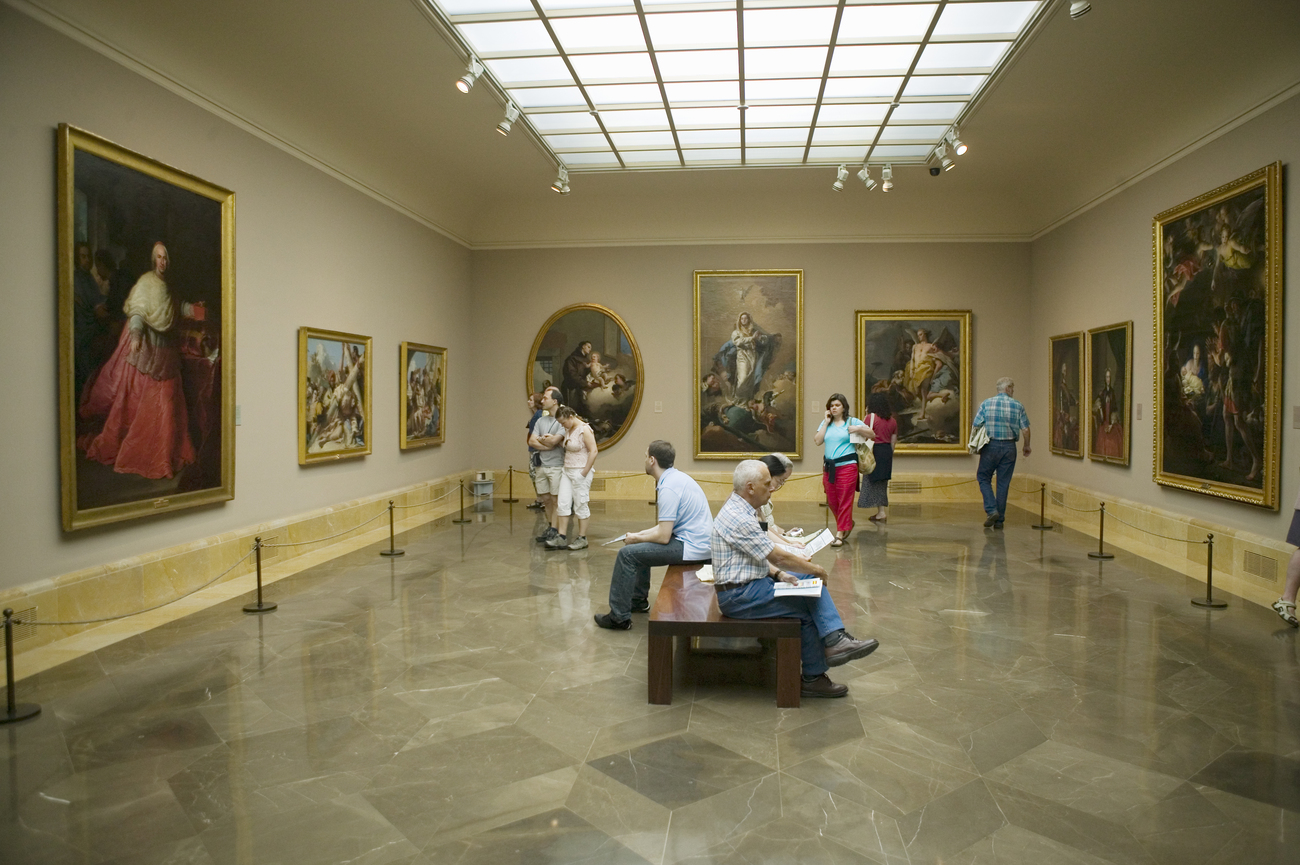
The Prado contains more than a hundred galleries and rooms, and individual works can move as exhibitions change or the collection is rehung. Use the museum’s current map rather than relying on room numbers from an older guide.
Photography is currently prohibited inside the galleries. That removes one common distraction from the visit and makes it easier to spend time with the paintings rather than navigating around phones and cameras. Museum rules can change, so confirm the current visitor policy before you go.
Travel light. Large luggage is not suitable for the museum, and cloakroom capacity and size restrictions can vary. If you are changing hotels or travelling onward the same day, arrange luggage storage elsewhere rather than depending on the Prado to accommodate it.
Comfortable shoes matter more than they sound. A long Prado visit involves far more standing and slow walking than the floor plan suggests, particularly if you spend three or four hours inside.
Audio guides are available if you prefer to explore independently with some structure. A private guide offers a different experience because the route can adapt to your interests. If Goya becomes the focus, you can stay with him longer rather than moving on simply because a standard route says it is time.
The best Prado visit is not the one that covers the greatest number of rooms. Attention is limited, and the museum rewards selectivity far more than endurance.
What
to Do Near the Prado Museum
The Prado sits within one of Madrid’s richest cultural areas, so there is little need to treat the museum as an isolated visit. The Paseo del Prado and Buen Retiro together form a UNESCO-listed cultural landscape, bringing museums, gardens, fountains and historic public spaces into the same part of the city.
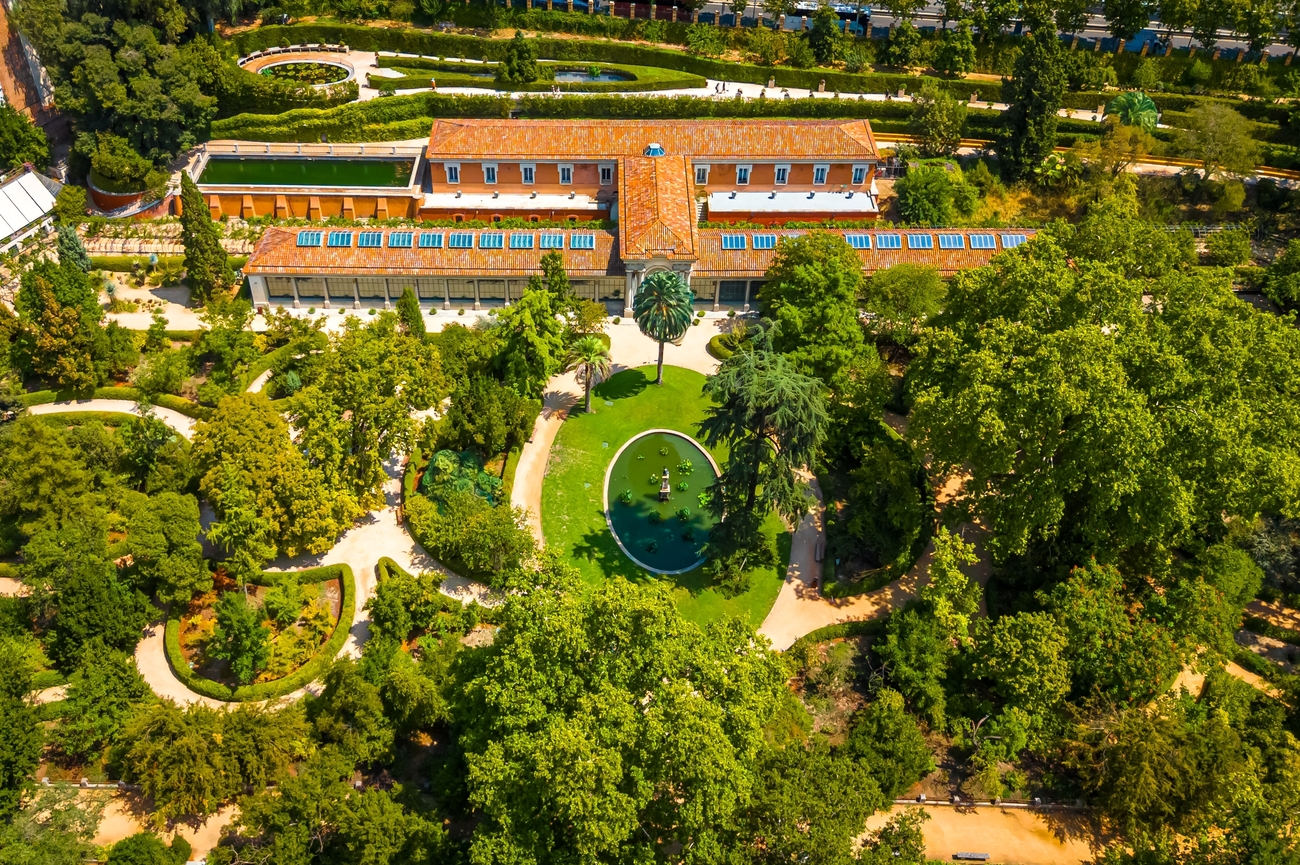
The Royal Botanic Garden lies immediately beside the Prado and works particularly well after several hours indoors. Retiro is slightly farther east and offers much more space, whether you want a longer walk, somewhere to sit or simply a change of pace after the galleries.
The Thyssen-Bornemisza and Reina Sofía complete Madrid’s Golden Triangle of Art, but the three museums should not be treated as interchangeable. Their collections developed differently and cover very different periods. Our guide to Madrid’s Golden Triangle of Art compares the three museums and helps you decide whether another major collection belongs in the same trip.
South of the Prado, the Reina Sofía and Atocha area continue the cultural axis, while westward the city gradually shifts towards Sol and the historic centre. Continue far enough and the museum district gives way to royal Madrid around the Royal Palace, Almudena Cathedral and Madrid de los Austrias.
Our Royal Palace of Madrid and the Habsburg Quarter guide follows that western side of the centre in more detail, but there is no need to combine both major interiors on the same day. The Prado and Royal Palace each deserve enough attention to stand on their own.
Where you stay can also change the shape of a Prado day. Barrio de las Letras places the museum within an easy walk, while Sol, Retiro, Salamanca and other central districts each offer a different balance of convenience and atmosphere. Our guide to where to stay in Madrid compares those options in more detail.
If you still have energy after the museum, our things to do in Madrid guide has further ideas nearby and across the city. But after several hours in the Prado, the Botanic Garden, Retiro or a long lunch can be enough. There is no obligation to follow one masterpiece with another.
Las
Meninas, Last
Return to Las Meninas before leaving.
Stand farther away than instinct first suggests. Find the illuminated doorway at the back of the room, then Velázquez beside his canvas. Look for Philip IV and Queen Mariana reflected in the mirror on the rear wall, and only then consider where you are standing in relation to them.
After several hours in the Prado, the painting feels different from the first encounter. You have seen more of Velázquez, more of the court he worked within and more of the collection that grew around that world.
There is no need to solve Las Meninas before you leave. Its uncertainty is part of what brings people back to it.
Let the final look belong to Velázquez.


Let us know what you love, where you want to go, and we’ll design a one-of-a-kind adventure you’ll never forget.
Get in touch
Miriam
Travel Specialist

Romina
Travel Specialist

Laura
Travel Specialist
Our offices:



Revigorate, Iberian Escapes and Algarve Lifestyle are the registered brand names of APCS Lda . We are a fully authorised travel agency licensed by Turismo de Portugal RNAVT/6867.
In the event of a dispute, the consumer may refer to: RAL - Centros de Arbitragem
Avª. 5 de Outubro, nº. 55, R/C Dtº. 8000-075 Faro, Portugal | Tel: +351 289 823 135 *
* national landline call
E-mail: info@consumoalgarve.pt| www.consumidoronline.pt | Mon to Fri: 9:00 - 13:00 / 14:00 - 17:00