Luxury China Tours: What a Multi-City China Itinerary Delivers at the Five-Star Level
No queue. No transfer to negotiate. No morning spent figuring out which entrance to use or which pier the cruise departs from. At the level this guide addresses, a private China itinerary spanning two weeks or more across several distinct regions has one primary function: to make its own complexity invisible so that the country can be experienced rather than managed.
That complexity is real. Luxury China tours of this scope cross multiple climate zones, several cultural registers, and distances that make Europe feel compact. Beijing’s dry imperial north, Xi’an’s historic heartland, Chengdu’s humid Sichuan Basin, Zhangjiajie’s forested mountains, the Yangtze River, and Shanghai’s coastal climate all require different planning. Travellers adding the optional Guilin or Tibet extensions introduce further considerations, from subtropical karst landscapes to altitude, permits, and acclimatisation. The Yangtze cruise adds another dimension, with vessel categories that can transform the gorge passage from a shared-deck experience to a private balcony at dawn.
The route that operates by these standards is already built into our Grand Tour of China vacation, ready to be shaped around the season, pace, and extensions that suit you.
What
Luxury China Tours Require at the Five-Star Level
A short luxury China tour of four or five days in a single city is a logistics problem with a narrow scope: one property, one guide, a handful of sites, and a consistent climate. A multi-city China itinerary spanning two weeks, several climate zones, and a cultural range from Beijing’s imperial formality to the relaxed pace of a Chengdu teahouse is a different kind of challenge.
Planning a
Multi-City China Itinerary
The ground covered by a Grand Tour of China route is not geographic scale alone. It is the compounding of dozens of individual decisions, each with meaningful consequences: accommodation in Xi’an positioned to minimise transfer time without sacrificing access to the Terracotta Army; an early start in Chengdu that reaches the Panda Base while the animals are still active; and the Zhangjiajie leg sequenced around the morning cloud sea at Yuanjiajie, which often dissipates by mid-morning. For travellers adding the optional Tibet extension, acclimatisation introduces another layer of planning that has to be resolved before departure.
None of these decisions are impossible to make independently. But on a properly structured private China itinerary, they have already been made before departure. That is what changes the quality of the experience from the moment you arrive.

Why Timing
Matters on a Private China Tour
China’s infrastructure now supports sophisticated multi-city travel in ways it did not a decade ago. High-speed rail, domestic air routes, luxury hotels, private transfers, and river cruise vessels can efficiently connect the route. What infrastructure cannot replace is judgement: the decision to reach the Chengdu Panda Base during the cooler early morning, or Yuanjiajie while the cloud sea still fills the gorges, rather than simply choosing the time that fits most conveniently into a group schedule. For travellers adding the optional Guilin extension, the same principle applies to timing the Li River cruise around the best conditions.
Our guide on timing a multi-region China route across the calendar, broken down region by region for the specific cities a Grand Tour itinerary includes, handles the seasonal question at the depth it requires.

How
a Multi-City China Itinerary Flows from Region to Region
A Grand Tour of China is not a checklist of cities. It is a carefully sequenced journey through regions that each reveal a different side of the country: Beijing’s imperial scale, Xi’an’s Silk Road heritage, Chengdu’s slower Sichuan rhythm, Zhangjiajie’s sandstone peaks, the Yangtze’s river landscapes, and Shanghai’s contemporary skyline. Travellers can extend that journey into Guilin’s karst landscapes or Tibet’s high plateau. Each leg changes the rhythm of the journey, so the order matters as much as the destinations themselves.
Beijing
and Xi’an: Imperial China and the Silk Road
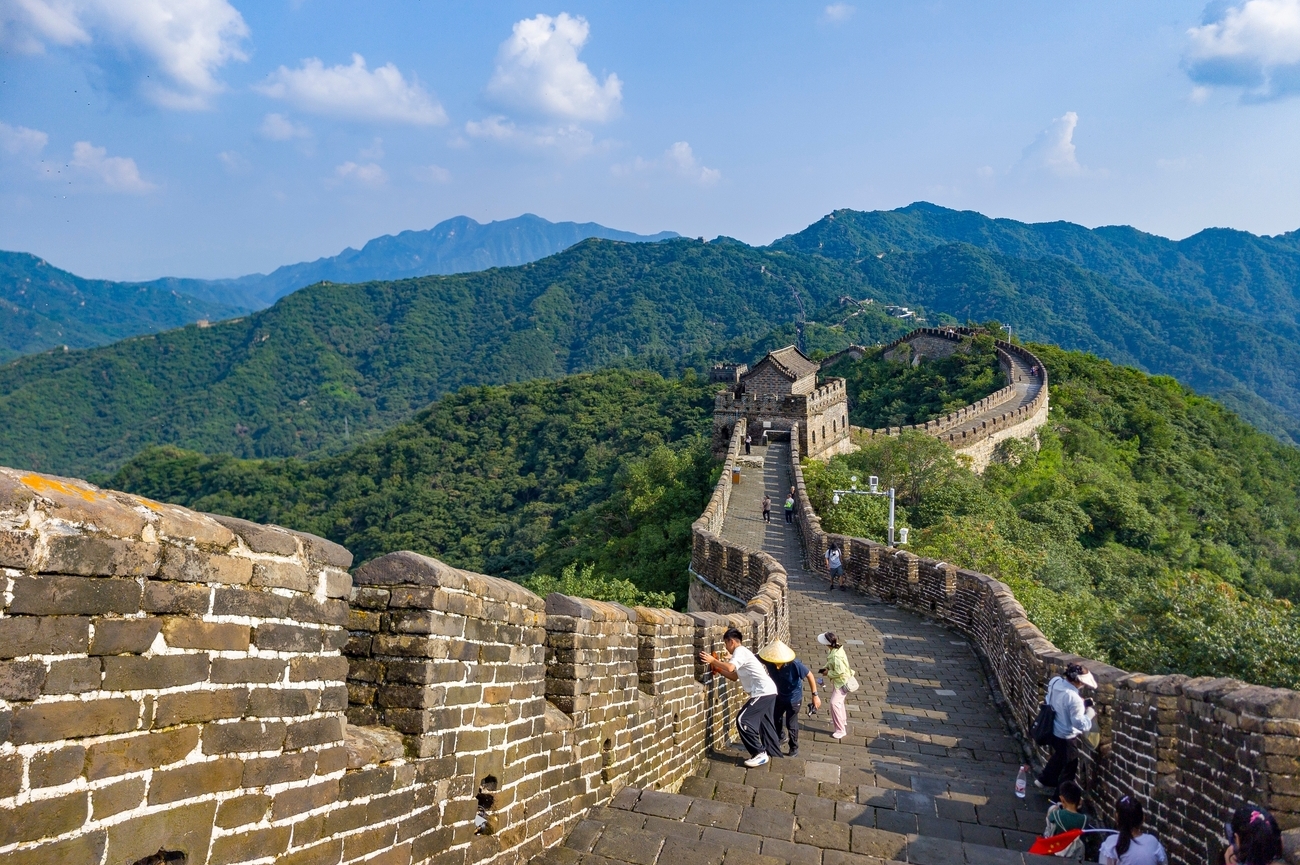
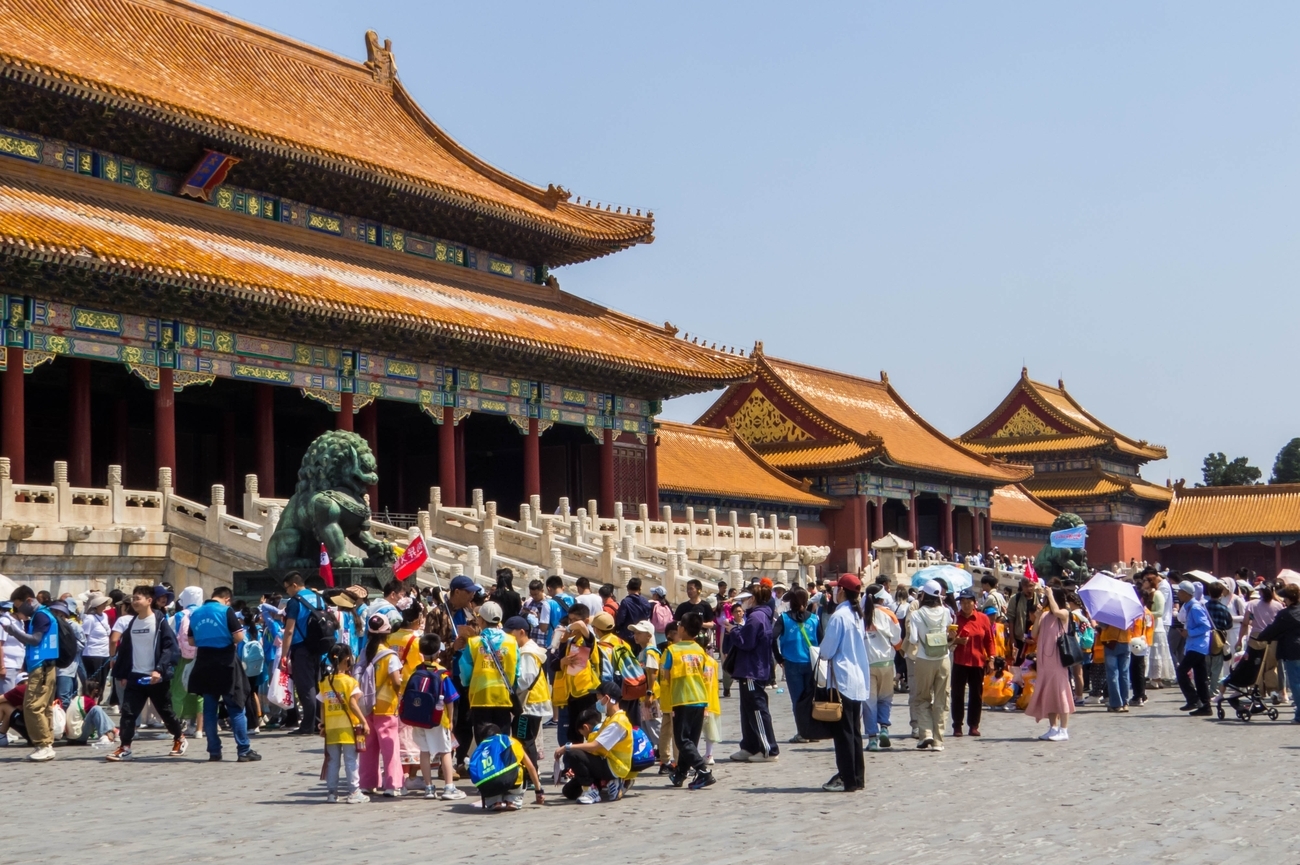
Beijing is the natural starting point for a Grand Tour of China. No other city introduces the country’s imperial history on such a scale: the Forbidden City’s vast palace courtyards, the Great Wall at Mutianyu, and the Temple of Heaven, where emperors performed ceremonies that linked political power with divine order. These are not sights to rush through in a single morning. They need time, context, and a guide who knows where the real detail begins.
The value of a private guide in Beijing is the ability to slow the day down. In the Forbidden City, that means moving beyond the central axis and spending time in the inner courtyards, where the architecture, symbolism, and court history become far more revealing. With a large group, the palace becomes a route to follow. With a private guide, it becomes a place to understand.
Xi’an follows naturally because it takes the route from imperial power to Silk Road exchange. Its history stretches across three thousand years, eleven dynasties, and the underground army of more than 8,000 terracotta figures commissioned by Qin Shi Huang. But Xi’an is not only about the Terracotta Army. In the Muslim Quarter, the Great Mosque brings Arabic script and Chinese architecture into a single five-courtyard complex, providing the clearest visual expression of the city’s role as the eastern end of the Silk Road.
Chengdu and Sichuan: Pandas, Teahouses, and a Slower Rhythm
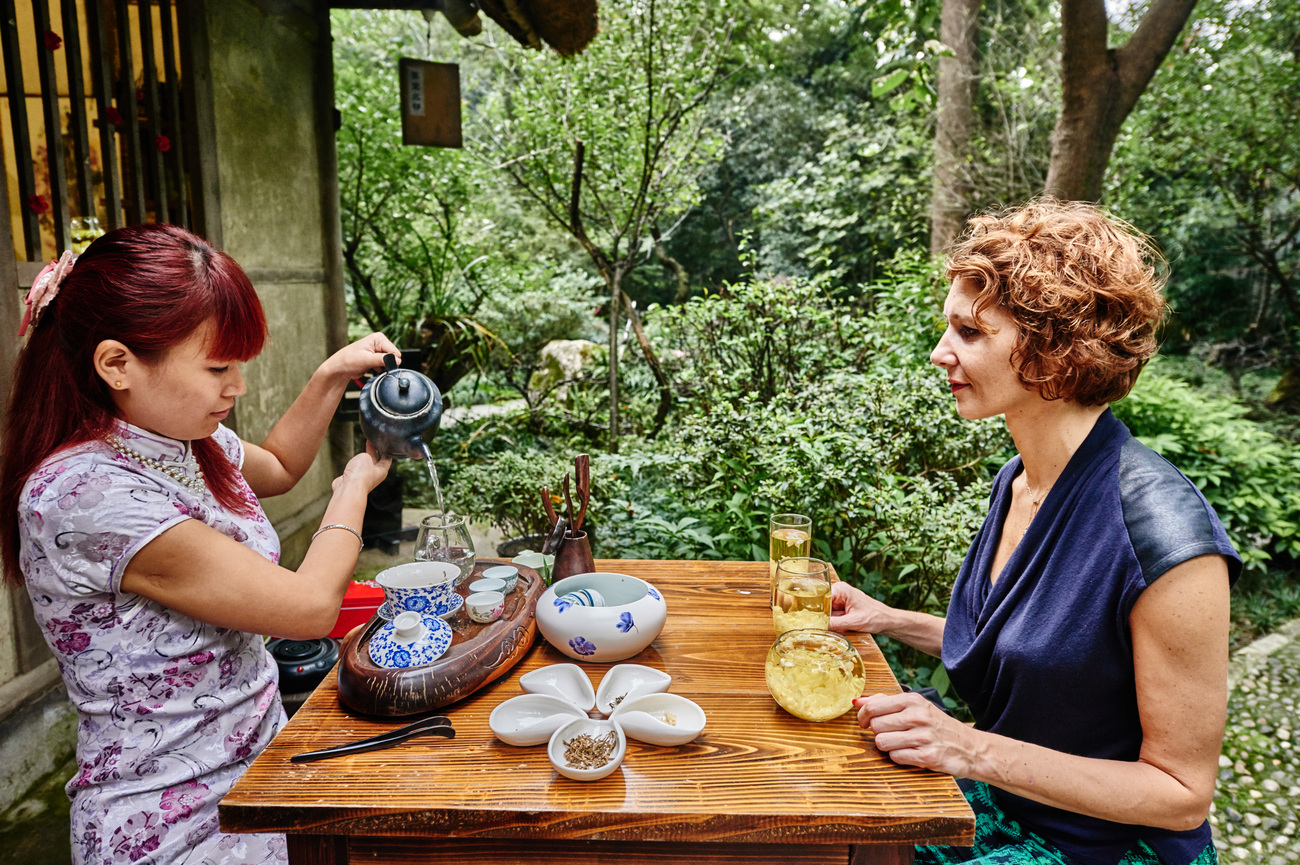
Chengdu changes the rhythm of the journey. Where Beijing and Xi’an are shaped by imperial monuments, archaeology, and long days of sightseeing, Sichuan’s capital introduces a slower pace built around teahouses, shaded courtyards, regional food, and everyday city life. Kuanzhai Alley provides an easy introduction to this side of Chengdu, where restored courtyard architecture and traditional teahouses encourage travellers to spend time rather than move quickly from one sight to the next.
Timing still matters. The Chengdu Research Base of Giant Panda Breeding is best experienced early in the morning, when the cooler air makes the pandas more likely to be feeding and moving through the bamboo enclosures. By mid-morning, activity can fall considerably. A private itinerary can protect that early arrival rather than fitting the Panda Base around a more convenient departure time. Leshan adds another dimension to the Sichuan leg, with its monumental riverside Giant Buddha best appreciated within the wider cultural landscape of the region.
Optional Guilin Extension: Karst Landscapes and Rice Terraces
For travellers adding the optional Guilin extension, the character of the journey changes completely. The landscape becomes lush and subtropical, with limestone peaks rising above the Li River, rice terraces climbing the hillsides, and a slower, more scenic rhythm replacing the urban and historic focus of the main route.
Although optional, the Guilin extension deserves enough time to be experienced properly. The Li River cruise from Guilin to Yangshuo, the karst peaks along the water, and the Longji Rice Terraces at harvest gold in October should not be compressed into a rushed scenic detour. At itinerary level, the key point is simple: allow enough time for both the river and the terraces to become experiences in their own right.

Zhangjiajie:
Sandstone Pillars, Cloud Sea, and Tianmen Mountain
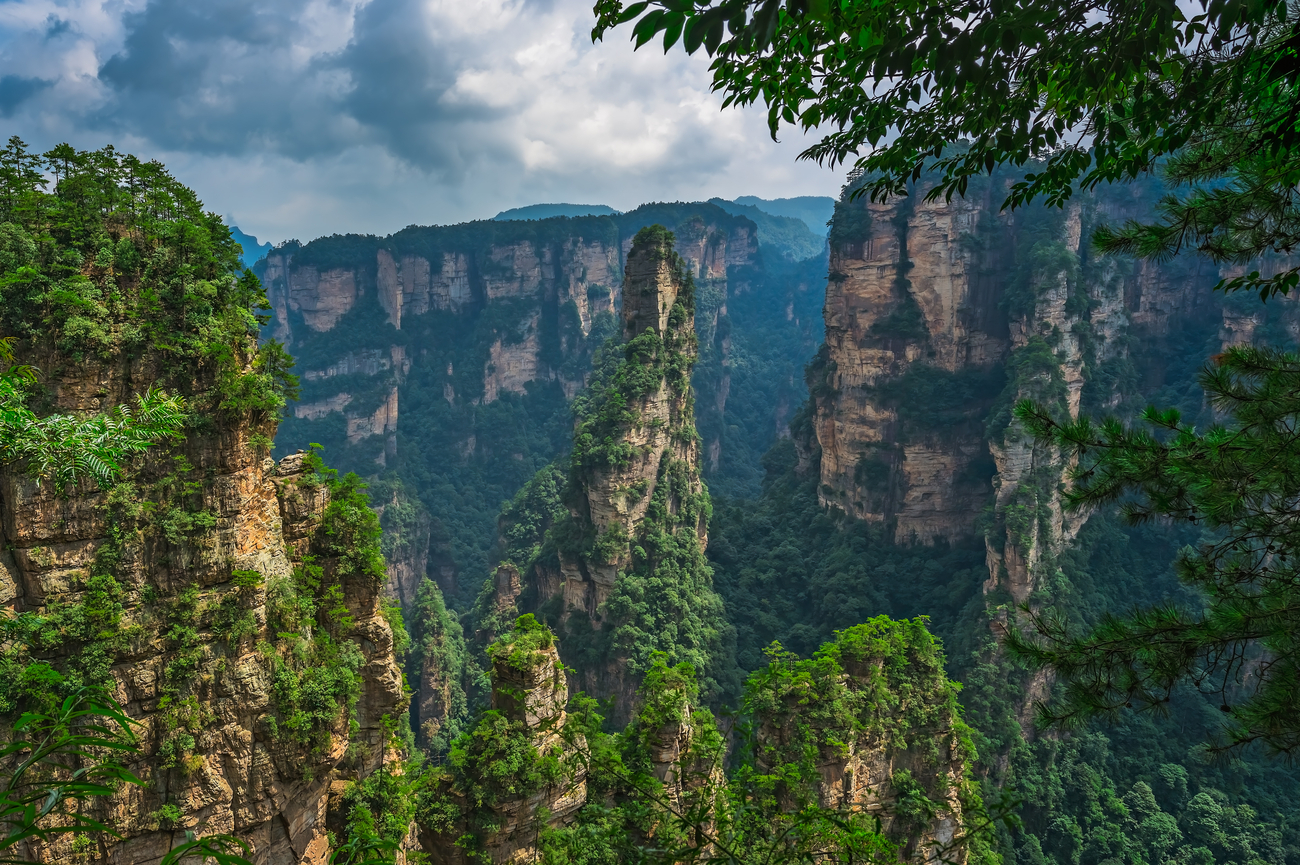
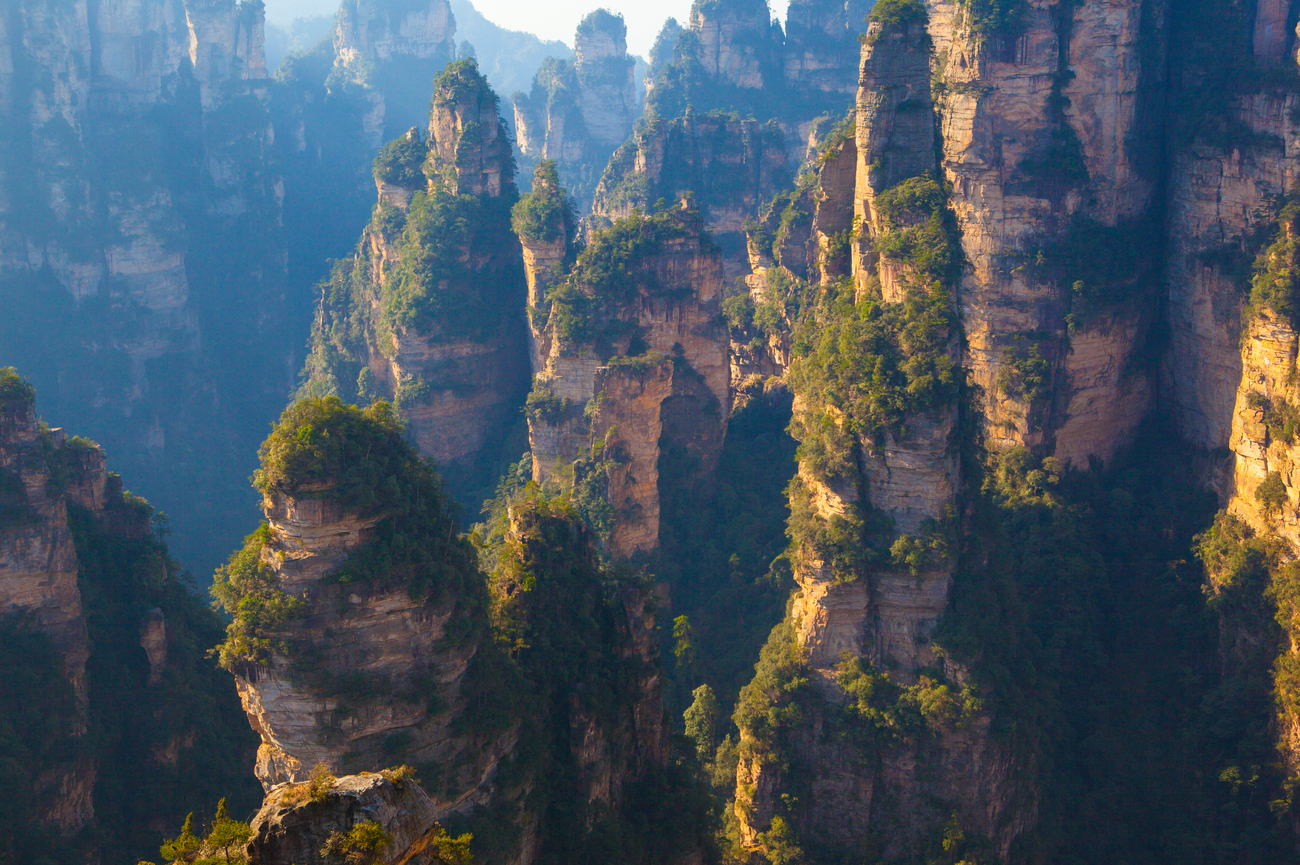
Zhangjiajie is the most surreal landscape on a Grand Tour of China. More than 3,000 quartz-sandstone pillars rise from subtropical forest in Hunan Province, forming the scenery that many travellers first associate with Avatar but understand very differently once they see it in person. The real impact is not the film connection. It is the scale, the geology, and the way mist gathers between the pillars at Yuanjiajie in the early morning.
This is a landscape where timing changes the experience. The Bailong Elevator rises 326 metres to the Yuanjiajie plateau, where the cloud sea is at its most atmospheric around the park’s early opening hours and often disappears by mid-morning. By 9 AM in peak season, queues are already considerably longer, and the best light has usually started to shift. A private itinerary can build the day around that narrow window rather than arriving at the time that is easiest for the schedule.
Yangtze River
Cruise: The Three Gorges Passage
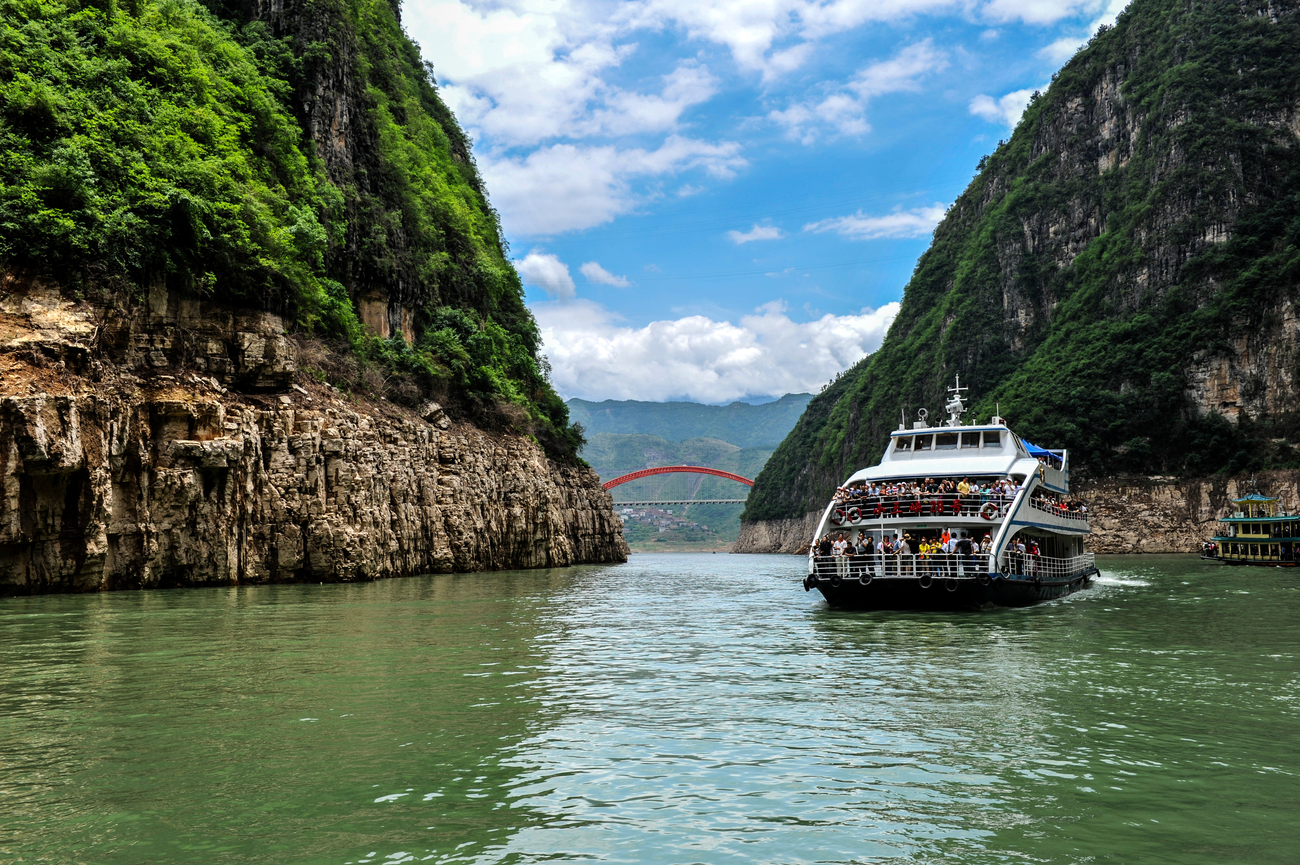
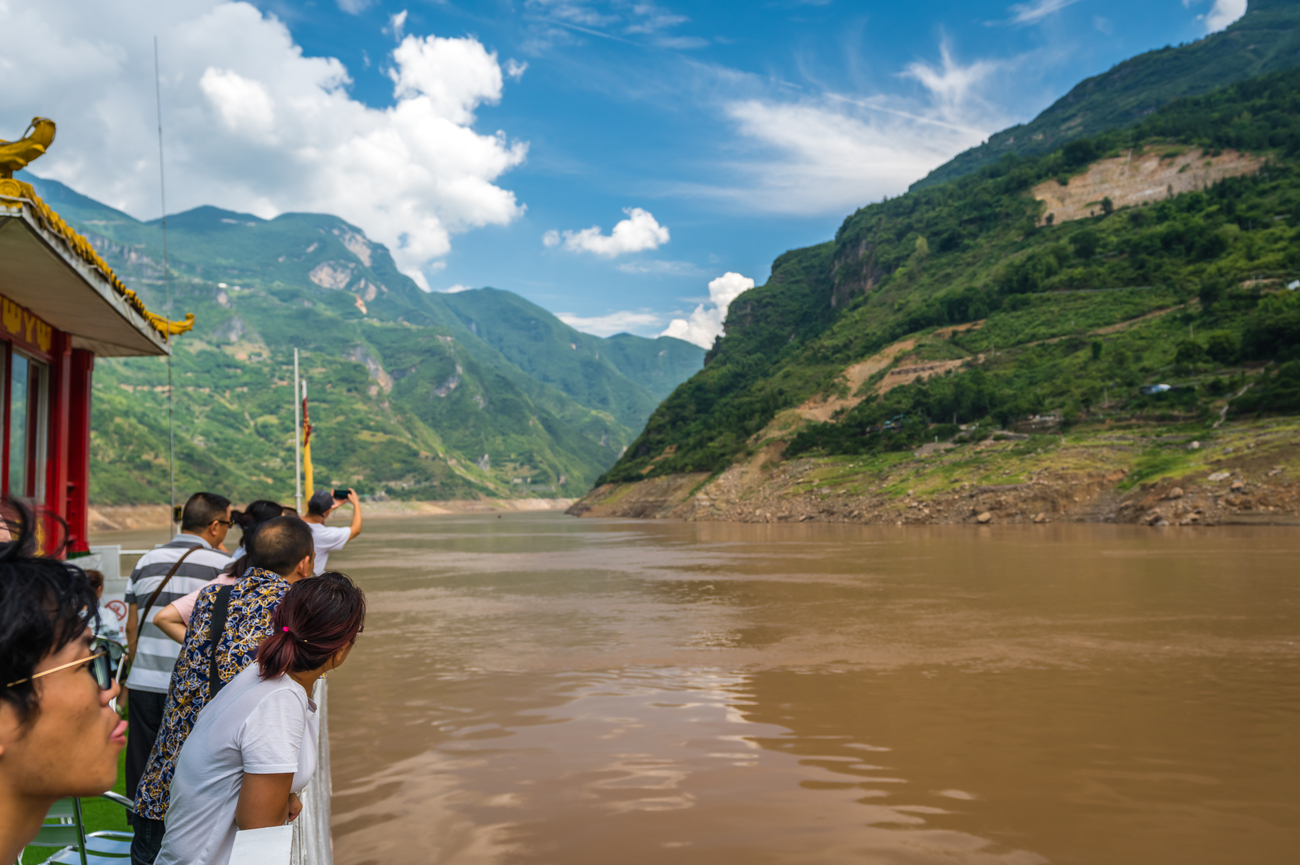
The Yangtze River cruise from Chongqing to Yichang is the slowest and most immersive leg of a Grand Tour of China. For four days, the vessel serves as both transport and accommodation, carrying passengers through the Three Gorges and giving the route a different rhythm from the flights, trains, and city stays on either side.
The experience centres on the gorges themselves: Qutang Gorge and the narrow Kuimen Gate, Wu Gorge with its Twelve Peaks and early morning mist, and the shore excursions that bring smaller river communities into view. Vessel category matters here. On a four-night cruise, a five-star ship with a private balcony changes the experience significantly, turning the most atmospheric parts of the passage from a shared deck moment into something quieter and more personal.
Optional Tibet Extension: Altitude, Permits, and the Potala Palace
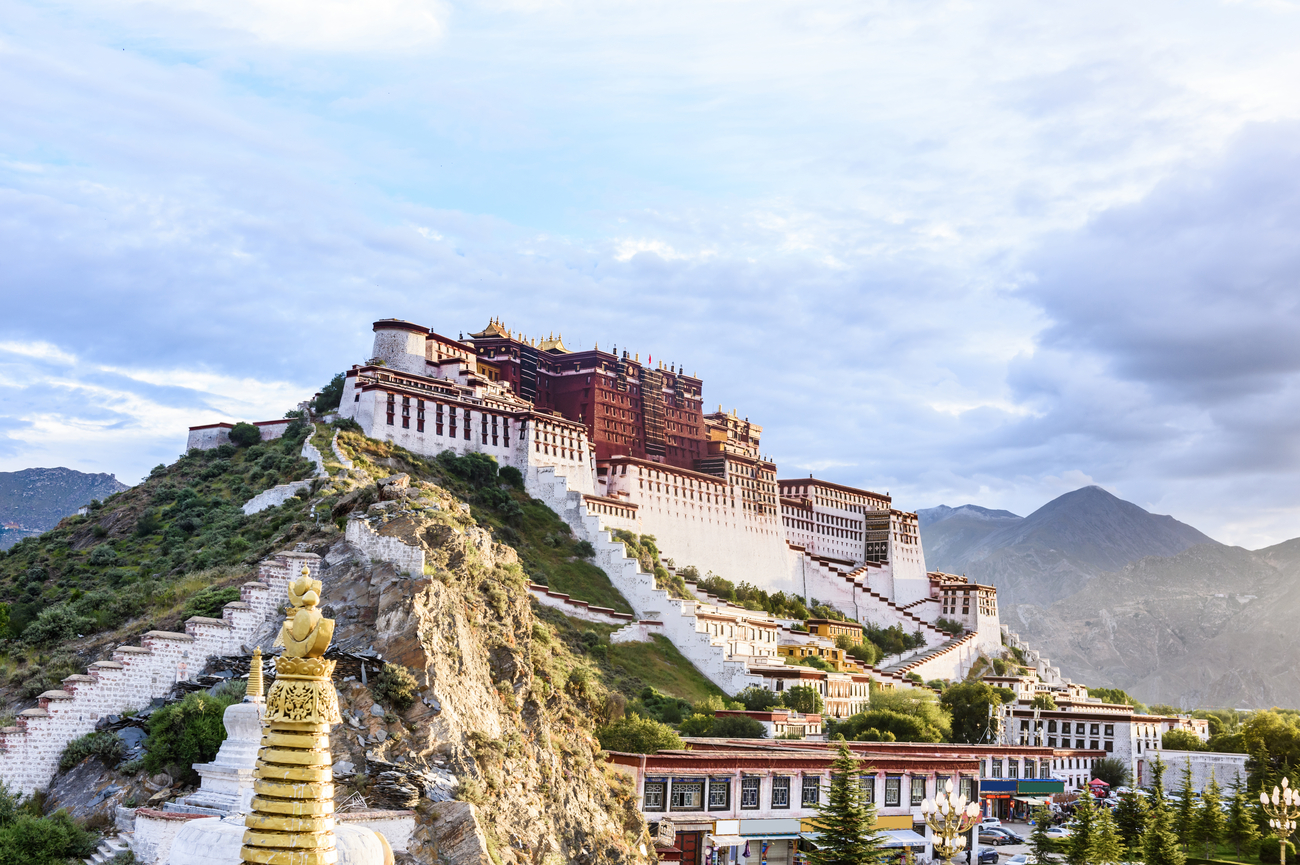
For travellers adding the optional Tibet extension, the journey requires a different level of planning from the main route at lower altitude. The Tibet Travel Permit is mandatory for international visitors, must be arranged through a registered travel agency, and cannot be obtained independently. Just as important is the route sequencing, which should allow sufficient time for acclimatisation before the most demanding visits begin.
At altitude, the pace of each day has to follow what the body can comfortably sustain. The Potala Palace’s 300 stone steps at around 3,700 metres are far more demanding than the same climb at sea level, and the timed entry is best used by someone who is not already exhausted before reaching the palace itself.

Shanghai: The
Contemporary Close to a Luxury China Tour
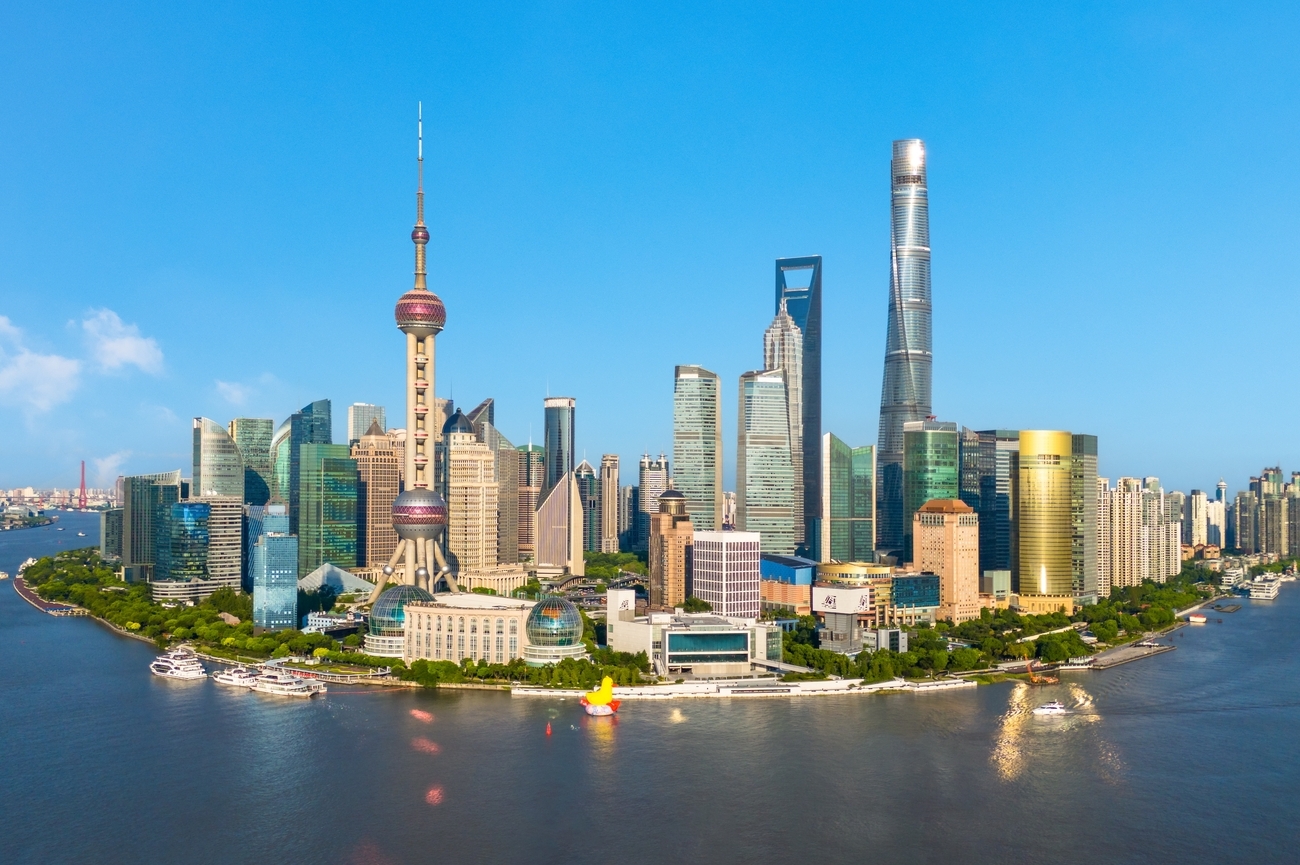
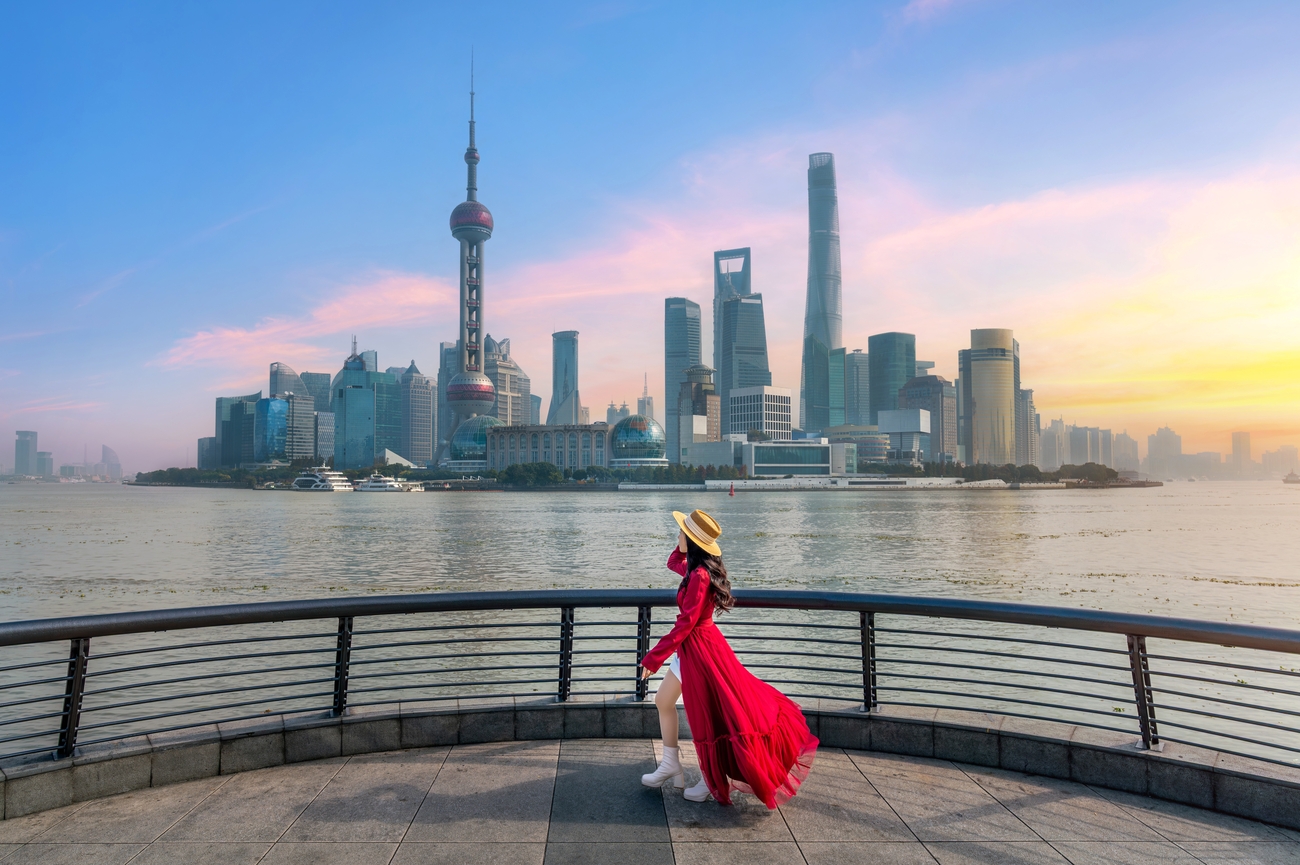
Shanghai brings the route into modern China without leaving history behind. The Bund’s early 20th-century facades face Pudong’s glass towers across the Huangpu River. At the same time, the Shanghai Tower rises 632 metres above a skyline that has become one of the clearest symbols of the country’s transformation.
The final days are built around this contrast: the plane-tree-lined streets of the former French Concession, Zhangyuan’s restored 1882 garden compound, the Bund at dusk, and the 118th-floor observation deck of the Shanghai Tower. After Beijing, Xi’an, Chengdu, Zhangjiajie, and the Yangtze, Shanghai gives the main Grand Tour its contemporary close.
Transport
on a Luxury China Tour
China’s domestic transport network is sophisticated enough that the question is not simply how to move between cities, but which mode works best for each leg of the journey.
High-Speed
Rail in China
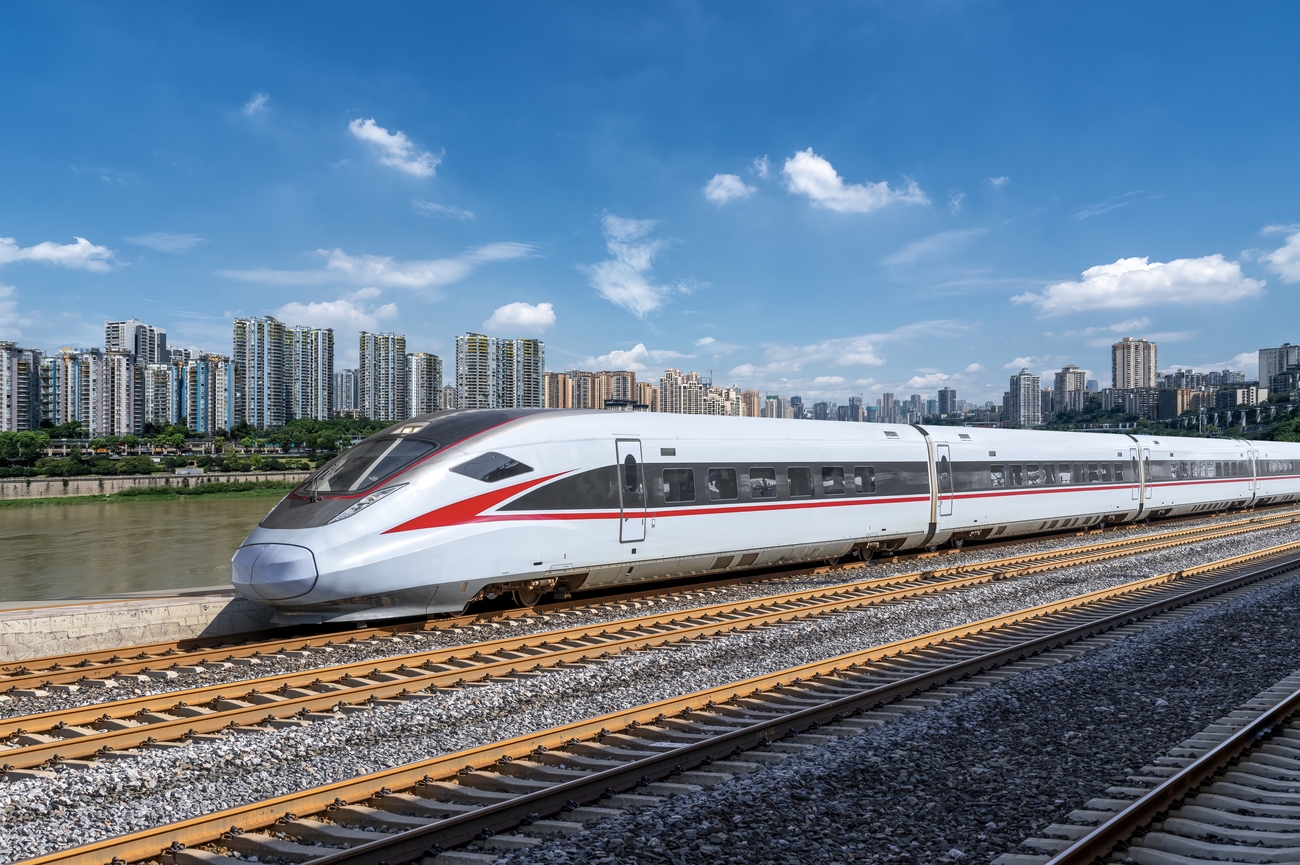
China’s high-speed rail network is one of the defining advantages of a multi-city itinerary in China. On routes such as Beijing to Xi’an, the train can be more practical than flying, especially when station location, check-in time, luggage handling, and city-centre arrival are considered together. First-class and business-class carriages provide more space, fewer passengers, and a smoother way to experience the changing landscapes between regions.
Where rail is less efficient, domestic flights in premium cabins remain the better choice. A properly arranged private itinerary makes this decision leg by leg, choosing the transport that gives the best balance of comfort, timing, and overall flow.
Private
Transfers
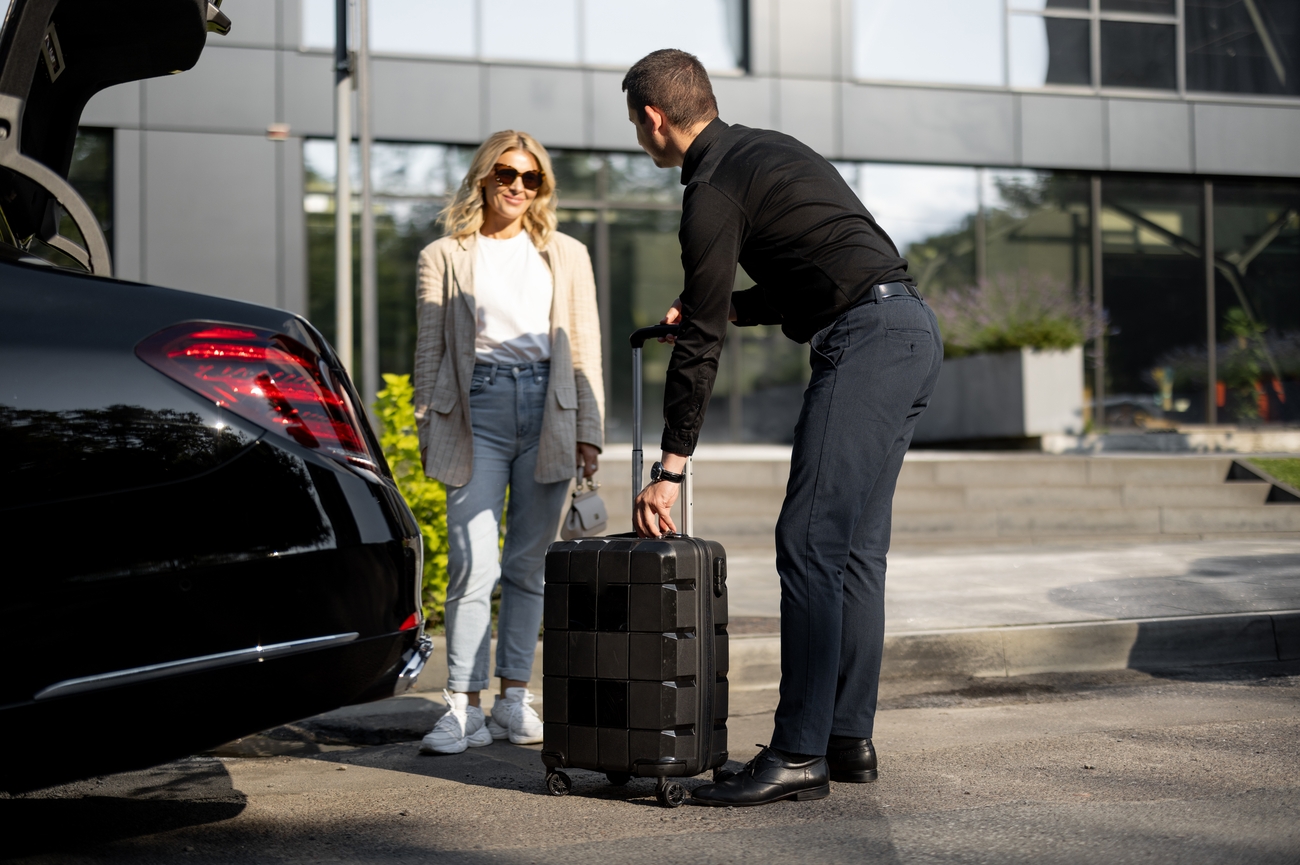
Every arrival, departure, station transfer, and hotel approach matters on a long luxury tour of China. A chauffeured vehicle meeting the traveller on arrival, handling the luggage, and delivering them directly to the hotel removes the friction that can otherwise build across a multi-city journey. The difference is not one single transfer. It is the ease that comes from every transfer being handled properly from beginning to end.
Where
to Stay on a Luxury China Tour
The five-star hotel landscape across China’s major cities is strong, but the best choice is not always the newest property or the most familiar international brand. On a multi-city China itinerary, the right hotel is the one that improves the day’s experience: closer to the palace gate, better placed for an early river departure, easier for an evening walk, or quieter before a demanding transfer.
Properties
Chosen by Position, Not Brand
The most common planning mistake on a luxury China tour is choosing hotels by brand consistency rather than by location. A five-star property thirty minutes from the Terracotta Army can be less useful than a well-chosen property closer to the route, especially when the day depends on an early entry. At this level, convenience is not a small detail. It shapes how the whole day feels.
In Beijing, properties near the imperial district or the northern edge of the Forbidden City reduce the morning transfer to the palace complex.
In Xi’an, hotels around the city wall or within easy reach of the Muslim Quarter combine atmosphere, evening access, and practical transfer time to the Terracotta Army.
In Chengdu, a city-centre location keeps areas such as Kuanzhai Alley easily accessible while allowing an early transfer to the Panda Base. Protecting that early-morning arrival can be more valuable than choosing a hotel solely for its brand or additional facilities.
For travellers adding the optional Guilin extension, location matters particularly for the Li River cruise departure. A property positioned for an efficient morning transfer to the pier can be more valuable than a central hotel with the same star rating.
On the Yangtze cruise, the vessel serves as the accommodation, and the cabin category is the key decision. A private balcony on a five-star ship transforms the early-morning Wu Gorge passage from a shared-deck experience into something quieter and more personal.
For travellers adding the optional Tibet extension, properties near the Barkhor Circuit in Lhasa allow the early morning kora around the Jokhang Temple to be reached on foot, before the day’s visitor traffic changes the atmosphere.
In Shanghai, Bund-facing hotels and French Concession boutique properties give the final days the right sense of place, whether the priority is the river skyline at dusk or the plane-tree streets of the former concession.
The best luxury China tour accommodation is not just a place to recover between experiences. Chosen well, it becomes part of how the itinerary works.

Private
Guides Across a Multi-City China Tour
The guide model is one of the most important planning decisions on a luxury China tour, especially when the itinerary crosses several regions. A long journey in China does not need one guide trying to cover everything. It needs the right guide in each place.
A Beijing specialist who can explain the Forbidden City’s architecture is not necessarily the right person to interpret the conservation work behind Chengdu’s panda programme or the landscapes of Zhangjiajie. For travellers adding the optional Tibet extension, the Buddhist monastery circuit from Lhasa to Shigatse requires another layer of specialist knowledge. A properly structured private itinerary uses regional guides, each chosen for the knowledge their destination requires.
This matters more as the trip continues. By the second week, travellers should still be receiving detailed, place-specific insight, not increasingly general commentary stretched across very different regions. The specific differences between private and group travel across a multi-week China itinerary are covered in our comparison guide, with a detailed look at how timing, pacing, access, and regional expertise change the experience.
Cultural
Etiquette on a Luxury China Tour
China’s customs change noticeably as a Grand Tour moves between regions. A Beijing banquet, where respect can be expressed through seating order and toasting etiquette, follows a different social rhythm from a Chengdu teahouse afternoon, where conversation is slower, formality is reduced, and the pace is part of the experience.
These details matter because they change how travellers experience the places they enter. Cultural awareness is not about performing every gesture perfectly. It is about arriving with enough understanding to respond respectfully, whether at a formal dinner, a Chengdu teahouse, or, for travellers adding the optional Tibet extension, a Tibetan monastery. The full etiquette guide, covering dining, toasting, gift-giving, and regional customs, turns that awareness into practical guidance.
What
to Pack for a Multi-Region China Tour
A Grand Tour of China crosses several very different climates in one journey: Beijing and Xi’an’s drier northern conditions, Chengdu’s subtropical humidity, Zhangjiajie’s forested mountains, the Yangtze’s river climate, and Shanghai’s coastal conditions. Travellers adding the optional Guilin extension need to account for additional warmth and rain, while the optional Tibet extension introduces high-altitude cold. A flexible layering system, comfortable footwear, and careful editing make it possible to prepare for these changes without overpacking.
The packing guide covers what to take across the main Grand Tour, including the differences between Beijing, Chengdu, Zhangjiajie, the Yangtze, and Shanghai, as well as the additional requirements for travellers adding the optional Guilin or Tibet extensions.

The
Luxury China Travel Landscape
Luxury travel in China has moved beyond the familiar model of five-star city hotels and standard private tours. Across the country, high-end travel now combines well-positioned hotels, regional lodges, specialist guides, private dining, and cultural experiences that are built into the itinerary rather than added as extras.
In regions such as Yunnan, Tibet, and Sichuan, boutique luxury lodges are changing what accommodation means. The best properties are not simply places to sleep between excursions. They are part of the setting, connecting the traveller more closely to mountain landscapes, local culture, and the rhythm of each region.
Dining also belongs inside the planning. In Beijing and Shanghai, a carefully chosen restaurant can be as important as a museum or monument, whether that means Peking Duck in a private dining room, refined regional cuisine, or a Michelin-starred experience built into the evening. At the five-star level, food is not what happens between the parts that matter. It is part of what the trip is.
The same applies to bespoke experiences. Private calligraphy workshops, tea ceremonies with master practitioners, temple visits, tai chi in a hutong courtyard, or ceramics with a working craftsman give the days between the major sites their own texture. These are the moments that turn a luxury China tour from a sequence of famous places into a journey with depth.
What
Two Weeks in China at the Five-Star Level Looks Like
A Grand Tour of China may include the same famous places that appear on many China itineraries. The difference is not only where you go. It is how each place is timed, paced, and experienced upon arrival.
At the Terracotta Army, it means entering early, before the main tour groups fill the viewing areas. In Chengdu, it means reaching the Panda Base while the animals are still feeding and active. In Zhangjiajie, it means arriving at Yuanjiajie early enough to see the sandstone pillars rising above the morning cloud sea before the mist disappears. For travellers adding the optional Guilin extension, it means timing the Li River cruise so that the karst peaks, conditions, and light work together.
None of these experiences are closed to ordinary travellers. They require the right planning: the right timing, the right guide, the right transfer, and the right sequence arranged before the trip begins.
That is what a five-star multi-city China itinerary delivers. It turns famous places into well-timed experiences, and it makes the journey from Beijing to Shanghai feel considered rather than rushed.
Two Weeks, Multiple Regions, One Through-Line
The through-line in a well-arranged Grand Tour of China route is not the list of cities on the itinerary. It is the quality of attention each of them receives. Beijing’s Forbidden City in the soft light of a spring morning, with enough time to explore the inner palace courtyards. A Chengdu teahouse afternoon that the schedule protects rather than compresses. Yuanjiajie reached while the morning cloud still hangs between the sandstone pillars. Wu Gorge’s mist-covered Twelve Peaks viewed from a private cabin balcony in the first hour after the ship enters the gorge. For travellers adding the optional Tibet extension, the same approach shapes visits to the Potala Palace and the monastery circuit. These experiences do not simply require more money. They require more preparation and an itinerary designed around the right moments rather than around the logistical efficiency of moving a large group between cities.
Choosing
What to Leave Out
A two-week luxury China tour is as much about what it leaves out as what it includes. The temptation to add another city, another landmark, or another day is understandable, but it rarely improves the journey.
An itinerary that tries to see everything usually experiences very little in depth. The best journeys identify the places that deserve more time and build the schedule around them, allowing each destination to be experienced rather than simply visited. Those are the moments travellers remember long after the trip has ended.
The best luxury China vacation is not the longest or the busiest. It is the one that gives the right places the time they deserve.
A
Grand Tour of China, Built Around You
The detailed question of what a Grand Tour route looks like for a specific travelling party, the season, the optional extensions to Guilin or Tibet, the vessel category for the Yangtze cruise, the guide model for each regional leg, and the accommodation thread from Beijing to Shanghai is the specific conversation that the itinerary exists to have.
What this guide covers is the framework: why a multi-city China itinerary at the five-star level is a different category of planning problem from a shorter trip, what that planning looks like region by region, and what the right preparation gives back in the specific quality of every morning on the ground.
The rest of it, the specific dates and the specific room and the specific guide for the specific version of this route that belongs to the specific traveller reading this, is a conversation rather than a list.
The final shape of a Grand Tour of China depends on the traveller: the season, the pace, whether to add the optional Guilin or Tibet extensions, the Yangtze cruise category, the regional guides, and the hotels chosen from Beijing to Shanghai. These are not small details. They are the decisions that determine how the journey feels day by day.
This guide has explained the framework: why a multi-city China itinerary at the five-star level requires a different kind of planning, how each region changes the route's rhythm, and what careful preparation yields once the journey begins.
The dates, rooms, guides, extensions, and exact sequence are what make the conversation personal. The Grand Tour of China is already thought through. Now it is ready to be shaped around you.


Let us know what you love, where you want to go, and we’ll design a one-of-a-kind adventure you’ll never forget.
Get in touch
Miriam
Travel Specialist

Nina
Travel Specialist

Abigail
Travel Specialist
Frequently Asked Questions
-
What level of fitness is needed for a luxury China tour?
A Grand Tour of China involves regular walking through large historic sites, city neighbourhoods, scenic areas, and attractions such as the Great Wall and Zhangjiajie. The itinerary can be paced around individual mobility and fitness levels, with private transfers reducing unnecessary walking. Travellers adding the optional Tibet extension should be comfortable with slower walking at altitude and discuss any health concerns before travelling.
-
How far in advance should I book a luxury China tour?
For a complex multi-city itinerary, booking several months ahead is recommended, particularly for peak spring and autumn travel. Early planning gives greater choice of five-star hotels, preferred Yangtze cruise cabins, regional guides, high-speed rail seats, and timed-entry attractions. Travellers adding the optional Tibet extension should also allow additional time for permit arrangements.
-
Can dietary requirements and food preferences be accommodated in China?
Yes. Dietary requirements, allergies, religious restrictions, and personal preferences should be discussed before departure so restaurants and guides can plan accordingly. Private arrangements also make it easier to select restaurants around the traveller rather than relying on fixed group menus.
-
Is a private Grand Tour of China suitable for families?
Yes. A private itinerary can work particularly well for families because sightseeing times, transport, meals, and the pace of each day can be adapted to different ages and interests. Experiences can also be balanced between major cultural sites and more interactive stops such as the Chengdu Panda Base.
-
What happens if weather affects an outdoor experience?
Weather can influence experiences such as Zhangjiajie's cloud sea, Yangtze scenery, and the optional Guilin extension. A private itinerary provides greater flexibility to adjust departure times, change the order of visits, or prioritise another experience when conditions are less favourable.
-
Can birthdays, anniversaries, or other celebrations be included in the itinerary?
Yes. Special occasions can be incorporated through carefully chosen hotels, private dining, personalised experiences, or memorable settings along the route. Planning these details in advance allows the celebration to feel naturally integrated into the journey rather than added at the last minute.
-
Can I add both Guilin and Tibet to the Grand Tour of China?
Yes. Both can be planned as extensions to the main Grand Tour, although adding them will increase the overall length of the journey. The route should be designed carefully around seasonal conditions, transport connections, and, for Tibet, permit requirements and sufficient time for acclimatisation.
-
Why plan a Grand Tour of China with Revigorate?
Revigorate plans the journey as a complete, privately arranged experience rather than a fixed sequence of hotels and sightseeing stops. We coordinate the regional guides, accommodation, private transfers, rail and air travel, Yangtze cruise, timed visits, and optional Guilin and Tibet extensions around your preferred pace, interests, and travel dates.
Our offices:



Revigorate, Iberian Escapes and Algarve Lifestyle are the registered brand names of APCS Lda . We are a fully authorised travel agency licensed by Turismo de Portugal RNAVT/6867.
In the event of a dispute, the consumer may refer to: RAL - Centros de Arbitragem
Avª. 5 de Outubro, nº. 55, R/C Dtº. 8000-075 Faro, Portugal | Tel: +351 289 823 135 *
* national landline call
E-mail: info@consumoalgarve.pt| www.consumidoronline.pt | Mon to Fri: 9:00 - 13:00 / 14:00 - 17:00