Best Time to Visit China: A Region-by-Region Guide for Multi-City Itineraries
There is no single best time to visit China for a multi-city itinerary. Beijing, Xi’an, Chengdu, Zhangjiajie, the Yangtze and Shanghai each follow different seasonal patterns, so choosing when to travel means balancing weather, visibility, crowds and the experiences that matter most to you. Travellers adding Guilin or Tibet also need to account for the subtropical climate of Guangxi or the very different conditions of the Tibetan Plateau.
October, for example, transforms the Longji Rice Terraces from green to gold, making a Guilin extension particularly rewarding at this time of year. During the final weeks of the month, the terraces across Guangxi’s Dragon’s Backbone Mountains turn from emerald to amber as farmers harvest the rice by hand on slopes too steep for machinery. In the lower afternoon light, the shadows reveal the structure of each carefully built terrace, while sunrise from Ping’an Village offers a quieter view before day visitors arrive from Guilin.
That contrast illustrates why timing a long China journey region by region matters more than simply choosing a supposedly perfect month. Conditions that suit Beijing or Xi’an may not deliver the same experience in Zhangjiajie, on the Yangtze or in Shanghai, while Guilin and Tibet introduce further seasonal considerations of their own.
Our luxury China travel guide explains the wider planning framework for a Grand Tour of China. This guide focuses specifically on when to visit each region and how those seasonal differences affect the timing and sequence of a longer China itinerary.

When
the Best Time to Visit China Changes by Region
For a route covering Beijing, Xi’an, and Shanghai, the usual advice works well: April to May and September to mid-October offer mild temperatures, lower rainfall, and generally clearer conditions for sightseeing. At the Great Wall at Mutianyu, late September is particularly rewarding, with clearer skies and the surrounding hills beginning to change colour.
The answer becomes more complicated as the main itinerary moves into the forested landscapes of Hunan, or when travellers add the optional Guilin or Tibet extensions. Each region follows a different seasonal pattern, and the best months in one part of China do not always align perfectly with those in another.
A well-timed multi-city tour of China balances these regional differences rather than applying one rule to the whole country. The aim is not to find a perfect month for every destination, but to choose the period that offers the strongest overall conditions along the entire route.

Best
Time to Visit China by Region
Beijing and Xi’an: Best in Spring and Autumn
Beijing: April to May and September to October are the months when the skies clear, the temperatures stay mild and the Great Wall feels at its best. Xi'an: April to May and September to November offer comfortable walking weather and better visibility at the Terracotta Army.
Spring in Beijing carries a specific caveat worth knowing: dust storms, carried from Inner Mongolia and the Gobi Desert, are a documented spring phenomenon that can reduce visibility across the city for several days at a time and make outdoor sites like the Wall considerably less rewarding than the season's otherwise mild temperatures would suggest. Autumn, September to November, avoids this entirely and is widely considered the more reliably clear of the two shoulder seasons for the northern cities. Autumn also brings the Fragrant Hills in western Beijing to their red-leaf peak in late October, one of the more genuinely beautiful experiences in the capital that most international itineraries miss.
Winter in Beijing is cold, often below 0°C, and carries considerably fewer crowds and lower rates than either shoulder season. For a traveller unconcerned by cold who wants the Forbidden City without the October queue lengths, January and February offer a distinctly more spacious version of the same city, with the caveat that Chinese New Year in 2026 runs from February 15 to 23, the longest Spring Festival window in PRC history, and carries its own surge in domestic travel during that specific window.

Chengdu and Sichuan: Mild Shoulder Seasons and the Morning Panda Window
Chengdu sits in the humid Sichuan Basin, giving it a different seasonal rhythm from Beijing and Xi’an. Spring from March to May and autumn from September to November generally offer the most comfortable conditions, with mild temperatures and lower humidity than during the summer months. Summer is hot and humid, although the city’s shaded teahouses, gardens, and courtyards make a slower pace of sightseeing more comfortable.
At the Chengdu Research Base of Giant Panda Breeding, the hour matters more than the month. Pandas are generally most active during the cooler morning hours, particularly before 10am, when they are more likely to be feeding and moving through the enclosures. An early visit therefore offers a much better chance of seeing them active than arriving later in the morning, even during an otherwise ideal season.
Optional Guilin Extension: Clear Skies, River Levels, and Harvest Colour
The best time to visit Guilin and Yangshuo is usually April to May or September to October. These months combine warmer temperatures with clearer conditions, allowing the karst peaks and river landscapes to be seen at their best. Summer is hot, humid, and prone to sudden rain, while winter is quieter but often brings flatter light and lower river levels.
The Li River cruise also depends on water conditions. From spring through autumn, river levels are generally more suitable for the full journey from Guilin to Yangshuo. During particularly dry periods, departures may be adjusted, shortened, or moved to a different pier.
The Longji Rice Terraces have three distinct seasonal appearances. From late April through June, the flooded fields reflect the sky and turn the slopes into silver mirrors. During summer, the terraces become intensely green. From late September to mid-October, the rice turns gold before the harvest. There is no single best version: the right time depends on whether you prefer reflections, deep green landscapes, or autumn colour.

Zhangjiajie:
Best for Clear Views and the Morning Cloud Sea
Autumn is one of the best times to visit Zhangjiajie, bringing cooler walking conditions, clearer views of the sandstone pillars, and more manageable queues at the Bailong Elevator and Tianmen Mountain Cableway.
One of Zhangjiajie’s most remarkable sights is the cloud sea at Yuanjiajie. After rain, early morning mist can settle into the deep gorges while the tops of the sandstone pillars remain visible above it. This effect is most likely from October to April, particularly around sunrise when the difference in temperature between the gorge floor and the plateau is greatest. Arriving when the park opens gives you the best chance of reaching the viewpoints before the mist lifts and the main crowds arrive.
Summer is less reliable for visibility. Monsoon rain and high humidity can hide the pillars completely rather than surrounding them with atmospheric cloud. It is also one of the busiest periods for domestic travel, so larger crowds often coincide with the least predictable views.

Yangtze River
Cruise: Best in Spring and Autumn
Spring and autumn offer the most comfortable conditions for a Yangtze Three Gorges cruise from Chongqing to Yichang. Temperatures are generally pleasant, visibility through the gorges is clearer, and shore excursions can be enjoyed without the intense humidity of summer or the colder conditions of winter.
The cooler shoulder seasons also offer a better chance of seeing early morning mist around Wu Gorge, one of the passage’s most atmospheric sights.
Summer brings higher water levels, faster currents, lush green gorge walls, and fuller ships. Winter is quieter and often less expensive, with fewer passengers and more space on board, although the scenery can feel more subdued and some of the characteristic mist may be less consistent.

Optional Tibet Extension: Best from Late Spring to Autumn
Tibet follows a different seasonal pattern from much of eastern and southern China. The most favourable months are generally May to June and September to October, when conditions are relatively stable and mountain visibility is often at its clearest.
Summer is also a practical time to visit. From June through August, the Tibetan Plateau is warmer and more accessible, while the altitude keeps daytime temperatures more comfortable than in China’s humid lowland cities. Rainfall is more frequent, but it often falls later in the day rather than preventing travel entirely.
A Tibet itinerary also requires more advance planning than other parts of China. The Tibet Travel Permit must be arranged through a registered travel agency, and the route should allow time for acclimatisation. Beginning in Tsedang before continuing to Lhasa can help the body adjust gradually before the more demanding visits.

Shanghai: A
Flexible Final Stop
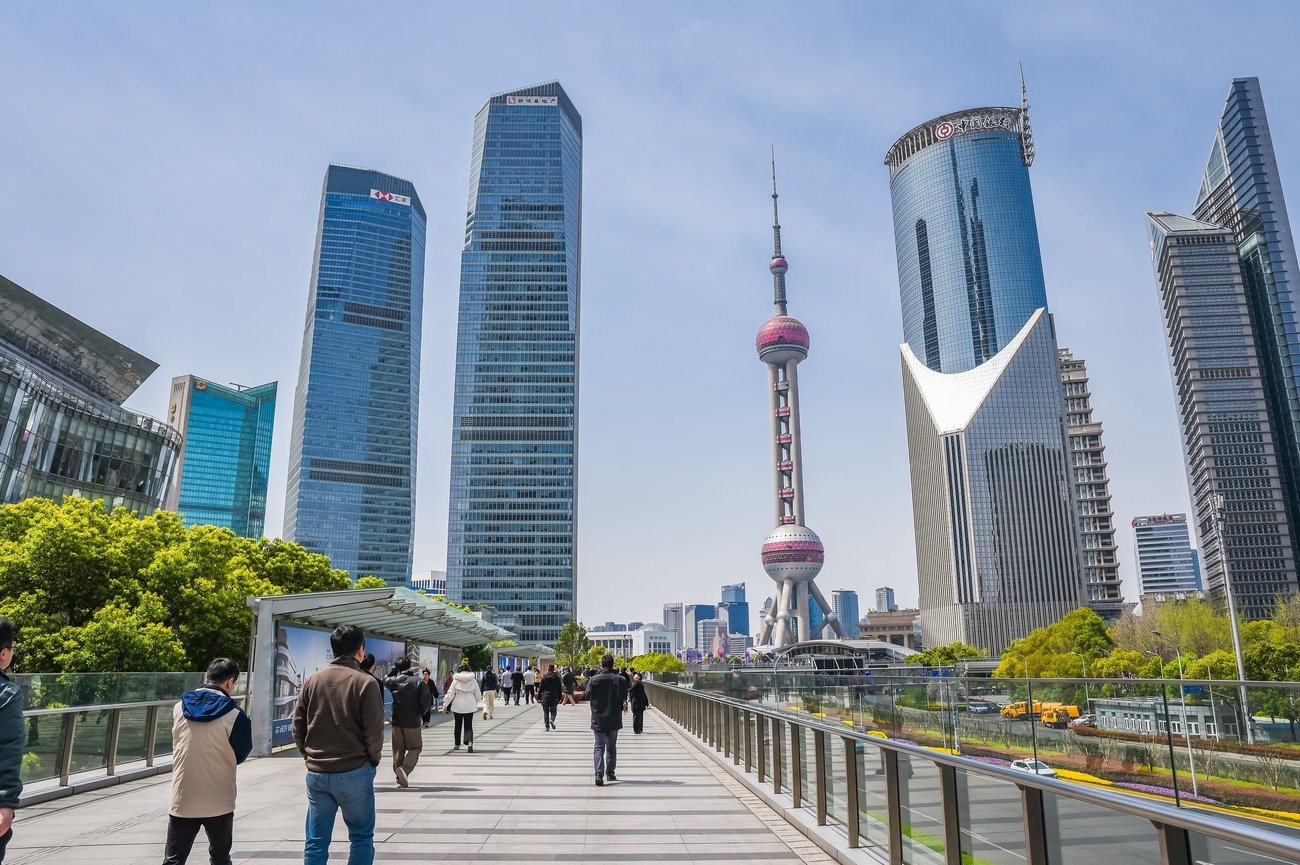
Shanghai is one of the most seasonally flexible destinations on a multi-city China itinerary. Spring and autumn are the most comfortable times for walking along the Bund, exploring the former French Concession, and spending time in the city’s neighbourhood streets.
Summer is hot and humid, while winter can feel damp and cold. Neither season makes the city impossible to enjoy, but both are less comfortable for extended outdoor sightseeing.
Because Shanghai works well across much of the year, it rarely determines the timing of the entire journey. The more important seasonal constraints on the main route are usually Beijing, Zhangjiajie, and the Yangtze River cruise. For travellers adding the optional Tibet extension, conditions on the Tibetan Plateau become another important factor.
Chinese
Public Holidays to Avoid When Planning a China Tour
China’s public holidays can have a major effect on a multi-city itinerary. Trains and domestic flights become busier, hotel availability tightens, prices may rise, and the country’s best-known attractions receive large numbers of domestic visitors.
In 2026, the principal public holidays are New Year’s Day on 1 January, Chinese New Year from 15 to 23 February, Qingming Festival from 4 to 6 April, Labour Day from 1 to 5 May, the Dragon Boat Festival from 19 to 21 June, the Mid-Autumn Festival from 25 to 27 September, and National Day Golden Week from 1 to 7 October.
Chinese New Year
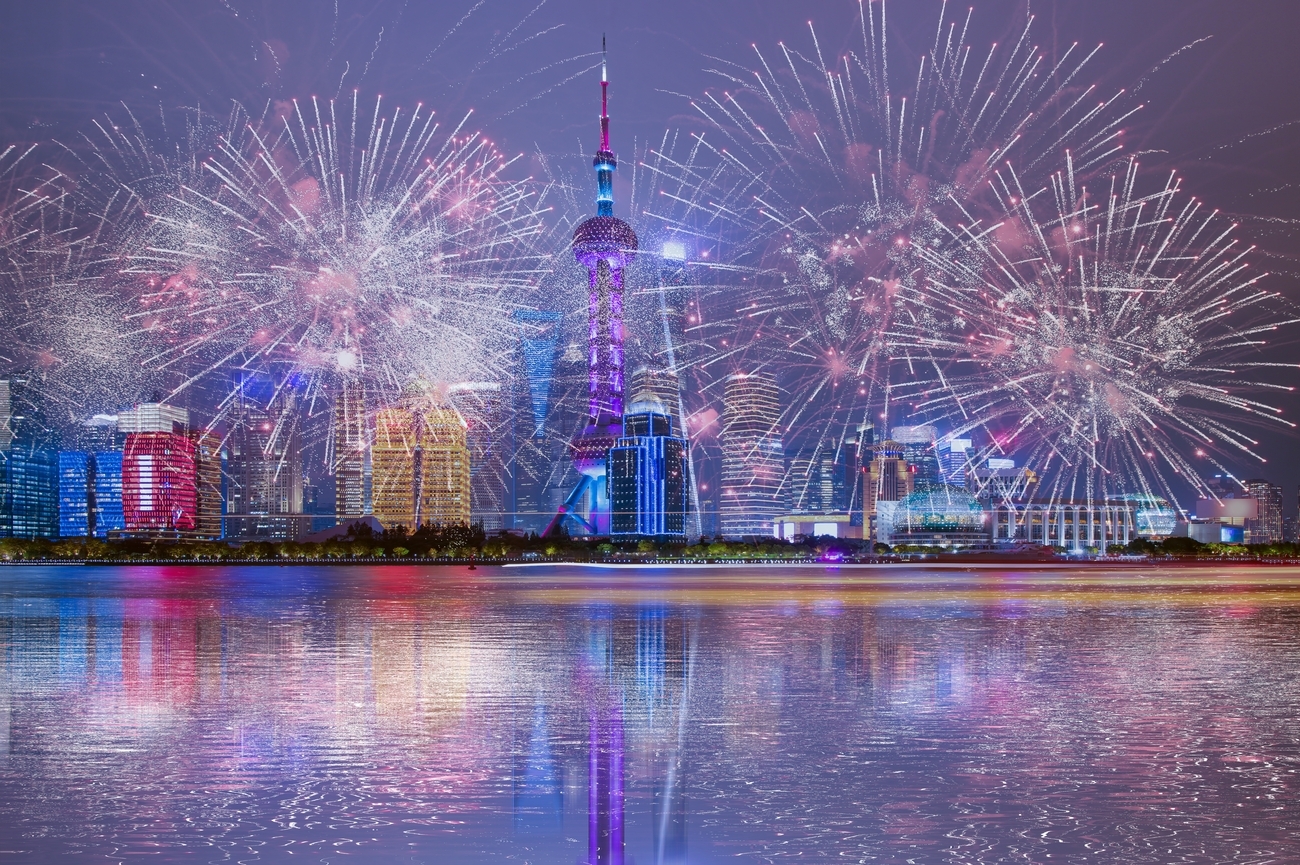
Chinese New Year creates one of the busiest travel periods in China. During the wider Spring Festival travel season, demand for trains and flights rises sharply as people return to their hometowns, while some restaurants, independent shops, and local businesses close or operate reduced hours.
The celebrations can offer a fascinating cultural experience, particularly in cities such as Beijing and Shanghai. However, travellers planning a long itinerary should expect greater difficulty securing transport and maintaining a smooth schedule between regions.
National Day Golden Week
National Day Golden Week, held from 1 to 7 October, has the greatest impact on China’s major visitor attractions. The Great Wall, Forbidden City, Bund, Zhangjiajie, and other famous sites can become exceptionally crowded, while transport and accommodation are in high demand.
For travellers adding the optional Guilin extension who want to see Longji’s harvest scenery, the period immediately after 7 October is usually a much better choice. Mid-October combines the golden terraces with many of autumn’s advantages while avoiding the worst of the Golden Week crowds.

Labour Day
The Labour Day holiday at the beginning of May also produces a significant rise in domestic travel. Late April is therefore often a better option for travellers seeking spring weather without the increased crowds, transport pressure, and hotel demand of the holiday itself.
Holiday dates change each year, so they should always be checked before confirming a multi-city China itinerary.
How
to Plan a Multi-City China Itinerary Around the Seasons
A route combining Beijing, Xi’an, Chengdu, Zhangjiajie, the Yangtze River, and Shanghai works particularly well in spring or autumn because the main regions share broadly compatible seasonal windows. Adding the optional Guilin extension also works well during these periods, particularly in April, May, September, and October. The optional Tibet extension makes the decision more complex because its most stable conditions overlap with the northern spring and autumn seasons, while its comfortable travel period extends further into summer than in China’s warmer, more humid regions.
The best dates therefore depend on what matters most to the traveller. For those adding the optional Guilin extension, seeing the Longji Rice Terraces at their golden harvest peak means travelling in mid-October, shortly after Golden Week, and reserving accommodation near the terraces well in advance. Travellers who place greater value on quieter attractions may prefer late October or early November, once the harvest has ended and domestic visitor numbers have fallen.
A carefully planned private China itinerary resolves these seasonal trade-offs before departure. The order of the regions, the dates assigned to each stop, and the experiences prioritised along the way are coordinated around weather, crowds, visibility, and local conditions rather than improvised after arrival.
The clothing and equipment required will also depend on the chosen travel window. Our China packing guide explains what to pack across the main route, as well as the additional clothing and equipment needed for the optional Guilin and Tibet extensions.

The Best Month for a Multi-City China Tour
There is no single best month for every Grand Tour of China. The right timing depends on the regions included, the landscapes you most want to see, and whether weather, seasonal colour, or lower visitor numbers matter most.
For many Grand Tour itineraries, mid-October offers the strongest overall balance: clearer conditions in Beijing and Xi’an, comfortable autumn weather in Chengdu, atmospheric mornings in Zhangjiajie, pleasant conditions along the Yangtze, and cooler days in Shanghai. Golden Week has ended, while the autumn season is still at its most rewarding. Travellers adding the optional Guilin extension can also coincide with the golden harvest at the Longji Rice Terraces, while the optional Tibet extension benefits from some of the plateau’s more stable autumn conditions.
The difference between a good itinerary and an exceptional one often comes down to a few carefully chosen dates, the right regional sequence, and accommodation secured before the best options fill.
Let us help you plan the right time for your Grand Tour of China.



Let us know what you love, where you want to go, and we’ll design a one-of-a-kind adventure you’ll never forget.
Get in touch
Miriam
Travel Specialist

Nina
Travel Specialist

Abigail
Travel Specialist
Our offices:



Revigorate, Iberian Escapes and Algarve Lifestyle are the registered brand names of APCS Lda . We are a fully authorised travel agency licensed by Turismo de Portugal RNAVT/6867.
In the event of a dispute, the consumer may refer to: RAL - Centros de Arbitragem
Avª. 5 de Outubro, nº. 55, R/C Dtº. 8000-075 Faro, Portugal | Tel: +351 289 823 135 *
* national landline call
E-mail: info@consumoalgarve.pt| www.consumidoronline.pt | Mon to Fri: 9:00 - 13:00 / 14:00 - 17:00