What to Pack for China: A Climate Guide for Multi-Region Travel
Knowing what to pack for China becomes much easier when you plan for layers rather than separate wardrobes for every region. On a multi-region journey, a light, adaptable packing system can take you from Beijing’s dry conditions and Chengdu’s humidity to the mountains of Zhangjiajie, the Yangtze and Shanghai’s coastal climate without filling your suitcase with clothes you rarely use.
The differences become greater when the route extends farther. Guilin can bring subtropical warmth and rain, while Tibet introduces altitude, stronger sun and much colder conditions, particularly once temperatures fall after sunset. Comfortable footwear, lightweight layers, weather protection and a few destination-specific essentials matter far more than simply packing more.
The result is often a lighter suitcase than travellers expect. With the right combination of clothing and practical essentials, those following a Grand Tour of China can move between very different regions without overpacking or discovering that what worked in one part of the country is unsuitable for the next.
Our luxury China travel guide explains how the main regions of the journey fit together. This guide focuses specifically on what to pack for those changing climates, seasons and conditions.
How
to Pack Light for a Multi-Region China Tour
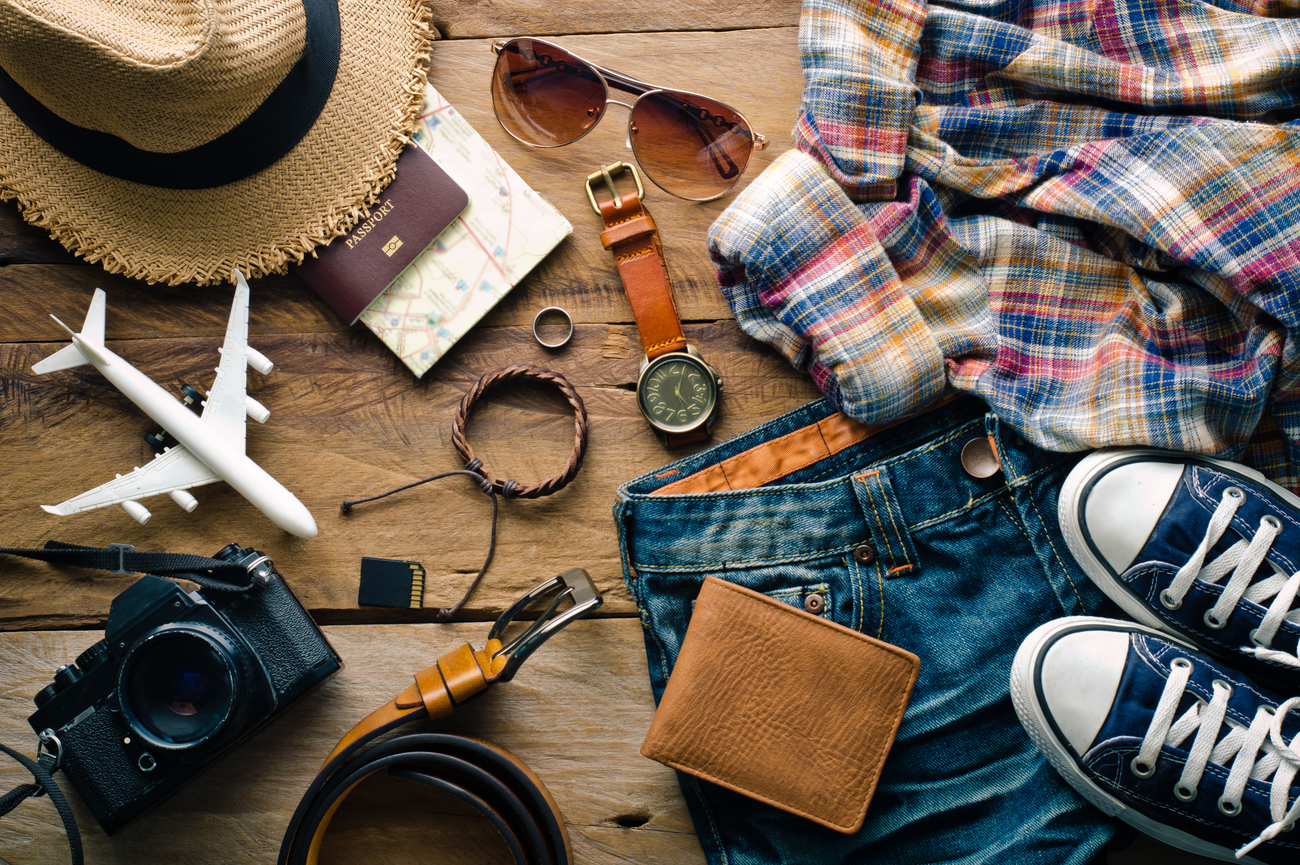
The most important packing rule is simple: pack for your actual itinerary, not for China as a single destination. Climate, altitude, walking conditions, transport, and hotel style can change significantly from one region to the next.
Build the Wardrobe Around Layers
A flexible layering system is the most practical way to manage China’s different climates without packing separate outfits for every stop.
- A breathable base layer for warm, humid conditions and cooler, drier weather.
- A light jumper or fleece for evenings, mountain areas, and heavily air-conditioned interiors.
- A packable windproof and water-resistant outer layer for cooler mornings in Zhangjiajie, exposed sections of the route, and sudden rain if adding the optional Guilin extension.
These three layers can be combined differently throughout the journey. What changes by region is what you wear underneath them and whether you need additional protection for altitude, rain, or dust.
Choose
Luggage That Is Easy to Manage
China’s hotels, shops, and transport network make it unnecessary to carry everything from home. The aim is to walk comfortably, move easily between cities, stay connected, and keep only the essential backups.
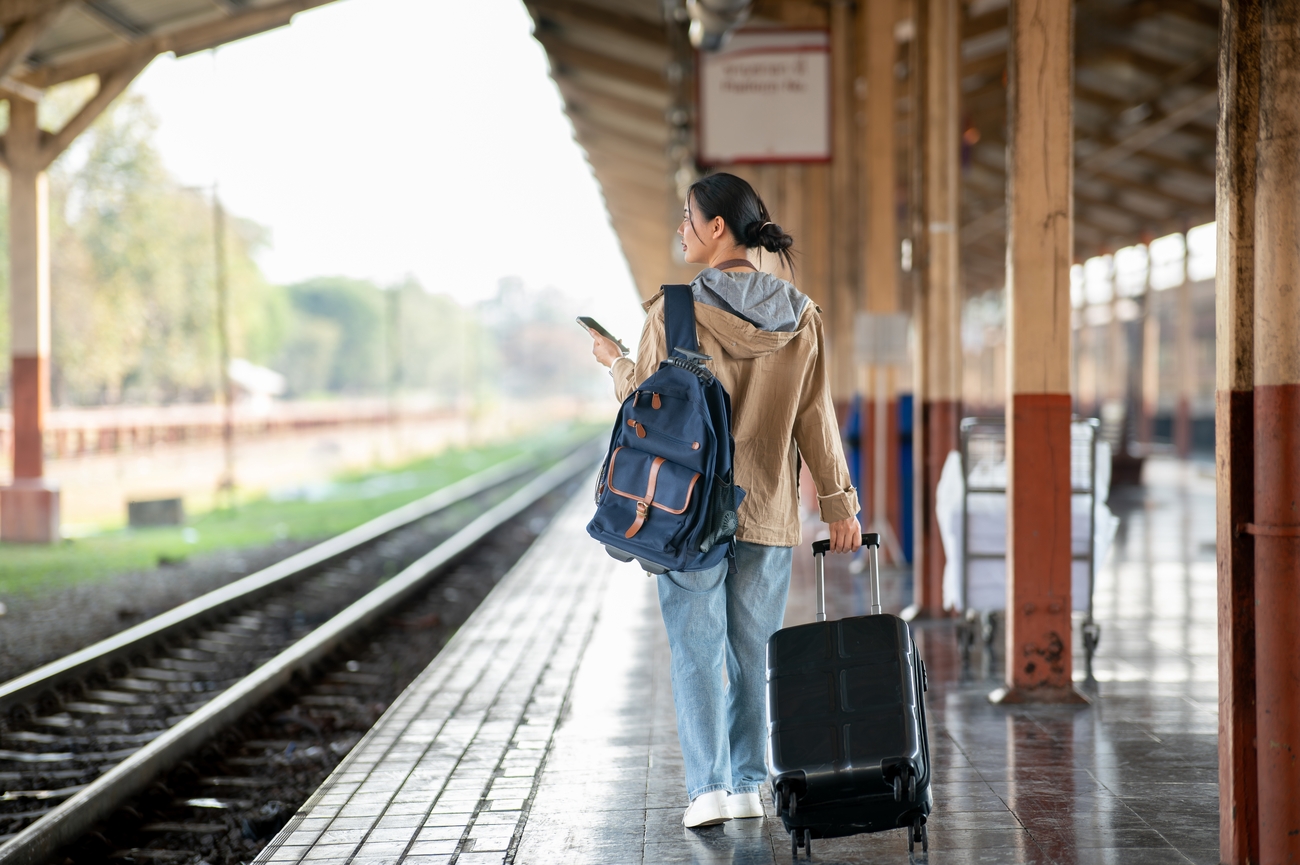
For a multi-city itinerary in China, one medium-sized checked suitcase and one practical day pack are usually enough. Oversized luggage becomes inconvenient in large airports and railway stations, particularly when boarding high-speed trains or moving quickly between platforms.
First-class and business-class rail travel between cities such as Beijing, Xi’an, and Shanghai is comfortable, but the journey is considerably easier when the luggage remains manageable.
What
to Pack for Each Region of China
The same layering system works across the main Grand Tour of China and can be adapted for the optional Guilin and Tibet extensions. Each region requires only a few specific adjustments rather than a completely separate wardrobe.
Beijing and
Xi’an: Dry Weather, Temperature Changes, and Spring Dust
Spring in Beijing and Xi’an can be mild during the day but noticeably cooler in the morning and evening. A light jumper or fleece, lightweight trousers, and a wind-resistant outer layer provide enough flexibility for sudden temperature changes.
Autumn is generally the easiest season to pack for in northern China. Mornings are cool, afternoons are comfortable, and humidity is low. A breathable base layer with a light mid-layer is usually sufficient for visits to the Great Wall, the Temple of Heaven, and the Terracotta Army.
Spring can also bring dust and occasional sandstorms to Beijing and other parts of northern China. A lightweight scarf that can cover the nose and mouth is a useful addition, particularly for exposed visits such as the Great Wall at Mutianyu.
Winter requires a proper insulated coat, warm layers, gloves, and suitable footwear. Temperatures can fall below freezing, and the wind on exposed sections of the Great Wall makes conditions feel colder than the forecast suggests.
Xi’an is usually slightly warmer than Beijing, but comfortable, broken-in shoes remain essential. The Muslim Quarter, city walls, and Terracotta Army all involve considerable walking, often on hard or uneven surfaces.

Chengdu and Sichuan: Humid, Mild, and Forgiving
Chengdu sits in a subtropical basin where humidity is more constant than temperatures are extreme. Spring and autumn are mild enough that a base layer is sufficient on most days, with a mid-weight layer useful in the evenings. Summer is hot and humid, although the city's shaded courtyards and teahouse districts can make the heat feel more manageable.
One Chengdu-specific consideration is an early morning visit to the Panda Base, when the pandas are most active before 10am. The open-air walkways can feel noticeably cooler than the city centre at that time, so a mid-weight layer is worth keeping in your day pack, even in summer. At Leshan's Giant Buddha, the stone staircase descending towards the riverside viewing area can often be damp, making good grip on your walking shoes particularly important.
Optional Guilin Extension: Humidity and Rain
For travellers adding the optional Guilin extension to the main China itinerary, Guilin and Yangshuo are warm and humid for much of the year, with frequent rain during the summer. Lightweight, breathable clothing is essential, but a packable waterproof layer should remain in the day pack even when the morning begins clear.
Spring and autumn can bring cooler evenings, particularly near the river. The Li River cruise often feels colder than the temperature on land because of the breeze across the water, so a light jumper or fleece is worth carrying on board.
Quick-drying clothing is particularly practical during the Guilin extension. Humidity can make heavier fabrics uncomfortable and slow to dry between outings.
Zhangjiajie: Mist, Rain, and Mountain Conditions
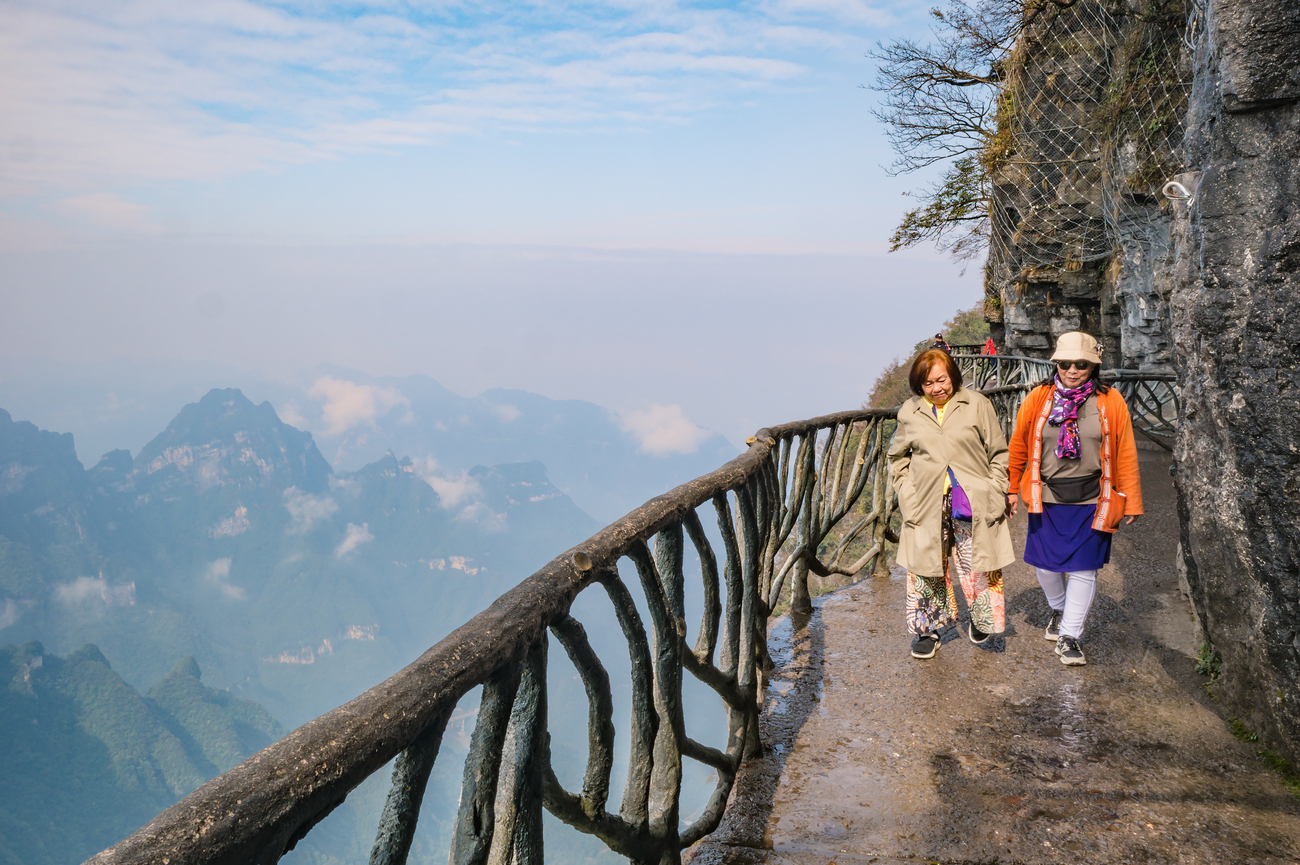
Zhangjiajie adds elevation, mist, and more demanding terrain to the main itinerary. Mornings on the Yuanjiajie plateau can be cooler than the city below, while rain can make steps and forest paths slippery. Walking shoes or low hiking shoes with good grip are more useful than heavy hiking boots for most visitors.
Quick-drying, breathable clothing is also useful in Zhangjiajie, where humidity, rain and changing mountain conditions can make heavier fabrics uncomfortable.
Chongqing and
the Yangtze River Cruise: Heat, Humidity, and Time on Deck
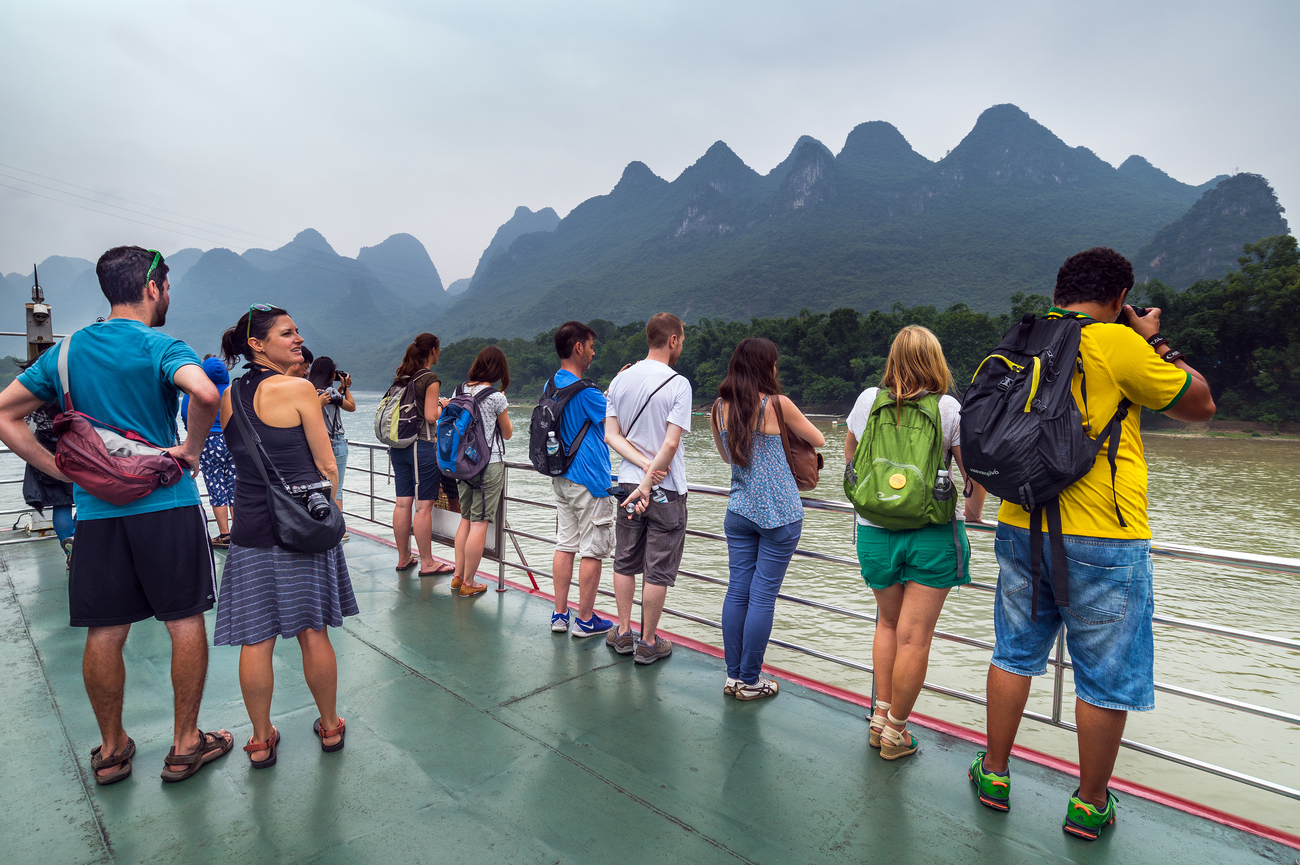
Chongqing and the Yangtze corridor can be extremely hot and humid in summer. Lightweight, breathable clothing, sun protection, and good hydration matter more than extra layers during the day.
Spring and autumn are more comfortable, but the river breeze can make early mornings and evenings feel cooler. A light mid-layer and packable outer shell are useful for time on deck during the gorge passages.
Shore excursions may include steps, uneven paths, and extended periods outdoors. Comfortable walking shoes, a hat, and a small day pack are therefore more important than formal cruise clothing.
Chongqing is known for intense summer heat, so anyone travelling in July or August should prioritise the lightest fabrics available and keep warmer layers for air-conditioned interiors or later stages of the route.
Optional Tibet Extension: The Altitude Exception
For travellers adding Tibet as an optional extension to the main China itinerary, packing requires the greatest adjustment to the standard system. Even in summer, mornings and evenings at high altitude can be cold, so travellers continuing into Tibet need a proper insulated layer in addition to the lighter jumper or fleece used elsewhere.
The sun is also much stronger at altitude. High-SPF sunscreen, UV-protection sunglasses, a hat, and lip balm with sun protection should be carried every day during the Tibet extension. The air is dry, so moisturiser and a reusable water bottle are also useful.
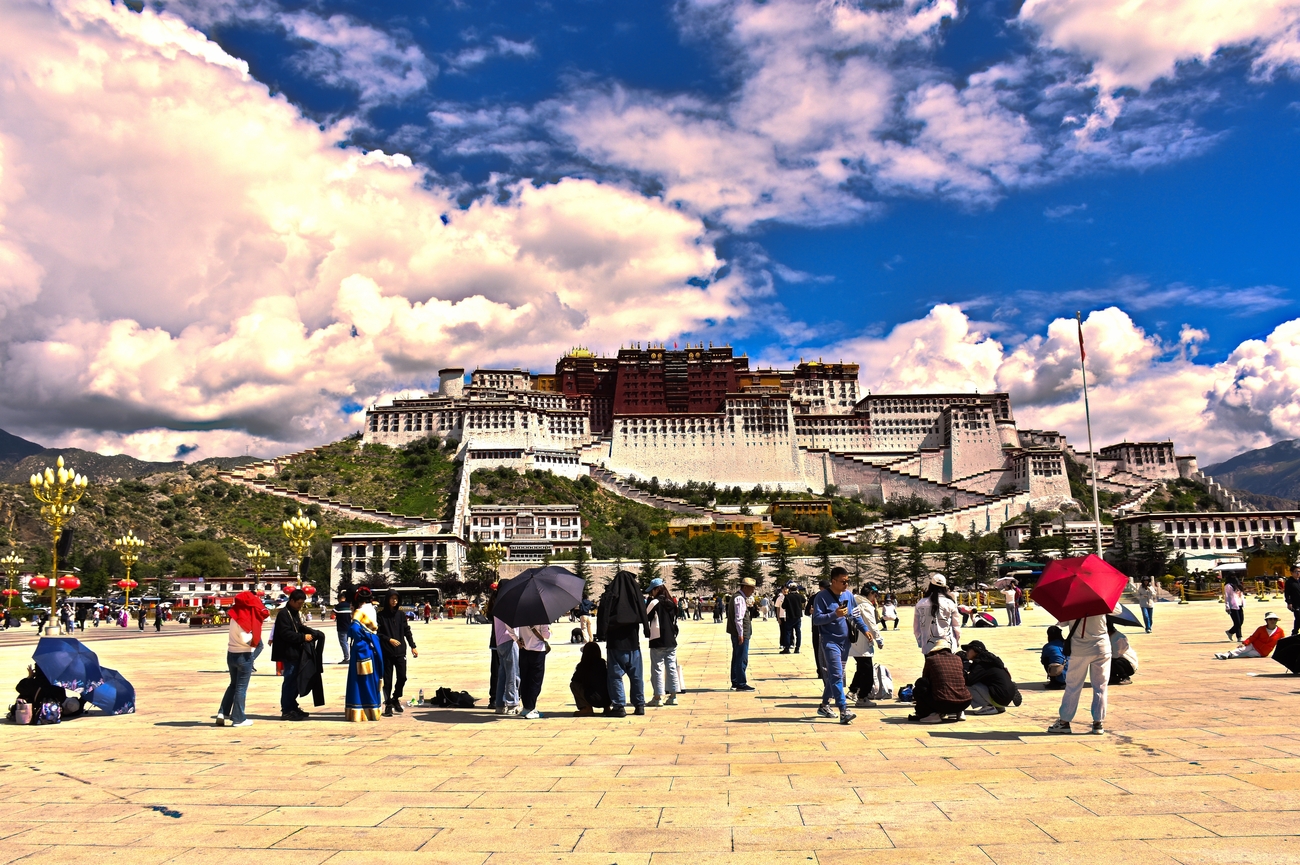
Footwear should be comfortable and stable rather than heavy. Visits to the Potala Palace, Tashilhunpo Monastery, and other religious sites involve stone steps and uneven surfaces, while the altitude makes even moderate walking feel more demanding.
Medication and altitude precautions should be discussed with a qualified medical professional before departure. Travellers choosing to add the Tibet extension should also allow sufficient time to acclimatise before the most physically demanding visits.
The seasonal timing of this optional Tibet extension is covered in our Best Time to Visit China guide.
Shanghai: Light
Layers and Smarter Evening Shoes
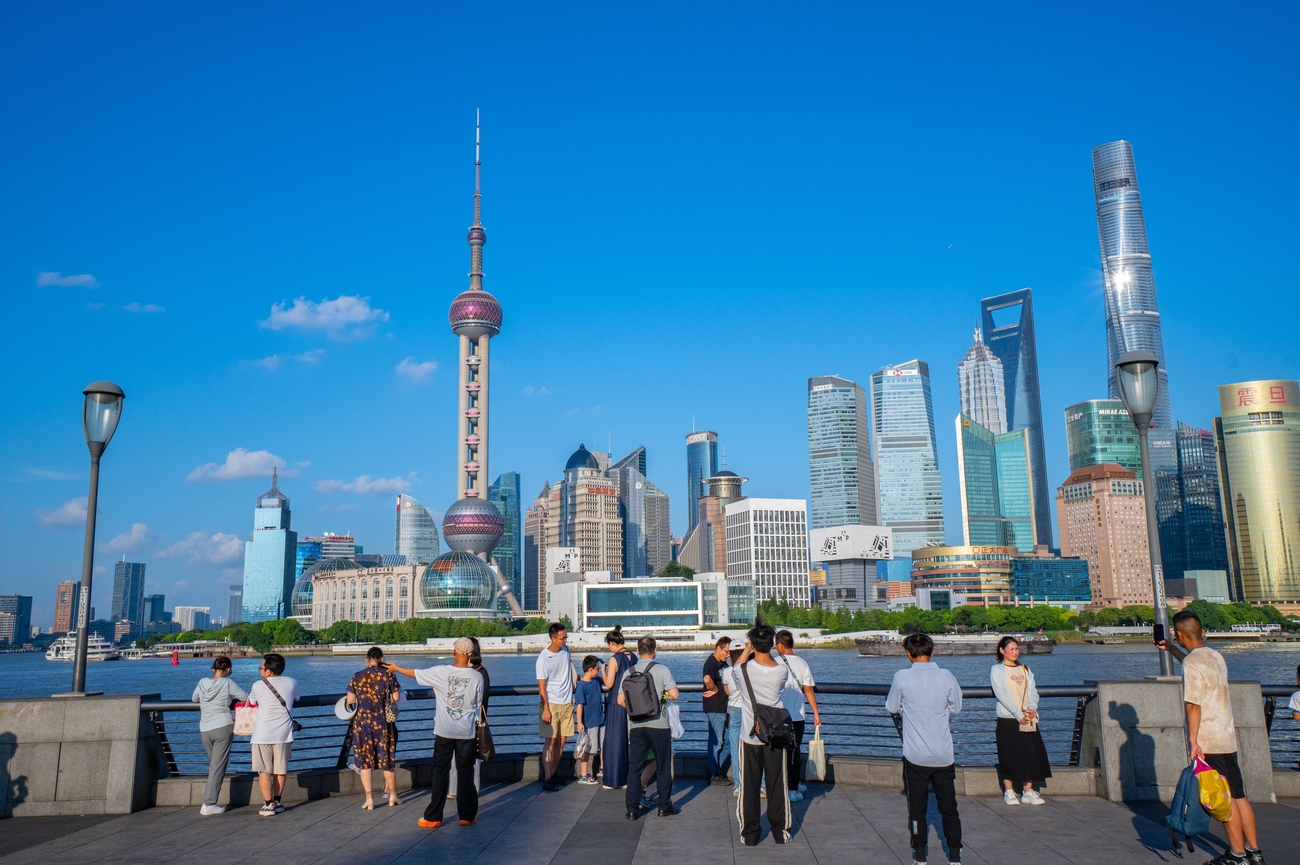
Shanghai has hot, humid summers and cooler, damp winters, but it is one of the easiest stops on the route to pack for. In spring and autumn, light layers are usually sufficient for walking along the Bund and exploring the former French Concession.
In summer, breathable clothing, sun protection, and hydration are the priorities. In winter, a warmer outer layer is needed because the damp air can make temperatures feel colder.
Shanghai is also the most useful place to pack a second, smarter pair of shoes. The city’s five-star hotels, restaurants, and bars may call for something more polished than the walking shoes worn throughout the day.
For most travellers, one pair of supportive walking shoes and one lighter evening pair are enough for the full journey.
What
Shoes to Pack for China
Comfortable shoes matter more than formal outfits on a multi-region China tour. Days can include long museum visits, old-town streets, railway stations, temple steps, and extensive walking through large scenic areas.
For a three-week journey, two pairs are usually enough:
- One pair of properly broken-in walking shoes or low hiking shoes for sightseeing.
- One lighter, smarter pair for evenings, hotel interiors, and restaurants in cities such as Shanghai.
Zhangjiajie is the part of the main route where grip matters most. Rain can make the steps, forest paths, and mountain walkways slippery, so shoes with a textured sole are more suitable than standard flat-soled trainers.
For travellers adding the optional Tibet extension, the main challenge is not technical terrain but the effect of altitude. The steps at the Potala Palace and the stone paths around monasteries in Lhasa, Gyantse, and Shigatse can feel far more demanding than similar walks at lower elevation. The same supportive walking shoes used on the main itinerary are suitable, provided they are comfortable and stable.
A lightweight shawl or overshirt is also useful for religious sites. It can cover shoulders at places such as the Great Mosque of Xi’an and, for travellers adding Tibet, at the Jokhang Temple and Kumbum Stupa, while also serving as light protection against dust or cooler air.
Our China travel etiquette guide explains the dress expectations for religious and cultural sites in more detail.
Essential
Items to Pack for China
Some items are easy to replace in China, particularly in major cities. Others should be prepared before departure because they affect payments, internet access, medication, or the smooth running of the journey.
Payments,
Internet Access, and Electronics
The most important preparations are often digital rather than physical: travel documents, mobile payment accounts, internet access, charging equipment, and secure backup copies.
Mobile payment is widely used across China. Setting up Alipay or WeChat Pay with an international bank card before departure makes it easier to pay in restaurants, shops, taxis, and other places visited without a guide. Cash can still be carried as a backup, but it should not be your only payment method.
Carry any power bank in your hand luggage rather than your checked suitcase. Airline rules also apply to its capacity, labelling, and condition, so check the latest requirements before travelling. Keep charging cables and a suitable travel adapter in the day pack as well.
Many international websites and applications are restricted in mainland China. Travellers who need continued access to services such as WhatsApp, Google, Instagram, or international news platforms should arrange a suitable connectivity solution before departure rather than trying to resolve it after arrival.
Keep digital and printed copies of your passport, visa, insurance details, permits, and important reservations. Store the copies separately from the original documents.
Sun Protection
Across the Route
Sun exposure changes considerably across a multi-region China itinerary, but sunscreen, sunglasses, and a hat are useful throughout the journey.
In Beijing and Xi’an, sun protection is important during long outdoor visits such as the Great Wall and city-wall walks. In Guilin, Yangshuo, and Zhangjiajie, humidity and rain can reduce the effectiveness of sunscreen, so it may need to be reapplied more frequently.
Travellers adding the optional Tibet extension require the strongest protection. At high altitude, travellers should carry high-SPF sunscreen, UV-protection sunglasses, a hat, and lip balm with sun protection. Wraparound sunglasses can provide additional coverage against glare and reflected light.
Practical
Items Worth Carrying
Keep a small supply of tissues, wet wipes, and hand sanitiser in the day pack. Public facilities vary, and toilet paper or soap may not always be available. These products are easy to buy locally, but carrying them from the beginning is more convenient on sightseeing and travel days.
A compact medical kit should include the traveller’s usual remedies, basic first-aid items, and enough prescription medication for the full journey. Keep prescription medicines in their original packaging and carry supporting medical documentation where appropriate.
Rules governing controlled medicines vary, so travellers taking ADHD medication, strong pain relief, or other restricted drugs should check the current entry requirements before departure. CBD and cannabis-derived products should not be carried without confirming that they are legal to bring into China.
Travellers adding the optional Tibet extension should seek personalised medical advice about altitude before departure rather than relying on medication or portable oxygen as a substitute for proper acclimatisation.
What
Not to Pack for China
Knowing what to leave behind is just as important as deciding what to bring. Overpacking makes airports, railway stations, hotel changes, and city transfers more tiring than they need to be.
Full-size toiletries are rarely necessary. Shampoo, body wash, toothpaste, and other everyday products are easy to buy in major cities, while five-star hotels usually provide the standard essentials. Bring only the products you rely on or prefer not to replace.
Avoid packing too many shoes. One supportive pair for sightseeing and one lighter pair for evenings will cover most of a multi-region itinerary in China. Additional pairs add weight without adding much value.
Drones are also best left at home unless they are essential to the trip and all permissions have been confirmed in advance. Restrictions vary between locations, and flying is often prohibited near historic monuments, airports, military areas, and protected sites. At places such as the Forbidden City and Zhangjiajie, and at the Potala Palace for travellers continuing into Tibet, a drone is more likely to create a logistical problem than improve the journey.
Packing
for a Multi-Region China Tour: Practical Summary
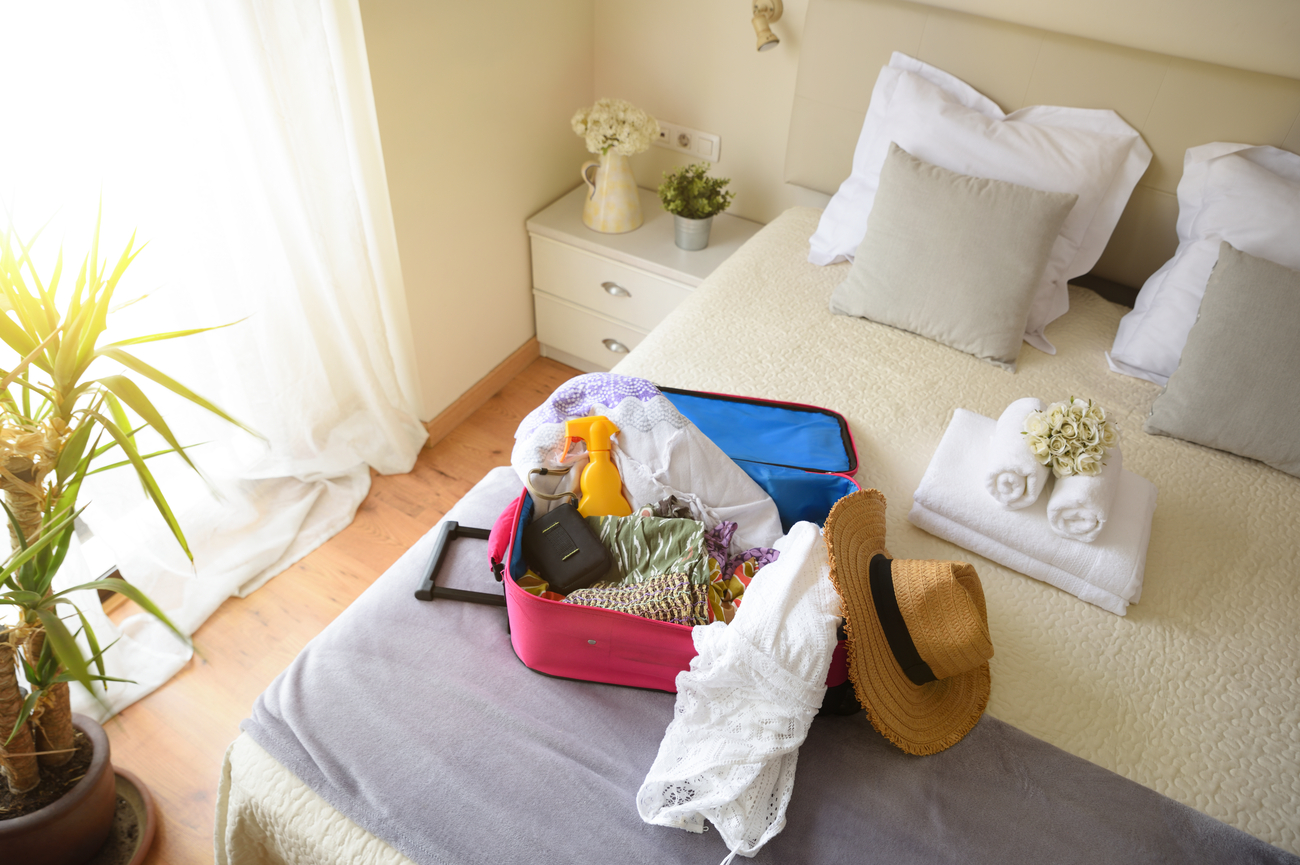
For a multi-city itinerary in China, one medium-sized checked suitcase and one practical day pack are usually enough.
The day pack should carry the items needed for each day of sightseeing: a light mid-layer, a packable rain shell, sun protection, a power bank, water, tissues, and a lightweight cover for religious sites.
The main suitcase should contain enough interchangeable clothing for around ten days between laundry stops, along with supportive walking shoes, a smarter evening pair, essential medication, and the remaining electronics. Travellers adding the optional Tibet extension should also include a proper insulated layer for the high-altitude conditions.
A carefully planned private itinerary makes this lighter approach possible. Transfers are arranged, hotel changes are coordinated, and laundry can be scheduled. For travellers adding Tibet, permits and the additional regional logistics can also be handled before departure. With those details already resolved, travellers can carry what they actually need rather than packing for every possible disruption.
One
Suitcase for Five Climates
The same layering system can carry you from Beijing’s cool mornings to Guilin’s humidity, Zhangjiajie’s mountain weather, the Yangtze’s river breeze, Tibet’s high-altitude cold, and Shanghai’s coastal climate without requiring an oversized suitcase.
Packing well means arriving in each region ready for the conditions rather than losing the first morning adjusting, shopping, or working out what is missing. The right clothing, footwear, and day-pack essentials make the distances covered by a Grand Tour of China feel seamless rather than complicated.
The route is ready. Let us help you decide when to go.


Let us know what you love, where you want to go, and we’ll design a one-of-a-kind adventure you’ll never forget.
Get in touch
Miriam
Travel Specialist

Nina
Travel Specialist

Abigail
Travel Specialist
Our offices:



Revigorate, Iberian Escapes and Algarve Lifestyle are the registered brand names of APCS Lda . We are a fully authorised travel agency licensed by Turismo de Portugal RNAVT/6867.
In the event of a dispute, the consumer may refer to: RAL - Centros de Arbitragem
Avª. 5 de Outubro, nº. 55, R/C Dtº. 8000-075 Faro, Portugal | Tel: +351 289 823 135 *
* national landline call
E-mail: info@consumoalgarve.pt| www.consumidoronline.pt | Mon to Fri: 9:00 - 13:00 / 14:00 - 17:00