Private Guide vs. Group Tour in China: What Changes on a Multi-Week Itinerary
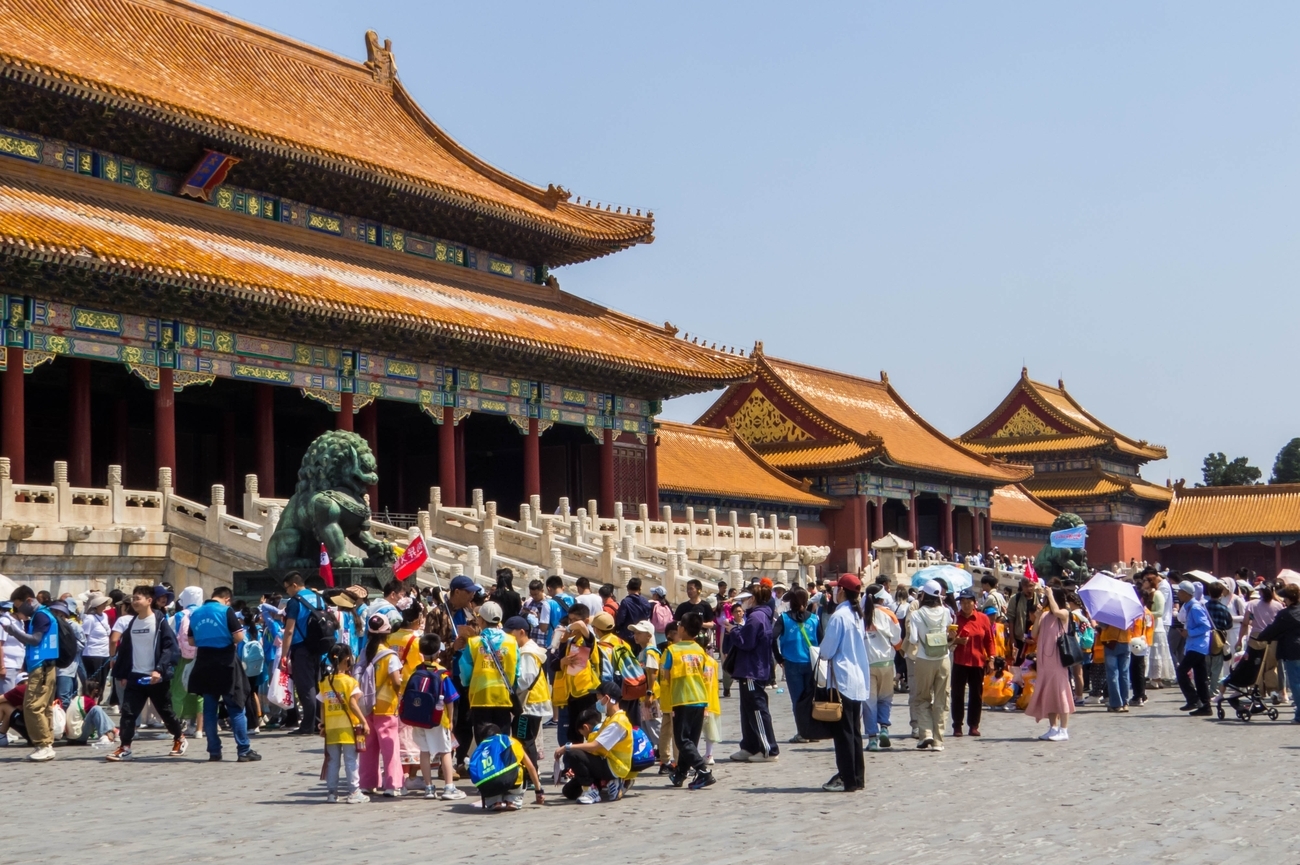
At the Forbidden City, you pause in an inner courtyard as the morning light catches the glazed roof tiles. Before you need to ask, your guide adjusts the next part of the visit and gives you more time.
No one is waiting for you to move on. Nothing else is being delayed. The pace follows your interest rather than a group schedule.
That is the essential difference between a private China tour and a group tour. It is not simply more comfort or personal attention. It is the ability to change the timing, pace, and depth of the journey as it unfolds.
Our luxury China travel guide explains the wider planning framework. This guide focuses on the day-to-day changes that occur on a long, multi-region itinerary when you travel privately rather than as part of a fixed group.
What
Group Tours in China Are Designed to Deliver
Group tours are built around three practical advantages: shared costs, fixed logistics, and a predictable itinerary. For travellers who want to see the major sights without arranging hotels, transport, tickets, or daily activities themselves, that model can work well.
The limitation is not that group tours fail to deliver on their promises. It is that the same structure becomes more restrictive as the journey grows longer and covers more regions.
The Limits of
a Fixed Group Tour Schedule
A group tour follows a set itinerary, with fixed departure times and a pace determined by the needs of the whole group. On a short stay in Beijing, that may be a reasonable compromise. Across fifteen days and several regions, it shapes almost every part of the journey.
Visits are timed around coach movements, group meals, hotel departures, and the pace of the group as a whole rather than around the best conditions at each site. That may mean arriving at the Chengdu Panda Base after the most active morning period or reaching Yuanjiajie after the morning cloud has lifted.
Travellers may also spend time waiting for others to assemble, moving through an attraction faster than they would choose, or staying longer than they need at places that interest them less. None of these compromises is especially significant on a single day. Across a multi-week itinerary, however, they begin to define the experience.
Some lower-priced group tours also include scheduled retail visits to jade workshops, silk factories, or traditional medicine centres. These stops help support the tour’s pricing model but take time away from the cultural and historic sites that most travellers came to see. Anyone comparing group tours should therefore look closely at the full daily programme, not only the headline attractions.
One Guide for
the Whole Group
A group tour guide must manage transport, timings, commentary, and the individual needs of many travellers at once. The result is usually a broader and more standardised explanation designed for the group’s average level of interest.
On a short itinerary, that may be entirely sufficient. On a long journey moving from Beijing’s imperial history to Sichuan’s conservation work and the landscapes of Zhangjiajie, the limits become more noticeable. For travellers adding the optional Tibet extension, the need for specialist cultural knowledge becomes greater still. The guide cannot easily adjust the depth of explanation, pace of the visit, or focus of the day around one traveller’s interests.
The difference is therefore not simply between shared and private transport. It is between an itinerary designed to work efficiently for a group and one that can respond continuously to the people actually taking it.

What
Changes on a Private Guided China Tour
The advantages of a private guided China tour are not limited to comfort. They affect the timing, pace, access, and depth of the journey, and their value becomes greater with each day of a long itinerary.
Better Timing
and Access
The Terracotta Army, Chengdu Panda Base, and Bailong Elevator at Yuanjiajie each reward careful timing. For travellers adding the optional Tibet extension, the Potala Palace and Barkhor Circuit require the same level of planning. These ideal visiting times are rarely the most convenient ones for a large group travelling by coach.
On a private China tour, the day can be built around the attraction rather than the group’s logistics. The Terracotta Army can be visited soon after opening, before the main viewing areas fill. The Chengdu Panda Base is particularly time-sensitive because the pandas are generally more active during the cooler morning hours, so an early arrival can make a substantial difference to the visit. Zhangjiajie can begin at the park’s early opening, when the cloud sea may still surround the sandstone pillars and queues at the Bailong Elevator are shorter.
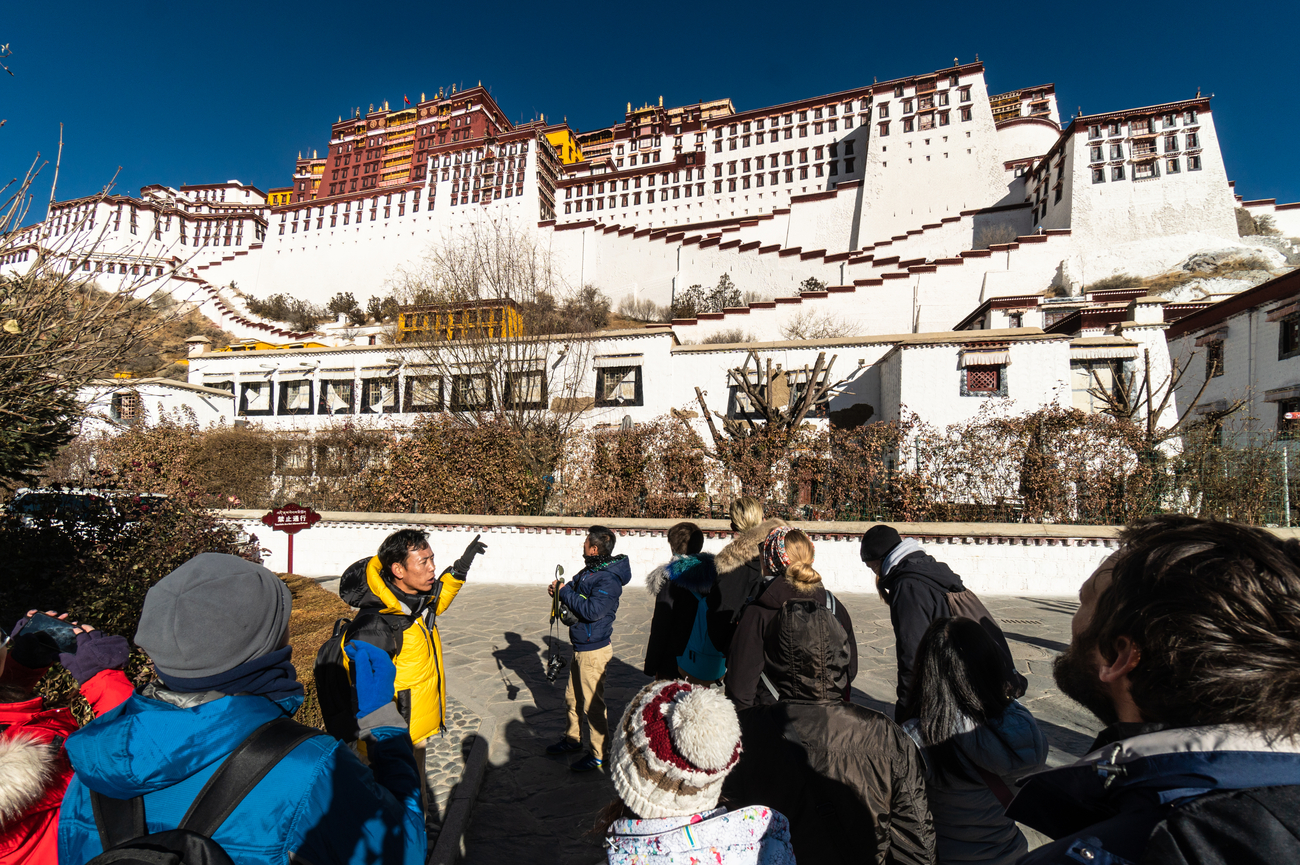
For travellers adding the optional Tibet extension, the Barkhor Circuit can be visited earlier in the day, when pilgrims rather than tour groups set the pace around the Jokhang Temple. The Potala Palace requires equally careful planning because timed admission, altitude, and the long ascent make proper acclimatisation and a manageable pace essential.
The best month and the best hour often work together. Our guide to the best time to visit China explains how regional seasons affect access, visibility, and the timing of each major experience.
Pacing a Long China
Itinerary
On a short trip, a fixed pace may be a manageable compromise. Across fifteen days or more, it directly affects how much energy the traveller has left for the later stages of the journey.
A long China itinerary has a natural rhythm. The first days carry the excitement of arrival. The middle of the journey often includes the most demanding sightseeing and travel. By the final week, the pace of the earlier days determines whether the traveller is still fully engaged or simply keeping up.
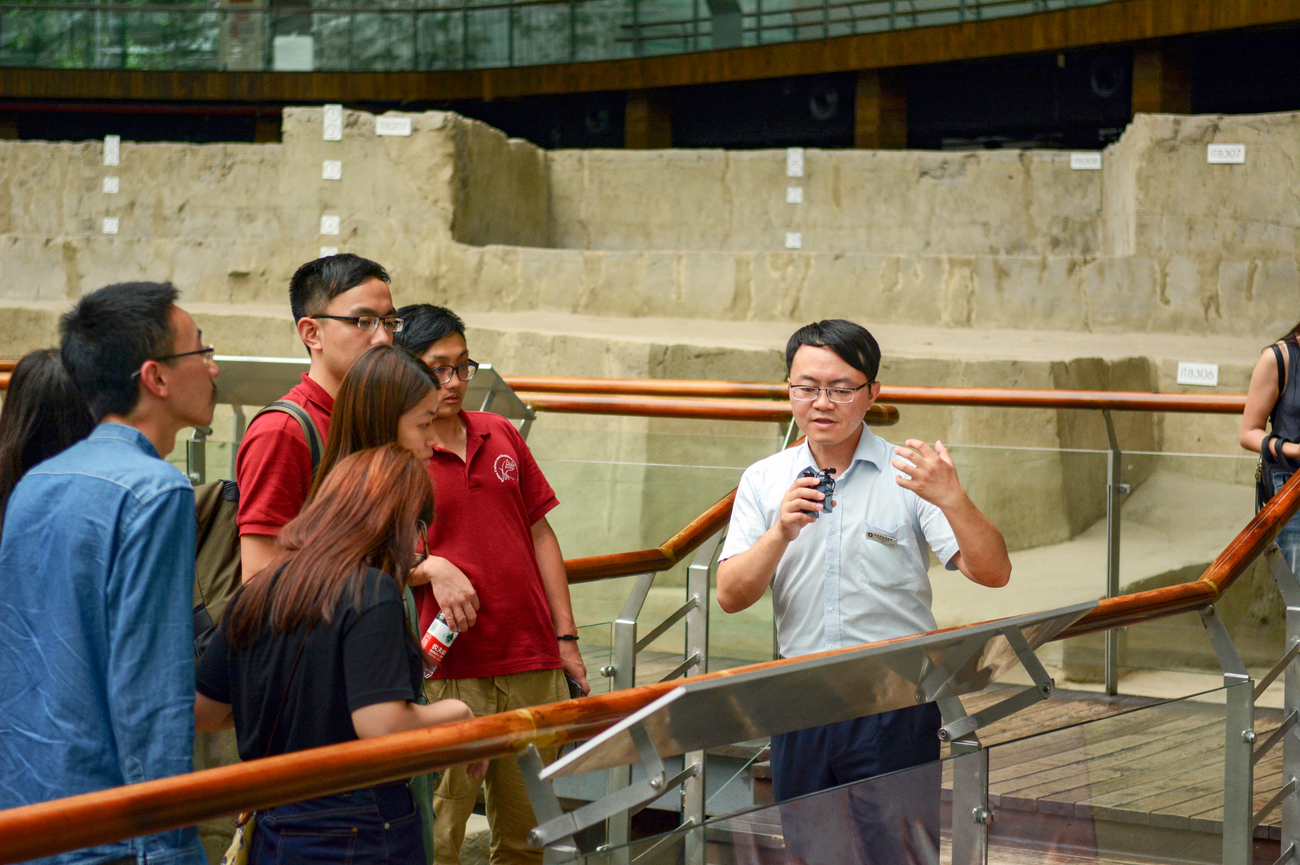
A private guide can respond to that changing energy. After a demanding day, the following morning can begin later. A crowded afternoon attraction can be replaced with a quieter experience. More time can be given to a place that proves especially meaningful, while less time is spent somewhere that holds less interest.
These small adjustments accumulate. Over a multi-week journey, the ability to slow down, rest, ask more questions, or stay longer at the places that matter creates a noticeably different experience than following the same schedule as everyone else.
Regional
Specialist Guides
A multi-city itinerary on the main Grand Tour of China may include Beijing, Xi’an, Chengdu, Zhangjiajie, the Yangtze River, and Shanghai. Travellers may also add optional extensions to Guilin or Tibet. Each region has its own history, traditions, landscapes, and cultural context, and no single guide can interpret them all with equal depth.
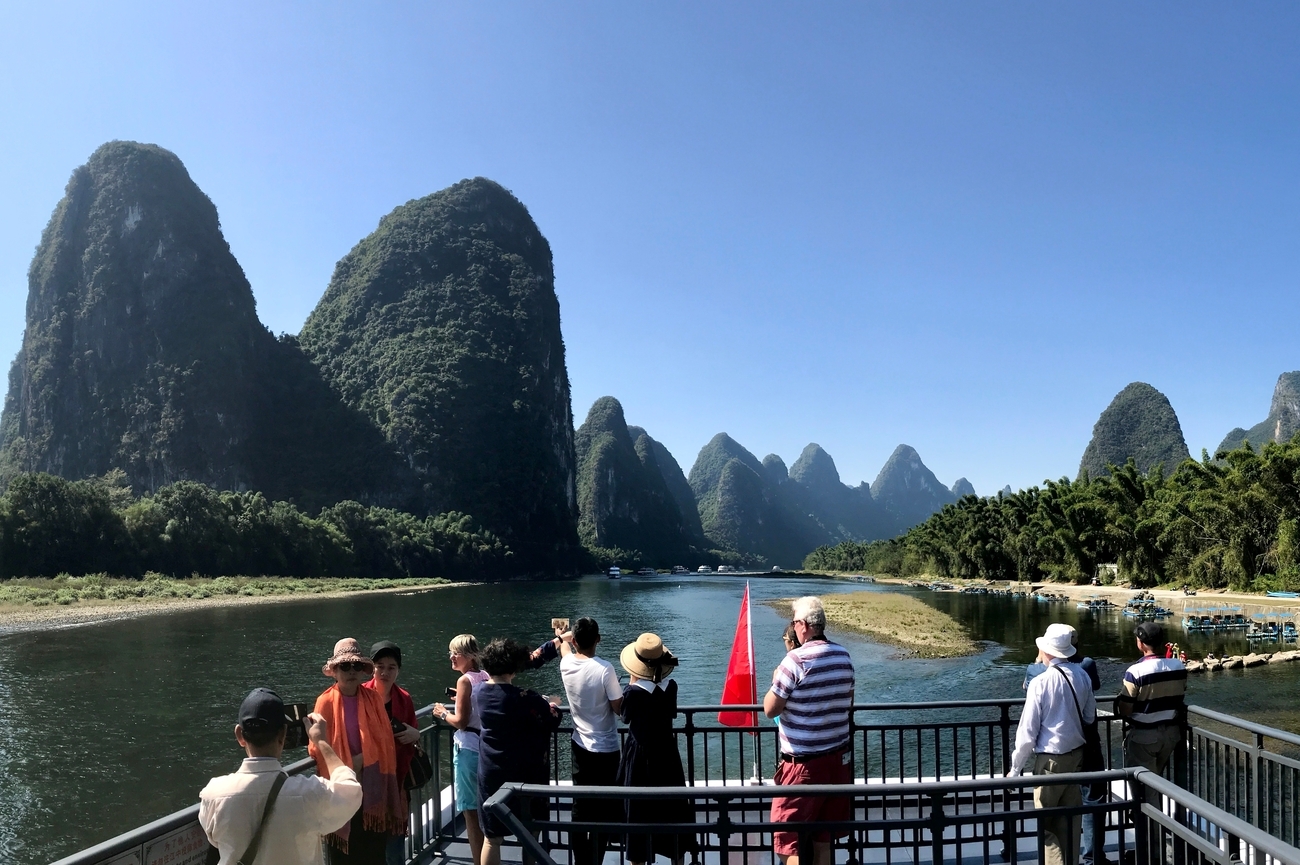
A properly structured private tour of China therefore uses specialist guides in each region. In Beijing, that may mean a guide with detailed knowledge of Ming and Qing imperial architecture. In Sichuan, it means someone who can explain the conservation work behind Chengdu’s panda breeding programme as well as the cultural traditions of the city. For the optional Guilin extension, local knowledge of the Li River and regional conditions becomes important, while the optional Tibet extension requires a guide able to explain Buddhist practice, monastery traditions, and the cultural meaning of what the traveller is seeing.
The value of regional expertise is also visible in everyday settings. A Chengdu teahouse has its own social rhythms and tea customs, and a local guide can explain how to participate naturally rather than simply observe. These details are difficult for a generalist guide covering the full route to interpret with the same depth.
A private guide is therefore not simply someone who accompanies the traveller. At their best, they interpret each region on its own terms and make experiences understandable that might otherwise remain only visually impressive.
Why
the Value of a Private China Tour Grows Over Time
The advantage of private travel is not the same every day of the itinerary. It becomes more valuable as the journey continues.
Day One
Compared with Day Fourteen
On the first day, the difference between private and group travel is mainly comfort: more space, more attention, and greater flexibility. These advantages matter, but over a single day they may still feel like an upgrade rather than a completely different way of travelling.
By day fourteen, the cumulative effect is much clearer. Each early departure timed for the best conditions, each adjustment to pace, and each decision to spend longer in one place and less time in another has helped preserve the quality of the journey. The traveller is still experiencing China rather than managing fatigue and working around a fixed schedule.
This is why the value of a private China tour grows over time. Small improvements made every day add up to a significant difference over a multi-week itinerary.
What a Private
Guide Learns Along the Way
A guide who has spent several days with the same travellers begins to understand what matters to them. They learn whether the traveller responds more strongly to architecture, political history, local life, religious tradition, food, or landscape. They also understand the preferred pace of the day, how much detail is useful, and when the itinerary needs more space.
That knowledge should be carried forward between regions. Interests discovered in Beijing can shape what is emphasised in Xi’an. The pace established during the first week can influence how the later days are arranged. A particular interest in imperial history, Buddhism, regional cuisine, or minority culture can be developed as the route continues rather than treated as an isolated conversation at one stop.
This continuity is one of the most valuable advantages of a well-managed private itinerary. A group tour delivers the same programme to everyone. A private tour becomes more personal as it progresses.
Where
a Private China Tour Makes the Greatest Difference
The benefits of private travel are most noticeable in places where timing, access, local knowledge, or cultural sensitivity directly affect the quality of the experience.
Crowd-Sensitive
Sites
The Forbidden City, Terracotta Army, Chengdu Panda Base, and Bailong Elevator at Zhangjiajie all attract large numbers of visitors. For travellers adding the optional extensions, the Li River cruise and Potala Palace also benefit from careful timing. Some operate with timed entry or visitor limits, while others are shaped by queues and crowd pressure throughout the day.
A private itinerary cannot remove the crowds, but it can plan around them. Earlier departures, carefully selected entry times, and a more flexible daily sequence make it possible to reach major sites before the busiest periods and avoid wasting time waiting for a large group to assemble.
For travellers adding the optional Tibet extension, planning for the Potala Palace begins before the visit itself. The ascent takes place at high altitude, so proper acclimatisation and a manageable pace are essential. A private itinerary that has already allowed time to adjust in Tibet gives the traveller a much better chance of reaching the palace comfortably and using the timed visit well.
Optional Tibet Extension
For travellers adding the optional Tibet extension, the difference between private and group travel becomes especially clear because logistics, altitude, and local knowledge must be coordinated.
The Tibet Travel Permit, acclimatisation, and route sequence all need to be planned together. Beginning in Tsedang before continuing to Lhasa can provide a more gradual introduction to the plateau than arriving directly from a low-altitude city. A fixed group itinerary may offer less flexibility if travellers need additional time to acclimatise.
Cultural
Ceremonies and Local Etiquette
Private guidance is also particularly valuable in settings where the traveller is expected to understand more than what is being said.
A formal banquet in Beijing, a Chengdu teahouse, and, for travellers adding the optional Tibet extension, a visit to a Tibetan monastery each follow different social and cultural conventions. A guide may need to explain how to respond to a baijiu toast, how to navigate local tea customs in Chengdu, or which direction to follow around a sacred site in Tibet.
In these moments, the guide is not simply providing commentary. They are interpreting language, custom, and context as the encounter unfolds, helping the traveller participate respectfully rather than remain an observer.
The full etiquette framework for these settings, from banquet customs to monastery dress and behaviour, is covered in the China travel etiquette guide.
When
a Group Tour Is the Right Choice
Private travel is not the right solution for every traveller. A well-organised group tour can be an excellent choice, depending on the length of the trip, the traveller’s priorities, and their experience of China.
For first-time visitors spending a week in China, a small group tour can provide an easy introduction to the country. Hotels, transport, tickets, and daily logistics are all arranged, while travelling with others can add a social dimension that some people value.
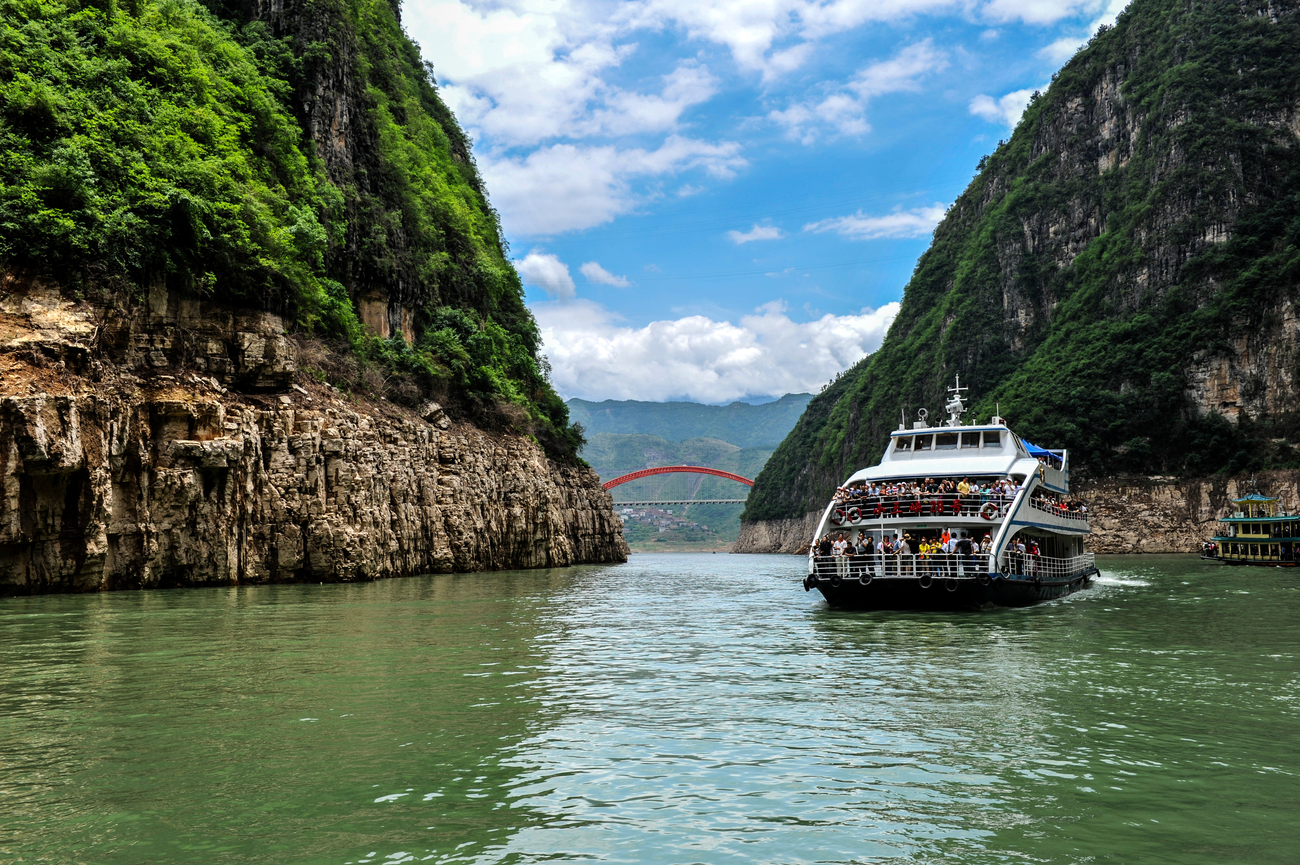
The Yangtze River cruise is another example where the difference between private and group travel is less pronounced. The cruise itself is the experience, and everyone enjoys the same spectacular passage through the Three Gorges. Choosing a five-star ship and a private balcony cabin often has a greater impact on the experience than whether the itinerary is private or group-based.
Some travellers also combine both approaches. They may begin with a short escorted tour to become familiar with China before continuing with a privately arranged itinerary that offers greater flexibility, regional specialist guides, and a pace tailored to their interests.
For longer, multi-region journeys, however, the balance shifts. As the itinerary becomes more complex and the regions more diverse, the advantages of private travel become increasingly valuable, particularly for travellers who want greater flexibility, deeper cultural understanding, and more control over how they experience China.
Why
the Difference Grows Each Day
On the first day of a China itinerary, the difference between private and group travel may feel like a matter of comfort and flexibility. By day ten, it affects the quality of the journey itself. One traveller is still fully engaged with each destination; the other may be managing fatigue, waiting for the group, and adjusting to a schedule that was never designed around them.
A long, multi-region private tour of China does more than add comfort. It removes the friction that builds up with a fixed itinerary: waiting for others, moving at the wrong pace, arriving at the wrong time, sitting through unnecessary retail stops, and receiving increasingly generic commentary as the route becomes more culturally complex.
The best Grand Tour of China is the one in which the planning, timing, and logistics have already been resolved. What remains is simply the freedom to experience each place with the time and attention it deserves.


Let us know what you love, where you want to go, and we’ll design a one-of-a-kind adventure you’ll never forget.
Get in touch
Miriam
Travel Specialist

Nina
Travel Specialist

Abigail
Travel Specialist
Our offices:



Revigorate, Iberian Escapes and Algarve Lifestyle are the registered brand names of APCS Lda . We are a fully authorised travel agency licensed by Turismo de Portugal RNAVT/6867.
In the event of a dispute, the consumer may refer to: RAL - Centros de Arbitragem
Avª. 5 de Outubro, nº. 55, R/C Dtº. 8000-075 Faro, Portugal | Tel: +351 289 823 135 *
* national landline call
E-mail: info@consumoalgarve.pt| www.consumidoronline.pt | Mon to Fri: 9:00 - 13:00 / 14:00 - 17:00