Wine Tasting Near Madrid: Best Wineries and Wine Regions Within an Hour of the City
Madrid has its own protected wine denomination, D.O. Vinos de Madrid, with vineyards beginning around 30 kilometres from the city centre. That proximity makes wine tasting near Madrid one of the easiest day trips to combine with a short stay in the capital.
D.O. Vinos de Madrid was established in 1990, but winemaking in the region is much older. For much of the twentieth century, however, local wine was associated more with inexpensive bulk production for Madrid's bars than with bottles carrying a strong regional identity. In recent decades, producers have worked to build a very different reputation around local grapes, old vines and distinct growing areas.
That relatively short distance from the capital matters on a two-night trip. As we explain in our guide to planning a romantic weekend in Madrid, a vineyard day can fit comfortably into a two-night stay without taking over the entire trip, leaving enough time to return to the city for dinner or an evening performance.
A day of wine tasting near Madrid reveals considerable variety within a surprisingly compact region. Old-vine Garnacha is particularly important in the west, while Malvar is one of the distinctive white grapes associated with the southeast. In several historic wine towns, underground cellars still contain traditional clay tinajas, while sobremadre preserves a local winemaking style that many visitors will never have encountered before.

D.O.
Vinos de Madrid: Grapes, Terroir and Sobremadre

D.O. Vinos de Madrid was established in 1990, but winegrowing around the Spanish capital dates back centuries. Viticulture in the region is documented from the thirteenth century, and for generations the surrounding vineyards supplied wine directly to Madrid.
That relationship weakened after the Spanish Civil War and through the middle of the twentieth century. Vineyards were abandoned, while much of the region's commercial production became associated with inexpensive bulk wine. A revival began from the 1990s as producers increasingly focused on bottled wines, local grape varieties and the identity of individual growing areas.
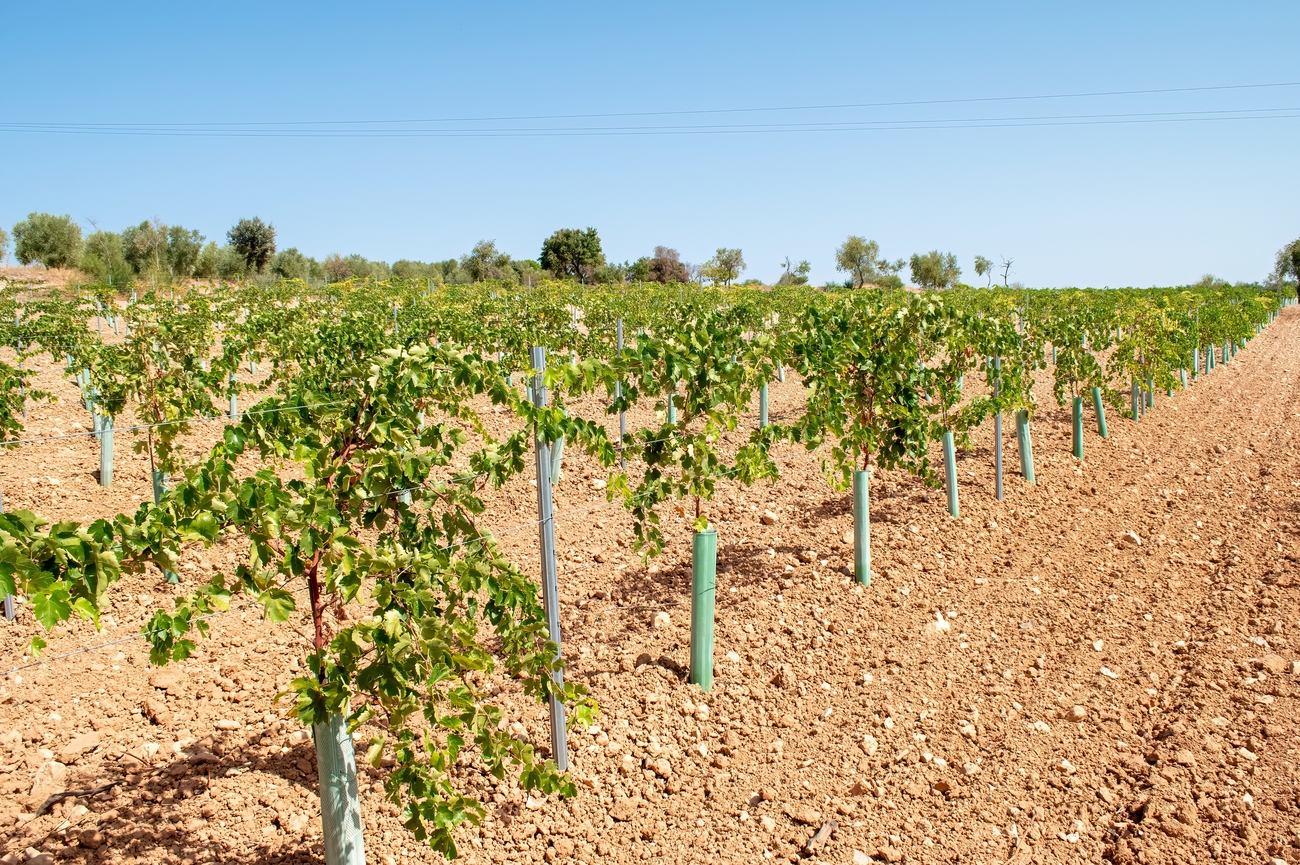
Garnacha is one of the most important red grapes, particularly in the western part of the denomination. Tempranillo, also known locally as Tinto Fino, plays an important role too. Among the white grapes, Malvar is particularly associated with the southeast, while Albillo Real is significant in the west. Airén also remains widely planted.
These grapes grow across very different landscapes, which is why D.O. Vinos de Madrid does not have a single wine style. Around Arganda in the southeast, vineyards grow predominantly on limestone and clay soils. Farther west, around San Martín de Valdeiglesias, granite soils and higher elevations in the foothills of the Sierra de Gredos create very different growing conditions.
For visitors wine tasting near Madrid, the sub-zone, grape variety and vineyard location can therefore tell you more about a bottle than the denomination name alone. Wines produced on opposite sides of D.O. Vinos de Madrid can express noticeably different landscapes and winemaking traditions.
One of the region's most distinctive traditions is sobremadre. This protected wine style is fermented and aged in contact with grape skins and lees and has a slight natural effervescence. Only a small number of producers continue to make it, giving visitors the opportunity to taste something closely associated with Madrid's local winemaking heritage.
Sobremadre is particularly interesting because it connects the relatively young D.O. Vinos de Madrid designation with much older regional practices. If one of the wineries you visit produces it, ask to taste it. It may be one of the most distinctly Madrid wines you encounter during the day.
The
Four Sub-Zones of D.O. Vinos de Madrid
D.O. Vinos de Madrid is divided into four sub-zones, each with different grapes, soils and winemaking traditions. Choosing between them is one of the main decisions when planning a wine-tasting day from Madrid.
Arganda
Arganda lies southeast of Madrid and is the largest sub-zone within D.O. Vinos de Madrid. Limestone and clay soils are characteristic of the area, while Tempranillo and Malvar are among its important grape varieties. Parts of the wine region begin around 30 kilometres from the capital, making Arganda one of the easiest areas to reach on a day trip from Madrid.
The area's traditional cellars are another reason to visit. In several villages, winemaking spaces were excavated beneath houses and streets, leaving little indication above ground of what lies below. These underground cellars reflect the long relationship between the surrounding wine towns and the capital they historically supplied.
Malvar is particularly worth seeking out here. This local white grape provides a useful contrast to Tempranillo, known locally as Tinto Fino, and tasting both offers a good introduction to the southeastern side of the denomination.
Navalcarnero
Navalcarnero lies south-west of Madrid and is historically associated with Garnacha, lighter red wines and rosés.
For generations, wines from this area supplied Madrid's taverns, linking Navalcarnero closely with the everyday drinking culture of the capital. That history makes the sub-zone useful for understanding the commercial identity inherited by D.O. Vinos de Madrid before producers began rebuilding the region's reputation for bottled wines from the 1990s onwards.
San Martín de Valdeiglesias
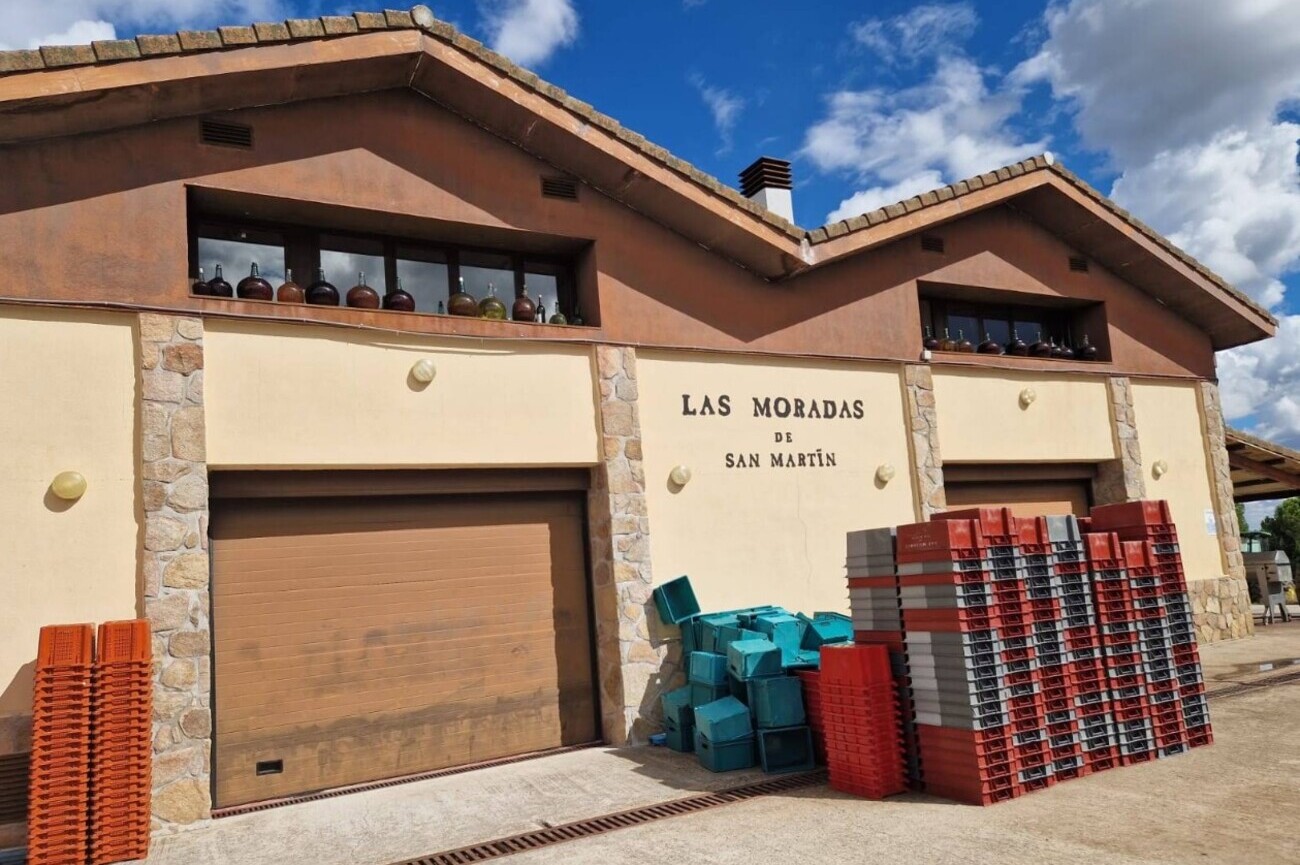
San Martín de Valdeiglesias lies west of Madrid in the foothills of the Sierra de Gredos. Granite soils and higher elevations create very different growing conditions from the limestone and clay found around Arganda.
Old-vine Garnacha is the main reason to explore this part of the denomination. Wines from San Martín have attracted international critical attention, and their connection with the broader Gredos wine landscape gives the area a particularly distinctive identity within D.O. Vinos de Madrid.
San Martín is farther from central Madrid than the southeastern wine areas, with the journey taking roughly an hour. On a short stay, it makes most sense for travellers specifically interested in old-vine Garnacha, granite soils and the wines of the Gredos foothills.
El Molar
El Molar lies north of Madrid and is the newest of the denomination's four sub-zones. Its inclusion extended the protected wine region northwards beyond the longer-established areas of Arganda, Navalcarnero and San Martín de Valdeiglesias.
For a first wine-tasting day near Madrid, Arganda offers the advantage of proximity, while San Martín de Valdeiglesias provides a strong introduction to old-vine Garnacha and the western side of the denomination. El Molar is better suited to travellers who want to explore beyond the best-known wine areas and develop a broader understanding of D.O. Vinos de Madrid.
Best
Wine Towns and Villages Near Madrid
Madrid's wine country is often easiest to understand through its historic towns and villages. Unlike wine regions where wineries sit separately among the vineyards, many traditional cellars here are woven into the places where people live, sometimes extending beneath houses and streets.
Chinchón
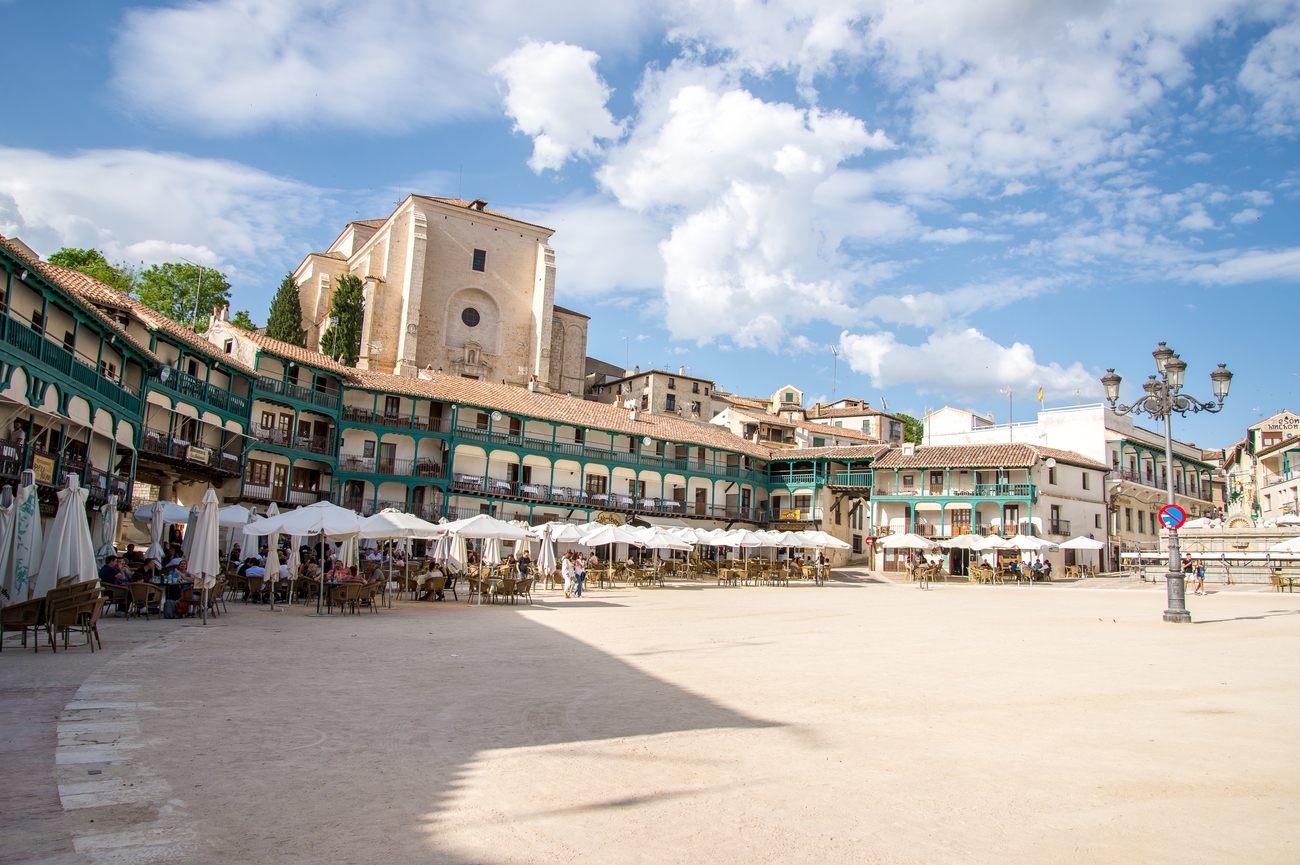
Chinchón lies roughly 45 kilometres southeast of Madrid and is one of the most attractive wine towns within easy reach of the capital. Its distinctive Plaza Mayor and historic streets make it worth exploring beyond the wineries, while a longstanding local anise tradition adds another element to the town's drinks culture.
For wine lovers, the underground cellars are particularly interesting. Traditional storage and winemaking spaces beneath the town contain clay tinajas, connecting Chinchón with older methods of producing and storing wine.
That setting changes the character of a wine-tasting visit. Rather than travelling to an isolated rural winery, you can combine a cellar visit with a walk through the town, making Chinchón particularly well suited to a relaxed day trip from Madrid.
Colmenar de Oreja
Colmenar de Oreja has a long history of winemaking and underground cellars. The surrounding area is also known for clay quarrying, creating an unusual connection between the materials used in Madrid's architecture and those associated with the region's traditional wine culture.
The village also has an important place in the history of D.O. Vinos de Madrid. Its oldest bodega was the first winery registered under the denomination.
Clay connects Colmenar de Oreja with Madrid in two ways. Local quarries supplied building material for the capital, while traditional tinajas remain part of the area's cellar heritage.
Villarejo de Salvanés
Villarejo de Salvanés adds another side to Madrid's wine industry, with larger family producers forming part of the local winemaking tradition.
The town can be reached independently from Madrid, but organising several winery visits requires more planning than the relatively short distance might suggest. Tastings generally need to be arranged in advance, and transport between appointments should be considered before you travel.
For visitors interested in how Madrid wine is produced beyond the smaller historic cellars, Villarejo de Salvanés provides a useful contrast and shows the continuing importance of family wine businesses within the region.
Arganda del Rey
Arganda del Rey is one of the closest major wine towns to Madrid and has a long cooperative winemaking tradition. Its proximity makes it a useful starting point for understanding how quickly the landscape and wine culture change once you leave the capital.
The cooperative tradition also reflects the twentieth-century history of a region that produced large quantities of wine for Madrid. That gives Arganda del Rey a different character from villages where winemaking is more closely associated with small family cellars beneath houses.
For travellers looking for wineries near Madrid, Arganda del Rey has the obvious advantage of distance. However, proximity should be only one factor in choosing where to taste. The grape varieties, cellar style and type of wine you want to explore matter just as much.
San Martín de Valdeiglesias
San Martín de Valdeiglesias lies roughly an hour west of Madrid and is the town to prioritise if old-vine Garnacha is your main interest.
The area sits in the foothills of the Sierra de Gredos and forms part of the broader wine landscape associated with Gredos-style Garnacha. Compared with the villages southeast of Madrid, the experience here is less about underground cellar traditions and more about vineyards, granite soils, altitude and the western expression of Garnacha.
On a short Madrid break, choose San Martín de Valdeiglesias because you specifically want to explore its wines. The longer journey is worthwhile when old-vine Garnacha and the Gredos landscape are the reason for the trip.
What to Expect on a Wine
Tasting Day Near Madrid
A wine-tasting day near Madrid can comfortably include two or three winery visits, particularly when the stops are concentrated within the same part of D.O. Vinos de Madrid. A well-paced itinerary might combine a modern winery with a historic cellar and leave enough time for lunch in one of the region's wine towns.
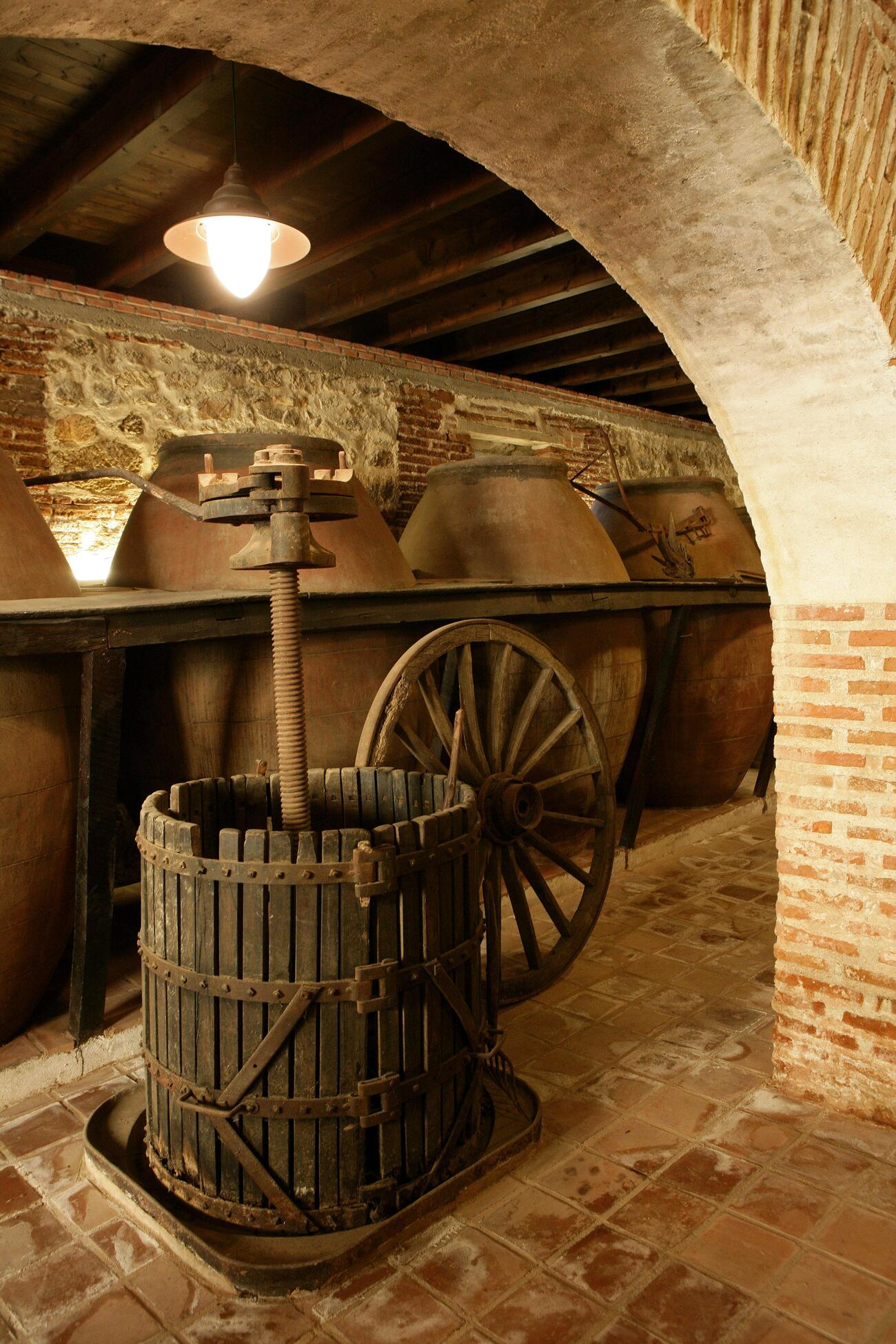
One of the most distinctive features of Madrid's wine country is that many traditional bodegas are built into village centres. Cellars were excavated beneath houses and streets, creating underground spaces that can be almost invisible from above. Descending into them reveals a very different side of the towns you have just walked through.
Traditional clay tinajas are another feature worth noticing. These large vessels were historically used for storing and making wine, and some producers continue to incorporate them into present-day winemaking. They provide a tangible link between the region's older cellar traditions and the wines being produced today.
Wine tastings may be accompanied by Ibérico products, local cheese or olive oil, while a village lunch provides a natural pause between winery visits. Keeping the day unhurried gives you more time to understand the differences between the wines, cellars and producers rather than simply moving from one tasting to the next.
You may also encounter sparkling wines produced within the region. Madrid is not widely associated with sparkling wine, so tasting one can be another reminder of how varied D.O. Vinos de Madrid is beyond its traditional reputation for everyday red wine.
Transport is one of the main practical considerations. Winery appointments need to be coordinated, and somebody still has to handle the journey between them. For travellers who prefer to have those arrangements made in advance, our Romantic Weekend Getaway in Madrid includes an approximately six-hour wine excursion to a historic town around 30 kilometres from Madrid, with transport from the city and visits to three wineries.
The excursion includes Madrid's oldest winery, with century-old caves and cellars, and tastings accompanied by Ibérico products, cheese or olive oil. A bilingual local wine expert guide accompanies the experience and provides context for the wines and the region.
If you are organising your own wine-tasting day, concentrate on one part of the denomination rather than trying to cross several sub-zones. Arrange winery visits that make geographical sense together and leave enough time for lunch.
Vary the wines you taste as well. If one winery focuses on reds, look for a local white such as Malvar at another. If sobremadre appears, take the opportunity to try it. A small number of contrasting wines will usually tell you more about D.O. Vinos de Madrid than tasting similar styles repeatedly across several stops.

How
to Get to Madrid's Wine Region
Madrid's wine country is unusually close to the capital. Depending on the sub-zone and destination, the journey typically takes around 30 to 60 minutes by road, making wine tasting near Madrid easy to include in a day trip.
Transport is the first practical decision. If you plan to taste several wines, driving yourself is rarely the best option. A designated non-drinking driver, organised wine tour or private transfer allows everyone else to enjoy the tastings without worrying about the journey back to Madrid.
Public transport can work well if you are visiting a single wine town. Places such as Chinchón and Villarejo de Salvanés have connections with Madrid, although journey times and services should be checked before travelling.
The difficulty increases when you want to visit several wineries in one day. Winery appointments may be spread between different villages, and public transport timetables are not designed around a sequence of tastings and a leisurely lunch.
For that reason, a Madrid wine tour or private driver is usually the most practical option for a multi-winery itinerary. Transport and appointment times can be coordinated in advance, allowing the day to focus on the wineries rather than the logistics between them.
If you decide to drive independently, appoint a designated driver who will not be drinking. The relatively short journey back to Madrid should never encourage anyone to drive after a day of wine tasting.
Other Wine Regions
Within Reach of Madrid
Madrid is also within reach of some of Spain's better-known wine regions, which can make D.O. Vinos de Madrid easy to overlook. For a short city break, however, distance makes an important difference.
Ribera del Duero lies north of Madrid and is one of Spain's most celebrated red-wine regions. Rueda is another option for travellers particularly interested in Verdejo and Spanish white wine. Both require a considerably longer journey than the vineyards of D.O. Vinos de Madrid, making them better suited to a dedicated full-day excursion.
To the west, the Sierra de Gredos is particularly associated with old-vine Garnacha. San Martín de Valdeiglesias sits within this broader wine landscape, which helps explain why wines from the western side of D.O. Vinos de Madrid can feel very different from those produced around Arganda.
For a short stay, Madrid's own wine region has a practical advantage. The vineyards begin close enough to the capital that you can spend much of the day tasting wine and still return with time for dinner or a flamenco performance. Our guide to flamenco shows in Madrid explains how to plan that second half of the evening.
This becomes particularly important on a two-night Madrid break. Travelling farther for a famous wine-region name can turn the day into a single-purpose excursion, while D.O. Vinos de Madrid allows the vineyard experience and the city evening to sit comfortably together.
For travellers with a longer itinerary, Ribera del Duero, Rueda and the wider Gredos region can all make worthwhile additions. For a first wine-tasting day from Madrid, however, the local denomination combines proximity with distinctive grapes, underground cellars, traditional tinajas and the rare sobremadre style.
What
to Drink and Buy in Madrid Wine Country
Start with an old-vine Garnacha from San Martín de Valdeiglesias. It is one of the best ways to understand the western side of D.O. Vinos de Madrid and its connection with the wider Sierra de Gredos wine landscape.
Then look for Malvar. This local white grape gives the southeastern part of the denomination a distinctive identity and provides a useful contrast to the region's red wines. If your tasting day includes wines from both Arganda and the western sub-zones, comparing Malvar with old-vine Garnacha reveals how much the grapes, soils and landscapes vary across D.O. Vinos de Madrid.
If a winery produces sobremadre, take the opportunity to taste it and consider buying a bottle. Only a small number of producers continue to make this protected traditional style, making it one of the most distinctive wines to bring home from Madrid wine country.
Back in the capital, try local wines alongside traditional Madrid dishes. Red wines from the region can work well with cocido madrileño and callos a la madrileña, while Garnacha is a natural companion to roast lamb or suckling pig. These pairings also reflect the historical relationship between Madrid and the vineyards that supplied the city for centuries.
You can continue exploring D.O. Vinos de Madrid without leaving the capital. Look for local wines on restaurant and wine-bar lists, then check the label for the grape variety and sub-zone. A Garnacha from San Martín de Valdeiglesias can be very different from a Tempranillo or Malvar produced around Arganda.
When choosing bottles to take home, look for wines that express different sides of the denomination. A Malvar white represents the southeast, sobremadre offers one of the region's most distinctive traditional styles, and an old-vine Garnacha from San Martín de Valdeiglesias captures the western, Gredos-influenced side of Madrid wine country.
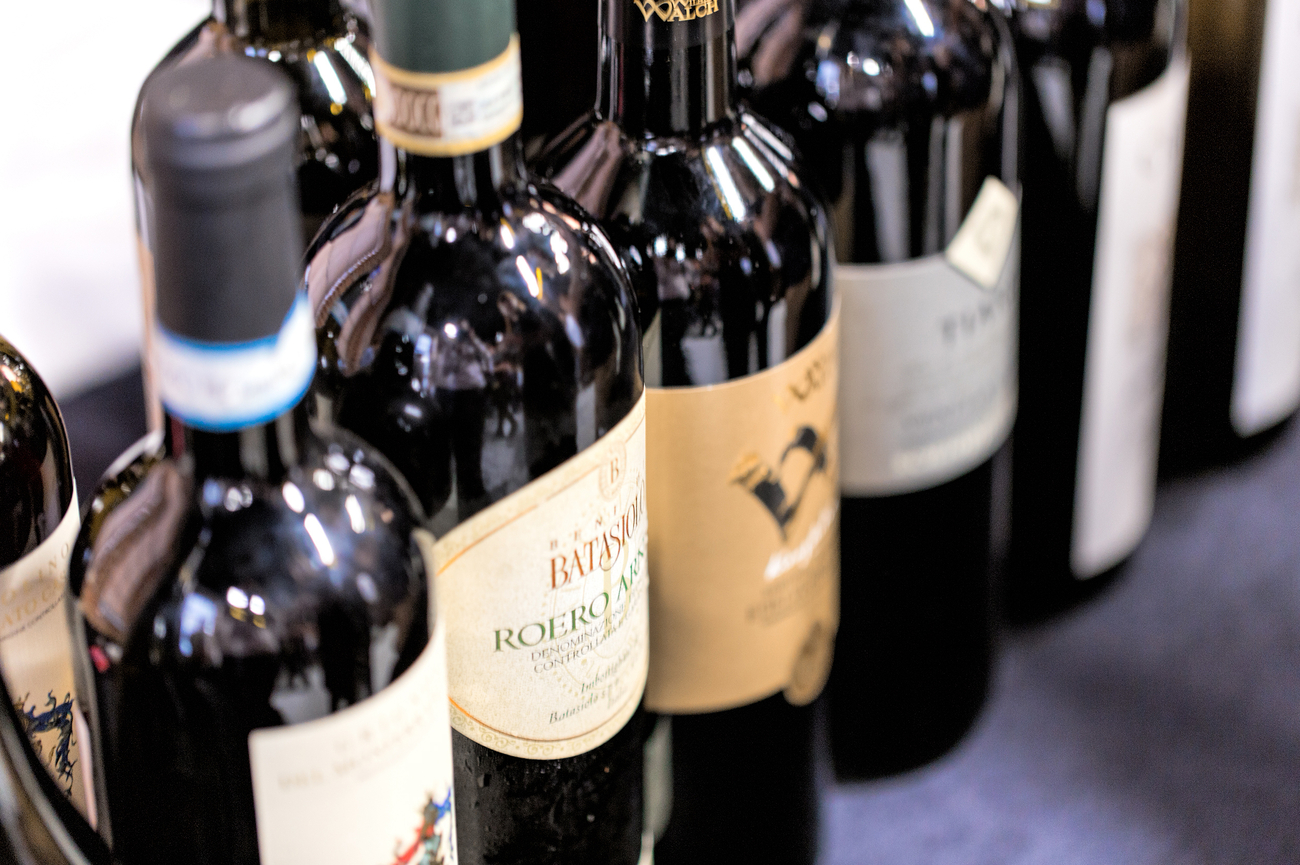
Buy
the Sobremadre Before You Leave
A good wine-tasting day near Madrid should finish without feeling rushed. You have descended into historic cellars, seen traditional clay tinajas, tasted wines from several producers and had enough time at the final stop to ask another question rather than check the clock.
Then someone else handles the road back to Madrid.
That is one of the great advantages of exploring D.O. Vinos de Madrid on a short break. The vineyards are close enough to the capital that a proper wine day does not have to consume the evening. You can return to the hotel, slow down for a while and still have time for dinner or a flamenco performance later that night.
Our Romantic Weekend Getaway in Madrid is designed around that balance, combining a wine excursion with enough time to enjoy Madrid itself rather than turning the weekend into a sequence of transfers and reservations.
Before leaving the final cellar, look for one more local speciality. If the winery produces sobremadre, taste it and consider taking a bottle home. Only a small number of producers continue to make this traditional style, so it is one of the most distinctive wines you can bring back from Madrid wine country.
That is the bottle to remember the day by.


Let us know what you love, where you want to go, and we’ll design a one-of-a-kind adventure you’ll never forget.
Get in touch
Miriam
Travel Specialist

Romina
Travel Specialist

Laura
Travel Specialist
Our offices:



Revigorate, Iberian Escapes and Algarve Lifestyle are the registered brand names of APCS Lda . We are a fully authorised travel agency licensed by Turismo de Portugal RNAVT/6867.
In the event of a dispute, the consumer may refer to: RAL - Centros de Arbitragem
Avª. 5 de Outubro, nº. 55, R/C Dtº. 8000-075 Faro, Portugal | Tel: +351 289 823 135 *
* national landline call
E-mail: info@consumoalgarve.pt| www.consumidoronline.pt | Mon to Fri: 9:00 - 13:00 / 14:00 - 17:00