Panda Express Chengdu: Luxury Rail Journey Through Xinjiang
The Panda Express is designed to feel less like a traditional sleeper train and more like a moving boutique hotel. This 16-day expedition across western China transforms rail travel into an immersive experience shaped by landscapes, culture and atmosphere. Beginning in Chengdu and travelling deep into Xinjiang, the journey unfolds slowly through some of the country’s most spectacular scenery, enough to have you pinching yourself to check that what you are seeing is real.
But what makes the Panda Express memorable is not simply the destinations themselves. It is the feeling of crossing western China gradually, watching entire regions transform day by day rather than arriving abruptly by air. In this 16-day journey, we explore the Panda Express in full, from its onboard carriages and accommodation to the Xinjiang itinerary, along with recommended hotels, restaurants and cultural experiences before and after the journey.
The Panda Express Chengdu is one of several Panda-themed rail products in China. This page focuses on the Chengdu to Xinjiang luxury tourist train.

Panda Express Carriages

The Panda Express consists of 12 sleeper carriages, two entertainment carriages, two dining carriages, one camping carriage, and one power carriage. Each space serves a different purpose, allowing you to move easily between private cabins, panoramic lounges, restaurants, and social areas throughout the journey. Instead of focusing only on getting from one destination to another, the Panda Express is built around the idea of slow travel. The landscapes, onboard atmosphere, and cultural experiences become part of the journey itself.
Leisure “Youranju” Residence (Car No. 03-08)
Designed for comfort on long distance journeys, the Leisure “Youranju” Residence compartment offers a more private, hotel style experience aboard the Panda Express. Each carriage contains only five guest rooms, creating a quieter and more spacious atmosphere compared to traditional sleeper trains. Each room measures around 8 square meters and features two single beds, allowing the space to feel comfortable both during the day and at night. During the daytime, the room can be used for relaxing, reading, or simply enjoying the passing scenery before transforming into a cozy sleeping space in the evening. Rooms are equipped with ensuite bathrooms, private refrigerators, dedicated storage areas, premium toiletries, and smart home features with voice-control systems for added convenience.


Jinshihui Private Dining Car (Car No. 09)
The Jinshihui Private Dining Car blends modern rail luxury with traditional Sichuan-inspired design, creating a dining space that feels elegant yet welcoming. The interiors feature subtle panda themed touches alongside warm lighting and cultural details inspired by the Song Dynasty. One of the highlights of the carriage is its large panoramic windows, allowing you to enjoy your meals while watching Xinjiang’s landscapes pass by, from deserts and mountains to grasslands and alpine valleys. The changing scenery becomes part of the dining experience itself.
The carriage also features private dining rooms that are ideal for intimate meals or small gatherings. Meals are prepared by professional onboard chefs, while the train’s signature “Panda Butlers” provide attentive service throughout the journey. If you prefer to relax in your room, in-cabin dining is also available, allowing you to enjoy your meals privately while the train continues through the landscapes of western China.
Golden Panda Restaurant Car (Car No. 10)
The main social and culinary hub aboard the Panda Express, bringing together regional cuisine, cultural storytelling, and panoramic sightseeing throughout the journey. Inspired by Sichuan’s “Tianfu” culture, the interiors feature warm lighting, elegant details, and design touches influenced by Song Dynasty aesthetics and classical Sichuan culture, creating a space that feels immersive rather than simply functional. Large panoramic windows run along the carriage, allowing you to enjoy meals while watching Xinjiang’s landscapes slowly change outside. The scenery gives the carriage the atmosphere of both a restaurant and a moving observation lounge.
The menu highlights flavours from Sichuan and western China, while also offering more familiar dishes suited for international travelers. You can expect regional specialties alongside comforting options ideal for long distance rail travel. Outside meal times, the carriage becomes a relaxed social space where passengers can gather, unwind, and enjoy the slower pace of the journey.

Yuefe Multifunctional Leisure Car (Car No. 11)
The social heart of Panda Express, inspired by traditional Sichuan design, the interiors feature bamboo weaving, natural wood details, and soft lighting that create a warm and welcoming atmosphere. During the day, the carriage works as a peaceful lounge where you can enjoy coffee, local tea, or quiet conversation while watching Xinjiang’s landscapes pass by through large panoramic windows. The tea room and coffee lounge create a calm setting that suits the slower pace of long-distance rail travel. In the evening, the space becomes more lively. The onboard bar serves cocktails, including Sichuan inspired drinks, while music, live performances, and cultural presentations are often held throughout the journey. The carriage also doubles as a cultural exhibition space, showcasing pieces connected to China’s intangible cultural heritage. Depending on the schedule, you may even see live demonstrations of traditional crafts or performances using classical Chinese instruments.


Poetic “Shiyiju” Residence (Car No. 12-17)
For travelers who prefer a little more space and flexibility, the Poetic “Shiyiju” Residence compartment offers a more spacious and flexible cabin experience. Most cabins are configured with twin beds, while one carriage features larger double-bed rooms. The layout is designed to feel comfortable both during the day and at night, giving you a space that feels closer to a boutique hotel room than a traditional sleeper cabin. Each compartment includes a private bathroom, refrigerator, dedicated storage area, premium toiletries, and smart home features with voice-control systems. One of the standout features of this compartment is the convertible sofa bed, which can be expanded into an additional sleeping space. During the day, the room works well as a relaxing lounge area for reading or enjoying the scenery, before transforming into a comfortable sleeping setup in the evening.
Liuyun Pavilion (Car No. 18)
The premier observation and entertainment carriage aboard the Panda Express, designed as a luxurious social space that changes throughout the day. During the daytime, it works as a peaceful panoramic lounge, while in the evening it transforms into an immersive entertainment venue. The interiors feature warm golden tones and elegant ginkgo leaf details inspired by Chengdu, creating a calm and refined atmosphere. Soft lighting and open seating areas make the space ideal for both relaxing and socialising during the journey.
One of the highlights of the carriage is its large panoramic windows, offering uninterrupted views of Xinjiang’s changing landscapes. As the train moves through deserts, mountain plateaus, grasslands, and valleys, you can simply sit back with tea, a book, or a camera and enjoy the scenery unfolding outside.

Panda Express Itinerary
The 16-day Panda Express journey begins in Chengdu or Lanzhou, where you’ll board the Panda Express and travel deep into China’s far west. Over the course of the trip, you’ll cross deserts, grasslands, mountain valleys, and historic Silk Road cities throughout Xinjiang. Instead of rushing by plane, you’ll spend your days watching the scenery gradually change outside your cabin window, from snow covered mountains and remote desert stretches to green valleys and open grasslands. The train becomes part of the experience itself, allowing you to travel through western China at a slower, more immersive pace.
Chengdu to Xinjiang (16-Day/15-Night)
Day 1-2 – Chengdu to Urumqi
After arriving in Urumqi, the capital of Xinjiang, your journey begins with a visit to Heavenly Lake, one of the region’s most scenic mountain destinations. Surrounded by forests and snow-capped peaks, the lake offers a peaceful introduction to Xinjiang’s spectacular landscapes.

Day 3-4 – Urumqi to Kashgar
From there, you’ll board the Panda Express once again for an overnight journey toward Kashgar, the historic Silk Road city near China’s western frontier. As the train moves deeper into southern Xinjiang, the scenery gradually changes into vast desert plains framed by distant mountain ranges.
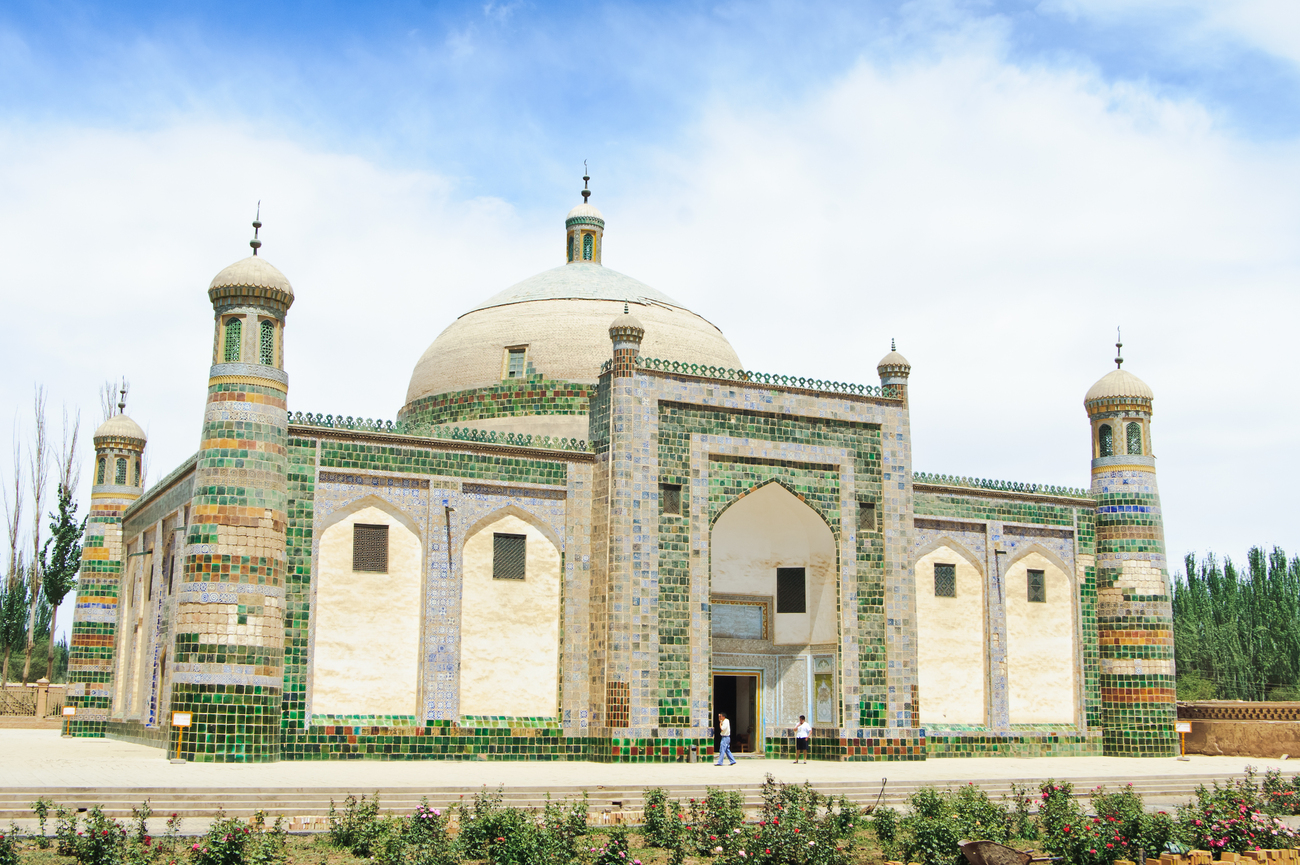
Kashgar becomes one of the cultural highlights of the trip. Here, you can explore landmarks like Xiangfei Tomb and the centuries-old Id Kah Mosque, while wandering through Kashgar Old Town gives you a glimpse into Uyghur culture and the city’s strong Central Asian influence. As you walk through the narrow streets, you’ll pass bustling bazaars, traditional teahouses, and food stalls filled with the aroma of grilled lamb skewers, freshly baked naan, and local spices, adding to the atmosphere of this historic Silk Road city.
Day 5-6 –
Kashgar to Taxkorgan
The journey continues deeper into the Pamir Plateau, passing stunning landscapes like White Sand Lake and Karakul Lake before arriving in Taxkorgan, a remote mountain town surrounded by towering peaks and wide open valleys. You’ll witness glacier-fed lakes, vast skies, and rugged mountain scenery creating some of the most unforgettable views of the entire expedition.
While here, you’ll visit the Golden Grassland and the ancient Stone Fortress, while also spending time with local Tajik families to learn more about the culture and traditions of the region. Compared to the larger Silk Road cities, this area offers a quieter and more remote side of Xinjiang, where mountain life and ancient trade routes still shape everyday life today.

Day 7-9 –
Taxkorgan to Kuqa to Naraty
As the journey moves north, the landscapes of Xinjiang begin to change dramatically. After arriving in Kuqa, you’ll travel through the Tianshan Grand Canyon and along parts of the famous Duku Highway before reaching the grasslands of Naraty. This section of the trip reveals a completely different side of Xinjiang. The deserts and rocky terrain gradually give way to forests, alpine meadows, and wide green valleys. After days spent crossing dry landscapes and rugged mountains, arriving in Naraty feels almost unreal. Lush grasslands stretch beneath snow-capped peaks, creating one of the most peaceful and refreshing scenes of the journey.

Day 10-12
– Yining to Beitun to Jiadengyu
The journey continues through northern Xinjiang toward Yining and Sayram Lake, one of the region’s most beautiful alpine lakes. Known for its clear blue waters and mountain backdrop, the area offers a refreshing contrast to the desert scenery seen earlier in the trip.
Further north, you’ll reach places like Beitun and Jiadengyu, where some of Xinjiang’s most famous natural landscapes begin to unfold. Here, you can explore Five Colored Beach, Kanas, and Hemu Village, areas known for their forests, rivers, and traditional wooden houses.
This part of the journey is considered one of the most scenic highlights of the entire expedition. The atmosphere feels completely different from southern Xinjiang, with misty forests, peaceful rivers, and alpine landscapes that feel closer to Central Asia or Eastern Europe than the deserts many people associate with western China.

Day 13-15
– Urumqi to Turpan
In the final leg of the journey, the train returns to Urumqi before continuing to Turpan, the ancient oasis city known for its vineyards, Karez irrigation system, and the famous Flaming Mountains. After the cool forests and alpine scenery of northern Xinjiang, Turpan brings you back to the warm desert atmosphere that has shaped the Silk Road for centuries. While here, you’ll experience a traditional fruit banquet that highlights the region’s long agricultural history. Surrounded by vineyards, ancient water channels, and sunlit desert landscapes, Turpan offers an unforgettable final chapter to the expedition.

Day 16 – Turpan
to Chengdu
The journey concludes with the return train ride to Lanzhou or Chengdu, marking the end of your 16-day exploration across Xinjiang’s diverse landscapes and cultures. More than just a rail itinerary, the Panda Express offers a rare chance to experience the many sides of western China in one journey, from ancient Silk Road cities and desert landscapes to alpine lakes, mountain plateaus, forests, and grasslands. The experience is not only about the destinations themselves, but also about the changing scenery, cultures, and atmosphere you encounter along the way.
Where to Stay Before and Along the Panda Express Journey
Where to Stay in Chengdu
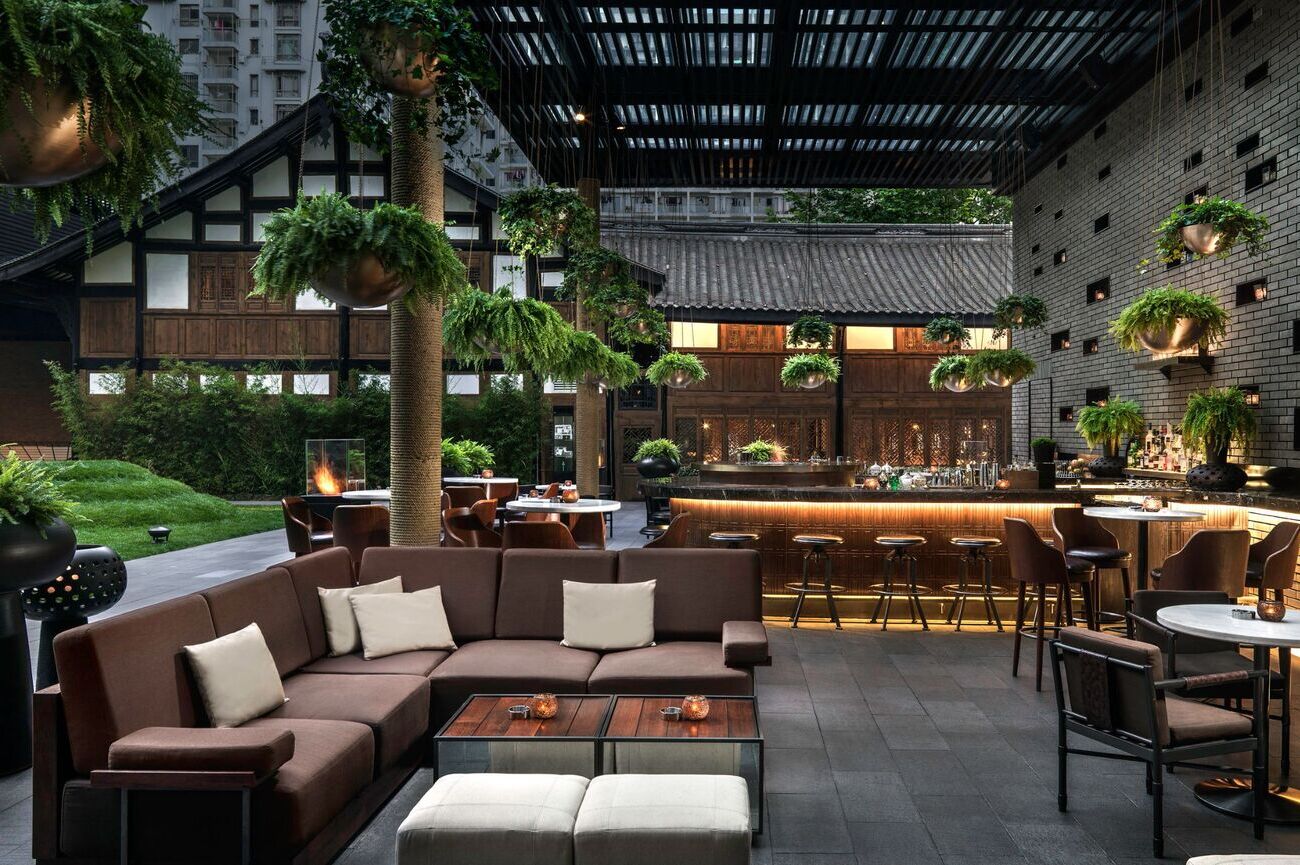
- Upper House Chengdu (The Temple House): Built beside the historic Daci Temple, blending modern design with one of Chengdu’s oldest cultural landmarks. The hotel is also directly connected to the stylish Taikoo Li district, known for its luxury shopping, cafés, and restaurants. The rooms here are spacious, starting at around 63 square metres, and feature floor-to-ceiling windows and private balconies that create a calm, open atmosphere. Inside, you can expect premium bedding, entertainment systems, coffee machines, and a complimentary minibar stocked daily with soft drinks, juices, and beer. The overall experience feels refined yet relaxed, making it an ideal place to begin your Panda Express journey.
- The Ritz-Carlton, Chengdu: An iconic 41-story luxury tower located in the city’s central business district, overlooking Tianfu Square. Staying here places you within easy reach of attractions like the Chengdu Museum, Sichuan Grand Theatre, and the historic Wenshu Monastery. The rooms are inspired by traditional Chinese courtyard homes, blending warm wood details, marble finishes, and elegant furnishings with modern comforts. Floor-to-ceiling windows, spacious wardrobes, and high tech features create a stay that feels both refined and comfortable. For travelers joining longer journeys like the Xinjiang rail expedition, the hotel also makes logistics easier. The concierge team can help you arrange smooth private transfers directly from the hotel to Chengdu Anjing Station, where the Panda Express departs.

- Niccolo Chengdu: A stylish contemporary luxury hotel located inside the International Finance Square (IFS), placing you right in the heart of Chengdu’s Chunxi Road shopping and business district. The hotel features a sleek, modern design with clean lines, soft neutral tones, and carefully curated contemporary artwork throughout the property. Guest rooms offer floor-to-ceiling windows with views of the lively IFS plaza or the Chengdu skyline. Inside, you can expect premium bedding, spacious wardrobes, comfortable furnishings, and marble bathrooms with deep soaking bathtubs and luxury toiletries. Since the Panda Express expedition lasts over two weeks, many guests use their stay here to shop for extra clothing, outdoor gear, or travel essentials. With direct access to the luxury shops and retail stores inside IFS Mall, everything you may need is just an elevator ride away.

- The St. Regis Chengdu: Located near Tianfu Square and the Chunxi Road shopping district, it’s known as one of the city’s most refined hotel experiences, with a strong focus on personalised service and comfort. The rooms here feature an Art Deco style with subtle Chinese details, along with floor-to-ceiling city views, spacious wardrobes, heated bathroom floors, and the signature St. Regis bedding. One of the hotel’s standout features is the St. Regis Butler Service, available to every guest. Butlers can assist with unpacking, morning tea or coffee service, and even pressing clothing during your stay. For travelers joining the Panda Express journey, the hotel also helps make the transition smooth and convenient. The concierge team can arrange private transfers directly to Chengdu Anjing Station, and securely store your main international luggage pieces, allowing you to board the train with just your essential cabin bags.

Where to Stay in Urumqi
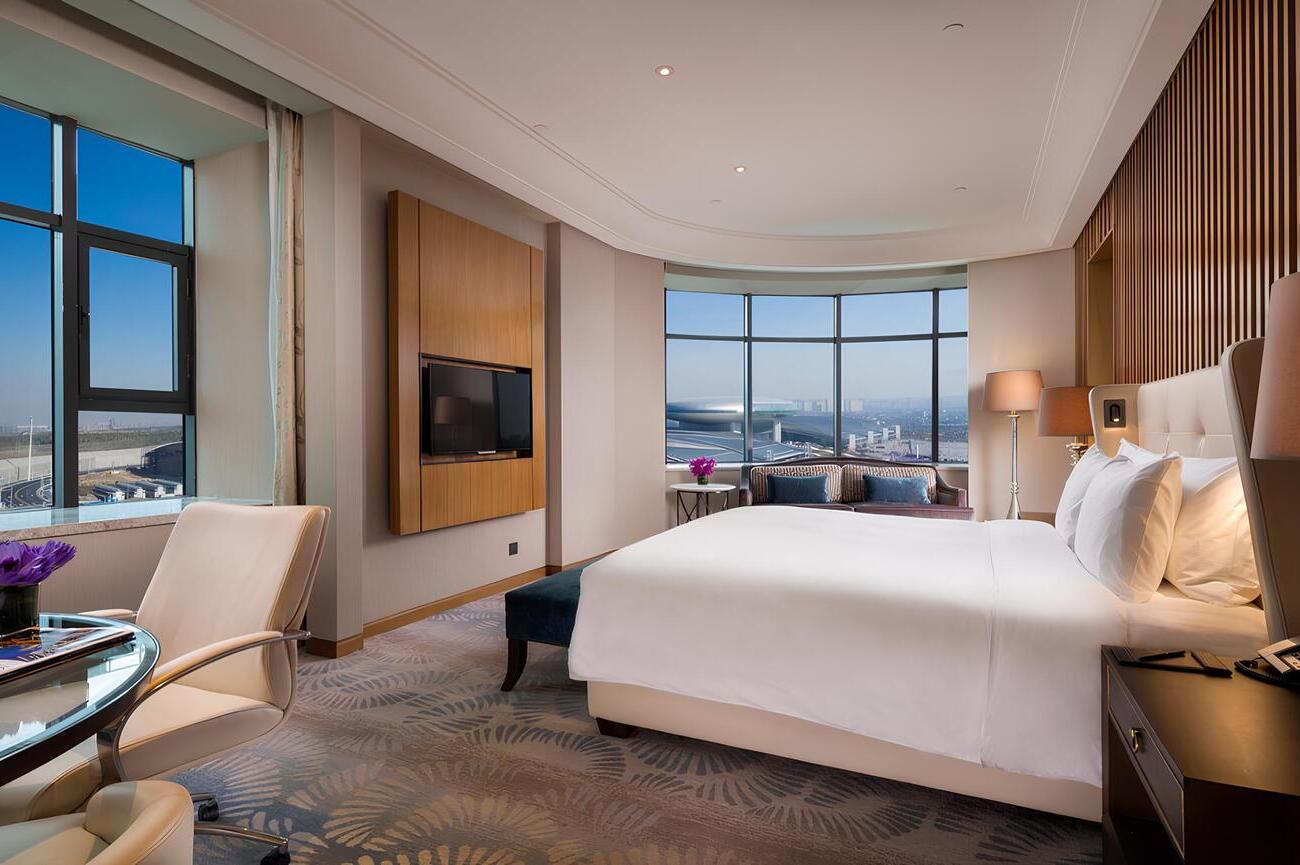
- Conrad Urumqi: Towering 32 stories above the city’s central business district, offering a calm and sophisticated stay away from the busy streets below. From the moment you arrive, the hotel feels polished and modern, with high ceilings, elegant lighting, and a more exclusive atmosphere. Guest rooms and suites feature floor-to-ceiling windows with views of the Urumqi skyline and the distant Tianshan Mountains. Inside, you can expect modern comforts such as smart room controls, spacious wardrobes, customizable pillow options, and marble bathrooms with deep soaking tubs. The hotel is also conveniently located around 15 minutes from Urumqi Railway Station, making it a practical stop before or after the Panda Express journey. The concierge team can help arrange private transfers to the station and securely store larger luggage, allowing you to travel more comfortably during the 17-day rail expedition.
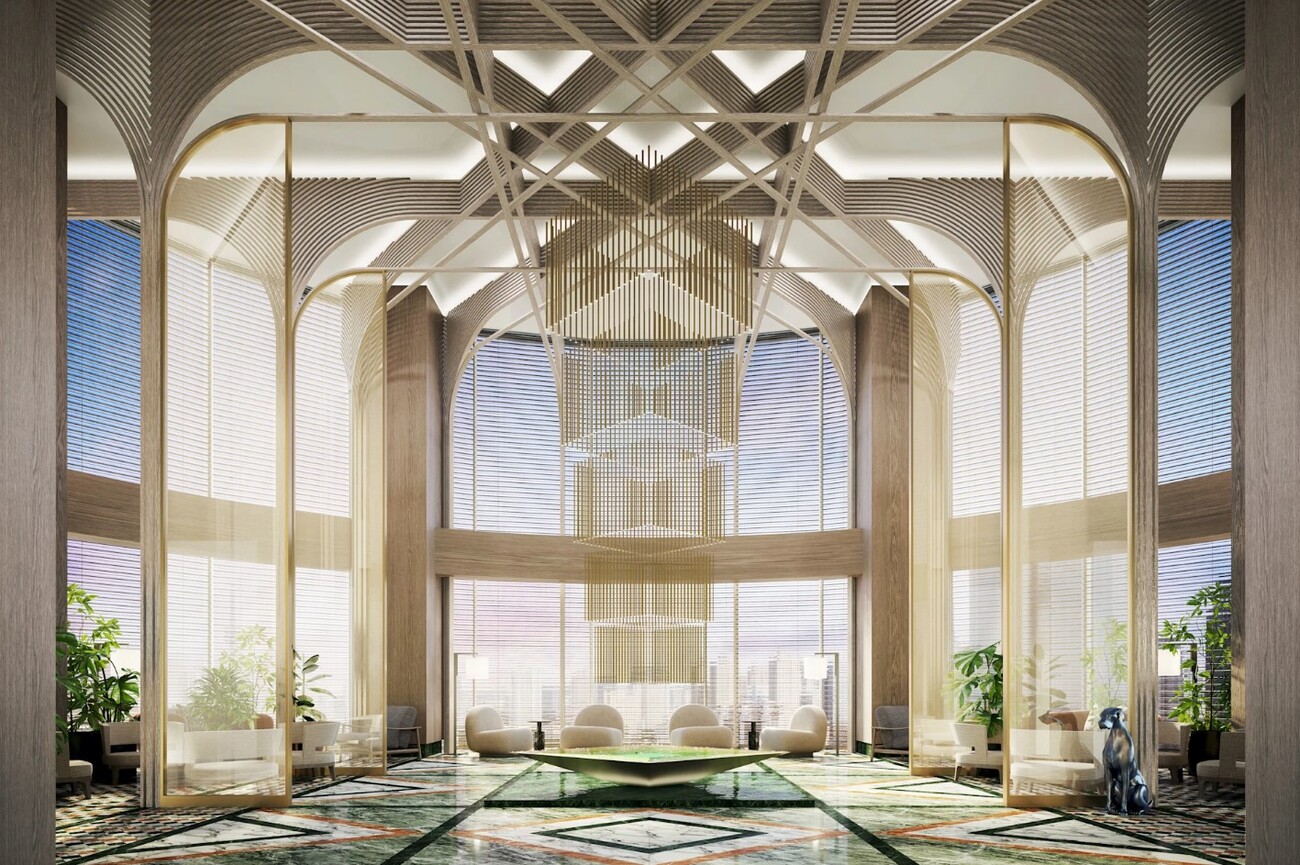
- Wanda Vista Hotel Urumqi: Located in the city’s Economic and Technological Development Zone, combining modern luxury with design elements inspired by Xinjiang’s regional culture. From the moment you arrive, you’ll be greeted by the hotel's soaring ceilings, crystal chandeliers, and polished marble interiors. In the evenings, the lobby often hosts live Uyghur folk dance performances, giving you an early introduction to the region’s cultural atmosphere. Guest rooms are spacious and comfortable, featuring separate sitting areas, deep-sleep mattresses, humidifiers, and blackout curtains designed to help you rest well before or after long journeys. Bathrooms include marble finishes, soaking bathtubs, and large rainfall showers. The hotel is also conveniently located around 15 minutes from Urumqi Railway Station, making transfers for the Panda Express journey much easier. Right next door is Wanda Plaza, a large shopping complex where you can easily pick up extra clothing, travel gear, or snacks before heading into Xinjiang’s changing climates and landscapes.

- Hilton Urumqi: Situated beside the Xinjiang International Exhibition Center, offering a modern and comfortable stay with views of the distant Tianshan Mountains. It’s a popular choice for international travelers thanks to its reliable service, spacious rooms, and convenient facilities. The hotel welcomes guests with a bright glass-ceiling lobby inspired by modern Silk Road design. Its location slightly outside the busy city centre creates a calmer atmosphere, while higher-floor rooms offer clear mountain views on good-weather days. Rooms are spacious, starting at around 45 square metres, and include floor-to-ceiling windows, comfortable Hilton Serenity beds, work areas, and marble bathrooms with soaking tubs and rain showers. The hotel is also well positioned for rail travel, sitting around 20 minutes from Urumqi Railway Station by car. The concierge team can help arrange private transfers to the station and securely store larger luggage, making your transition to the Panda Express journey smooth and stress-free.
Where to Eat Along the Panda Express Route
Where to Eat in Chengdu
- Yu Zhi Lan: Led by renowned chef Lan Guijun, Yu Zhi Lan is an intimate two-Michelin-star restaurant known for its refined take on Sichuan cuisine. Hidden inside a quiet garden villa, the restaurant accommodates only a small number of guests in a few private dining rooms, giving you a highly personal dining experience. Meals here are served as a long tasting menu, with courses gradually building from lighter, more delicate flavours to richer and more layered Sichuan spices. Dining here allows you to experience the depth and complexity of traditional Sichuan flavours in a thoughtful and elegant setting before beginning your rail journey across western China.
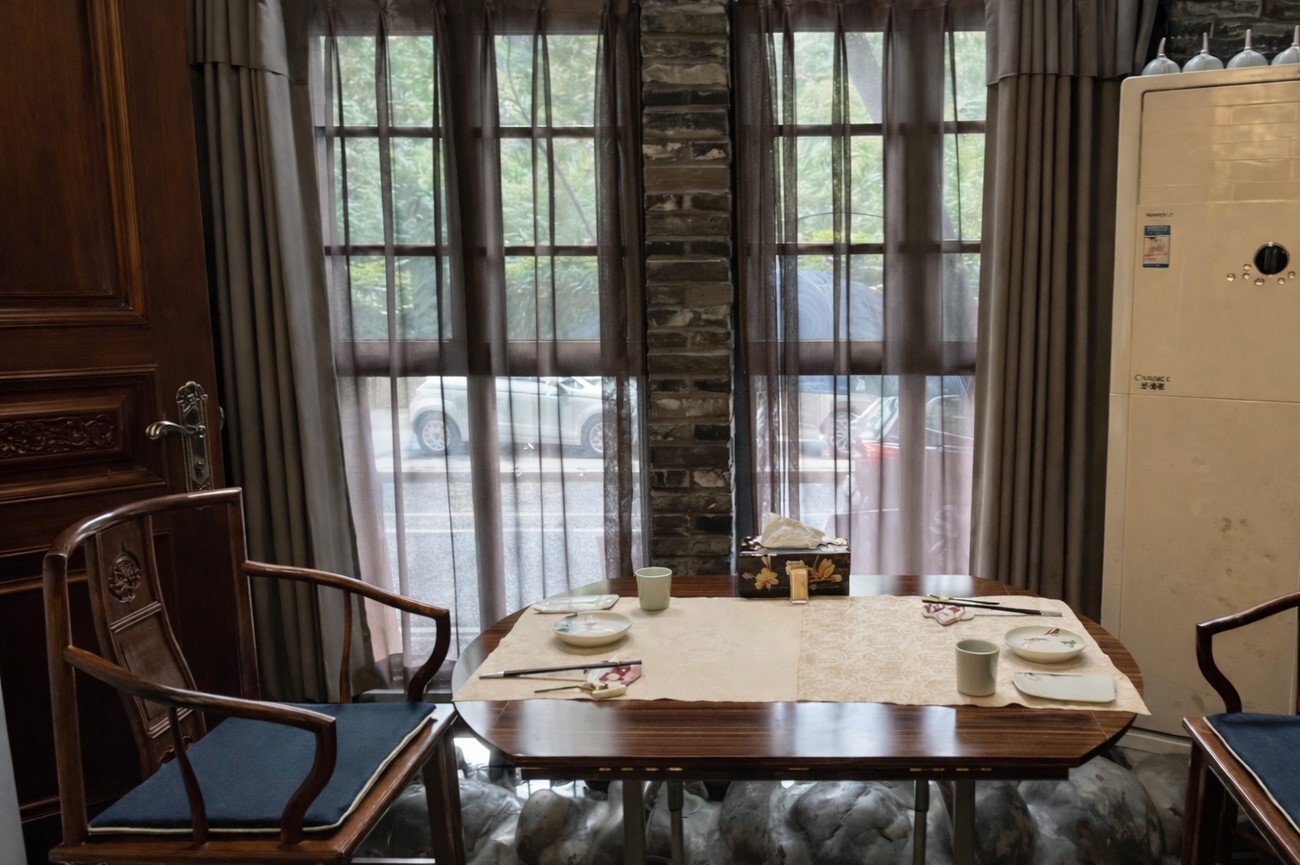
- Song Chuan, Chengdu: Located in Chengdu’s stylish Taikoo Li district, this Michelin Selected restaurant is known for its refined take on classic Sichuan cuisine. The restaurant itself is beautifully designed, blending Song Dynasty-inspired architecture with traditional Western Sichuan details, copper accents, and a peaceful courtyard garden. The atmosphere feels elegant yet welcoming. Song Chuan focuses on presenting Sichuan flavours in a more balanced and approachable way. Rather than overwhelming the palate with intense spice or heavy oil, the dishes highlight the deeper layers of sweetness, savouriness, and complexity that define traditional Sichuan cooking.

- Silver Pot, Chengdu: An acclaimed one-star Michelin and Black Pearl Diamond restaurant located in Chengdu’s modern Financial City district. Rather than focusing only on intense spice, the restaurant highlights the balance, aroma, and complexity of Sichuan flavours. Classic dishes are reimagined using premium ingredients and modern techniques, creating a dining experience that feels refined and innovative. You can order a la carte dishes or try a dedicated tasting menu focused on the many varieties of Sichuan pepper and flavour combinations. Staff often guide diners through the different flavour profiles and pepper varieties, making the experience feel educational as well as culinary.

Where to Eat in Urumqi
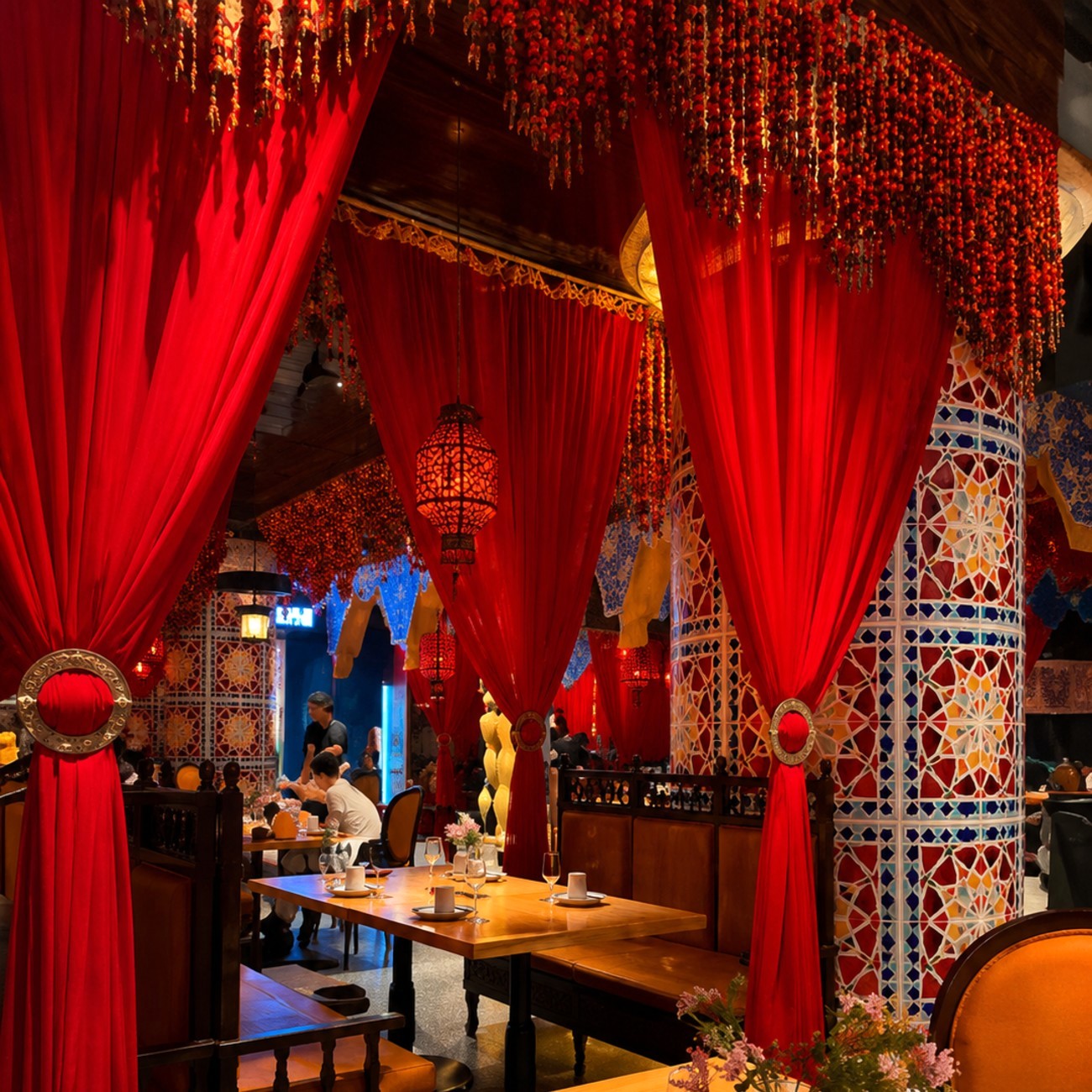
- Silk Road, Hilton Urumqi: Located inside Hilton Urumqi, Silk Road is an upscale restaurant specialising in traditional halal Xinjiang cuisine. The restaurant takes classic Silk Road recipes and presents them in a more refined and comfortable dining setting. The interiors are bright and welcoming, featuring colourful regional design details along with several private dining rooms for a quieter experience. The menu focuses on fresh local ingredients and high-quality meat sourced from the Tianshan region. Popular dishes include the roasted lamb leg and lamb chops, as well as traditional Xinjiang pilaf, a fragrant rice dish cooked with mutton, carrots, onions, and spices. The restaurant offers a relaxed and comfortable introduction to Xinjiang’s flavours before beginning your rail journey across the region.

- Ma Feng Hua Xinjiang Cuisine is a popular restaurant in Urumqi, offering visitors an excellent introduction to the rich culinary traditions of Xinjiang. Conveniently located near the International Grand Bazaar, it serves a wide range of regional specialities, including big plate chicken, hand-grab rice, freshly grilled lamb skewers, homemade noodles and traditional Uyghur desserts. The warm atmosphere, colourful décor and generous portions reflect the region’s unique blend of Central Asian, Chinese and Silk Road influences. Whether stopping for lunch or dinner, diners can enjoy authentic flavours and local hospitality while experiencing one of Urumqi’s most distinctive food cultures.
- Urumqi Erdaoqiao Market: One of the largest cultural and commercial hubs in Central Asia, offering a lively introduction to Xinjiang’s Silk Road atmosphere. Located in the Tianshan District, the market has a long trading history dating back to the late Qing Dynasty. The complex is known for its Islamic inspired architecture, including the tall Silk Road Tower, and its maze of stalls run by local merchants. As you explore, you’ll find everything from handicrafts and textiles to spices, dried fruits, and regional souvenirs. The upper levels and outdoor night market are especially popular for food. Here, you can try local favourites such as samsa pastries, hand-pulled lagman noodles, Xinjiang pilaf, and roasted lamb, along with local dried fruits like Turpan raisins, apricots, and red dates. Located around 20 minutes from Urumqi Railway Station, the market also makes a convenient final stop before boarding the Panda Express, allowing you to experience the energy and flavours of Xinjiang before beginning your rail journey.

What Else to Do Along the Panda Express Route
Other Things to Do in Chengdu
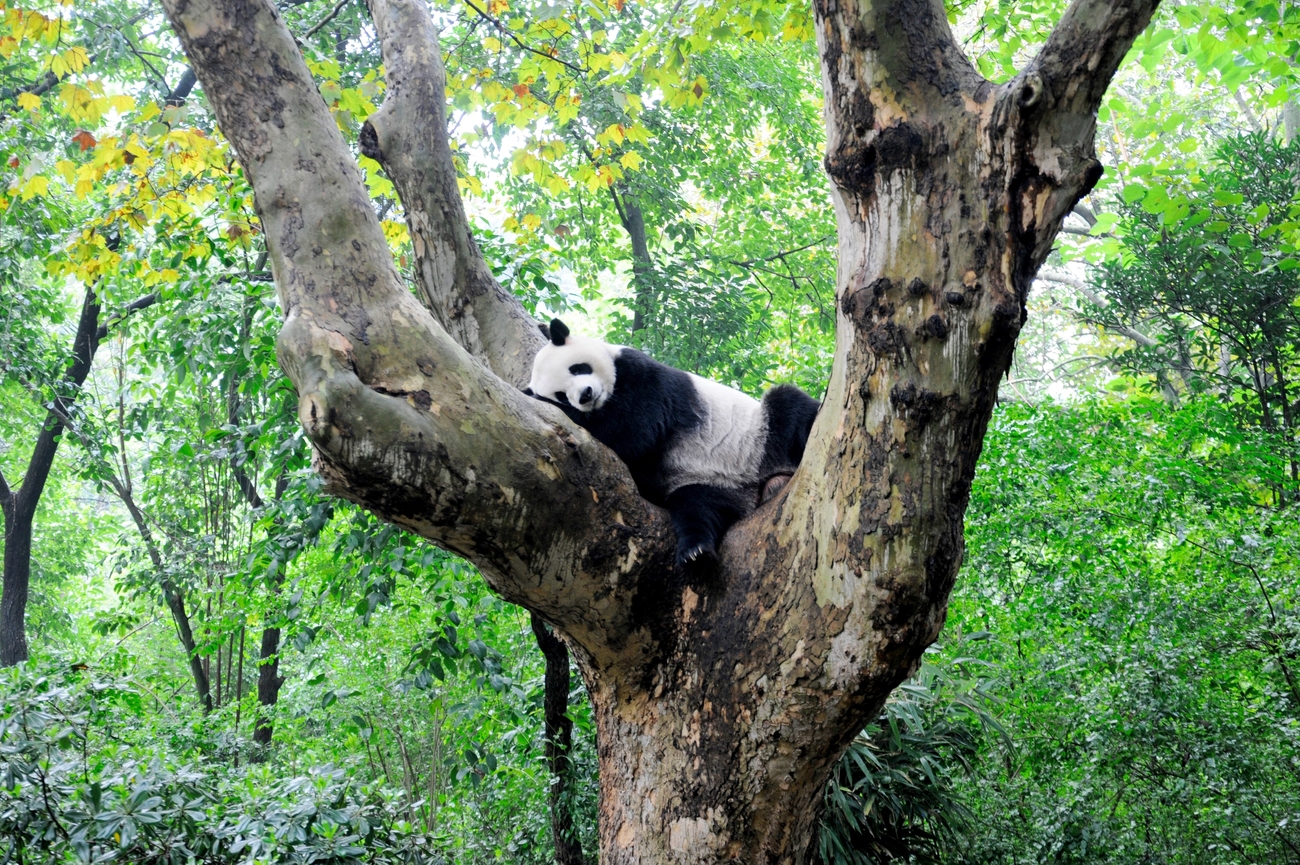
- Chengdu Research Base of Giant Panda Breeding: The world’s most famous panda conservation center and one of Chengdu’s top attractions. Set across large bamboo forests and landscaped gardens, the park is designed to recreate the pandas’ natural habitat as closely as possible. As you explore the park, you’ll walk along elevated pathways where you can watch giant pandas of all ages eating bamboo, climbing trees, resting, or playfully tumbling around their enclosures. One of the highlights is the Sunshine and Moonlight Nurseries, where you may see newborn panda cubs being cared for in special incubator rooms. The park is also home to red pandas, which roam through open-air habitats and often climb the branches above the walking trails. More than just a tourist attraction, the center plays an important role in panda conservation and research, making it both an enjoyable and meaningful place to visit before beginning your rail journey across western China.
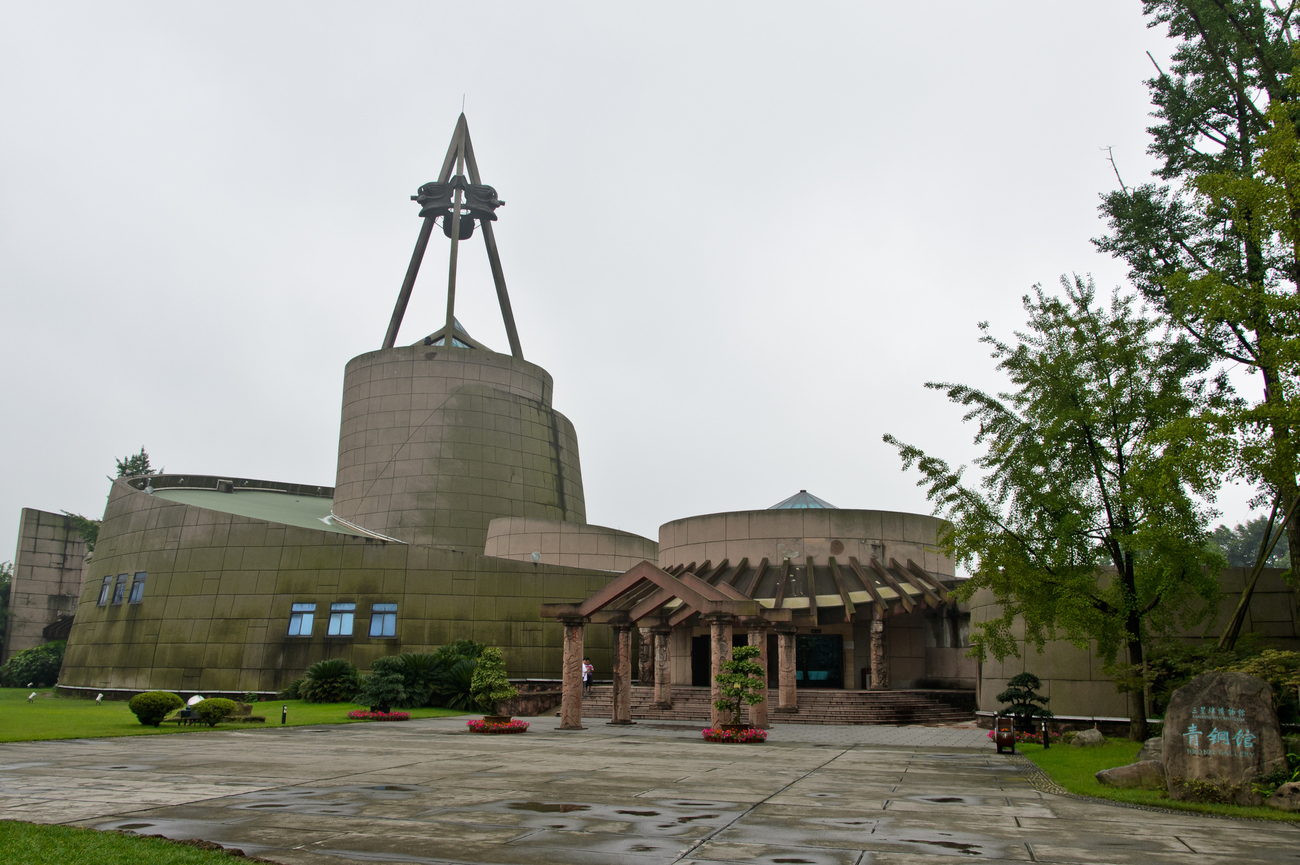
- Sanxingdui Museum: One of China’s most important archaeological sites and a fascinating stop for history lovers. The museum is dedicated to the ancient Shu Civilization, a mysterious Bronze Age culture that existed thousands of years ago in what is now Sichuan Province. Inside, you’ll find over a thousand remarkable artifacts, including large bronze masks, statues, and ceremonial objects unlike anything seen in other parts of ancient China. Their unusual shapes and artistic style give the museum an almost surreal atmosphere. The museum’s newer exhibition hall is also impressive in scale, designed with modern architecture that blends naturally into the surrounding landscape. A visit here offers a deeper look into a lesser-known chapter of Chinese history, making it a memorable cultural experience before continuing your journey across western China.
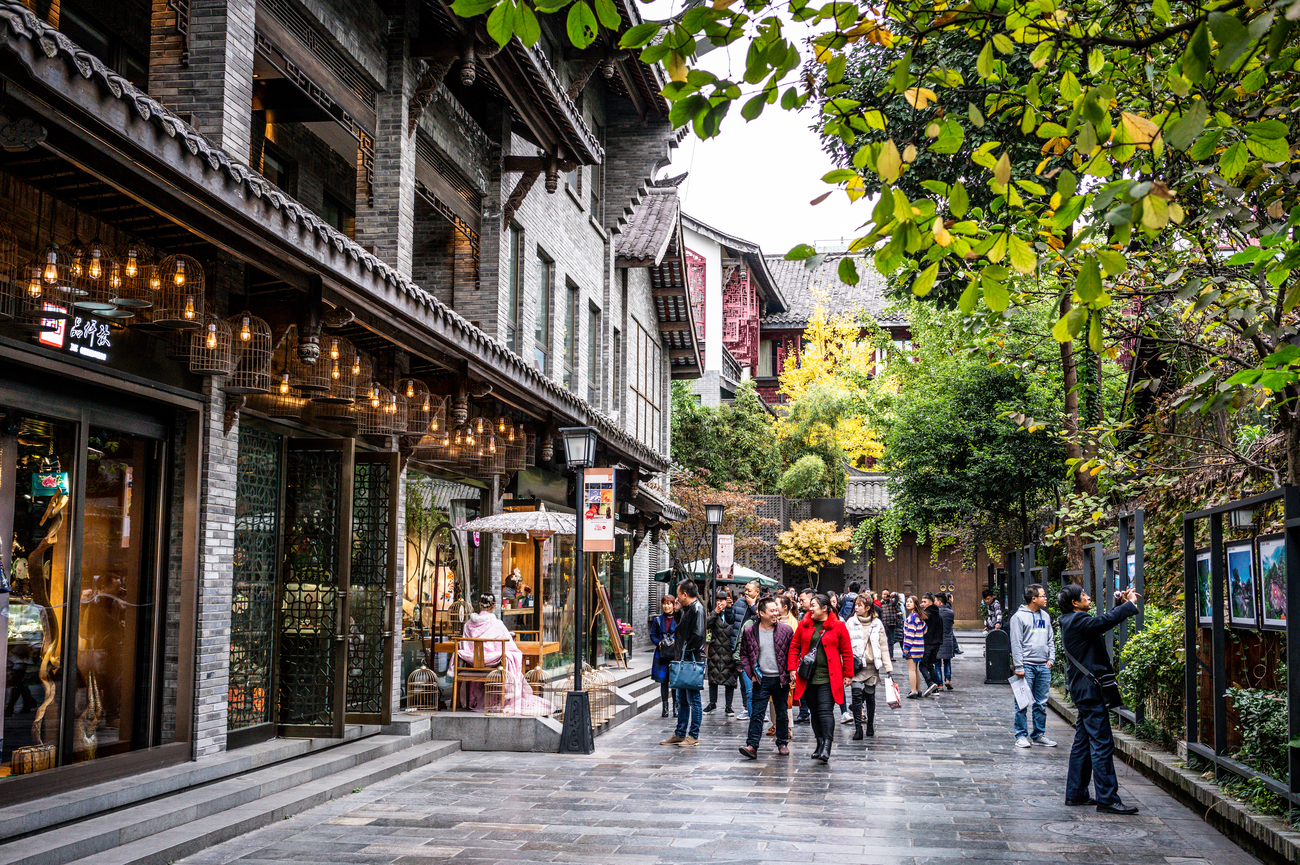
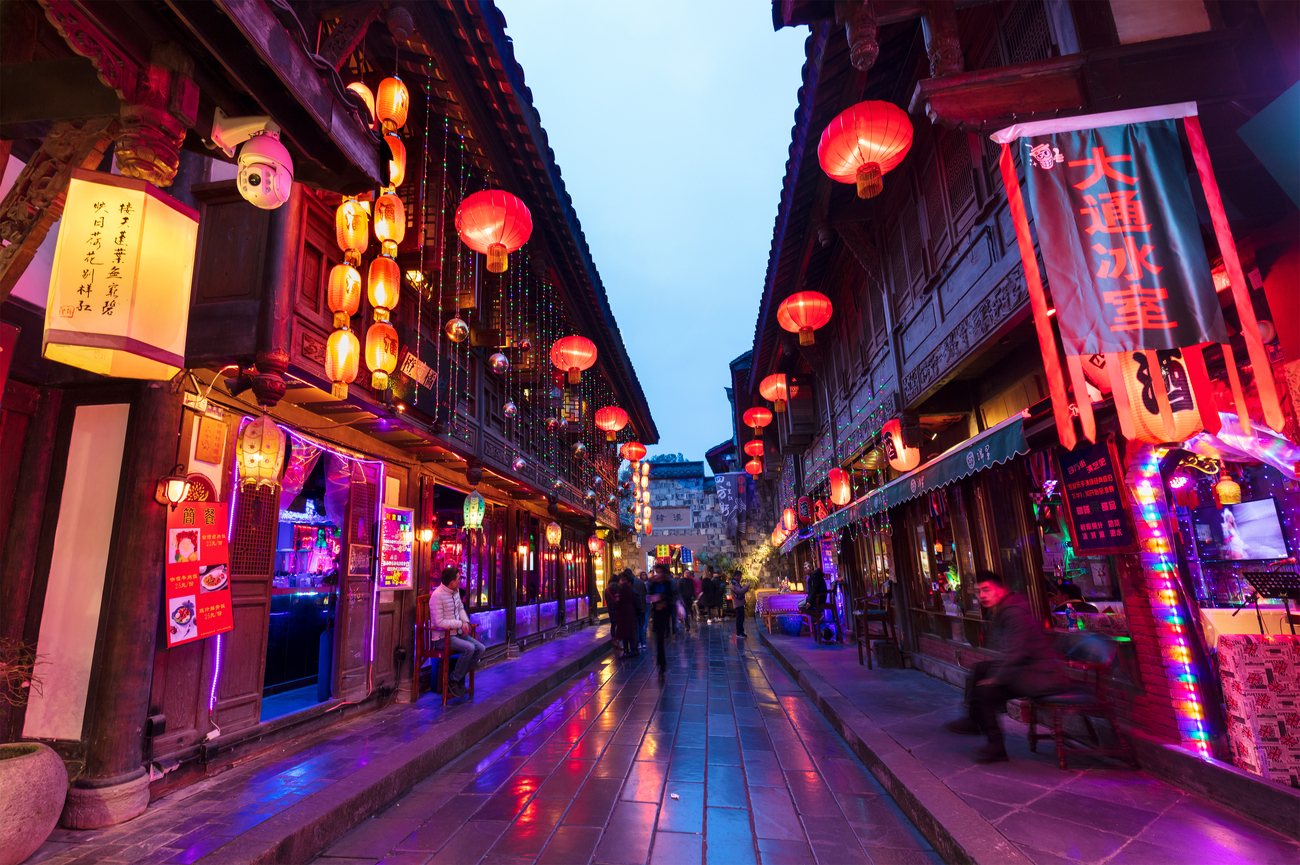
- Wuhou Shrine & Jinli Ancient Street: Wuhou Shrine and Jinli Ancient Street sit side by side in Chengdu’s Wuhou District, combining the city’s deep historical roots with the lively atmosphere of traditional Sichuan street culture. Wuhou Shrine is one of China’s most important historical sites connected to the Three Kingdoms period. As you explore the complex, you’ll walk through peaceful gardens, historic halls, and the famous red-walled pathway leading toward the tomb of Liu Bei, the ruler of Shu Han. Inside, you’ll also find statues and exhibits dedicated to legendary figures from the era. Right next door, Jinli Ancient Street offers a completely different atmosphere. Restored in a traditional architectural style, the pedestrian street comes alive with lanterns, food stalls, teahouses, and local shops. Visiting around dusk is especially atmospheric, when the red lanterns begin to glow across the stone paved lanes. While wandering through the street, you can sample Chengdu snacks such as sticky rice cakes, sweet rice wine, and other local specialties, making it an easy and enjoyable way to experience the flavours and vibe of old Chengdu.
- People’s Park: Located in Chengdu’s Qingyang District, People’s Park is a historic city park known for capturing the relaxed, slow-paced lifestyle that Chengdu is famous for. More than just a sightseeing spot, it’s a place where locals gather to drink tea, socialise, and enjoy everyday life. One of the park’s highlights is the famous Heming Teahouse, a traditional open-air teahouse beside the lake. Here, you can sit in bamboo chairs, sip jasmine or green tea from a traditional lidded cup, and simply watch the atmosphere around you while staff continuously refill your hot water. As you explore the park, you’ll also find bonsai gardens, shaded pathways, streams, and small waterfalls that create a peaceful setting in the middle of the city. One of the most unique sights is the “matchmaking corner,” where parents post profiles of their unmarried children in hopes of finding suitable partners. It’s an unusual but fascinating glimpse into local social traditions and everyday Chengdu life.

Other Things to Do in Urumqi
- Xinjiang Regional Museum: One of the best places to understand the history and cultures of China’s far west. The museum explores Xinjiang’s role along the ancient Silk Road through archaeology, artifacts, and exhibitions focused on the region’s many ethnic communities. One of the museum’s most famous sections features the ancient mummies of Xinjiang, these are naturally preserved human remains discovered in the deserts of the Tarim Basin. Their remarkable condition offers a rare glimpse into life thousands of years ago. As you explore further, you’ll also find Tang Dynasty artifacts, ancient textiles, preserved foods, and delicate silk items that survived for centuries in the dry desert climate. The museum also displays ancient manuscripts and scripts from long-lost Silk Road languages, showing how Xinjiang once connected cultures from across Asia and beyond.

- Hongshan Park: One of Urumqi’s most iconic landmarks, located right in the centre of the city. Built around a striking red sandstone hill, the park has long been considered both a symbolic and scenic heart of Urumqi. As you climb the stone pathways, you’ll reach the historic Hongshan Pagoda, a grey brick tower built during the Qing Dynasty. Local legends say that it was constructed alongside a twin pagoda on Yamalike Hill to tame a mythical dragon that ancient locals believed was splitting the hills apart to flood the city. Should you choose to climb the upper deck view, you’ll be rewarded with panoramic views over Urumqi, making it one of the best places to watch the city gradually light up at sunset. Because the park is close to many of Urumqi’s major hotels, it also works well as a relaxed final stop before boarding the Panda Express.

Explore More of China
with our Tailored Journeys
The Panda Express journey may introduce you to China’s far west, but it can also become the starting point for a broader exploration of the country’s cultural, historical and culinary landscapes. For travellers who want to continue without planning every detail separately, Revigorate can connect each destination into a journey that flows naturally from one place to the next.
You might explore China’s imperial history and artistic traditions through Imperial China in Hong Kong: Palace Museum, Qing Court Symbolism & Chinese Aesthetics, or follow the country’s most iconic first-time route with China’s Golden Triangle: The Classic First Journey Through Beijing, Xi’an and Shanghai.
For those drawn to ancient history, our guide to Things to Do in Xi’an provides wider context, while Terracotta Warriors in Xi’an: The Burial Army That Redefined Ancient China offers a deeper look at one of China’s most remarkable archaeological discoveries.
The journey can also extend beyond China into carefully tailored travel across Japan, the Philippines and Singapore.
Experience Western China via Panda Express
Passengers rarely think of the Panda Express as simply a train. They remember it as a boutique hotel that happens to move, where sunrise arrives beyond the windows of a quiet lounge somewhere on the Pamir Plateau, and dinner unfolds beneath warm lighting as deserts, grasslands and snow-covered peaks drift silently past.
The Panda Express is ultimately less about crossing China than experiencing it at a different pace. Slower. Deeper. More immersive.
If you would like to experience the Panda Express as part of a seamless tailor-made journey, contact Revigorate. We can arrange the rail expedition alongside luxury accommodation, private transfers and carefully selected cultural experiences before and after the train, creating a journey designed entirely around your interests.


Let us know what you love, where you want to go, and we’ll design a one-of-a-kind adventure you’ll never forget.
Get in touch
Miriam
Travel Specialist

Nina
Travel Specialist

Abigail
Travel Specialist
Frequently Asked Questions
-
How long is the Panda Express Chengdu to Xinjiang journey?
The Panda Express Chengdu to Xinjiang journey lasts 16 days and 15 nights, travelling through western China from Chengdu or Lanzhou into Xinjiang, with stops including Urumqi, Kashgar, Taxkorgan, Kuqa, Naraty, Yining, Beitun, Jiadengyu and Turpan.
-
What makes the Panda Express different from a normal sleeper train?
The Panda Express is designed to feel more like a moving boutique hotel than a traditional sleeper train, with private cabins, ensuite bathrooms, panoramic lounges, dining carriages, social spaces and attentive onboard service.
-
What cabin types are available on the Panda Express?
The train includes Leisure Youranju Residence compartments and Poetic Shiyiju Residence compartments, with features such as private bathrooms, storage areas, refrigerators, premium toiletries, smart home systems and flexible sleeping arrangements.
-
What does the Panda Express itinerary include?
The 16-day itinerary includes Silk Road cities, desert landscapes, alpine lakes, mountain valleys, grasslands, cultural sites, bazaars, traditional food experiences and scenic highlights across Xinjiang.
-
Can Revigorate arrange hotels and travel before or after the Panda Express journey?
Yes. Revigorate can arrange luxury hotels in Chengdu and Urumqi, private transfers, restaurant reservations, cultural experiences and tailored China itineraries before or after the Panda Express journey.
Our offices:



Revigorate, Iberian Escapes and Algarve Lifestyle are the registered brand names of APCS Lda . We are a fully authorised travel agency licensed by Turismo de Portugal RNAVT/6867.
In the event of a dispute, the consumer may refer to: RAL - Centros de Arbitragem
Avª. 5 de Outubro, nº. 55, R/C Dtº. 8000-075 Faro, Portugal | Tel: +351 289 823 135 *
* national landline call
E-mail: info@consumoalgarve.pt| www.consumidoronline.pt | Mon to Fri: 9:00 - 13:00 / 14:00 - 17:00