New Orient Express: Luxury Rail Journey Through Xinjiang
The New Orient Express is a luxury rail journey through Xinjiang, China’s vast far-western region of deserts, grasslands, alpine lakes, mountain ranges and historic Silk Road cities.
This journey offers one of the most comfortable ways to explore a region that feels remote, culturally distinct and dramatically different from China’s better-known routes. Travelling by luxury train allows you to cover long distances in comfort, while curated excursions bring you closer to the landscapes and traditions that define Xinjiang.
The route combines the alpine beauty of Kanas and Sayram Lake with the Silk Road heritage of Kuqa and Kashgar. Along the way, travellers experience elegant onboard accommodation, regional cuisine, desert scenery, mountain landscapes and carefully planned cultural encounters across one of China’s most extraordinary regions.

New Orient Express Carriages

The New Orient Express consists of 16 to 18 carriages designed like a luxury hotel on rails. Enjoy climate-controlled interiors, sound-insulated cabins, and comfortable onboard facilities created for long-distance travel. Medical staff and essential medicines are also available onboard, giving you added peace of mind and helping ensure a safe and comfortable experience from beginning to end.
Supreme Gold Diamond
The most exclusive accommodation aboard the New Orient Express, with just one carriage and only three cabins available on the entire train. Each cabin offers around 13 square metres of space and features twin beds that can be converted into a king-size bed to suit your preference. There’s also a separate lounge area with a sofa and dining table that creates a comfortable space to relax, dine, or socialise during the journey. Your cabin also includes a private bathroom with separate wet and dry areas, along with a smart toilet, premium shower amenities, and a hairdryer. The Supreme Gold Diamond offers one of the most spacious and luxurious ways to experience rail travel across China.

Xiyue Gold Diamond
If you prefer a cabin that balances comfort, privacy, and practicality for long distance rail travel, look no further than the Xiyue Gold Diamond. This cabin offers around 10 square metres of space and features twin beds that can be converted into a king size bed, allowing you to choose the setup that best suits your stay. A private bathroom with separate wet and dry areas, a smart toilet, and 24 hour hot water adds extra comfort throughout your journey. Practical touches include a foldable dining table that can also be used as a desk, as well as under bed storage large enough to accommodate a 32-inch suitcase.

Platinum Gold Diamond
If you're travelling with family or friends, the Platinum Gold Diamond offers one of the most flexible and family friendly cabin options aboard the New Orient Express. The cabin features an innovative bunk bed design, with the upper bed folding away when not in use to create a more spacious living area during the day. This flexible layout can comfortably accommodate two to four guests. Each cabin includes a private bathroom with a shower, along with family friendly features such as a child anti-slip stool. The adaptable design makes it especially well suited for families travelling together.

Restaurant Carriage
This is where dining becomes part of the journey itself. Here, you can enjoy regional Xinjiang specialties, fine wines, and freshly prepared meals while watching the landscapes unfold outside your window. The carriage features a ceiling inspired by the star-filled skies of the Aktas Grassland, creating a warm and memorable atmosphere for every meal. Seating options range from intimate tables for two to larger banquet-style tables that are perfect for families or groups travelling together. Meals are prepared by experienced chefs and often showcase some of Xinjiang’s best known flavours, including fresh Burqin cold water fish, traditional Nalati hand grabbed lamb, and other regional specialties. Multi-course dinners are thoughtfully designed to introduce you to the diverse culinary traditions of western China throughout your journey.

Bar & Entertainment Carriage
The social hub of the New Orient Express, designed for relaxation, entertainment, and cultural discovery throughout your journey. Here, you can unwind in the piano lounge, enjoy a private KTV session, or spend time with fellow travellers in the chess and card areas. Regular music and dance performances also showcase the rich cultural traditions of the regions you travel through. The carriage also features a dedicated Silk Road Intangible Cultural Heritage Corner, where you can learn about traditional crafts, musical instruments, and cultural practices from across western China. Throughout the journey, you may have the opportunity to take part in hands-on cultural experiences such as Uyghur printing, Kazakh embroidery, and other traditional artisan activities.
New Orient Express Itinerary
Unlimited Territory: Trip to Northern and Southern Xinjiang
(15 days)
Route: Urumqi - Beitun - Hemu - Kanas - Yinning - Sayram Lake - Naraty - Tangbula - Kuqa - Kashgar - Pamir Plateau - Korla - Urumqi
Day 1-2 – Urumqi
The journey begins in Urumqi, the gateway to China's far west and the cultural crossroads of Xinjiang. For many travellers, Xinjiang reveals a completely different side of China. While journeys such as China First Time Classic: Beijing, Xi’an & Shanghai introduce you to the country's imperial capitals and iconic landmarks, Xinjiang offers a landscape shaped by ancient Silk Road trade routes, nomadic cultures, vast deserts, and spectacular mountain scenery unlike anywhere else in China.
After settling into your hotel and meeting fellow travellers, the adventure starts with an excursion to the breathtaking Tianchi Lake, nestled high within the Tianshan Mountains.

Surrounded by snow capped peaks, alpine forests, and crystal clear waters, Tianchi offers one of Xinjiang's most iconic landscapes. Scenic cruises across the lake and panoramic viewpoints reveal why this mountain oasis has inspired legends for centuries. Later, the journey transitions into luxury rail travel aboard the New Orient Express, as the train departs Urumqi and heads toward the remote wilderness of northern Xinjiang.

Day 3-5 – Beitun - Hemu - Kanas
Travelling deep into the Altai Mountains, days 3-5 explores some of China's most pristine and untouched landscapes.
The picturesque village of Hemu introduces the traditions of the Tuva people, whose wooden homes, grazing horses, and mountain scenery create an atmosphere reminiscent of a frontier settlement frozen in time. You'll see vast alpine meadows and forested valleys, while traditional performances provide an intimate glimpse into local life.

The journey continues into the spectacular Kanas Scenic Area, described as China's version of the Swiss Alps. Here, you’ll see emerald lakes, dense forests, spectacular peaks, and peaceful walking trails that create an environment of extraordinary natural beauty. Opportunities to visit scenic viewpoints and explore the shores of Kanas Lake reveal why this region is often called "the last pure land on Earth."
Day 5 gives you time to explore Kanas at your own pace. If you're an early riser, you can start the day by watching the sunrise over the surrounding mountains and lake. For some of the best views in the region, take a shuttle bus to the Fish Viewing Platform and climb the 1,068 steps to the summit. From the top, you'll be rewarded with sweeping panoramic views of Kanas Lake and the surrounding forests and valleys. If you prefer a slower pace, take a stroll along the lakeside boardwalk, where you can enjoy the poetic scenery and experience the peaceful atmosphere that makes Kanas one of Xinjiang’s most beautiful natural destinations.

Day 6-9 – Yining - Sayram Lake - Naraty - Tangbula
Travel to Guozigou, the gateway to the Ili River Valley. This section of the journey showcases the incredible landscapes of the Ili region, where grasslands, flower filled valleys, and mountain scenery contrast dramatically with Xinjiang's deserts.

At Sayram Lake, also referred to as the "Last Tear of the Atlantic," you'll discover one of Xinjiang’s most beautiful alpine landscapes, surrounded by mountains and crystal clear waters. Along the way, you'll also cross the impressive Guozigou Bridge, with stunning views over the valley below.

The route then enters the vast grasslands of Nalati and Tangbula, where traditional nomadic life is still part of the landscape. You’ll see yurts scattered across the meadows, horses grazing in open fields, and rivers winding through valleys beneath the Tianshan Mountains.

Following sections of the famous Duku Highway (one of China’s most scenic roads), you'll experience some of the region's most spectacular mountain scenery before returning to the New Orient Express.

Day 10-11 – Kuqa - Kashgar
The journey now transitions from alpine landscapes to the ancient heart of the Silk Road. In Kuqa, you'll explore the spectacular Tianshan Grand Canyon, where towering red rock cliffs and narrow passageways have been shaped by millions of years of natural erosion. You'll also visit local naan bakeries, giving you a glimpse into one of Xinjiang’s most beloved culinary traditions and the cultural influences that have travelled along the Silk Road for centuries.

The route then arrives in Kashgar, one of the Silk Road’s most historic trading cities. Here, you'll discover traditional Uyghur neighbourhoods, centuries-old craftsmanship, and cultural traditions that continue to shape daily life. Visits to the Gaotai Ancient Homes and the Yingjisha Knife Museum provide insight into local skills and customs that have been passed down through generations.
Kashgar has long been regarded as one of the great crossroads of Asia, where merchants, pilgrims, and travellers once moved between China, Central Asia, and the Middle East. If you’re fascinated by these cultural connections, the region pairs naturally with our tailored journey: Tibet Heritage Route: Lhasa, Tsedang, Gyantse & Shigatse, which explores another side of western China's rich cultural and spiritual heritage.

Day 12-13 – Kashgar - Korla
One of the most memorable parts of the journey takes place along the legendary Karakoram Highway, one of the world's most scenic mountain roads. Travelling through high altitude landscapes, you'll visit White Sand Lake and Karakul Lake, where turquoise waters sit beneath snow-capped peaks and vast open skies. Surrounded by mountains such as Muztagh Ata, this remote region feels worlds away from the busy Silk Road cities visited earlier in the journey.


After returning to Kashgar, you'll have time to explore the historic Old City and the famous Id Kah Mosque. Here, centuries of trade, religion, and cultural exchange continue to shape the atmosphere, culture, and daily life of one of Central Asia’s most fascinating cities.

Day 14-15 – Korla - Urumqi
The final leg of the journey explores the landscapes that defined the ancient Silk Road for centuries. At Lop Nur Village, you'll visit one of Xinjiang’s oldest communities, where life remains closely connected to the Tarim River and the surrounding desert. Here, ancient traditions, desert settlements, poplar forests, and the vast expanse of the Taklamakan Desert offer a fascinating glimpse into life on the edge of one of the world’s largest deserts.

As the New Orient Express returns to Urumqi, the journey comes full circle. Your final evening is an opportunity to reflect on an extraordinary adventure through alpine lakes, nomadic grasslands, historic Silk Road cities, remote desert landscapes, and some of China’s most spectacular scenery
The following morning, private airport transfers mark the end of your journey, leaving you with lasting memories of Xinjiang’s rich cultural heritage and remarkable natural beauty.

Where to Stay Along the Journey
Urumqi
- JinJiang International Hotel Urumqi: A popular choice for travelers arriving in Xinjiang before boarding the New Orient Express. Located in the city's Shuimogou District, it places you close to Urumqi’s civic and administrative centre while offering easy access to key transport hubs. The rooms here are spacious, starting from around 40 square metres, and feature separate bathtubs and walk-in showers, satellite TV, and individual climate controls to ensure a comfortable stay. The hotel is also well equipped for international visitors, with English speaking staff, currency exchange services, luggage storage, and express check-in and check-out. Dining options are equally varied. You can enjoy an international seafood buffet at J Café, authentic Xinjiang and halal specialties at the Chinese restaurant, Japanese cuisine at Yummy, or unwind with evening drinks at the 99 Bar. For rail travellers, the location is especially convenient. The hotel is around 30 minutes from Urumqi Diwopu International Airport and approximately 15 minutes from Urumqi South Railway Station, making transfers to the train smooth and straightforward before your journey begins.

- Conrad Urumqi: Combines contemporary luxury with subtle touches of local culture. Your stay here begins at the impressive Sky Lobby on the 37th floor, where floor to ceiling windows offer stunning views across the city. The rooms are spacious and elegantly designed, featuring rich colours, natural materials, and understated Chinese inspired details that create a warm and welcoming atmosphere. You can also expect exceptionally comfortable beds and large marble bathrooms with deep soaking tubs, plush bathrobes, and premium amenities, perfect for relaxing before or after your journey.
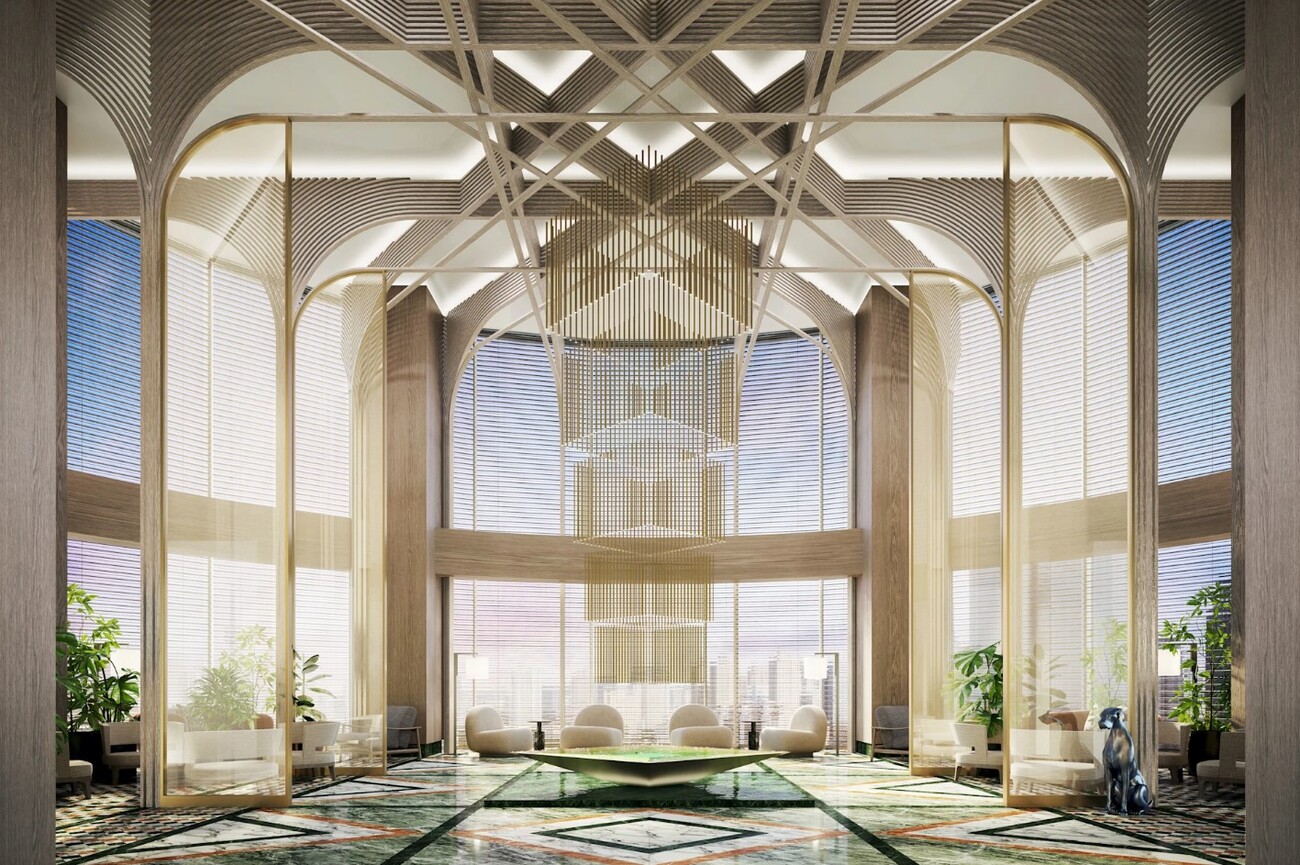
- Hilton Urumqi: A comfortable and well appointed stay in the heart of the region’s capital. Its spacious rooms and suites are thoughtfully designed with cozy seating areas, dedicated workspaces, and plush king or twin bedding for added comfort. The bathrooms are equally inviting, featuring deep soaking tubs, separate rain showers, soft bathrobes, and slippers that enhance the sense of relaxation. As Urumqi is often the departure or arrival city for extended rail adventures, the hotel serves as an ideal place to unwind and recharge before setting off or after completing the trip.
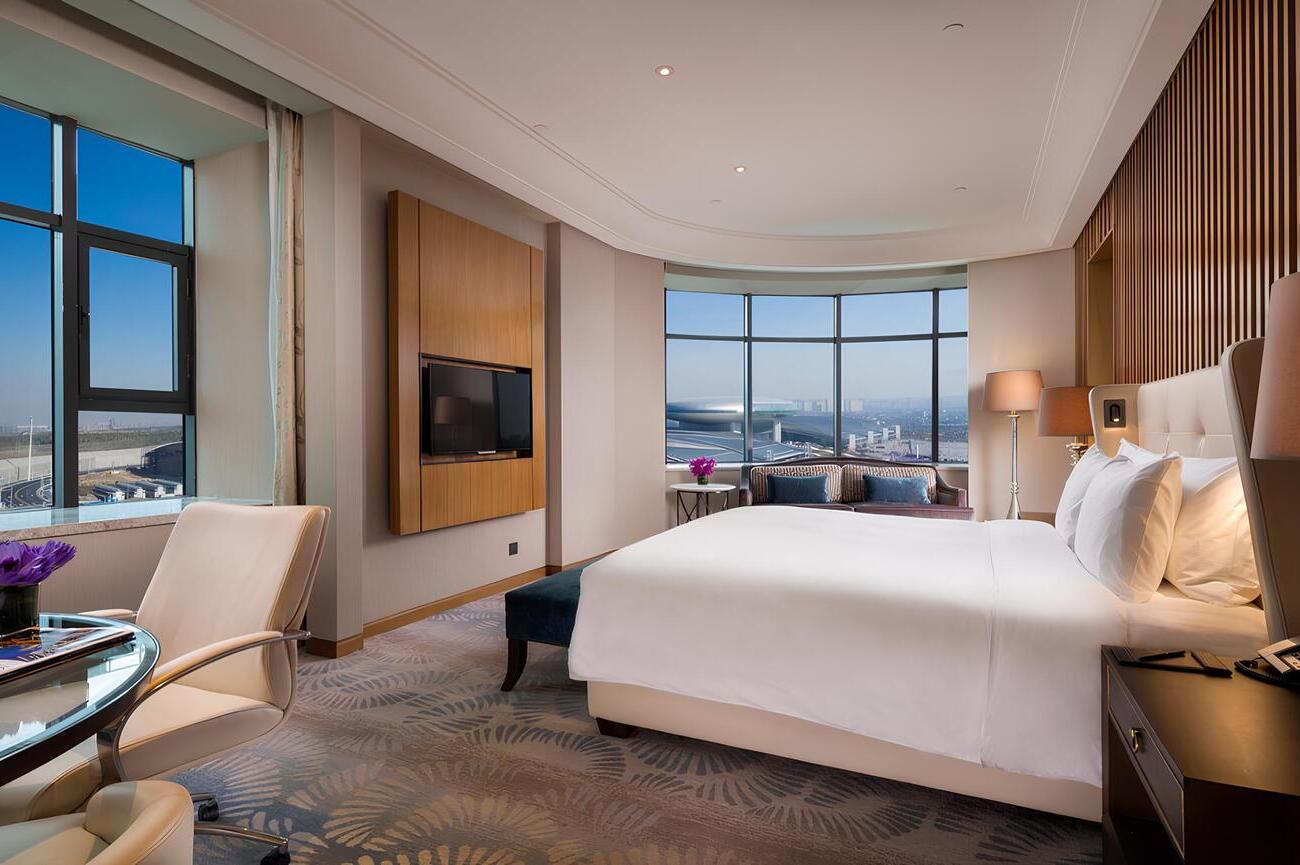
- Sheraton Urumqi: Located in the busy commercial district. The hotel offers a comfortable and convenient base before or after your rail journey. The hotel sits above a major shopping and entertainment complex, giving you direct access to international retail brands, supermarkets, restaurants, and cafés without needing to leave the building. The rooms are spacious, starting at around 40 square metres, and feature soundproofing, premium bedding, flat-screen TVs, dedicated workspaces, and marble bathrooms with rainfall showers. One of the hotel's standout features is its extensive wellness centre, which includes a fully equipped gym, a heated indoor swimming pool, saunas, and private karaoke rooms. The hotel is conveniently located around 20 to 25 minutes from Urumqi Diwopu International Airport and less than 20 minutes from the city's main railway station, making transfers to the New Orient Express smooth and hassle free.

Where to Eat Along the Journey
Urumqi
- Ma Feng Hua Xinjiang: One of Urumqi’s most popular restaurants, known for its traditional Xinjiang cooking and generous share-style dishes. It’s a favourite among both locals and visitors looking for an authentic taste of the region. The restaurant’s signature dish is Big Plate Chicken (Dapanji), a hearty combination of chicken, potatoes, and peppers cooked in a rich, flavourful sauce. One of the highlights comes at the end of the meal, when wide hand-pulled noodles are added to the remaining sauce, allowing them to absorb its deep savoury flavours. Another standout dish is the clay pot lamb, where slow cooked mutton becomes exceptionally tender and develops rich, comforting flavours. If you’re looking to experience traditional Xinjiang cuisine in a lively and welcoming setting, Ma Feng Hua Xinjiang is one of the city’s best places to start.
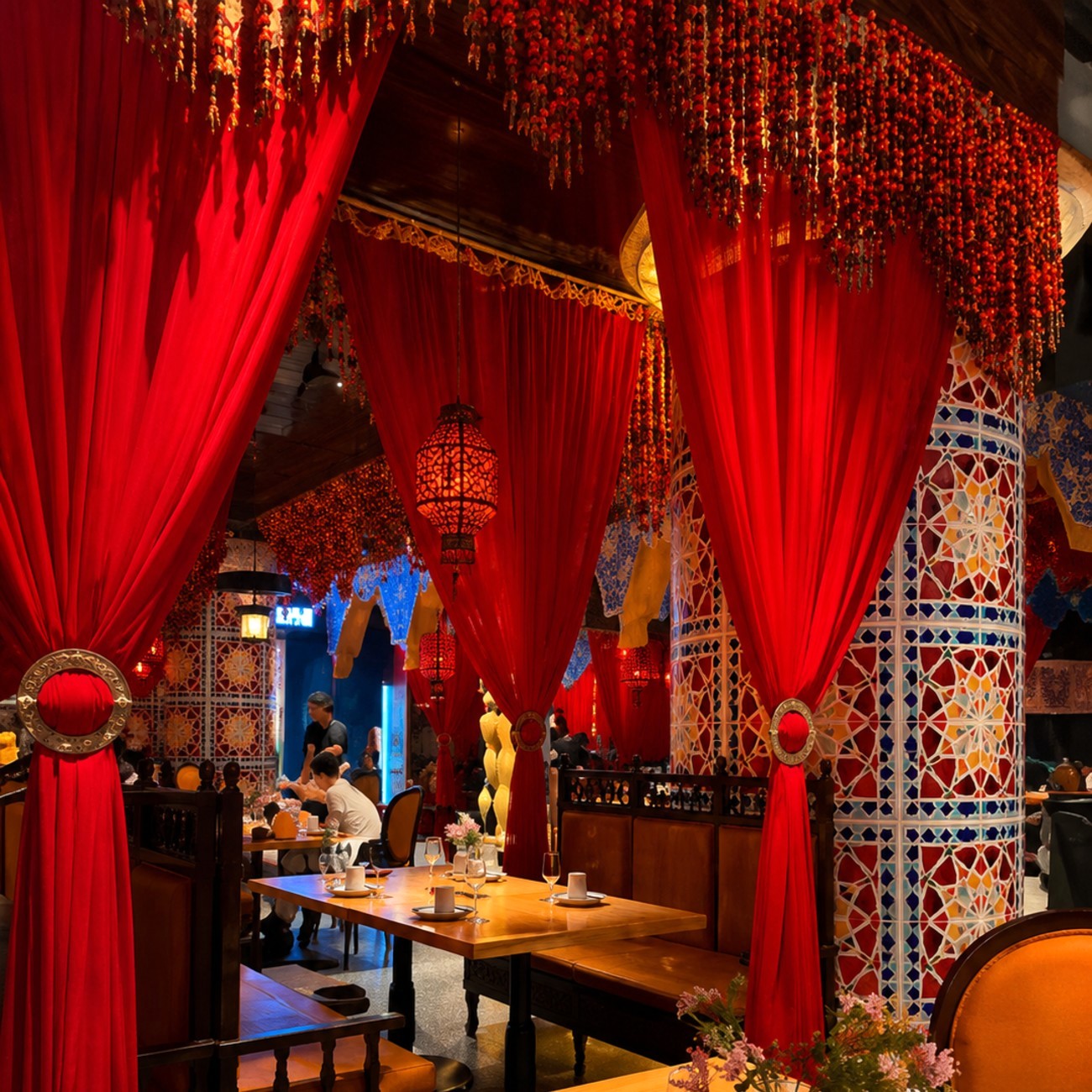
- Silk Road’s Promise (Si Lu You Yue): Offers a modern interpretation of Xinjiang and northwestern Chinese cuisine, bringing regional favourites to life through refined cooking techniques and contemporary presentation. The elegant dining room is enhanced by a large projection screen displaying beautiful landscapes from across Xinjiang, creating an atmosphere that connects you to the region while you dine. The menu takes inspiration from traditional Silk Road dishes and local street food, reimagining them with premium ingredients and creative touch. Highlights include baked samsa pastries filled with seasoned crayfish, a modern twist on a classic regional favourite. For dessert, the honey fig yogurt cold cake is a popular choice, combining chewy glutinous rice, creamy local yogurt, and a rich fruit sauce for a memorable finish to your meal.
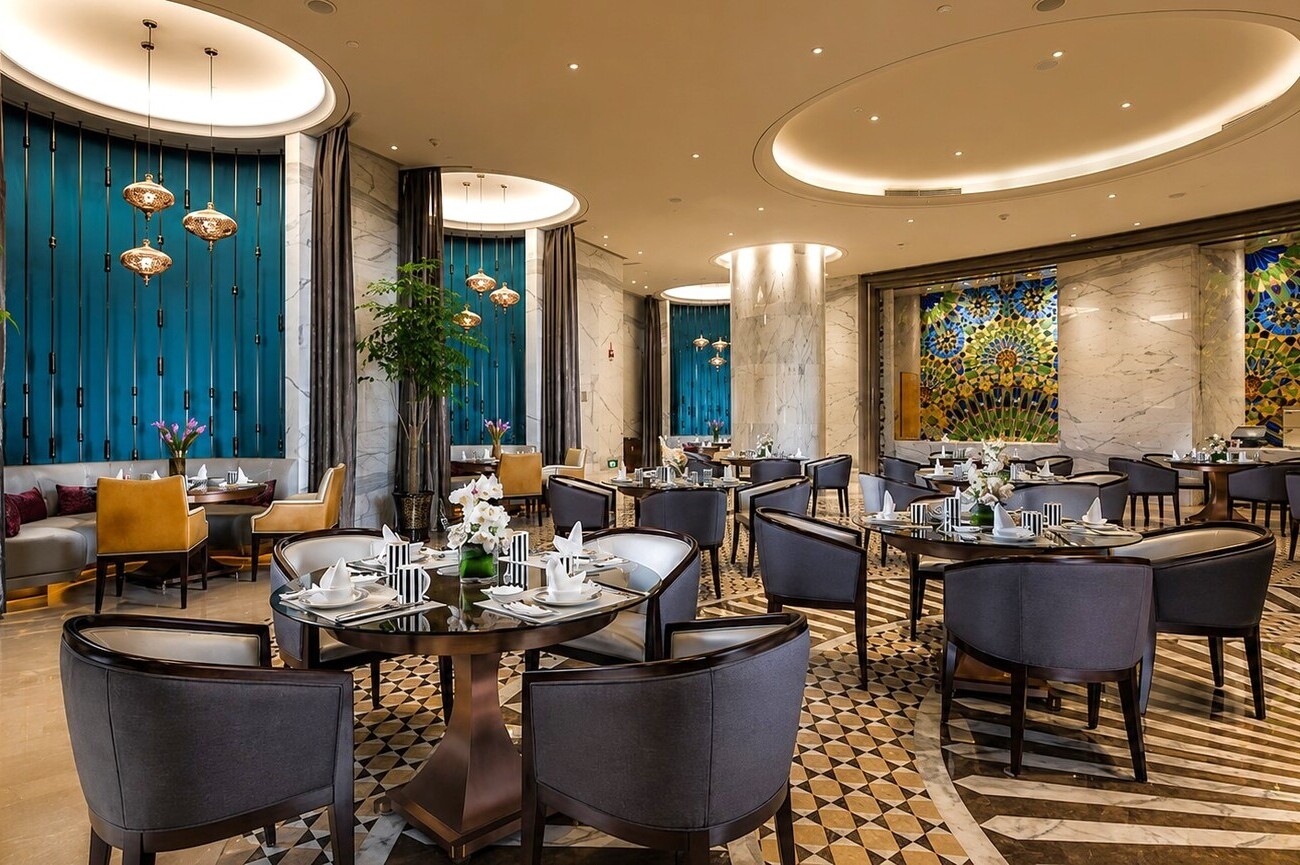
- Xia Gazi (Mingyuan Branch): A well loved dining spot in Urumqi, known for its lively atmosphere, generous share-style dishes, and authentic Uyghur cuisine. The spacious dining halls are decorated with local design elements, and in the evenings, traditional Uyghur music and dance performances bring the restaurant to life. Dining here feels like more than just a meal, it’s an opportunity to experience Xinjiang’s culture and hospitality firsthand. The menu showcases classic regional flavours through hearty dishes. The signature lamb ribs are a particular favourite, slow-cooked until tender before being lightly crisped and seasoned with local cumin and salt. Another popular choice is the homemade yogurt, served with raisins, peanuts, and sesame seeds for a delicious balance of creamy, sweet, and nutty flavours.
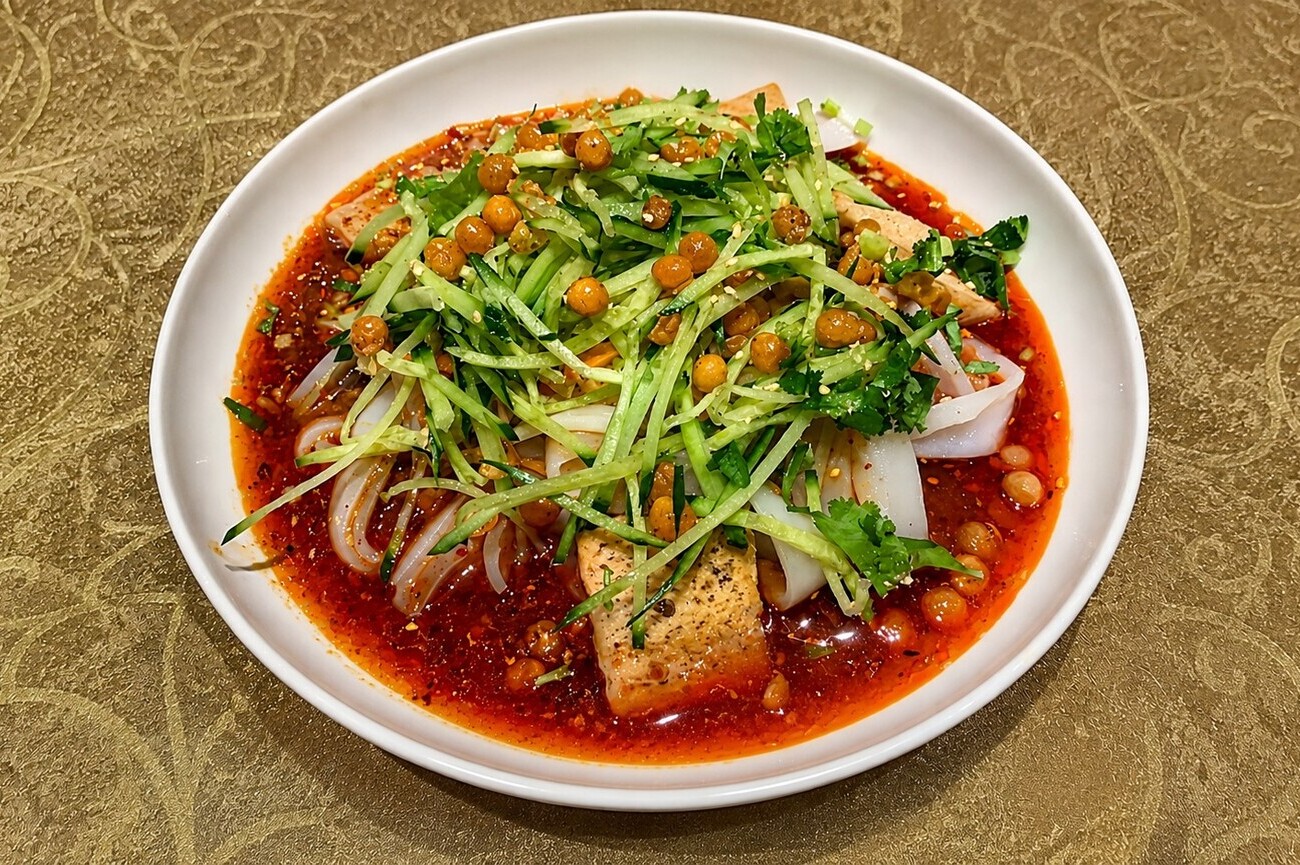
- Pomegranate Hongliao: One of Urumqi's most popular upscale restaurants, offering a refined introduction to the flavours and culture of Xinjiang. The restaurant blends contemporary design with traditional Xinjiang influences, creating a stylish yet welcoming atmosphere. Friendly service and attention to detail make it a favourite among both locals and visitors. The menu combines classic Uyghur recipes. One of the restaurant’s signature dishes is the award-winning pigeon lo mein, featuring tender braised pigeon served over hand-pulled belt noodles in a rich, savoury sauce. Another popular choice is the traditional samsa, a crisp baked pastry filled with succulent mutton and sweet onions.

- Hotan Street (Hotan 2nd Street): A lively food street in Urumqi’s Saybag District, known for offering a more authentic and local experience than the city's larger tourist markets. The street is heavily influenced by the flavours of southern Xinjiang, particularly the culinary traditions of Kashgar and Hotan. As you walk through the bustling lanes, you'll encounter the aromas of freshly baked breads, grilled meats, and traditional dishes being prepared right in front of you. Spending time on Hotan Street gives you a deeper connection to the flavours and traditions of the Silk Road, helping bring the landscapes and cultures you'll encounter on your journey to life.
Other Things to Do Along the Journey
Urumqi
- Xinjiang Regional Museum: One of the best places to understand the region’s rich cultural
diversity and its role as a crossroads between East and West. Home to more than
40,000 artefacts, the museum tells the story of centuries of migration, trade,
and cultural exchange along the Silk Road. Allow around two to three hours to
explore its extensive collections and gain a deeper appreciation of Xinjiang’s
unique heritage. One of the museum’s most famous exhibits features remarkably
preserved ancient mummies naturally preserved by the dry climate of the
Taklamakan Desert. You’ll also find ancient silk textiles, coins, Buddhist
artworks, Roman glassware, and manuscripts that highlight the connections
between civilizations across Asia and Europe. A visit here provides valuable
context for the landscapes, cultures, and traditions you’ll encounter
throughout your journey across Xinjiang. The museum also provides valuable background
for understanding many of the cultures and trade routes featured throughout
western China. If you’re planning a broader exploration of the country, you may
find it complements with our tailored journey: The Grand Tour Of China: Beijing to Shanghai,
which follows China's evolution from ancient imperial capitals to its modern
global cities.

- Heavenly Lake: A crescent shaped alpine crater lake nestled nearly 2,000 metres above sea level in the mountains east of Urumqi. Surrounded by dense spruce forests and overlooked by the snow capped Bogda Peak, the lake is famous for its crystal clear blue waters and spectacular alpine scenery. Located around 1.5 to 2 hours from the city, this UNESCO-listed destination offers plenty of ways to experience the landscape. You can take a scenic boat cruise across the lake, ride the Maya Mountain Cableway for panoramic views, or explore the network of walking trails that wind through the surrounding forests and mountains. While Heavenly Lake showcases Xinjiang's alpine beauty, you may also enjoy our tailored journey: China Panda & Peaks: Beijing, Xi'an, Chengdu, Mt Emei & Shanghai, and find where sacred mountains and amazing scenery take centre stage.

- Eat and Shop at Urumqi International Grand Bazaar: One of the largest and most iconic marketplaces in Central Asia, combining shopping, dining, and cultural experiences in one vibrant destination. With its grand Islamic-inspired architecture, towering minarets, and colourful domes, it serves as the commercial and cultural heart of the city. As you explore the bazaar, you'll find a lively food street filled with regional specialties. Sample local favourites such as laghman hand-pulled noodles, freshly baked samsa pastries filled with mutton, and zhuafan (Xinjiang-style lamb pilaf). If you want to chill and rest up for a bit, visit the traditional teahouse, where you can enjoy saffron or rose tea while listening to live music played on traditional local instruments. It’s a wonderful place to slow down and enjoy the atmosphere. The bazaar is also a shopper’s paradise, with thousands of stalls selling spices, dried fruits, textiles, handicrafts, home décor, and locally crafted jade jewellery. Whether you're looking for souvenirs, regional flavours, or cultural experiences, the Grand Bazaar offers an unforgettable introduction to Xinjiang.

- Hongshan Park: Named after the distinctive red rock formations that rise above the surrounding skyline, the park offers a peaceful green escape in the heart of the city. You can walk along the winding pathways or take a golf cart to the summit, where the Hongshan Pagoda overlooks Urumqi. From the viewing platforms, you'll enjoy spectacular views of the city, surrounding mountains, and modern skyline. The park is also home to several historical monuments, including a statue of Lin Zexu, an important figure in Chinese history. Beyond the scenery, Hongshan Park offers a glimpse into local life. As you wander through its tree lined paths and gardens, you may see residents practising Tai Chi, playing traditional instruments, or gathering for folk dance performances in the public squares.

Explore More of China
with our Tailored Journeys
If you would like to continue exploring China without the hassle of organising every detail yourself, our collection of private China tours brings together the country’s greatest cities, landscapes and cultural routes in carefully planned itineraries.
From first-time journeys through Beijing, Xi’an and Shanghai to routes through Guilin, Chengdu, Tibet, the Yangtze and Xinjiang, each trip is designed around private guides, seamless logistics and a pace that suits you.
For travellers planning a wider journey, we can also combine China with other parts of Asia, creating a seamless tailor-made itinerary around your interests, travel dates and style of travel.

Discover the Many
Faces of Xinjiang
Xinjiang is often described as a destination unlike anywhere else in China, but the reality is even more remarkable when experienced firsthand.
Across a single journey, you may find yourself standing beside turquoise alpine lakes, snow-capped mountains, crossing endless grasslands dotted with nomadic yurts, wandering through centuries old Silk Road cities, and watching the sun set over desert landscapes that once guided traders travelling between East and West.
What makes the New Orient Express so memorable is not simply the destinations it visits, but the way it connects them. Each day reveals a different landscape, culture, and chapter of Xinjiang's story, while the train itself provides a comfortable and elegant sanctuary between adventures. The changing scenery outside your window becomes part of the experience, transforming distance into discovery.
By the time the journey returns to Urumqi, you've travelled through one of Asia's most diverse and captivating regions, experiencing a side of China that few international visitors ever see.

If you'd like to experience the New Orient Express for yourself, Contact us.


Let us know what you love, where you want to go, and we’ll design a one-of-a-kind adventure you’ll never forget.
Get in touch
Miriam
Travel Specialist

Nina
Travel Specialist

Abigail
Travel Specialist
Our offices:



Revigorate, Iberian Escapes and Algarve Lifestyle are the registered brand names of APCS Lda . We are a fully authorised travel agency licensed by Turismo de Portugal RNAVT/6867.
In the event of a dispute, the consumer may refer to: RAL - Centros de Arbitragem
Avª. 5 de Outubro, nº. 55, R/C Dtº. 8000-075 Faro, Portugal | Tel: +351 289 823 135 *
* national landline call
E-mail: info@consumoalgarve.pt| www.consumidoronline.pt | Mon to Fri: 9:00 - 13:00 / 14:00 - 17:00