Things to Do in Bali: 7-Day Itinerary
There are few places that capture the imagination quite like Bali. One day, you can be exploring the emerald rice terraces, ancient temples and artistic villages of Ubud. The next, you might be watching the sunrise from Mount Batur, standing above the ocean at Uluwatu Temple or relaxing beside the clear waters and dramatic cliffs of Nusa Penida.
This 7-day Bali itinerary is designed to introduce you to the very best of the Island of the Gods. It combines ancient traditions, volcanic landscapes, hidden beaches, unforgettable sunsets and some of Indonesia’s finest cuisine and luxury resorts. The route includes Ubud, Mount Batur, Uluwatu, Nusa Penida and Seminyak, balancing sightseeing and cultural experiences with time to relax.
Whether you are visiting Bali for the first time or returning to explore more of the island, this itinerary will help you make the most of seven days while revealing why Bali remains one of the world’s most captivating destinations.
Day 1

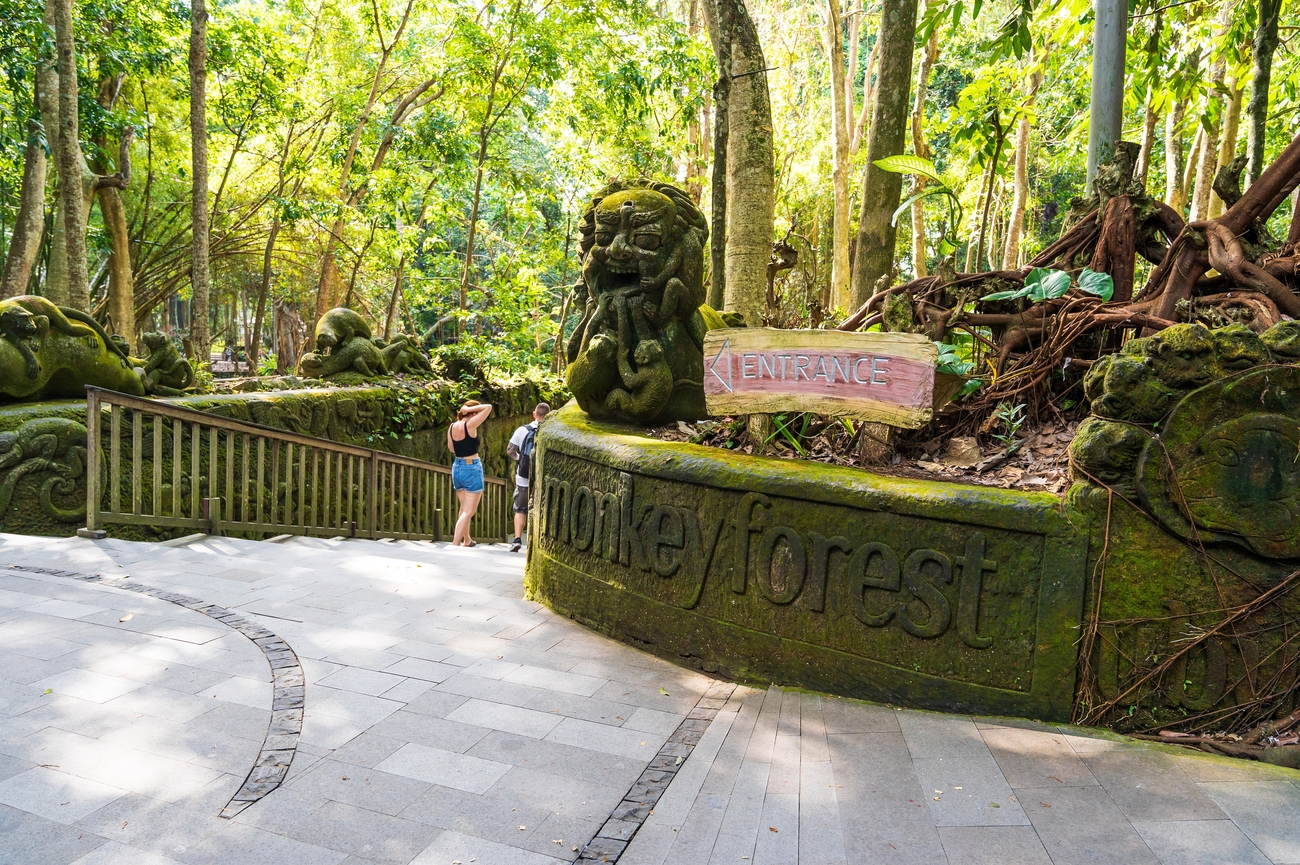
Morning: Sacred Monkey Forest Sanctuary
Begin your Bali adventure at the Sacred Monkey Forest Sanctuary, home to more than 1,200 Balinese long tailed macaques. More than just a wildlife attraction, the sanctuary is an important conservation and research site that reflects the Balinese philosophy of harmony between people, nature, and the spiritual world, or “Tri Hita Karana.” As you explore, you'll follow shaded stone pathways through towering banyan trees, moss covered ravines, and picturesque bridges. Hidden within the forest are three sacred 14th century temples, while monkeys roam freely in their natural habitat. You'll likely see mothers caring for their babies, young monkeys playing in the trees, and dominant males keeping watch over their groups. Because the monkeys are wild animals, it's important to follow a few simple safety guidelines. Avoid bringing food into the sanctuary, don't make direct eye contact, and keep sunglasses, hats, phones, and other loose items safely stored in your bag. Never touch or feed the monkeys. If one climbs onto your shoulder, stay calm and continue walking slowly until it jumps off on its own.
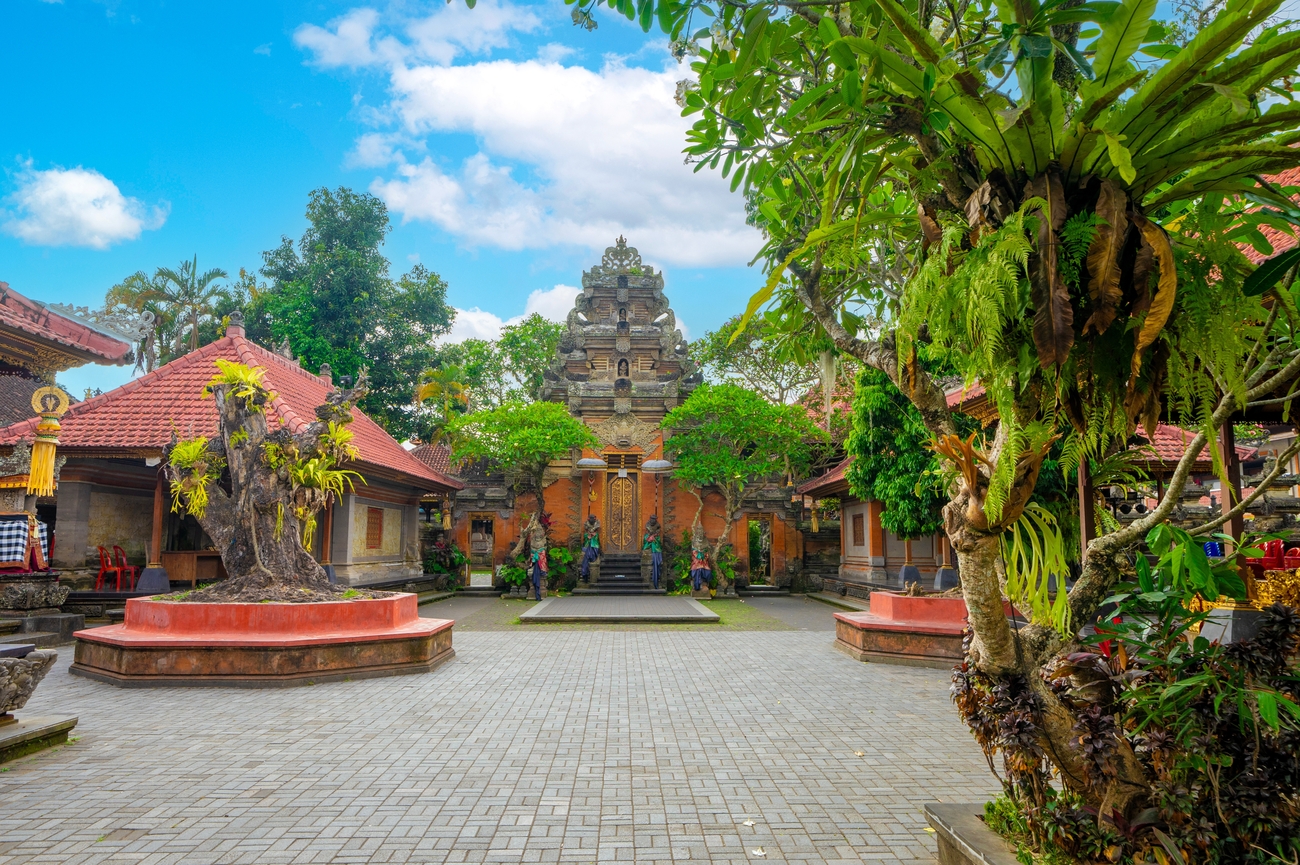
Ubud Palace
Just an 8-minute drive away, Ubud Palace (Puri Saren Agung) offers a glimpse into Bali's royal heritage. Built in the early 1800s during the reign of King Ida Putu Kandel, the palace remains the official residence of Ubud's royal family while also serving as one of the island's most important cultural landmarks. As you wander through its beautifully preserved courtyards, you'll admire traditional Balinese architecture, intricate stone carvings, and ornate gateways that make the palace one of Ubud's most photographed attractions. If you want to time your visit in the evening, the experience becomes even more memorable. As the sun sets, the palace courtyard transforms into an open-air stage lit by traditional torches. We can arrange tickets for you to enjoy an authentic Balinese cultural performance, where graceful Legong, Barong, or Ramayana dances are brought to life by the rhythmic sounds of a live gamelan orchestra.
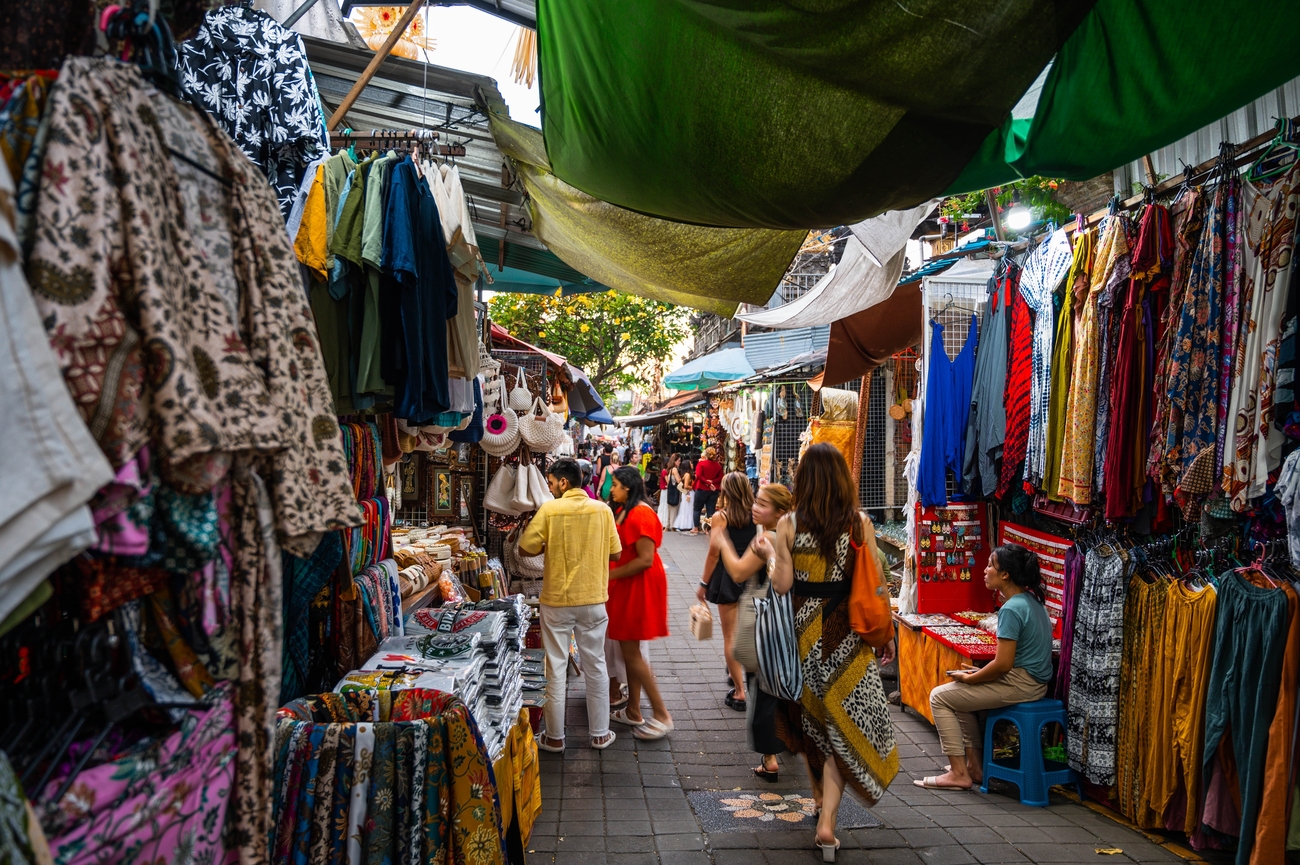
Ubud Market
Across from Ubud Palace, you'll find Ubud Market (Pasar Seni Ubud), one of Bali's best places to shop for authentic local crafts and souvenirs. If it looks familiar, that's because it featured prominently in the film Eat Pray Love. Here, you can browse through stalls selling handcrafted rattan bags, batik sarongs, linen clothing, macramé pieces, wood carvings, handmade jewellery, and other Balinese artisan products. Bargaining is part of the local shopping culture, so don't hesitate to politely negotiate with vendors for a better price. If you arrive before 8:00 AM, you'll experience a completely different side of the market. The lower level becomes a bustling local marketplace where residents shop for fresh tropical fruit, spices, flowers, and traditional Balinese snacks known as jaje Bali. It's also a great opportunity to sample local street food, from fresh coconut water and crispy pisang goreng (fried bananas) to traditional rice cakes prepared by local vendors.
Day 1, Morning - Bali Tour Map
Afternoon: Goa Gajah
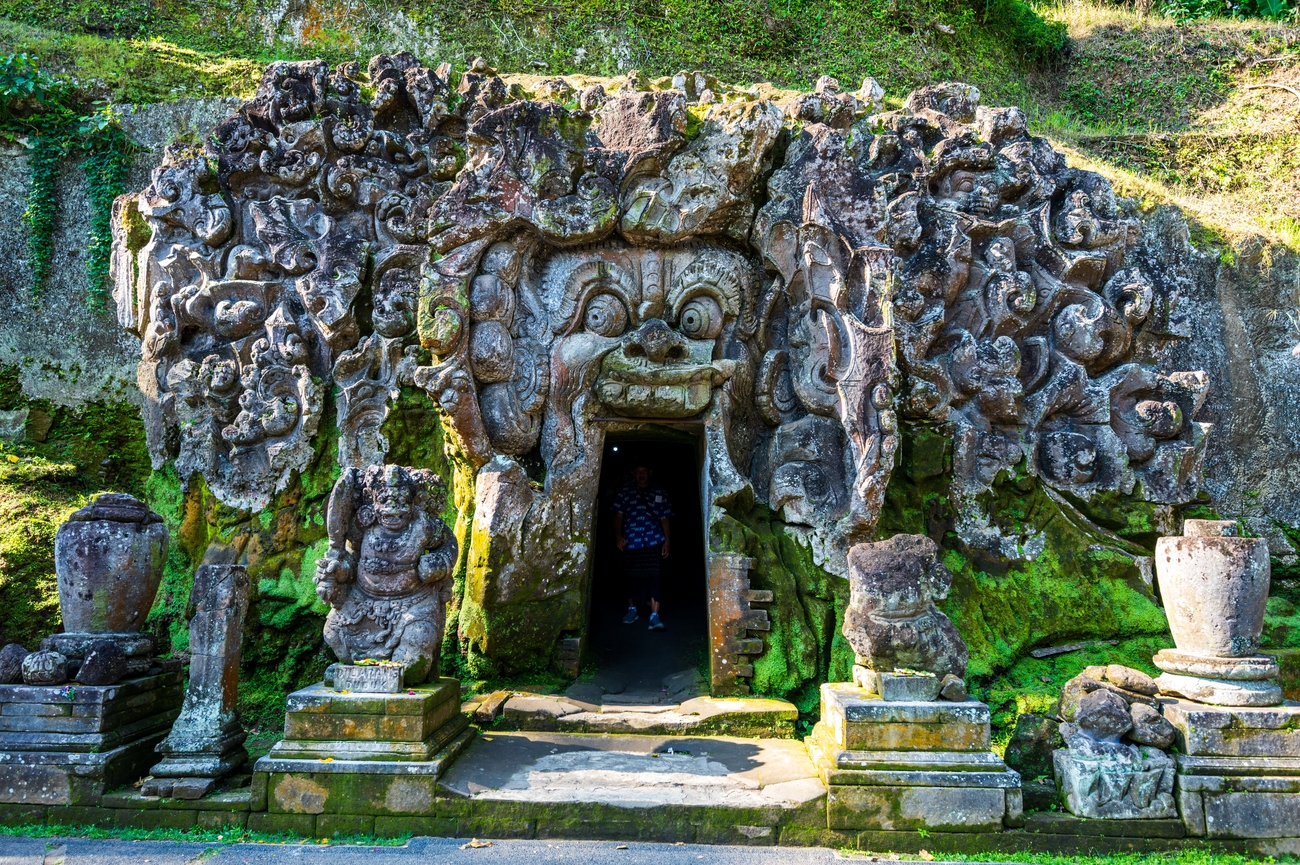
Continue your journey with a visit to Goa Gajah, better known as the Elephant Cave. Despite its name, you won't find any elephants here. The name is believed to come either from the nearby Petanu River (once known as the Elephant River) or from the impressive stone carving at the cave entrance, which resembles the Hindu elephant-headed deity, Ganesha. Today, Goa Gajah remains an active place of worship where you can witness Balinese Hindus performing daily prayers and traditional purification rituals. As you explore the site, you'll walk through a peaceful sunken courtyard surrounded by ancient stone carvings and temples, or follow the paths into the lush jungle ravine, where you’ll find massive, mossy fallen banyan roots, bamboo groves, and the ruins of an ancient Buddhist temple structure.
The Blanco Renaissance Museum
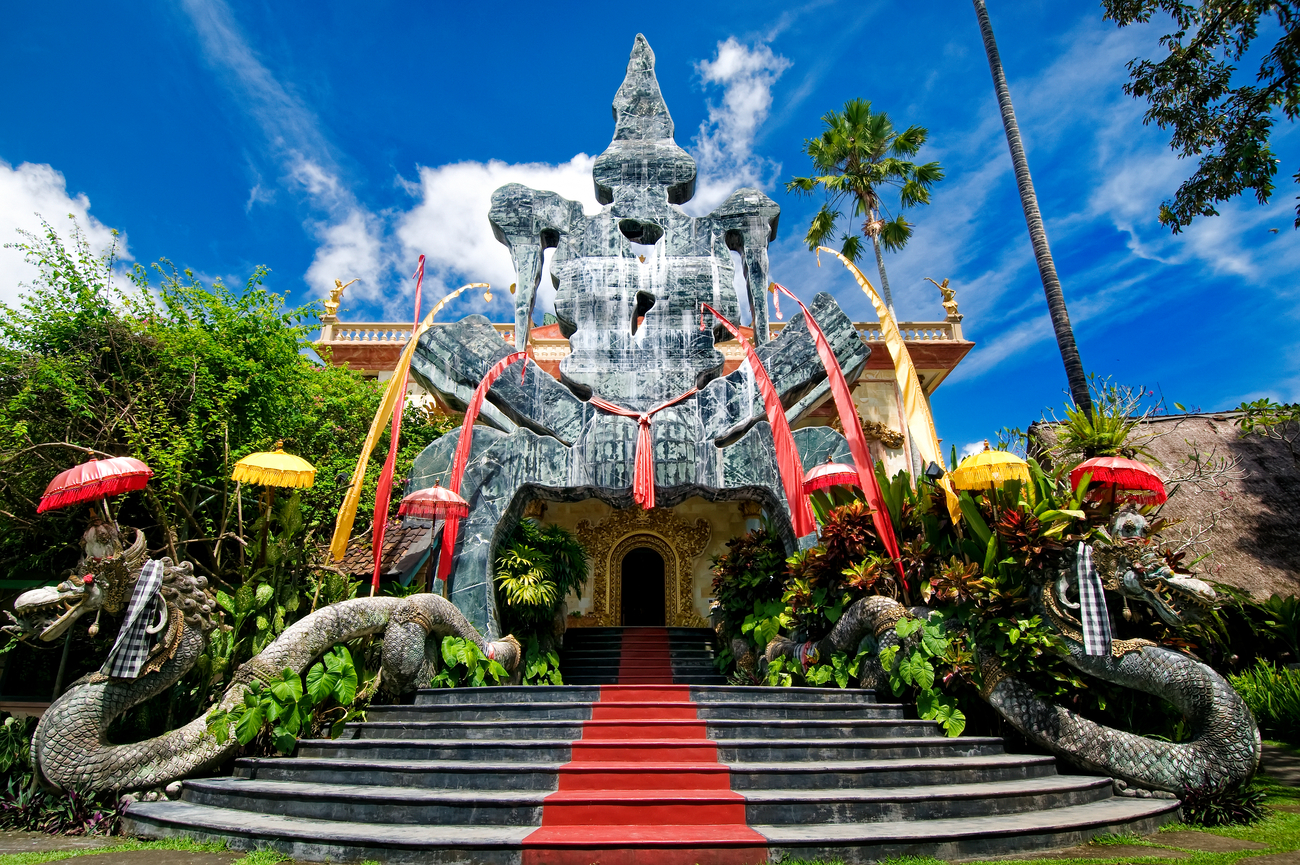
End your first day in Bali with a visit to the Blanco Renaissance Museum, an elegant hilltop mansion overlooking the beautiful Campuhan River. It was once home to the late Spanish-Filipino artist Don Antonio Blanco (often called the "Dali of Bali") the museum celebrates his extraordinary life and artistic legacy. The property was built on land gifted to Blanco by the King of Ubud in 1953. As you explore the museum, you'll discover galleries filled with Blanco's colourful and expressive paintings, which blend European Renaissance influences with his deep admiration for Balinese culture, landscapes, and people. You can step inside the artist's studio, which has been preserved exactly as he left it upon his passing in 1999. Outside, take a leisurely stroll through the beautifully landscaped tropical gardens, where friendly macaws, cockatoos, and hornbills add even more colour to the experience. With its art, history, and peaceful setting, the Blanco Renaissance Museum is the perfect place to end your first day in Ubud.
Day 1, Afternoon - Bali Tour
Map
Day 2
Morning: Tegallalang Rice Terraces
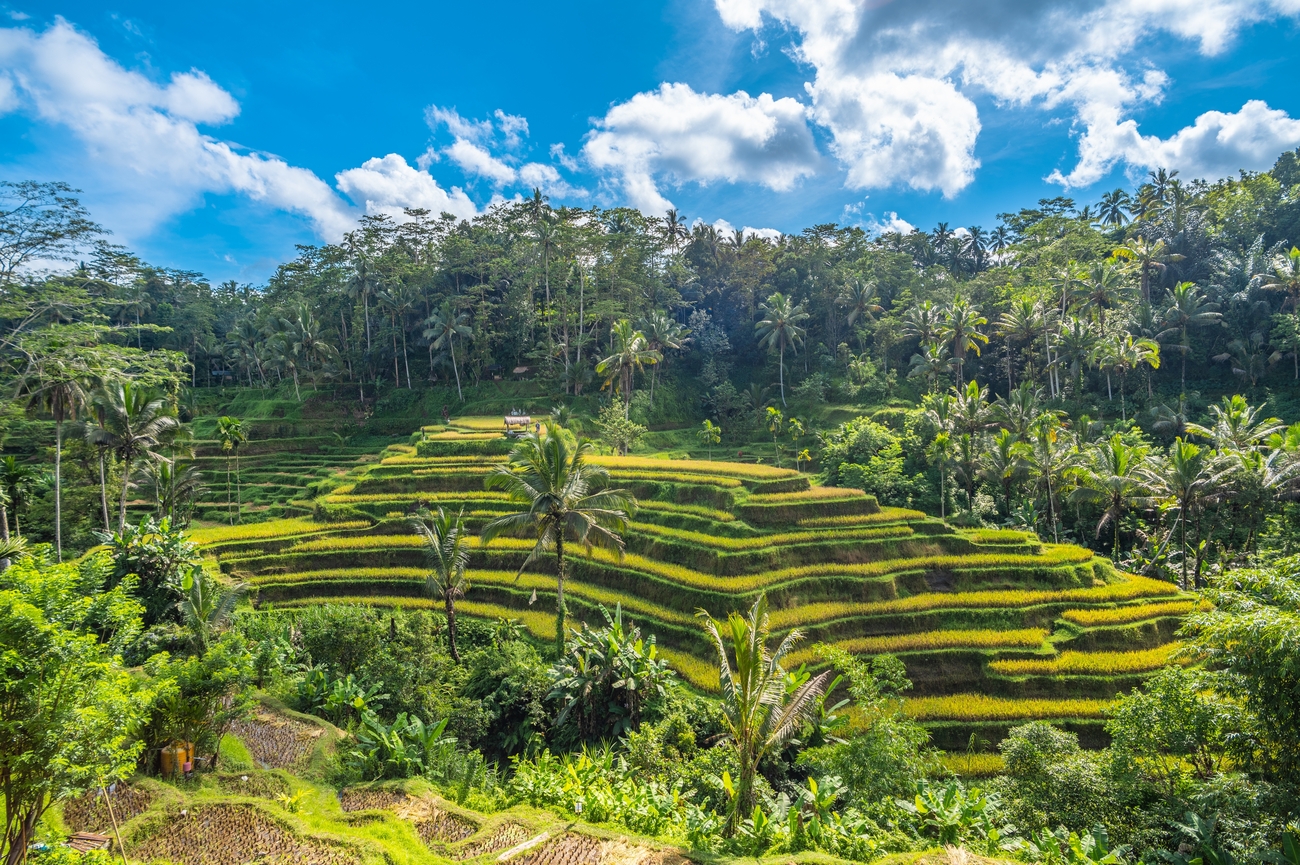
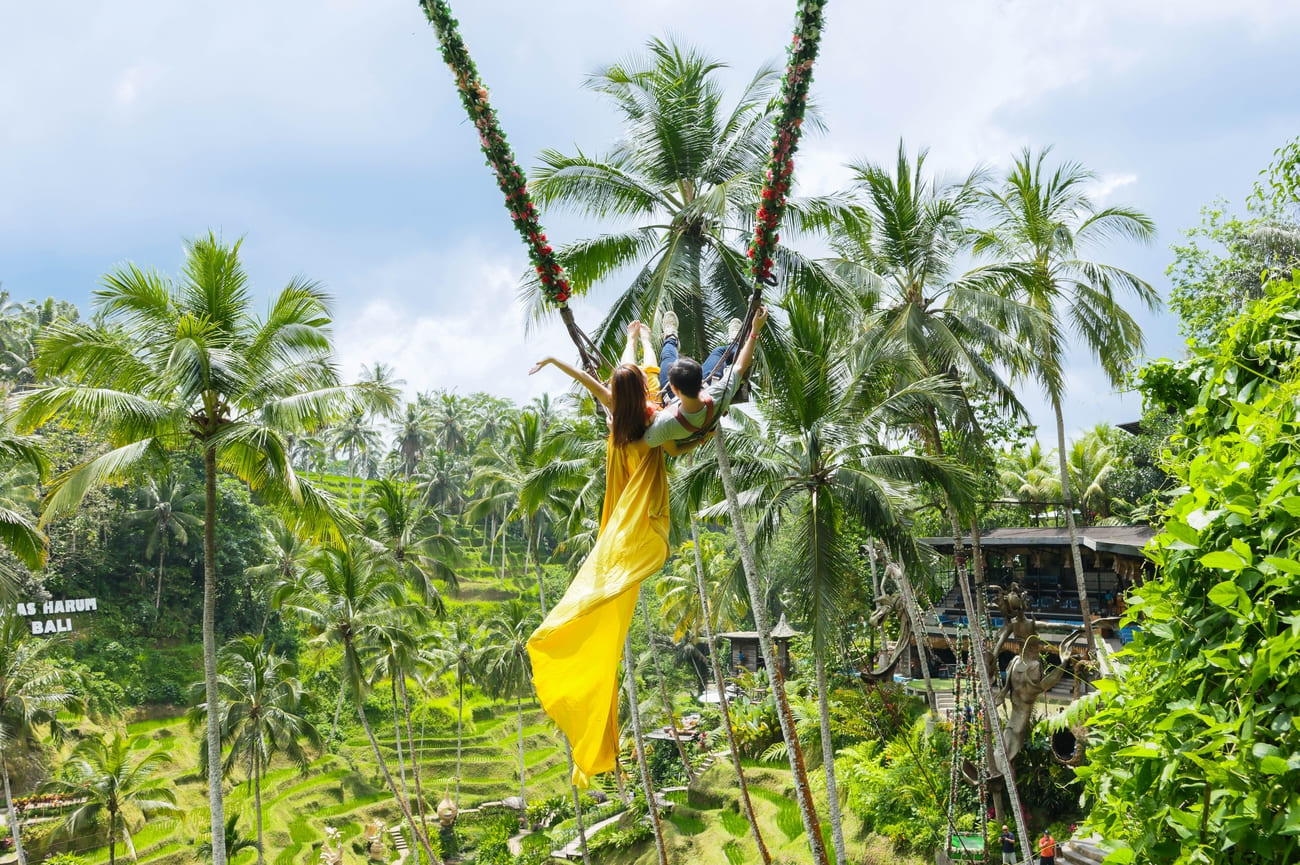
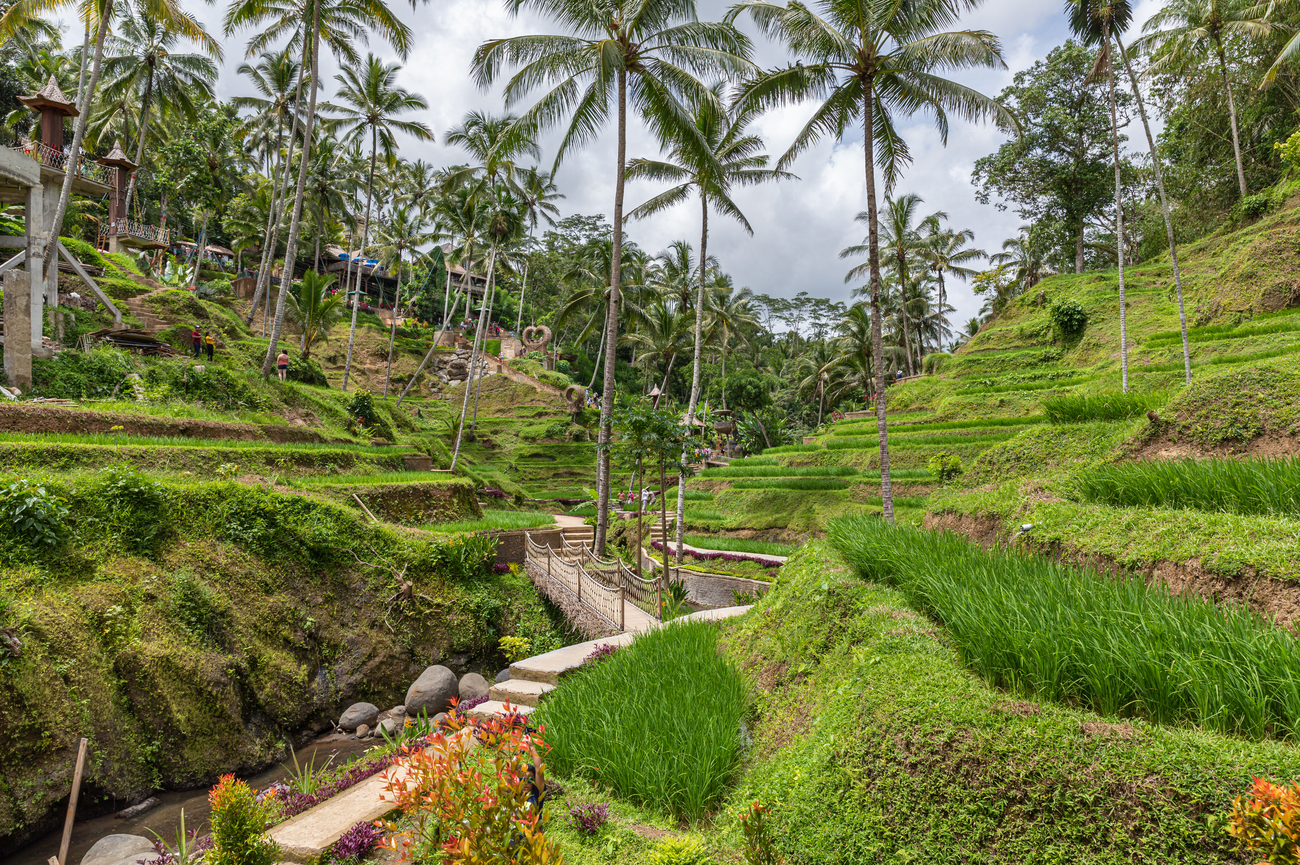
Start your day at the breathtaking Tegallalang Rice Terraces, one of Bali's most iconic landscapes. These lush, cascading fields showcase the island's ancient subak irrigation system, a UNESCO recognised tradition that has sustained Balinese farming communities for more than 1,000 years. Framed by coconut palms, the terraces create one of the most photographed views in Southeast Asia. Take time to wander through the terraces by following the narrow walking paths that wind across the hillsides. As you explore, you'll pass rice fields and may even meet local farmers who continue to cultivate the land. If you're looking for a little adventure, you can soar above the valley on one of the famous Bali swings, cross suspension bridges high above the terraces, or try a zip line for a different perspective of the landscape. For the best experience, arrive between 7:00 AM and 8:30 AM. You'll enjoy cooler temperatures, beautiful morning light, and fewer crowds. Be sure to wear comfortable shoes, as the natural dirt paths can become steep and slippery, especially after rain.
Afternoon: Pura Tirta Empul Temple
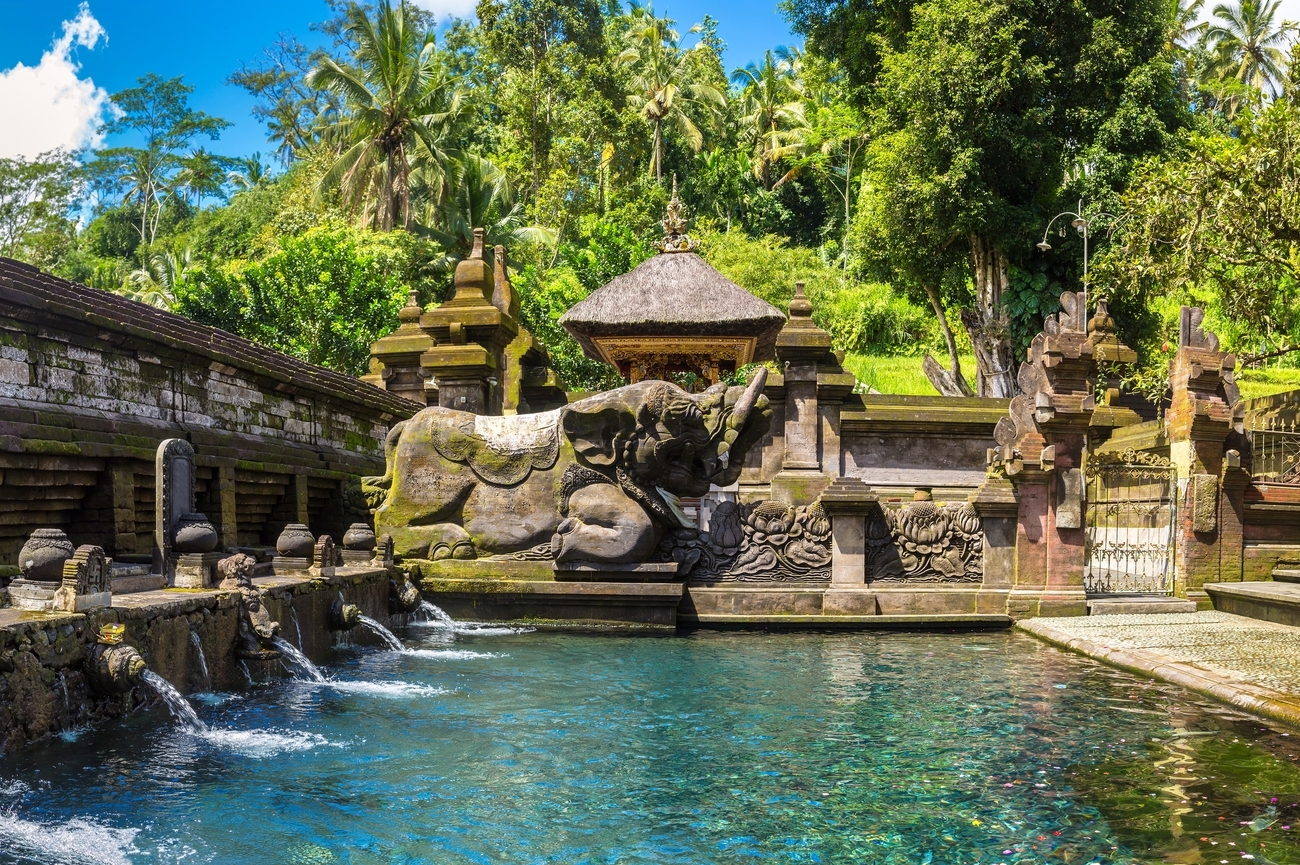
After exploring the rice terraces, continue northeast to Pura Tirta Empul, one of Bali's most sacred and visited water temples. Founded in 962 AD, the temple is dedicated to Vishnu, the Hindu god of water, and is famous for its natural spring, known as Tirta Empul, or "Holy Water Spring." Balinese Hindus believe these waters have healing and spiritual cleansing powers. One of the temple's most memorable experiences is the traditional purification ritual. If you wish to take part, you'll enter the cool spring-fed pools and move from one water spout to the next, pausing beneath each to symbolically cleanse yourself and receive blessings. After a morning of walking through the rice terraces, the refreshing water offers a welcome way to cool off while experiencing an important Balinese tradition.
Beyond the purification pools, take time to explore the temple grounds. Walk through peaceful courtyards filled with ornate stone shrines, traditional split gates, and open-air pavilions. You can also visit the sacred spring itself, where crystal-clear water continues to bubble up through volcanic sand into a pool filled with large koi fish.
Gunung Kawi Temple
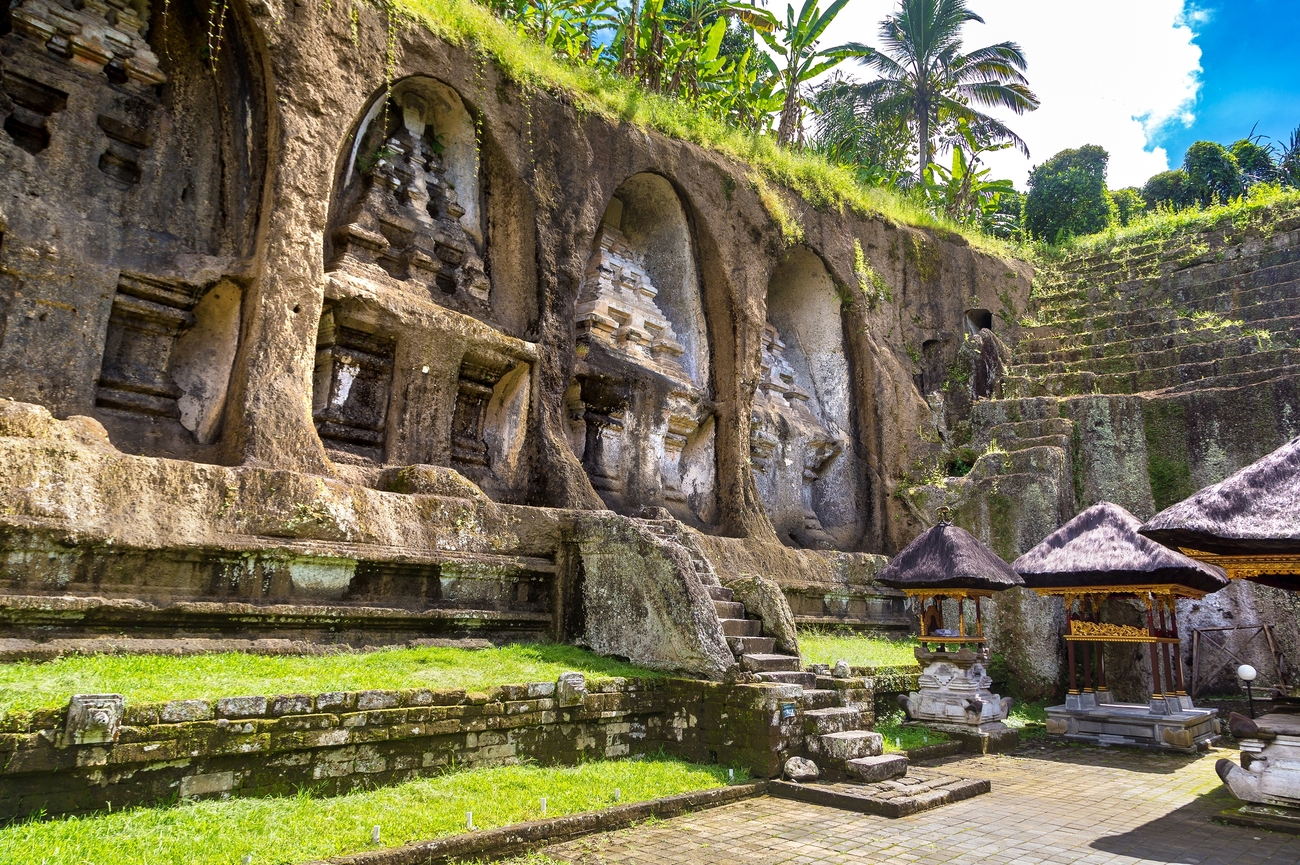
Just a 7-minute drive from Pura Tirta Empul, Gunung Kawi Temple is one of Bali's oldest and most remarkable archaeological sites. Dating back to the 11th century, the temple is famous for its towering shrines carved directly into the cliffs on either side of the sacred Pakerisan River. As you explore the complex, you'll discover ten impressive seven-metre-high stone shrines, ancient meditation caves, and peaceful pathways that wind through a lush river valley. Crossing the historic stone bridge and walking among these centuries-old monuments offers a fascinating glimpse into Bali's royal and spiritual history. Reaching the temple requires descending more than 300 stone steps into the valley, so be prepared for a steep climb on the way back. If you have knee problems or limited mobility, you may find the return walk challenging. As Gunung Kawi remains an active sacred site, both men and women are required to wear a traditional sarong and sash. If you don't have your own, one is provided with your entrance ticket.
Day 2 - Bali Tour Map
Day 3
Morning: Mount Batur Sunrise Trek
Start your final day in Ubud with one of Bali's most unforgettable experiences: the Mount Batur Sunrise Trek. This guided adventure takes you to the summit of Mount Batur, an active volcano in the Kintamani Highlands, in time to watch the sunrise above the island. Your adventure begins in the early hours of the morning with a hotel pickup before heading to the trailhead. Guided by headlamps, you'll hike under a star filled sky, following paths that wind through local farms before climbing steeper volcanic trails near the summit. The ascent usually takes 1.5 to 2 hours, depending on your pace.
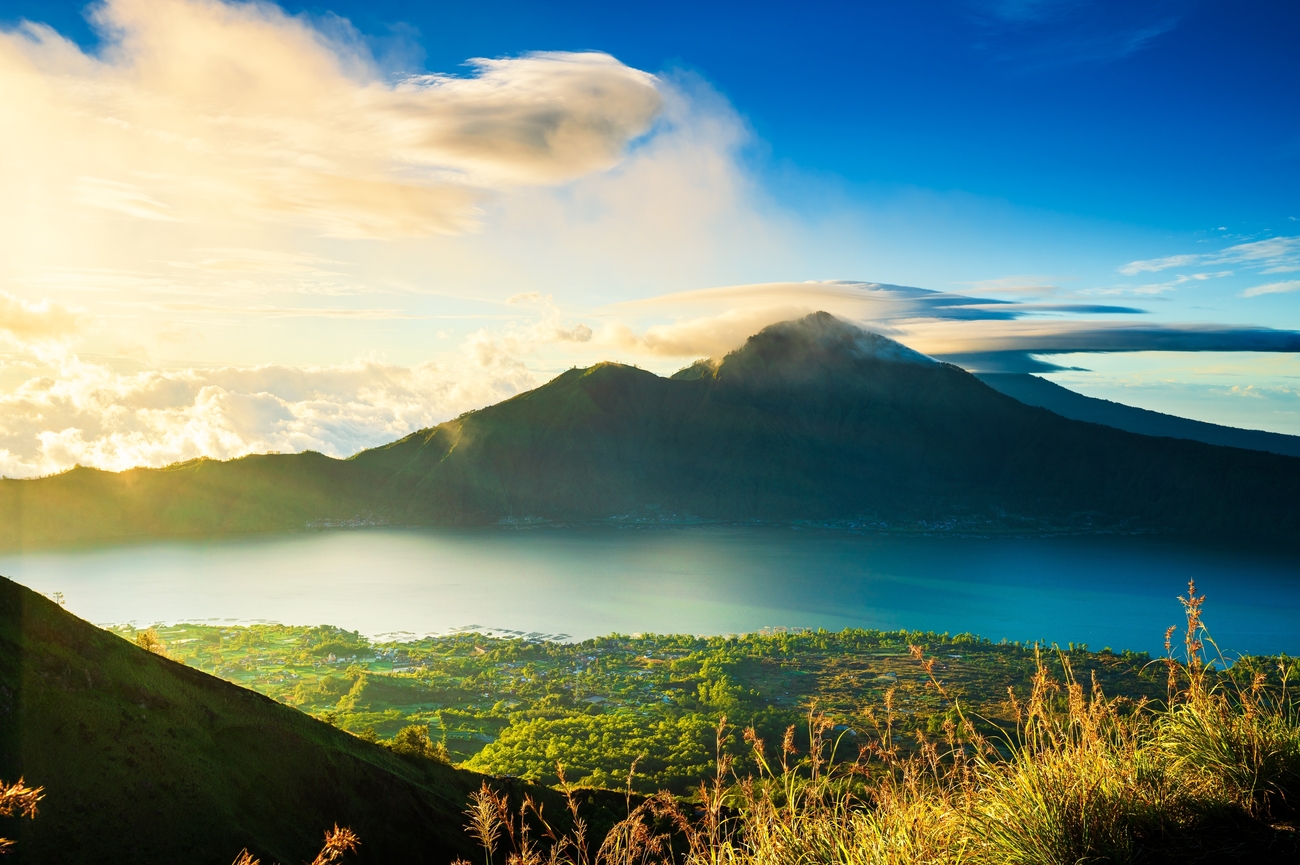
As dawn breaks, you'll be rewarded with spectacular views of the sun rising behind Mount Agung, Bali's highest volcano, while Mount Rinjani on neighbouring Lombok appears in the distance above the clouds. Looking below, you'll see mist drifting across Lake Batur, creating one of the island's most breathtaking panoramas. To make the experience even more memorable, we can arrange breakfast at the summit, where eggs and bananas are cooked naturally using the volcano's hot steam vents. After sunrise, you'll have time to explore the rim of the active crater, where volcanic rock formations and sweeping views of the caldera showcase the power of Bali's volcanic landscape.
Because you'll need to reach the summit before sunrise, expect an early start. Hotel pickup usually takes place between 1:30 AM and 2:30 AM, trekking begins at around 4:00 AM, and you'll arrive at the summit before sunrise at approximately 6:15 AM. The descent begins after you've had time to enjoy the views and breakfast. The summit can be cool and windy before sunrise, so wear a light jacket or fleece over breathable clothing. Sturdy hiking shoes are also highly recommended, as the volcanic gravel can be loose and slippery, especially on the way down.
Toya Bungkah Natural Hot Spring
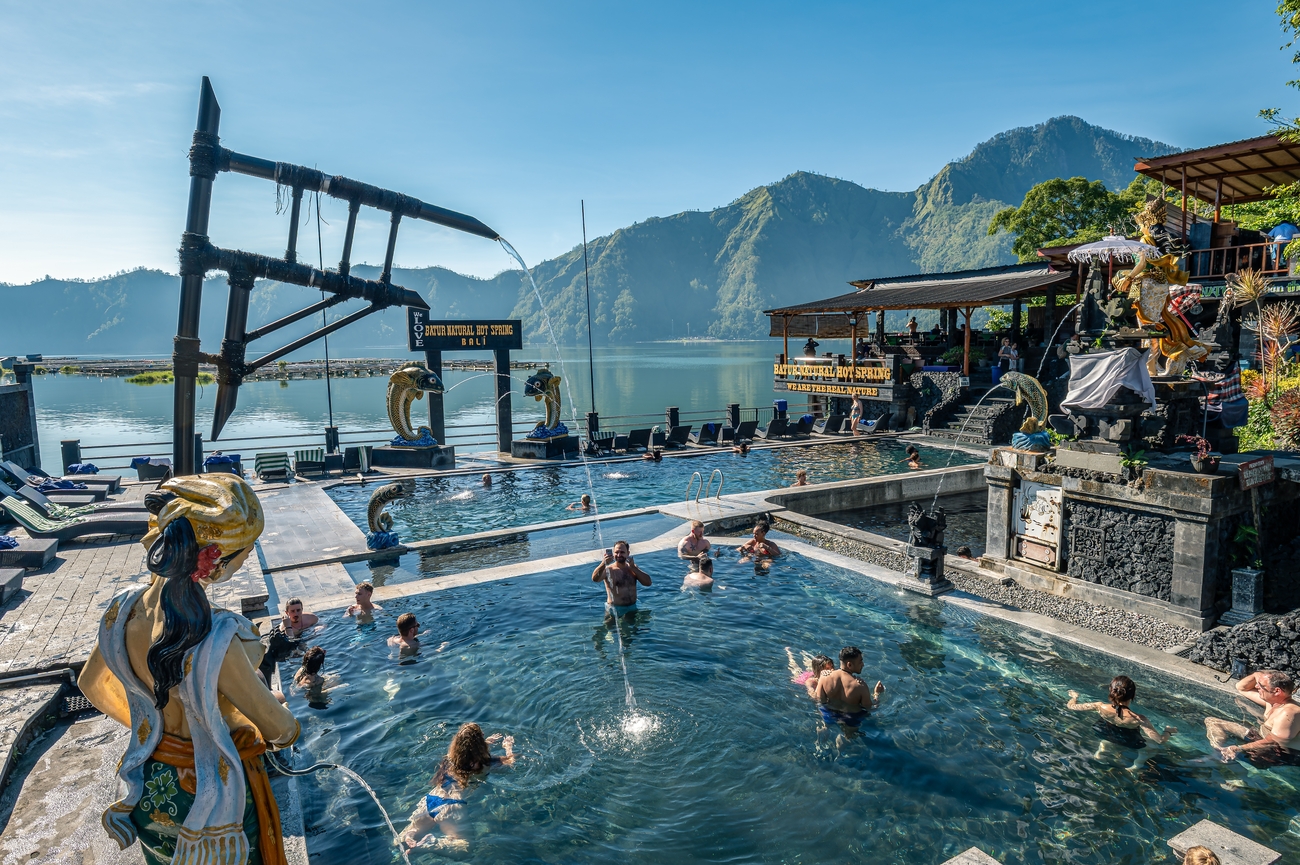
After your Mount Batur trek, reward yourself with a relaxing soak at the Toya Bungkah Natural Hot Springs, located at the foot of the volcano along the shores of Lake Batur. It's the perfect place to ease tired muscles after the morning hike. Relax in a series of naturally heated pools, including infinity pools that overlook the calm waters of Lake Batur and the surrounding volcanic landscape. You can also enjoy the hydrotherapy showers, where warm, high pressure spring water provides a soothing massage for your shoulders and back. After your soak, unwind at the on-site restaurant with traditional Indonesian dishes, fresh tropical juices, or a hot drink while enjoying the peaceful lakeside views.
Don't forget to bring your swimsuit and a change of clothes. Your entrance ticket typically includes a towel, locker, and welcome drink, making it easy to freshen up before continuing your journey. Although the Kintamani Highlands are cooler than Bali's beaches, the mountain sun can still be strong, so applying waterproof sunscreen before entering the pools is recommended.
A Well Deserved Afternoon to Unwind
After an active morning, spend the rest of the day slowing down and enjoying your final afternoon in Ubud. Treat yourself to a relaxing spa treatment, lounge by the pool, or simply make the most of the facilities at your hotel or resort. This downtime gives you a chance to recharge before the next part of your Bali adventure. On Day 4, you'll leave Ubud and travel to Seminyak, stopping at some of eastern Bali's most iconic attractions along the way.
Day 3 - Bali Tour Map
Day 4
Morning: Tirta Gangga Water Palace
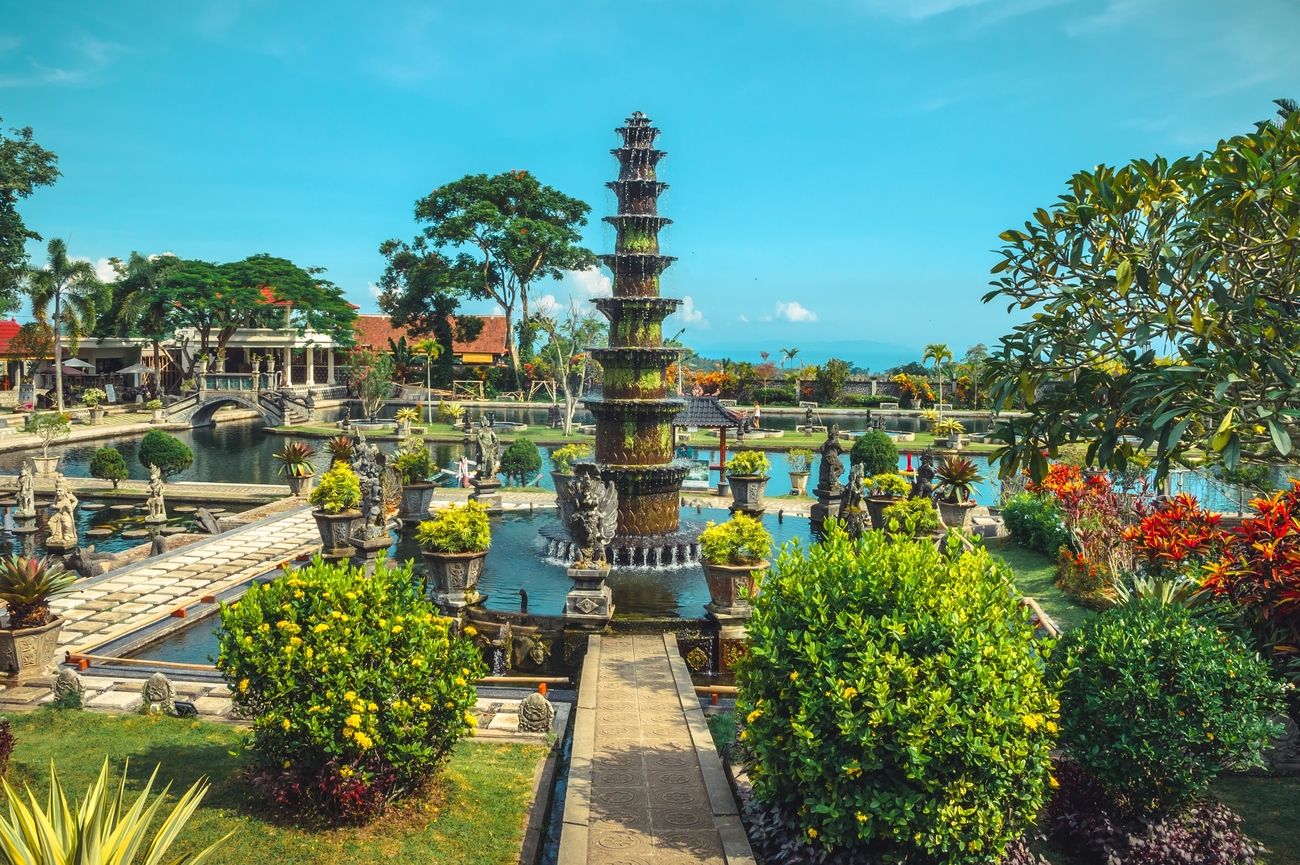
Begin your day at Tirta Gangga Water Palace, a beautiful royal garden built in 1946 by the last King of Karangasem. Although much of the palace was destroyed during the 1963 eruption of Mount Agung, it has been carefully restored and remains one of Bali's most picturesque landmarks. Its name, meaning "Water of the Ganges," reflects its spiritual connection to Hinduism's sacred river. Here, you can wander through peaceful gardens, ornamental ponds, elegant fountains, and intricate stone sculptures. One of the highlights is the famous stepping-stone pathway, where you can walk across the water while colourful koi fish swim beneath your feet. You can even buy fish food at the entrance to feed the thousands of koi that gather around the path.
If you'd like to cool off, you can also take a dip in the palace's spring-fed public pools. For the best experience (and the best photos) arrive between 7:30 AM and 8:30 AM, before the larger tour groups arrive. The stepping stones can become slippery from splashing water and feeding fish, so wear shoes with good grip and keep a secure hold on your phone or camera as you cross.
Penataran Agung Lempuyang Temple
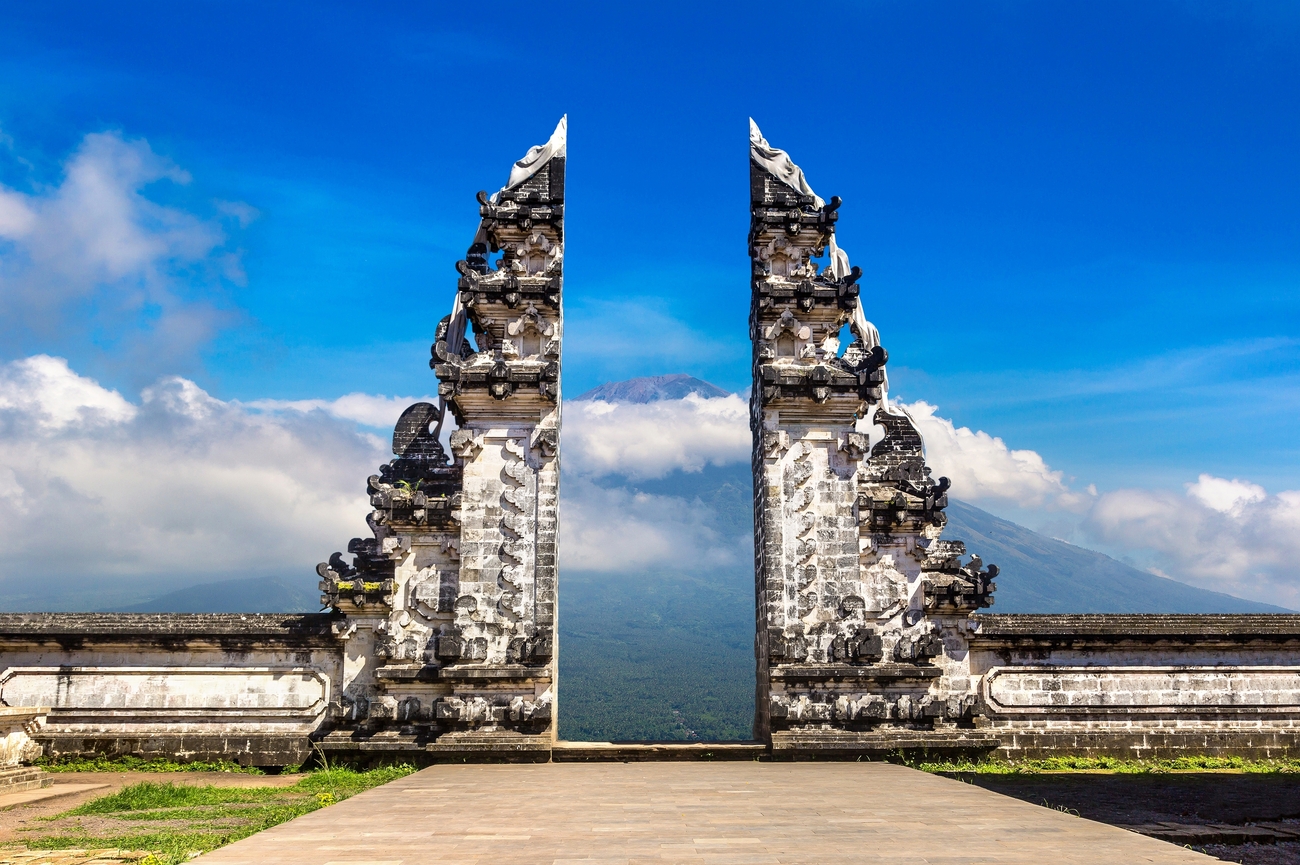
Next, take a 20-minute drive to Penataran Agung Lempuyang Temple, one of Bali’s oldest and most sacred Hindu temples. Perched on the slopes of Mount Lempuyang, it is the best known temple within a complex of seven sacred sanctuaries that climb the mountainside. The temple is famous for its iconic "Gates of Heaven," where the towering split gate perfectly frames Mount Agung, creating one of Bali's most photographed views. Beyond its scenic beauty, the temple remains an active place of worship. As you explore, you may see Balinese Hindu pilgrims dressed in white, carrying offerings as they make their way to pray and receive blessings. Experiencing these ceremonies offers a deeper appreciation of Bali's living spiritual traditions.
Keep in mind that the Gates of Heaven are extremely popular. When you arrive, you'll receive a queue number for your photo, and the wait can range from two to four hours, depending on visitor numbers. While waiting, you can take in the peaceful mountain scenery and explore the temple grounds. Because this is a sacred site, visitors are expected to dress modestly and behave respectfully. Temple guardians ask guests to avoid poses such as kissing, jumping, yoga poses, or wearing revealing clothing when taking photos at the gate.
Afternoon: Virgin Beach
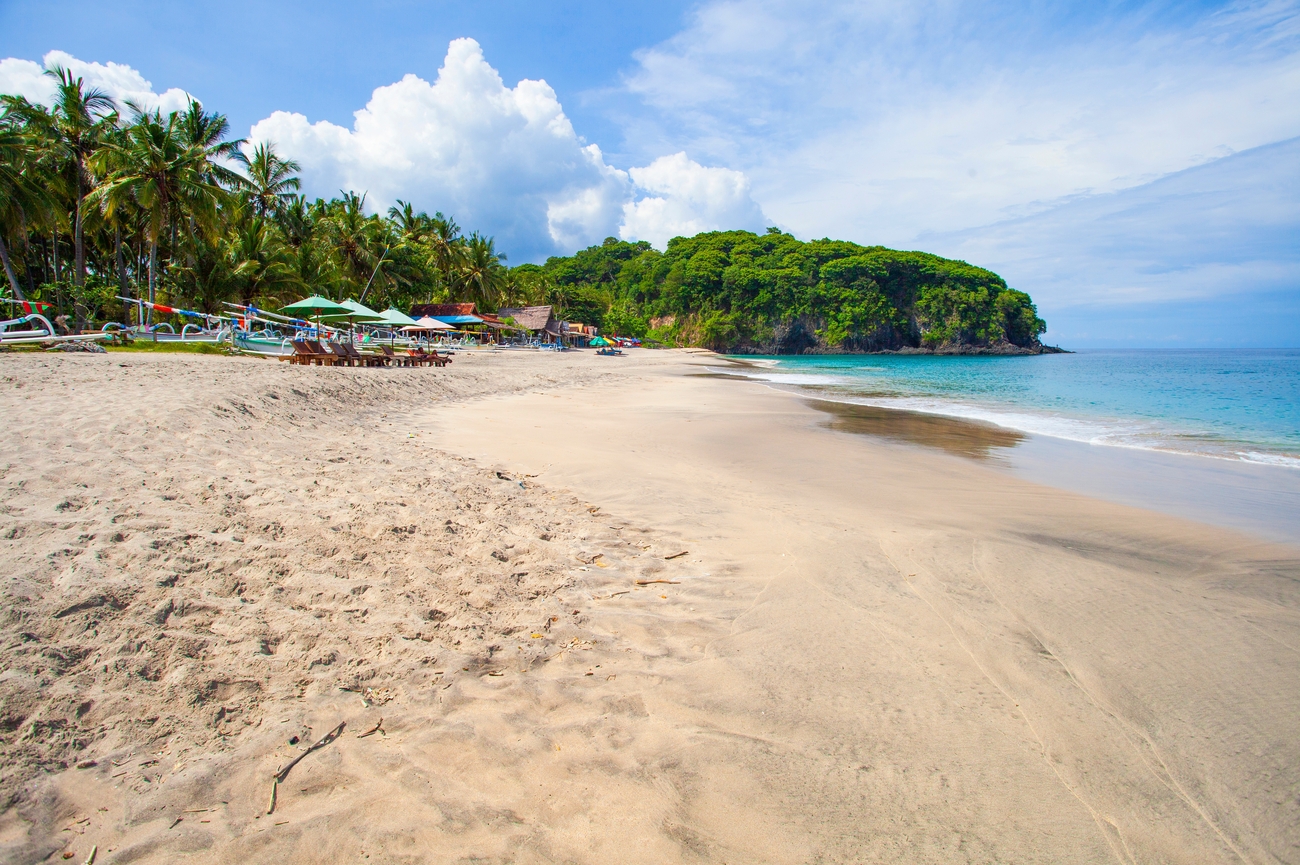
Spend the afternoon unwinding at Virgin Beach, one of East Bali's most beautiful hidden beaches. Nestled between two lush green headlands, this peaceful stretch of coastline is known for its soft white and gold sand and crystal clear turquoise waters. The calm bay is ideal for swimming, so you can enjoy a relaxing dip or simply stretch out on a sun lounger at one of the family run beachfront cafés. It's the perfect place to slow down and recharge after a morning of sightseeing. If you'd like to explore a little more, you can also hire a traditional “jukung” (a wooden Balinese outrigger boat) for a scenic cruise along the coastline. Take your time enjoying the relaxed atmosphere before continuing your journey south to Seminyak, where the next chapter of your Bali adventure begins.
Day 4 - Bali Tour Map
Day 5
Morning: Padang Padang Beach
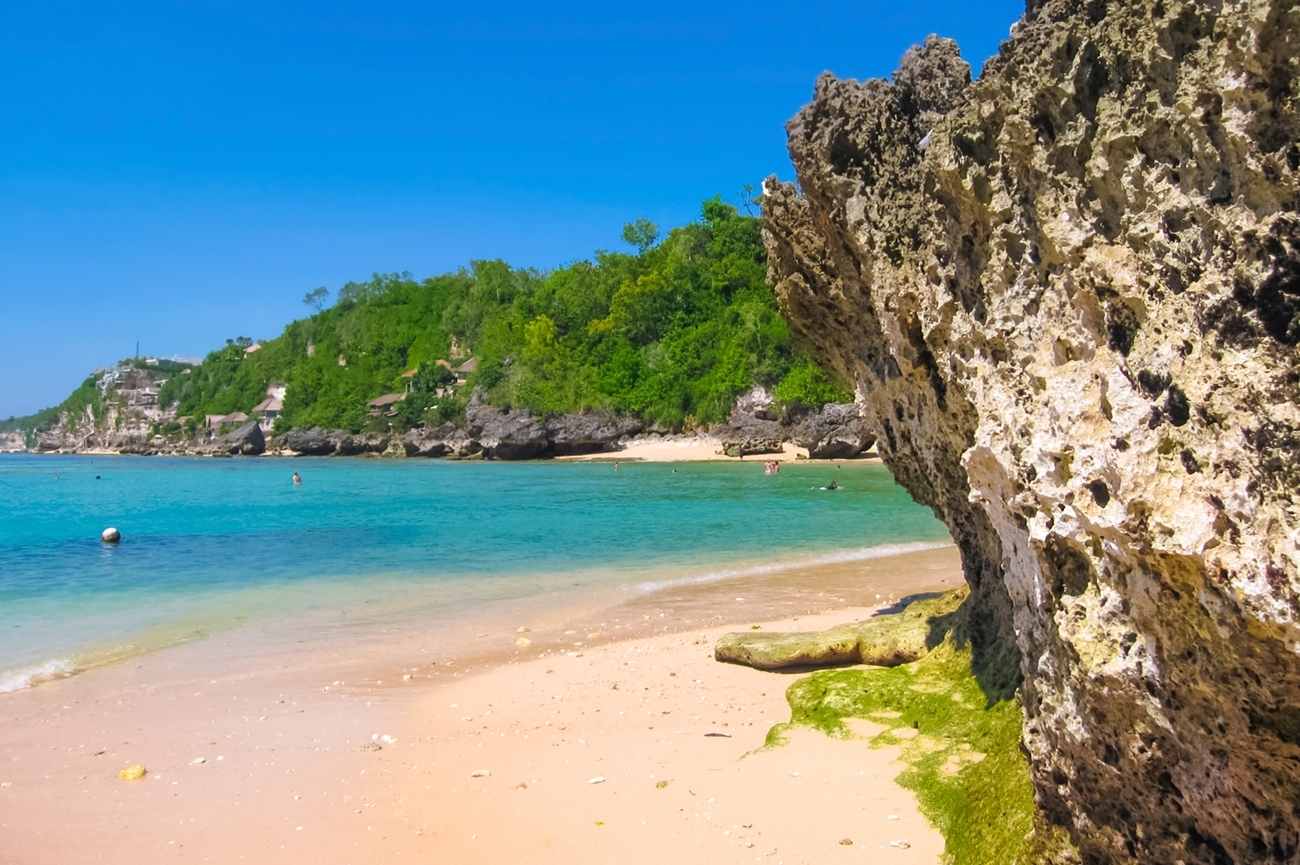
Begin your day in southern Bali at Padang Padang Beach, one of the island's most famous beaches. Surrounded by dramatic limestone cliffs, this small cove is known for its soft white sand, crystal-clear turquoise water, and relaxed tropical atmosphere. You may also recognise it from the film Eat Pray Love, starring Julia Roberts, which was filmed here. To reach the beach, you'll walk down a narrow staircase carved through a natural limestone passage before emerging onto the picturesque shoreline. The unique entrance is part of what makes visiting Padang Padang such a memorable experience.
Once on the beach, you can relax on the sand, take a swim, or watch experienced surfers ride the world-famous Padang Padang Left, one of Bali's most challenging and celebrated surf breaks. When you're ready for a break, stop by one of the beachfront cafés for local favourites such as mie goreng (fried noodles) or enjoy a refreshing fresh coconut while taking in the ocean views.
Afternoon: Suluban Beach
For a change of beach scenery, take an 8-minute drive to Suluban Beach, also known as Blue Point, it’s one of Bali's most dramatic coastal destinations. Hidden beneath towering limestone cliffs, the beach is reached by walking through narrow rock passages and natural caves. In fact, Suluban comes from the Balinese word mesulub, meaning "to pass under," a fitting description of the unique entrance. As you explore the beach, you'll walk through a spectacular limestone cave where waves roll across the rocky shoreline, creating one of Bali's most striking coastal landscapes. During low tide, you can venture farther through the rock formations to discover hidden stretches of white sand that disappear beneath the sea when the tide rises.
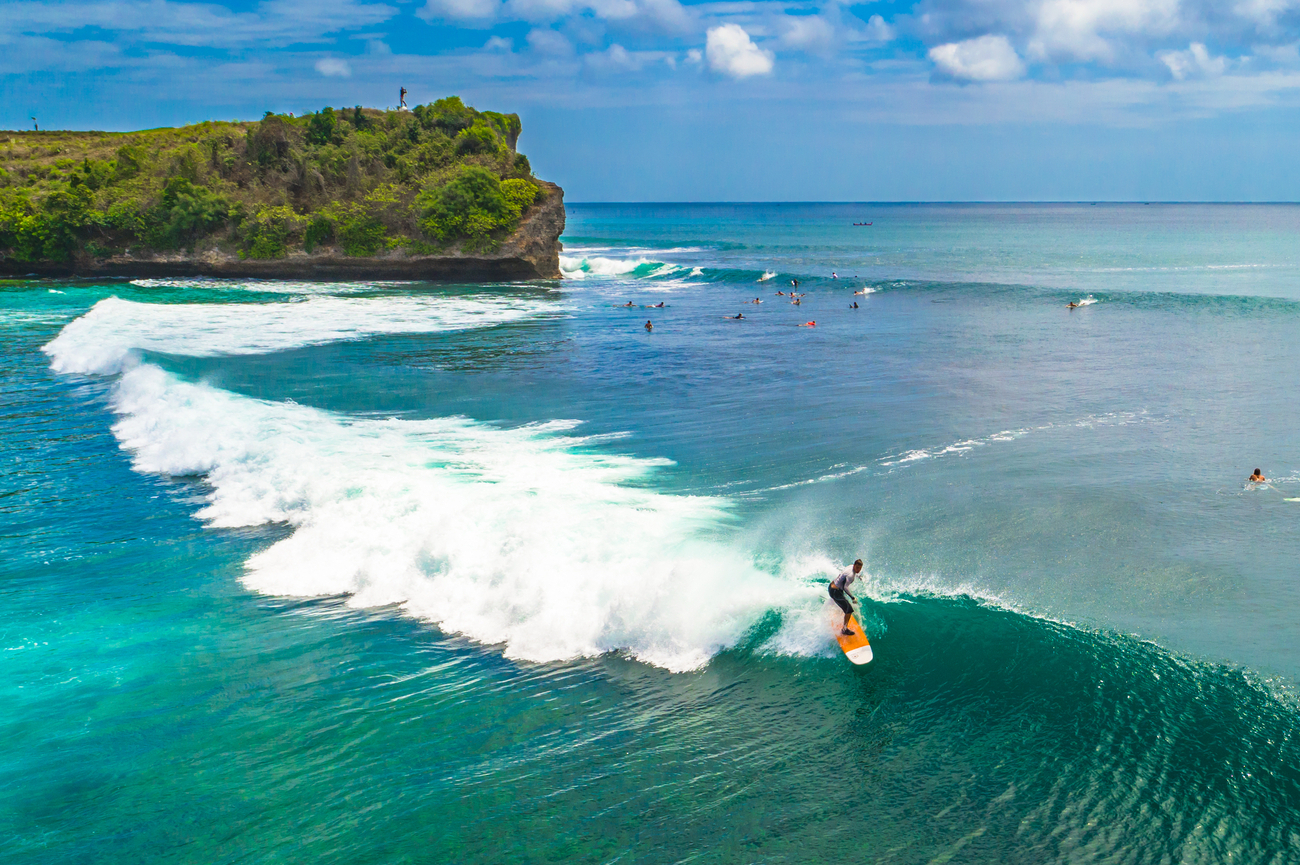
Suluban is also a world famous surf destination. Even if you don't surf, it's a fantastic place to watch experienced surfers take on the legendary Uluwatu reef breaks from the rocks below or from the clifftop viewpoints above. Before you leave, explore the lively cliffside cafés and bars overlooking the ocean. Places like Single Fin are perfect for relaxing with a drink while enjoying panoramic views of the Indian Ocean.
Evening: Uluwatu Temple
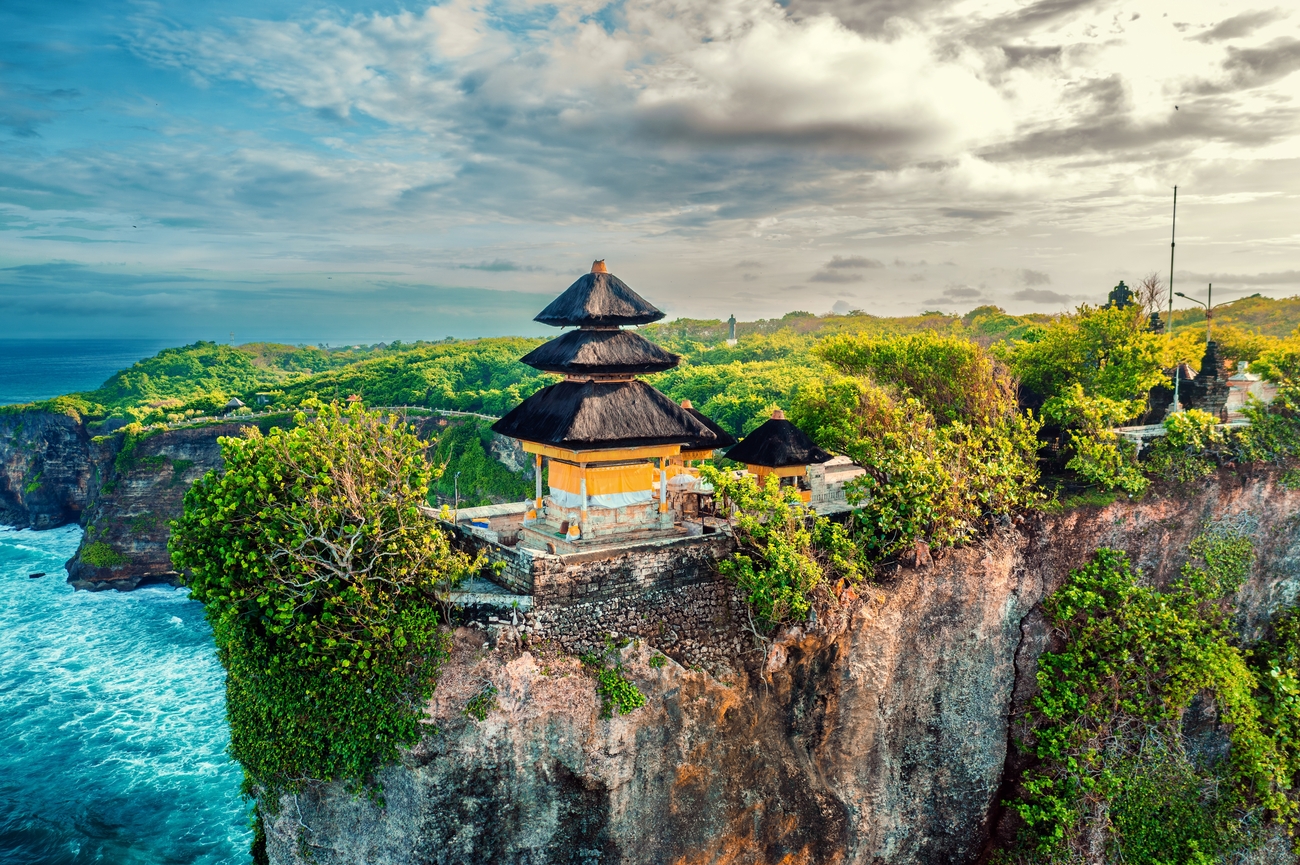
End your first day in southern Bali at Uluwatu Temple, one of the island's most sacred sea temples. Built in the 11th century, the temple sits dramatically on a 70-metre-high limestone cliff overlooking the Indian Ocean and is one of Bali's nine directional temples believed to protect the island from evil spirits. Take your time walking along the cliffside pathways, where breathtaking views of the ocean and crashing waves make this one of Bali's most spectacular viewpoints. Keep an eye out for the resident monkeys, but make sure to secure your sunglasses, hats, phones, and other loose belongings. The monkeys here are famous for grabbing unattended items, so it's best to keep everything safely tucked away.
As the sun begins to set, take your seat in the open-air cliffside amphitheatre for the famous Kecak Fire Dance. Performed against the backdrop of the Indian Ocean, the show features more than 50 performers chanting rhythmic "chak-chak-chak" sounds as they bring scenes from the Hindu epic Ramayana to life around a blazing fire. Watching the sunset over the cliffs while experiencing this traditional Balinese performance is one of the island's most unforgettable cultural experiences.
Day 5 - Bali Tour Map
Day 6
Morning: Kelingking Beach
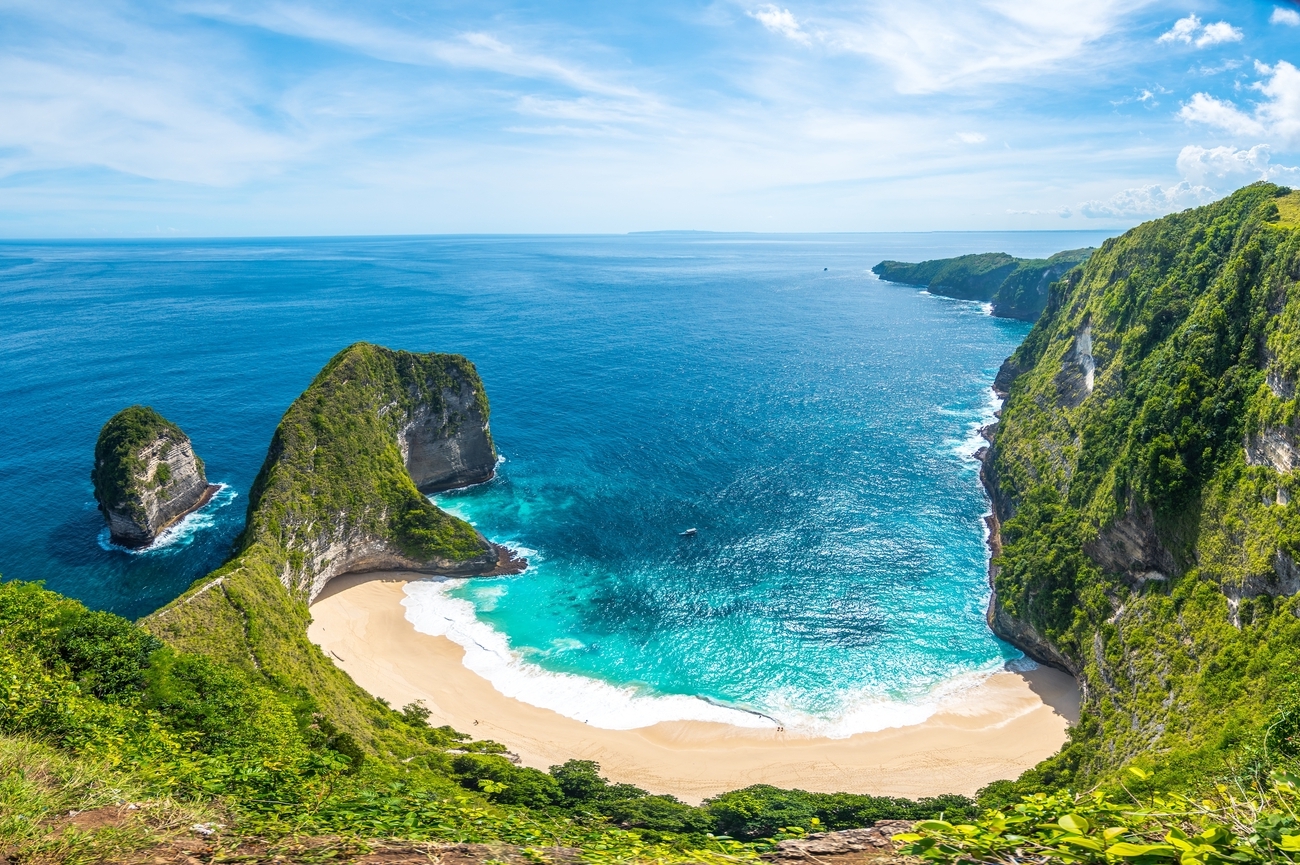
Spend Day 6 exploring Nusa Penida, beginning with its most iconic attraction: Kelingking Beach. Famous for its dramatic limestone cliff that resembles a Tyrannosaurus rex, this breathtaking viewpoint rises about 200 metres above the ocean and overlooks a secluded crescent of white sand and brilliant turquoise water. It's one of the most photographed natural landmarks in Indonesia. Take in the spectacular views from the clifftop viewpoints, where you'll capture the postcard-famous scenery from above. If you're feeling adventurous, you can hike down the steep cliff trail to the beach below. The descent is challenging, but you'll be rewarded with a peaceful stretch of white sand surrounded by towering limestone cliffs and far fewer visitors than at the viewpoint above.
Broken Beach
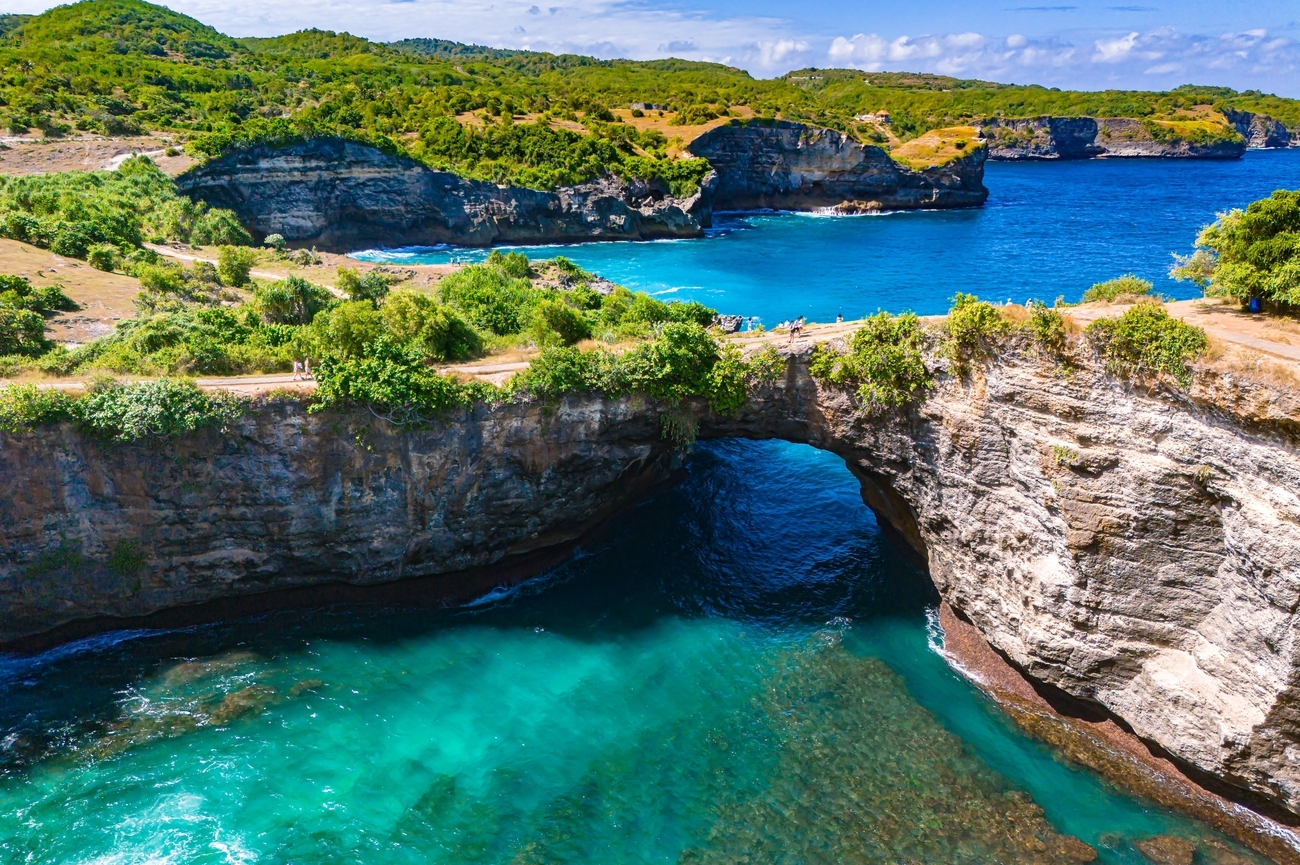
Head to Broken Beach, locally known as Pasih Uug, one of Nusa Penida's most remarkable natural landmarks. Rather than a traditional beach, you'll find a spectacular circular cove formed when the roof of a sea cave collapsed over thousands of years. The result is a dramatic coastal basin connected to the ocean by a stunning natural limestone arch. Follow the walking trail around the rim of the cove for panoramic views of the turquoise water as waves flow in and out beneath the rock bridge. From different viewpoints, you'll be able to appreciate the unique shape of this extraordinary landscape and capture some of the island's most iconic photographs. Keep an eye on the waters beyond the arch, as you can sometimes spot manta rays gliding gracefully near the surface. There are no safety railings or barricades along most of the high cliff perimeters, and the limestone rocks can be sharp and unstable, so maintain a safe distance from the drops when posing for photos or looking down. Even without a sandy beach to relax on, Broken Beach is one of Nusa Penida's most impressive geological wonders and a must see stop on your island adventure.
Angel’s Billabong
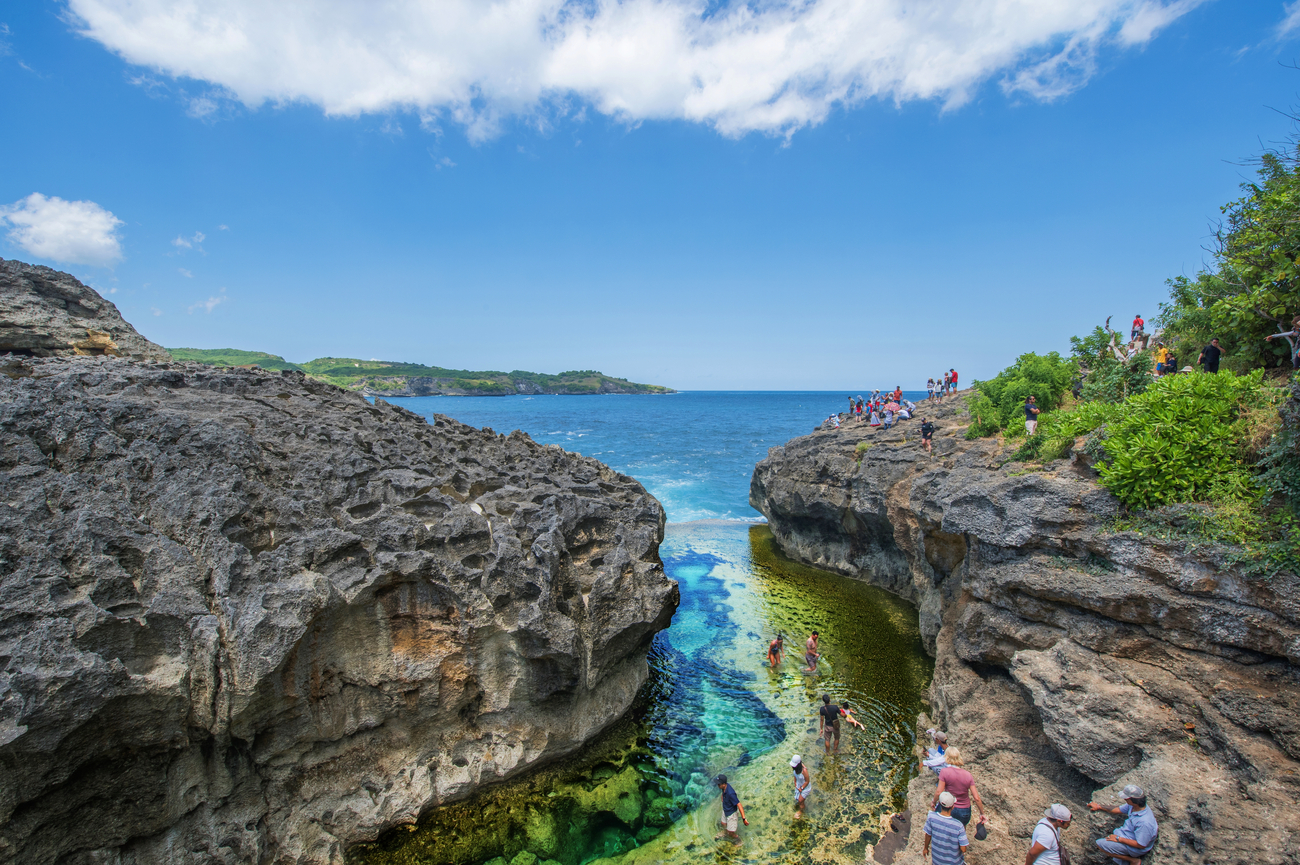
Next, follow the short, 5-minute walking trail that connects Broken Beach to Angel’s Billabong, one of Nusa Penida's most spectacular natural attractions. This natural tidal pool has been carved into the limestone cliffs by centuries of ocean waves, creating a crystal clear infinity pool overlooking the Indian Ocean. At low tide, the emerald-green water becomes so clear that you can see the colourful rock formations beneath the surface. While Angel's Billabong is stunning, it's important to put safety first. The ocean here is extremely unpredictable, and giant, rogue waves can suddenly surge over the rocks without warning. It is not advisable to enter the pool even if it’s still and the tide is very low. If waves are breaking over the rocks, stay on the viewing areas and away from the cliffs. The limestone around the pool can also be sharp and slippery, so wear sturdy footwear with good grip rather than flip-flops.
Afternoon: Diamond Beach
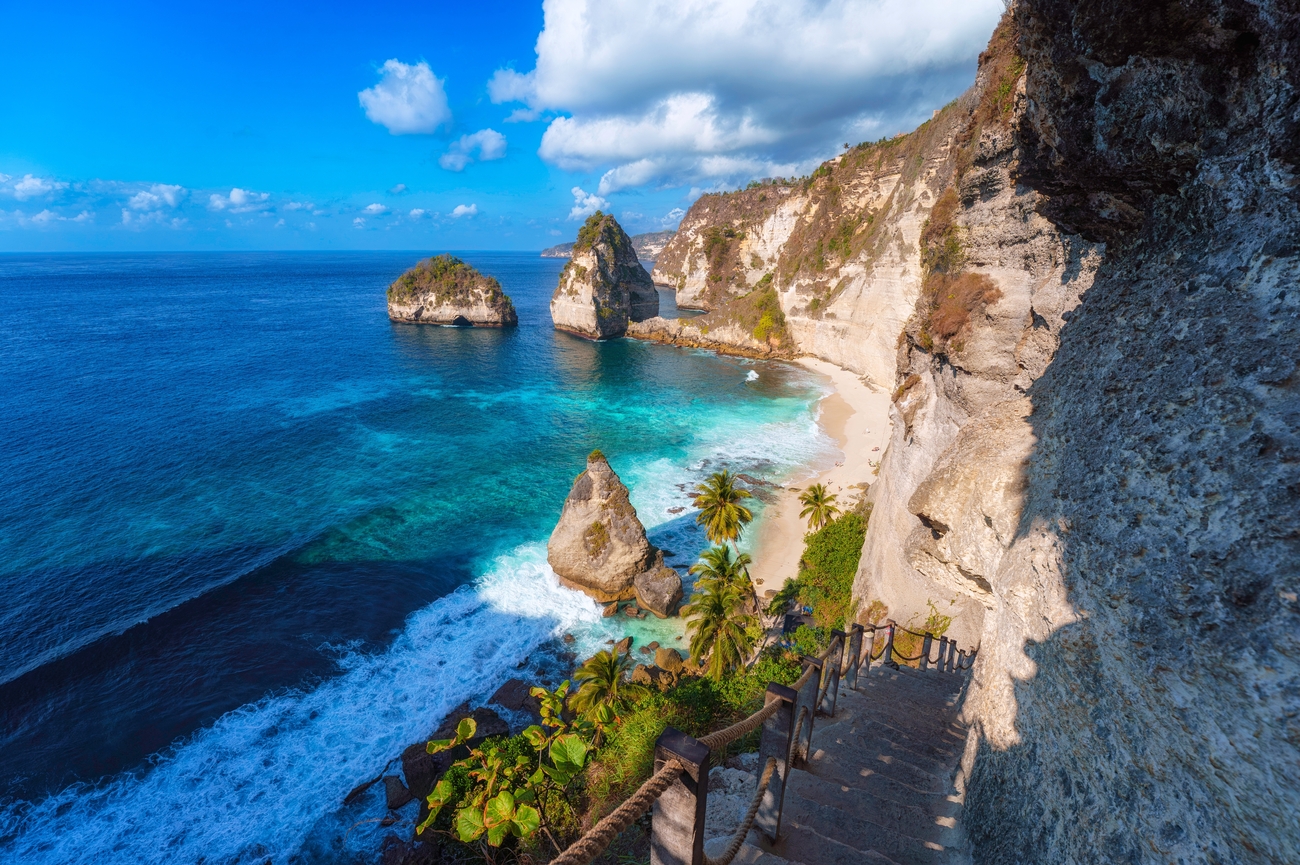
End your day in Nusa Penida at Diamond Beach, one of the island's most breathtaking coastal destinations. Named after the dramatic diamond-shaped limestone cliffs rising from the turquoise ocean, the beach is famous for its spectacular scenery and pristine white sand. To reach the beach, you'll descend a staircase carved into the cliffside, offering incredible views at every turn. At the bottom, you'll find a secluded stretch of soft sand lined with swaying palm trees and surrounded by towering limestone cliffs. While the beach is beautiful for relaxing and taking photos, swimming is not recommended. Strong waves and powerful currents make the water dangerous, even for experienced swimmers. Instead, enjoy the scenery from the shore and listen to the sound of the waves crashing against the cliffs. The final section of the staircase is steep and uneven, with loose rocks and a rope to help you descend safely. Wear sturdy shoes with good grip and take your time, especially on the way back up.
Day 6 - Bali Tour Map
Day 7
Morning: Nusa Dua
Begin your final day in Bali at Nusa Dua, the island's premier luxury resort destination. Designed as a master planned tourism enclave, Nusa Dua offers a quieter and more refined atmosphere than the lively beach towns of Seminyak and Canggu. You'll find refined beautifully landscaped gardens, wide boulevards, and a coastline lined with some of Bali's finest five star resorts. Spend the morning relaxing on the soft sands of Nusa Dua Beach or Geger Beach, where the calm, crystal-clear waters are protected by an offshore coral reef, or enjoy a luxury resort brunch while enjoying the view. The gentle conditions make these beaches ideal for swimming, paddleboarding, or simply enjoying a peaceful morning by the sea.
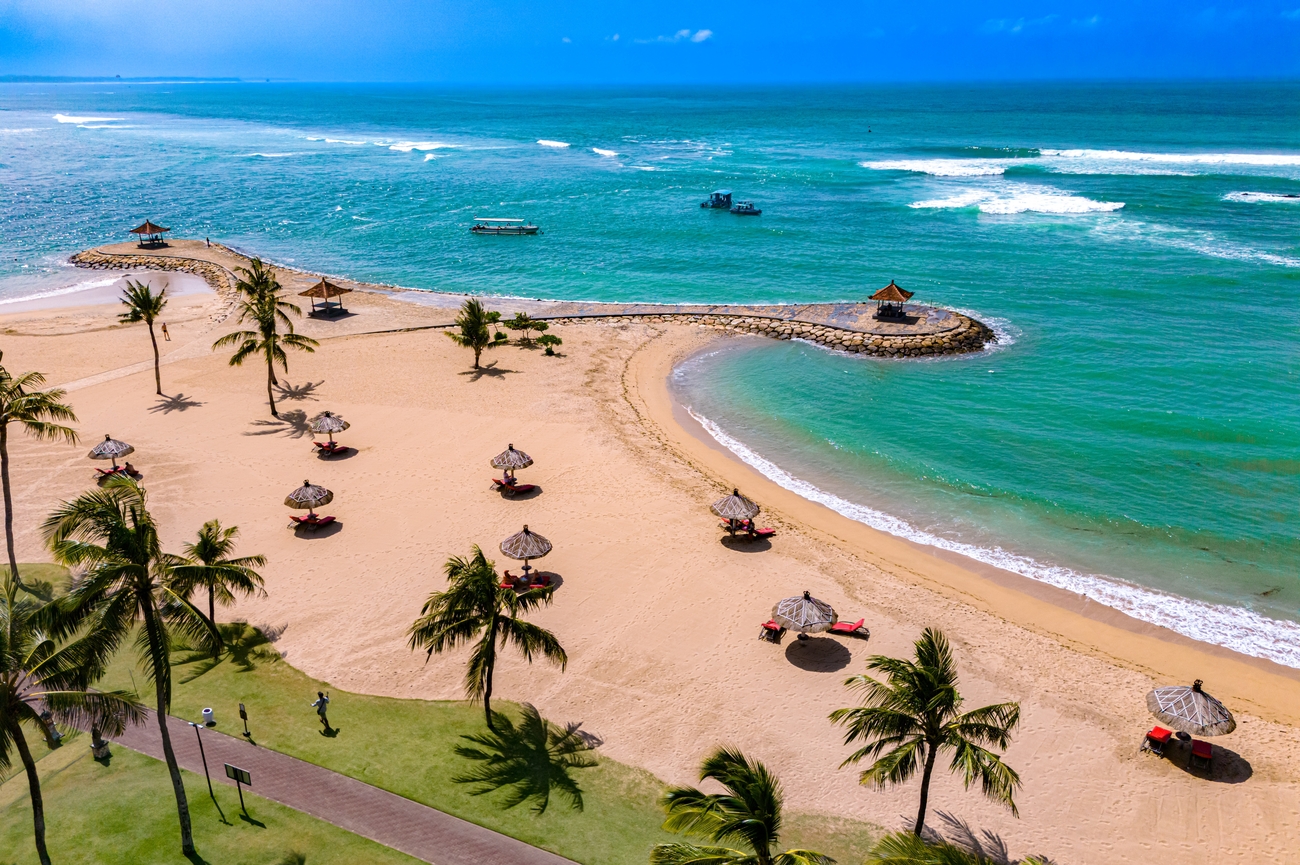
Afternoon: Seminyak
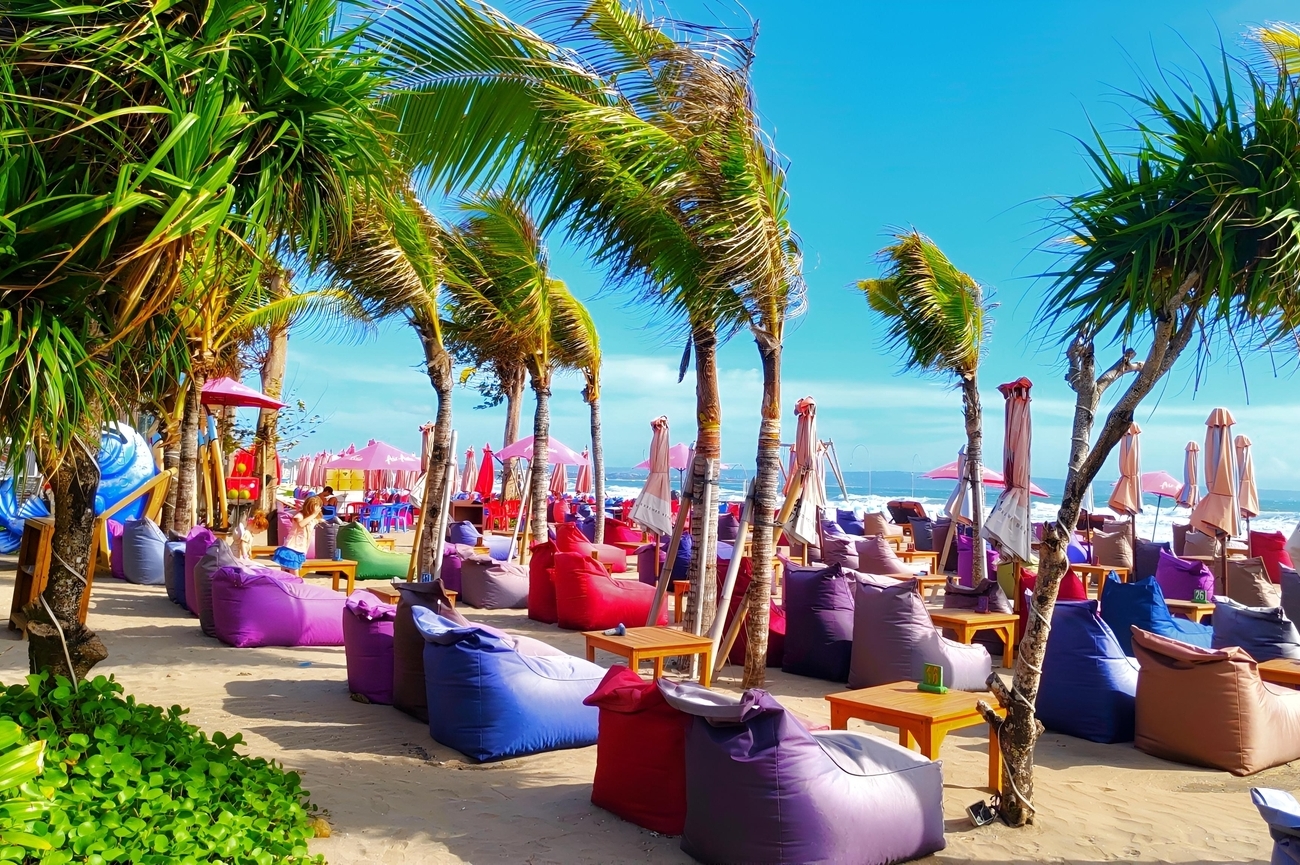
Just a 30-minute drive from Nusa Dua, Seminyak offers a stylish and sophisticated side of Bali. Known for its luxury resorts, designer boutiques, world-class restaurants, and vibrant beach clubs, it's the perfect destination if you enjoy great food, shopping, and a lively yet upscale atmosphere. Spend your afternoon relaxing at one of Seminyak's famous beachfront clubs, where you can enjoy ocean views, refreshing cocktails, and a spectacular Bali sunset. If you're a food lover, head to the area's popular "Eat Street," where you'll find everything from modern Indonesian cuisine to award-winning international restaurants. You can also browse boutique fashion stores, discover local designer labels, or treat yourself to a massage or wellness treatment at one of Seminyak's luxury day spas.
Tanah Lot
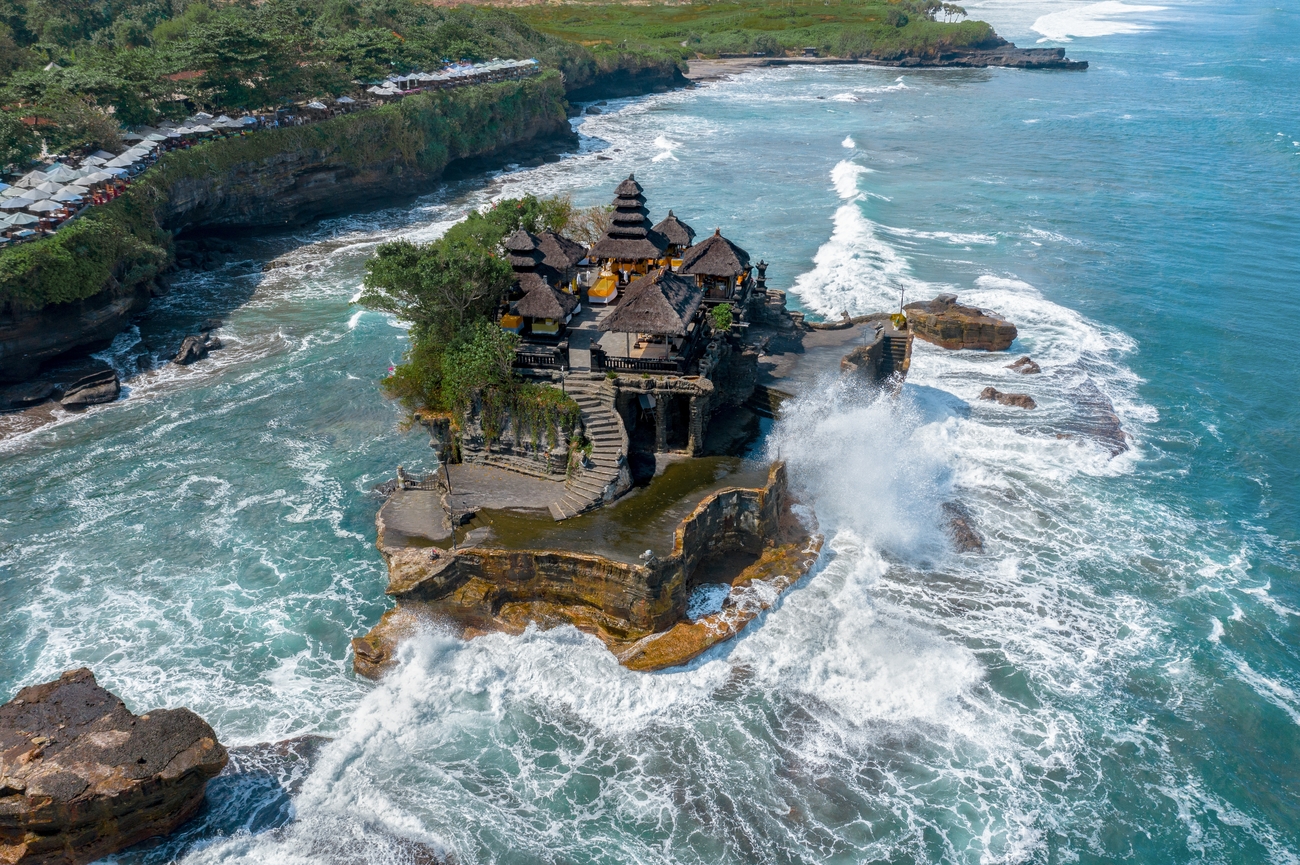
Wrap up your seven-day Bali journey at Tanah Lot, one of the island's most iconic sea temples. Perched on a rocky outcrop just offshore, this 16th century temple is dedicated to Dewa Baruna, the Hindu god of the sea, and forms part of a chain of sacred coastal temples believed to protect Bali from evil spirits. Its name, Tanah Lot, means "Land in the Sea," perfectly describing its dramatic setting. If you visit at low tide, you can walk across the exposed rocks to the base of the temple. While the temple's inner sanctuary is reserved for Hindu worshippers, you can receive a traditional water blessing from local priests at a sacred freshwater spring that flows from the base of the sea cliffs. As evening approaches, find a spot along the clifftop viewpoints to watch one of Bali's most spectacular sunsets. As the sky turns shades of orange and gold, the silhouette of Tanah Lot's tiered temple roofs against the Indian Ocean creates one of the island's most iconic views. It's the perfect way to end your Bali adventure, a memorable farewell that captures the island's natural beauty, rich culture, and enduring spiritual traditions.
Day 7 - Bali Tour Map
Day Trips from Bali
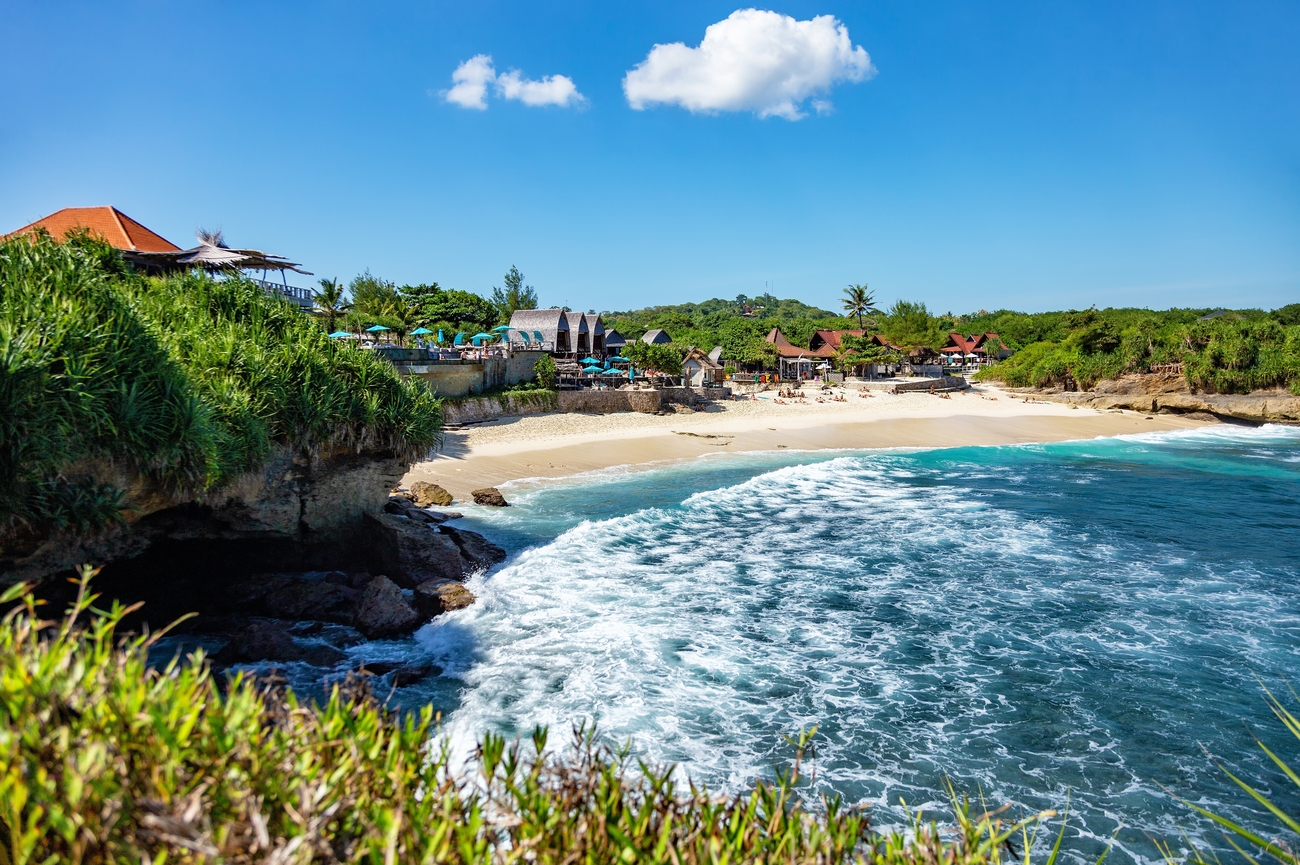
- Nusa Lembongan: Located just a 30-minute boat ride from mainland Bali, Nusa Lembongan offers a more relaxed island escape. Smaller and flatter than neighbouring Nusa Penida, it's easy to explore in a day, making it an excellent choice if you're looking for a slower pace and less strenuous sightseeing. The island is known for its crystal-clear waters, colourful coral reefs, laid-back village atmosphere, and scenic limestone coastline. Whether you're seeking adventure or relaxation, there's plenty to enjoy. You can snorkel with graceful manta rays, unwind on the soft sands of Dream Beach, or paddle a kayak through the peaceful mangrove forests.
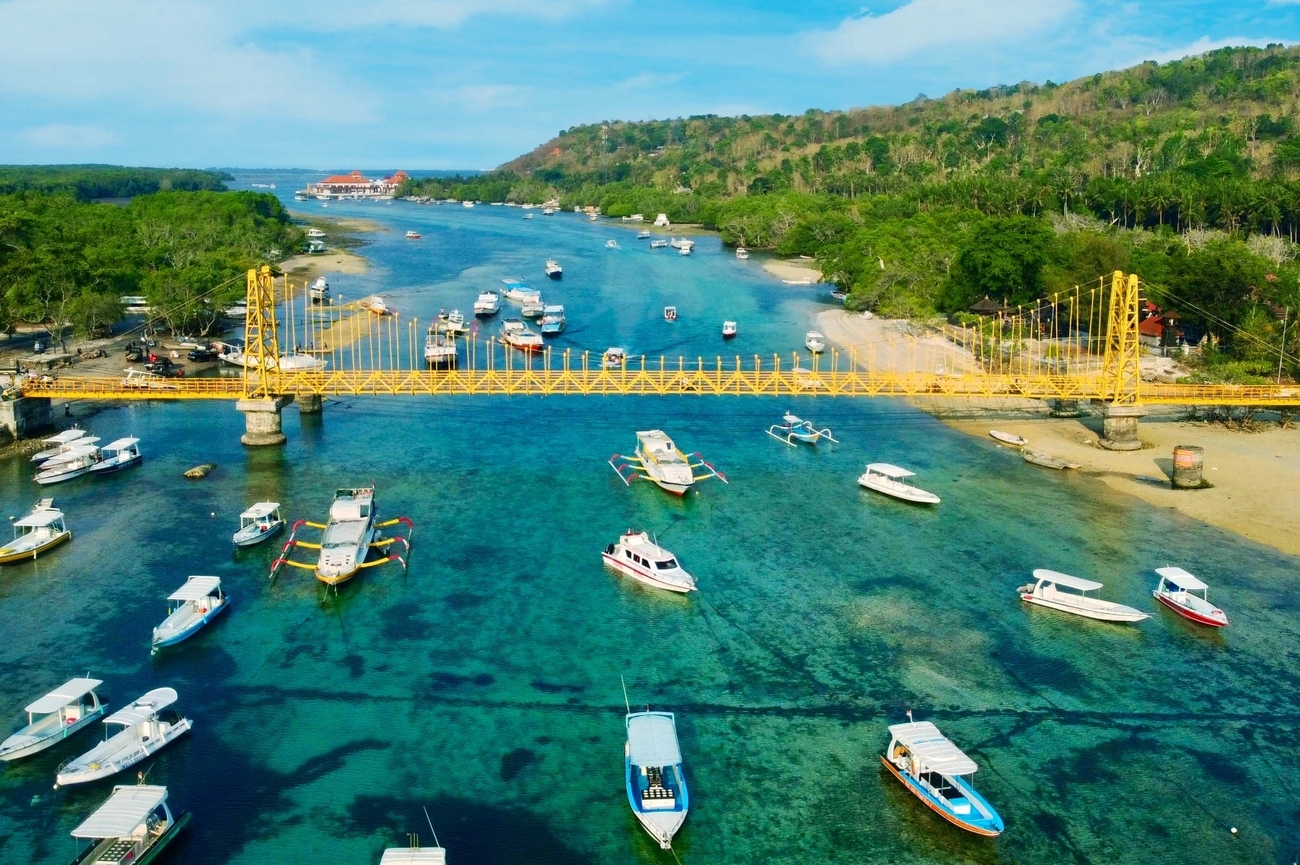
- Nusa Ceningan: If you're visiting Nusa Lembongan, consider extending your trip to Nusa Ceningan, the smallest of the three Nusa Islands. Connected by the iconic Yellow Bridge, you can easily explore both islands in one day without needing another boat ride. One of the island's highlights is the stunning Blue Lagoon, a dramatic rocky cove filled with vivid turquoise water. Although the powerful waves make swimming unsafe, it's one of the most beautiful viewpoints in the area and a favourite spot for photography. Crossing the famous Yellow Bridge, also known as the "Bridge of Love," is an experience in itself. Whether you walk across or ride a scooter, you'll enjoy lovely views over the calm channel filled with colourful fishing boats.
UNESCO World Heritage
Sites in Bali
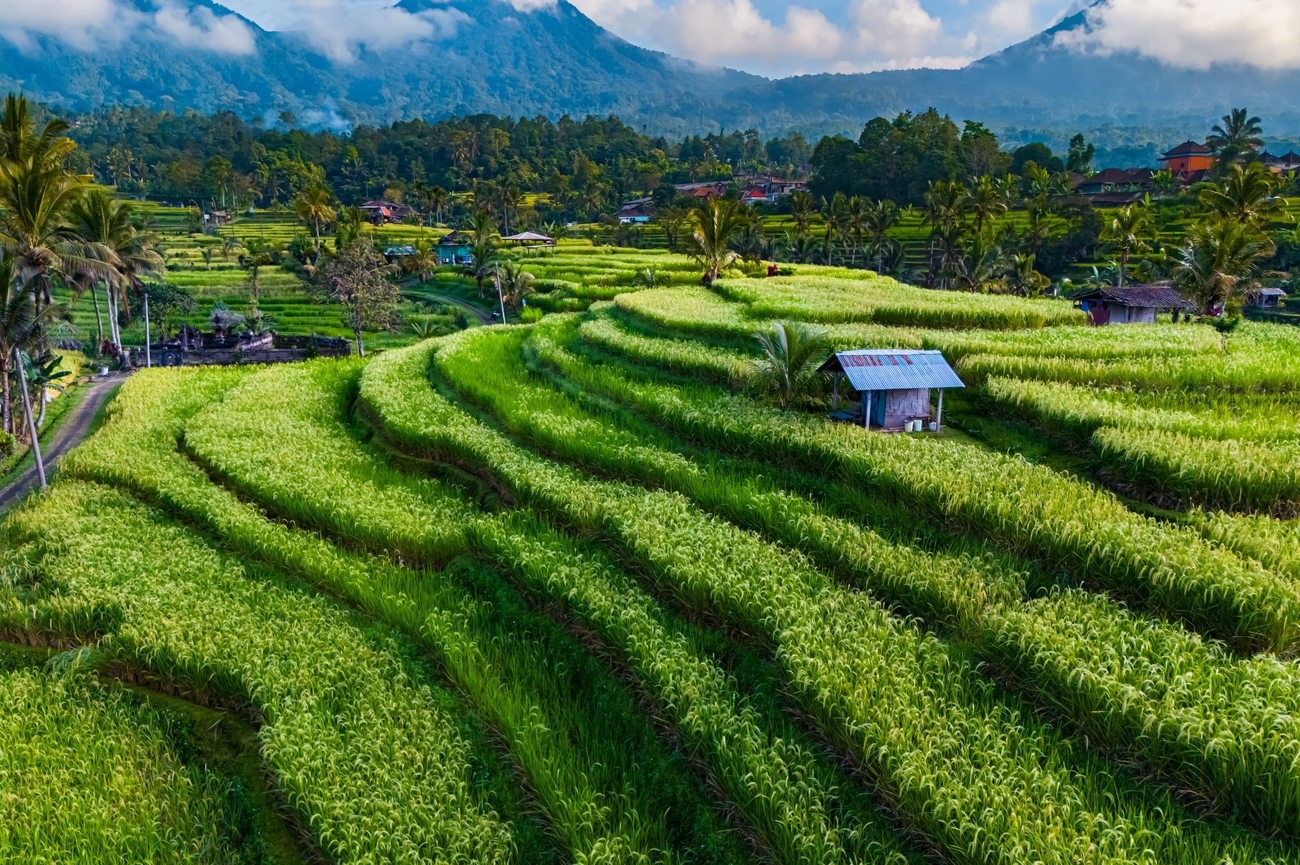
- The Cultural Landscape of Bali Province: Recognised as a UNESCO World Heritage Site in 2012, the Cultural Landscape of Bali Province showcases the island's unique relationship between nature, farming, and spirituality. At the heart of this living landscape is the Subak system, a community managed irrigation network that has supported Balinese rice farming for more than 1,000 years. The site also reflects Tri Hita Karana, the Balinese philosophy of living in harmony with the spiritual world, the community, and the natural environment. This belief continues to shape everyday life across the island. Rather than a single attraction, the UNESCO site brings together five important cultural landscapes: the Jatiluwih Rice Terraces, Pura Taman Ayun, Pura Ulun Danu Batur, Lake Batur, and the Pakerisan Watershed. Visiting these sites allows you to experience the traditions, landscapes, and cultural heritage that have made Bali one of the world's most distinctive destinations.
Golf Courses in Bali
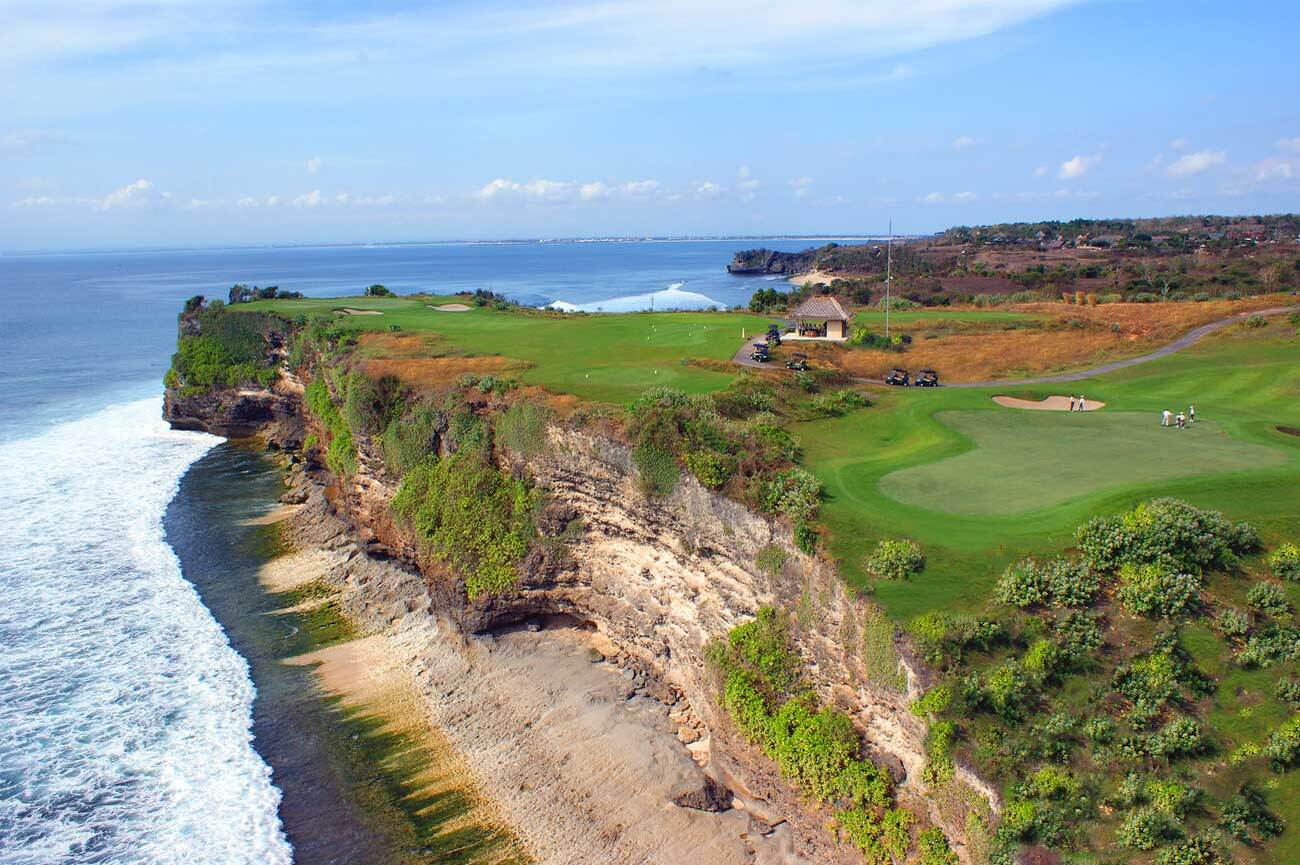
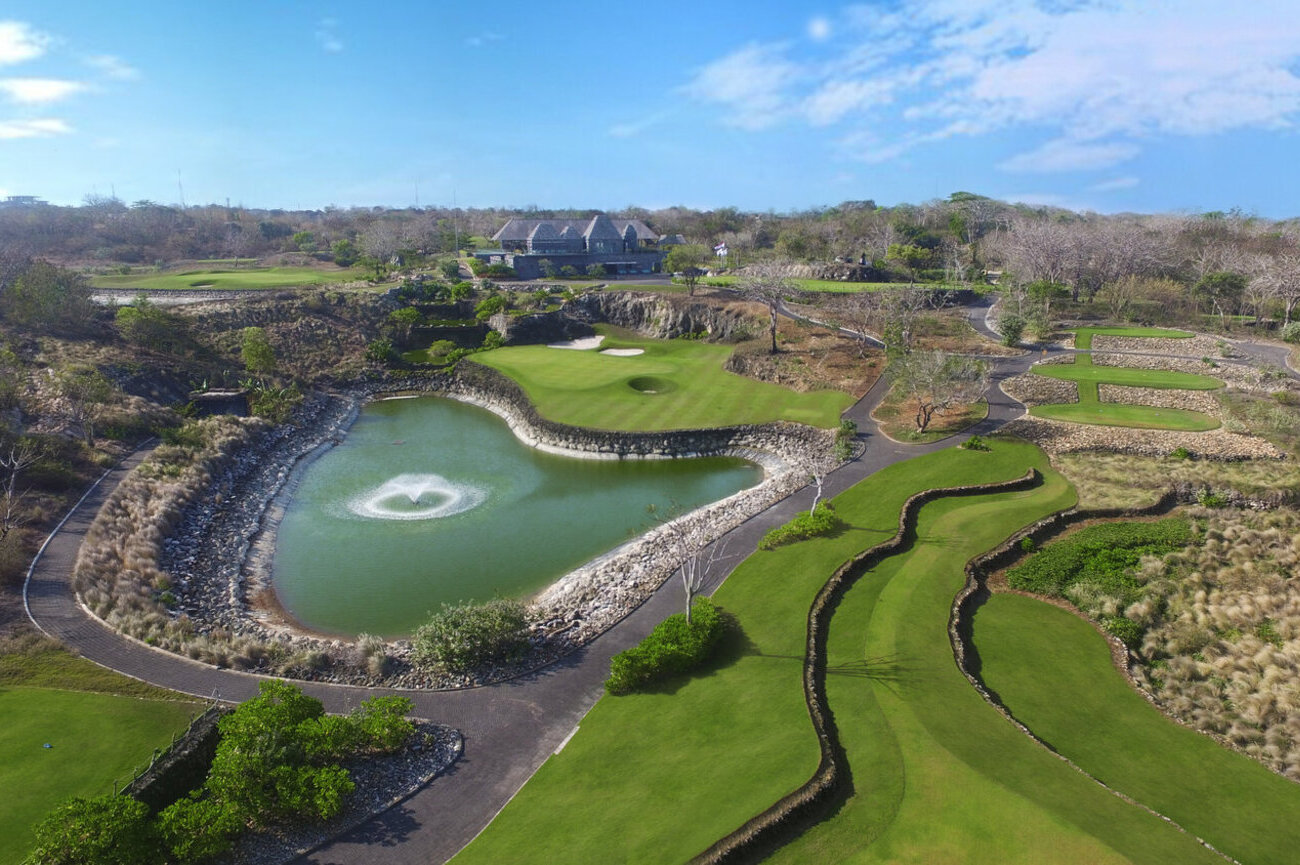
- New Kuta Golf Bali: One of the island's most scenic championship golf courses. This award-winning 18-hole course is famous for introducing a traditional links-style layout to Indonesia and has even hosted the Indonesian Open in 2009. Your round begins across rolling hills before leading to the spectacular back nine, where fairways run alongside limestone cliffs overlooking Balangan Beach and Dreamland Beach. The sweeping ocean views make every hole as memorable as the golf itself.
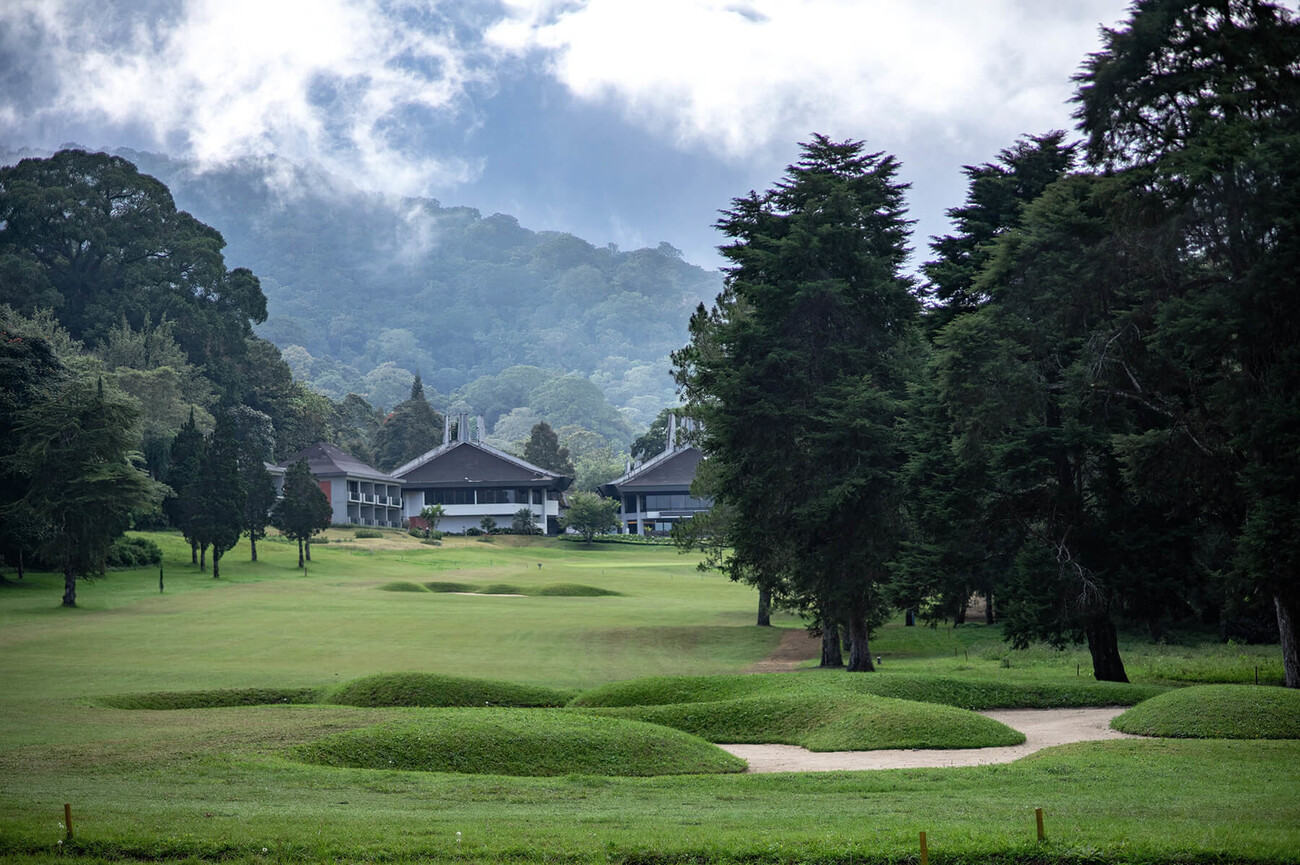
- Handara Golf & Resort Bali: Designed by legendary golfer Peter Thomson and his team, the 18-hole championship course opened in 1974 and sits inside the crater of an extinct volcano, more than 1,100 metres above sea level. The high-altitude setting offers cool temperatures throughout the day, providing a refreshing change from Bali's tropical coastline. Surrounded by lush forests, misty mountains, and volcanic scenery, every round feels peaceful and immersive. Recognised by Golf Magazine as one of the Top 50 Golf Courses in the World, Handara is an excellent choice if you're looking to combine championship golf with some of Bali's most spectacular mountain landscapes.
- Bukit Pandawa Golf & Country Club: If you're looking for a unique golfing experience, Bukit Pandawa Golf & Country Club is one of Bali's finest courses. Opened in 2016 and designed by the acclaimed JMP Golf Design Group, it is recognised as Southeast Asia's first 18-hole championship calibre par-3 course. As you make your way around the course, you'll play through limestone cliffs, beautifully landscaped gardens, and elegant water features, with stunning views of the Indian Ocean accompanying you on almost every hole.
Explore Bali Beyond
the Itinerary
Central Bali
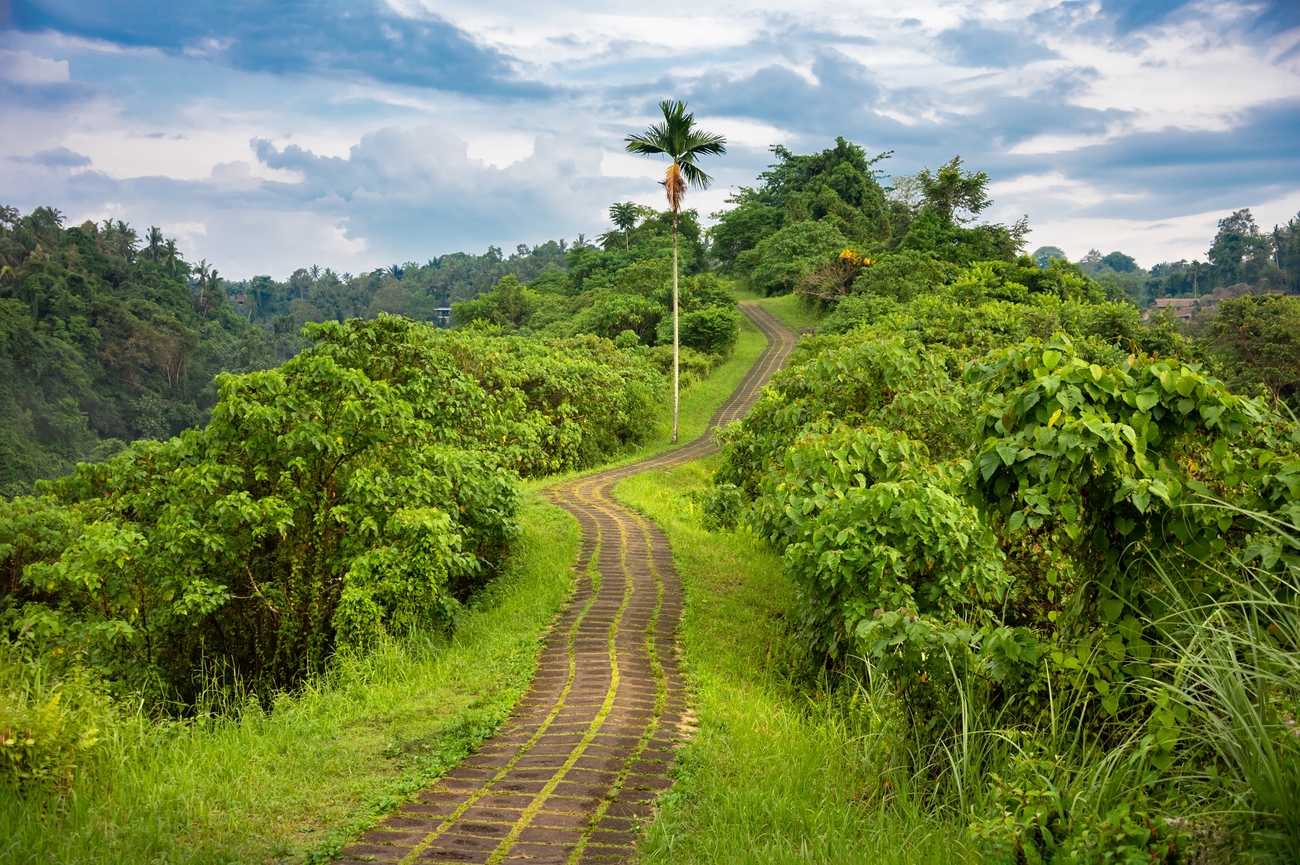
- Campuhan Ridge Walk: A scenic, walking trail located right in downtown Ubud. It follows a paved path along a scenic ridge between the Wos and Cerik rivers, offering beautiful views of lush valleys, swaying palm trees, and green hills. Despite being just minutes from central Ubud, the trail feels surprisingly quiet and removed from the busy streets. It's an ideal place for a leisurely morning or late afternoon walk, allowing you to slow down and enjoy Bali's natural beauty without venturing far from town.
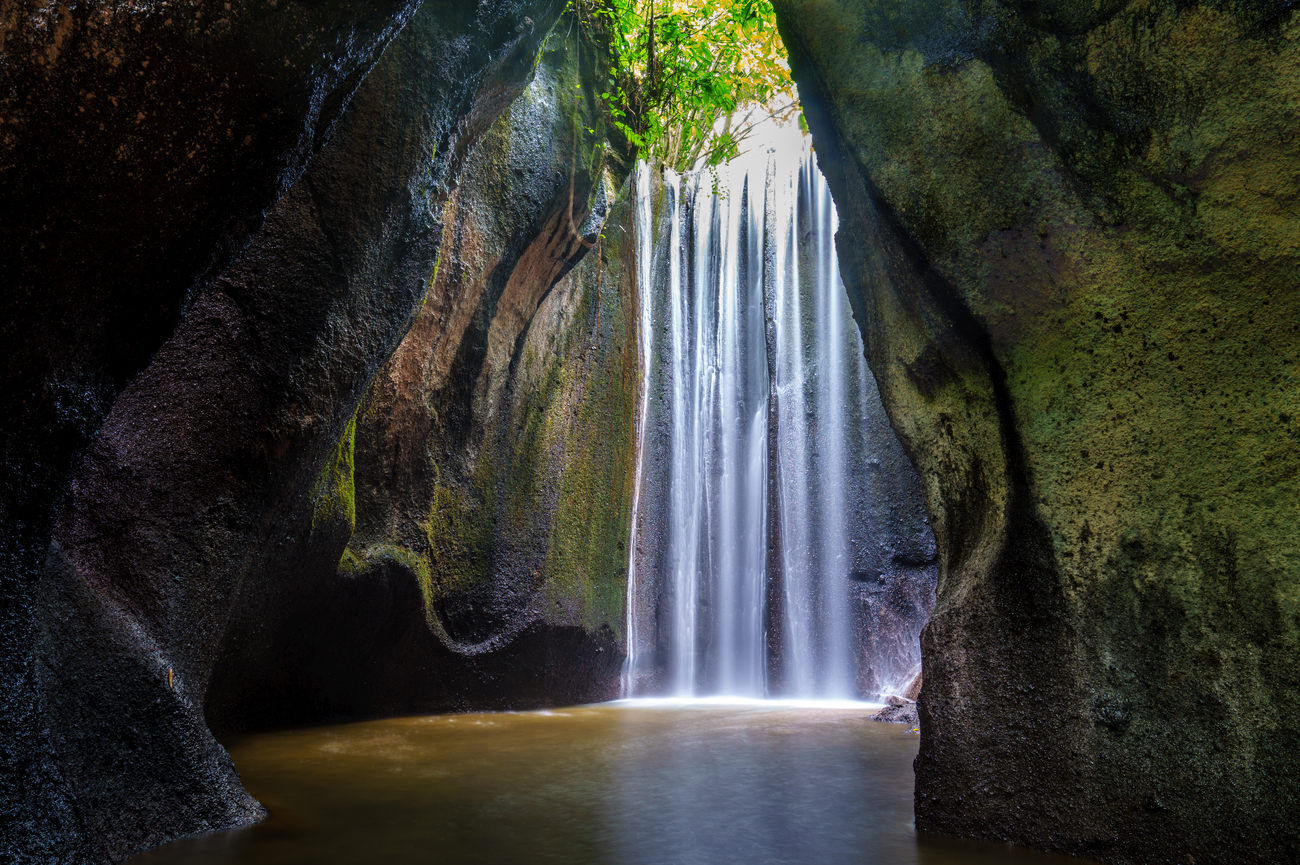
- Tukad Cepung Waterfall: About an hour northeast of Ubud, this unique waterfalls flows inside a towering limestone cave, where water cascades about 15 metres into a hidden canyon below. The waterfall is especially famous for the beautiful rays of sunlight that stream through the opening in the cave roof on clear mornings. As the light shines through the mist, it creates a magical atmosphere that feels straight out of a fairy tale and makes Tukad Cepung one of Bali's most photographed waterfalls. If you visit in the morning, you'll have the best chance of seeing the famous light beams while enjoying a quieter, more peaceful experience.
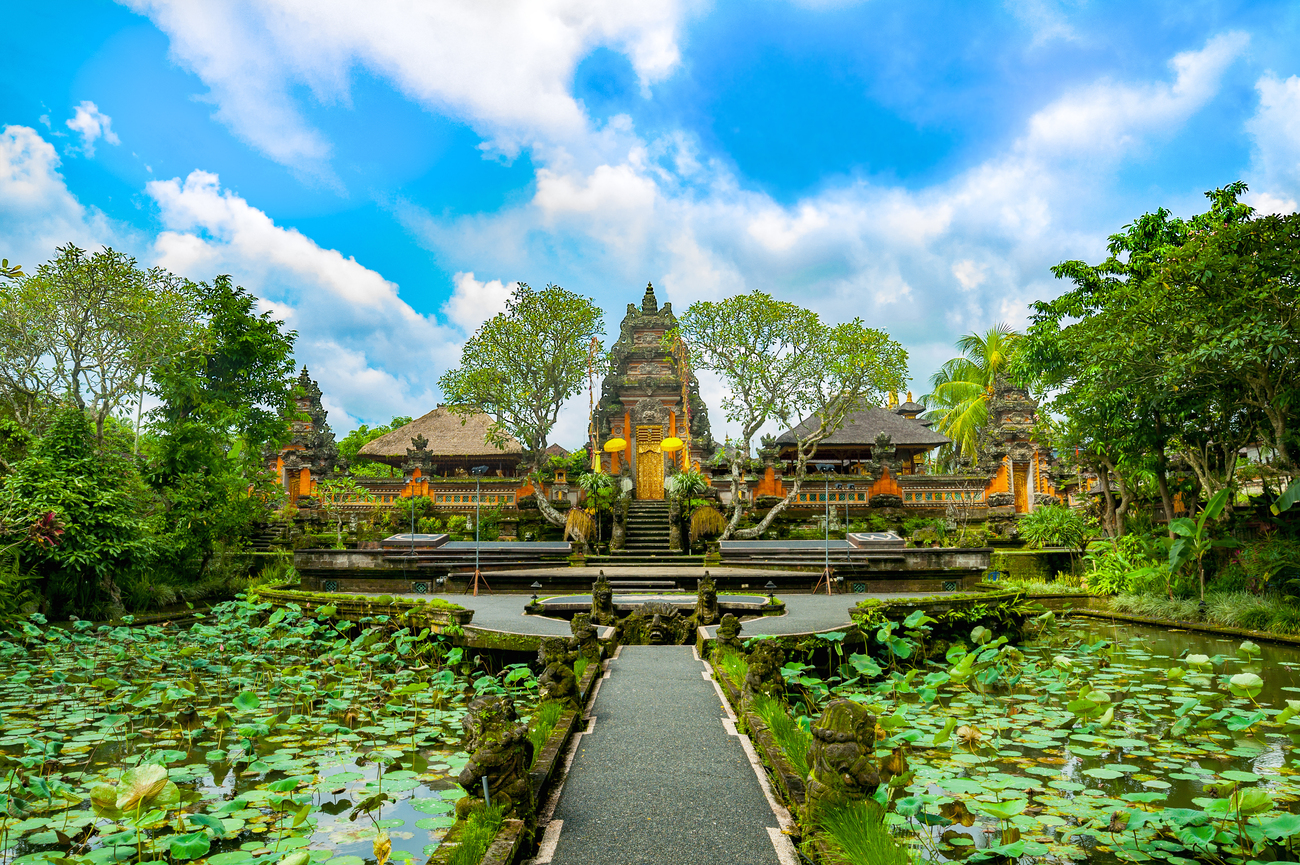
- Pura Taman Saraswati: Commonly known as the Ubud Water Palace, it’s one of Bali's most elegant temples. Built in the early 1950s by renowned Balinese architect I Gusti Nyoman Lempad, the temple is dedicated to Dewi Saraswati, the Hindu goddess of wisdom, knowledge, and the arts. As you approach the temple, you'll cross a beautiful stone walkway that stretches over a large lotus pond filled with blooming pink water lilies. Framed by traditional Balinese gates and intricate stone carvings, the entrance is one of the most photographed spots in Ubud.
- Bali Coffee Plantation: Discover one of the island's most famous local products. Found throughout the lush highlands of Ubud, Gianyar, and Kintamani, these plantations grow coffee alongside cacao, vanilla, and a variety of tropical spices. As you tour the plantation, you'll learn how traditional Balinese coffee is grown, harvested, and roasted. Many plantations also introduce visitors to Kopi Luwak, Bali's world-famous coffee, while explaining the unique production process behind it. Most visits end with a tasting session, where you can sample a selection of locally grown coffees and herbal teas while enjoying views of the surrounding tropical landscape.
East Bali
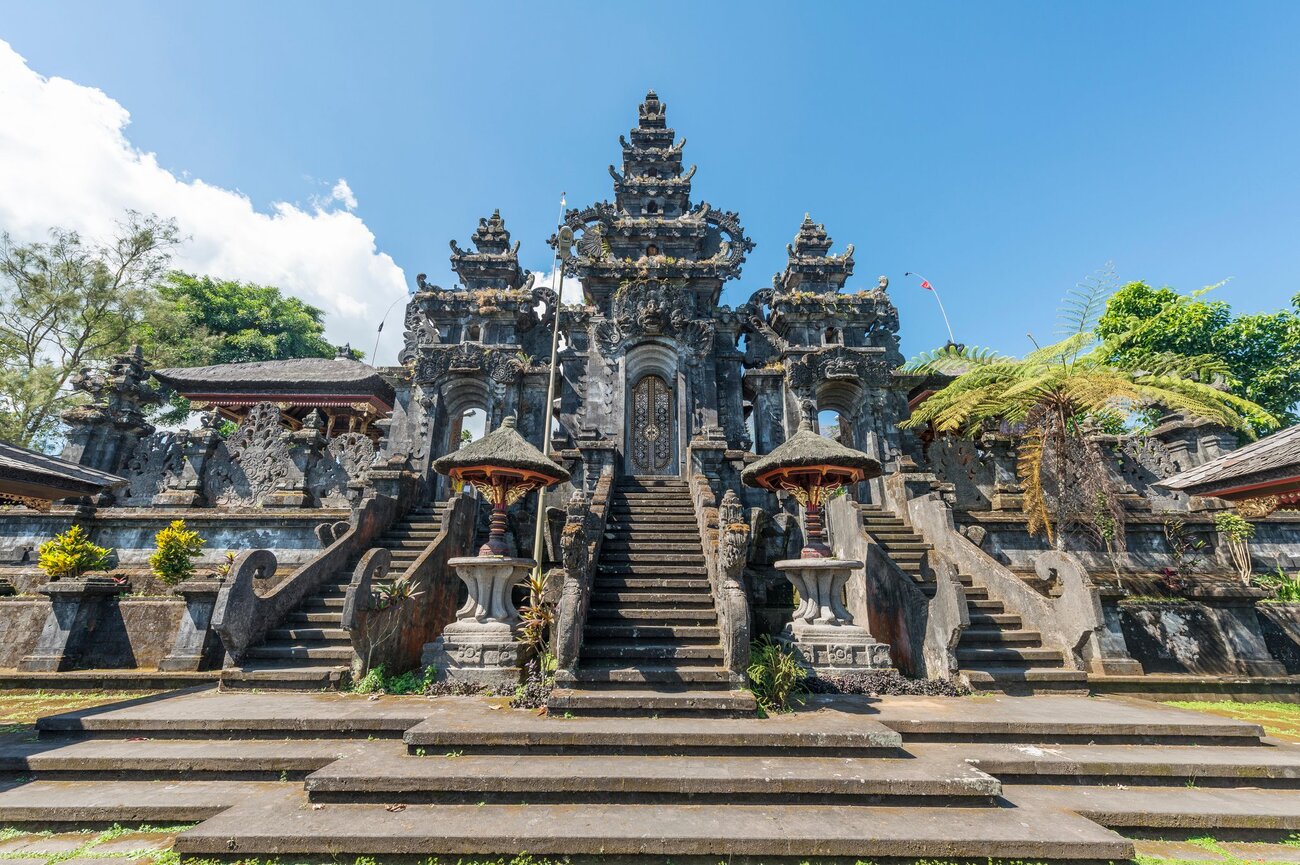
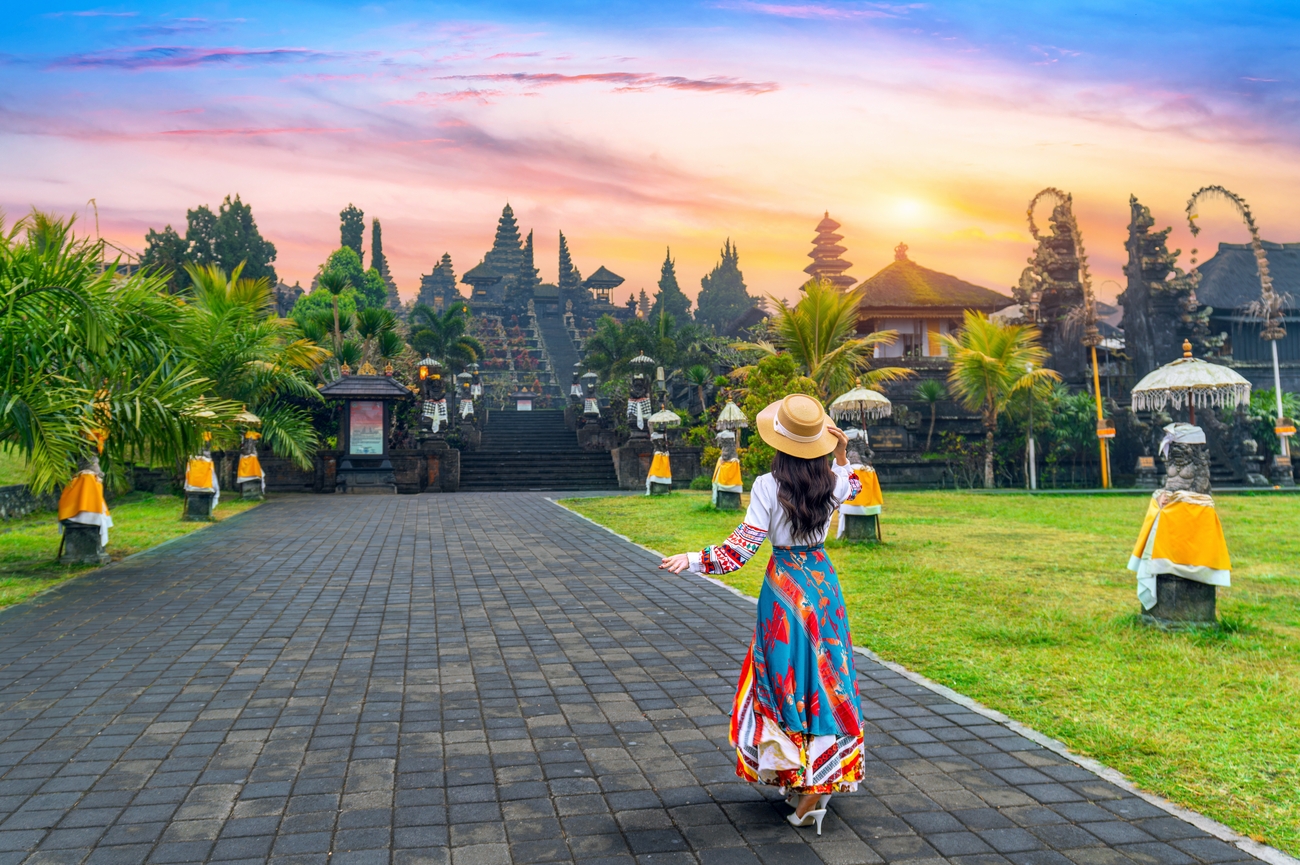
- Besakih Temple: Known as Bali’s Mother Temple, Besakih is the island’s largest and most sacred Hindu temple complex. Set high on the slopes of Mount Agung, it is made up of more than 80 shrines and temple structures spread across a dramatic mountainside setting. For Balinese Hindus, it is one of the island’s most important spiritual sites and remains an active place of worship throughout the year. As you explore, you’ll pass stone stairways, split gates, tiered meru towers and peaceful courtyards with sweeping views across eastern Bali. On clear days, Mount Agung rises behind the temple, creating one of Bali’s most memorable landscapes. Visitors should dress respectfully, with shoulders and knees covered, and wear a sarong and sash.
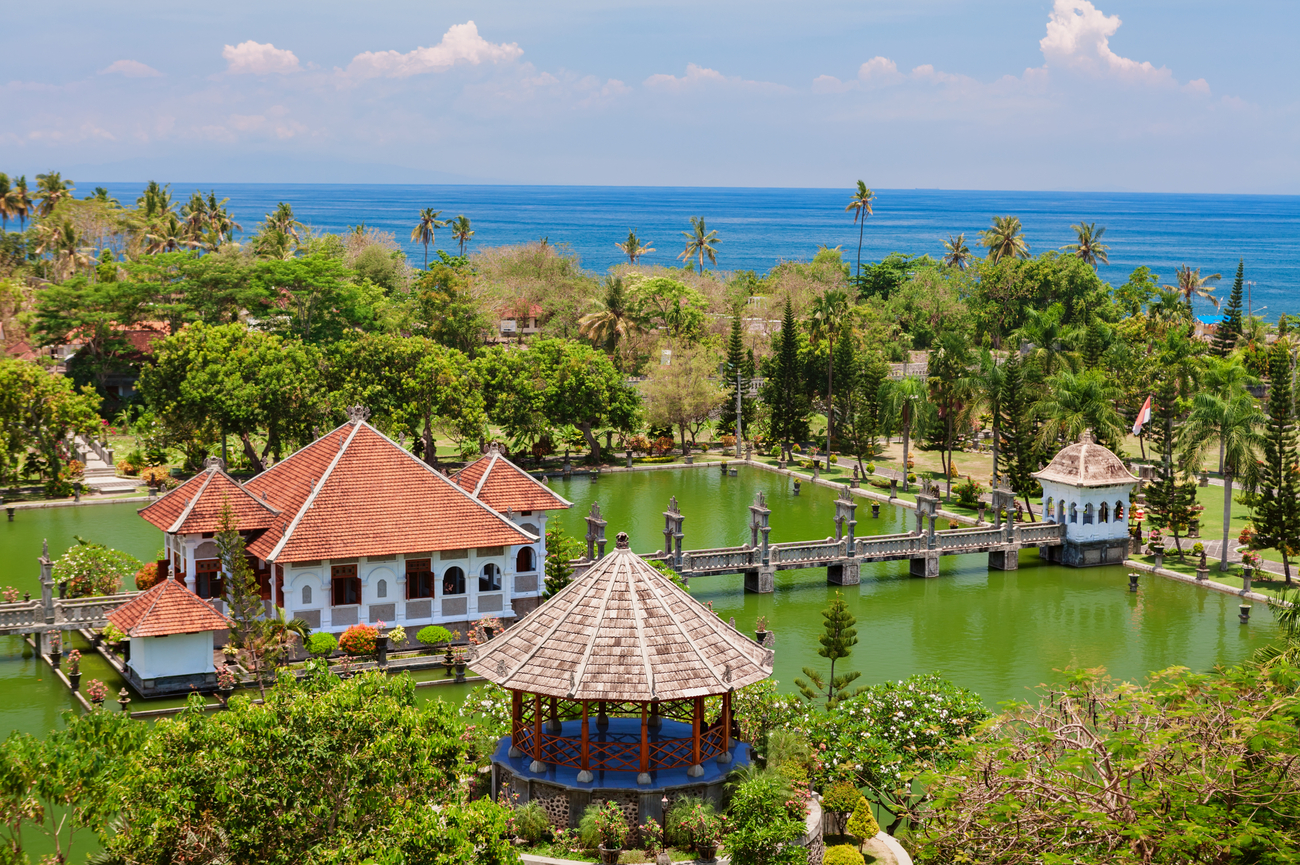
- Taman Ujung Water Palace: Built in 1909 by the late King of Karangasem, it’s one of Bali's most elegant royal landmarks. Its unique design blends traditional Balinese architecture with European and Chinese influences, creating a palace unlike any other on the island. Although it was badly damaged by the 1963 eruption of Mount Agung and a major earthquake in 1979, it has since been beautifully restored. As you explore the grounds, you'll stroll across graceful stone bridges, wander through beautifully landscaped gardens, and admire the large freshwater pools that surround the palace. From the higher viewpoints, you'll also enjoy views that stretch from the surrounding mountains to Bali's eastern coastline.
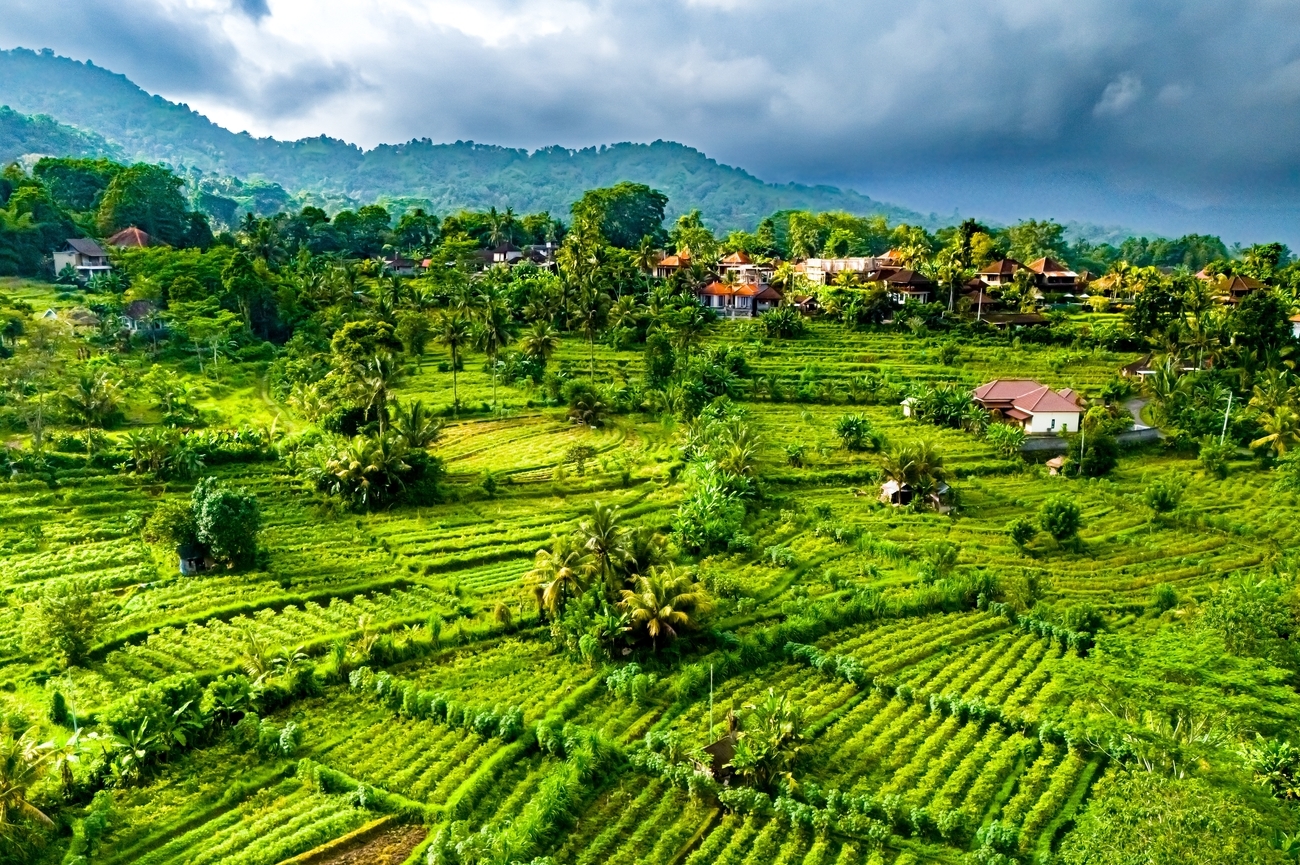
- Sidemen Valley: Often described as "what Ubud used to be decades ago,” Sidemen Valley offers a quieter and more authentic side of Bali. Far from the busy tourist crowds, the valley is known for its emerald-green rice terraces, traditional villages, and peaceful countryside, all set against the majestic backdrop of Mount Agung. Here, you'll experience a slower pace of life, where local farmers continue to work the rice fields. If you're looking to escape the crowds and experience Bali's natural beauty, rural landscapes, and authentic village life, Sidemen Valley is one of the island's most rewarding destinations.
- Amed: If you're looking for a quieter side of Bali, Amed is the perfect escape. Far from the busy streets and nightlife of southern Bali, this peaceful coastal region is known for its volcanic black-sand beaches, crystal-clear waters, and relaxed atmosphere. Amed is also one of Bali's top destinations for snorkeling and scuba diving. Just a few steps from the shore, you'll find vibrant coral reefs teeming with colourful marine life, making it easy to explore the underwater world whether you're a beginner or an experienced diver.
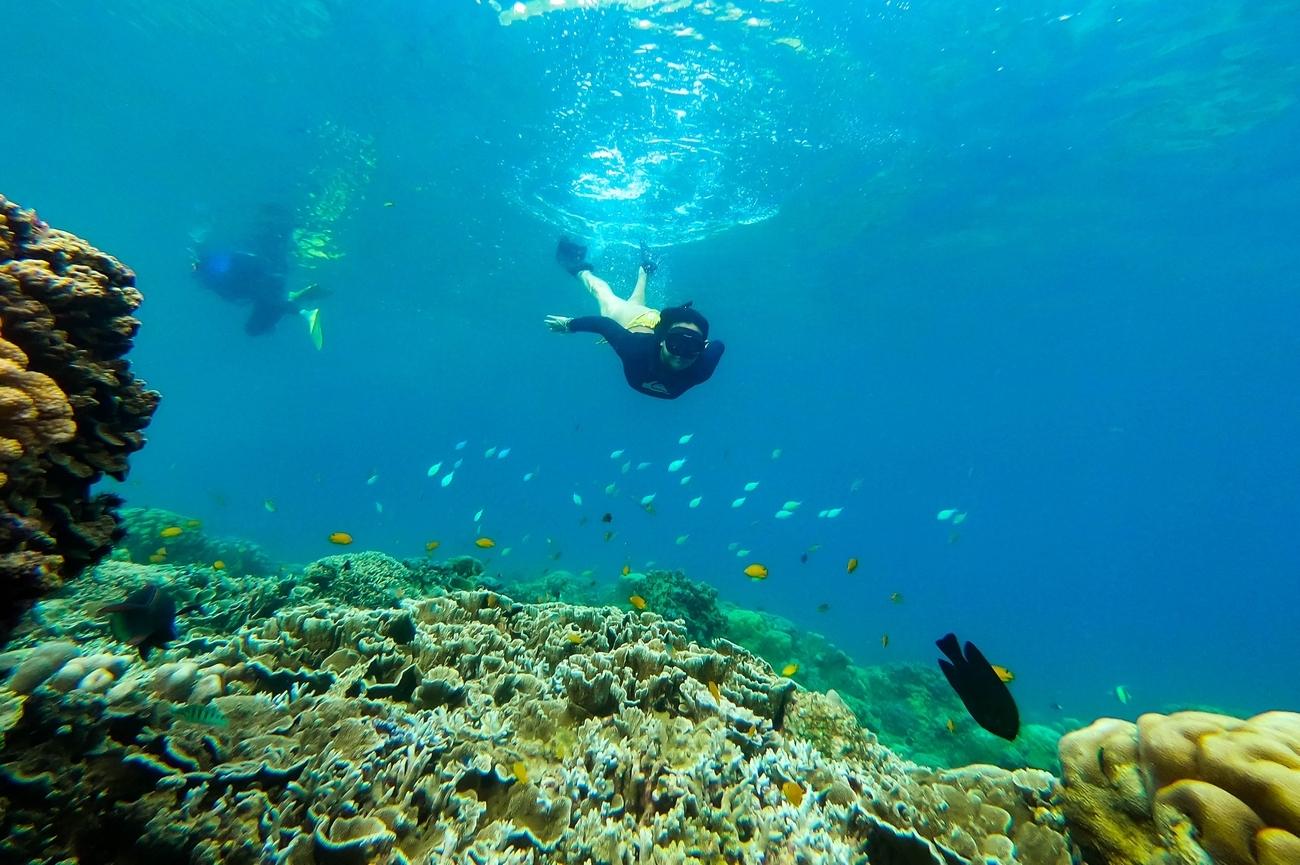
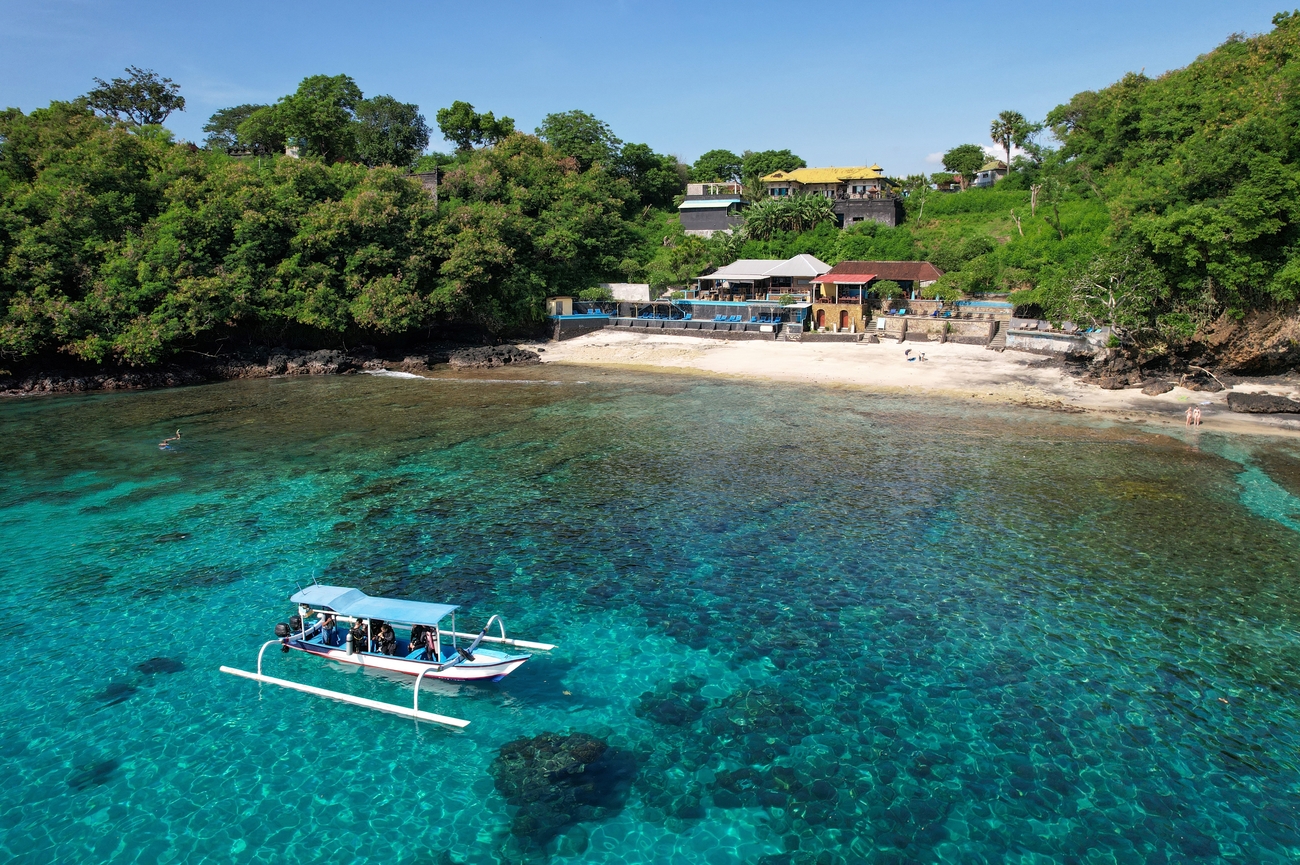
- Blue Lagoon Beach: Nestled in the quiet coastal town of Padangbai, one of East Bali's hidden gems. Surrounded by green headlands, this small bay is known for its crystal clear turquoise water and soft white and gold sand, offering a beautiful contrast to the region's volcanic black-sand beaches. Because the bay is naturally sheltered from strong ocean swells, the water is usually calm and inviting. It's one of the best places on mainland Bali for snorkeling and swimming, with colourful coral reefs and abundant marine life just a short distance from the shore.
North Bali
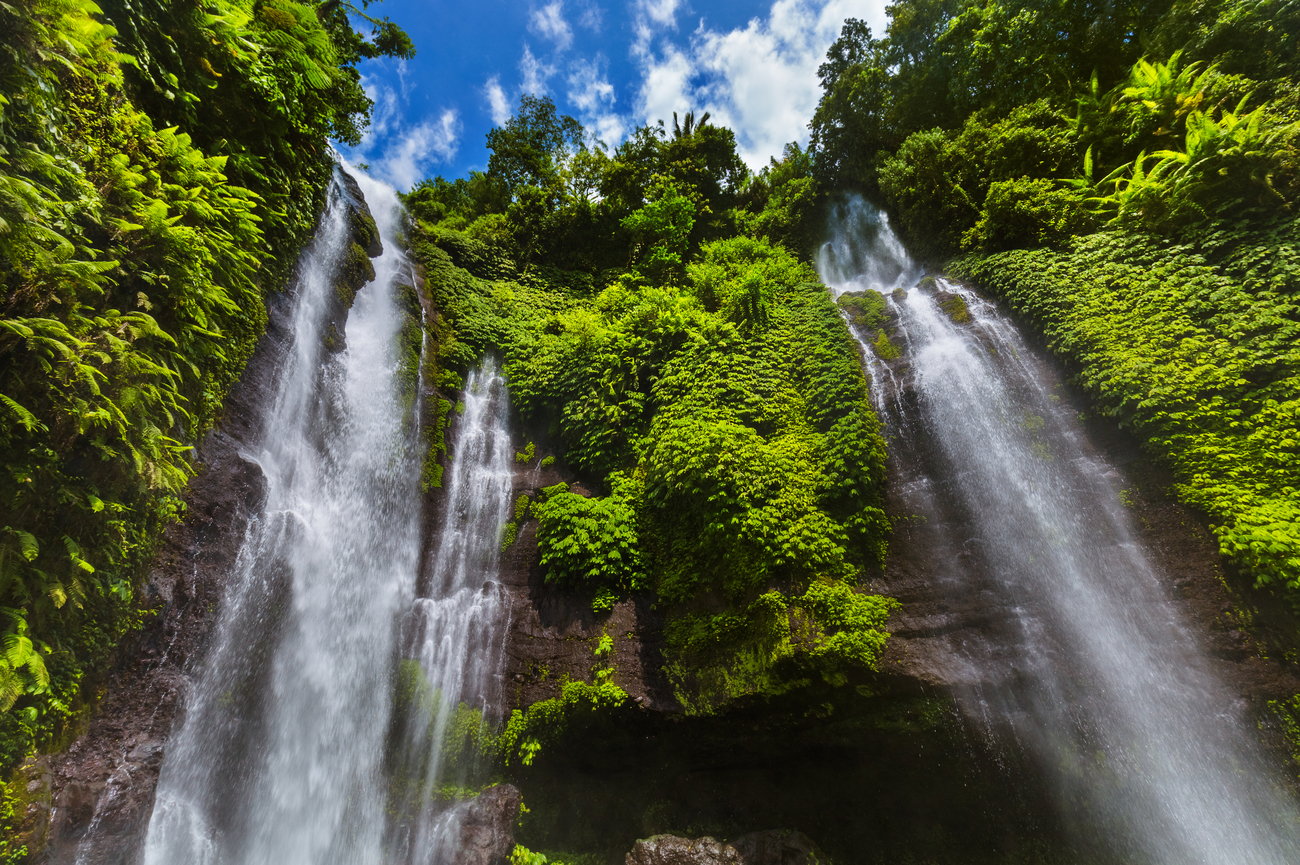
- Sekumpul Waterfall: Regarded as Bali's most spectacular waterfall, it’s a must visit for nature lovers and adventurous travellers. Hidden deep within a jungle valley, the site features a collection of up to seven hidden, towering waterfalls cutting through a pristine, deep jungle valley. The two primary twin falls plunge over 80 meters (260 feet) down a sheer, moss-covered cliff face, fed by upland mountain rivers. Reaching the waterfalls involves a scenic hike through tropical forest, river crossings, and village pathways, making the journey just as rewarding as the destination itself. Along the way, you'll be surrounded by dense greenery, the sound of rushing water, and the untouched beauty of northern Bali.
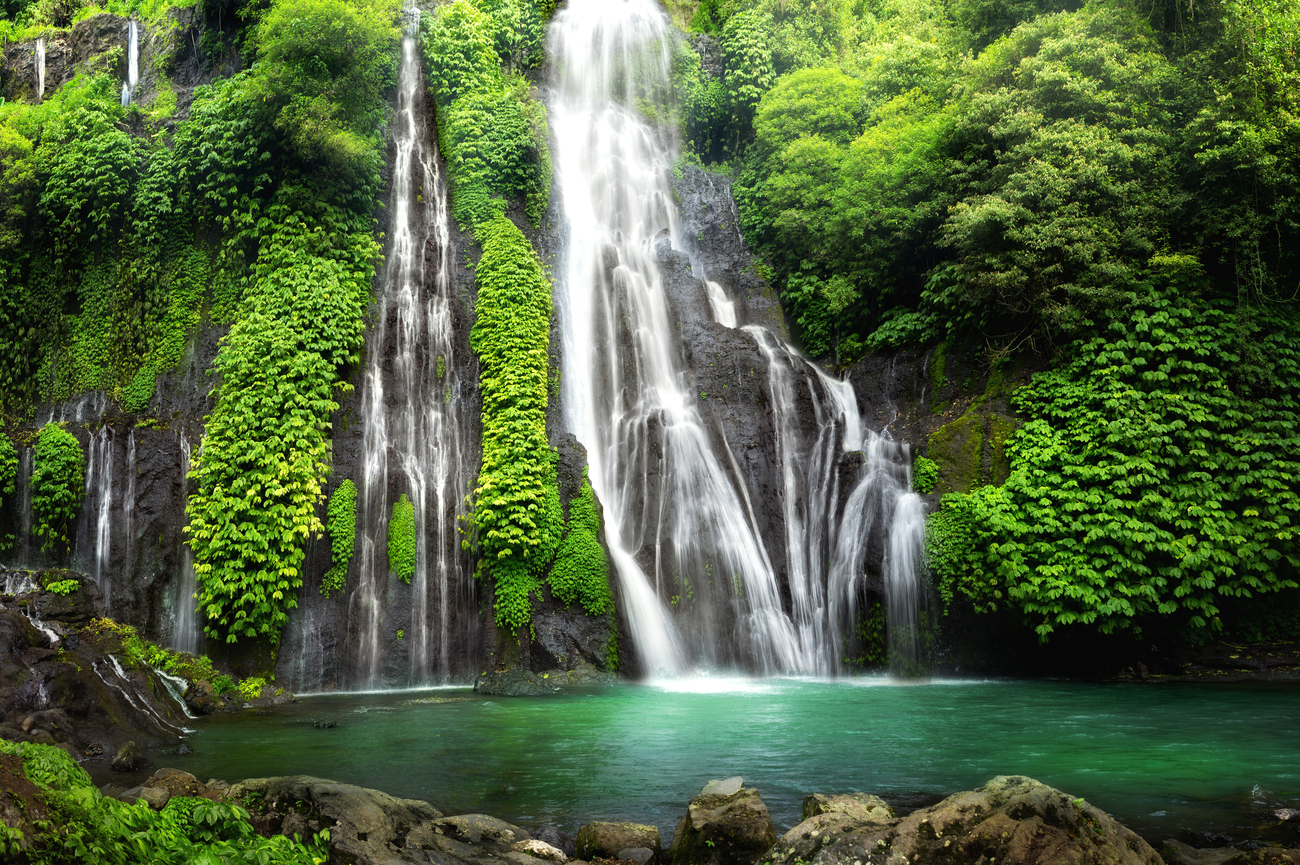
- Banyumala Twin Waterfalls: If you're looking for a peaceful waterfall where you can truly relax, Banyumala Twin Waterfalls is one of Bali's best choices. Two graceful streams of mountain water flow down a 35-metre moss-covered cliff, surrounded by tropical greenery. At the base of the falls, you'll find a large, crystal-clear natural pool that's perfect for a refreshing swim. Thanks to its calm waters, it's considered one of the safest and most enjoyable swimming spots among Bali's waterfalls.
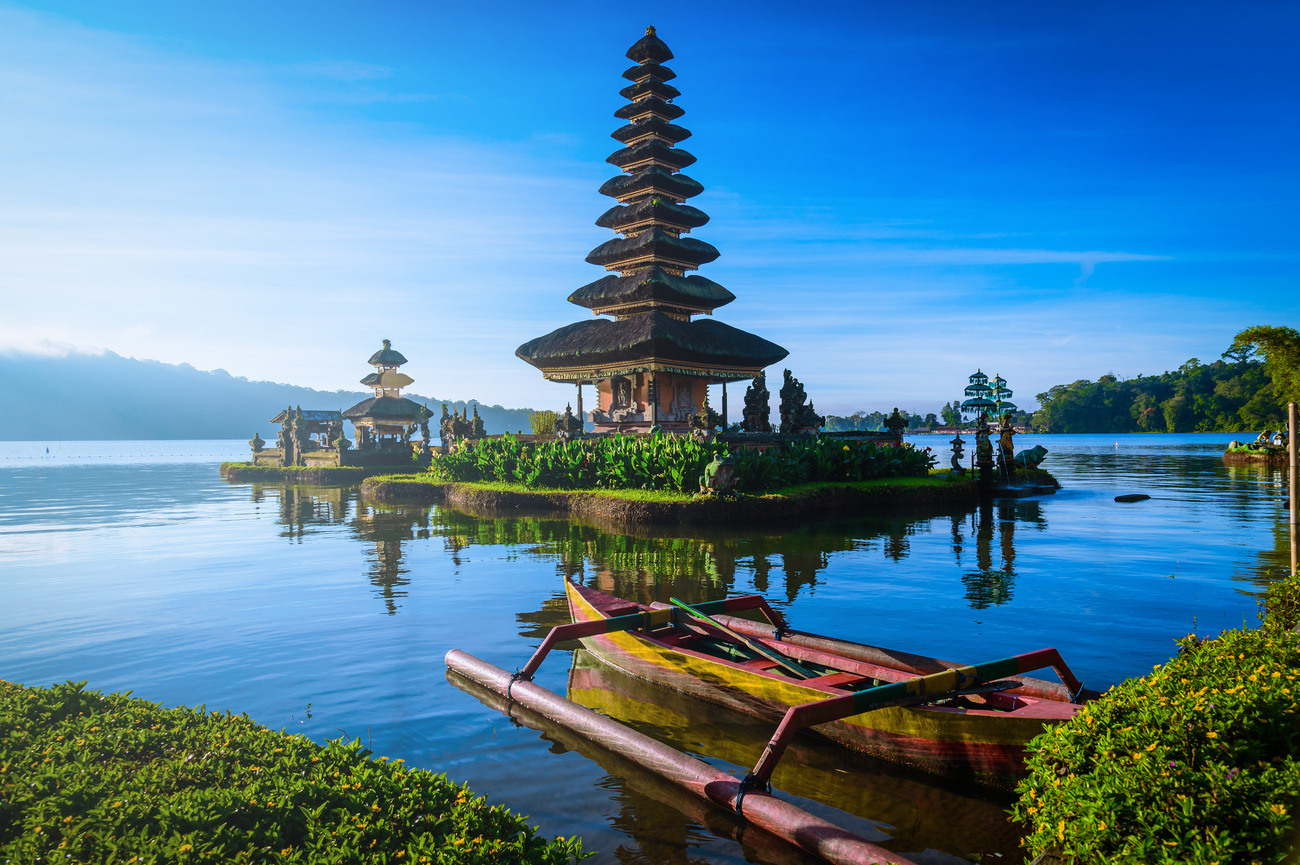
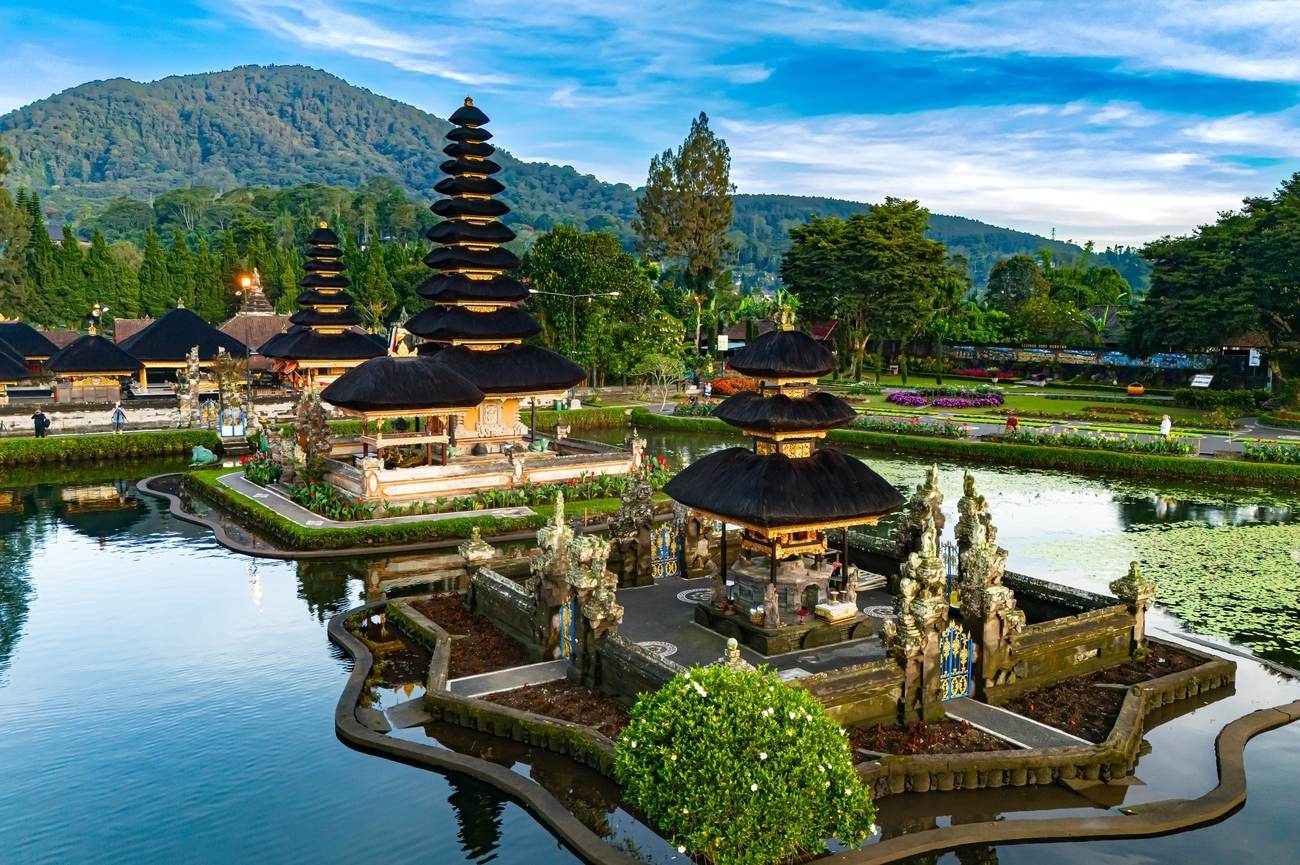
- Ulun Danu Beratan Temple: Often called the "Floating Temple," the temple was built in 1633 on the shores of Lake Beratan, dedicated to Dewi Danu, the Hindu goddess of lakes and water. The temple is famous for its elegant, multi-tiered shrines that appear to float on the lake when the water level rises, creating one of Bali's most photographed destinations. Surrounded by cool mountain air and peaceful lake views, it's a beautiful place to slow down and reflect. To experience the temple from a different perspective, you can hire a traditional wooden boat or rent a swan shaped pedal boat and cruise across the lake. From the water, you'll enjoy close-up views of the floating shrines and the scenic mountain landscape that surrounds them.
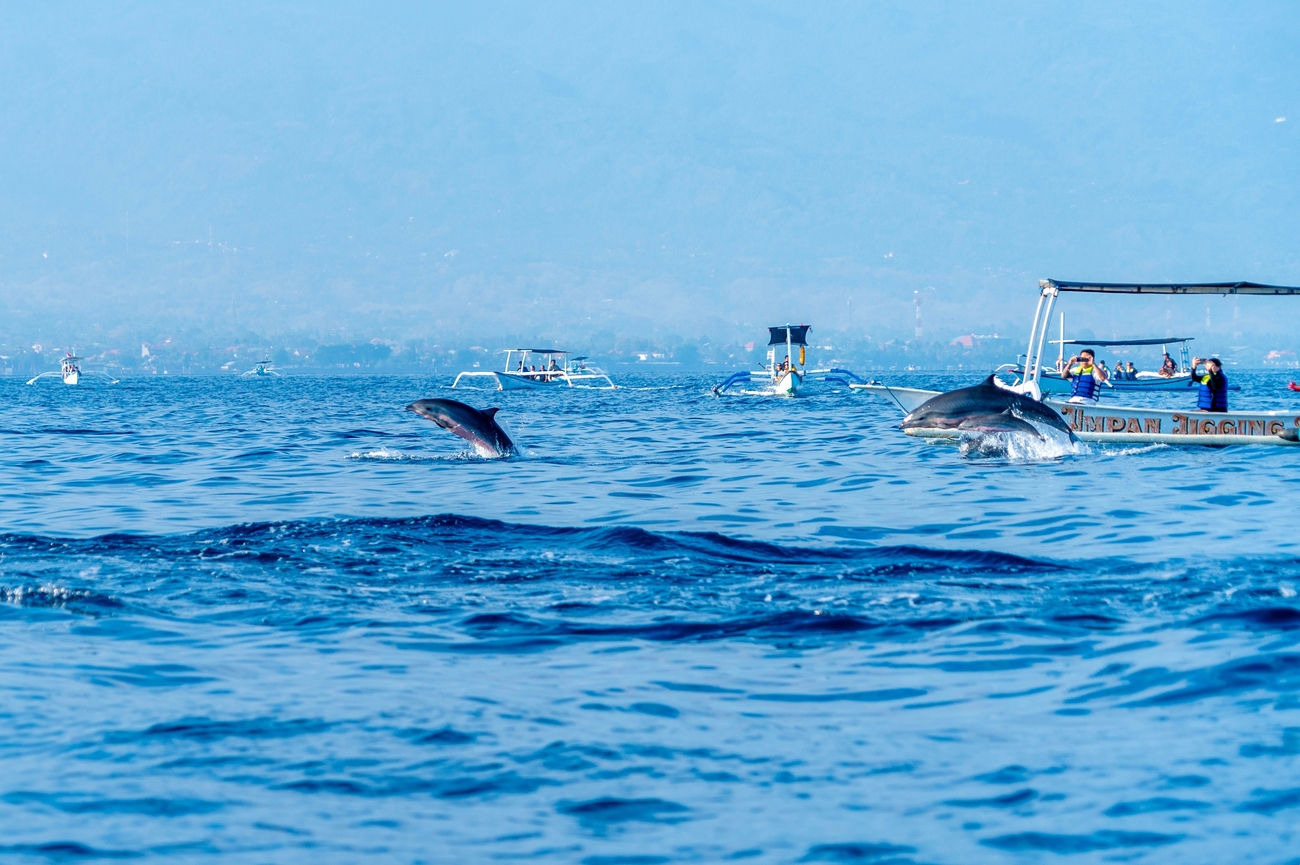
- Lovina Dolphin Tour, Lovina, Indonesia : One of North Bali's most popular experiences is the Lovina Dolphin Tour, where you'll head out before sunrise to see wild dolphins in their natural habitat. The calm waters off Lovina Beach provide ideal conditions for pods of spinner and bottlenose dolphins, making this one of the best places on the island for dolphin watching. Your adventure begins aboard a traditional Balinese “jukung” (a wooden outrigger boat) as you cruise across the peaceful Bali Sea at dawn. As the sun rises over the horizon, you may see dolphins swimming, leaping, and playing alongside the boats, a truly memorable way to start the day.
South Bali
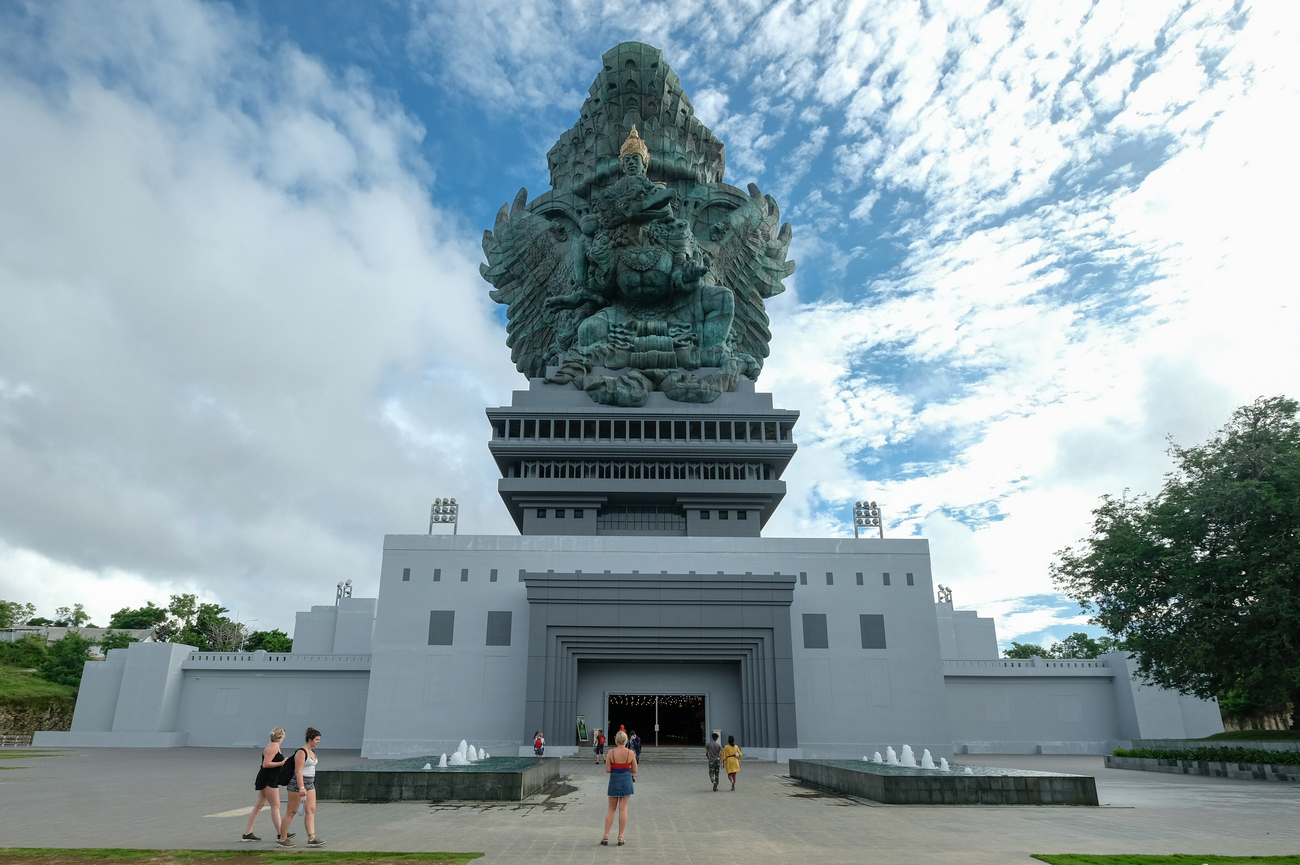
- Garuda Wisnu Kencana: Located in Ungasan, this 60 hectare cultural landmark celebrates Bali's rich heritage and Hindu traditions. Its centrepiece is the magnificent GWK Statue, which stands 121 metres tall, making it one of the tallest statues in the world (even taller than the Statue of Liberty). Designed by renowned Balinese sculptor Nyoman Nuarta and completed in 2018, the monument depicts the Hindu god Vishnu riding Garuda, his mythical eagle-like companion. As you explore the park, you'll enjoy panoramic views, open air cultural spaces, and a deeper appreciation of Balinese art and mythology.
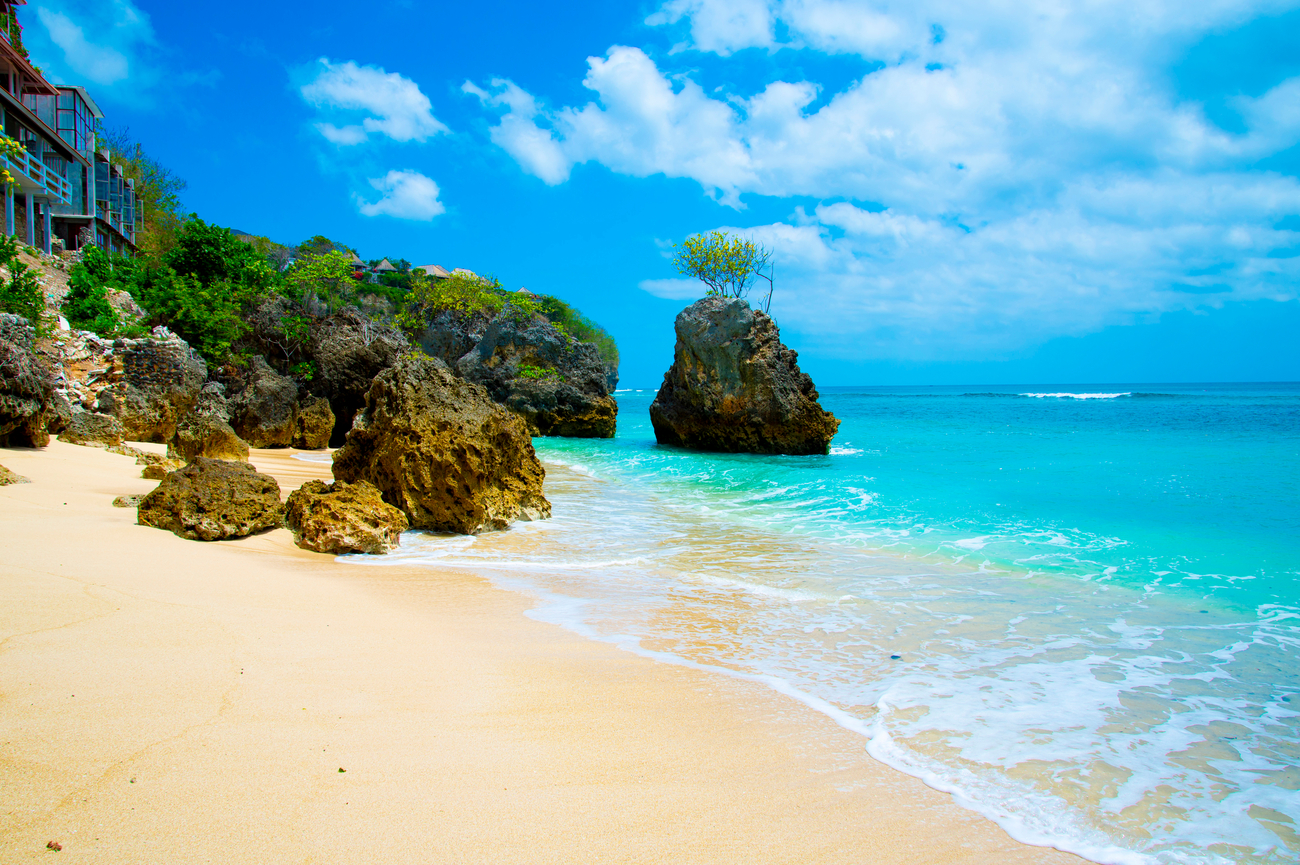
- Bingin Beach: If you're looking for a quieter side of Bali, Bingin Beach is a hidden gem on the Bukit Peninsula. This charming beach is reached by walking through narrow pathways lined with cosy cafés, surf shops, and boutique guesthouses overlooking the ocean. Bingin is famous for its laid back atmosphere and stunning coastal scenery. It's also one of Bali's best surfing destinations, attracting experienced surfers with its fast, world class reef break. Even if you don't surf, it's a great place to relax on the beach or watch surfers ride the waves from the shore or a cliffside café.
Nusa Islands
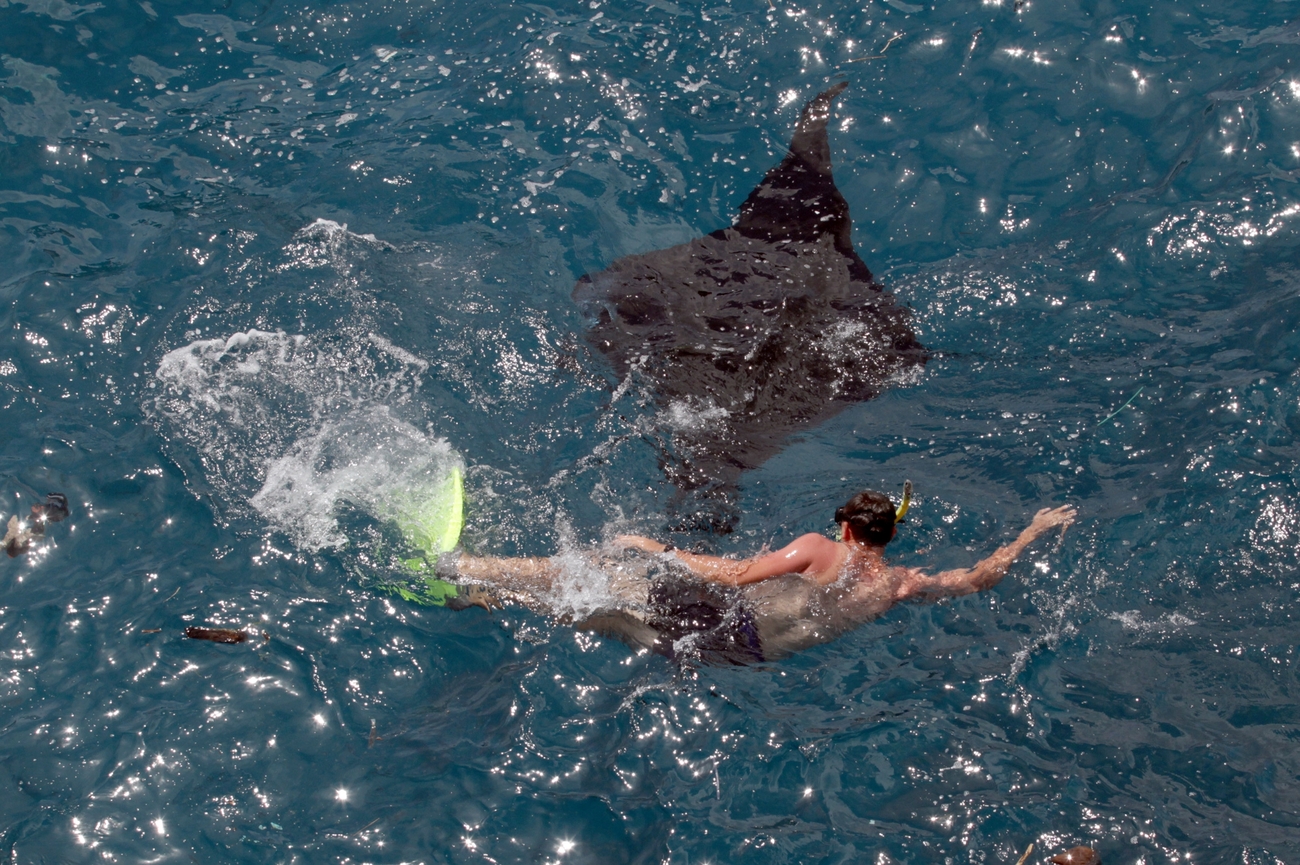
- Snorkeling with Manta Rays at Nusa Penida: One of the most unforgettable experiences in Bali is snorkeling with manta rays around Nusa Penida. The island's nutrient-rich waters are home to a resident population of graceful reef manta rays, which can grow up to 5 metres across. These gentle giants visit the area year-round to feed on plankton and visit natural cleaning stations, where small fish remove parasites from their skin. As you snorkel in the open ocean, you may have the chance to watch these magnificent creatures glide effortlessly beneath you. Despite their impressive size, manta rays are harmless filter feeders with no stinger, making them safe to observe from a respectful distance.
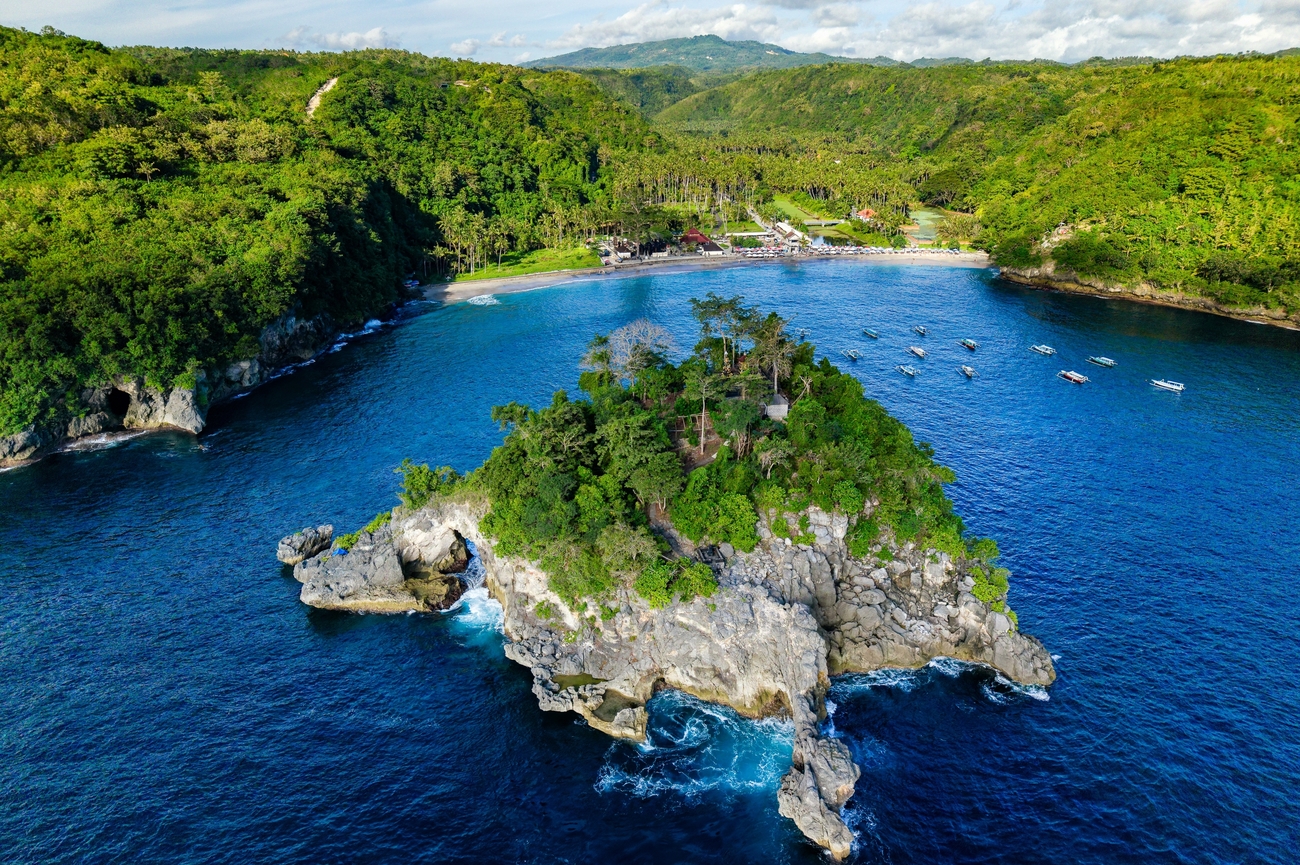
- Crystal Bay: Known for its calm atmosphere and exceptionally clear water. Nestled between lush green headlands, the bay features a stretch of soft sand and a small rocky islet just offshore, which helps shelter the beach from larger waves. The crystal clear water offers outstanding visibility, making Crystal Bay one of the island's best spots for snorkeling and diving. Beneath the surface, you'll find colourful coral reefs and a variety of tropical marine life, while the calm shoreline is perfect for swimming or simply relaxing by the sea.
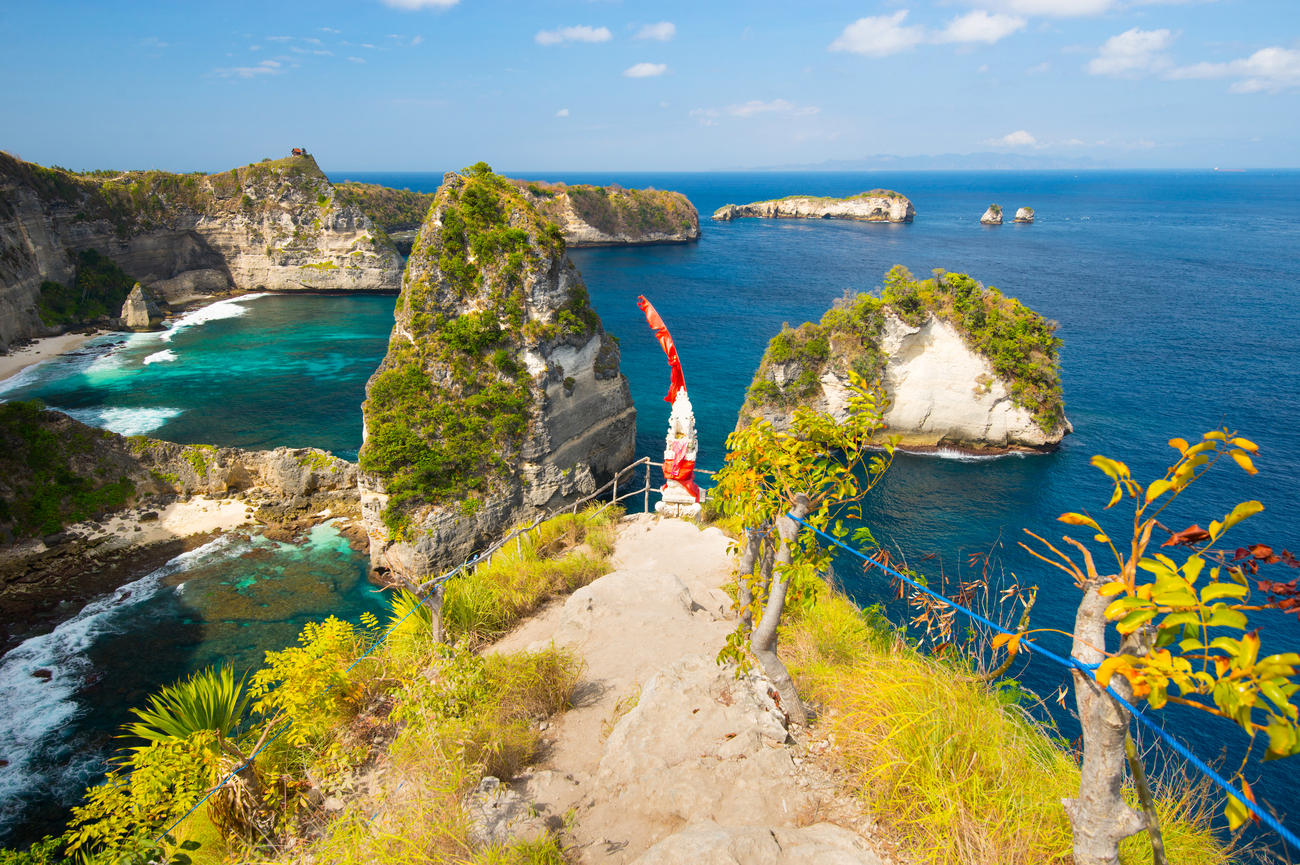
- Thousand Islands Viewpoint: Offers some of the island's most breathtaking coastal scenery. From the clifftop, you'll enjoy views of the deep blue Indian Ocean, where limestone rock formations rise from the sea alongside hidden white sand beaches. The landscape is so spectacular that it's often compared to the famous island scenery of Raja Ampat and Phi Phi Islands. It's one of the best places on Nusa Penida to enjoy the island's rugged natural beauty and capture unforgettable photos.
Exclusive Workshops
& Immersive Experience in Bali
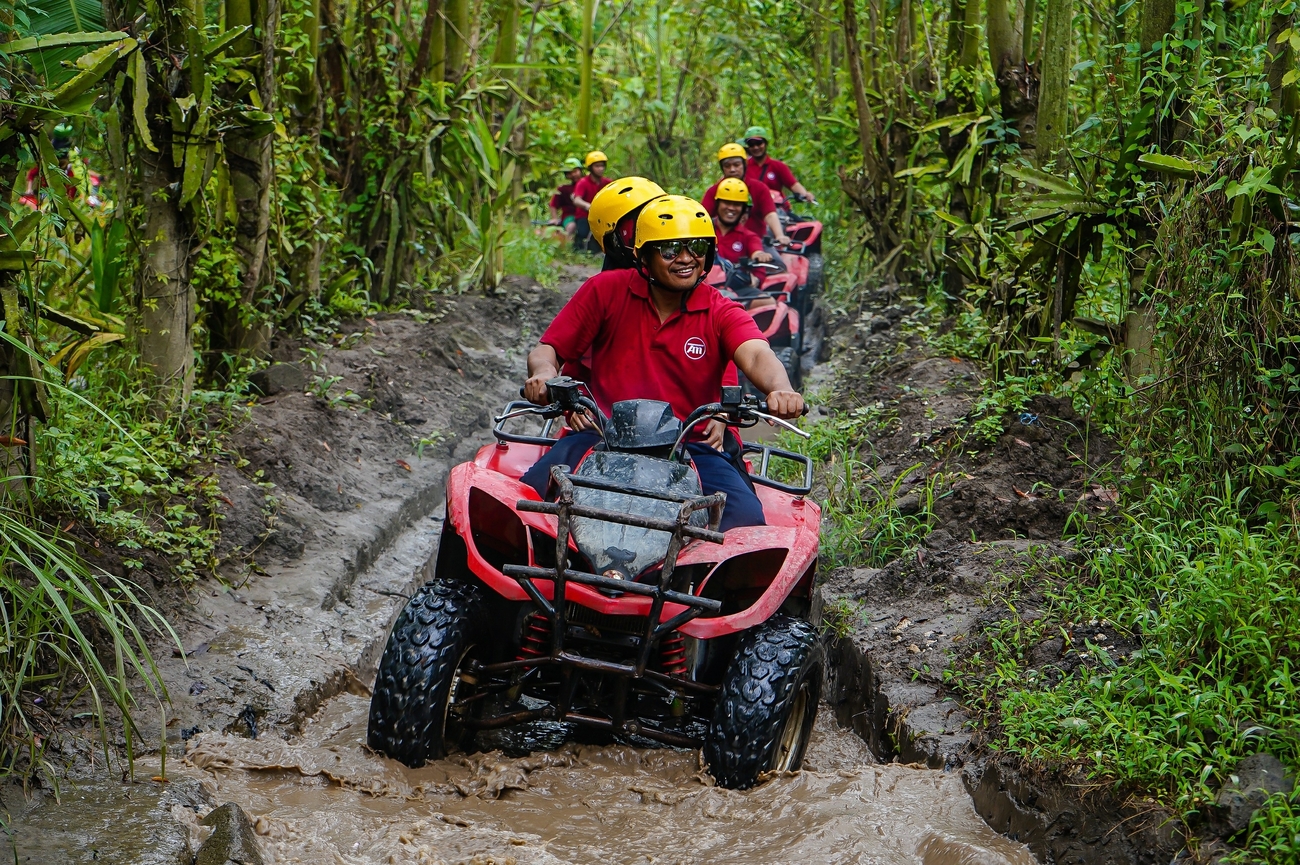
- ATV Quad Bike: If you're looking for an adrenaline filled way to explore Bali, an ATV Quad Bike Adventure is a fantastic choice. In this guided tour, we’ll take you beyond the usual tourist routes and into the island's countryside, where you'll experience Bali's rugged landscapes from a completely different perspective. Ride through muddy jungle trails, pass through caves, splash beneath hidden waterfalls, and weave your way past rice fields and traditional villages. The routes are designed to be fun and adventurous while showcasing the island's natural beauty. Expect to get muddy along the way, it’s all part of the experience.
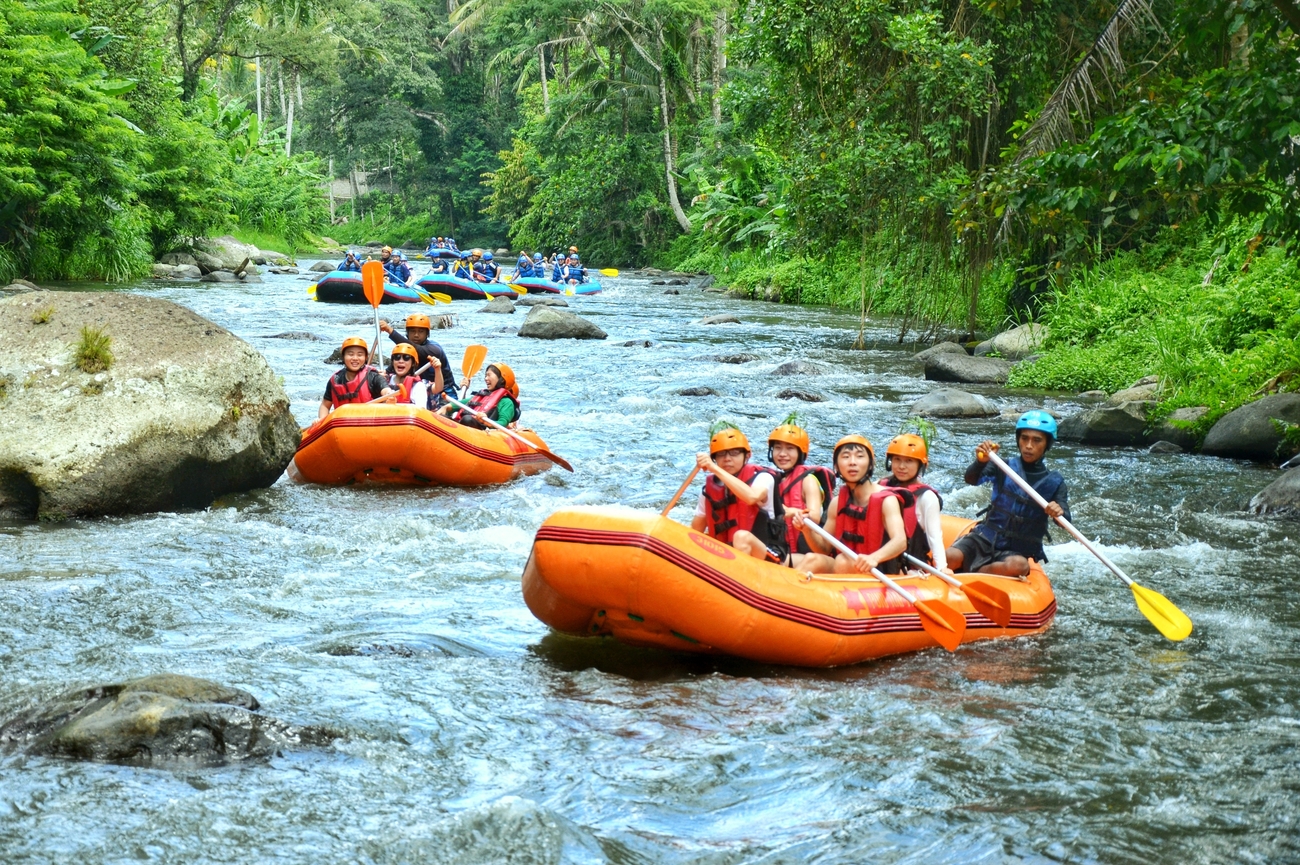
- White Water Rafting: One of the best ways to experience Bali's natural beauty. As you paddle down the river, you'll travel through lush jungle canyons that are completely inaccessible by car or foot, giving you a unique view of the island's untouched landscapes. Along the way, you'll pass towering rainforest cliffs, hidden waterfalls, ancient stone carvings, and, if you're lucky, spot monkeys in the trees. The mix of exciting rapids and calmer stretches makes the journey thrilling and scenic.
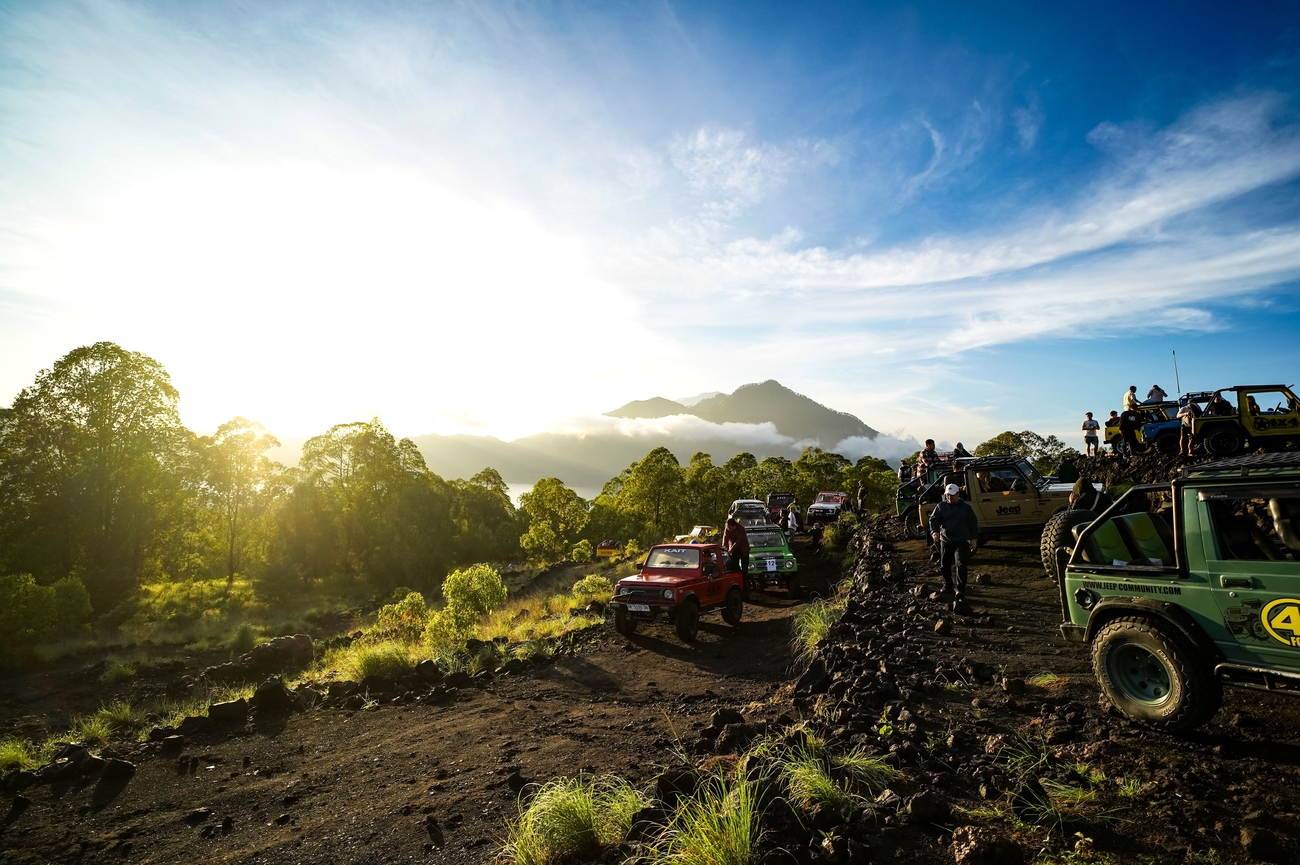
- Mount Batur 4x4 Jeep Tour: If you'd like to experience Mount Batur at sunrise without the challenging hike, this jeep tour is an excellent alternative. Instead of trekking uphill in the dark, you'll ride in a rugged open air jeep as your driver takes you across the volcano's scenic slopes. The off road journey passes through black volcanic landscapes, pine forests, and lava fields before reaching one of the best sunrise viewpoints. From there, you can watch the first light of day illuminate Mount Agung, Lake Batur, and the surrounding highlands, all without the physical demands of the traditional climb.

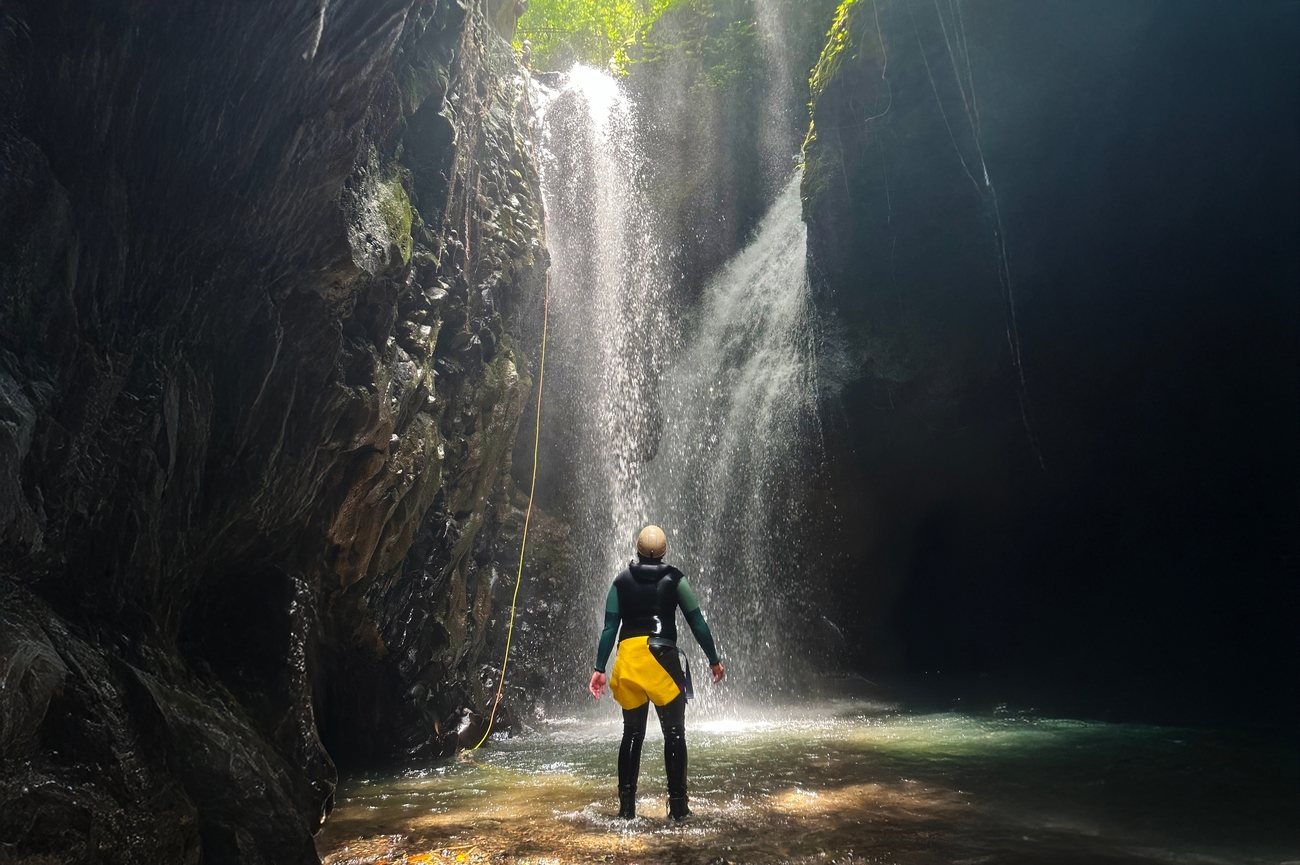
- Canyoning Bali: Arguably Bali’s most intense and hardcore outdoor adventure experience. Unlike casual hiking or white water rafting where you look at nature from a distance, you'll journey deep into hidden volcanic canyons and tropical rainforest, exploring landscapes that few visitors ever get to see. Led by experienced guides, you'll rappel down waterfalls, leap into natural pools, slide over smooth rock formations, and swim through narrow river gorges. Every section offers a new challenge while immersing you in some of Bali's most spectacular wilderness. It takes place almost exclusively in the wild, untamed rainforests of northern Bali.
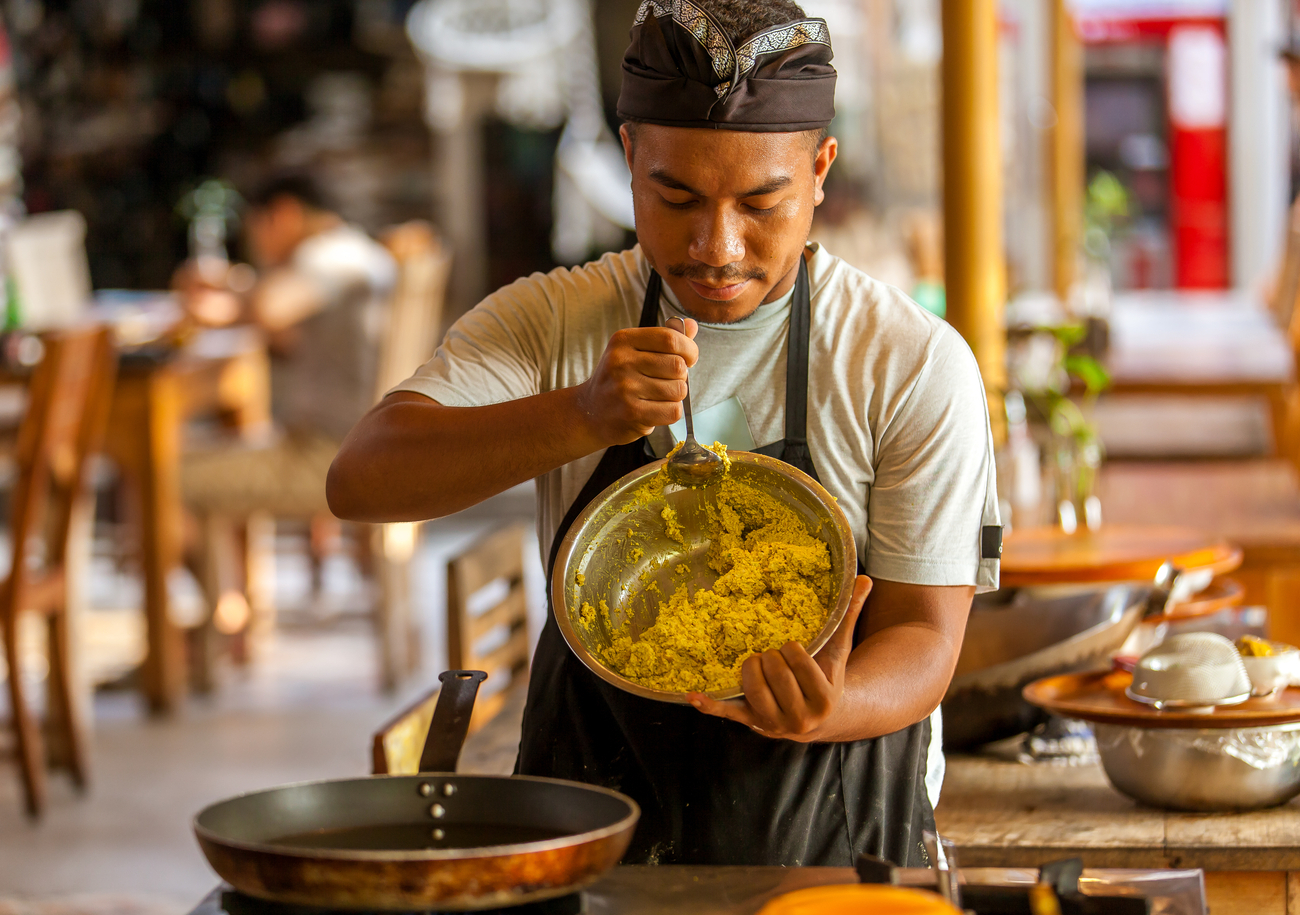
- Balinese Cooking Class: Experience Bali’s rich food culture through this Balinese Cooking Class. Hosted by local families, many classes take place in traditional village homes or open-air kitchens surrounded by rice fields and organic gardens, giving you an authentic glimpse into everyday Balinese life. During the class, you'll learn how to prepare traditional dishes using fresh local ingredients, aromatic herbs, and fragrant spices while discovering the stories and traditions behind Balinese cuisine. Best of all, you'll get to enjoy the delicious meal you've prepared yourself.
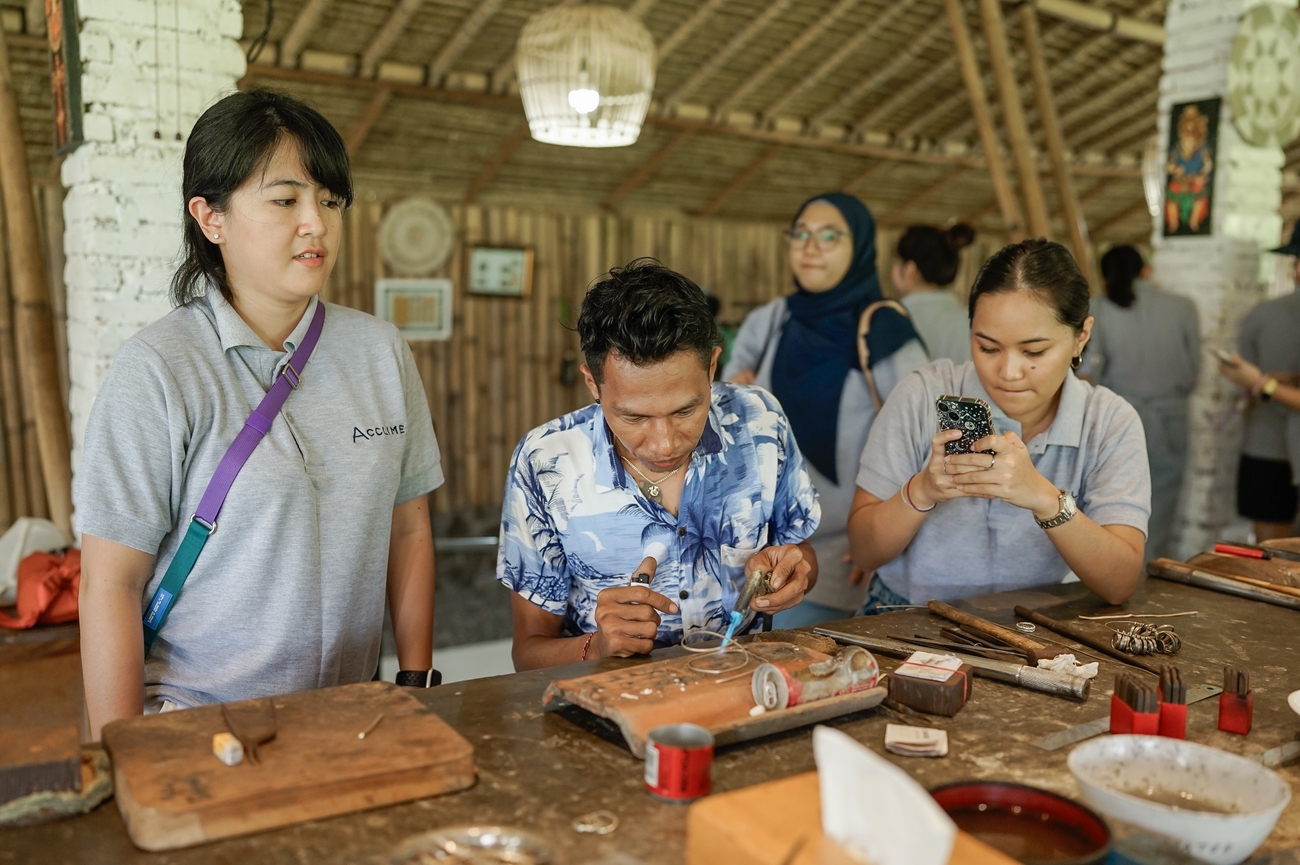
- Silver Jewelry Workshop: Create your own Balinese keepsake. Guided by skilled local silversmiths, you'll step inside a traditional workshop and learn the techniques used to craft sterling silver jewellery. Instead of buying a souvenir, you'll design, shape, and polish your own custom piece, whether it's a ring, pendant, or pair of earrings. Along the way, you'll gain insight into Bali's long tradition of silver craftsmanship while creating something that's truly personal.
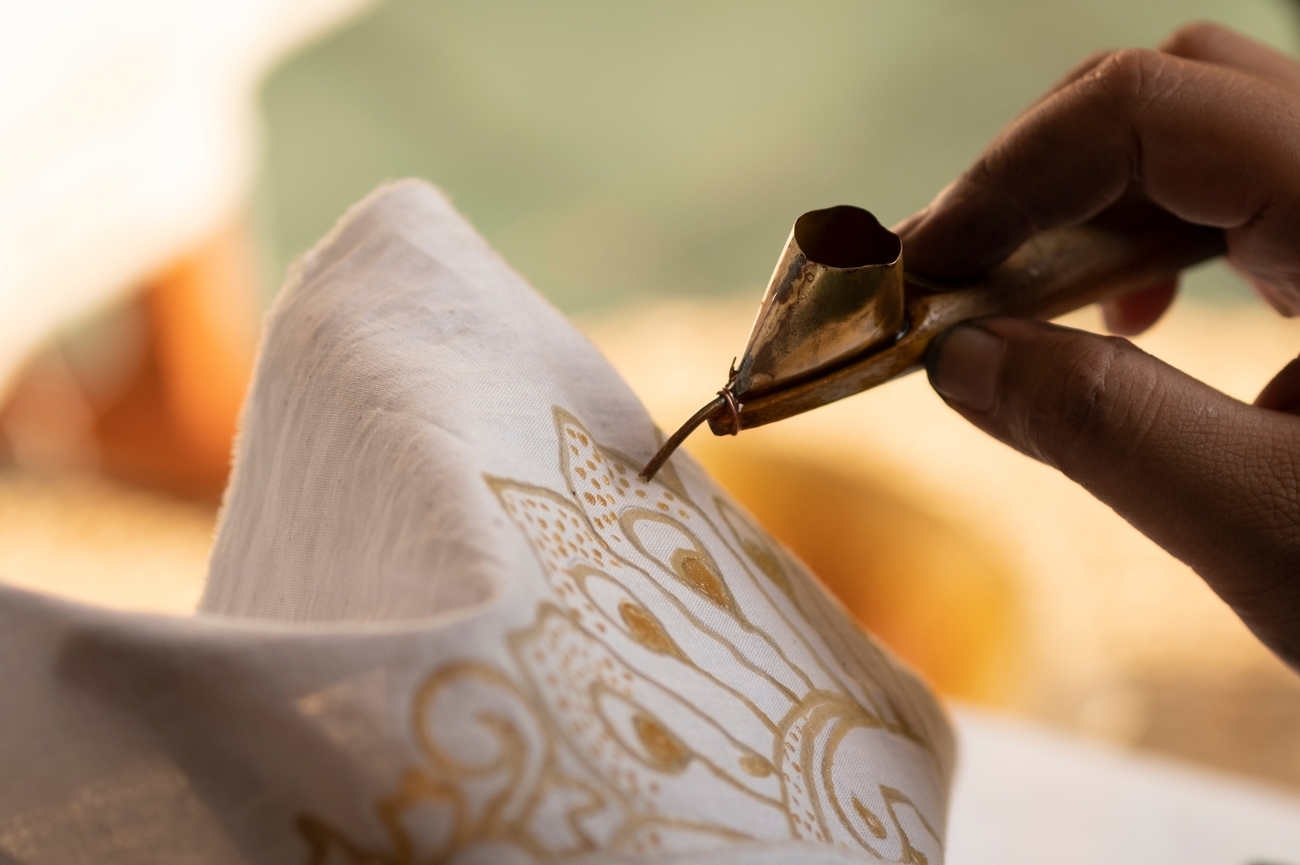
- Batik Workshop: A relaxing and creative way to experience one of Indonesia's most treasured art forms. Recognised by UNESCO as part of the world's Intangible Cultural Heritage, batik is a centuries old technique that uses wax and dye to create intricate patterns on fabric. Guided by skilled local artisans, you'll learn each step of the process, from drawing your design with hot wax to dyeing the fabric and revealing the finished pattern. Instead of buying a souvenir, you'll create your own unique piece of batik to take home.
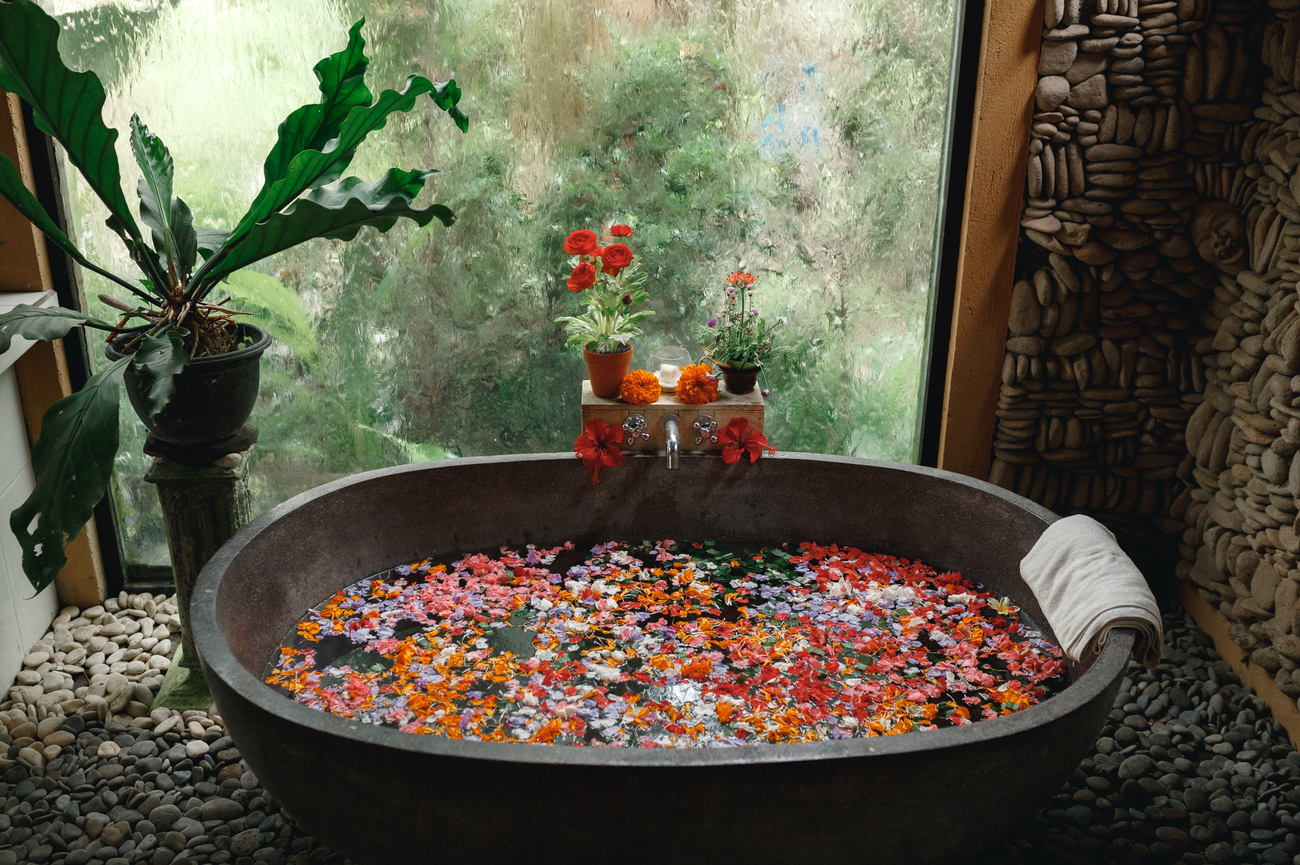
- Balinese Flower Bath: Inspired by traditional Balinese cleansing rituals, modern flower baths combine relaxation with the beauty of Bali's spa experience. As you soak in a warm bath, you'll be surrounded by thousands of fresh, fragrant flower petals carefully arranged into colourful patterns or custom designs. The peaceful setting creates the perfect opportunity to unwind after a day of exploring while enjoying one of Bali's signature spa experiences. Whether you're celebrating a honeymoon, treating yourself to a wellness escape, or simply looking for a relaxing afternoon, a Balinese Flower Bath is a memorable way to slow down and indulge during your stay.
Things to Do with Kids
in Bali
- The Amazing Taman Safari Park: If you're travelling with children or simply love wildlife, Bali Safari Park is one of Bali’s best full day attractions. Home to more than 1,000 animals from over 100 species, the park features large open habitats designed to resemble the animals' natural environments, from African savannas to Indonesian rainforests. Kids can enjoy close up wildlife encounters, watch educational animal presentations, and learn about conservation efforts while exploring the park. Beyond the animals, kids can also enjoy a water play area, family friendly rides, and other attractions that make it easy to spend an entire day here.

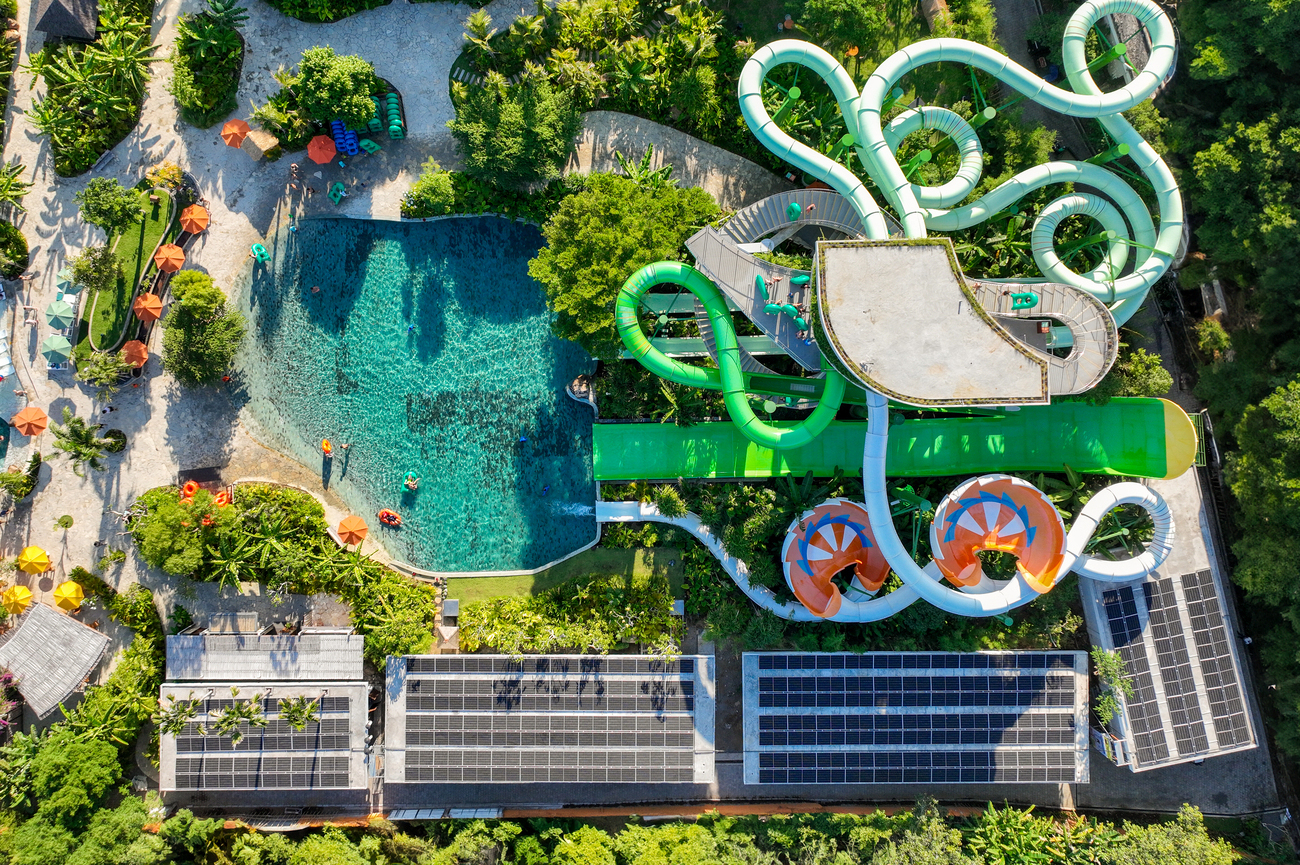
- Waterbom Bali: Regarded as one of the best water parks in Asia and consistently ranks among the world's top water parks. This massive 3.8 hectare tropical paradise offers a refreshing escape that's perfect for families, couples, and groups of friends. Unlike many water parks, more than half of the grounds are covered with mature trees and beautifully landscaped gardens, creating a relaxing tropical atmosphere between rides. You'll find everything from gentle splash zones for young children to thrilling water slides for older kids and adults. Whether you're travelling with toddlers, teenagers, or simply looking for a fun day out, Waterbom Bali offers a safe, clean, and exciting experience for all ages.
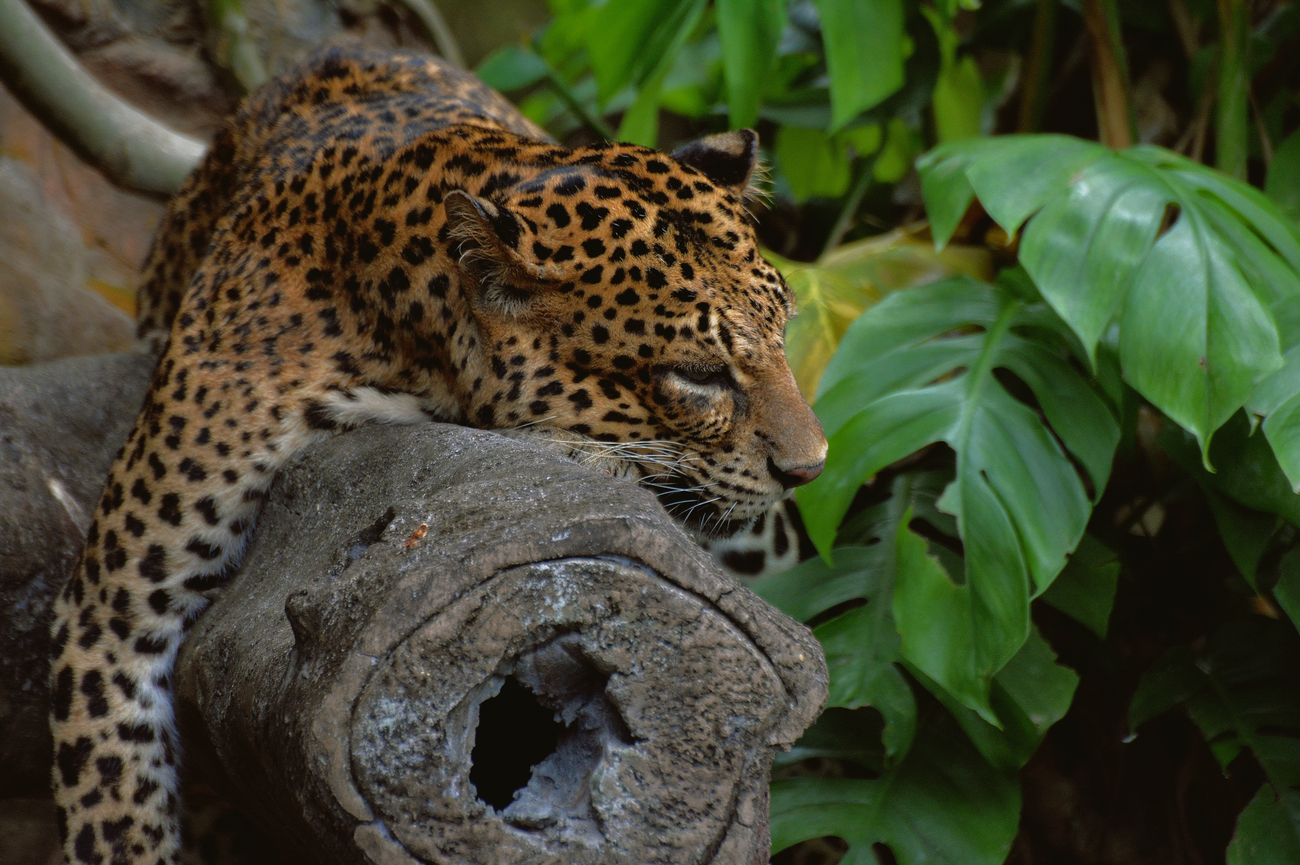
- Bali Zoo: A fantastic family-friendly attraction. Its compact, shaded layout makes it easy to explore without the long walks often required at larger safari parks, ideal for a relaxed half-day visit. The zoo is known for its interactive animal experiences, giving you the chance to get up close to a variety of wildlife while learning about conservation and animal care. Kids can enjoy feeding sessions, educational encounters, and other hands-on activities designed to make the visit fun and memorable.
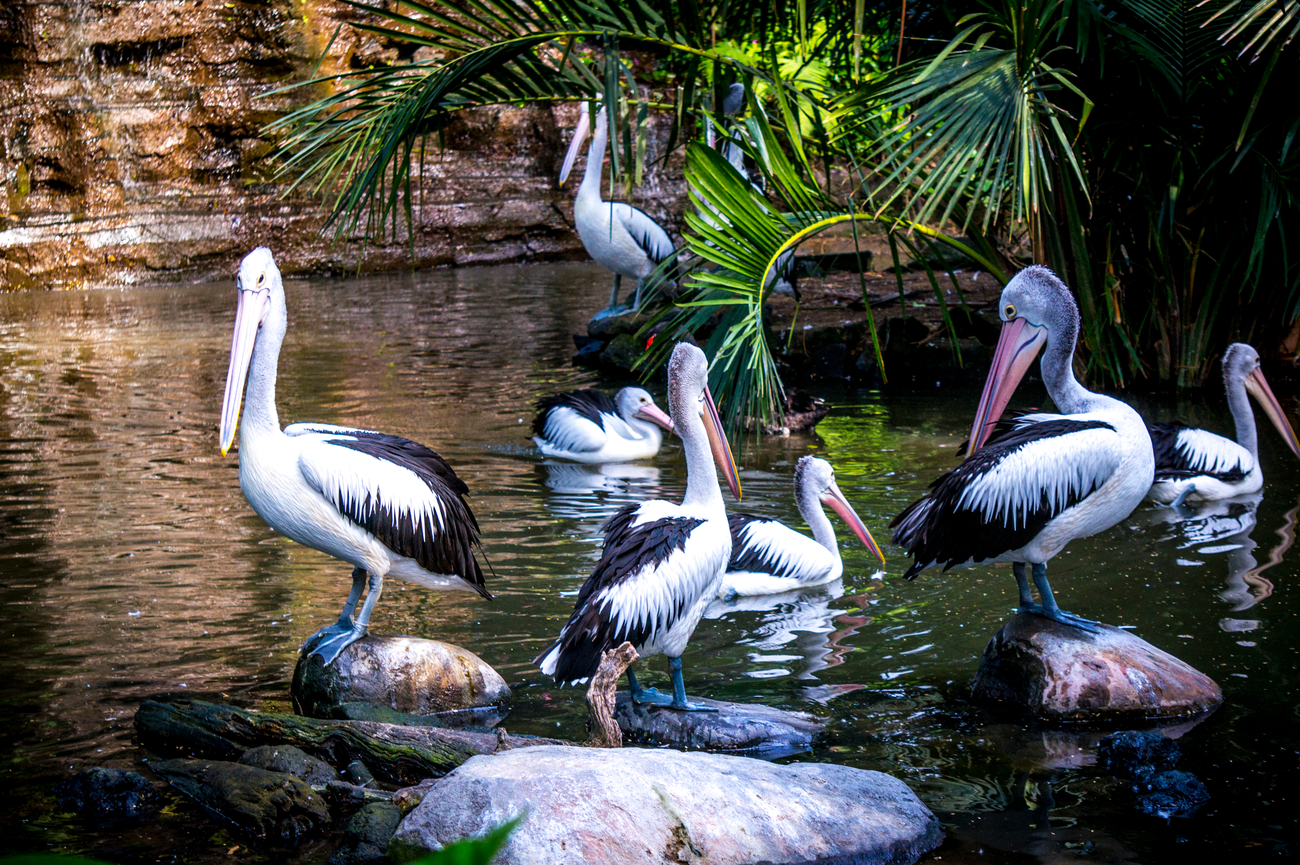
- Bali Bird Park: Home to nearly 1,000 birds from more than 250 species, it features one of the largest collections of Indonesian and exotic birds in the world. Kids can walk through spacious aviaries designed to recreate the natural habitats of Bali, Sumatra, Borneo, South America, and Africa, allowing them to see many birds flying freely around you. The park also offers interactive feeding sessions, bird shows, and educational experiences that make learning fun for children and adults.
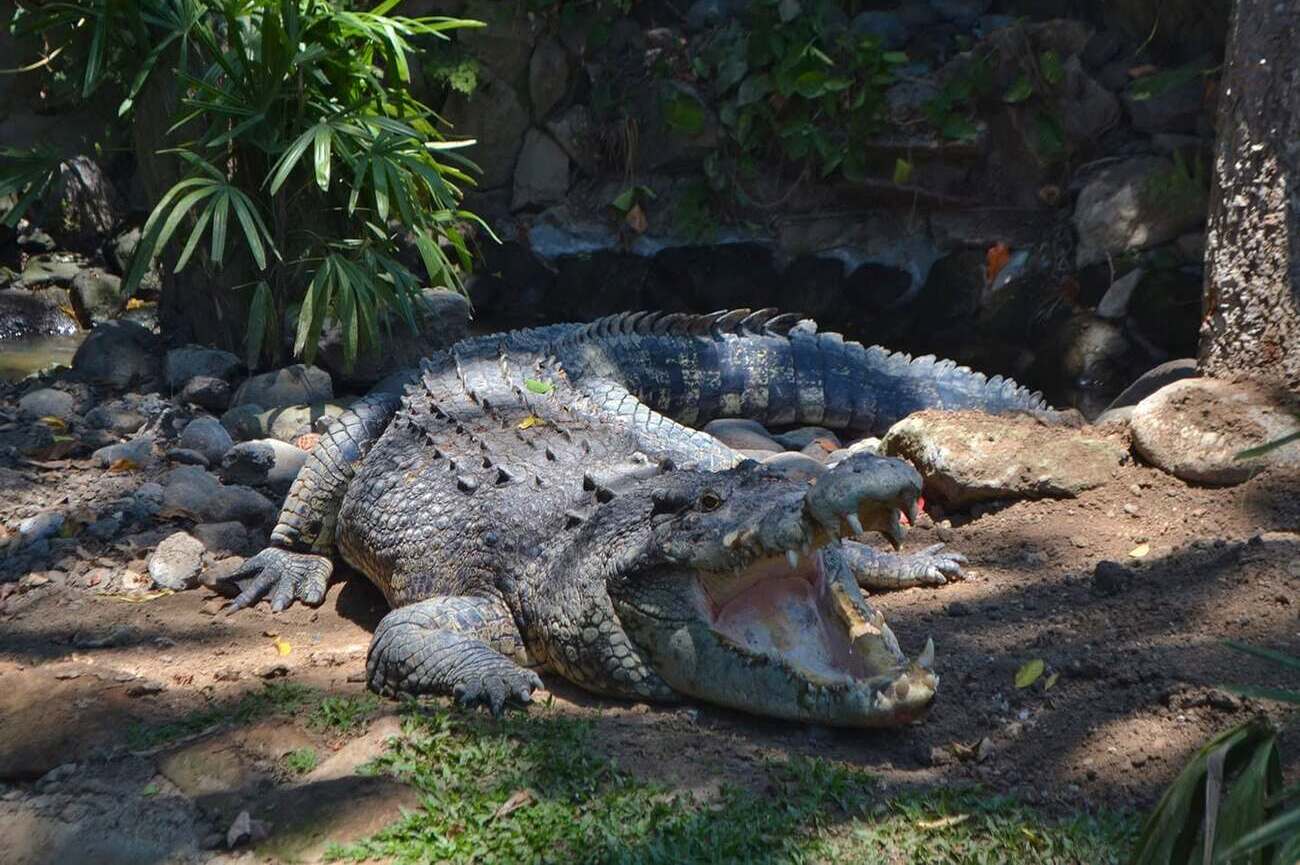
- Bali Reptile Park: If you're curious about reptiles, Bali Reptile Park offers a fun and educational experience for the whole family. Set within lush tropical gardens, the park is home to a wide variety of reptiles and amphibians, including giant lizards, colourful snakes, turtles, and crocodiles. Kids can learn about these fascinating animals through interactive exhibits and guided encounters designed to be safe and engaging. The hands-on experiences help children and adults alike better understand and appreciate reptiles in a fun, welcoming environment.
Where to Eat in Bali
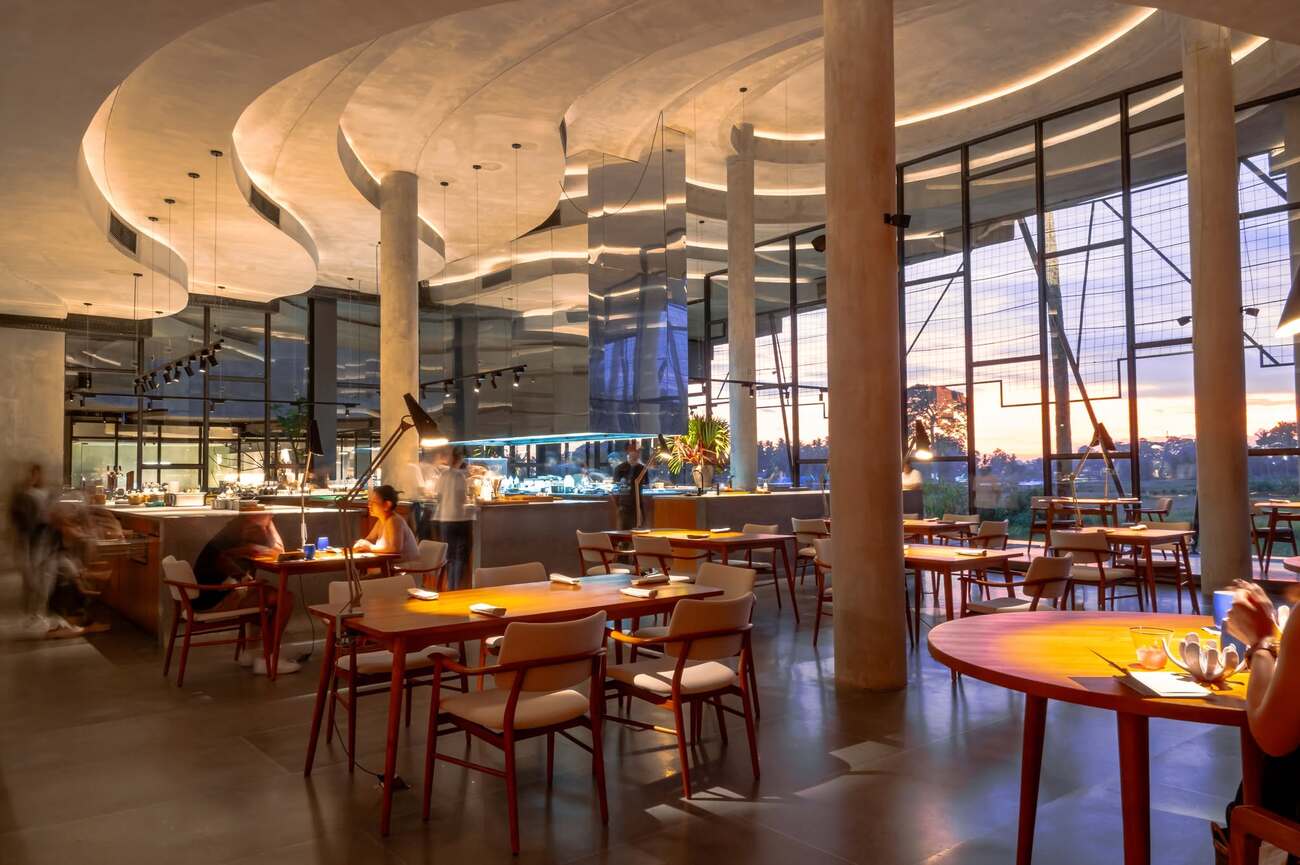
- Locavore NXT: Ranked among Asia's 50 Best Restaurants, the restaurant is led by chefs Eelke Plasmeijer and Ray Adriansyah, who showcase the incredible diversity of Indonesian ingredients through an innovative farm to table approach. The restaurant follows a strict no import policy, using only locally sourced ingredients. Through fermentation, foraging, and produce grown on site, each dish highlights the flavours of Indonesia in creative and unexpected ways. A reservation at Locavore NXT is more than just a meal, it's a multi-course culinary journey through the restaurant's unique spaces. The 16 to 20 course tasting menu features native plants, sustainably sourced local seafood, and carefully selected regional ingredients, offering a memorable dining experience unlike anywhere else in Bali.
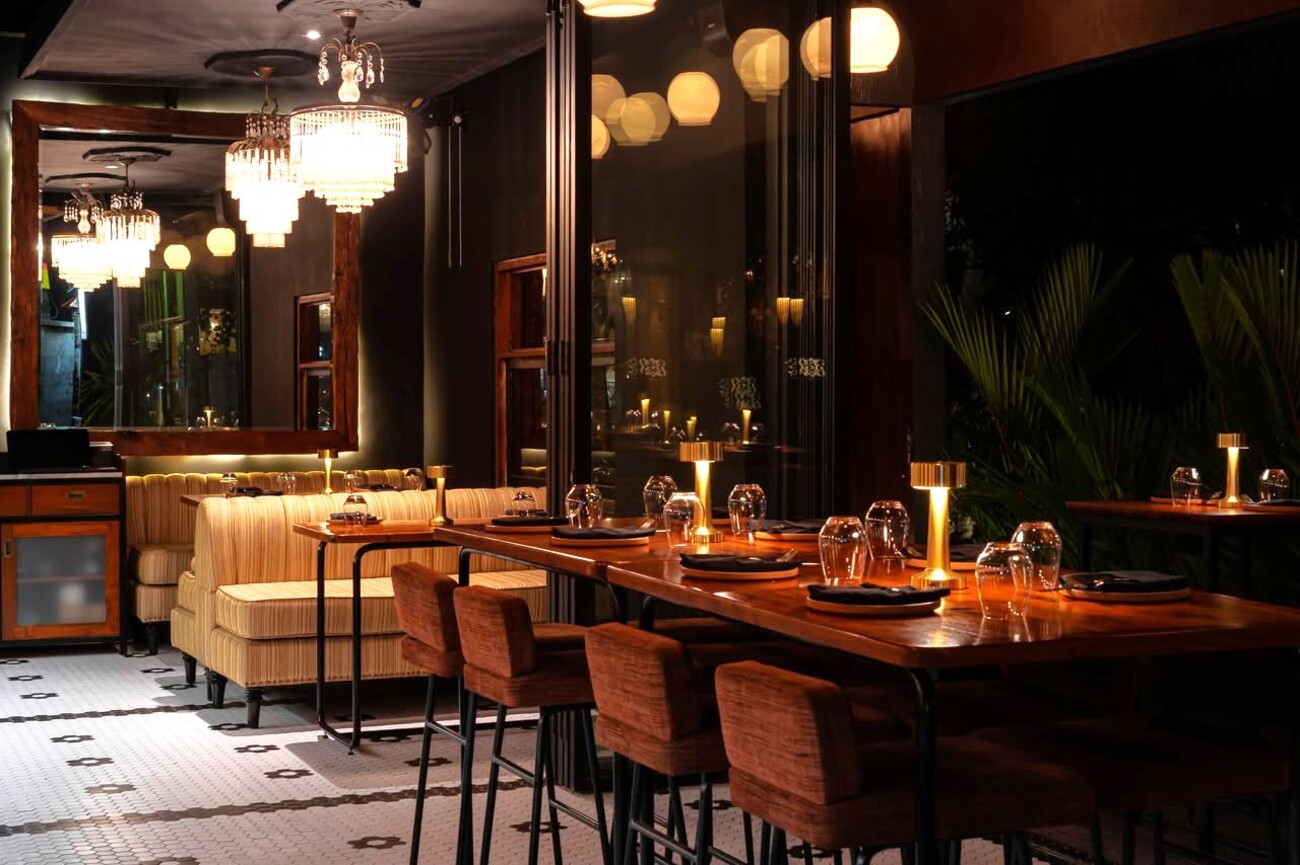
- Honey & Smoke: Created by acclaimed chef Will Meyrick, the restaurant offers a unique dining experience centred around the rich flavours of open-fire cooking. Every dish (from freshly baked flatbreads and seasonal vegetables to premium meats and seafood) is prepared over charcoal and wood fire, giving each meal a distinctive smoky flavour. The restaurant is just as memorable as the food. Its stylish interior blends the charm of a 1920s speakeasy with the elegance of a vintage railway carriage, creating a warm and inviting atmosphere. Downstairs, you can watch the chefs at work in the open kitchen, while upstairs you'll find an intimate cocktail lounge that's perfect for ending the evening.
- Copper Kitchen, Bar & Rooftop: Located at the Bisma Eight Hotel in central Ubud, this award-winning restaurant known for its fresh, farm to table cuisine and beautiful rooftop setting, offers menu that highlights seasonal ingredients sourced from the restaurant's own organic farm in Tegallalang, along with sustainably caught seafood and responsibly raised meats. The open-air rooftop overlooks lush jungle treetops, creating a peaceful atmosphere that's especially beautiful at sunset. As evening falls, soft string lights add to the ambience, making it one of Ubud's best spots for a romantic dinner or evening drinks.
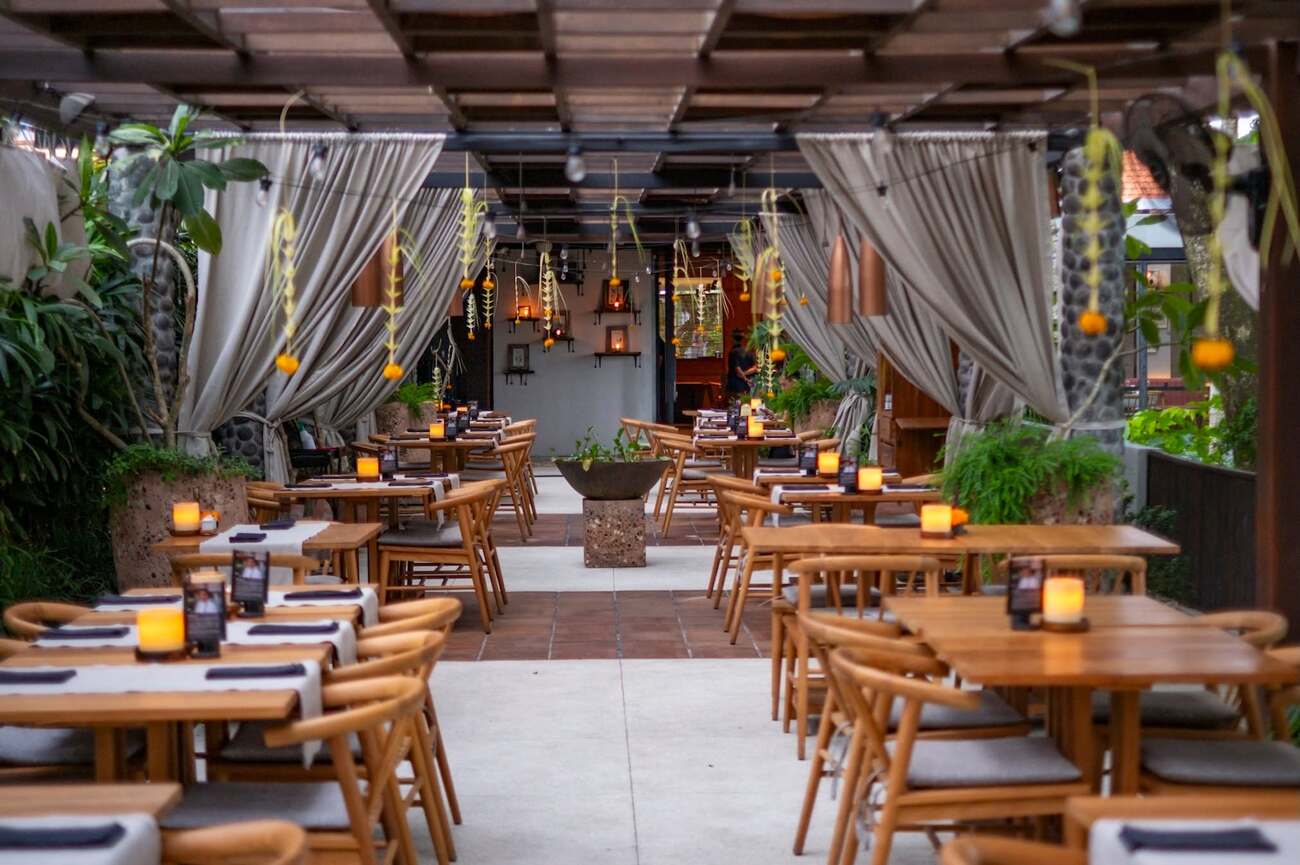
- Sangsaka Restaurant: Tucked away on a quiet street in Seminyak, Sangsaka Restaurant offers a refined yet relaxed take on modern Indonesian dining. Created by the team behind the acclaimed Merah Putih and led by Executive Chef Kieran Morland, the restaurant celebrates the rich flavours of the Indonesian archipelago with modern techniques and traditional wood fired cooking. Many dishes are prepared over charcoal and open flames, adding depth and smoky flavours to locally inspired ingredients. The restaurant's stylish interior features an open kitchen where you can watch the chefs at work, while an intimate cocktail bar upstairs provides the perfect setting for drinks after dinner.
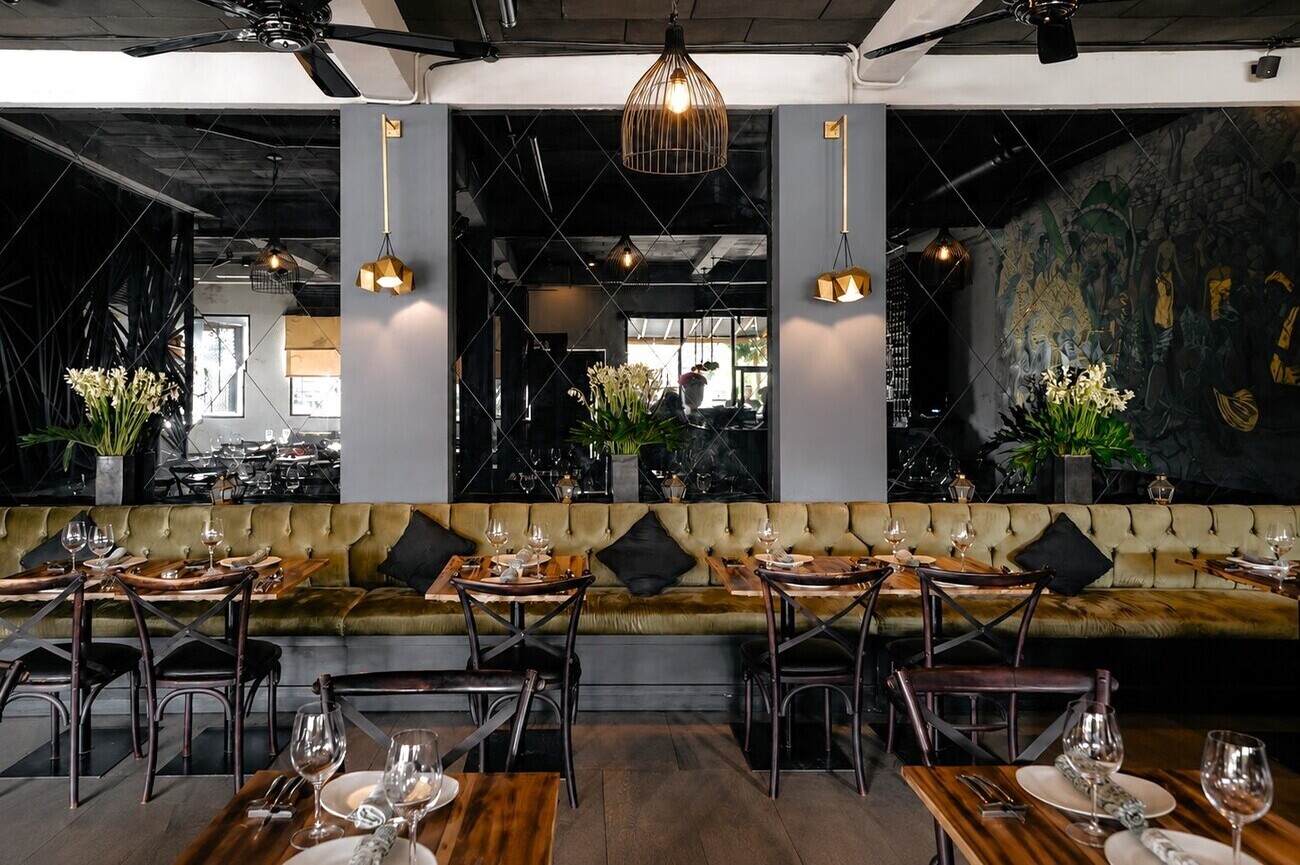
- MILU by Nook: This charming, open-air café brings the popular "dining by the rice fields" experience made famous by its sister restaurant, Nook in Umalas. Despite being close to Canggu's lively cafés and beaches, the restaurant overlooks peaceful emerald green rice paddies, offering a relaxing escape from the bustle of town. The open air dining area features a warm, bohemian design with wooden decks and bamboo accents, creating a welcoming space to enjoy breakfast, lunch, or dinner. The menu offers something for everyone, combining fresh Western café favourites with authentic Indonesian dishes and Asian-inspired flavours.
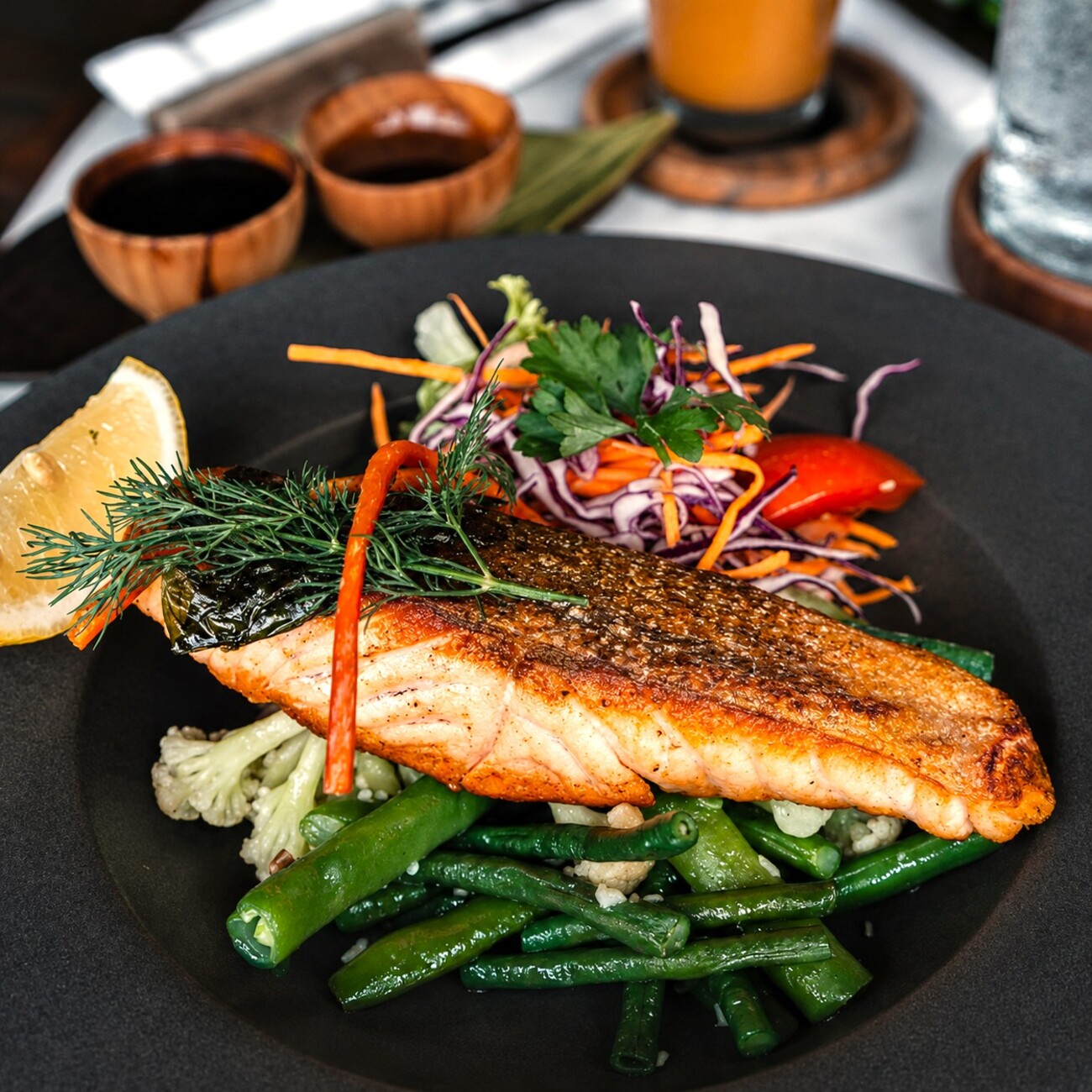
- Syrco BASÈ: Led by Michelin-starred chef Syrco Bakker, Syrco BASÈ is one of Bali's most innovative dining destinations. Inspired by the chef's Indonesian heritage, the restaurant combines world class culinary techniques with the finest locally sourced ingredients. Its philosophy is built around Traceability, Nature, and Transparency, with produce supplied by local farmers, fishermen, and artisans, as well as its own regenerative kitchen garden. Syrco BASÈ is more than just a restaurant, it’s a thoughtfully designed culinary destination with four unique spaces: The Restaurant, KU Culinary Atelier, The Bar, and The Shop. Each offers a different way to experience the restaurant's creative approach to food and hospitality.
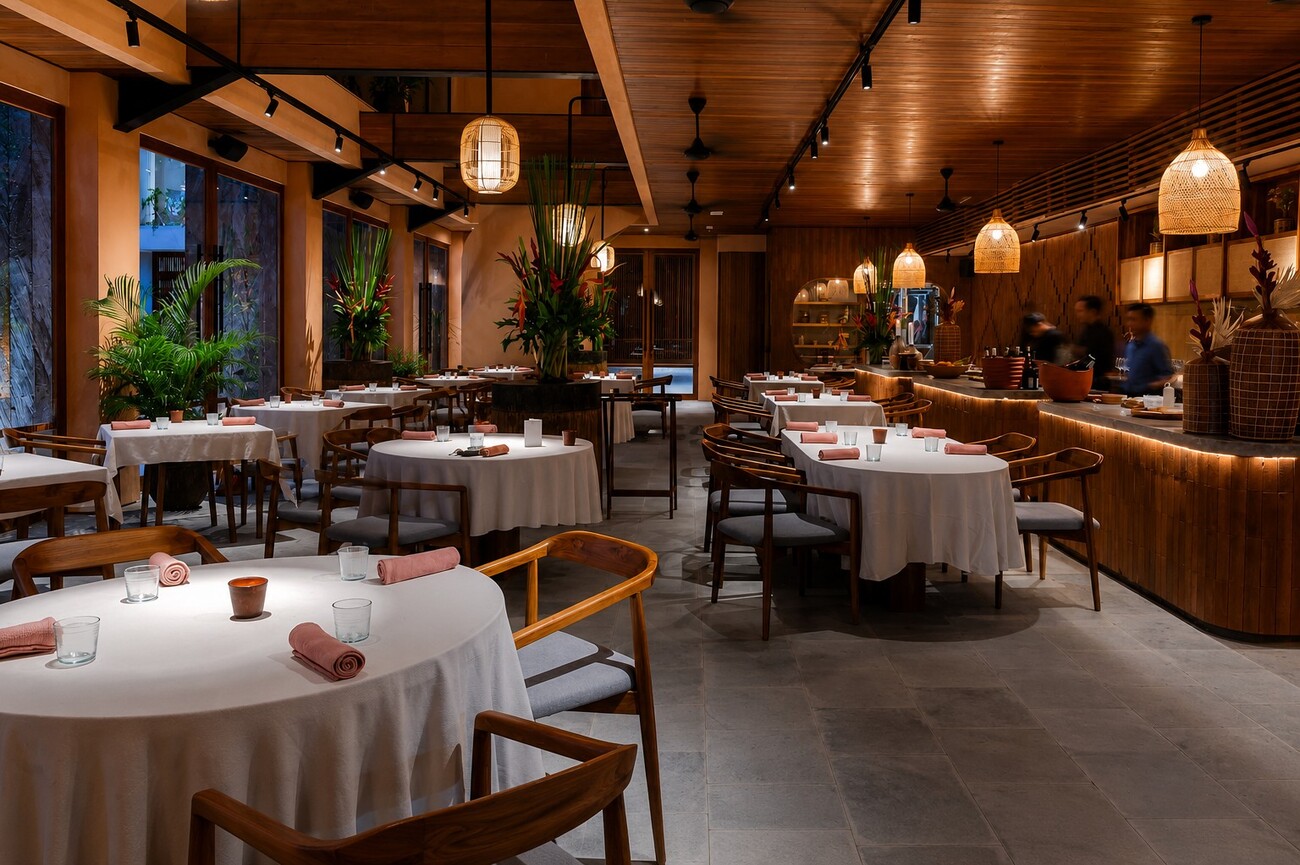
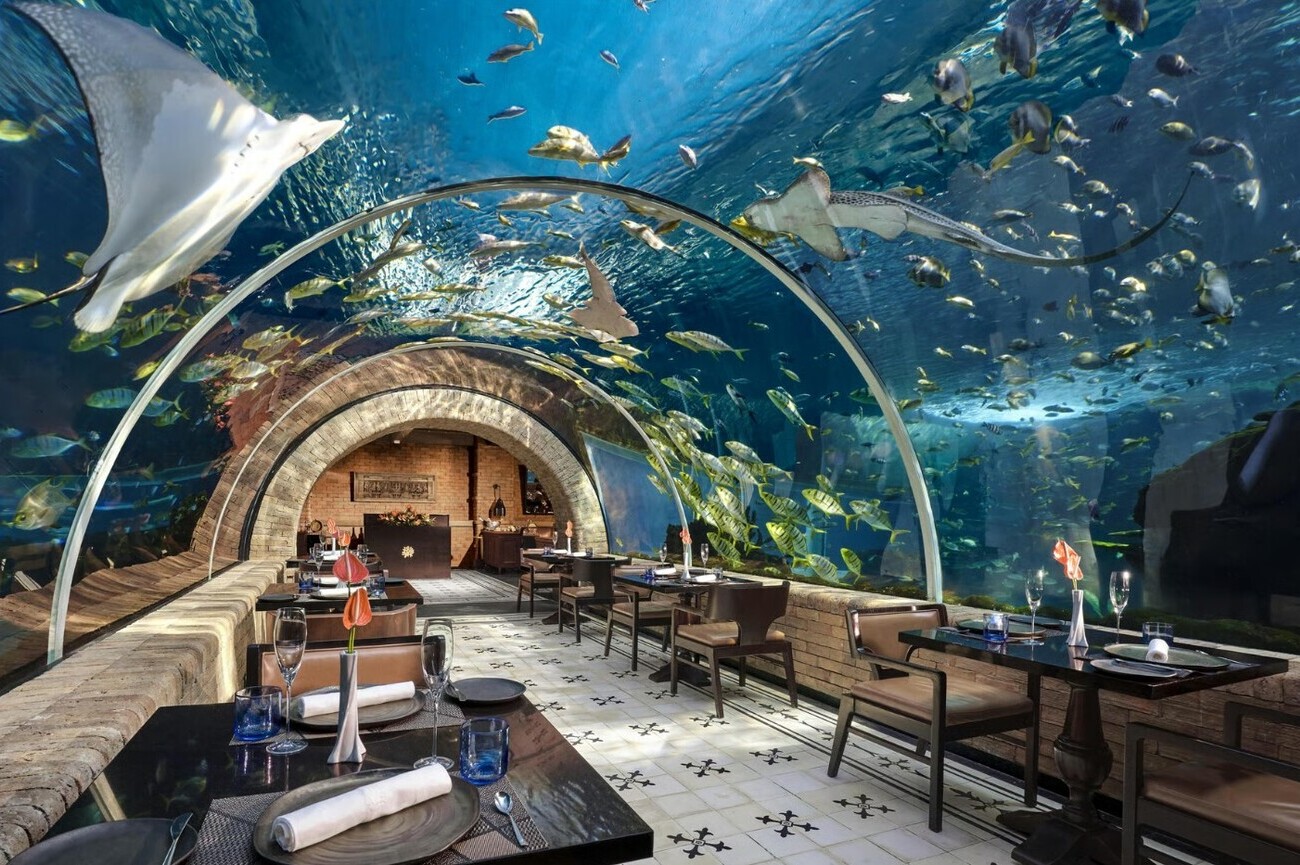
- Koral (Bali’s First Aquarium Restaurant): For a truly unforgettable dining experience, visit Koral, Bali's first underwater aquarium restaurant. Here, you'll enjoy fine dining inside a stunning glass walled dining room, where thousands of tropical fish, sharks, and rays glide through the massive aquarium surrounding you. Inspired by the architecture of the ancient Majapahit Empire, the restaurant features elegant design with a one of a kind underwater atmosphere. Your meal is served as a carefully crafted seasonal tasting menu, with four to eight courses showcasing creative flavours and beautifully presented dishes. Every course is designed to complement the immersive setting, making the experience just as memorable as the food itself.
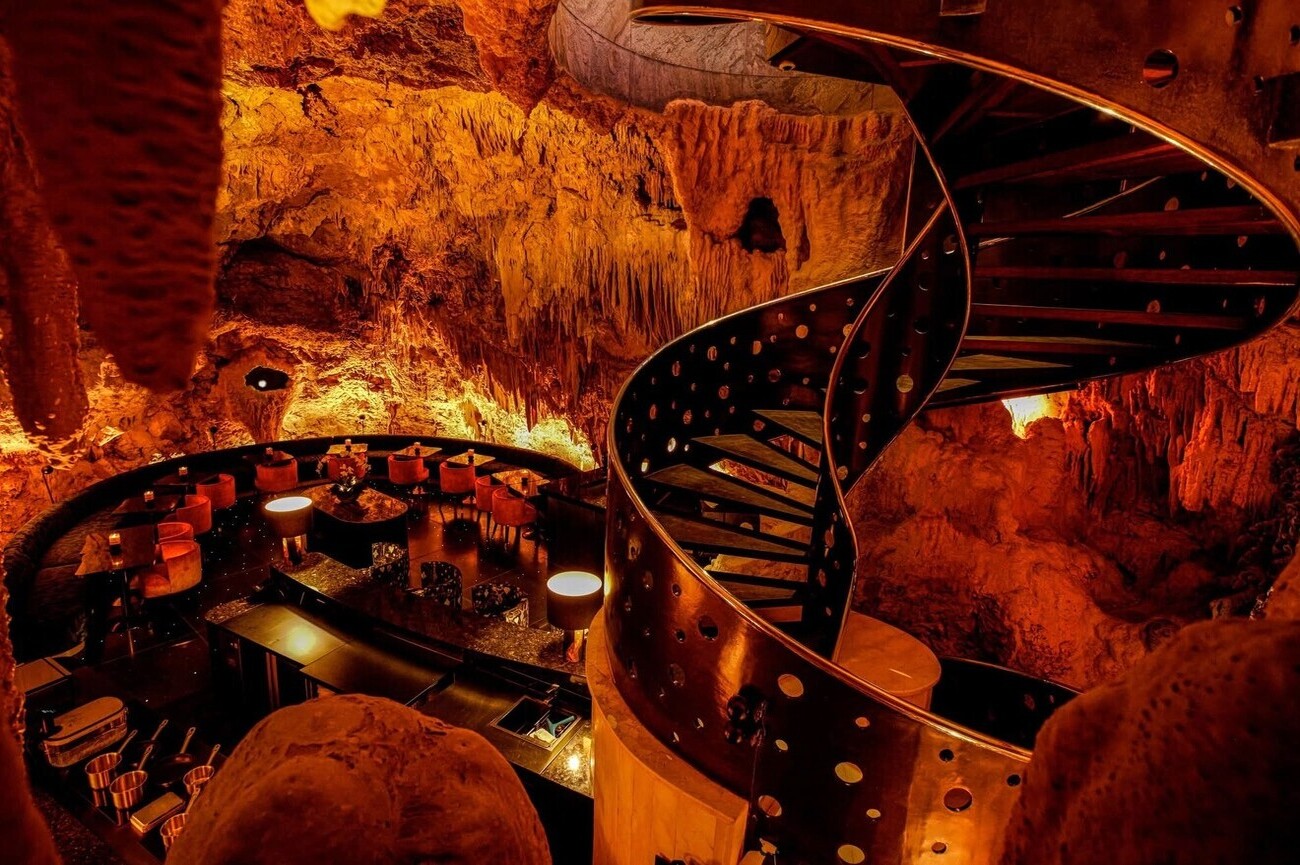
- The Cave Bali: Enjoy dinner inside a 25,000 year old natural limestone cave. Discovered by chance during villa construction in 2013, the cave has been transformed into an intimate fine dining venue while preserving its ancient rock formations and intimate atmosphere. Led by renowned chef Ryan Clift and Head Chef Nikhil Sengupta, the restaurant seats just 22 guests per service, creating an exclusive and immersive experience. Every course is served in sync, turning your meal into a carefully choreographed culinary journey. The seven course tasting menu showcases modern techniques, artistic presentation, and bold flavours, making The Cave Bali an unforgettable choice for a special celebration or an extraordinary night out.
Where to Stay in Bali
There isn't one perfect place to stay in Bali. The island is large, and many of its top attractions are two to three hours apart by road. To make the most of your trip, it's best to split your stay between two areas rather than spend hours travelling each day. We recommend staying in Ubud for Days 1–3 to central Bali, rice terraces, temples, and highlands. Then, move to Seminyak for Days 4–7, giving you easier access to the beaches, beach clubs, Uluwatu, Nusa Penida day trips, and Bali's vibrant dining scene. This two-base approach reduces travel time, gives you more time to enjoy each destination, and makes your Bali holiday far more relaxing and efficient.
Ubud
- Four Seasons Resort Bali At Sayan: An architectural masterpiece, regularly ranked among the top resorts globally, its most iconic feature is a striking rice-bowl-shaped main pavilion accessed via a dramatic suspension canopy bridge that floats high above the forest treetops. The arrival bridge leads guests to a massive, rooftop lotus pond, beneath which the sleek modernist resort cascades down a terraced jungle hillside. The property features spacious suites and private villas. Villas are accessed uniquely from their rooftops; you step past a private lily pond and meditation area on the roof, then descend a staircase into a secluded, open-air living pavilion equipped with a private plunge pool, teak wood interiors, and views of the Ayung River.
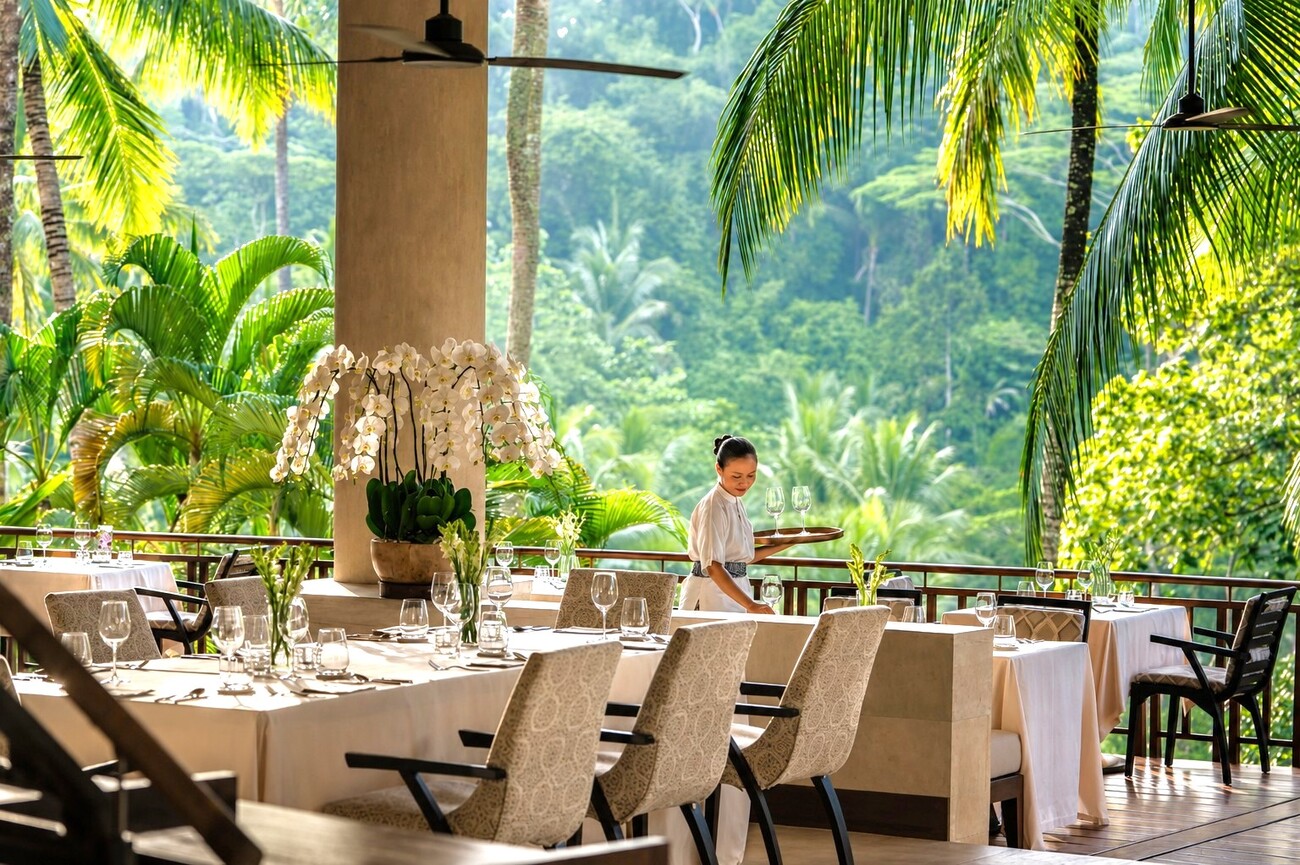
- Viceroy Bali: Hidden within a lush jungle valley just five minutes from central Ubud, it’s one of Bali’s exclusive luxury resorts. Often called the "Valley of the Kings," it offers exceptional privacy while keeping you close to Ubud's top attractions. The resort is also the only property in central Bali with its own certified helicopter pad, making it a favourite retreat for celebrities, royalty, and honeymooners. Every villa is designed as a private sanctuary, complete with its own heated infinity pool, an open-air Balinese bale overlooking the jungle, elegant marble bathrooms, and uninterrupted views of the surrounding ravine.
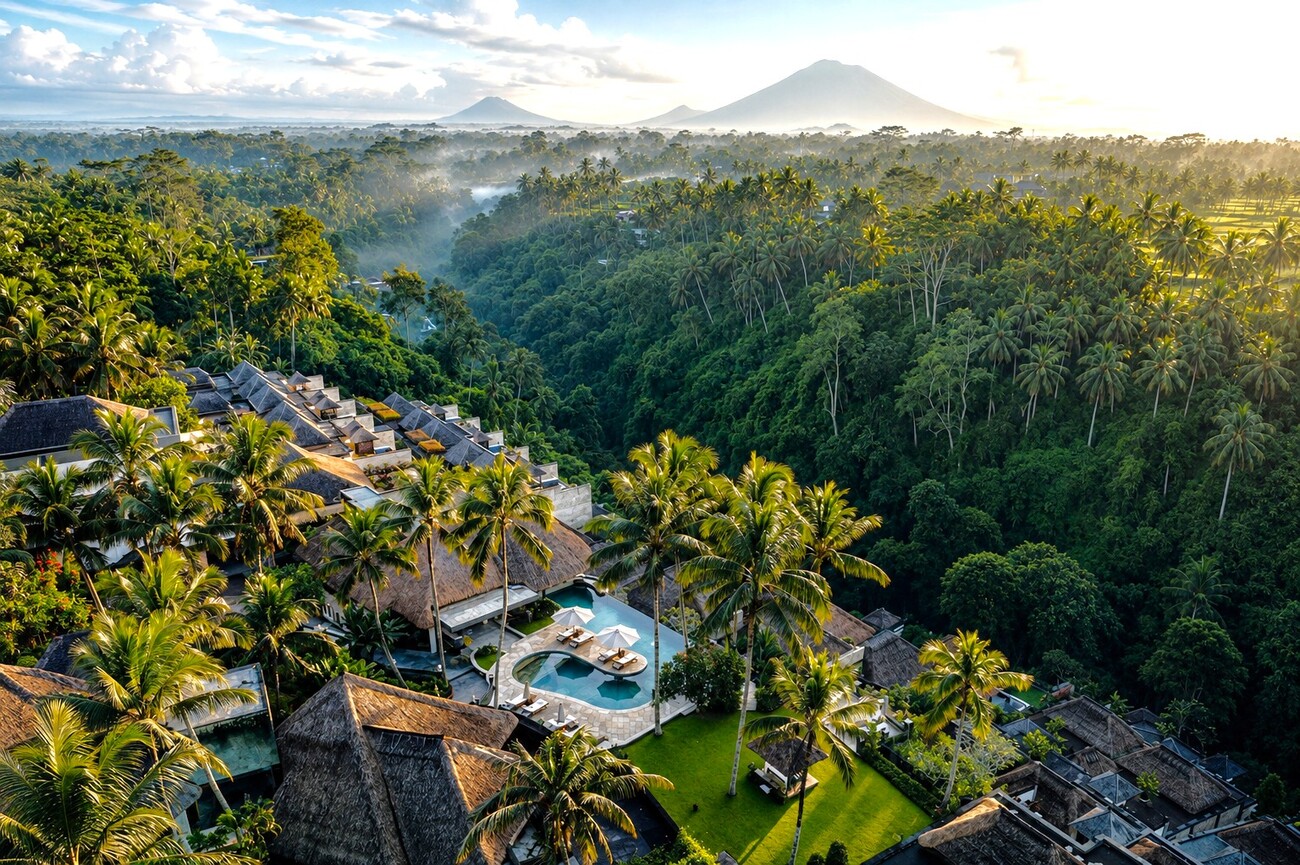
- The Kayon Jungle Resort: Surrounded by the lush jungles of Payangan, this peaceful adults-only retreat designed for couples, honeymooners, and wellness travellers blends beautifully with the surrounding landscape, creating one of Bali's most scenic escapes. One of its highlights is the famous Wanna Jungle Pool & Bar, where you can swim, relax, and take in panoramic views of the jungle. The resort also offers elegant suites and private villas with open-air balconies, deep soaking bathtubs, and, in selected villas, heated private plunge pools and personalised butler service.
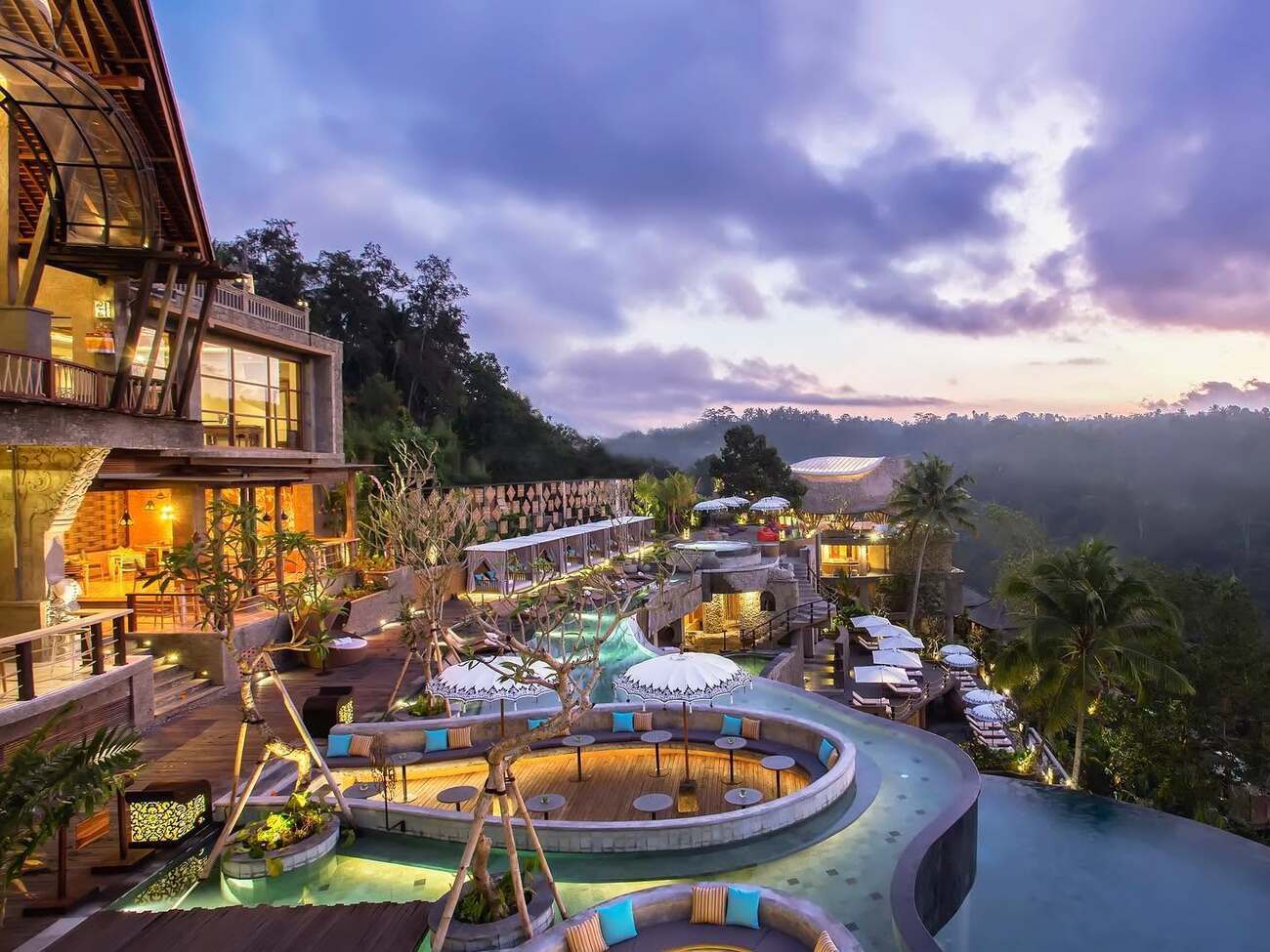
- Adiwana Bisma: Offers the best of both worlds. Located just minutes from Ubud Monkey Forest, Ubud Palace, and Ubud Art Market, the hotel is close to Ubud's top attractions while tucked away on a quiet street overlooking jungle valleys and rice fields. The hotel features contemporary Balinese design with modern amenities, making it a popular choice for travellers seeking luxury at great value. One of its highlights is the rooftop infinity pool, where you can swim while enjoying panoramic views of the surrounding jungle. The spacious rooms feature warm wood interiors, natural stone finishes, and handcrafted Balinese touches. Each room includes a private balcony with a daybed and a deep freestanding bathtub, perfect for a relaxing soak after a day of exploring Ubud.
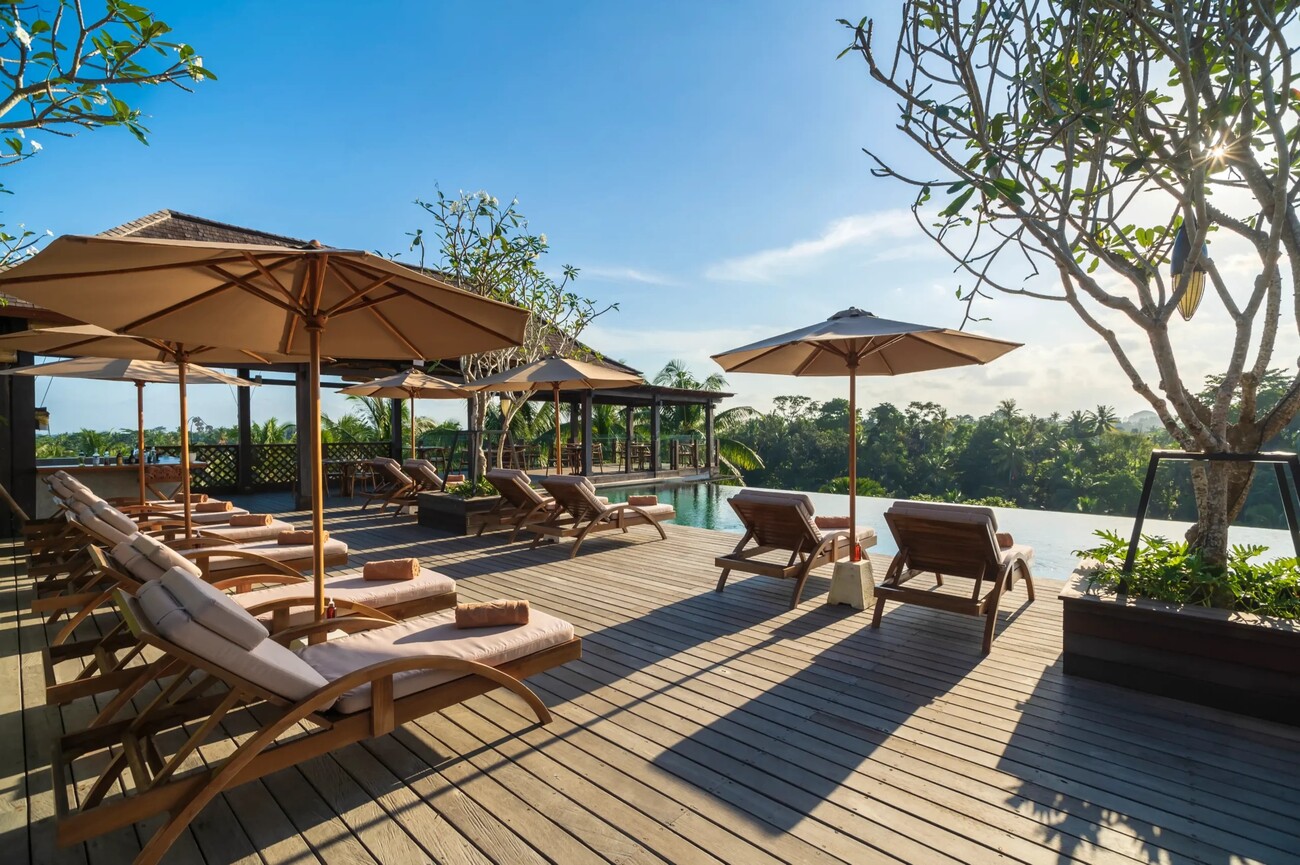
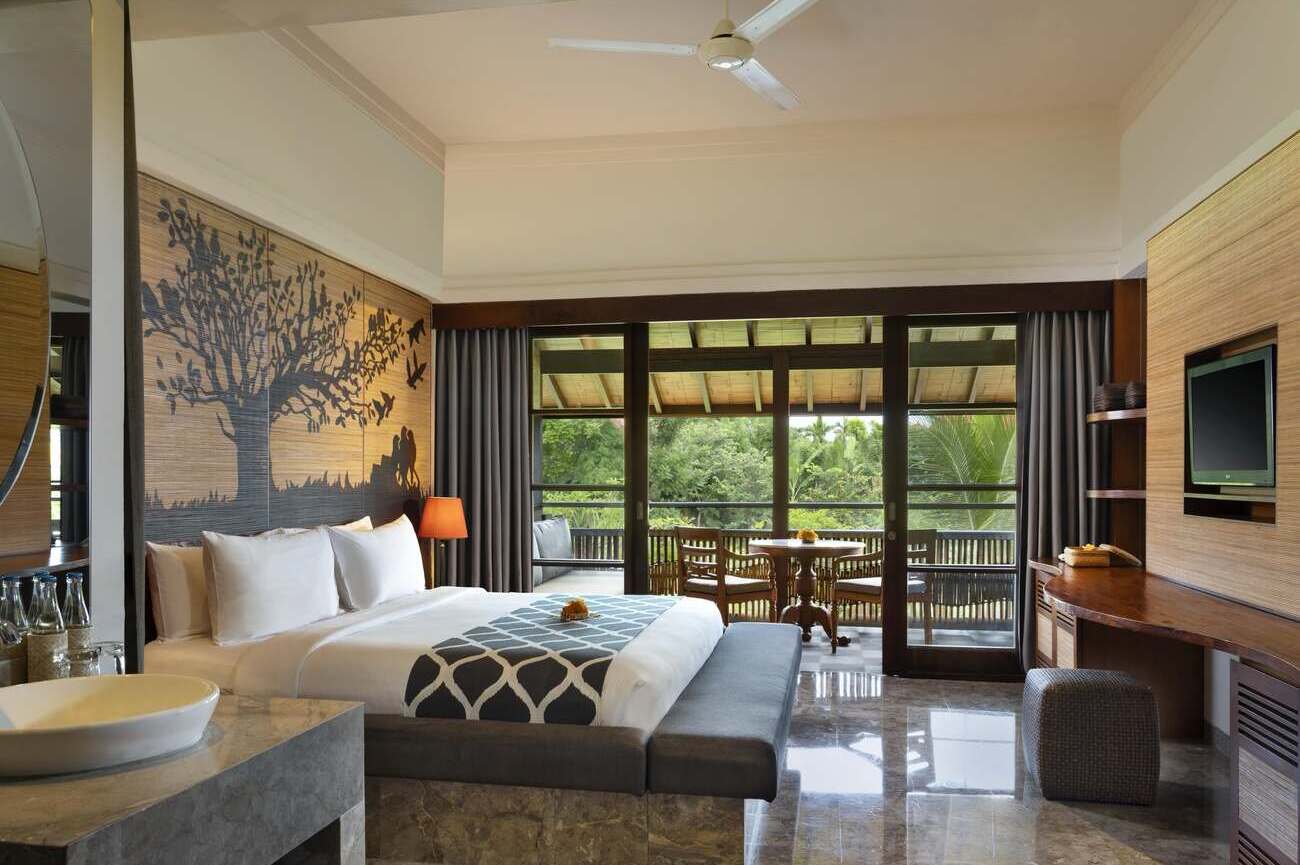
- Alaya Resort Ubud: Just steps away from the town's popular cafés, spas, boutiques, and restaurants, the resort opens onto a beautiful private rice field, giving you the feeling of being surrounded by nature without sacrificing convenience. The resort blends contemporary Balinese design with a warm, relaxing atmosphere. Its spacious rooms and suites feature local artwork, bamboo accents, and private balconies or terraces overlooking streams and lush rice paddies.
Seminyak
- The Seminyak Beach Resort & Spa: Located right in the heart of Bali’s most sophisticated upscale coastal district. From here, you’ll be within walking distance of Seminyak's stylish boutiques, cafés, and renowned restaurants, while still enjoying a peaceful retreat by the sea. One of the resort's highlights is its stunning oceanfront infinity pool, where you can relax while enjoying uninterrupted views of the Indian Ocean. The spacious rooms feature elegant Balinese inspired interiors, modern comforts, and private balconies. Selected rooms include outdoor jacuzzis with ocean views, while the private villas feature their own swimming pools for complete privacy.
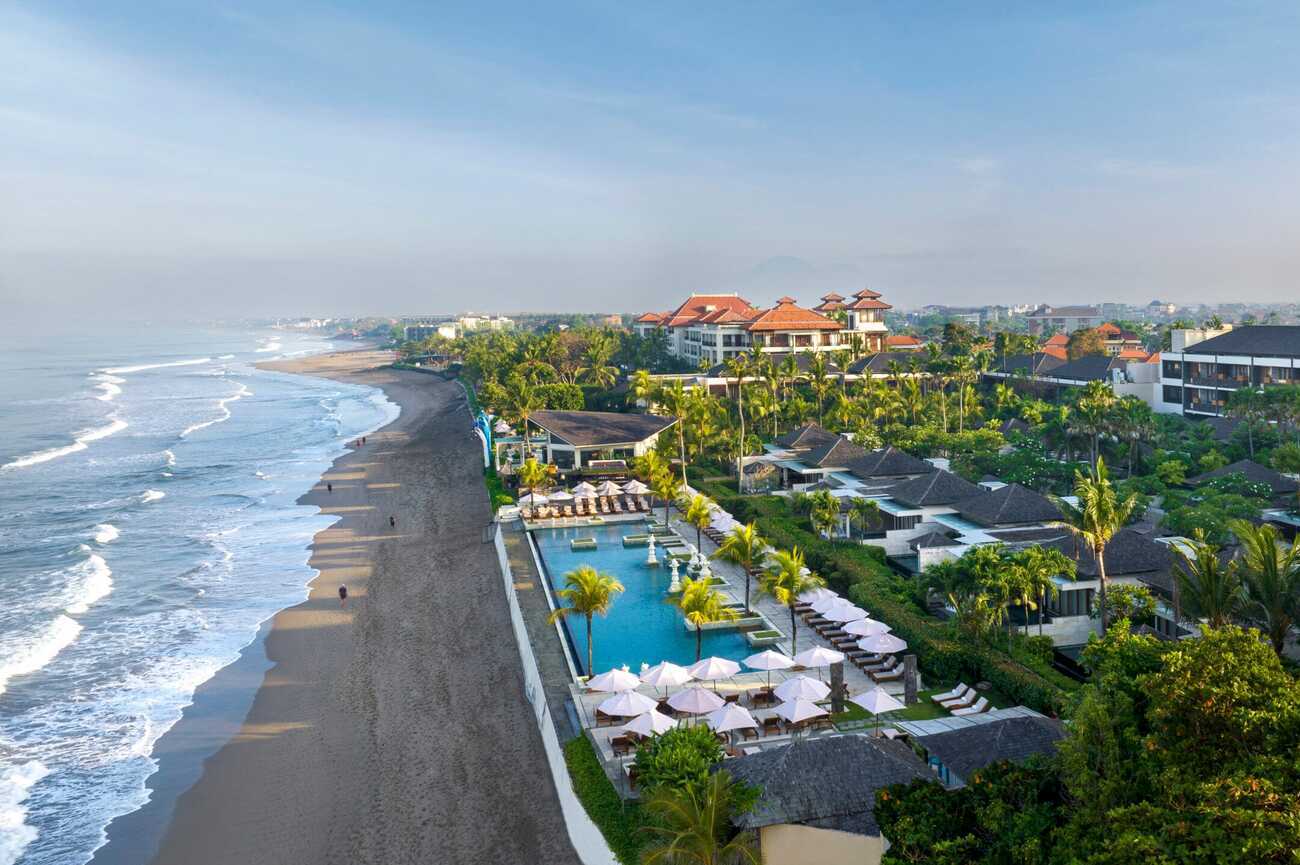
- W Bali - Seminyak: One of Bali’s stylish luxury resorts. Known for its bold design, lively atmosphere, and modern take on Balinese hospitality, it's an excellent choice if you want to combine a luxury stay with Seminyak's vibrant beach scene. From the moment you arrive through the resort's posh entrance, you'll be immersed in a world of contemporary architecture, music, and beachfront energy. Spend your day relaxing by the resort's stunning multi level swimming pools, inspired by Bali's iconic rice terraces, or unwind with direct access to the beach. The spacious rooms and suites feature private balconies, with many overlooking the Indian Ocean. For even greater privacy, the resort's one bedroom pool villas offer secluded gardens, private sun decks, and their own swimming pools, creating the perfect retreat after a day of exploring Bali.
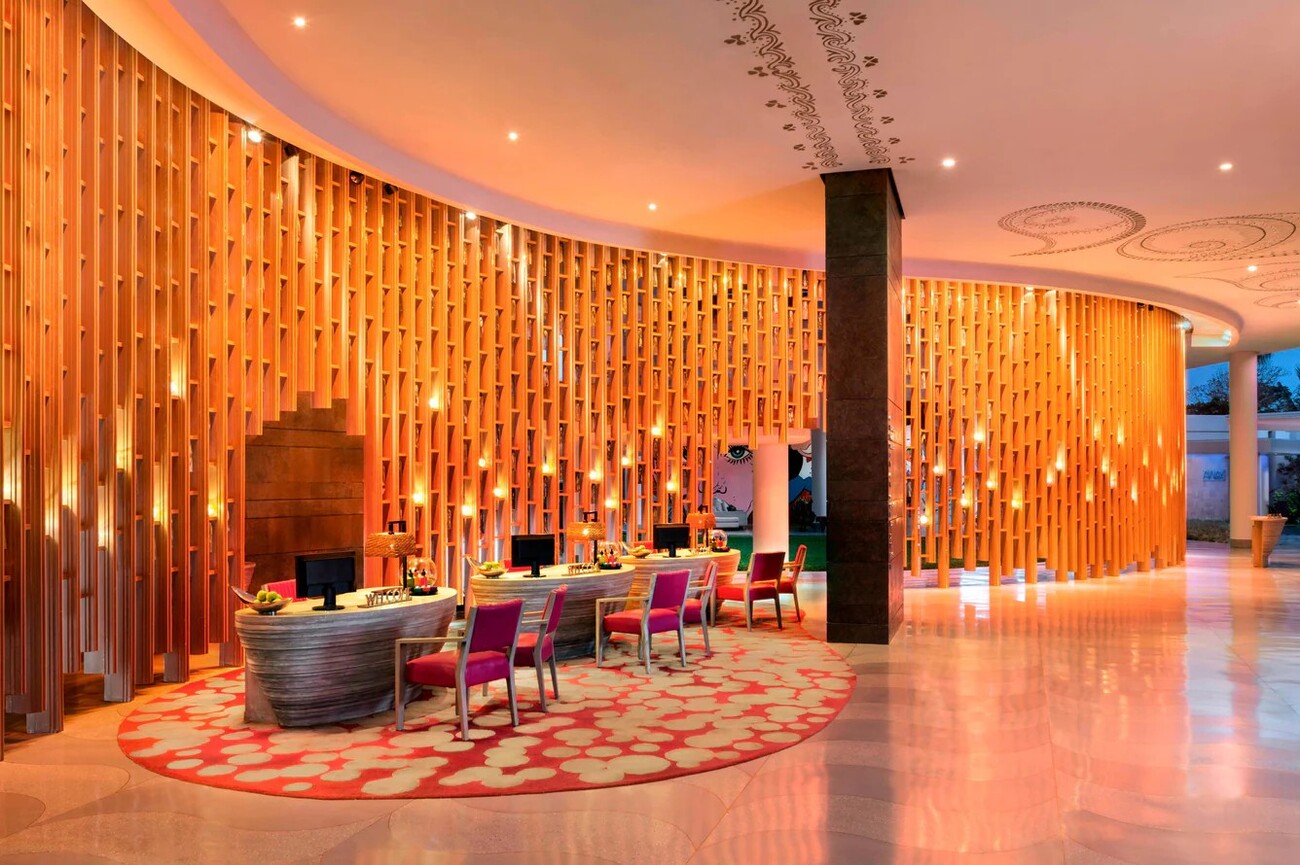
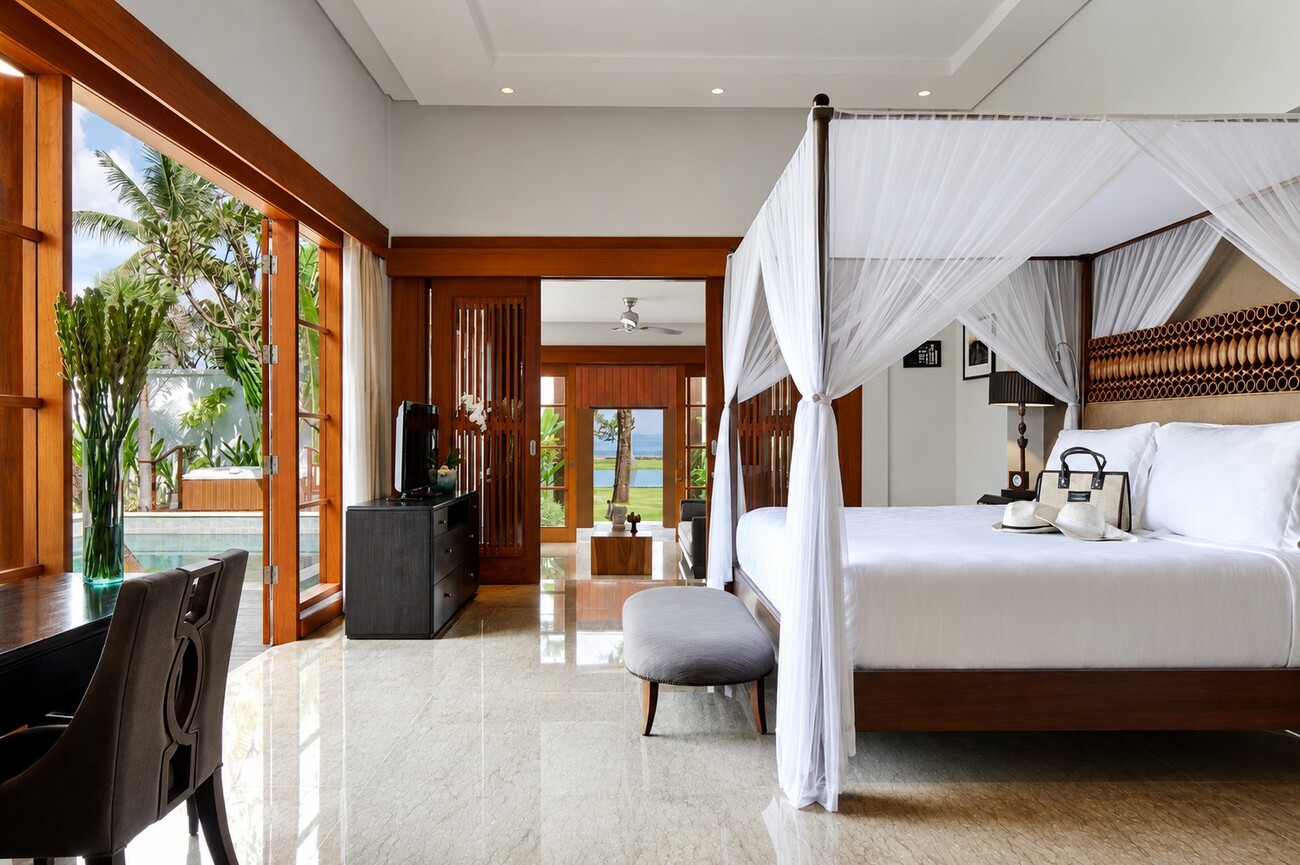
- The Samaya Seminyak Bali: An award-winning, luxury resort known for its peaceful atmosphere and romantic all-villa experience. Your stay here brings you just a short walk from Seminyak's popular restaurants, boutiques, and cafés, the resort feels like a private sanctuary where the only sound you hear is the ocean waves. Every villa is designed for comfort and privacy, featuring a full sized private swimming pool, a spacious sun deck, a traditional Balinese bale for outdoor dining or relaxation, and a luxurious bathroom with a deep Jacuzzi bathtub.
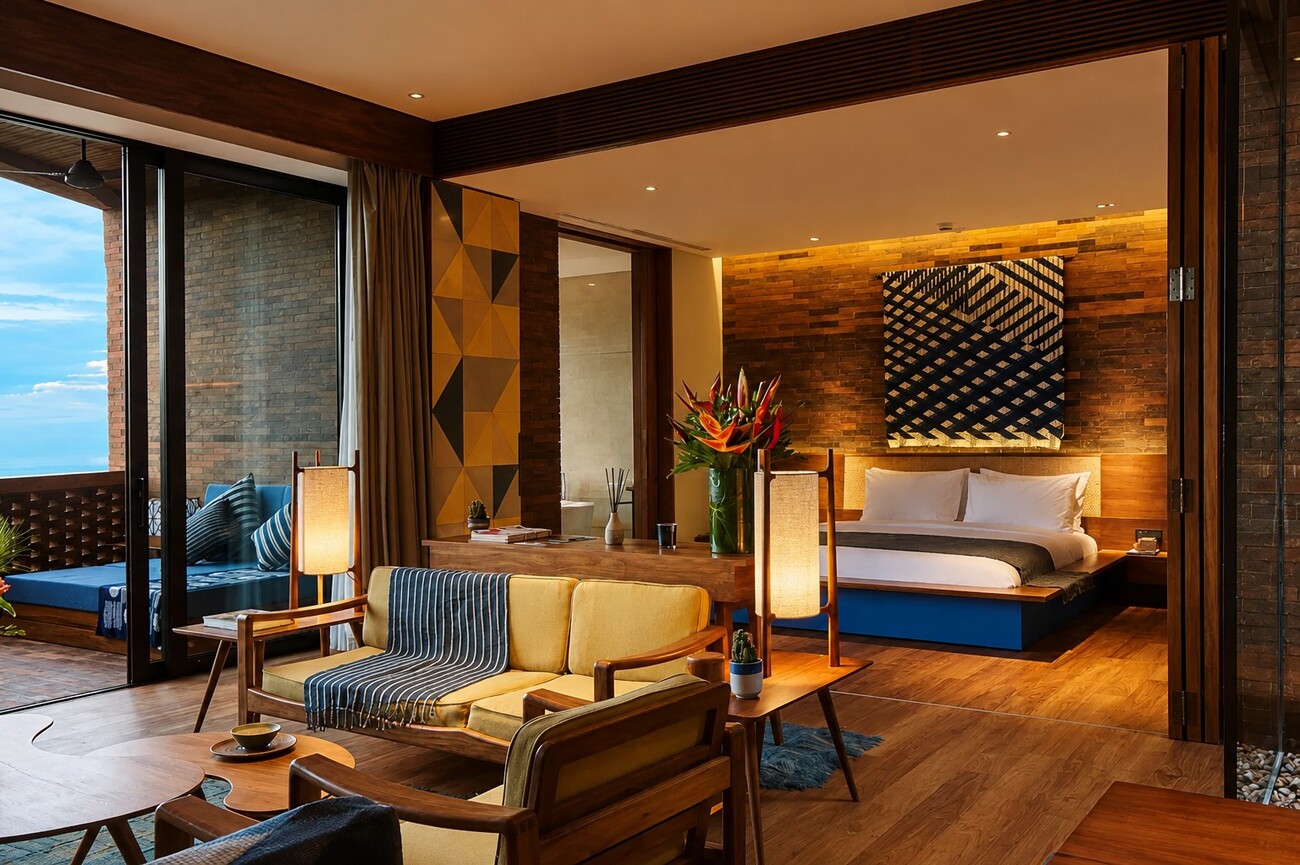
- Desa Potato Head Bali: Designed as a creative village, it brings together sustainability, art, music, dining, and wellness in one vibrant oceanfront destination. The resort is known for its striking architecture, built using repurposed materials, volcanic stone, and woven bamboo. Its stylish rooms and studios are designed with sustainability in mind, featuring custom furniture made from recycled materials, refillable amenities, and thoughtful eco-friendly touches throughout. Enjoy direct access to the iconic Potato Head Beach Club, where you can relax on a beachfront daybed, swim in the oceanfront pool, enjoy world-class dining, and watch one of Bali's famous sunsets.
Best Time to Visit
Bali
The best time to visit Bali is during the dry season, from April to October. During these months, you can expect warm, sunny days, clear blue skies, lower humidity, and pleasant evenings, perfect for relaxing on the beach, visiting temples, exploring rice terraces, and hiking volcanoes.
If you're looking for the best weather, the Peak Season from July–August and late December are the best months to visit. Days are typically sunny and dry, with temperatures averaging around 27°C. However, it's also Bali's busiest time of year, as it coincides with European summer holidays and the Christmas and New Year season. Expect larger crowds and higher accommodation prices.
However, many experienced travellers consider April, May, June, September, and October as the ideal time to visit Bali. Since you can still enjoy plenty of sunshine and warm weather, but with fewer crowds and better value on hotels. While you may encounter the occasional short afternoon shower, it rarely affects sightseeing and often passes quickly.
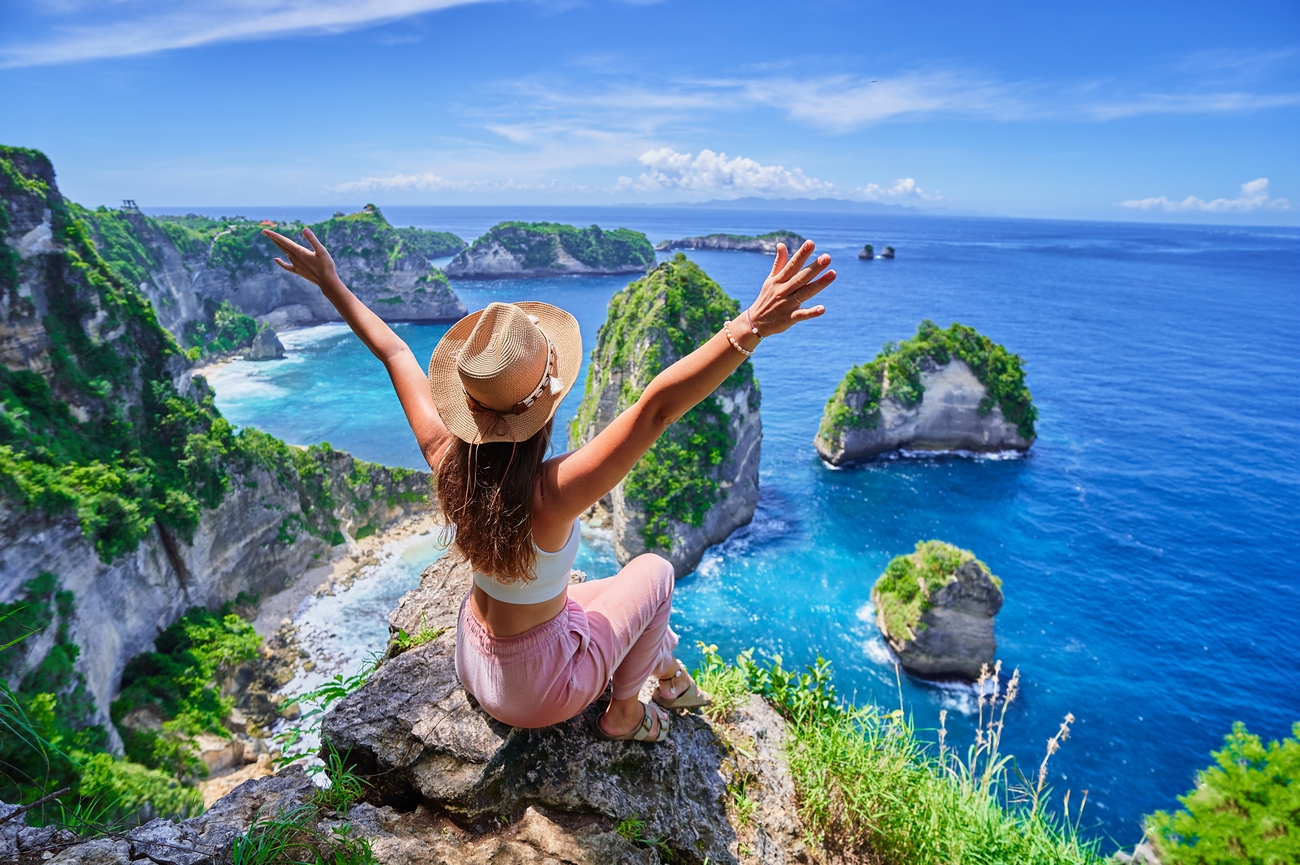
Festivals &
Seasonal Events in Bali
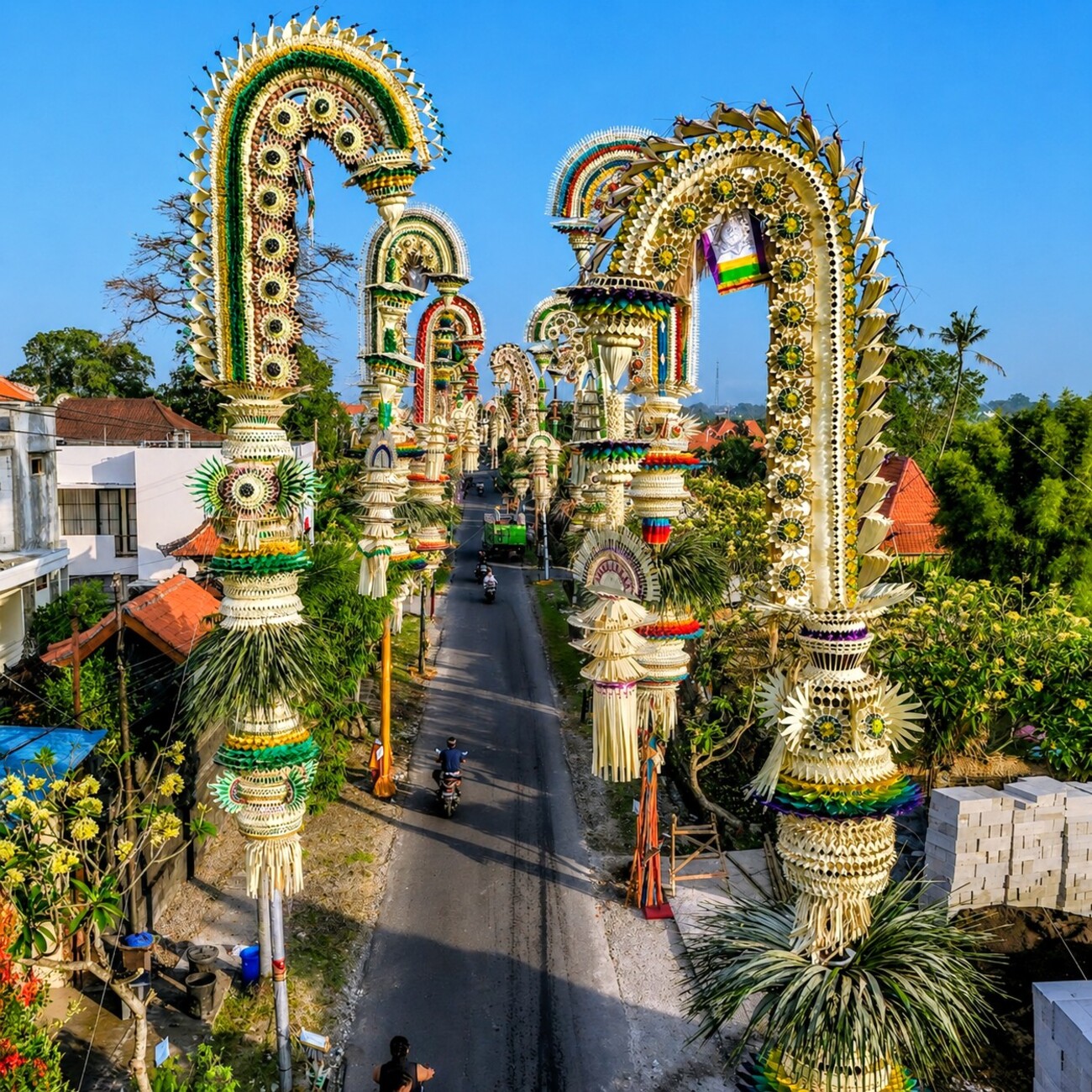
- Galungan & Kuningan: These two events form Bali's most important religious festival, celebrated over 10 days. The festival marks the triumph of good over evil, and Balinese Hindus believe that during Galungan, their ancestors return to visit their families on Earth. Ten days later, Kuningan marks their farewell as the spirits return to the heavenly realm. If you visit during this time, you'll experience Bali’s most colourful and spiritual time of the year. Streets across the island are lined with beautifully decorated “penjor”, tall, curved bamboo poles decorated with coconut leaves, fruit, and offerings. Villages in Ubud and Sidemen become especially picturesque, making this one of the best times for photography. Many of Bali's most famous temples, including Besakih, Tirta Empul, and Uluwatu, come alive with worshippers dressed in traditional Balinese clothing. You can watch these vibrant ceremonies from a respectful distance. It's also a wonderful time to sample traditional festival dishes, including Nasi Kuning (turmeric-infused yellow rice), sate lilit (Balinese minced meat skewers), and lawar, a traditional mix of vegetables, herbs, and minced meat.
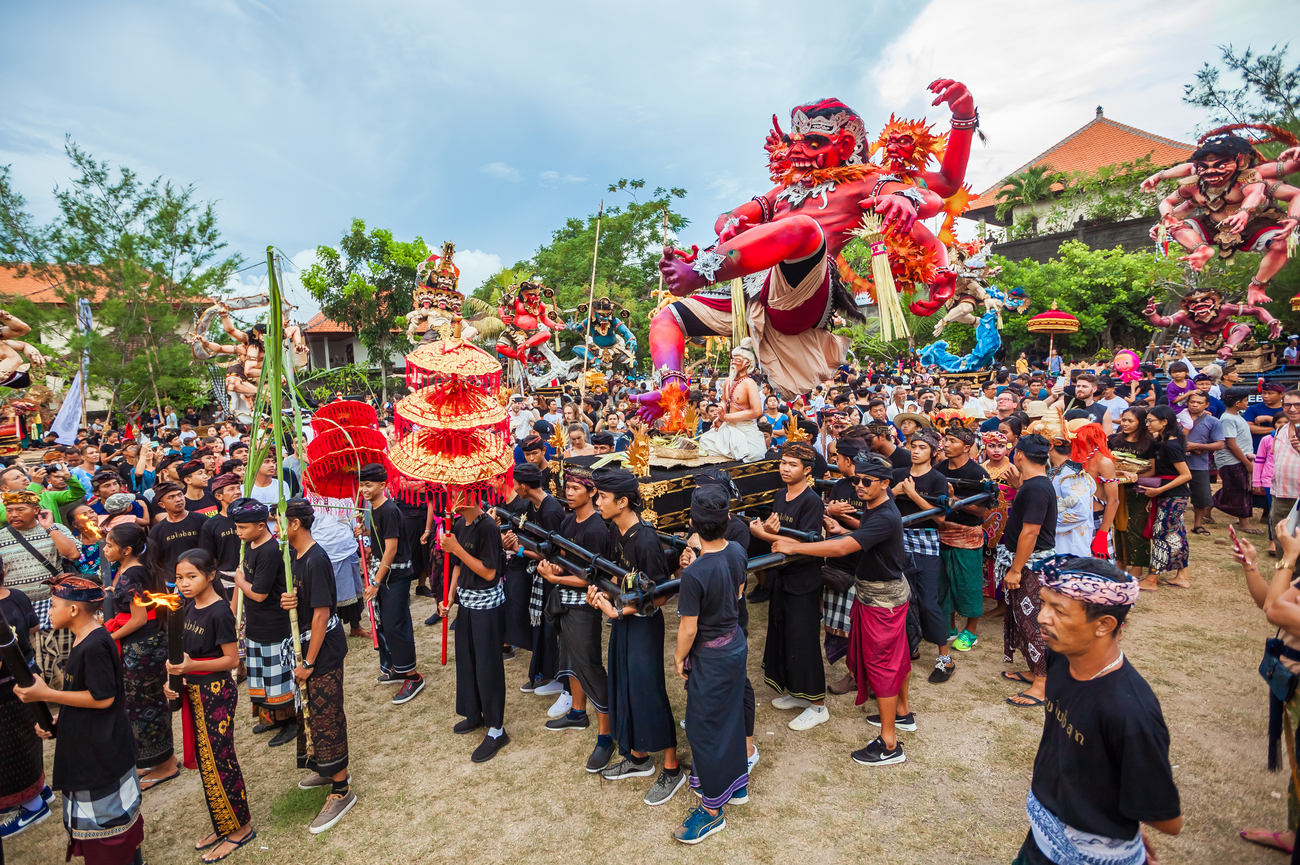
- Nyepi (The Day of Silence): Known as the Balinese Day of Silence, it’s Bali's most sacred and unique festival. Celebrated as the Balinese New Year on the Saka calendar, it is unlike any other New Year celebration. Instead of fireworks and parties, the island observes 24 hours of complete silence, reflection, and stillness. Balinese Hindus believe this day cleanses the island of negative energy and encourages evil spirits to leave by making Bali appear deserted. From 6:00 AM on Nyepi until 6:00 AM the following day, the entire island comes to a standstill. Shops, attractions, and even the airport close, while everyone (including tourists) is expected to remain within their hotel or resort. Outdoor activities, travel, entertainment, and bright lights are not permitted, and these rules are respectfully enforced across the island. Although Nyepi itself is a quiet day, the celebrations surrounding it are unforgettable. On the evening before Nyepi, you can watch the spectacular Ogoh-Ogoh Parade, where giant mythical statues are carried through the streets before being symbolically destroyed. On Nyepi night, the lack of artificial light creates some of the clearest stargazing conditions you'll ever experience. The celebrations continue the following day with the lively Omed-Omedan, also known as the "Kissing Festival," held in the village of Sesetan.
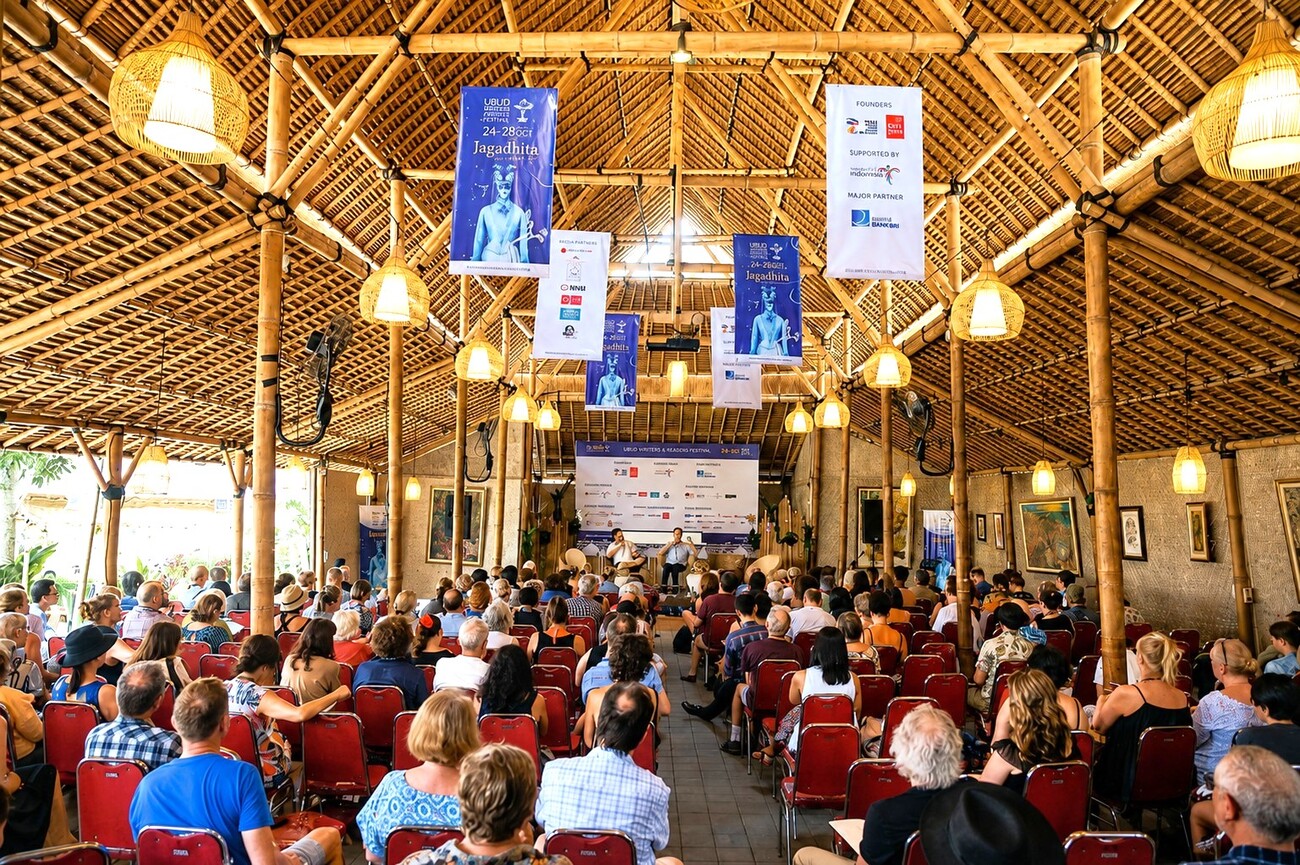
- Ubud Writers & Readers Festival: Southeast Asia’s largest and most celebrated literary event. Held over five days each year, it brings together more than 170 authors, journalists, poets, artists, and thought leaders from Indonesia and around the world. Set against Ubud's lush tropical scenery, the festival transforms the town into a vibrant hub for literature, culture, and ideas. If you visit during the festival, you can attend inspiring panel discussions on topics ranging from storytelling and world history to human rights, sustainability, and current affairs. It's a great opportunity to hear directly from bestselling authors, award-winning journalists, and influential speakers. If you're an aspiring writer or simply love books, you can also join hands-on workshops and masterclasses covering travel writing, screenwriting, poetry, publishing, and other creative skills. Whether you're looking to learn, network, or be inspired, this event is one of Bali's most rewarding cultural experiences.
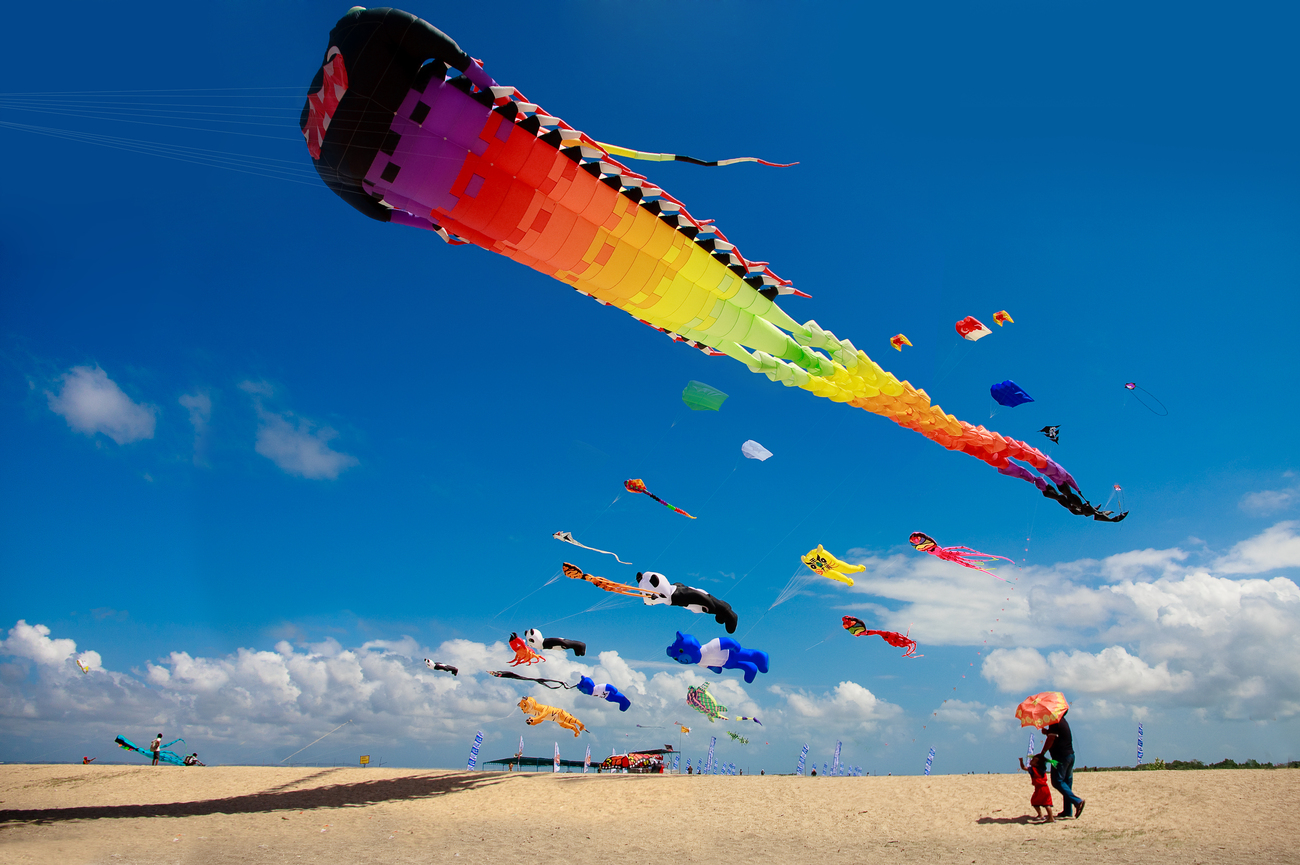
- Bali Kite Festival: Held every July and August, the Bali Kite Festival is one of the island's most colourful and exciting cultural events. The festival is a traditional thanksgiving ceremony dedicated to Rare Angon, the Balinese Hindu god of agriculture and wind, to pray for good harvests and protection for the crops. If you visit during the festival, you'll see hundreds of local village teams showcasing enormous handcrafted kites, some stretching up to 10 metres long. These giant creations come in traditional designs and are flown in friendly competitions along Bali's breezy coastline. One of the most thrilling moments is watching the kite launches. Because the kites are so large and heavy, it takes 50 to 80 team members working together to lift them into the air, sprinting across the beach in colourful matching attire as they catch the perfect gust of wind. The result is a spectacular display of teamwork, tradition, and colour that you won't soon forget.
Explore More of Asia
with our Tailored Journeys
If Bali has inspired you to see more of Asia, Revigorate can design a wider journey around your interests, pace and travel style.
Pair Bali with Singapore for a stylish city and island escape, continue to Japan for culture, cuisine and seasonal beauty, or explore China through imperial landmarks, mountain landscapes and river journeys.
You can also combine Bali with other island destinations across Southeast Asia, from the Philippines to future Indonesia extensions, creating a journey that feels seamless from start to finish.
Wherever your travels take you next, our tailored journeys help you experience Asia with thoughtful planning, smooth logistics and memorable moments throughout.
Make Your Dream Bali
Vacation a Reality
The beauty of Bali isn't found in a single beach, temple, or viewpoint. It's found in the way every day feels completely different from the last. Whether you're dreaming of a romantic honeymoon, a family holiday, a wellness retreat, or an adventure filled with unforgettable experiences, Bali offers a journey that feels as rewarding as it is beautiful.
Let Revigorate create your perfect Bali escape with a tailor-made itinerary designed entirely around you. From private guided experiences and exclusive villas to stress-free transport and memorable local experiences, we'll take care of every detail so you don't have to. All you have to do is arrive, relax, and experience the beauty of Bali.
Contact us to start planning your Bali journey.


Let us know what you love, where you want to go, and we’ll design a one-of-a-kind adventure you’ll never forget.
Get in touch
Miriam
Travel Specialist

Nina
Travel Specialist

Abigail
Travel Specialist
Our offices:



Revigorate, Iberian Escapes and Algarve Lifestyle are the registered brand names of APCS Lda . We are a fully authorised travel agency licensed by Turismo de Portugal RNAVT/6867.
In the event of a dispute, the consumer may refer to: RAL - Centros de Arbitragem
Avª. 5 de Outubro, nº. 55, R/C Dtº. 8000-075 Faro, Portugal | Tel: +351 289 823 135 *
* national landline call
E-mail: info@consumoalgarve.pt| www.consumidoronline.pt | Mon to Fri: 9:00 - 13:00 / 14:00 - 17:00